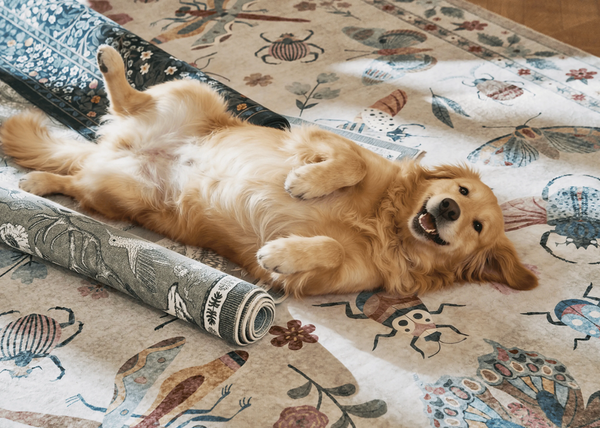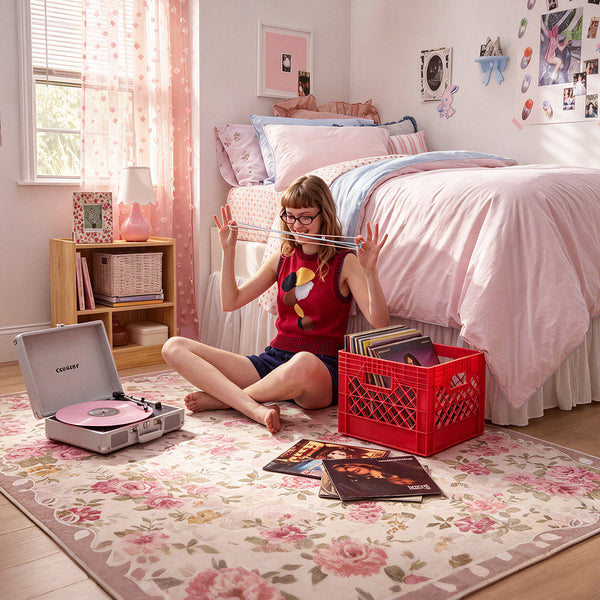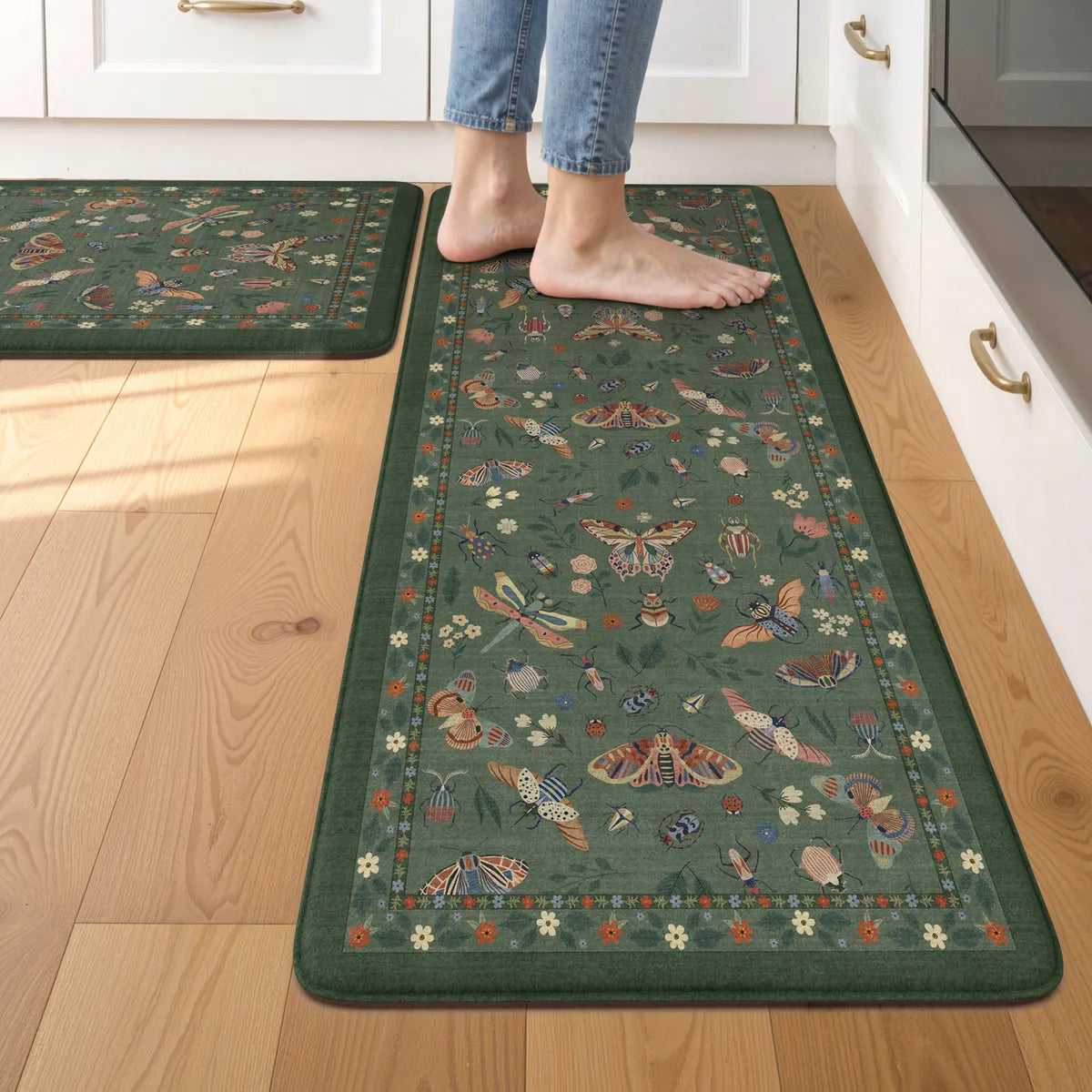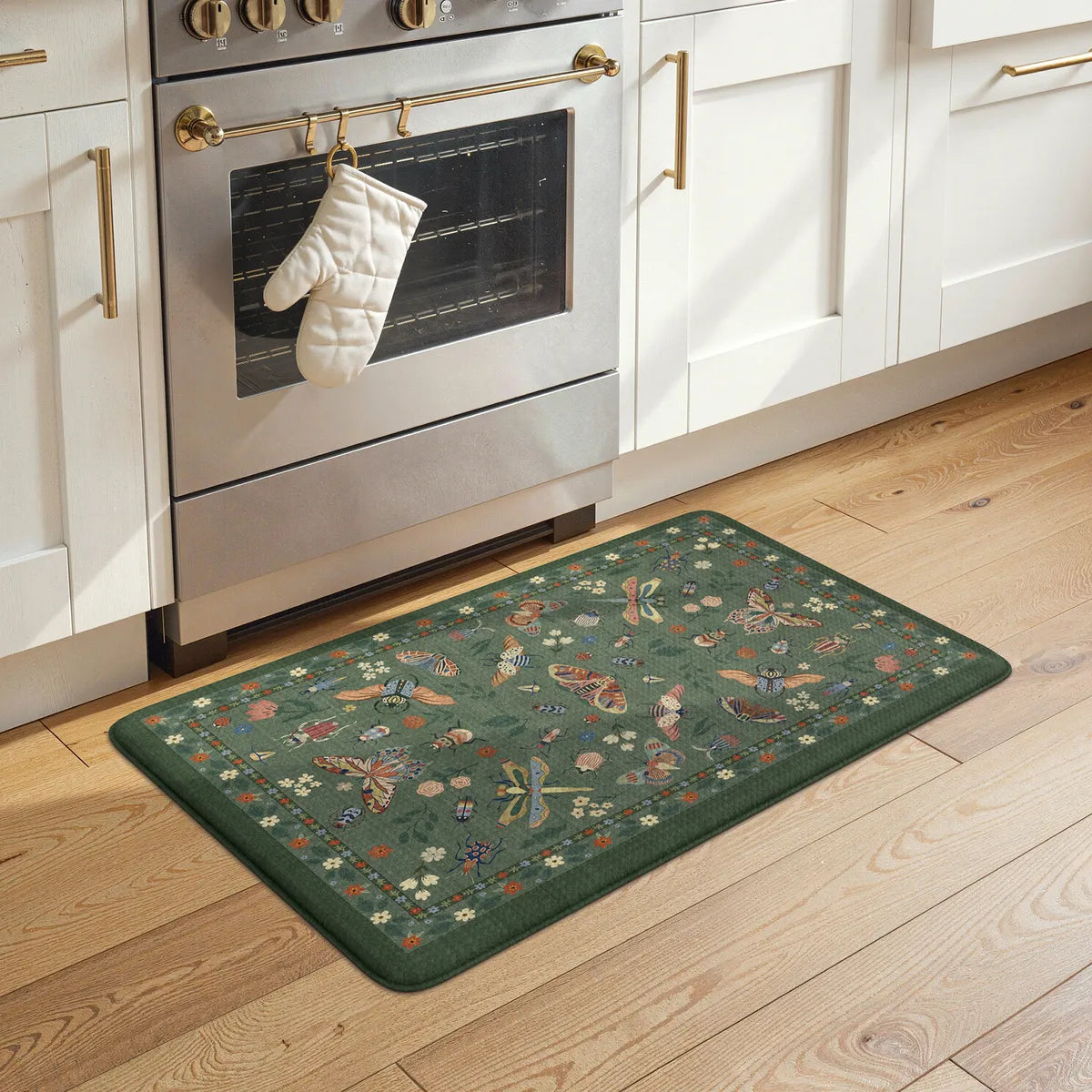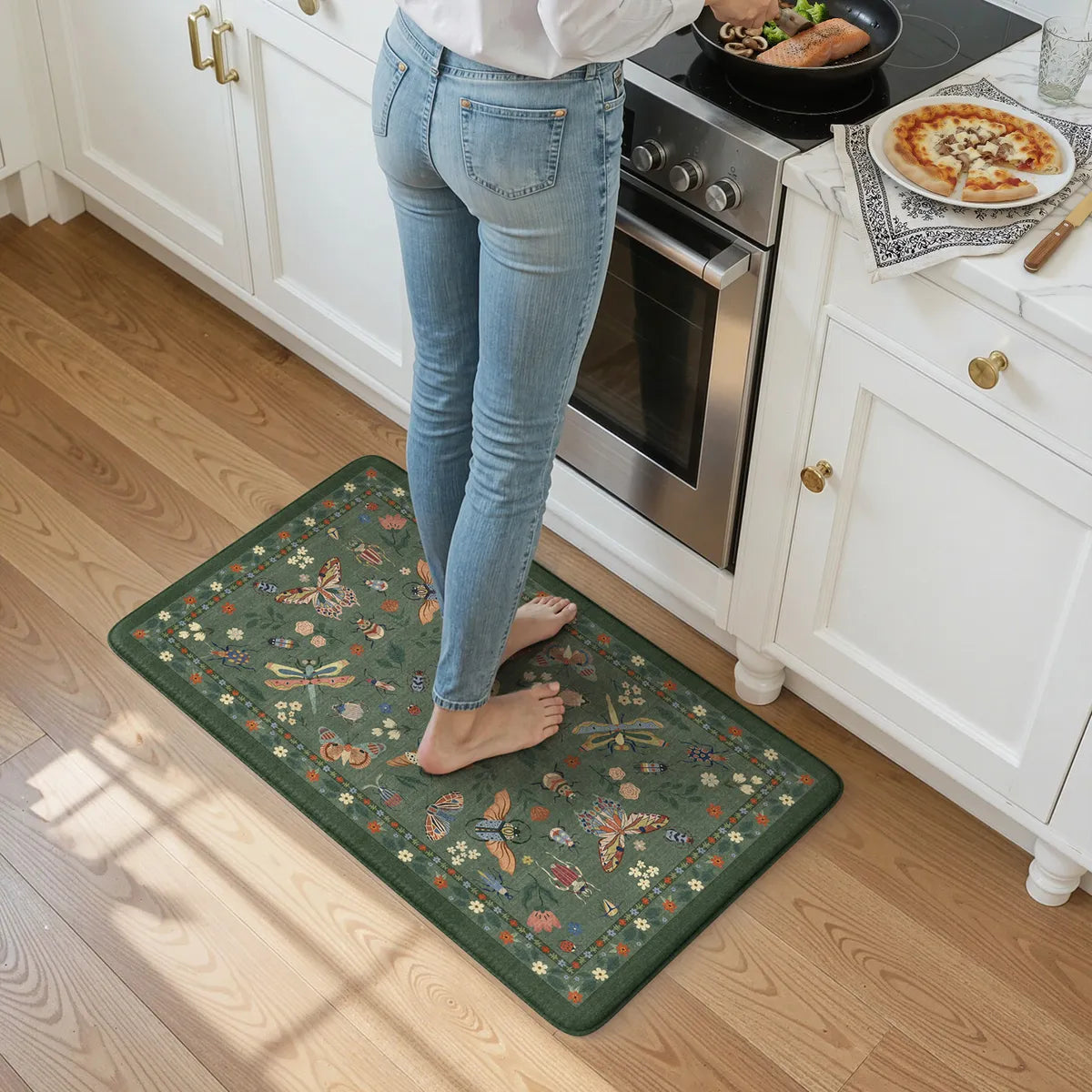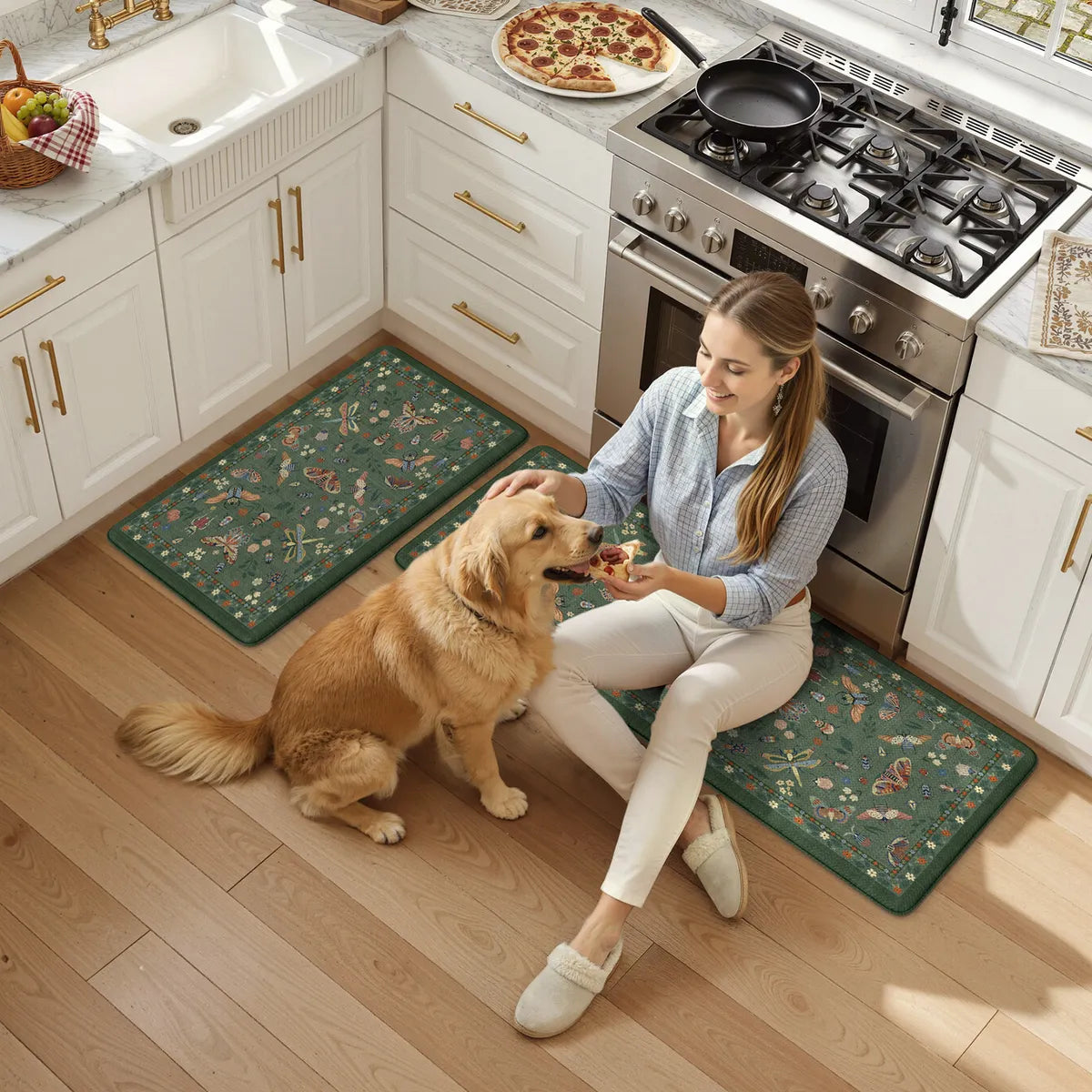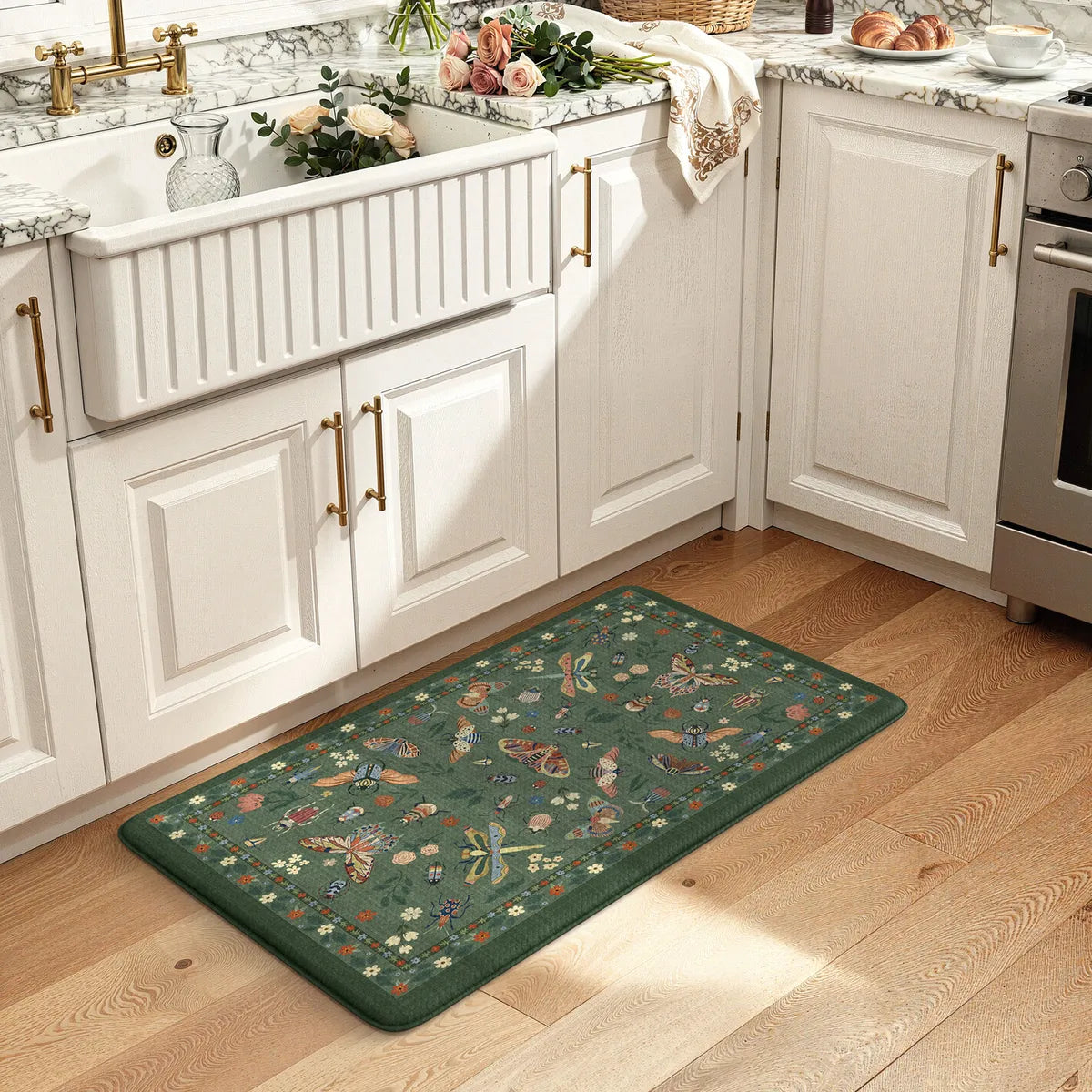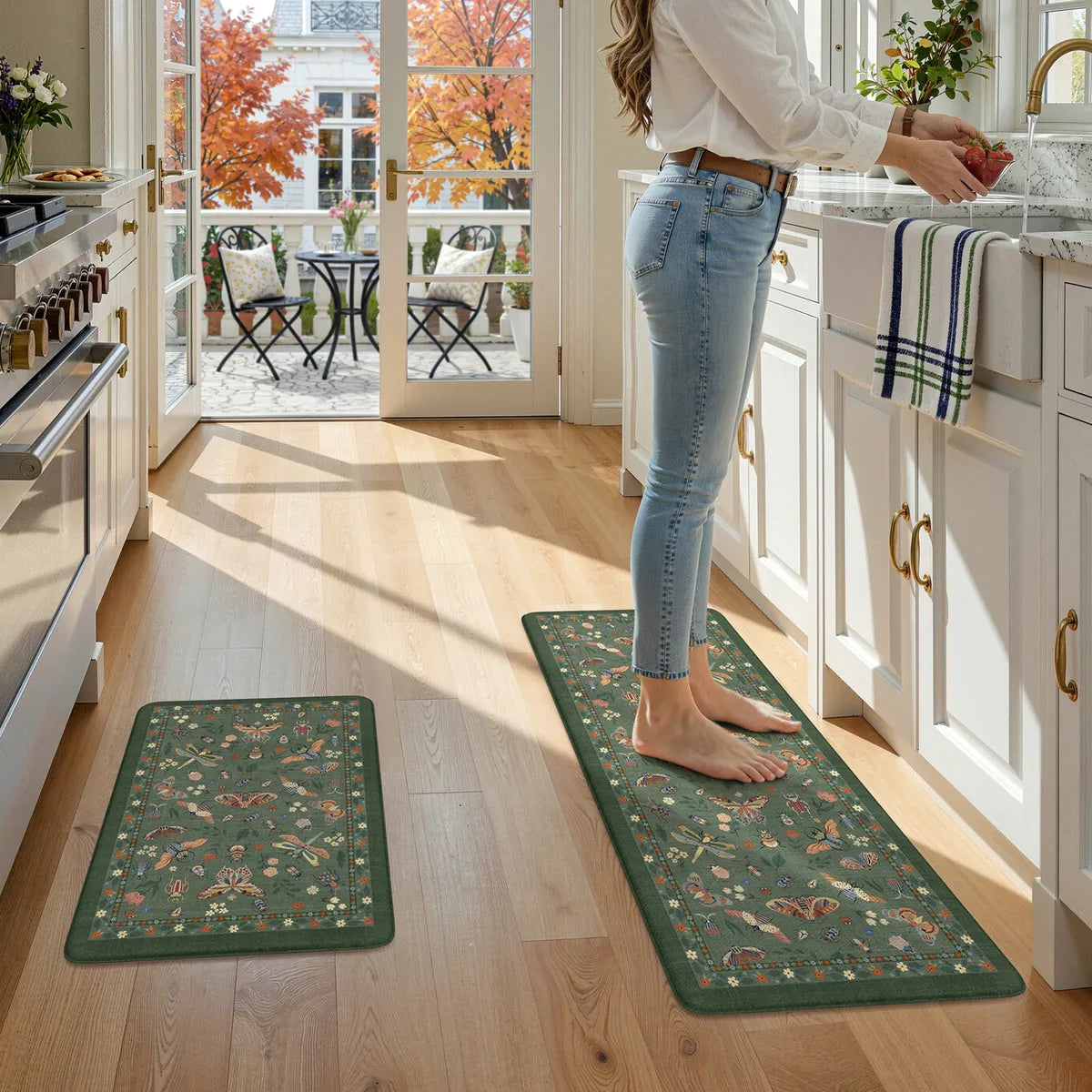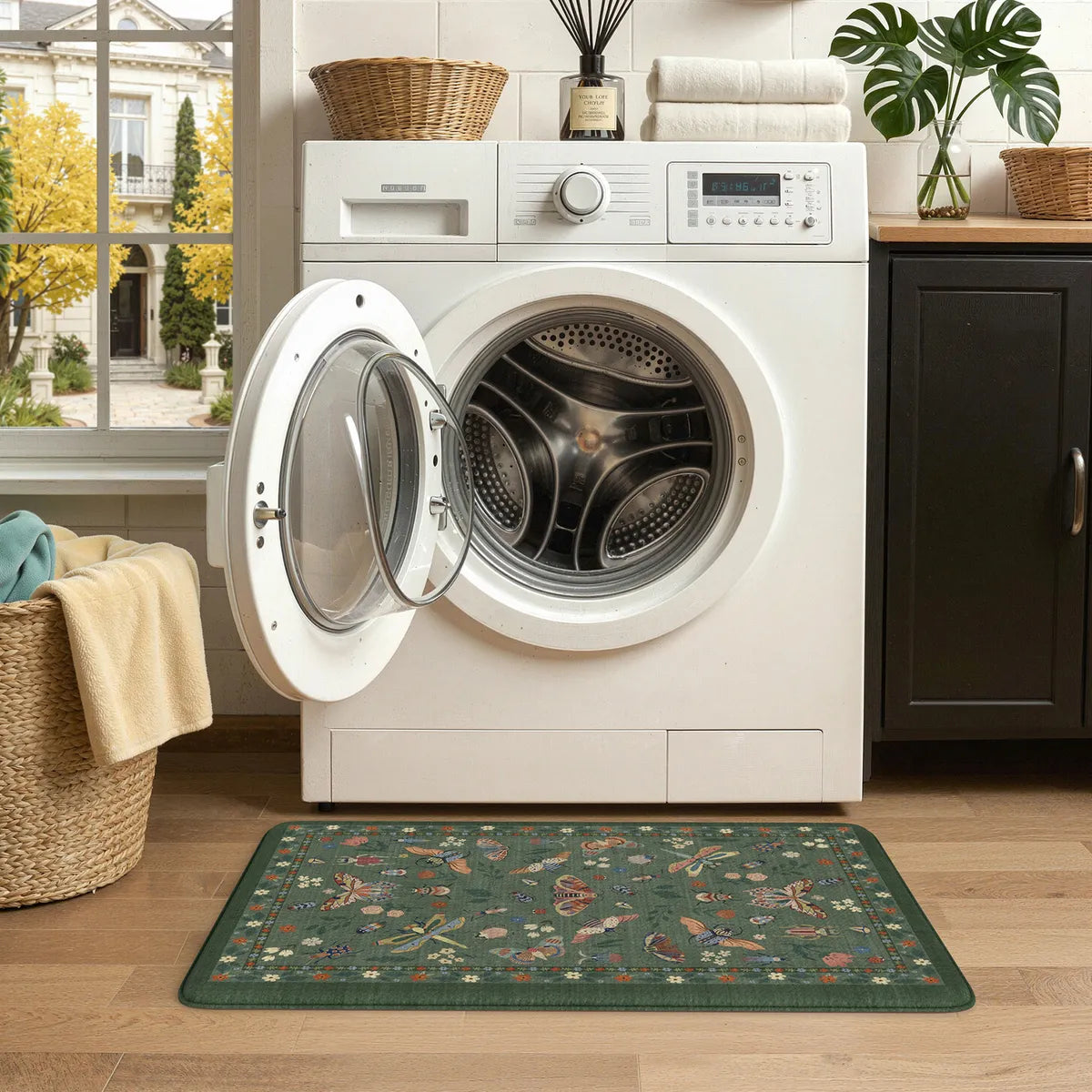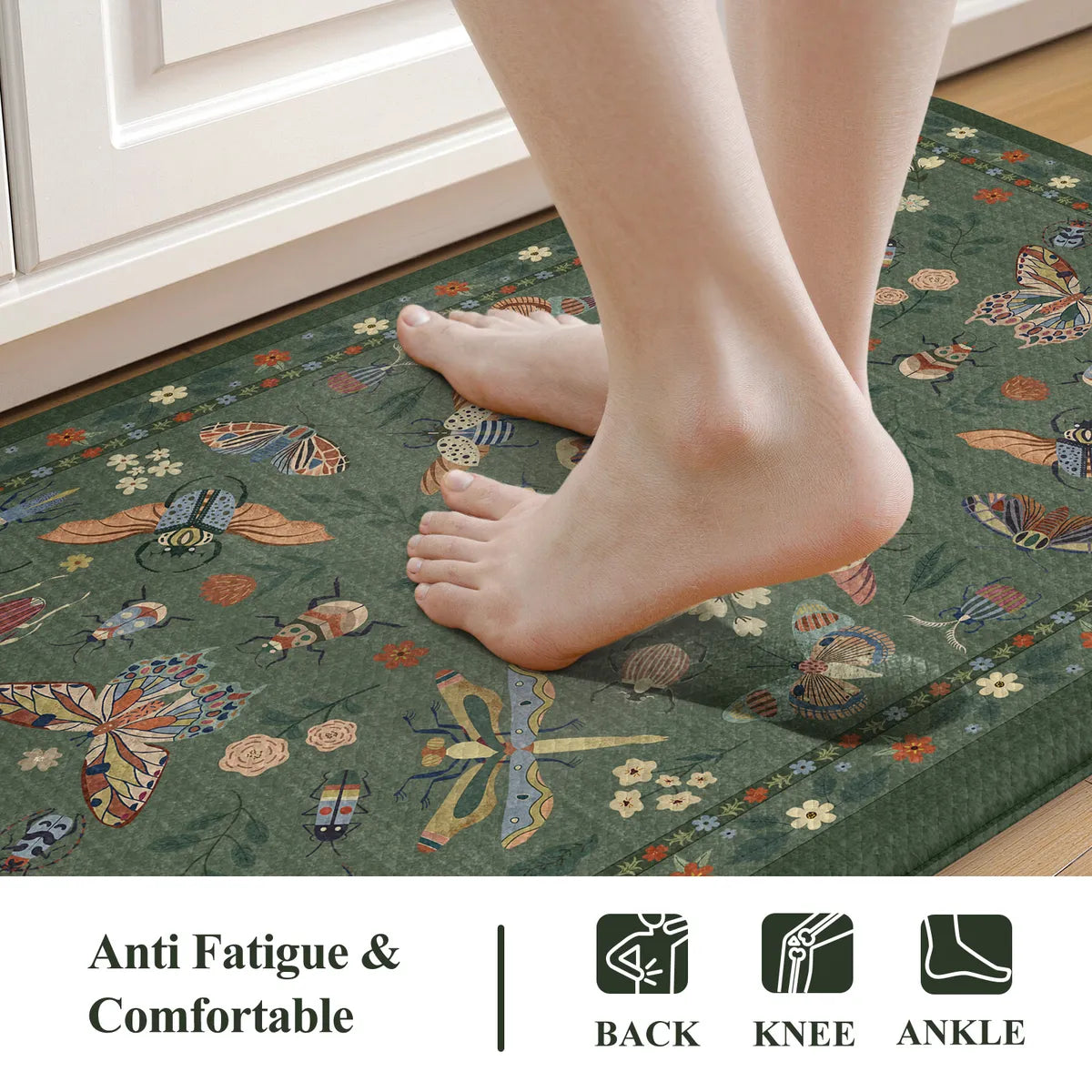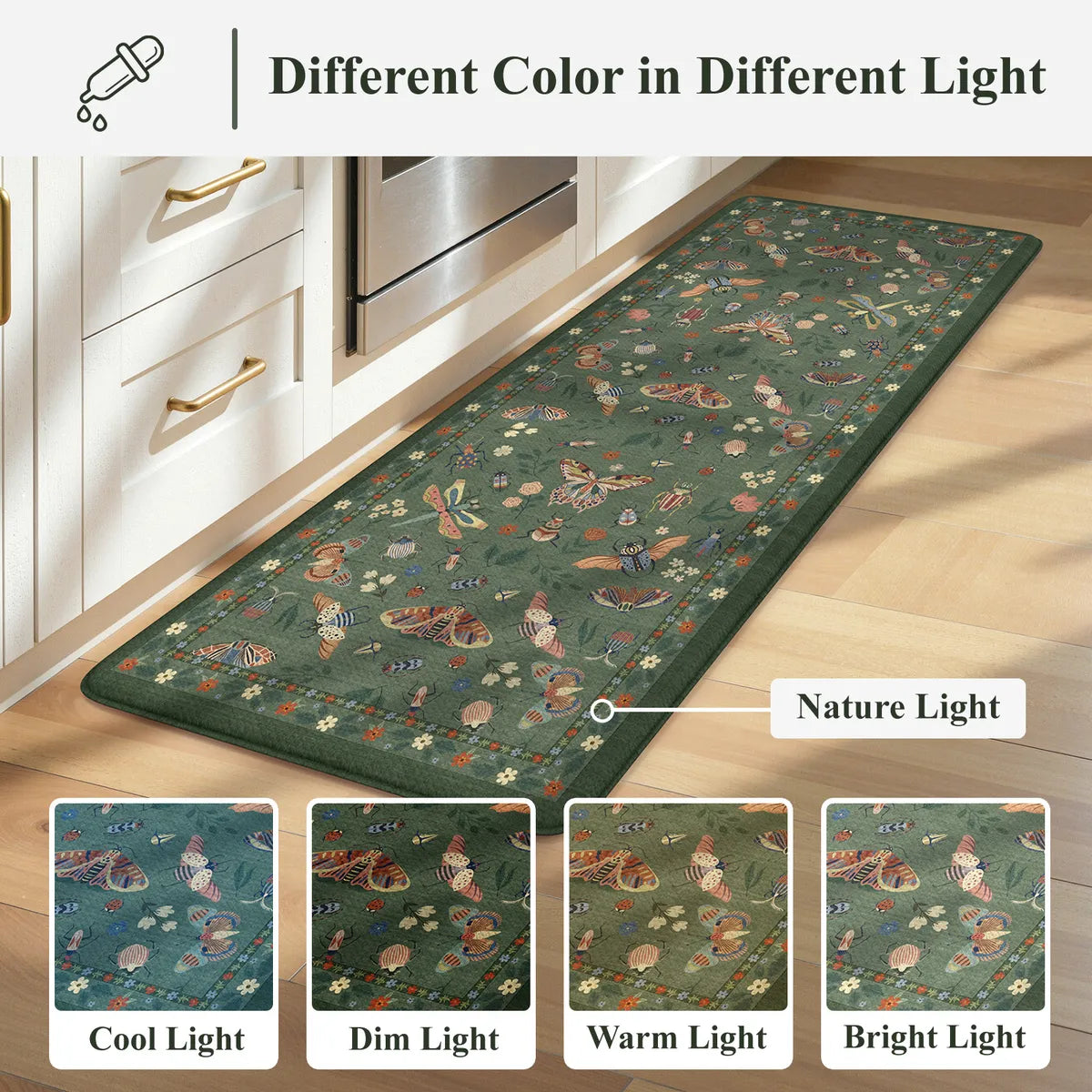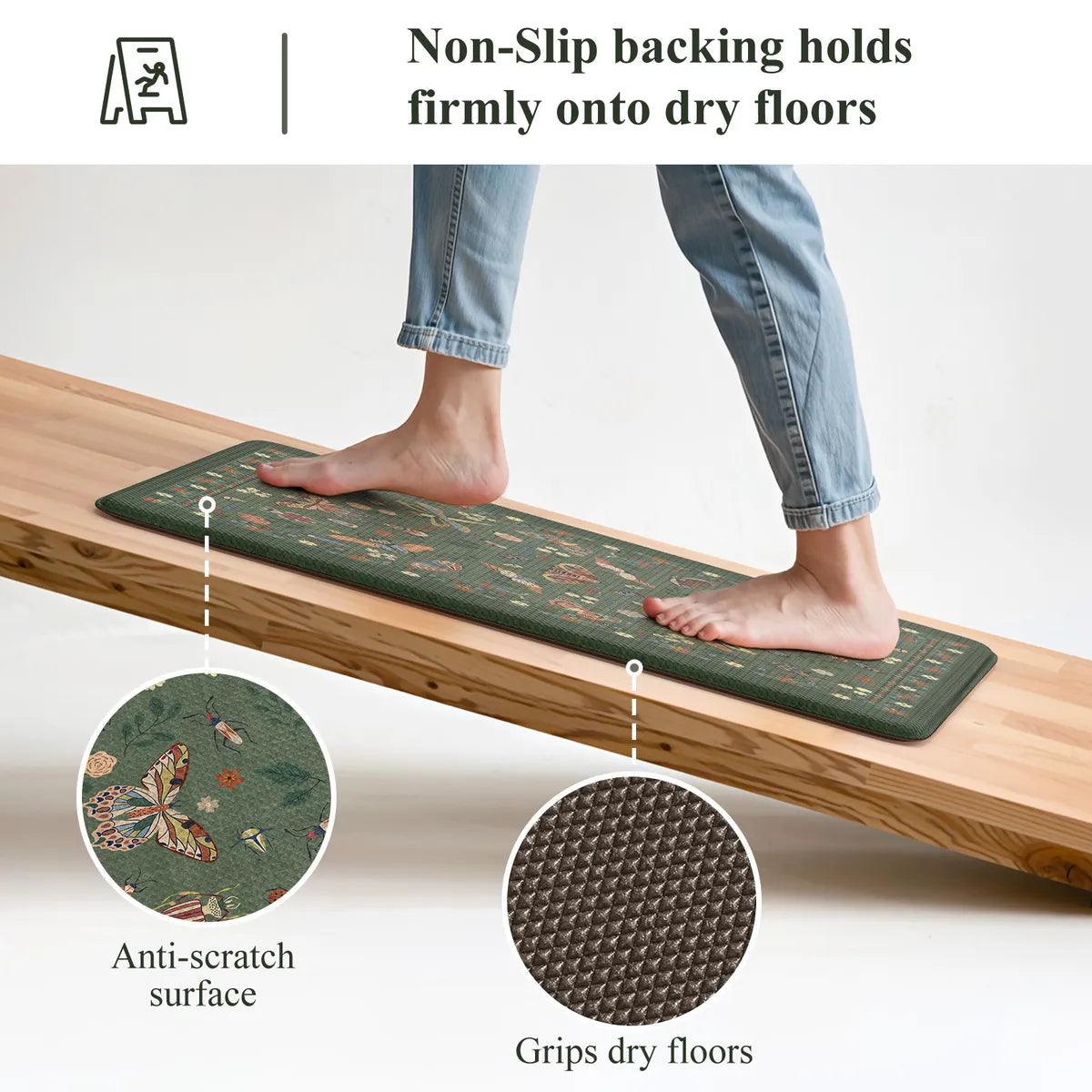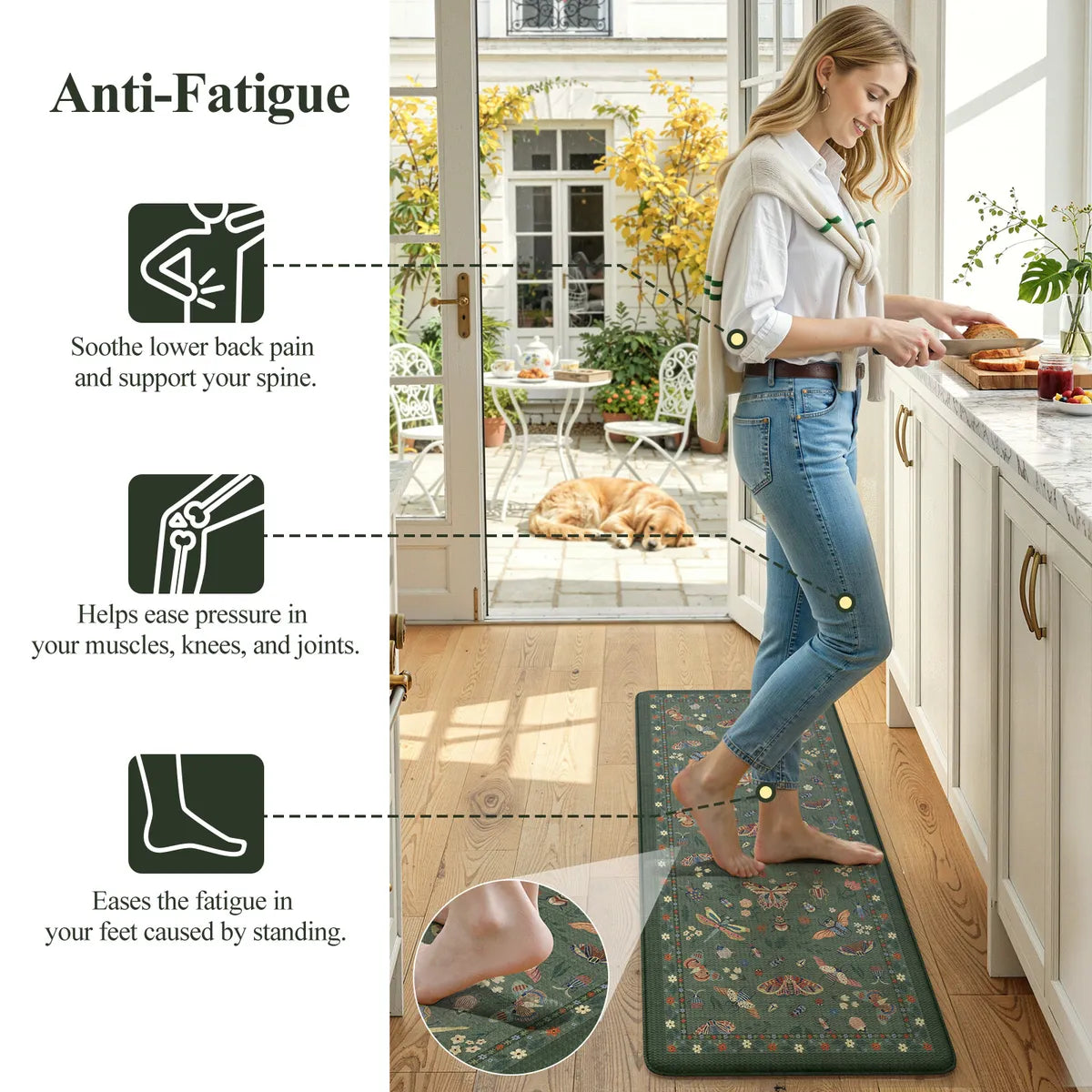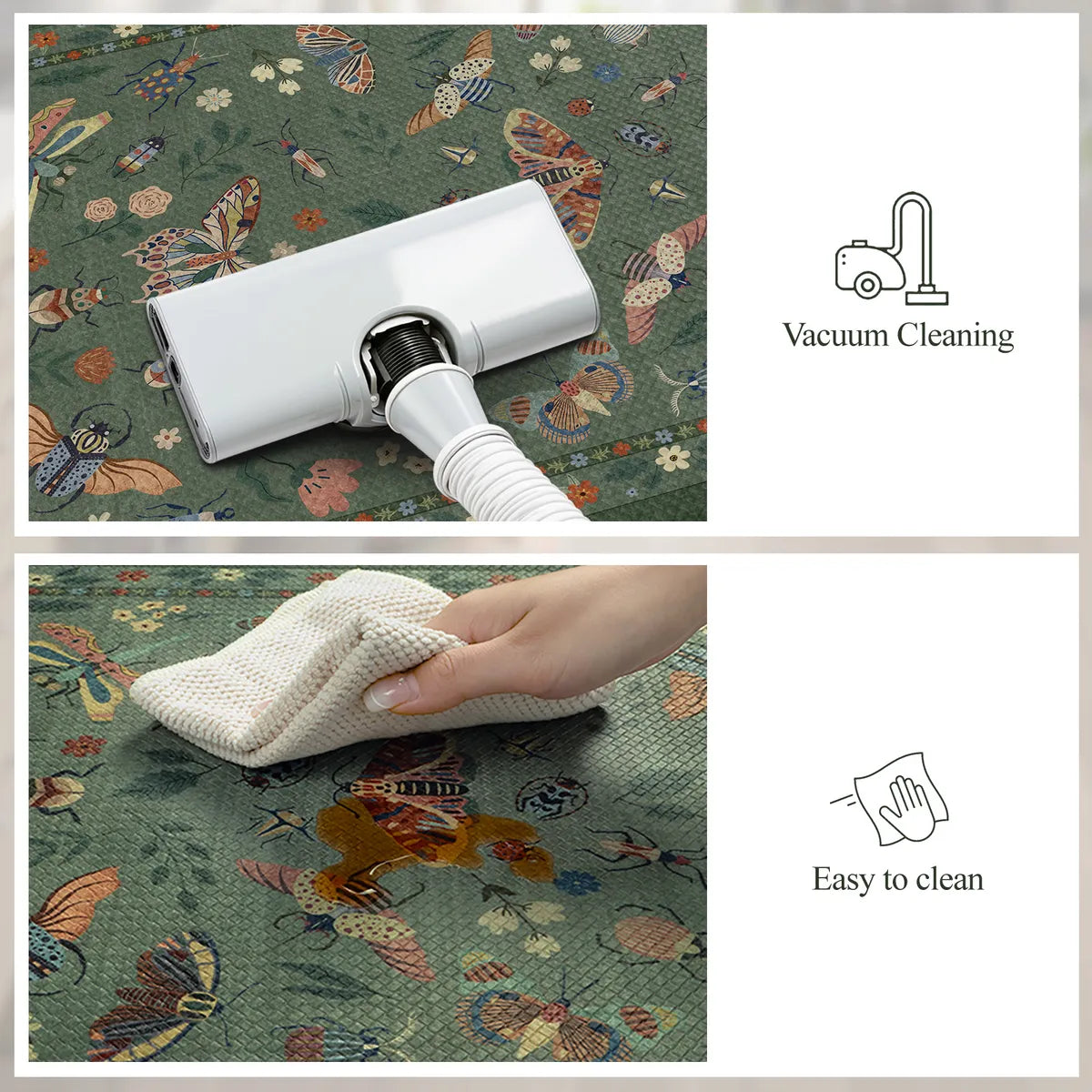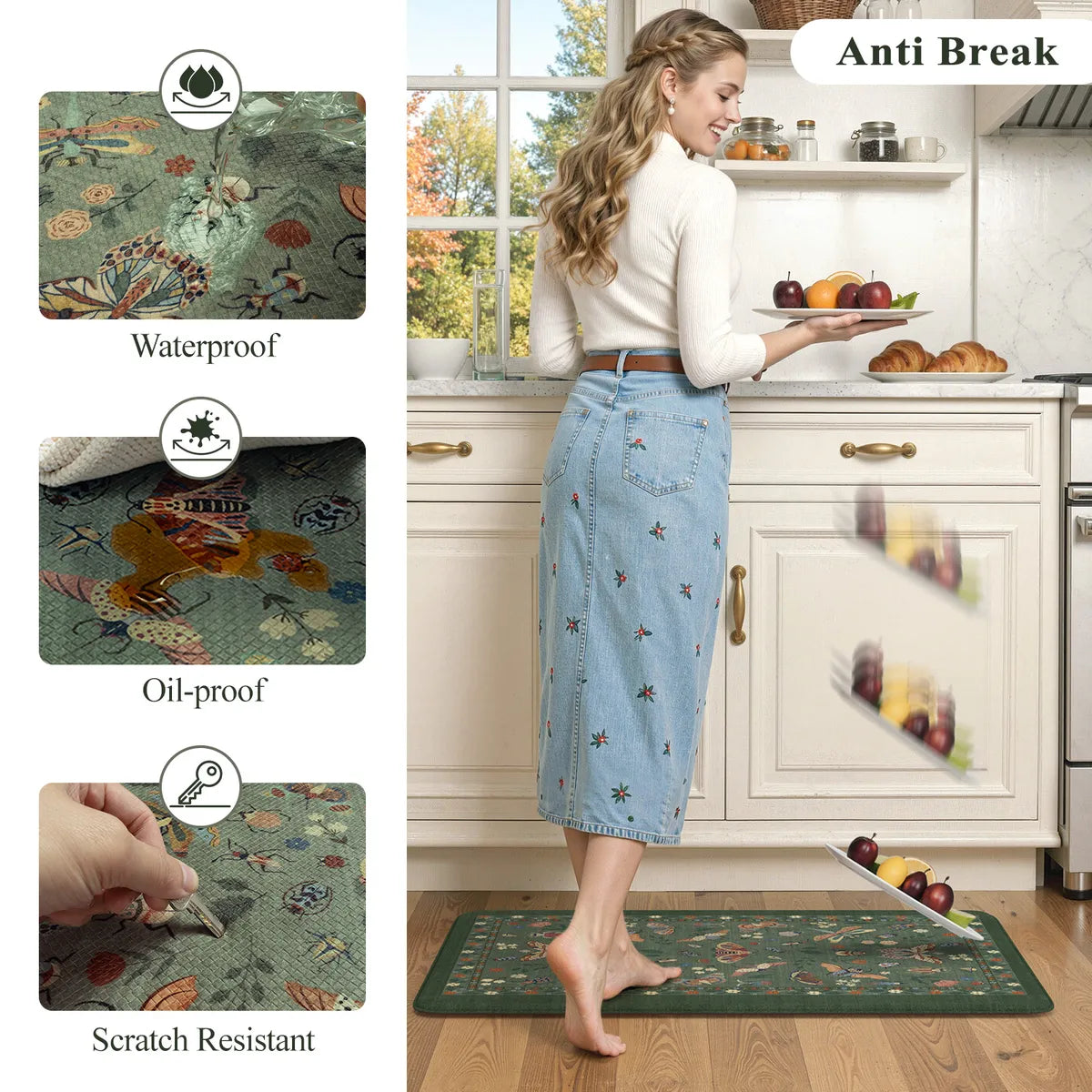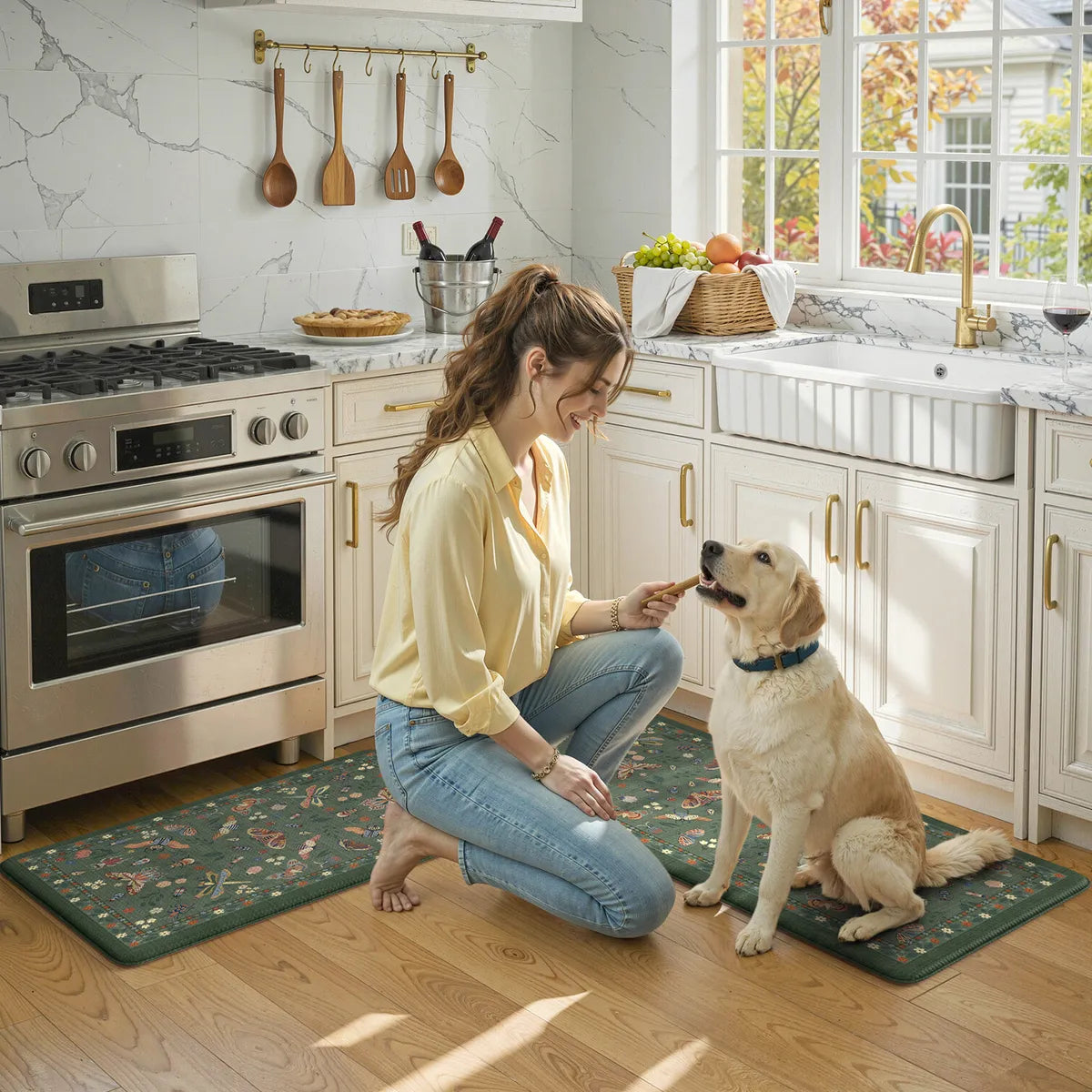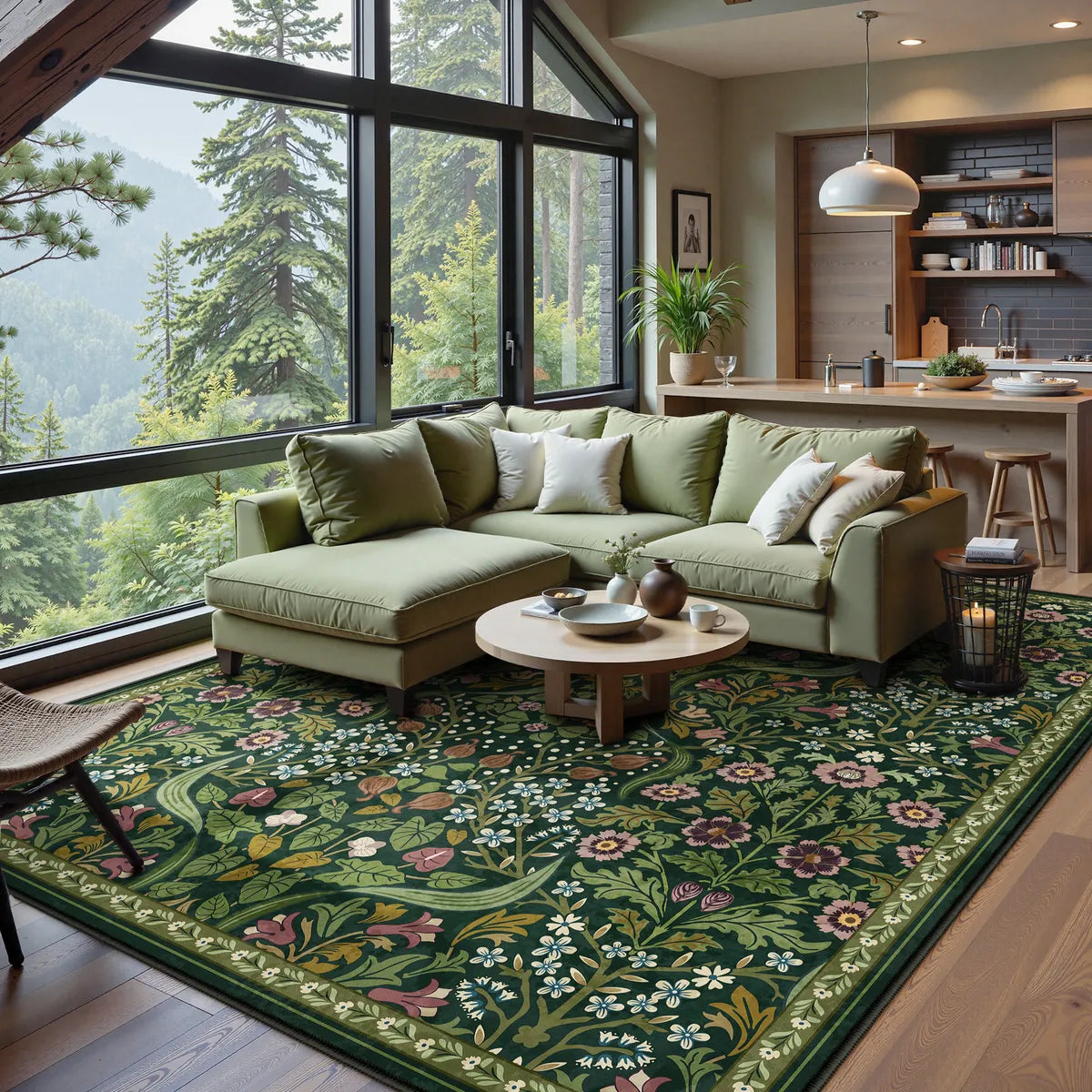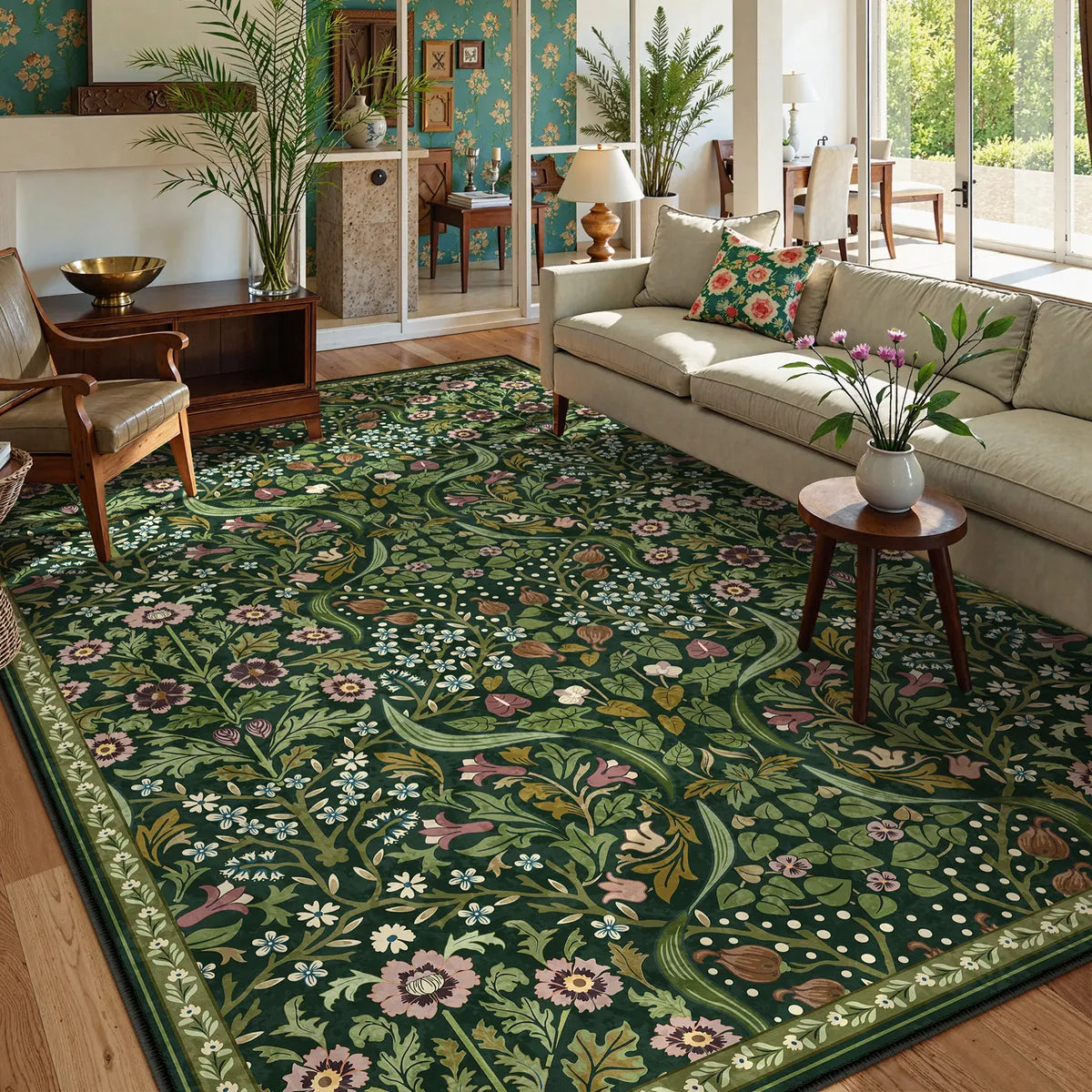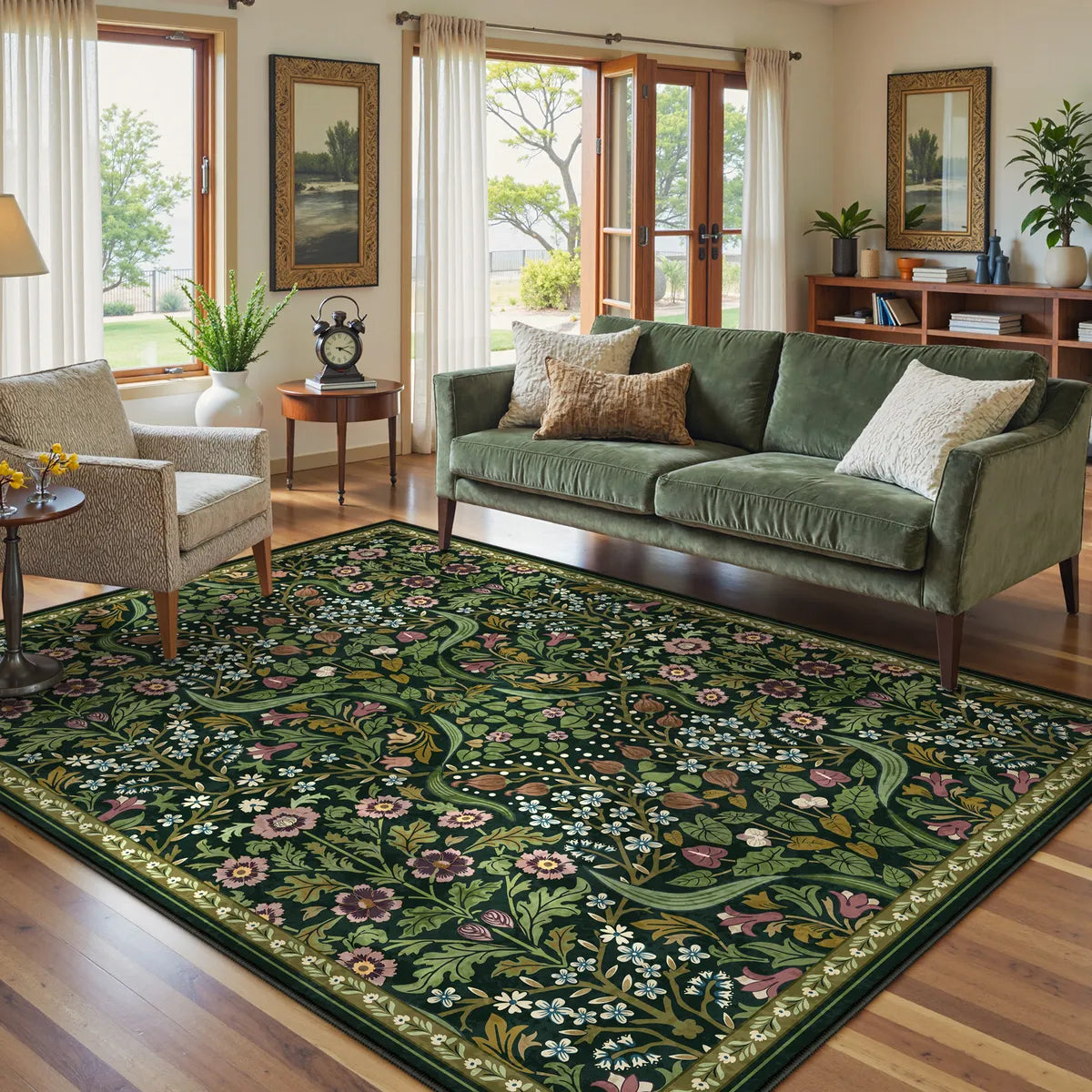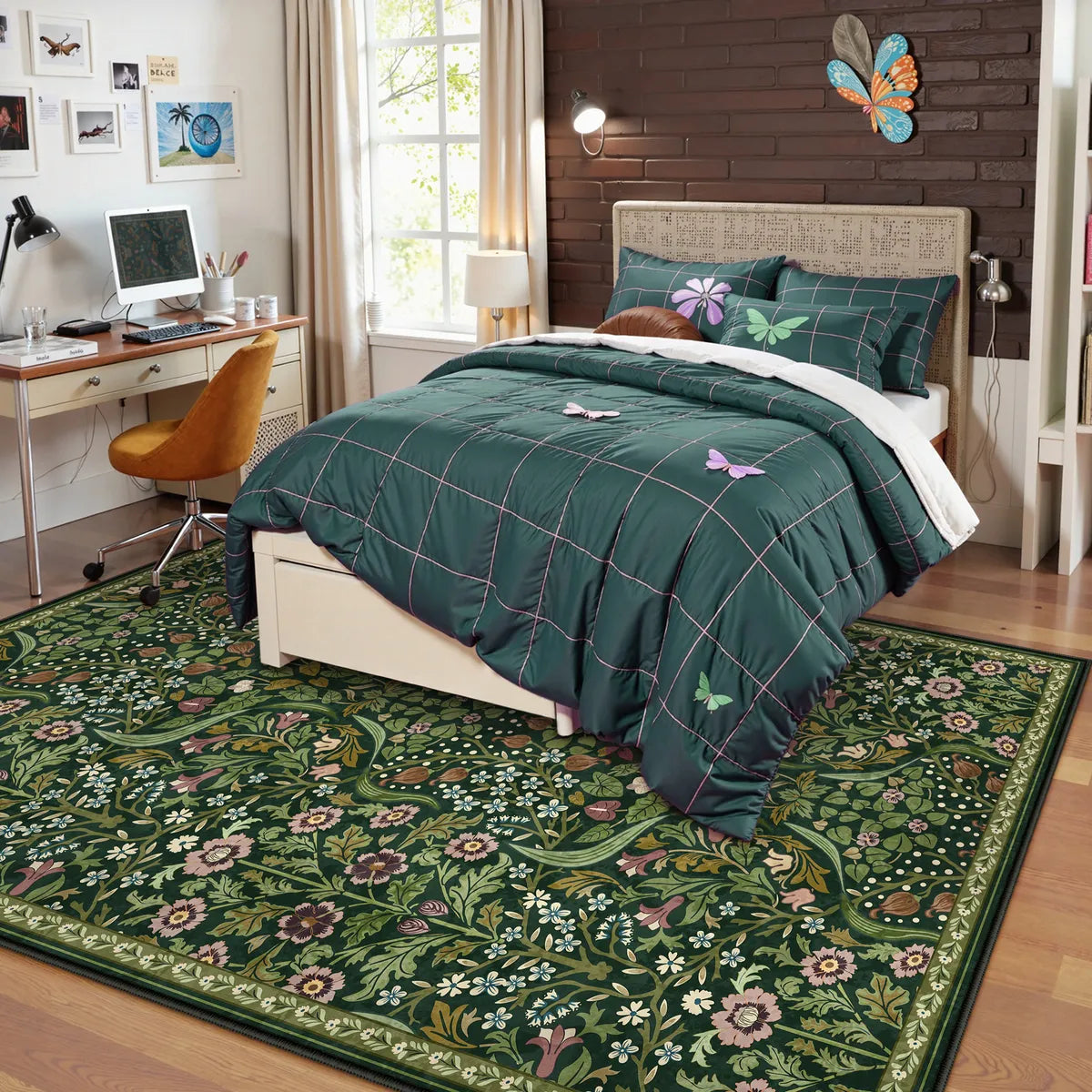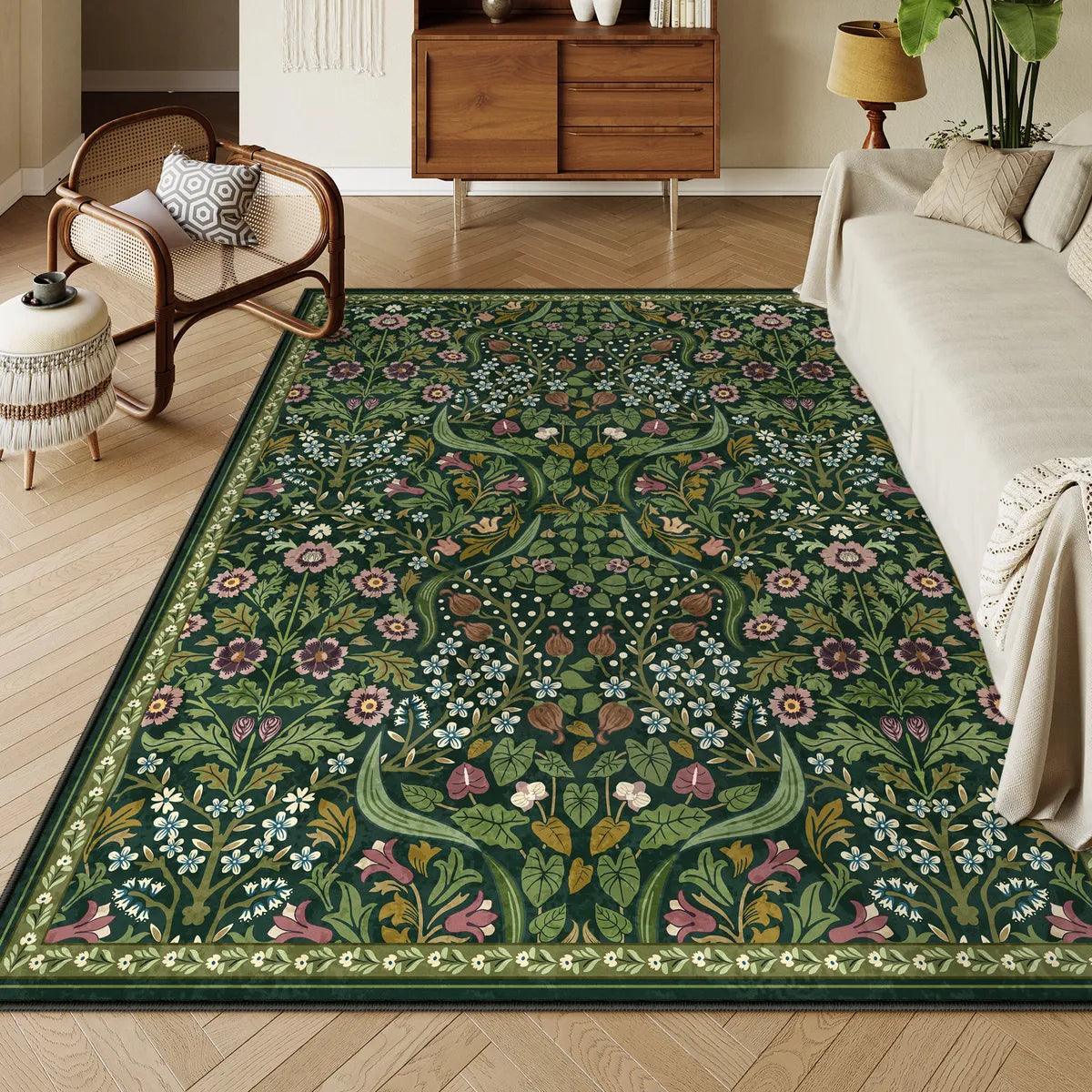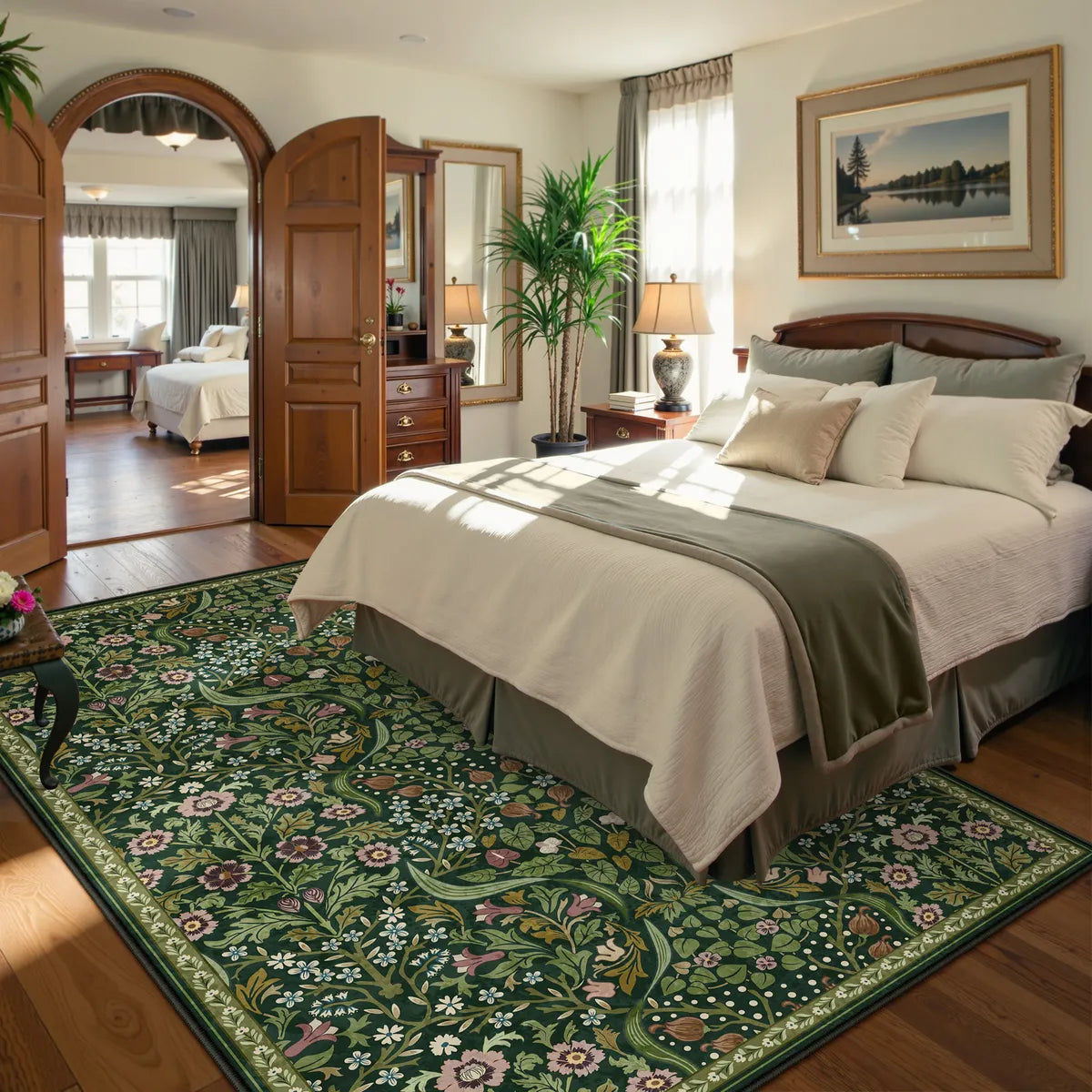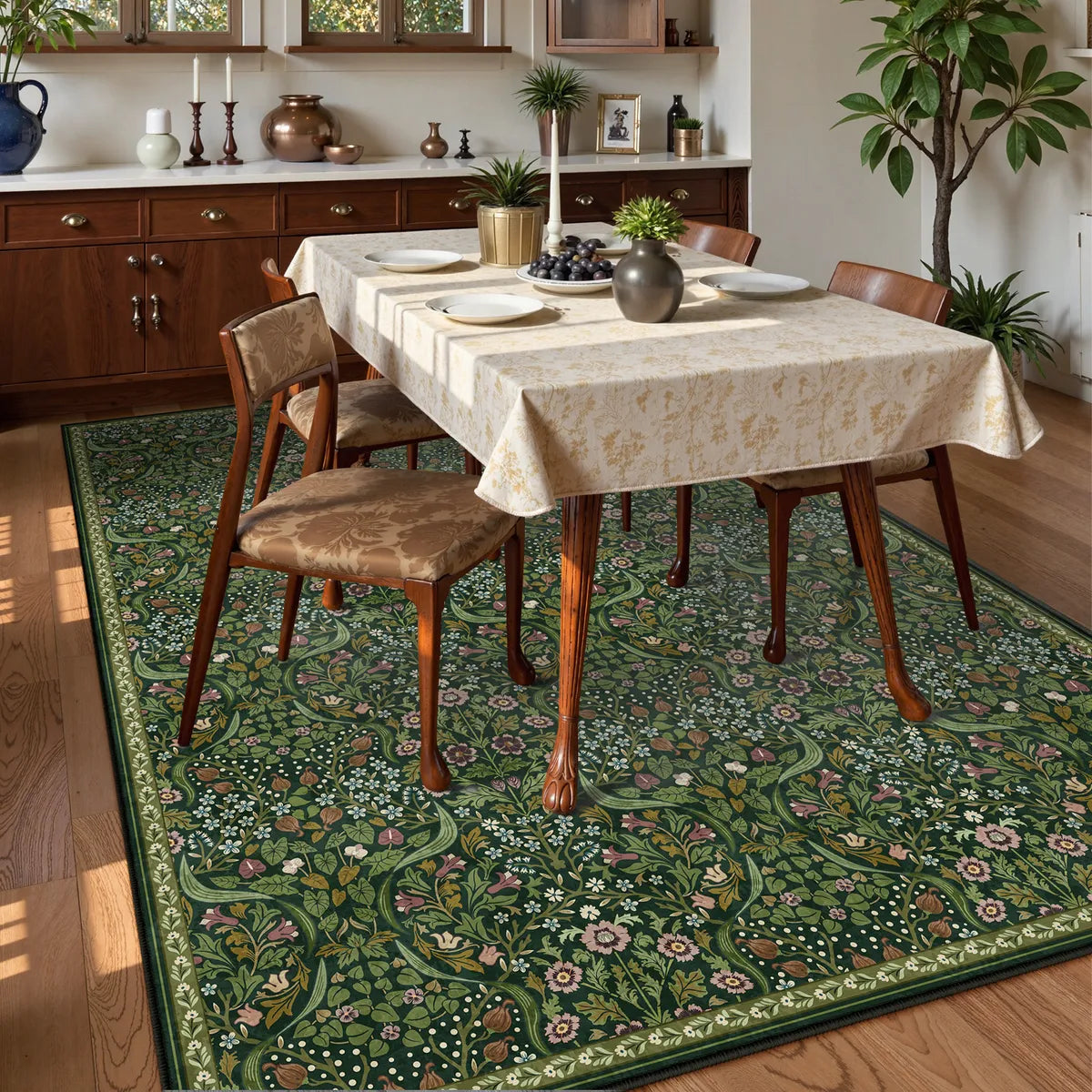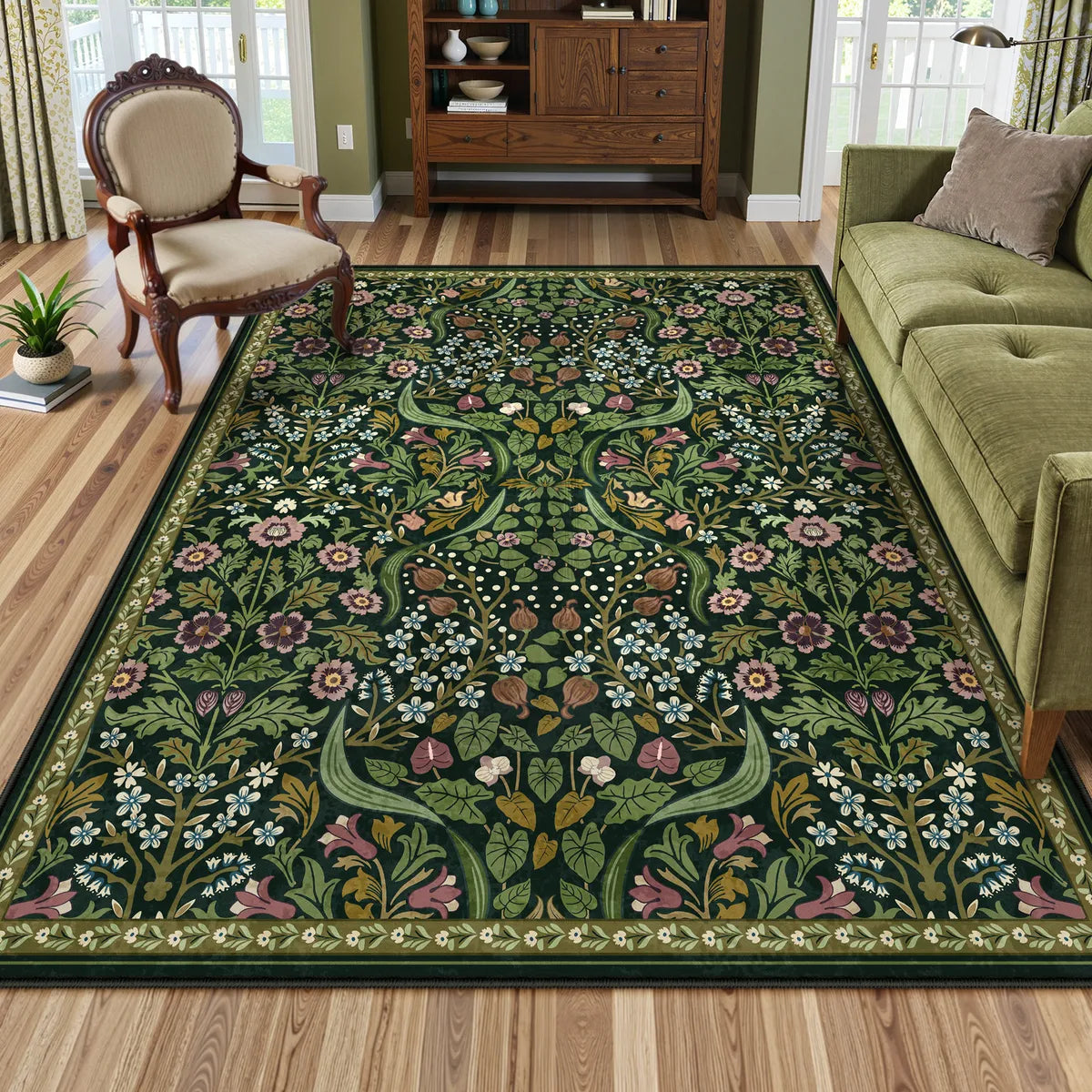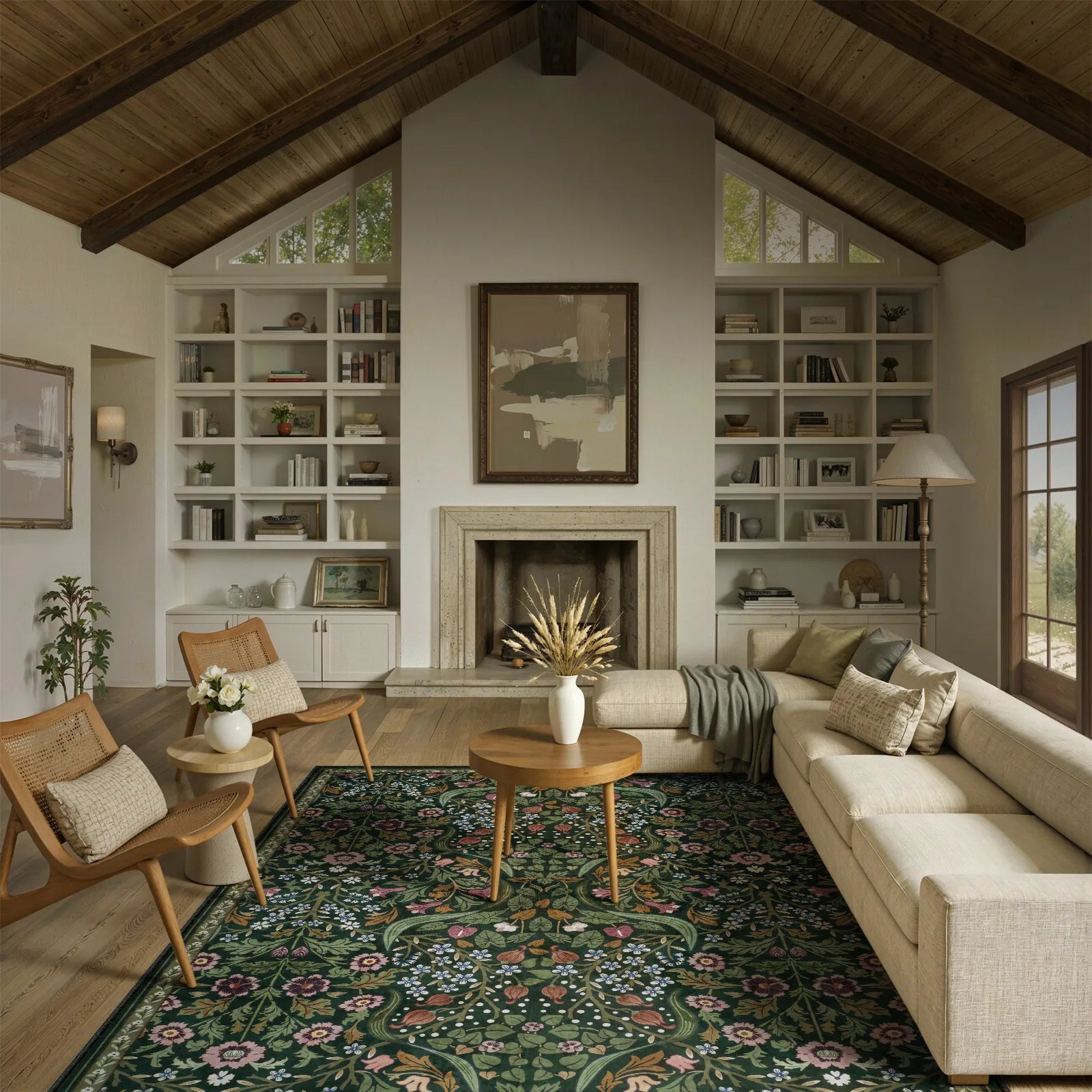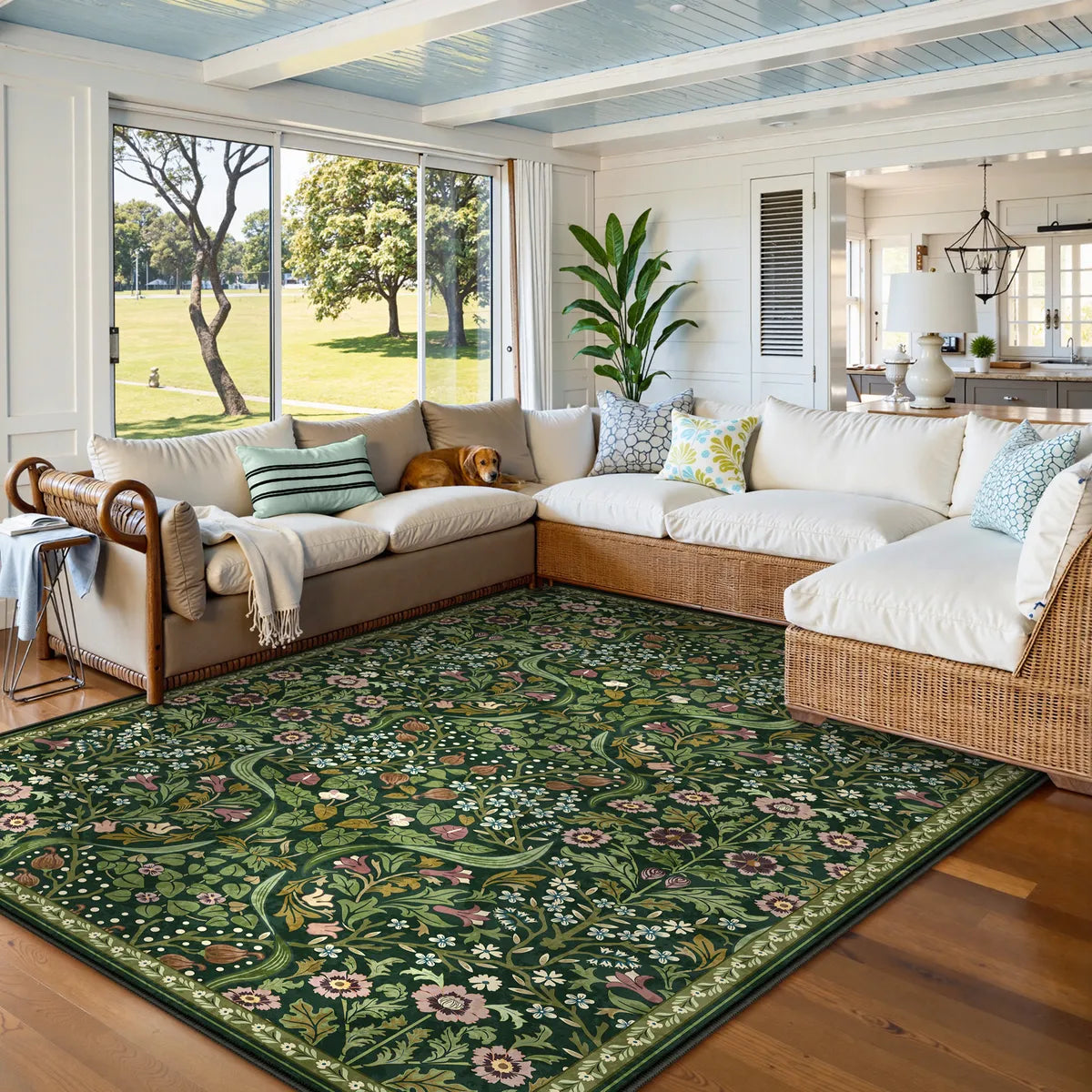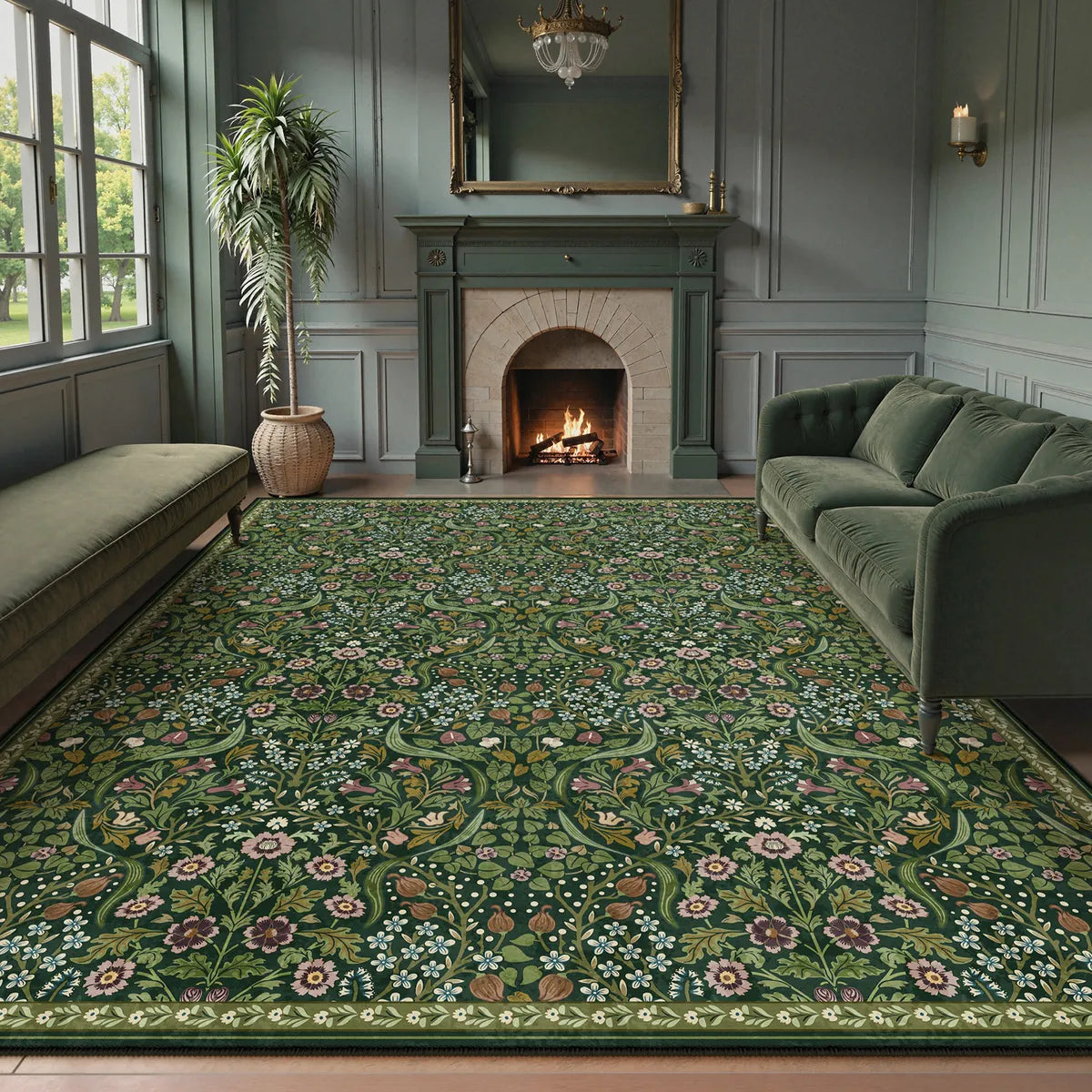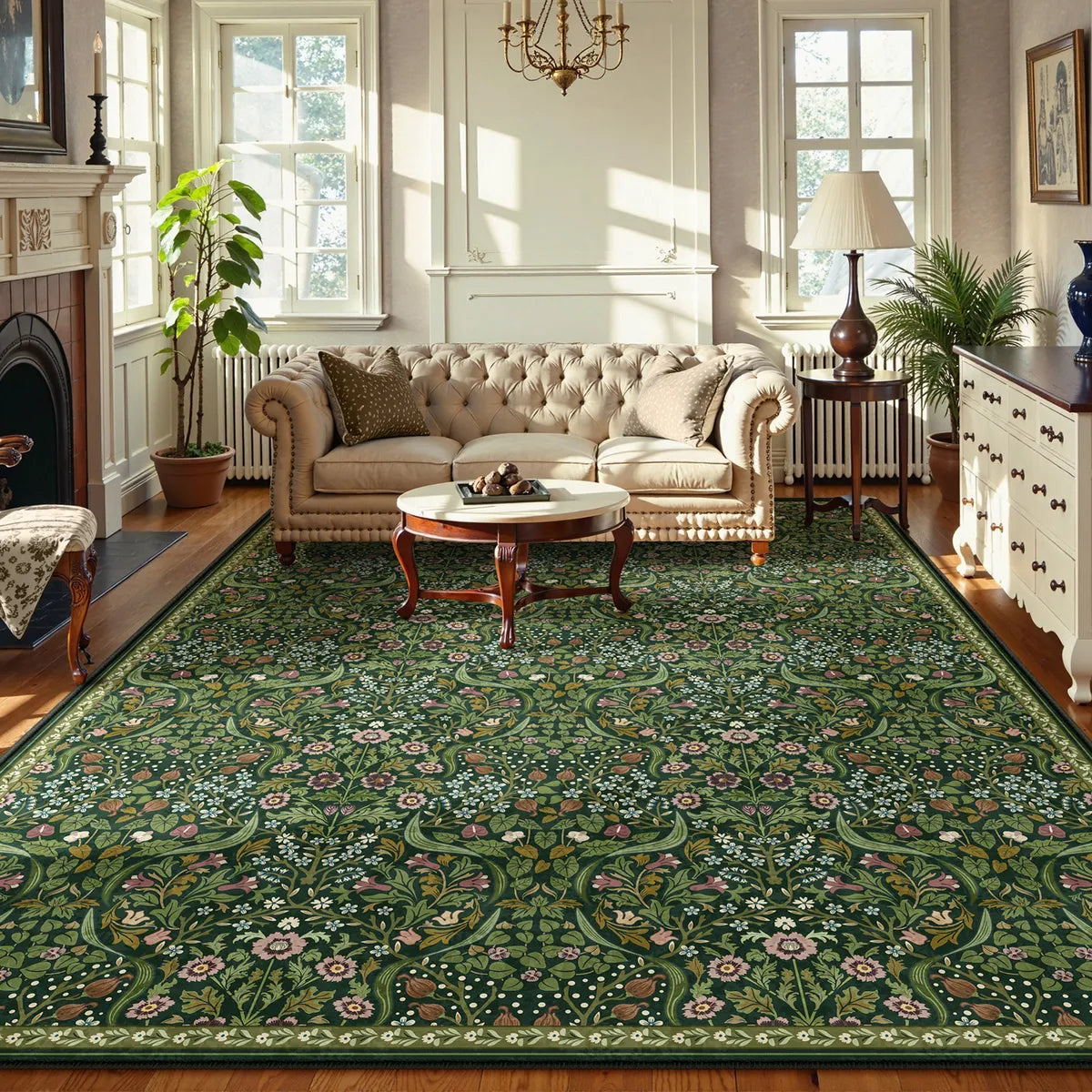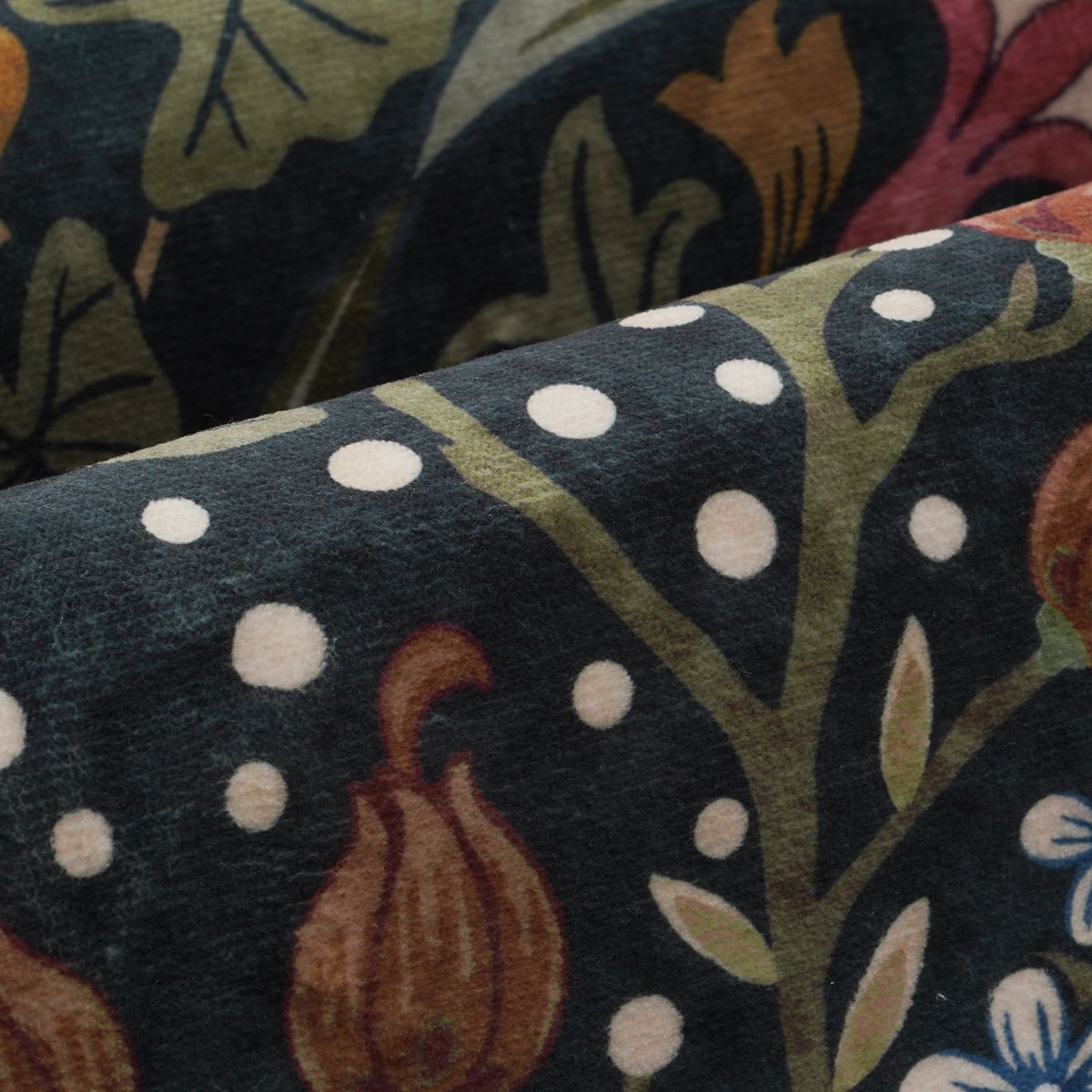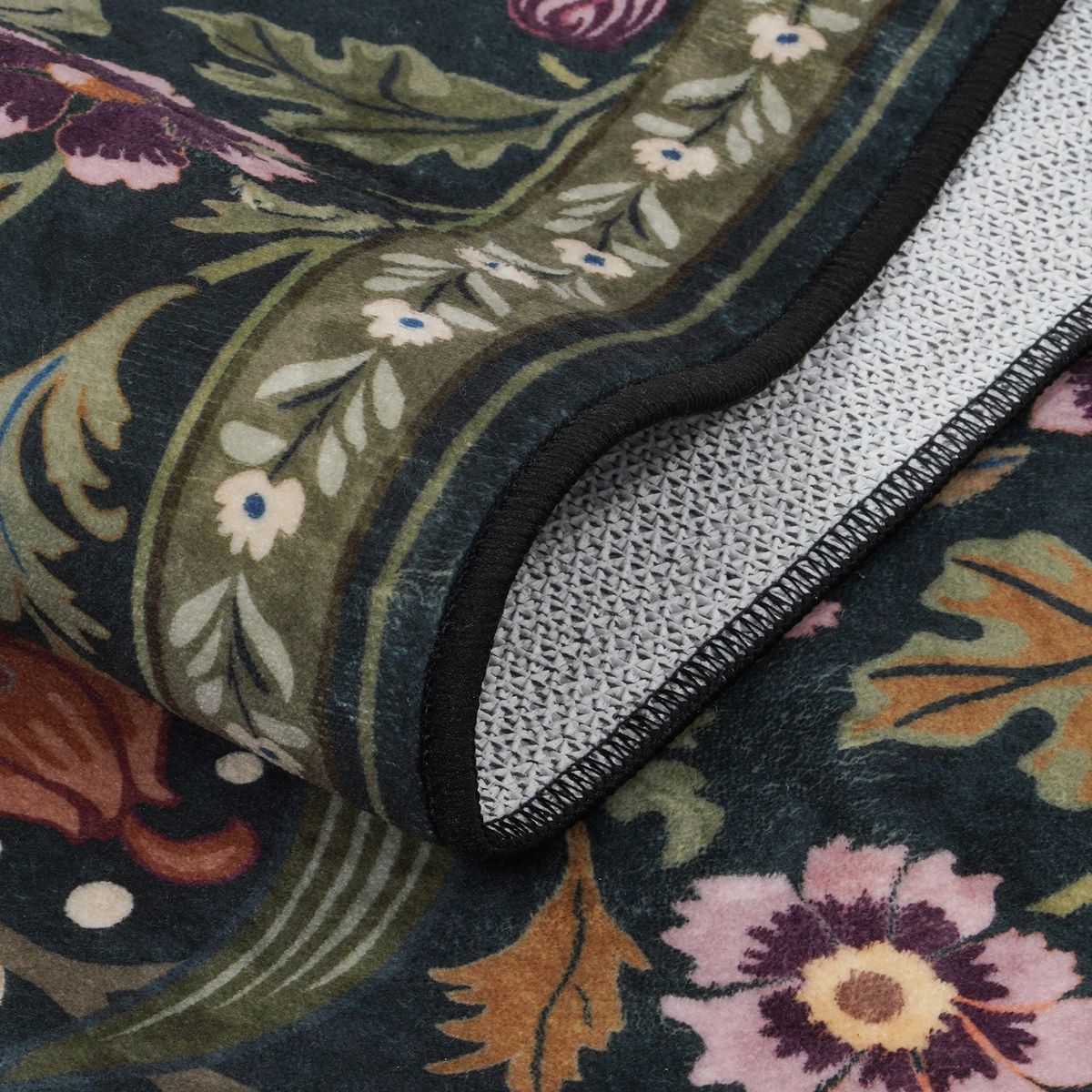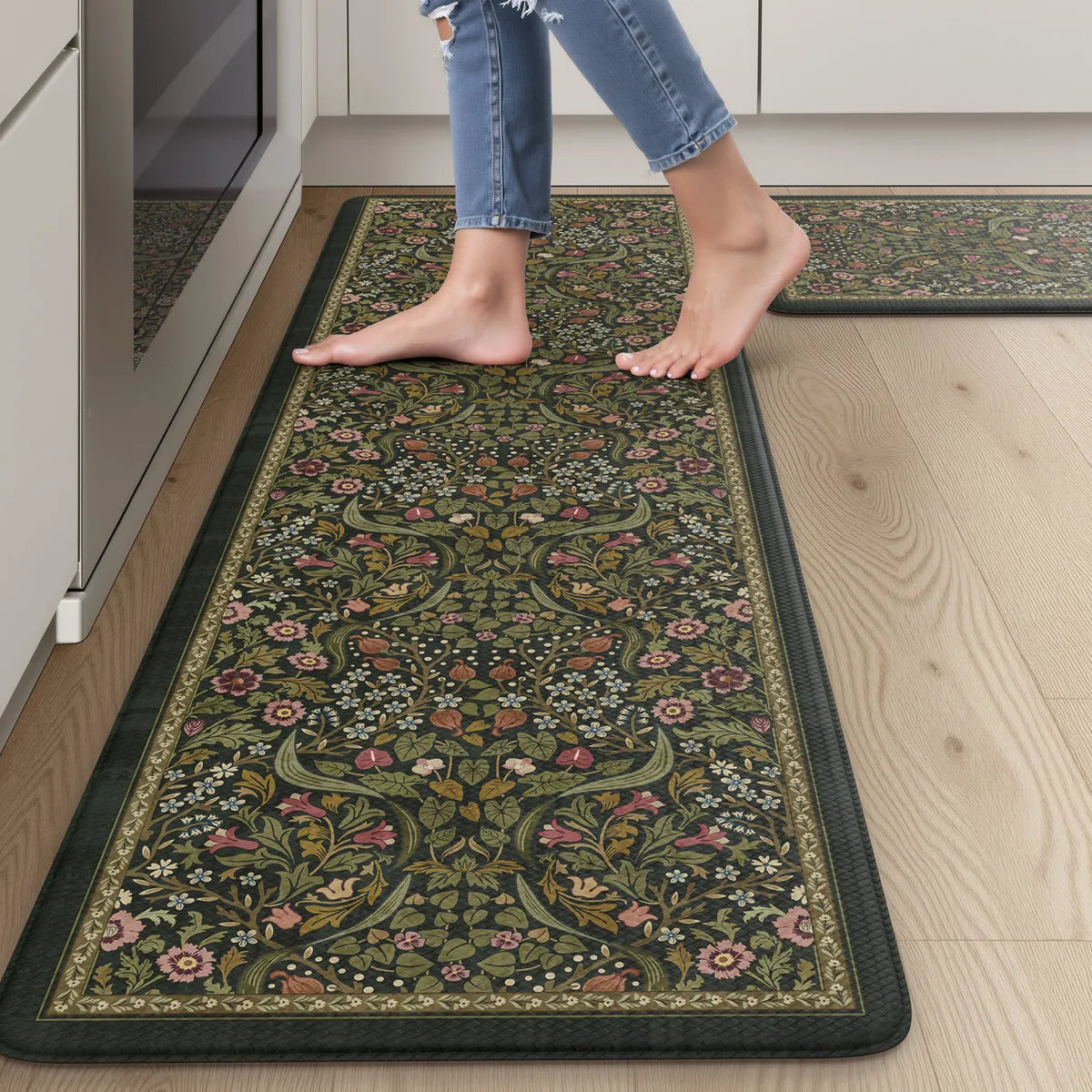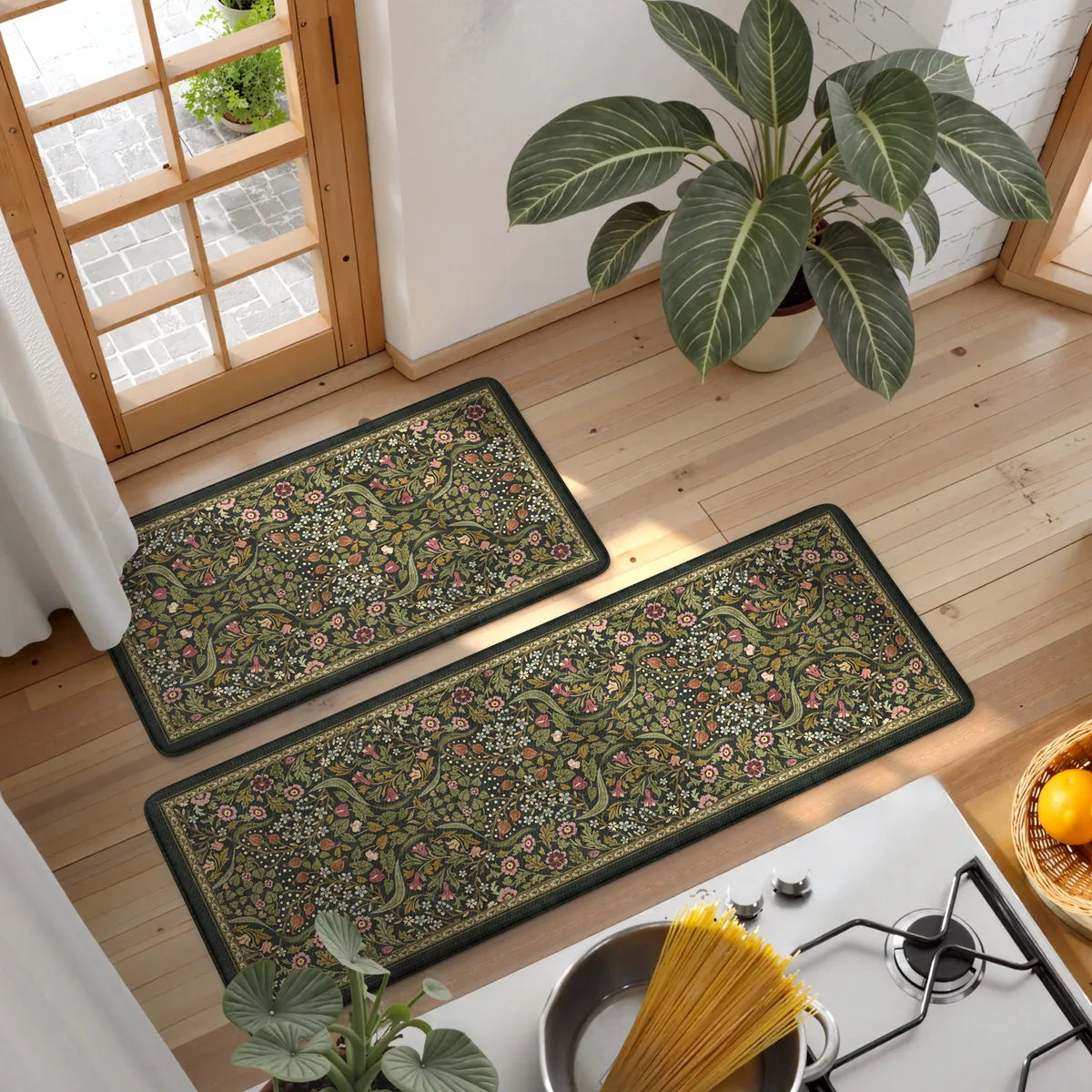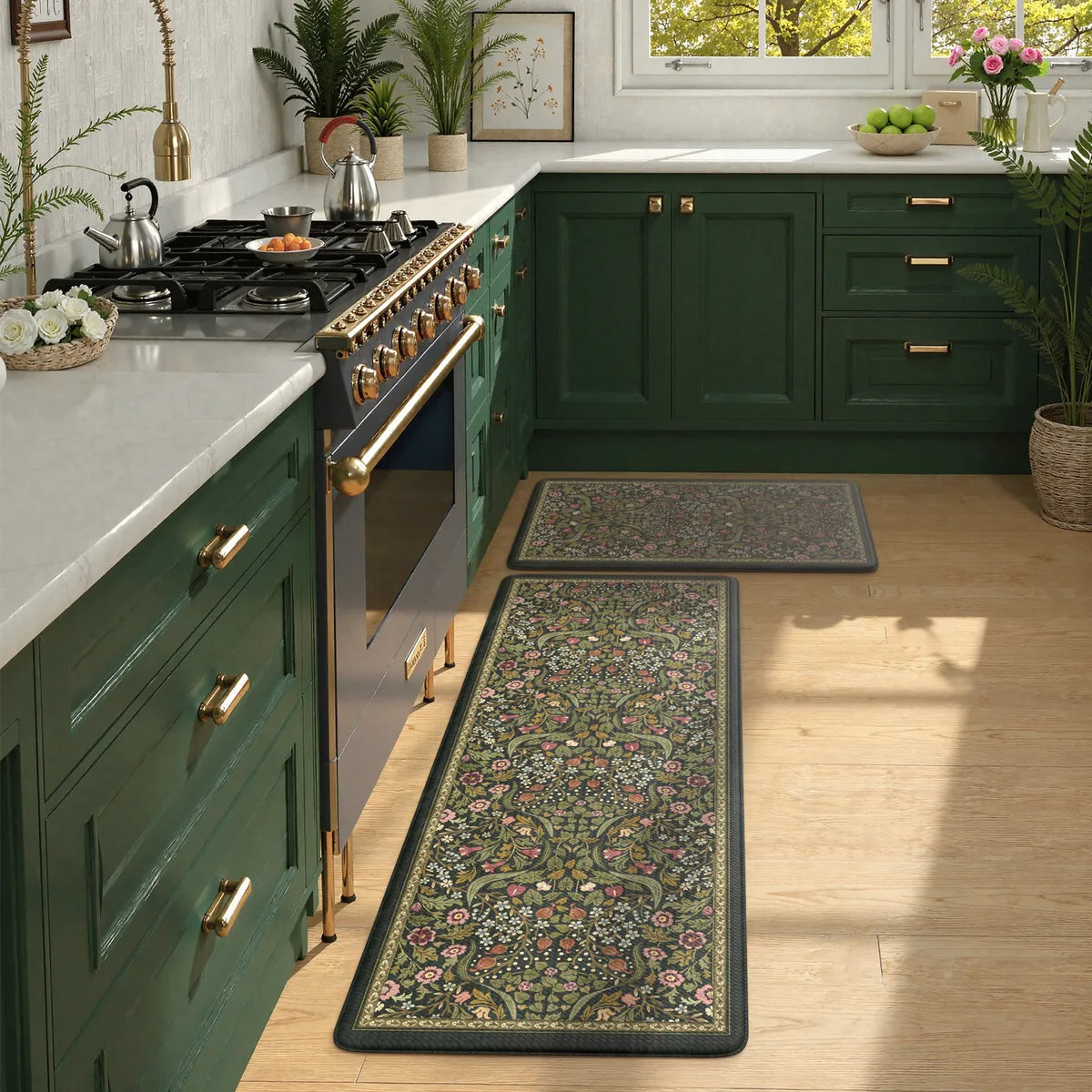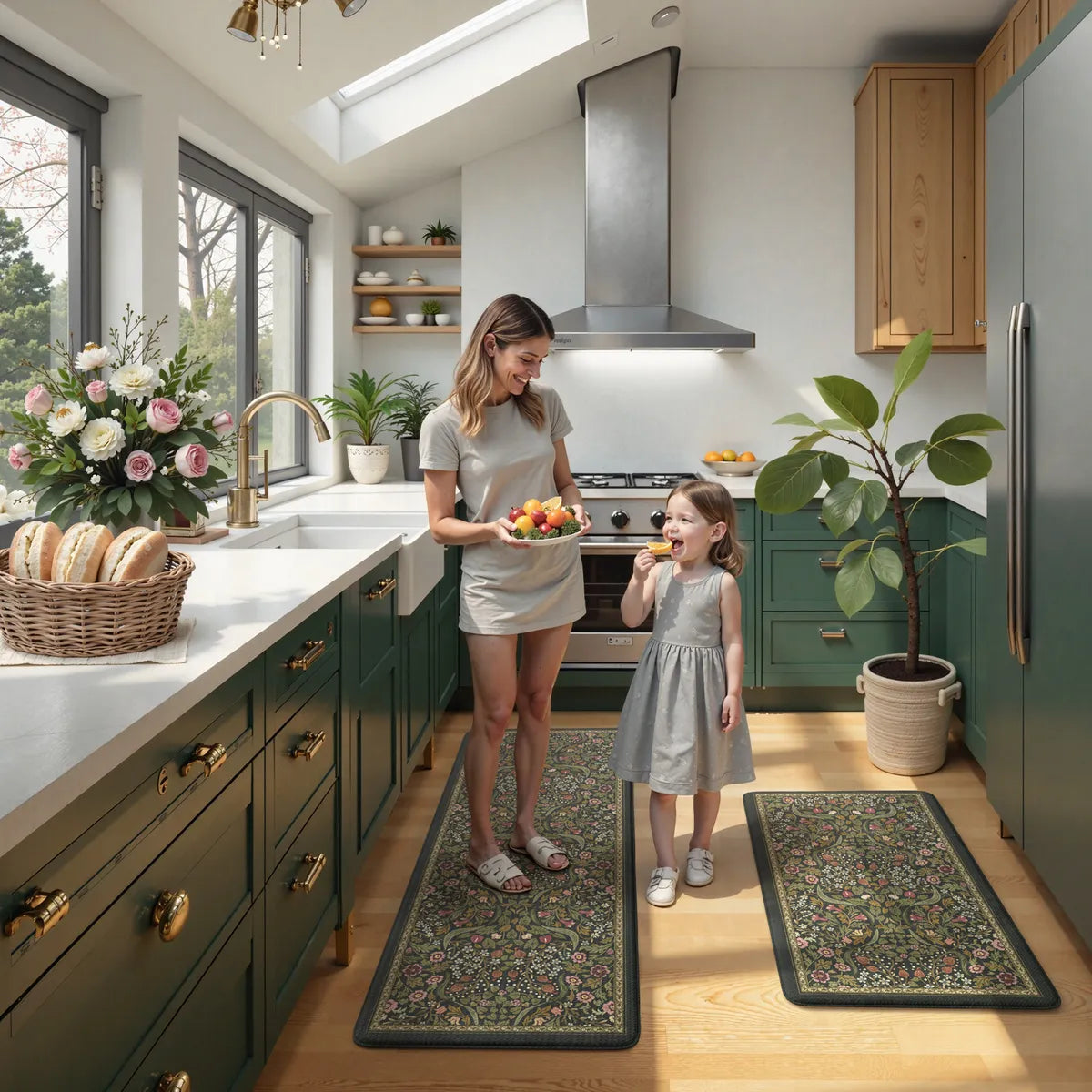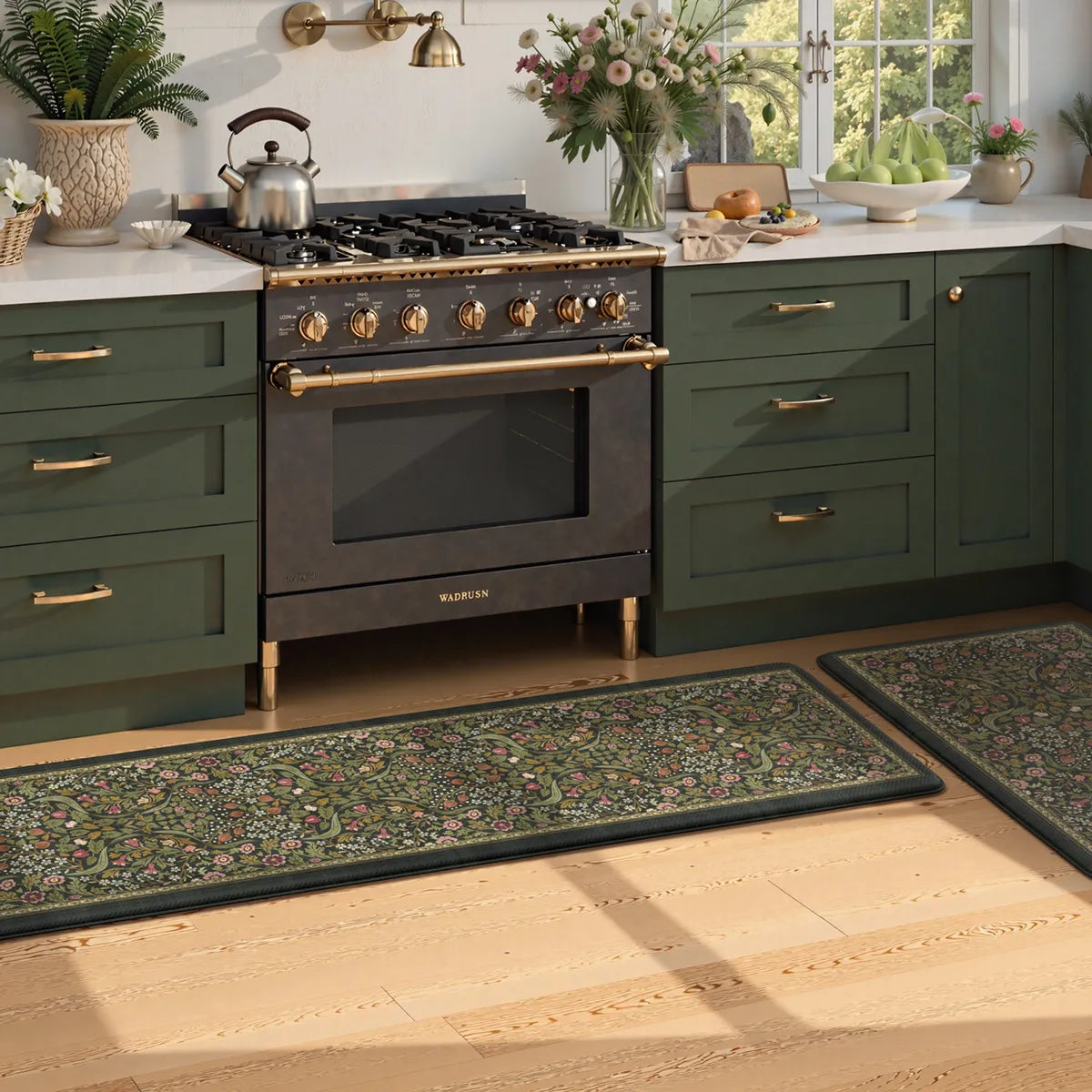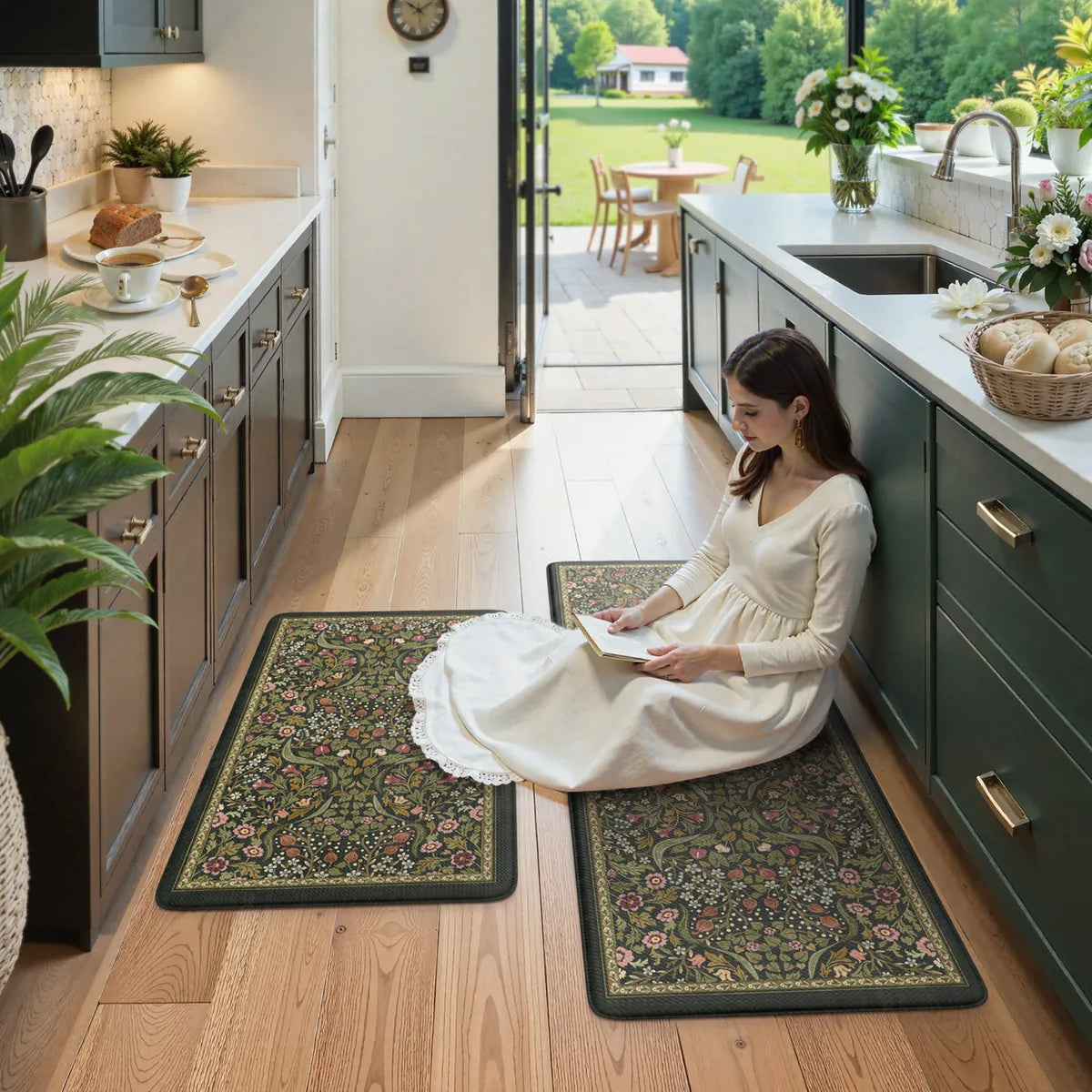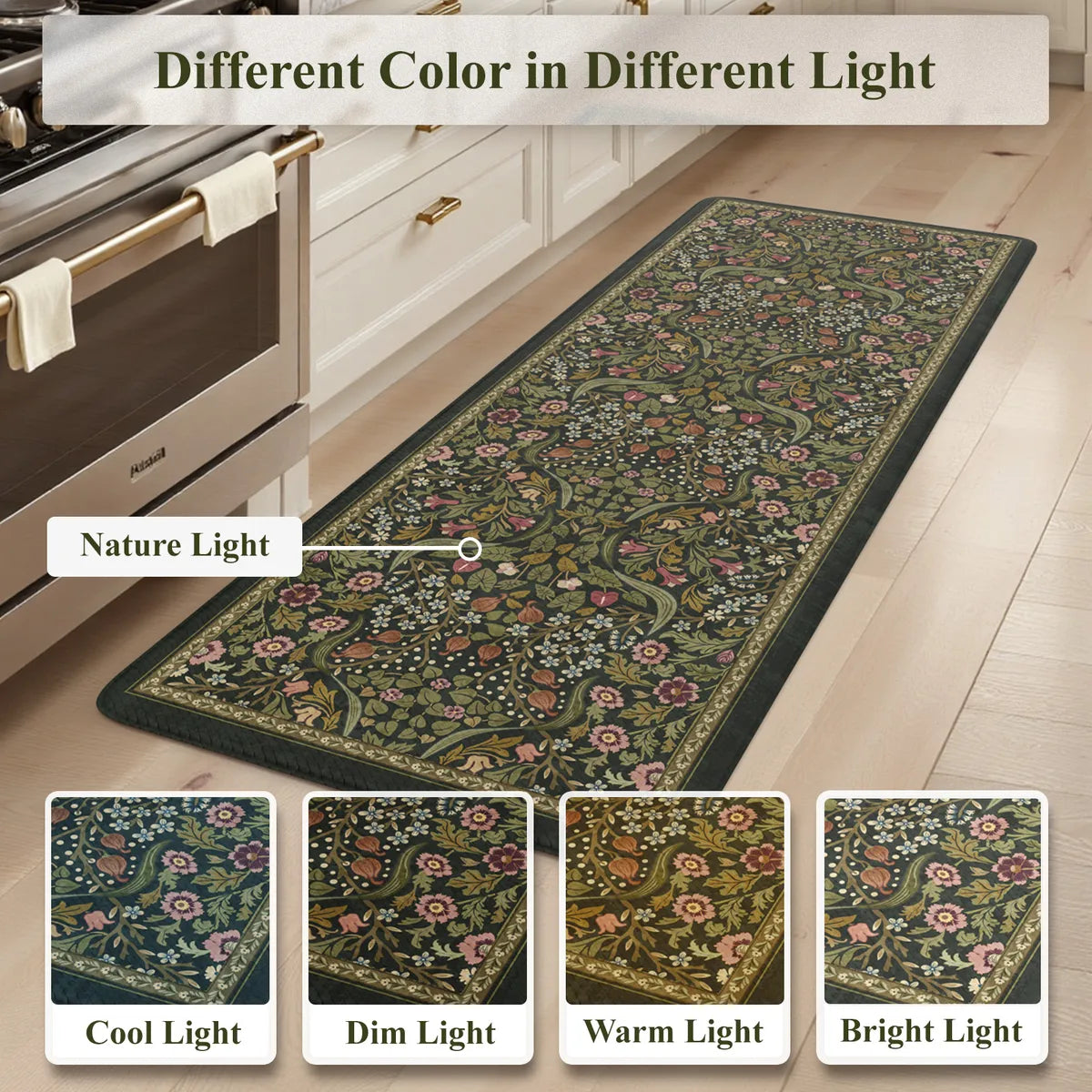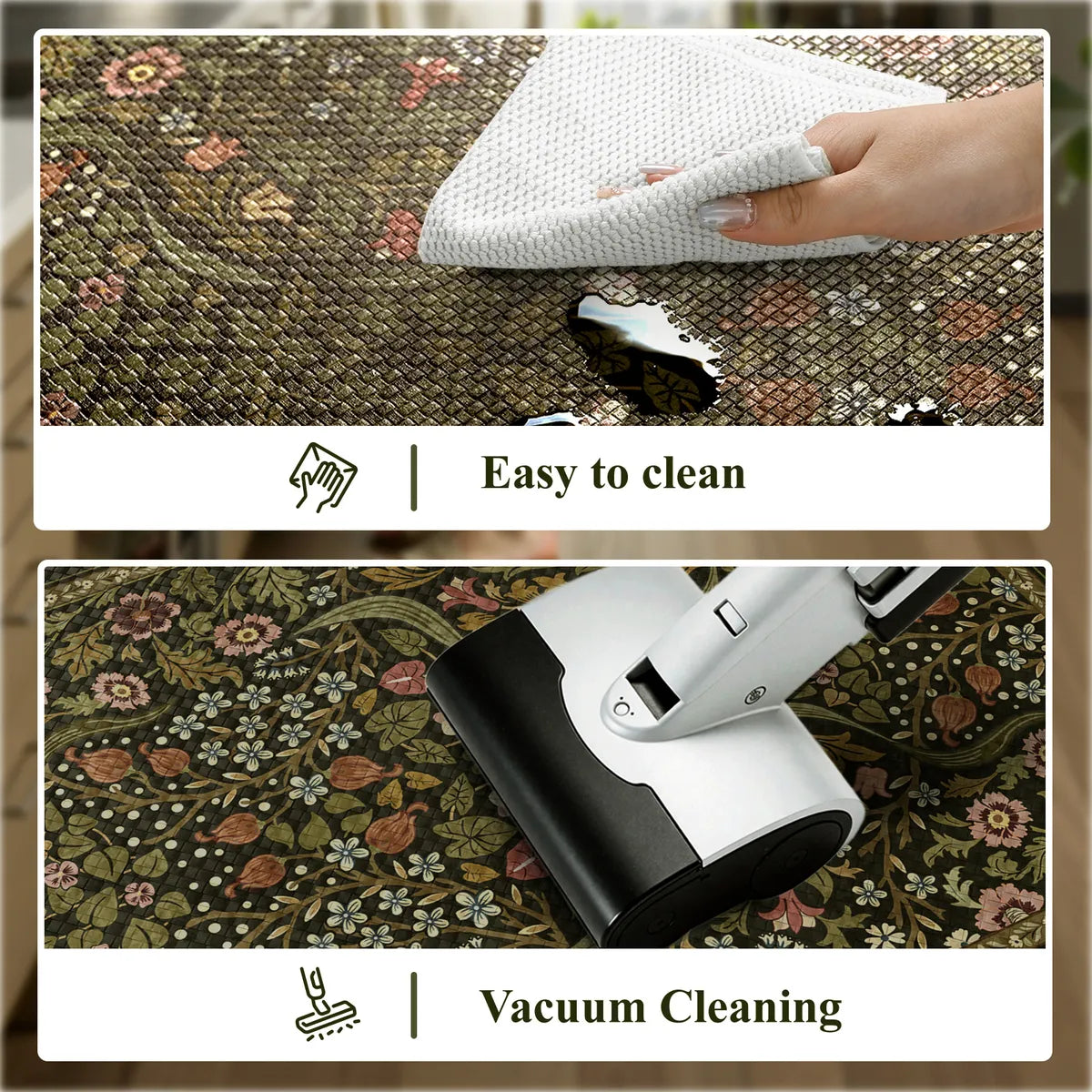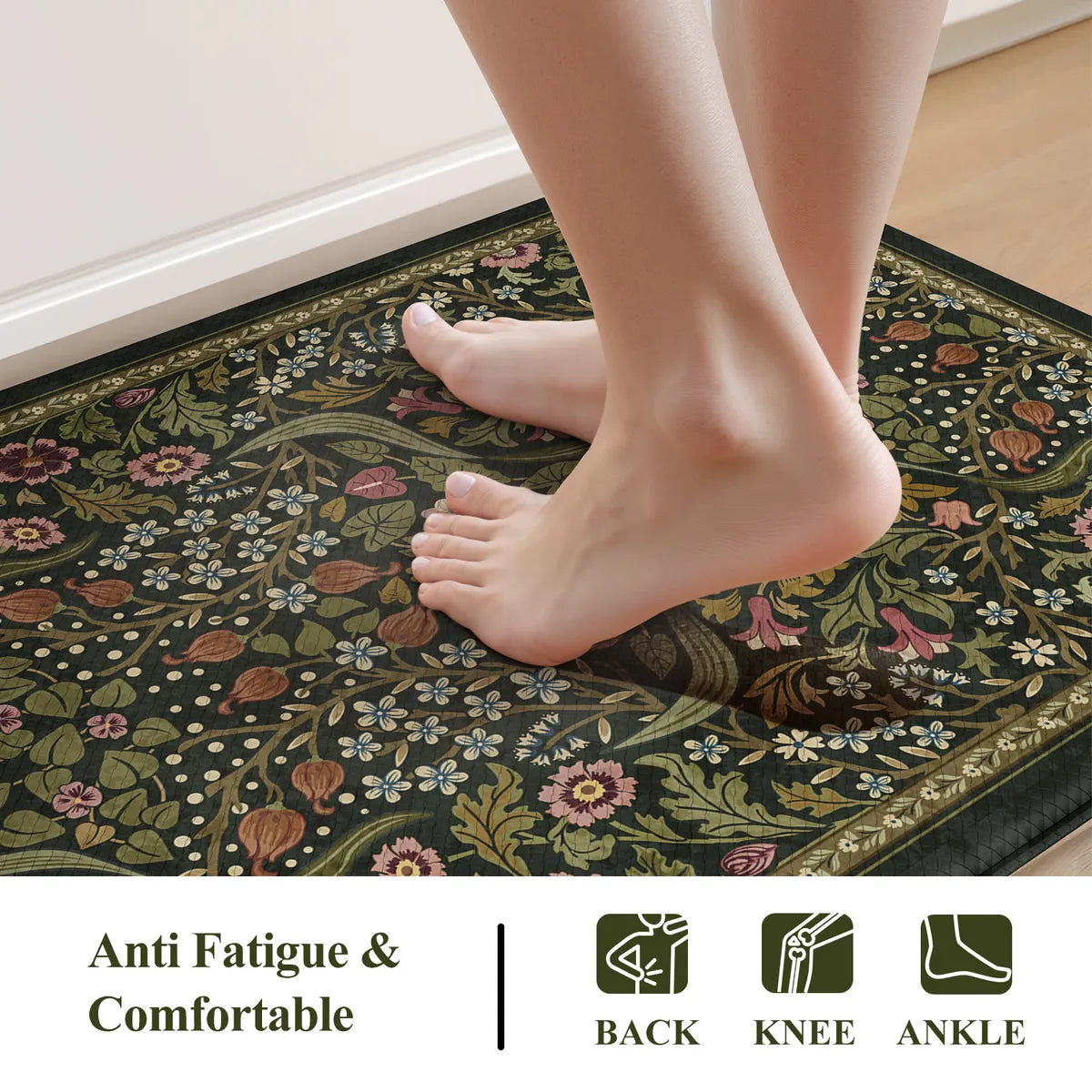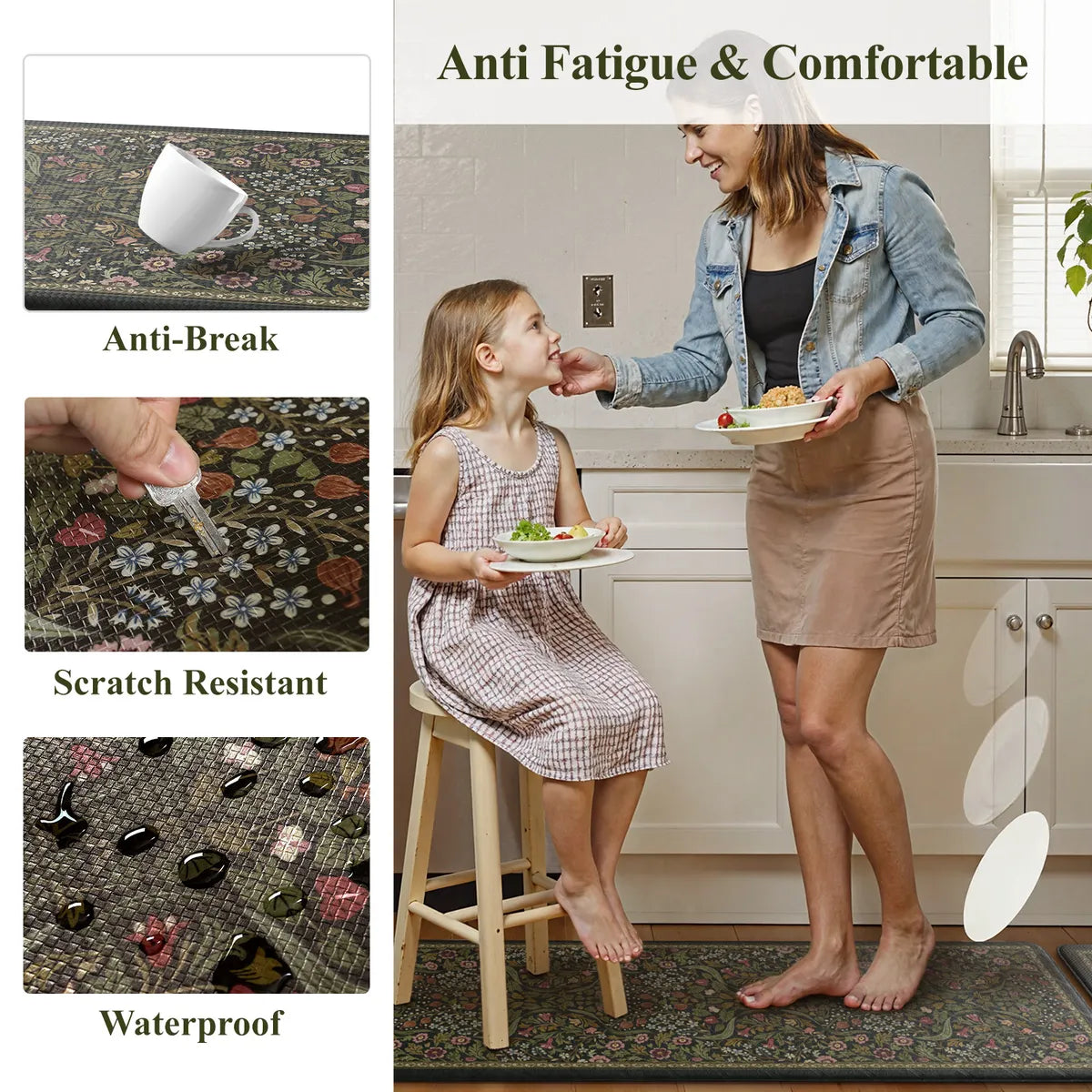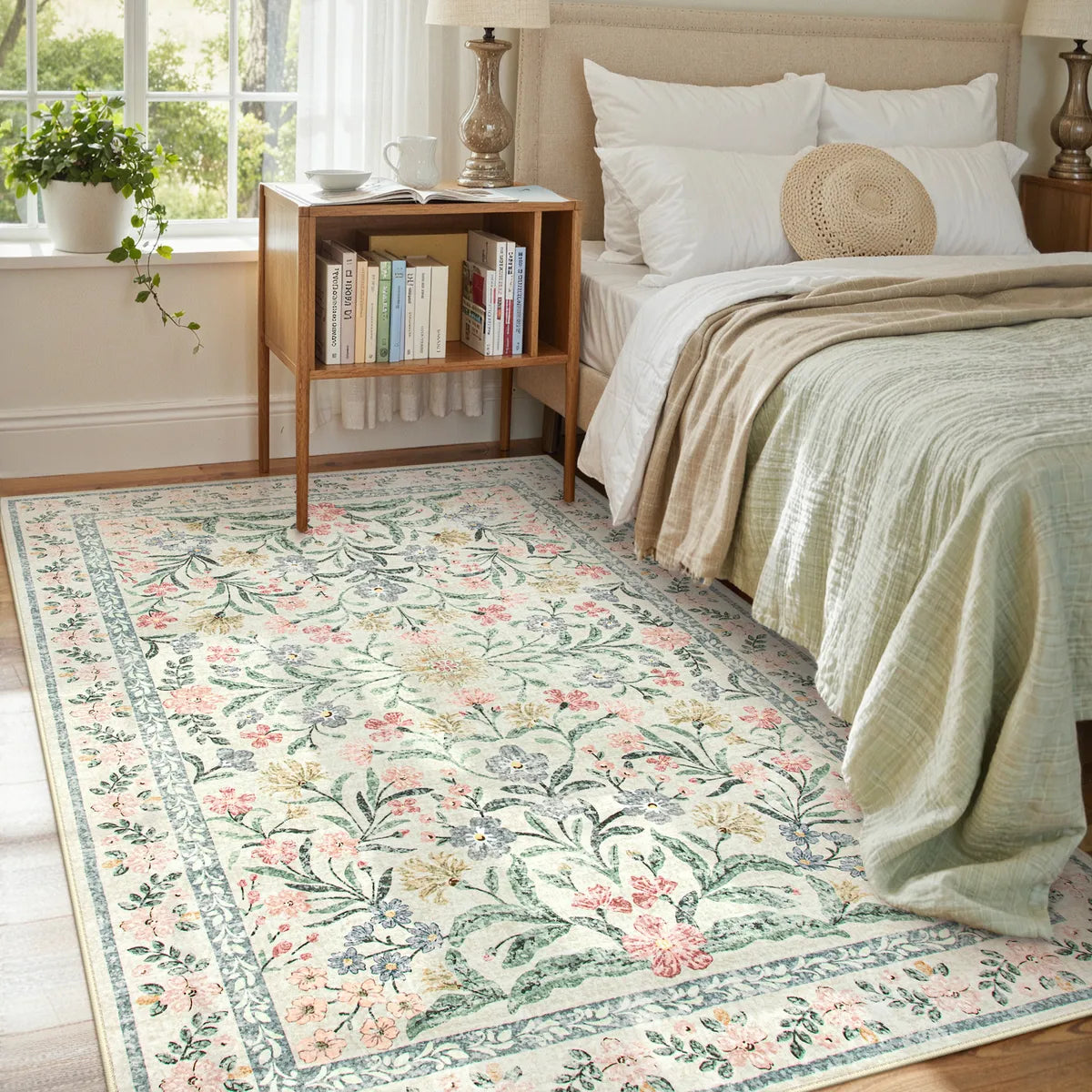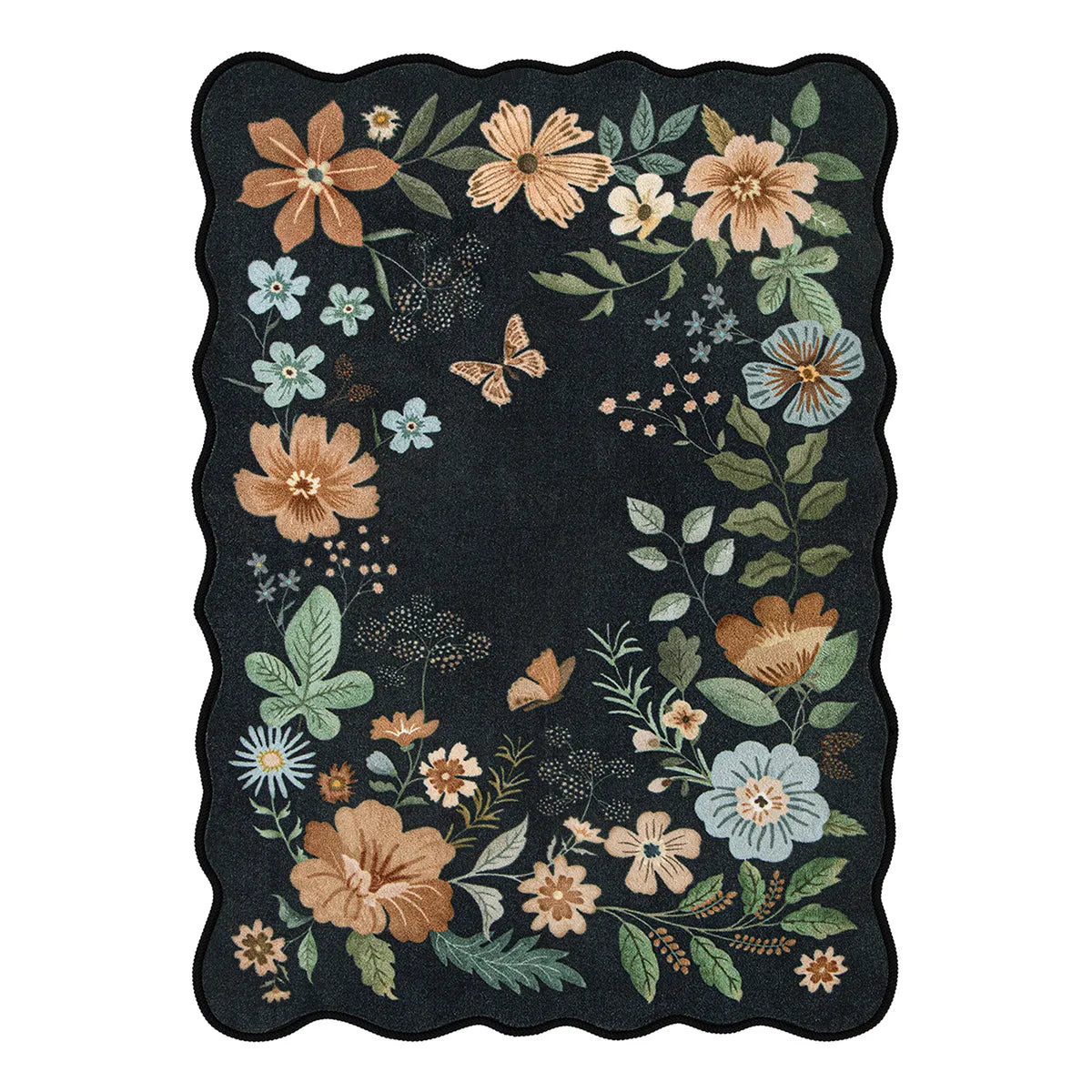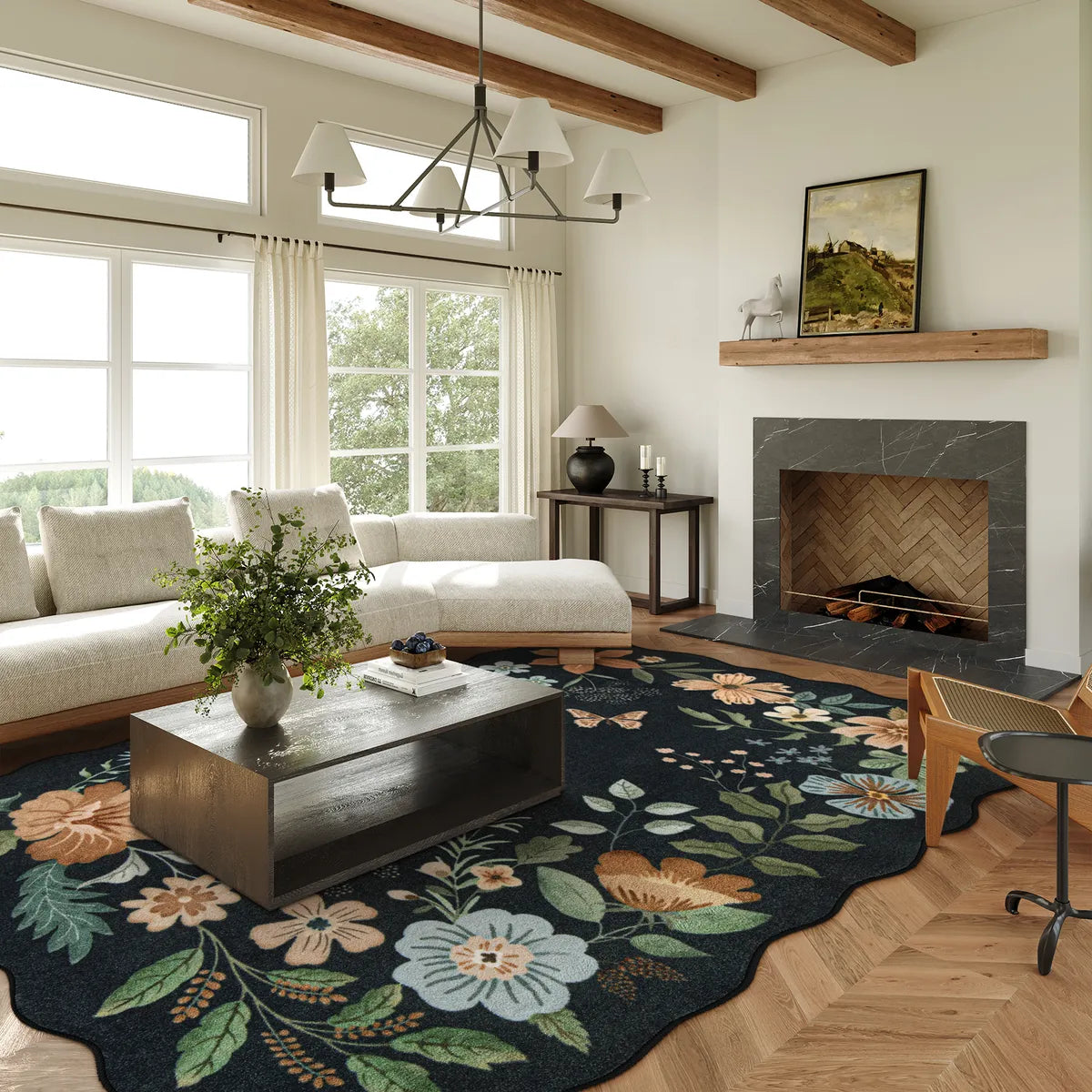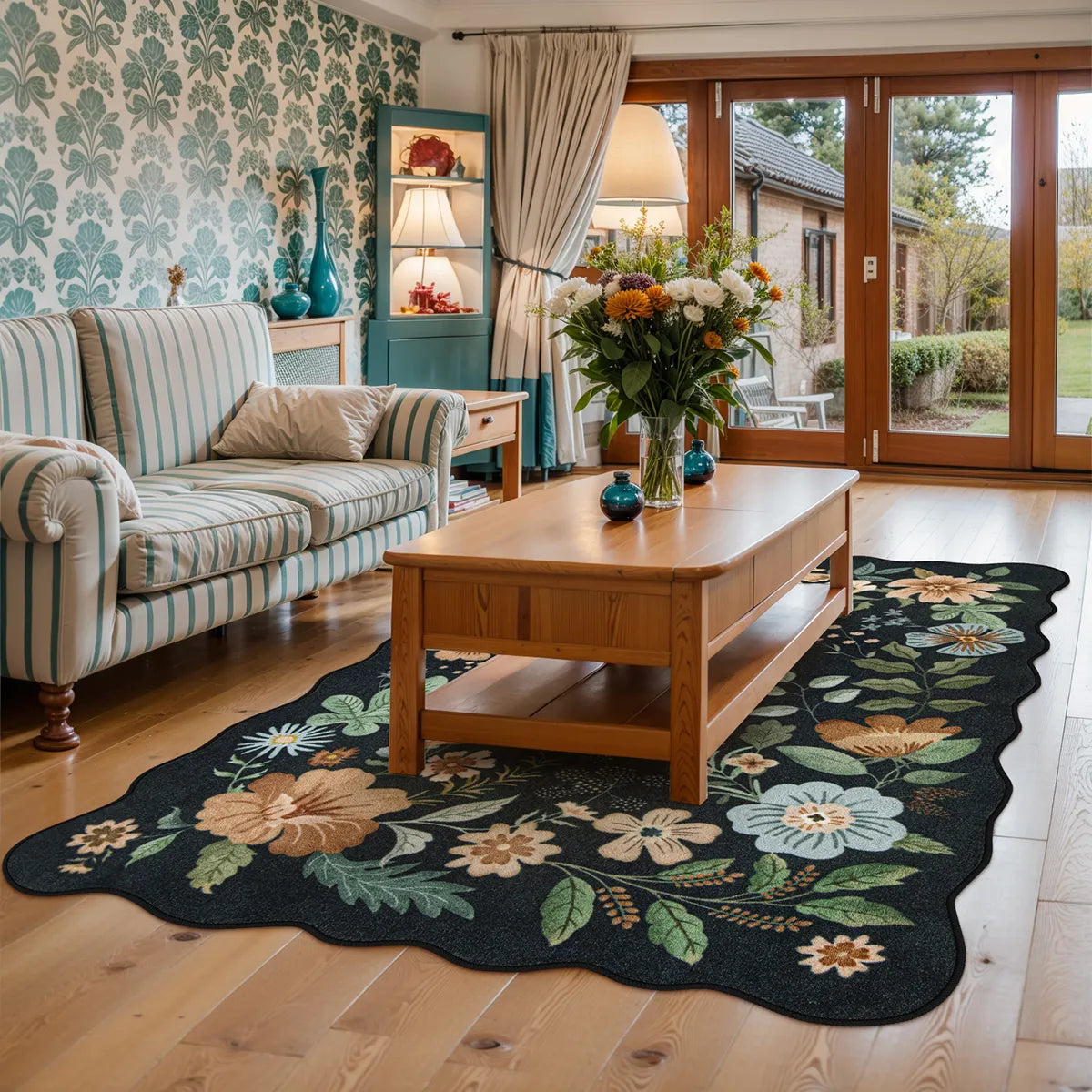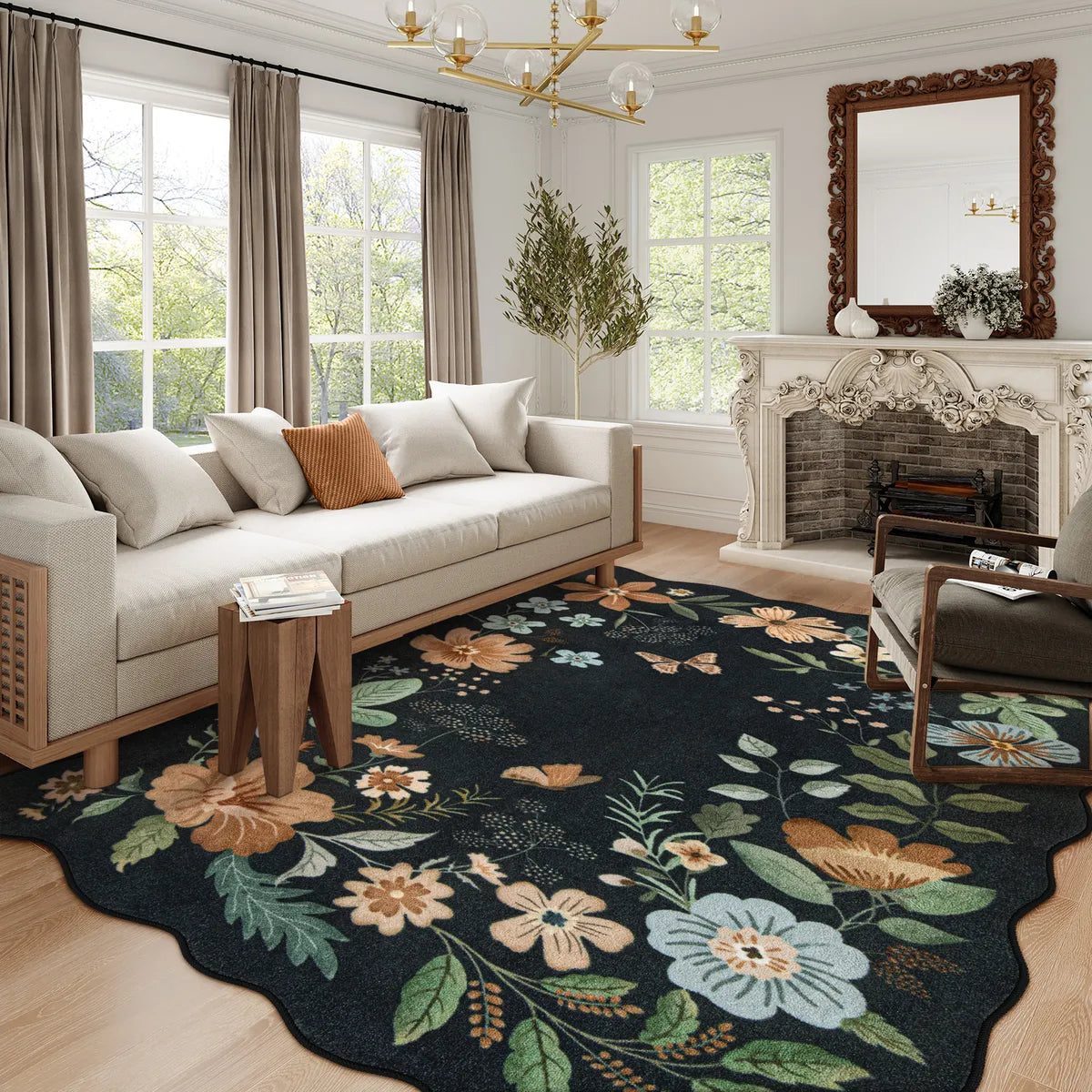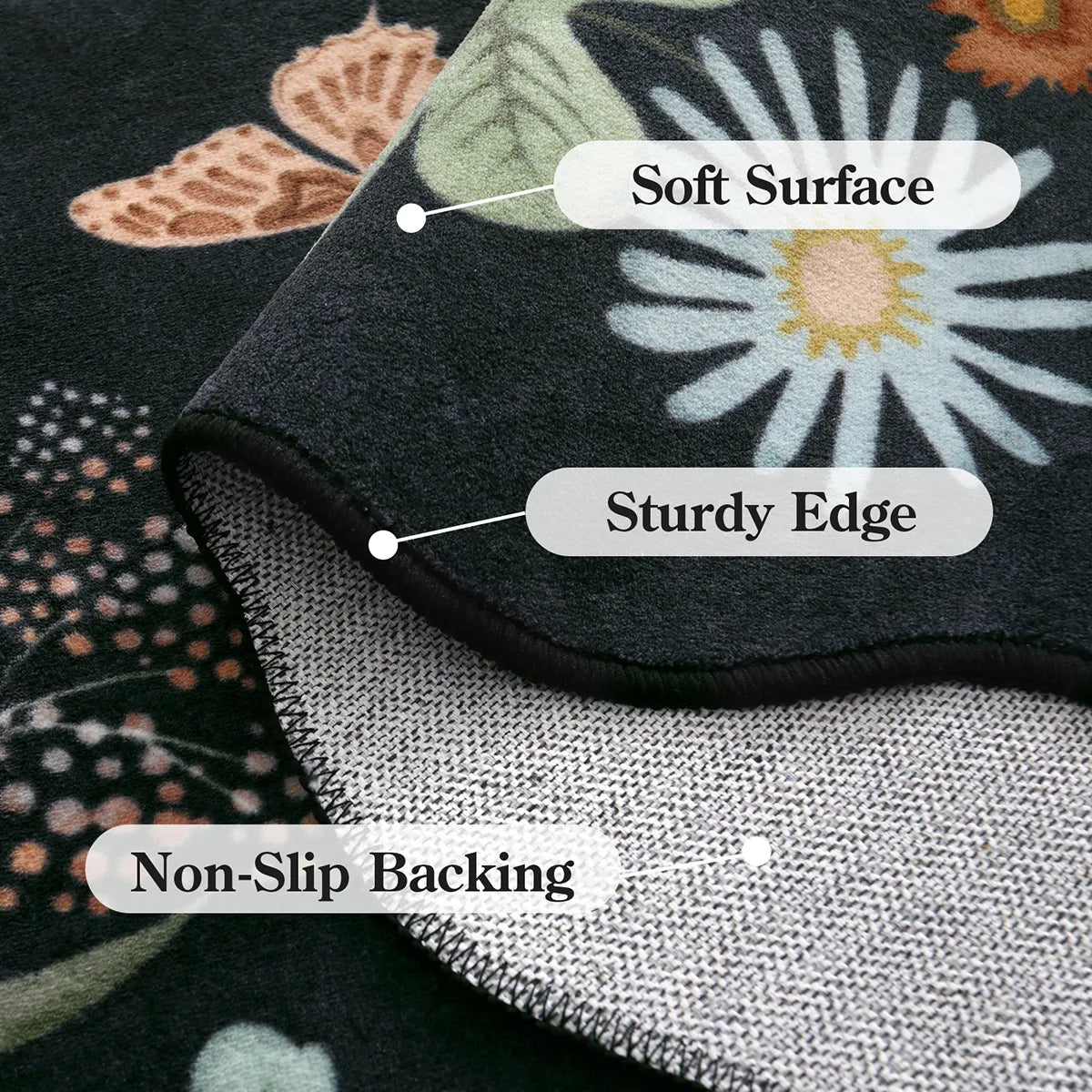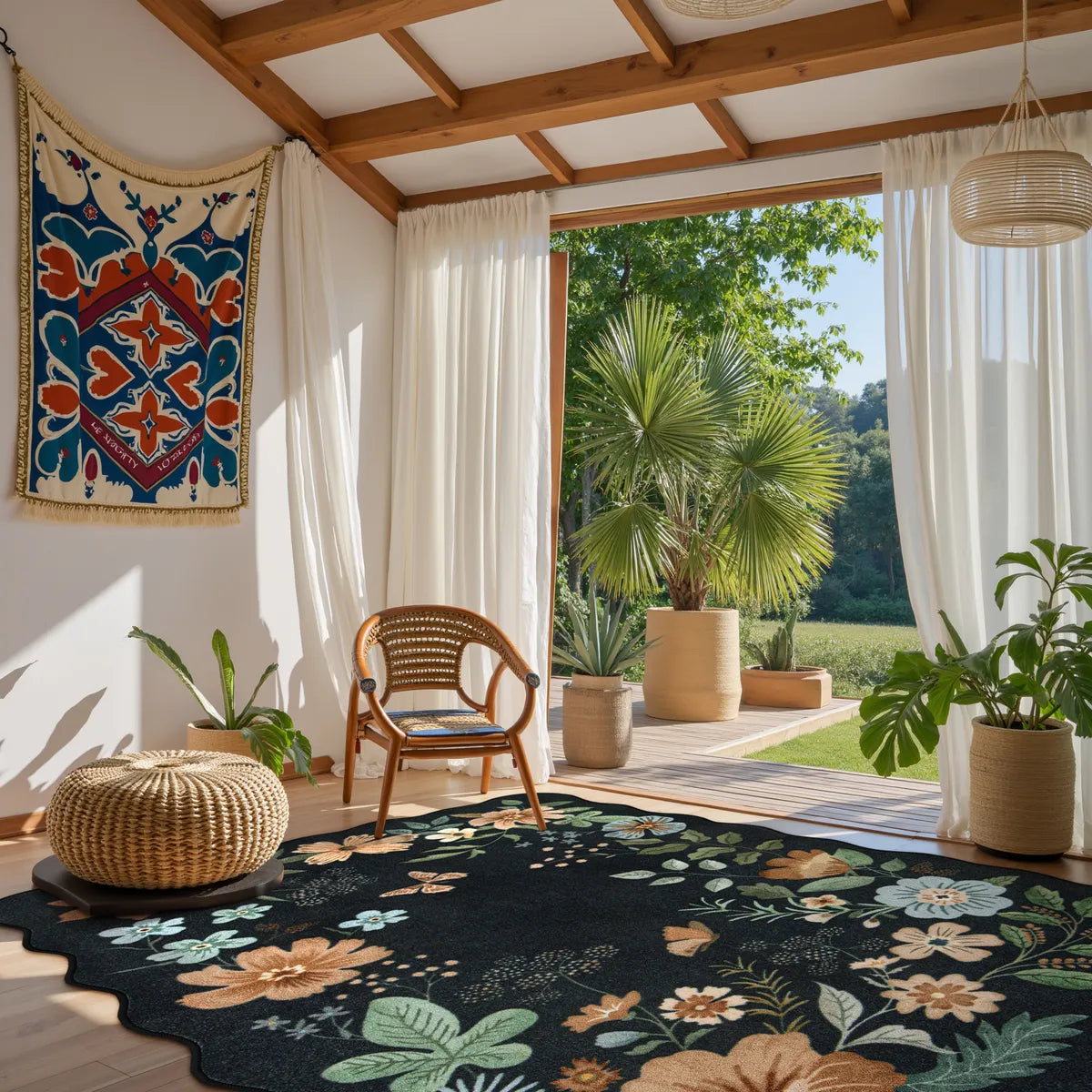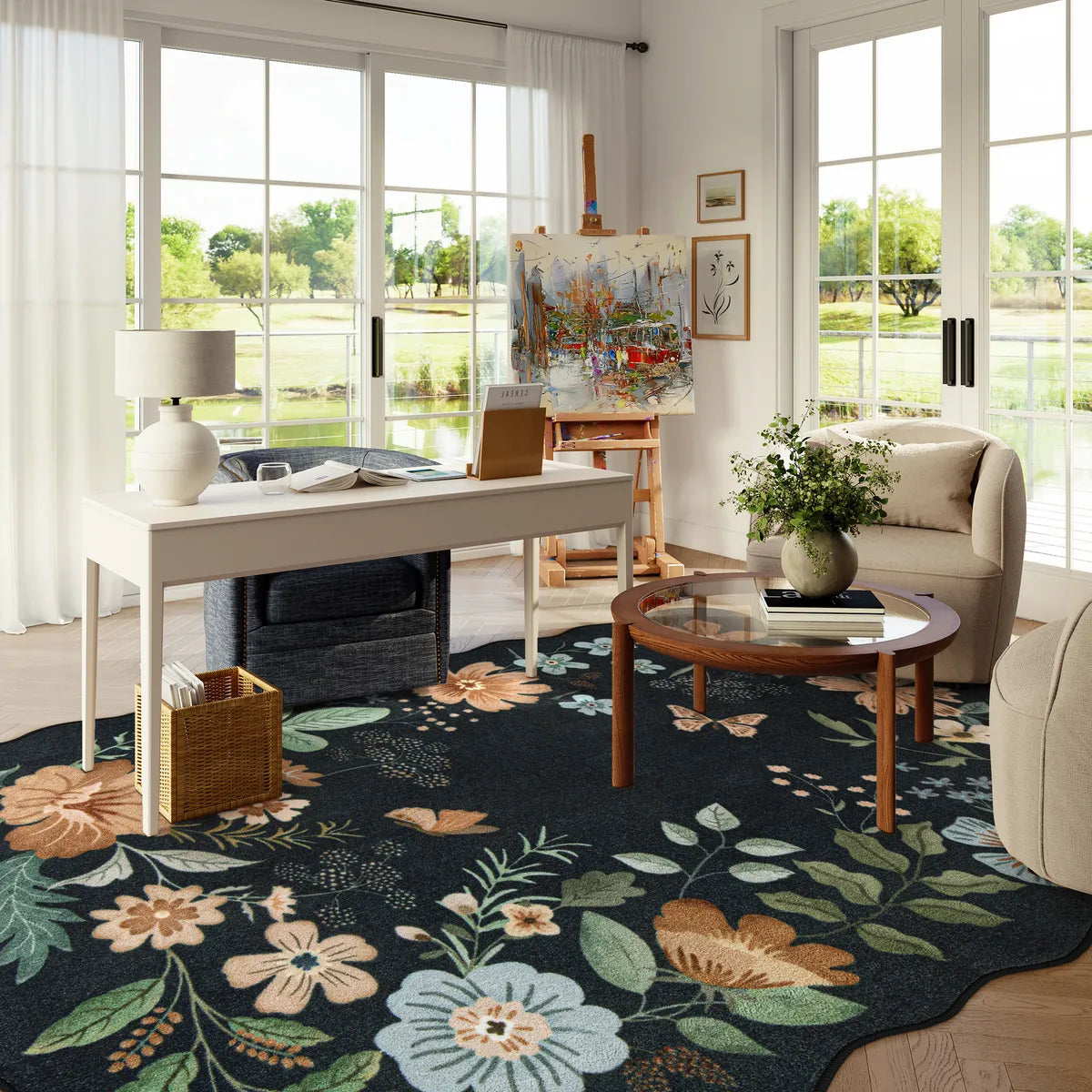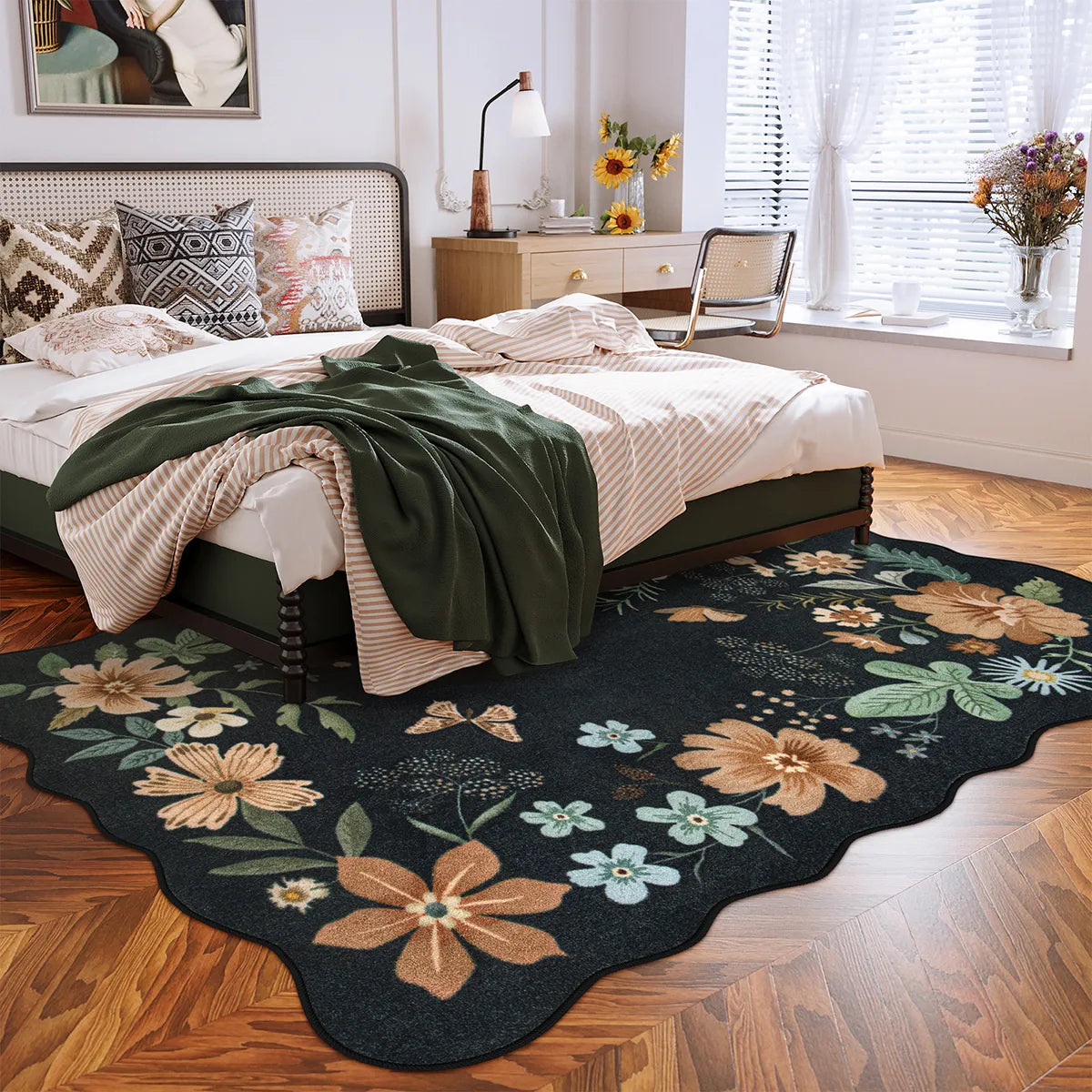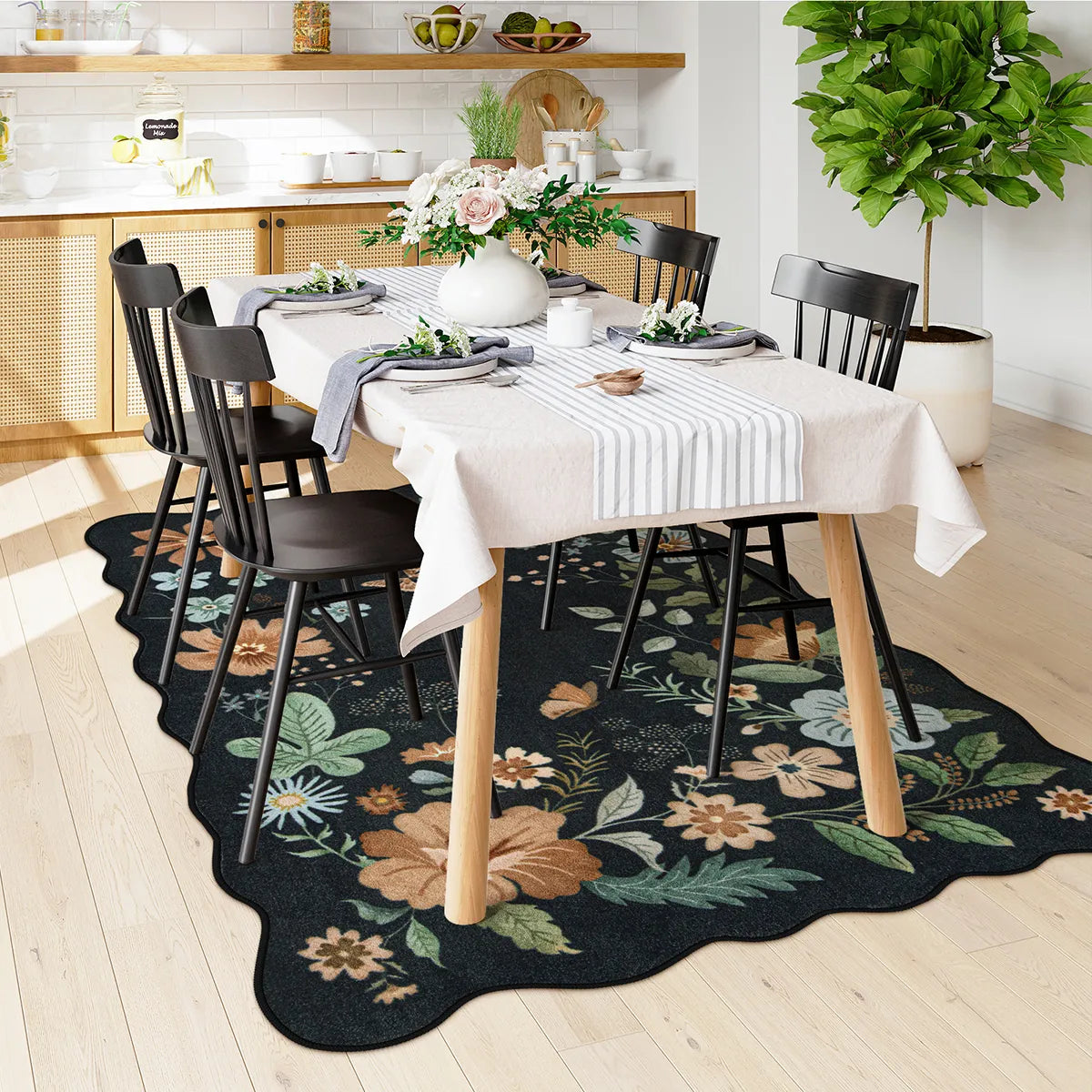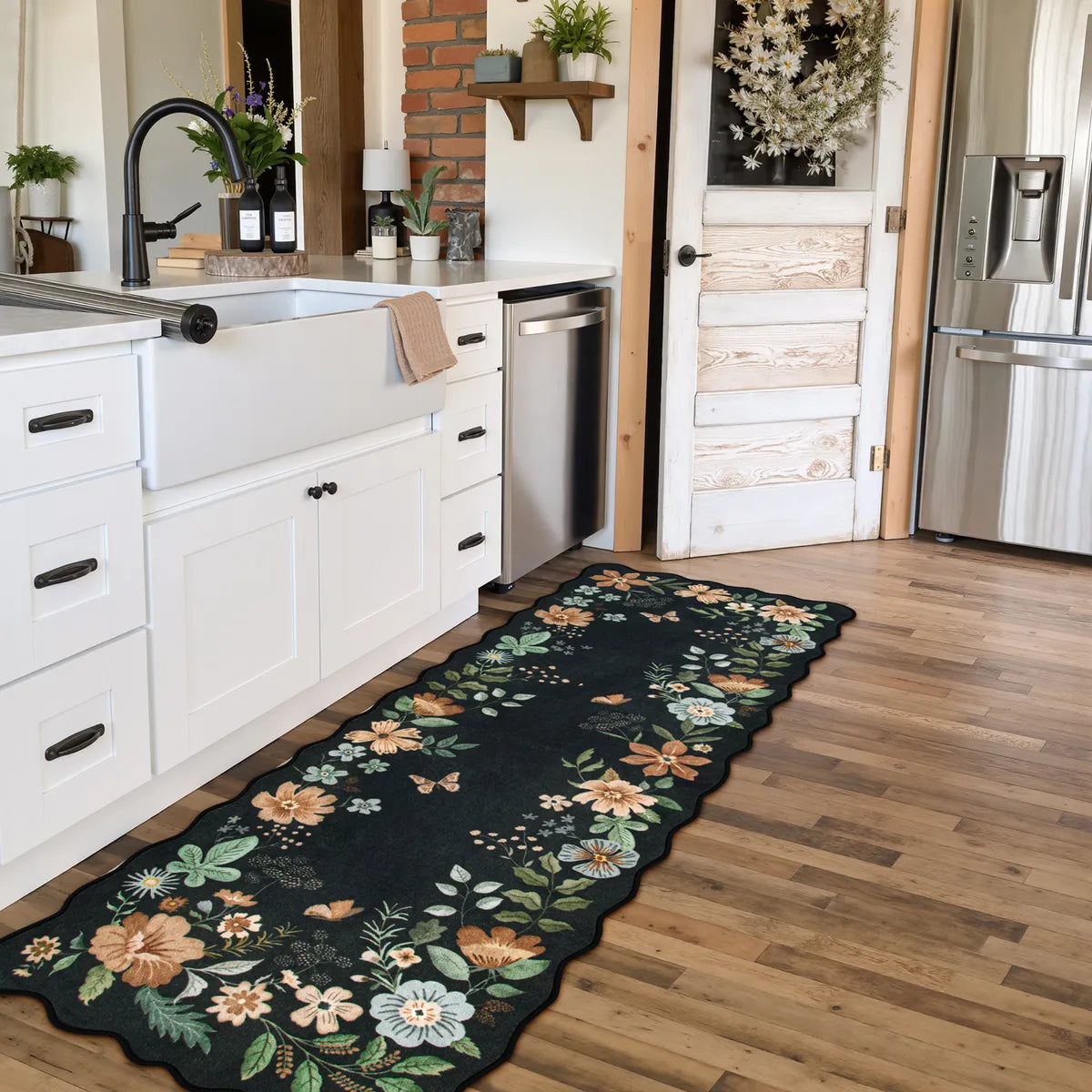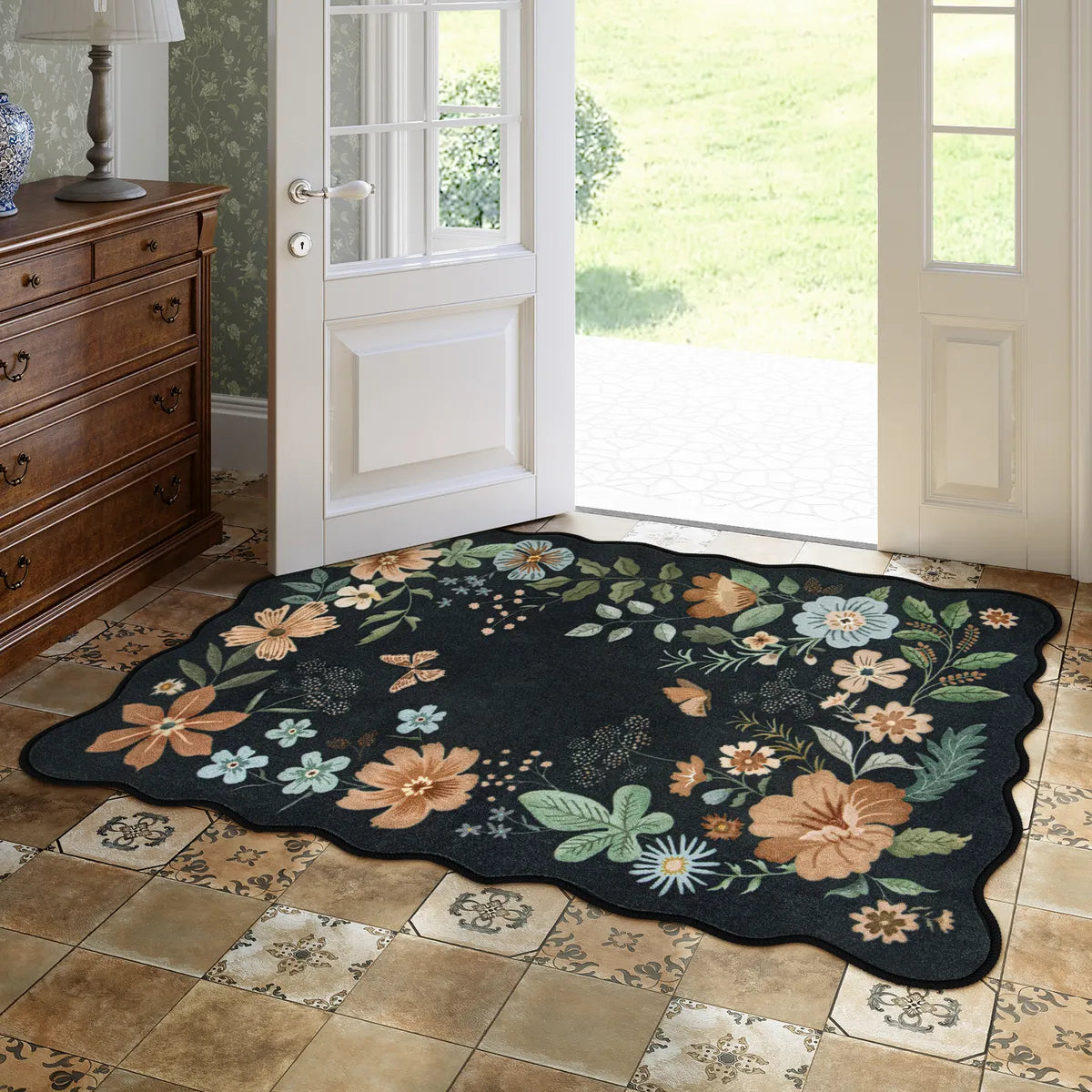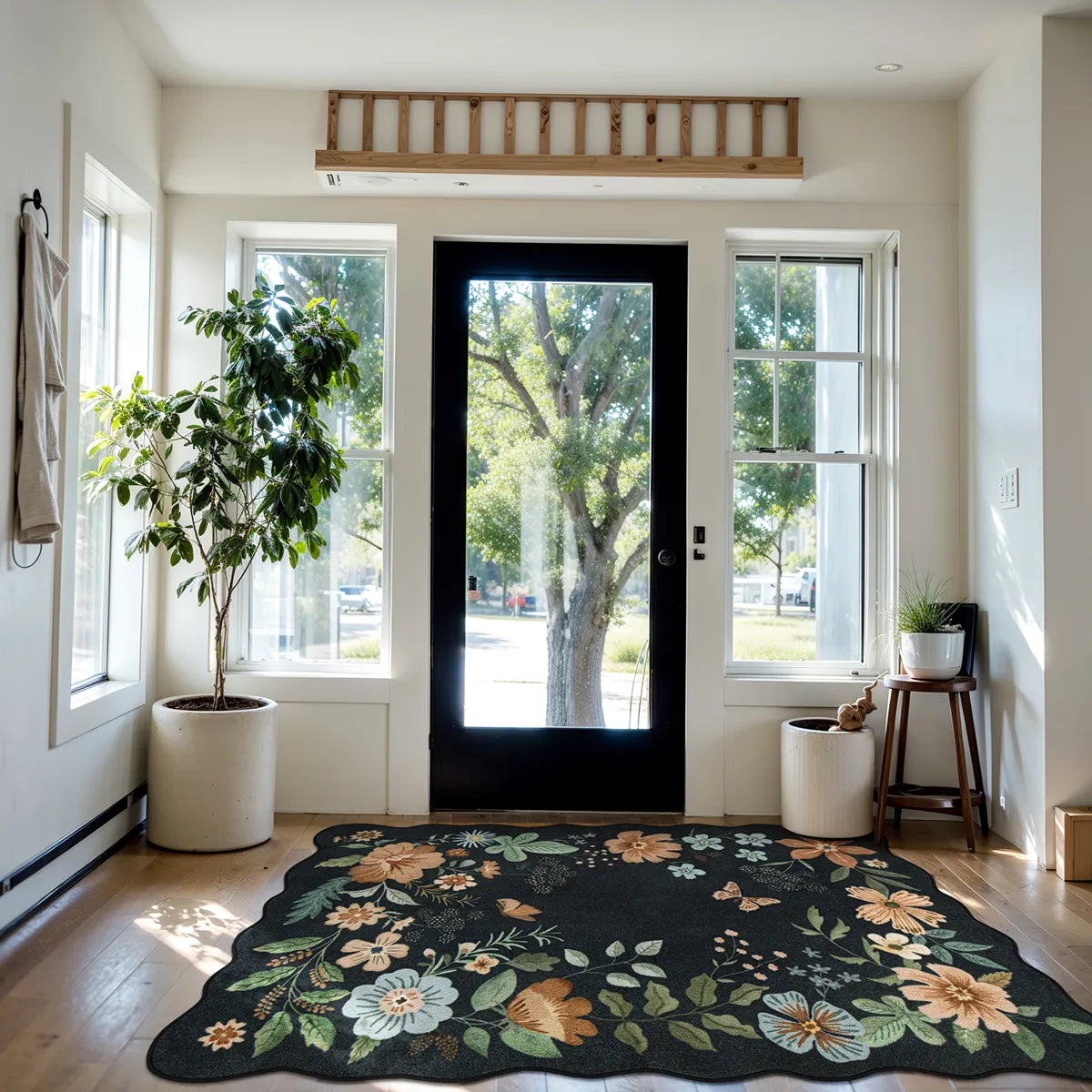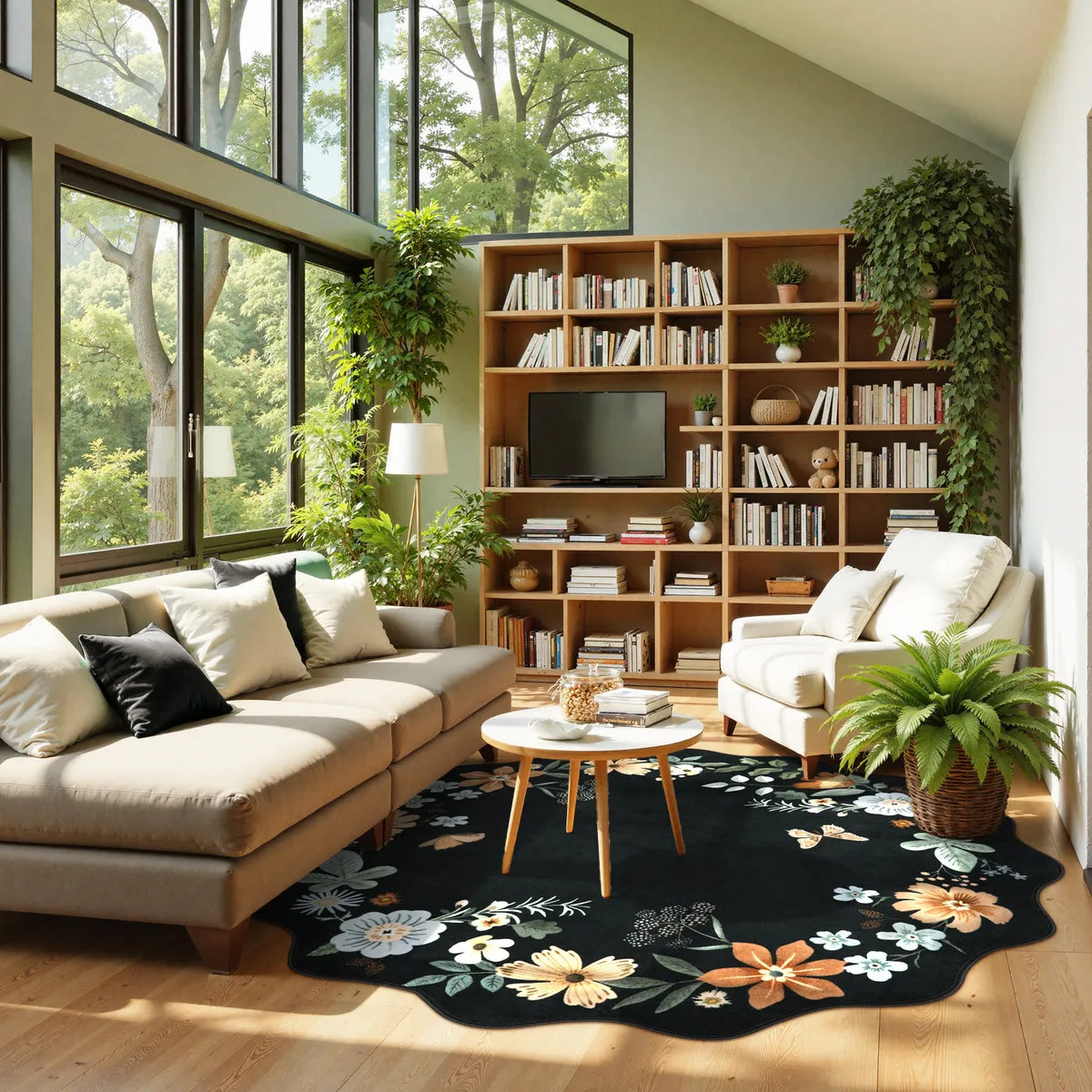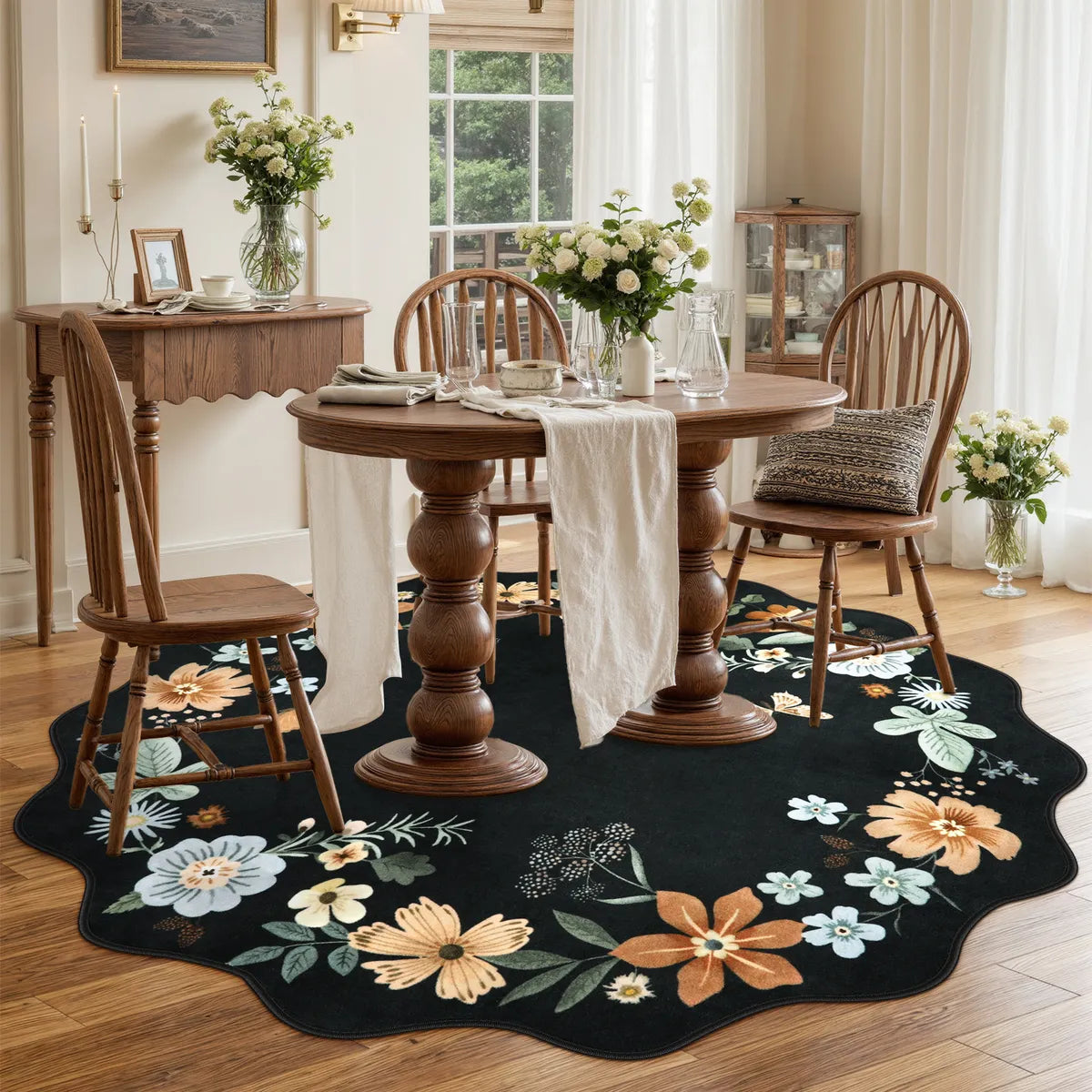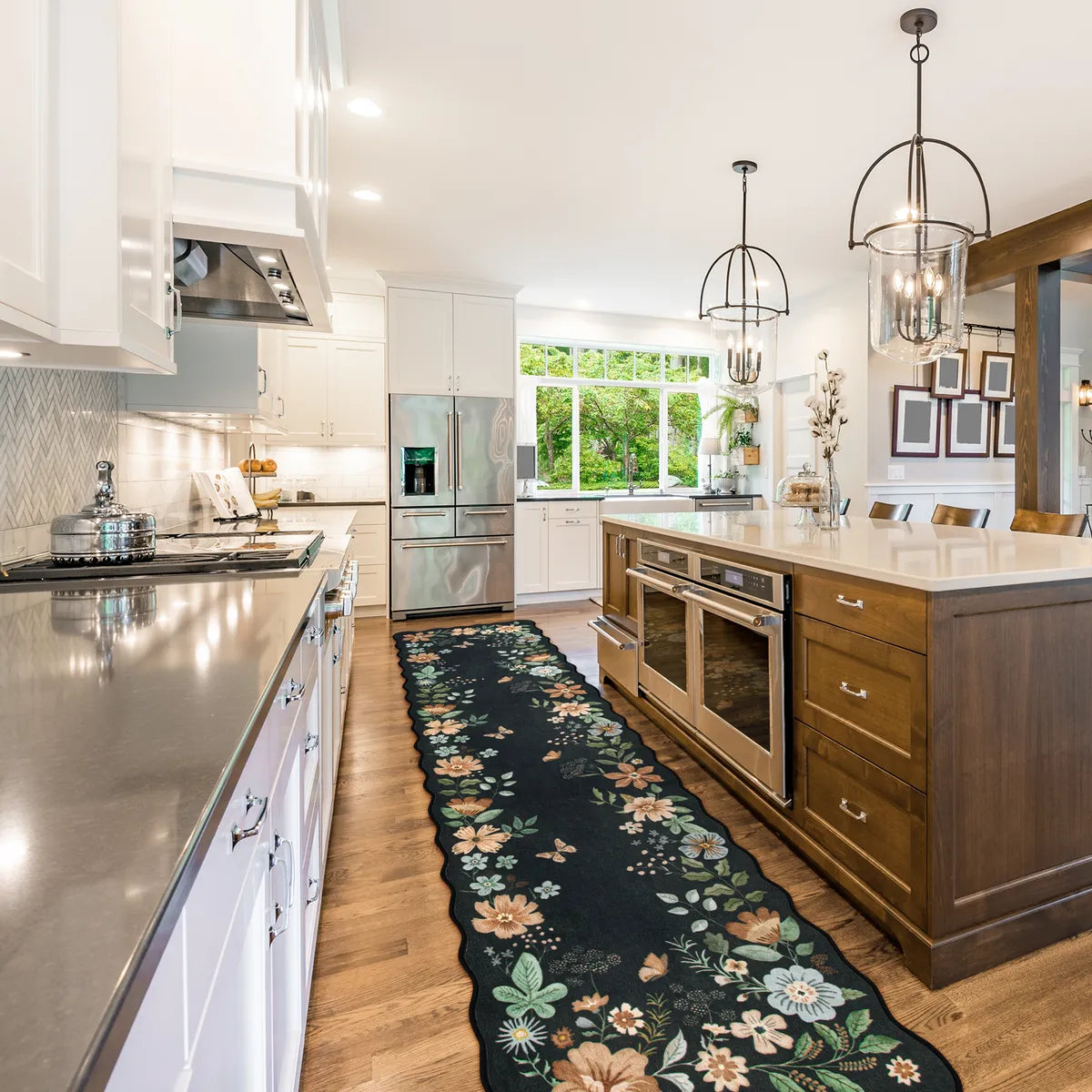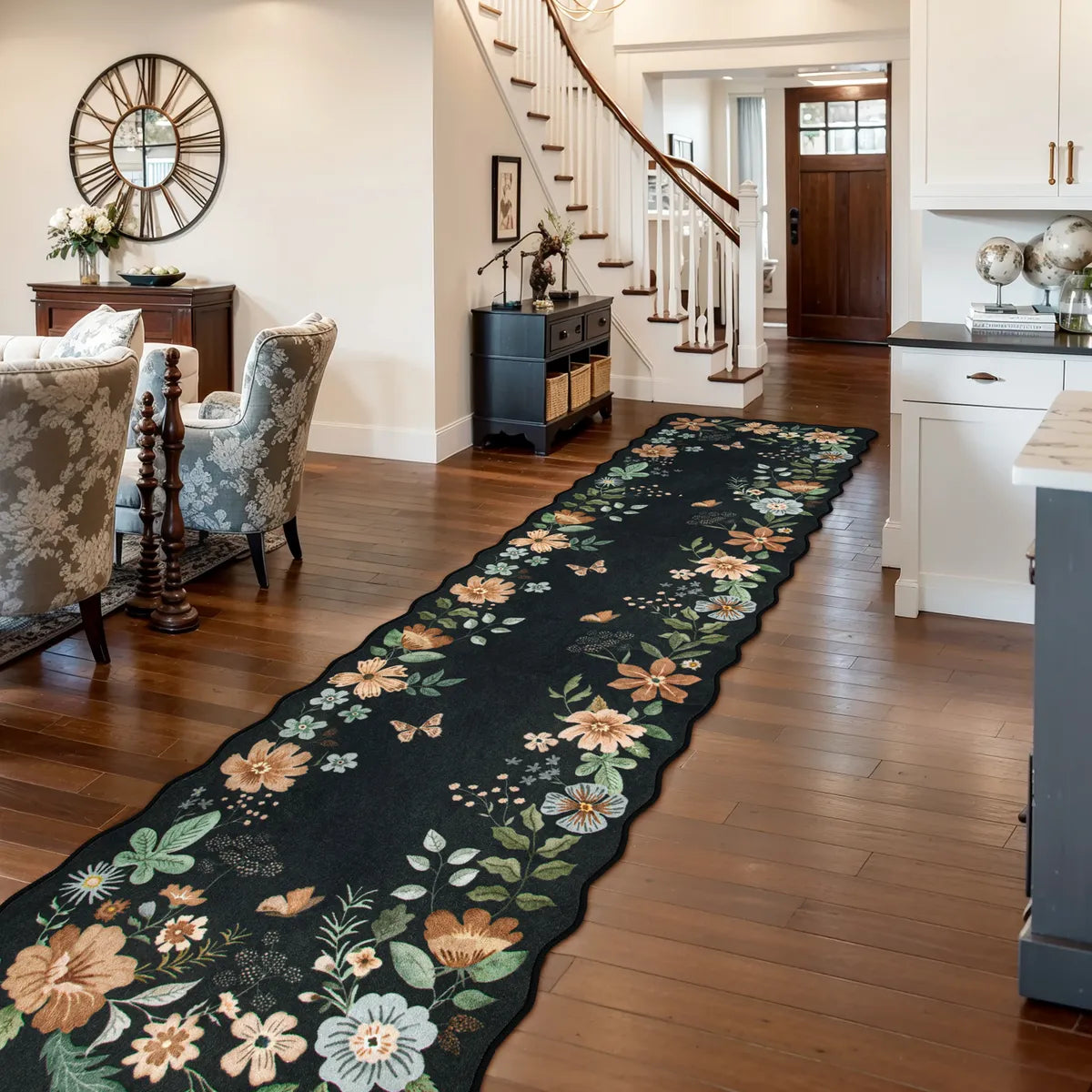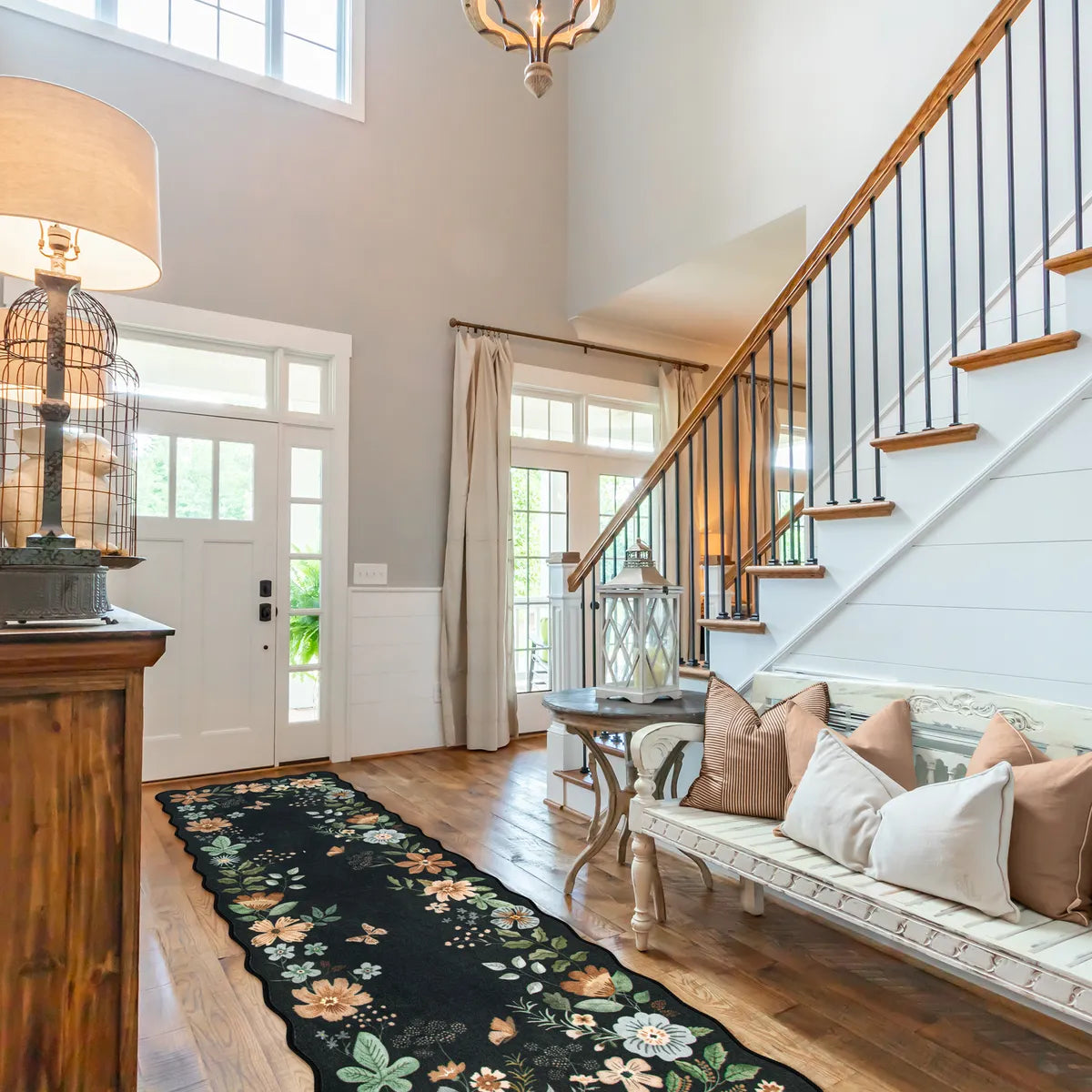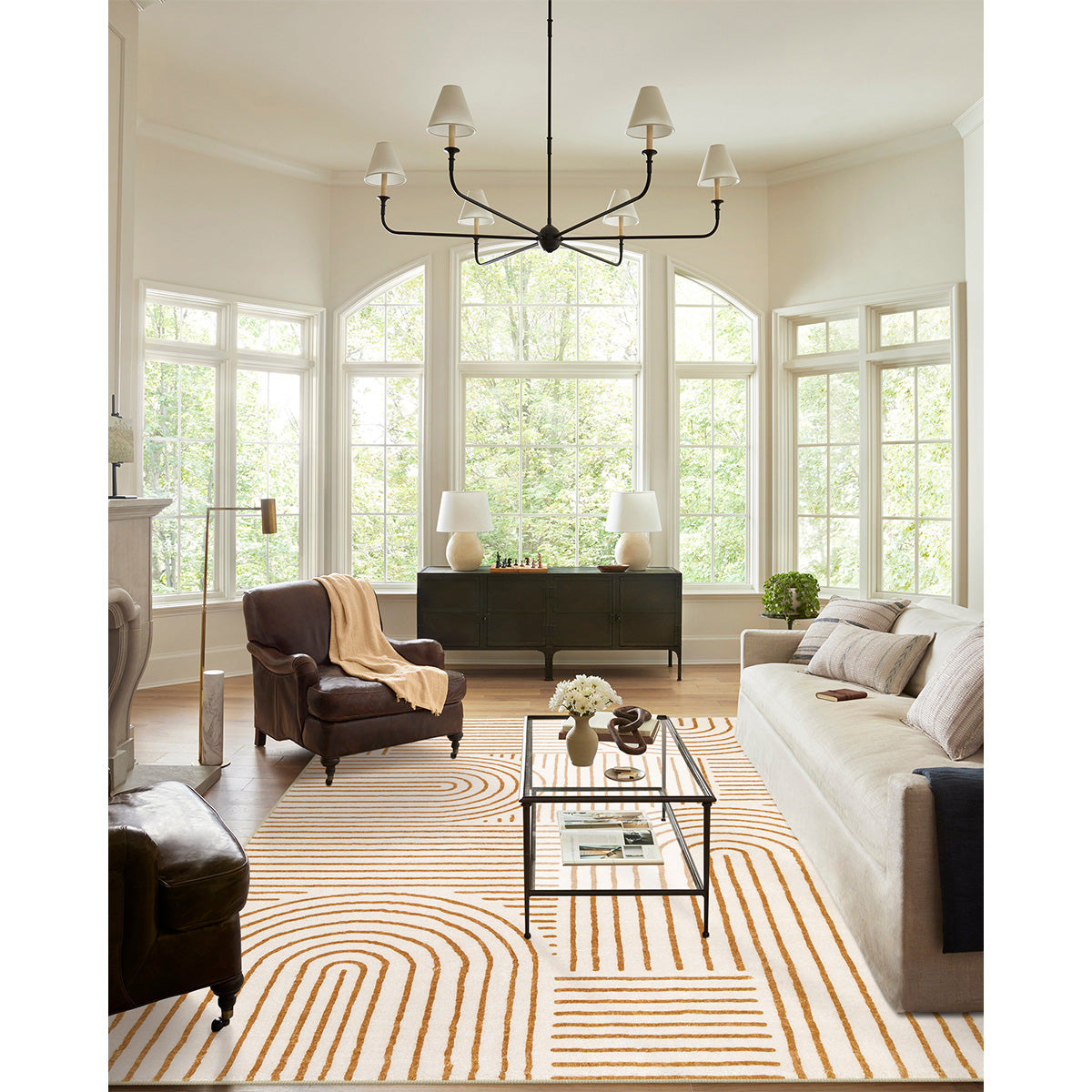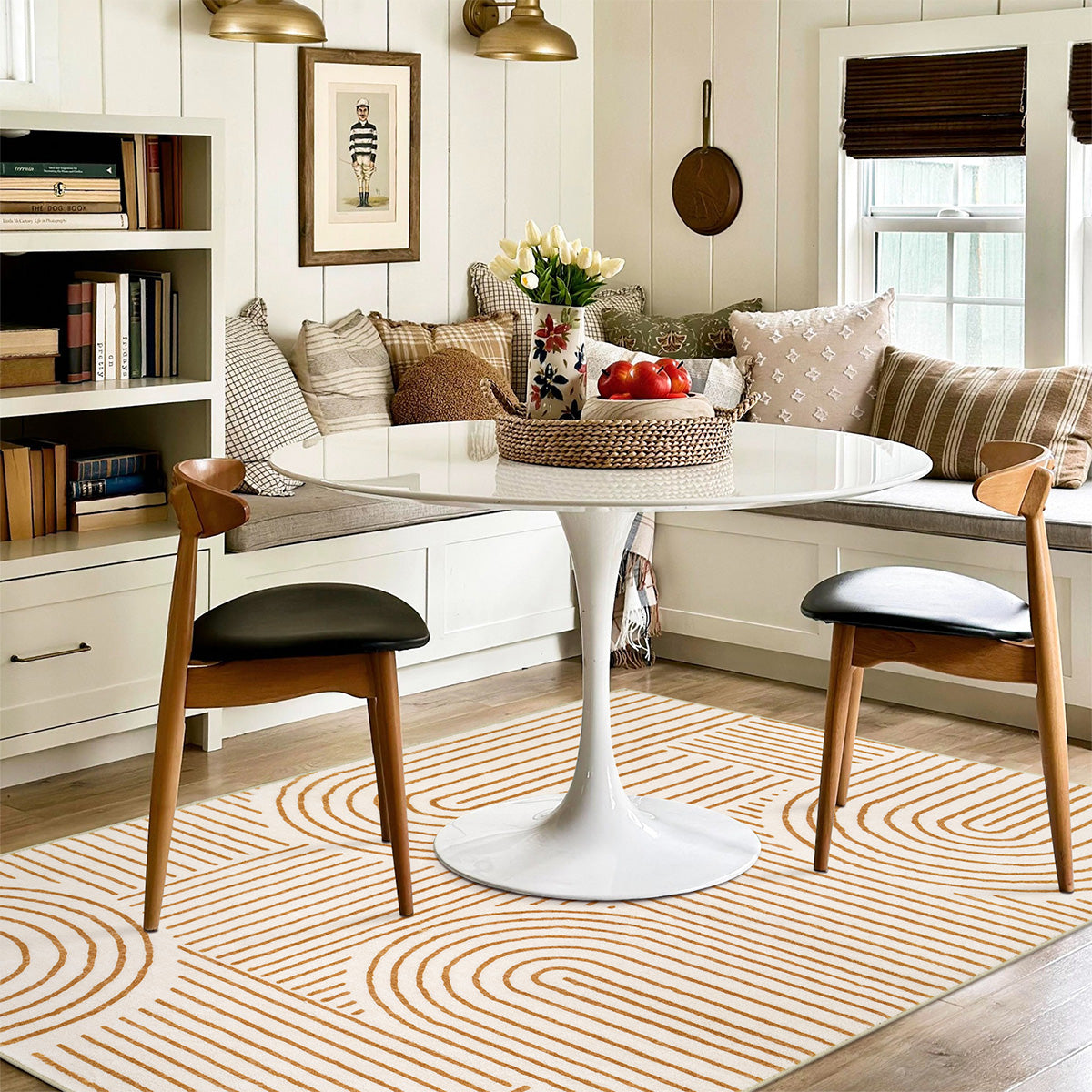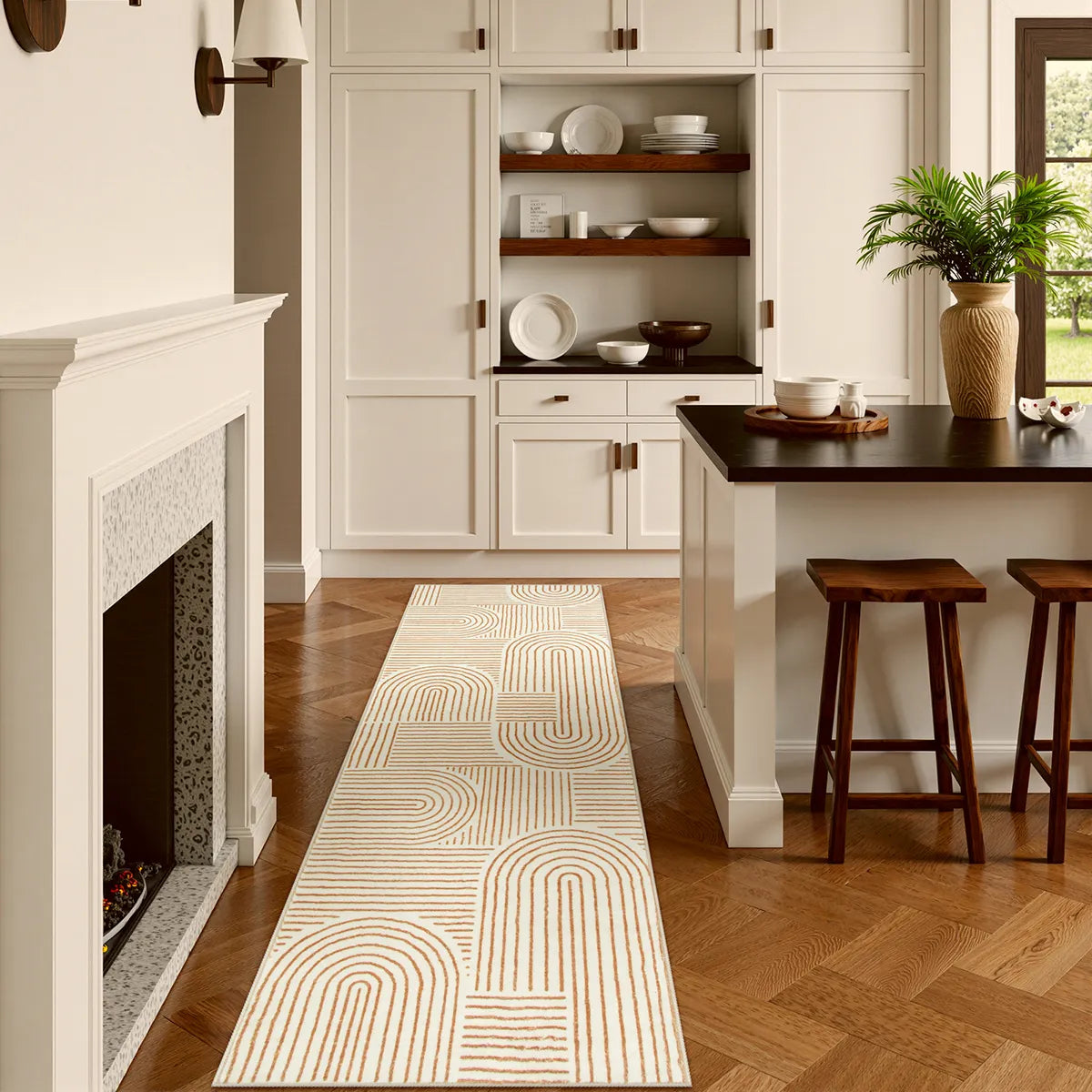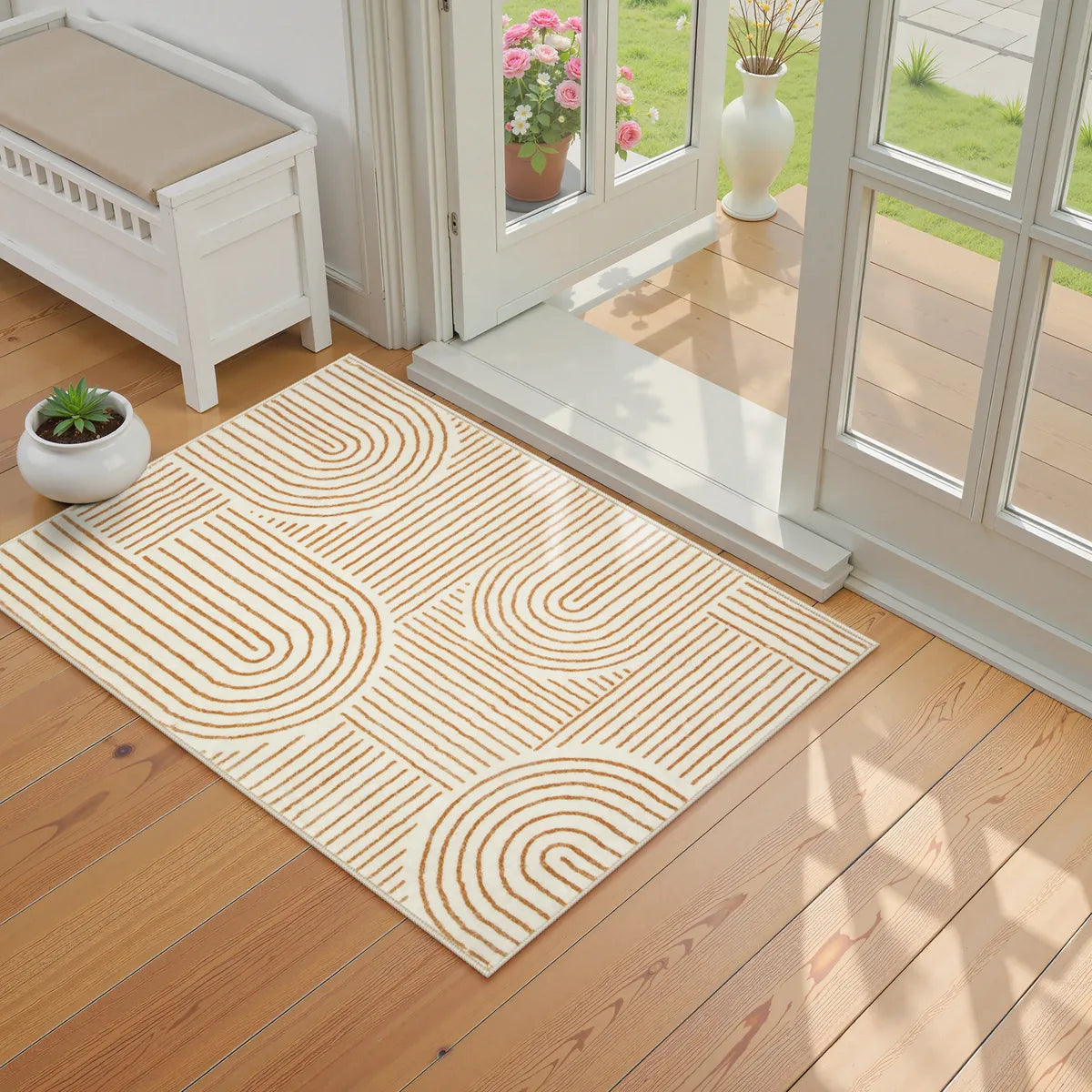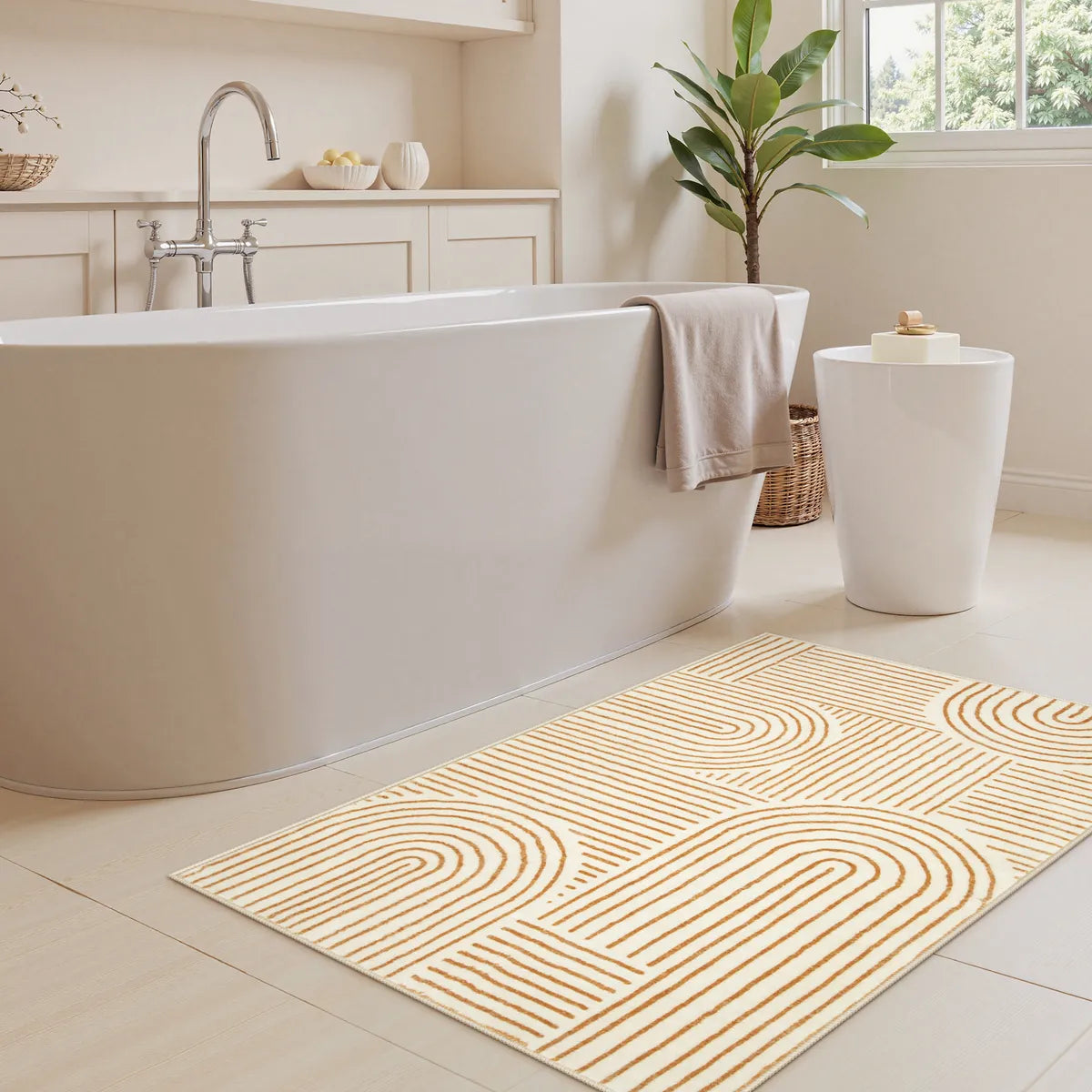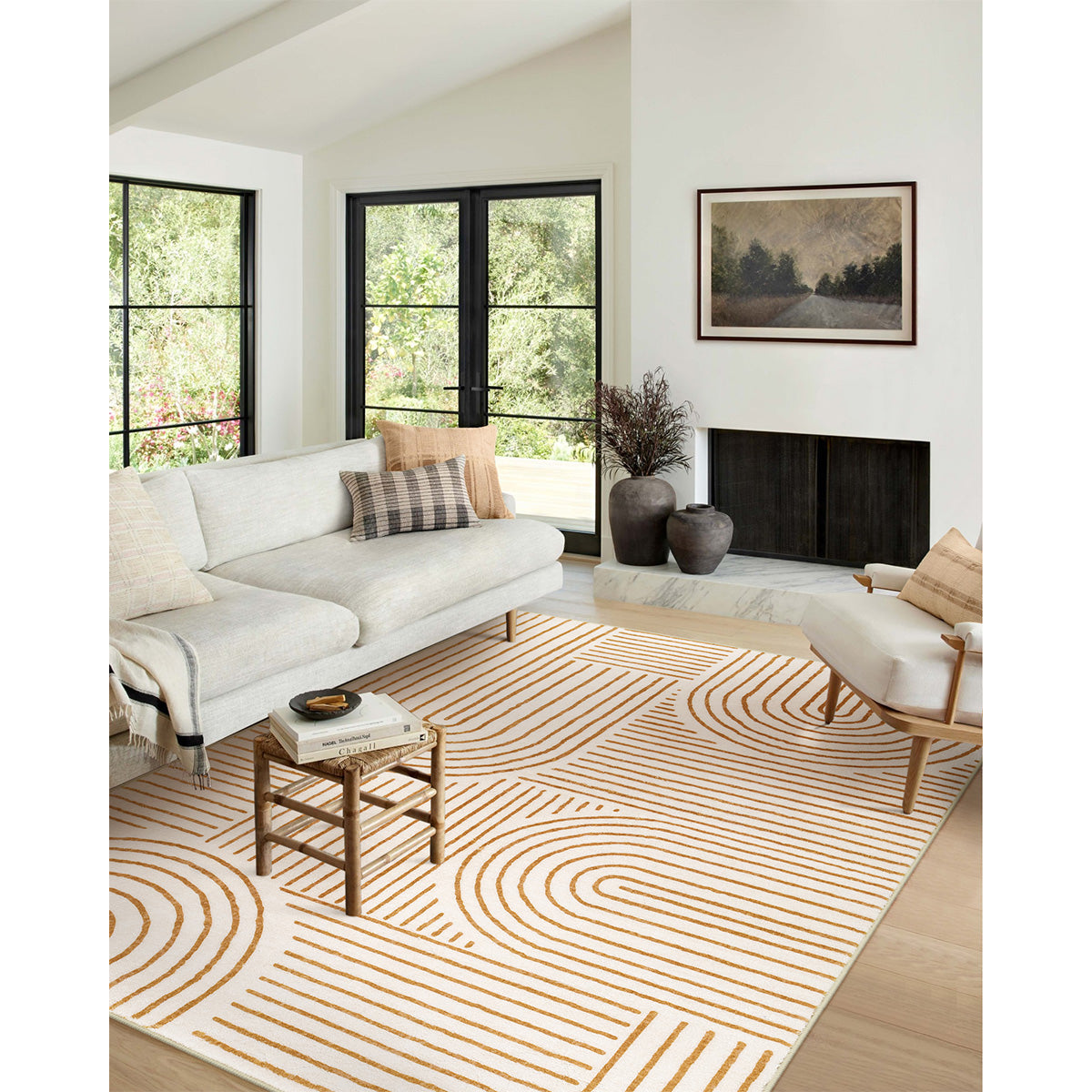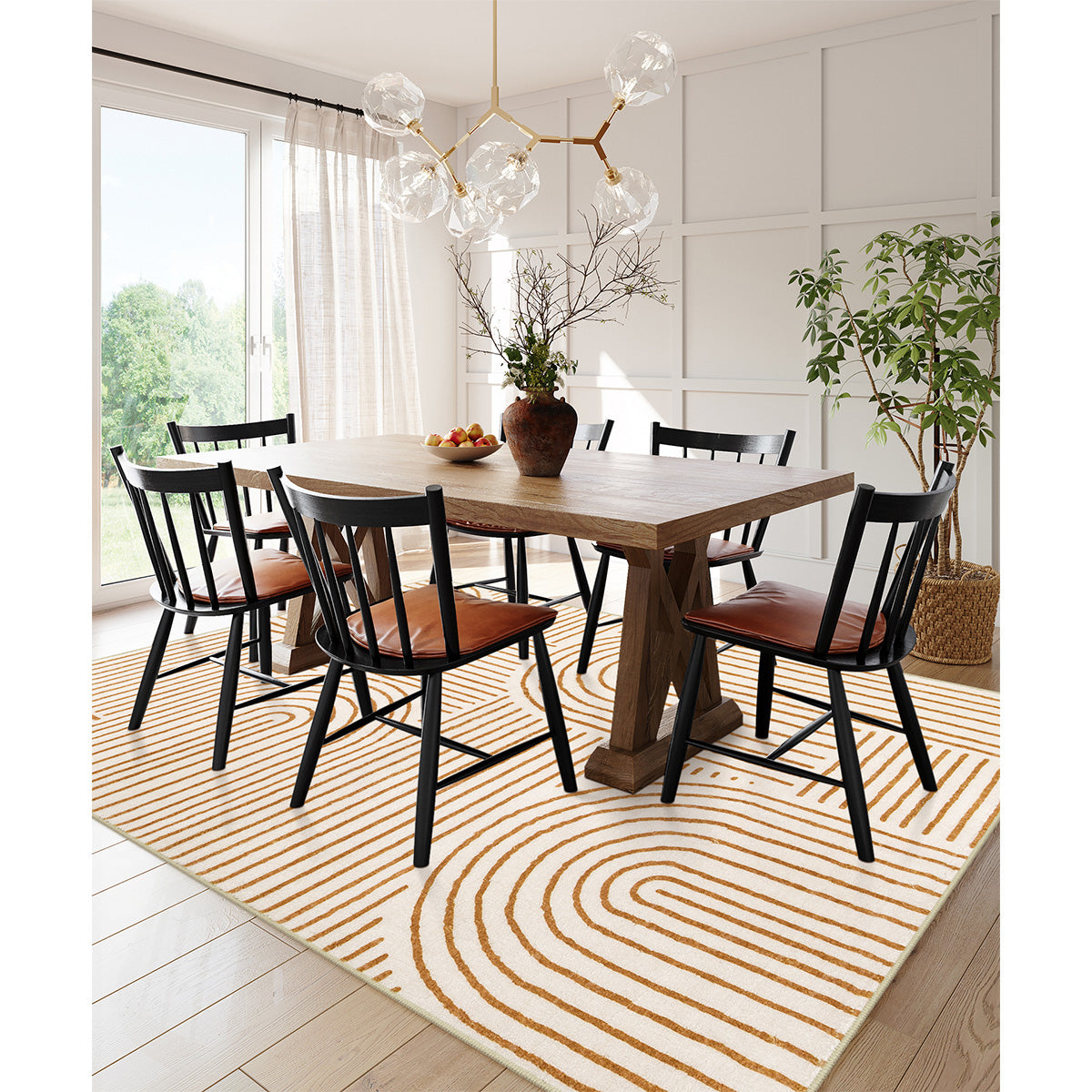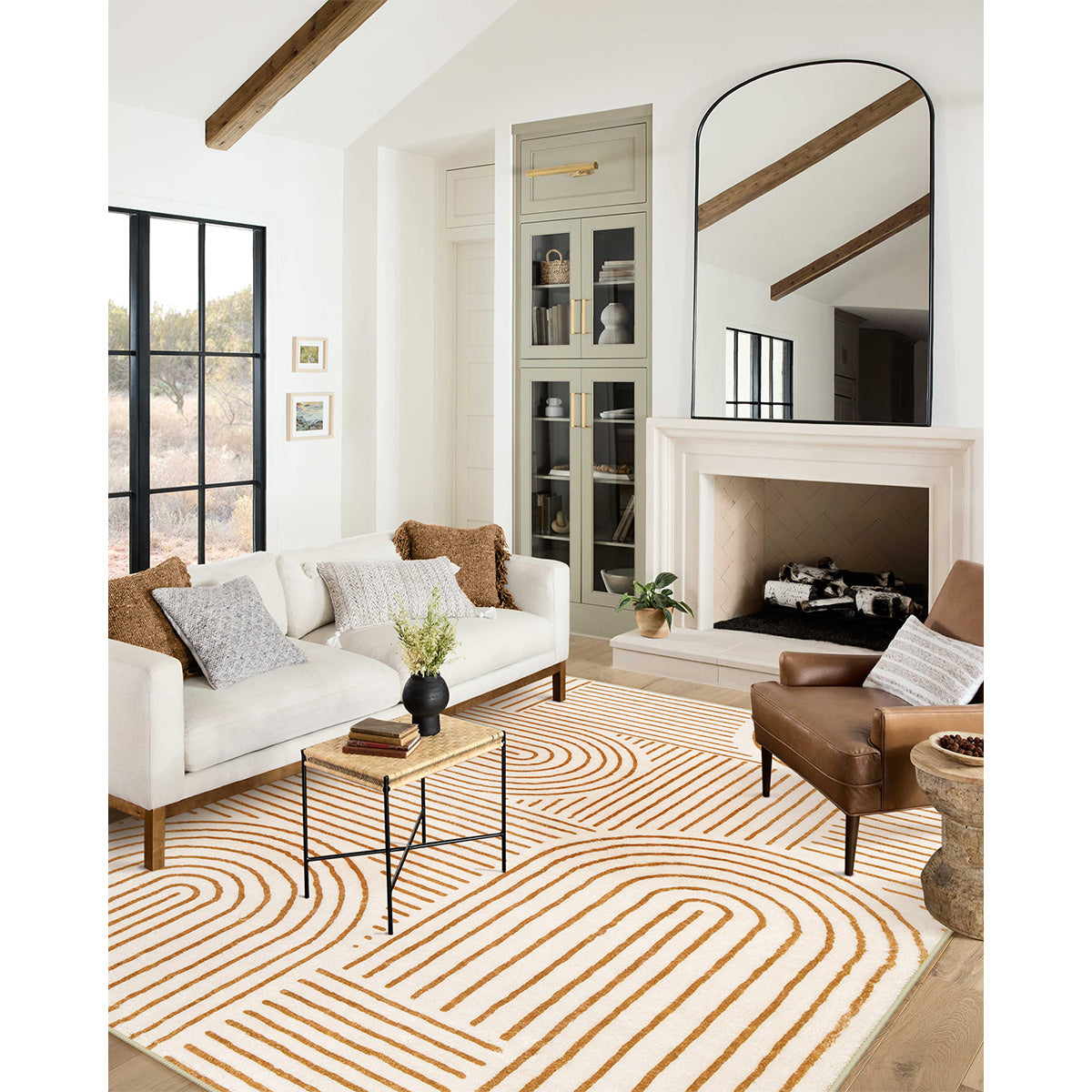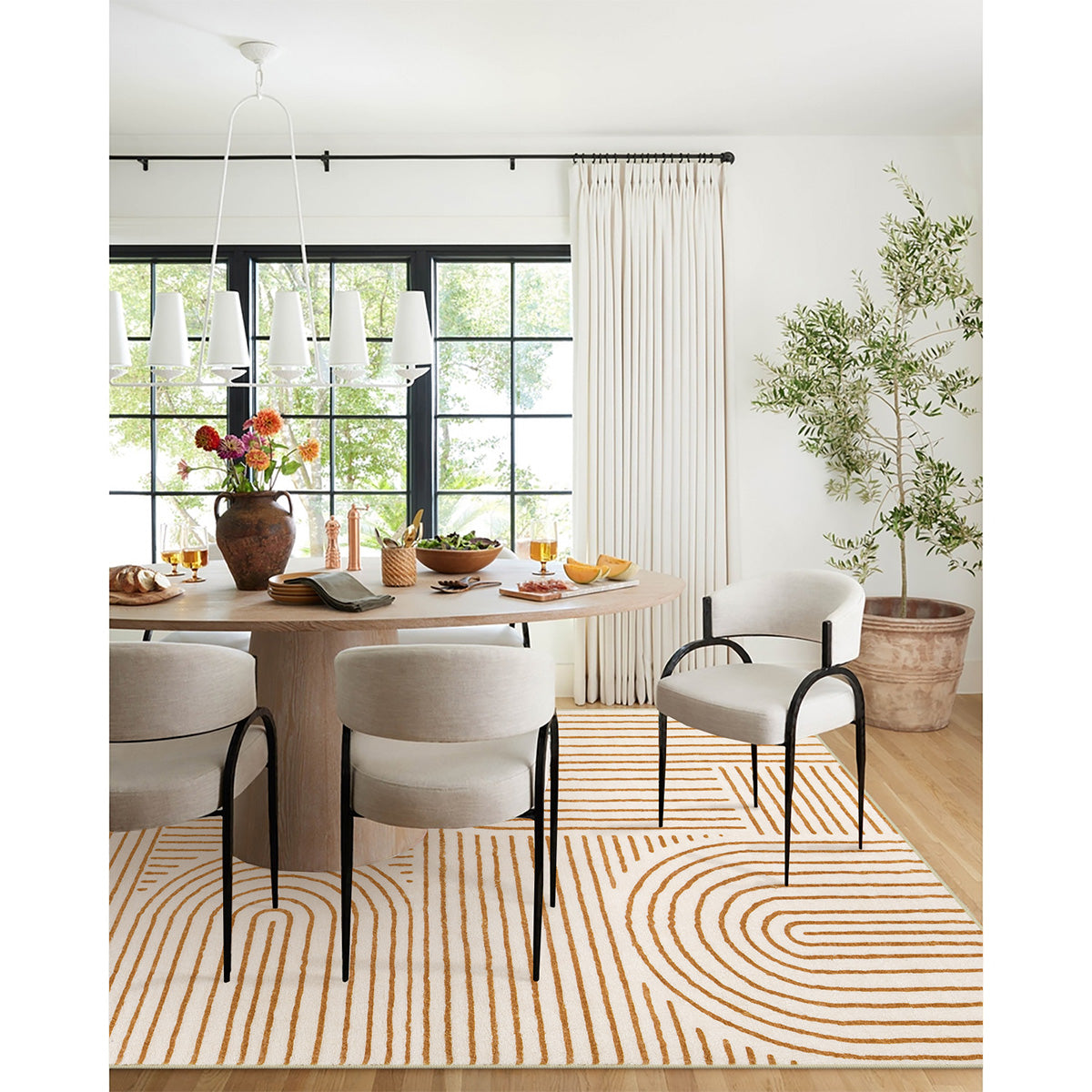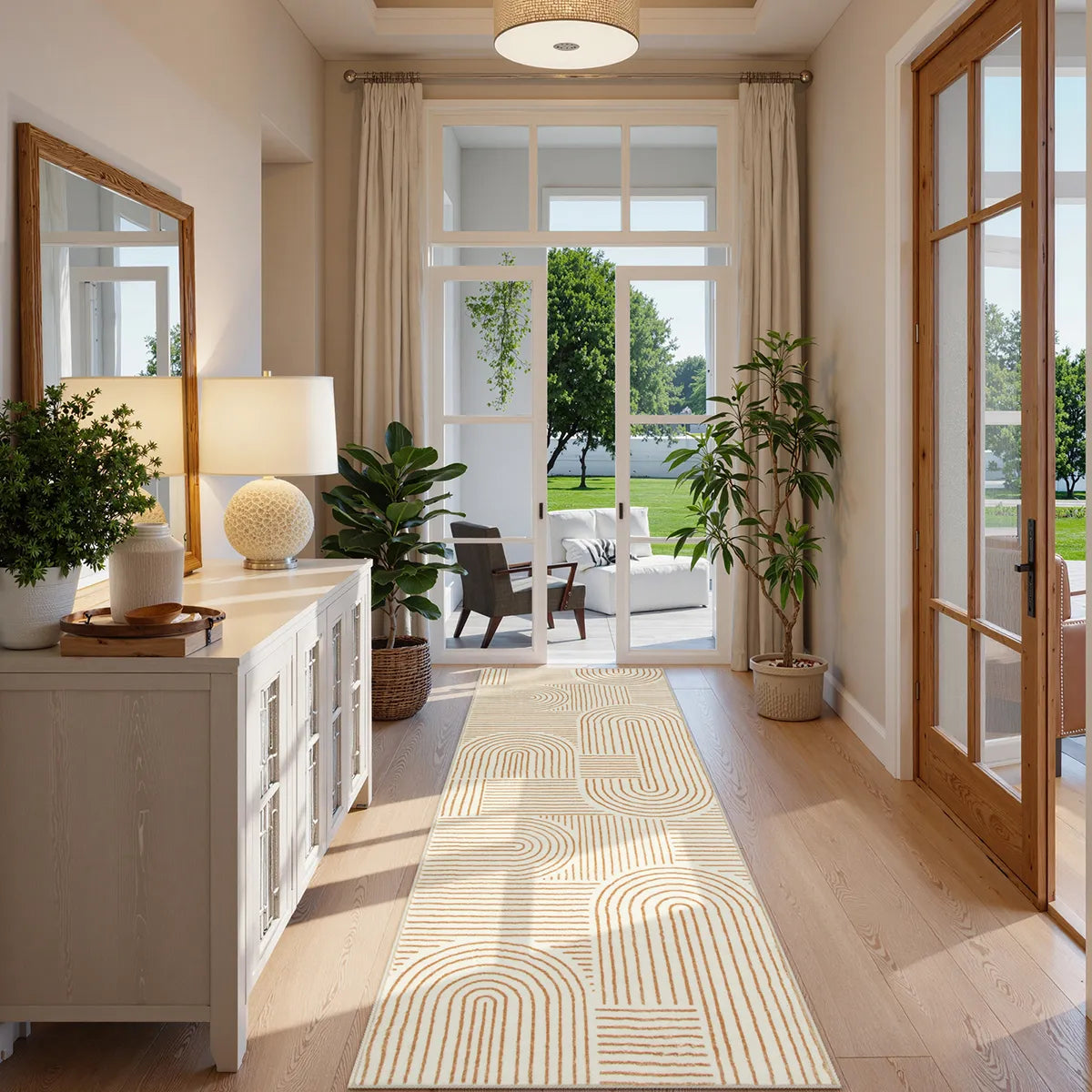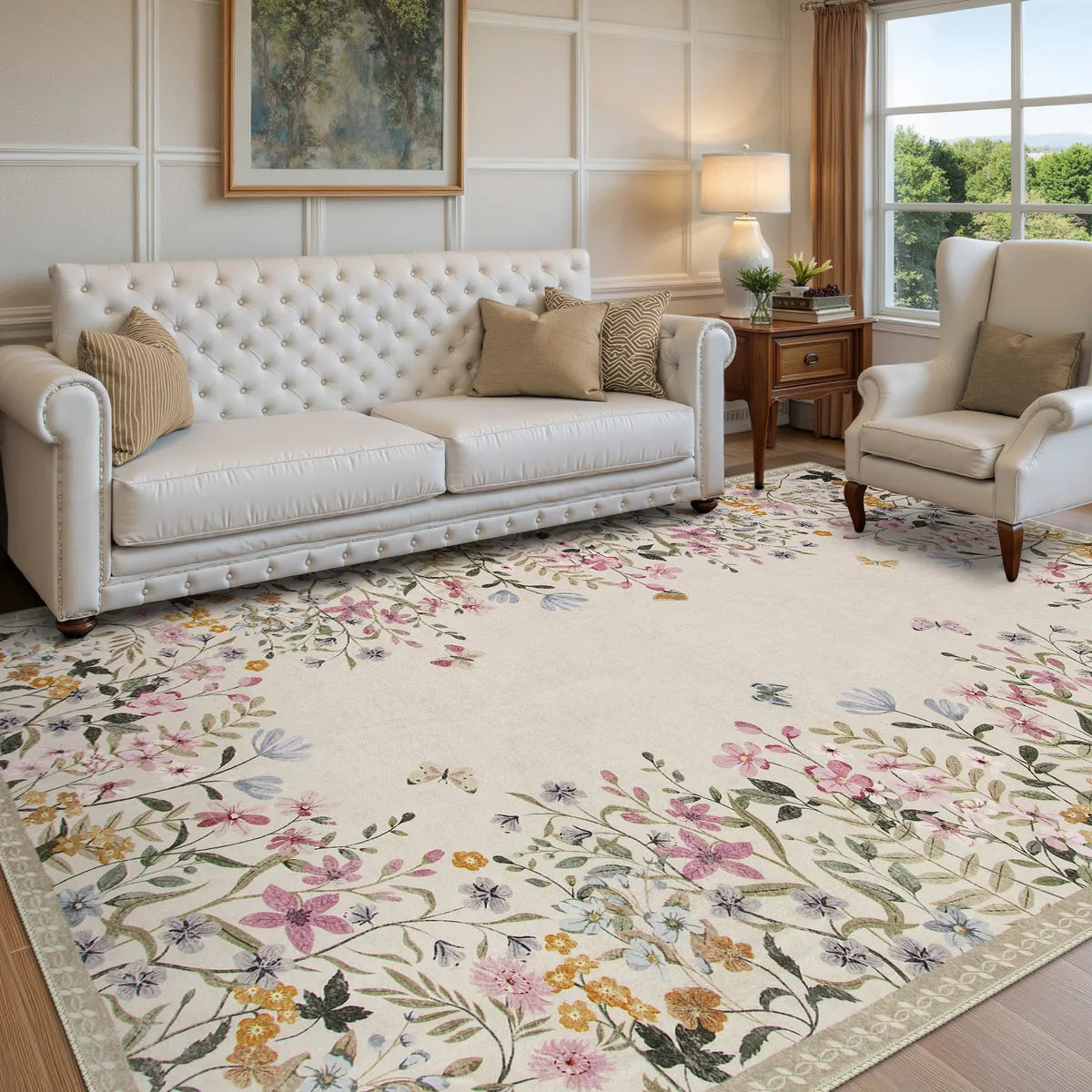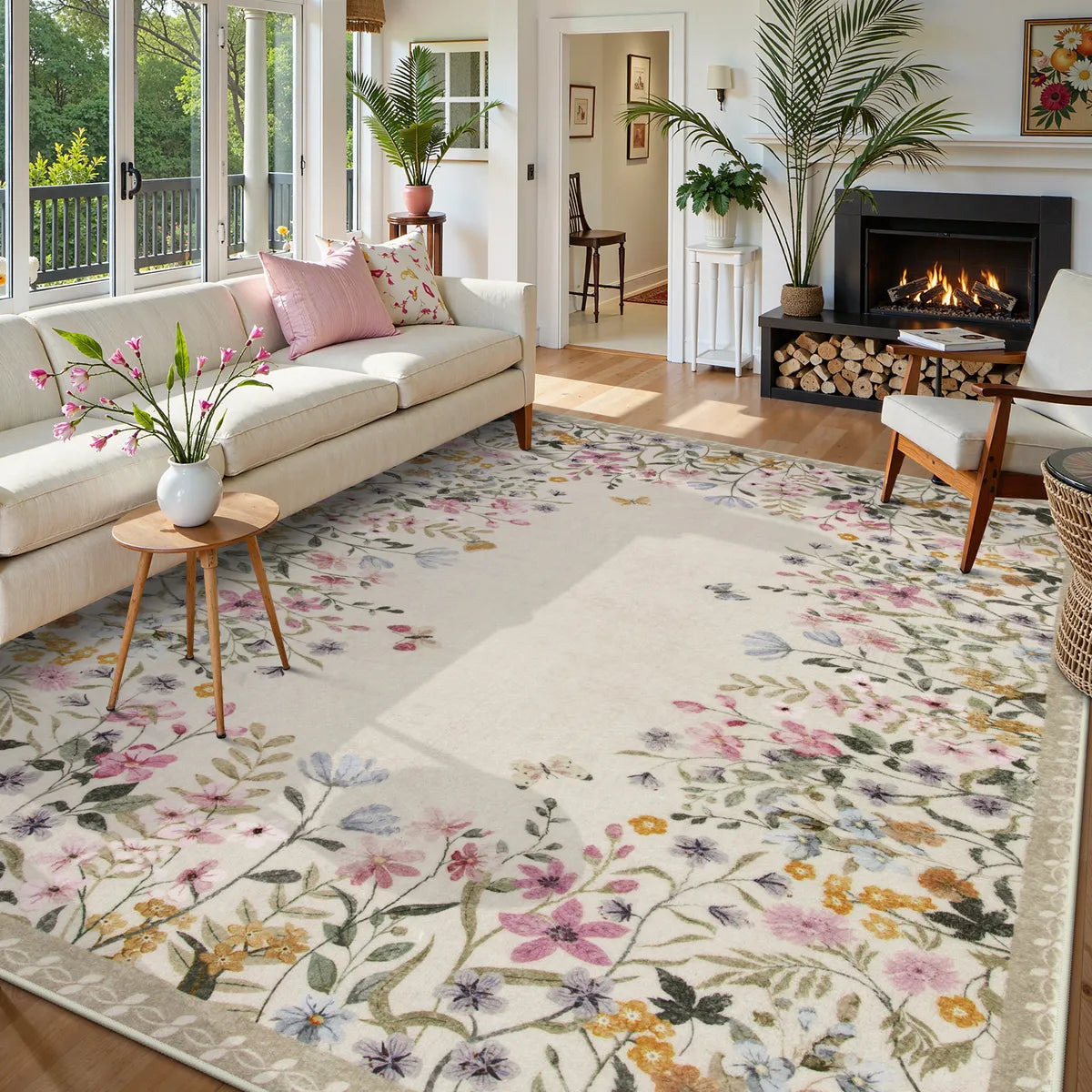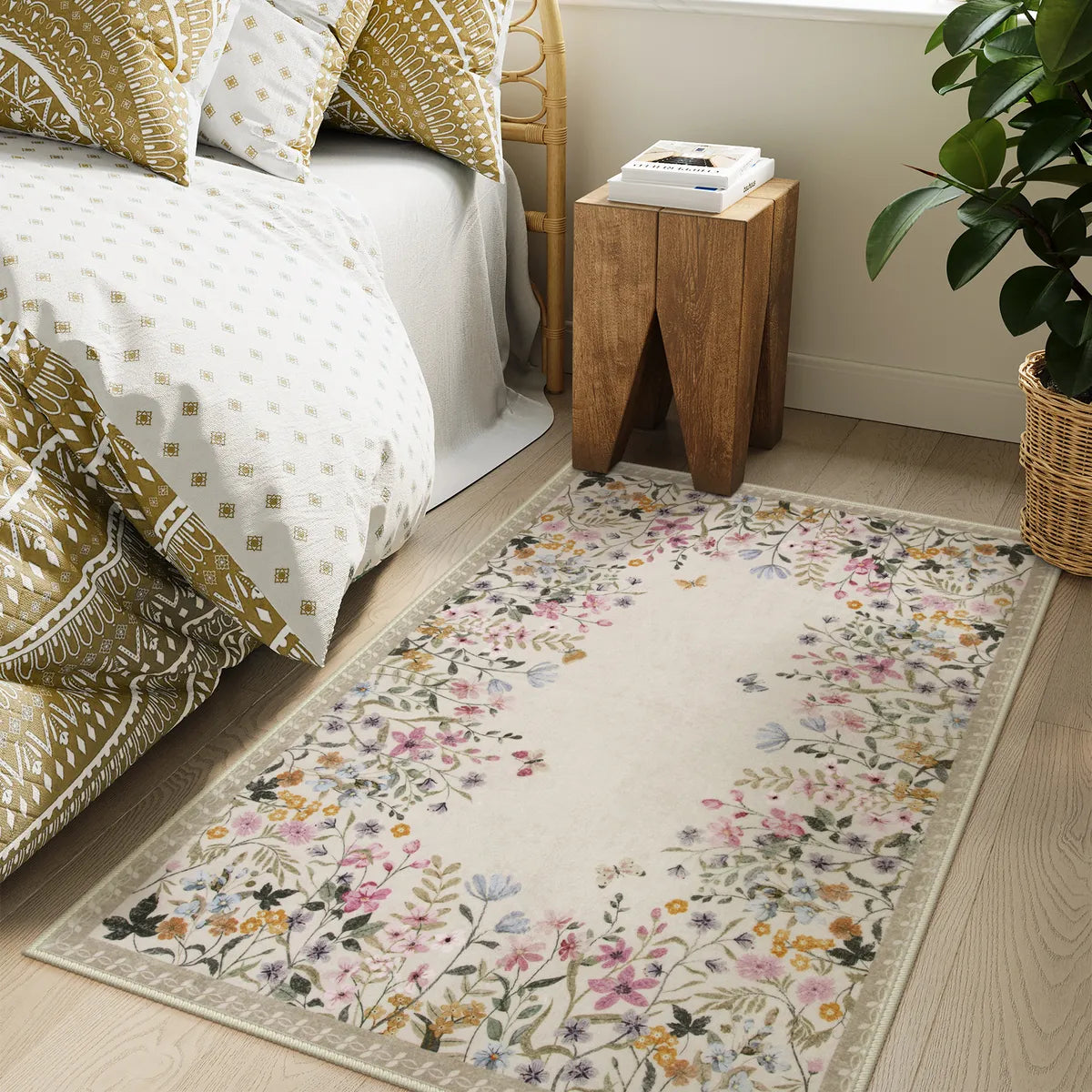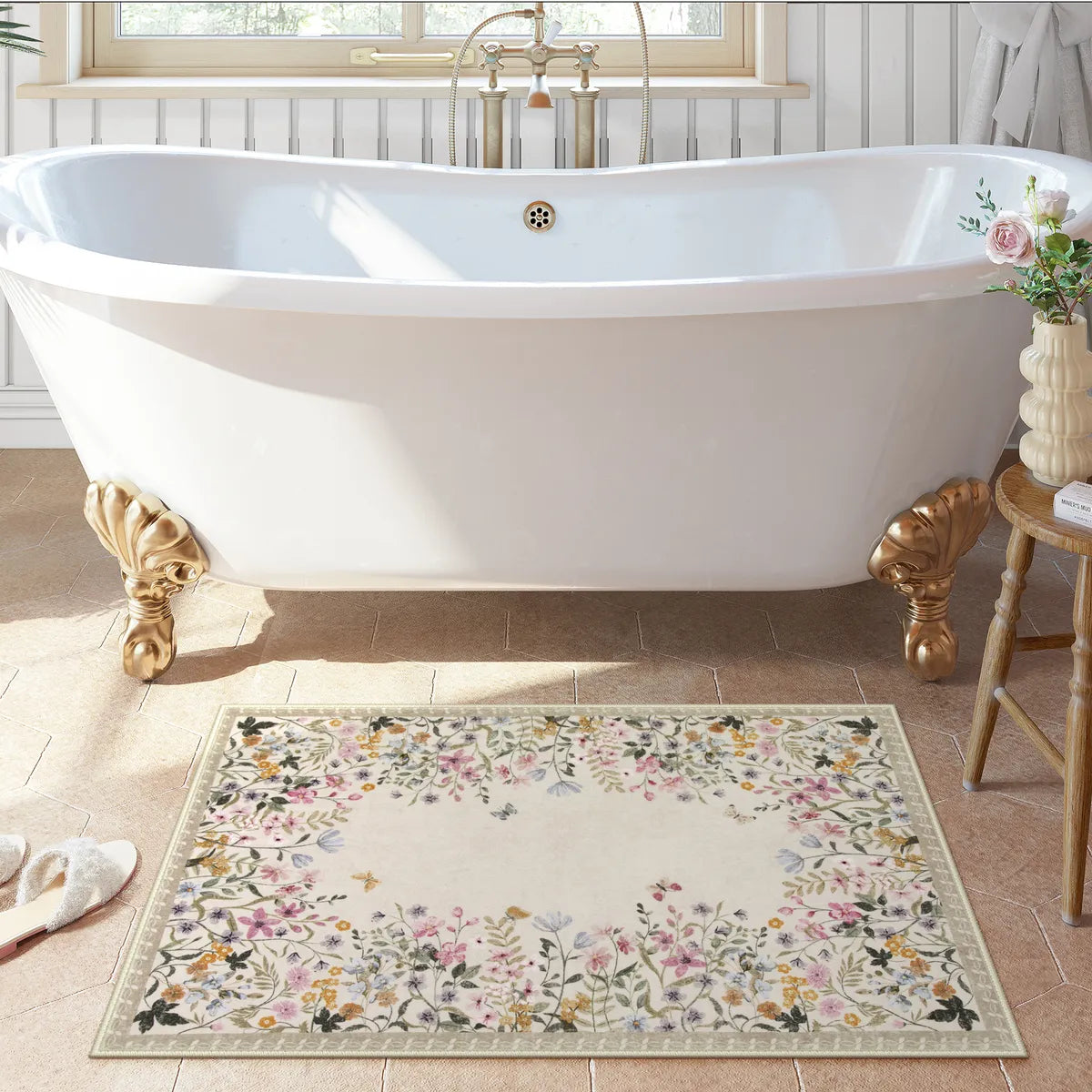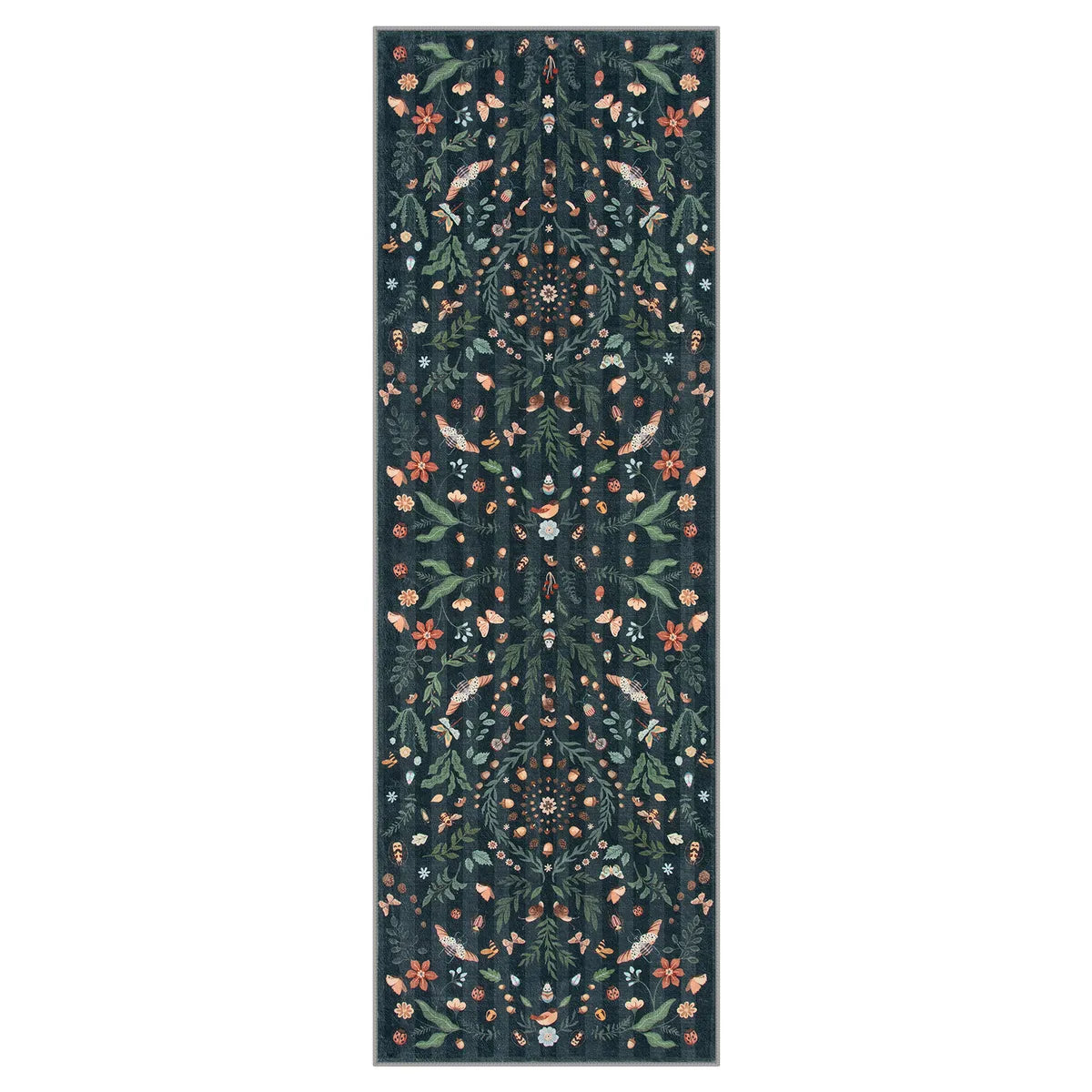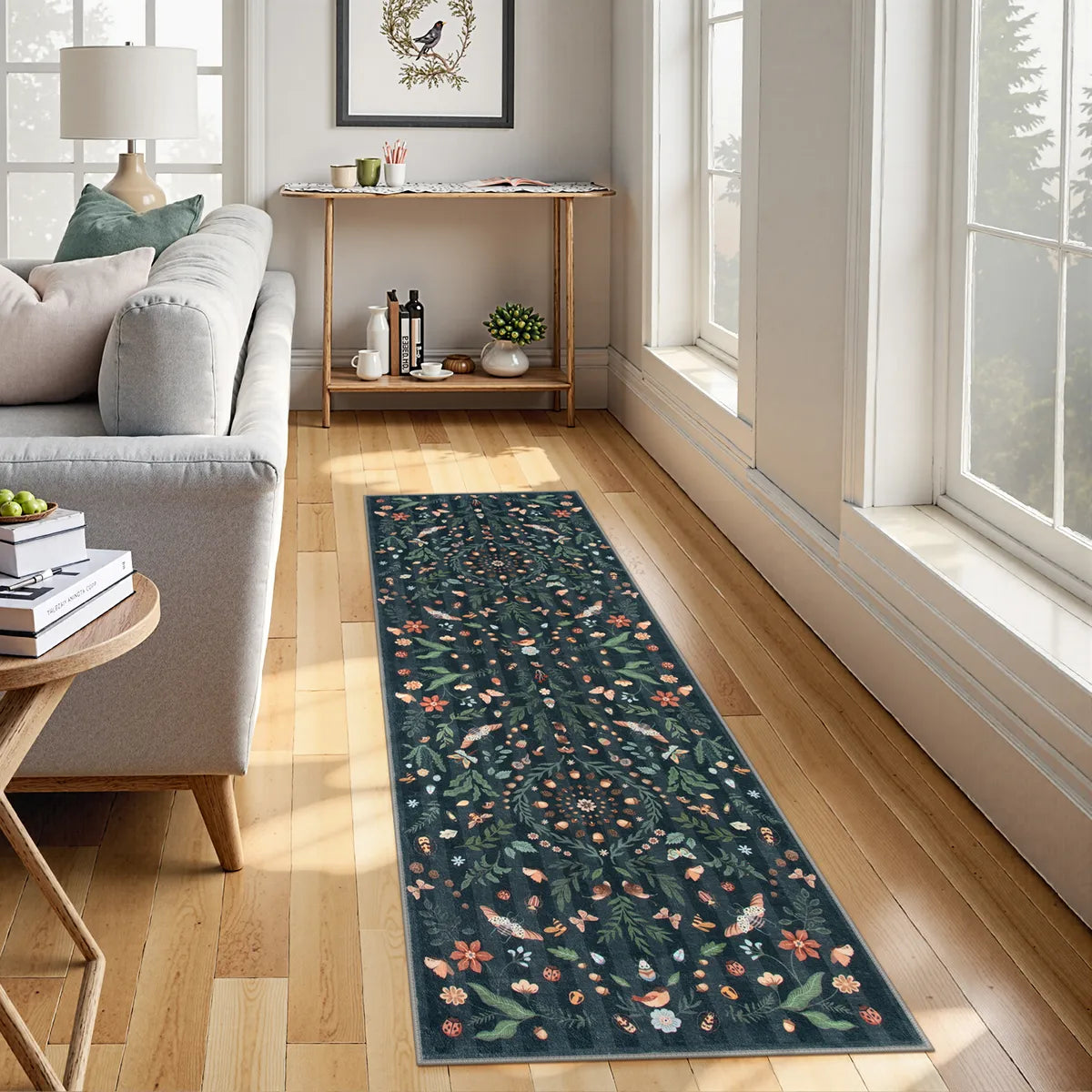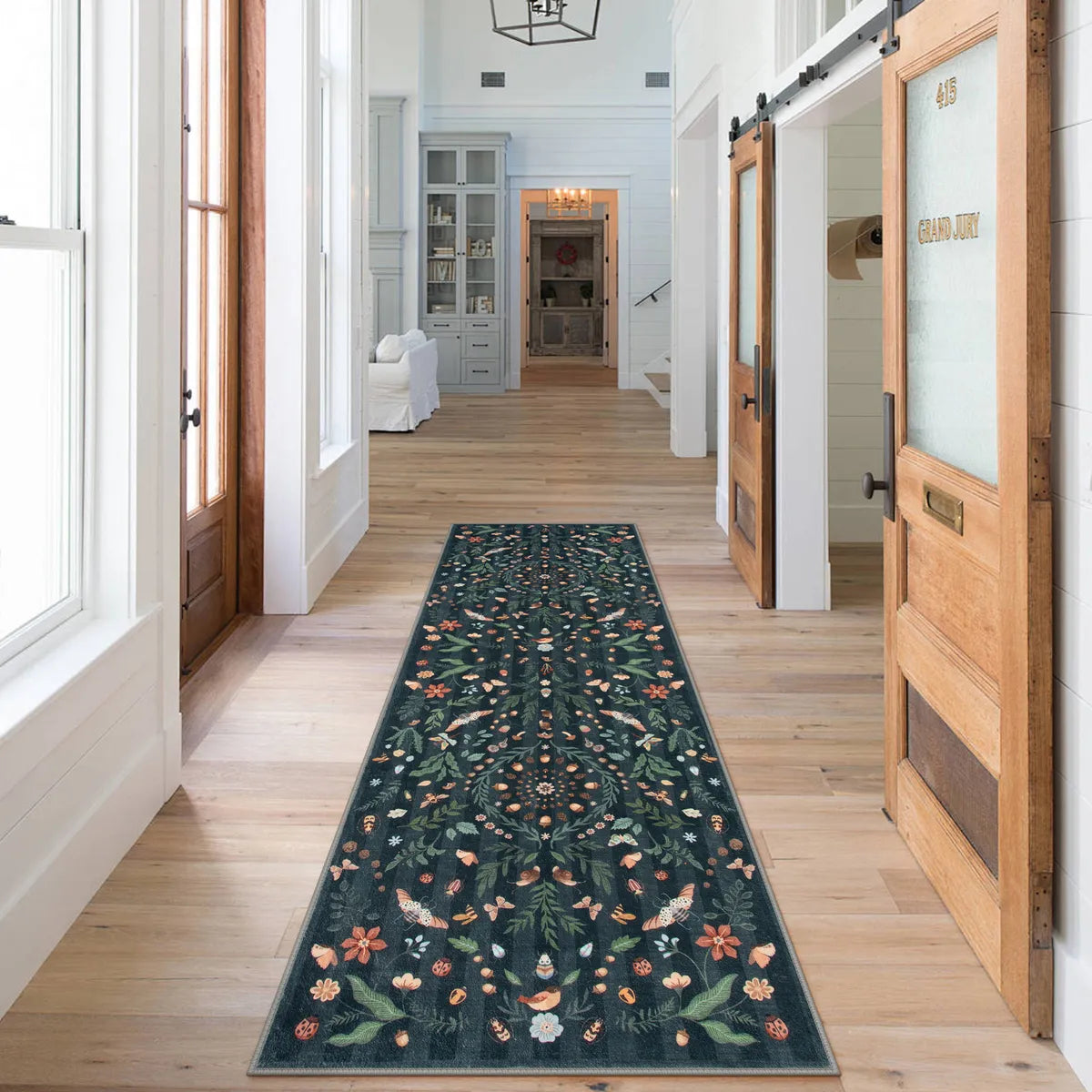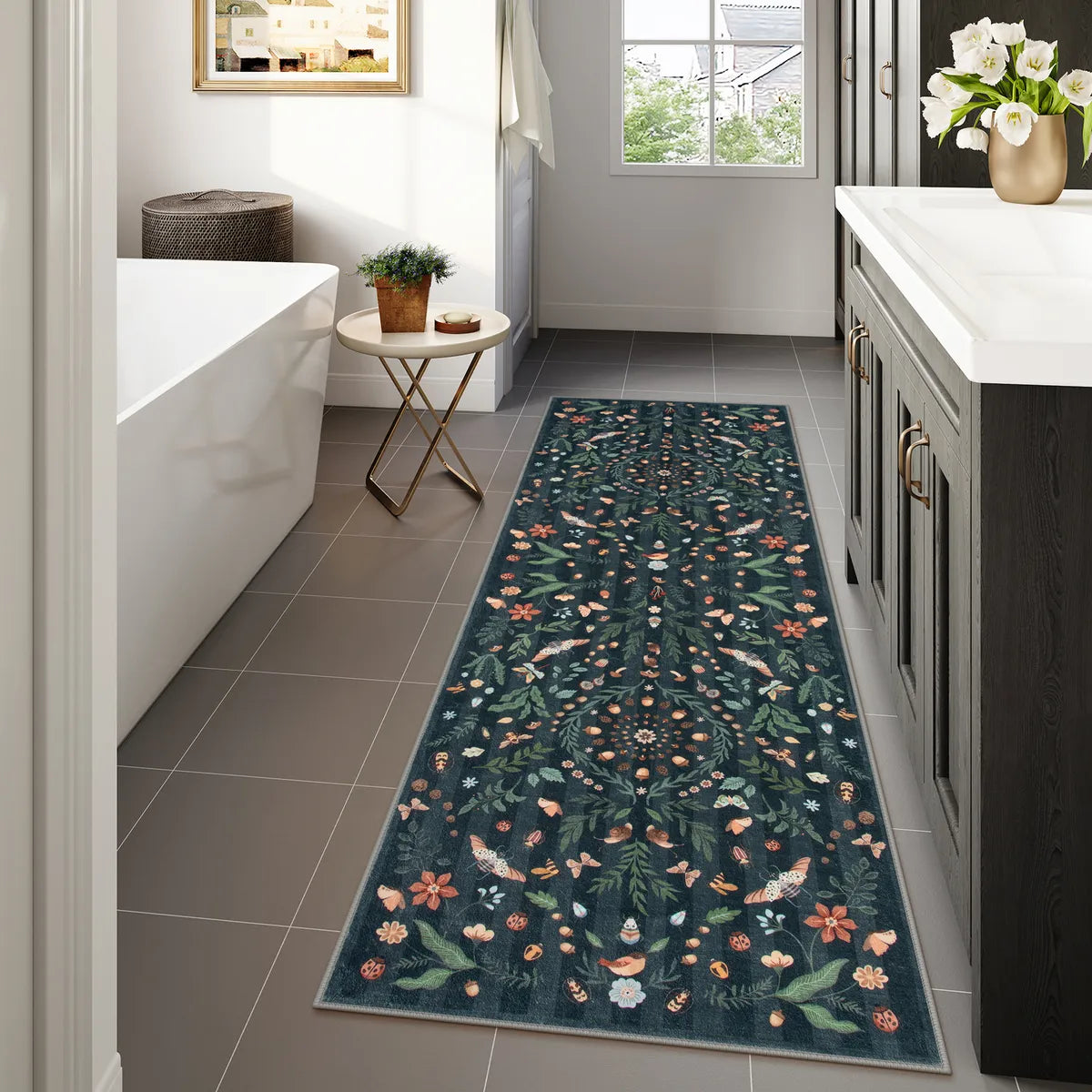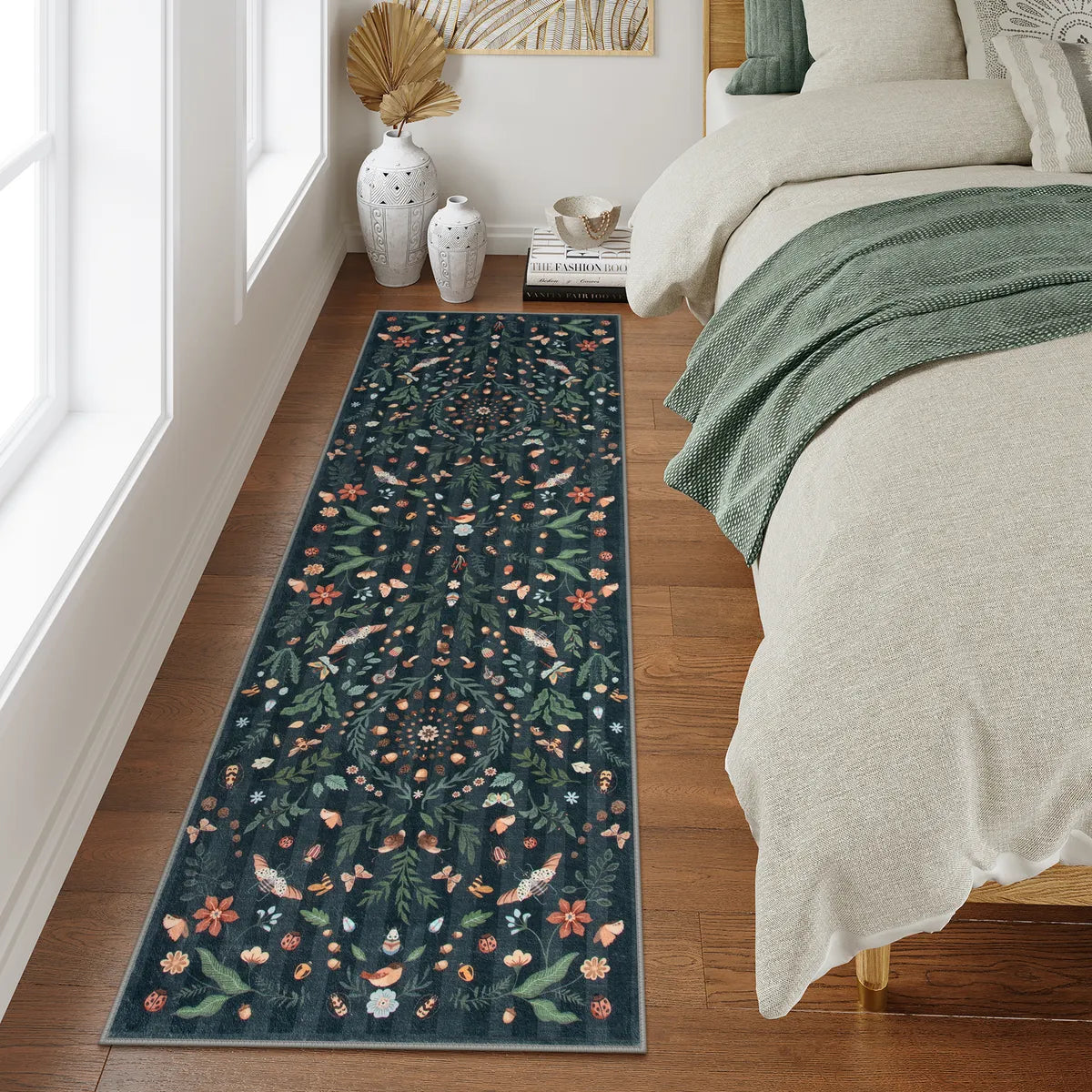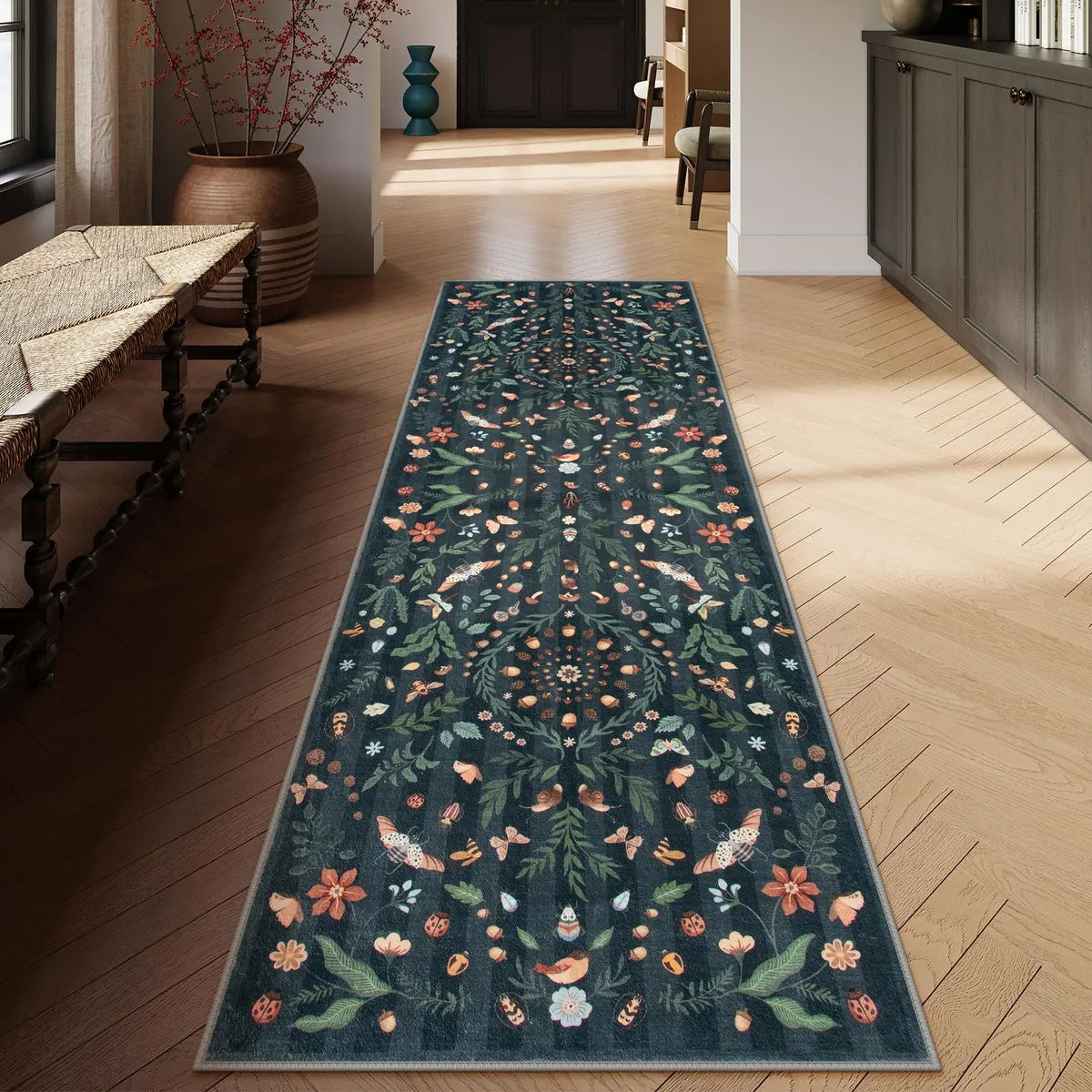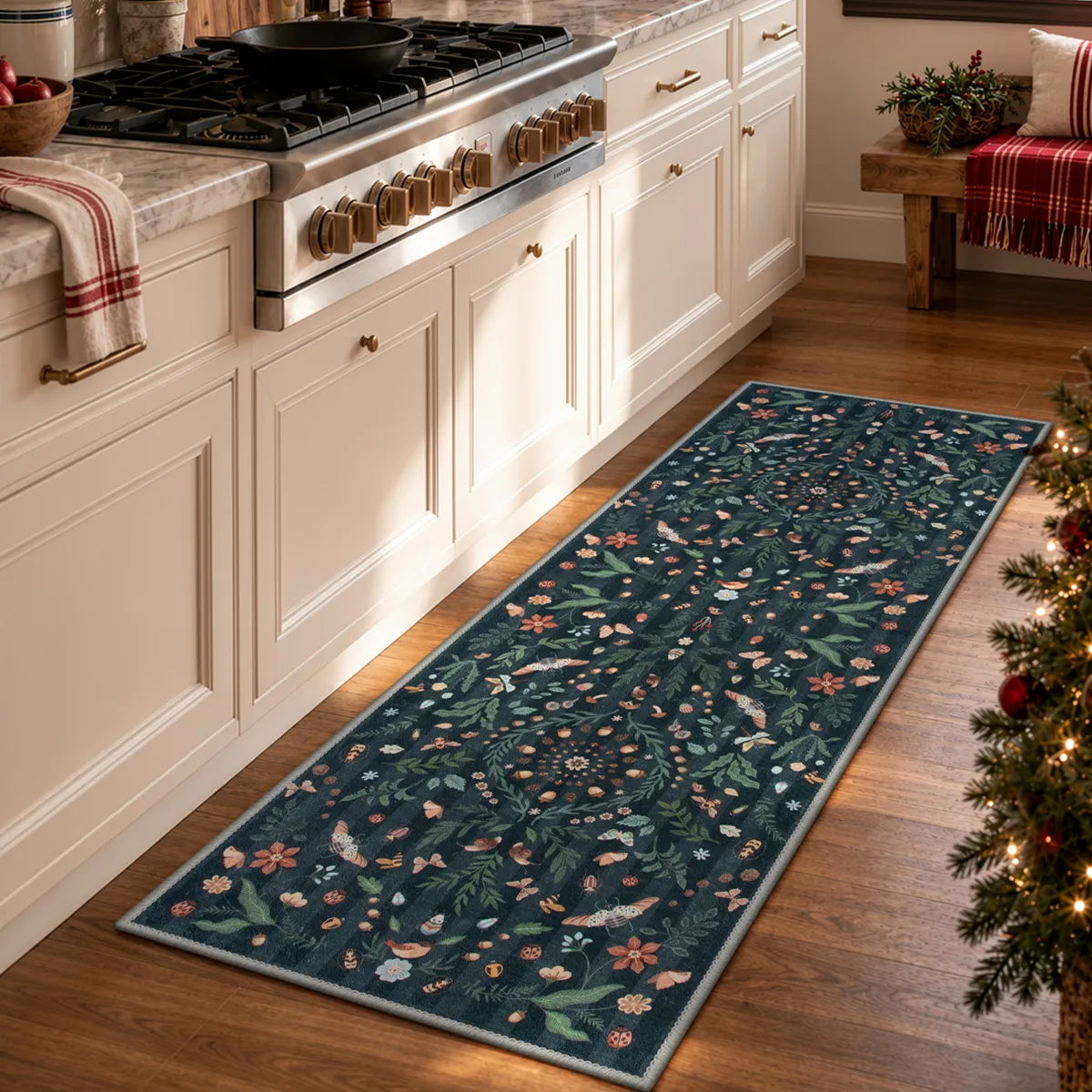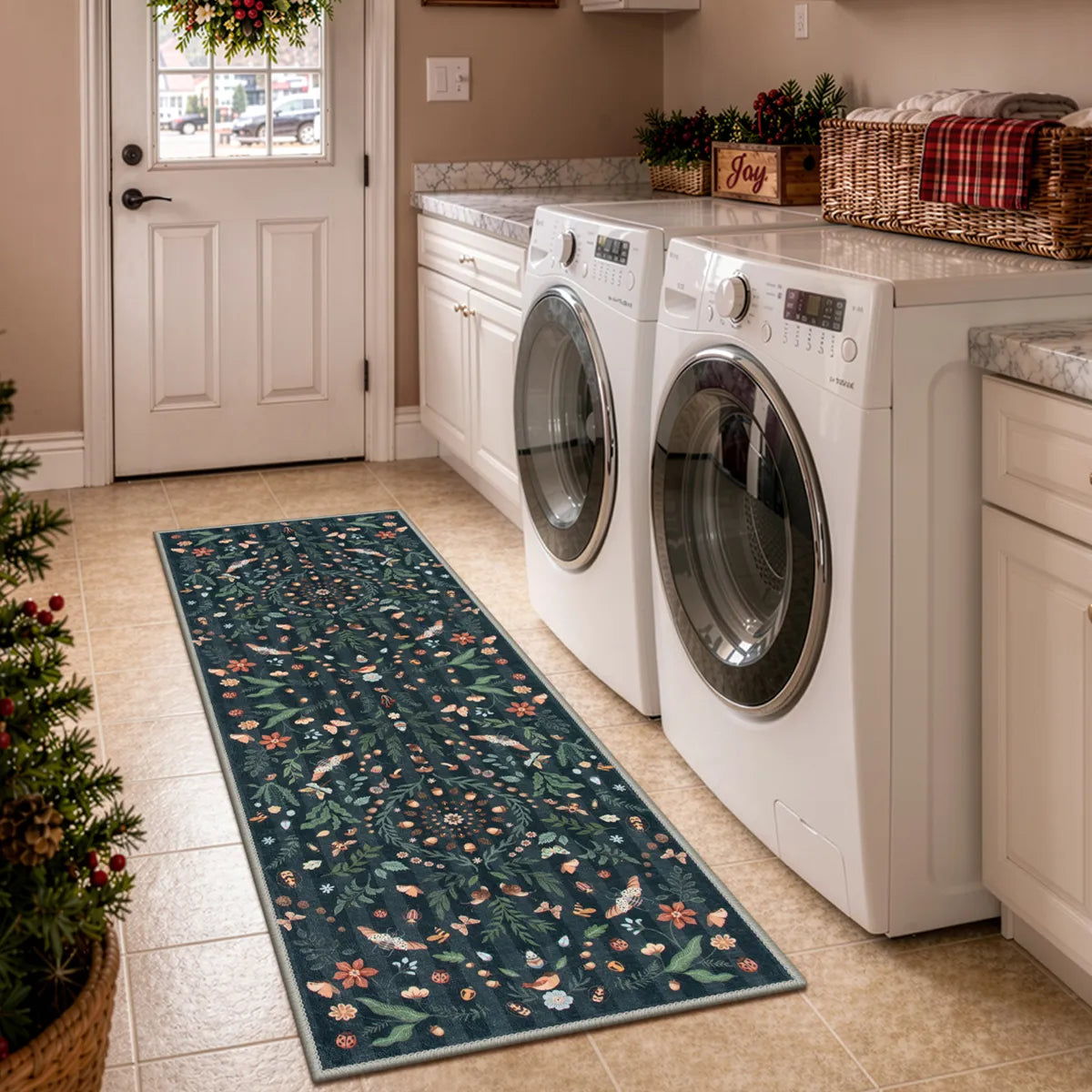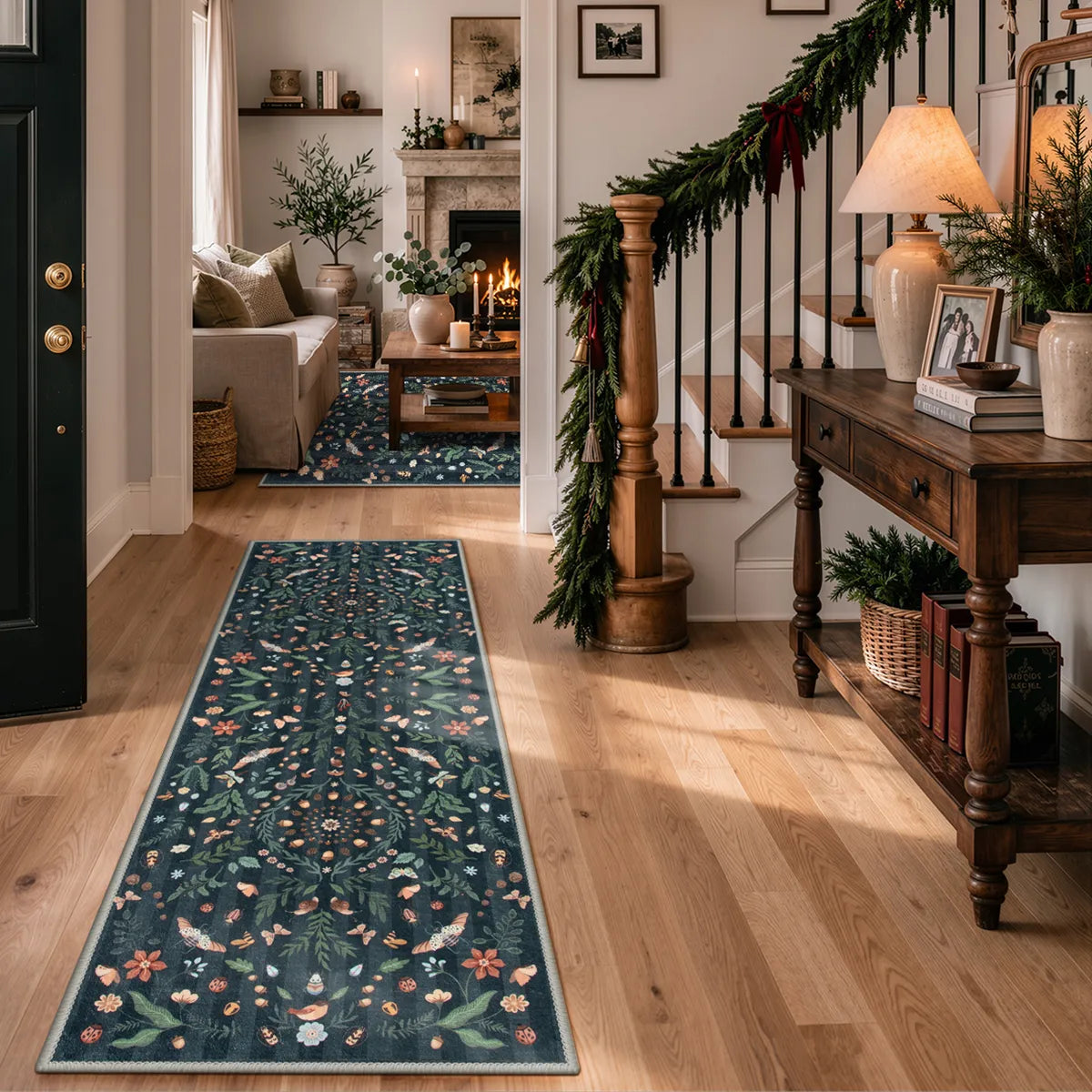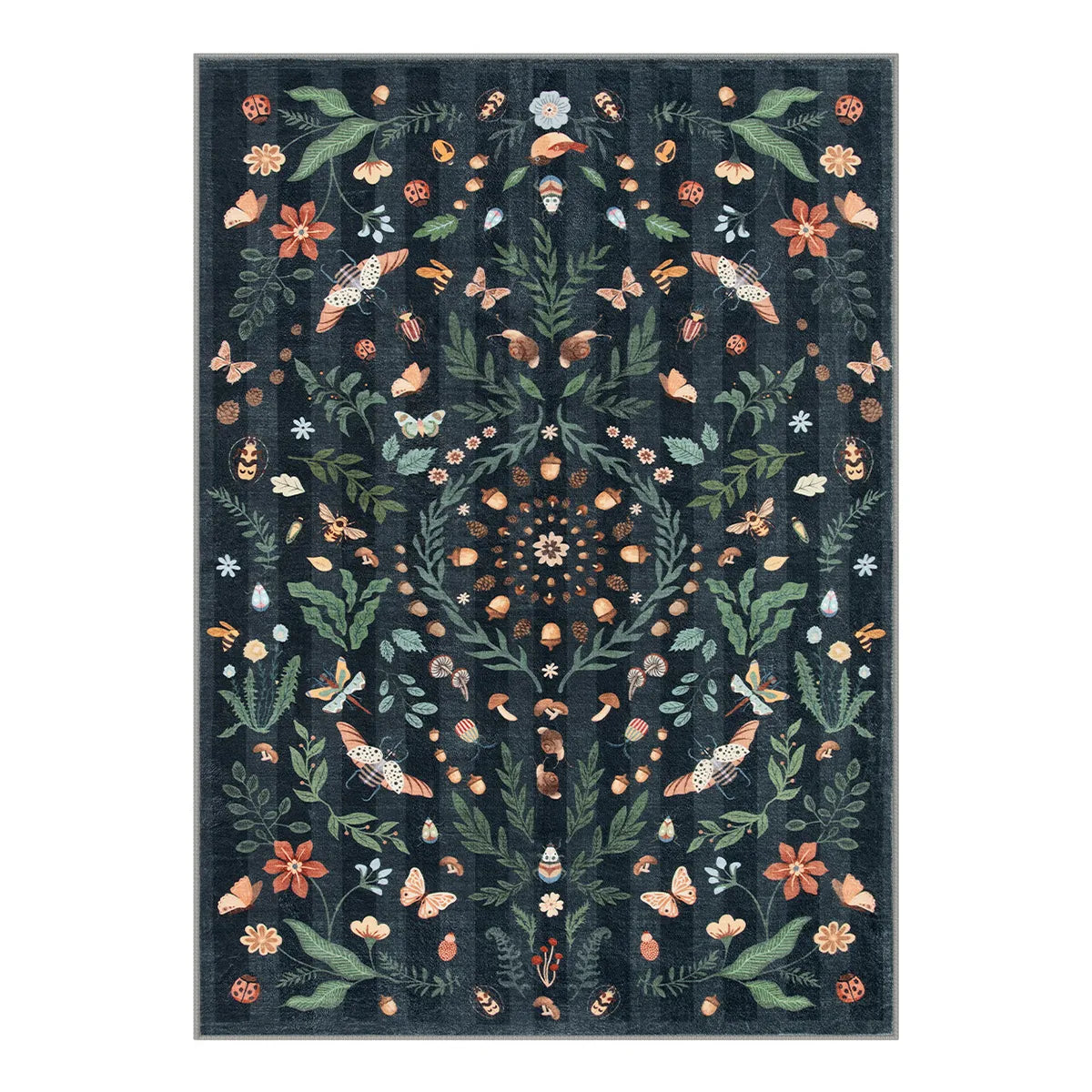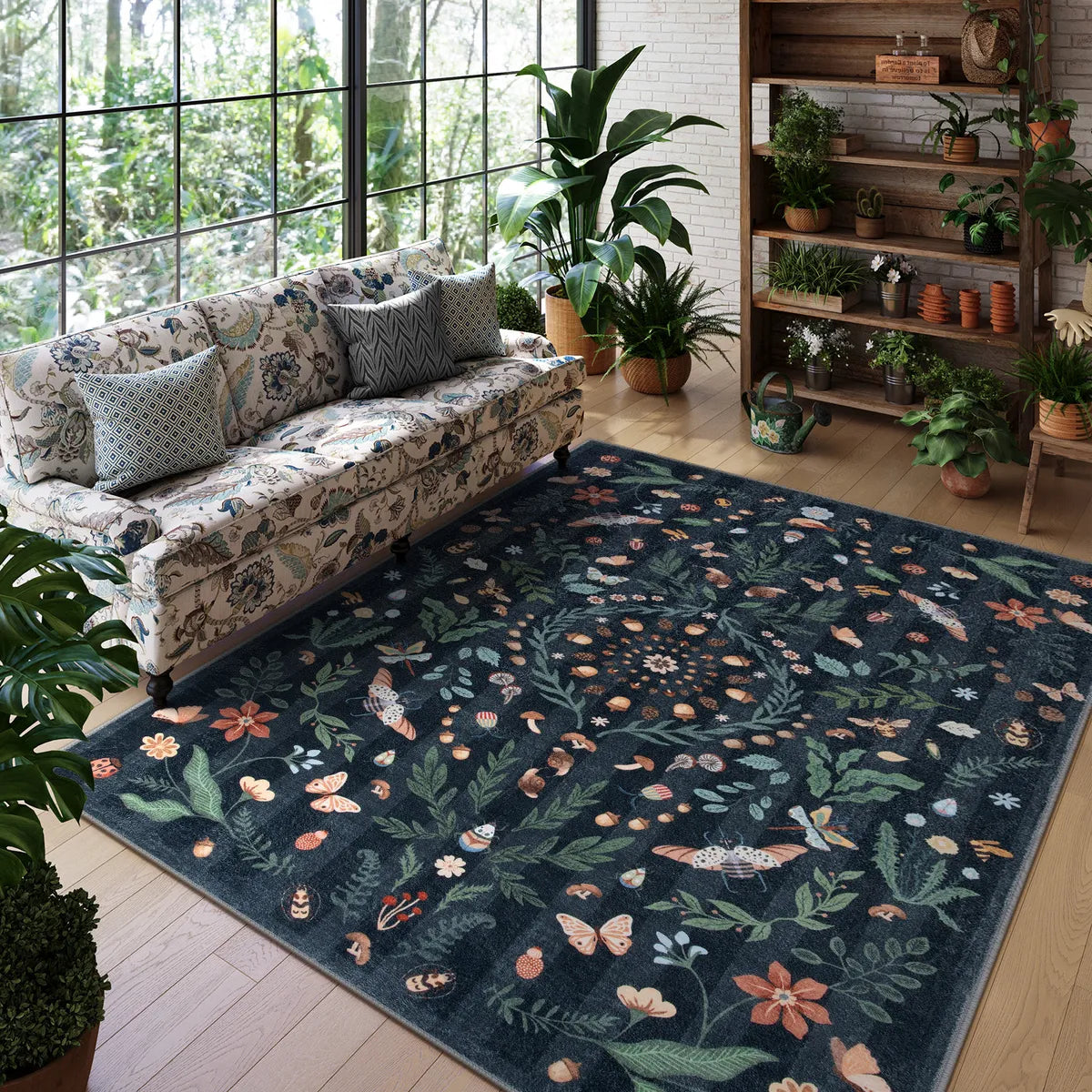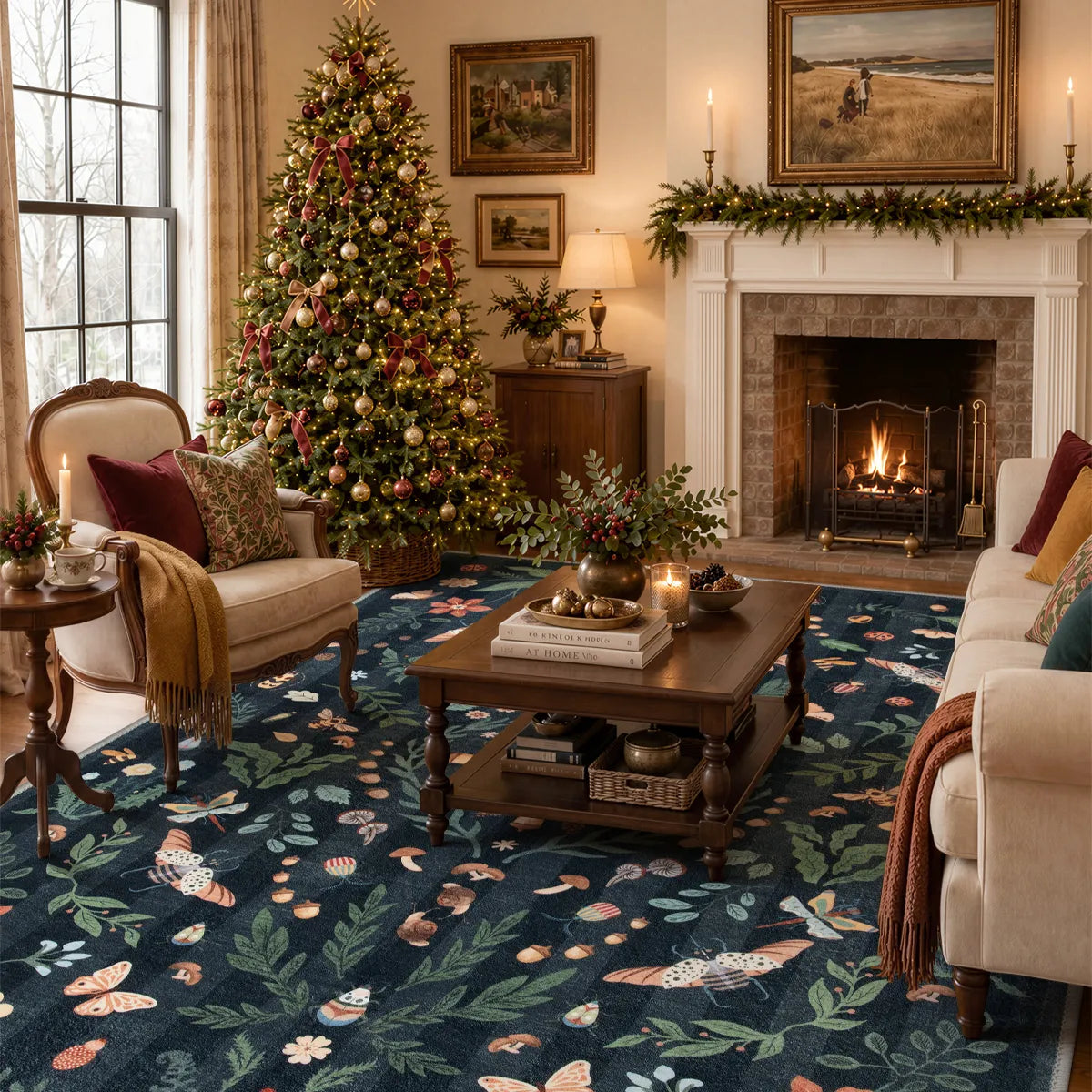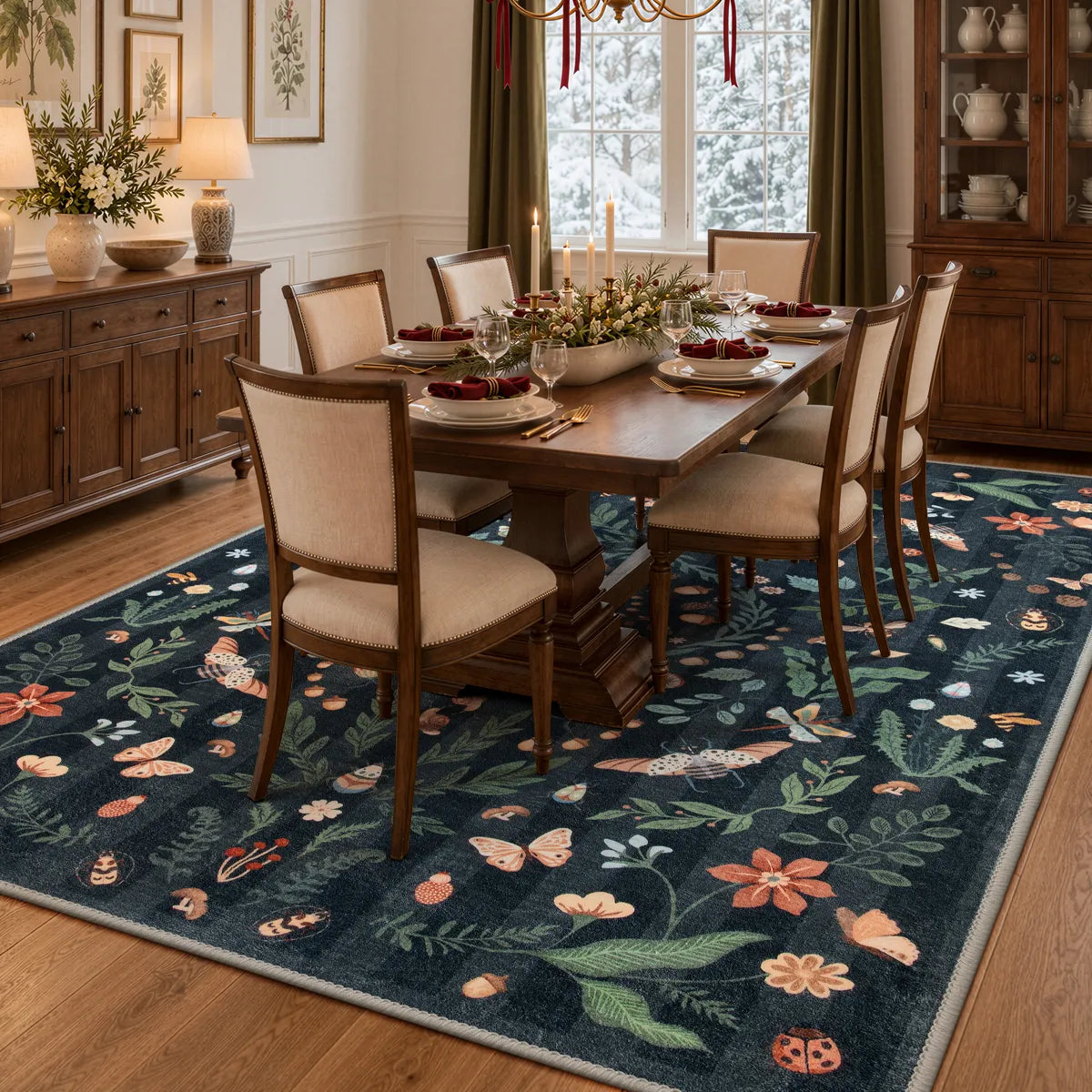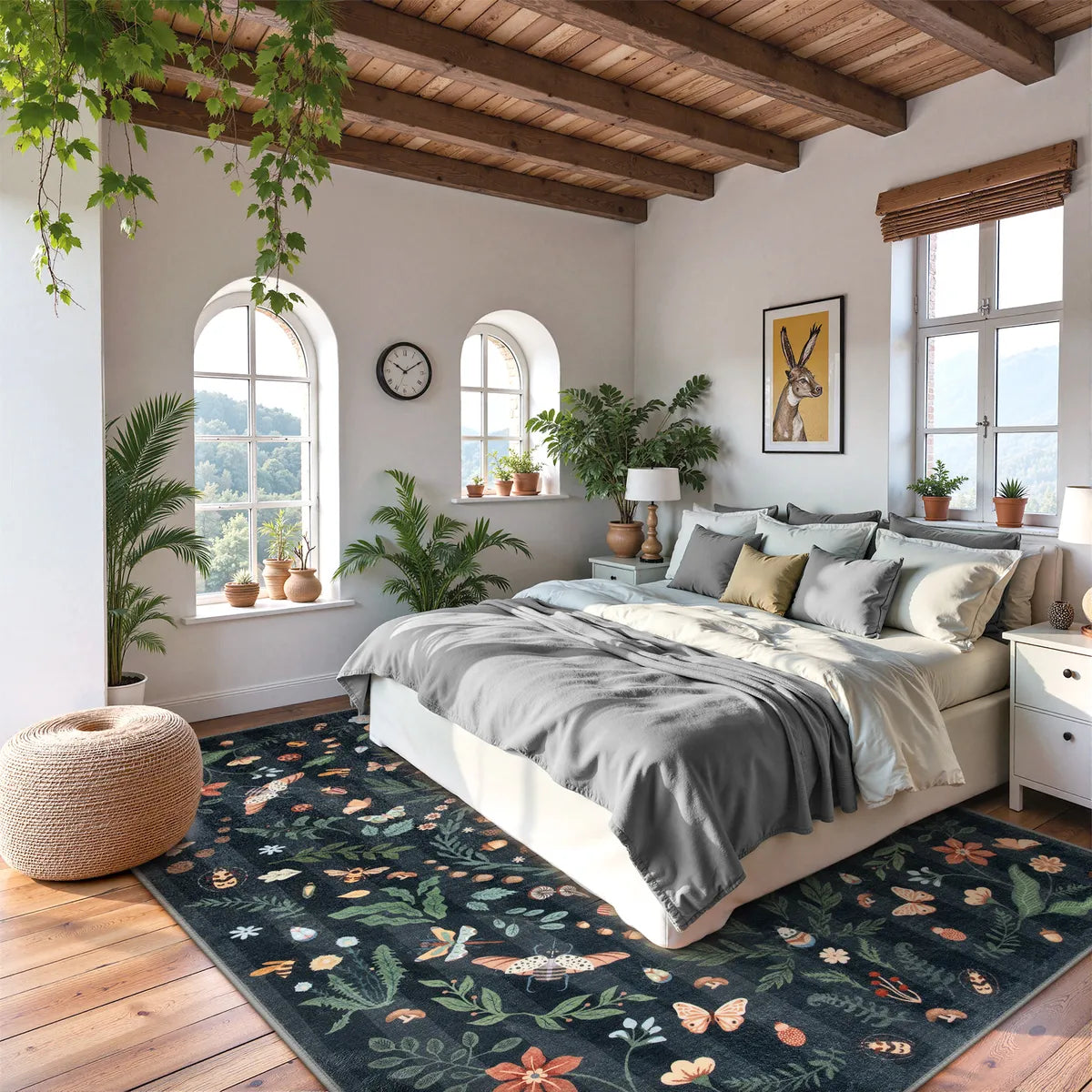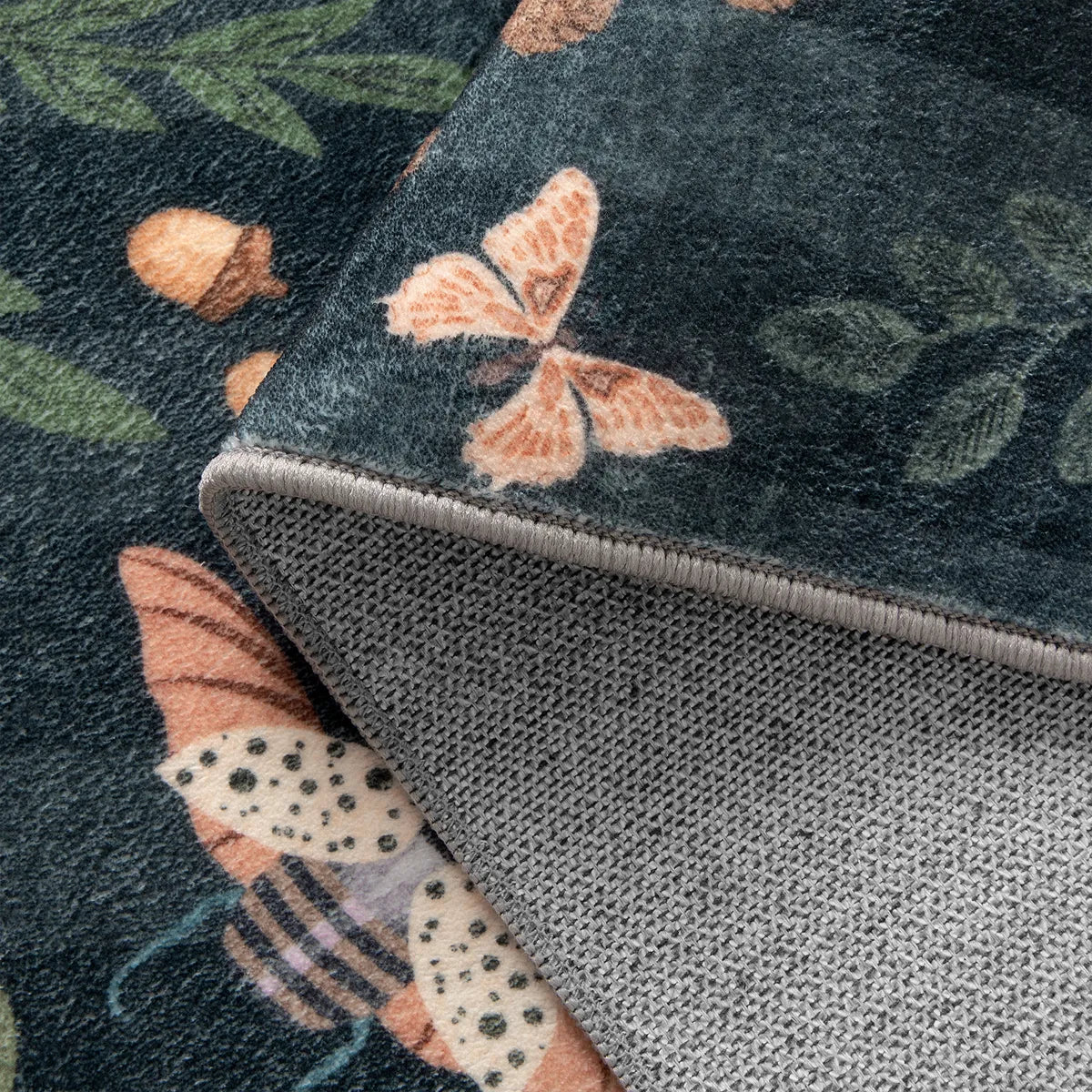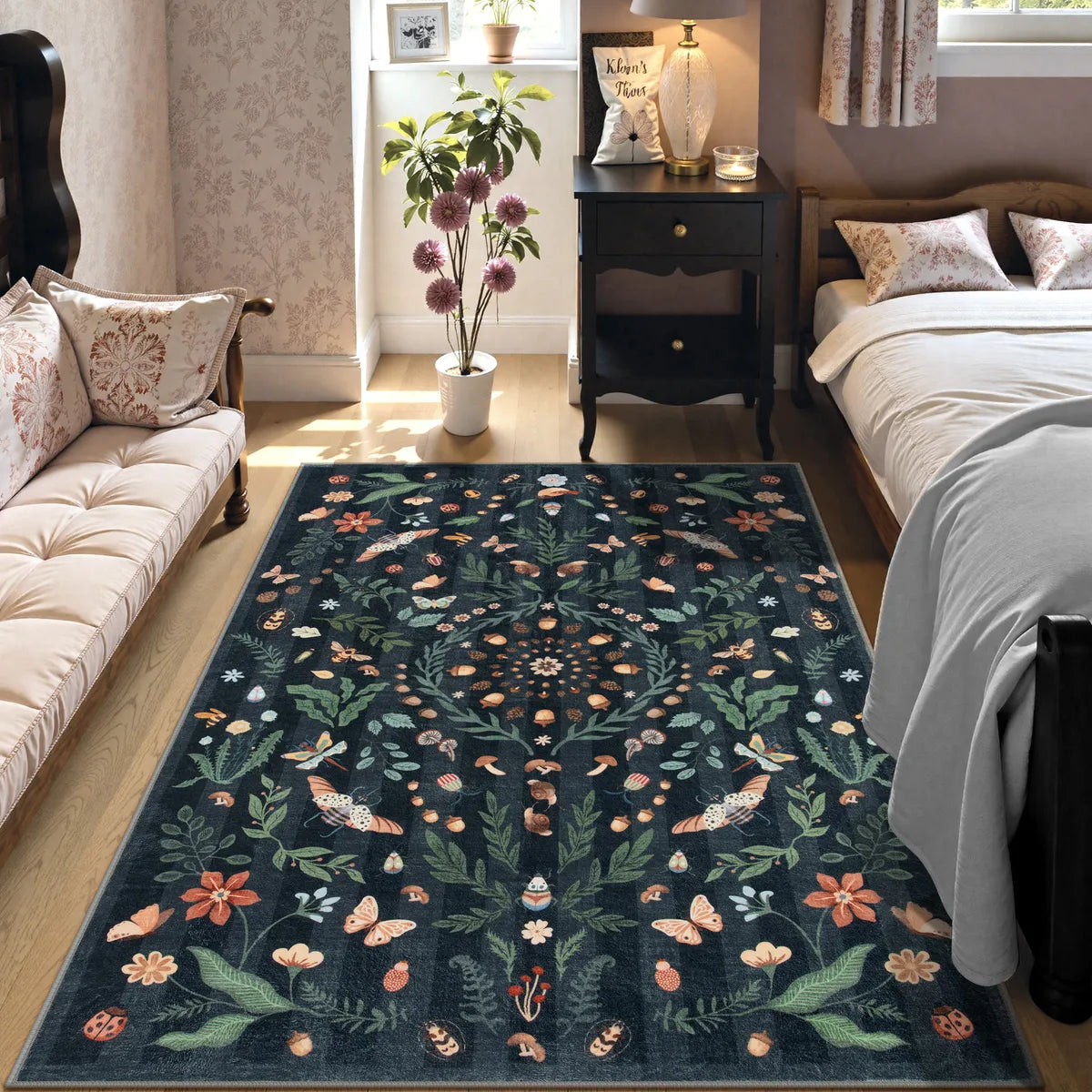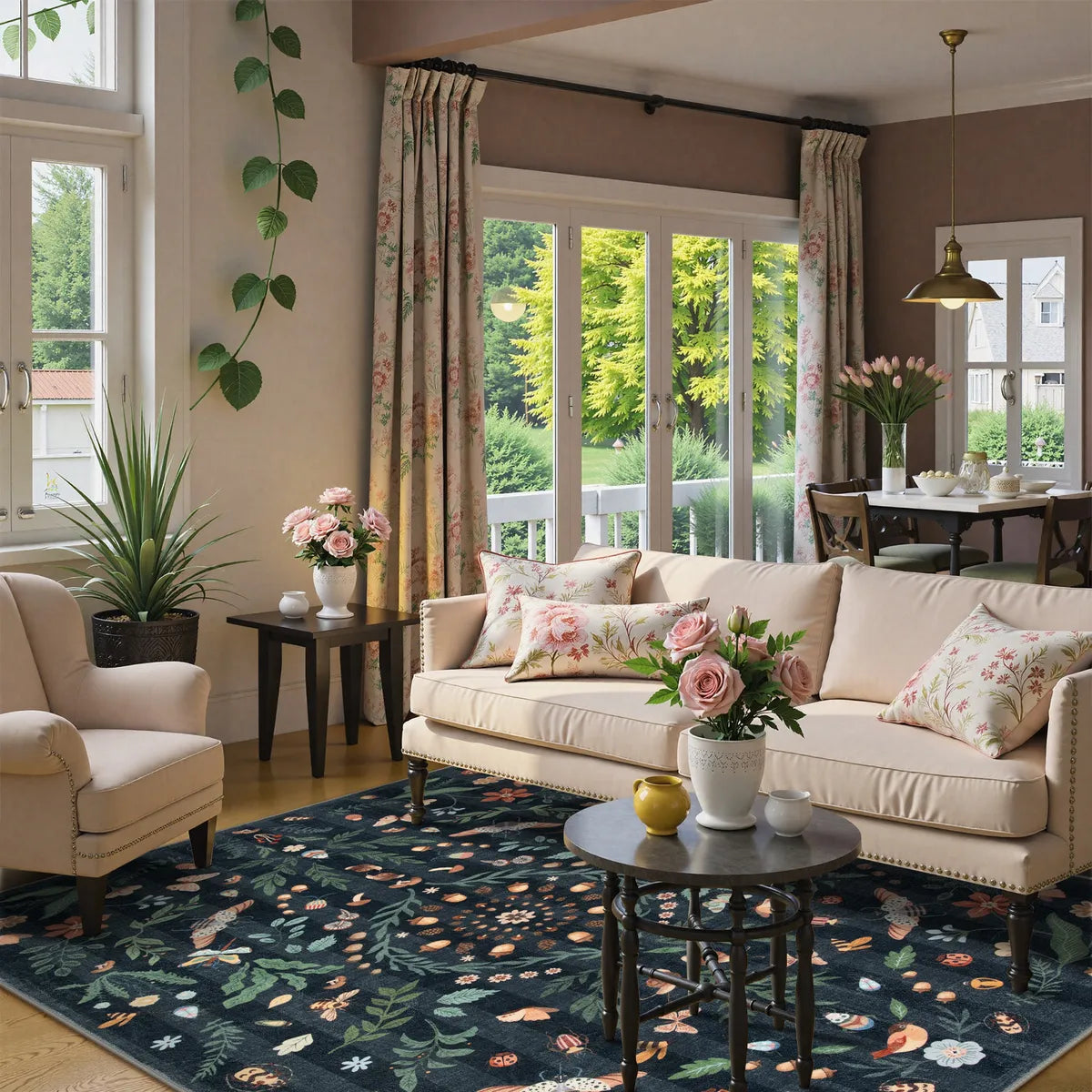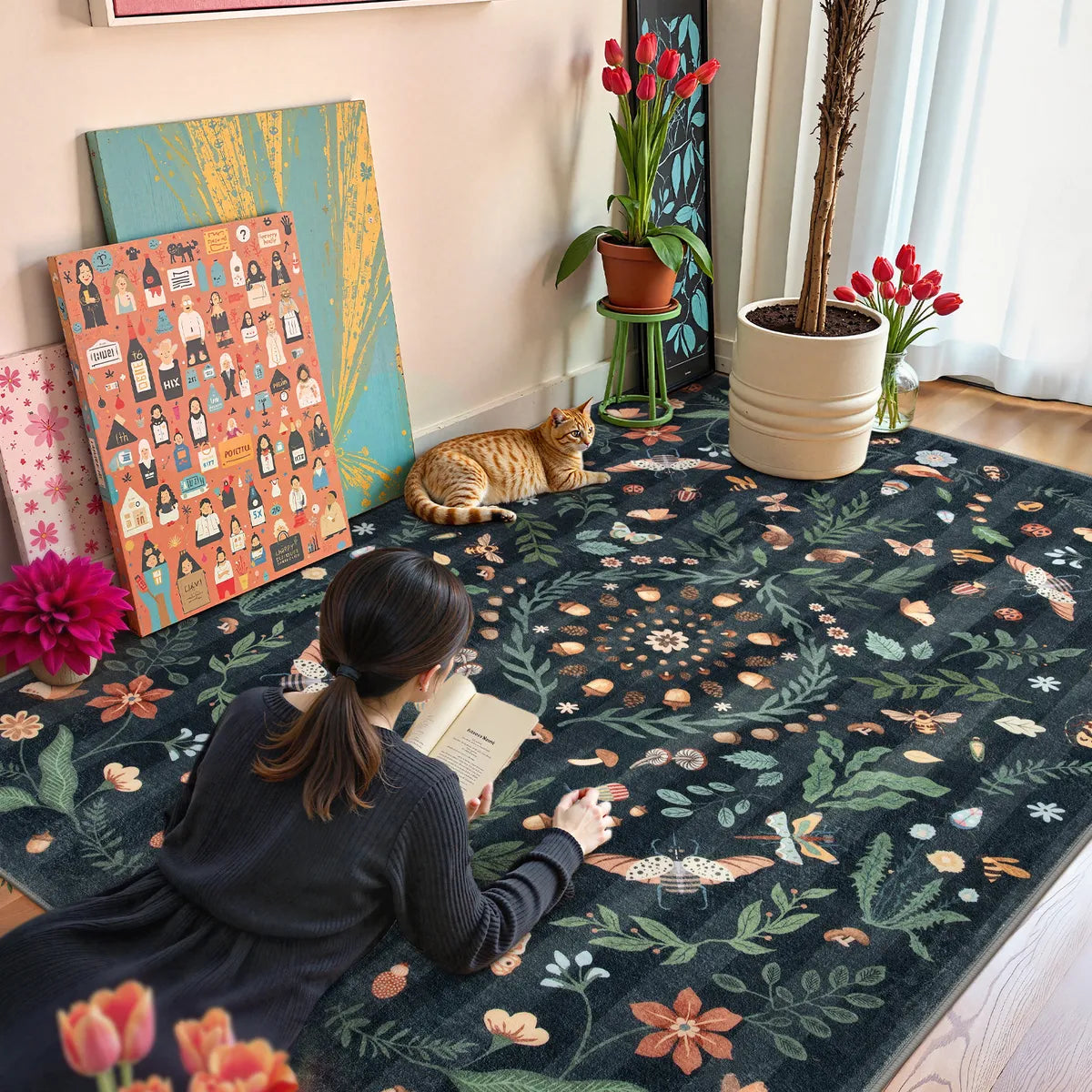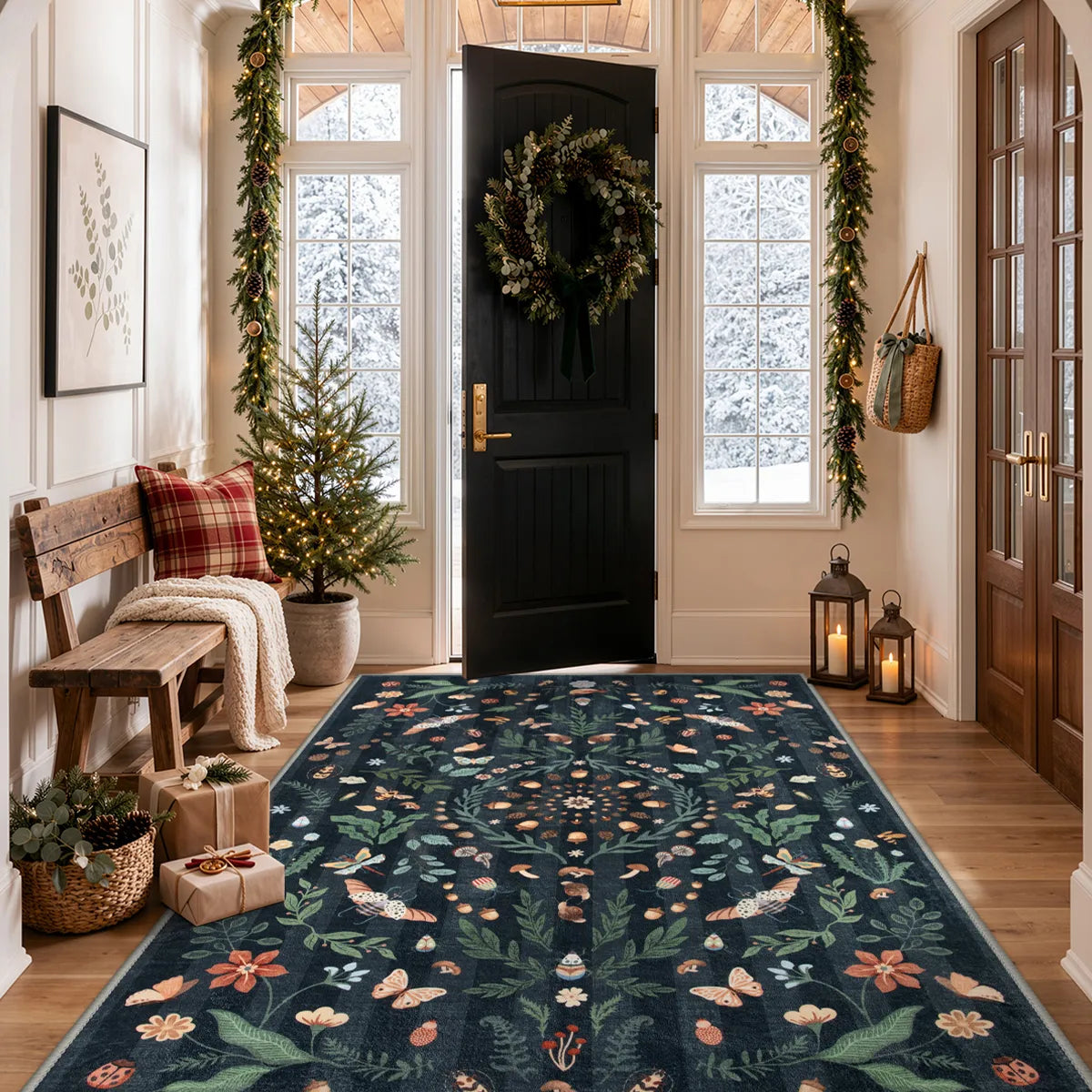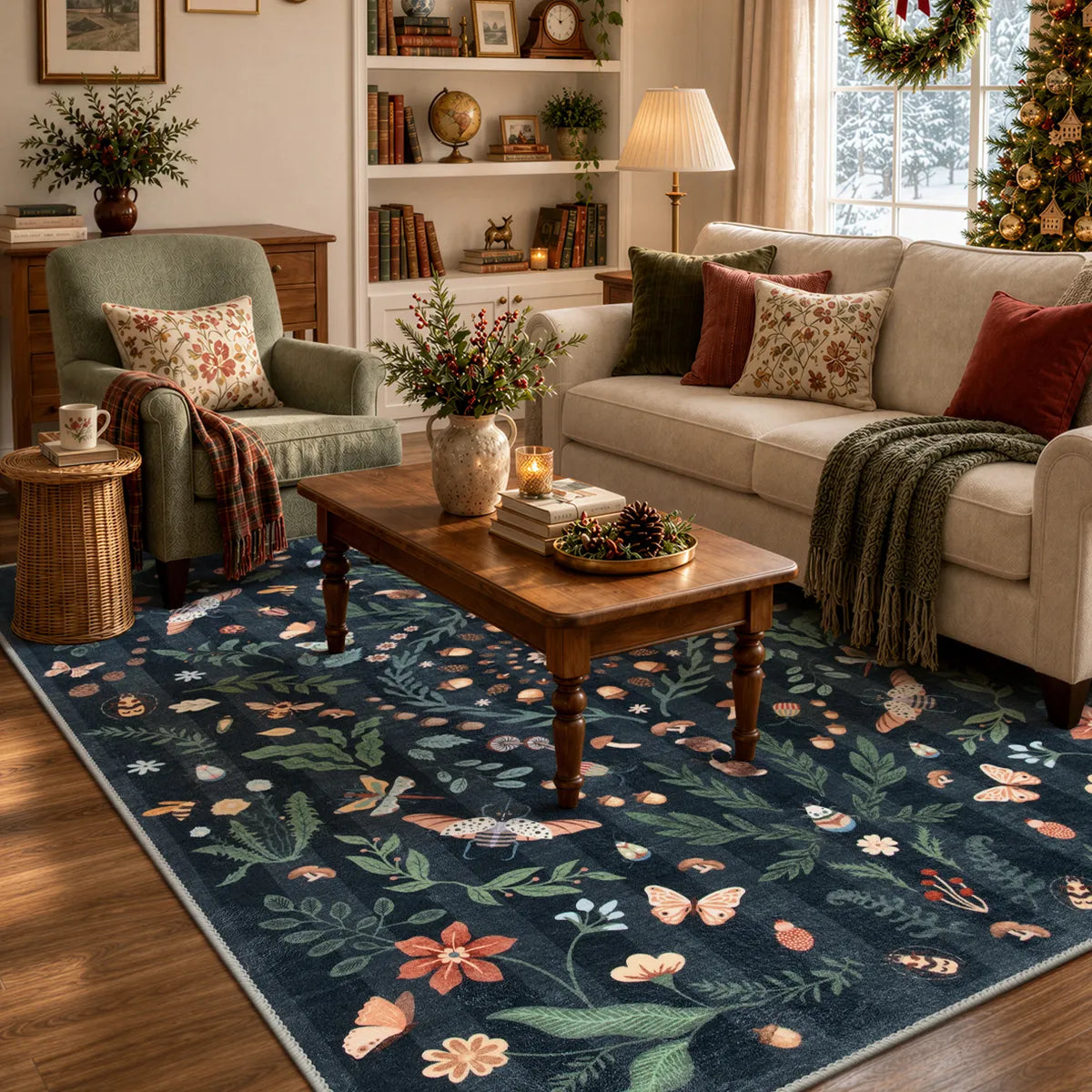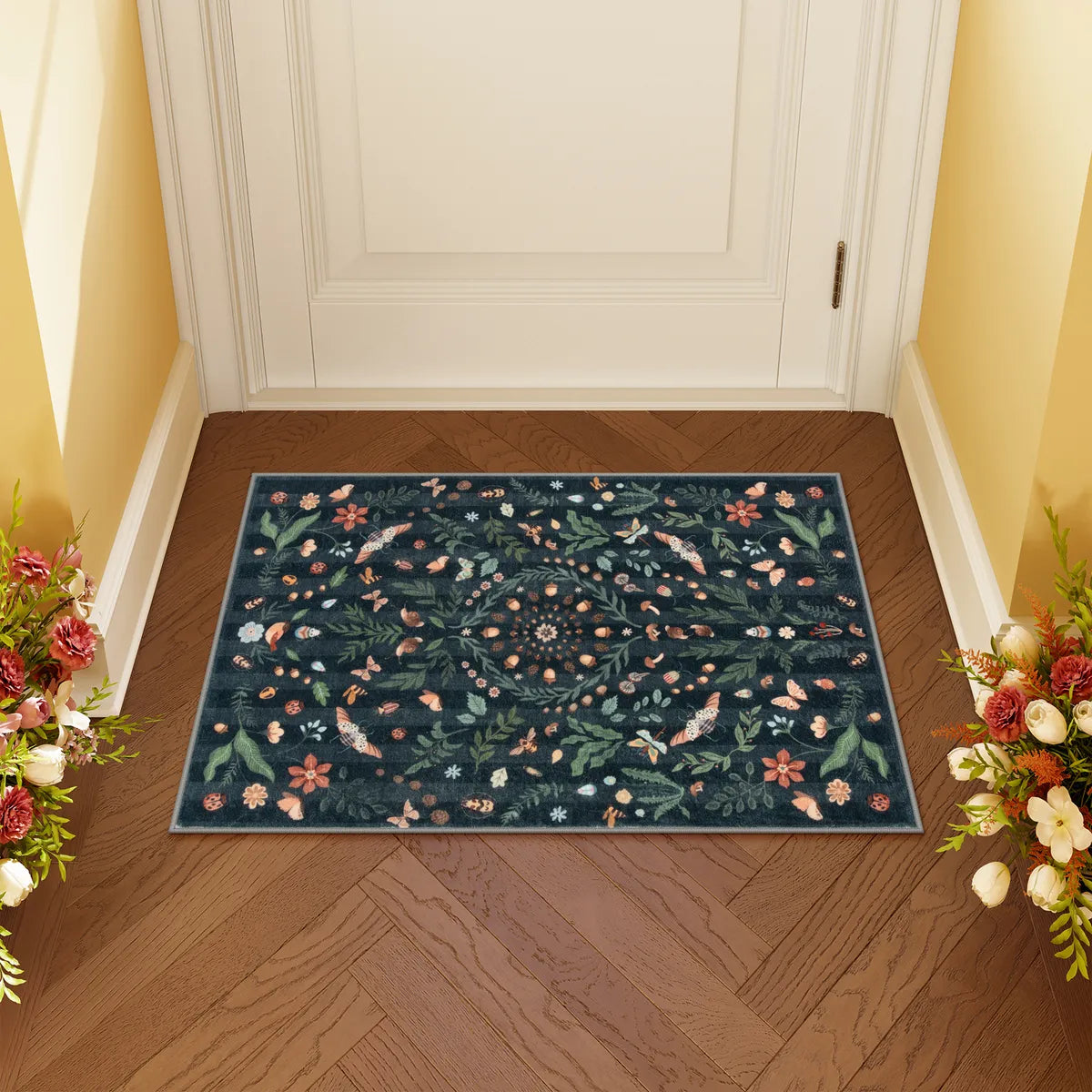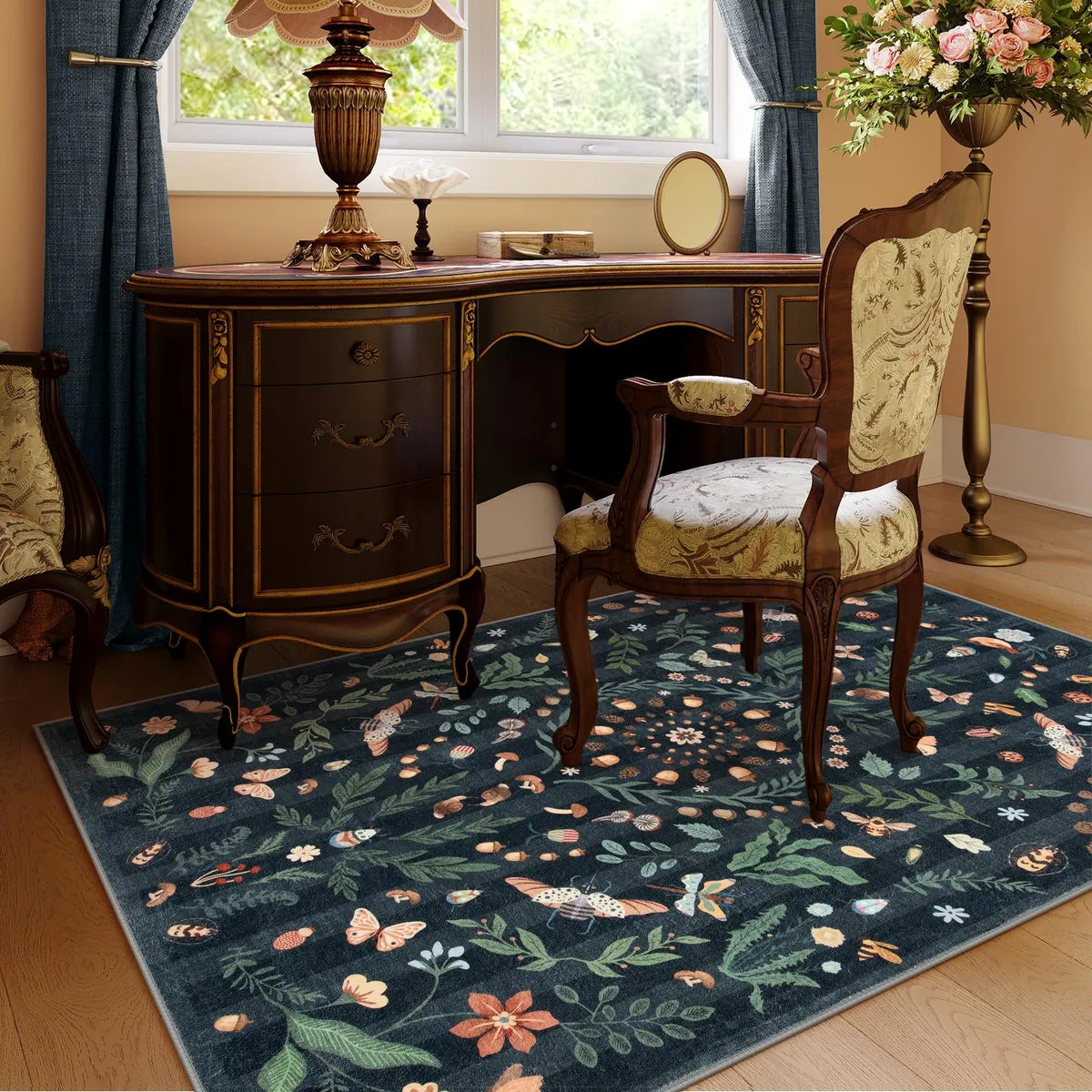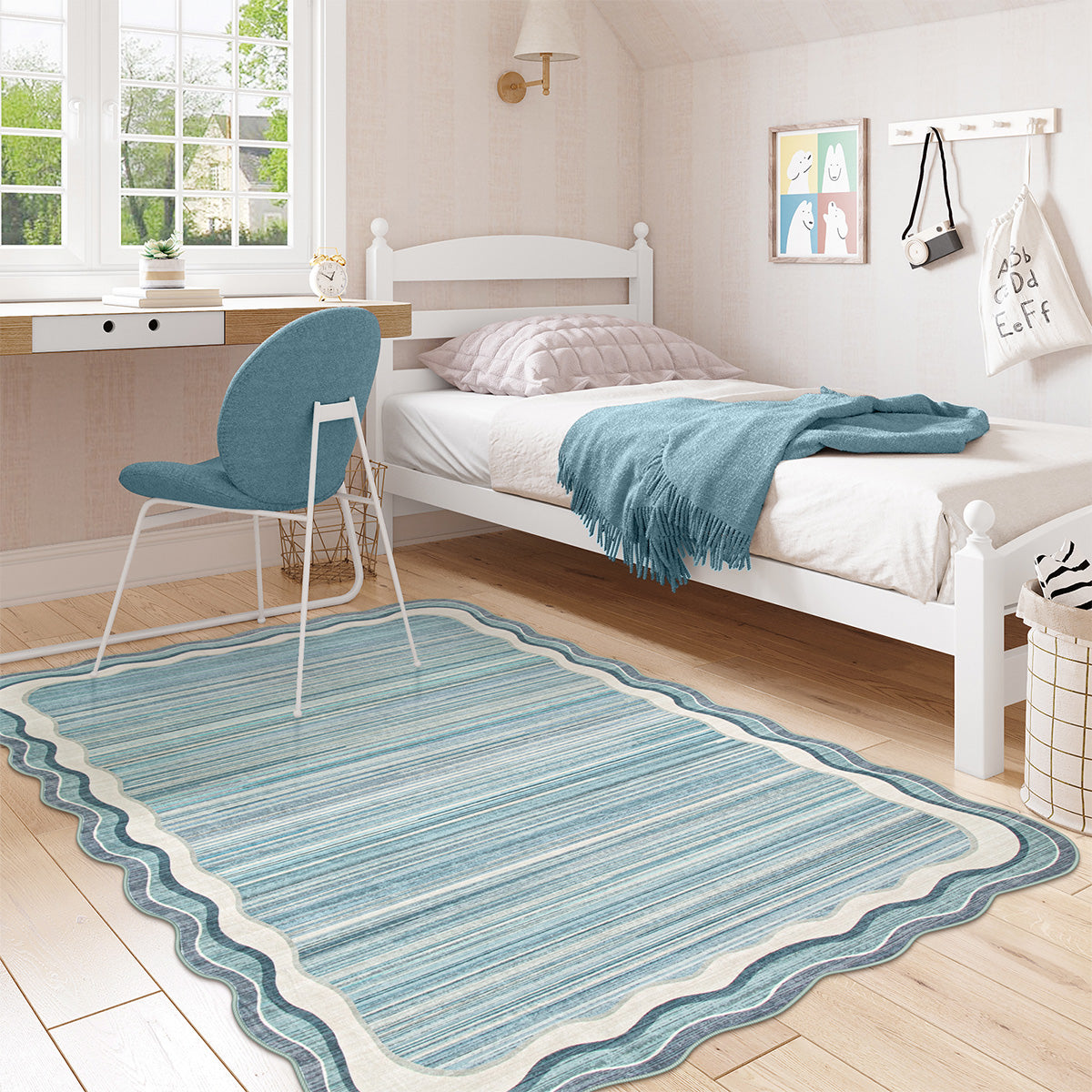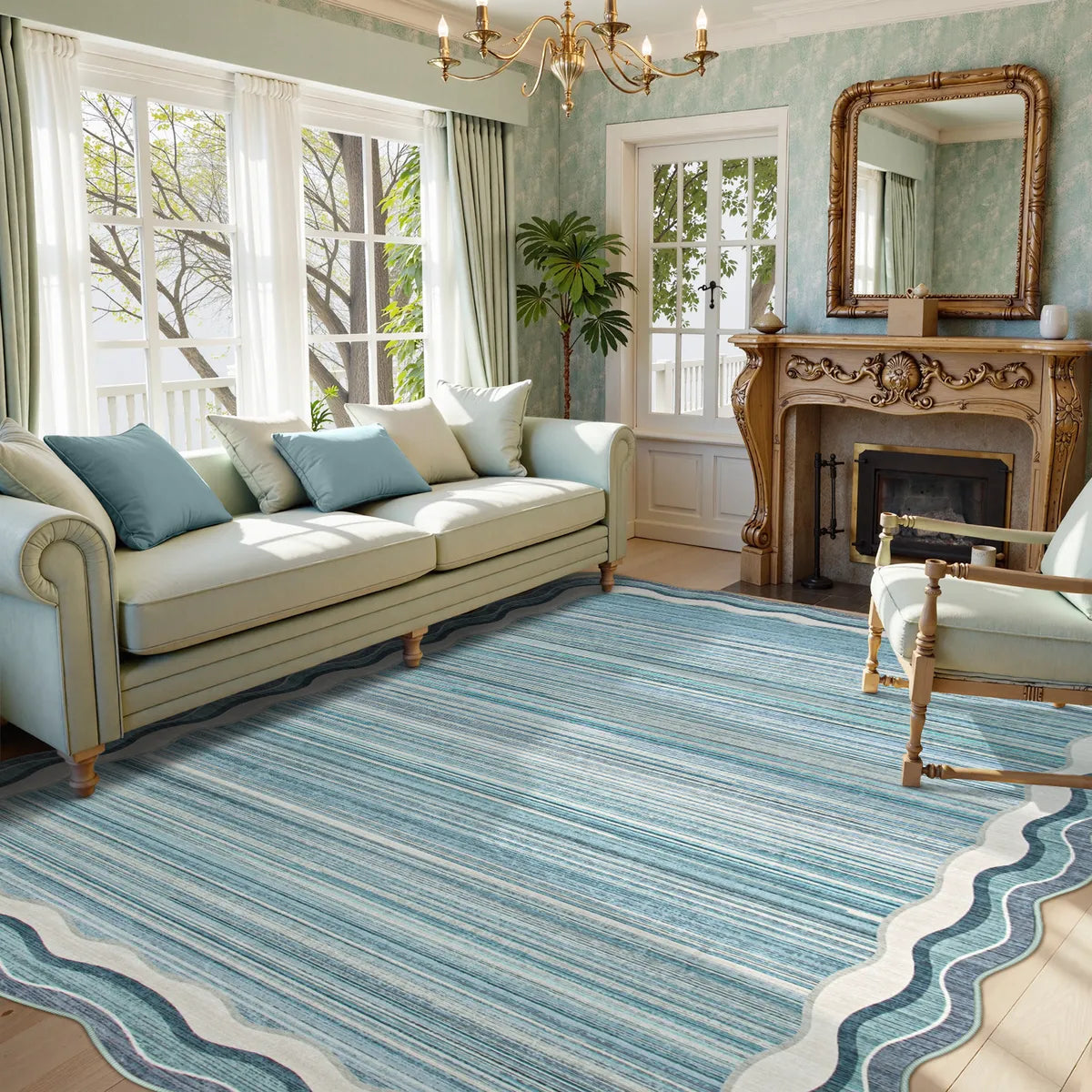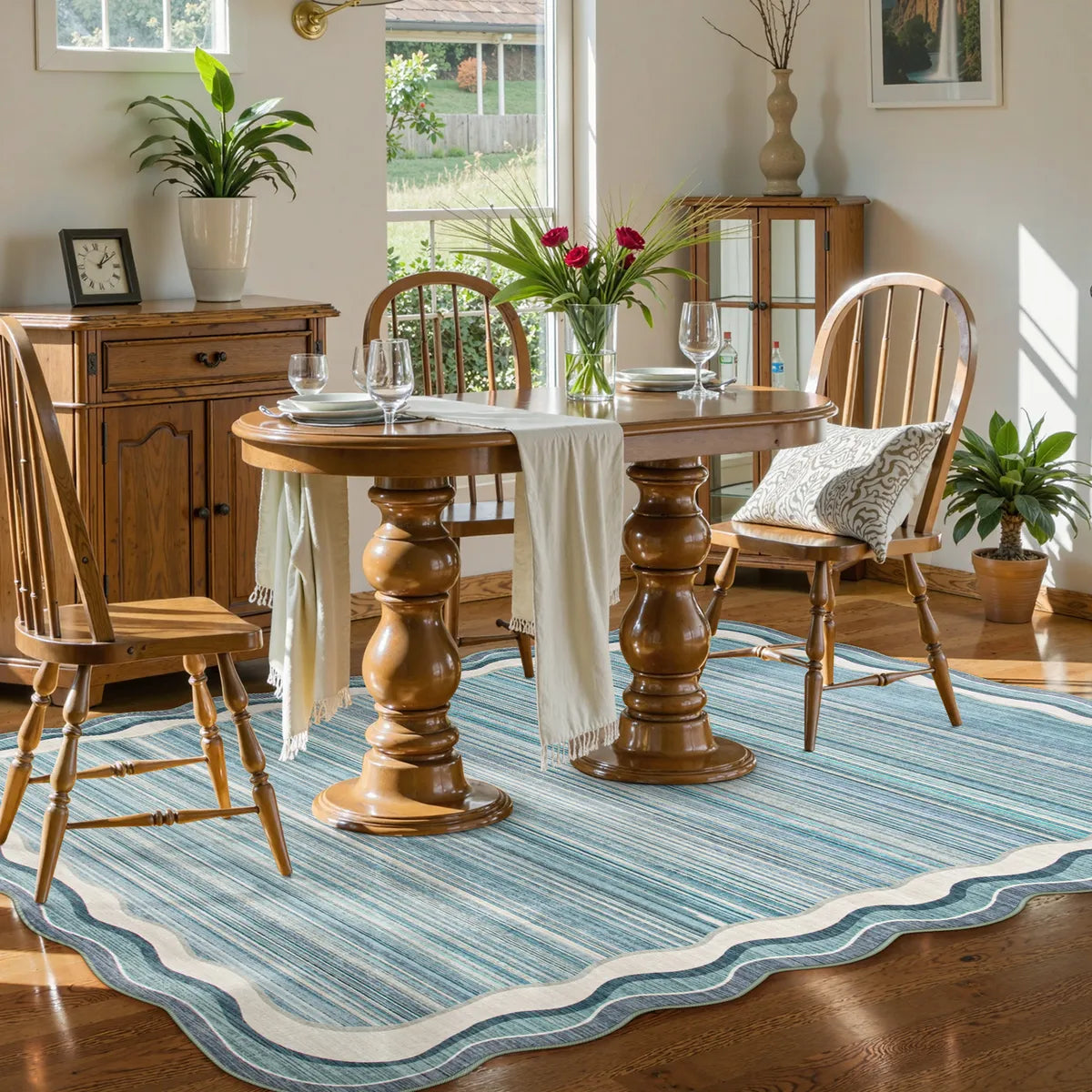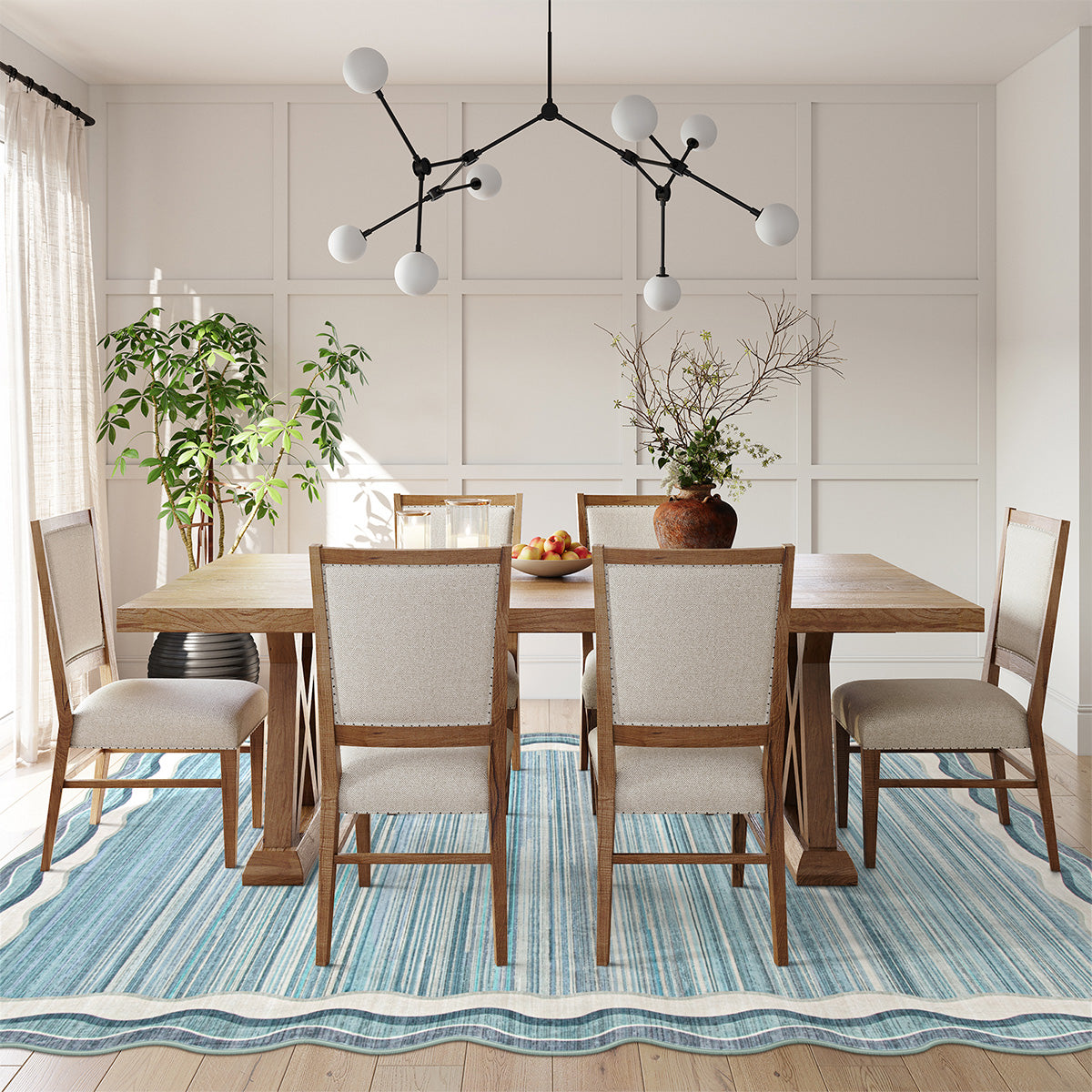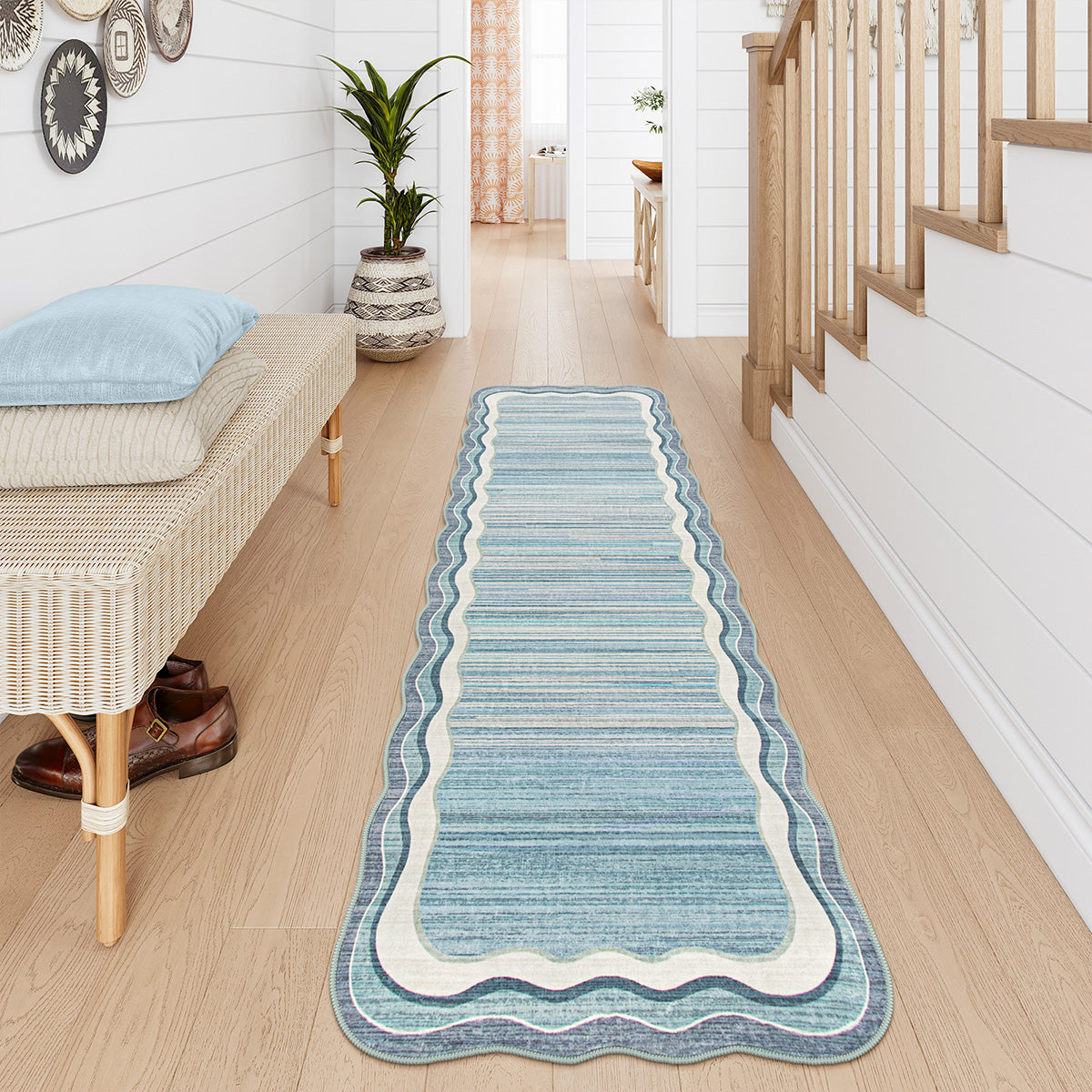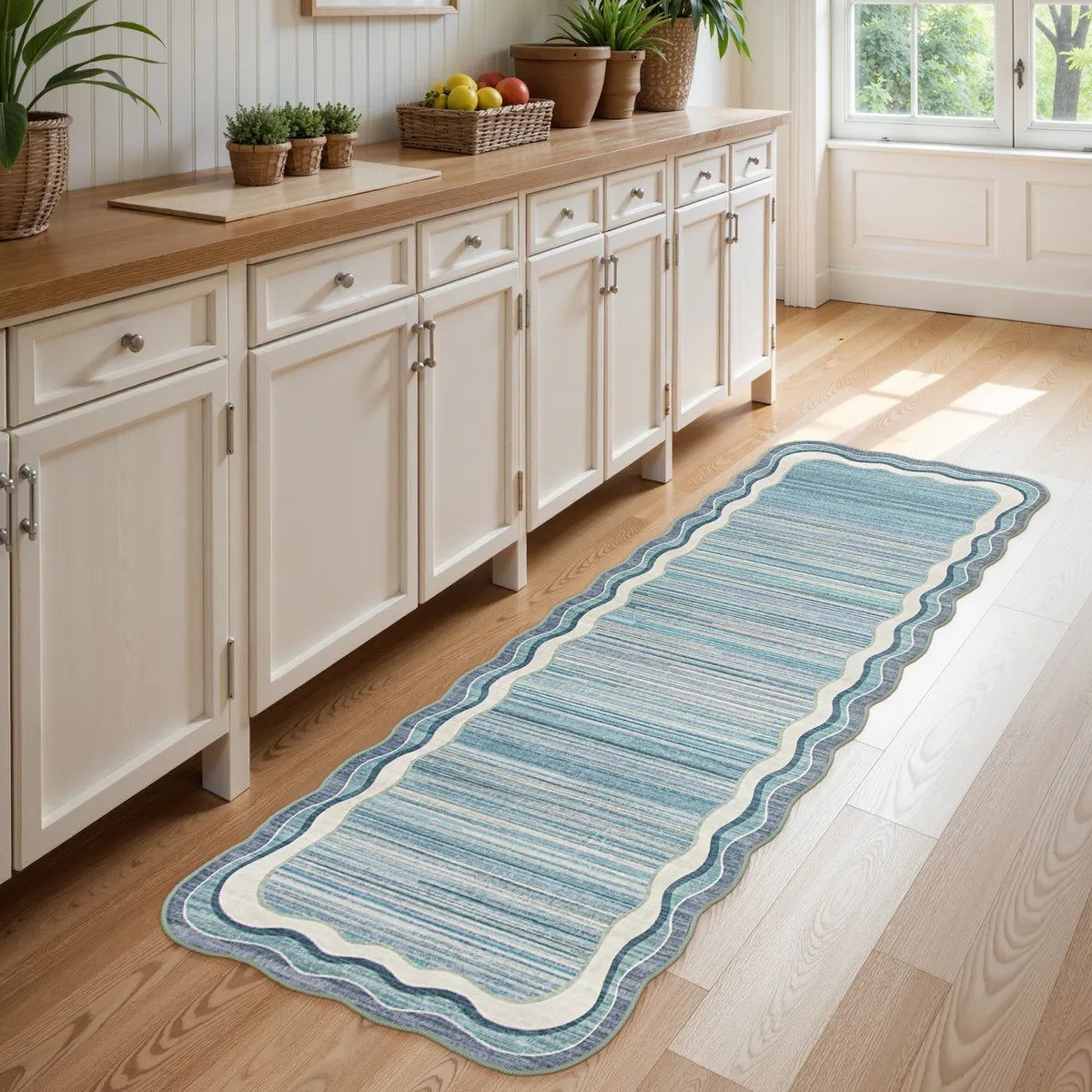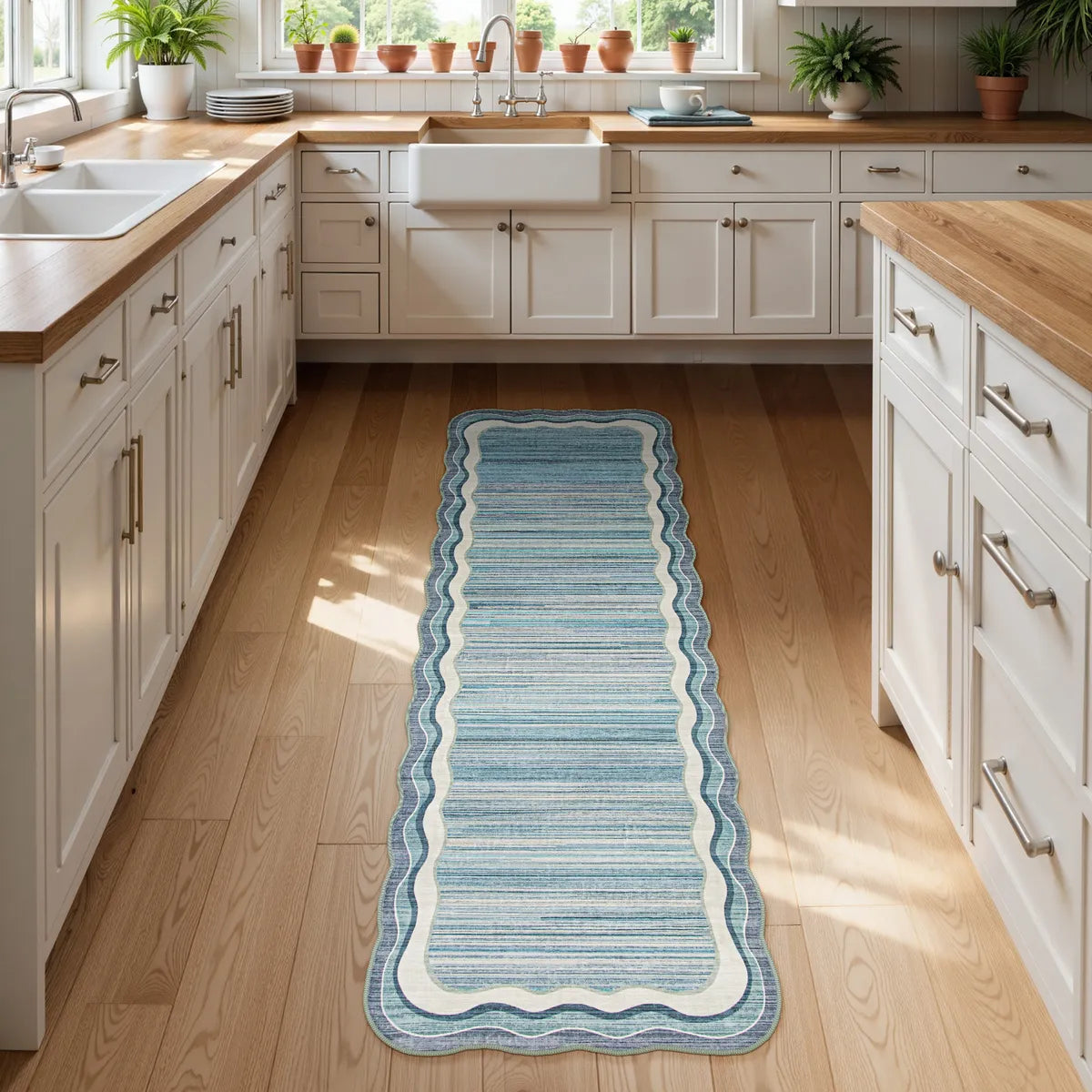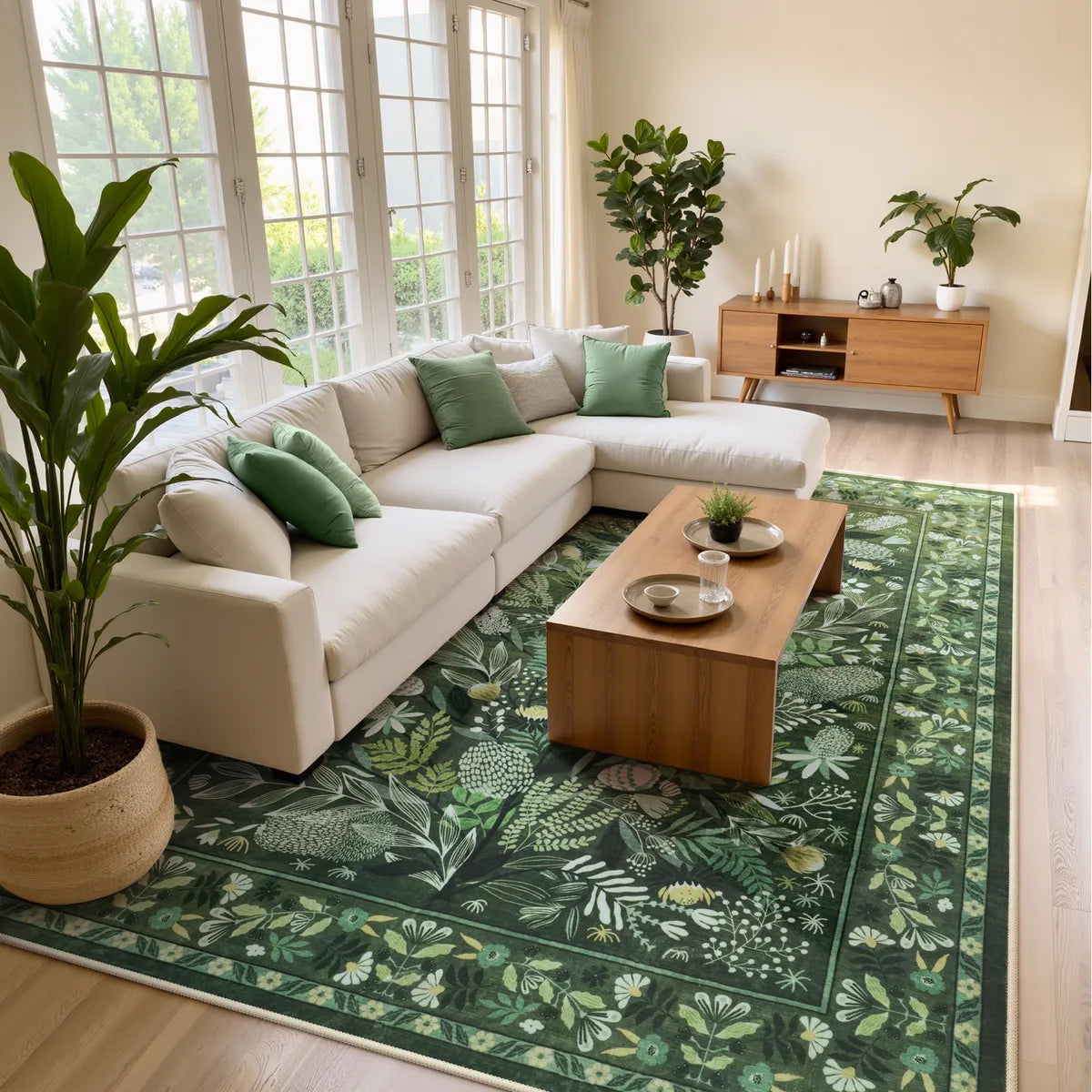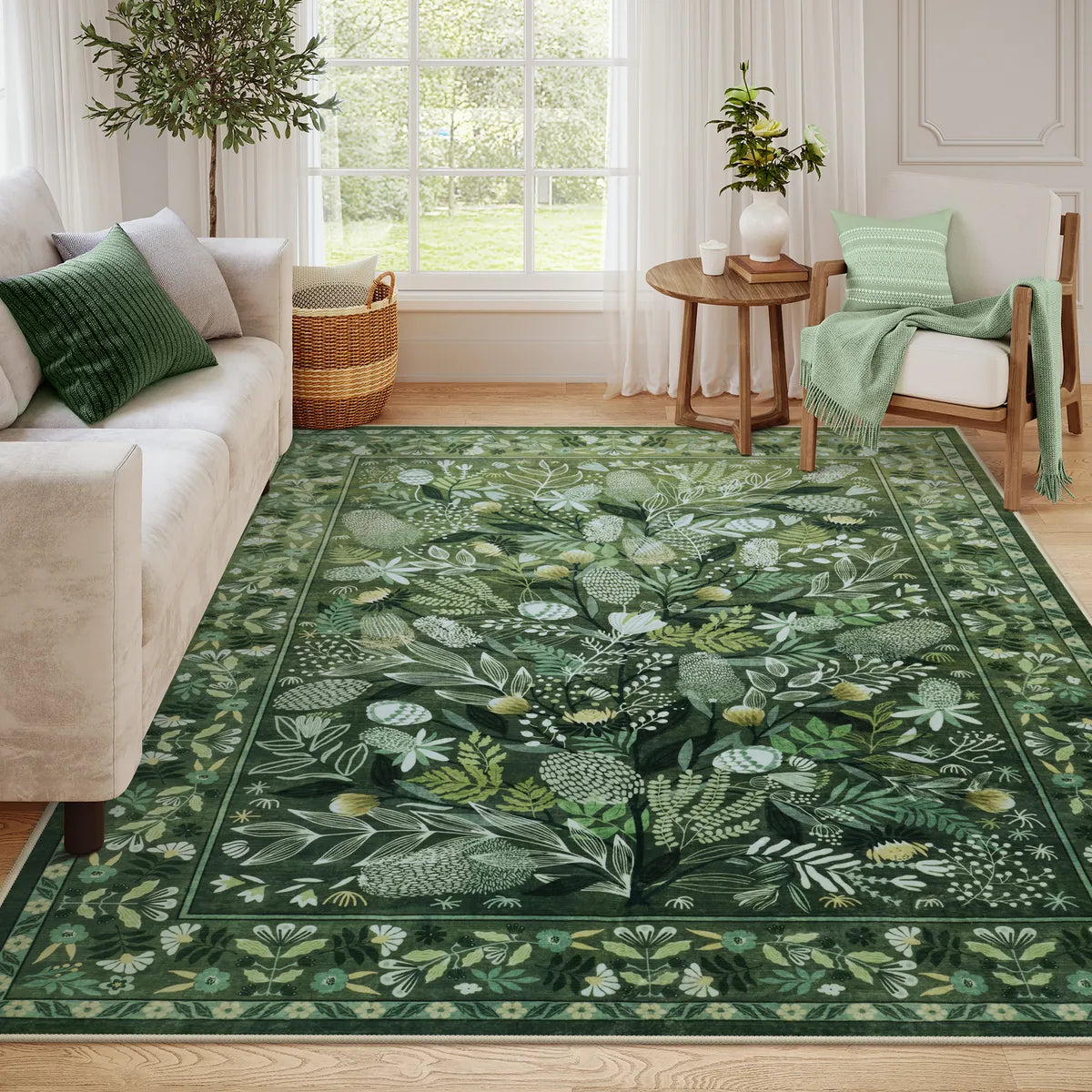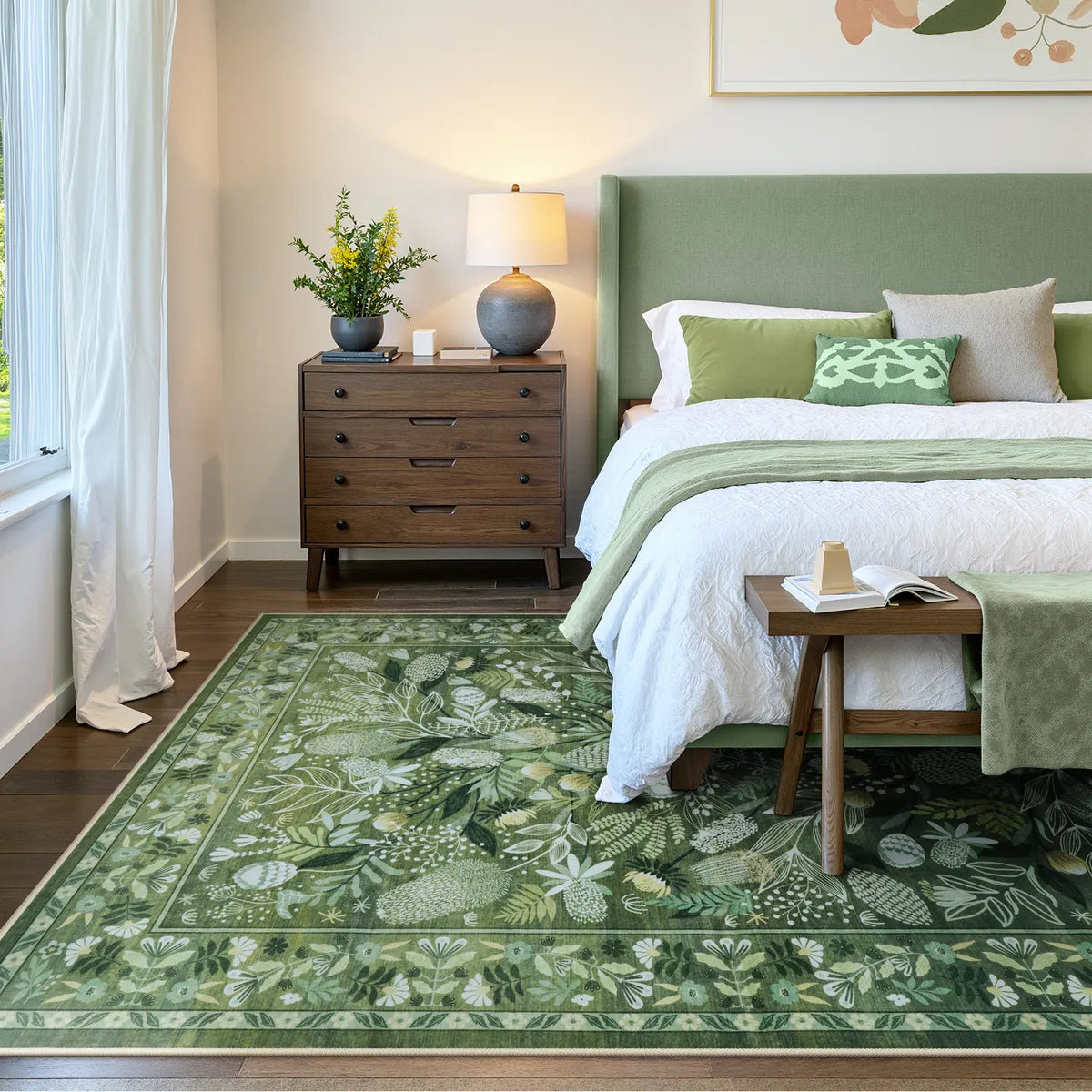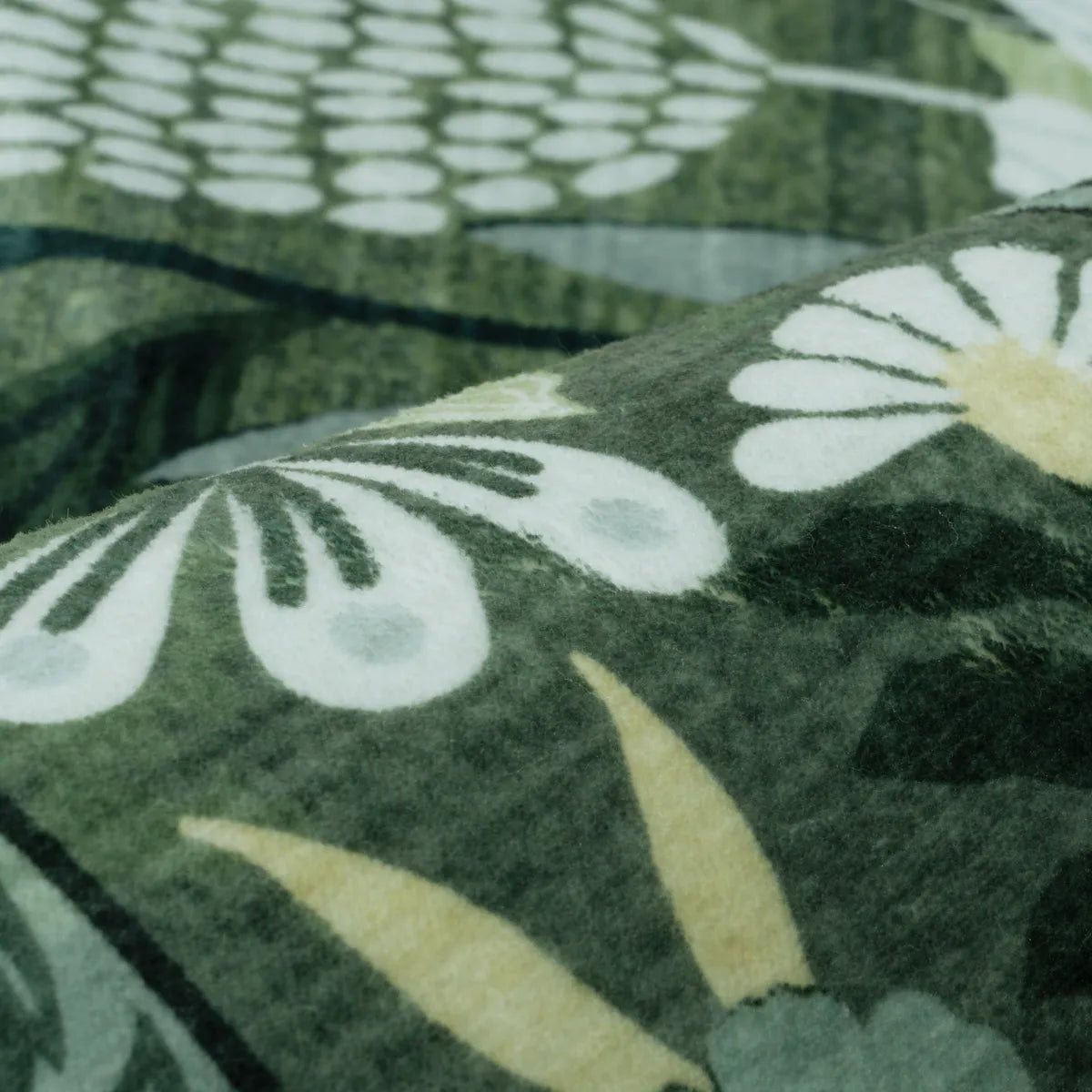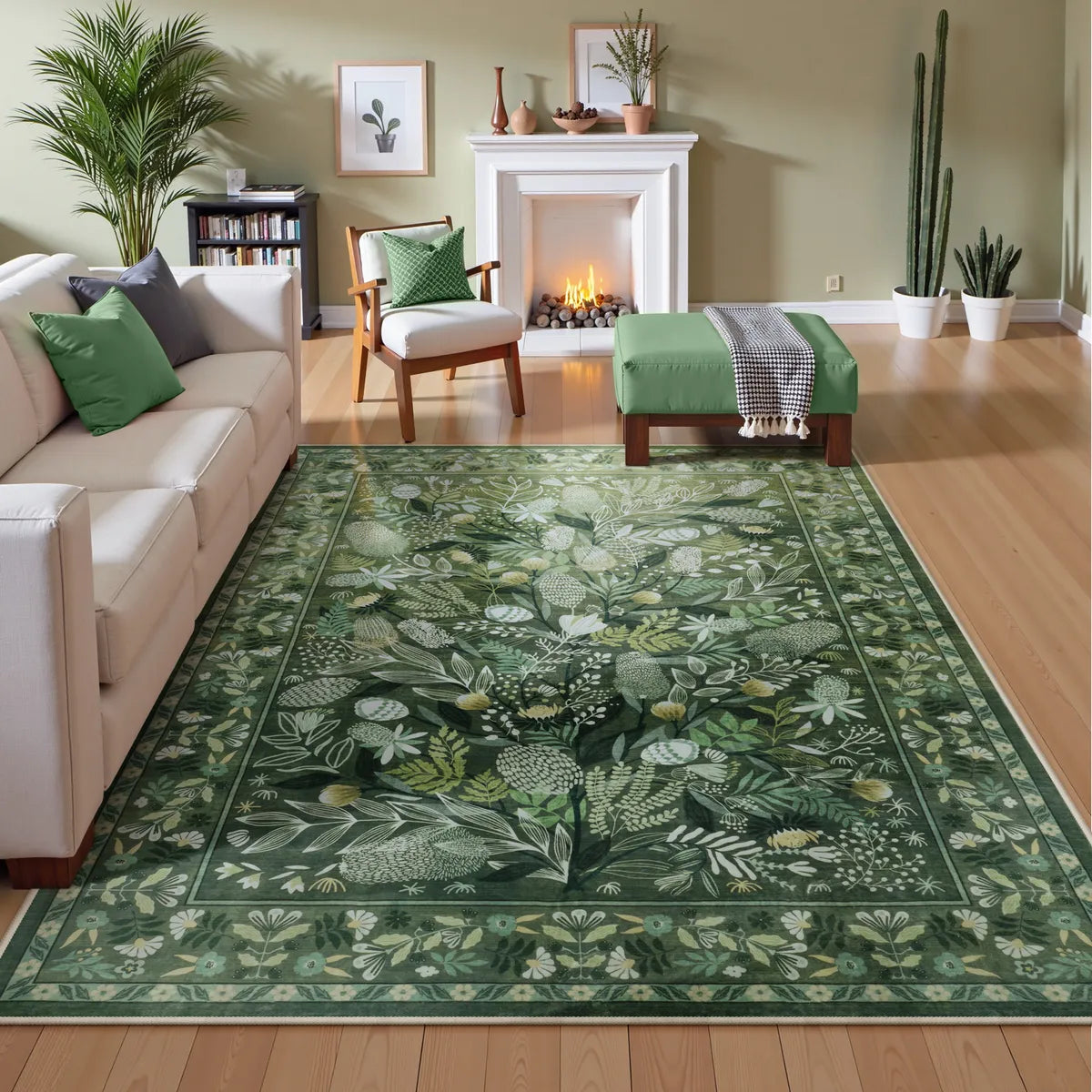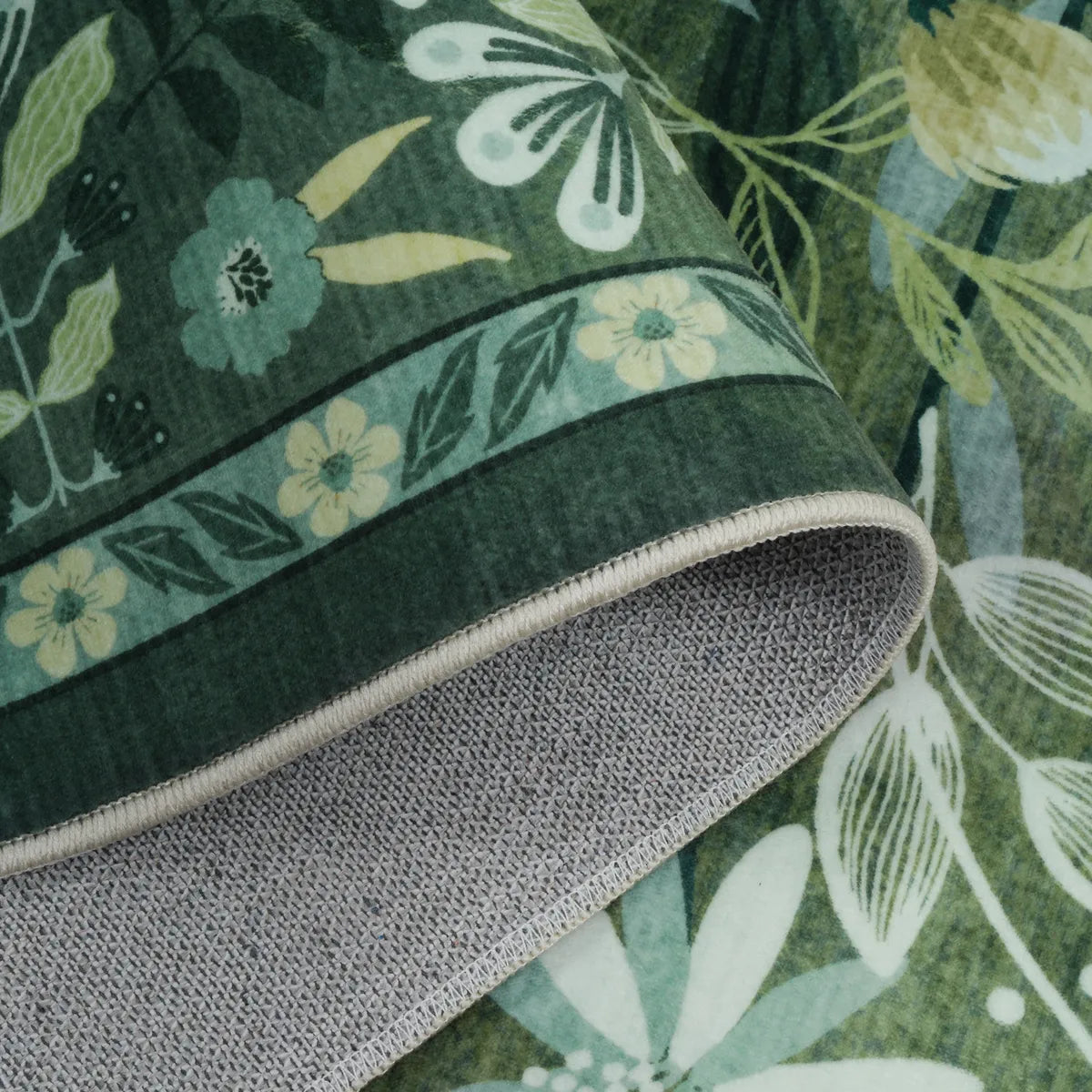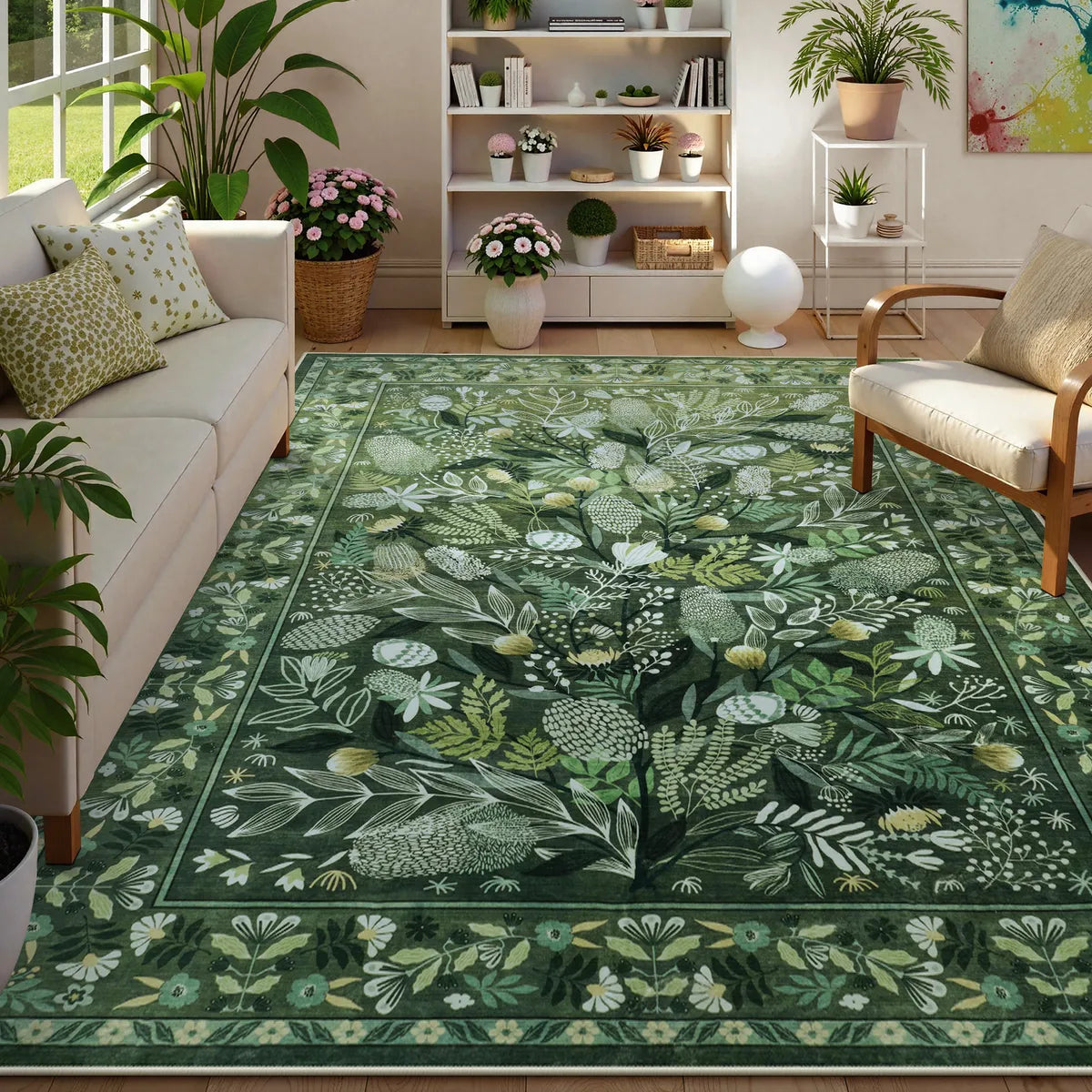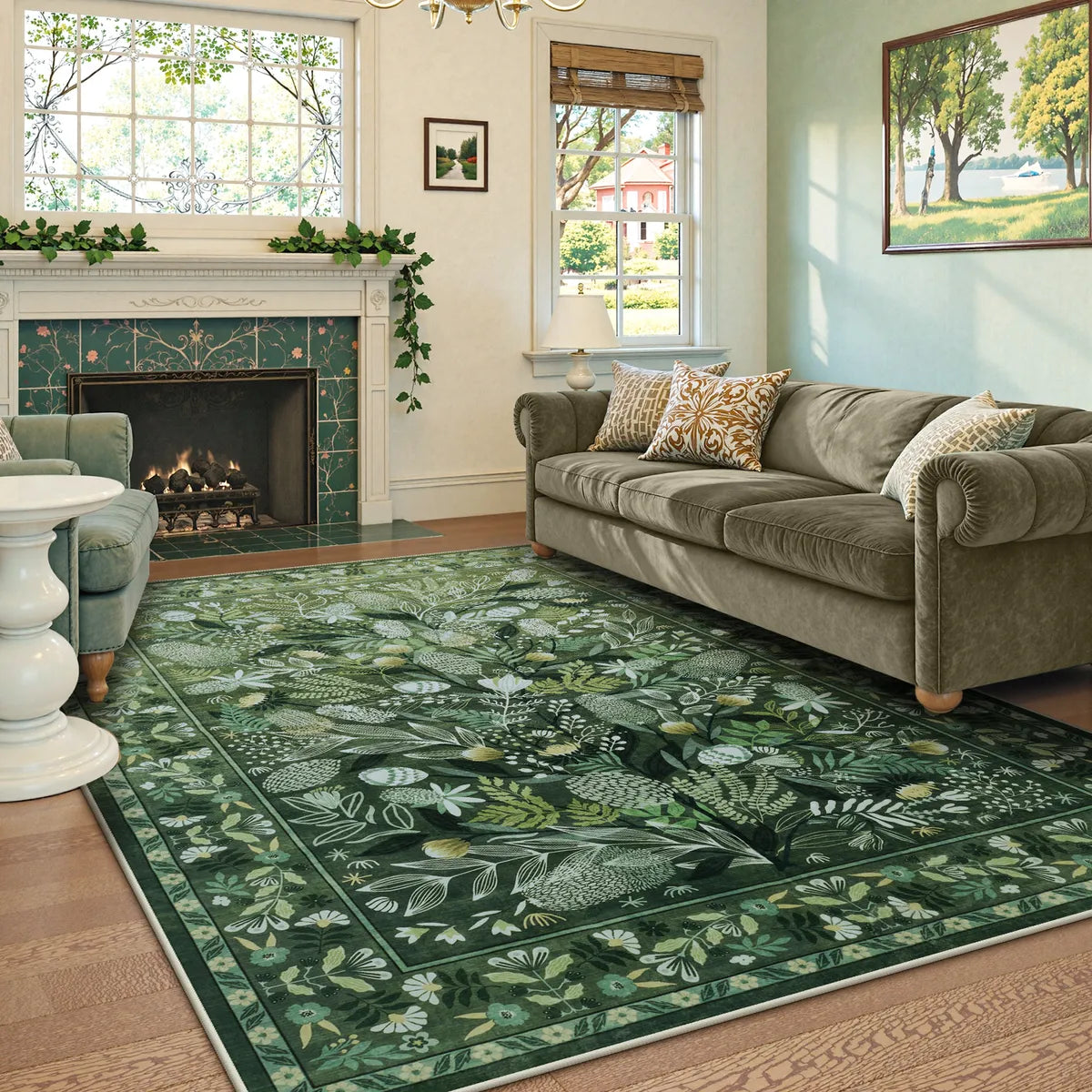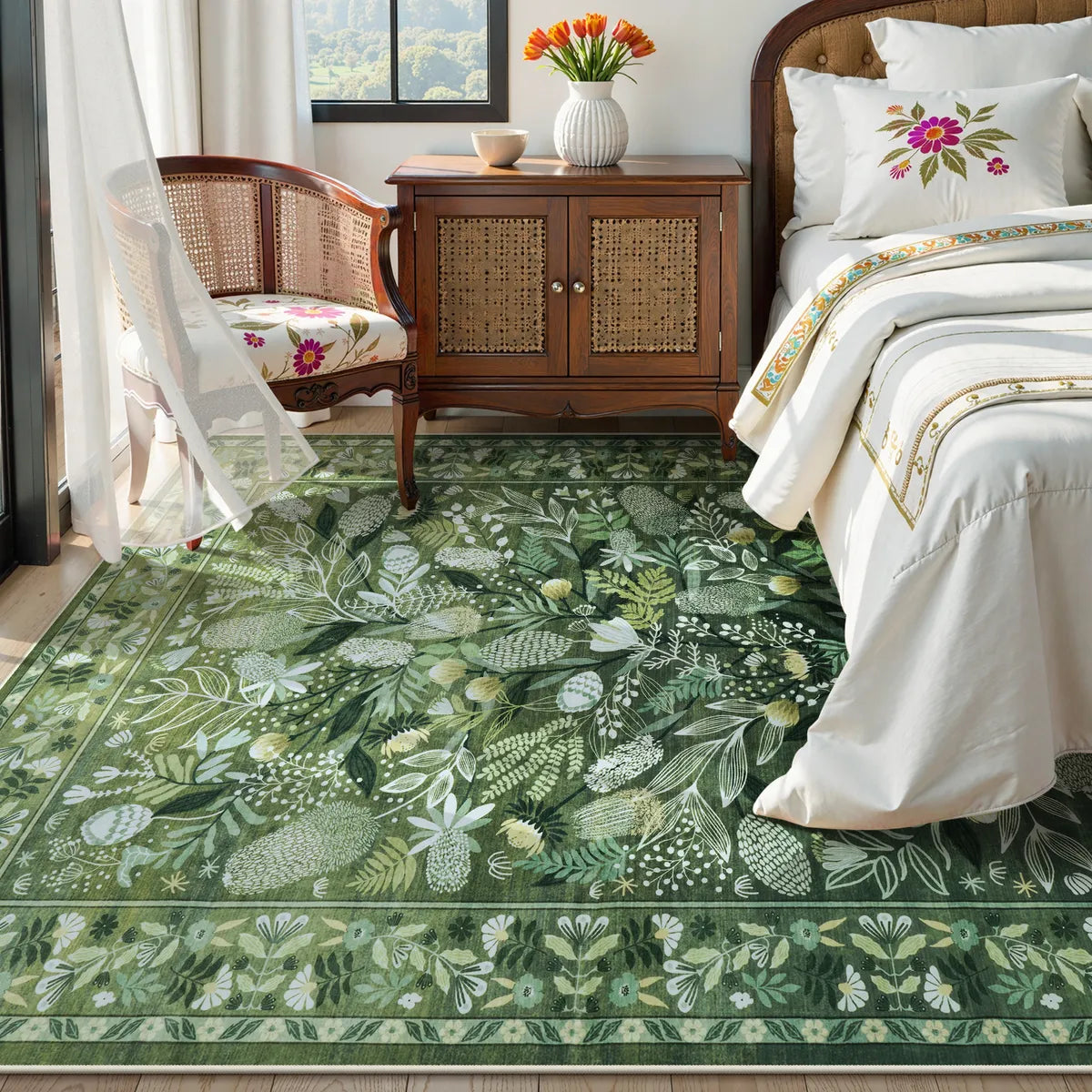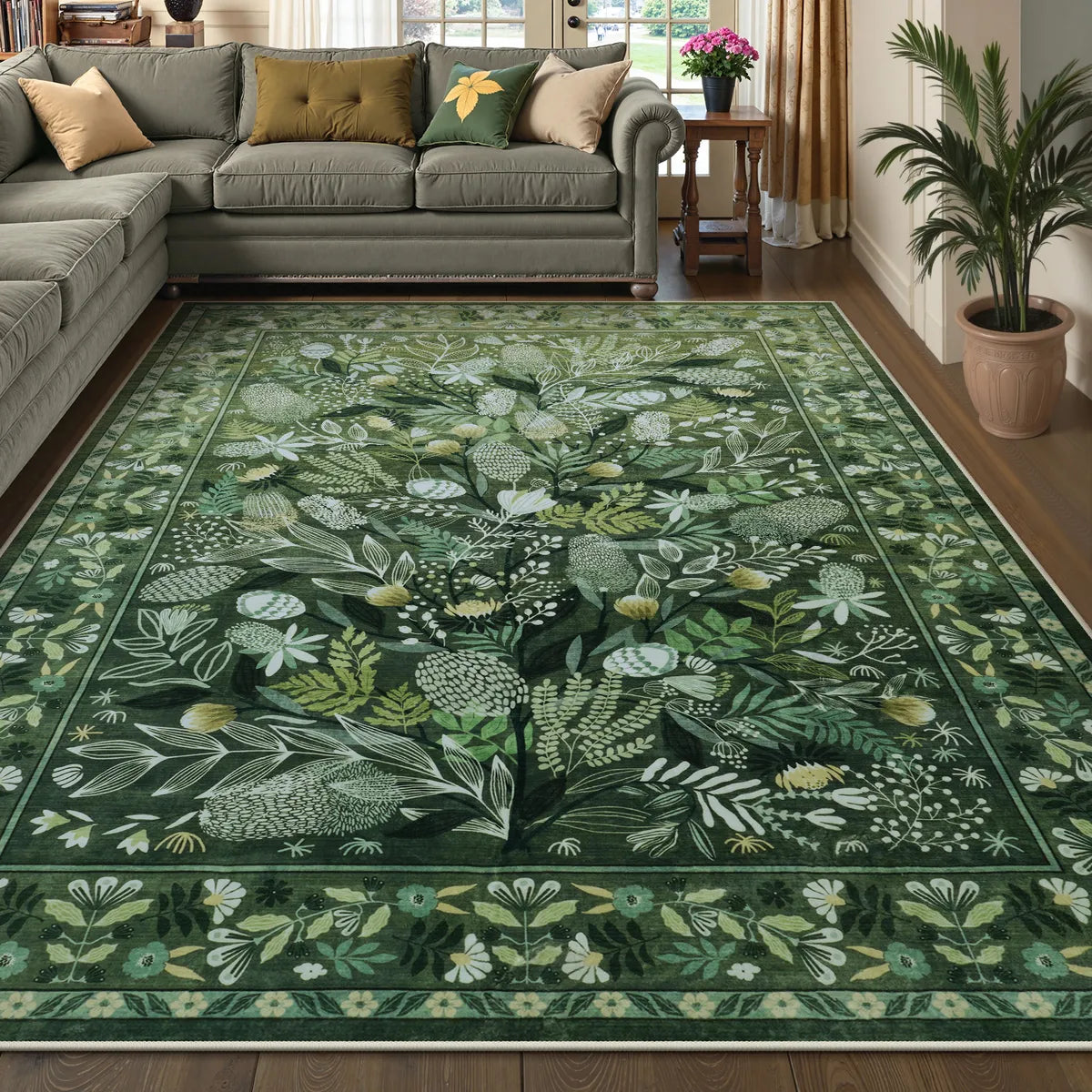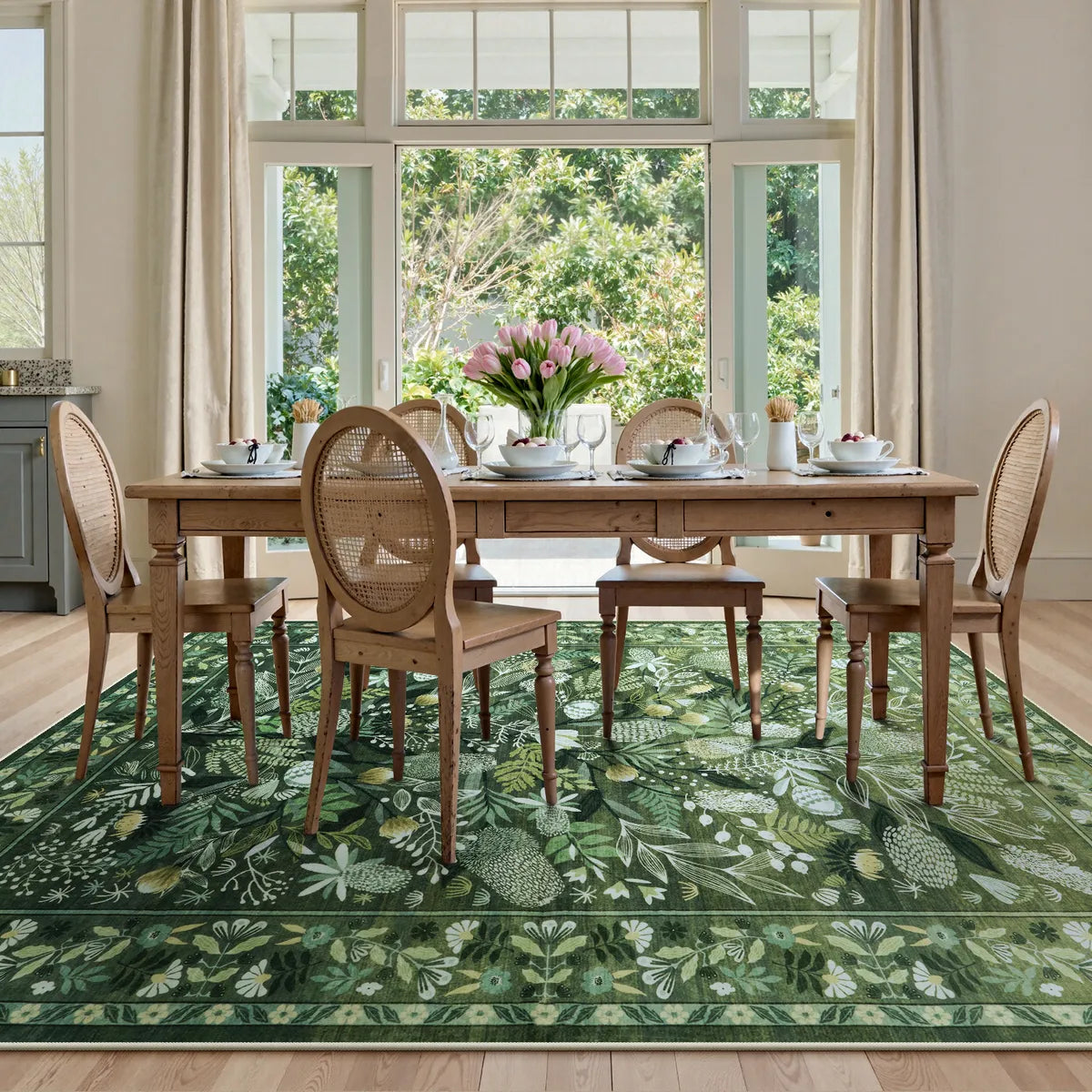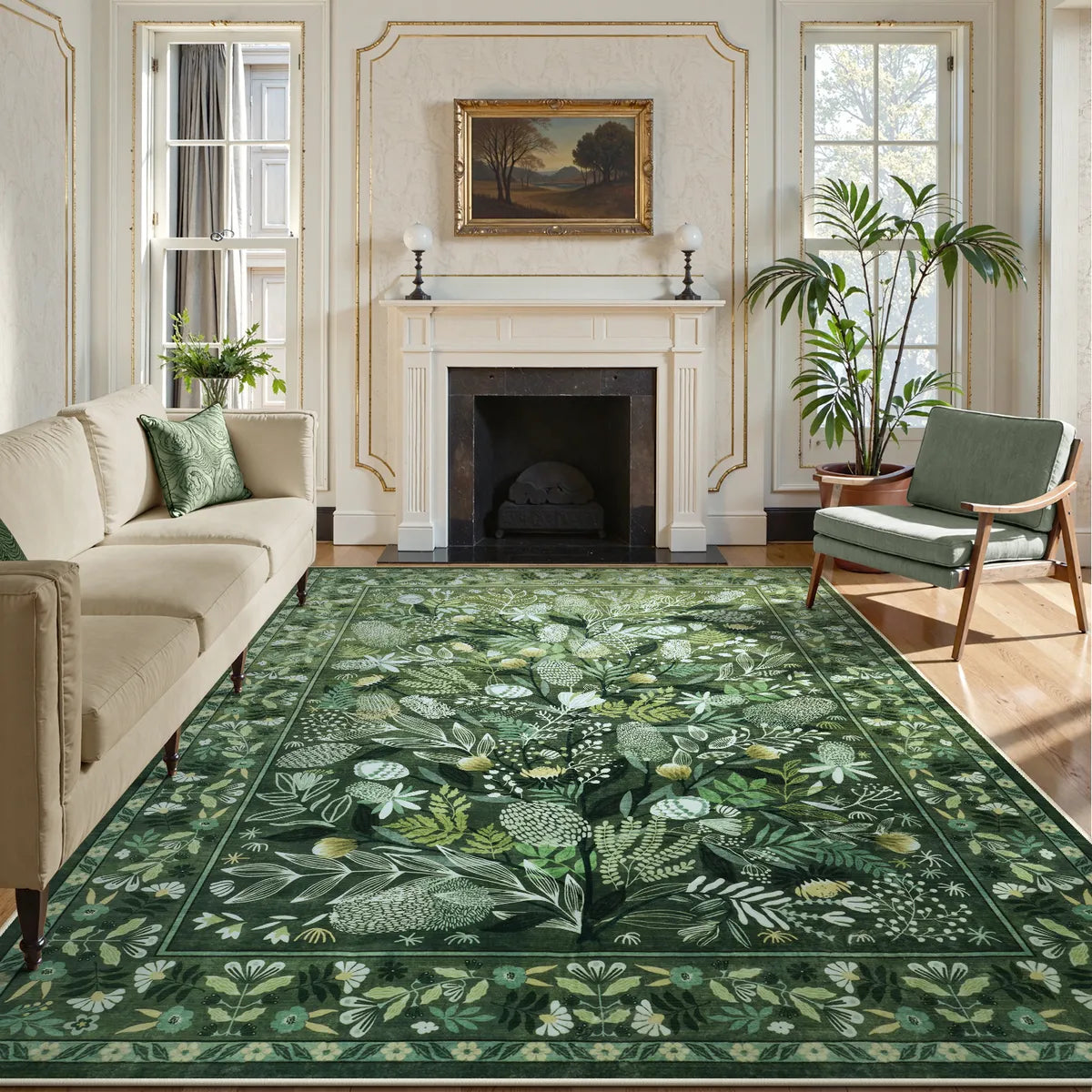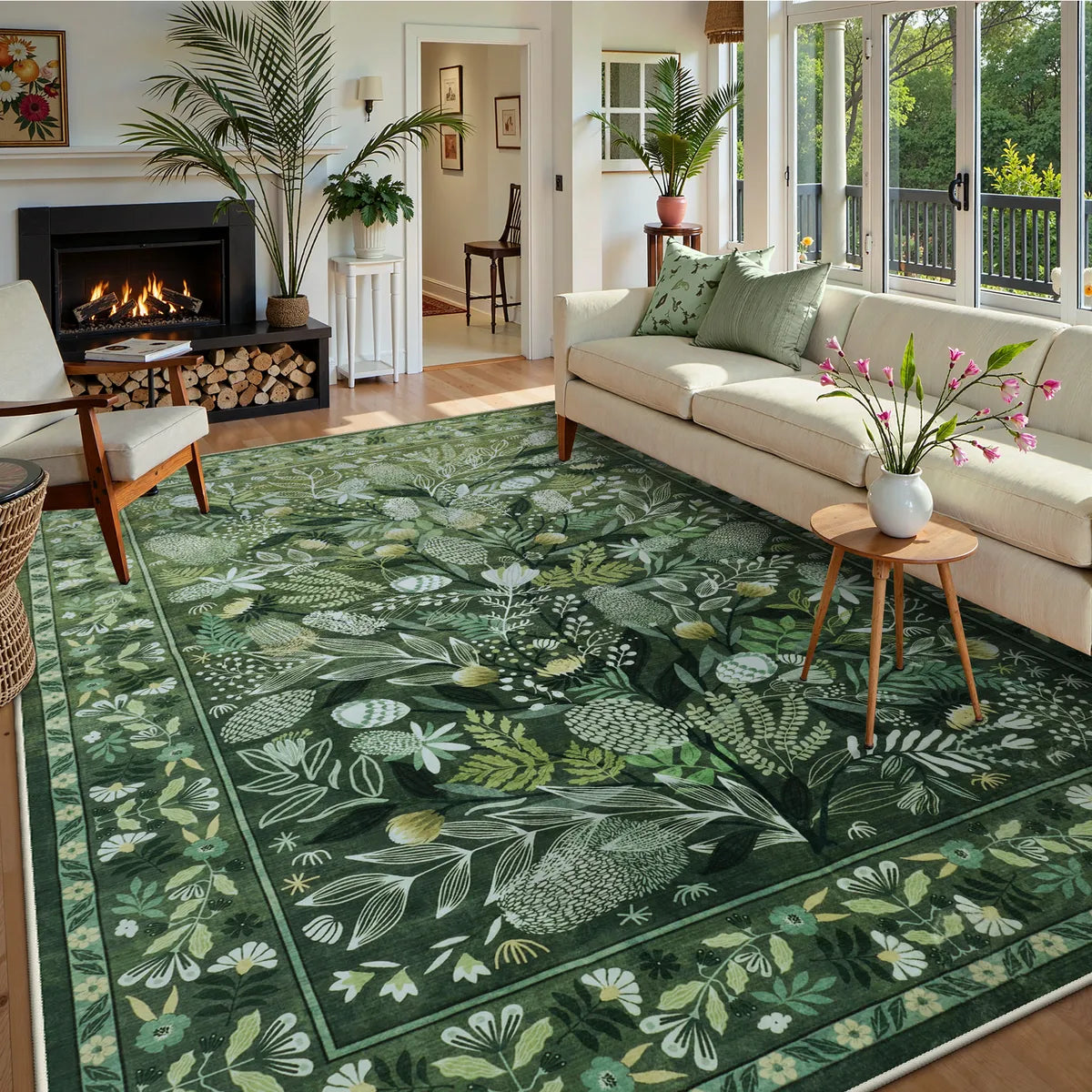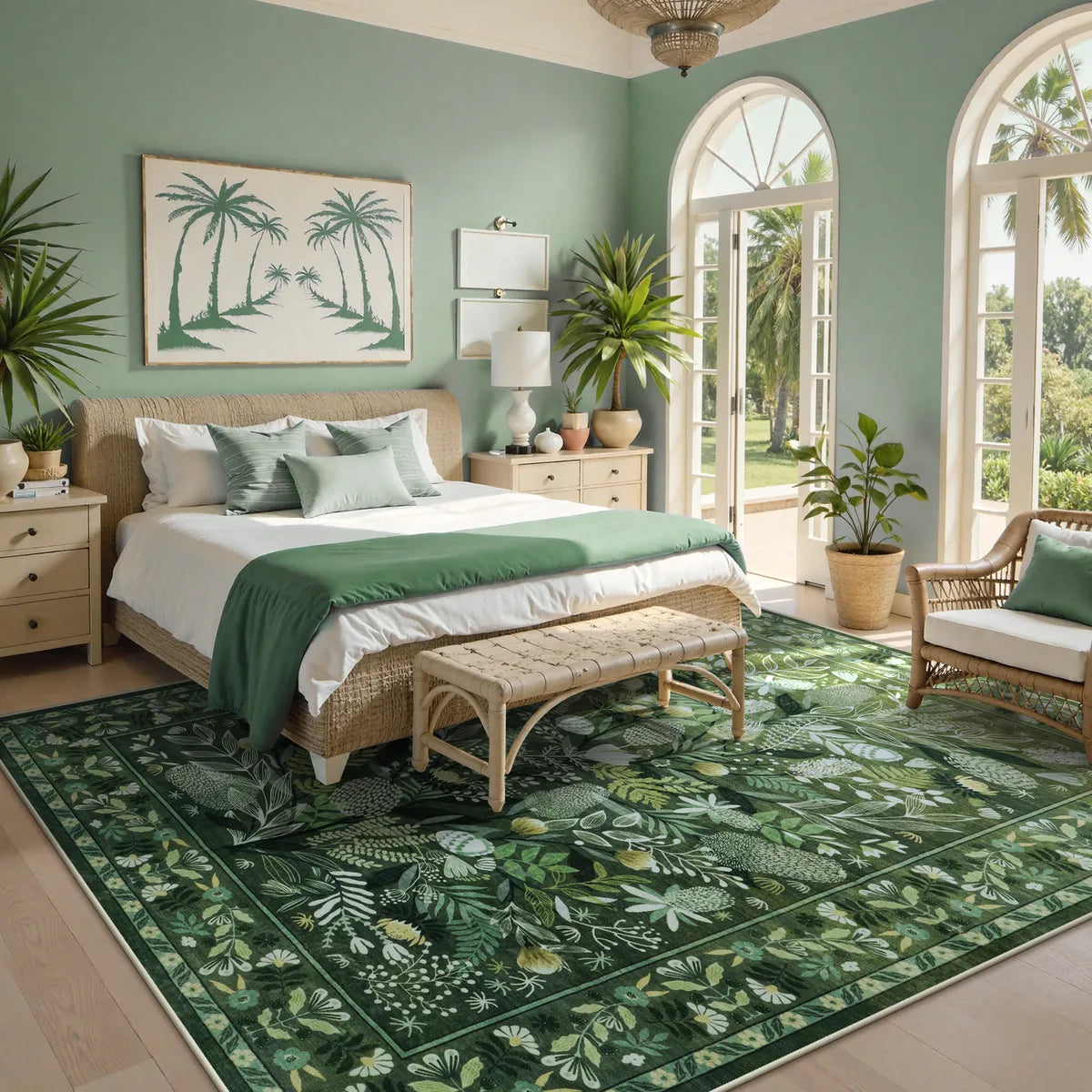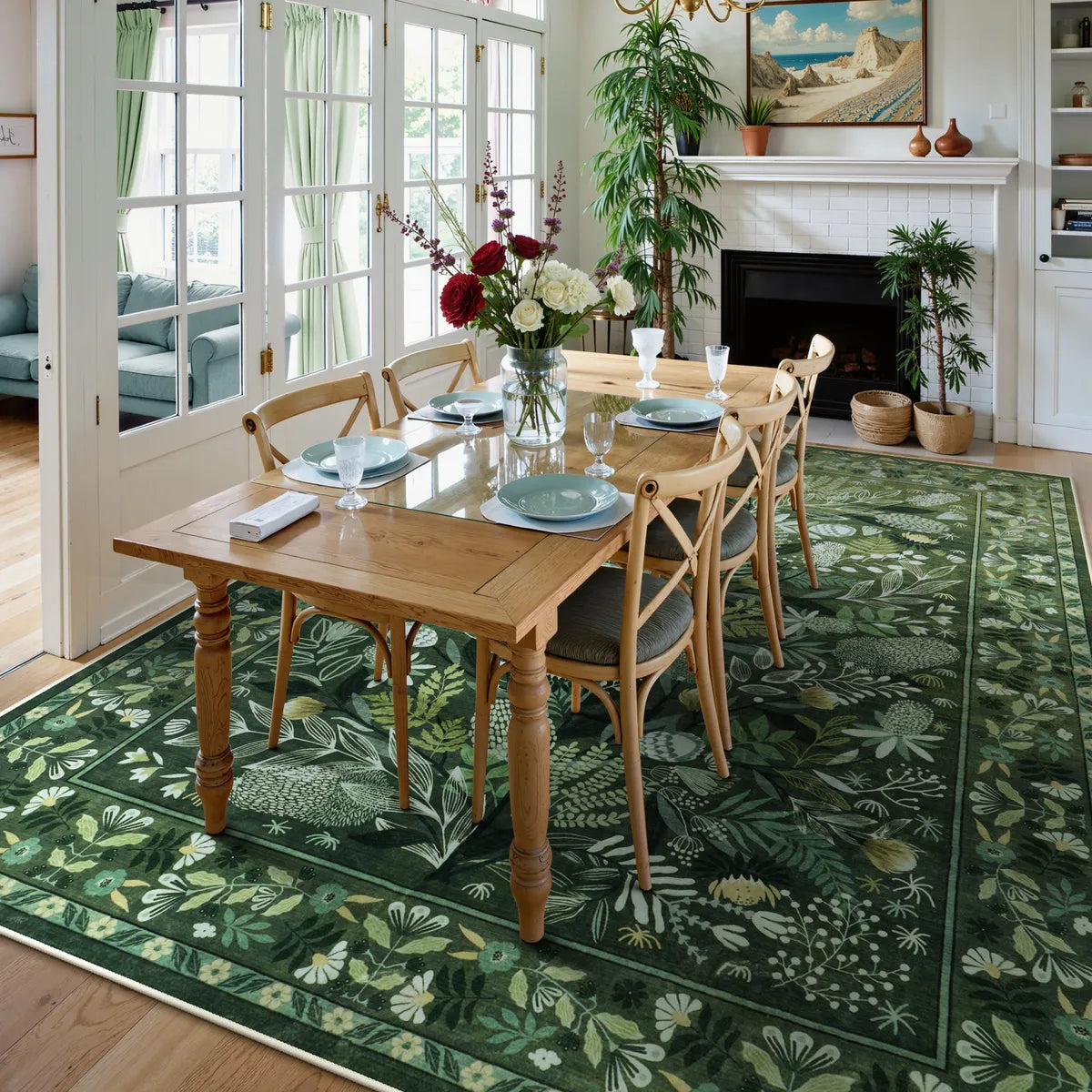


The dining room is the hardest-working floor in any home. Every meal brings the risk of wine drips, sauce splatters, and chair legs grinding grit into the fibers beneath. Most rugs are not built because of that kind of daily pressure. A washable carpet is. It handles the mess, protects the floor, and still looks put-together after everything the dining table throws at it.
Why Dining Rooms Need a Washable Carpet More Than Any Other Room

No other room combines high foot traffic, regular liquid spills, and heavy furniture movement the way a dining room does. A standard area rug in this environment faces a losing battle, and the case for switching to a washable carpet is straightforward. Here is why the dining room is the hardest room on any rug:
- Constant spill exposure: Every meal brings the risk of wine, sauce, oil, and liquid landing directly on the rug surface. Unlike other rooms, spills in the dining room happen repeatedly and predictably.
- Chair leg friction: Dining chairs are pulled in and out multiple times per meal, dragging across the rug surface and grinding debris deeper into the fibers with every use.
- Floor-level food debris: Crumbs and food particles fall from the table at every meal and settle into the pile, where they attract bacteria if not removed regularly.
- Heavy, fixed furniture: The dining table and chairs stay in the same position, creating consistent pressure points that compress fibers and accelerate wear in specific zones.
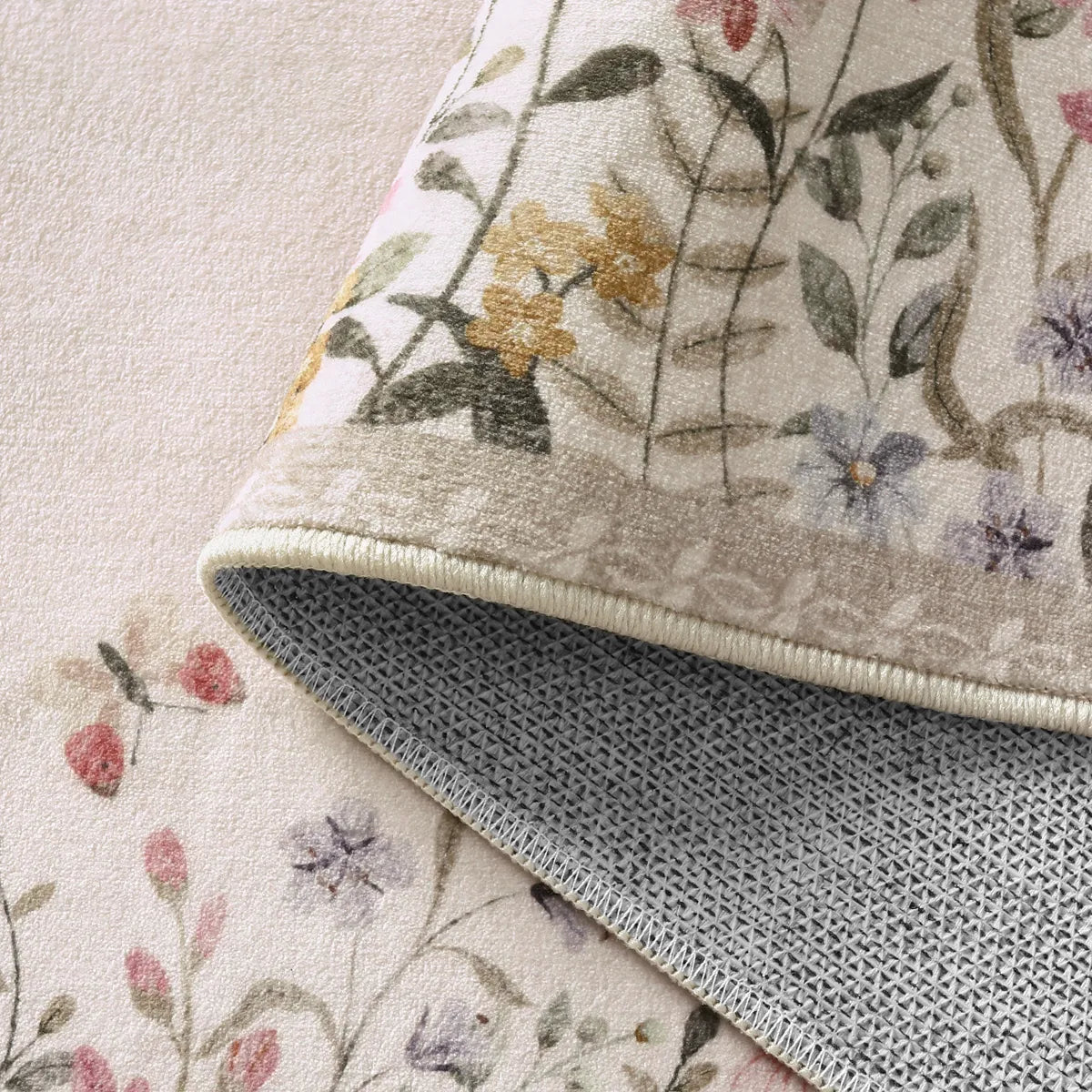
A washable carpet (a rug specifically constructed to go through a home washing machine without losing shape, color, or backing integrity) addresses all of these directly. Spills get washed out rather than treated. Debris gets removed at the fiber level. And the whole rug can be freshened on a regular schedule without professional help. The dining room that creates the most rug mess should have the rug that is easiest to clean.
How to Choose Dining Room Rugs for Under the Table

The furniture arrangement is fixed, the traffic pattern is predictable, and the primary threat is always downward: food and liquid falling from the table to the rug below. Getting the selection right means thinking about pile height, size, and shape before thinking about pattern or color.
Pile Height and Why It Matters Under Dining Chairs
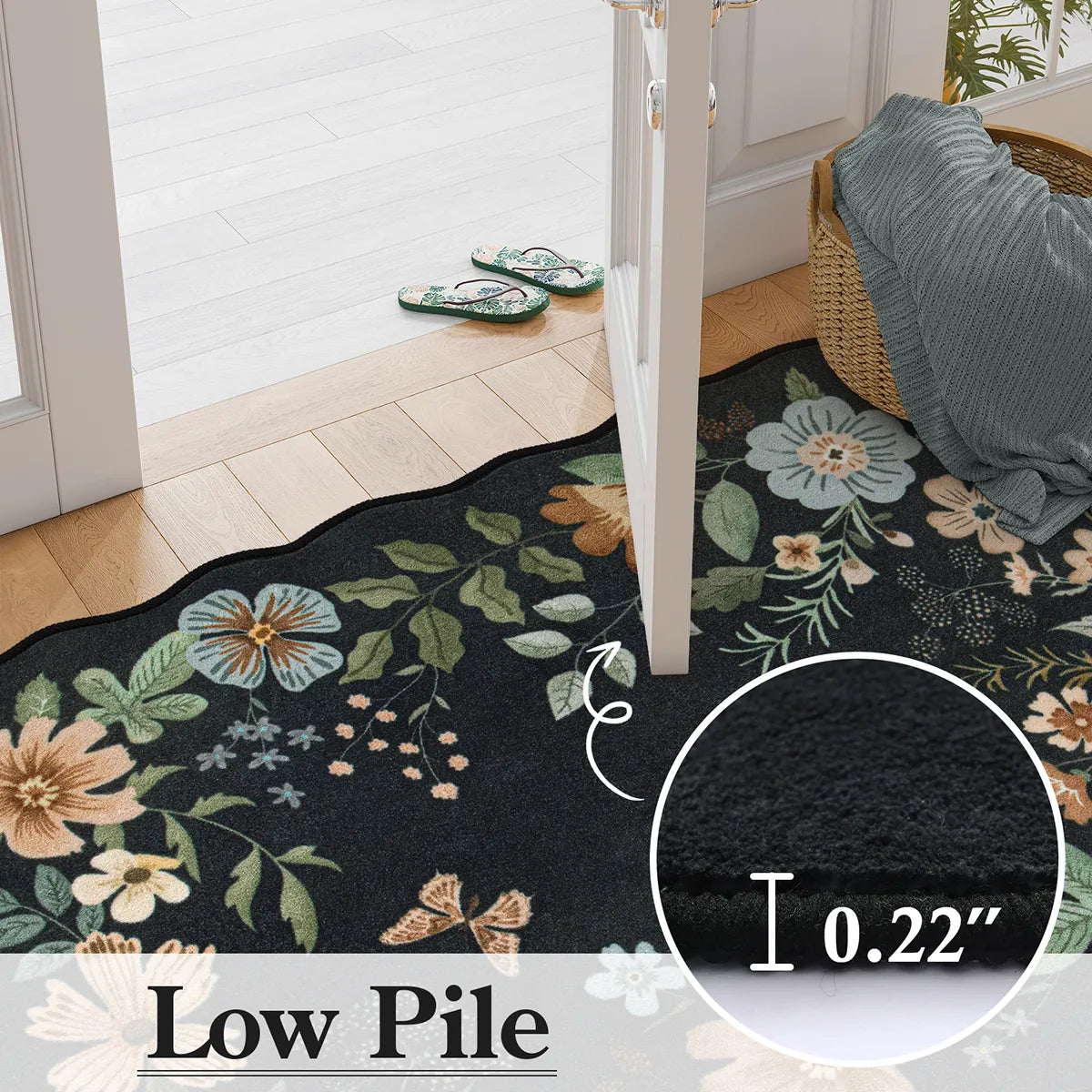
Pile height (the length of the fibers that make up the rug's surface) has a direct effect on how a dining room rug performs under daily chair use.
High-pile rugs (those with long, soft fibers) feel luxurious underfoot but create real problems in a dining room. Chair legs sink unevenly into the pile, making chairs harder to pull in and out and creating pressure points that compress and mat the fibers over time. Spills also penetrate high-pile surfaces faster, reaching the backing before cleanup is possible.
Low-pile rugs (short, densely packed fibers close to the surface) are the practical choice for dining rooms:
- Chair legs sit flat and stable on the surface, making movement easier and reducing localized fiber wear.
- Spills bead or sit on the surface longer, giving more time to blot before they soak through.
- The surface is easier to vacuum between meals, preventing grit from working into the fibers.
- Low-pile construction shows pattern and color more crisply, which matters for a rug that will be seen from above at the table.
Size and Shape Rules for Dining Room Rugs Under a Table
Size is the most critical decision for a dining room rug for under the table, and it is one that most people underestimate. The rug must be large enough that all chair legs remain on the rug even when chairs are pulled out for seating. A rug that only covers the table footprint forces chair legs to catch on the edge every time someone sits down or stands up, which damages both the rug edge and the floor beneath.
The standard sizing guideline: add at least two feet to each side of the table's dimensions. For a rectangular six-seat dining table, this typically points toward an 8x10 or 9x12 rug. For a round dining table, a round rug is the most natural fit, sized generously enough that pulled-out chairs stay fully on the surface.
A quick reference for common dining table sizes:
| Table Size | Recommended Rug Size |
| Small (seats 4) | 6x9 |
| Medium (seats 6) | 8x10 |
| Large (seats 8+) | 9x12 |
These are starting points. Always measure your specific table and account for how far chairs travel when pulled out before finalizing a size.
How Spill Proof and Stain Resistant Rugs Protect Your Dining Room Floor
The floor beneath a dining room rug faces real risk. Hardwood floors are vulnerable to moisture damage, and liquid that soaks through a rug causes warping, staining, and finish degradation over time. A spill proof rug (one whose fibers resist liquid absorption at the surface level) acts as a barrier, giving you time to blot a spill before it reaches the floor beneath.
Stain resistance (the fiber's ability to prevent spill residue from bonding permanently to the surface) extends that protection further. A stain resistant dining room rug that is also machine washable covers both scenarios: surface spills get blotted, and anything that penetrates gets fully removed in the next wash cycle.
Additional floor protection benefits:
- Scratch prevention: Chair legs dragging across hardwood or tile cause surface scratches over time. A rug absorbs that friction and keeps it away from the floor beneath.
- Finish preservation: Repeated foot traffic dulls hardwood finish in high-use areas. A rug in the dining zone extends the time between refinishing cycles.
- Noise reduction: A rug absorbs the sound of chairs scraping and dishes dropping, which noticeably reduces ambient noise in open-plan dining spaces.
Simple Maintenance Habits That Keep the Dining Room Washable Carpet Looking New
A washable carpet in the dining room is only as effective as the habits built around it. Washing handles deep cleaning, but a few consistent daily and weekly habits determine how much damage accumulates between wash cycles.
- Blot spills immediately. The faster a spill is addressed, the less likely it is to set. Press a clean cloth firmly onto the spill to absorb liquid rather than rubbing, which spreads the stain and pushes it deeper into the fibers. For thicker spills like sauce or food, scrape gently from the outside inward before blotting.
- Vacuum after every few meals. Crumbs and food debris that sit in the pile between meals attract bacteria and, over time, work deeper into the fibers where they are harder to remove. A quick vacuum pass after meals keeps the surface clear without requiring a full cleaning session.
- Rotate the rug periodically. Dining room rugs wear unevenly because chair placement creates consistent pressure points in the same spots. Rotating the rug (turning it 180 degrees every few months) distributes that wear more evenly across the surface, extending the rug's appearance and structural life.
- Wash on a regular schedule. For an active dining room, washing the rug once a month is a reasonable baseline. Households with young children or frequent entertaining may benefit from washing more often. Using cold water on a gentle cycle and air-drying flat preserves the rug's construction through many cleaning cycles.
Make Your Dining Room Floor Work as Hard as You Do
A washable carpet built for the dining room covers every practical need the space creates: it handles spills before they reach the floor, stays stable under chair movement, resists staining between washes, and can be fully refreshed at home on a regular schedule. Pair the right size with the right pile height, build a simple cleaning routine around it, and the dining room floor stays protected and presentable through every meal. Start with the size, get the pile right, and let the washability do the rest.
FAQs about Washable Dining Room Rugs
Q1. What Does Washable Carpet Mean?
A washable carpet is a rug specifically constructed to go through a standard home washing machine without losing its shape, color, or backing integrity. Unlike regular rugs that require professional cleaning or can only be spot treated, washable carpets are built from synthetic fibers and reinforced backings that withstand repeated machine wash cycles. For high-use spaces like the dining room, this makes them a far more practical and hygienic long-term choice.
Q2. Do Washable Rugs Really Fit in the Washer?
Most washable dining room rugs in standard sizes fit in a front-load washing machine or a large-capacity top-loader without an agitator. For larger sizes like 8x10 or 9x12, a commercial machine at a laundromat provides more space and gentler agitation. Always follow the care label on your specific rug, and wash in cold water on a gentle cycle to maintain the rug's construction over time.
Q3. What Kind of Rug Goes Under a Dining Room Table?
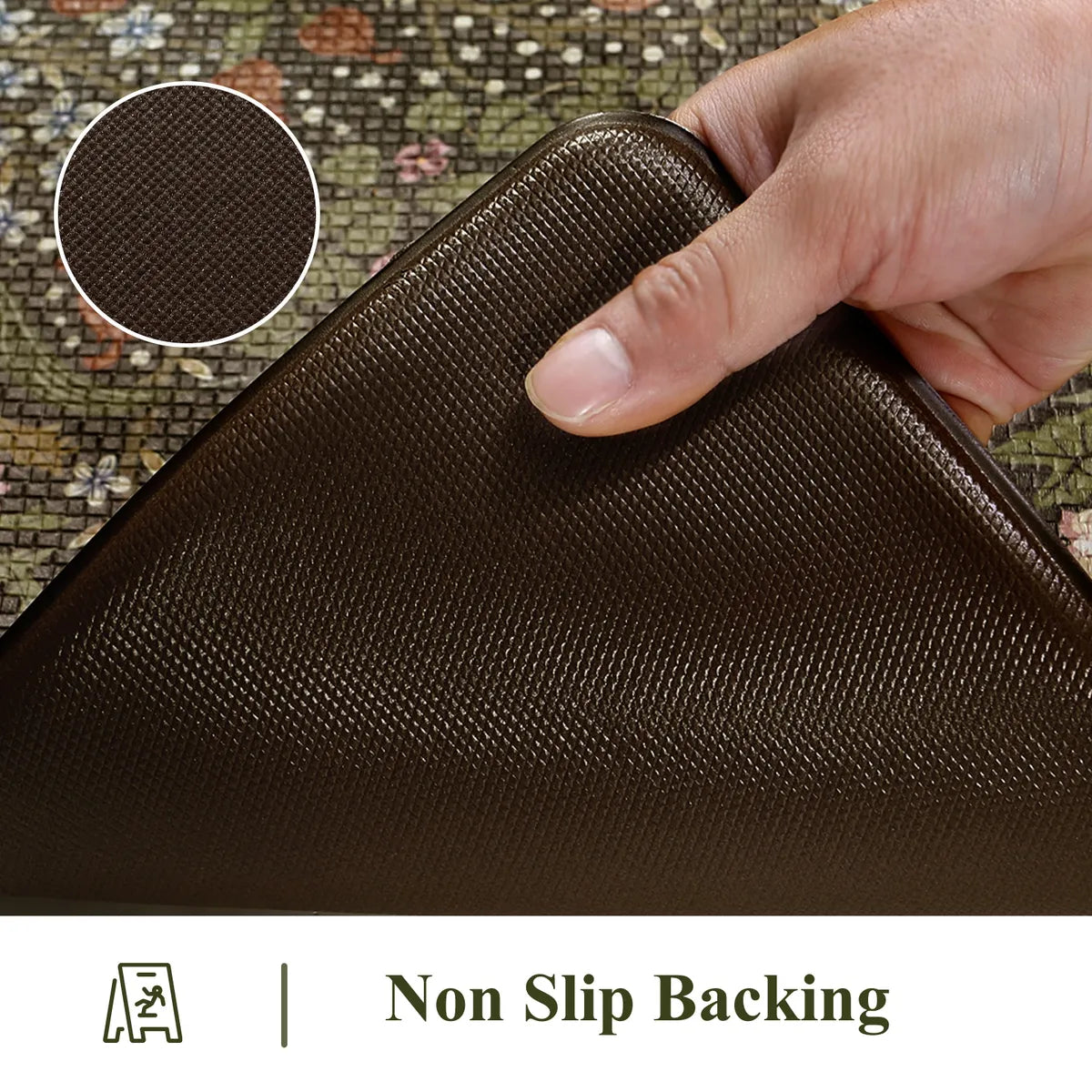
A low-pile, machine washable dining room rug with a non-slip backing is the most practical choice for under a dining table. Low-pile construction (short, densely packed fibers) stays flat under chair legs, is easier to clean after meals, and holds up better under repeated chair movement than high-pile alternatives. Spillproof fibers add an extra layer of protection for a space where liquid spills are a daily reality.
Q4. How Long Do Washable Rugs Last?
A well-maintained washable carpet can last many years with proper care. Washing on a regular schedule in cold water on a gentle cycle, air-drying flat, and vacuuming between meals all contribute to preserving the rug's fiber structure and appearance. Rotating the rug periodically also distributes wear more evenly, preventing any one area from breaking down faster than the rest.