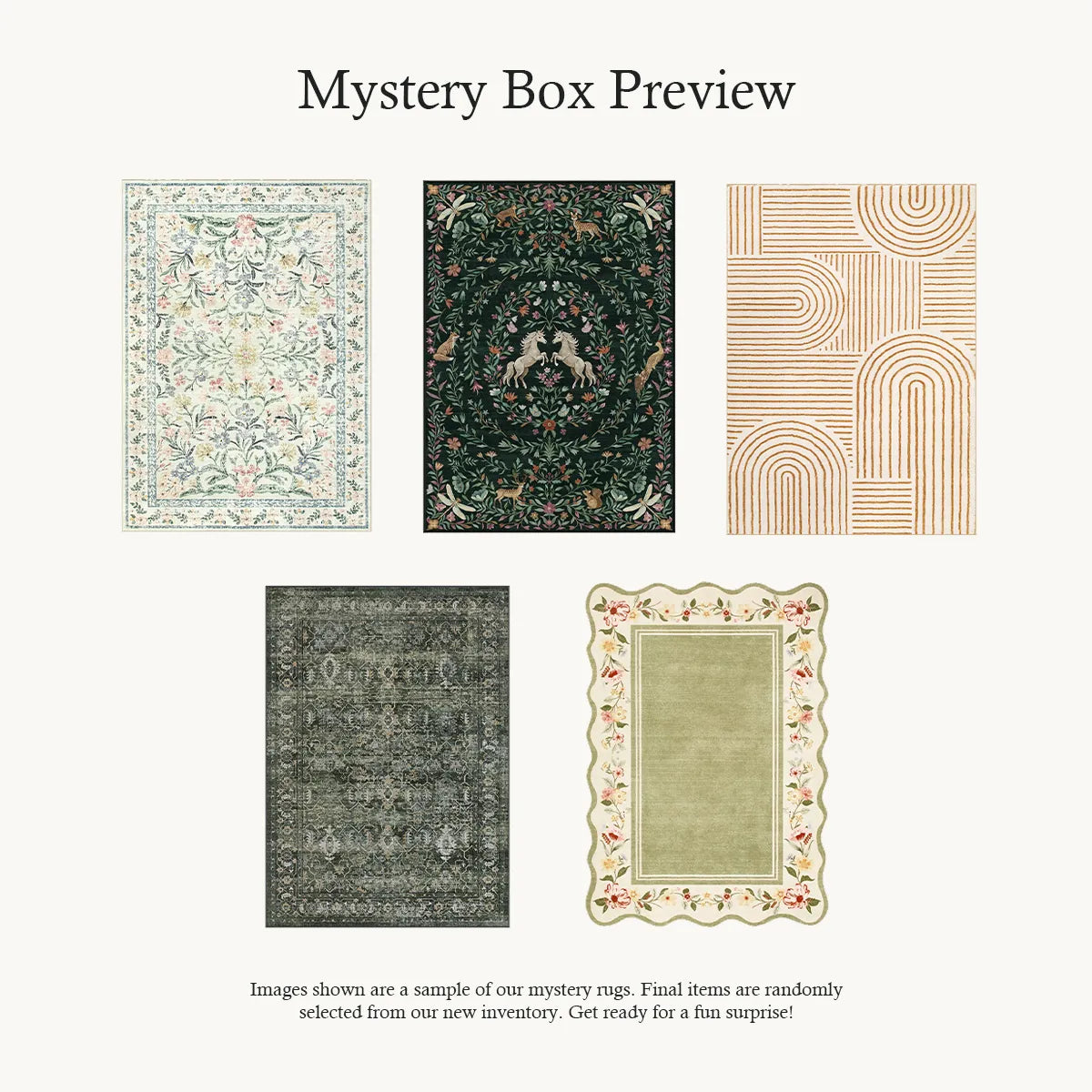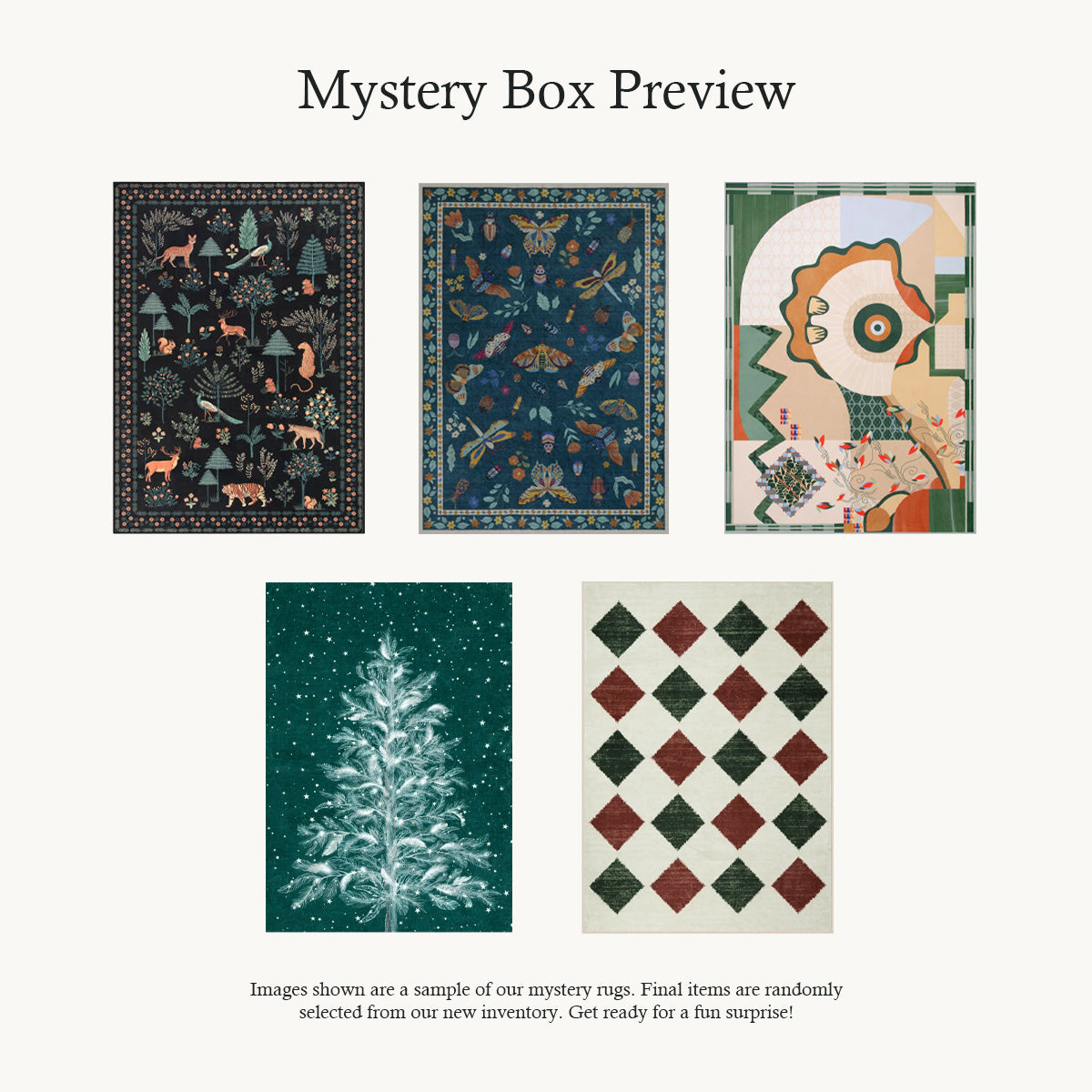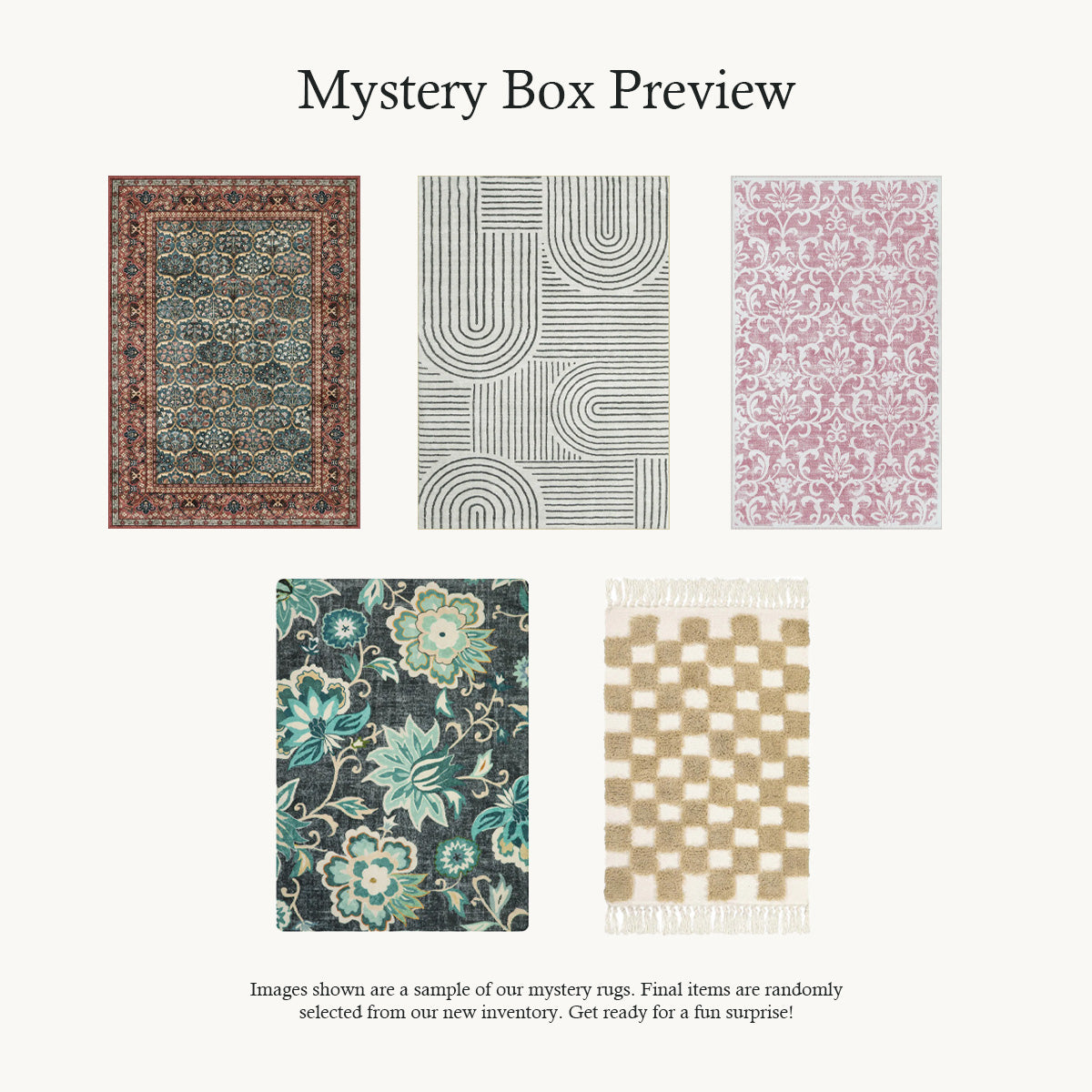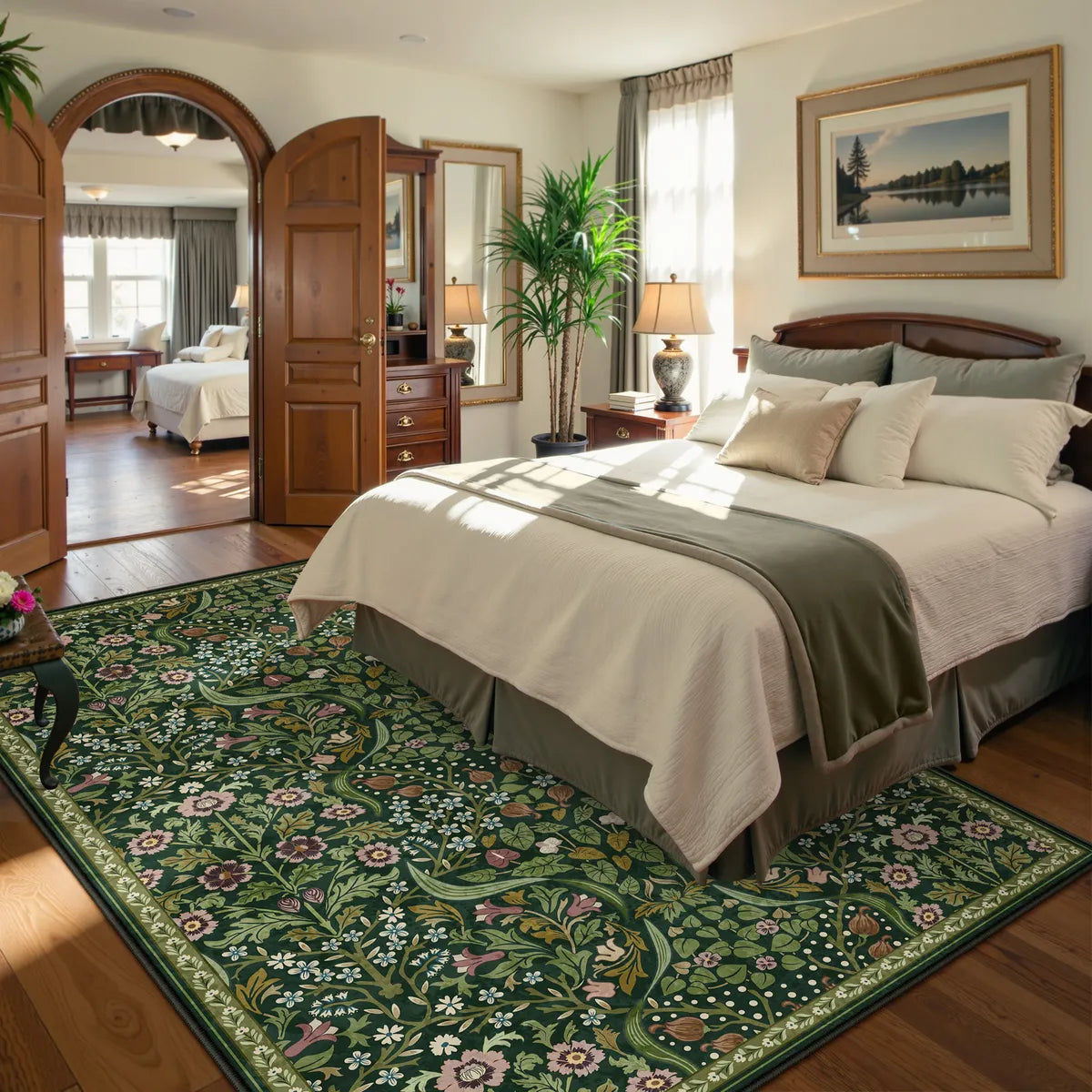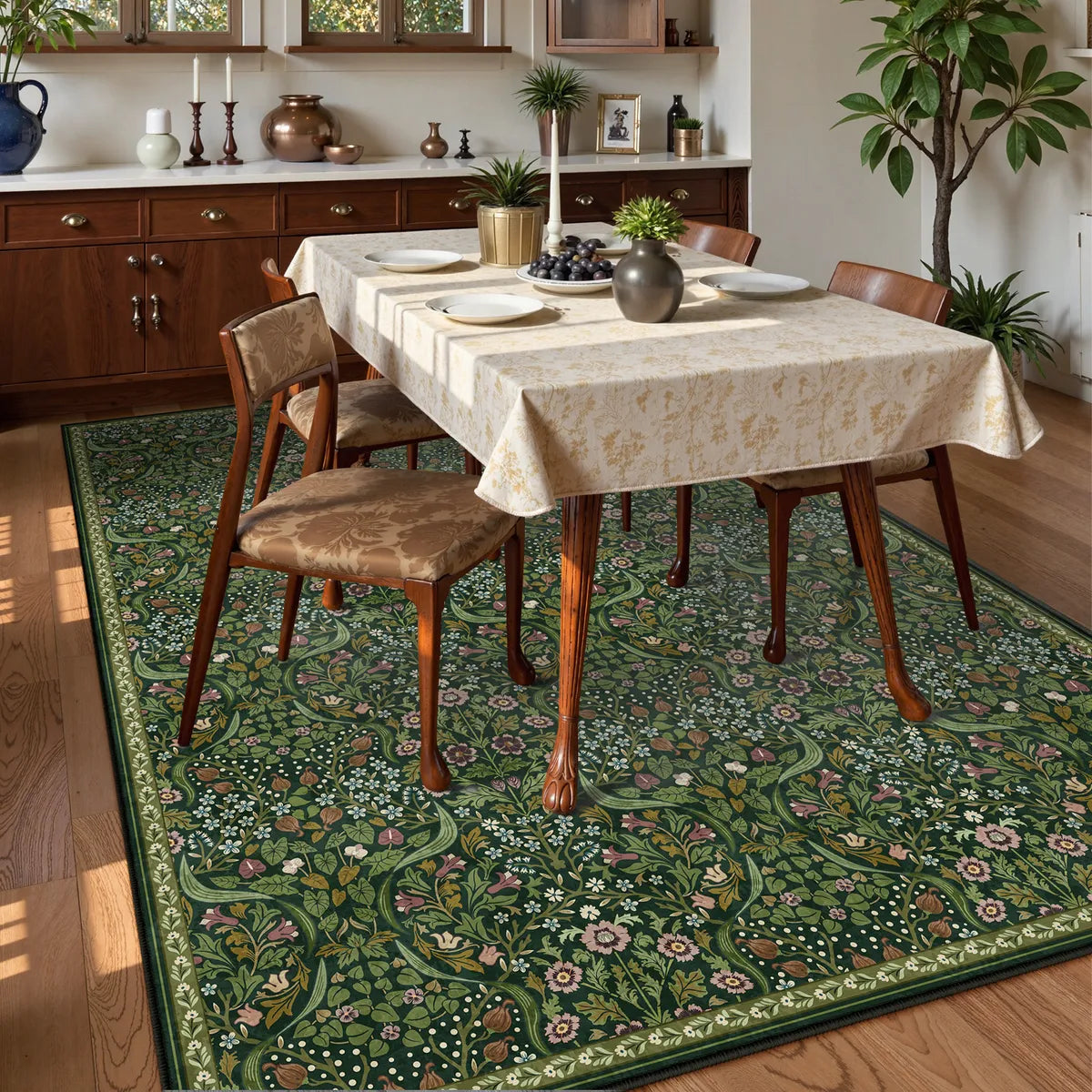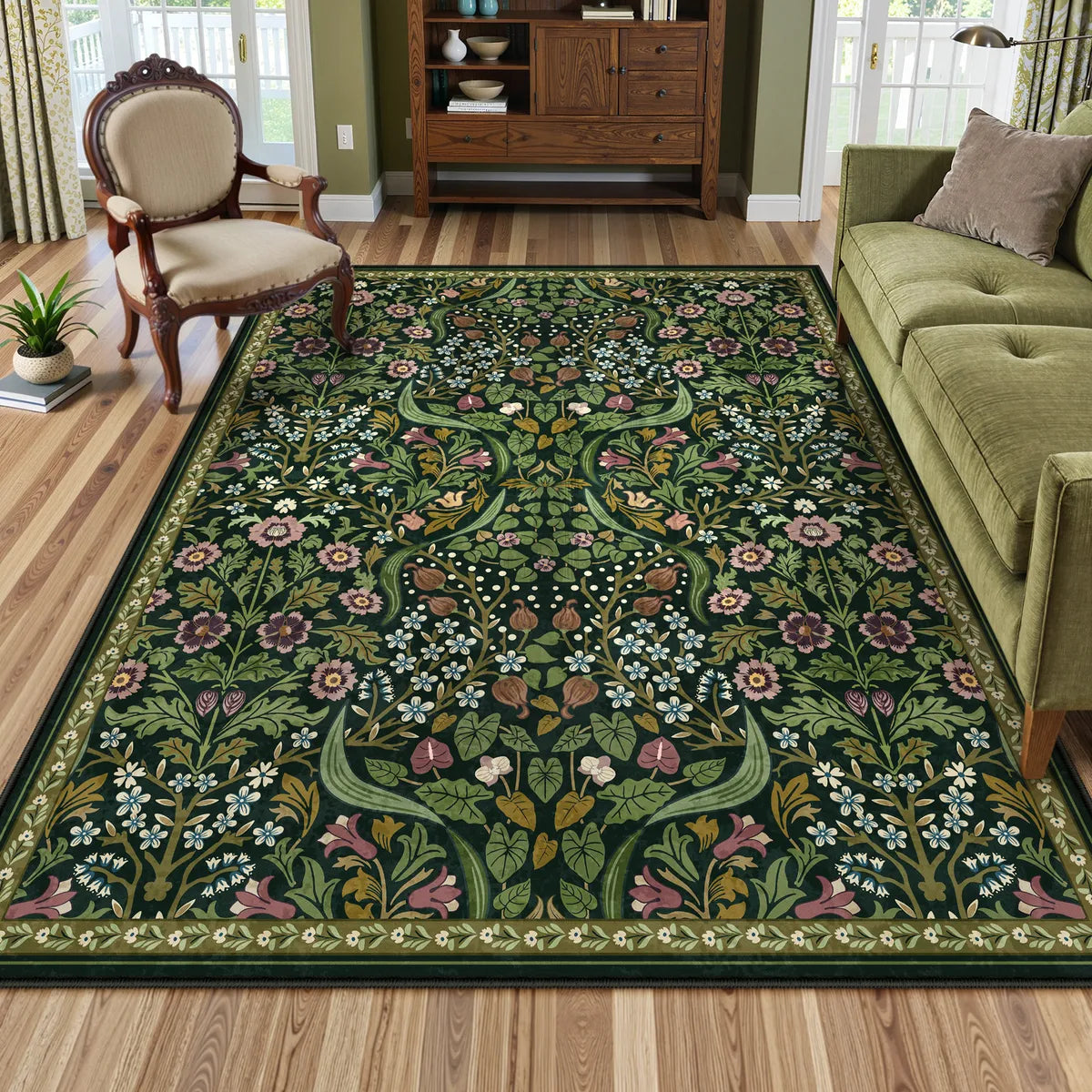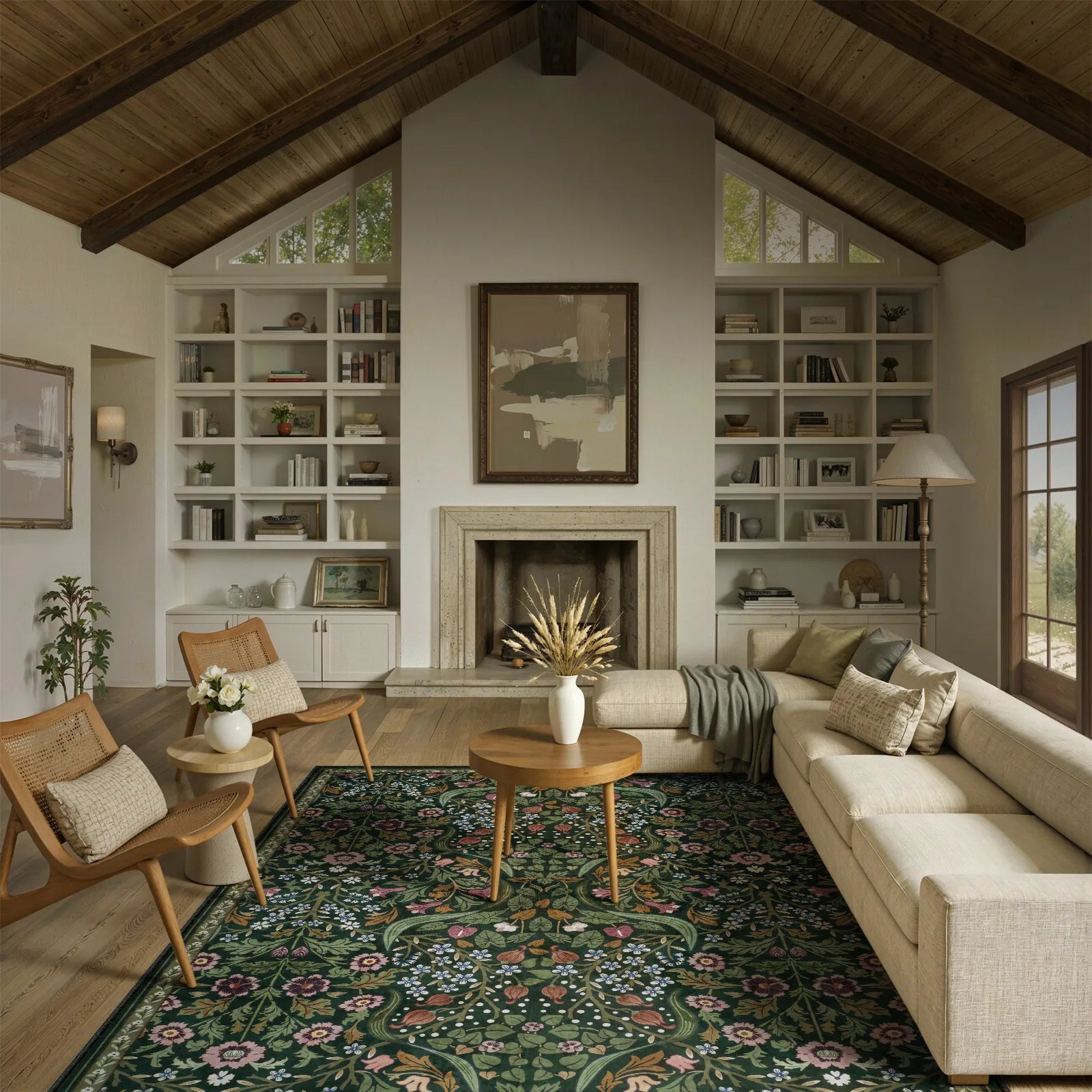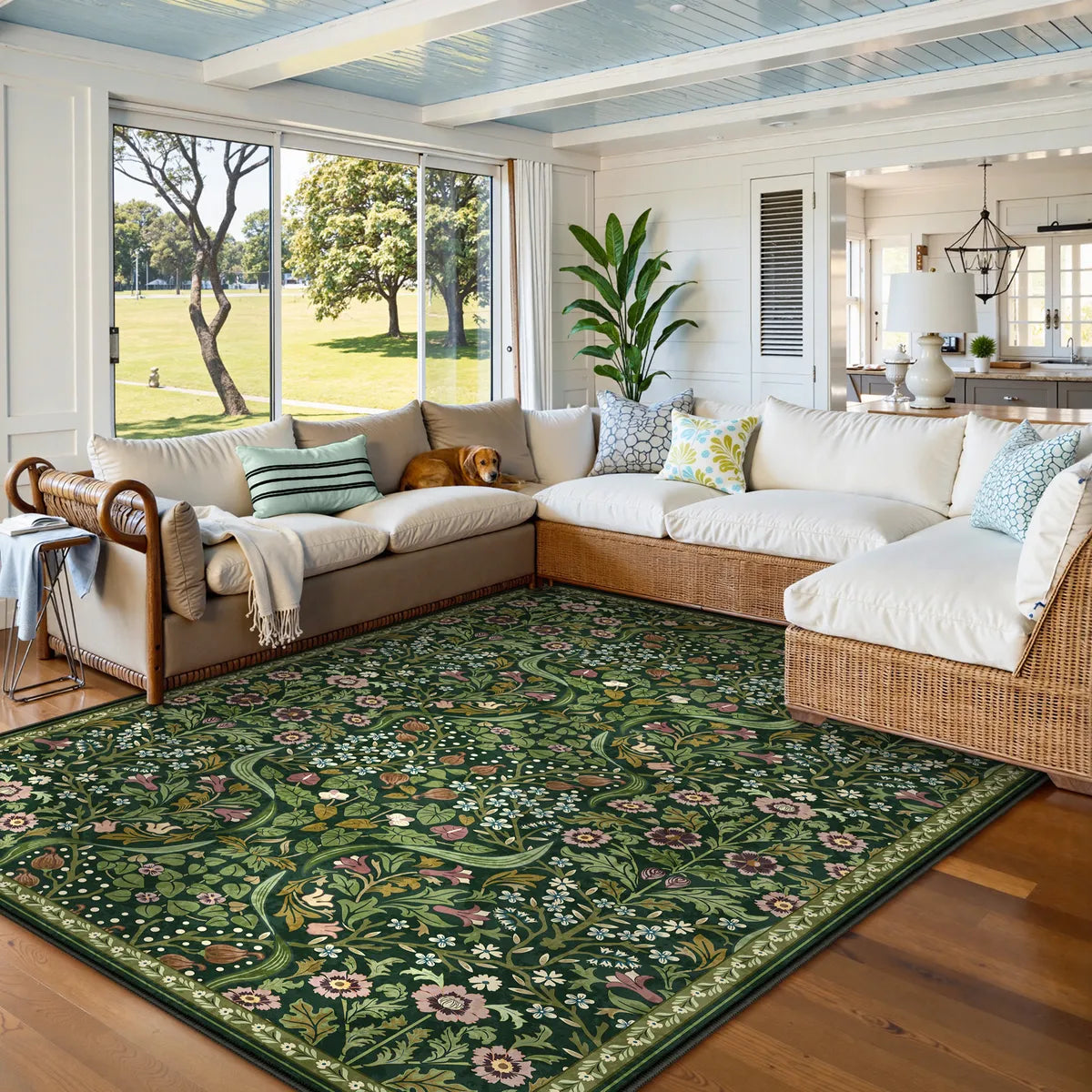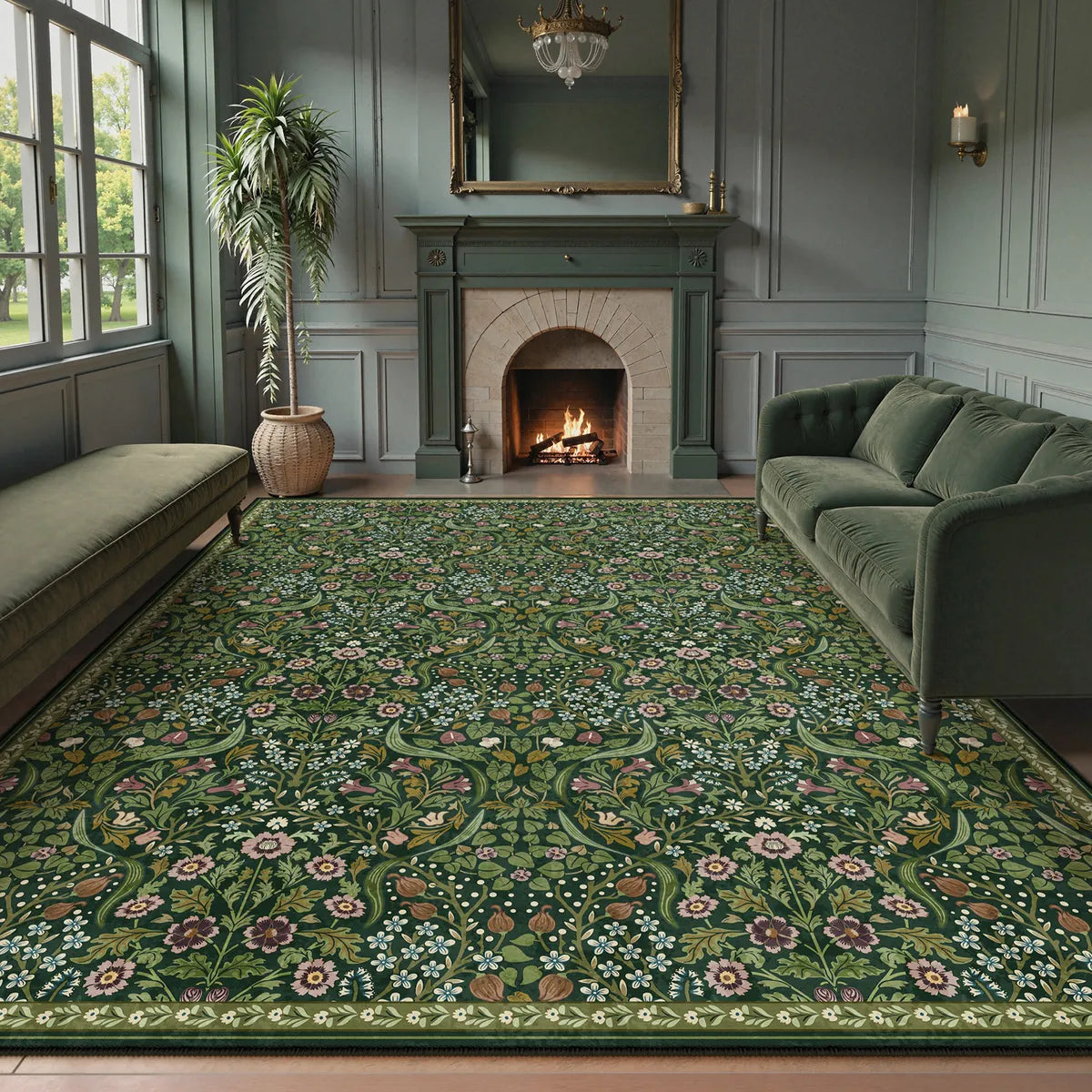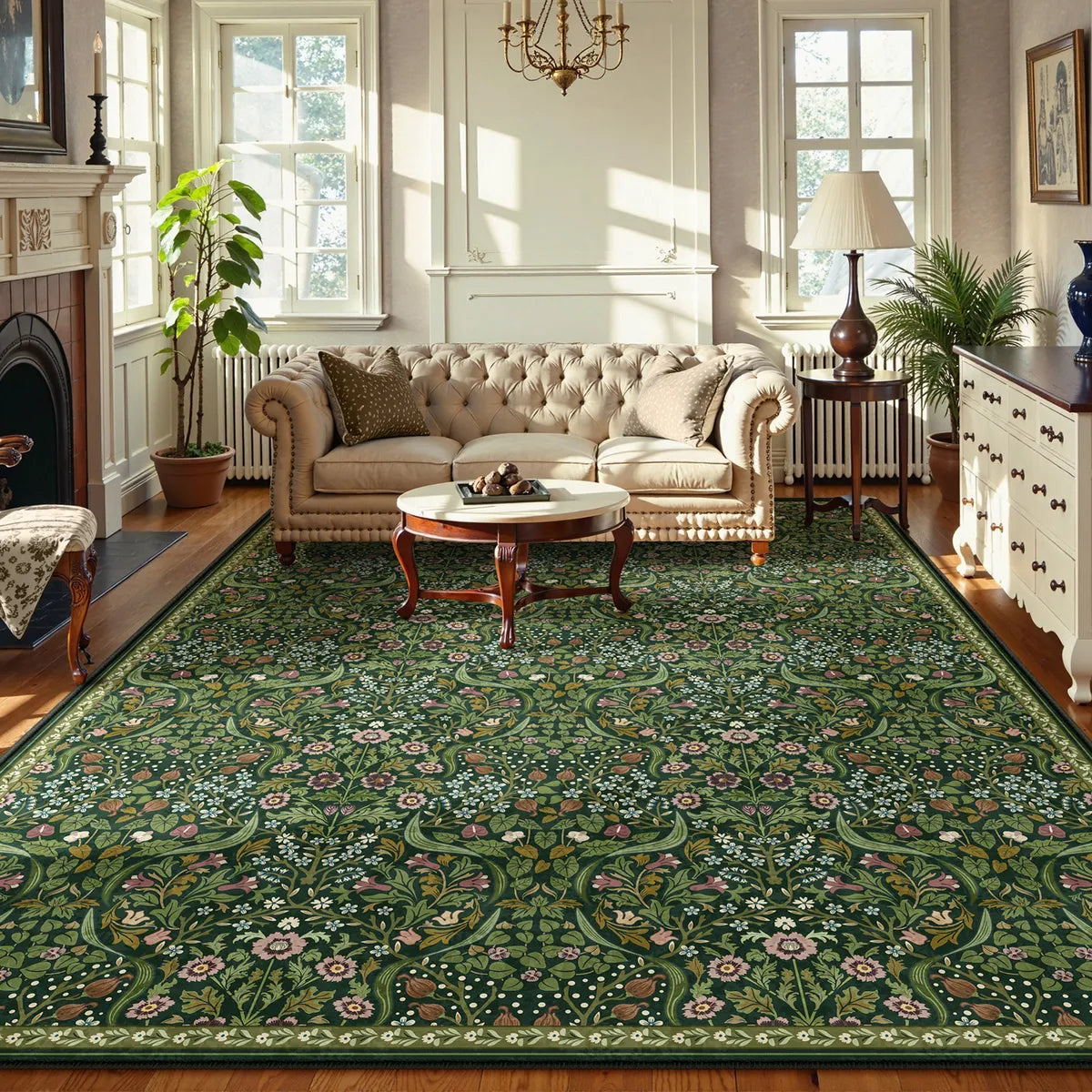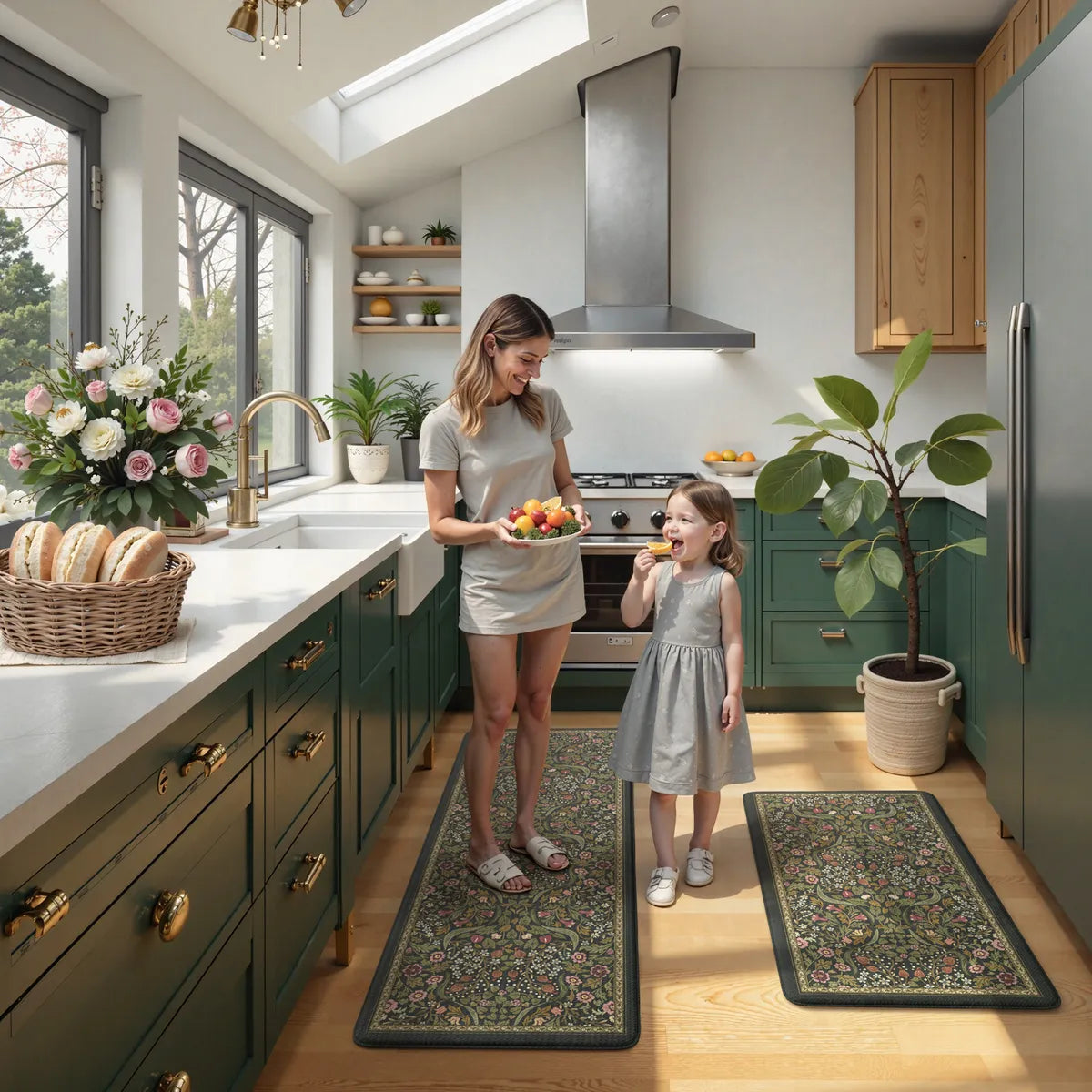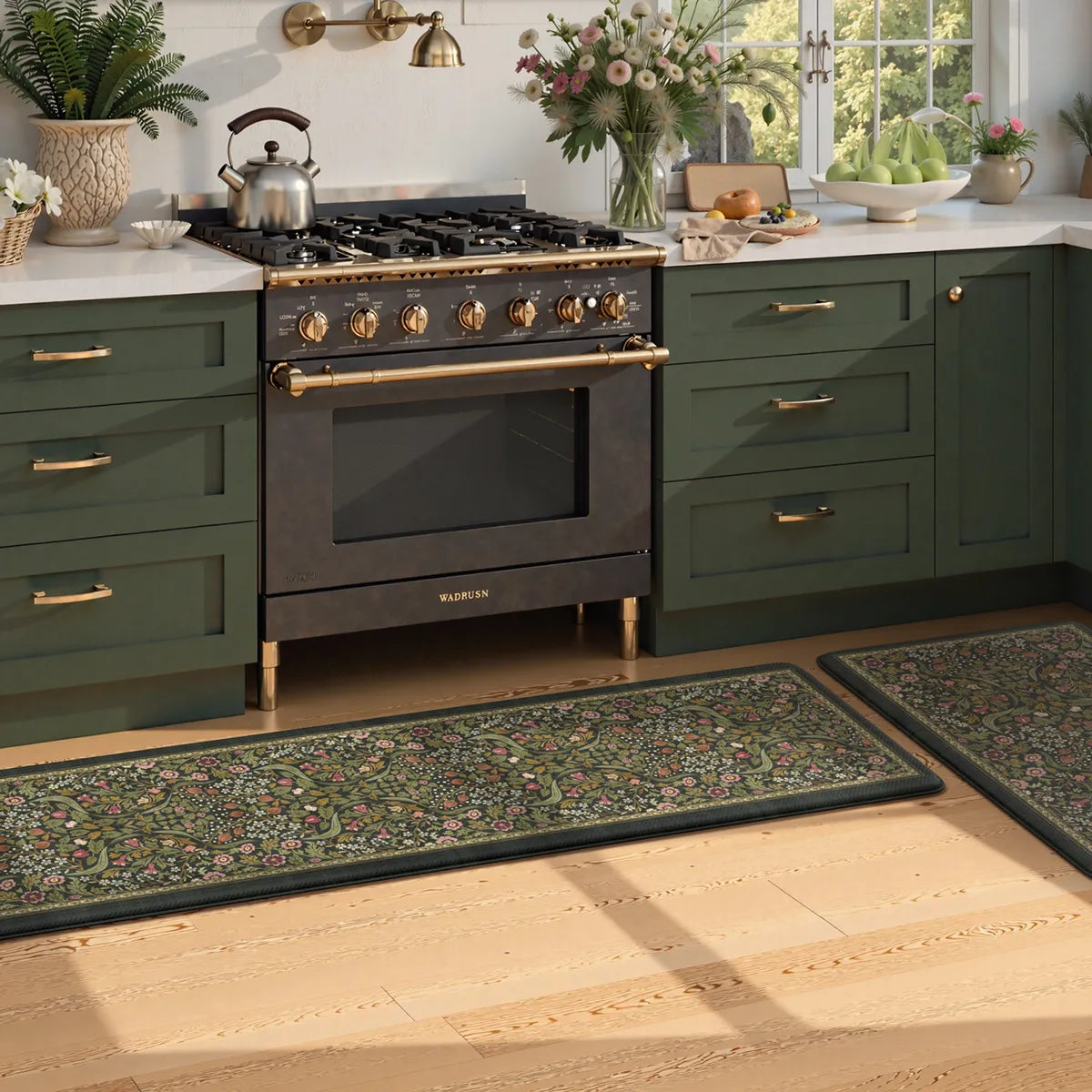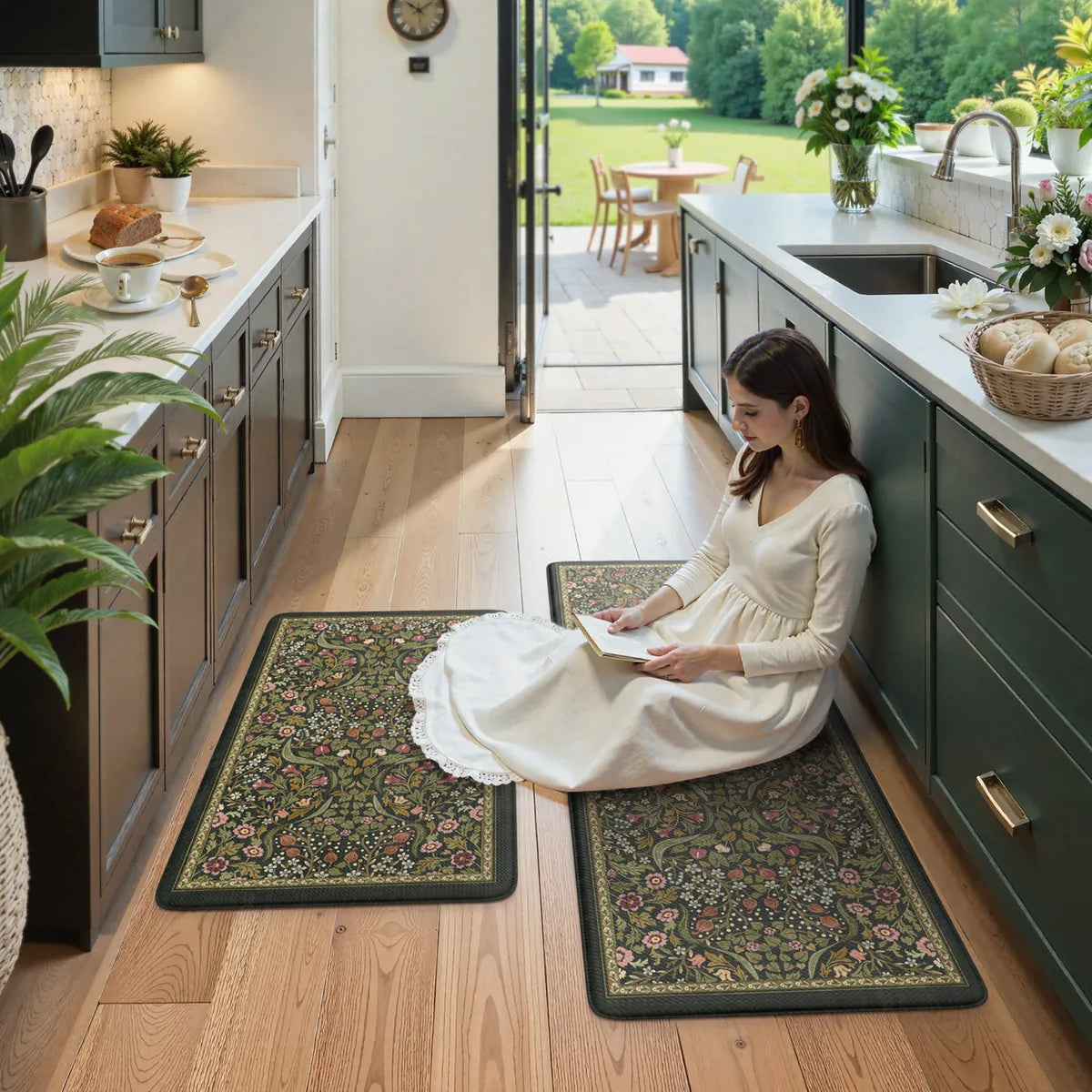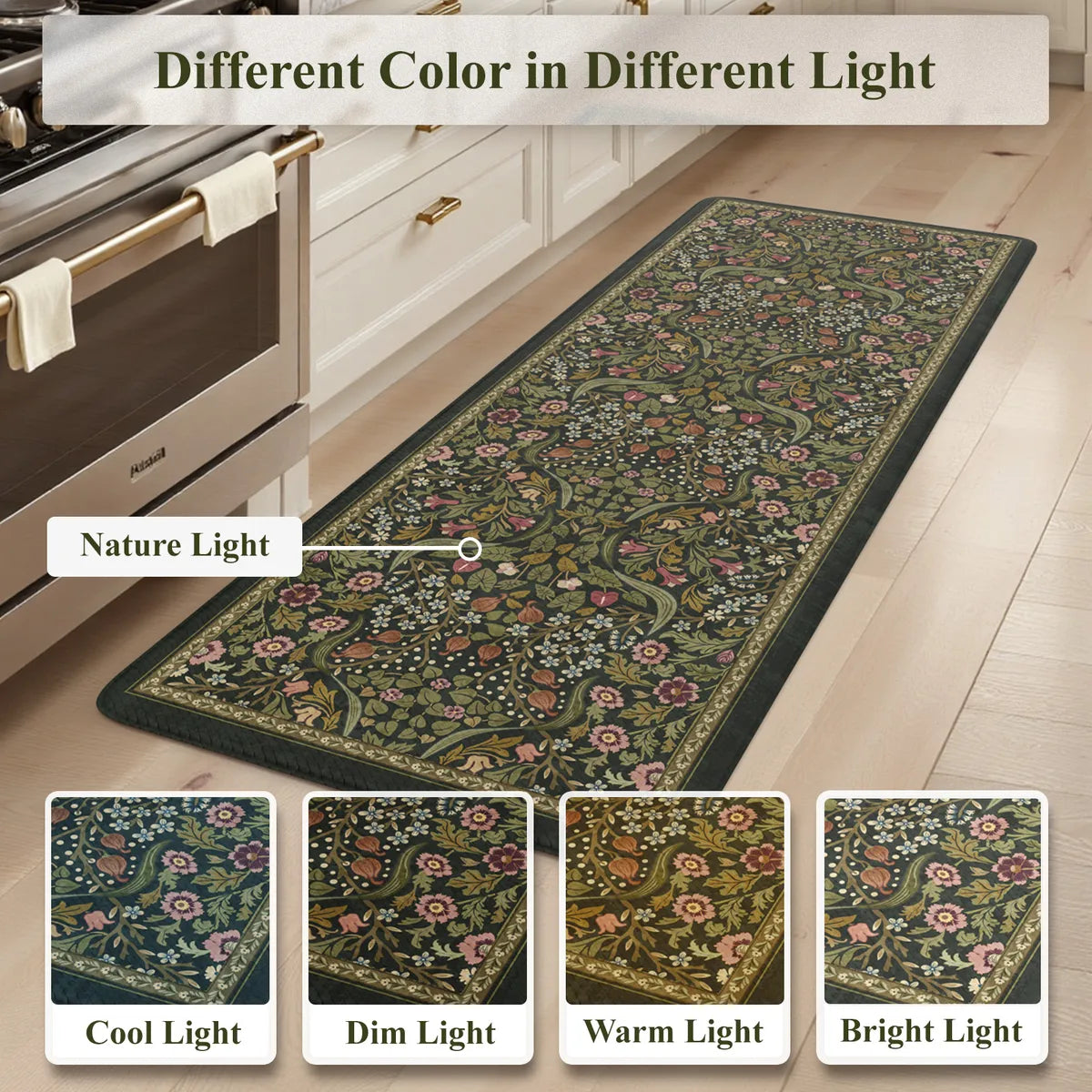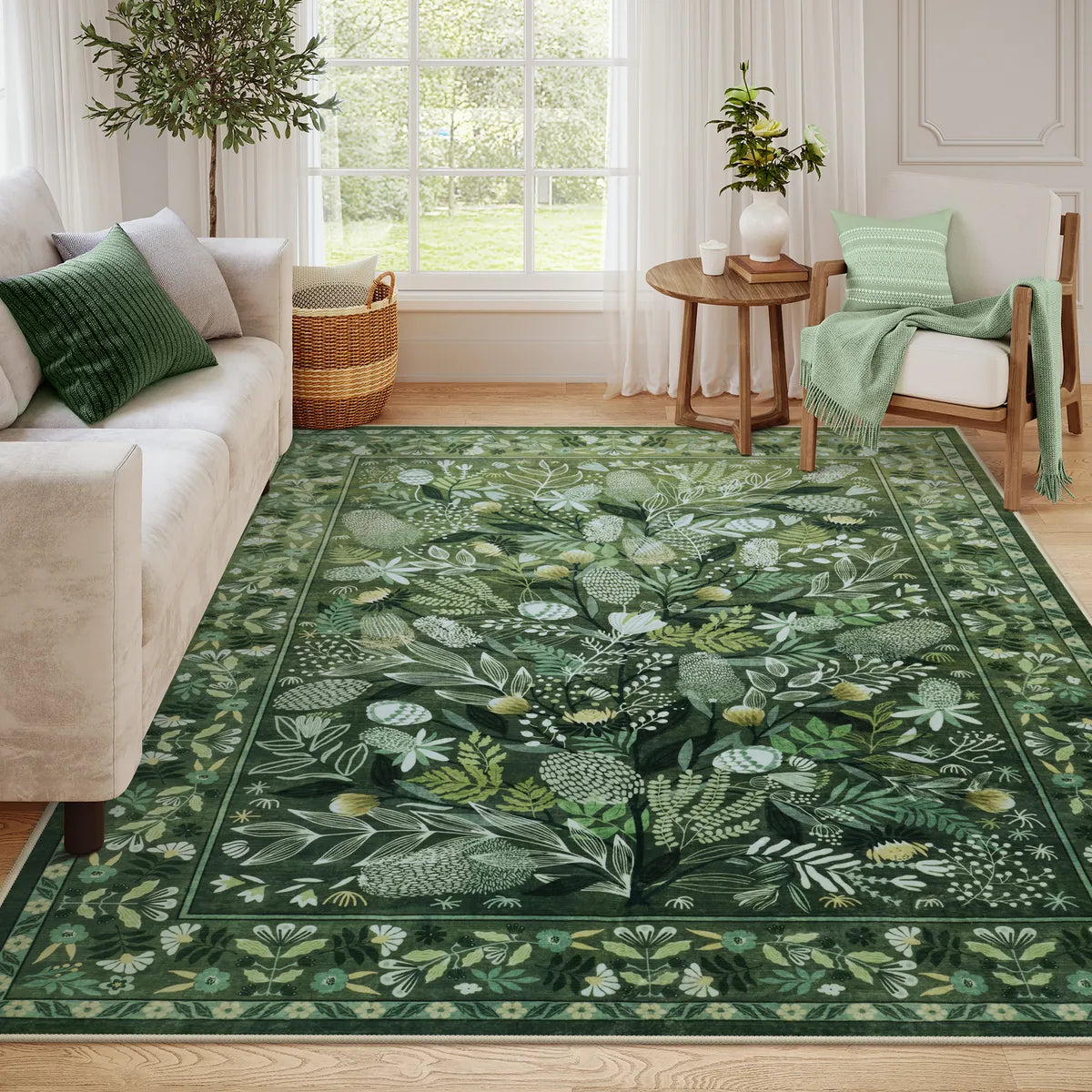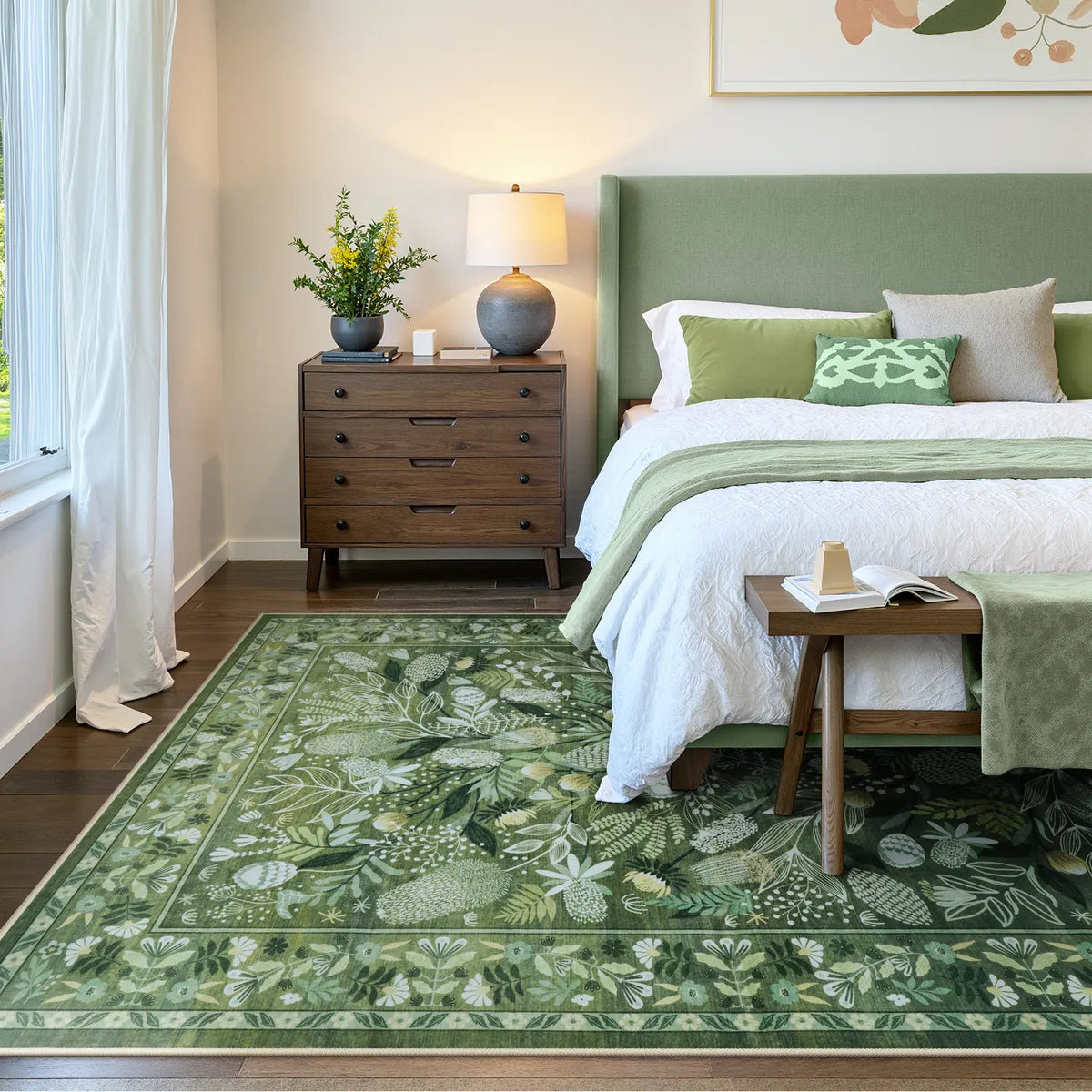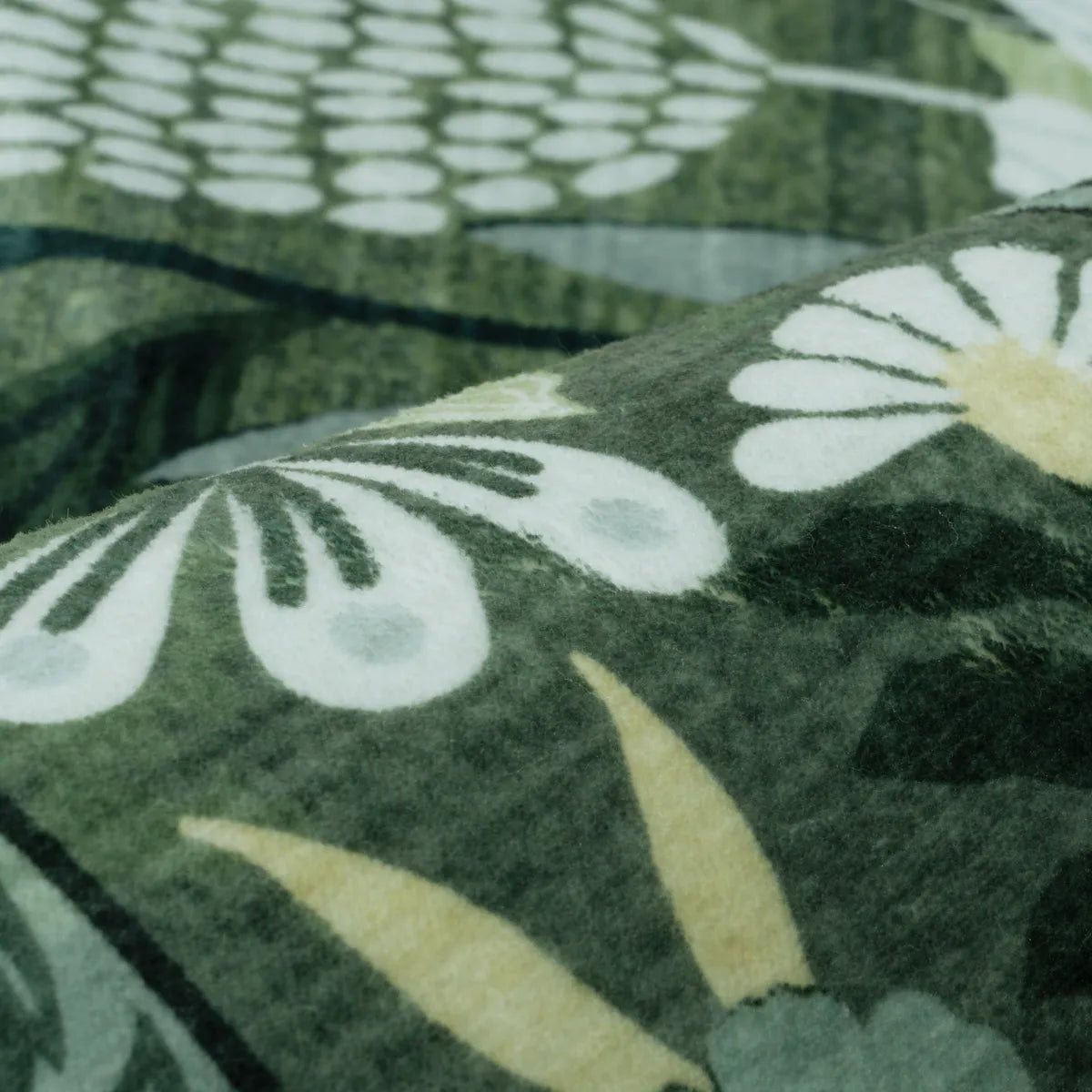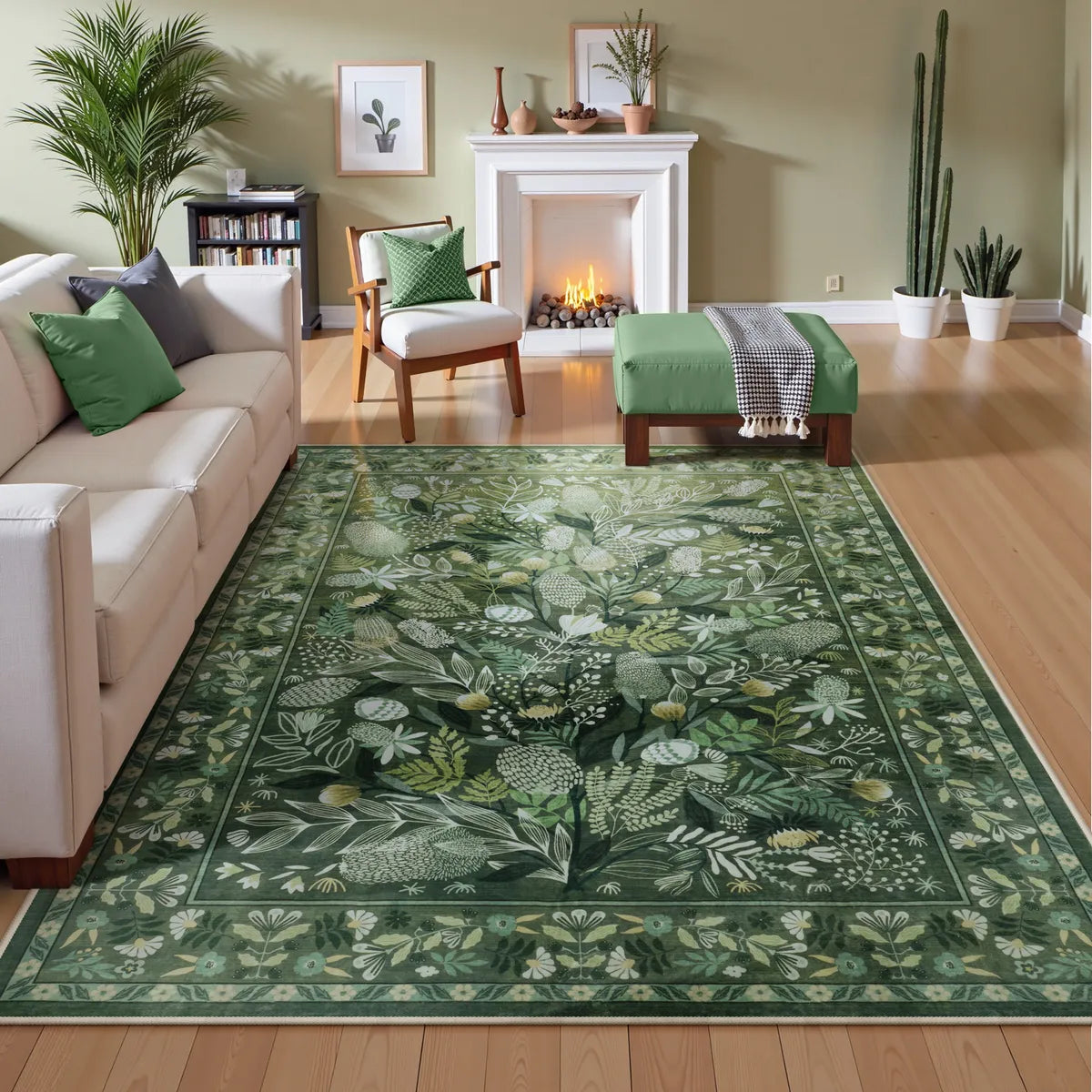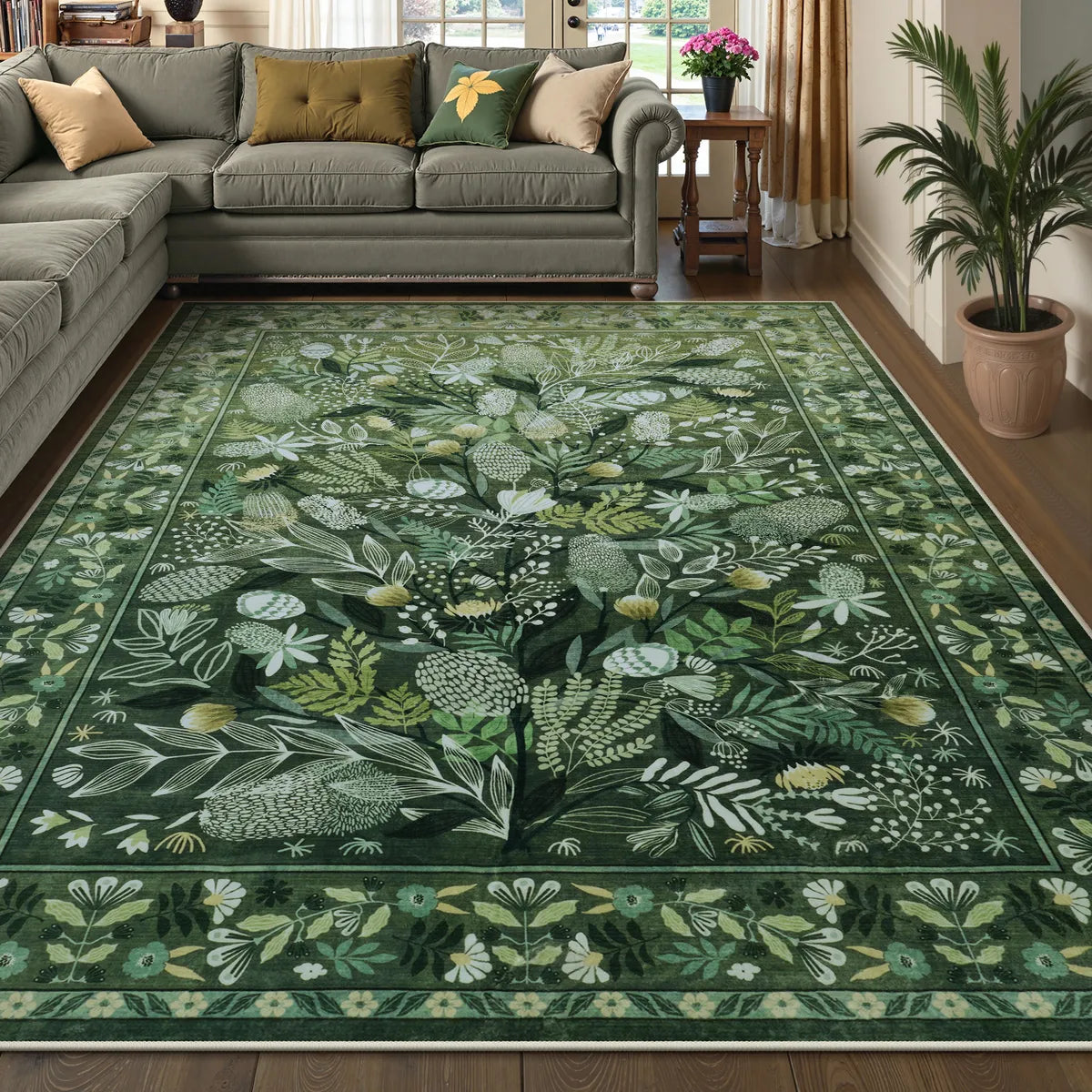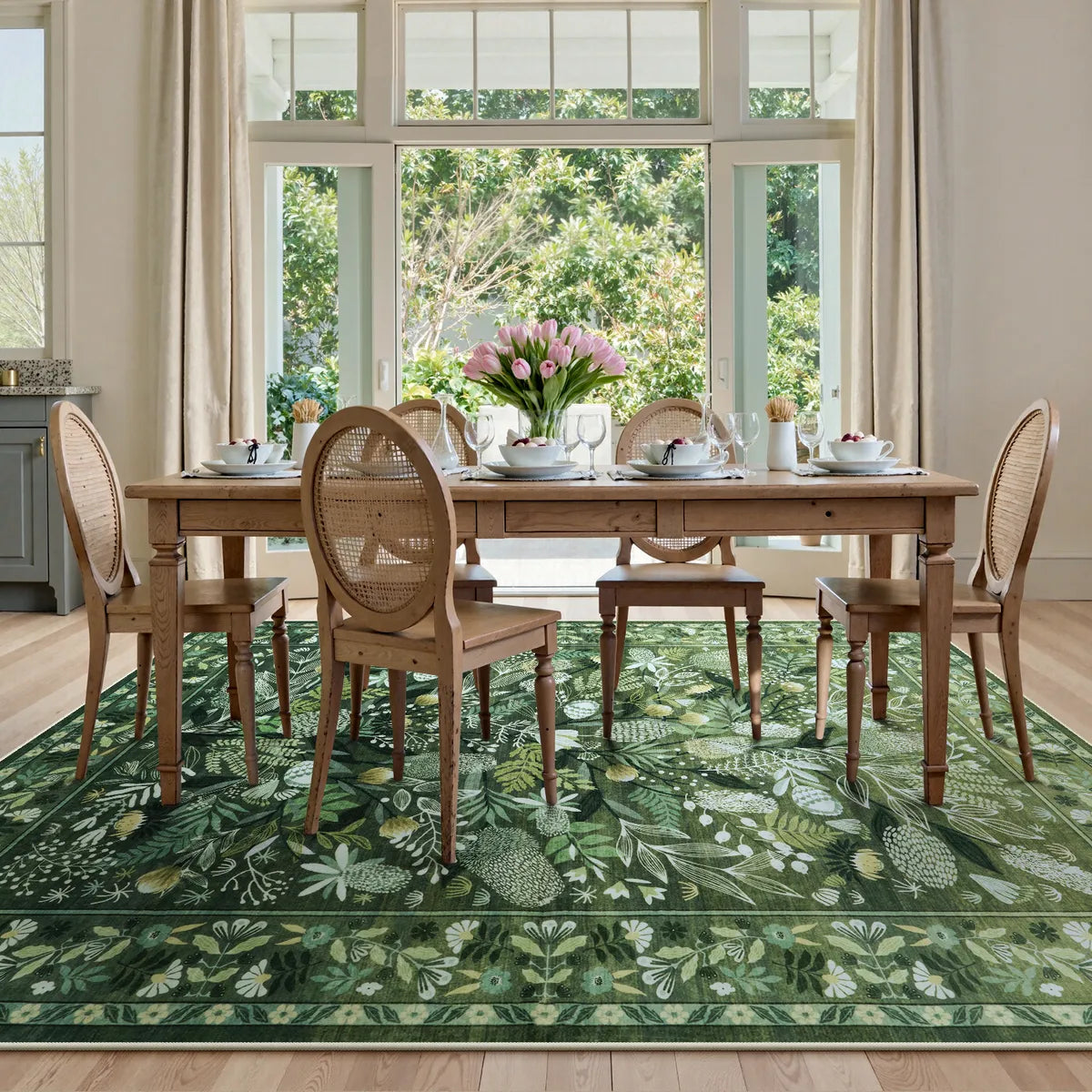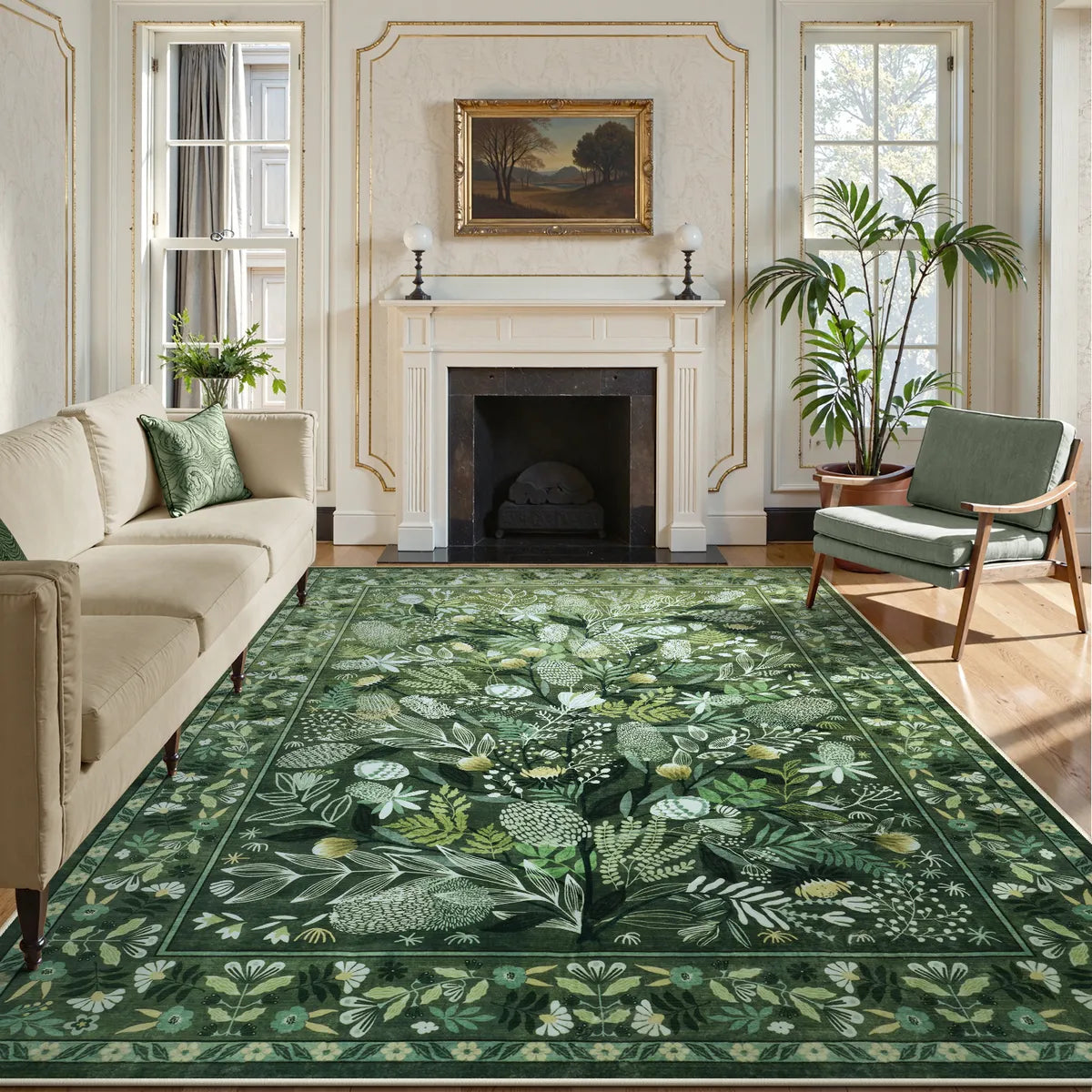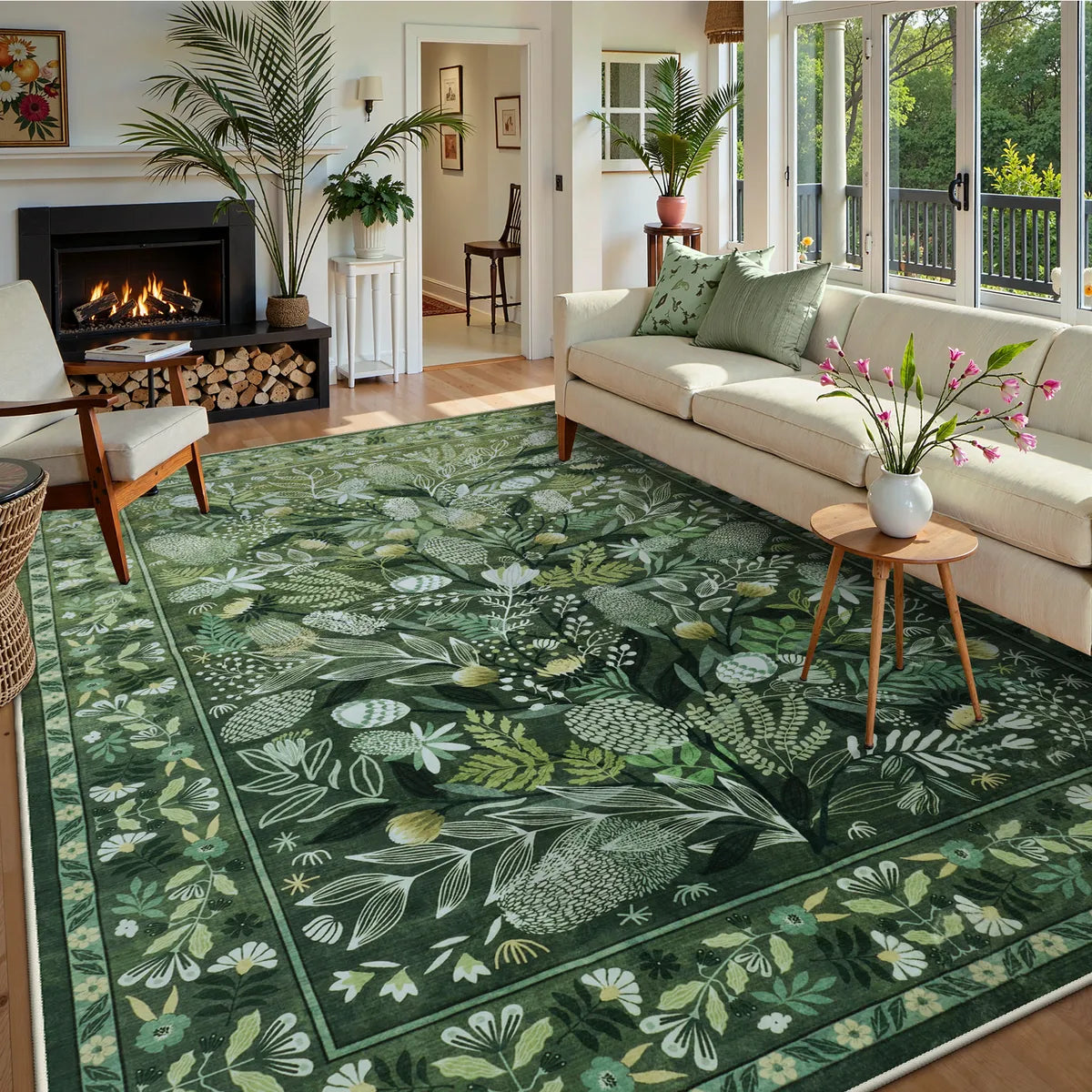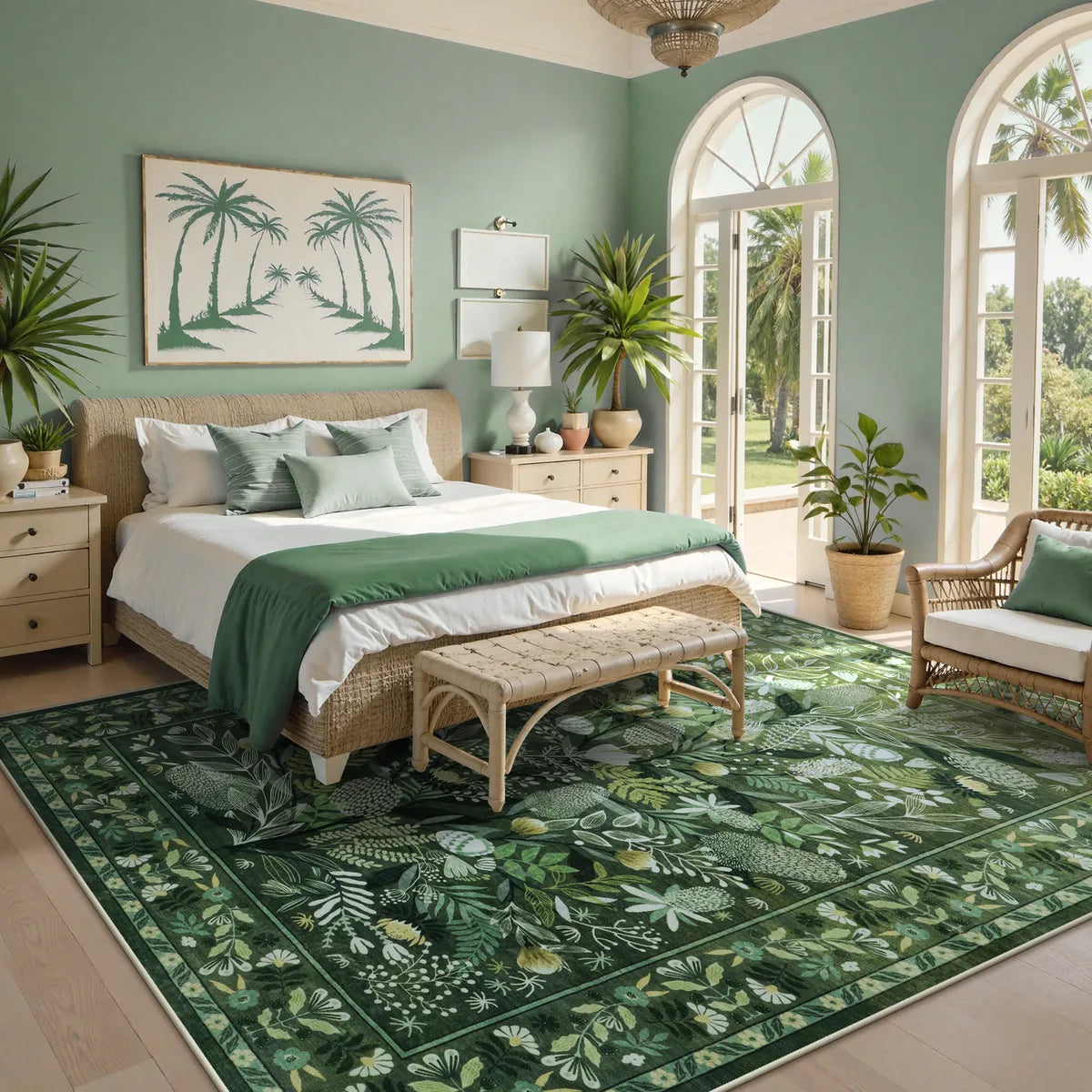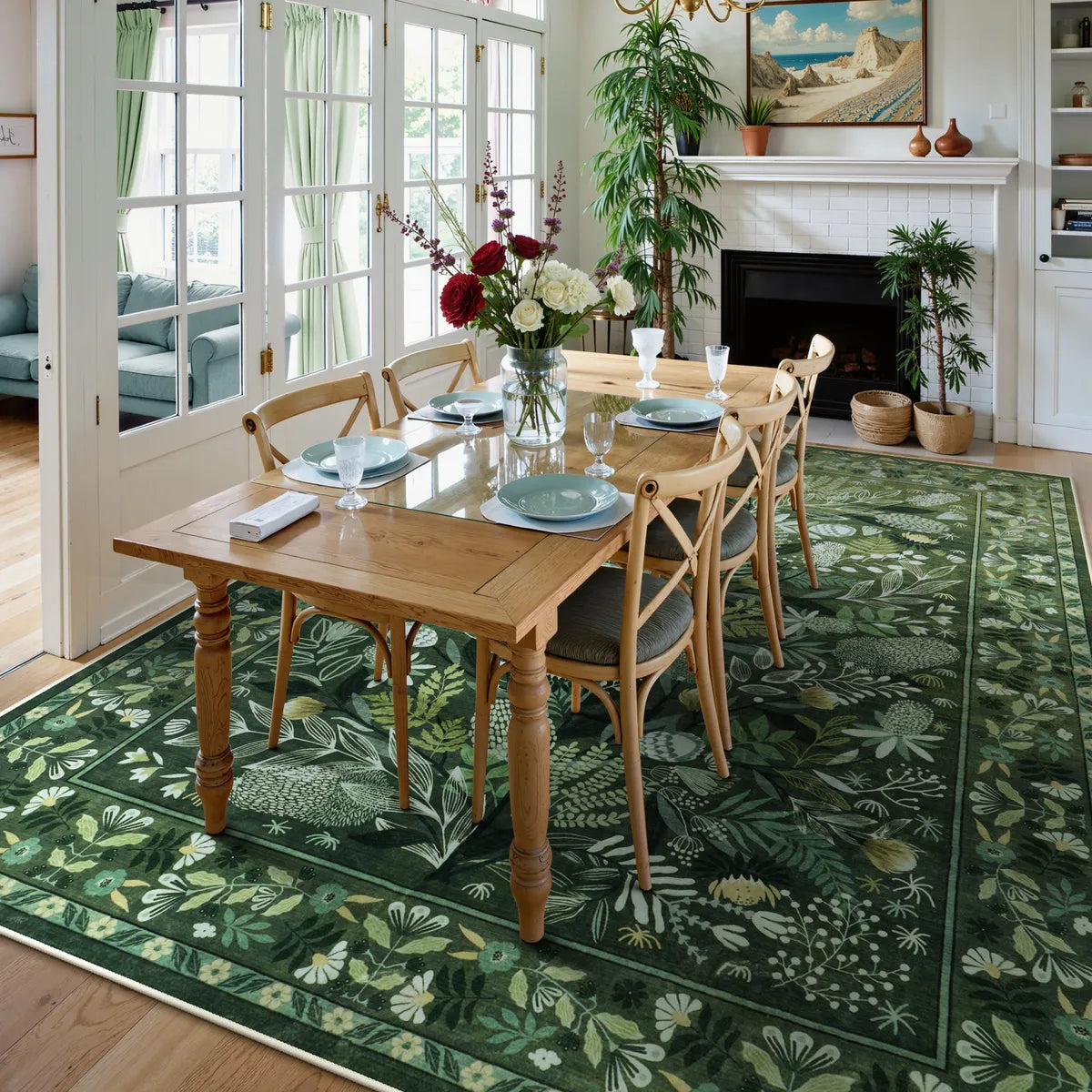


A focal point is the first thing a room communicates. Most spaces find it in a sofa, a piece of art, or a statement wall. But the most effective focal point in any room is the one you can't miss and can't move away from: the floor. An animal print rug commands a room from the ground up, drawing every eye downward before anyone even registers the furniture above it. Here's how to use that power intentionally.
Quick Takeaways
- Animal print rugs work as focal points because of their narrative imagery, high contrast, and large-scale composition.
- Tiger rugs and snake rugs suit adult spaces best when surrounded by neutral walls and solid-color furniture.
- The key to balancing a bold animal print rug is keeping it the only major pattern in the room.
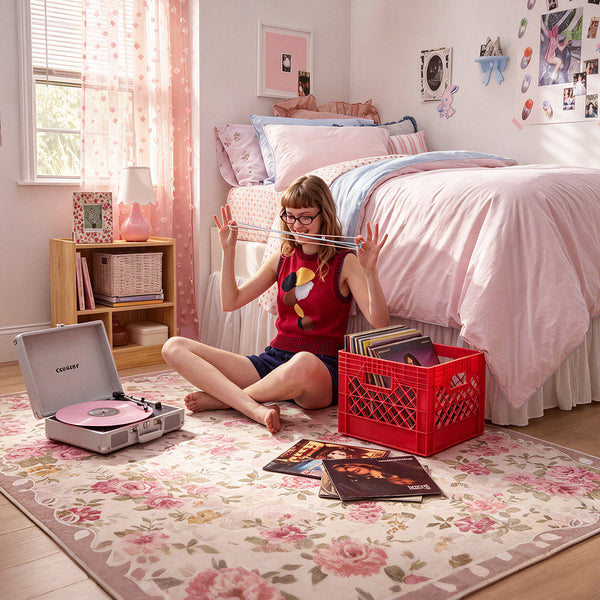
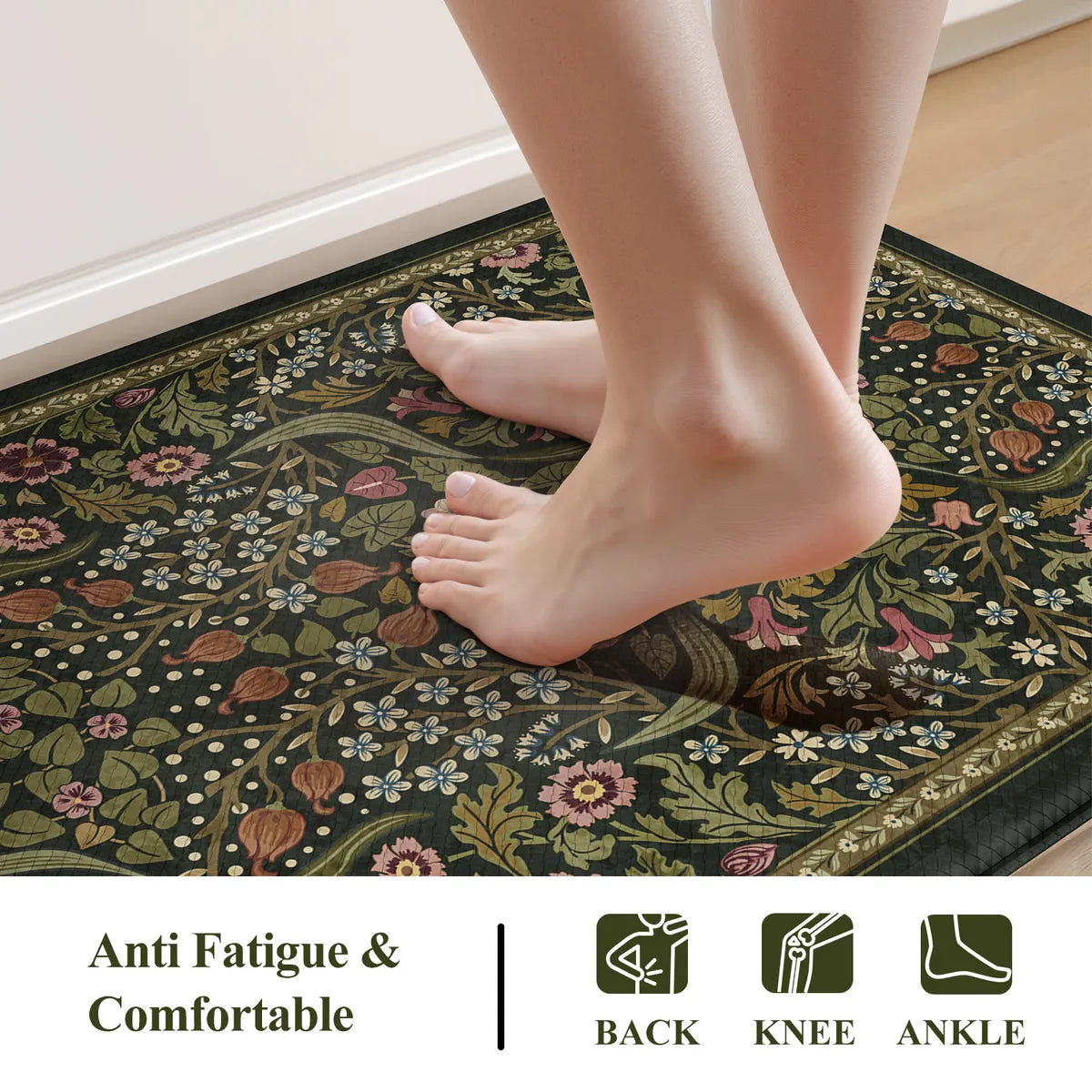
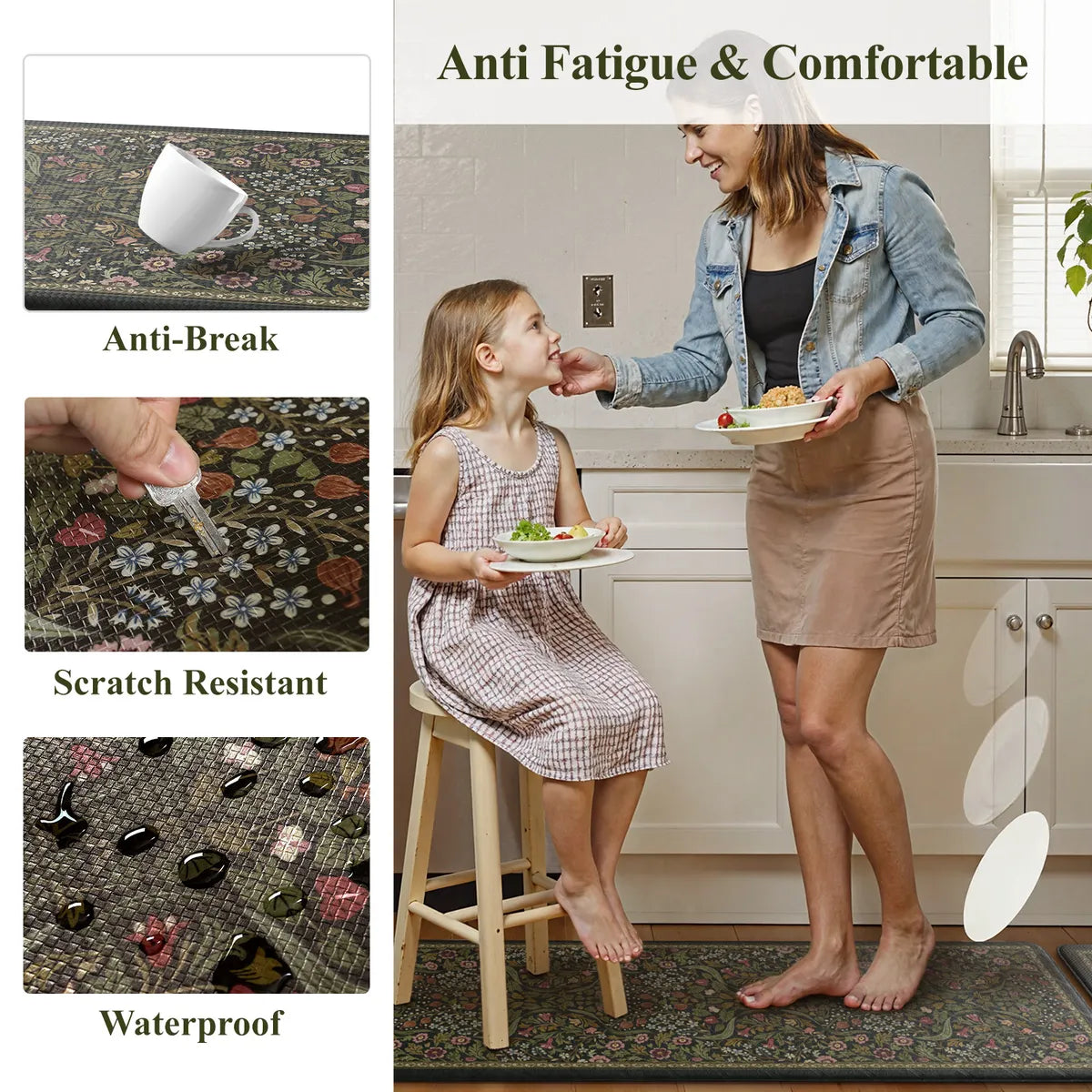
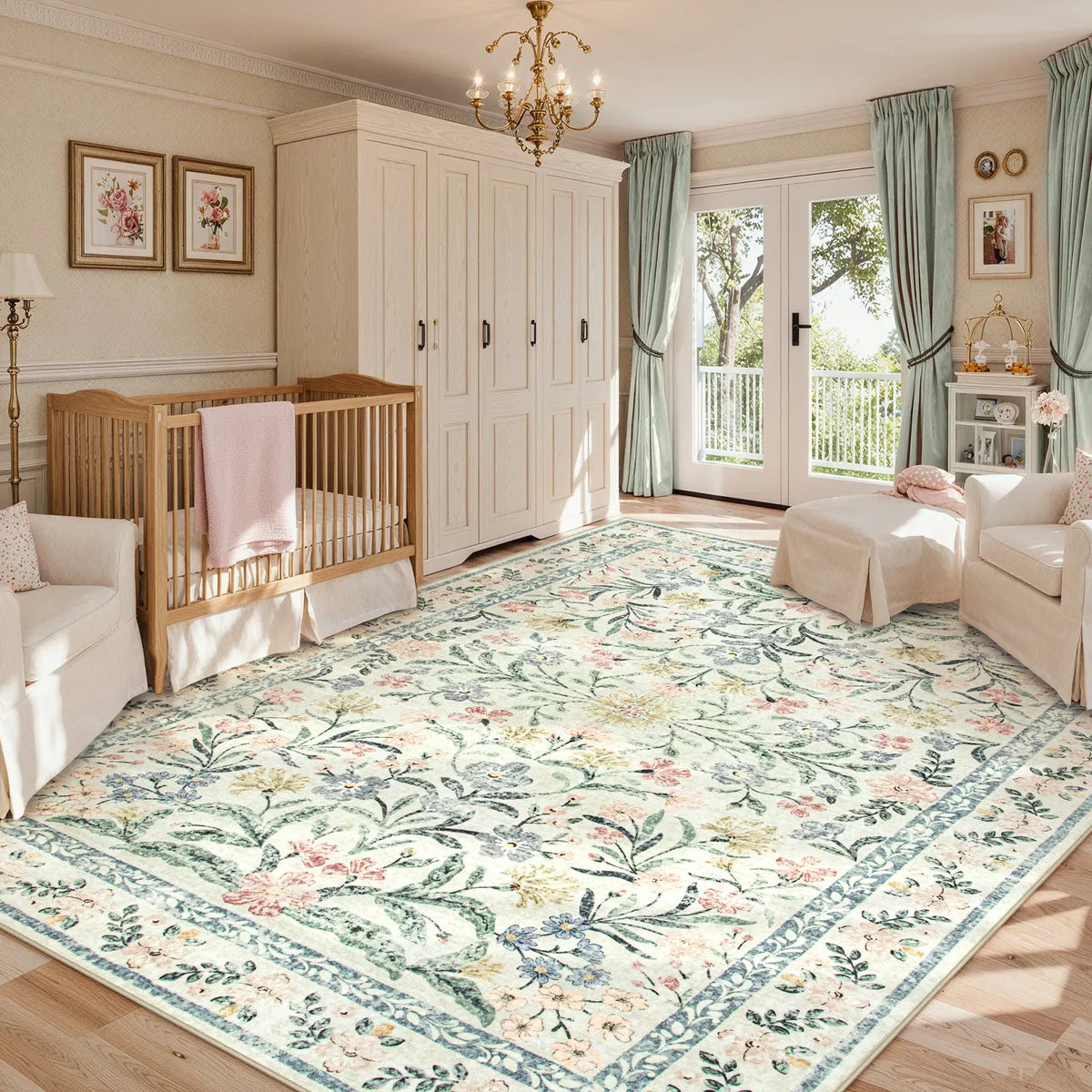
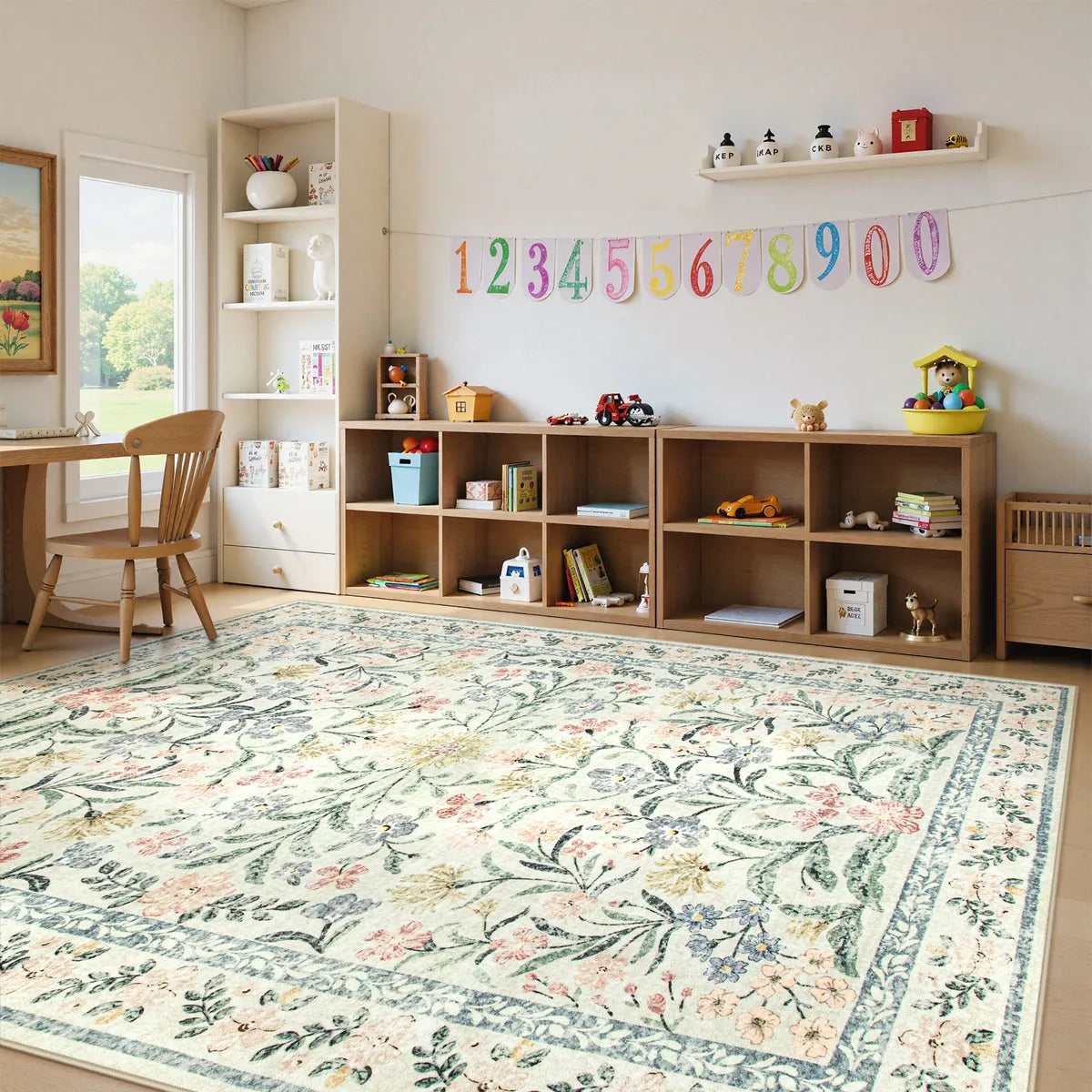
- Flower rugs, insect rugs, and bug rugs are a practical and visually rich choice for playrooms and nurseries.
- Machine washability is the baseline practical feature for any animal print rug in a high-use space.
What Makes an Animal Print Rug an Effective Interior Focal Point

A focal point works by concentrating visual attention on a single element and letting everything else support it. A well-placed animal print rug does this from the ground up, anchoring the entire arrangement around one surface.
The reason comes down to pattern psychology. Bold, figurative imagery (patterns that depict recognizable subjects rather than abstract shapes) engages the eye at a deeper level than a solid color or subtle texture. The brain reads a tiger, a coiling snake, or a jungle scene and lingers there.
Three qualities that give animal print rugs this focal point power:
- Narrative imagery: A rug featuring a prowling tiger or a winding snake tells a visual story. Narrative patterns hold attention longer than decorative ones, making the rug feel like a design choice rather than a floor covering.
- Contrast and detail: Animal print rugs typically combine high-contrast color relationships with intricate surface detail. Both elements pull the eye in and reward close attention.
- Scale: A large animal print rug fills the floor plane with a single, unified image. At 8x10 or 9x12, the design reads as a complete composition rather than a repeating tile, which gives it the visual weight of a piece of art.
How Tiger Rugs and Snake Rugs Create a Bold Design Statement
Tiger rugs and snake rugs sit at the most maximalist end of the animal print spectrum. Both feature strong, iconic imagery that immediately communicates a specific design intention. Used correctly, the rug is the statement. Everything placed around it functions as a frame.
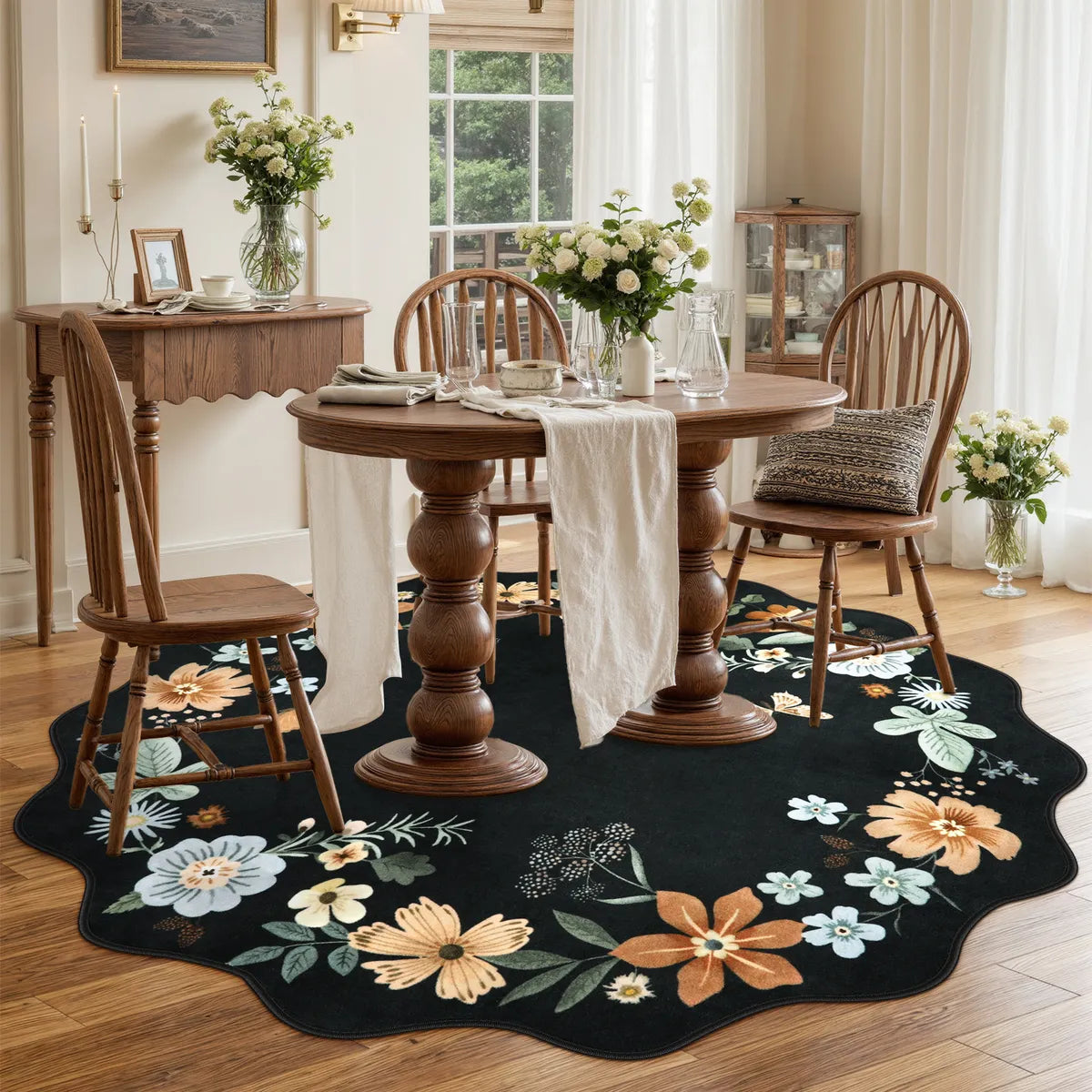
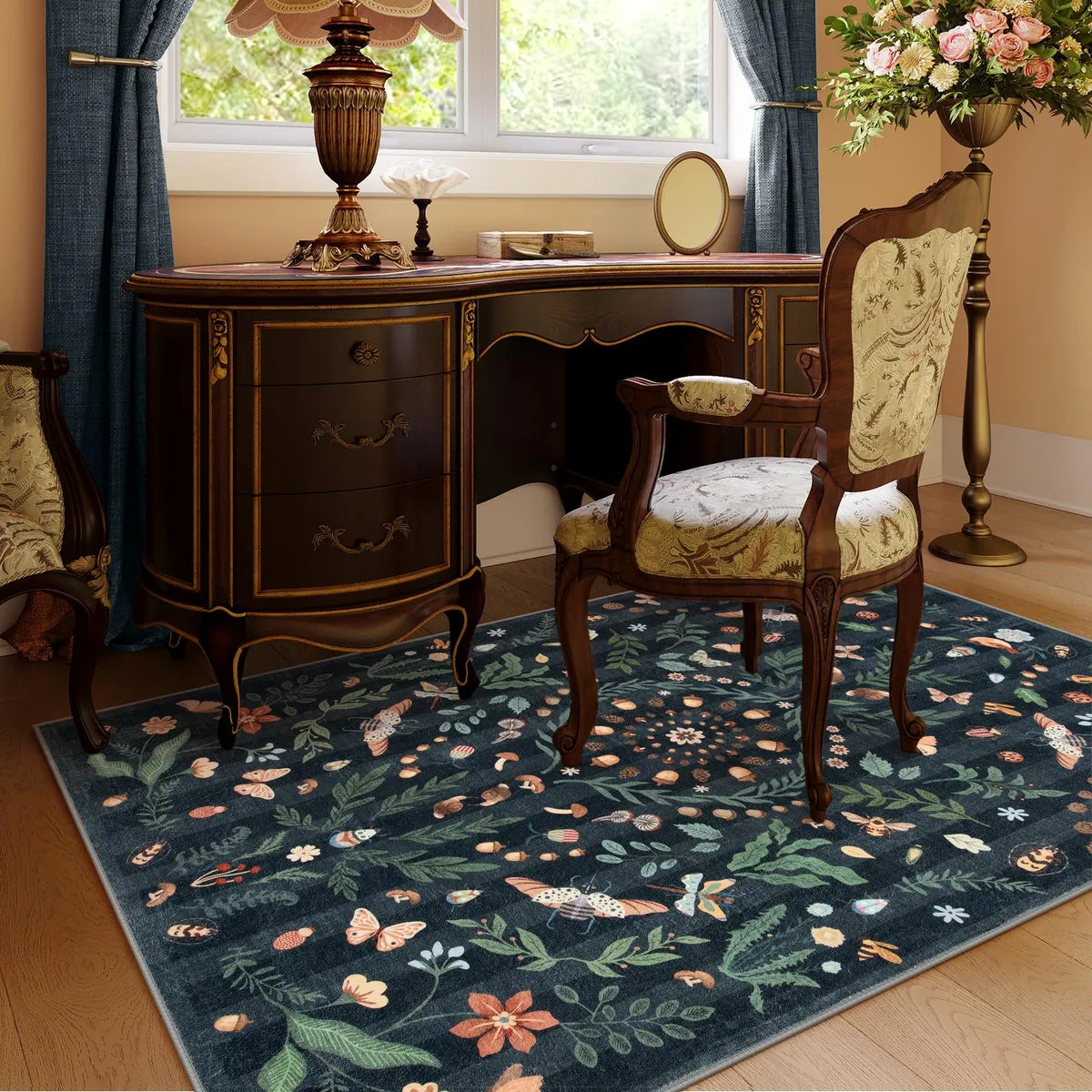
Tiger rugs work best when the surrounding palette stays neutral. Warm wooden furniture, linen or leather upholstery, and brass hardware all sit naturally alongside the earthy tones that tiger imagery typically carries. In rooms with more existing color, a tiger rug on a dark ground (deep navy, forest green, or black) acts as a grounding element rather than a competing one.
Snake rugs carry a different energy. Where tiger imagery reads as raw and powerful, snake imagery is more sinuous and editorial. A snake rug on a dark ground leans toward a moody, layered interior style that pairs well with vintage furniture and jewel-toned accessories. On a lighter ground, the same motif reads as more graphic and contemporary.
Both work best with the same placement principle: give the rug room to breathe, and let it do the visual work without too much competition from surrounding pattern.
How to Balance an Animal Print Rug With the Rest of the Room

The most common hesitation around animal print rugs is the fear of getting the balance wrong. The solution is simpler than most people expect: let the rug lead, and keep everything else secondary.
A few principles that consistently work:
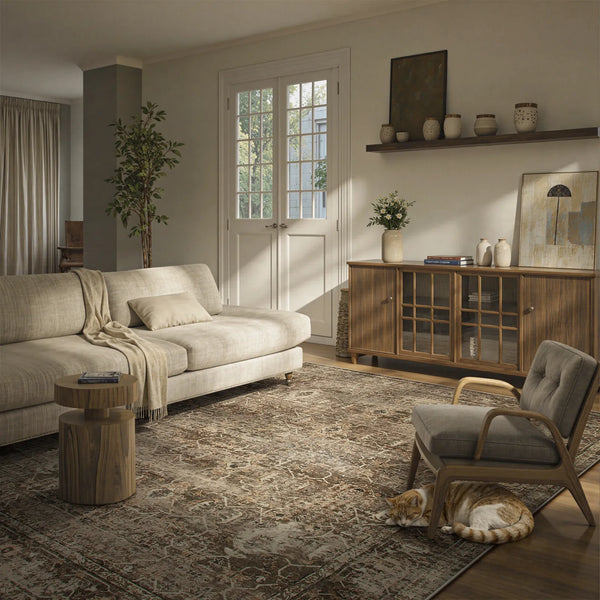
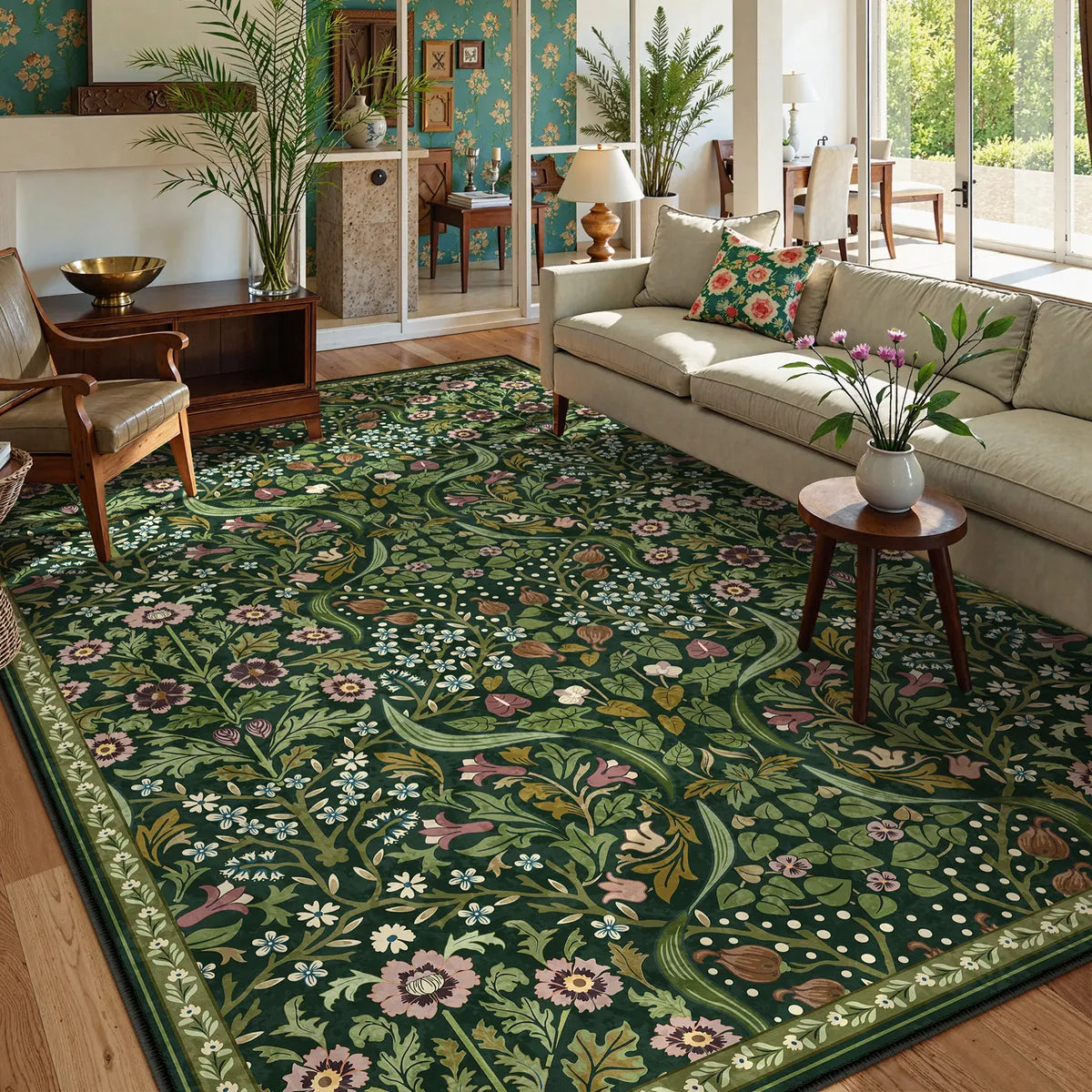
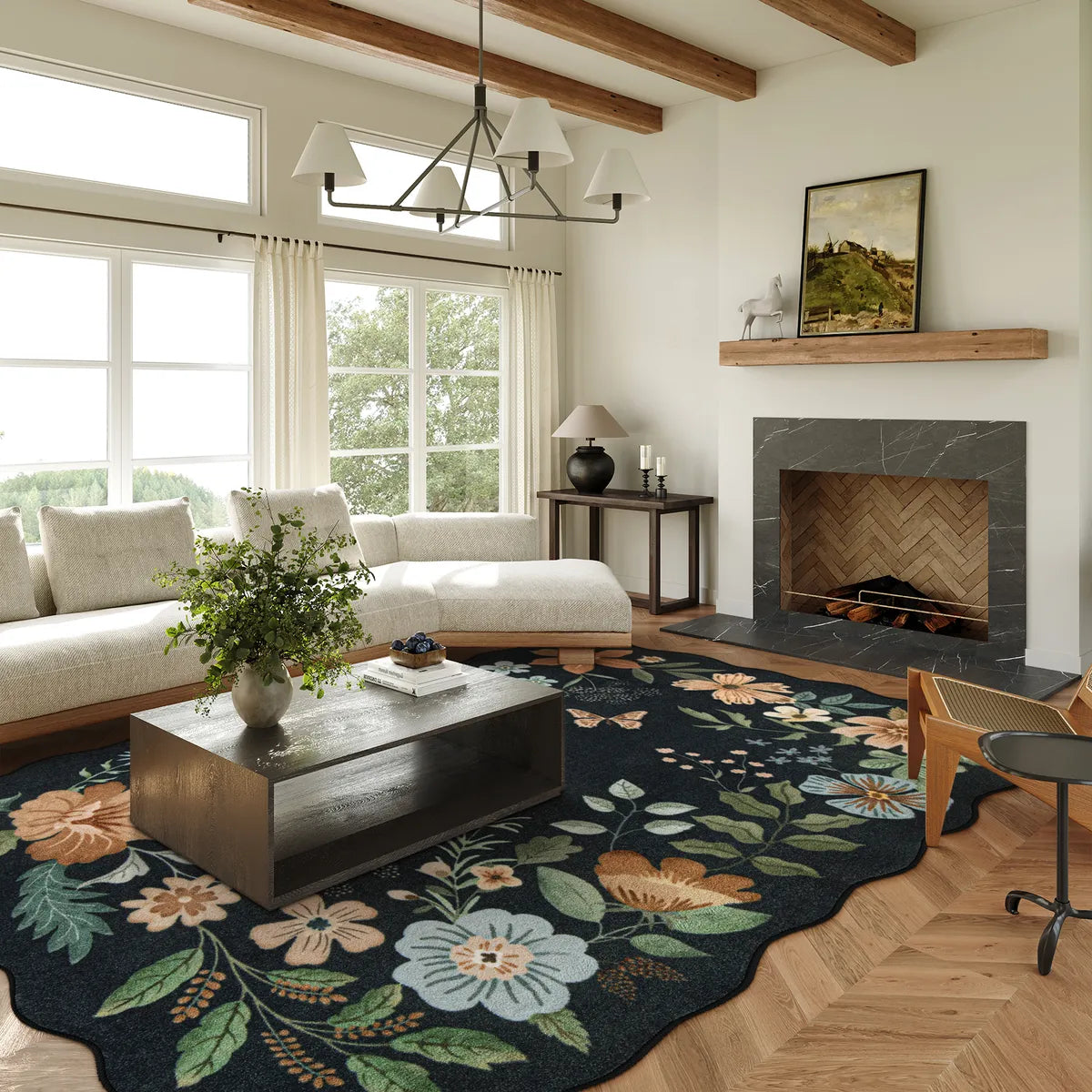
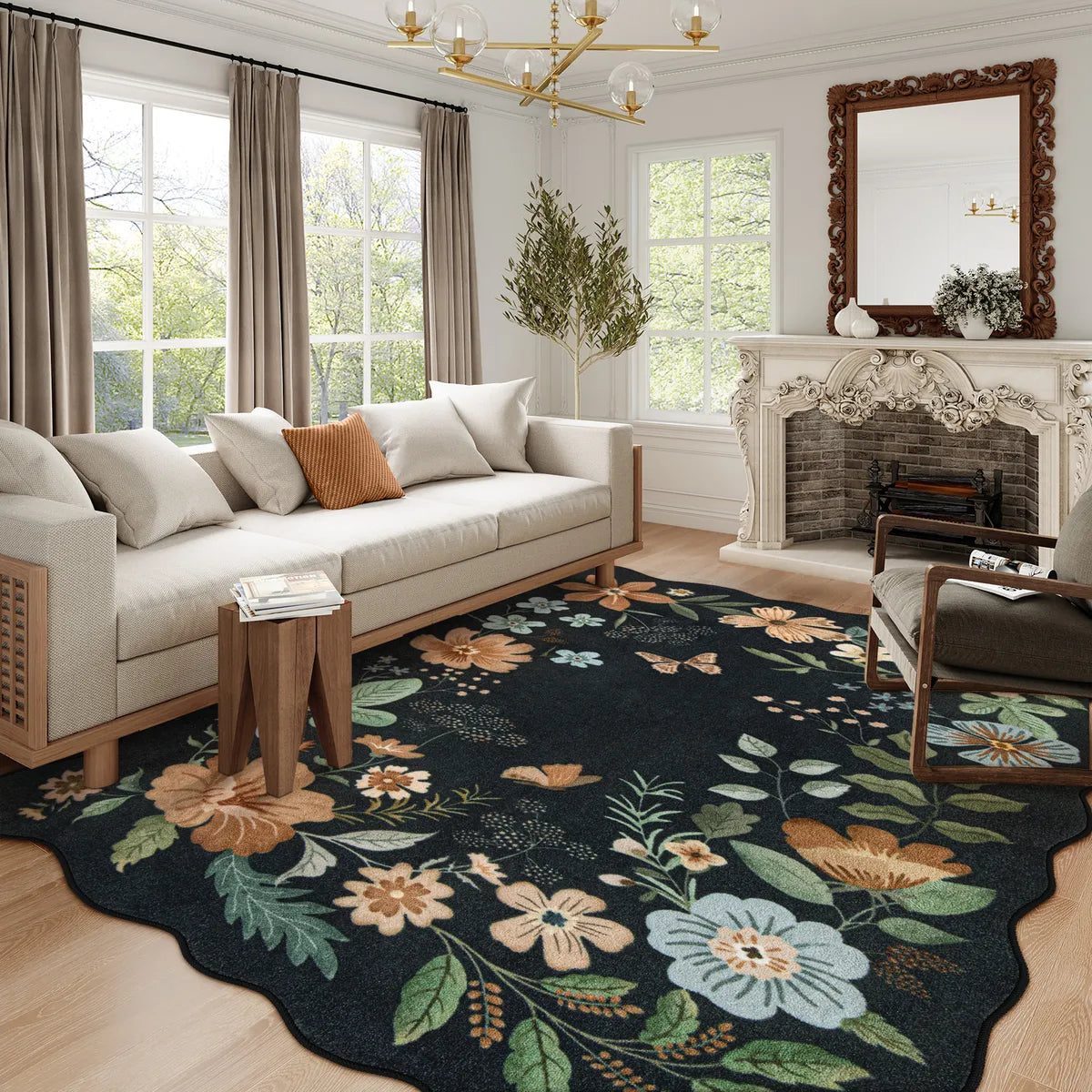
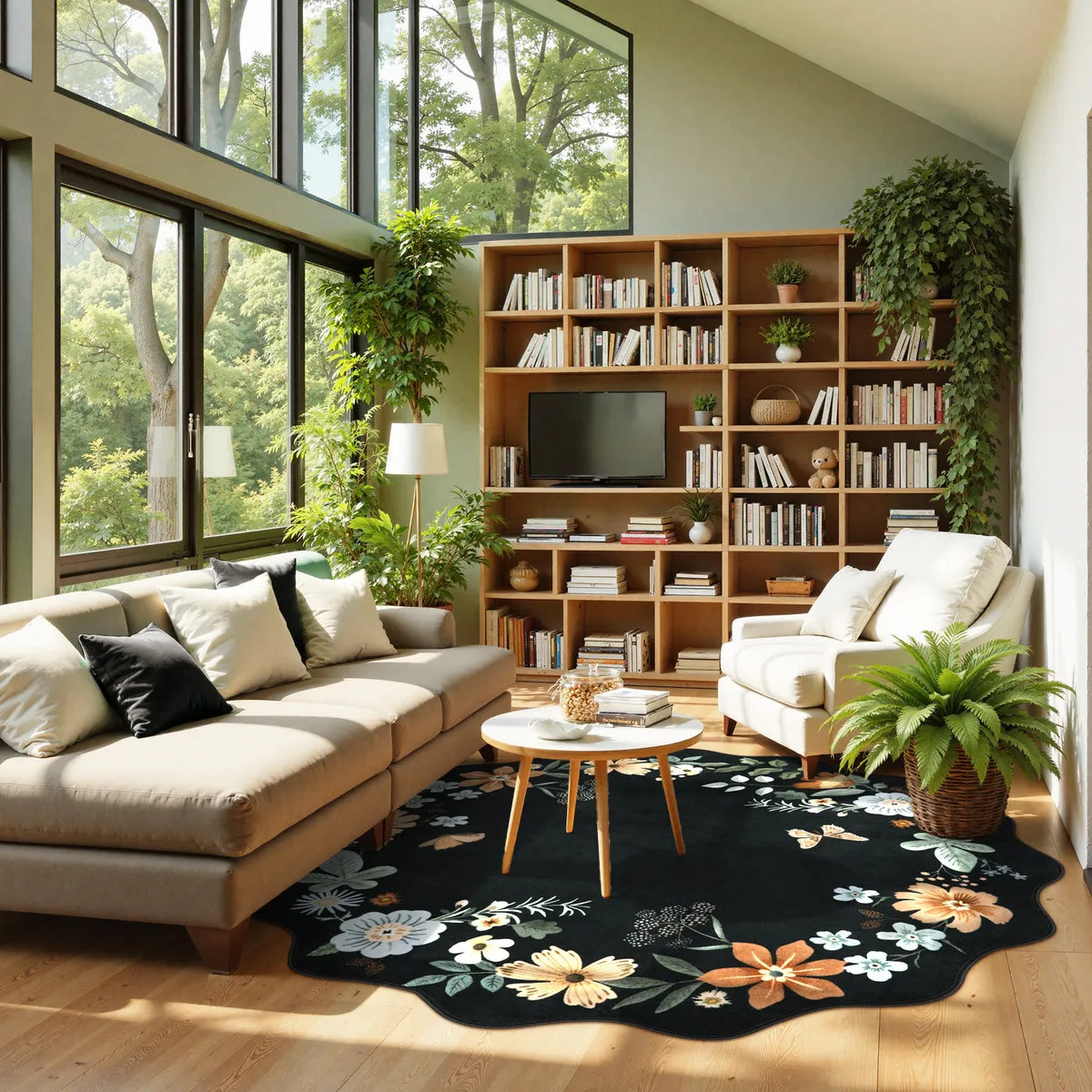
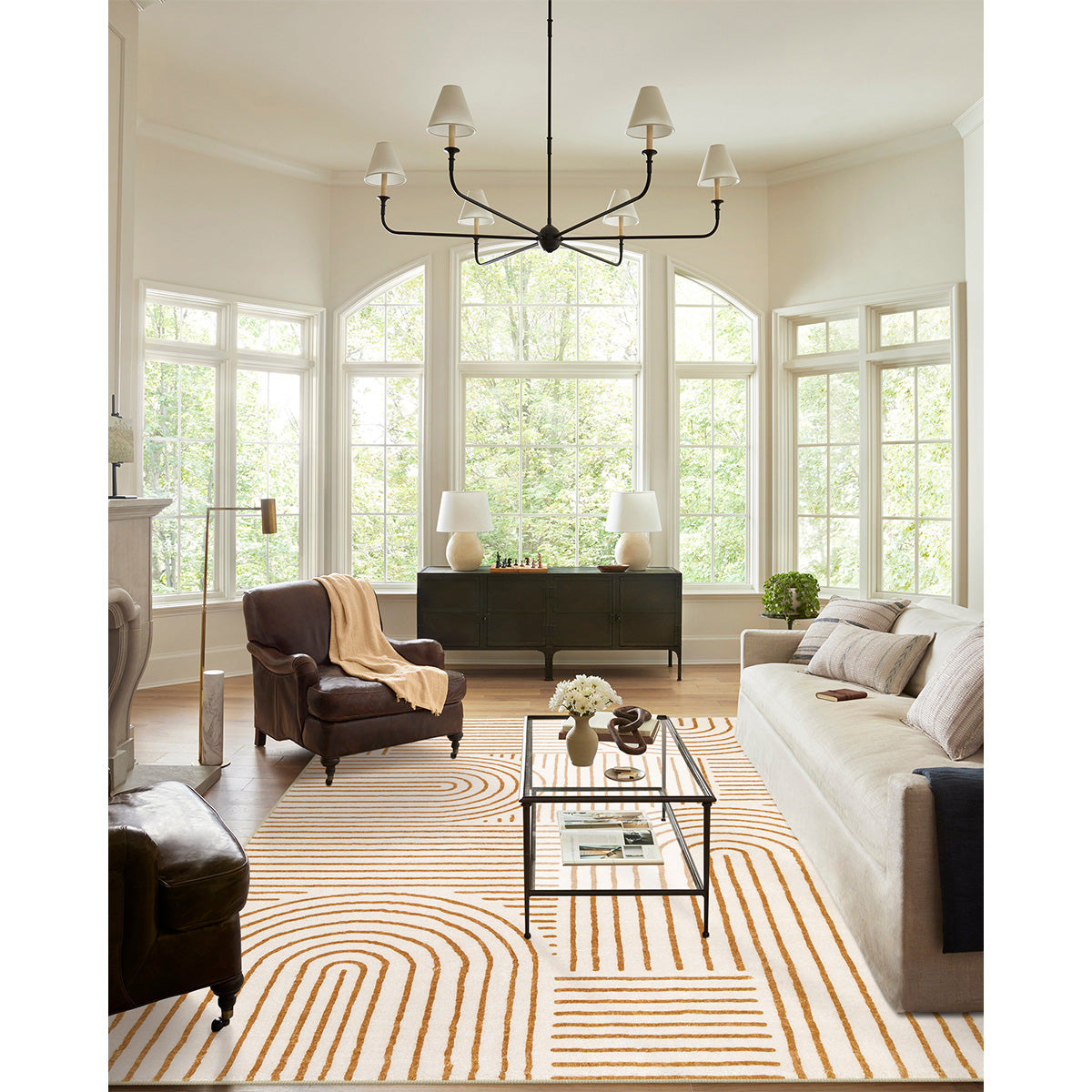
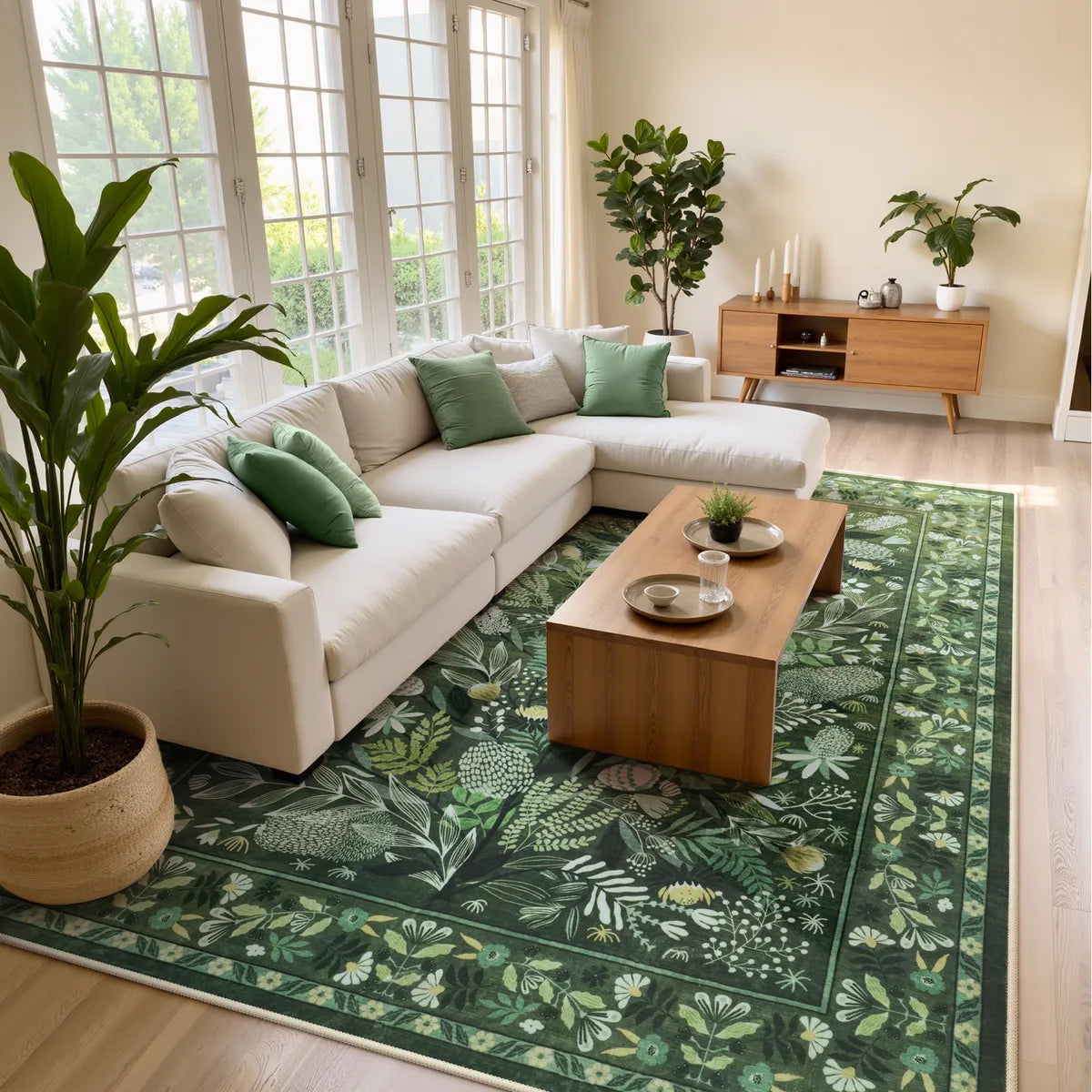
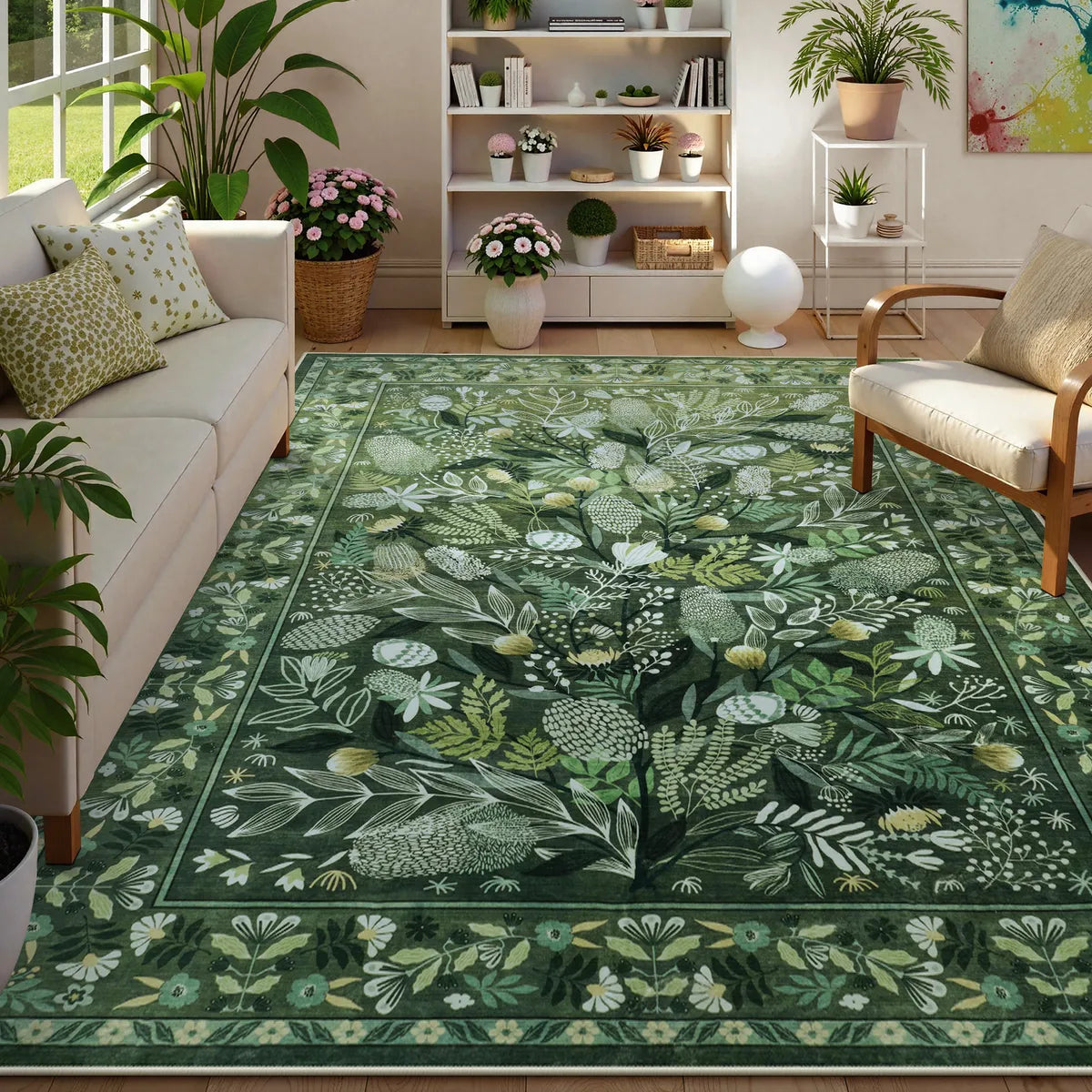
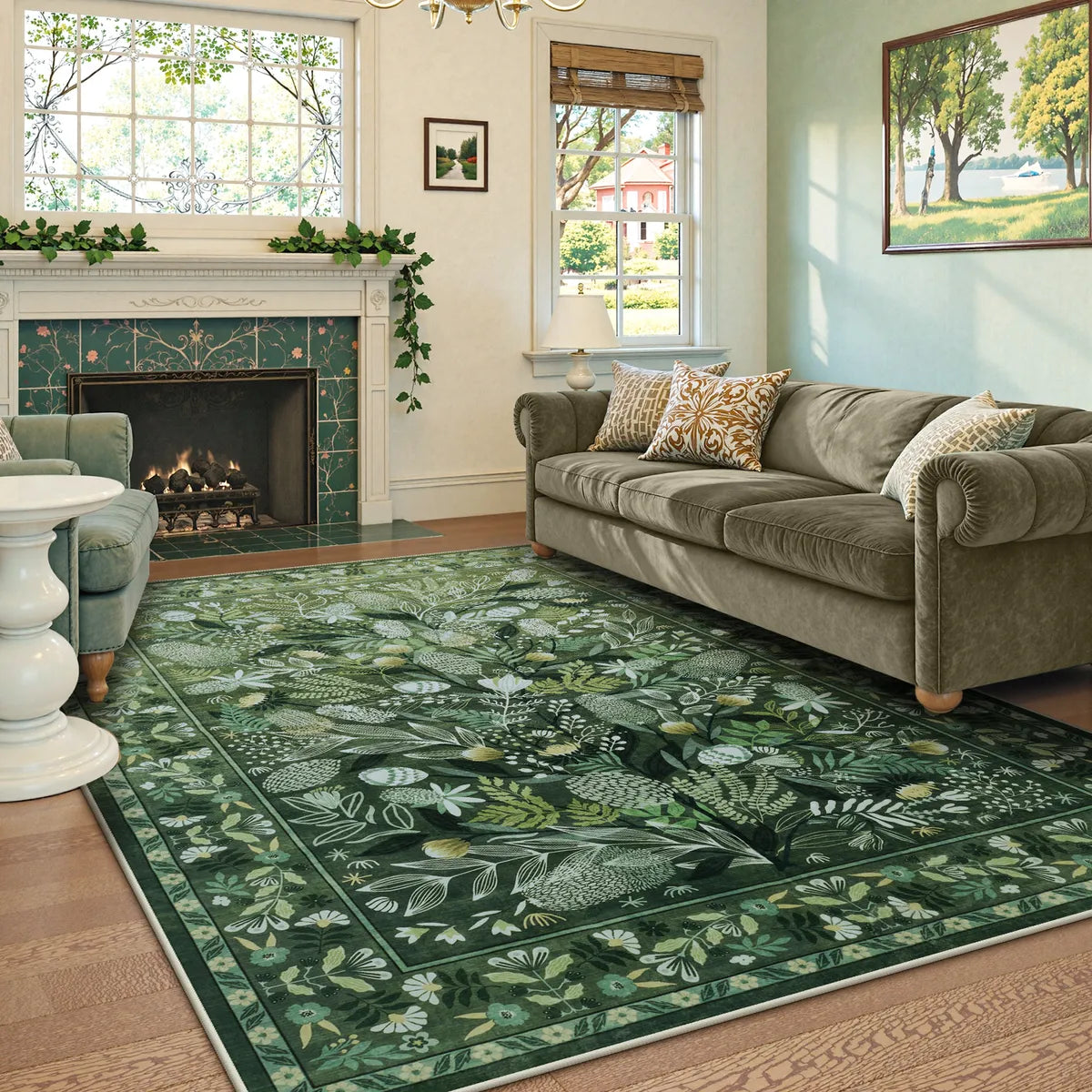
- Neutral walls: A bold animal print rug reads most powerfully against a neutral wall. White, warm grey, cream, and sage all allow the rug to be the room's visual event without creating visual conflict at eye level.
- Solid-color upholstery: When the floor is carrying a complex, figurative pattern, solid-color furniture keeps the room legible. Pull one of the rug's secondary tones into the upholstery for a considered, connected palette.
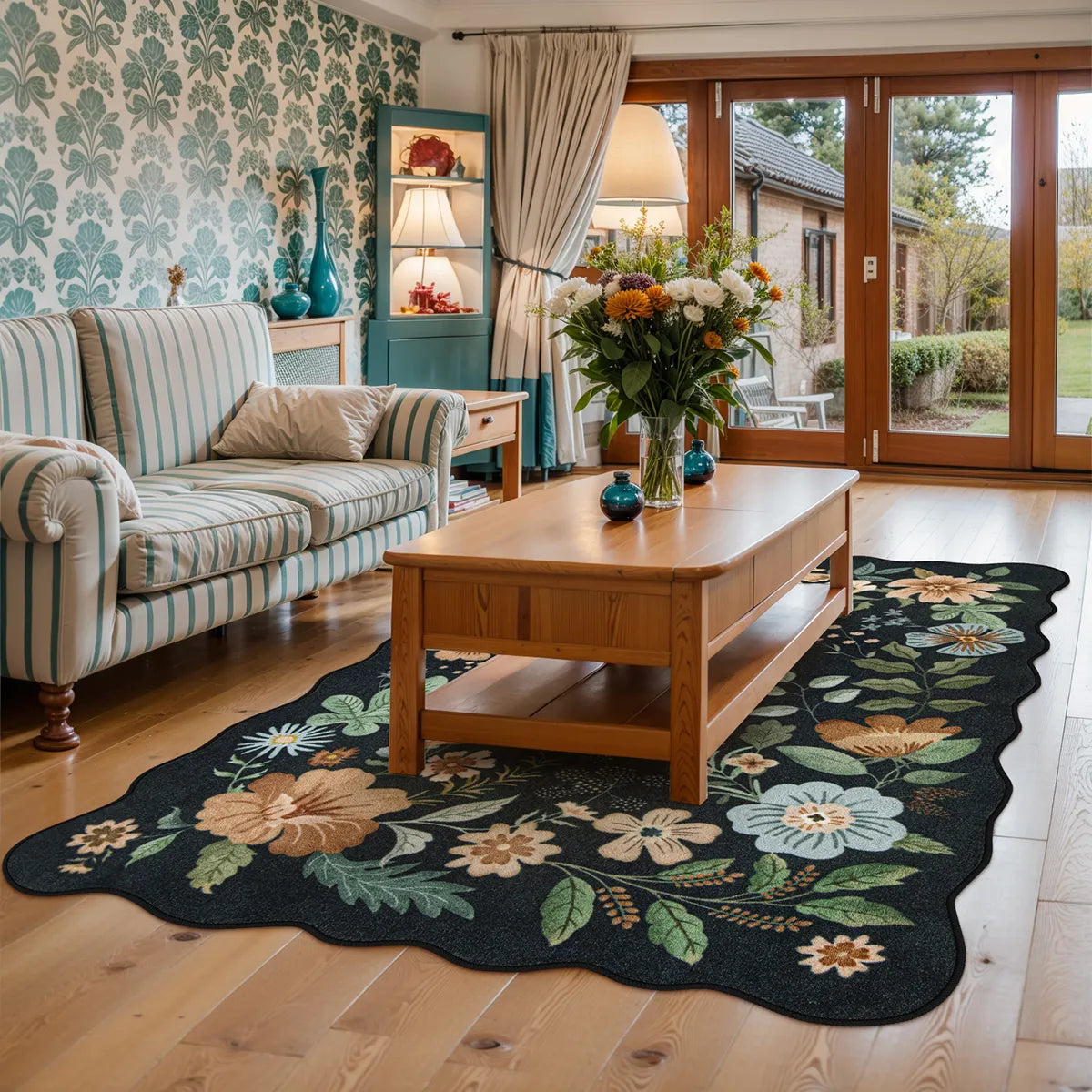
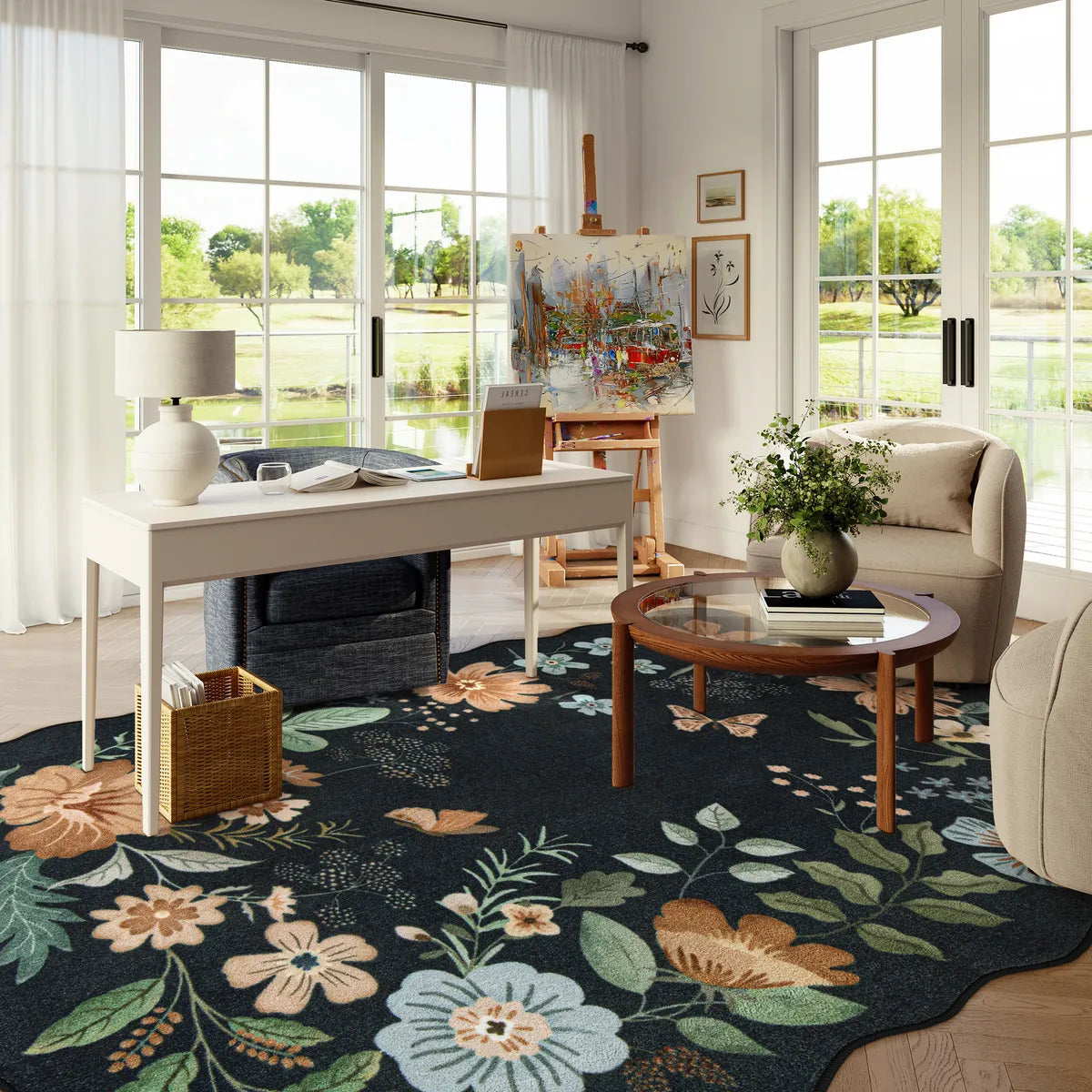
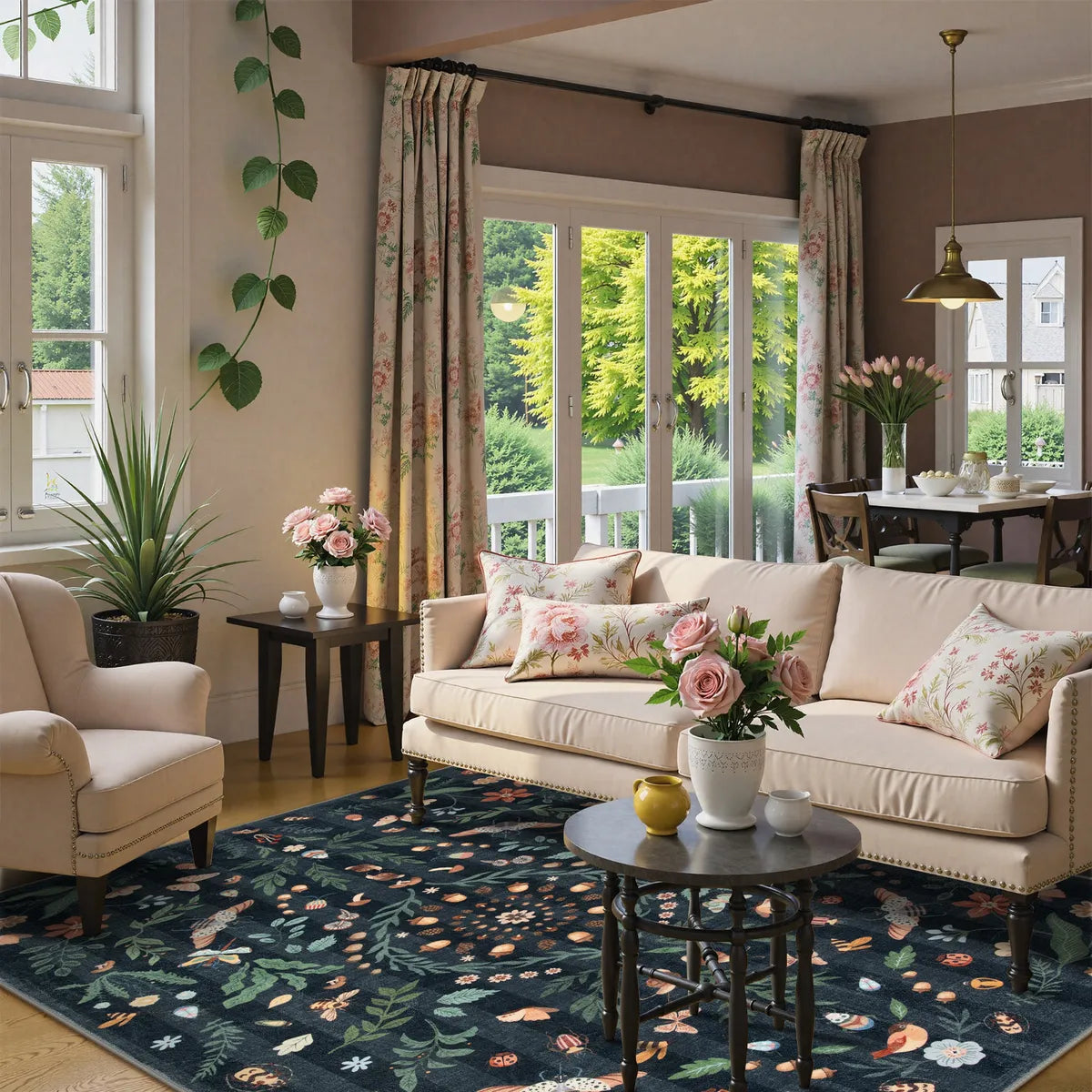
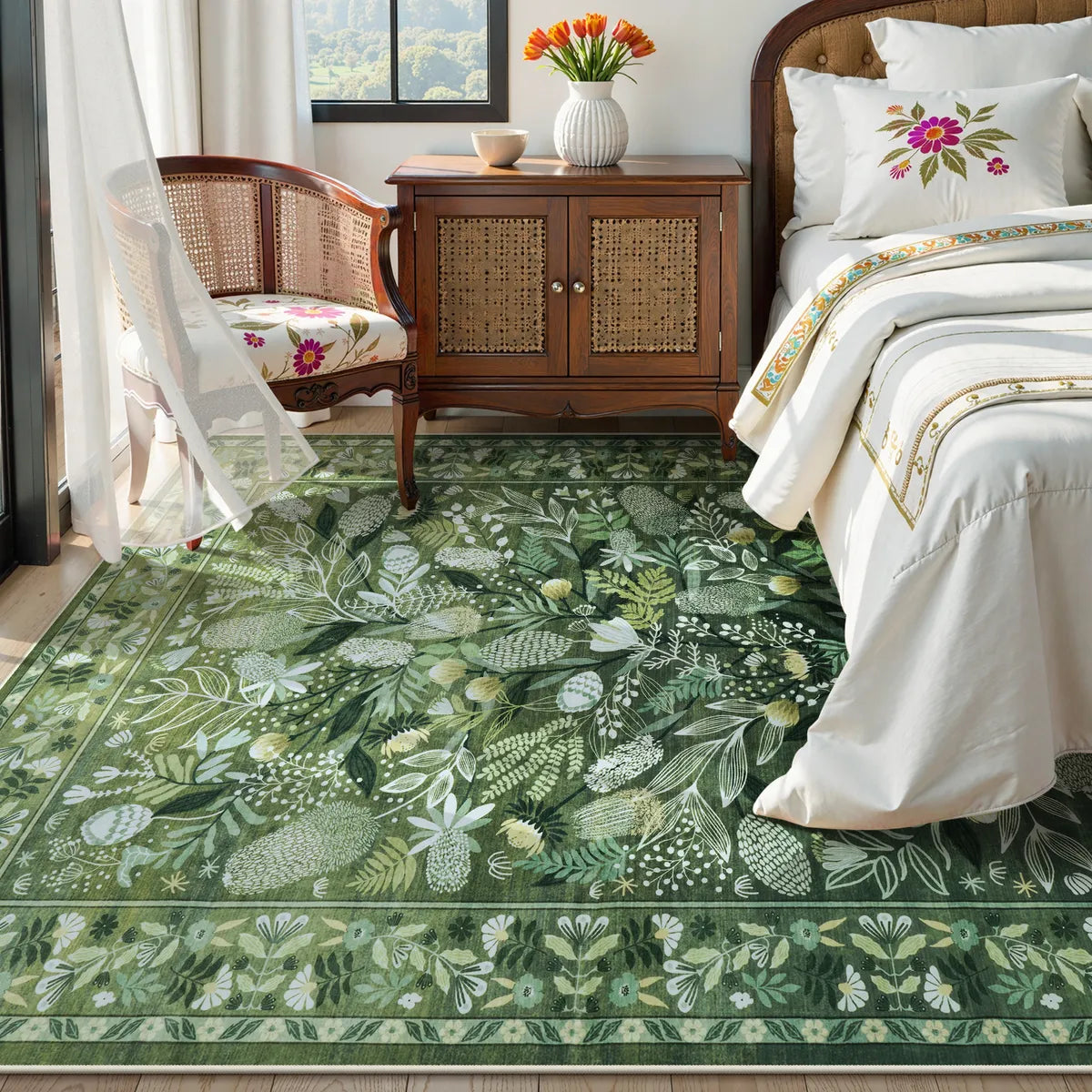
- One statement surface: An animal print rug works best when it is the only major pattern in the room. Mixing an animal print rug with patterned curtains, a busy wallpaper, or heavily printed cushions creates visual noise rather than visual interest. Give the rug the pattern role and let other surfaces rest.
- Scale contrast: Pair a large-scale animal print rug with smaller, simpler decorative objects. Oversized lamps, simple ceramic vessels, and clean-lined furniture frames all create the kind of visual quiet that lets a bold rug command the space without feeling overwhelming.
The goal is not to minimize the rug's impact but to channel it. A well-balanced room with an animal print rug feels layered and intentional, not chaotic.
Flower Rugs, Insect Rugs, and Bug Rugs for Playrooms and Nurseries

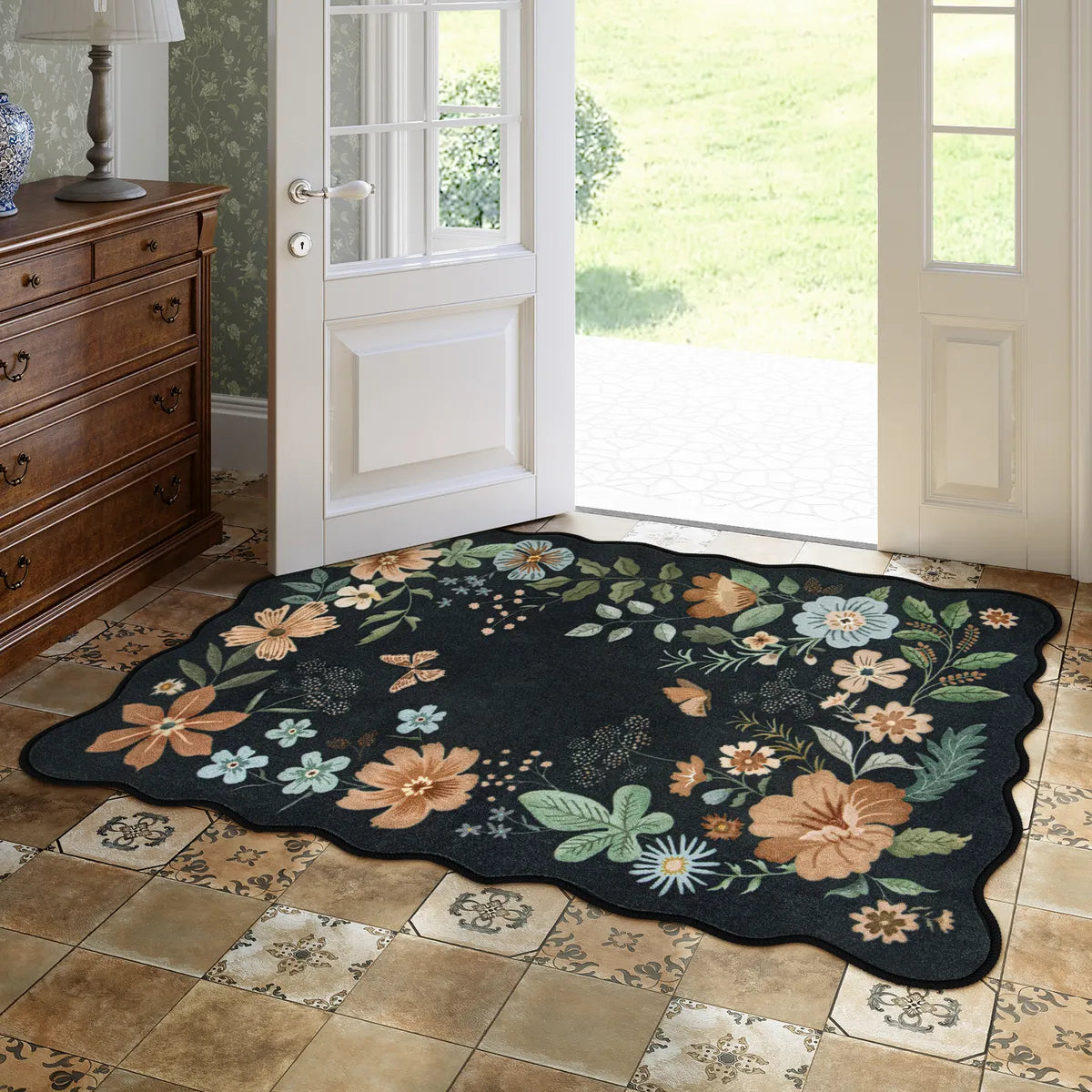
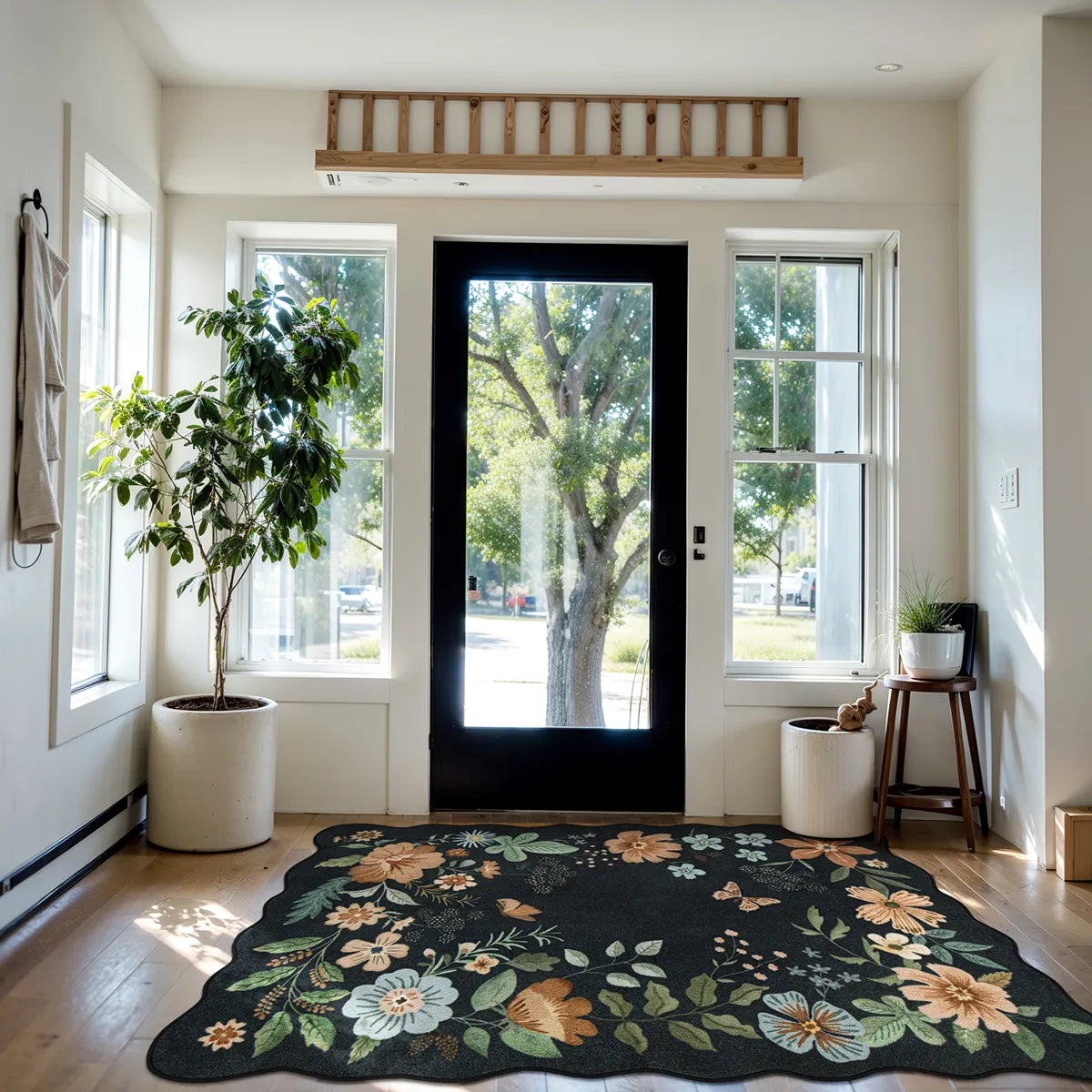
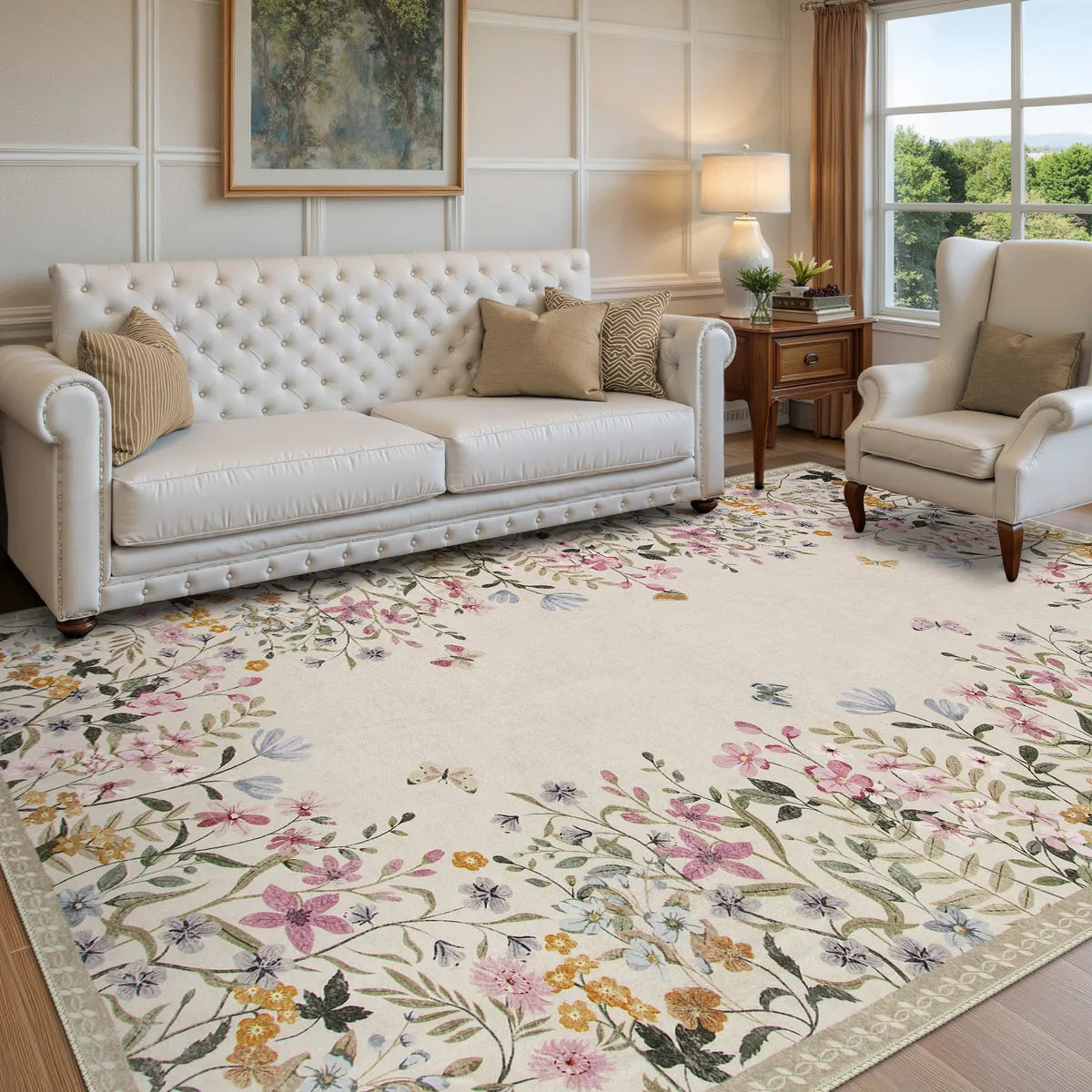
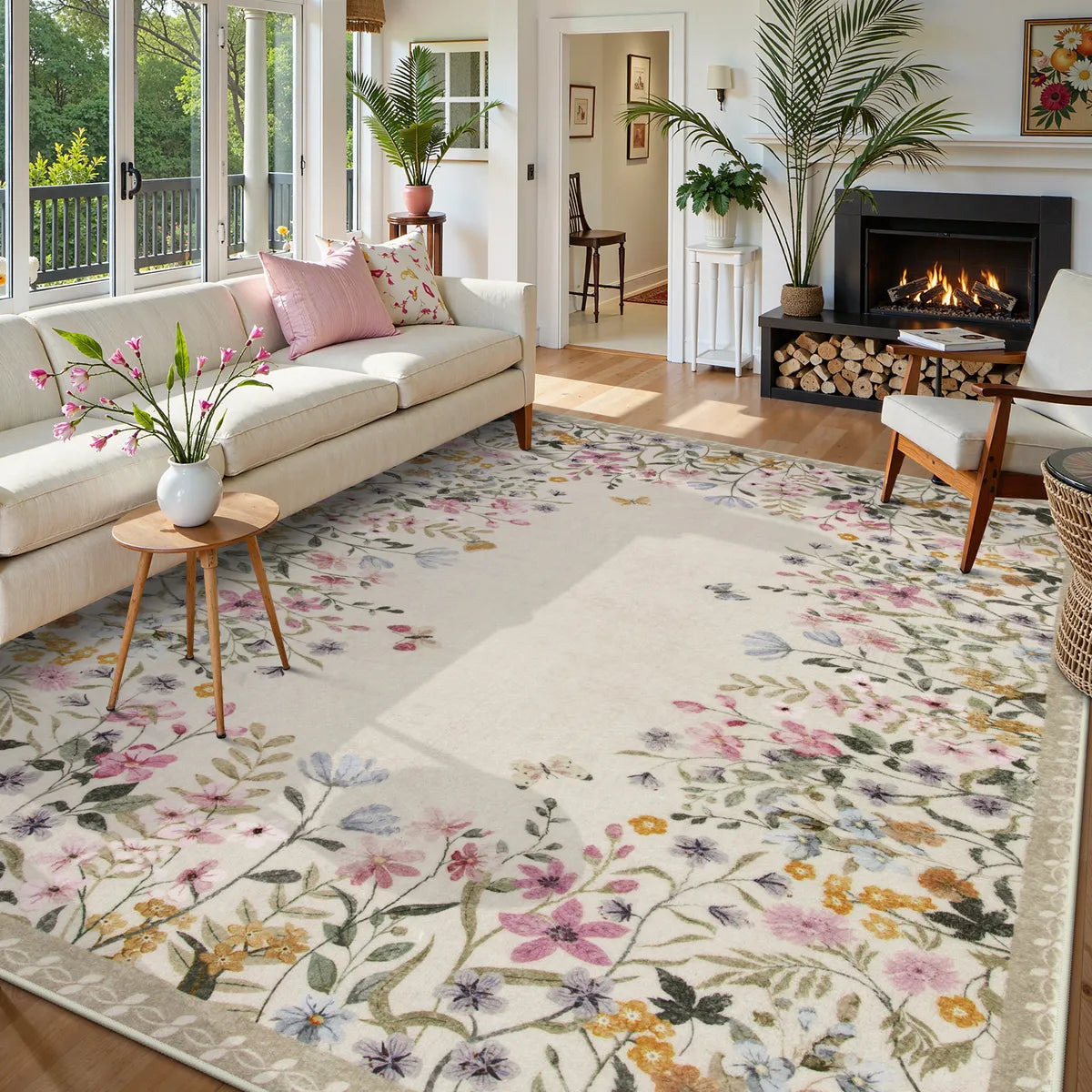
Not all animal print rugs are about maximalist drama. A quieter but equally compelling branch of the category uses florals, insects, and nature-inspired motifs to bring the natural world into spaces designed for children.
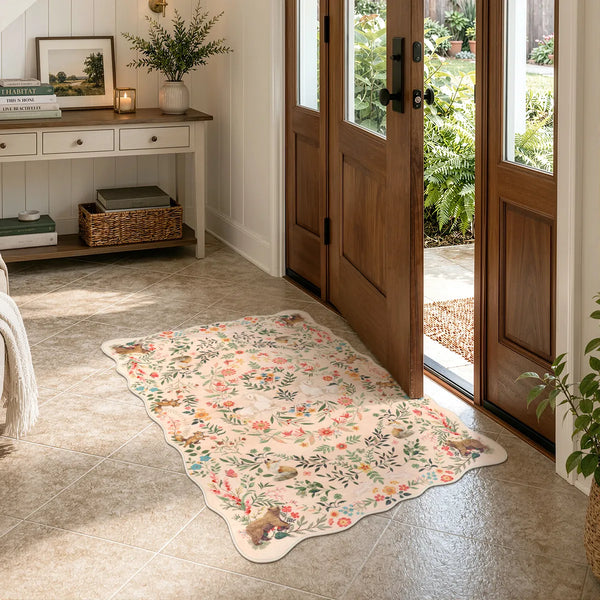
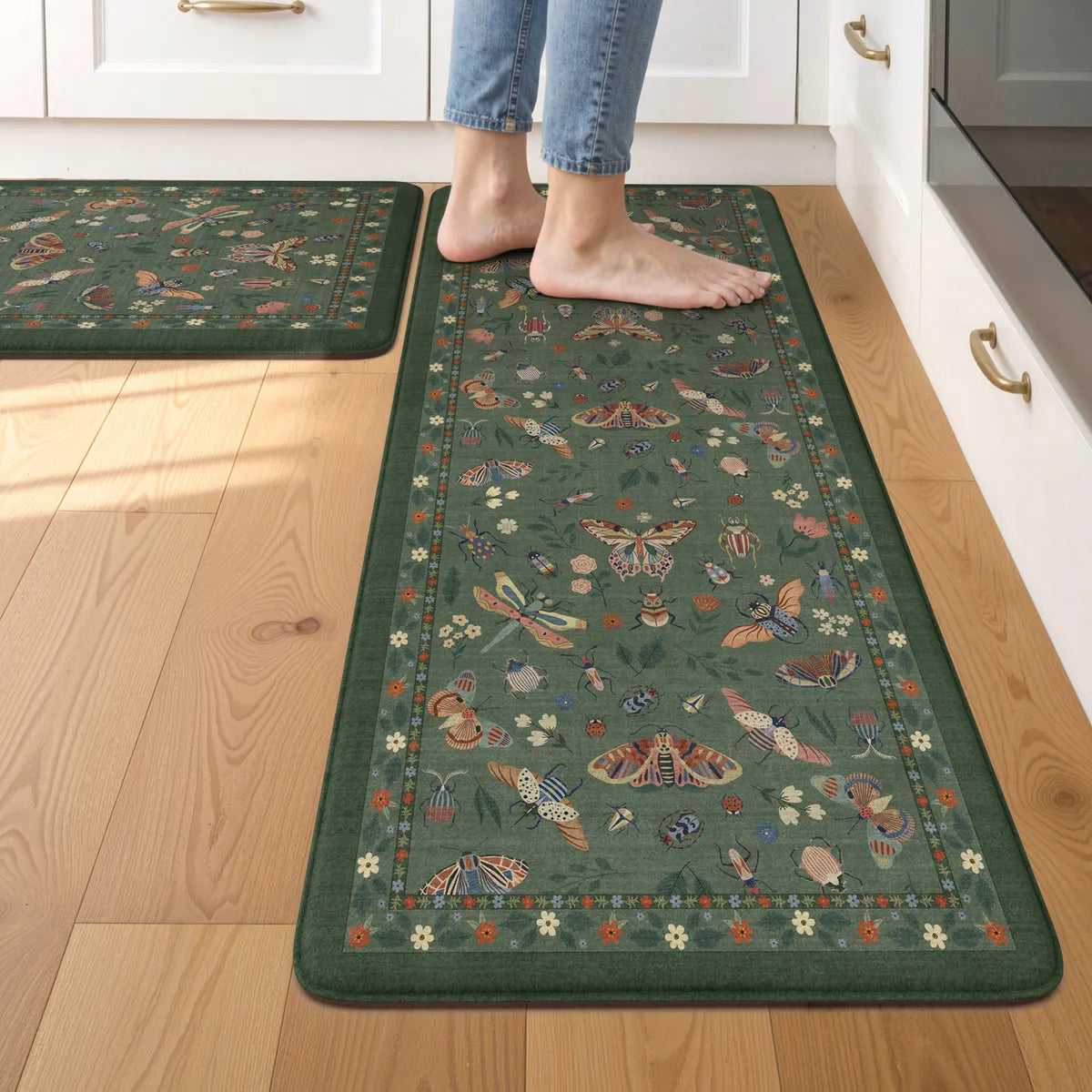
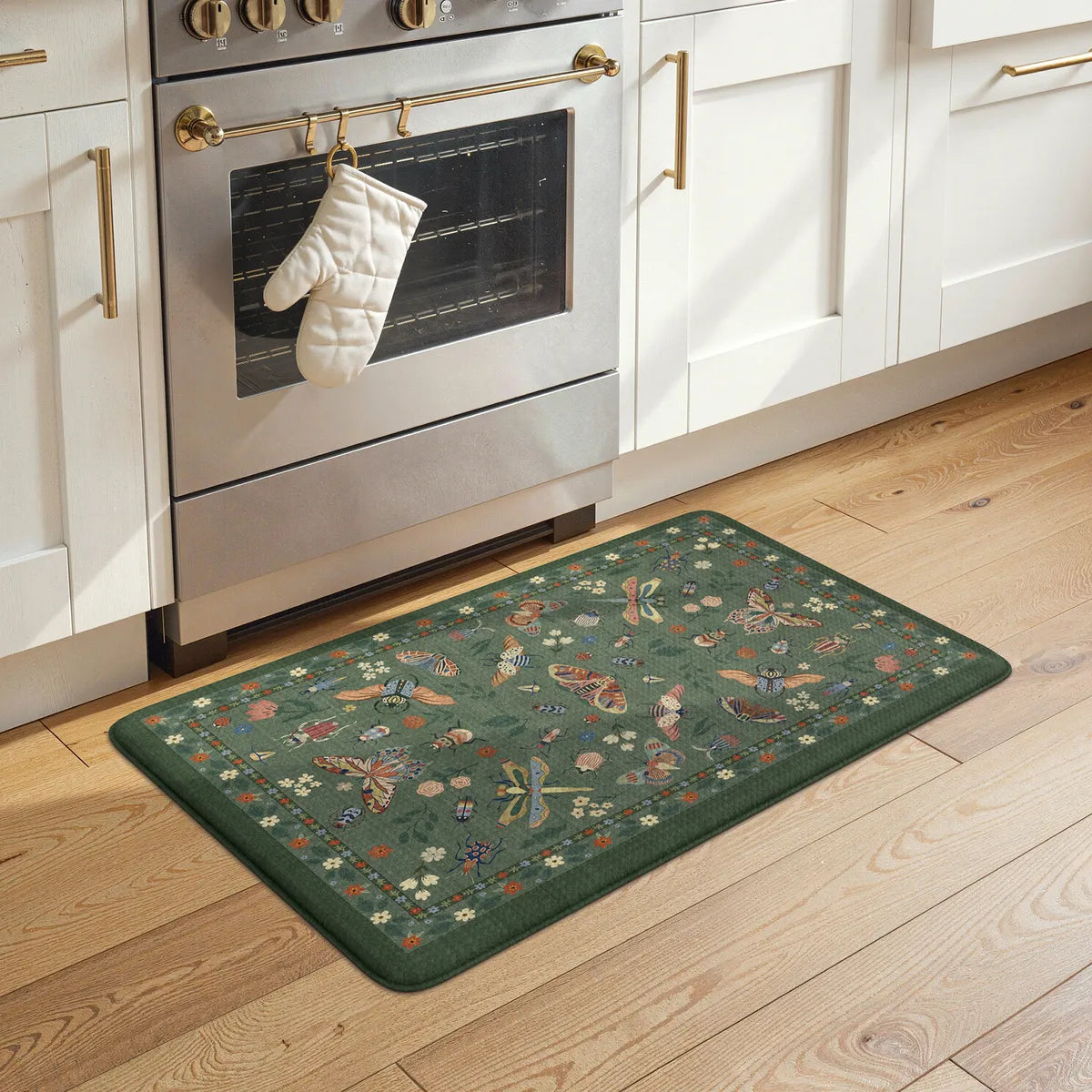
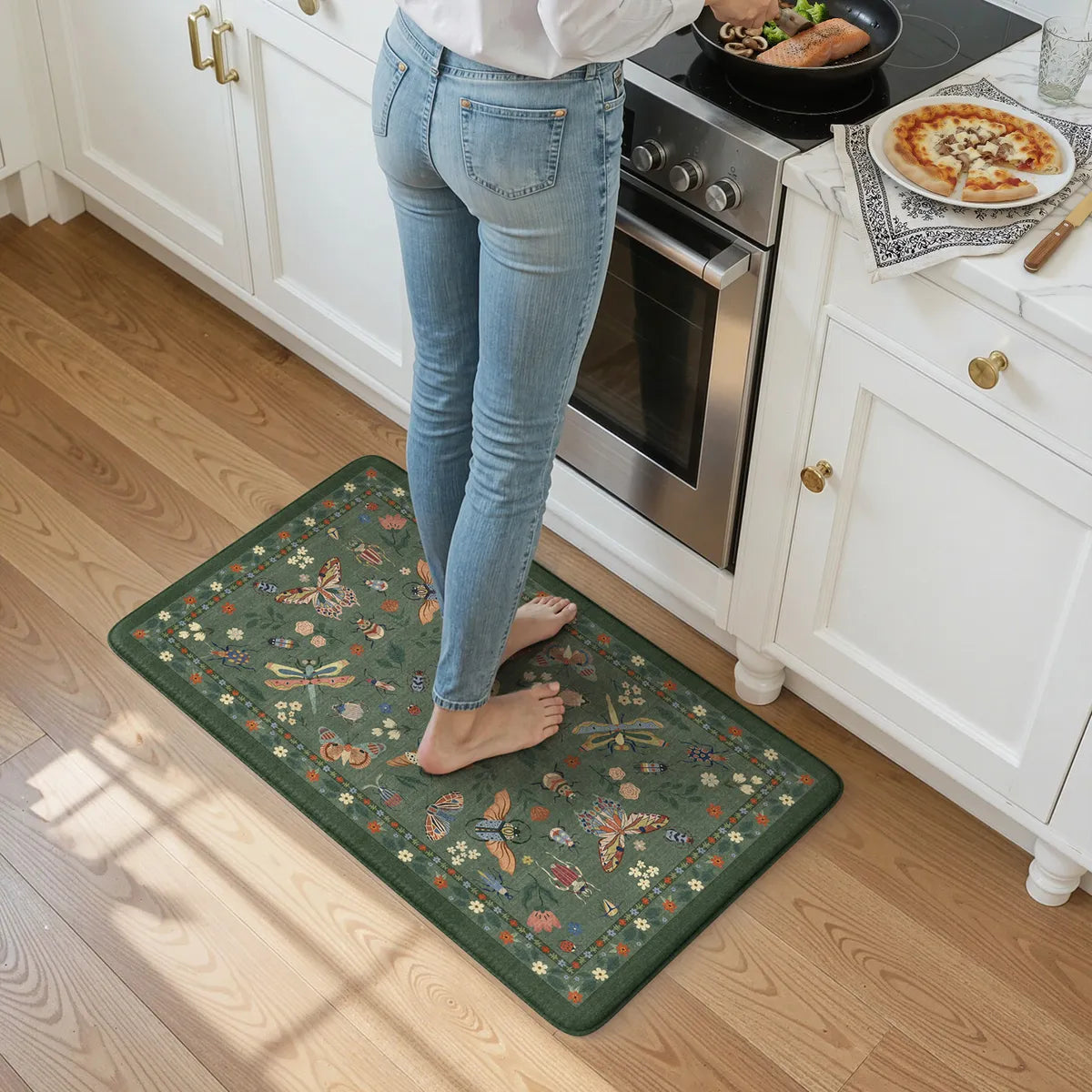
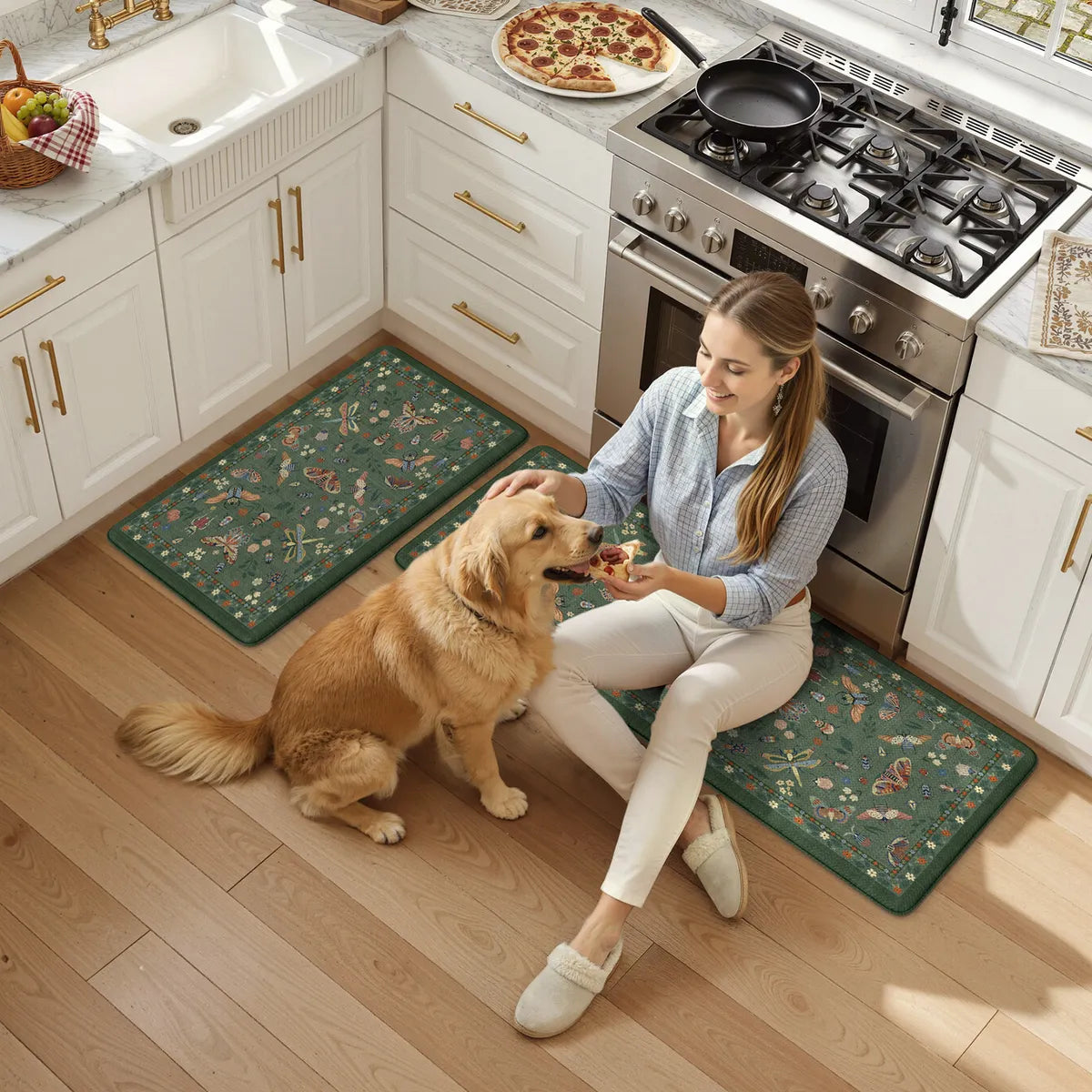
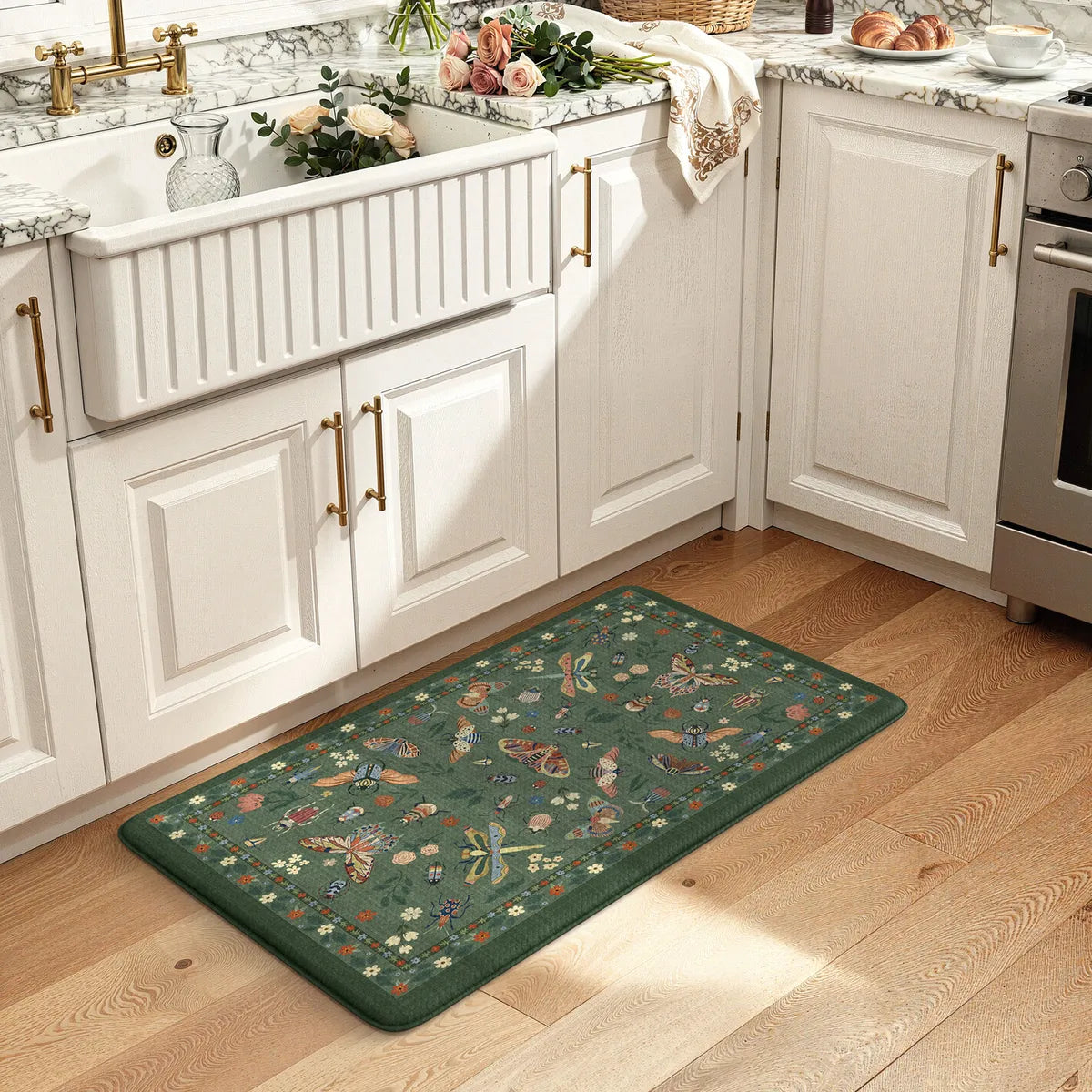
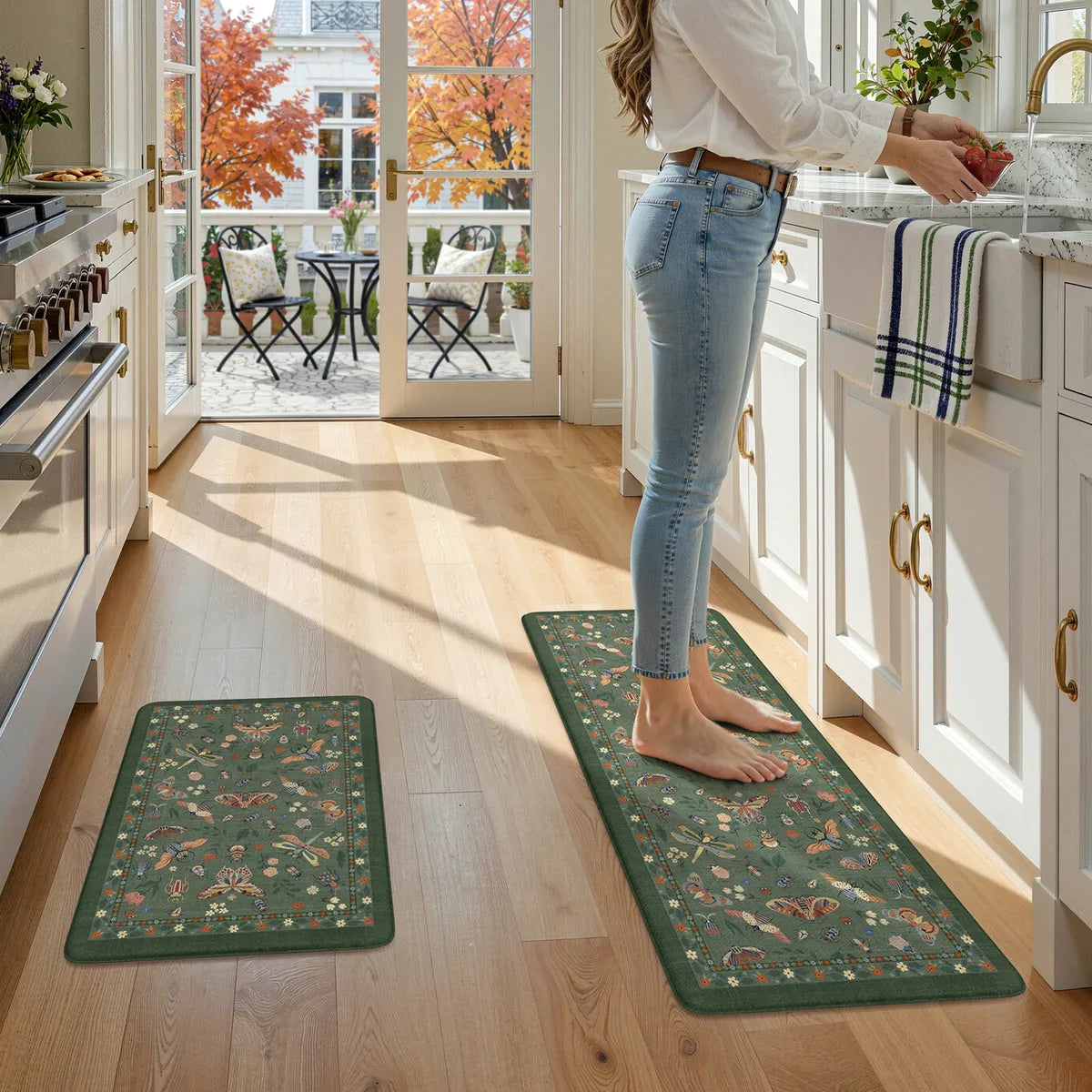
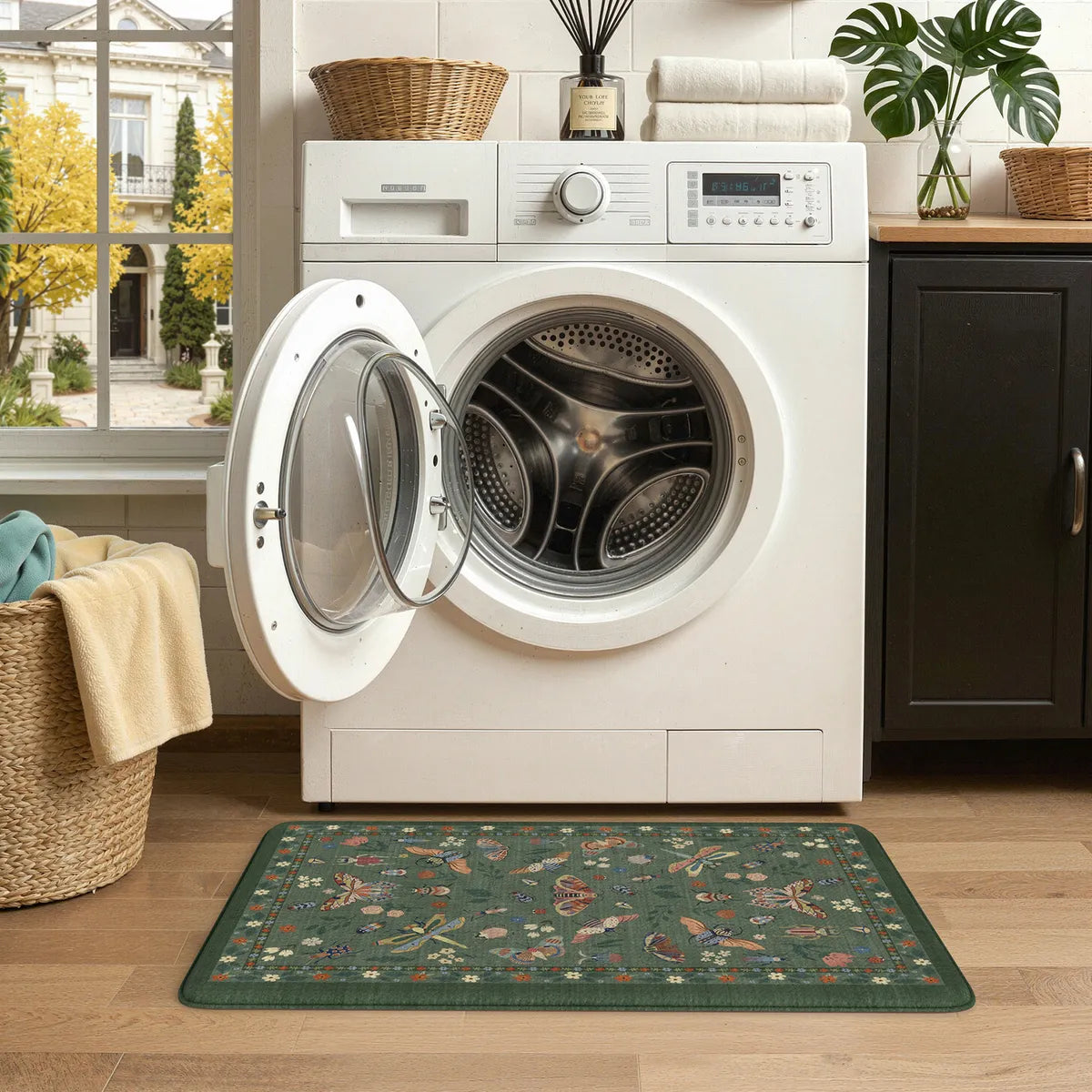
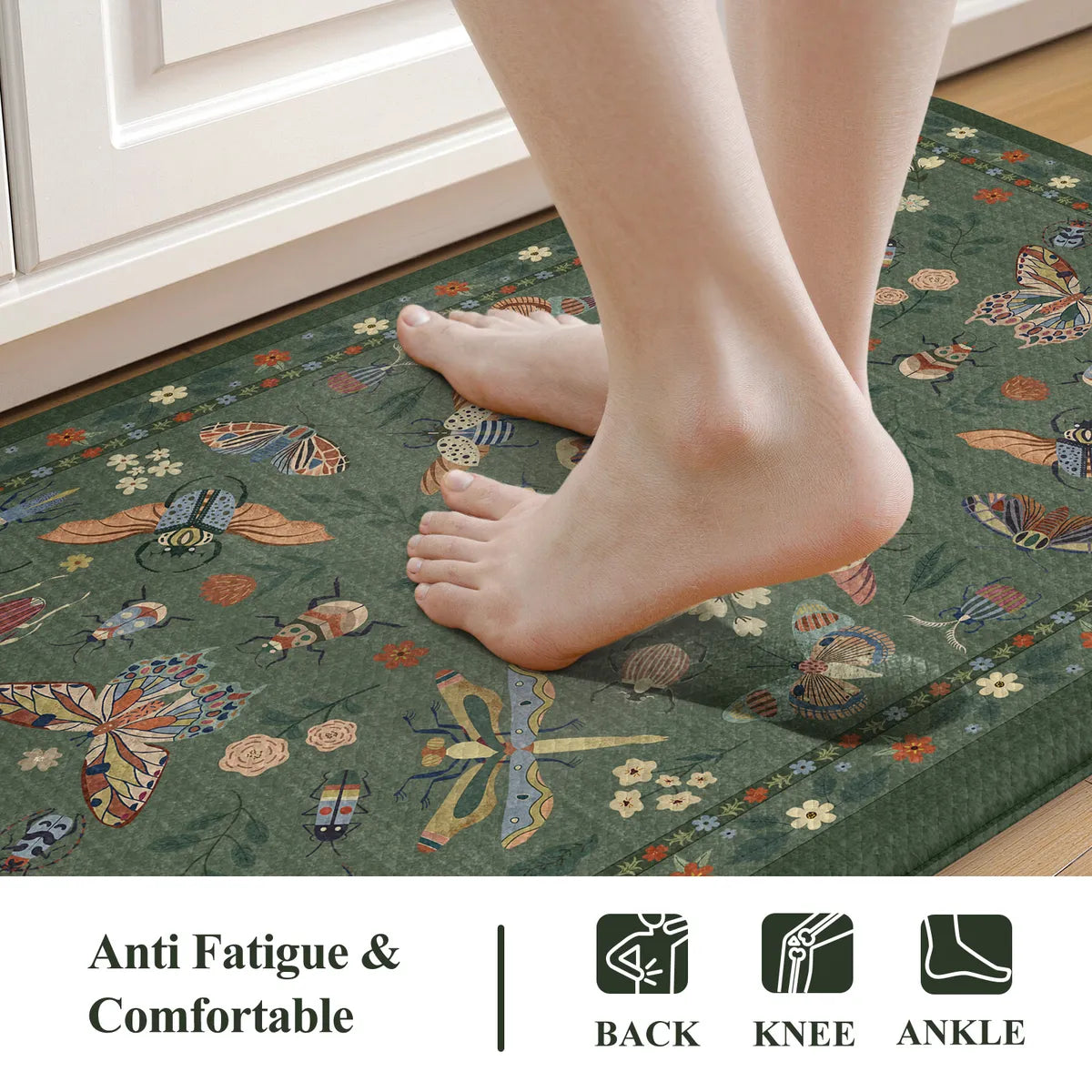
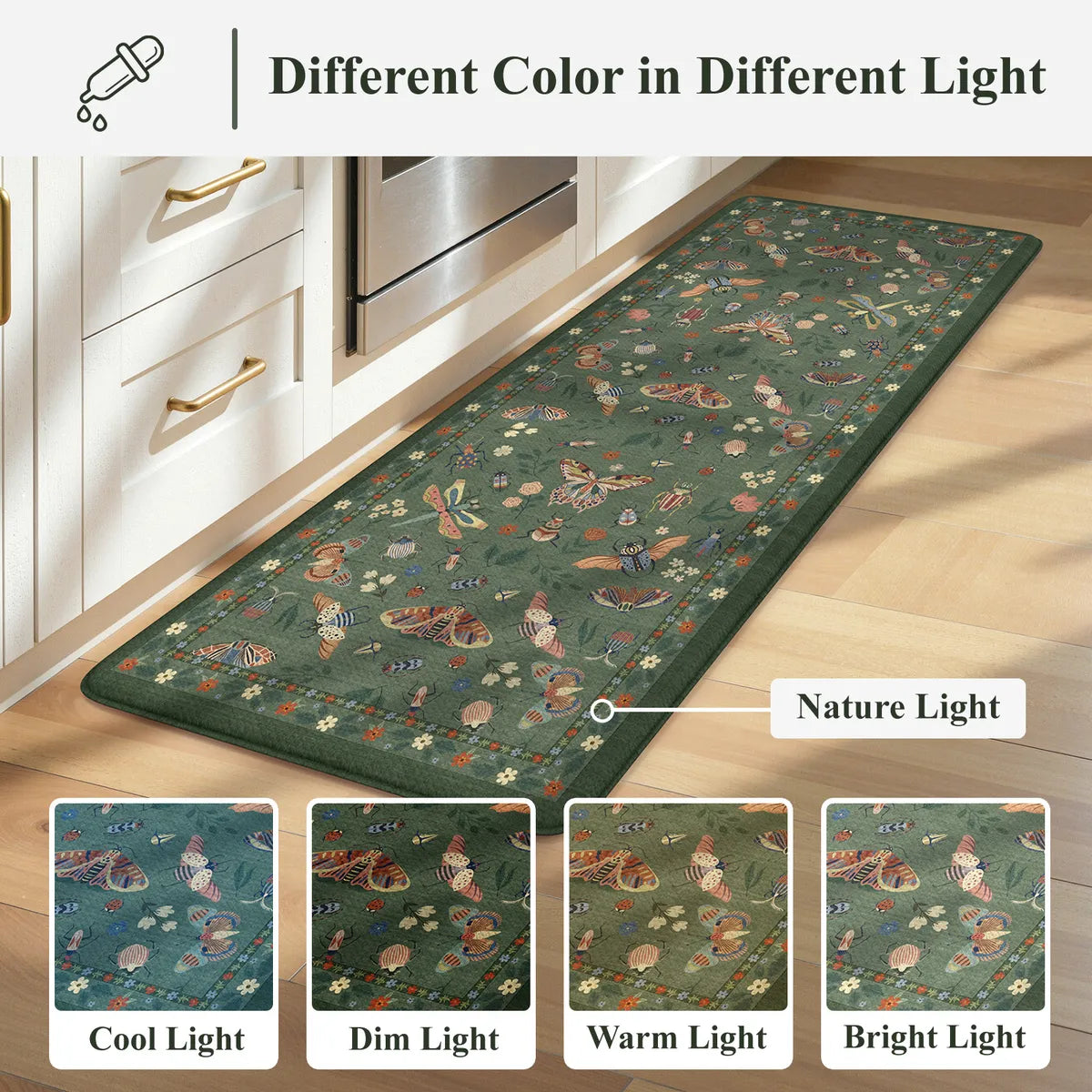
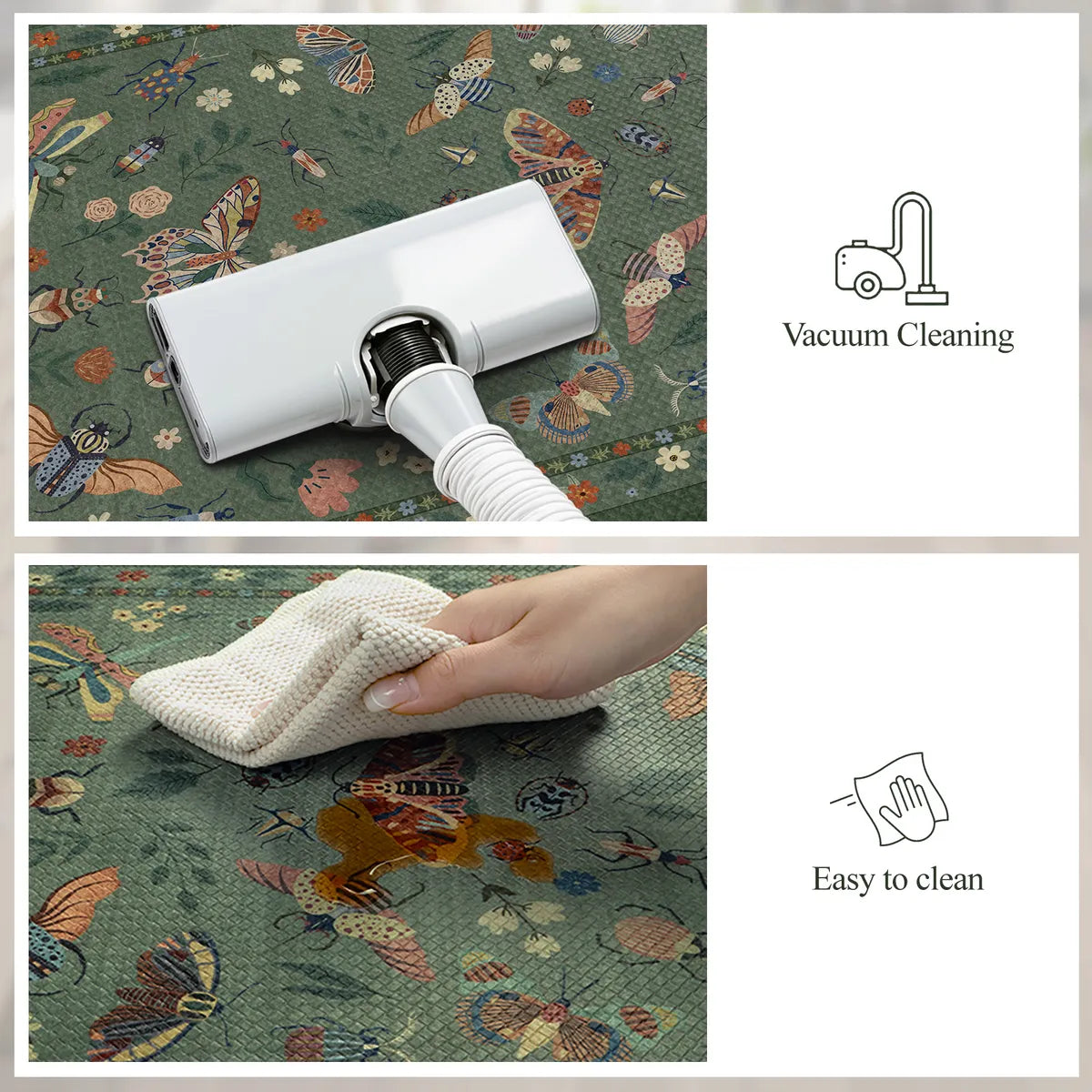
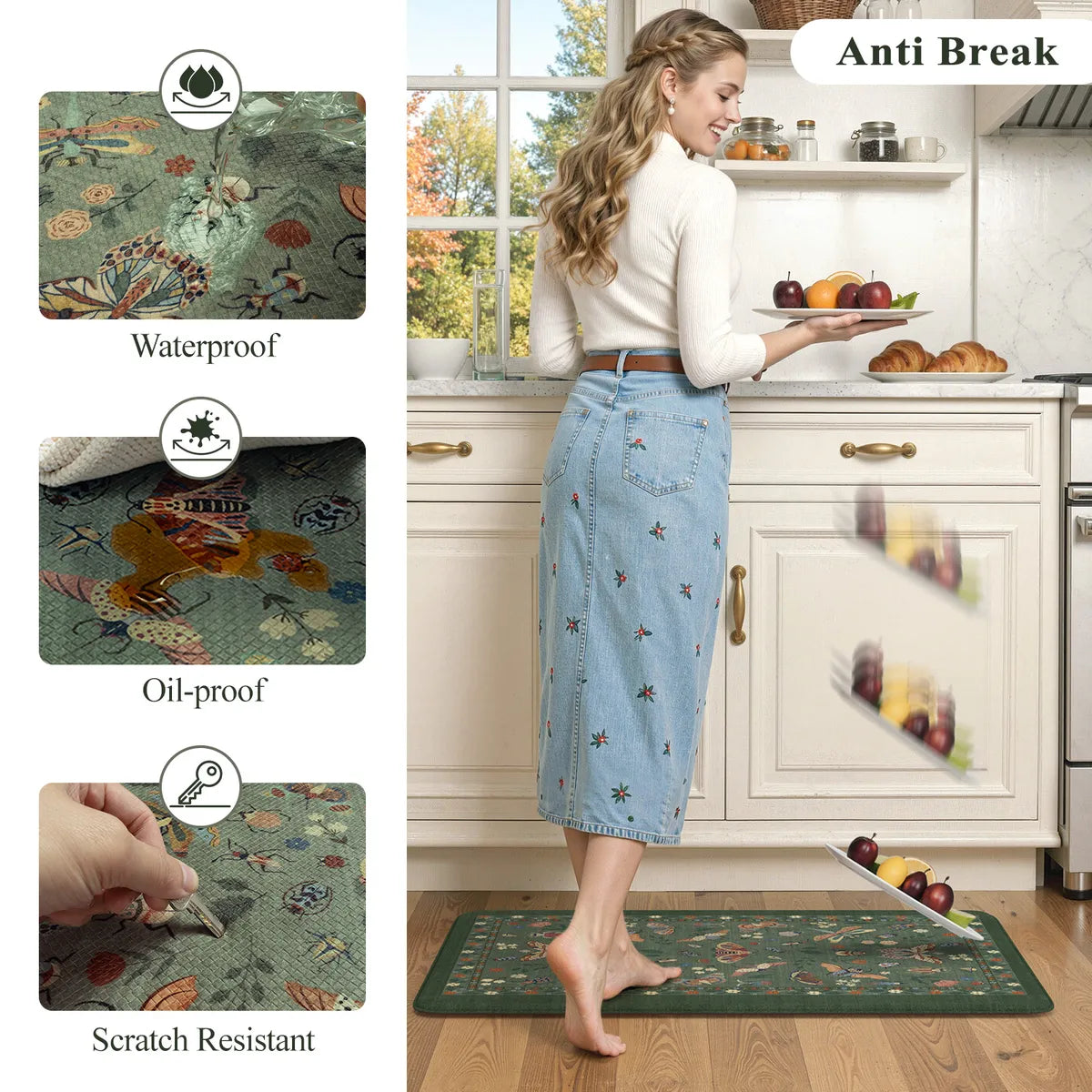
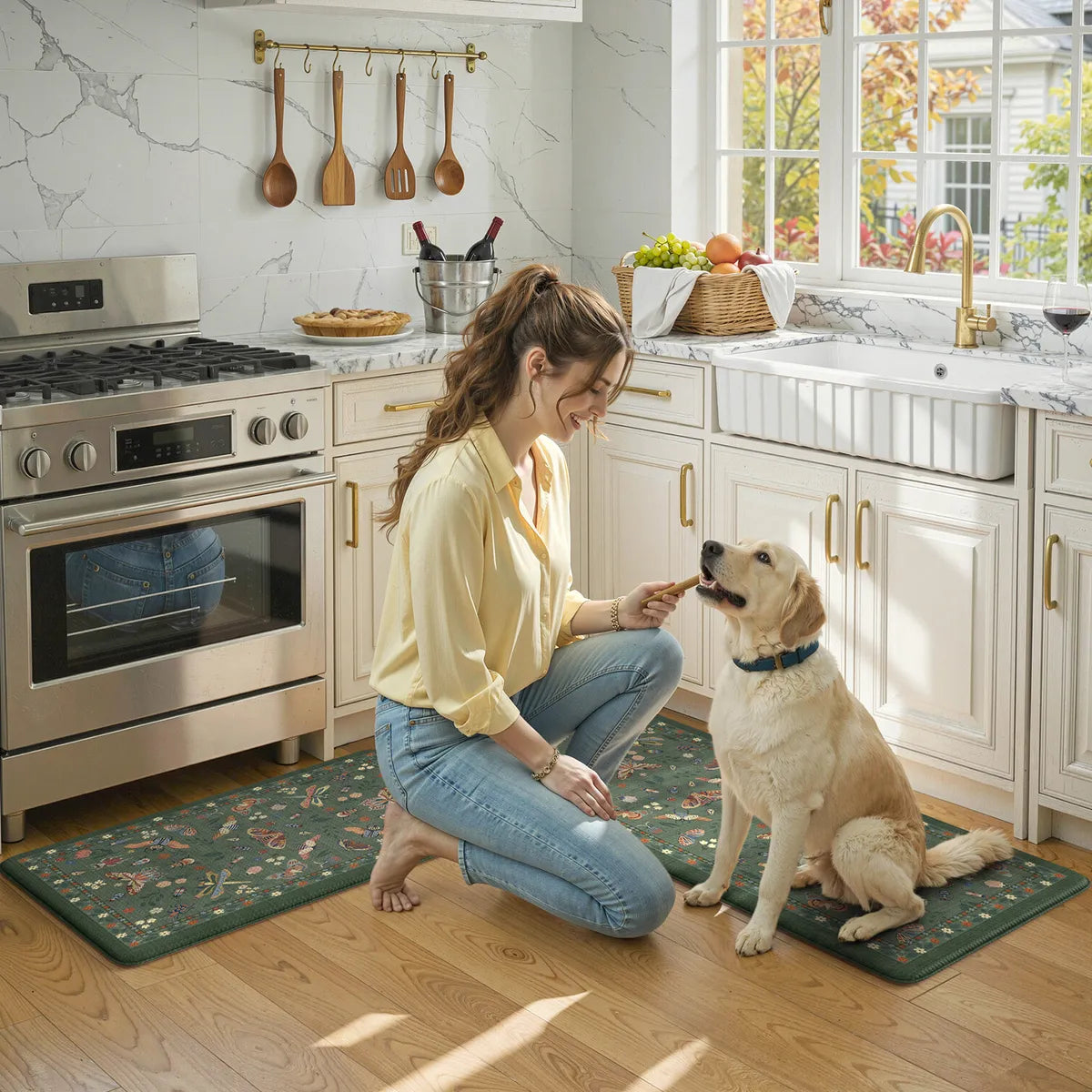
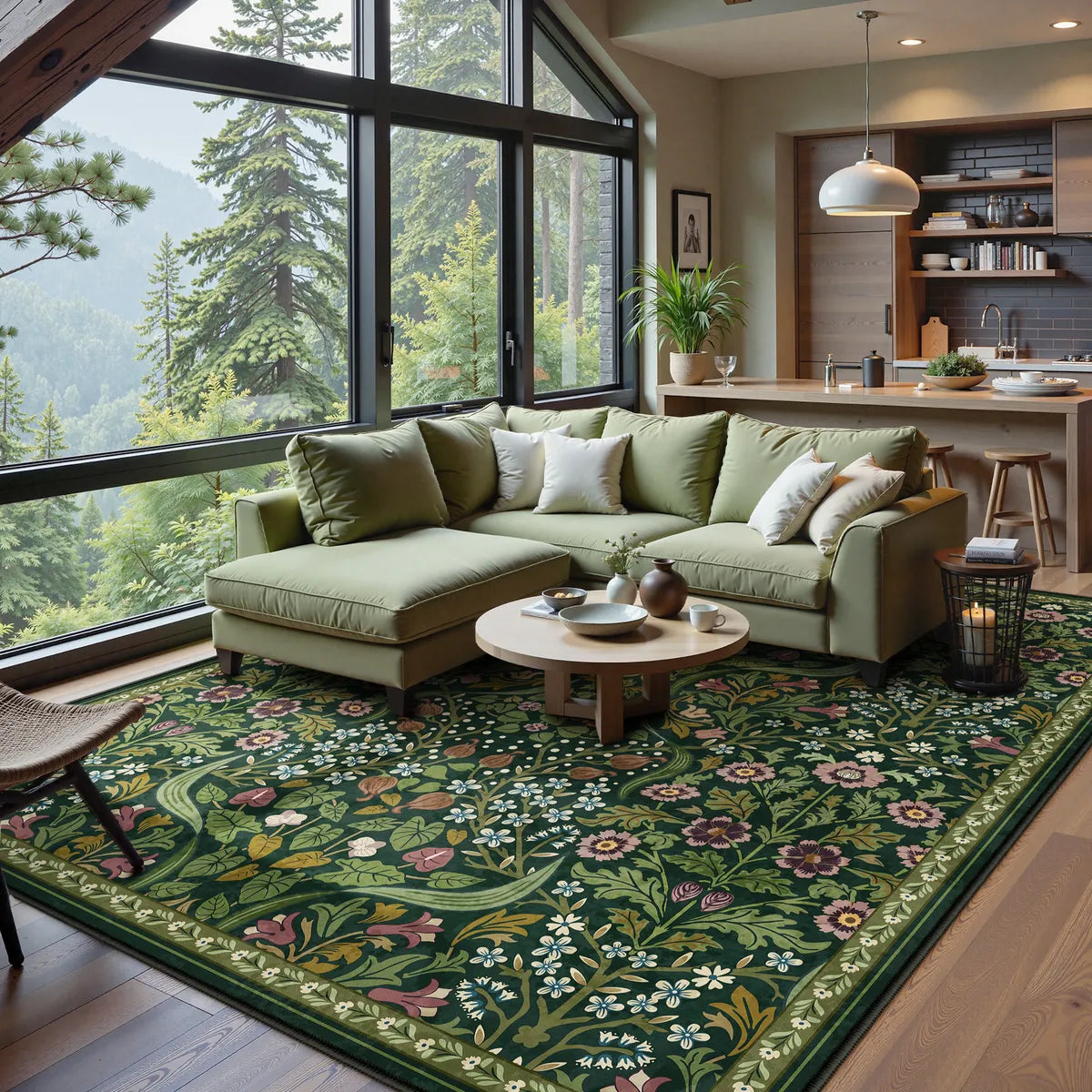
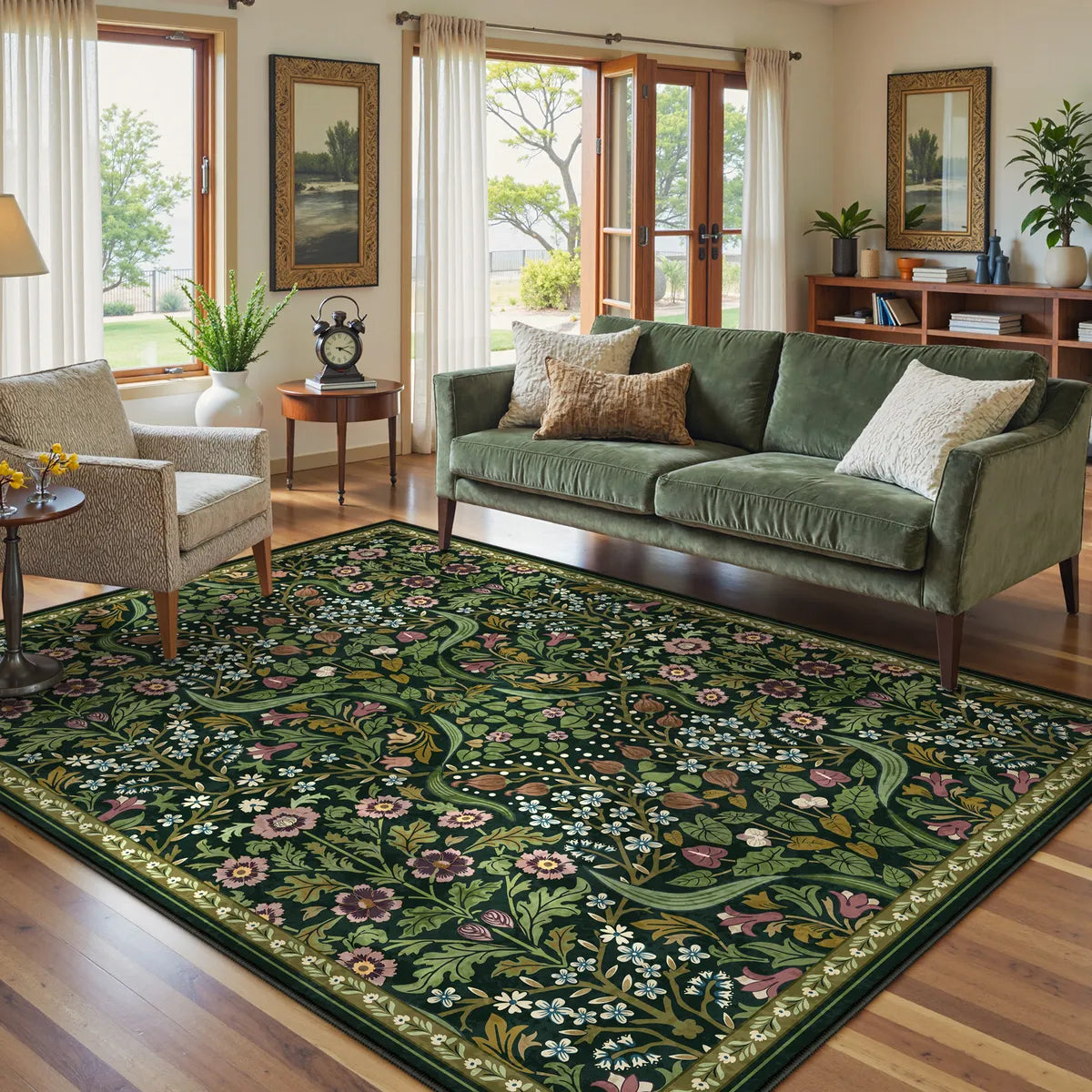
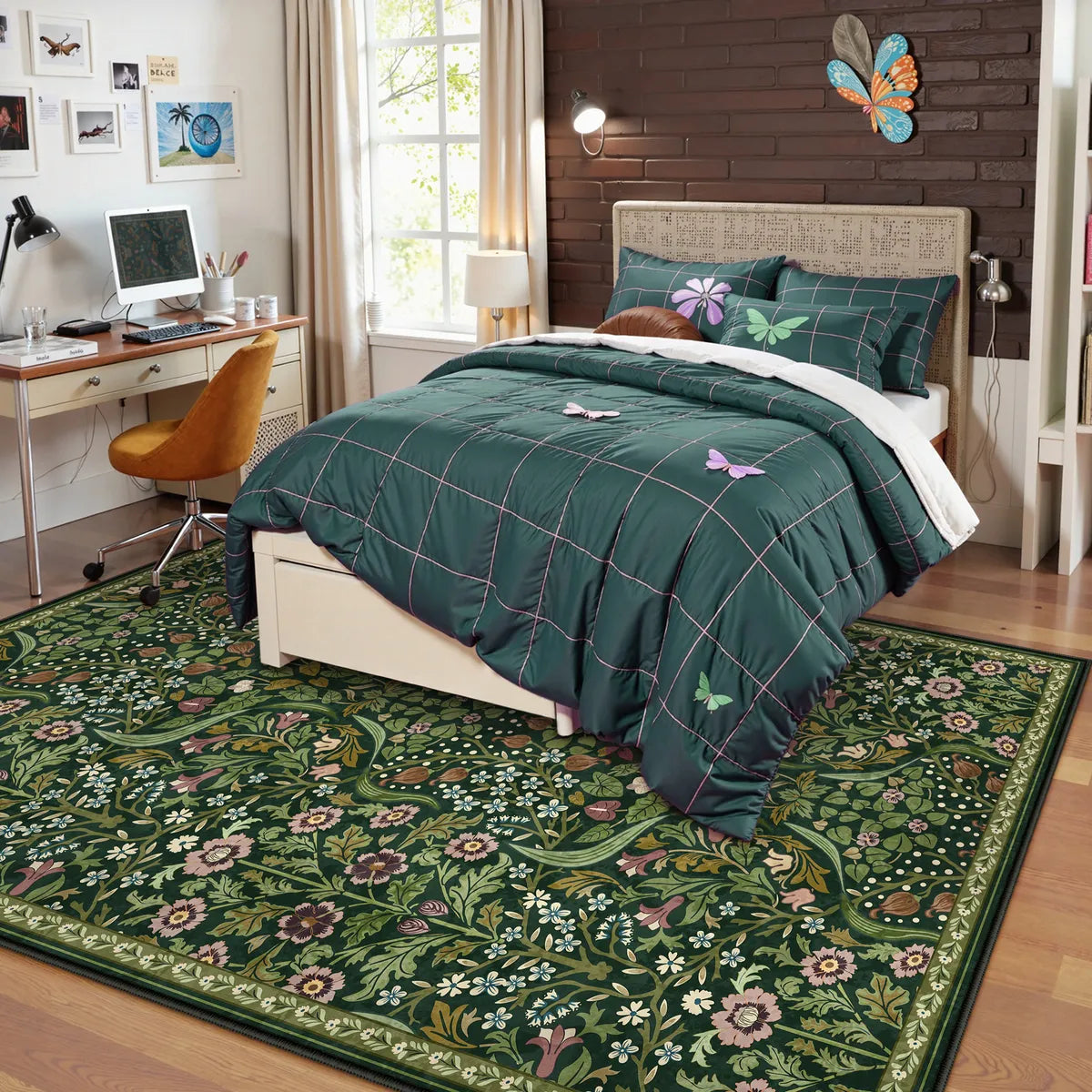
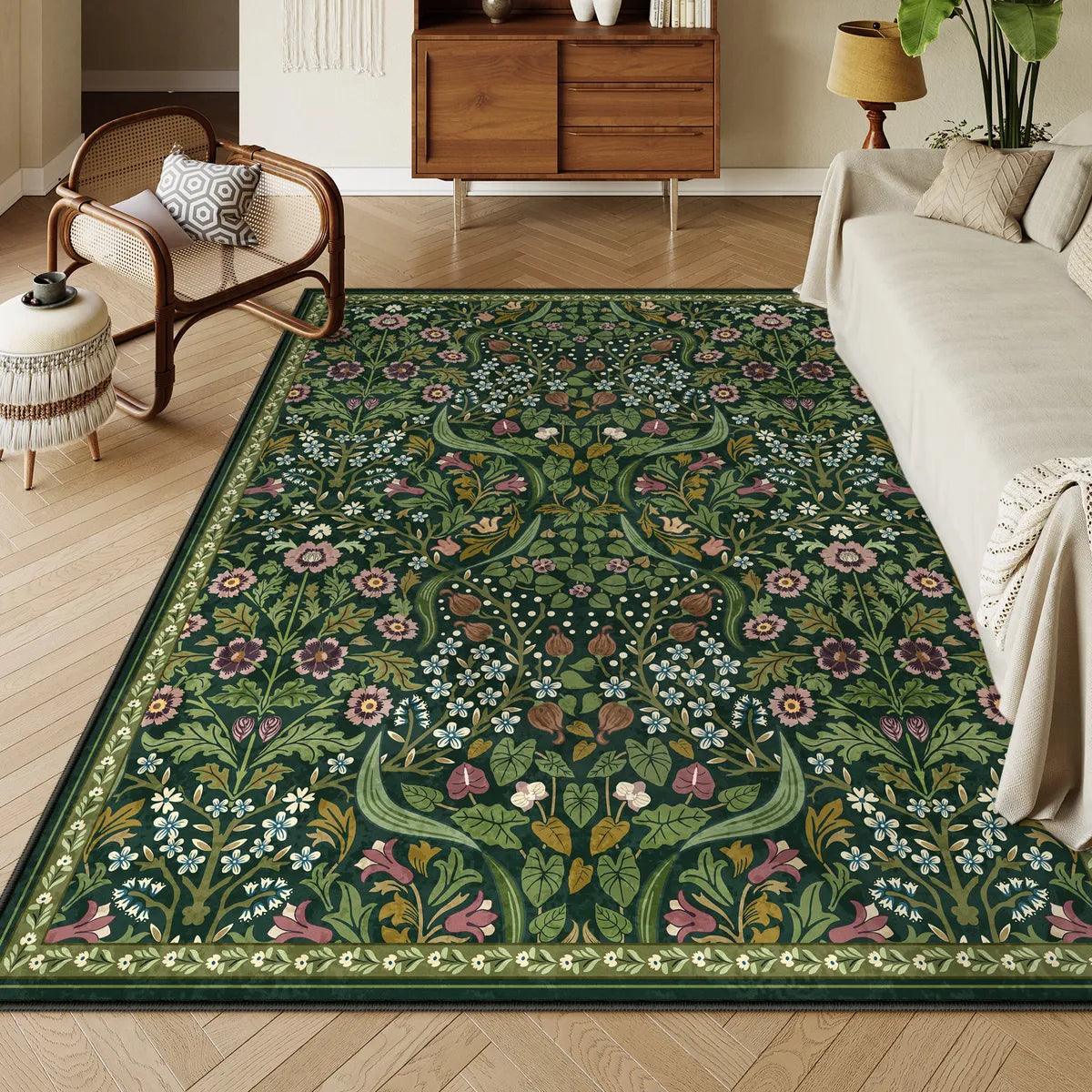
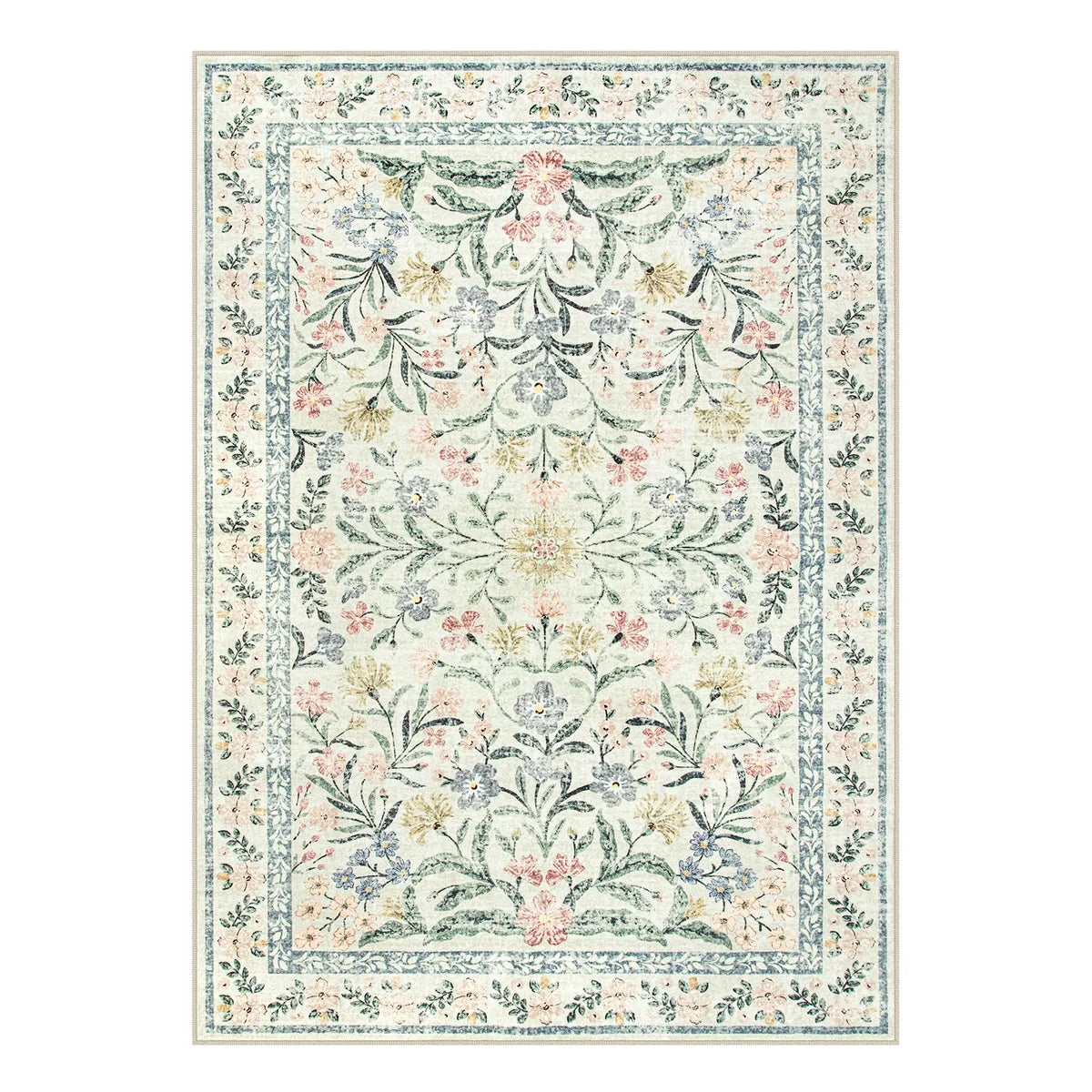
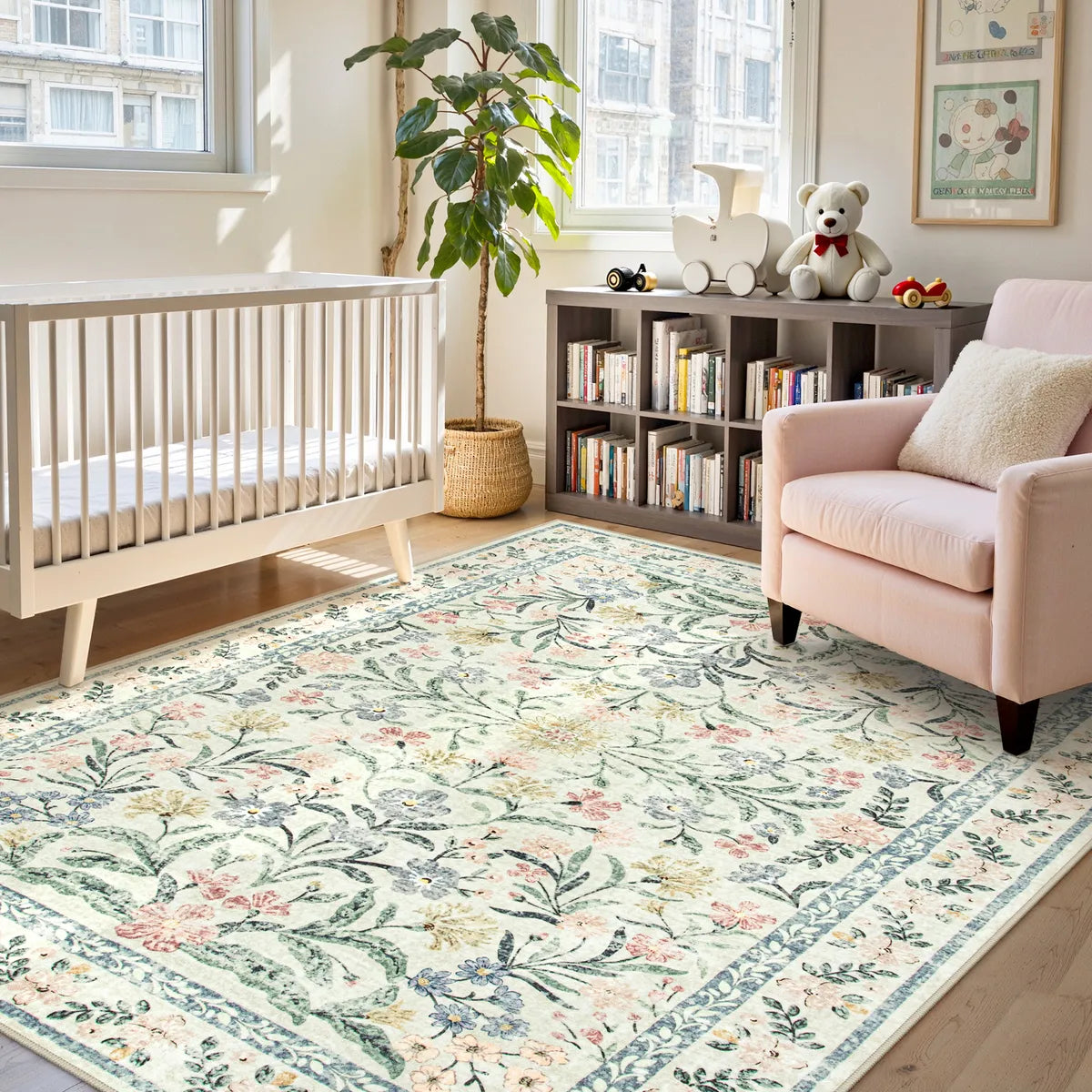
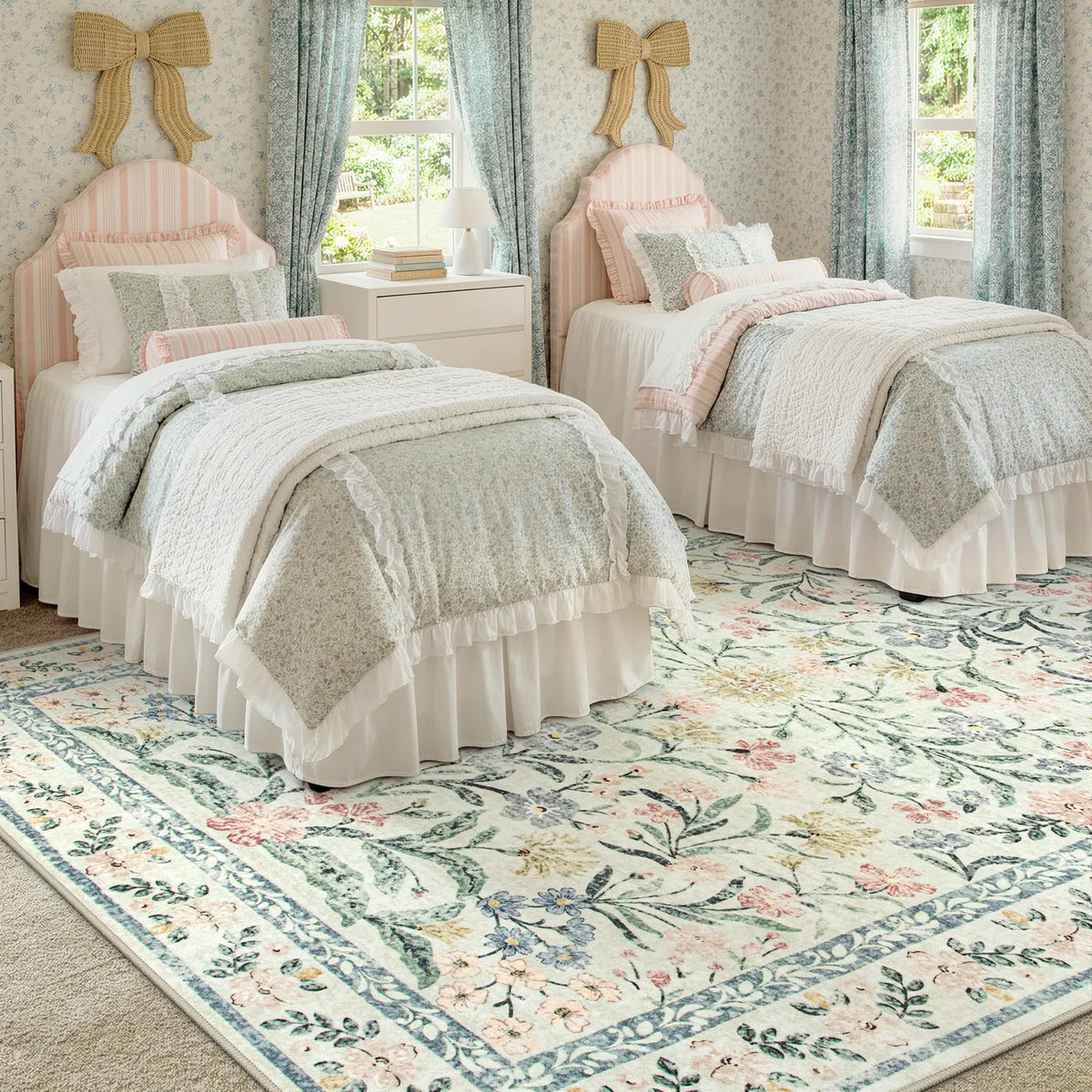
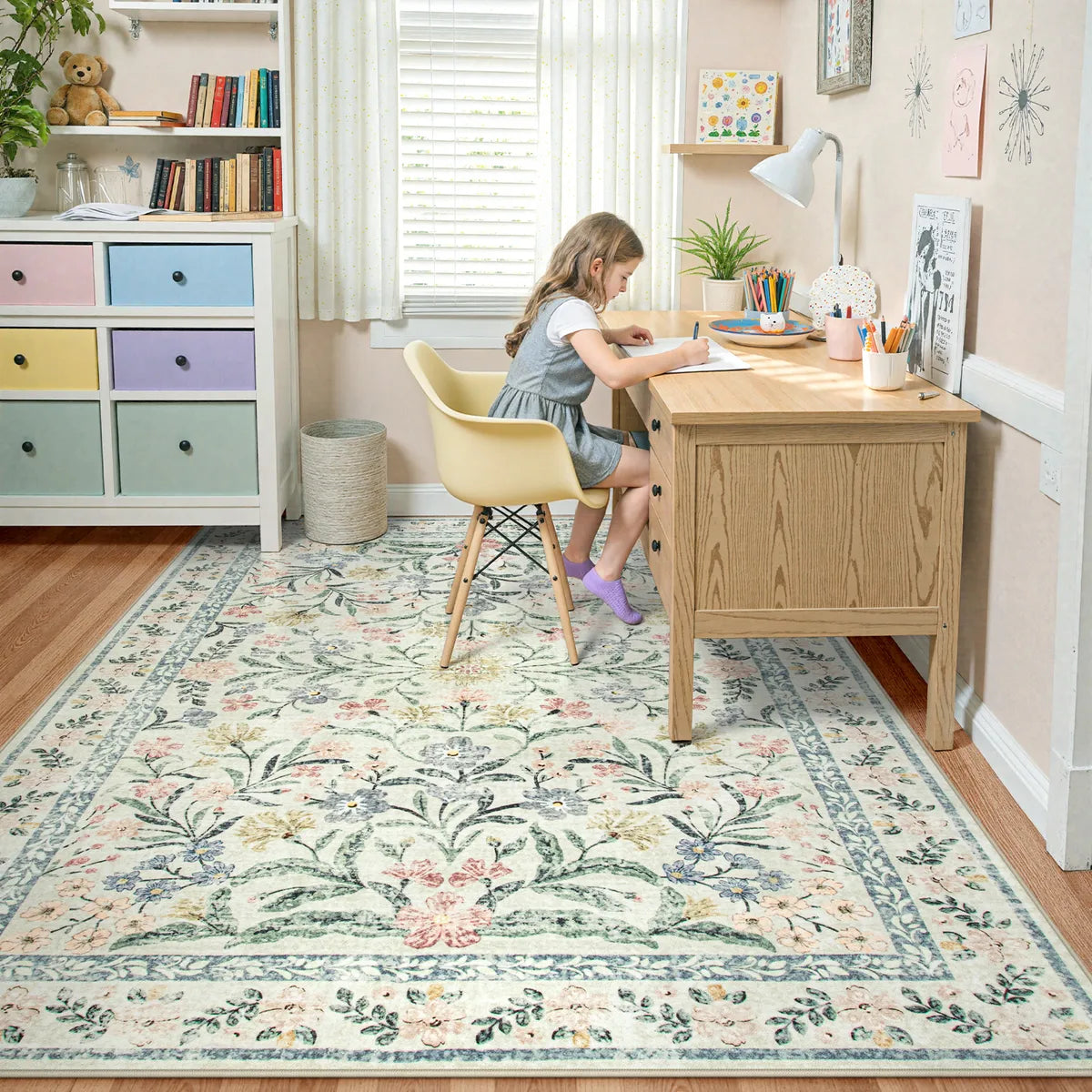
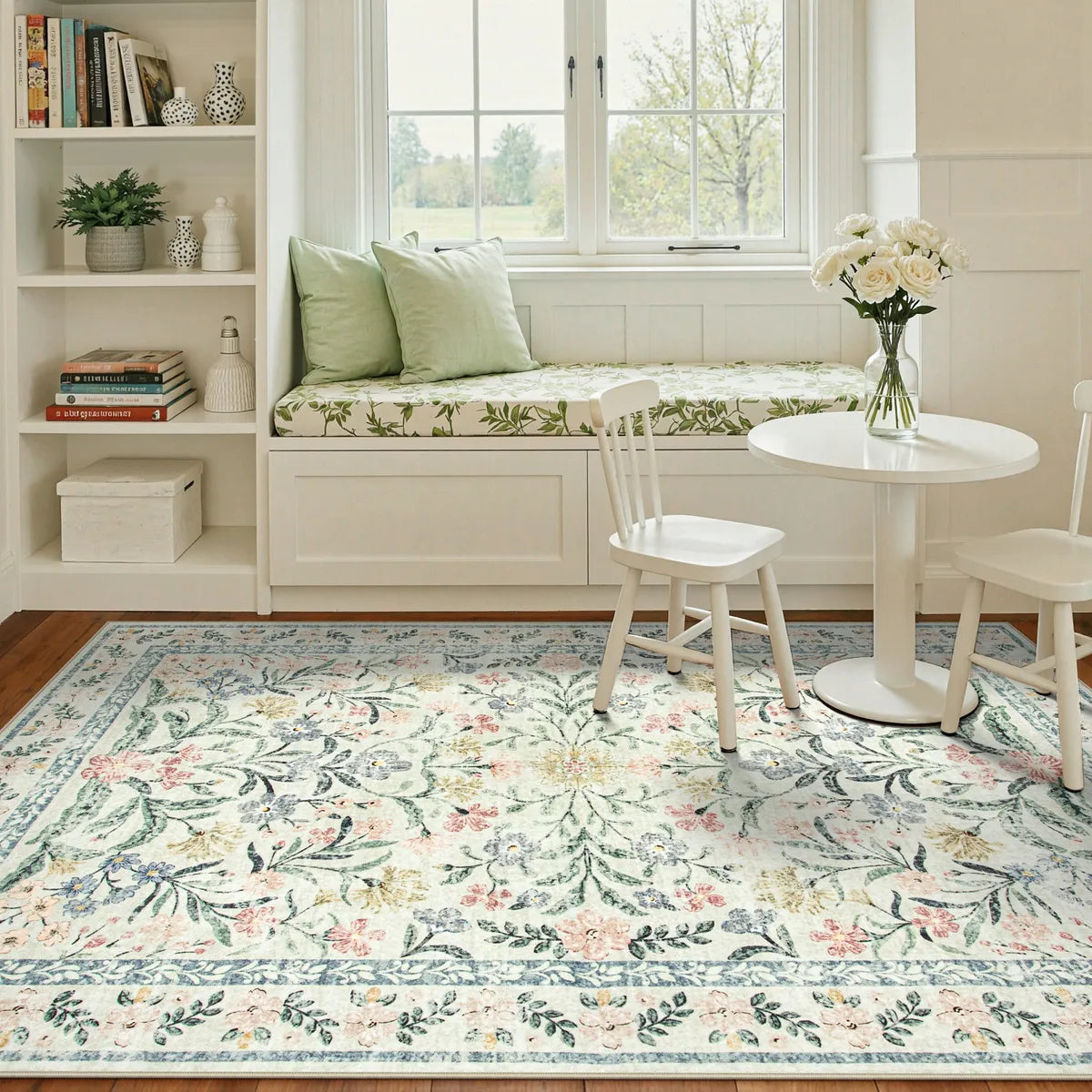
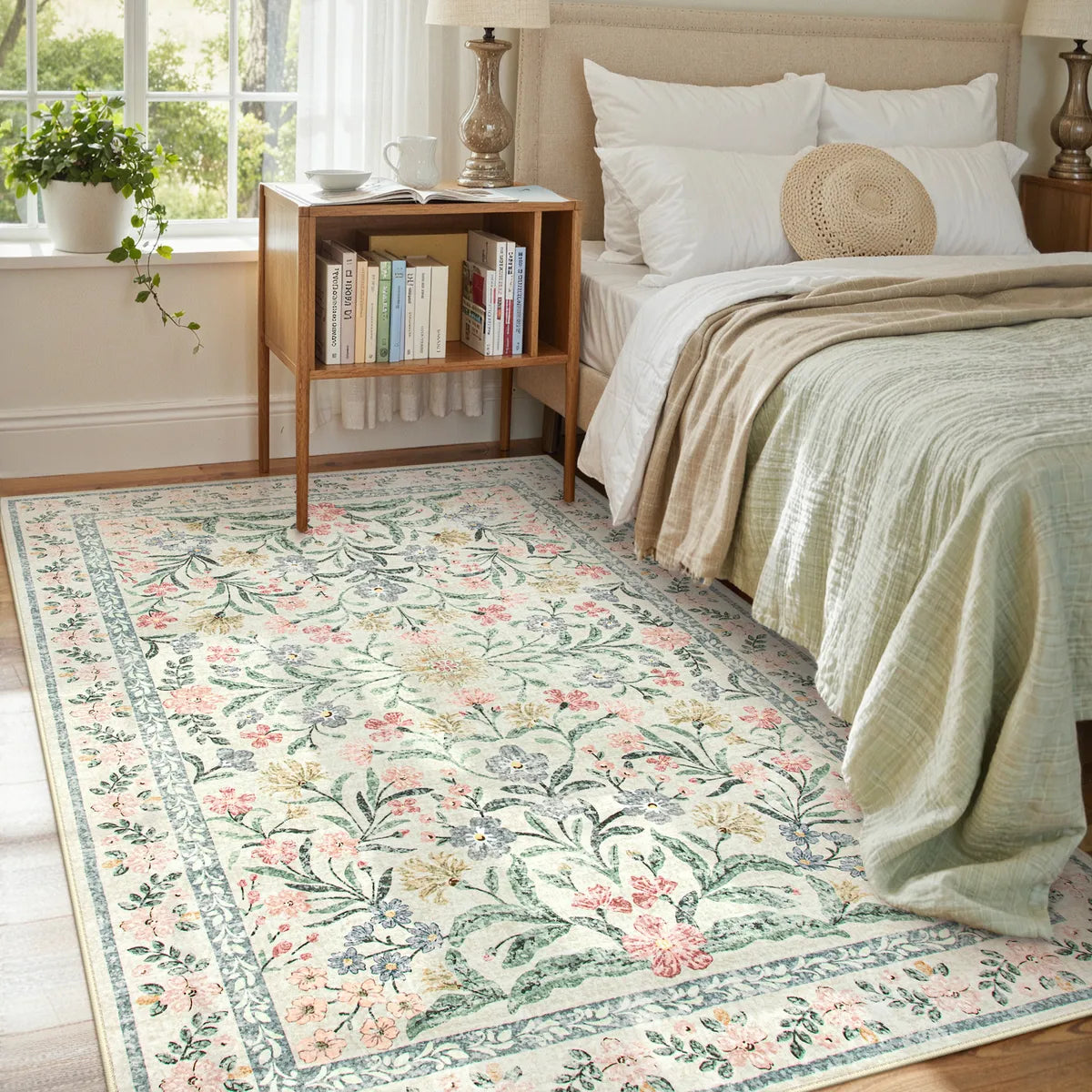
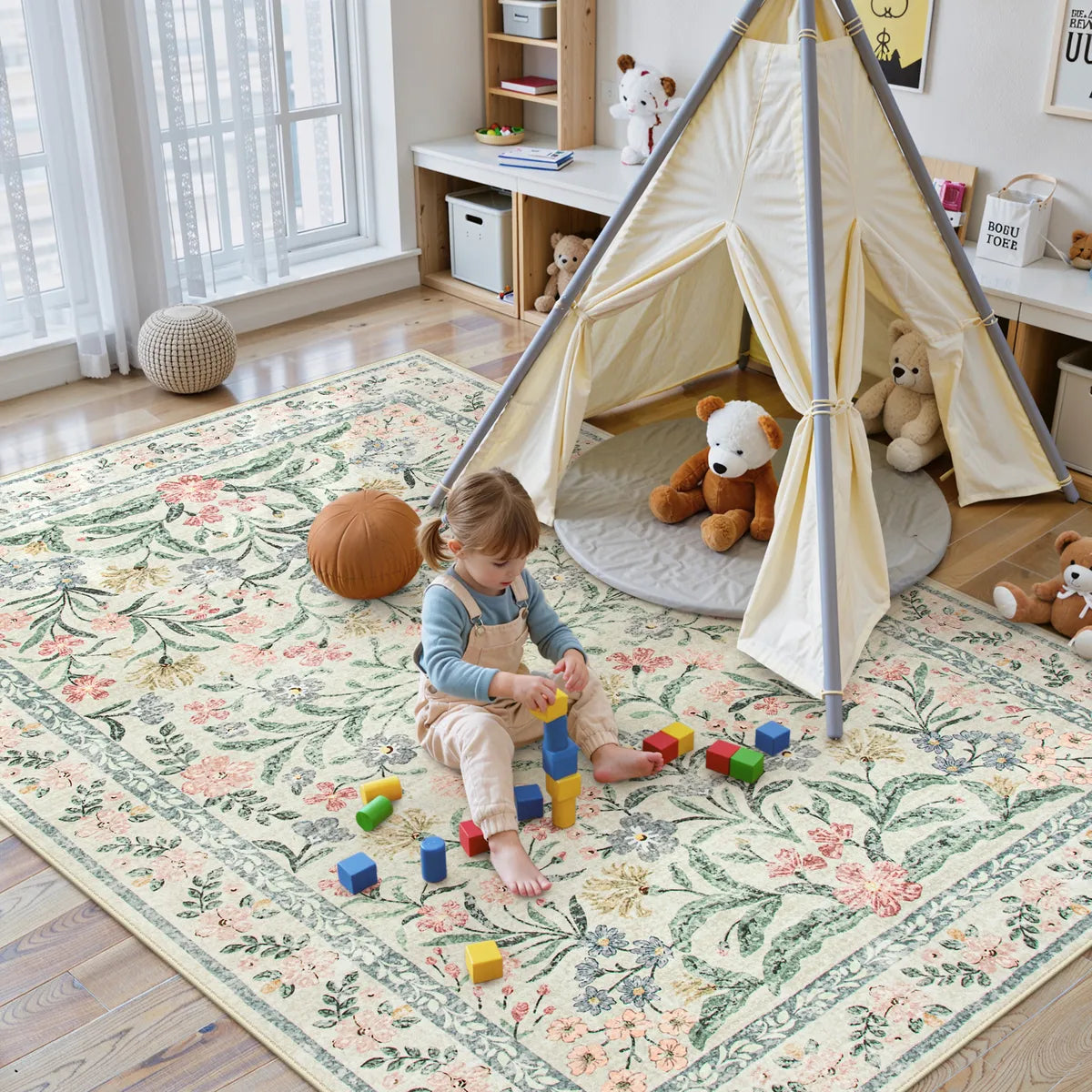
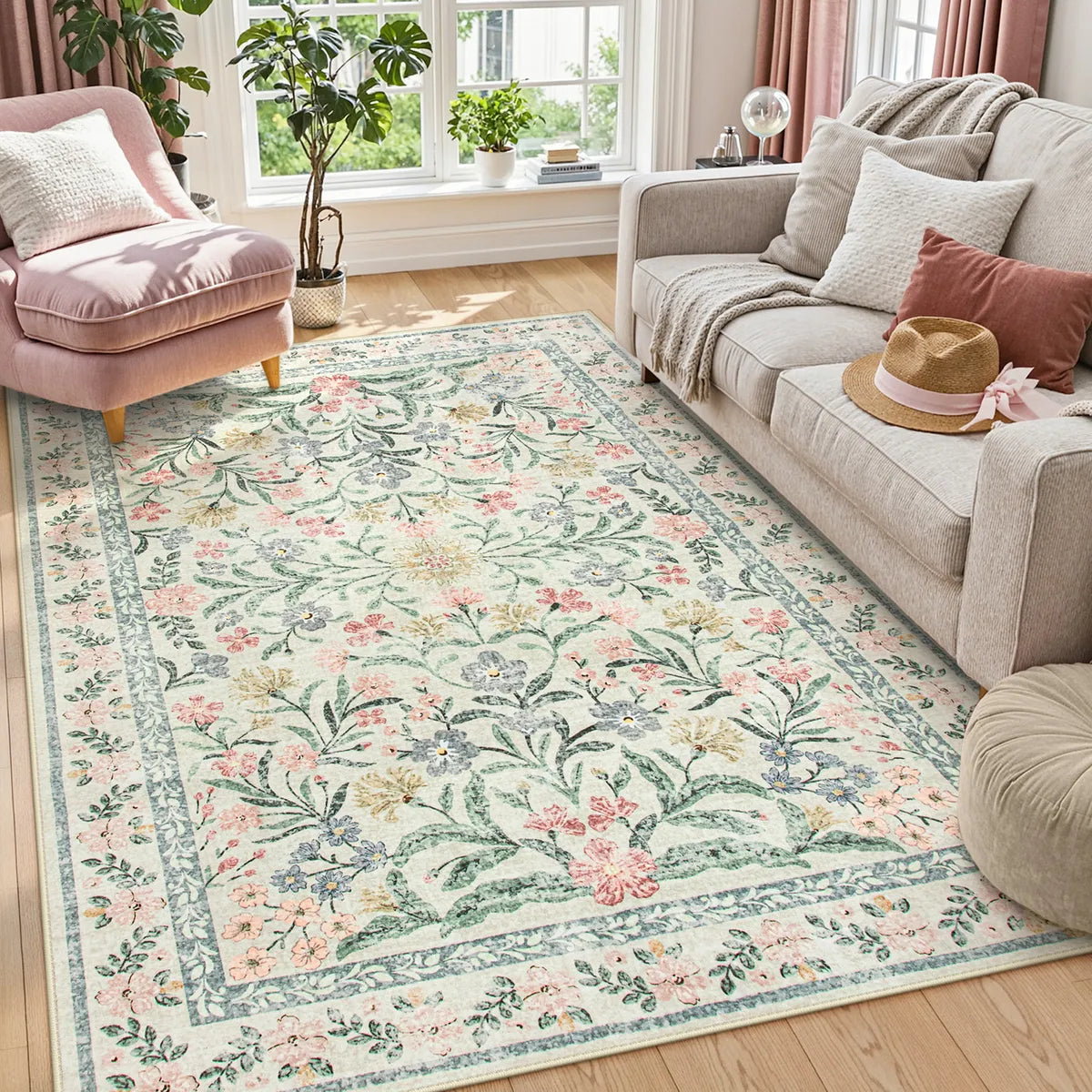
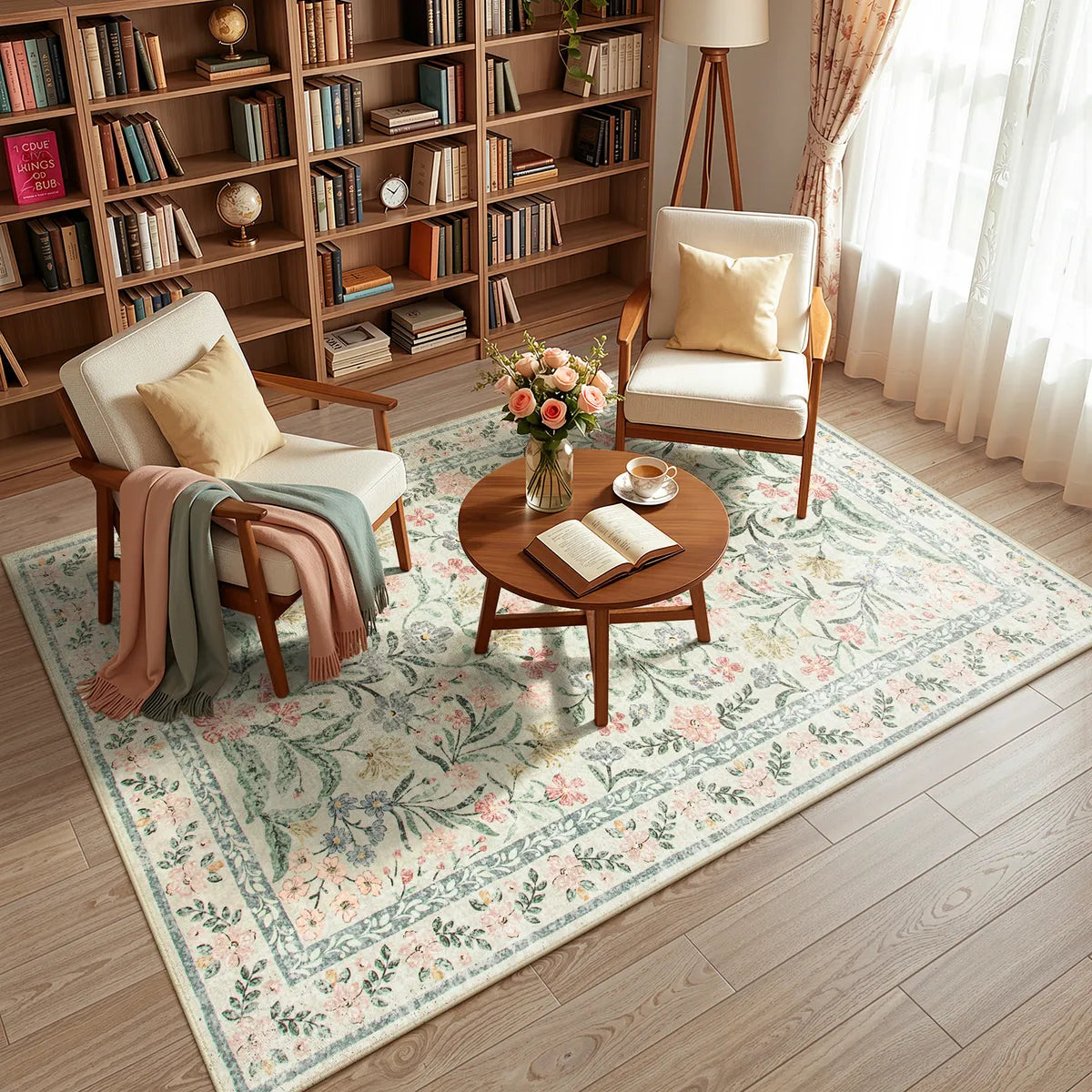
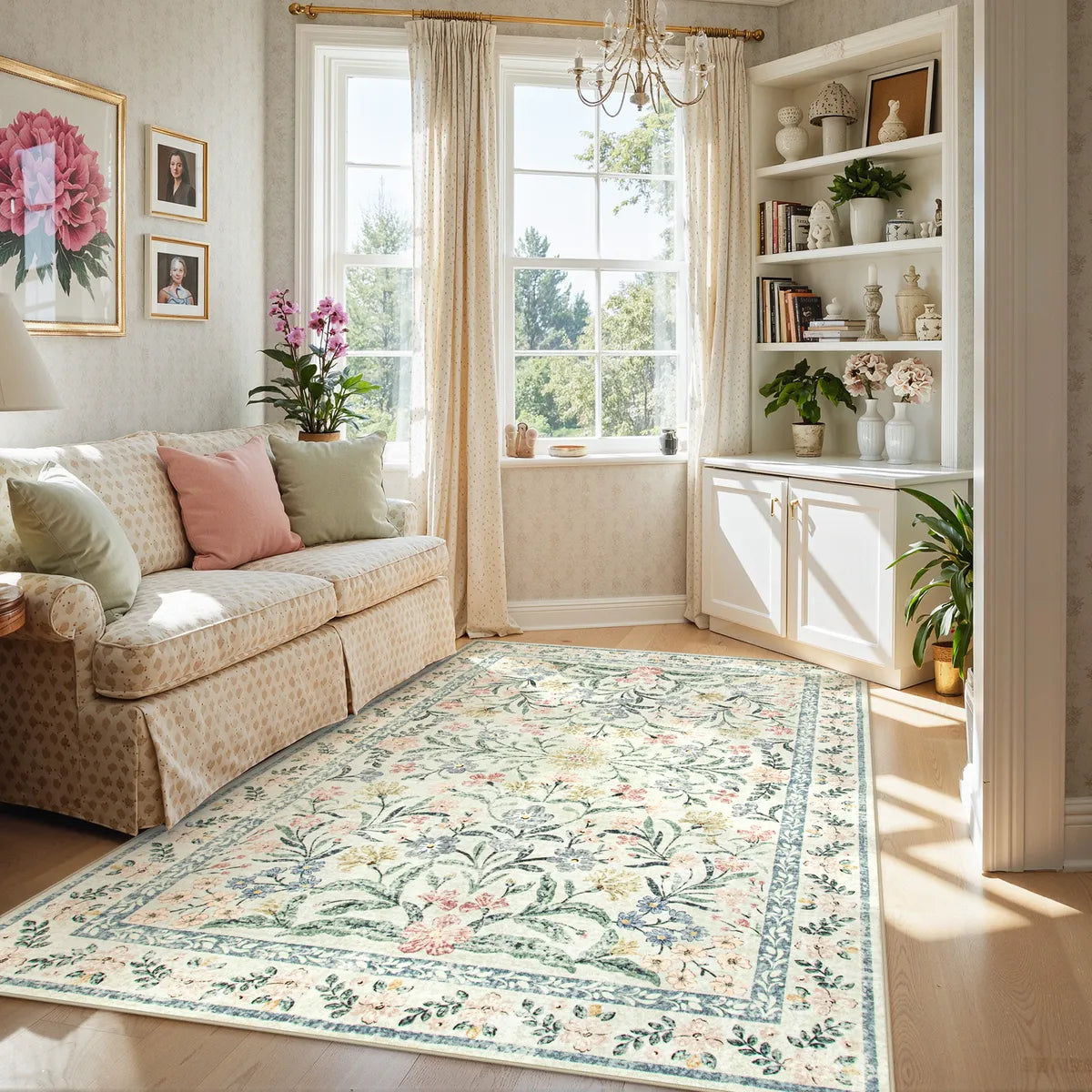
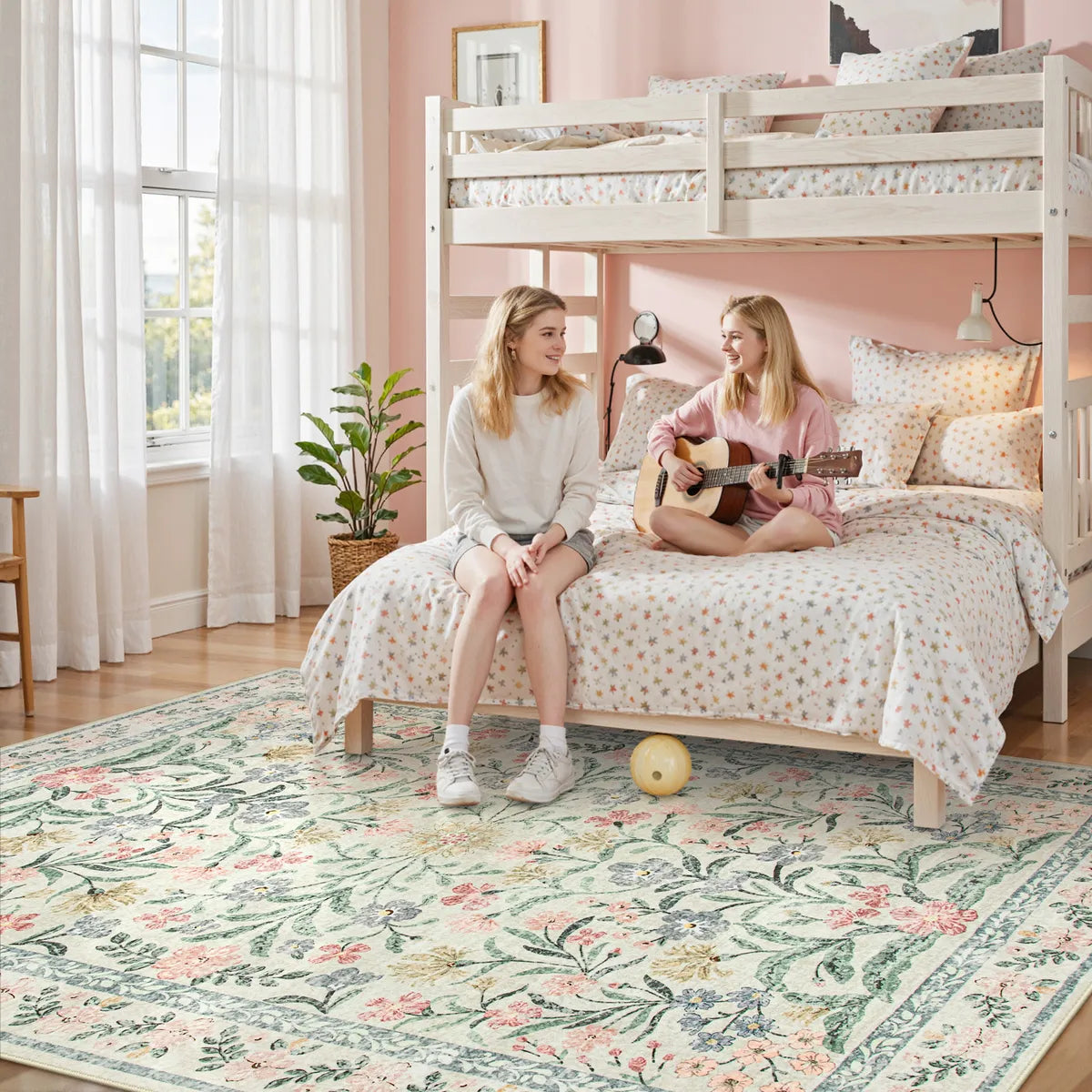
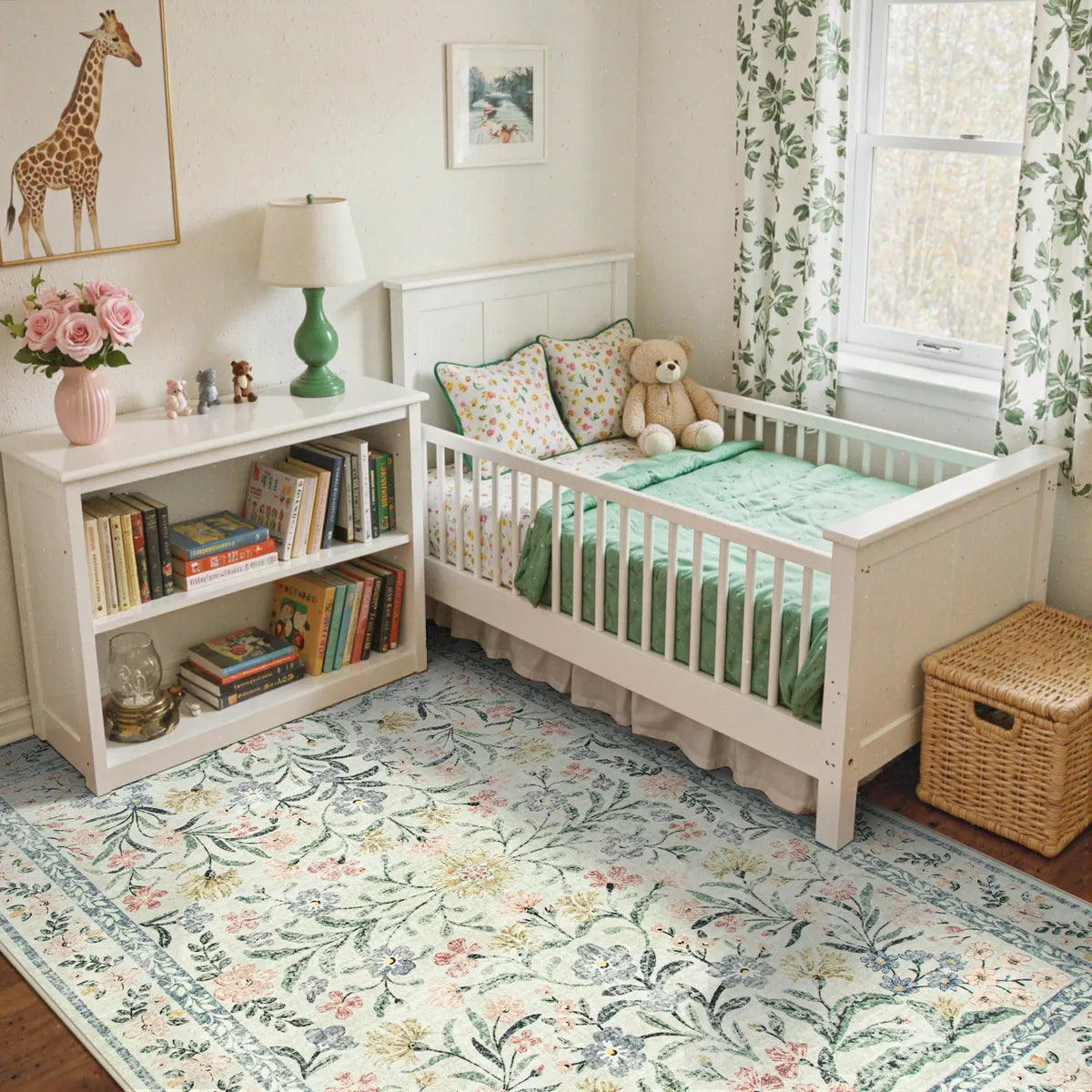
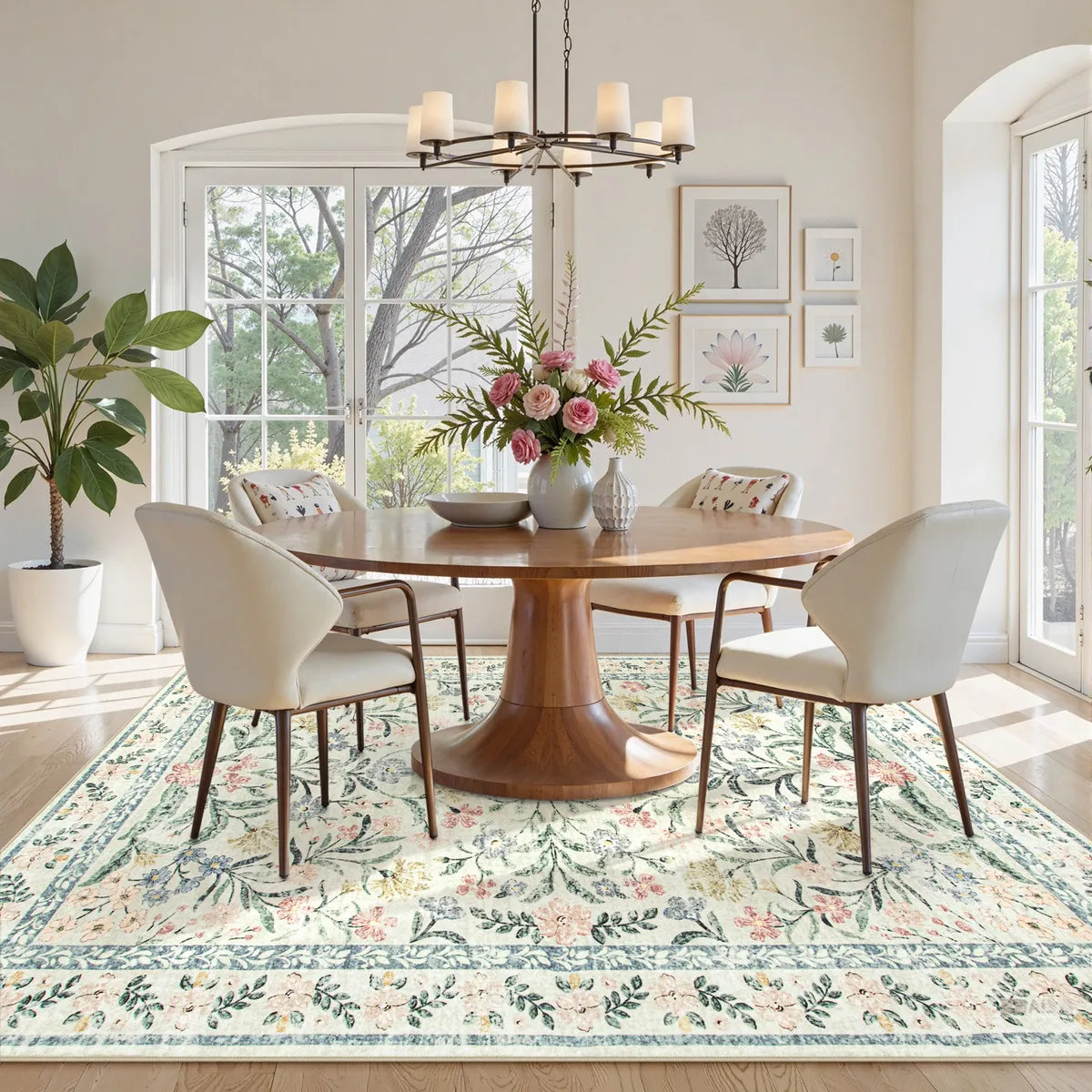
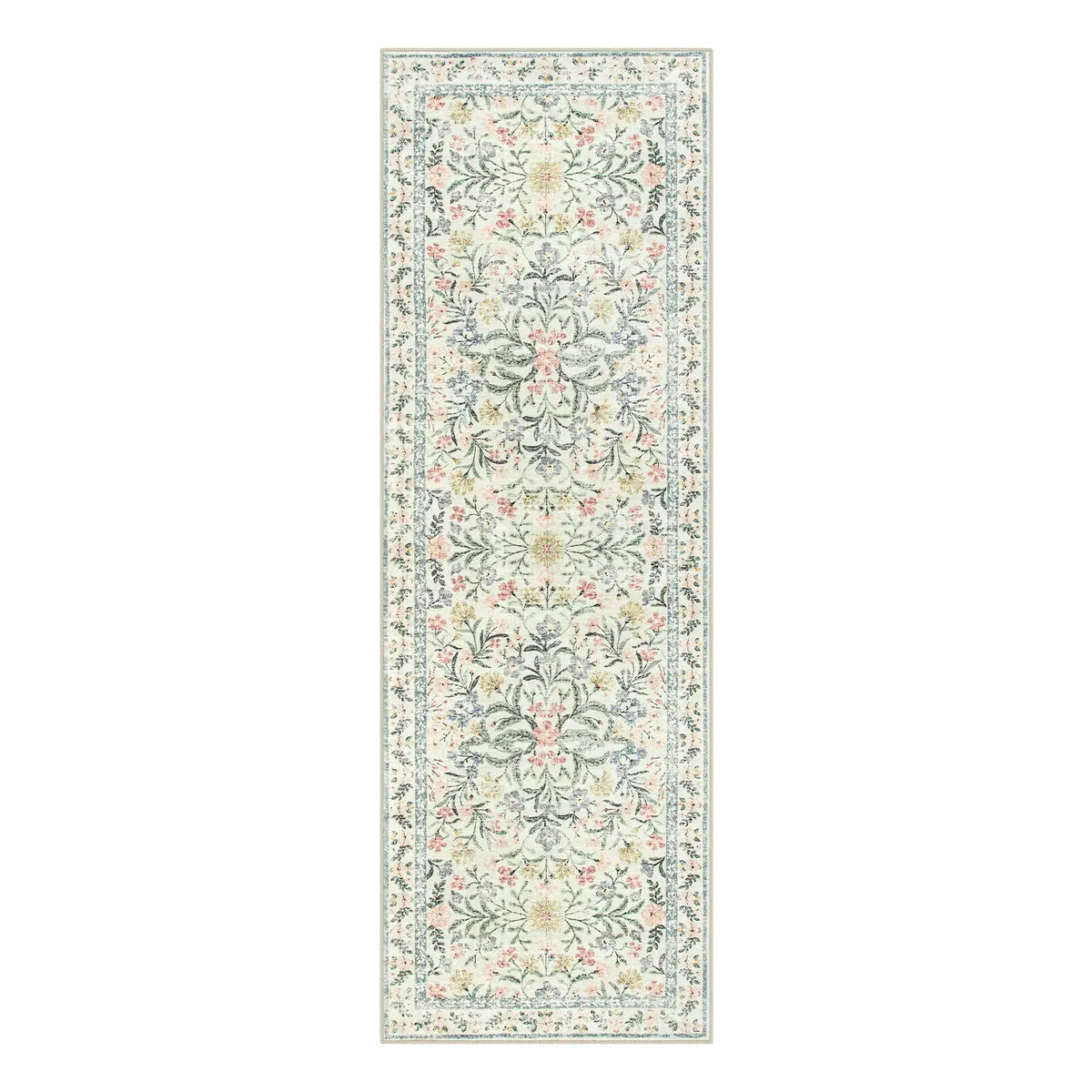
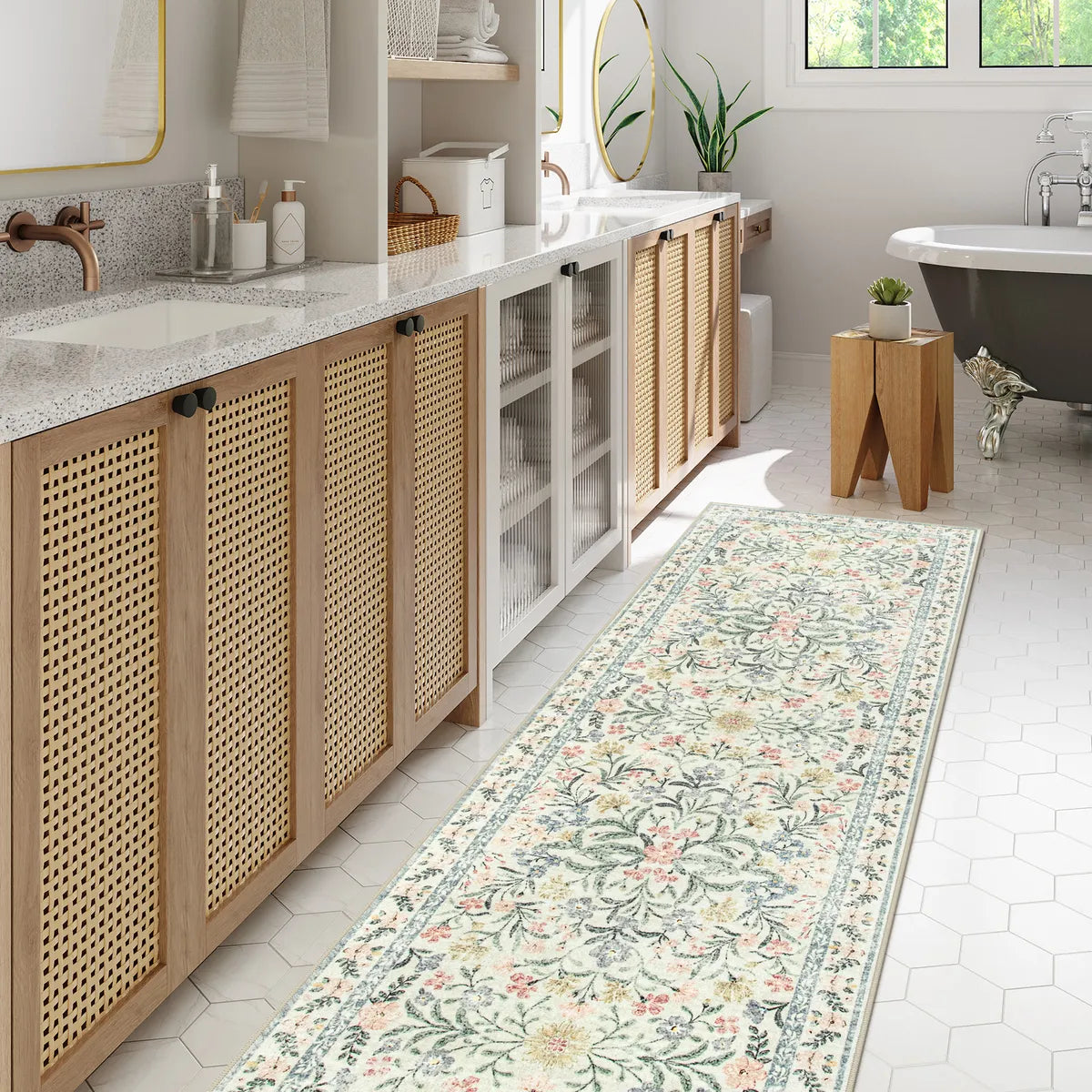
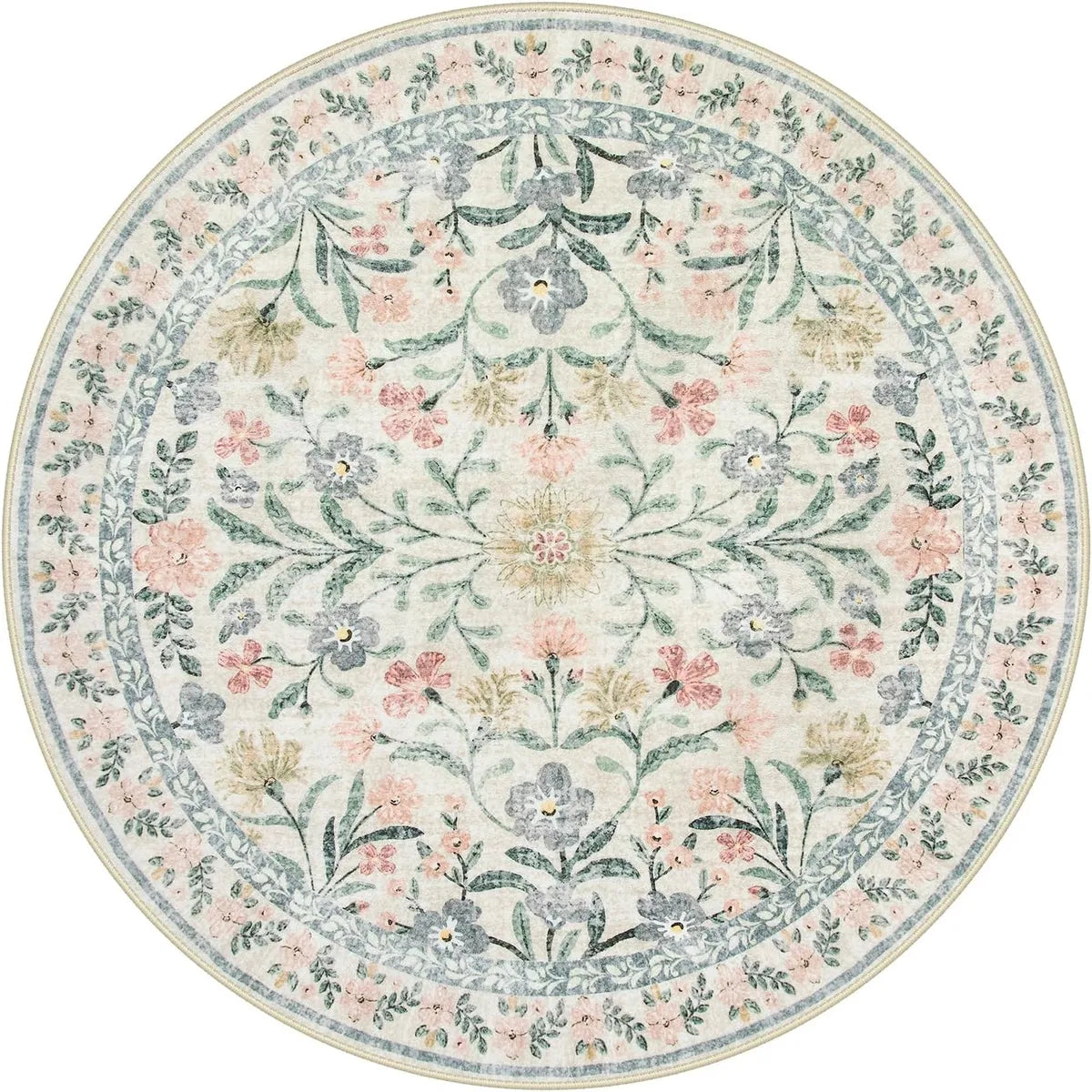
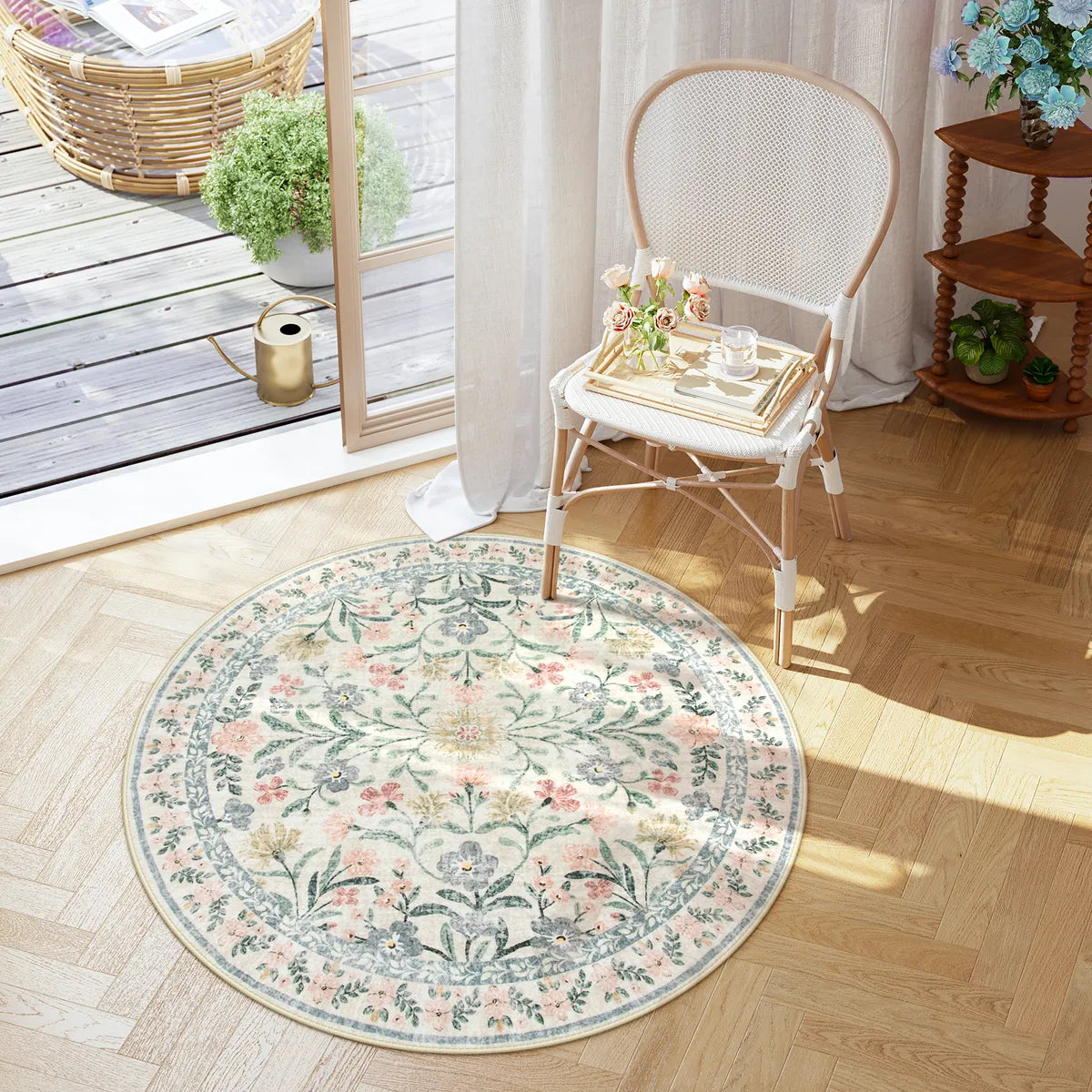
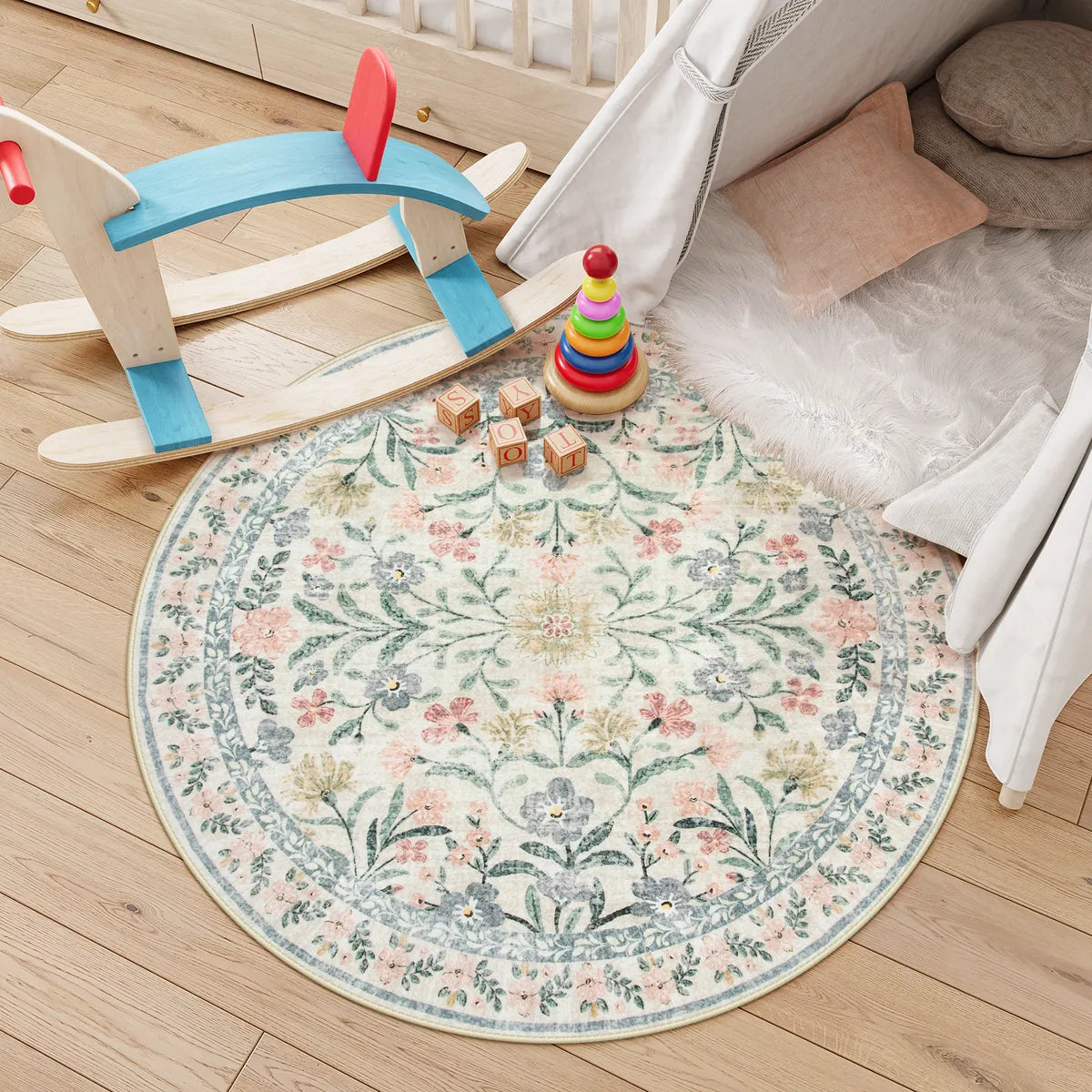
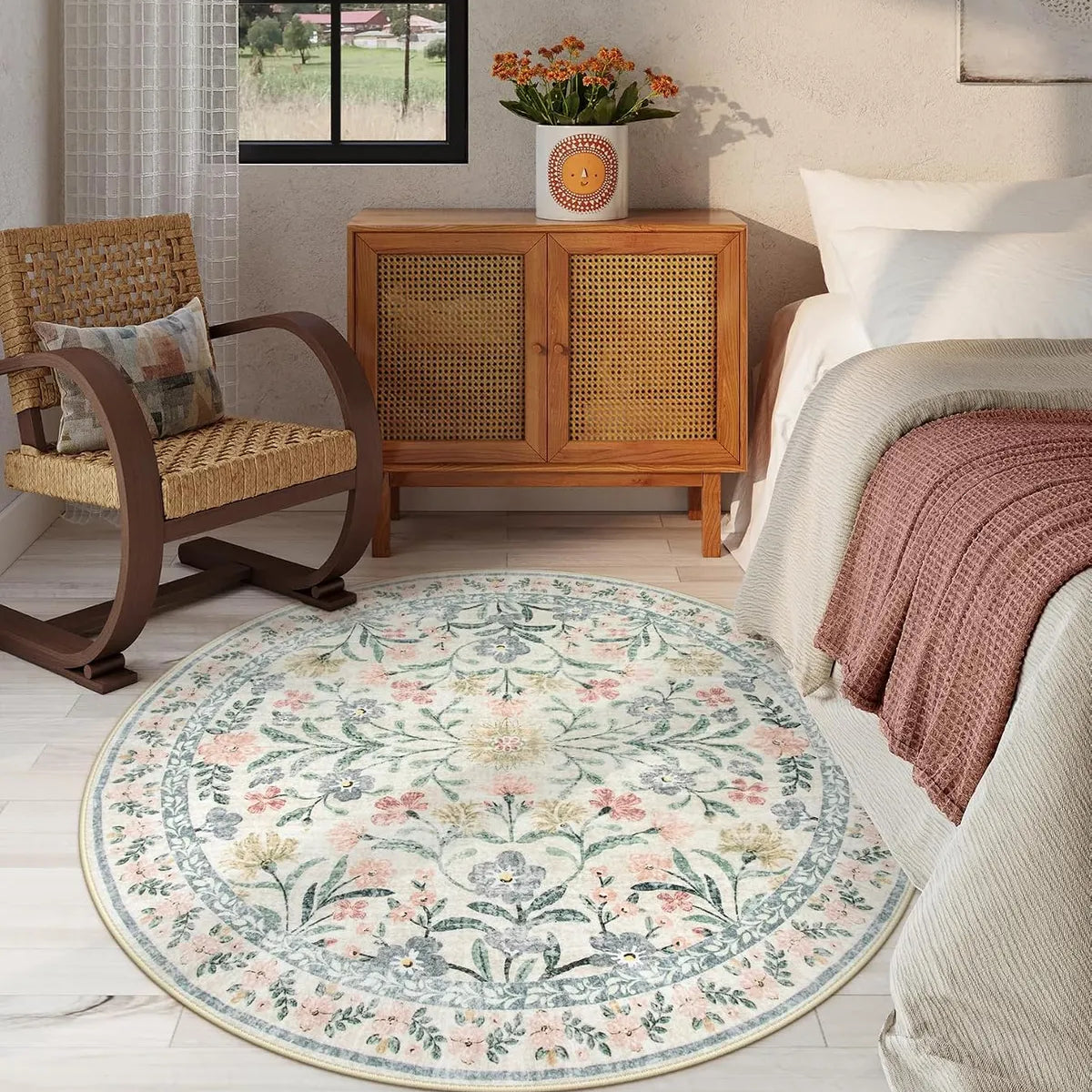
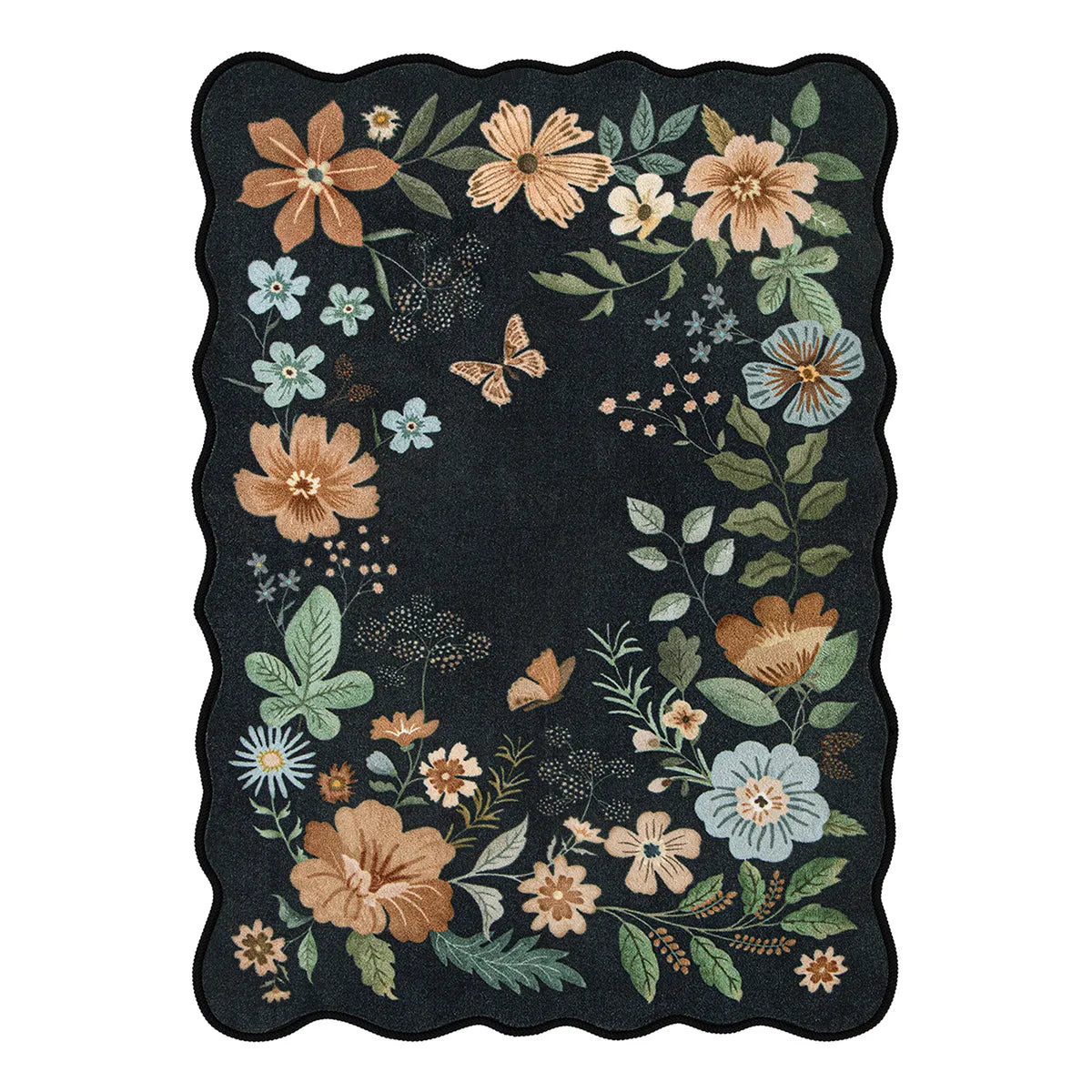
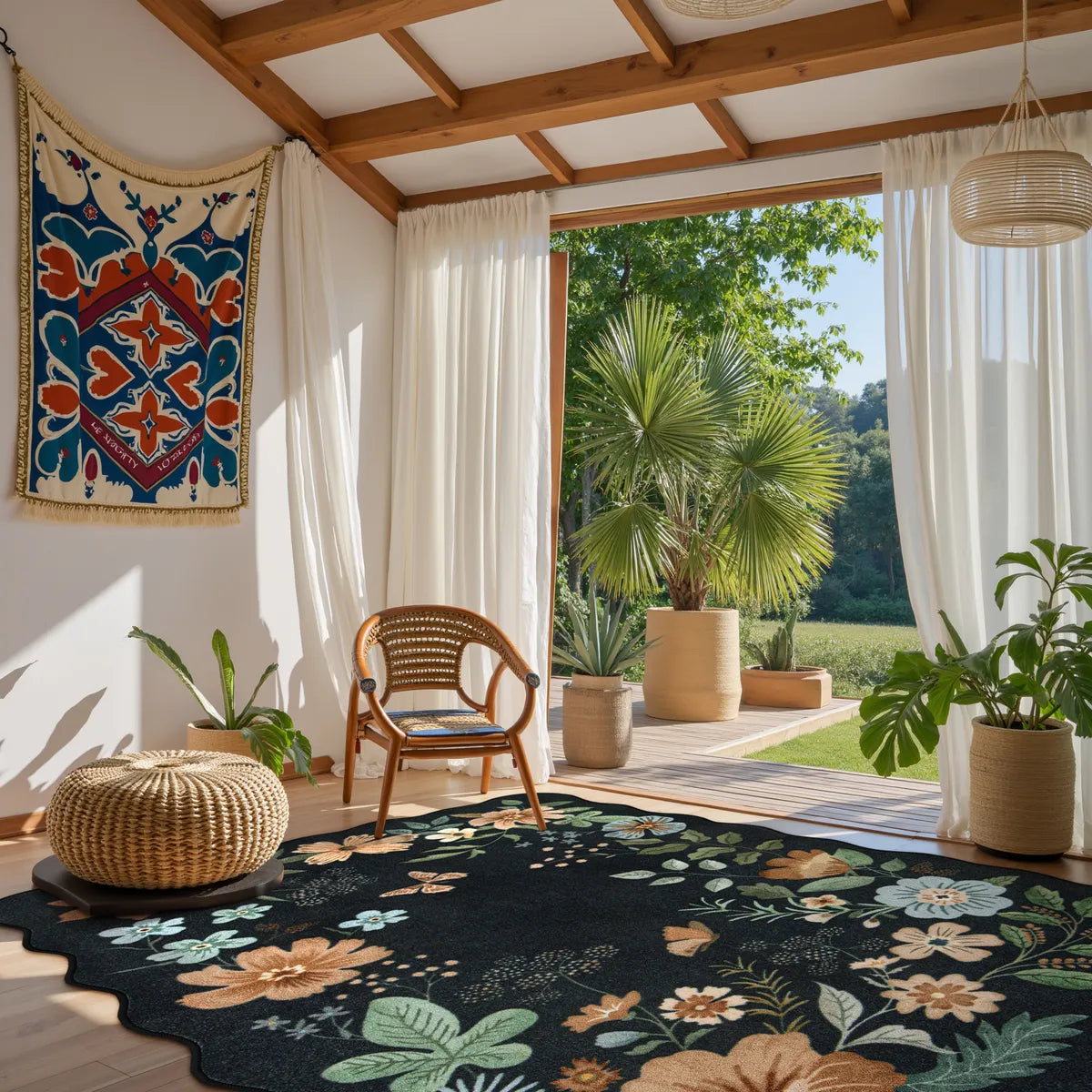
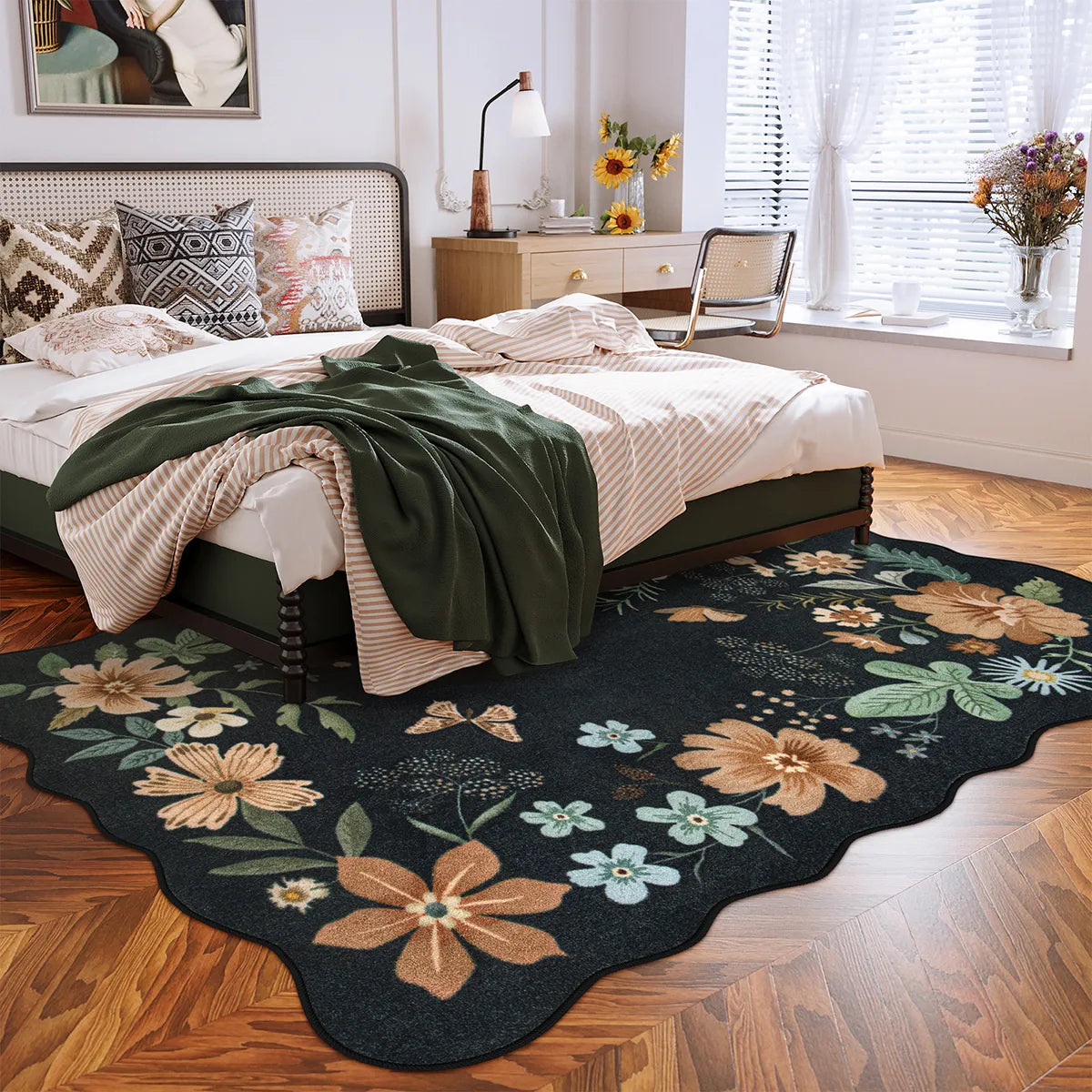
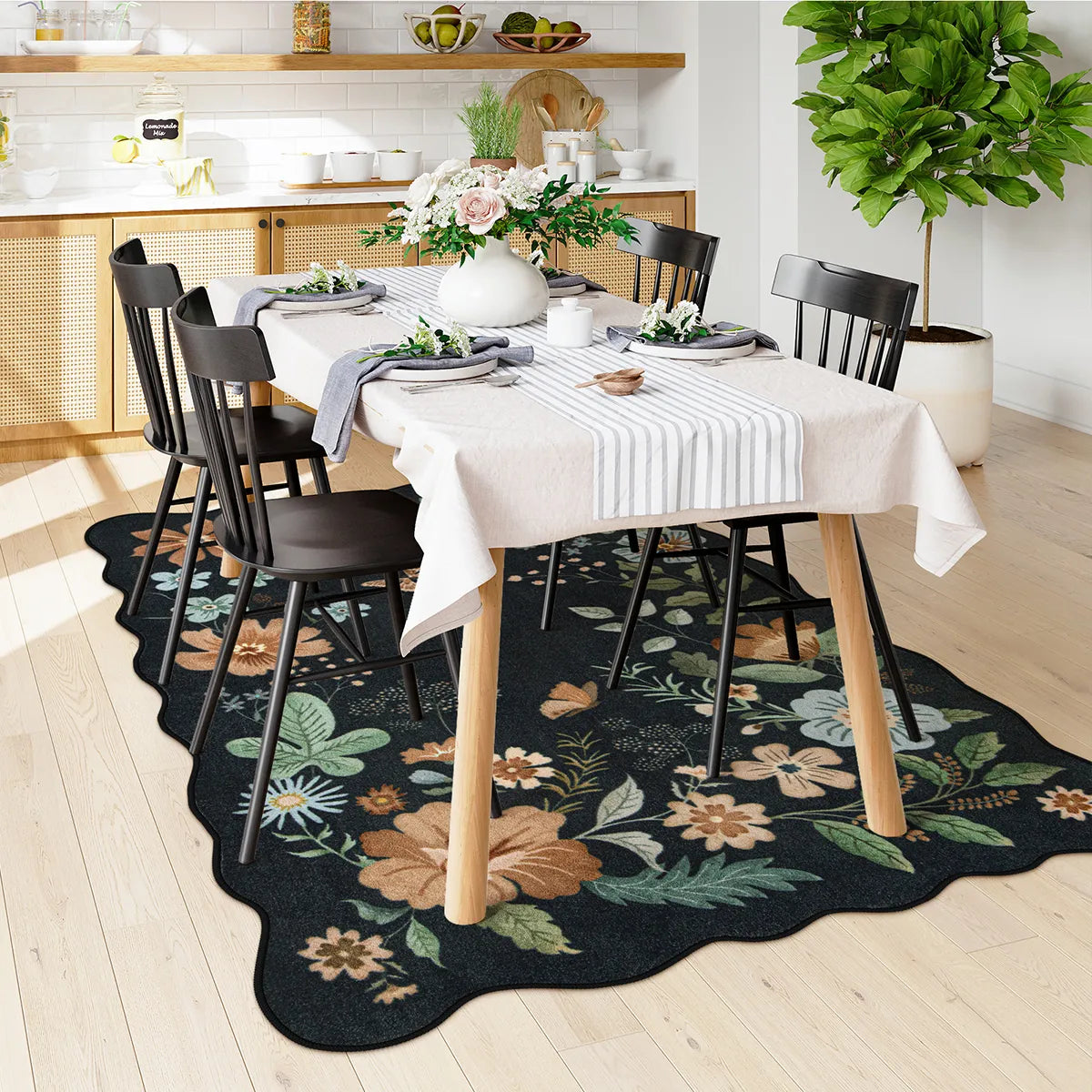
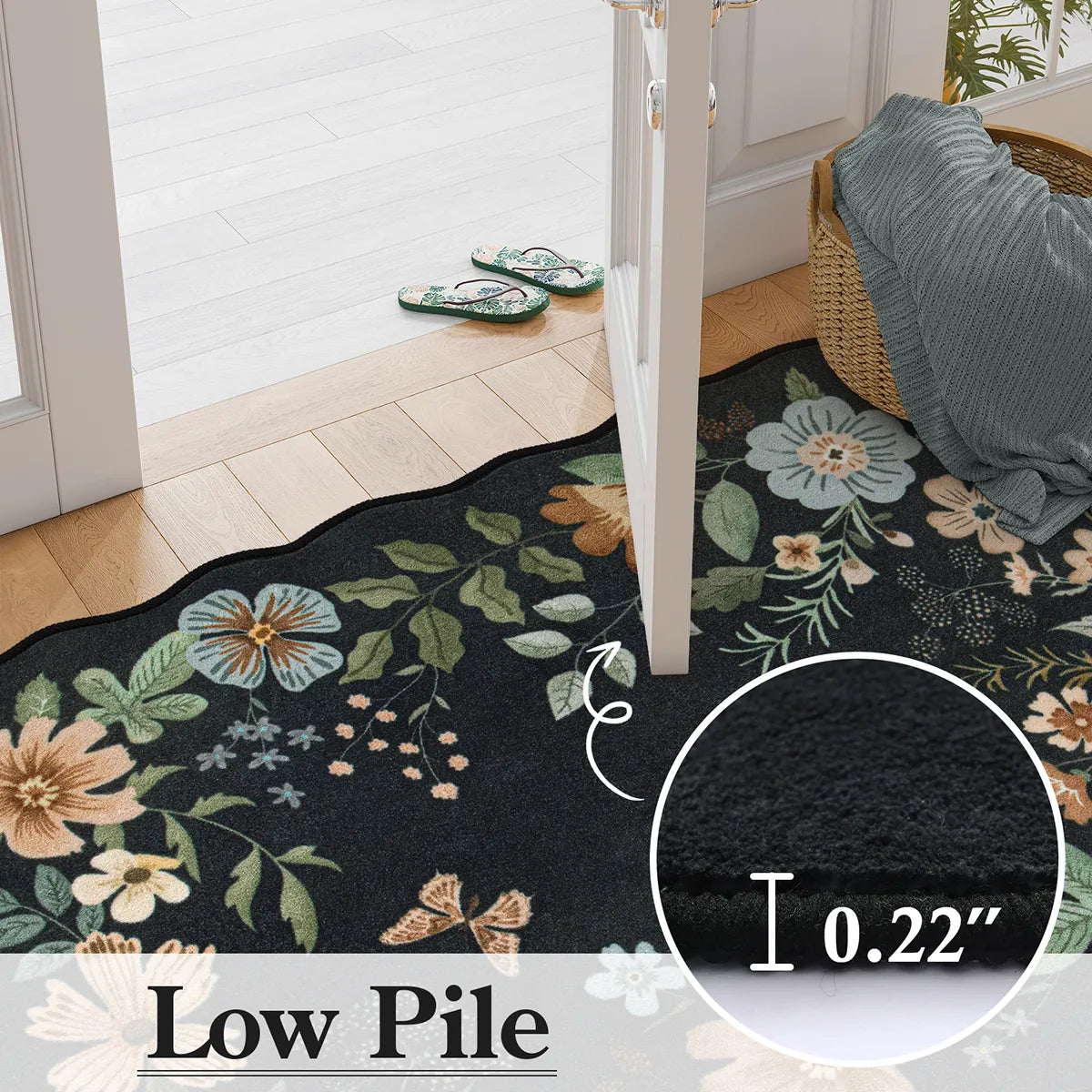
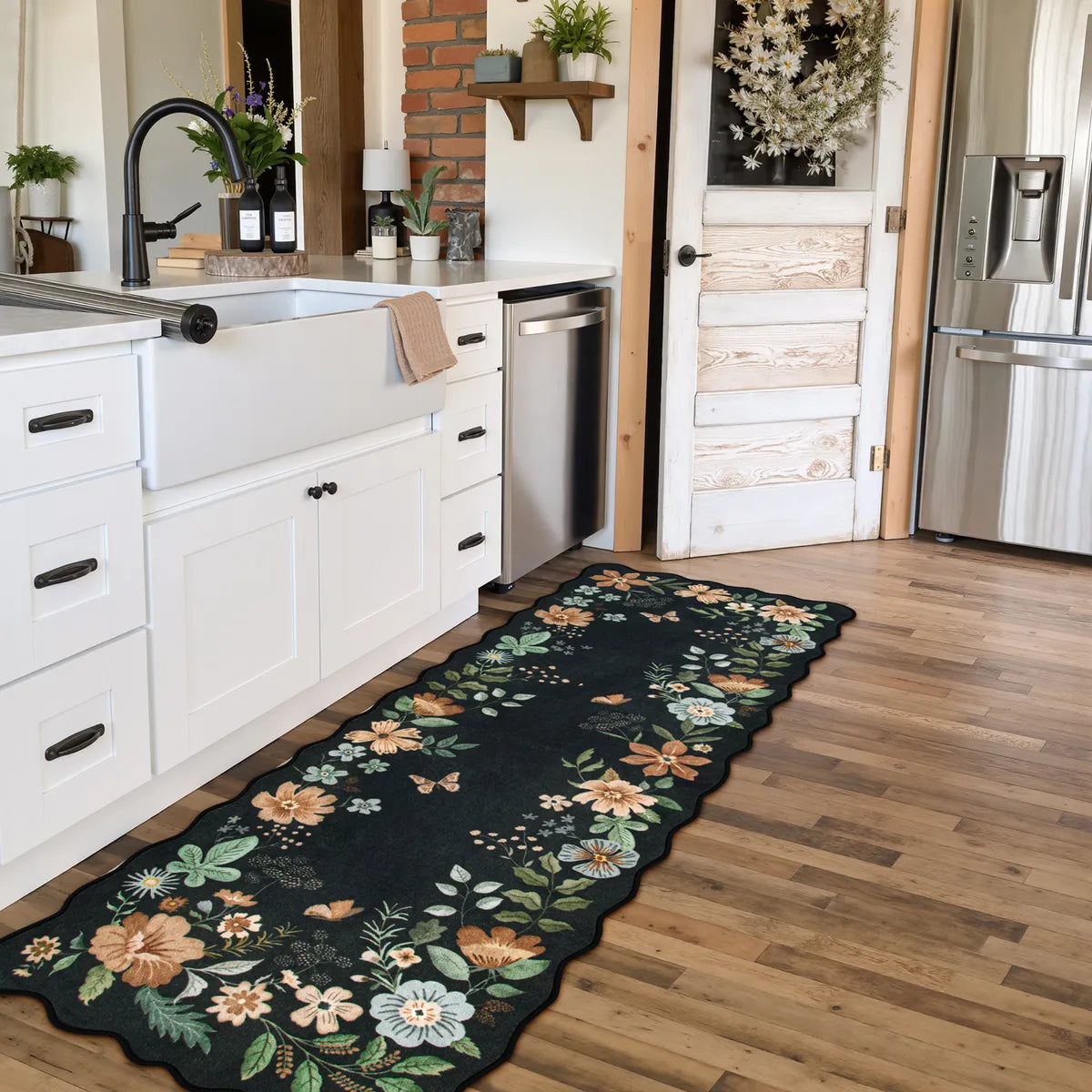
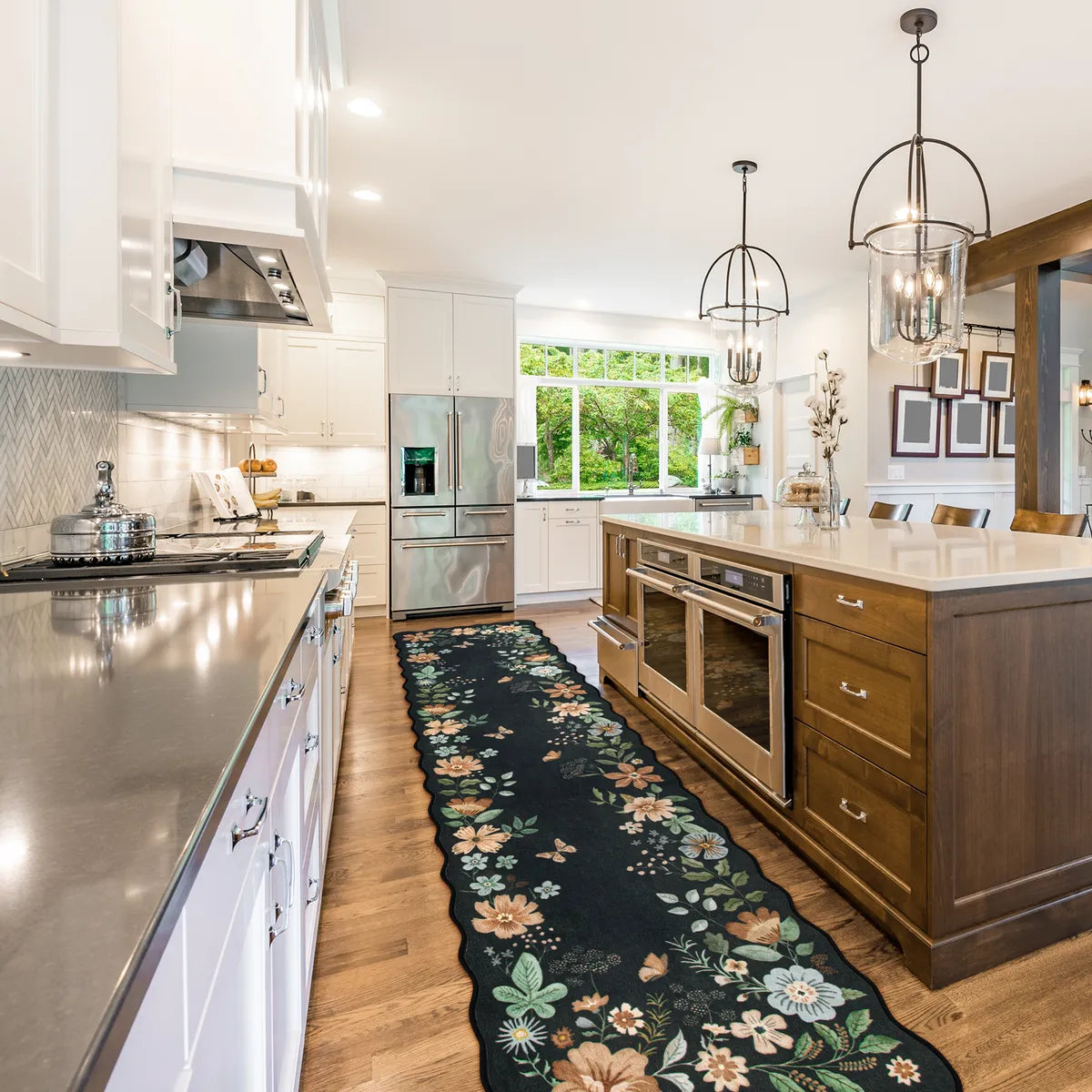
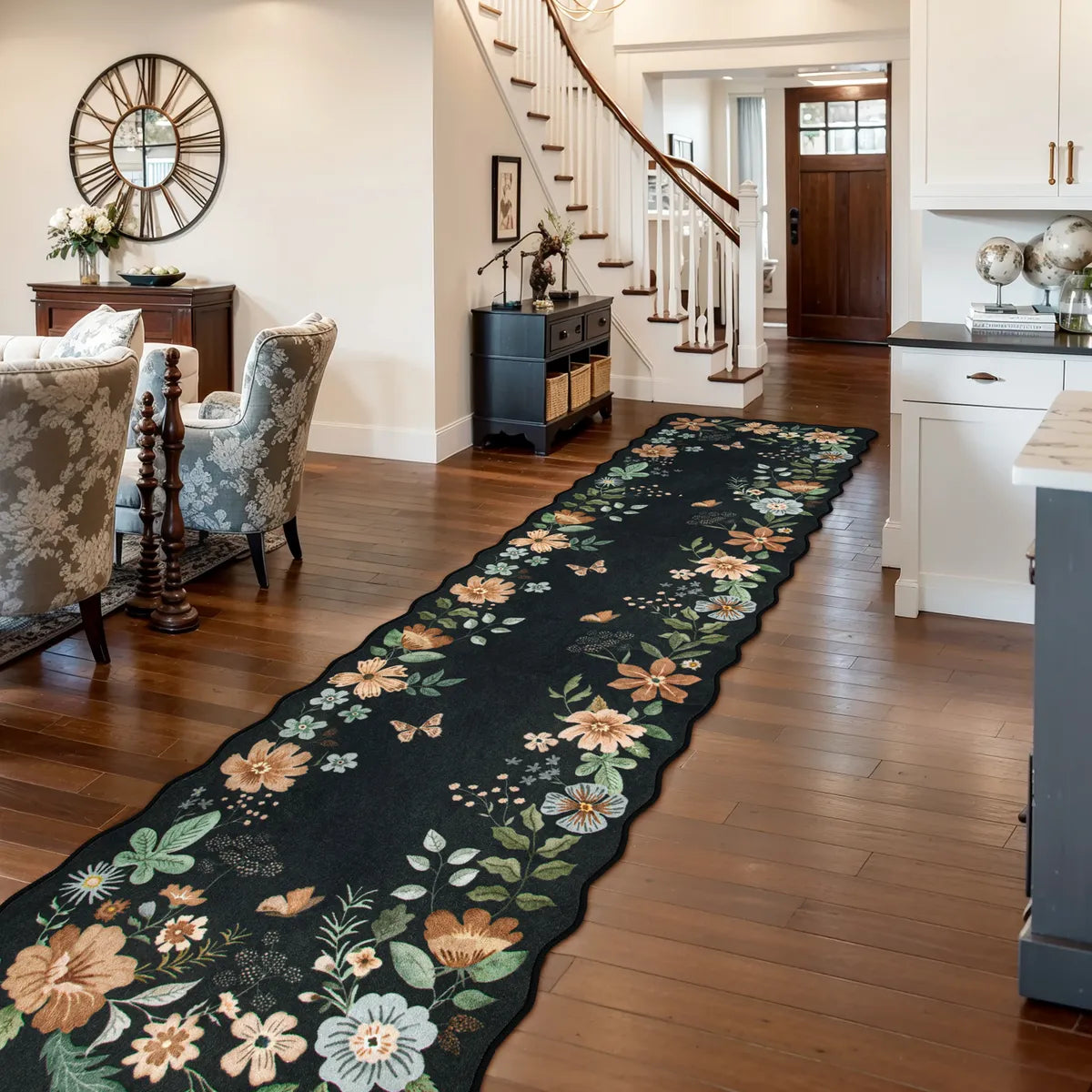
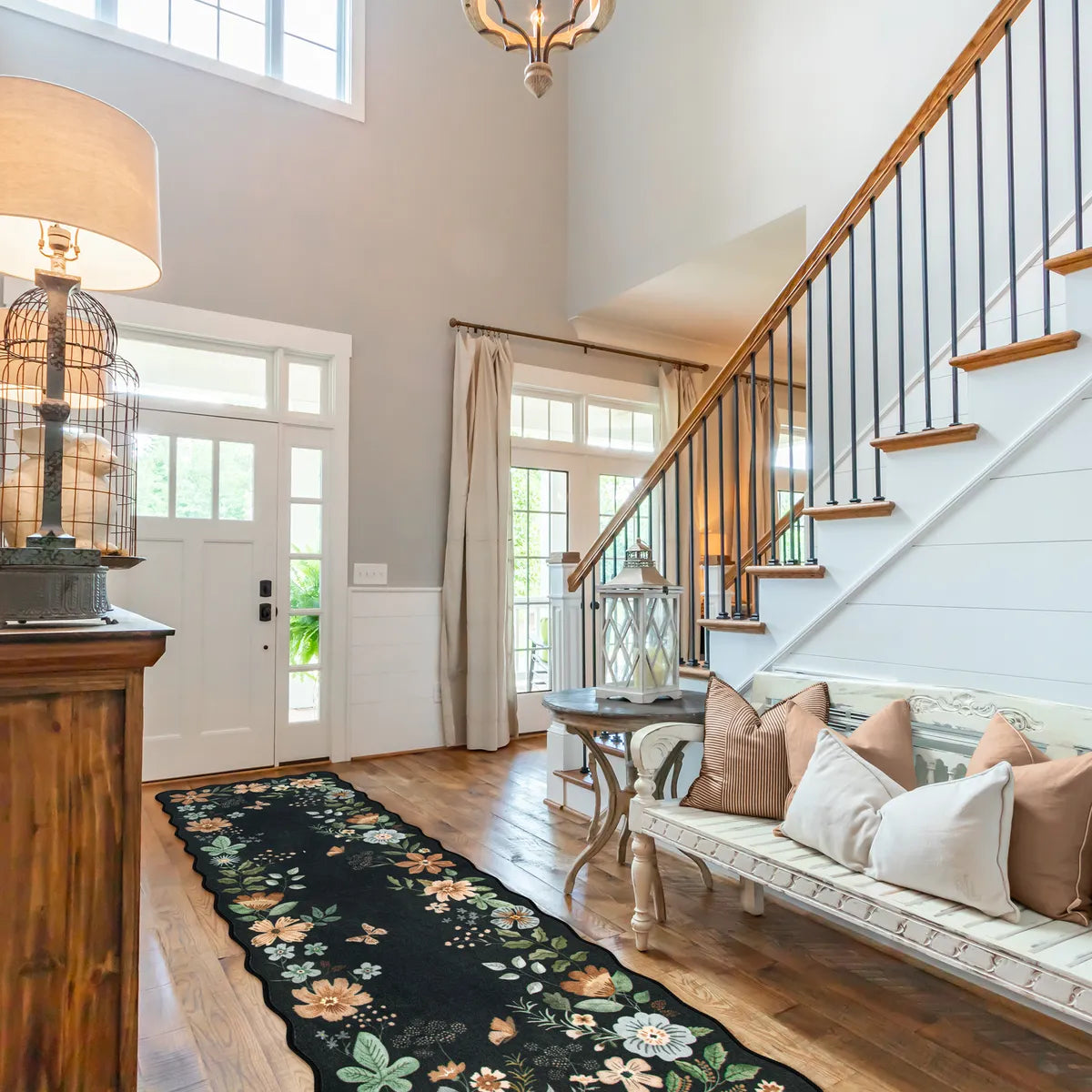
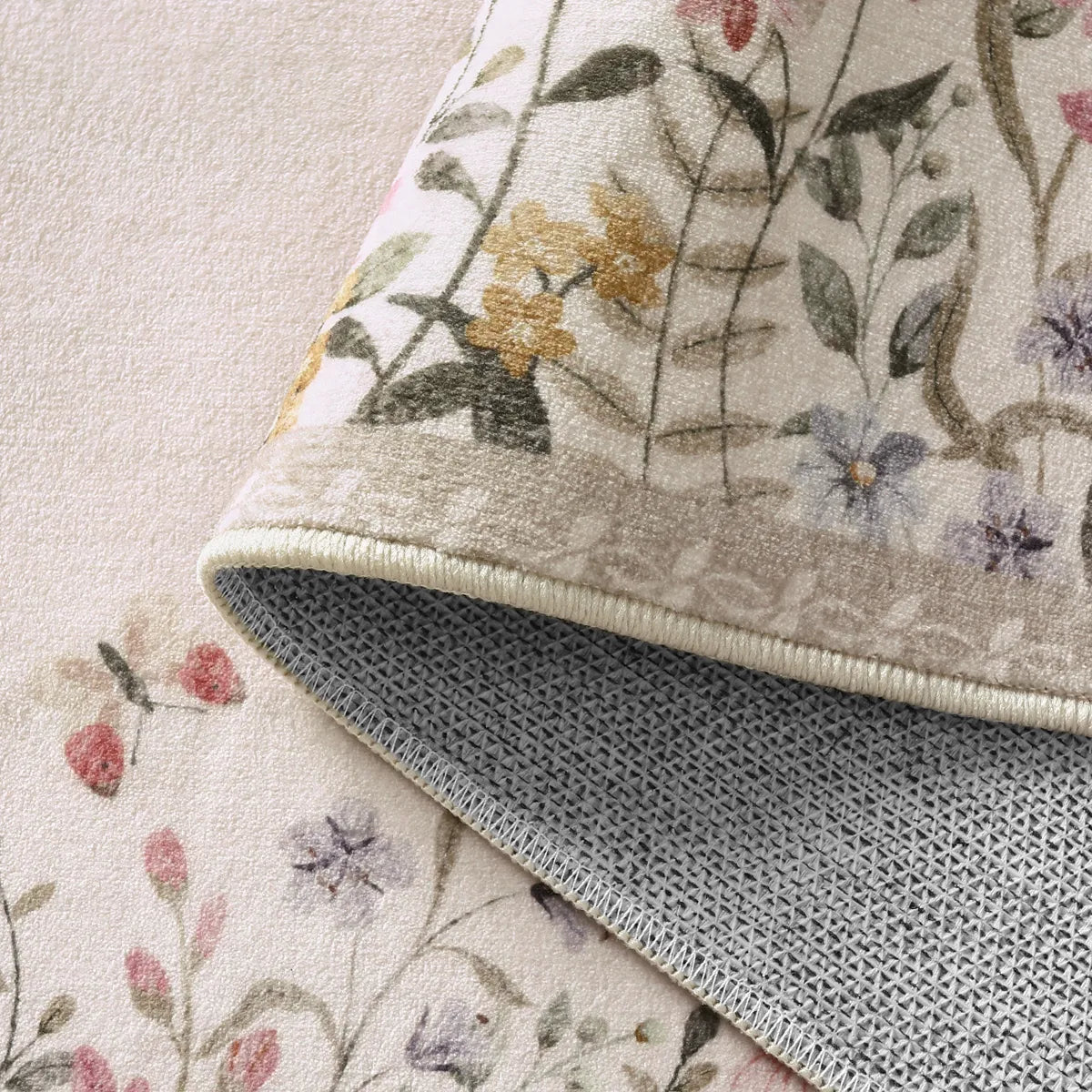
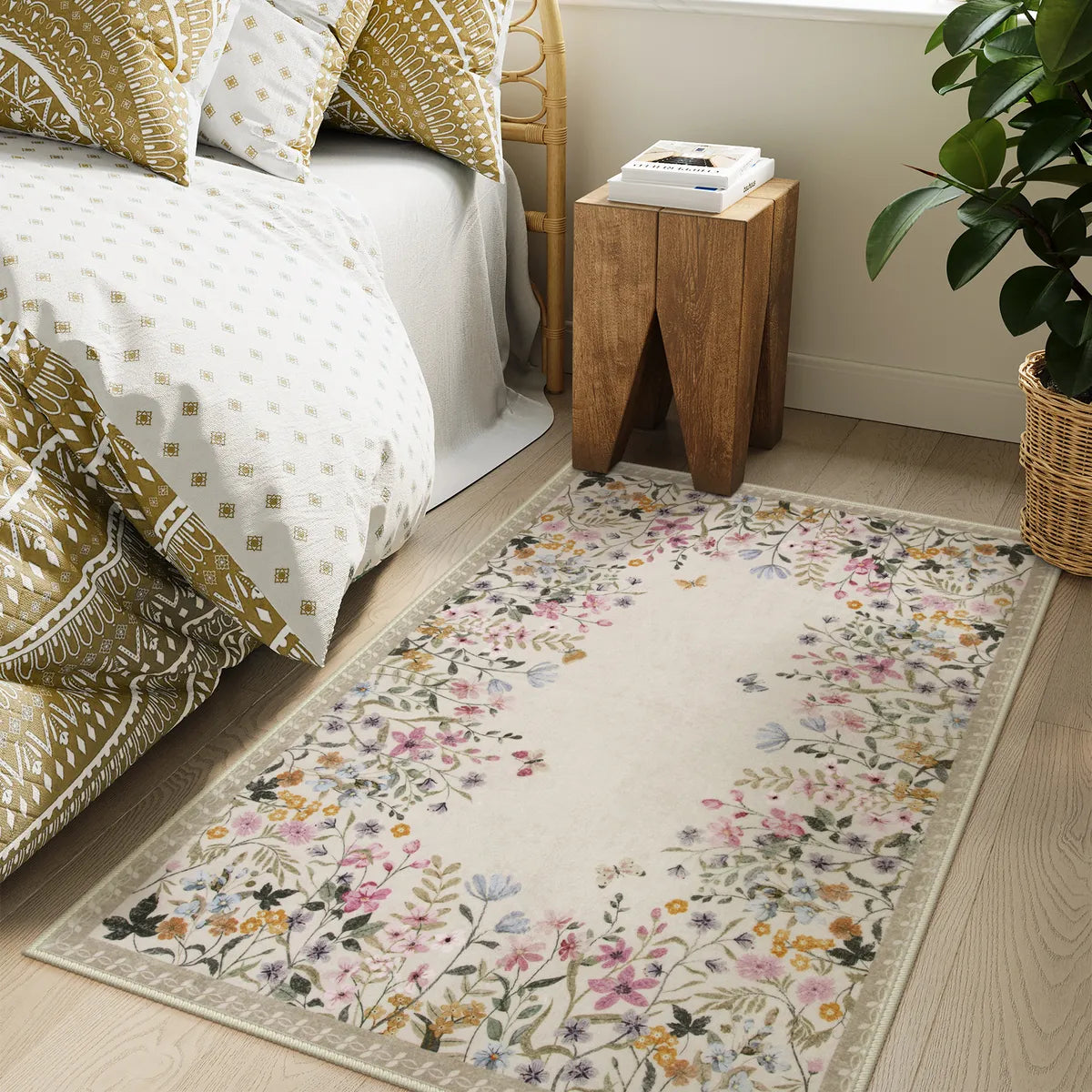
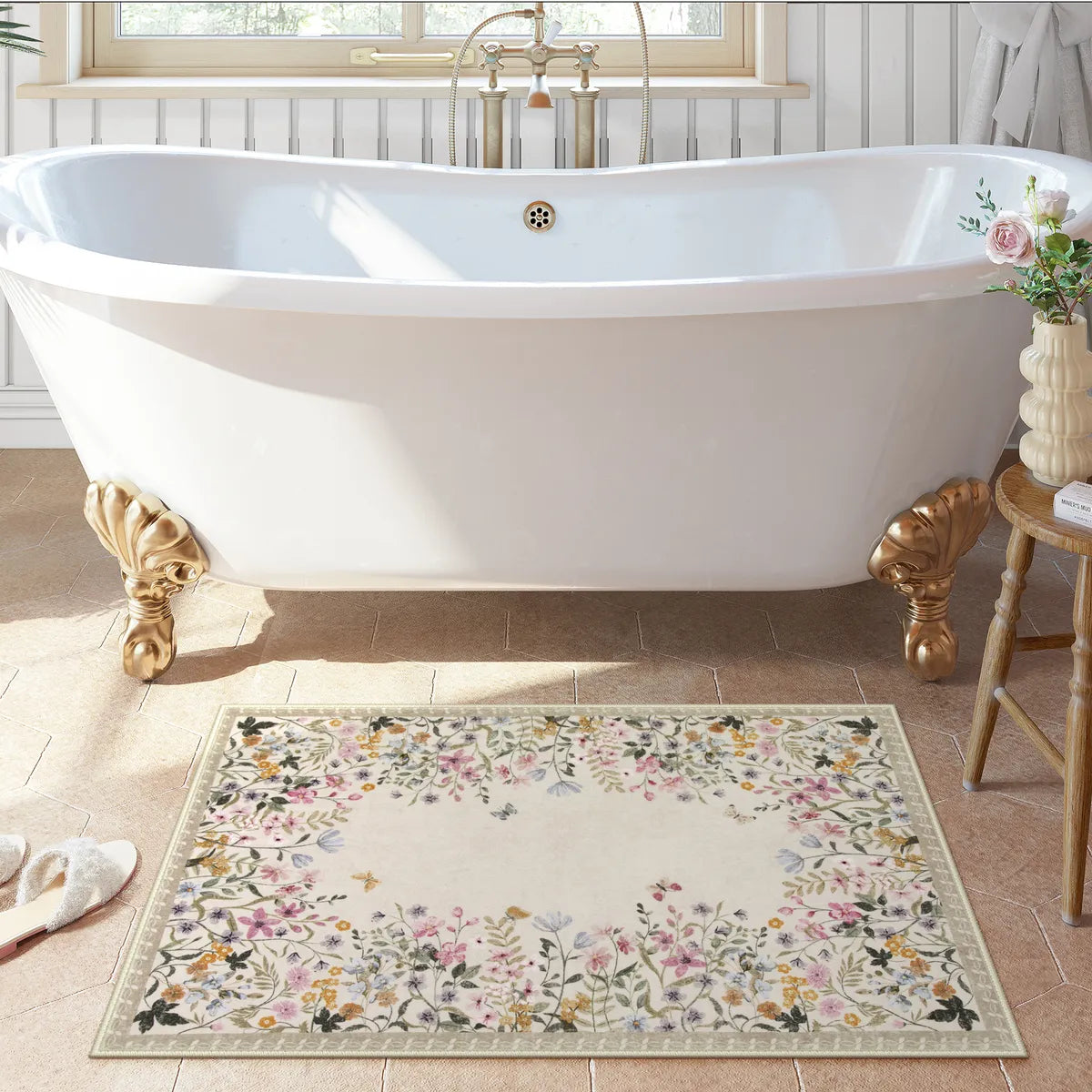
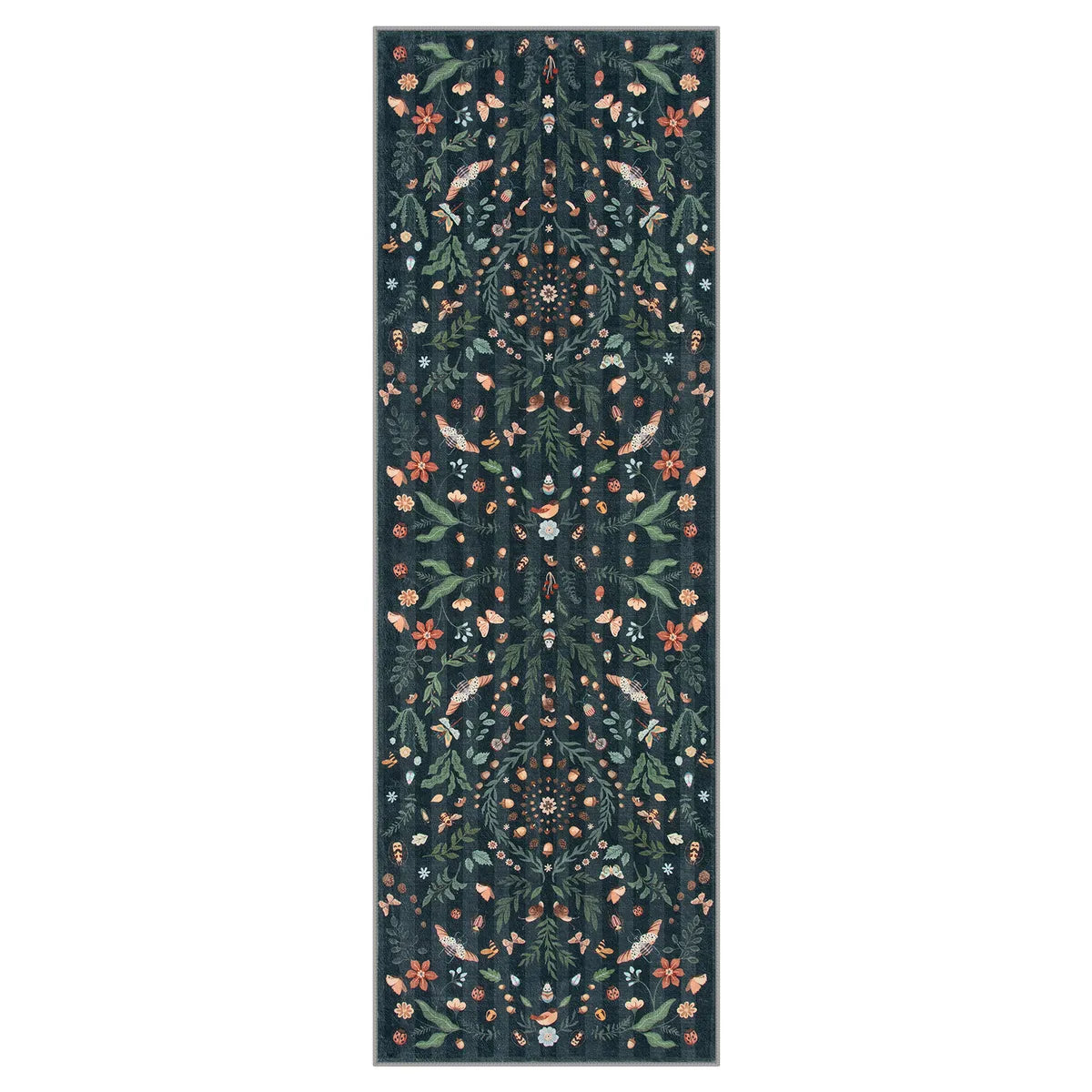
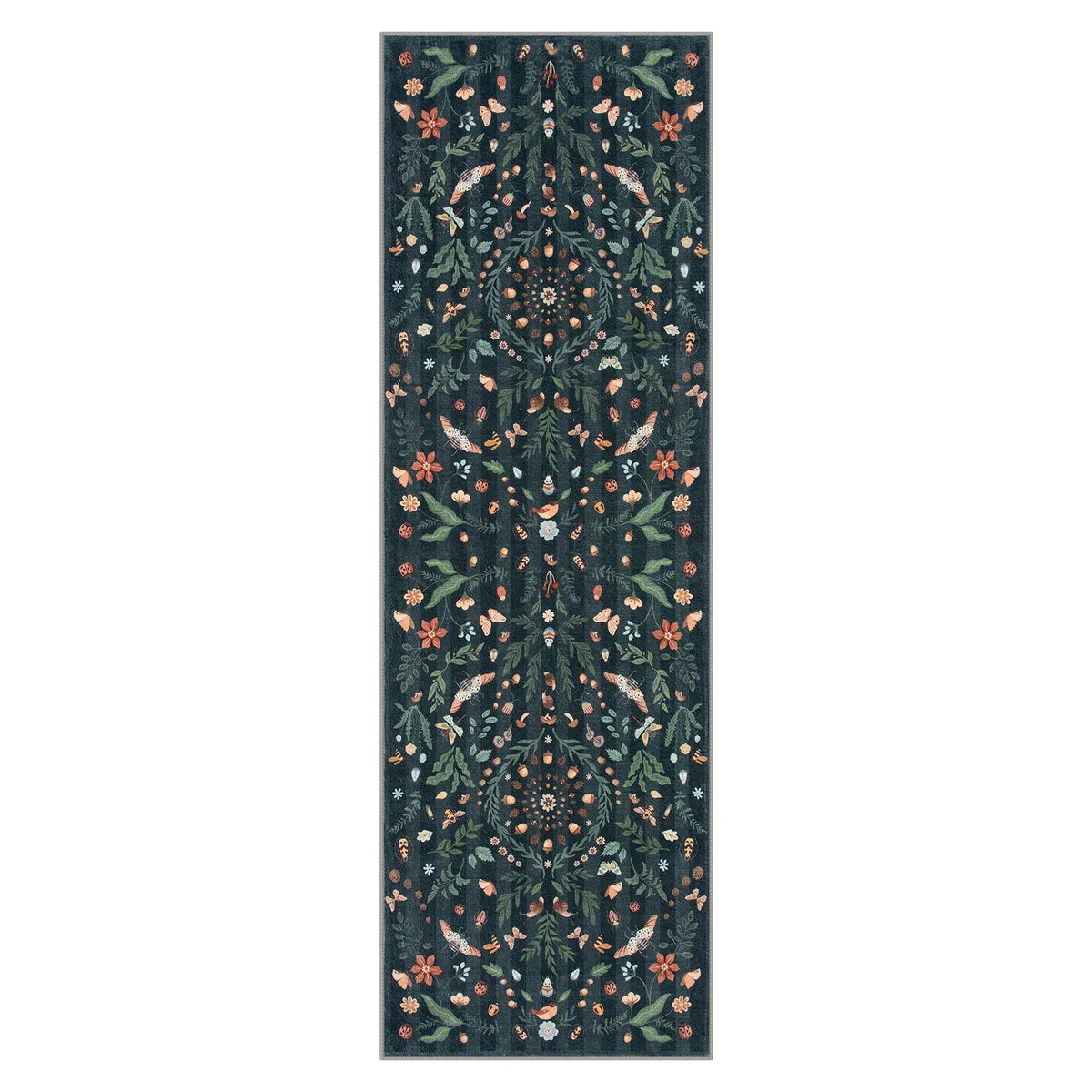
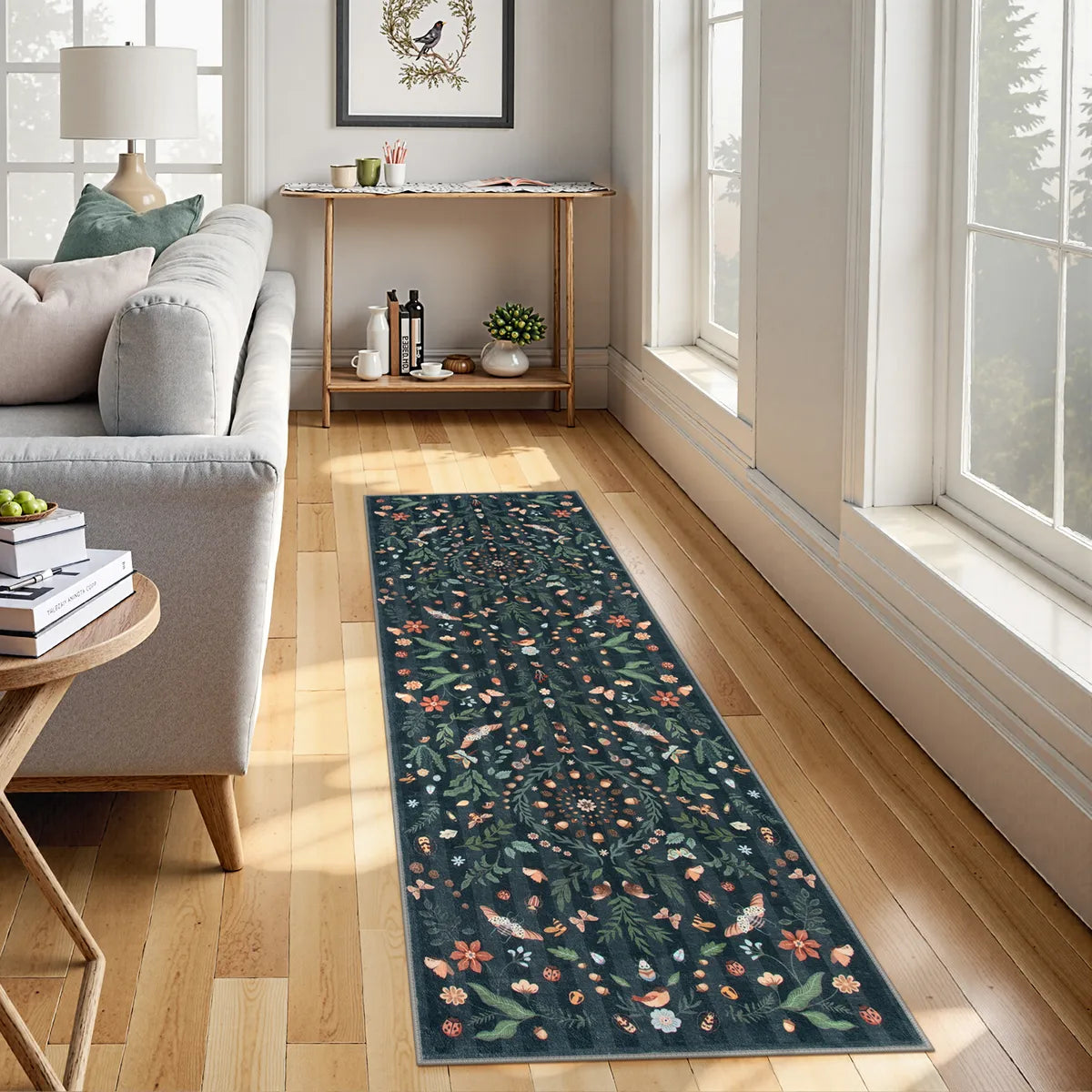
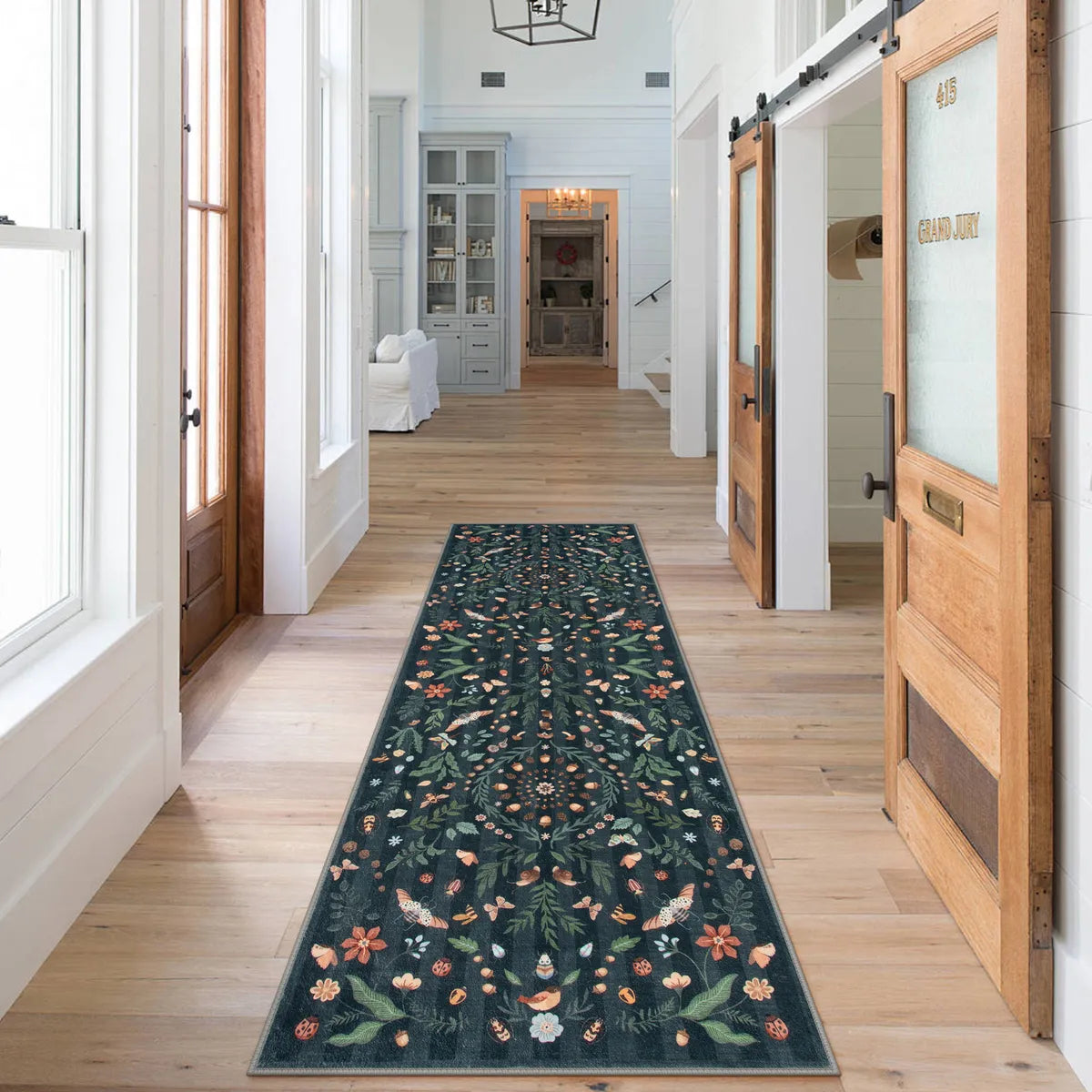
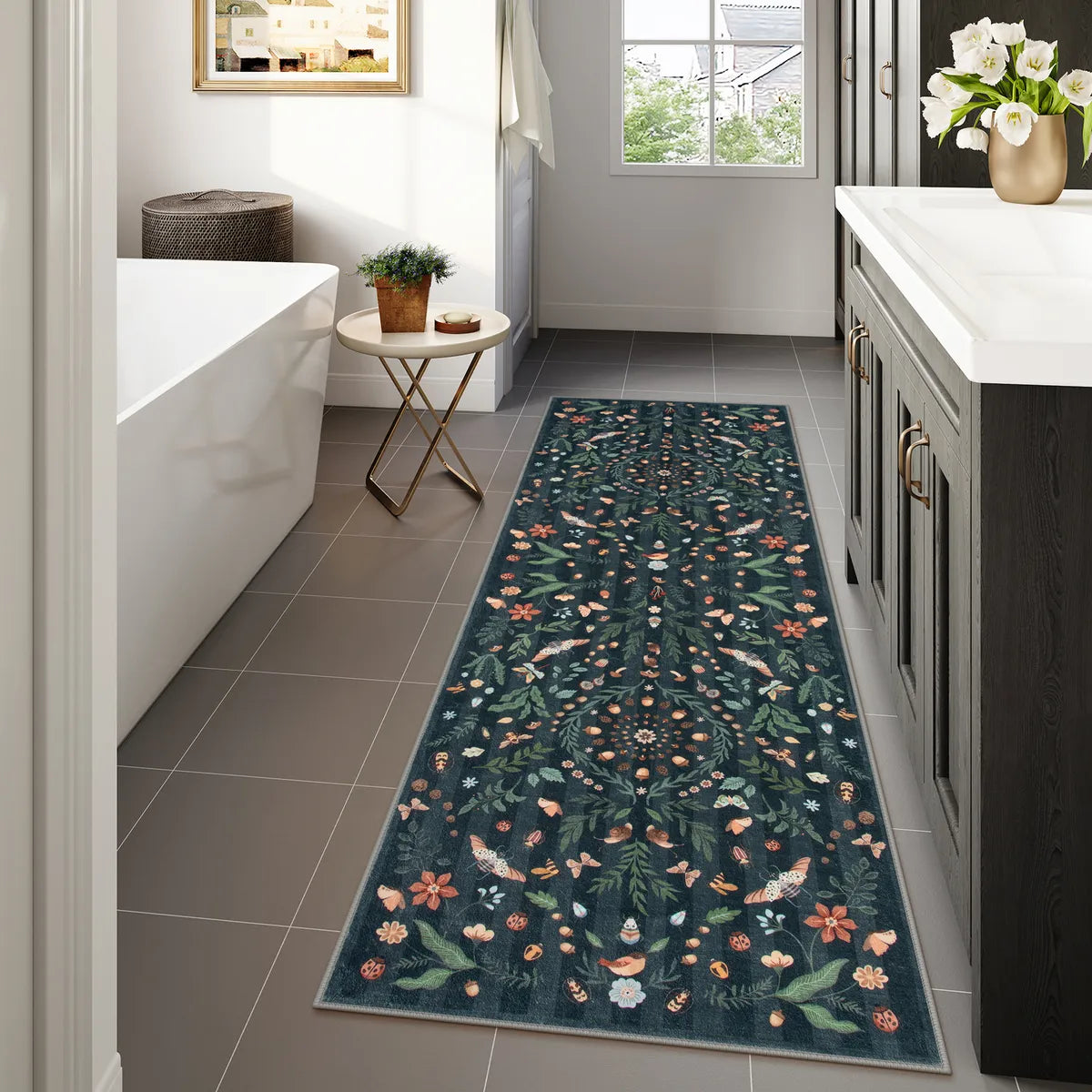
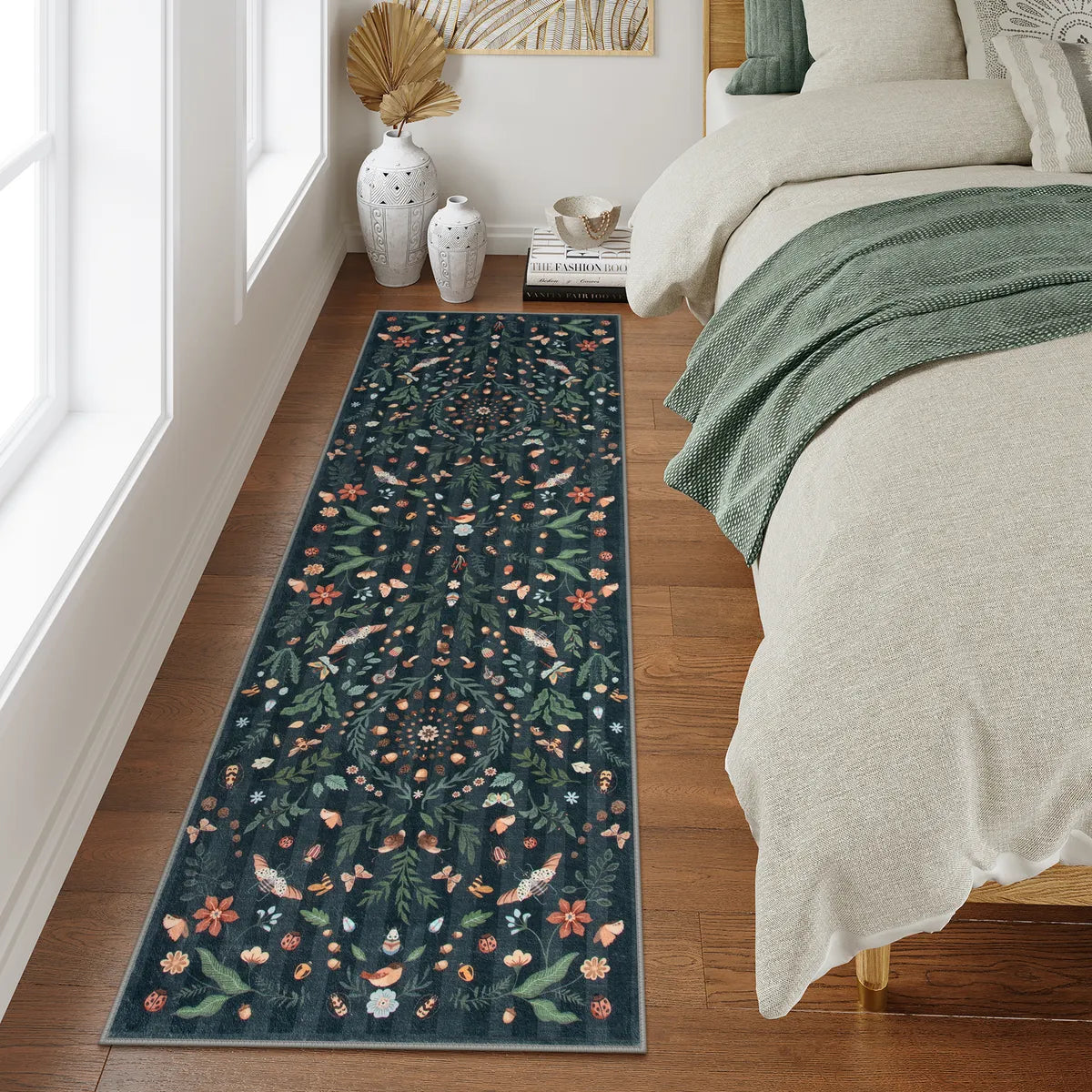
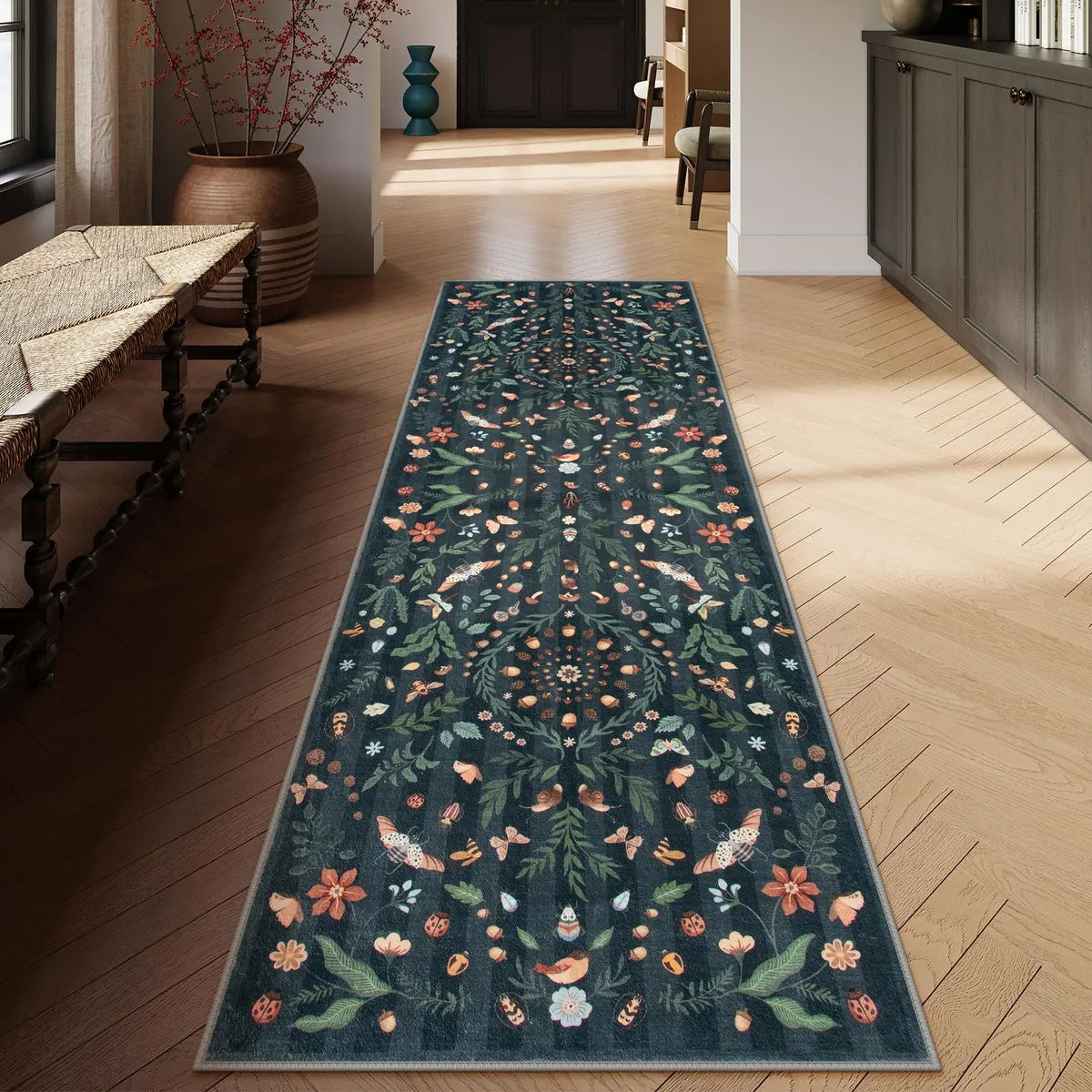
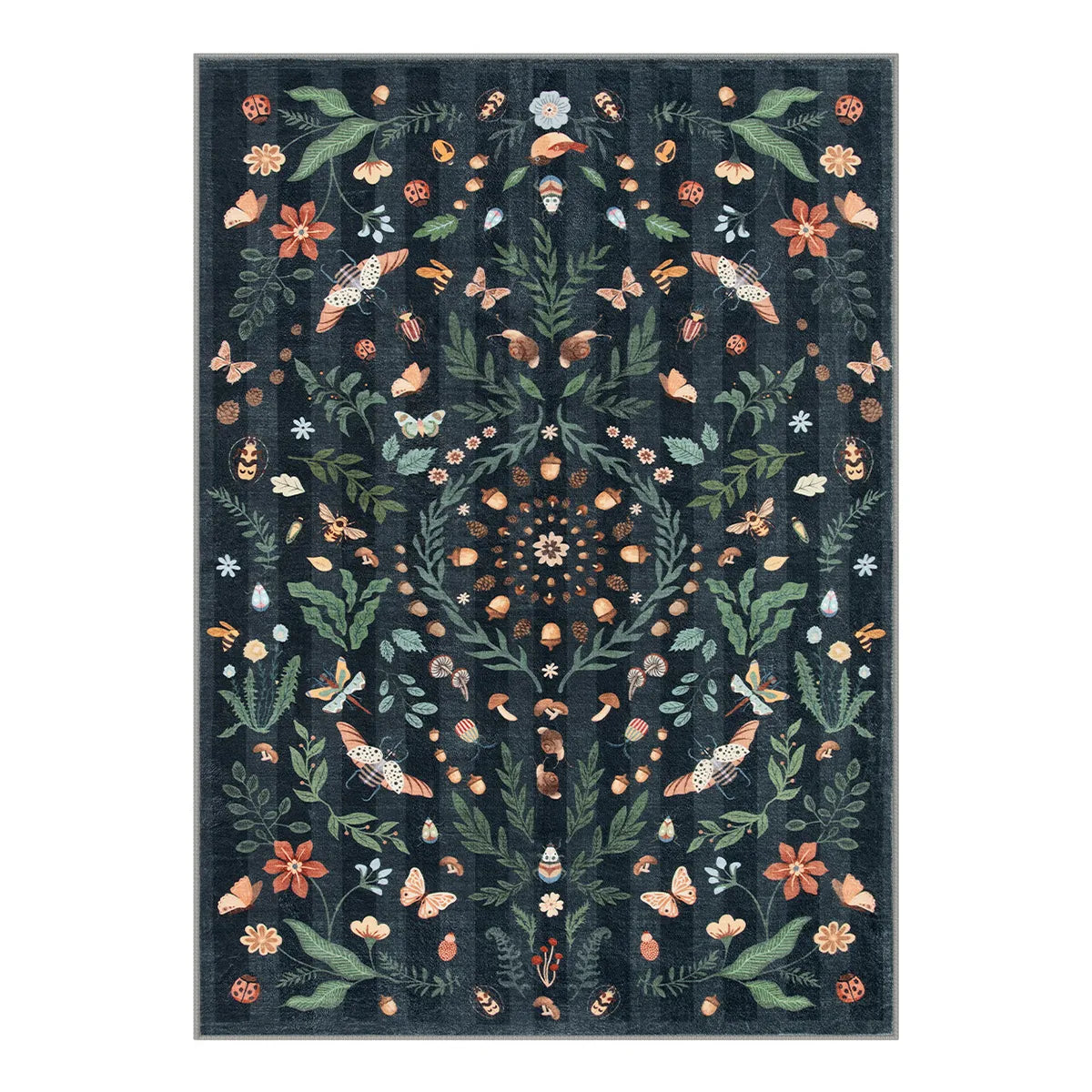
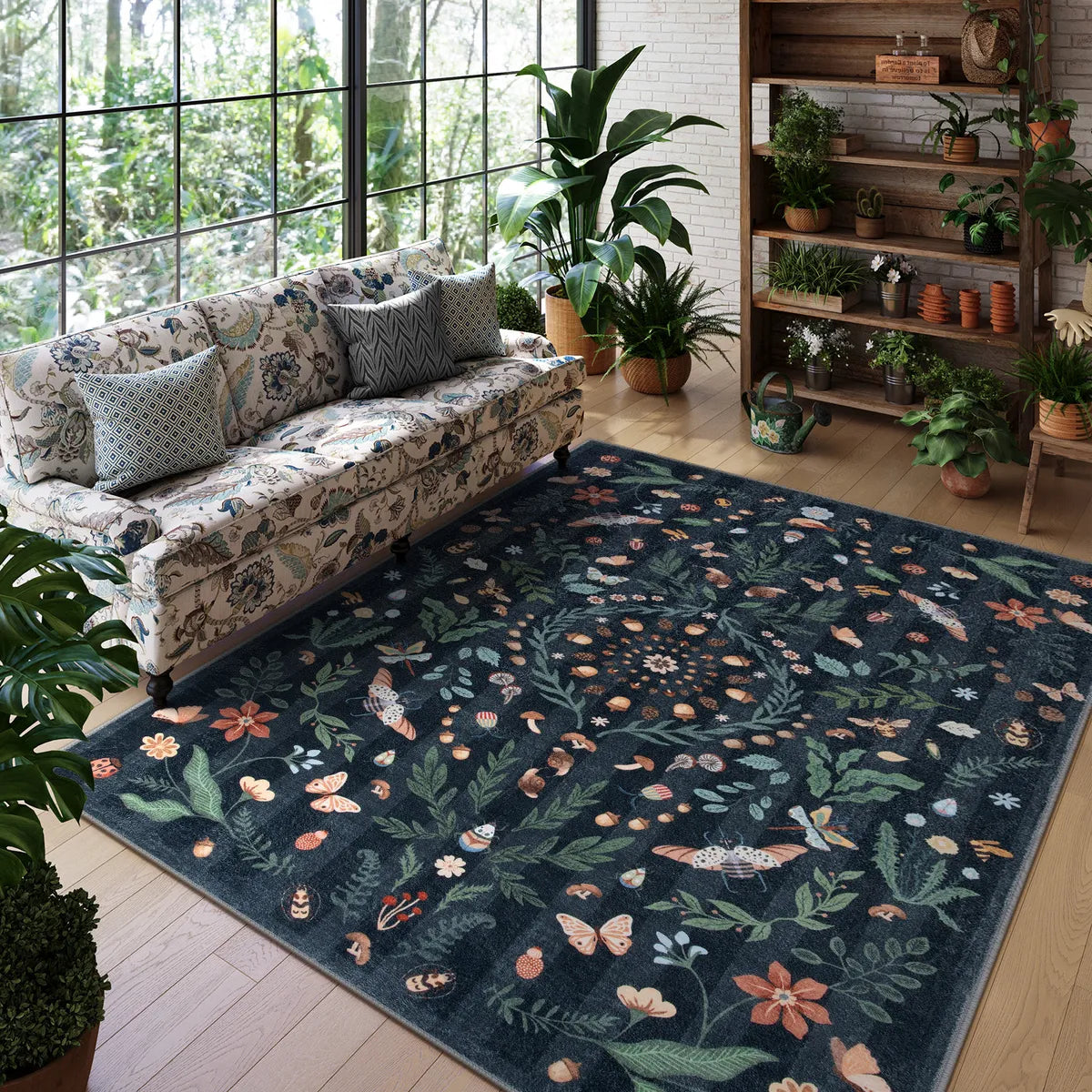
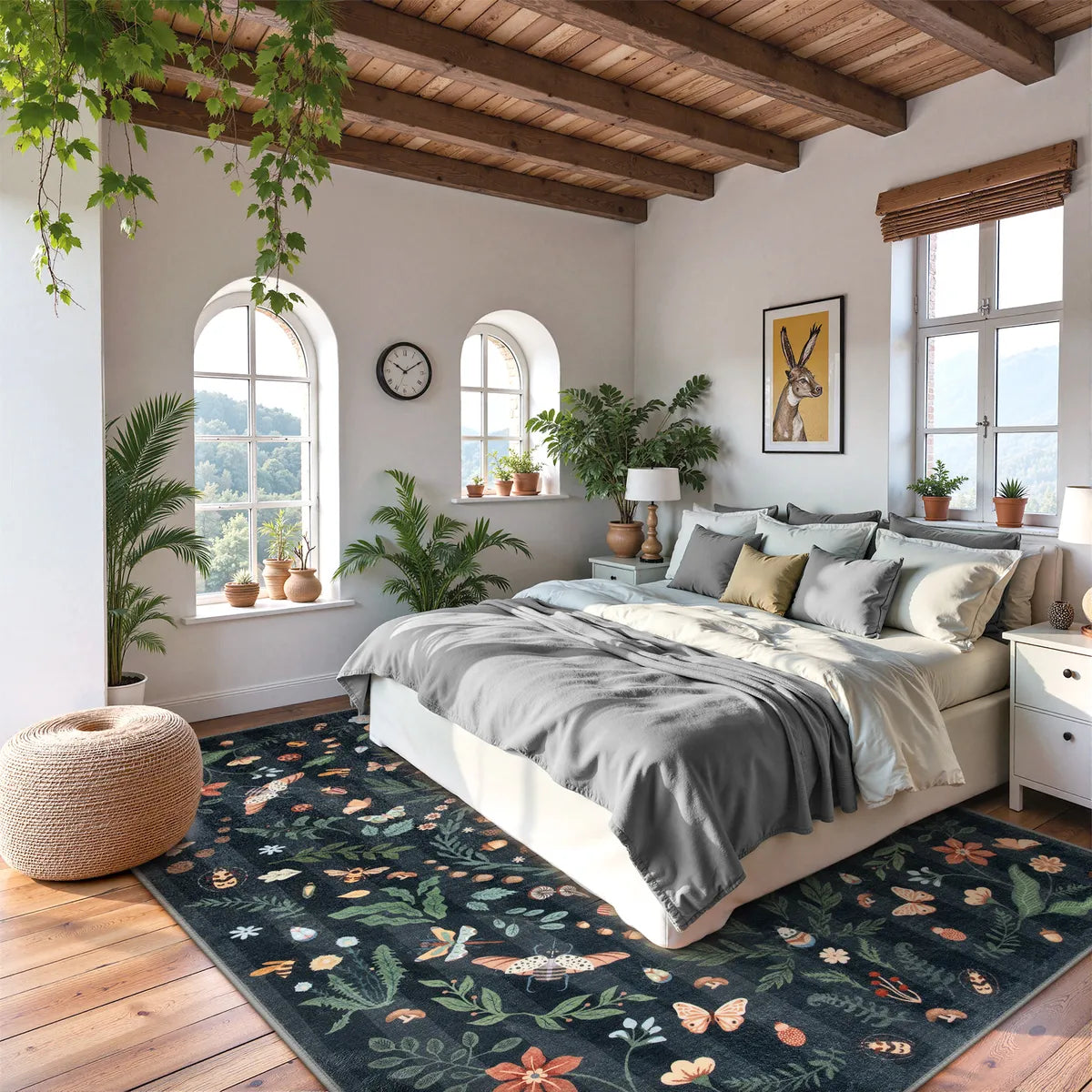
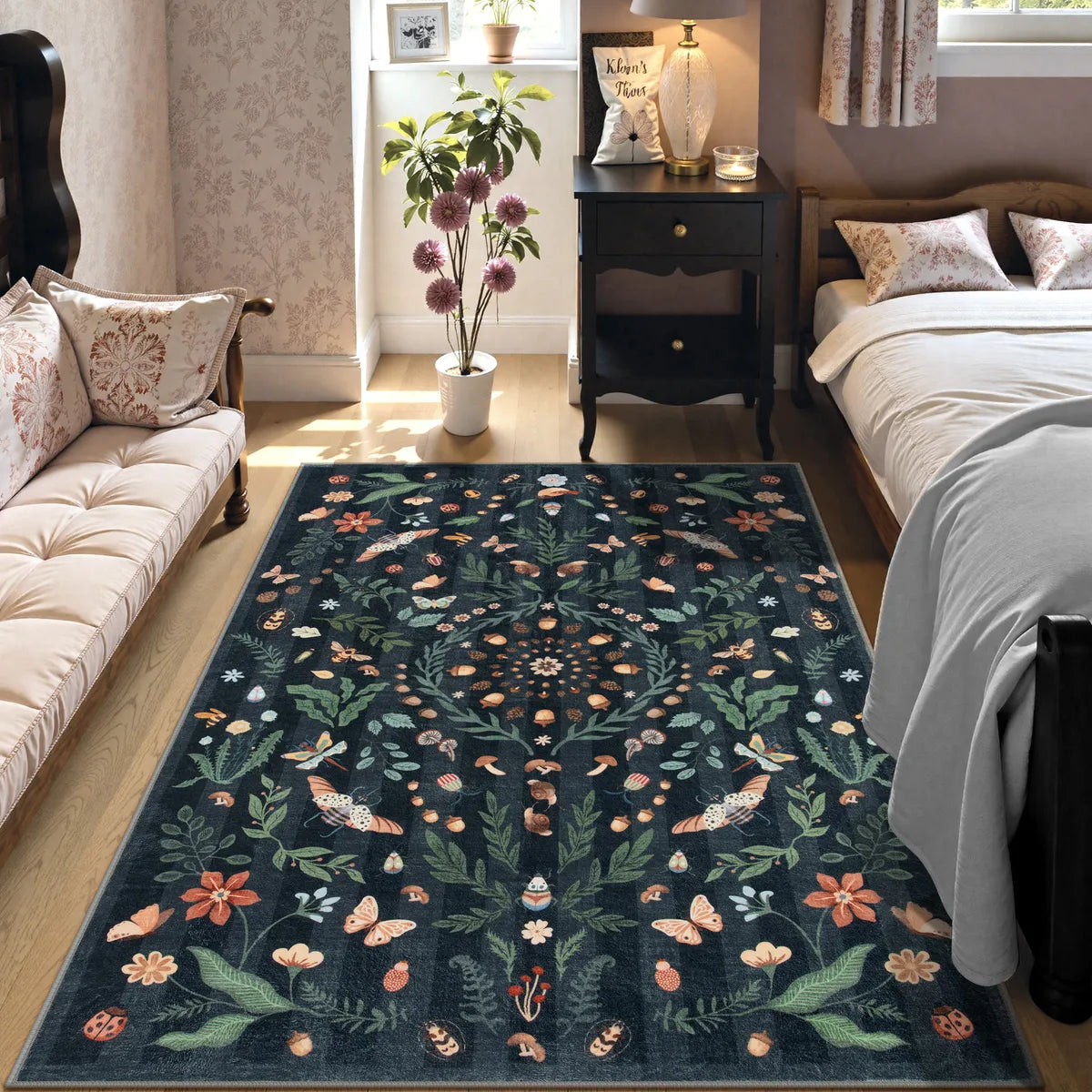
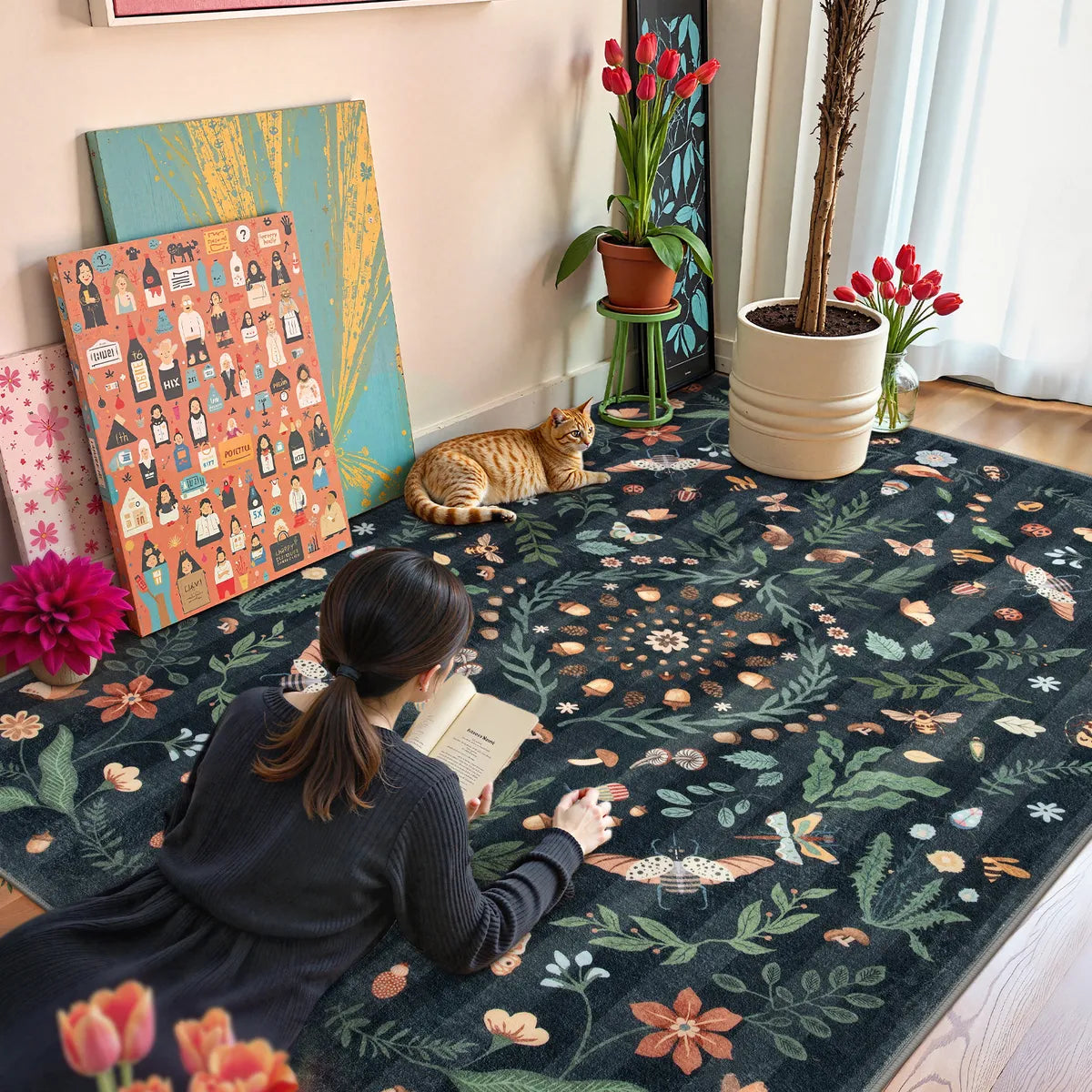
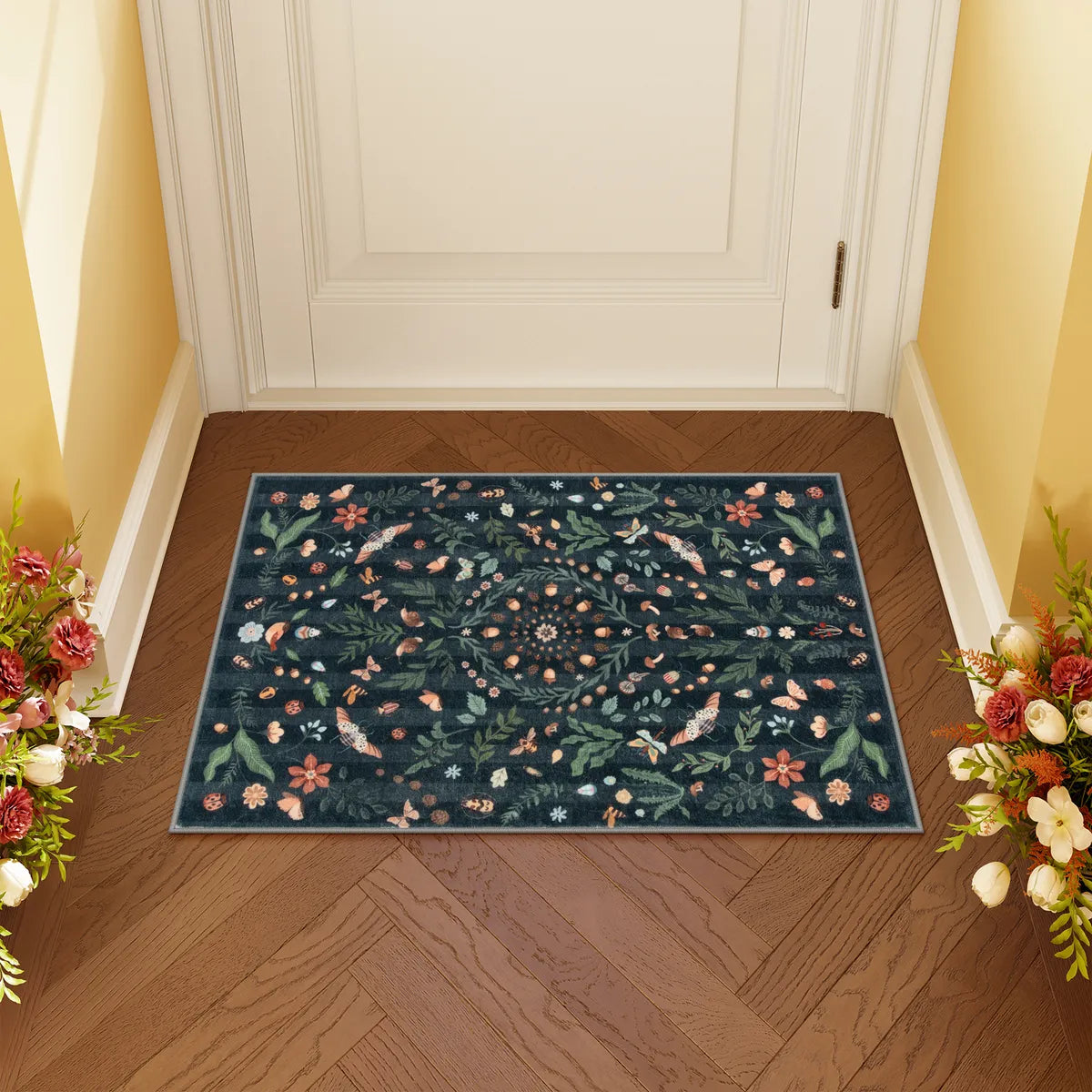
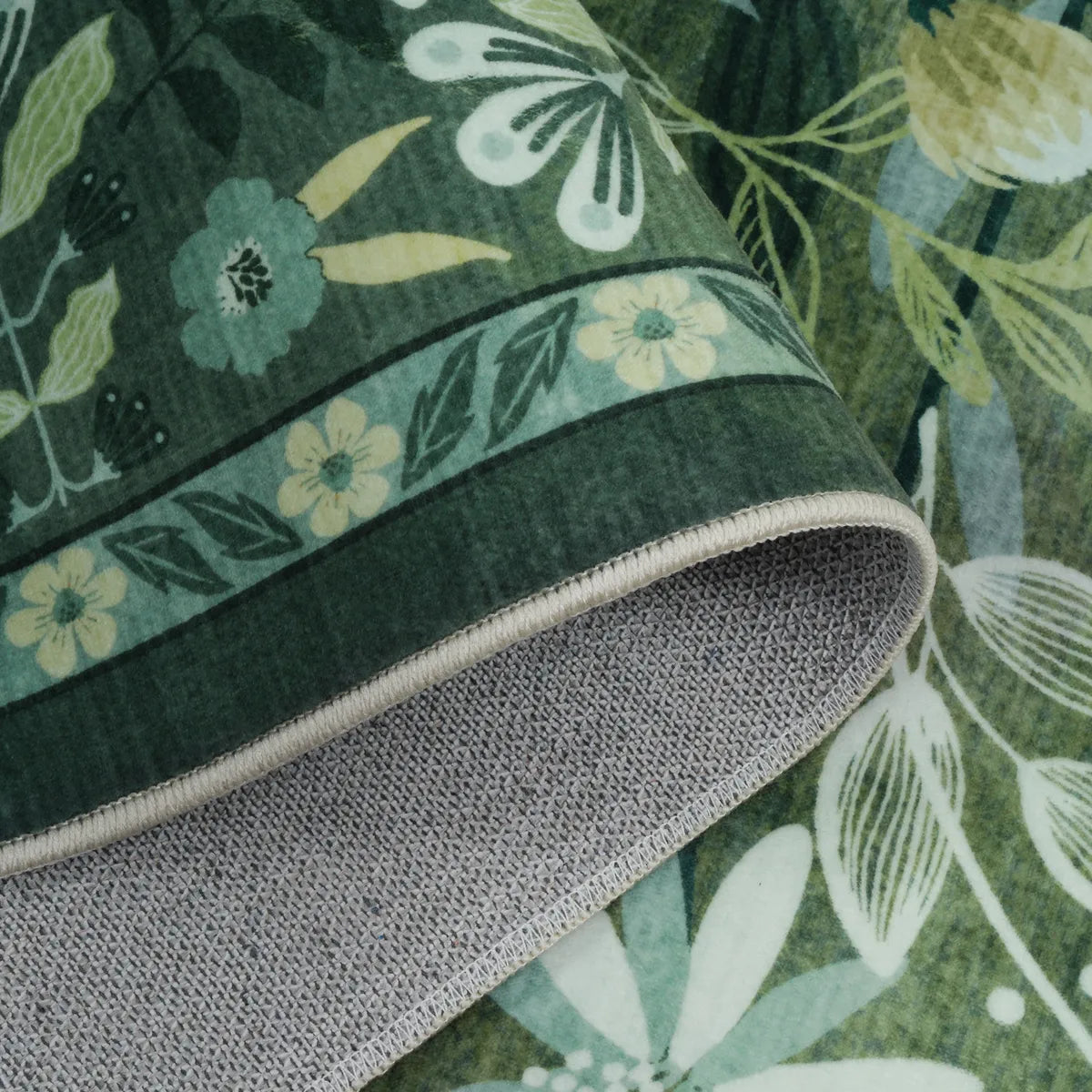
Flower rugs, insect rugs, and bug rugs in a playroom or nursery context do something that bold tiger and snake designs are not designed to do: they invite curiosity. A rug featuring detailed botanical imagery alongside butterflies, beetles, and garden creatures gives young children a surface worth examining closely. It functions simultaneously as a design element and as a source of visual discovery.
What makes these designs particularly well-suited to children's spaces:
- Educational engagement: Detailed nature-based imagery exposes children to the visual vocabulary of the natural world in a tactile, floor-level context that supports early learning.
- Versatile palettes: Insect and flower rugs tend to come in earth tones, soft greens, and warm creams that age well as children grow, avoiding the dated look of primary-color novelty prints.
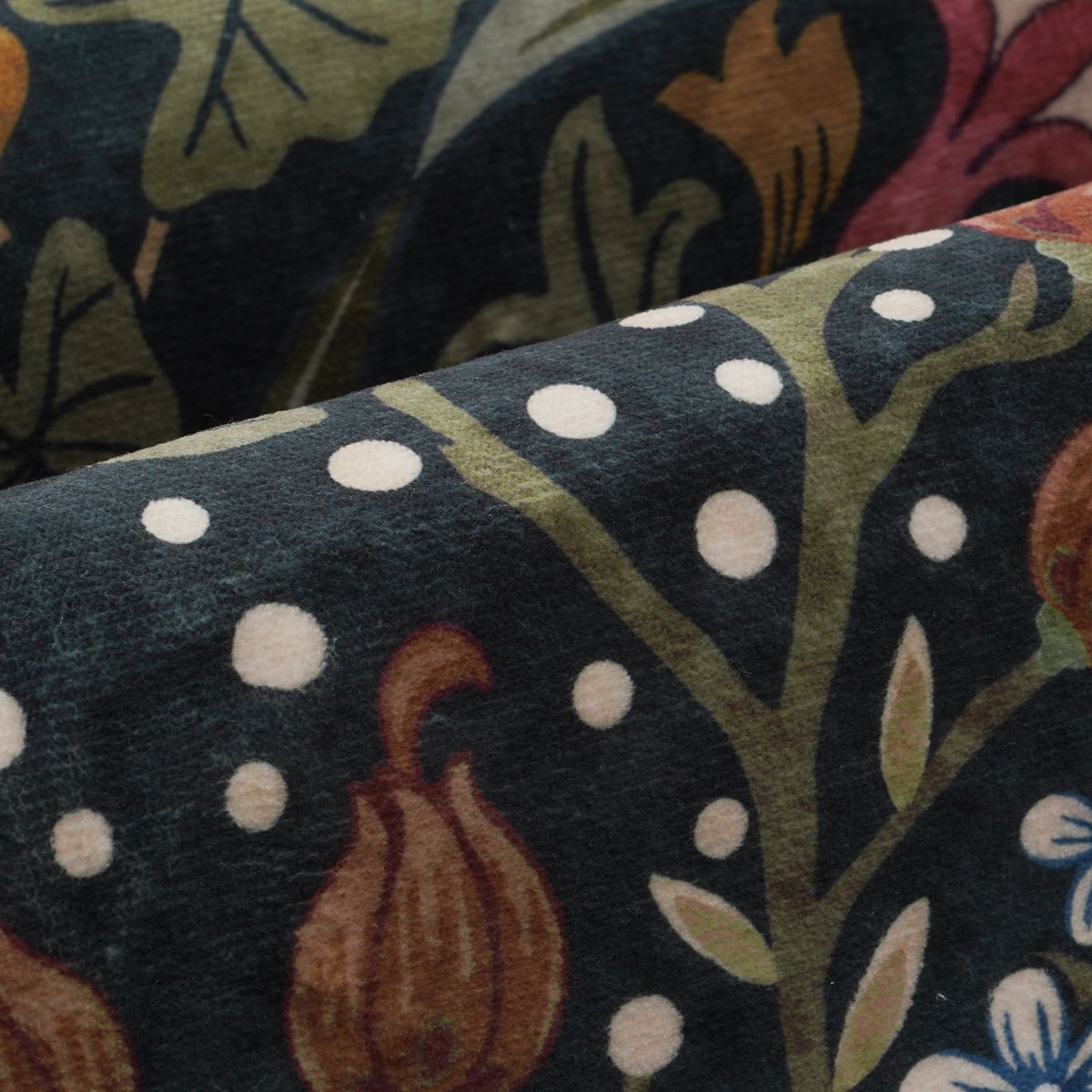
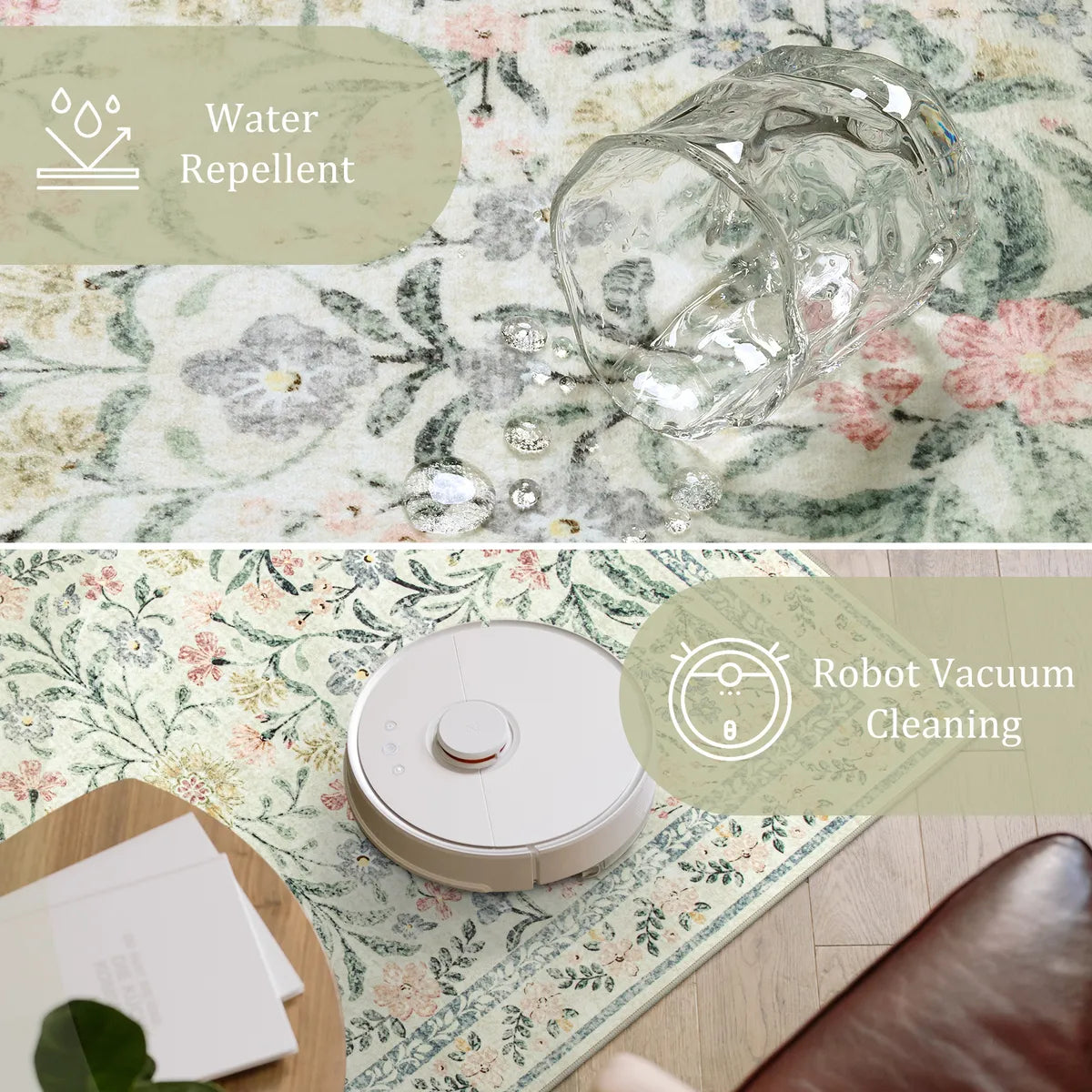
- Pattern complexity that forgives wear: Detailed botanical and insect patterns, with their layered textures and color variation, are visually forgiving of the everyday marks and light soiling that playroom and nursery rugs inevitably accumulate.
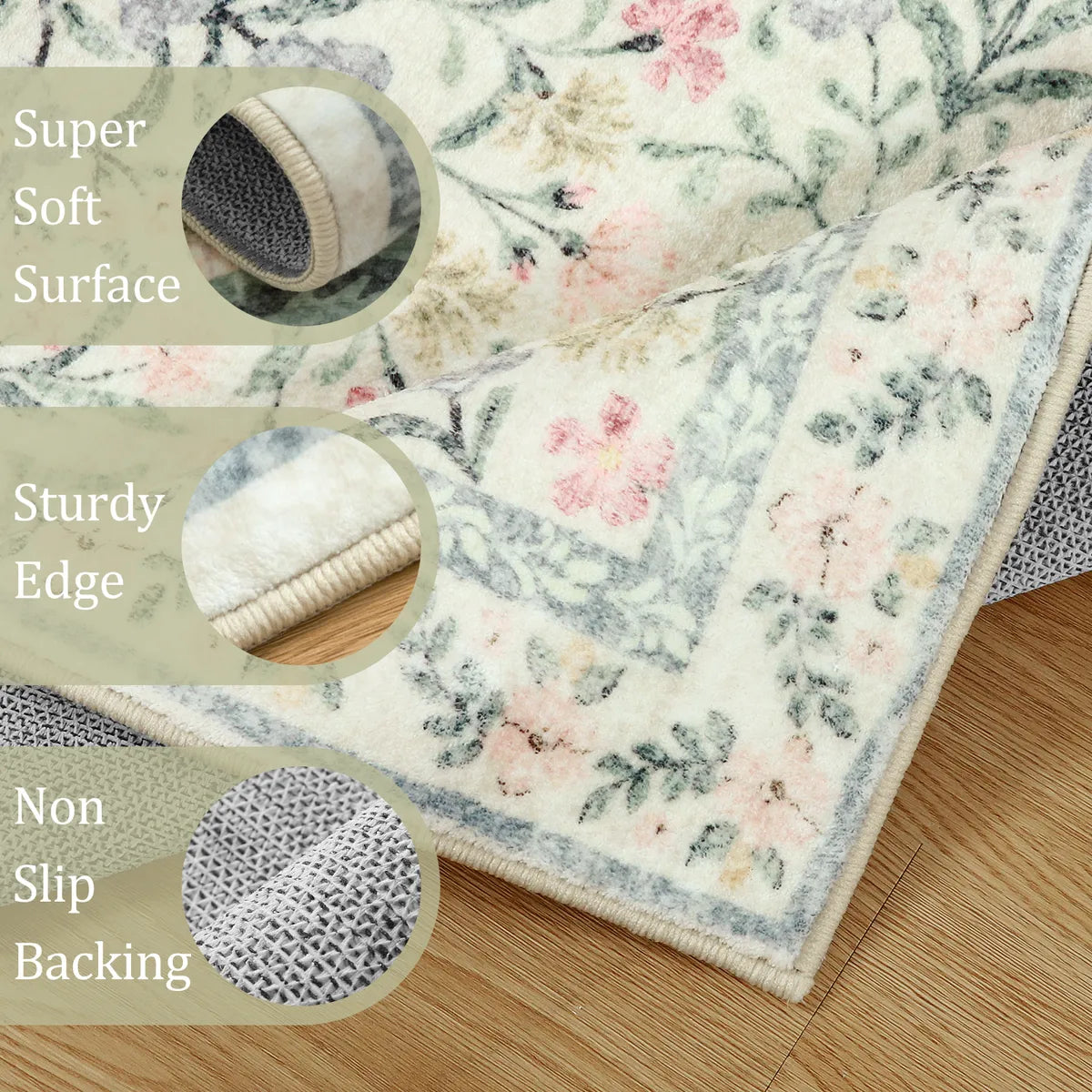
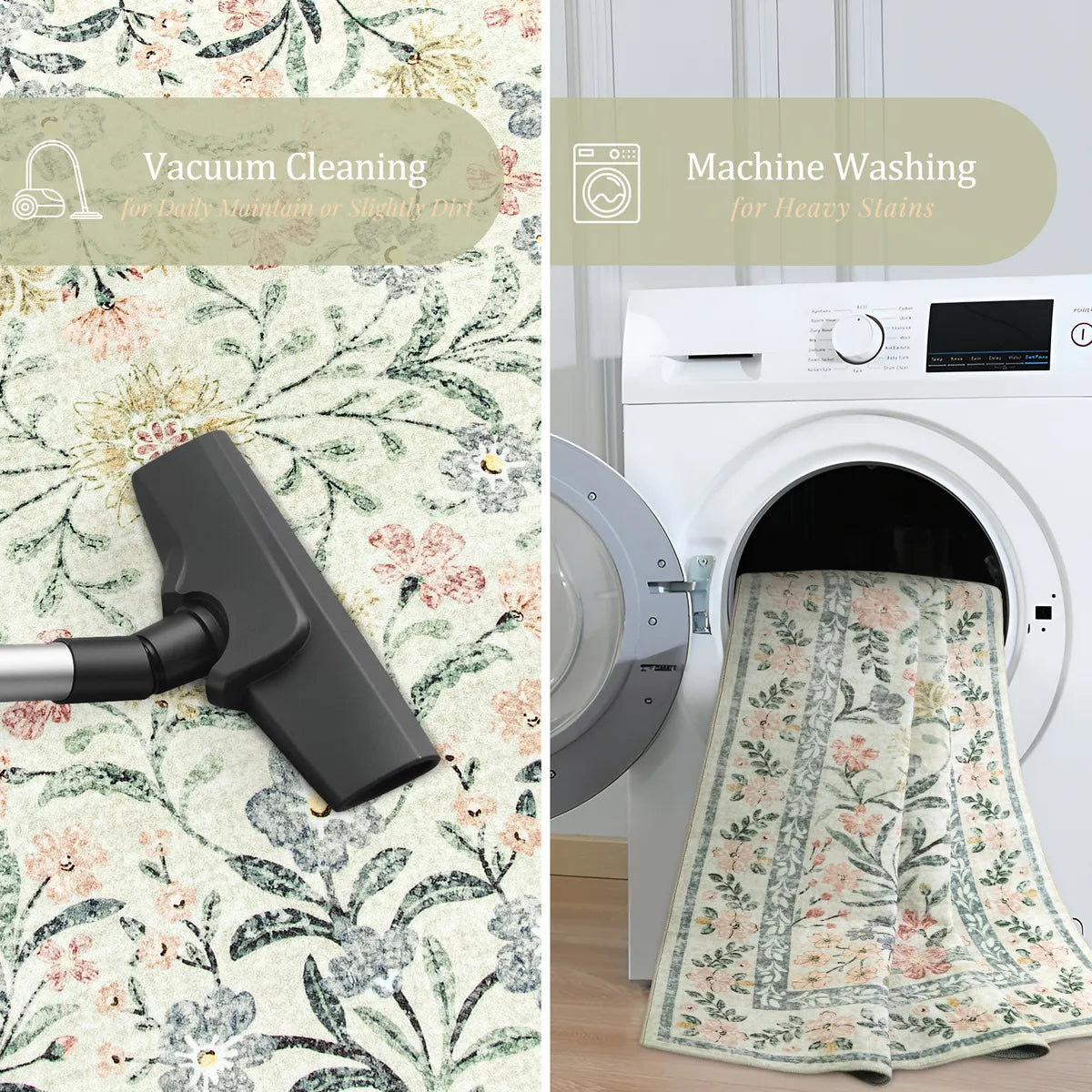
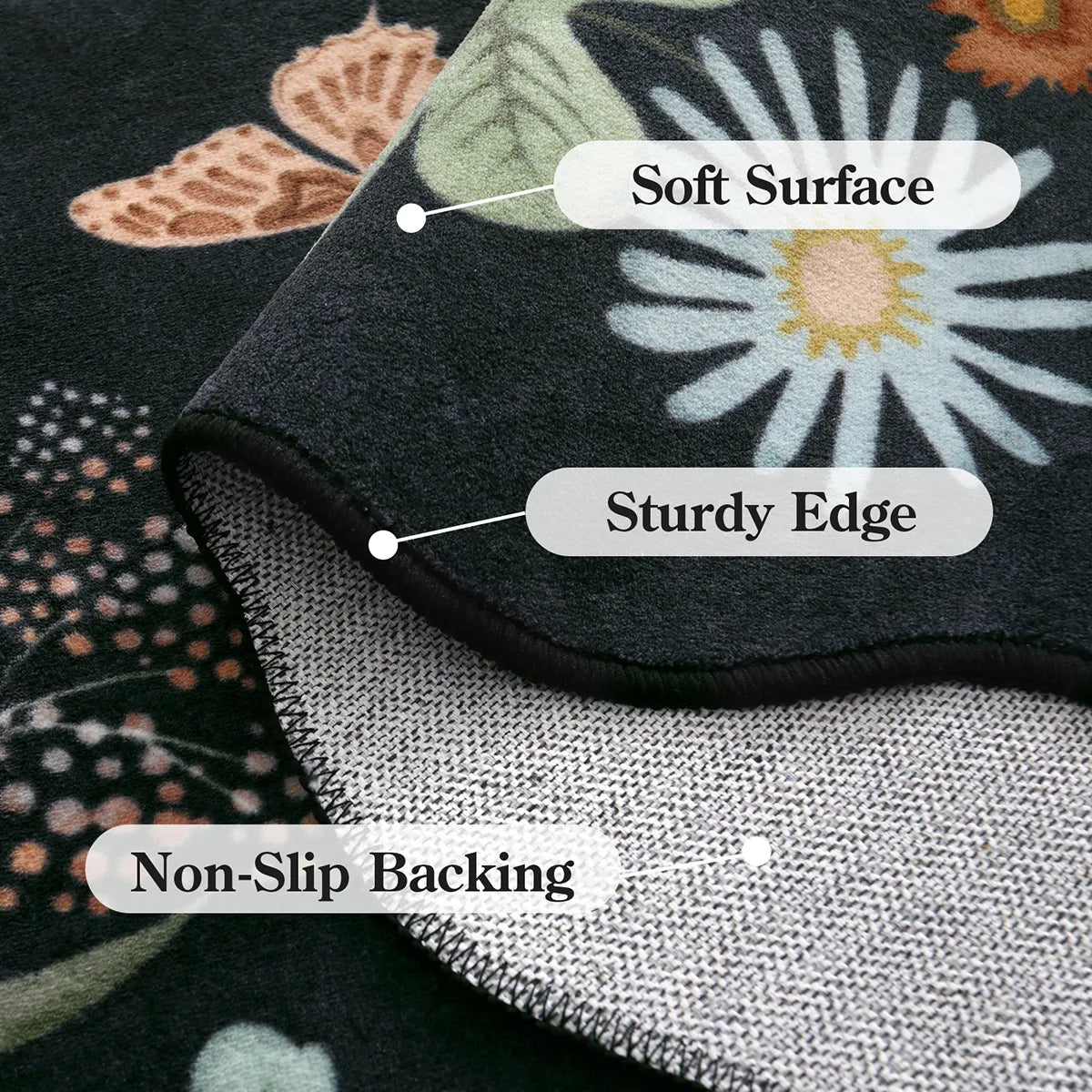
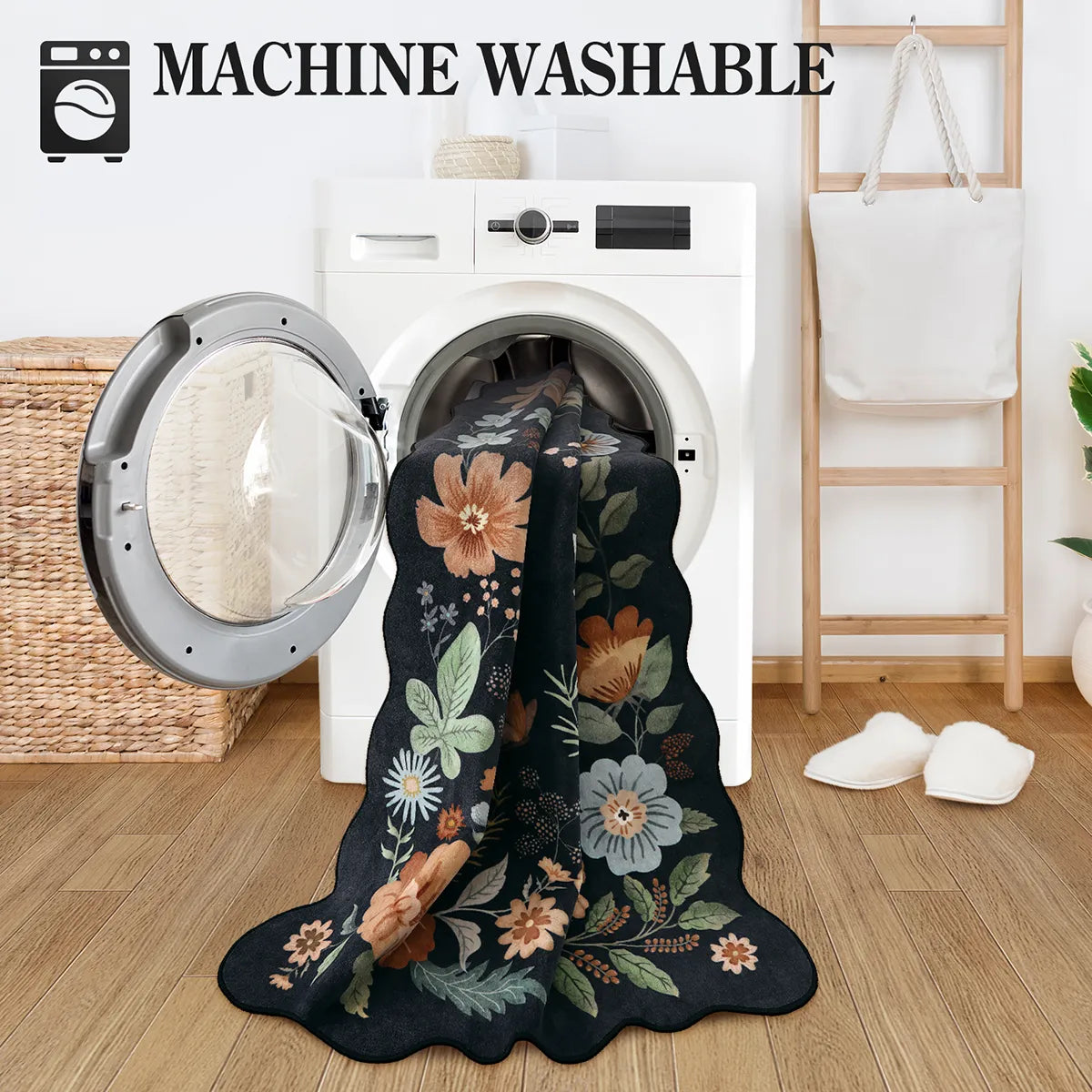
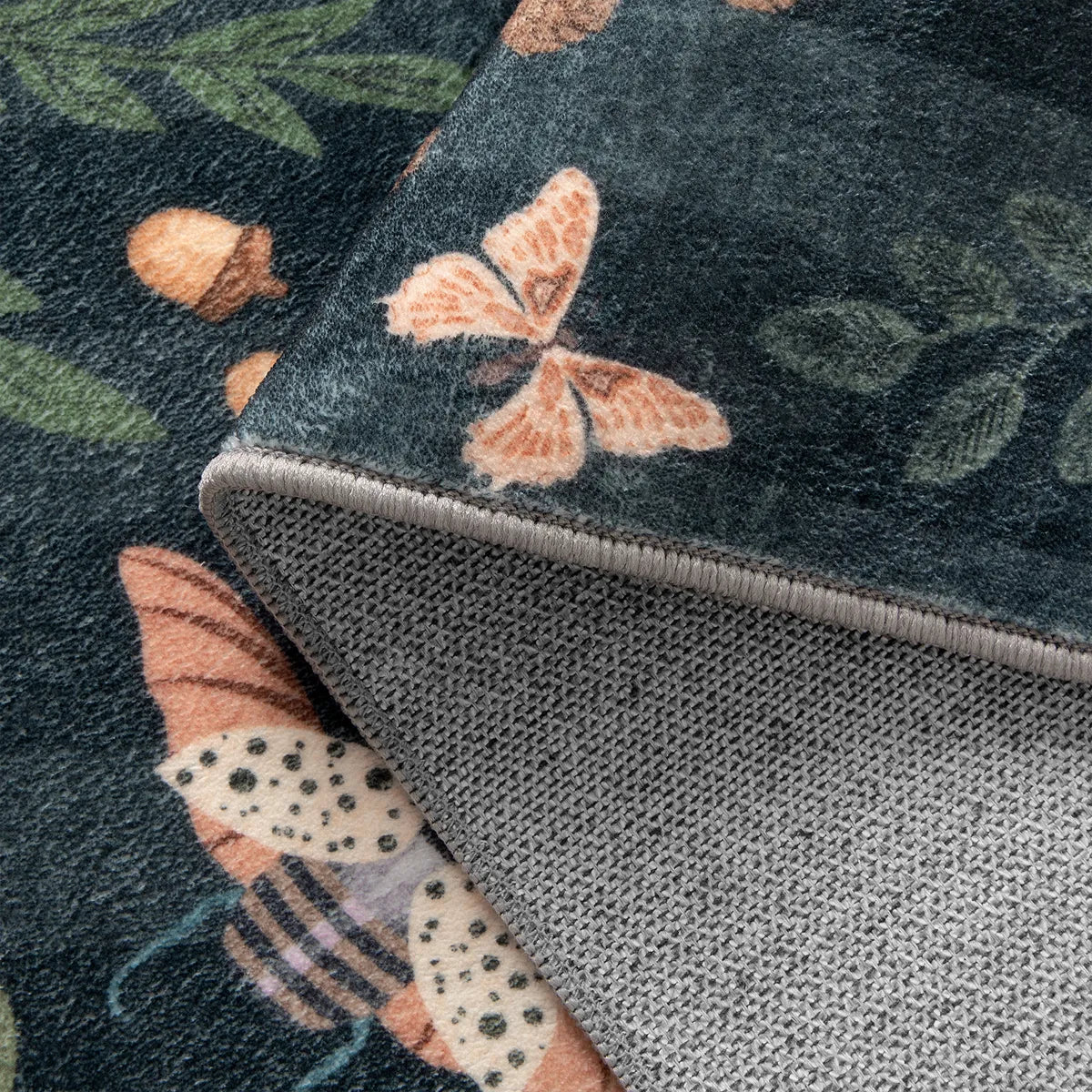
- Machine washability: A machine washable insect or flower rug (one constructed to go through a home washing machine without losing color or shape) is the practical baseline for any children's space, where cleaning frequency is higher than in adult rooms.
A flower rug or bug rug in a playroom bridges the gap between a children's space and a thoughtfully designed interior, making the room feel considered rather than provisional.
Let the Floor Make the First Statement
An animal print rug is not a background element. It is a design decision that shapes how every other element in the room is perceived. Tiger rugs and snake rugs create bold, narrative focal points that command adult spaces with confidence. Flower rugs, insect rugs, and bug rugs bring the natural world into playrooms and nurseries in a way that is both beautiful and functional. In every case, the principle is the same: choose the rug with intention, build the room around it, and let the floor lead.
FAQs about animal print rugs
Q1. Is Animal Print Still in Style in 2026?
Animal print is one of the few design directions that consistently transcends trend cycles. The category has broadened significantly beyond traditional leopard and zebra prints to include tigers, snakes, woodland creatures, insects, and botanical-animal combinations, which gives it more design range and longevity than a single-motif trend. In interior design, animal print rugs have moved from novelty to a recognized form of statement decorating that works across maximalist, eclectic, and even minimalist spaces when balanced well.
Q2. What Prints Never Go Out of Style?
Nature-based prints, including animal motifs, botanicals, and figurative wildlife imagery, have maintained consistent presence in interior design across decades. Their staying power comes from the same source as their appeal: they reference the natural world, which never dates the way geometric or abstract trends can. An animal print rug built around a strong, timeless motif like a tiger, a snake, or a woodland scene reads as a deliberate design choice rather than a moment-specific trend.
Q3. Are Snake Rugs Easy to Care for?
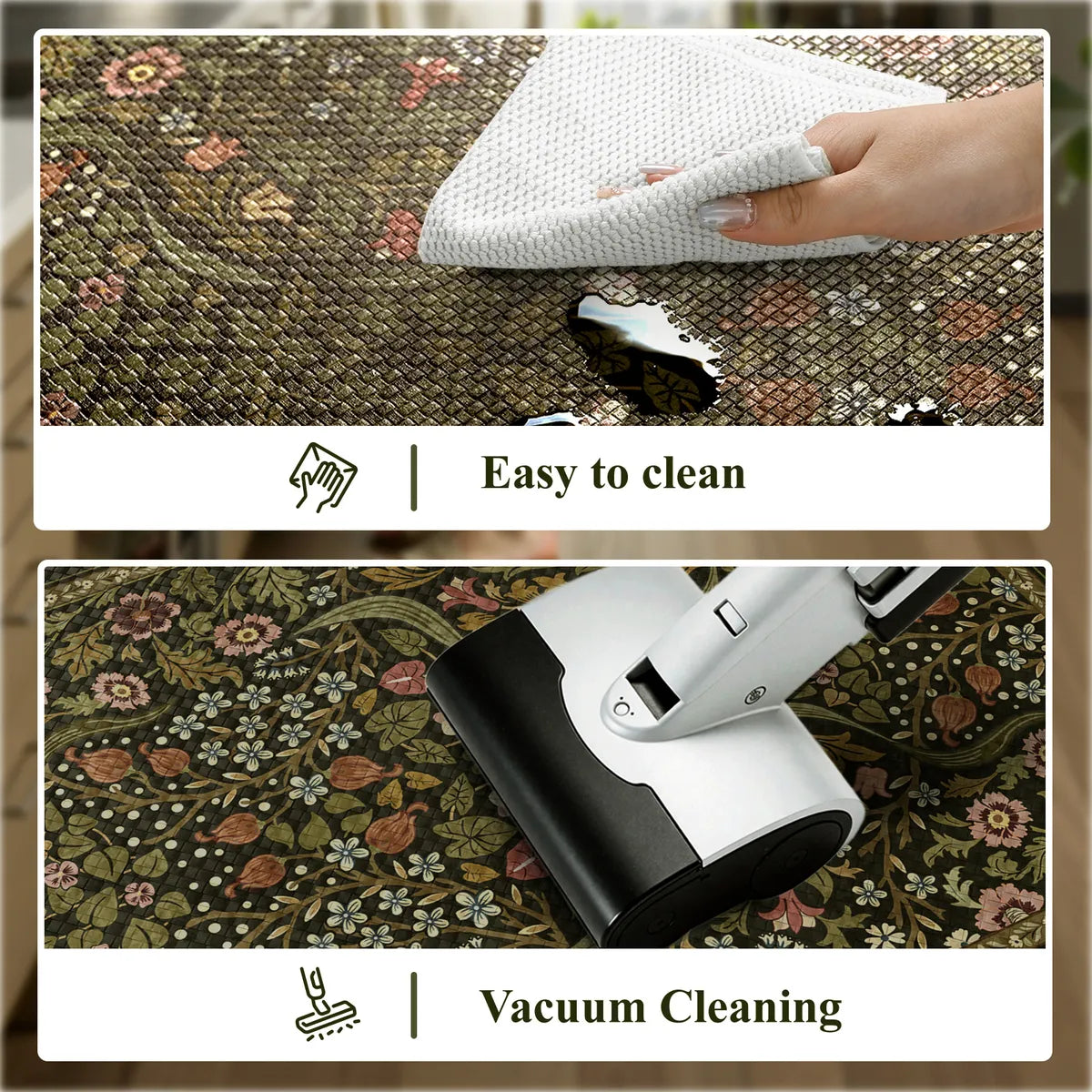
A machine washable snake rug is just as easy to care for as any other washable area rug. Wash in cold water on a gentle cycle, air-dry flat, and vacuum regularly on a low suction setting between washes. The detailed, dark-ground patterns typical of snake rug designs are also visually forgiving of light soiling between cleaning sessions, which makes them a practical choice for high-use rooms.
Q4. How Do You Keep an Animal Print Rug Looking Vibrant Over Time?
Regular vacuuming prevents grit from working into the fibers and dulling the surface. For machine washable animal print rugs, washing in cold water on a gentle cycle and air-drying flat preserves color and pattern integrity through repeated cleaning cycles. Rotating the rug periodically also distributes foot traffic wear more evenly, keeping the pattern looking consistent across the full surface over time.