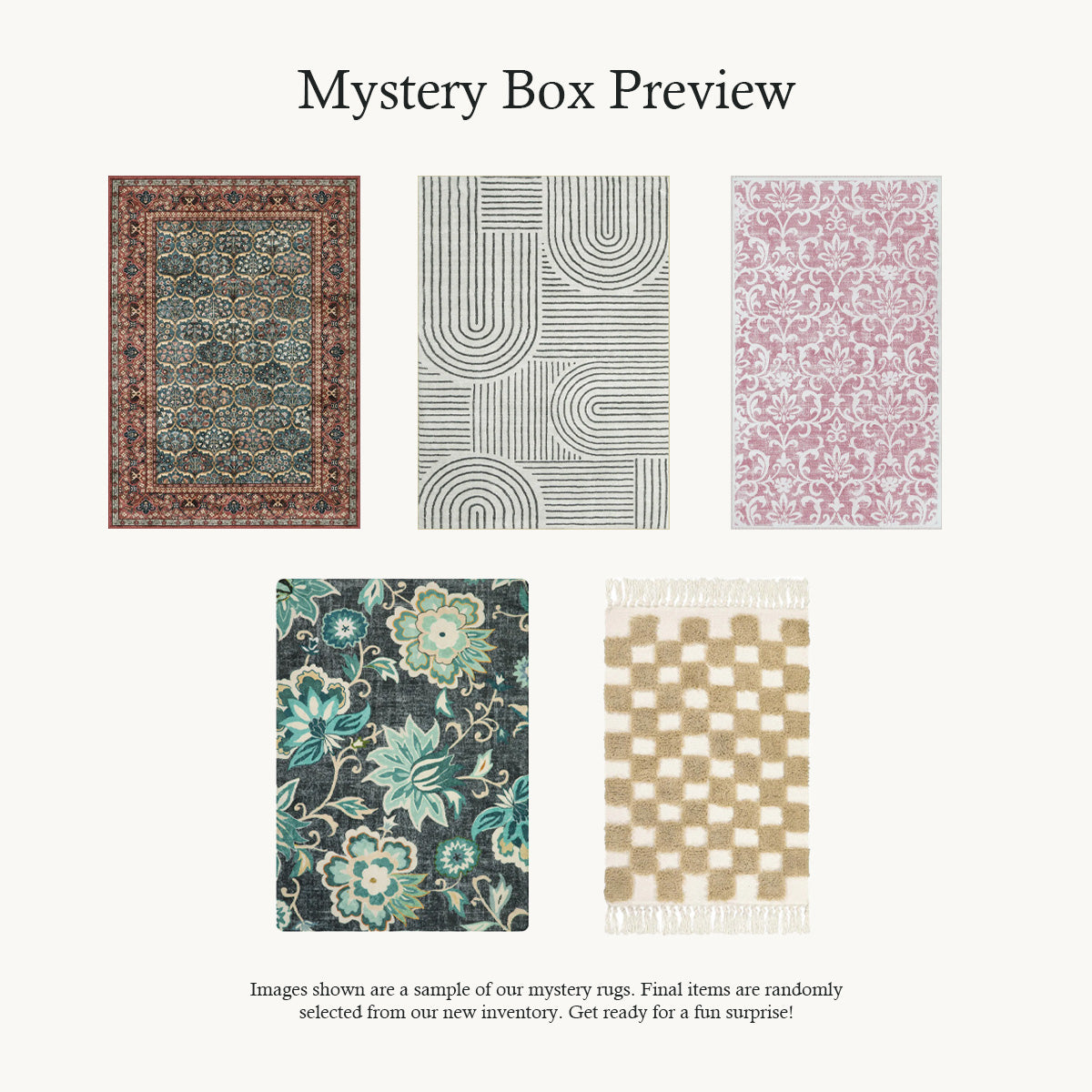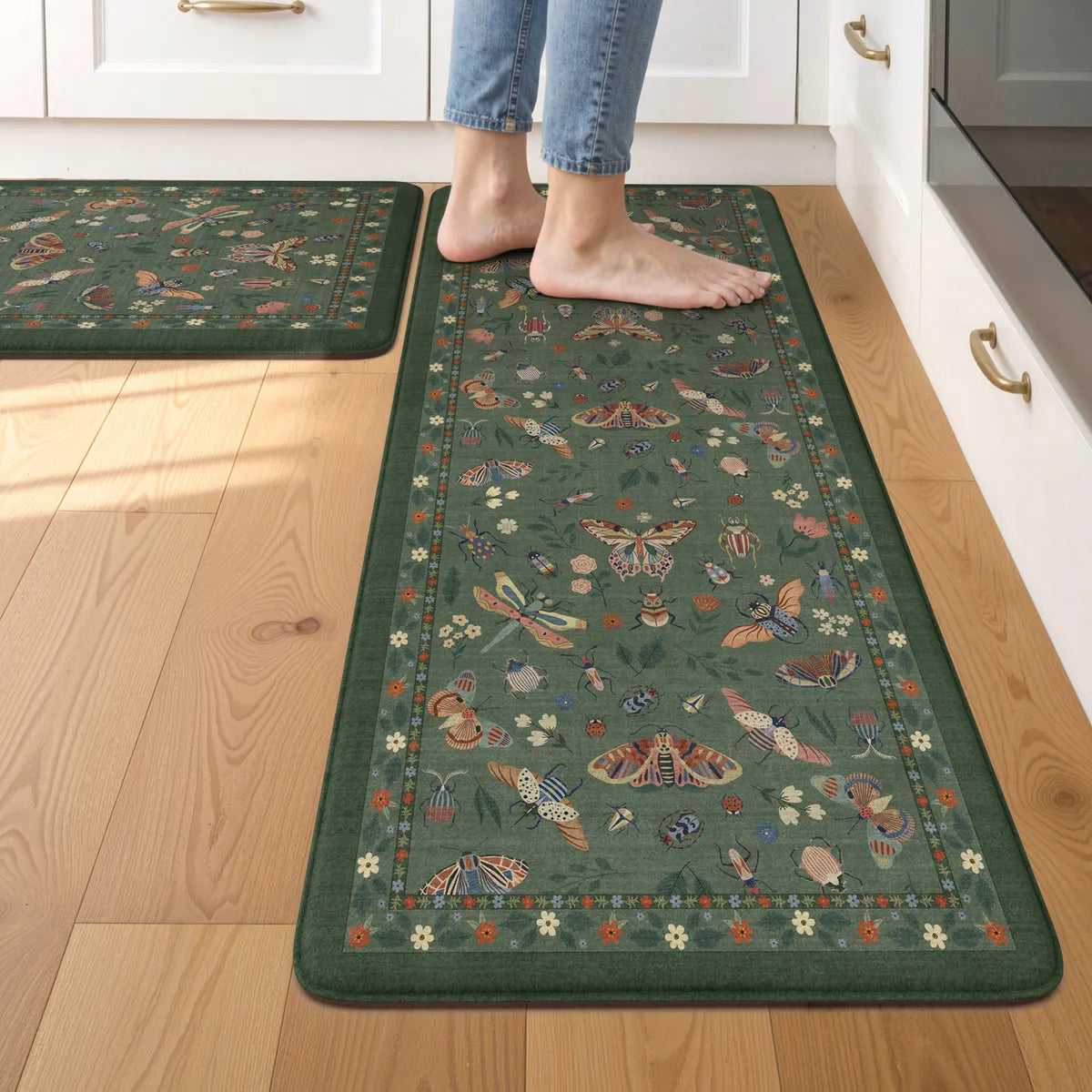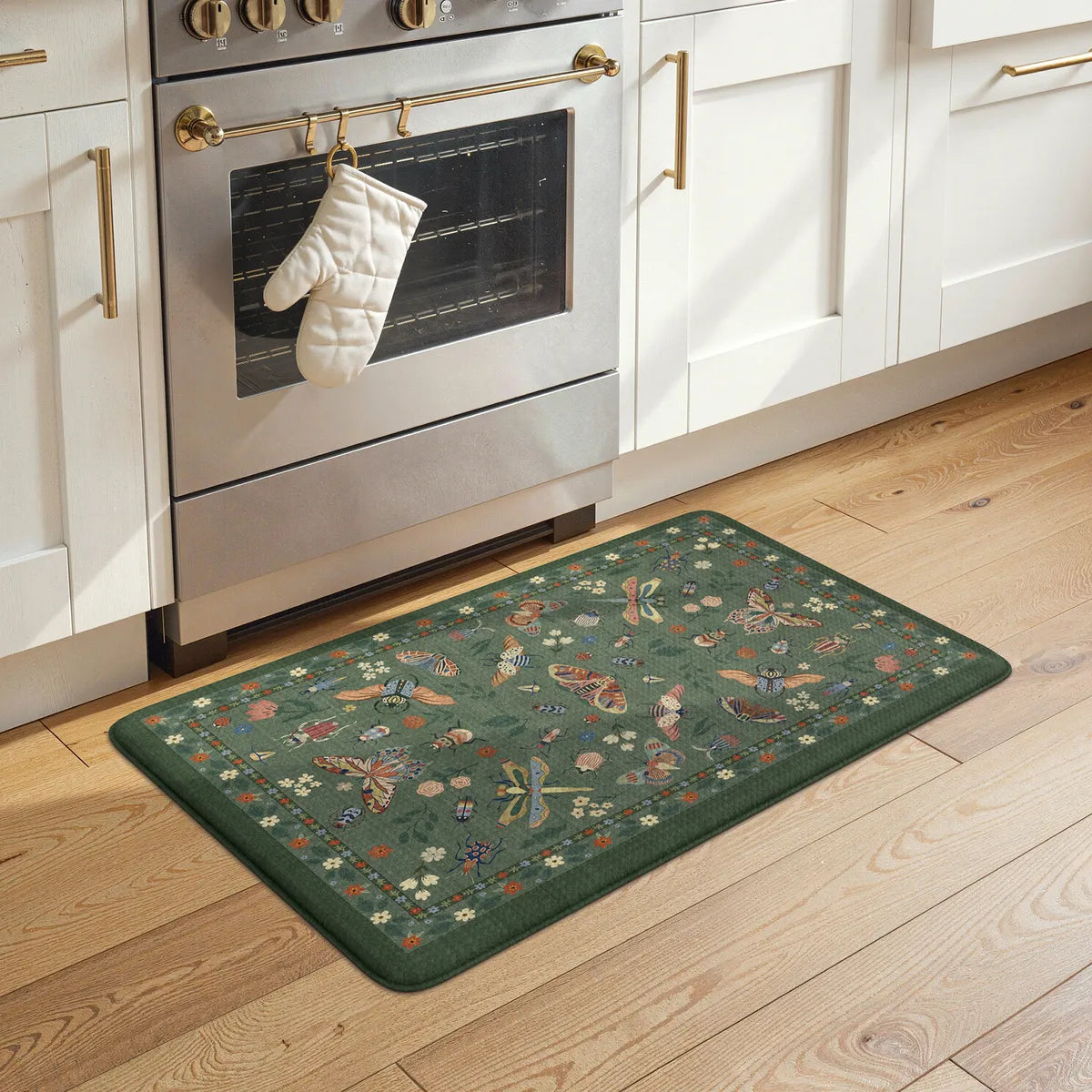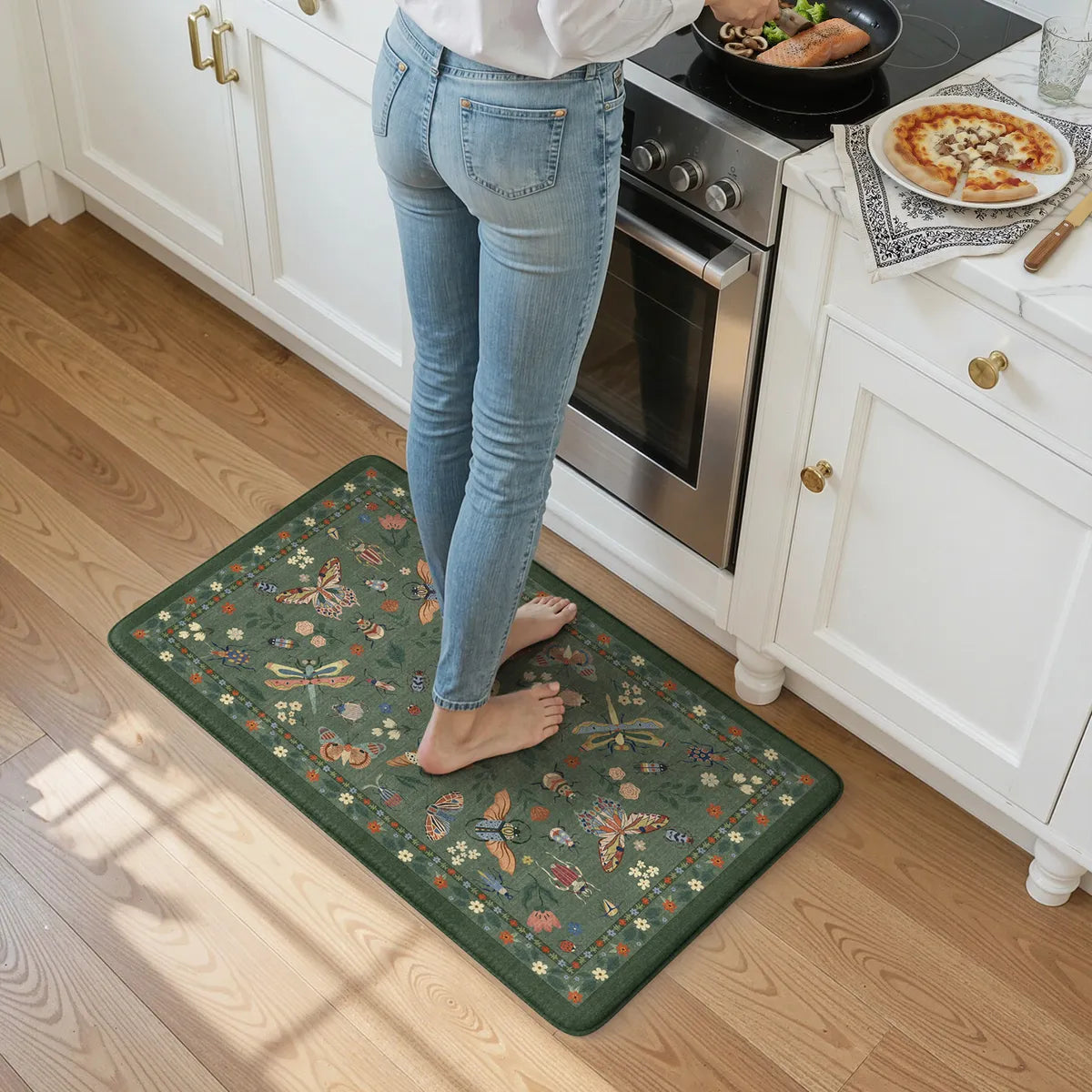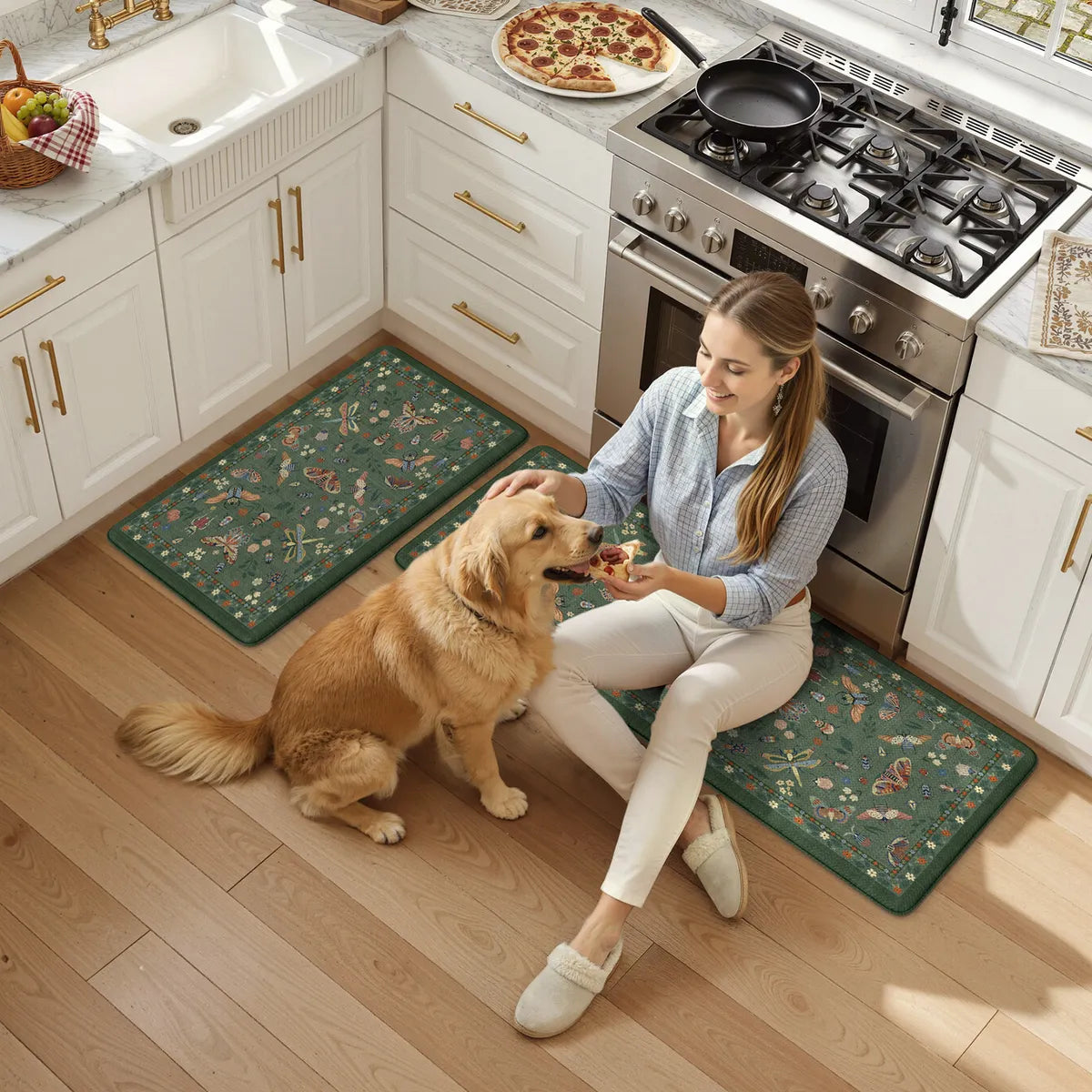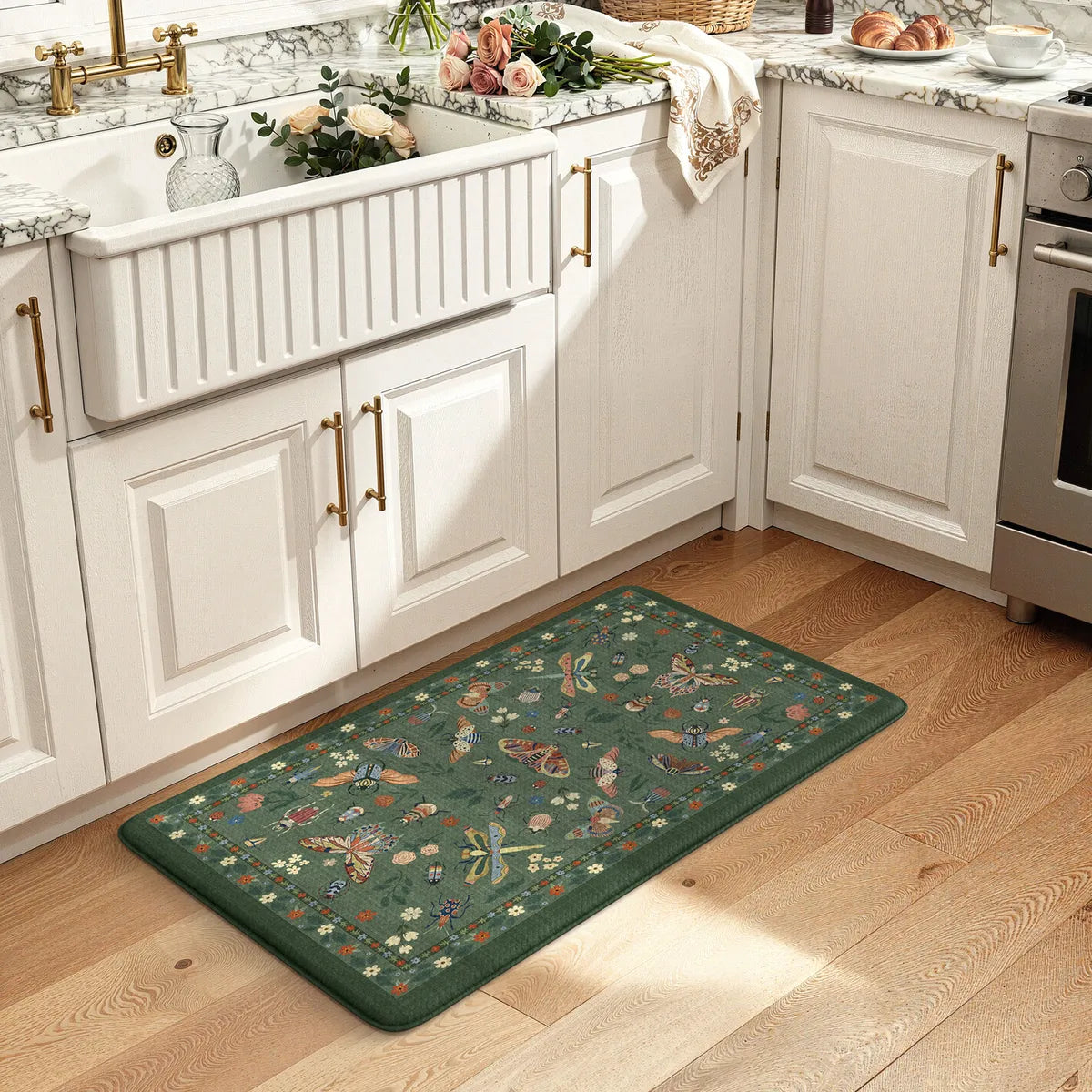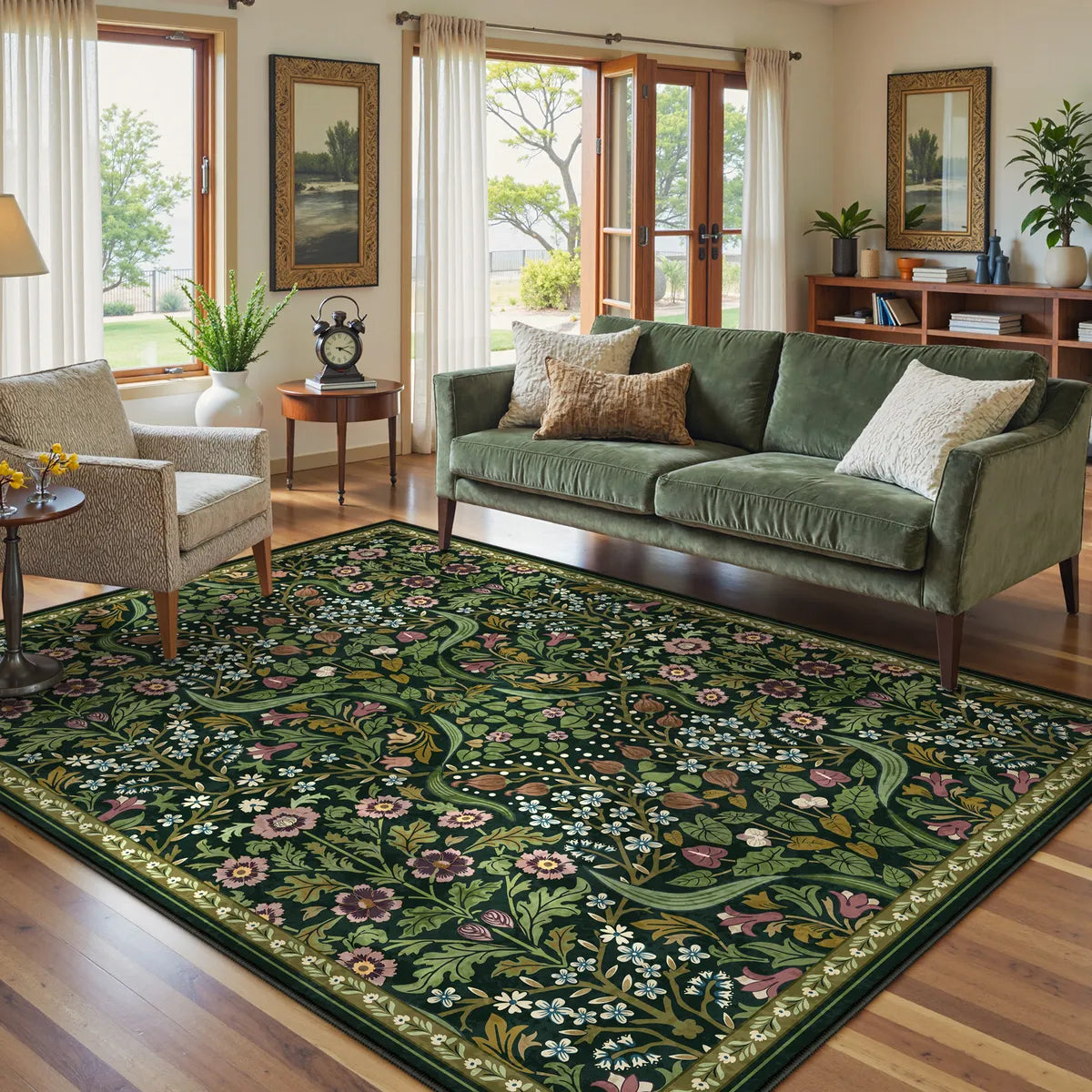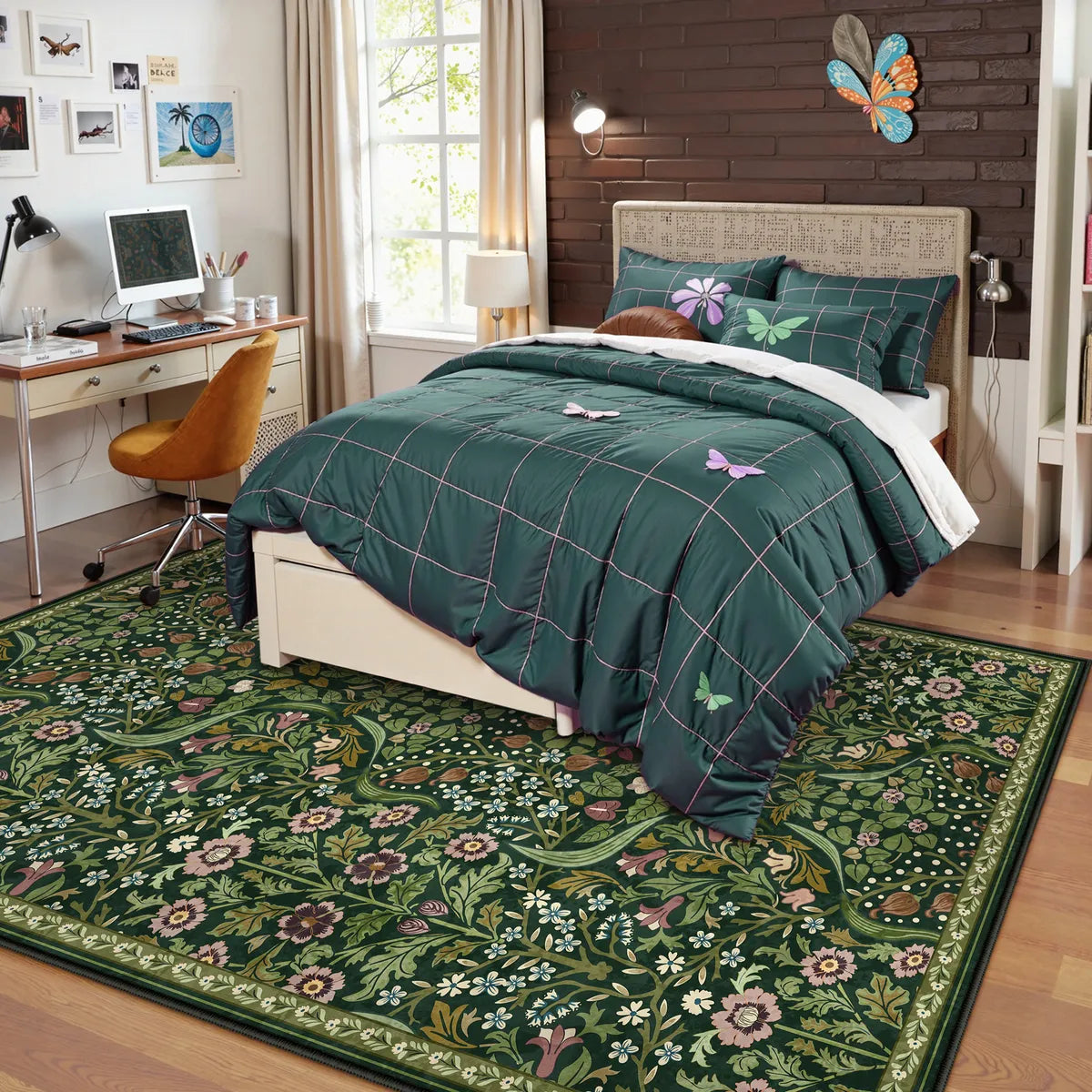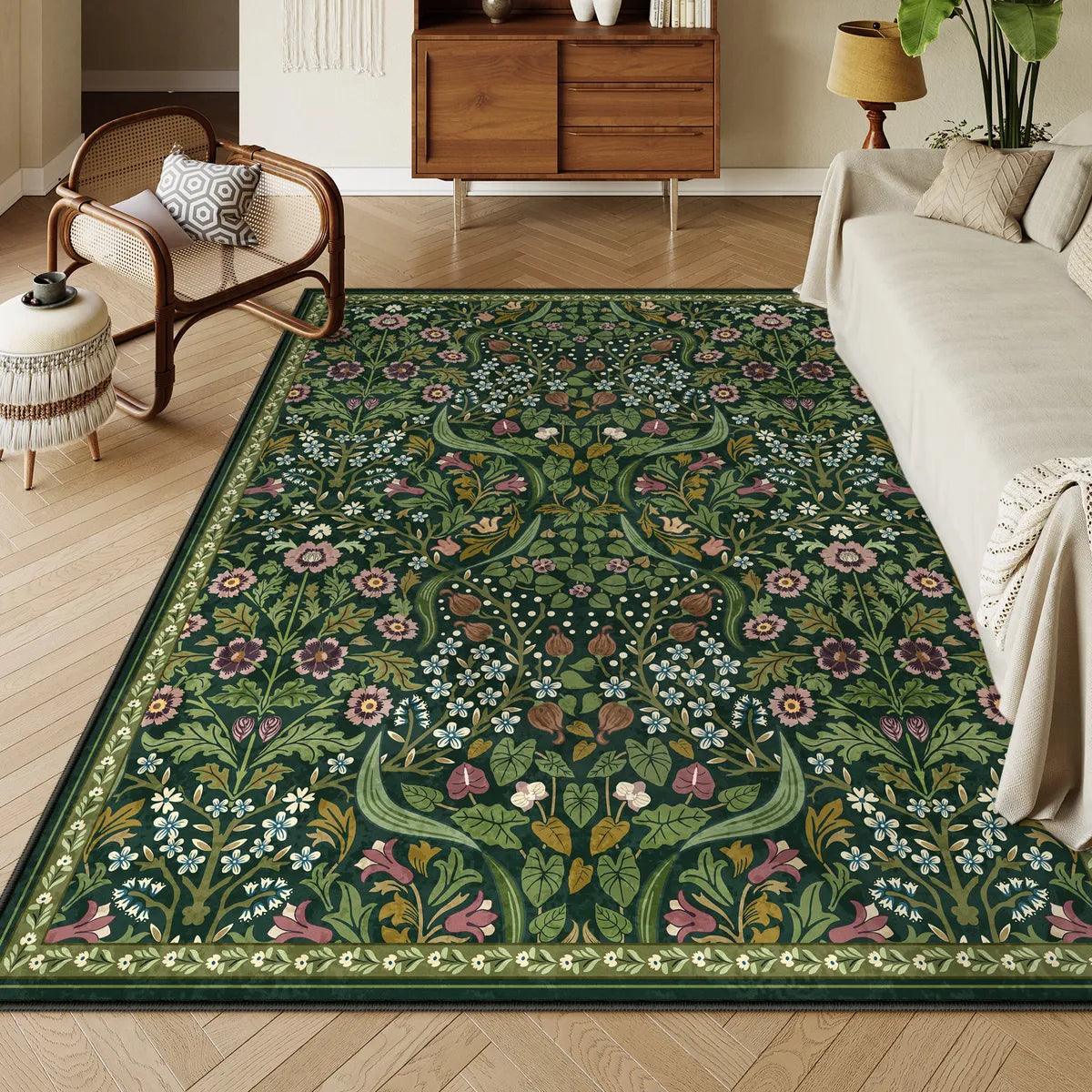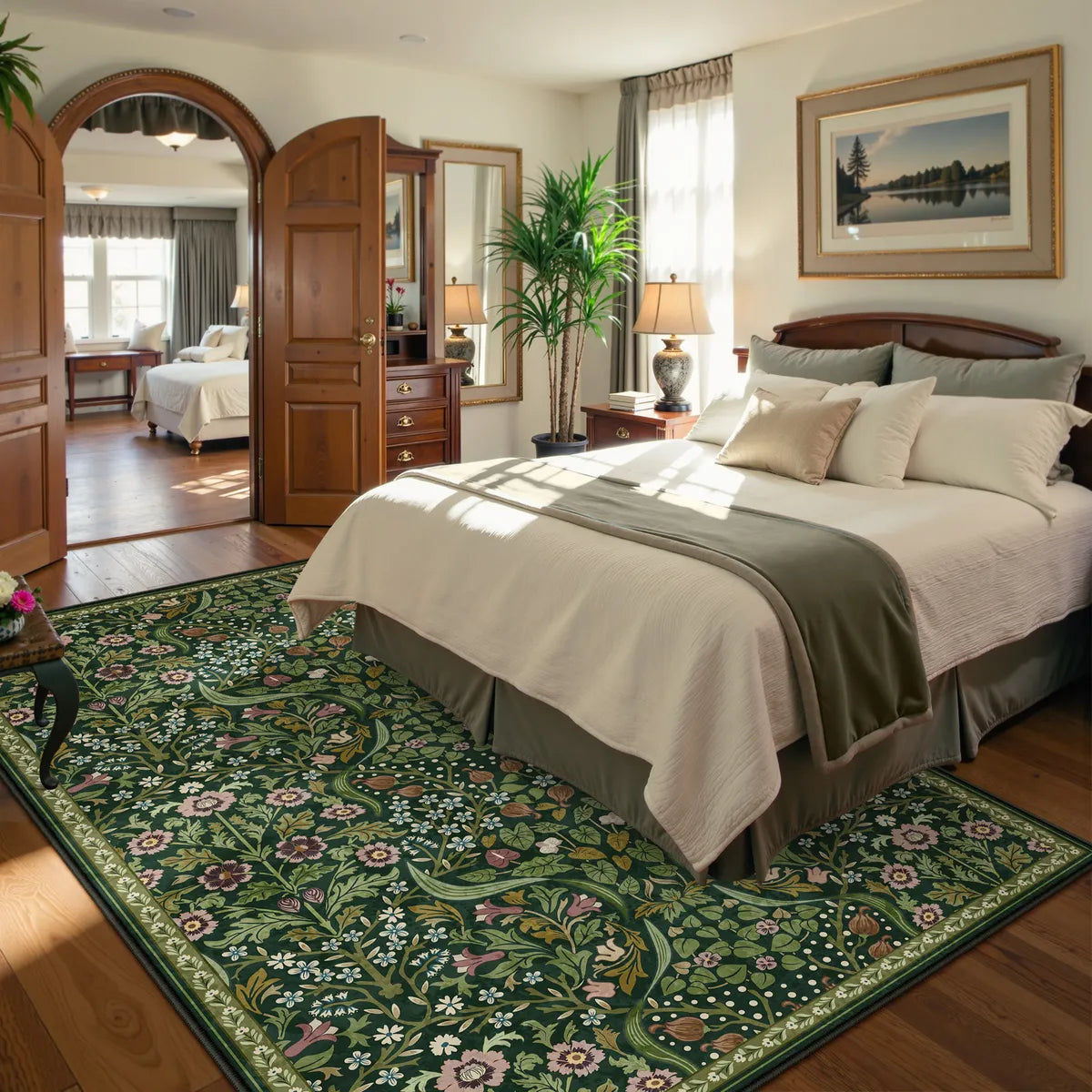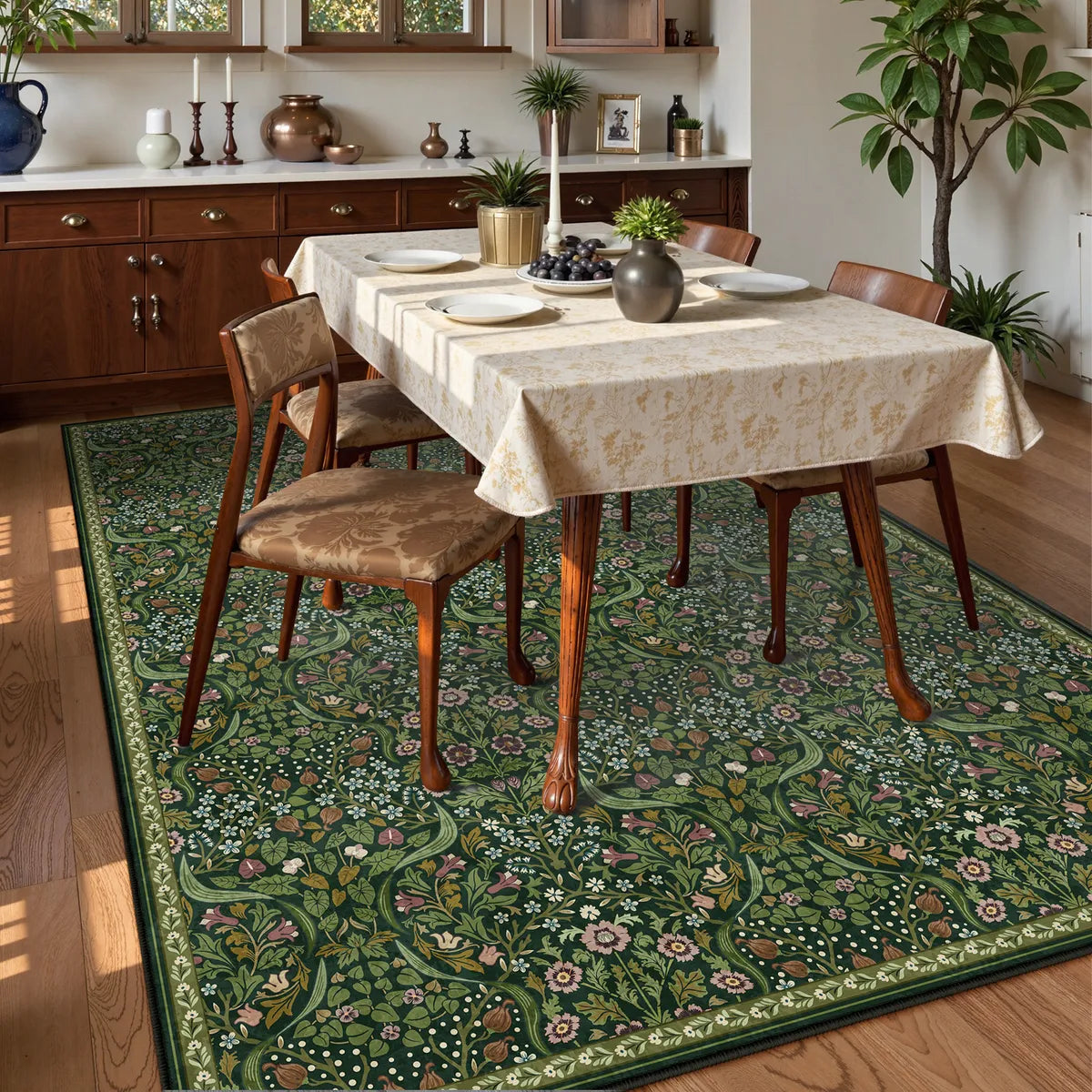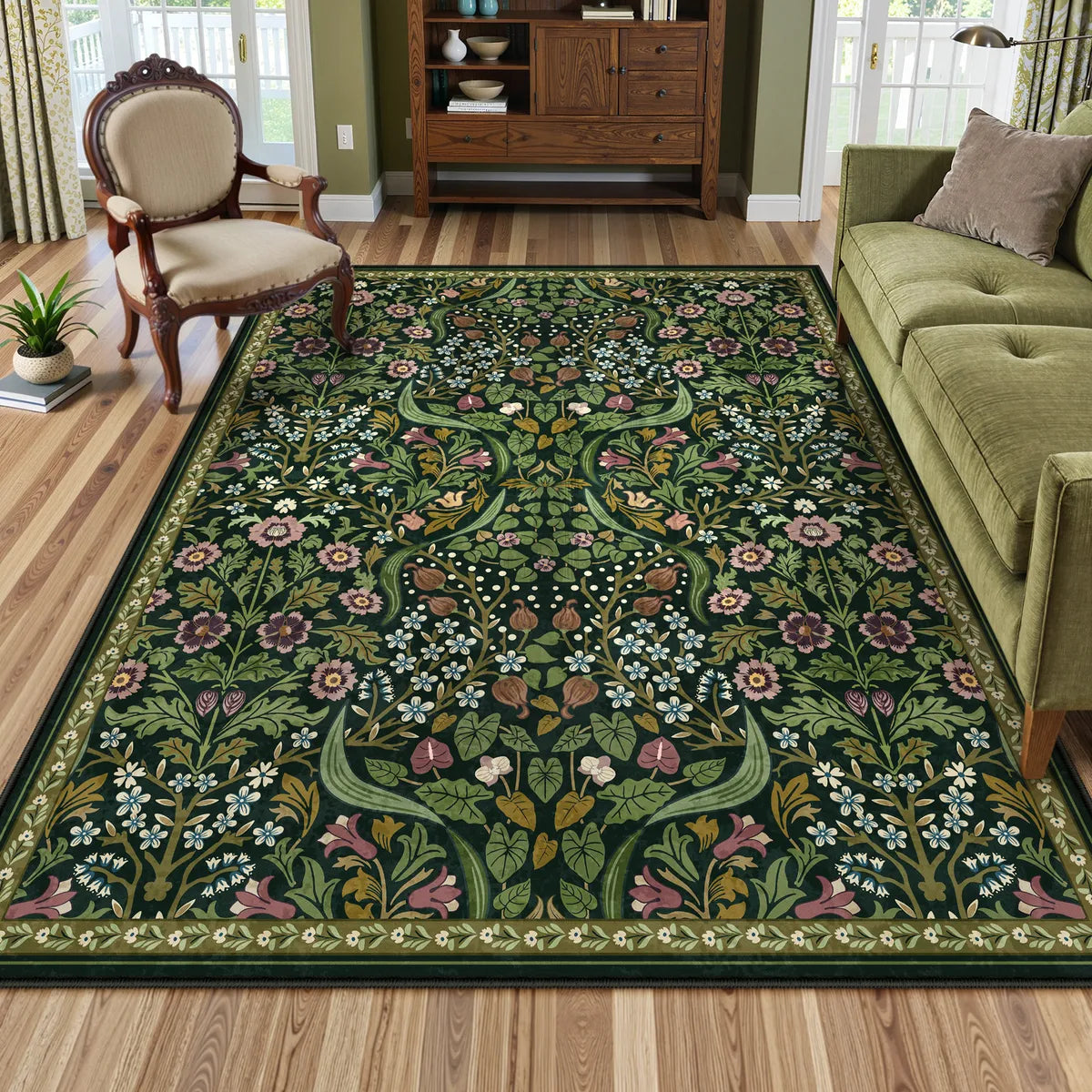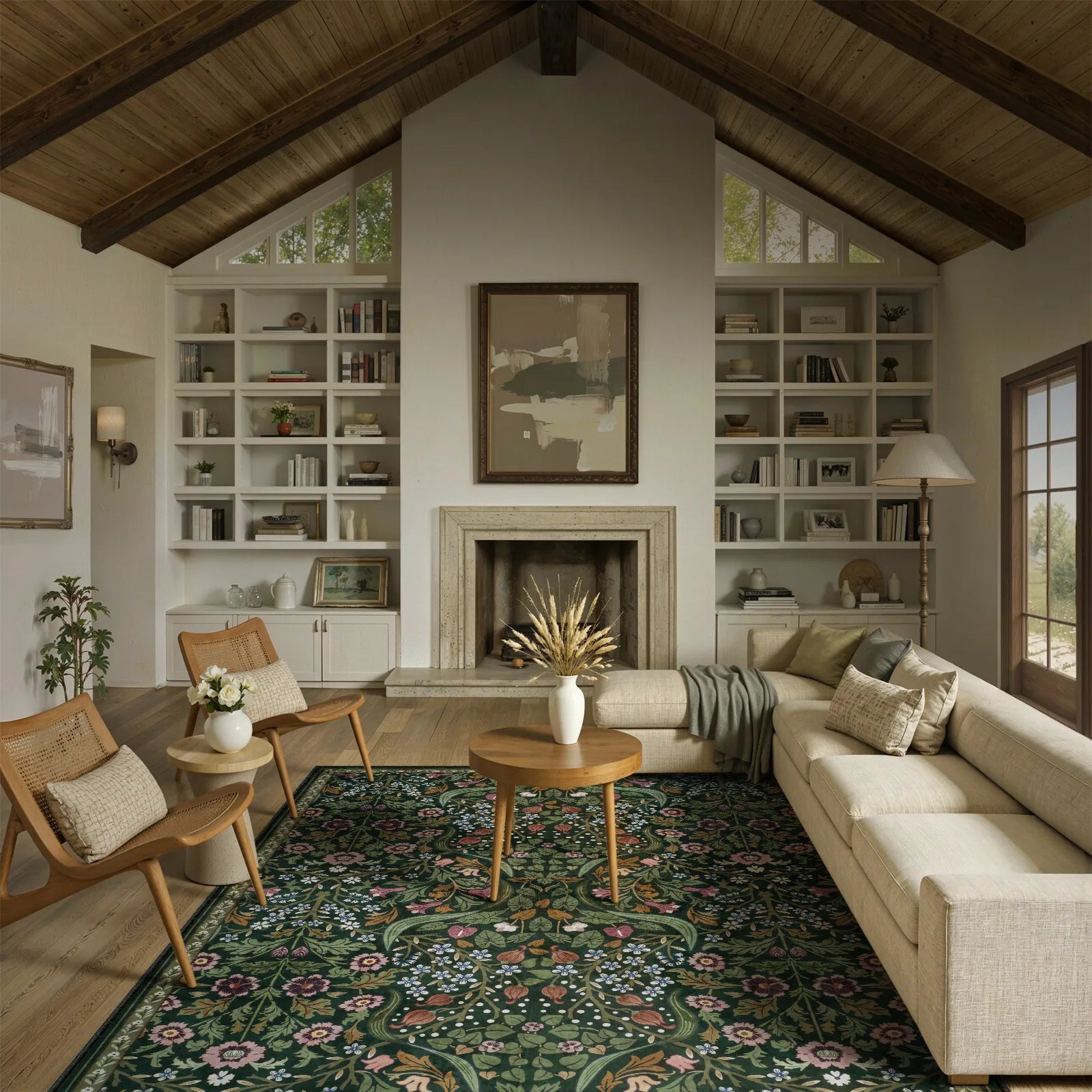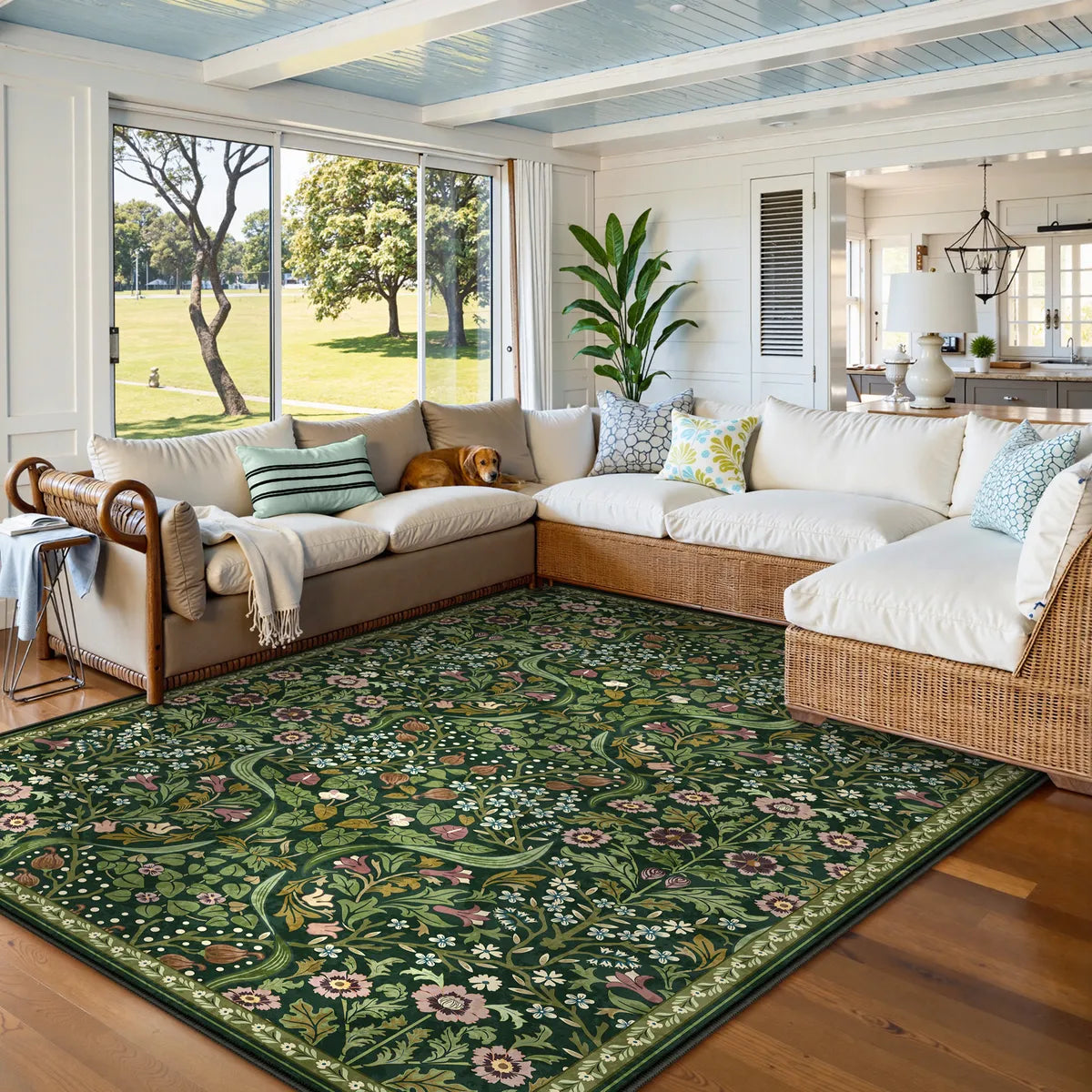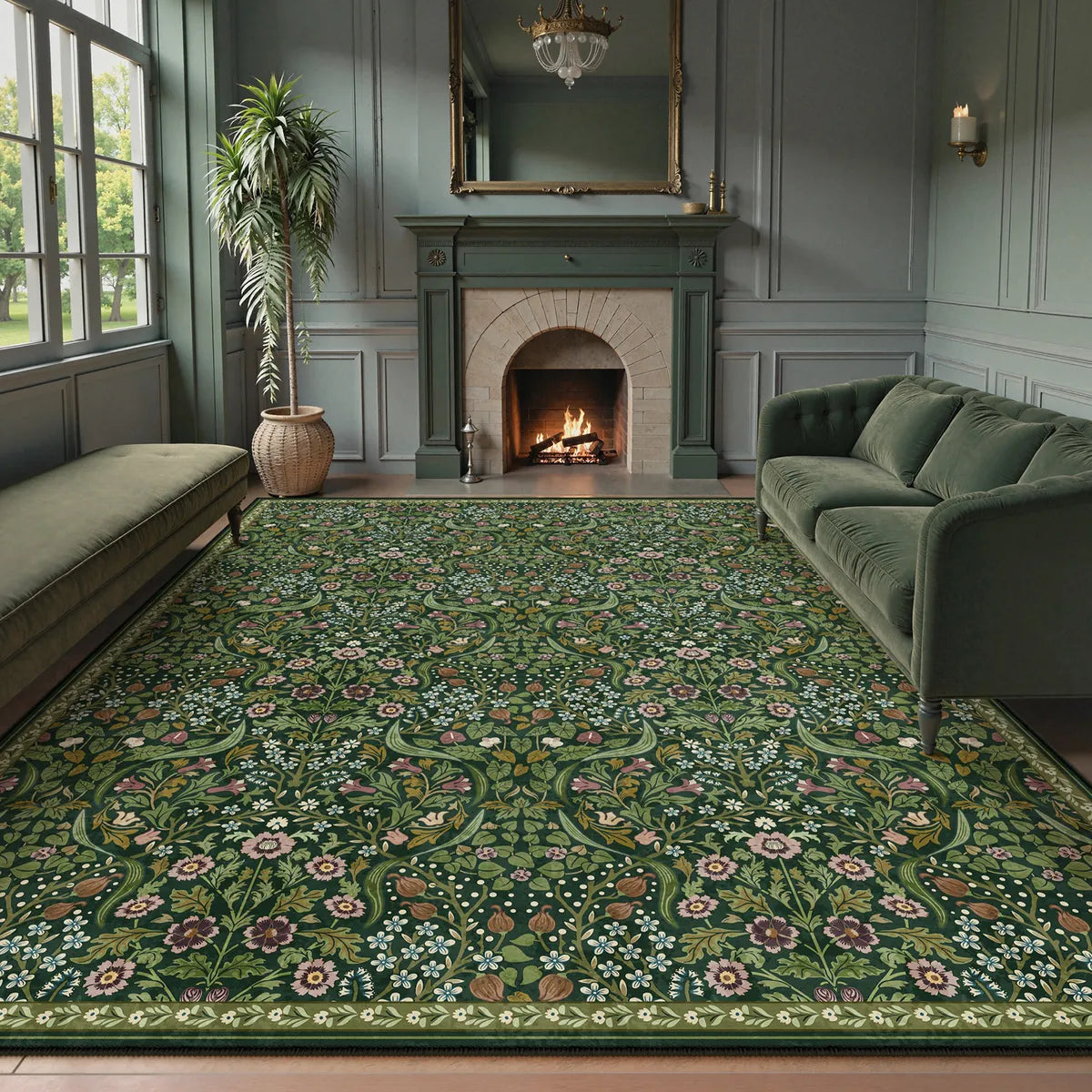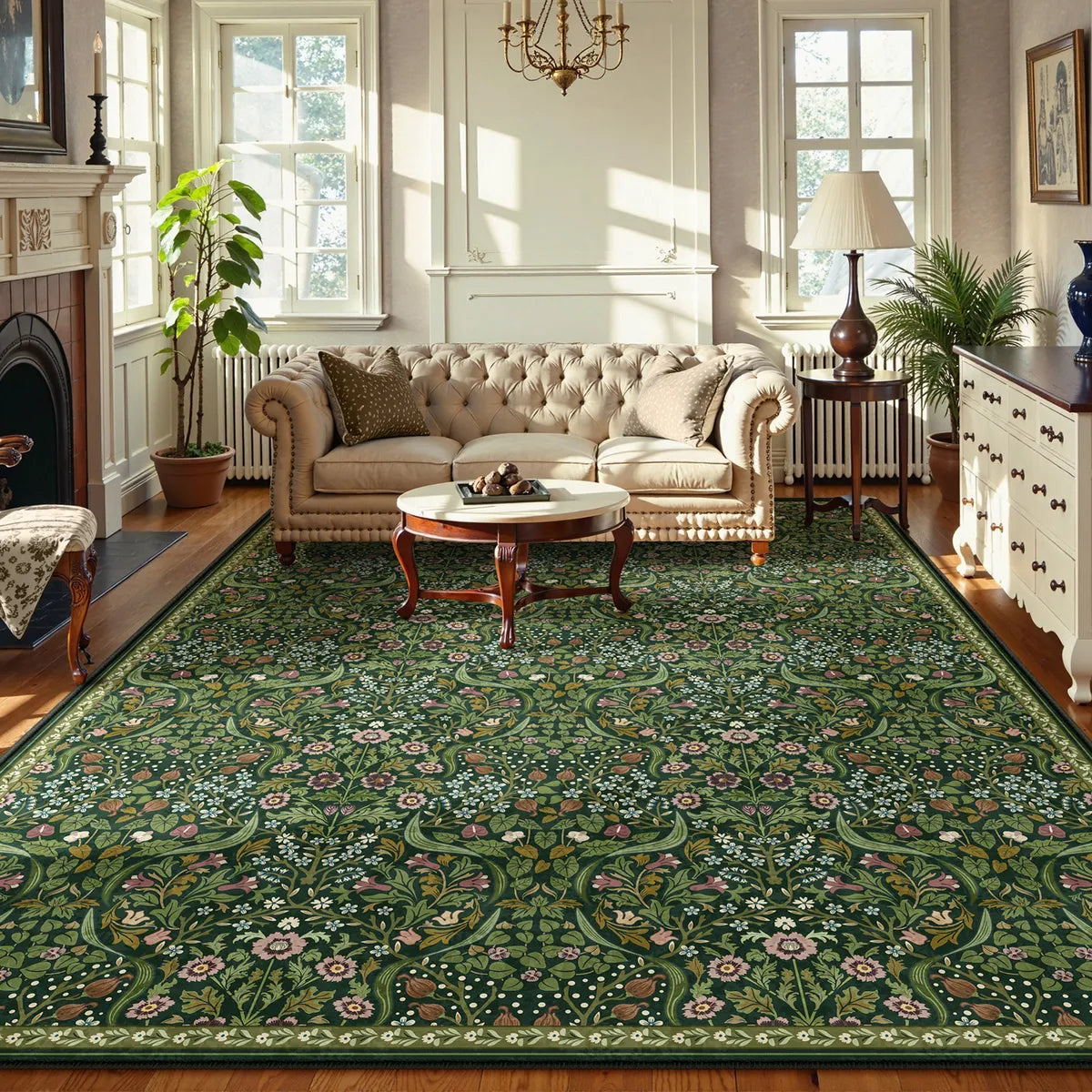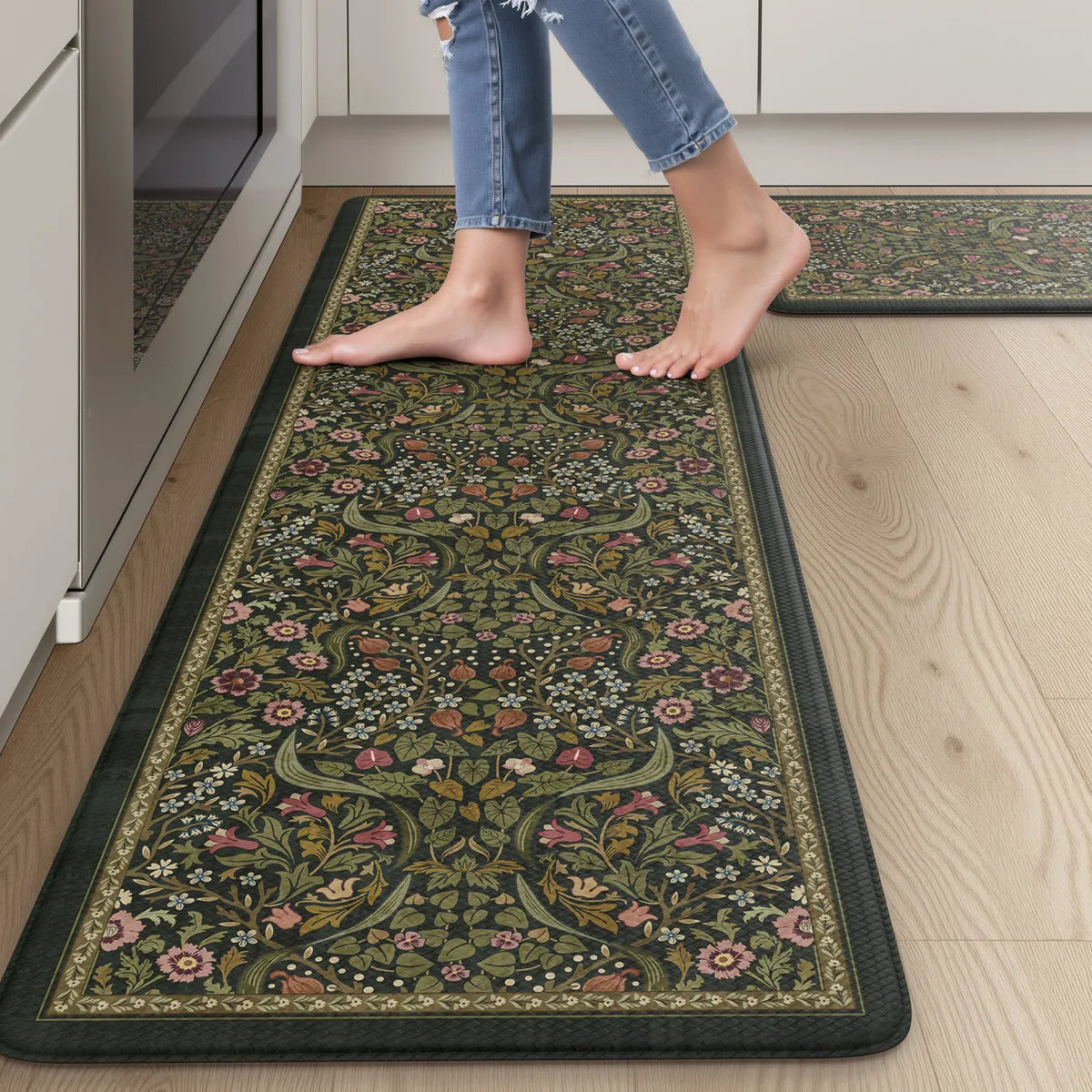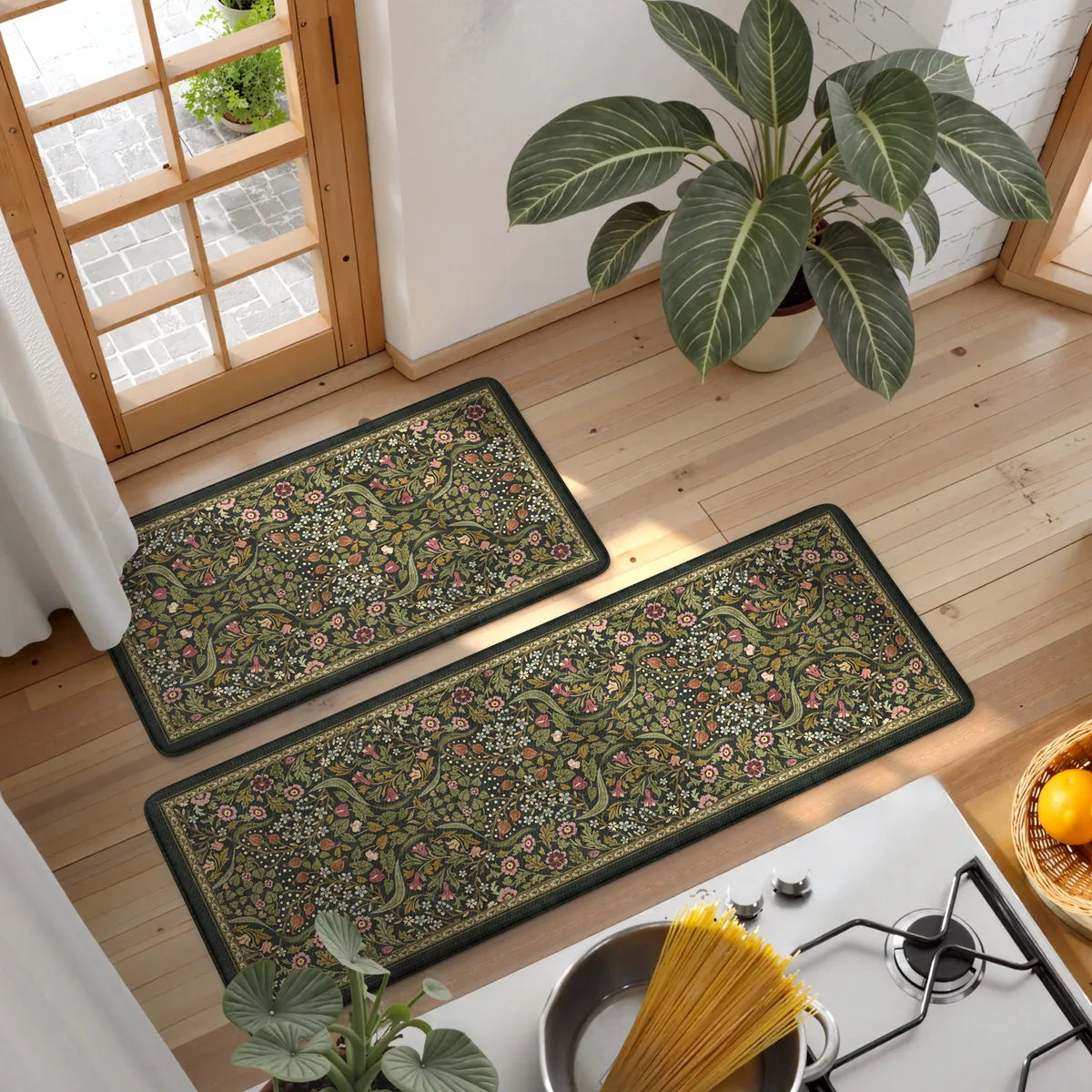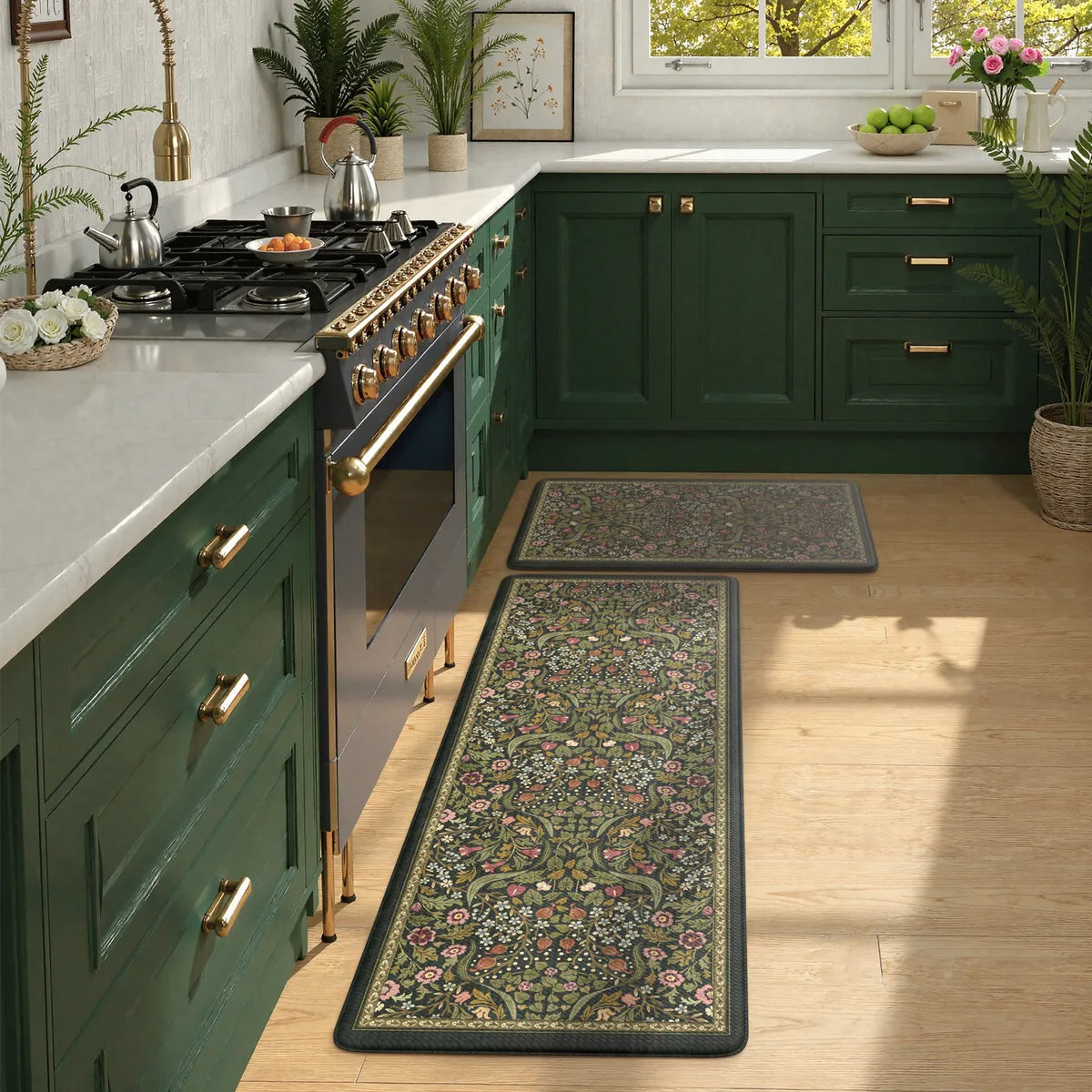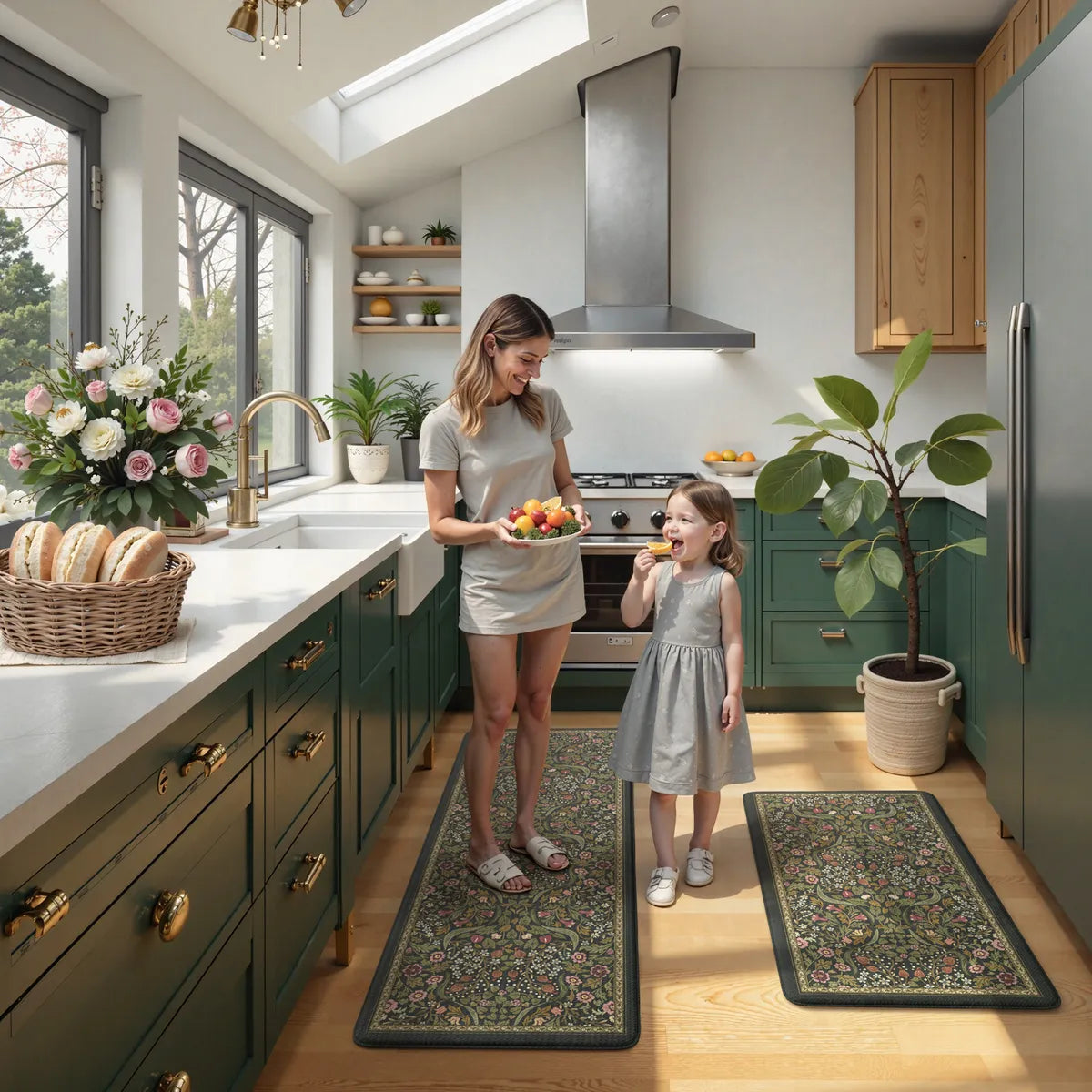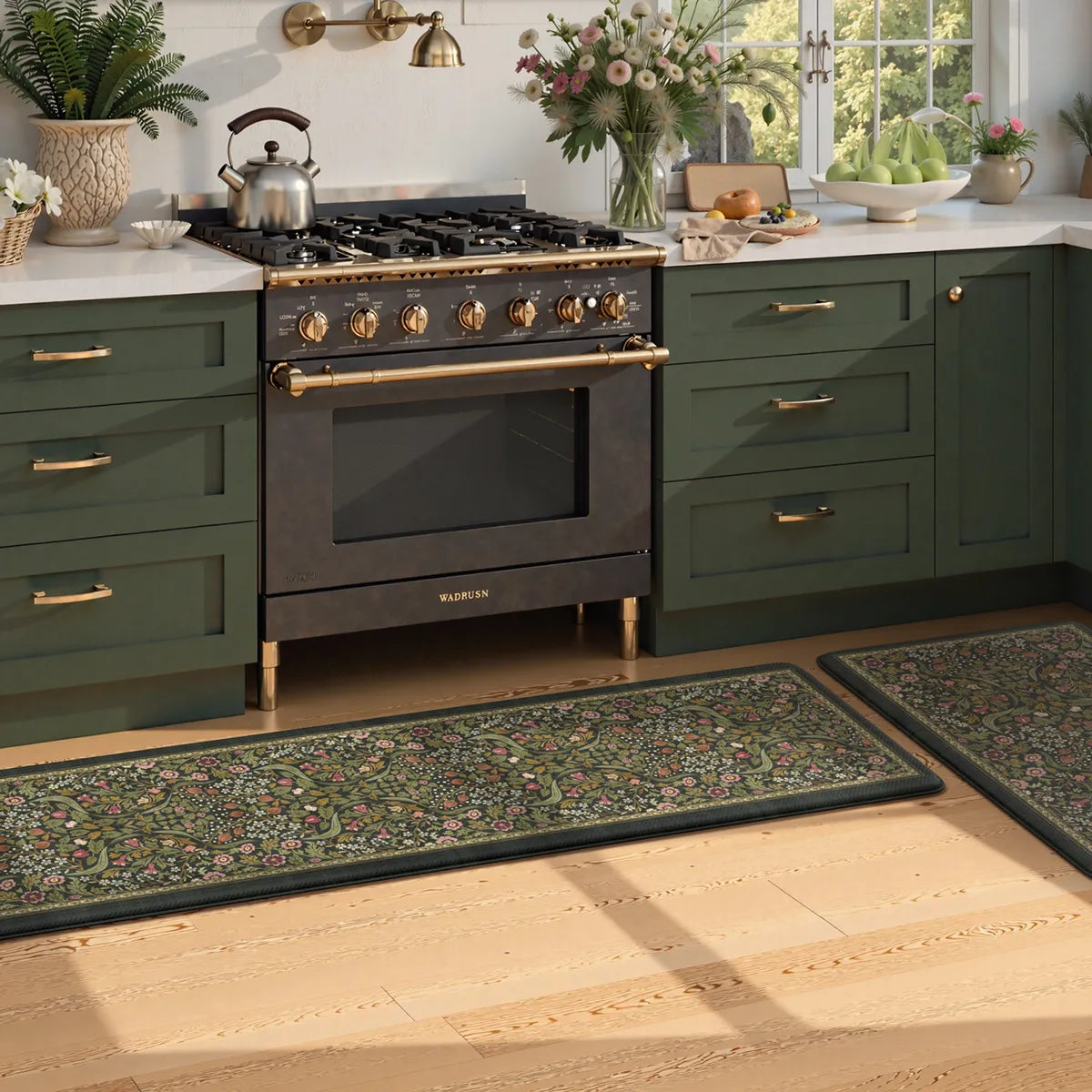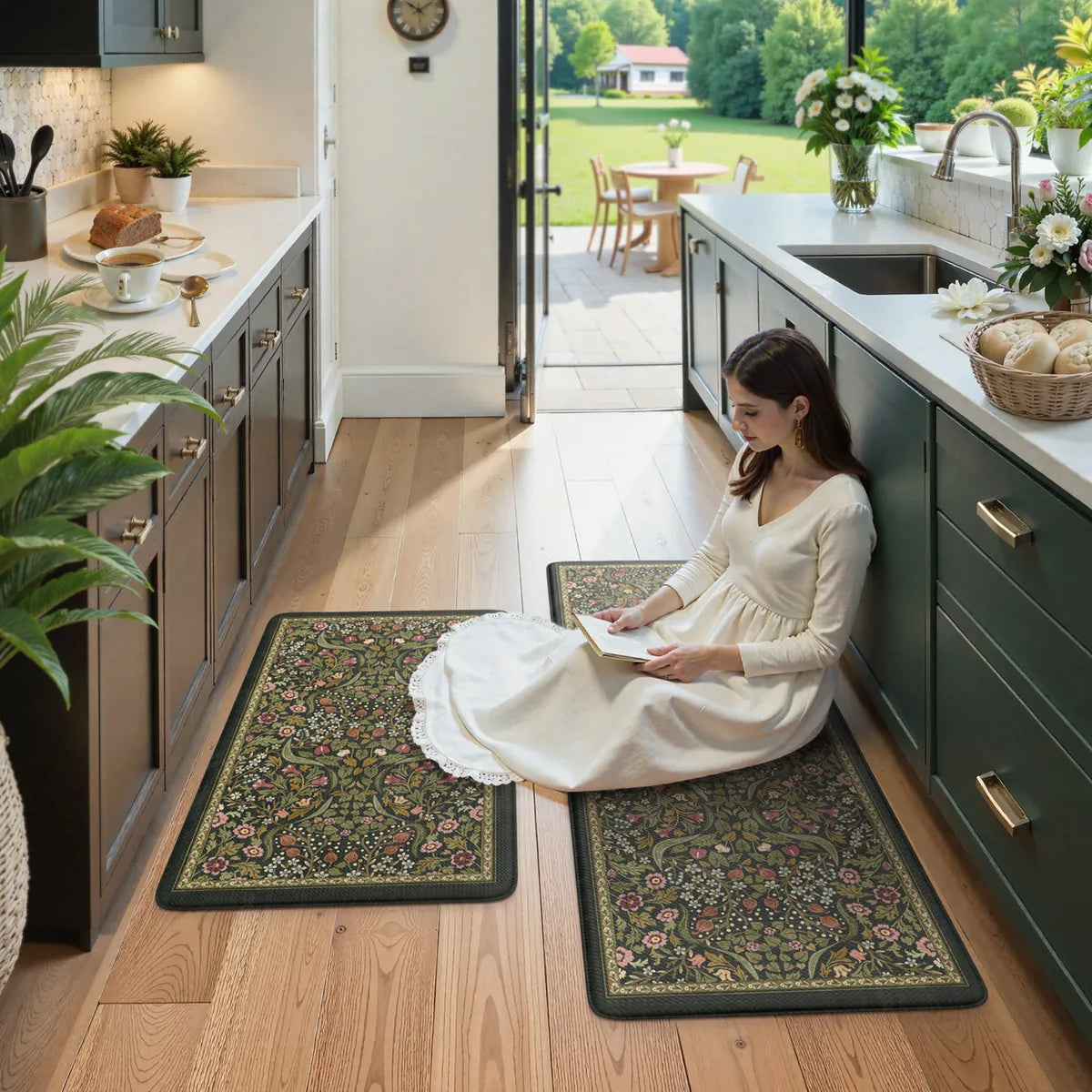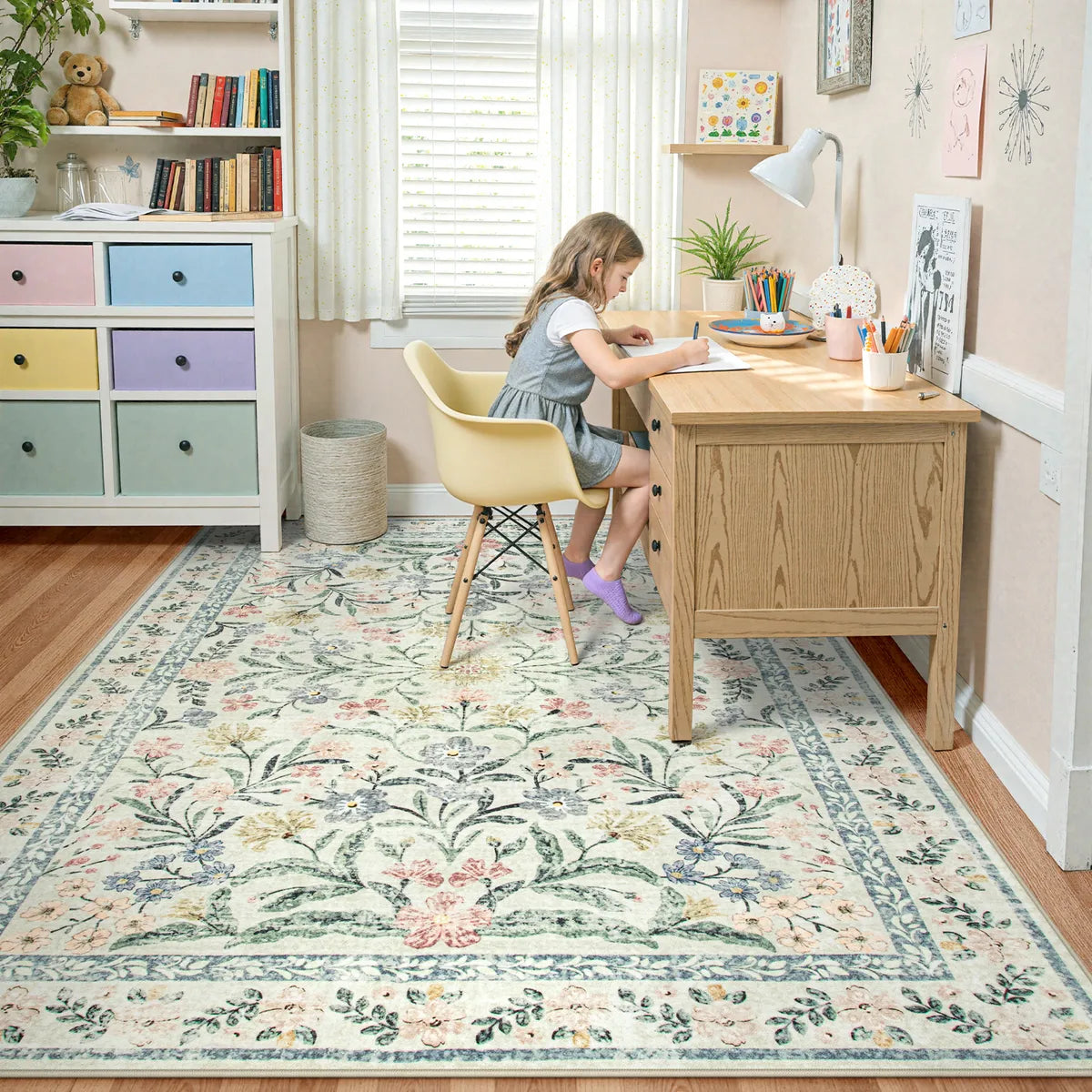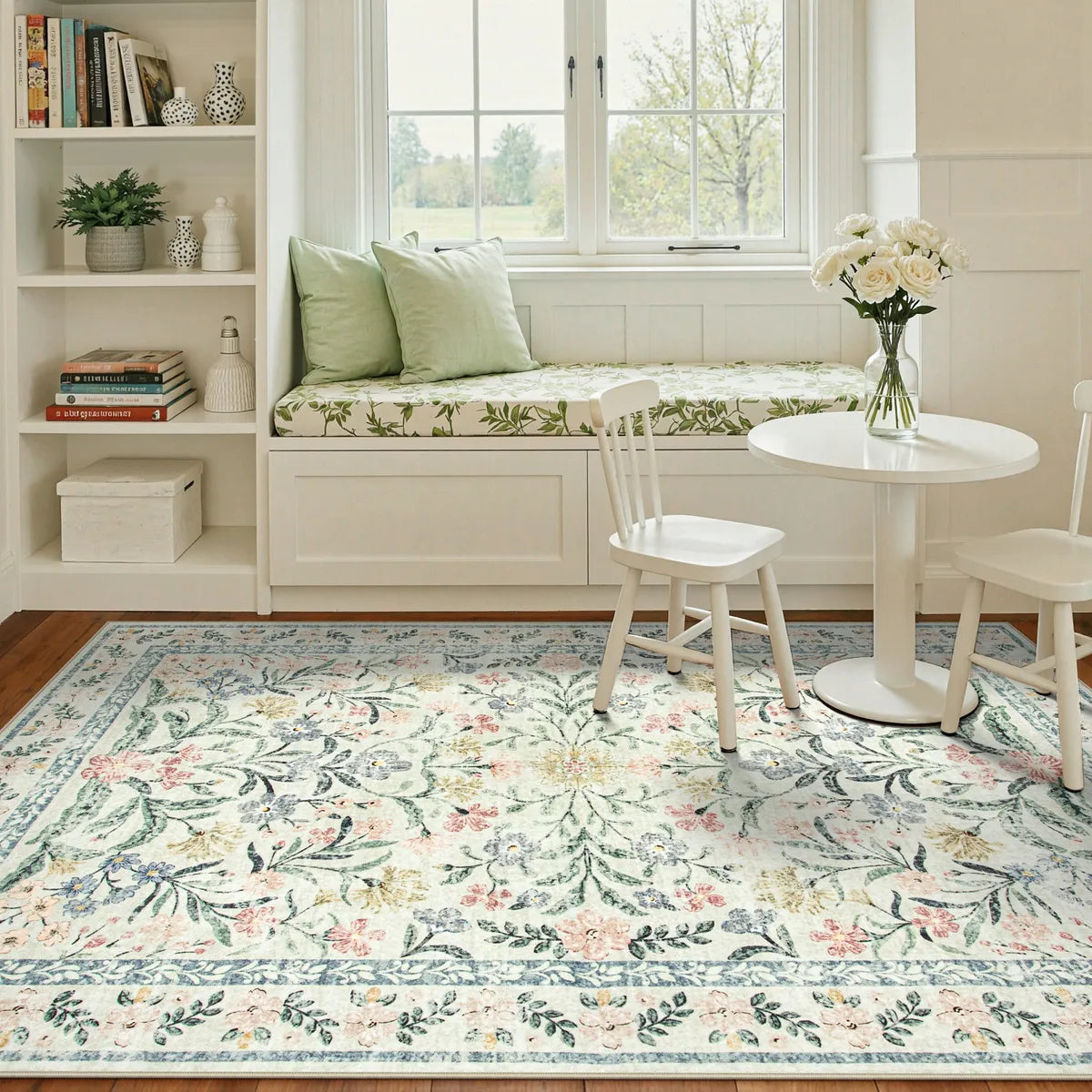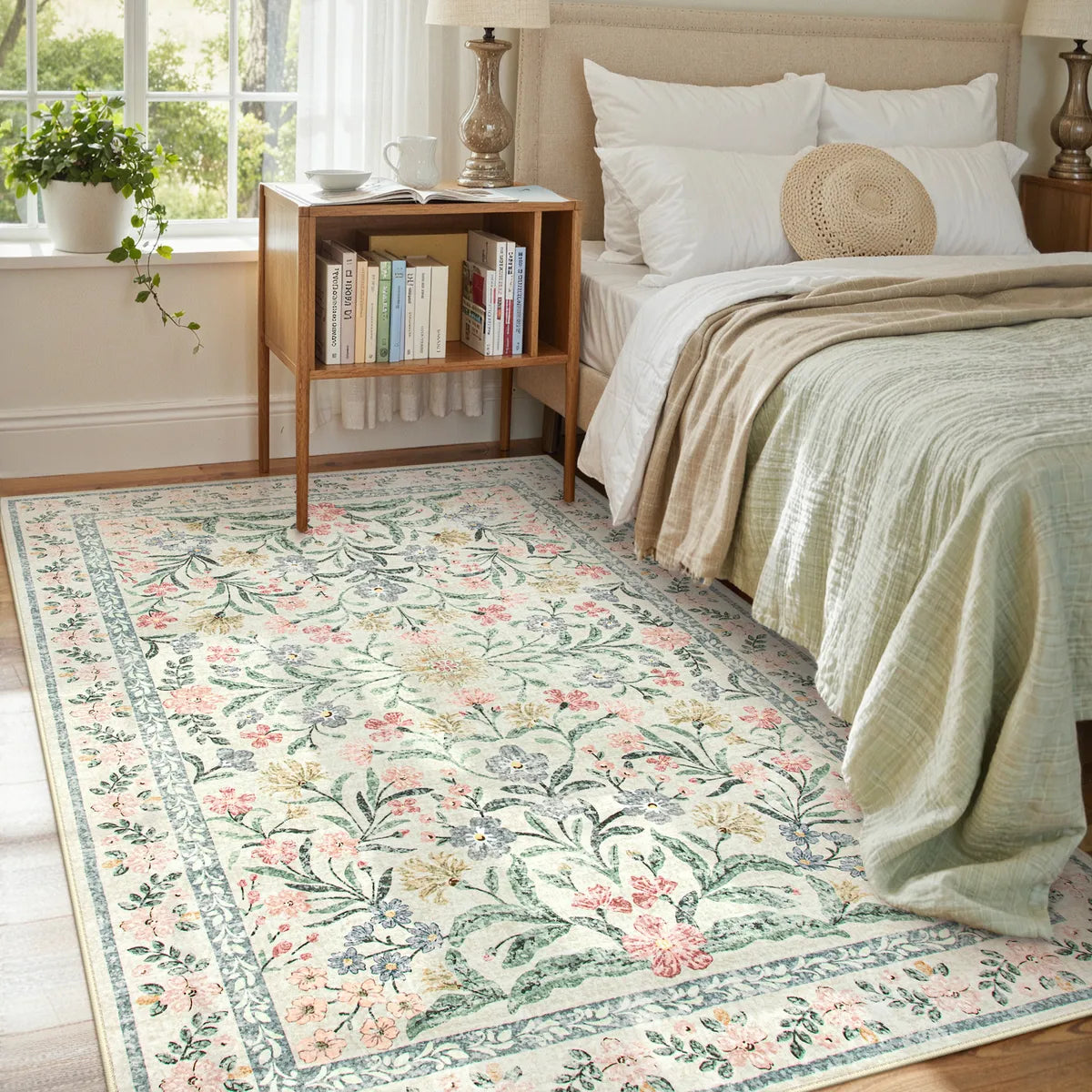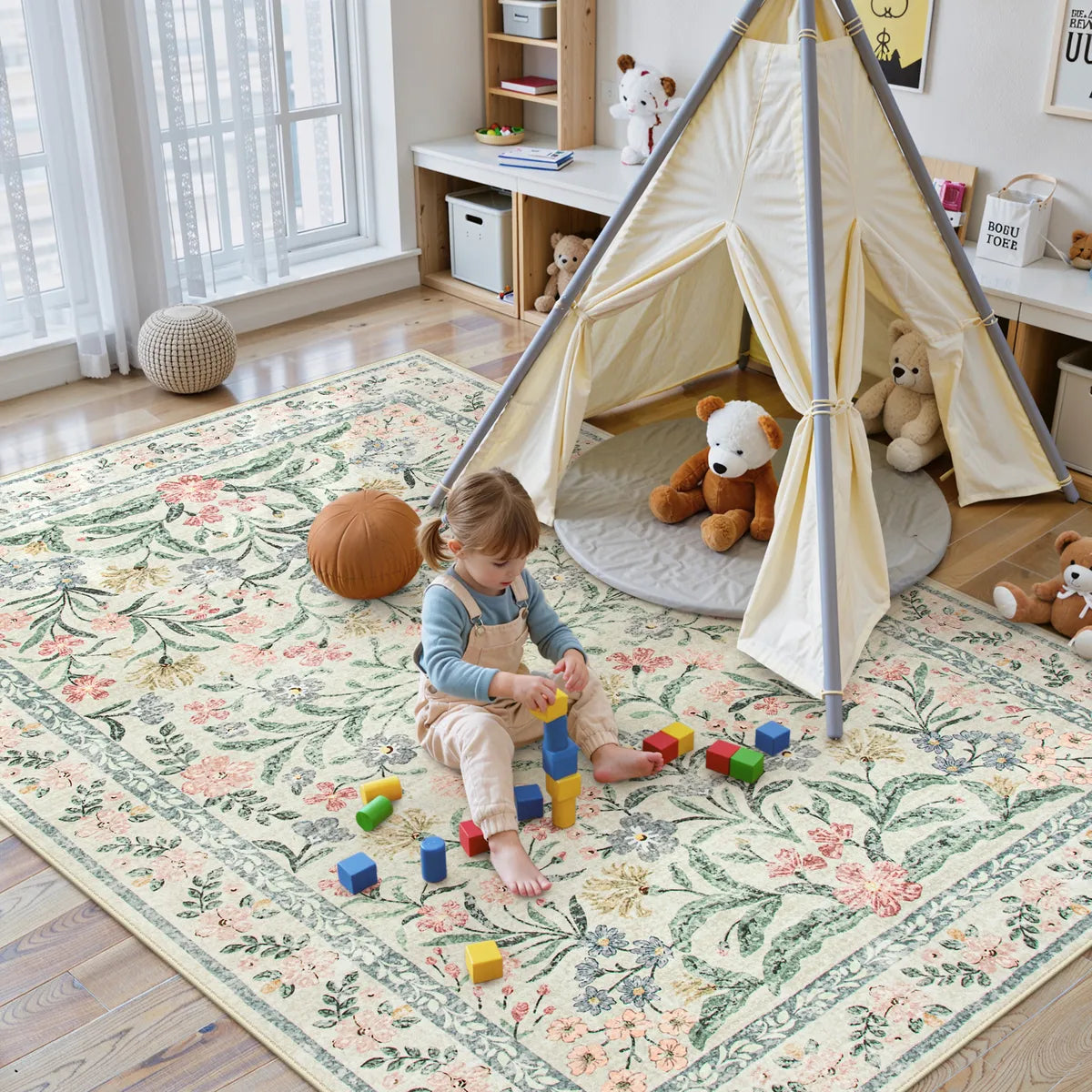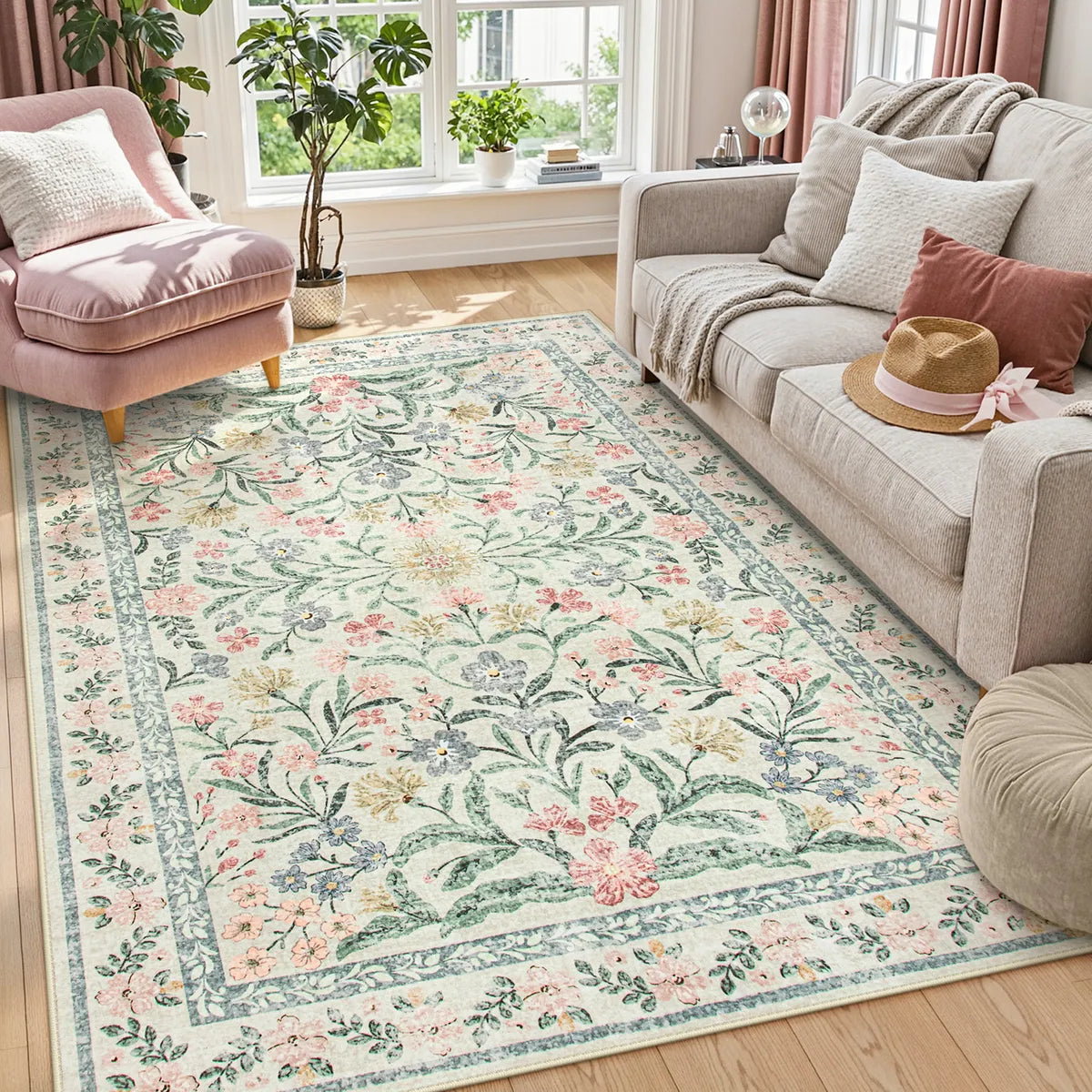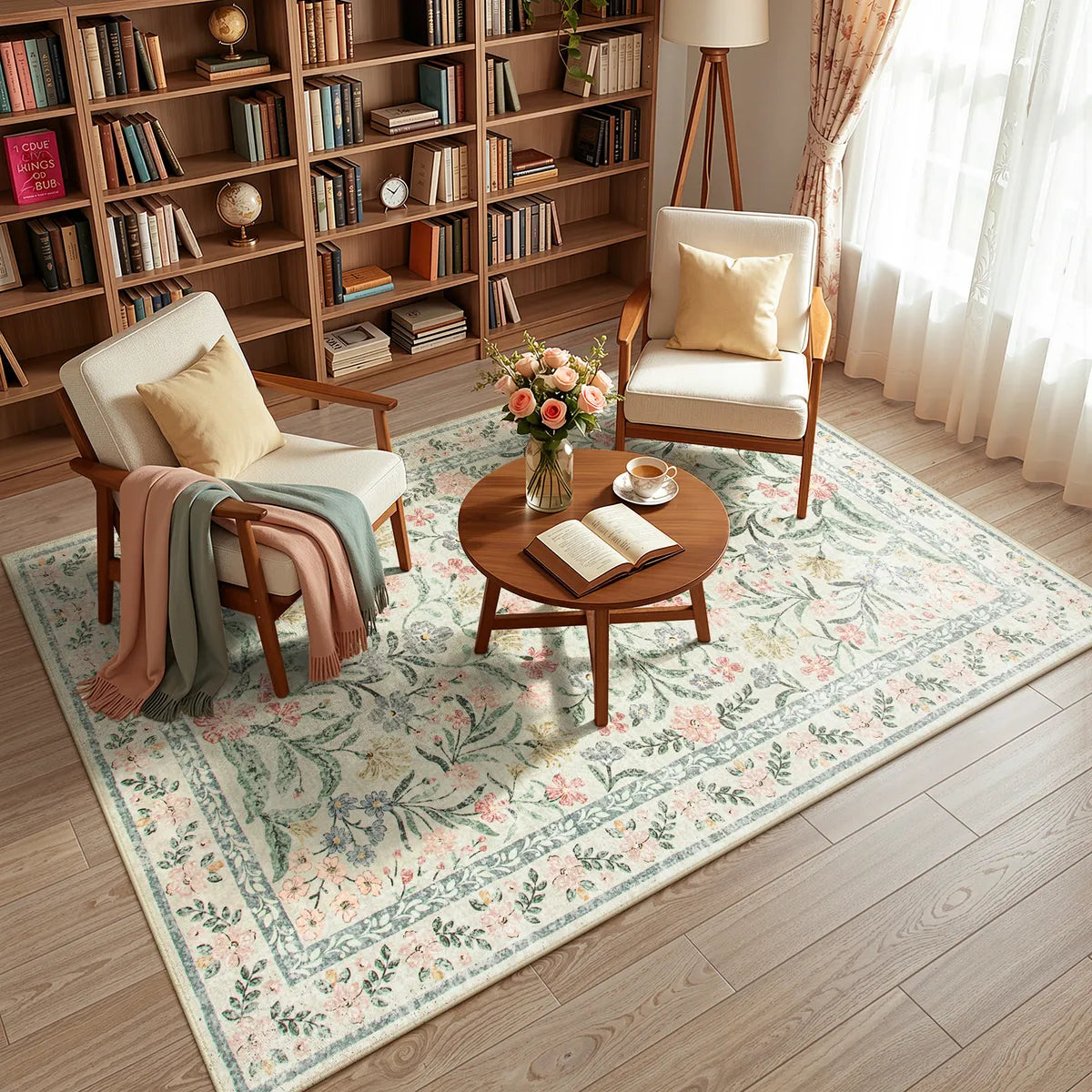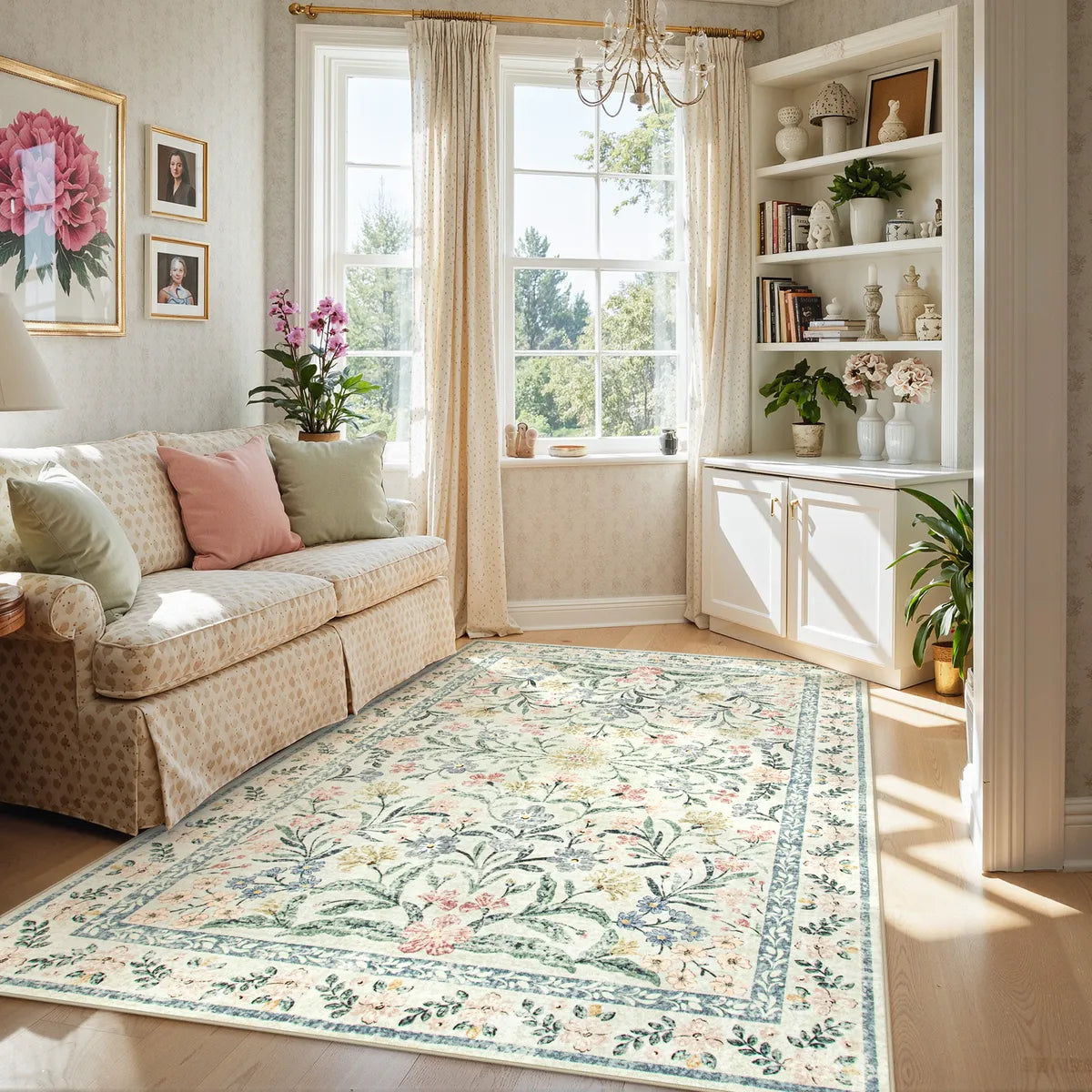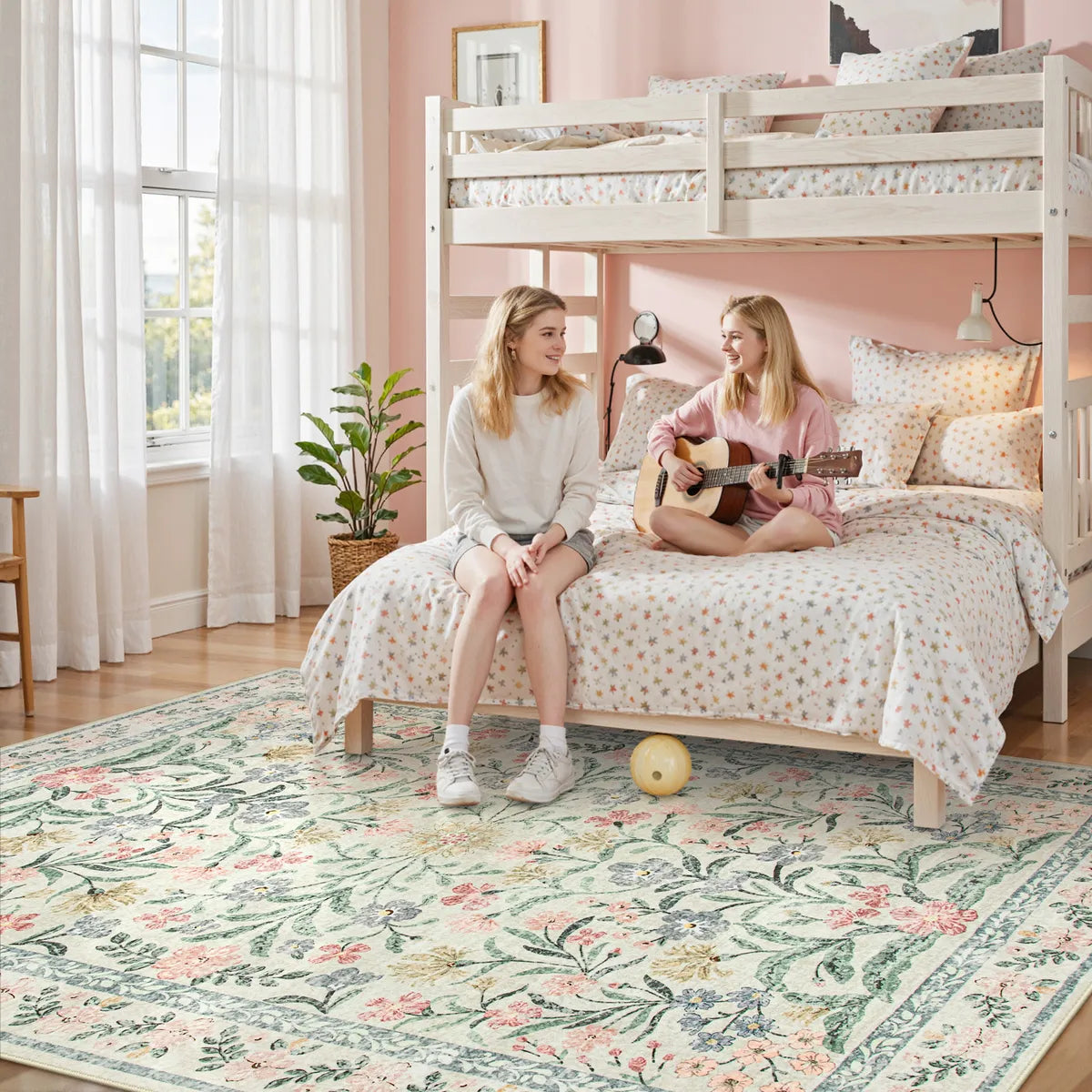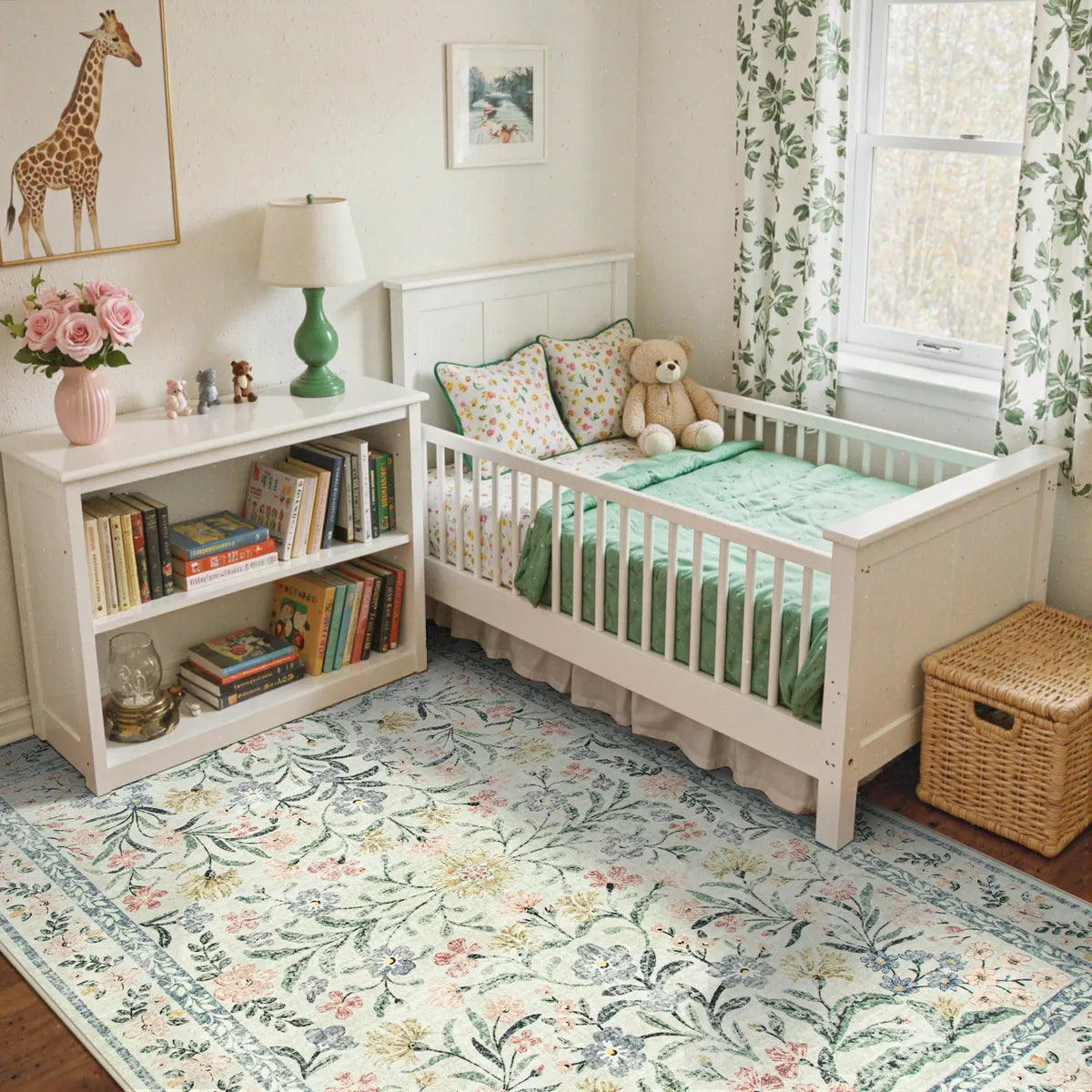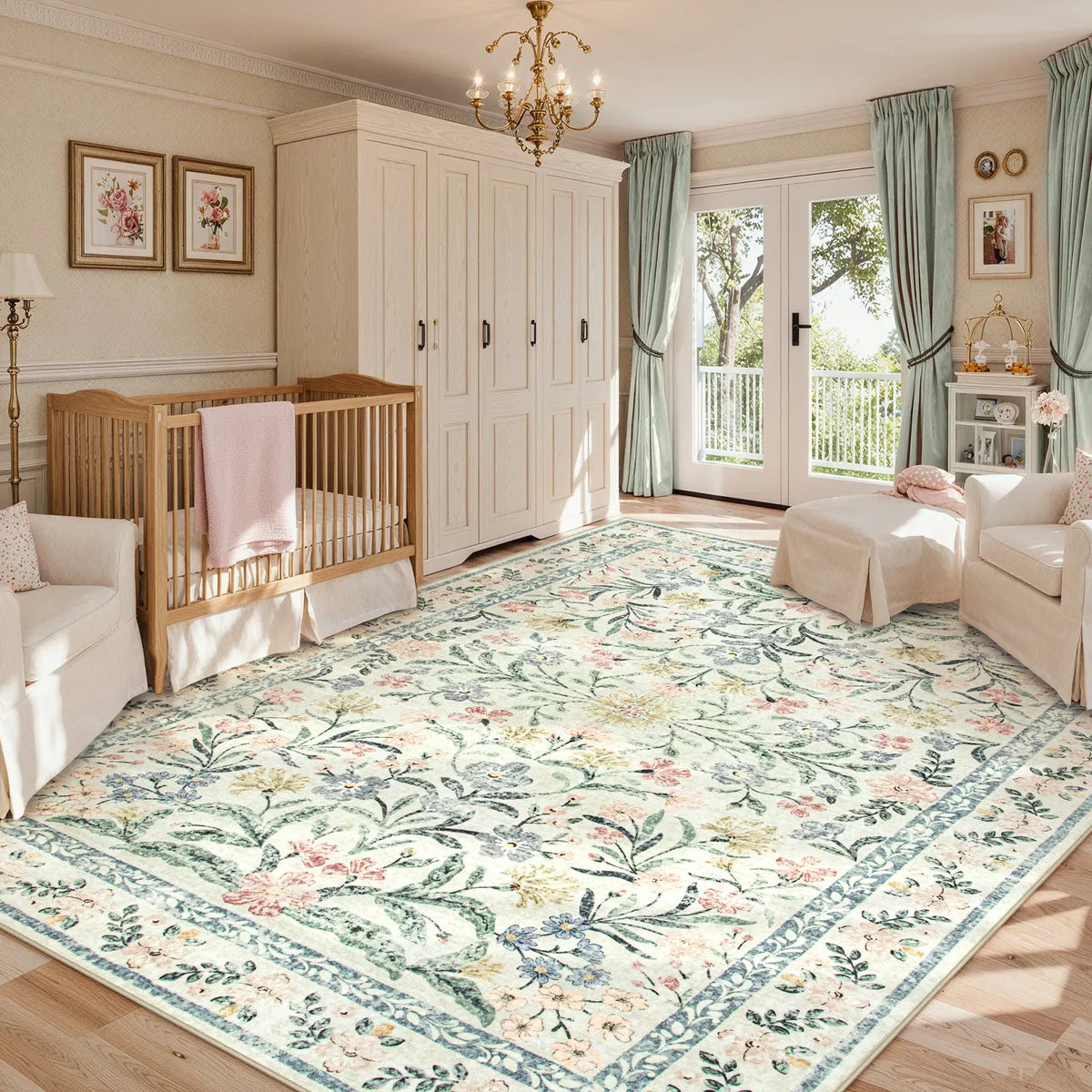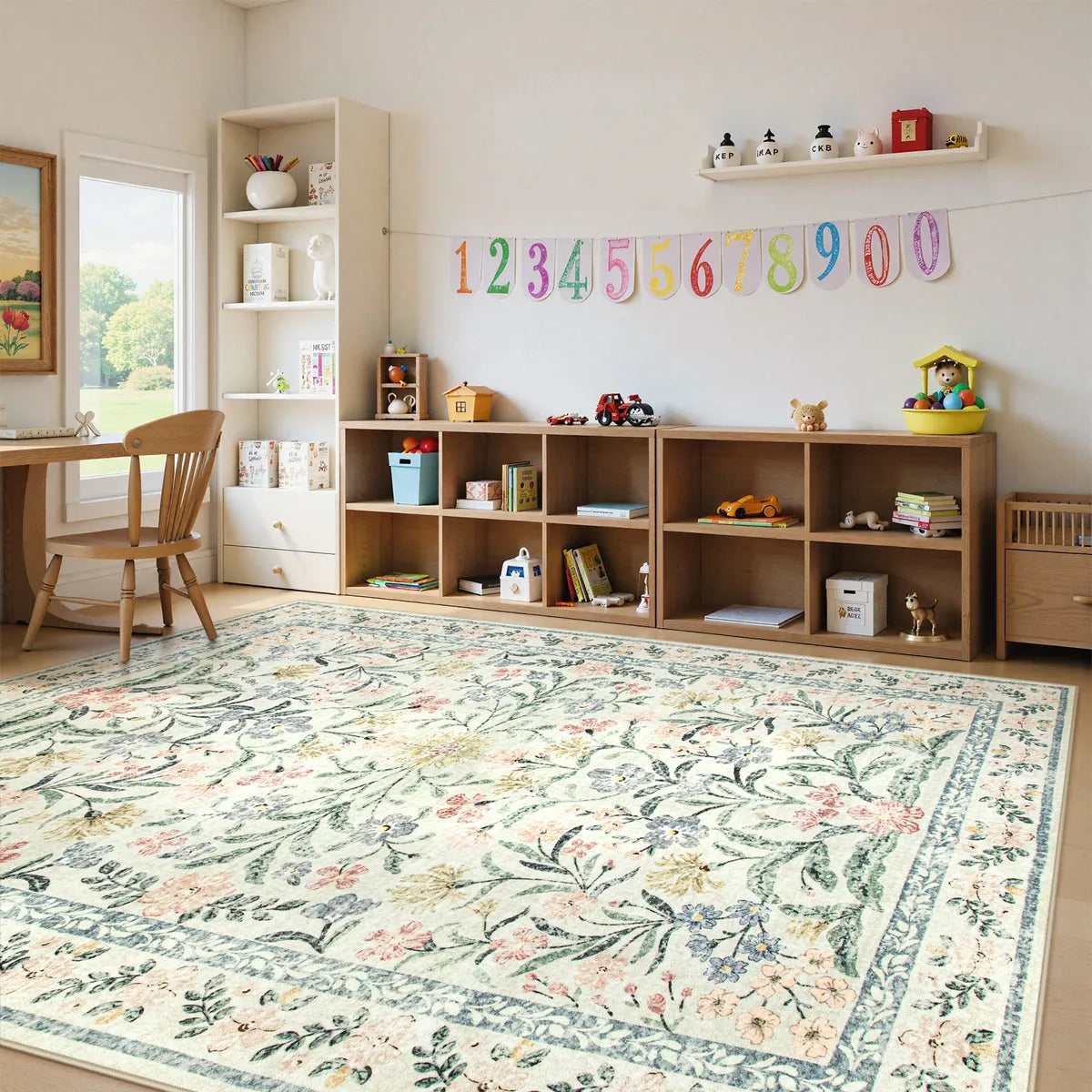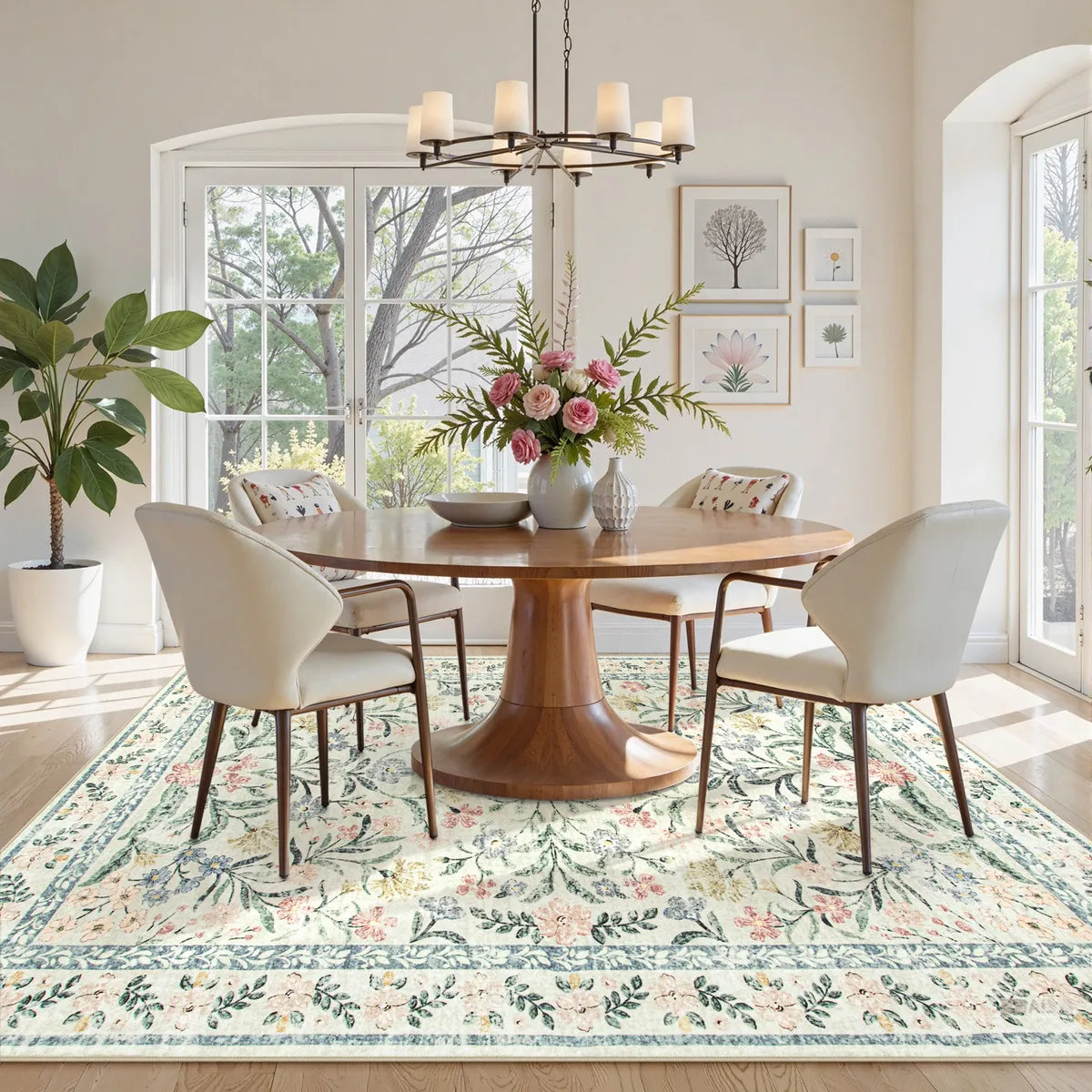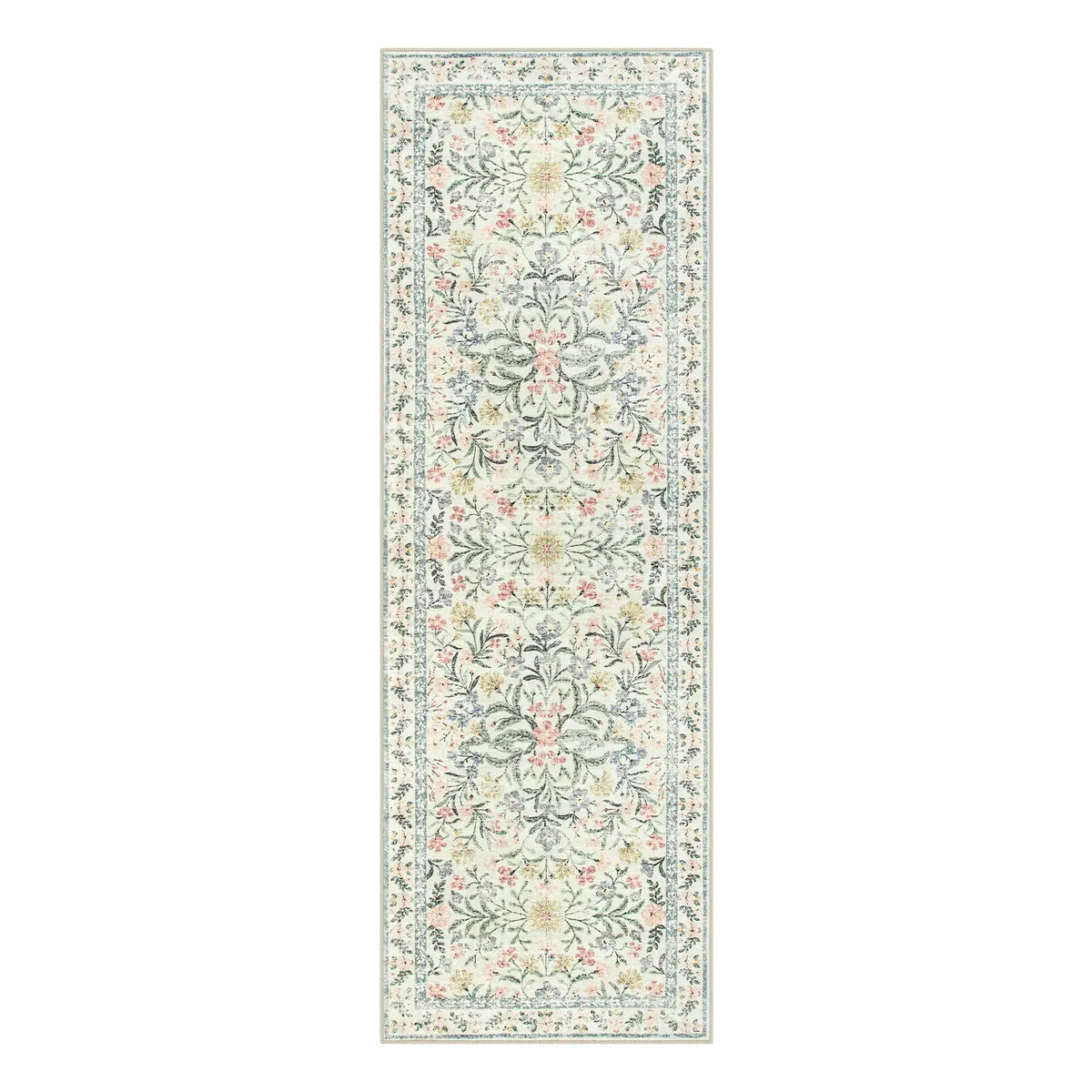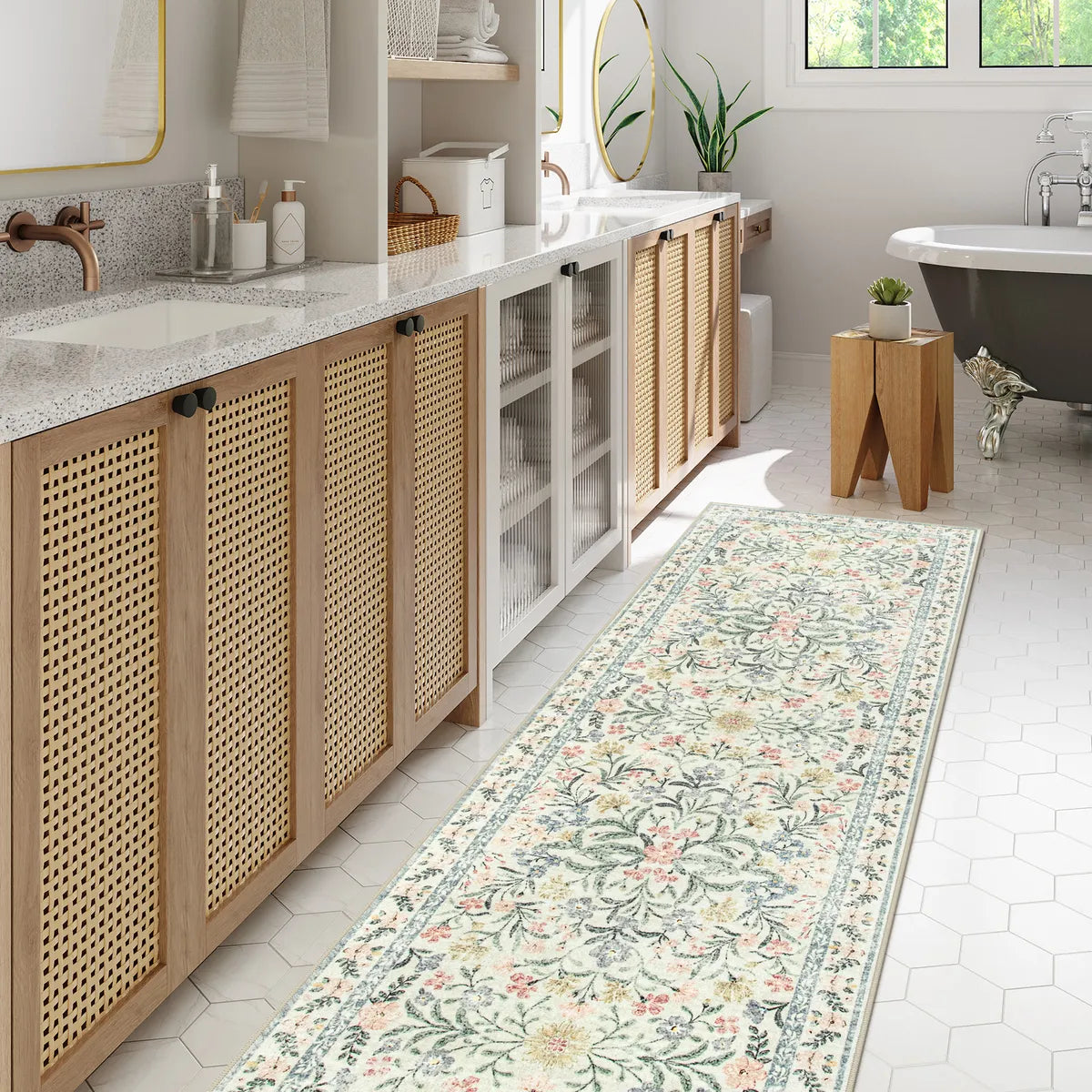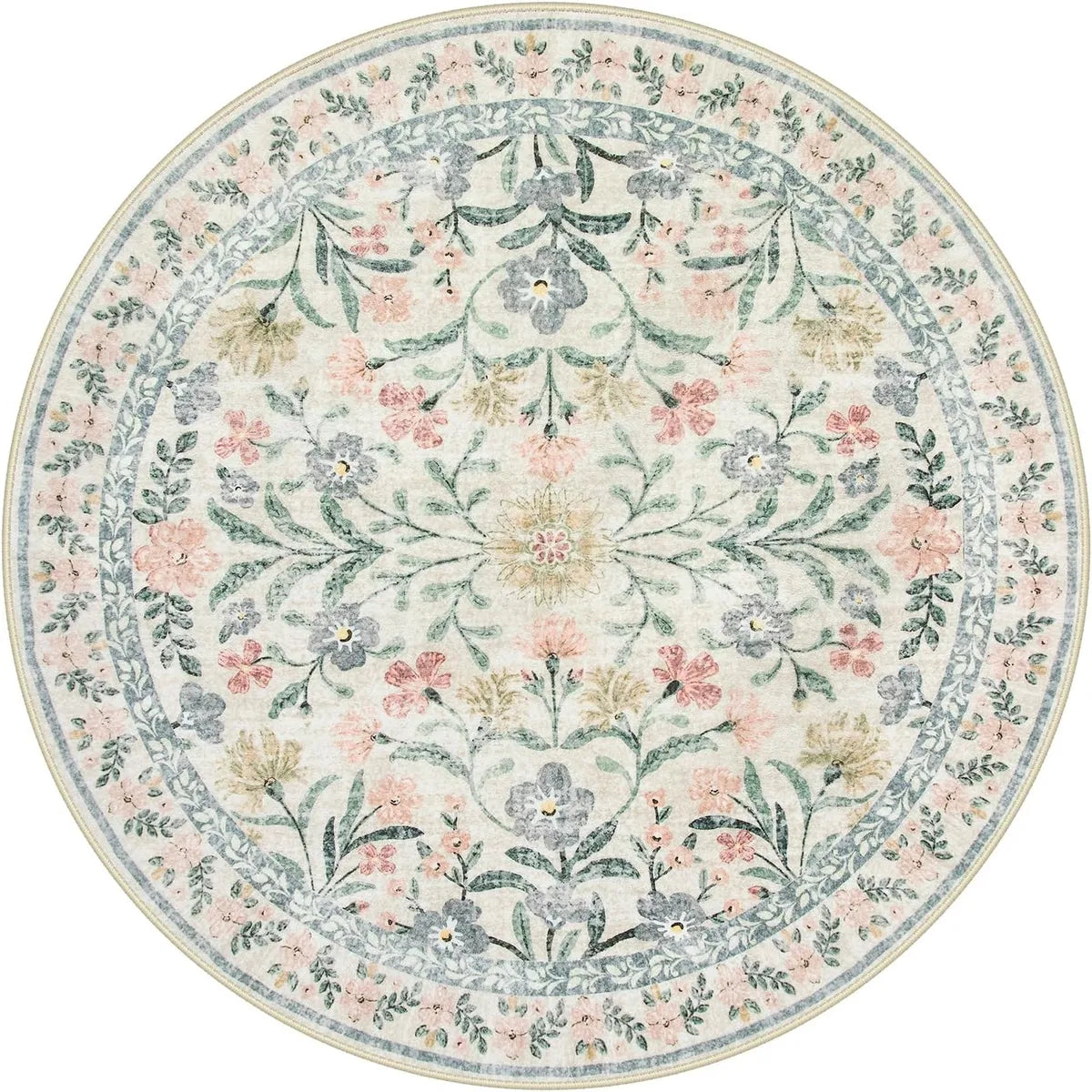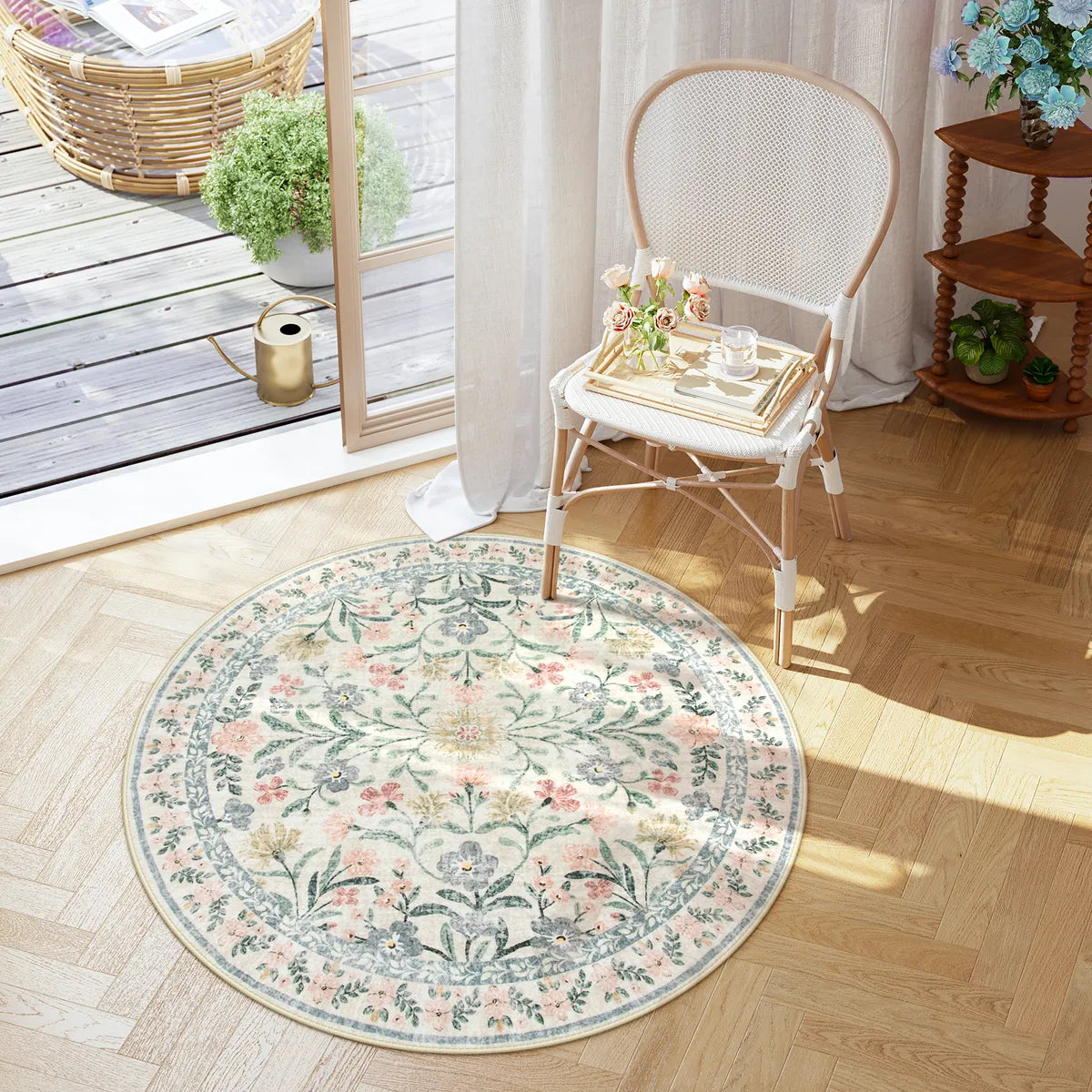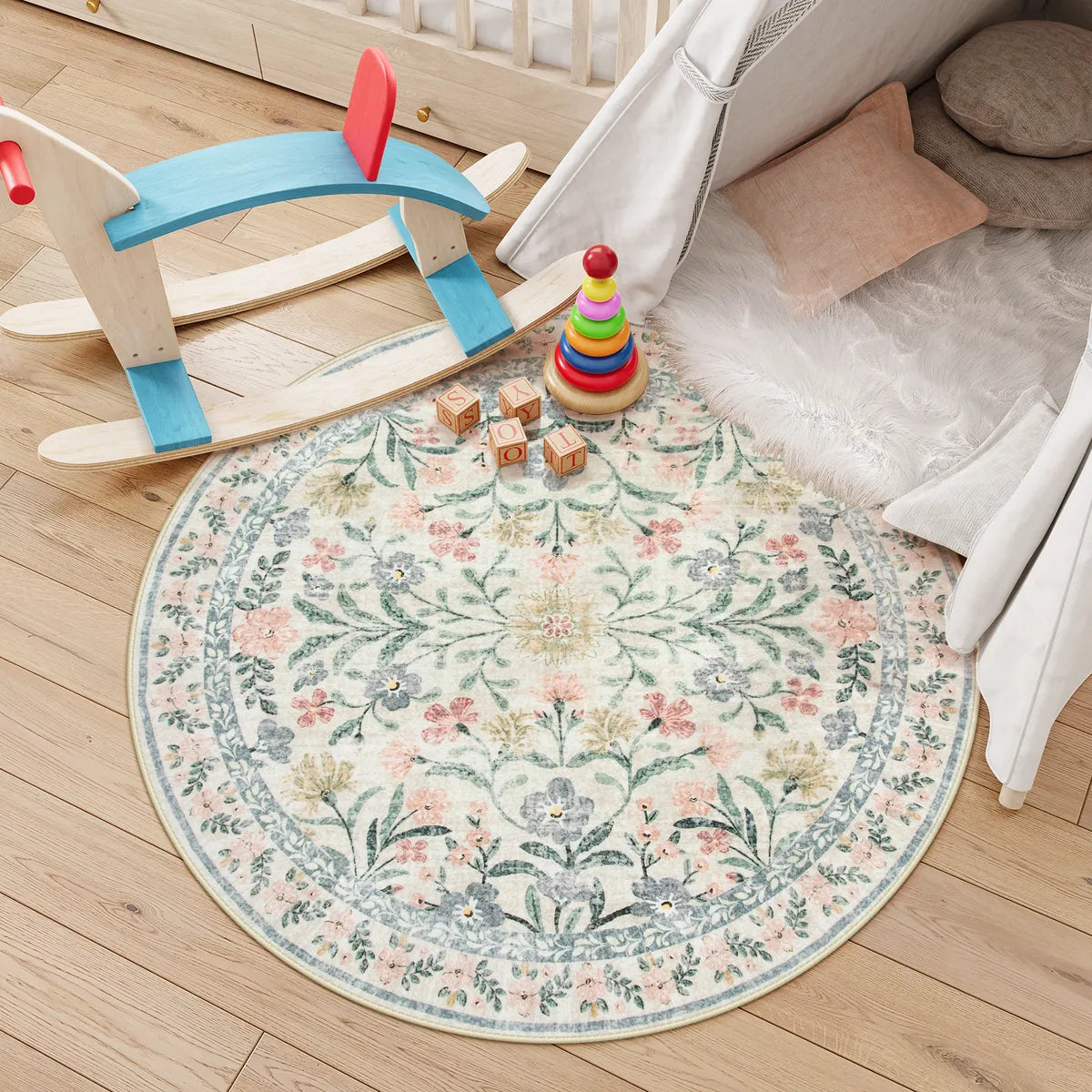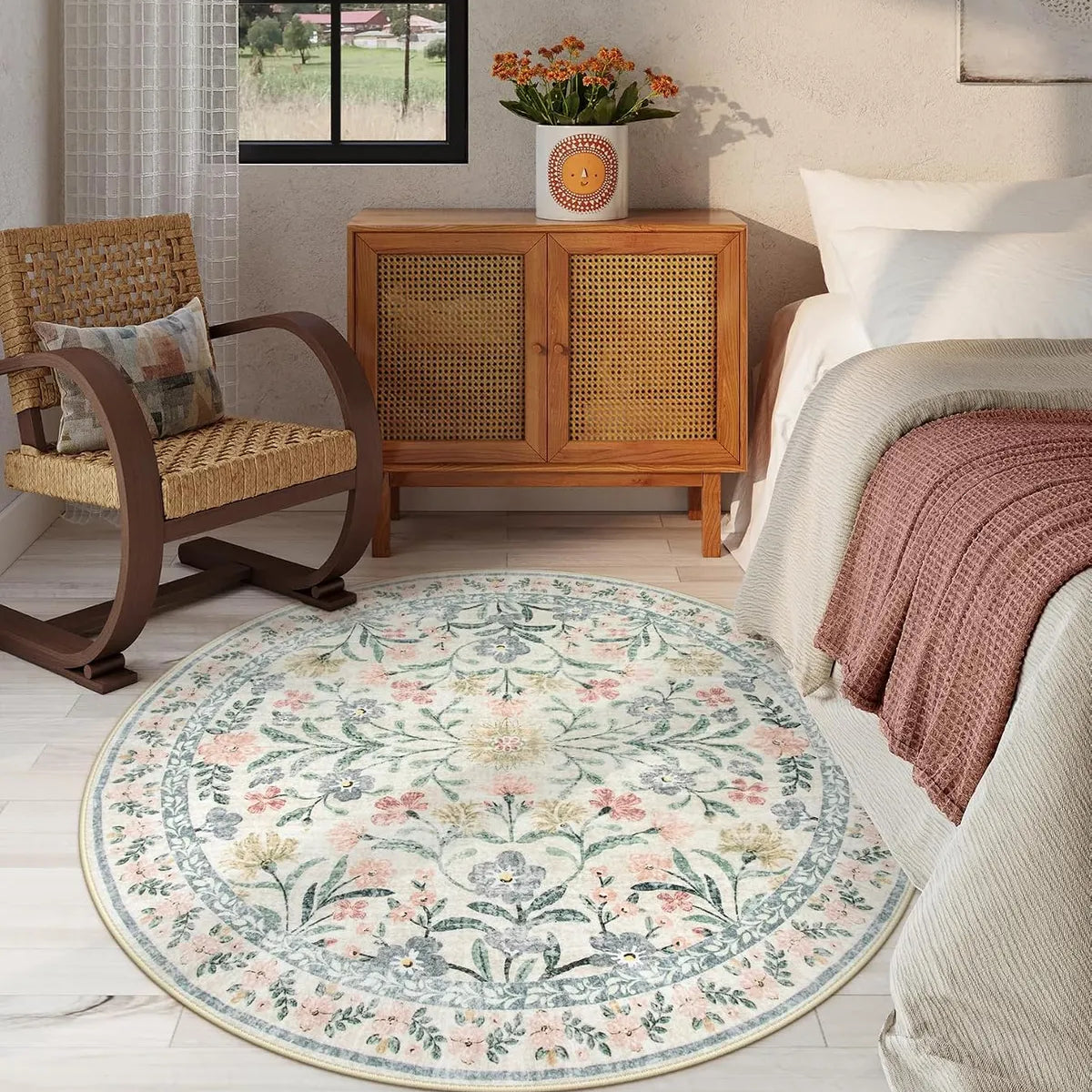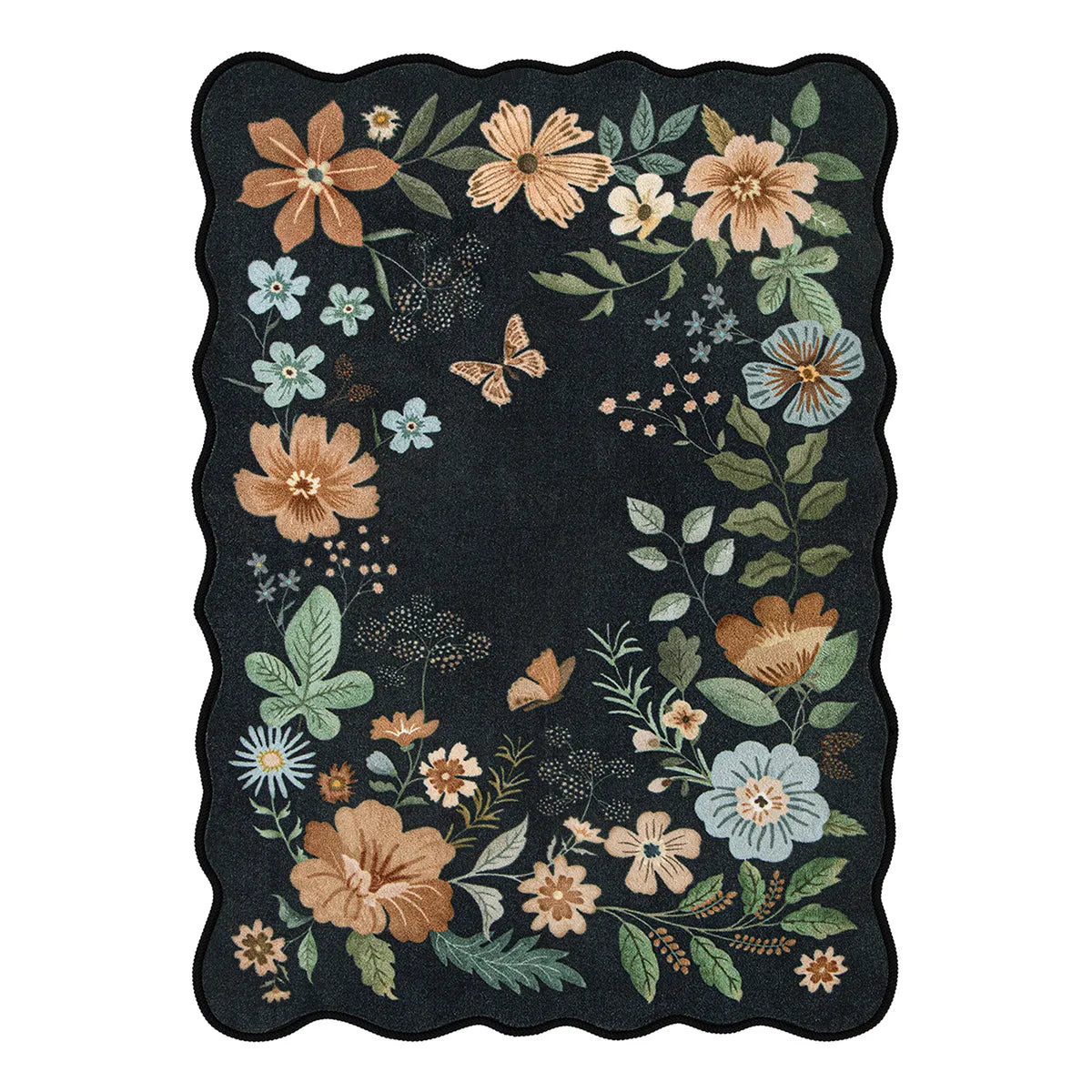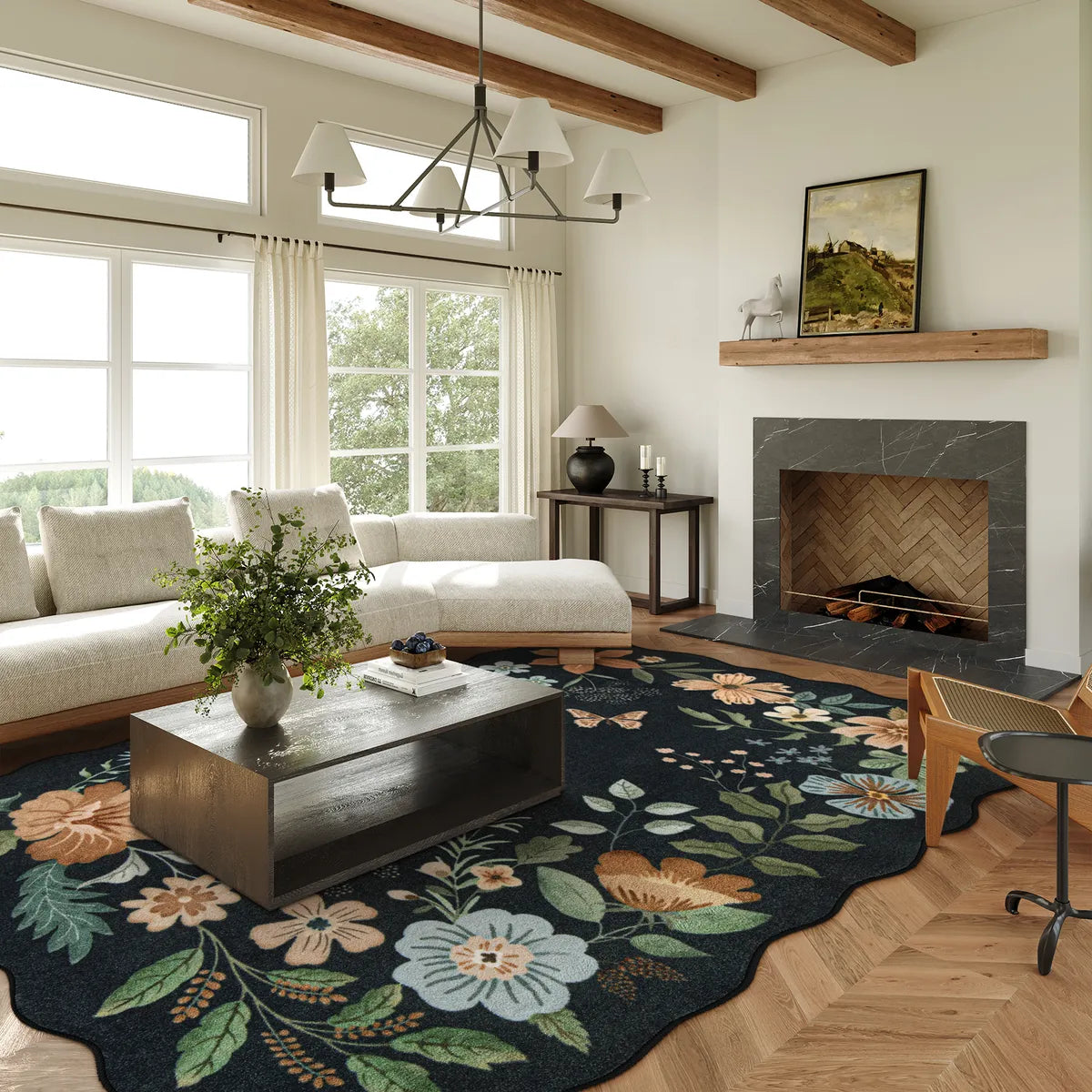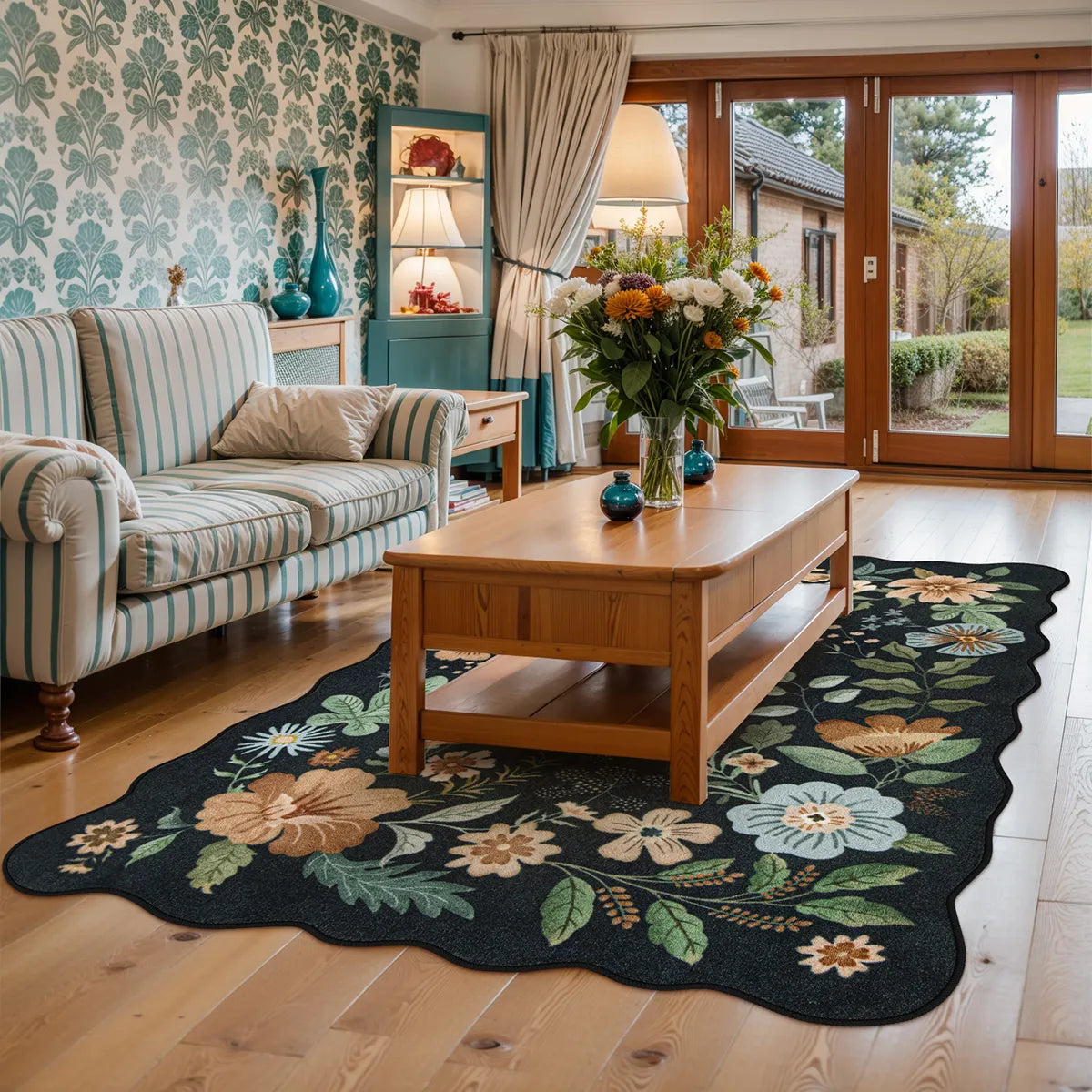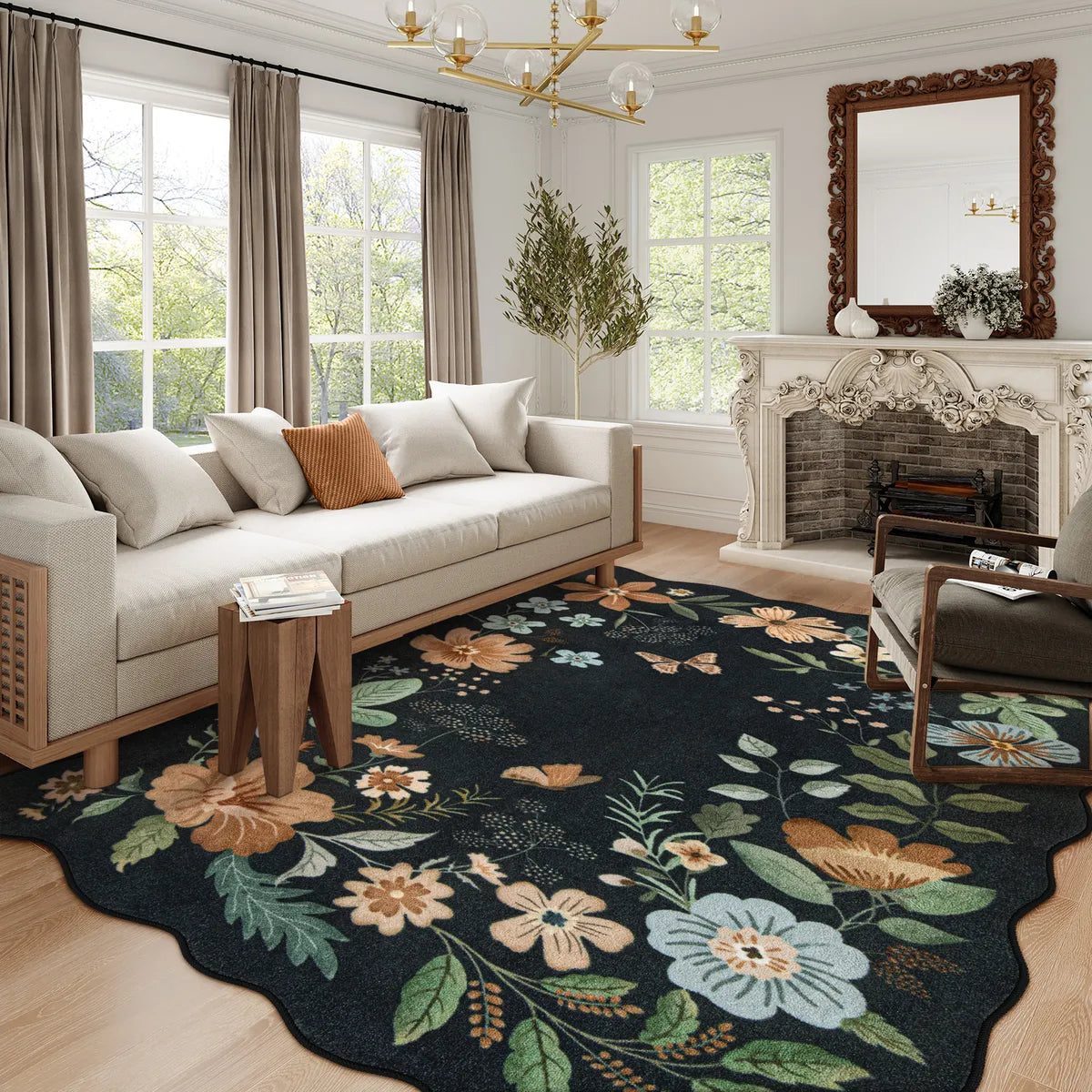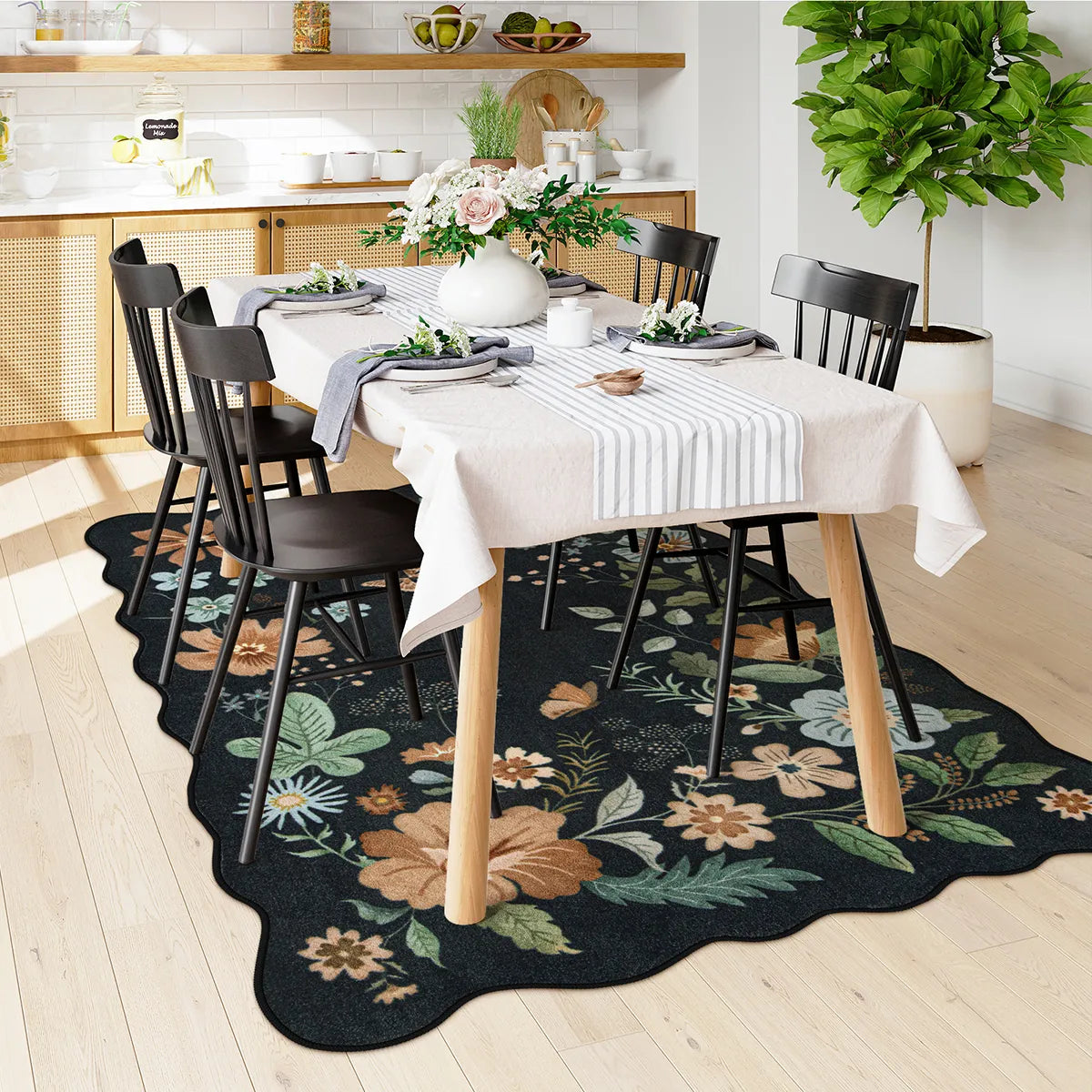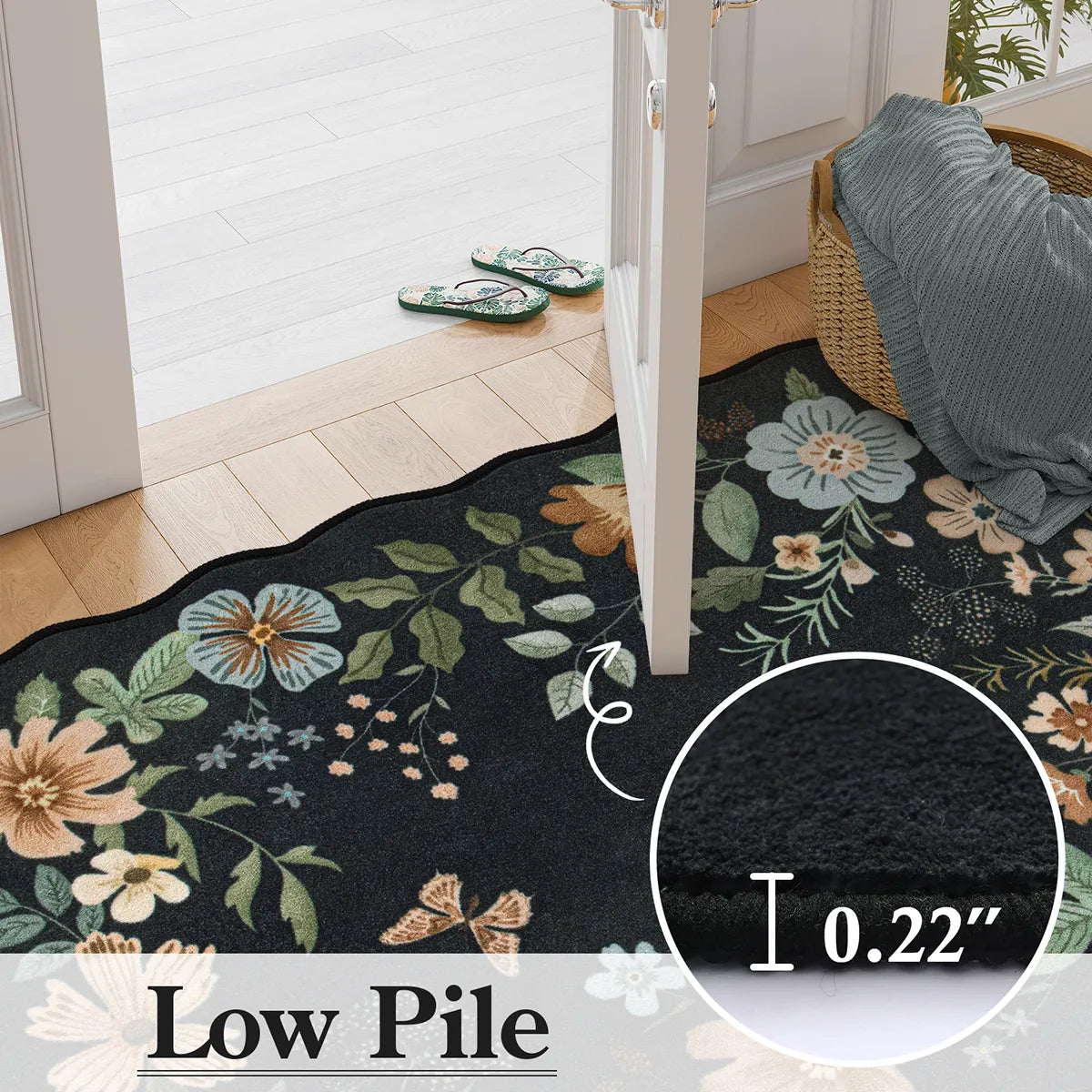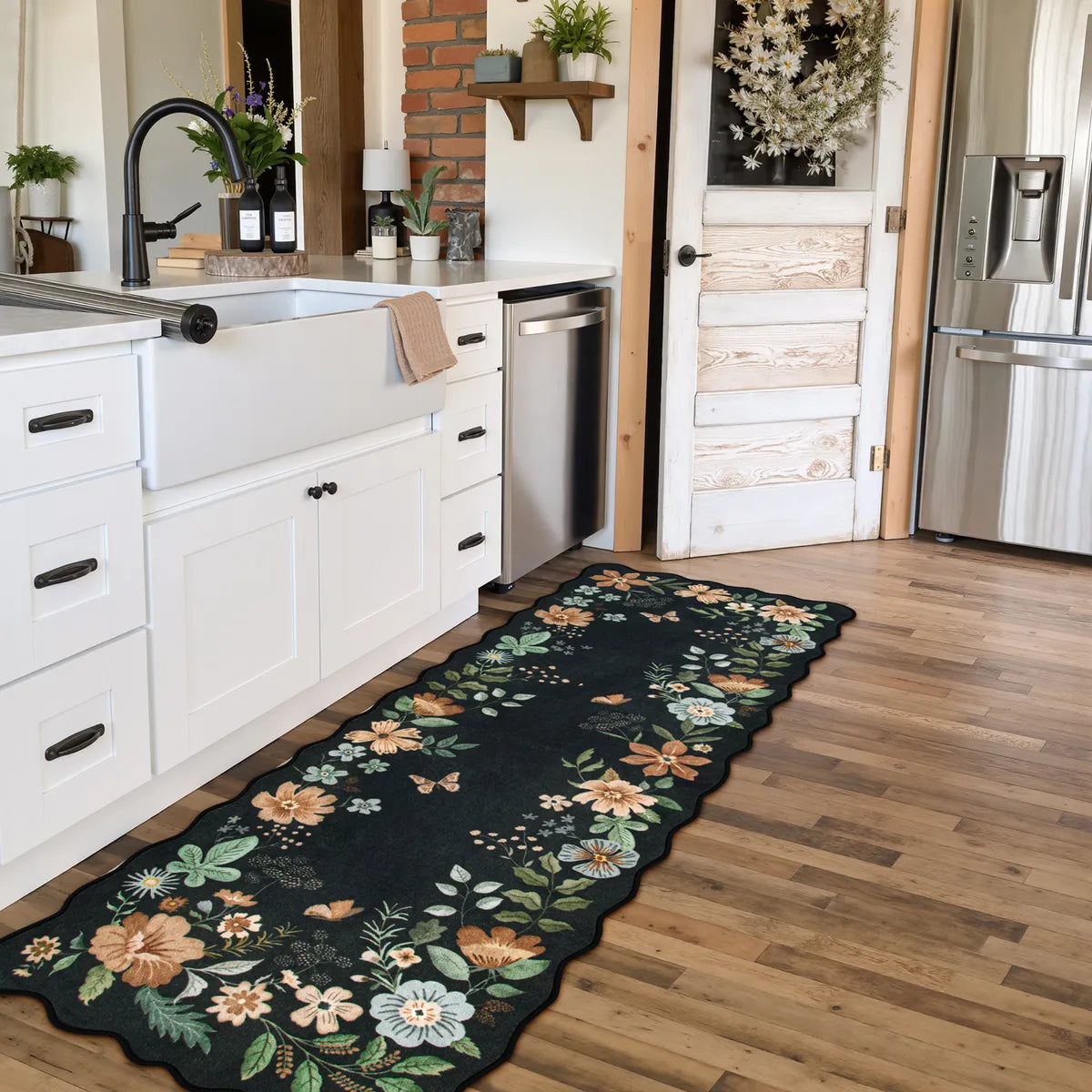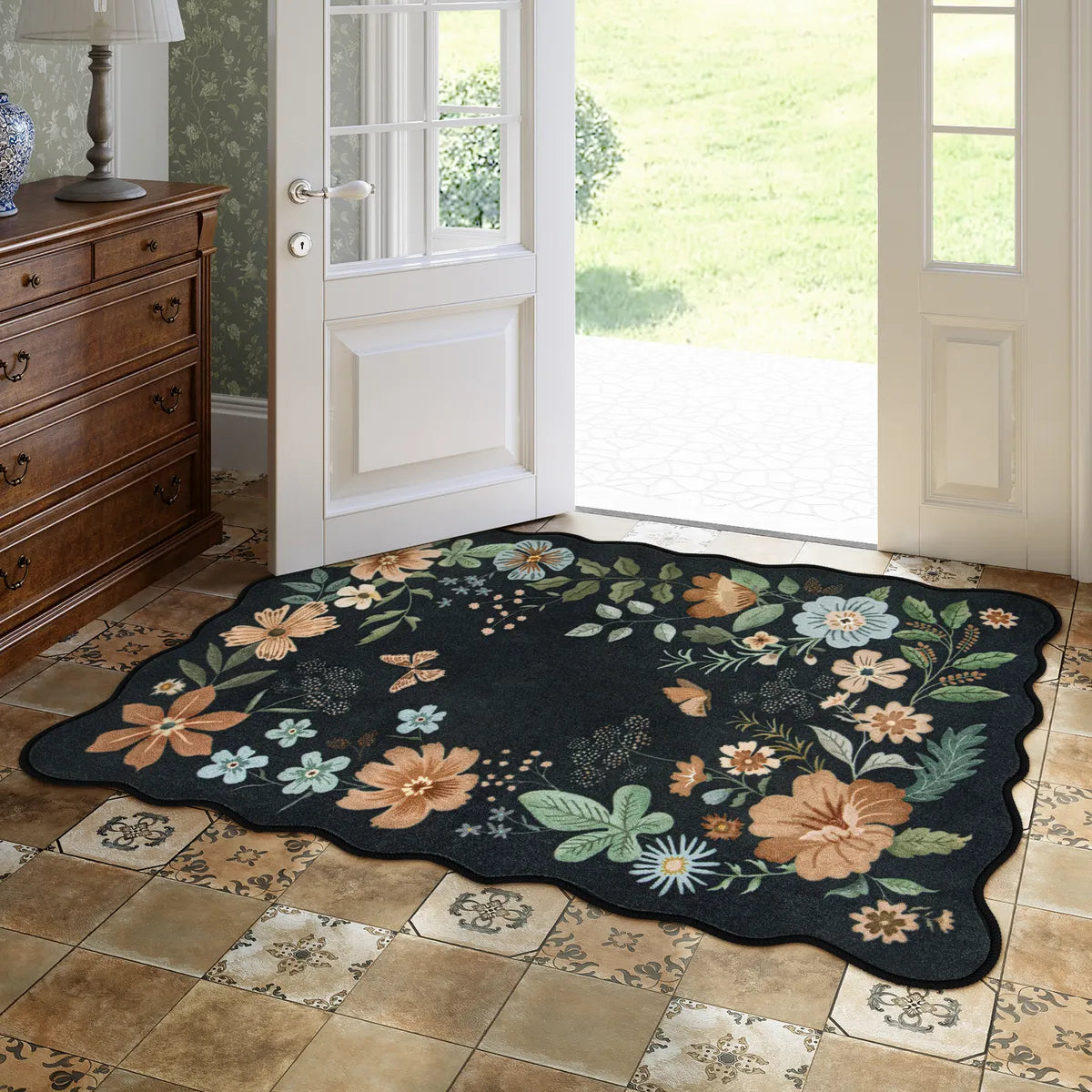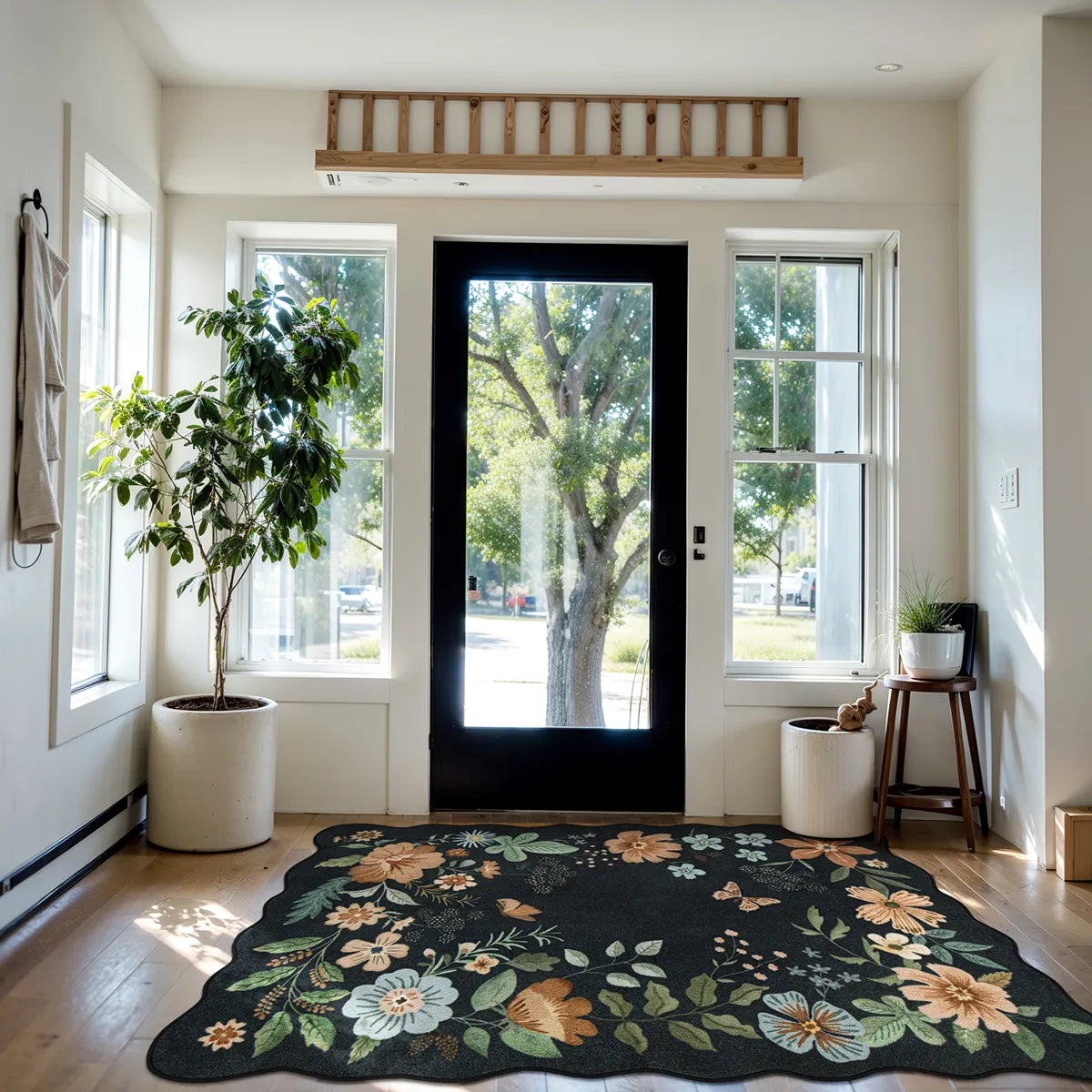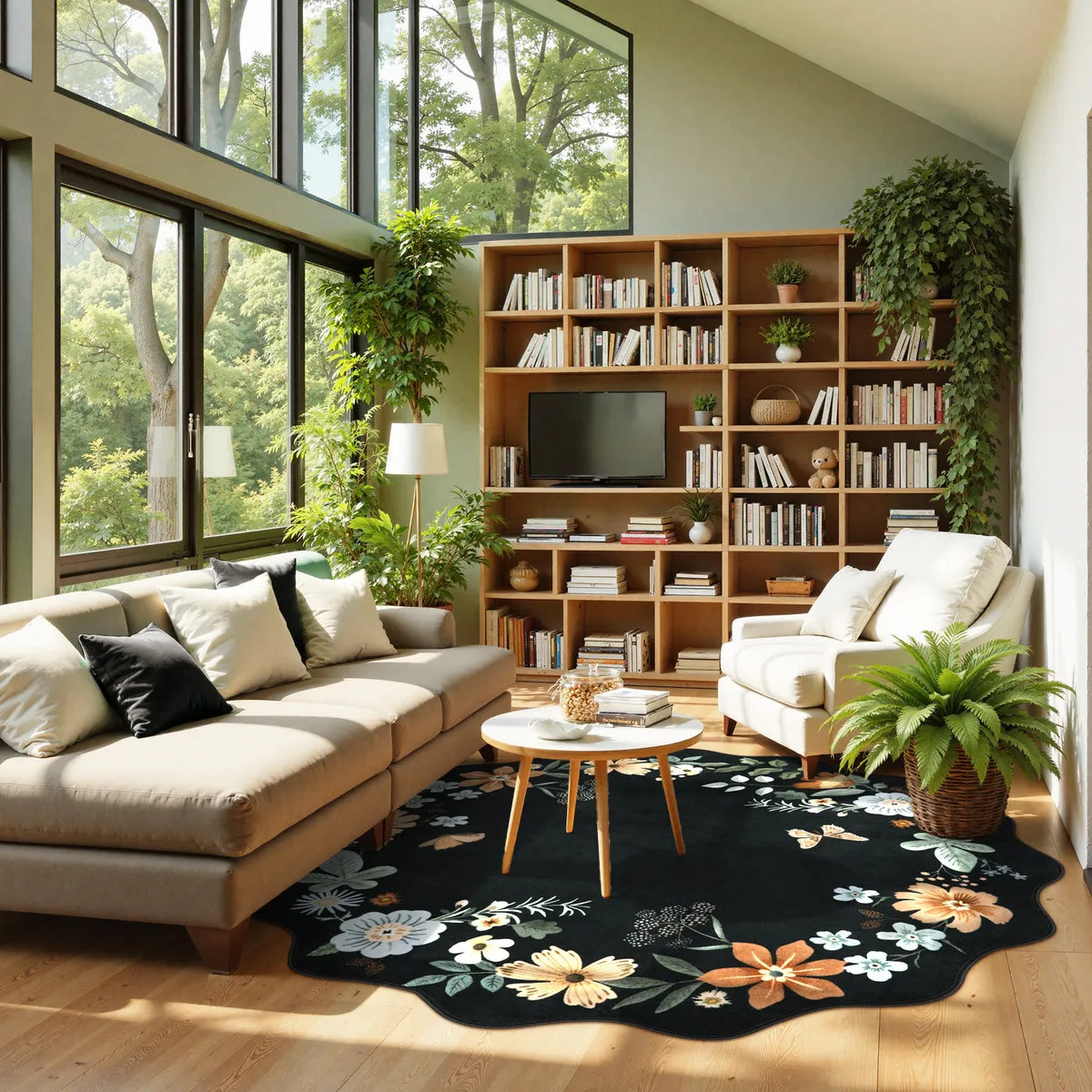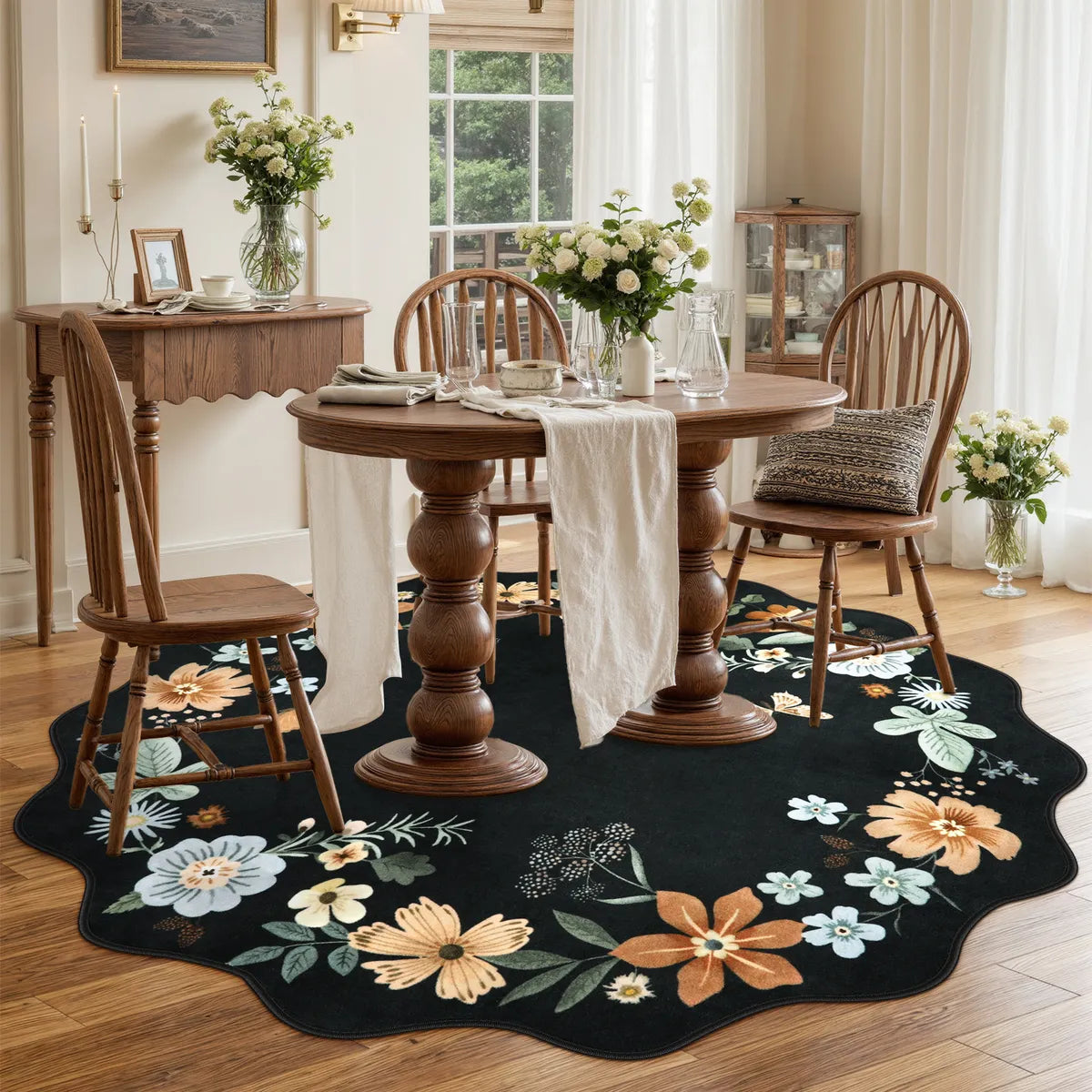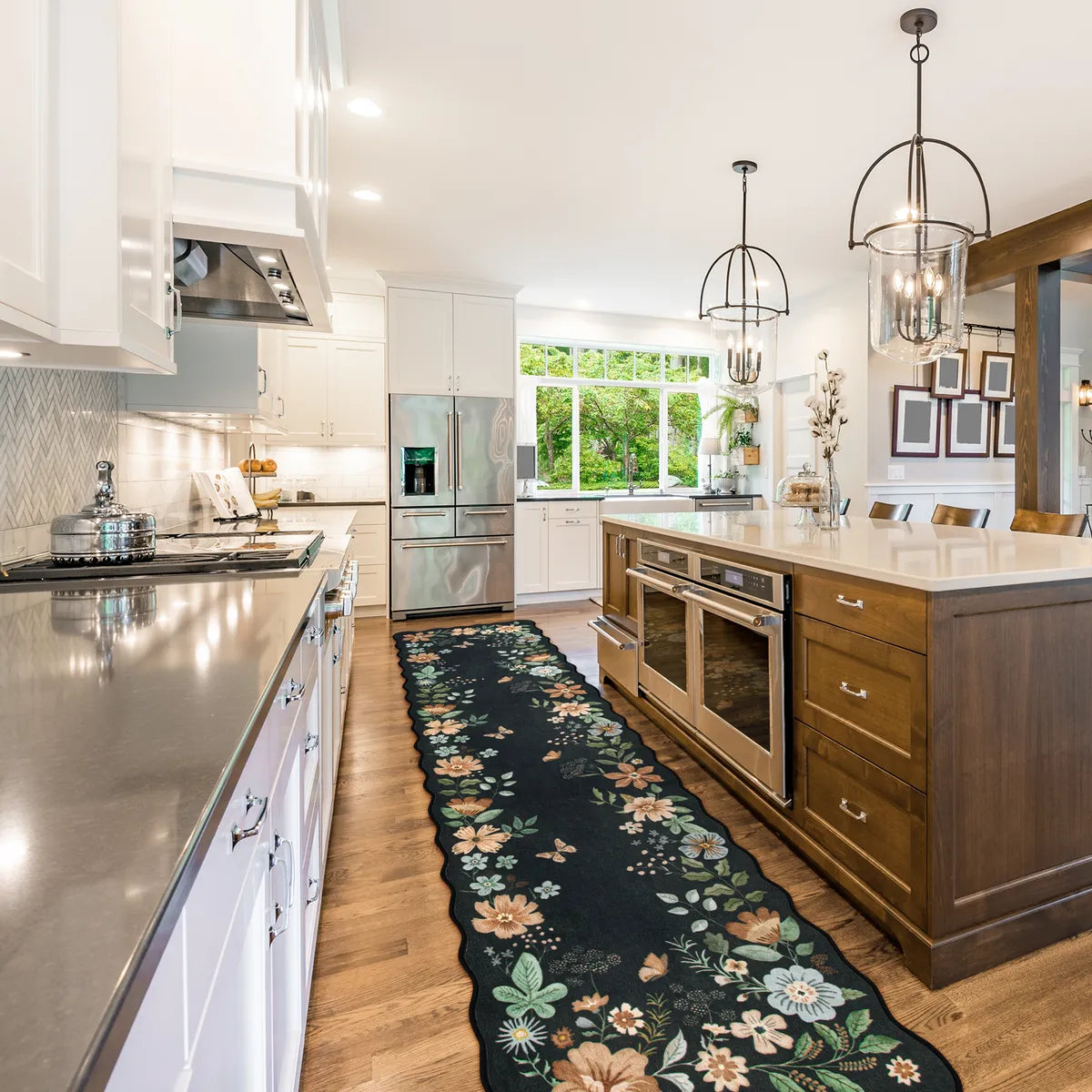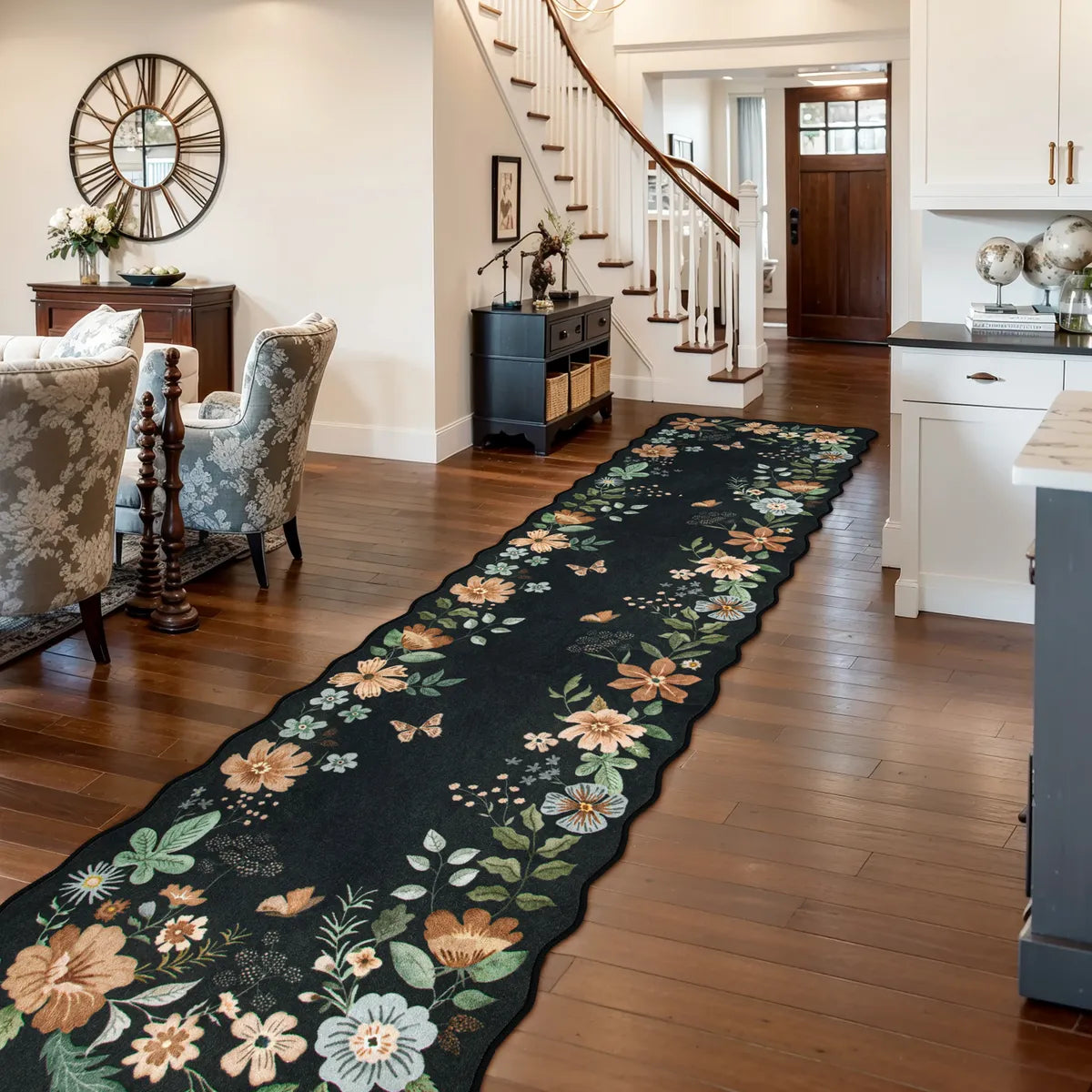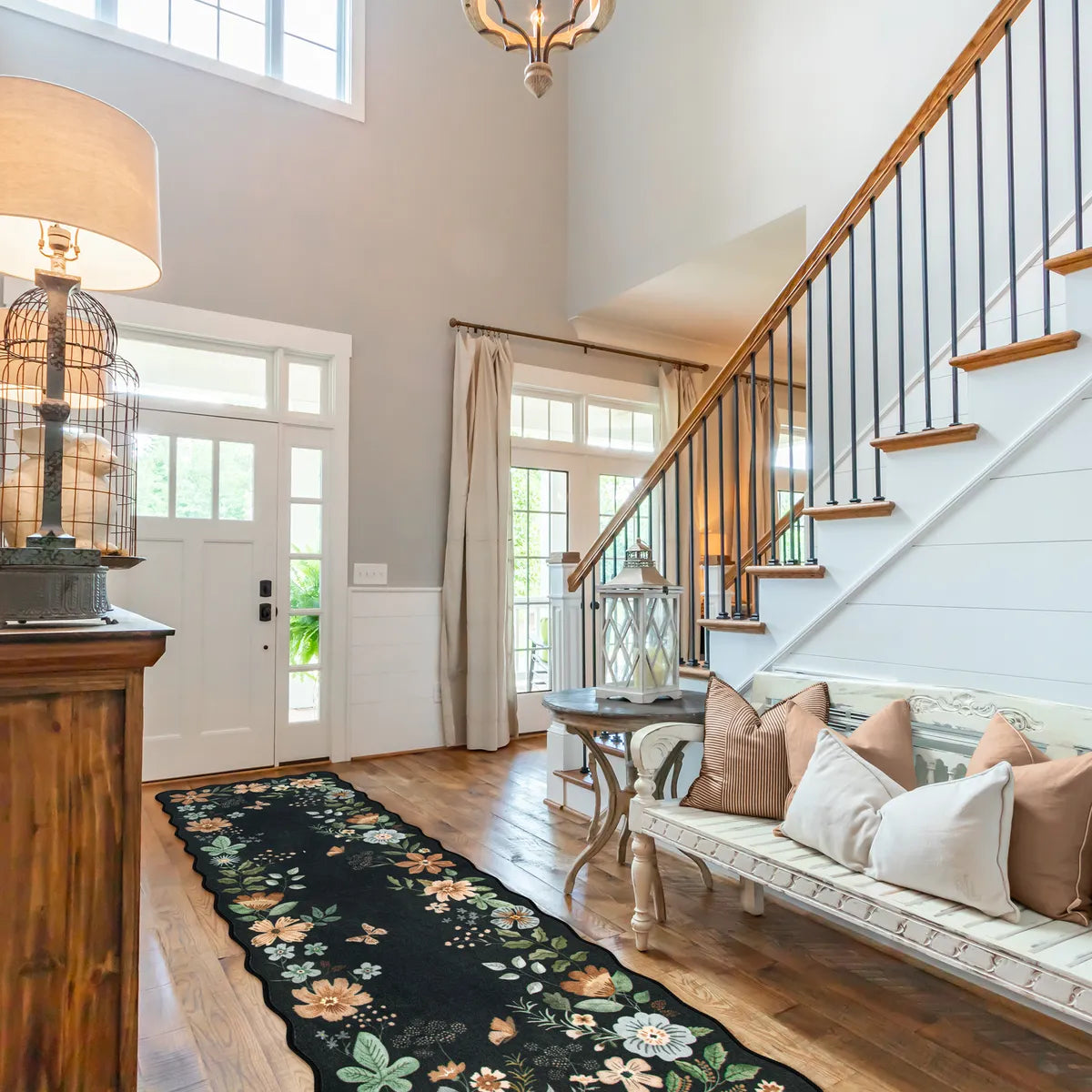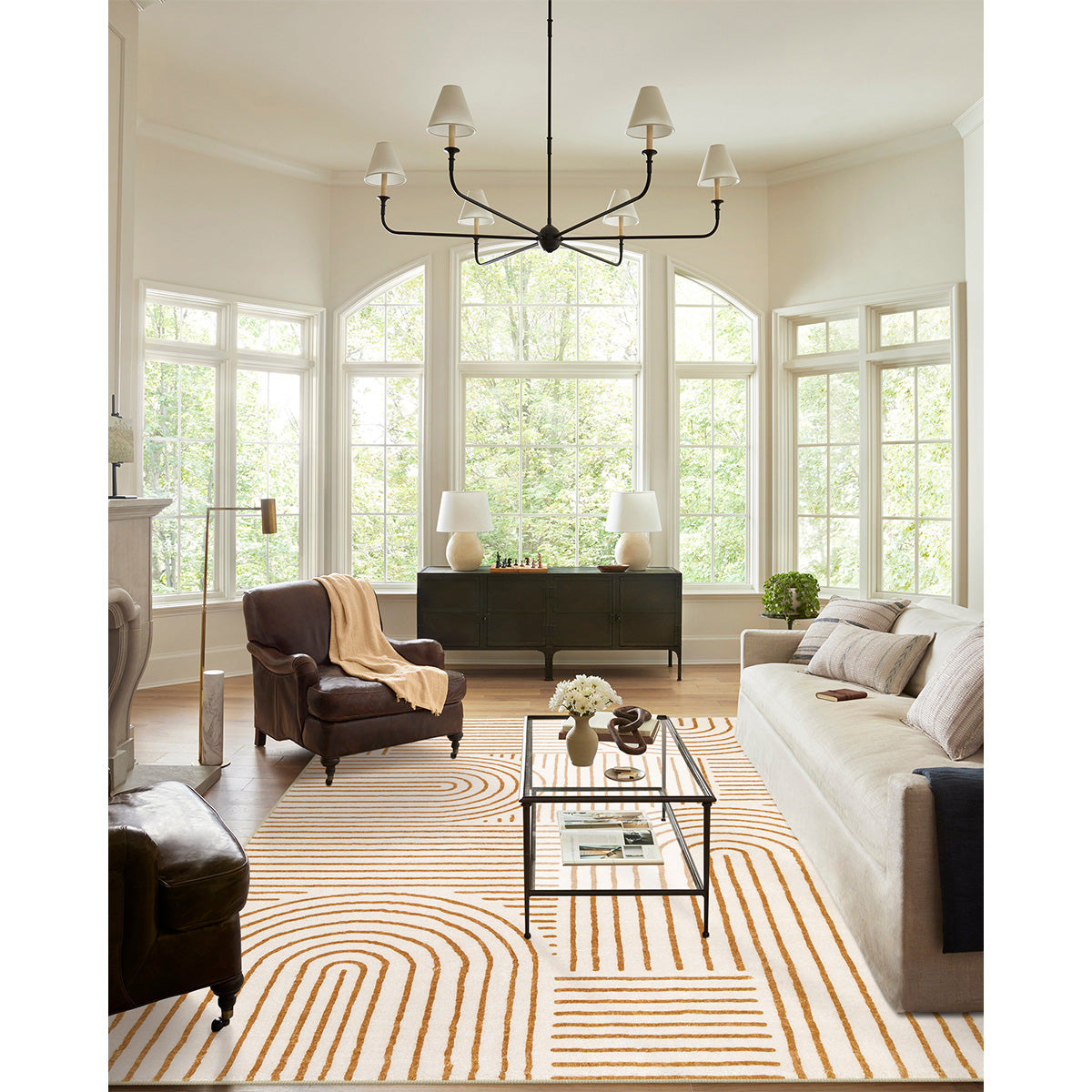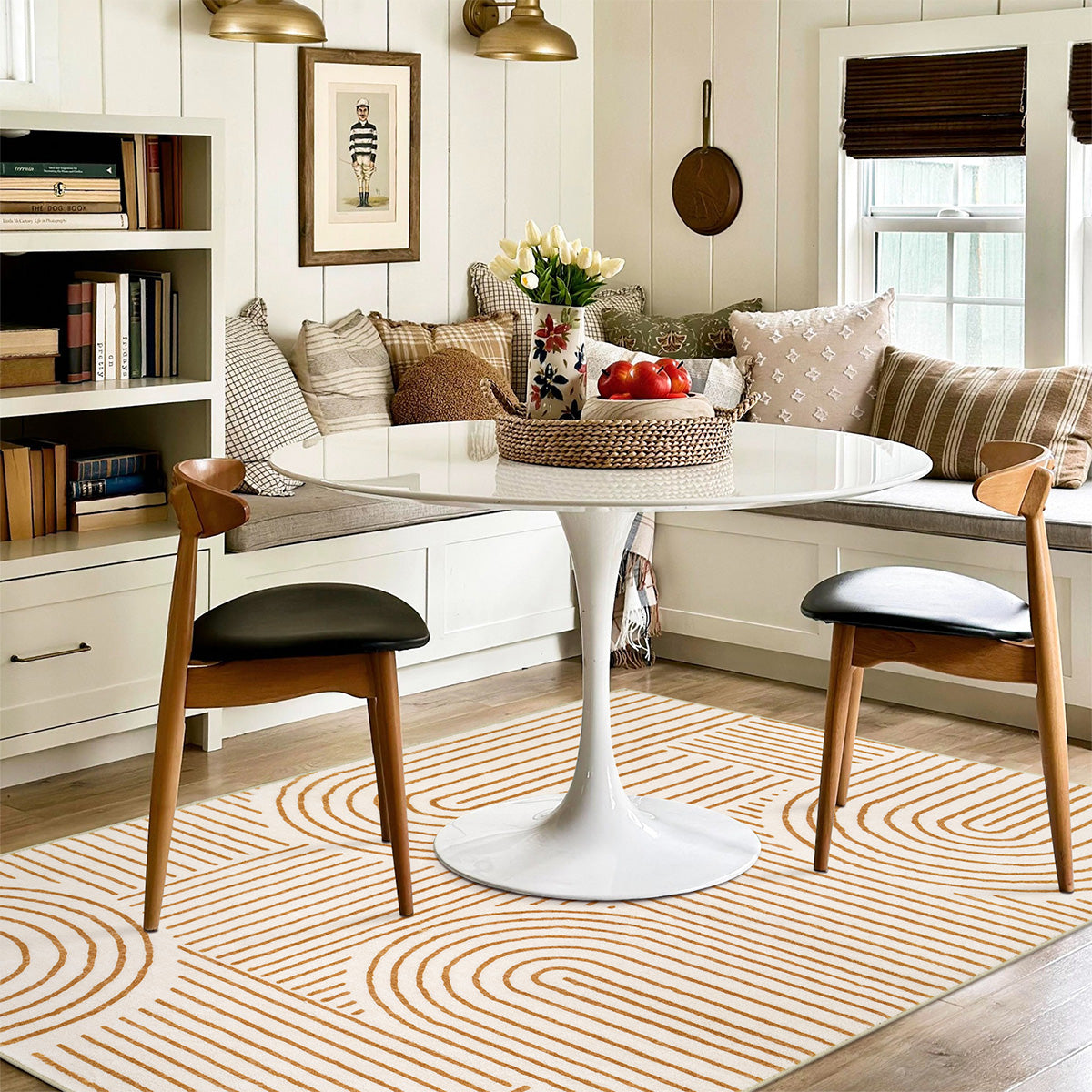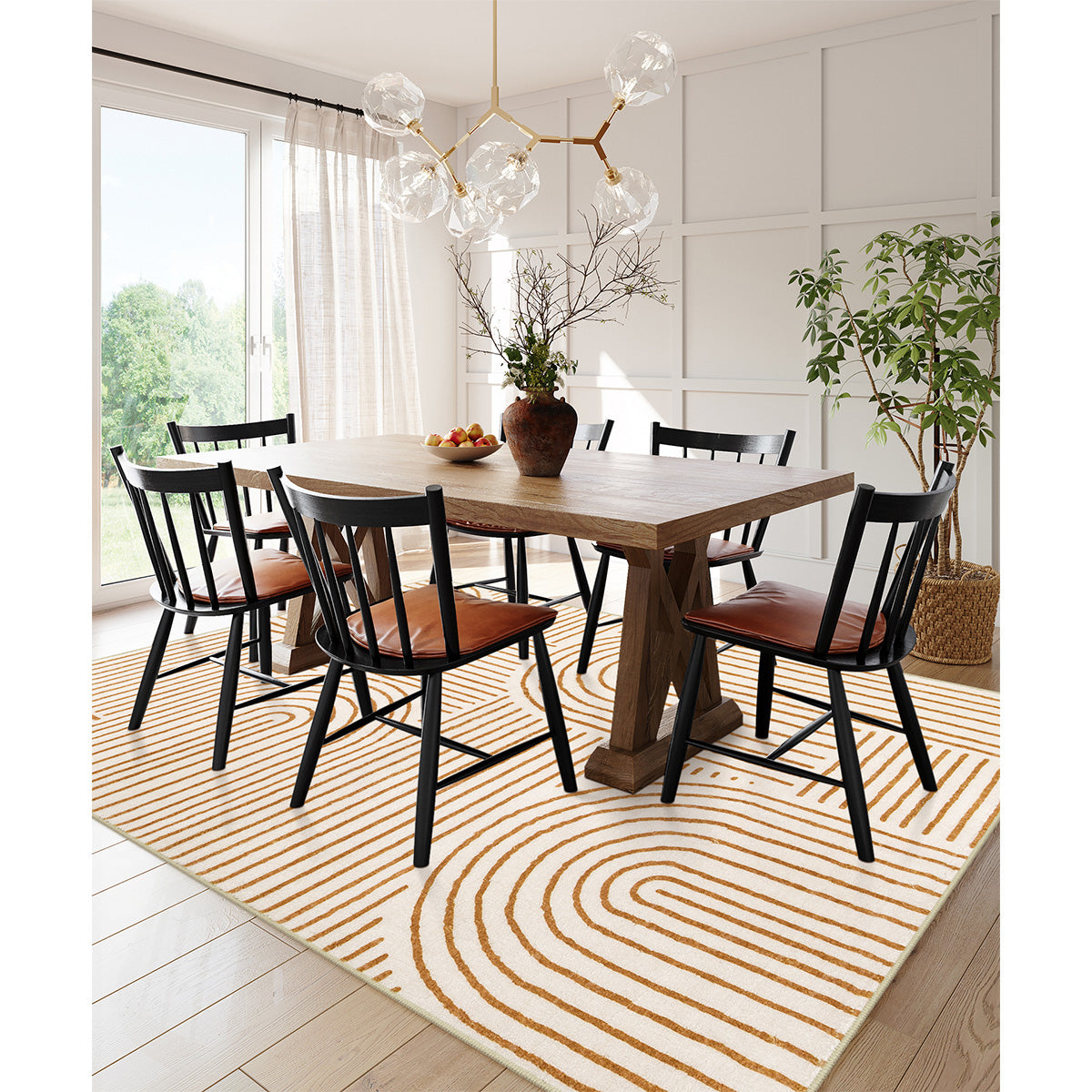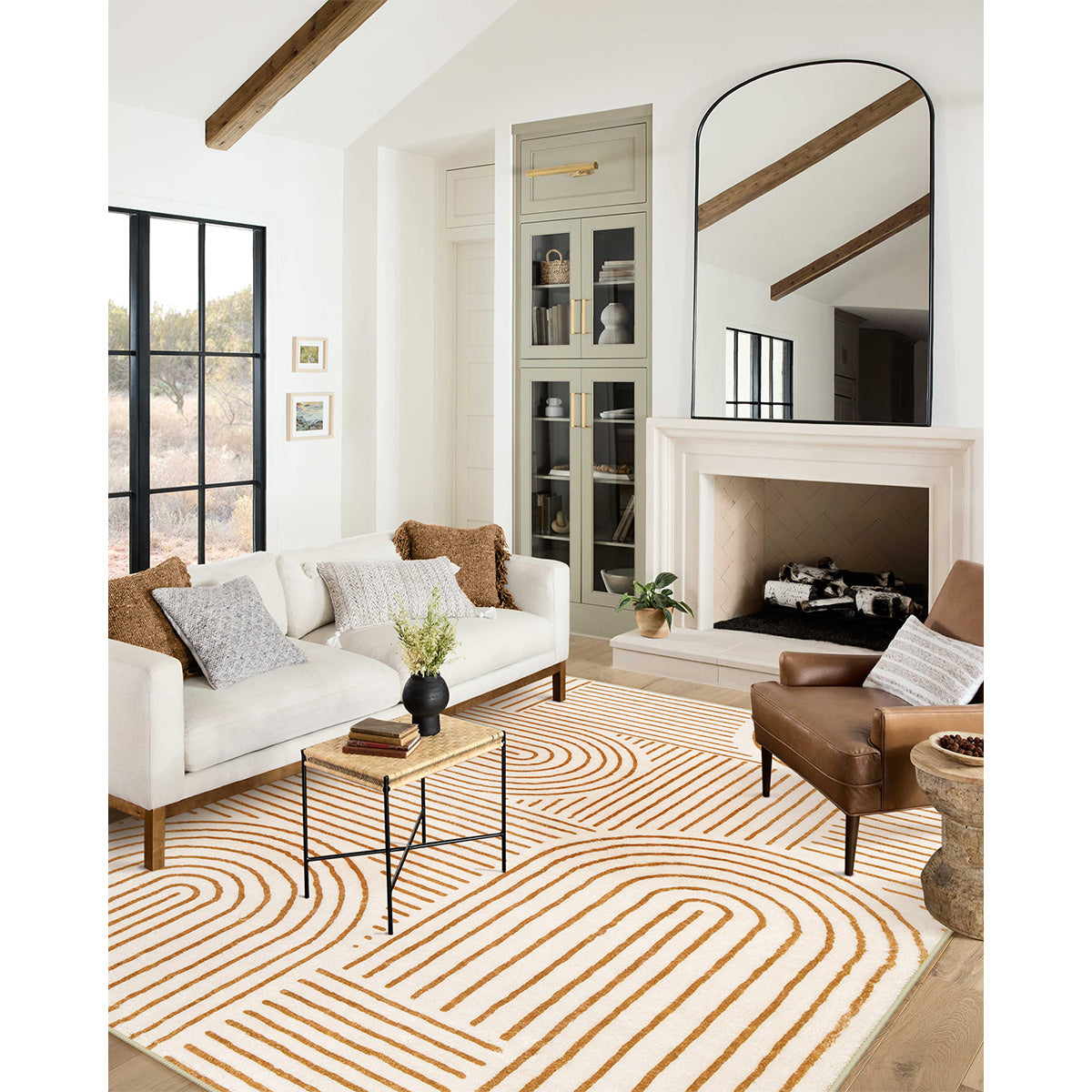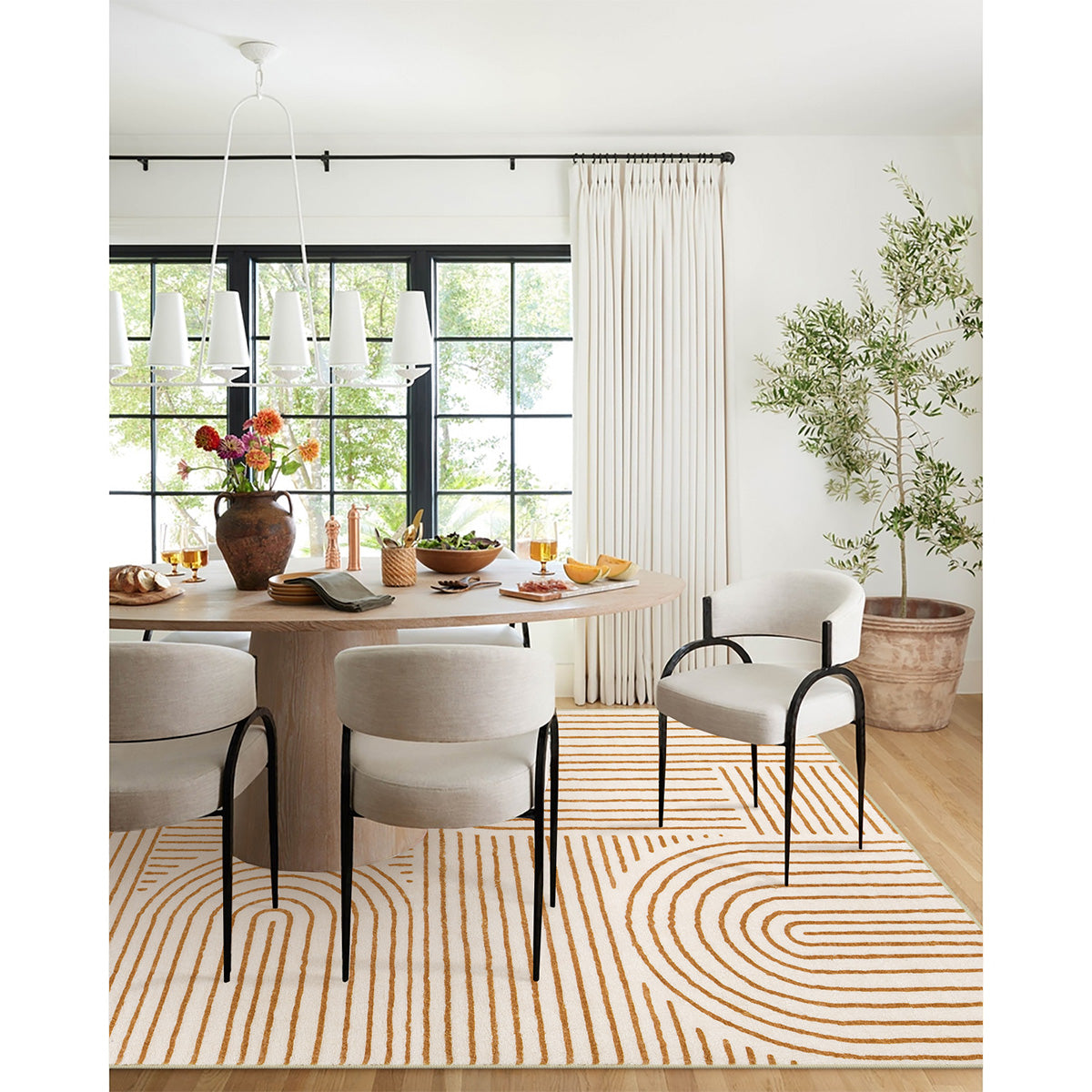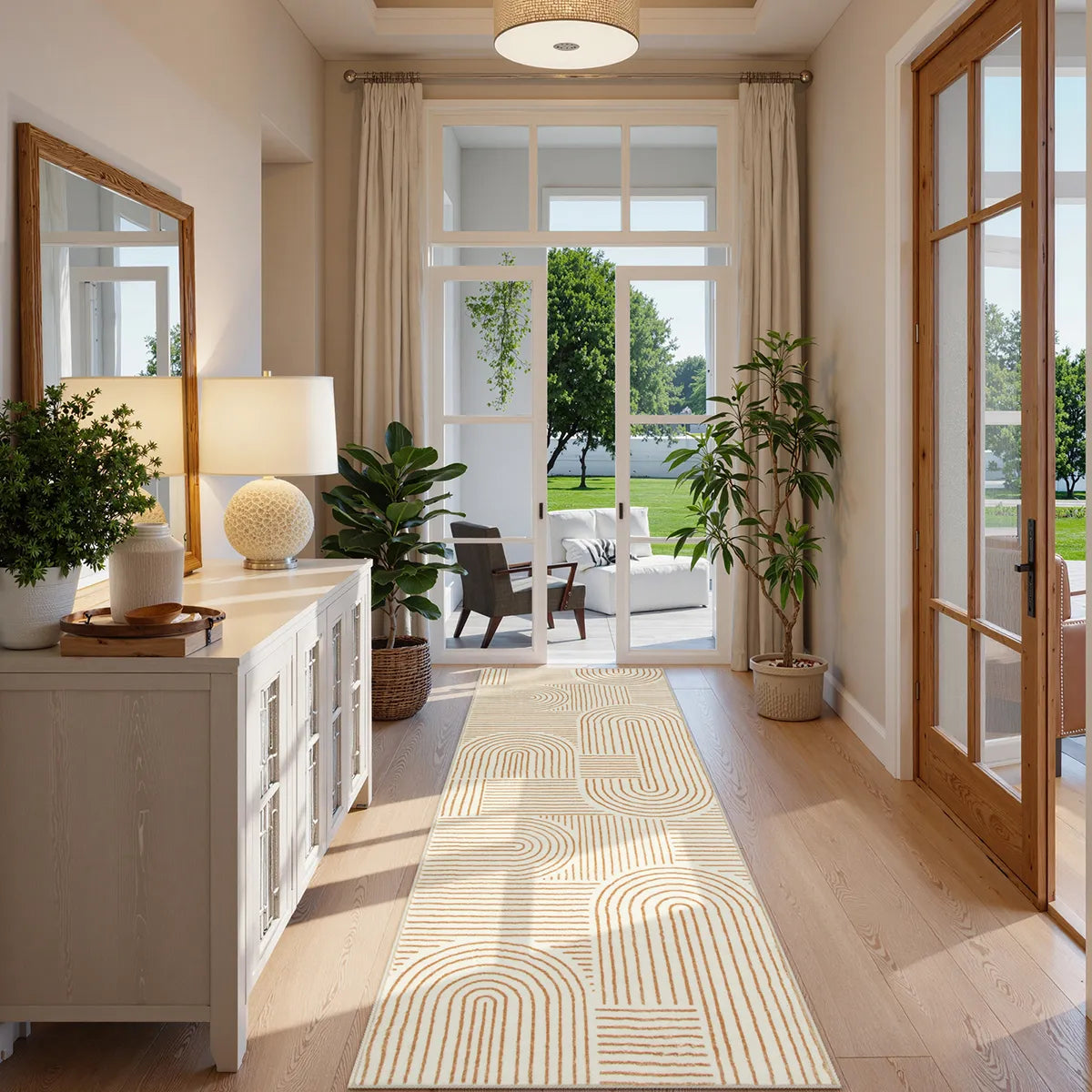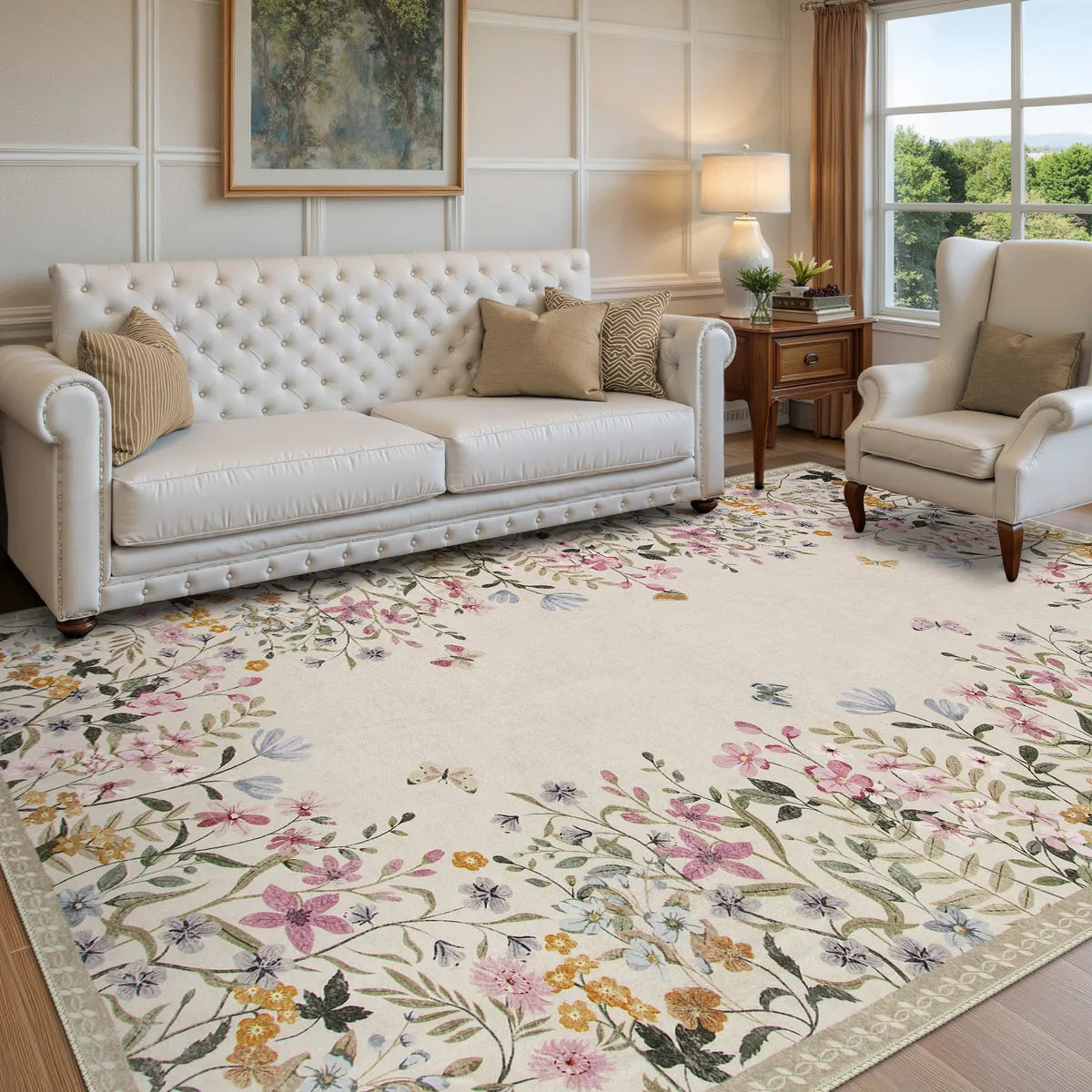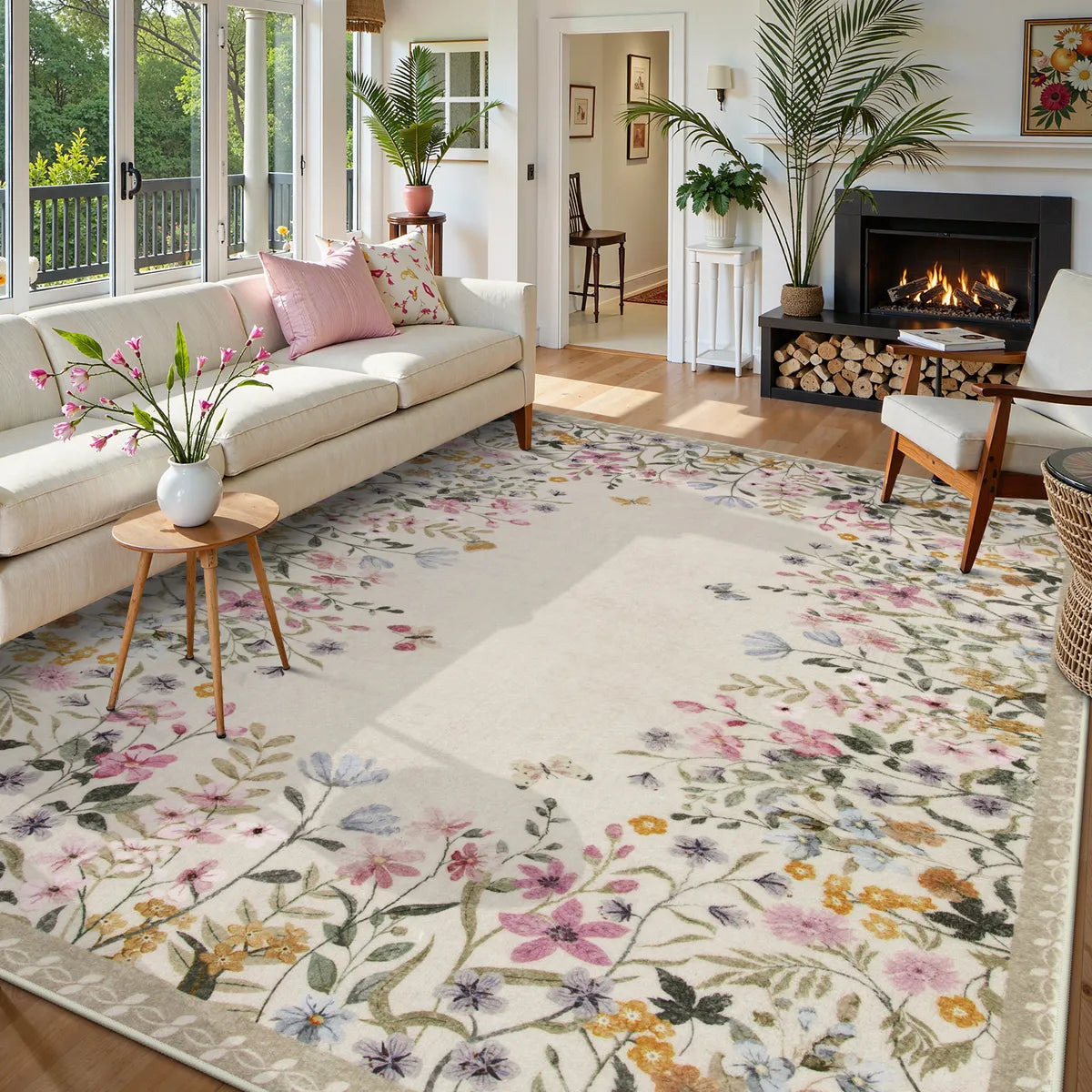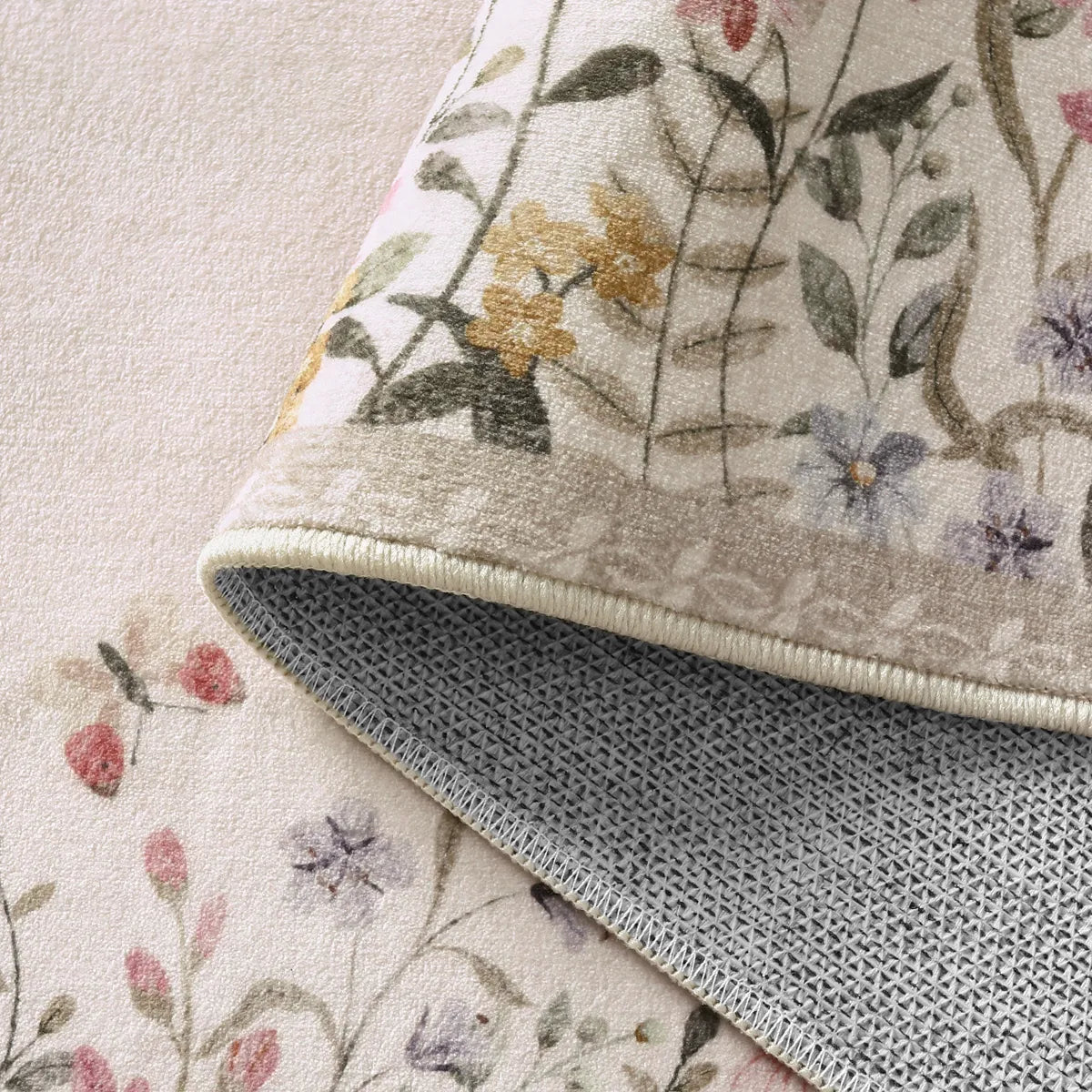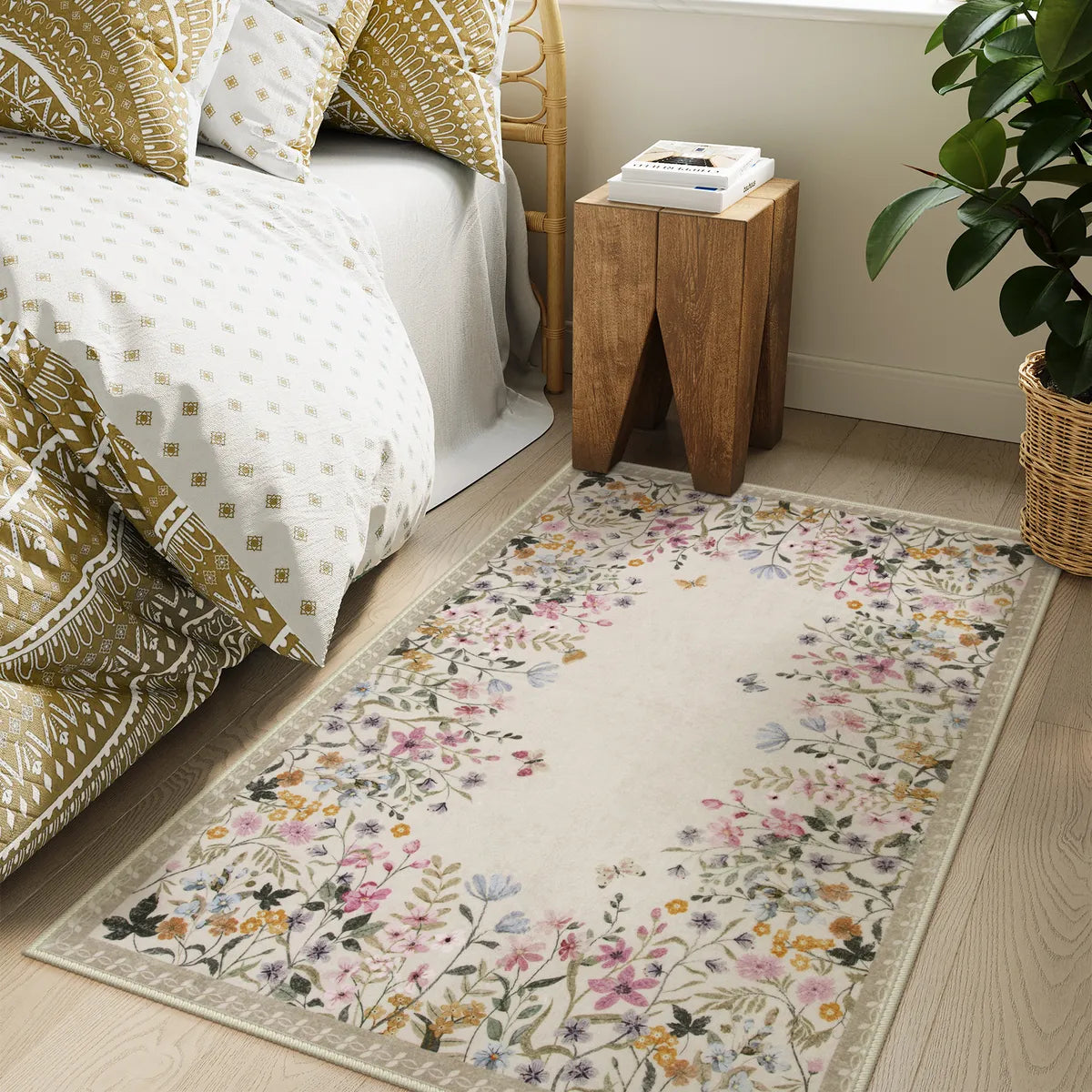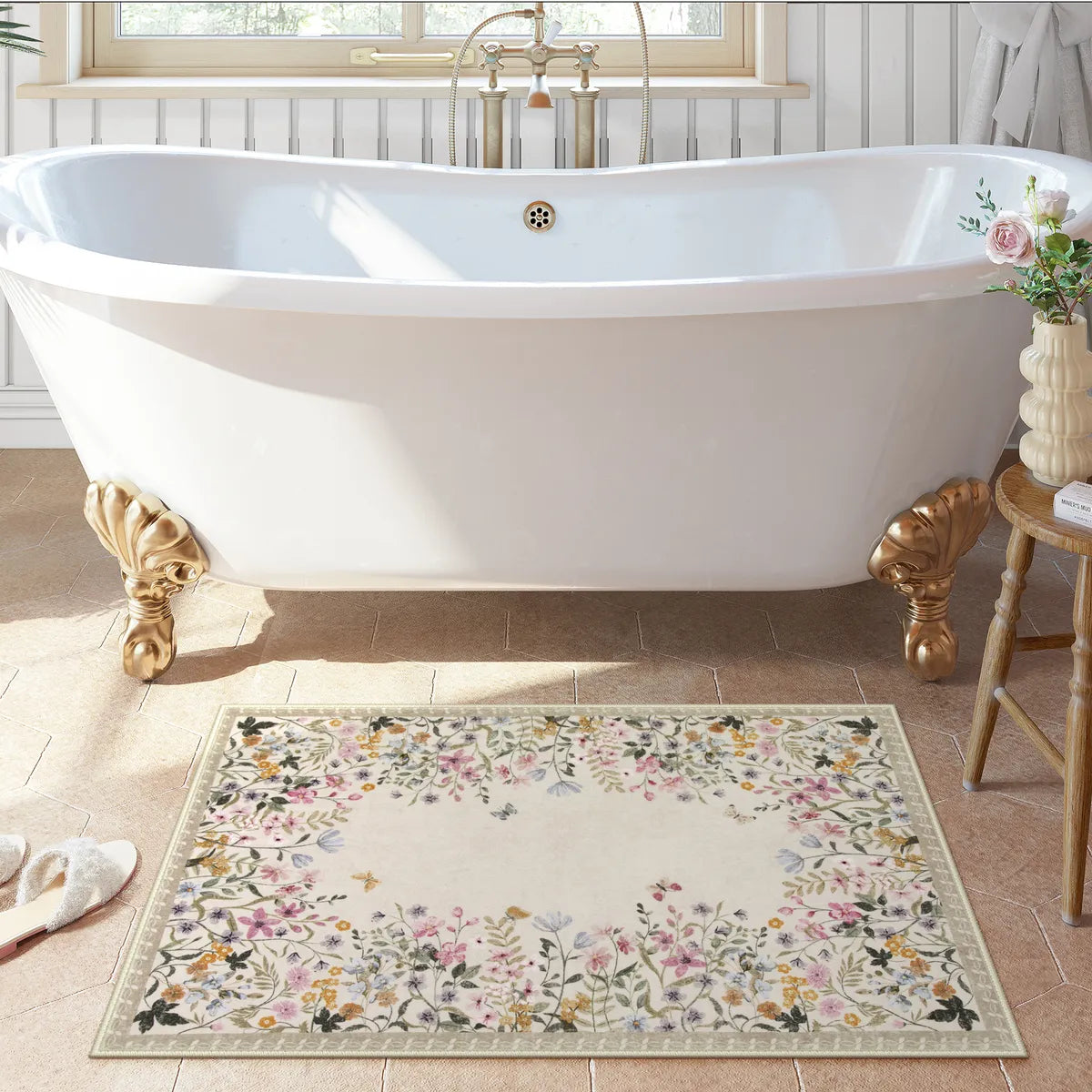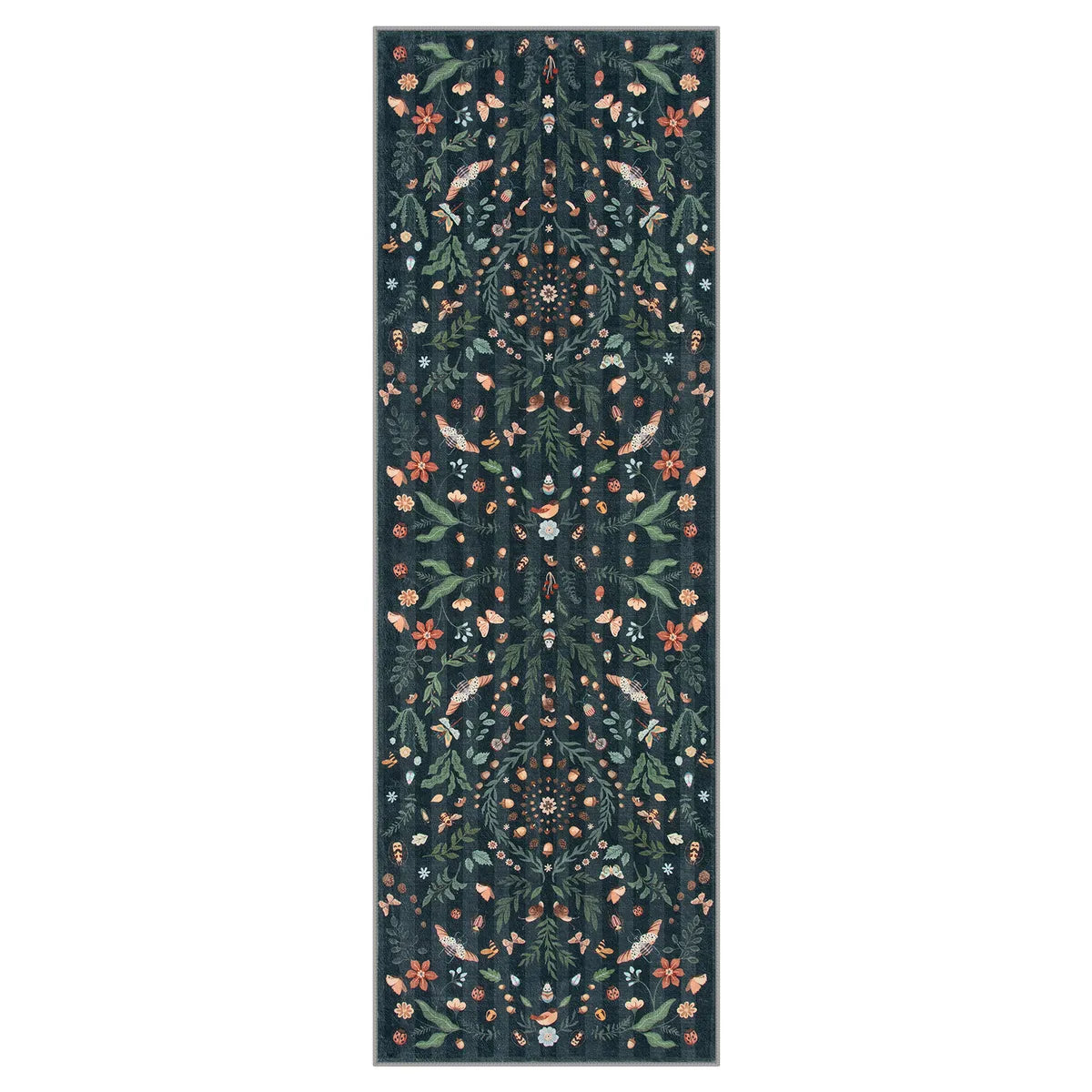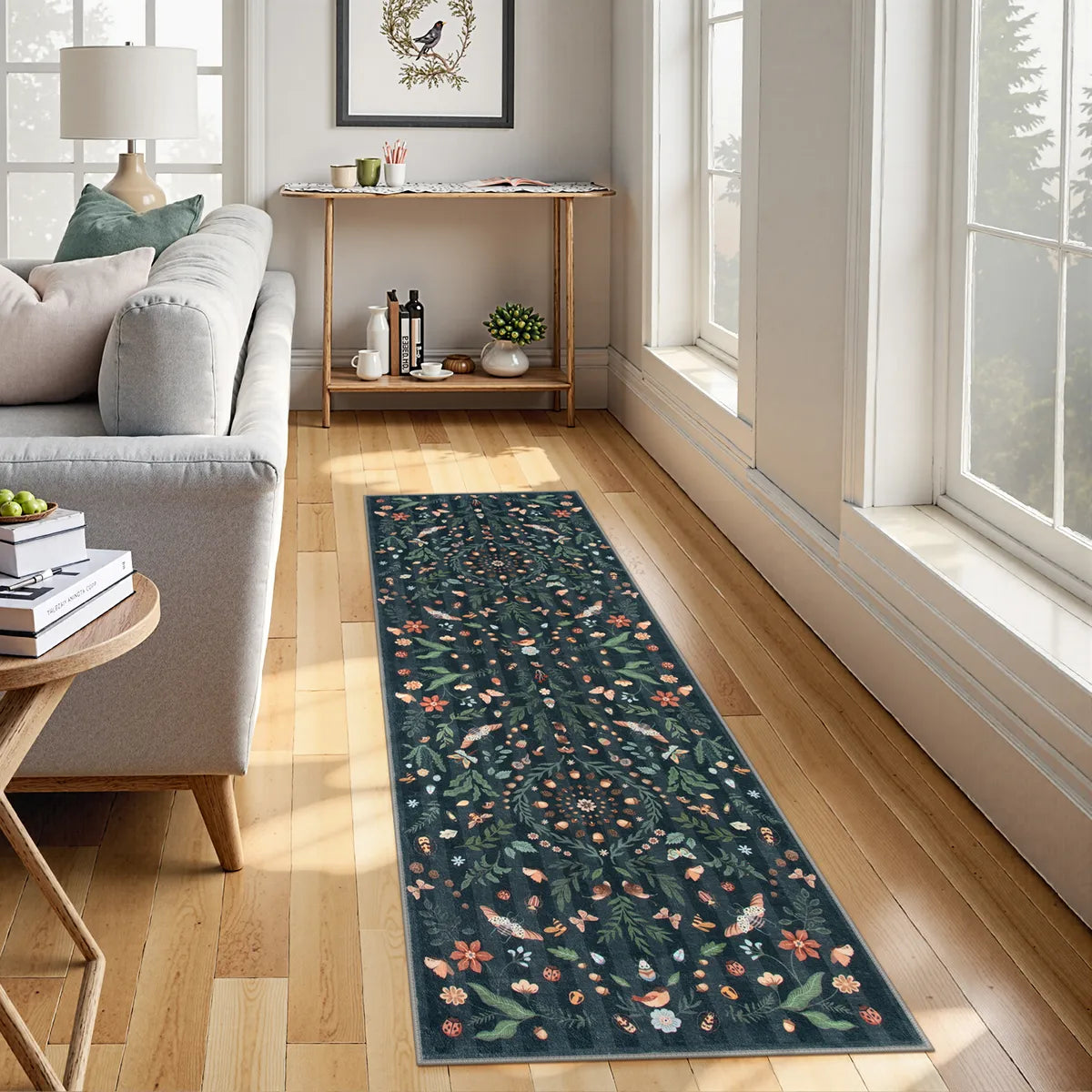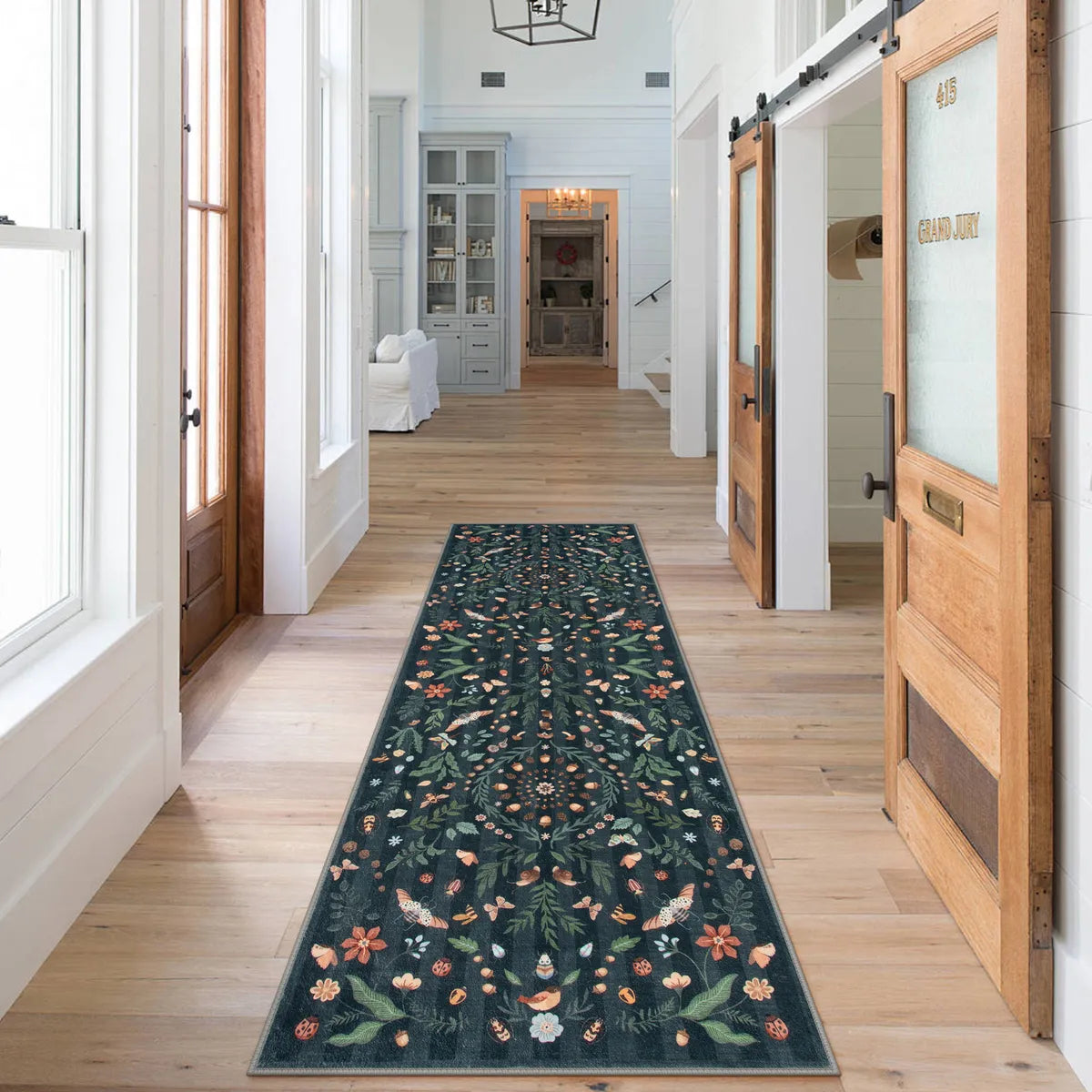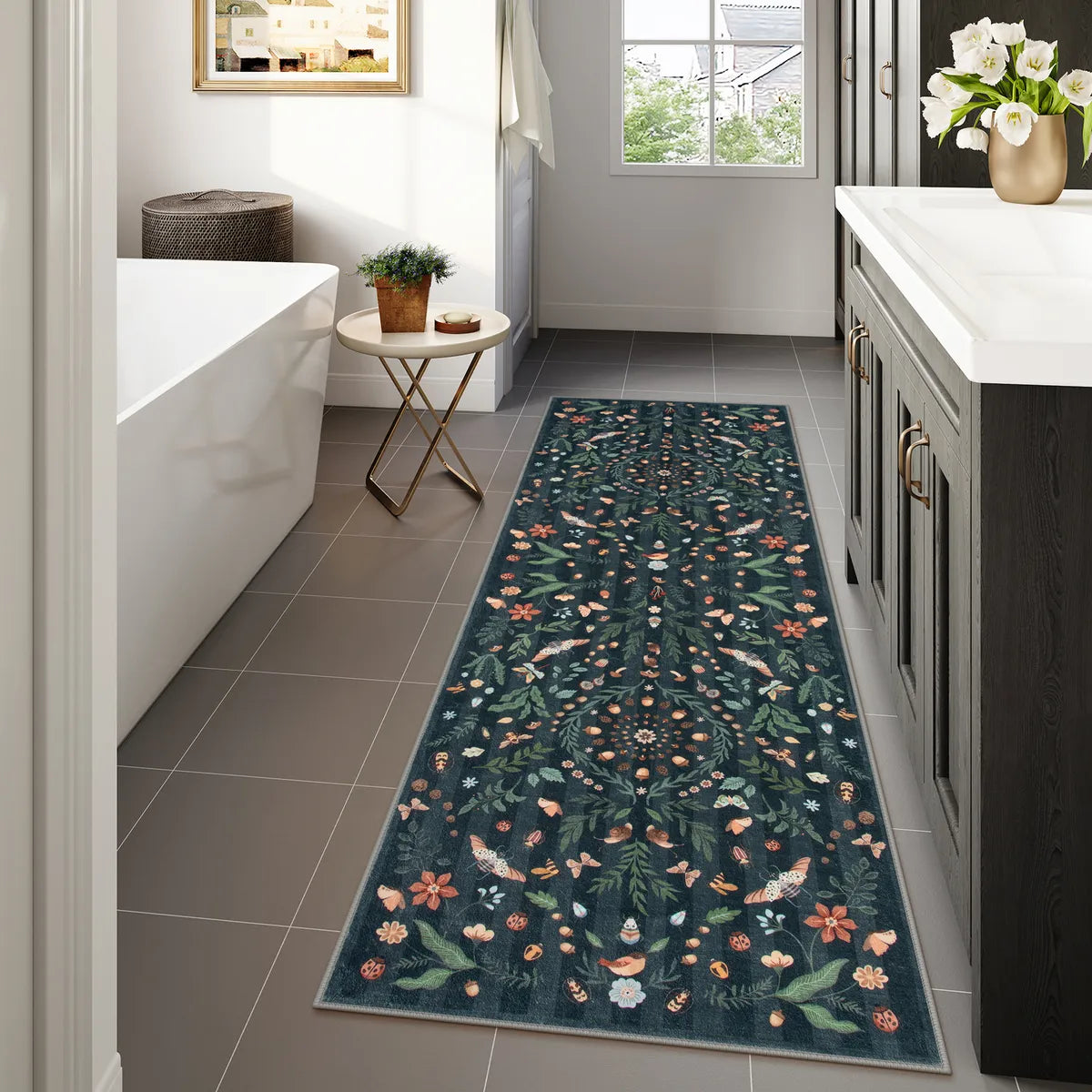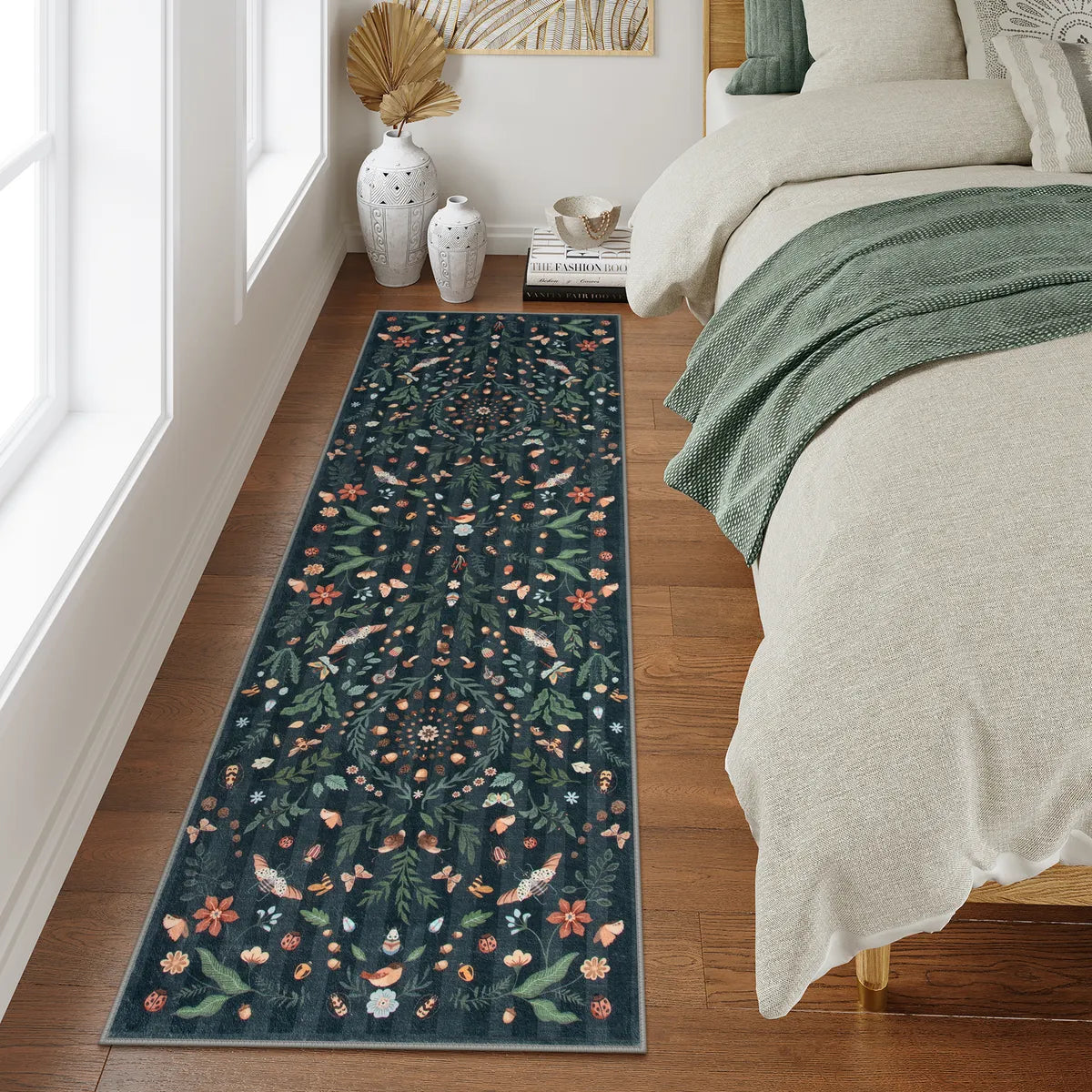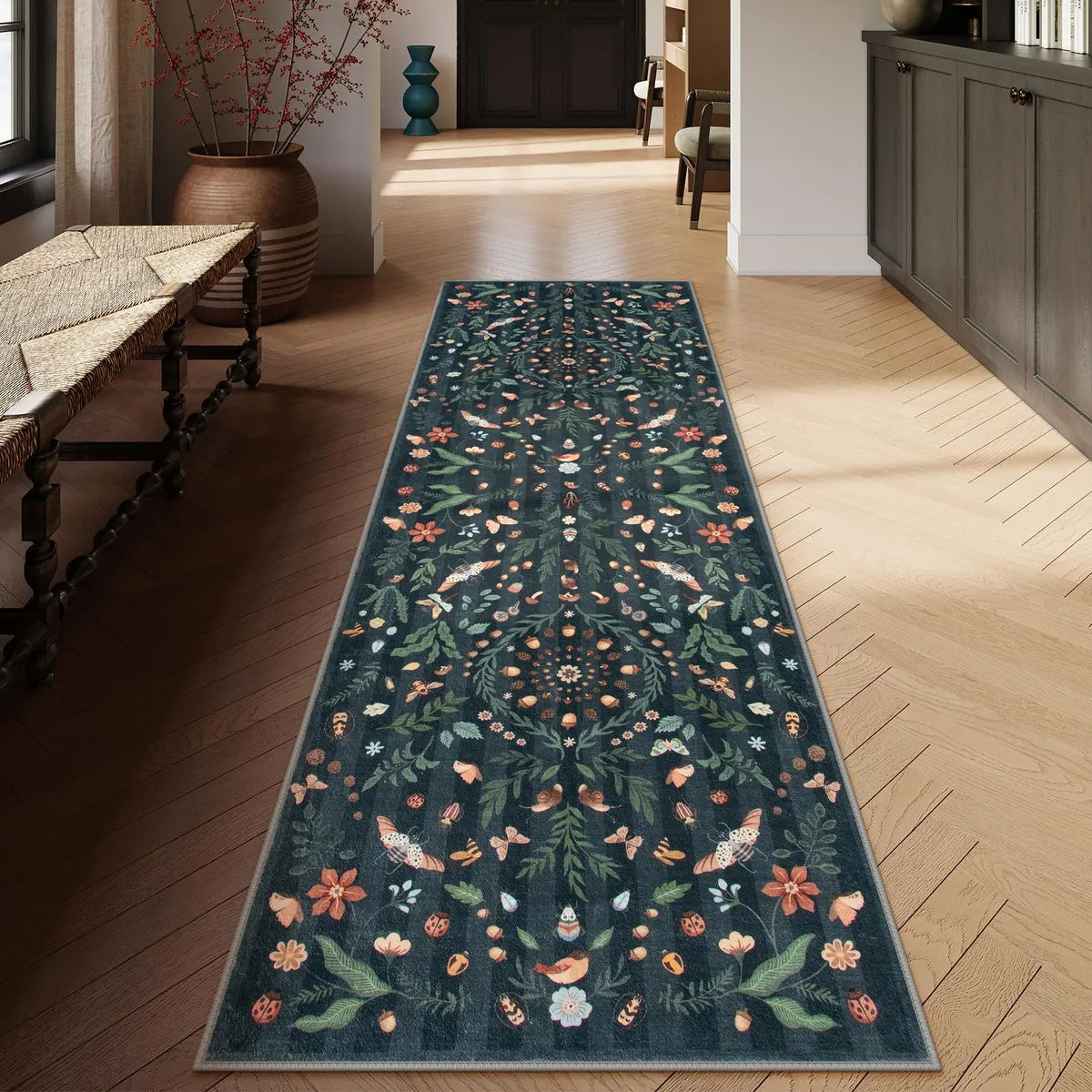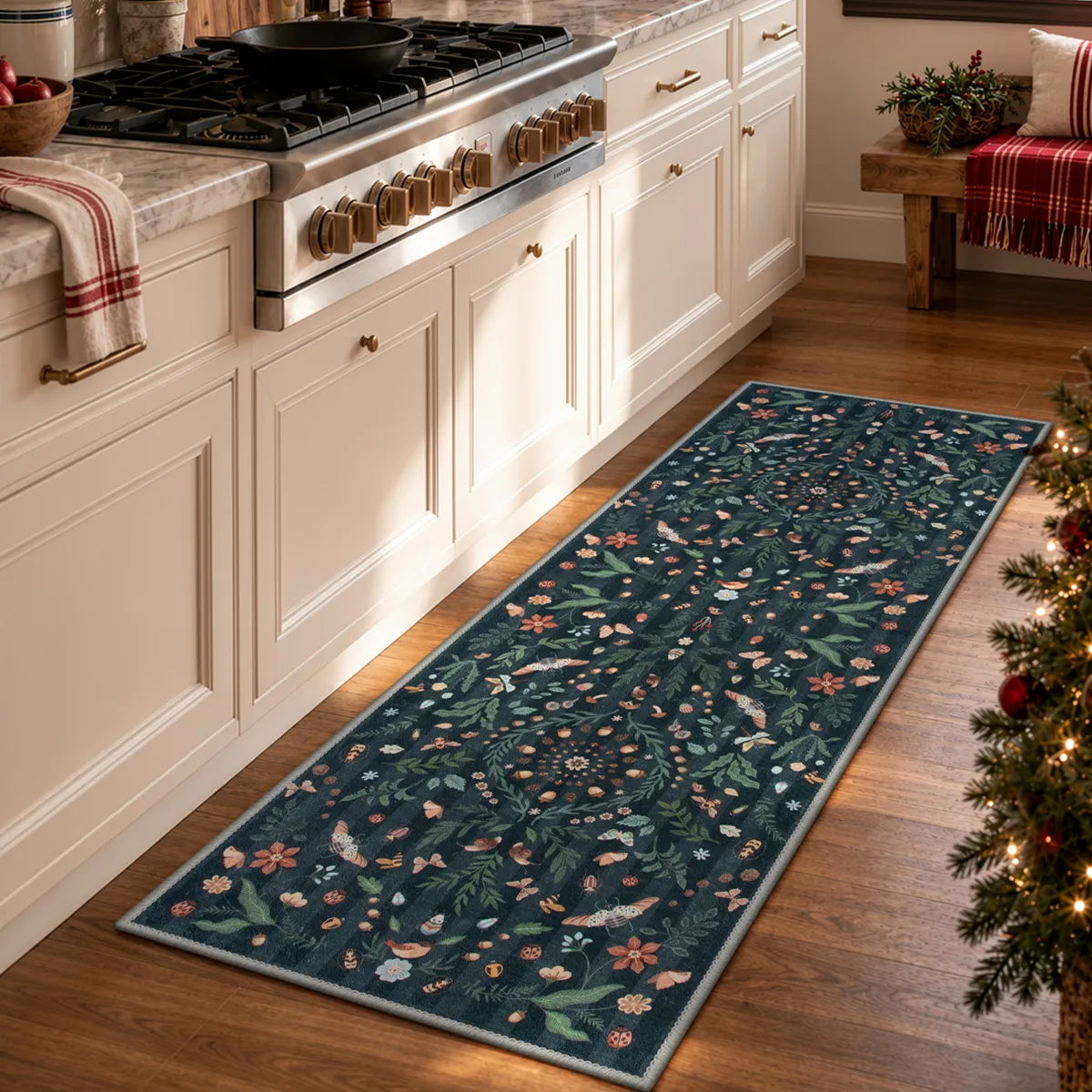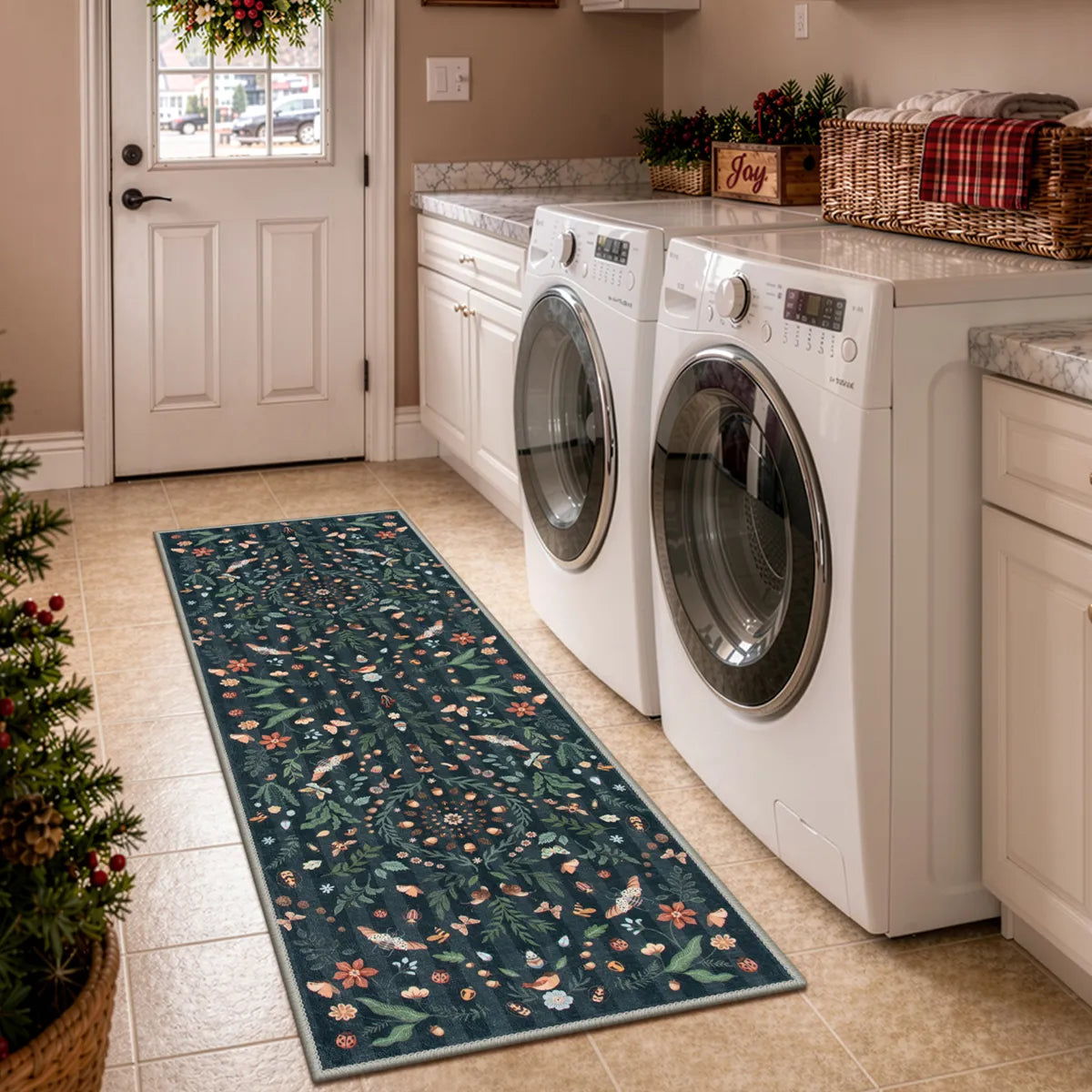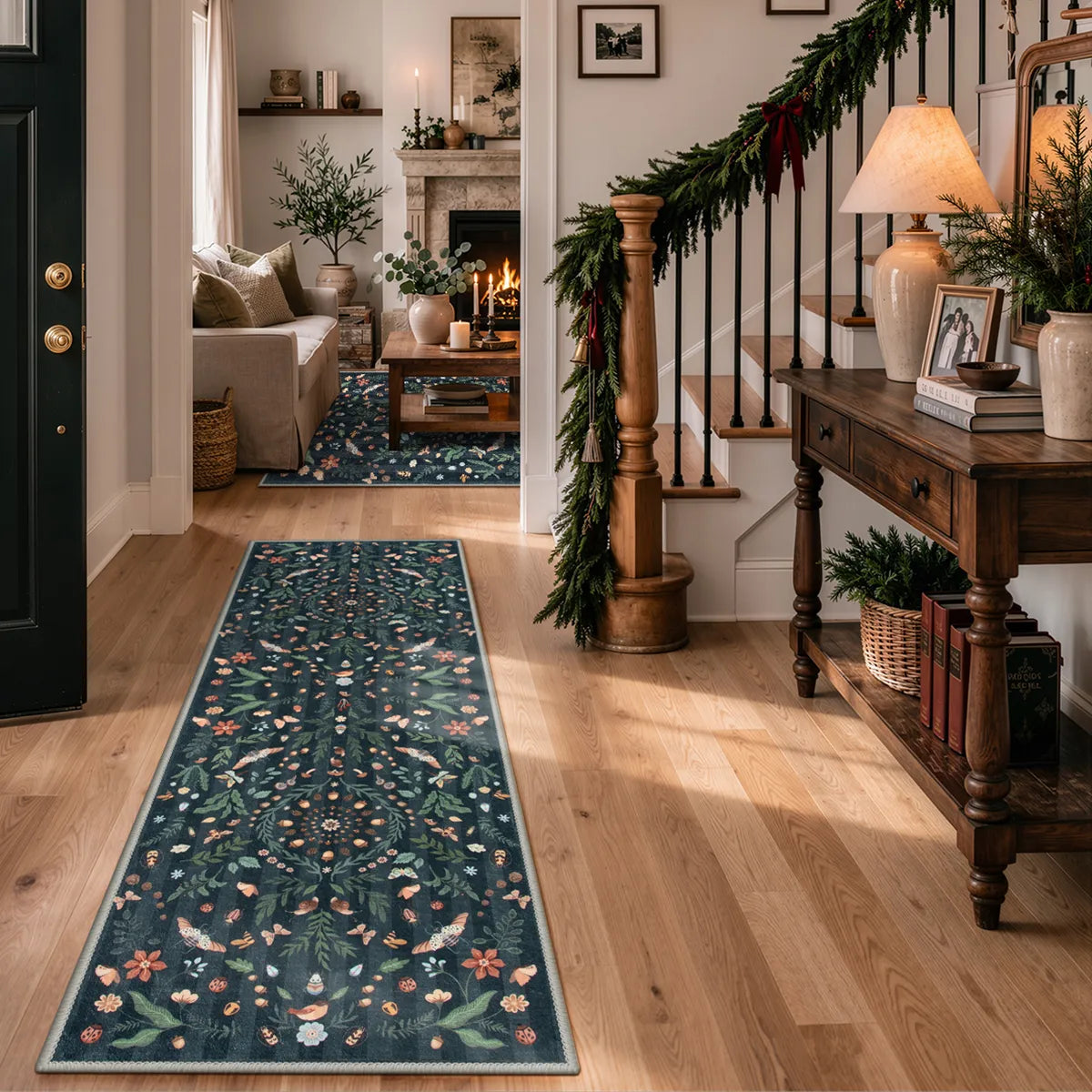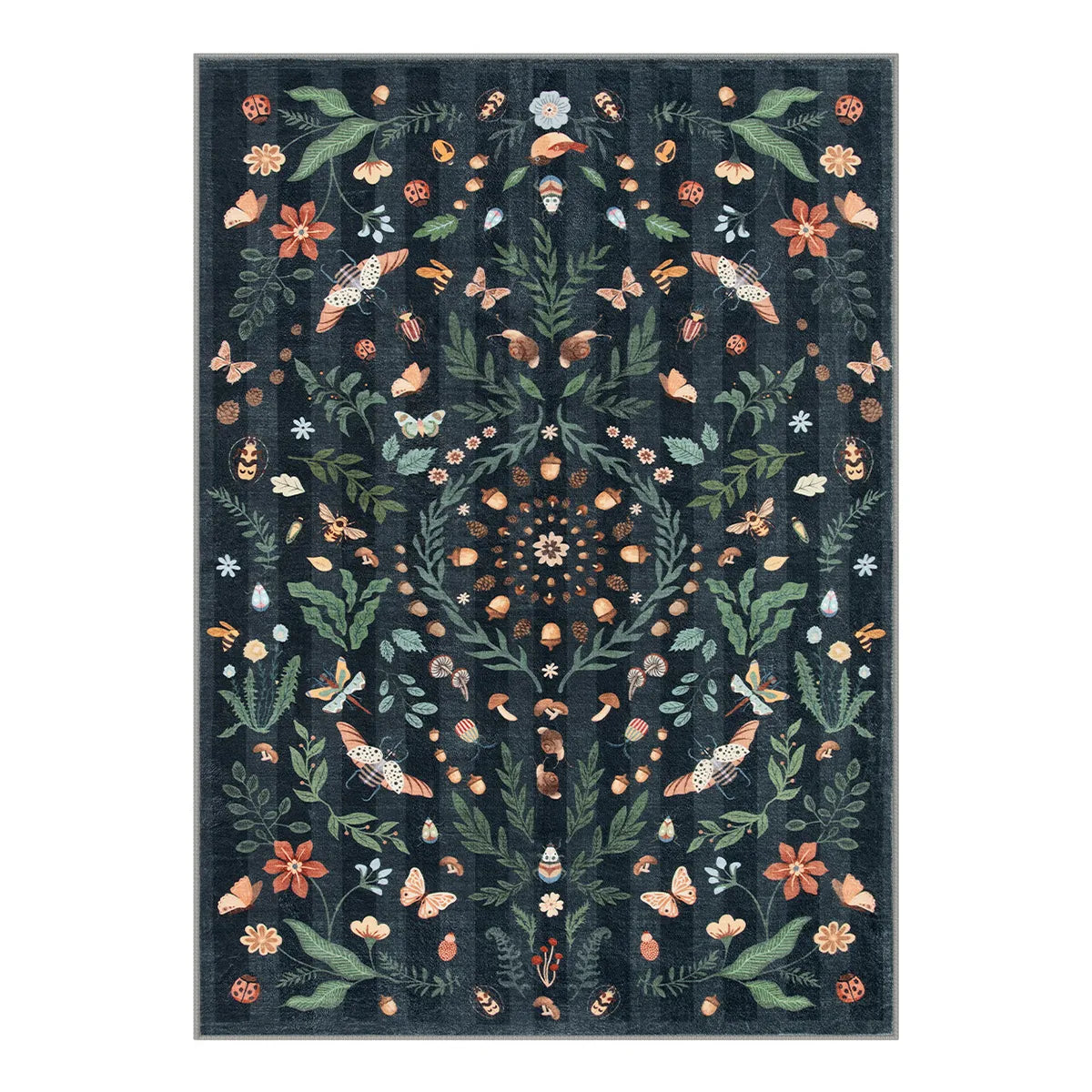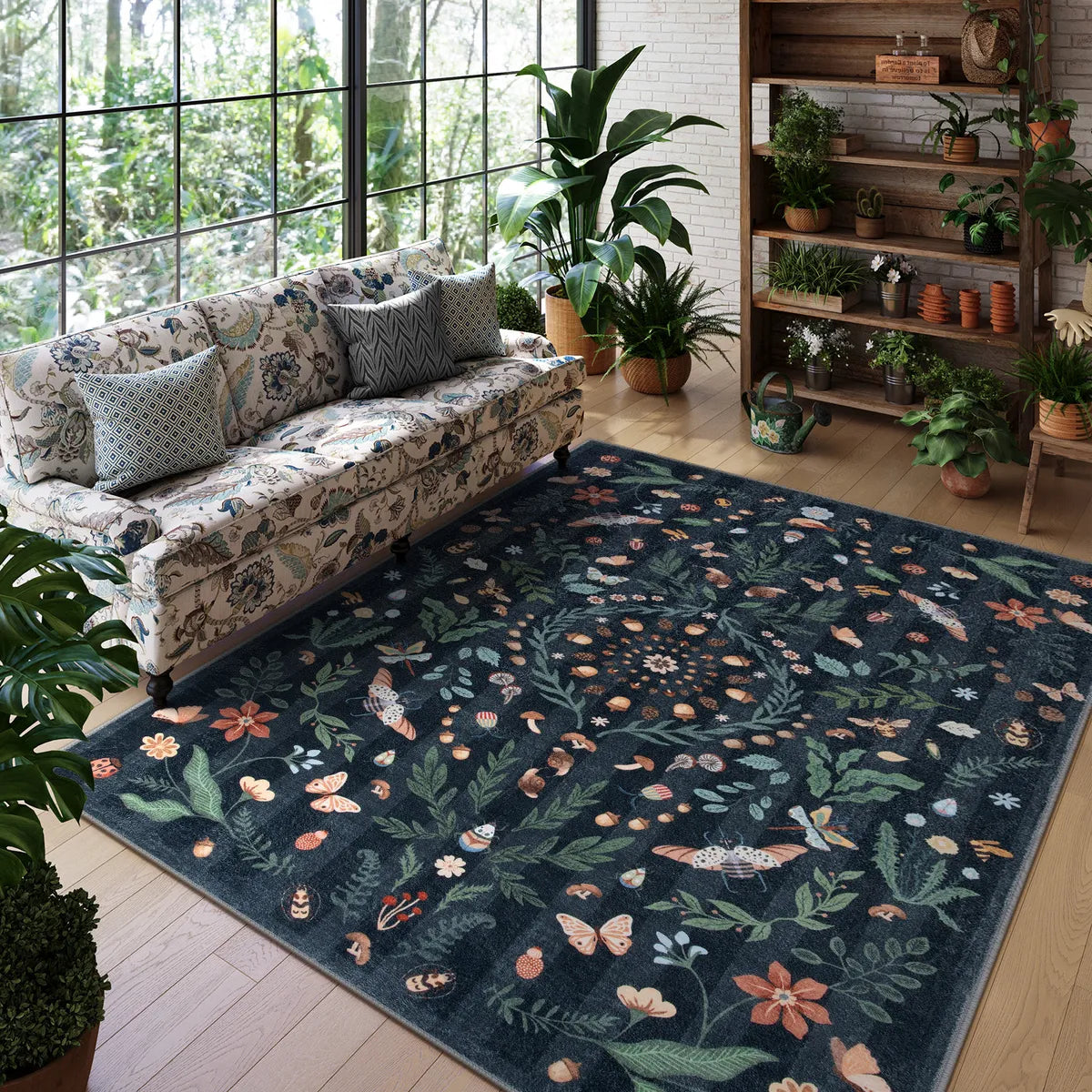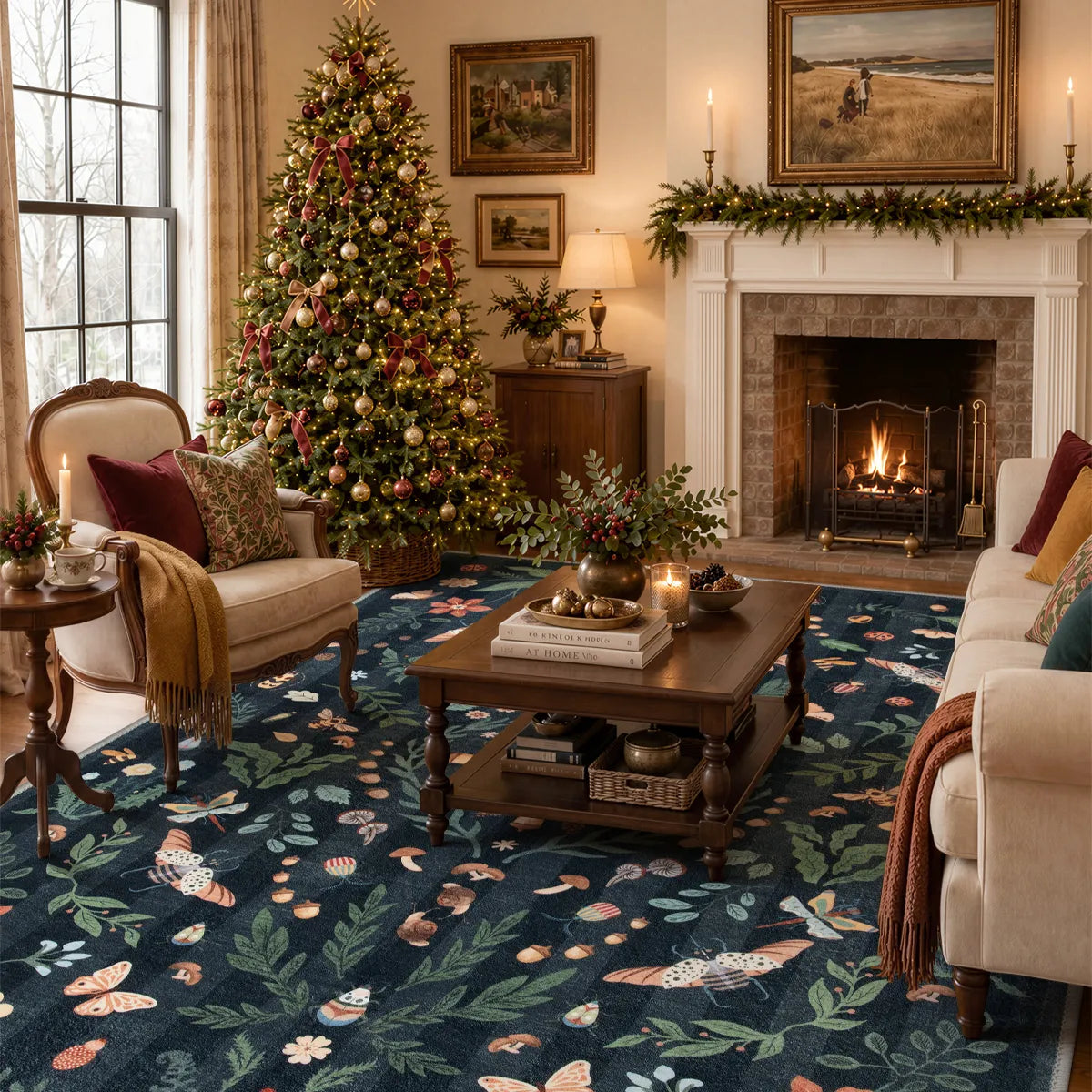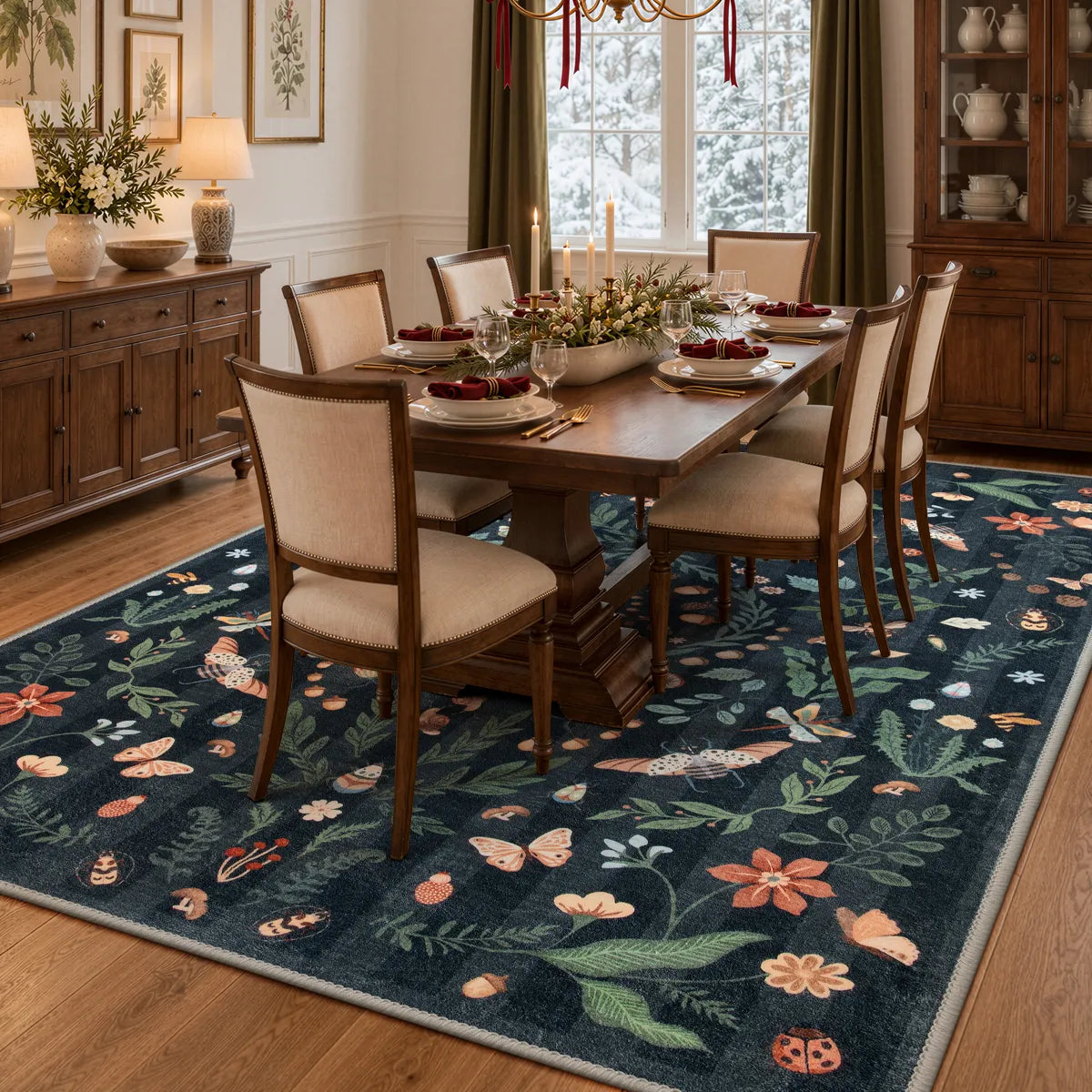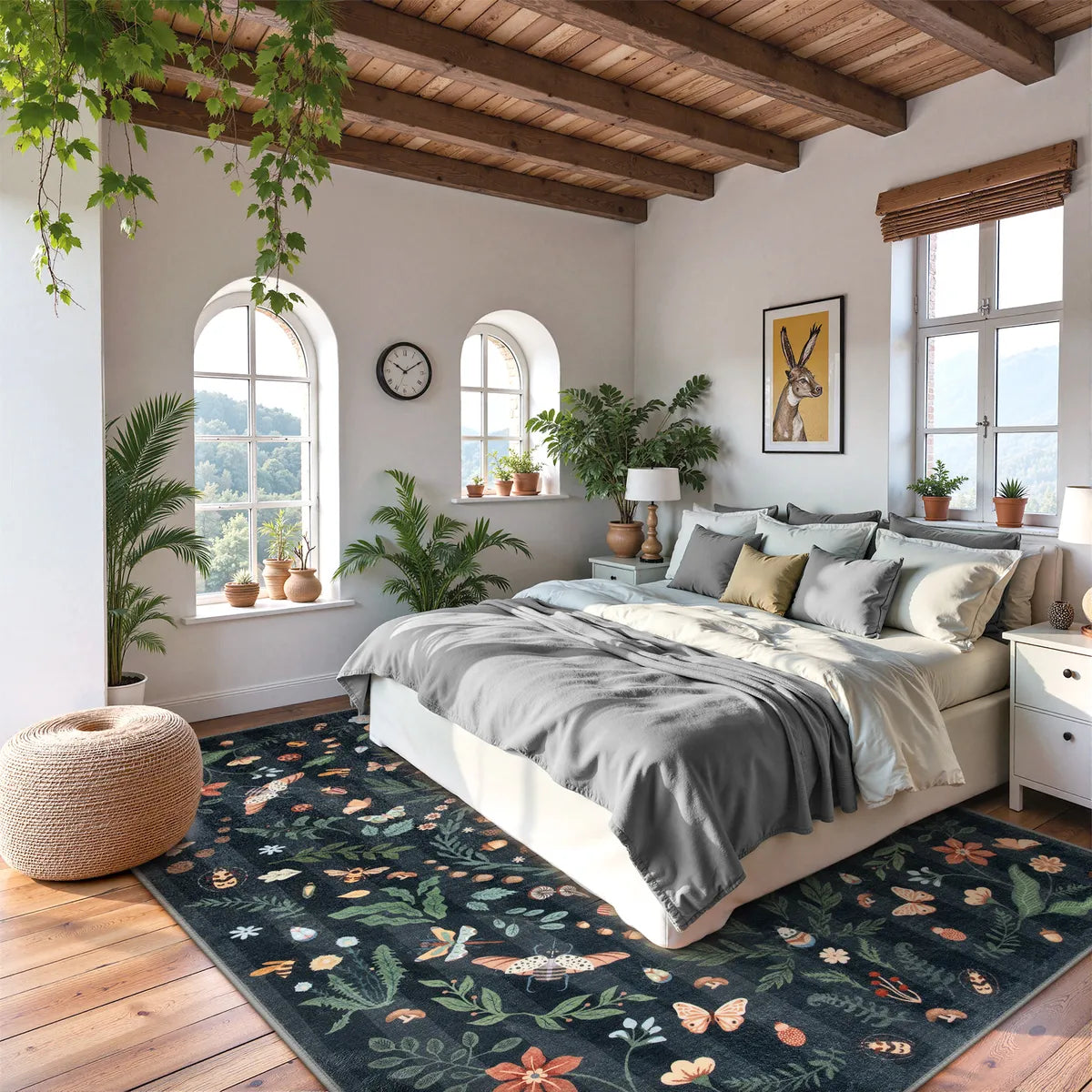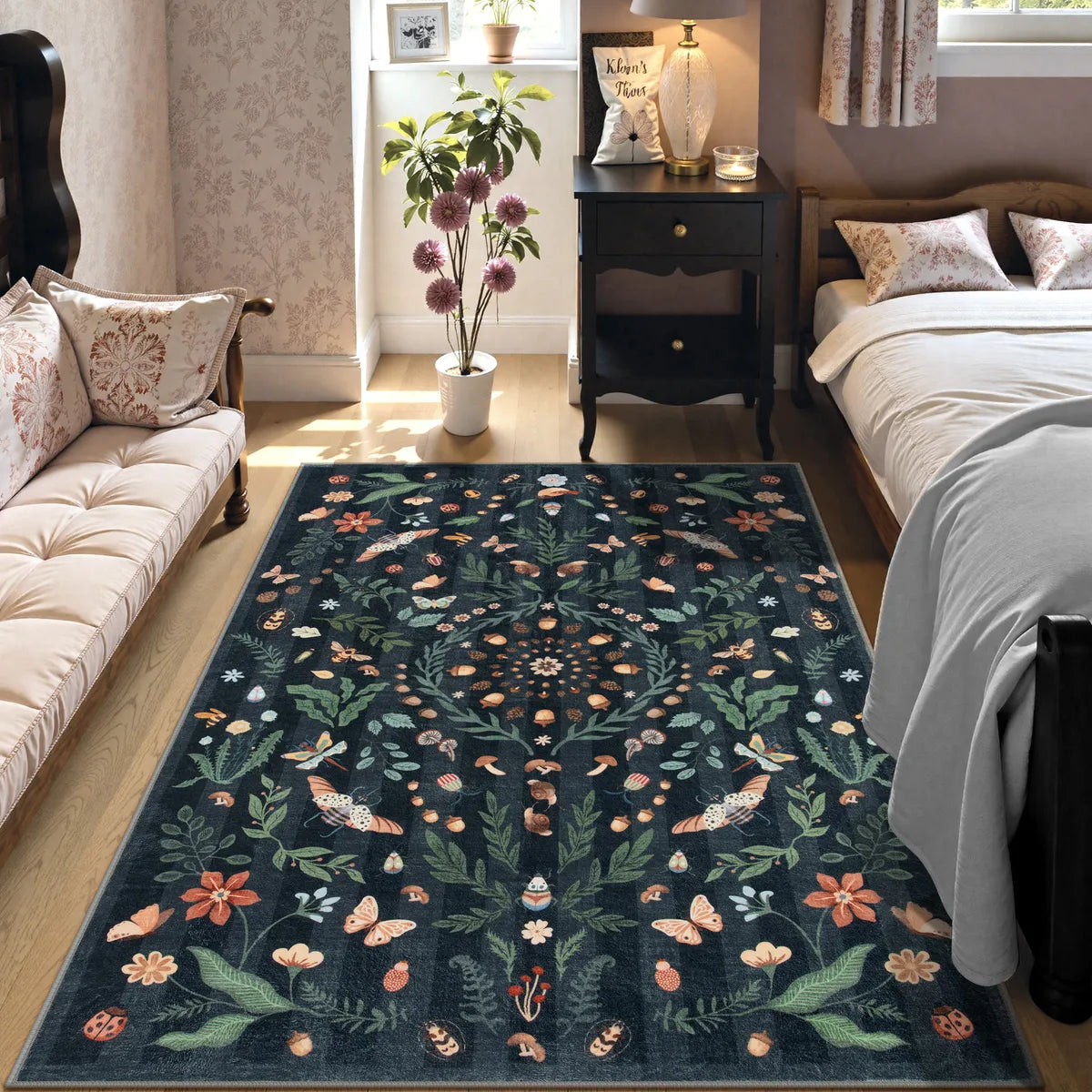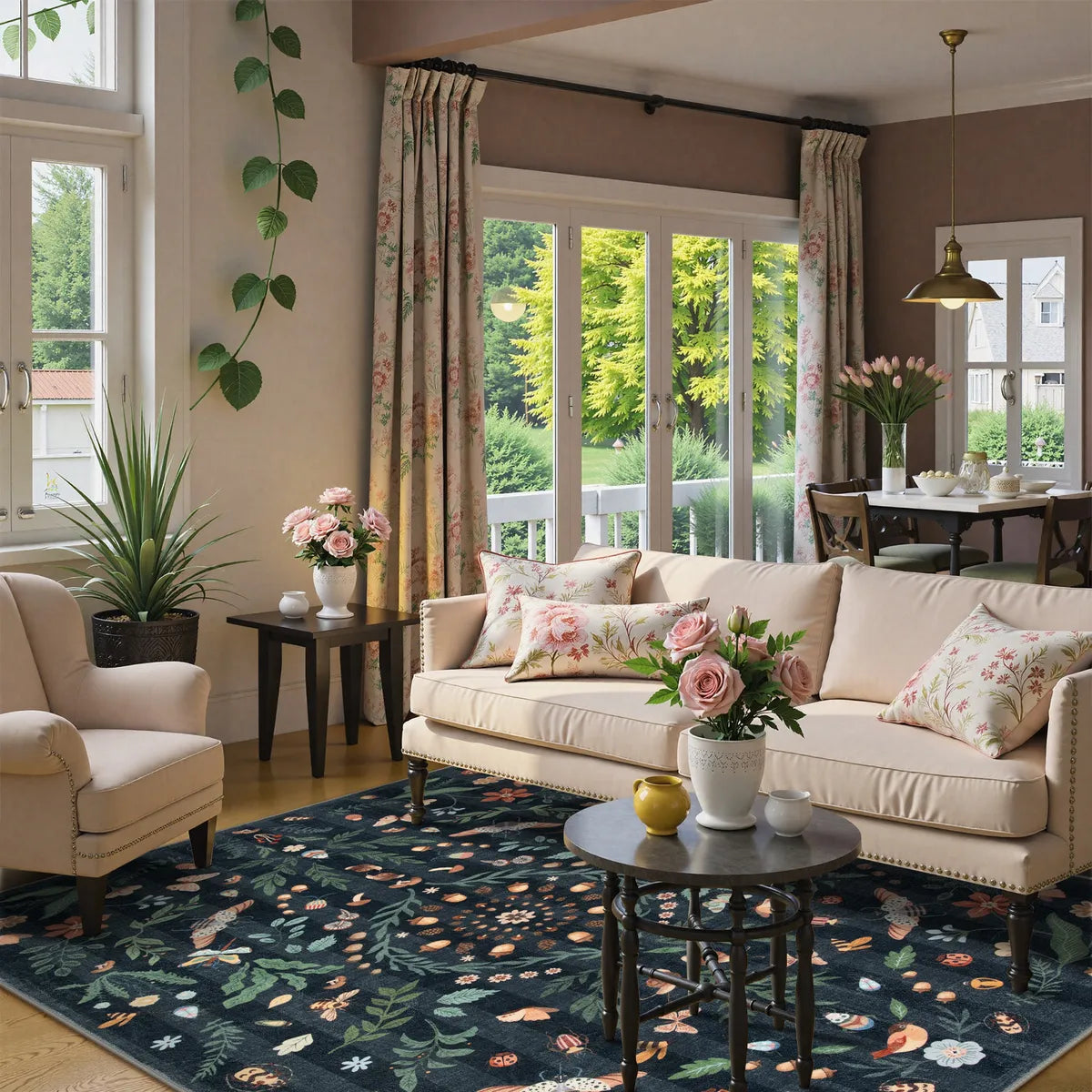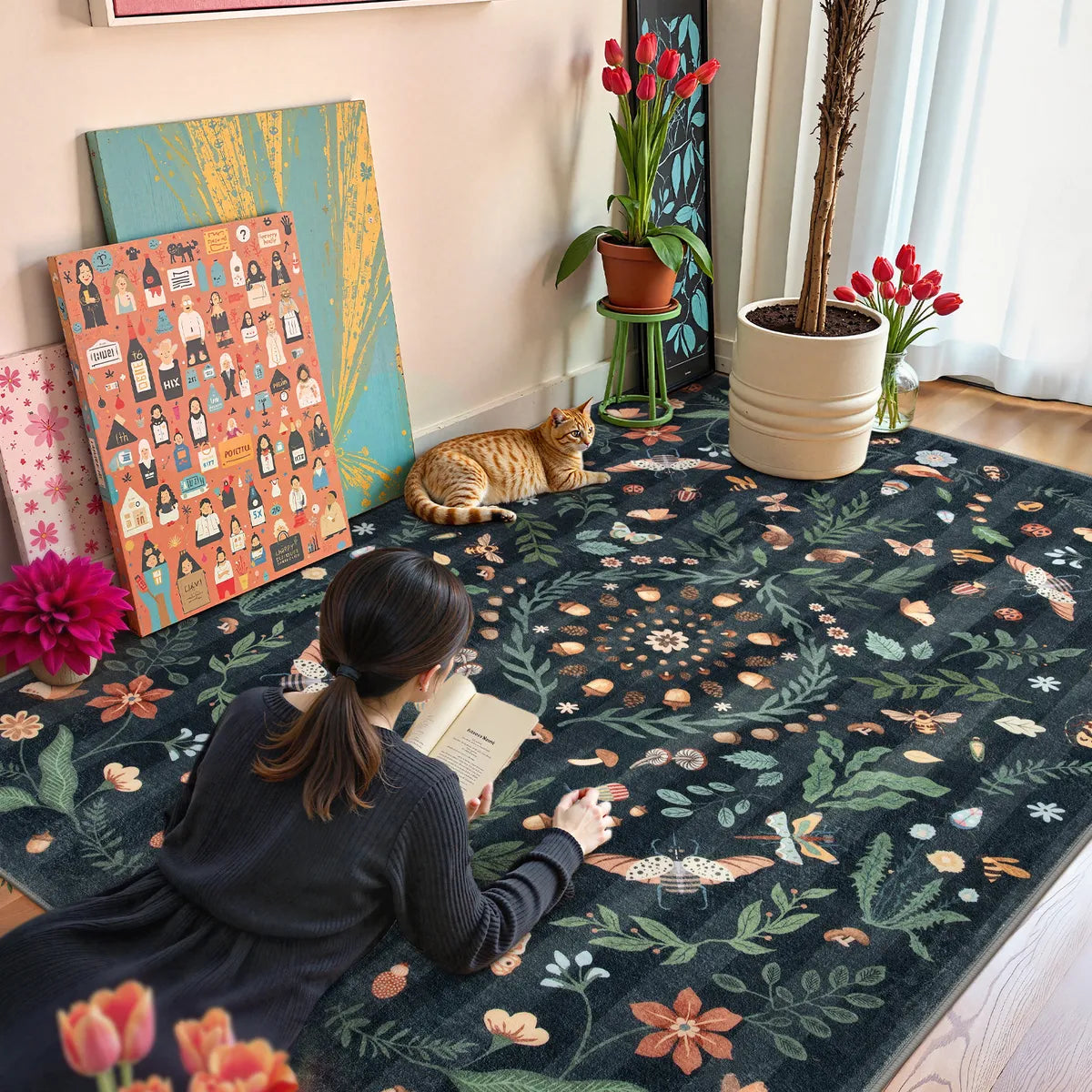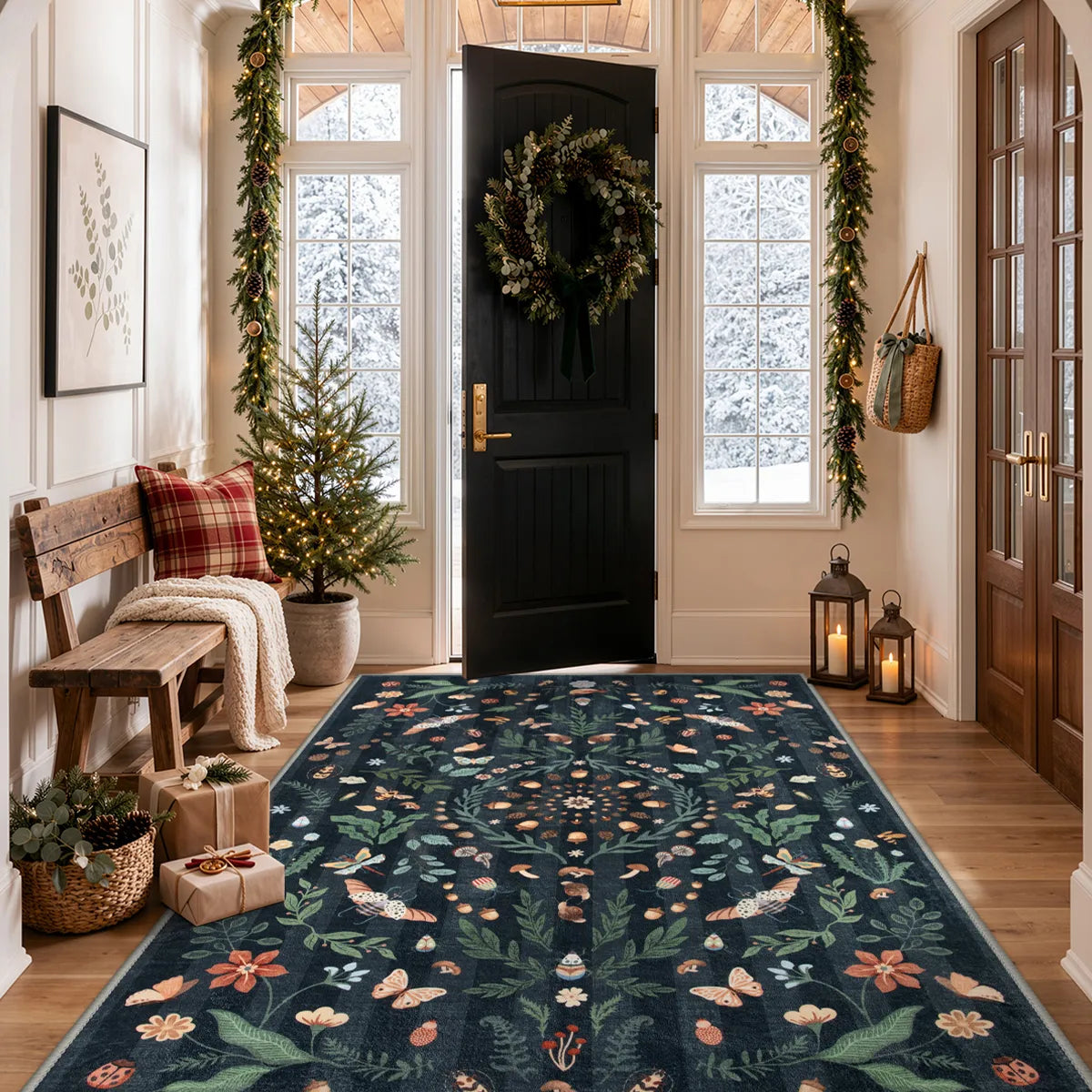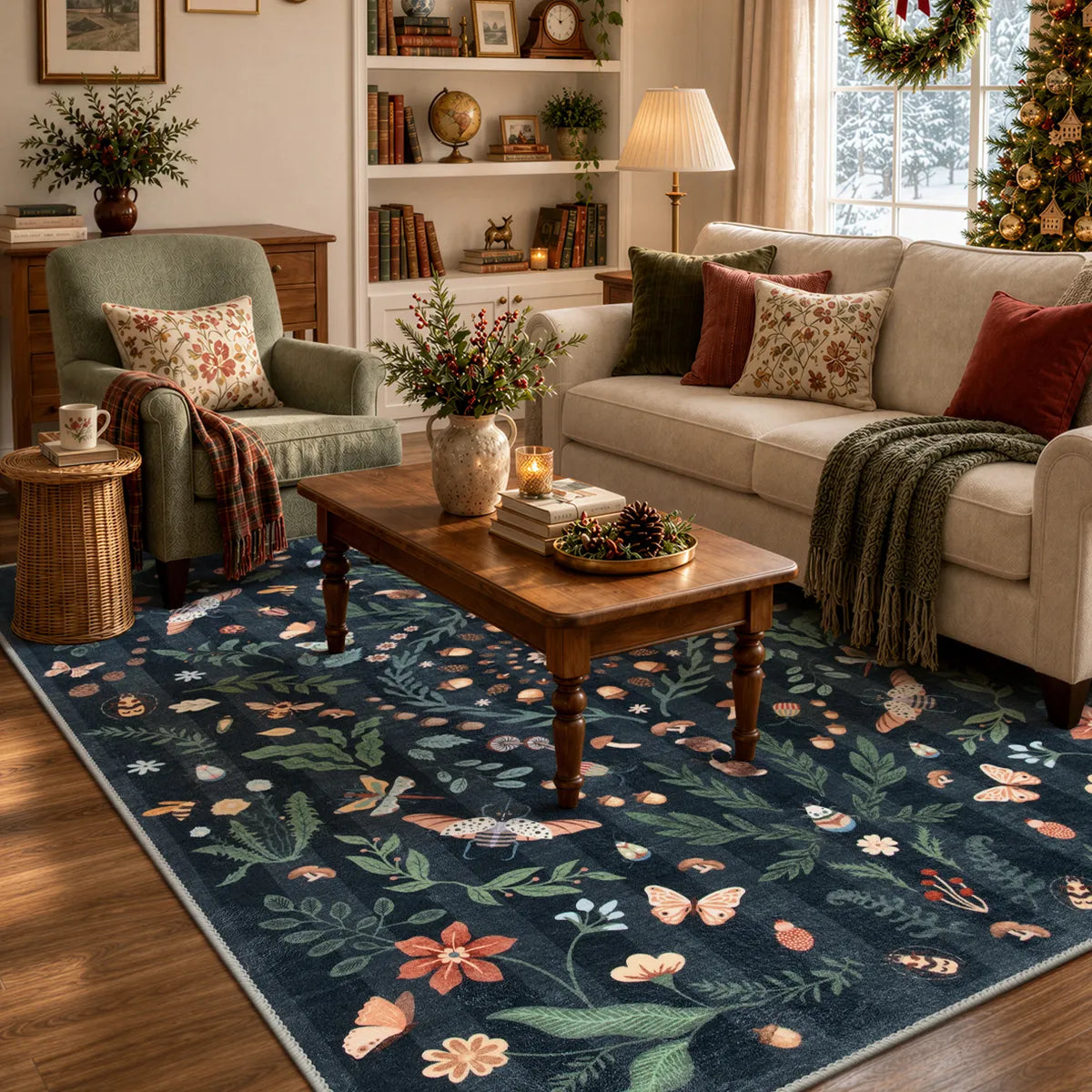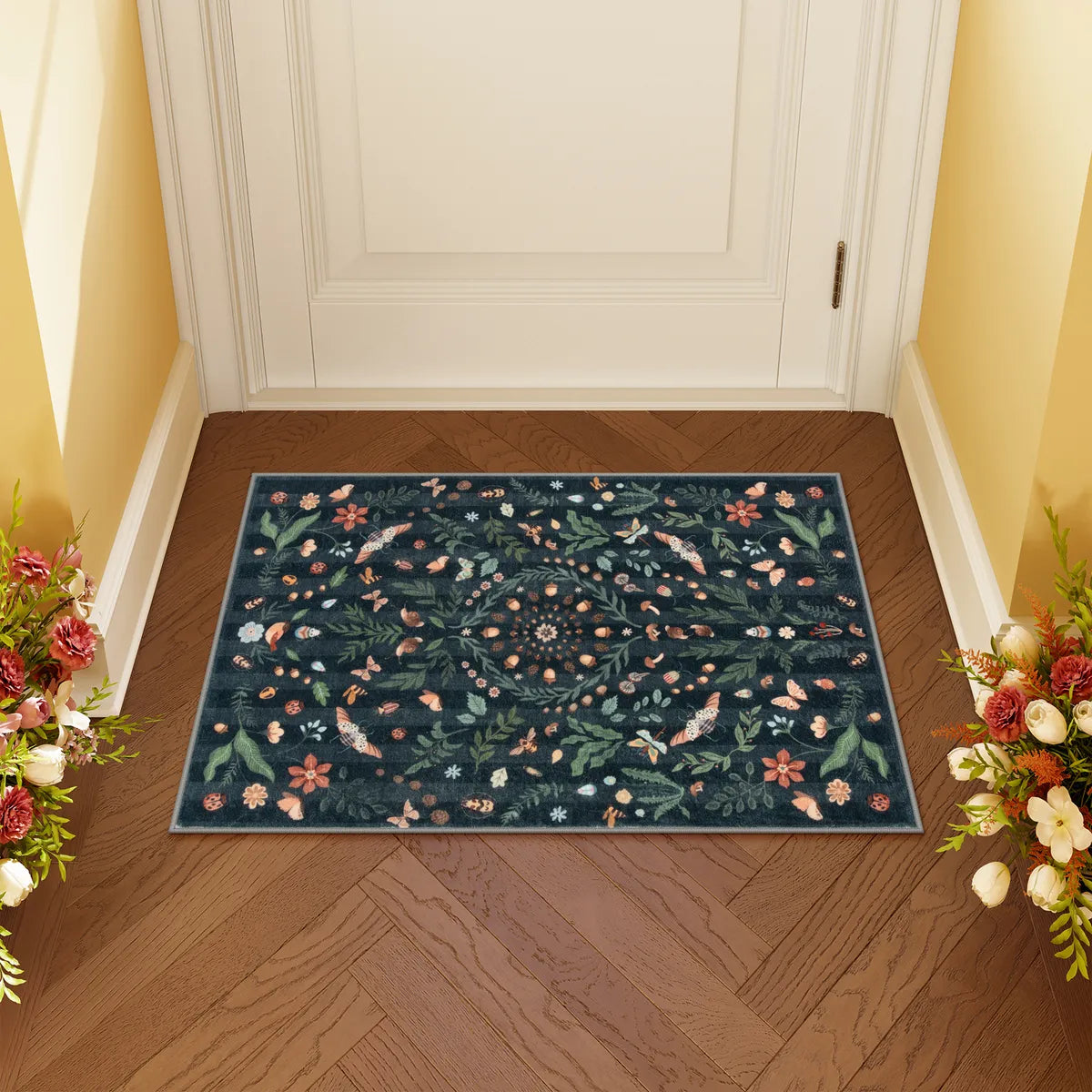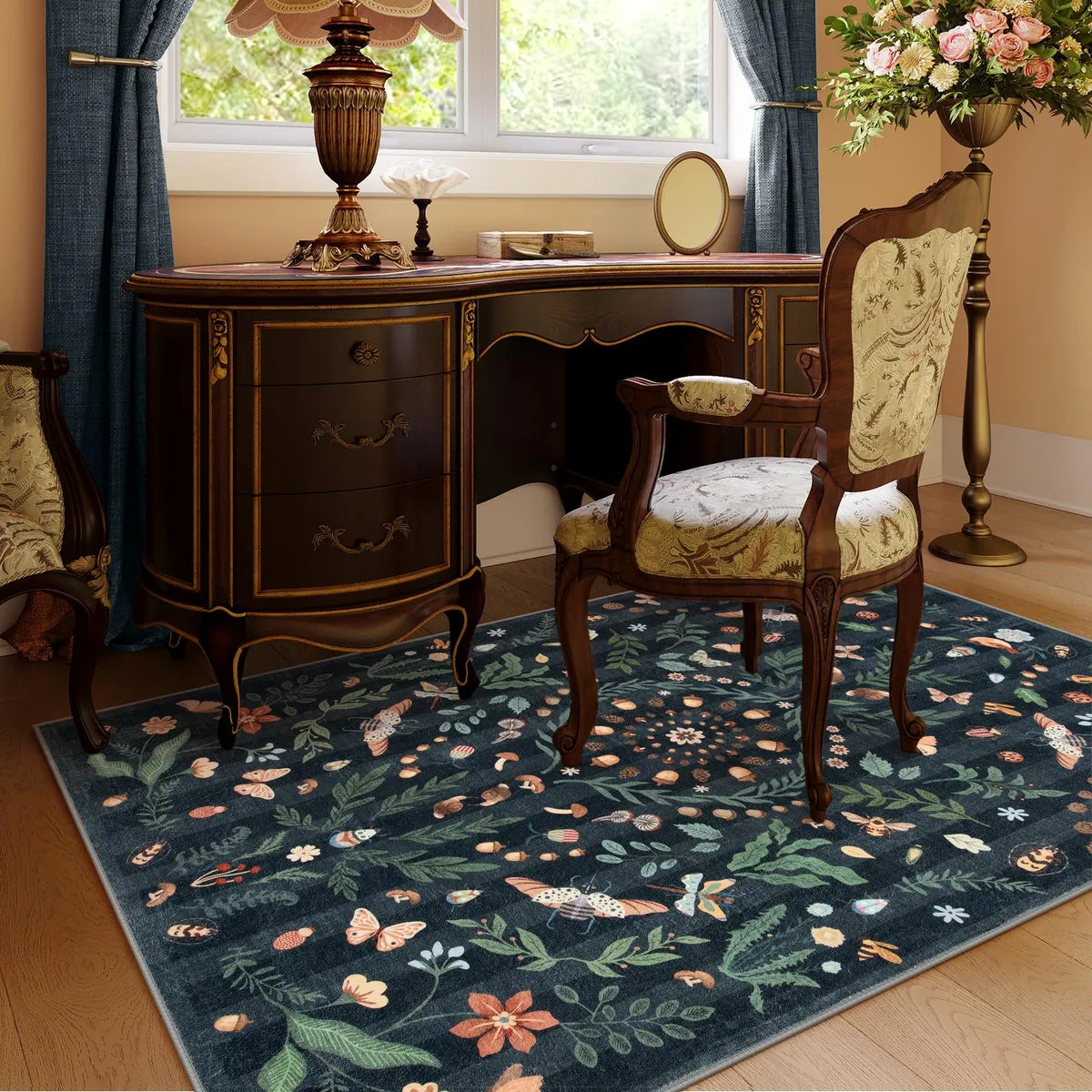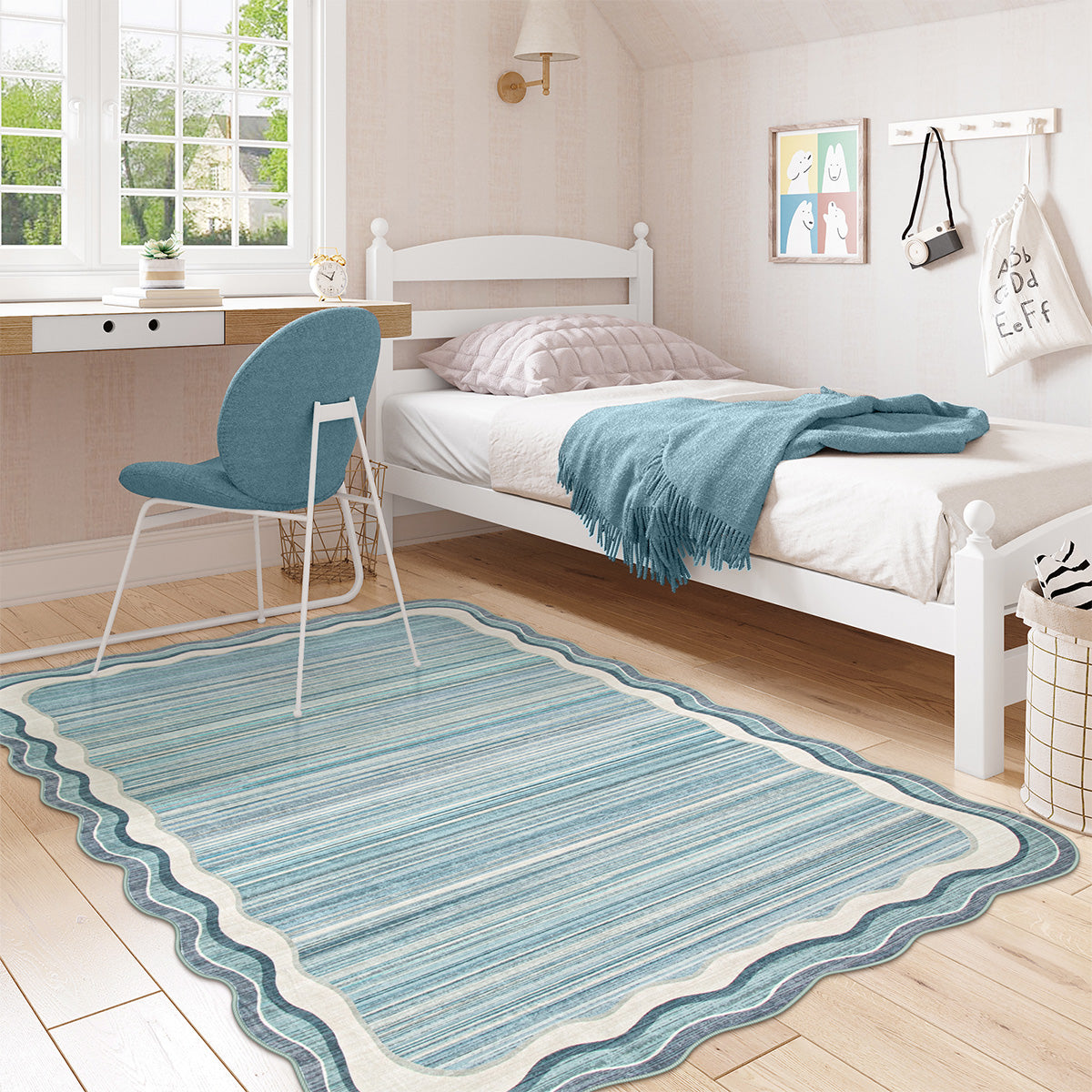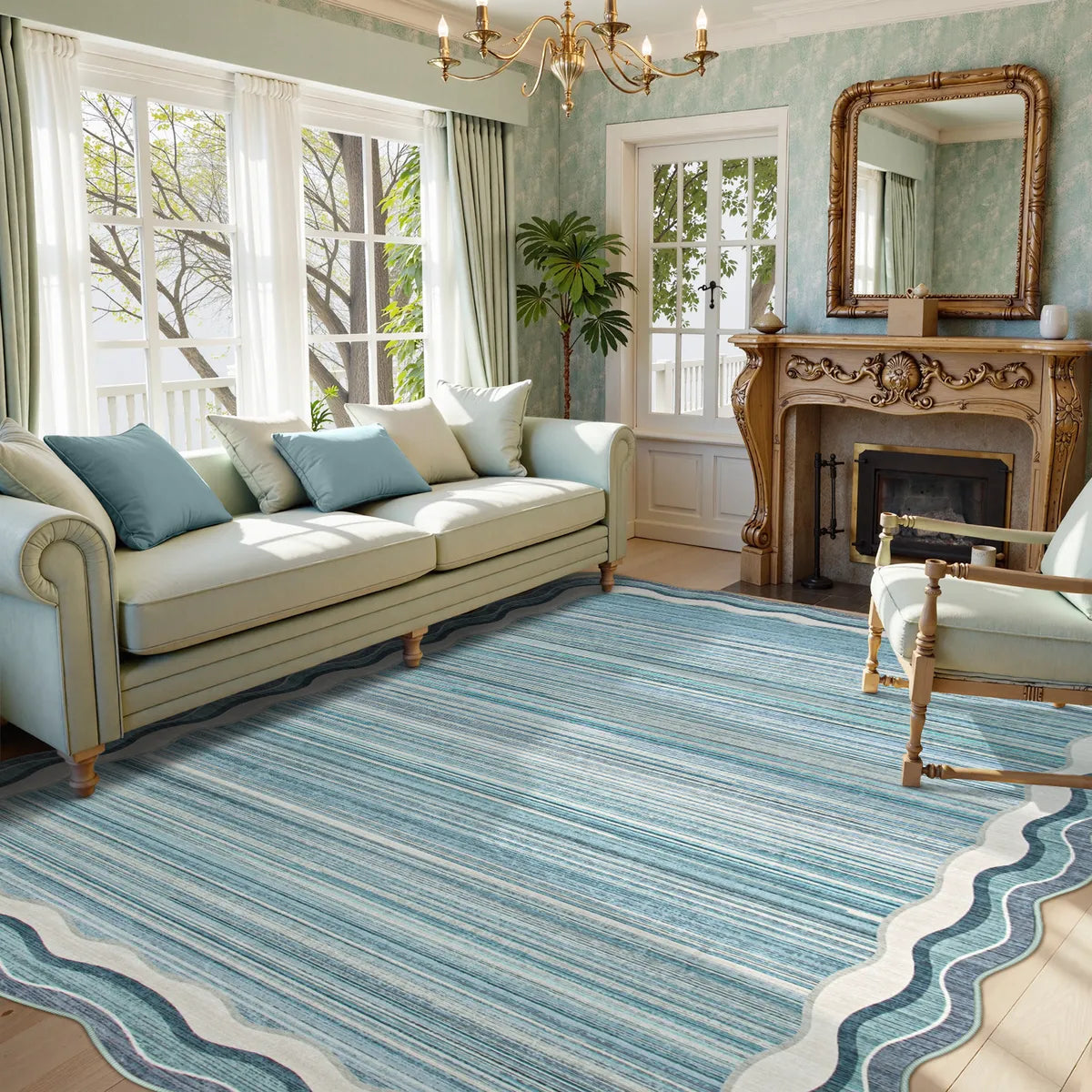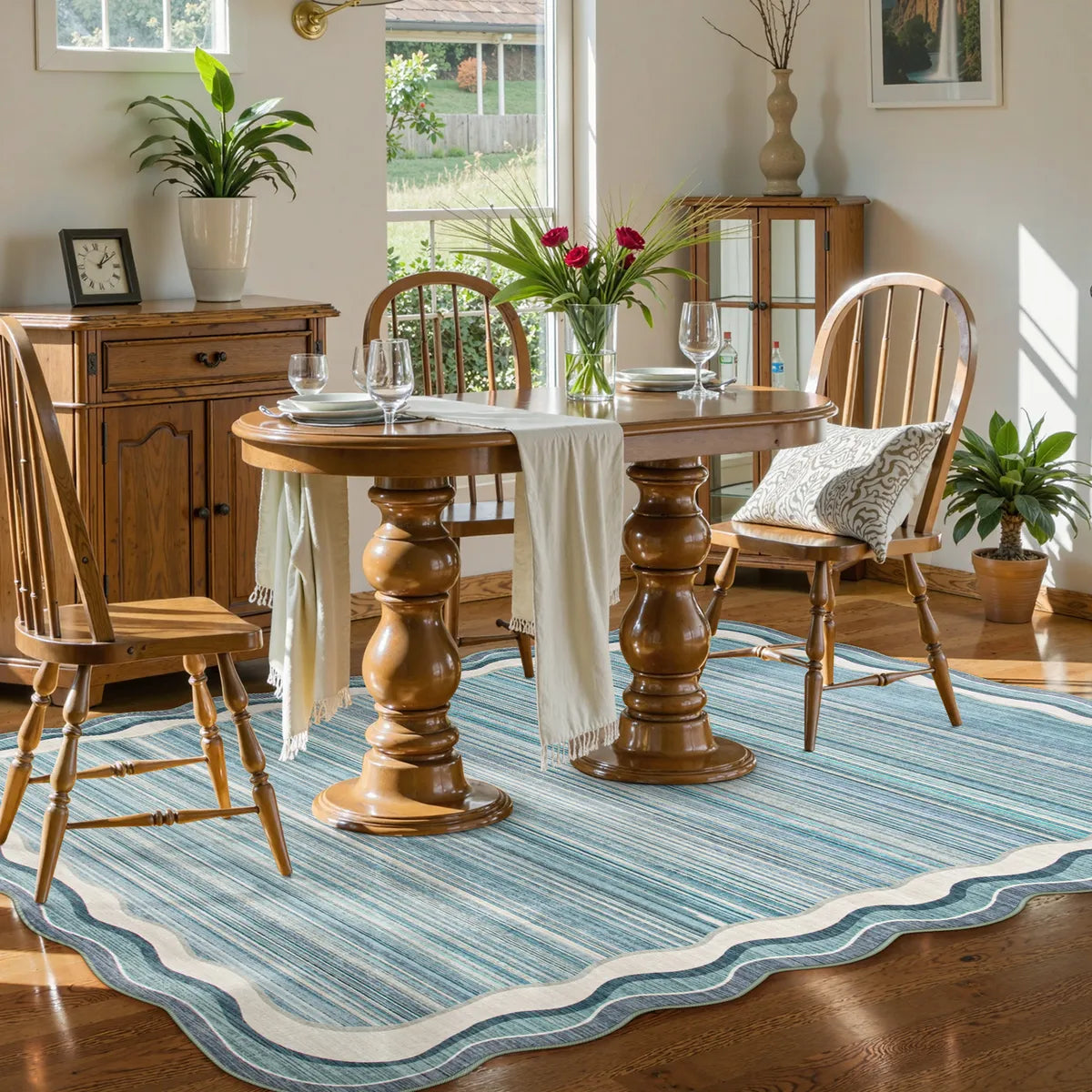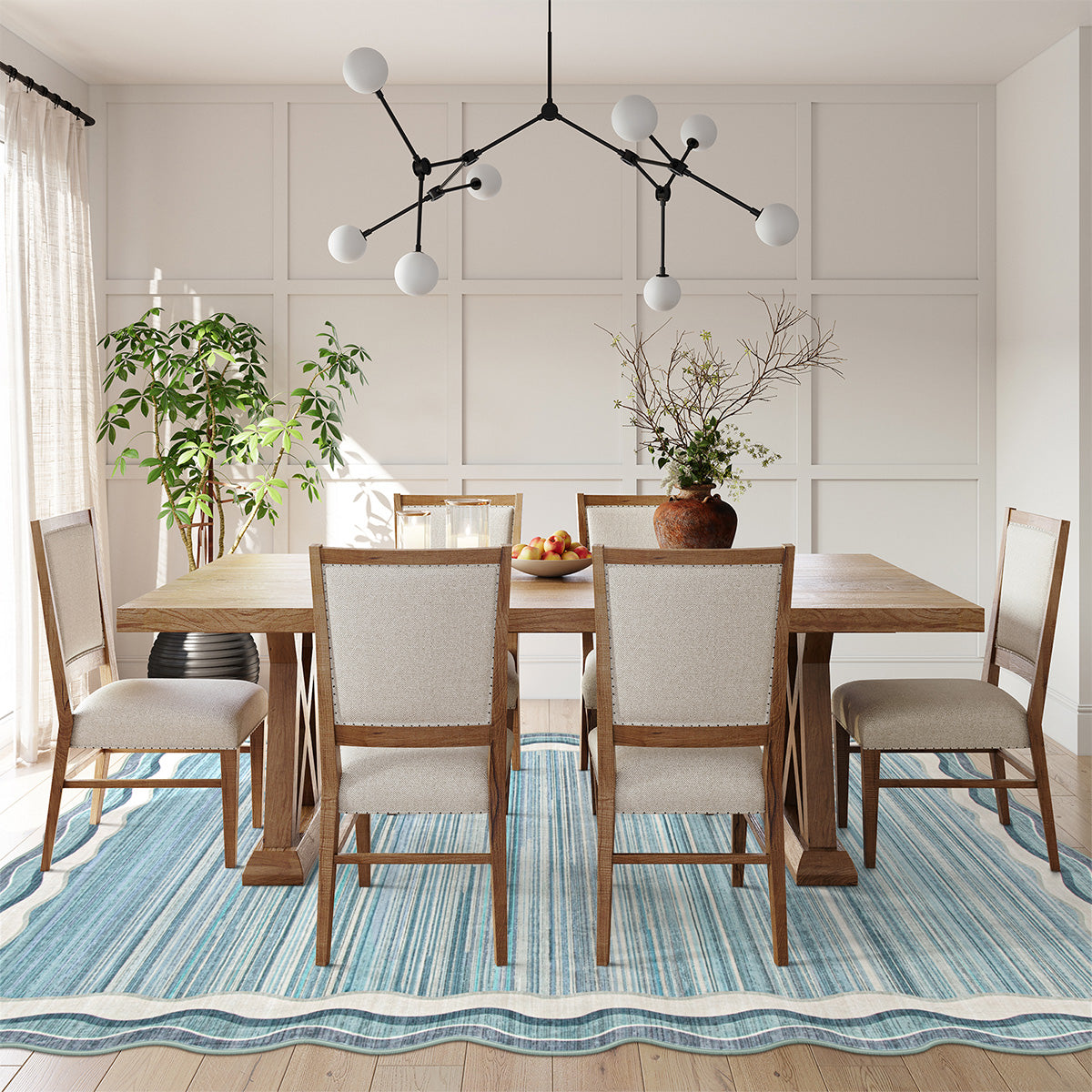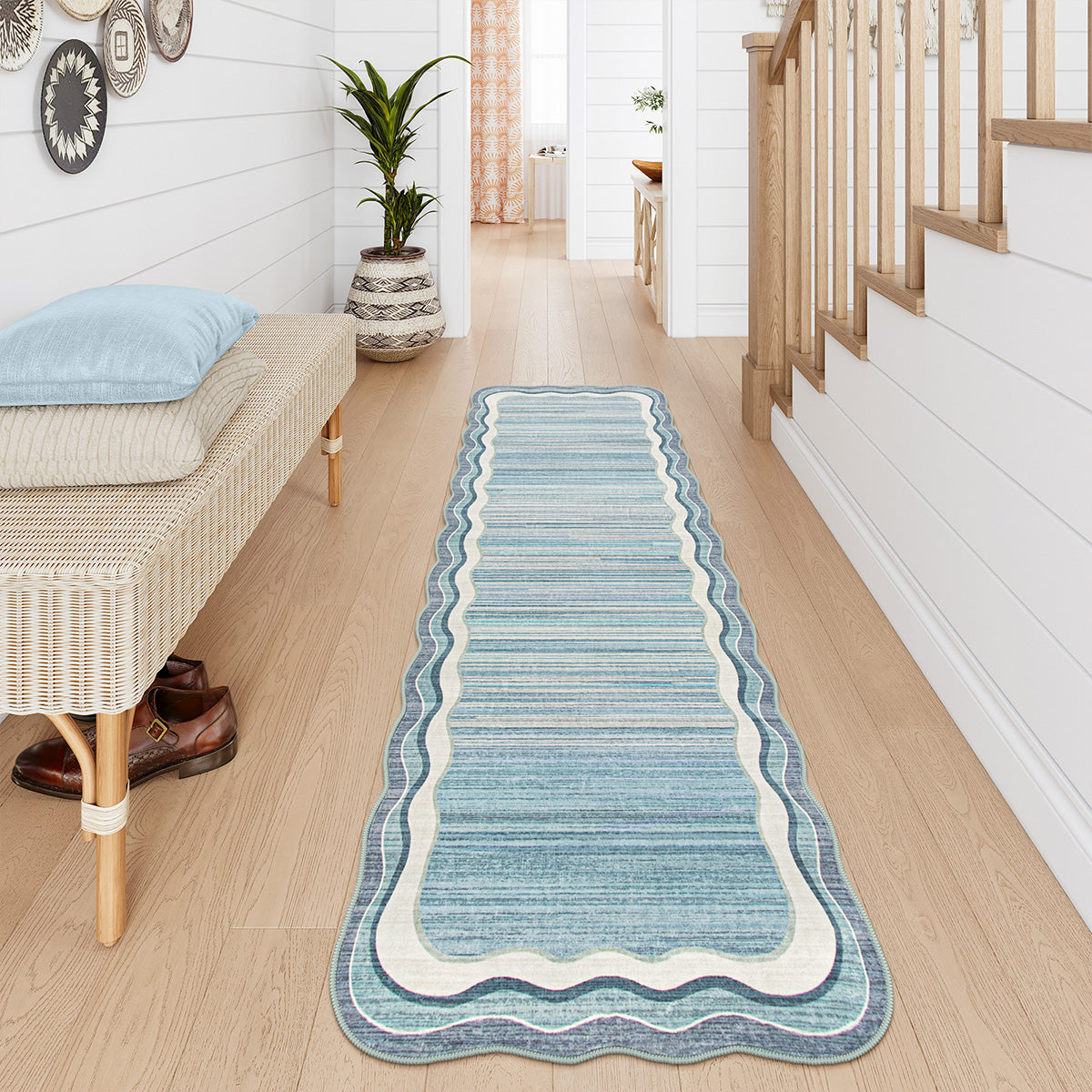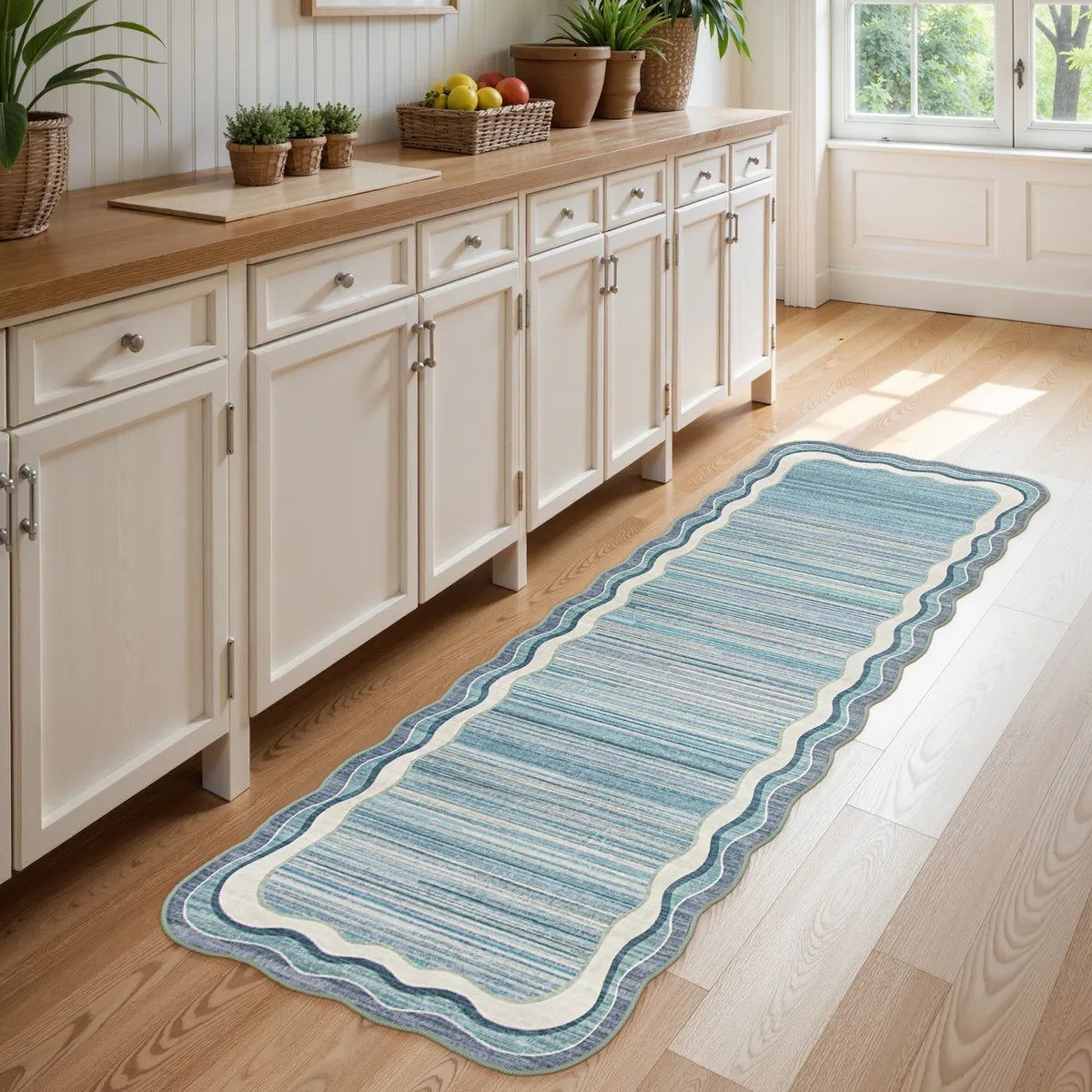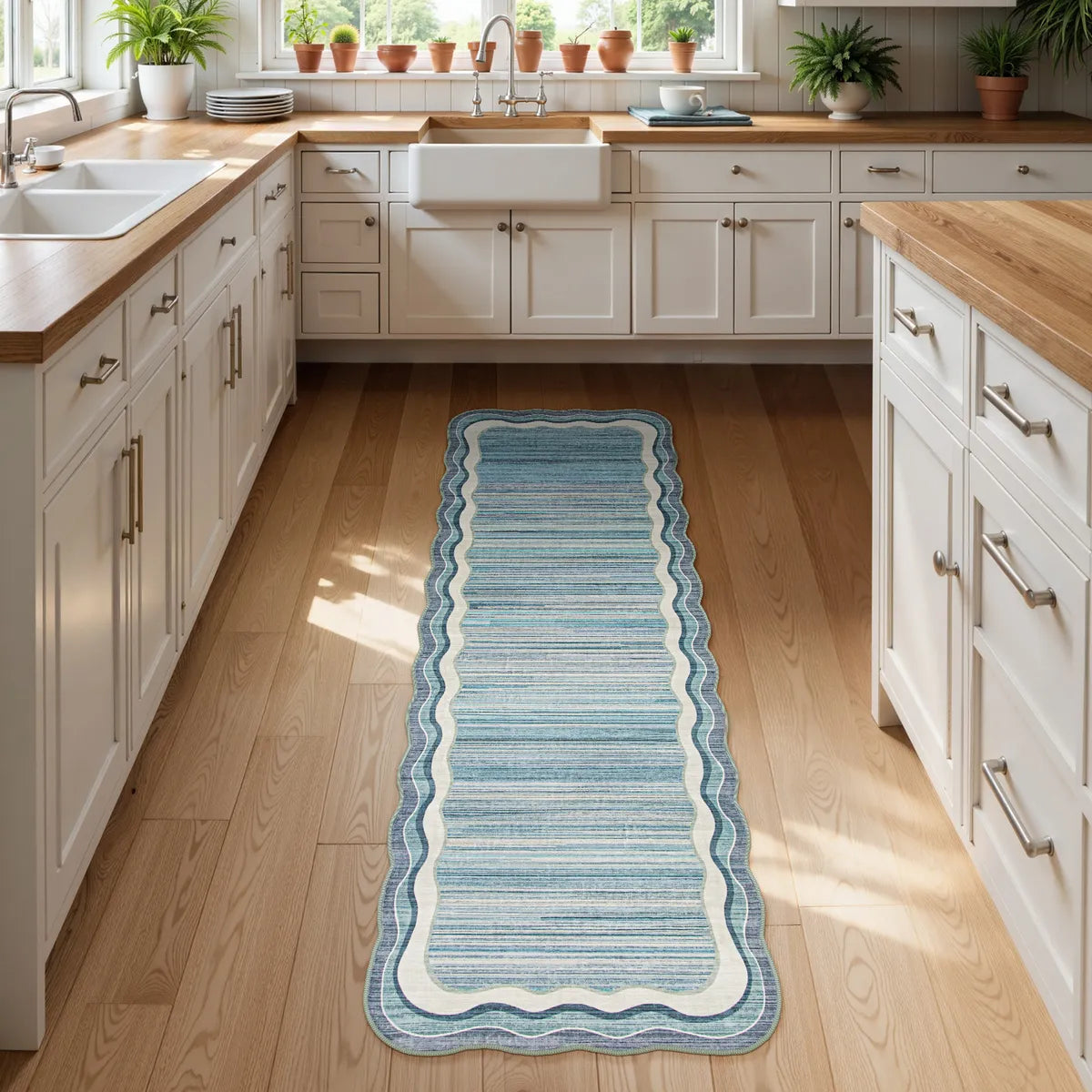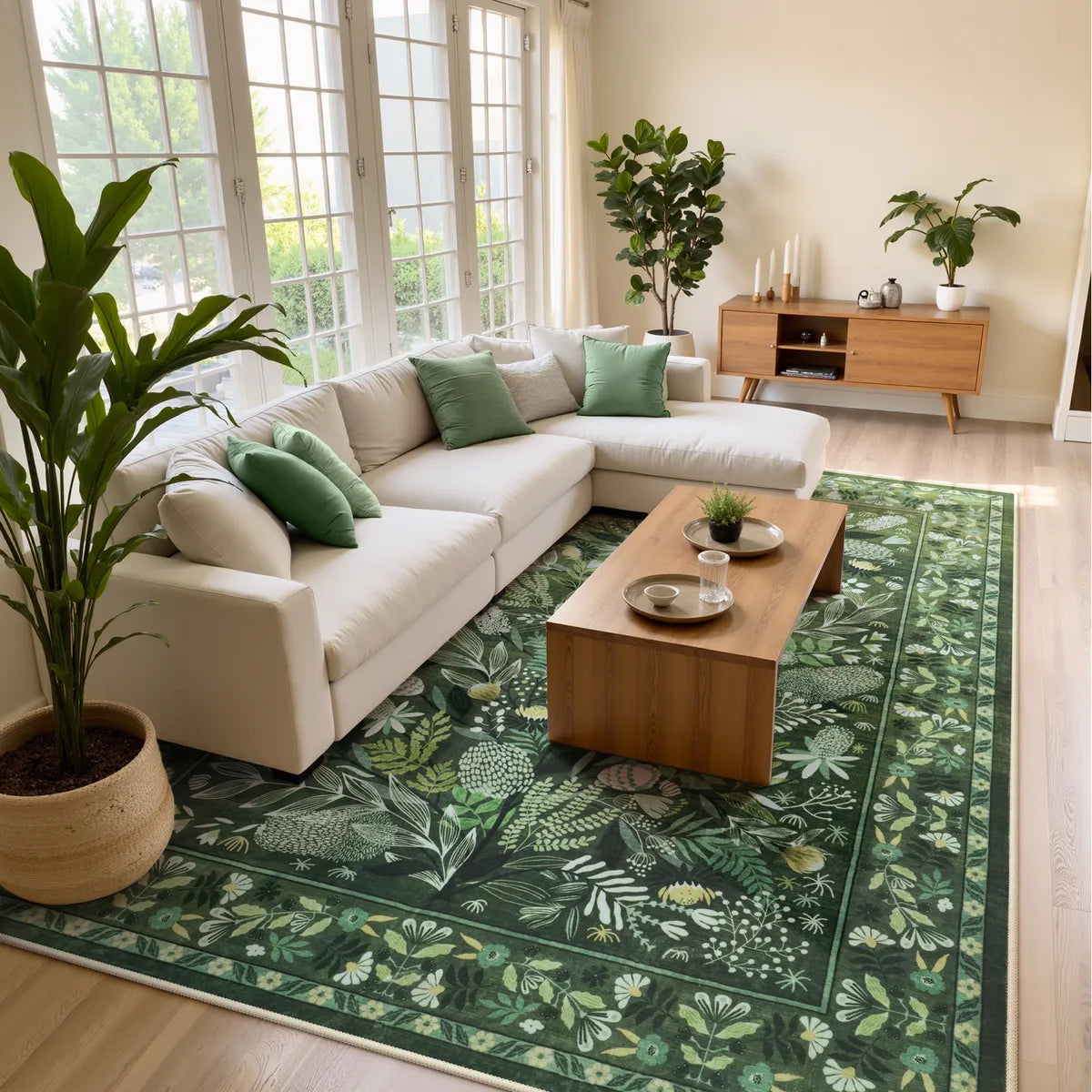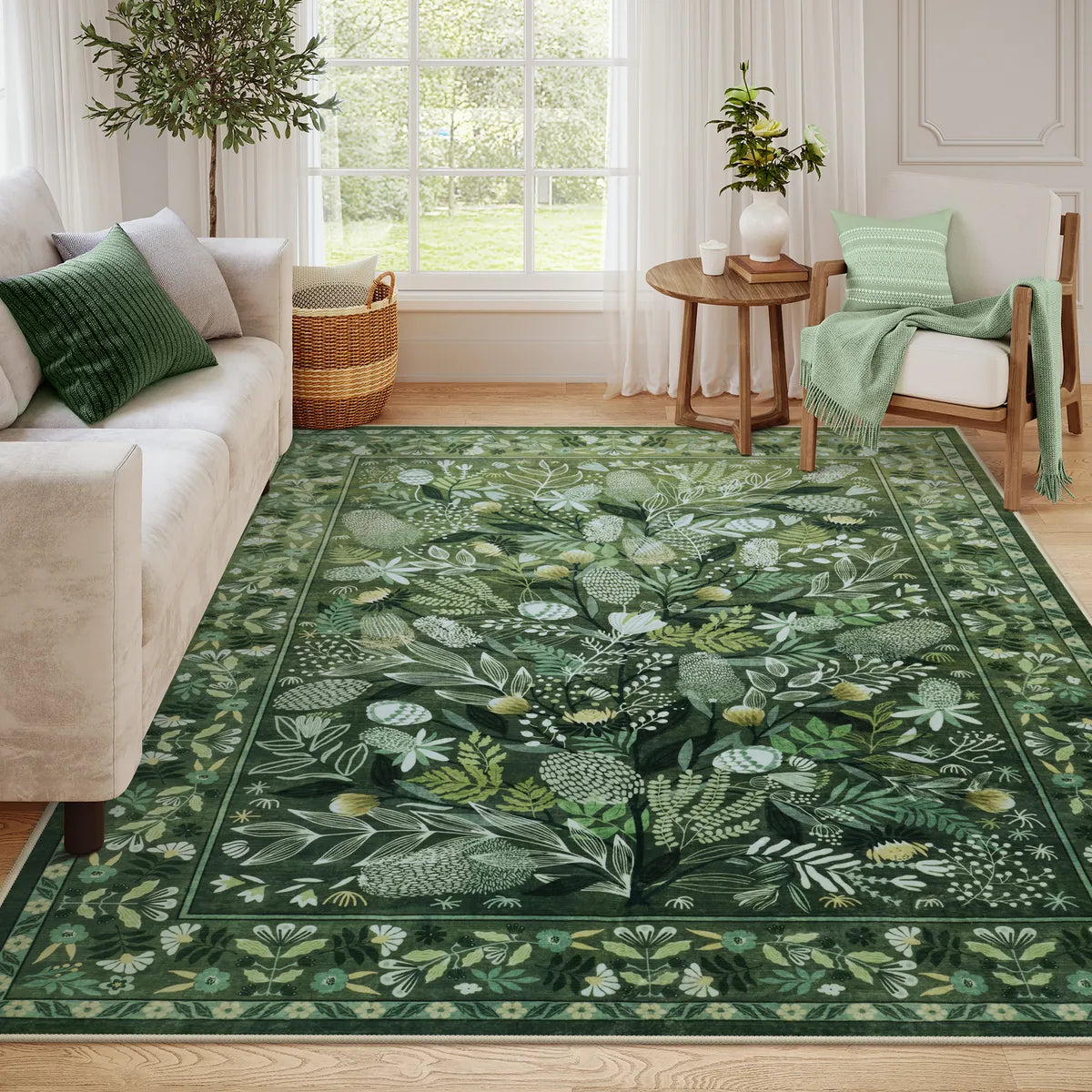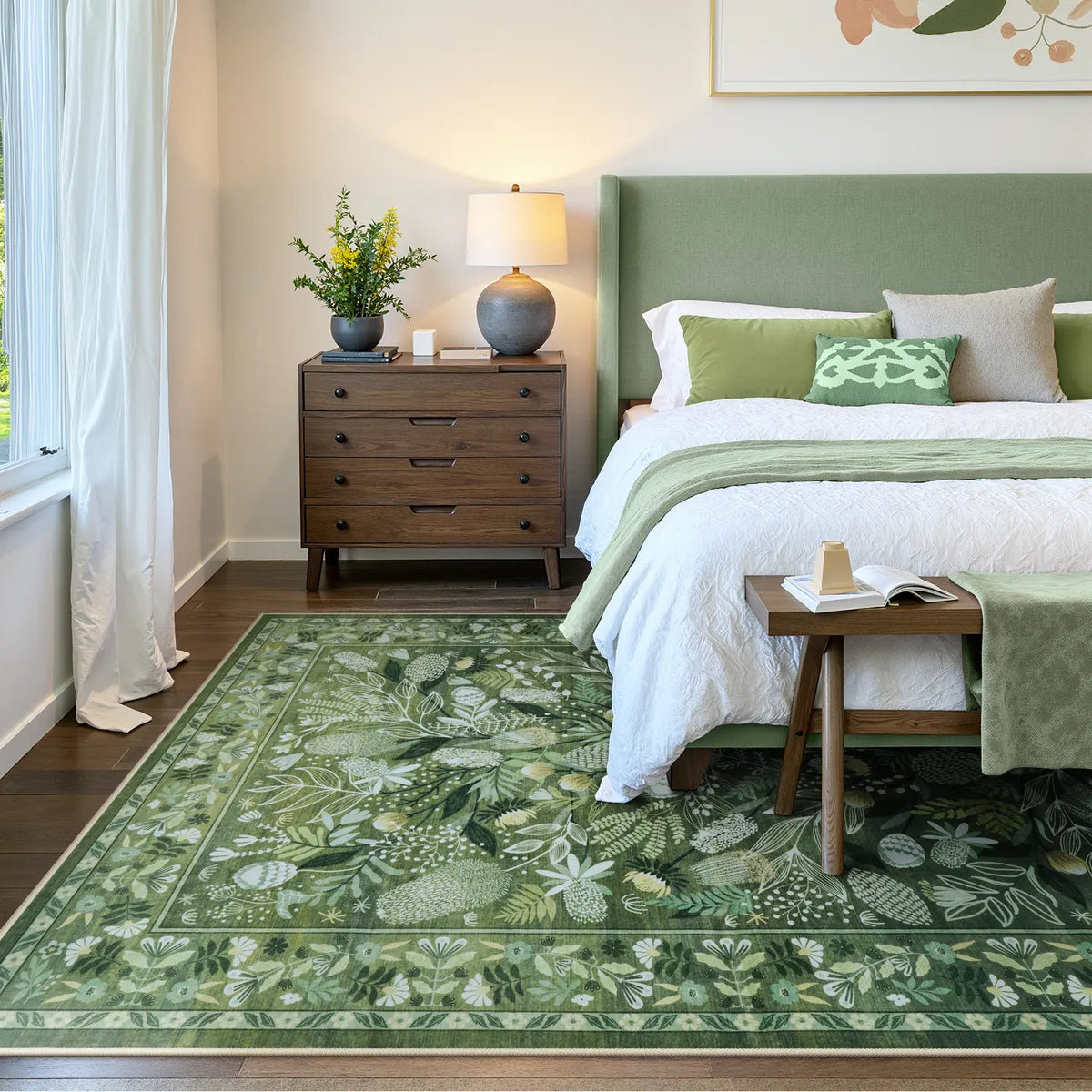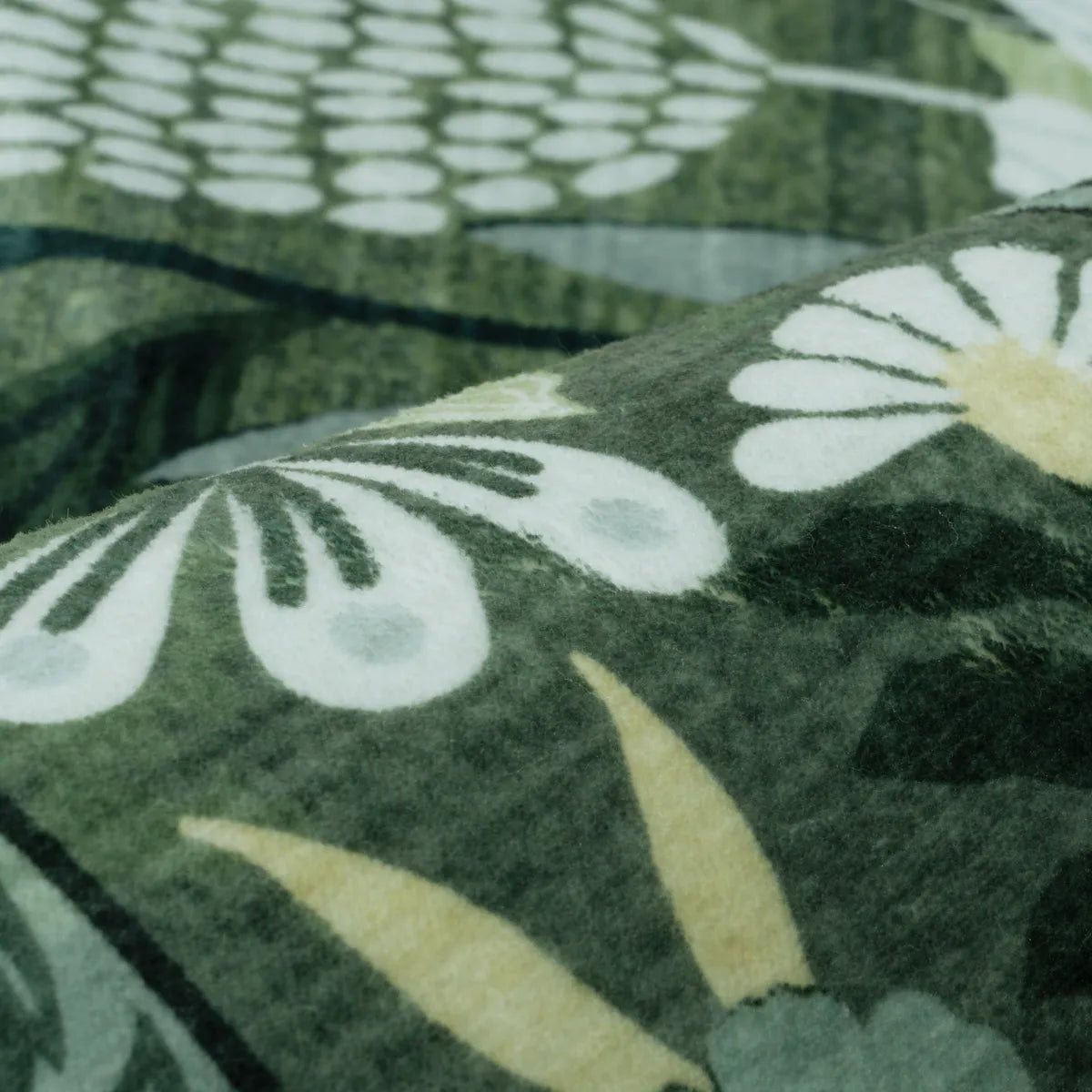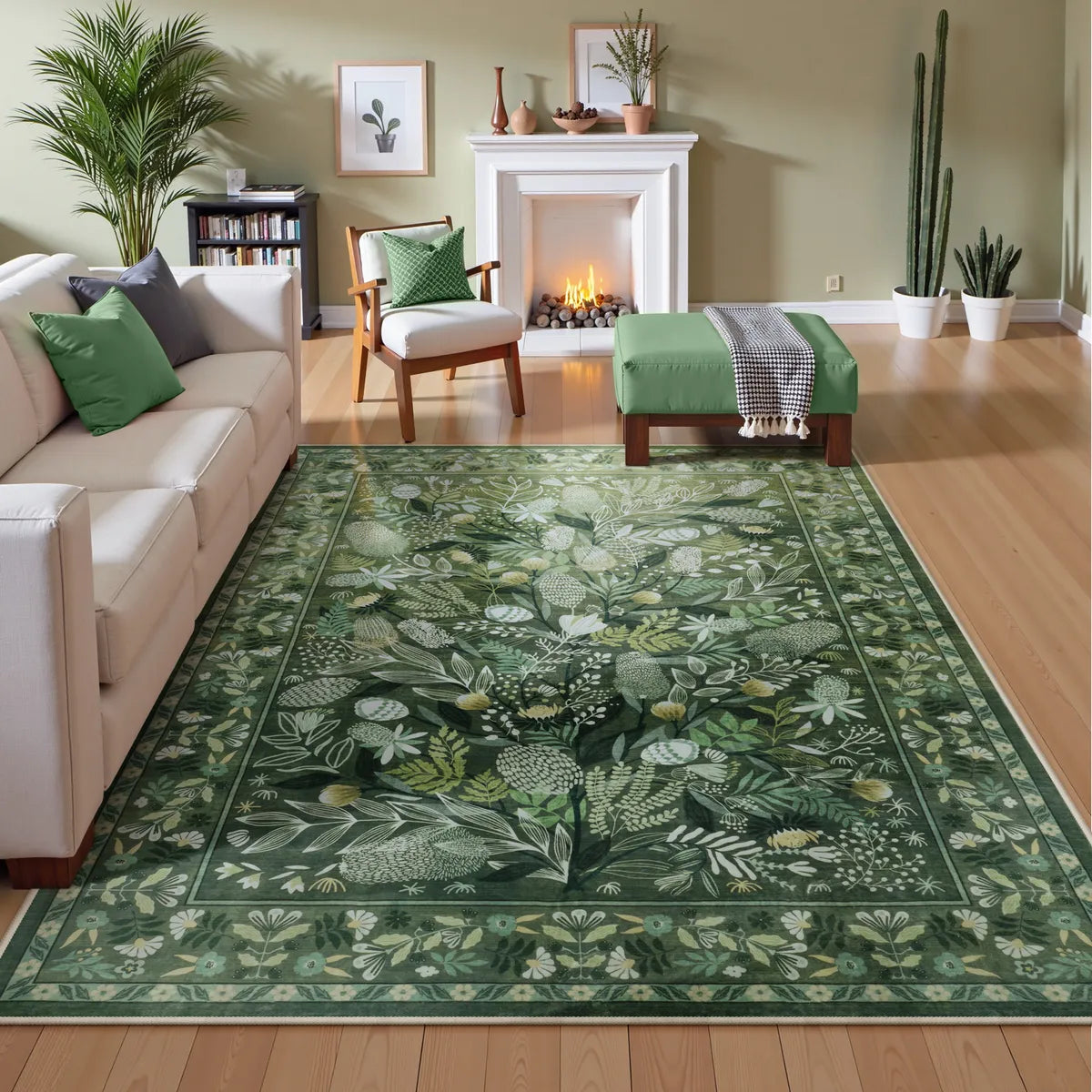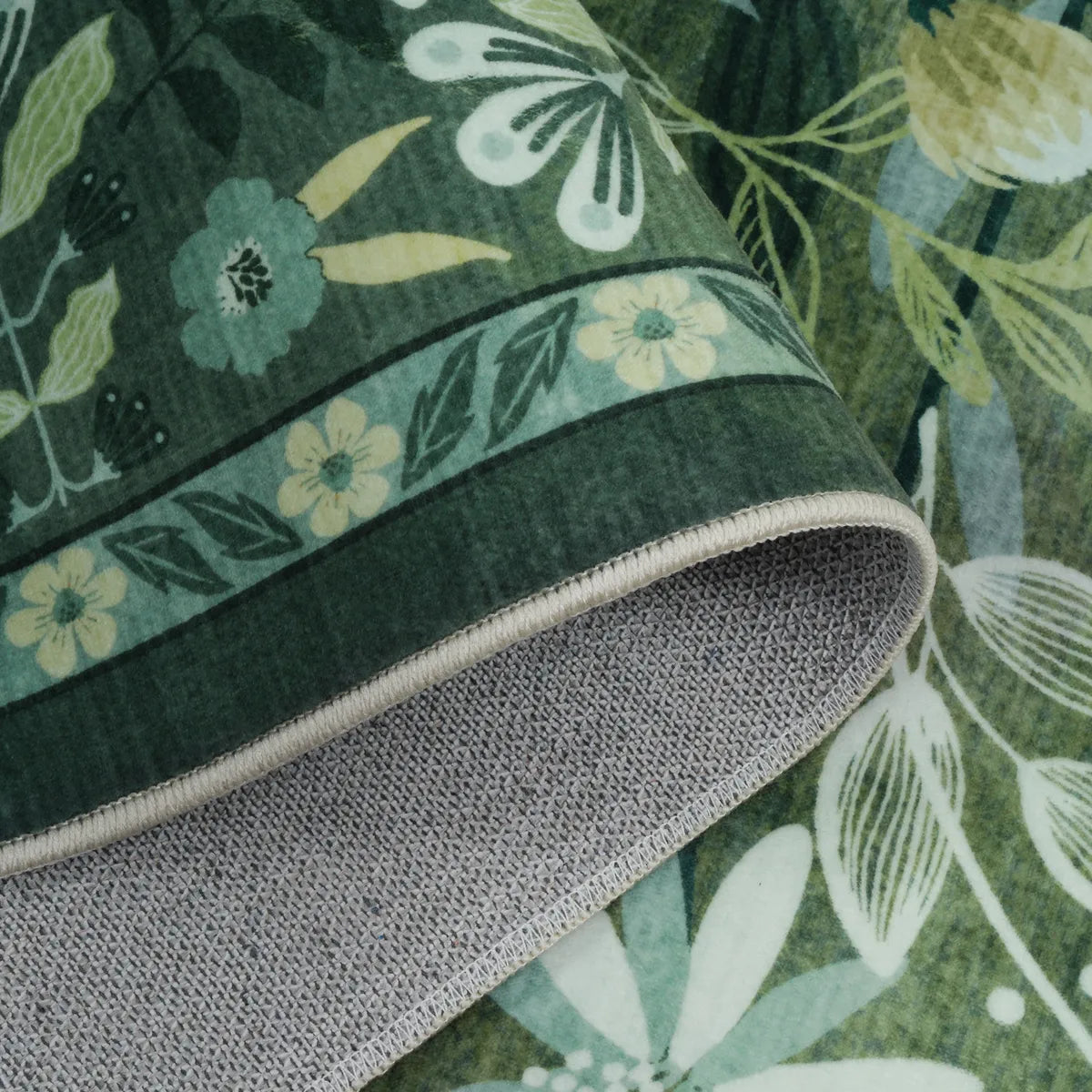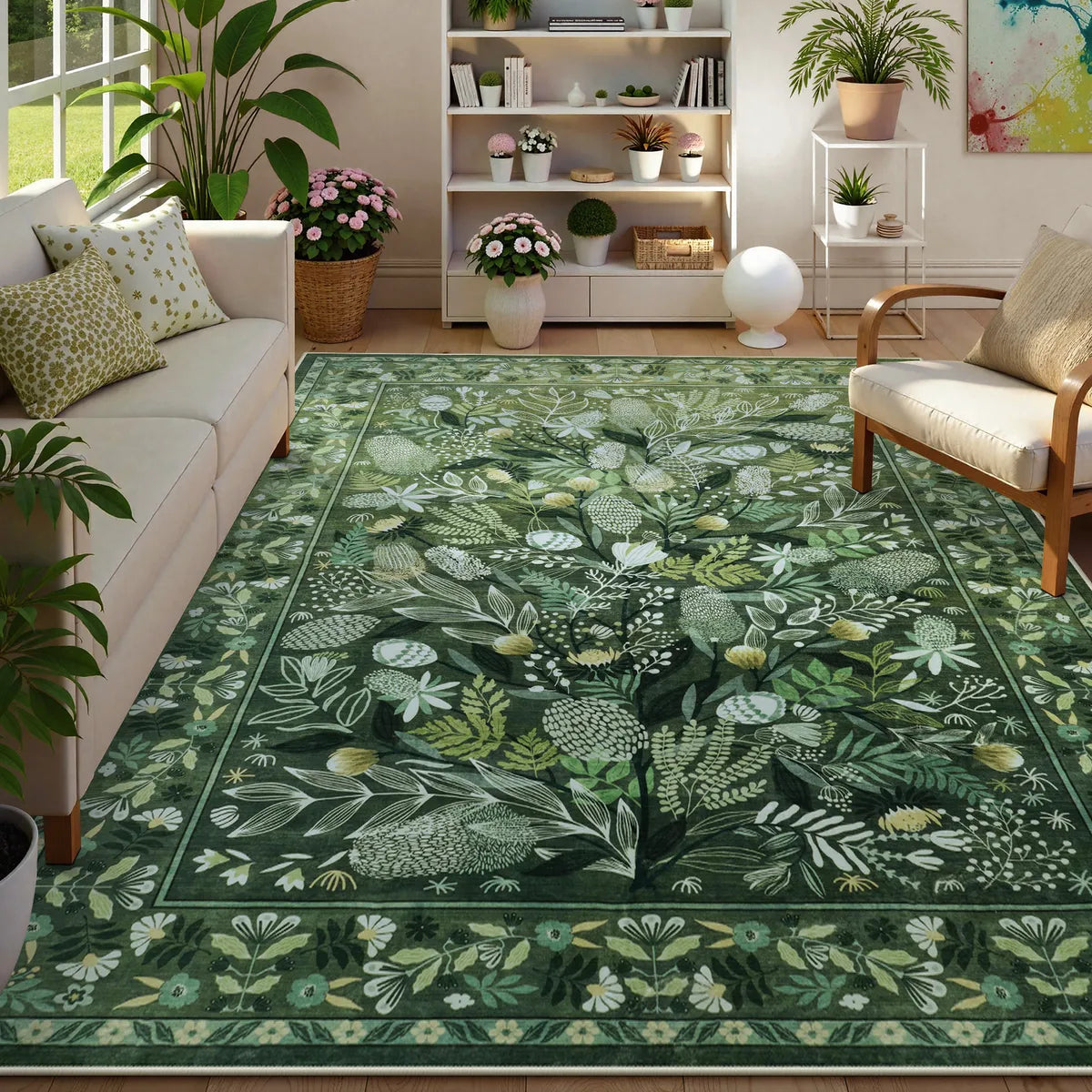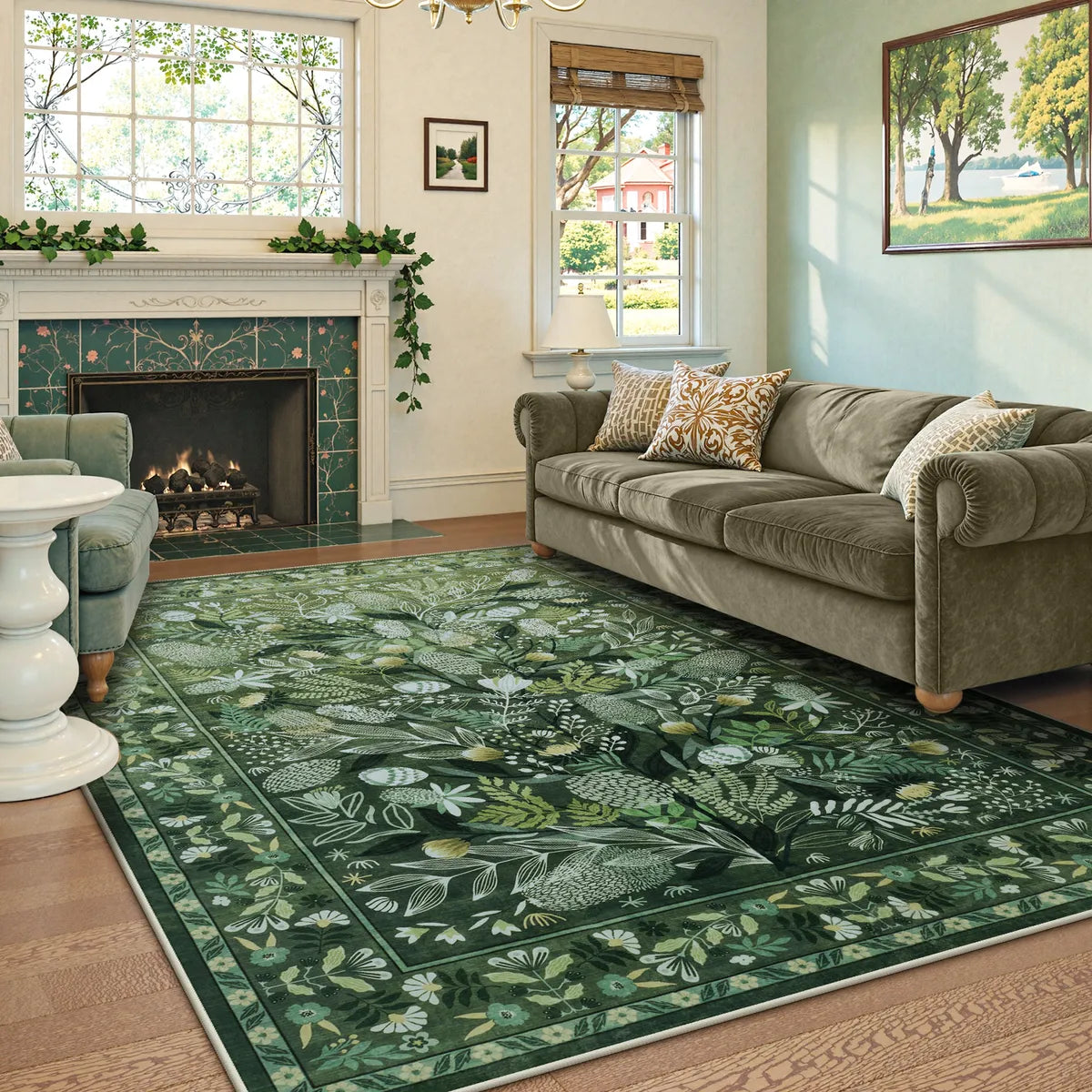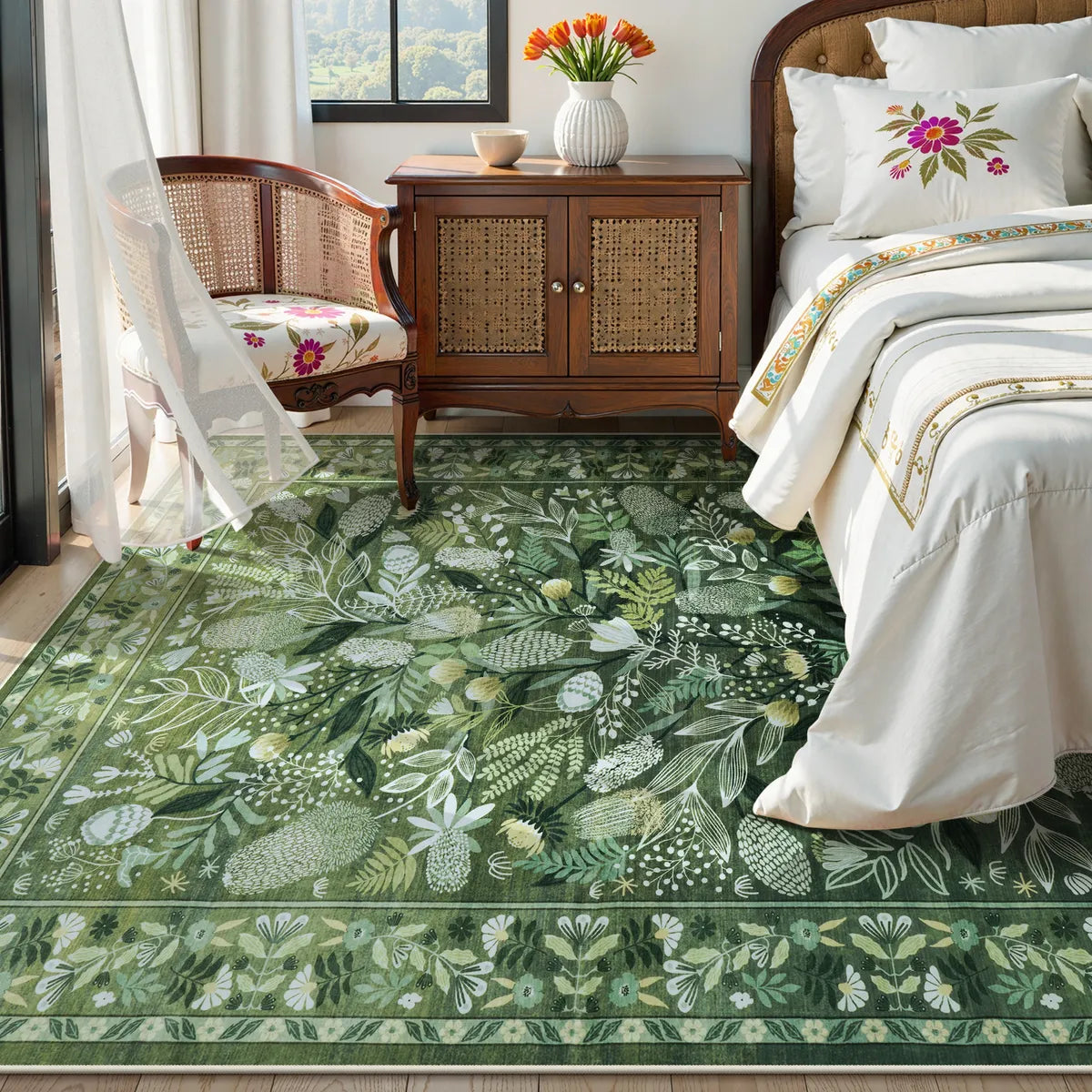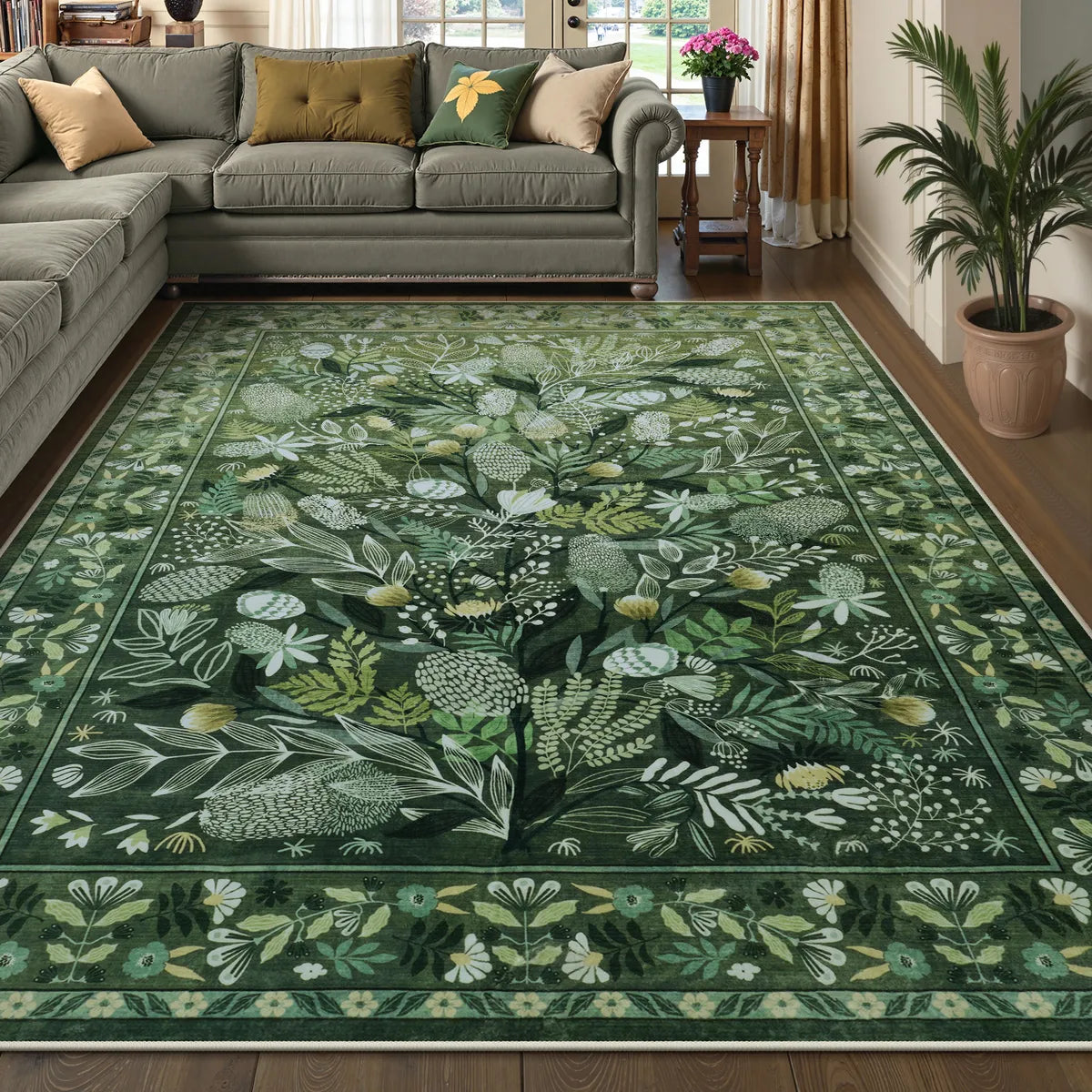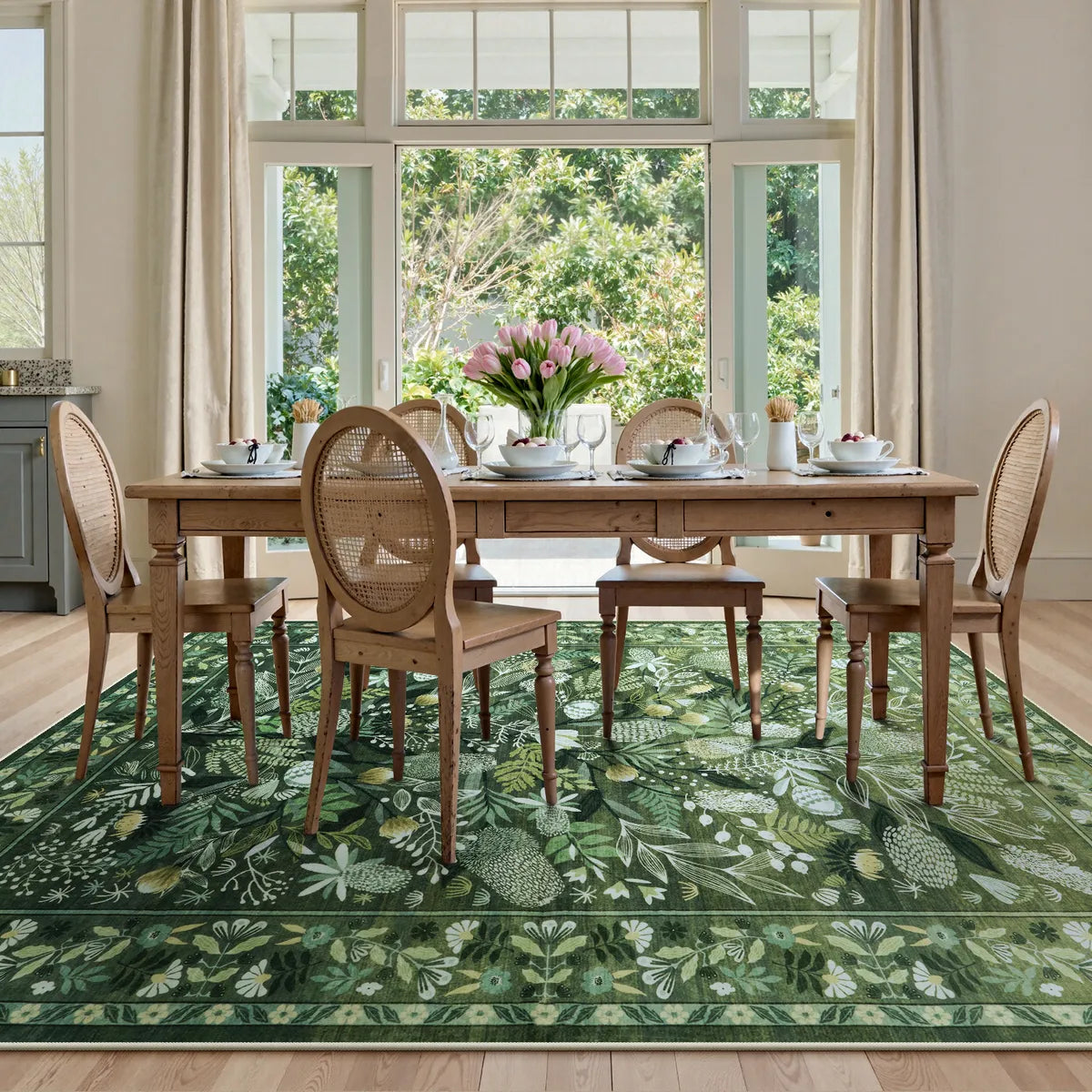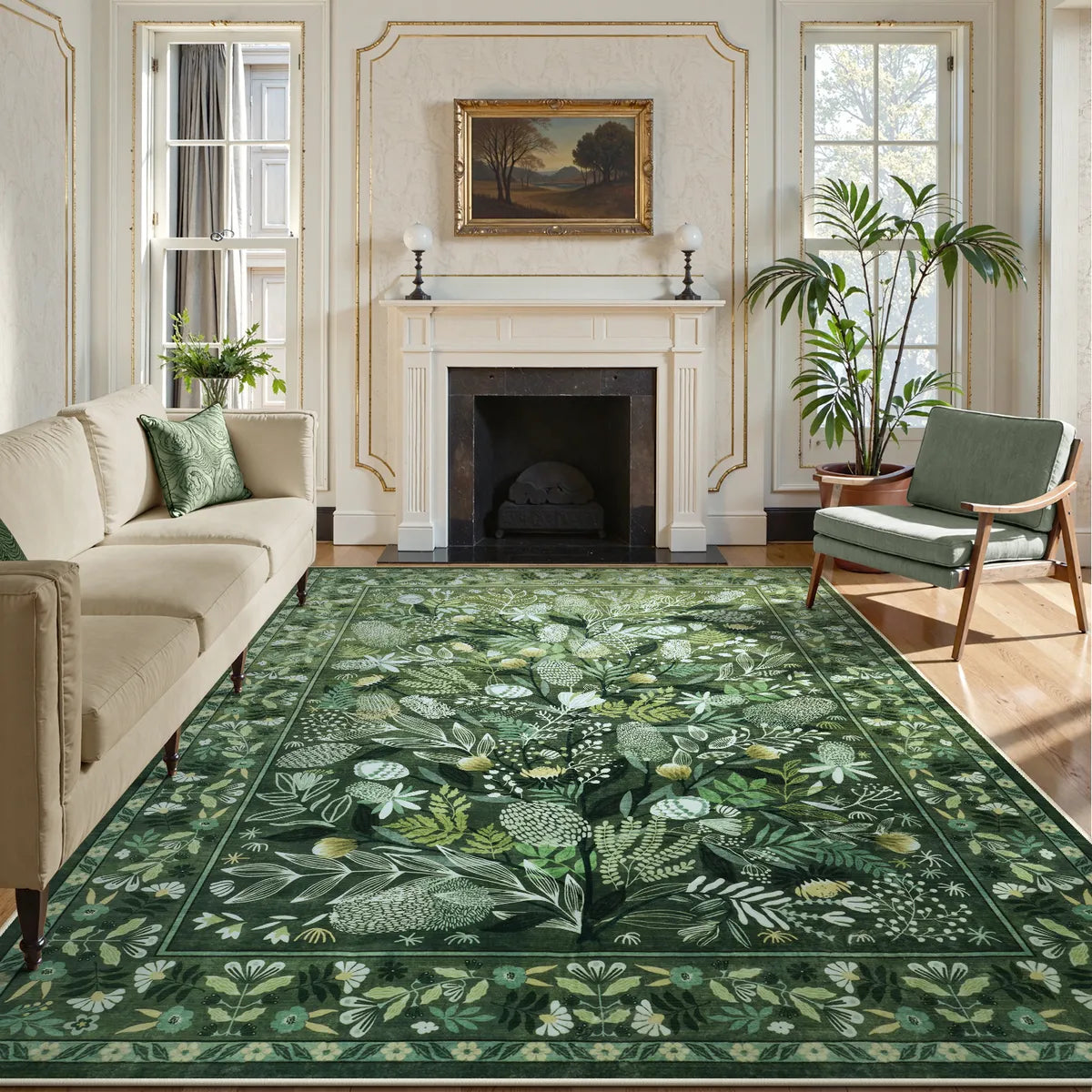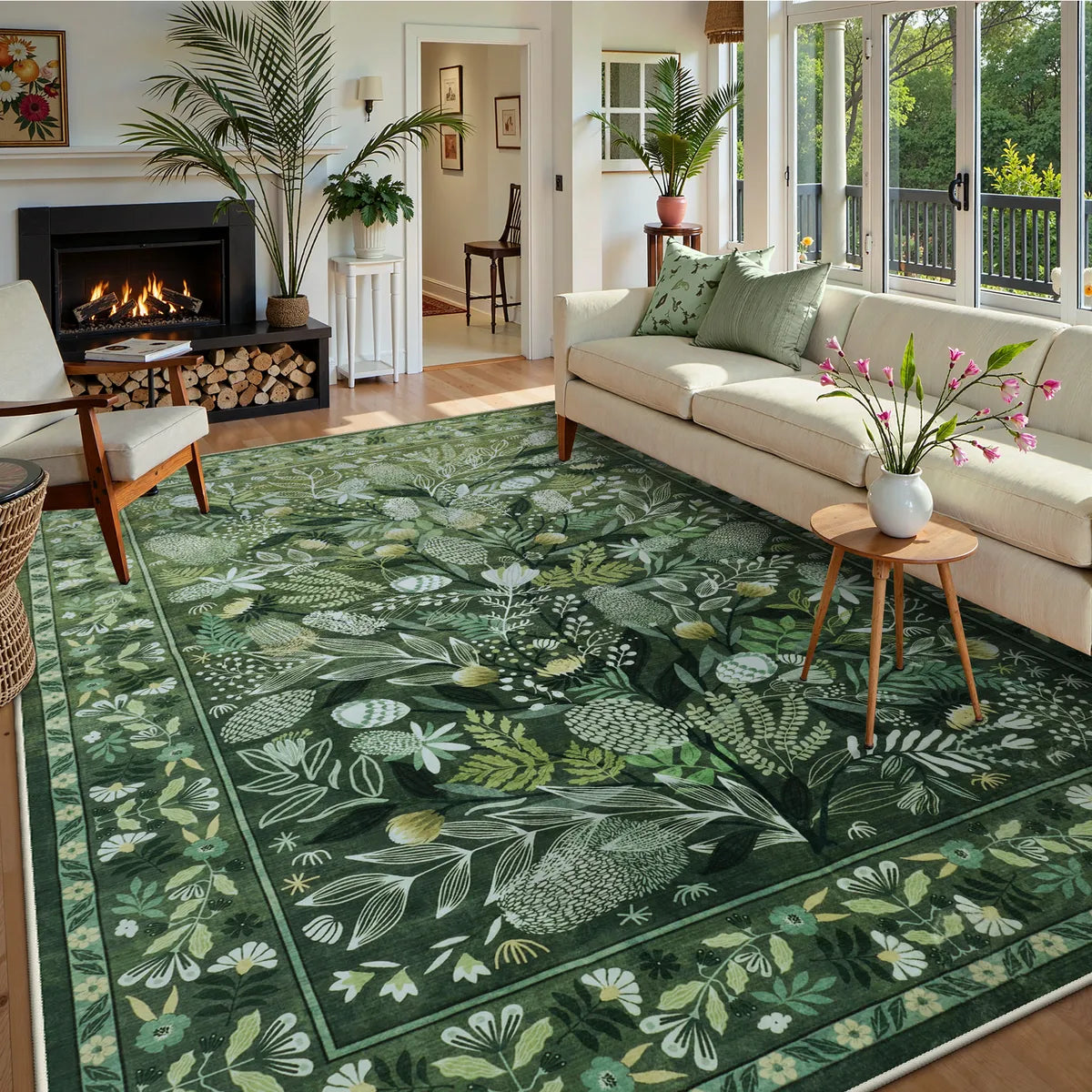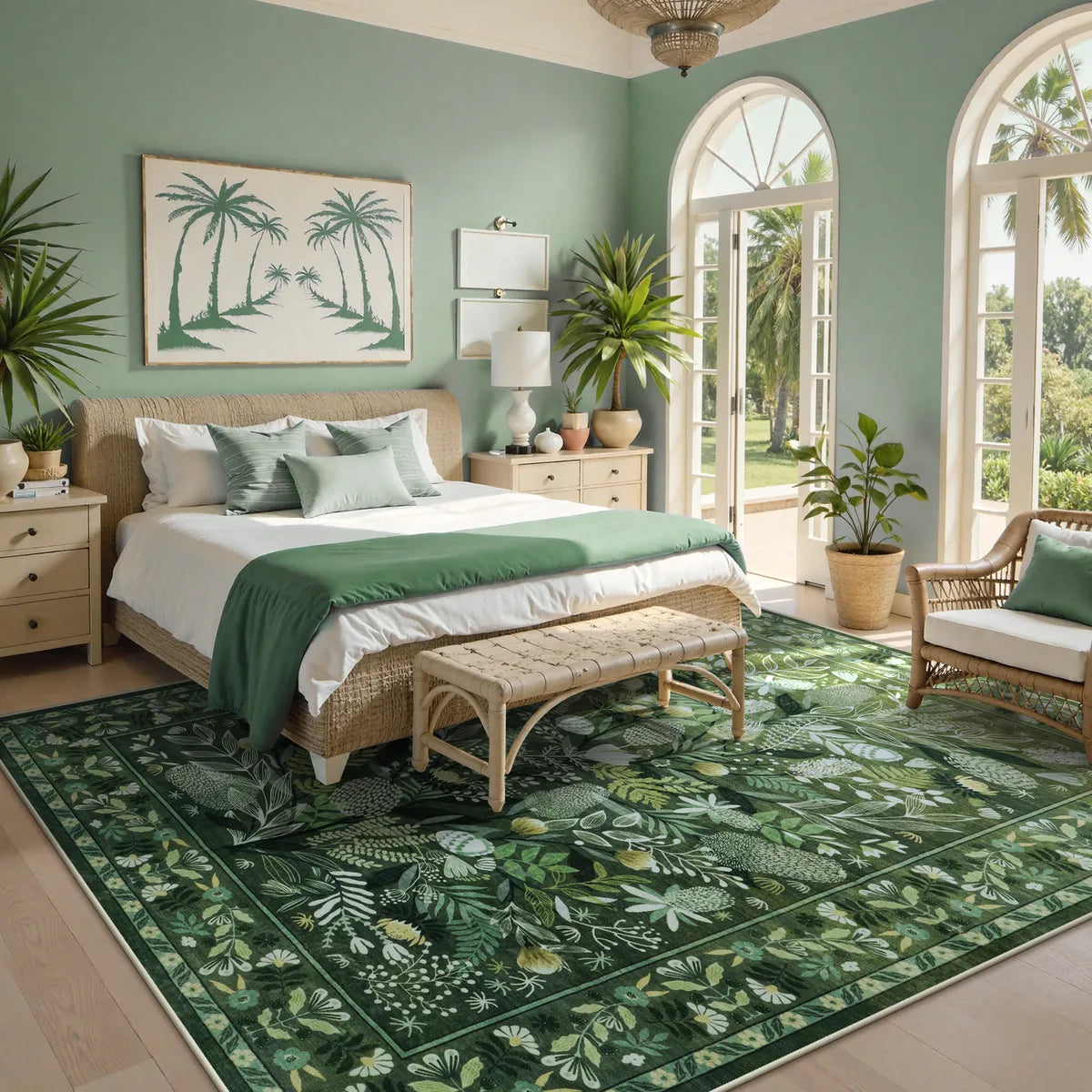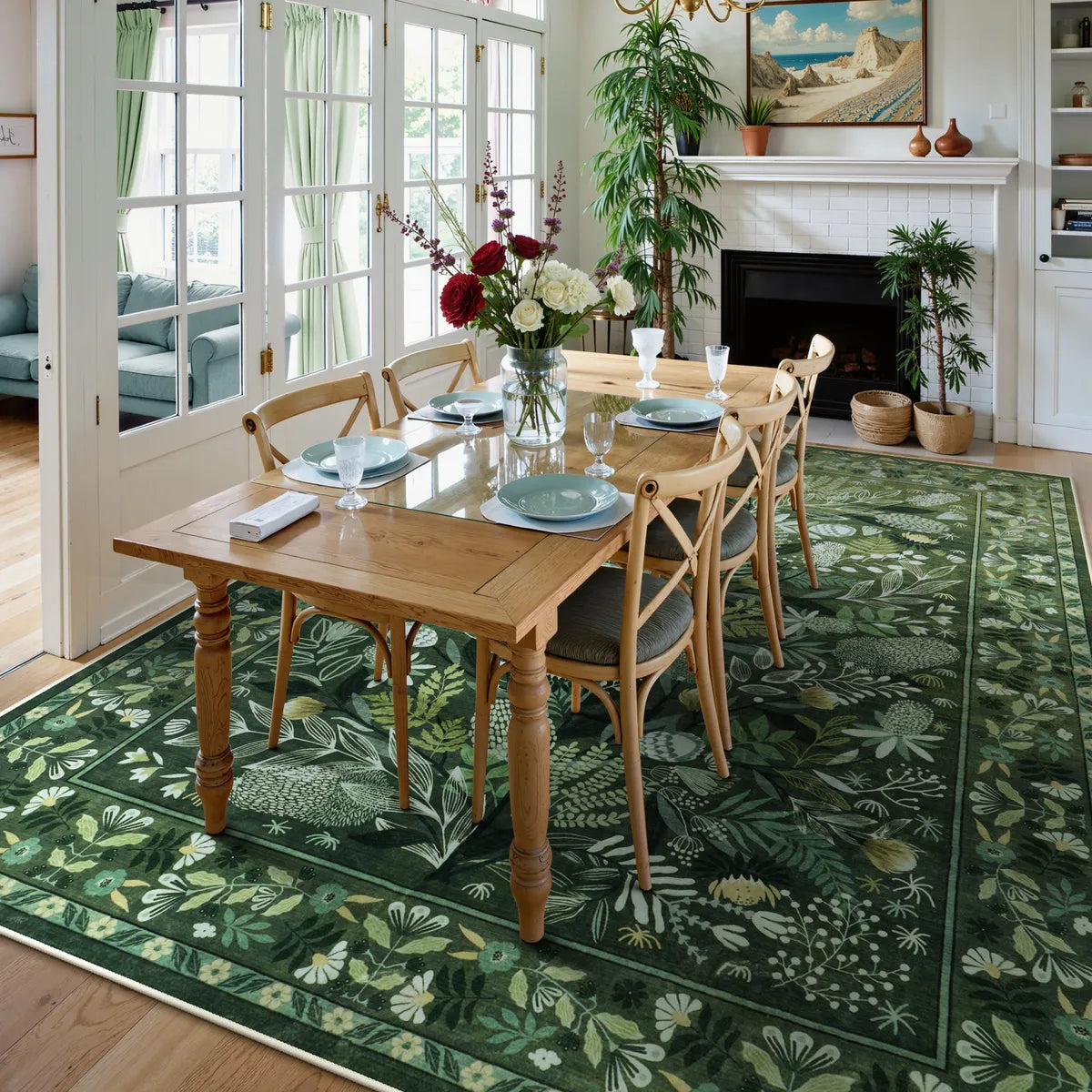


Ever bought a rug that looked beautiful online but didn't work once it was on your floor? In most cases, the rug isn't the problem—the color pairing is. Floor color plays a bigger role than many homeowners realize, influencing how bright, warm, or balanced a room feels. Whether you have light hardwood, dark wood, gray flooring, or natural wood floors, the right rug can create contrast, add warmth, and bring your entire space together. Here are simple guidelines designers use to match rugs with different floor colors and create a balanced home design.
How to Choose the Right Rug Color for Your Floor

Before choosing a rug, think about three things: your floor color, your room lighting, and the feeling you want to create. The same rug can look bright on dark hardwood but feel washed out on light oak. That's why choosing the right rug color starts with understanding your flooring before you shop for rugs.
1. Start With Your Floor's Undertone
Every floor has an underlying tone (warm, cool, or neutral) that affects how rug colors appear in your space. Understanding your floor's undertone makes it easier to choose a rug color that feels natural instead of mismatched.
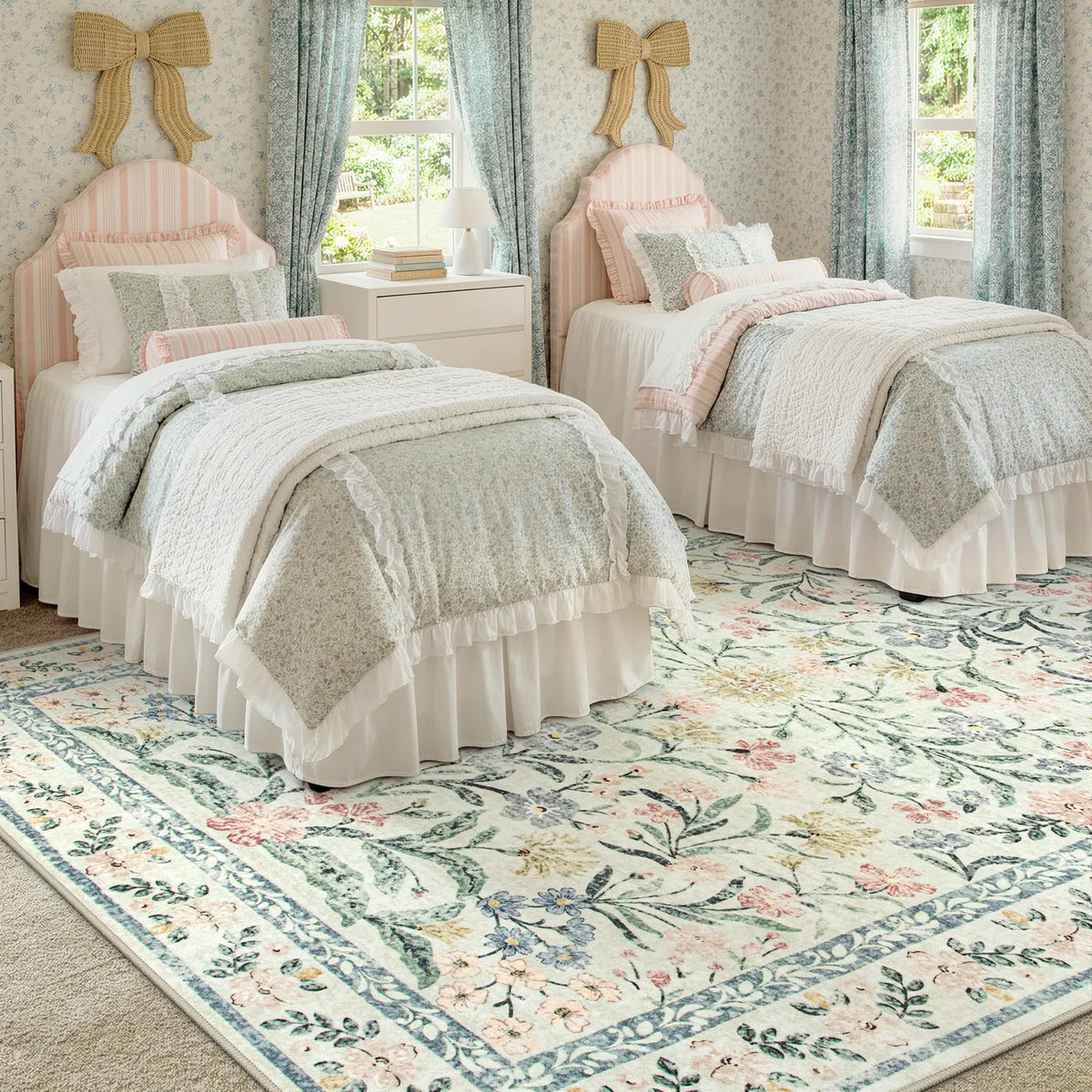
Warm-toned floors, such as honey oak or reddish wood, usually pair well with earthy and soft neutral rugs like beige, cream, and olive. Cool-toned floors, such as gray oak or ash wood, often work better with blues, greens, and other cooler shades. If your flooring has a neutral undertone, you have more flexibility and can choose based on your furniture, walls, and overall style.
2. Decide Between Contrast or Harmony
After understanding your floor's undertone, the next step is deciding whether you want your rug to stand out or blend naturally with the room.
Contrast Look
A contrasting rug creates more visual impact by adding a different color or depth to your space. For example, a light rug on dark hardwood floors can brighten the room, while a deep blue or green rug can add personality to lighter flooring.
Harmony Look
If you prefer a calm and cohesive look, choose a rug color that is close to your floor's overall tone. Similar shades create a softer transition and work especially well in minimalist, modern, or neutral interiors.
Think about the feeling you want your room to have:
- Want a brighter space? Choose lighter rugs against darker floors.
- Want more depth? Add darker or richer rug colors.
- Want a relaxed look? Choose colors with similar undertones.
3. Consider Room Size and Natural Light
The same rug color can look completely different depending on your room size and lighting. Before choosing a rug, consider how much natural light your space receives and how large the room feels.
Light-colored rugs can make smaller rooms feel more open and airy, especially in spaces with limited sunlight. Darker rugs can add warmth and coziness to large rooms but may make small spaces feel more enclosed.
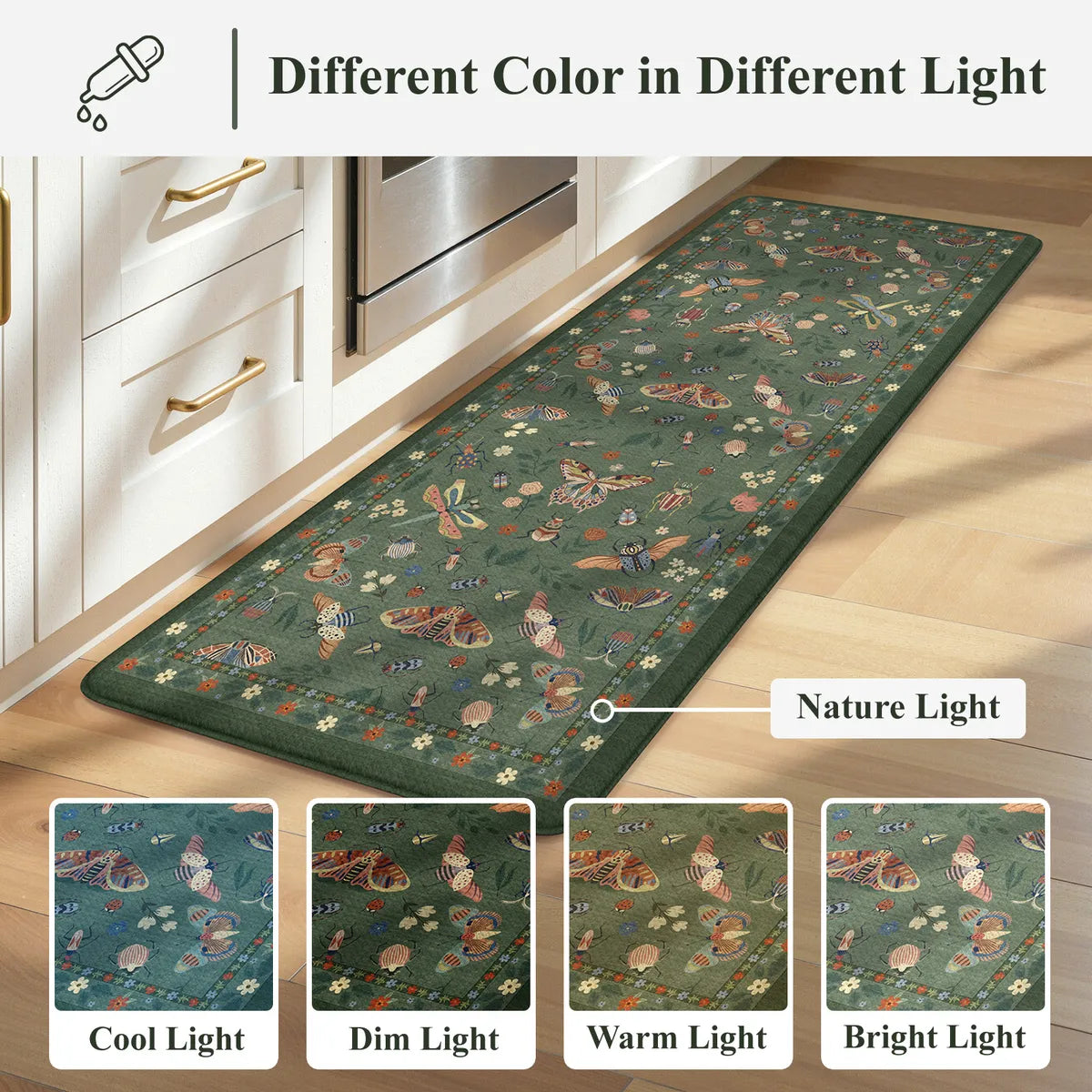
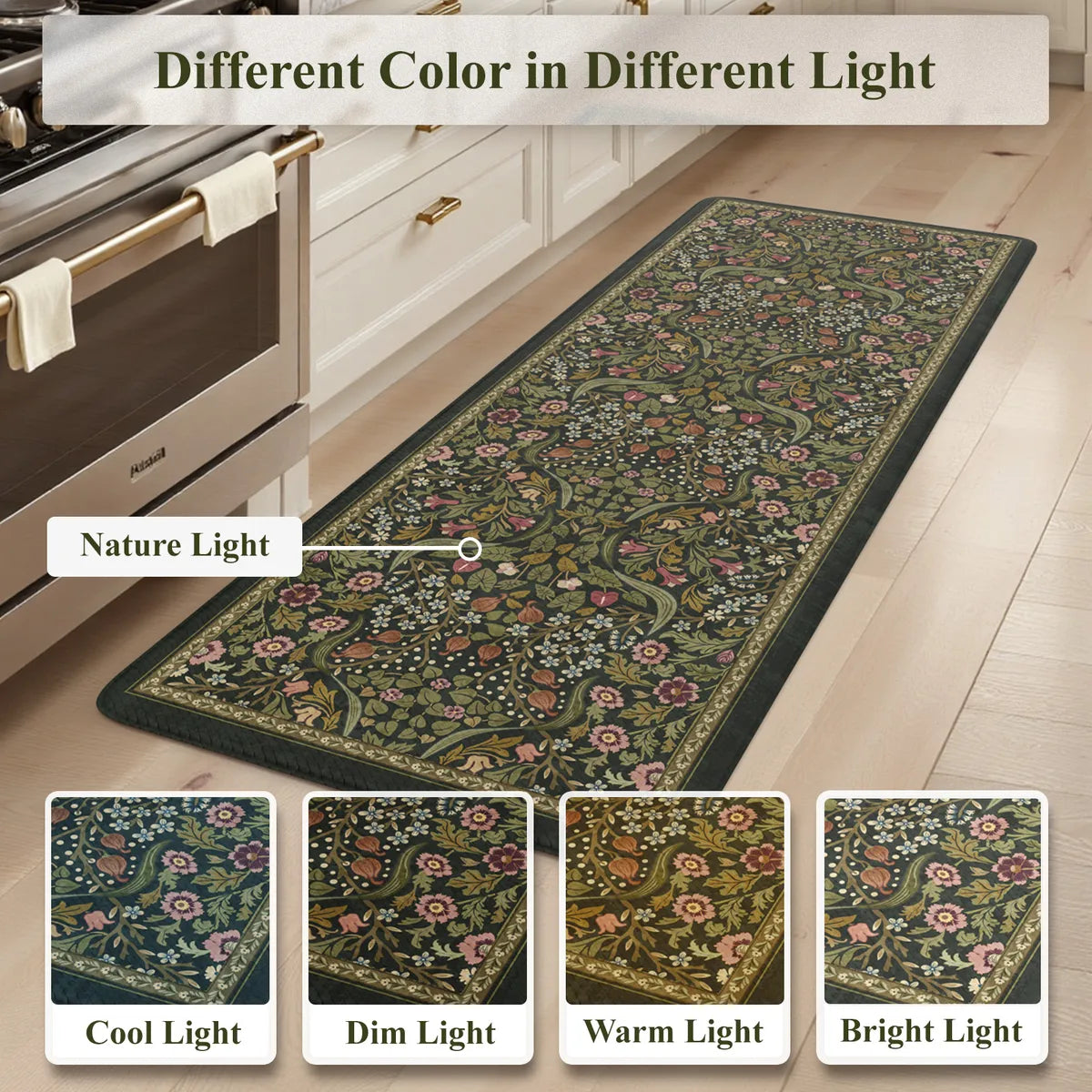
Natural light also changes how colors appear throughout the day. A beige rug may look warmer in afternoon sunlight, while gray or blue rugs may feel cooler in rooms with less direct light.
Before choosing a final color, always consider:
- The amount of natural light your room receives
- The size of the space
- Existing furniture and wall colors
- The mood you want to create
Best Rug Colors for Different Floor Colors
Once you understand how floor colors affect rug choices, it becomes easier to find combinations that feel natural and intentional. Whether you want a cozy, high-contrast look or a soft, layered feel, the right rug color can completely change the atmosphere of your space.
Rugs for Light Wood Floors
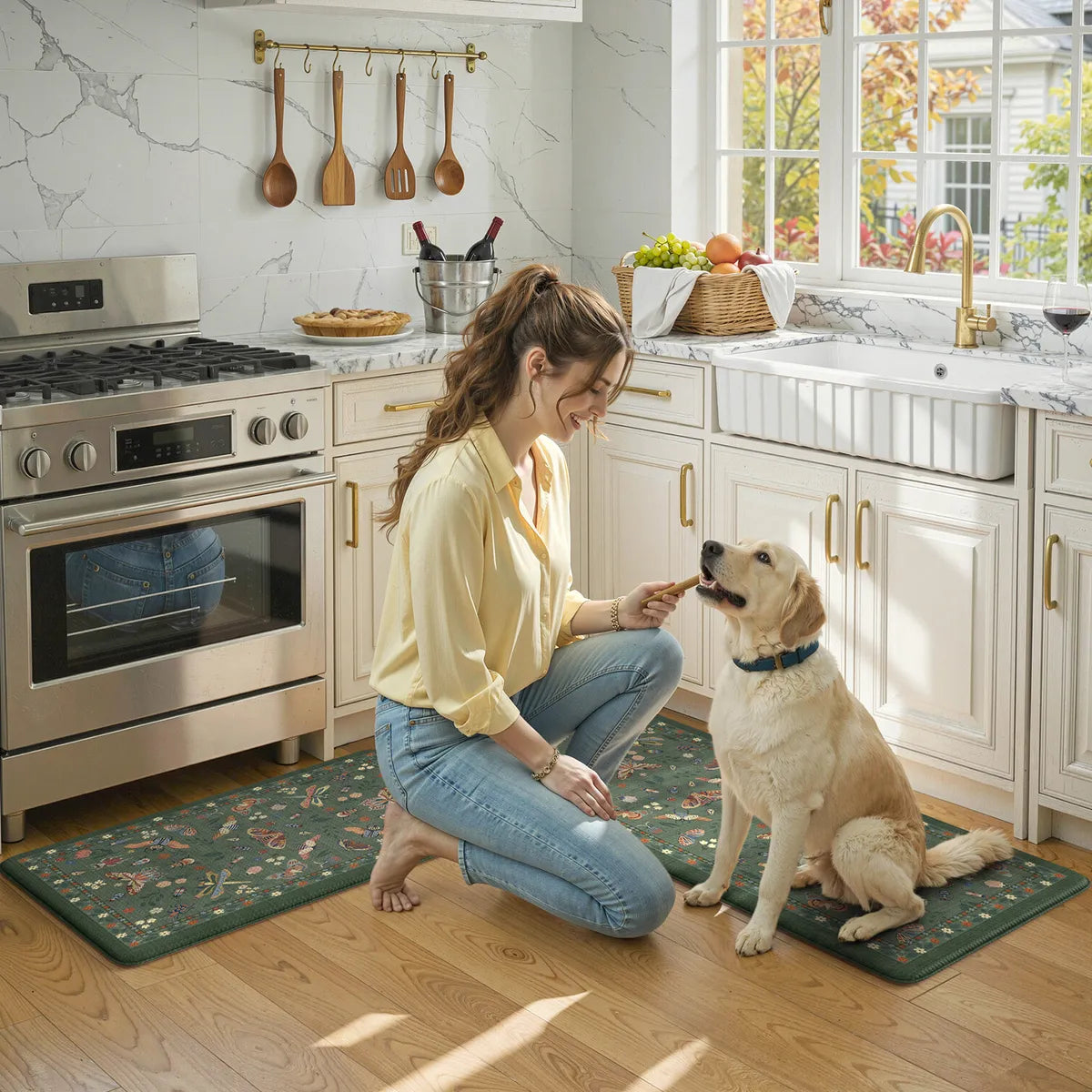
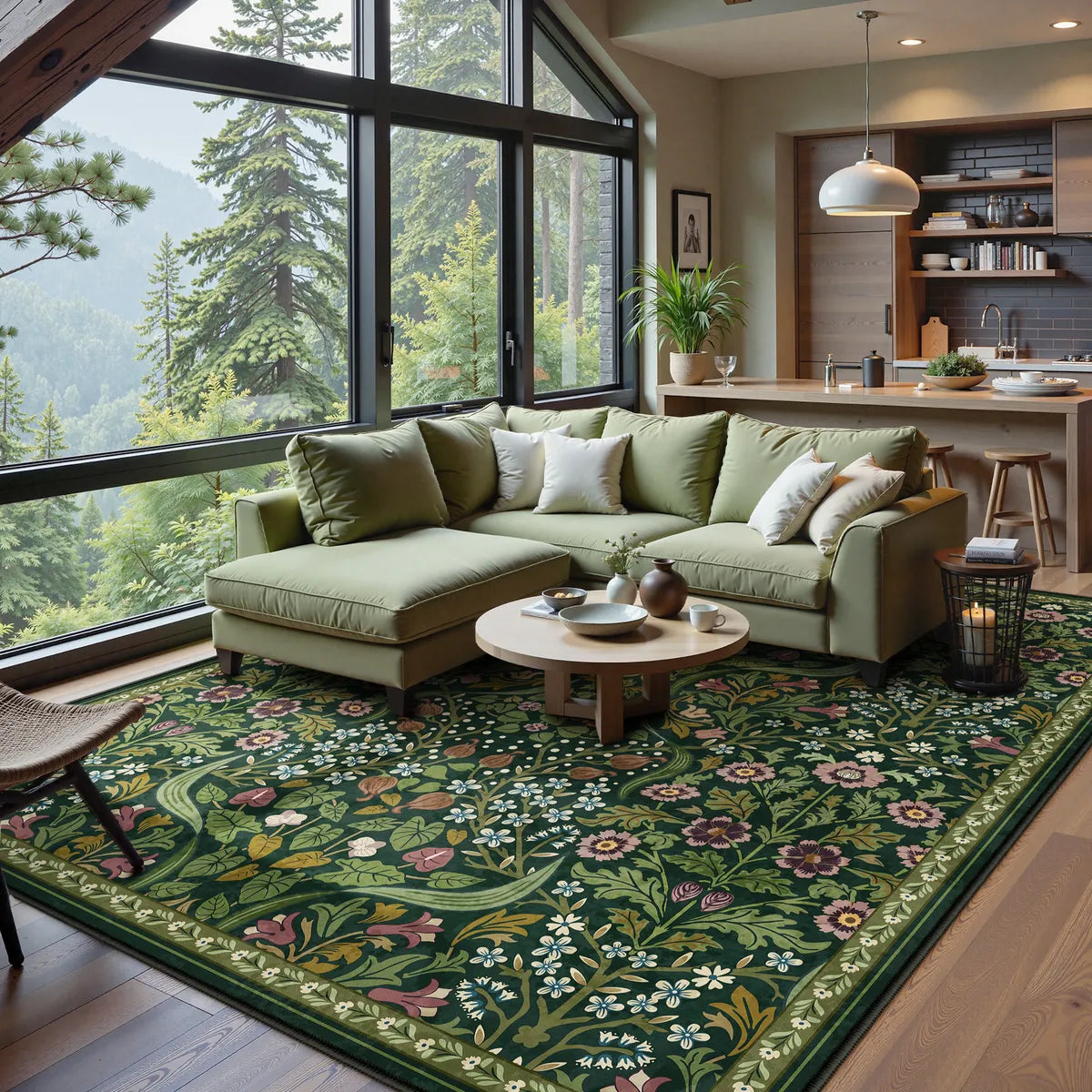
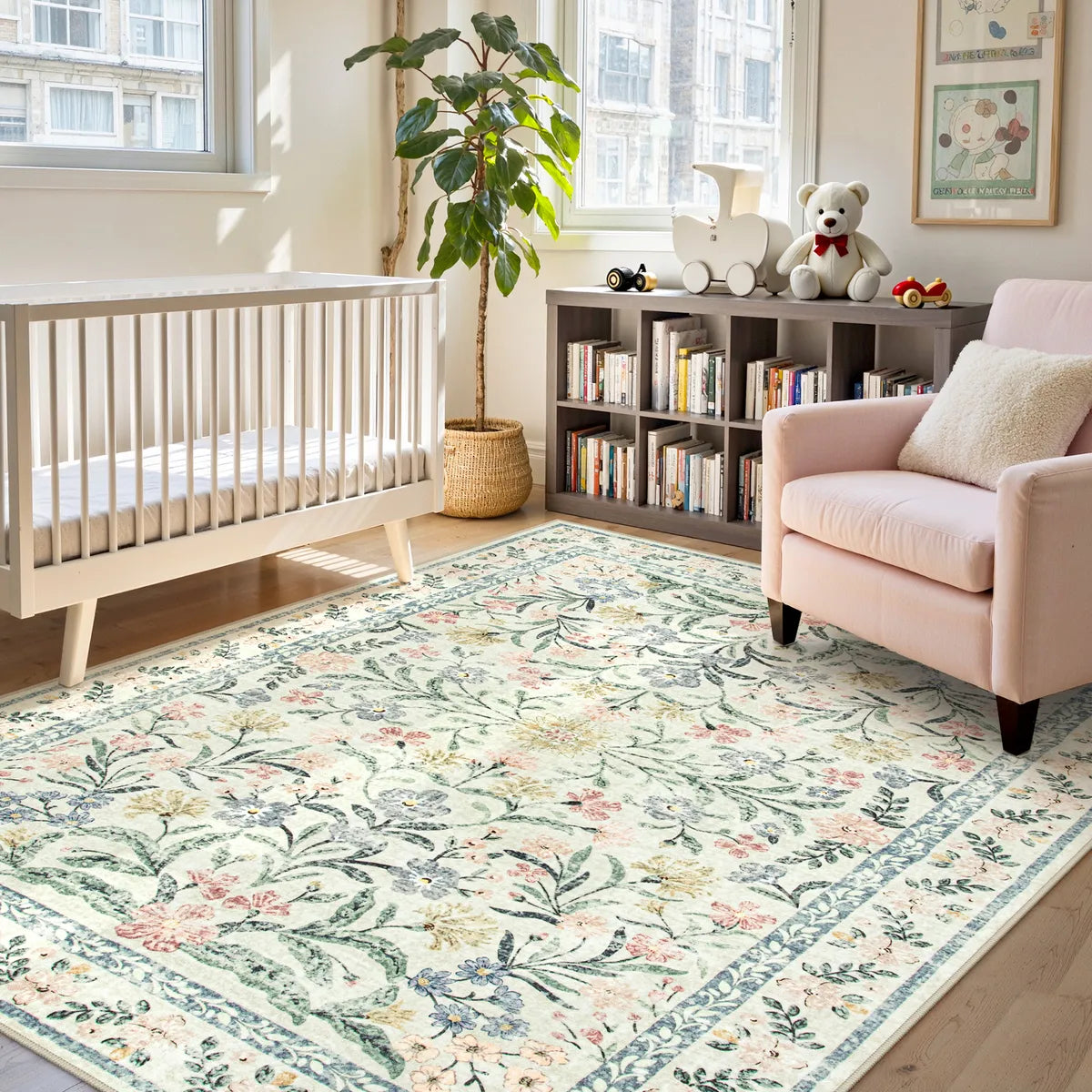
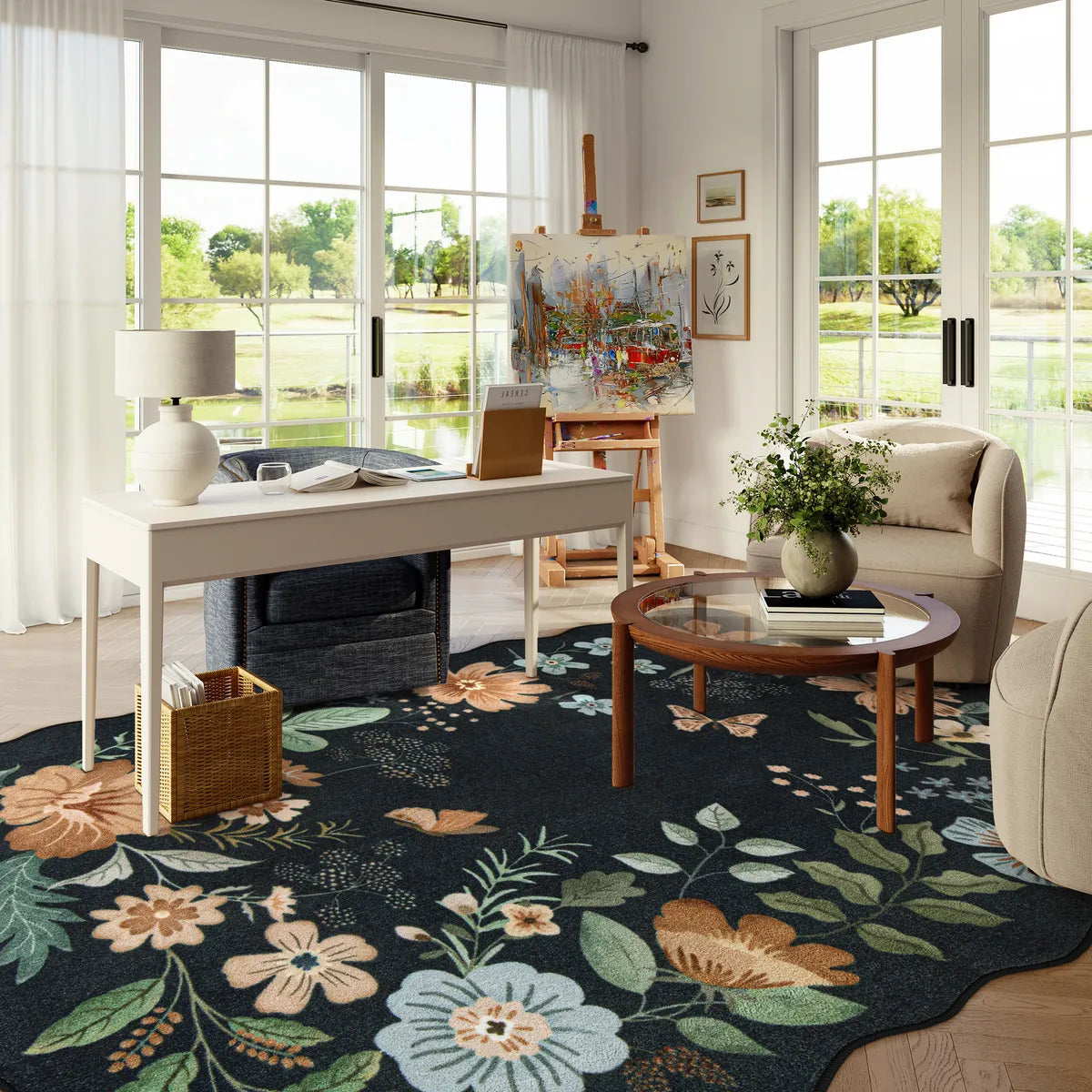
Light wood floors create a bright and airy foundation, so rugs with contrast can help add depth. Blue, green, gray, and darker neutral rugs work well because they create balance without making the room feel heavy. For a softer look, choose beige or ivory rugs to keep the space warm and natural.
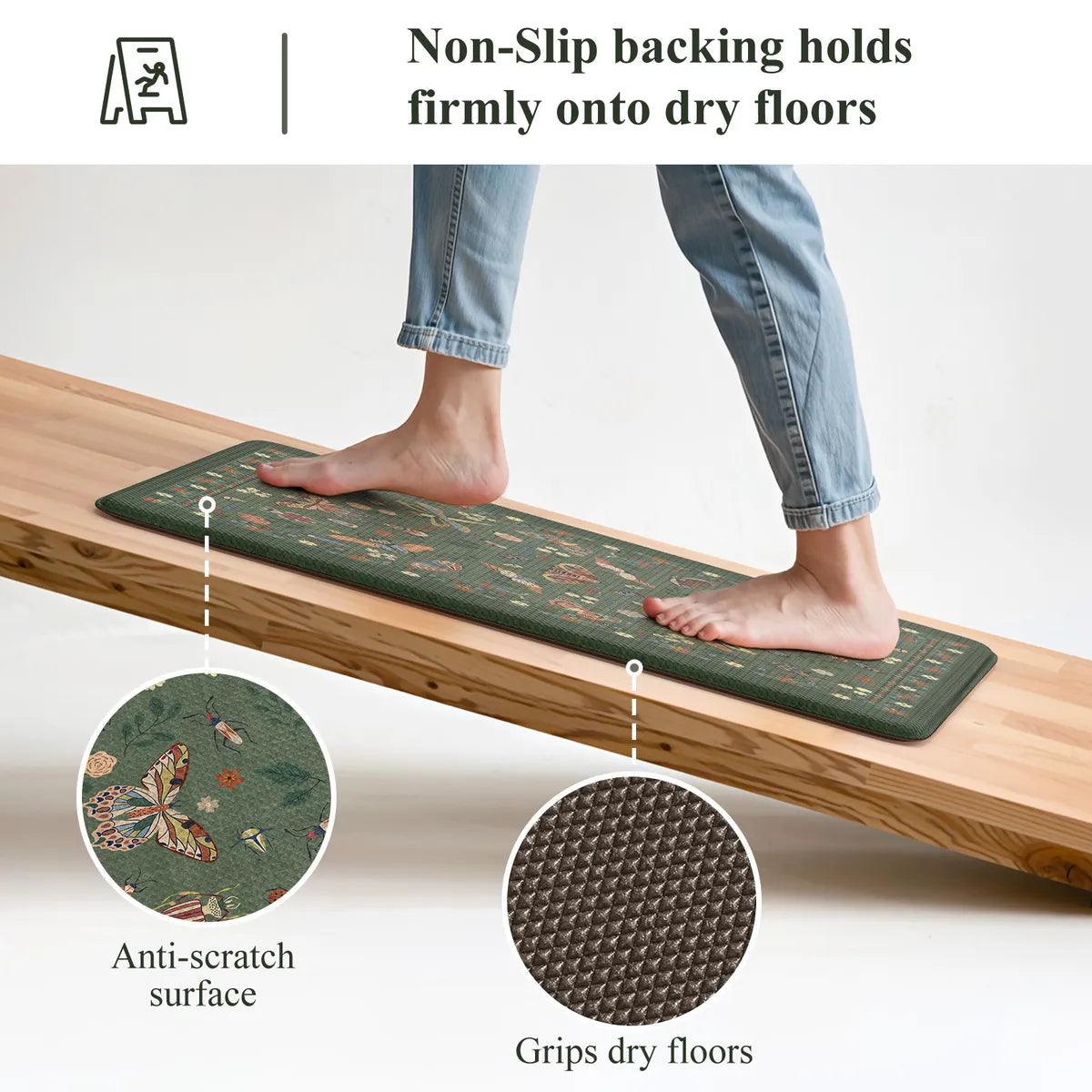
For homes with light hardwood floors, washable area rugs in neutral tones or soft colors are popular choices because they add comfort while protecting floors from everyday wear.
Light Wood Floors + Blue / Green / Gray / Beige / Ivory Rugs
Rugs for Dark Wood Floors
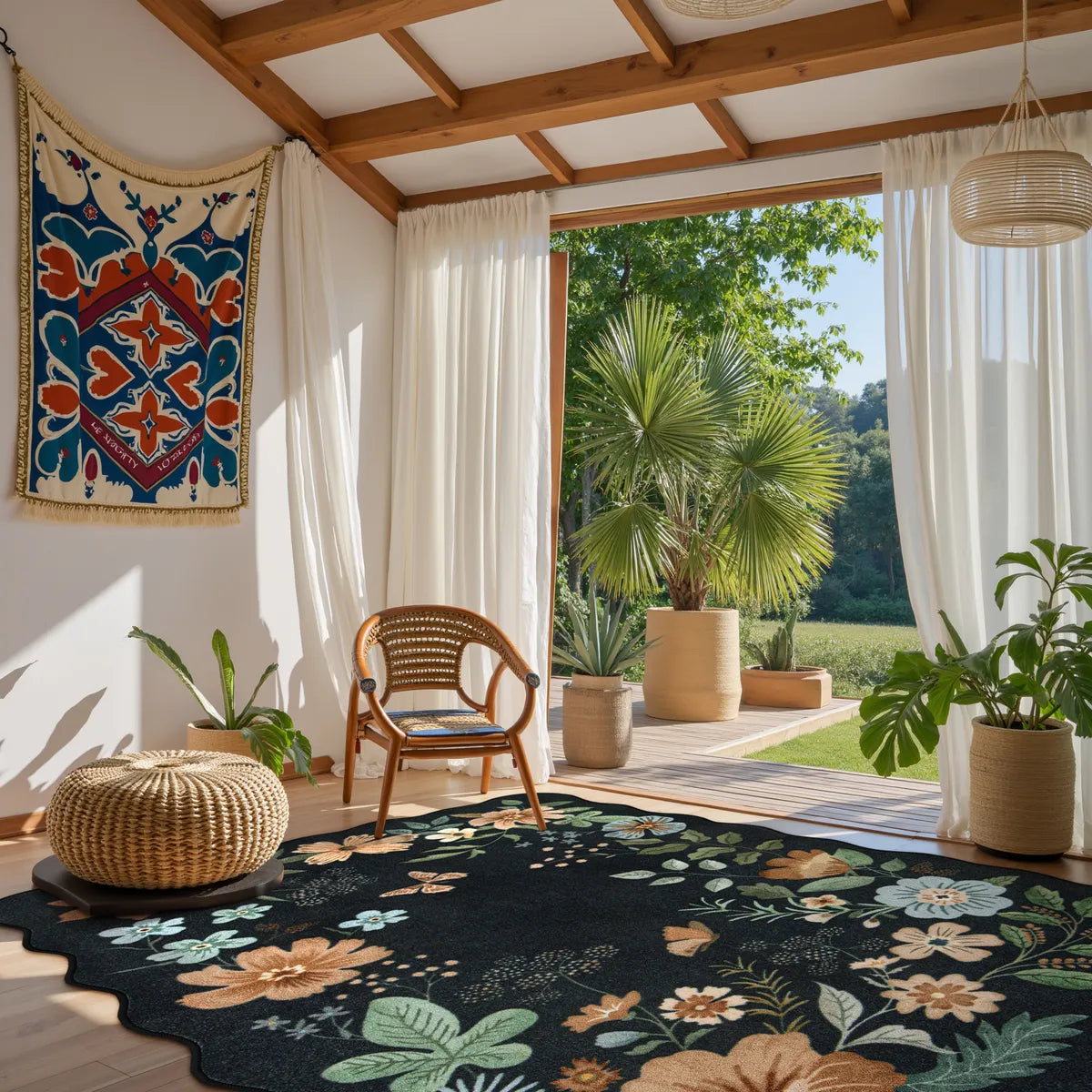
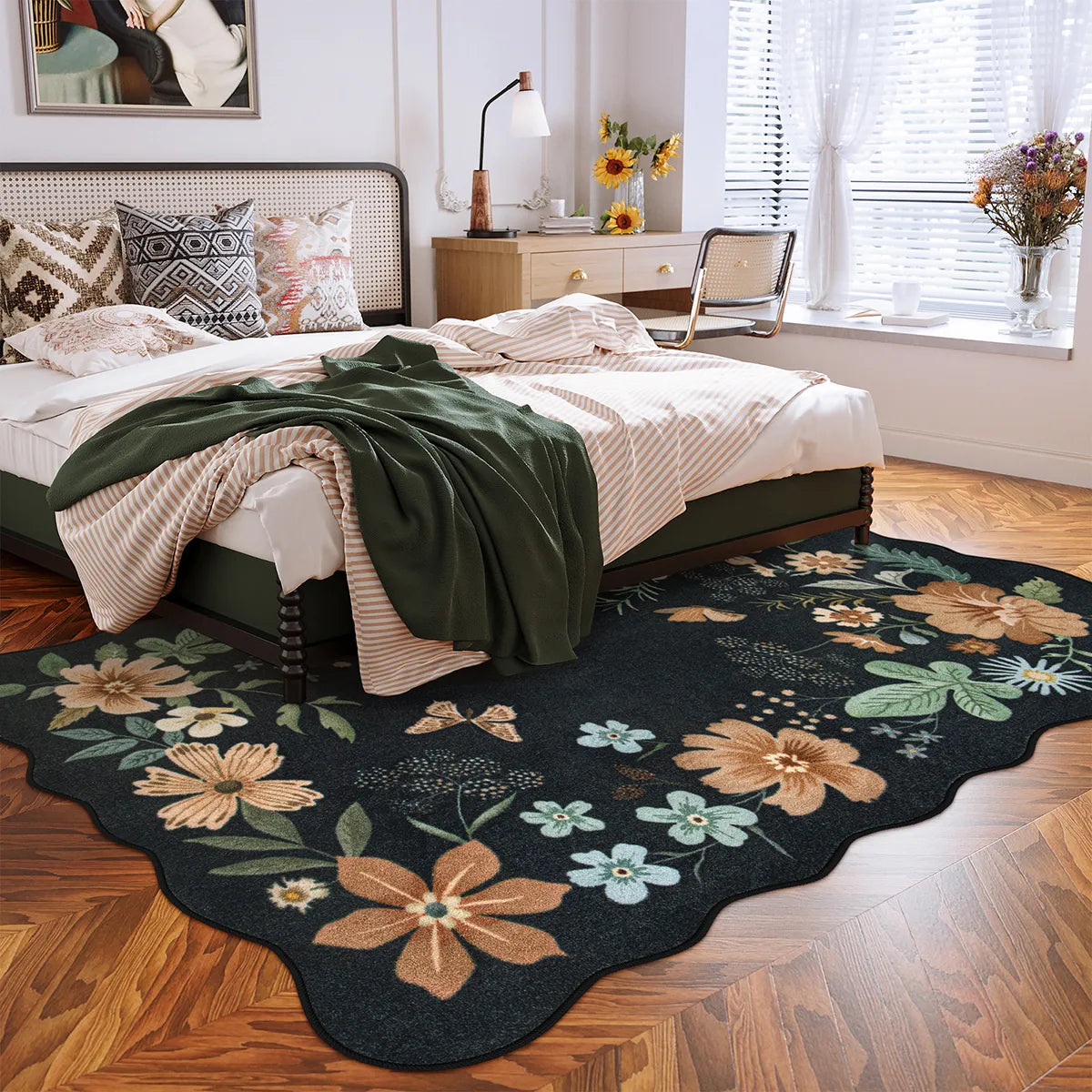
Dark wood floors already bring warmth and richness to a room, so lighter rugs can help create balance. Beige, cream, ivory, and soft neutral rugs brighten the space and make it feel more open. If you prefer a bolder style, try deep blue or green rugs for a layered, sophisticated look.
Dark Wood Floors + Cream / Beige / Ivory / Blue / Green Rugs
Rugs for Gray Floors
Gray floors pair well with both cool and warm rug colors because they provide a neutral base. Beige, cream, and earthy tones can make the room feel warmer, while blue or green rugs add a calm, modern touch. Avoid choosing a rug that is the exact same shade of gray, as it may feel flat.
Gray Floors + Beige / Cream / Navy / Blue / Green Rugs
Rugs for Medium or Natural Wood Floors
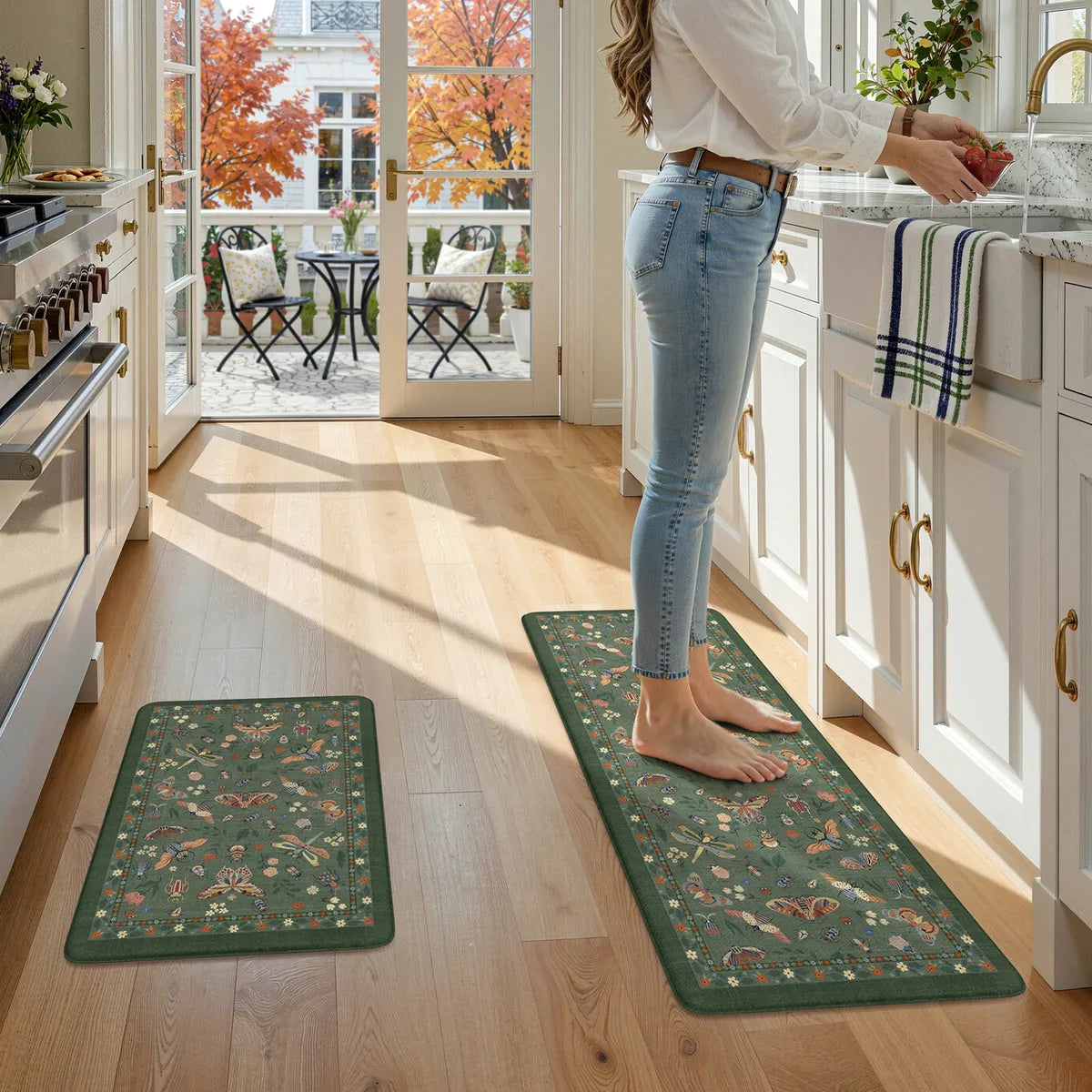
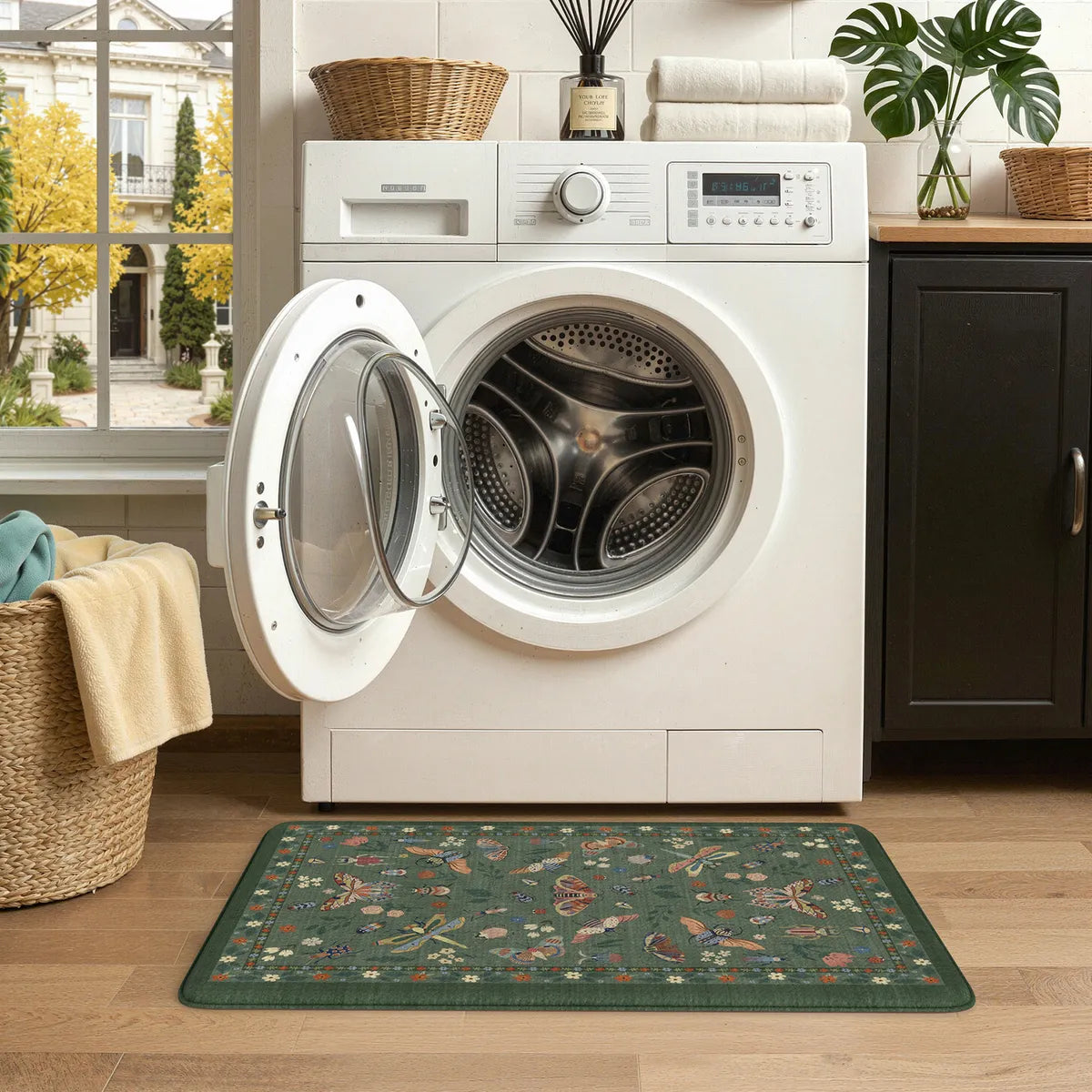
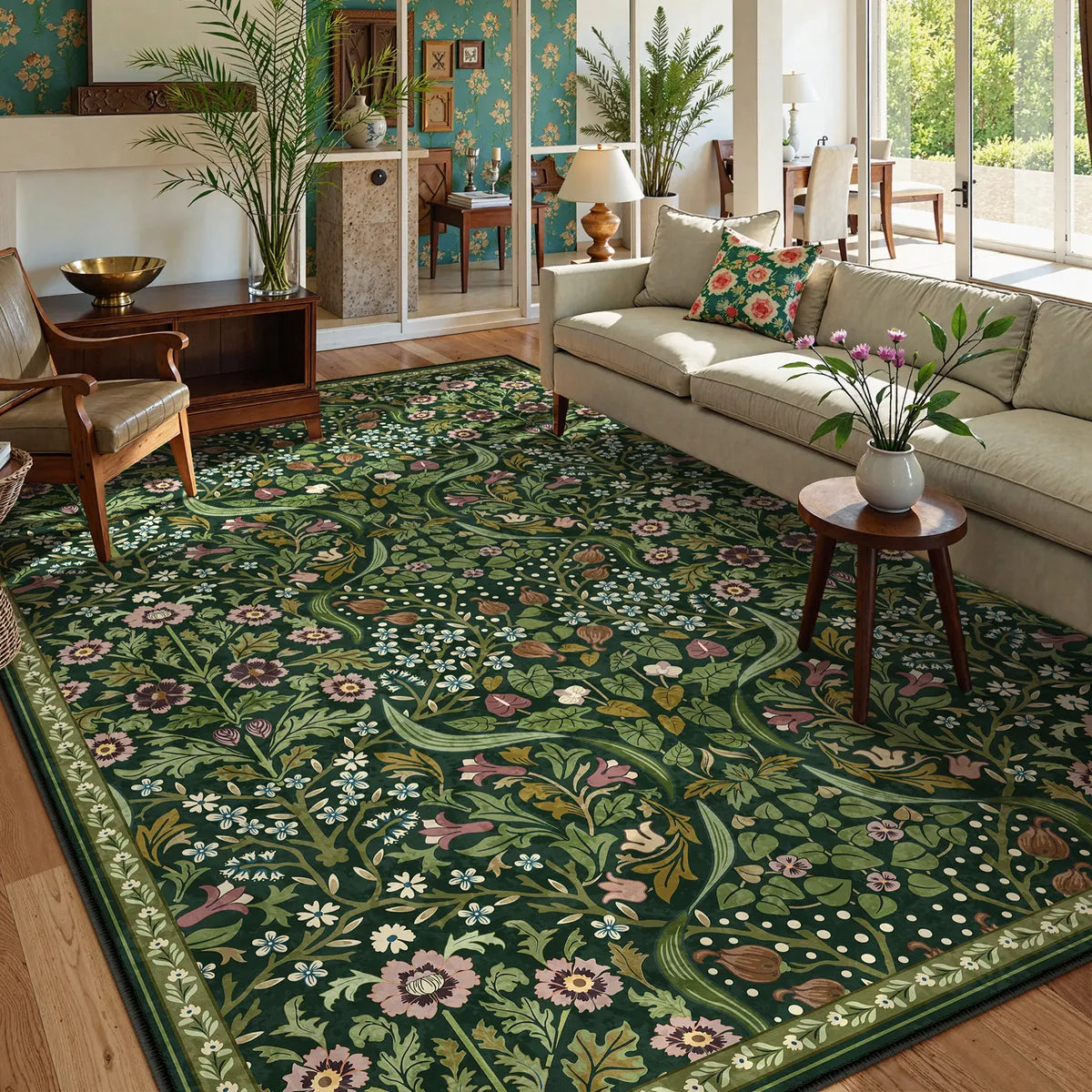
Medium and natural wood floors are some of the easiest to decorate because they work with a wide range of rug colors. Warm neutrals like beige, brown, and cream create a cohesive look, while blue or green rugs add contrast and personality without overpowering the natural wood tones.
Natural Wood Floors + Brown / Beige / Cream / Blue / Green Rugs
Rug Color Matching Guide by Floor Type
| Floor Type | Best Rug Colors | Popular Rug Styles |
|---|---|---|
| Light Wood Floors | Blue, Green, Gray, Beige, Ivory, Soft Neutrals | Modern, Bohemian, Scandinavian, Neutral Patterned Rugs |
| Dark Wood Floors | Beige, Cream, Ivory, Light Gray, Blue, Green | Vintage, Traditional, Modern Farmhouse, Persian-Inspired Rugs |
| Gray Floors | Beige, Cream, Navy, Blue, Green, Warm Neutrals | Contemporary, Minimalist, Modern, Abstract Rugs |
| Medium or Natural Wood Floors | Brown, Beige, Cream, Blue, Green, Earthy Tones | Rustic, Farmhouse, Transitional, Natural Texture Rugs |
| White or Light Neutral Floors | Bold Colors, Black, Blue, Green, Patterned Rugs, Rich Tones | Modern, Contemporary, Statement Rugs |
Create a Cozy Fall Look With Warm Rug Colors

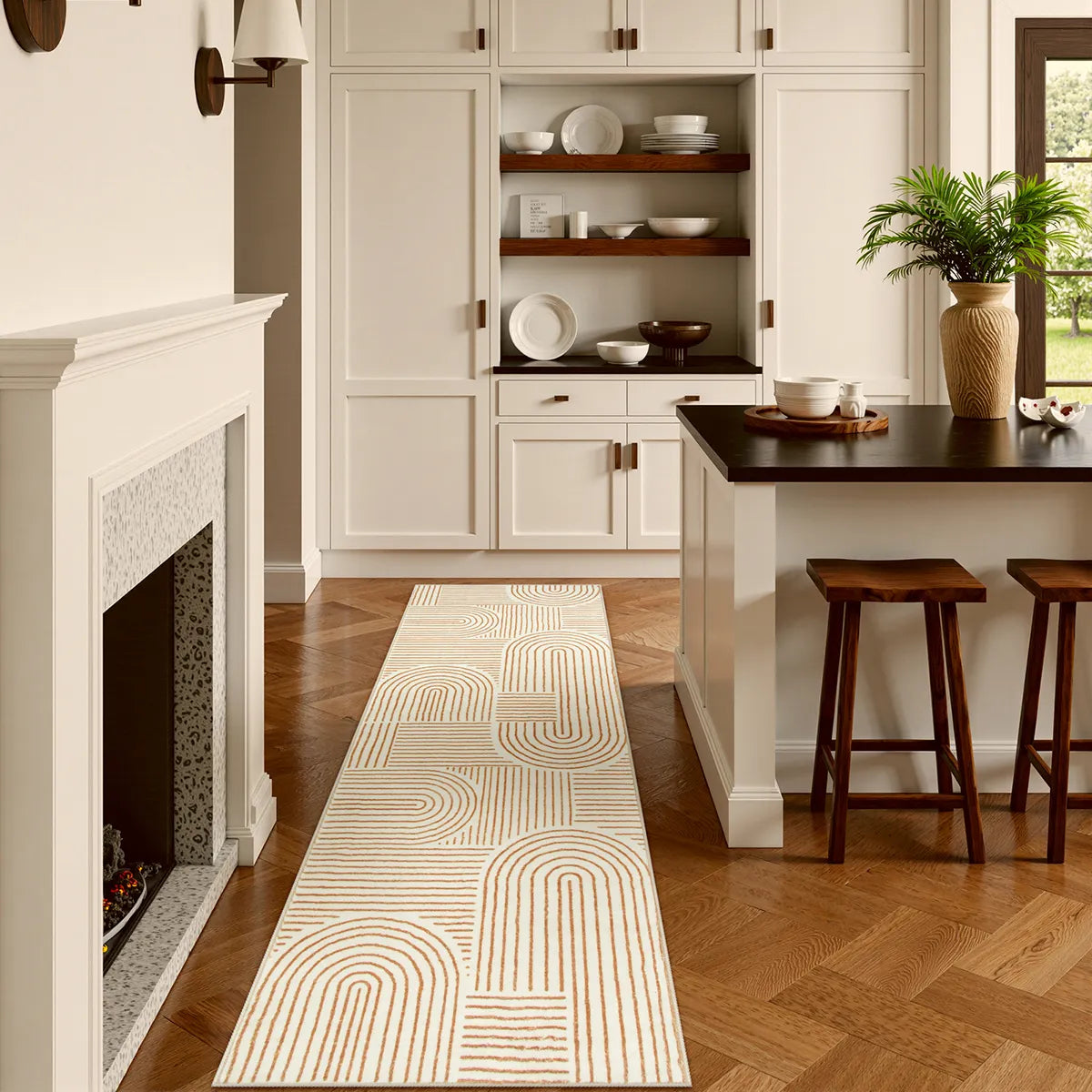
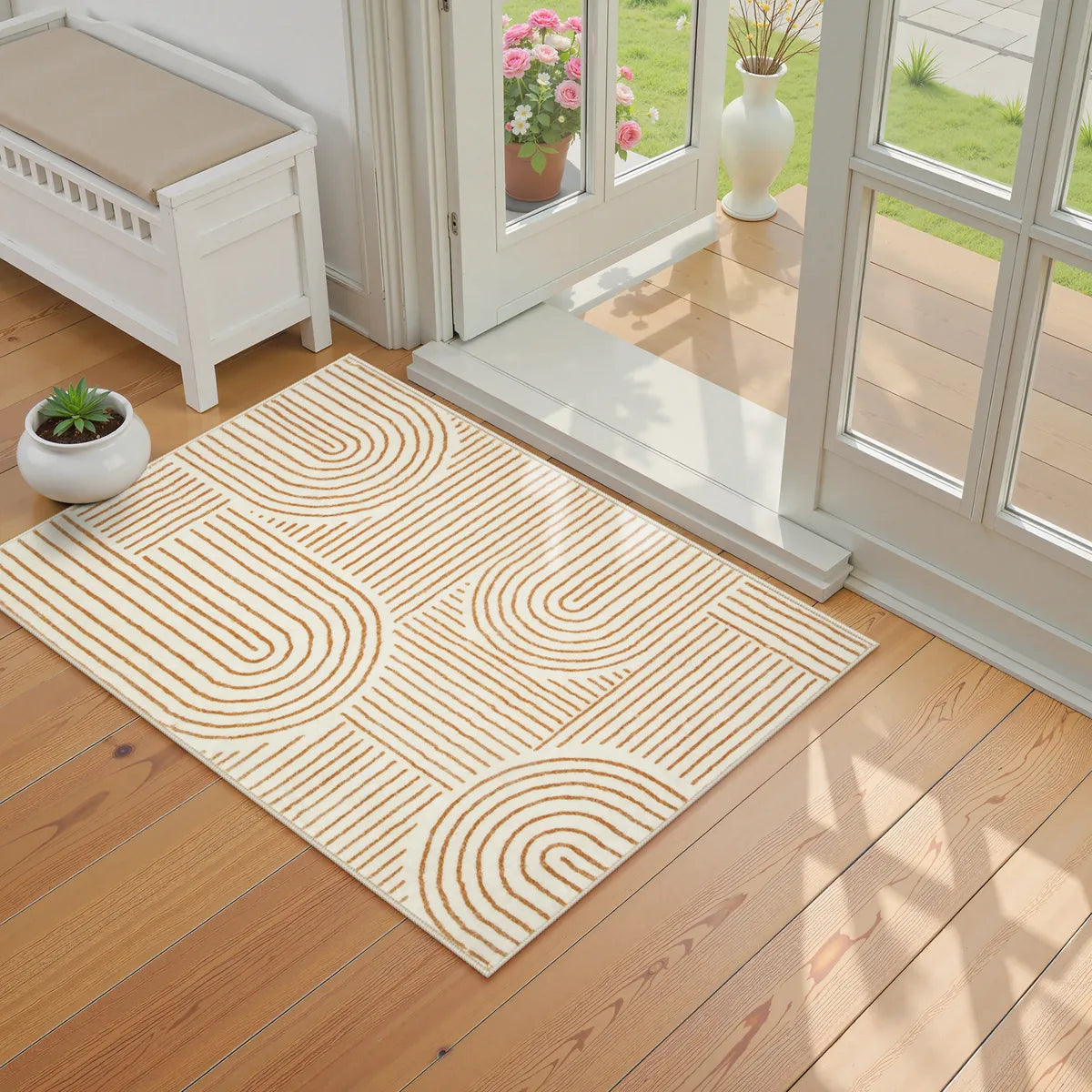
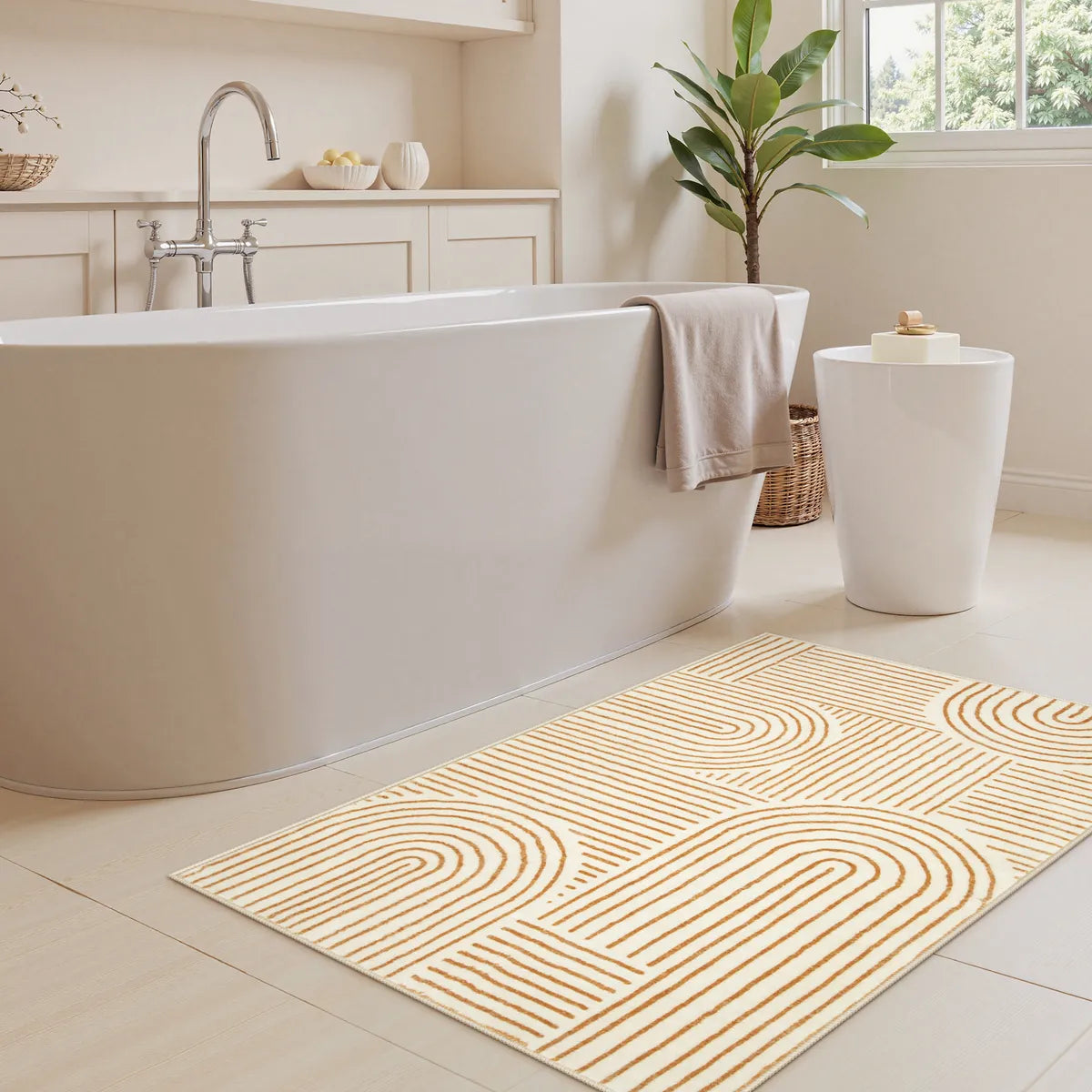
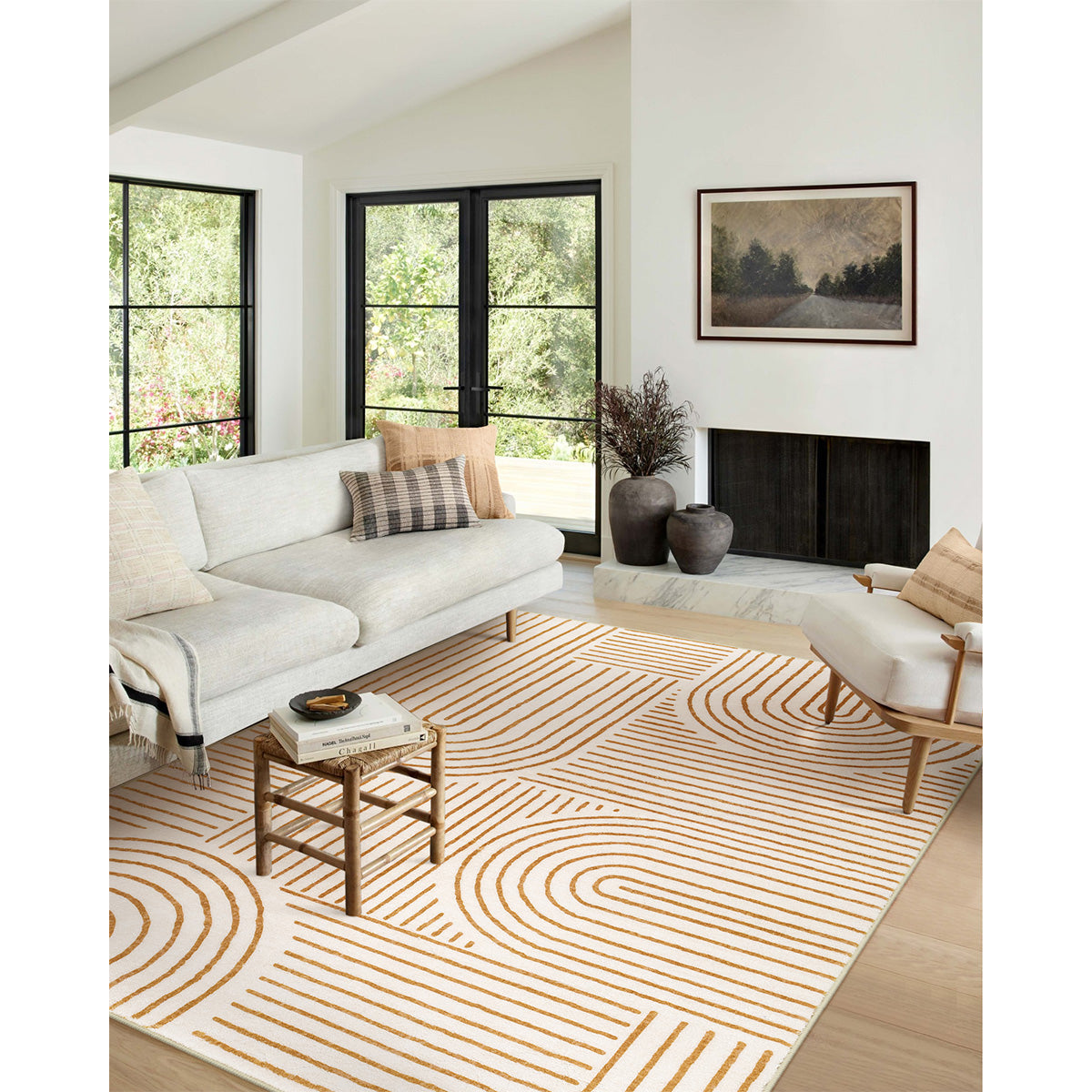
As the seasons change, your rug color can also help bring a warmer fall feeling into your home. Shades like rust, burnt orange, beige, brown, and earthy neutrals pair beautifully with natural wood floors and create a cozy atmosphere for living rooms, bedrooms, and entryways.
Whether you want to add a subtle seasonal touch or refresh your space for autumn, fall-inspired rugs can help introduce warmth and texture without changing your entire decor. Pair warm-toned rugs with wooden furniture, neutral sofas, and natural materials for an inviting seasonal look.
Light Wood Floors + Rust / Beige / Terracotta Rugs
Dark Wood Floors + Cream / Brown / Burnt Orange Rugs
Gray Floors + Warm Beige / Olive / Earthy Tone Rugs
How to Match Rugs in Different Room Layouts
Once you find a rug color that works with your flooring, the next step is making sure it fits your room layout. Rug placement, size, and coordination become especially important in larger spaces where one room may serve multiple purposes.
1. How to Use Two Rugs in One Room
Using two rugs in one room can help create separate zones while maintaining a cohesive design. The key is to make sure the rugs share at least one common element, such as color, pattern style, or material.
For example, a living room and dining area can use different rugs that have similar tones to visually connect the spaces. Avoid choosing two rugs that compete for attention, especially if they have bold patterns or very different colors.
Tips:
- Choose rugs with a shared color palette
- Use different sizes to define separate areas
- Leave enough space between rugs to create visual separation
- Keep the whole style consistent
2. Using Multiple Rugs in a Living Room
Large living rooms often benefit from multiple rugs because one rug may not fully define the seating area. Multiple rugs can help organize furniture placement and make an open space feel more comfortable.
A common approach is using one rug under the main seating area and another smaller rug to highlight a reading corner, entry area, or additional seating space.
Tips:
- Use one rug to anchor the main furniture group
- Choose complementary colors instead of identical rugs
- Make sure each rug has a clear purpose
- Keep spacing between rugs intentional
3. Choosing Rugs for an Open Floor Plan
Open floor plans combine multiple functions in one large area, such as a living room, dining area, and kitchen. Rugs are one of the easiest ways to visually separate these spaces without adding walls.
For open layouts, choose rugs that coordinate with each other while allowing each area to feel distinct. Large area rugs are especially useful because they help anchor furniture and create defined zones.
Tips:
- Use different rugs to separate functional areas
- Keep colors connected throughout the space
- Choose rugs large enough to anchor furniture
- Avoid too many competing patterns
4. Rug Placement Guide for Different Layouts
| Room Layout | Recommended Rug Approach | Design Goal |
|---|---|---|
| Small Living Room | One properly sized rug | Make the space feel complete |
| Large Living Room | Multiple rugs or oversized rug | Define seating areas |
| Open Floor Plan | Separate rugs for each zone | Create visual boundaries |
| Living + Dining Area | Coordinated rugs | Connect different spaces |
Designer Tips for a Balanced Look
A well-chosen rug can bring a room together, but the details matter. Designers usually consider more than just color—they look at rug size, pattern, texture, and how the rug connects with the rest of the space. These simple styling tips can help you create a room that feels connected, comfortable, and intentional.
1. Match the Rug With Existing Colors, Not Every Color in the Room
Your rug doesn't need to match every piece of furniture or decor. Instead, choose one or two colors that already exist in your space, such as your sofa, curtains, artwork, or accent pieces. This creates a coordinated look without making the room feel too planned.
2. Use Contrast to Add Depth
A rug that is too similar to your floor color can make the room feel flat. Adding contrast through a lighter rug on dark floors or a deeper-colored rug on light floors can create more visual interest and help define the space.
3. Consider the Rug Size Before Choosing the Pattern
Bold patterns and darker colors can work beautifully, but they need enough space to breathe. Large rugs can handle stronger designs, while smaller rugs often look better with simpler patterns and lighter colors.
4. Keep Multiple Rugs Connected Through One Design Element
When using two or more rugs in the same room, they do not need to be identical. Create a connection by repeating one element, such as a similar color palette, pattern style, or texture. This helps different areas feel like part of the same space.
5. Always Test the Rug in Your Space Before Making a Final Decision
Rug colors can look different depending on your flooring, natural light, and surrounding furniture. If possible, compare the rug with your existing decor at different times of day to make sure it works in your actual space.
Frequently Asked Questions About Matching Rugs With Floor Colors
1. Should a Rug Be Lighter or Darker Than the Floor?
There is no strict rule, but contrast usually creates a more balanced look. Light rugs can brighten dark floors and make a room feel more open, while darker rugs can add warmth and depth to light-colored floors. It depends on your room size, natural light, and the atmosphere you want to create.
2. How Do I Choose an Area Rug Color?
Start by looking at your floor color, furniture, and lighting together. Choose a rug that complements your floor’s undertone rather than matching it exactly. Neutral rugs like beige, cream, and gray are versatile choices, while blue, green, or patterned rugs can add more personality and contrast.
3. Can You Use Two Different Rugs in the Same Room?
Yes, you can use two different rugs in the same room as long as they share at least one design element, such as color, pattern style, or texture. Different sizes can help define separate areas, while a similar color palette keeps the space connected.
4. Should Rugs Match the Floor or Furniture?
Rugs do not need to match your floor or furniture exactly. Instead, they should help connect different elements in the room. Choose colors that complement your flooring while picking up tones from your sofa, curtains, artwork, or other decor for a cohesive look.
Conclusion
A thoughtful color choice can make your space feel brighter, warmer, or more connected without requiring a complete redesign. Take time to consider your flooring, lighting, furniture, and personal style before choosing a rug. When all these elements work together, your rug becomes more than decoration—it becomes part of the room’s design.
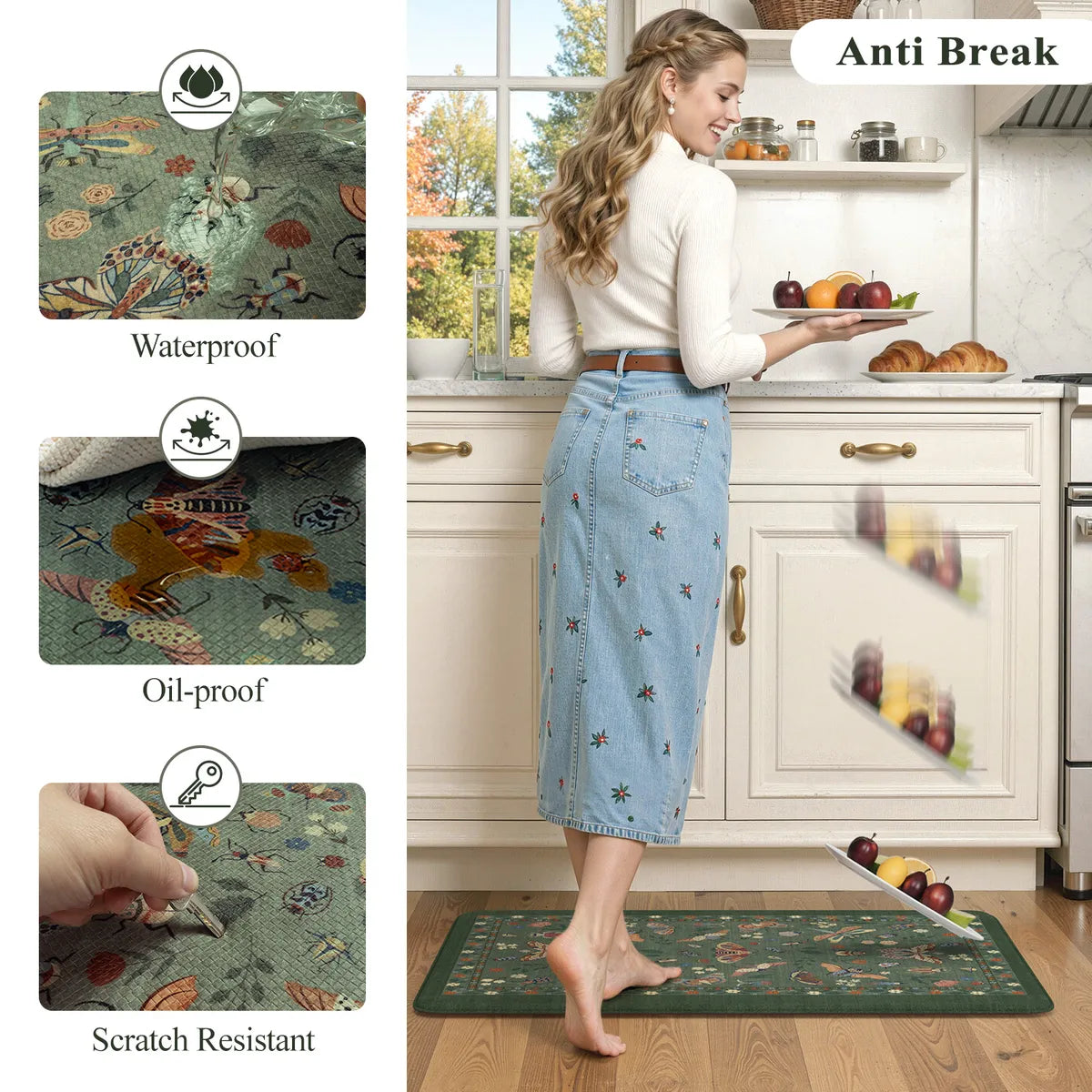
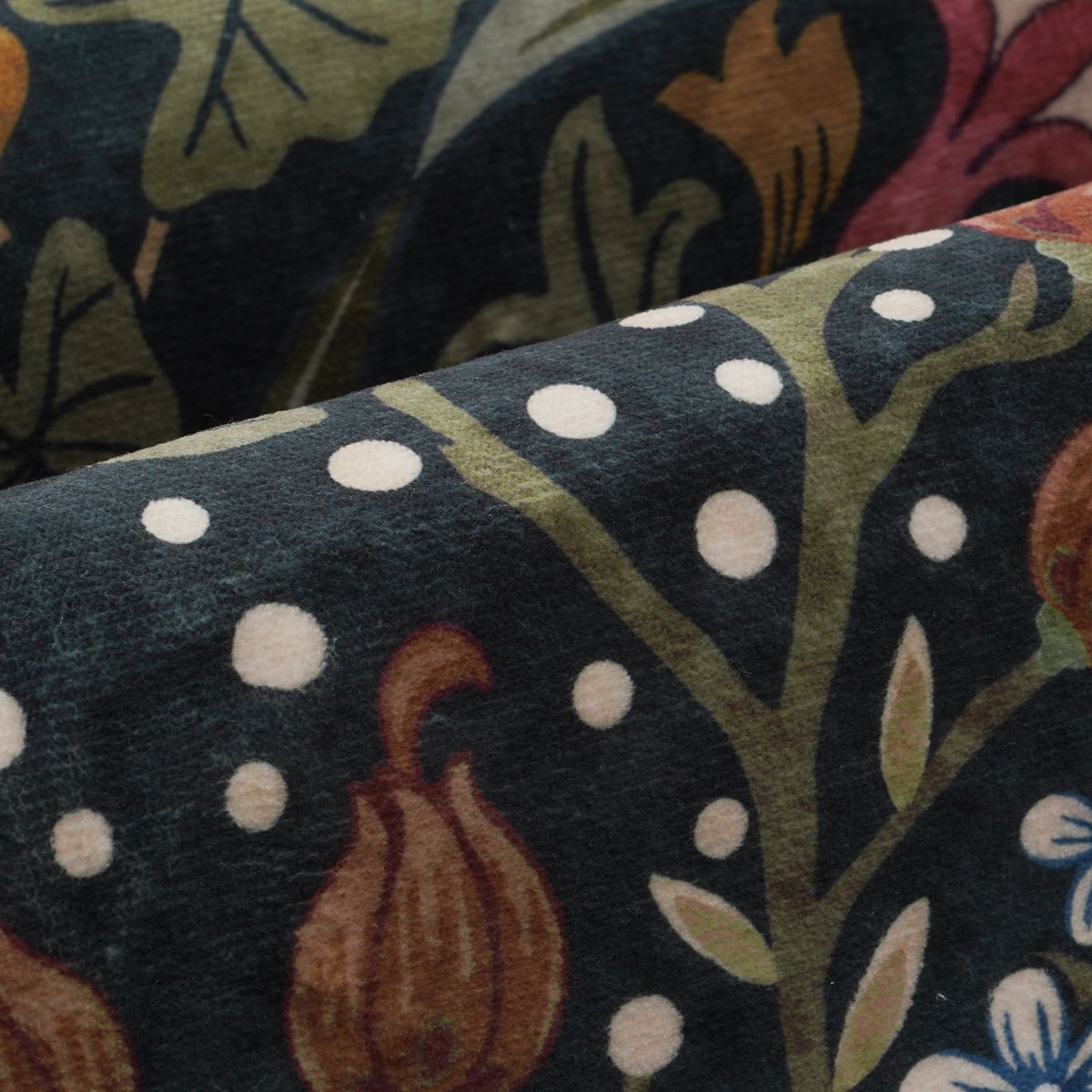
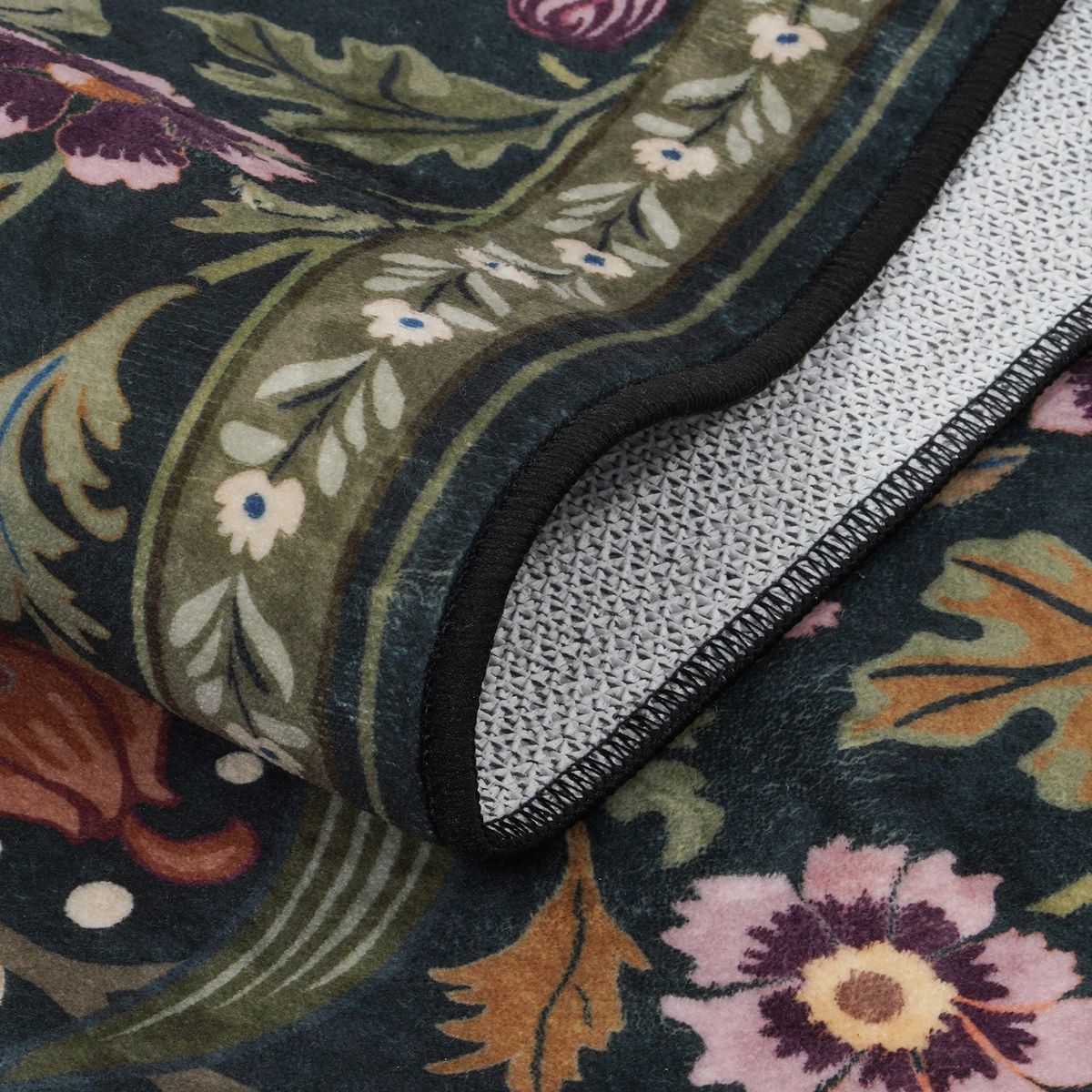
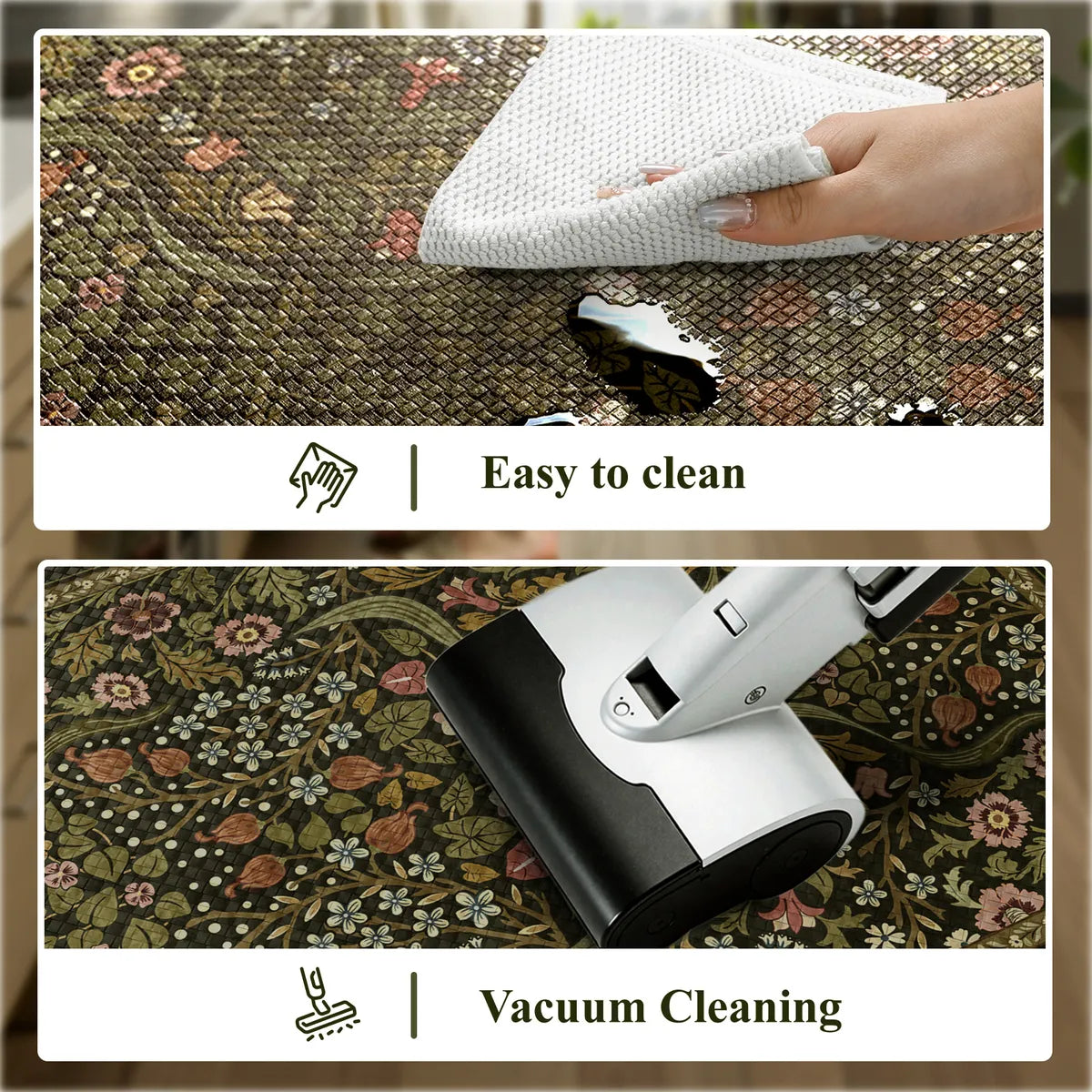
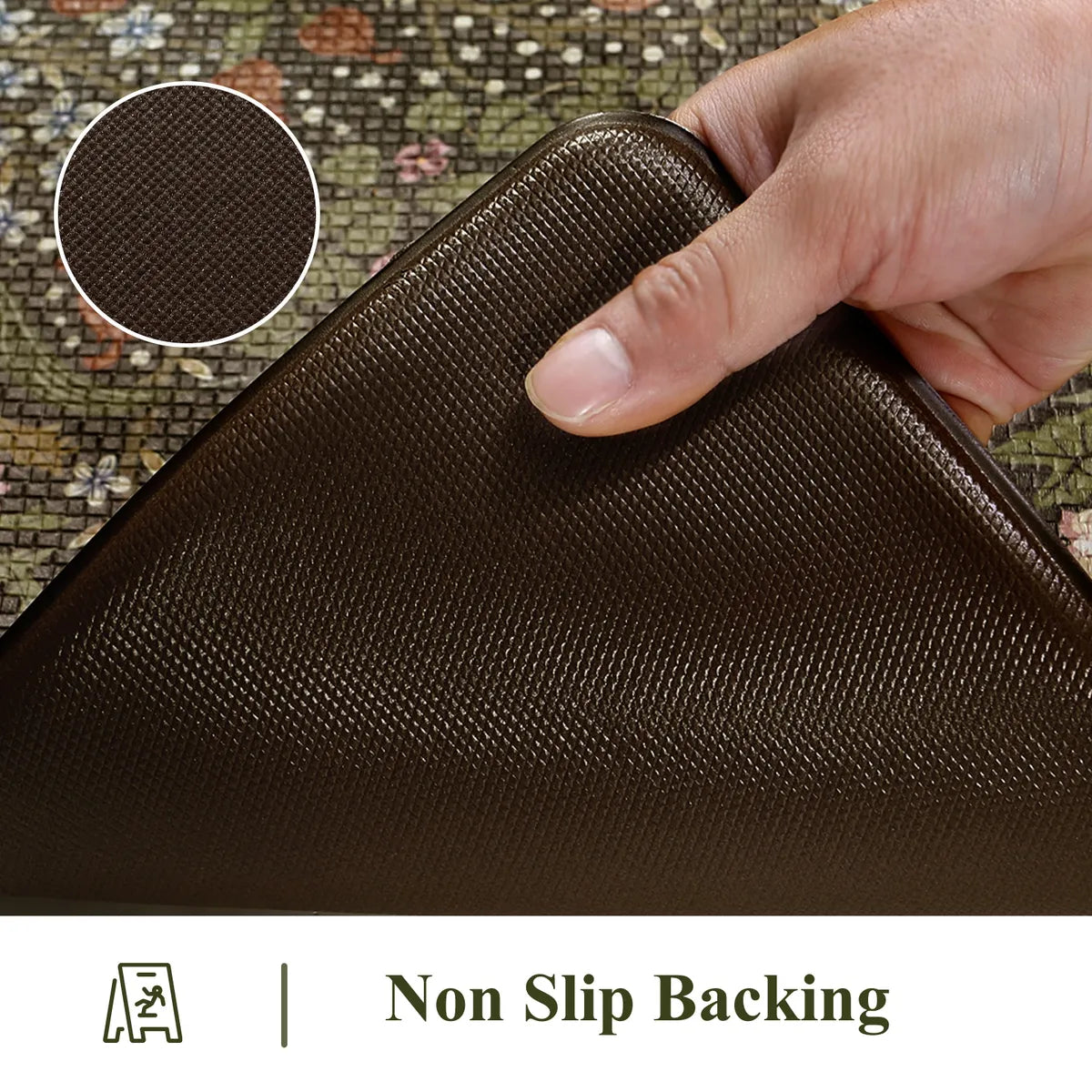
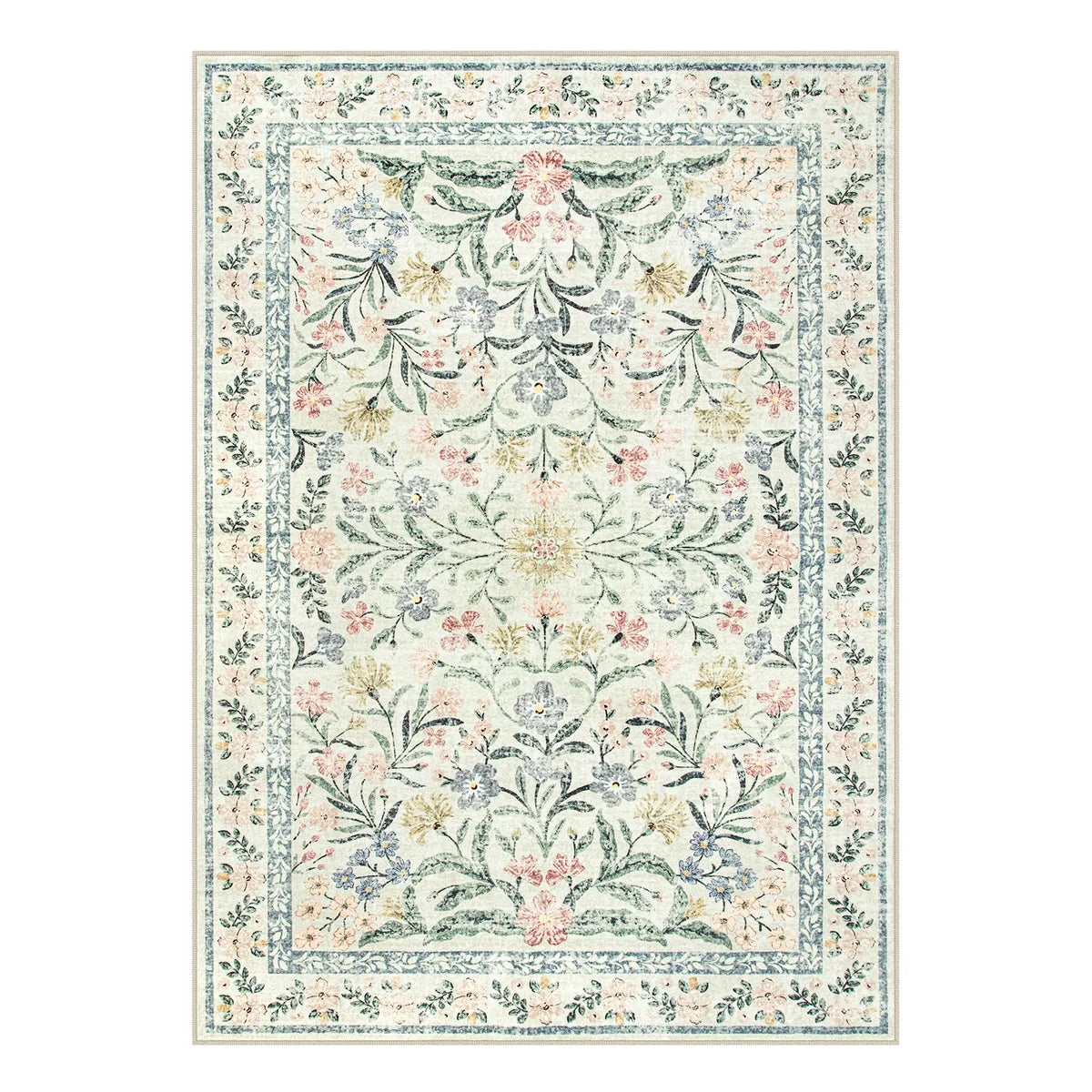
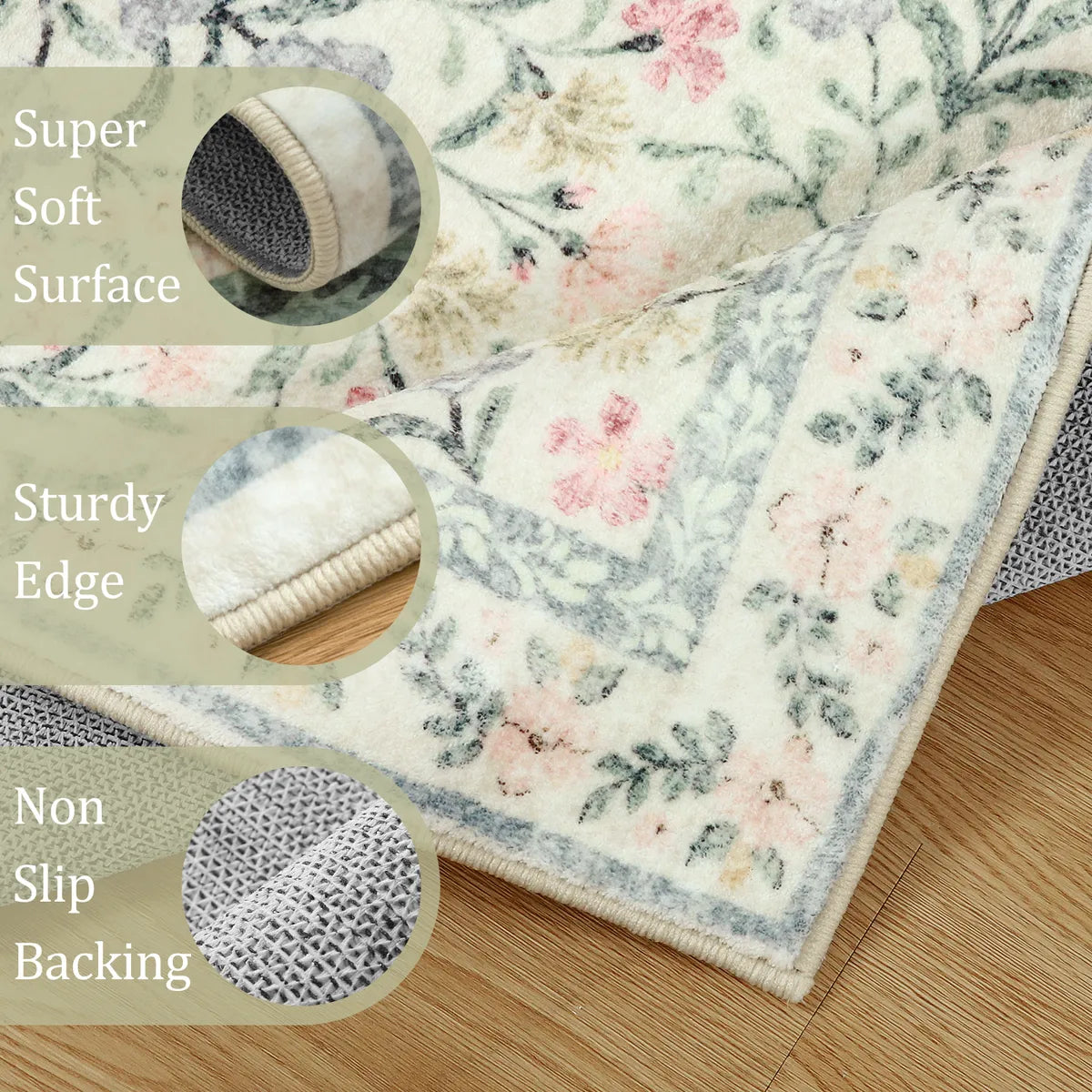
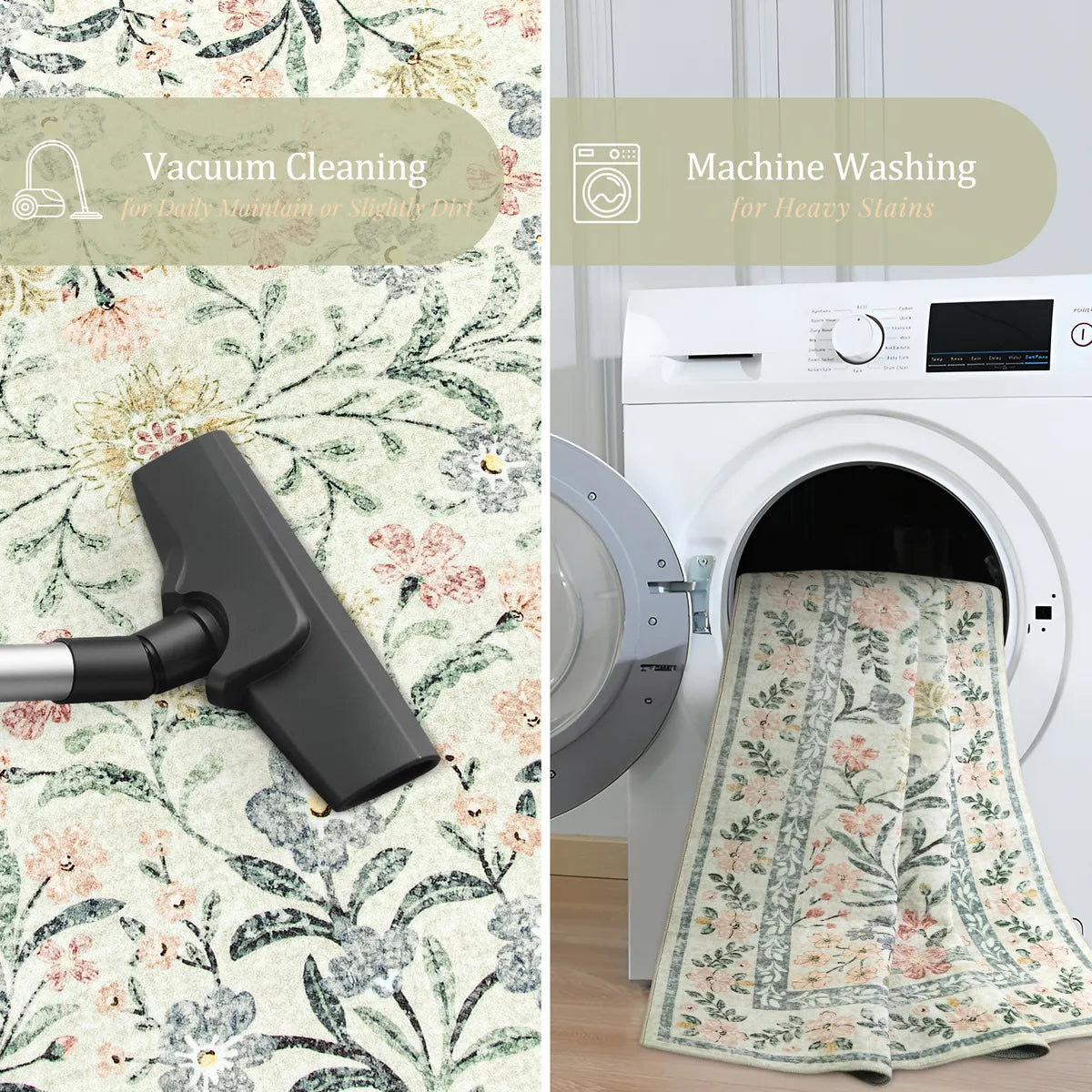
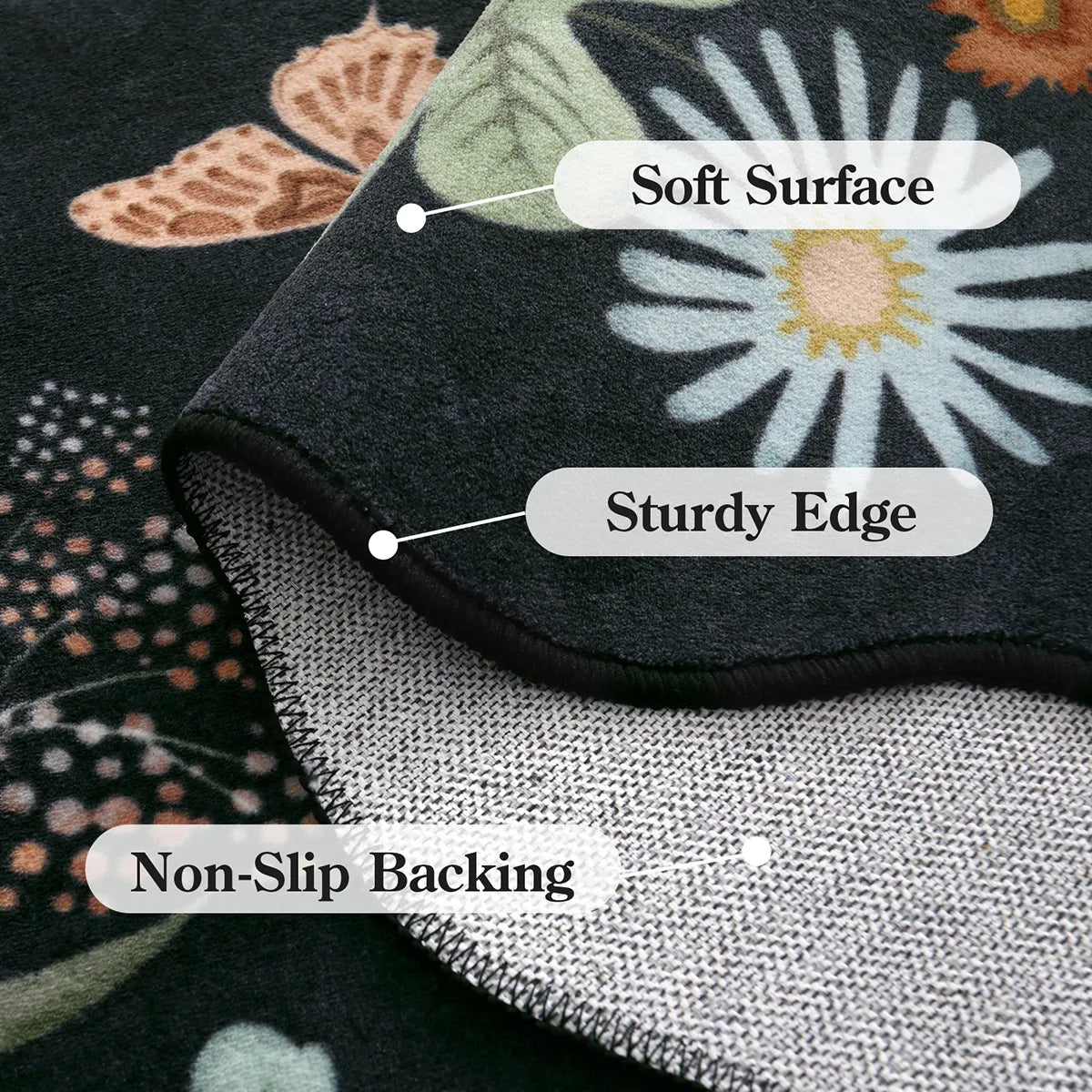
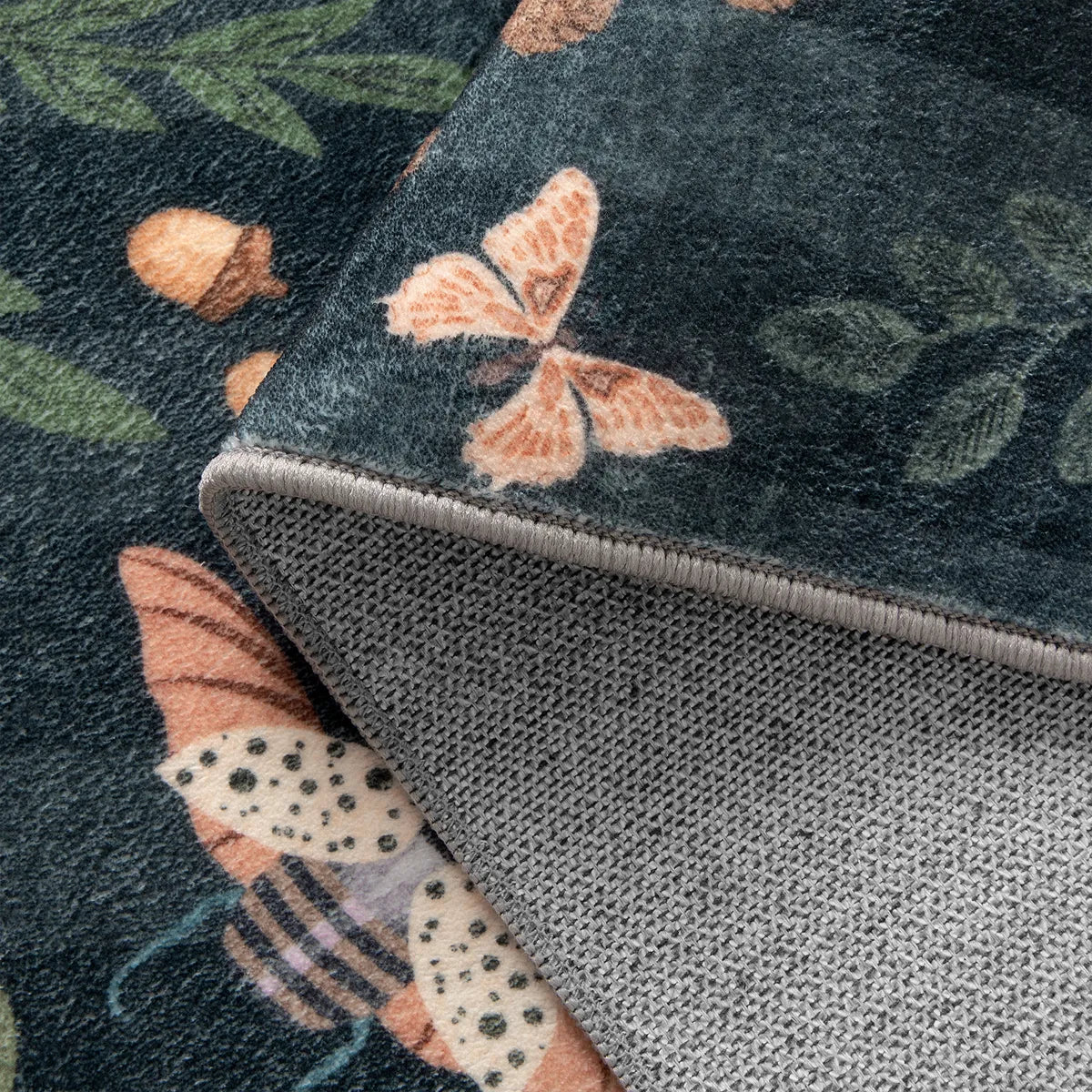
If you want a rug that works with your everyday routine, machine washable rugs offer a practical solution for busy homes. Lahome washable rugs are designed for homes that need the comfort of stylish rugs with the convenience of easier cleaning. Just explore and find yours~