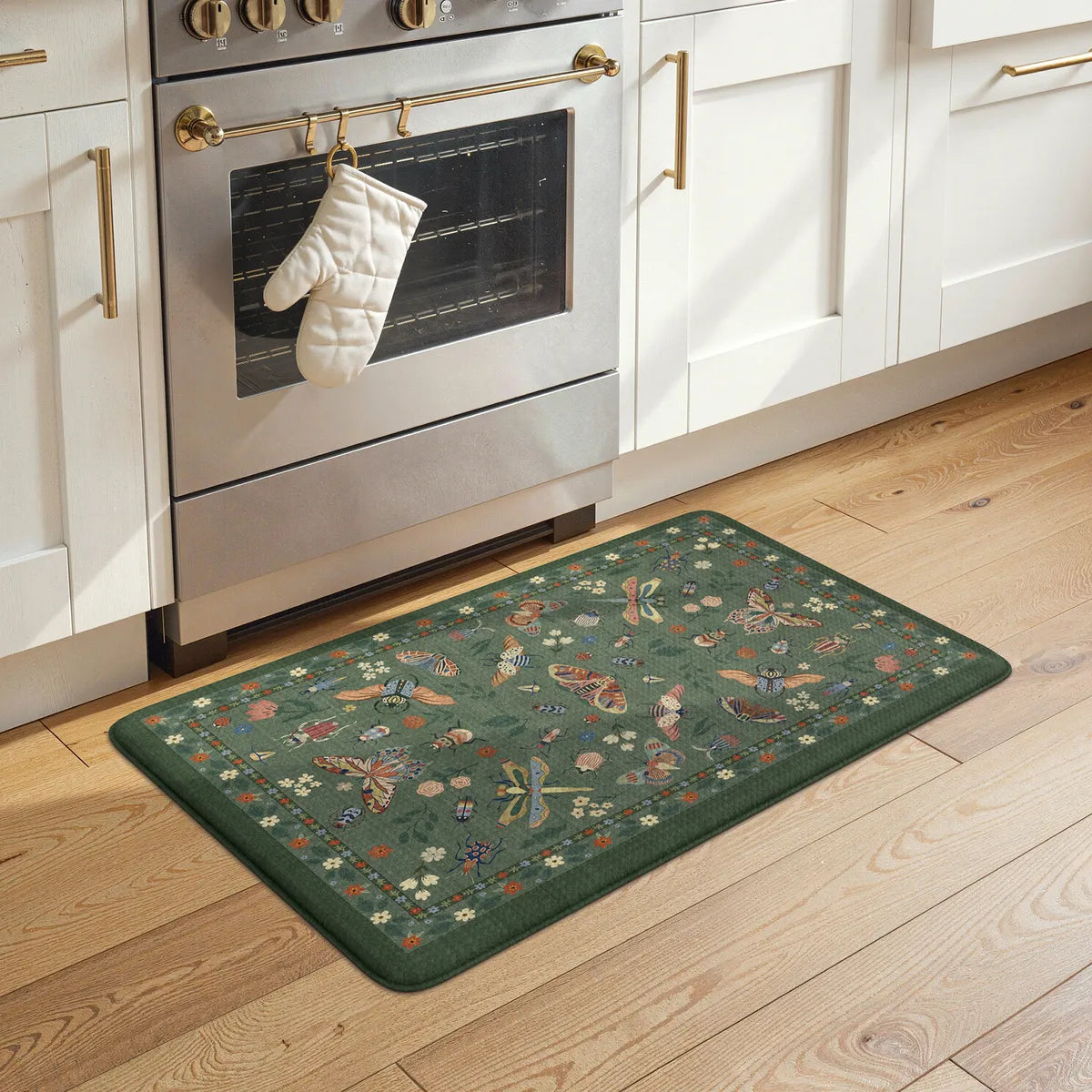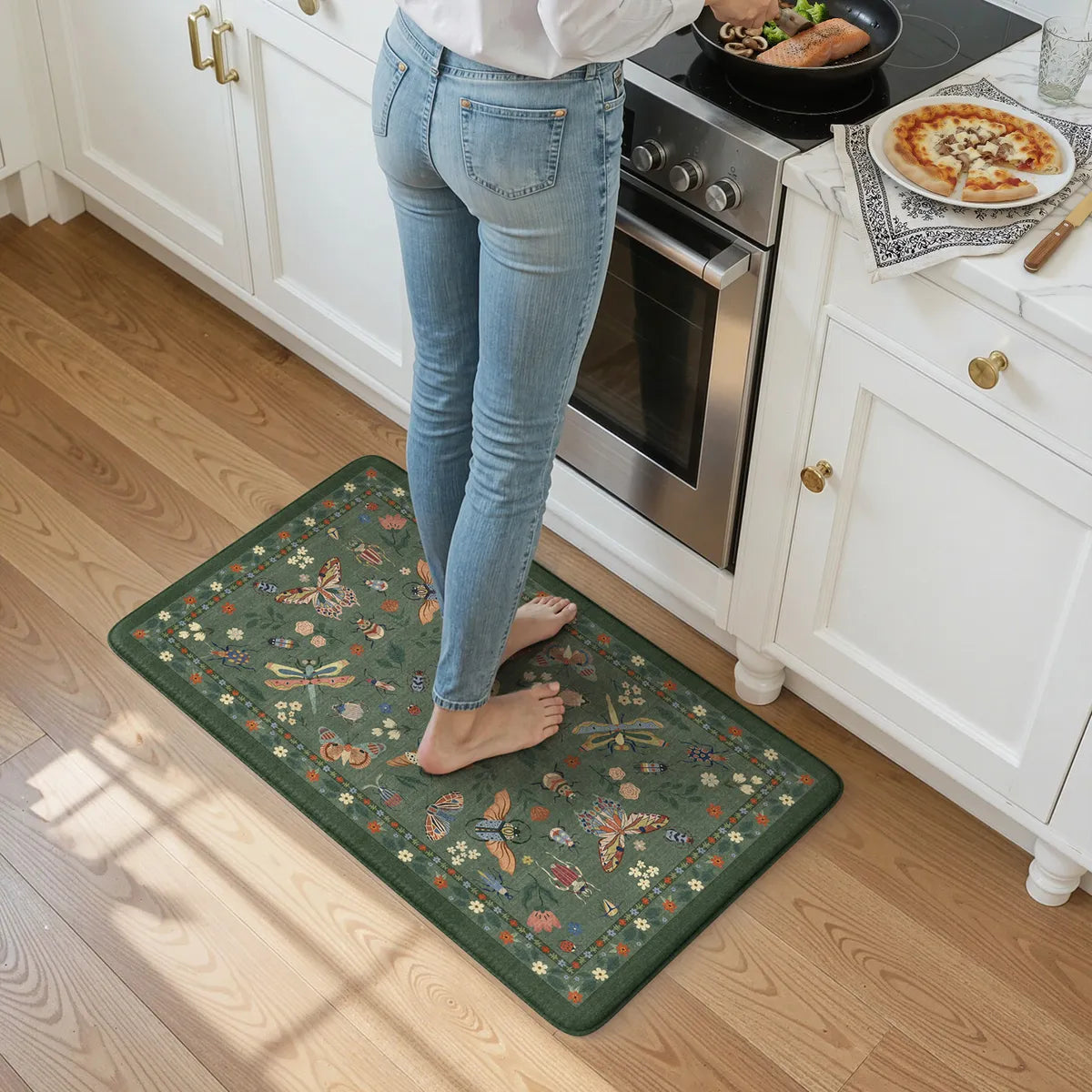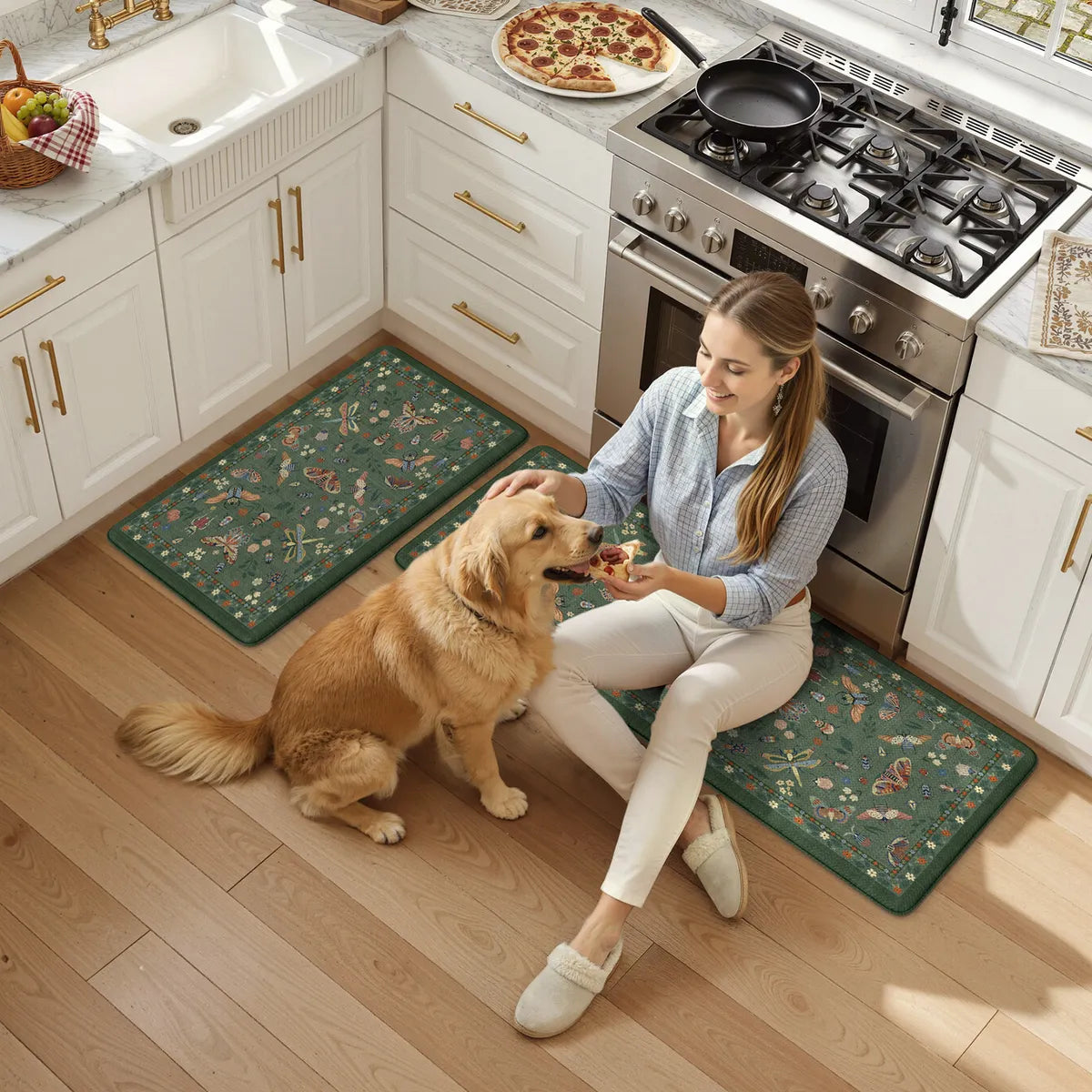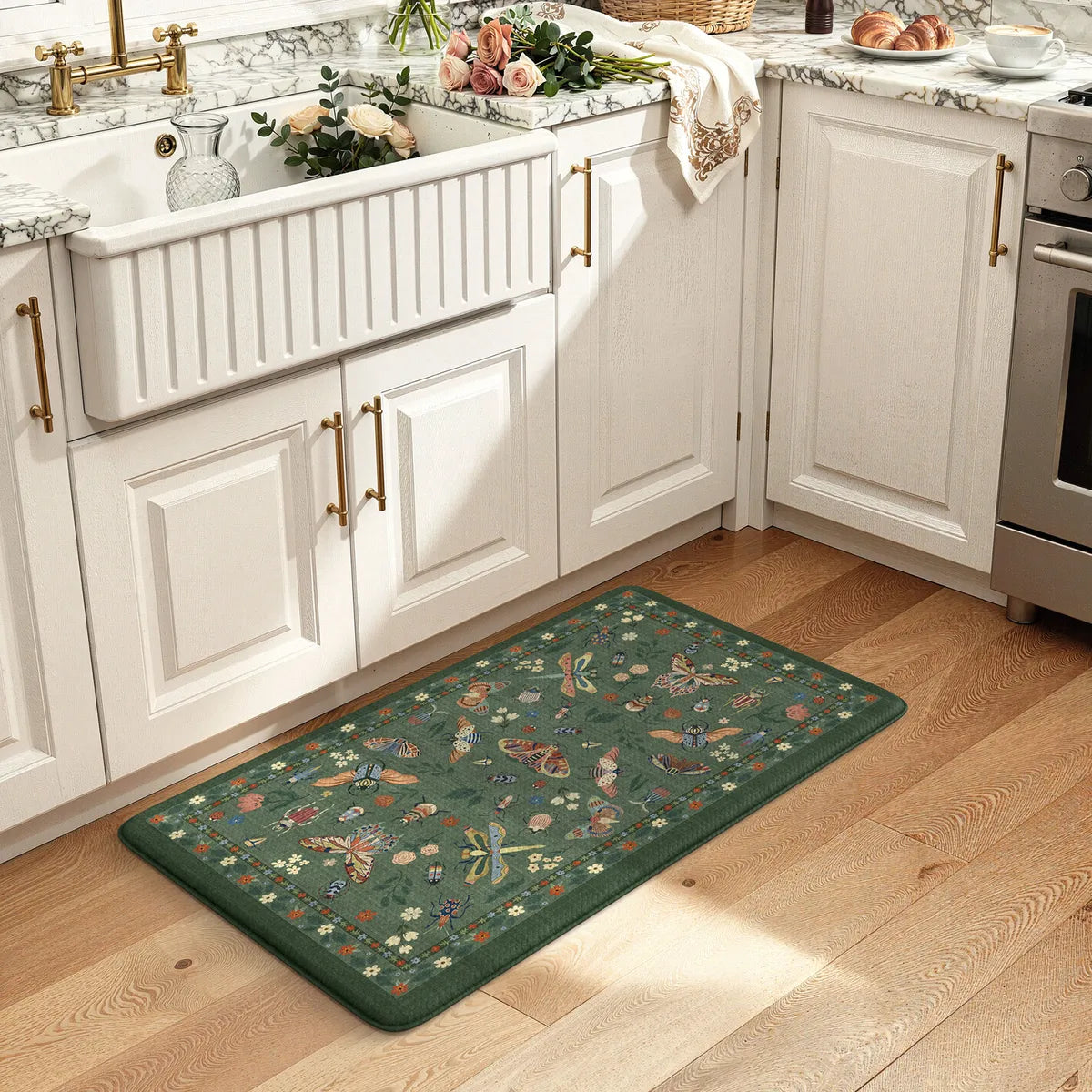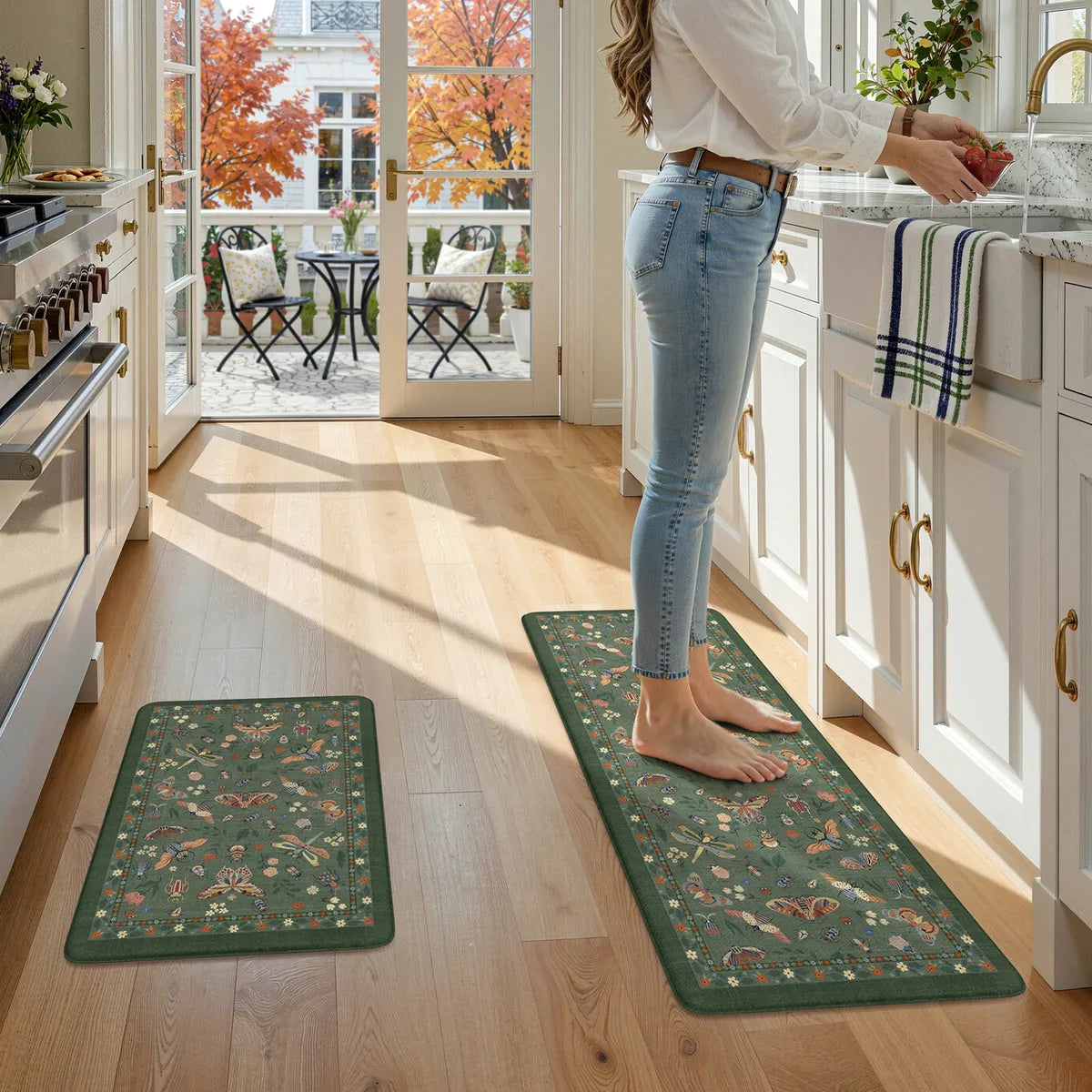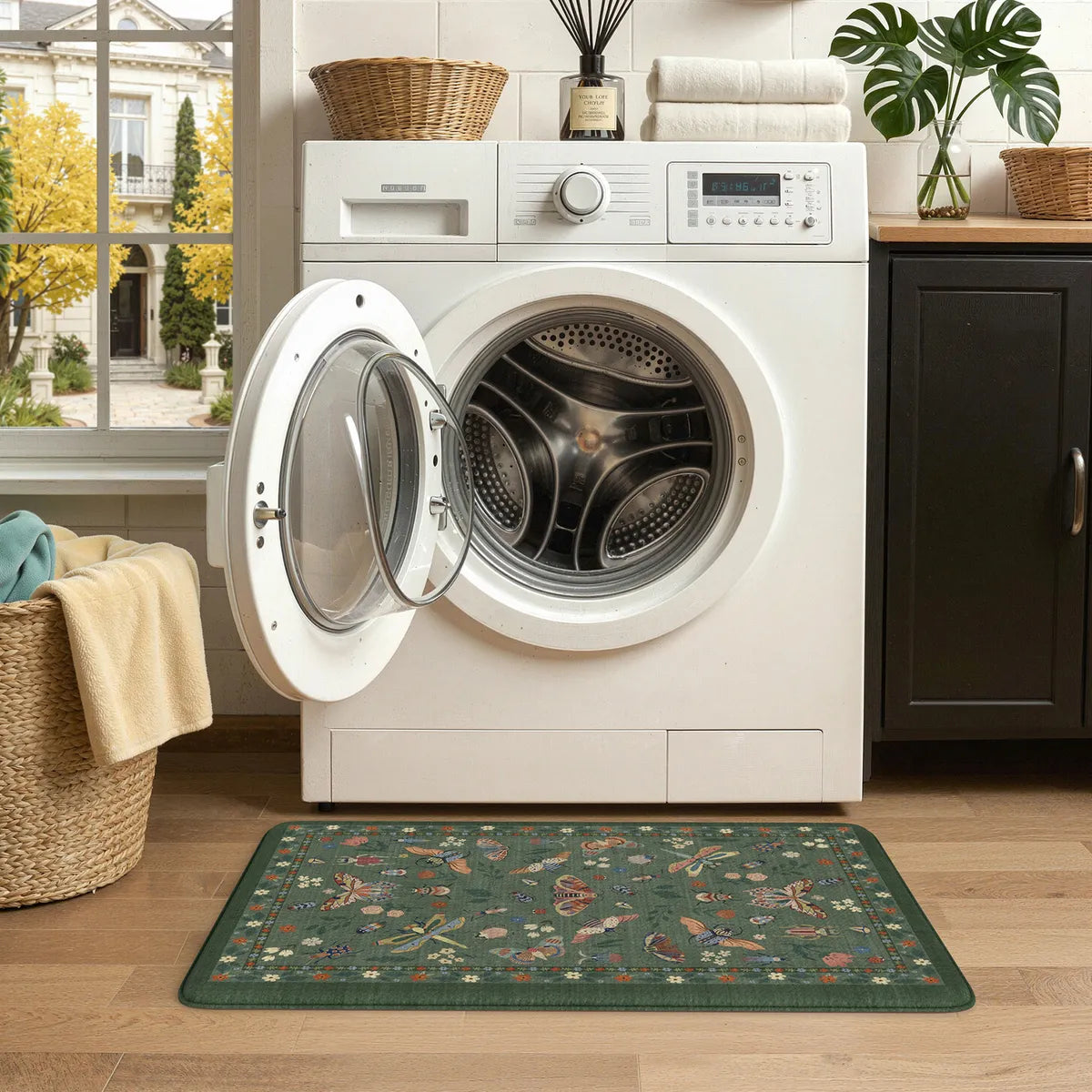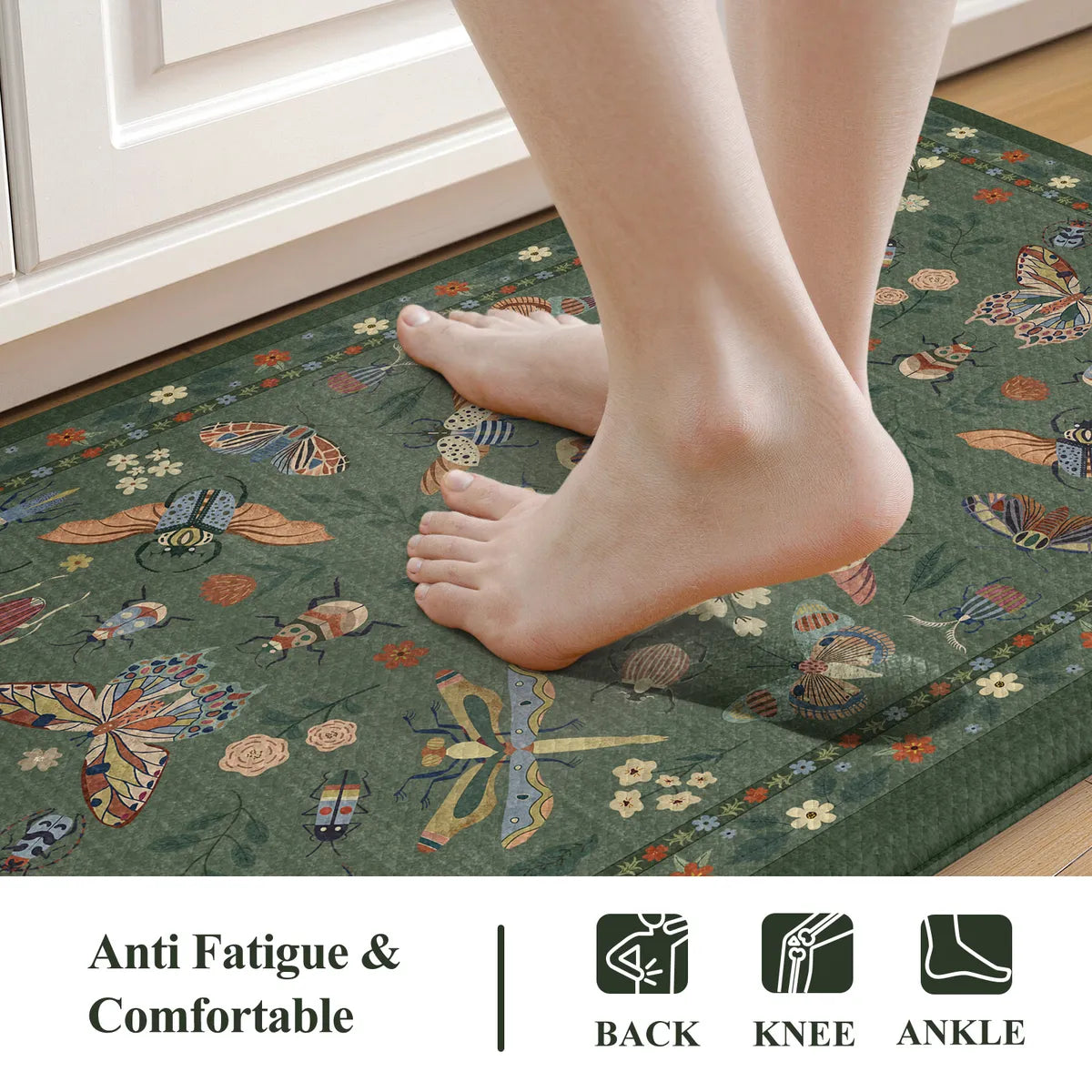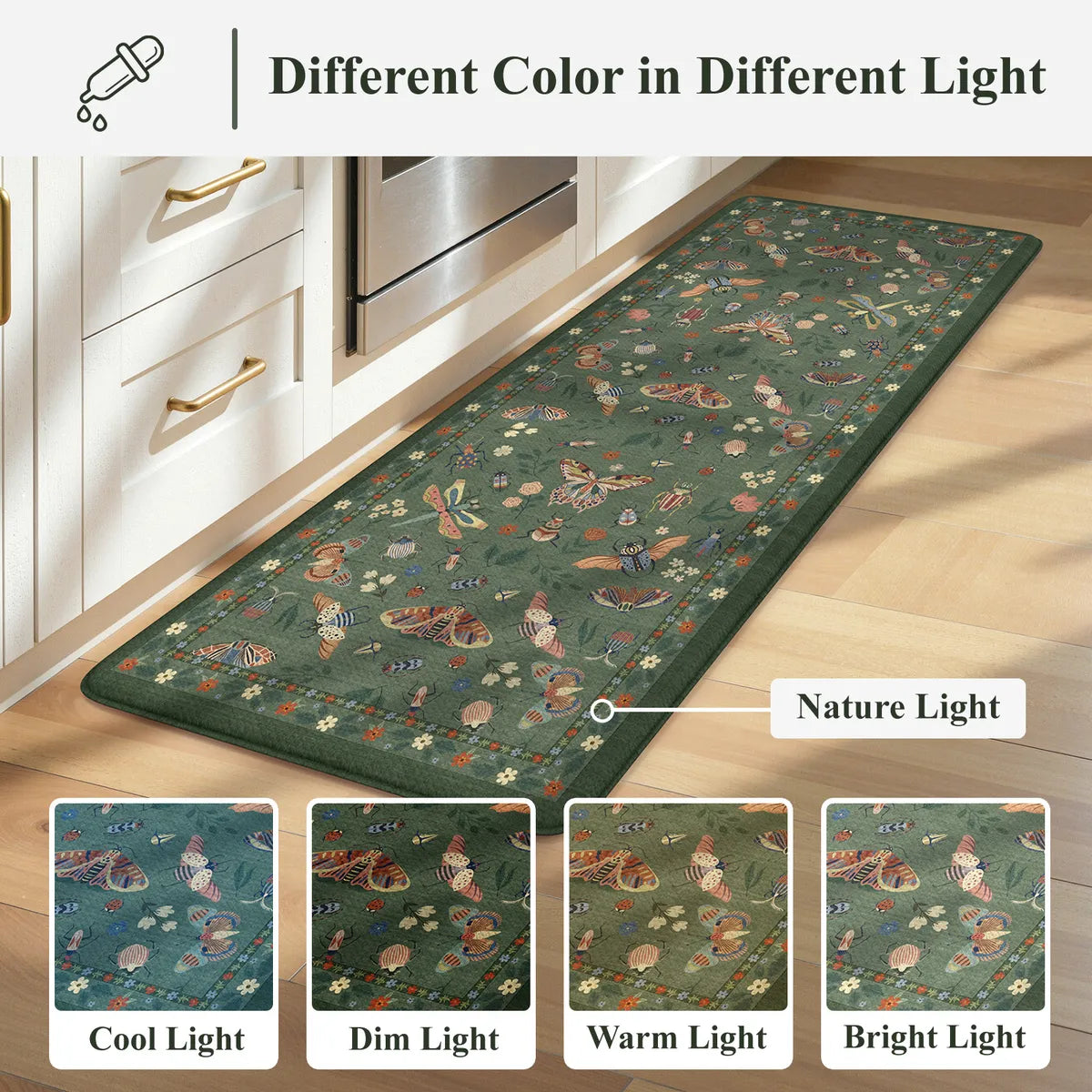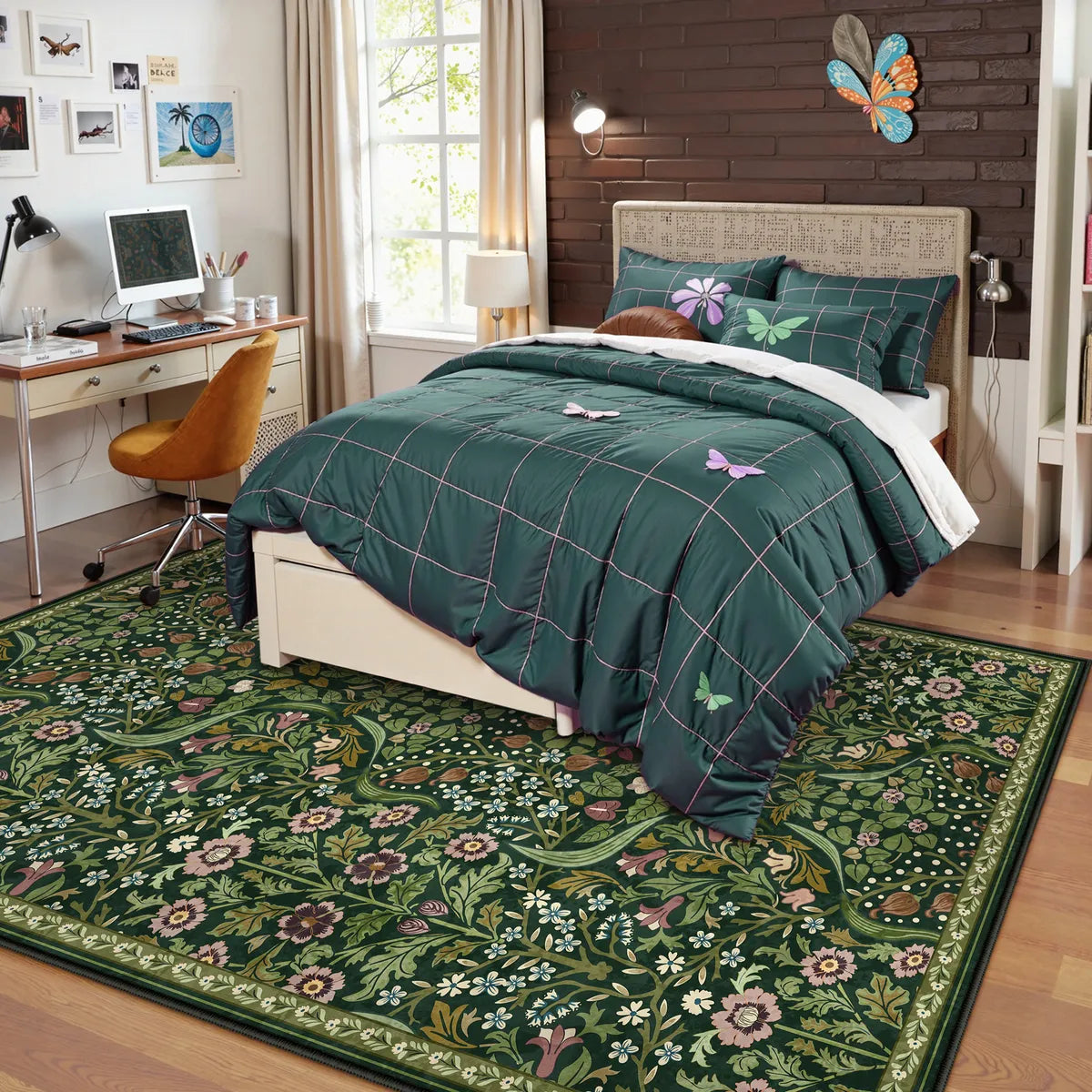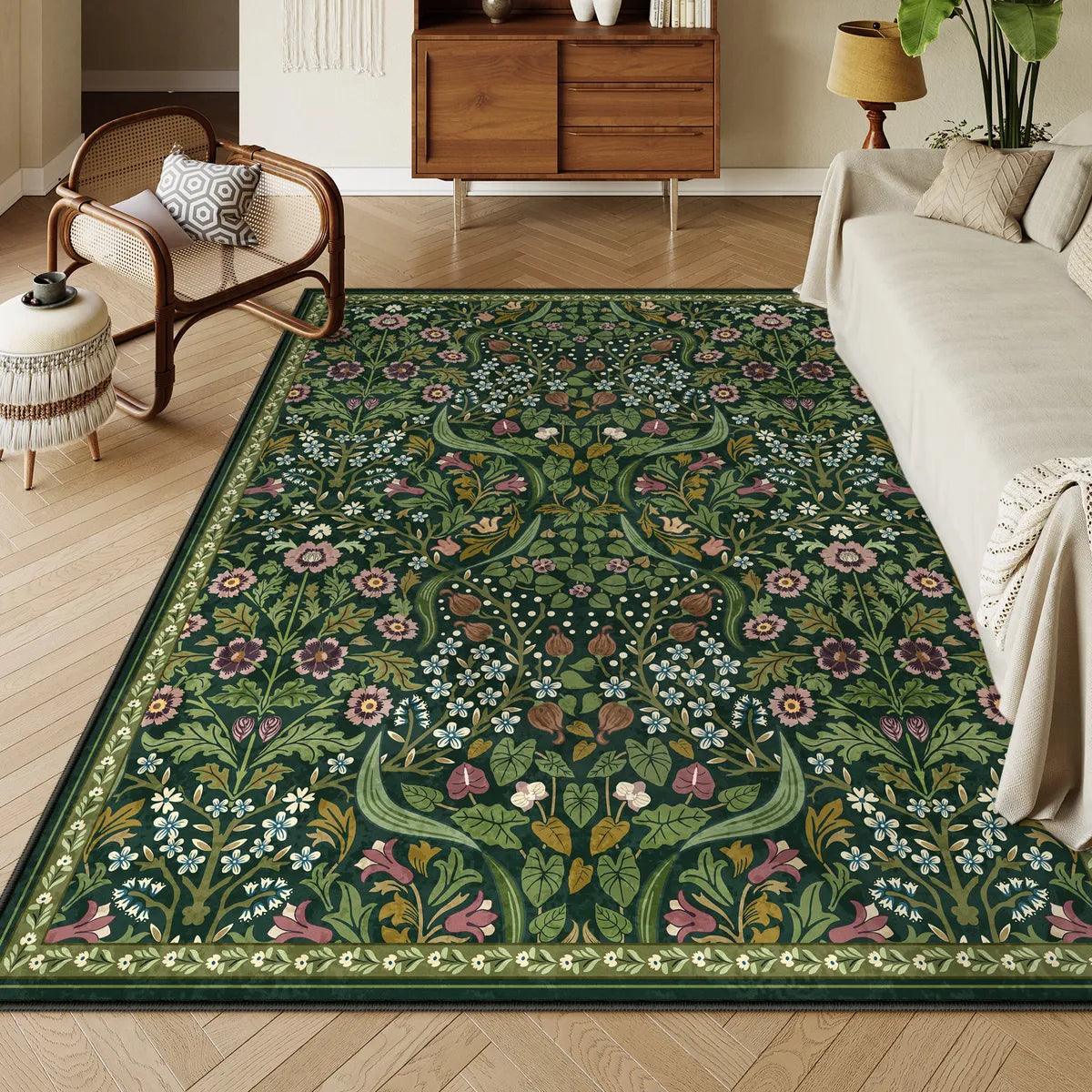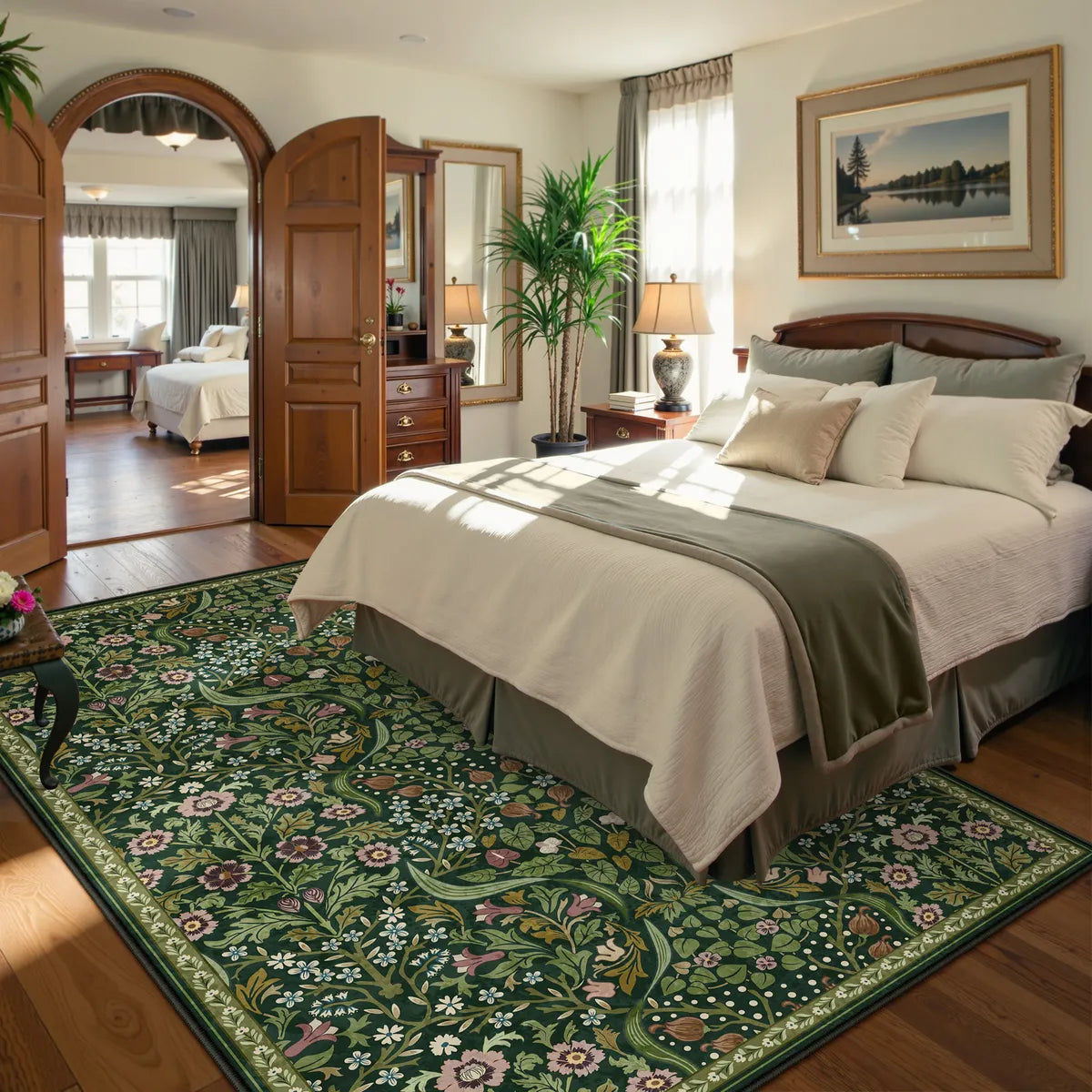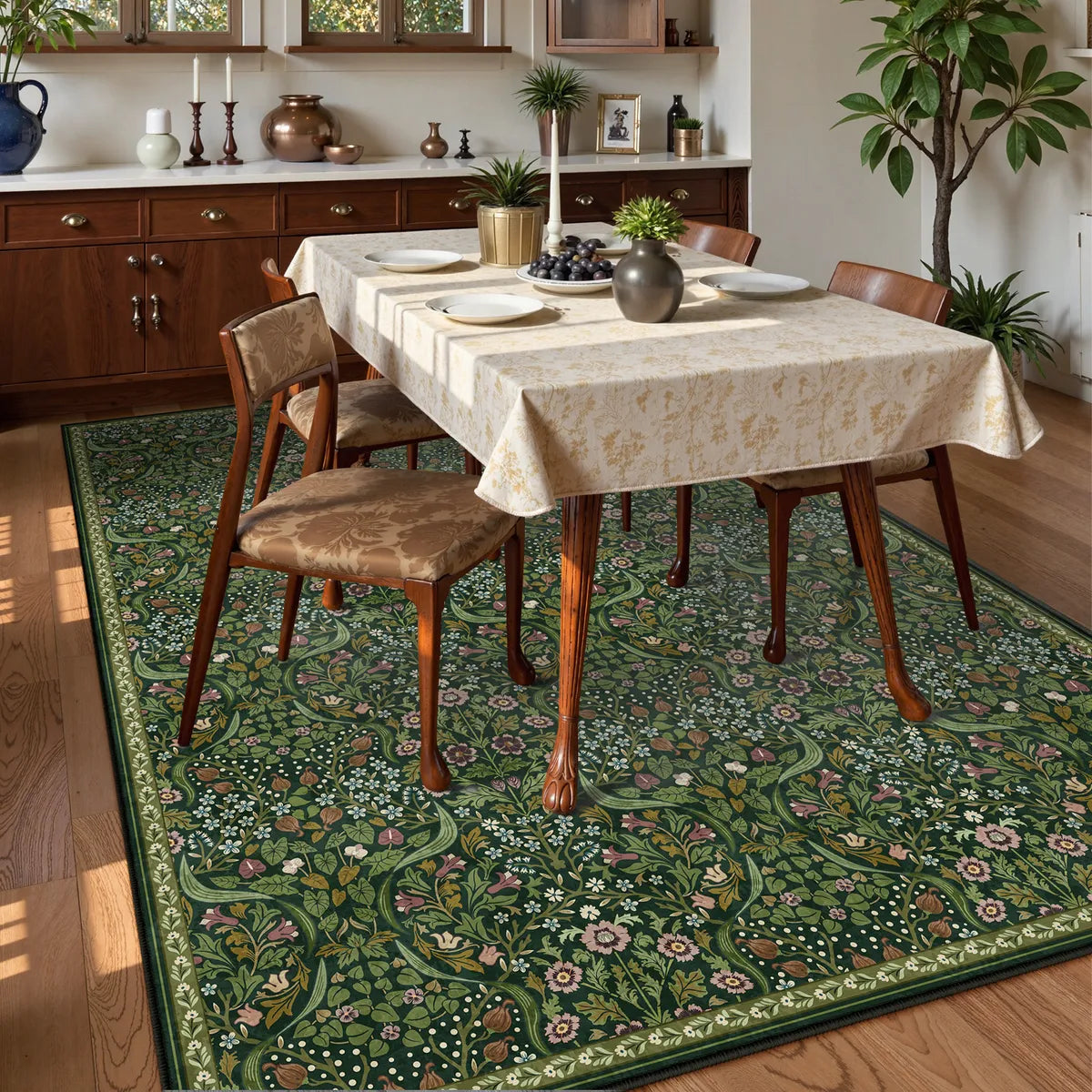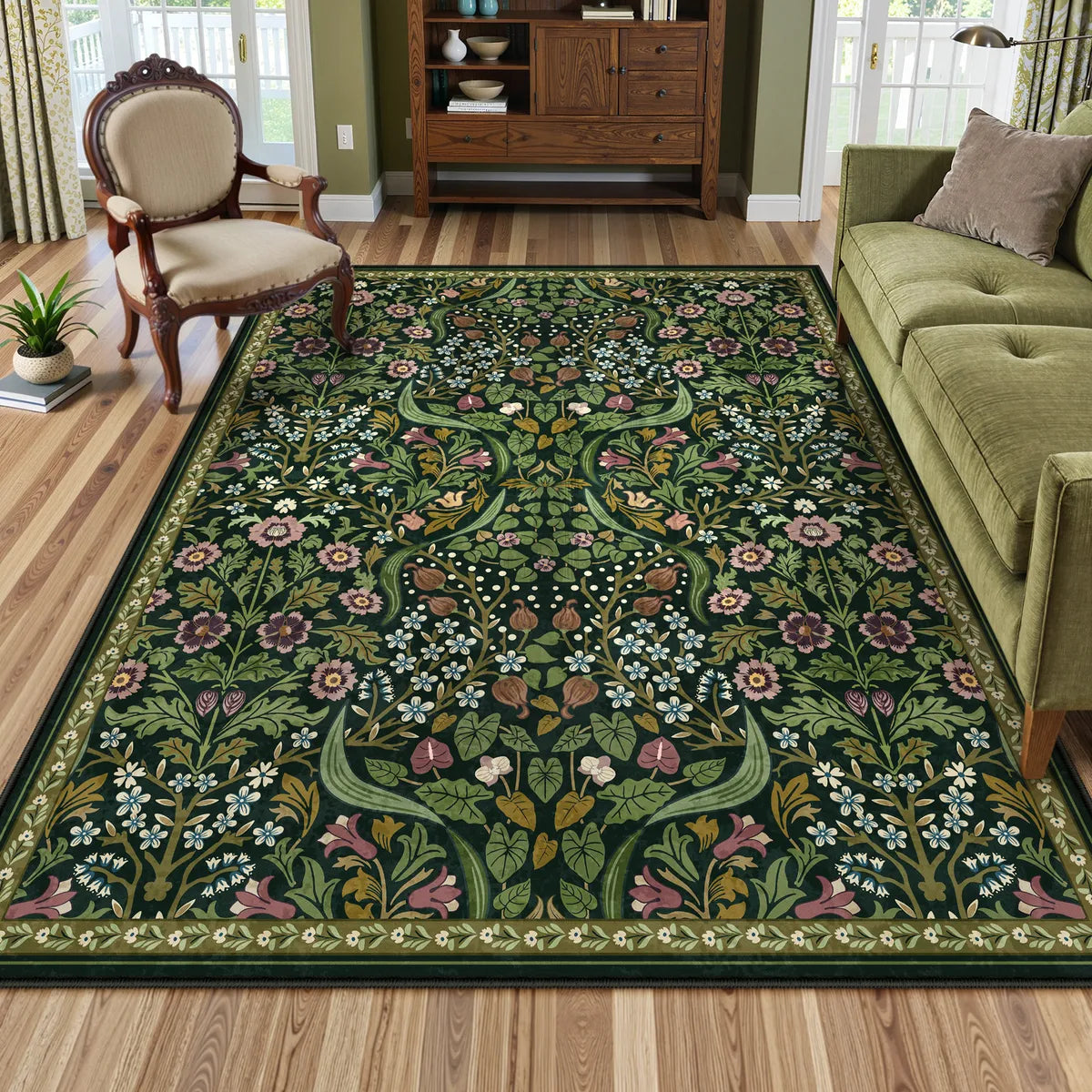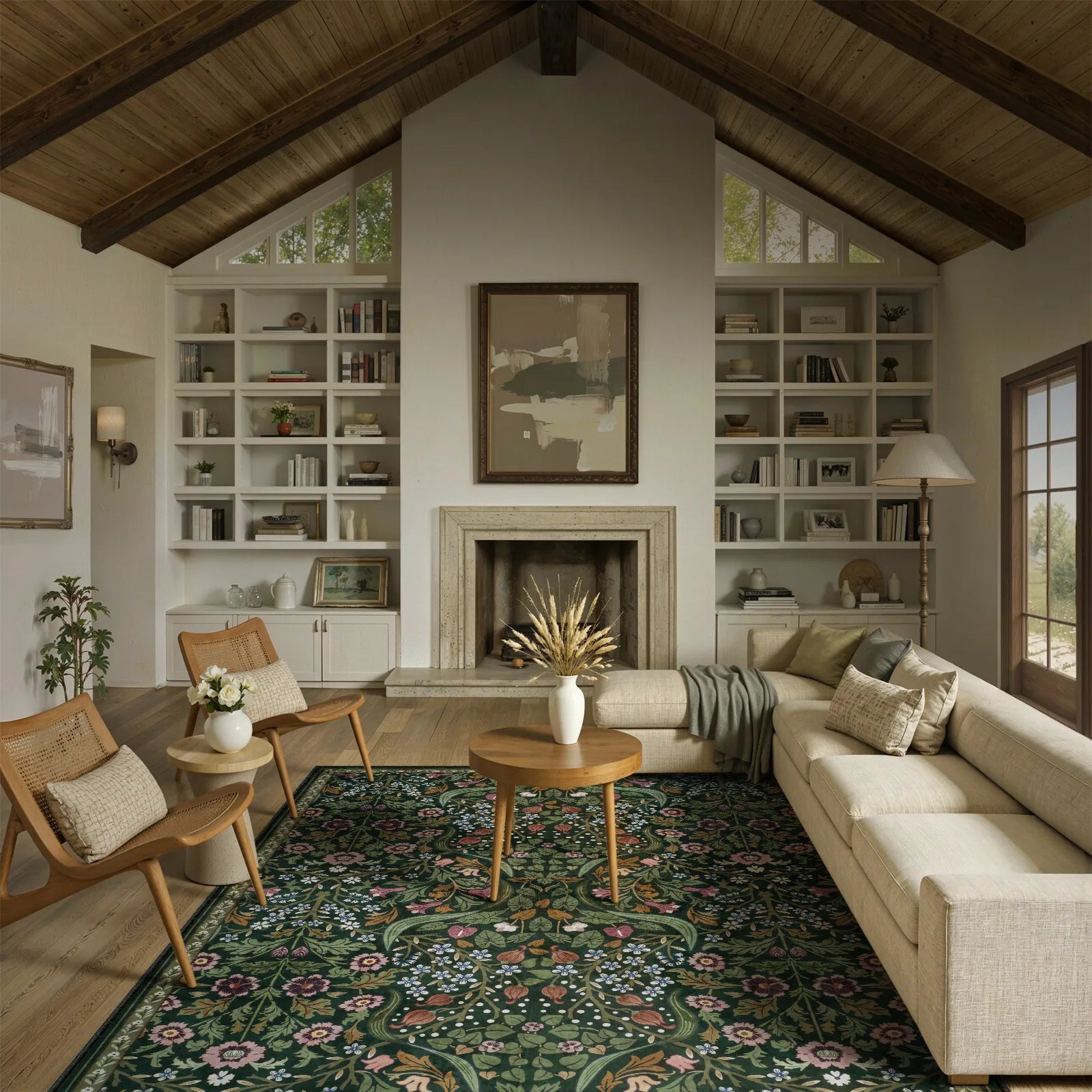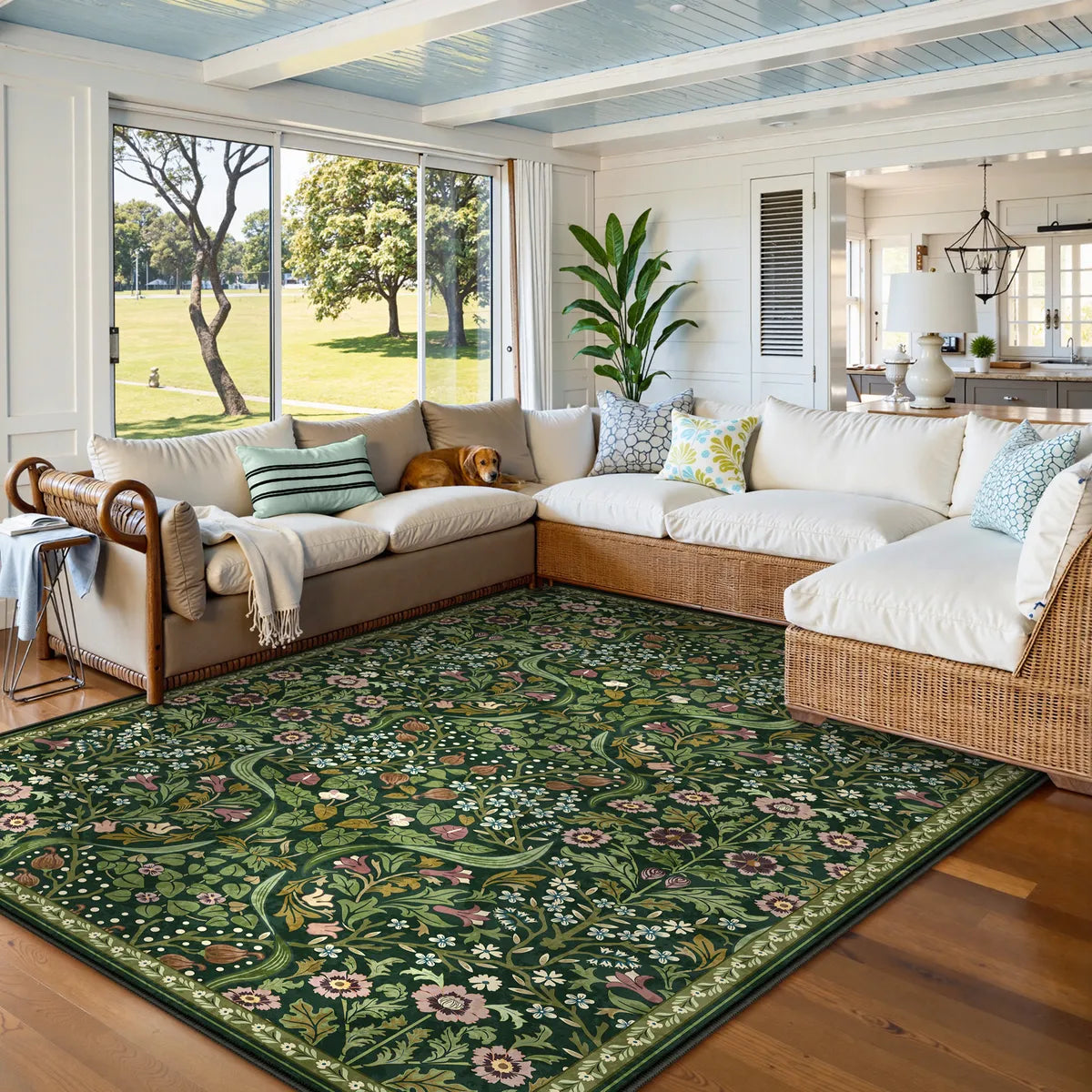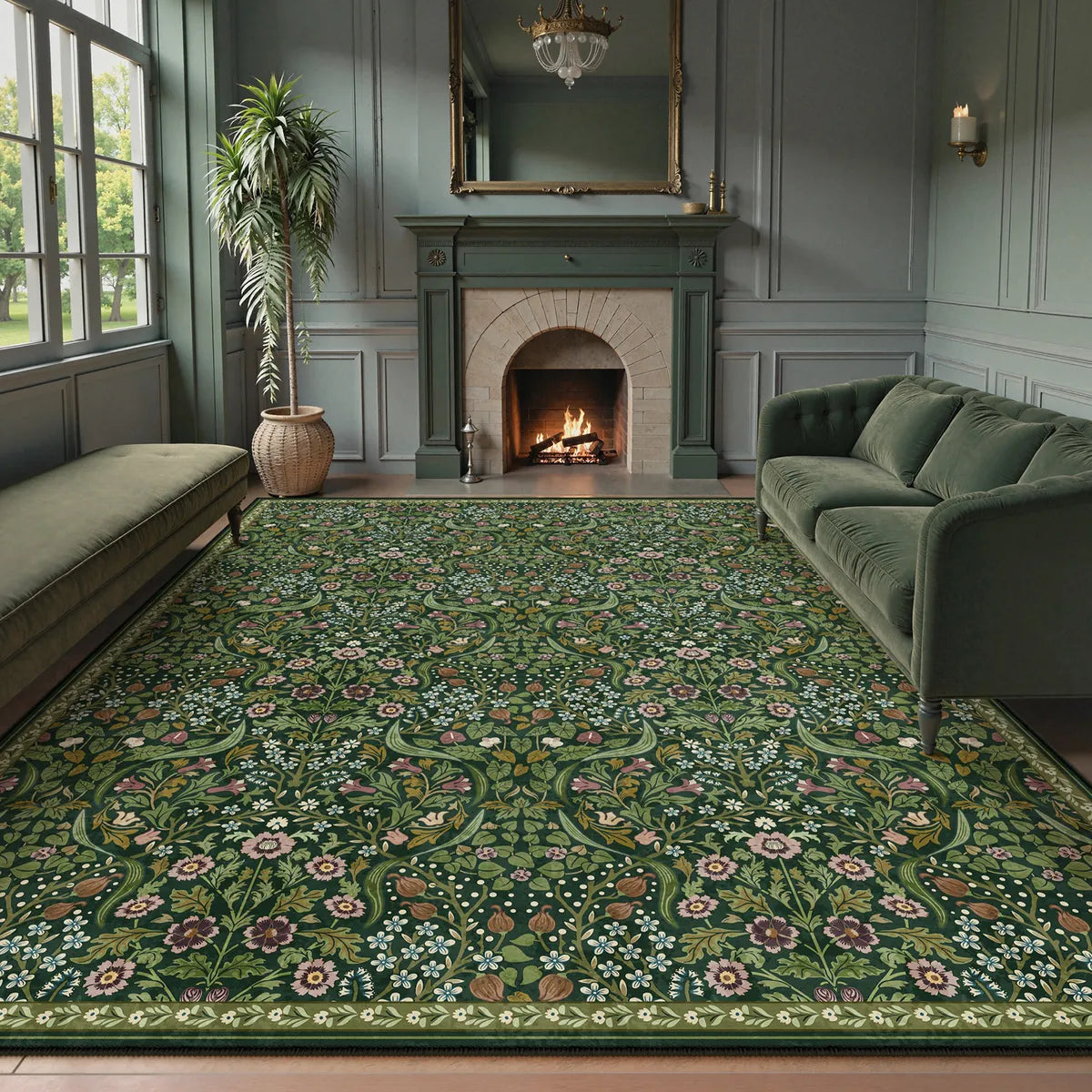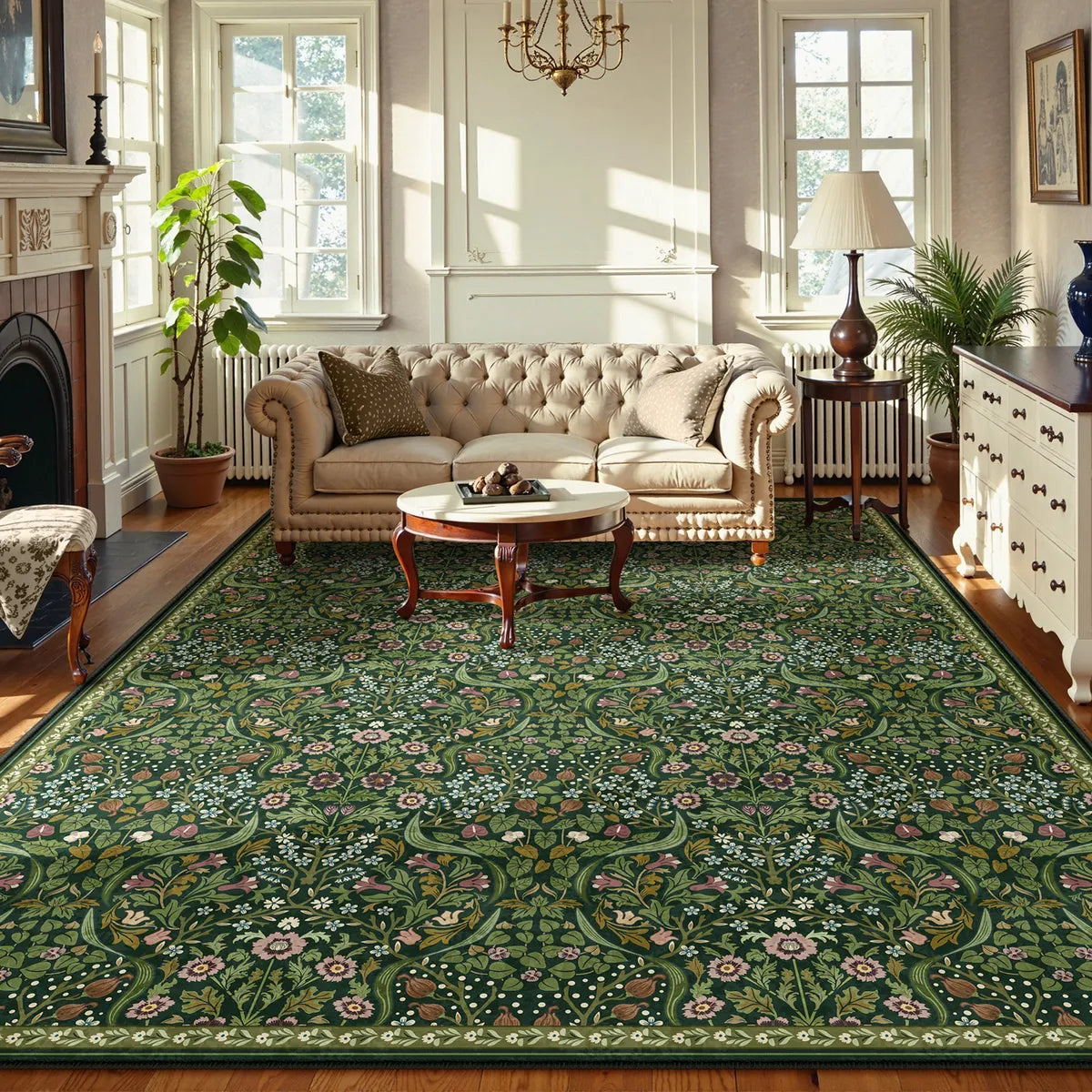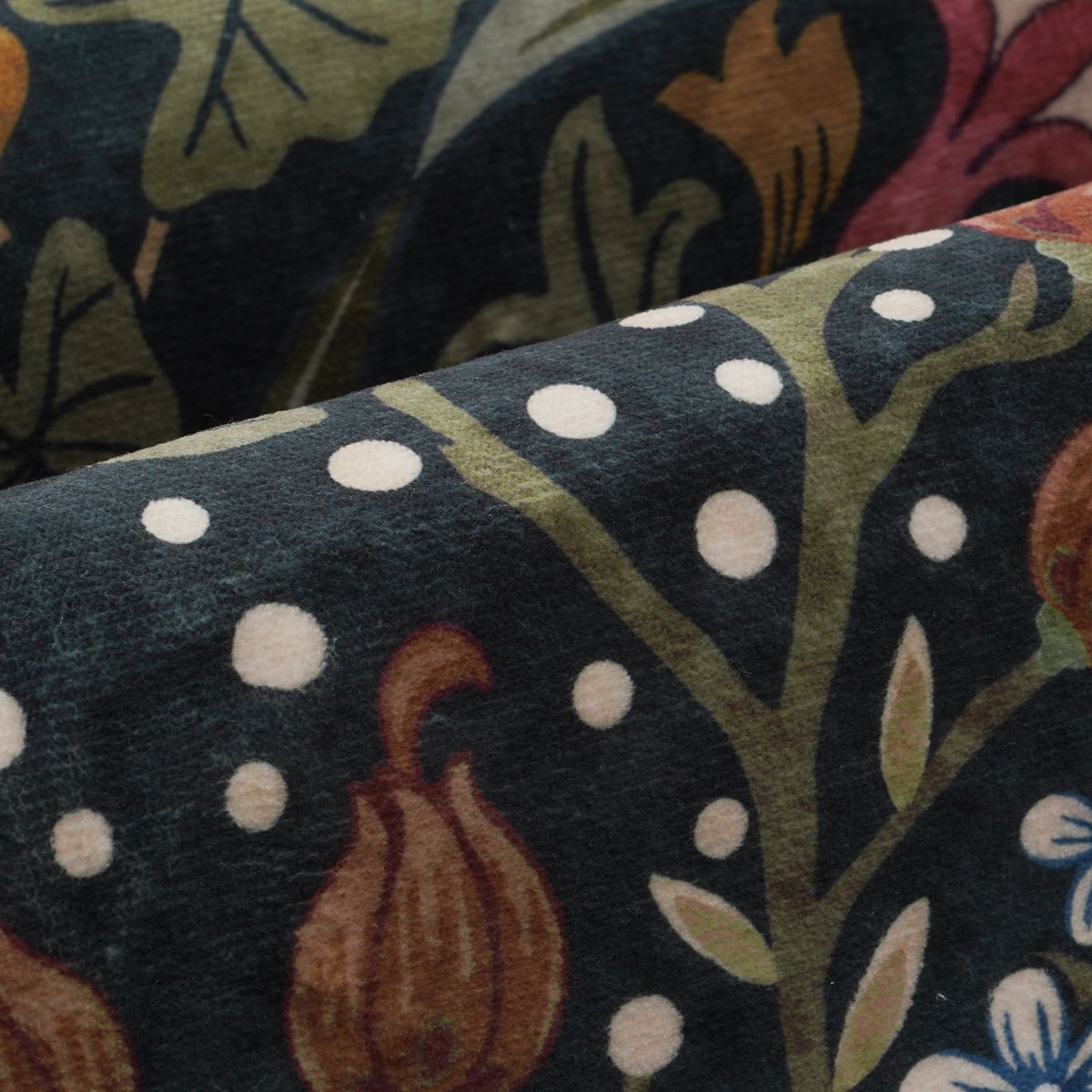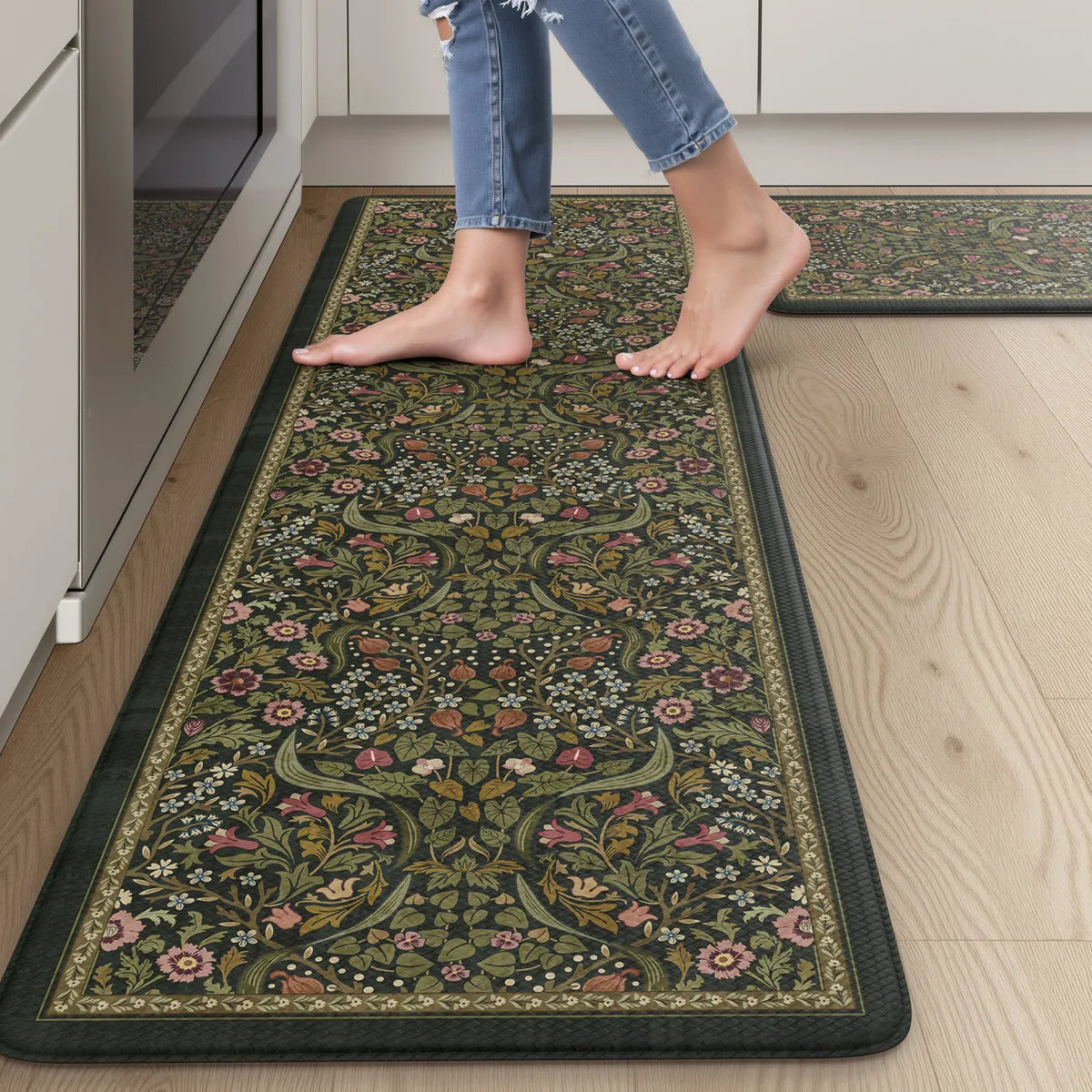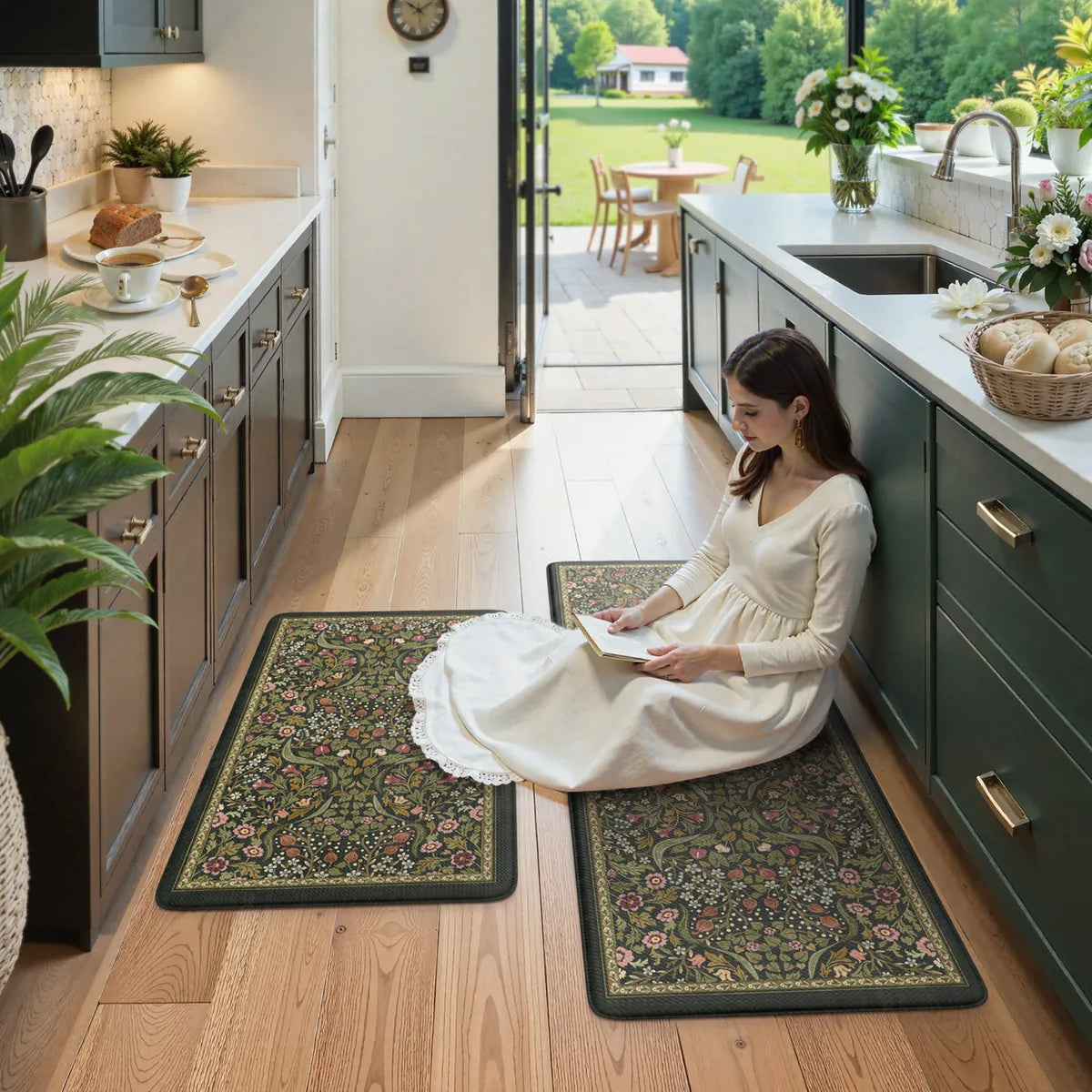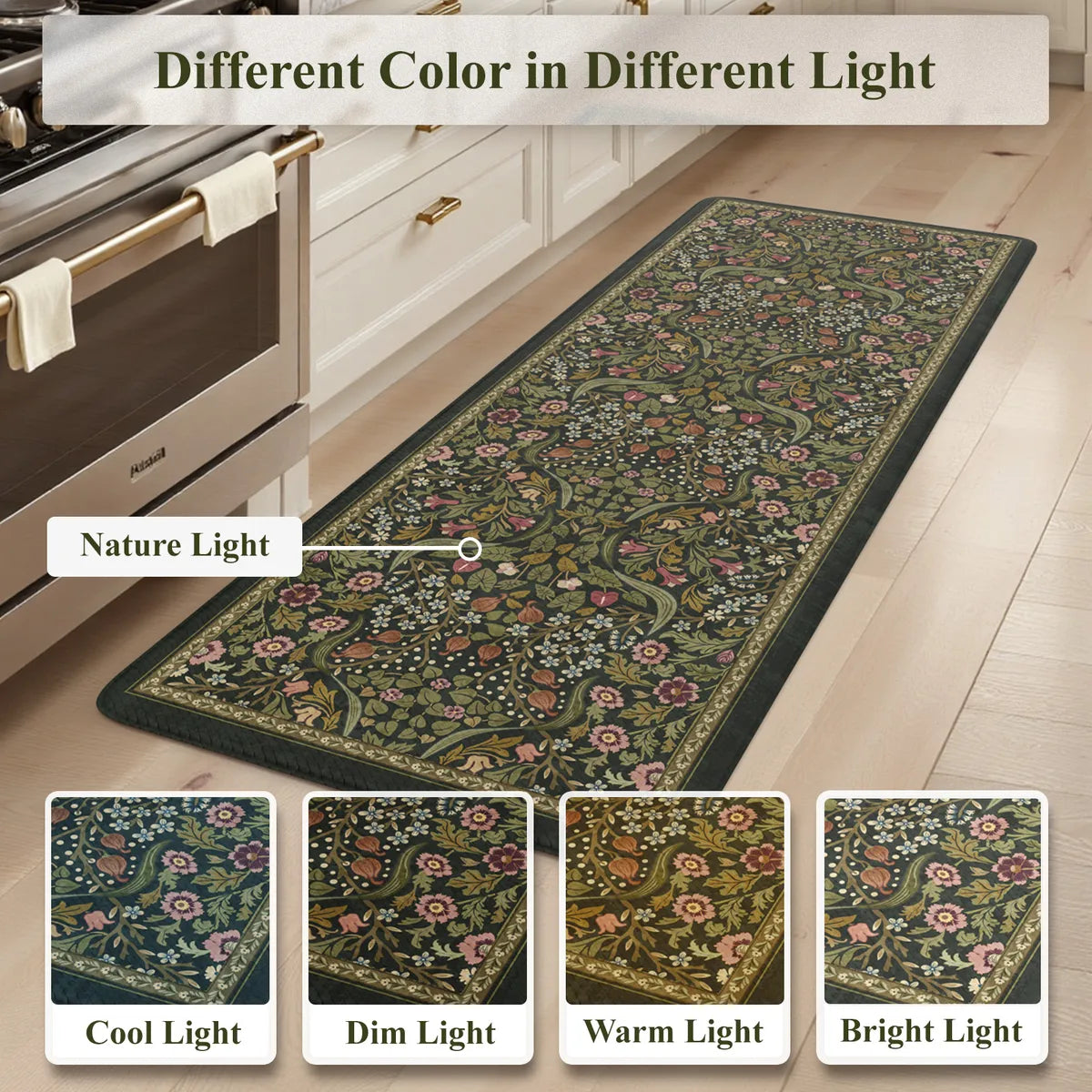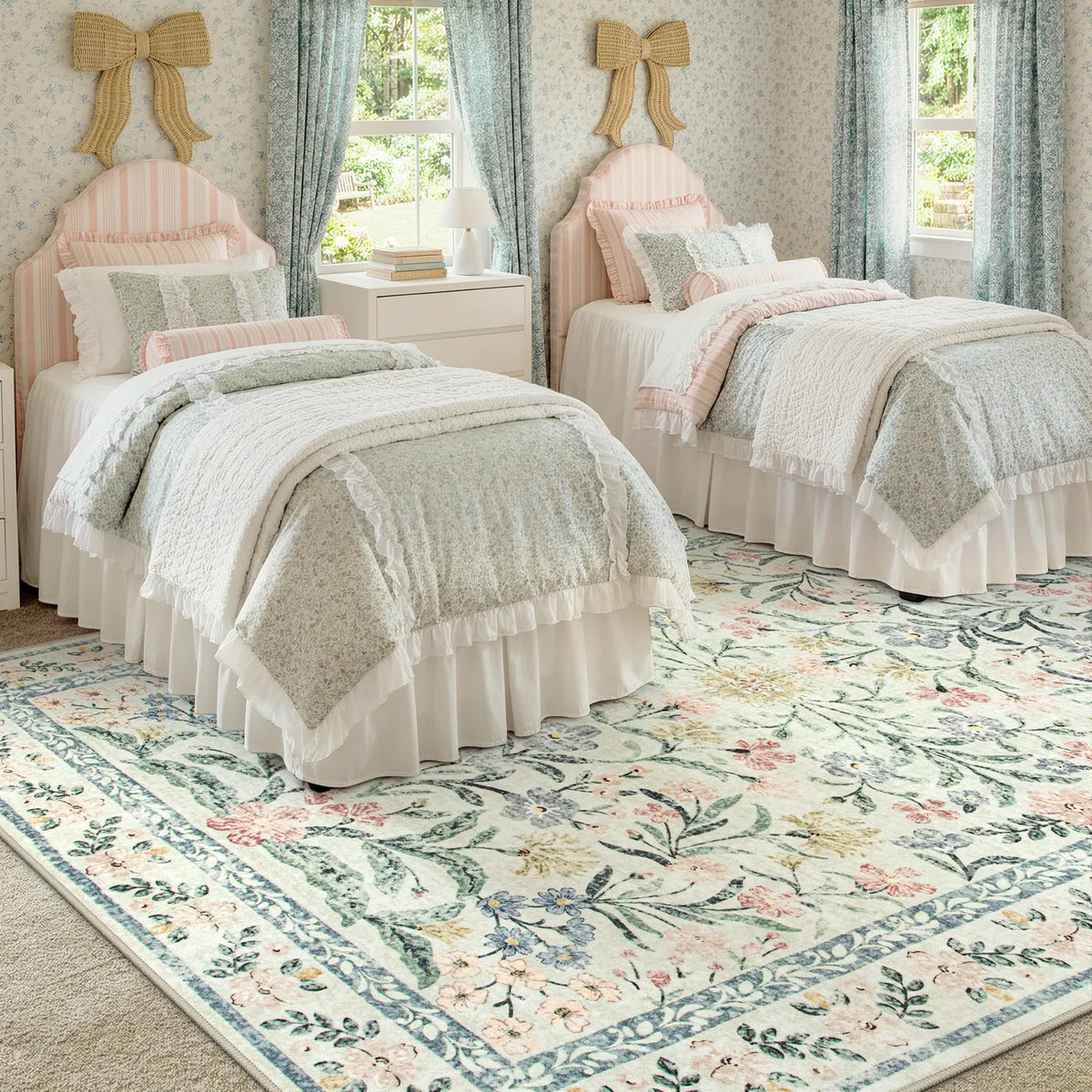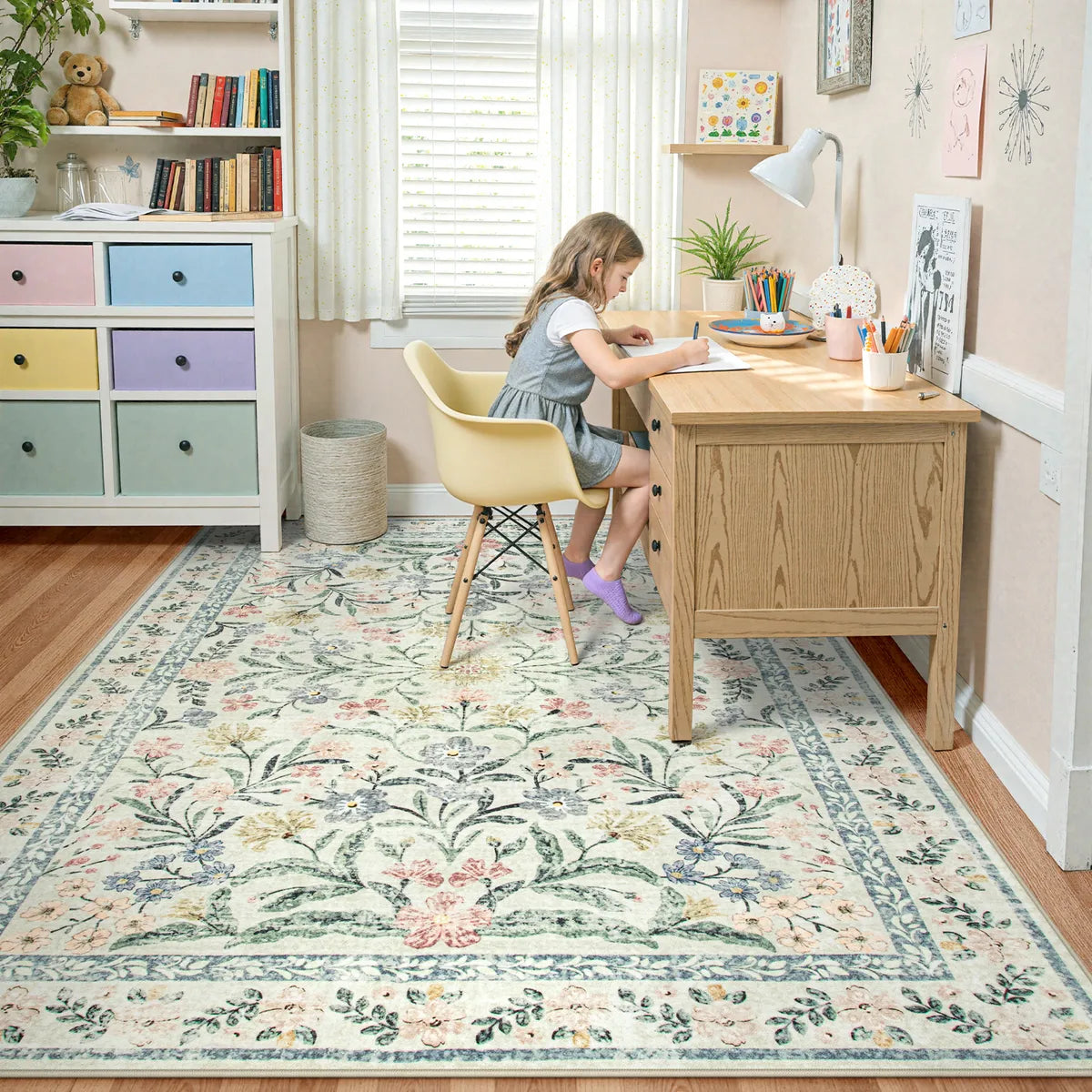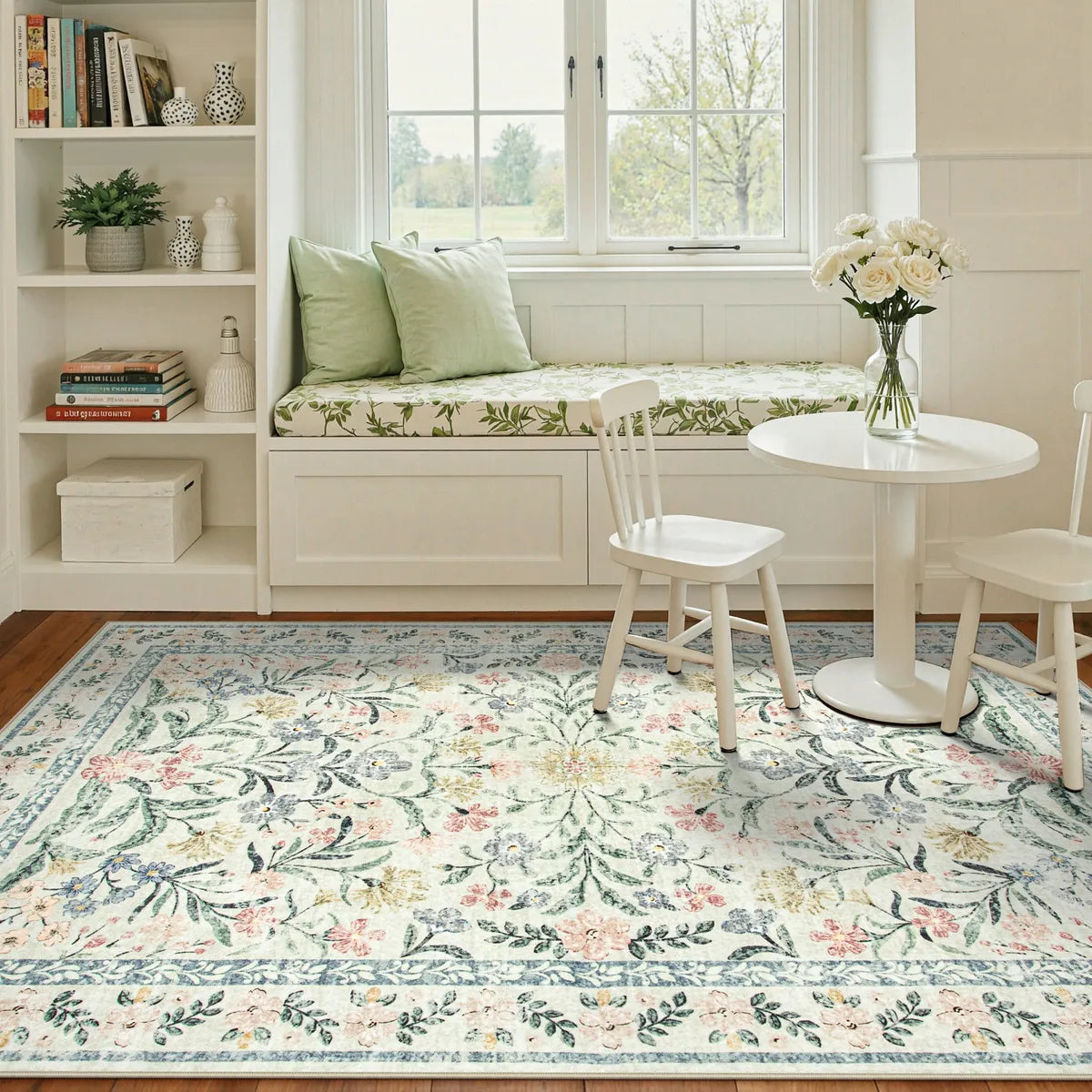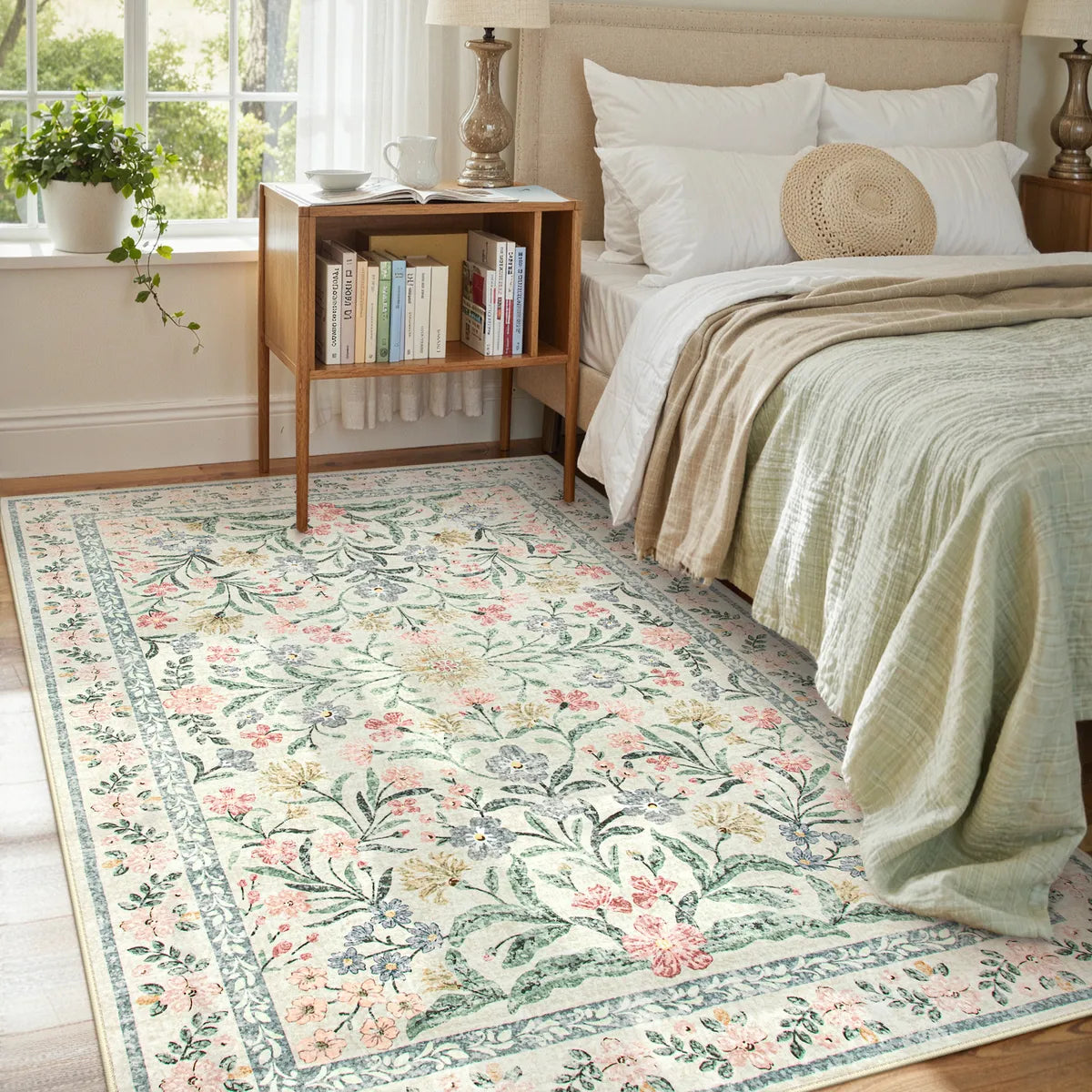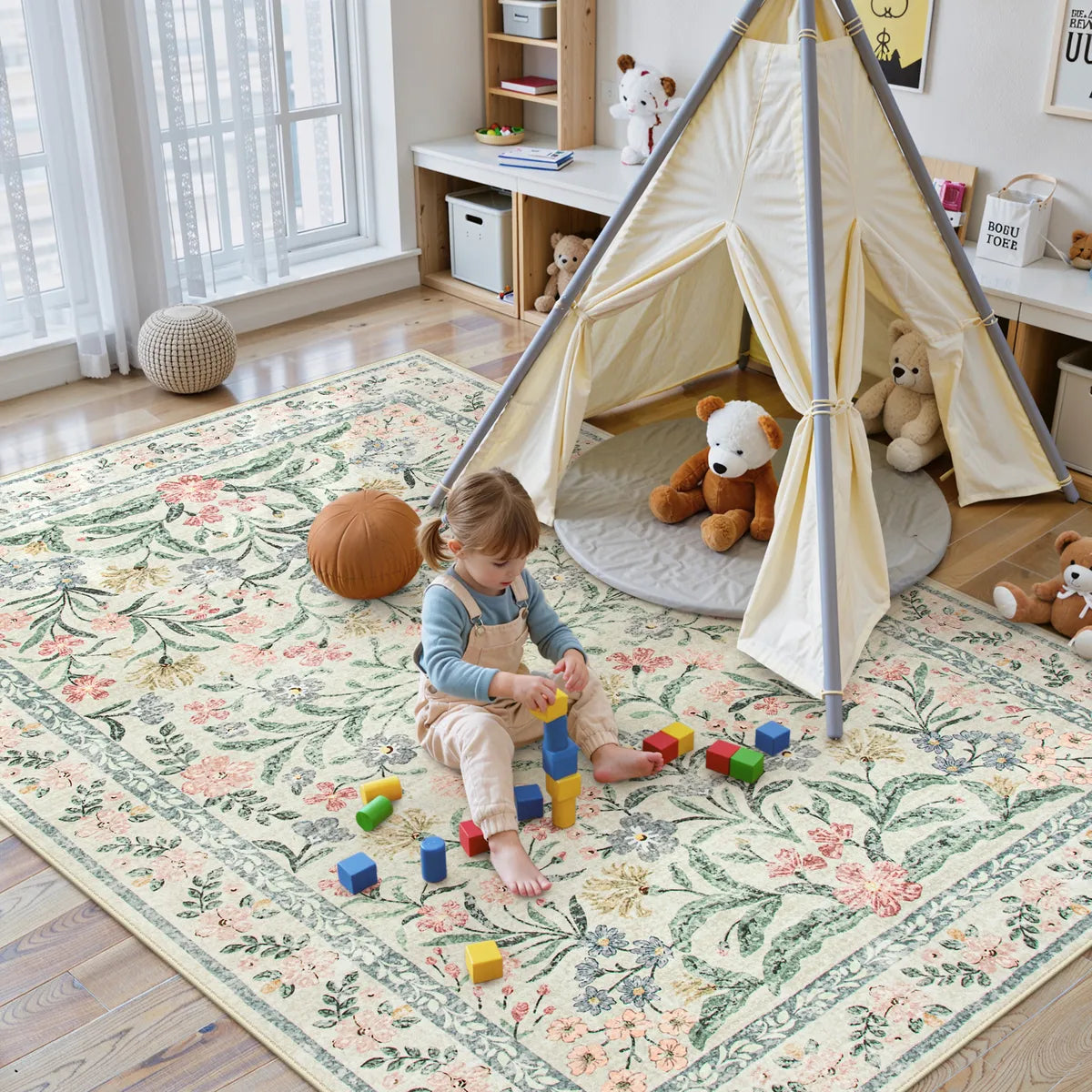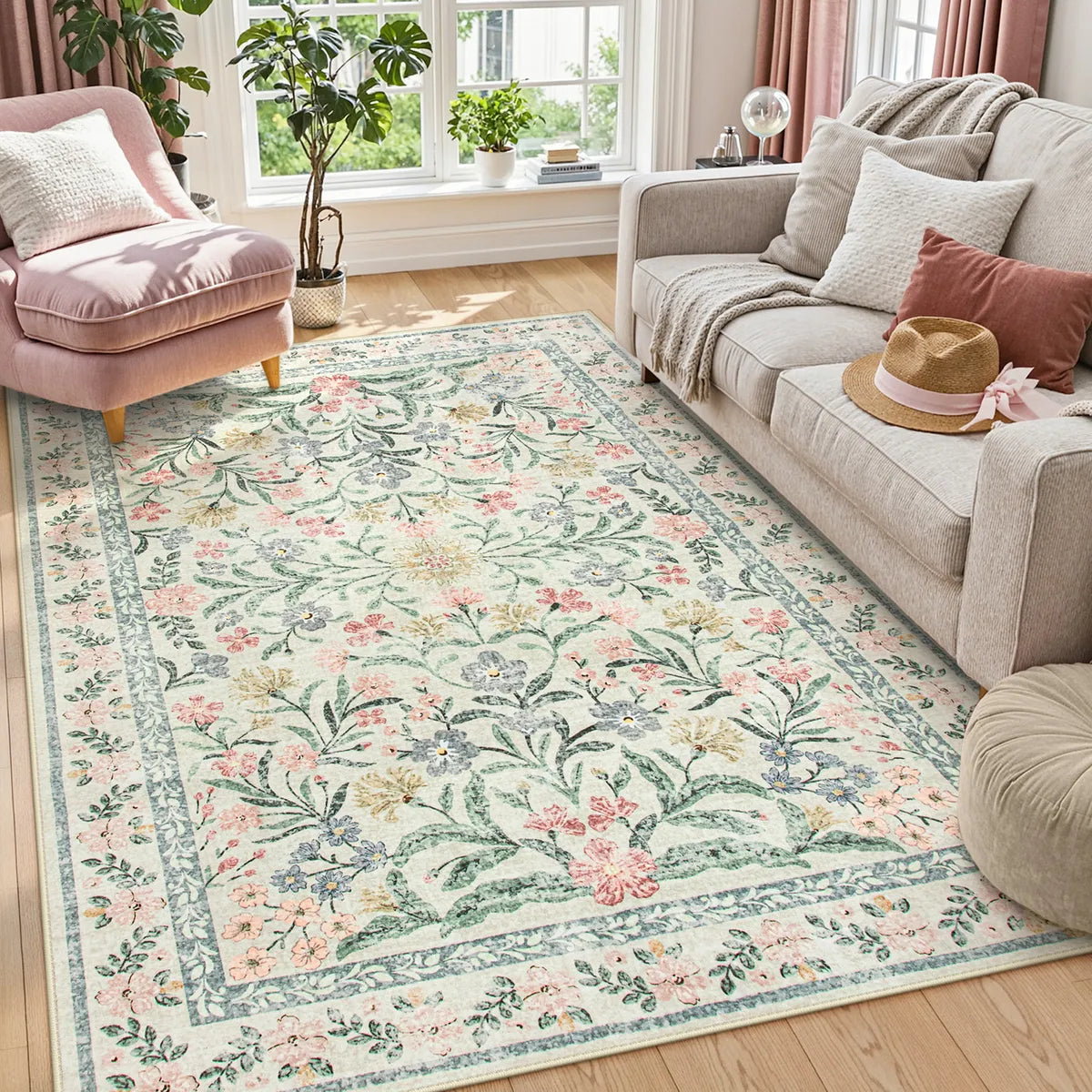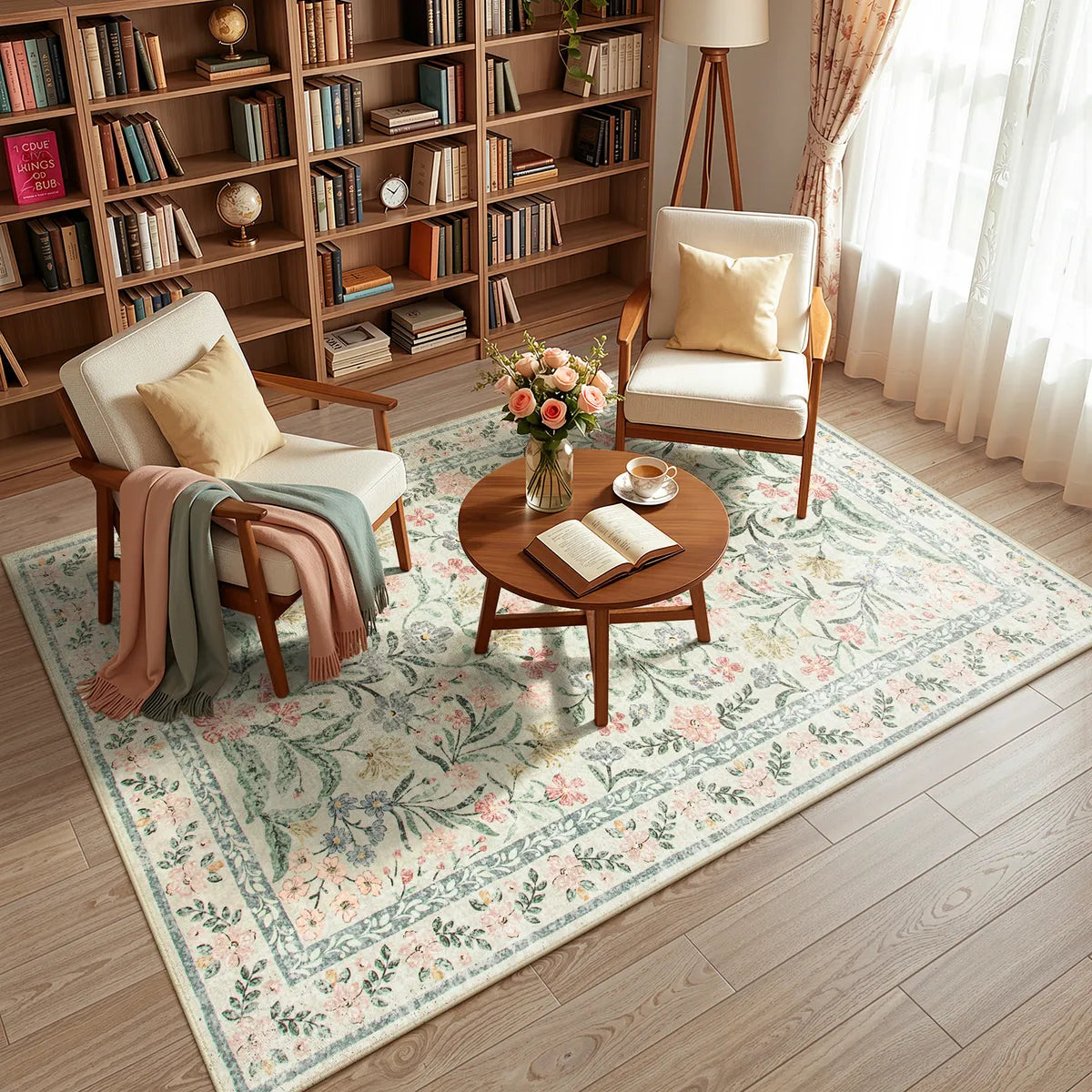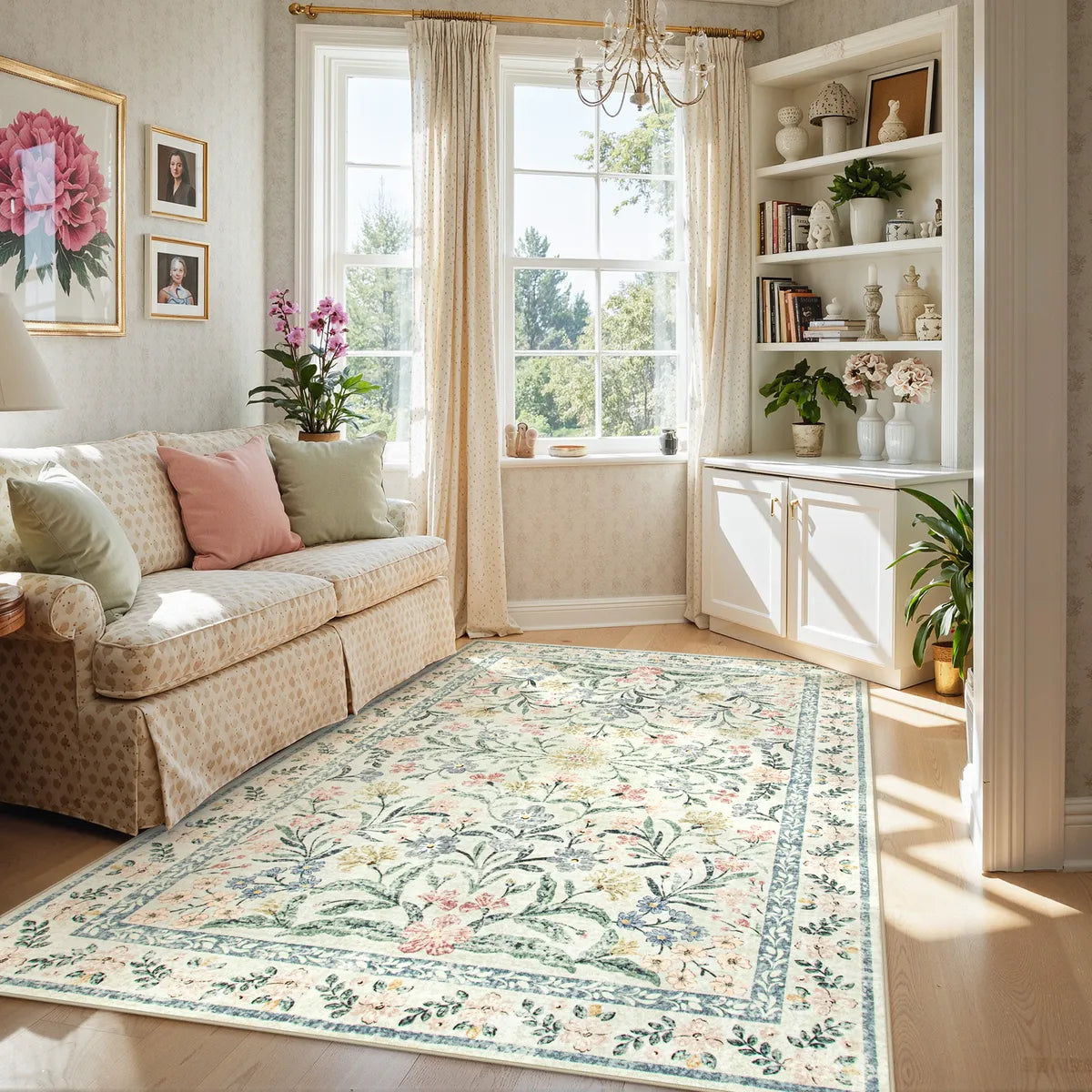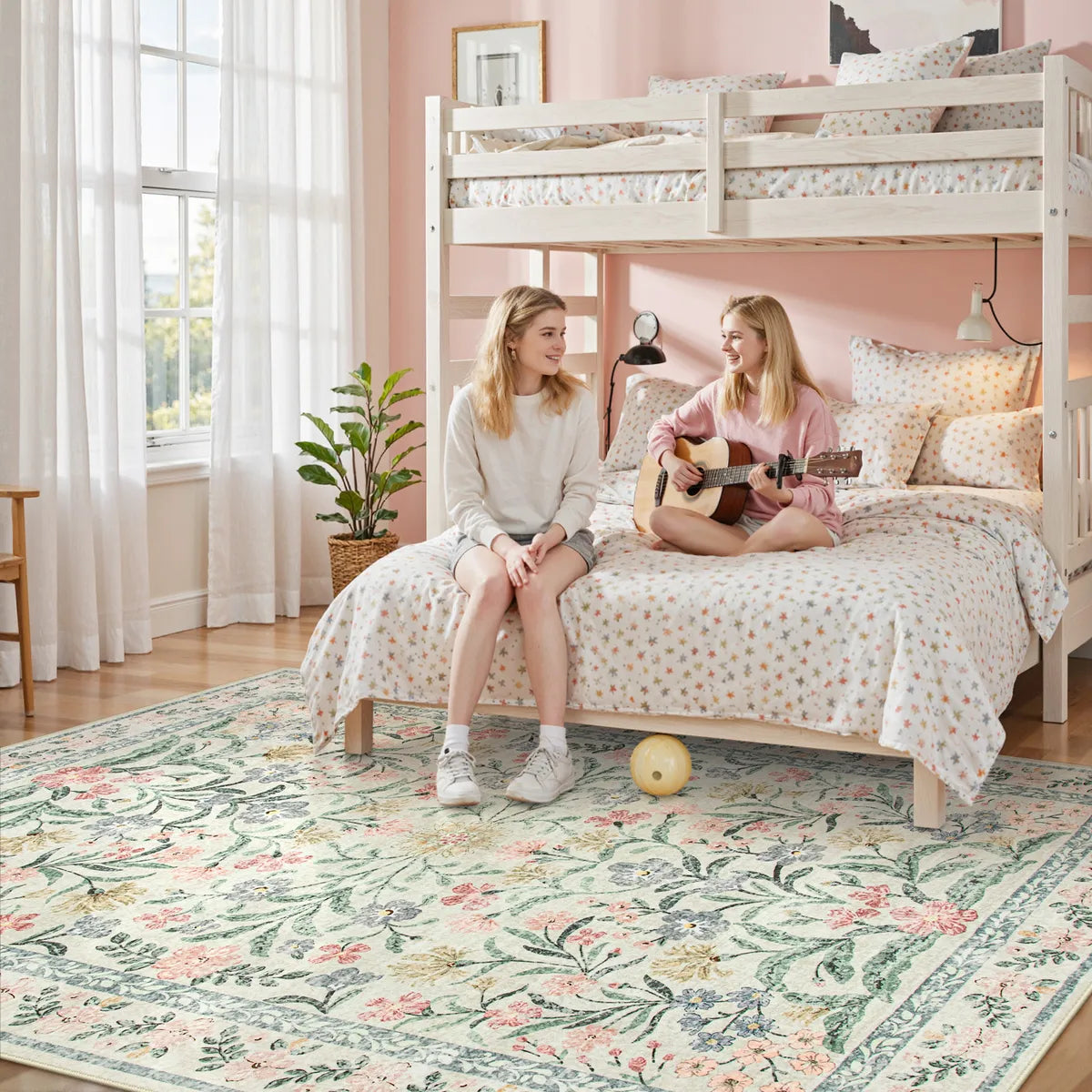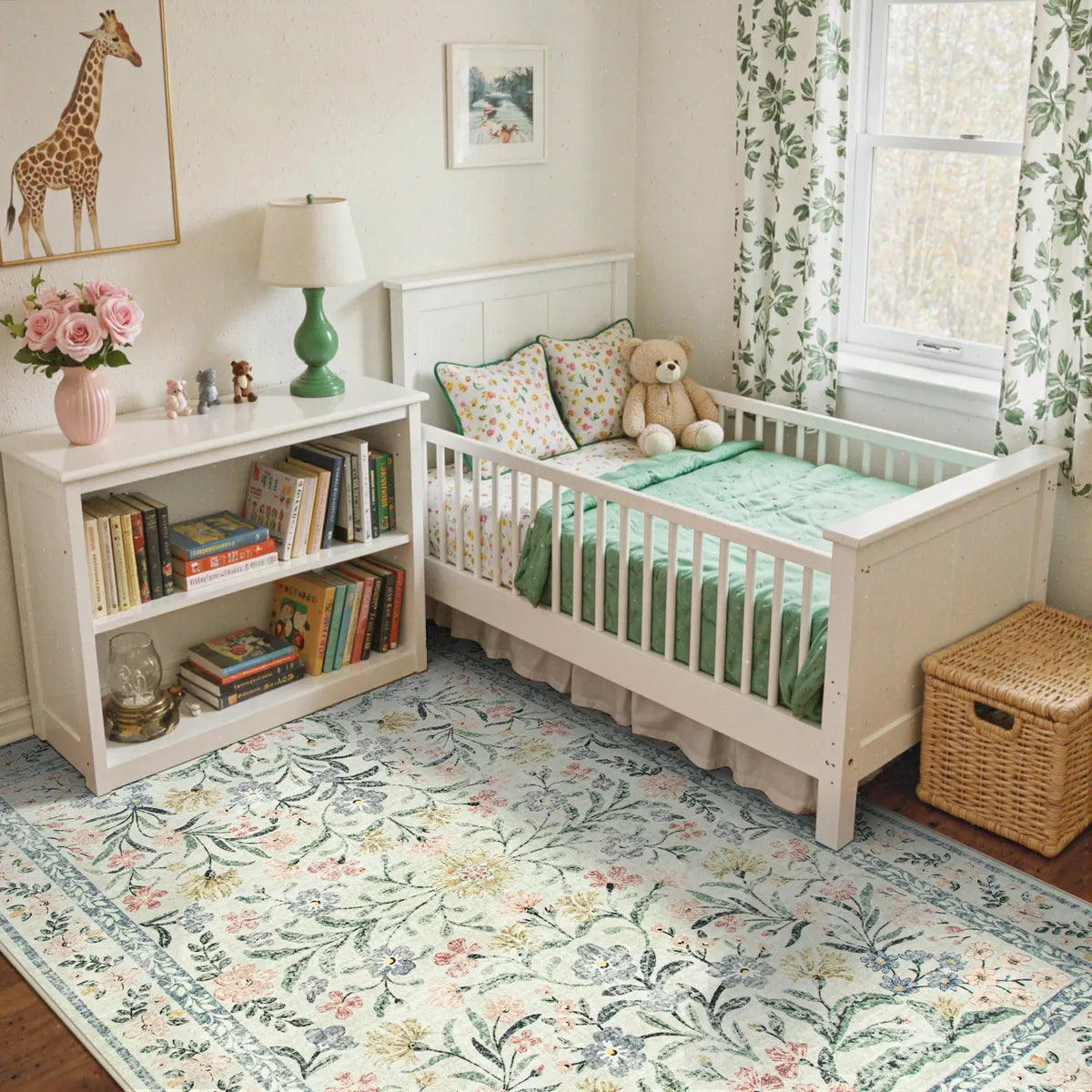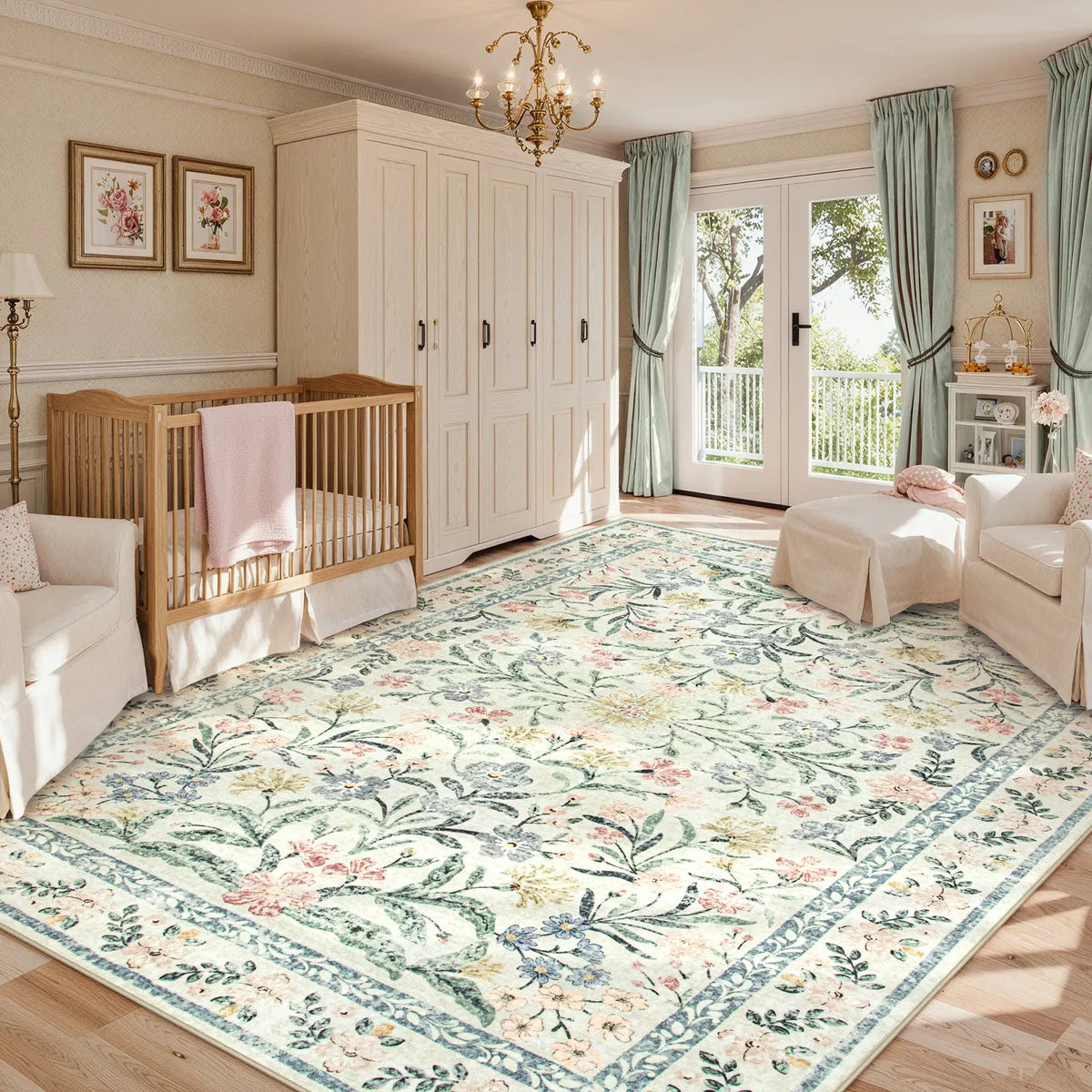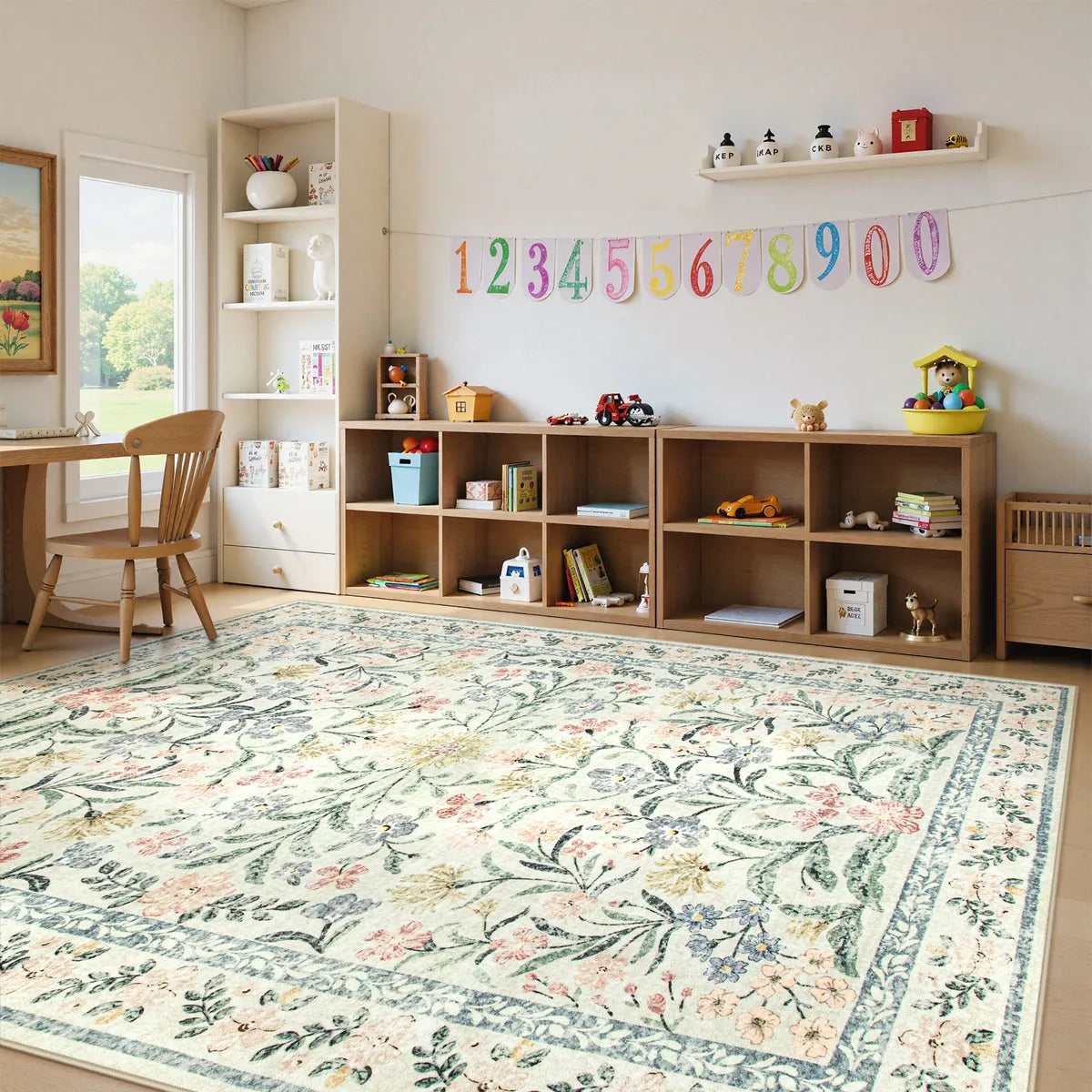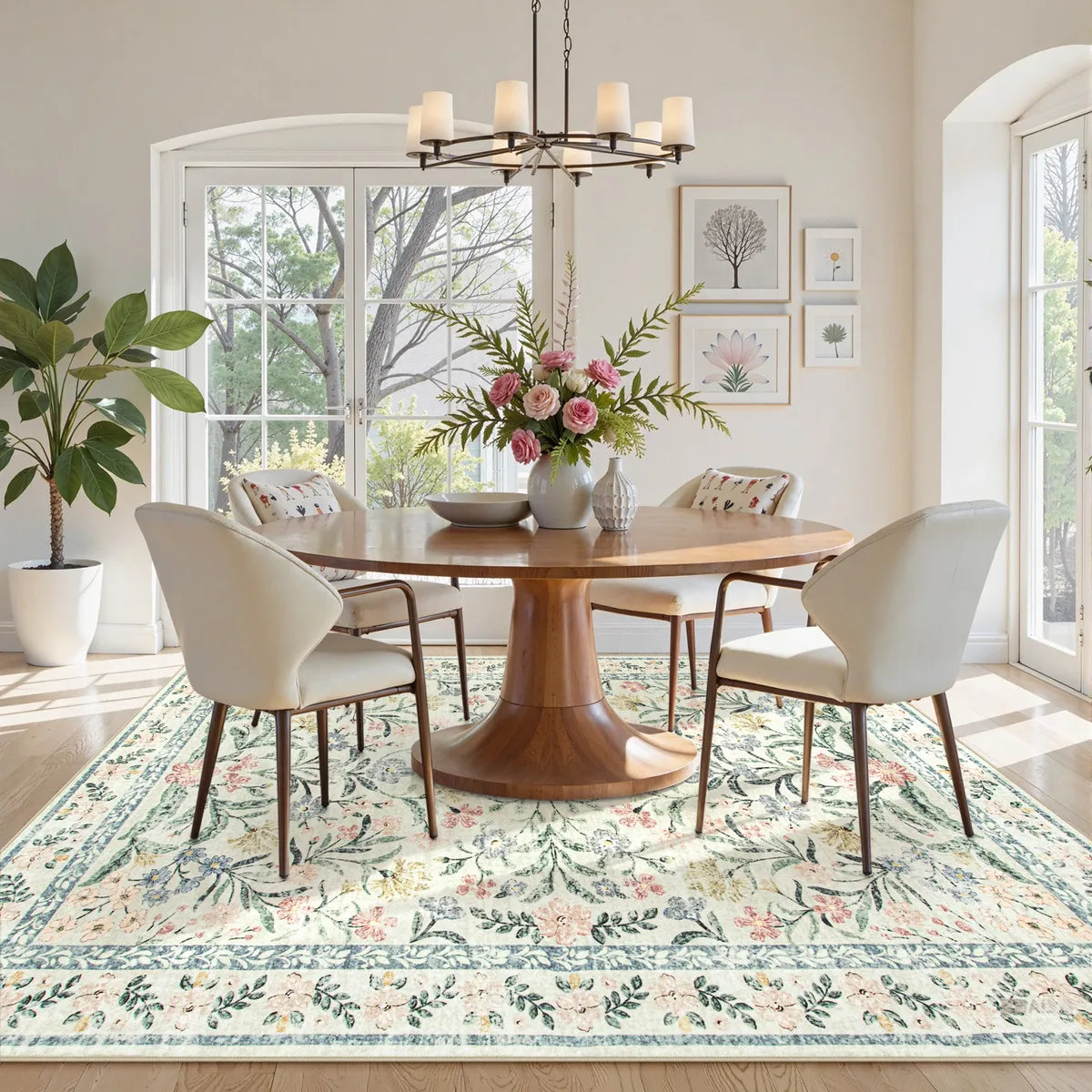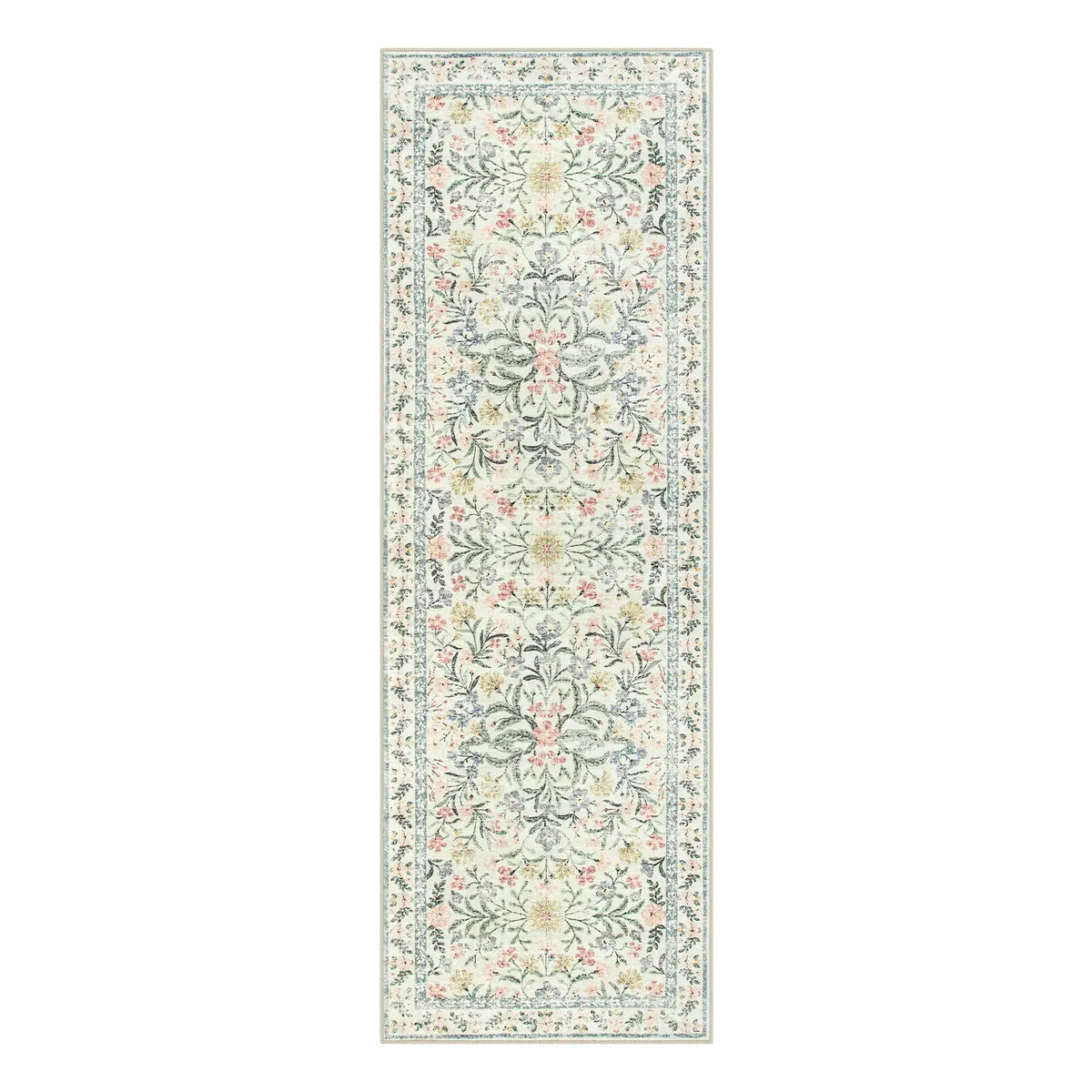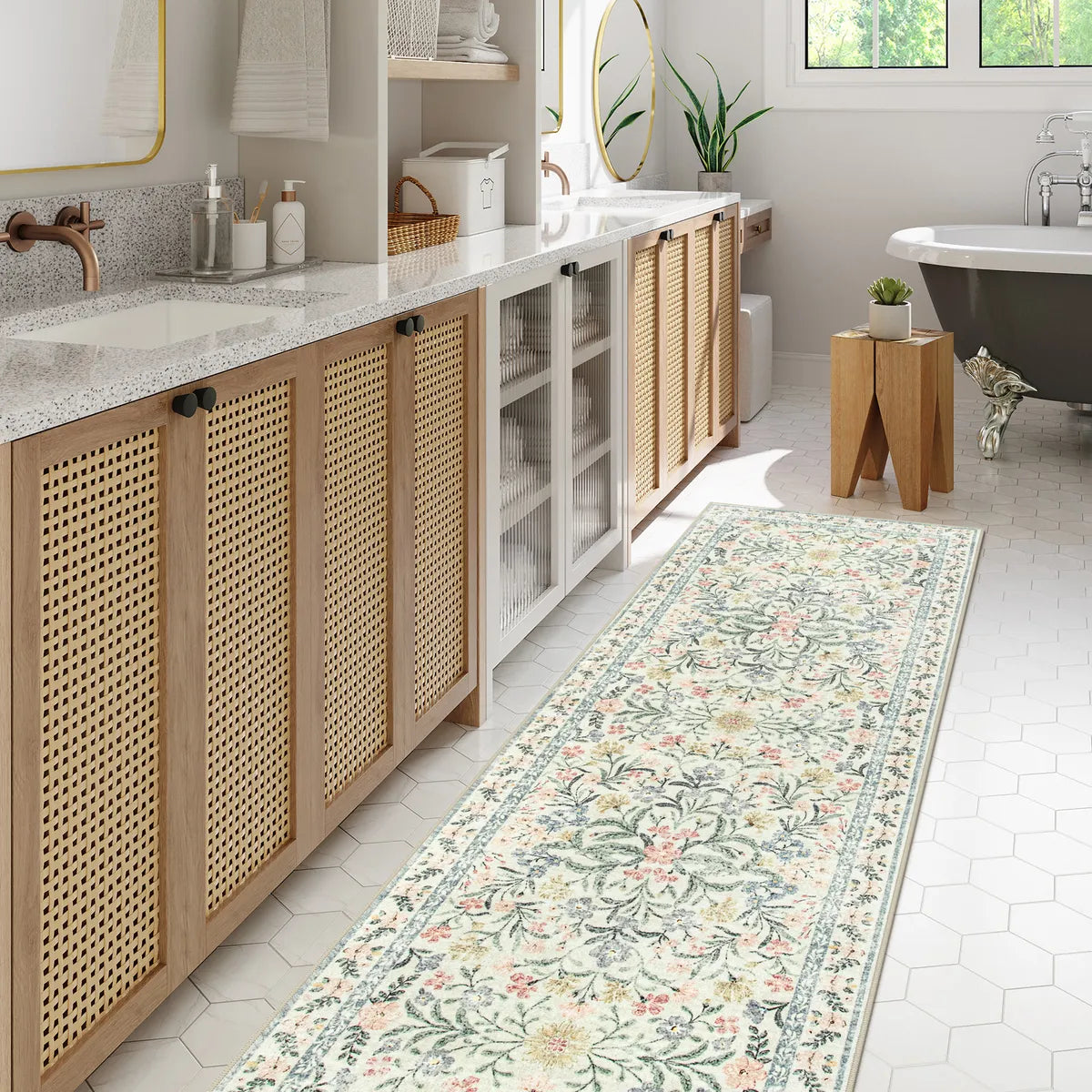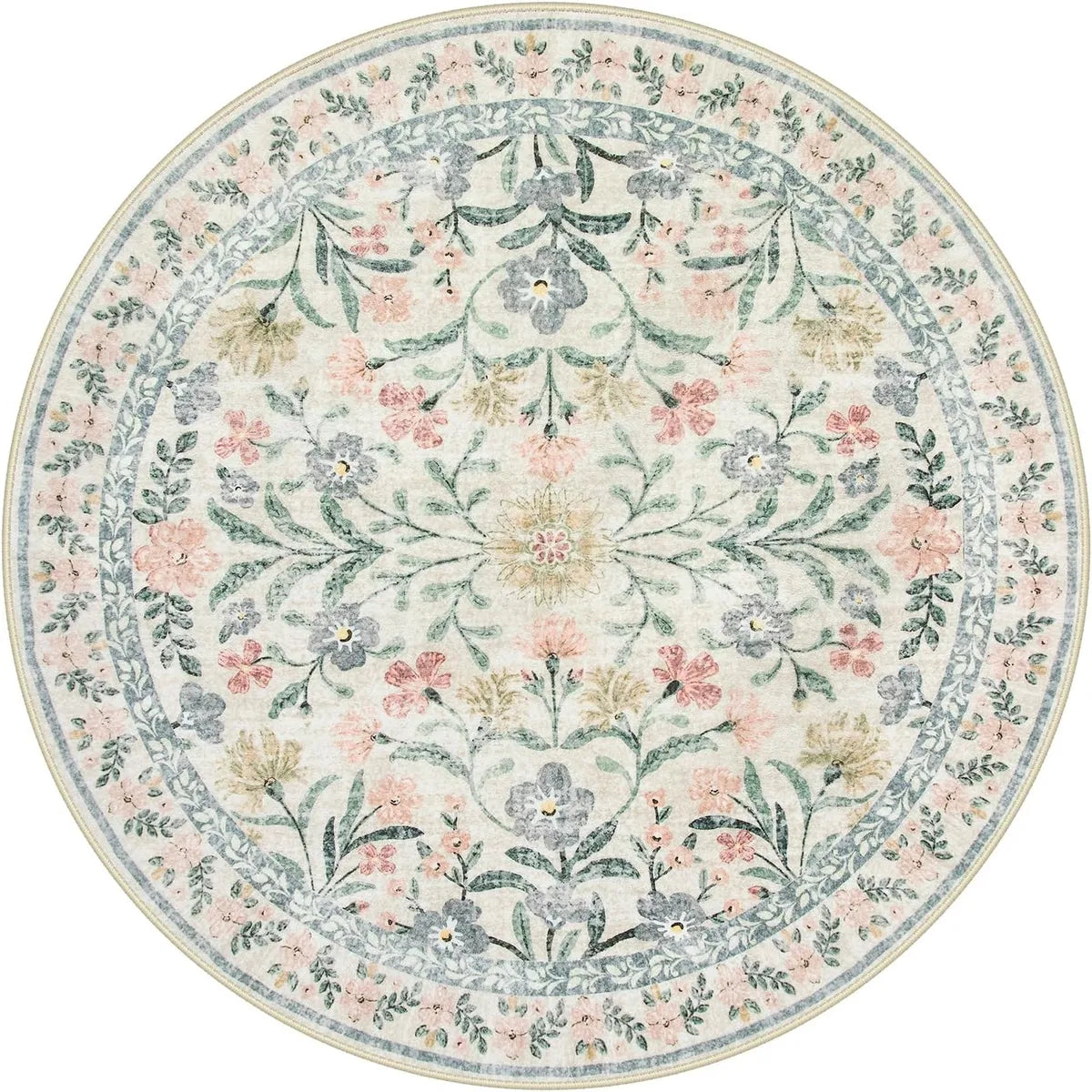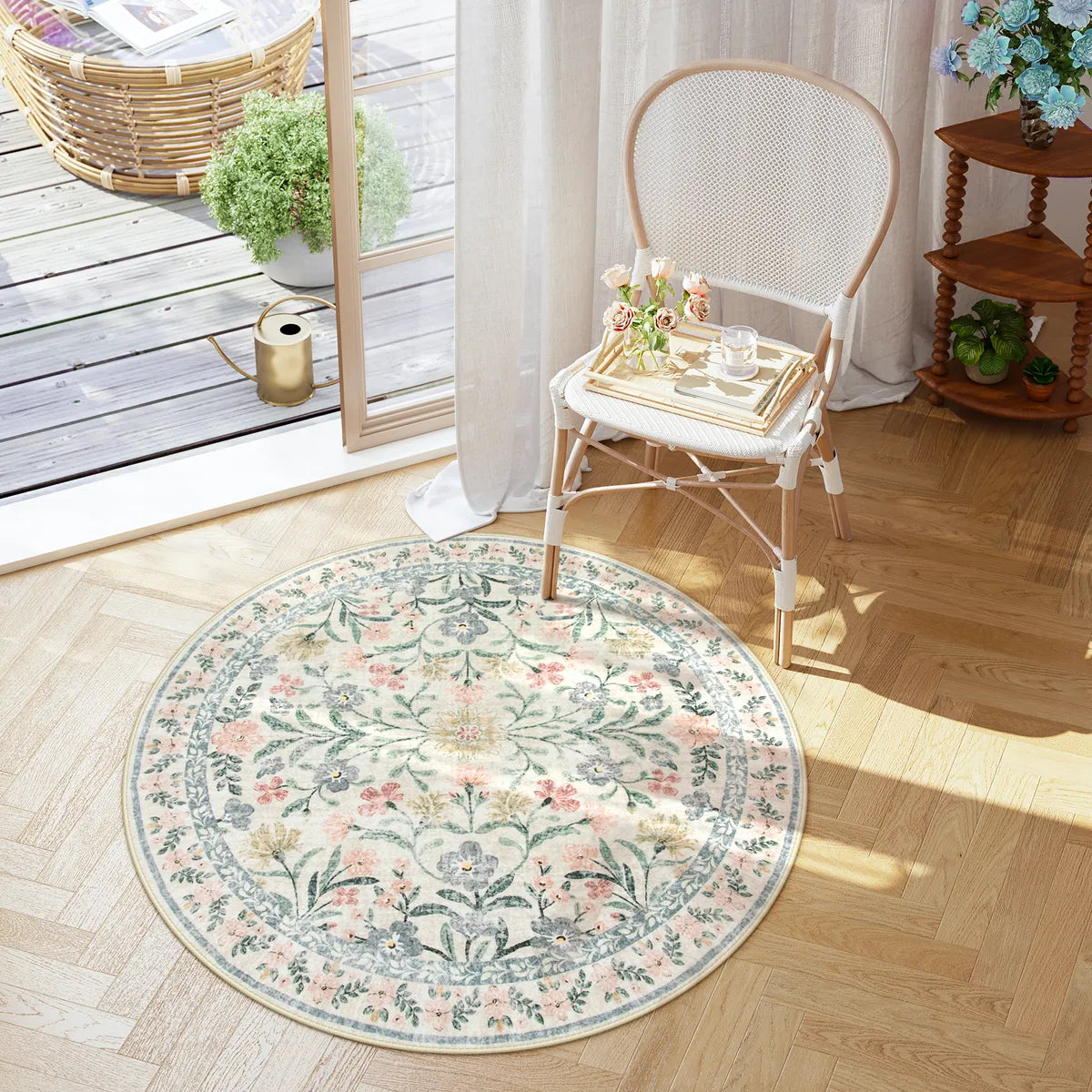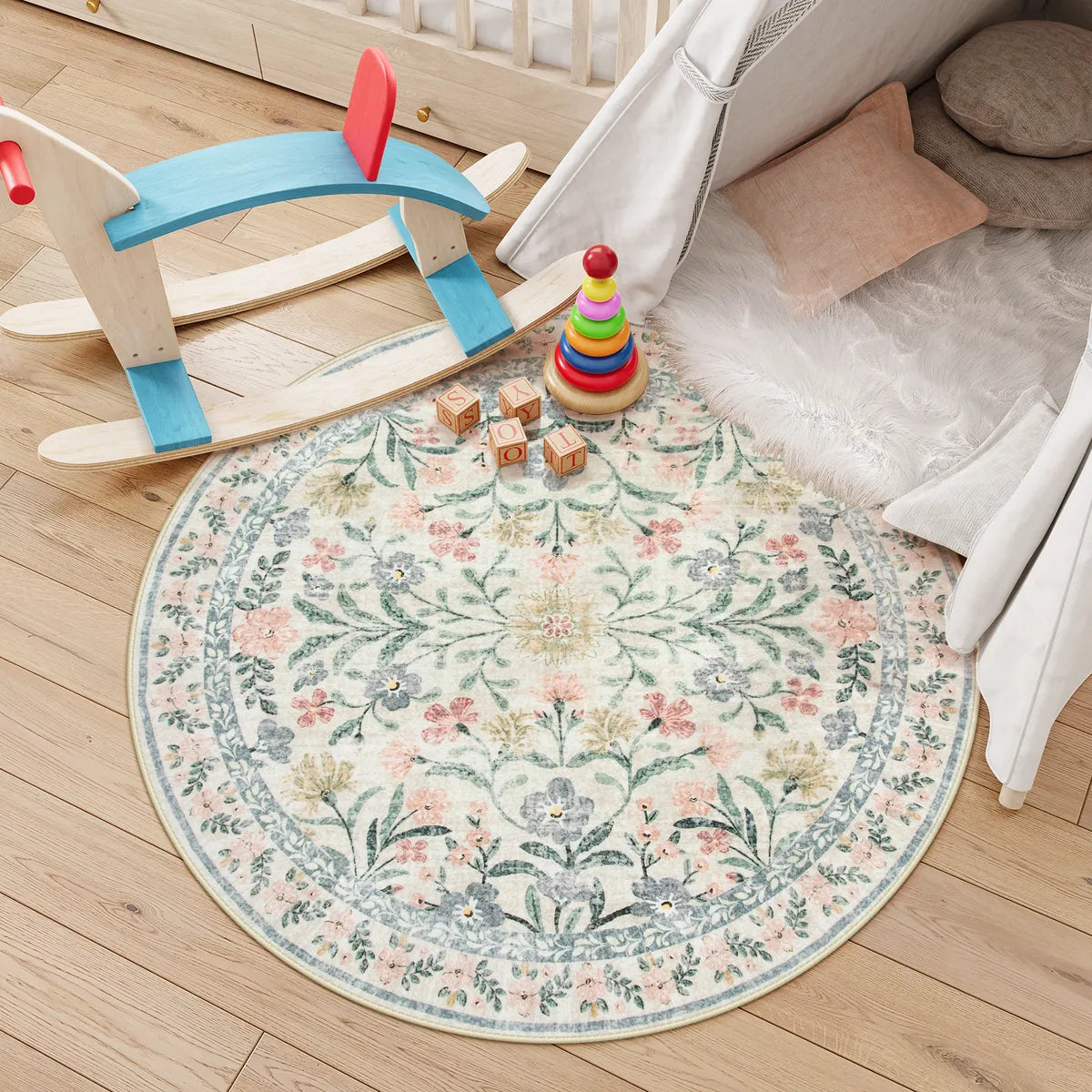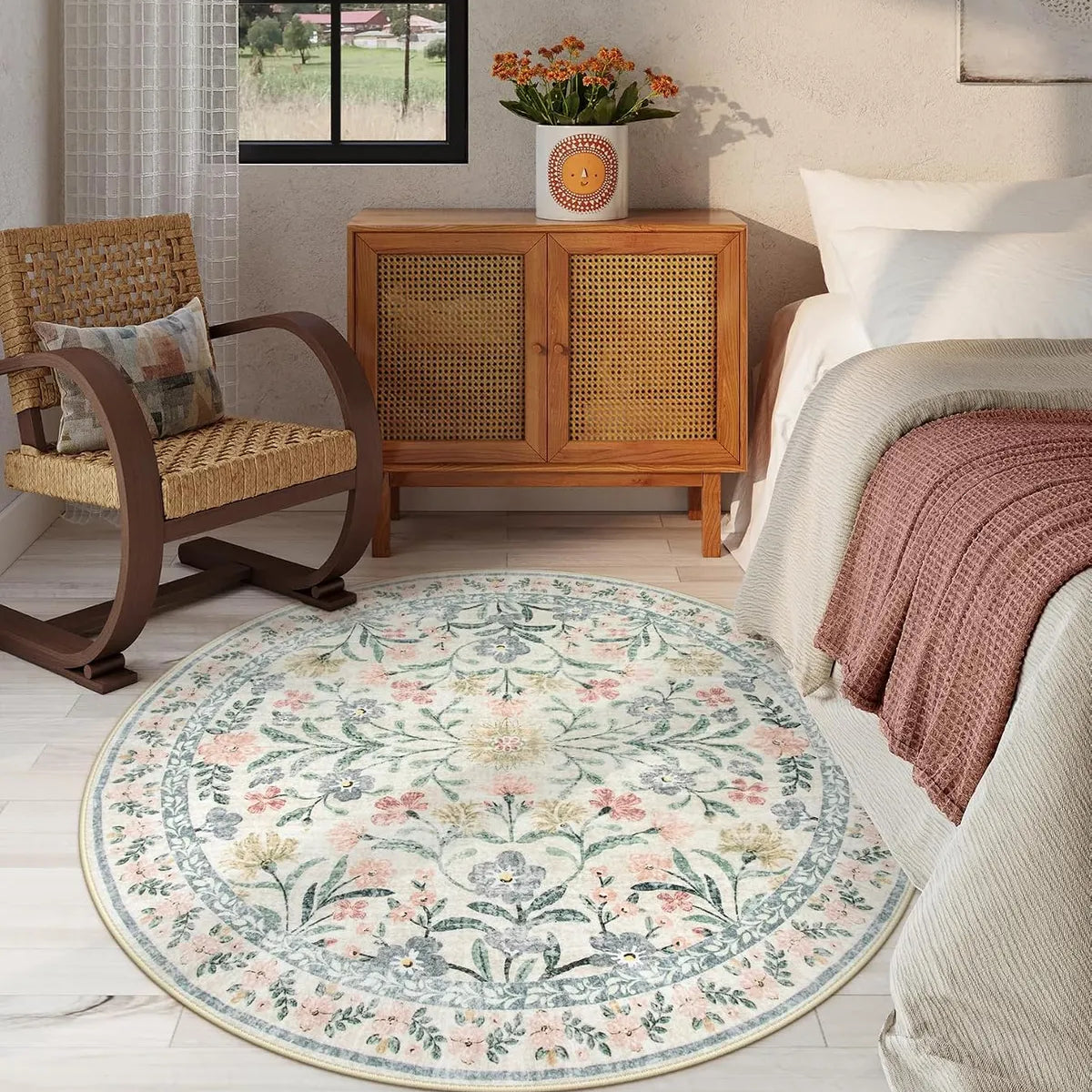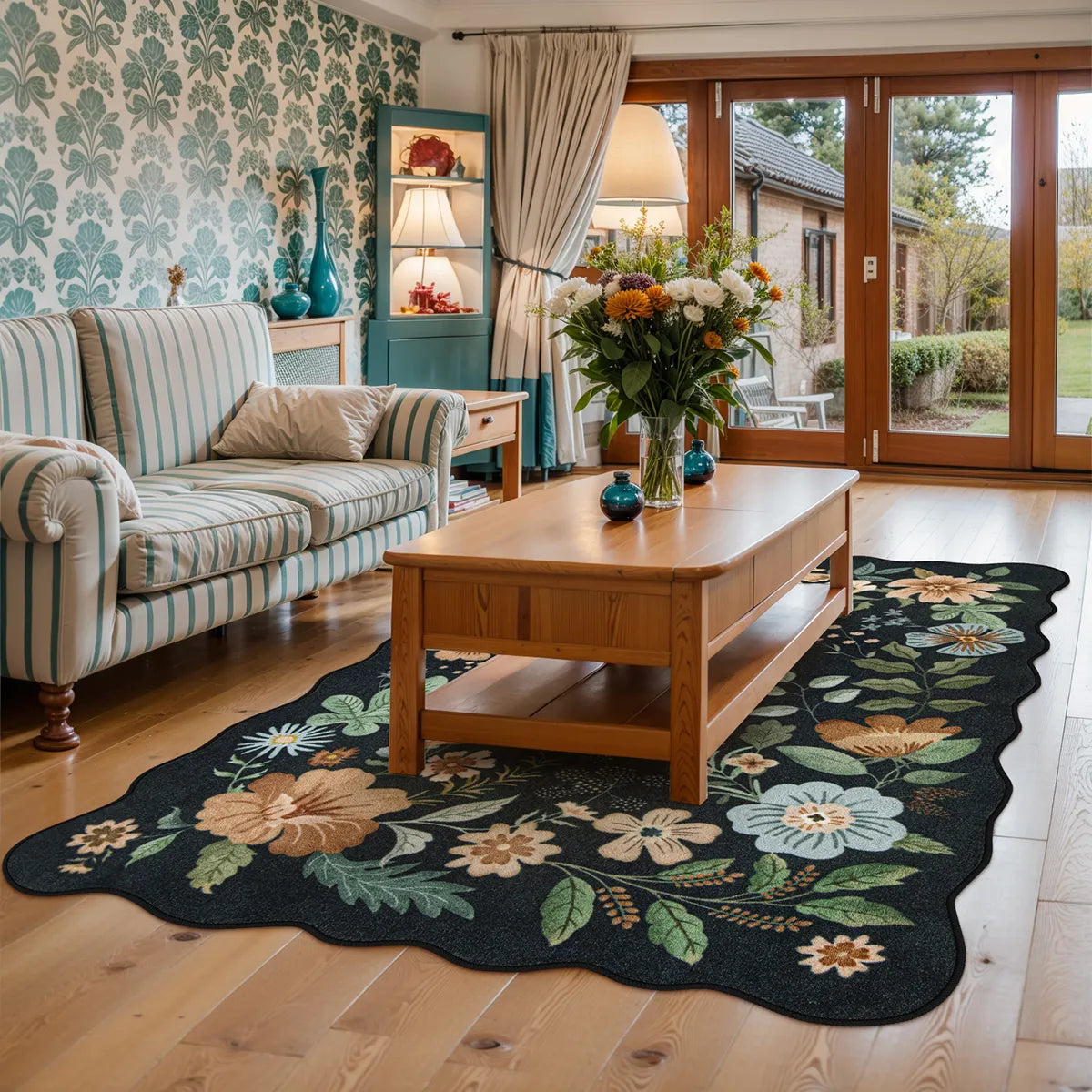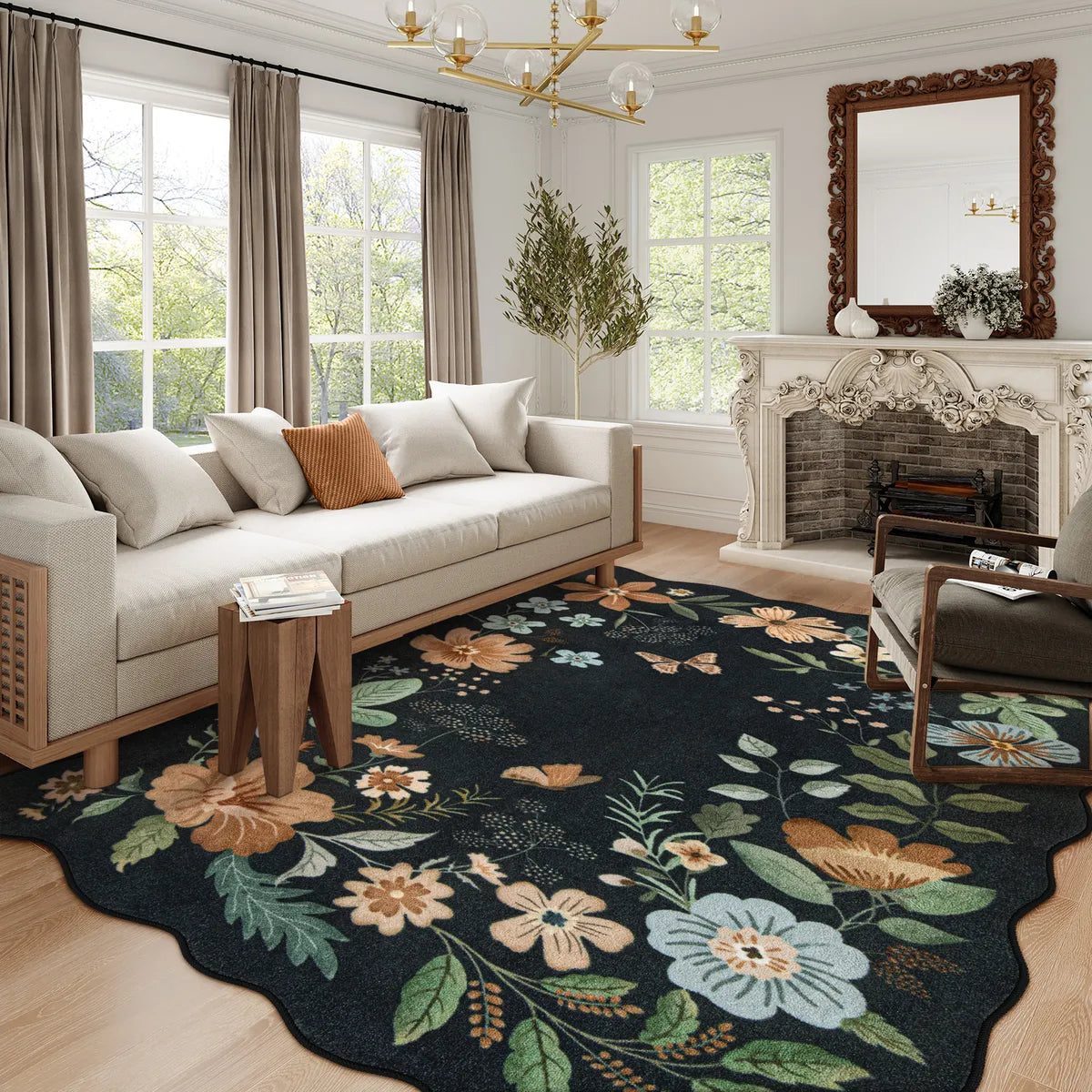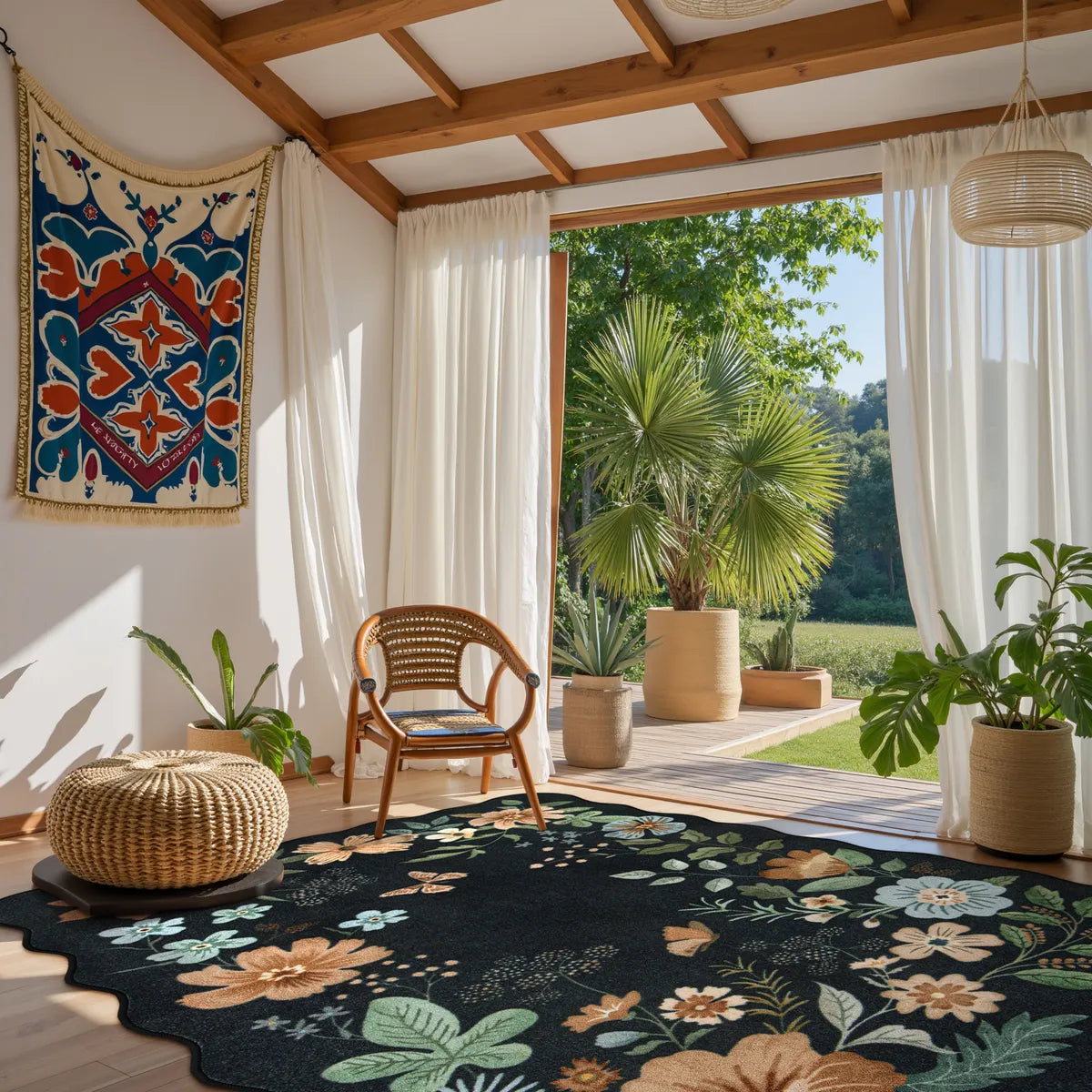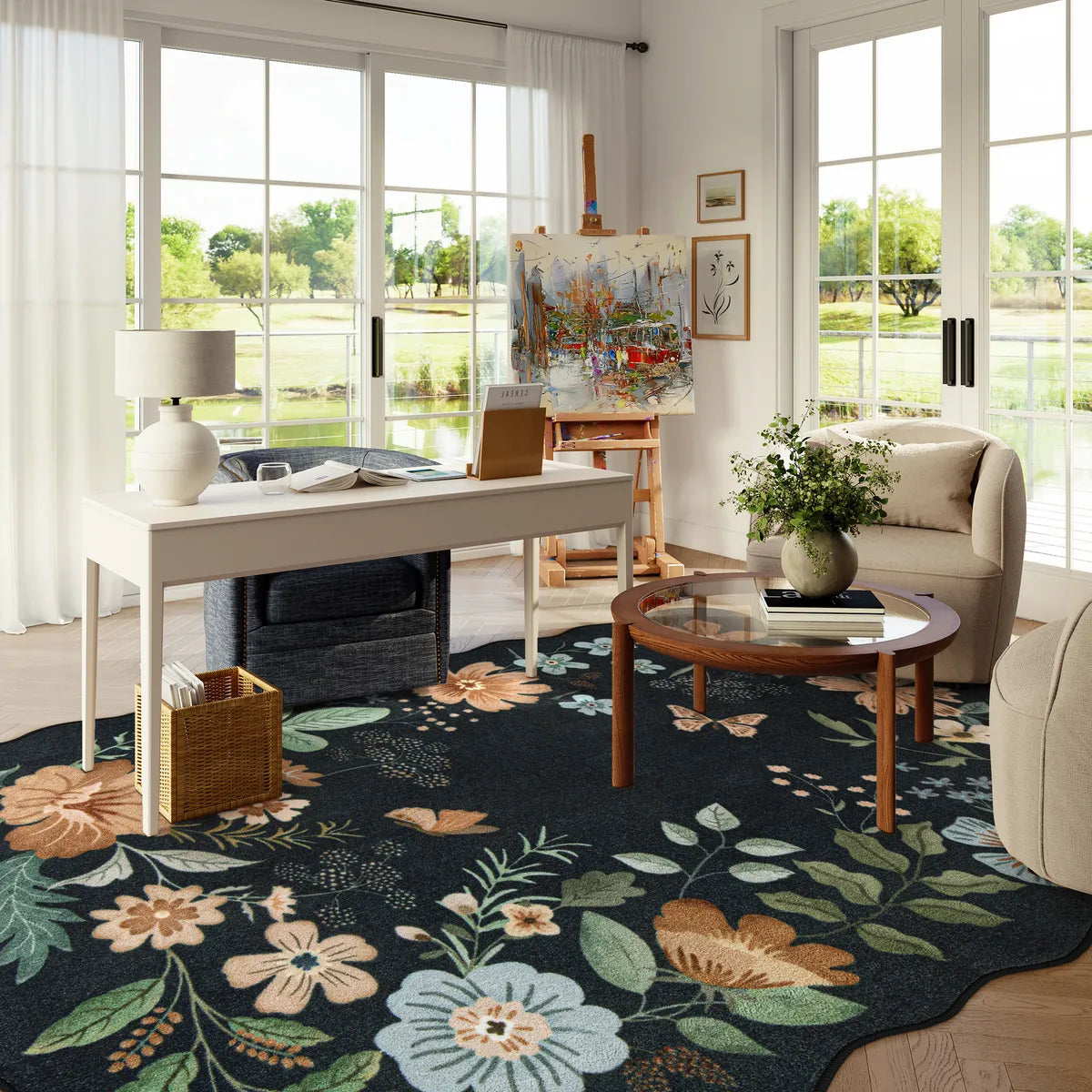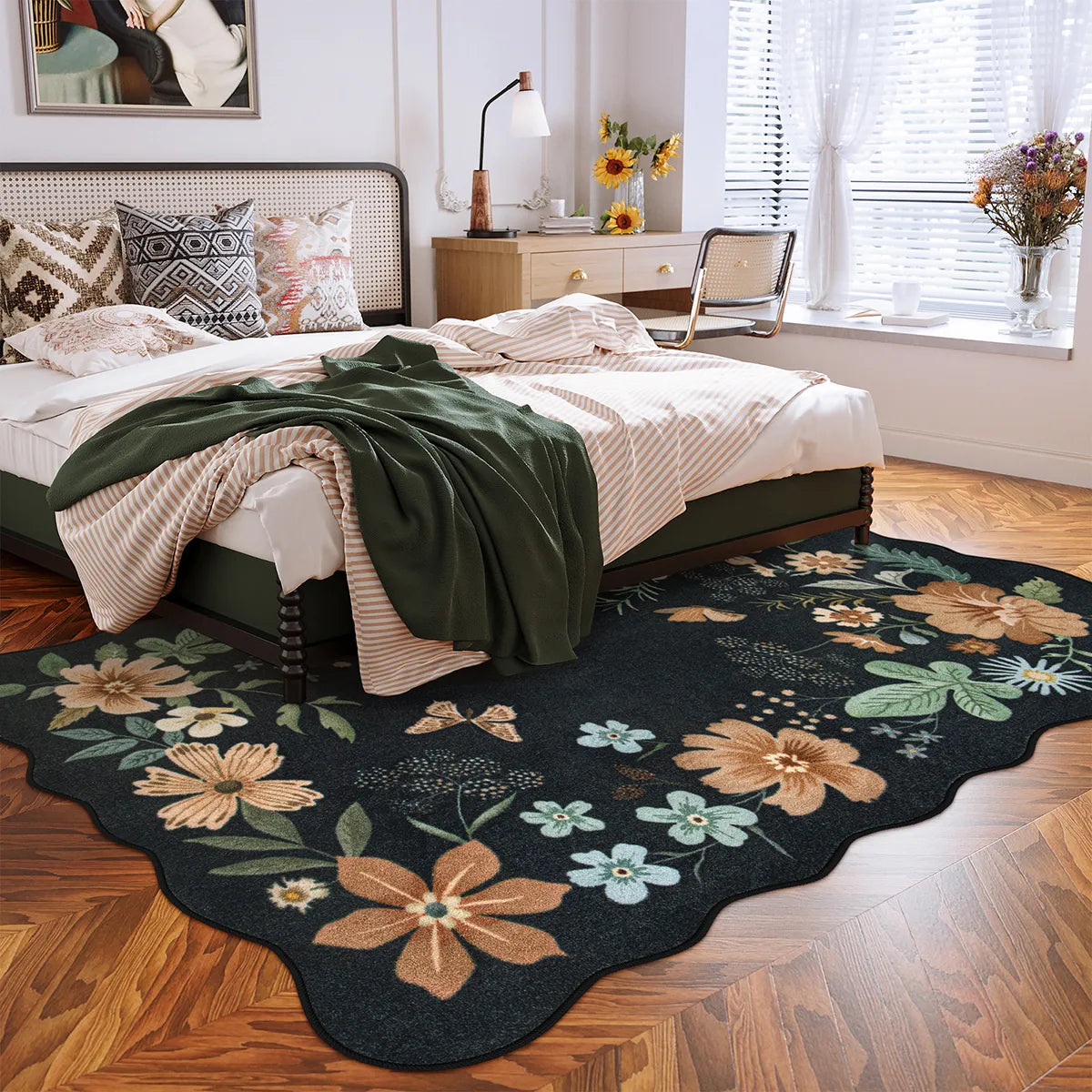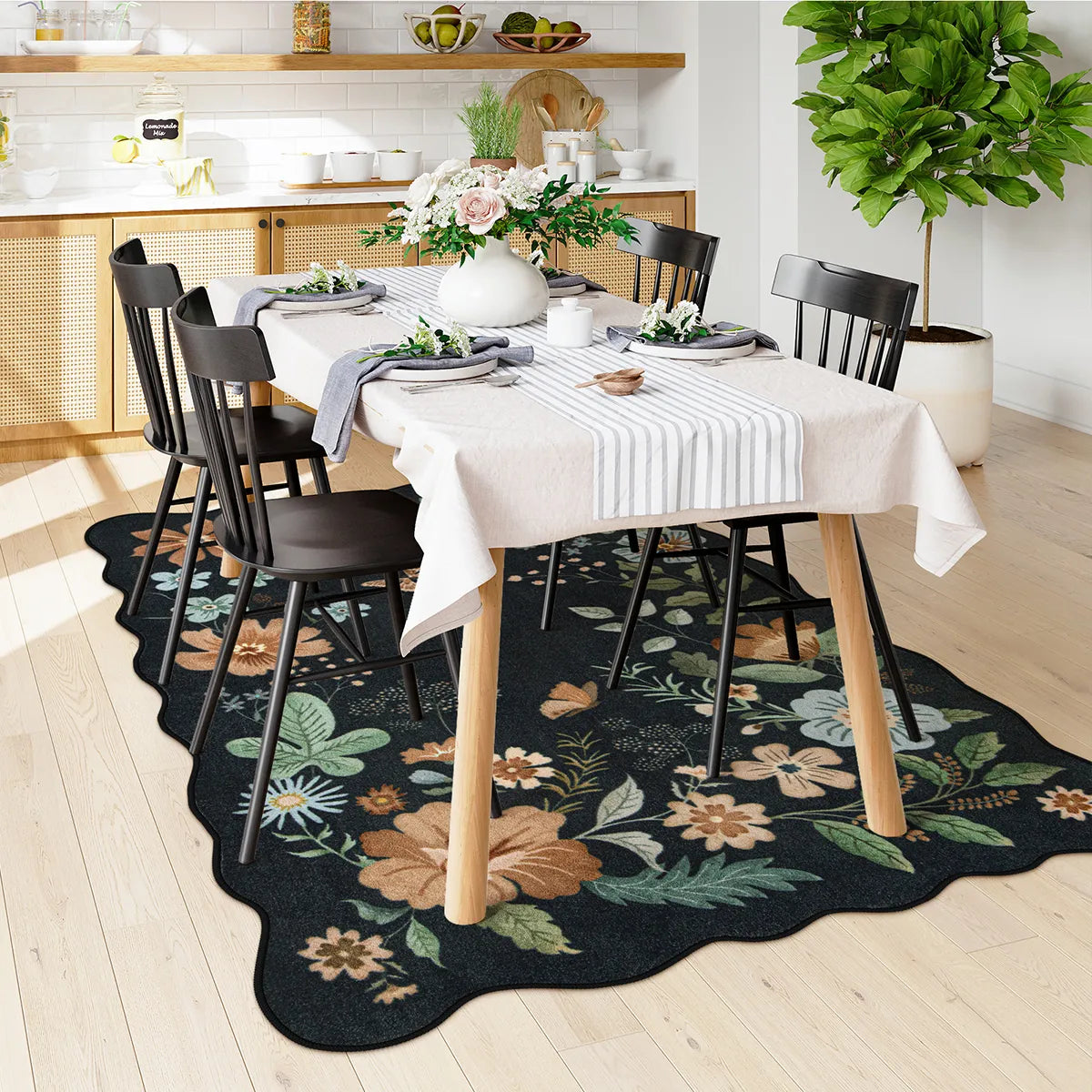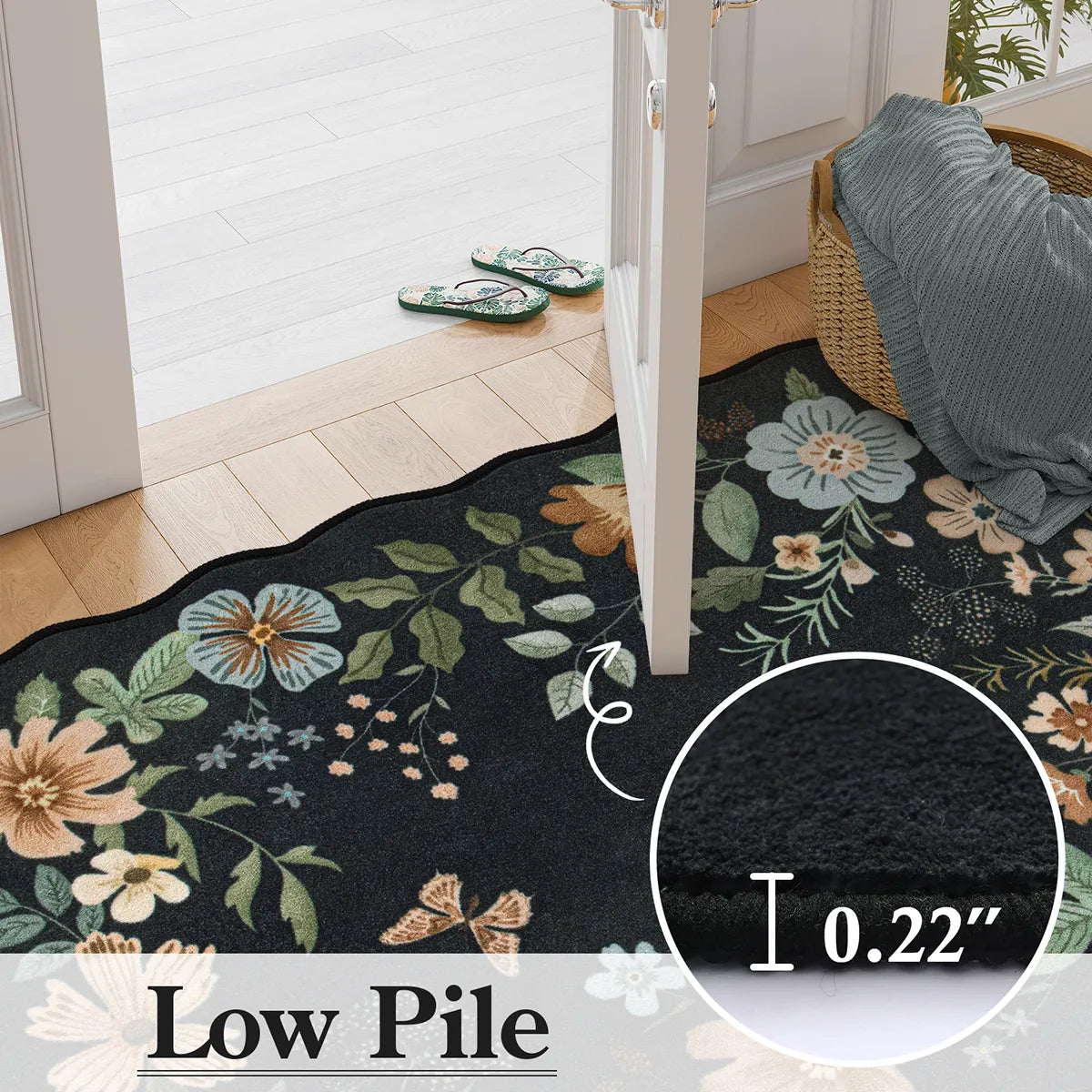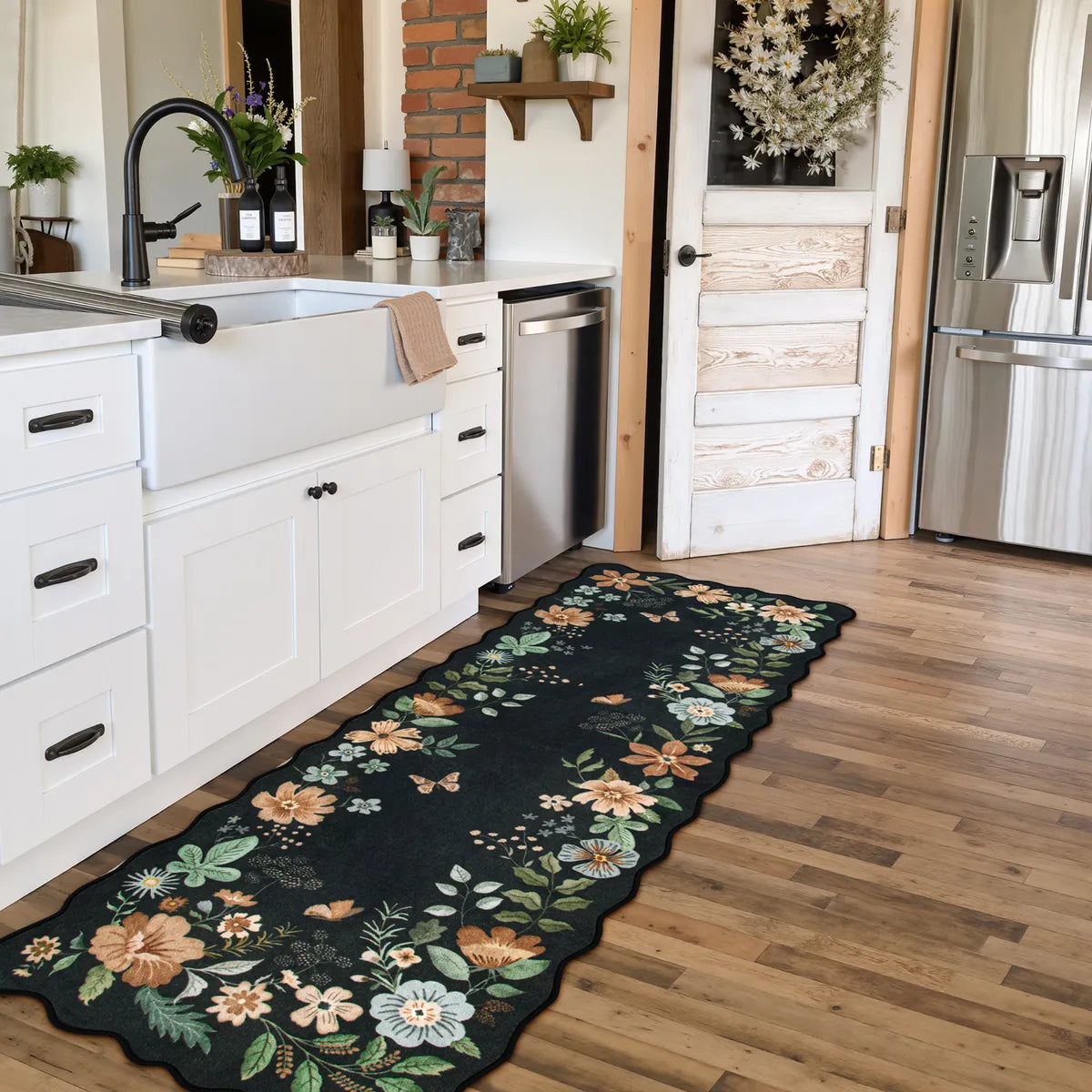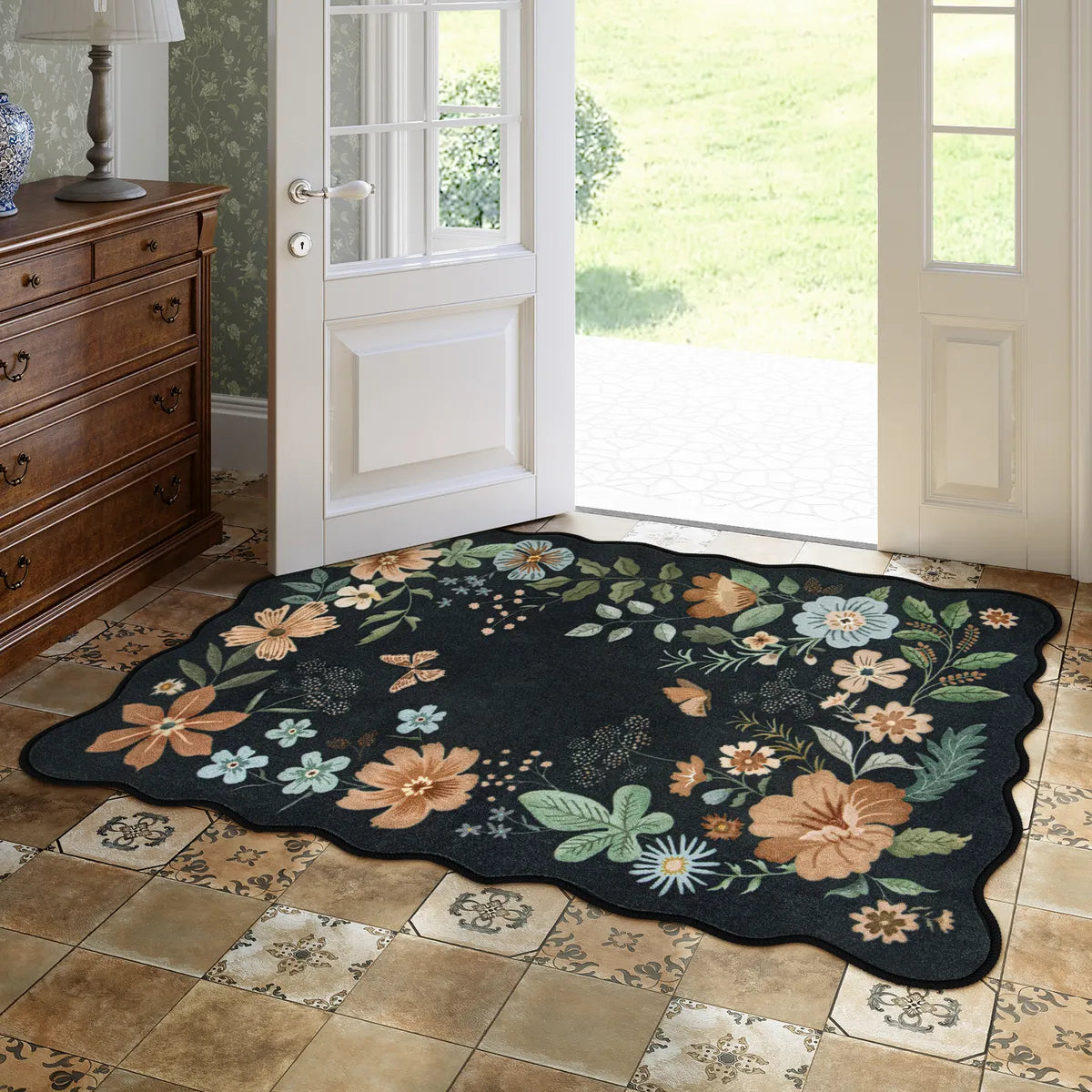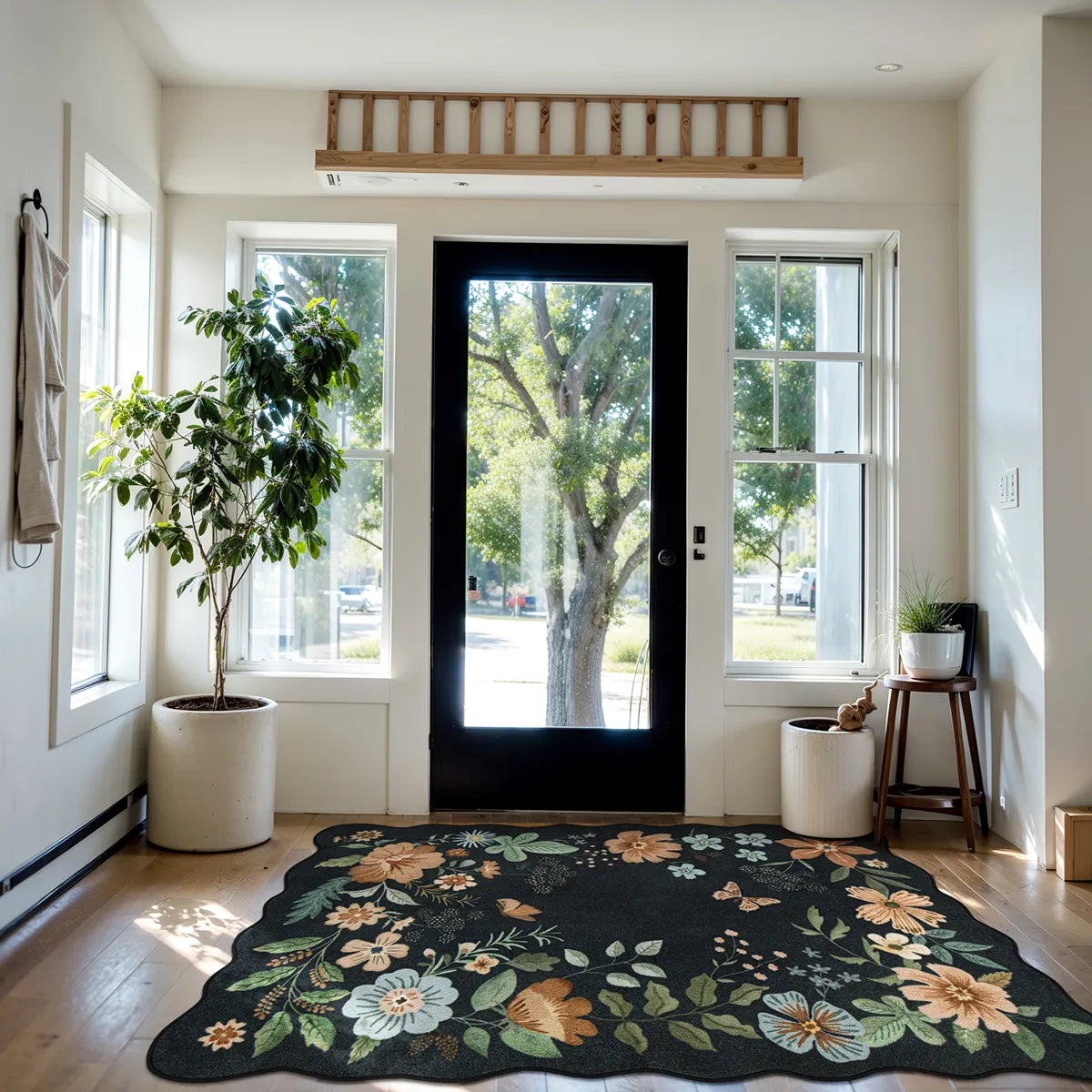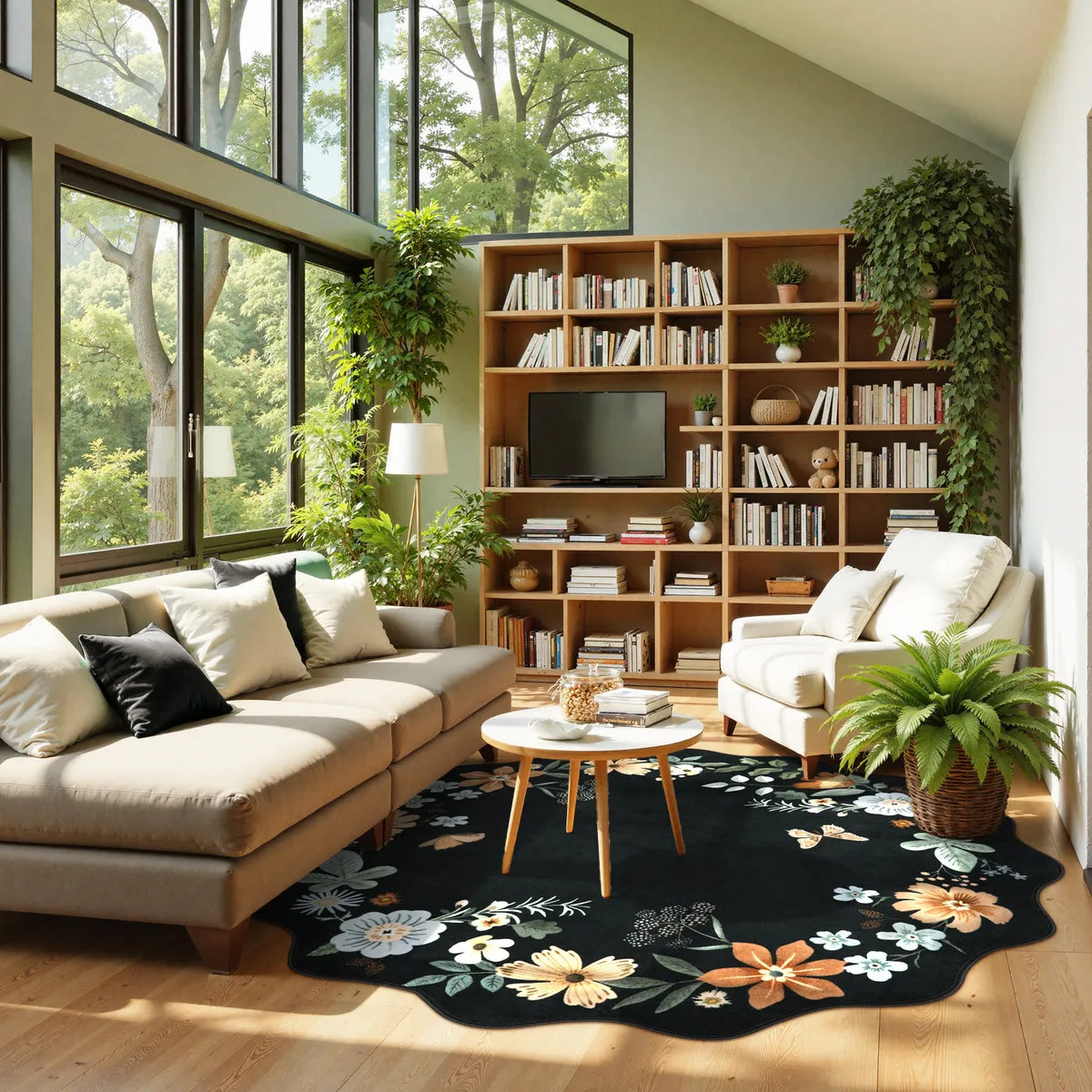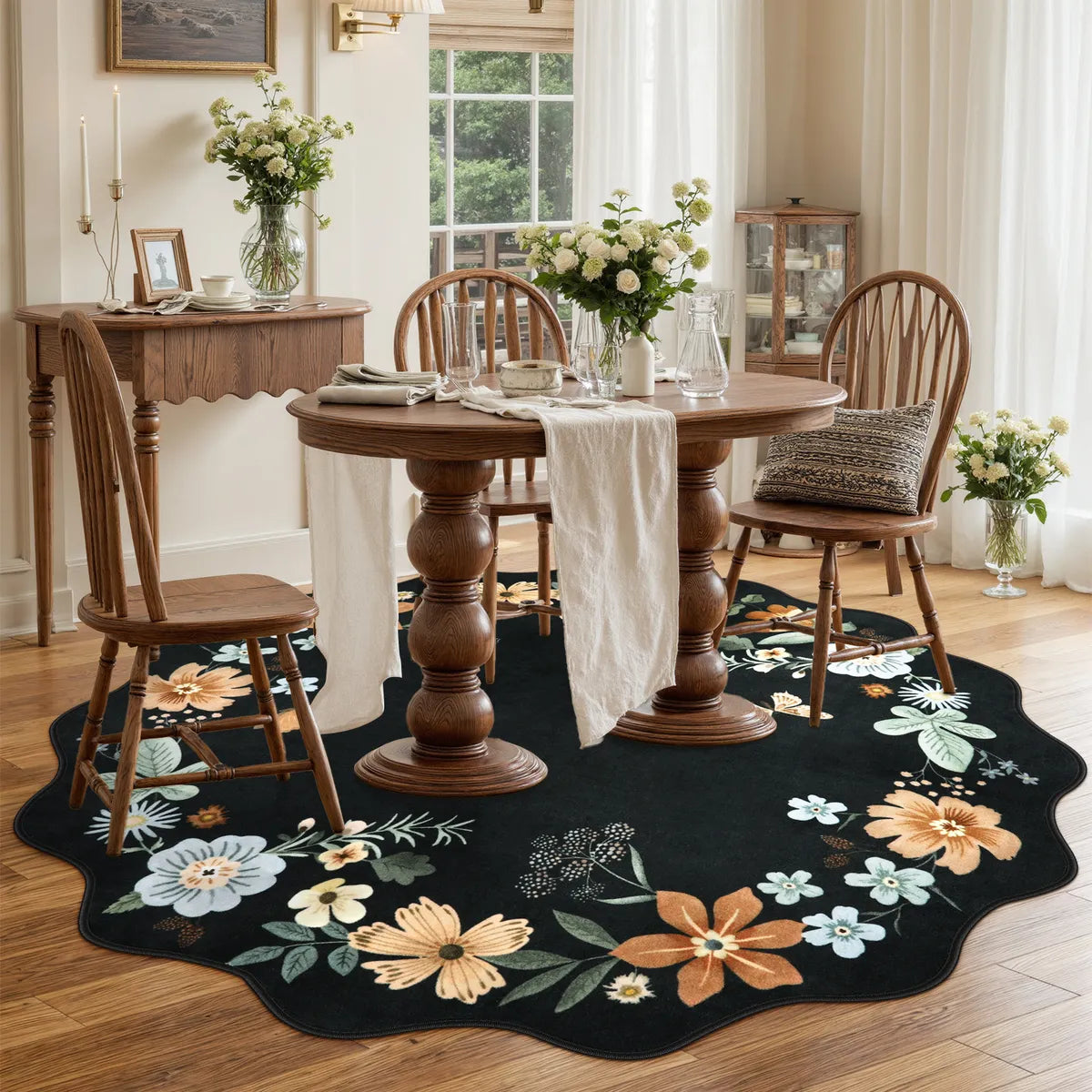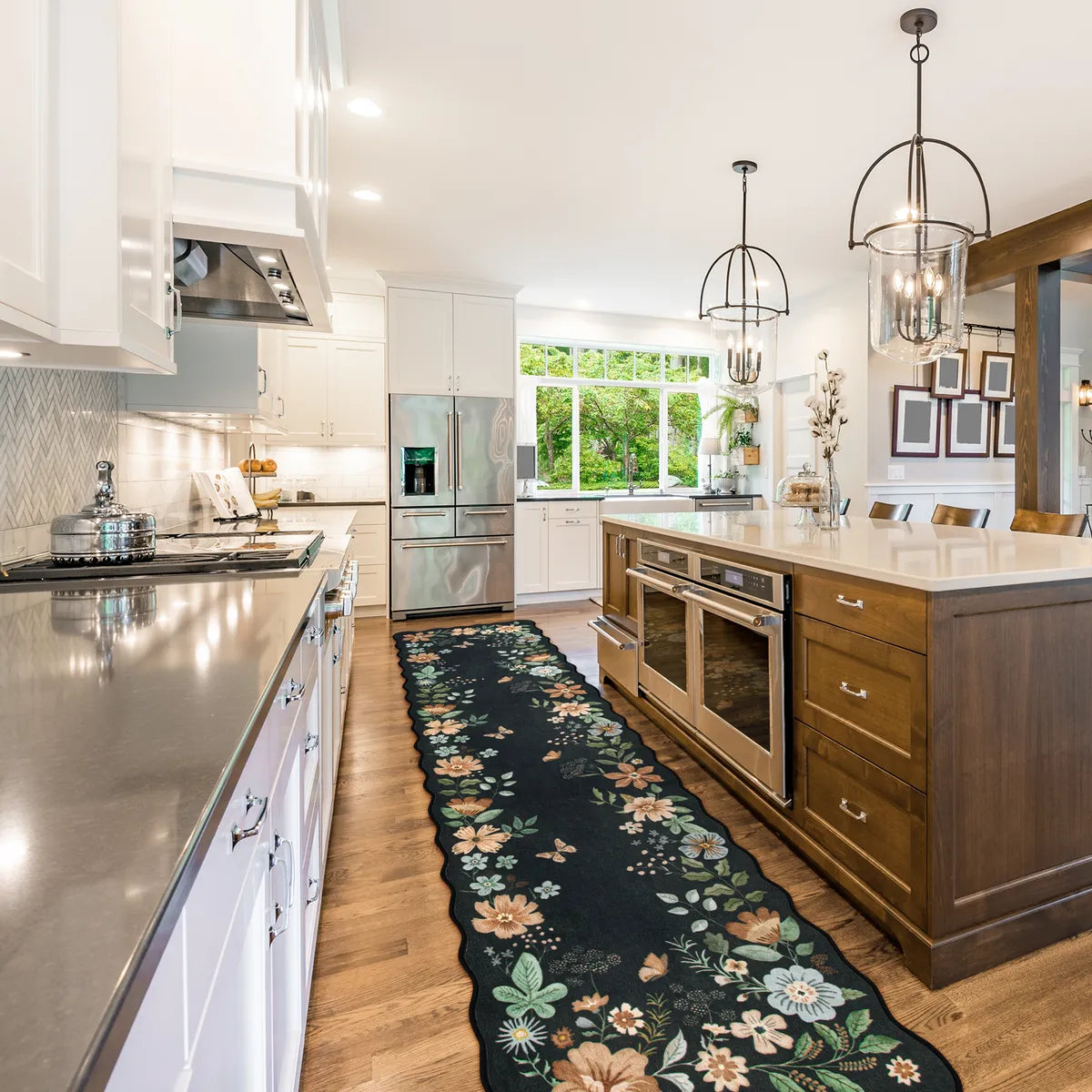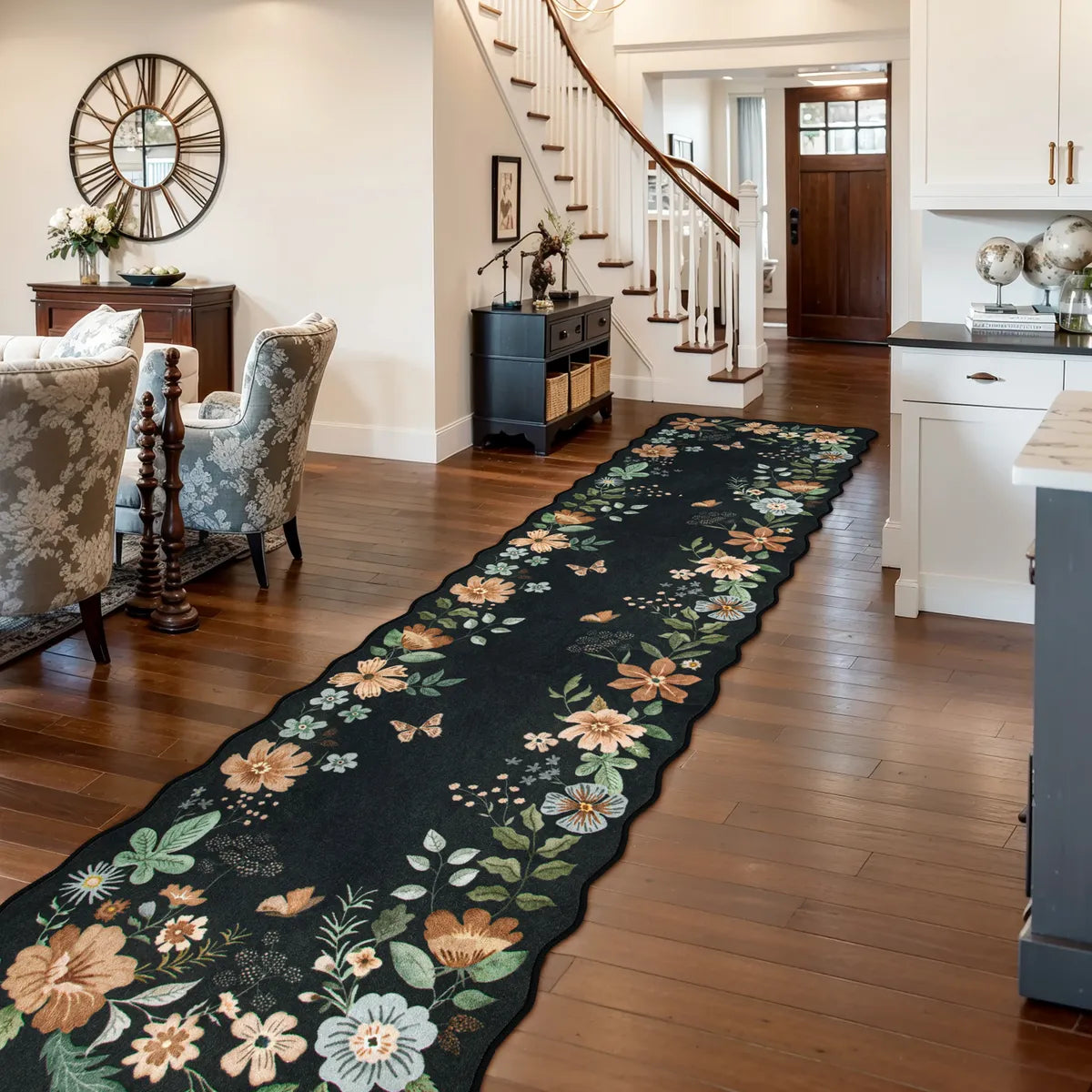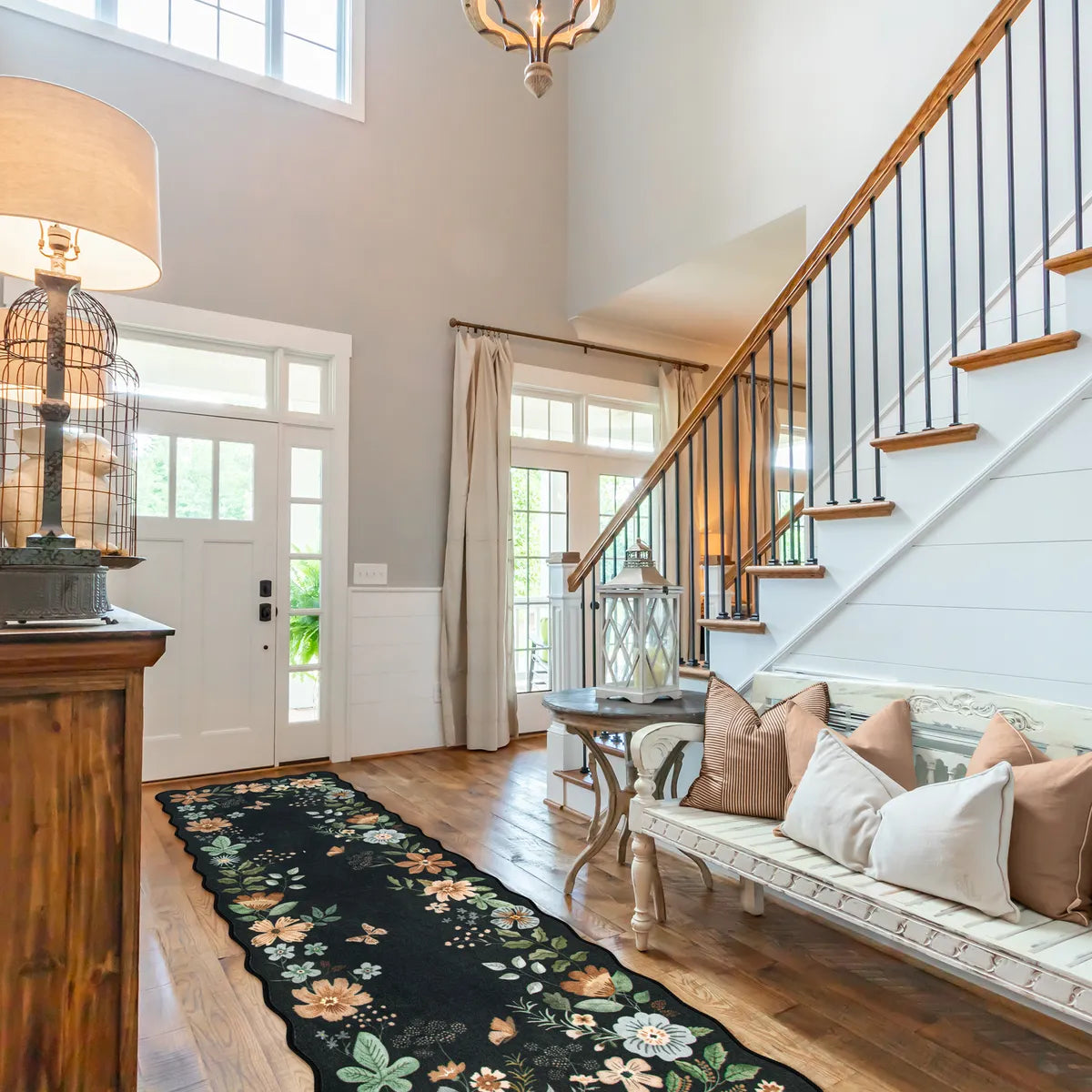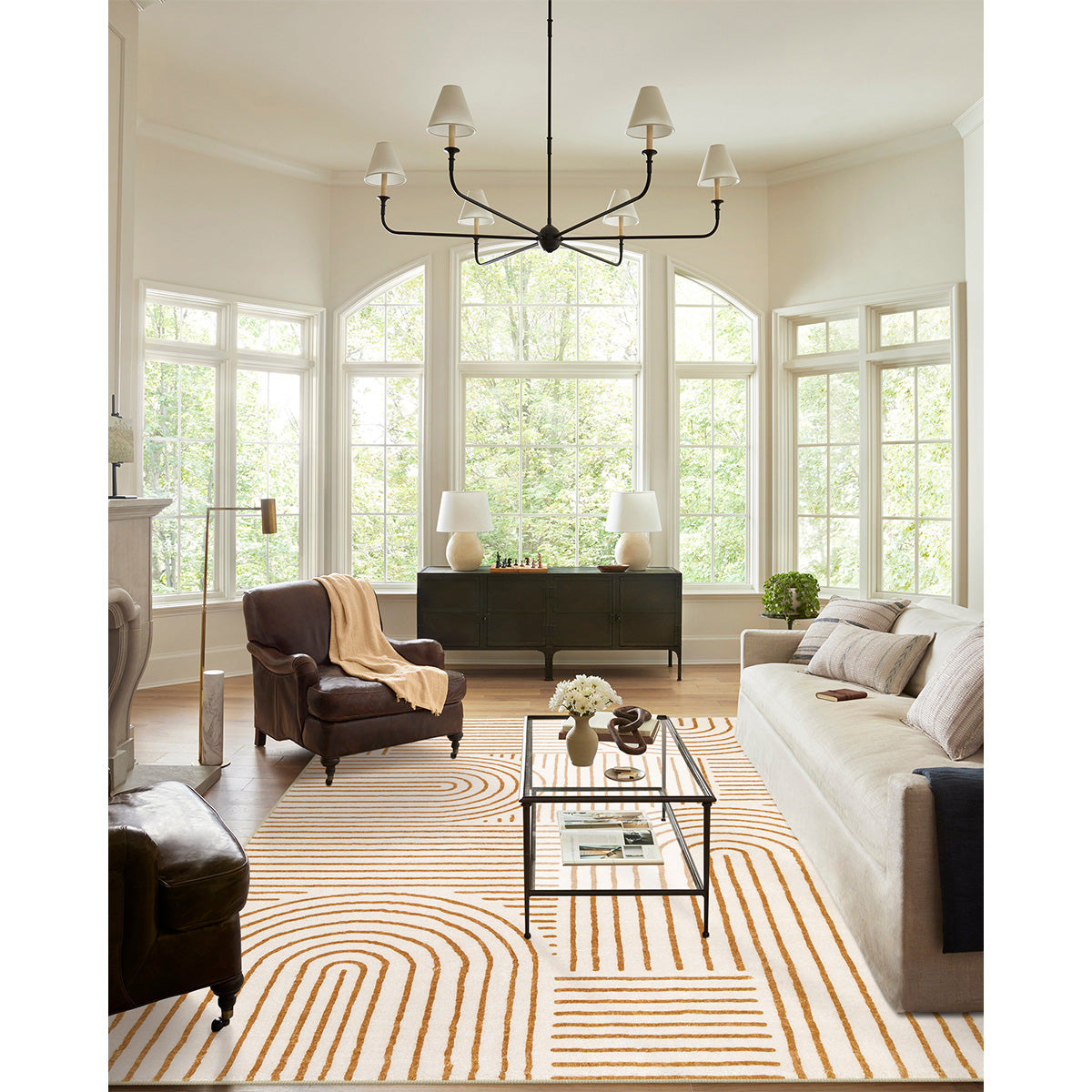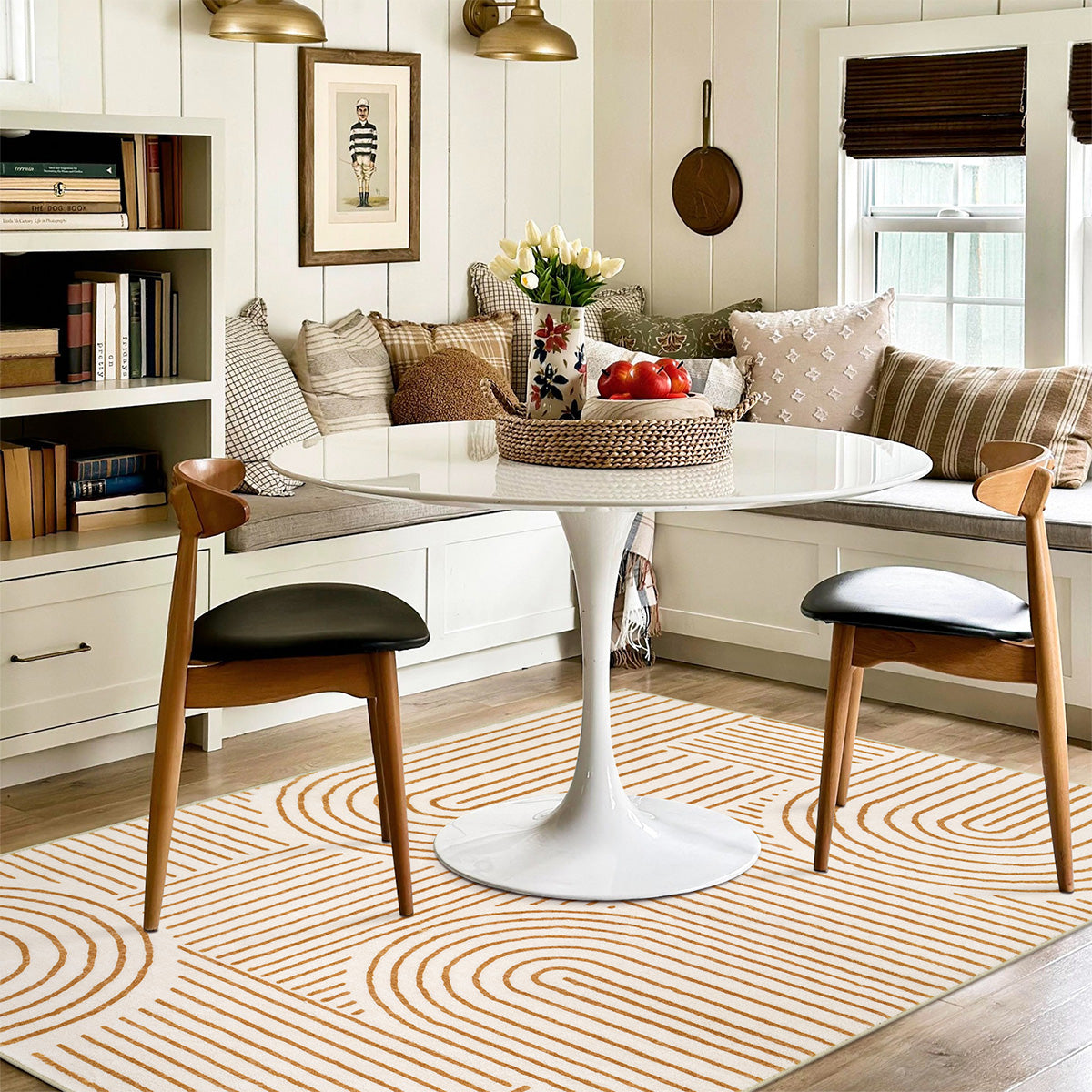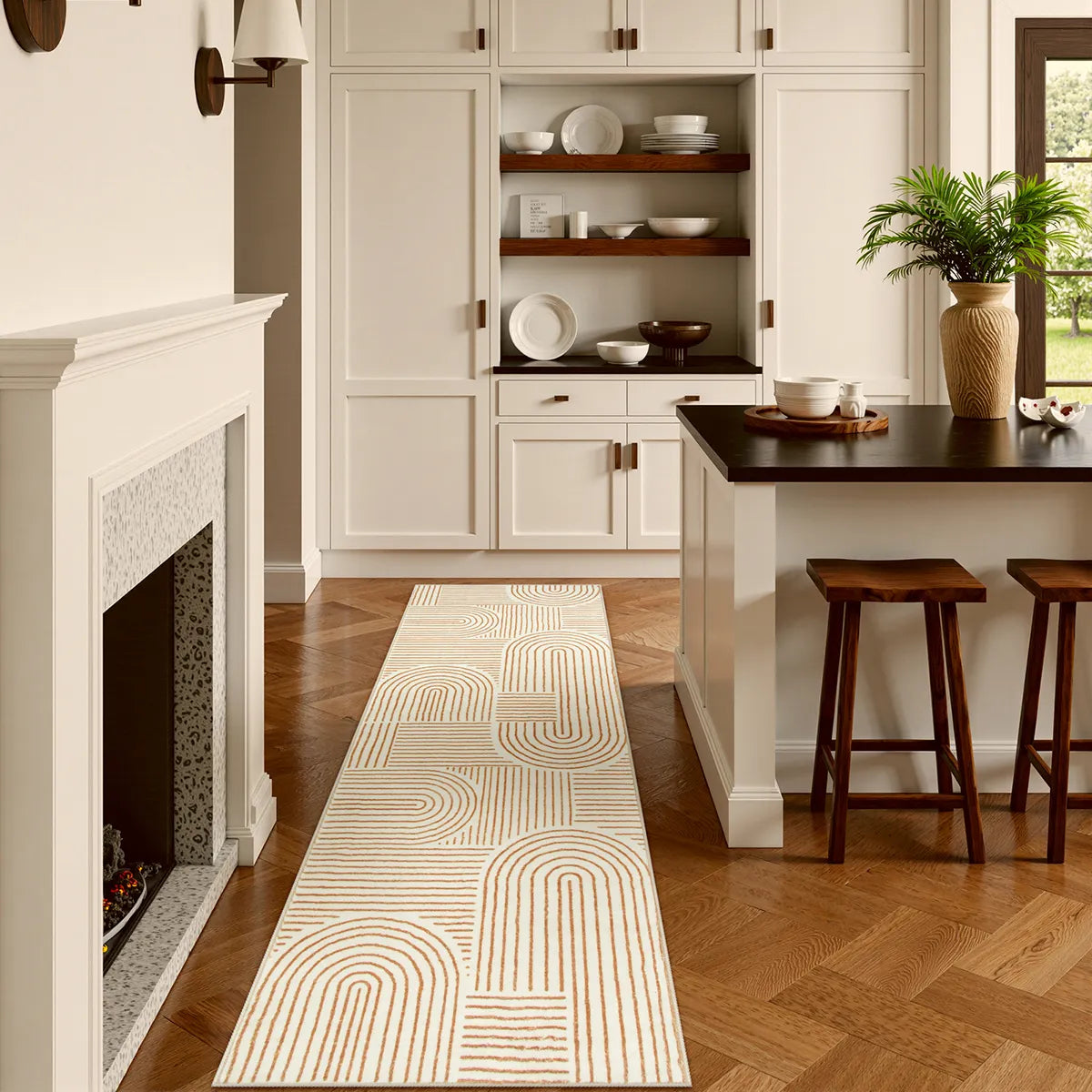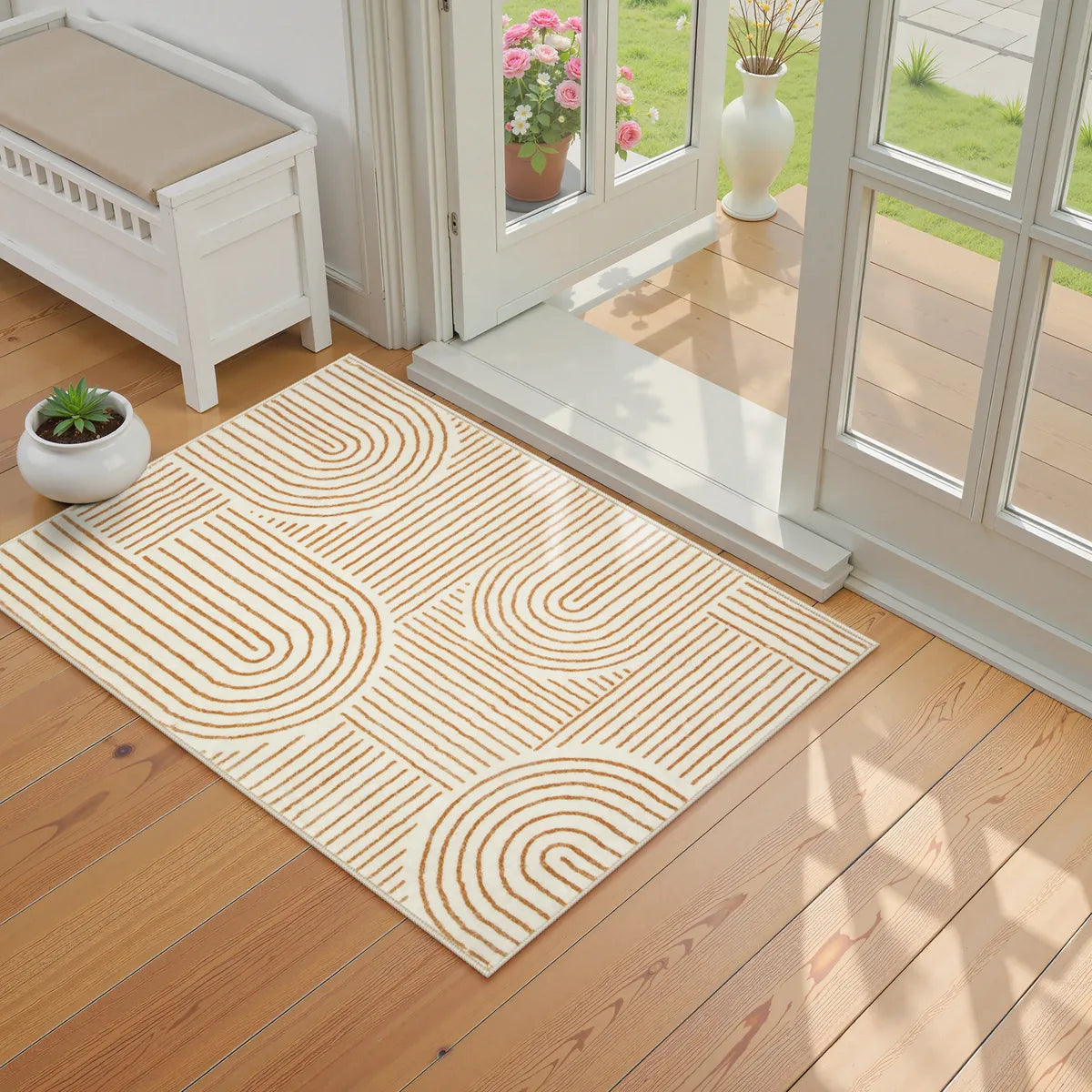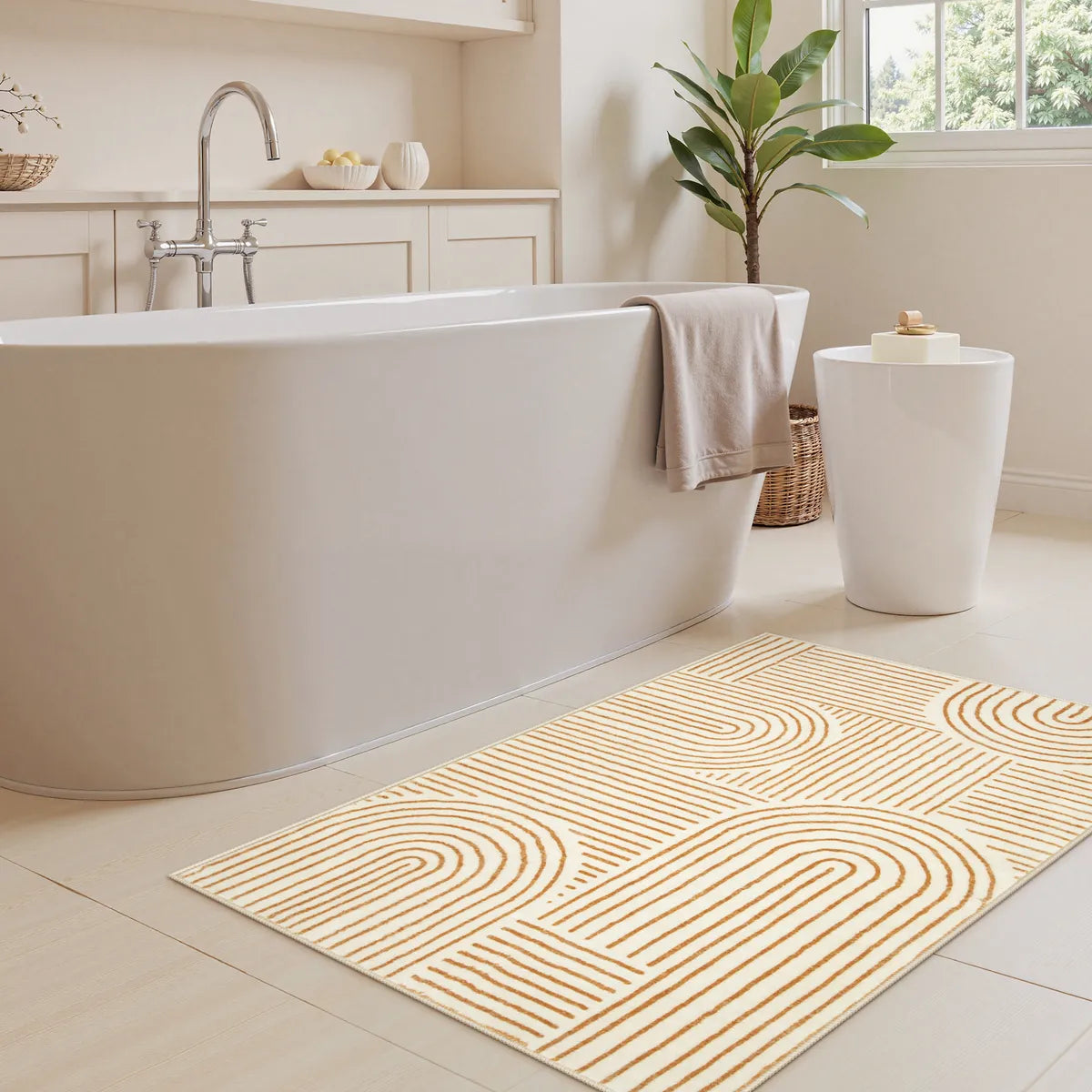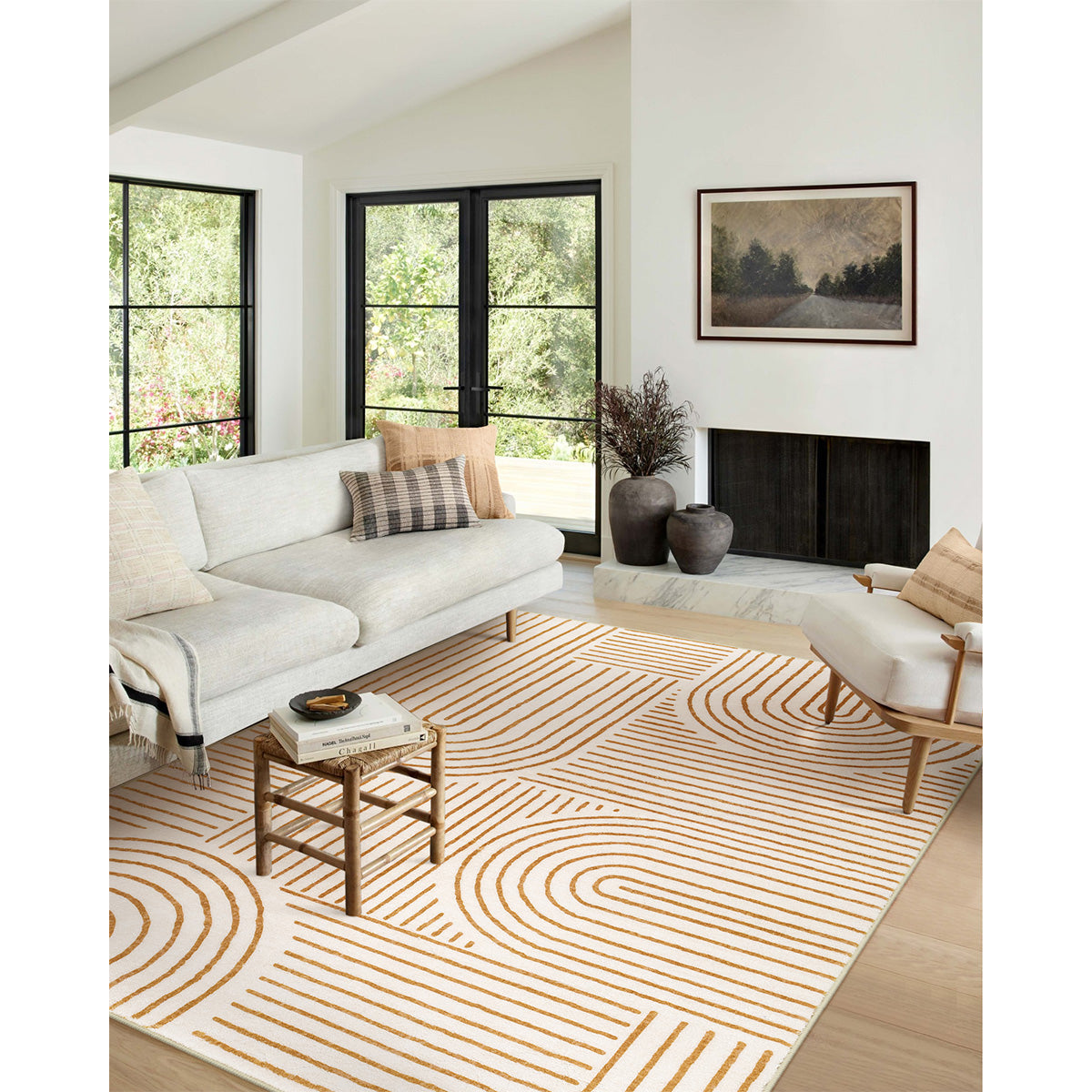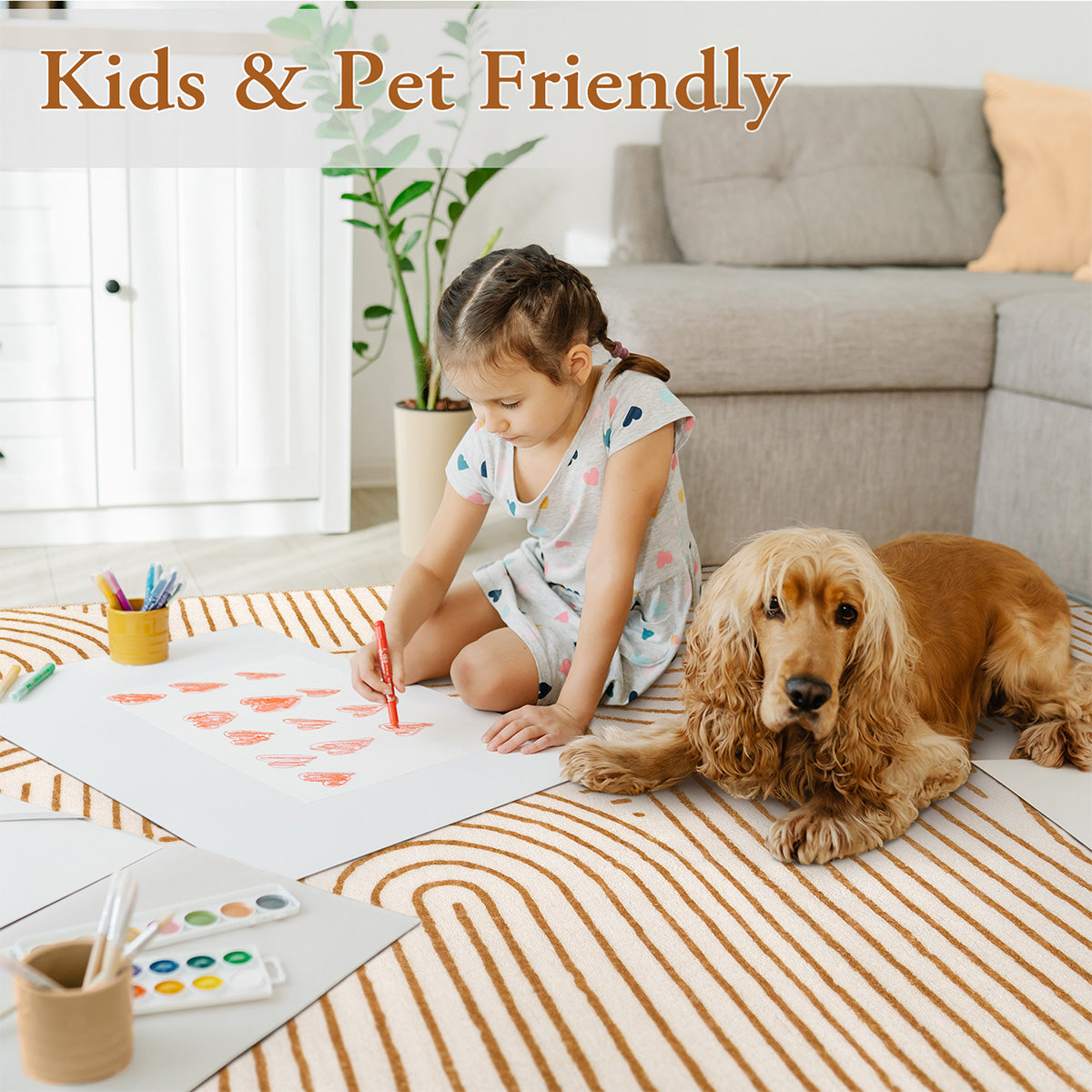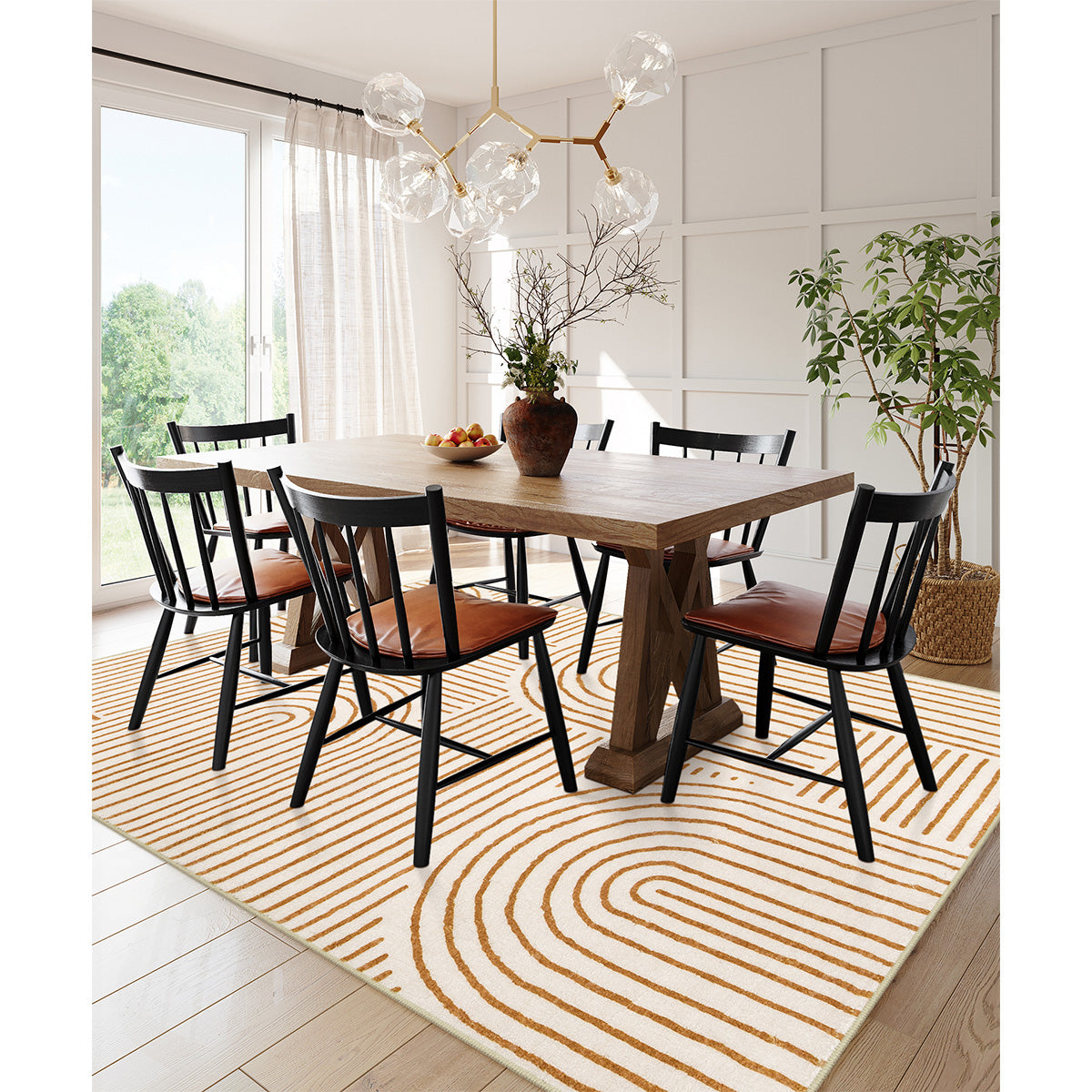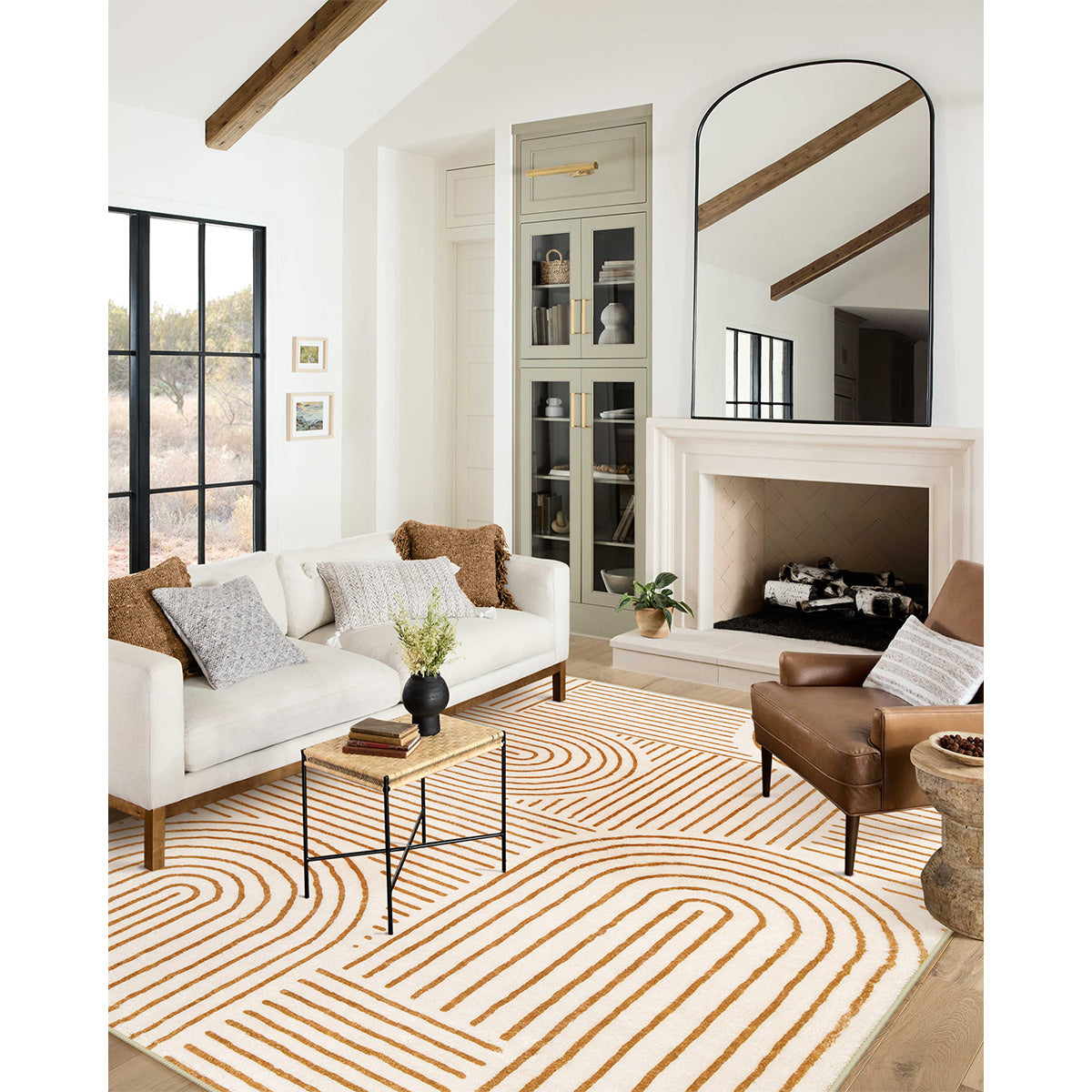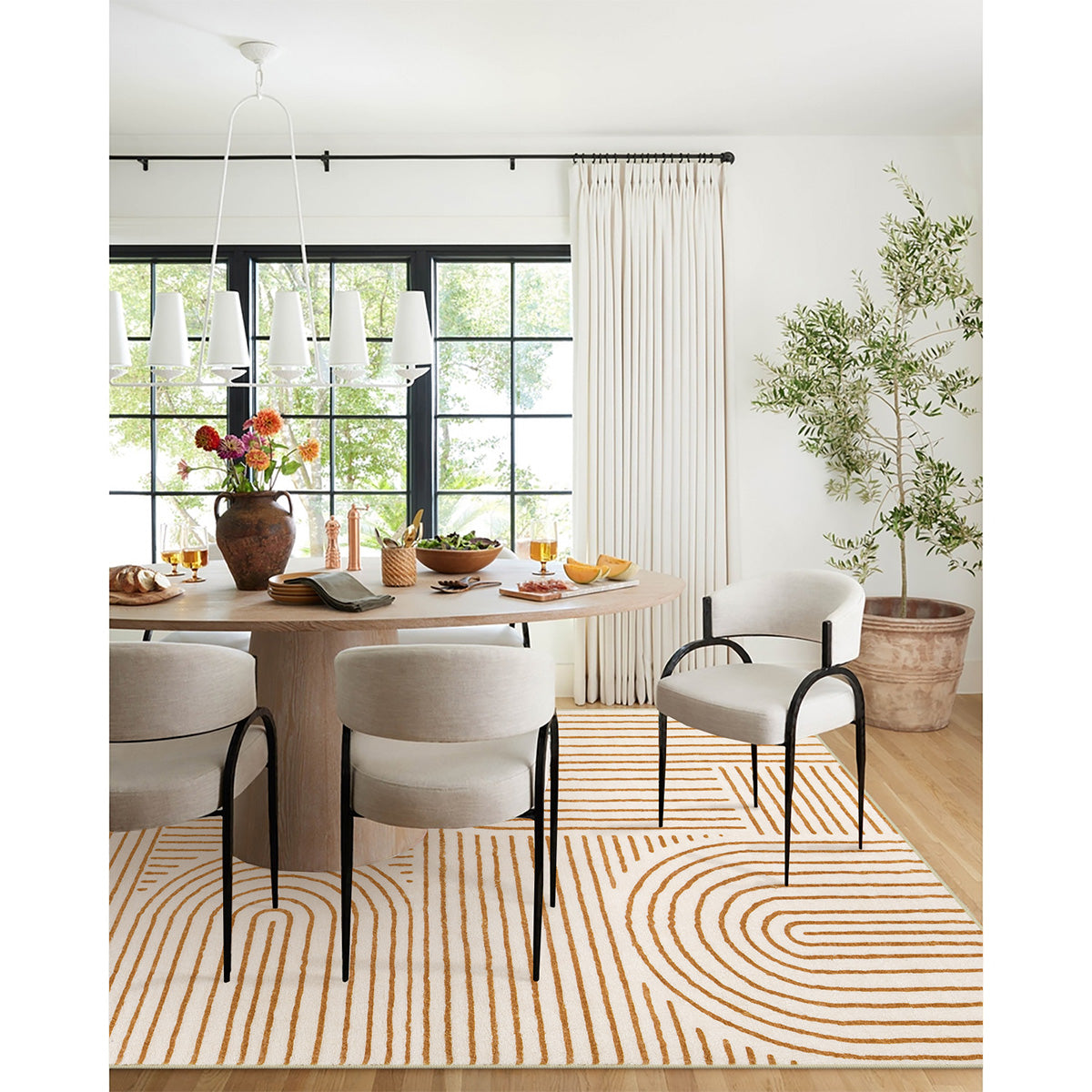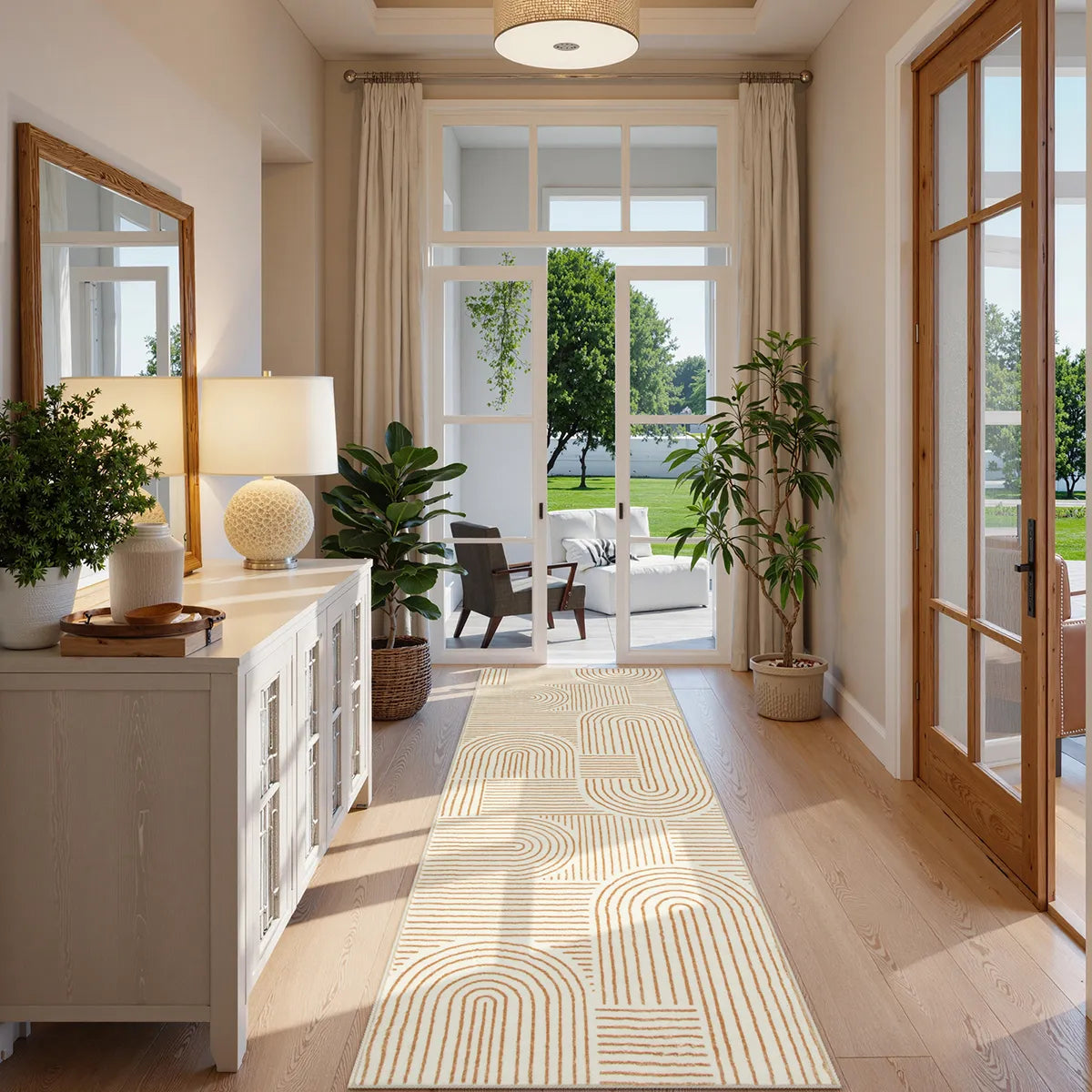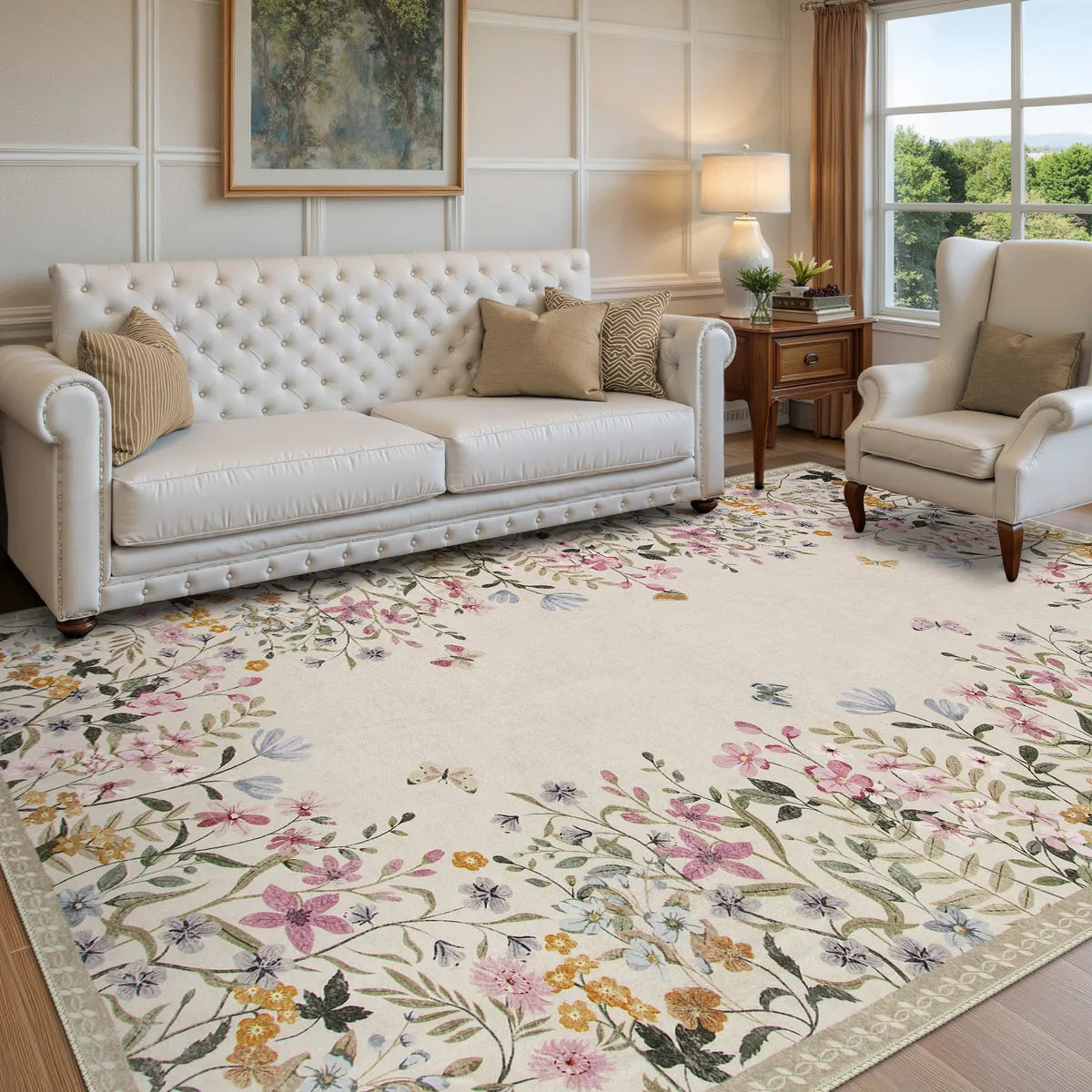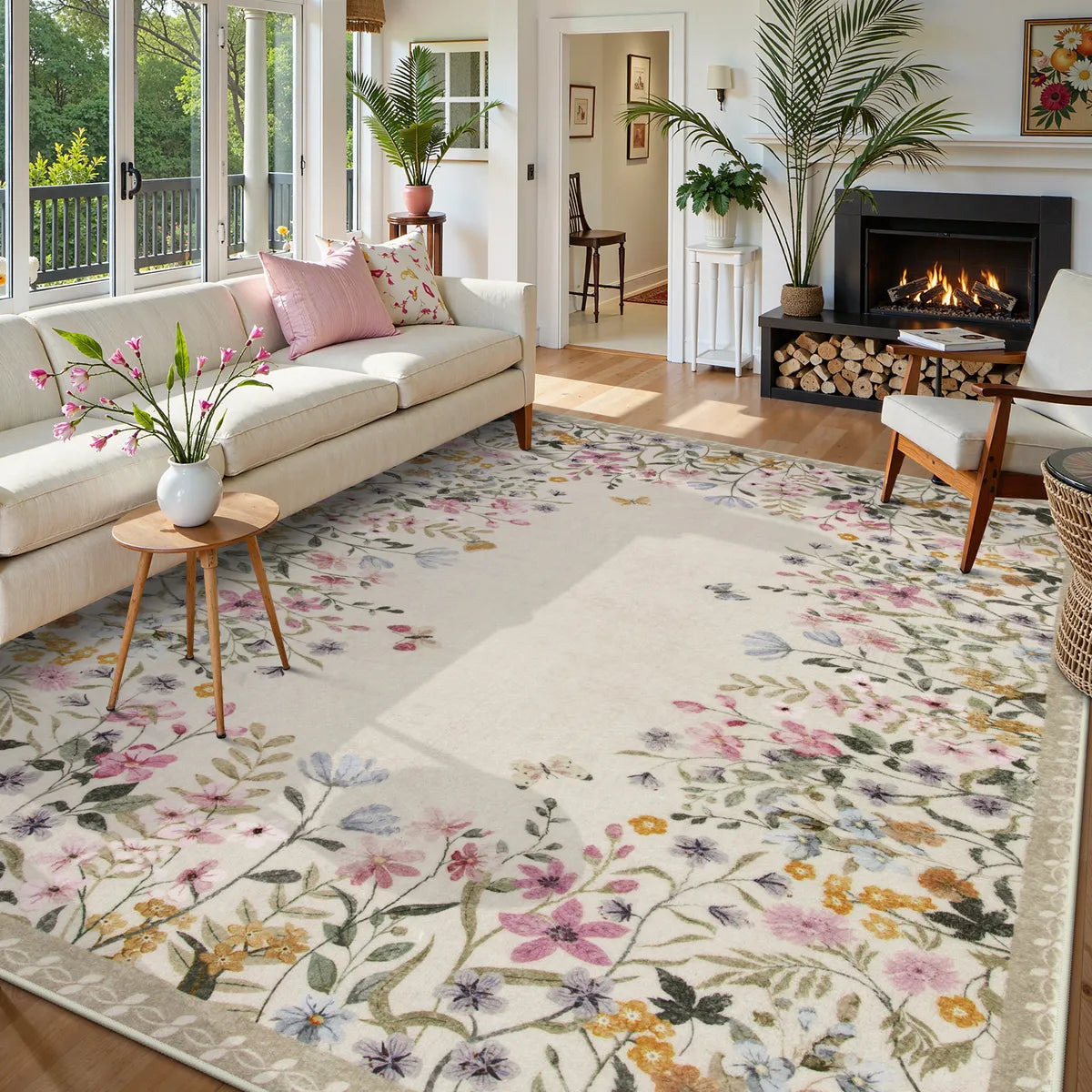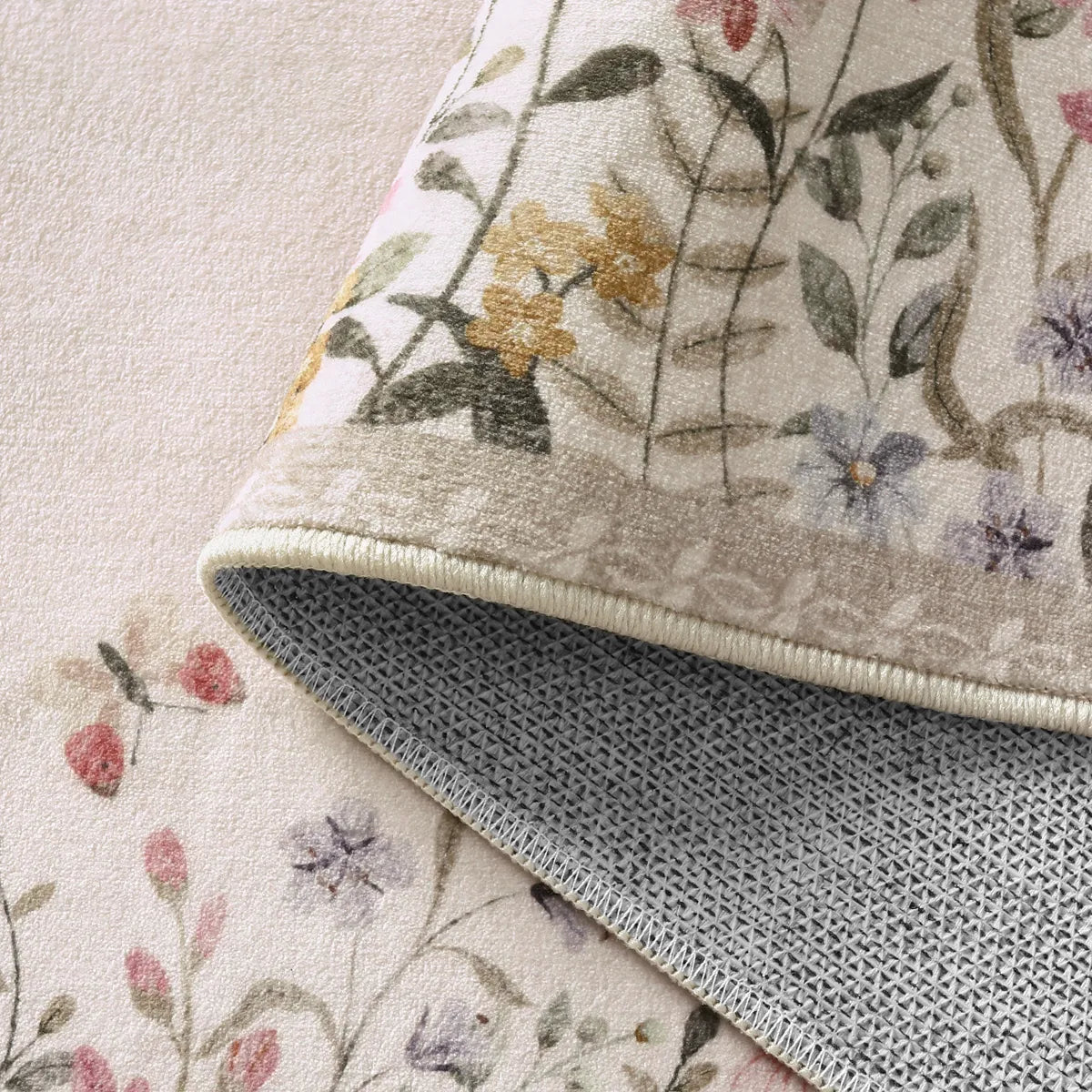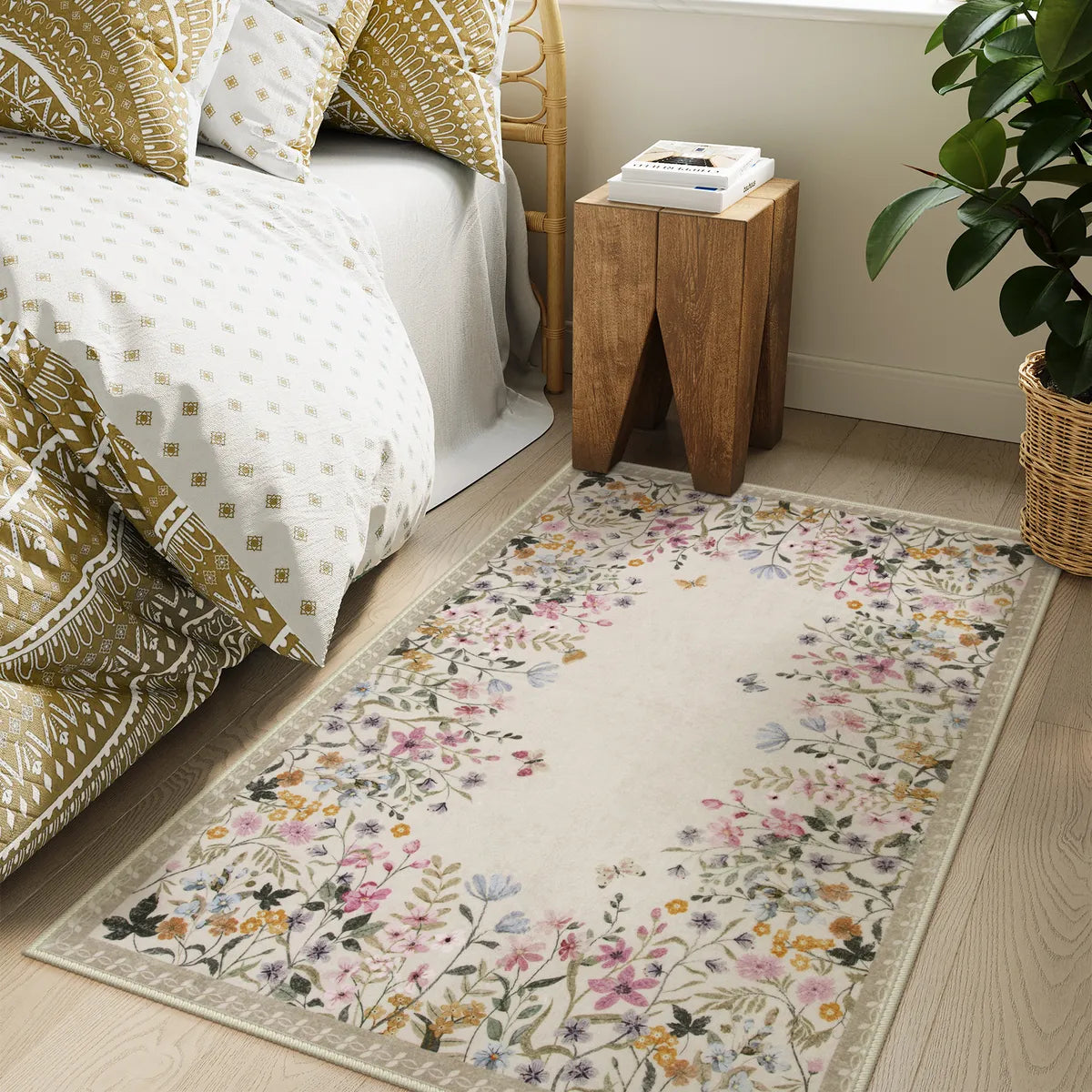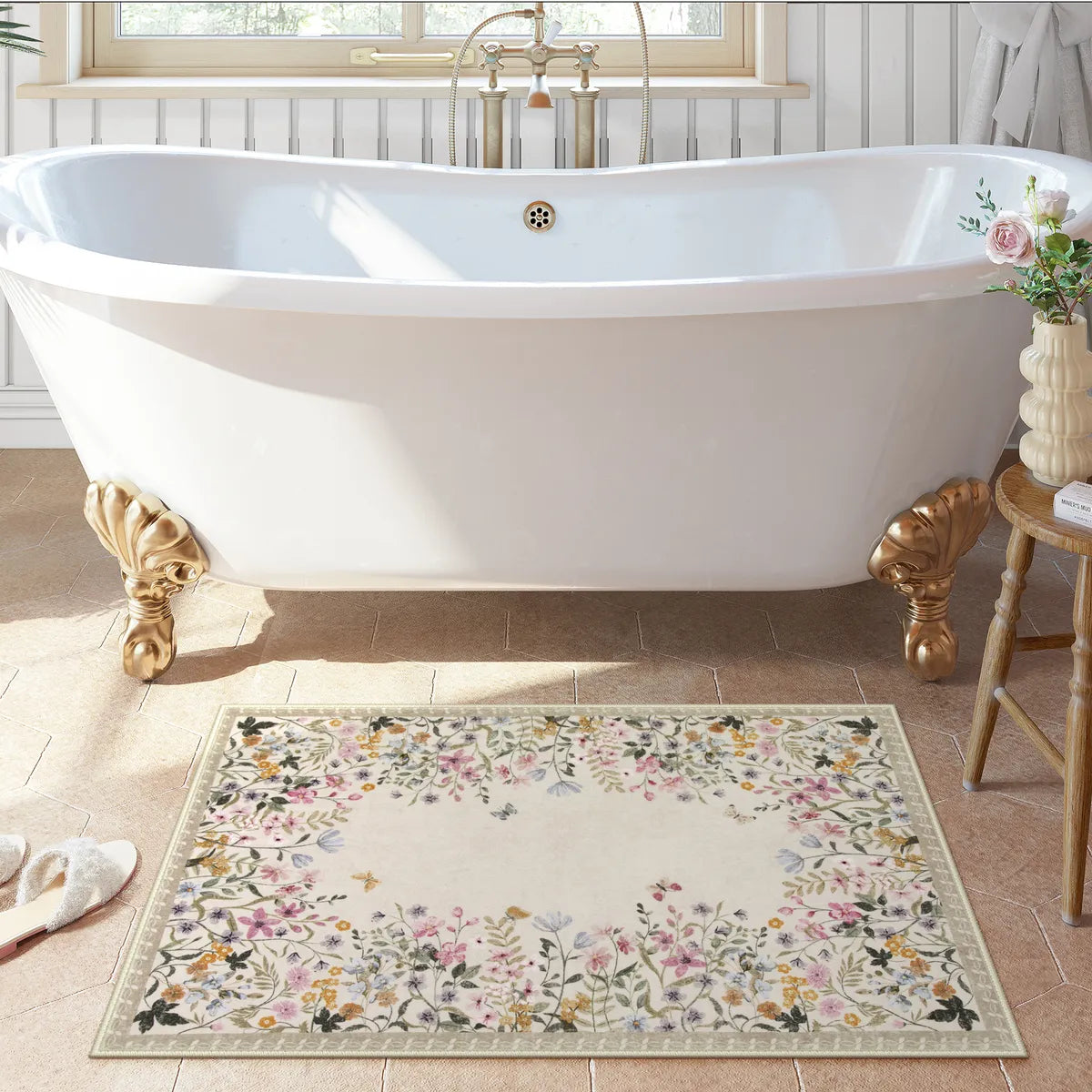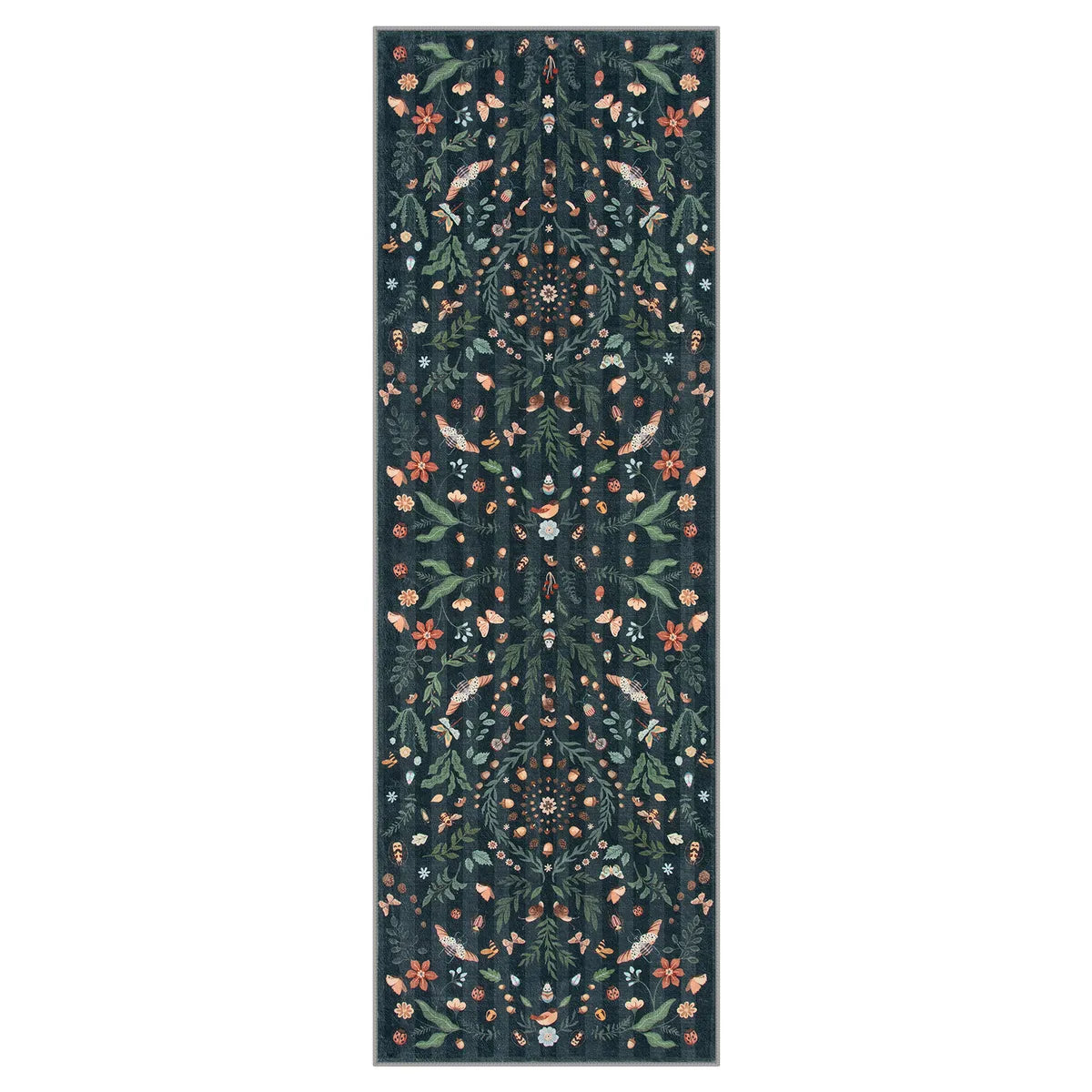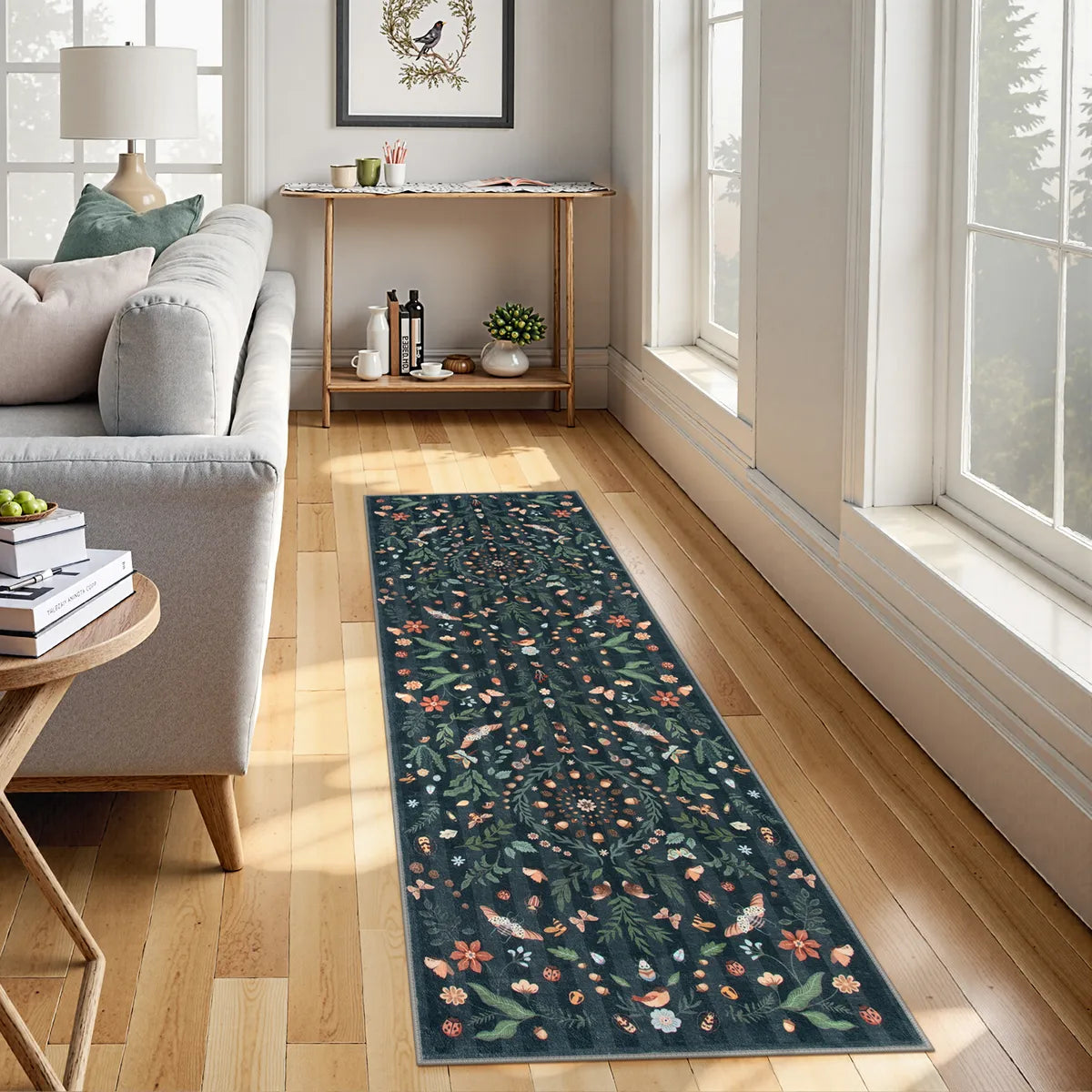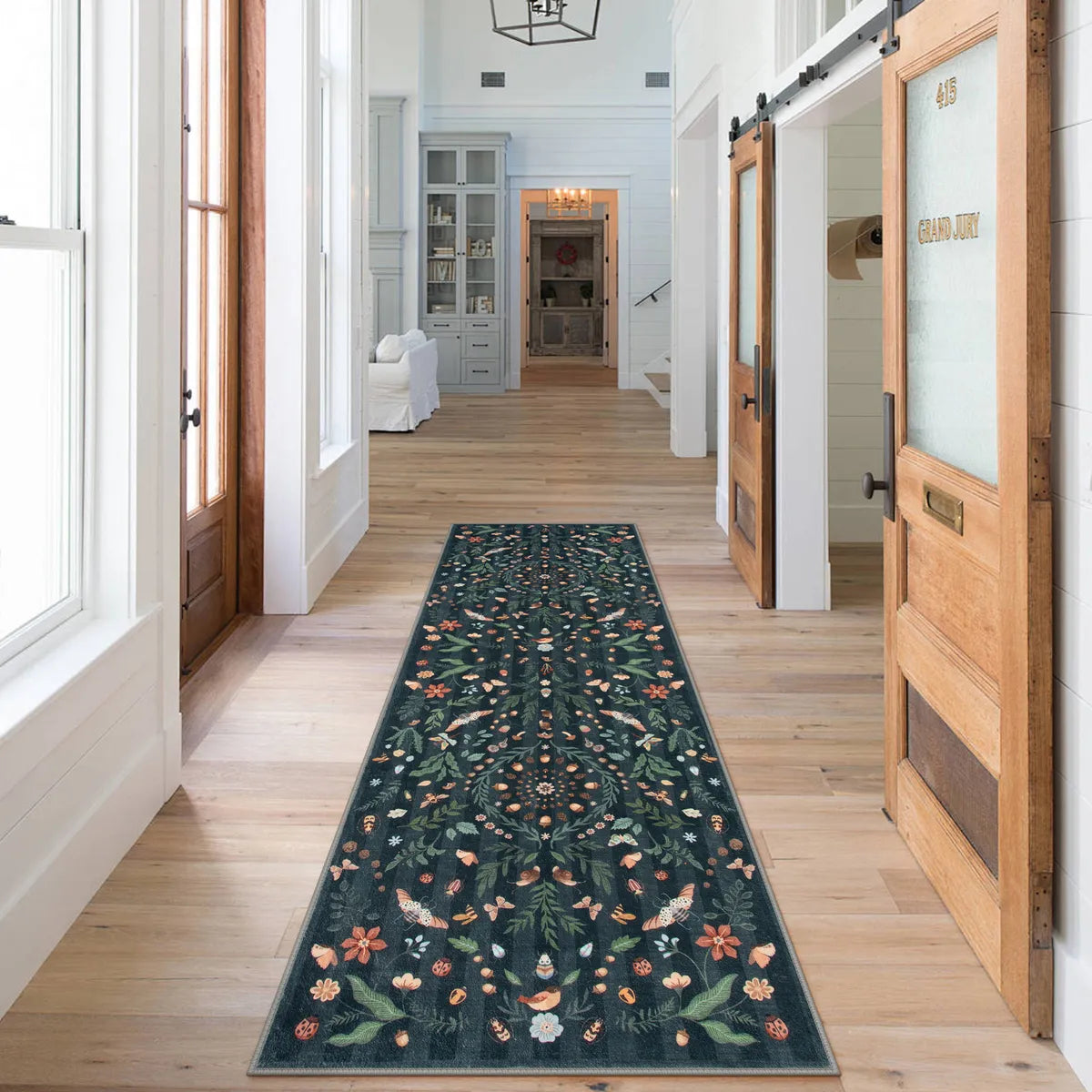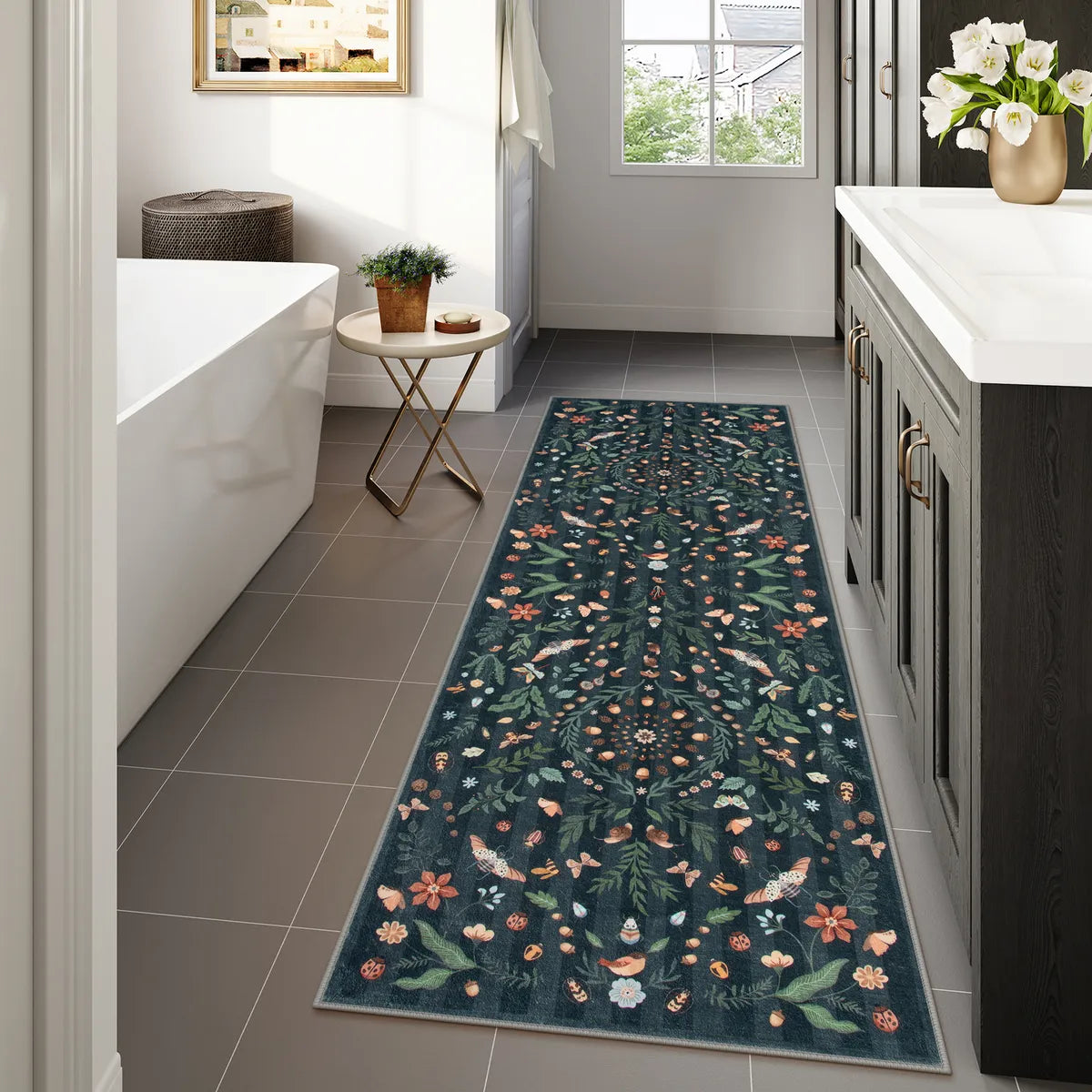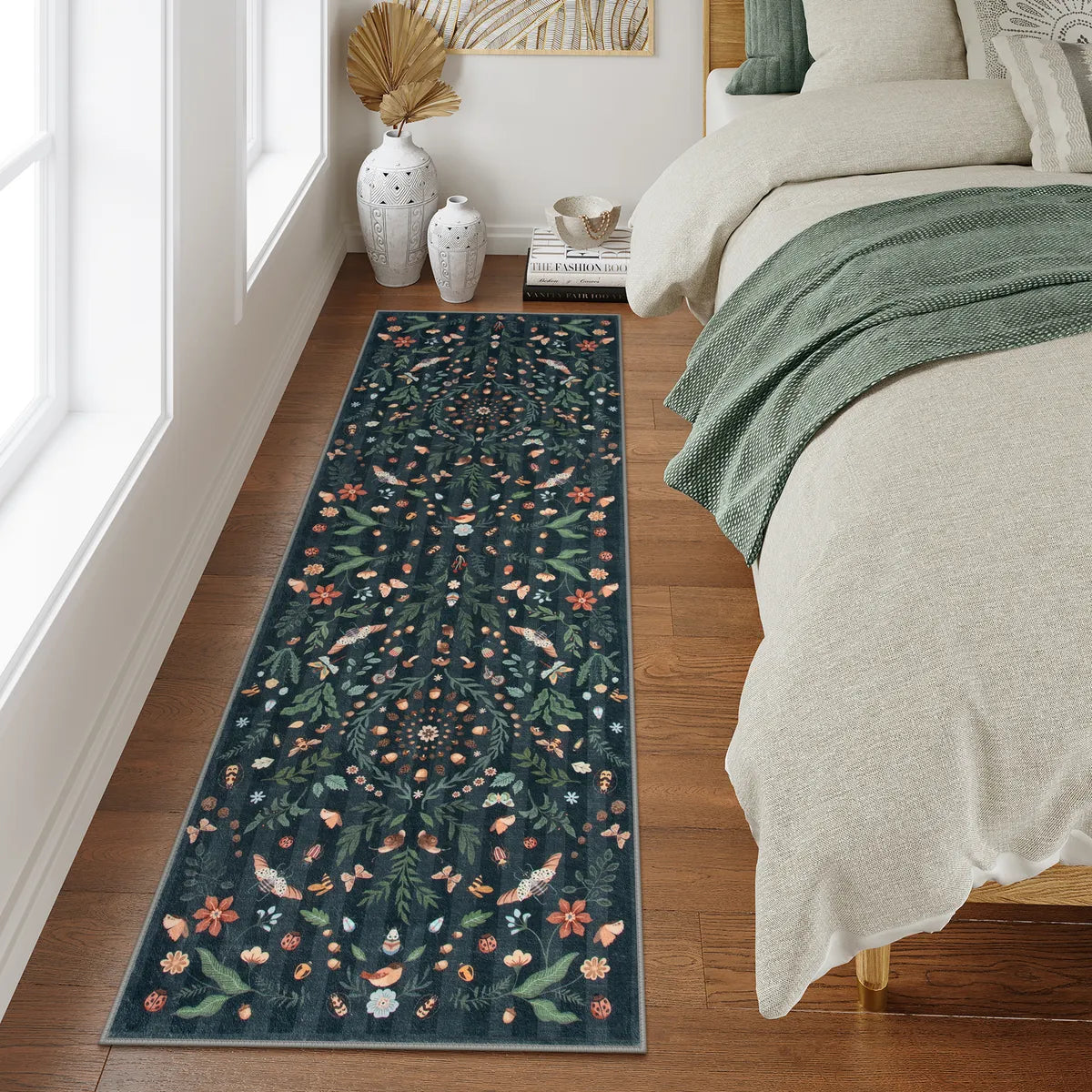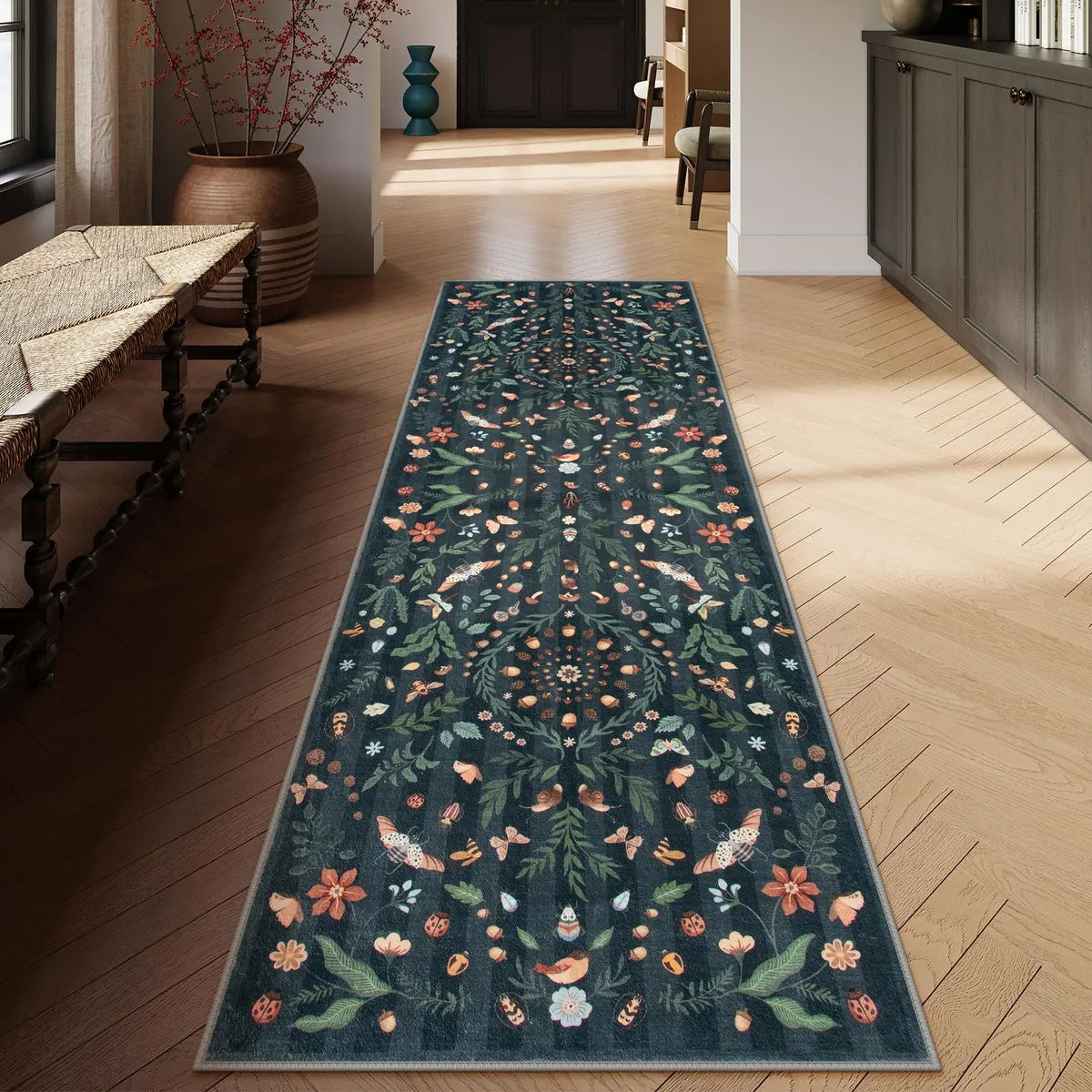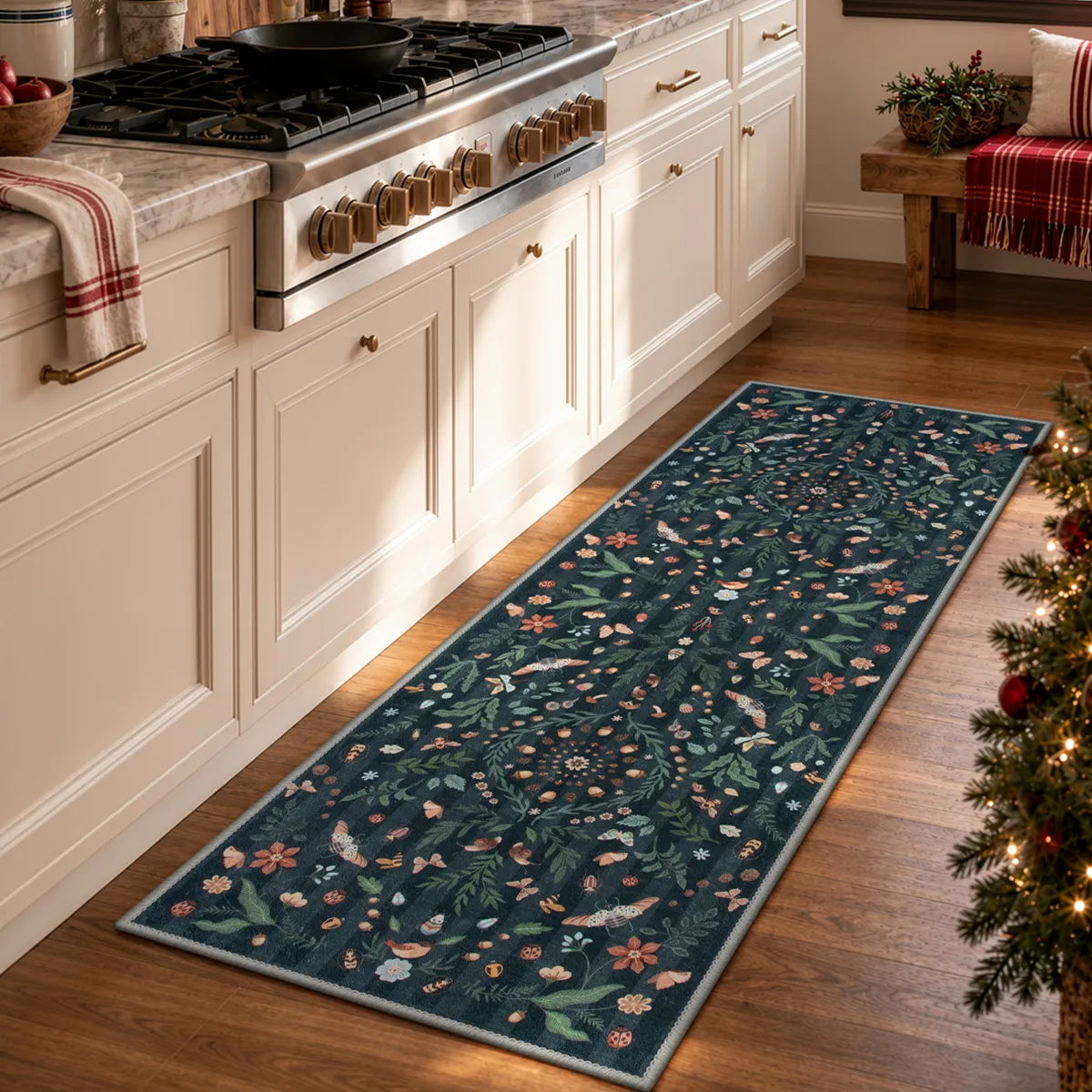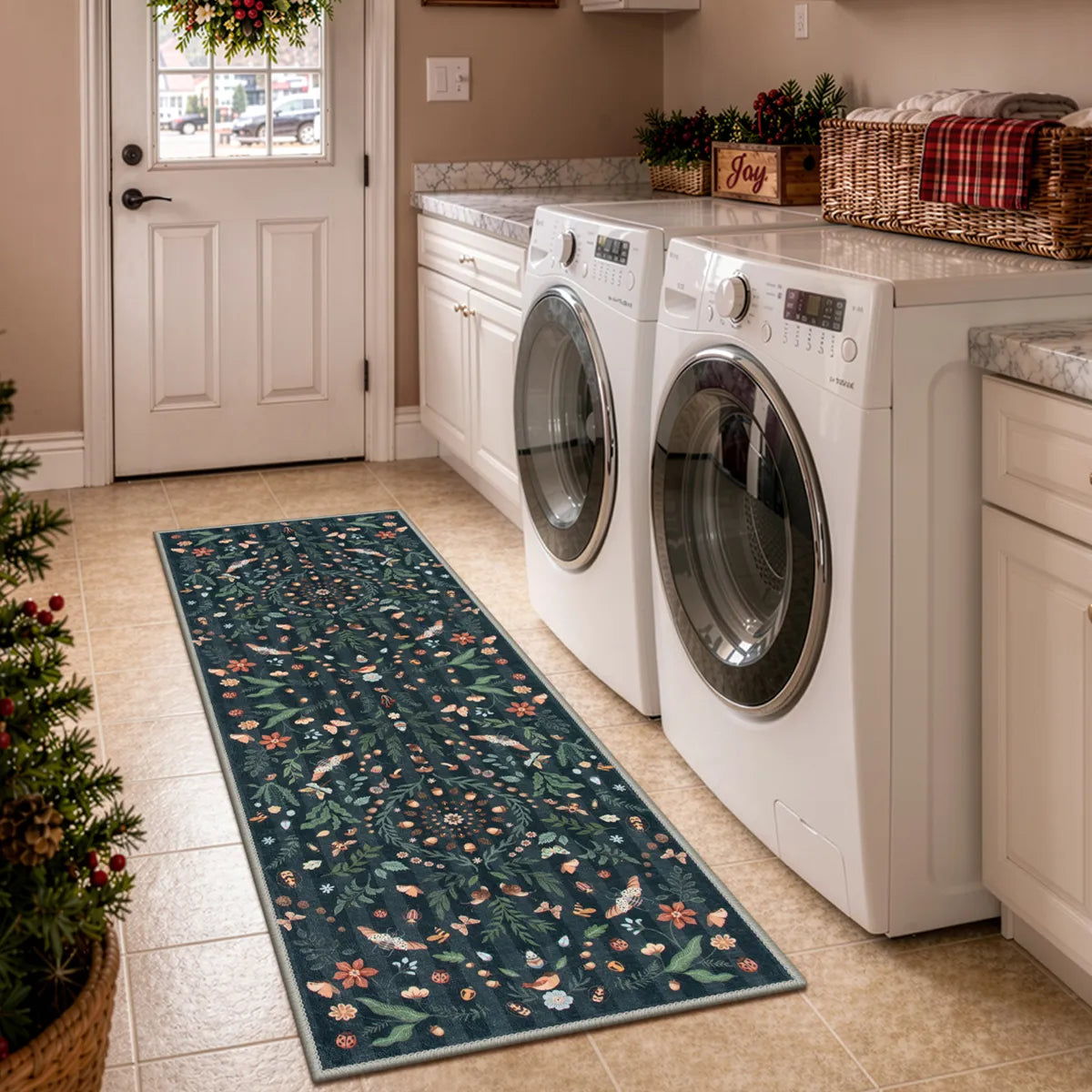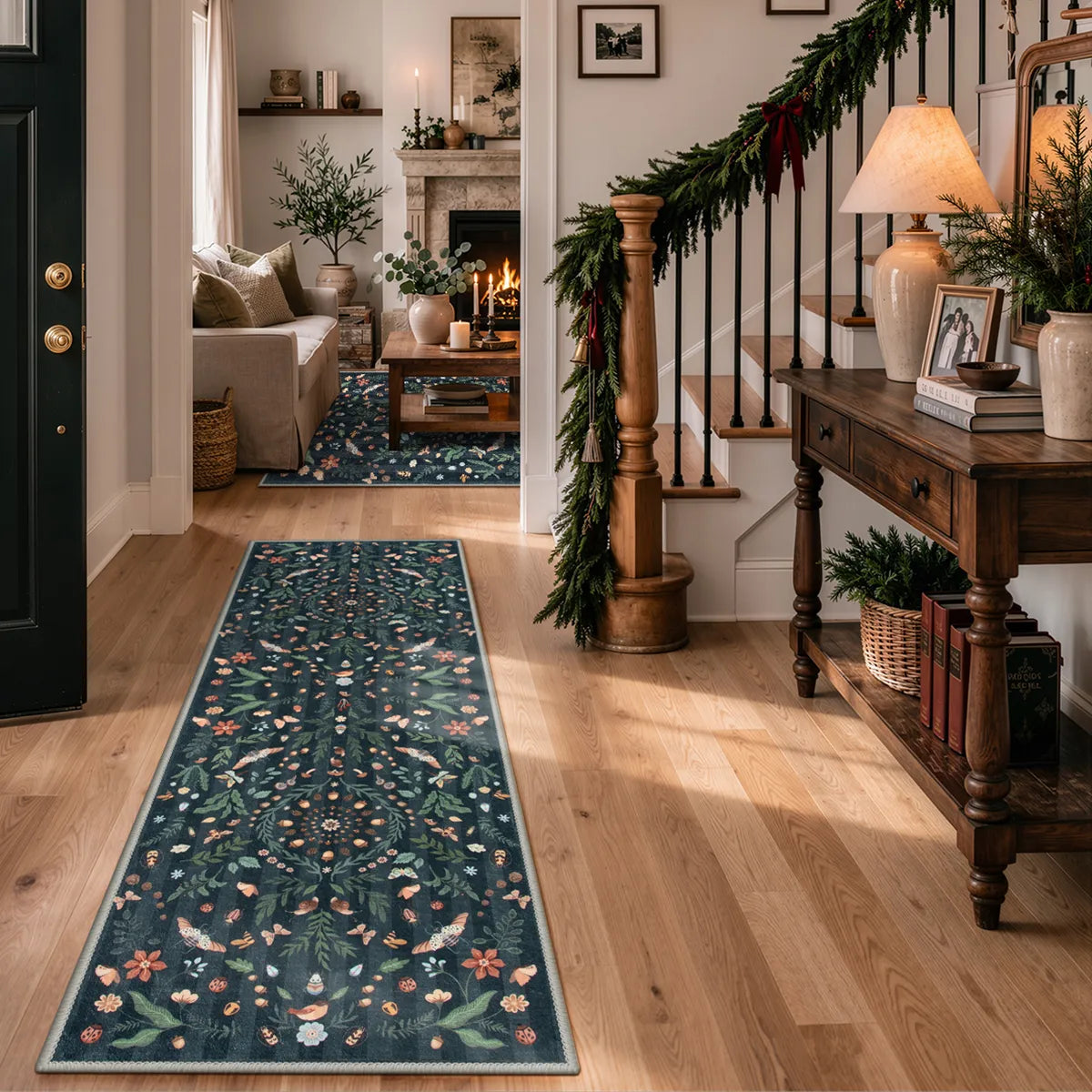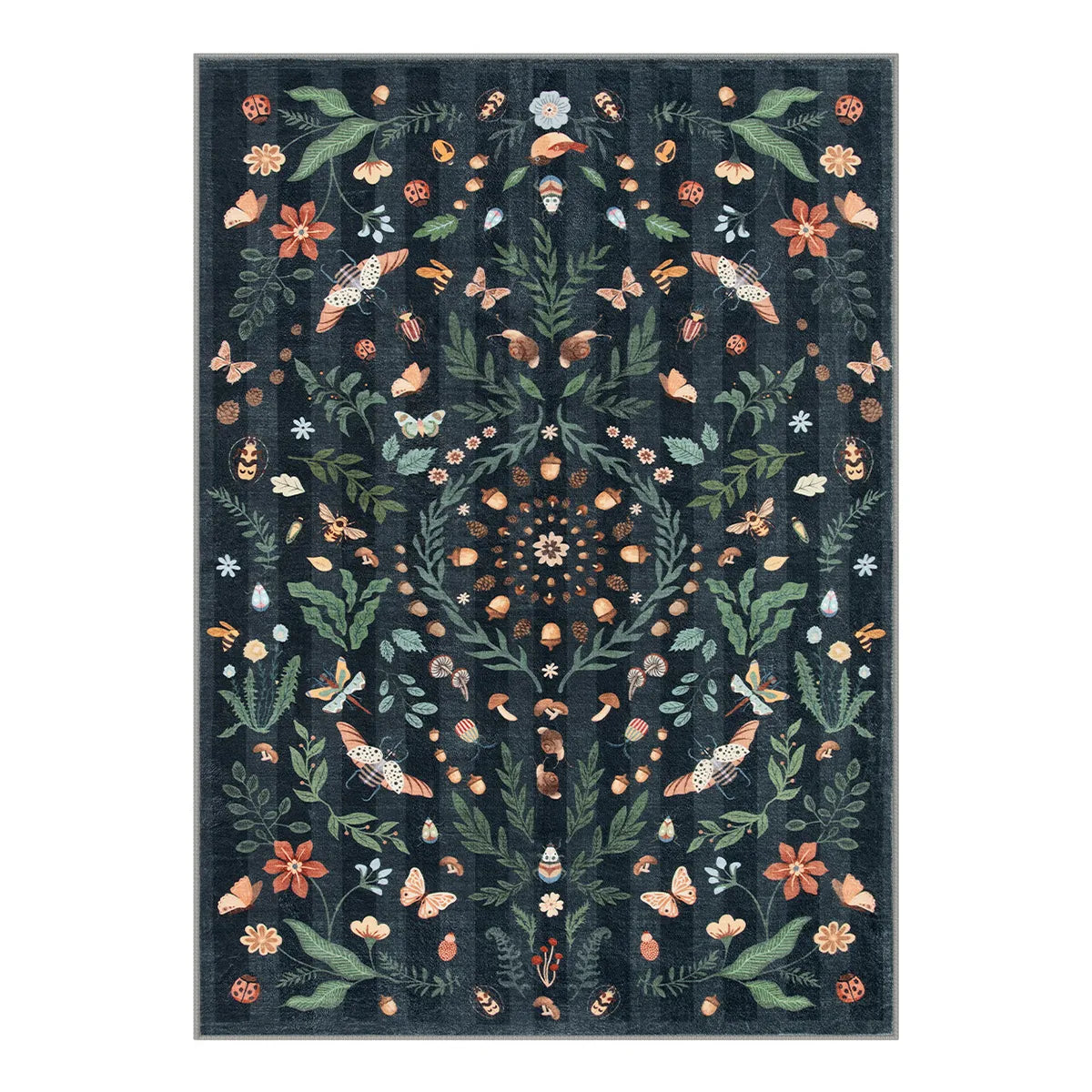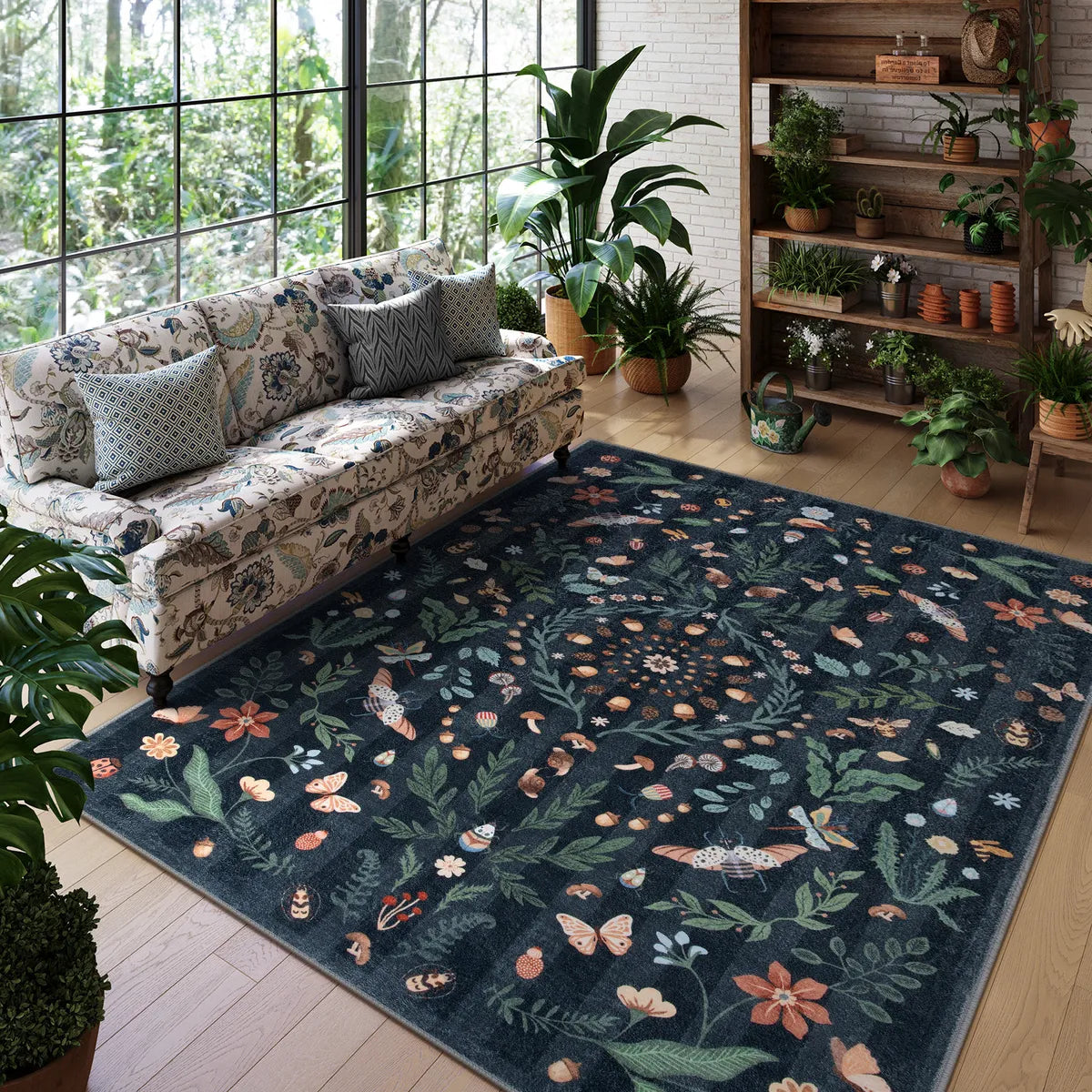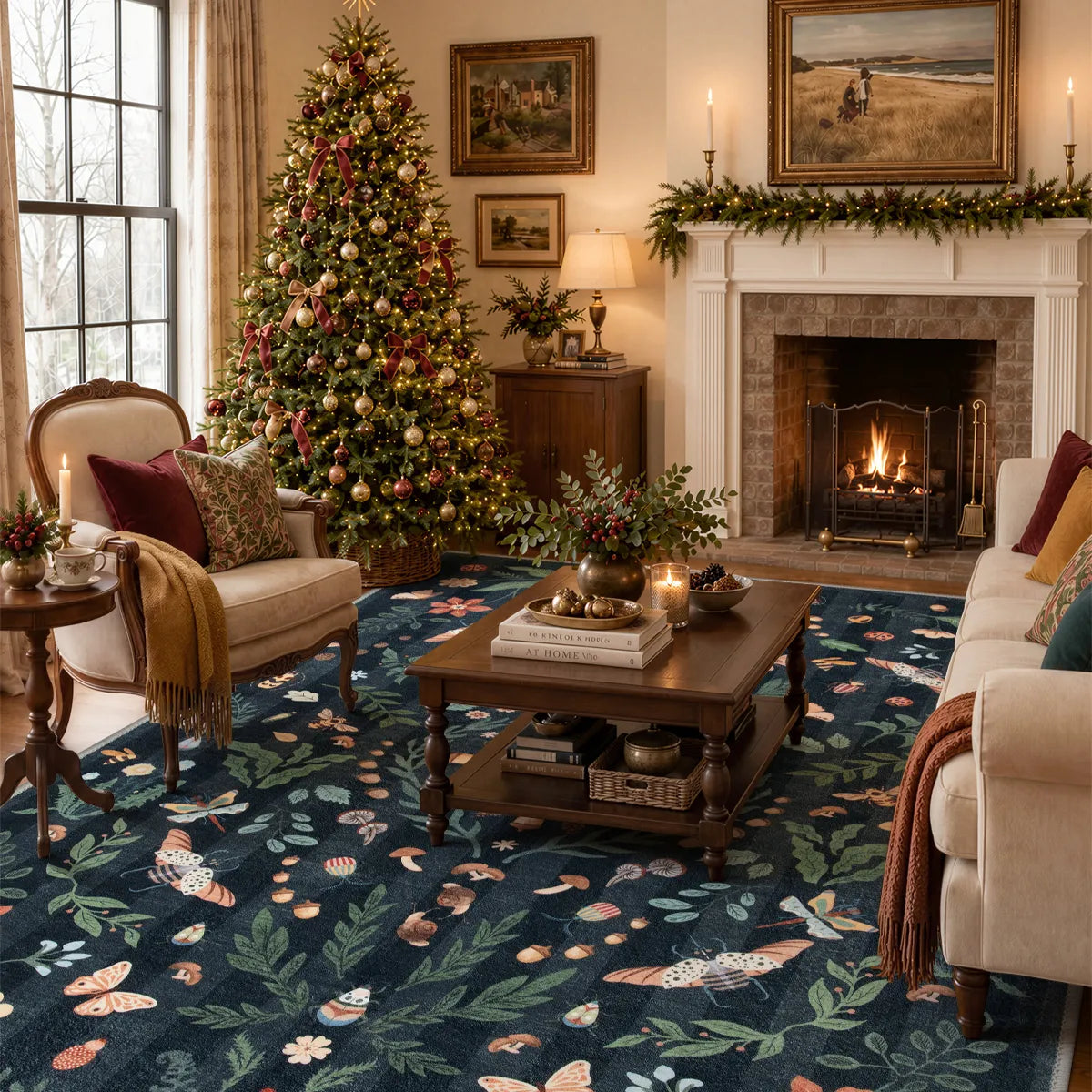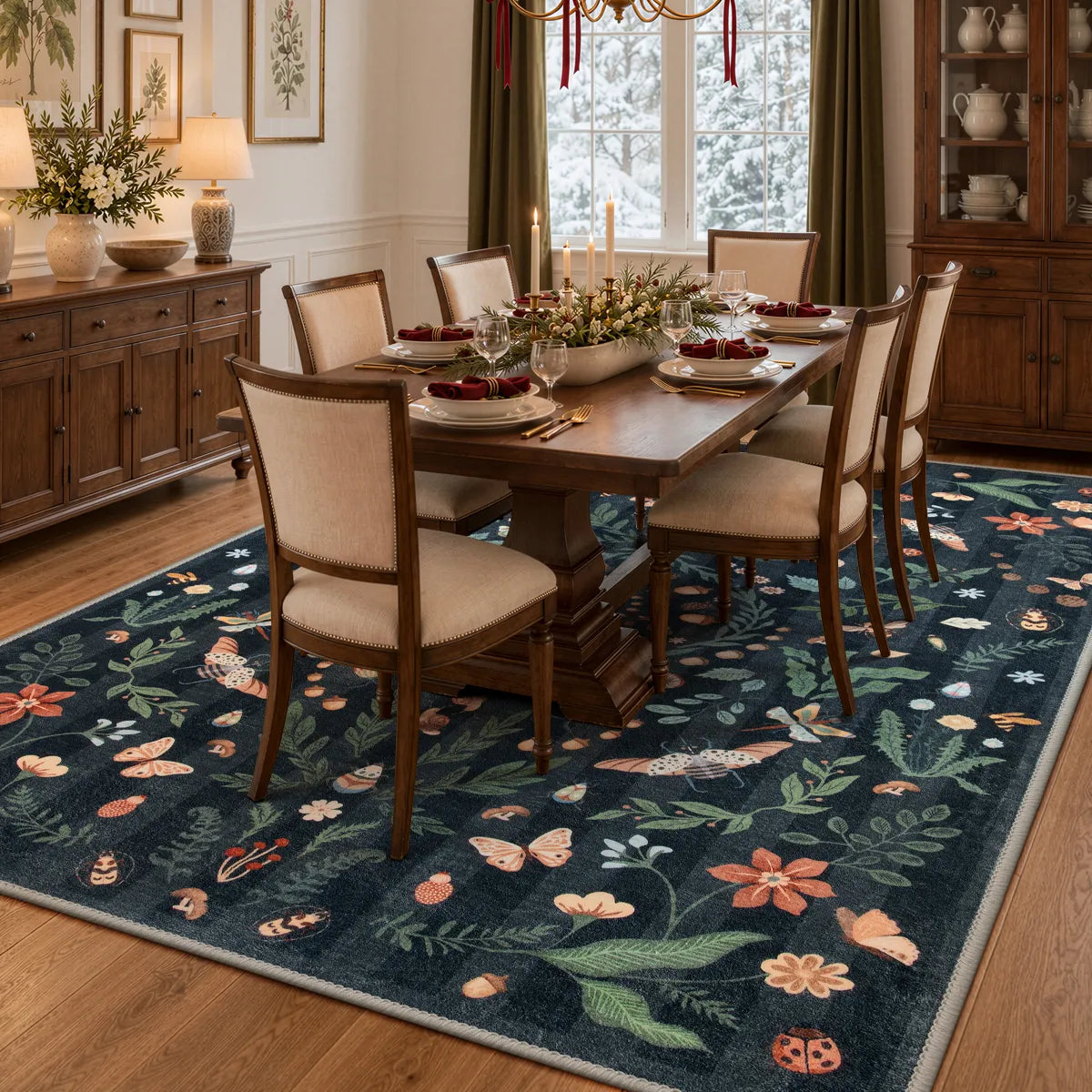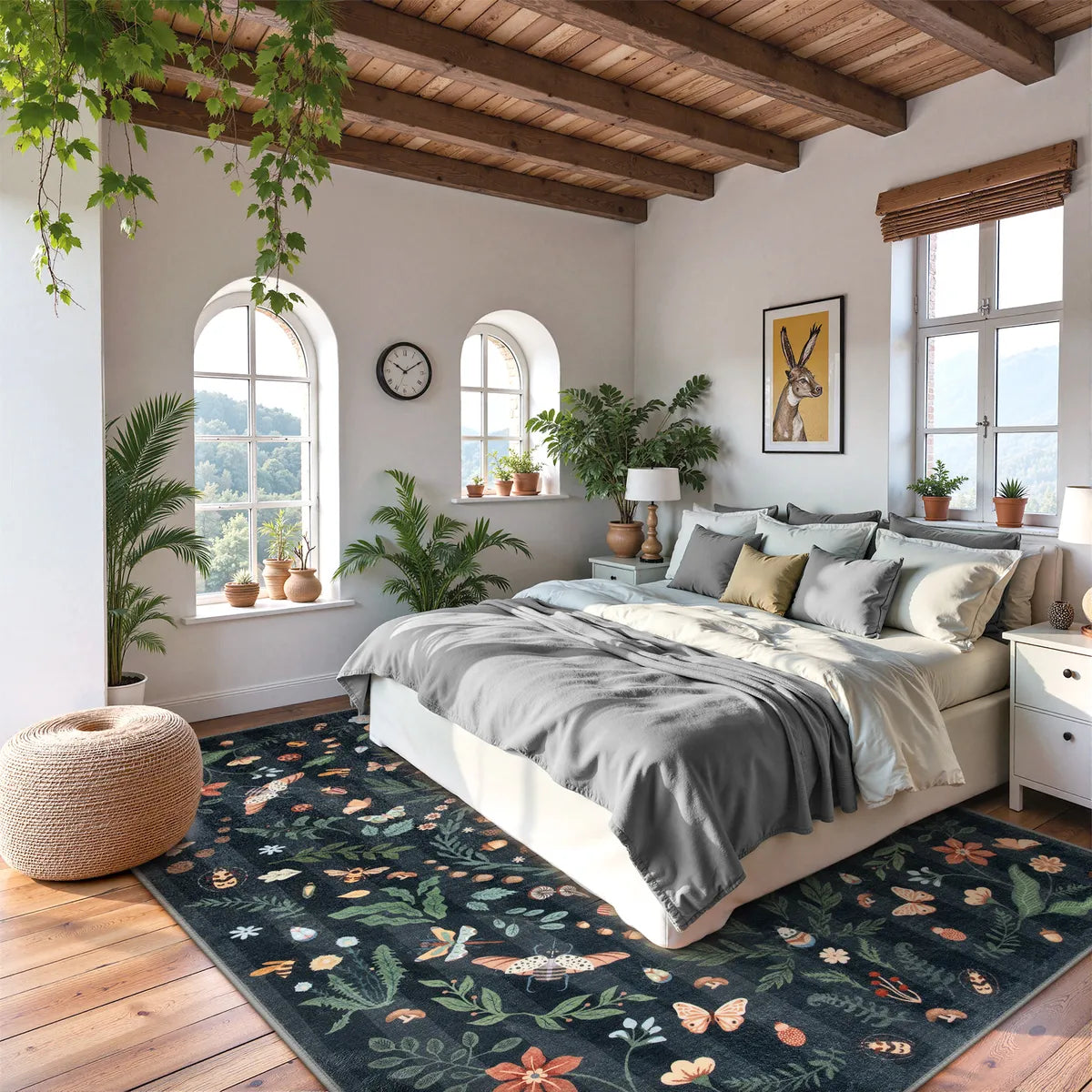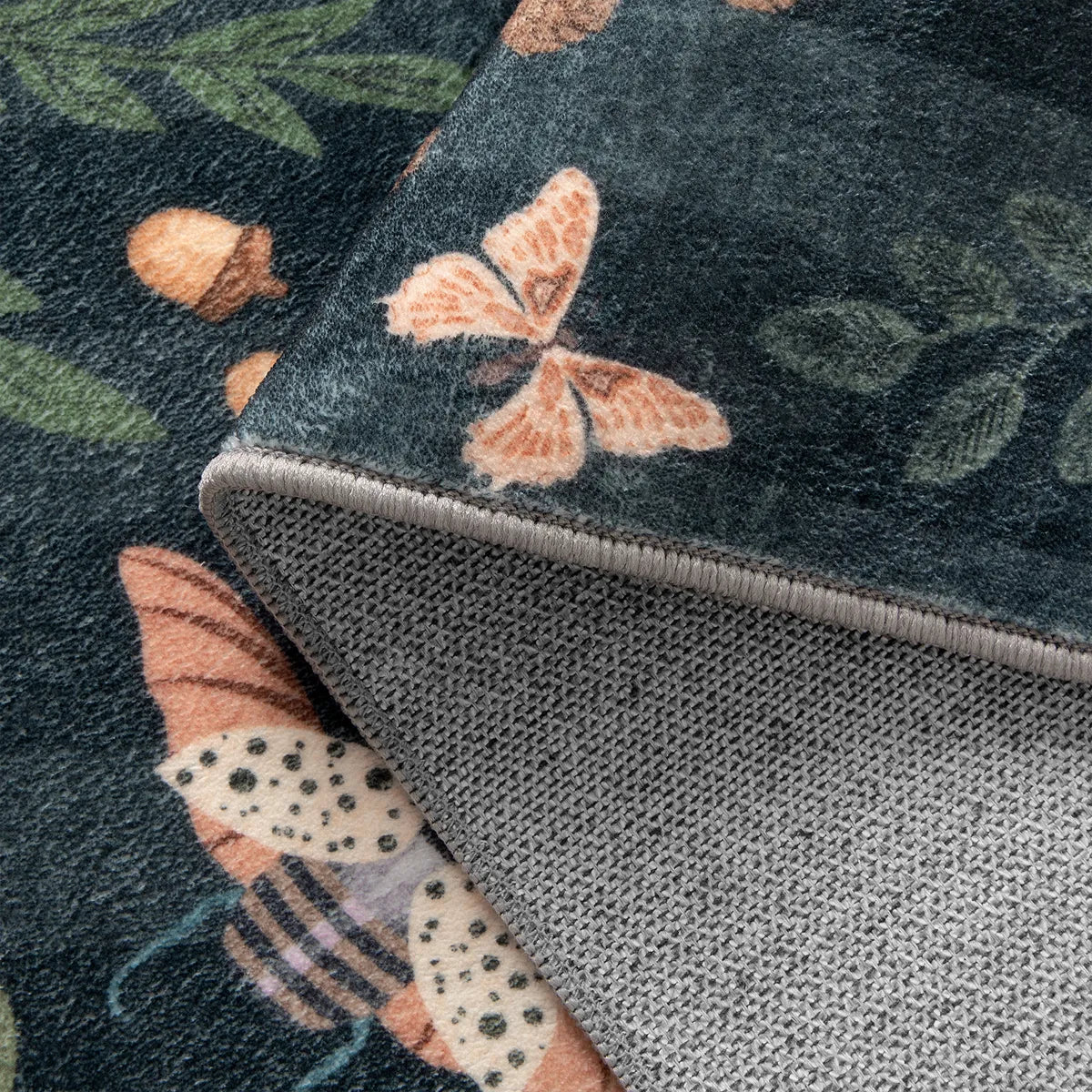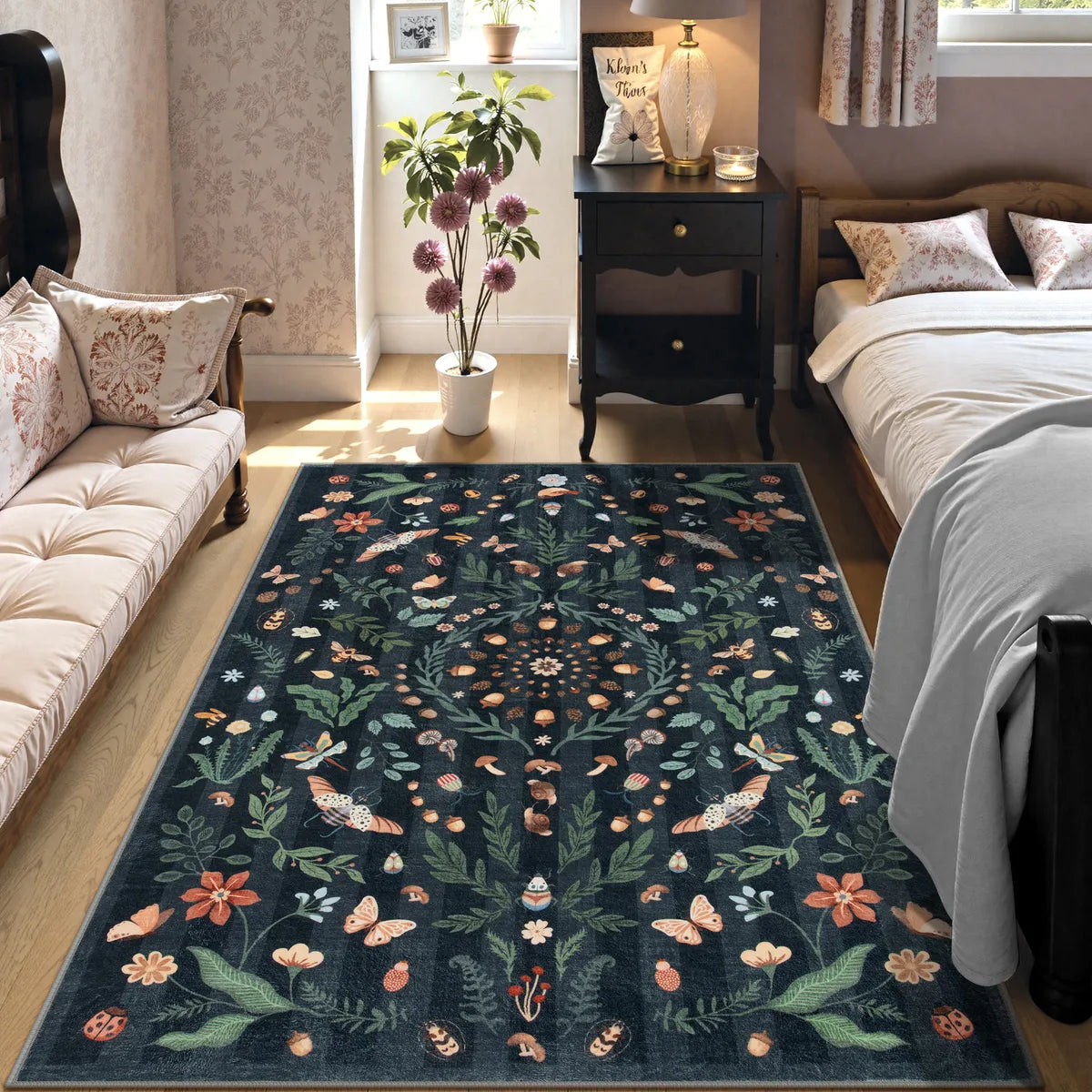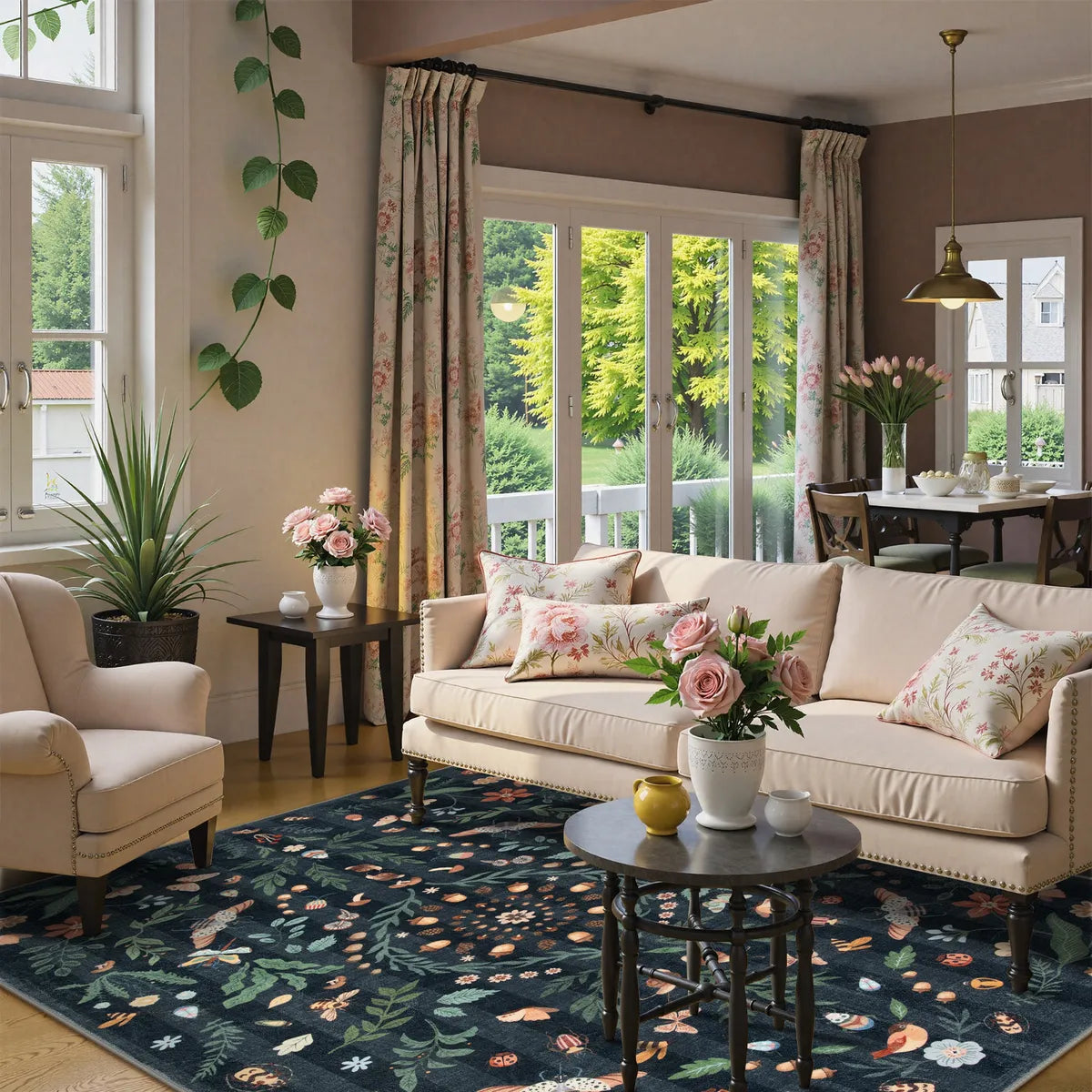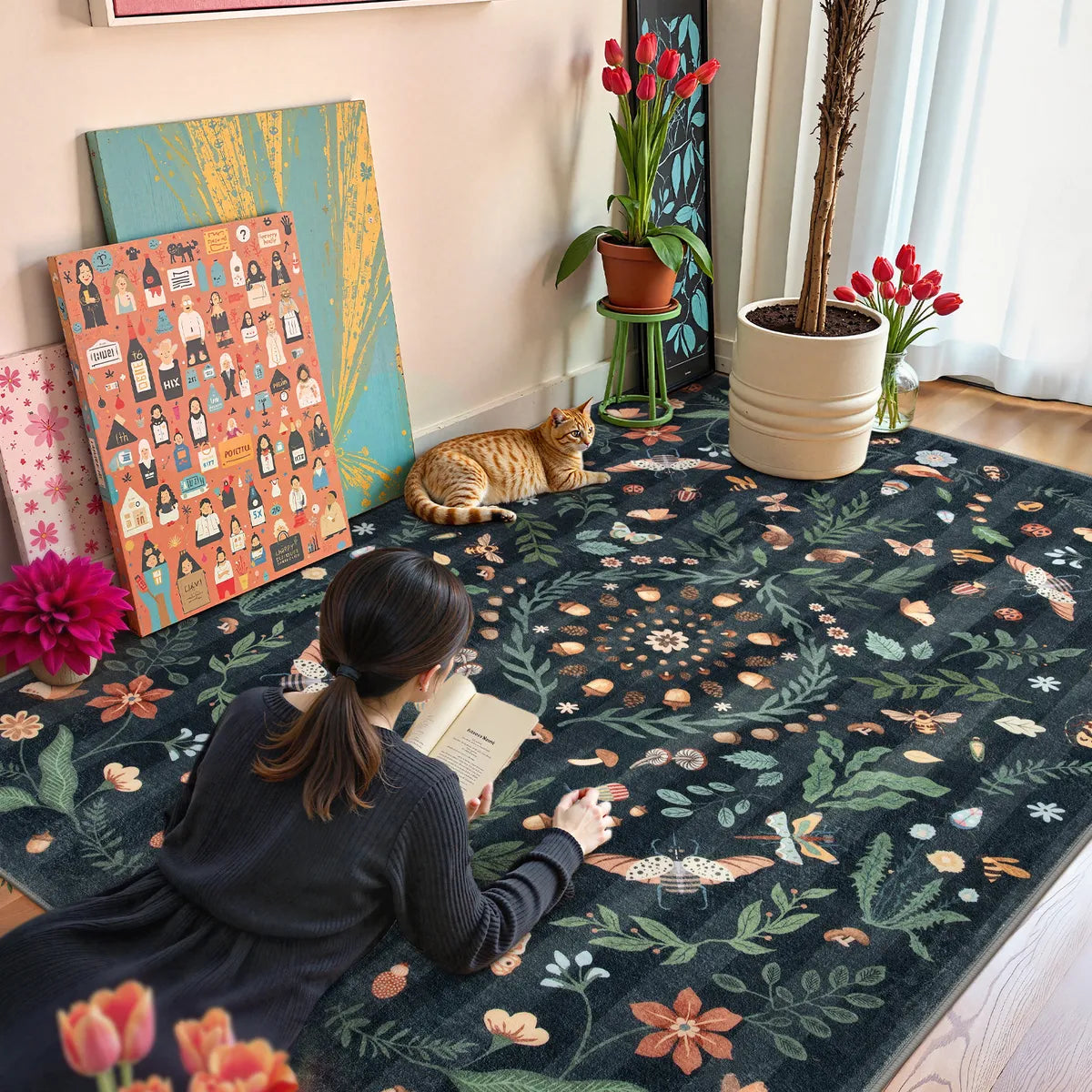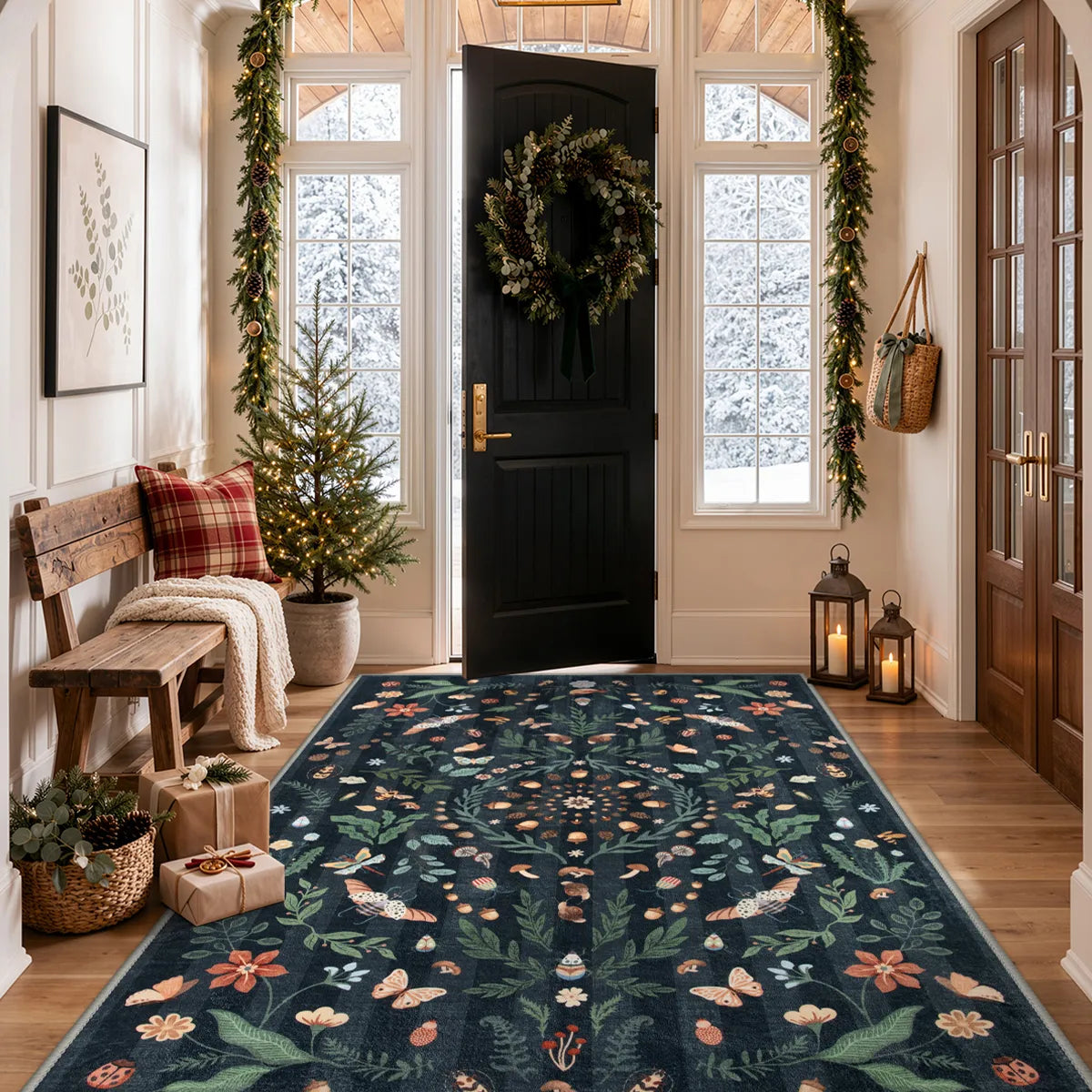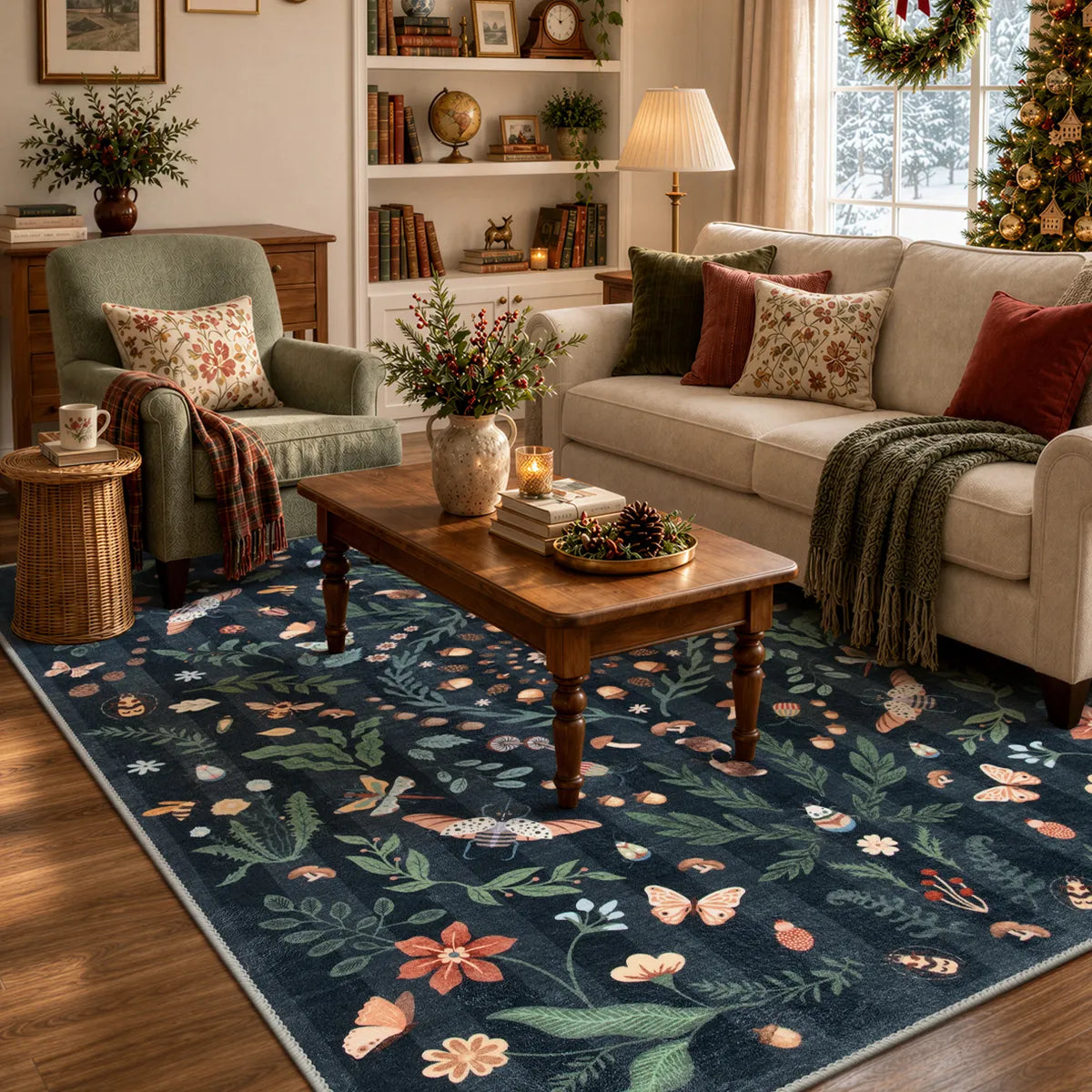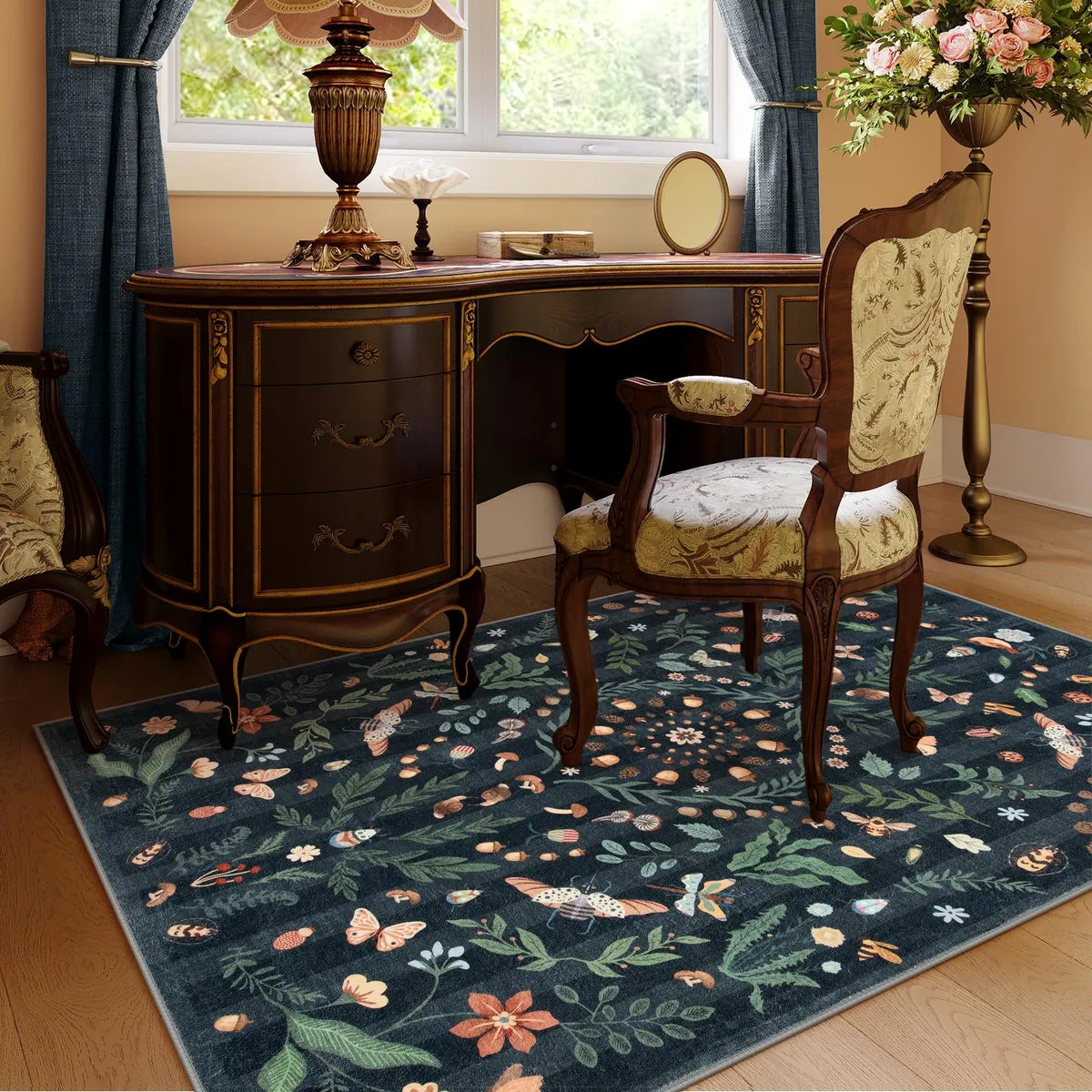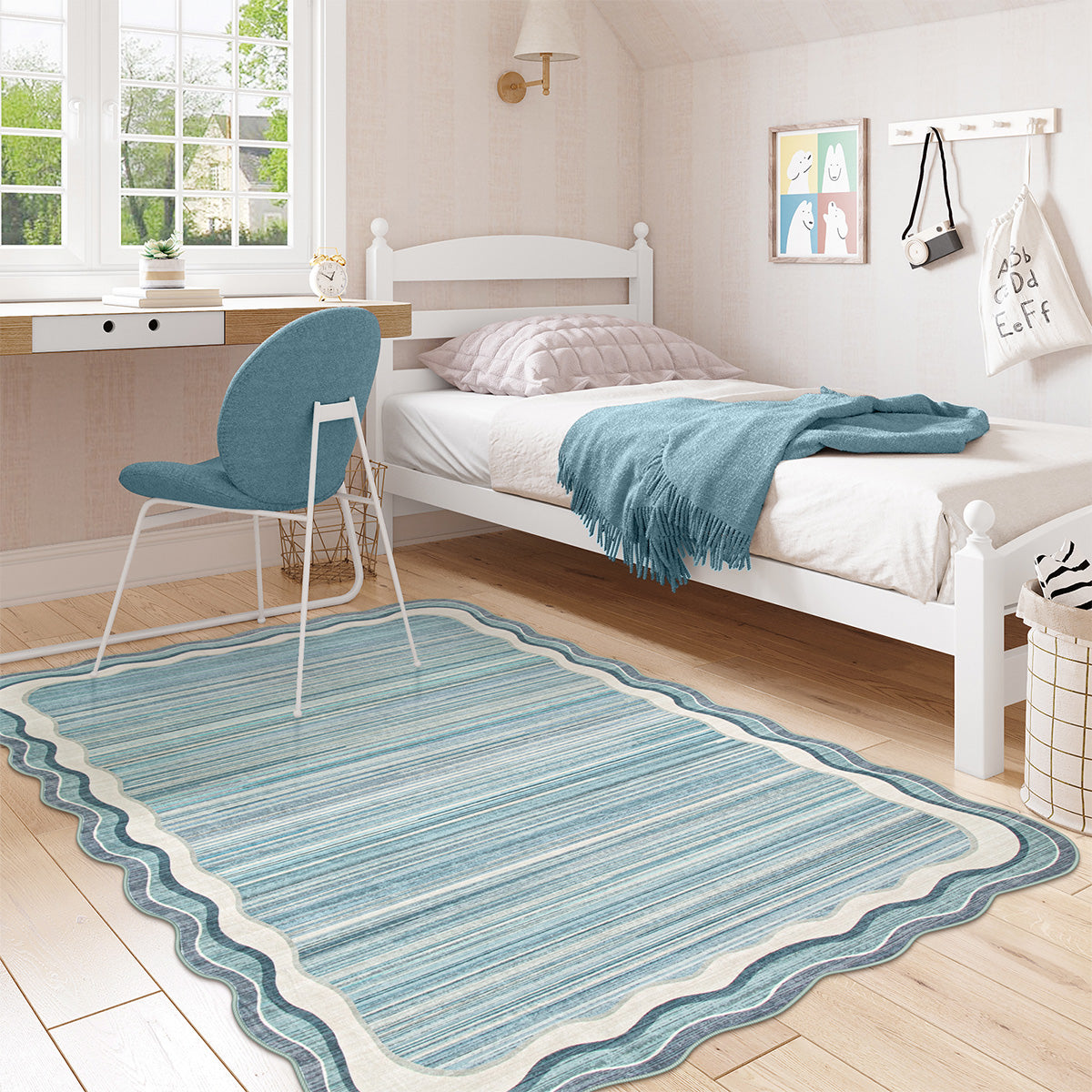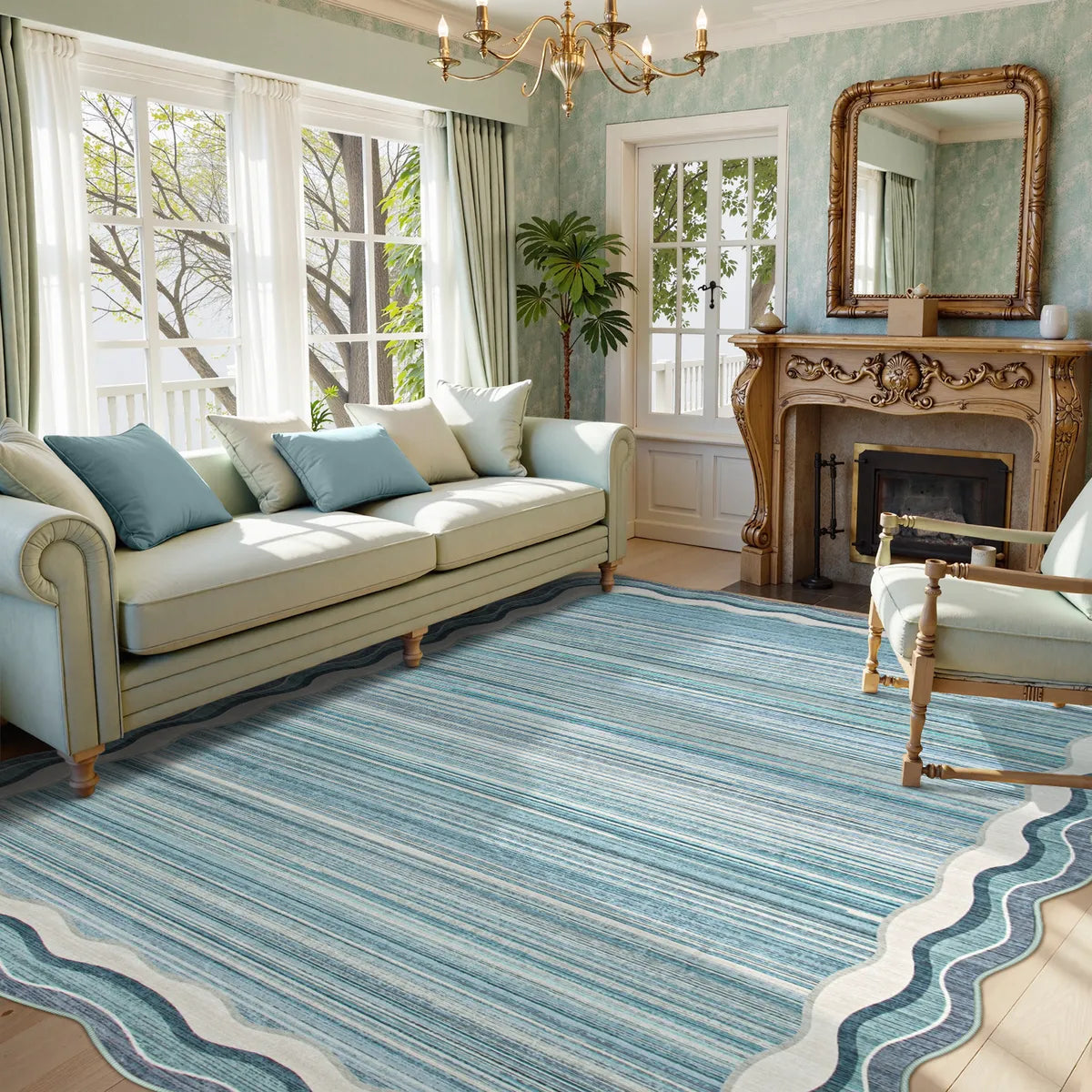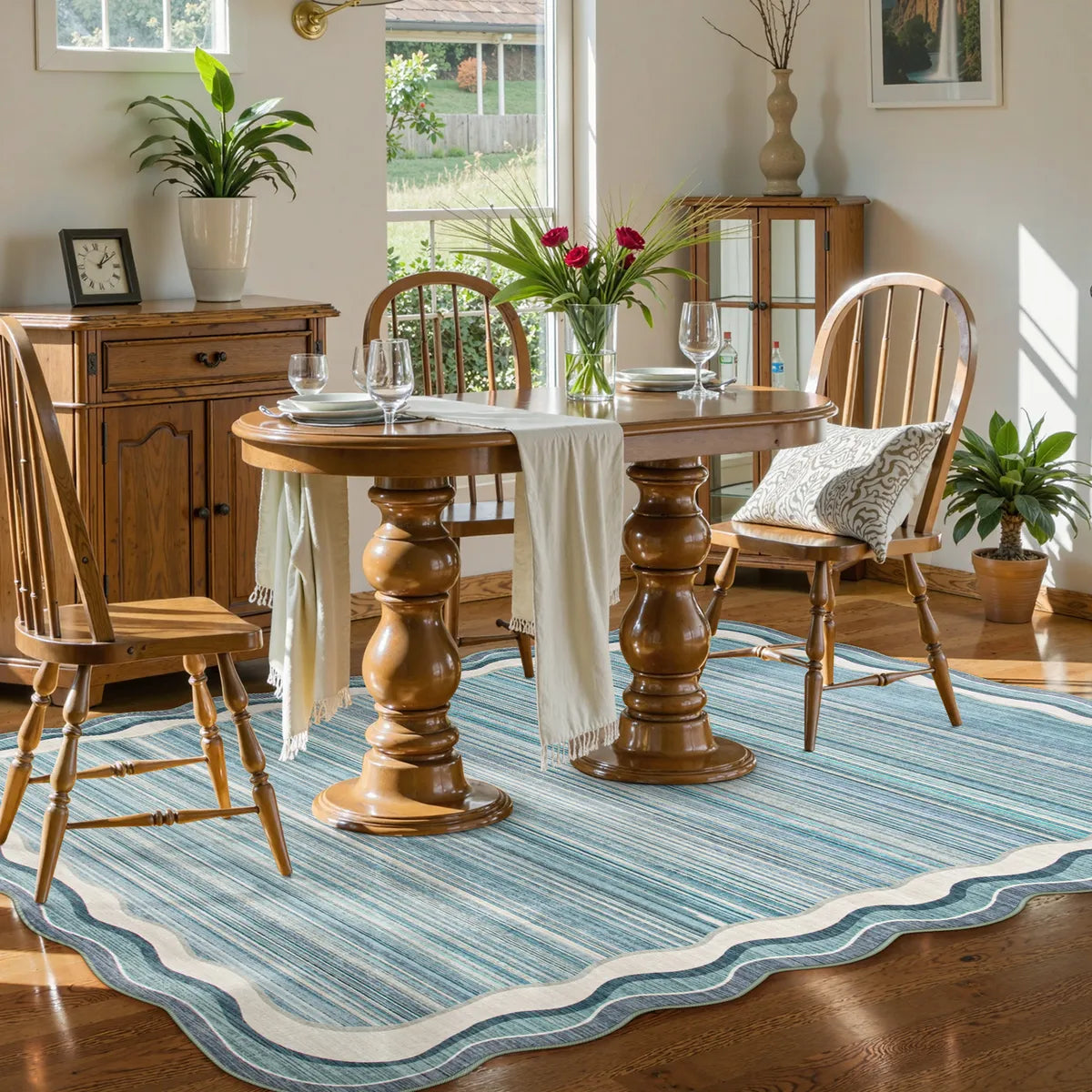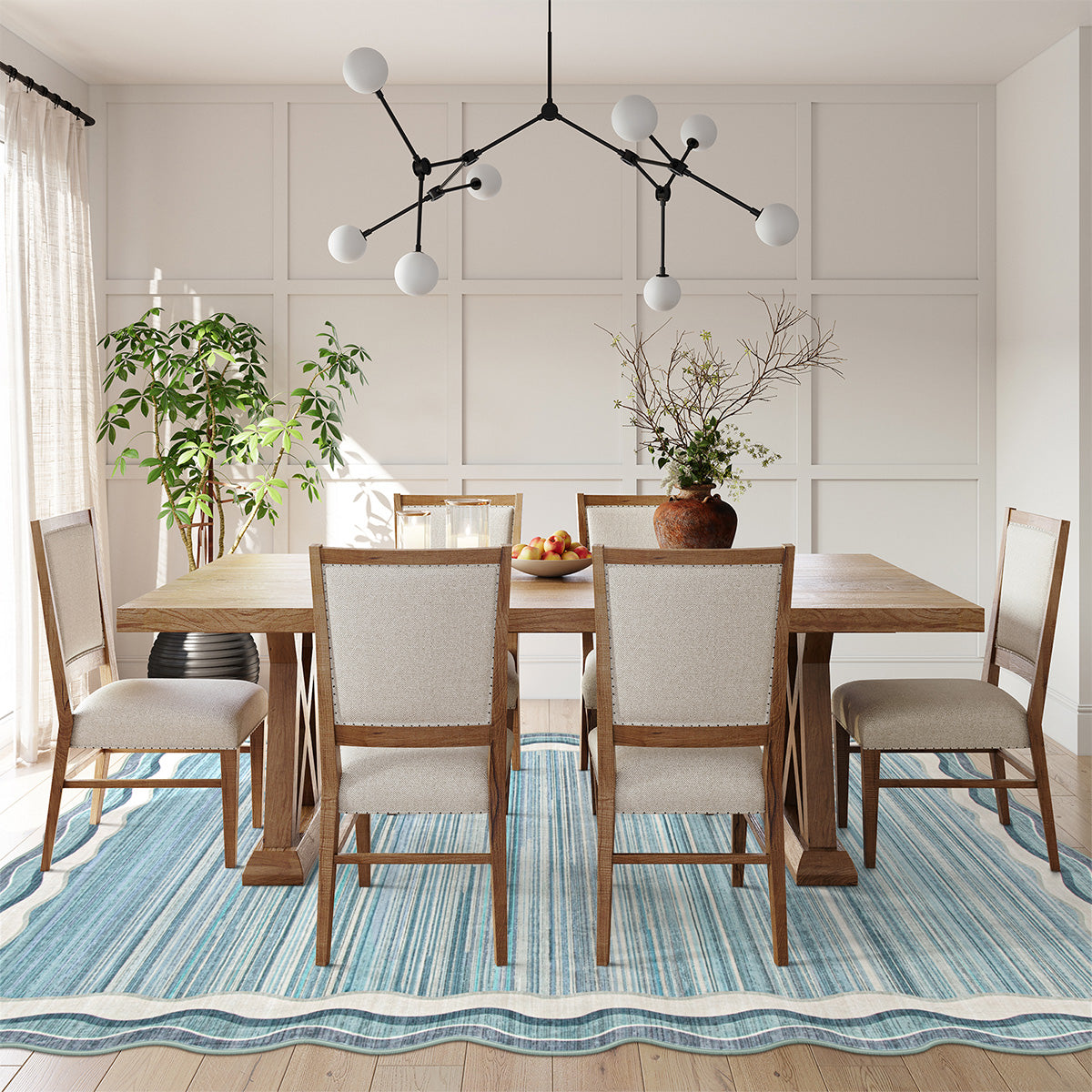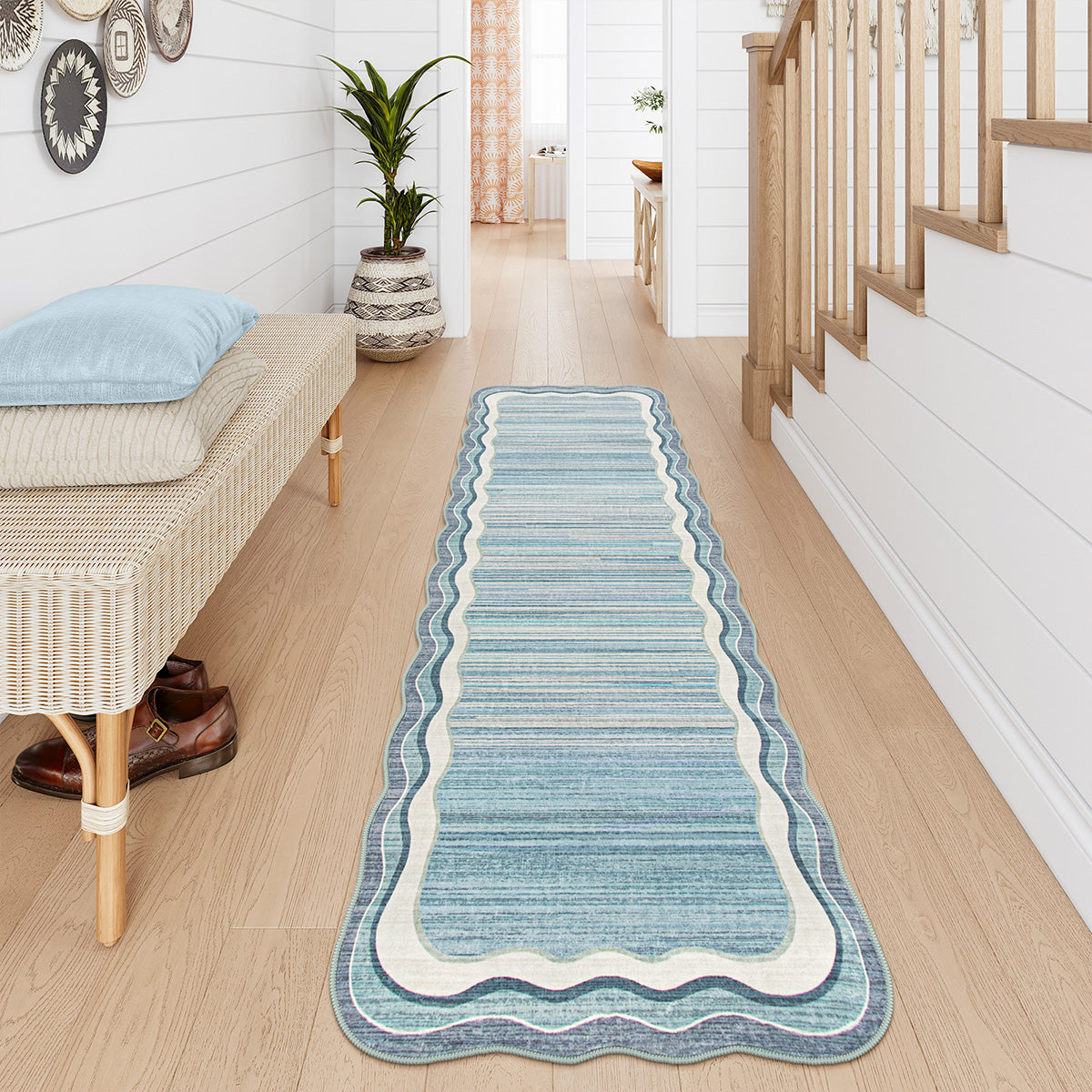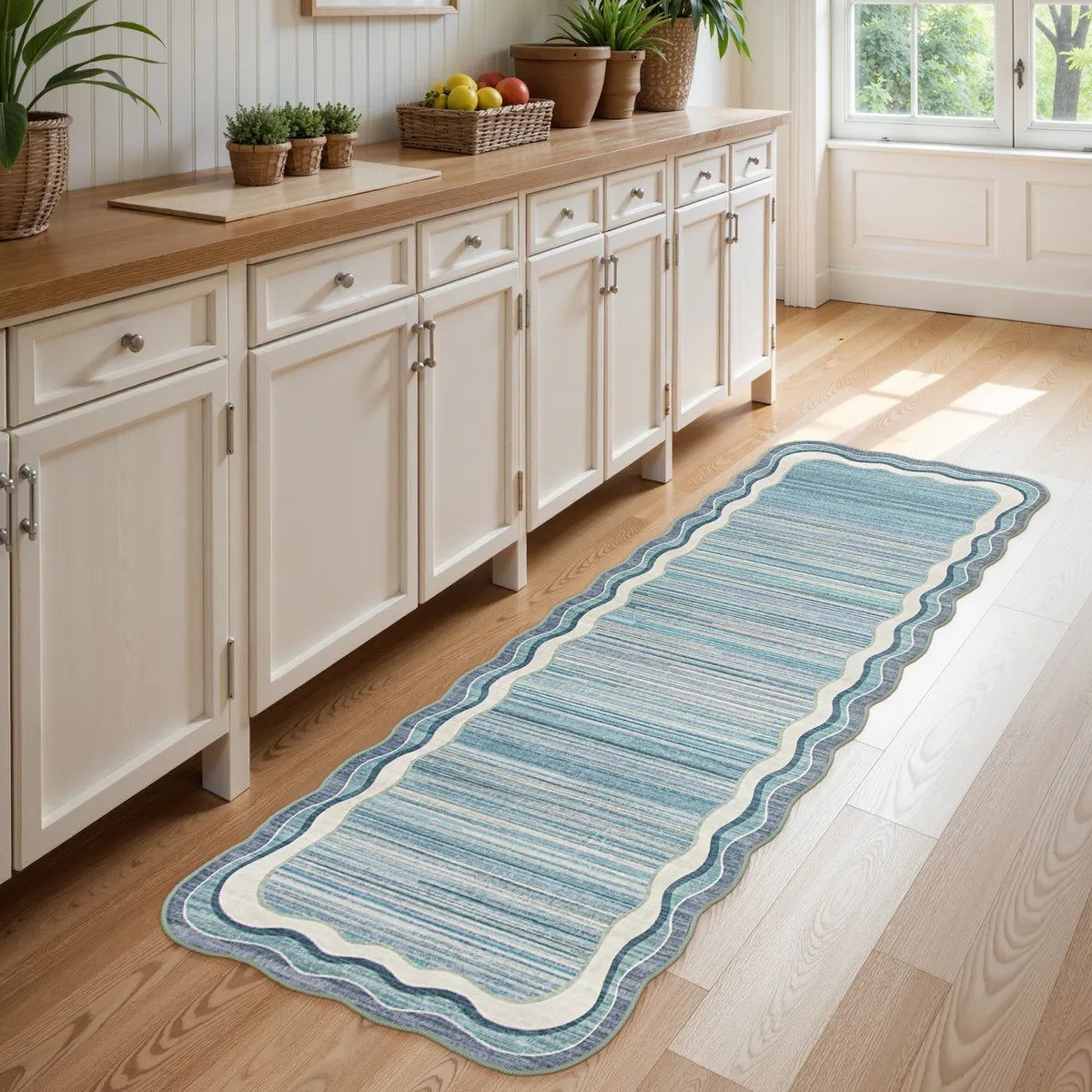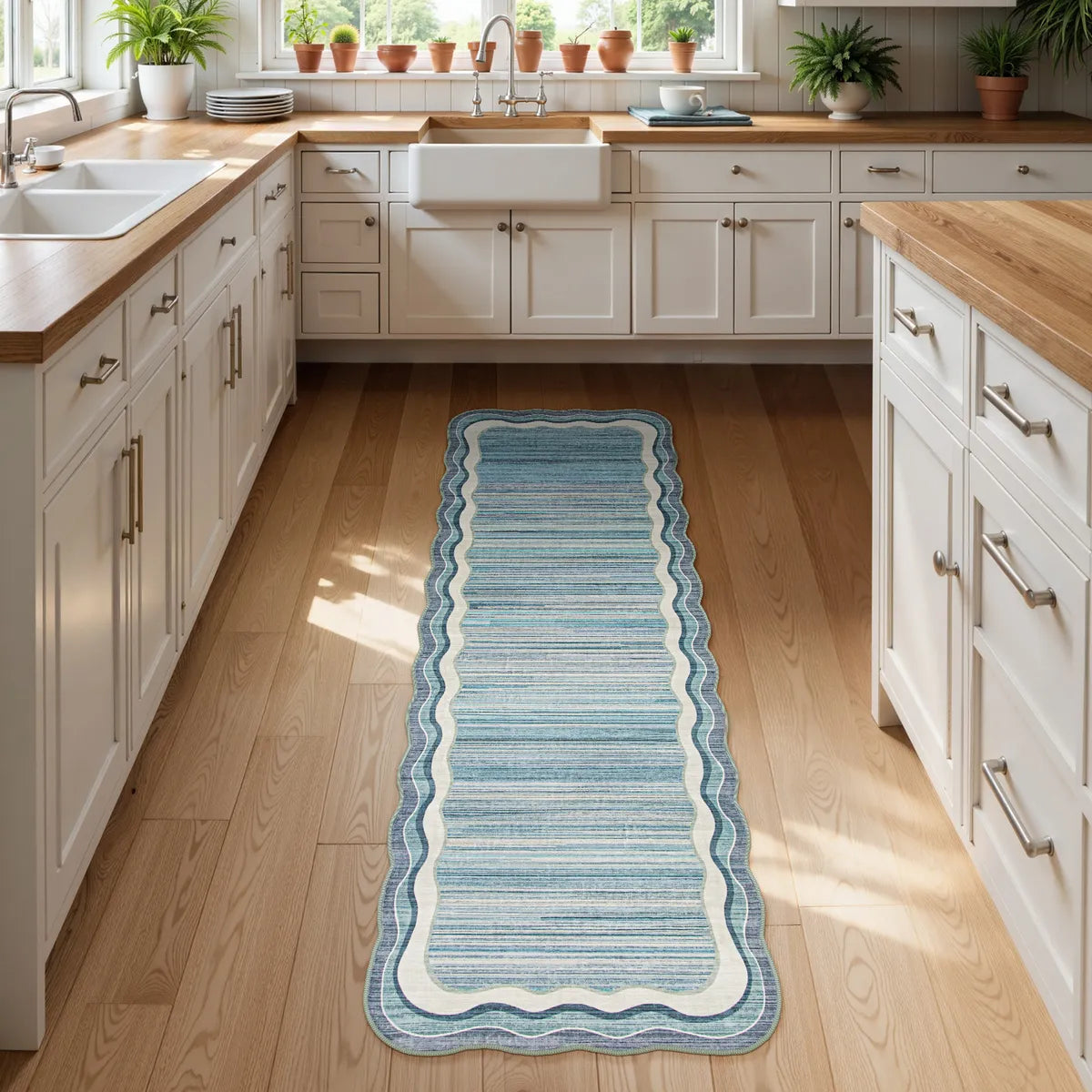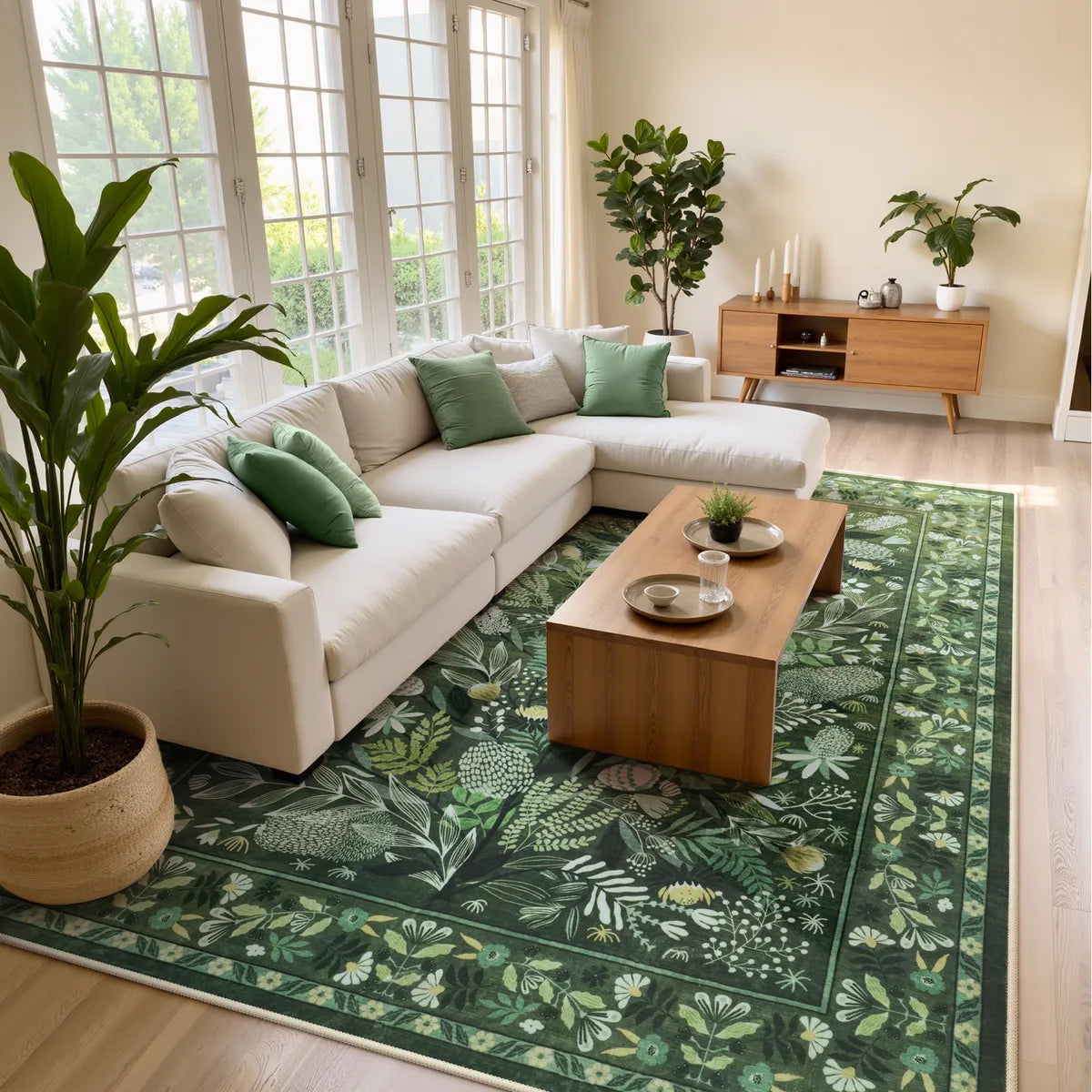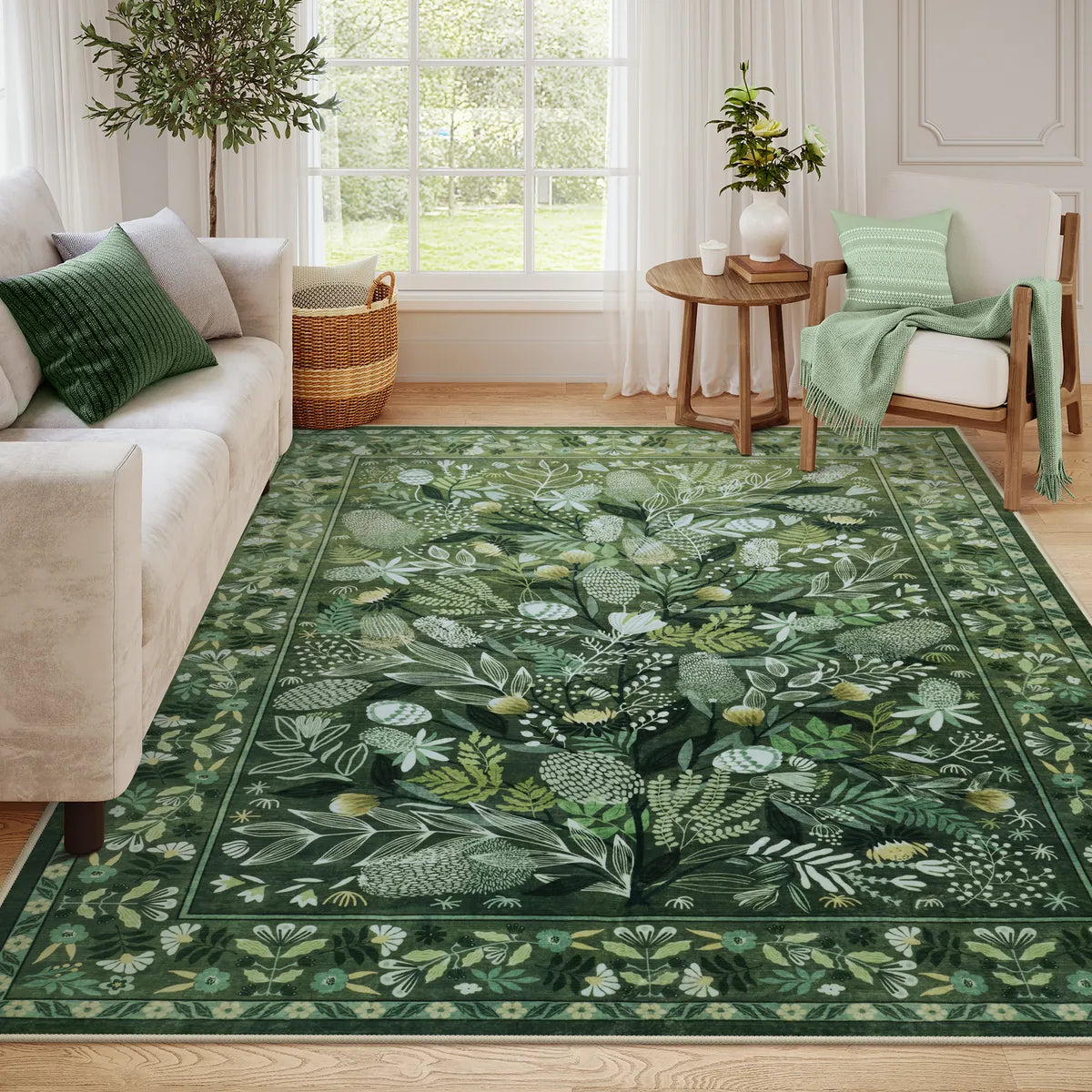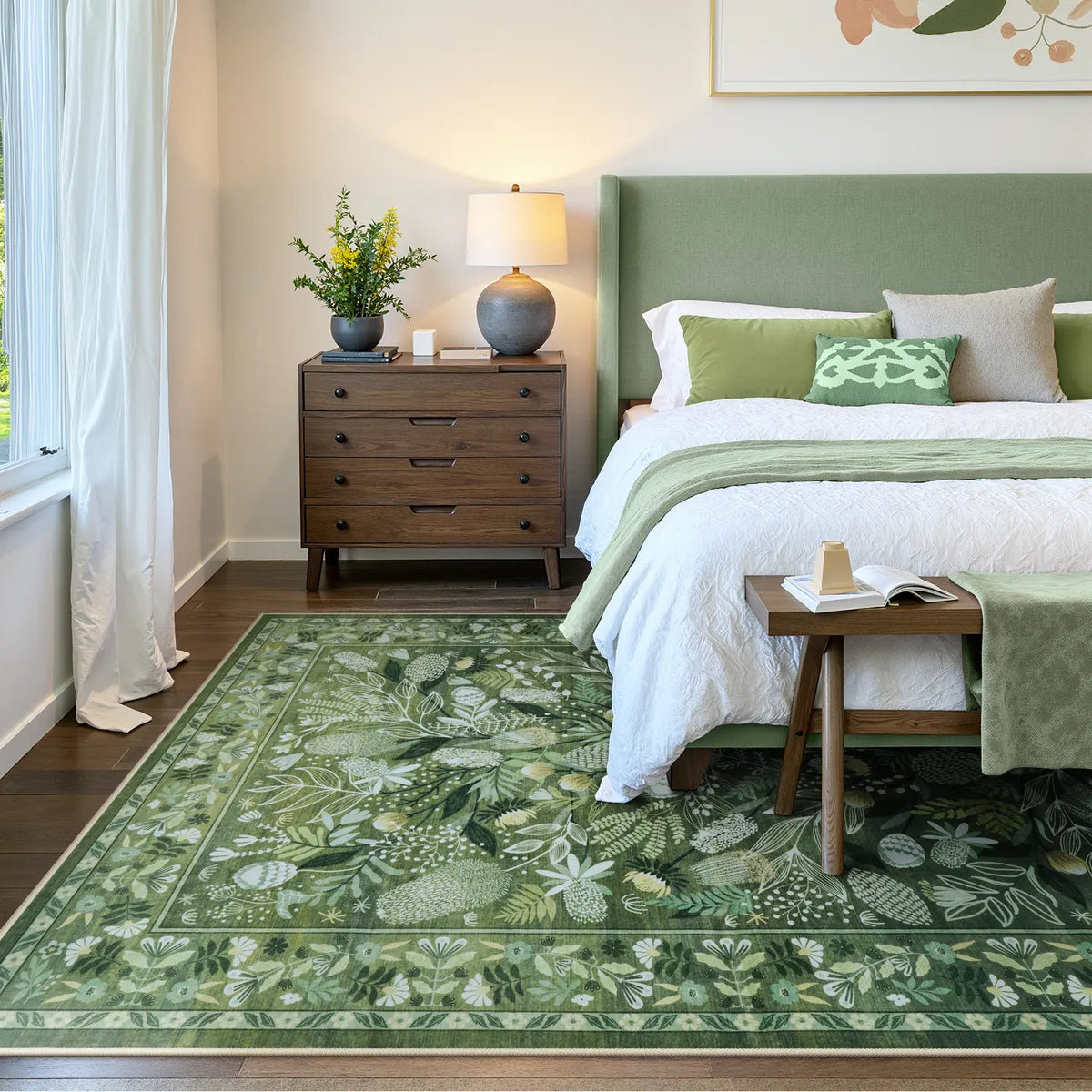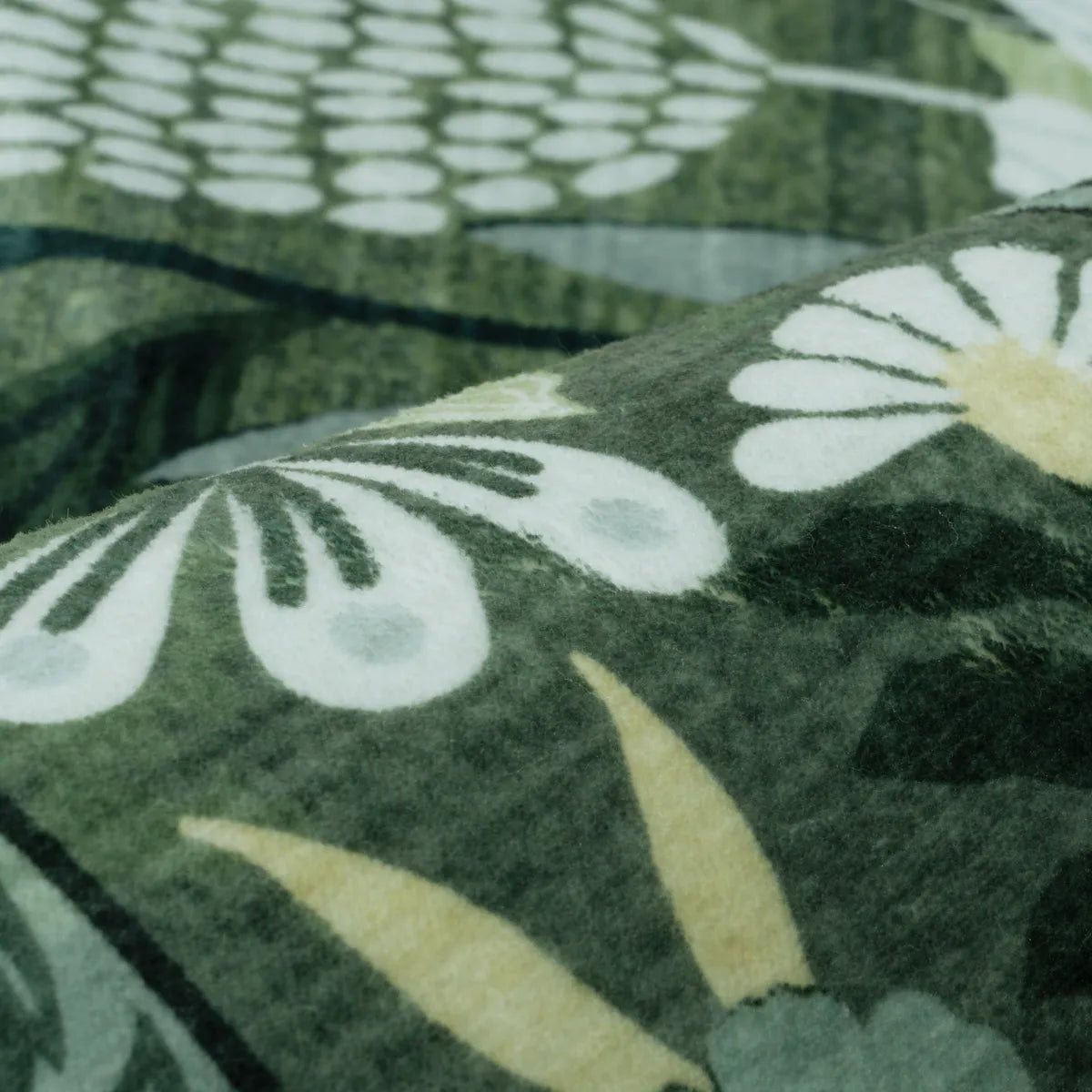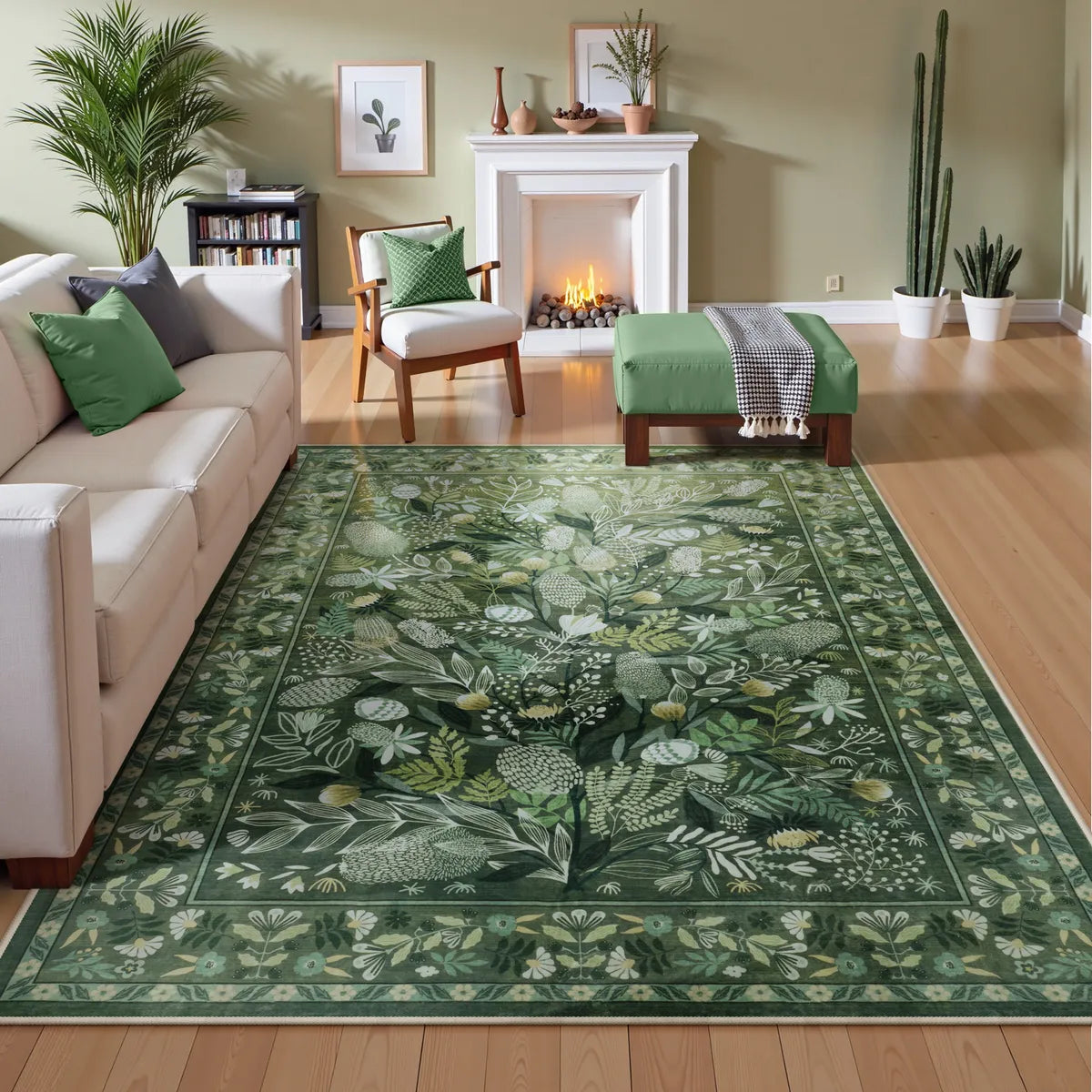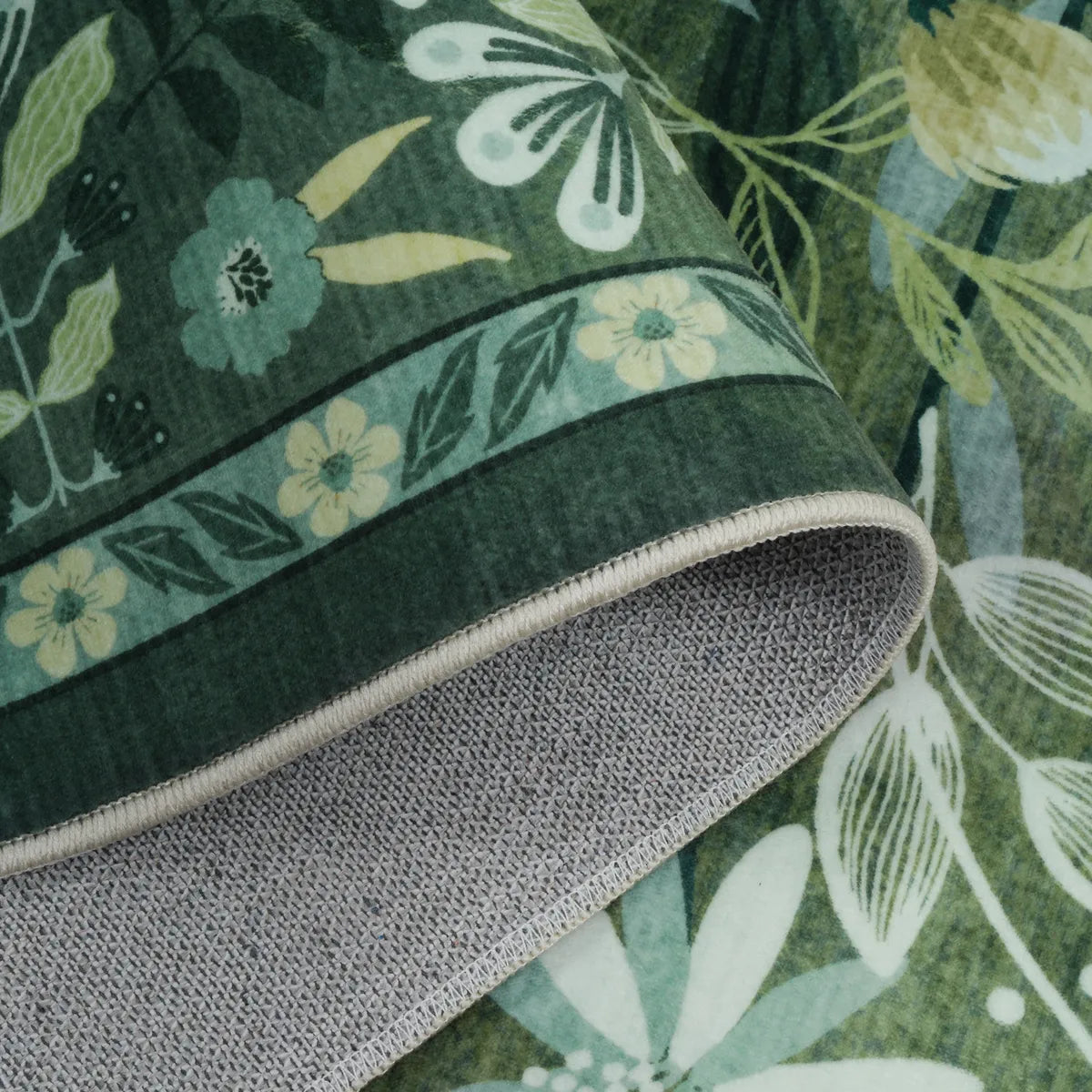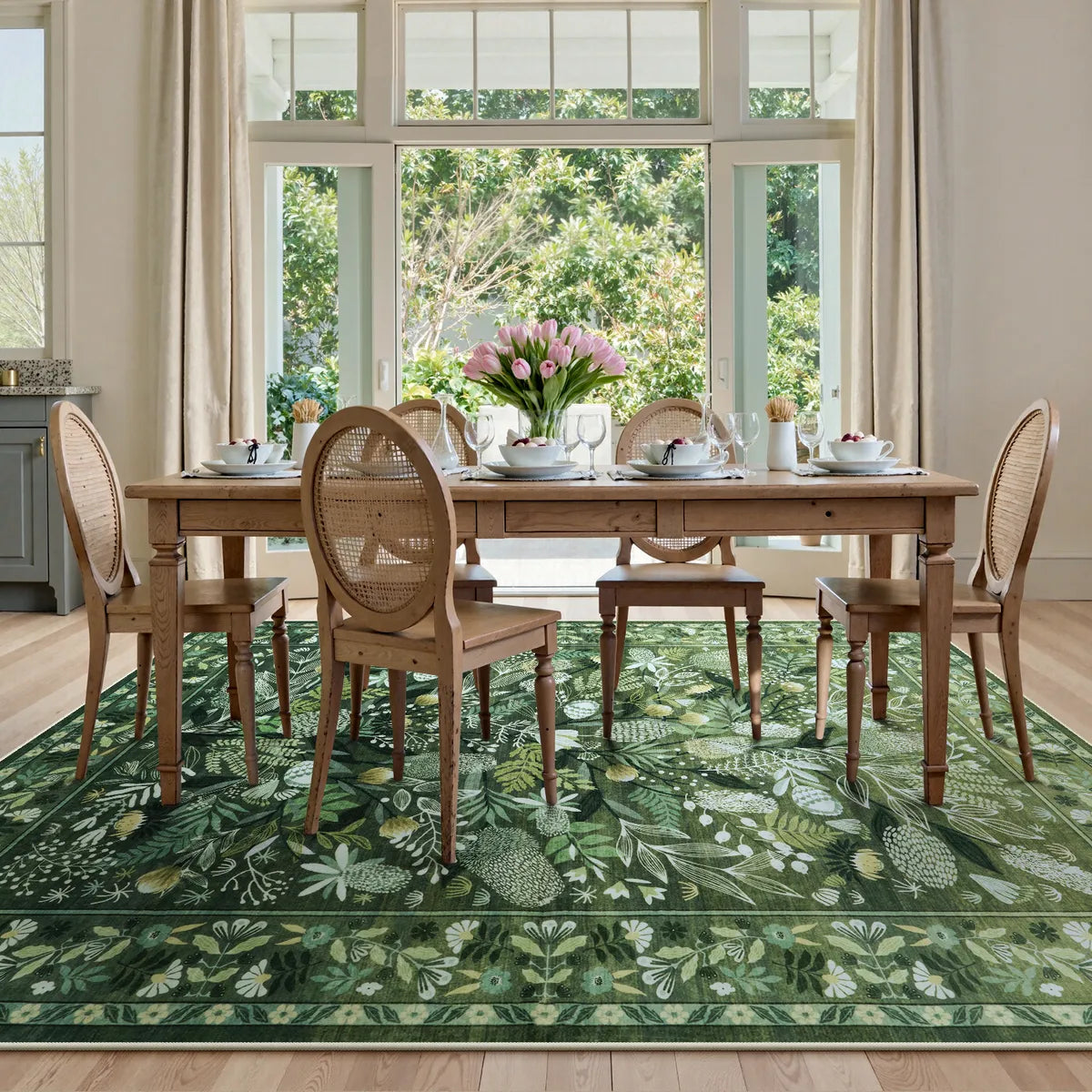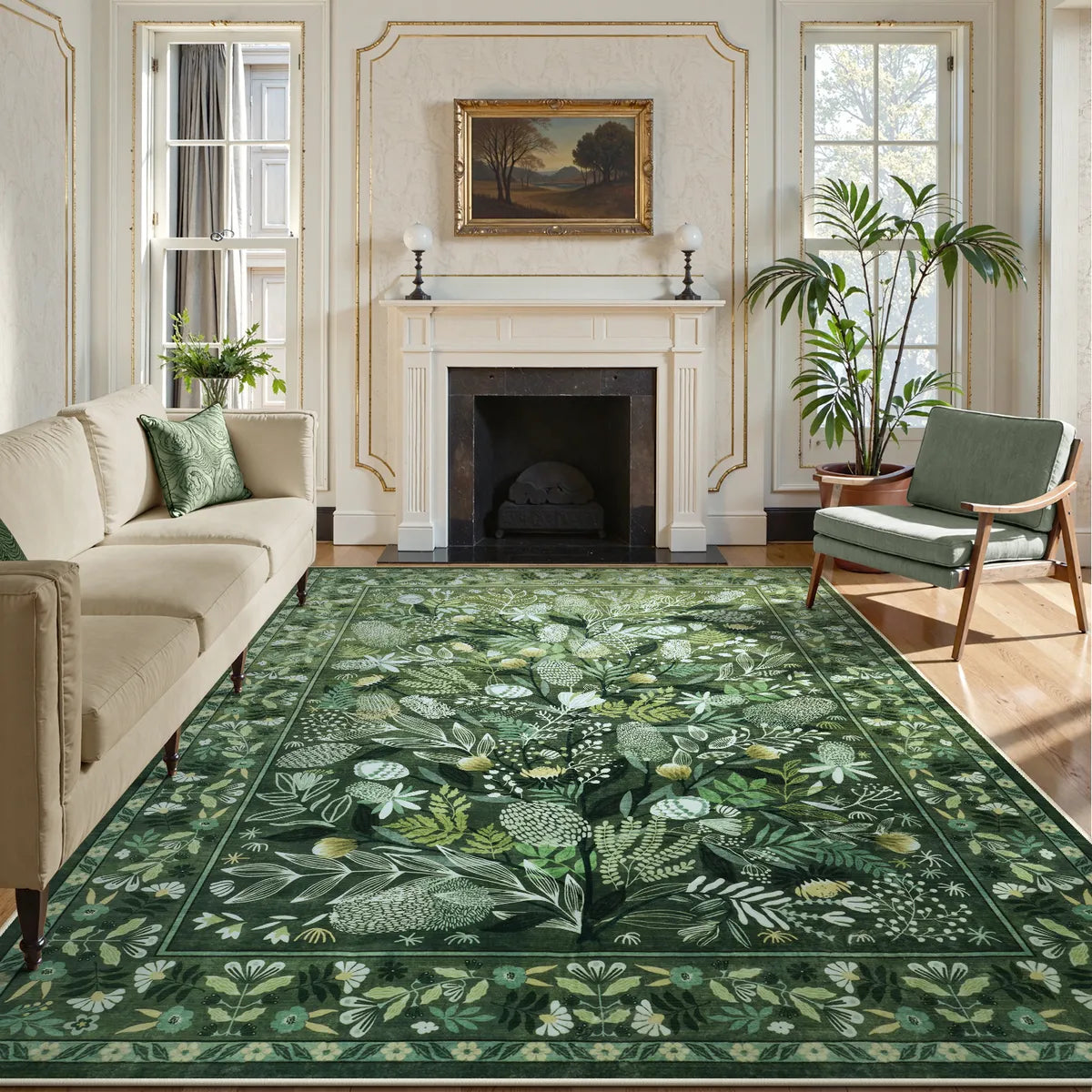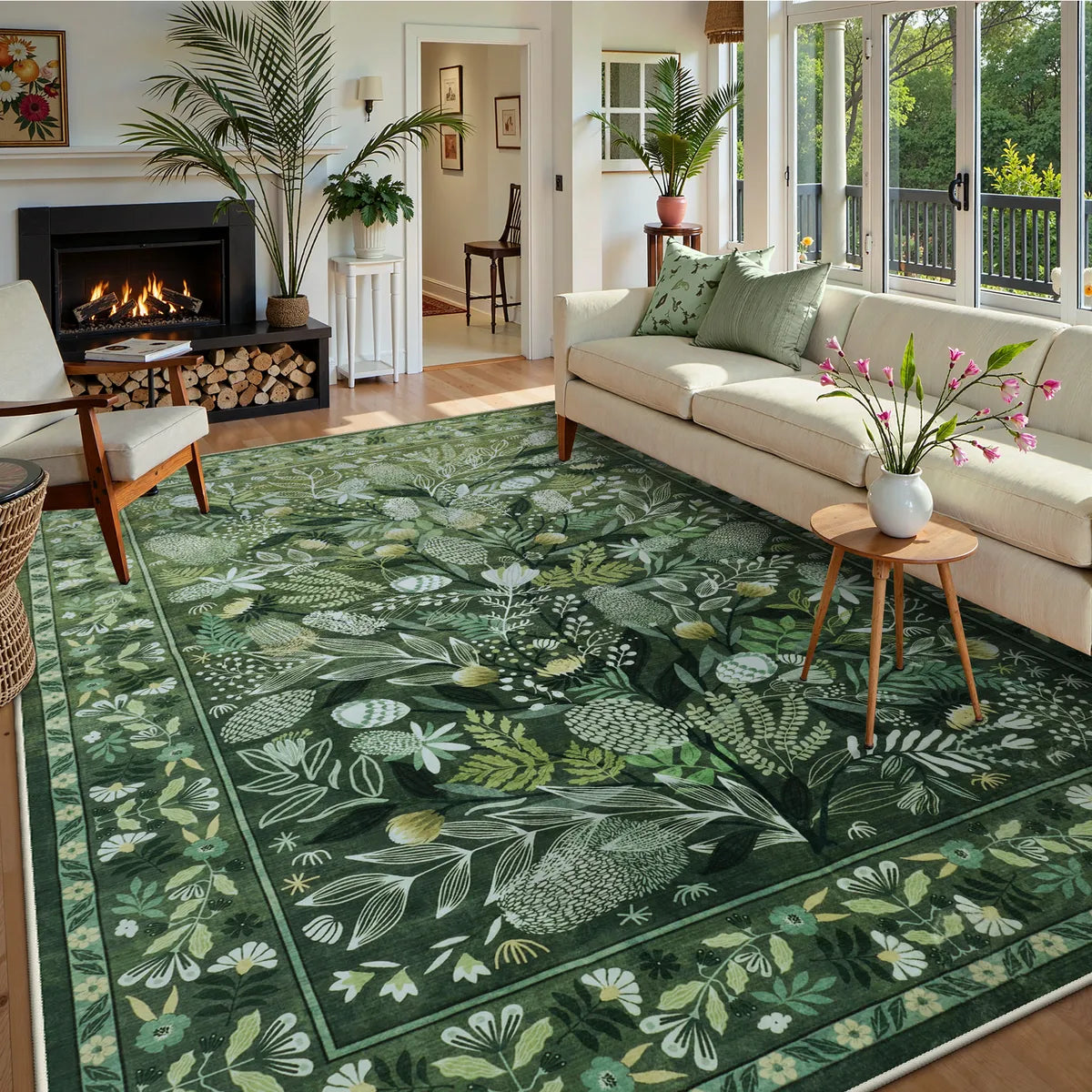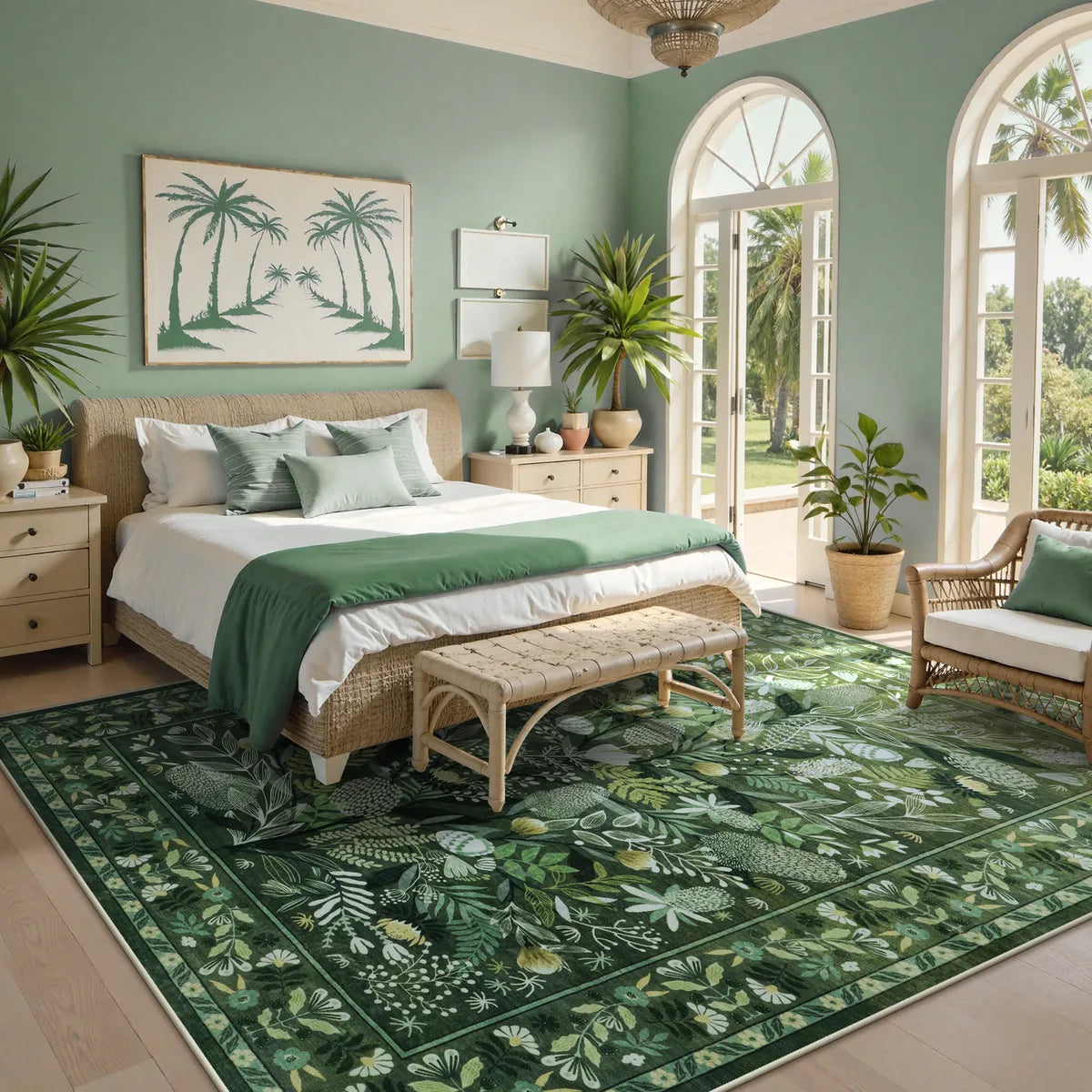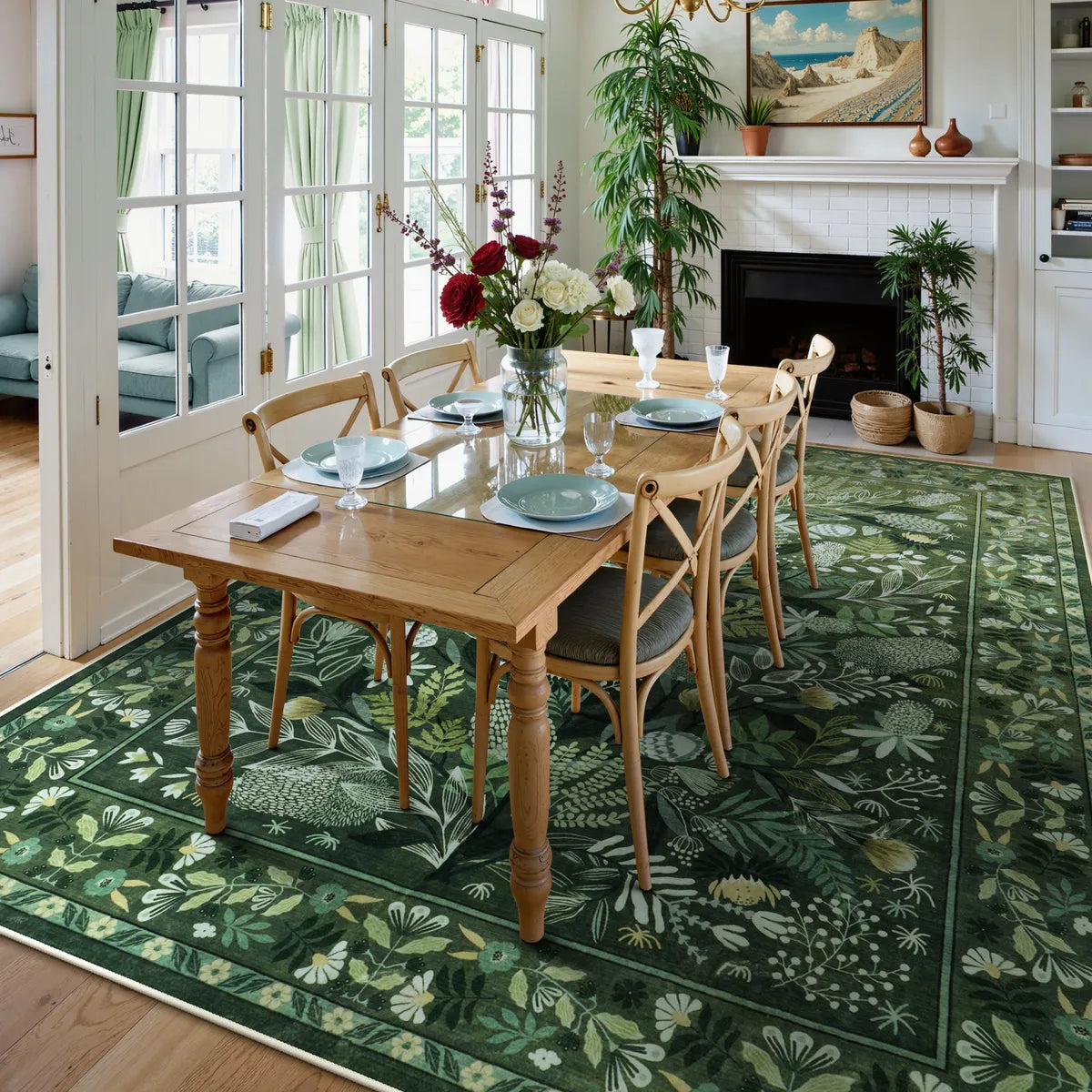


Every great playroom starts from the ground up. A well-chosen playroom rug sets the tone for the entire space, giving kids a soft, defined area to play, create, and explore. But not all kids rugs are built the same. Some feel rough, trap allergens, or fall apart after a few months of use. This article walks through what really matters when choosing a rug for a kids' space, from safety features to style choices to long-term practicality.
What Makes a Great Playroom Rug for Kids?

A playroom rug is one of the hardest-working surfaces in any home. Kids sit on it, roll on it, build on it, and drag toys across it every single day. Choosing the right one means thinking past color and pattern.
The best kids rugs tend to share a short list of core qualities:
- Soft enough for extended floor play without irritating skin
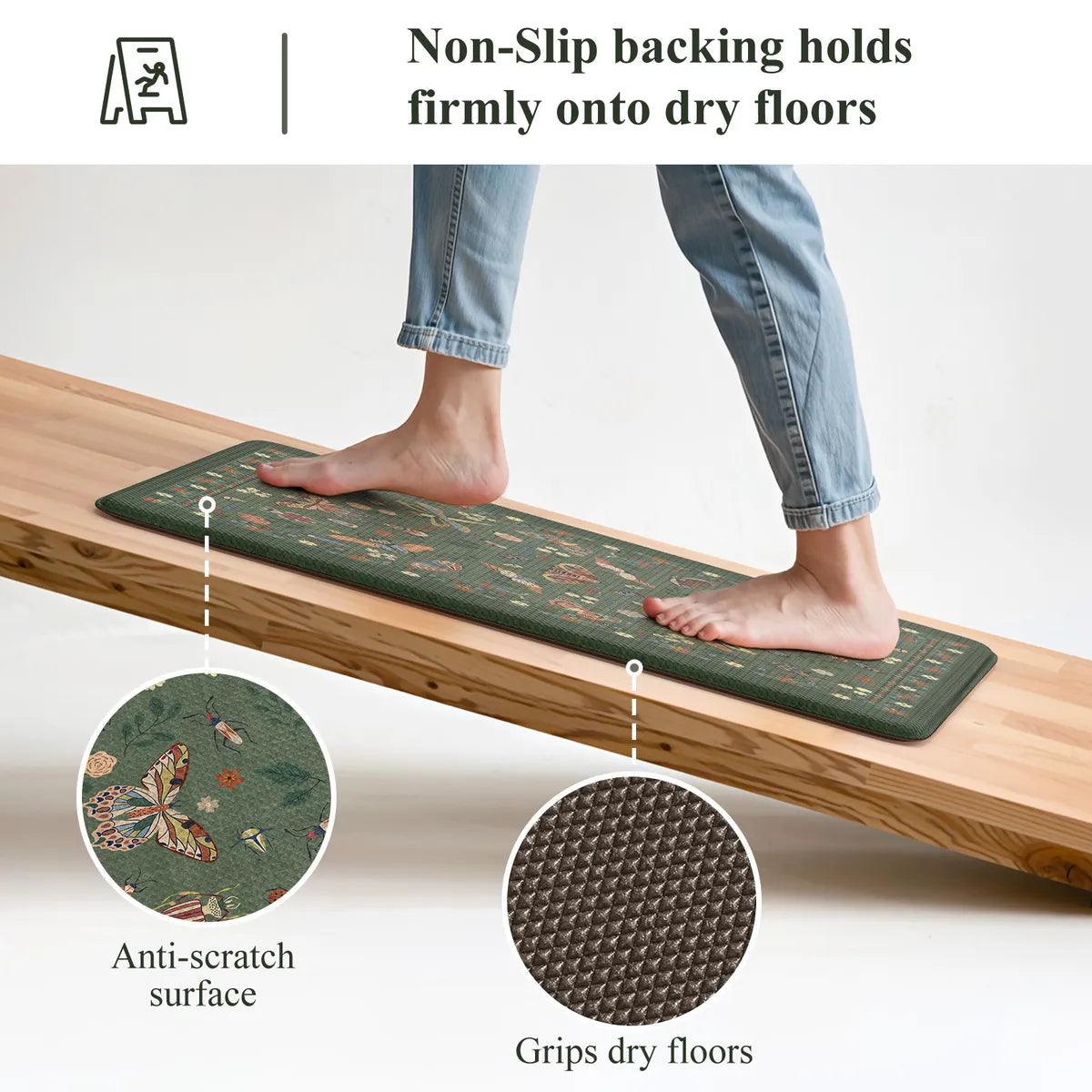
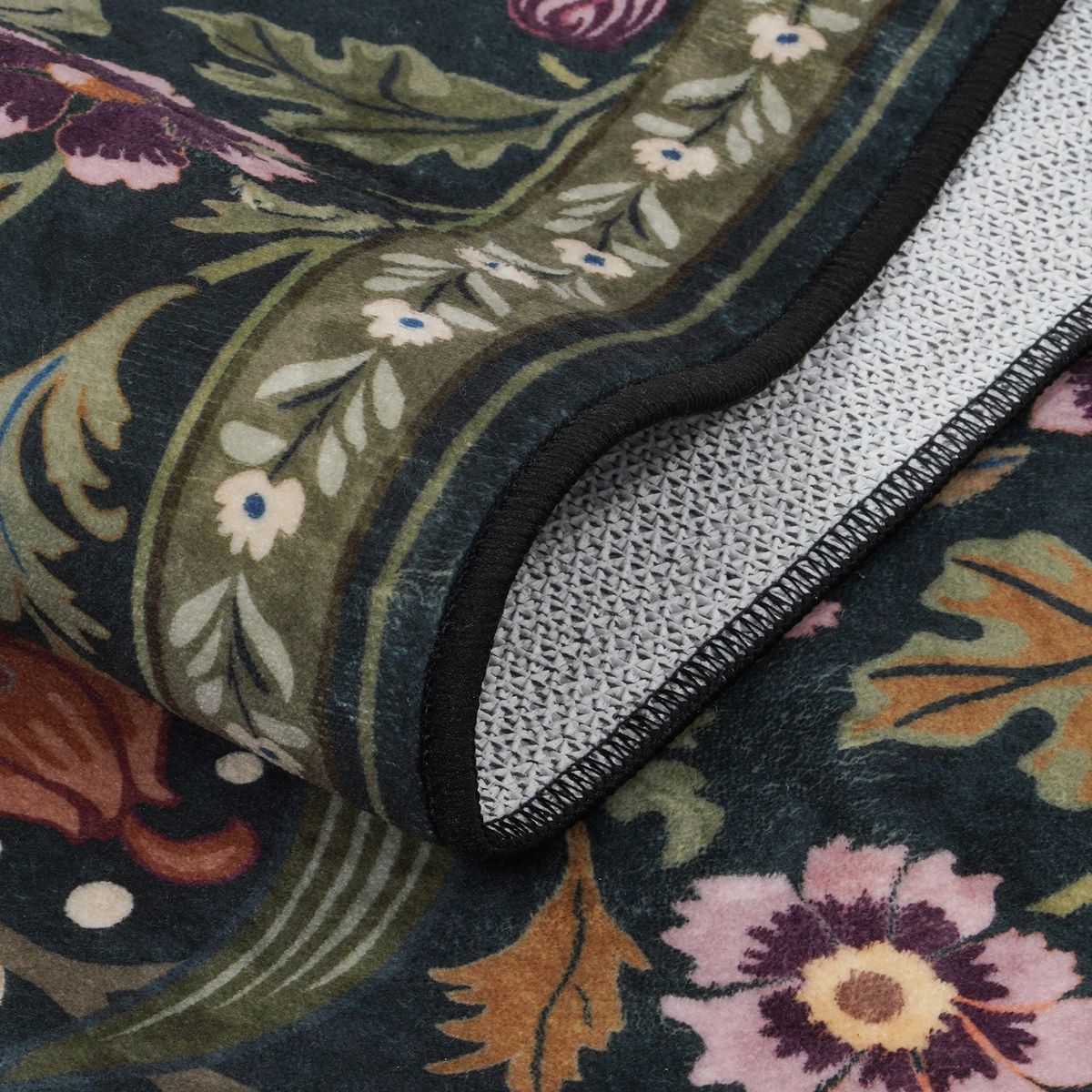
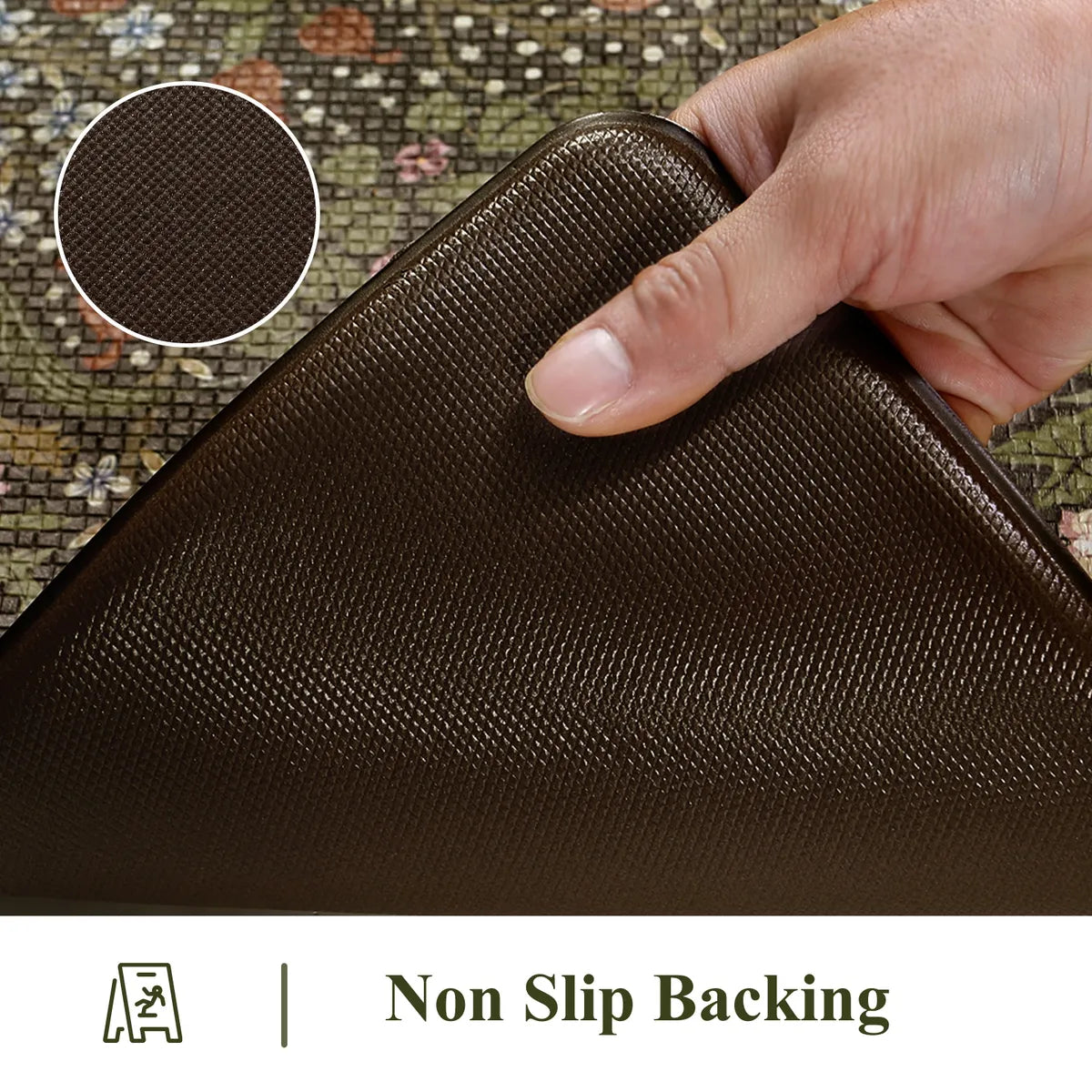
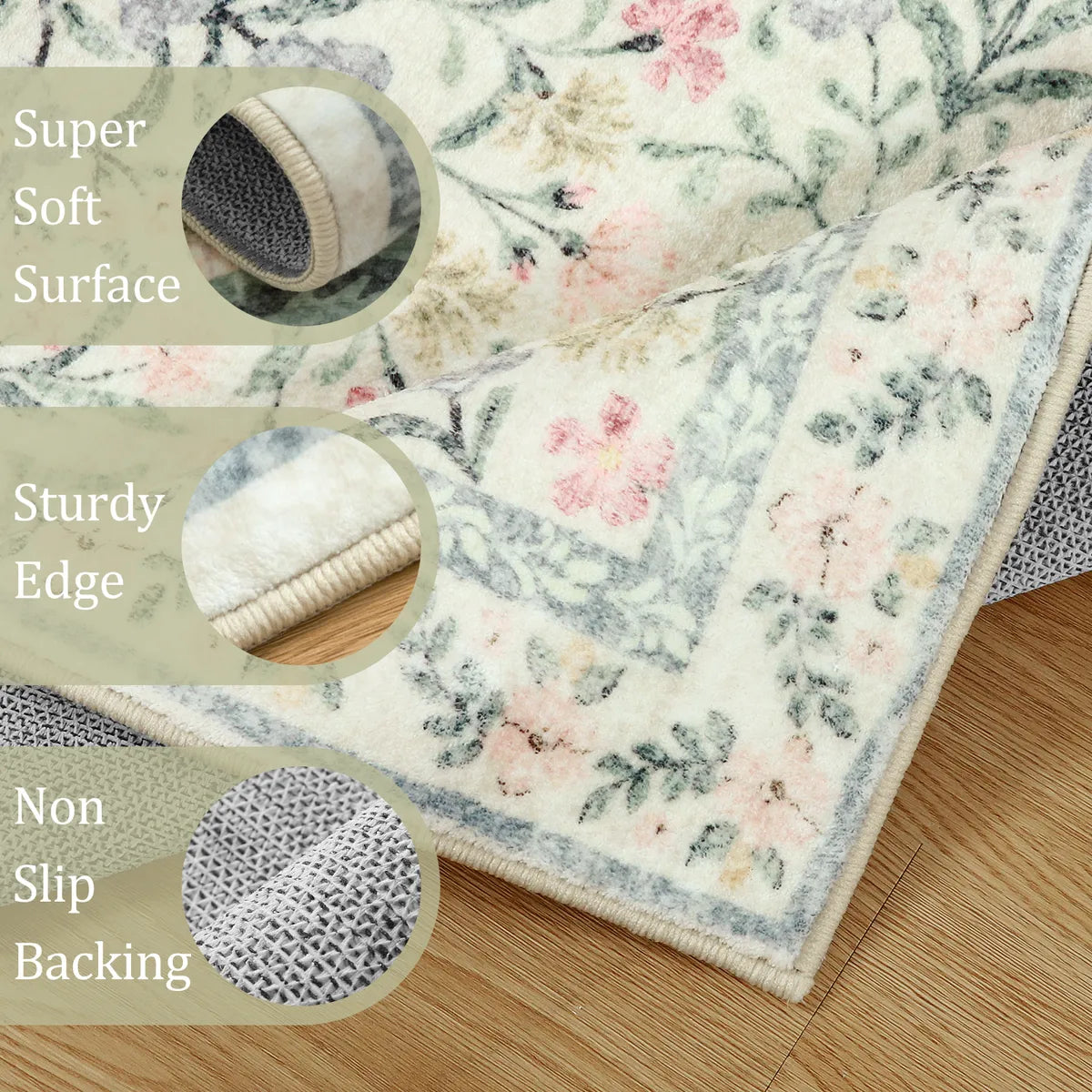
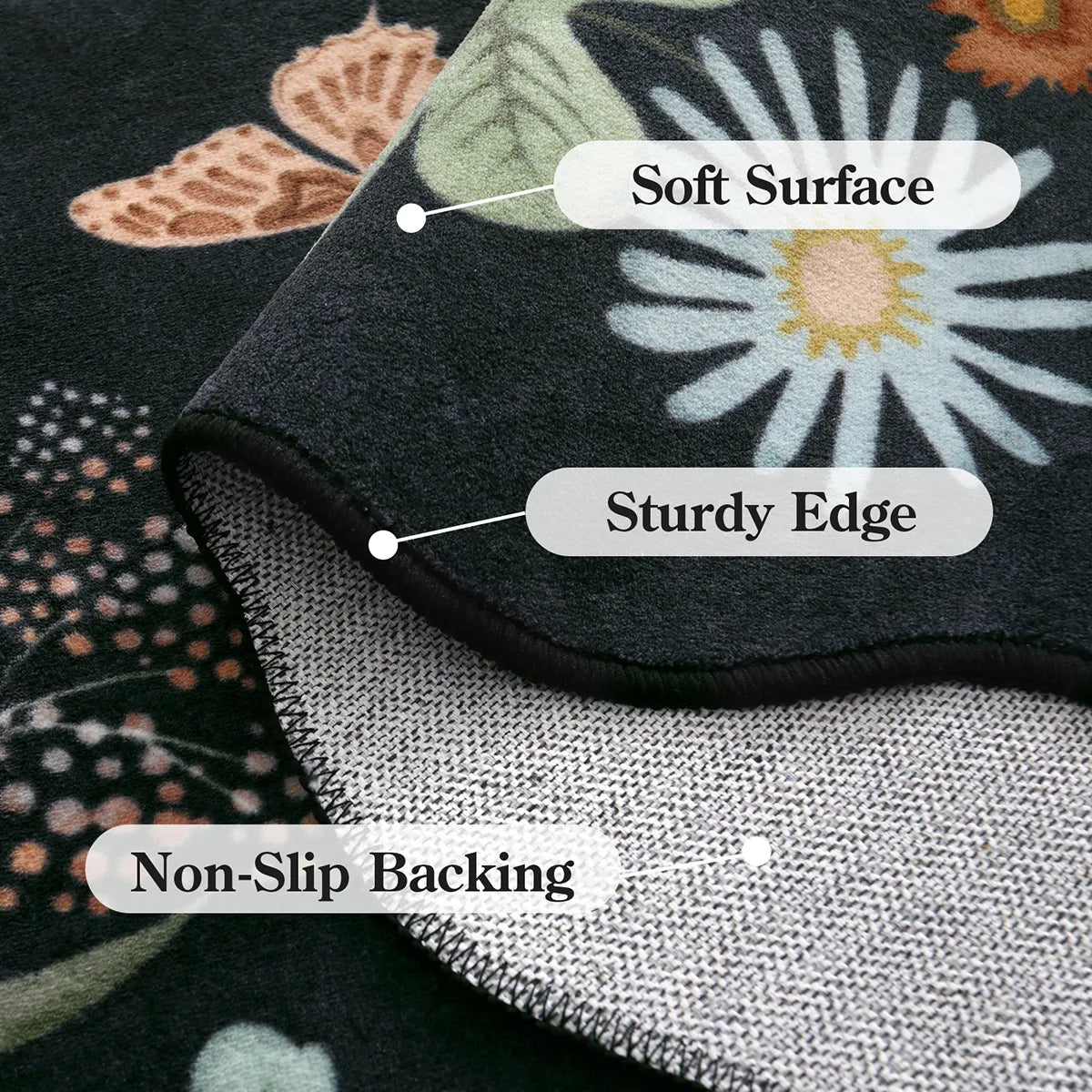
- Non-slip backing that stays in place on hardwood or tile
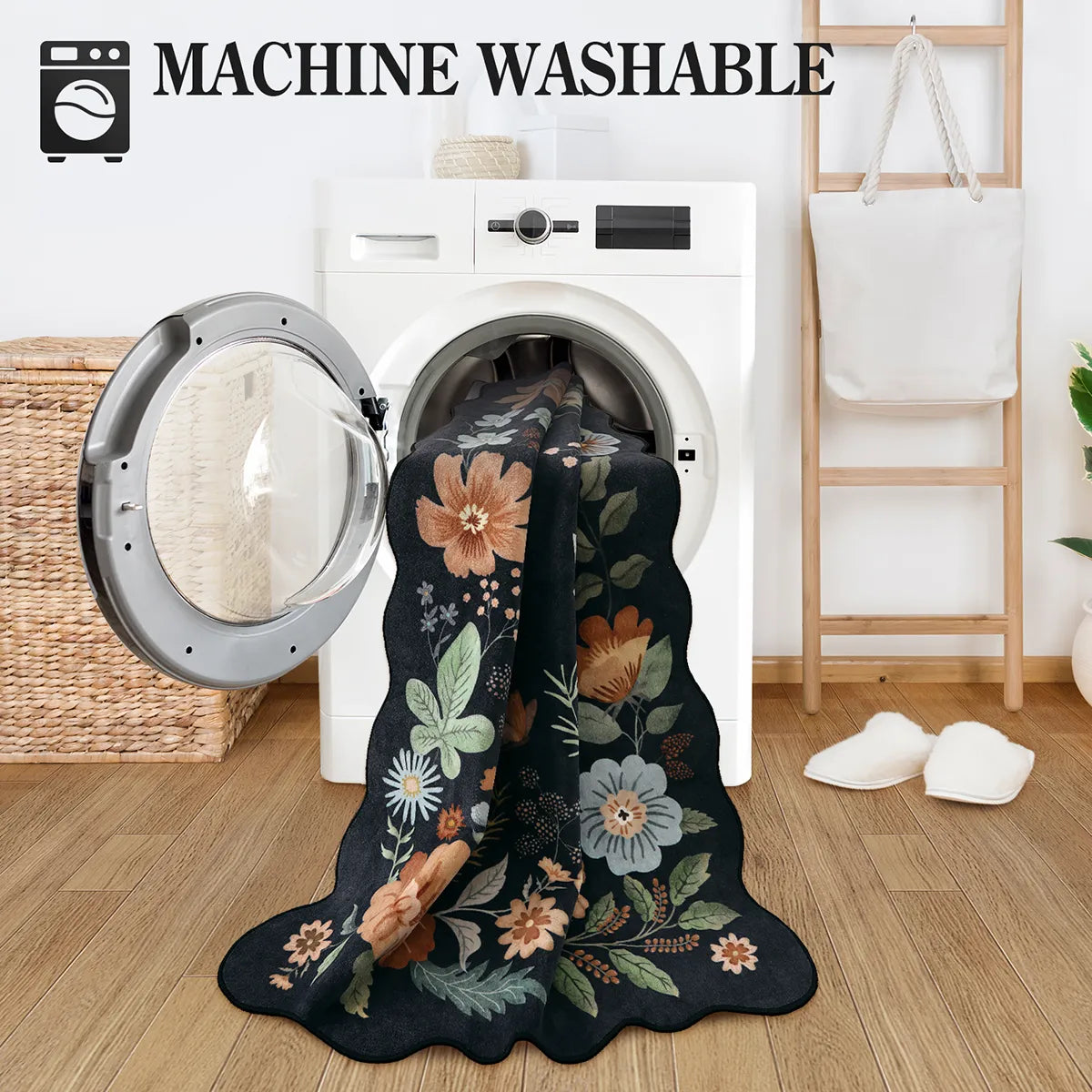
- Machine washable for quick, easy cleanup
- Durable construction that holds up to heavy daily use
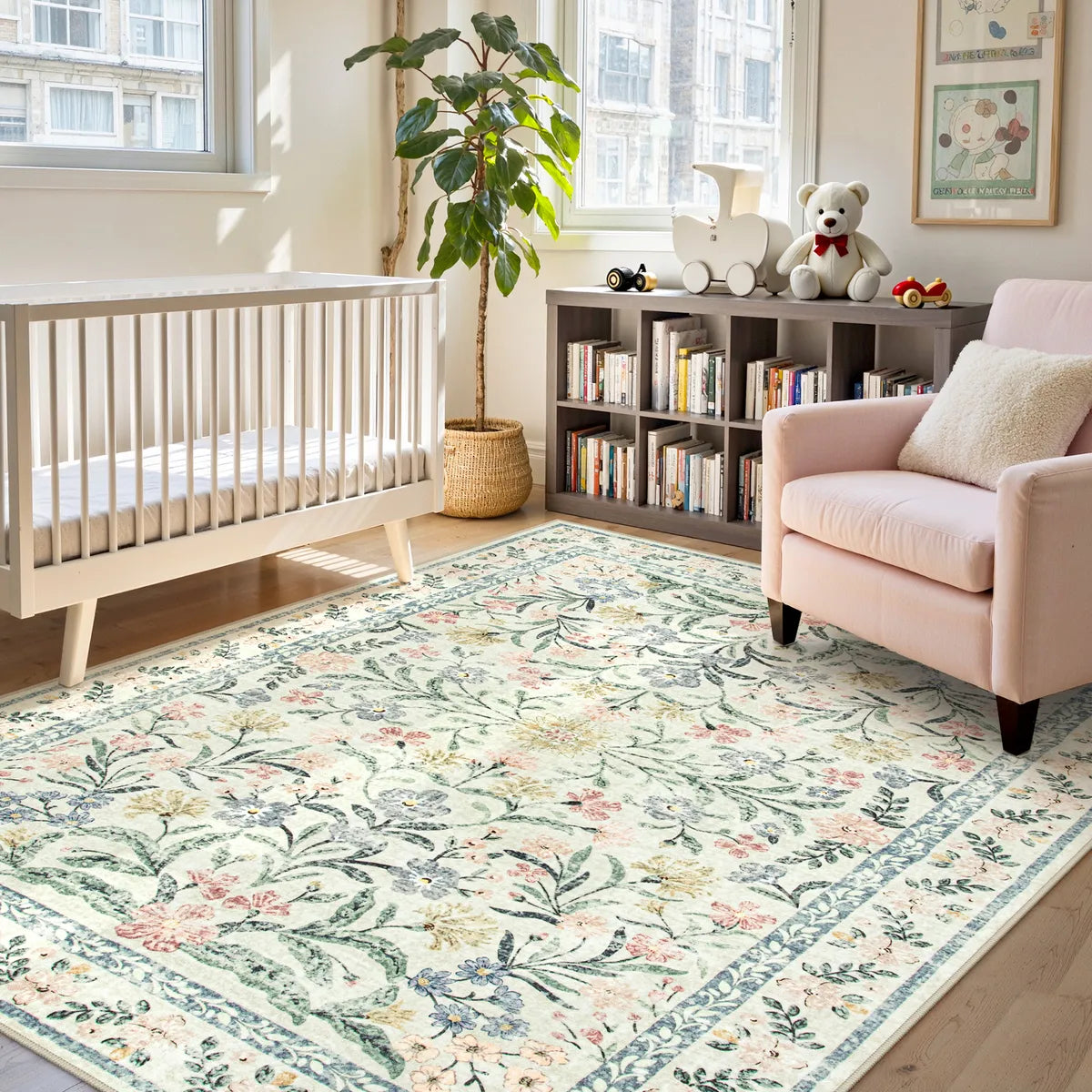
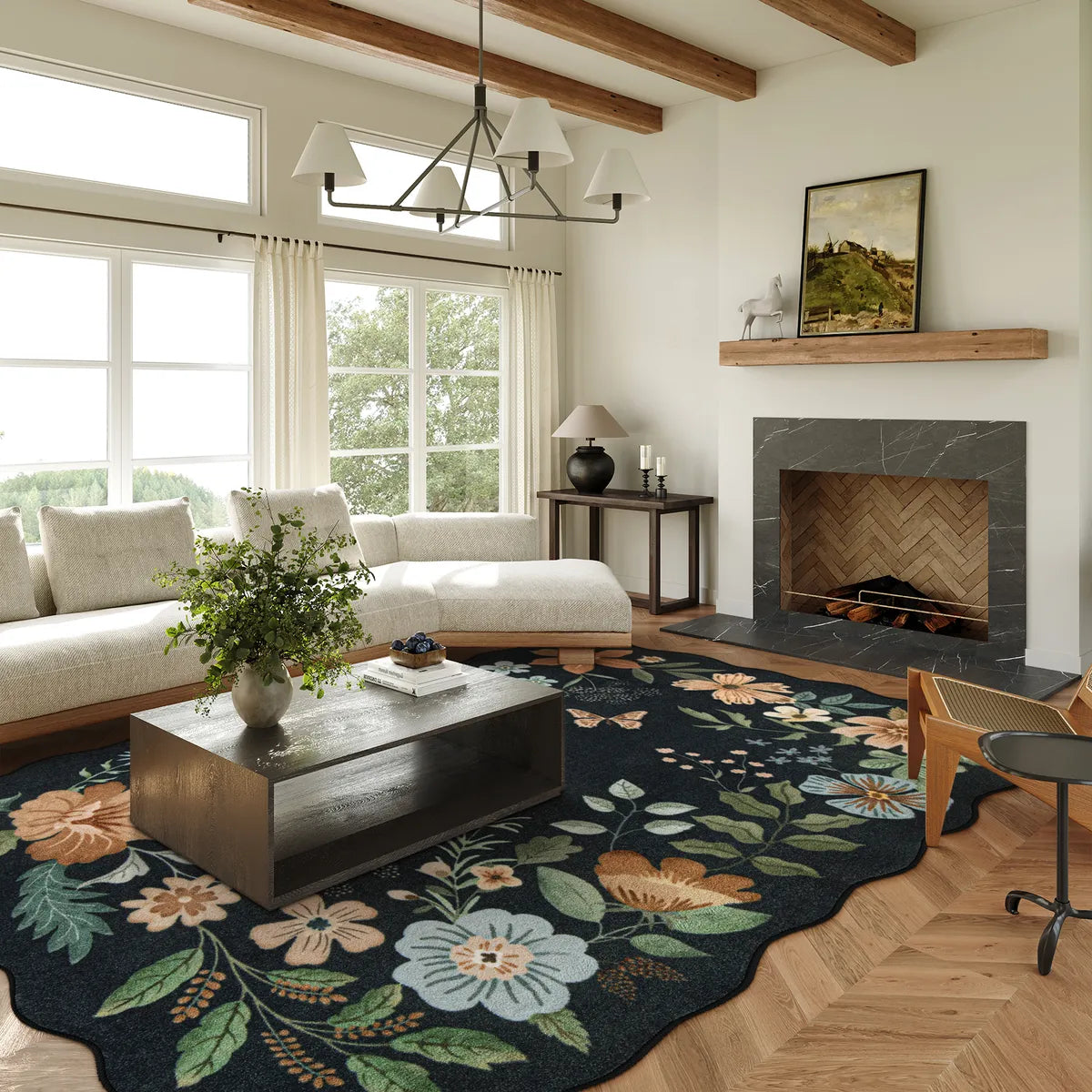
Size is another factor that gets underestimated. A rug that is too small feels like an afterthought, while one that is too large can crowd the room. For most playrooms, a 5x7 gives kids plenty of room to spread out without taking over the space. Larger rooms can handle an 8x10 without trouble.
Getting these basics right makes every other decision easier, from picking a pattern to choosing a material.
Why Hypoallergenic, Non-Toxic, and Skin-Friendly Kids Rugs Matter

For parents, safety is almost always the first filter. The terms hypoallergenic, non-toxic, and skin-friendly come up often in product descriptions, but they each mean something specific.
What Hypoallergenic and Non-Toxic Really Mean
Hypoallergenic refers to materials that are less likely to trigger allergic reactions. For rugs, this means fibers and dyes that are less prone to releasing irritants or harboring dust mites and mold. Non-toxic means the materials used are free from harmful chemicals at measurable levels. This includes avoiding VOCs (volatile organic compounds, which are airborne chemicals that can off-gas from some synthetic materials and adhesives).
Kids spend a significant amount of time on the floor, especially in a playroom. A rug that is both hypoallergenic and non-toxic reduces the chance of skin irritation, respiratory issues, or chemical exposure over time. These are not marketing terms to skip over.
Why Skin-Friendly Materials Make a Difference
Skin-friendly is a term used to describe materials that stay gentle during extended contact with bare skin, including sensitive areas like knees and forearms. Young children have thinner, more reactive skin than adults, which is why the fiber texture and surface finish of a kids rug matters more than most people expect.
When comparing options, look for:
- Low-pile or flat-weave constructions that are easy to clean and less likely to trap allergens
- Certified safe dyes that are colorfast and do not fade onto skin or clothing
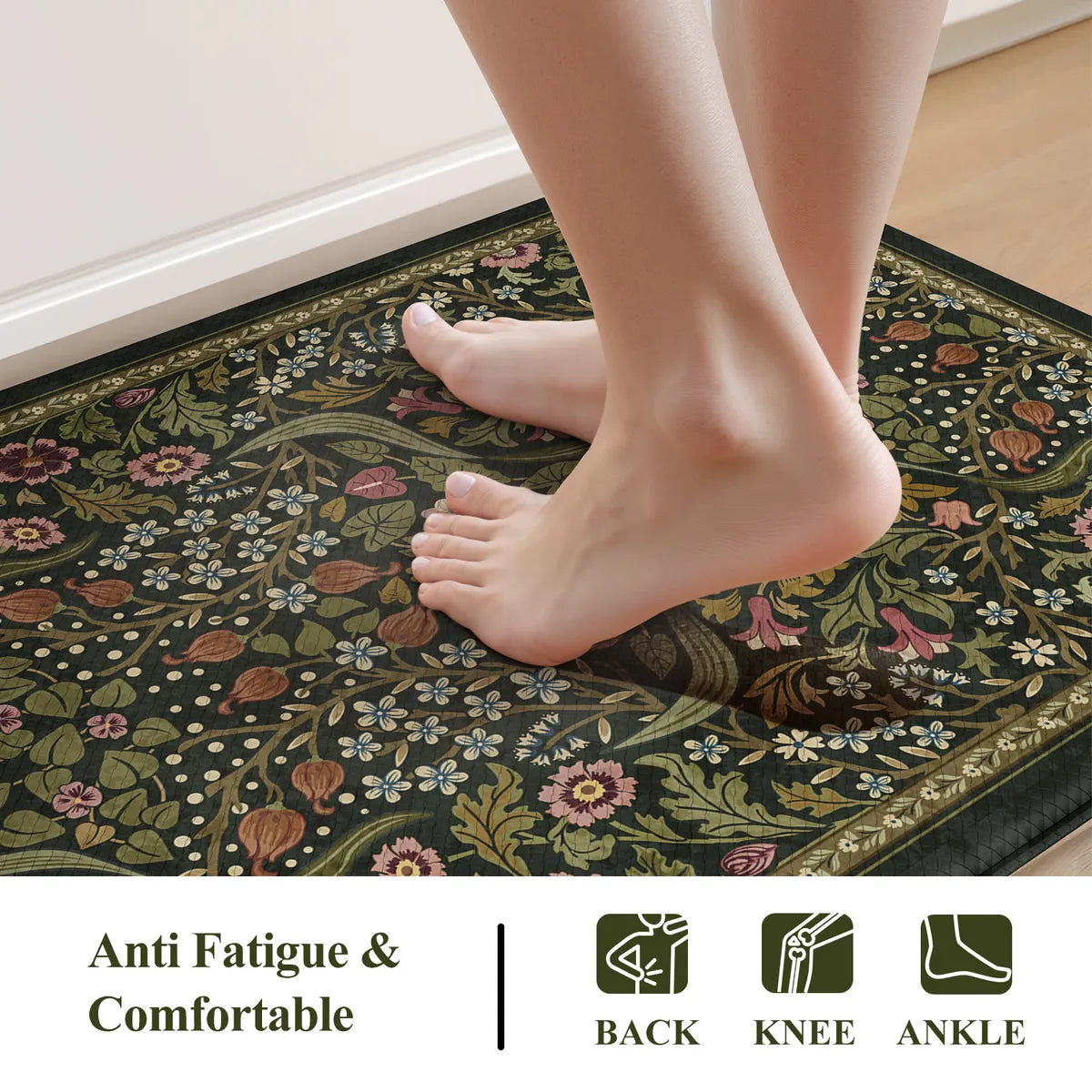
- Soft fiber surfaces that feel comfortable during long play sessions
A rug that checks all three boxes, hypoallergenic, non-toxic, and skin-friendly, gives parents real peace of mind and gives kids a safe place to play freely.
How to Pick a Durable Kids Rug for High-Energy Play

Kids do not go easy on floor coverings. A kids rug in a playroom has to survive running feet, toy wheels, juice spills, art projects, and years of general chaos. Durability is not a bonus feature. It is a requirement.
Materials That Handle Daily Wear
Polypropylene (a synthetic plastic-based fiber) and nylon are two of the most common materials in durable kids rugs. Both are stain-resistant, colorfast, and hold their shape well under repeated use. Low-pile constructions, where fibers are shorter and more densely packed, tend to outperform high-pile or shaggy styles in high-traffic areas. They are harder to flatten and easier to clean after spills.
Flat-weave styles offer another strong option for durability. The tight construction resists fraying at the edges and holds up through regular washing cycles without losing structure.
Easy-Clean Features Worth Looking For
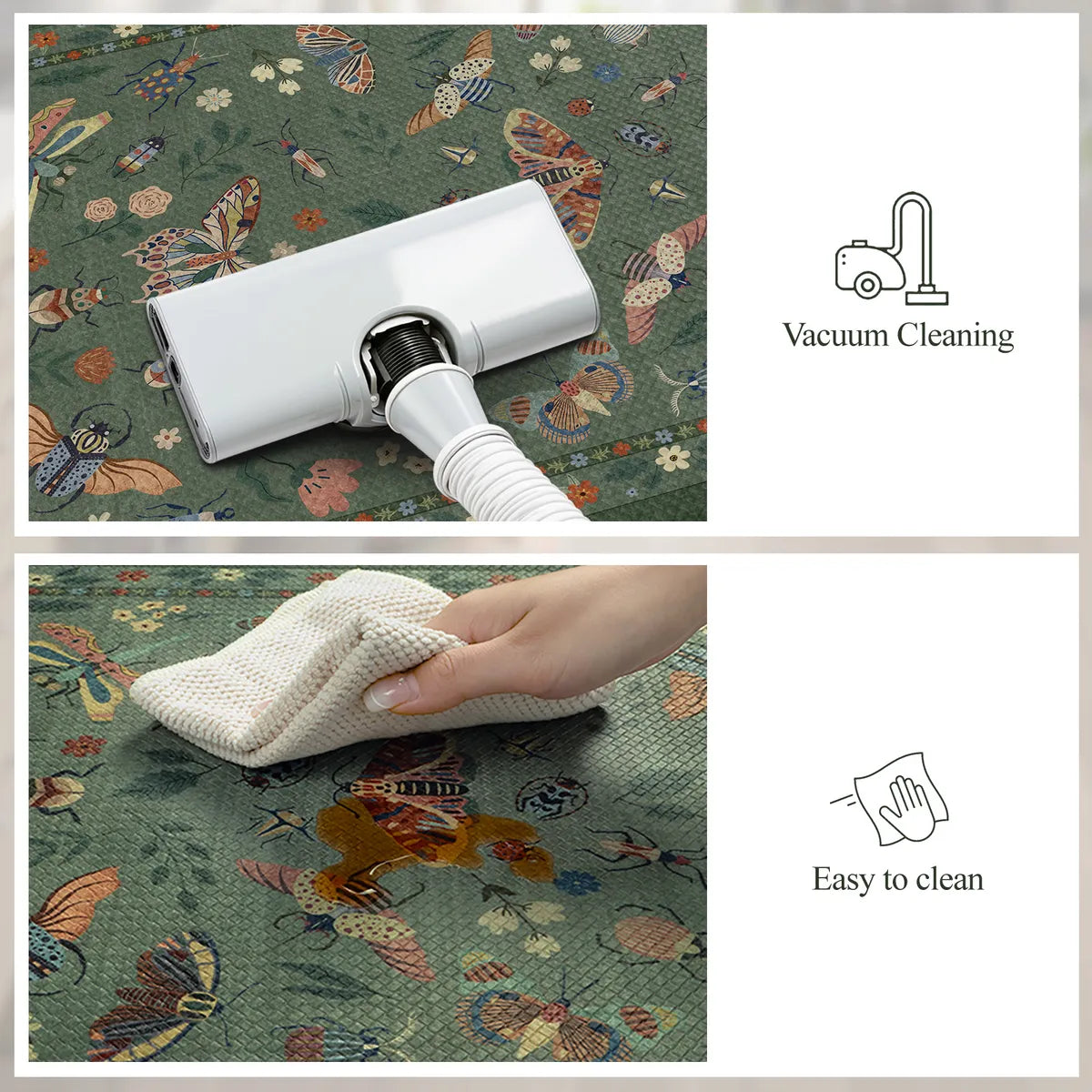
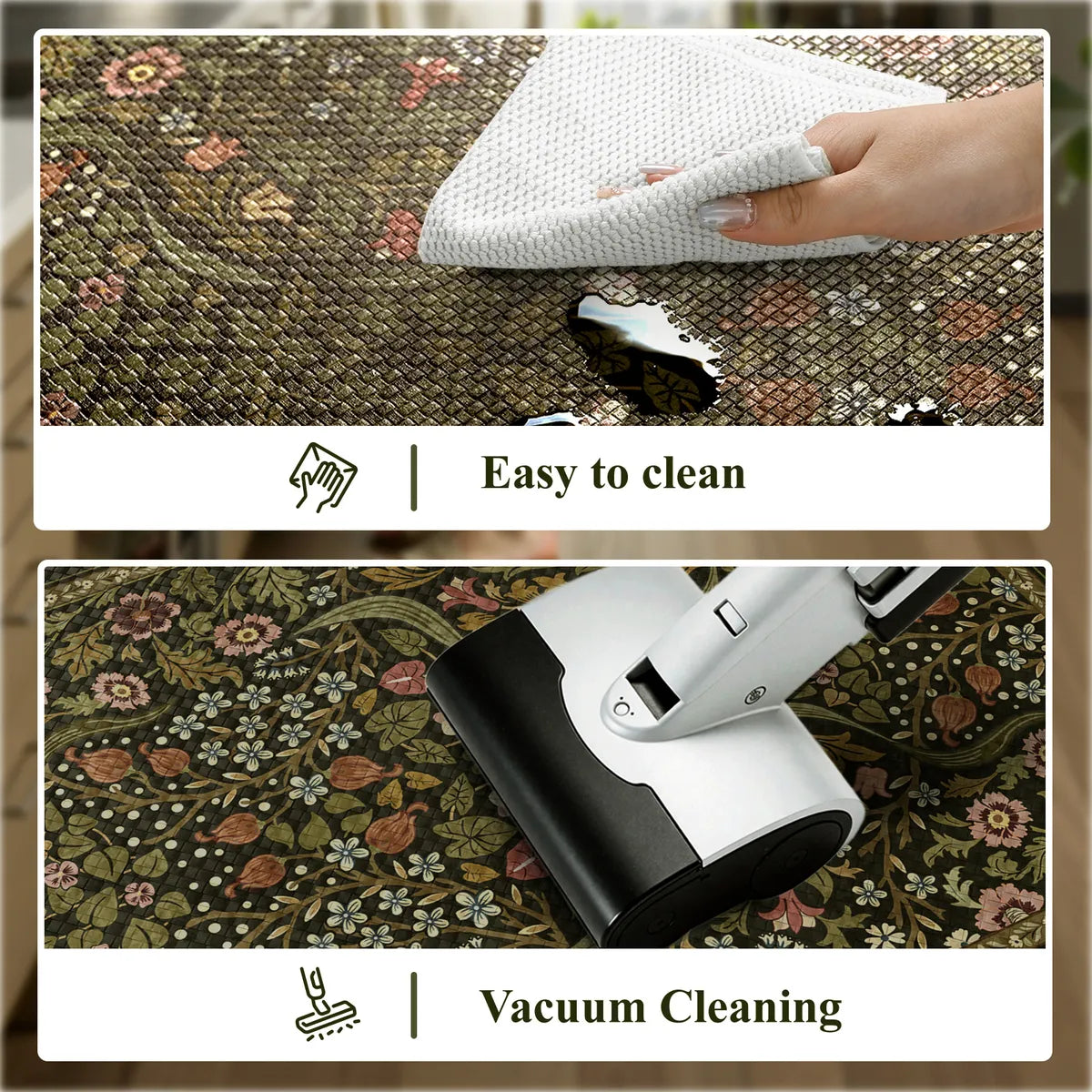
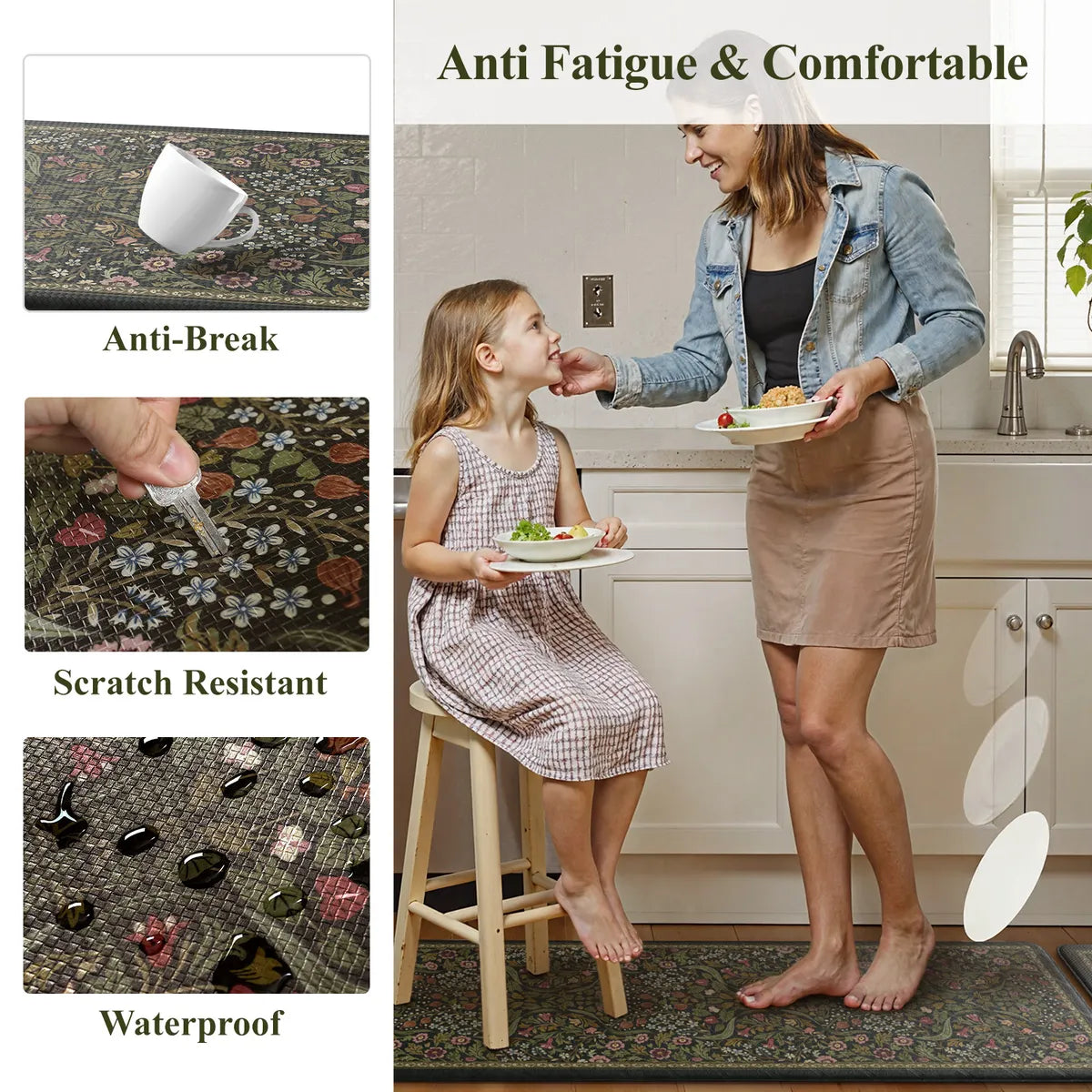
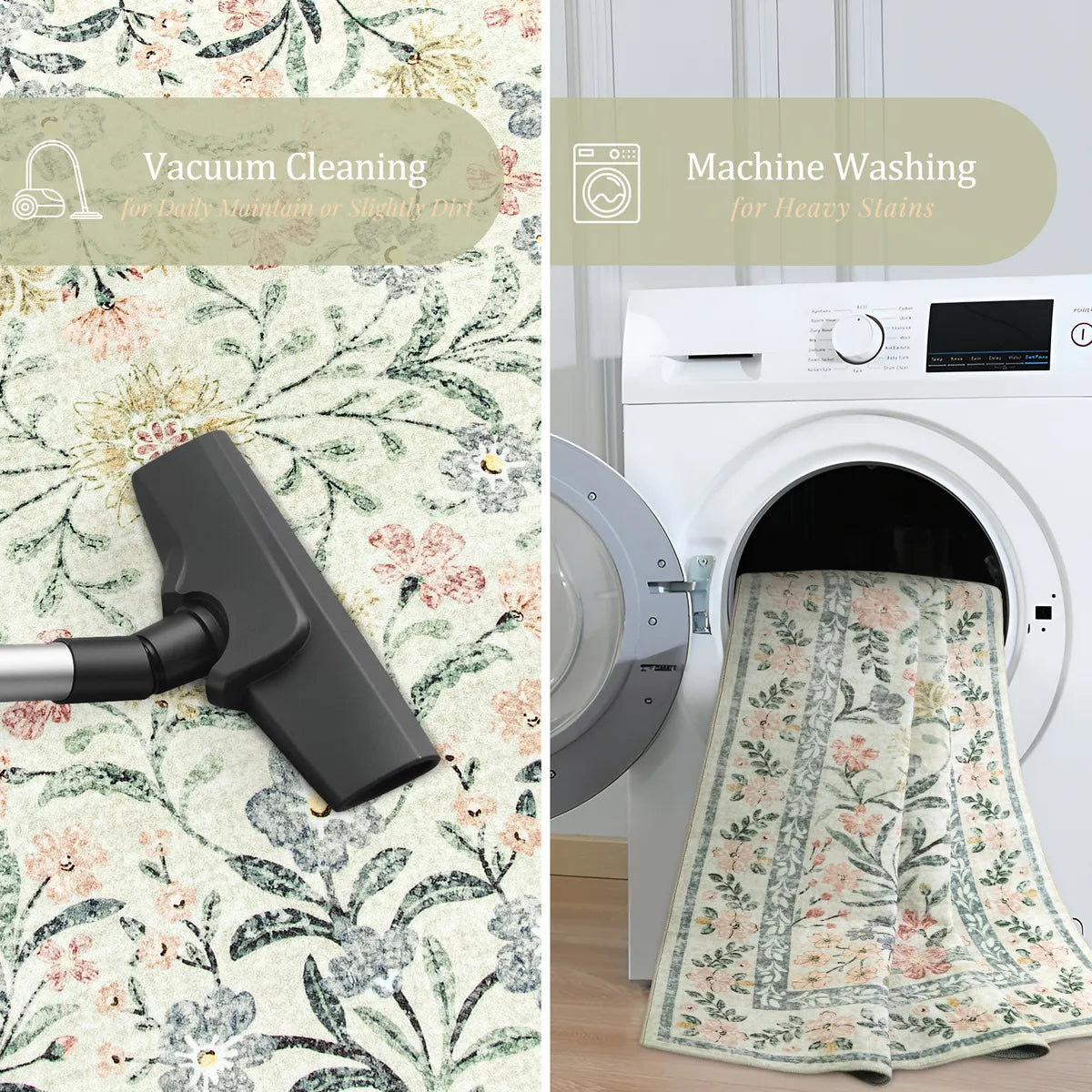
Washability is one of the most valuable features in a kids rug, and it is easy to overlook until the first major spill. Machine-washable rugs save significant time compared to spot-cleaning by hand or sending the rug out for professional care.
A few specific features make long-term upkeep much easier:
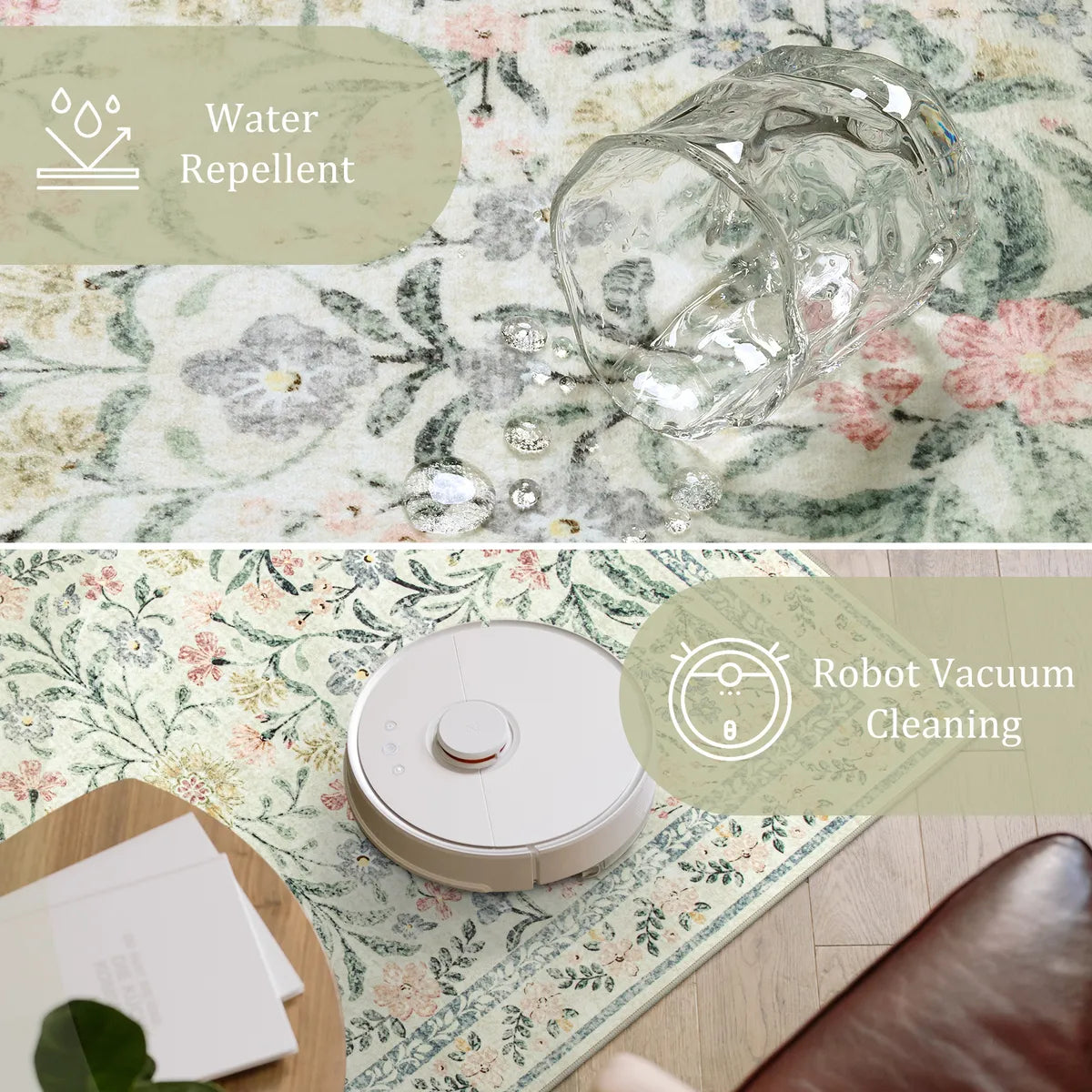
- Stain-resistant fiber treatments that prevent liquids from soaking in quickly
- Colorfast dyes that stay vivid after repeated washing
- Non-slip backing that stays intact and effective through multiple wash cycles
Choosing a durable, easy-clean kids carpet from the start saves both money and frustration over the long run.
5 Tips for Styling a Playroom Rug That Grows with Your Child
The right playroom rug can stay relevant for years with a little planning. Here are practical tips to help the space evolve as your child does:
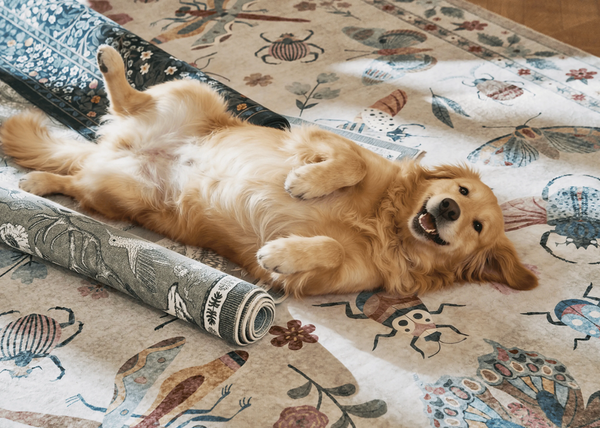
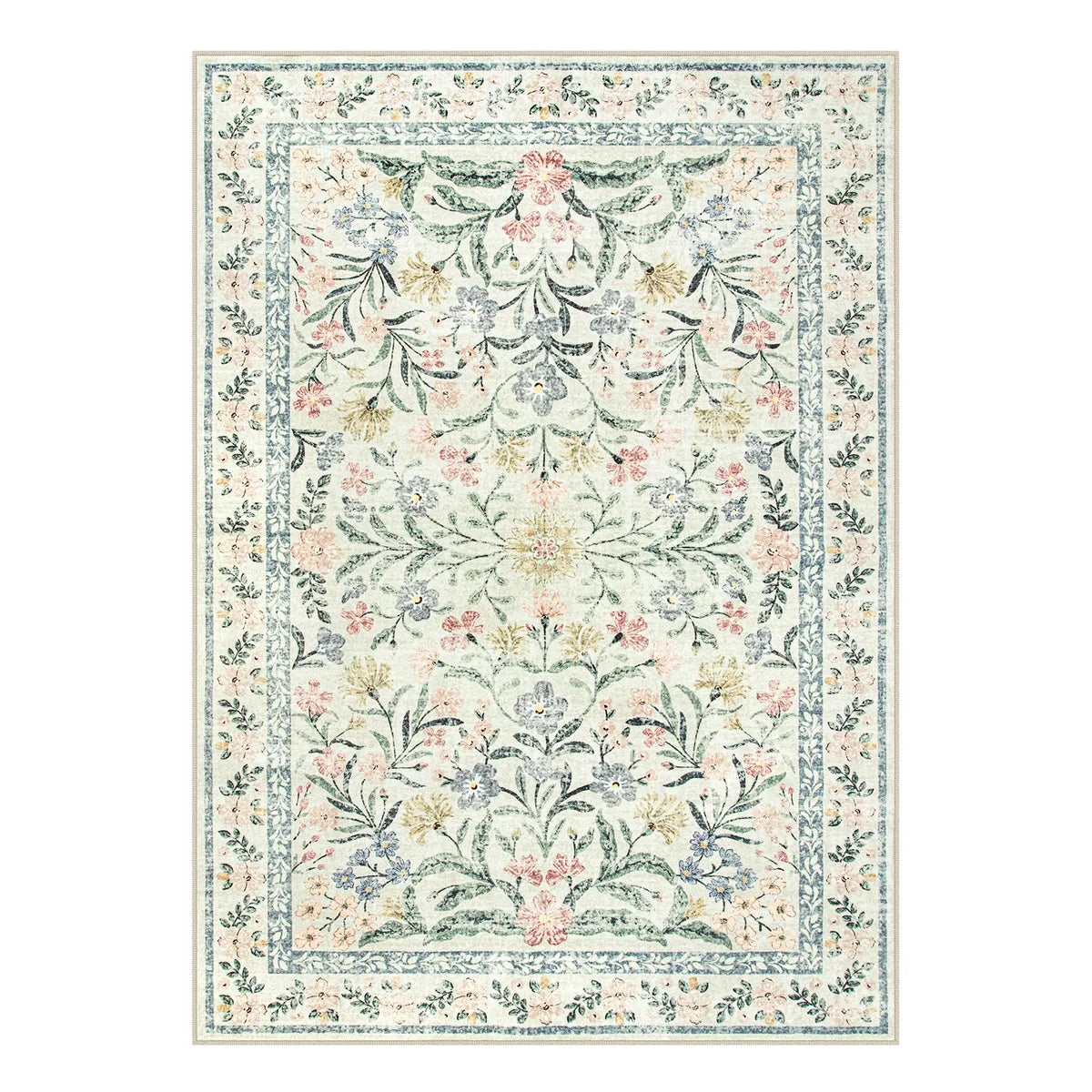
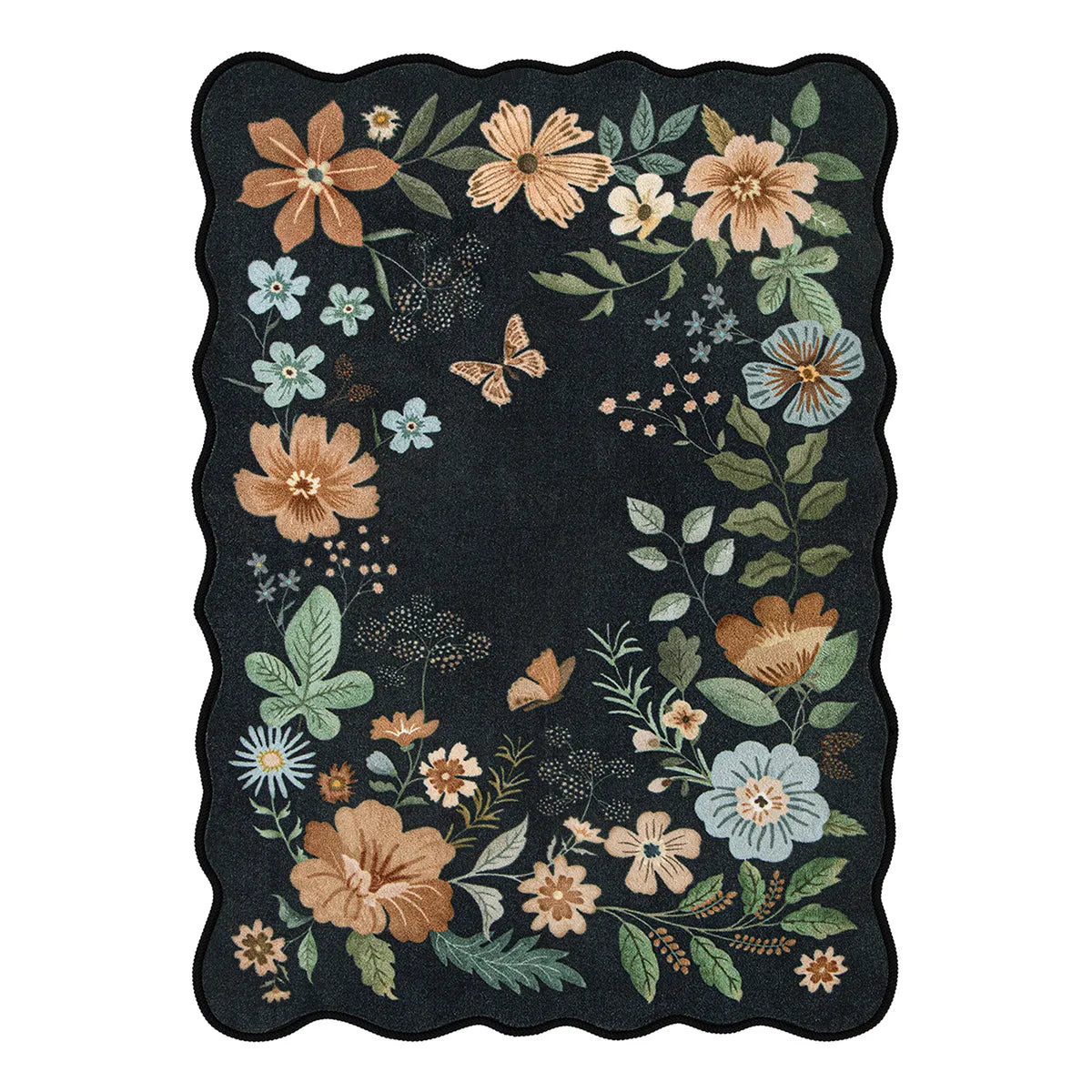
- Choose a neutral base with a bold pattern. A design with earthy or muted tones ages better than a fully cartoon-driven rug. An animal rug in natural colors works in a toddler's room and transitions naturally into a more mature space without feeling out of place.
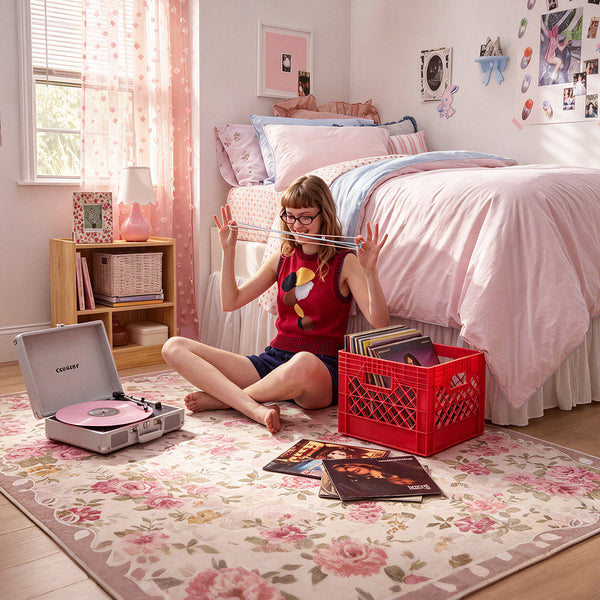
- Let the rug set the color palette. Use the rug's colors as a guide for wall art, storage bins, and curtains. This creates a cohesive look without much effort and makes future updates easier.
- Match the shape to the function. Round rugs define smaller play corners or reading nooks well, while rectangular shapes anchor larger open areas more naturally.
- Layer for easy updates. Placing a smaller statement rug on top of a larger neutral one is a low-cost way to refresh the look as tastes shift, without replacing the whole setup.
- Size for the room, not just the furniture. A rug that fits the room's dimensions rather than the current furniture layout gives more flexibility as the space is rearranged or repurposed over the years.
Give Your Kids a Space They Will Love
The floor of a playroom shapes the whole experience, from how safe kids feel on it to how much personality the room has. Whether the priority is a hypoallergenic material for sensitive skin, a bold animal rug that sparks imaginative play, or a durable rug that holds up through years of hard use, the right choice brings all of it together.
FAQs about playroom rugs
Q1. Can a Playroom Rug Be Placed Over Existing Carpet?
Yes, rugs can sit directly on top of existing carpet. A rug pad designed for carpet-on-carpet use helps keep the playroom rug from shifting or bunching during play. Look for a pad with a grip surface on both sides for the most secure result. This setup is especially practical in rentals or temporary spaces where the underlying flooring cannot be changed.
Q2. How Often Should Kids Rugs Be Washed?
For machine-washable kids rugs, a wash every four to six weeks is a reasonable baseline for most households. Homes with pets, young toddlers, or allergy-sensitive family members may find it helpful to wash more frequently. Always follow the care label instructions for water temperature and cycle settings before washing.
Q3. What Are the Benefits of a Playroom Rug?
A playroom rug does more than cover the floor. It gives kids a defined, comfortable area for play, which helps contain the activity and makes the room feel more organized. A soft, cushioned surface also reduces the impact of tumbles and falls during active play. On top of that, the right rug adds color and personality to the space without requiring a full room redesign.
Q4. What Are the Safety Considerations for Playroom Rugs?
The main safety factors to look for are material safety, slip resistance, and surface softness. A non-toxic, hypoallergenic rug minimizes chemical exposure and reduces the risk of allergic reactions for kids who spend long stretches on the floor. Non-slip backing keeps the rug from shifting during active play, which helps prevent trips and falls. Choosing a skin-friendly material with a soft, low-pile surface also protects sensitive skin during extended contact.