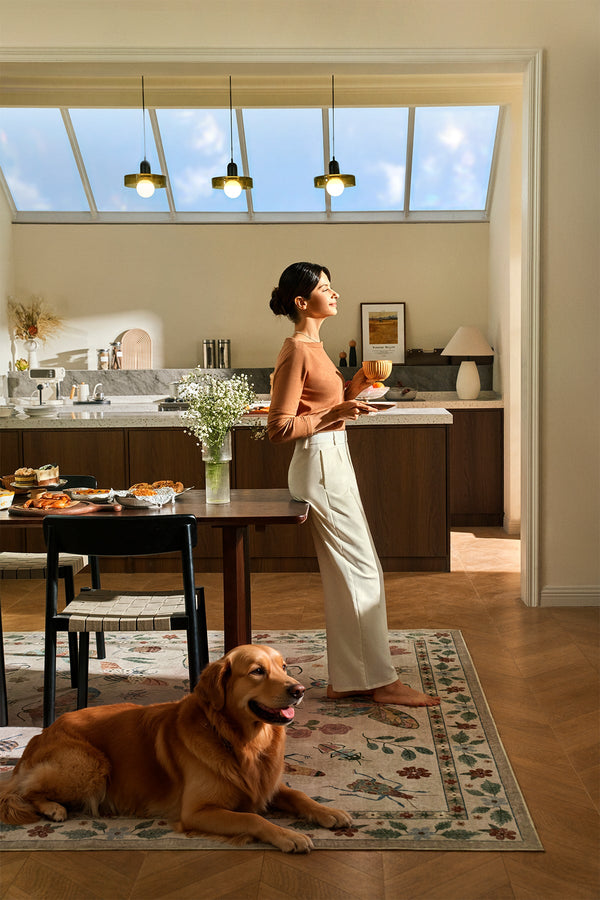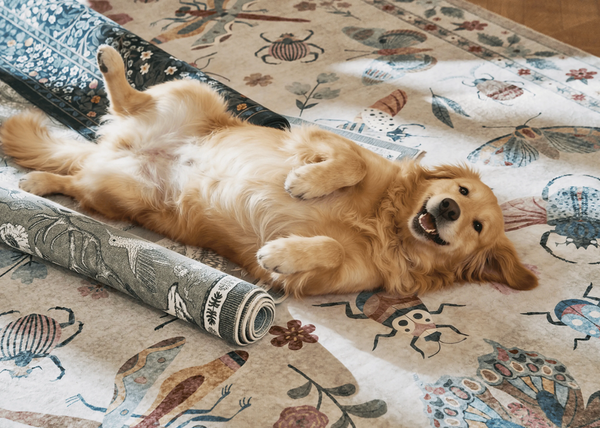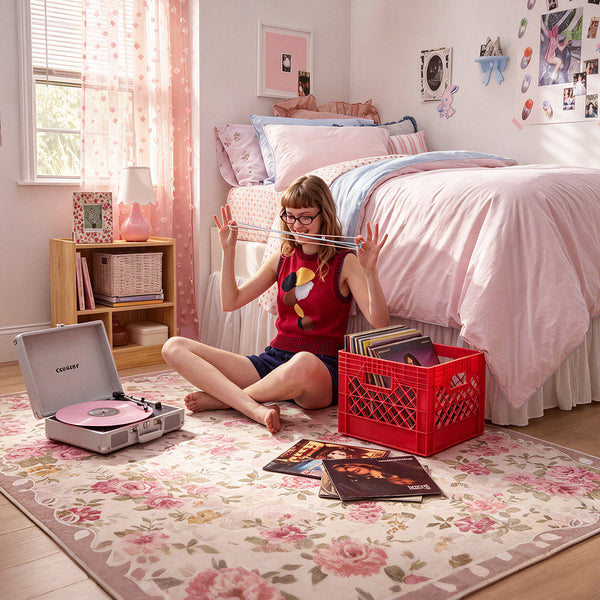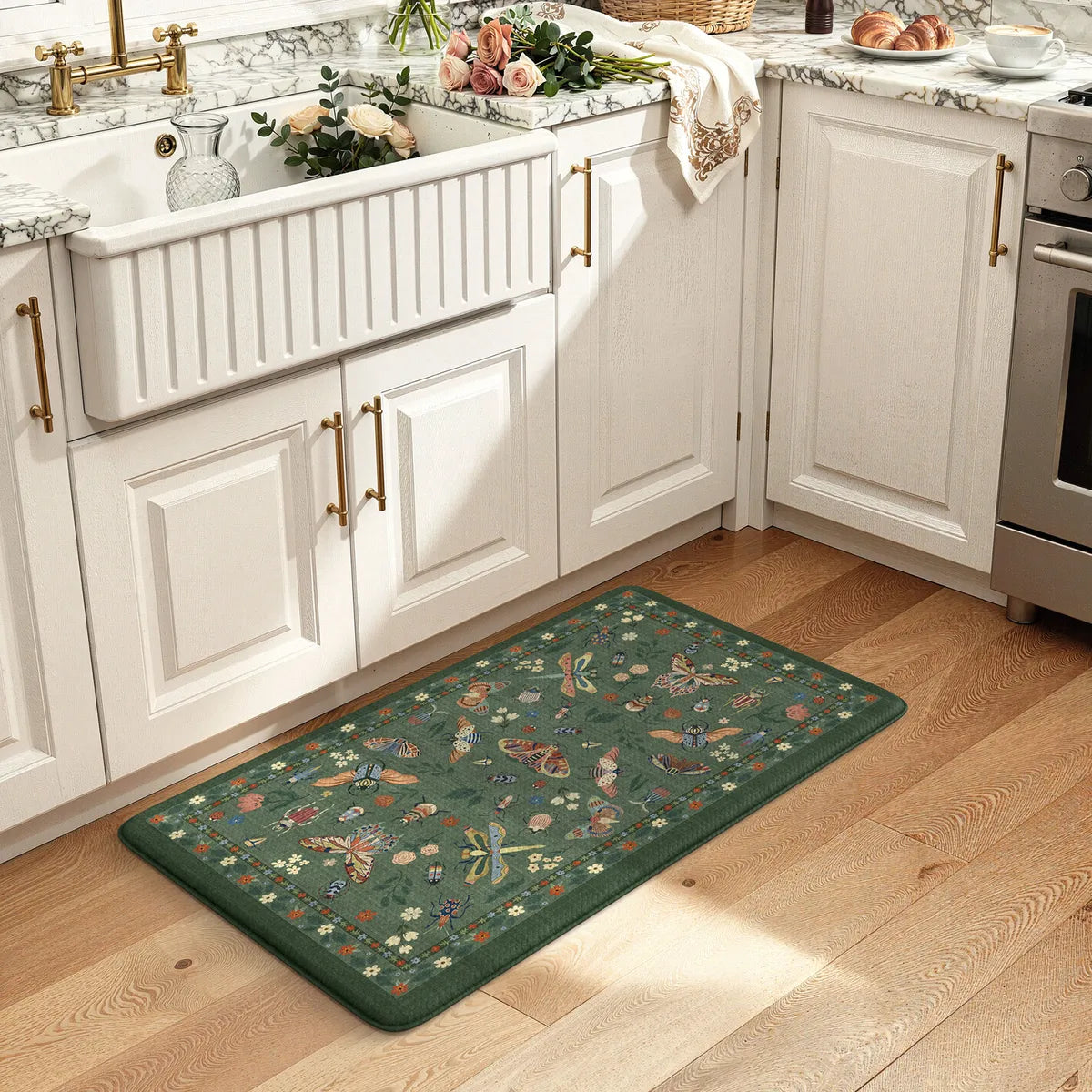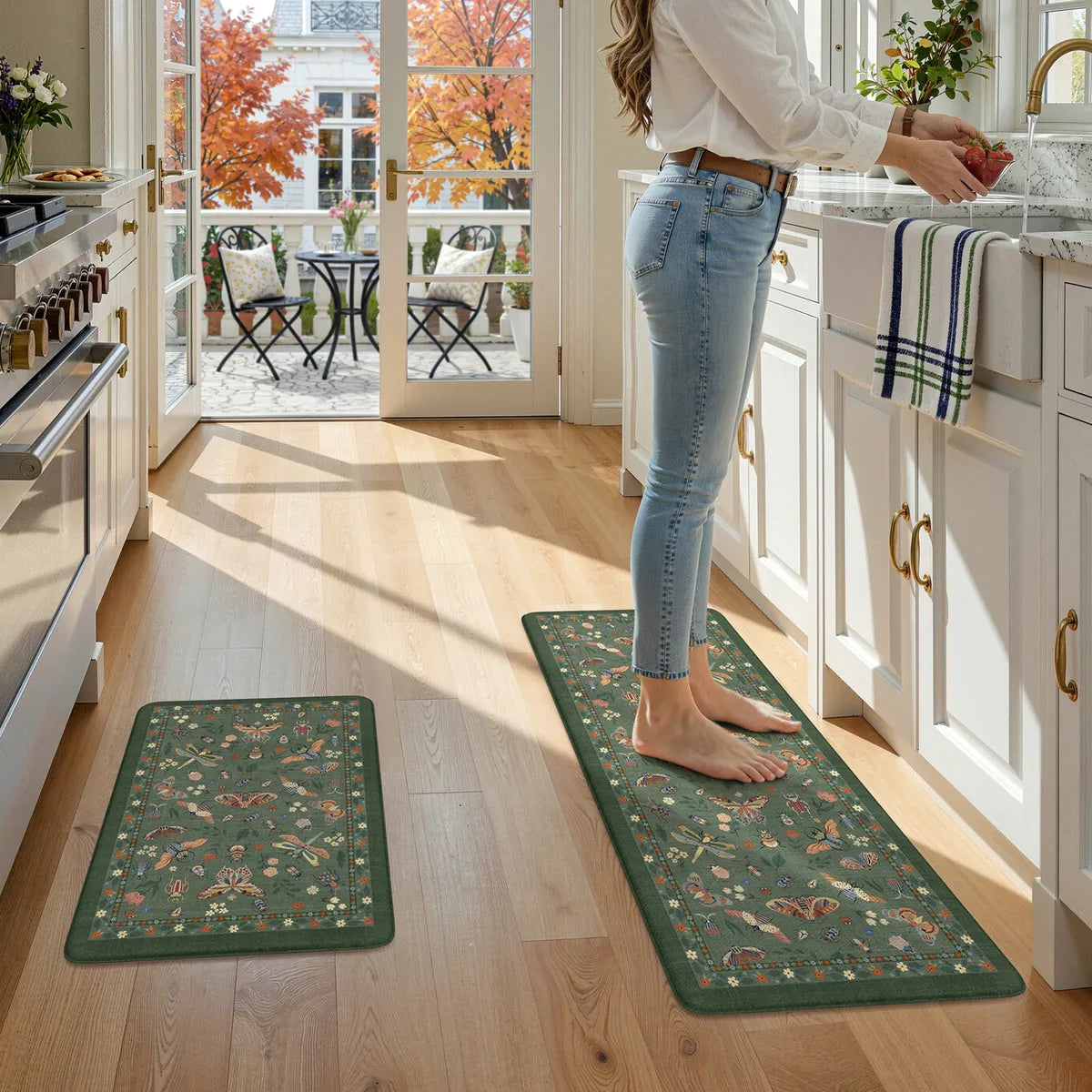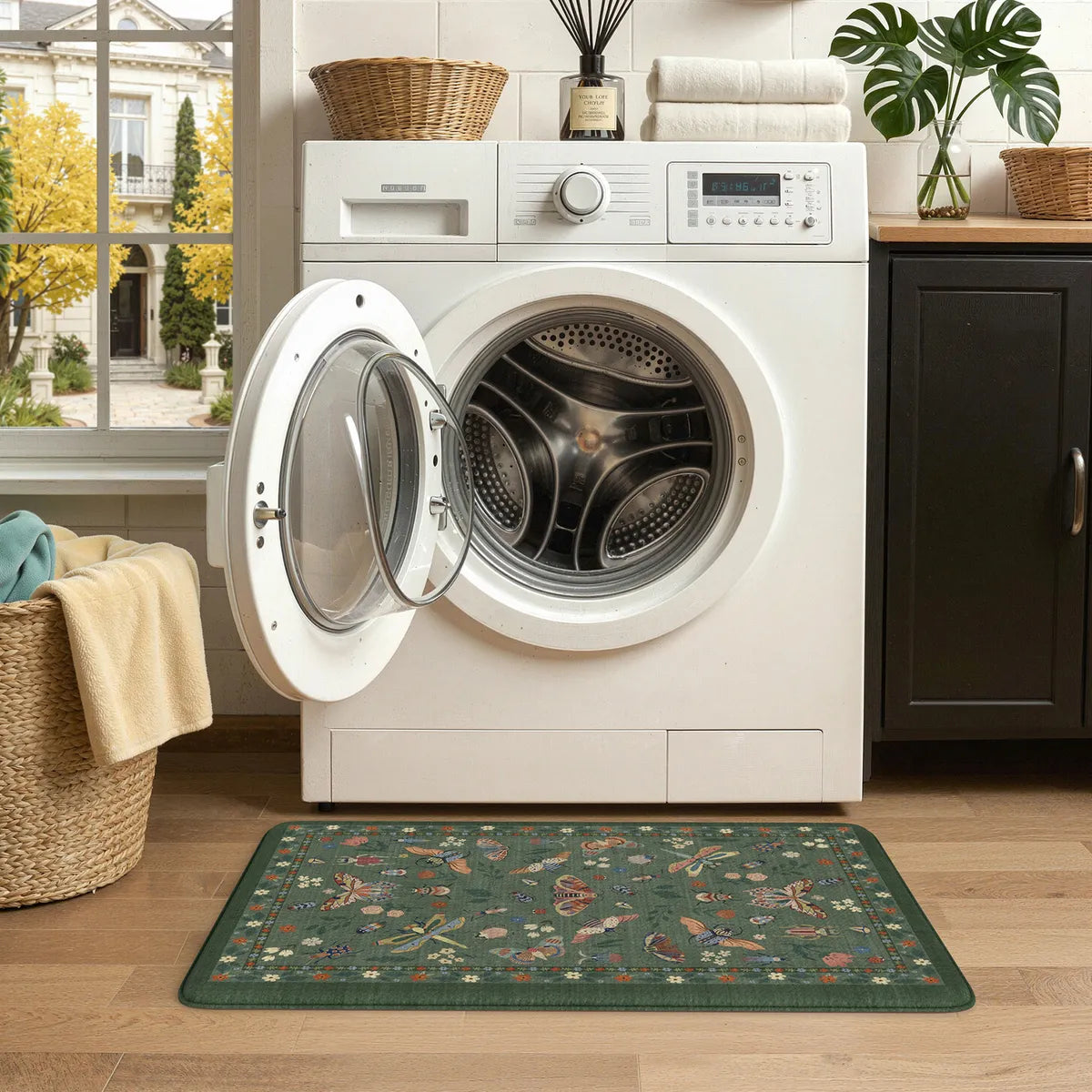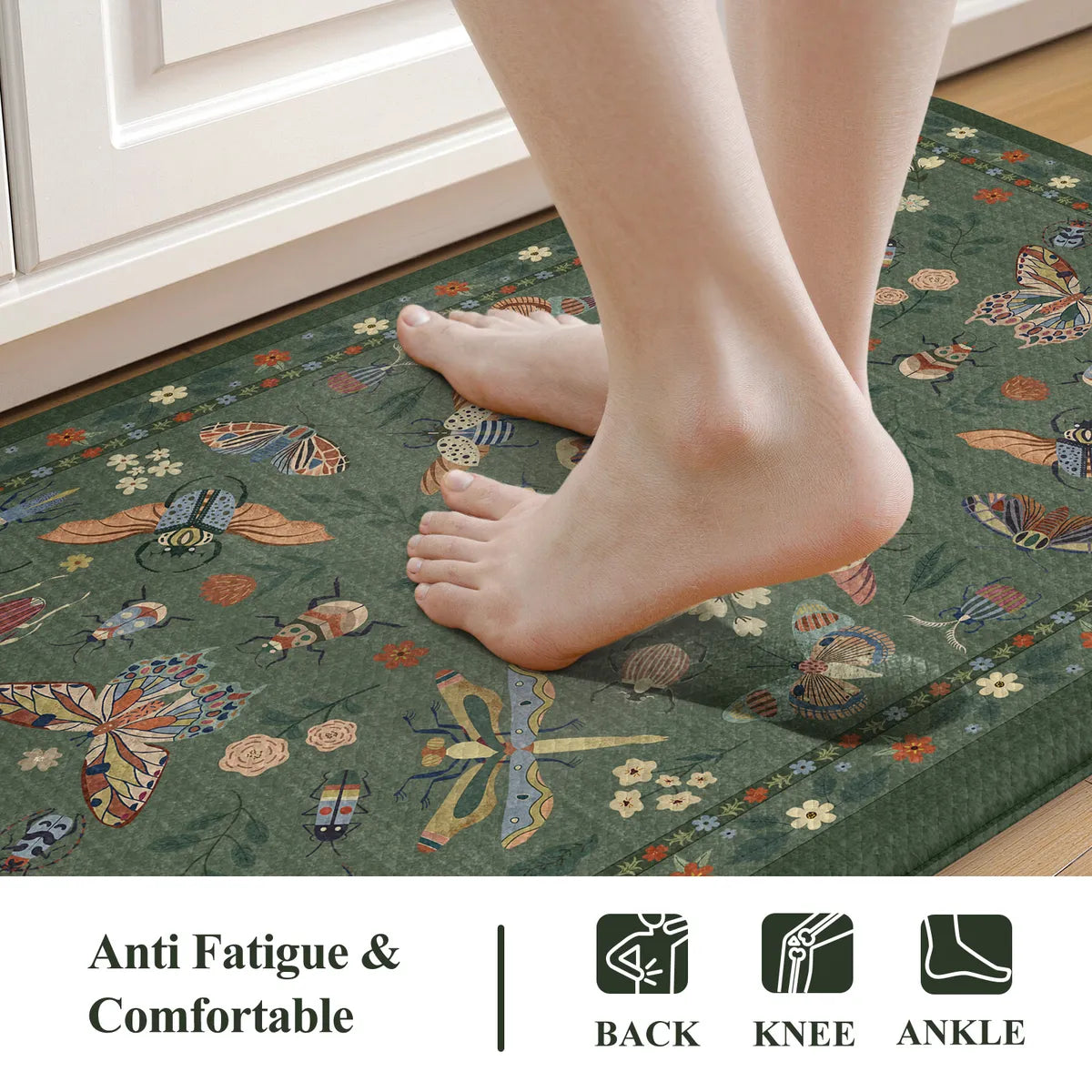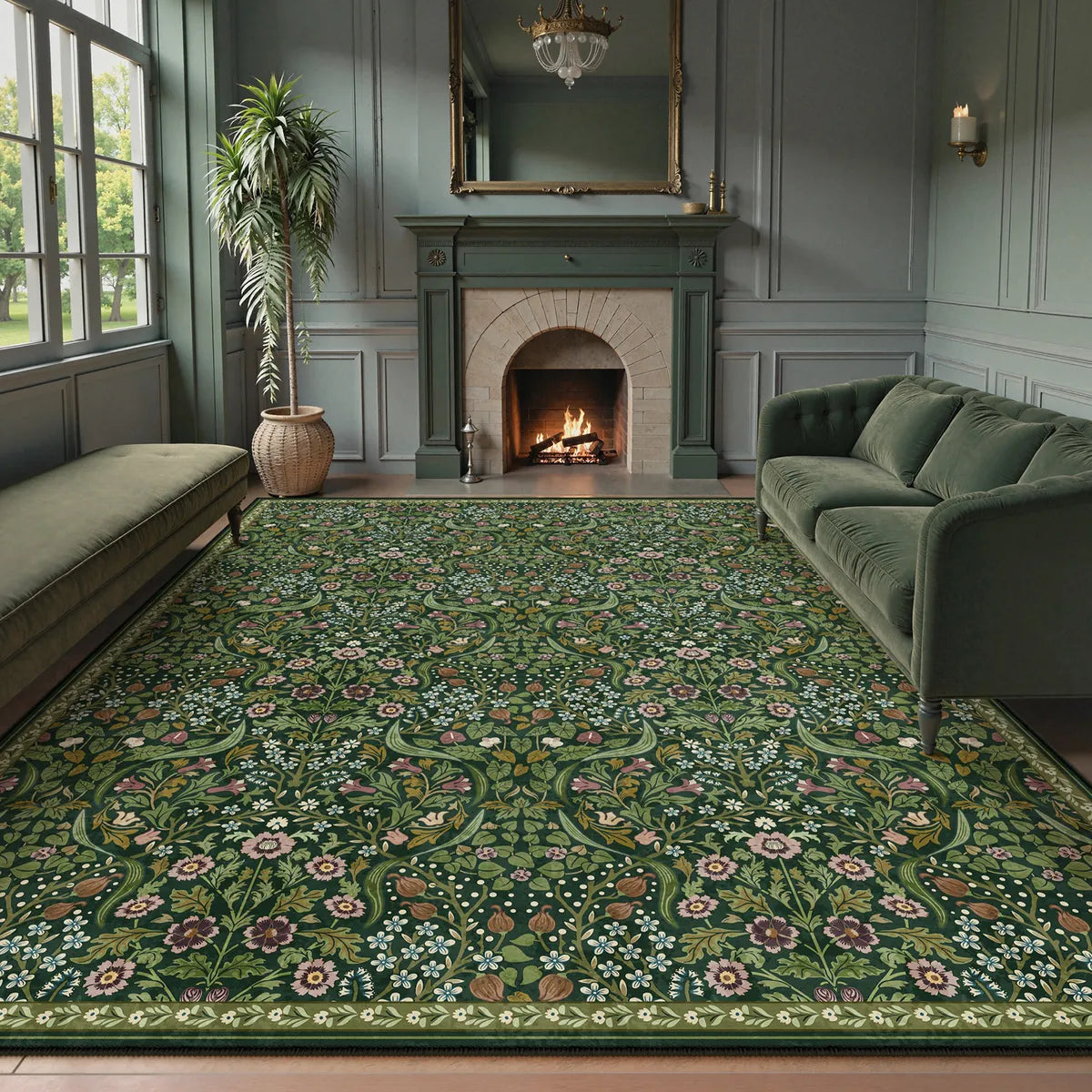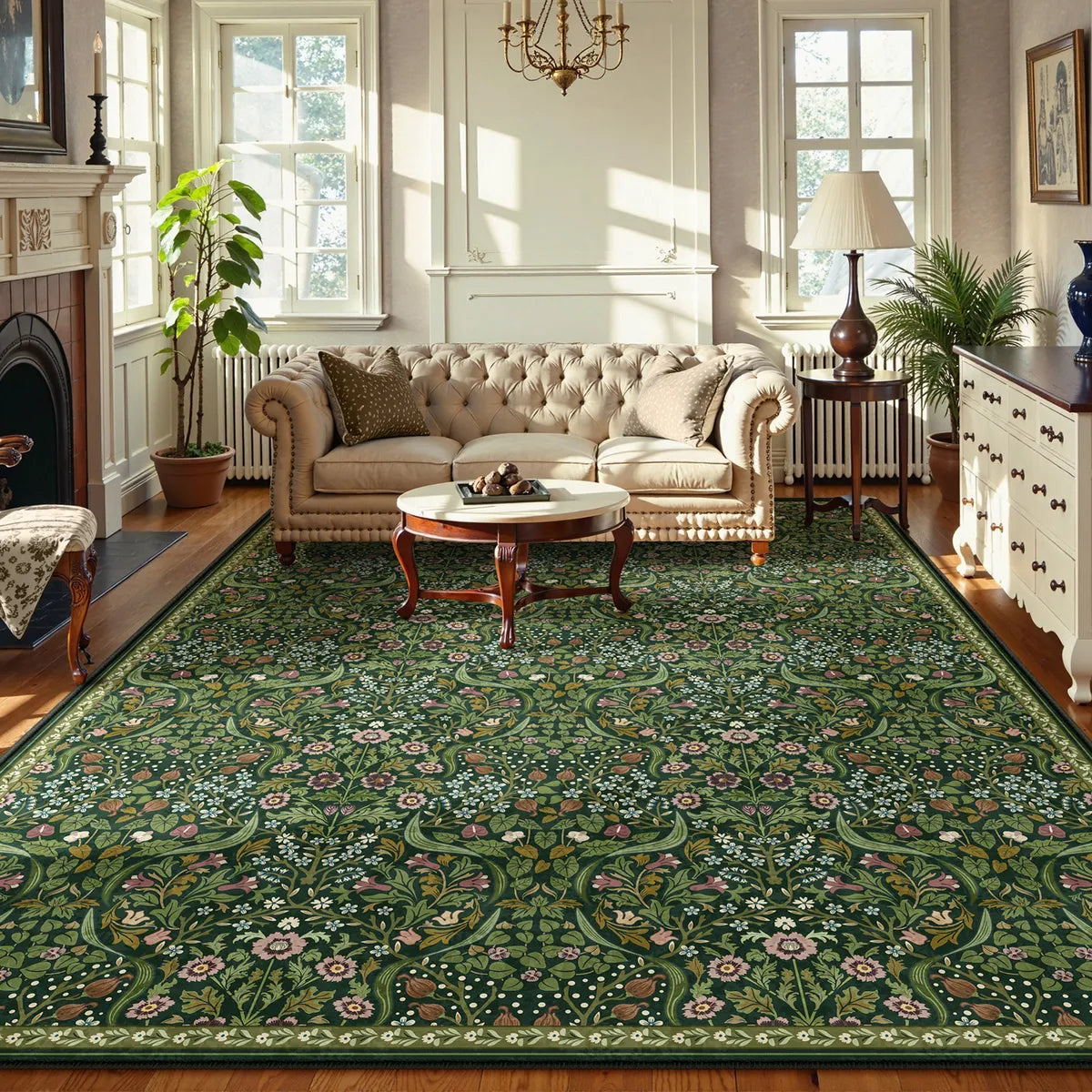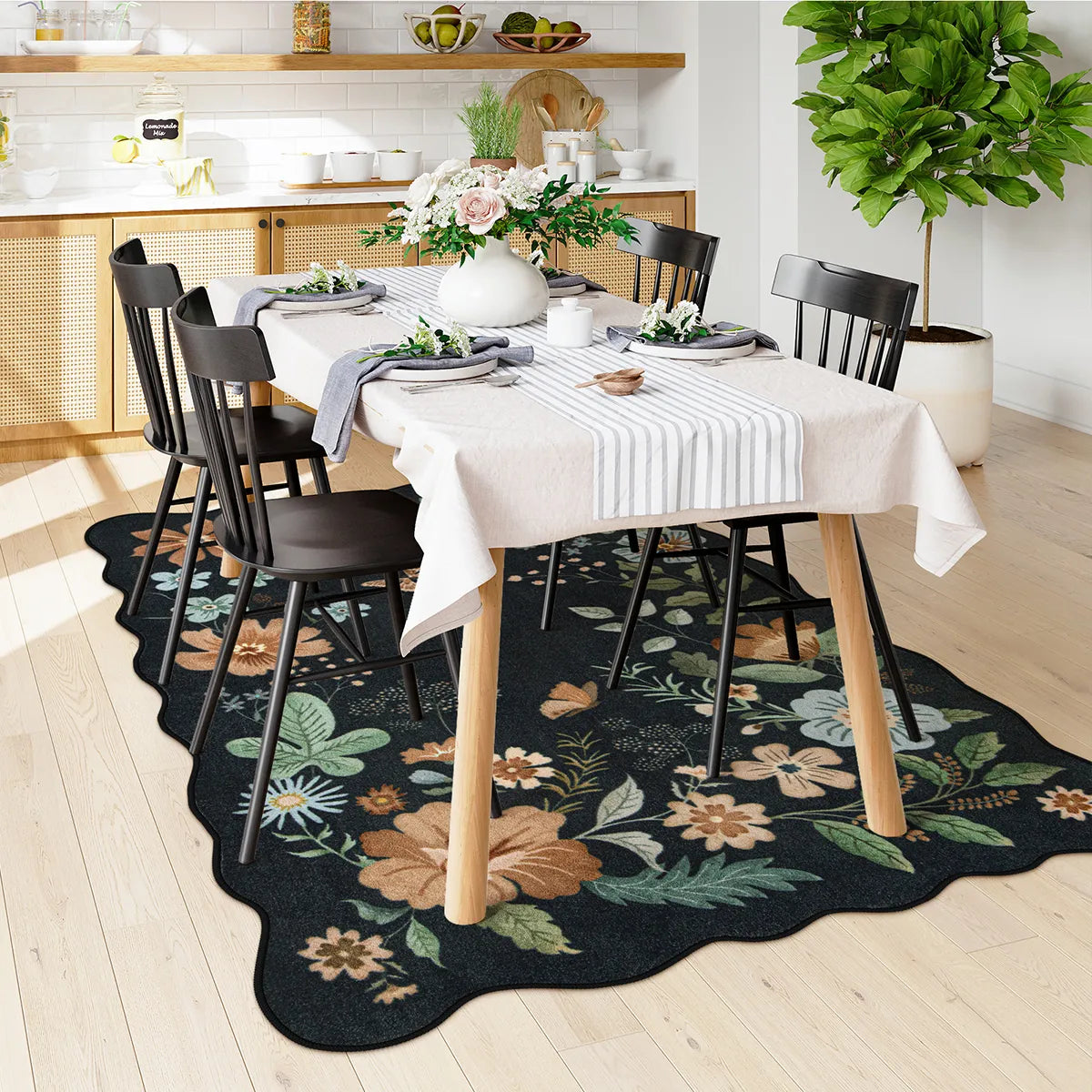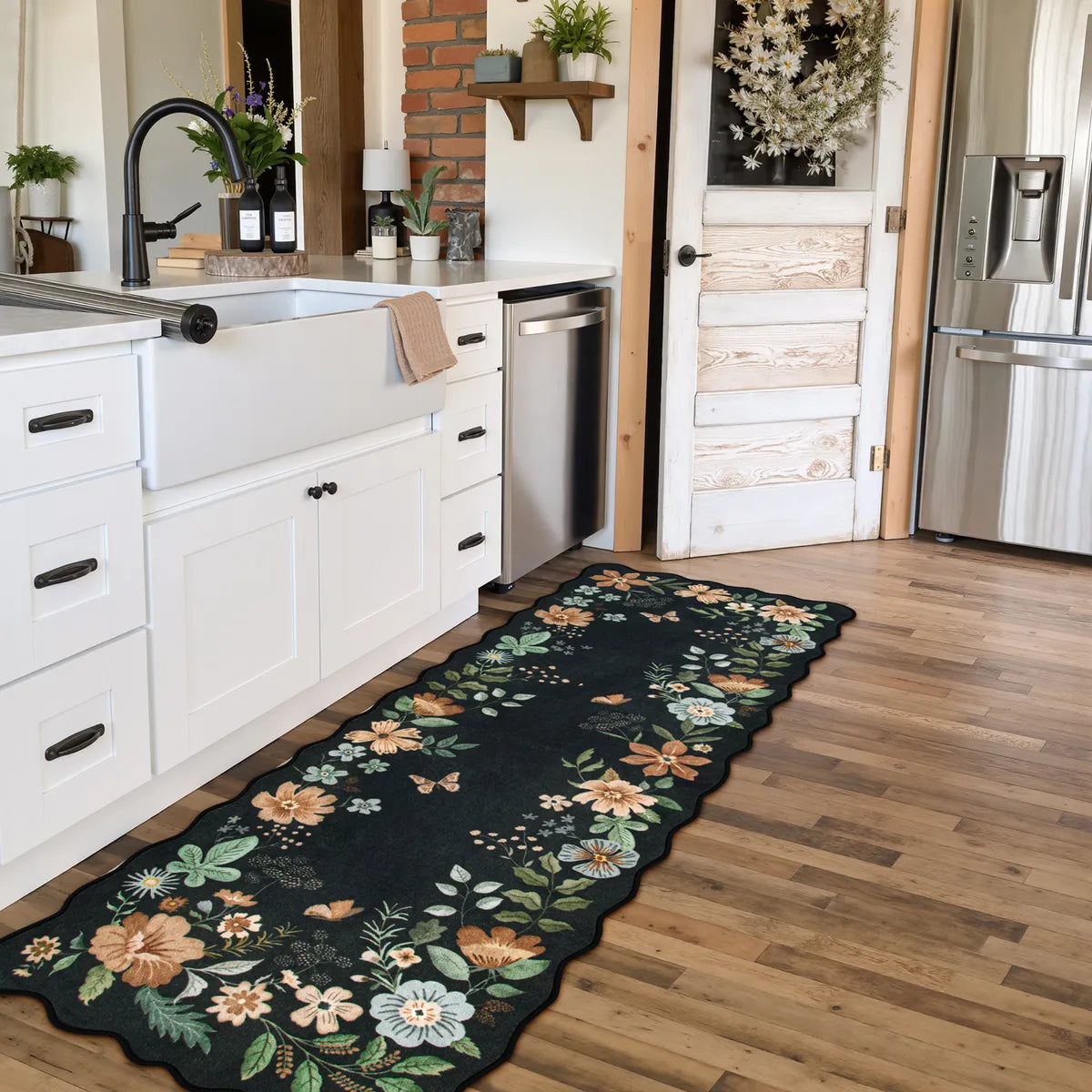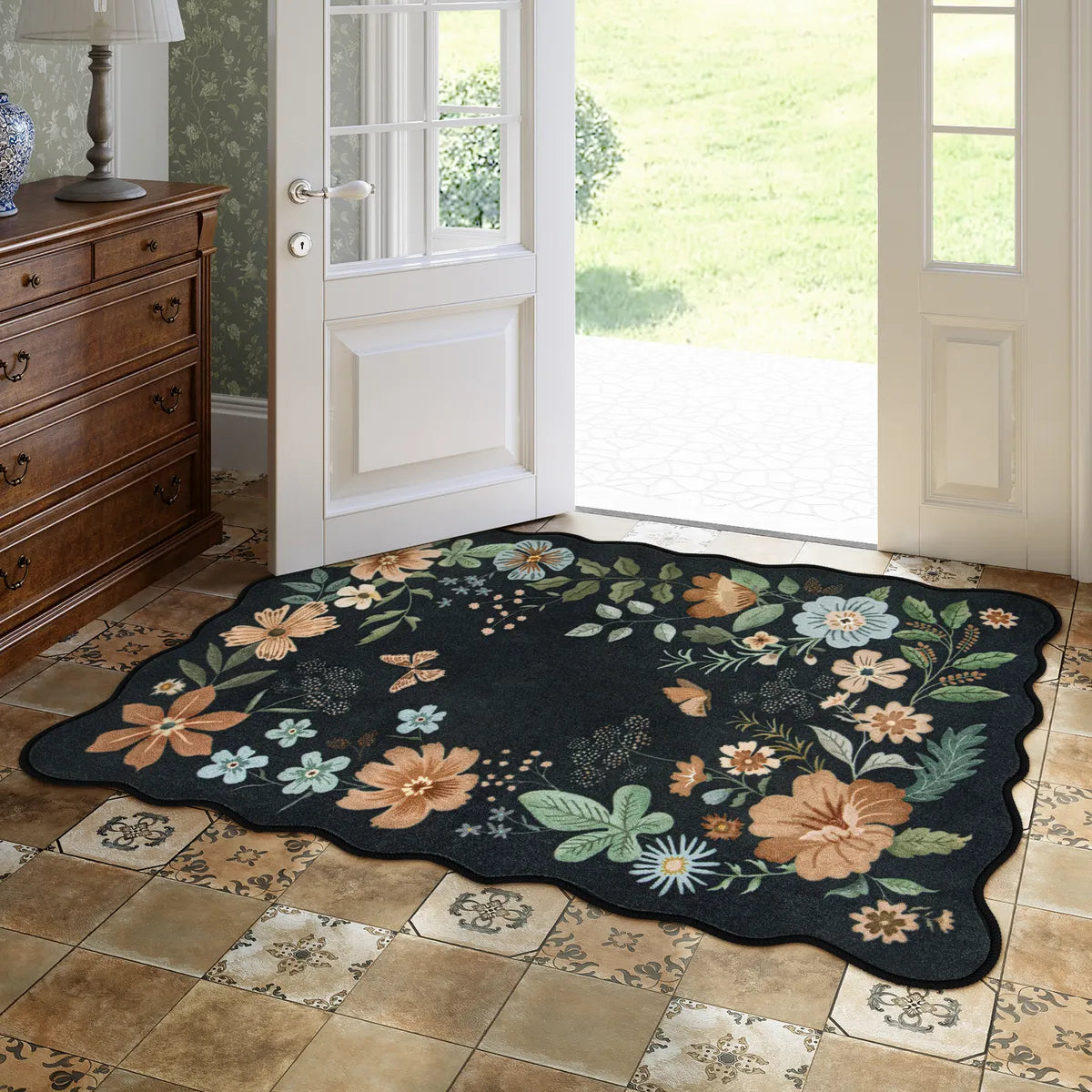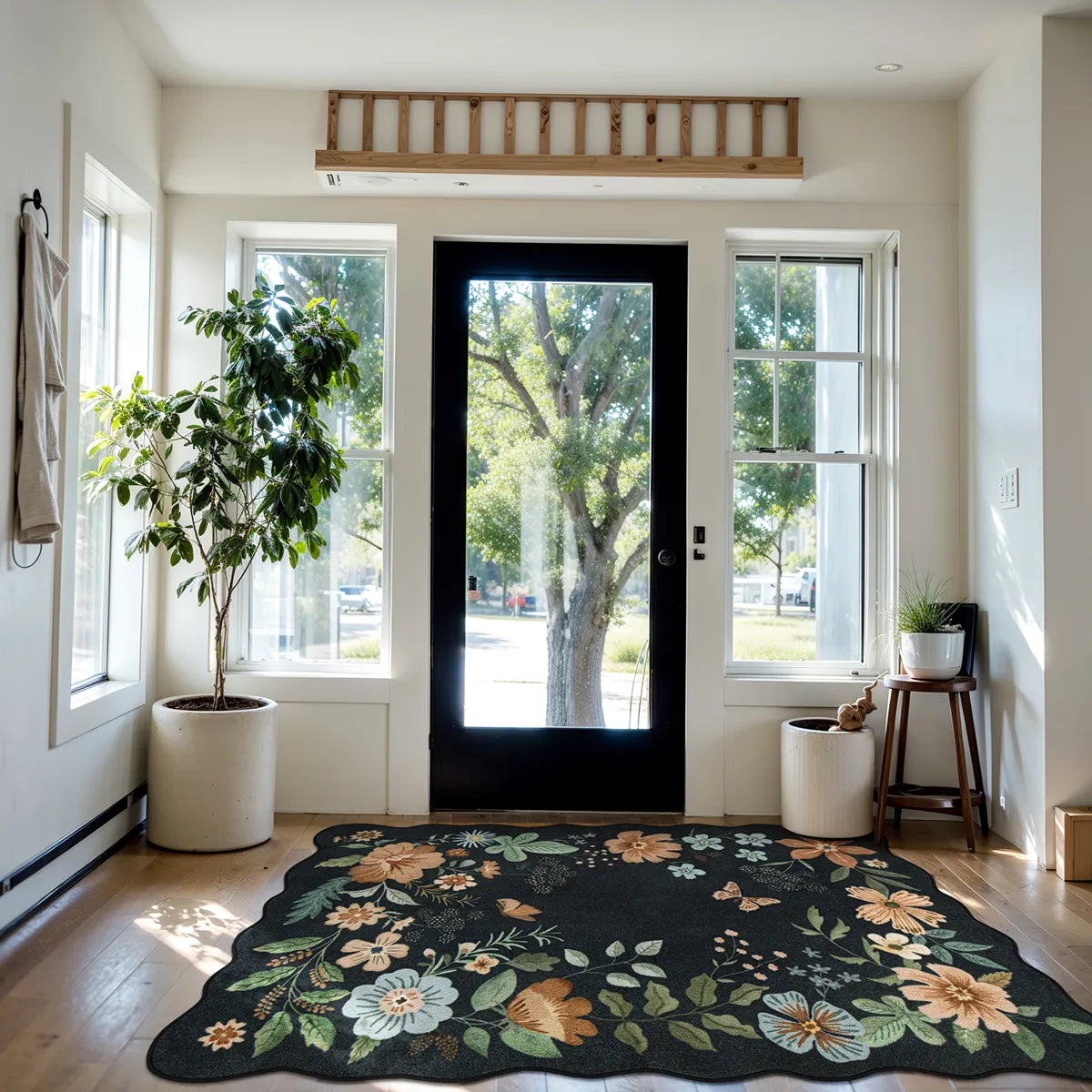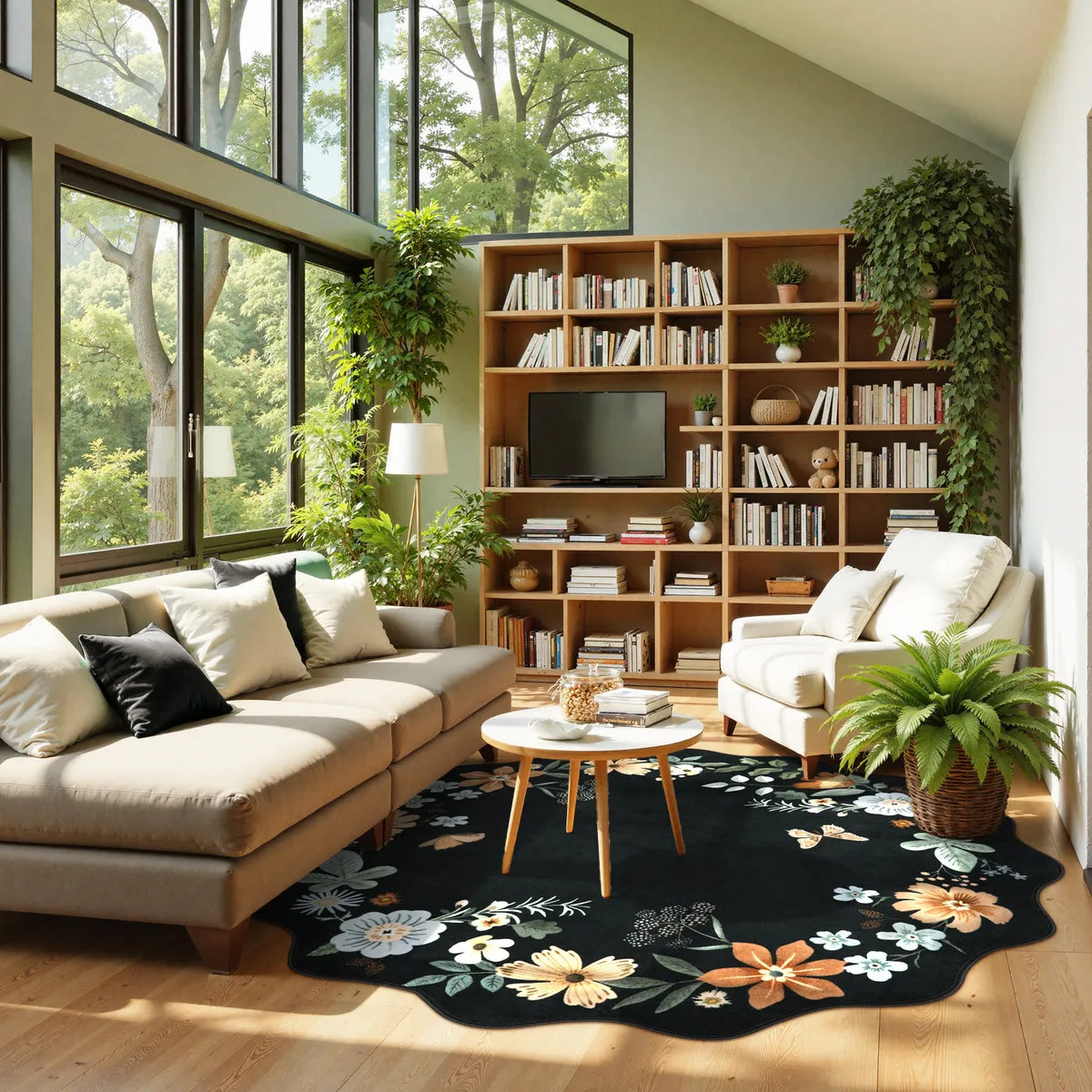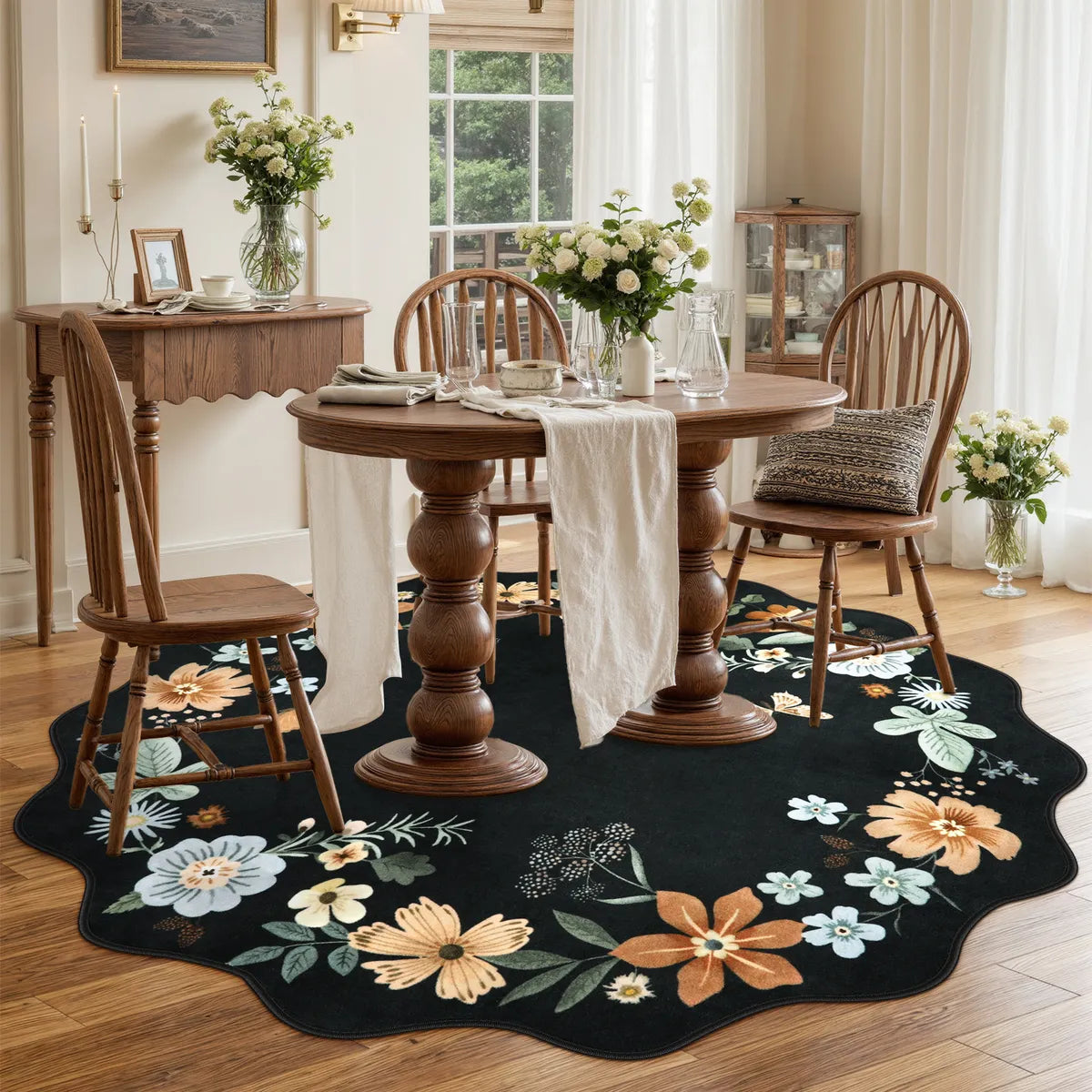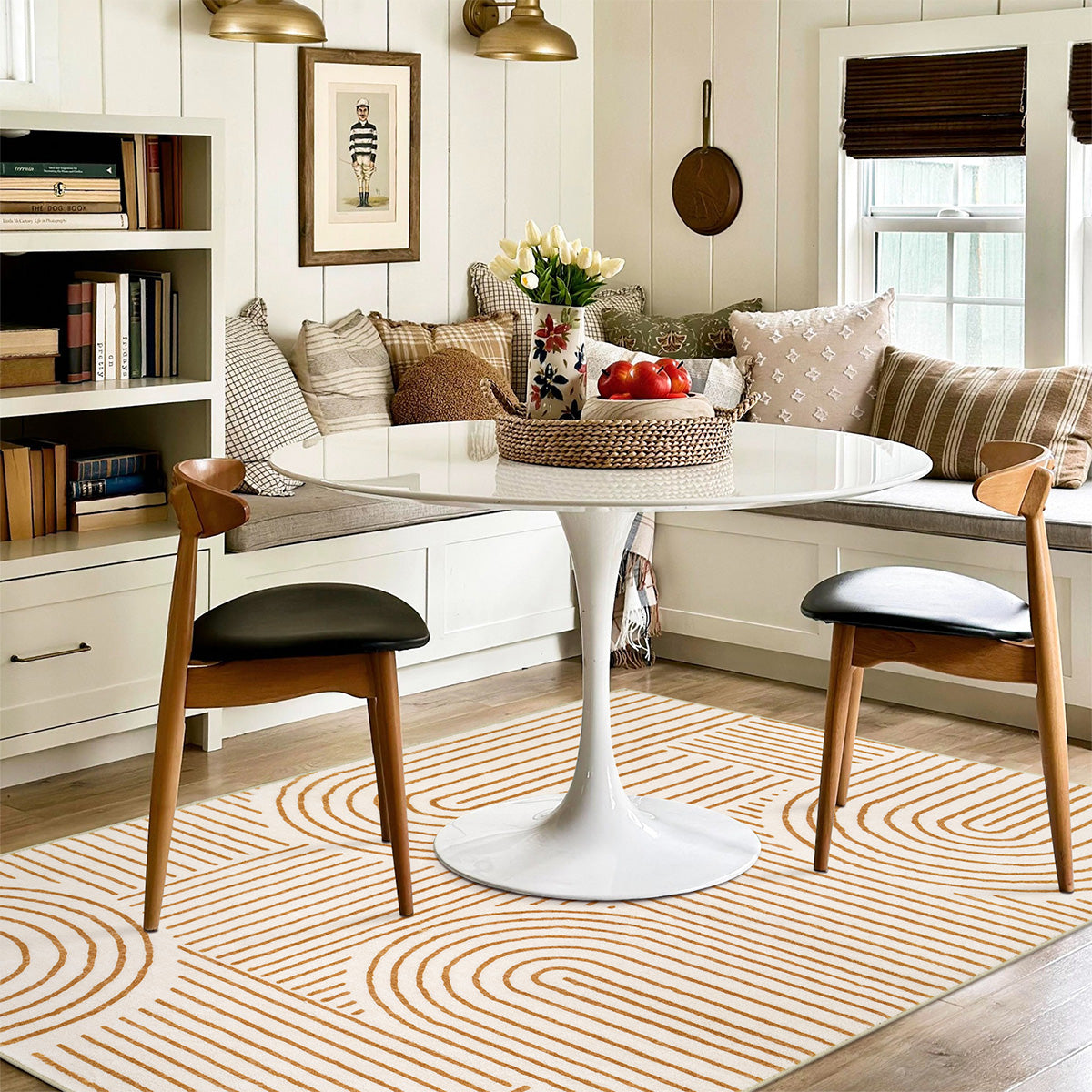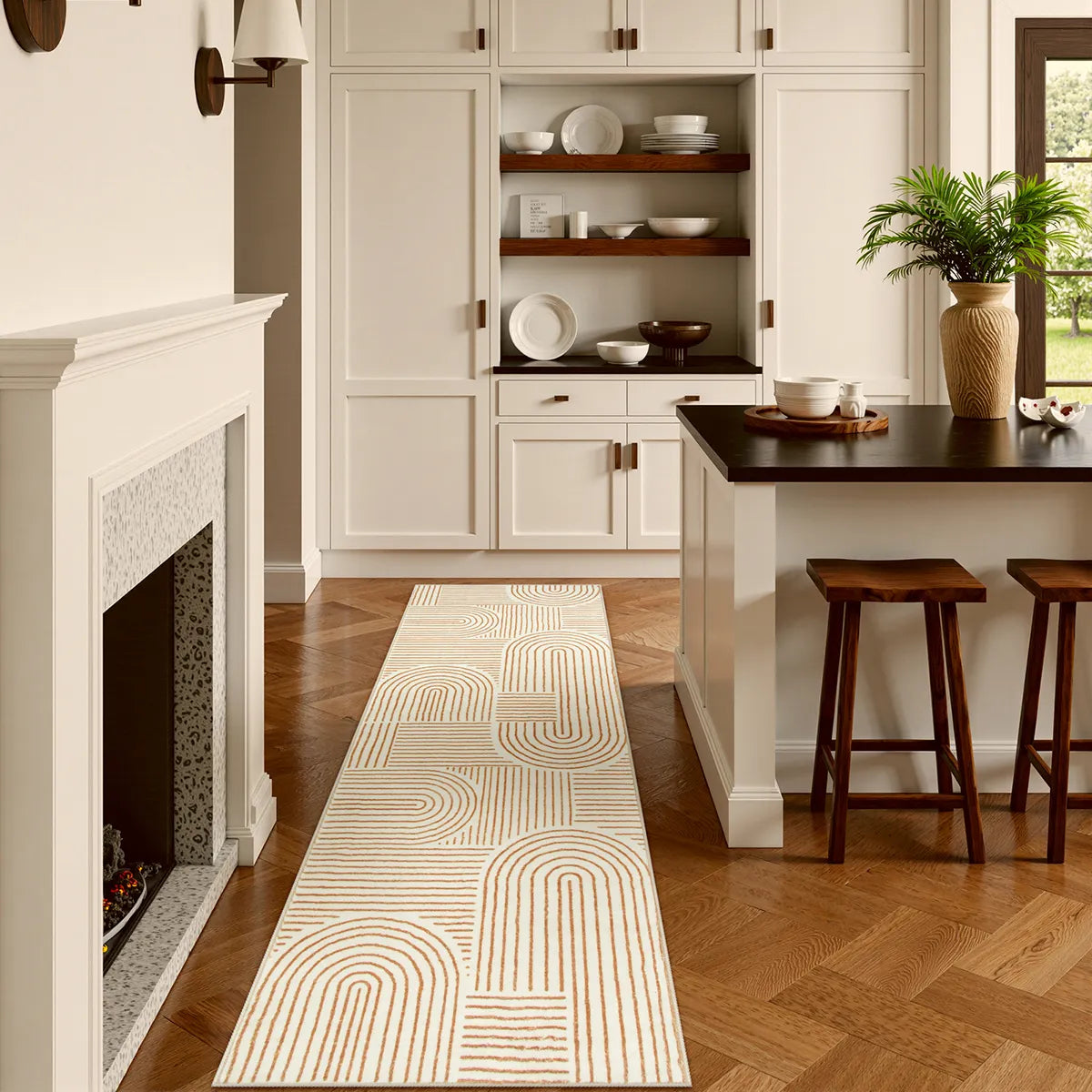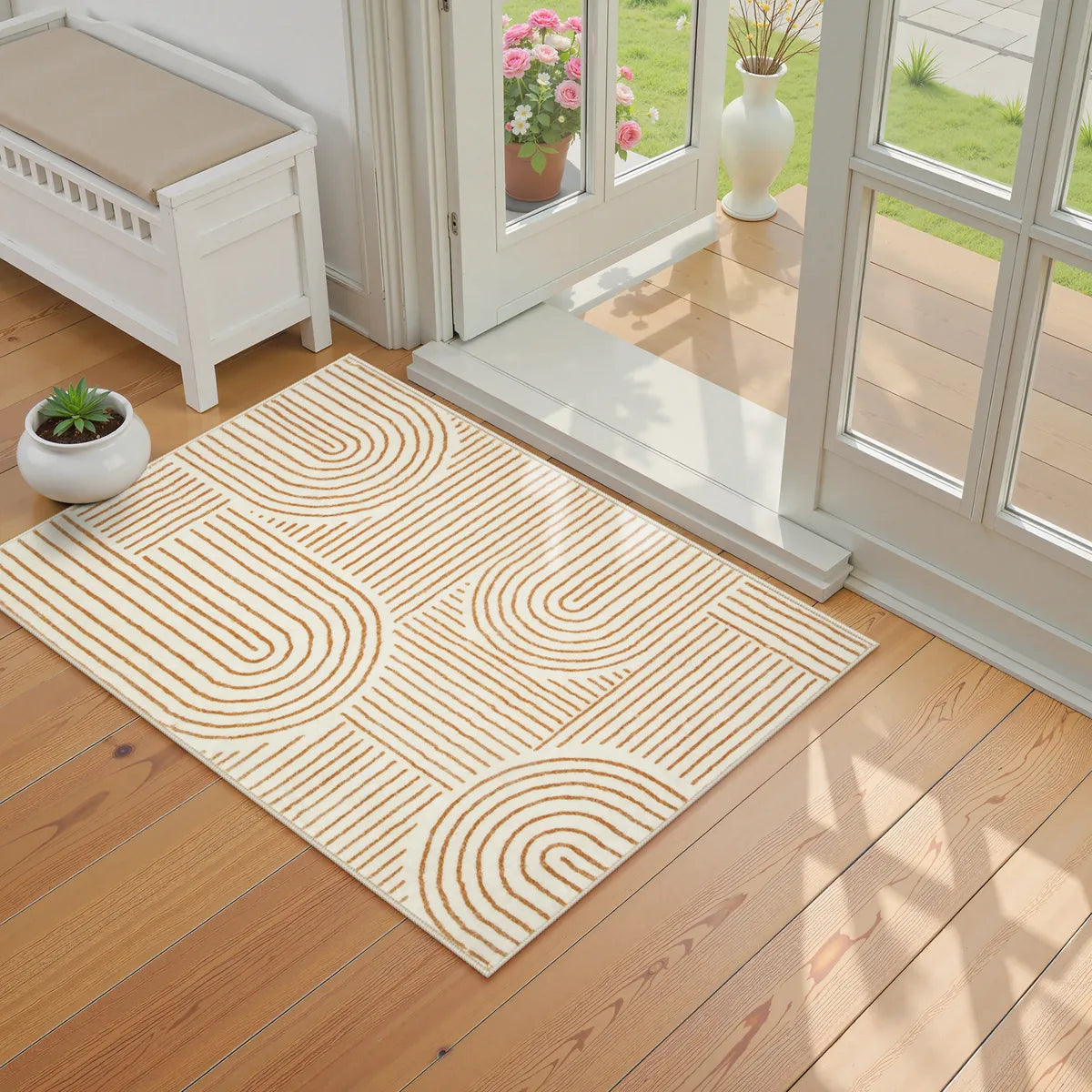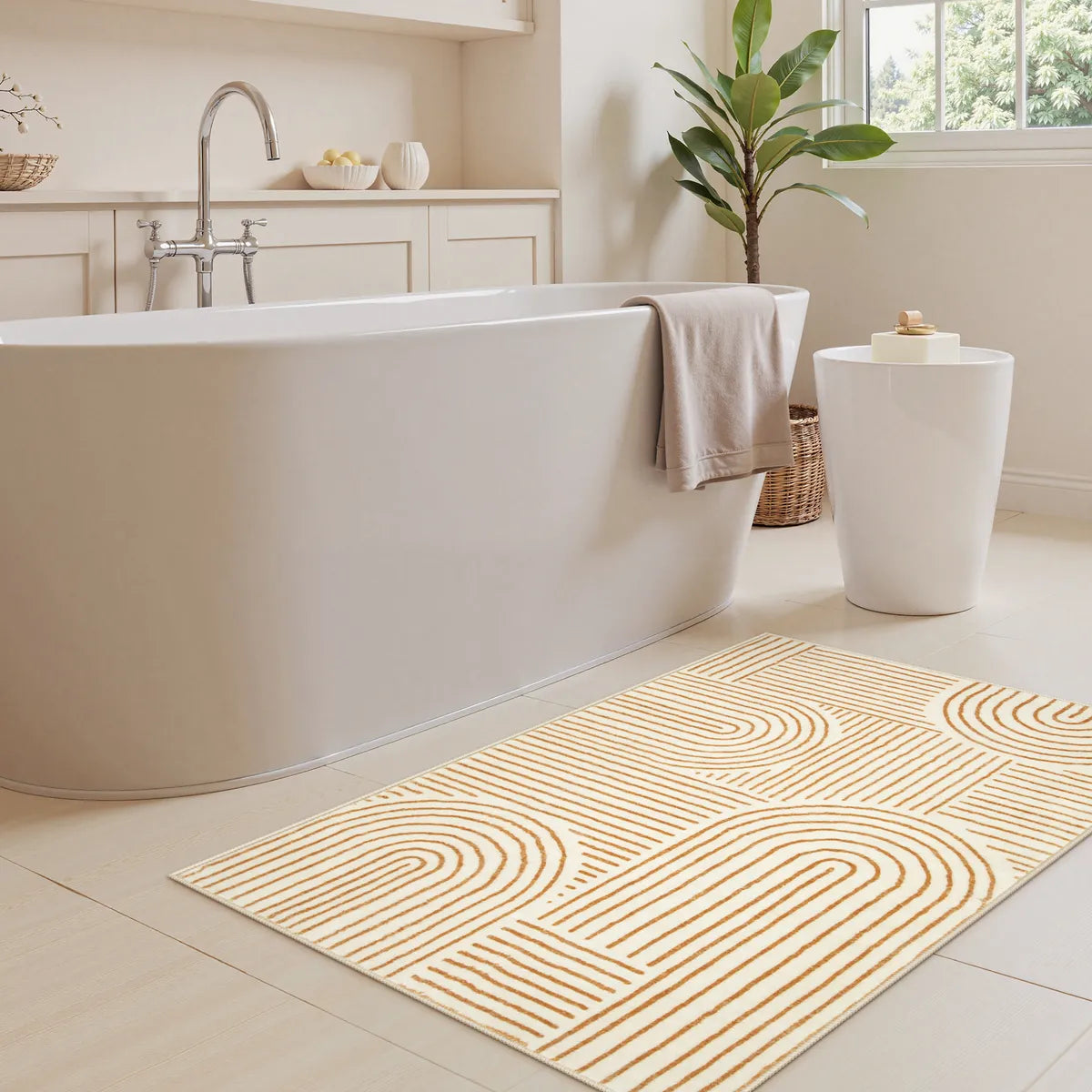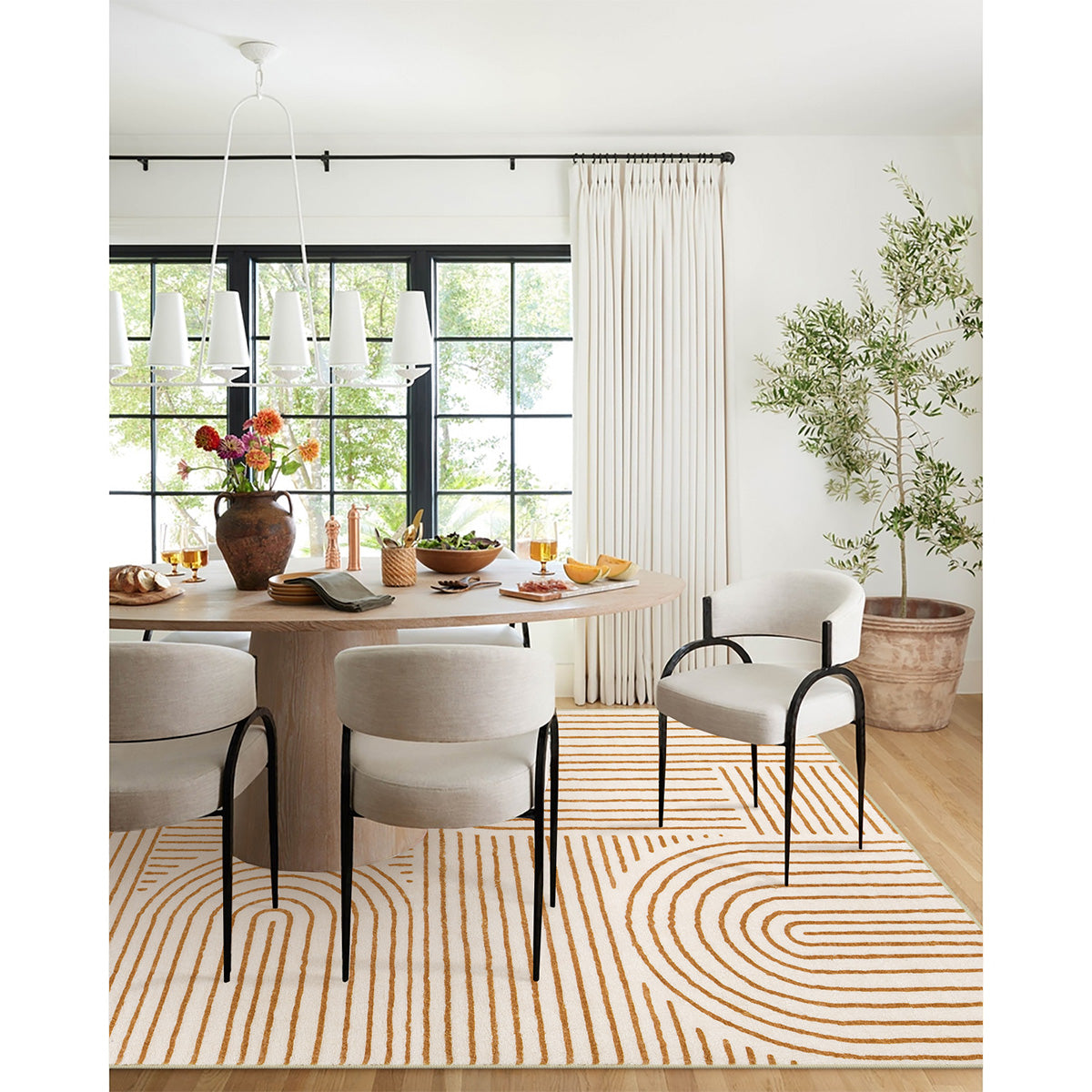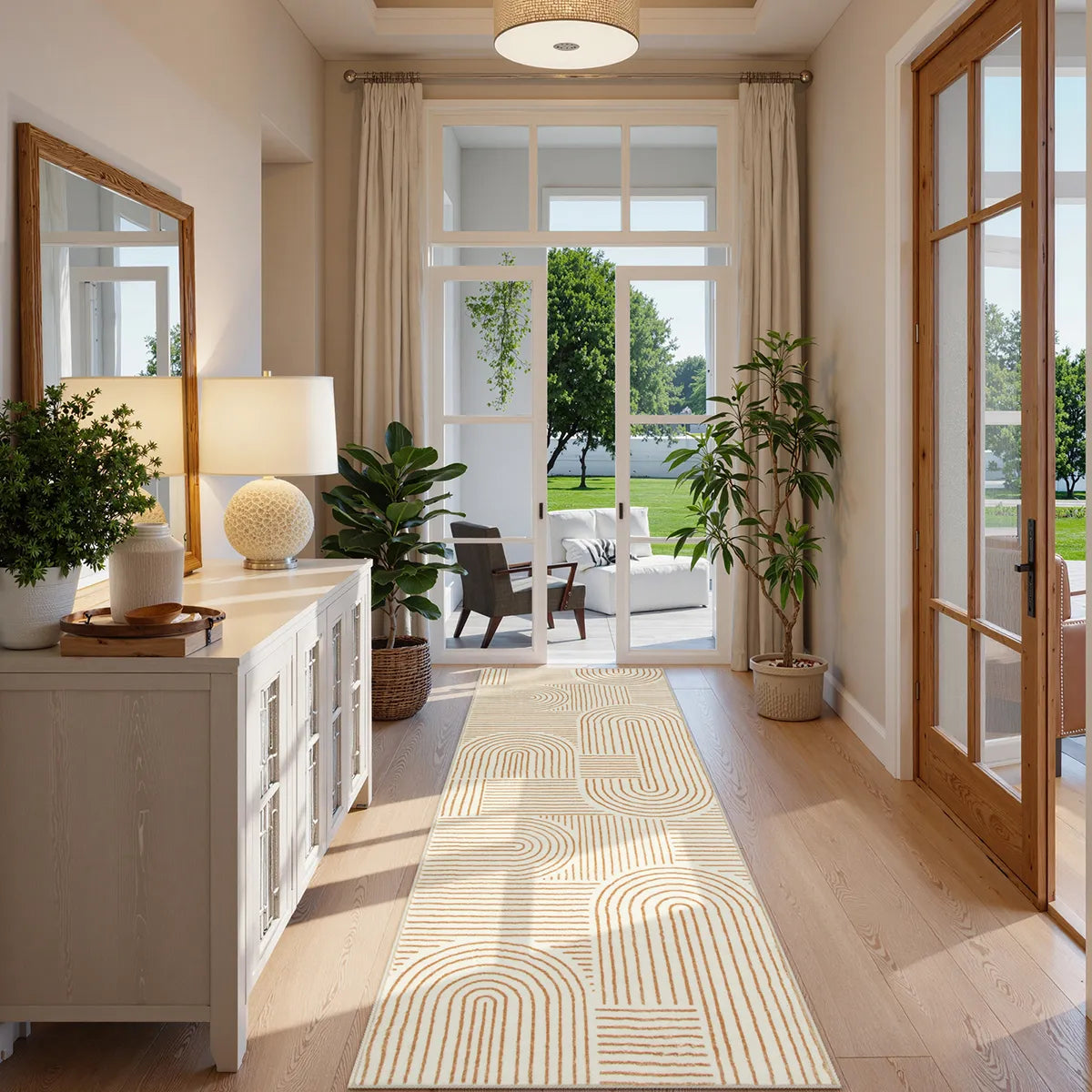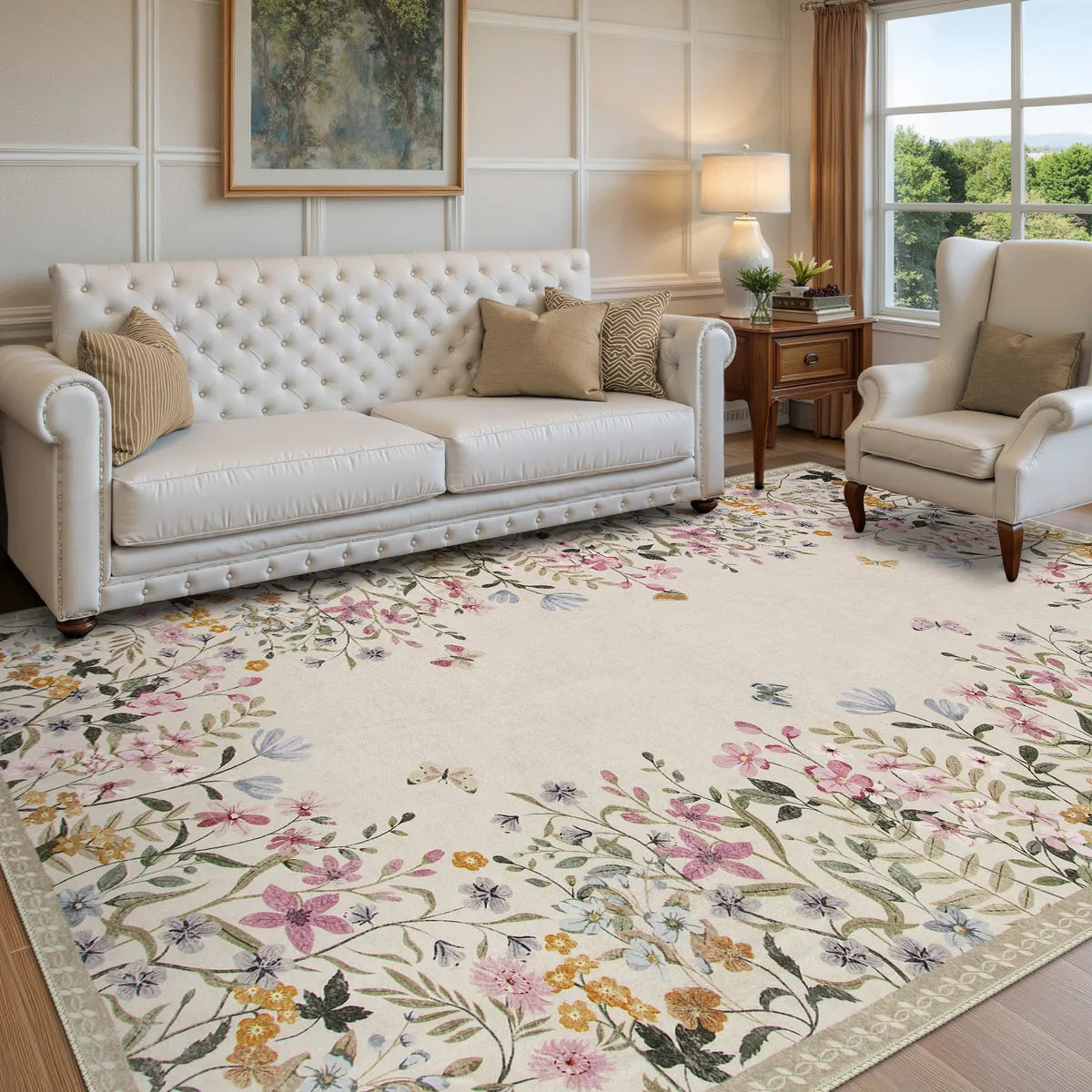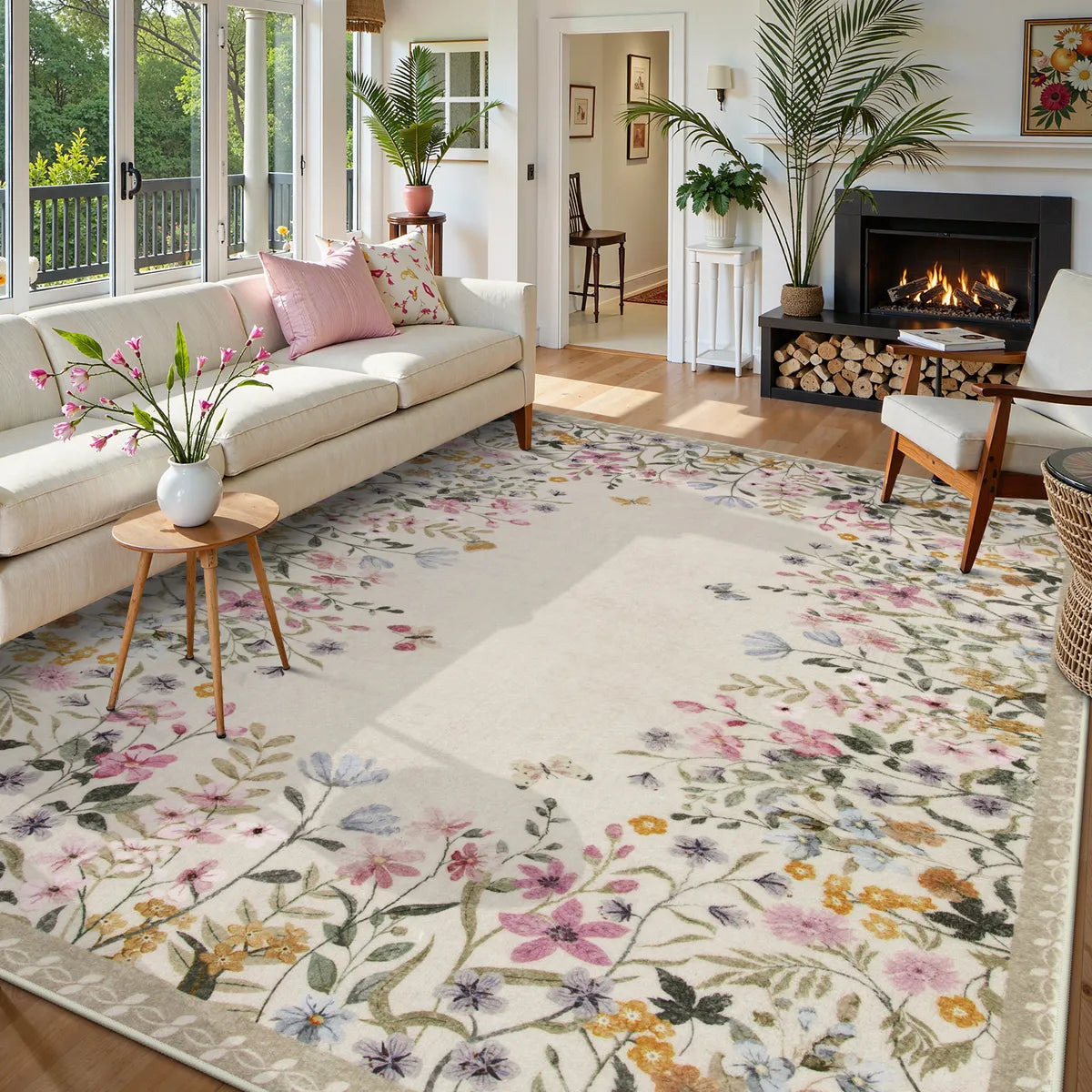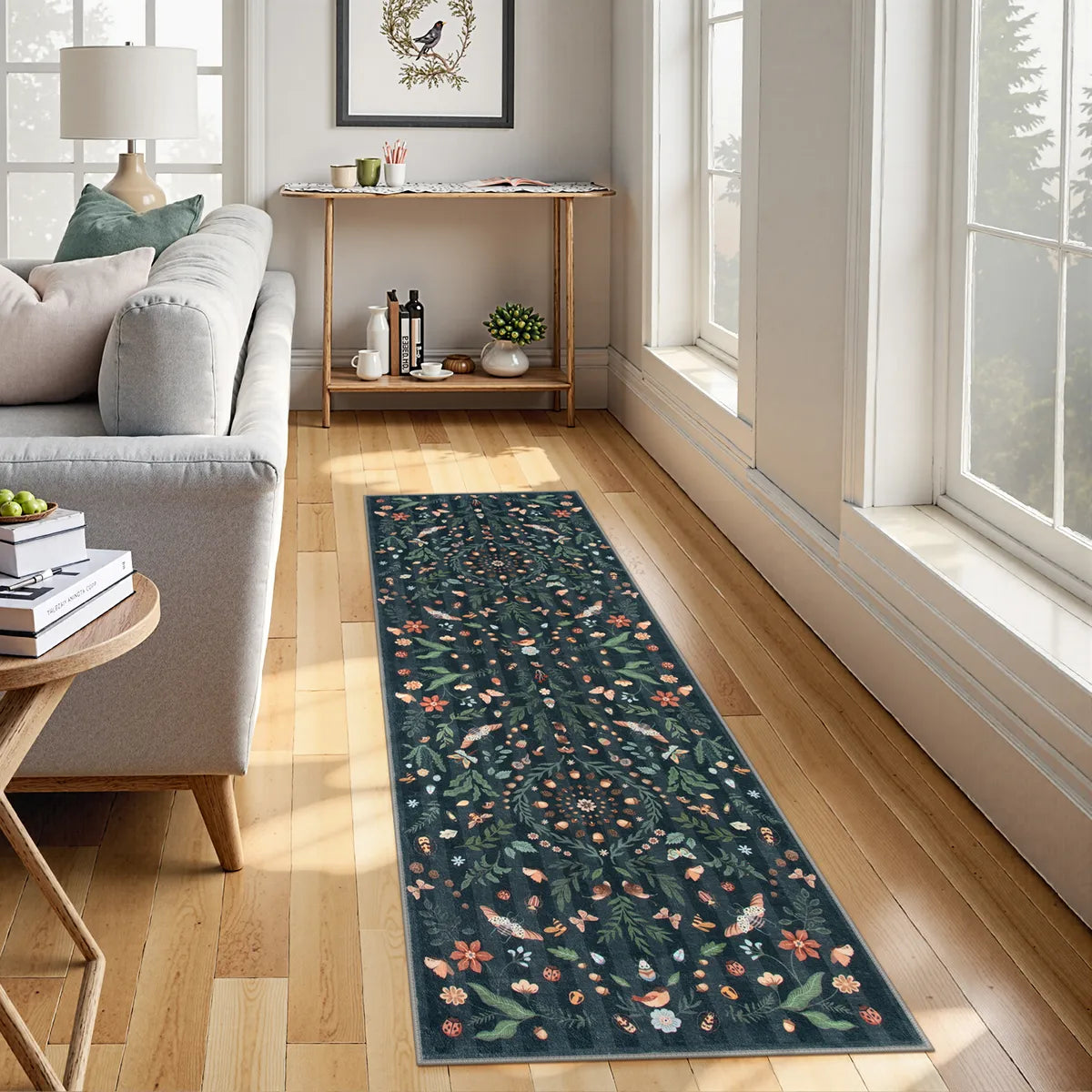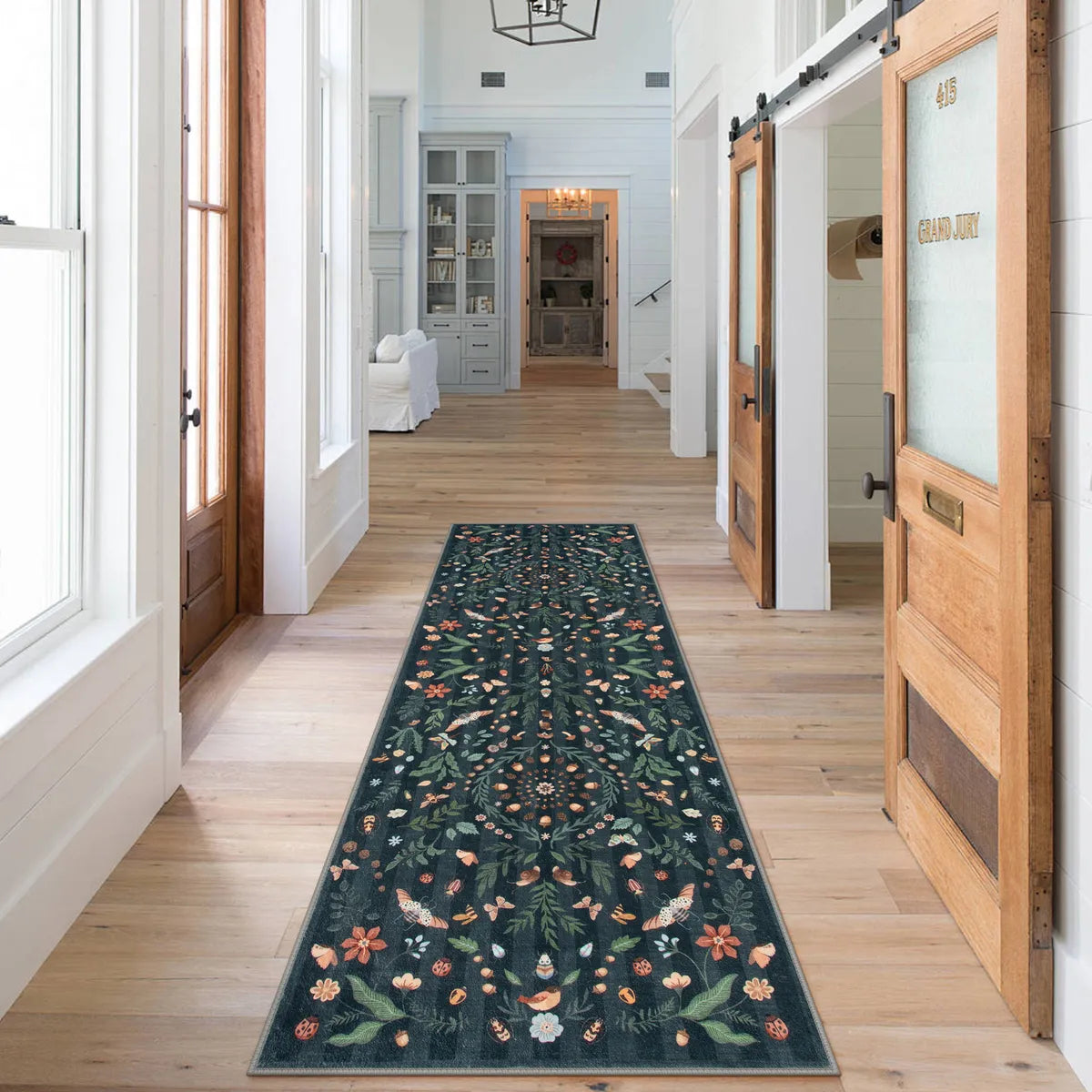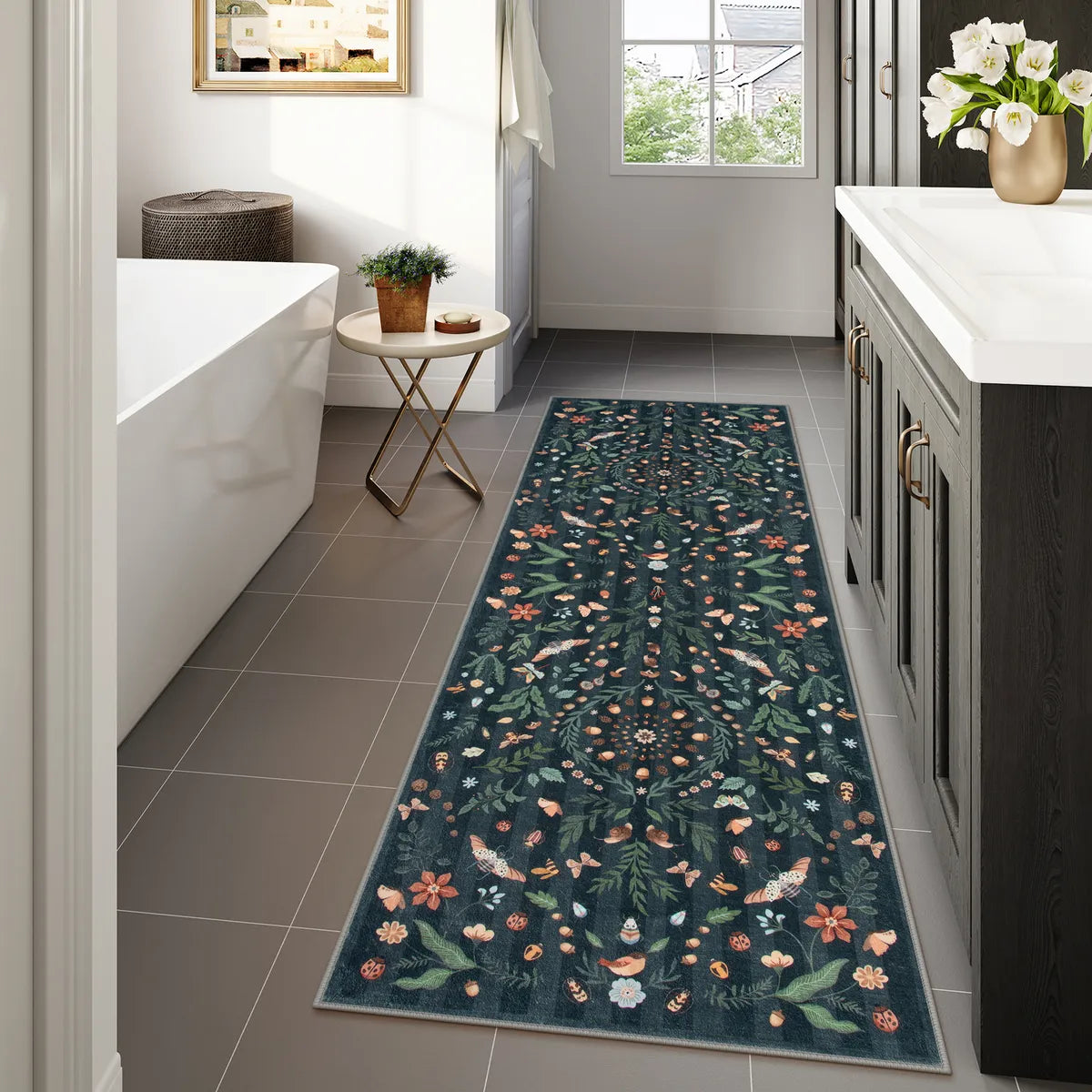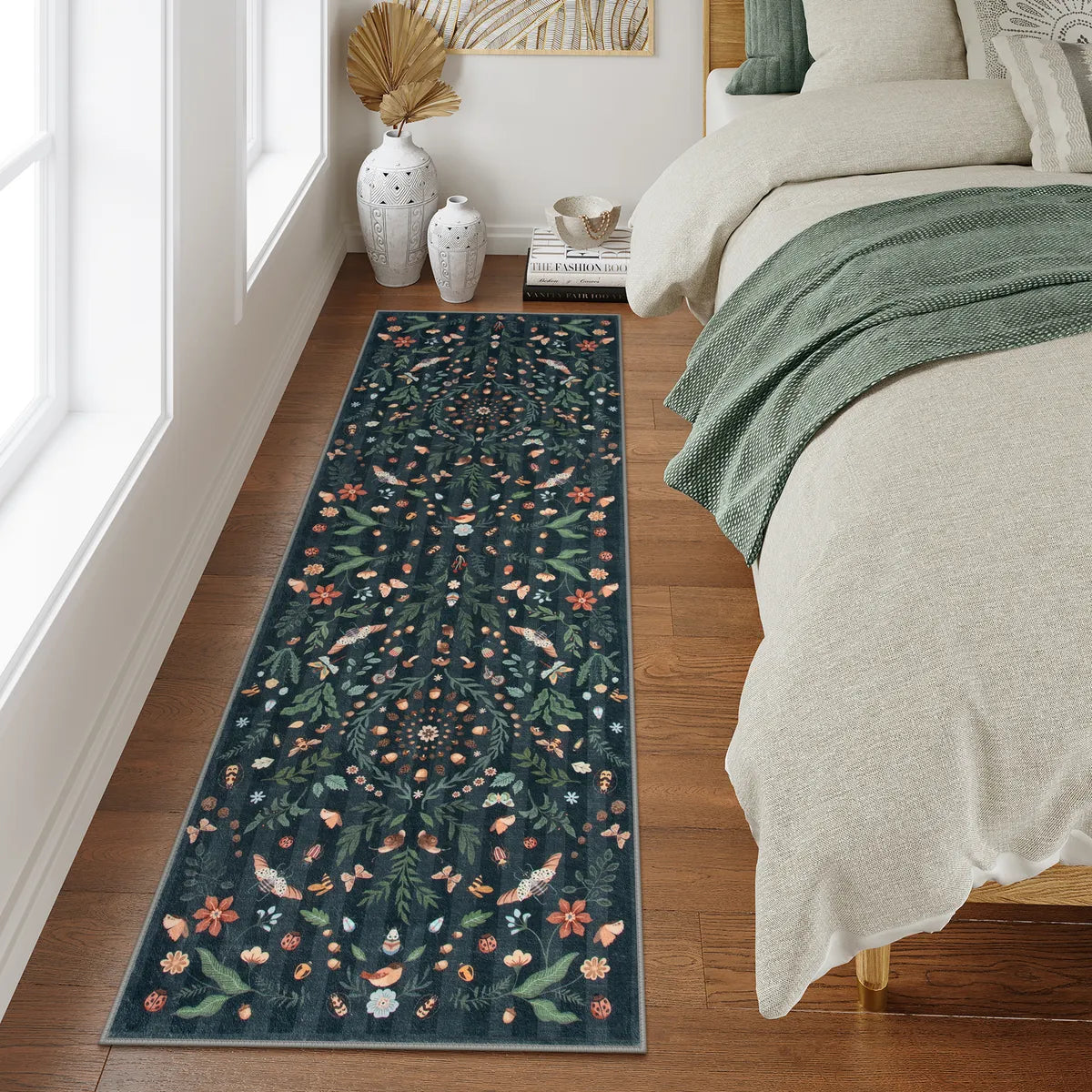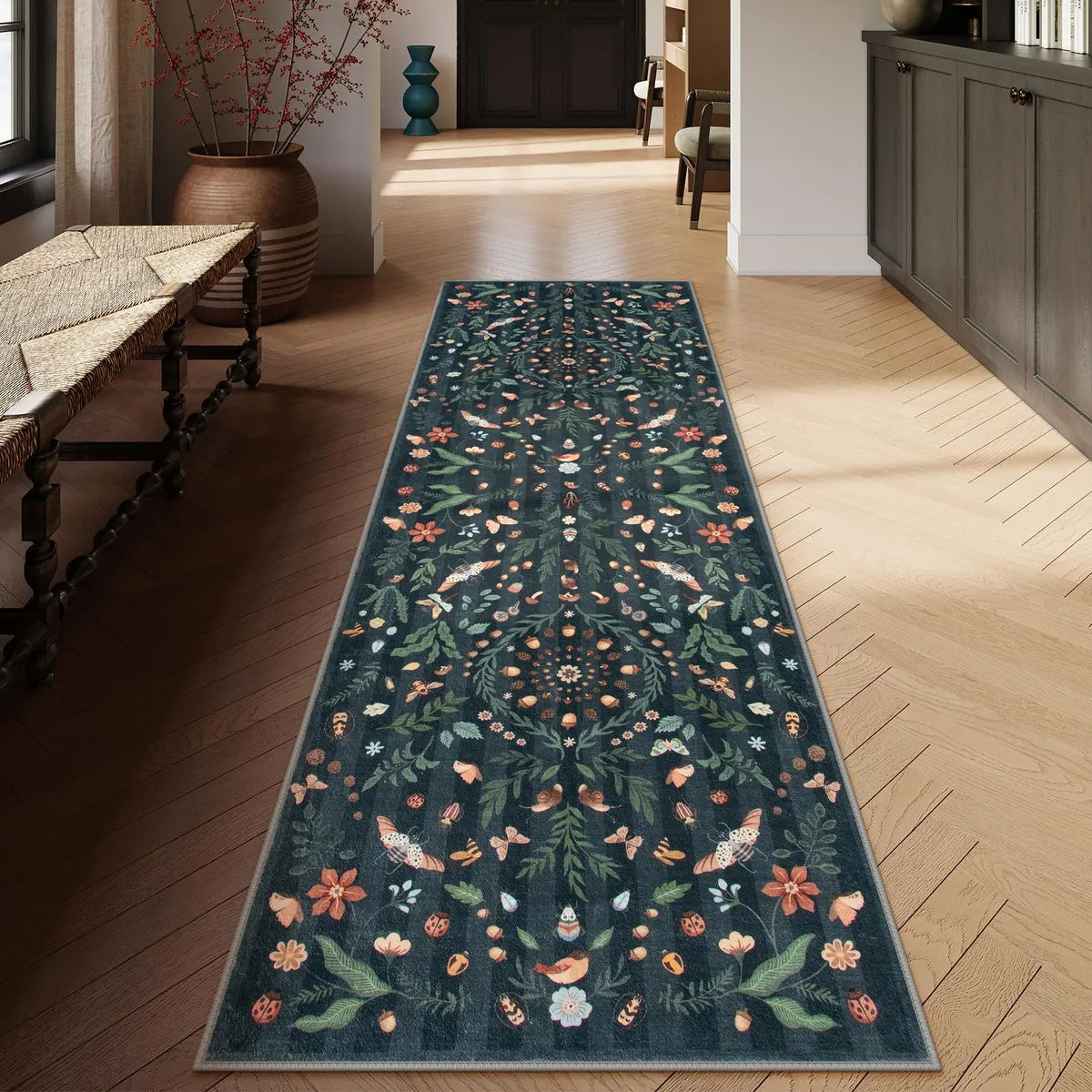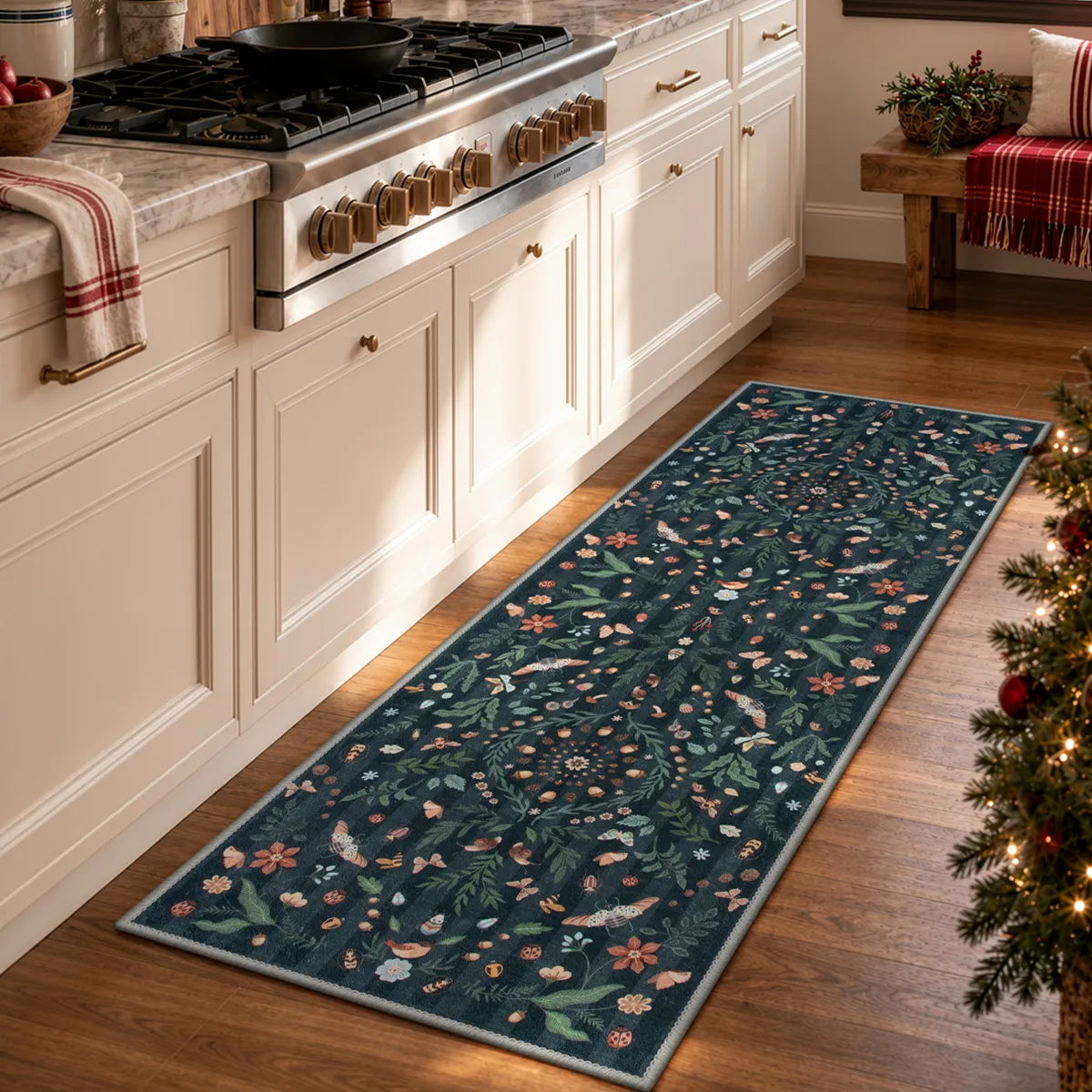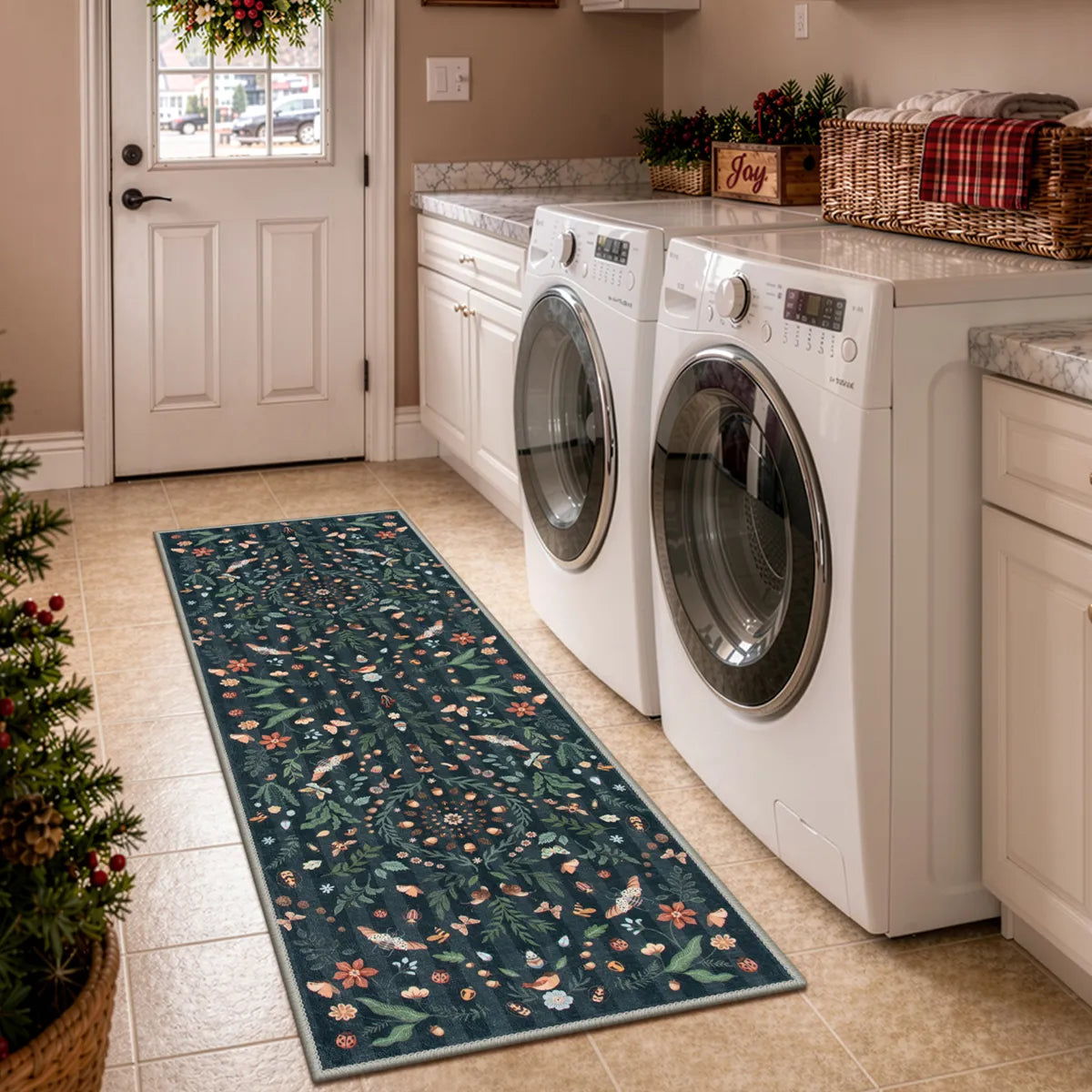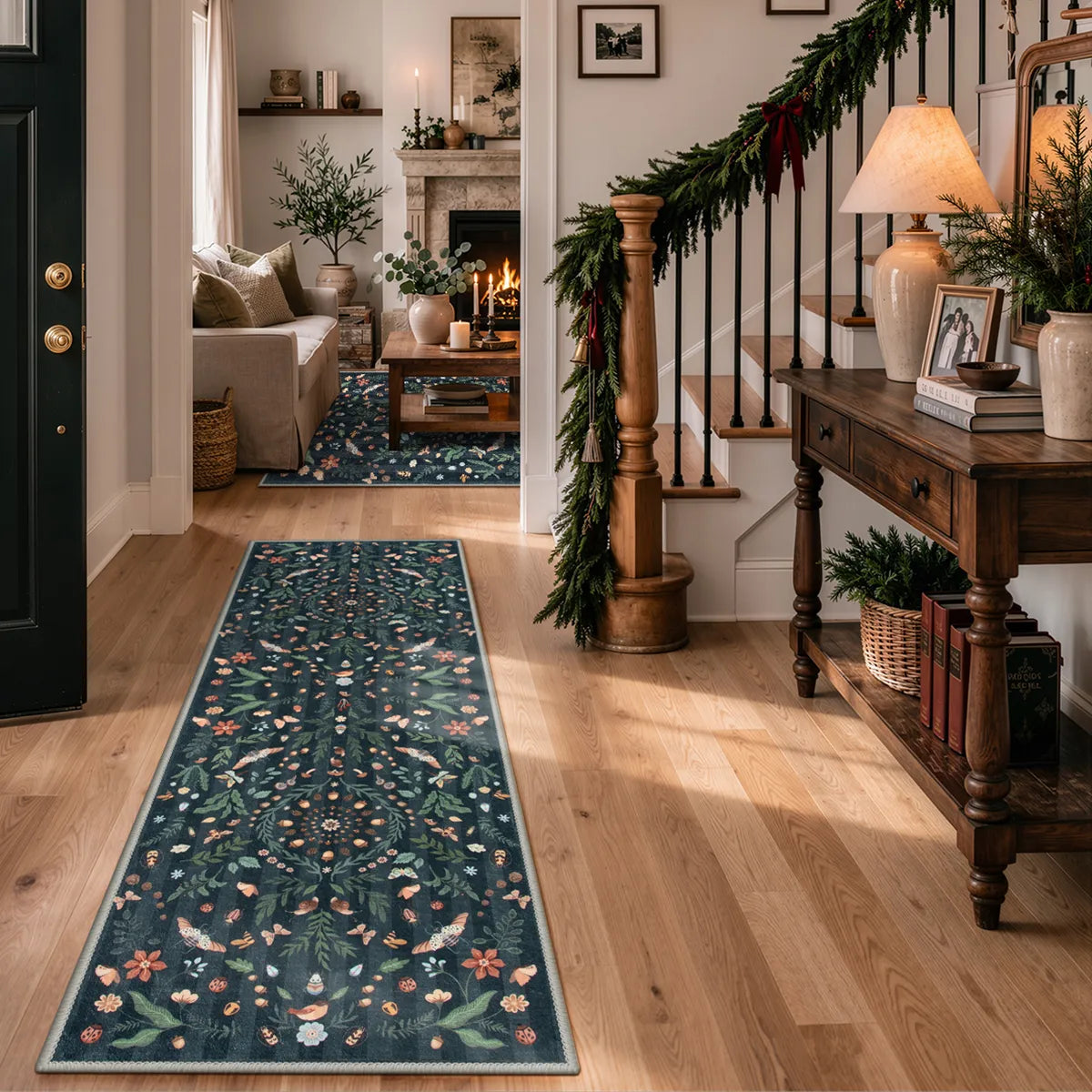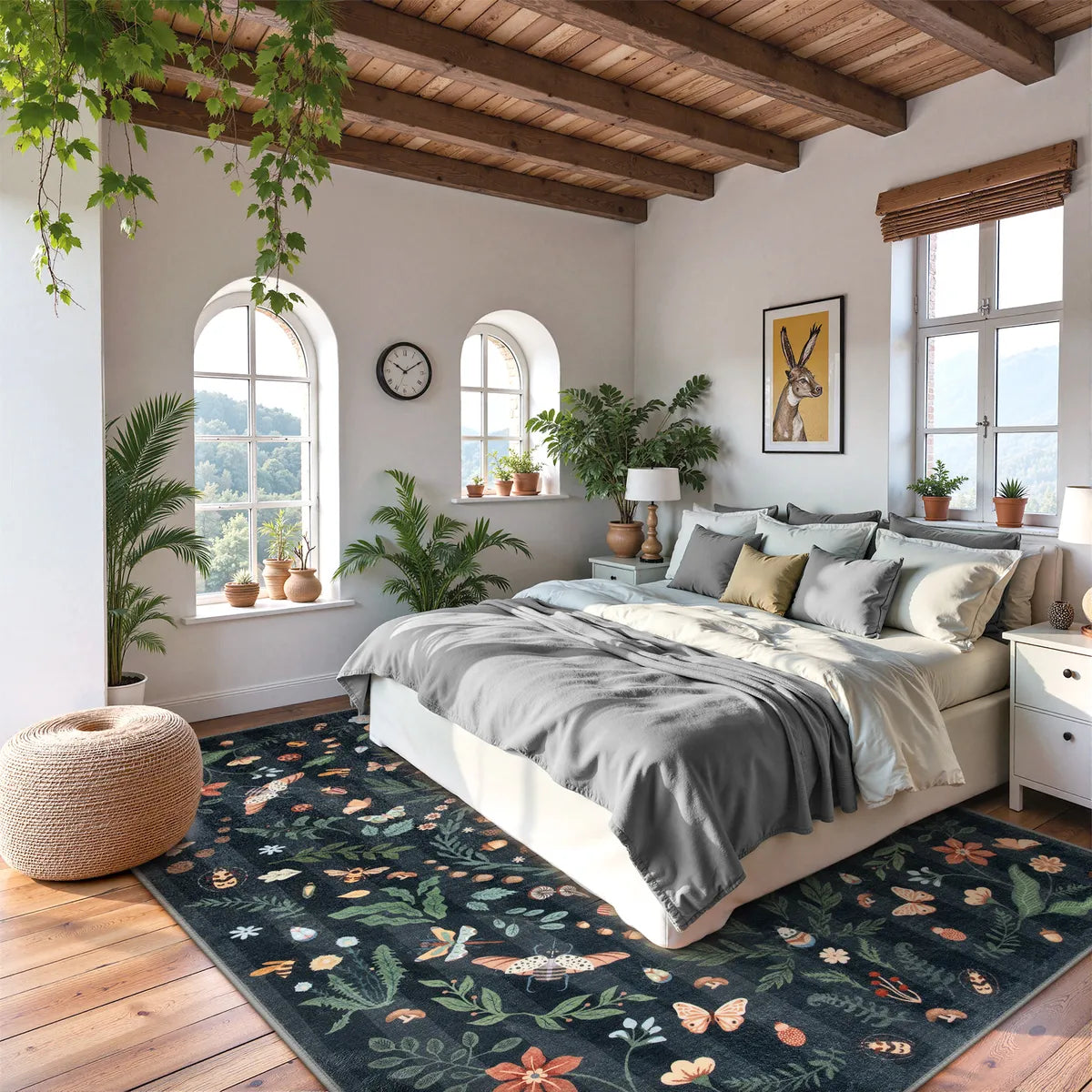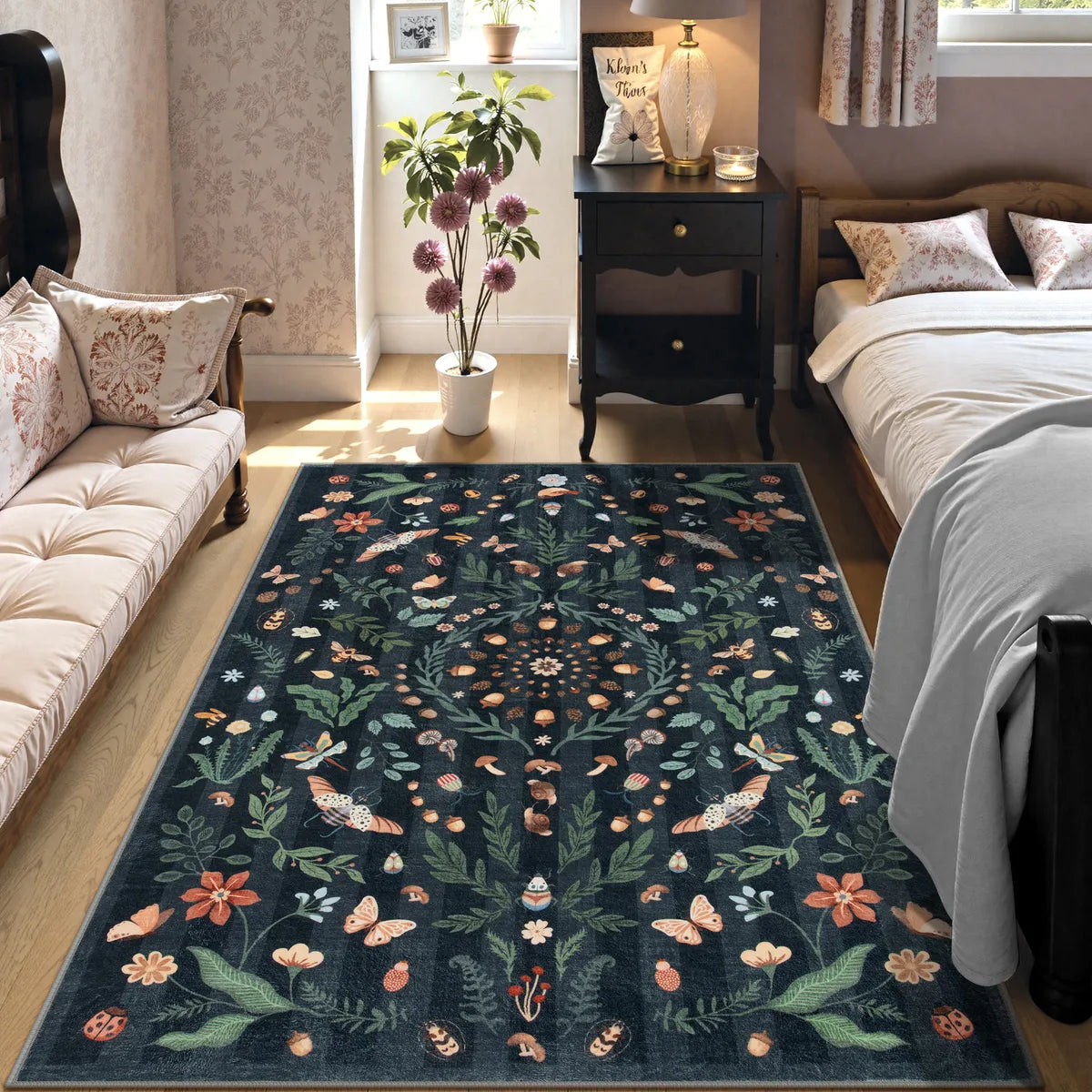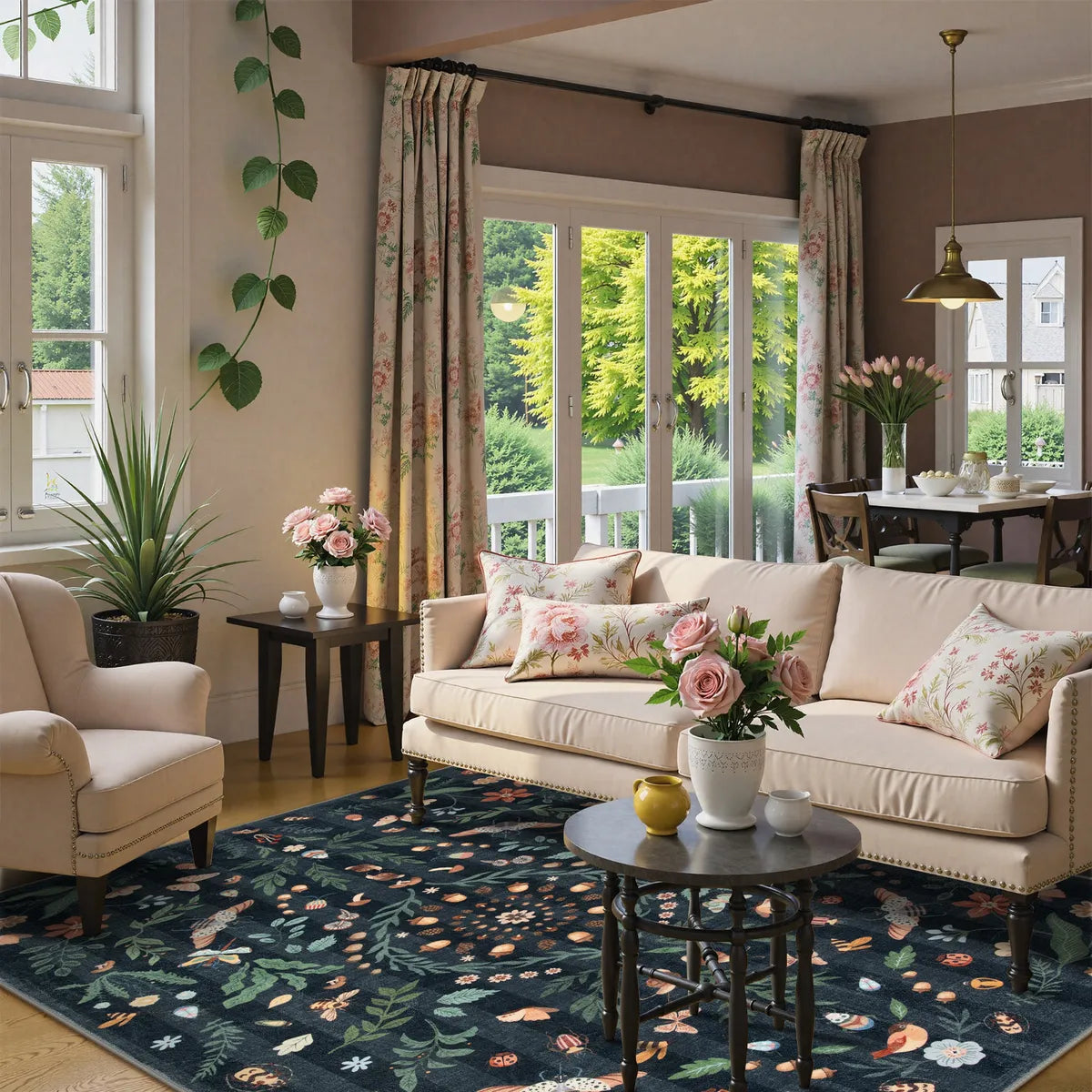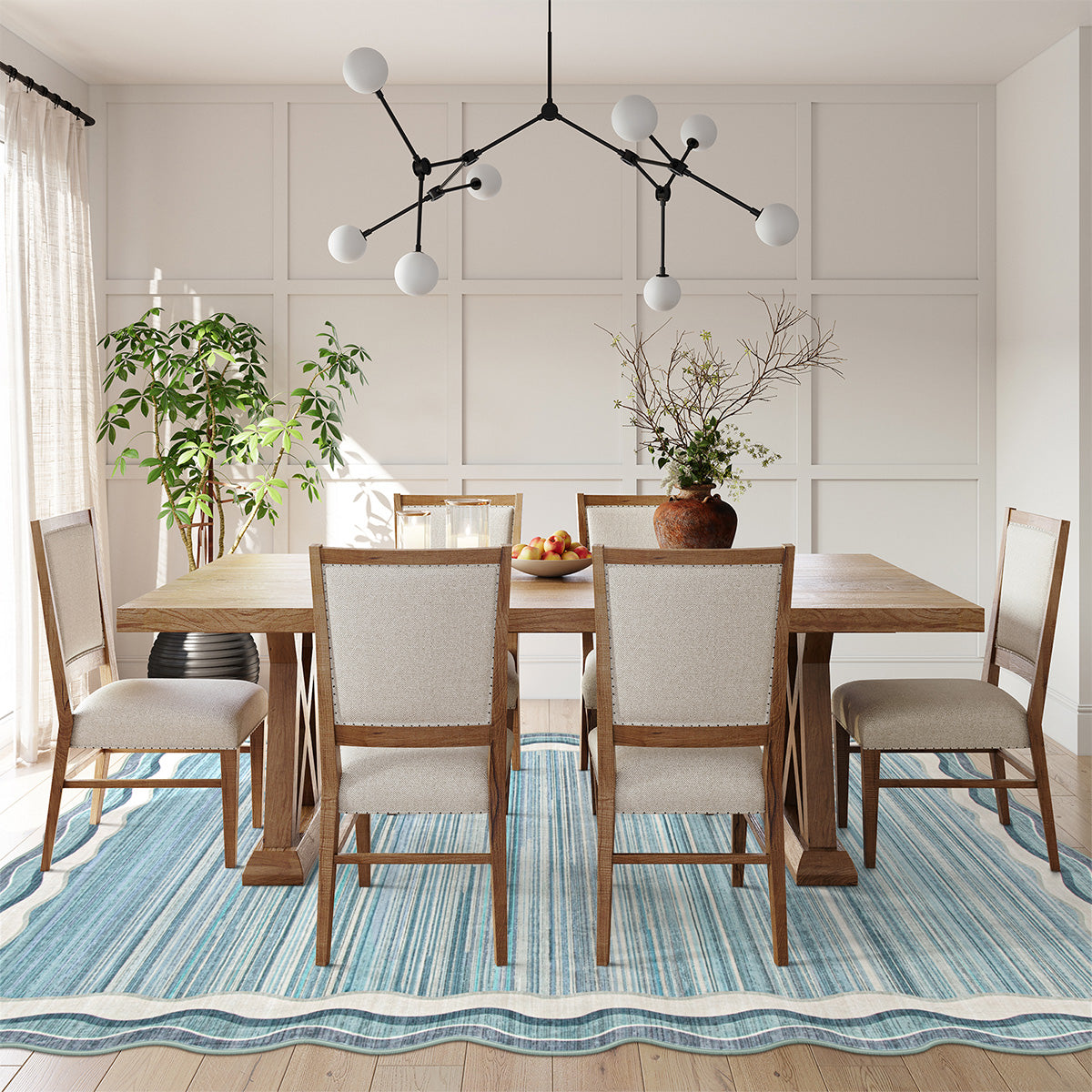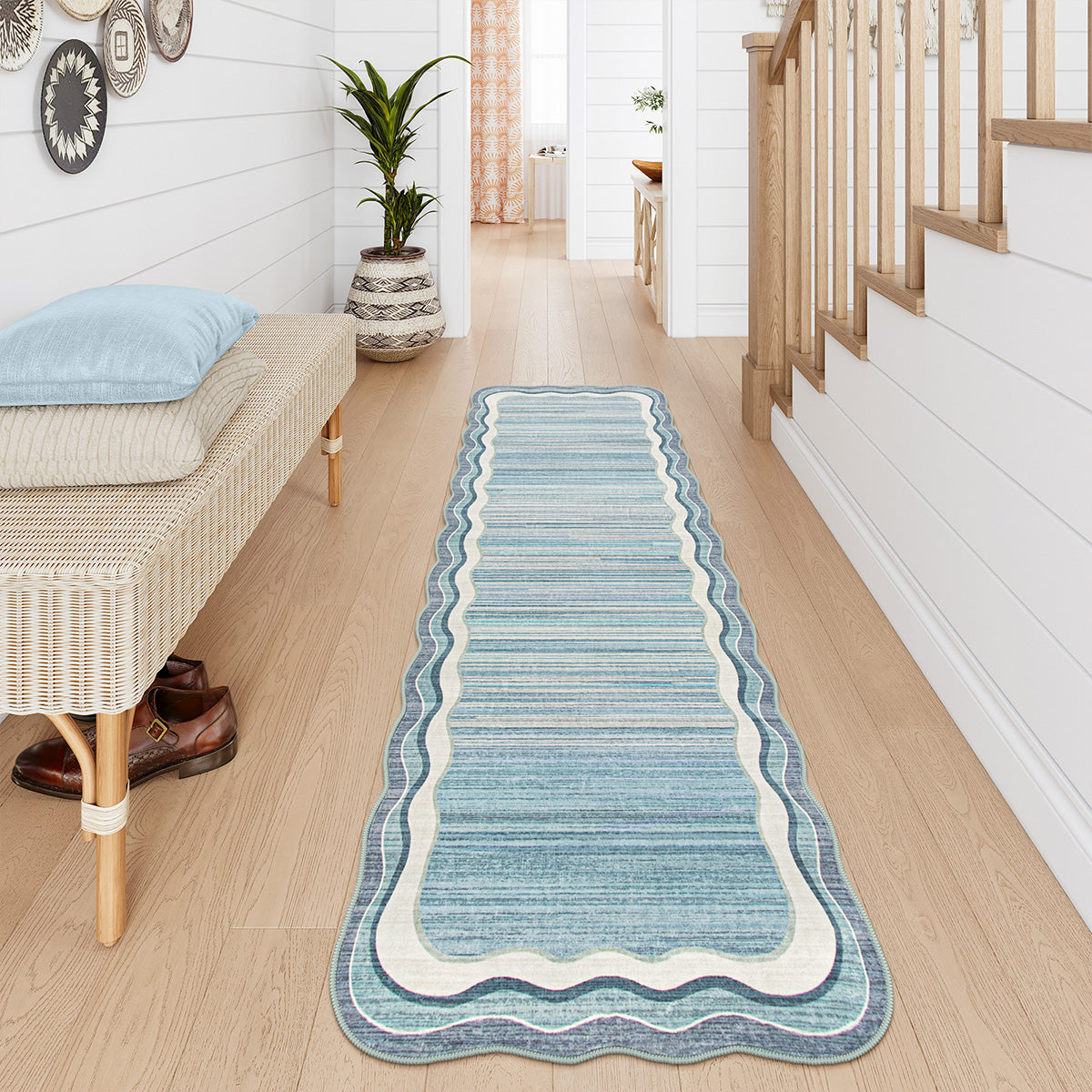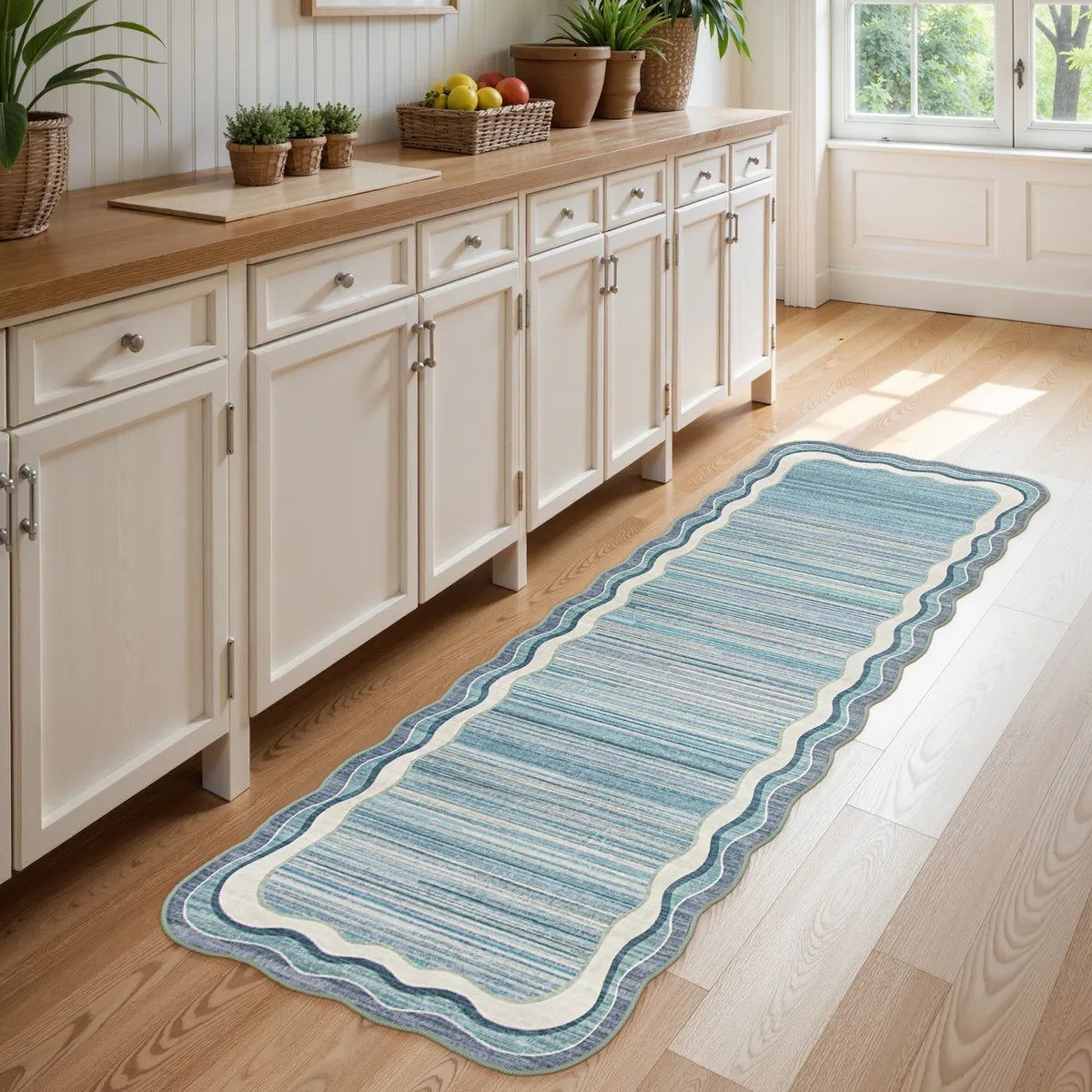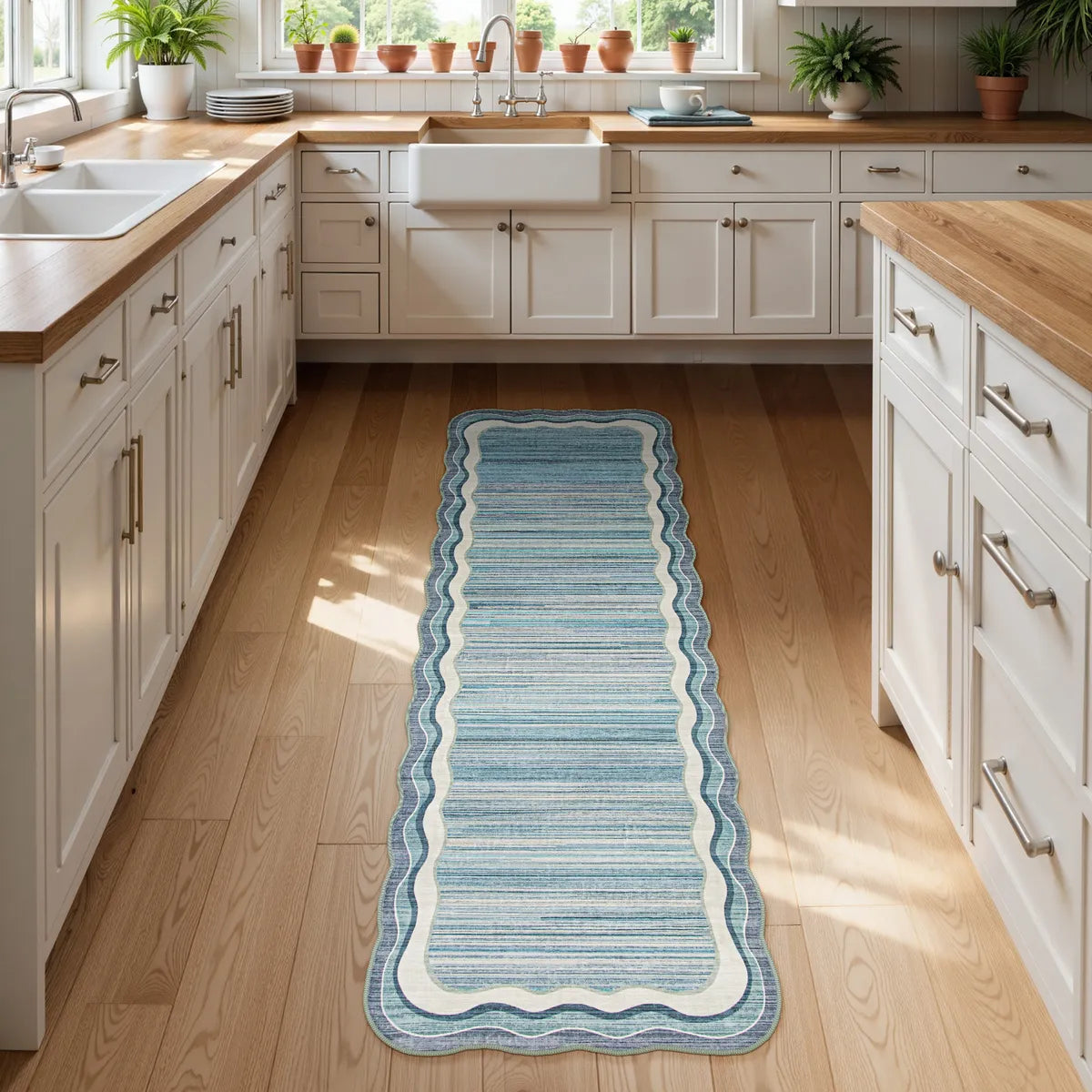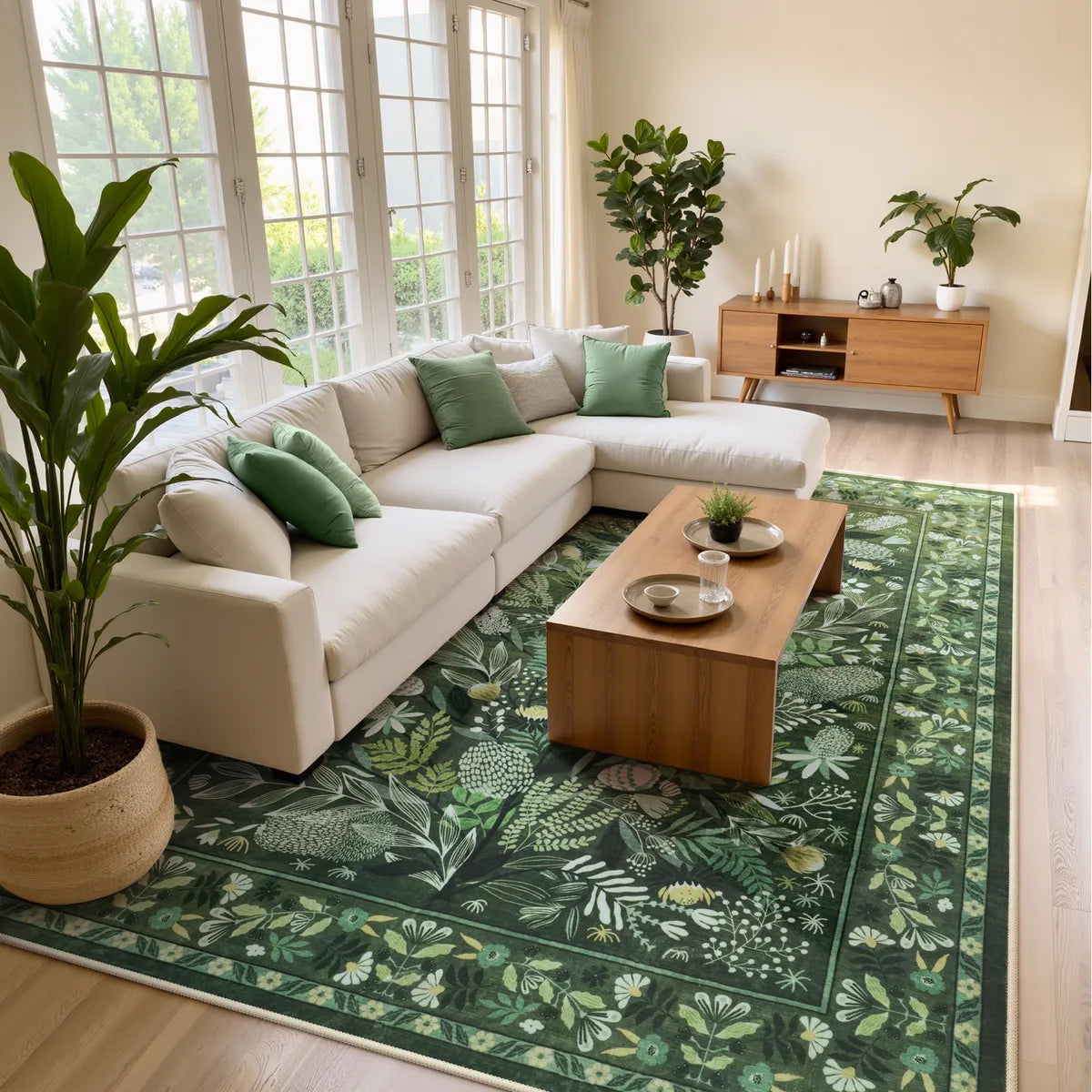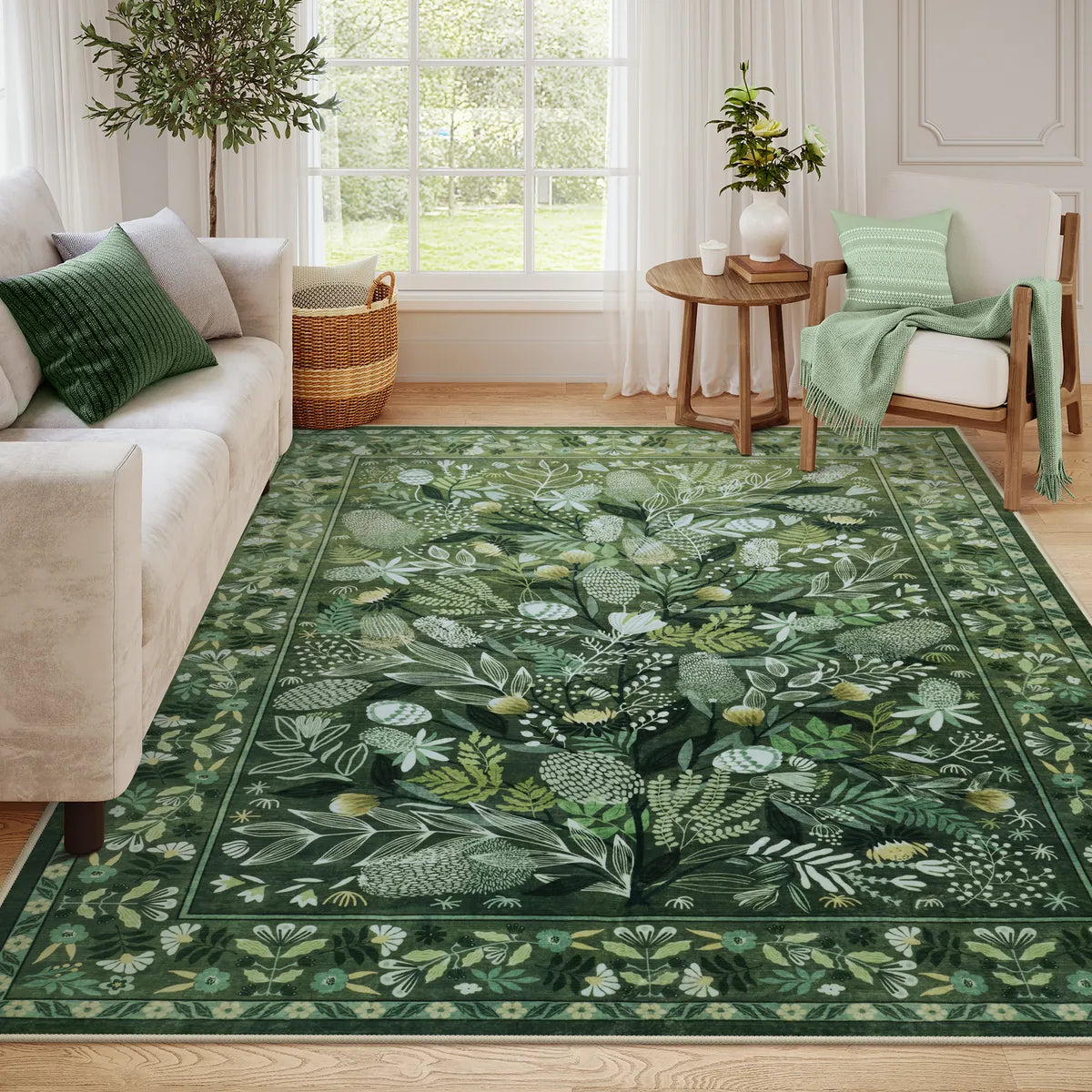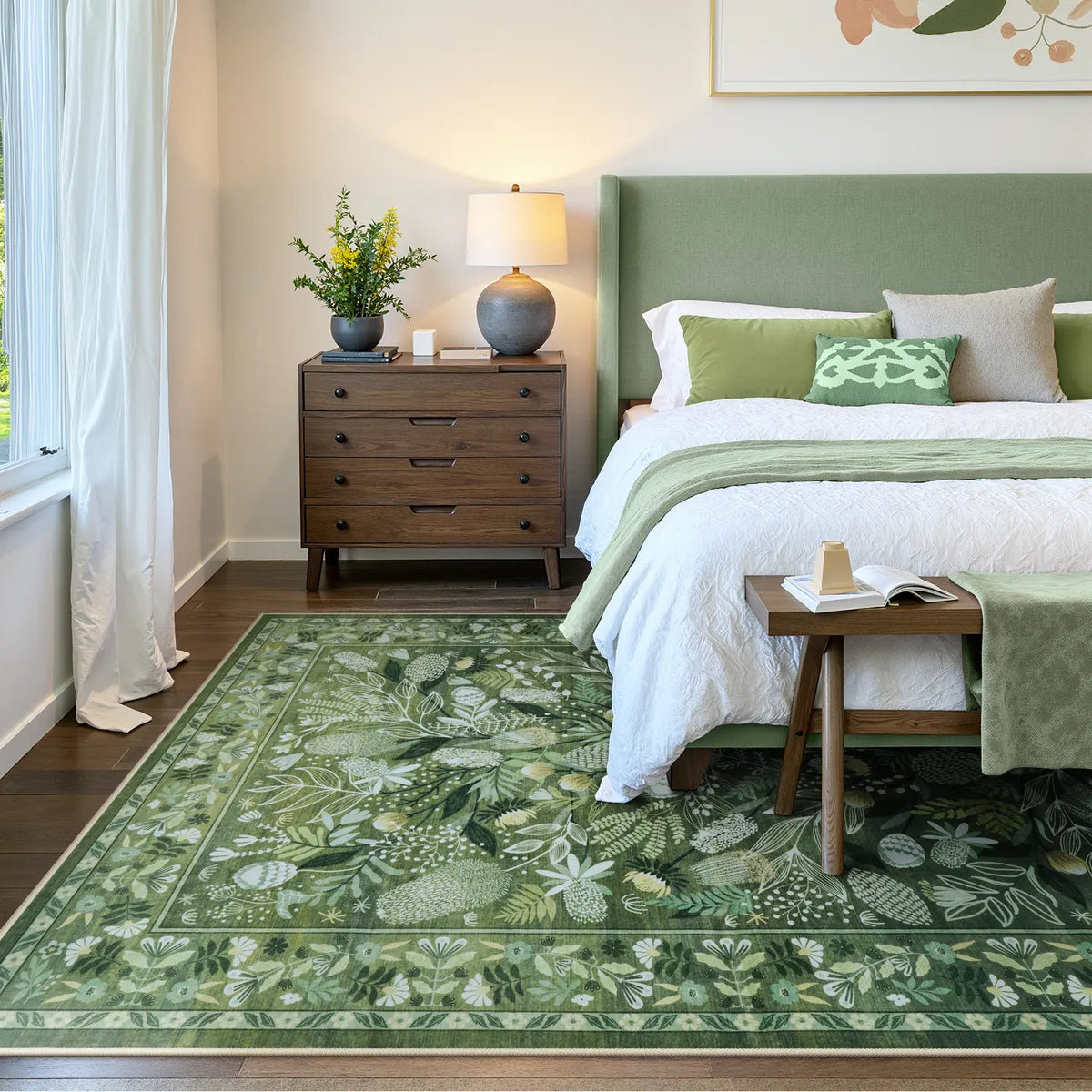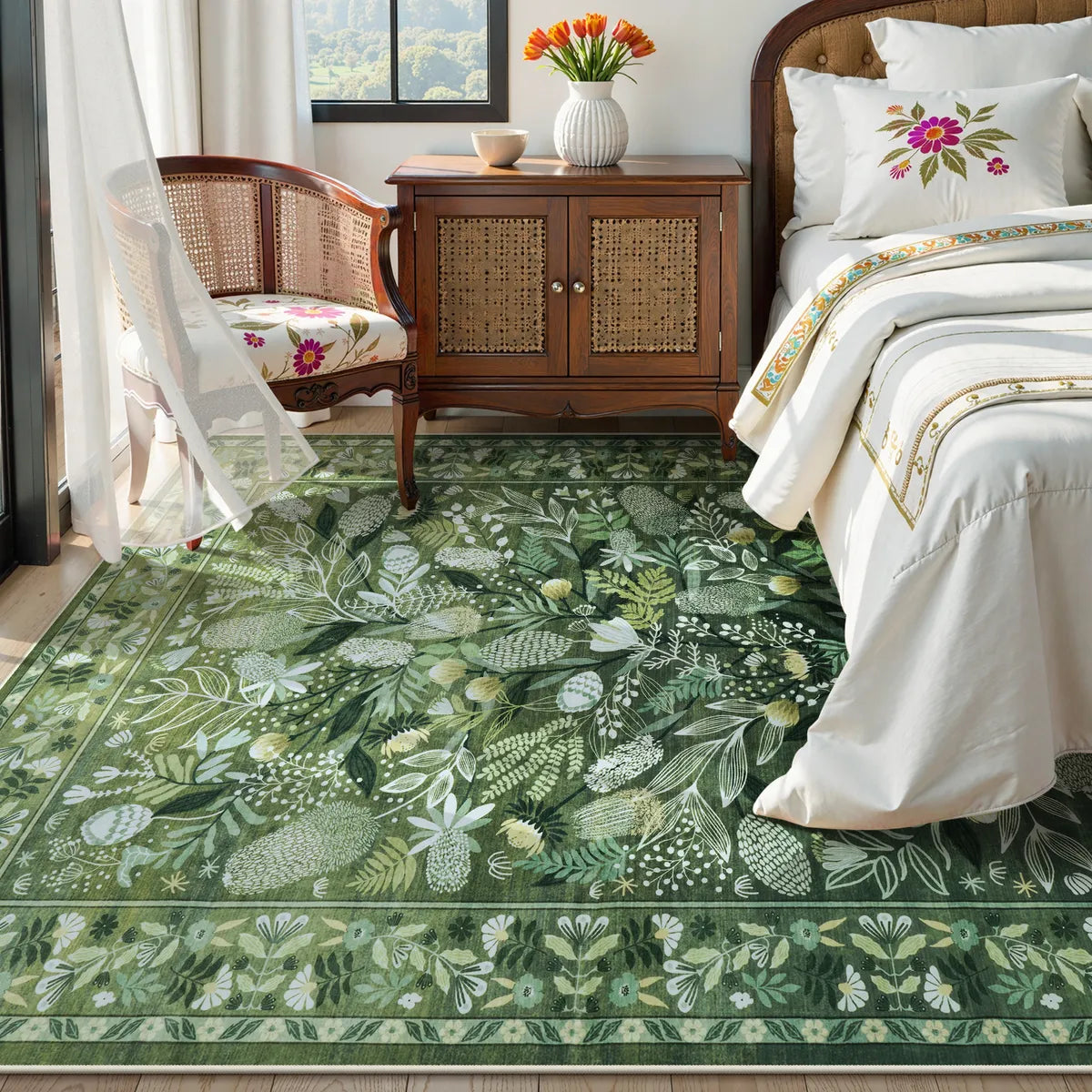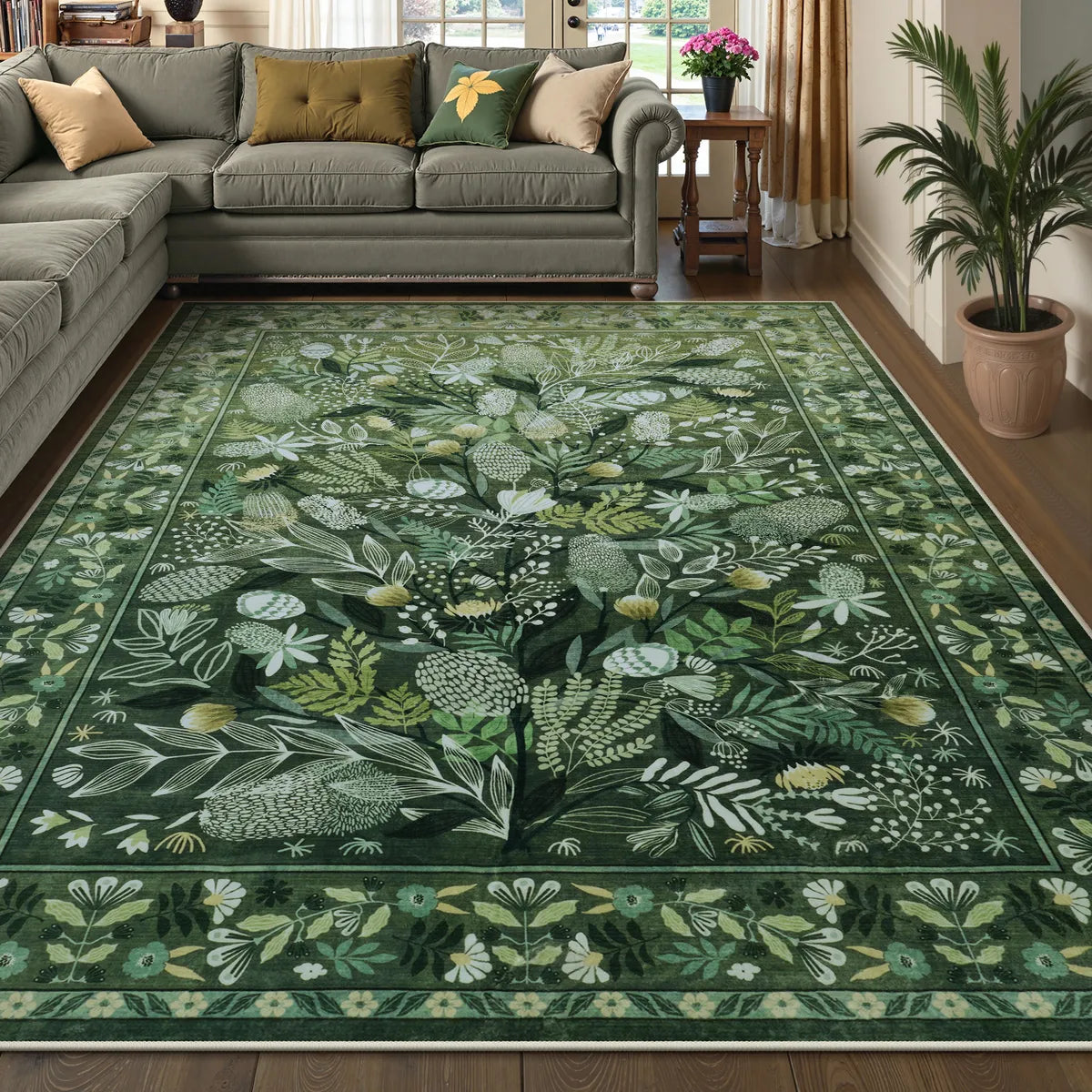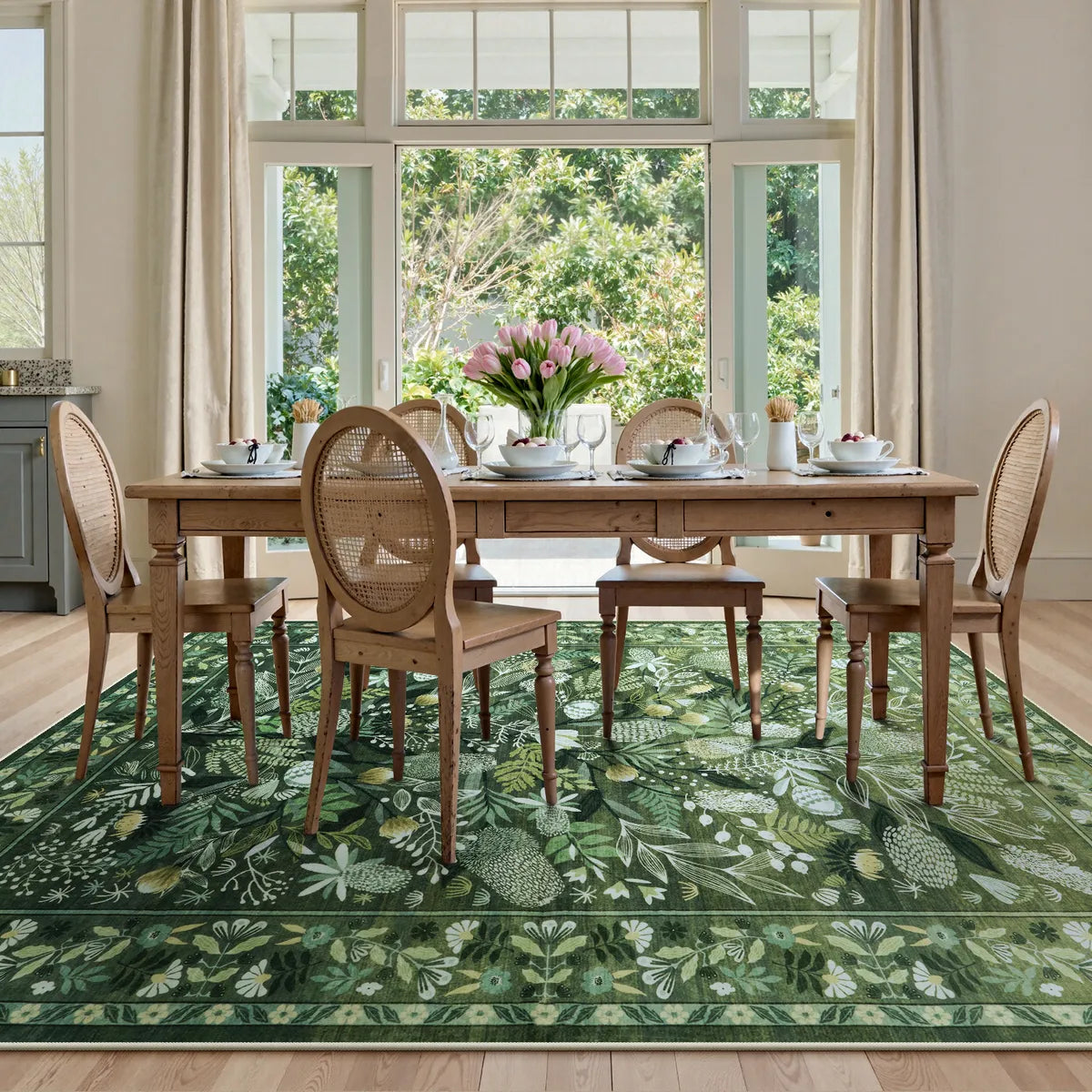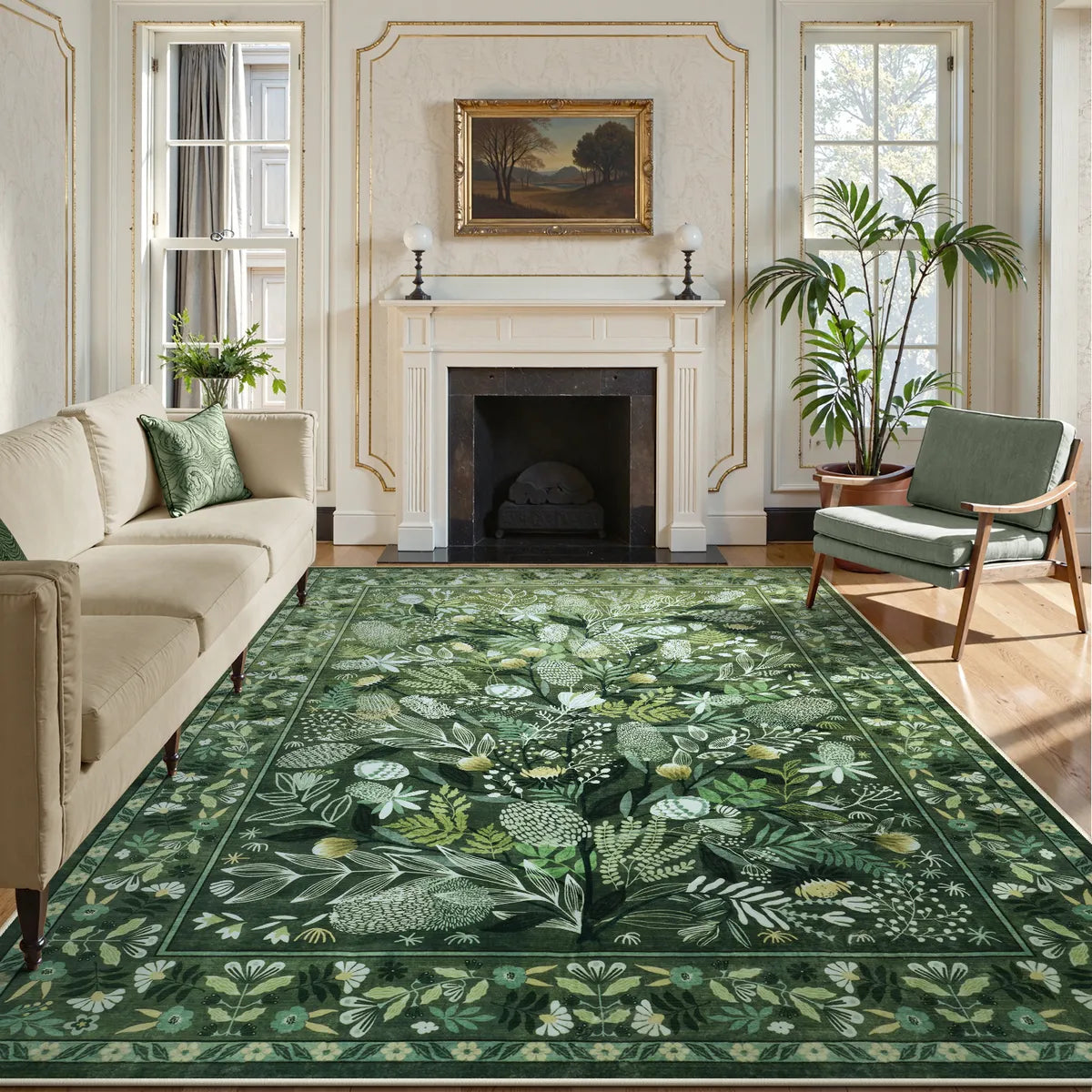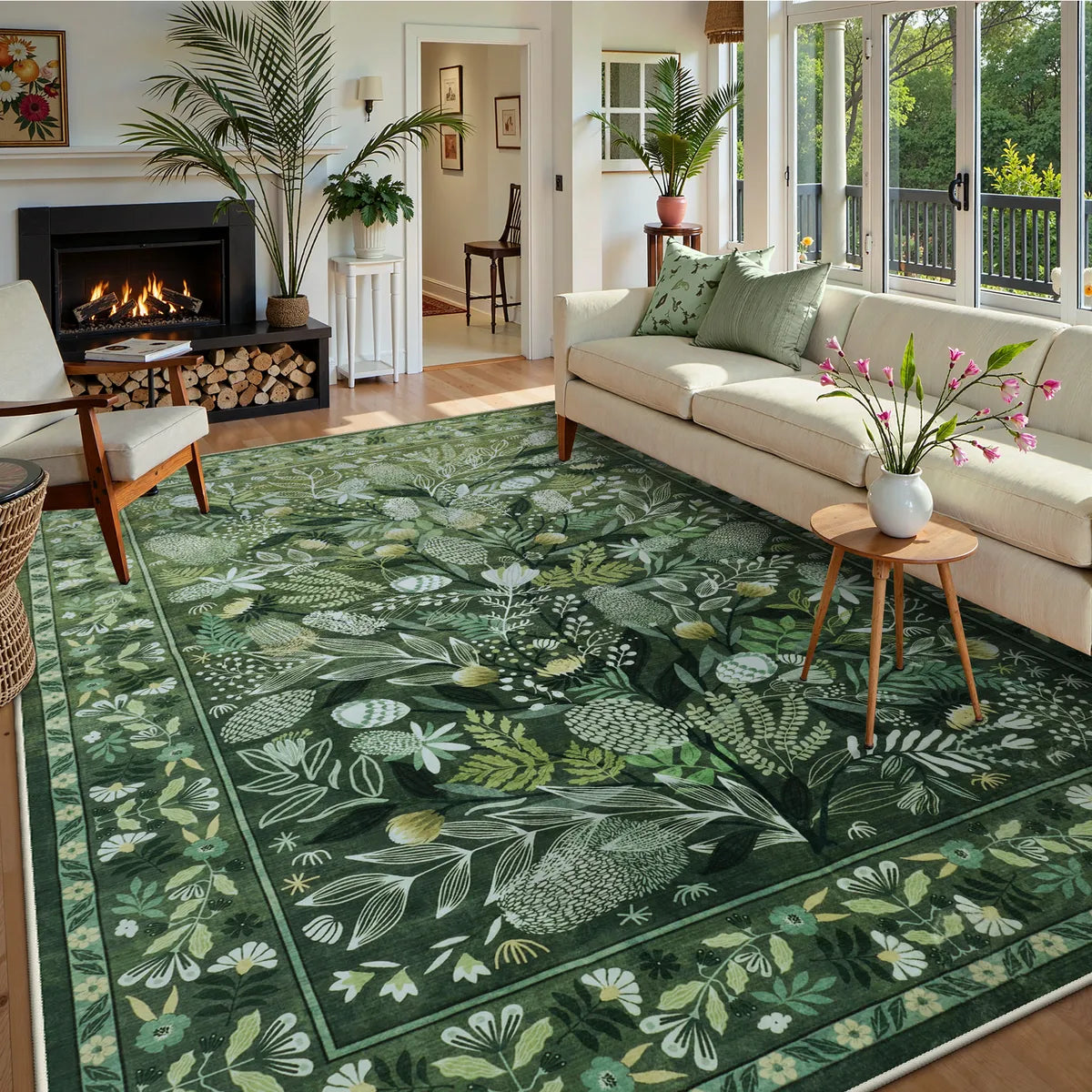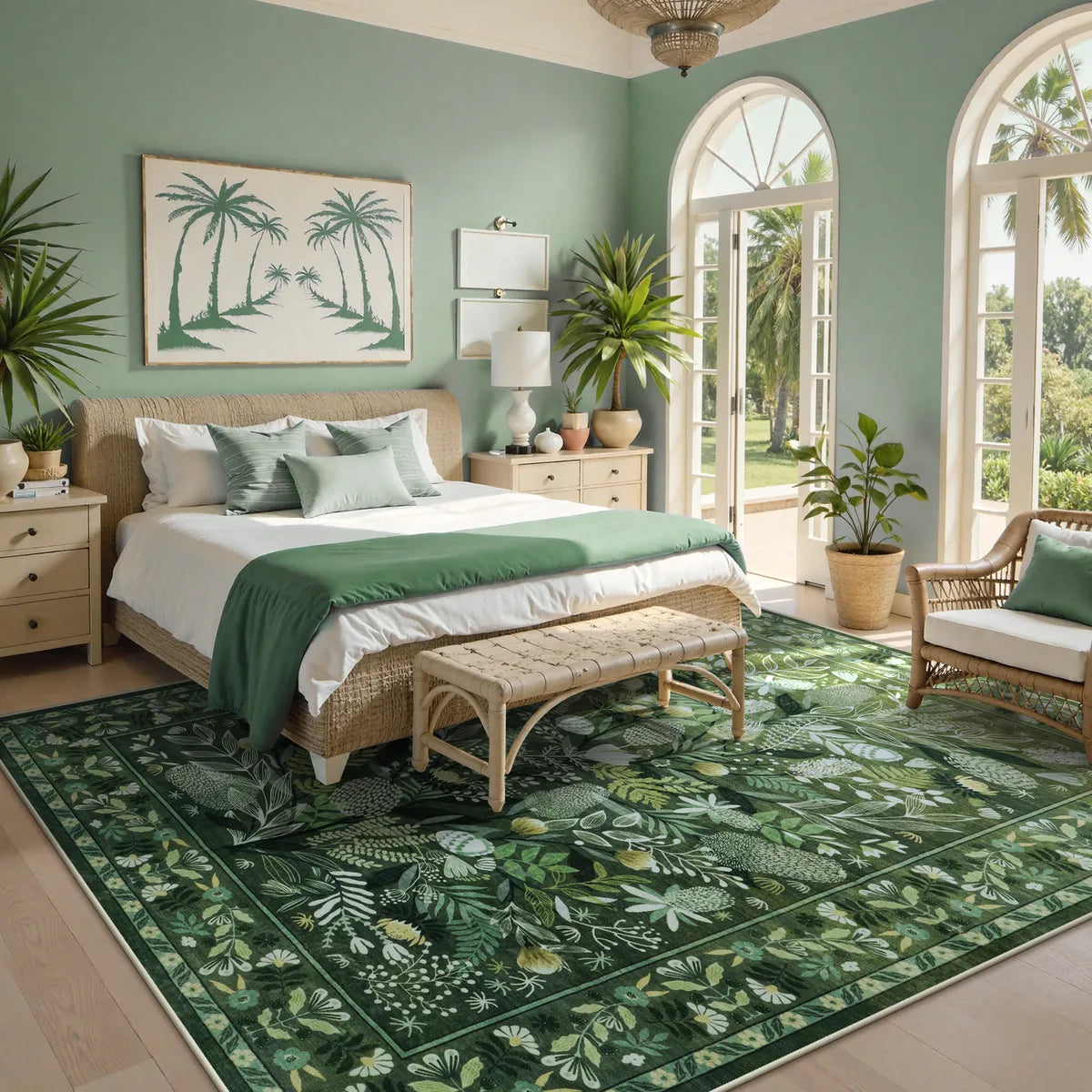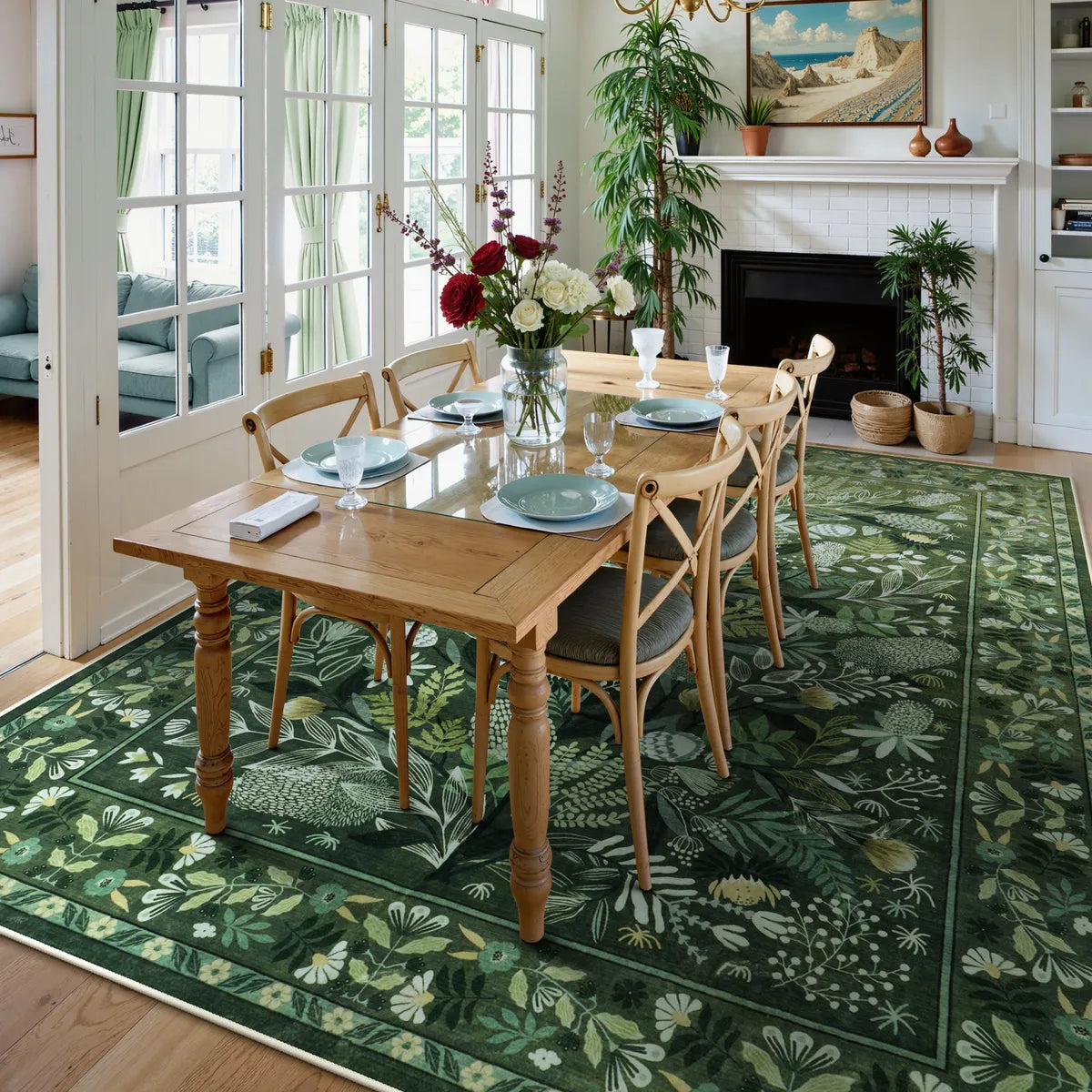


Babies spend more time on the floor than anywhere else. Every surface they touch, breathe near, and press their face against matters. Choosing the right nursery rug isn't just a design decision; it's a safety one. The safest options combine non-toxic materials, skin-friendly fibers, and construction built for easy cleaning. Here's what actually matters when making that choice.
Safe Materials for Baby Rugs and Children Rugs
The safest materials for nursery rugs share three qualities: they are skin-friendly (soft enough not to irritate sensitive skin during prolonged contact), non-toxic (free from harmful chemicals in the fibers, dyes, and backing), and resistant to common allergens.
The most reliable material choices for baby rugs and children rugs:
- Faux wool (synthetic wool alternative): Soft, durable, and naturally resistant to dust mites and mold. Faux wool provides the warmth and cushioning of natural wool without the allergenic risk that some natural wool products carry.
- Polyester: A practical and widely used synthetic fiber for nursery rugs. It is non-toxic, easy to clean, and holds color well through repeated washing without bleeding onto skin or clothing.
- Synthetic blends: Many nursery room rugs use a combination of synthetic fibers to balance softness, durability, and ease of care. These blends are generally a safe and practical choice for a children's rug.
Natural fibers like jute, sisal, and untreated wool are typically not recommended for nursery use. Jute and sisal have rough textures that can irritate sensitive skin, and natural wool, while soft, can carry allergens and is generally not machine washable.
Key Safety Features to Look for in Nursery Room Rugs

Material is the foundation, but construction features determine how well a nursery rug performs as a safe surface day to day. A baby rug that uses the right fibers but lacks key safety features can still create hazards in a nursery environment.
The most important safety features in nursery room rugs:
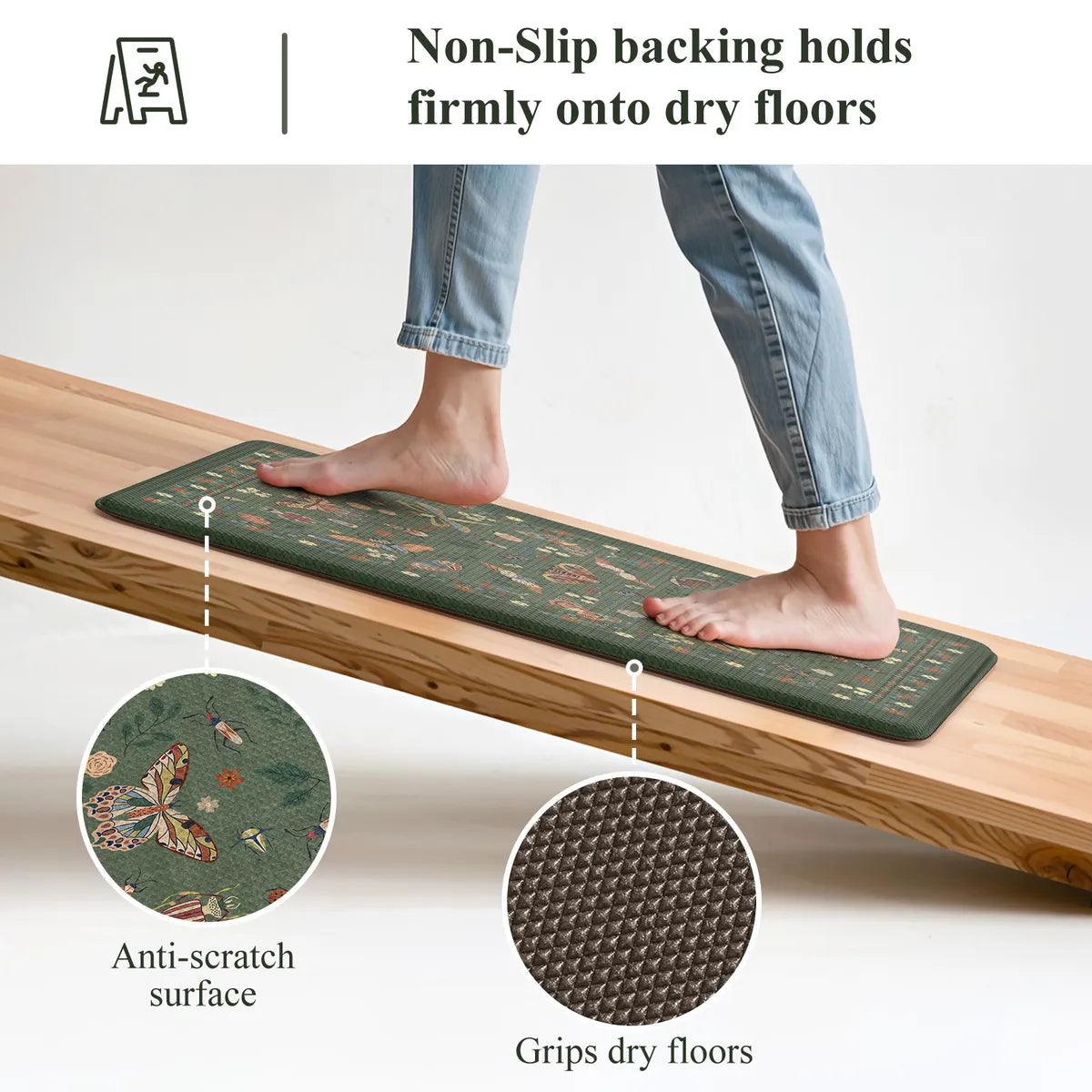
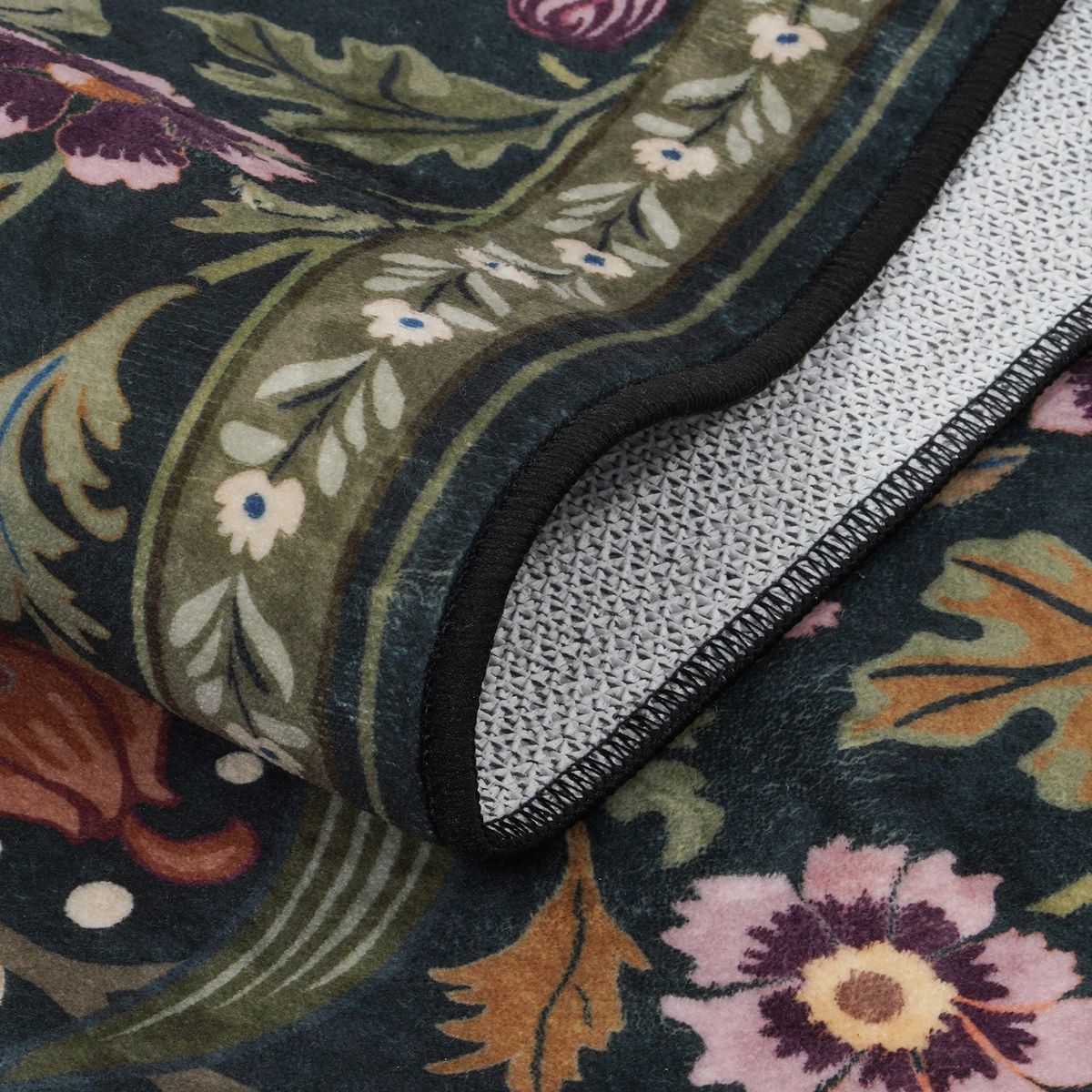
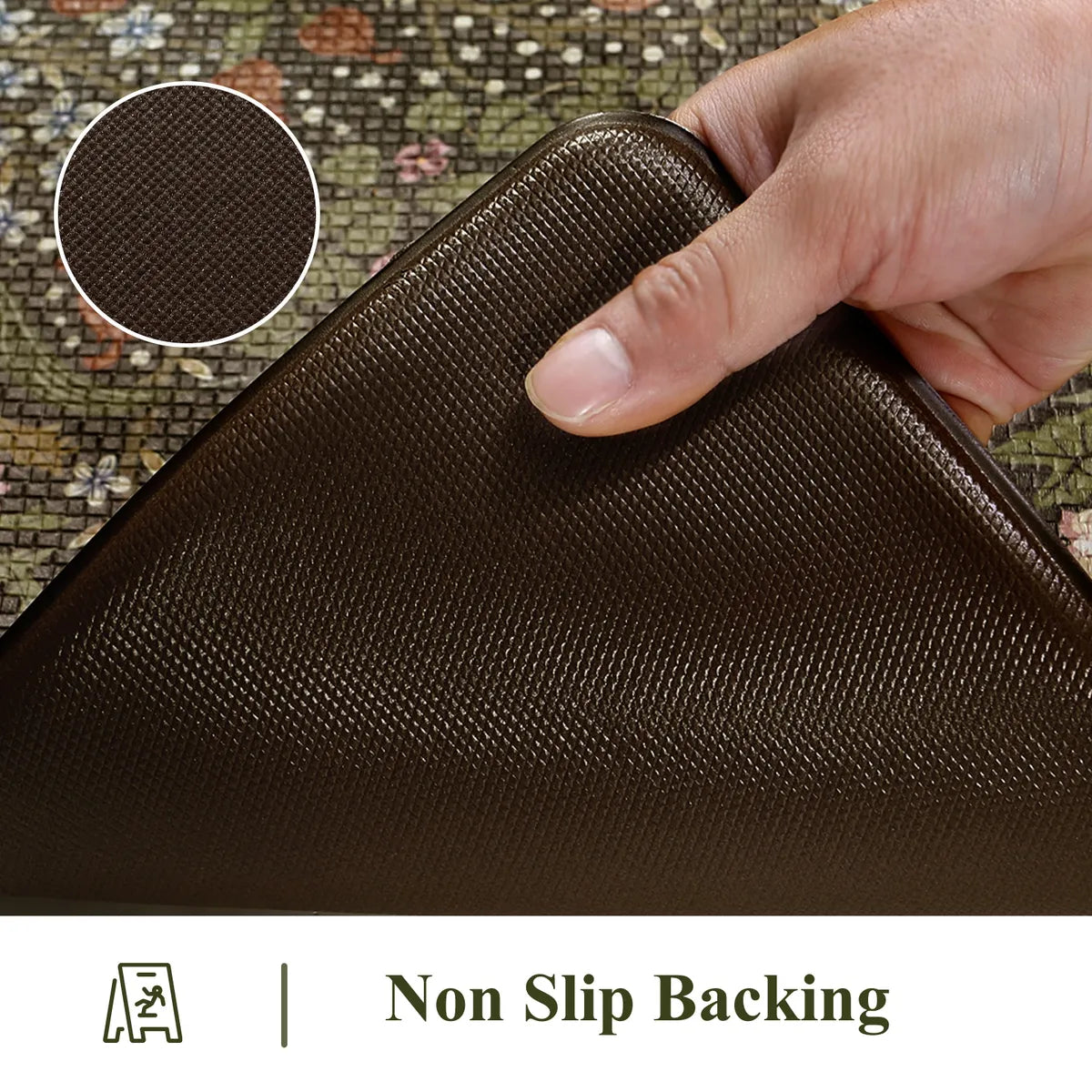
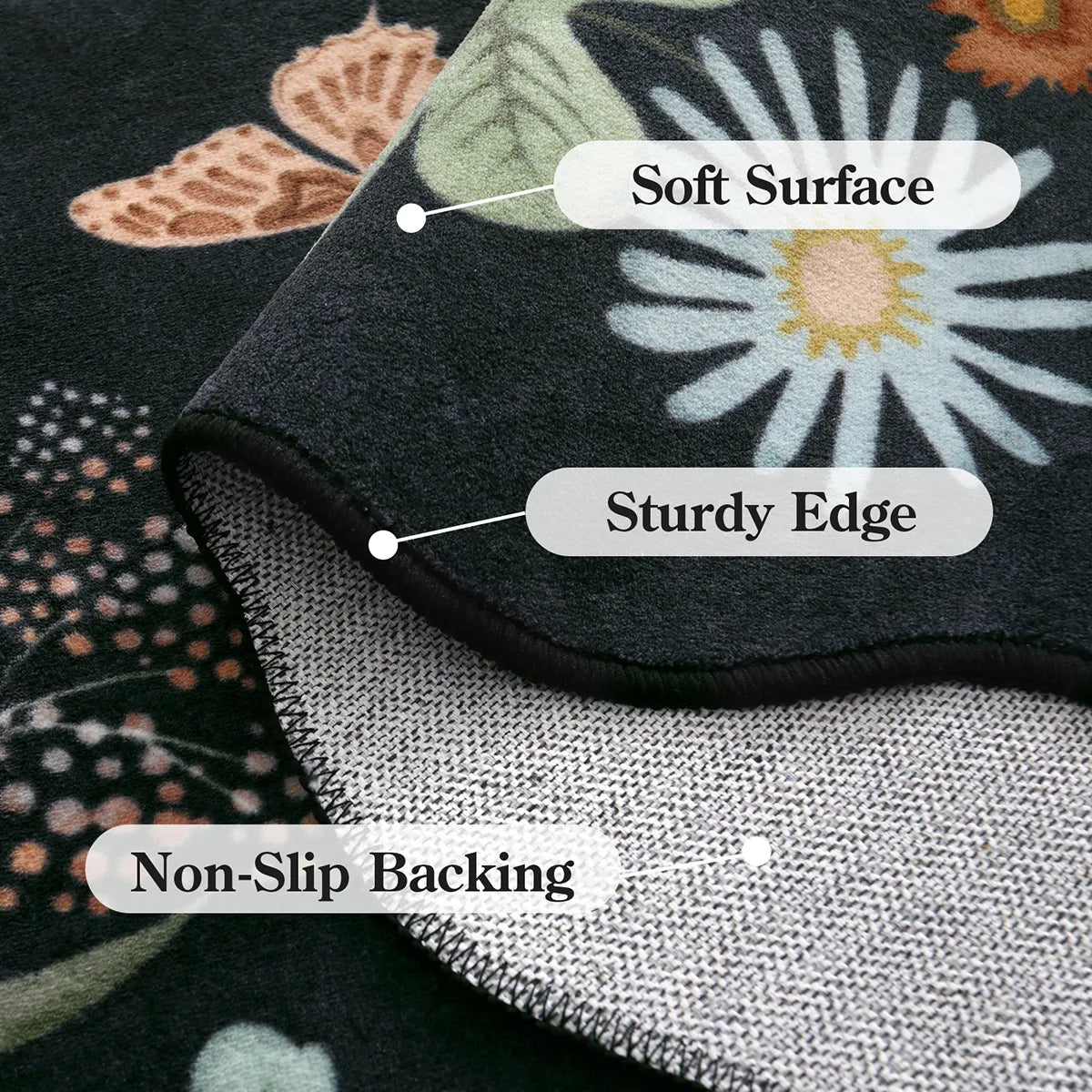
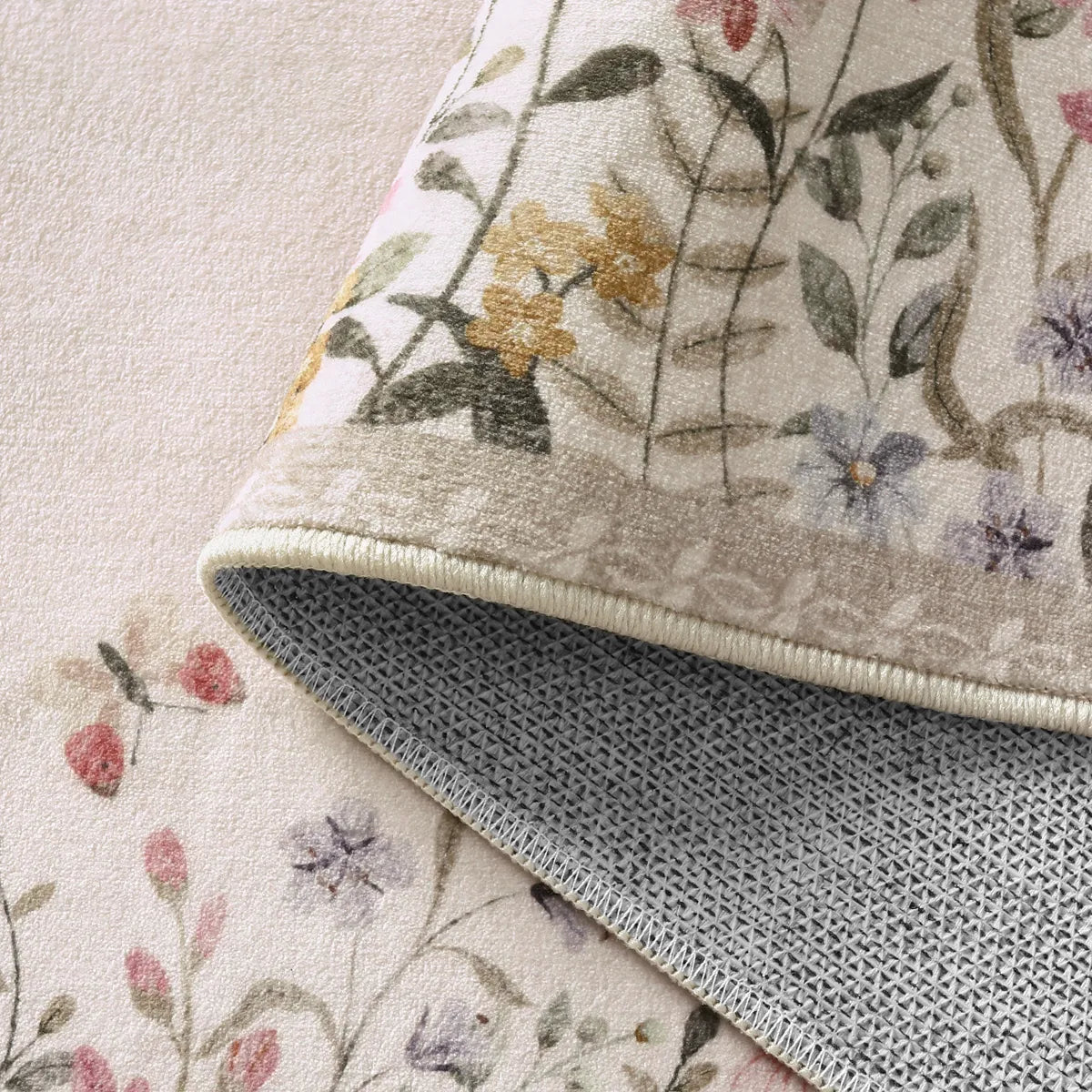
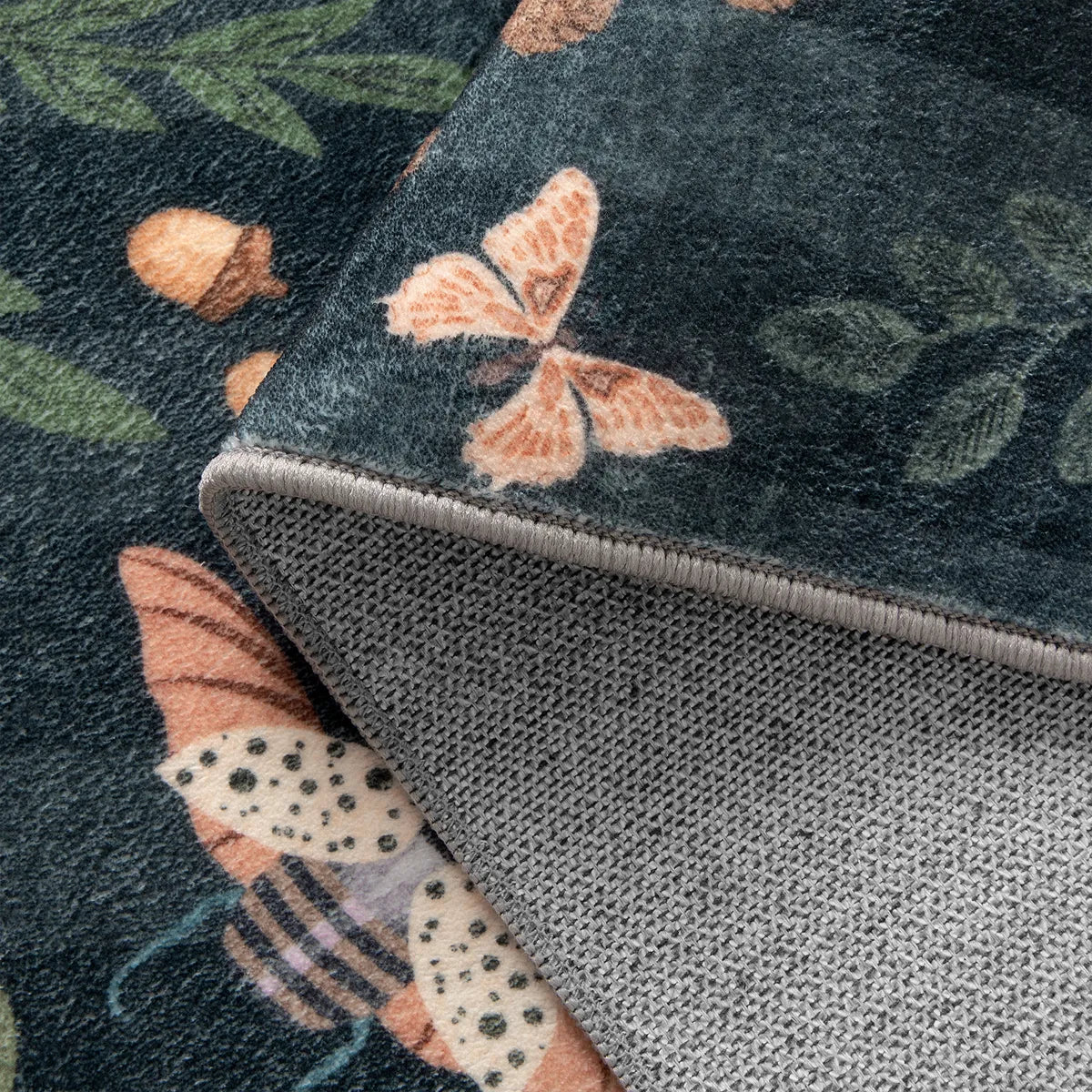
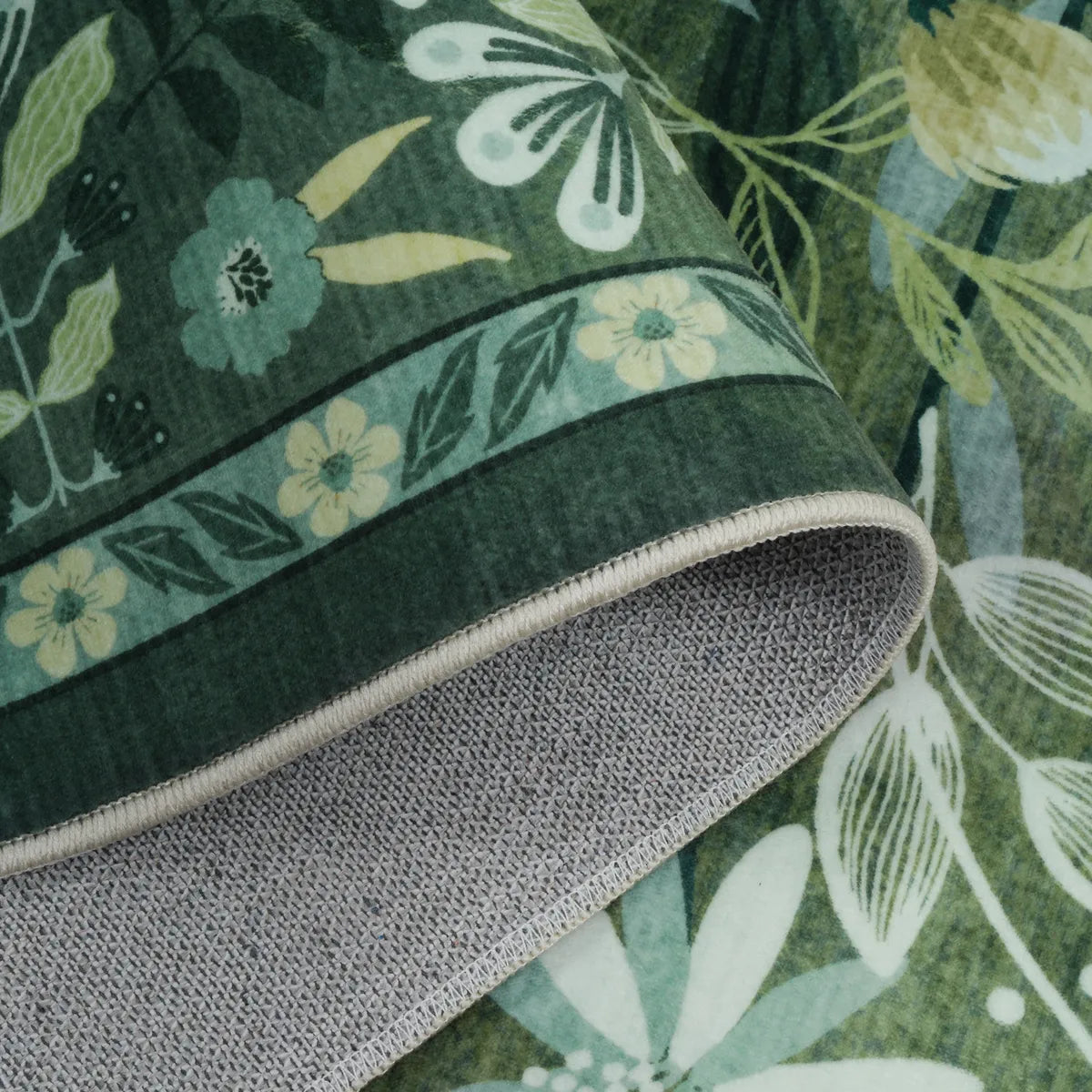
- Non-slip backing: A non-slip backing (a textured or rubberized layer bonded to the underside of the rug) prevents the rug from sliding on hard floors. This is critical in a nursery where a crawling baby or toddler pushing up to stand can dislodge an unanchored rug.
- Hypoallergenic construction: hypoallergenic nursery rugs are made from fibers and dyes less likely to trigger allergic reactions. Synthetic fibers resist dust mite colonization and mold growth, two of the most common indoor allergen sources in soft furnishings.
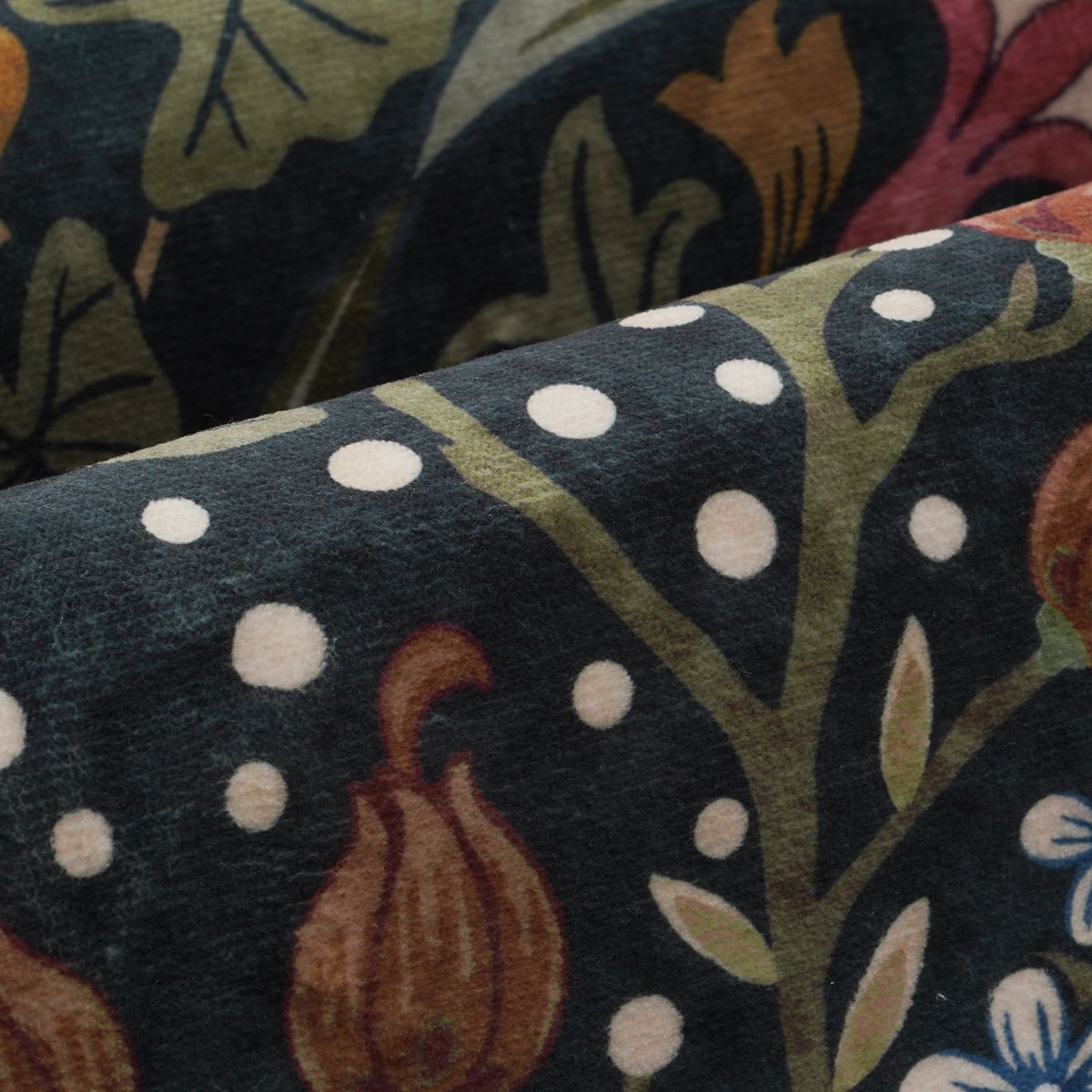
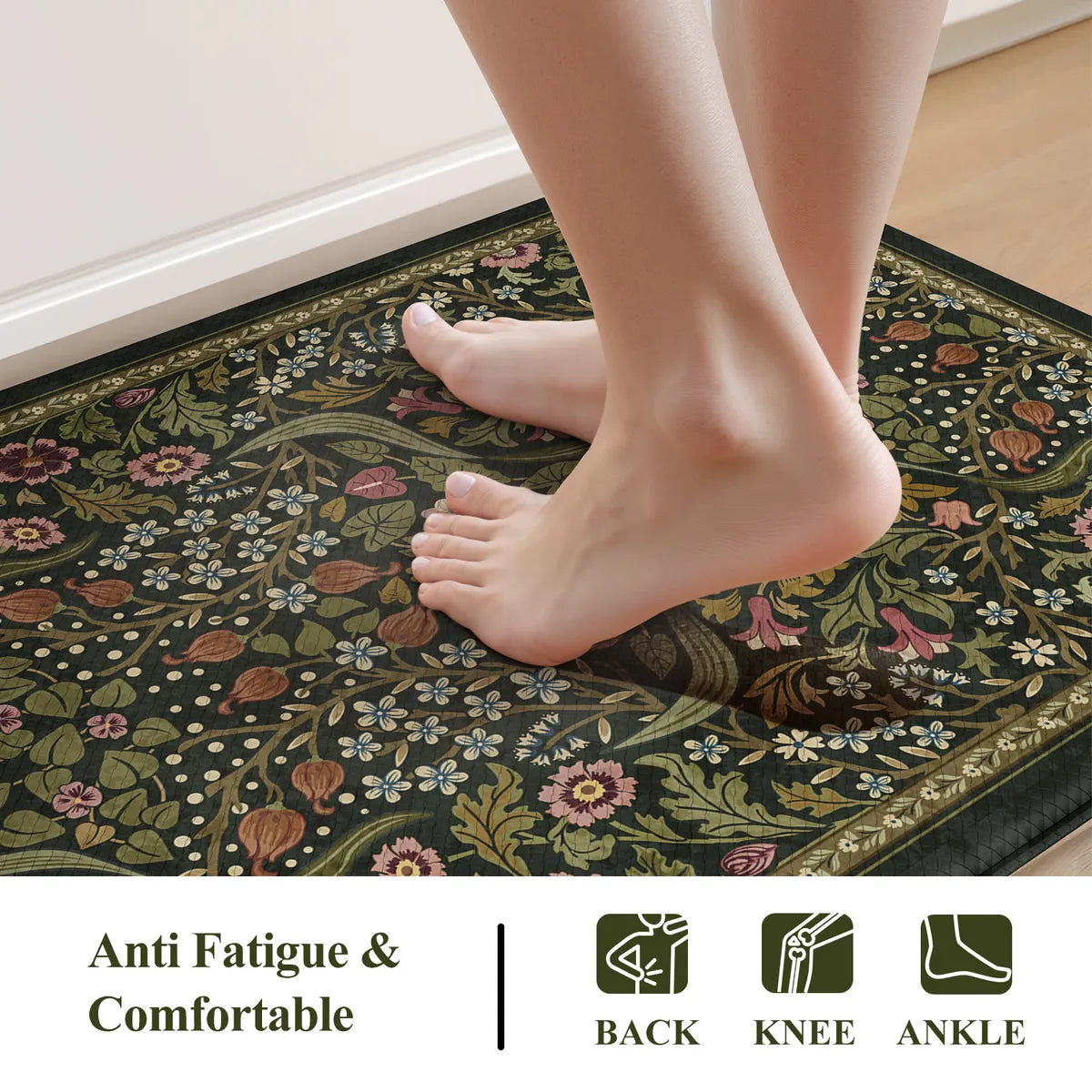
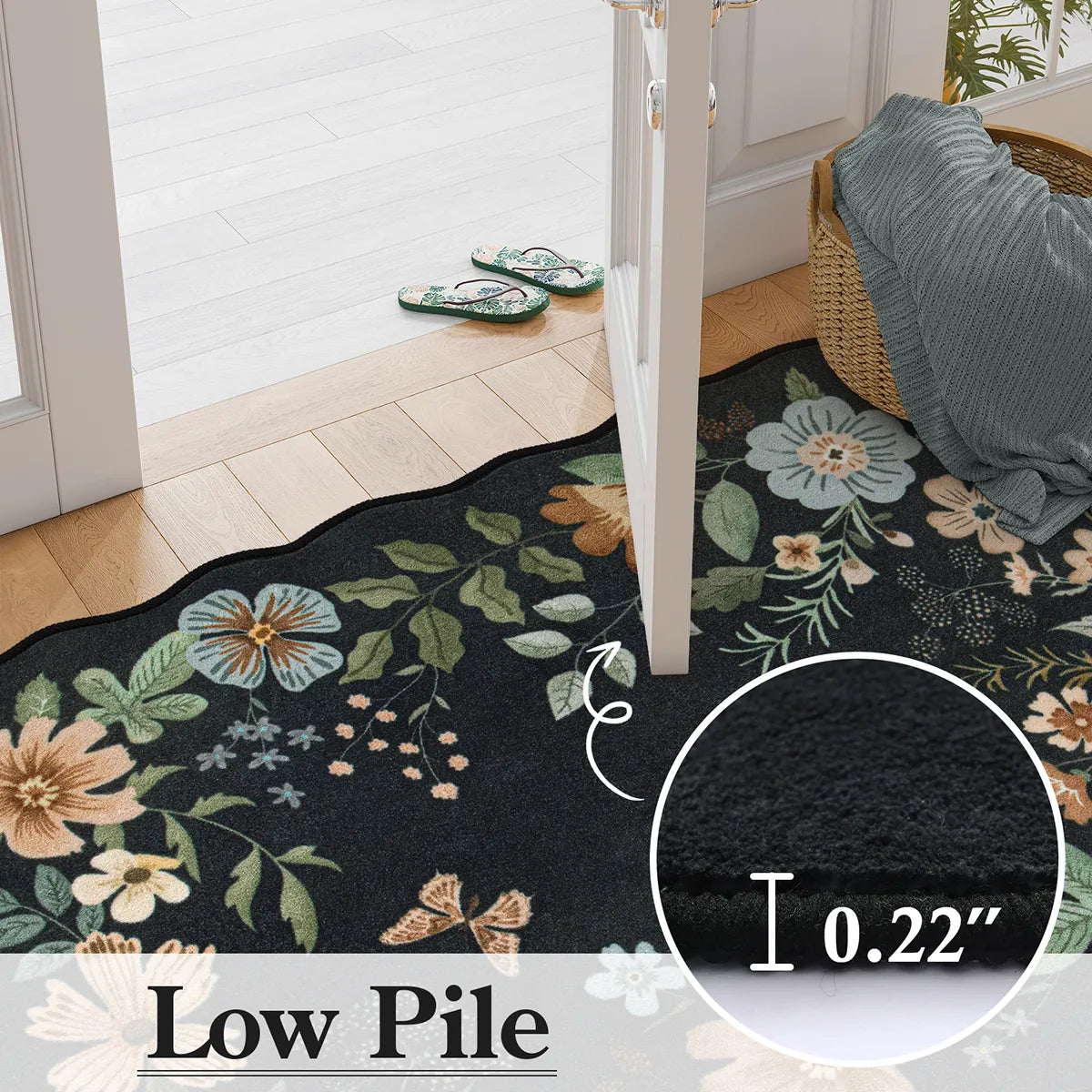
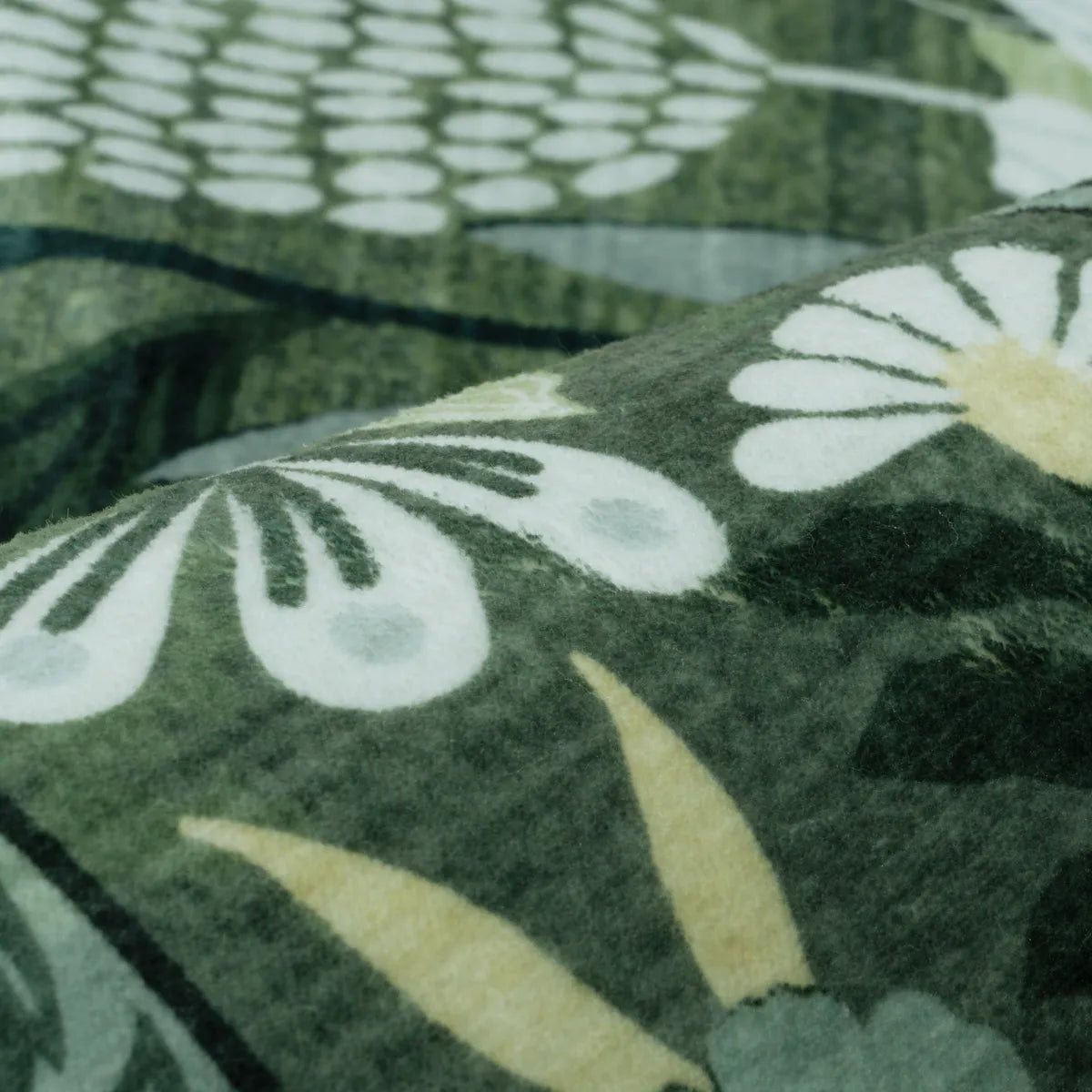
- Skin-friendly surface: The rug's surface should be soft enough for direct, prolonged skin contact. Low-pile construction (short, densely packed fibers) provides a smooth, consistent surface that is gentle on a baby's face, knees, and hands during floor play.
- Non-toxic dyes: Dyes used in children rugs should be colorfast and non-toxic, meaning they do not transfer onto skin during contact or release harmful compounds over time.
- Flat, secured edges: Curling or raised edges are tripping hazards for toddlers learning to walk. A well-constructed nursery rug with finished edges and a full-surface non-slip backing stays flat under daily use.
Certifications That Verify Nursery Rug Safety Standards

Certifications provide an independent way to verify that a nursery rug meets specific safety standards, going beyond product descriptions alone.
The most relevant certification is OEKO-TEX® STANDARD 100 (an independent testing system that verifies every component of a textile has been tested for harmful substances, including fibers, dyes, and backing materials). What it specifically verifies:
- The fibers are free from harmful chemical residues.
- The dyes meet strict limits for skin-contact safety.
- The backing and finishing materials do not contain restricted substances.
- The product is safe for direct and prolonged skin contact, including for infants.
A nursery room rug carrying this certification has been independently verified as safe for a baby's environment, removing the guesswork from the evaluation process.
Why Washable Area Rugs Are the Practical Choice for a Play Area
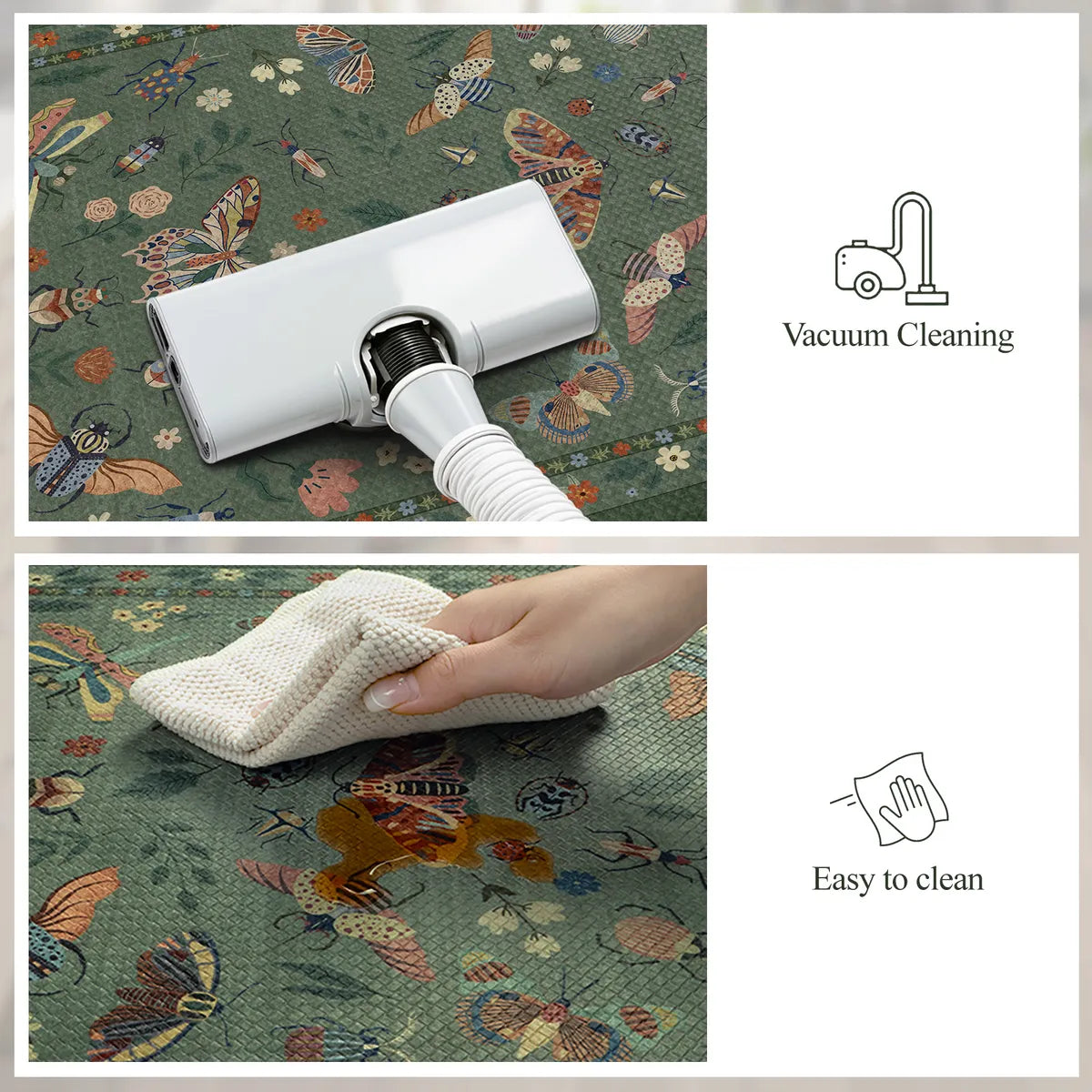
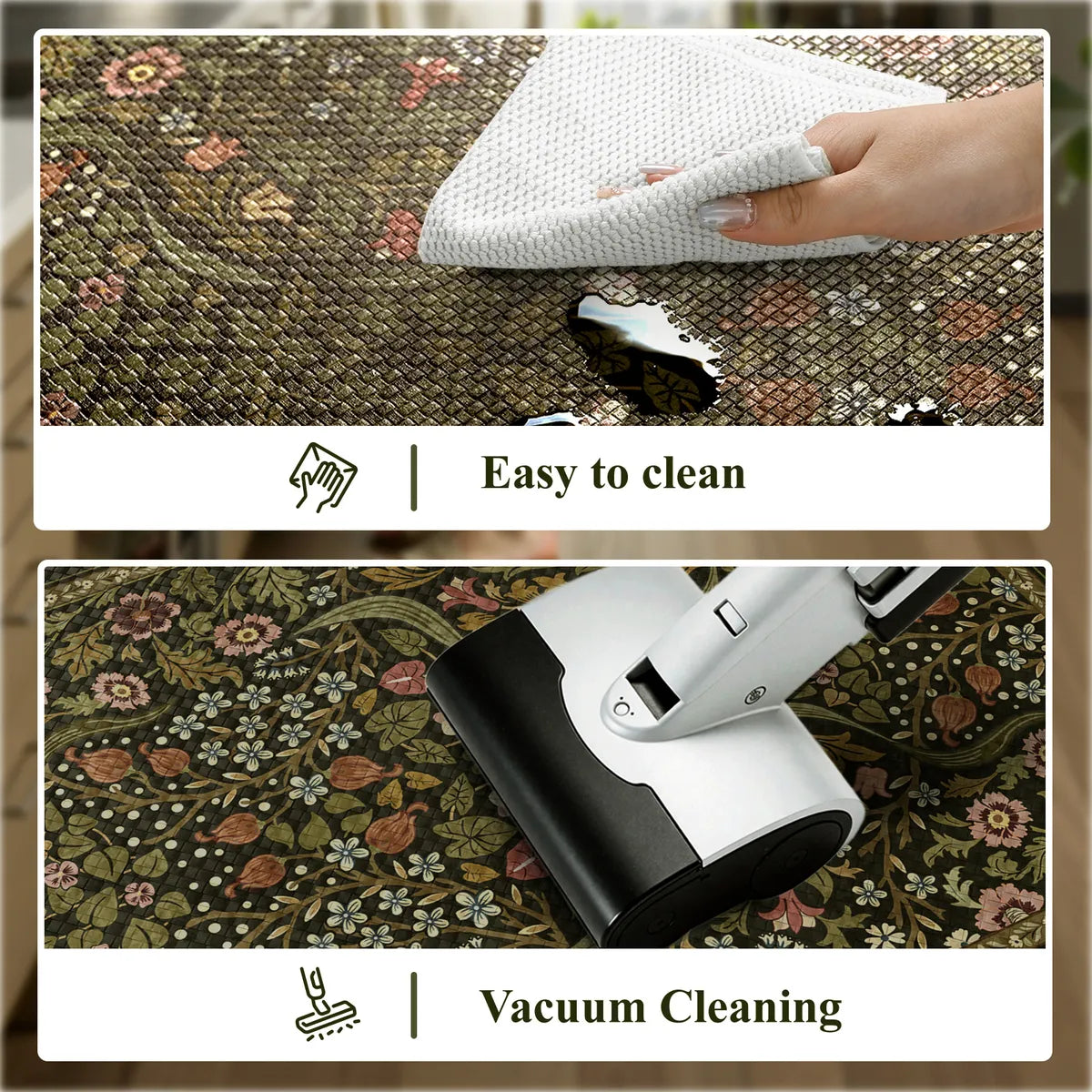
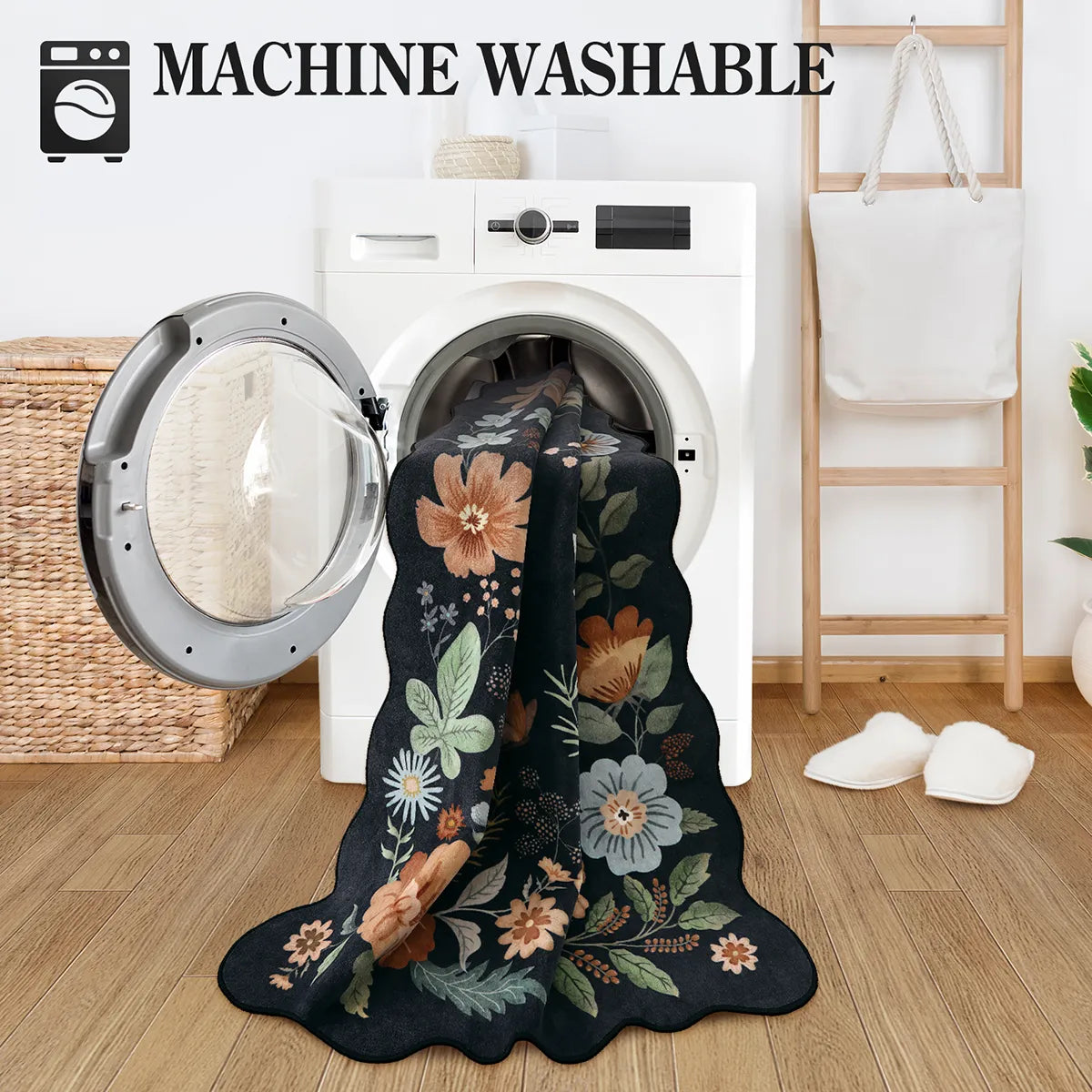
Washable area rugs (rugs specifically constructed to go through a home washing machine without losing shape, color, or backing integrity) are the most practical choice for a nursery play area. Vacuuming alone cannot remove everything that accumulates at floor level. Regular machine washing addresses what surface cleaning misses:
- Allergen removal: Regular washing removes dust mite residue, pet dander, and other common allergens that accumulate in rug fibers over time. For hypoallergenic performance, cleaning frequency matters as much as fiber choice.
- Bacterial hygiene: Spills that aren't fully removed create conditions where bacteria can develop. A full wash cycle eliminates residue that spot cleaning leaves behind.
- Odor control: Nursery rugs are exposed to a range of odors from spills and pet traffic. Machine washing is the most effective way to fully refresh the rug rather than masking surface odors.
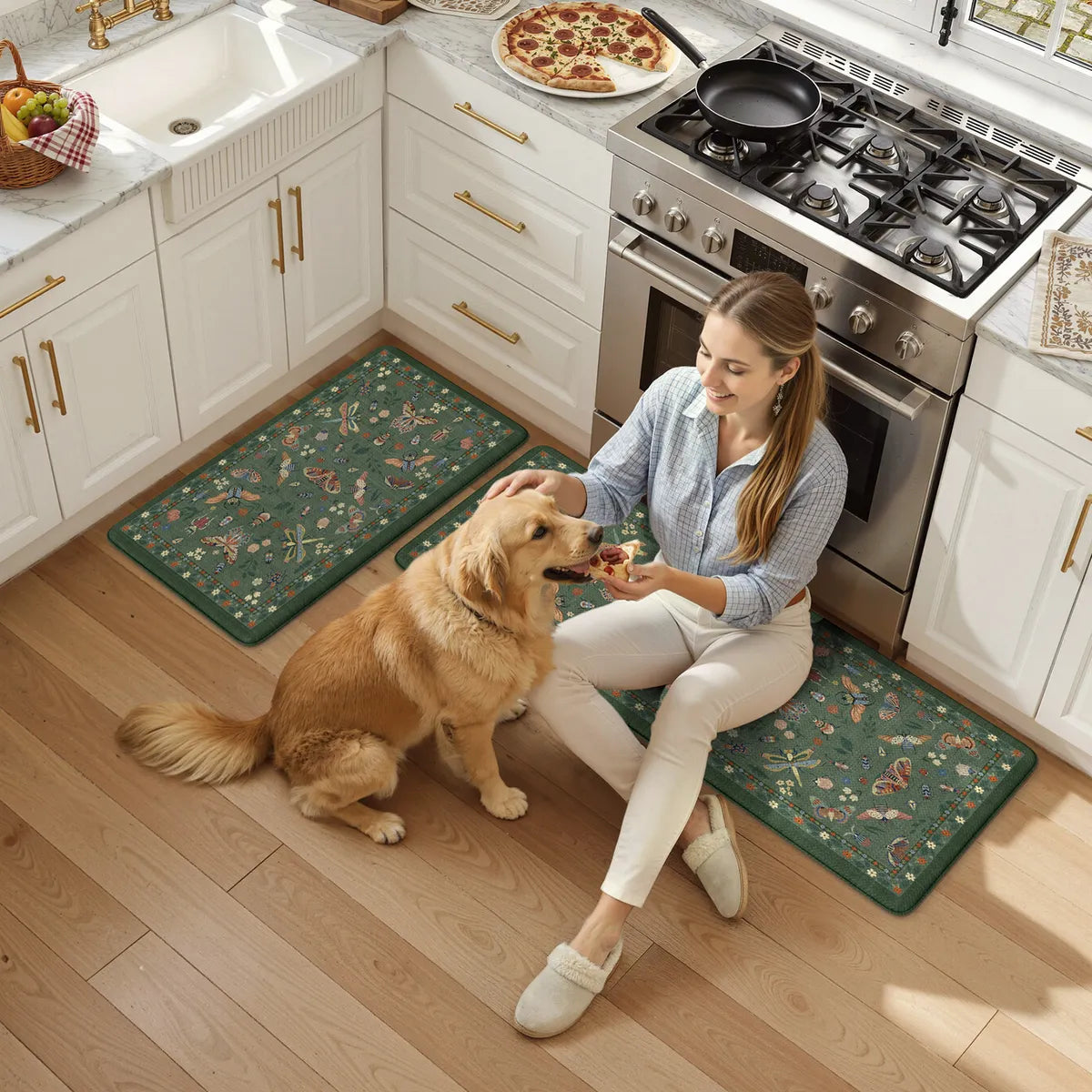
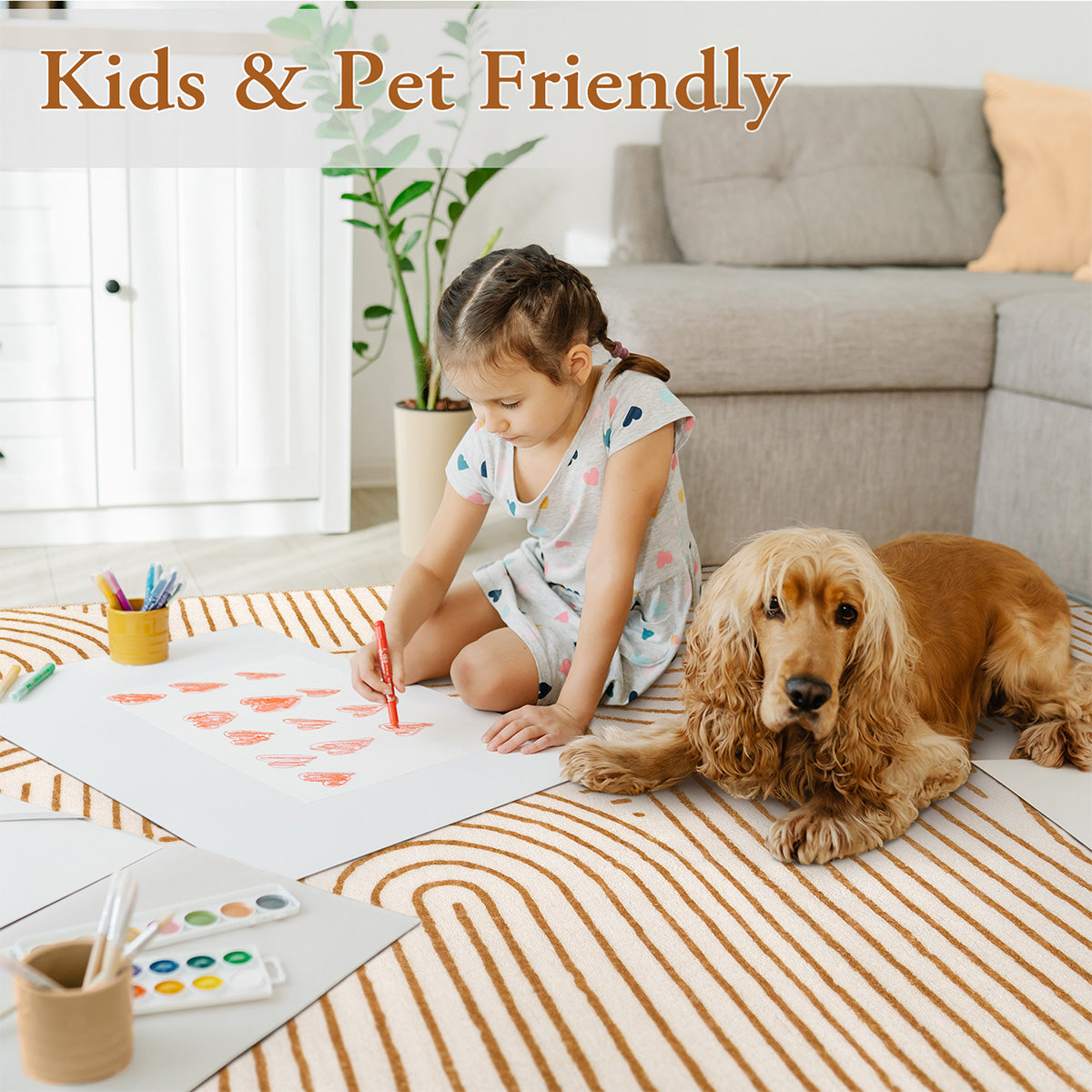
For play areas shared by children and pets, a machine washable kids rug that can be fully refreshed on a regular schedule is far more hygienic than a rug that can only be spot treated.
Choosing a Kids Rug That Is Both Safe and Stylish
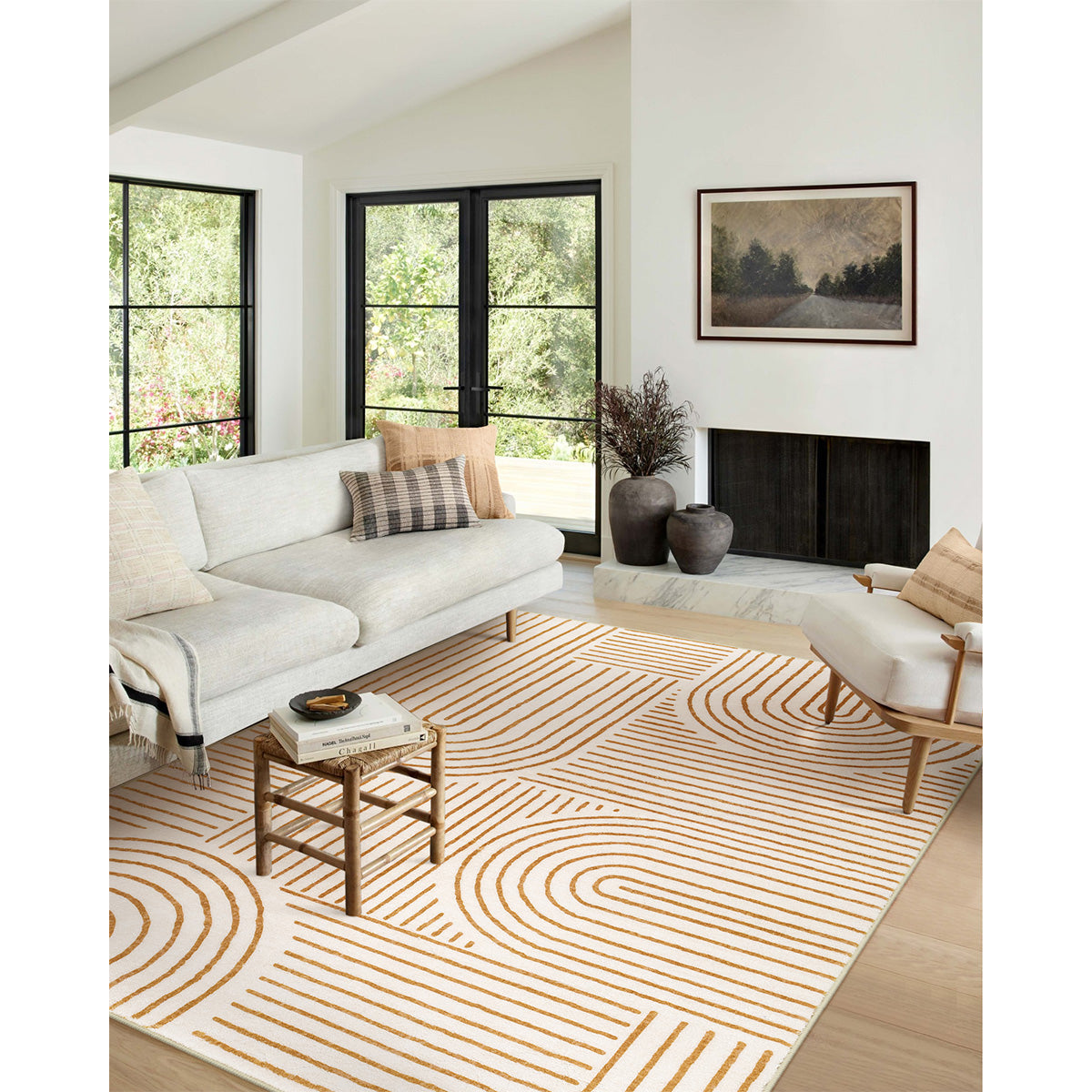
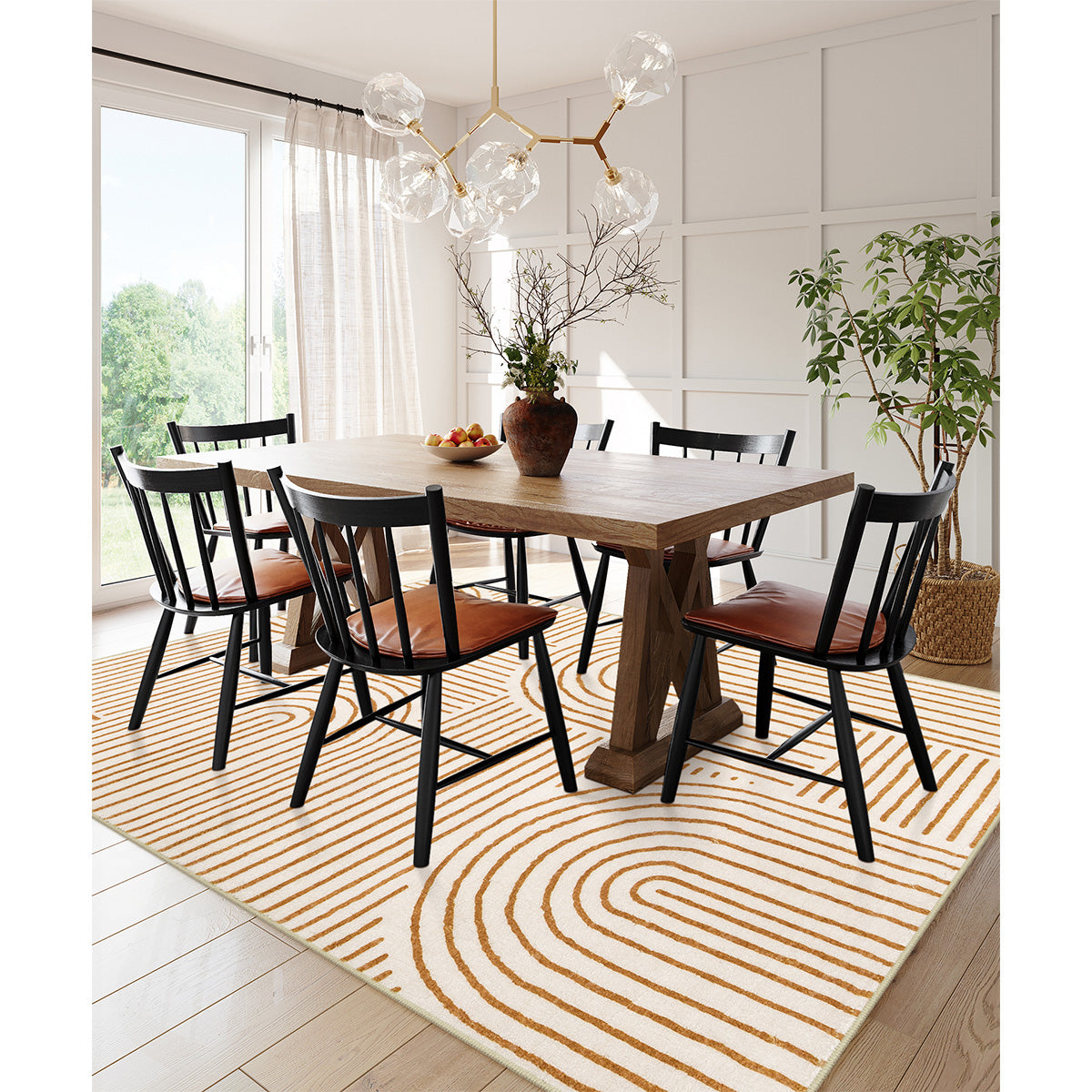
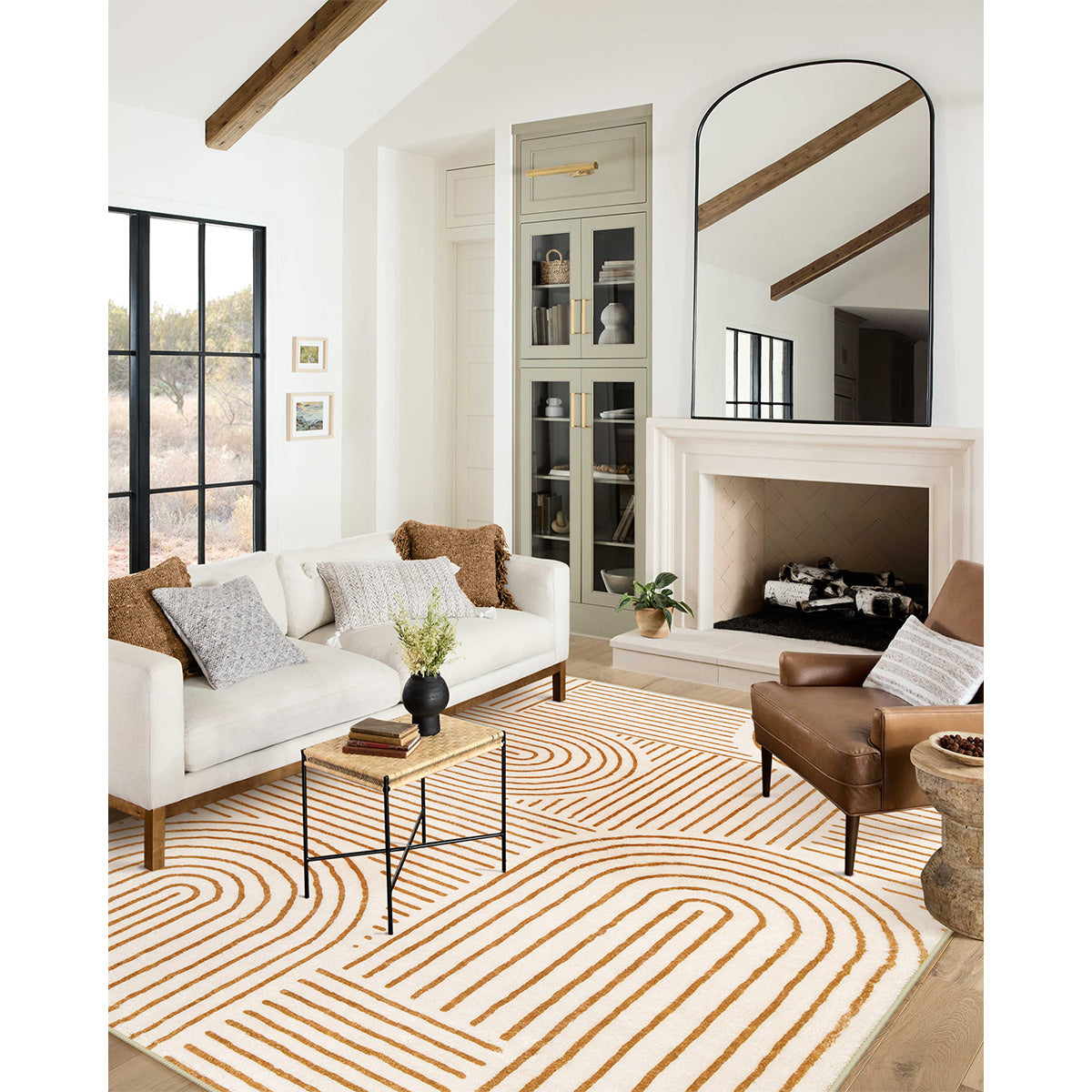
Safety and style are not competing priorities in a nursery. The same construction features that make a children rug safe, including low pile, synthetic fibers, and machine washable construction, also make it available in a wide range of patterns and colors that suit a thoughtfully designed nursery.
A few style considerations that work well alongside safety requirements:
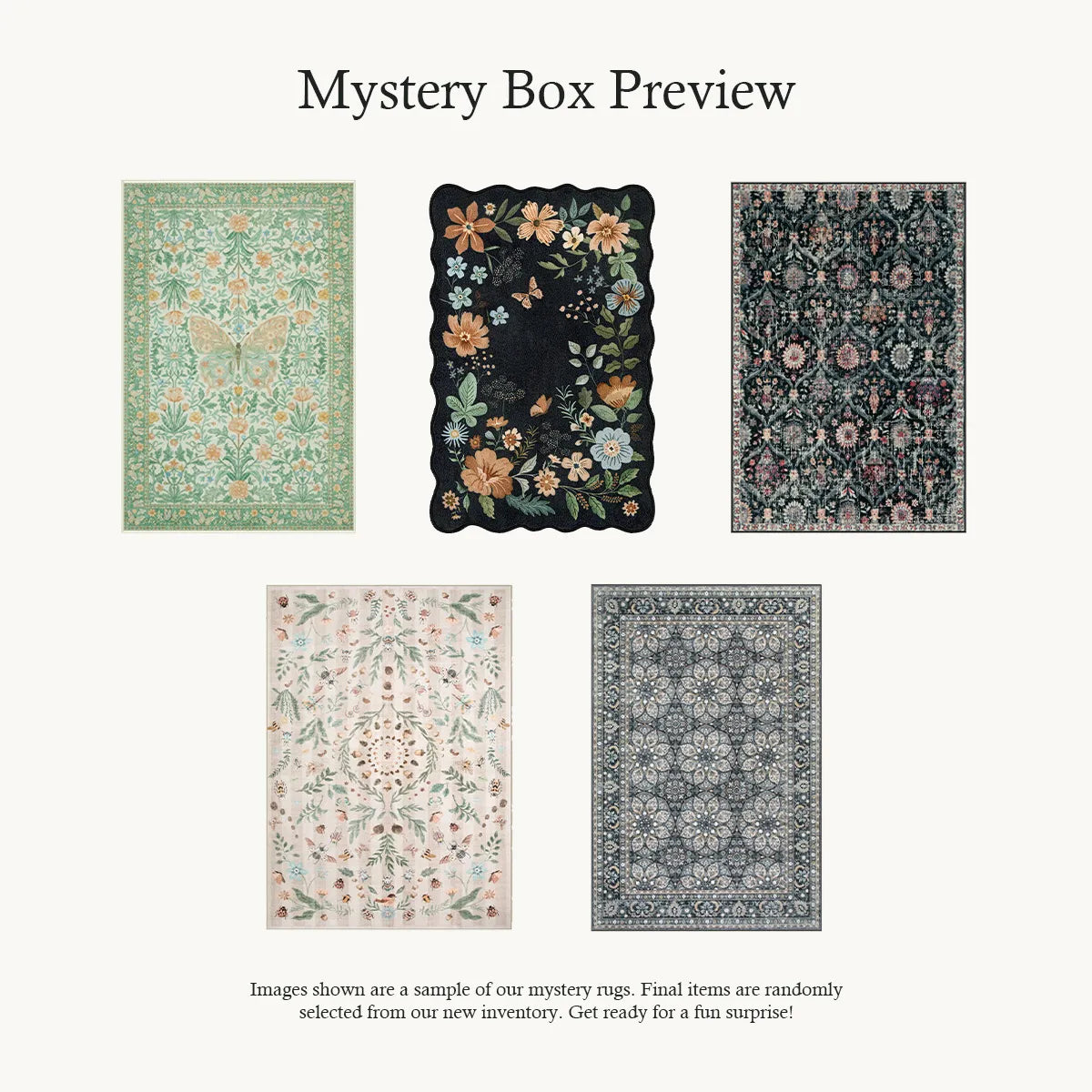
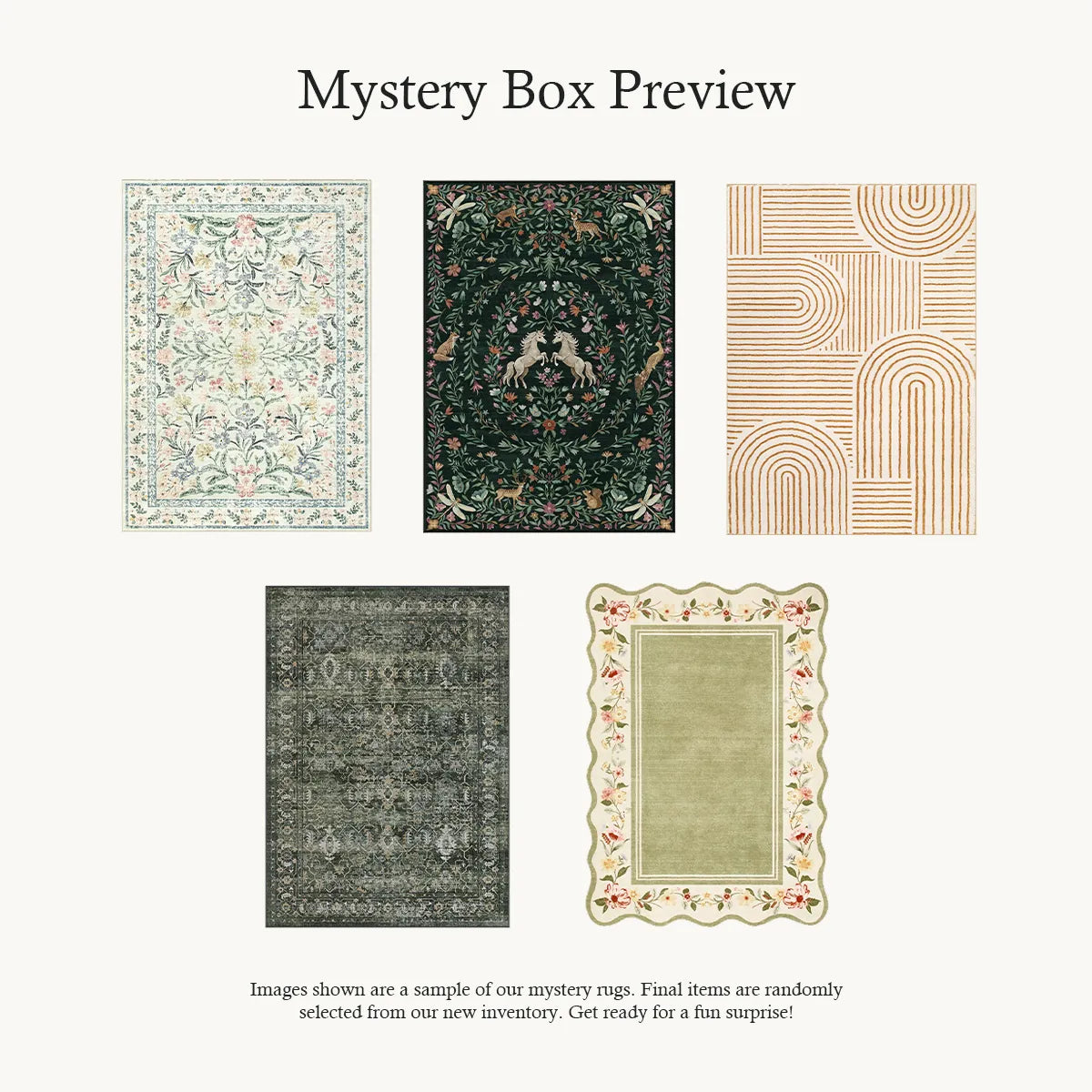
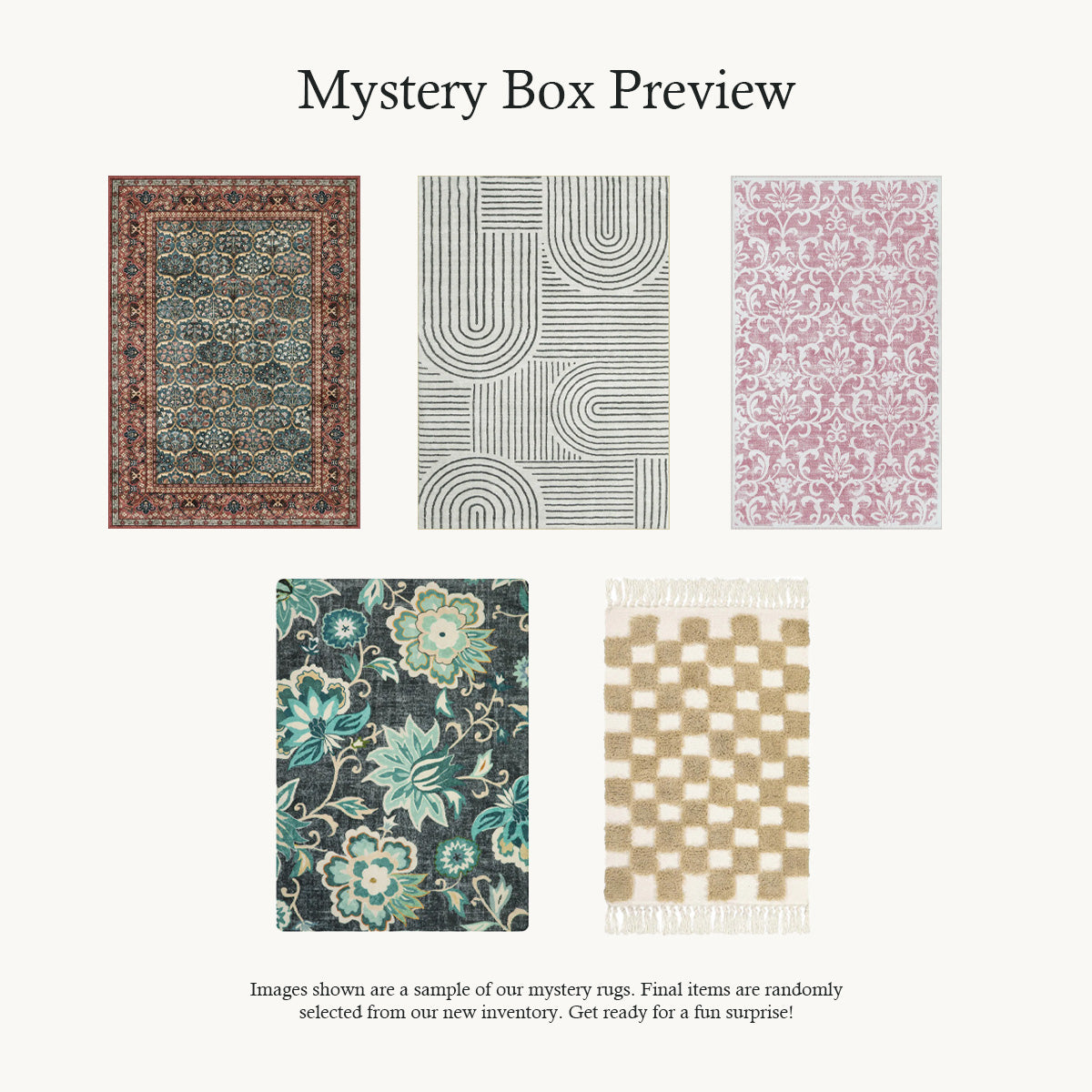
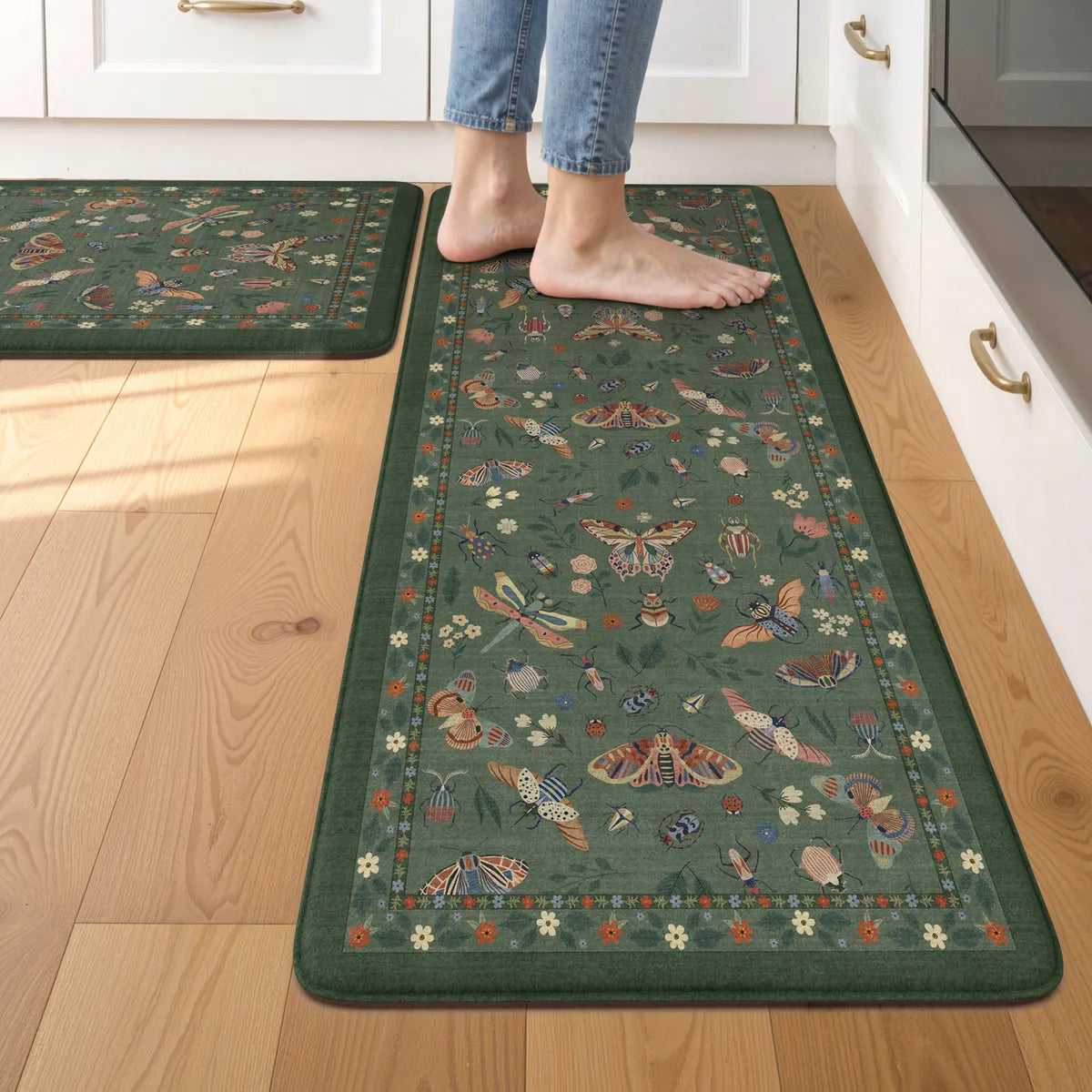
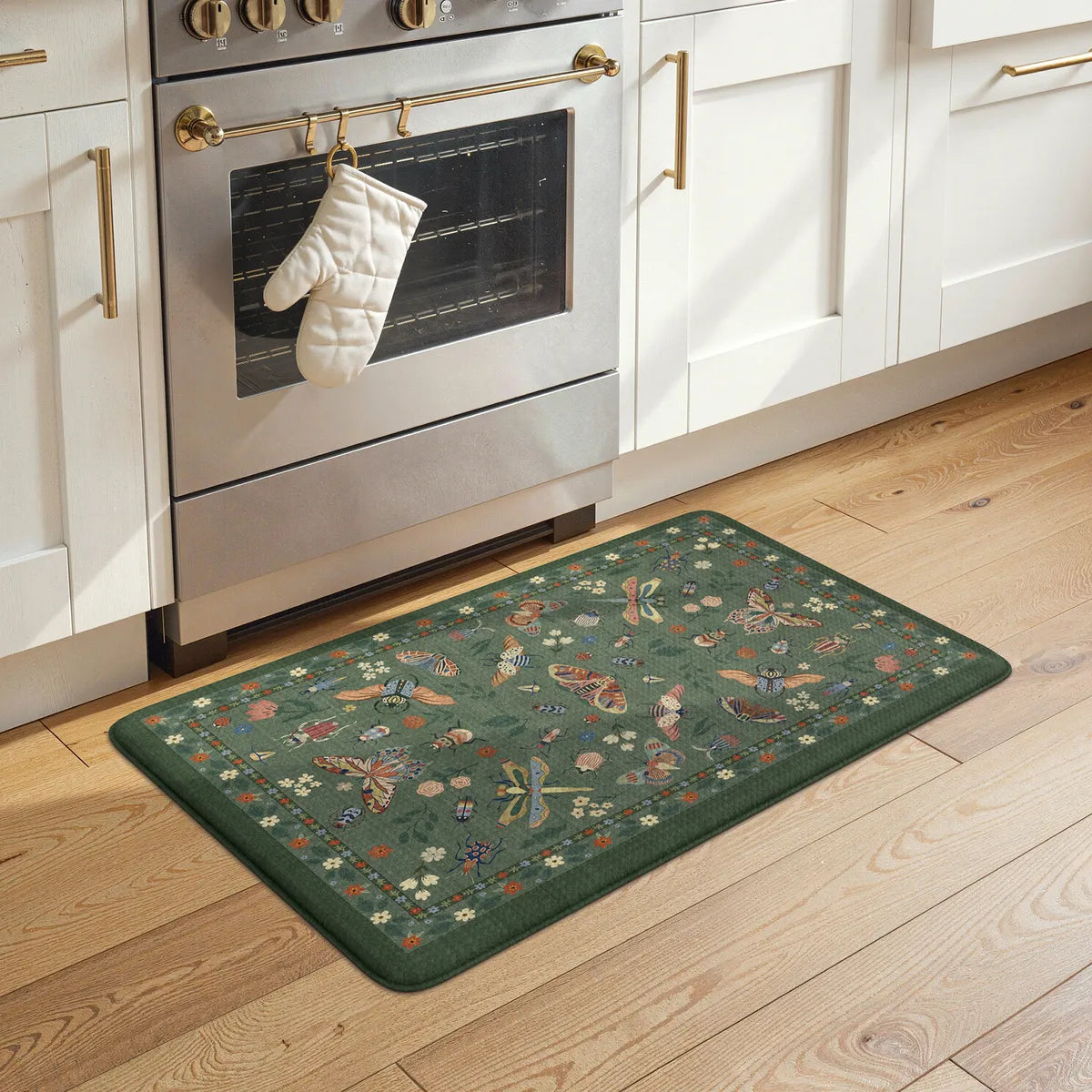
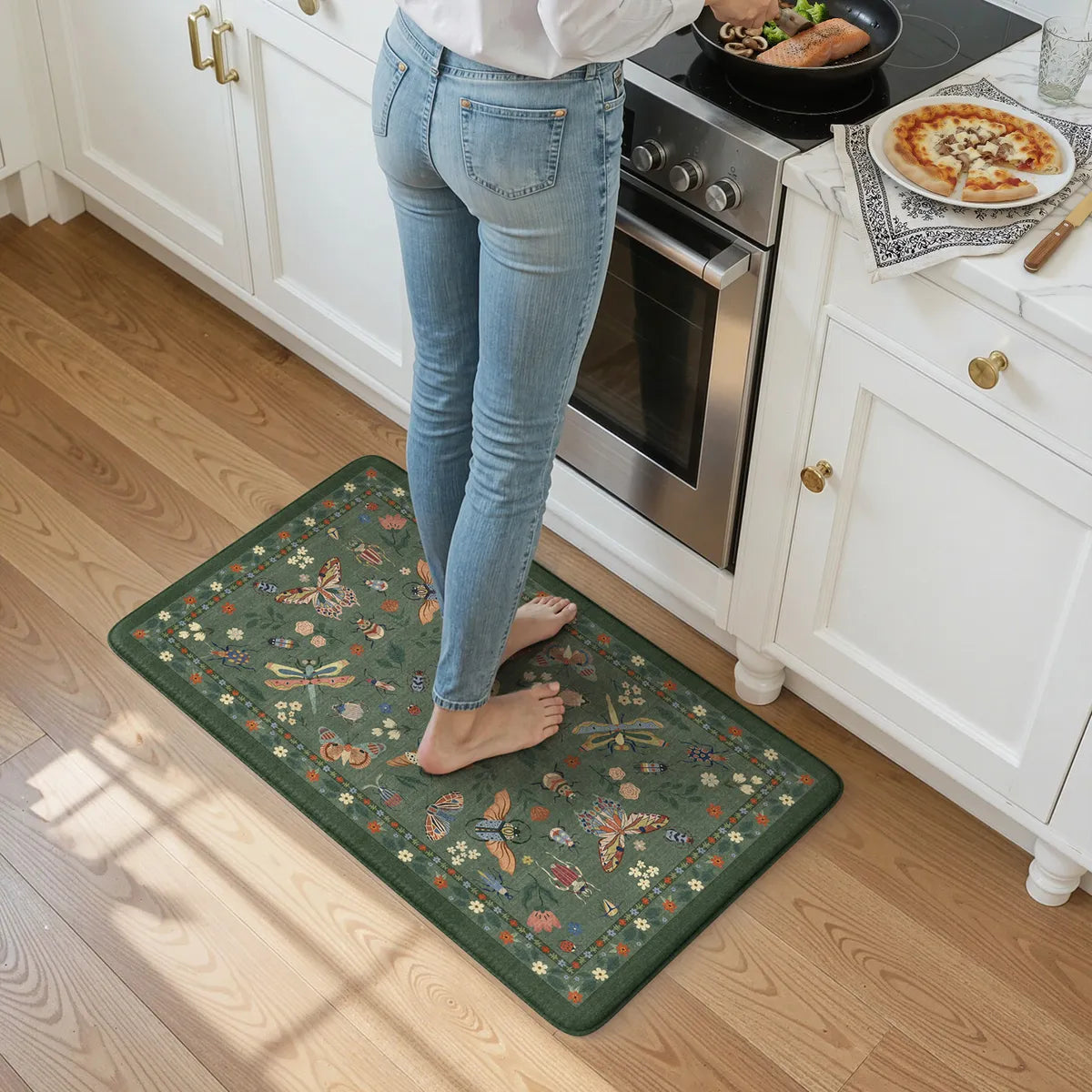
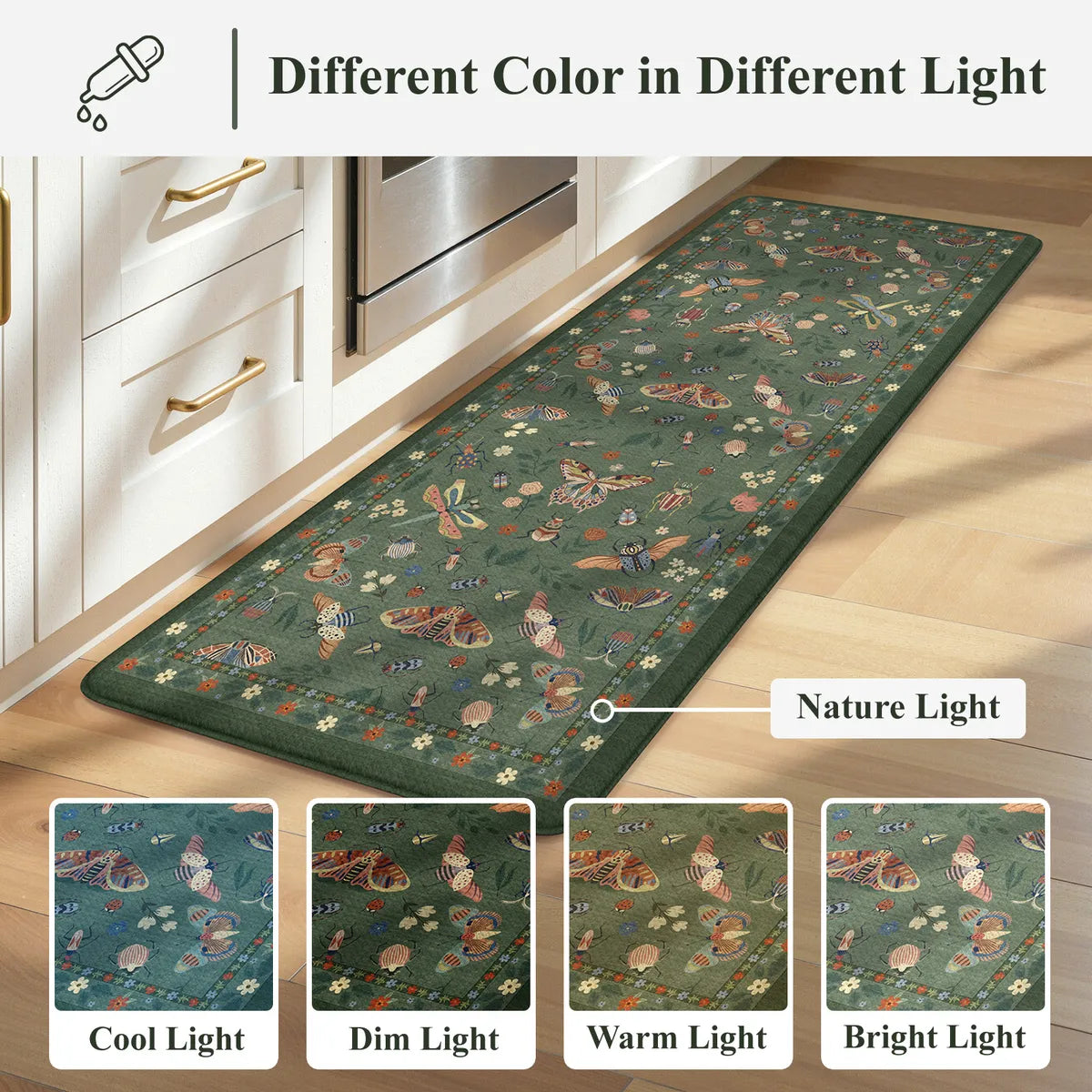
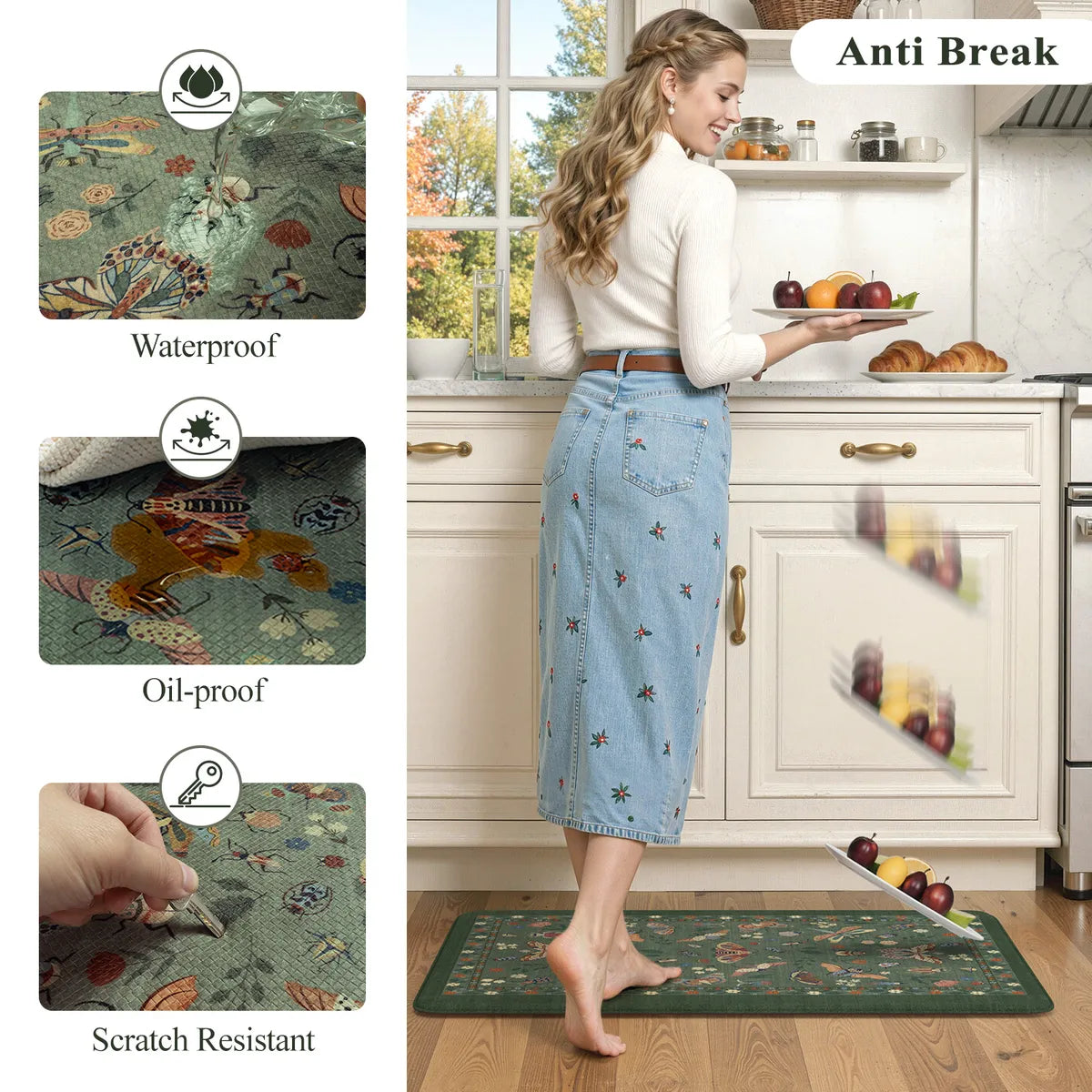
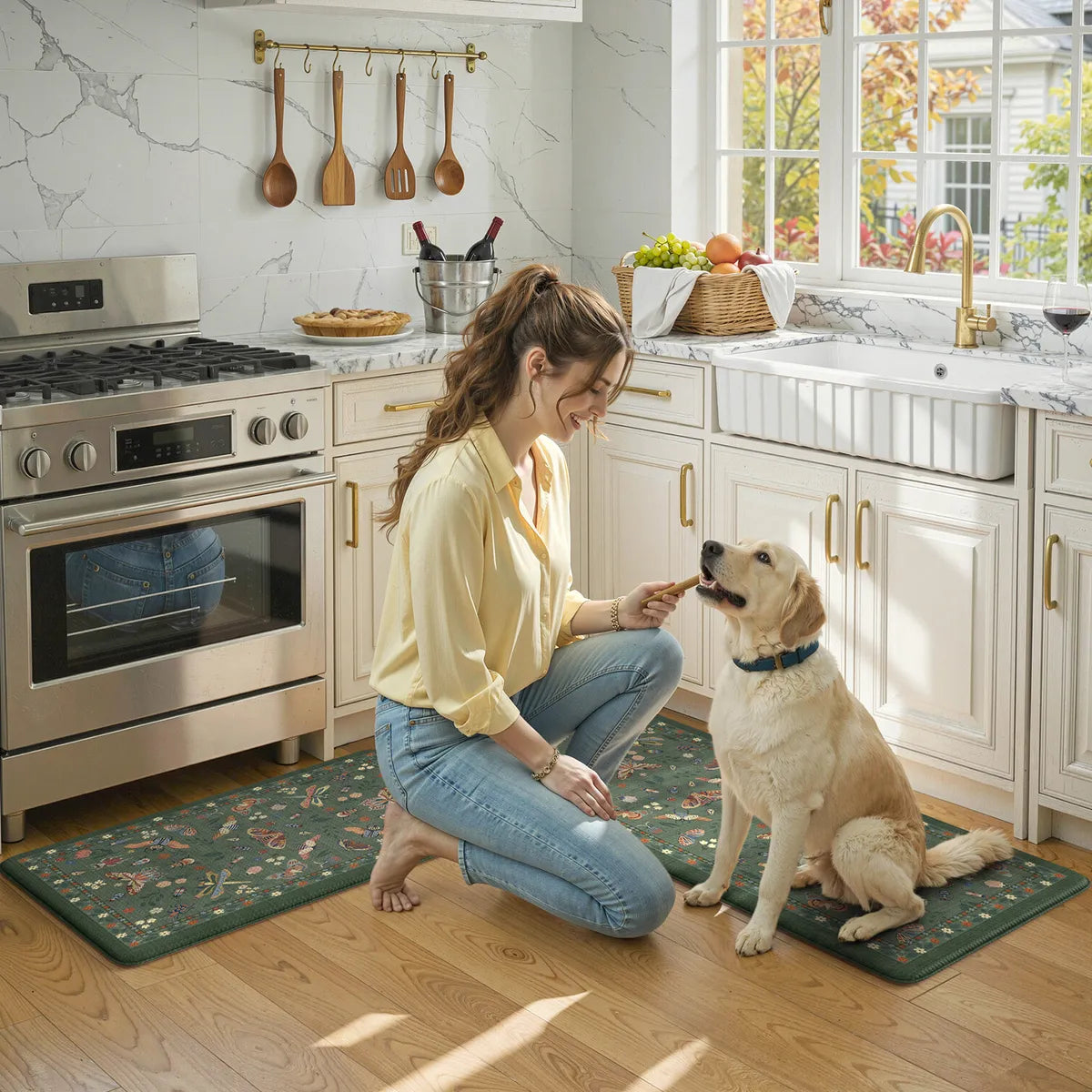
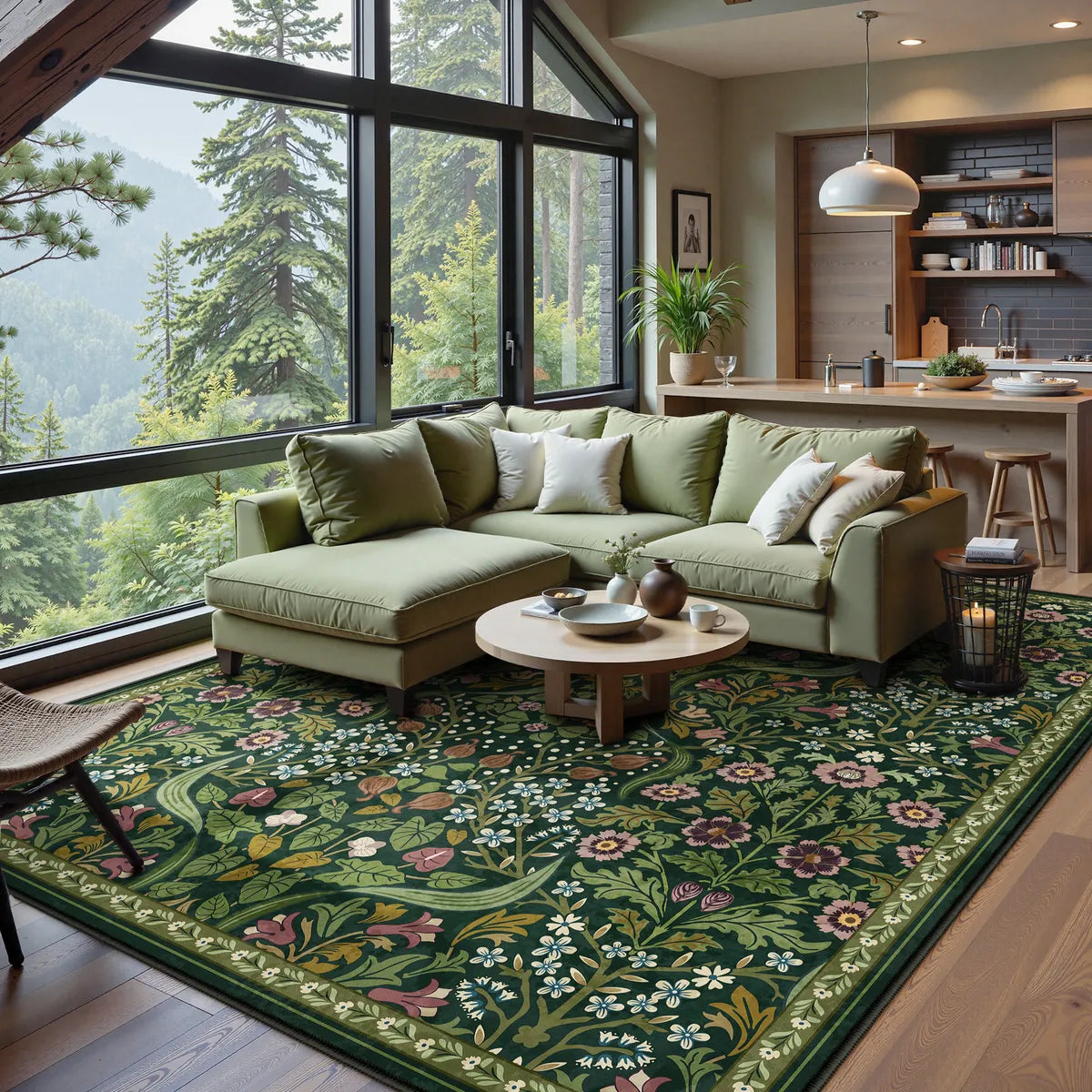
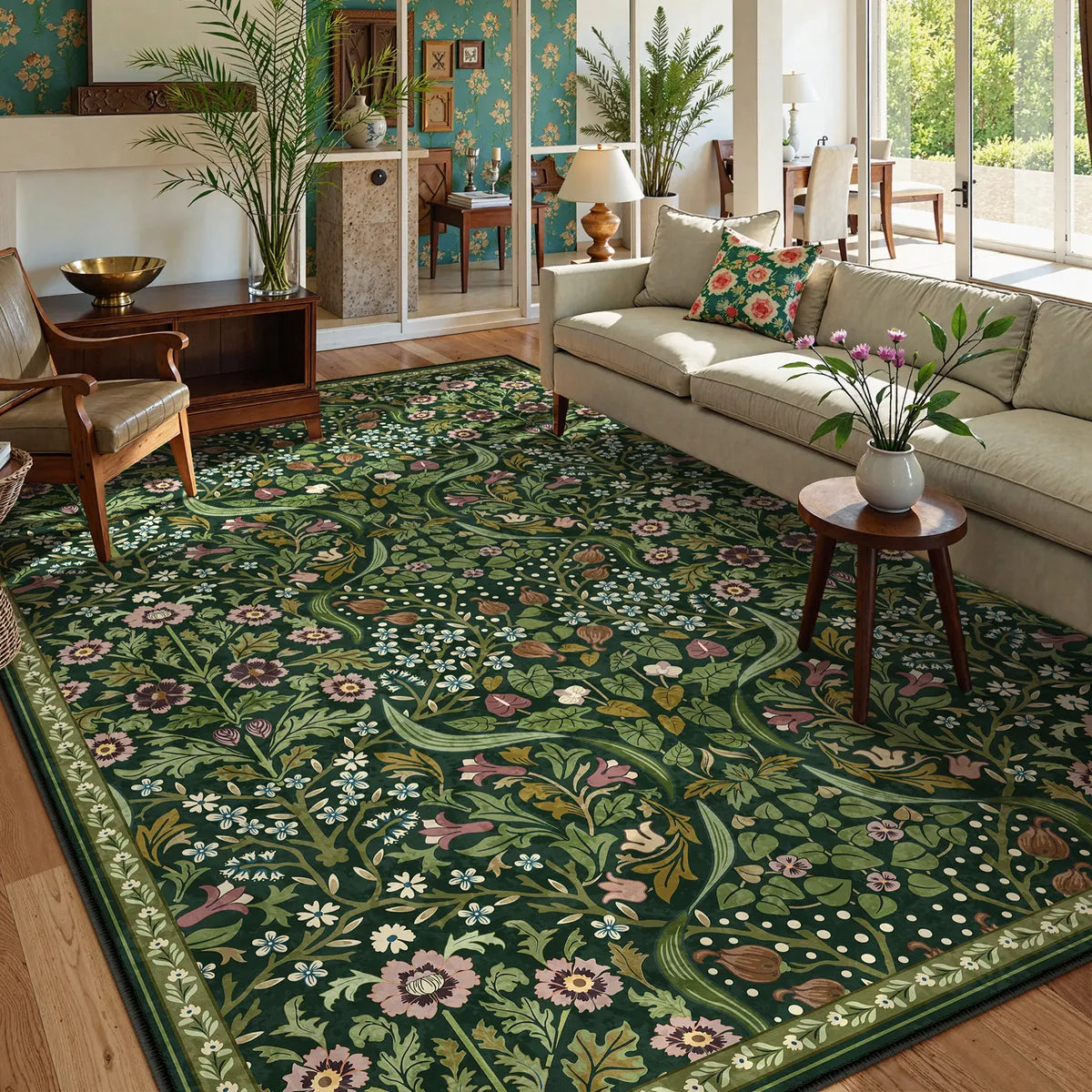
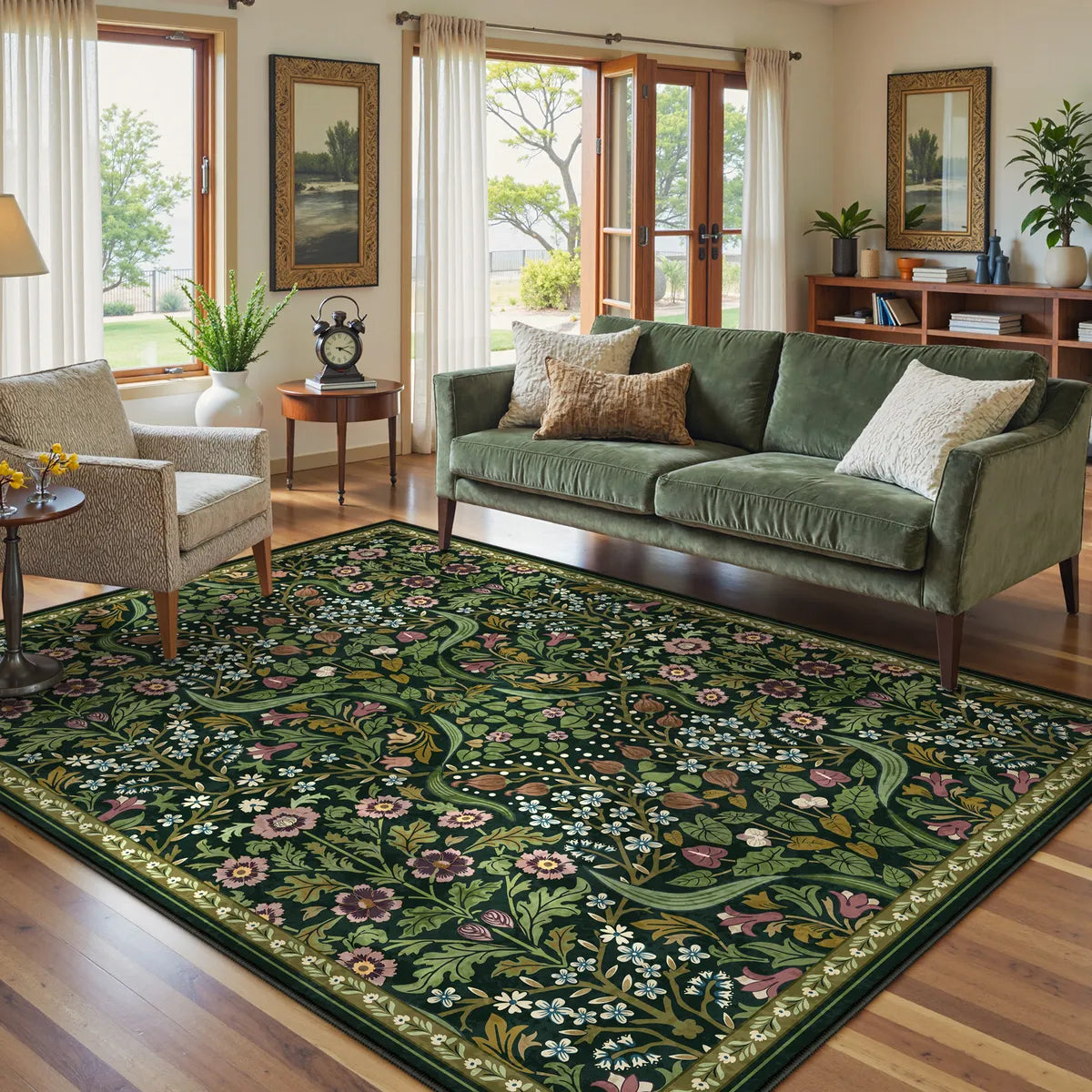
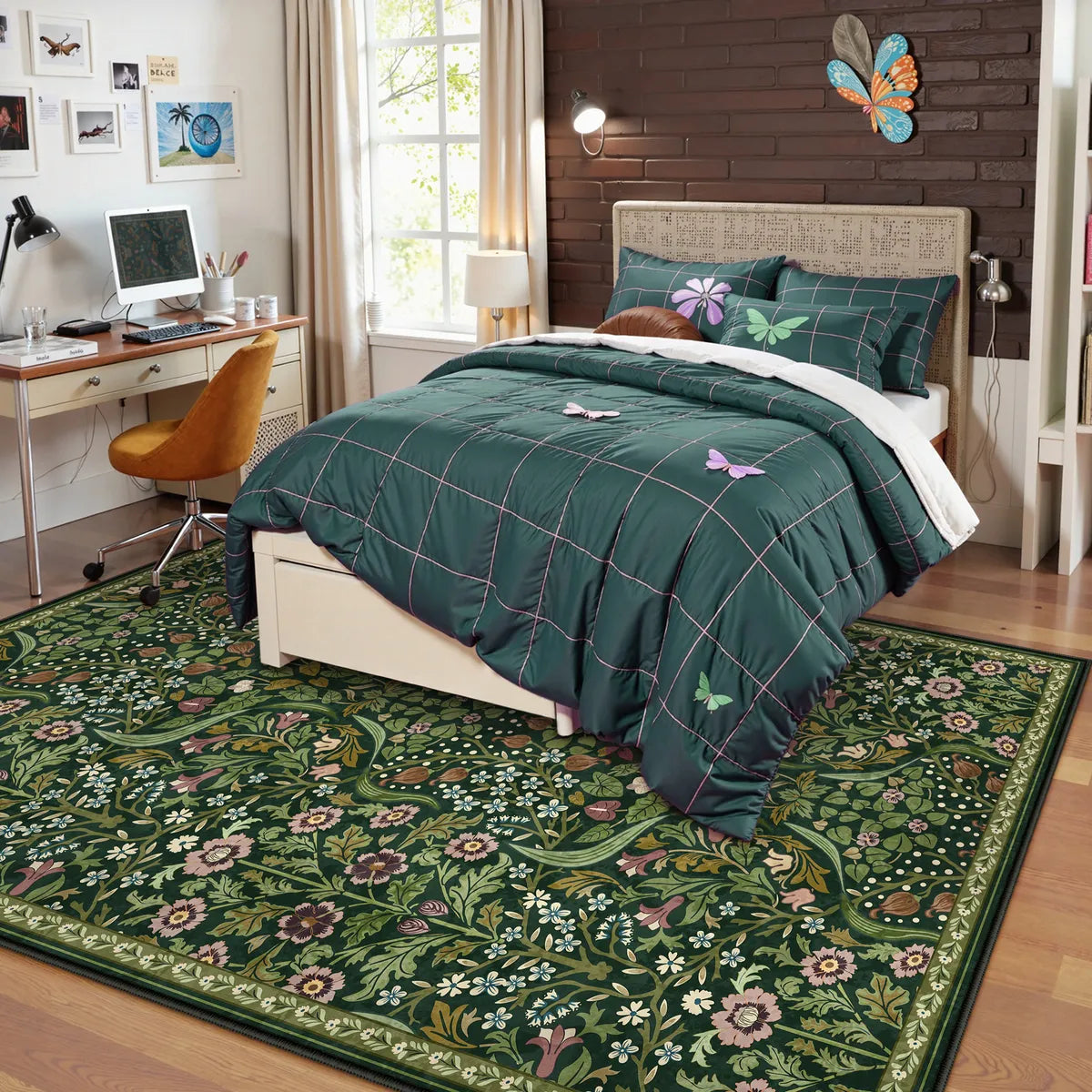
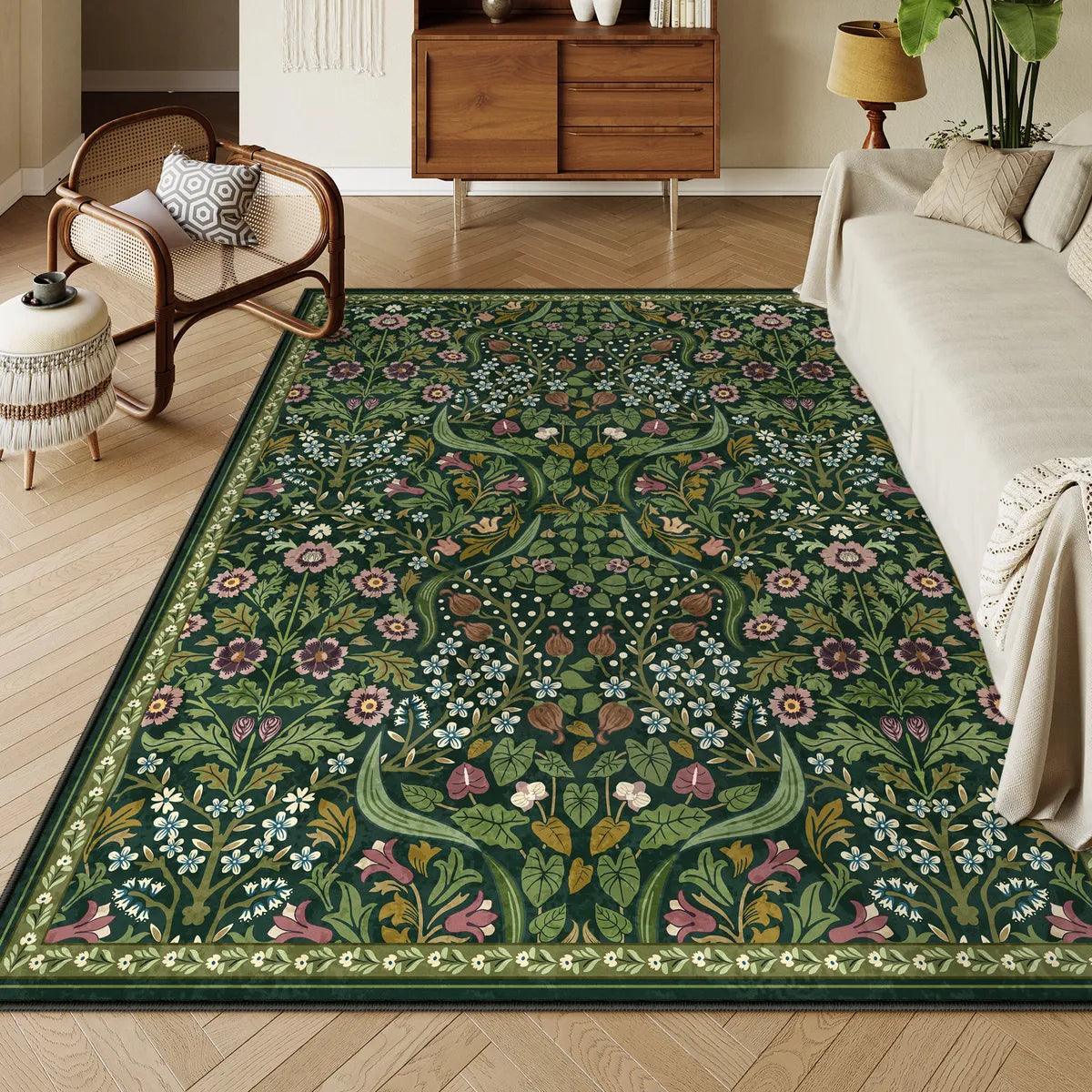
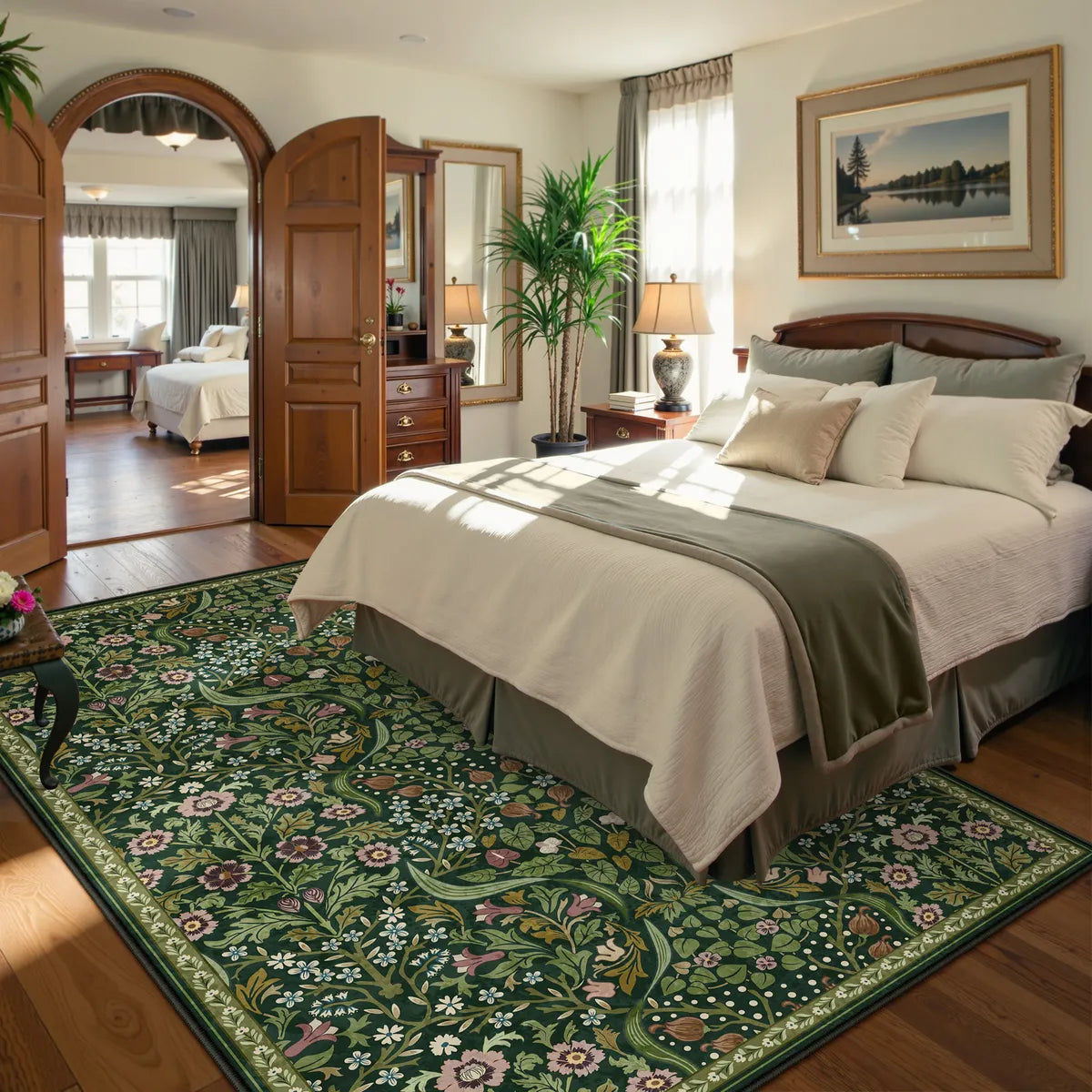
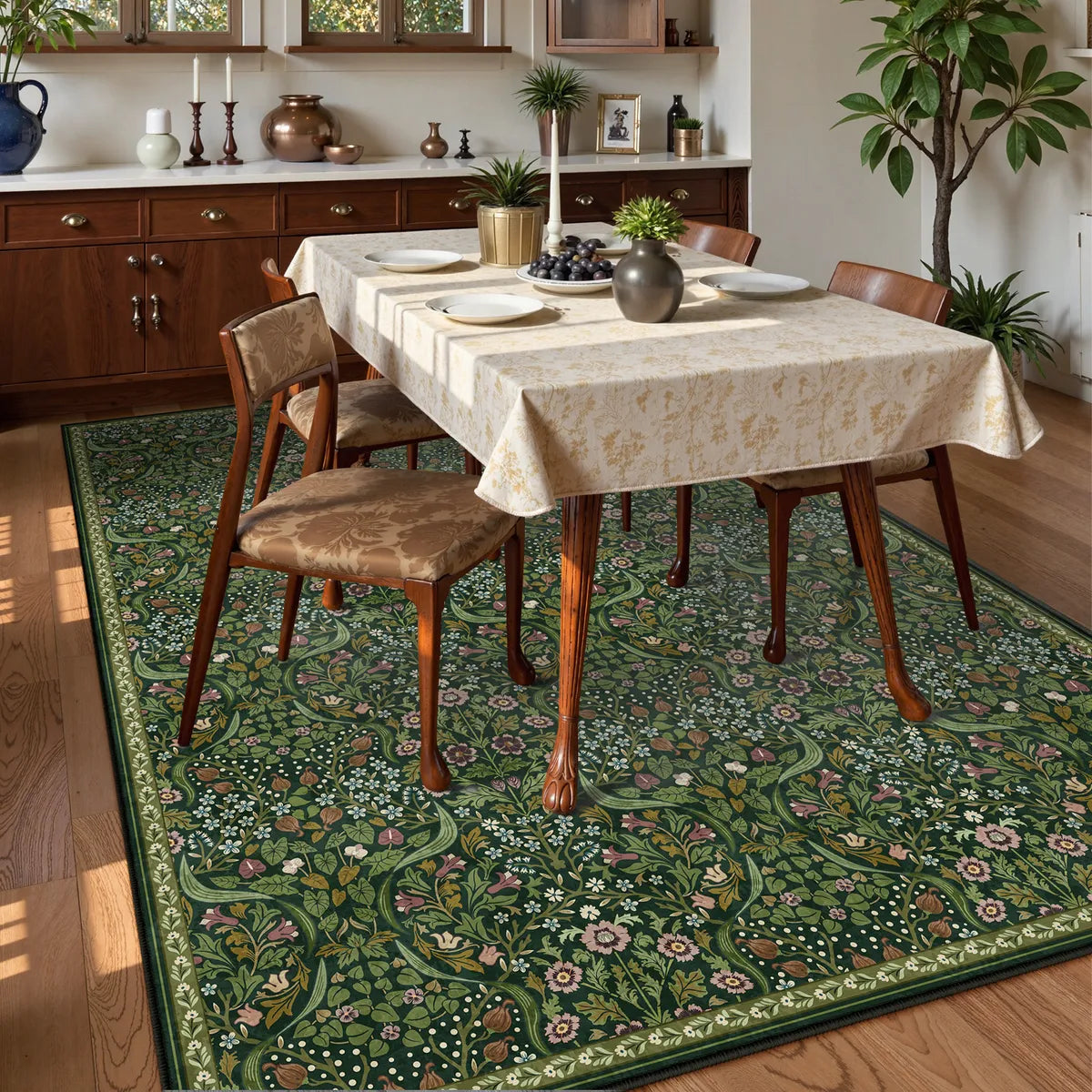
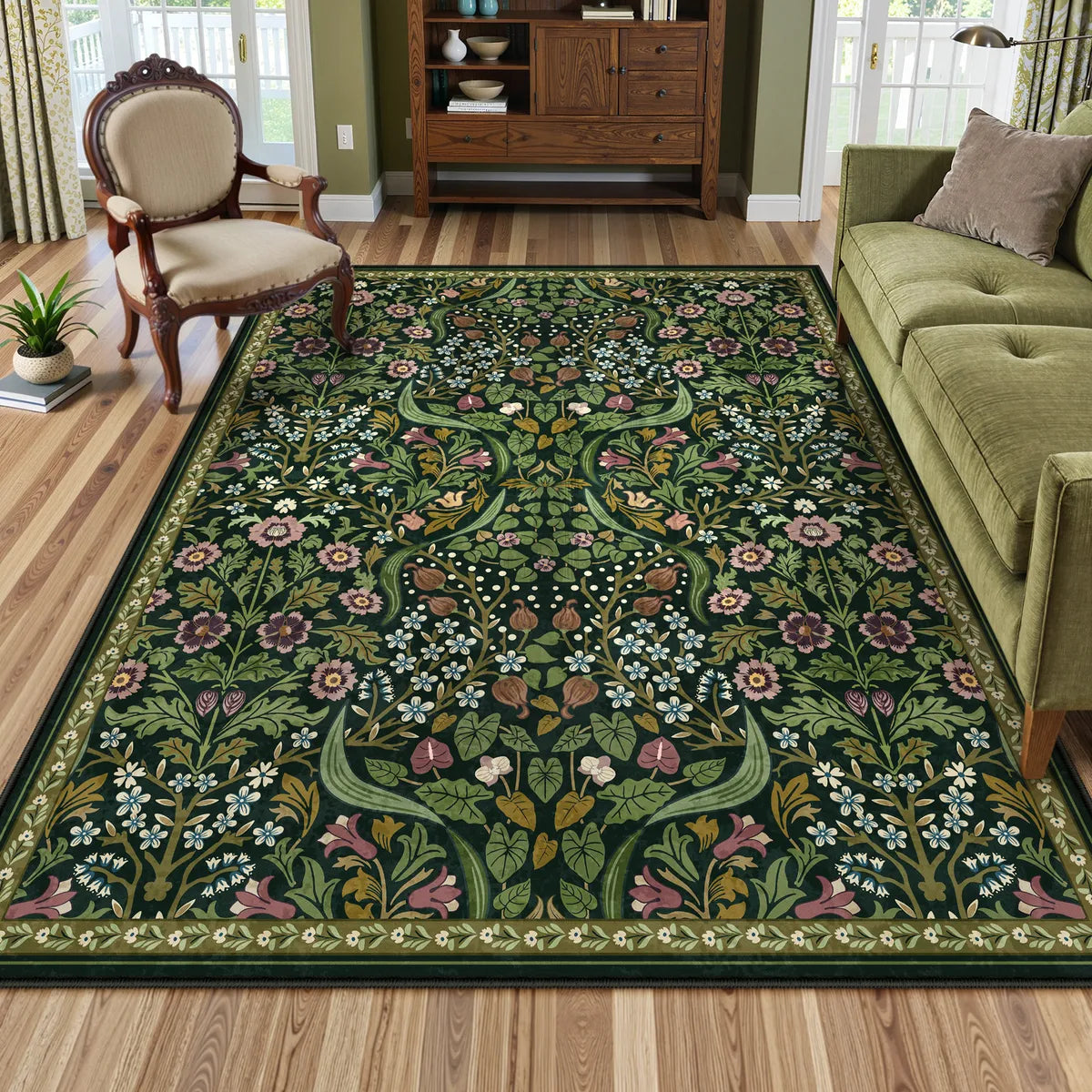
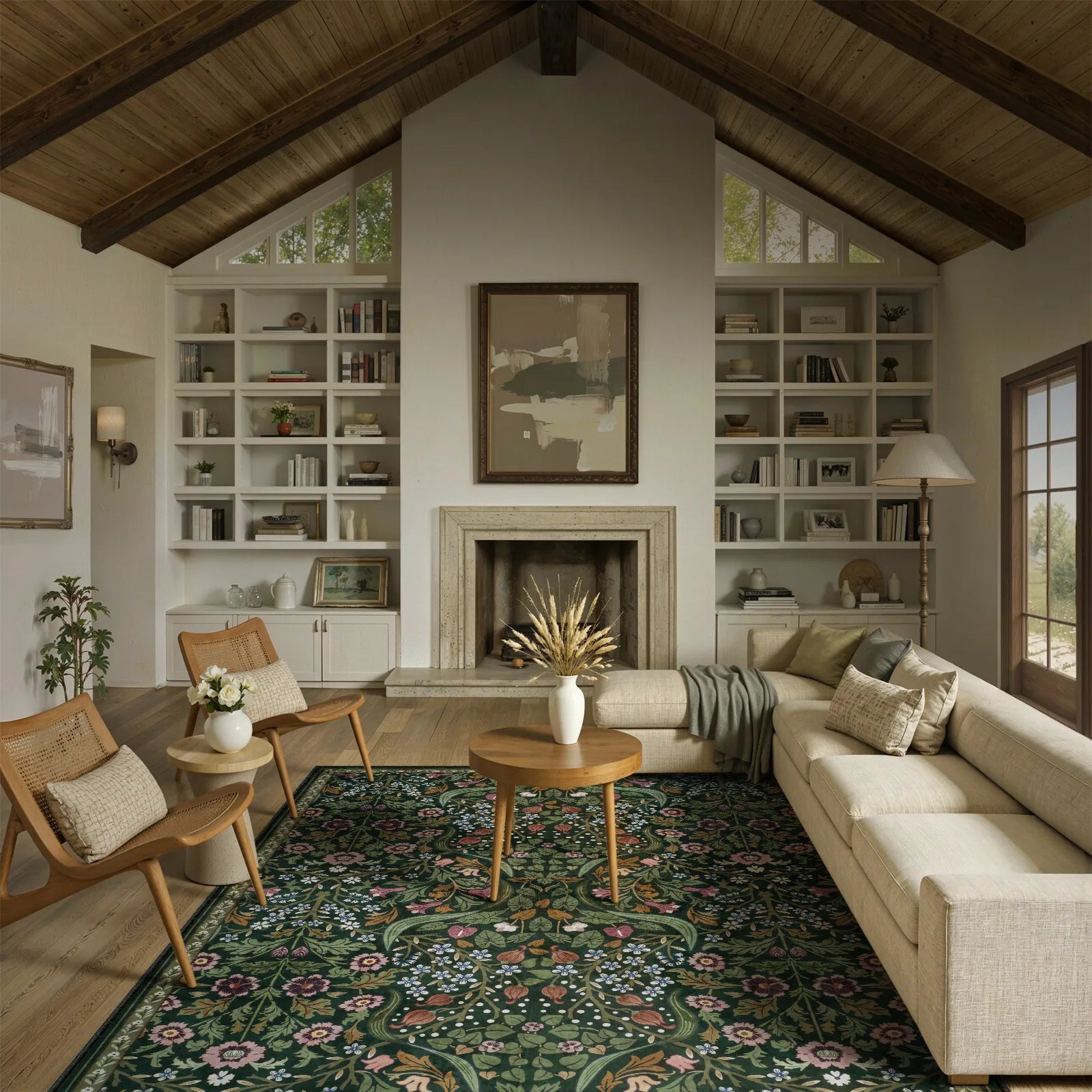
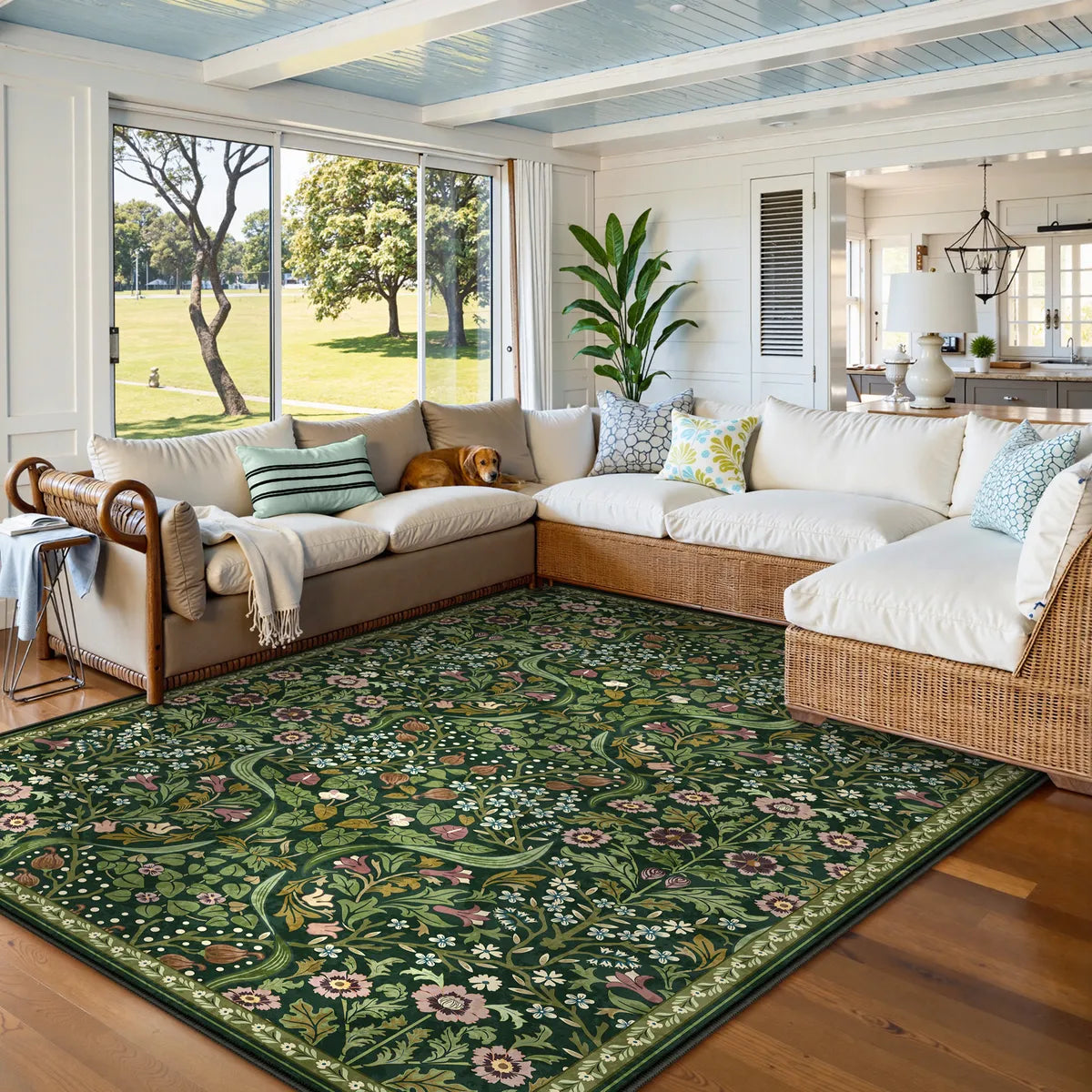
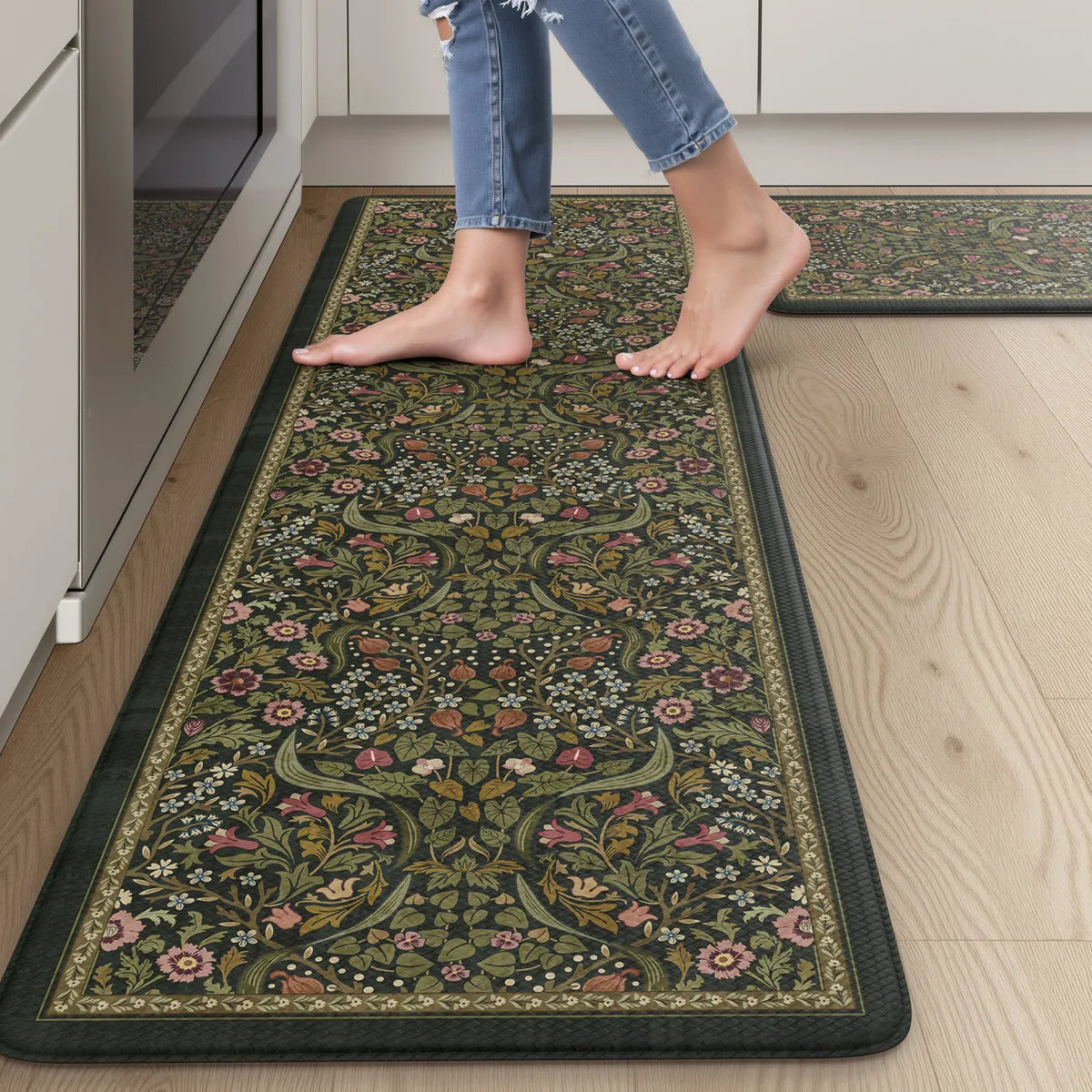
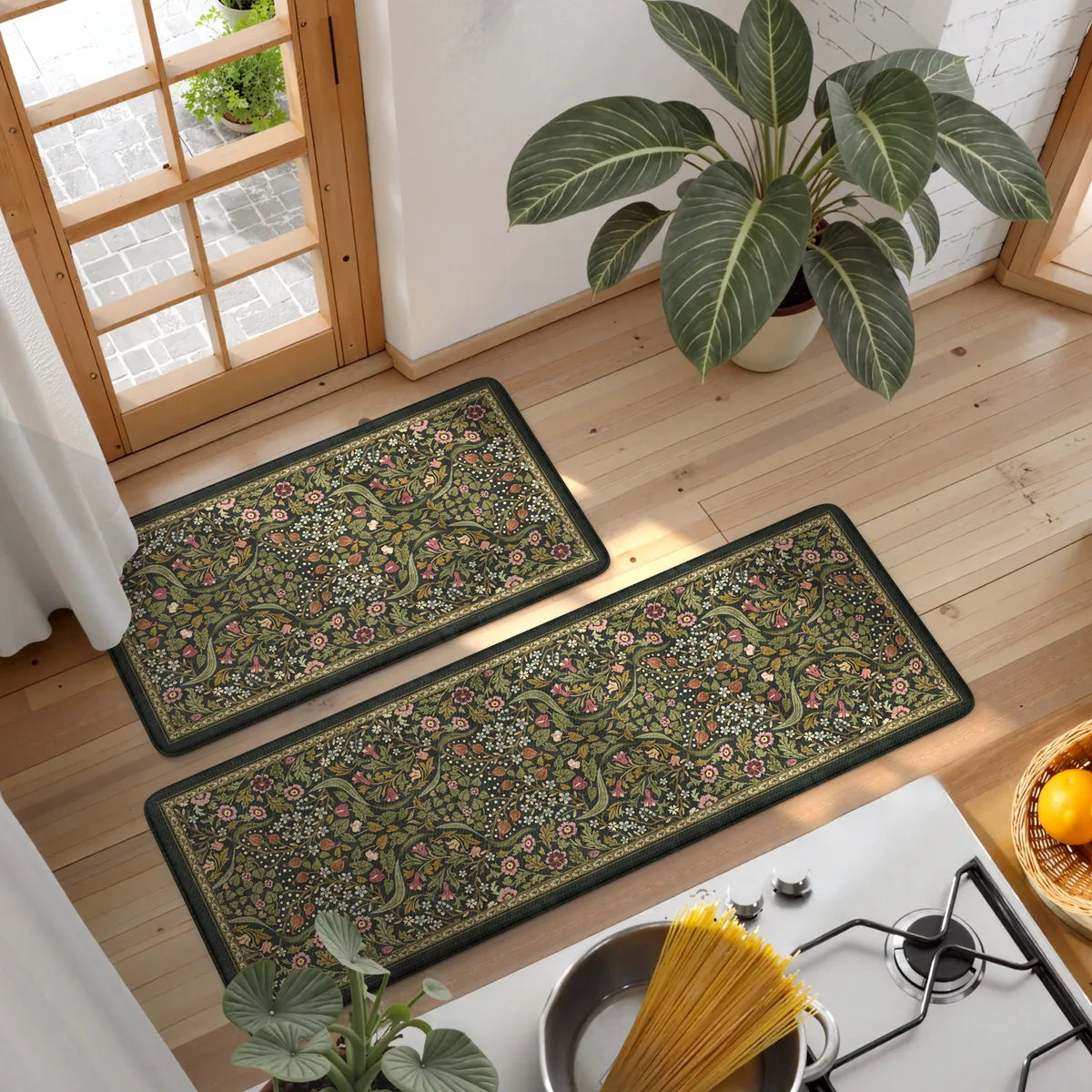
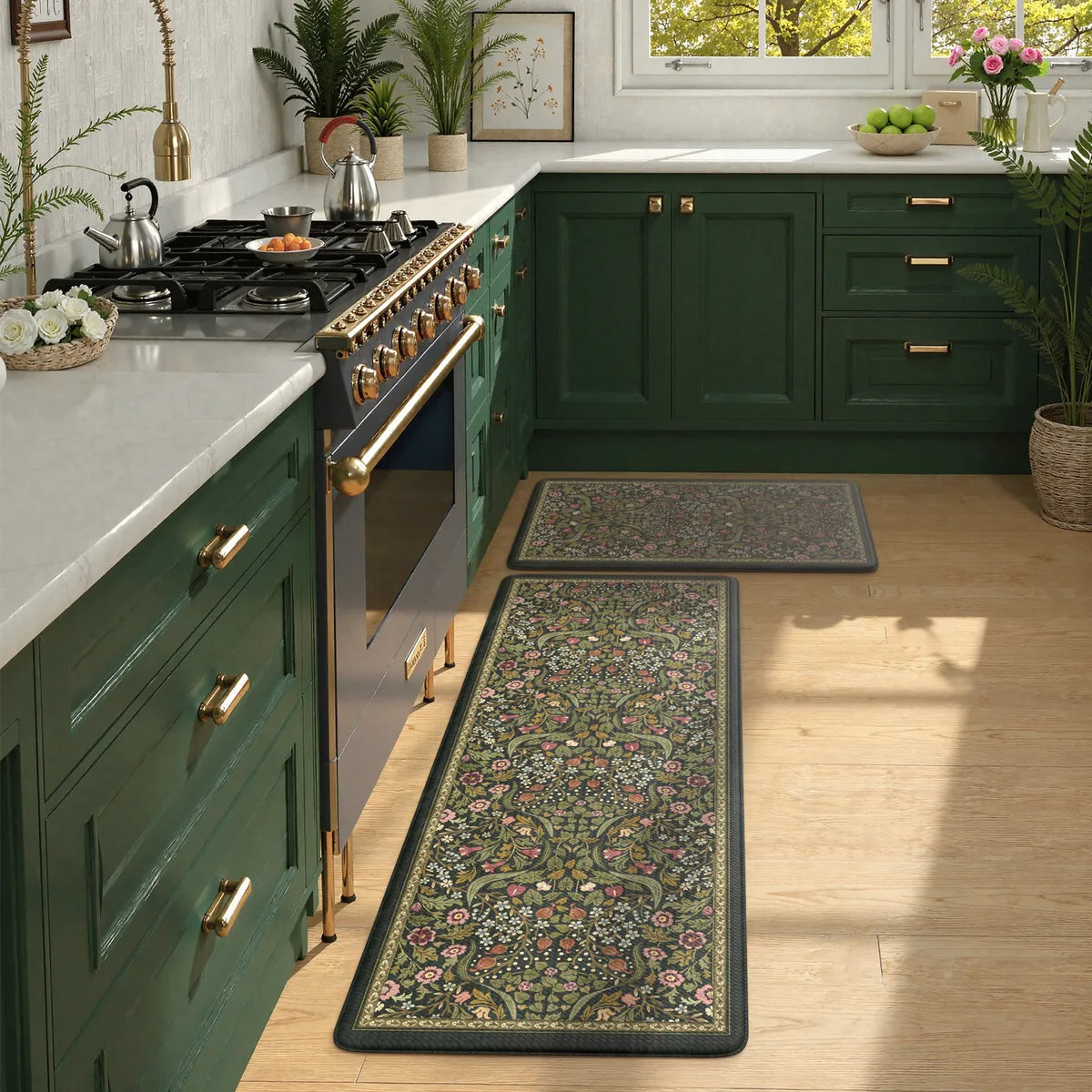
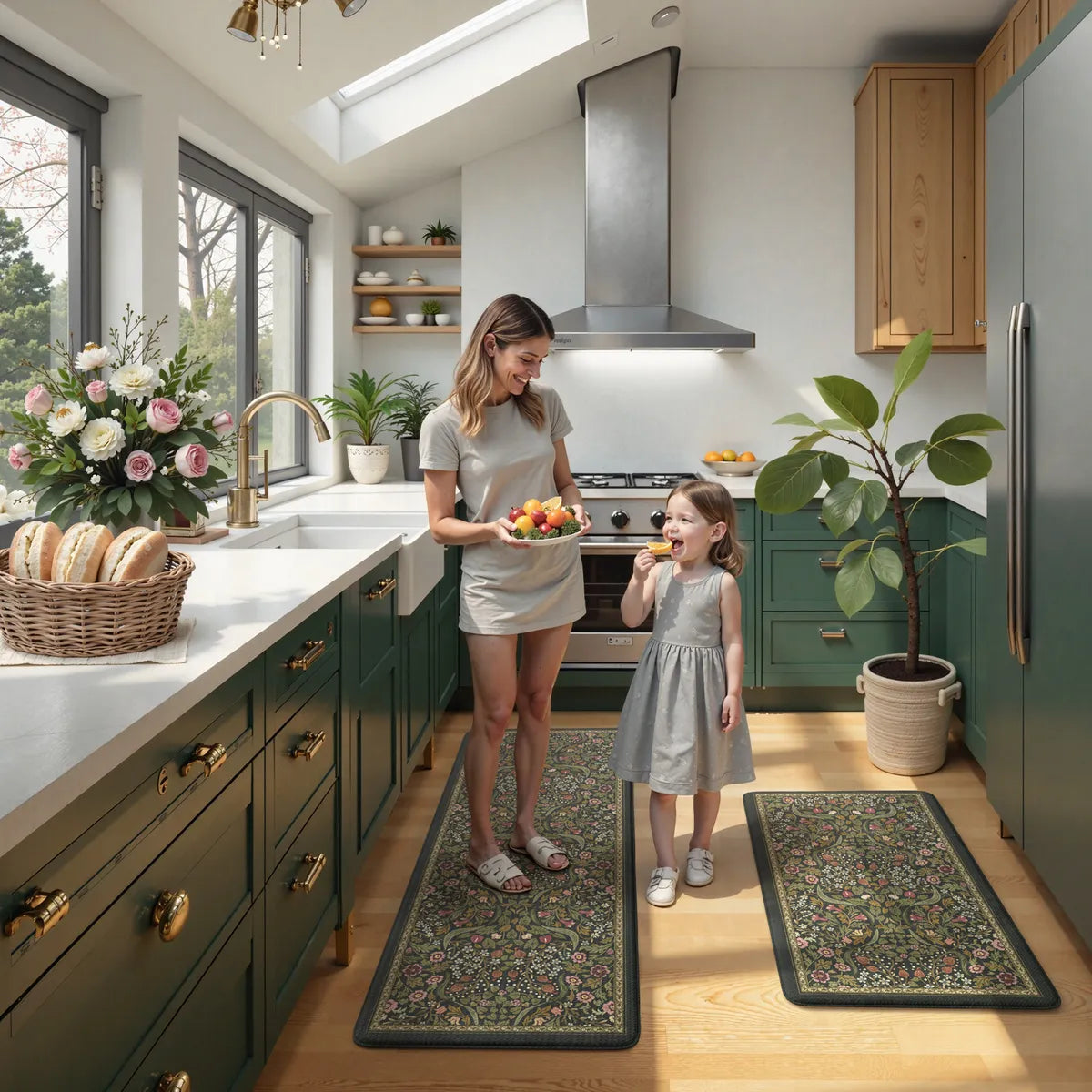
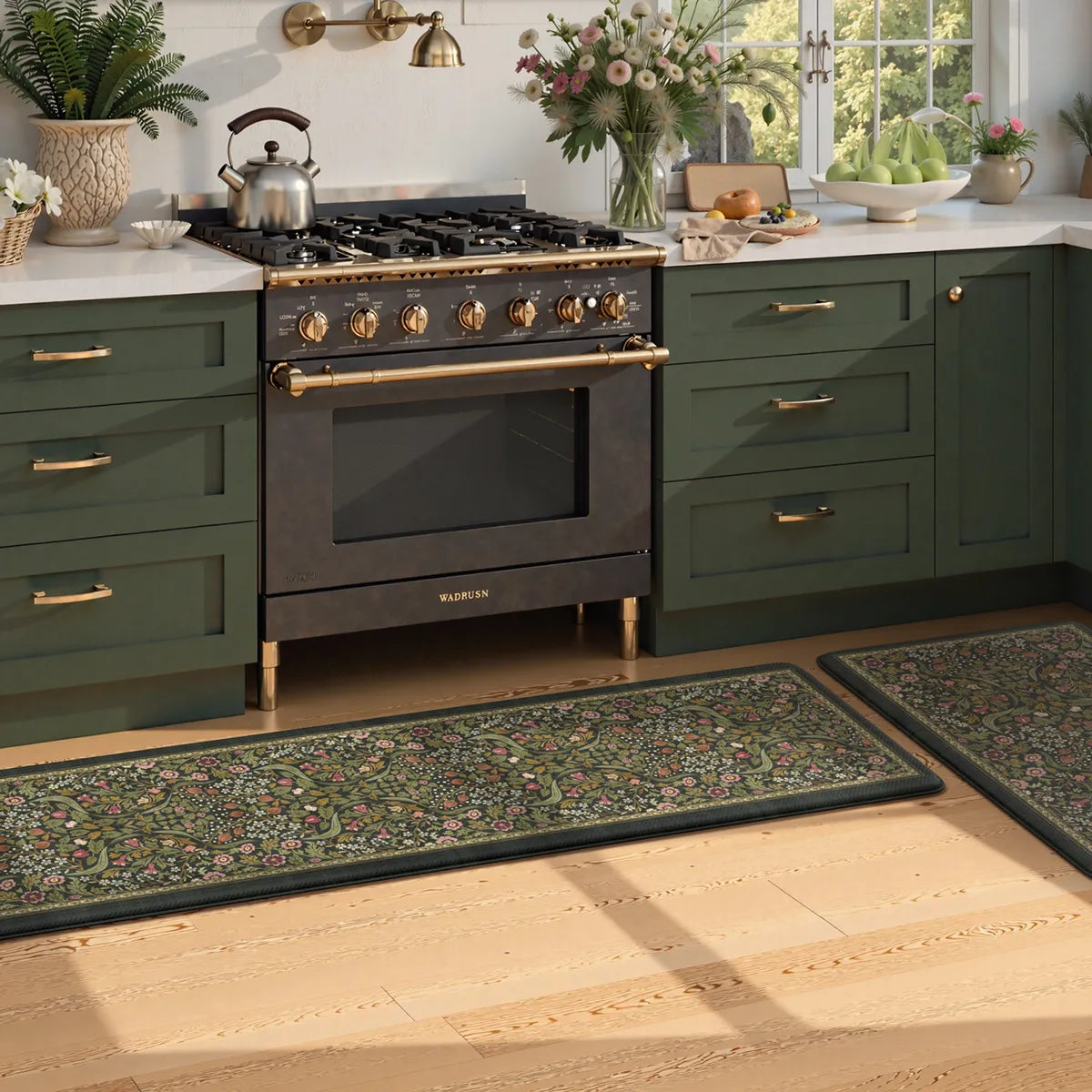
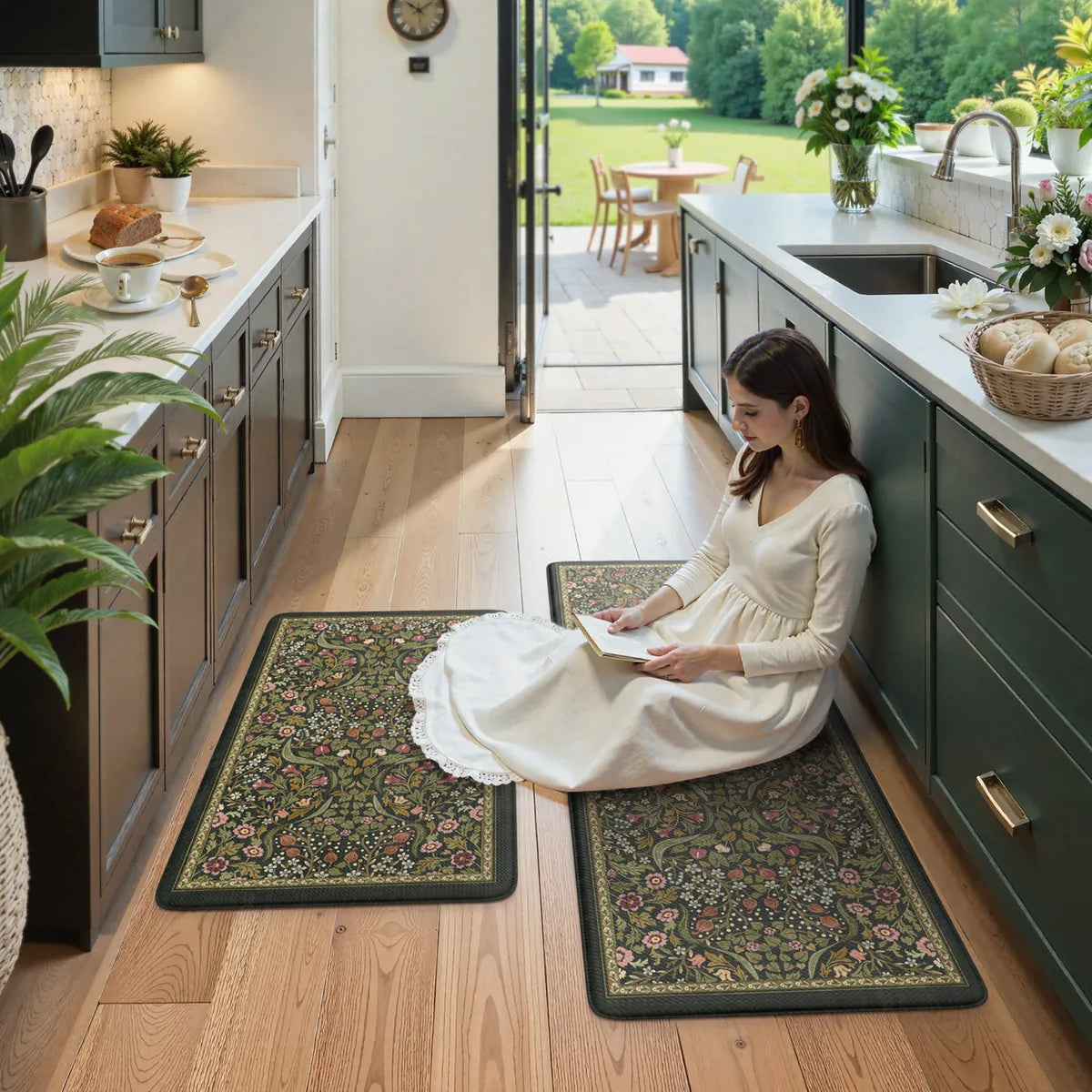
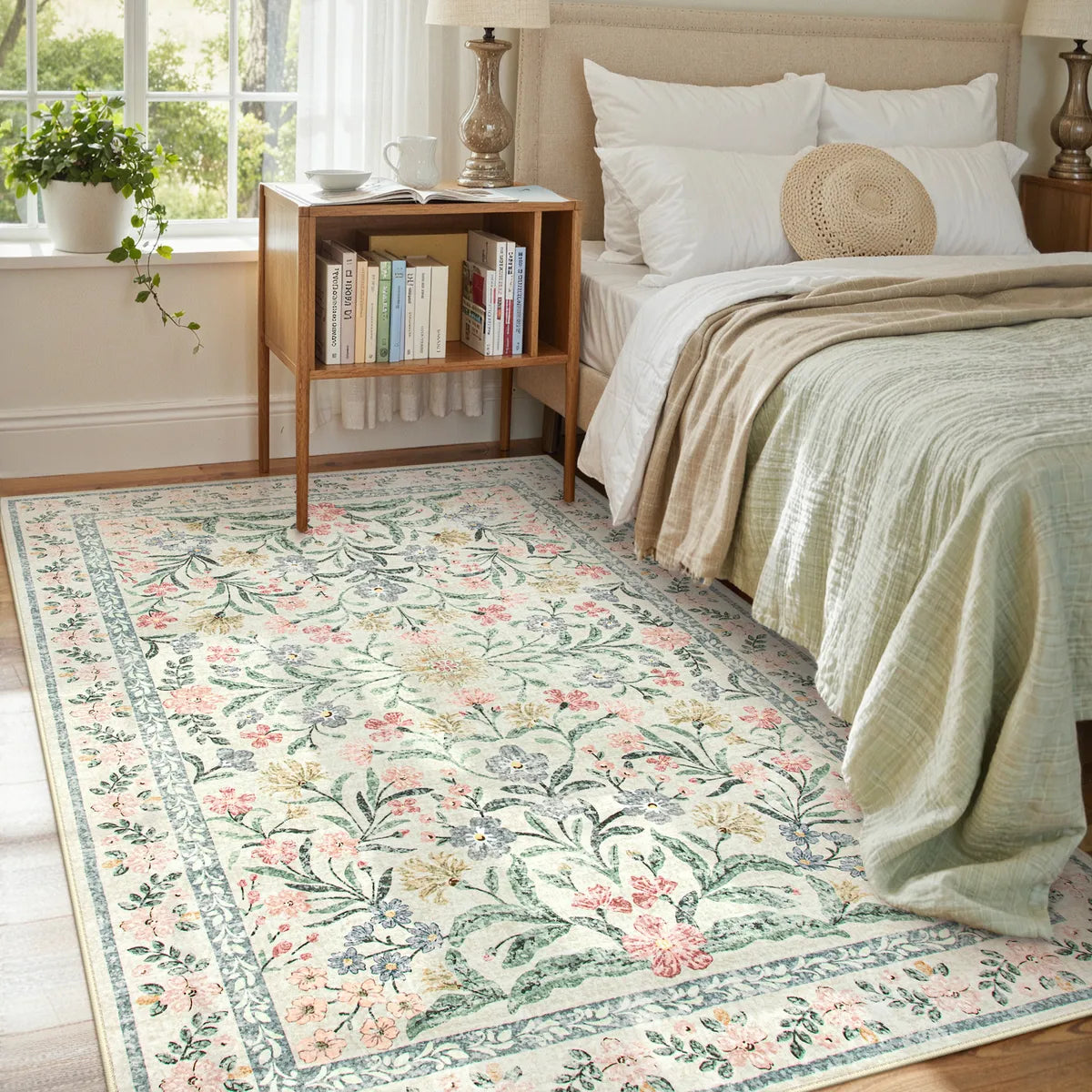
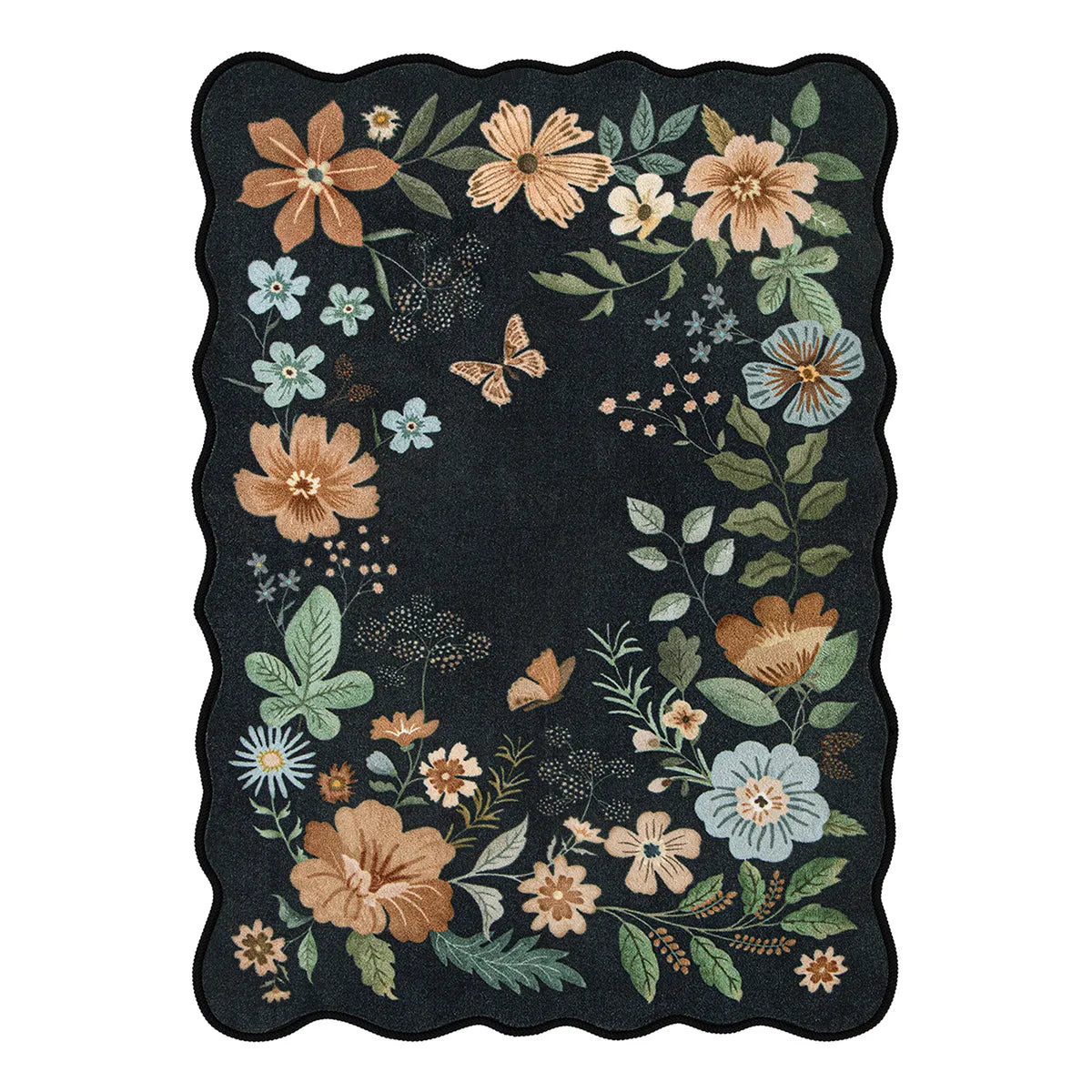
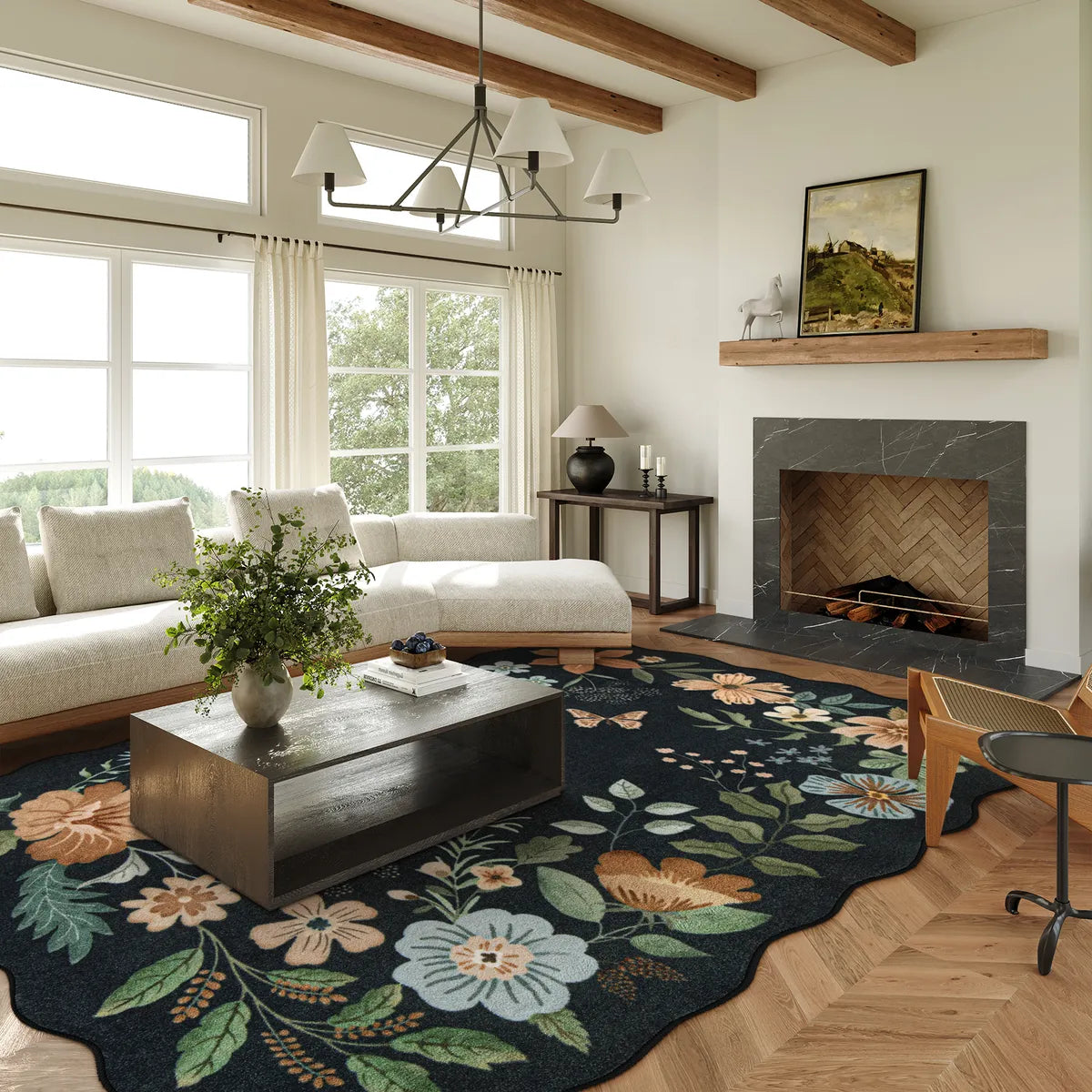
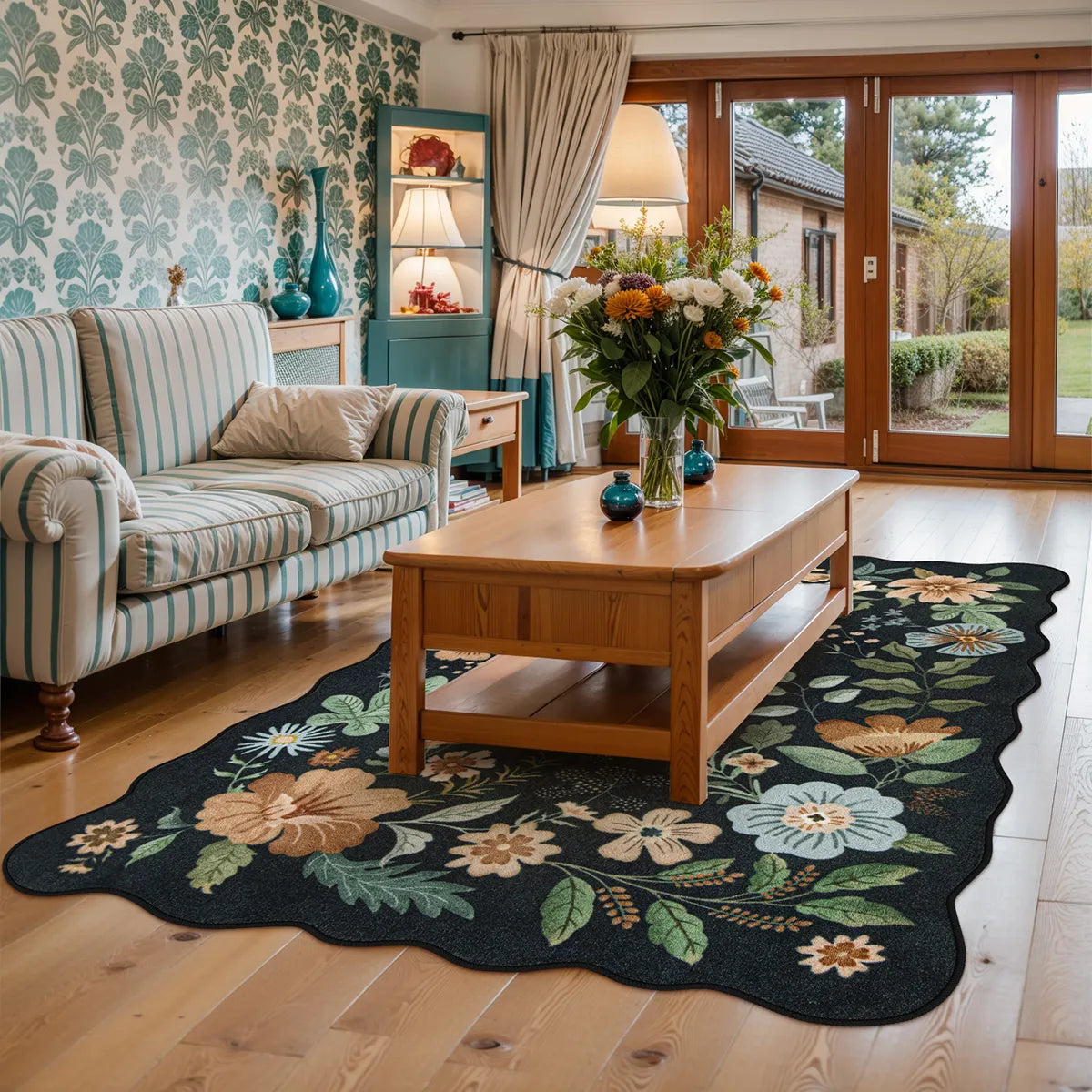
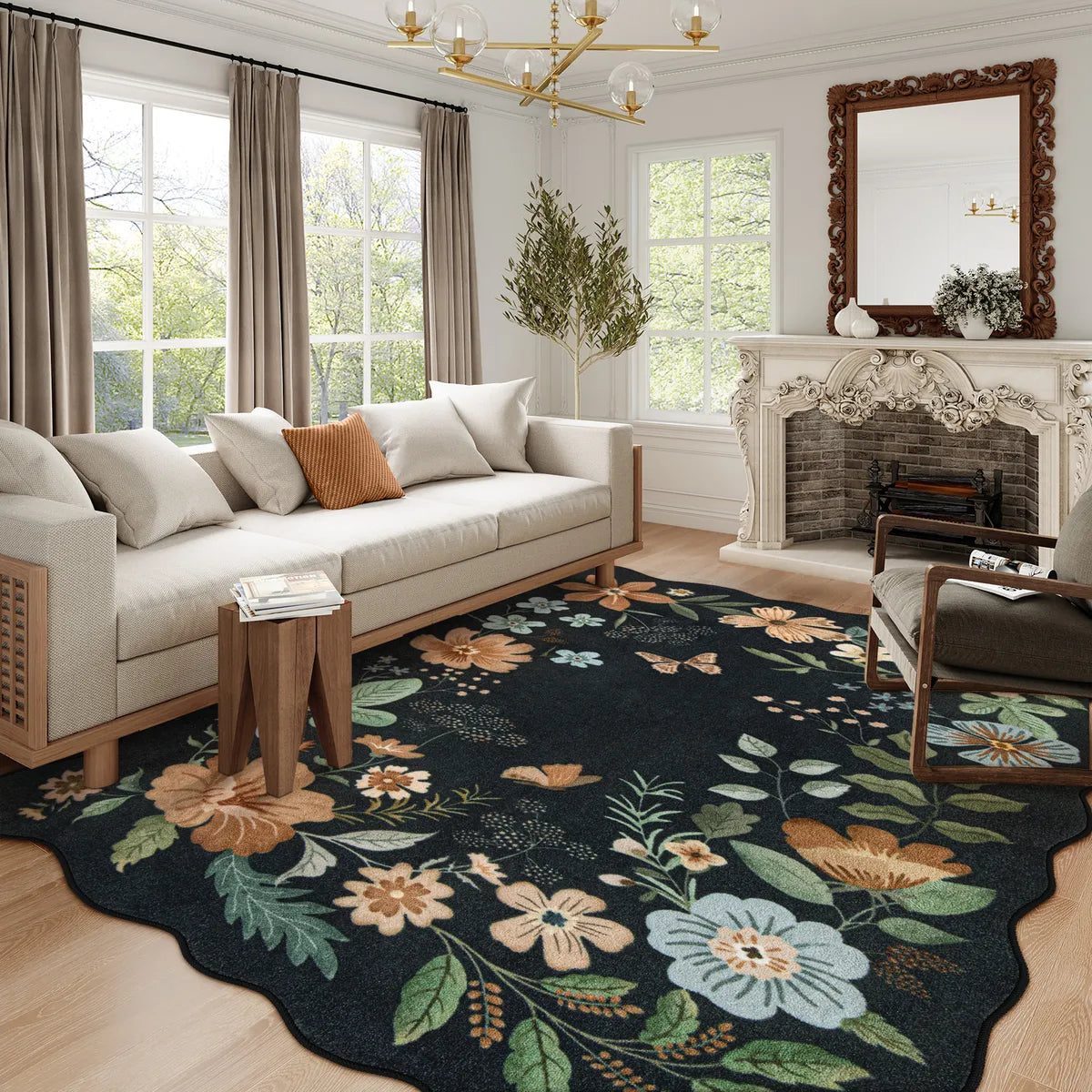
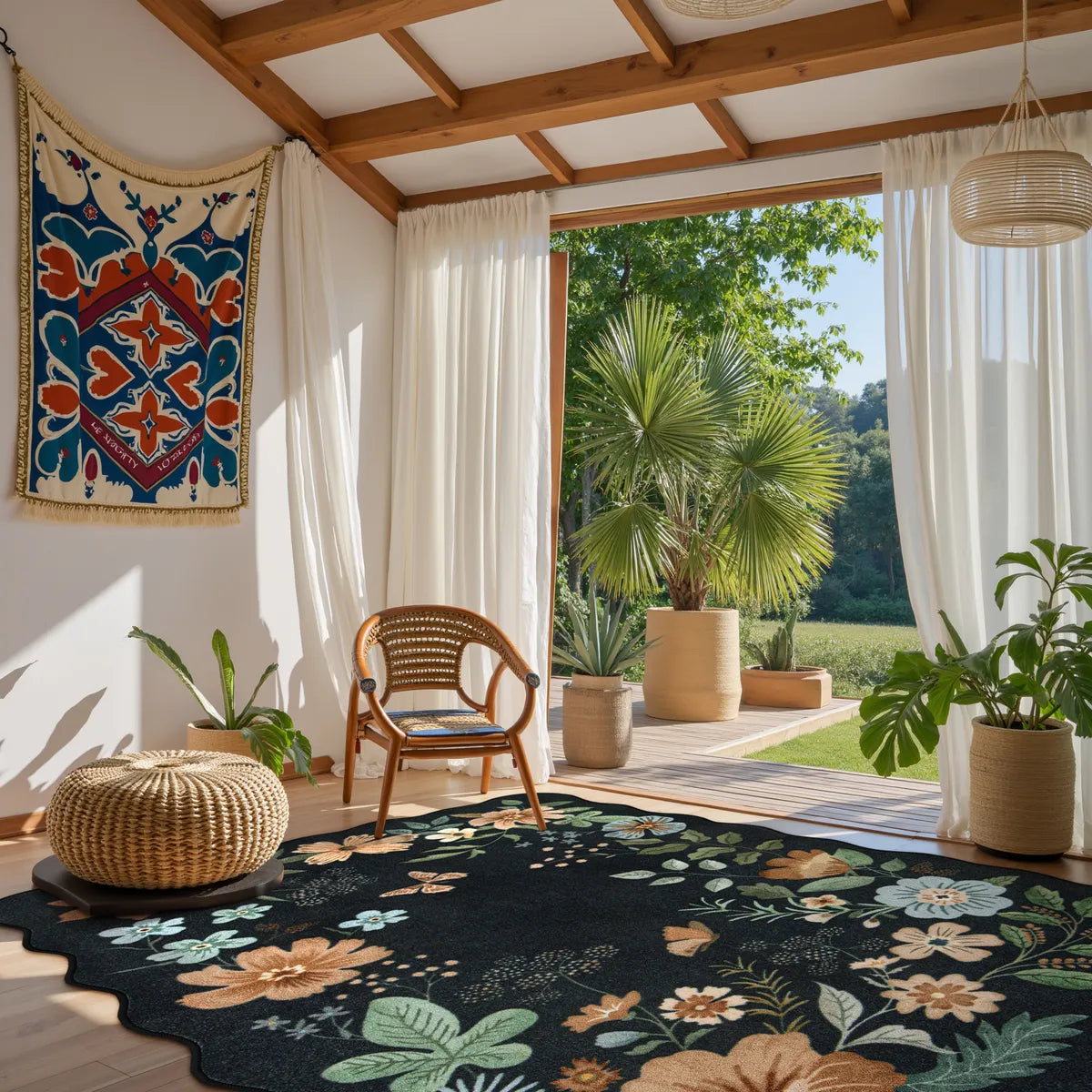
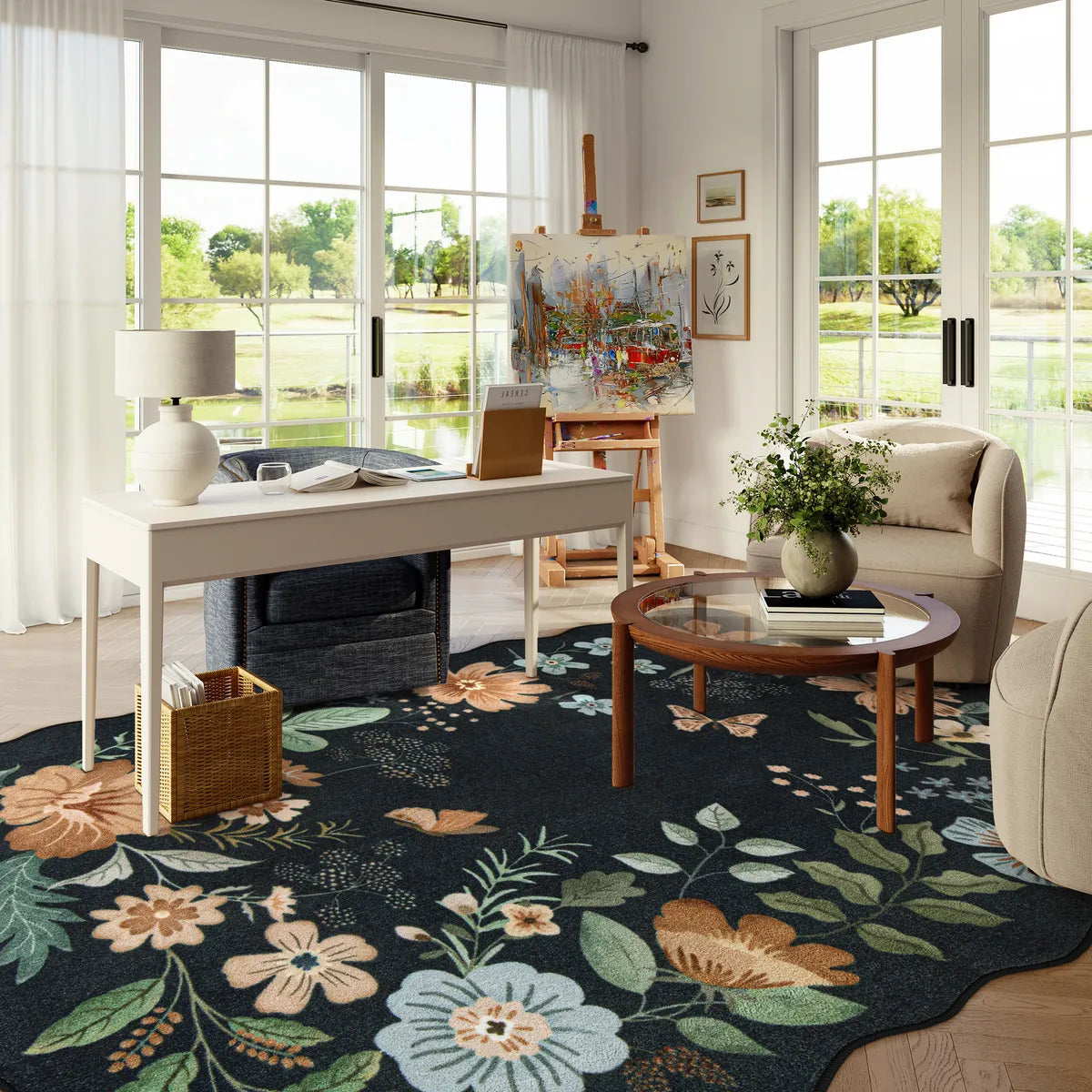
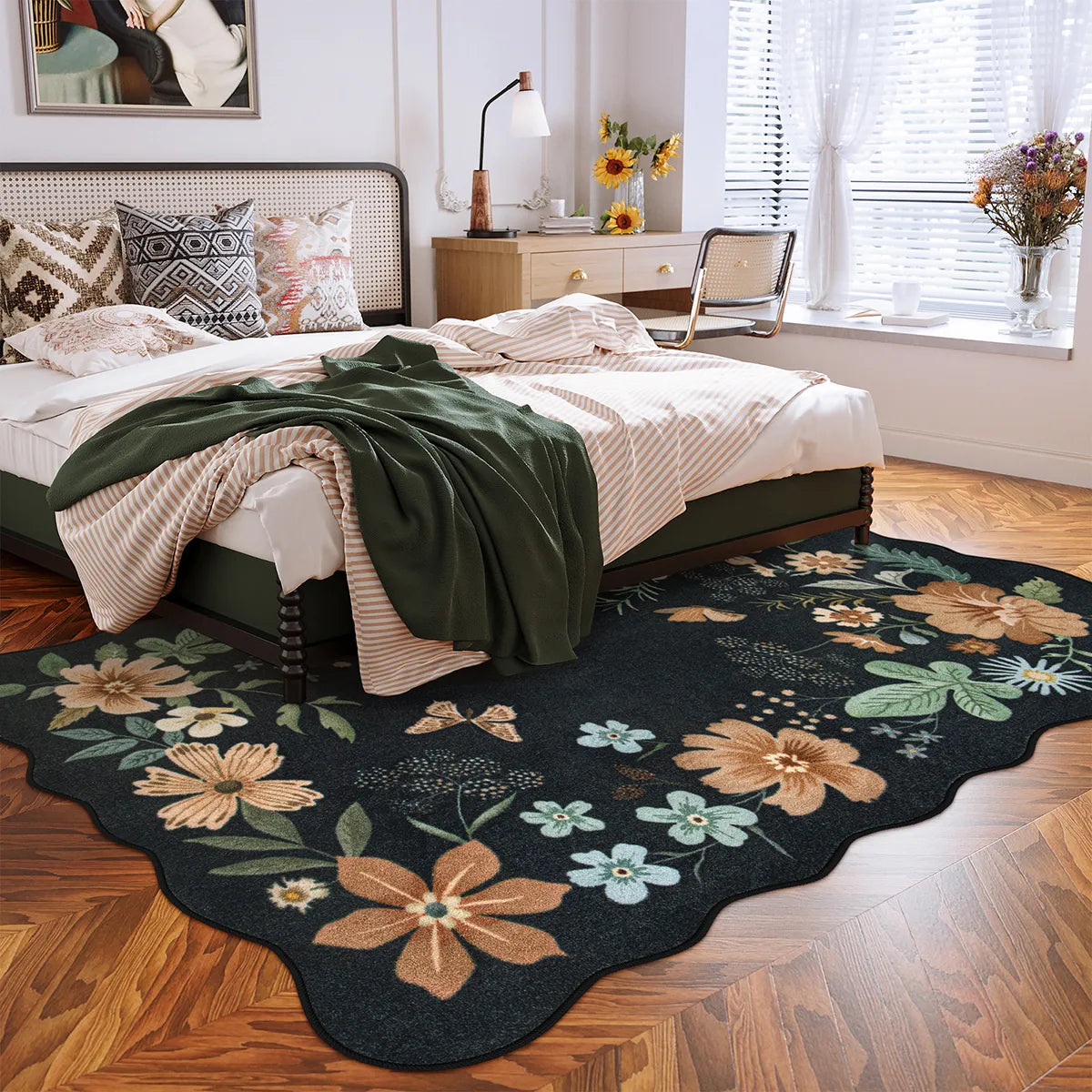
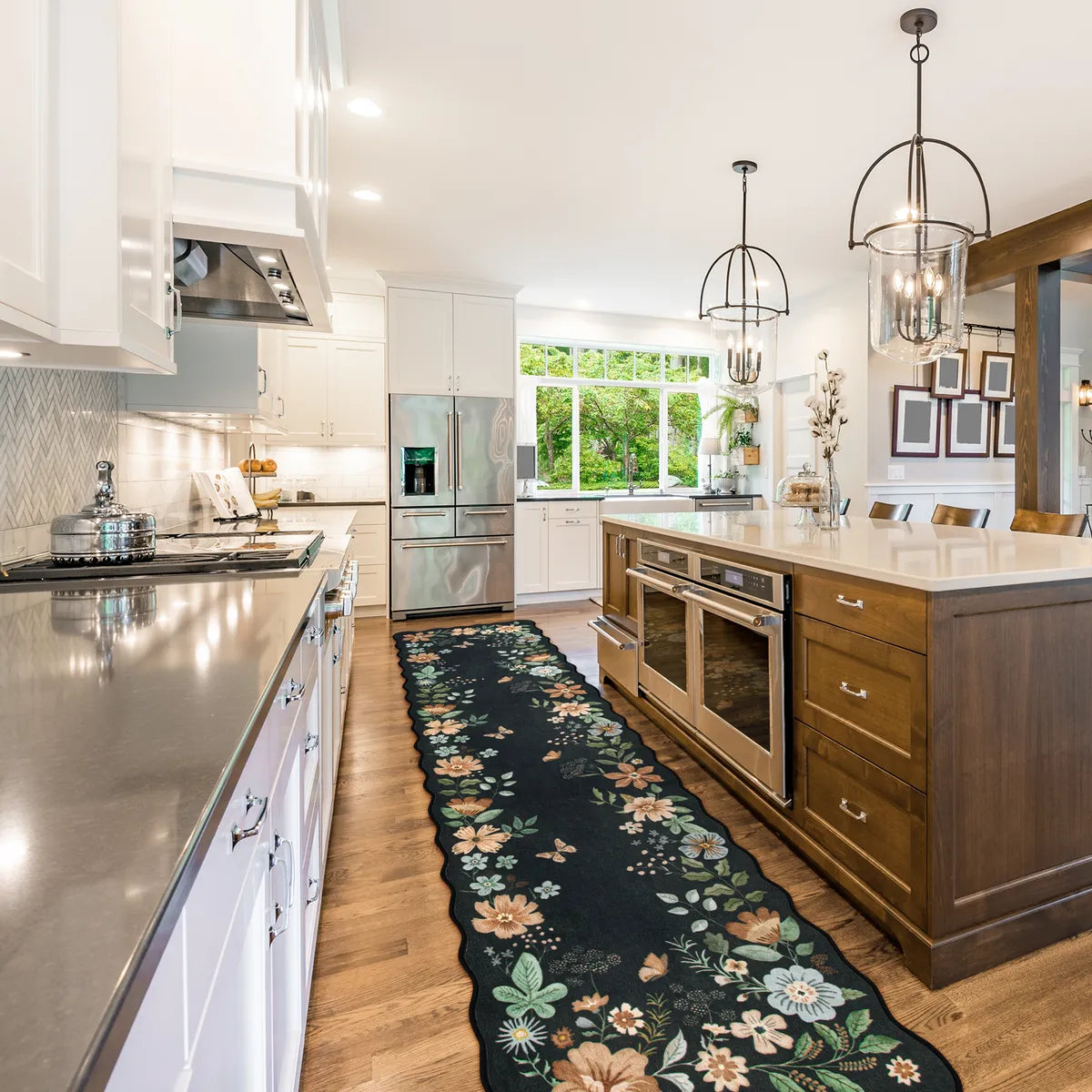
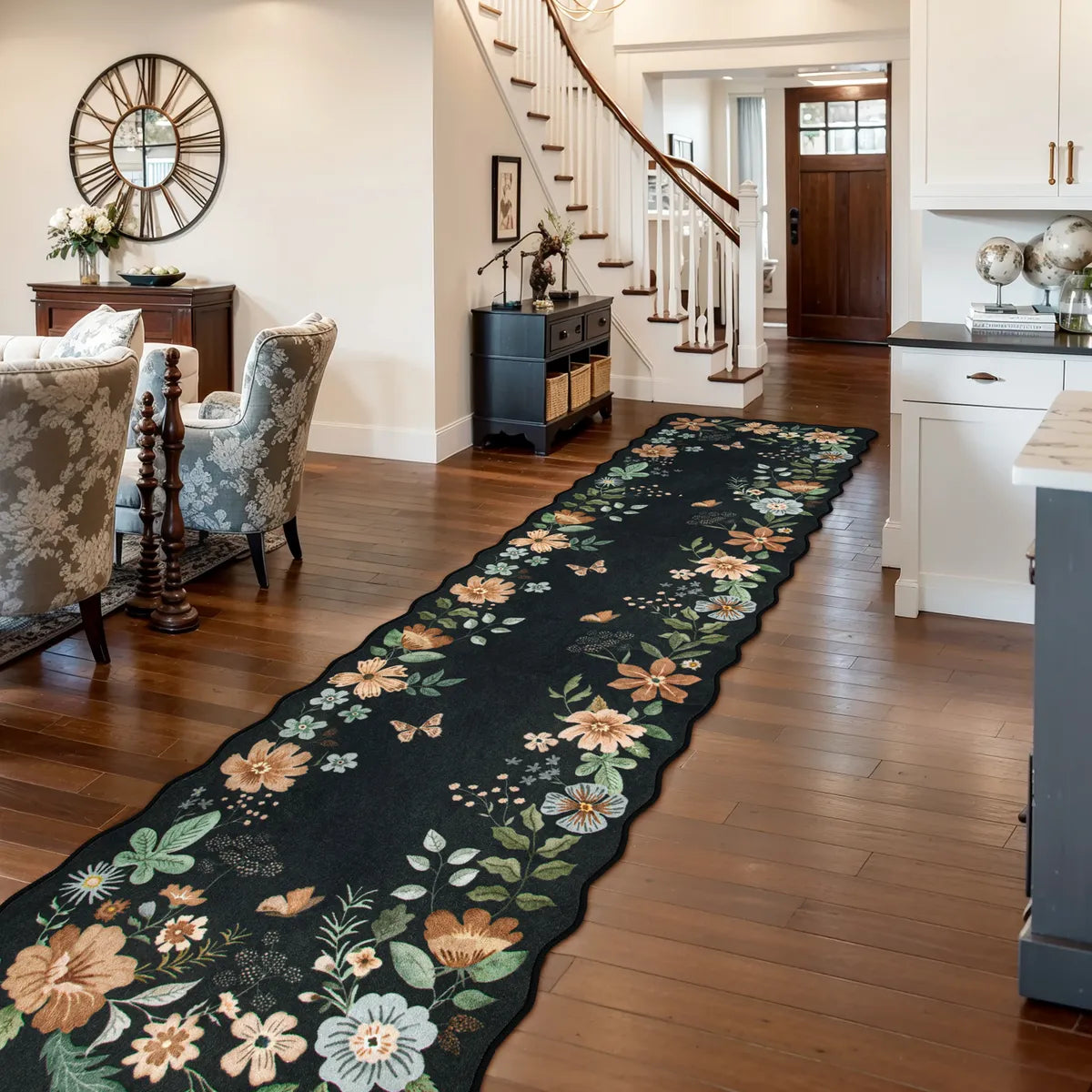
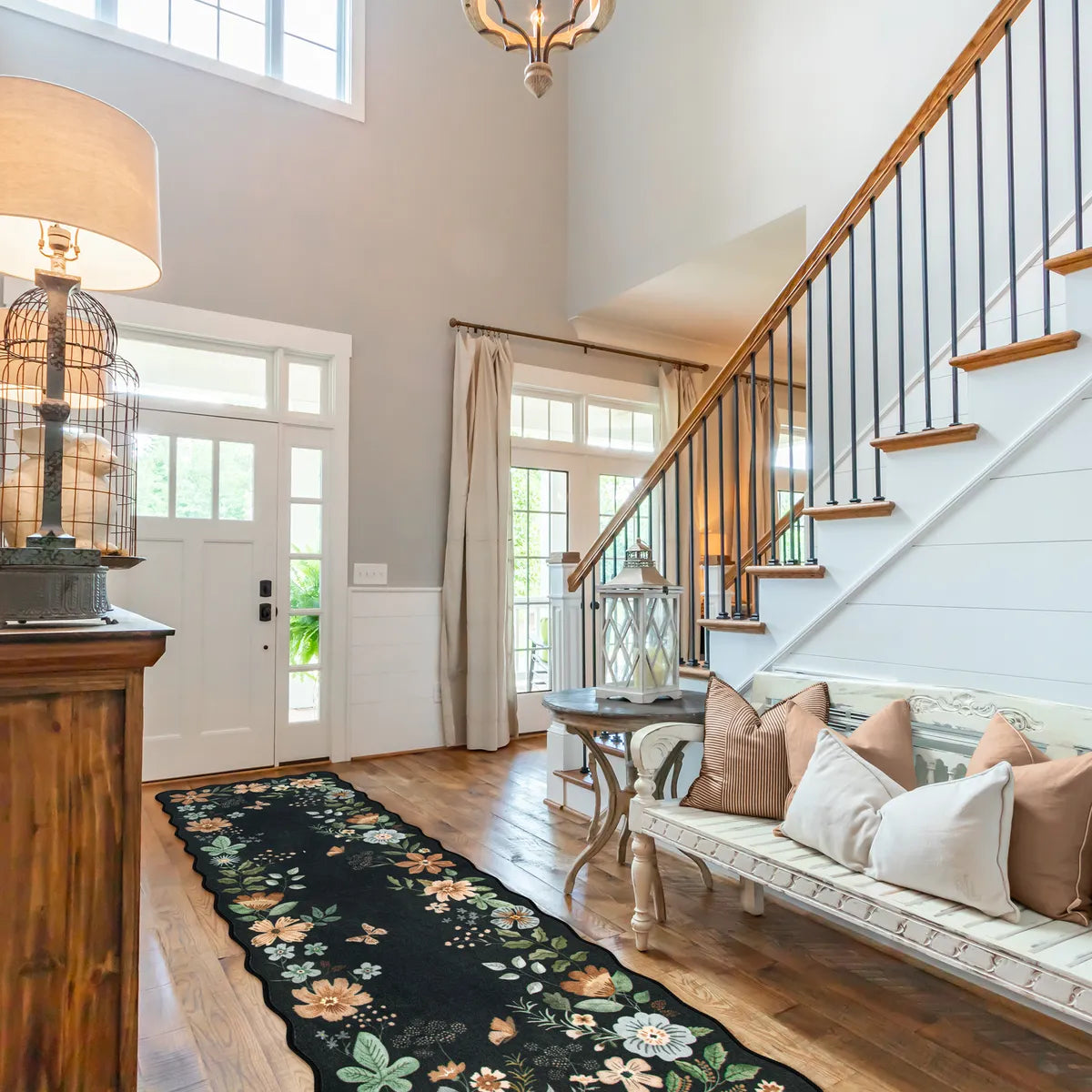
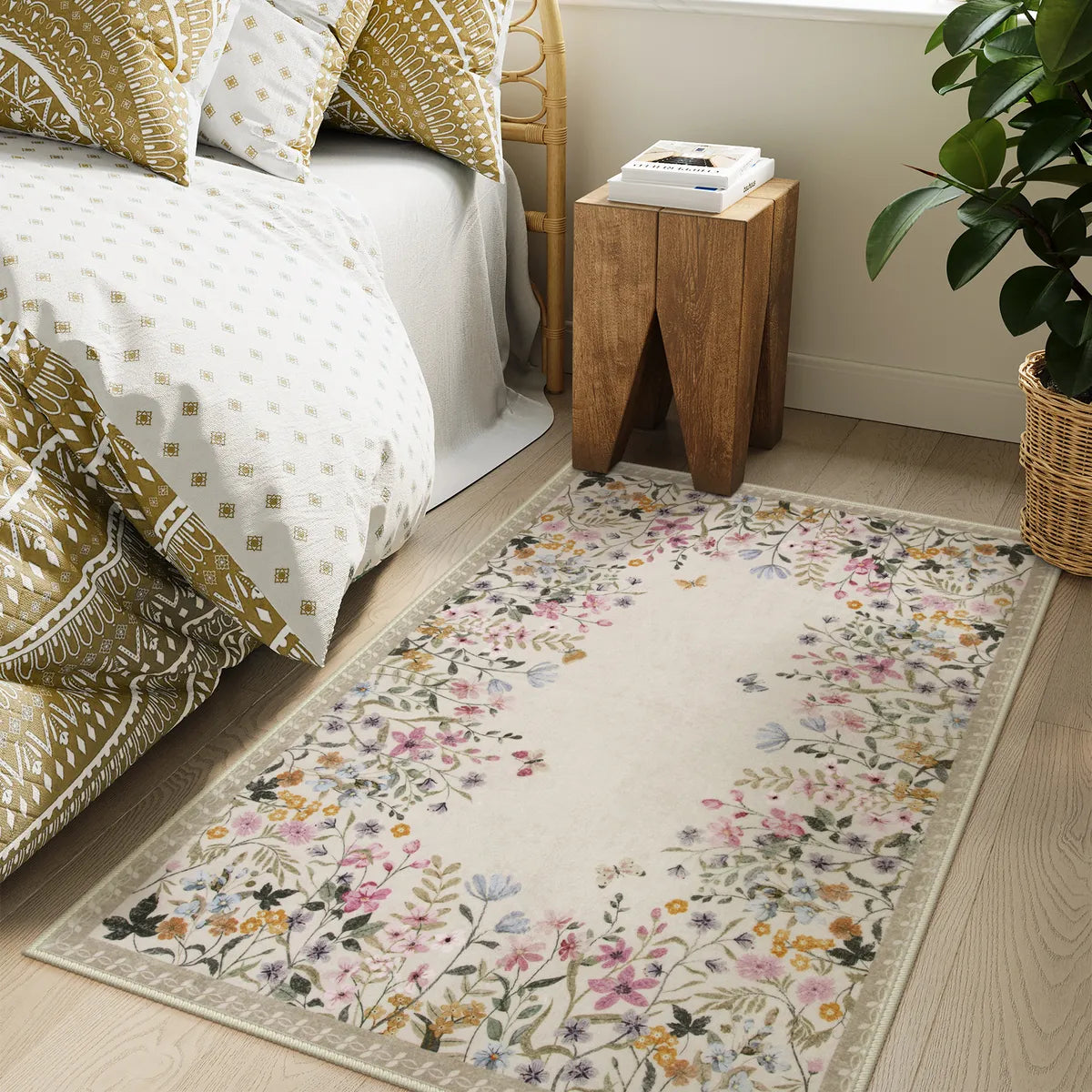
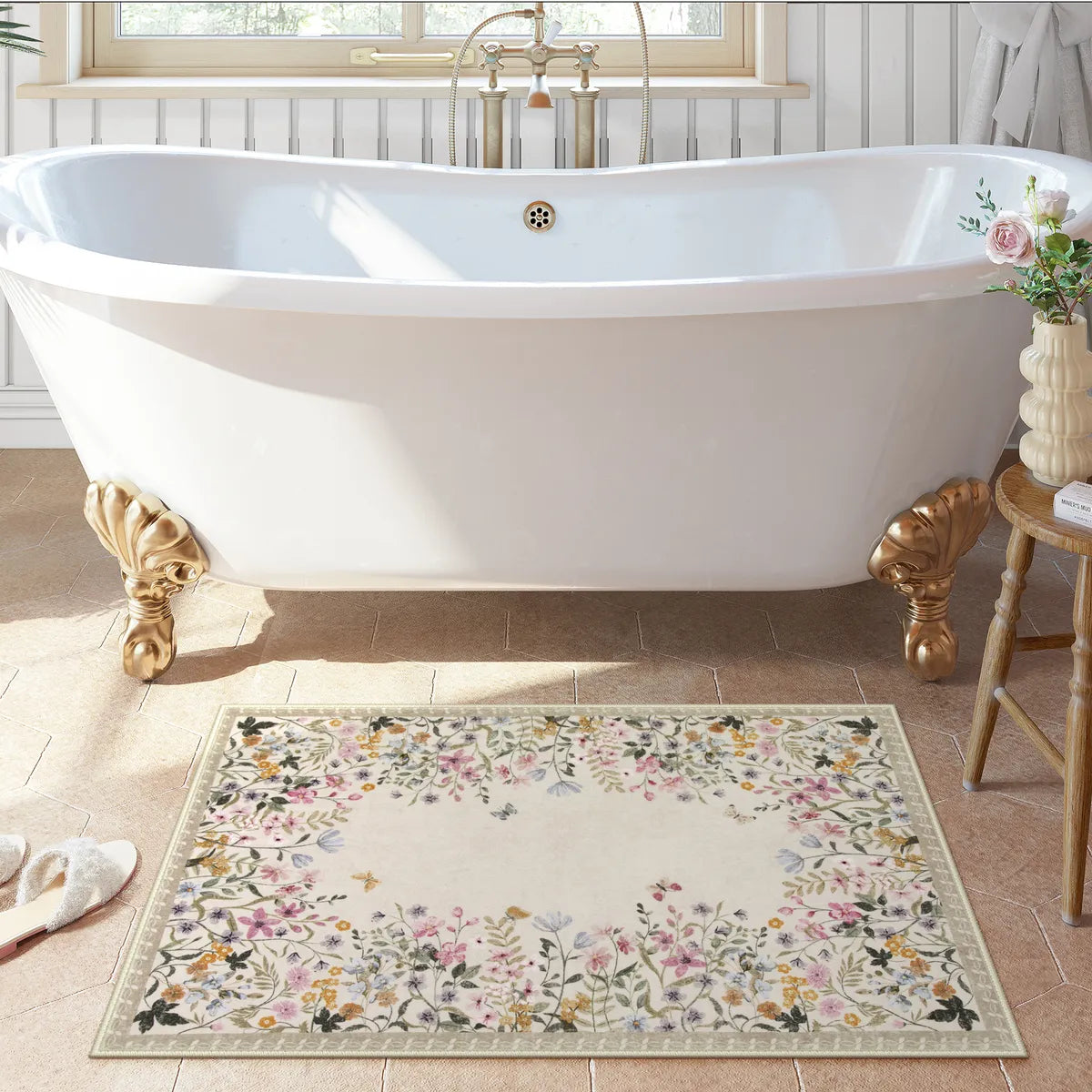
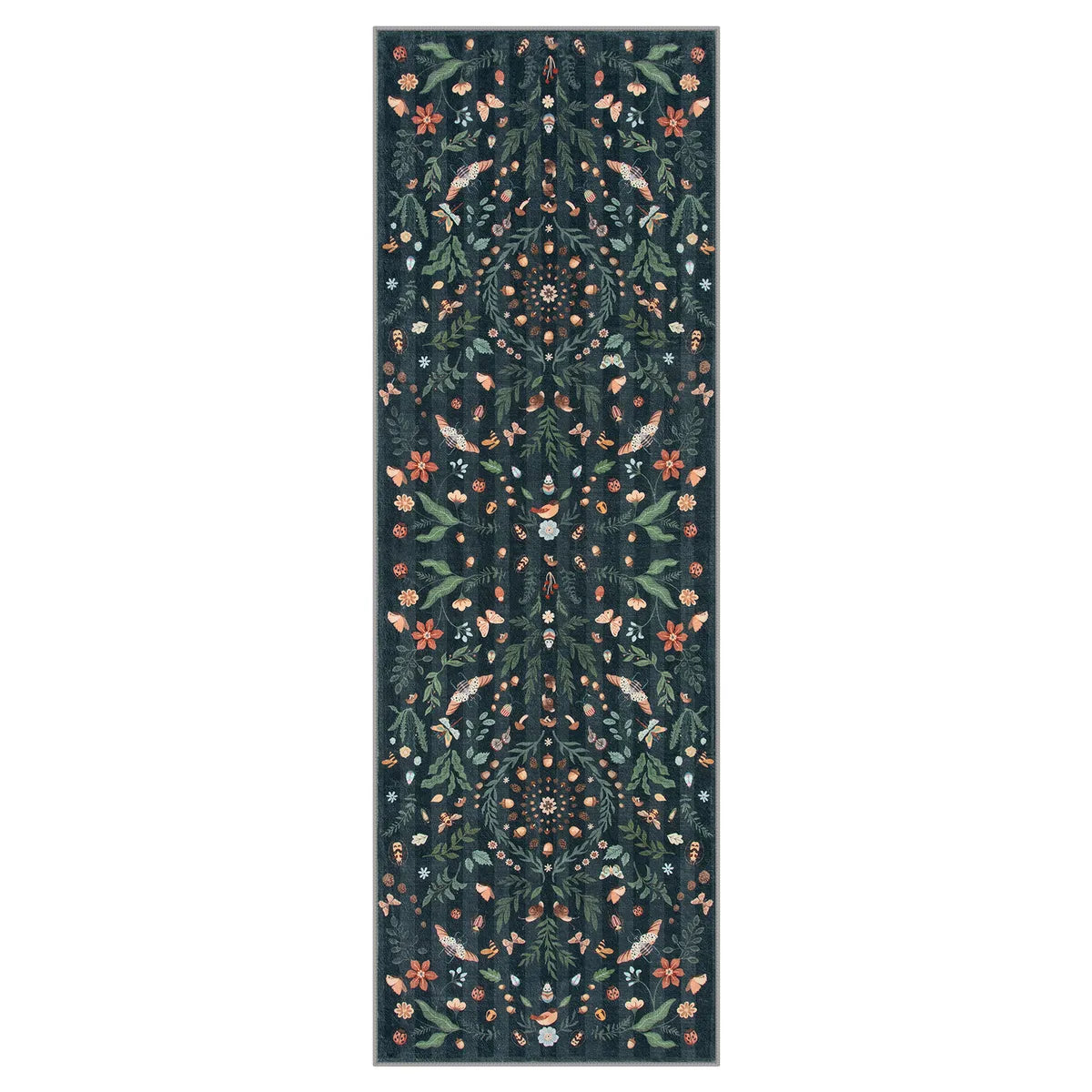
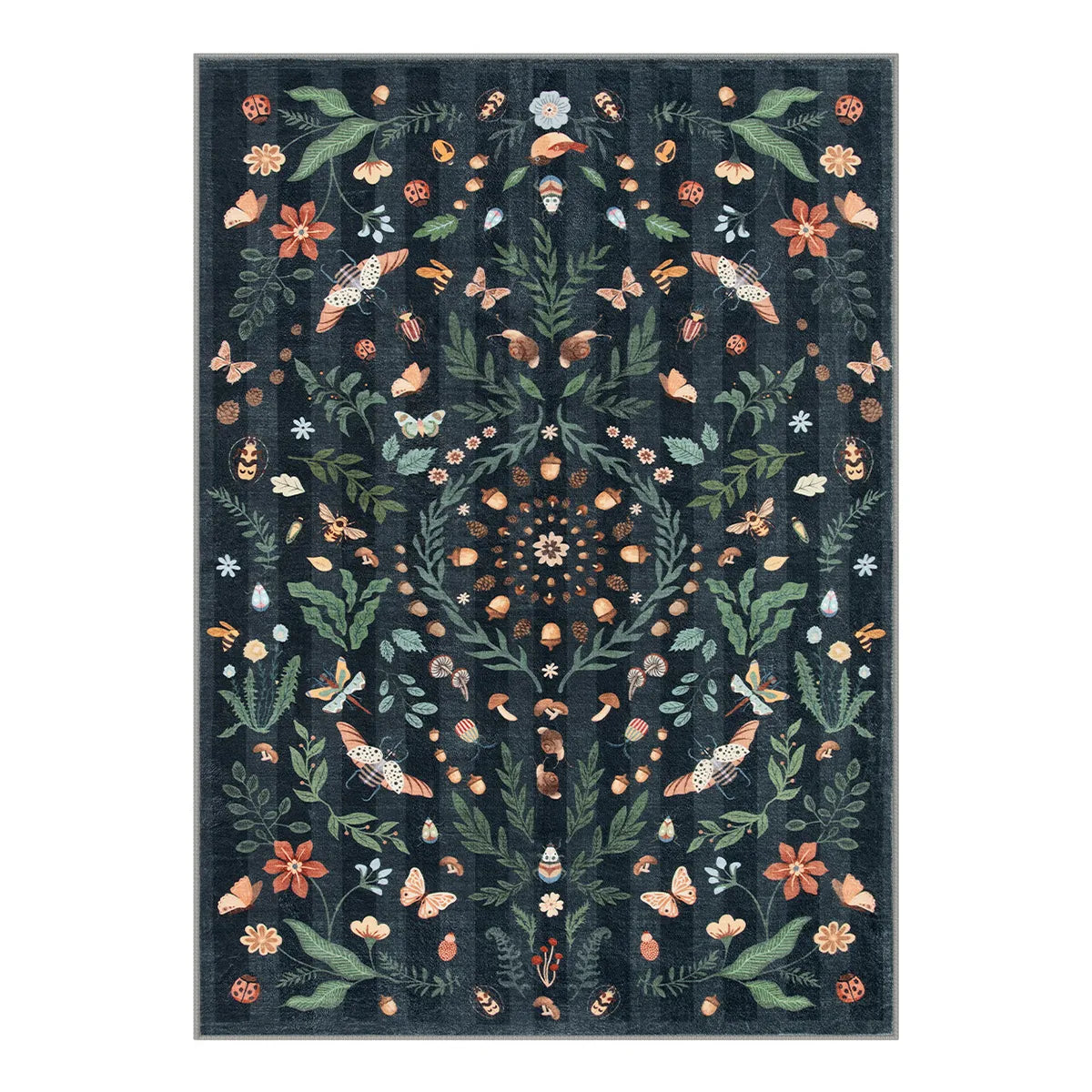
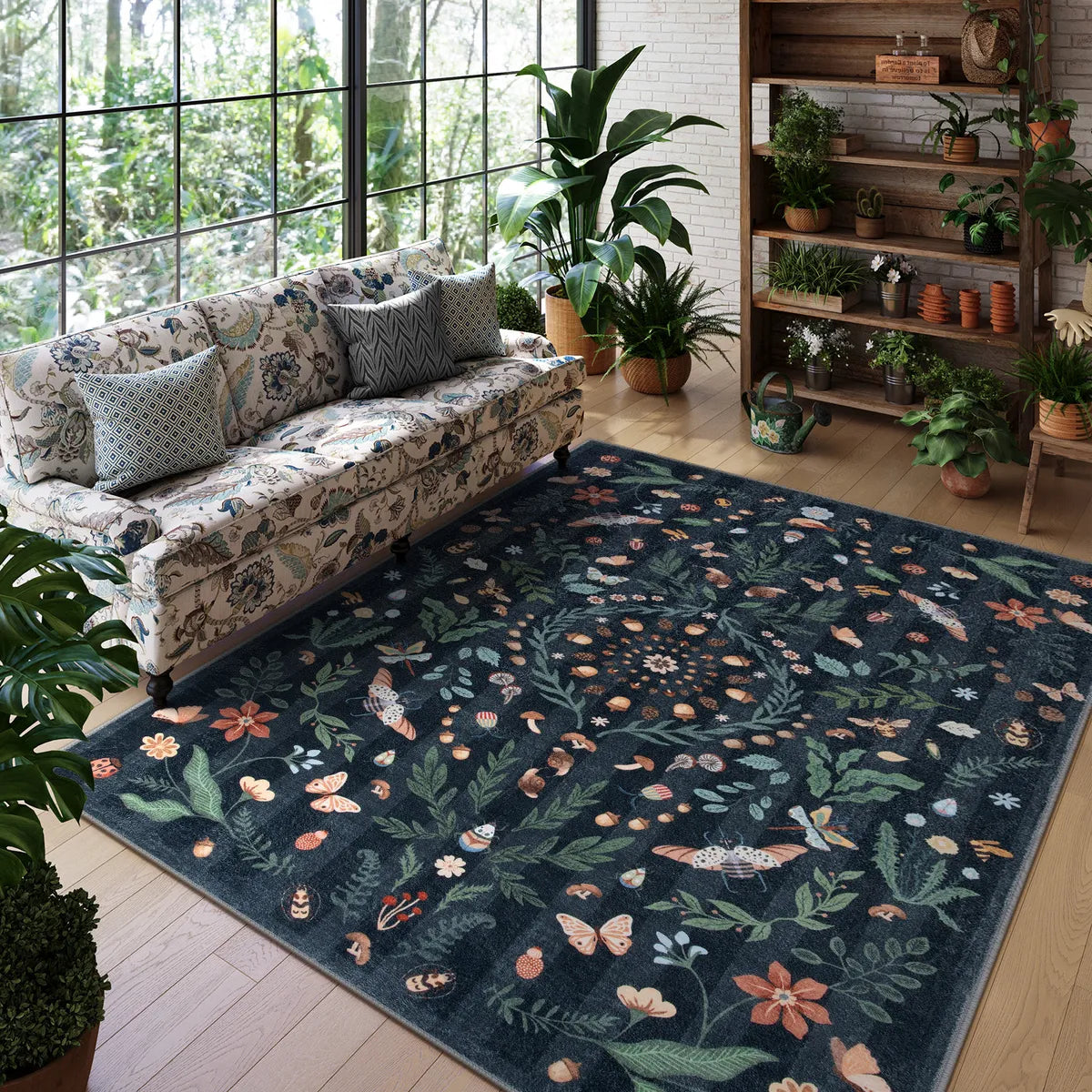
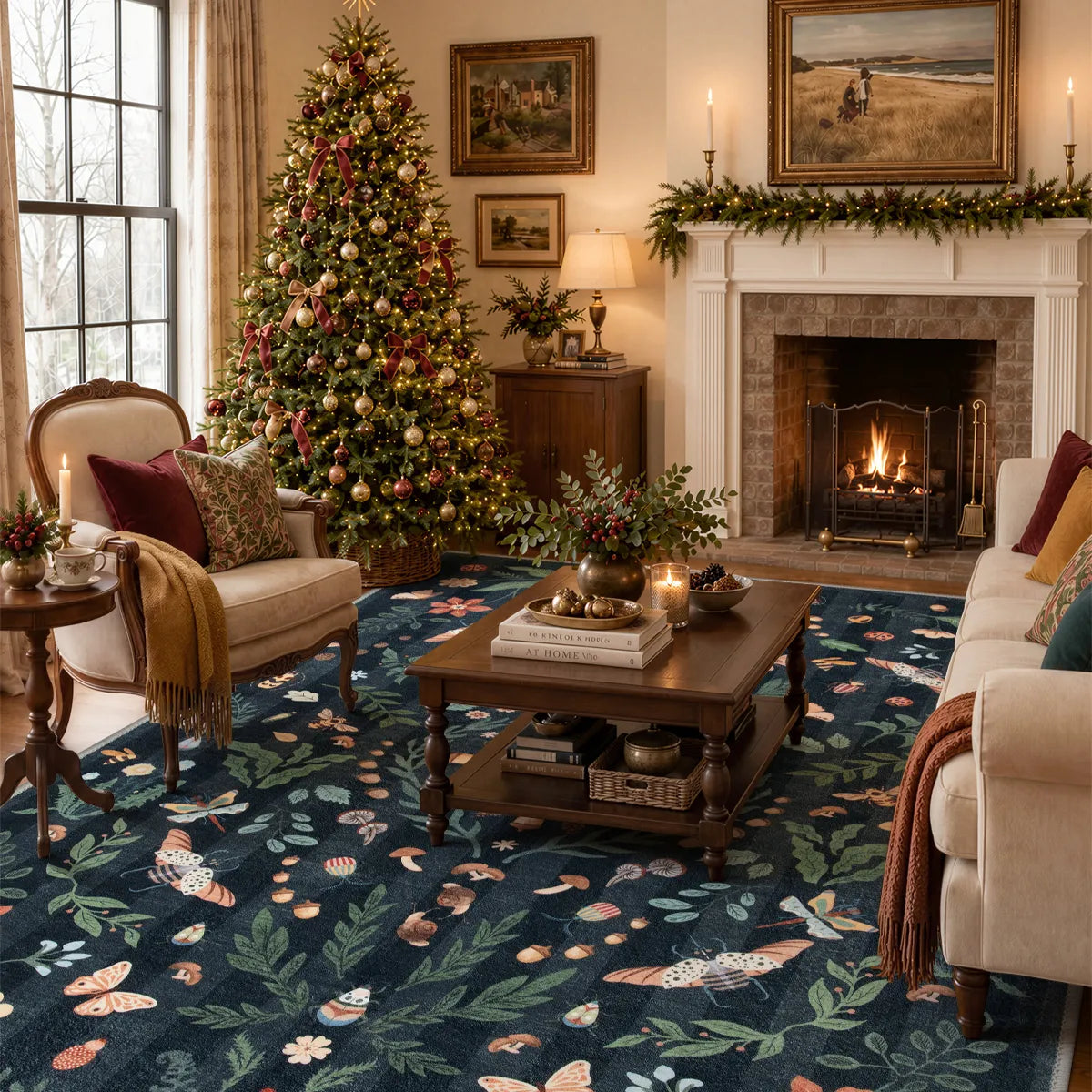
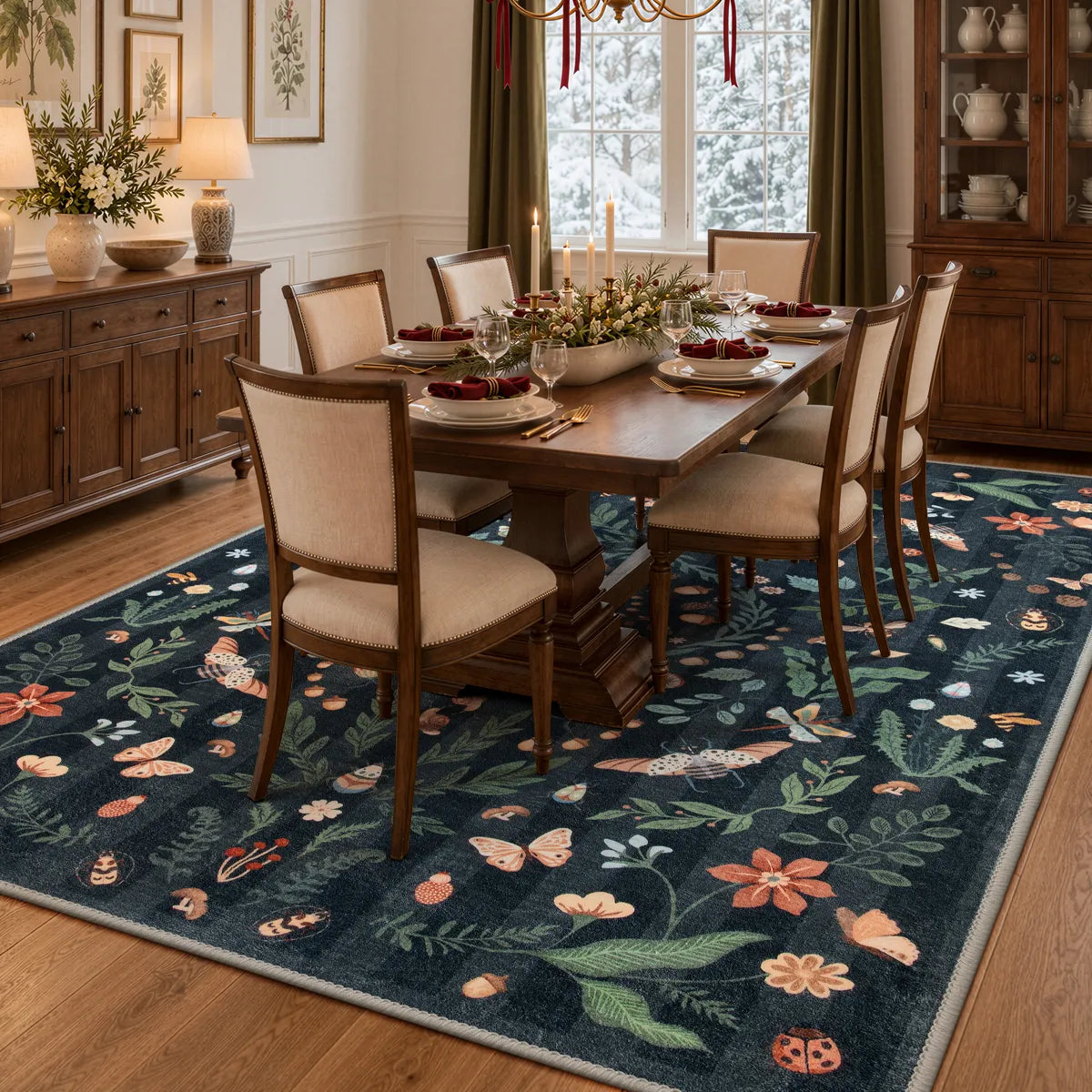
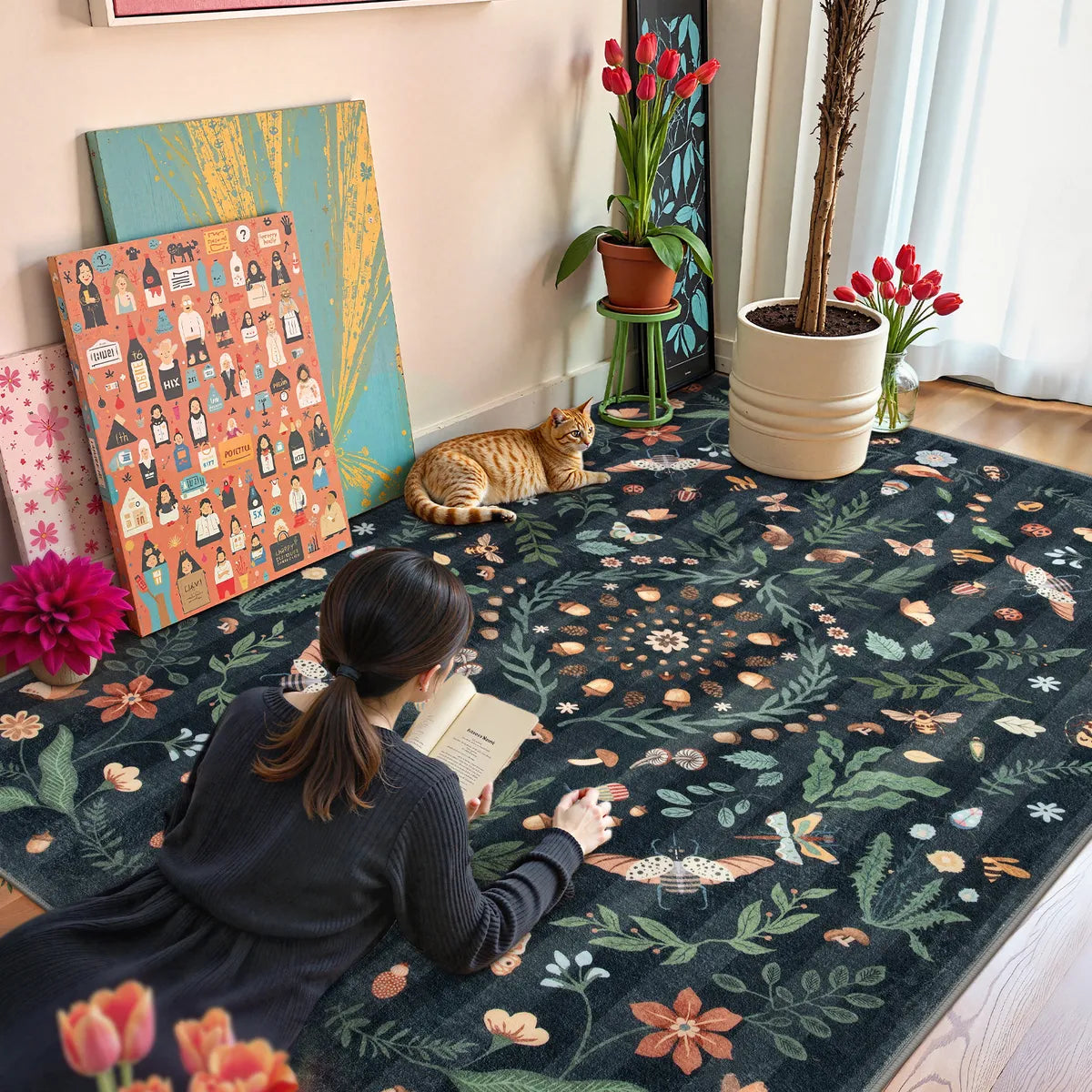
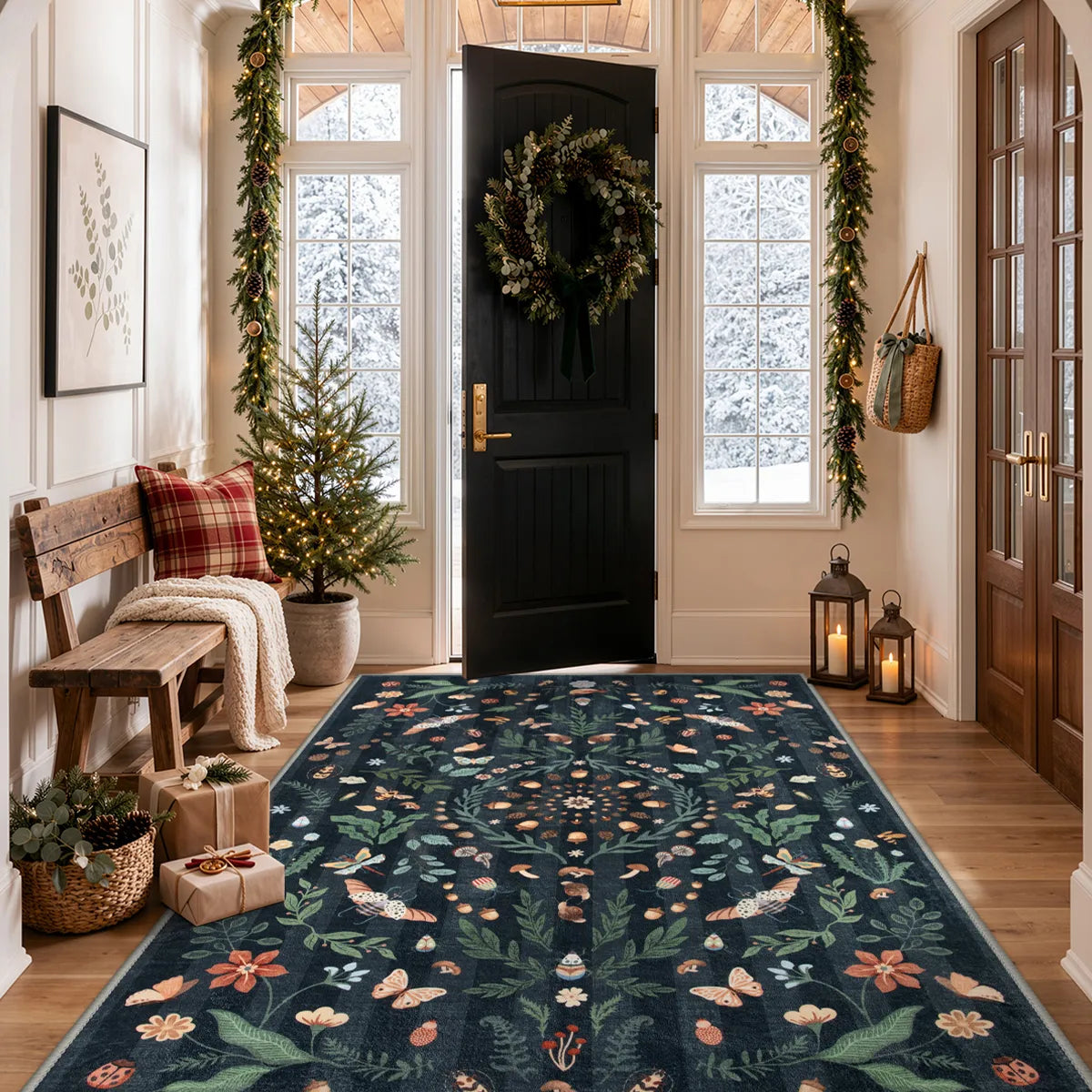
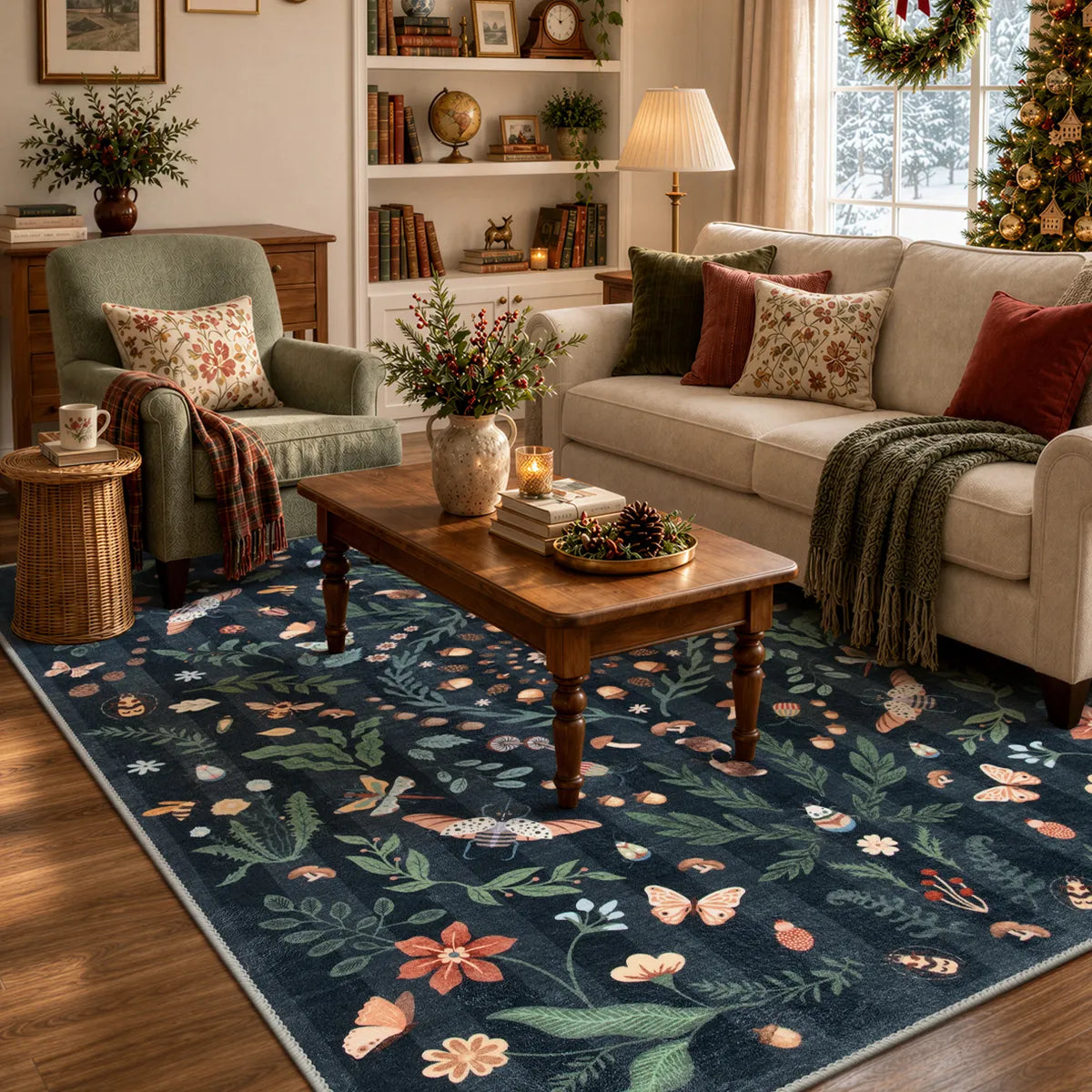
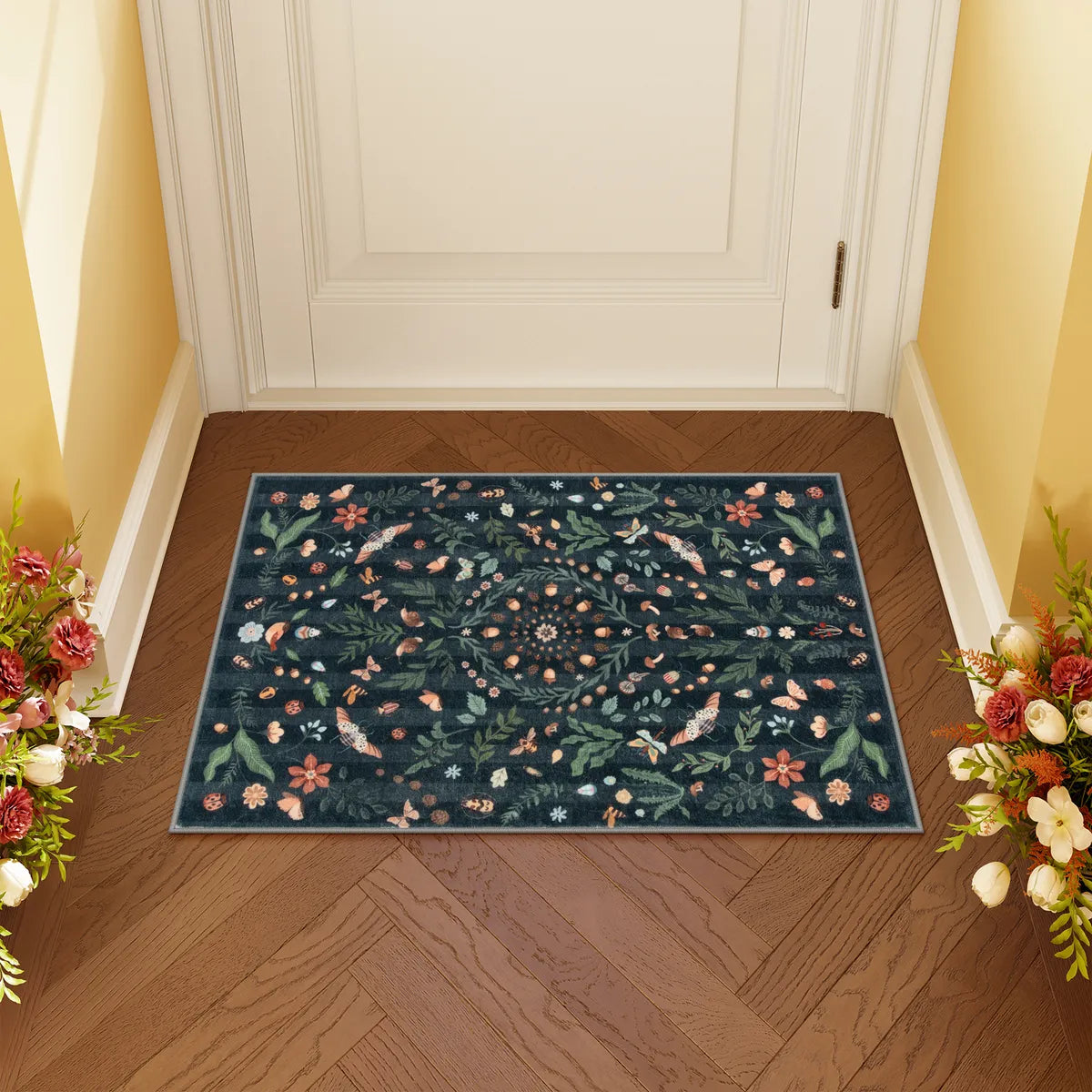
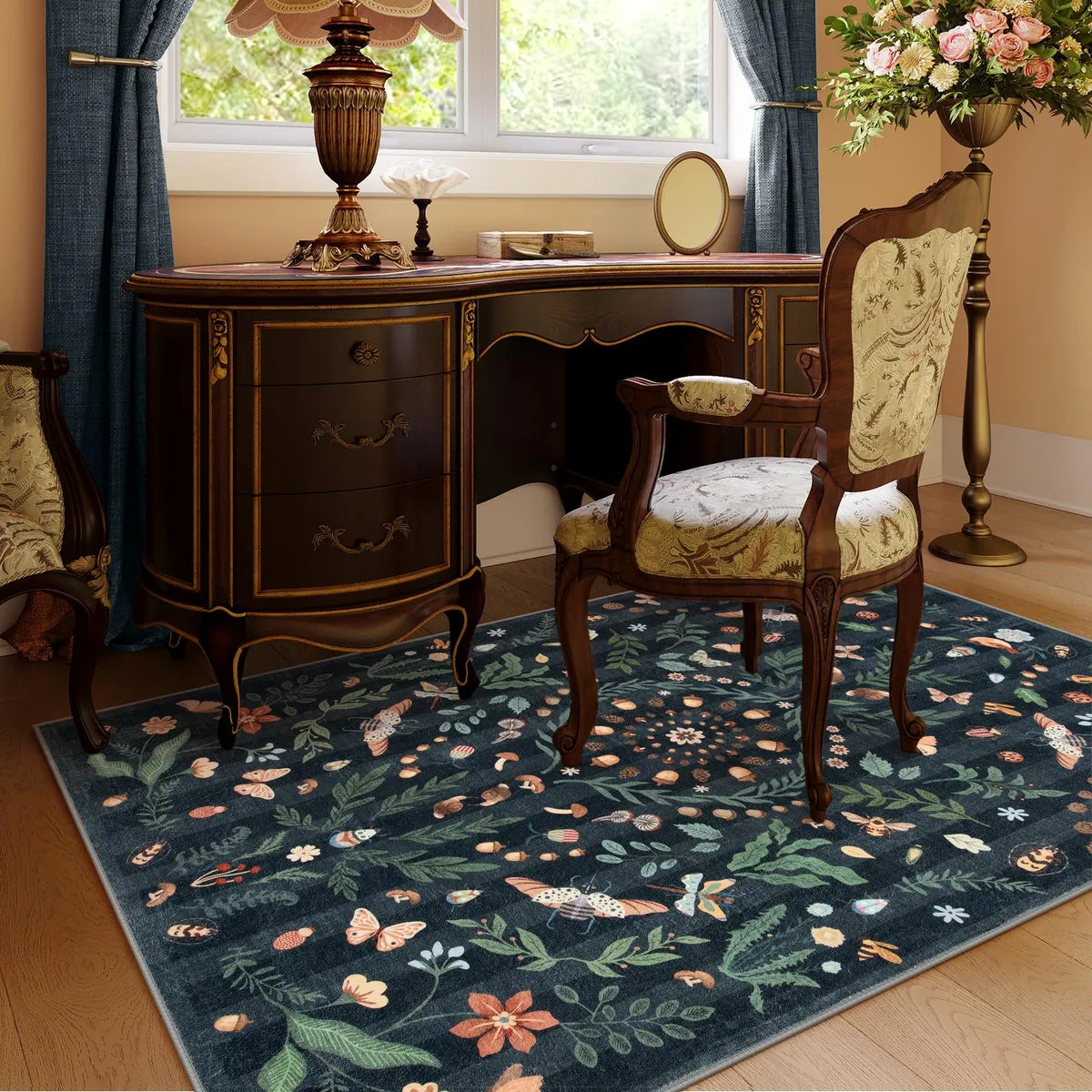
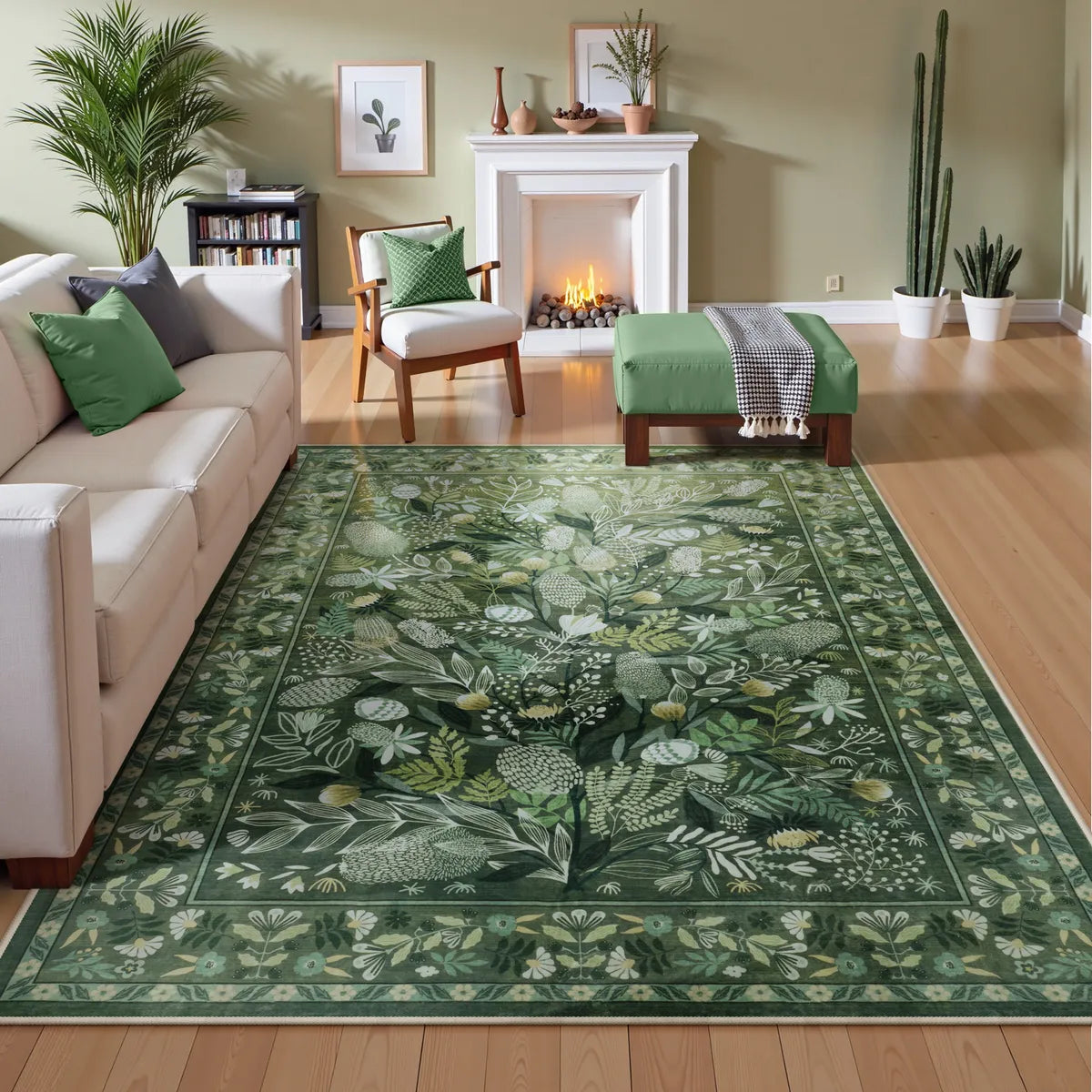
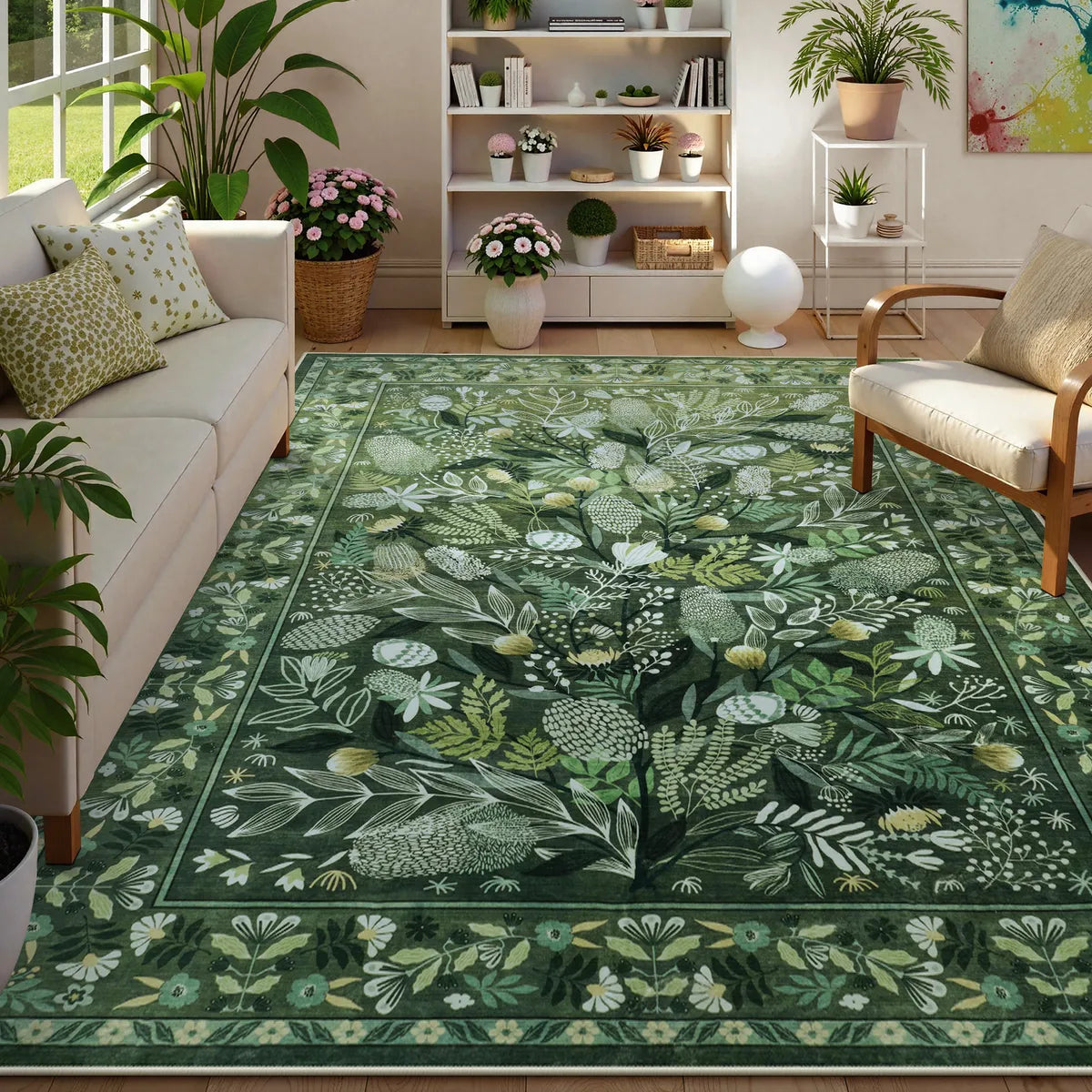
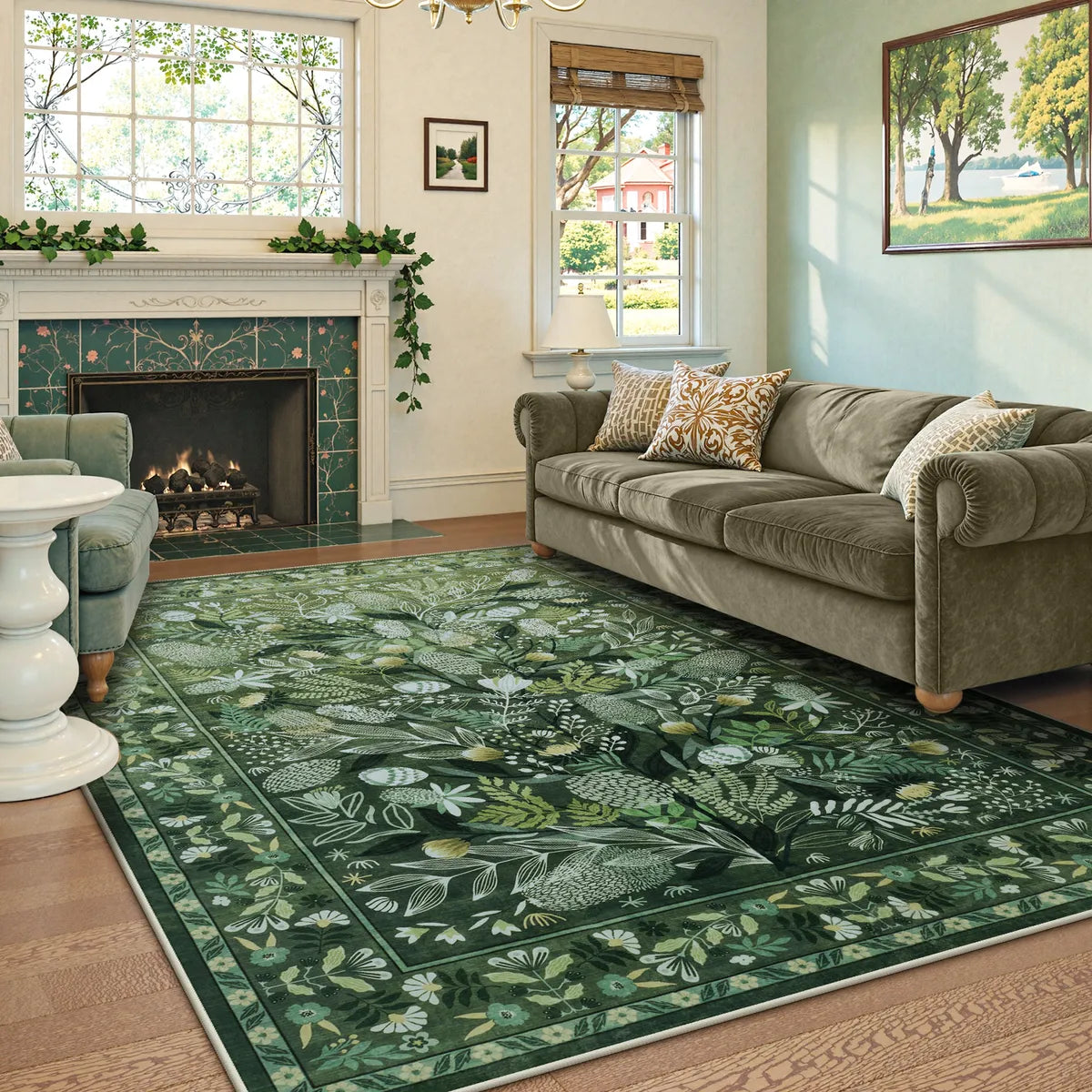
- Nature-inspired and botanical patterns: Designs featuring animals, plants, and soft organic shapes are perennially popular for nurseries and age well as the child grows. These patterns also tend to be available in the washable, low-pile constructions that nursery safety requires.
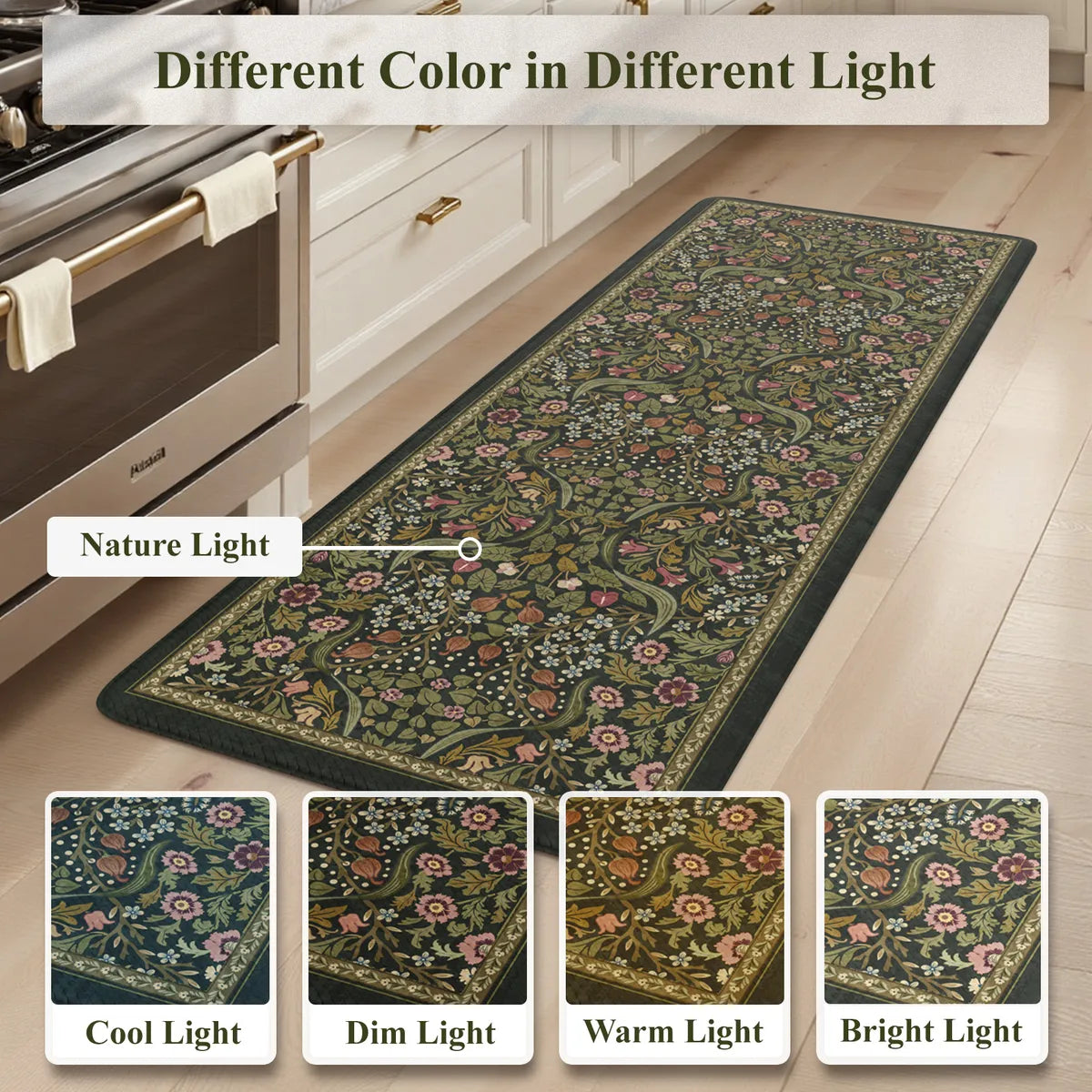
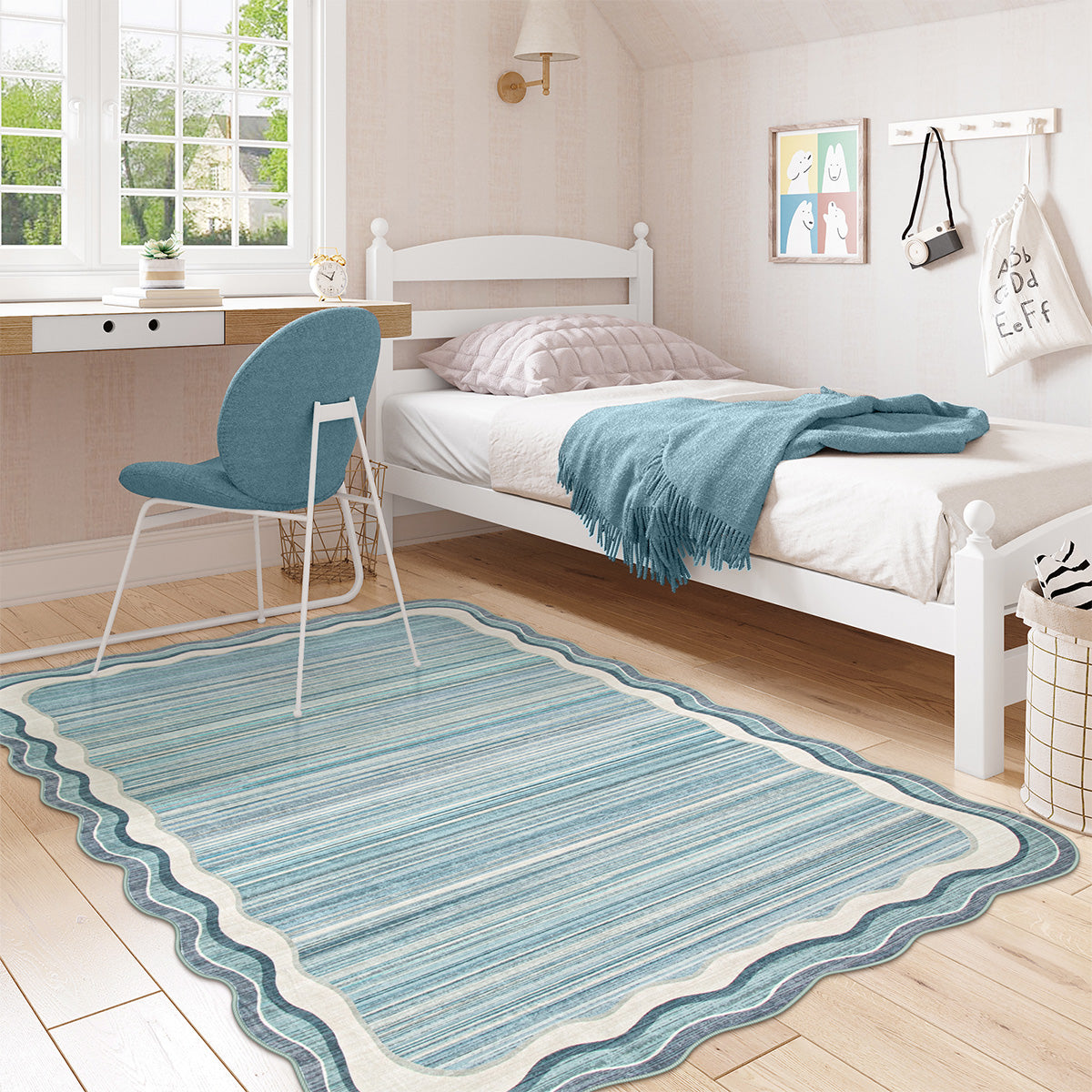
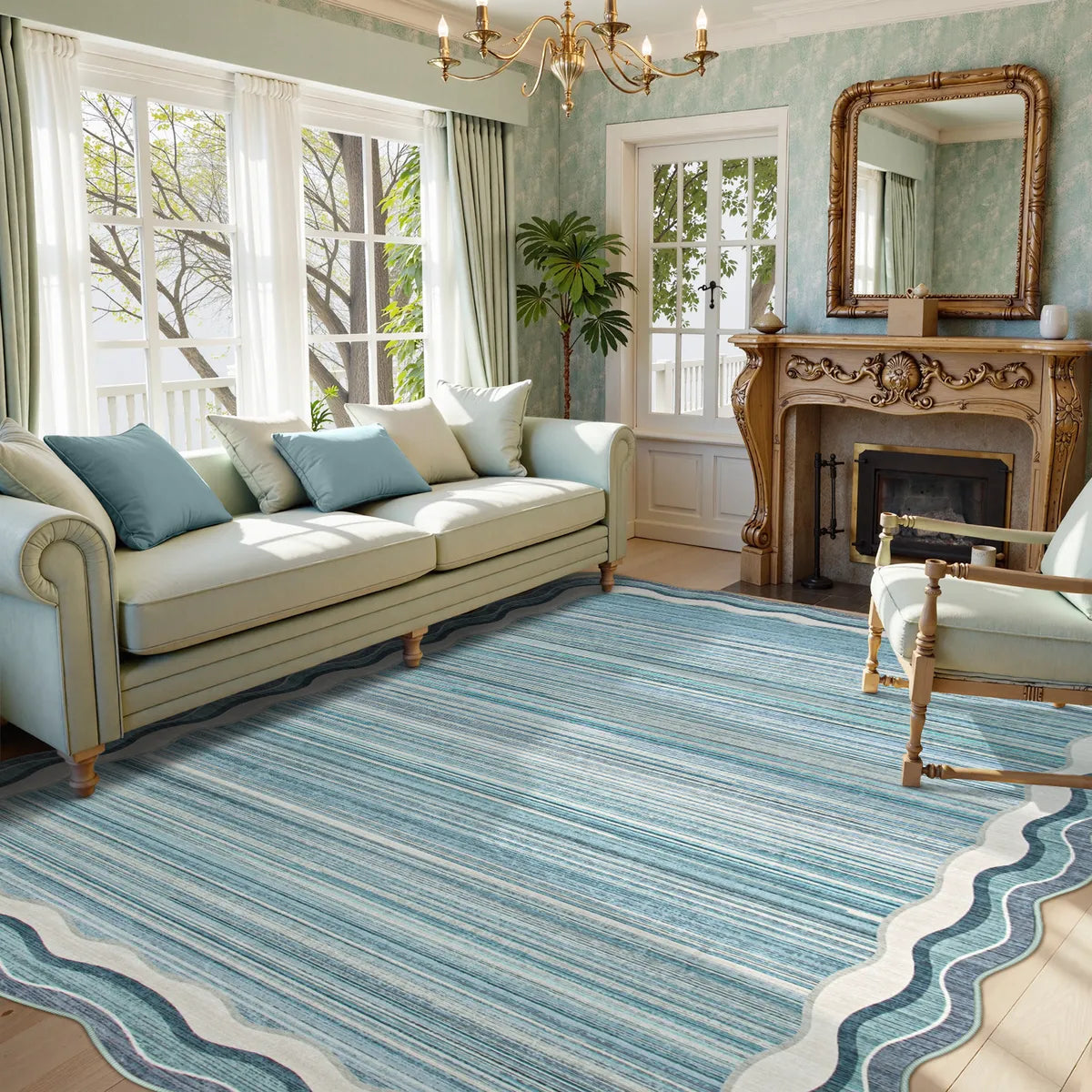
- Soft, muted palettes: Gentle colors in sage, blush, cream, and dusty blue create a calm visual environment for a baby without relying on harsh chemical dyes to achieve saturated color.
- Patterns that conceal wear: Medium-toned, busier patterns hide the kind of everyday marks and light soiling that accumulate in a nursery play area between wash cycles.
A kids rug that meets safety standards and fits the nursery's aesthetic doesn't require compromise. The range of safe, washable children rugs available makes it possible to find an option that does both well.
Build a Nursery Floor Your Baby Can Safely Explore
The safest nursery rug combines non-toxic, skin-friendly materials with verified certifications, practical safety features, and washable construction. Each element plays a specific role: the material determines what the baby is in contact with, the certifications confirm it has been independently tested, the safety features prevent physical hazards, and washability keeps the surface hygienic over time. Choose a nursery room rug that meets all four criteria, and the floor becomes one of the safest surfaces in the home for your child to explore.
FAQs about Choosing Safe Nursery Rugs
Q1. What Is a Skin-Friendly Rug?
A skin-friendly rug is one made from soft, non-irritating fibers that are safe for direct and prolonged skin contact. For nursery use, this means synthetic fibers like faux wool or polyester that feel gentle against a baby's skin without causing friction or irritation. A flat, low-pile surface adds to skin comfort by providing a smooth, consistent texture during floor play.
Q2. What Is the Least Toxic Rug?
The least toxic rugs are made from synthetic fibers with non-toxic, colorfast dyes and no harmful chemical treatments in the backing or finishing. OEKO-TEX Standard 100 certification is the clearest way to identify a low-toxicity rug, as it independently tests every component of the product for harmful substances. For a nursery, a certified synthetic rug is a reliable choice.
Q3. Can Rugs Be Hypoallergenic?
Yes. Rugs made from synthetic fibers like faux wool and polyester are naturally resistant to dust mites and mold, which are two of the most common indoor allergen sources. Unlike natural fiber rugs, synthetic options do not provide the moisture-retaining environment that dust mites need to thrive. Regular machine washing further reduces allergen buildup and keeps the rug performing as a genuinely hypoallergenic surface.
Q4. How to Choose the Right Nursery Rug?
Focus on four factors: safe materials, key safety features, verified certifications, and washability. Choose a rug made from non-toxic, skin-friendly synthetic fibers with a built-in non-slip backing and low-pile construction. OEKO-TEX Standard 100 certification provides independent verification of material safety. Machine washability ensures the rug can be fully cleaned on a regular schedule, which is essential in a space where a baby spends significant time at floor level.