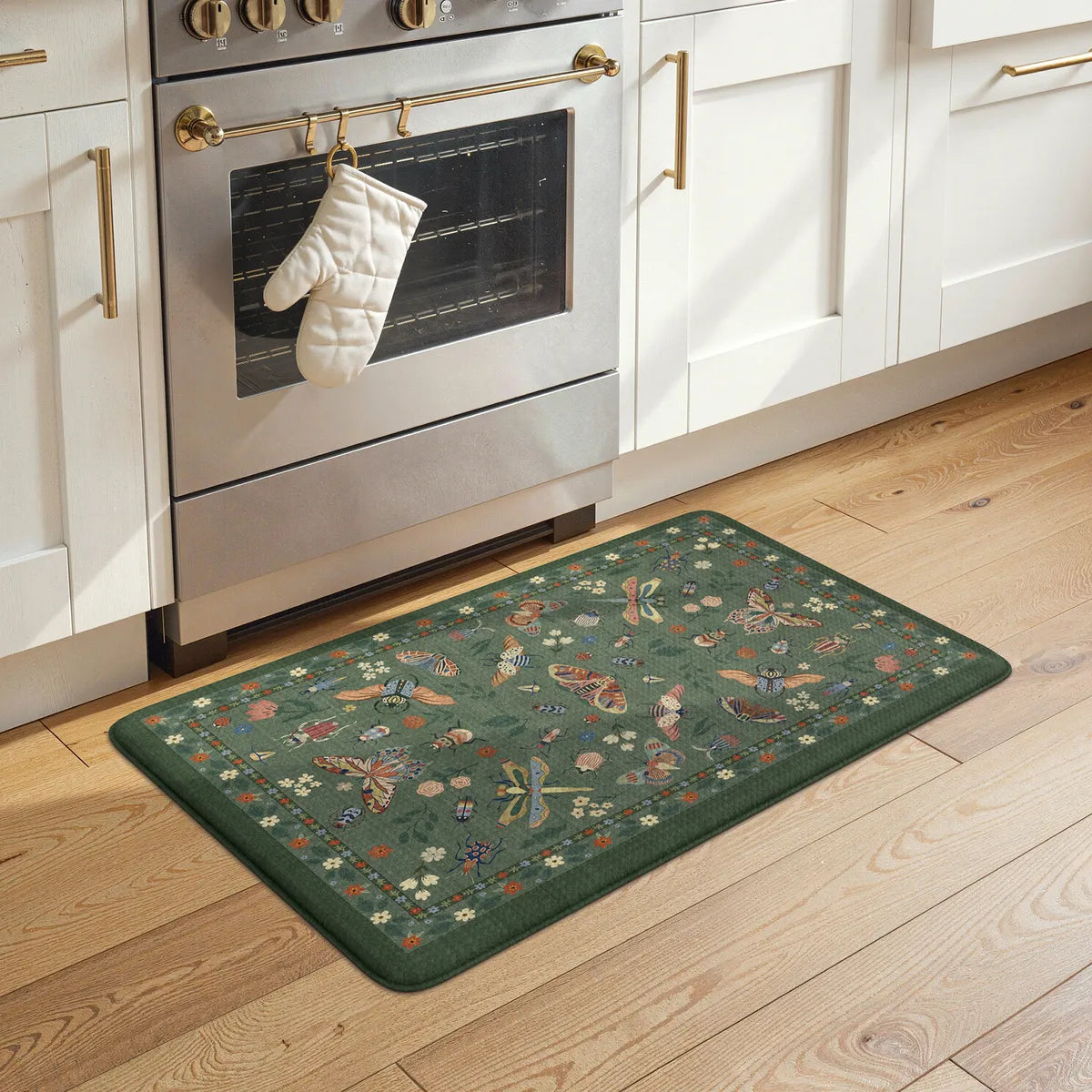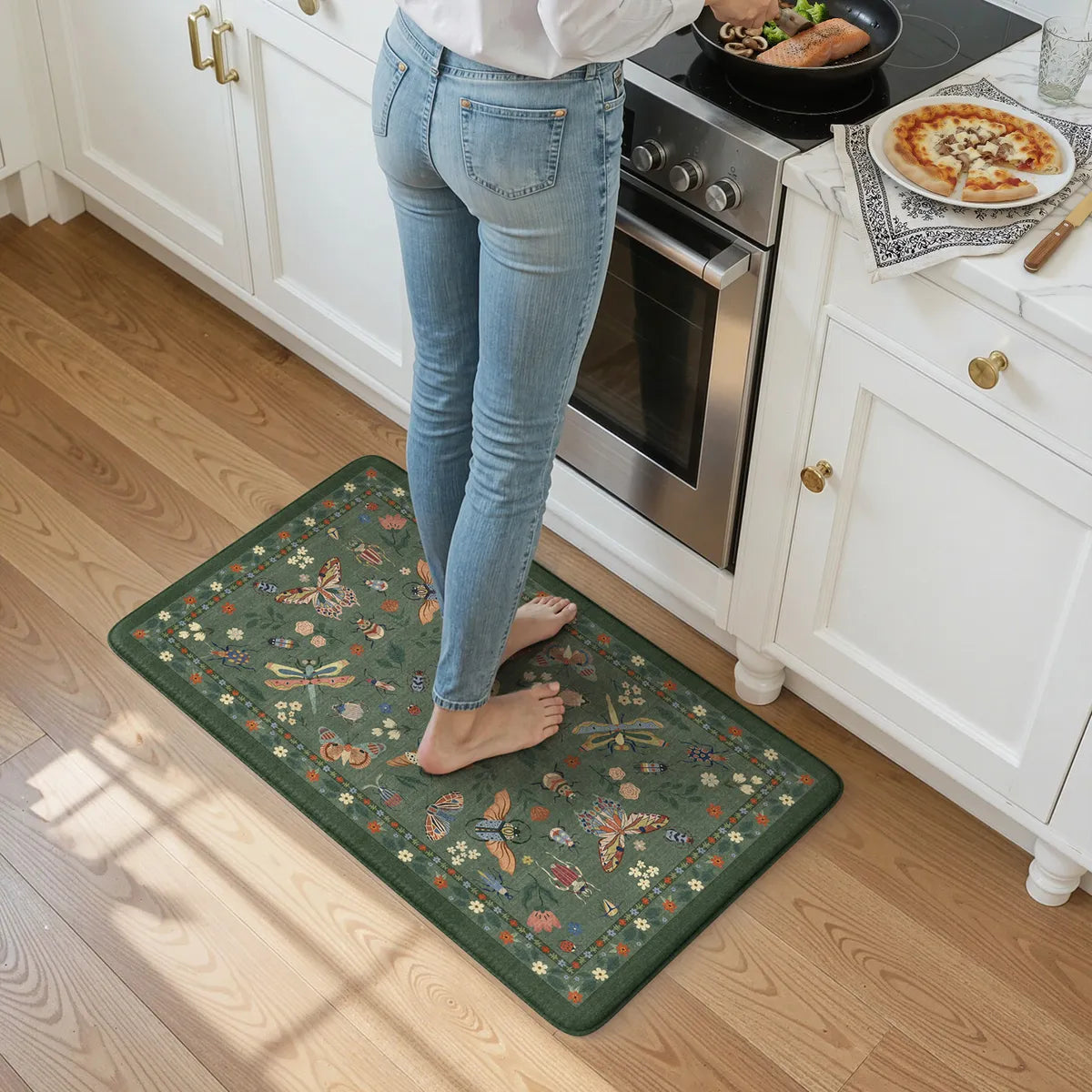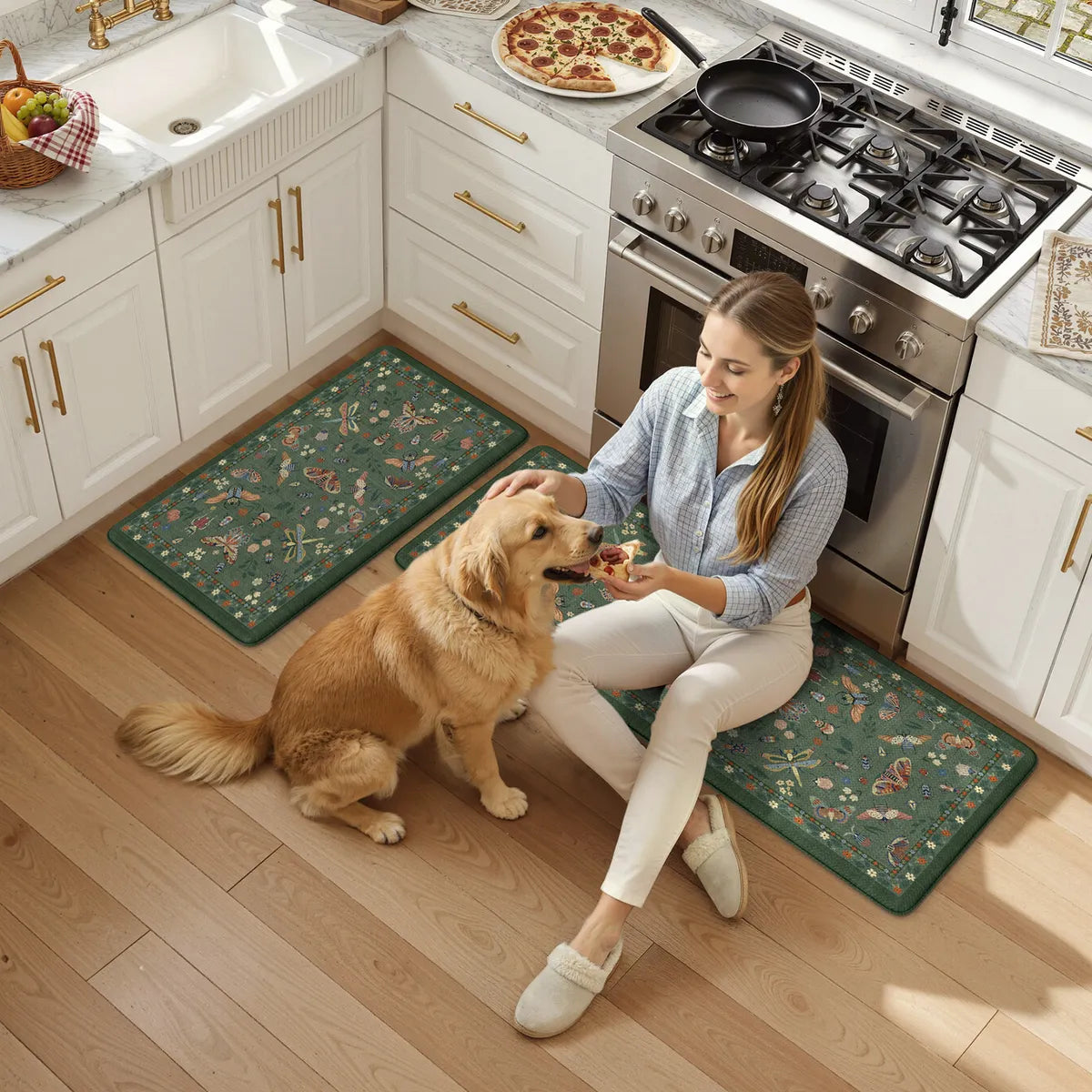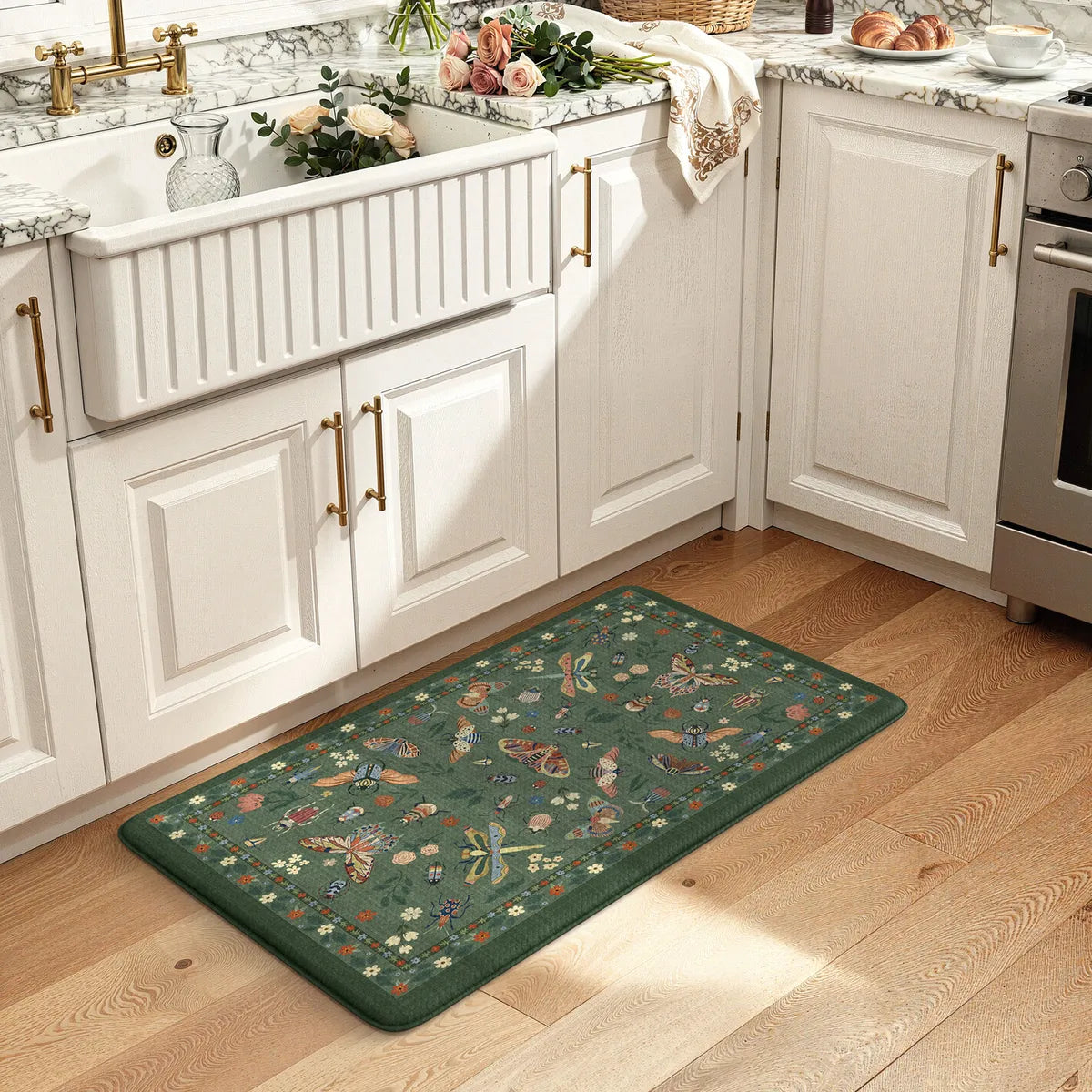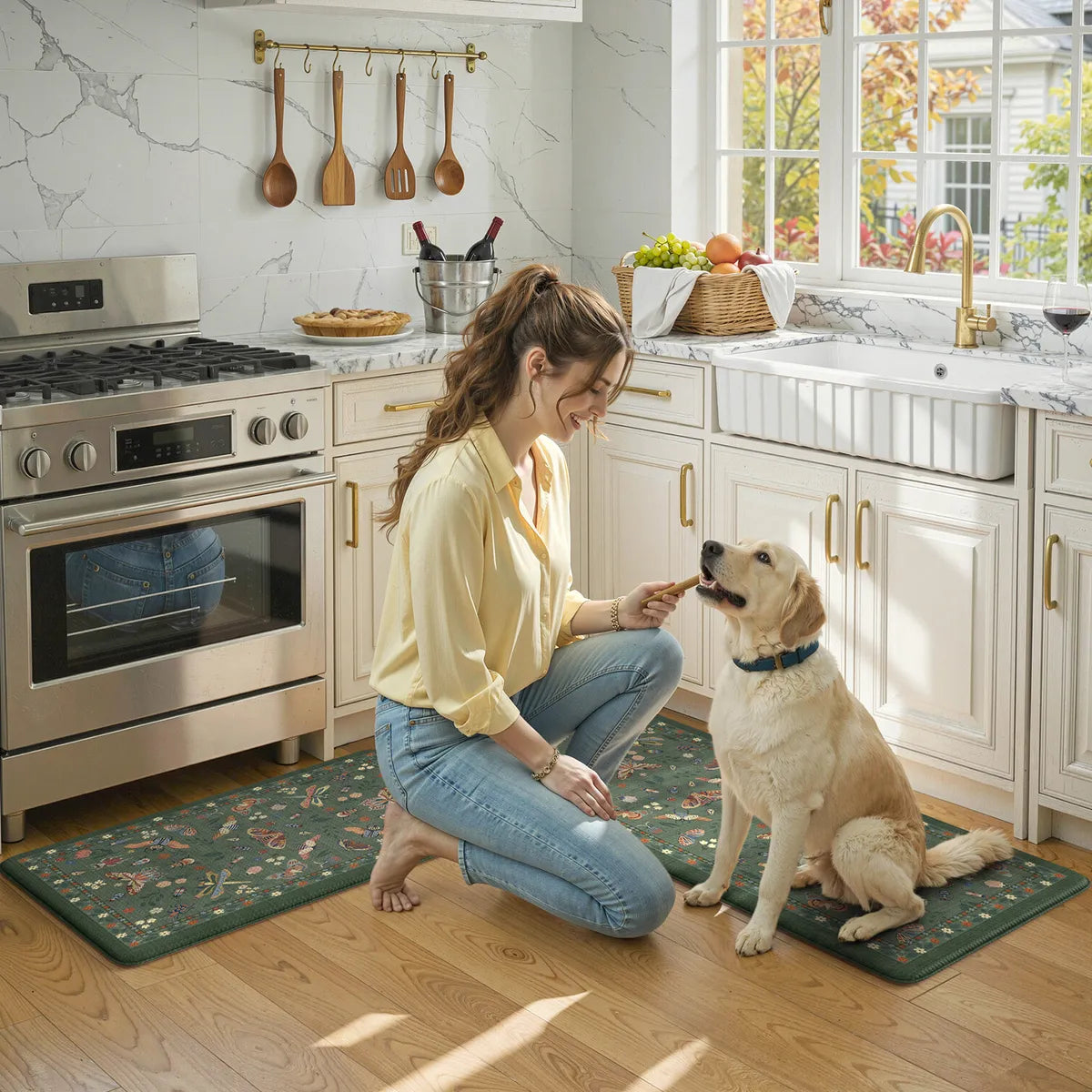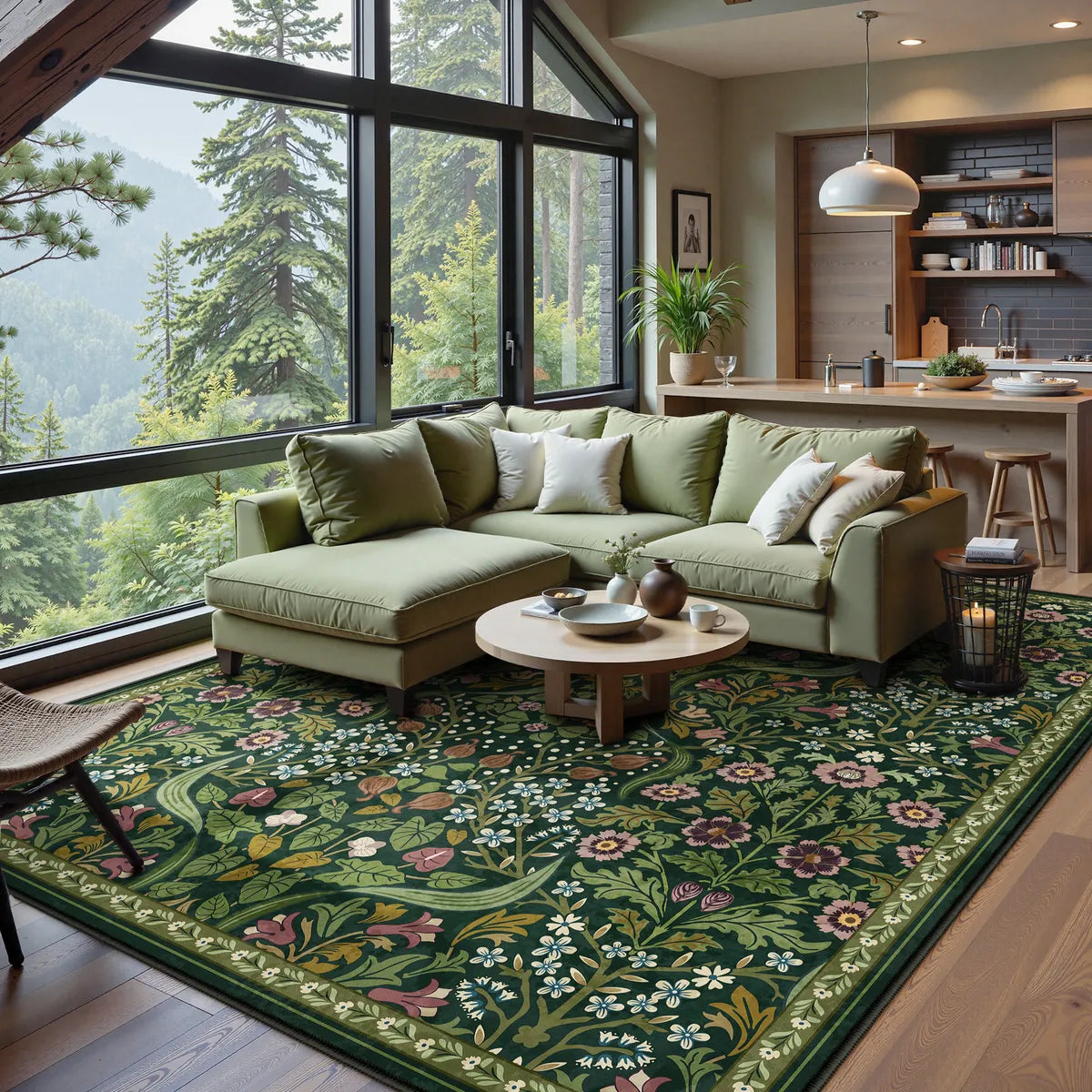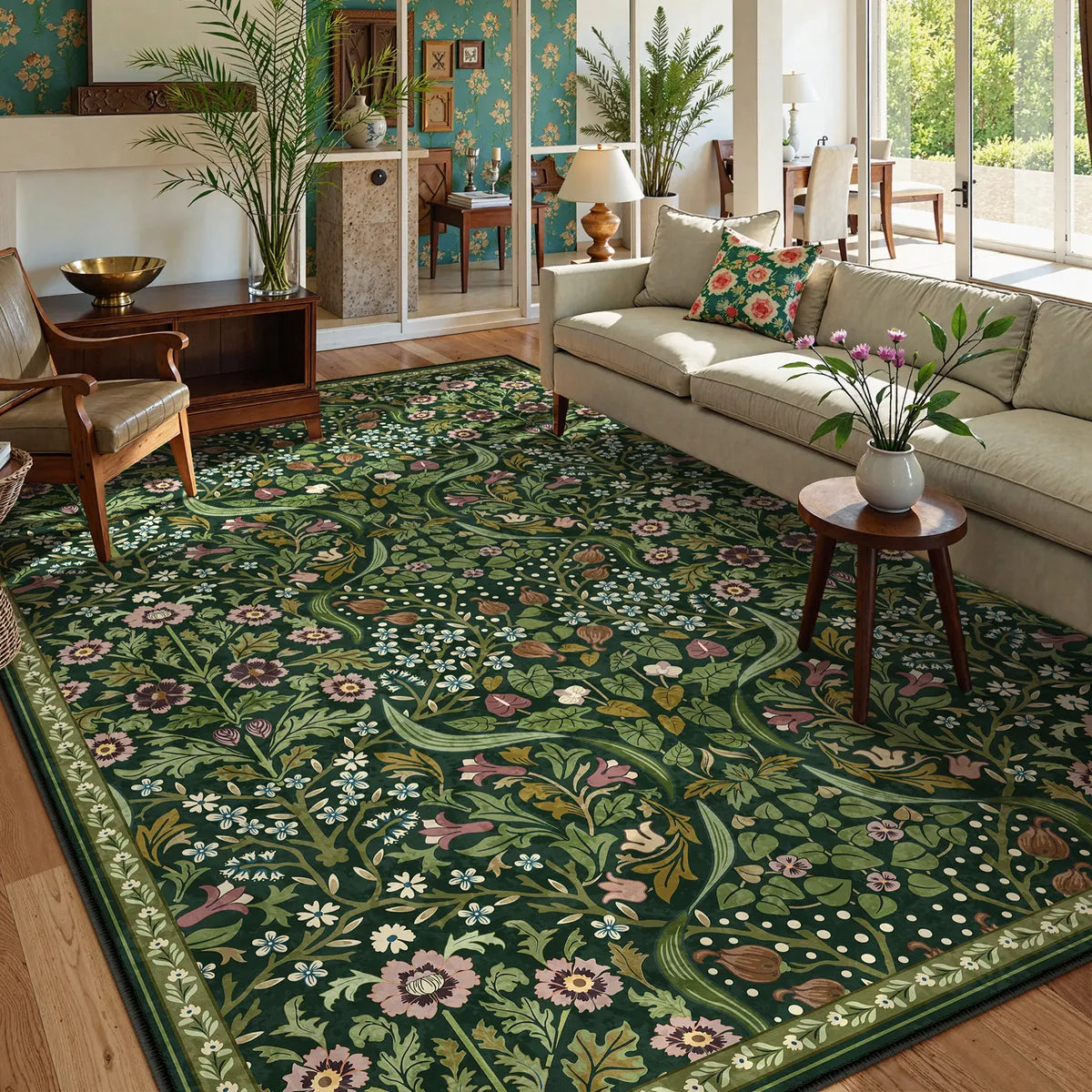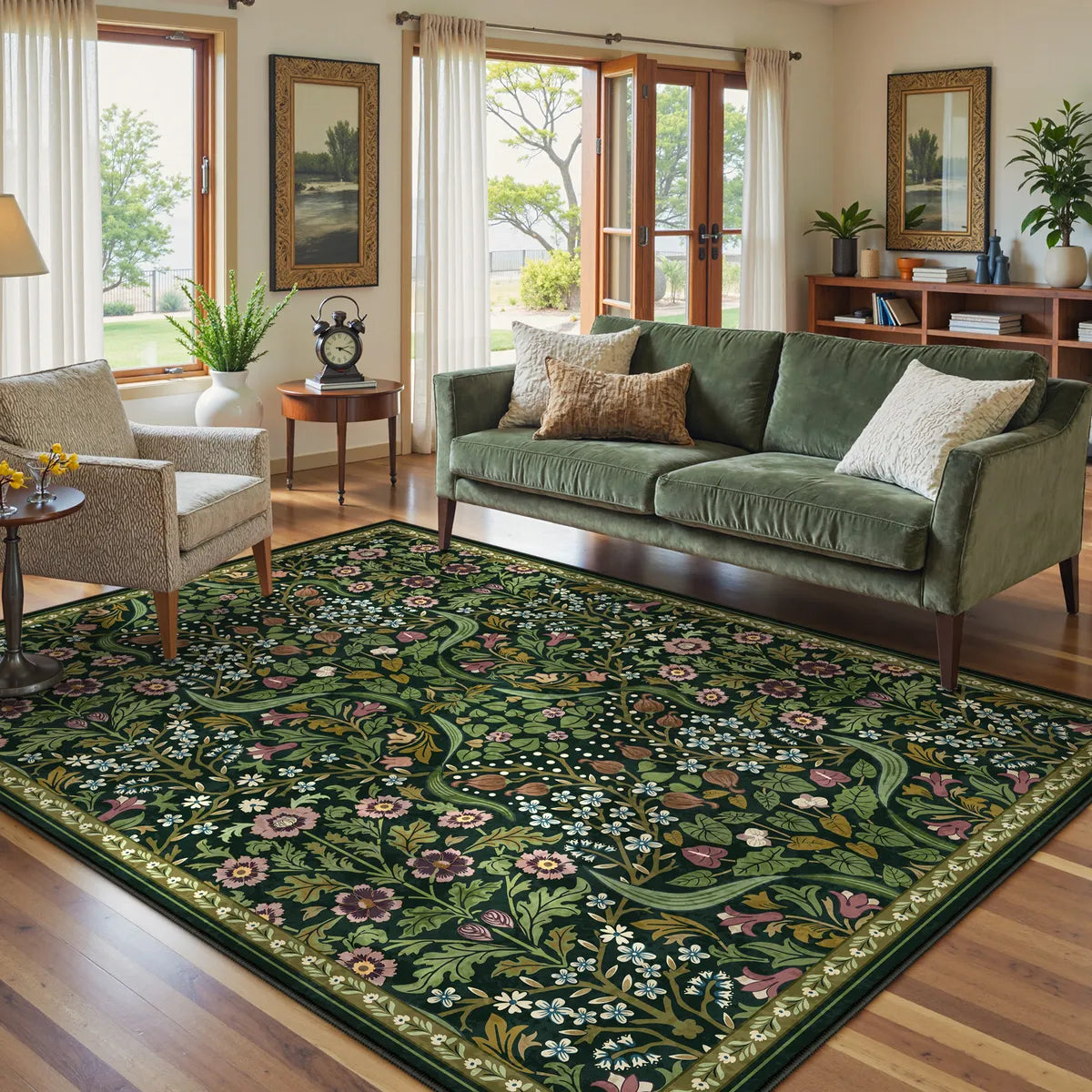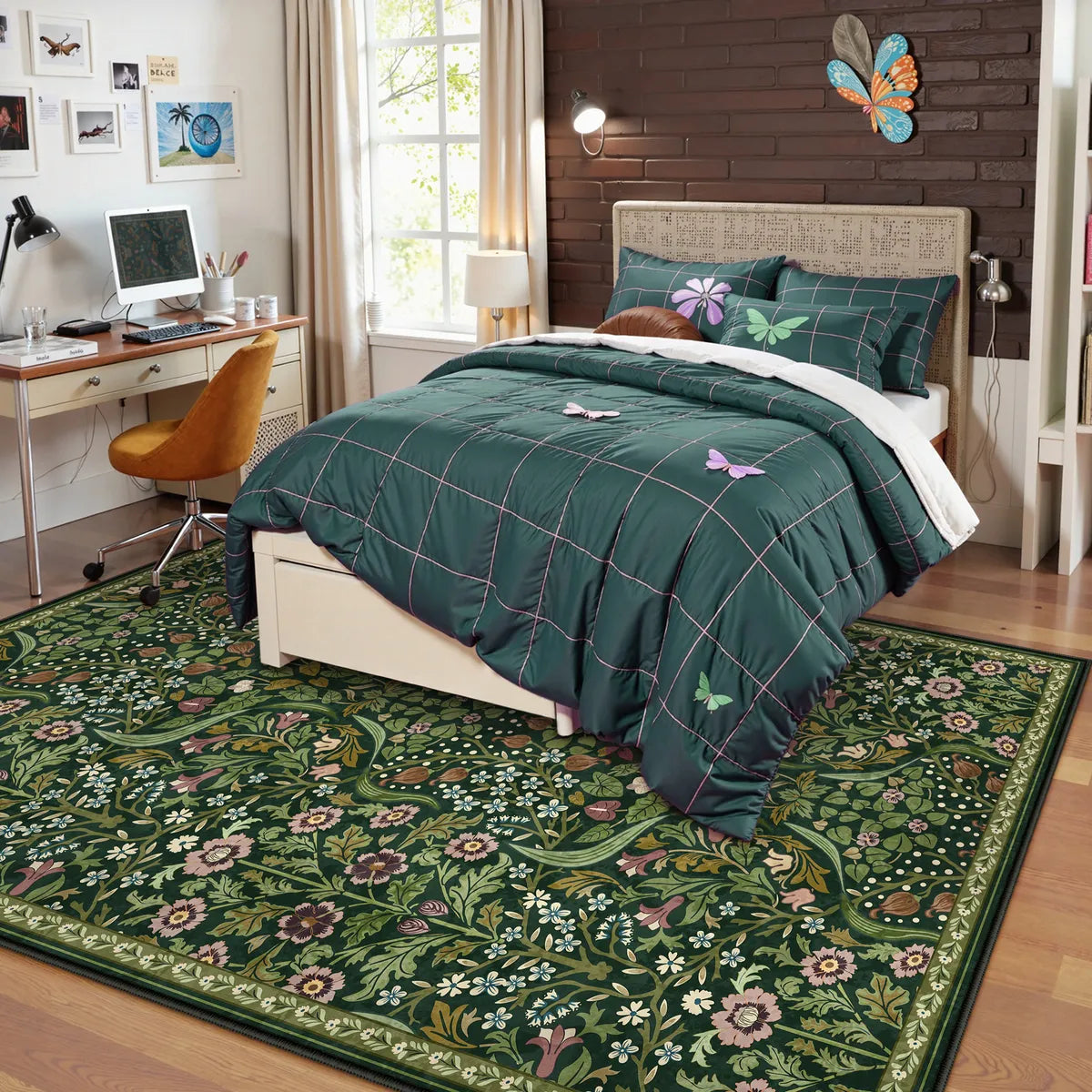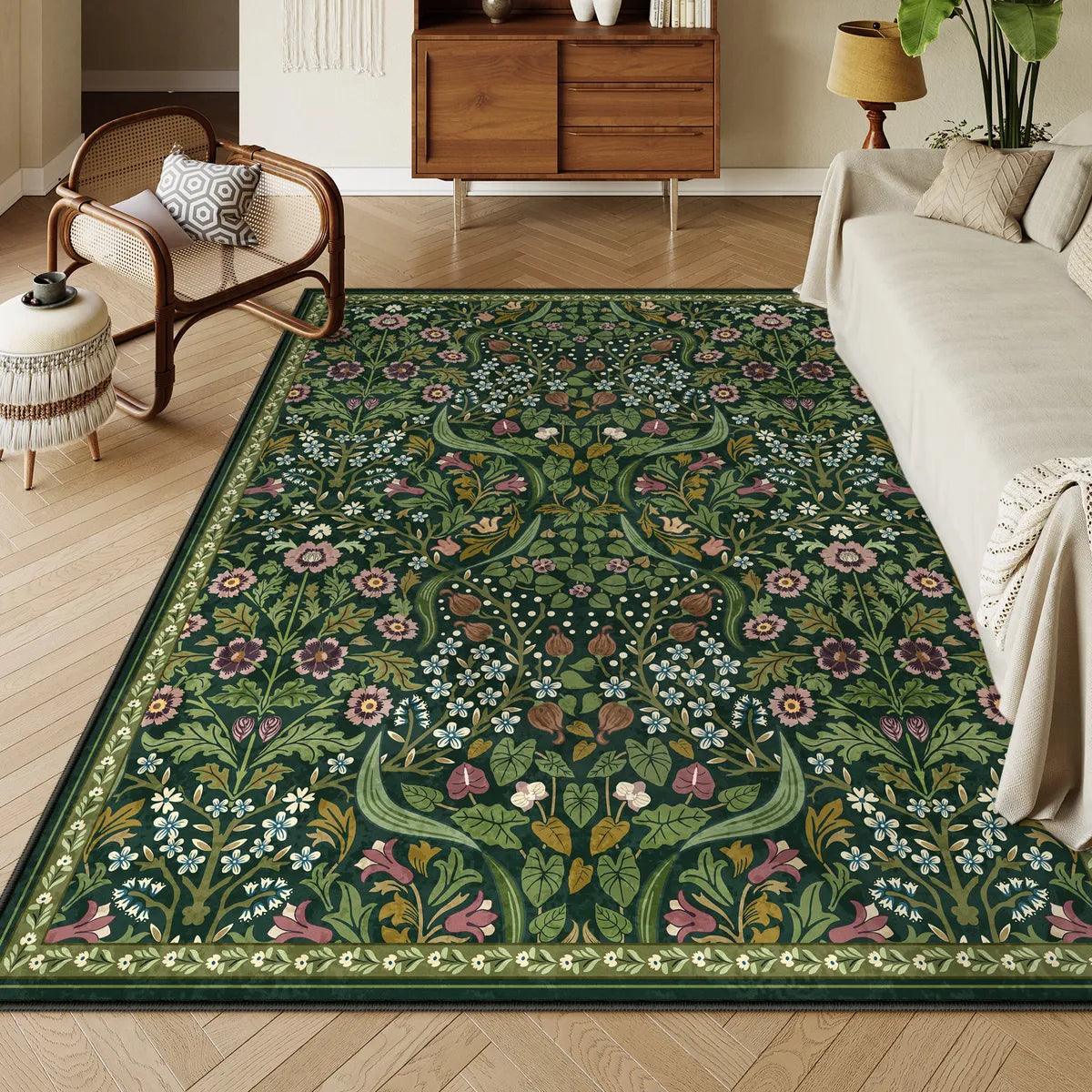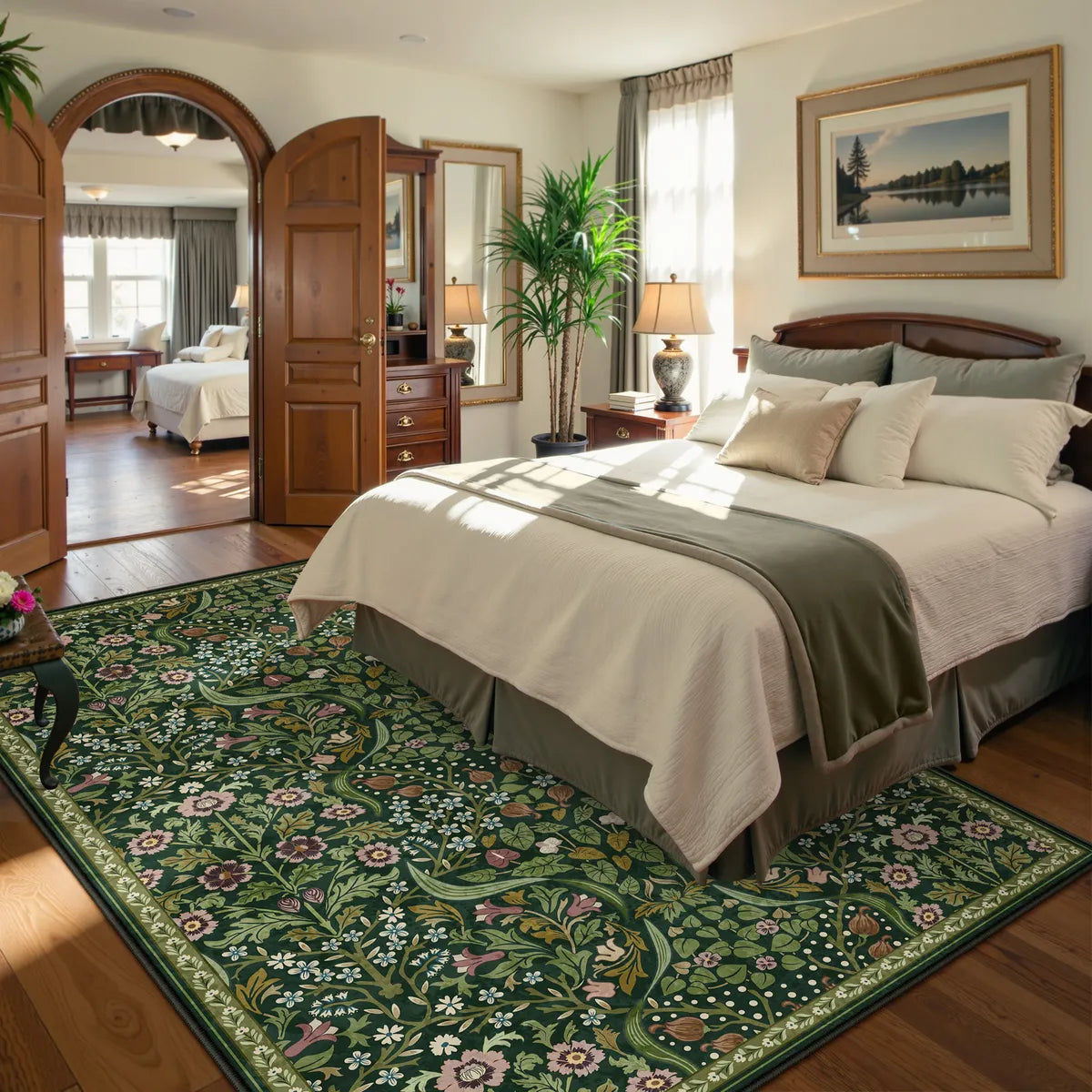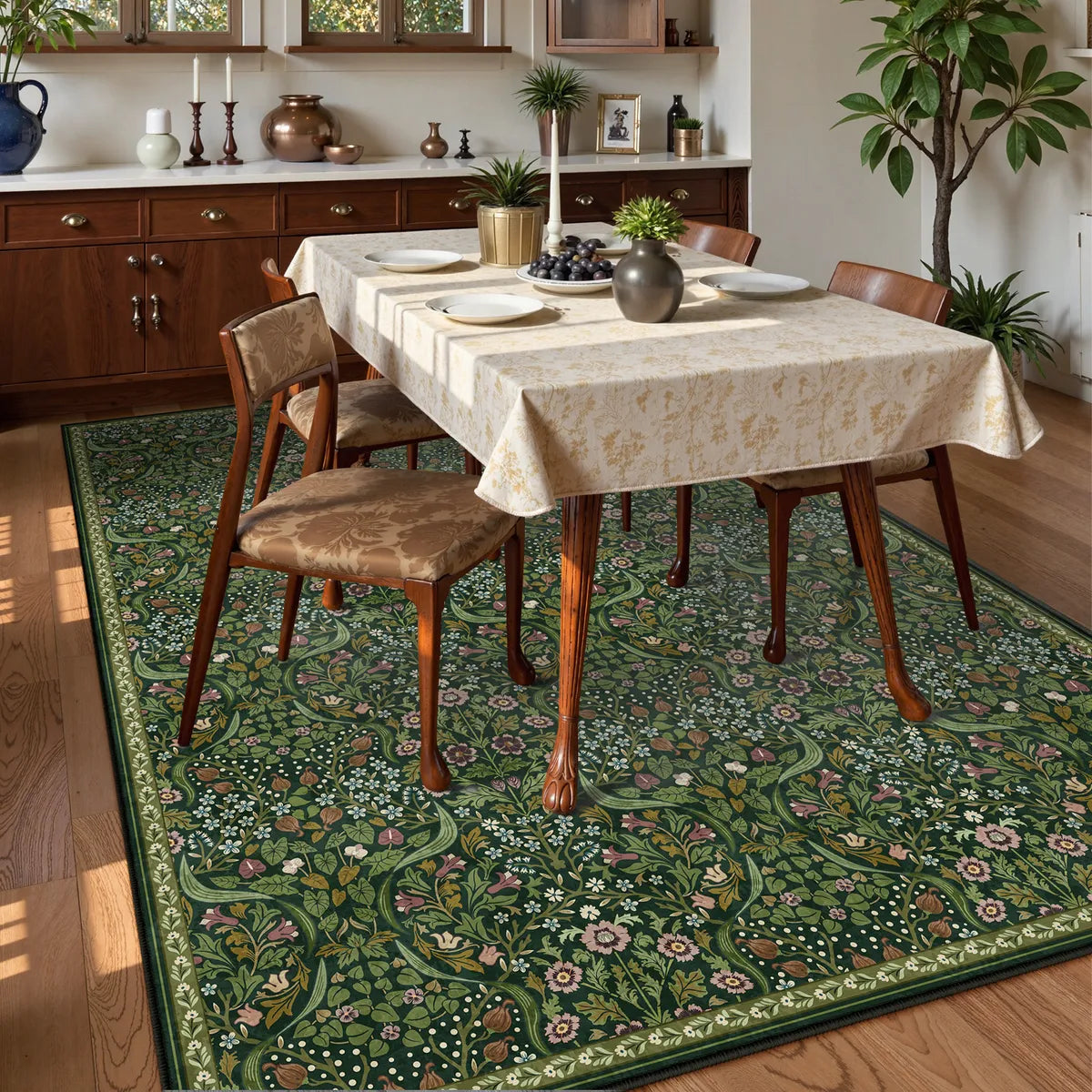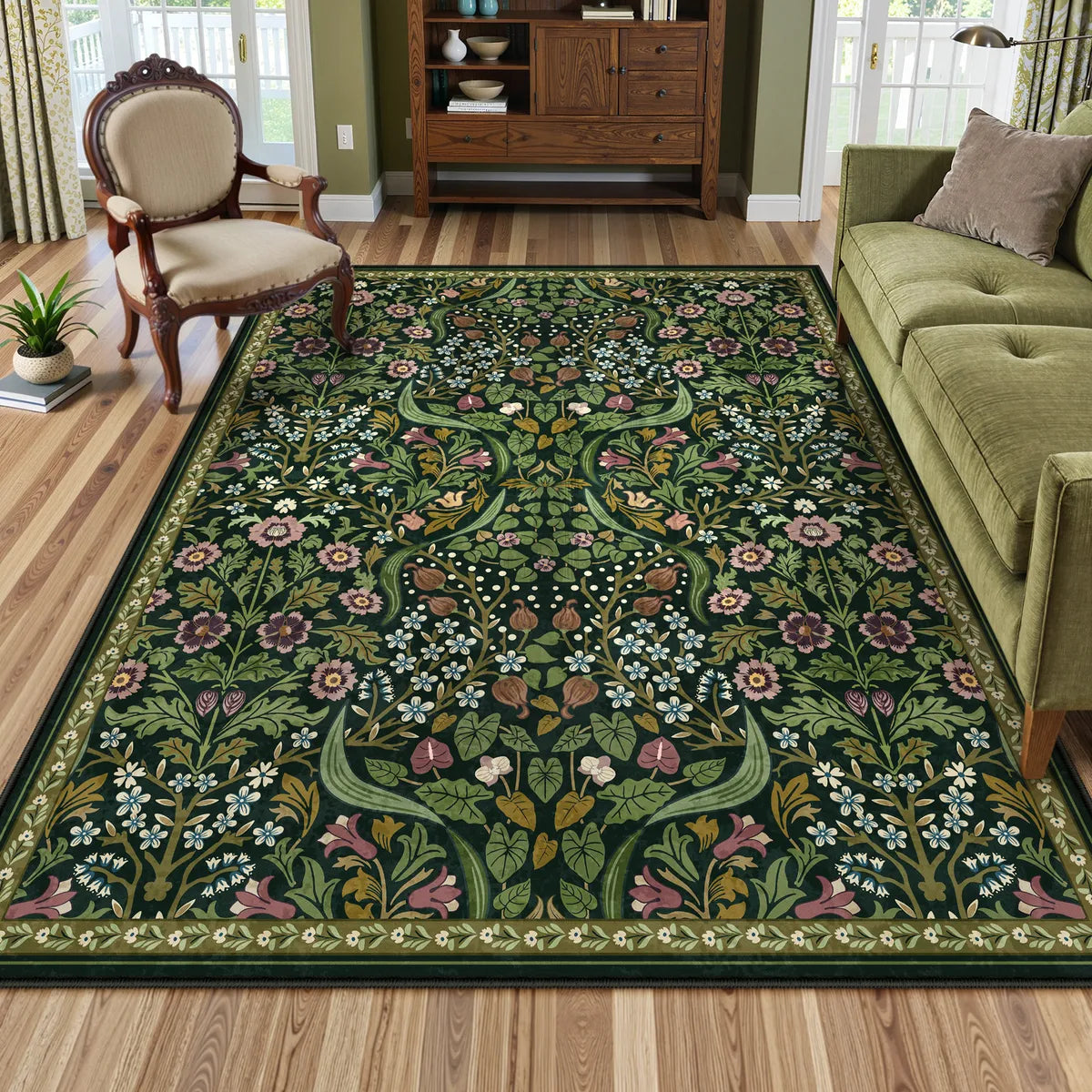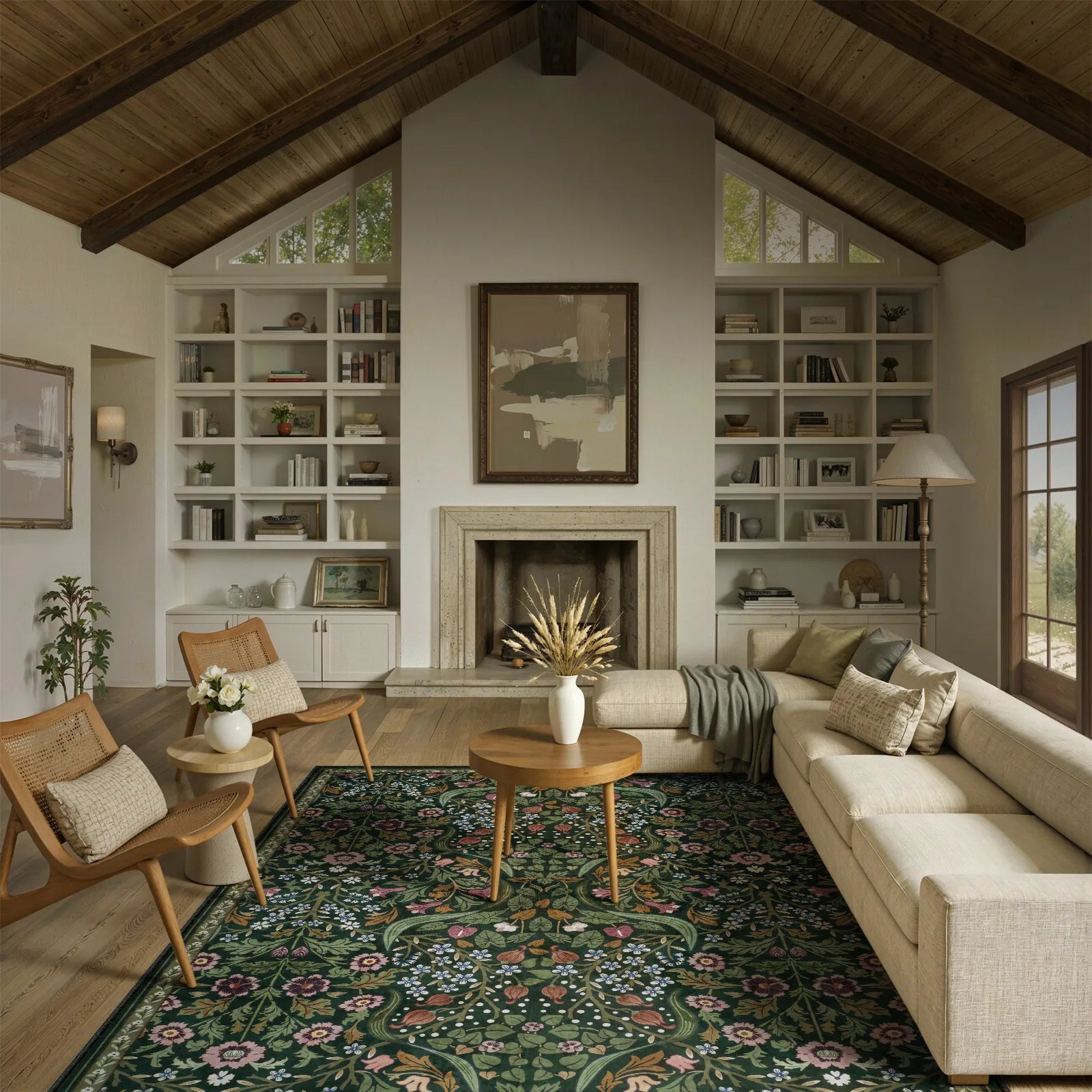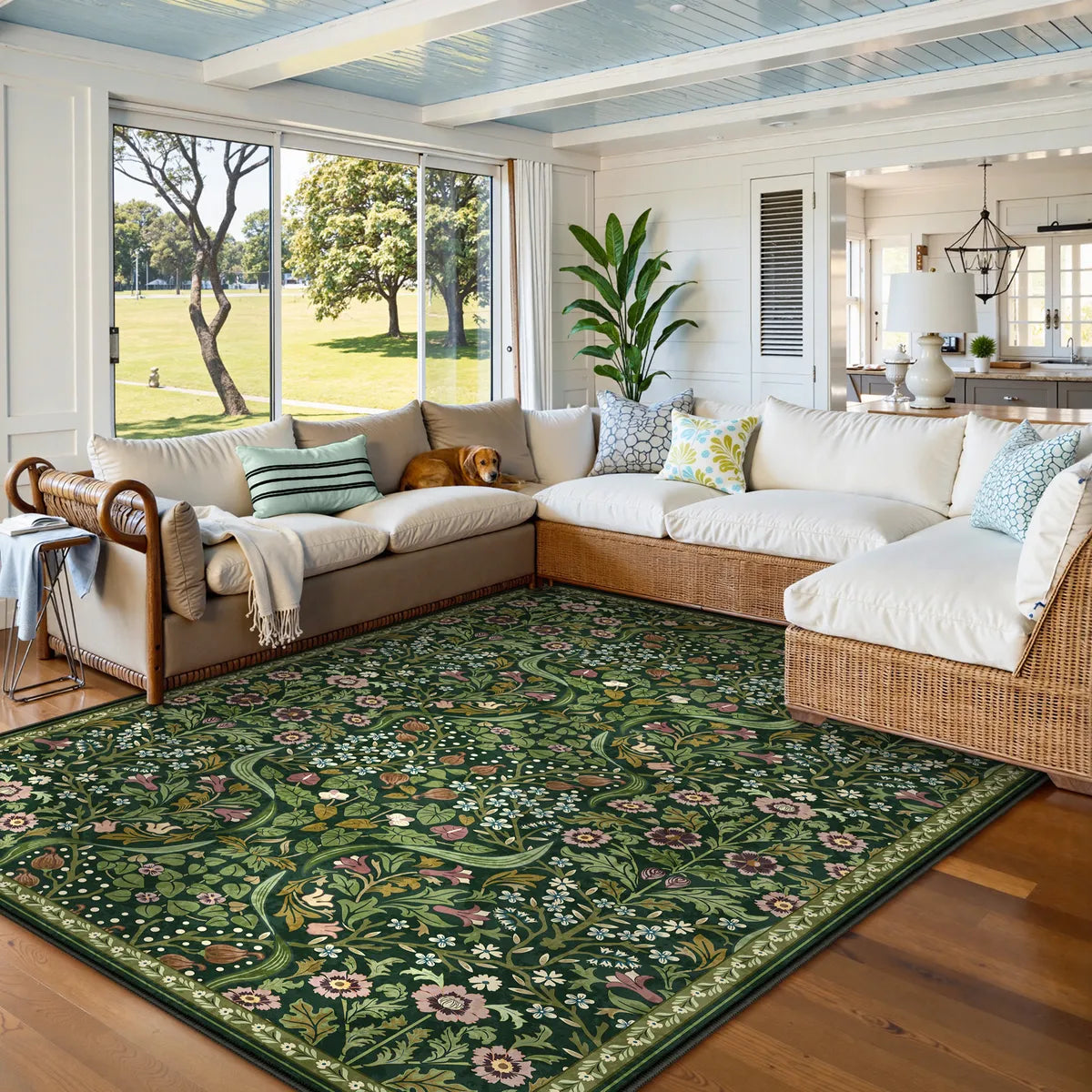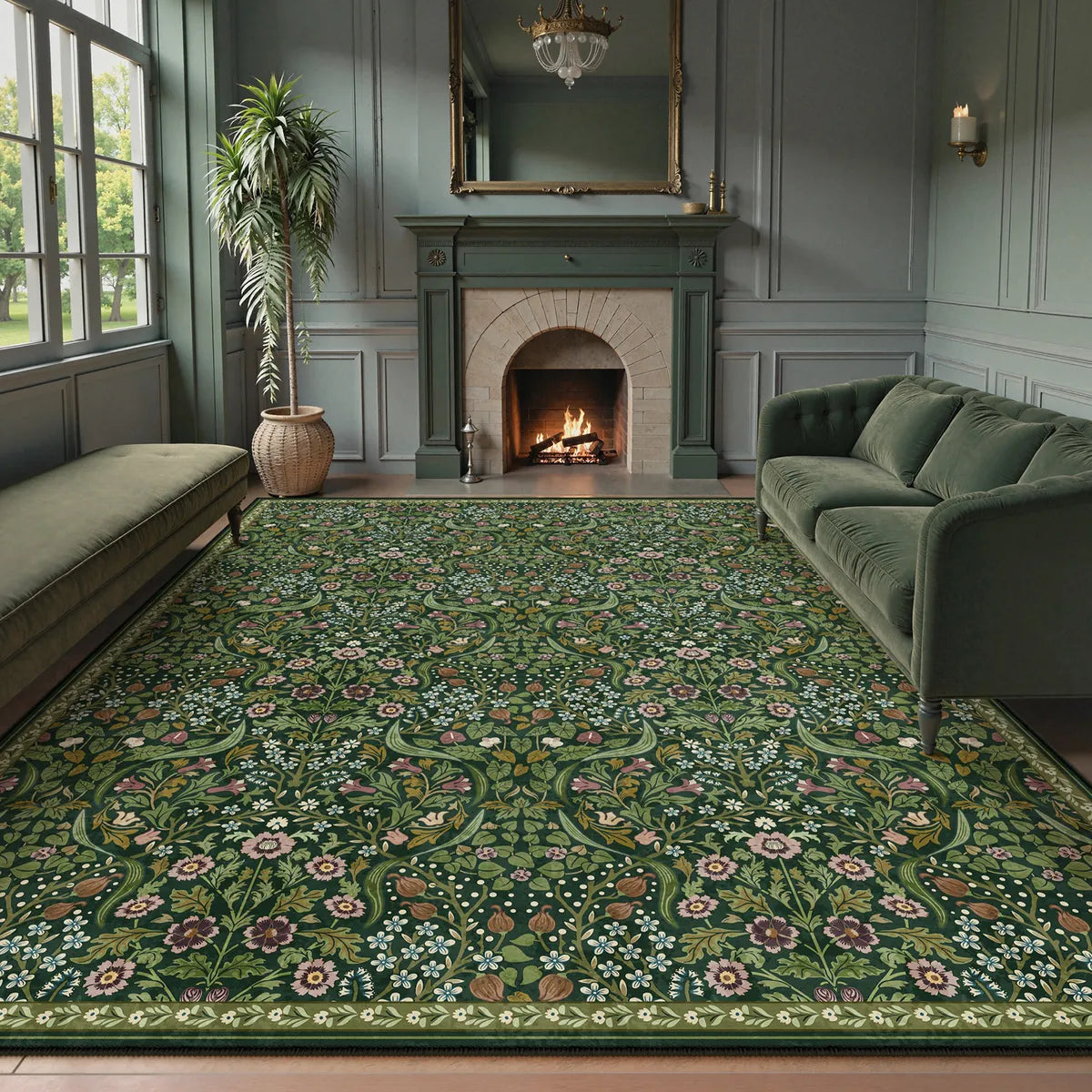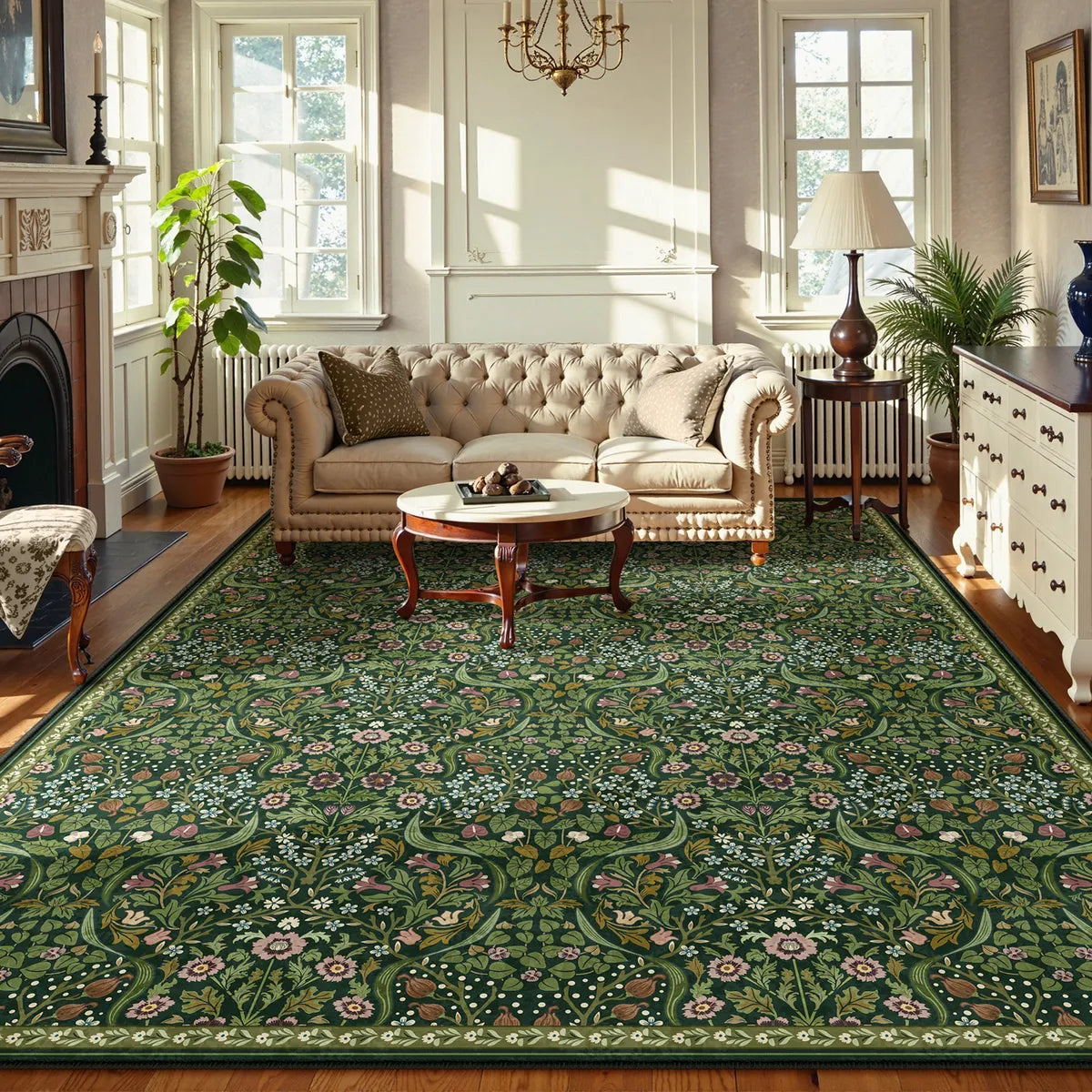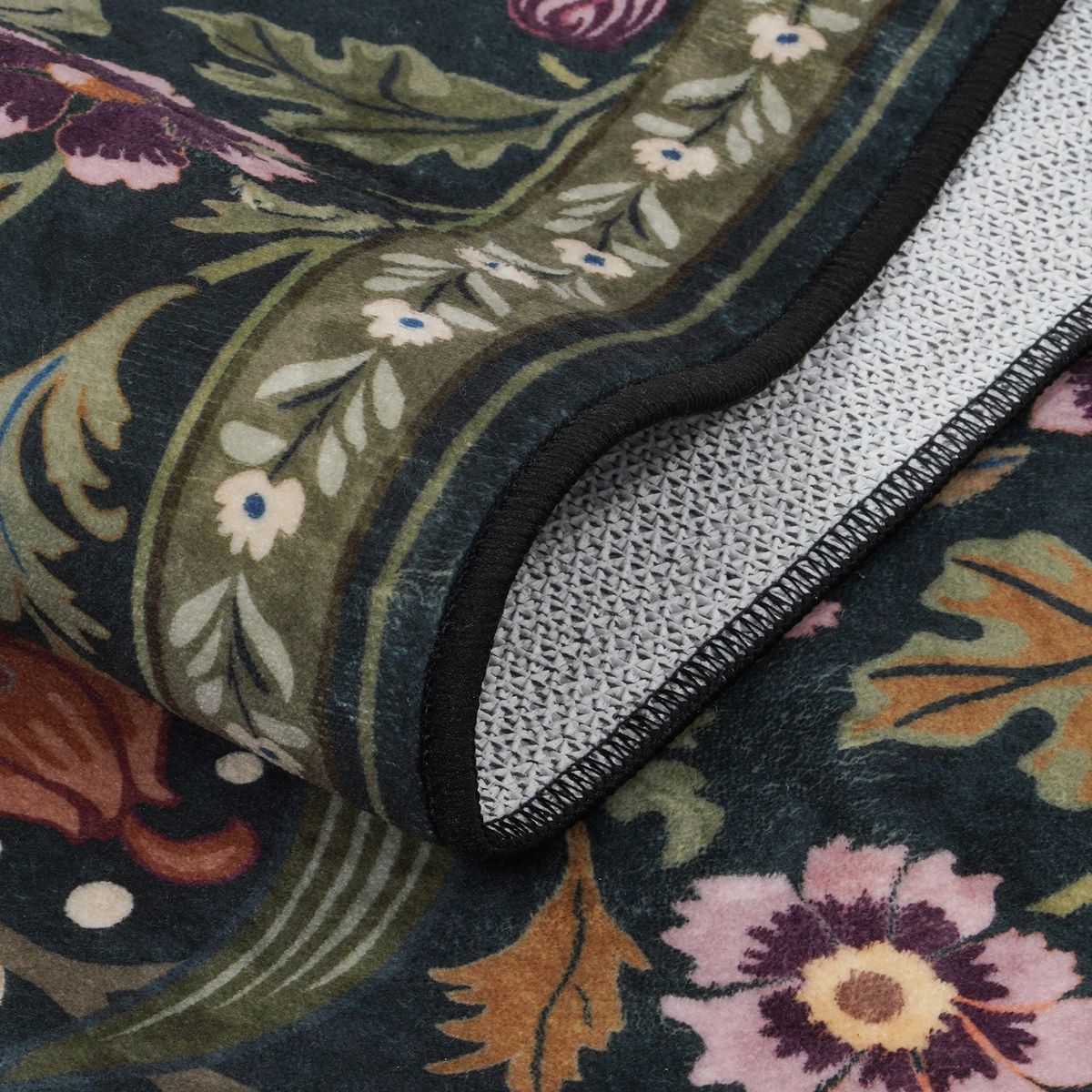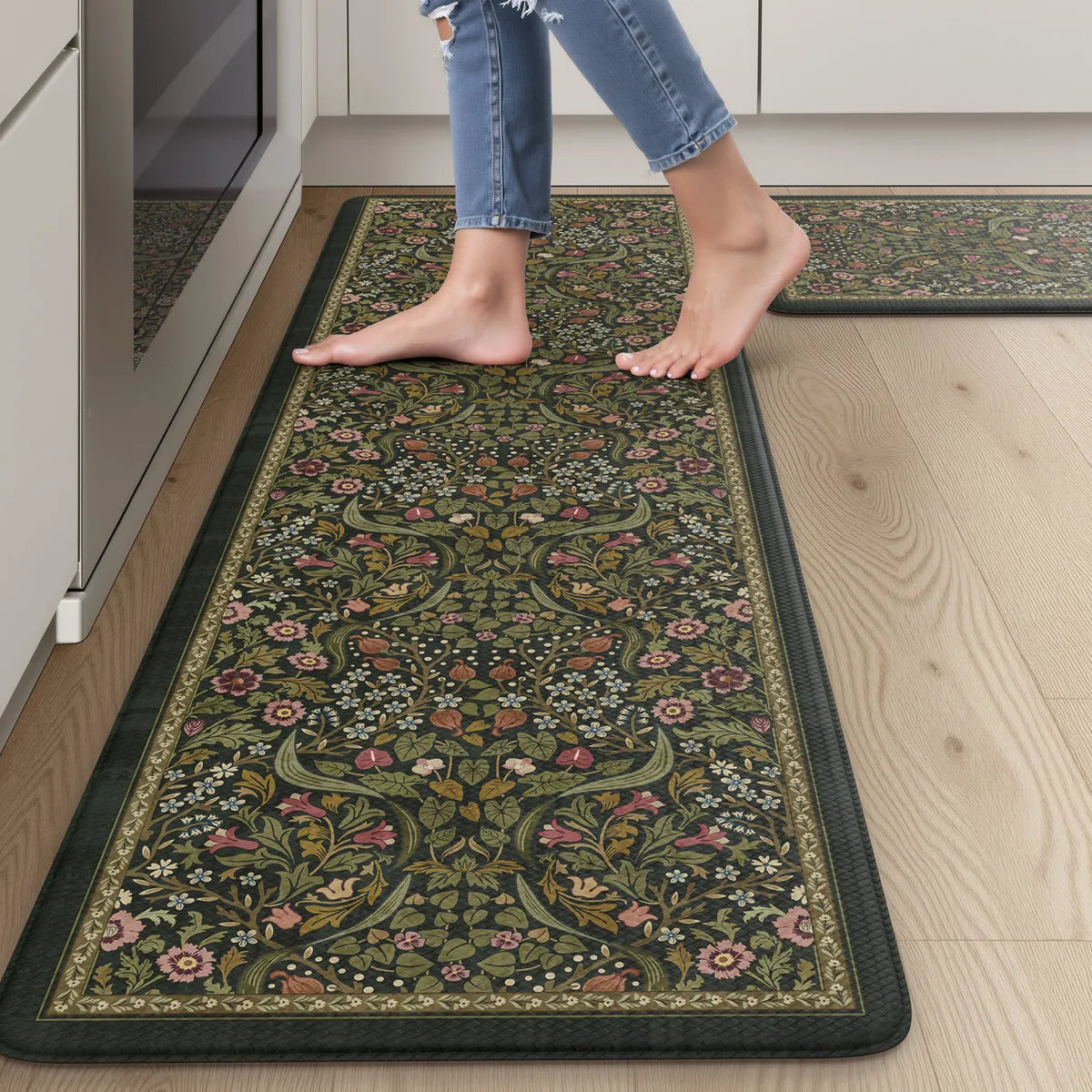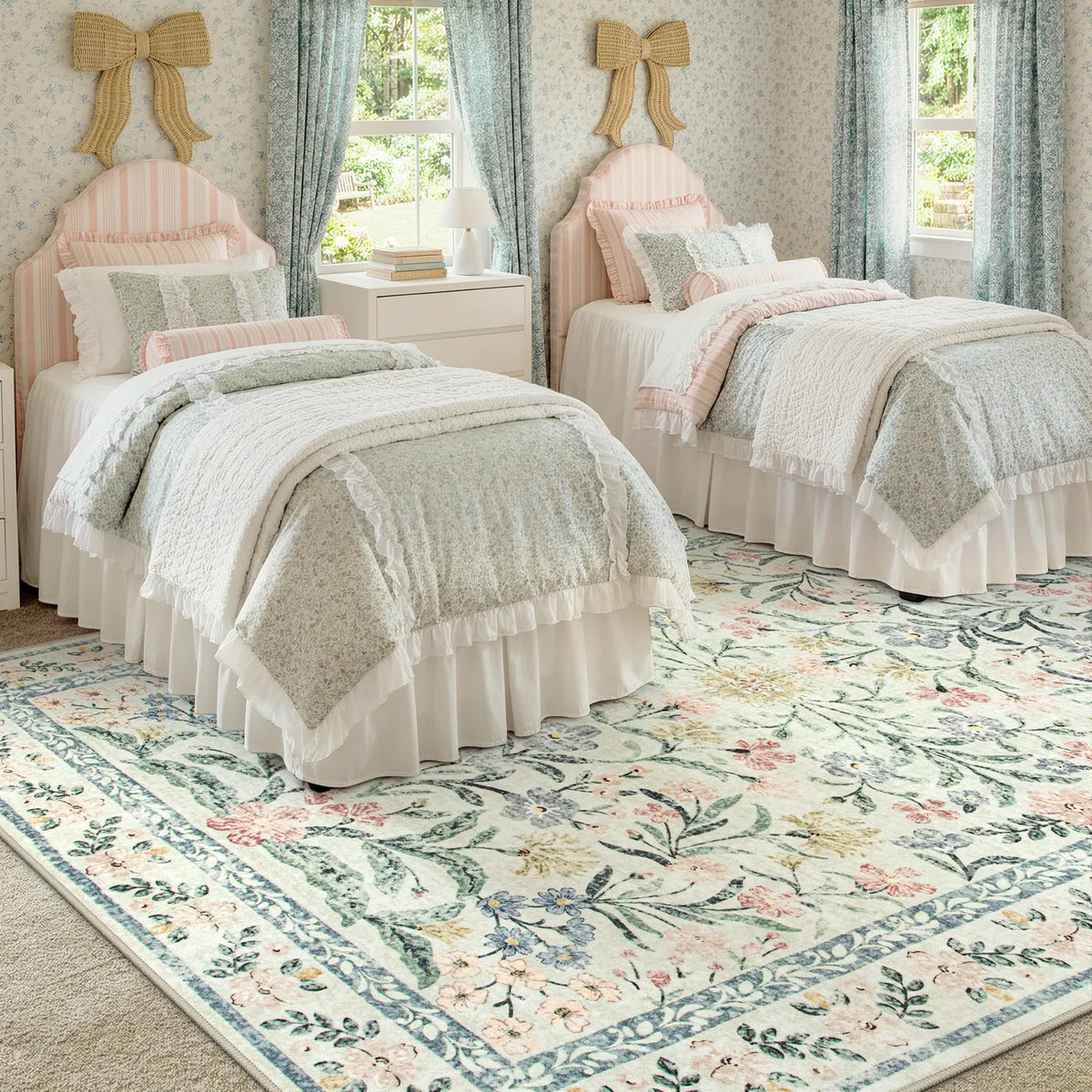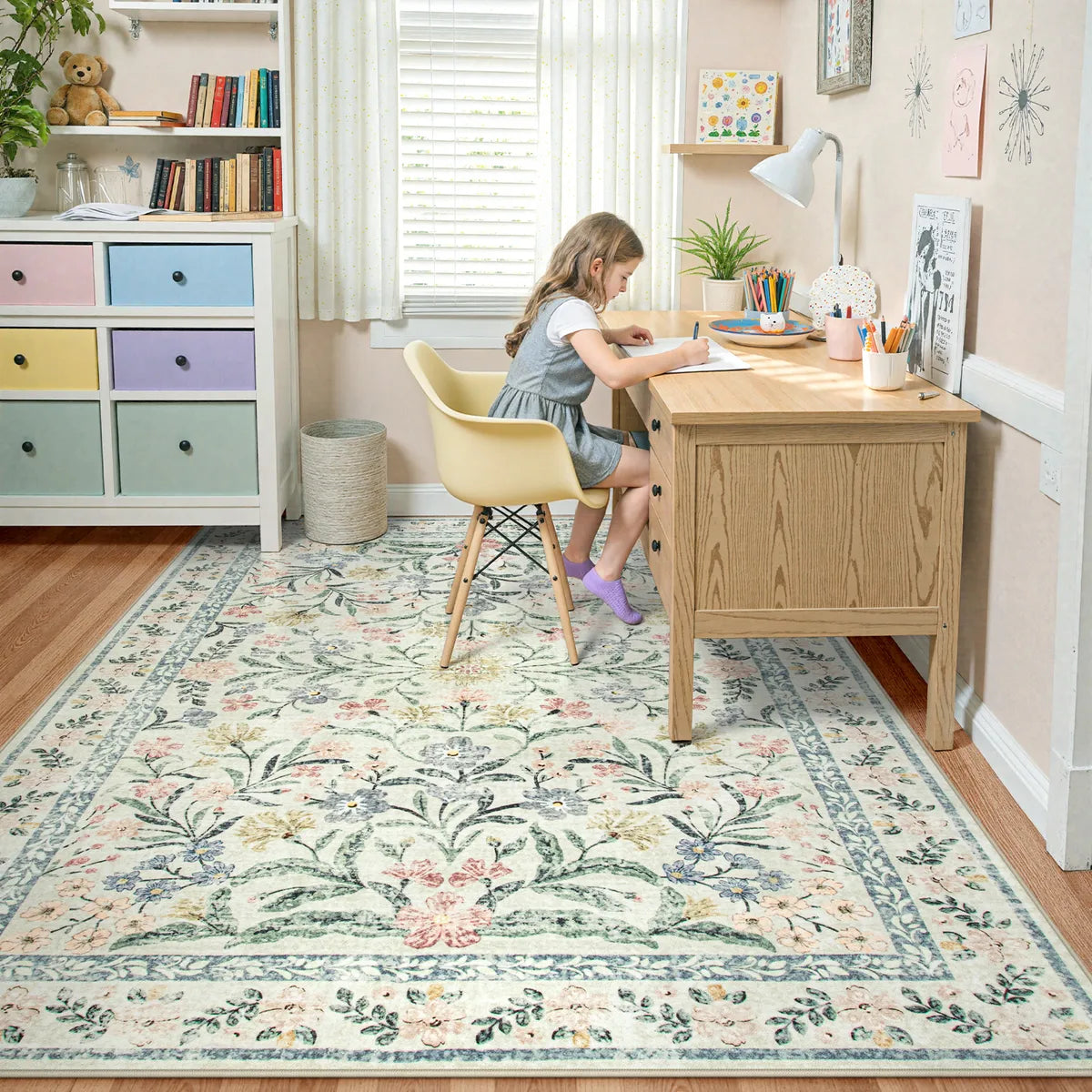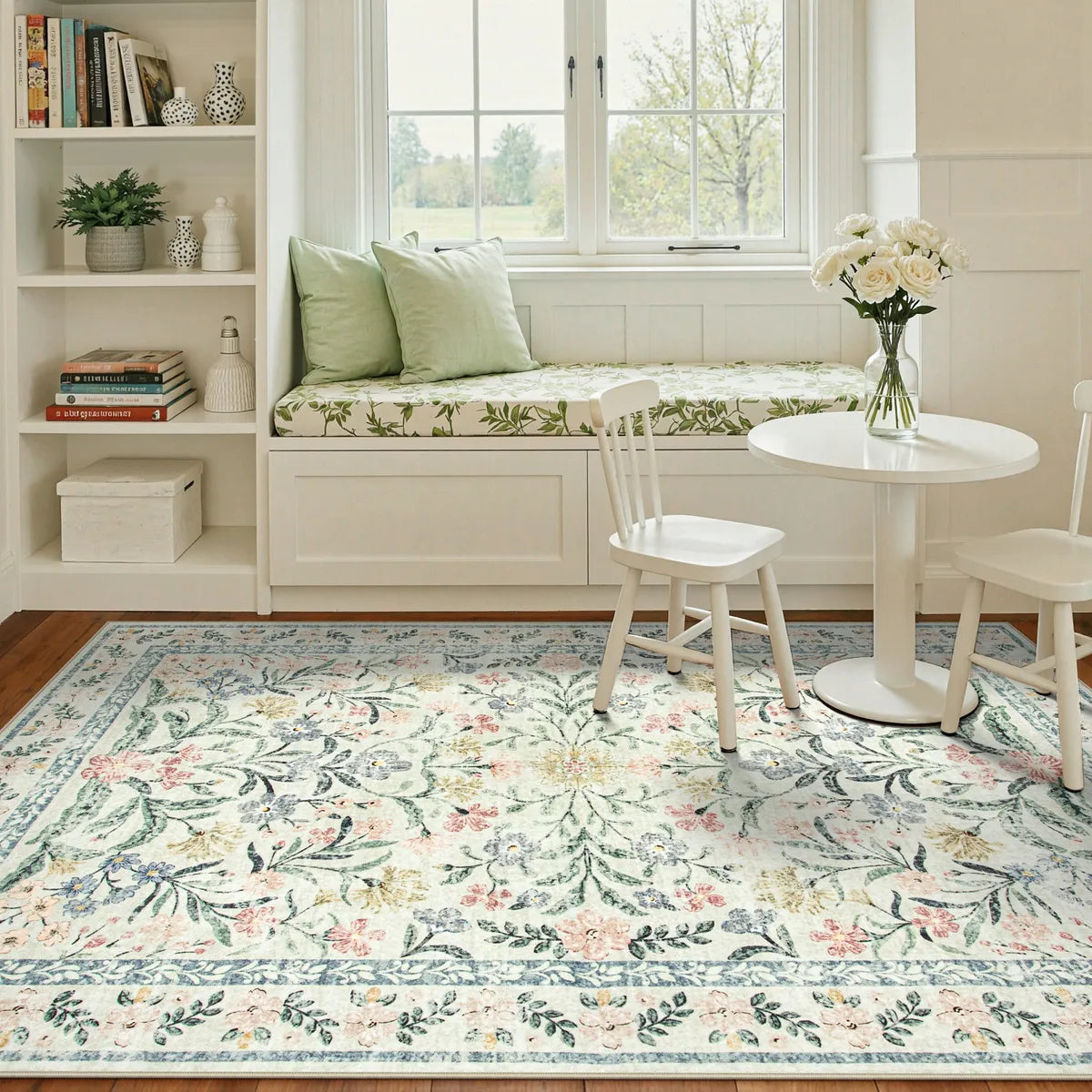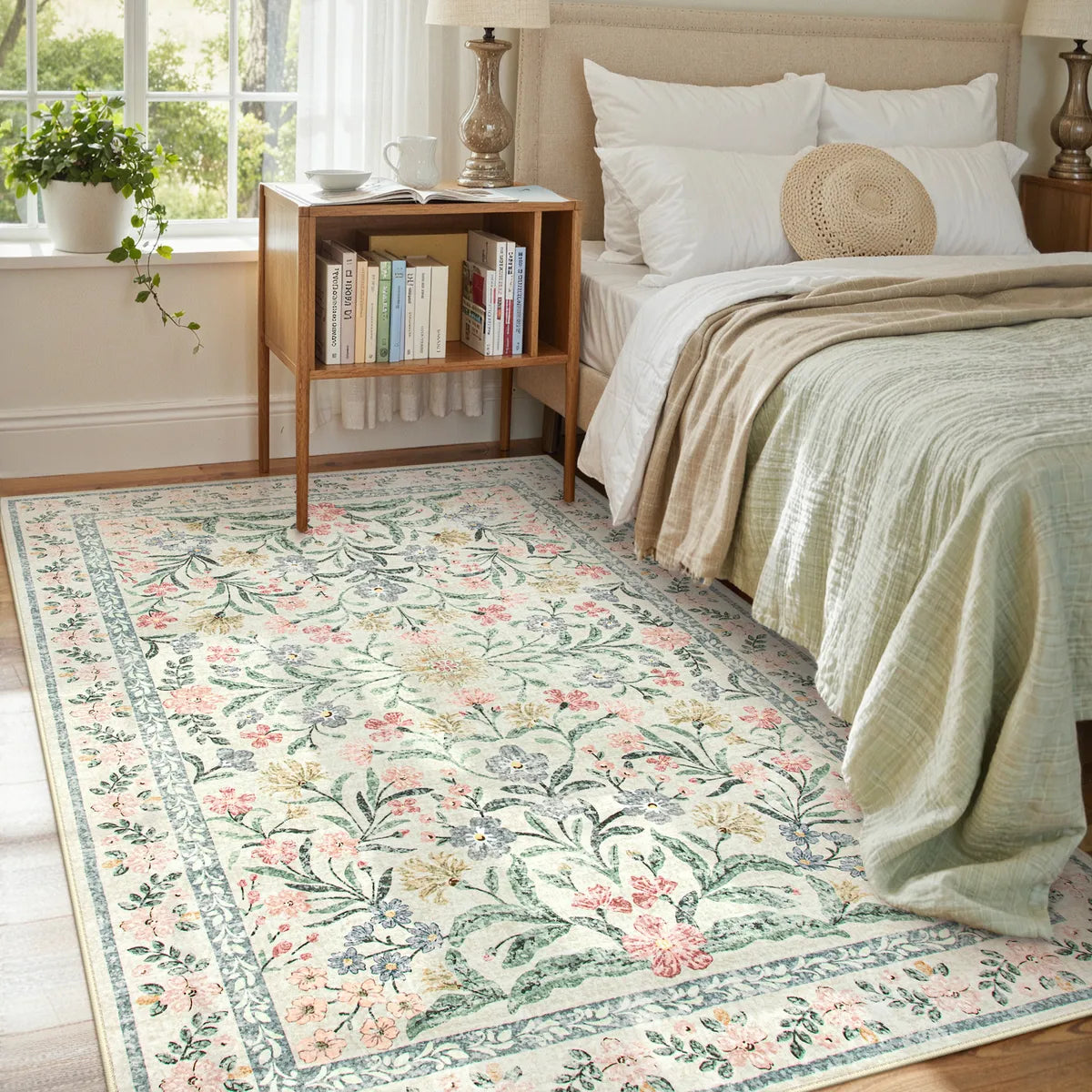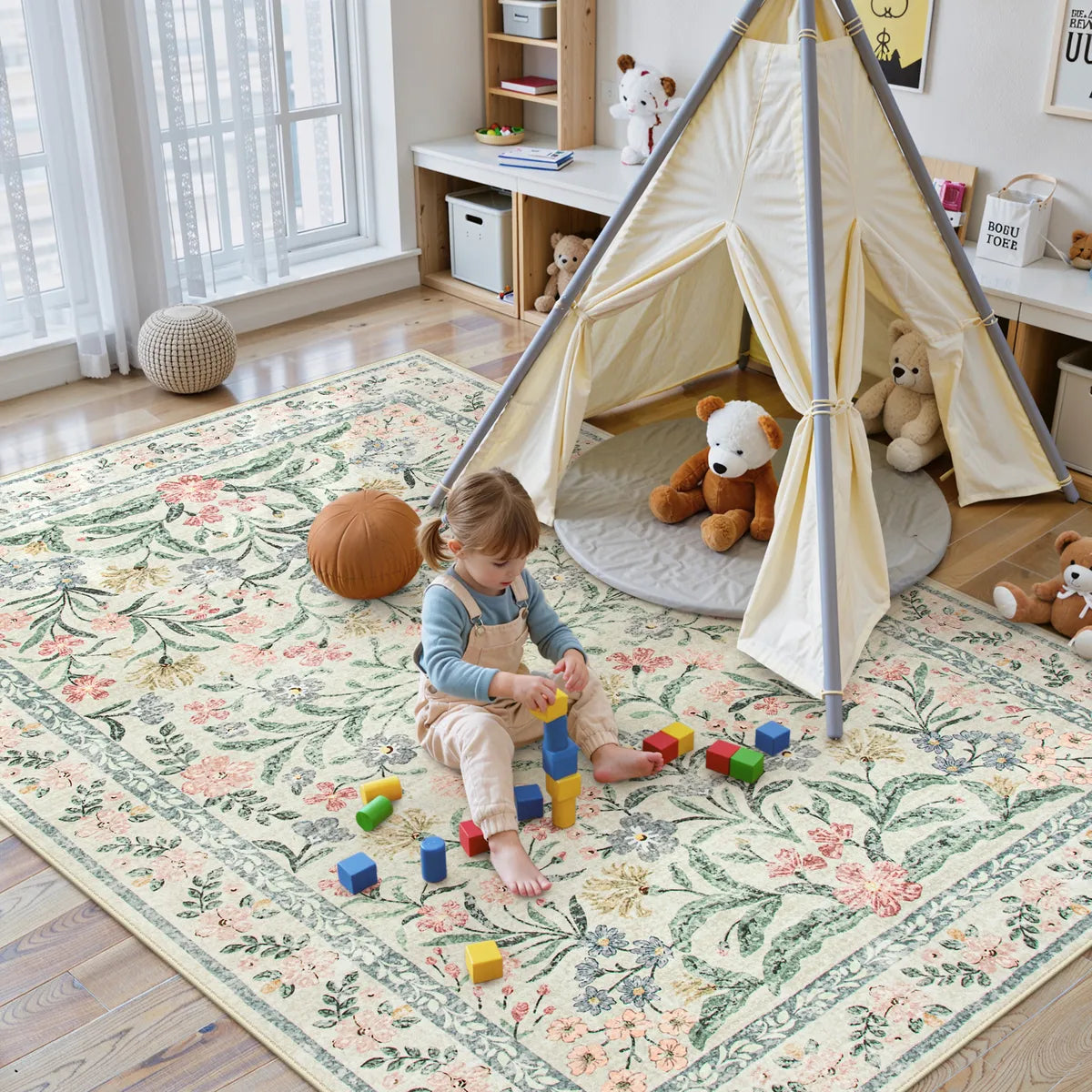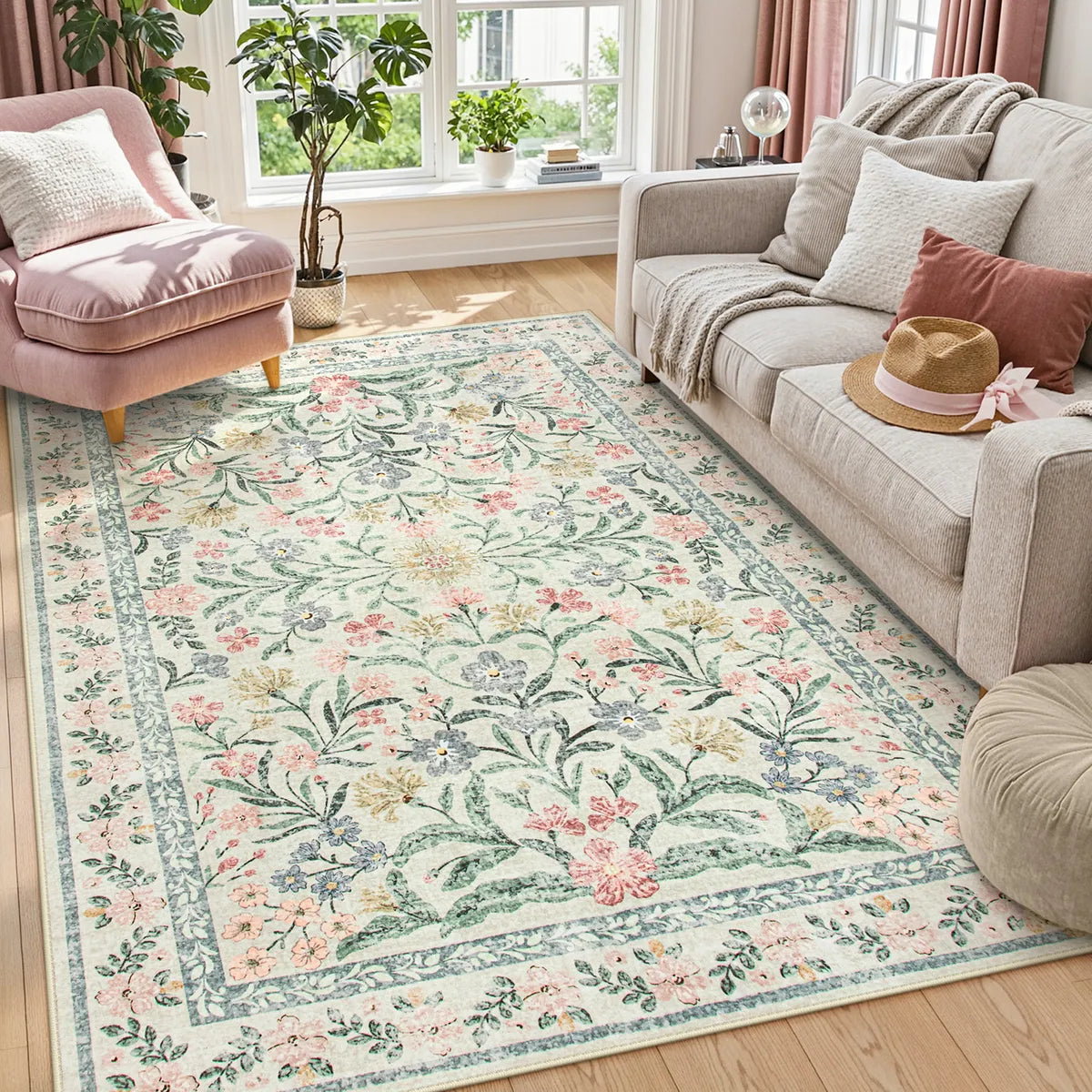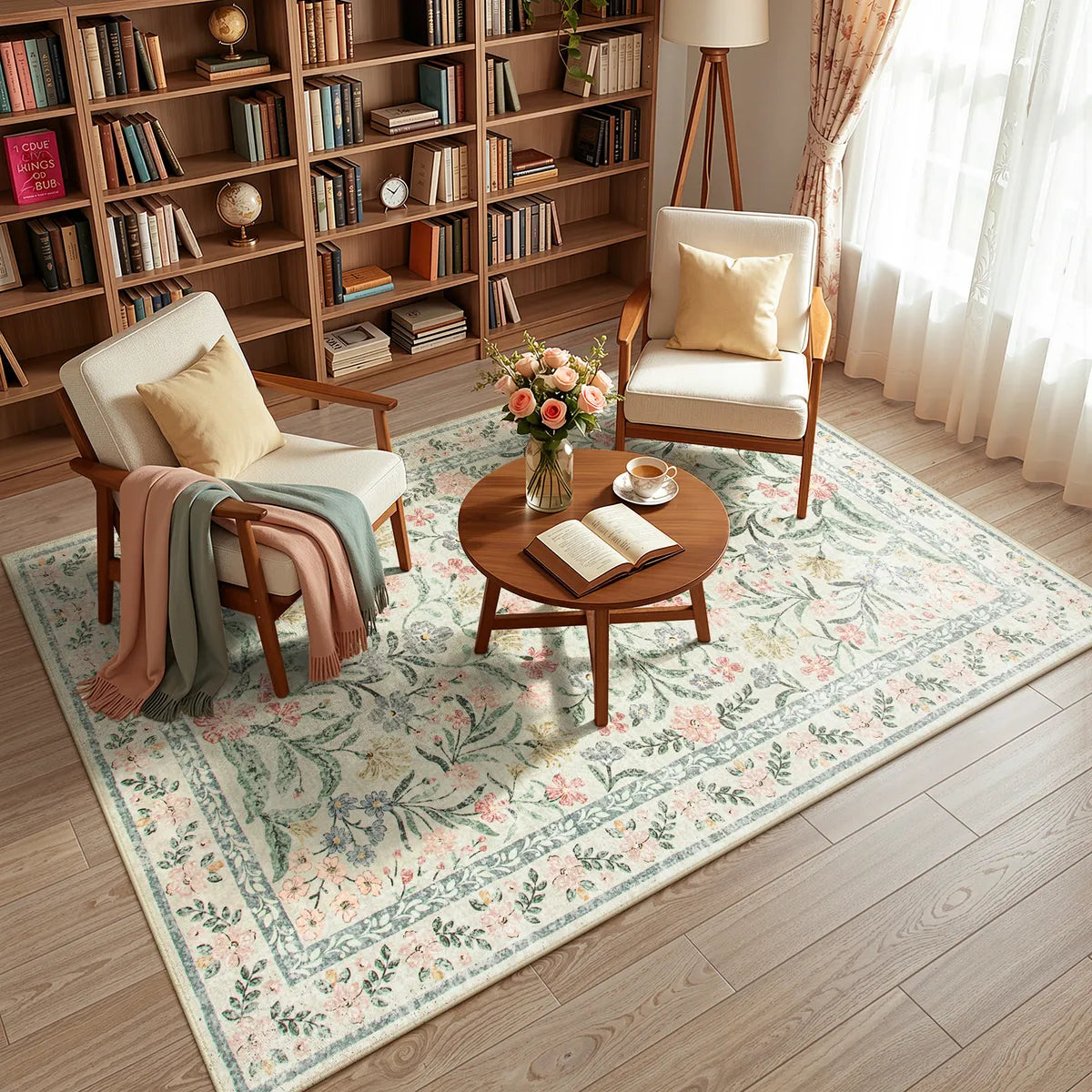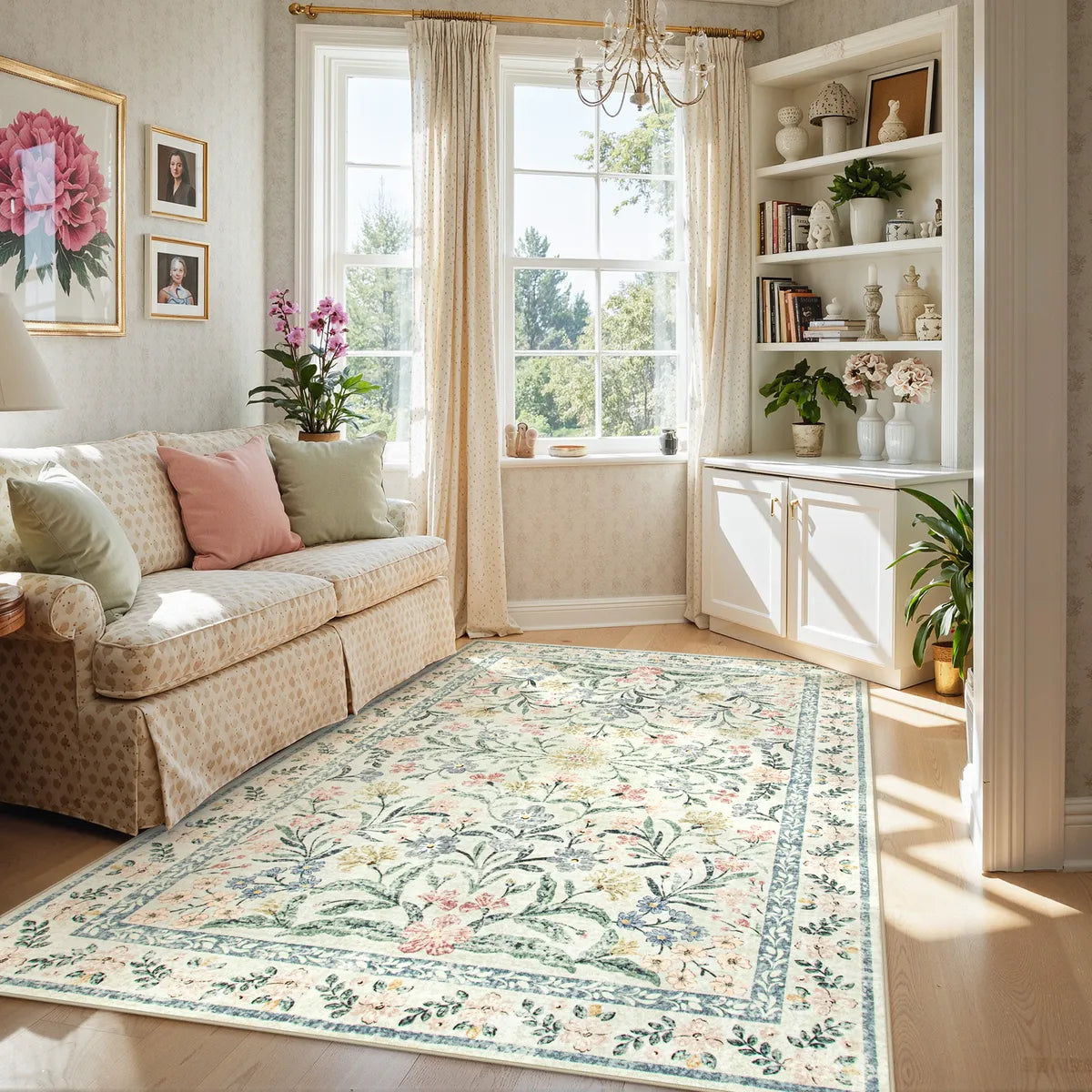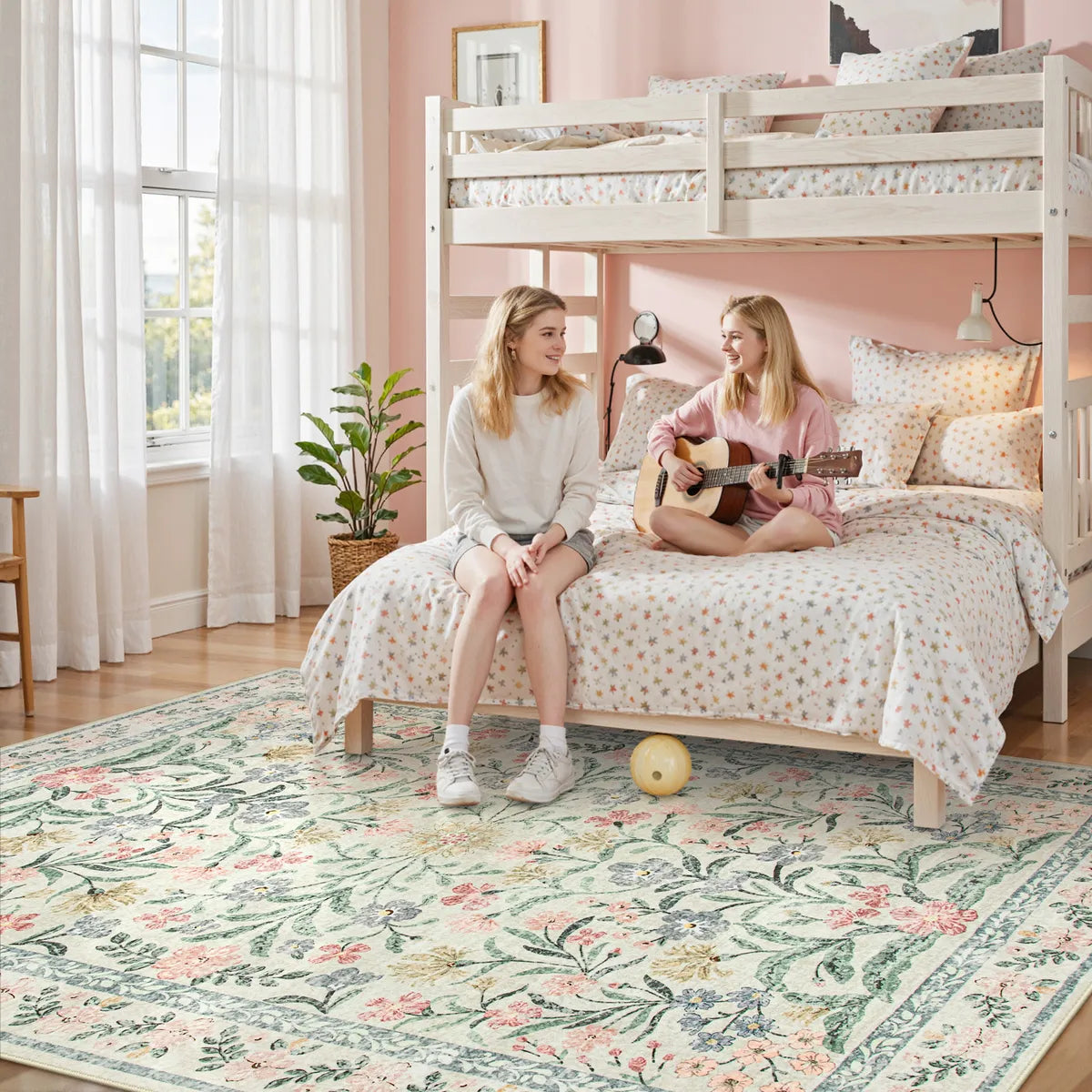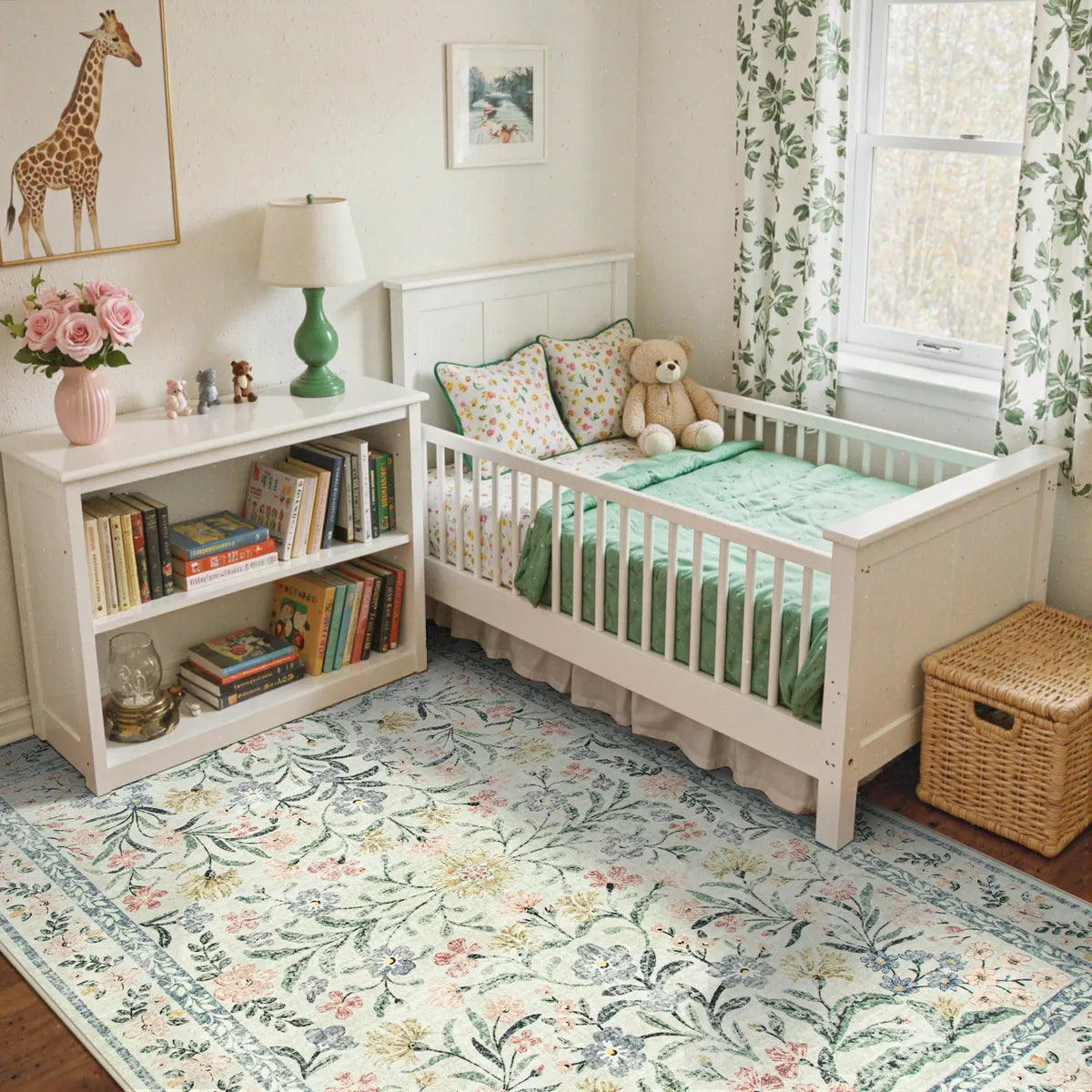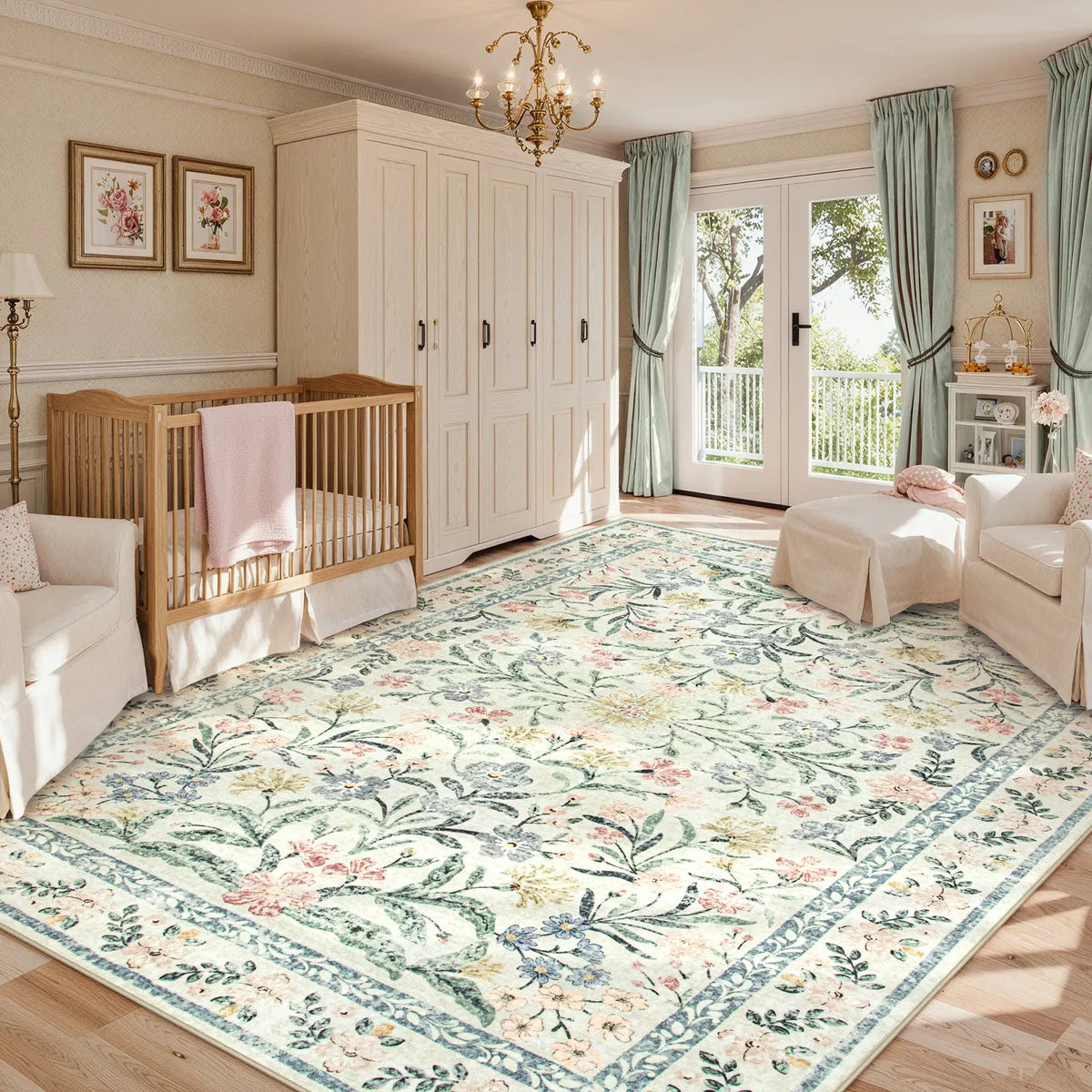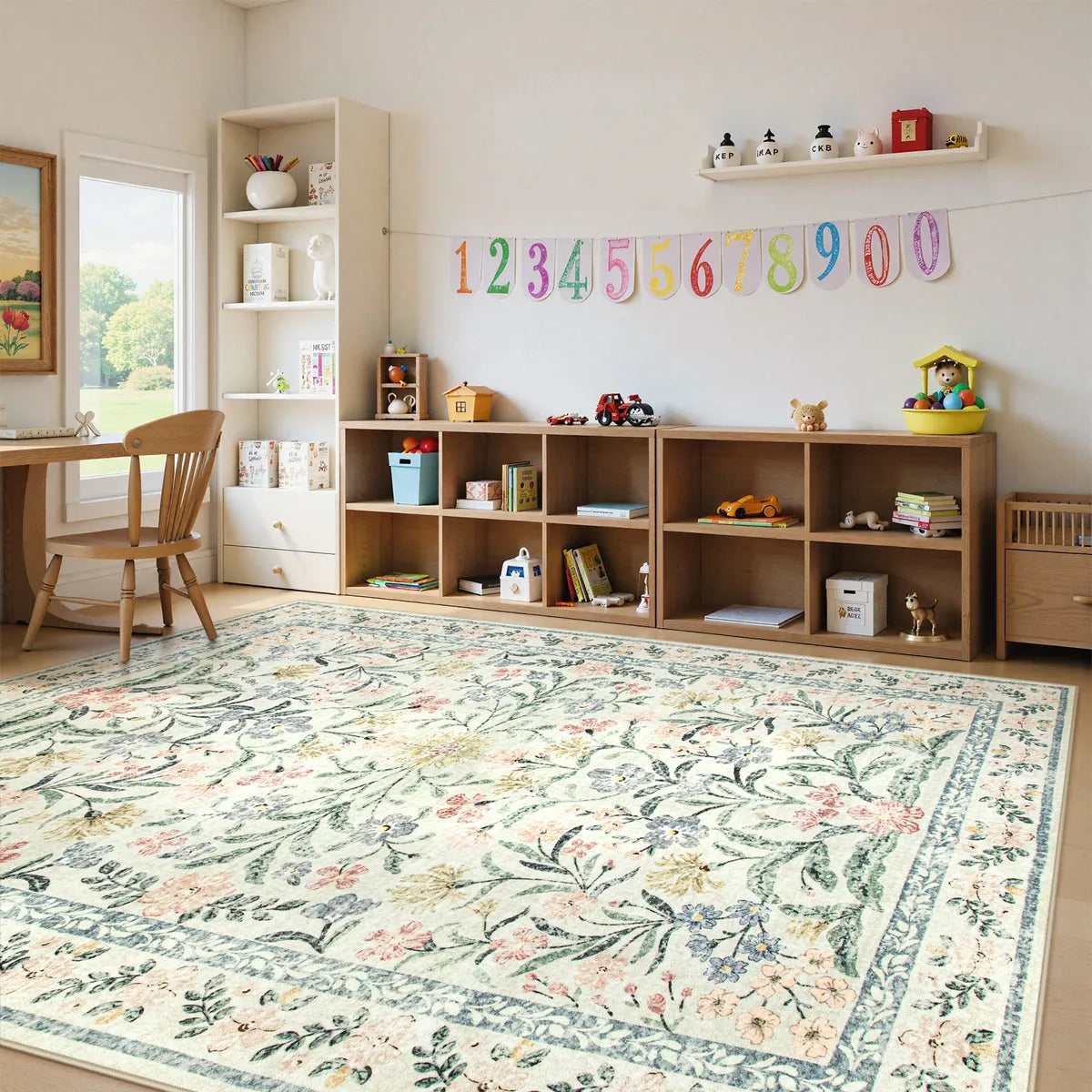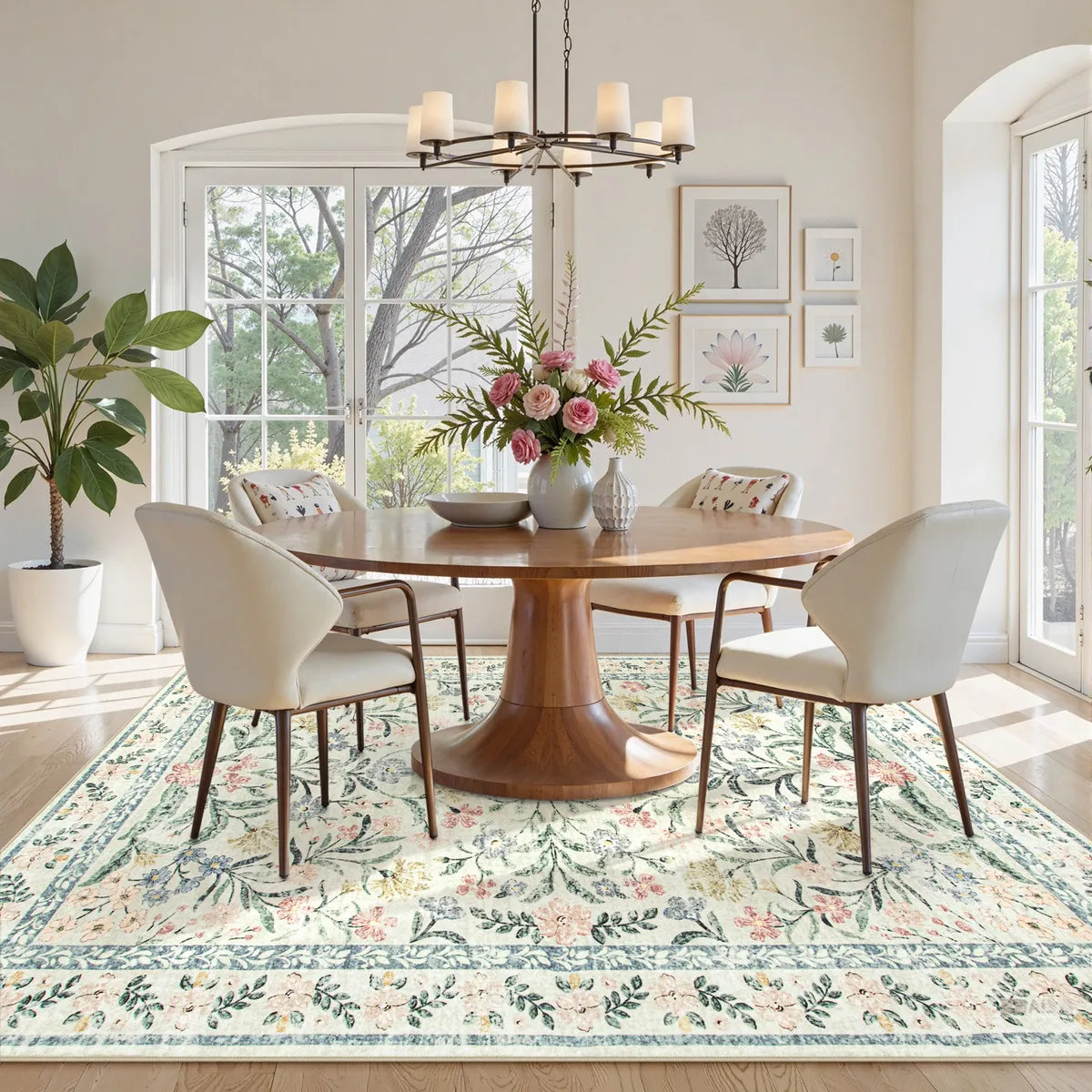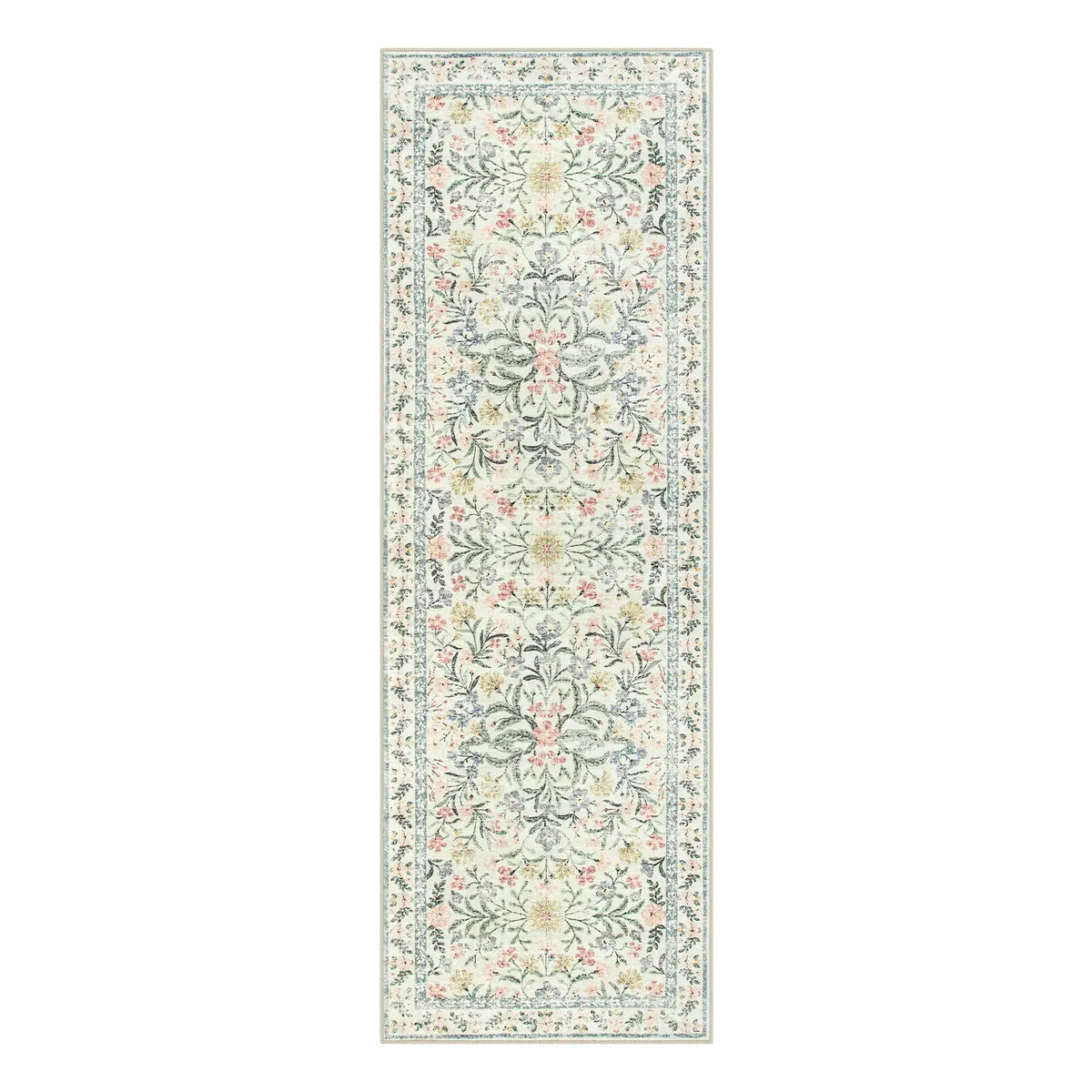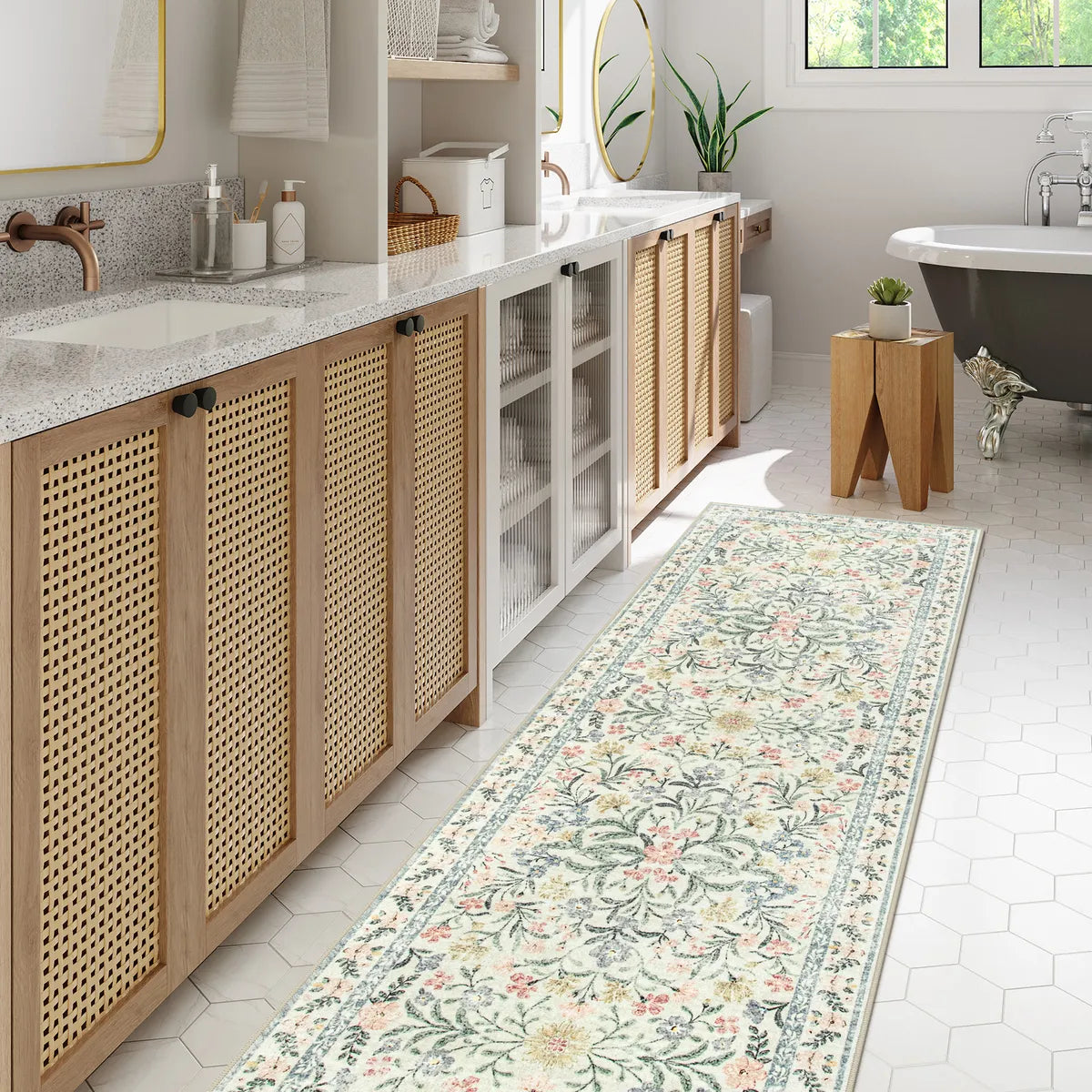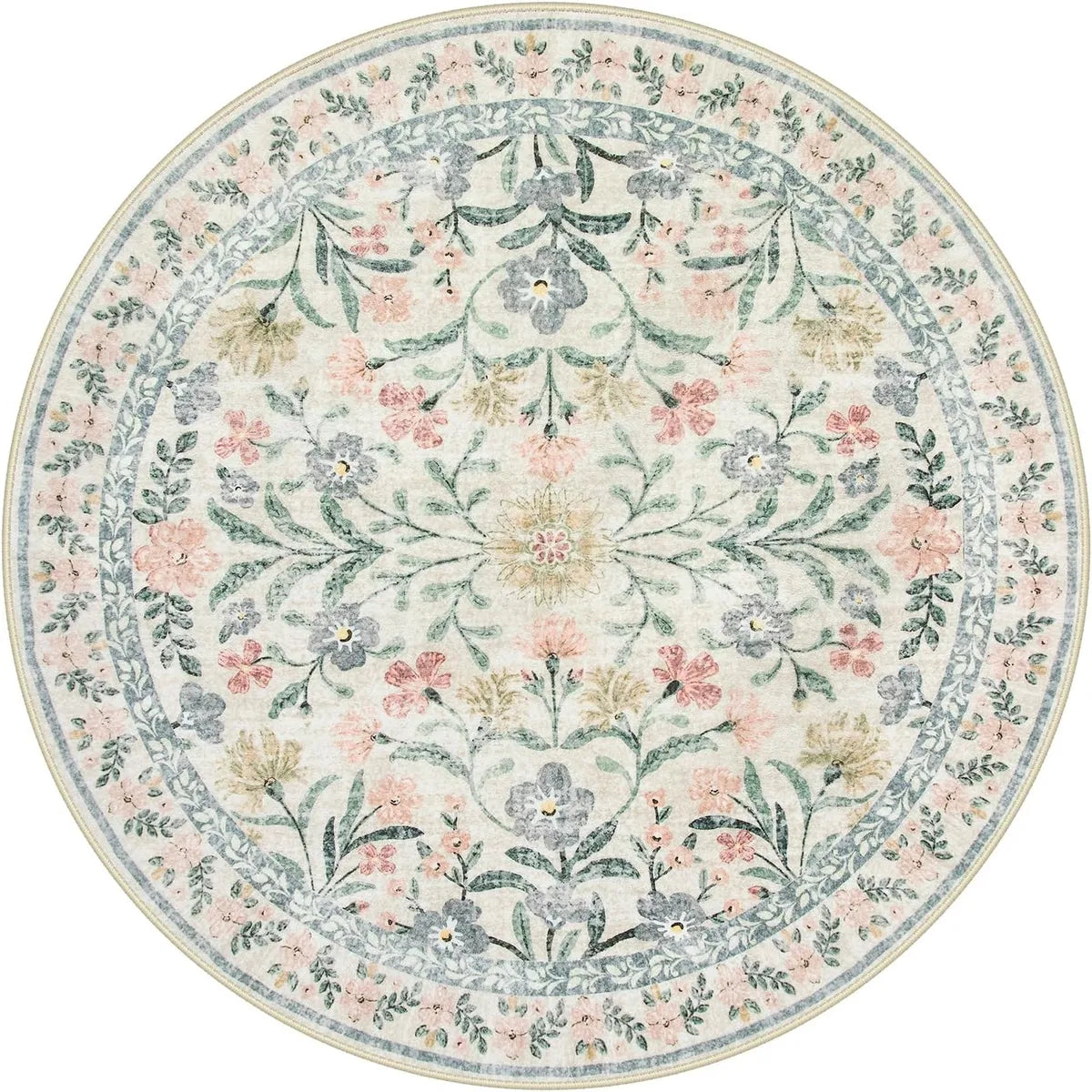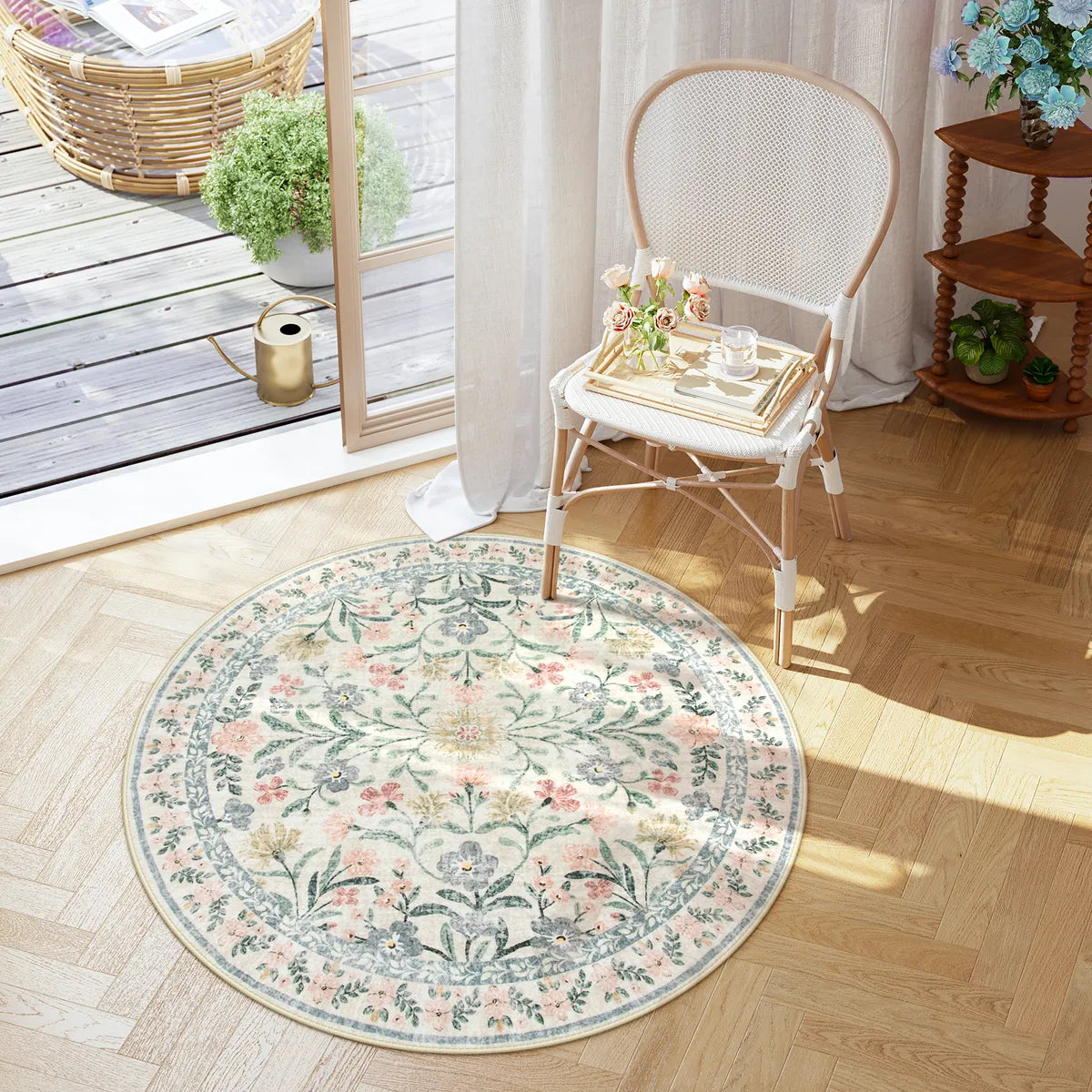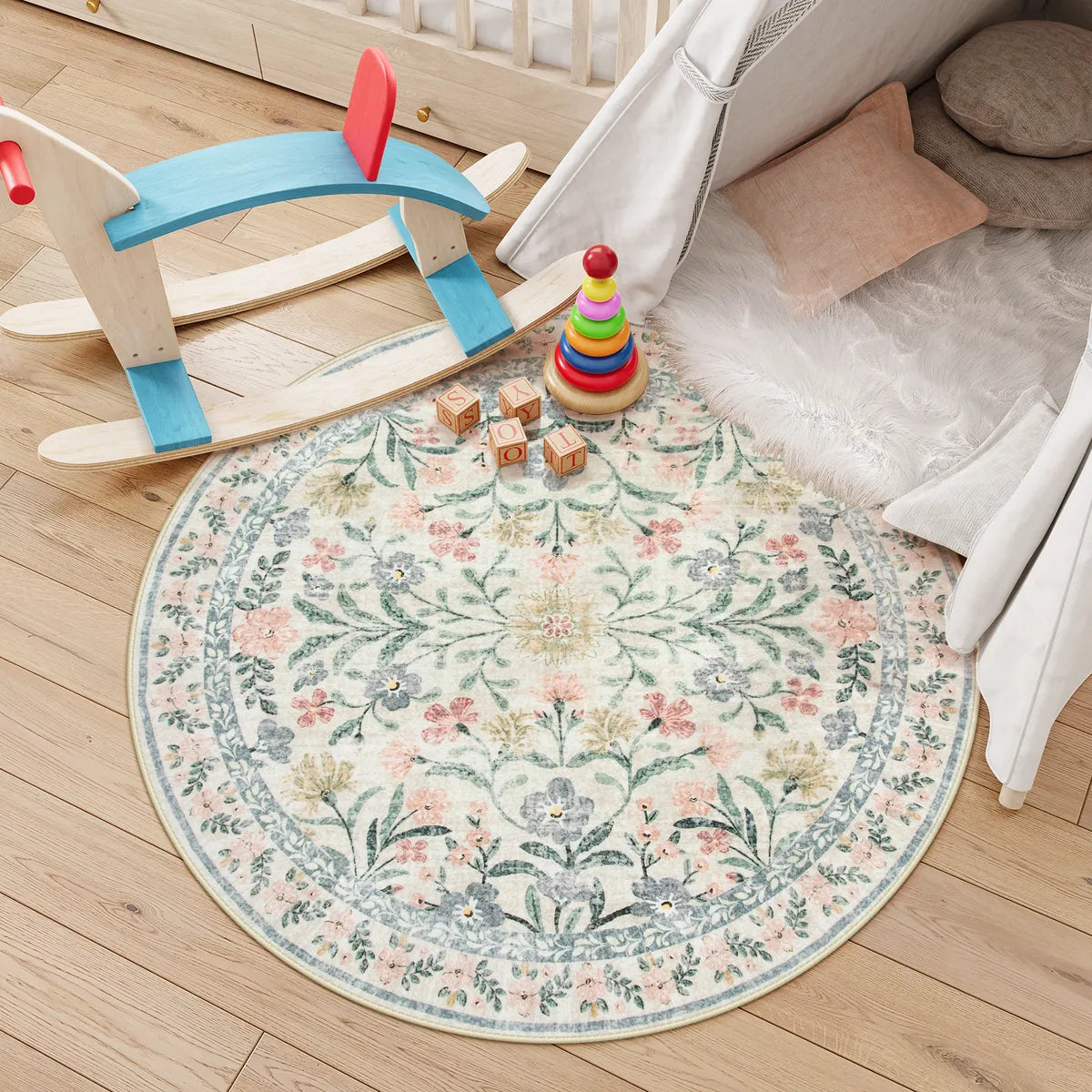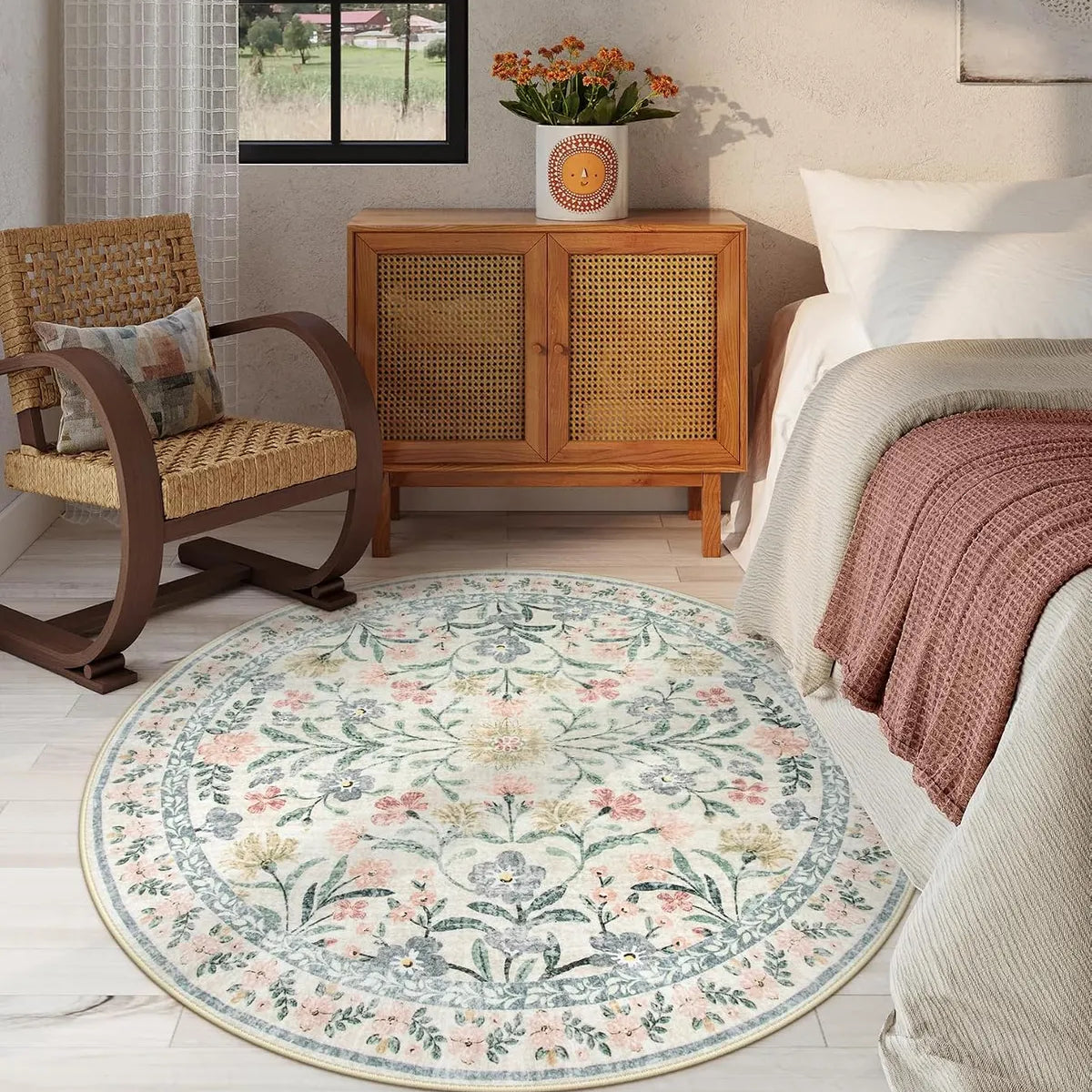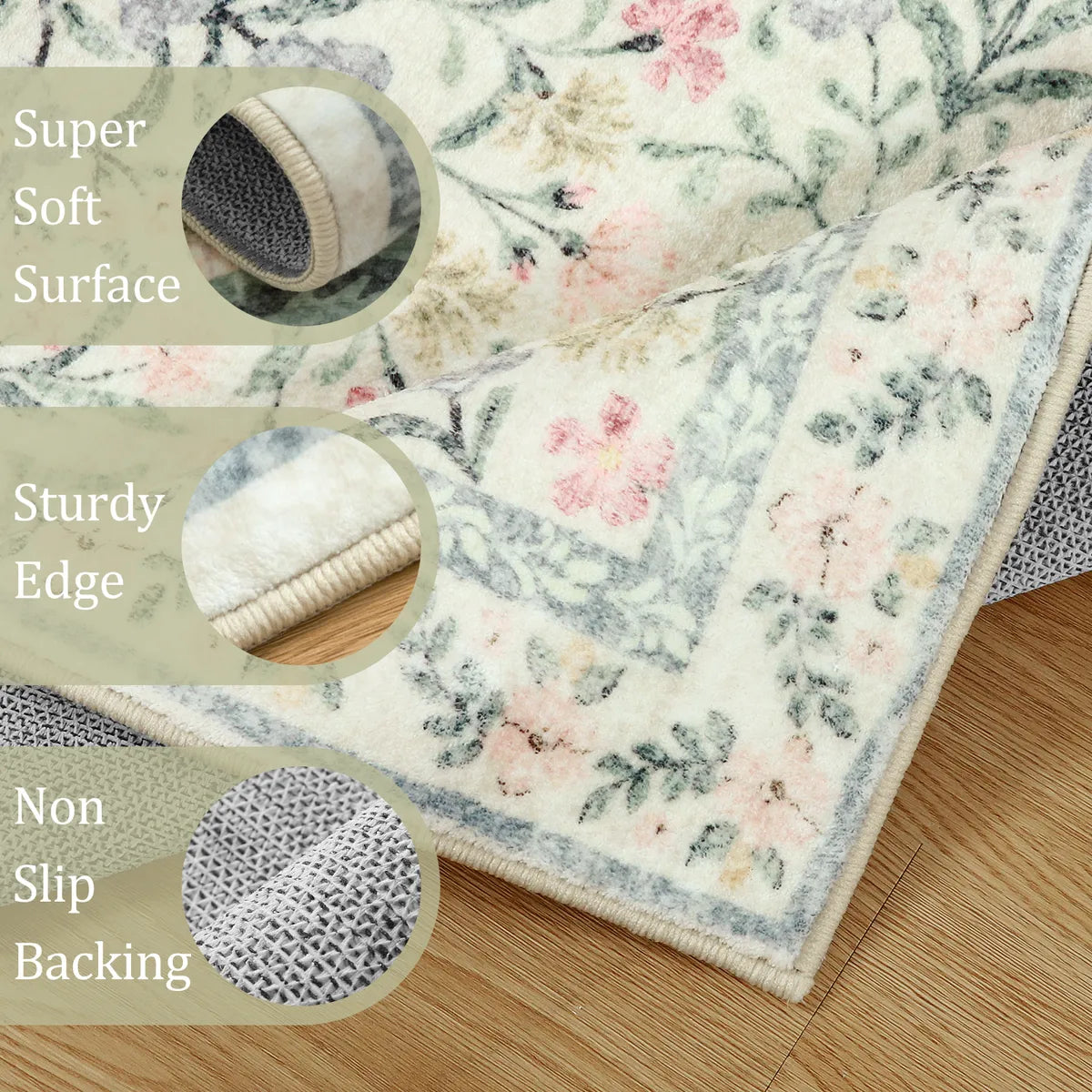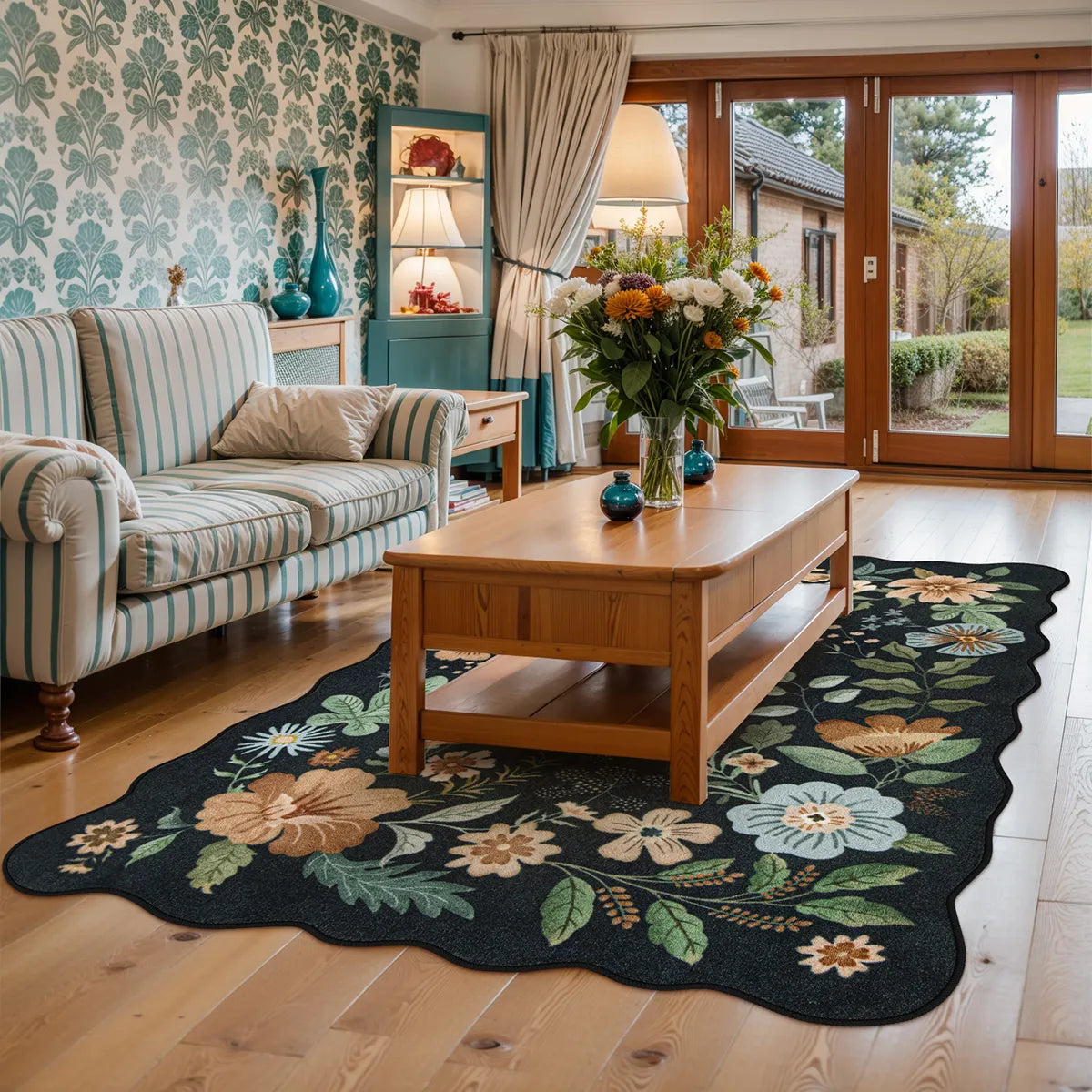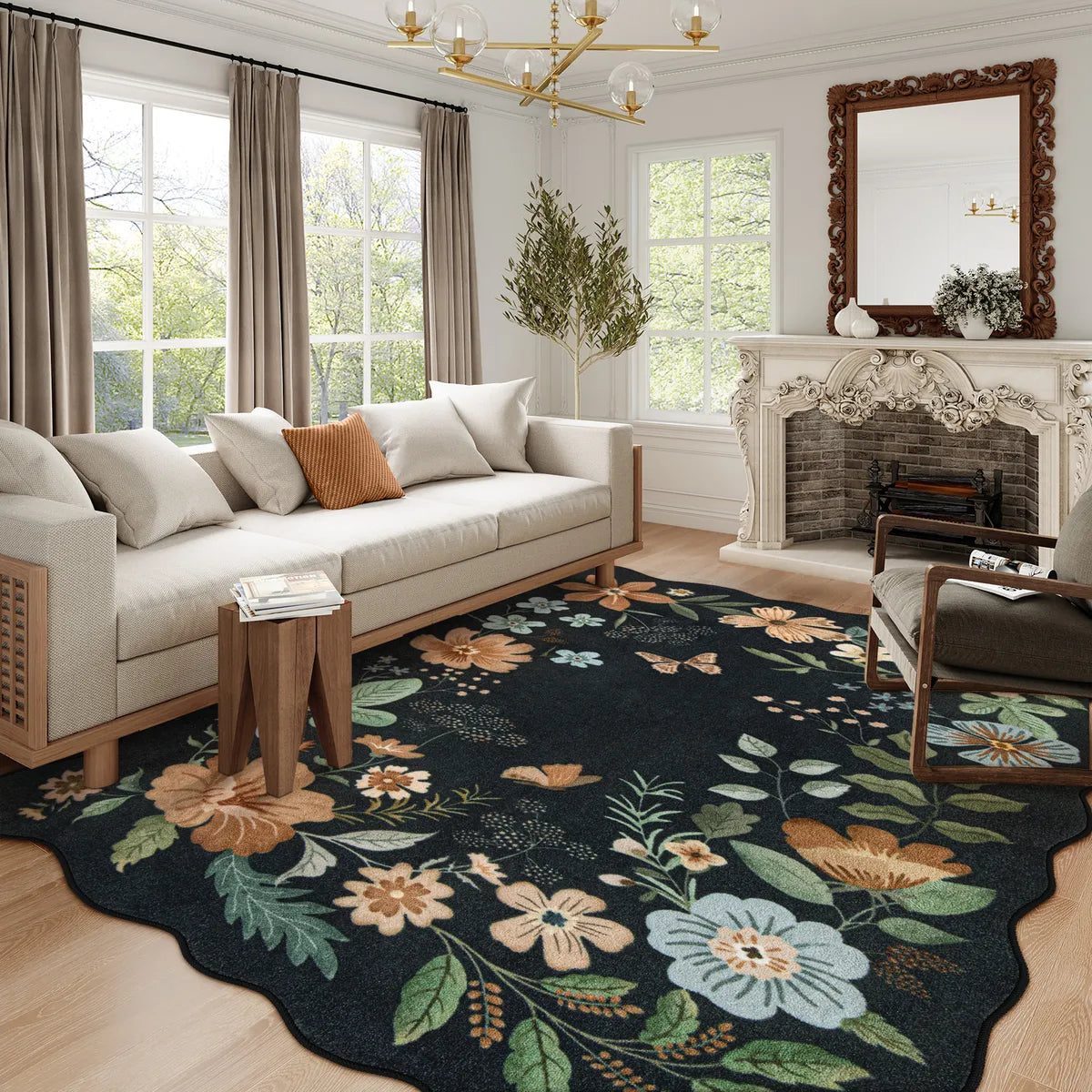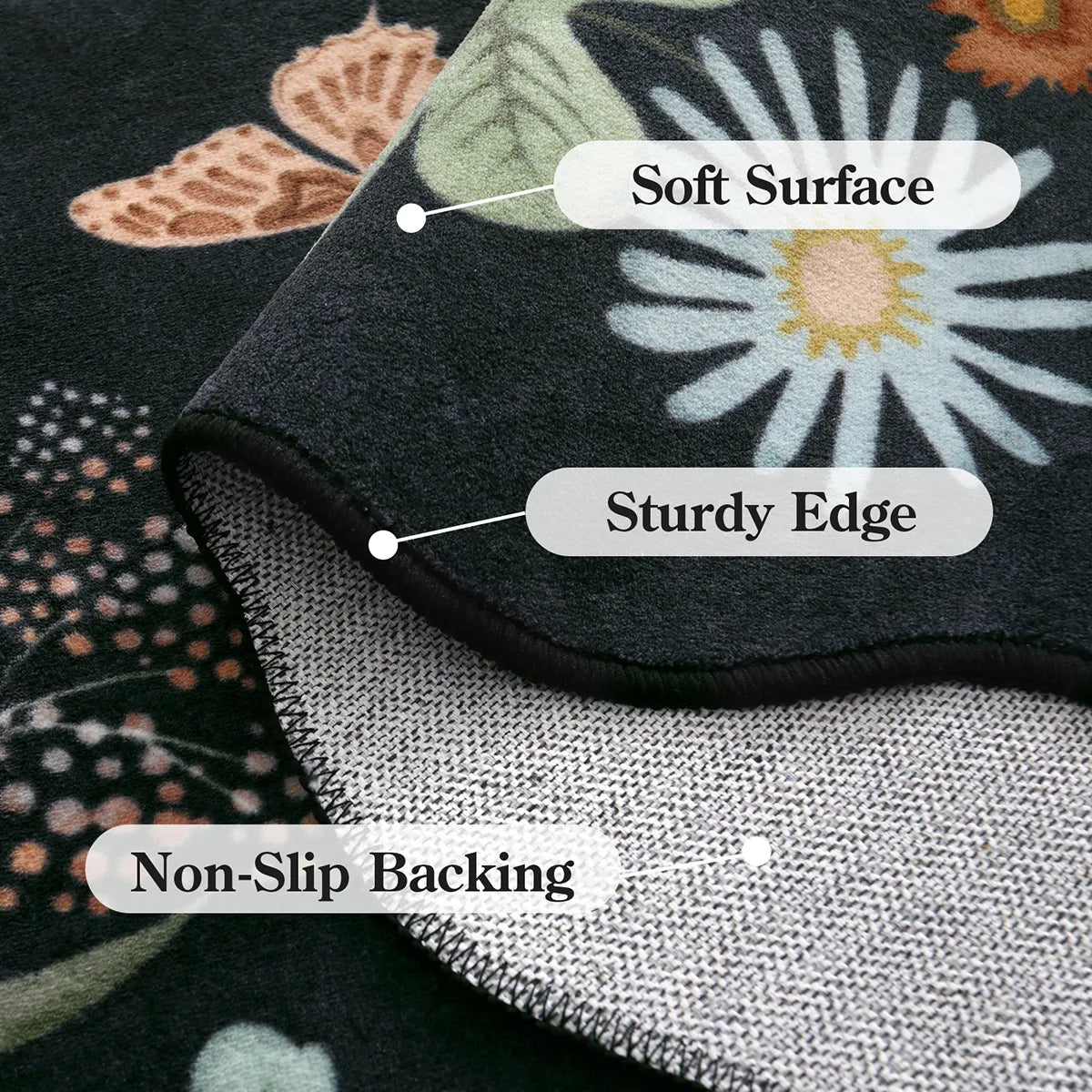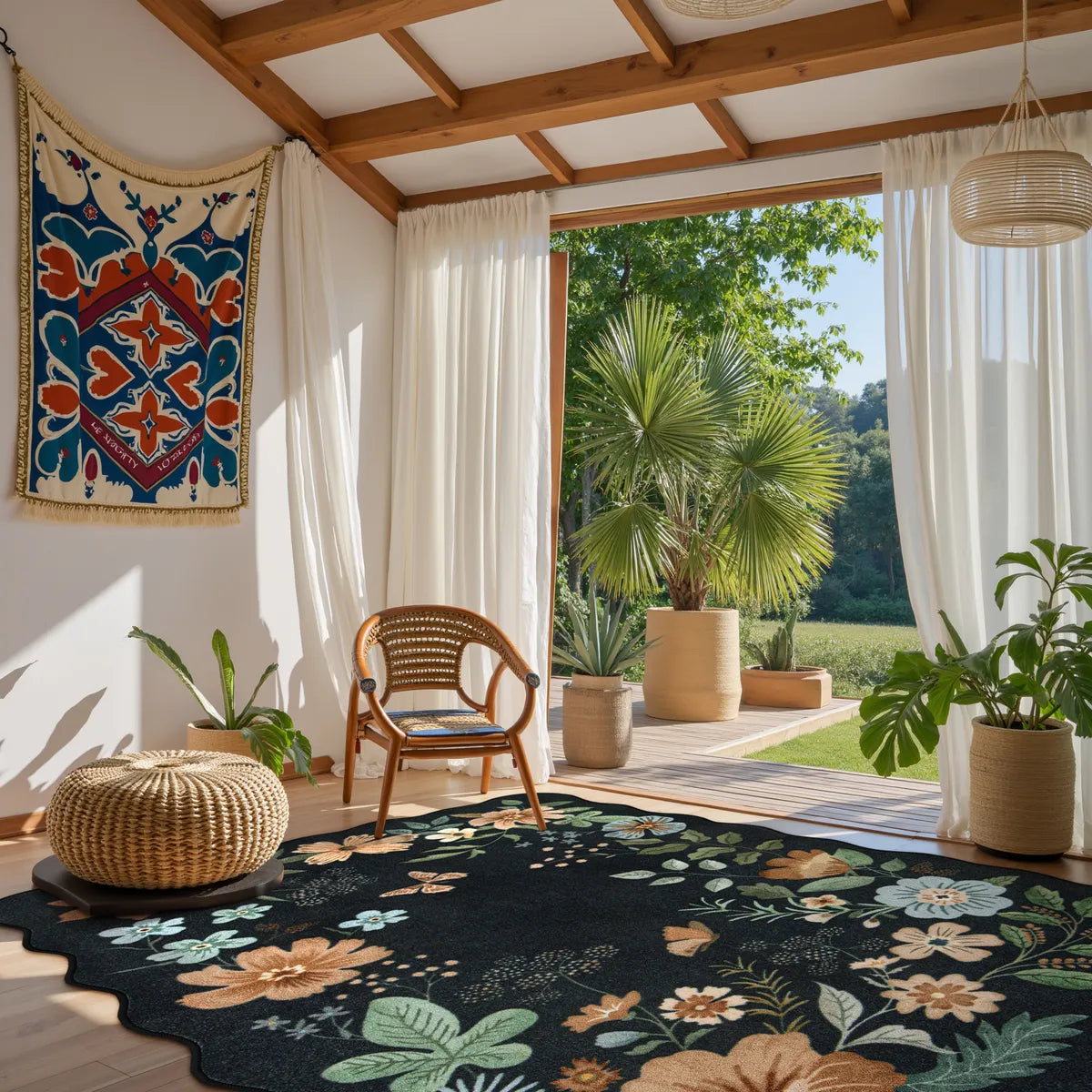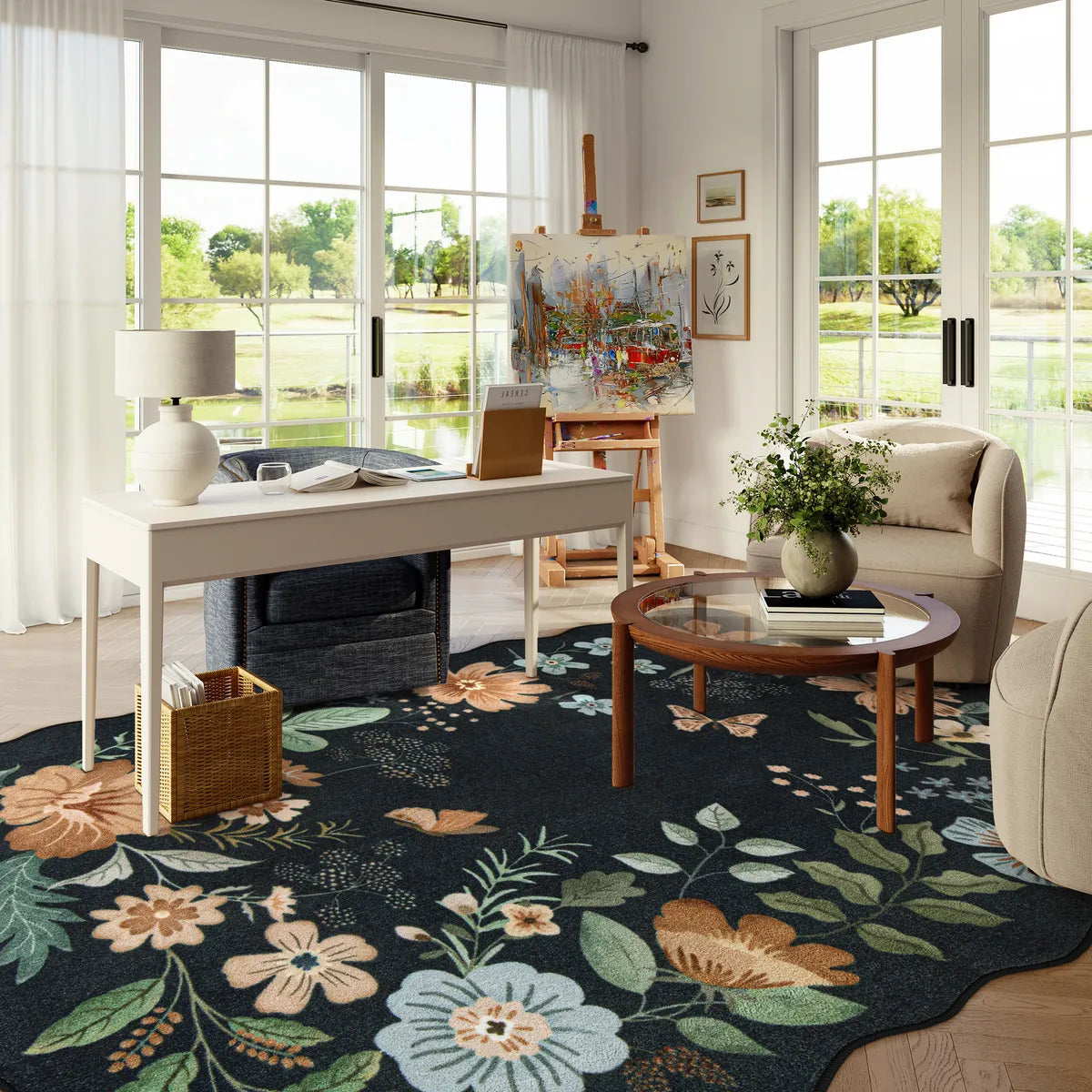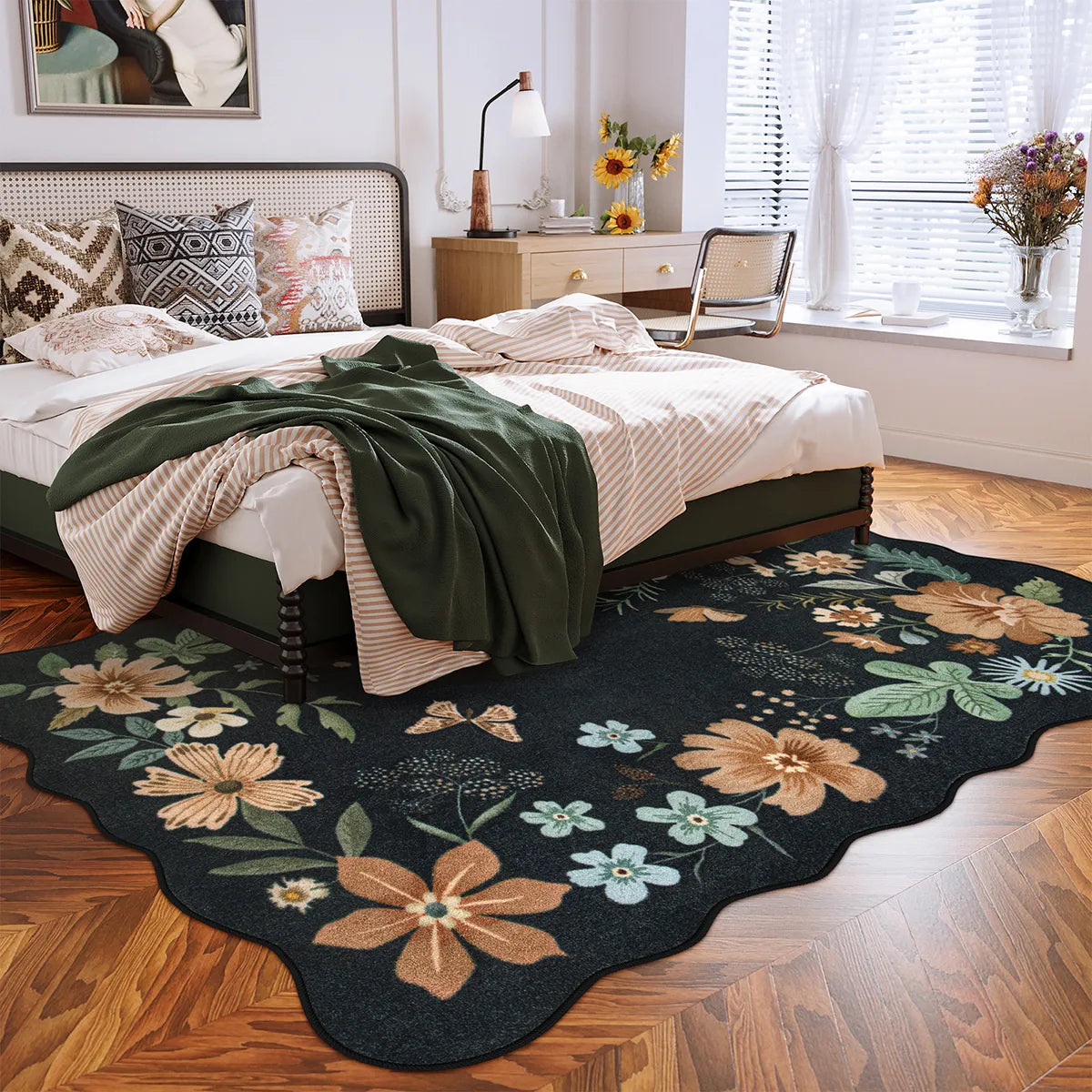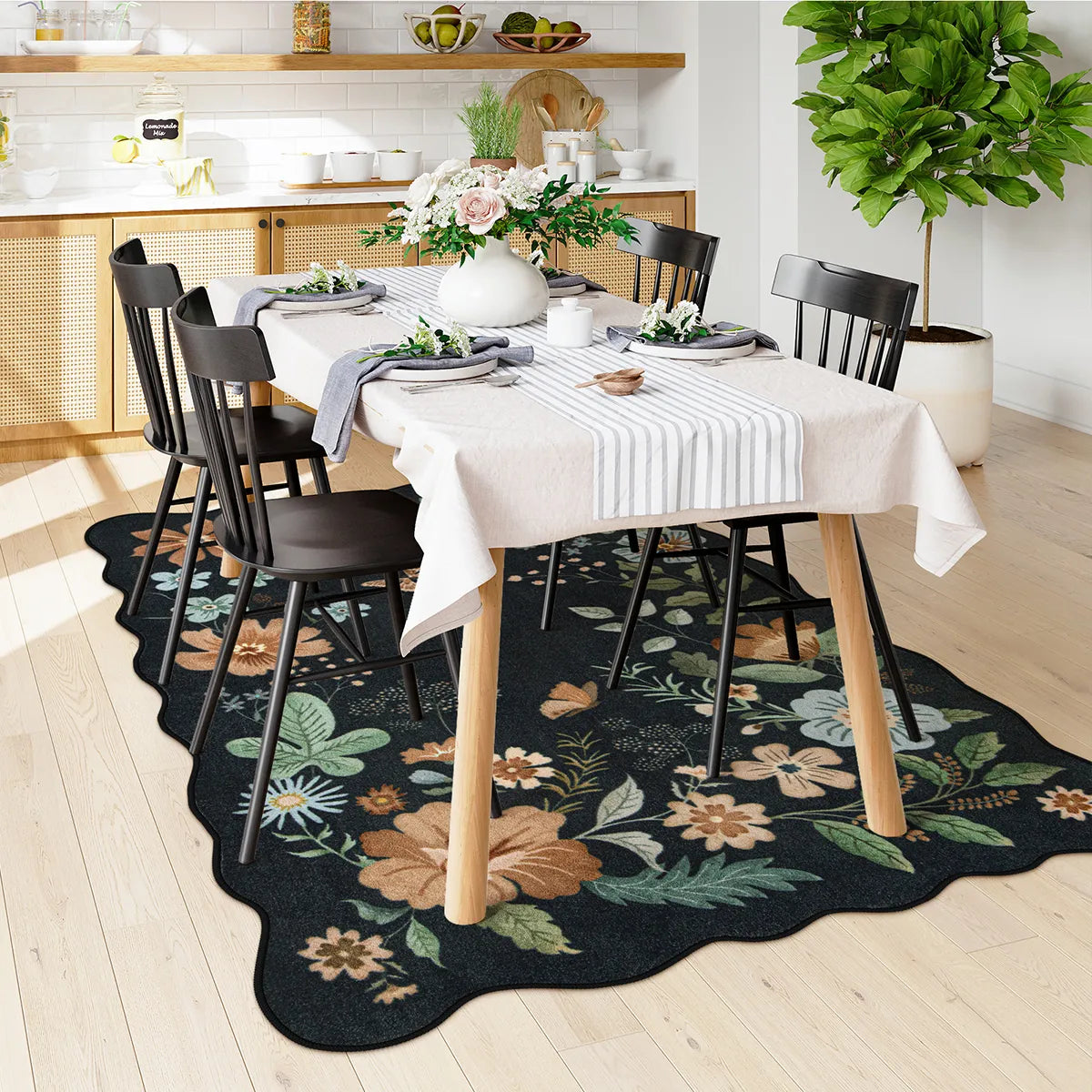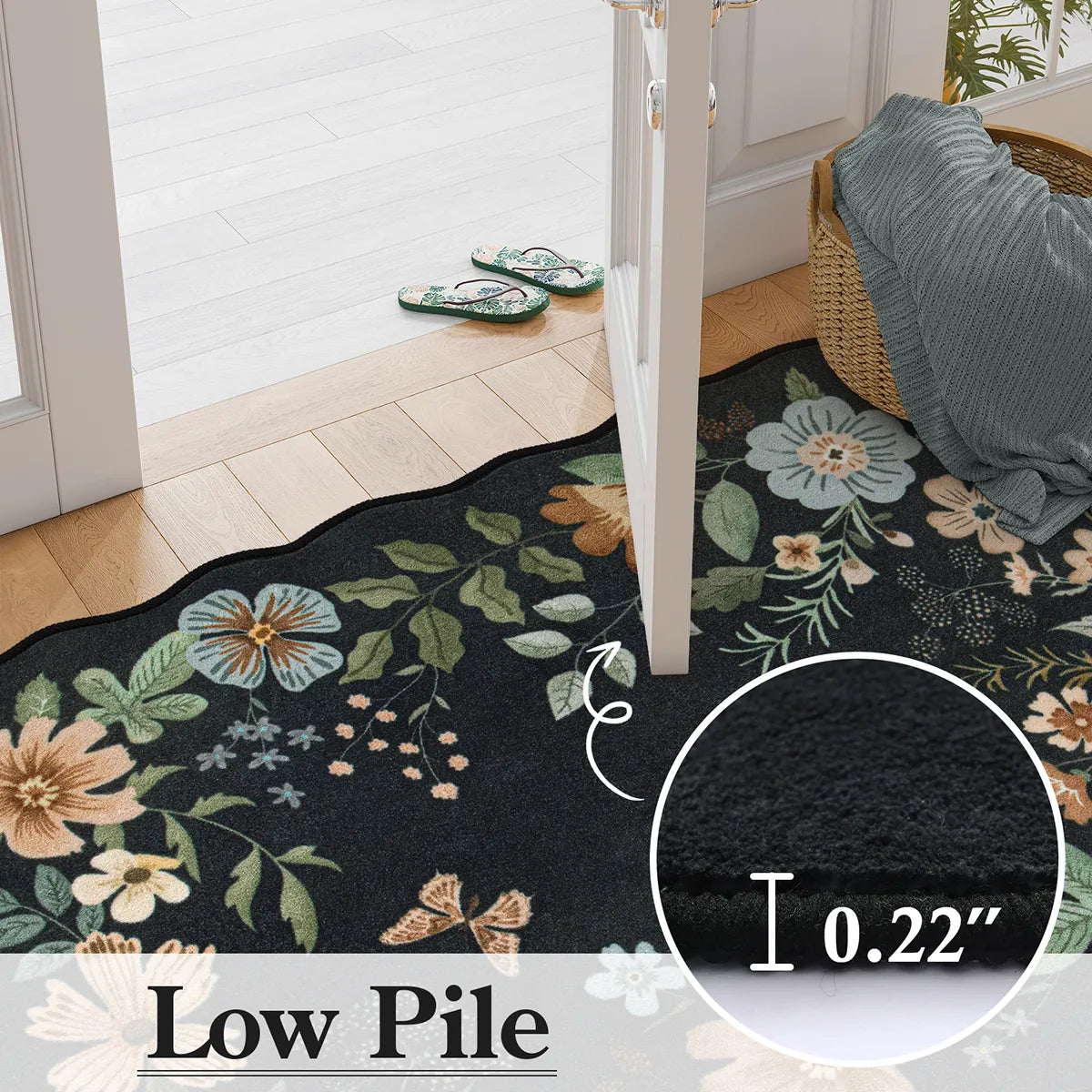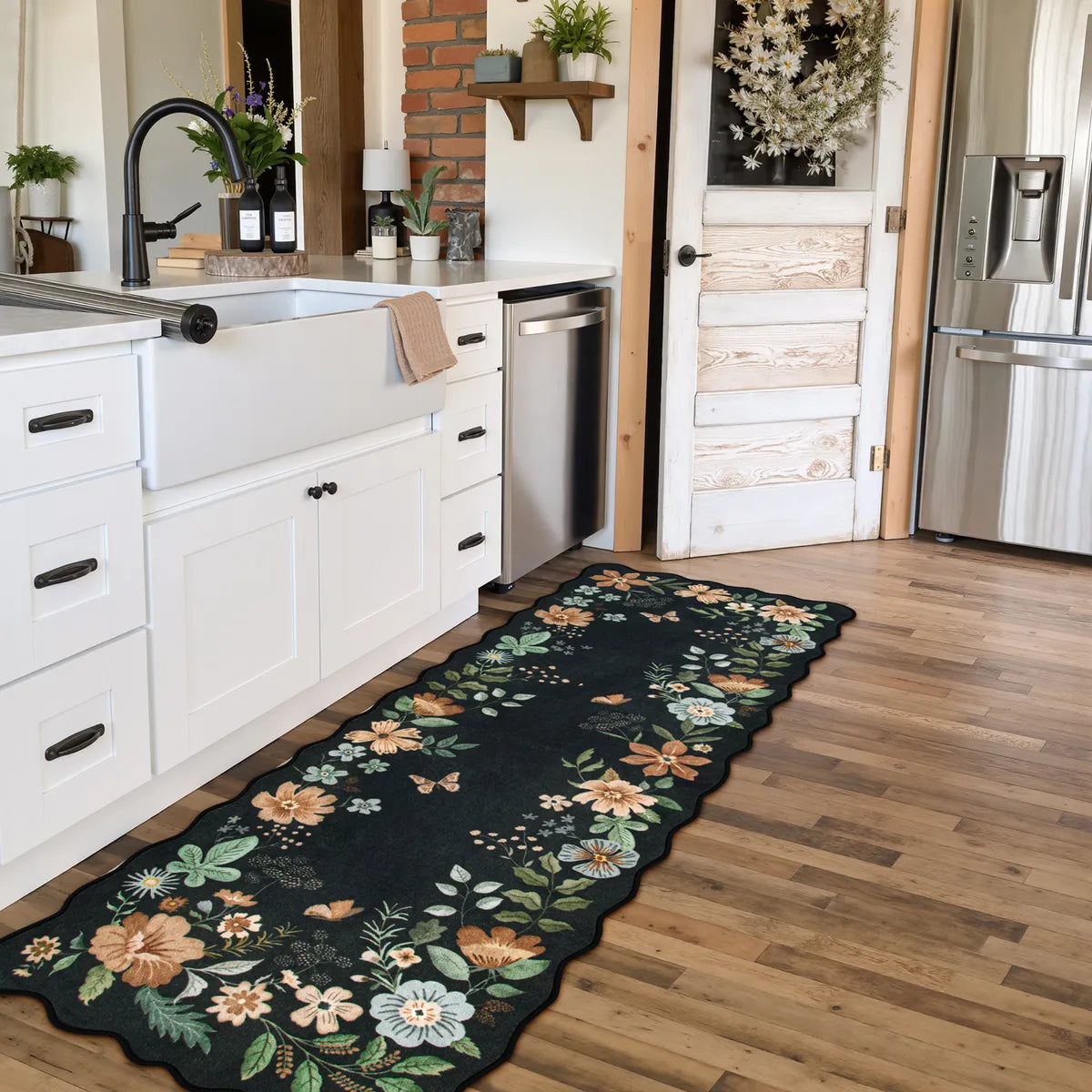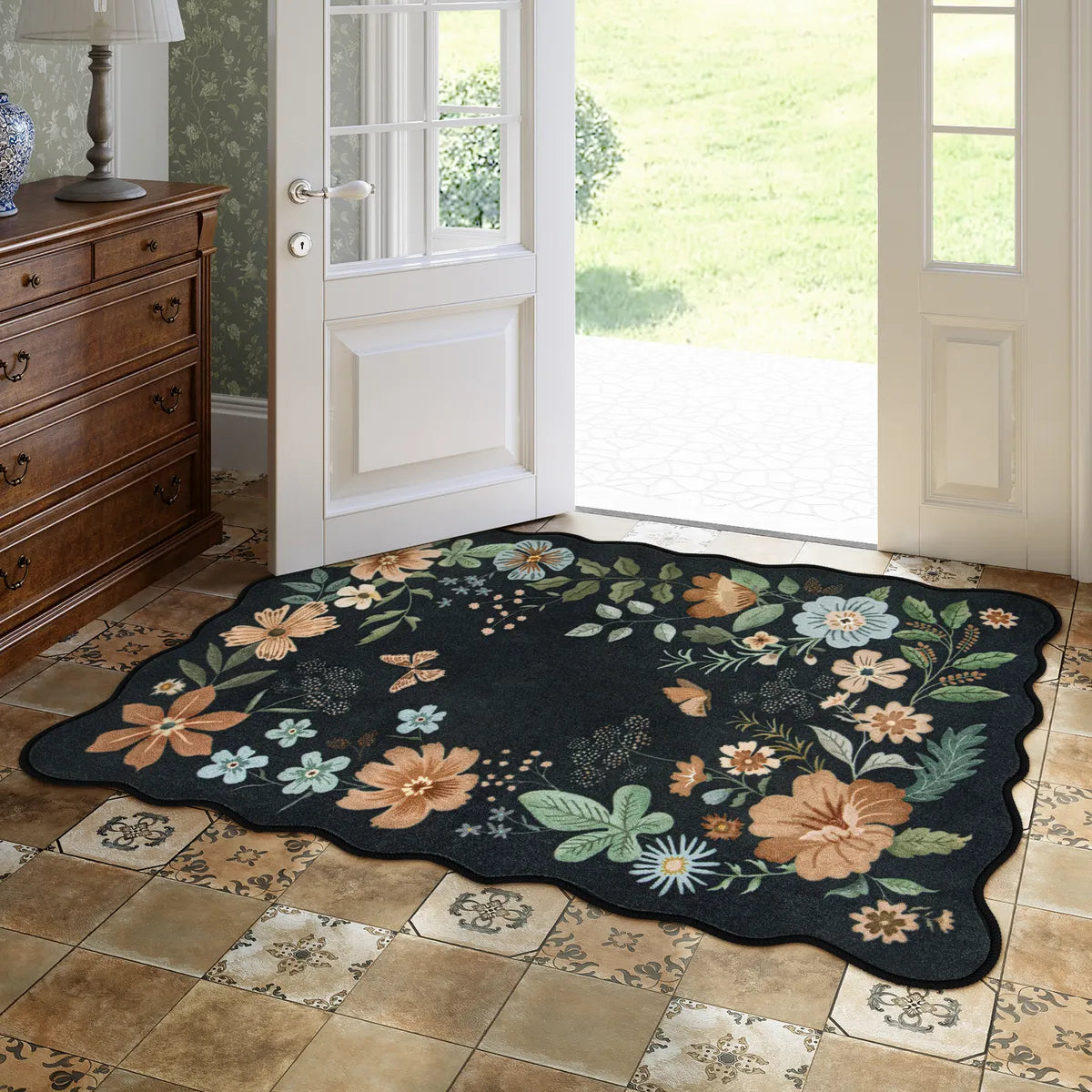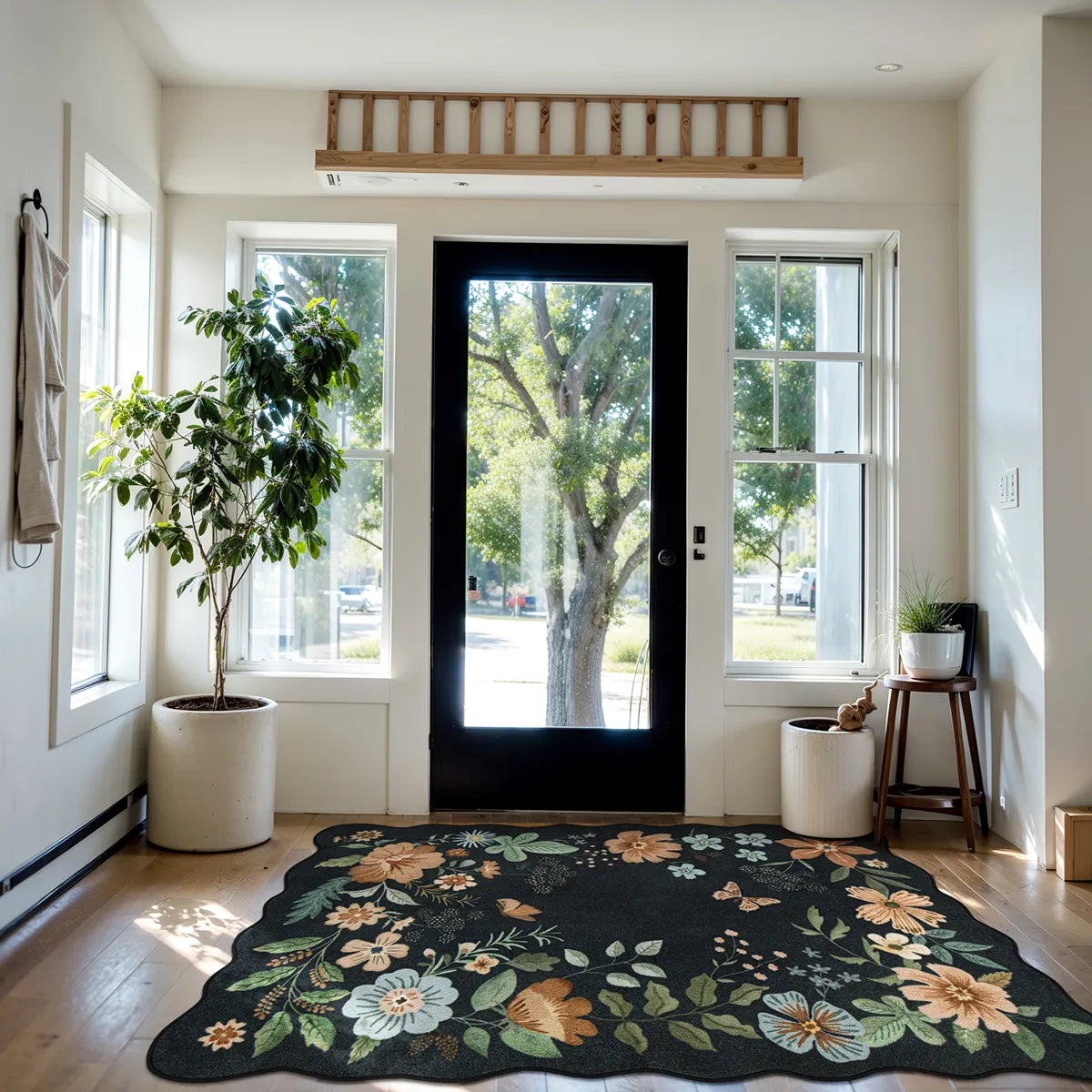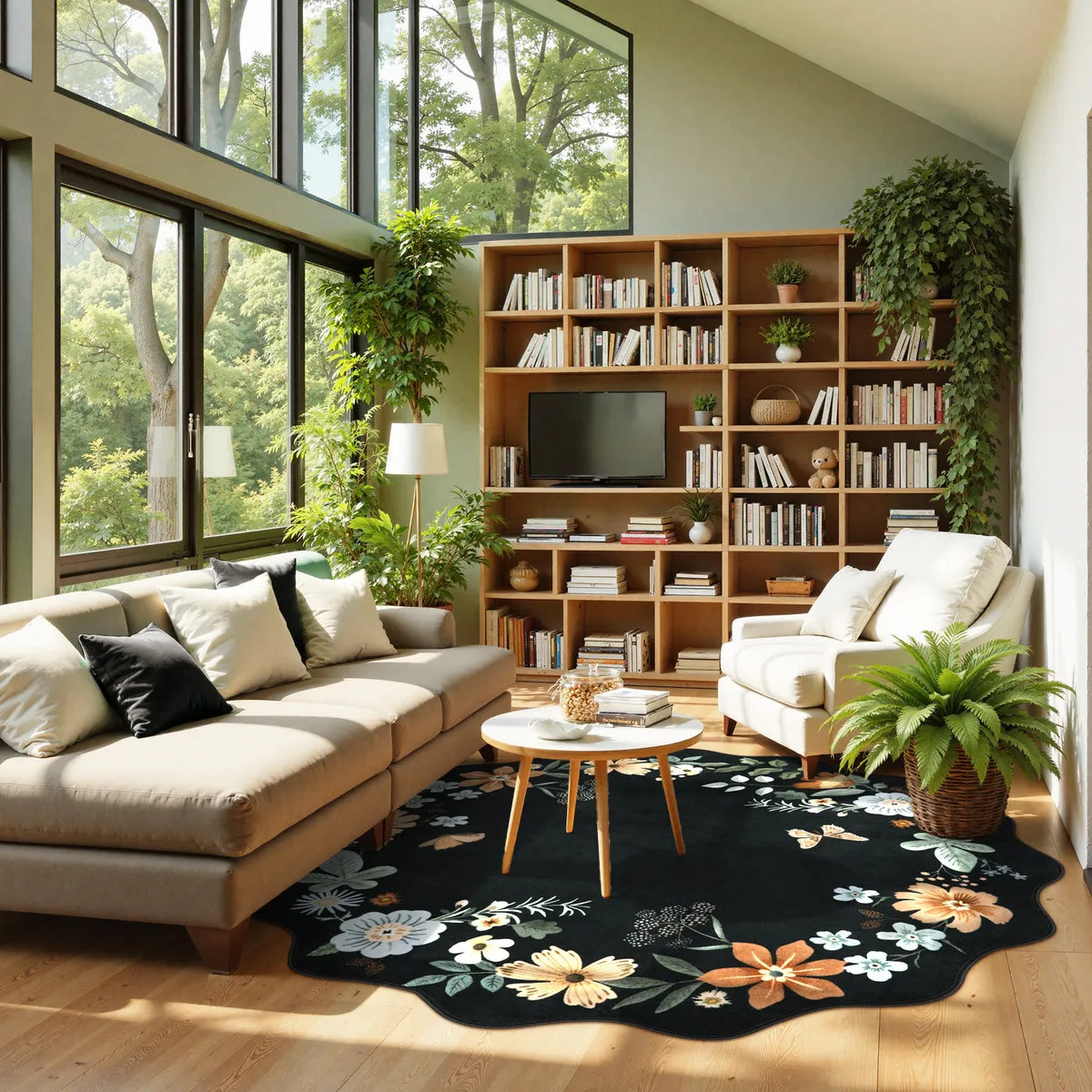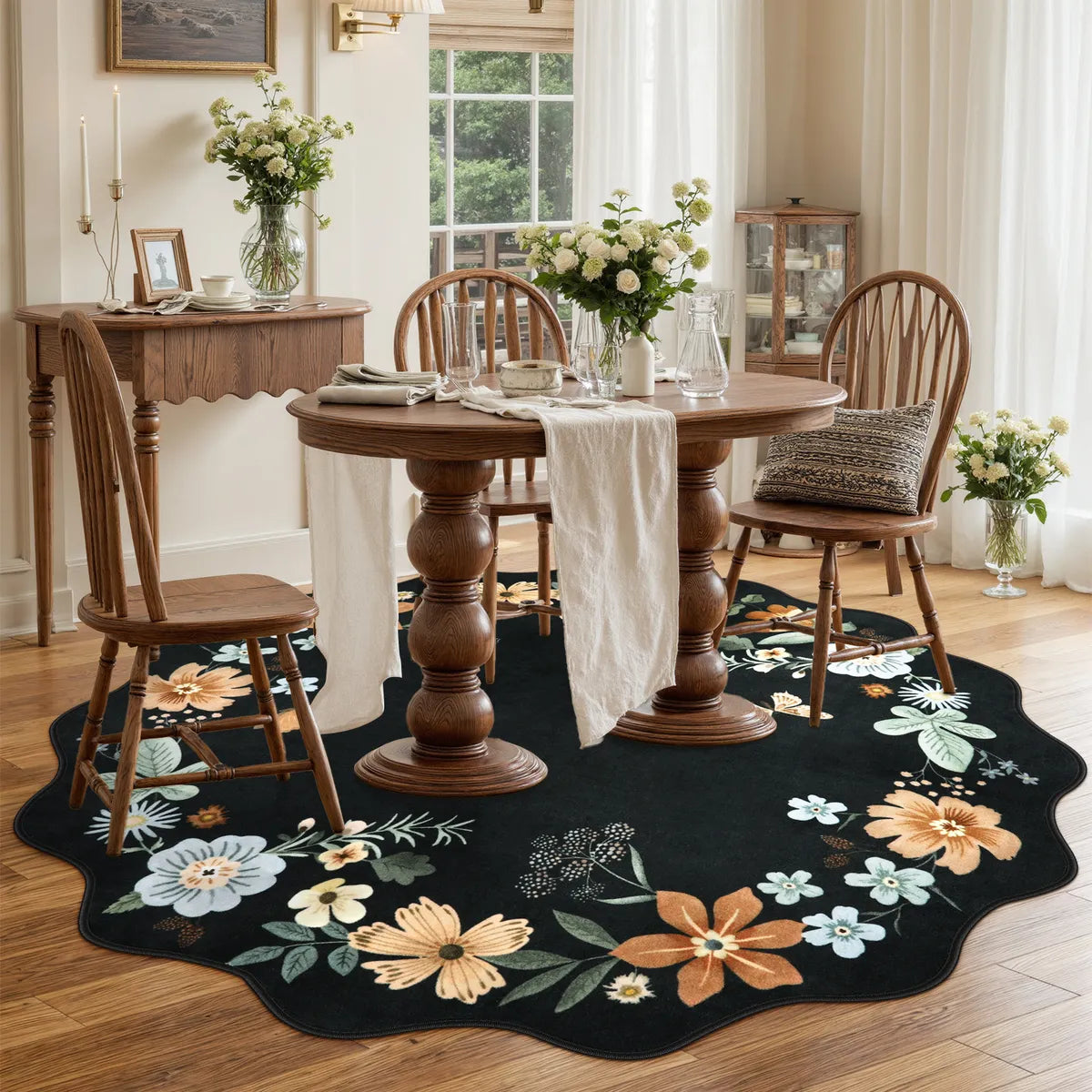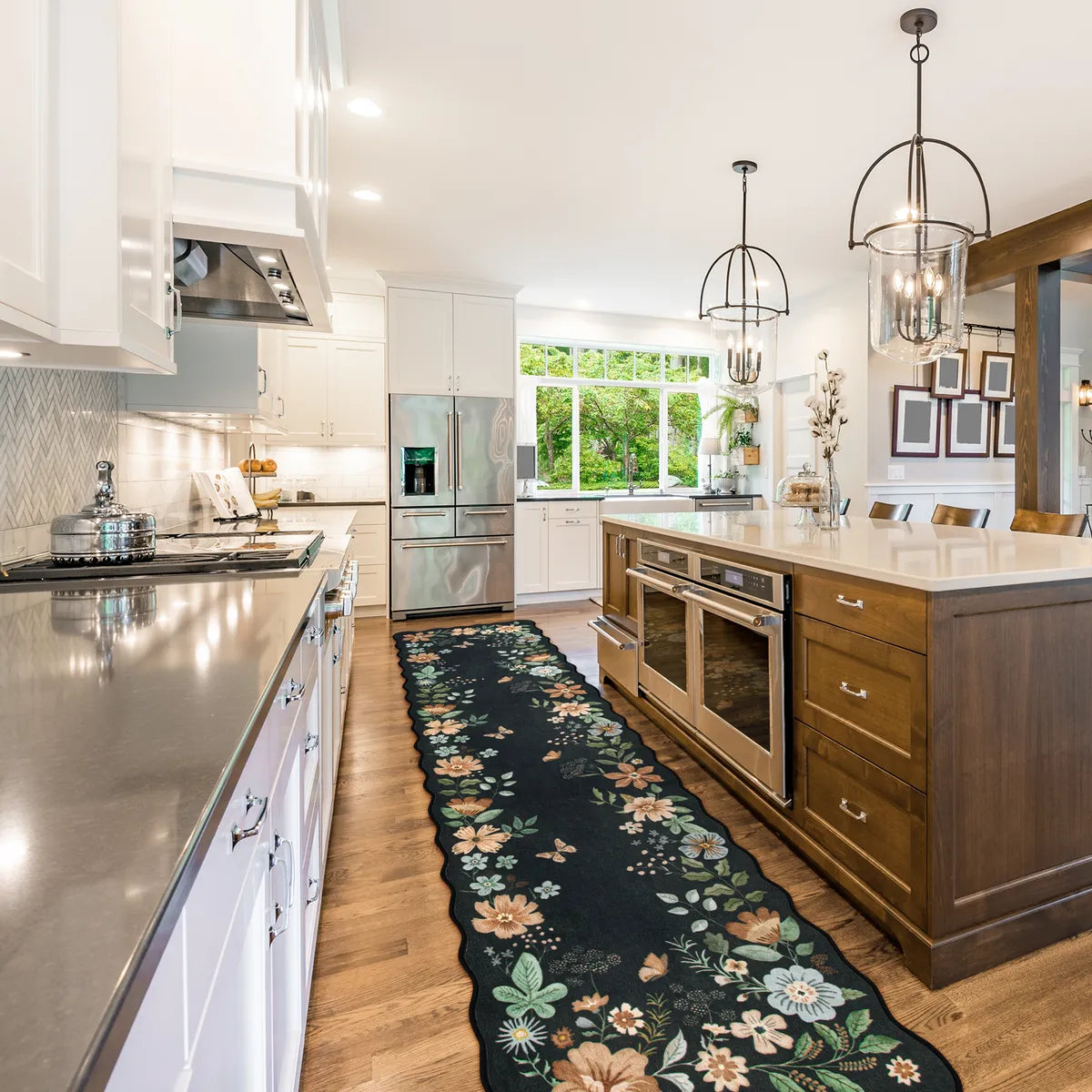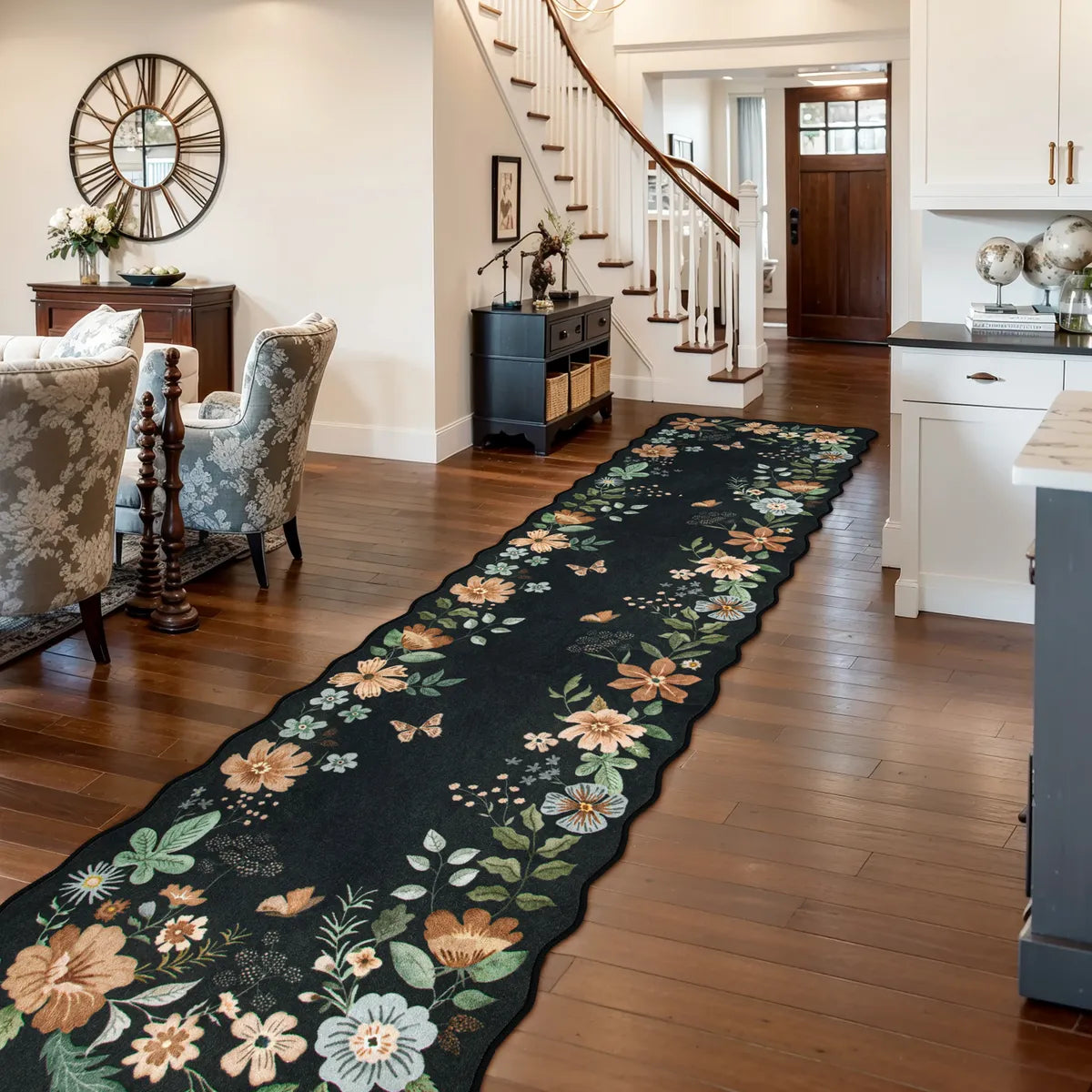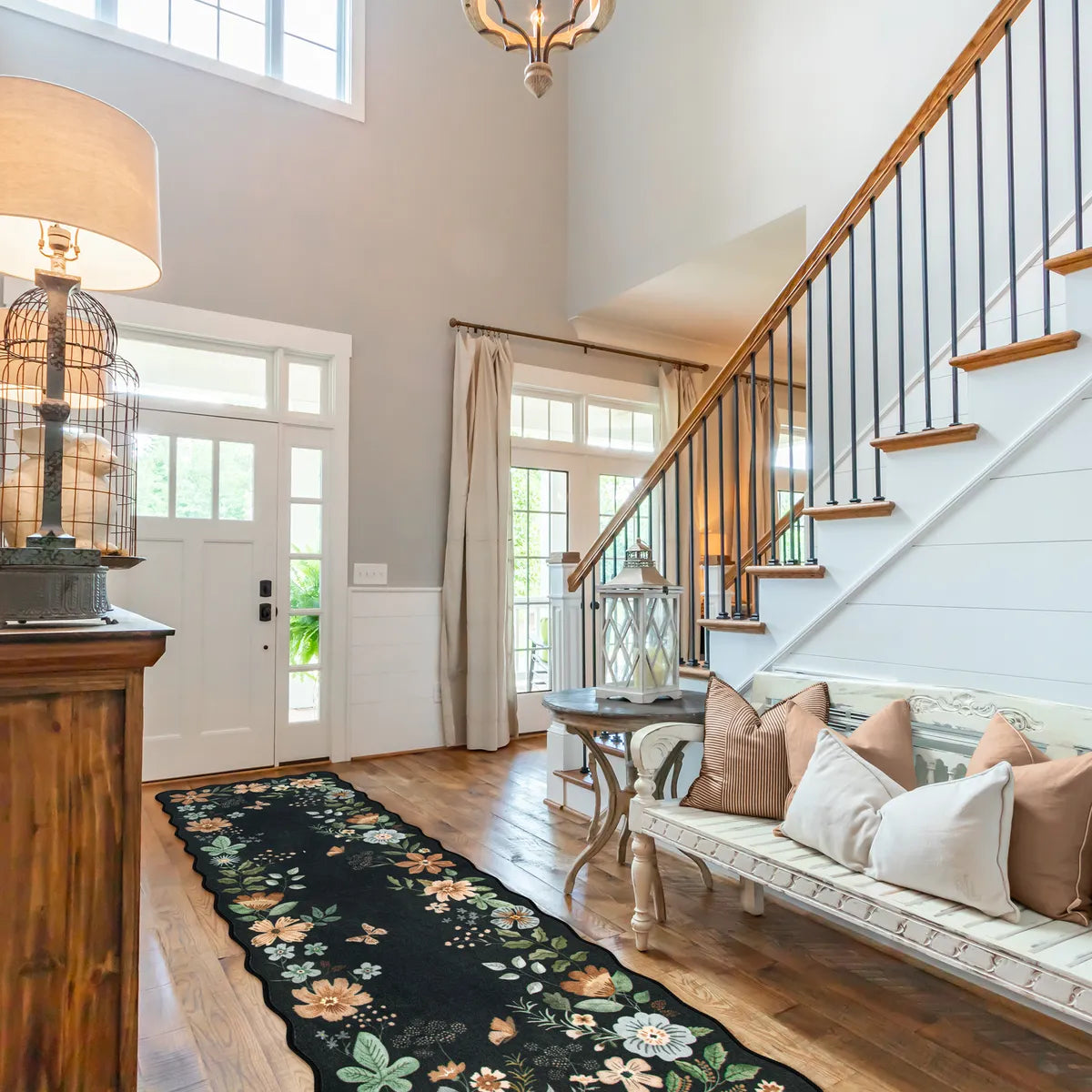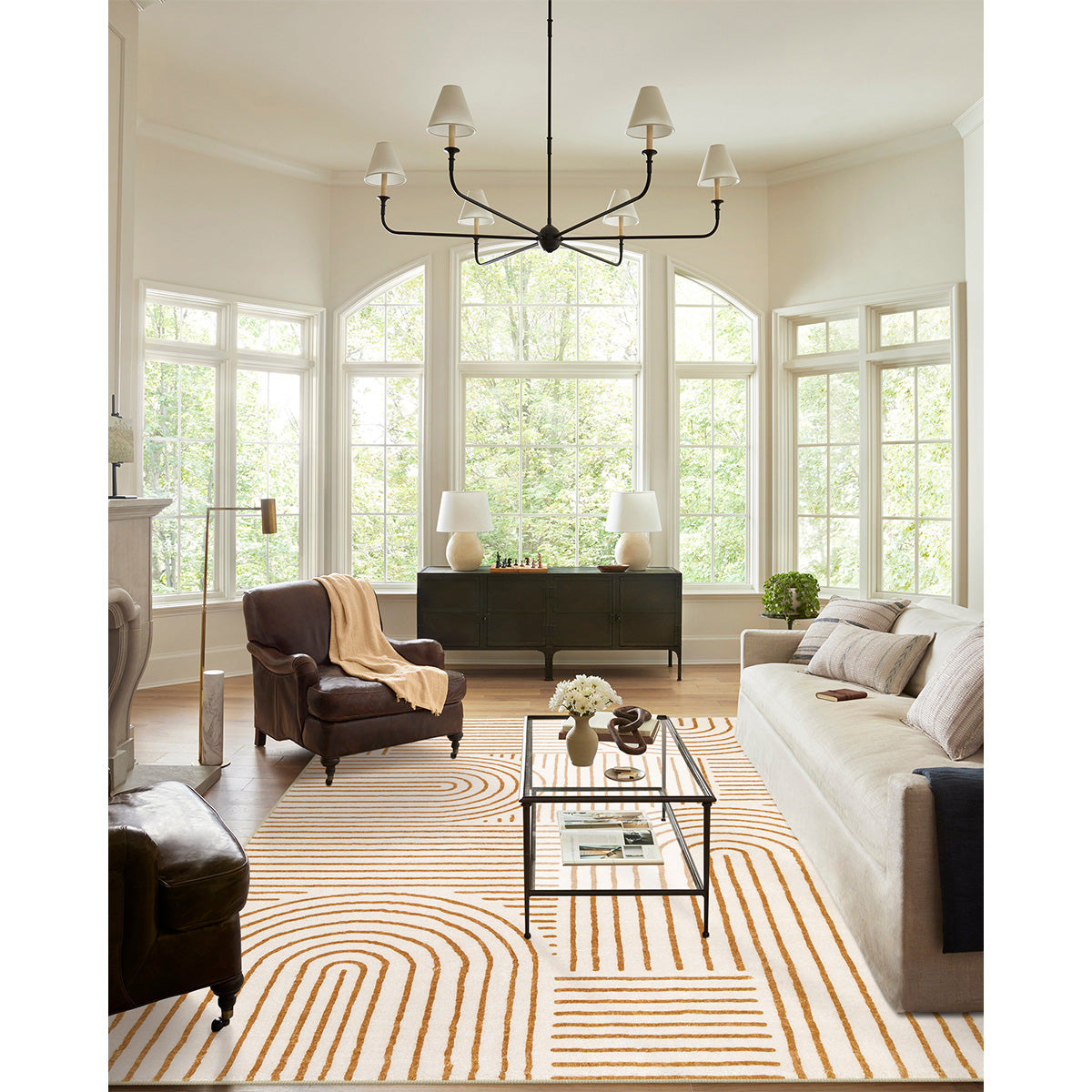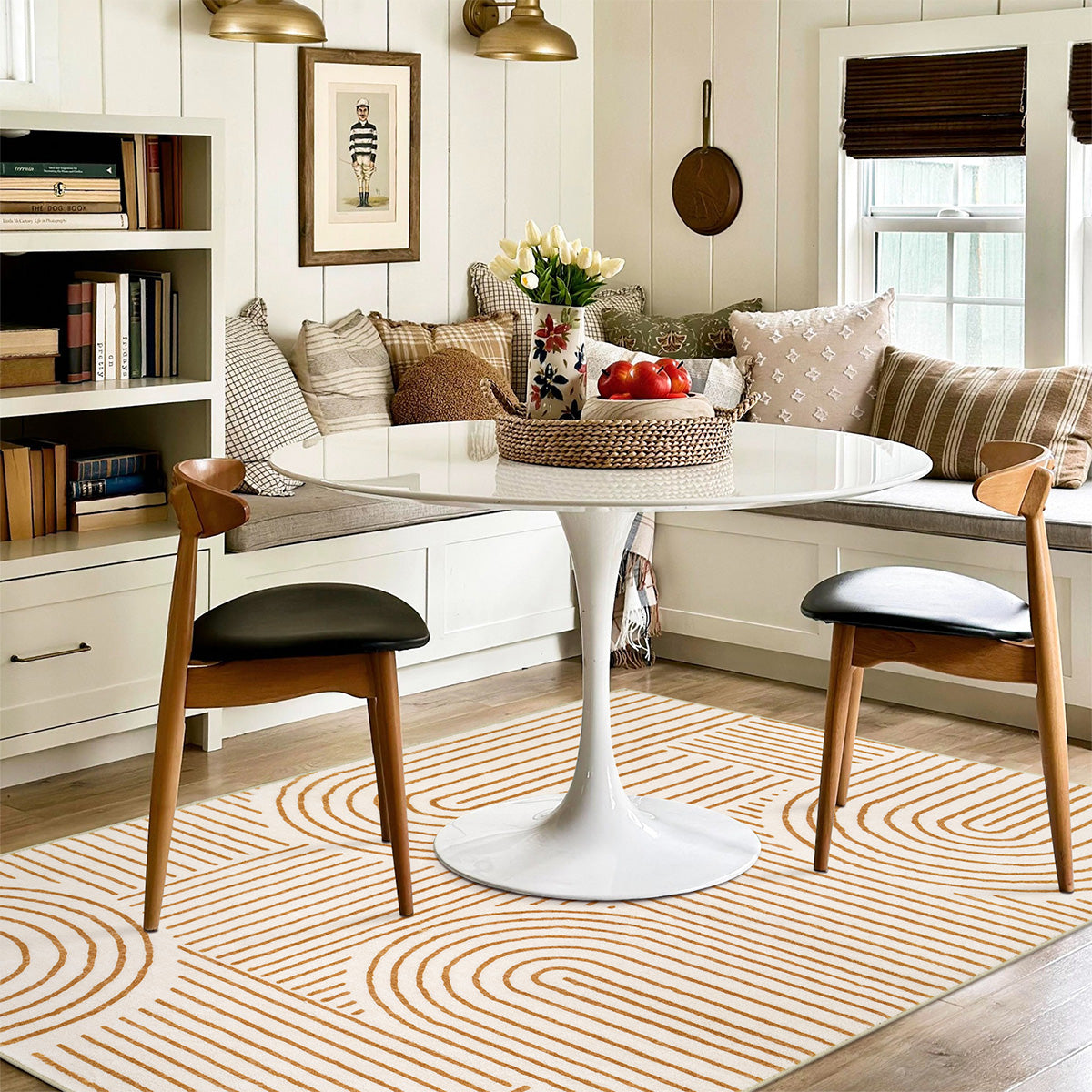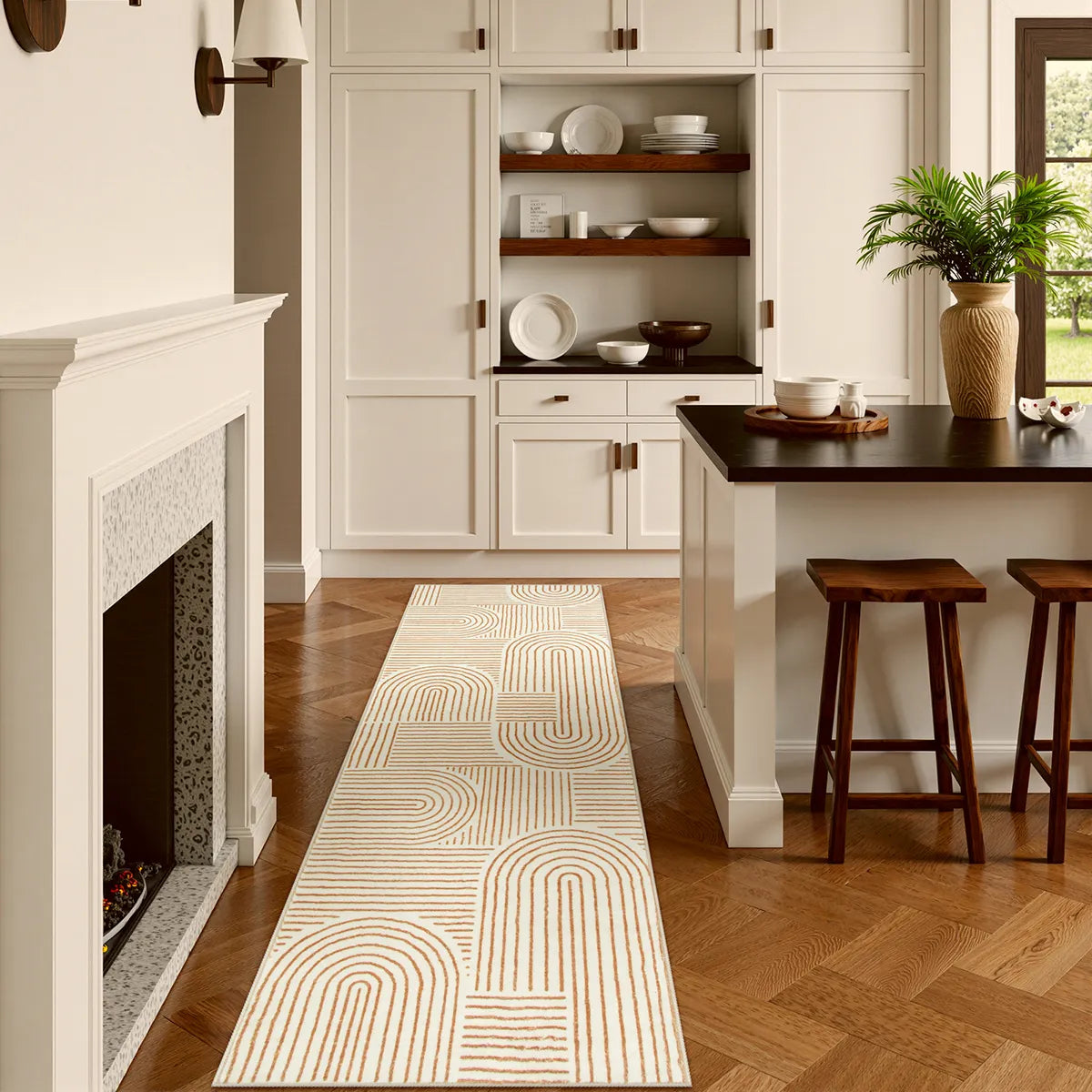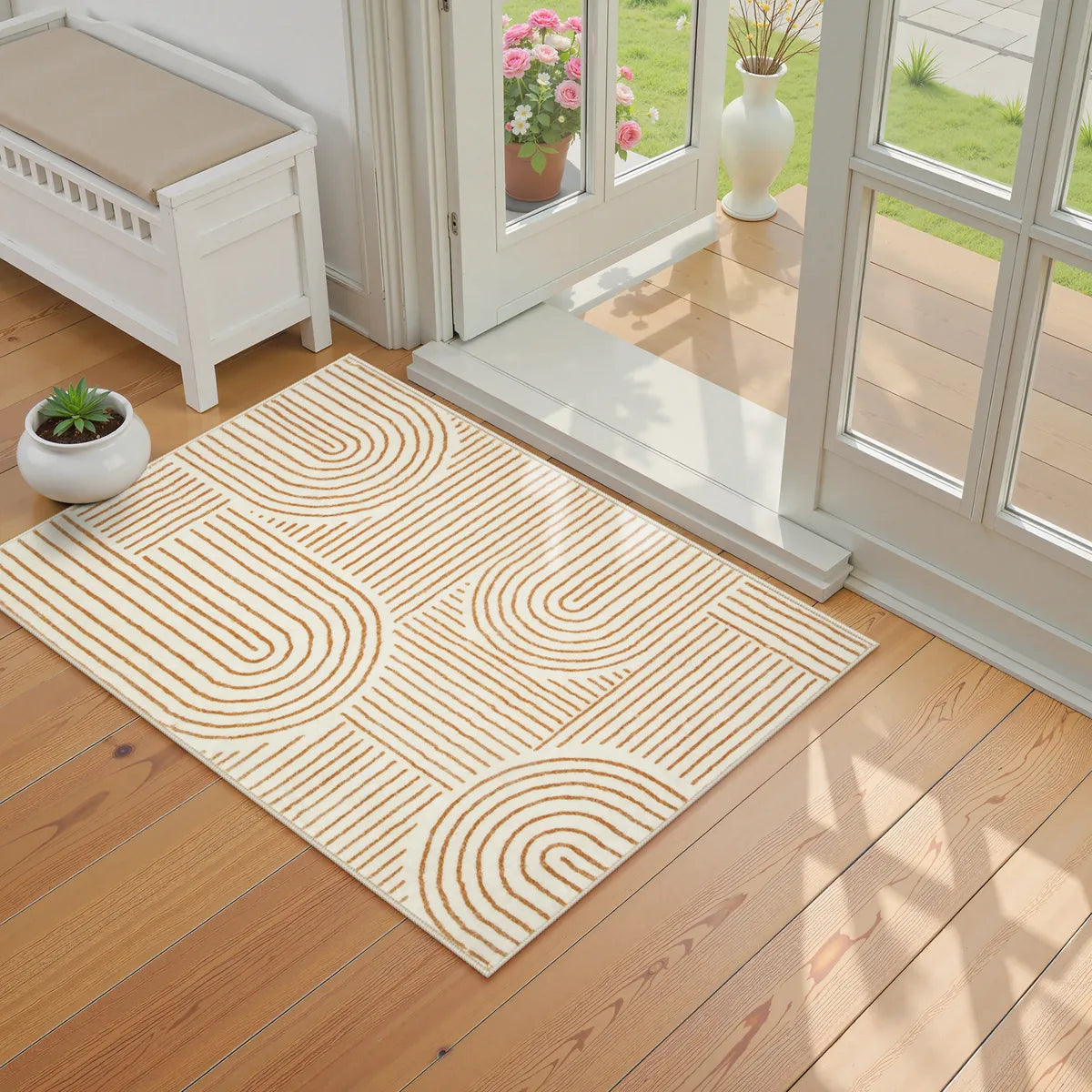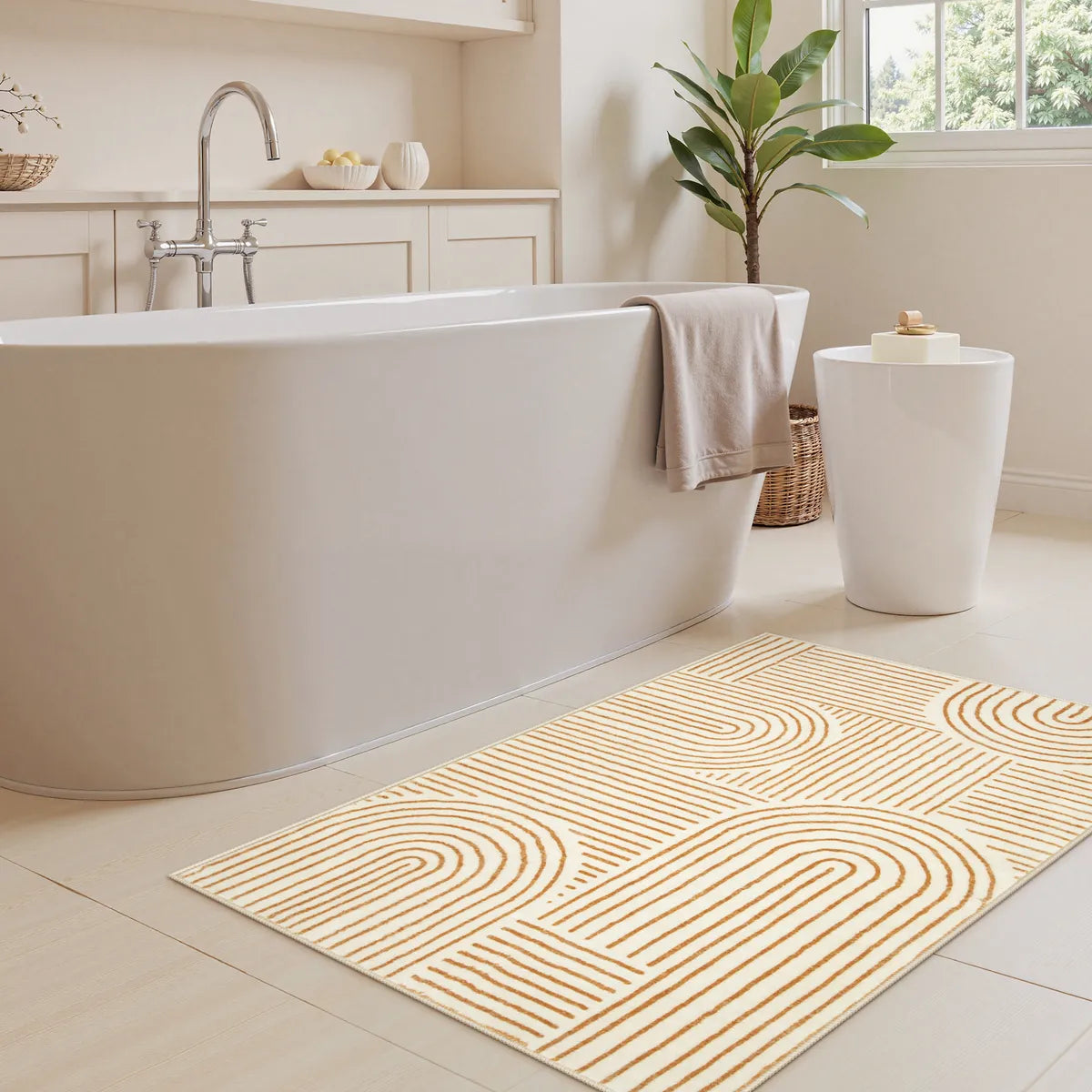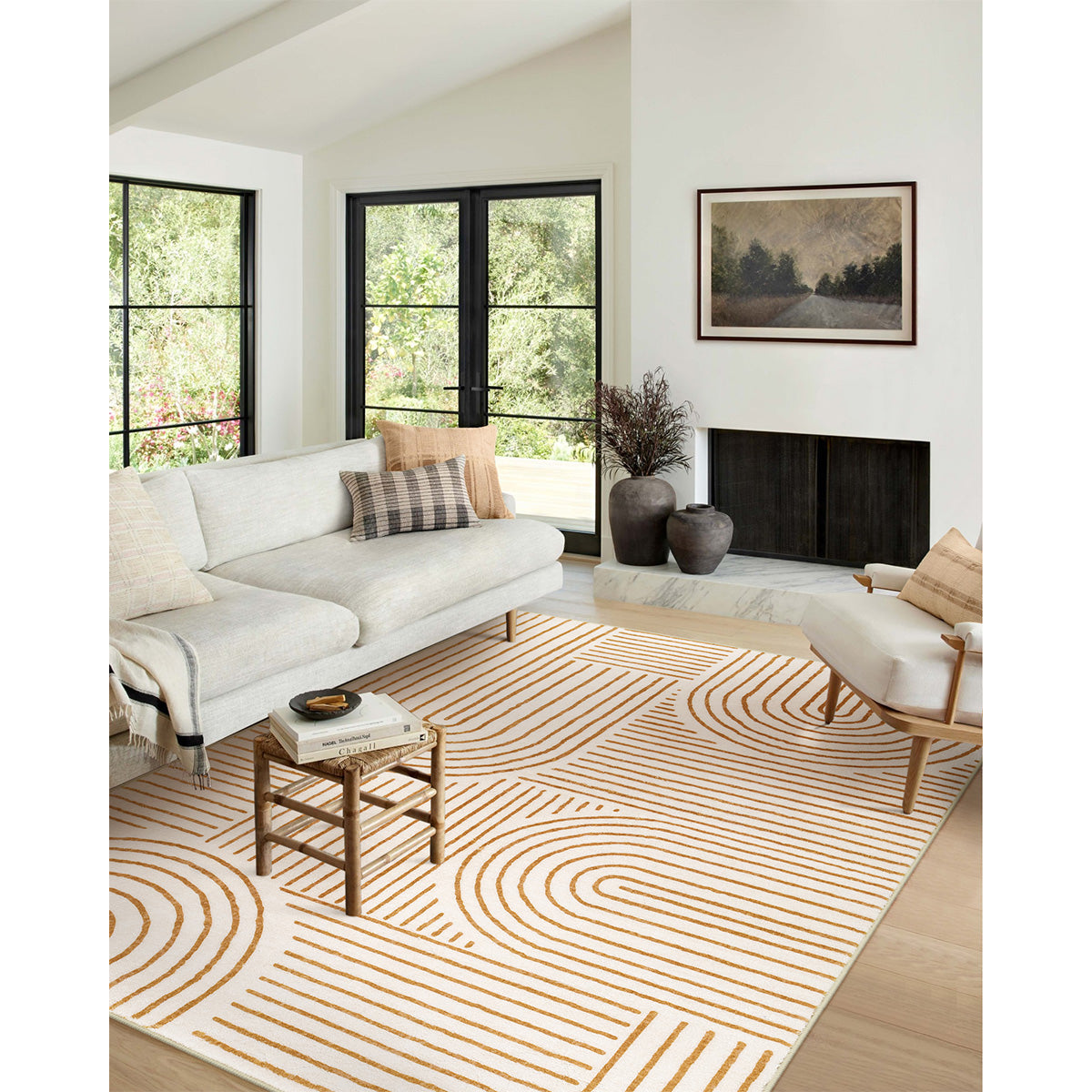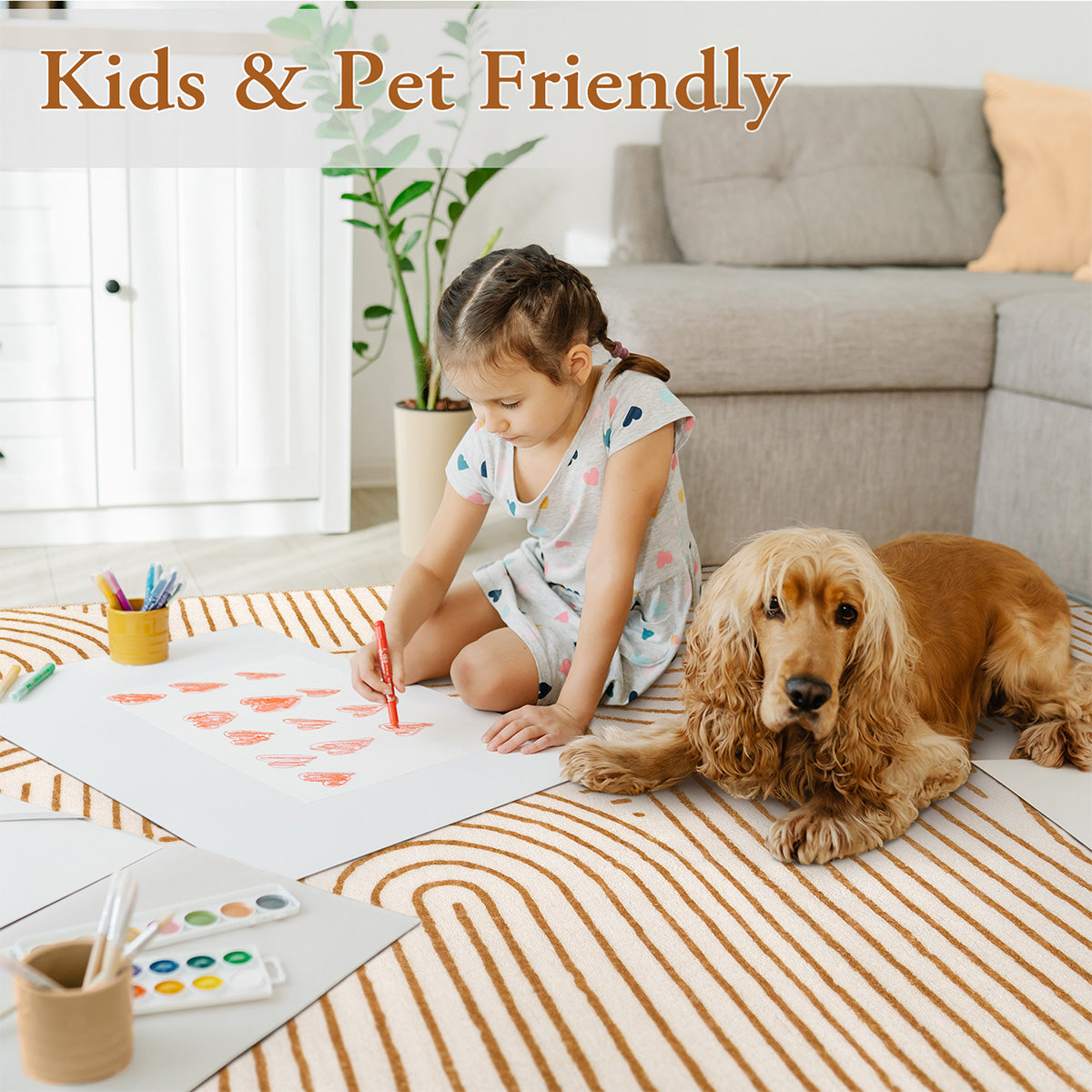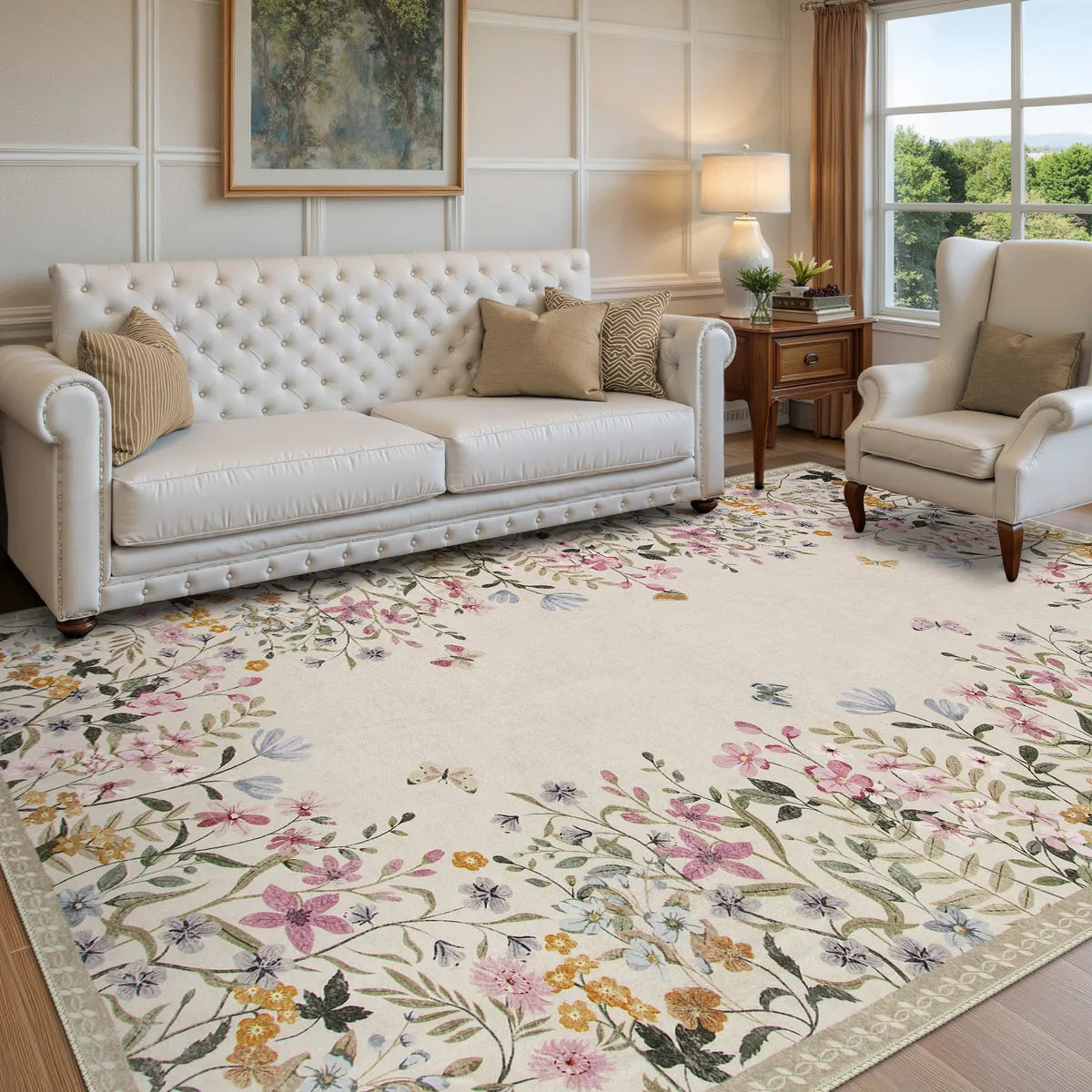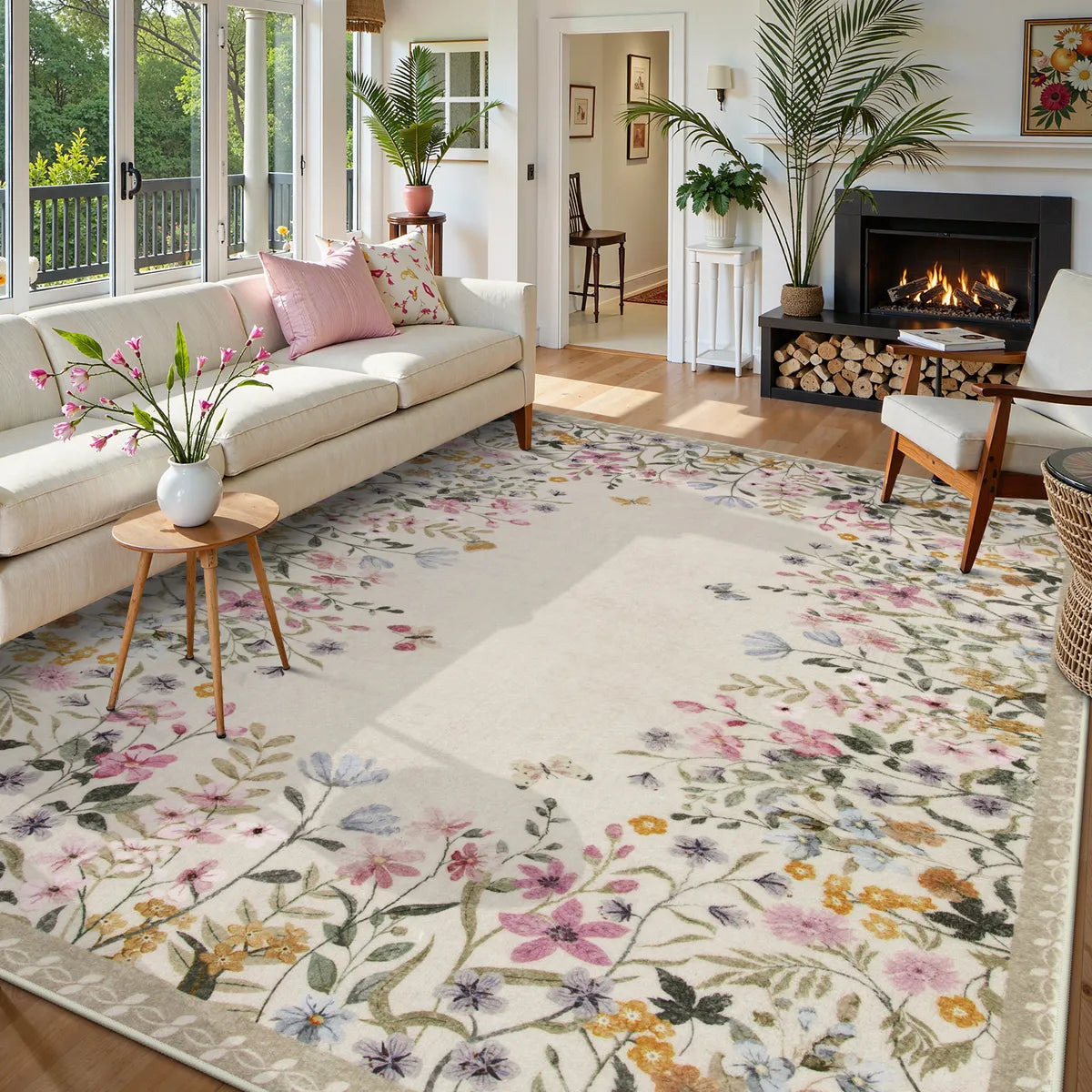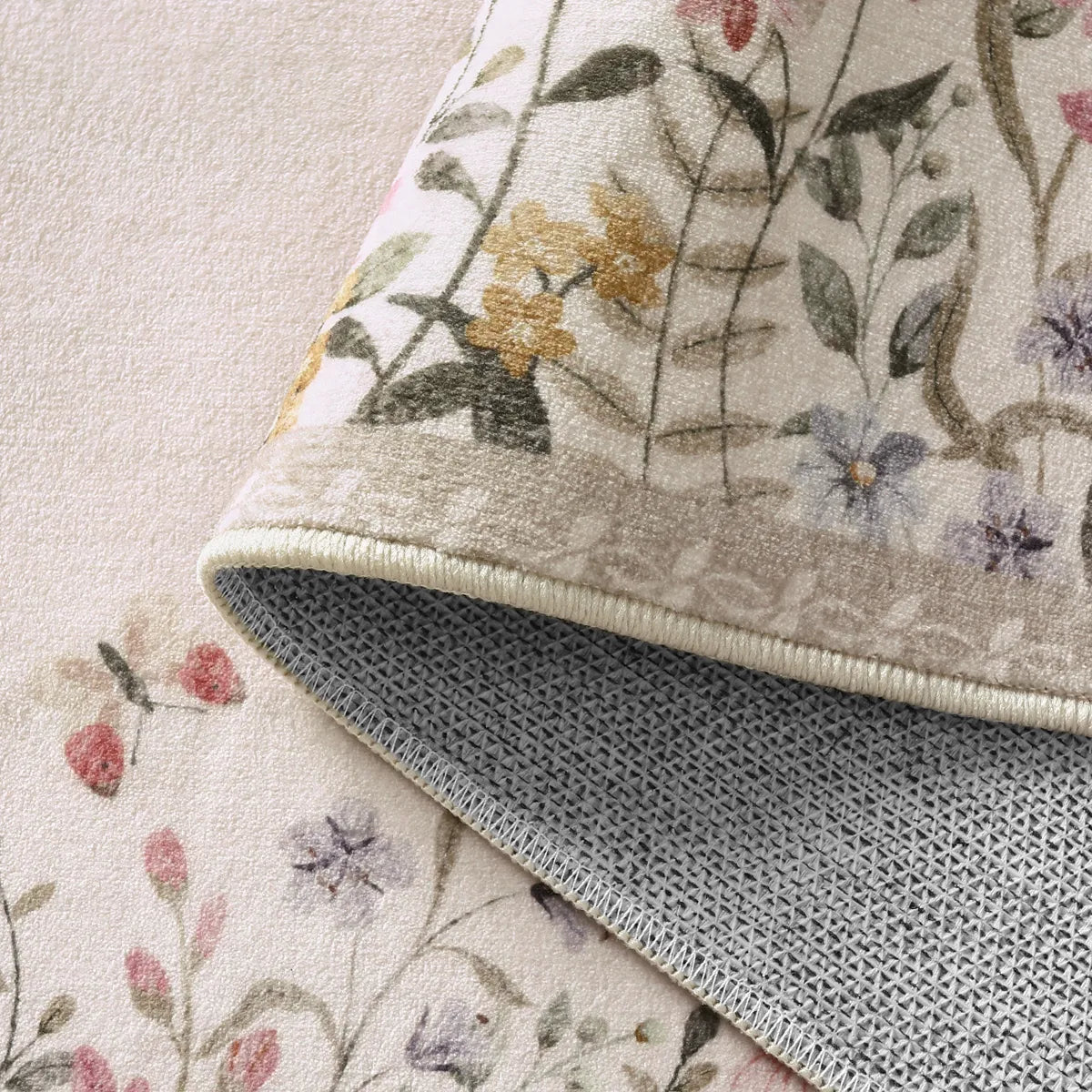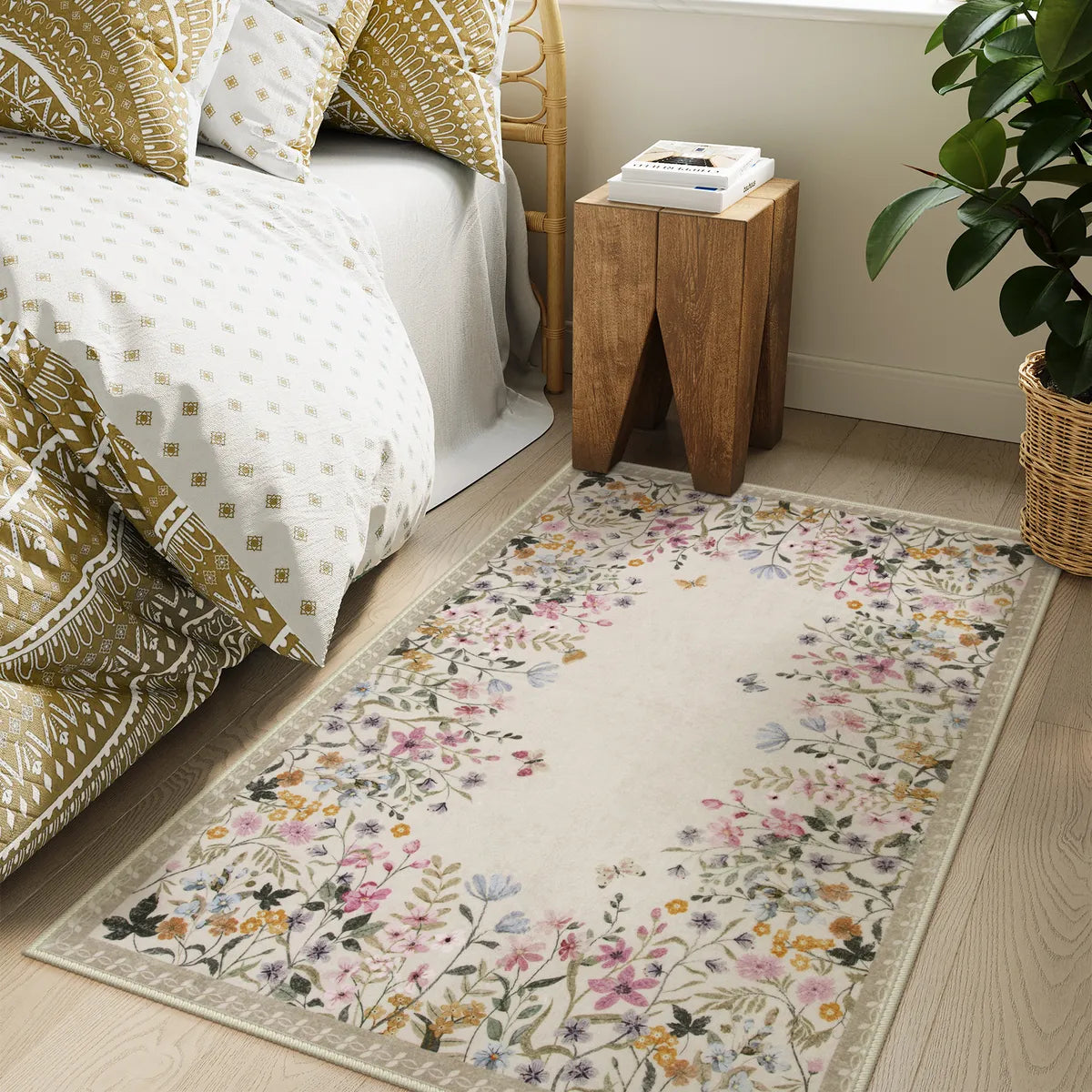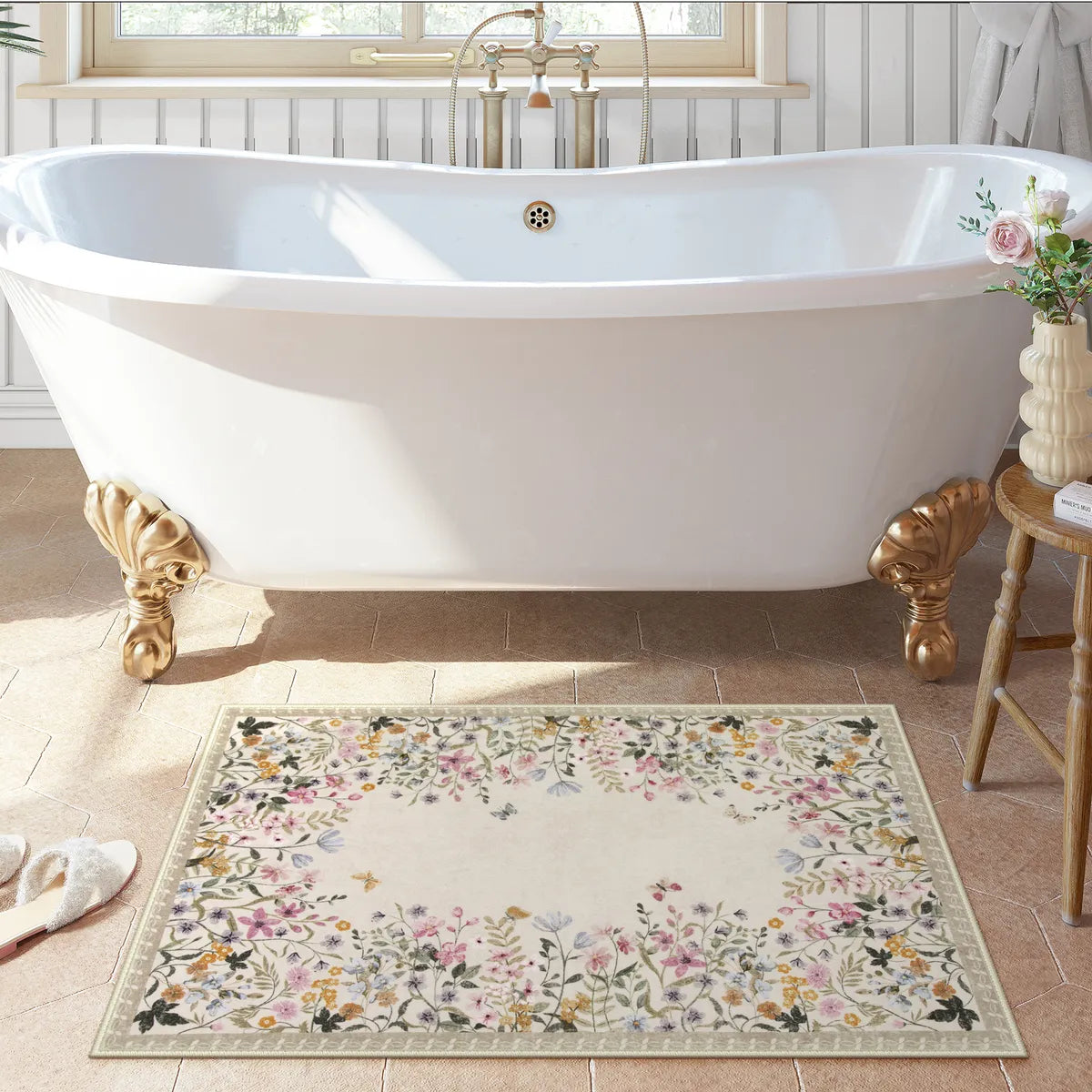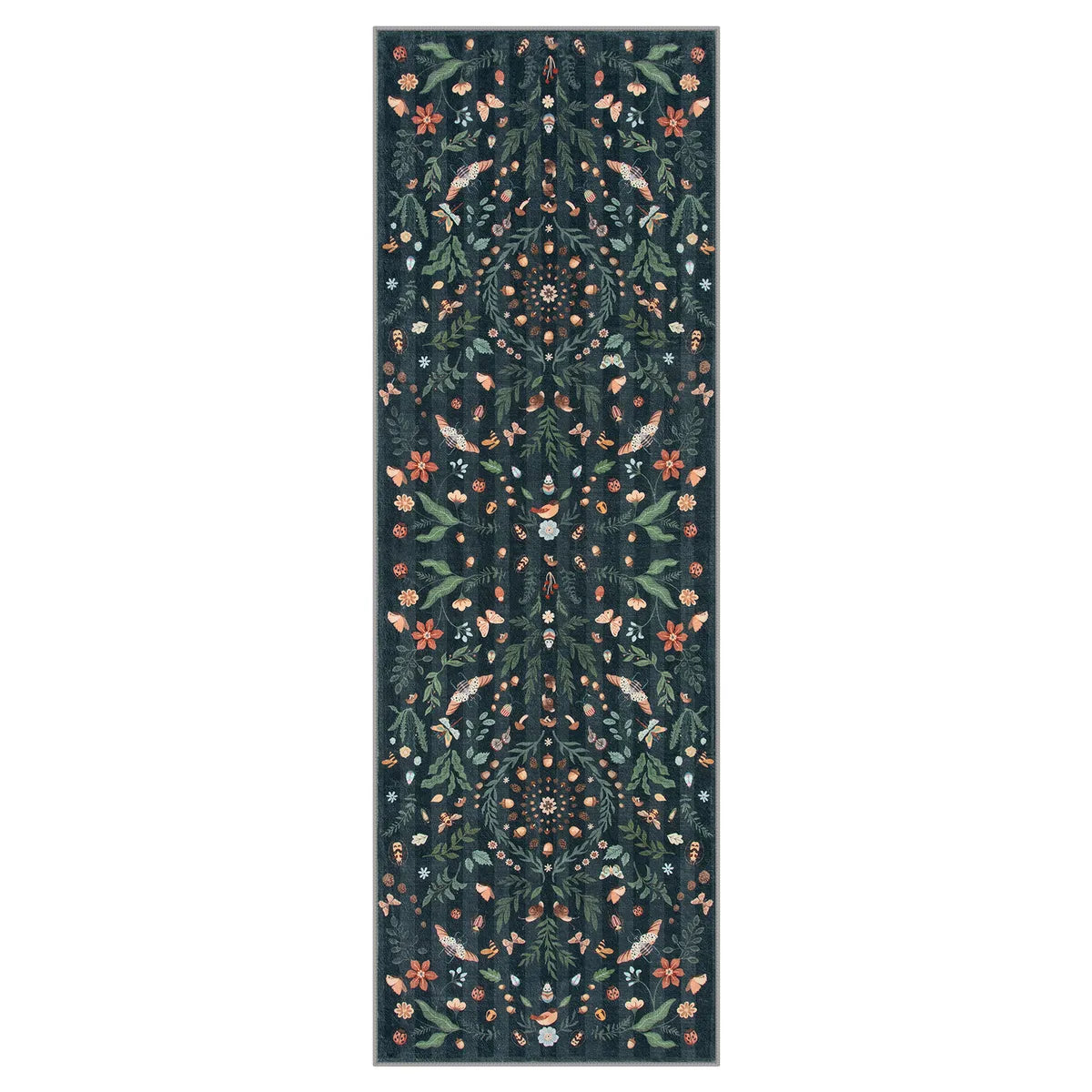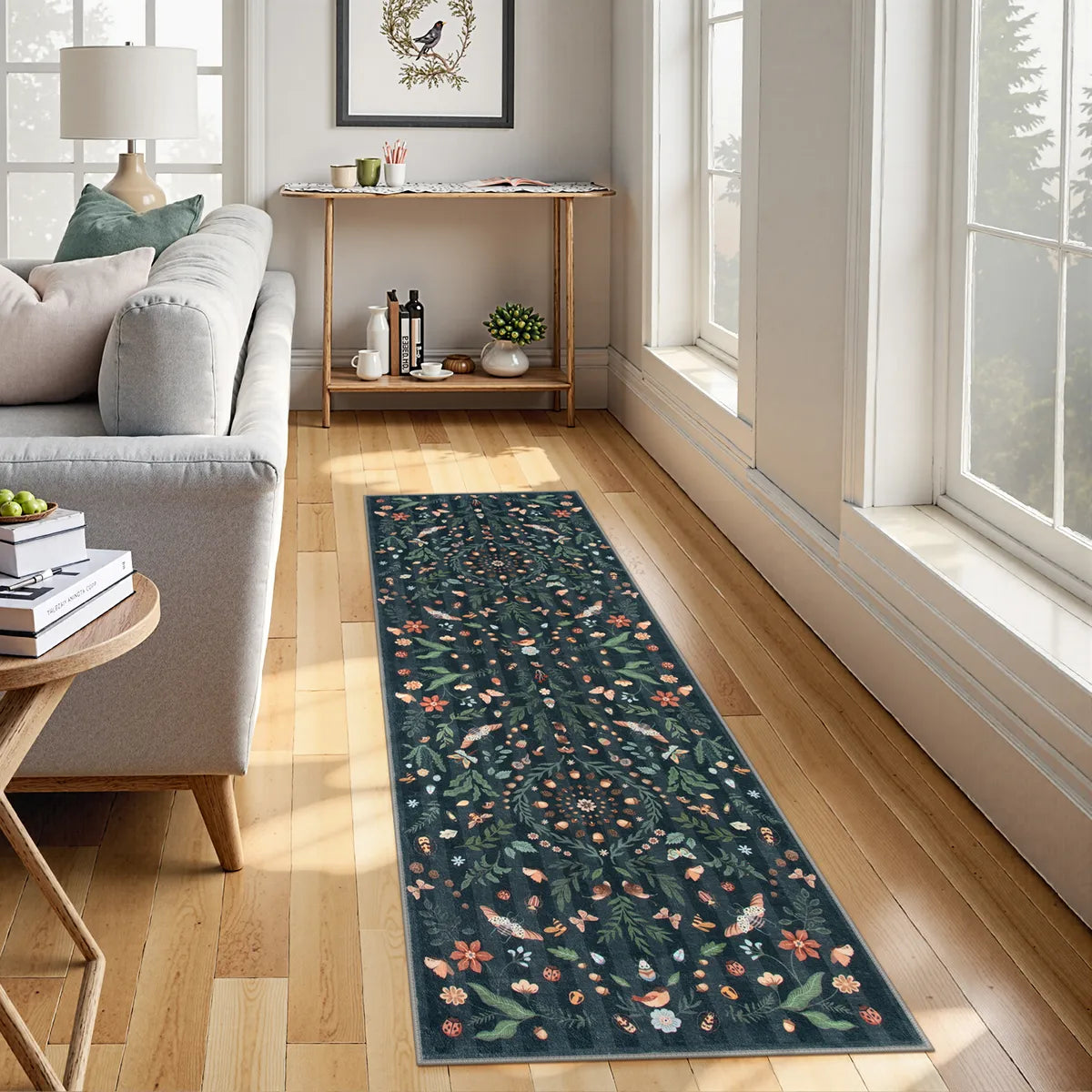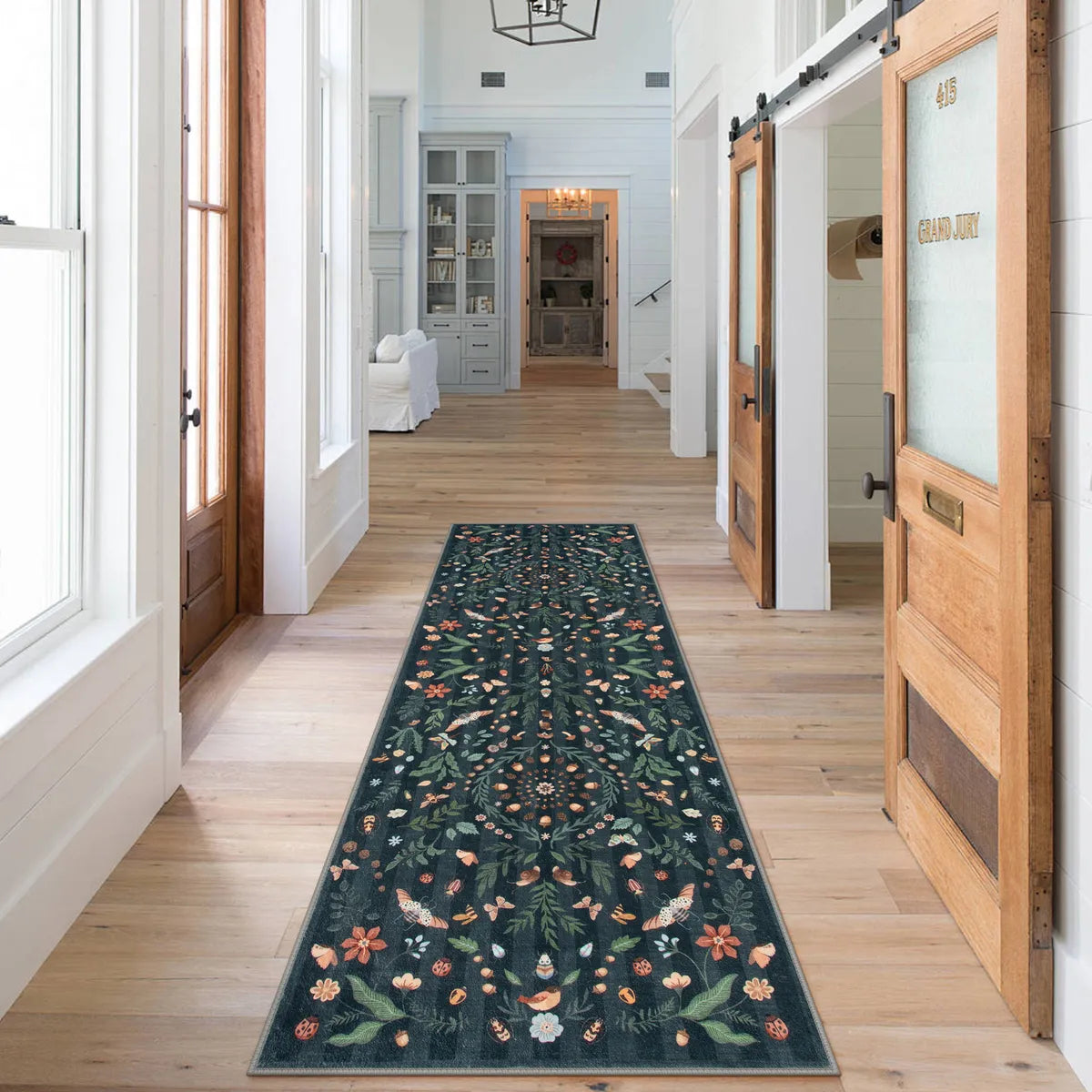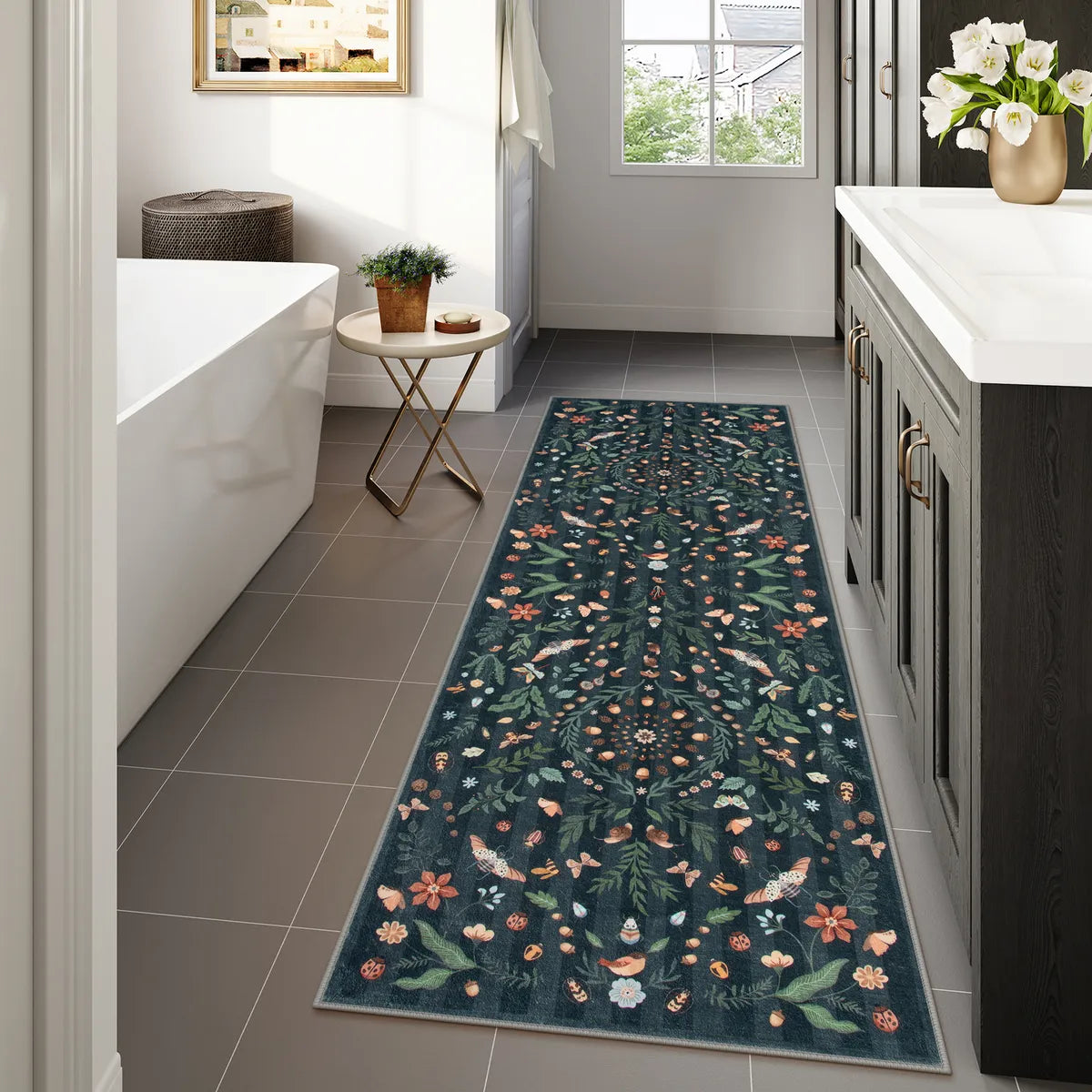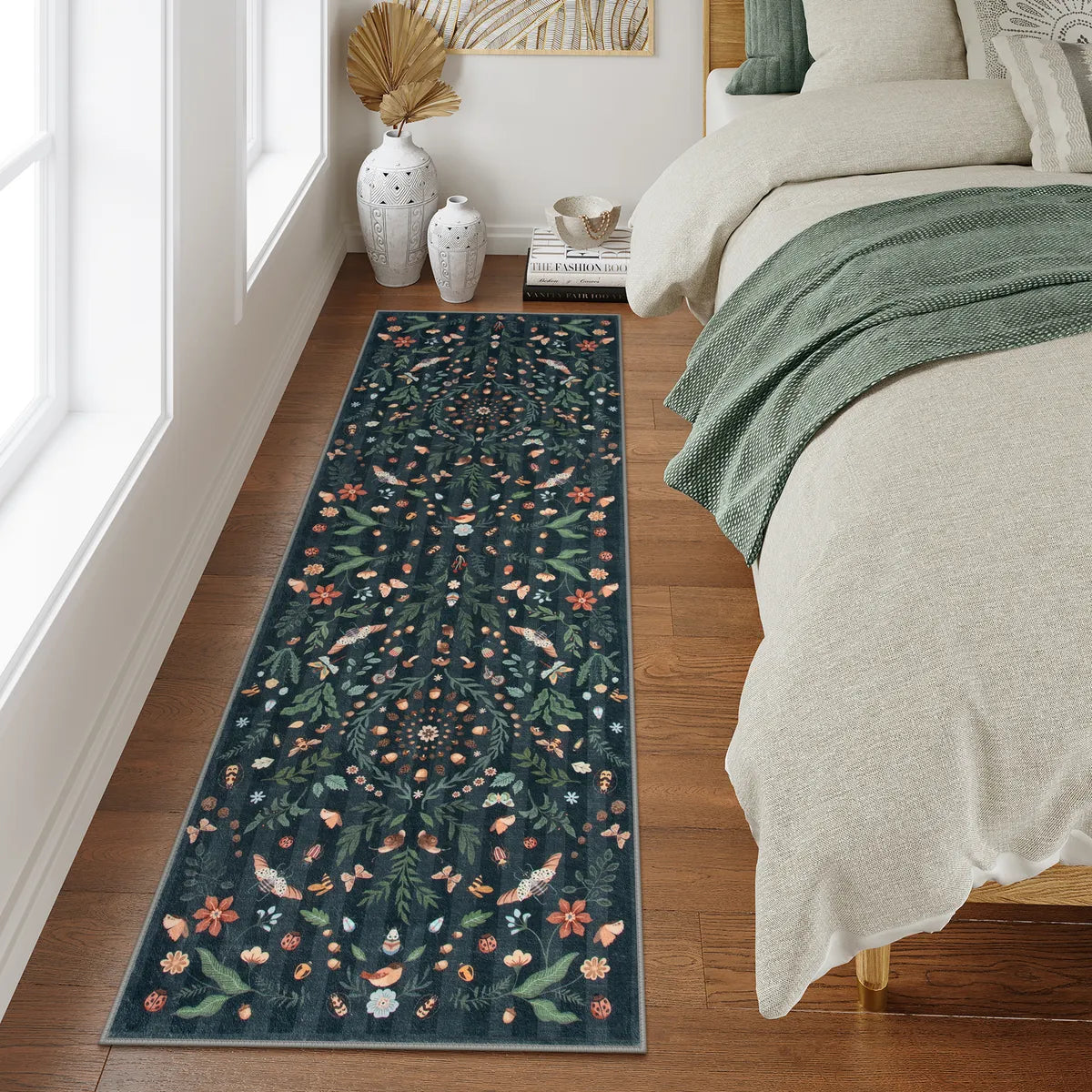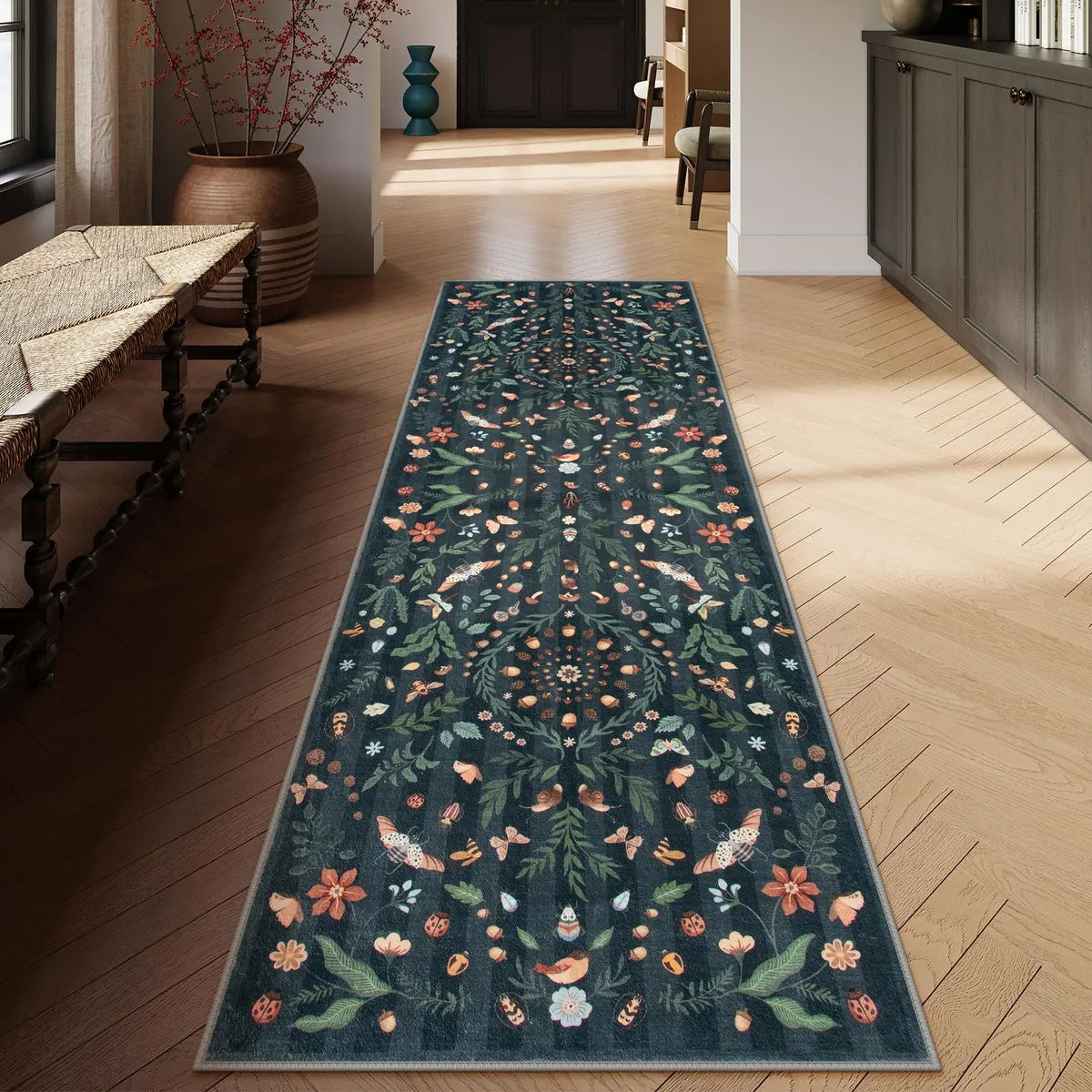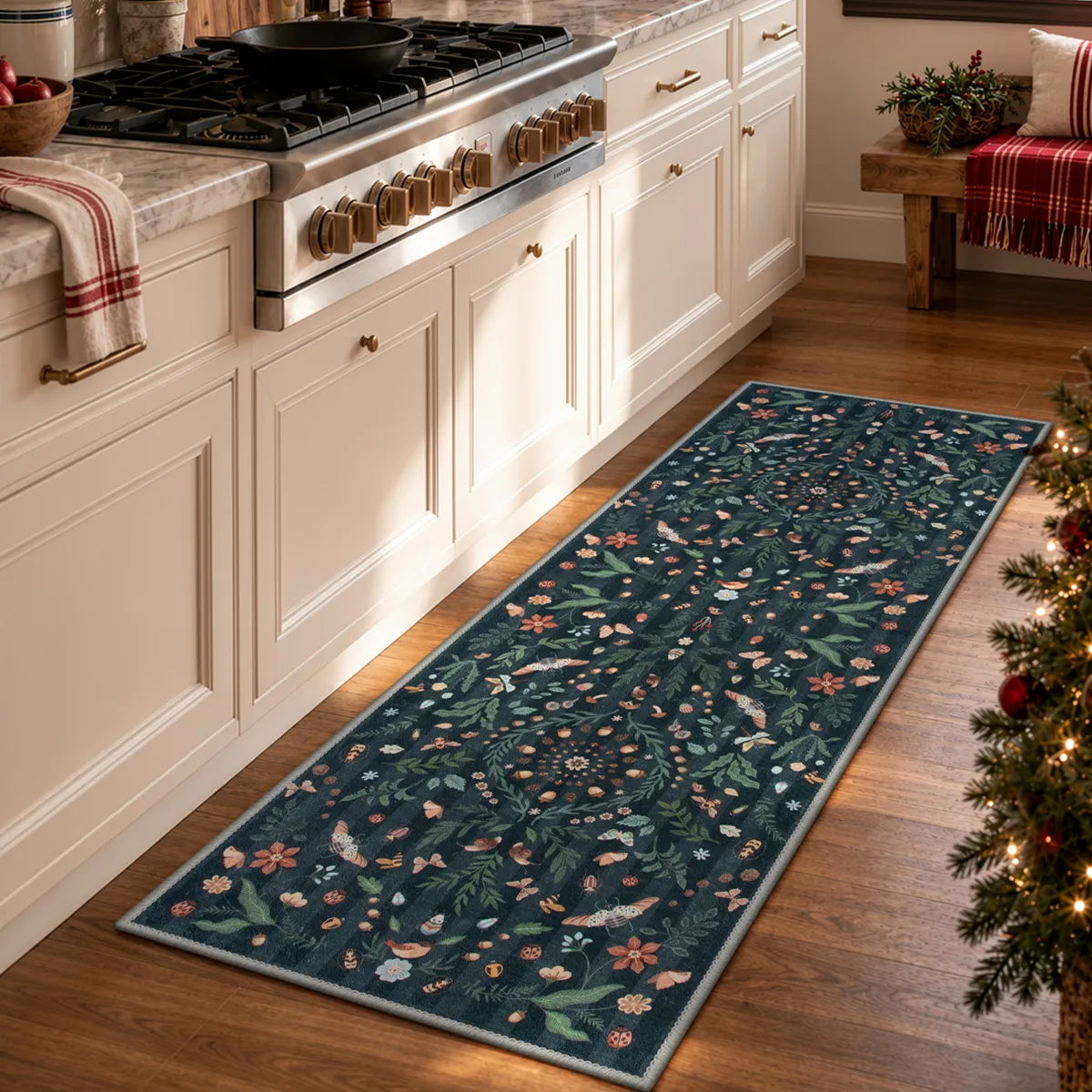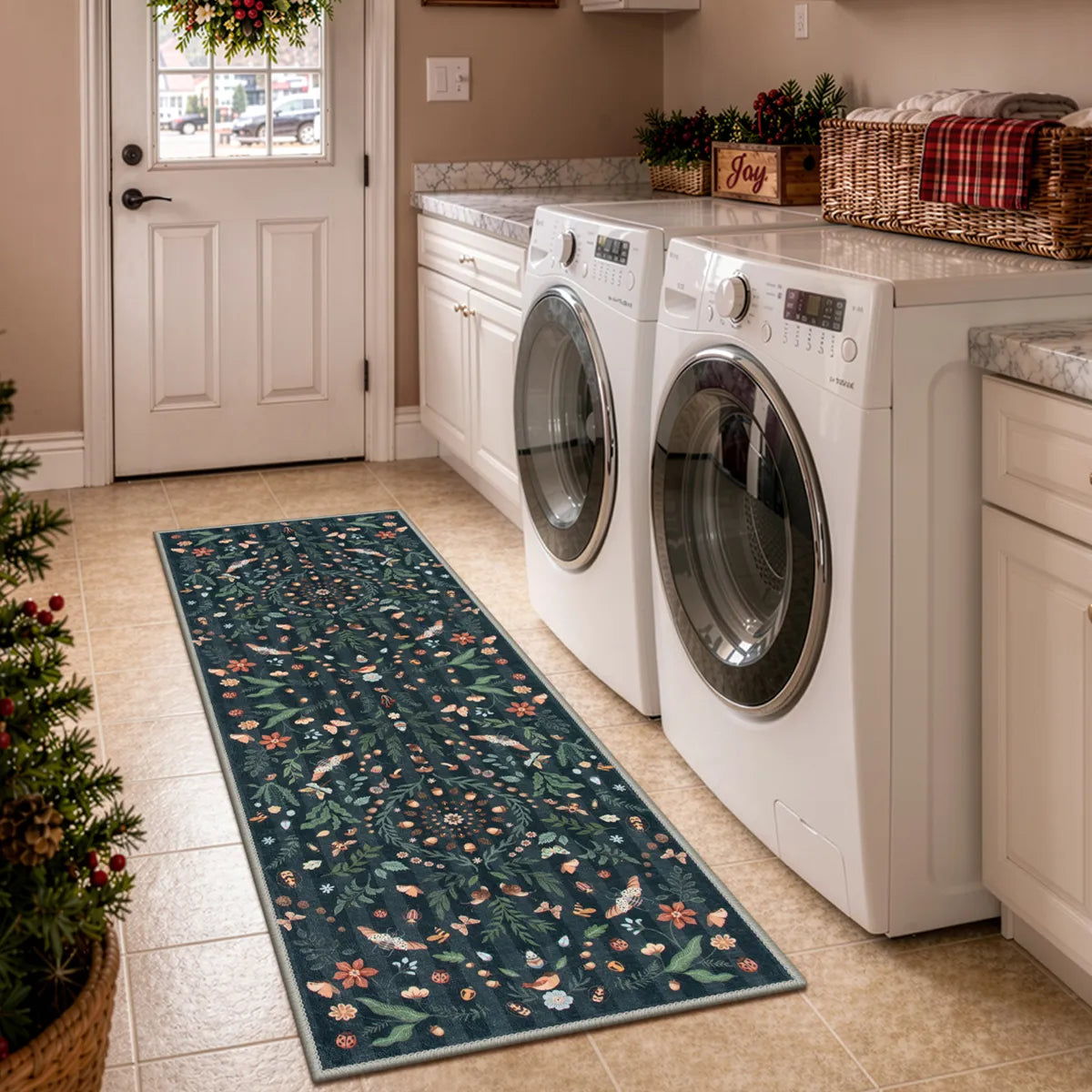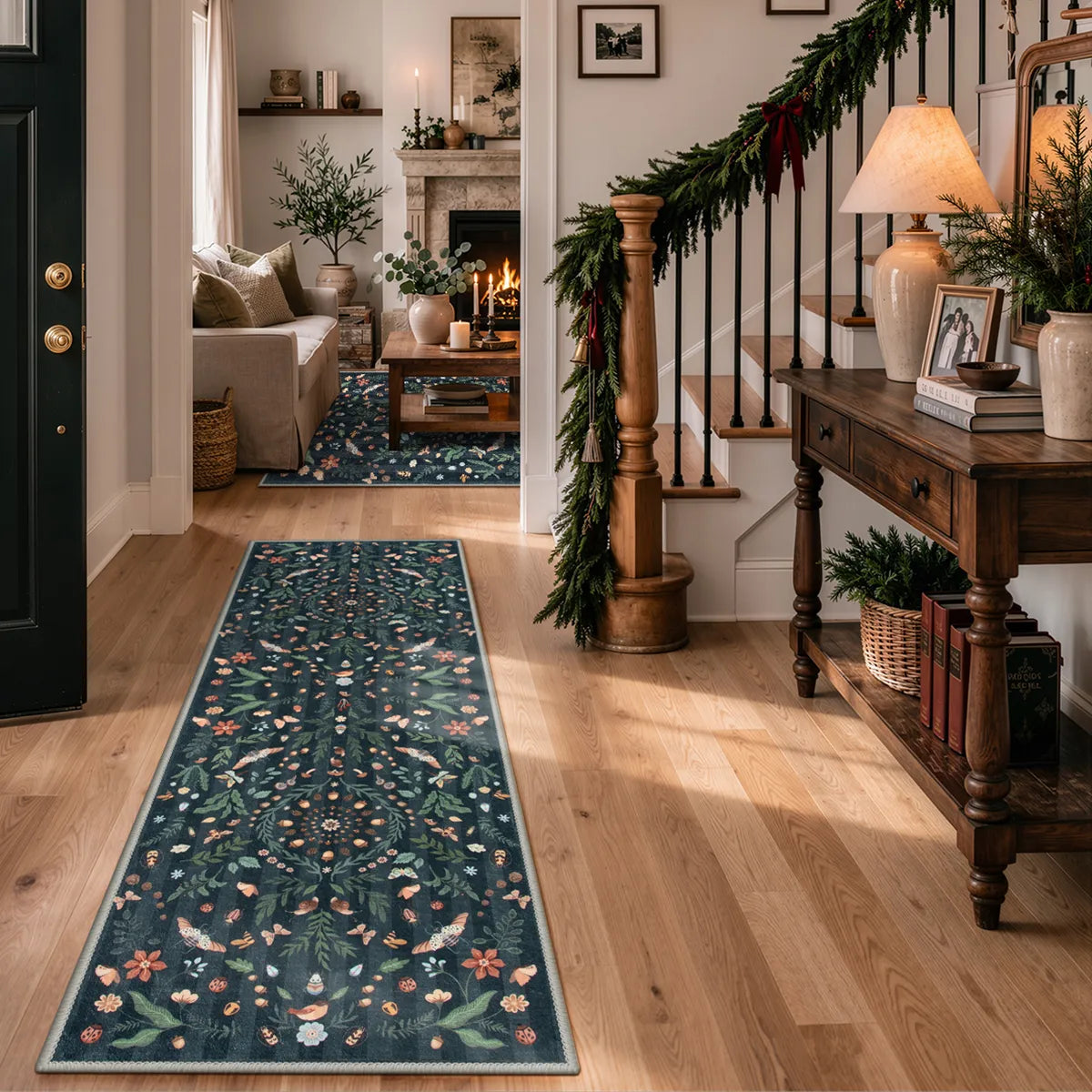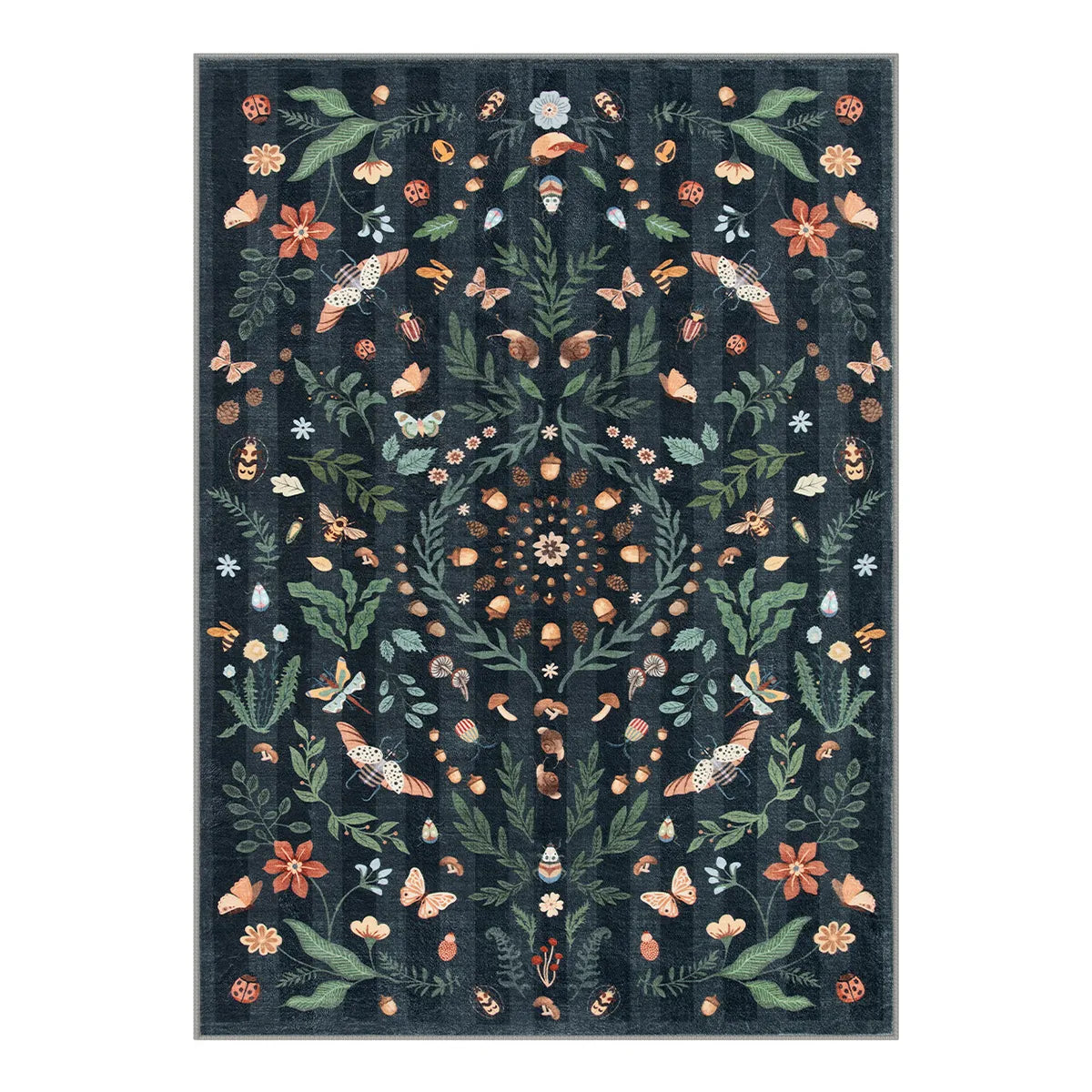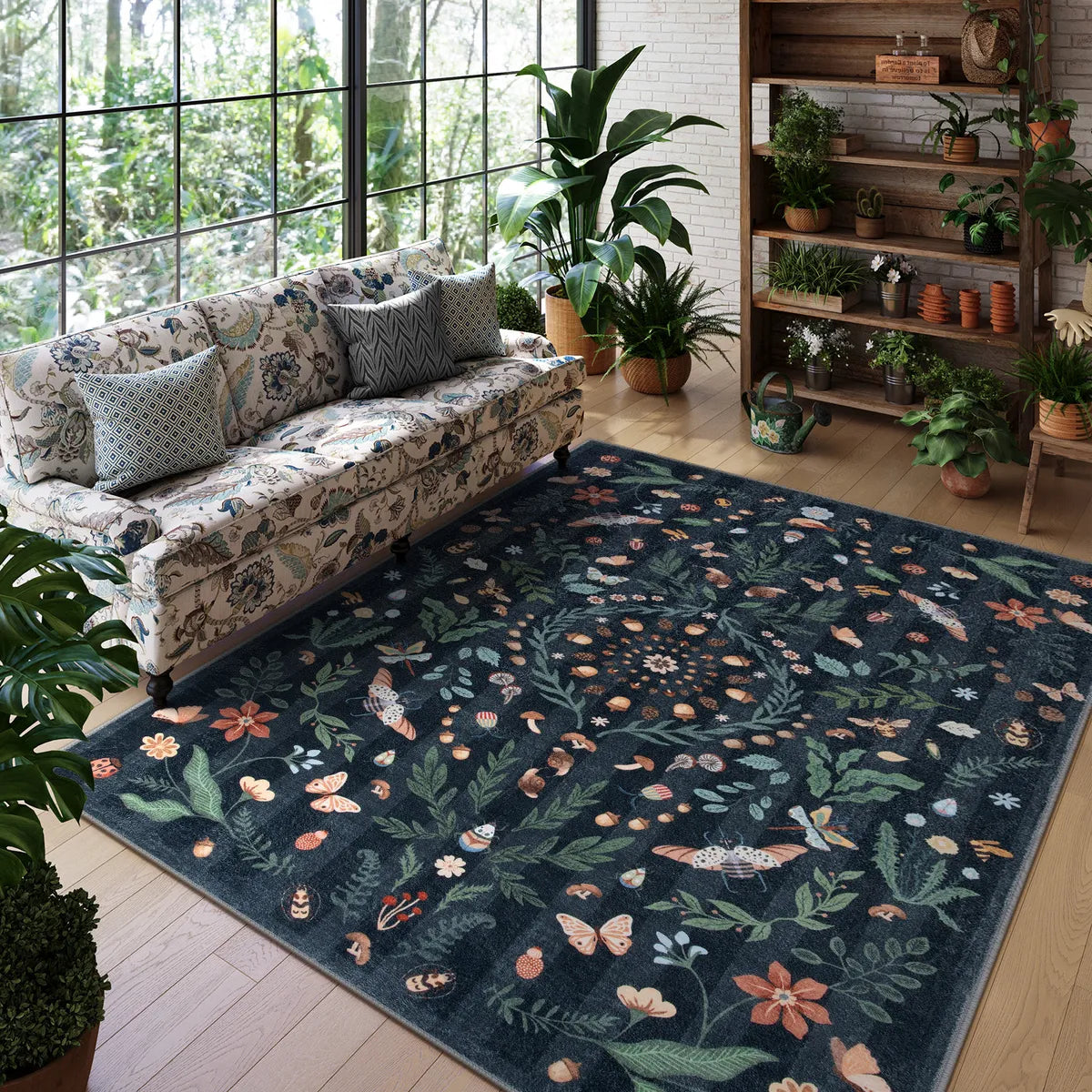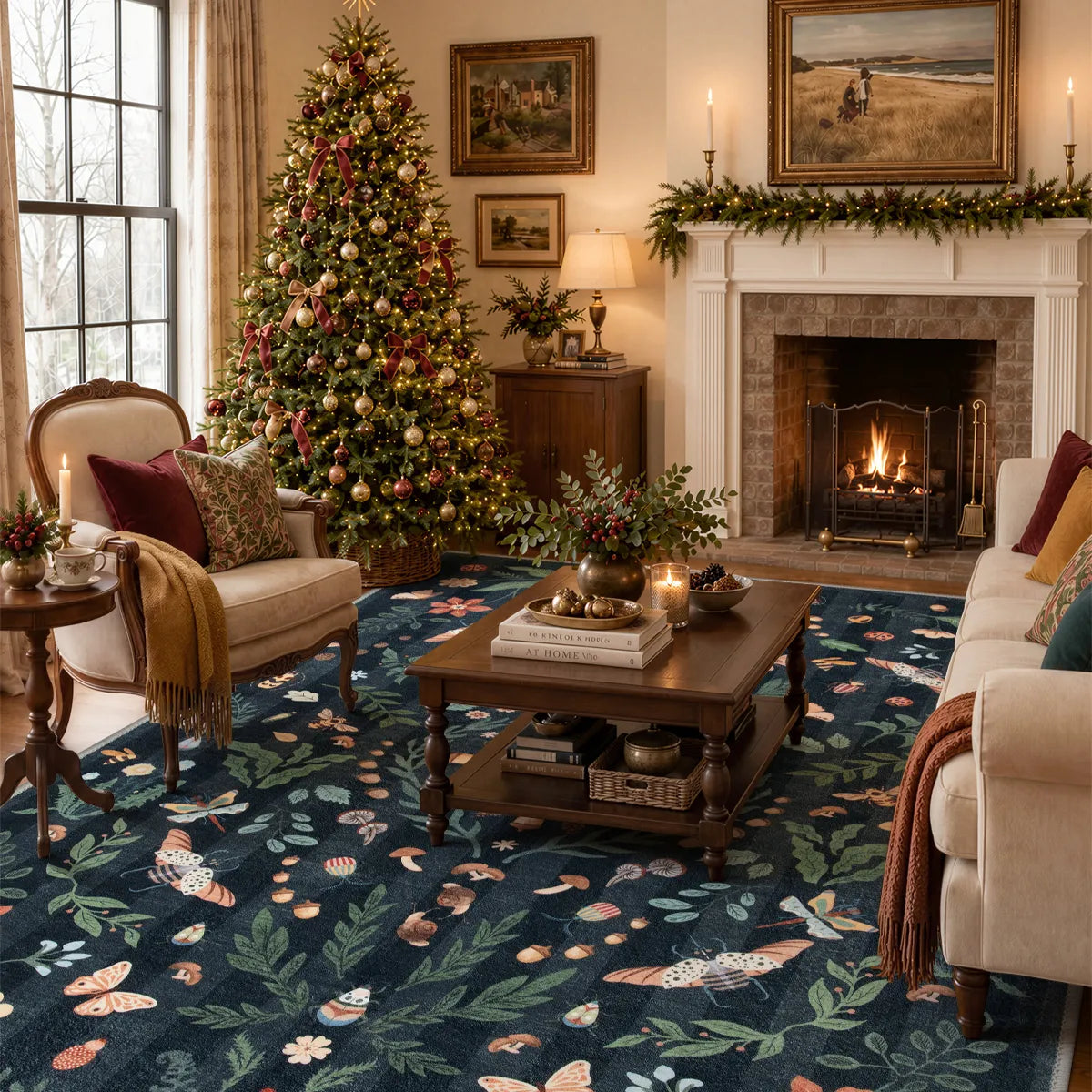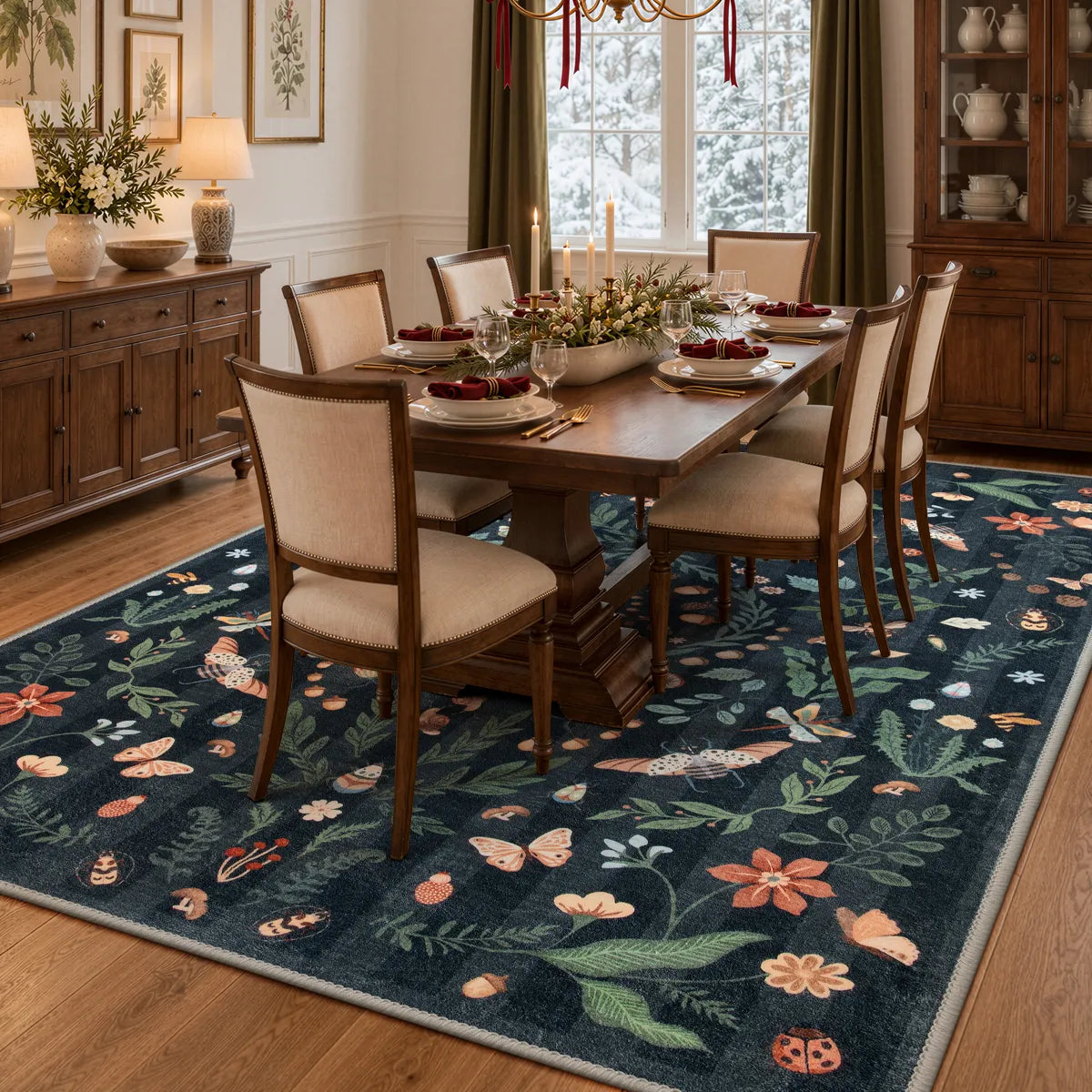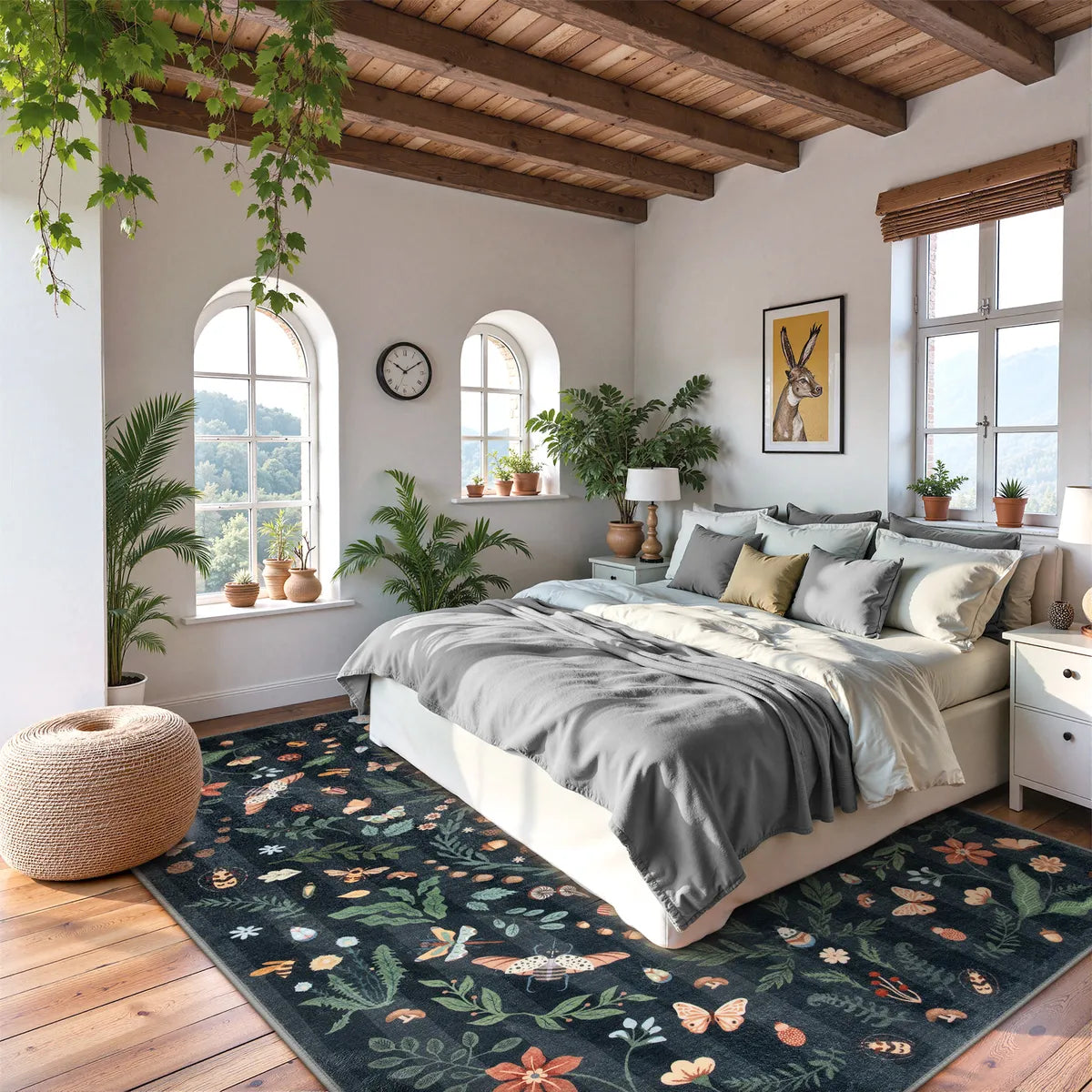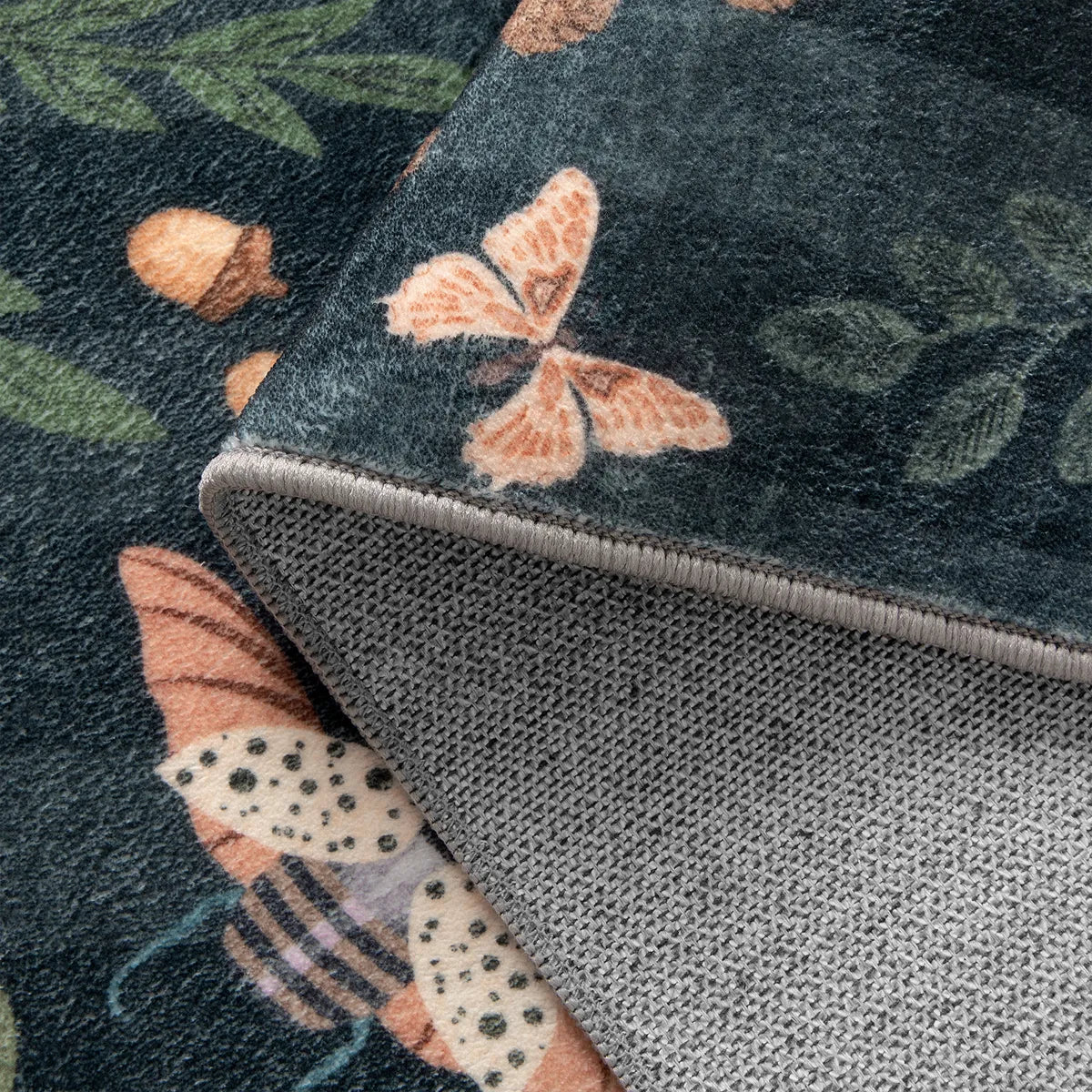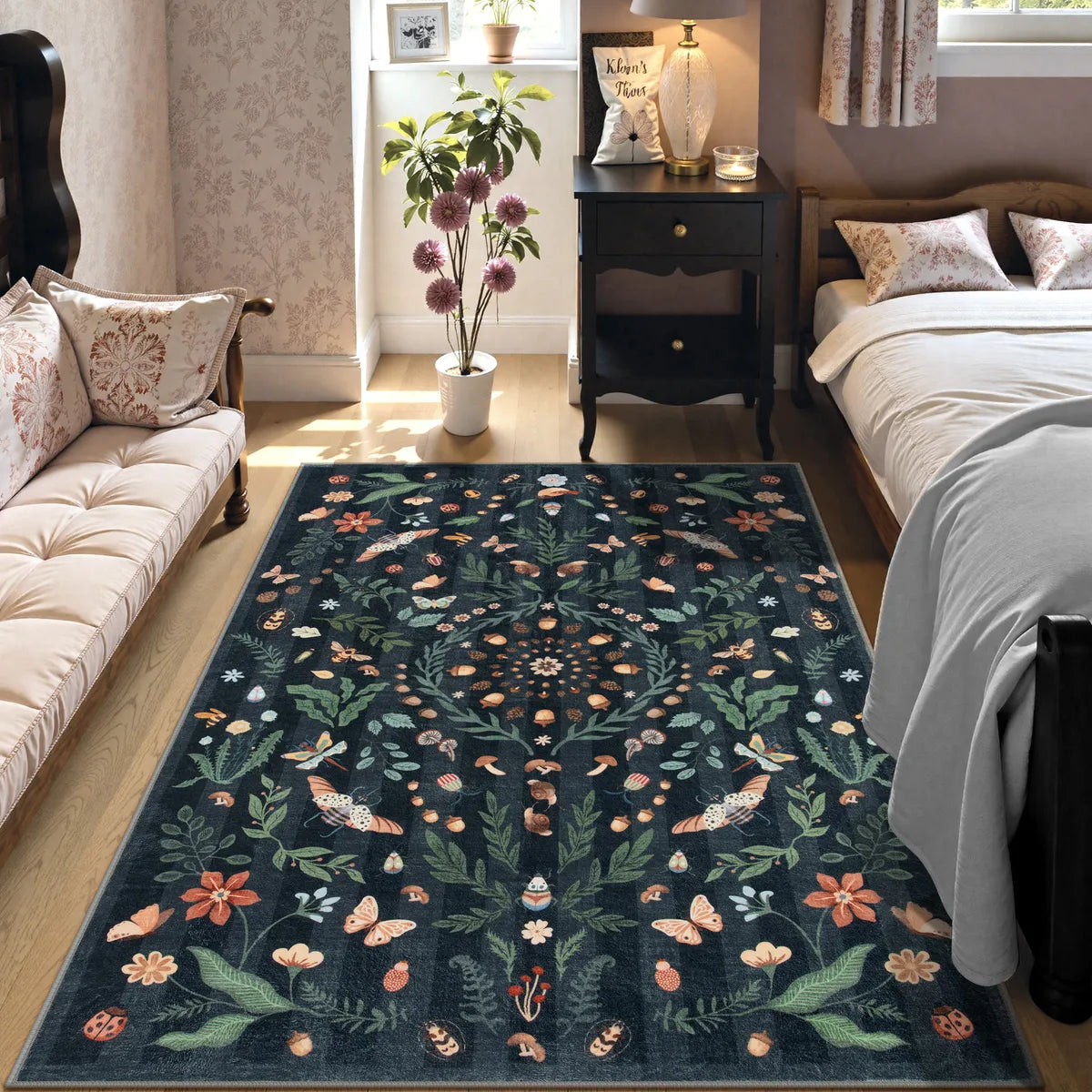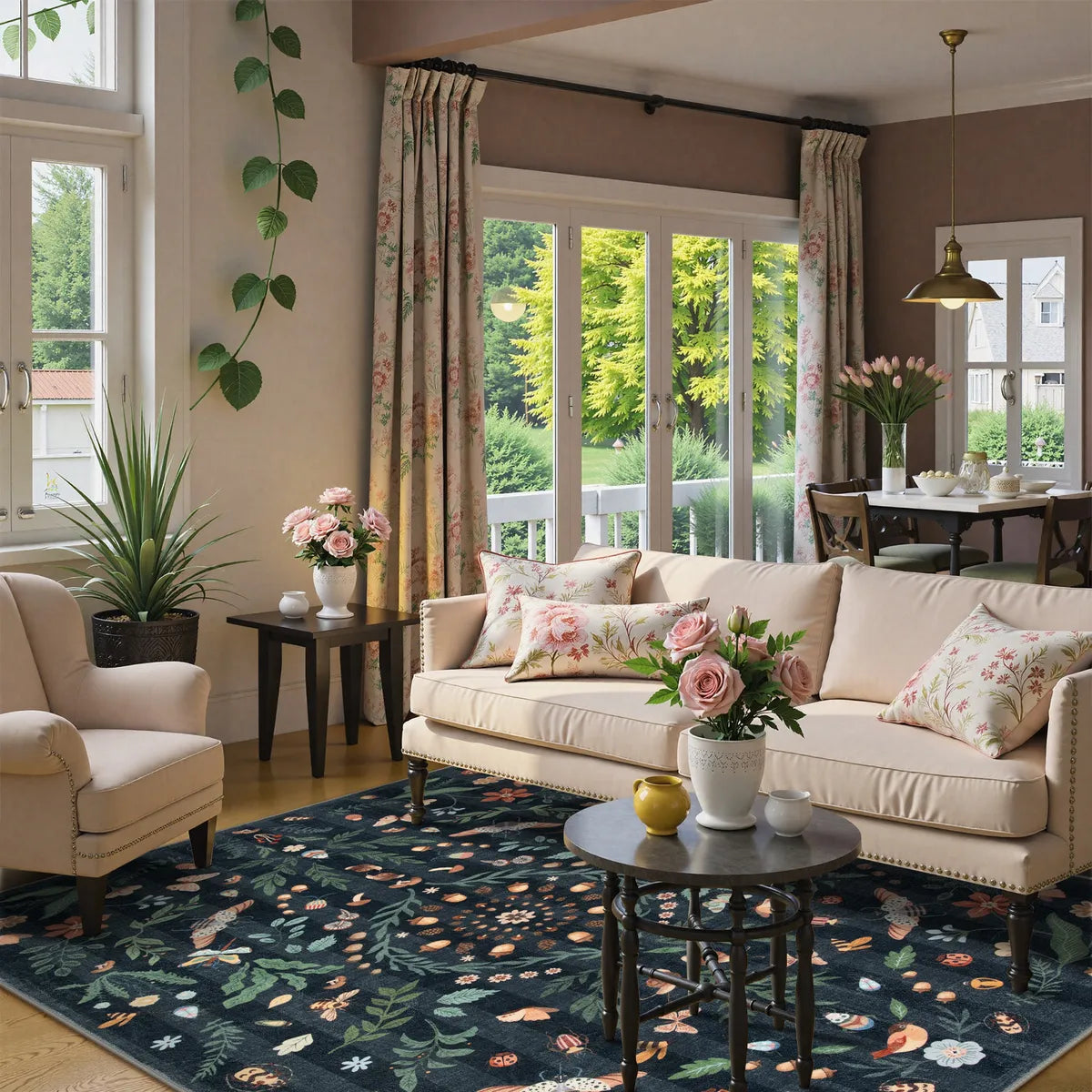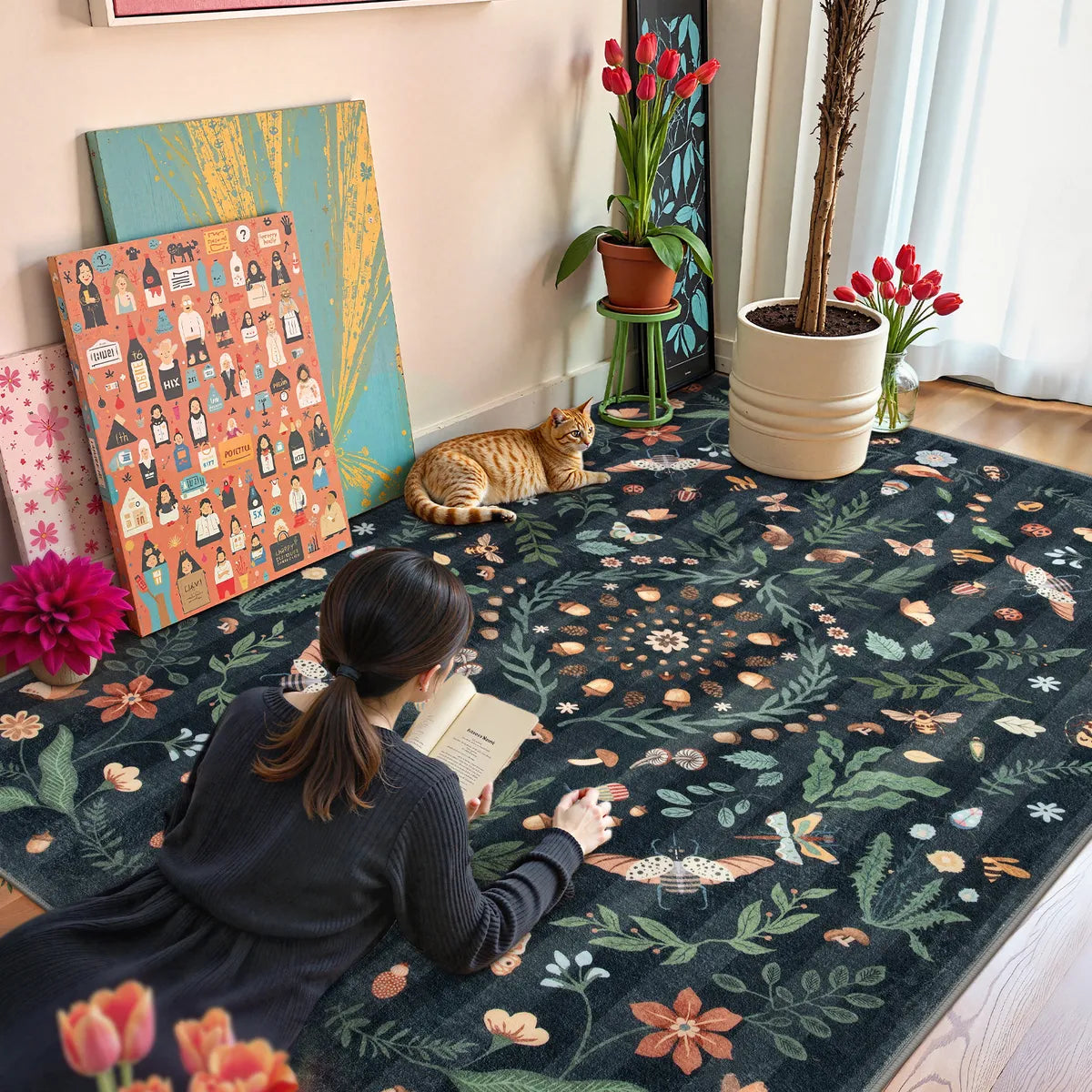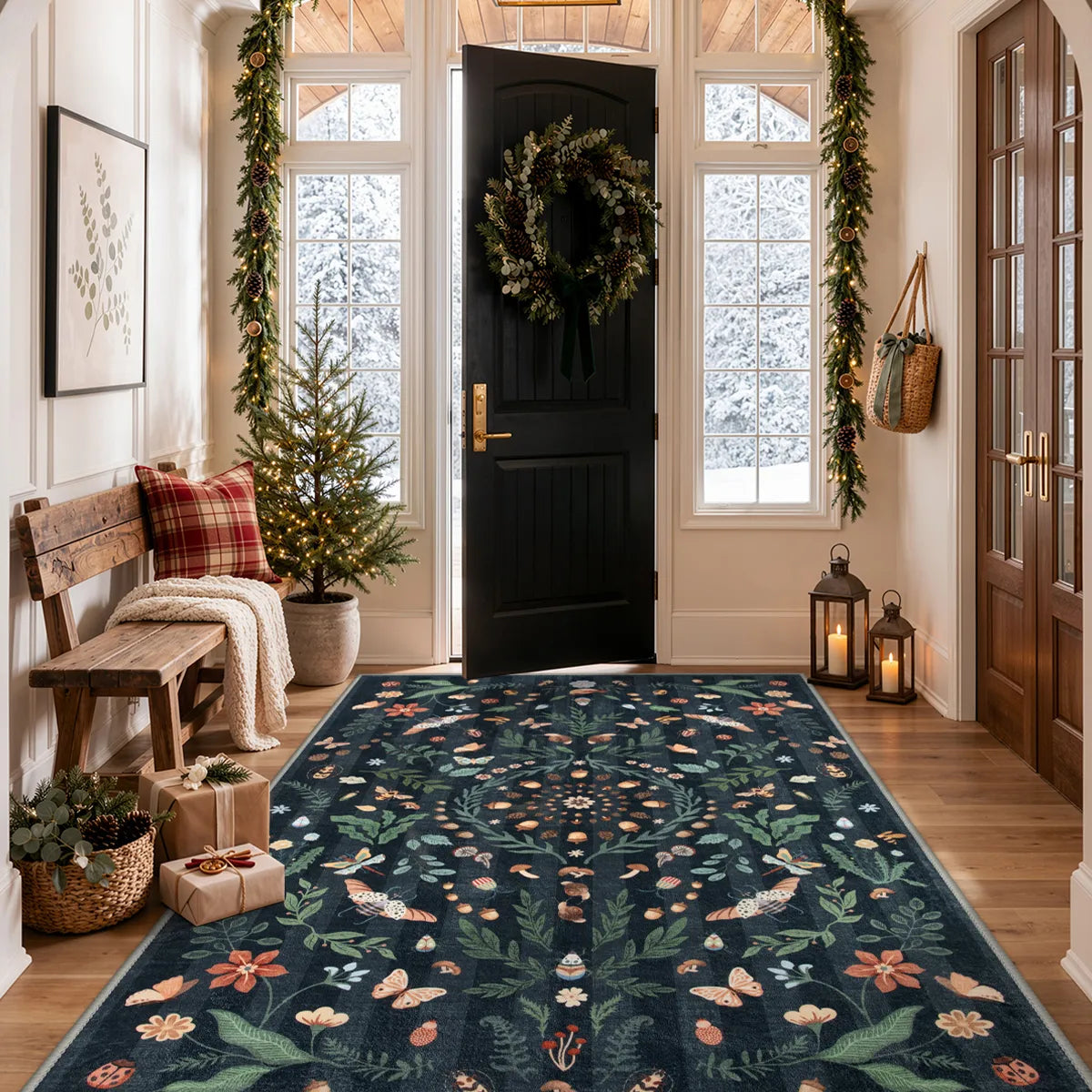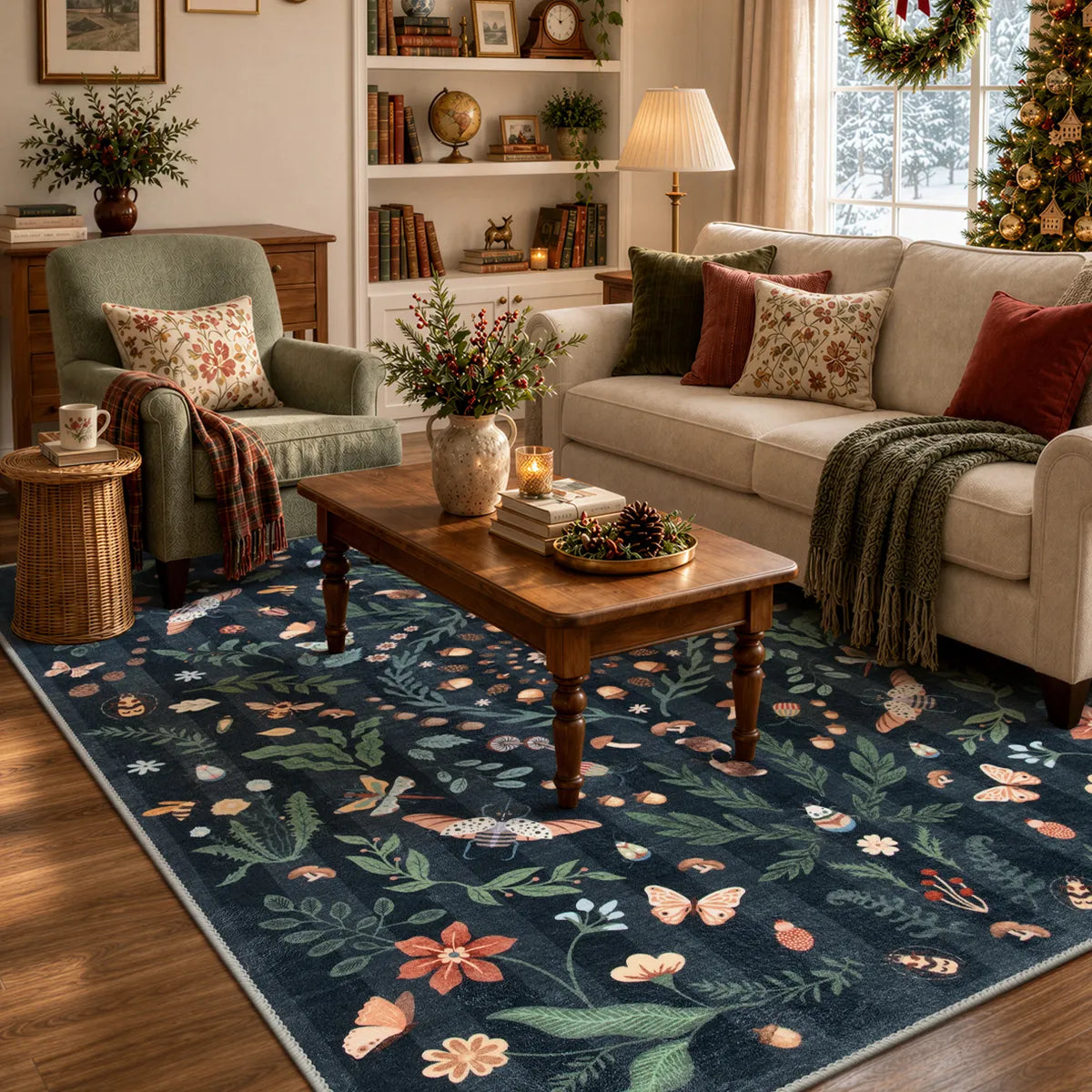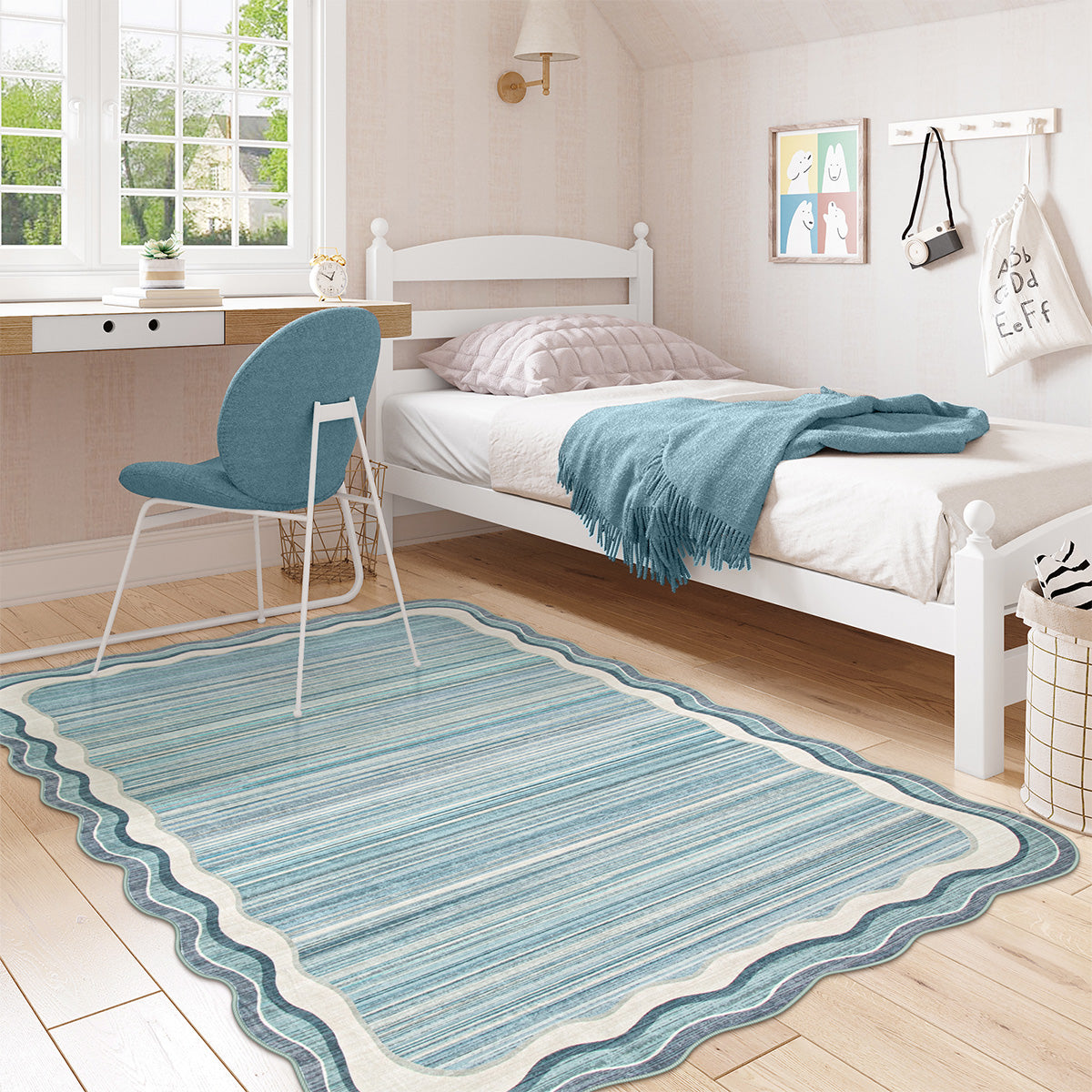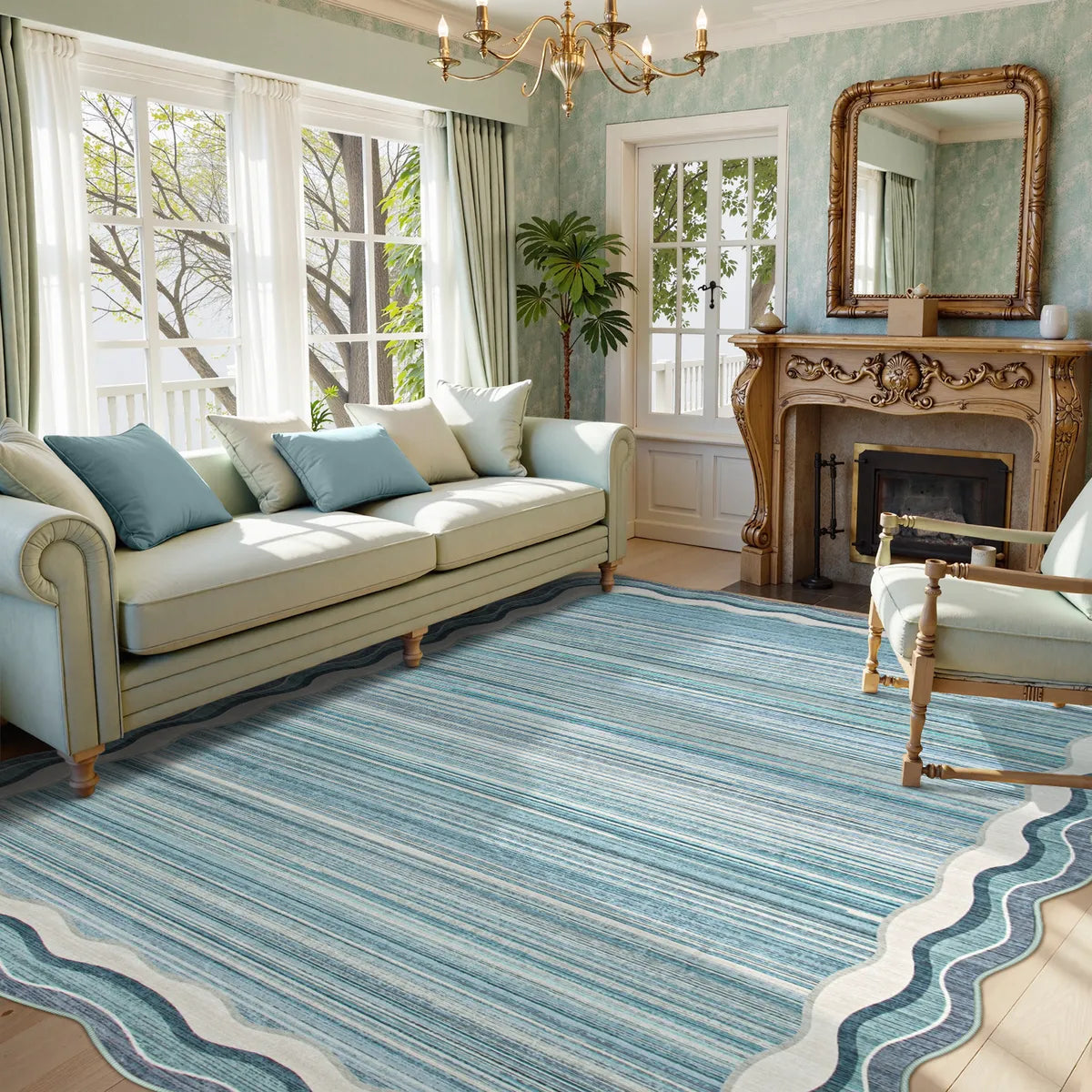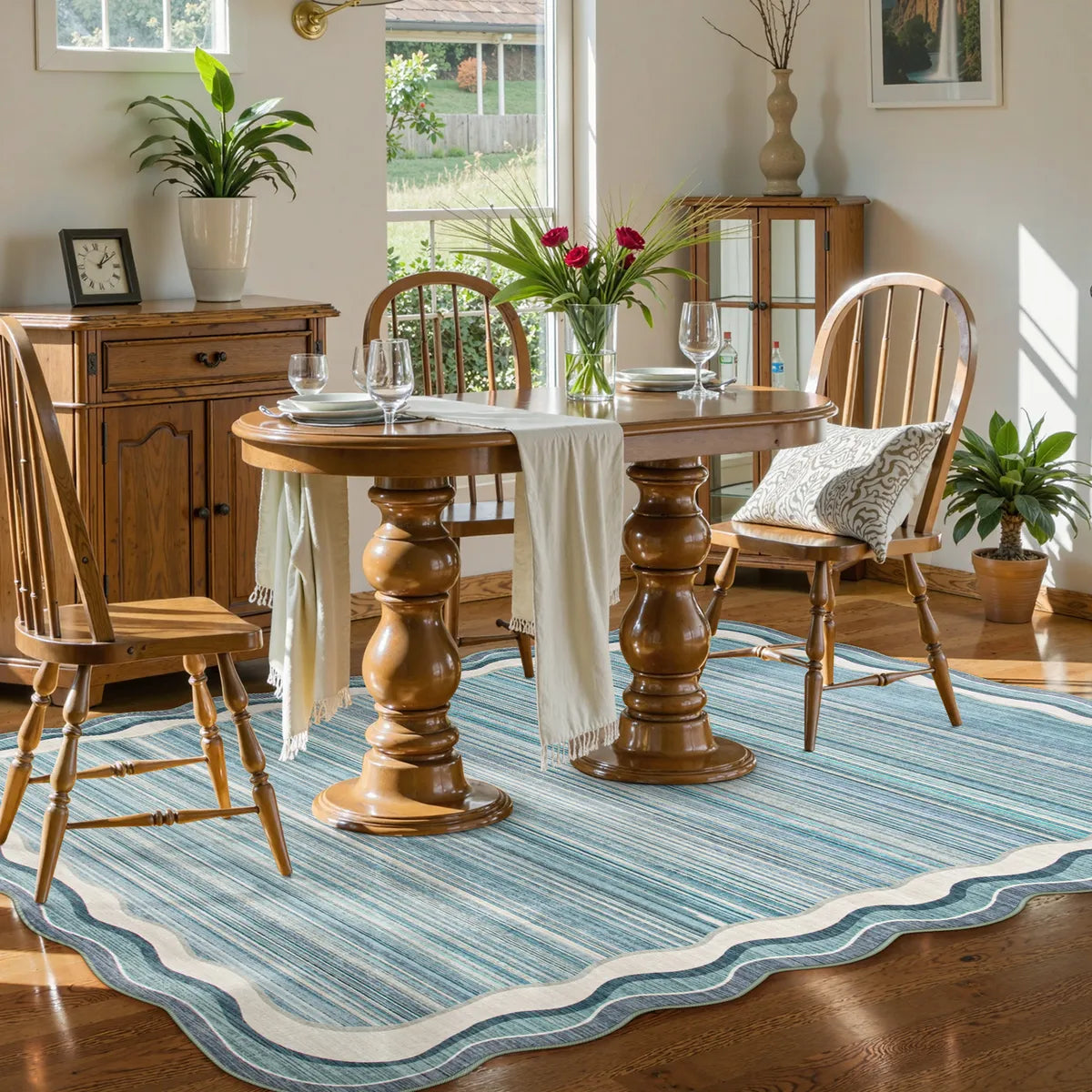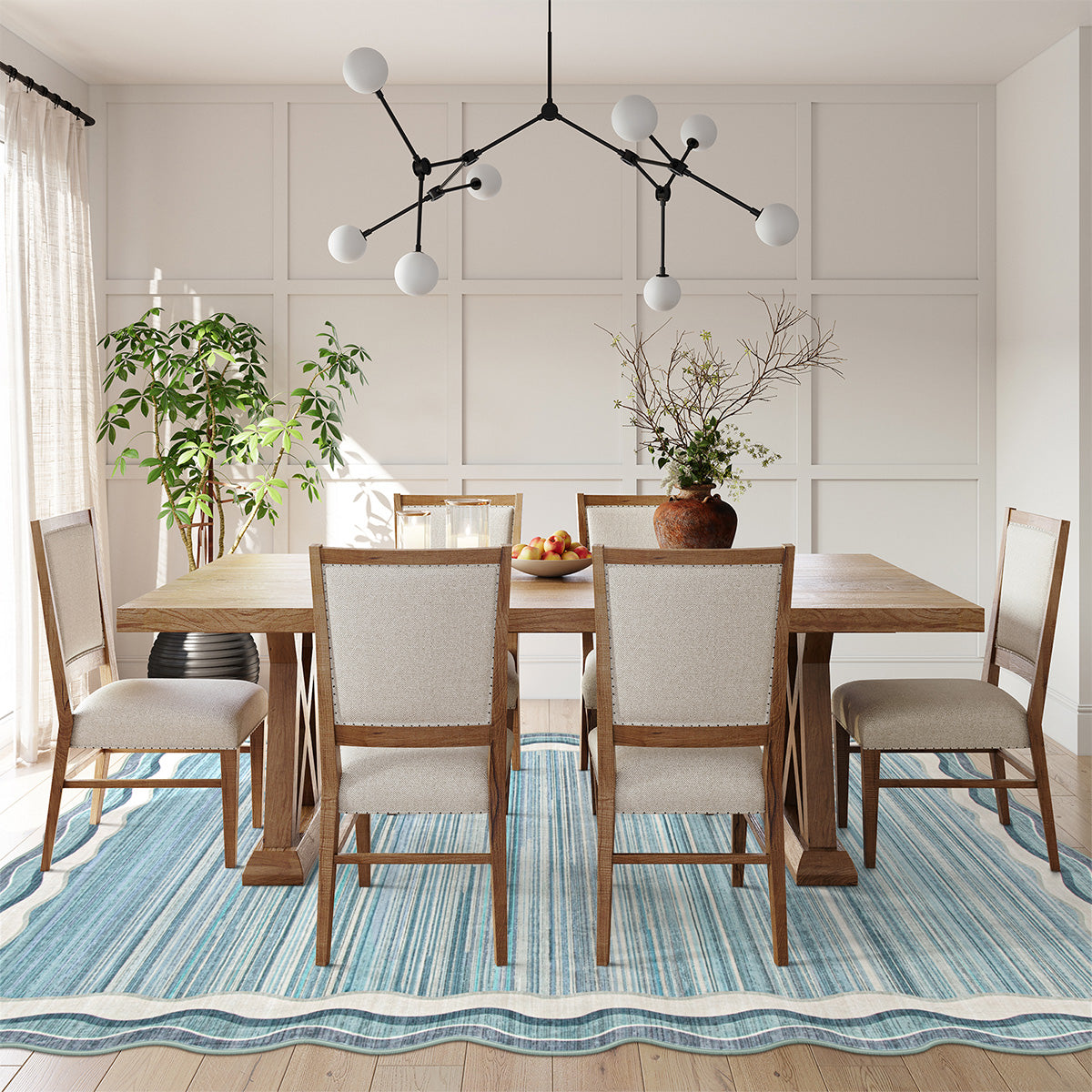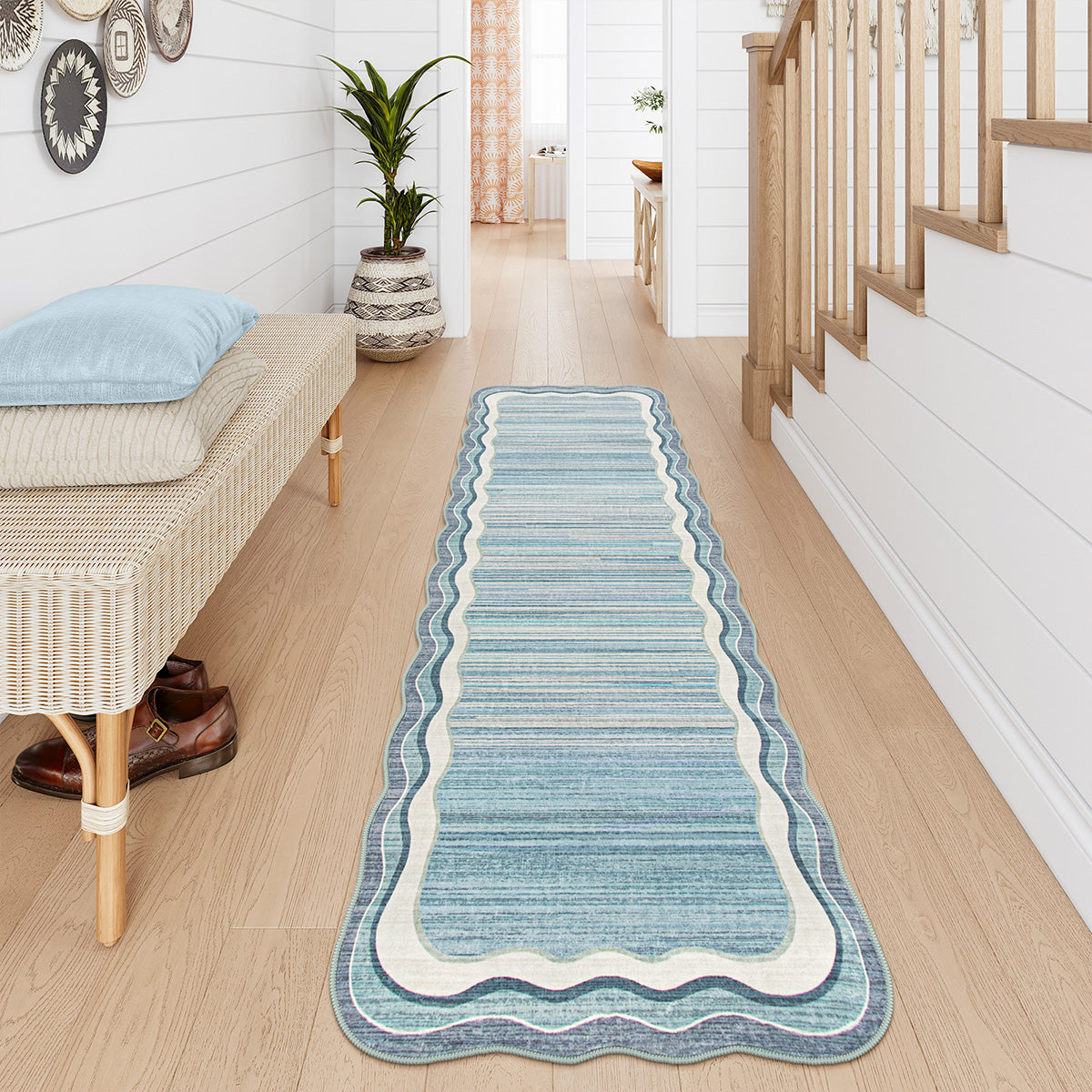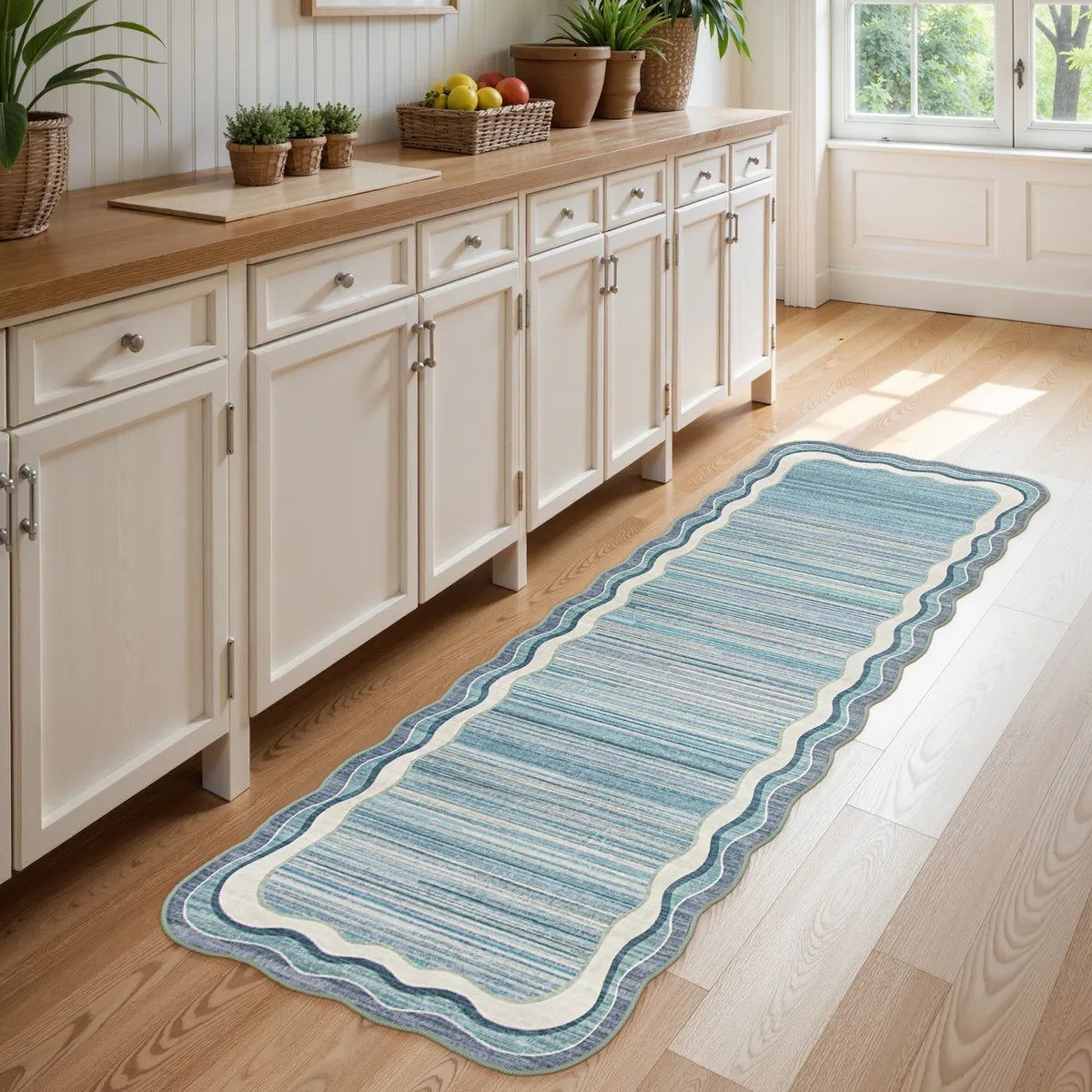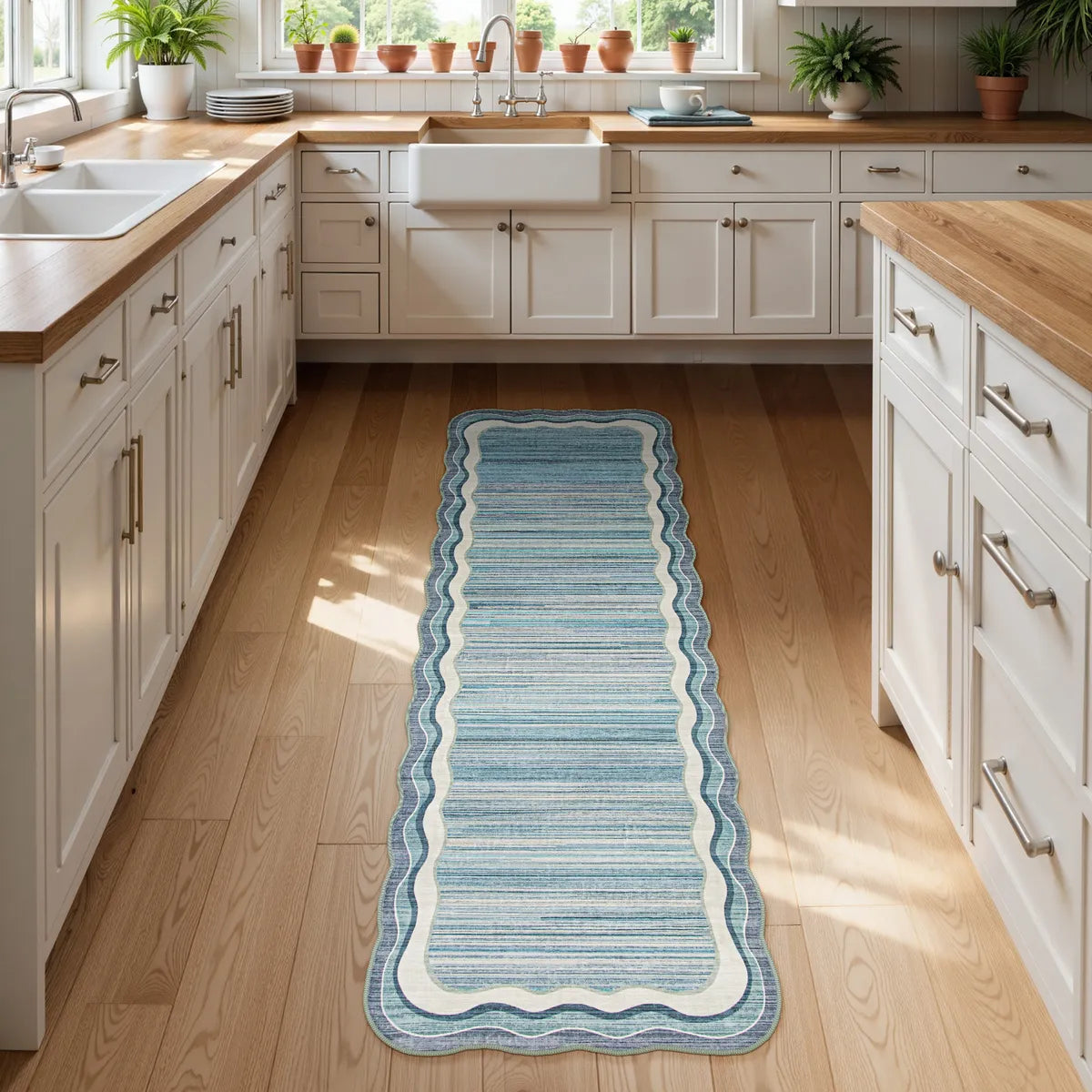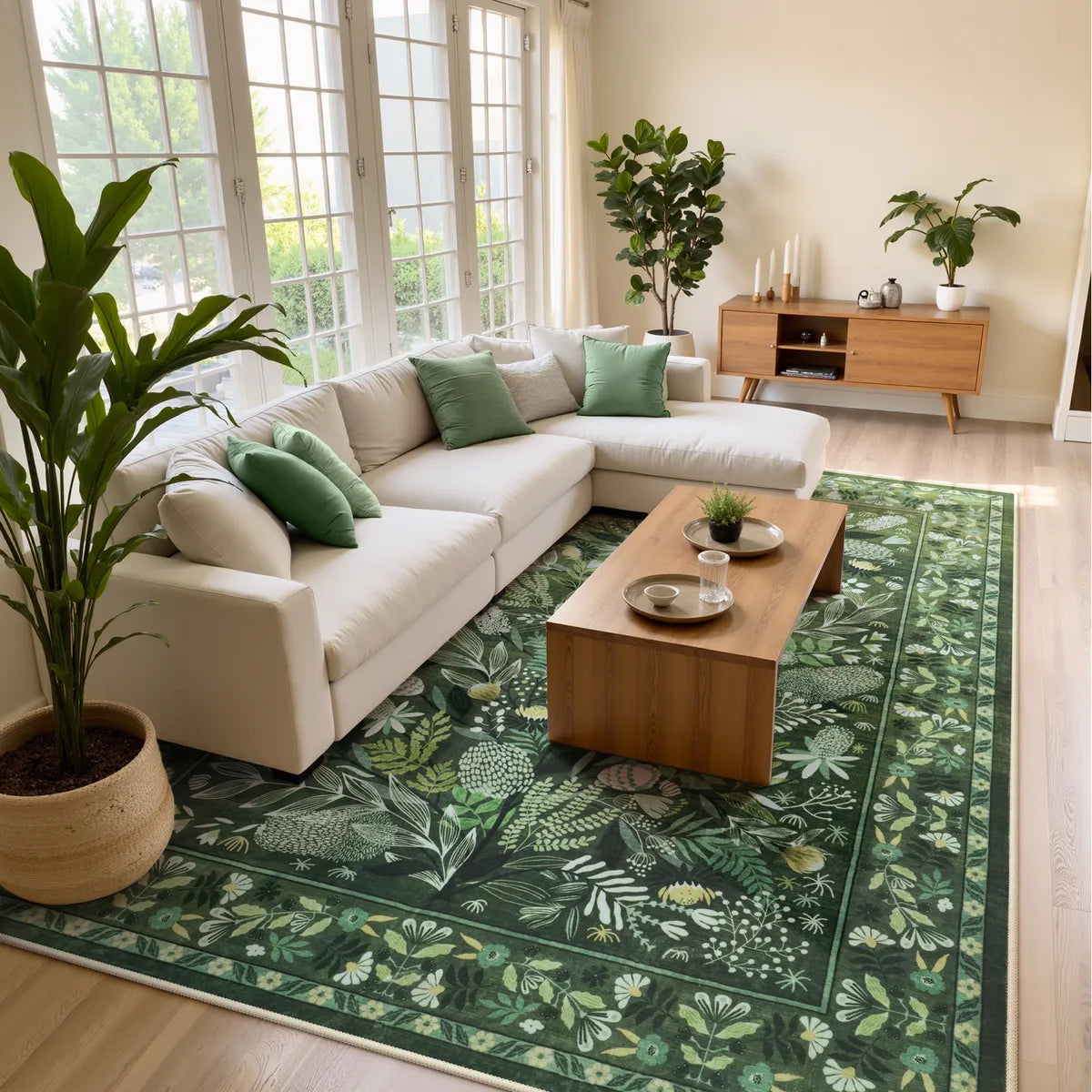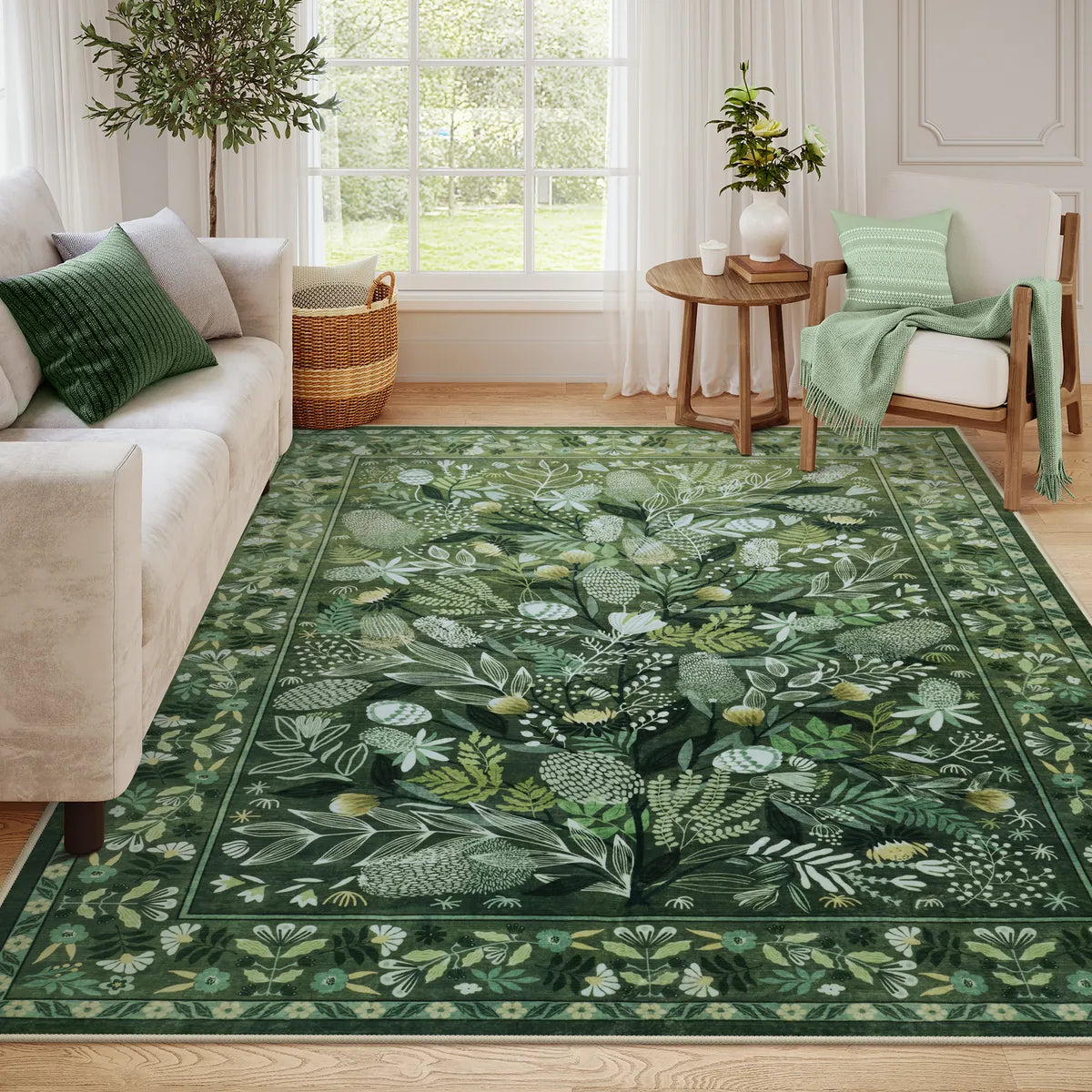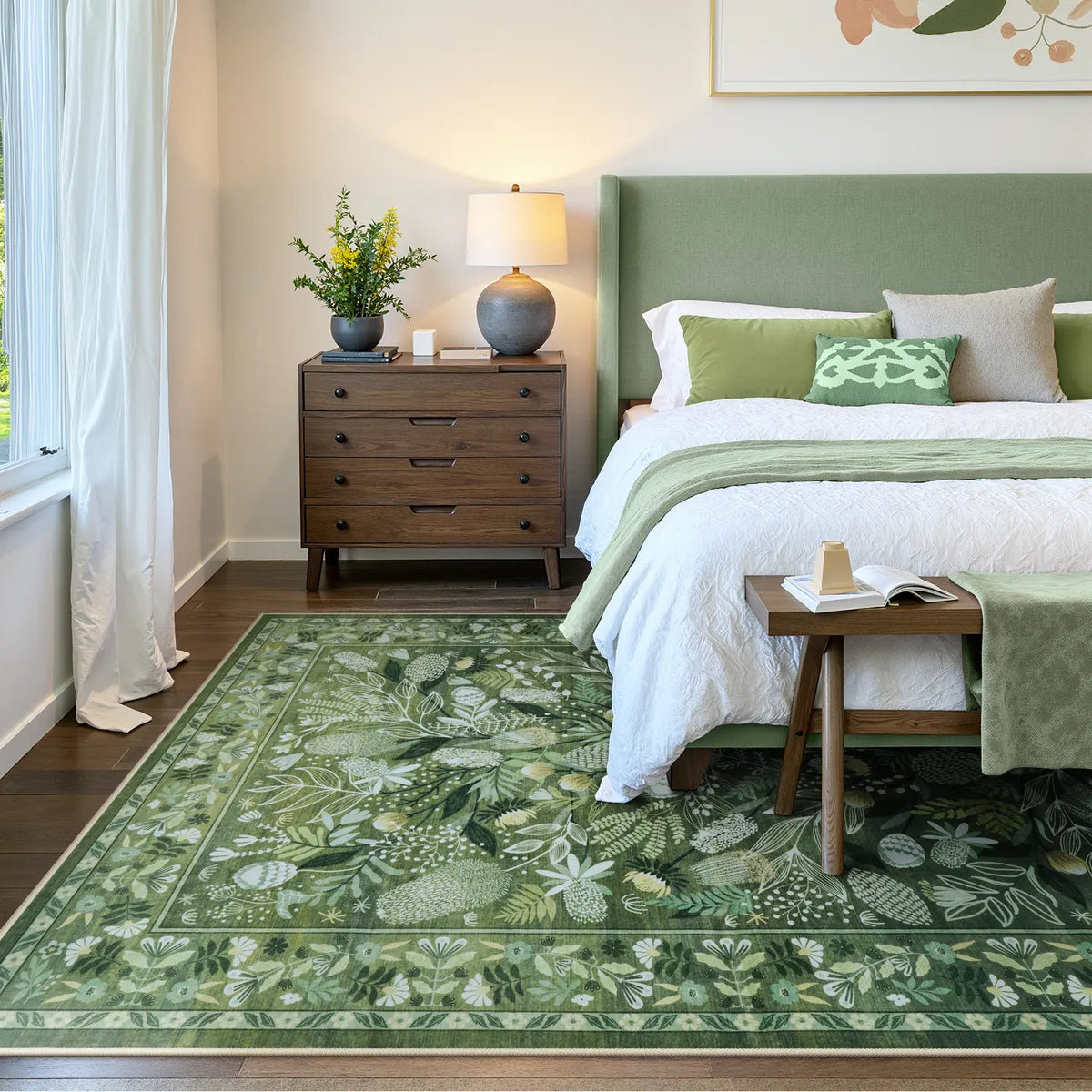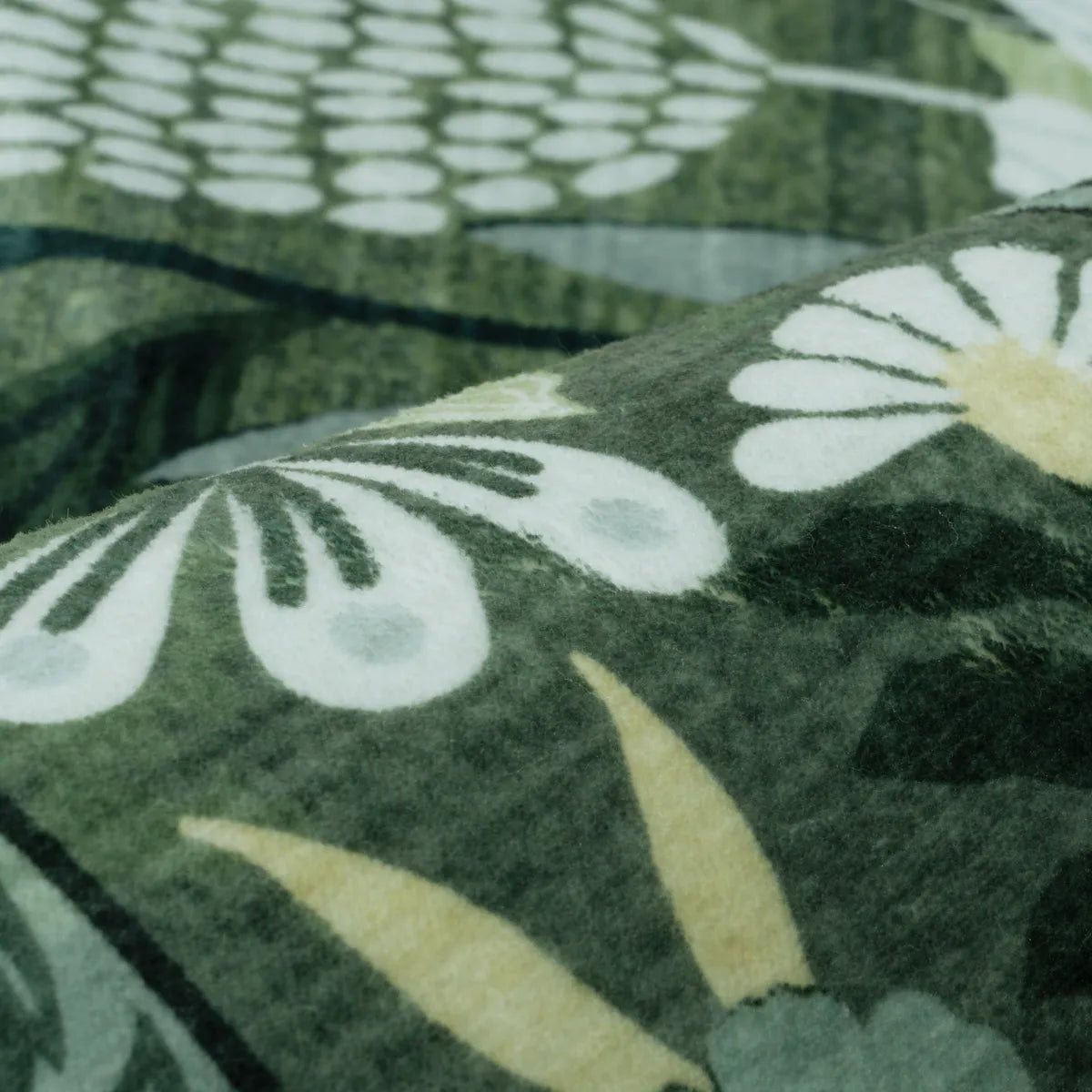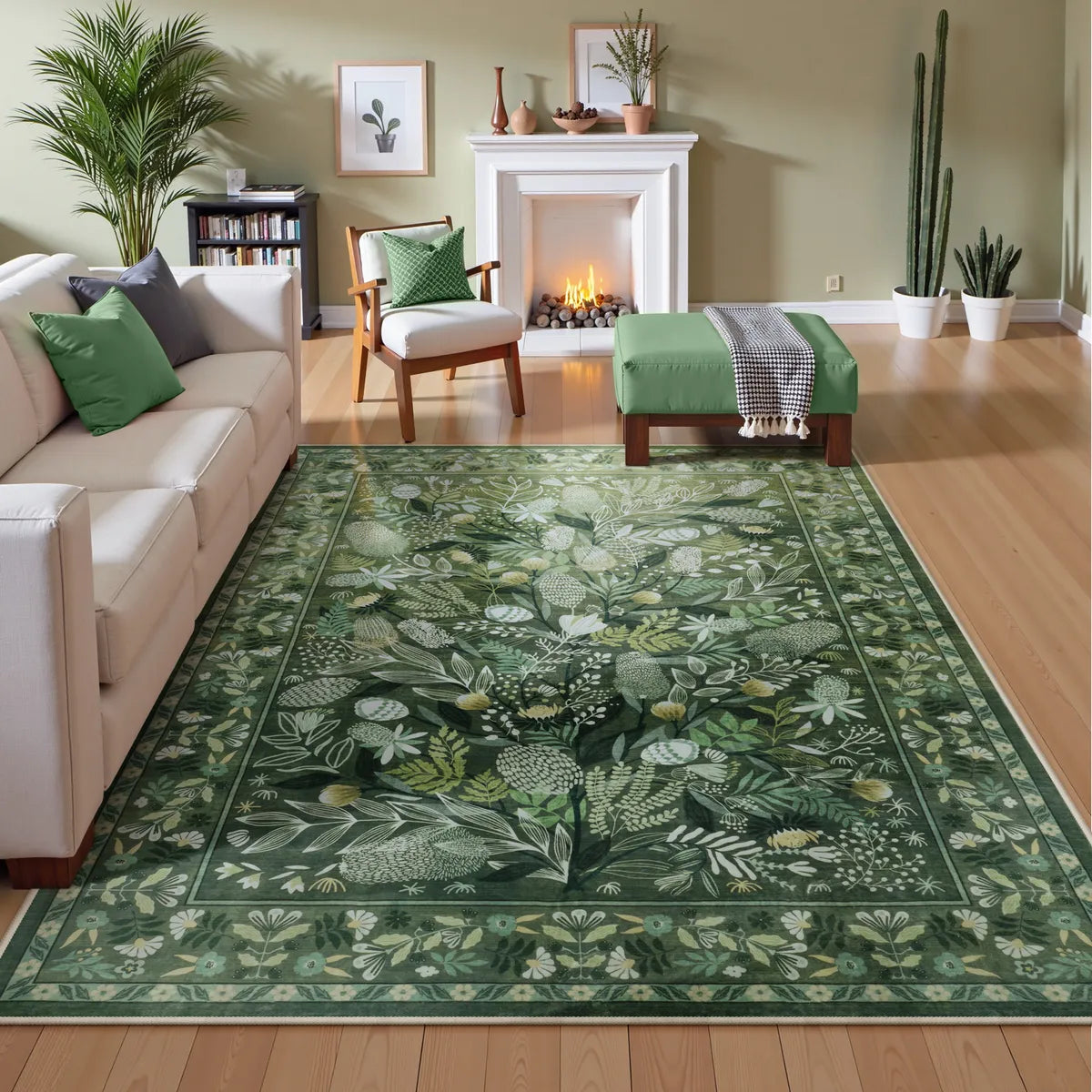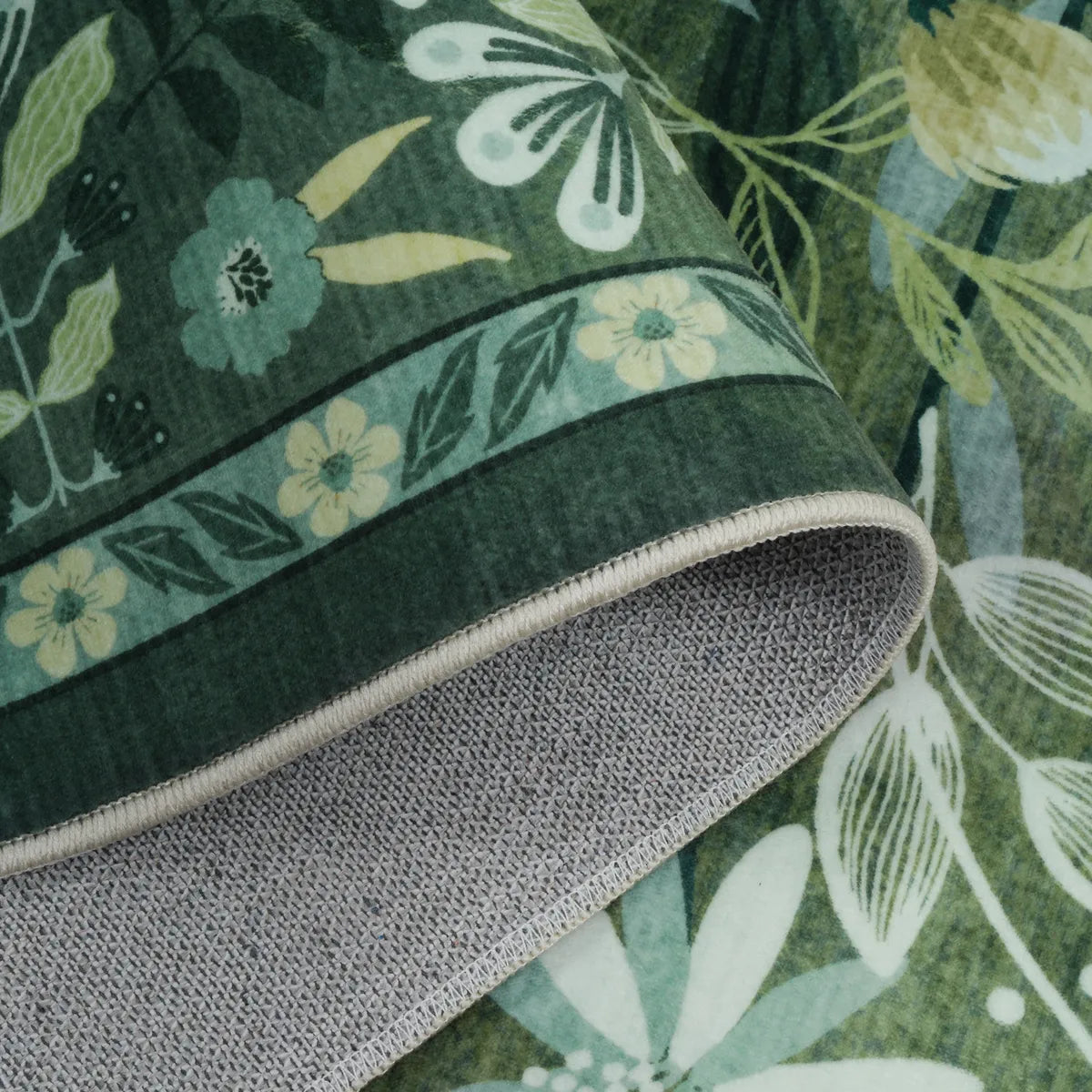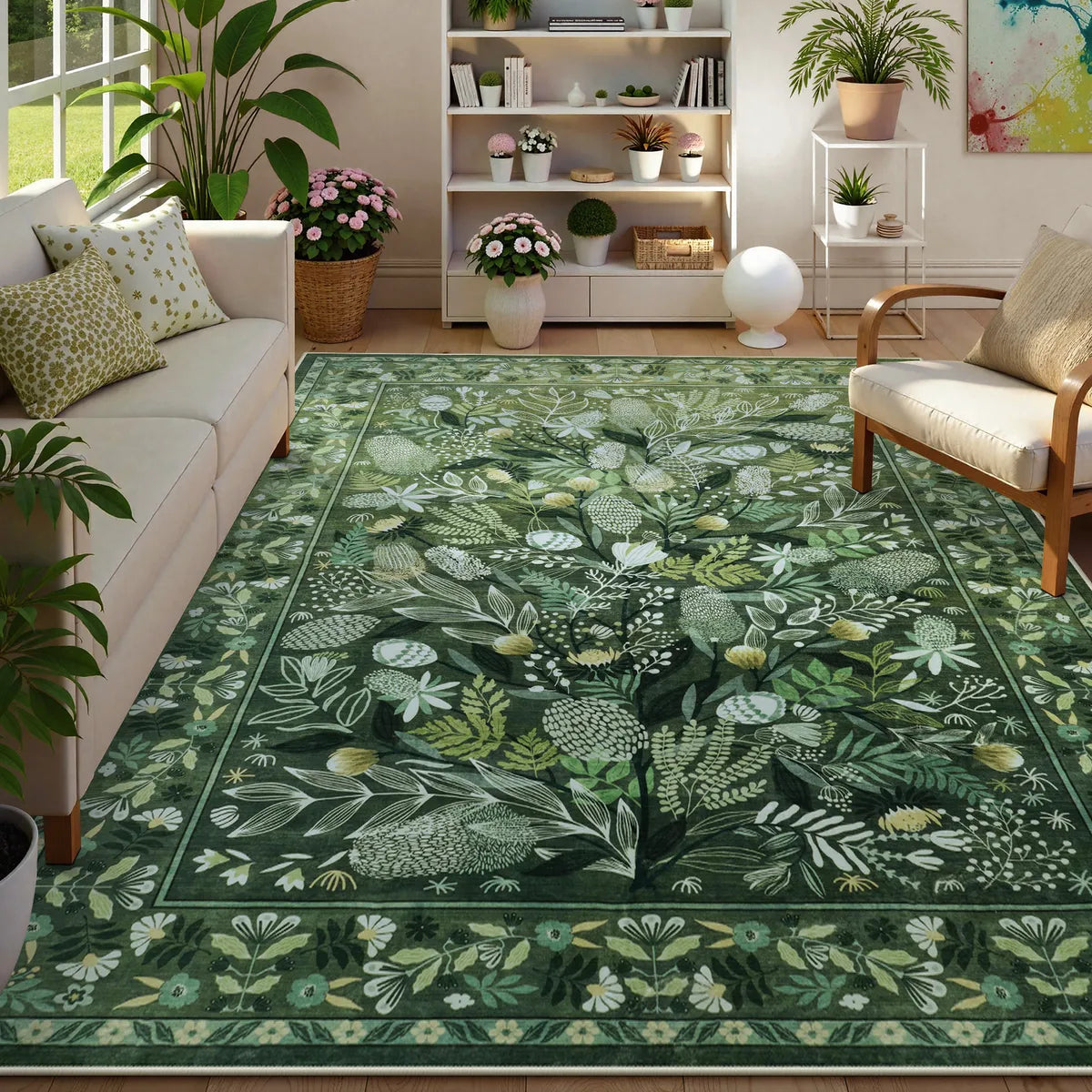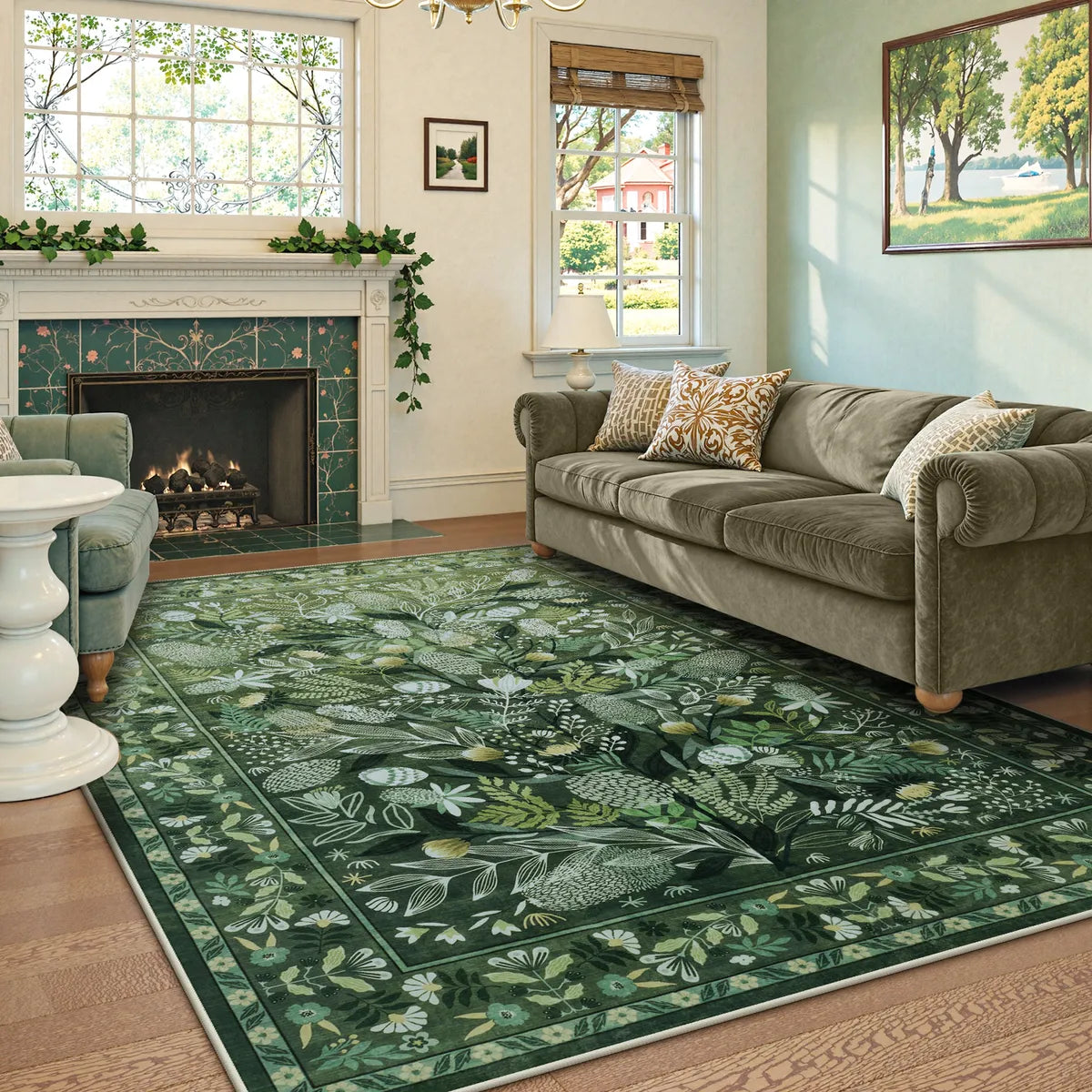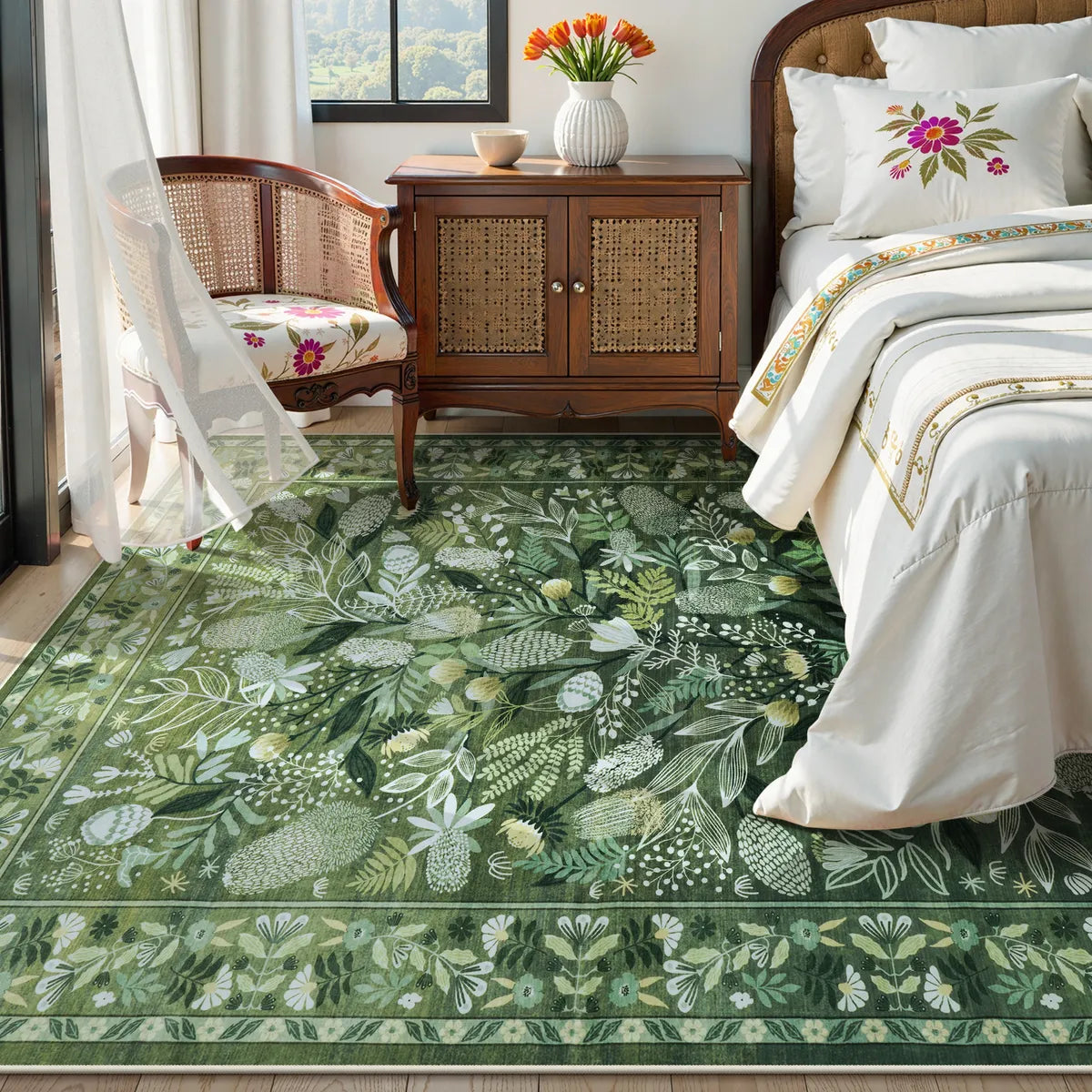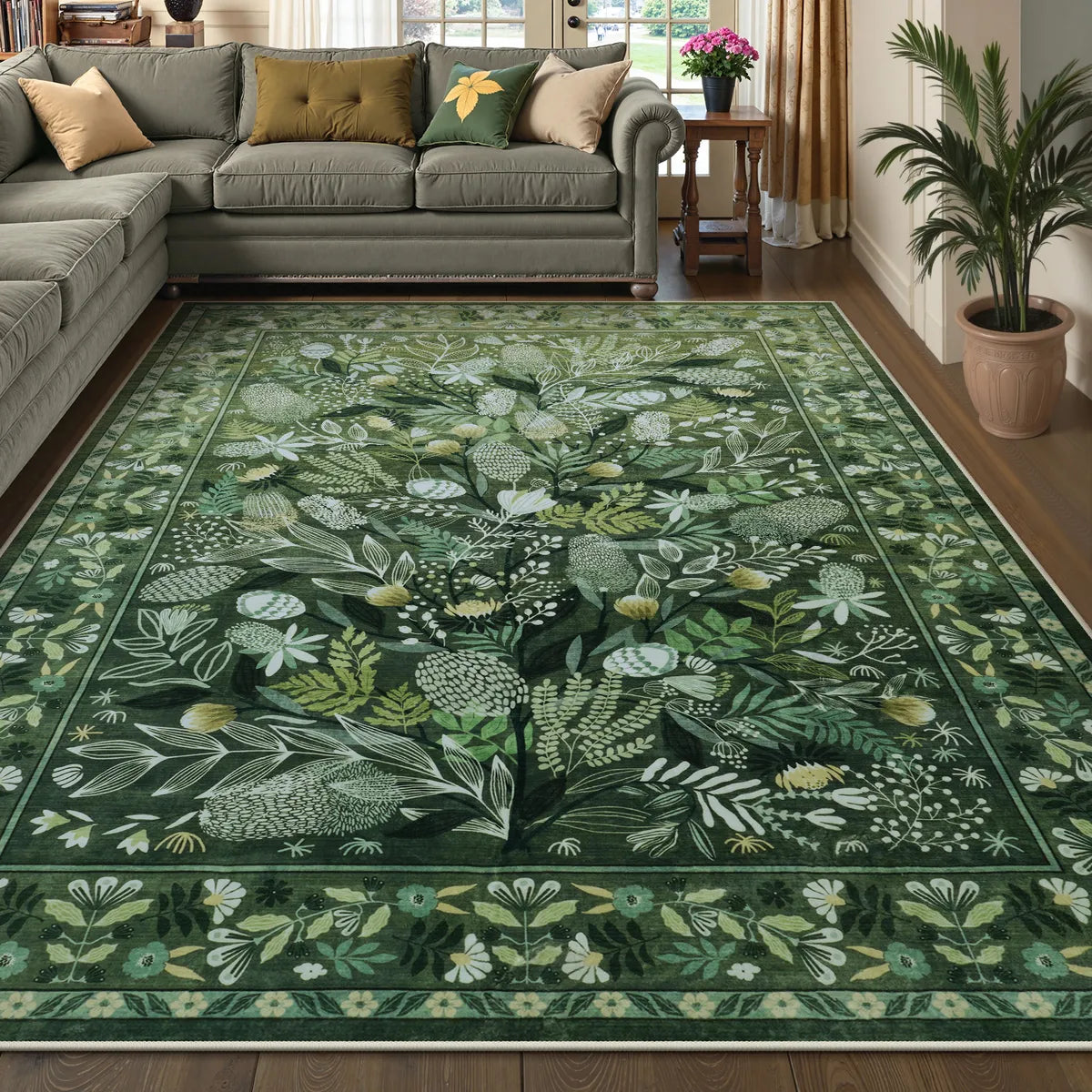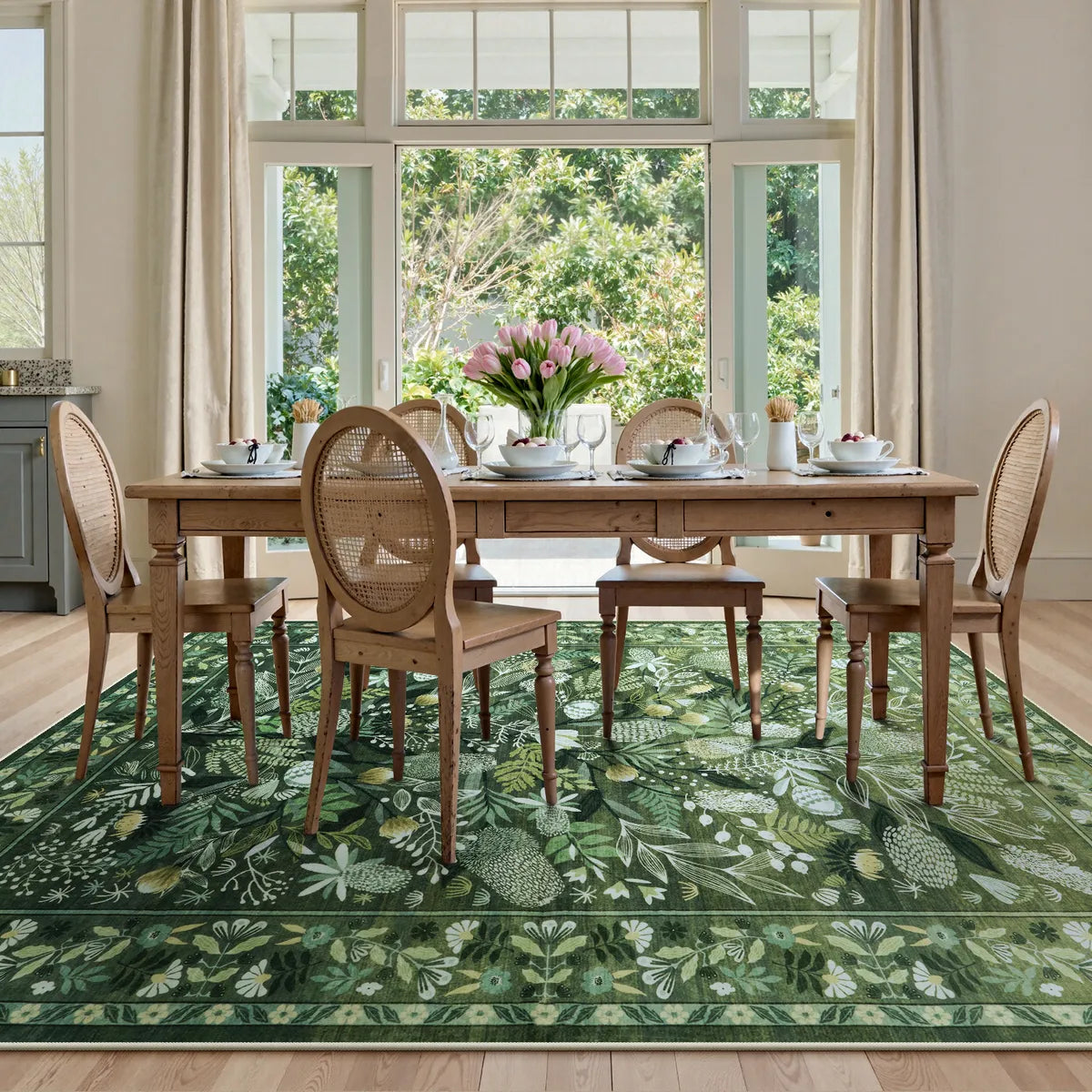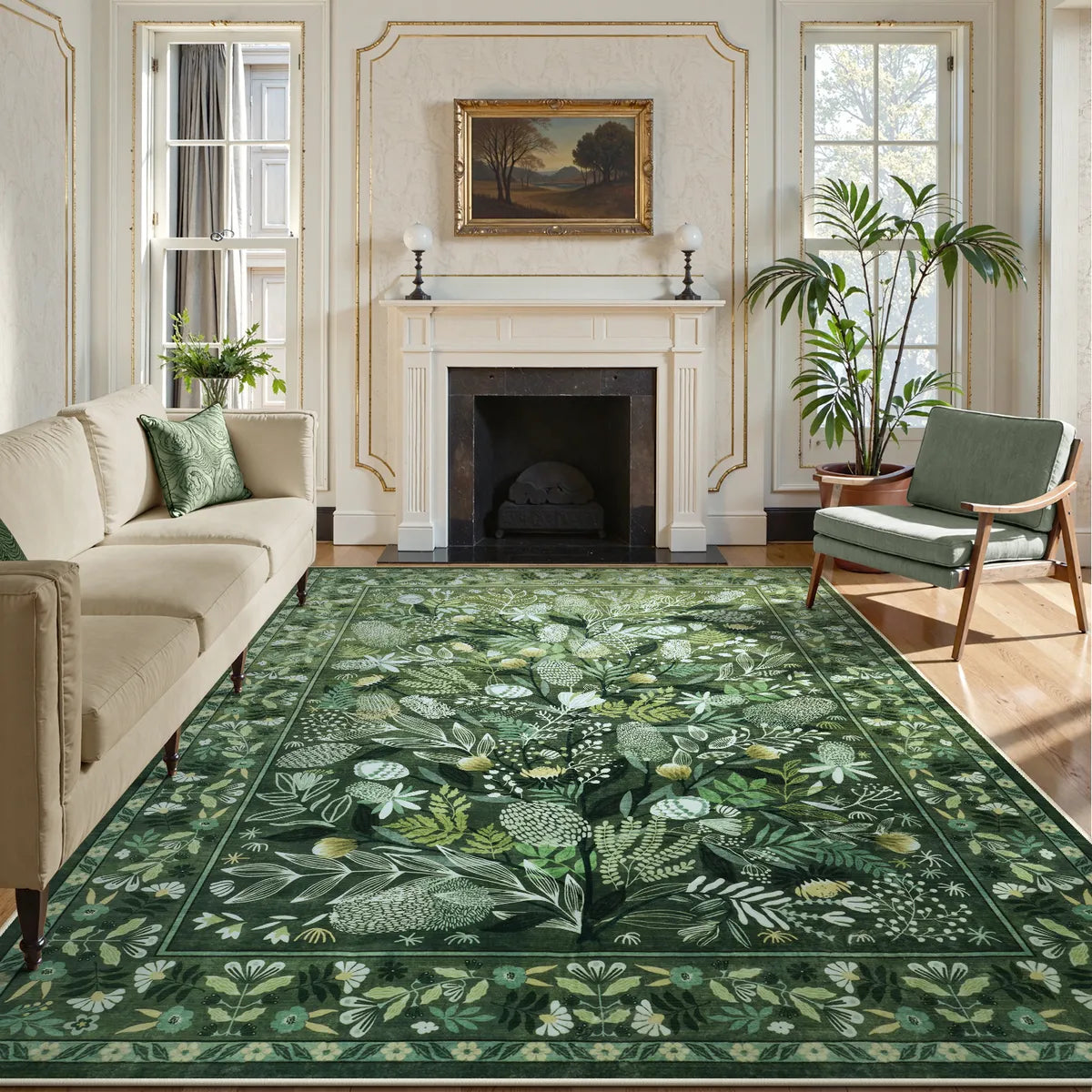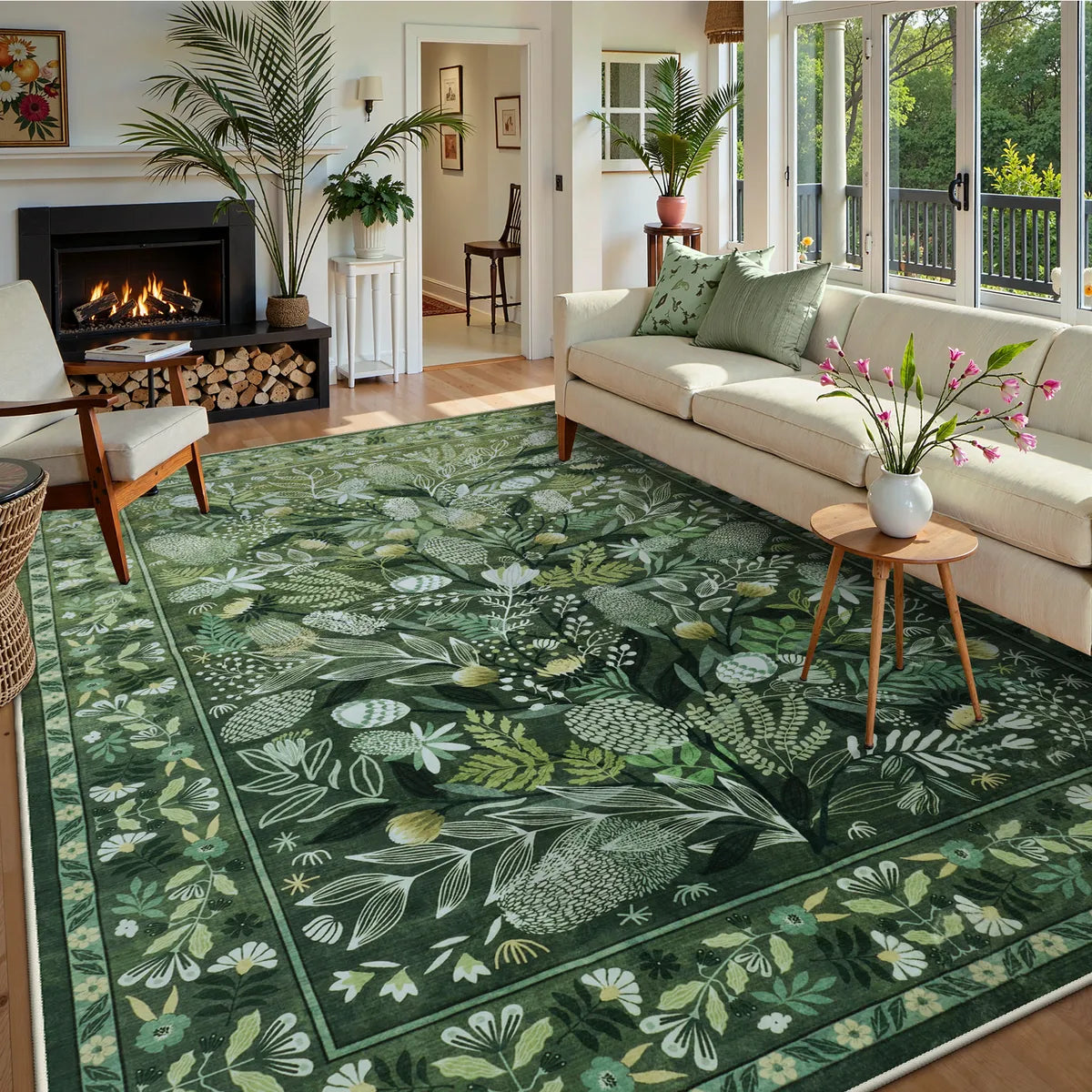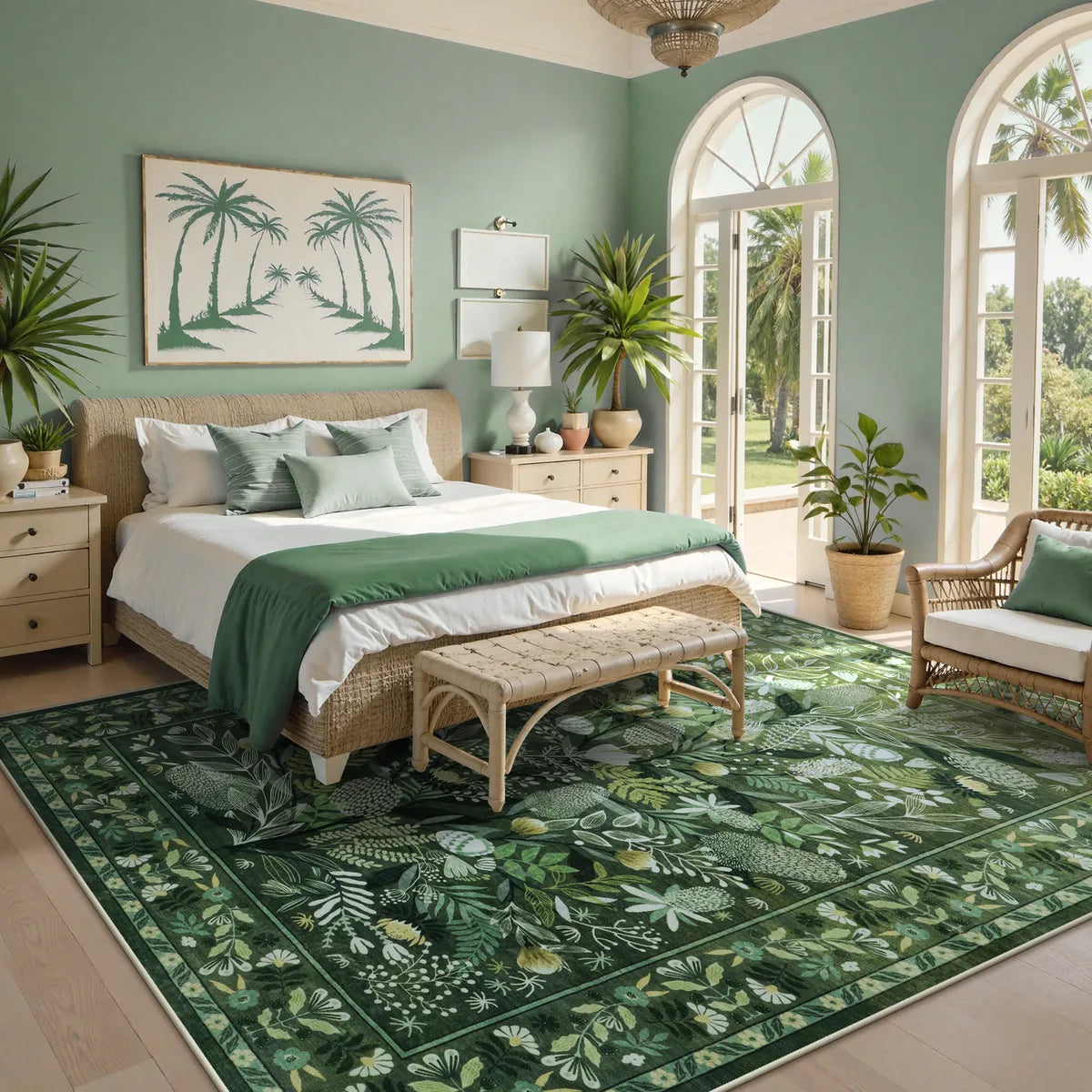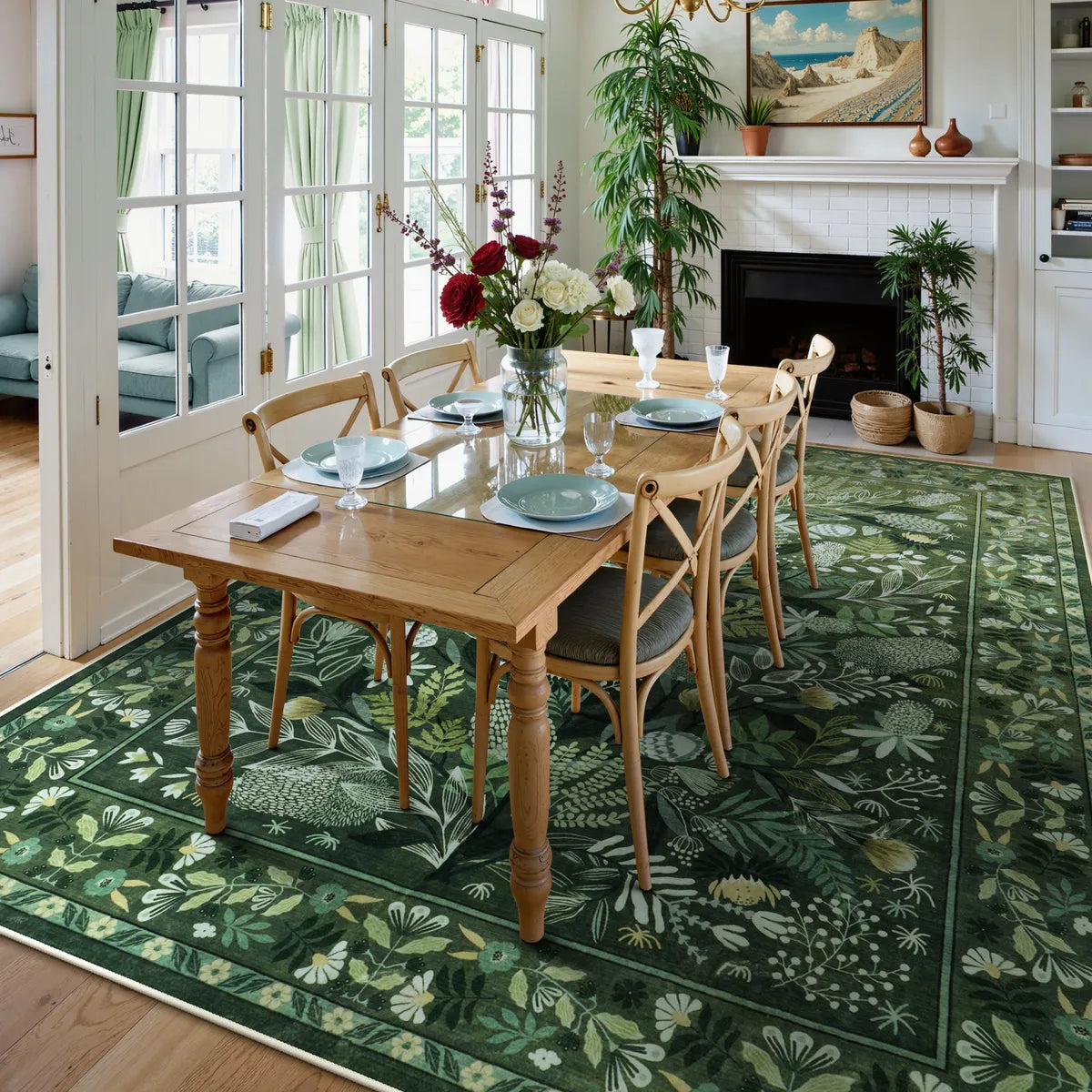


Kids live on their rugs. Snacks get dropped, paint gets spilled, and pets wander through without a second thought. All of that ends up in the fibers of your kids rugs, and regular cleaning is the only thing standing between a fresh playroom and a buildup of allergens, bacteria, and stains. Here's exactly how to clean them correctly, and when to use each method.
Why Clean Kids Rugs Matter for Health and Safety

Playroom rugs collect dust, pet dander, food particles, and bacteria faster than rugs in any other room. The reason is simple: children spend more time directly on the floor surface than anywhere else in the home.
Allergens and Bacteria Hide in Playroom Rugs
A playroom rug (a rug placed in a dedicated children's play area) sees more floor-level contact than almost any other surface in the home. Children crawl, roll, eat, and sleep on it. That means the rug is in constant contact with skin, mouths, and airways.
Common contaminants that accumulate in kids rugs include:
- Dust mites: Microscopic organisms that thrive in soft furnishings and are a leading trigger of indoor allergies and respiratory irritation.
- Pet dander: Tiny particles shed by animals that settle into rug fibers and persist long after the pet has left the room.
- Food residue: Crumbs and liquid spills create an environment where bacteria and mold can develop if not addressed promptly.
- Tracked-in debris: Dirt, pollen, and outdoor pollutants carried in on shoes and paws settle into rug fibers at floor level.
Regular cleaning removes these contaminants before they build up. For hypoallergenic performance (meaning the rug is less likely to harbor or release allergens), cleaning frequency matters as much as the rug's material.
Skin-Friendly and Non-Toxic: What to Look for in a Kids Rug
Before cleaning methods come into play, the rug itself needs to meet a basic safety standard. A kids rug that spends hours in contact with a child's skin should be made from materials that are skin-friendly and non-toxic.
Skin-friendly means the fibers are soft enough not to irritate sensitive skin during prolonged contact. Non-toxic means the materials, dyes, and backing adhesives used in the rug's construction do not release harmful compounds into the air or transfer onto skin.
Key material markers to look for:
- Synthetic faux wool or polyester fibers: Soft, durable, and naturally resistant to dust mites and mold.
- Non-toxic dyes: Colorfast dyes that do not bleed onto skin or clothing during use or after washing.
- OEKO-TEX certification: An independent testing standard (OEKO-TEX® STANDARD 100) that verifies every component of the rug has been tested for harmful substances and is safe for skin contact.
A kids and pet friendly rug (one designed to withstand active use by both children and animals without degrading in safety or performance) typically meets all of these criteria by design.
Machine Wash vs. Spot Clean: The Right Method for Kids Rugs

Knowing when to machine wash and when to spot clean is the most practical skill a parent can have when it comes to rug care. Both methods have their place; using the wrong one at the wrong time either wastes effort or leaves the job half done.
When and How to Machine Wash Kids Rugs
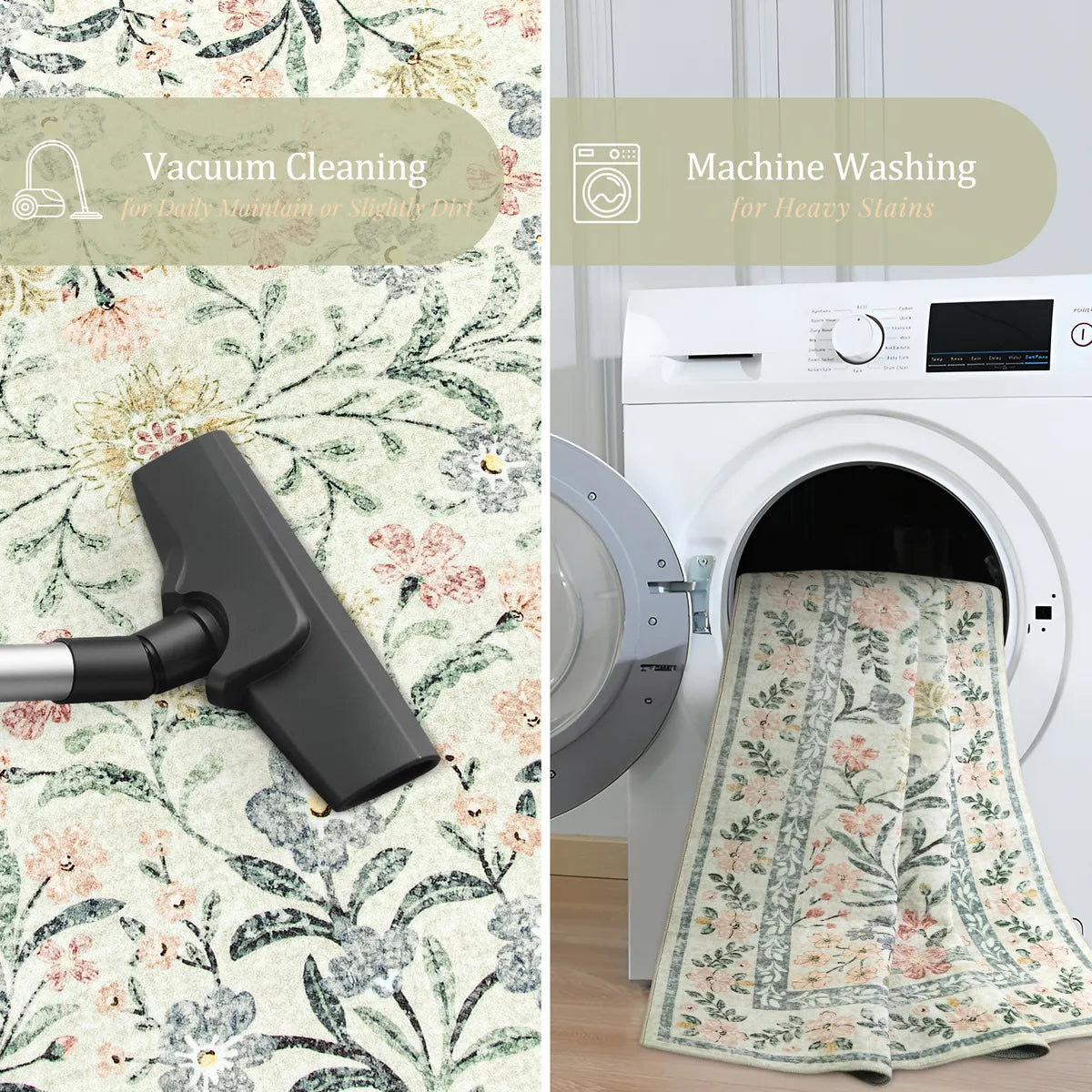
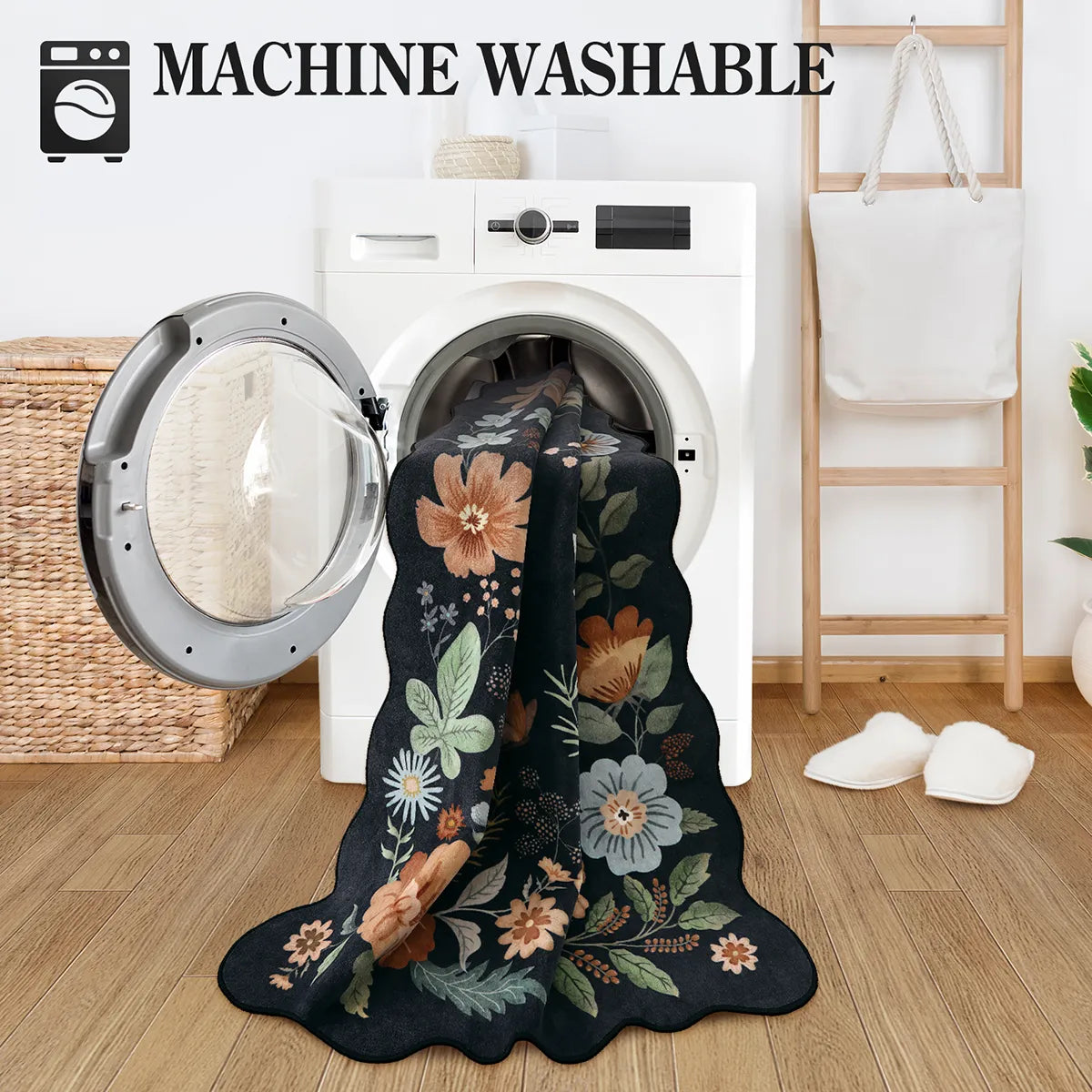
Machine washing (running the rug through a home washing machine on an appropriate cycle) is the most thorough cleaning option for washable area rugs. It removes deep-seated dirt, allergens, and bacteria that surface cleaning cannot reach.
Machine washable rugs are rugs specifically constructed to withstand the agitation and water exposure of a washing machine without losing their shape, color, or backing integrity. Not all kids rugs are machine washable, so always check the care label before proceeding.
For best results when machine washing:
- Wash in cold water on a gentle cycle to prevent shrinkage and fiber damage.
- Use a mild, fragrance-free detergent to avoid skin irritation for sensitive children.
- Air-dry flat or hang over a railing in a shaded, ventilated area. Air-dry flat or hang over a railing in a shaded, ventilated area. Line drying or an air-only drying cycle (no heat) is the recommended approach to keep the rug in its best condition over time.
- Wash every two to four weeks for high-traffic playroom rugs, or more frequently after illness or visible soiling.
When Spot Cleaning Is the Better Choice
Spot cleaning (treating a specific stained or soiled area of the rug without washing the whole piece) is best used for isolated spills caught quickly before they set.
It is the right method when:
- A single spill or stain needs immediate attention between wash cycles.
- The rug is too large for a standard home washing machine.
- The soiling is surface-level and hasn't penetrated deep into the fibers.
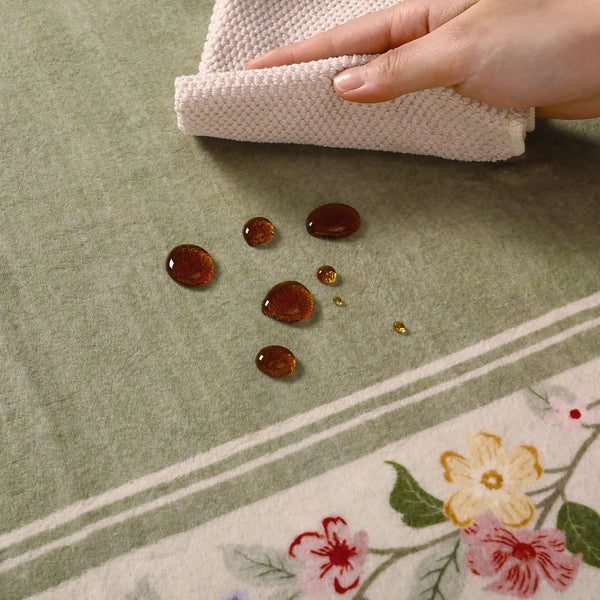
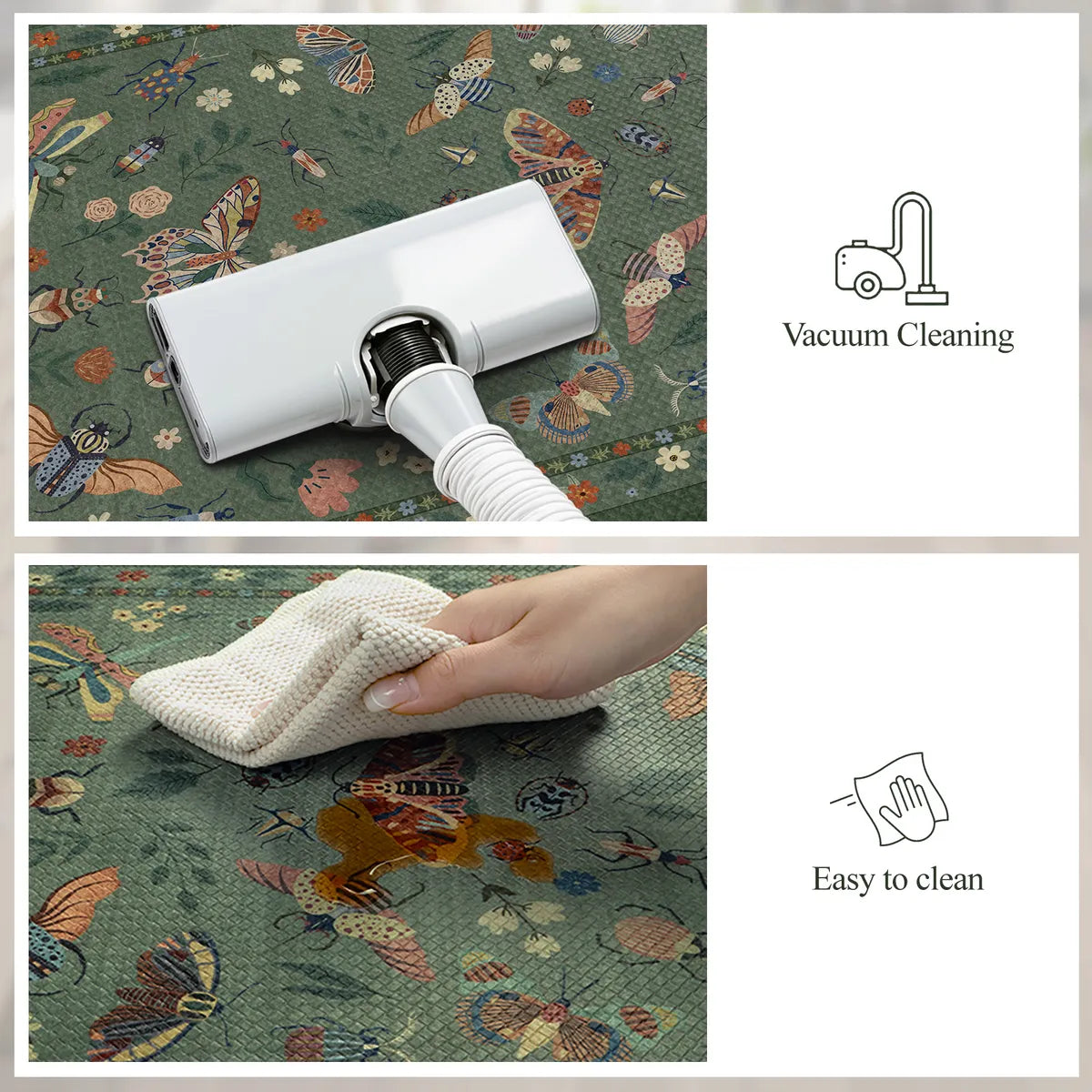
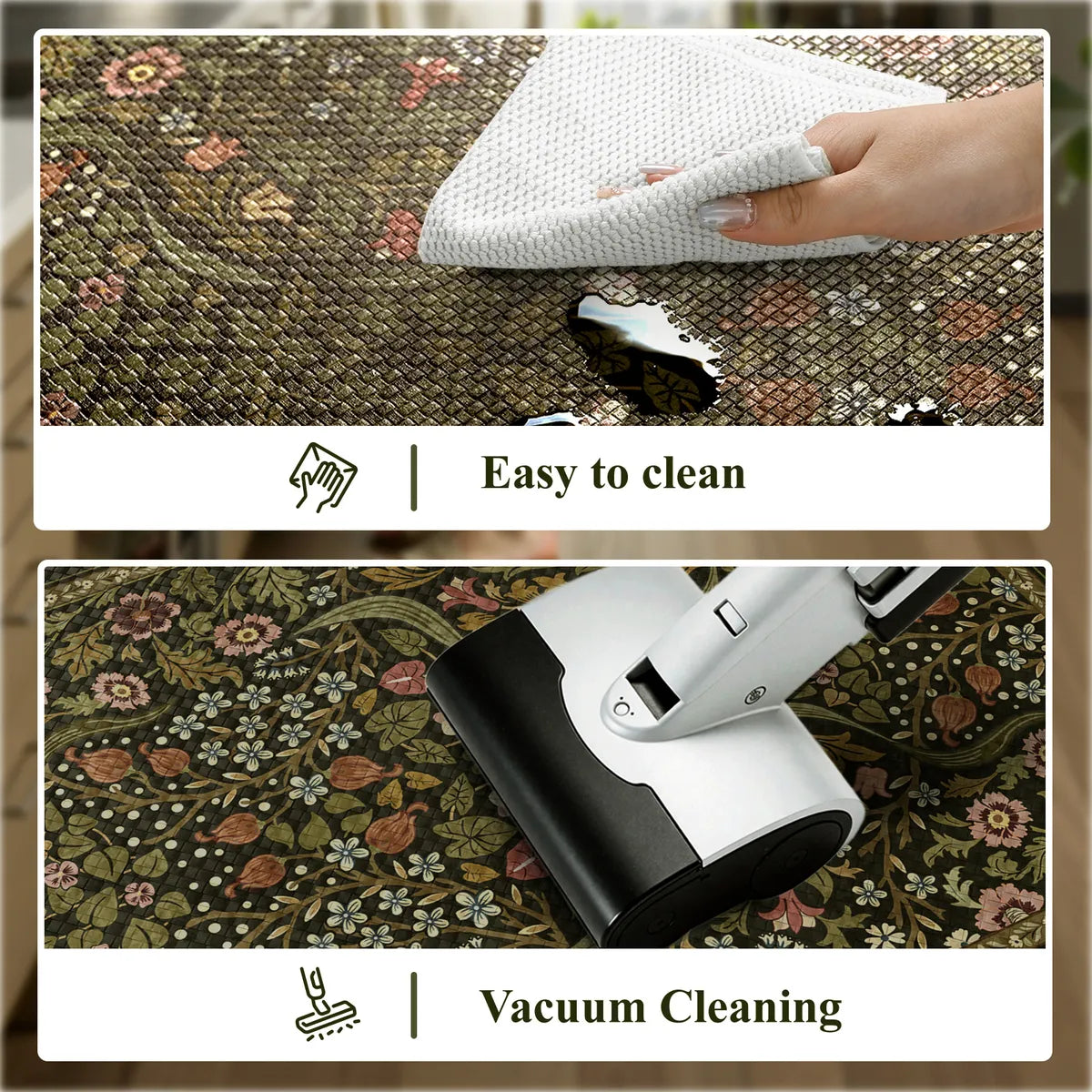
The correct spot cleaning technique matters. Blot the affected area firmly with a clean cloth to absorb the liquid rather than rubbing, which spreads the stain and pushes it deeper into the fibers. A solution of cold water and mild dish soap handles most common playroom stains. Rinse with a damp cloth and allow the area to air-dry fully before the rug is used again.
Simple Daily Habits to Keep Washable Area Rugs Fresh

Cleaning frequency is important, but daily habits fill in the gaps between washes. A washable area rug that's well-maintained between full wash cycles stays cleaner, lasts longer, and performs better as a hypoallergenic surface for kids and pets.
Three habits make the most difference:
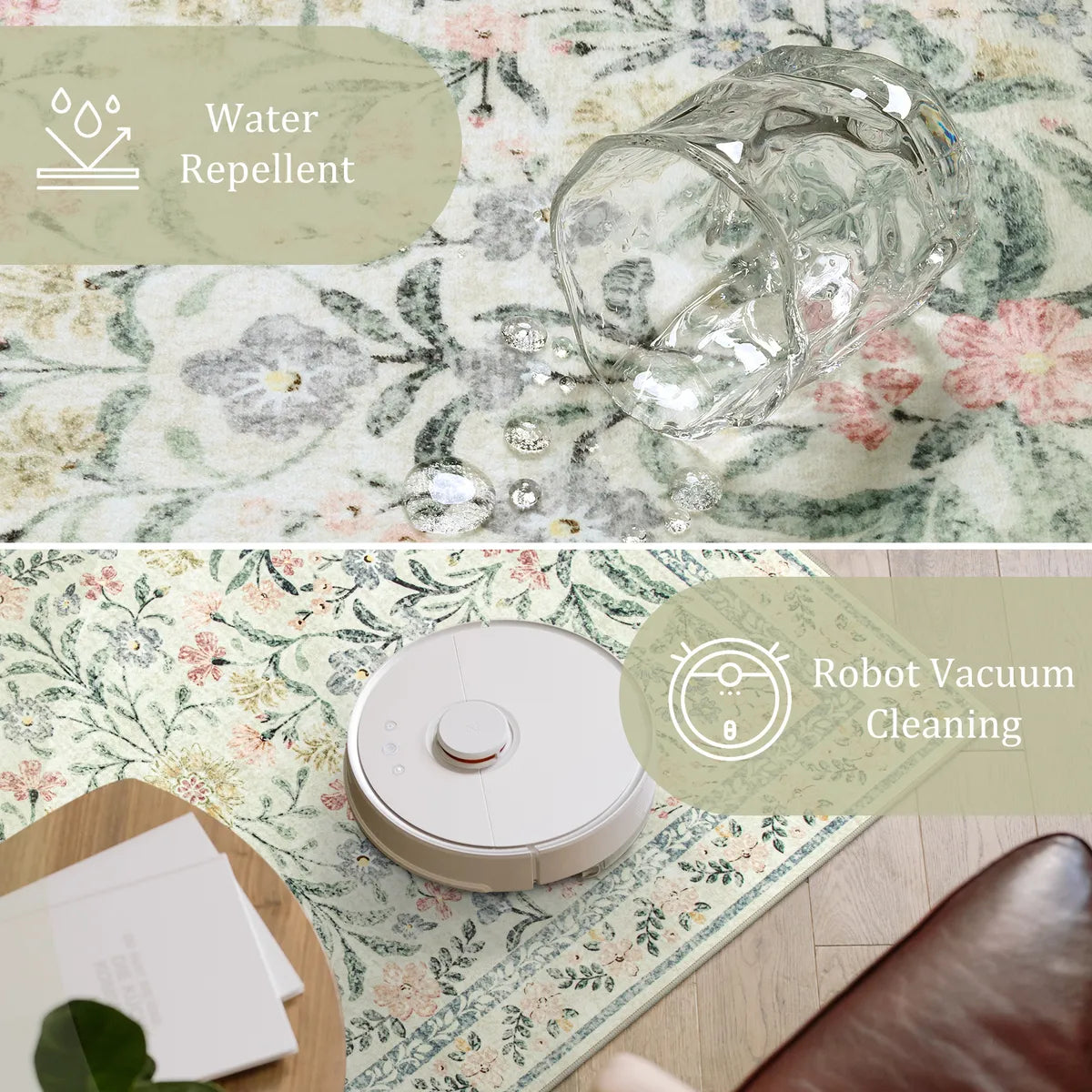
- Vacuum regularly. Vacuuming (using a suction-based device to remove loose surface debris) at least twice a week in a playroom prevents grit and dander from working deeper into the fibers where they are harder to remove. Use a suction-only setting without a beater bar to protect the rug surface.
- Address spills immediately. The faster a spill is blotted up, the less likely it is to stain or create conditions for bacteria to develop. Keep a clean cloth nearby in the playroom so response time stays short.
- Rotate the rug periodically. Rotating the rug (turning it 180 degrees every few months) distributes wear and soiling more evenly across the surface, which keeps any one area from becoming heavily degraded before the next wash.
These habits take minimal time but make a meaningful difference in both the hygiene and the lifespan of kids rugs used in high-activity spaces.
Keep Your Kids Rugs Clean, Safe, and Built to Last
Kids rugs take on more than most surfaces in the home, and the right cleaning routine keeps them performing safely. Machine washing handles deep cleaning and allergen removal on a regular schedule. Spot cleaning manages isolated messes between wash cycles. Daily habits like vacuuming and prompt spill response keep the rug fresh in between. A clean playroom rug is a safer, healthier surface for every child who spends time on it. Build the routine once, and it runs on autopilot from there.
FAQs
Q1. How Often Should You Wash Kids Rugs?
For playroom rugs in active use, washing every two to four weeks is a practical baseline. Households with pets, toddlers, or children with allergies may benefit from more frequent washing. Vacuuming twice a week between wash cycles helps manage surface debris and keeps allergen levels lower in the interim.
Q2. Can All Kids Rugs Go in the Washing Machine?
Machine-washable kids rugs are specifically constructed to handle the agitation and water exposure of a wash cycle without losing shape or backing integrity. Always check the care label on your specific rug before washing, and follow the recommended settings: cold water, gentle cycle, and air-dry for best results. Choosing a rug that is explicitly labeled machine washable takes the guesswork out of cleaning entirely.
Q3. What Are the Different Types of Kids Rugs?
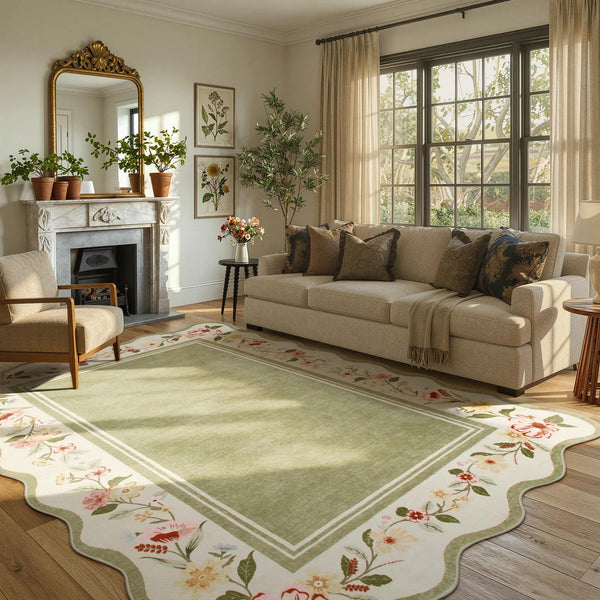
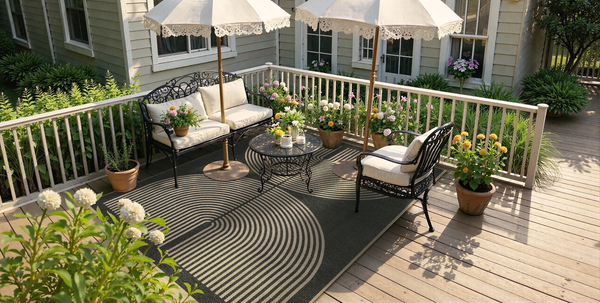
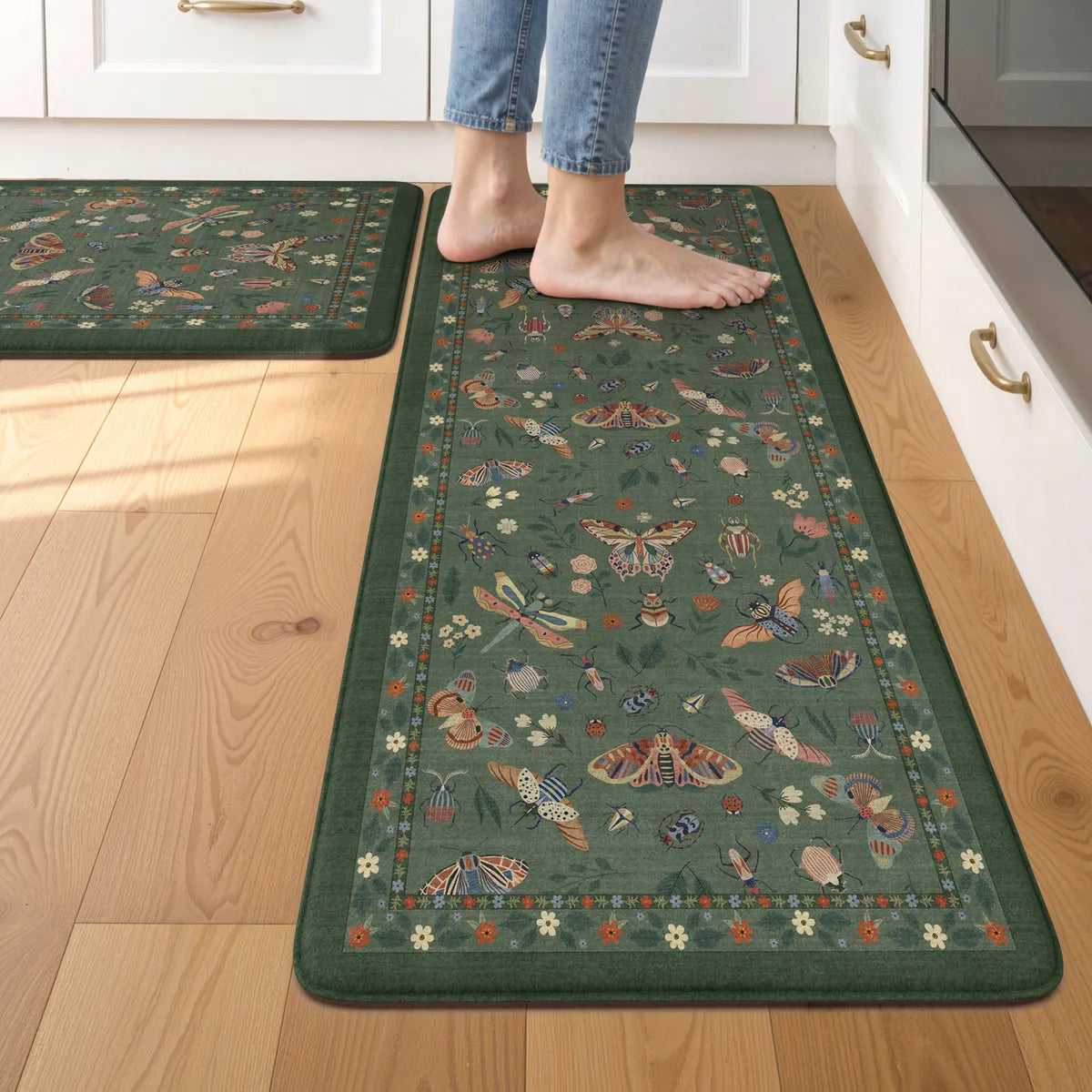
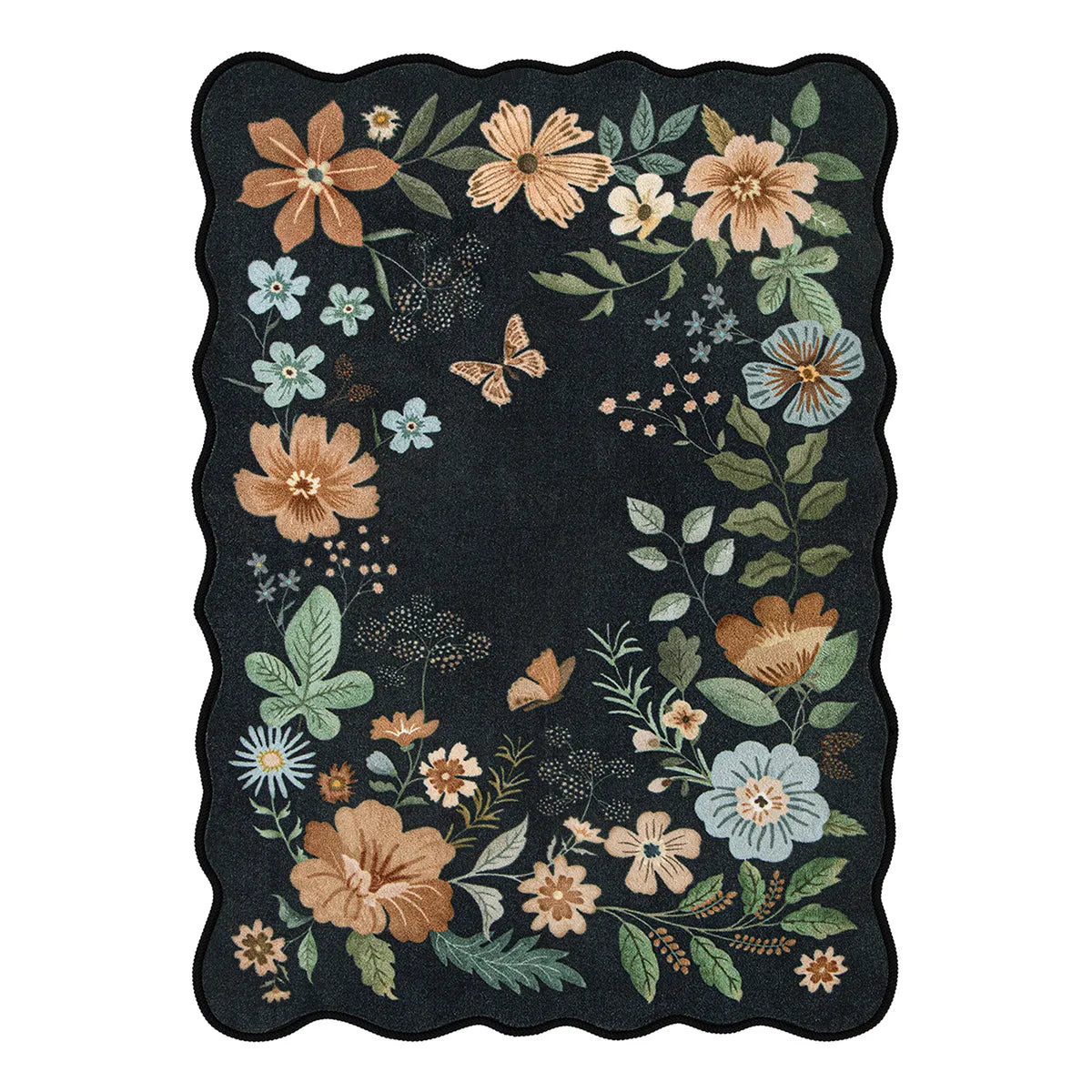
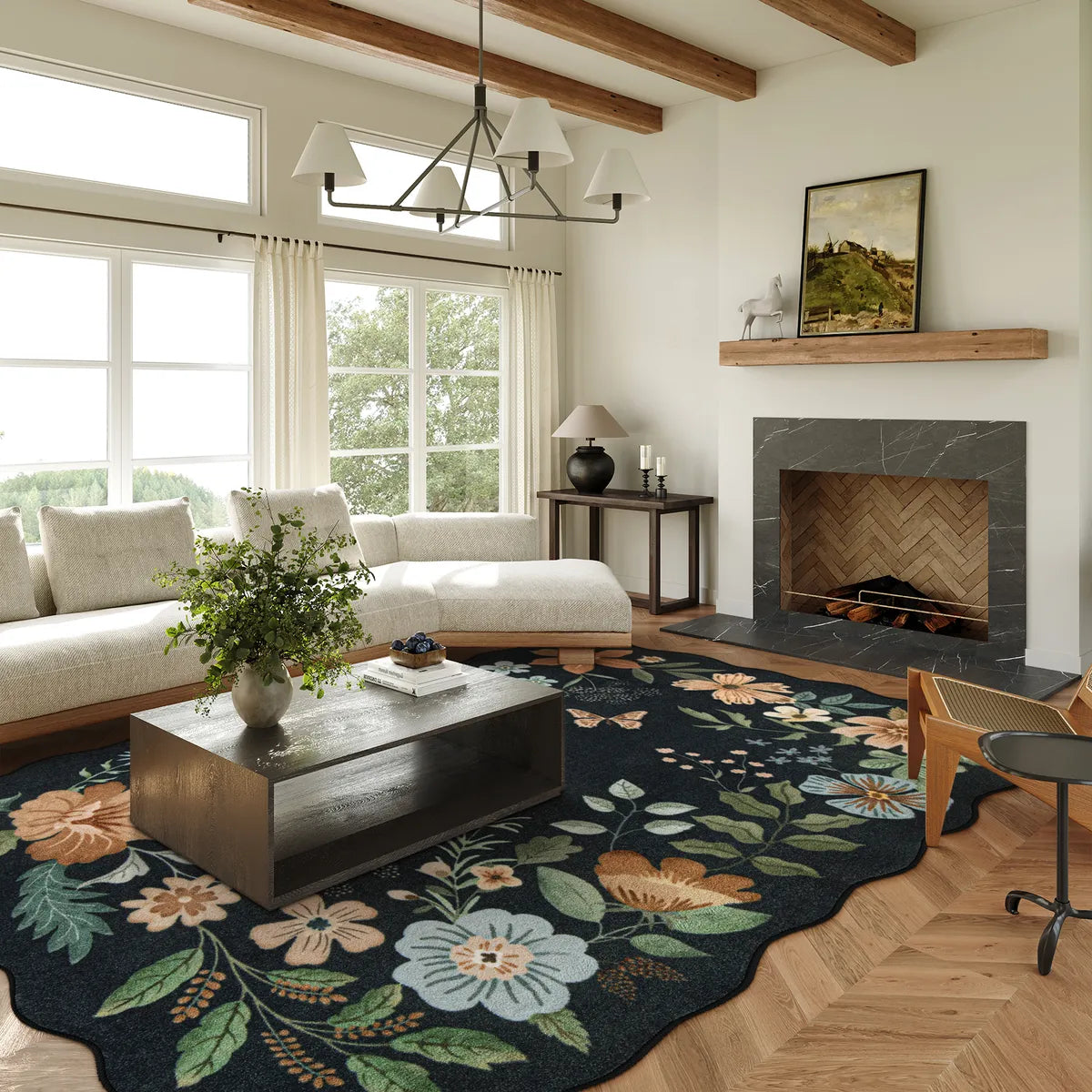
Kids rugs come in a wide range of styles suited to different room aesthetics and age groups, including floral, botanical, geometric, rainbow, and nature-inspired designs. Beyond style, the more practical distinction is construction: low-pile, machine-washable kids rugs with non-slip backing are the most functional choice for active play spaces. Washable area rugs in particular offer the best combination of hygiene, safety, and long-term durability for children's rooms.
Q4. How to Choose the Right Size Kids Rug?
The rug should cover the main activity zone of the room without crowding the space. For most kids' bedrooms, a 4x6 or 5x7 rug fits well around a bed and play area. For a dedicated playroom, a larger 6x9 or 8x10 gives children more consistent soft surface to move on. Leave enough bare floor around the edges so the rug feels anchored rather than wall-to-wall.