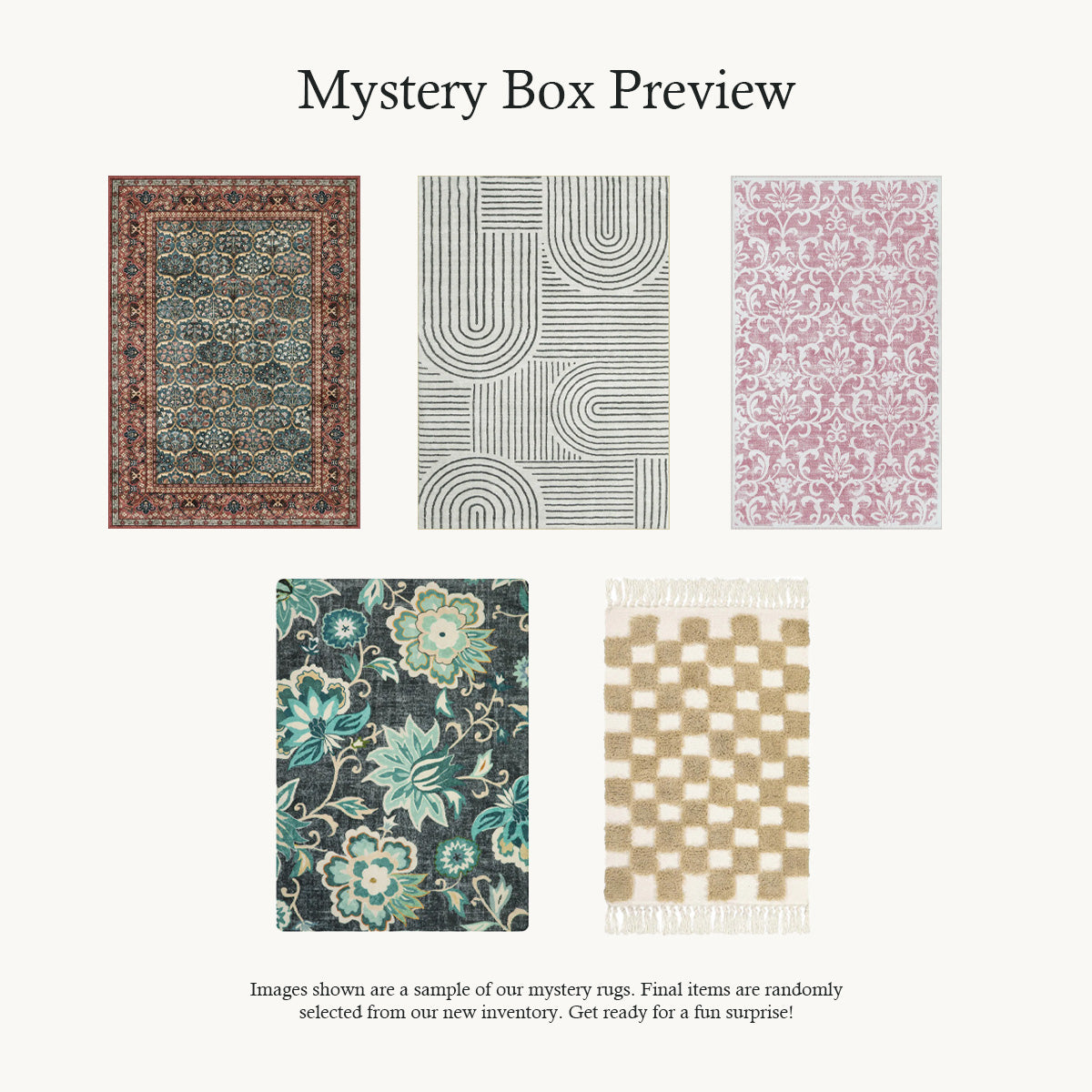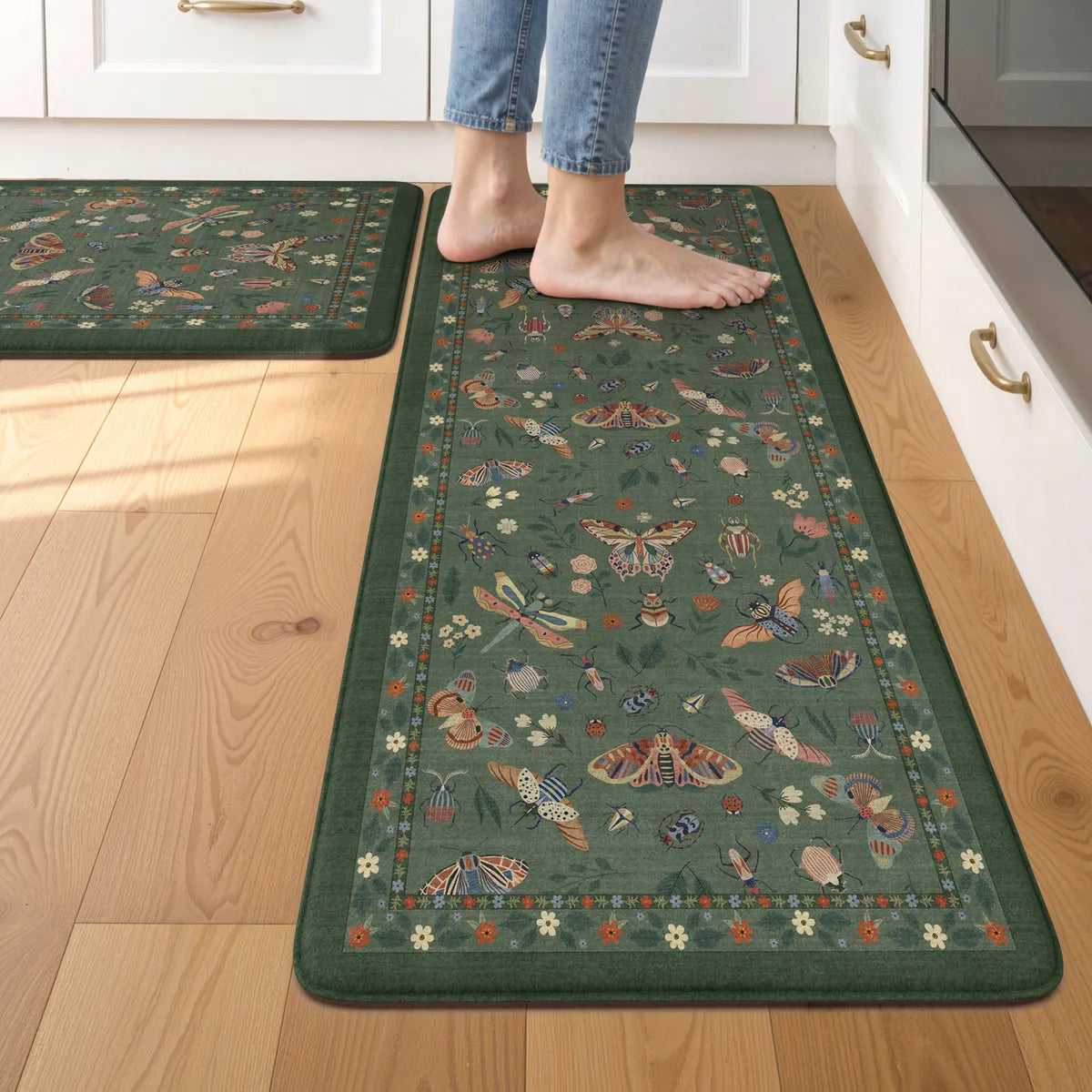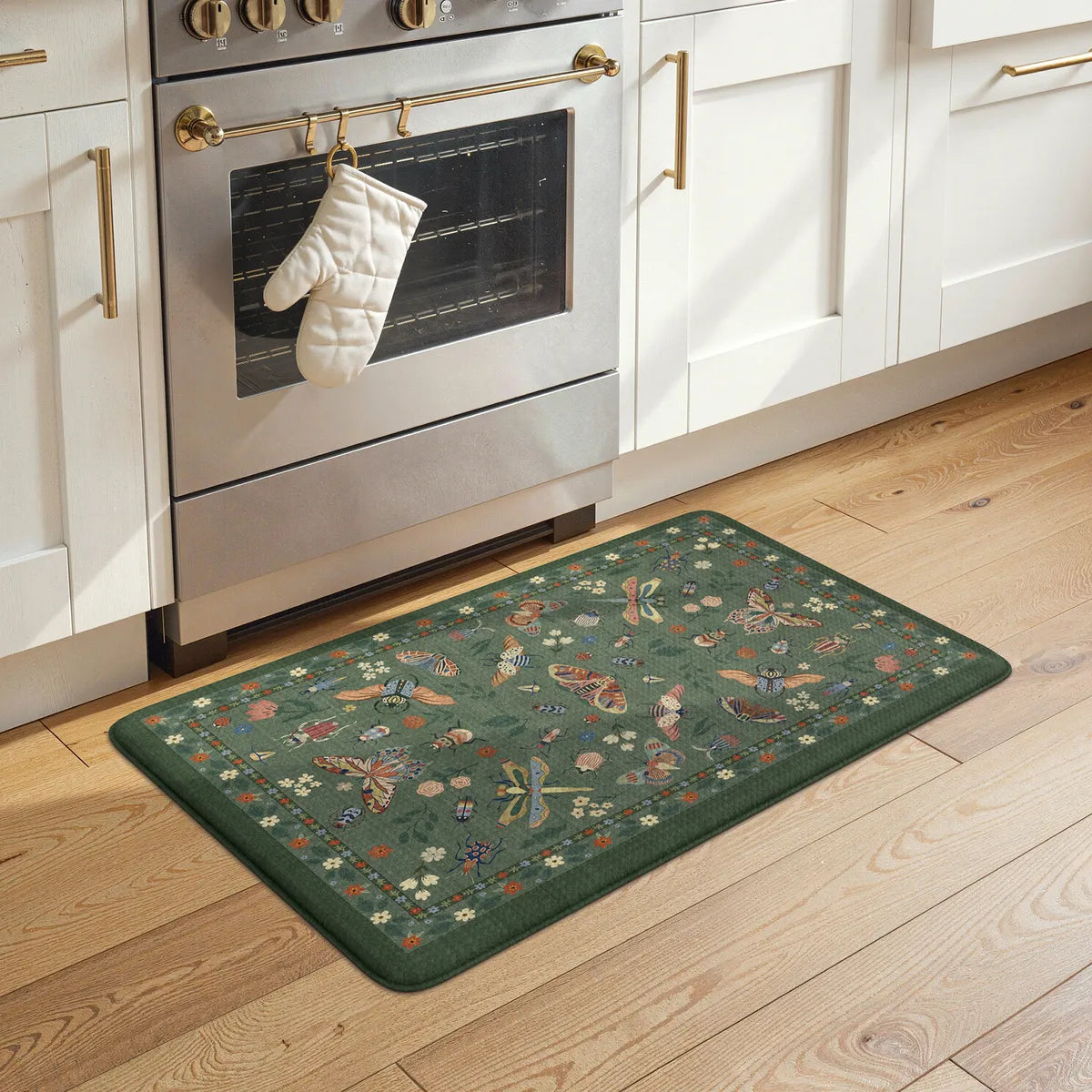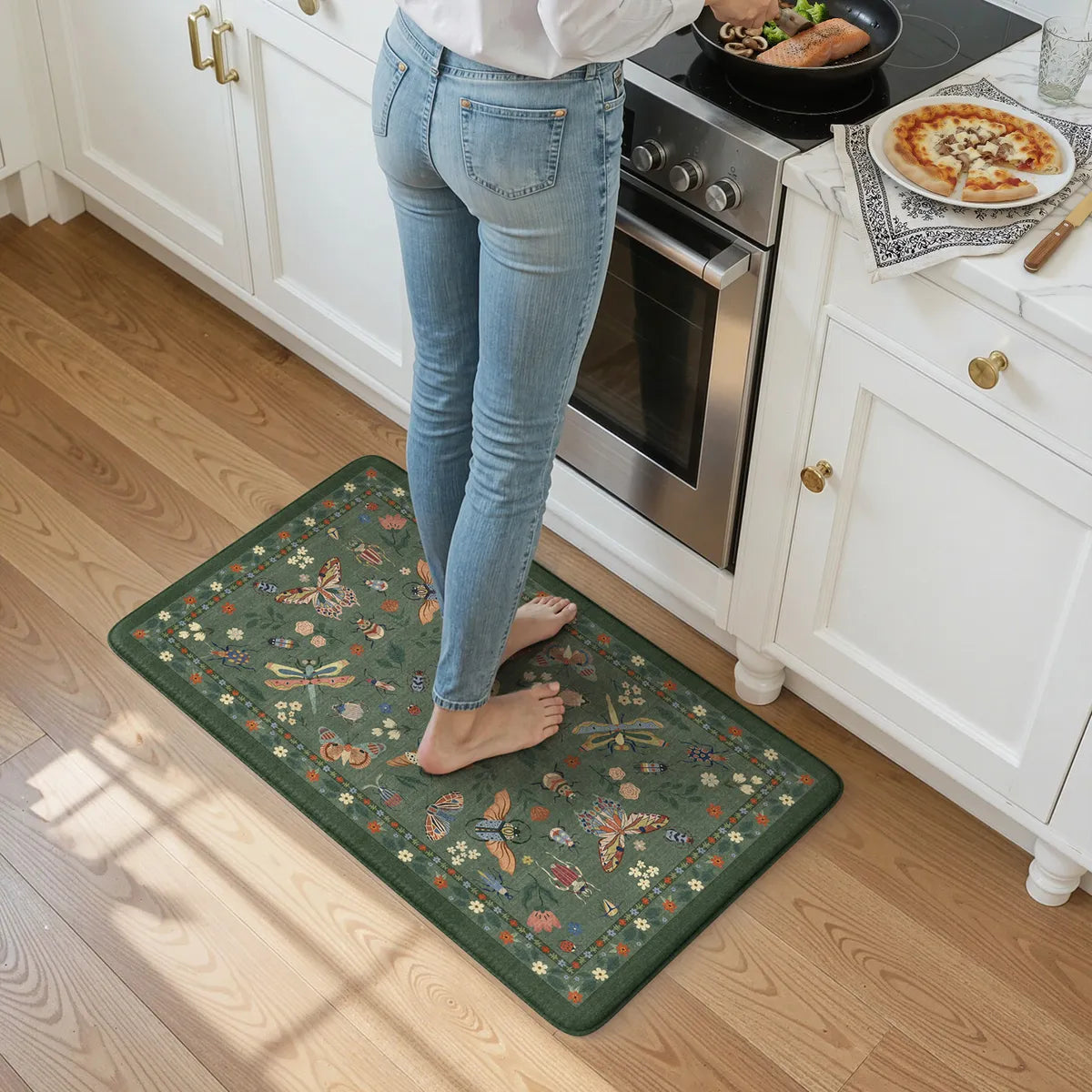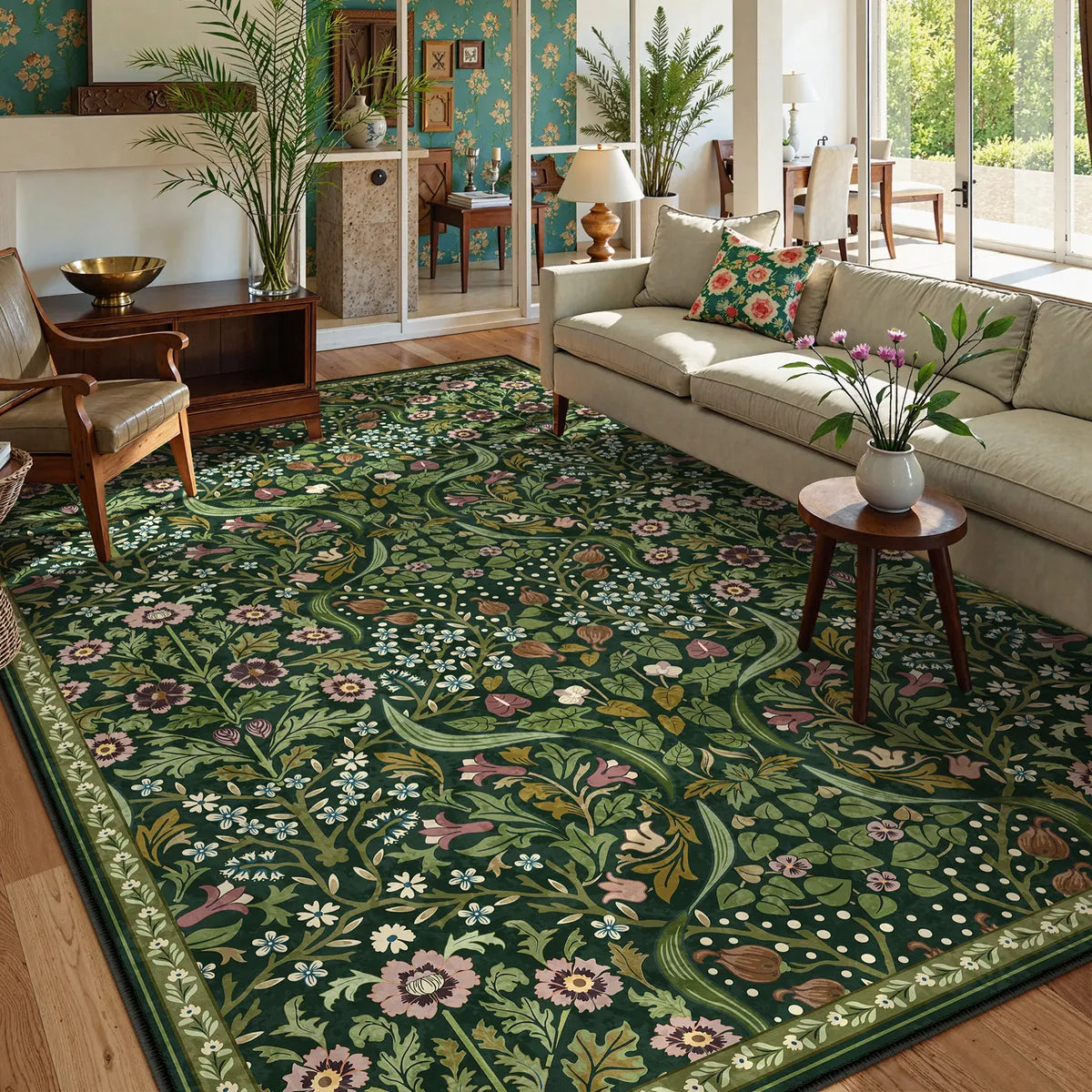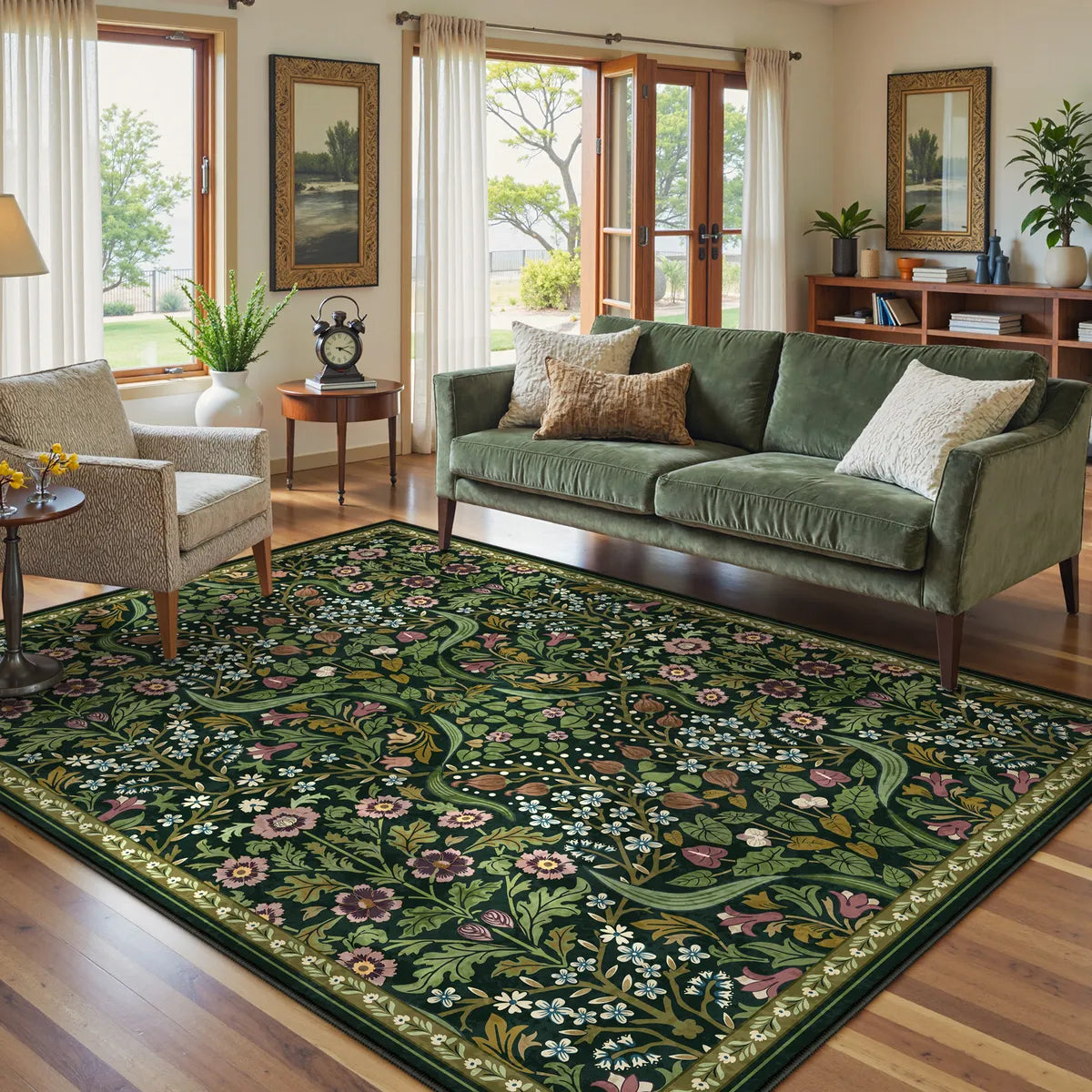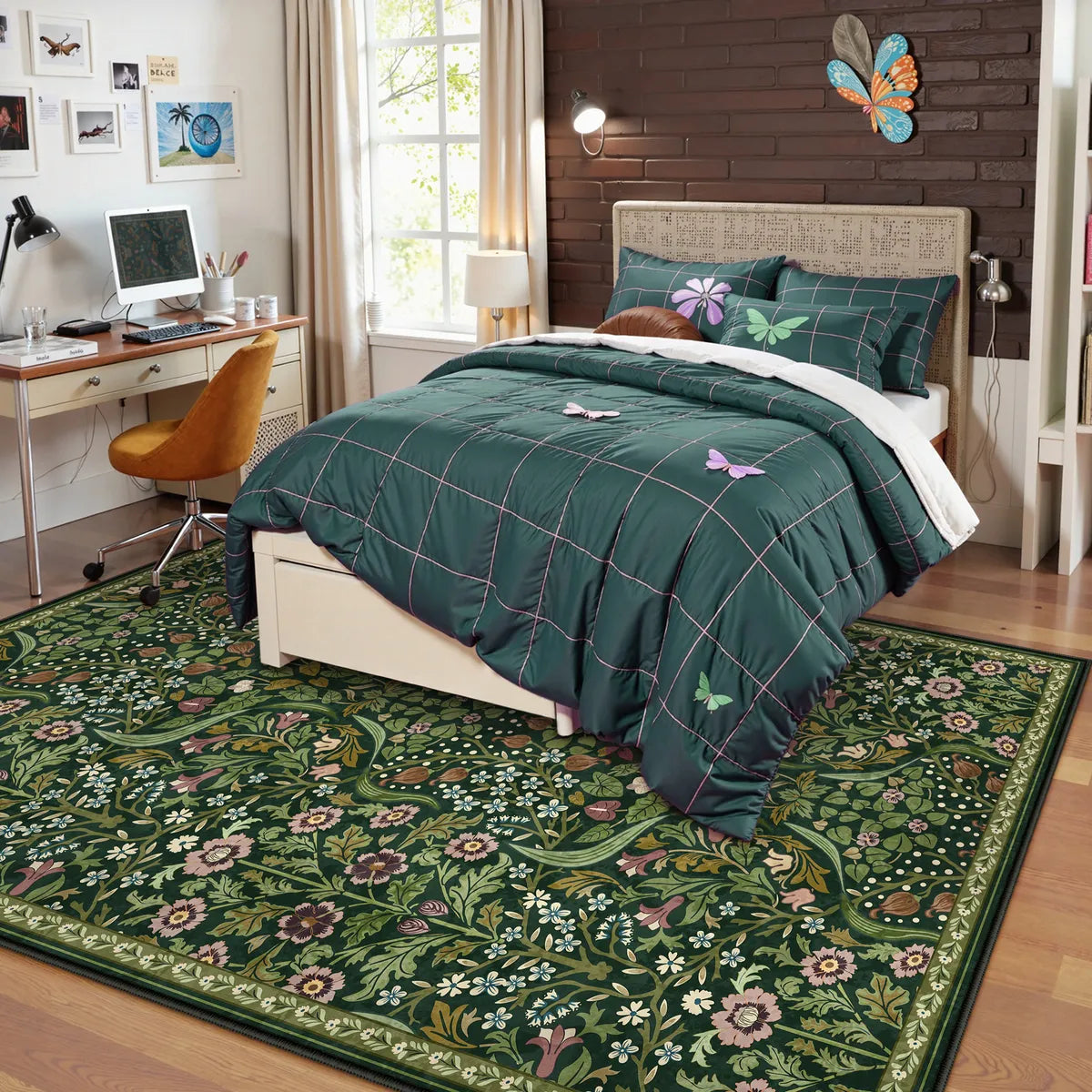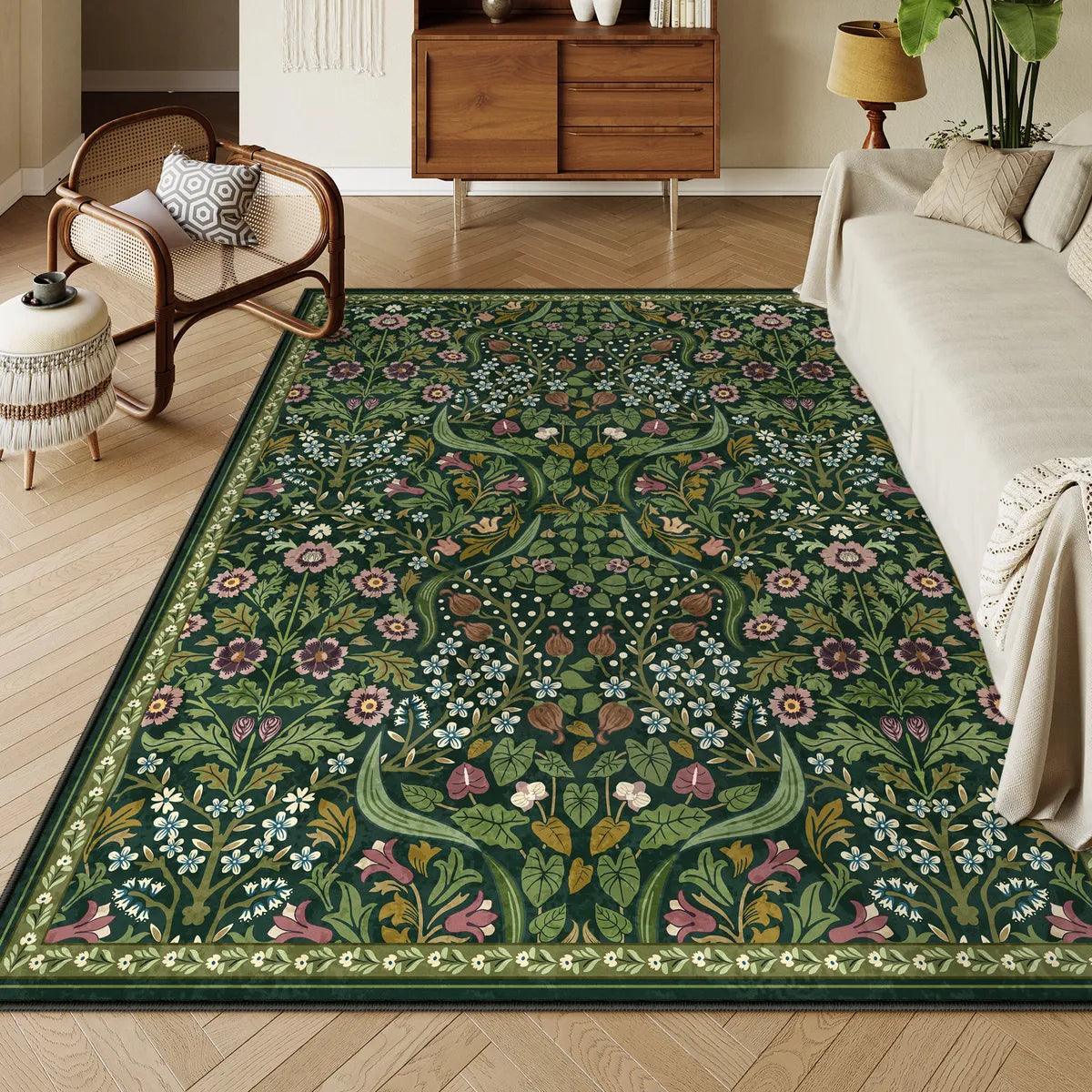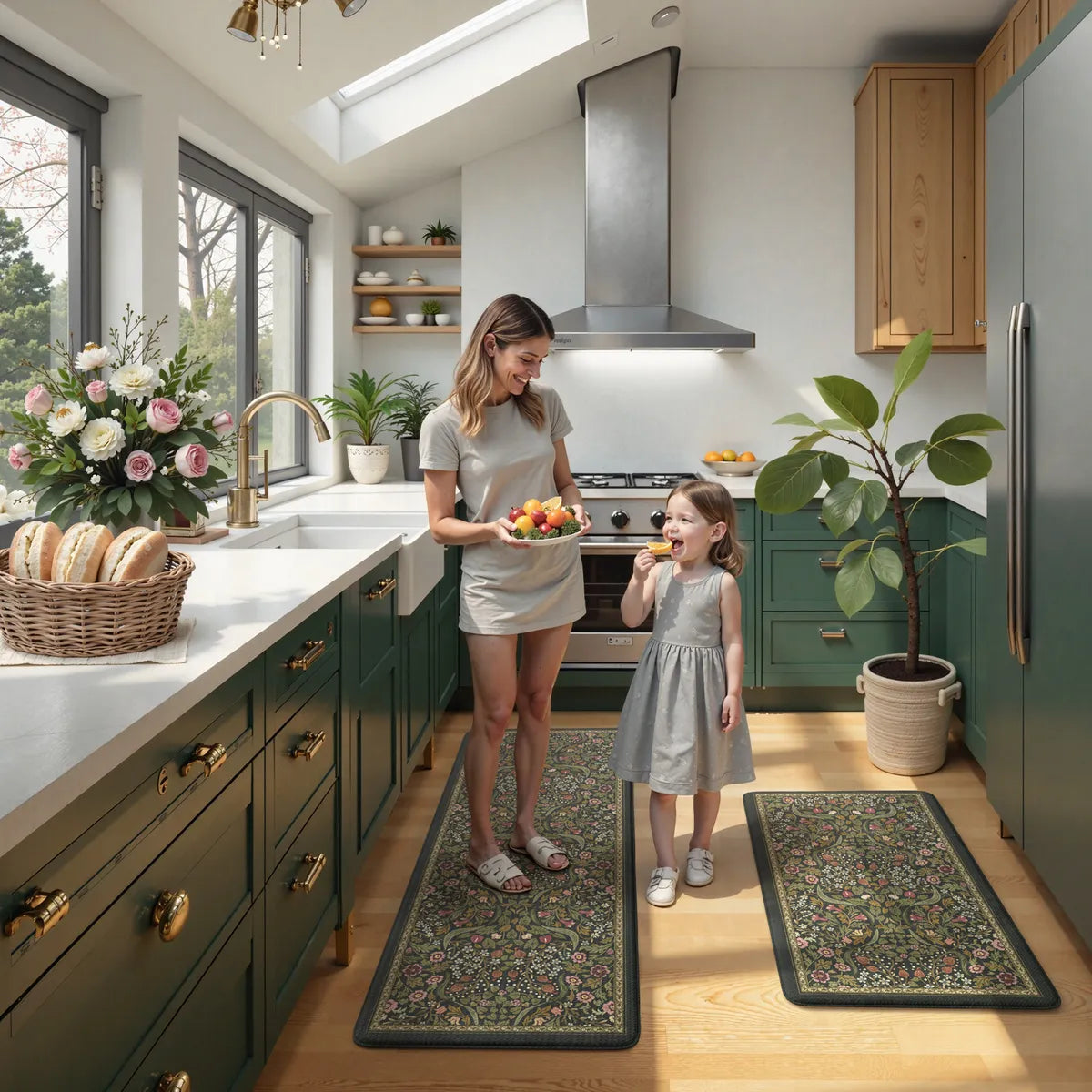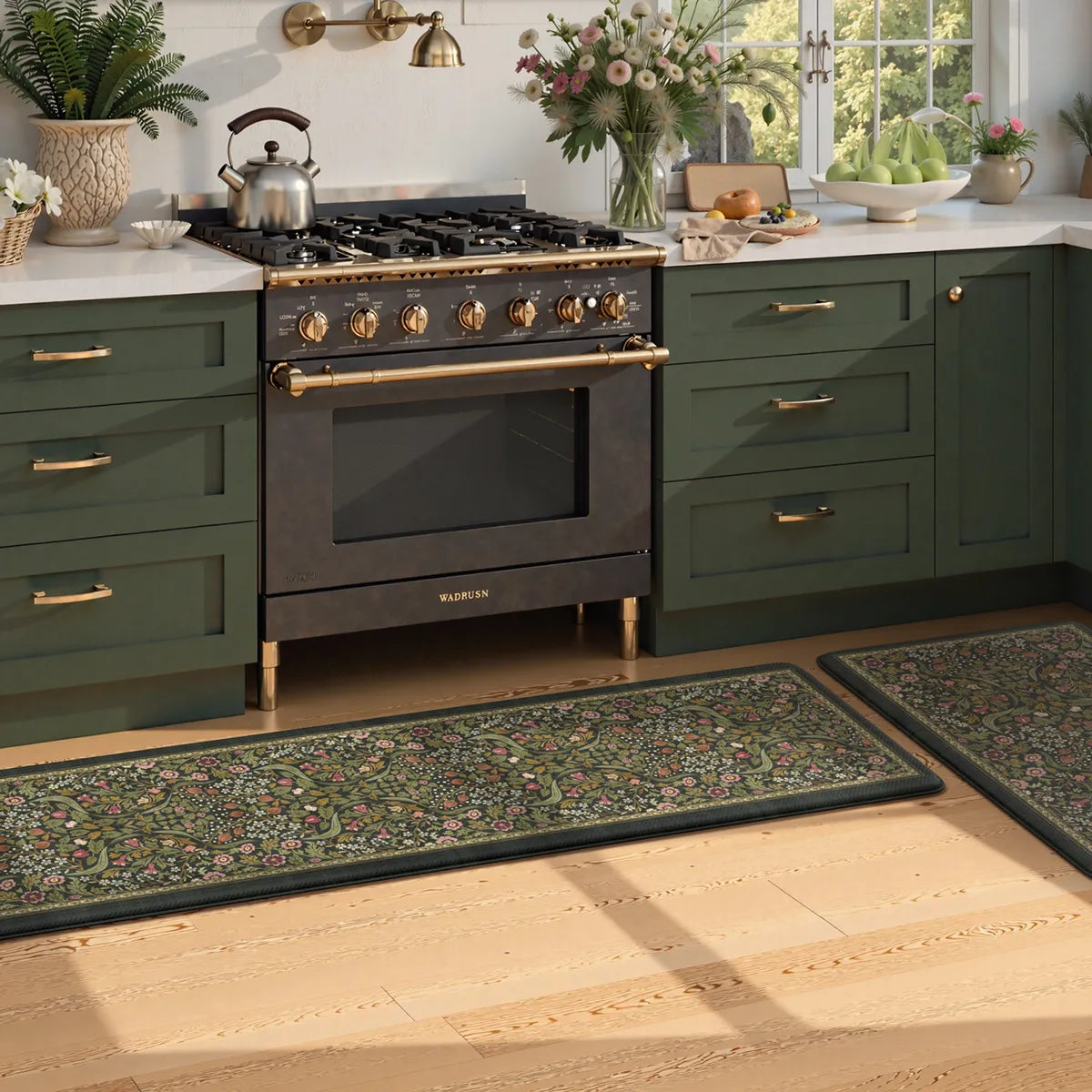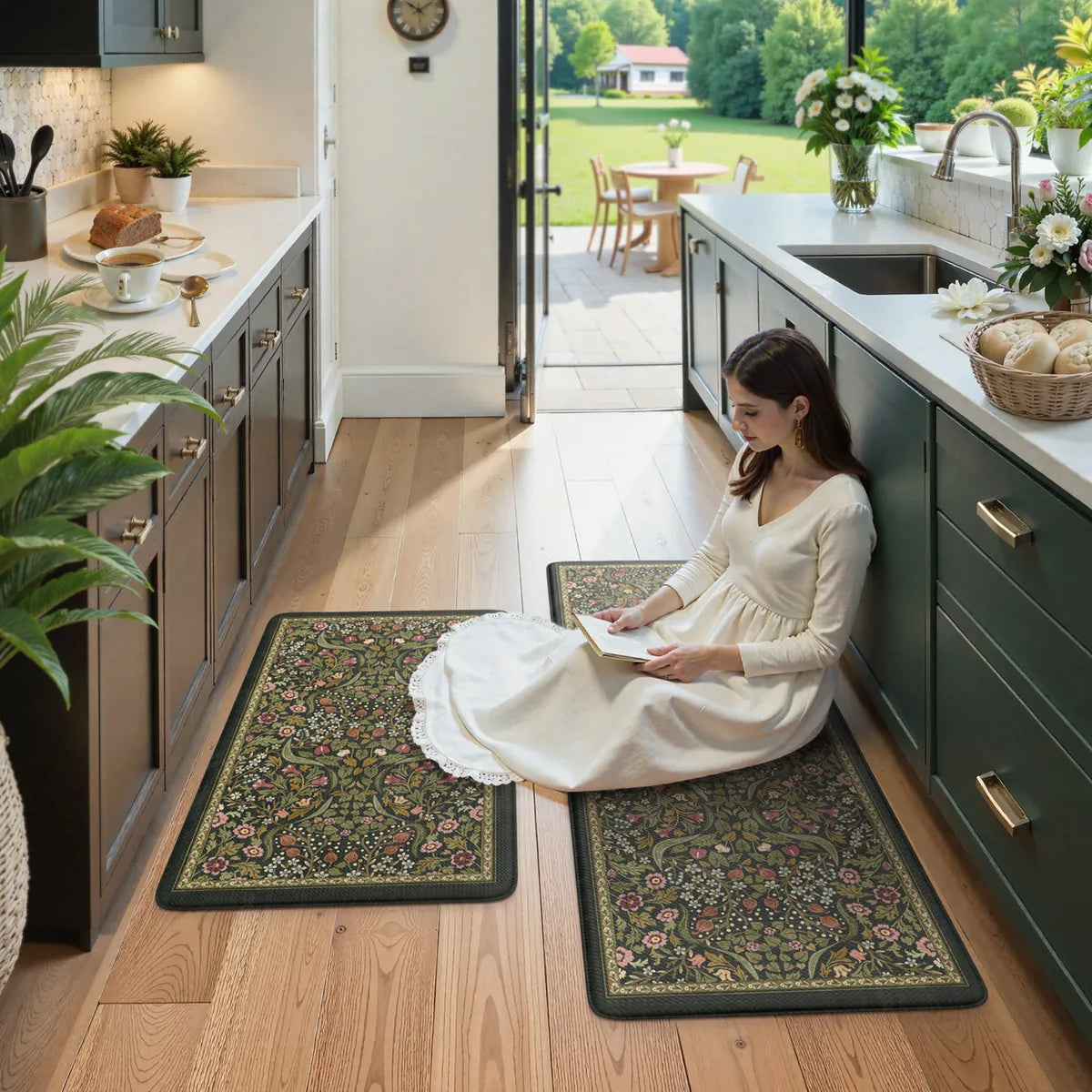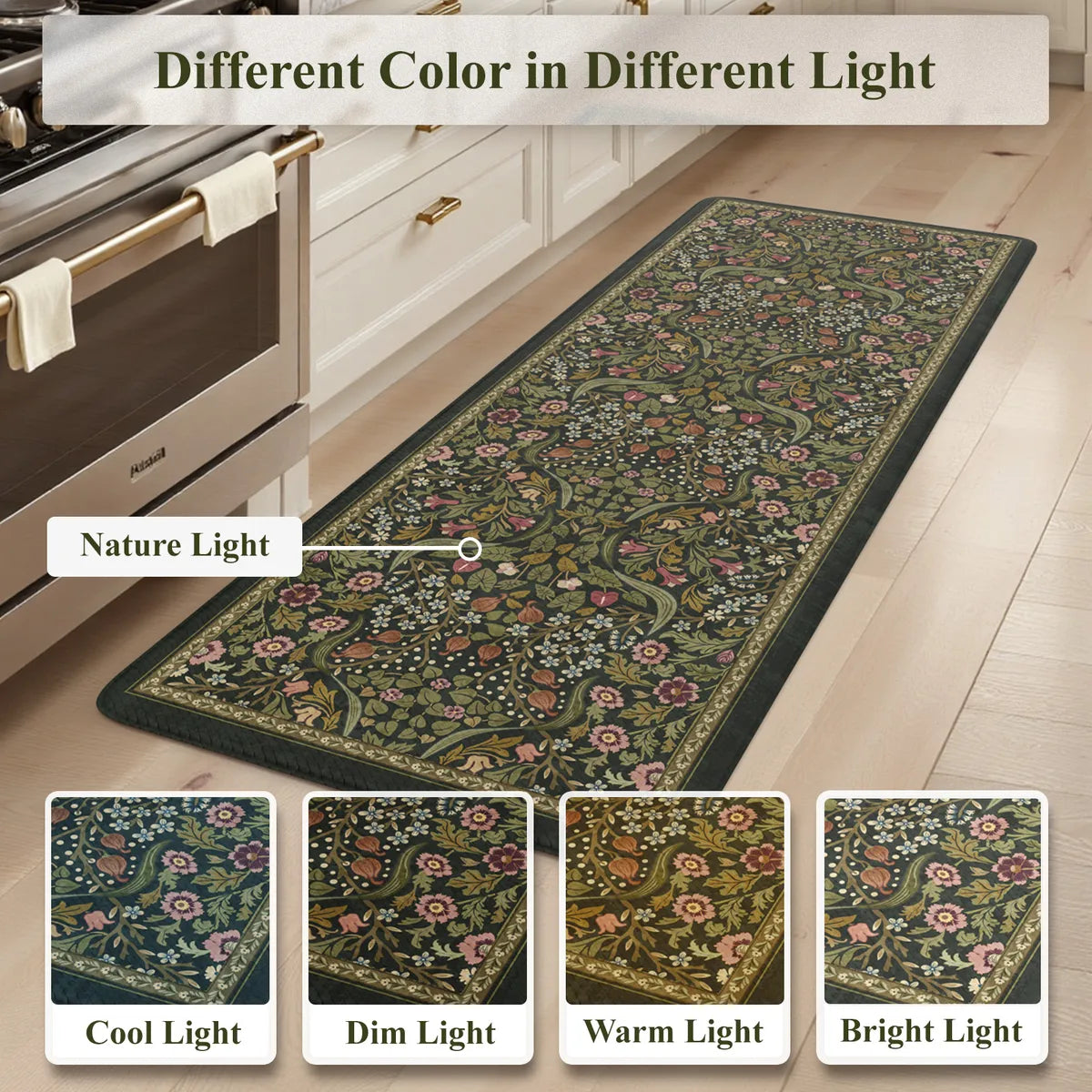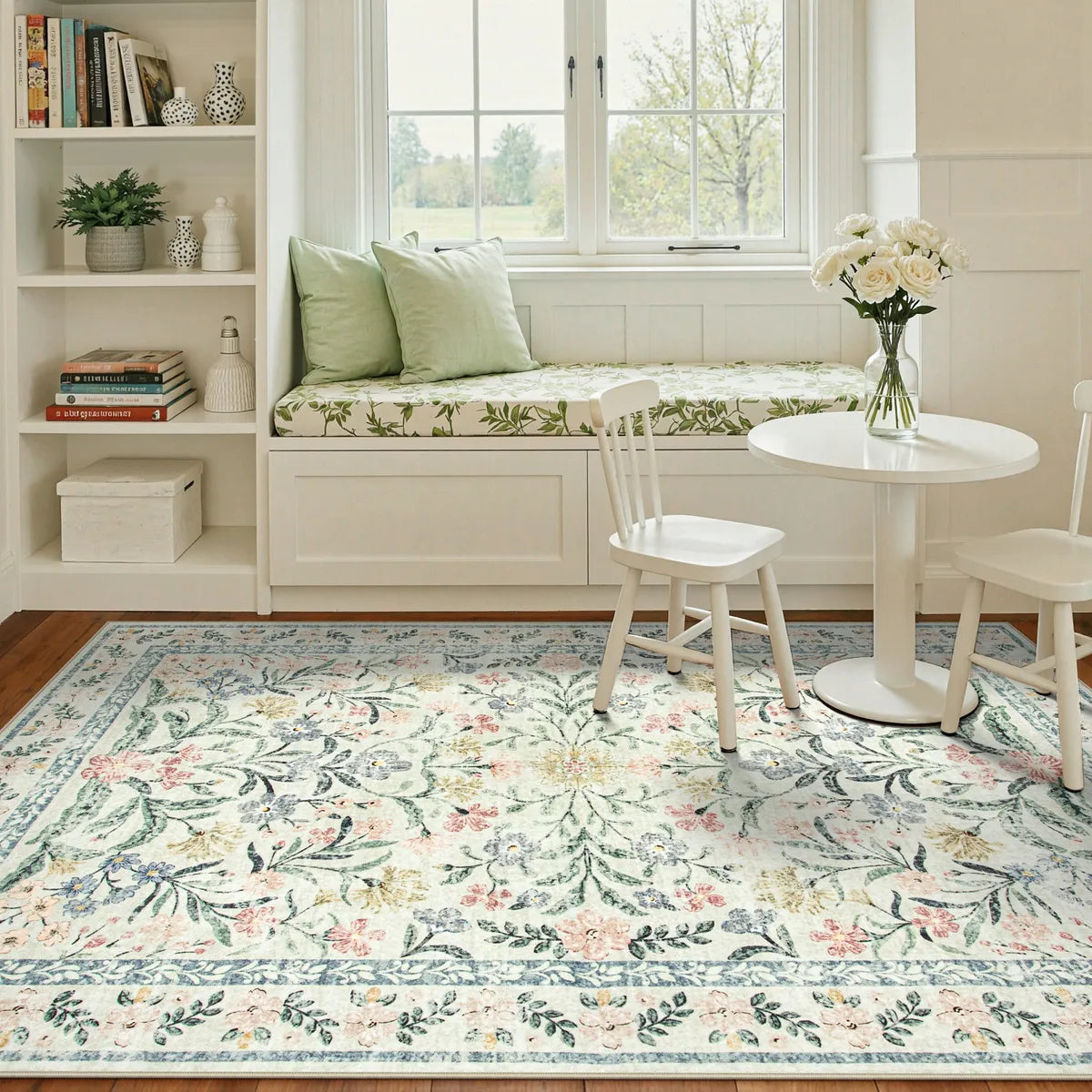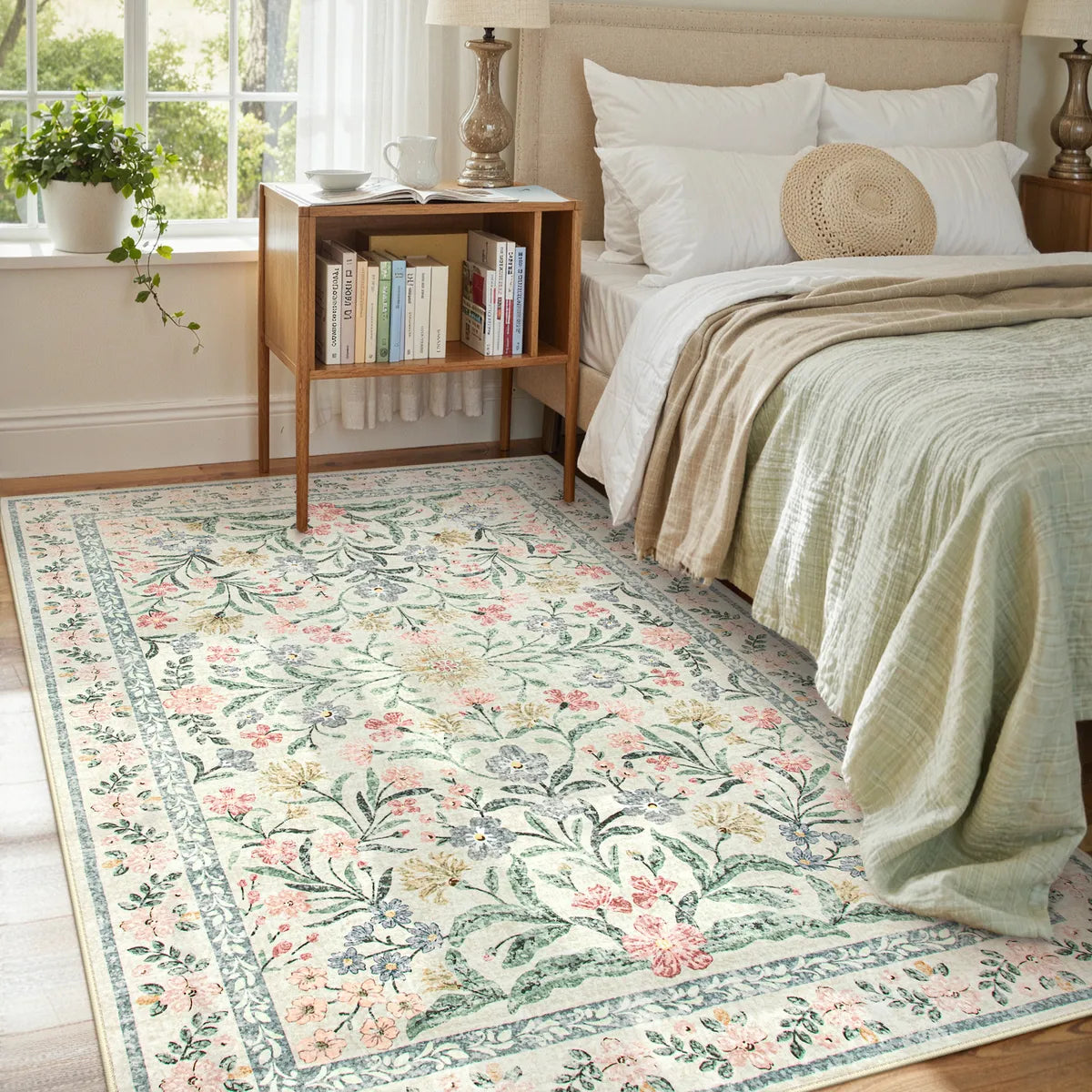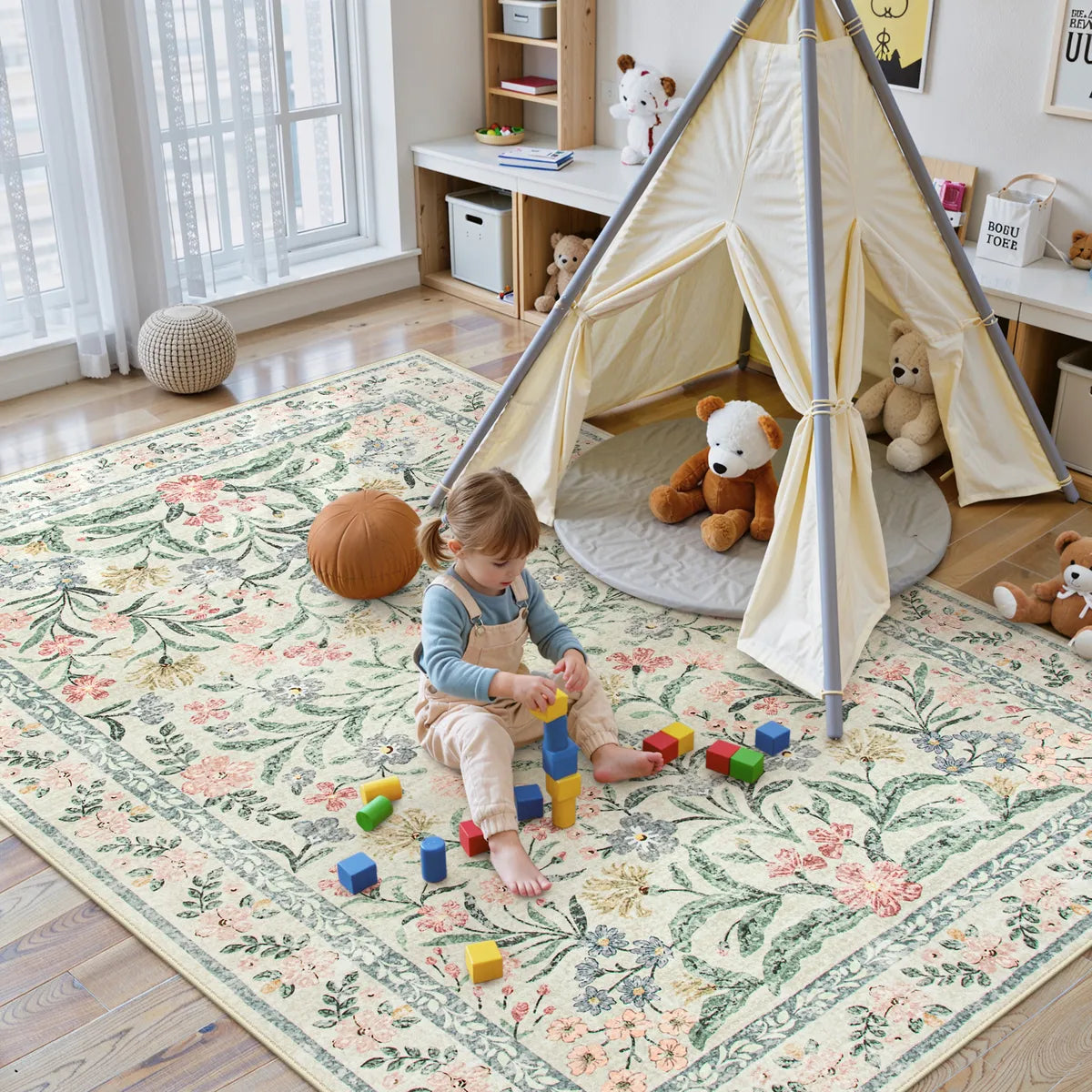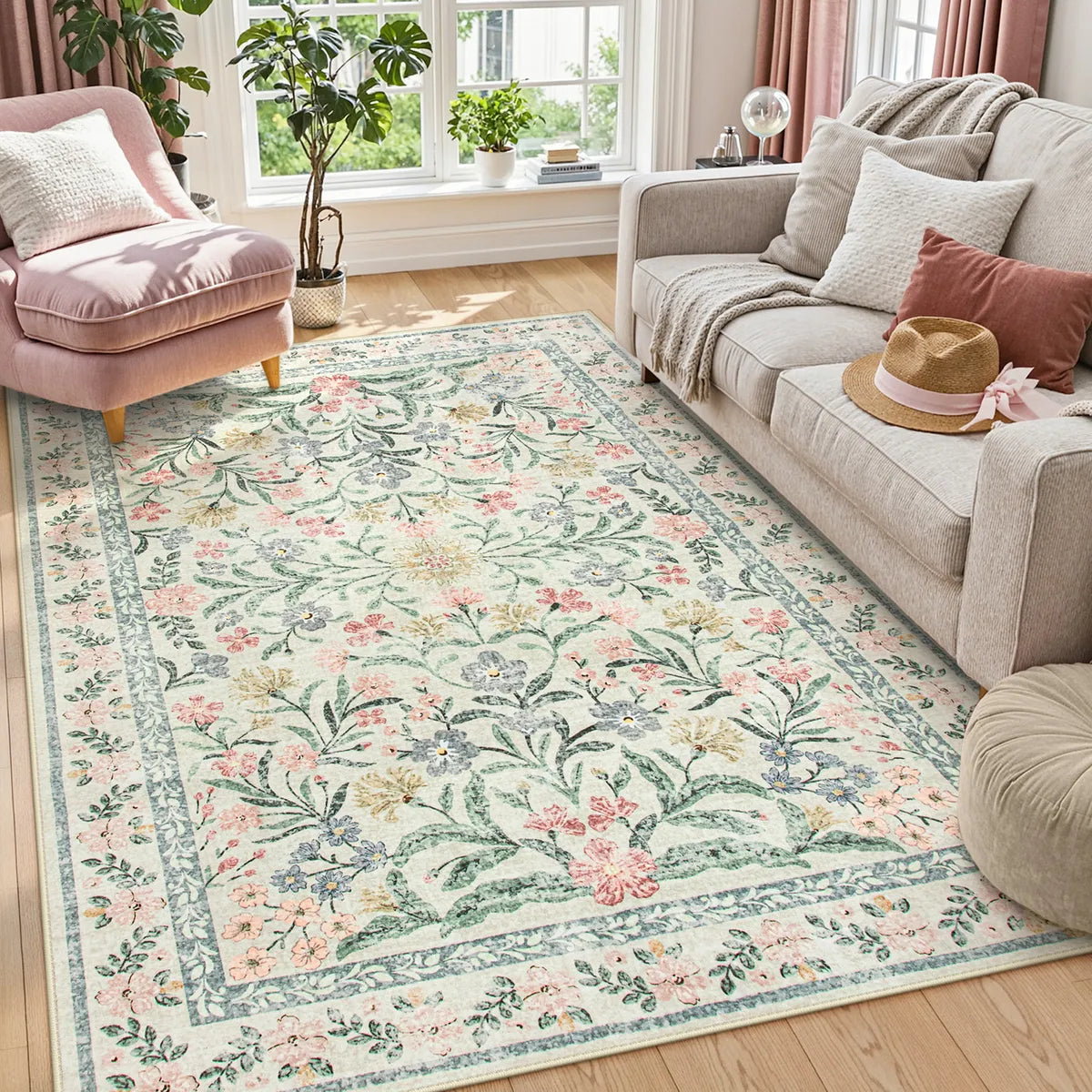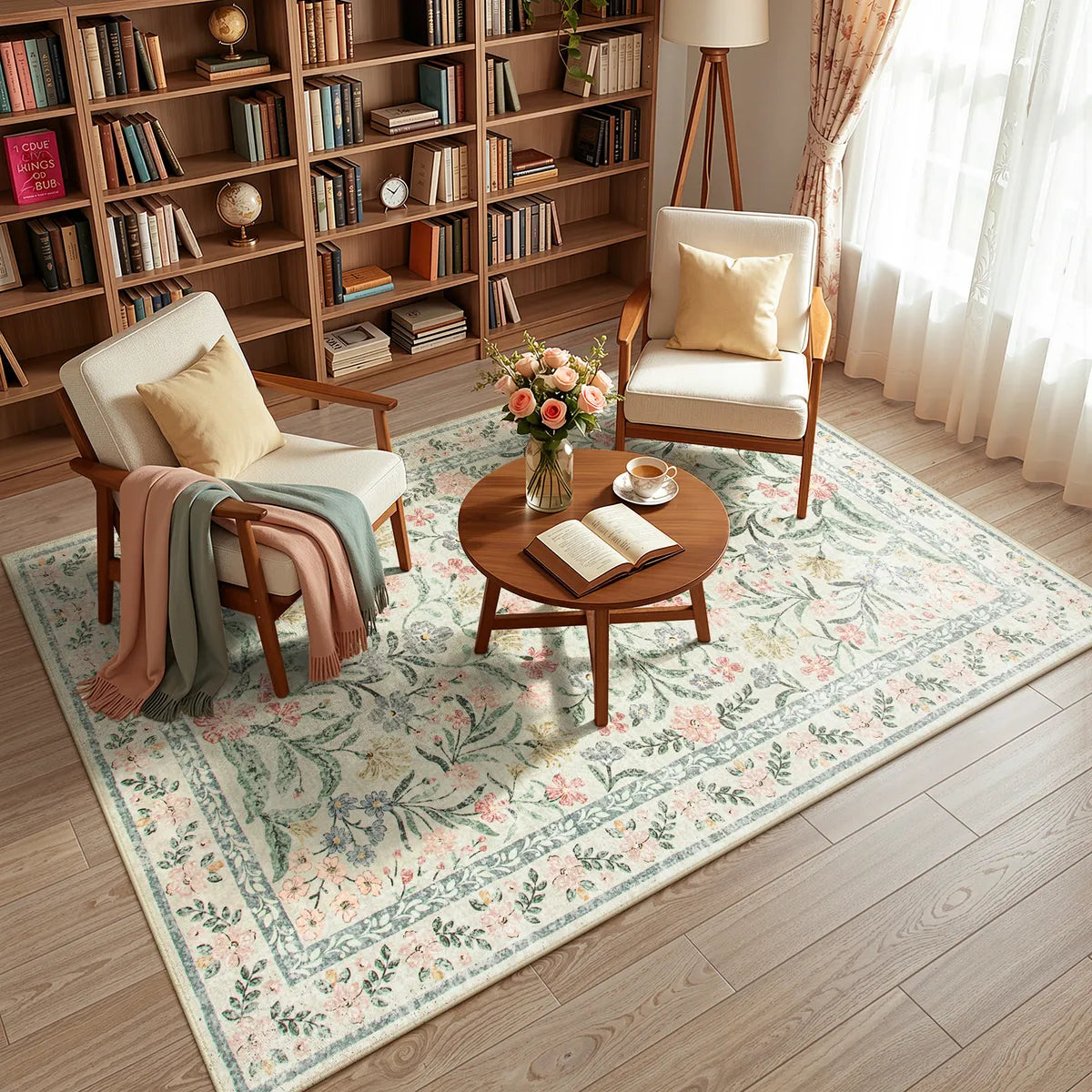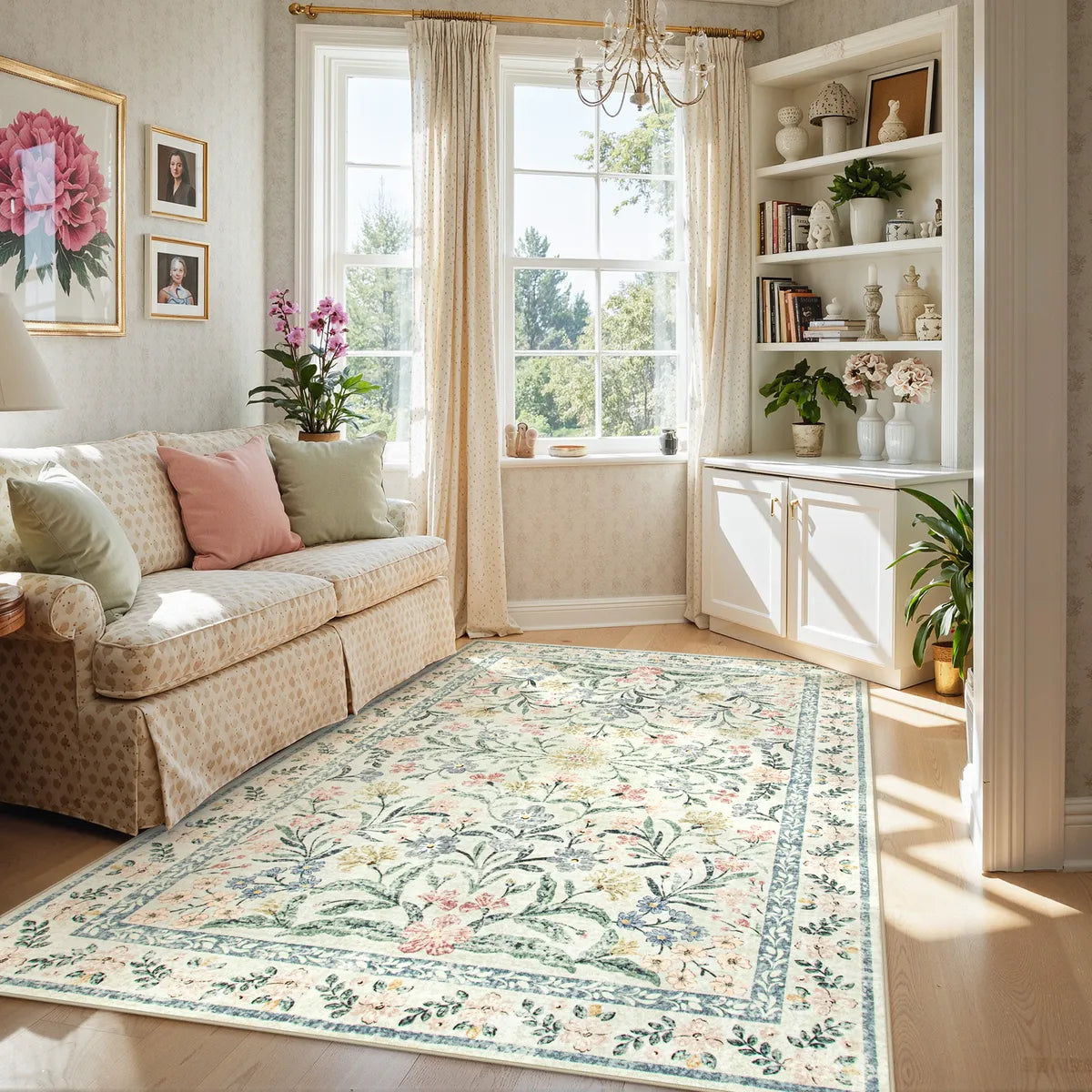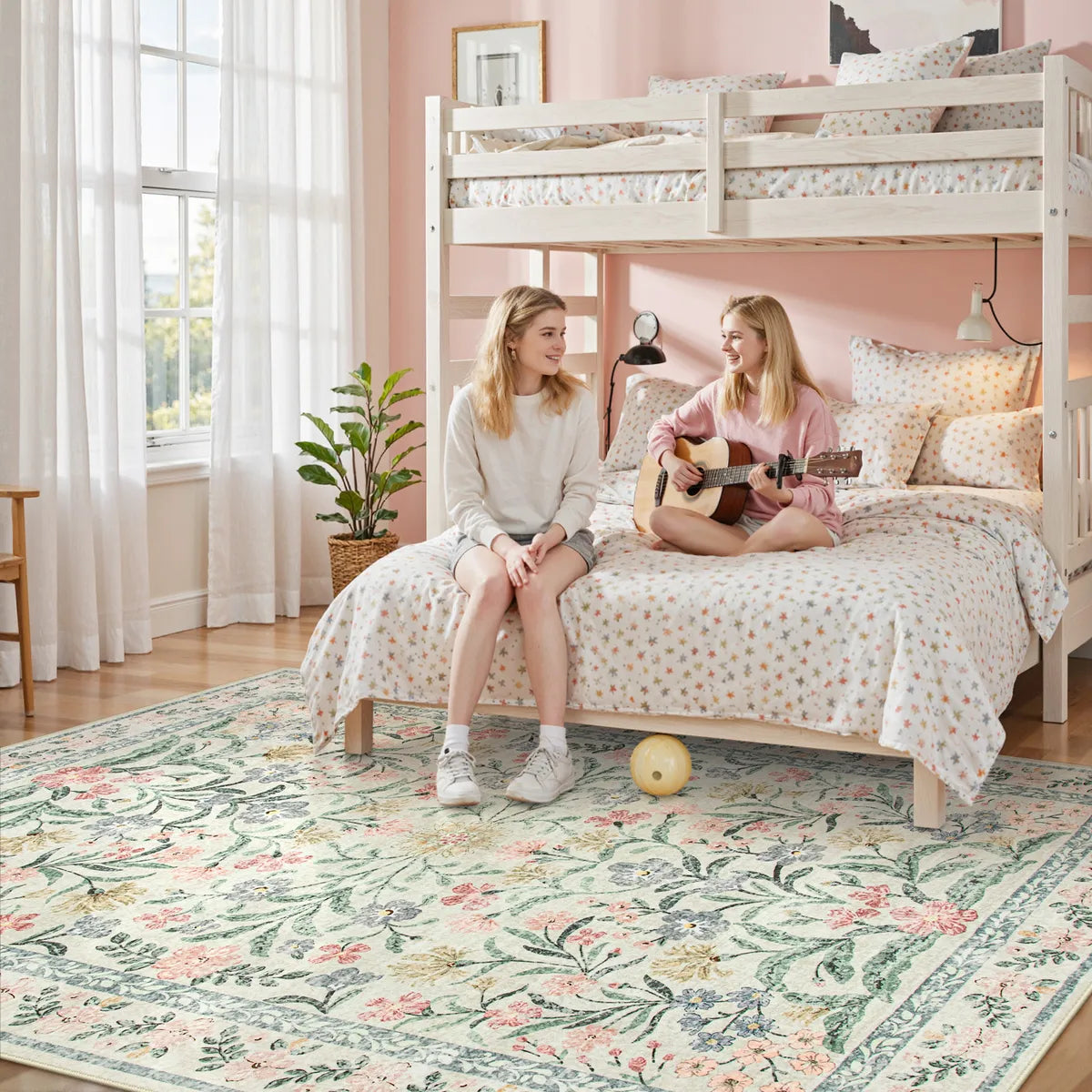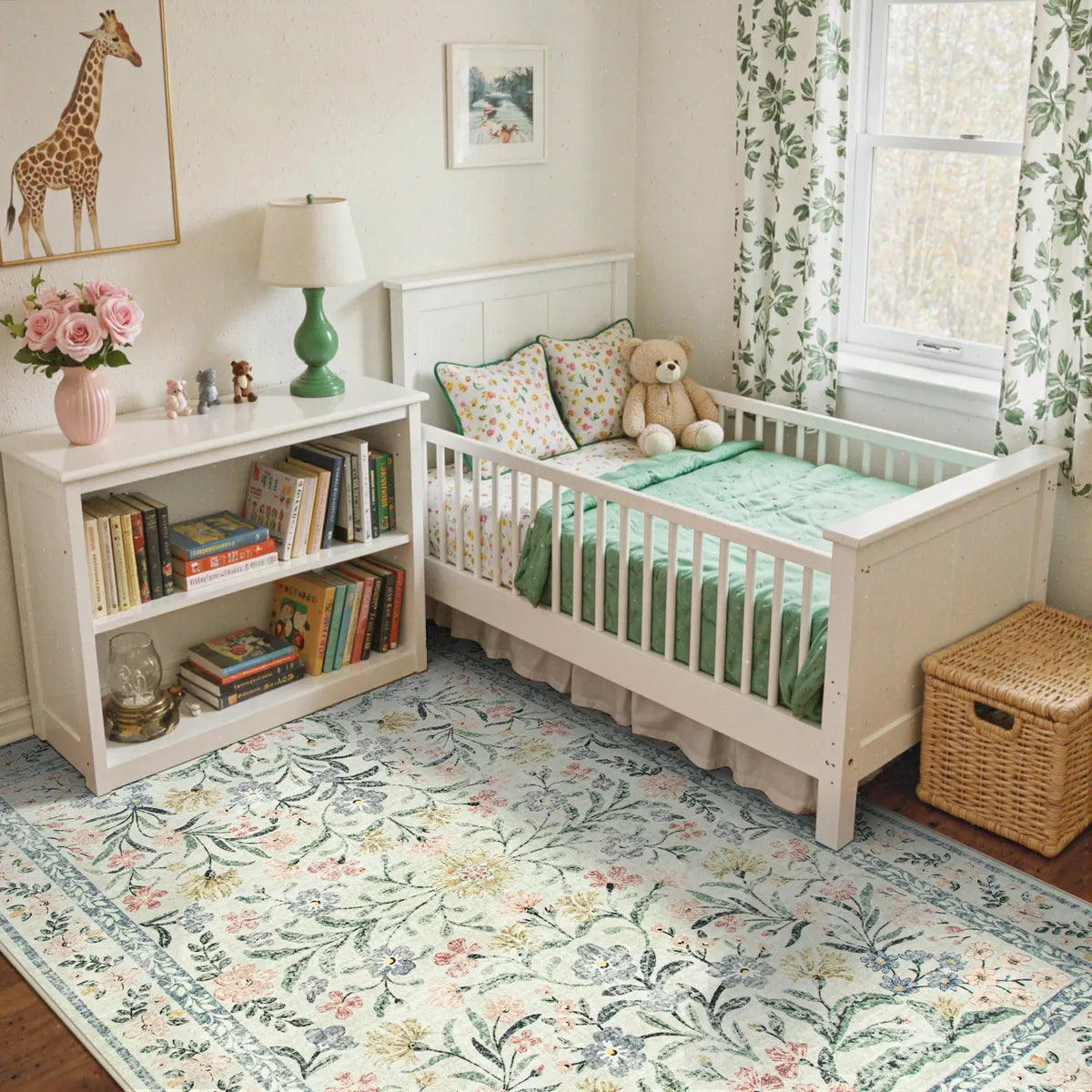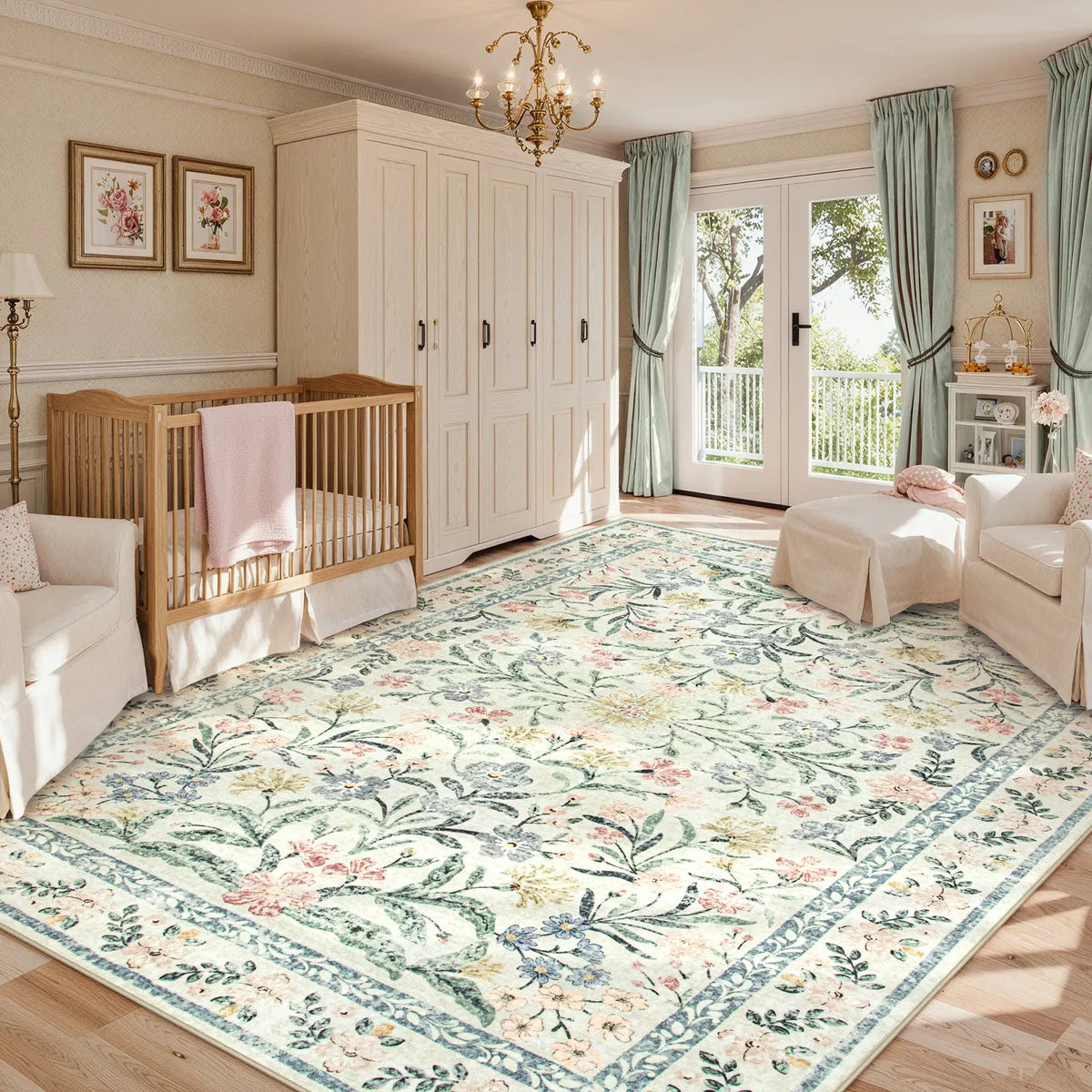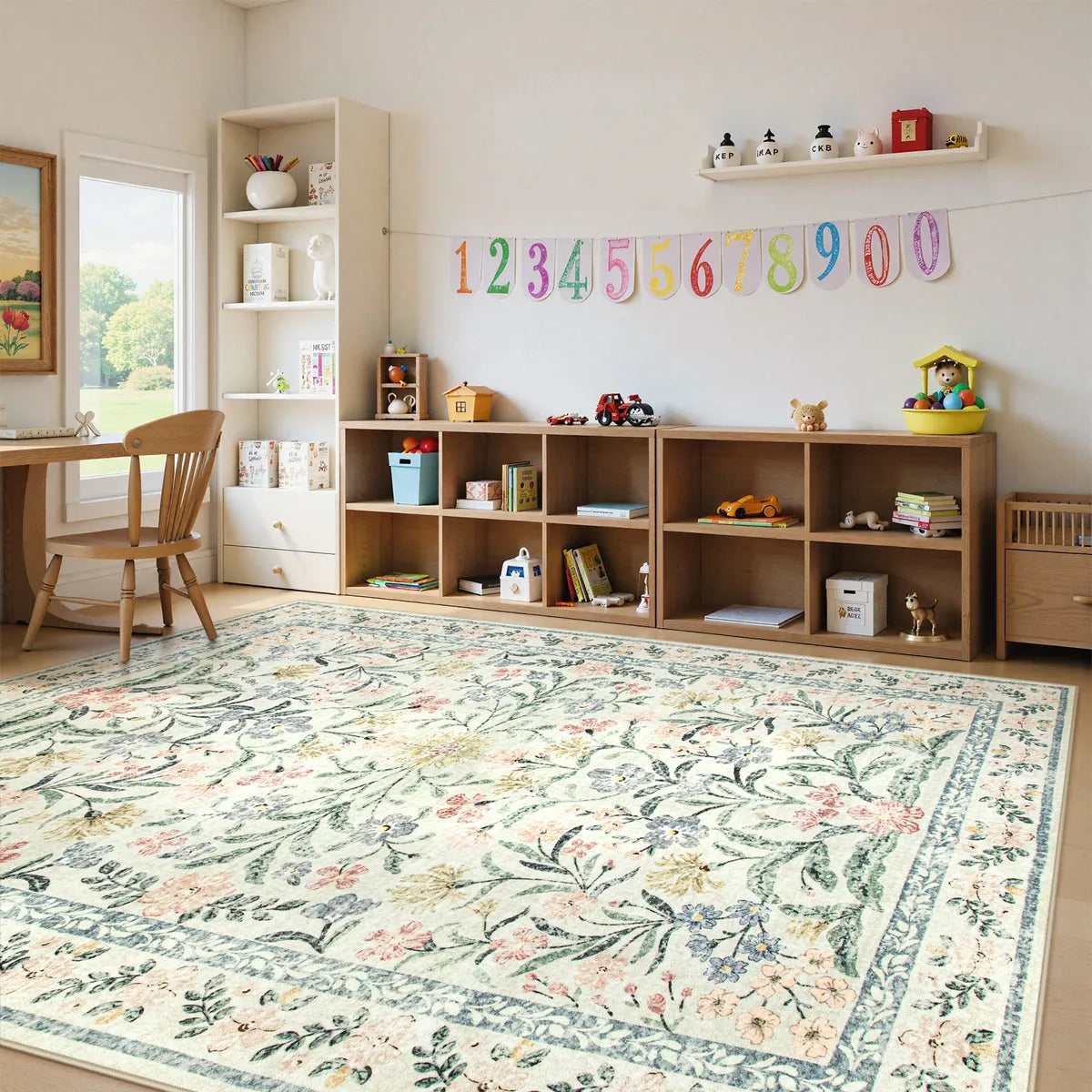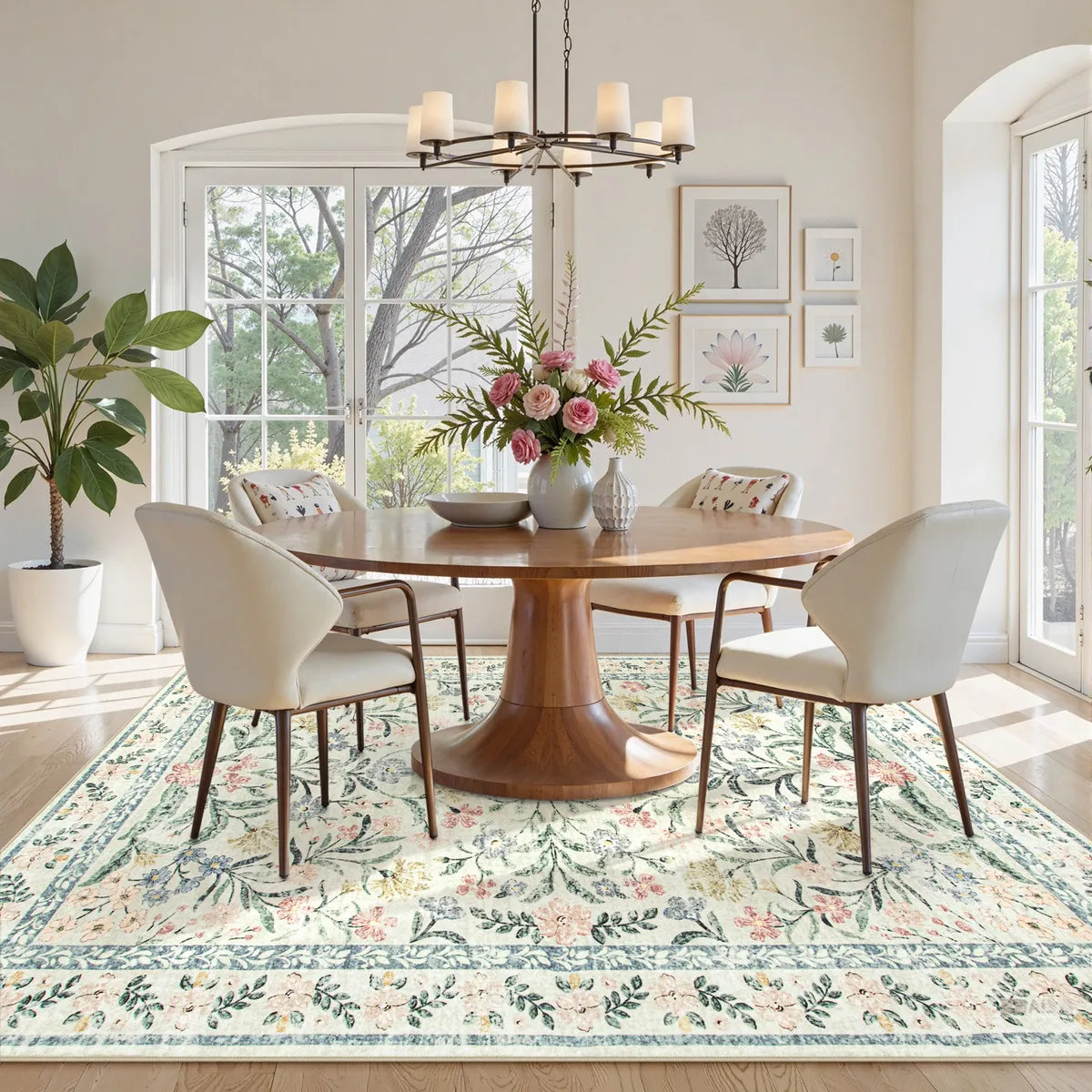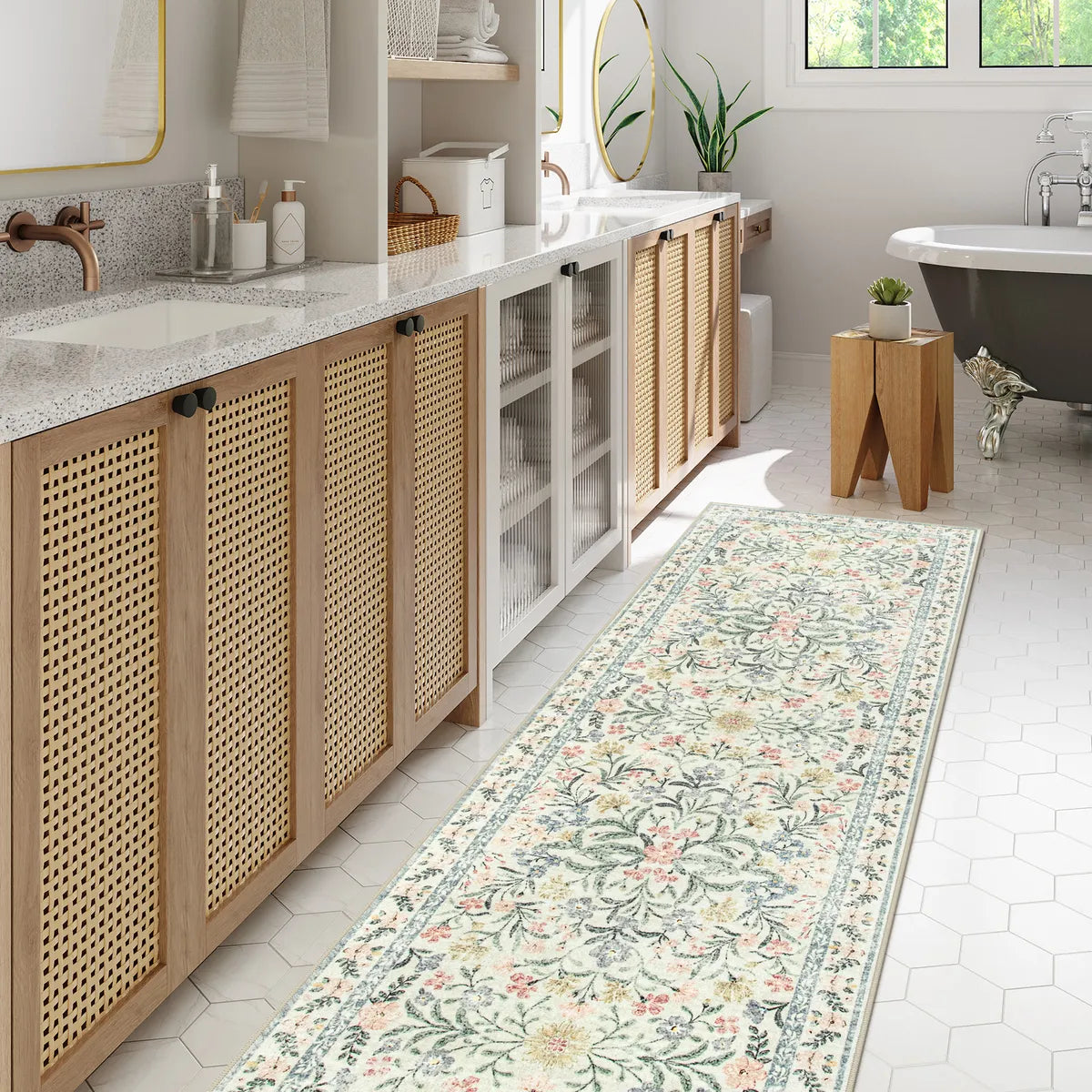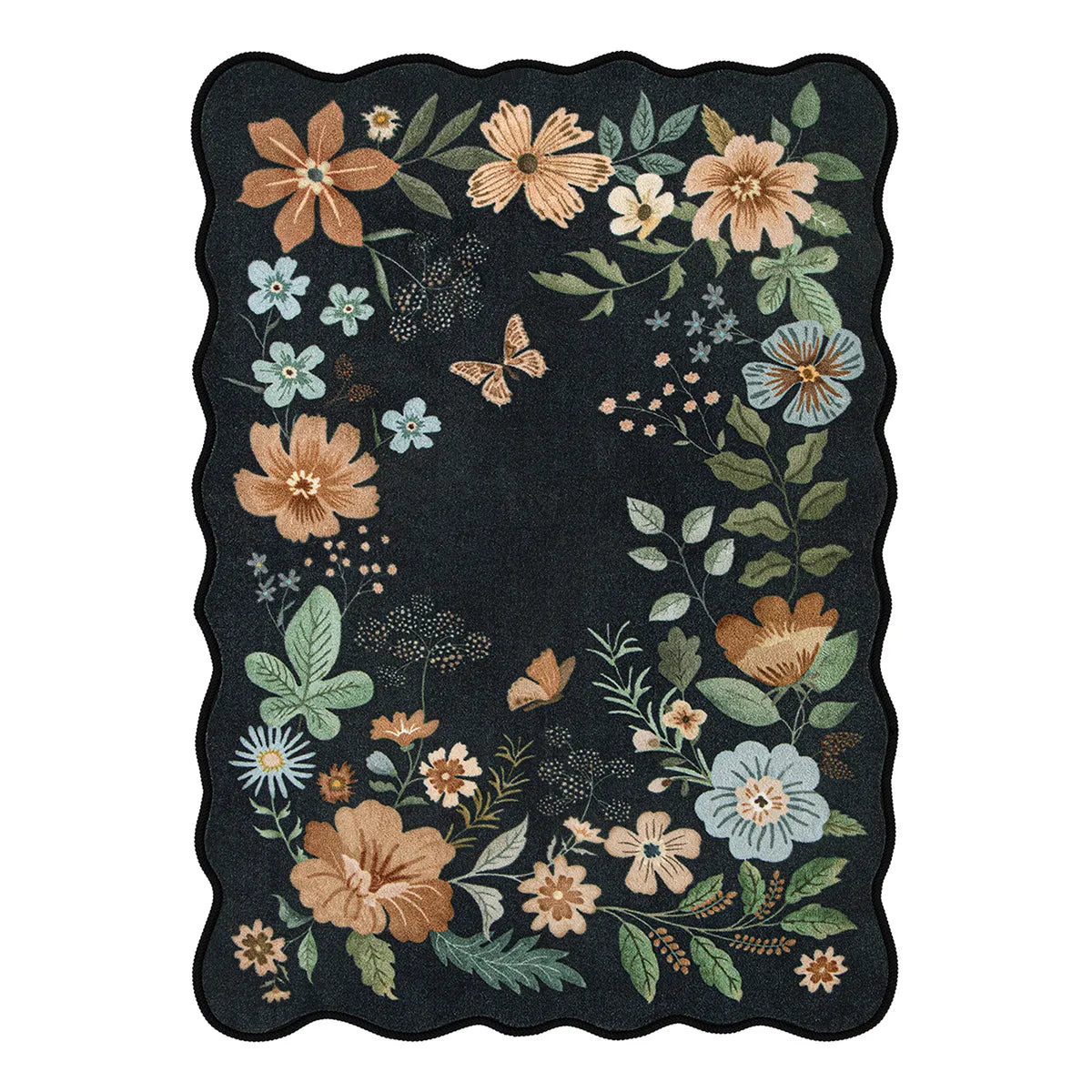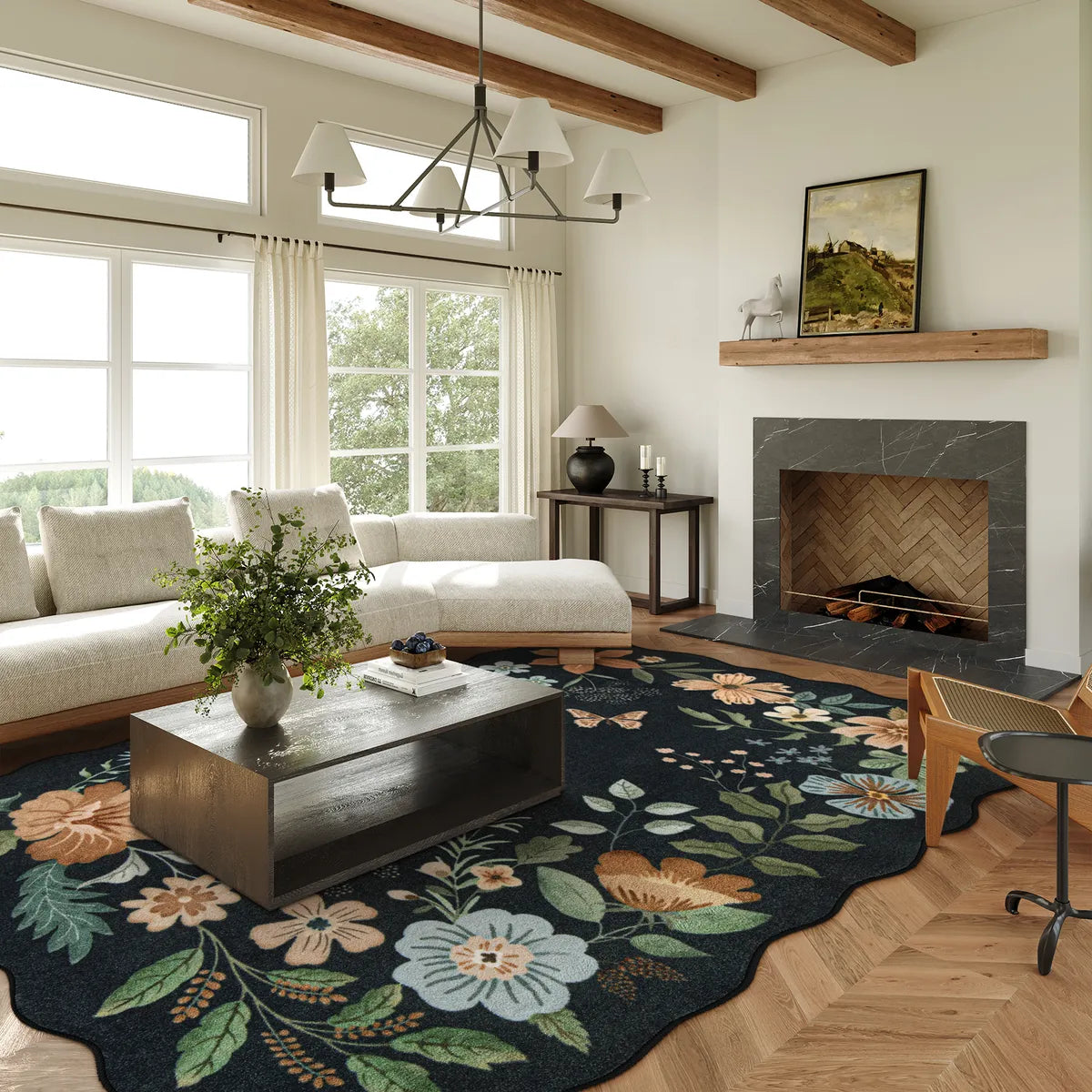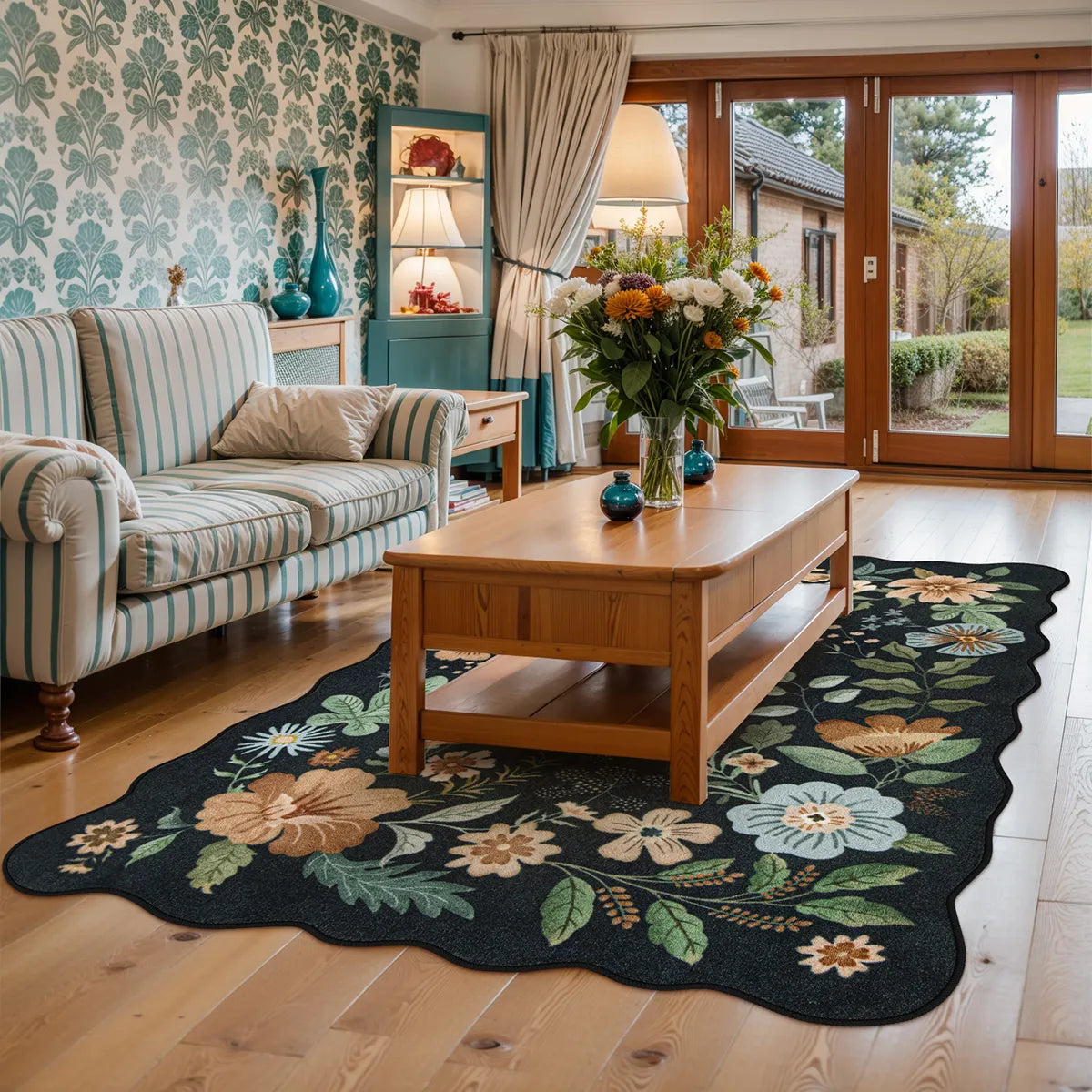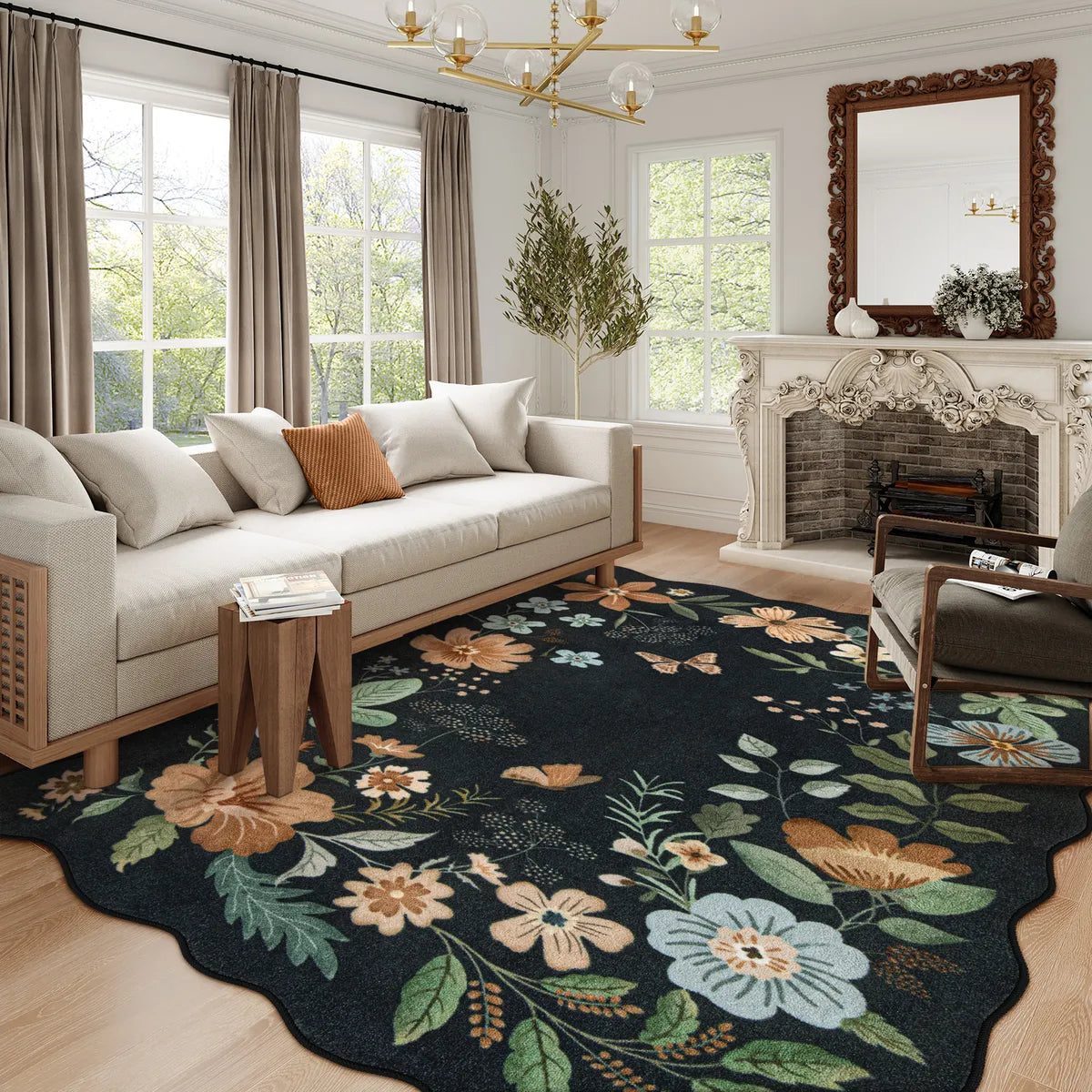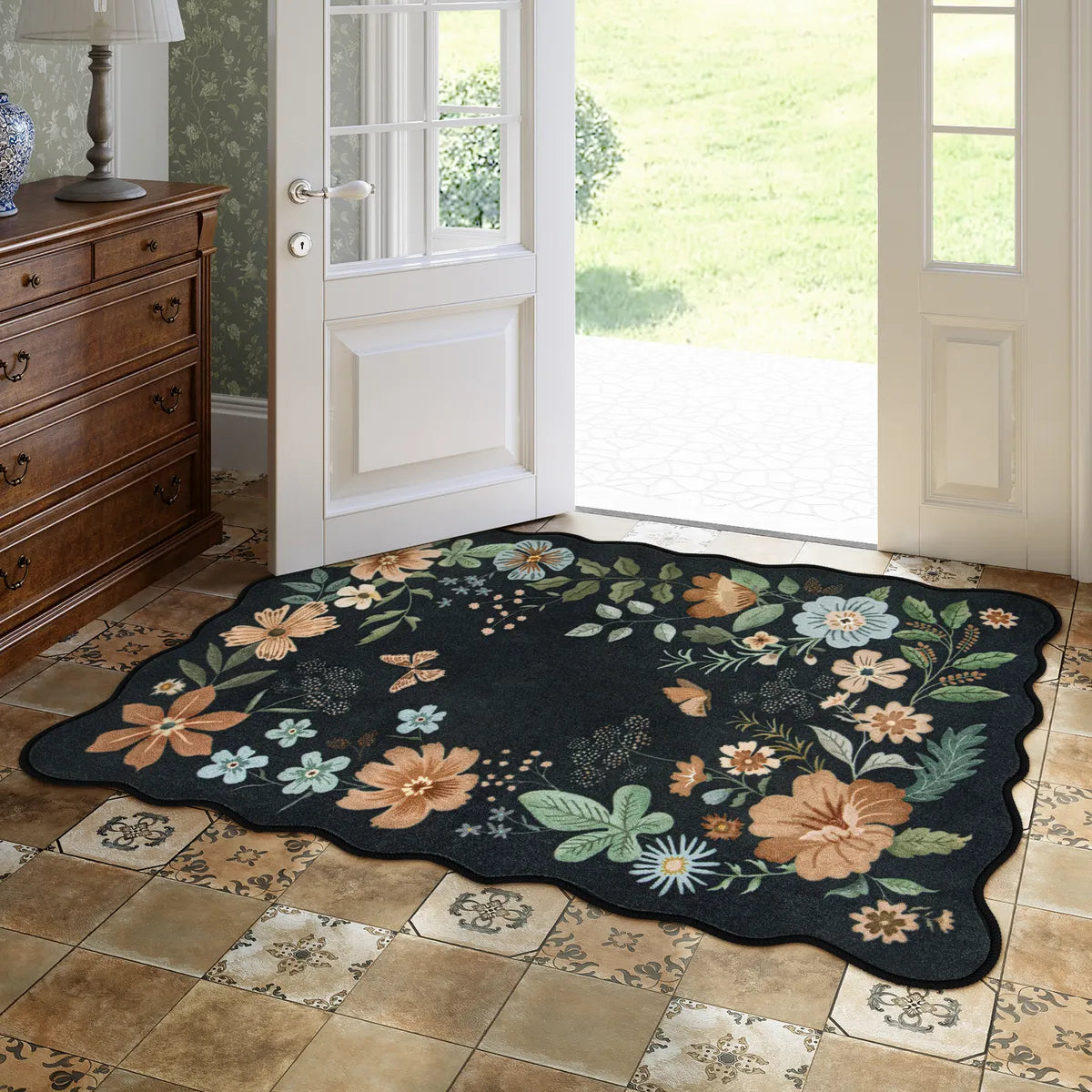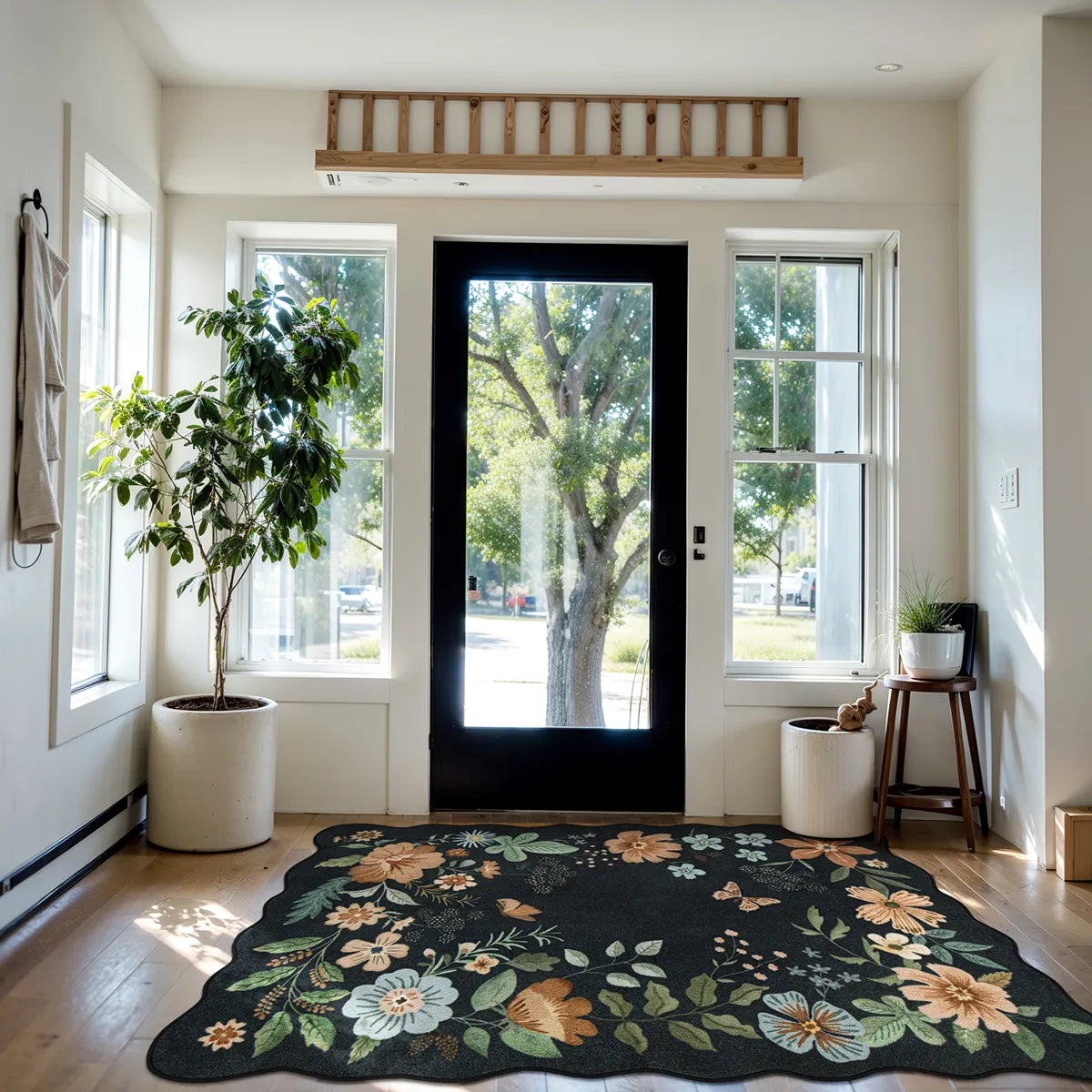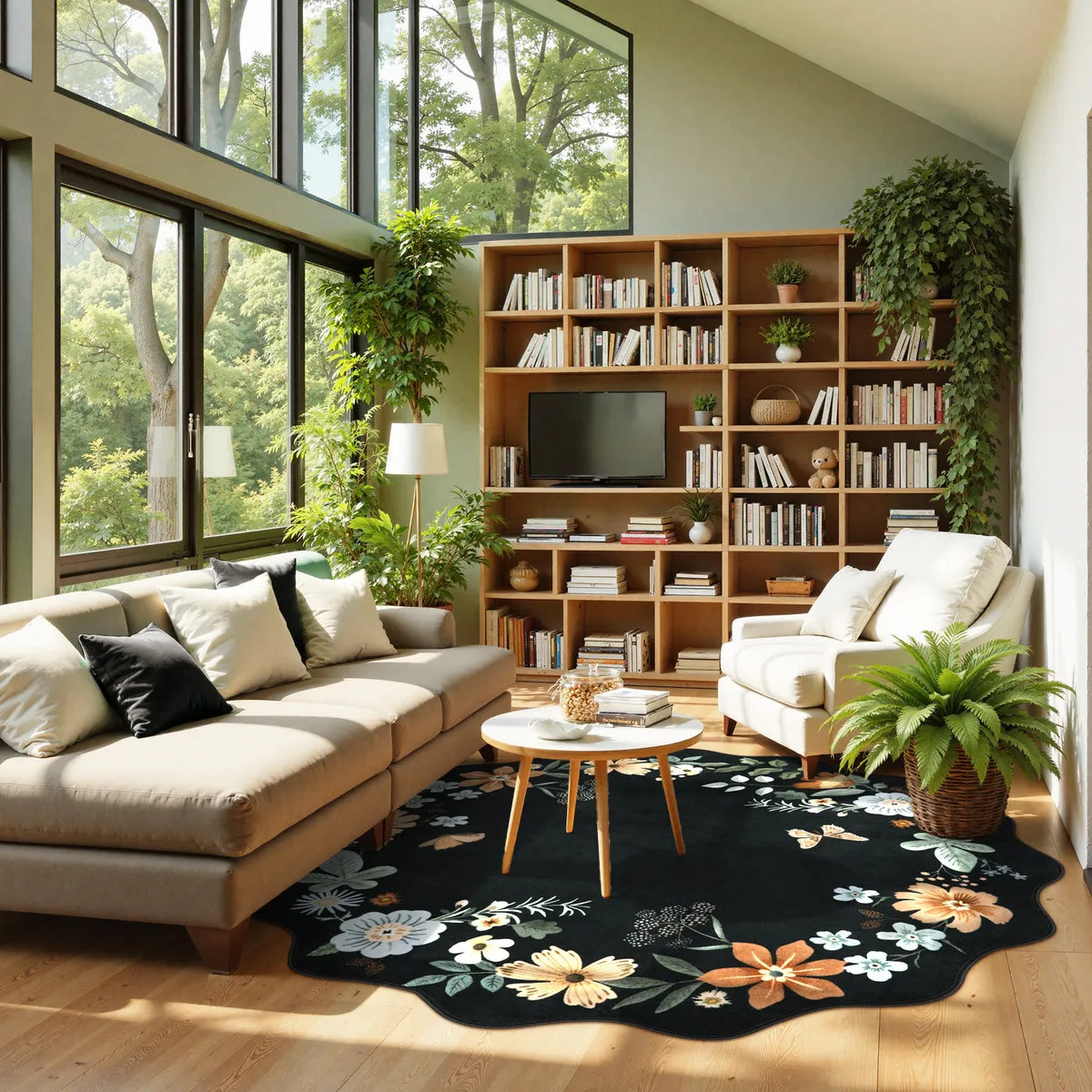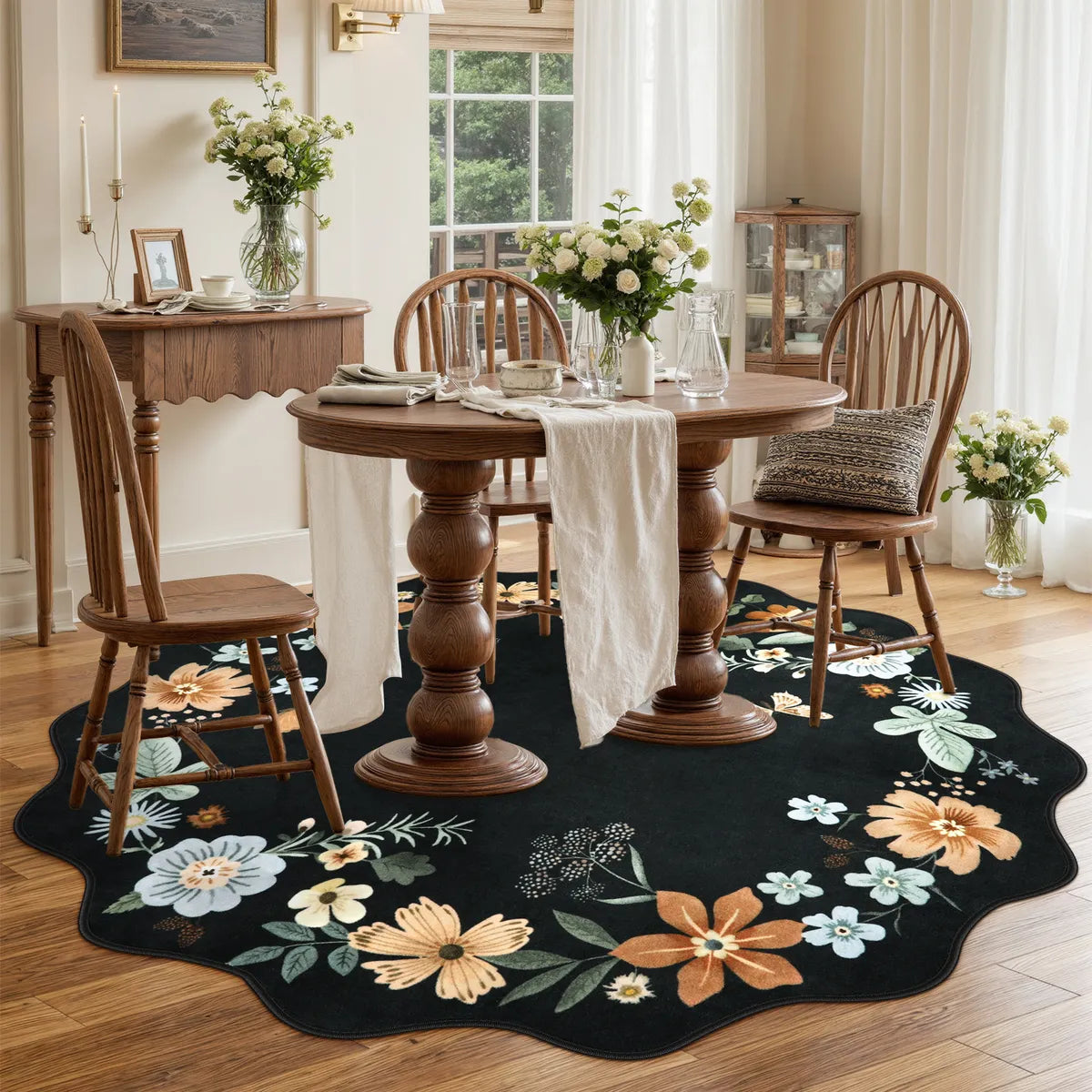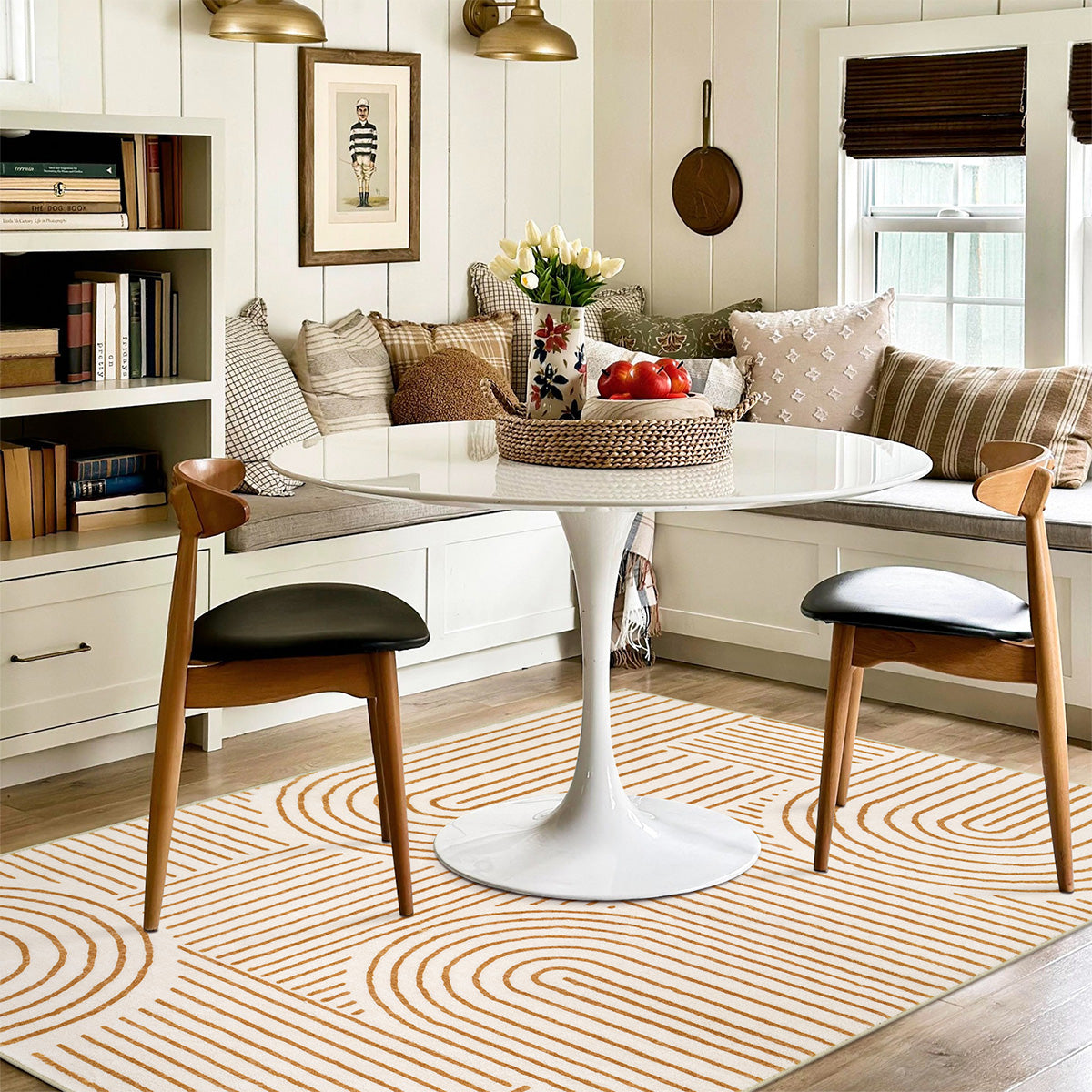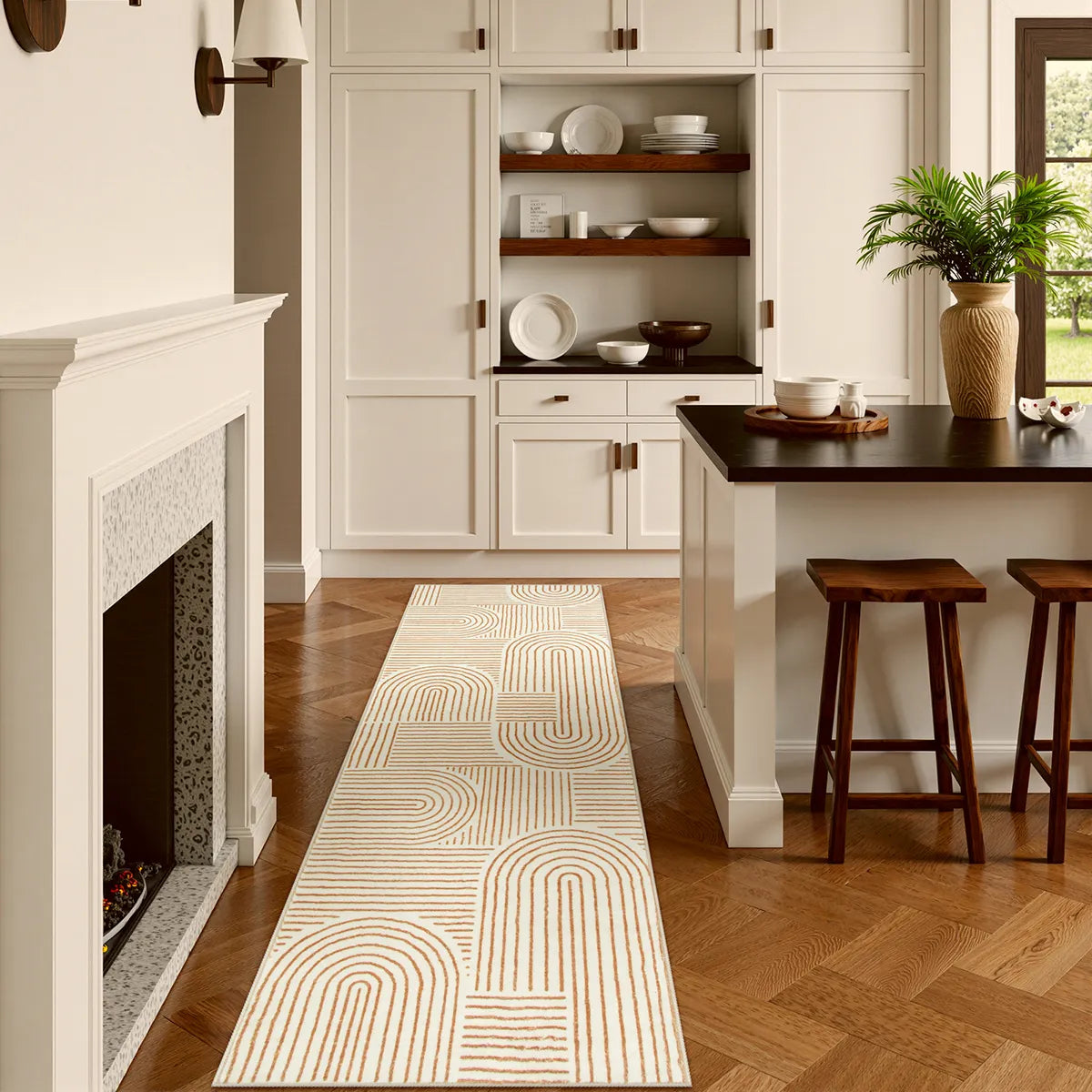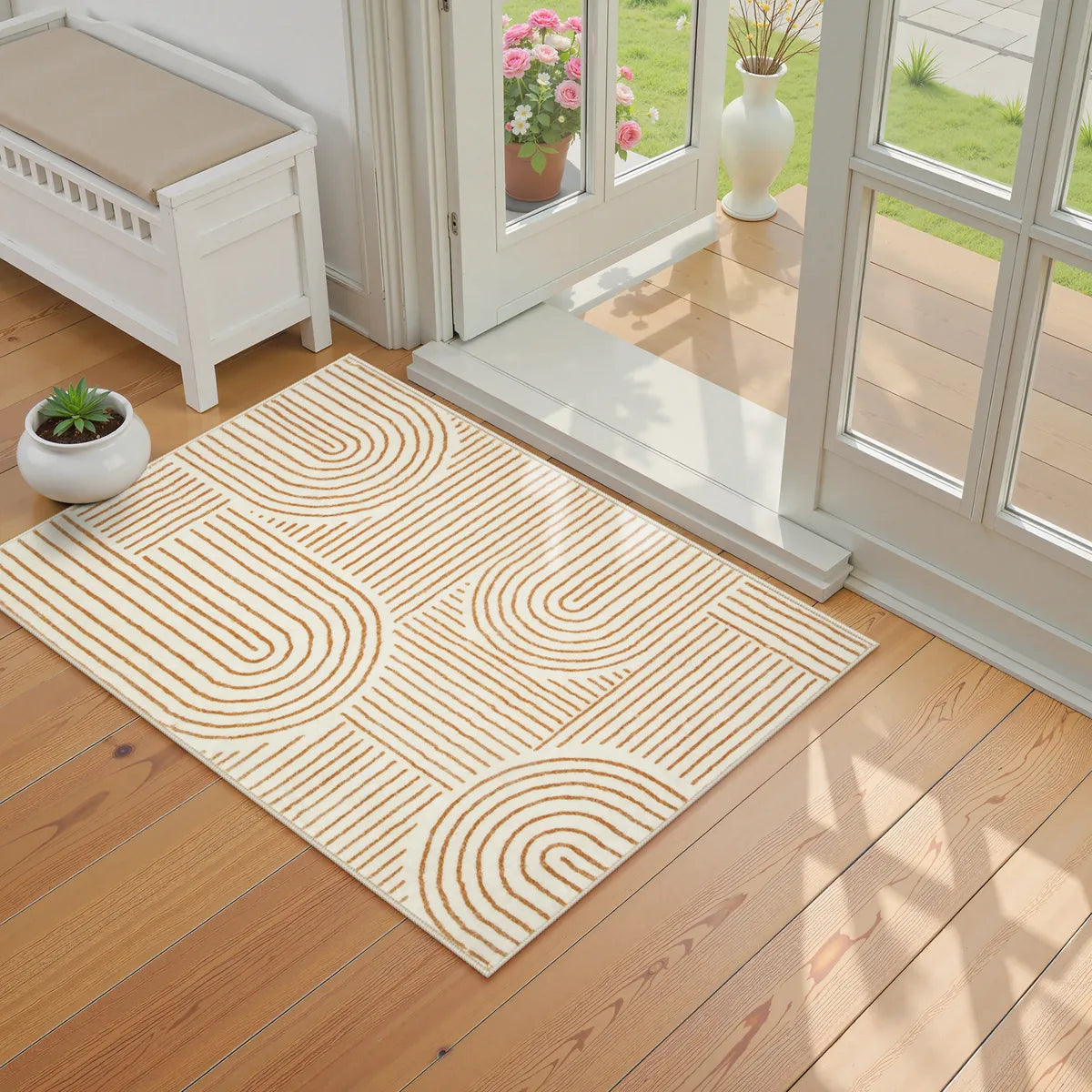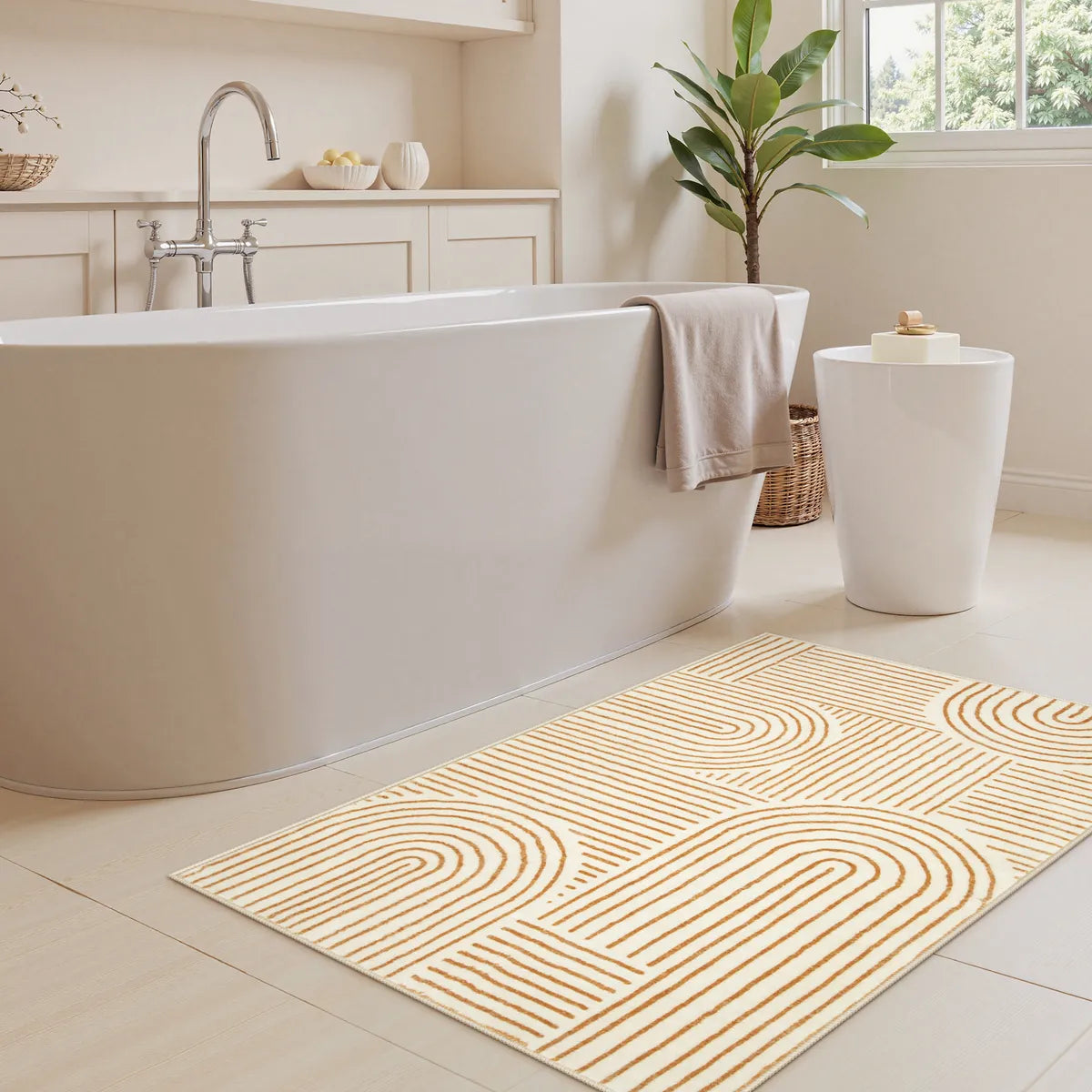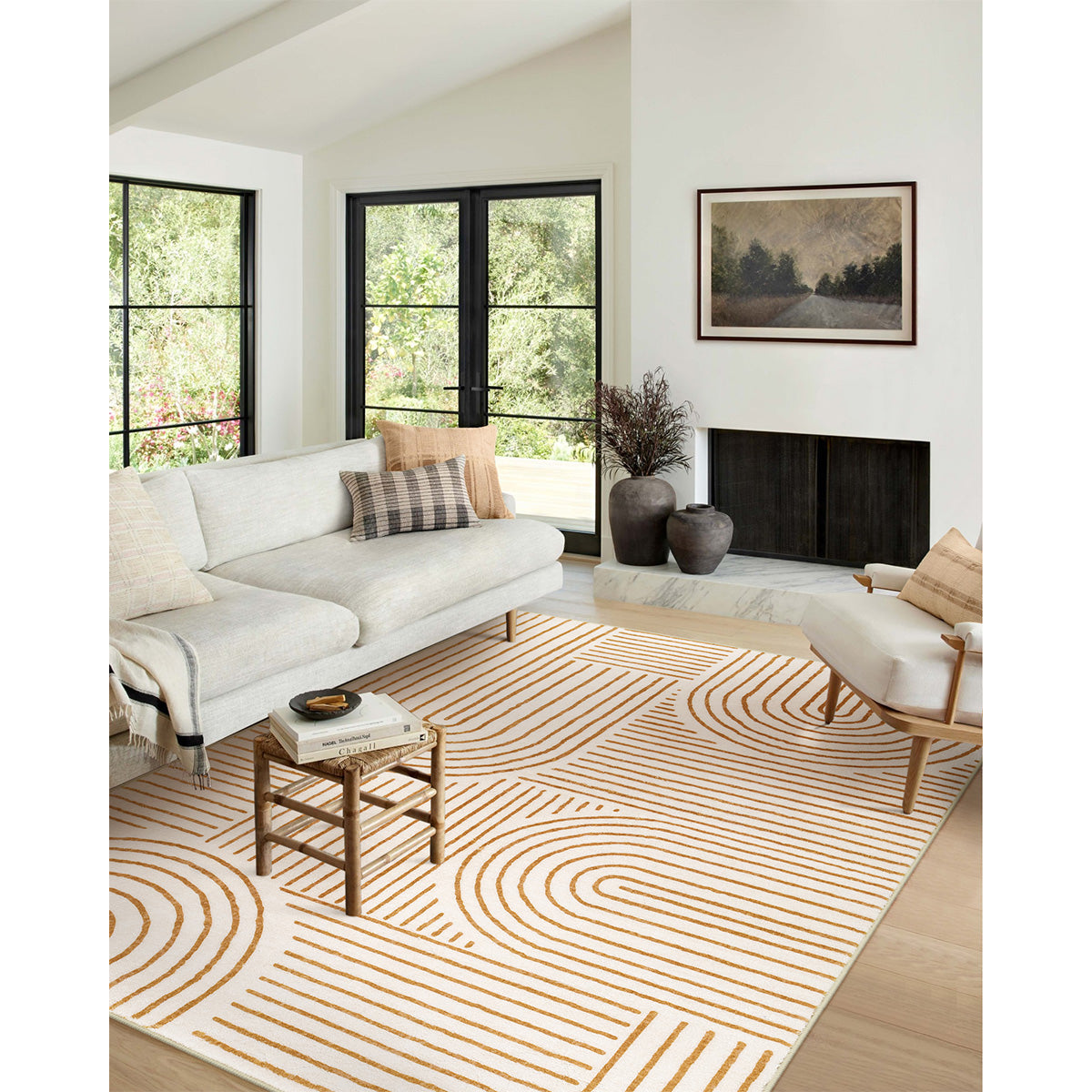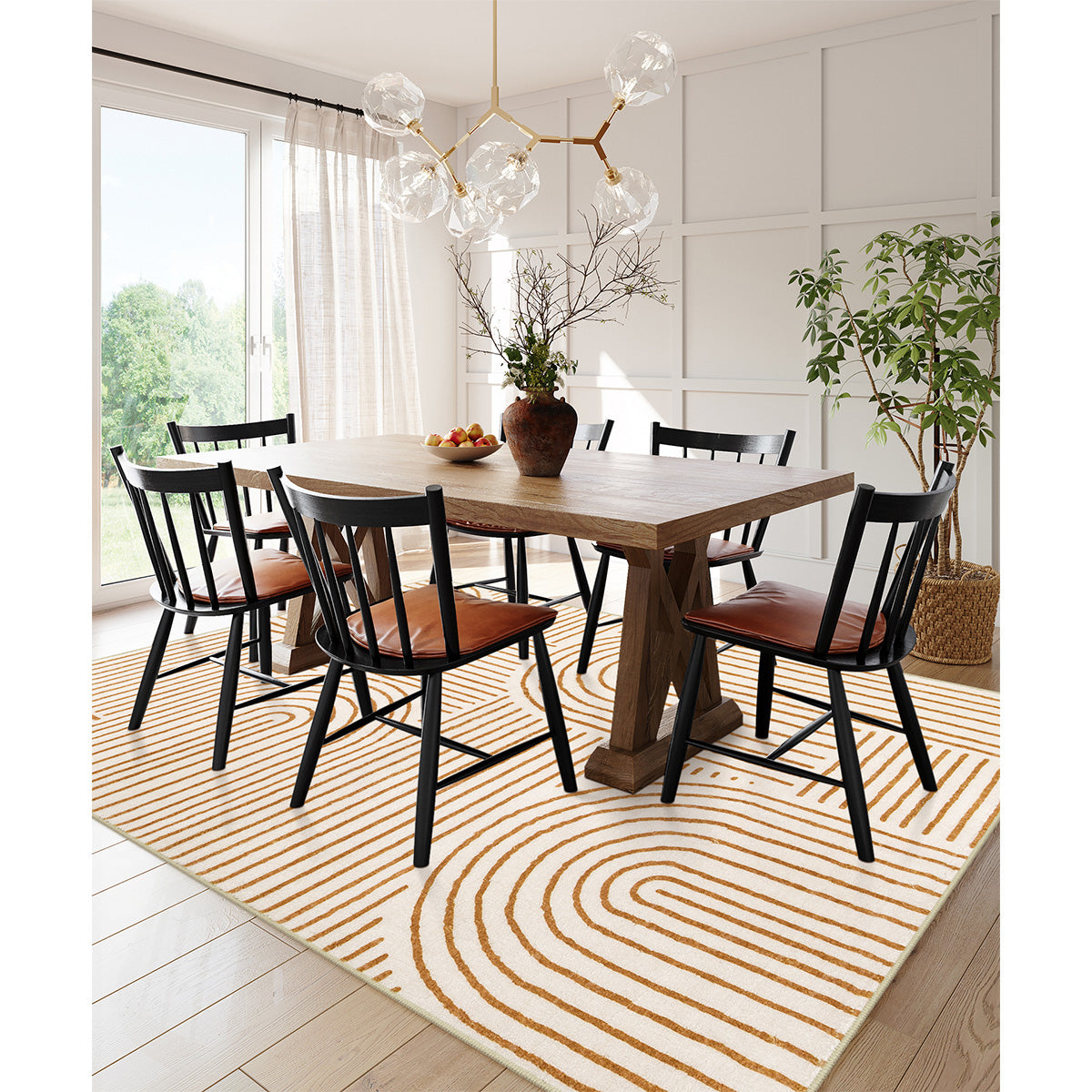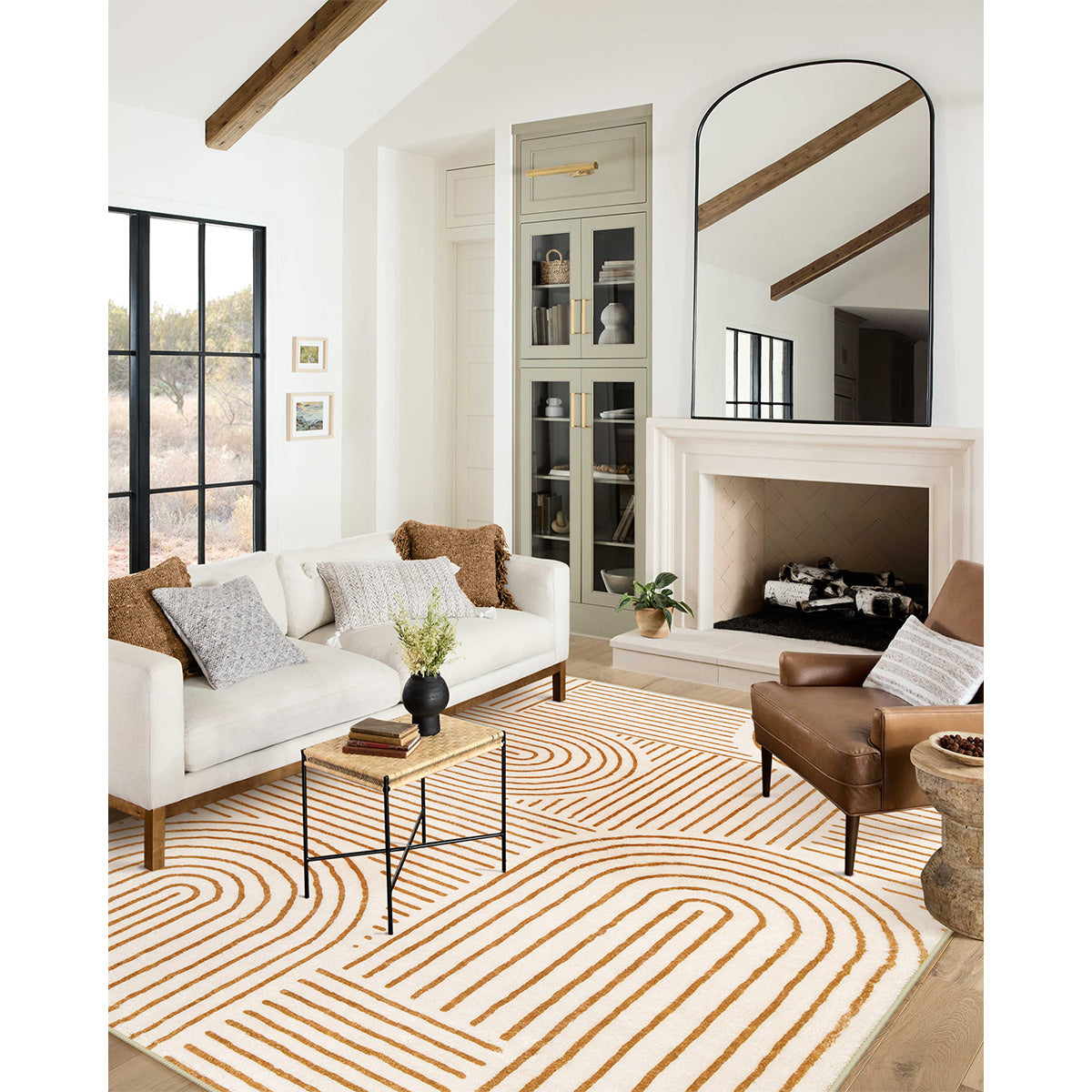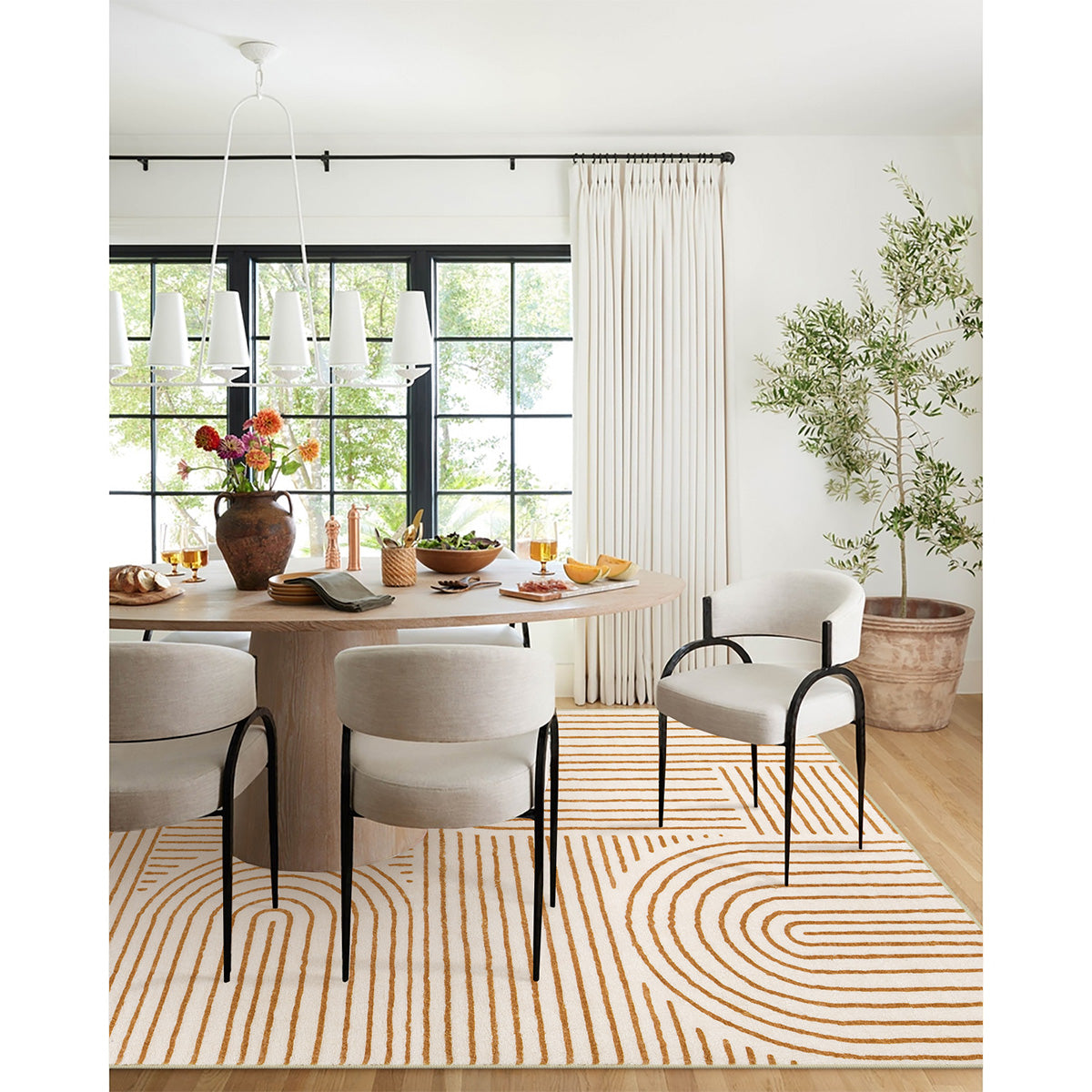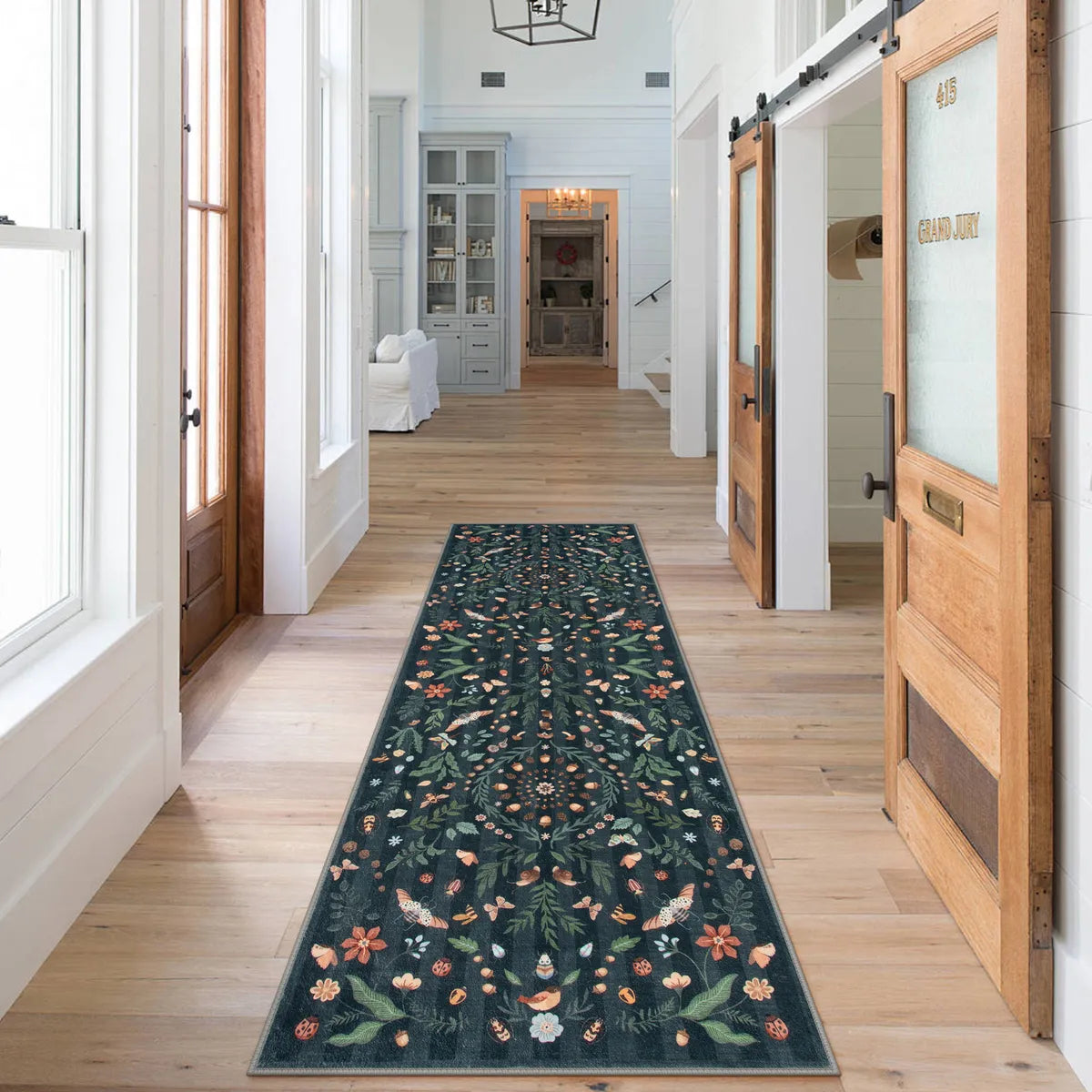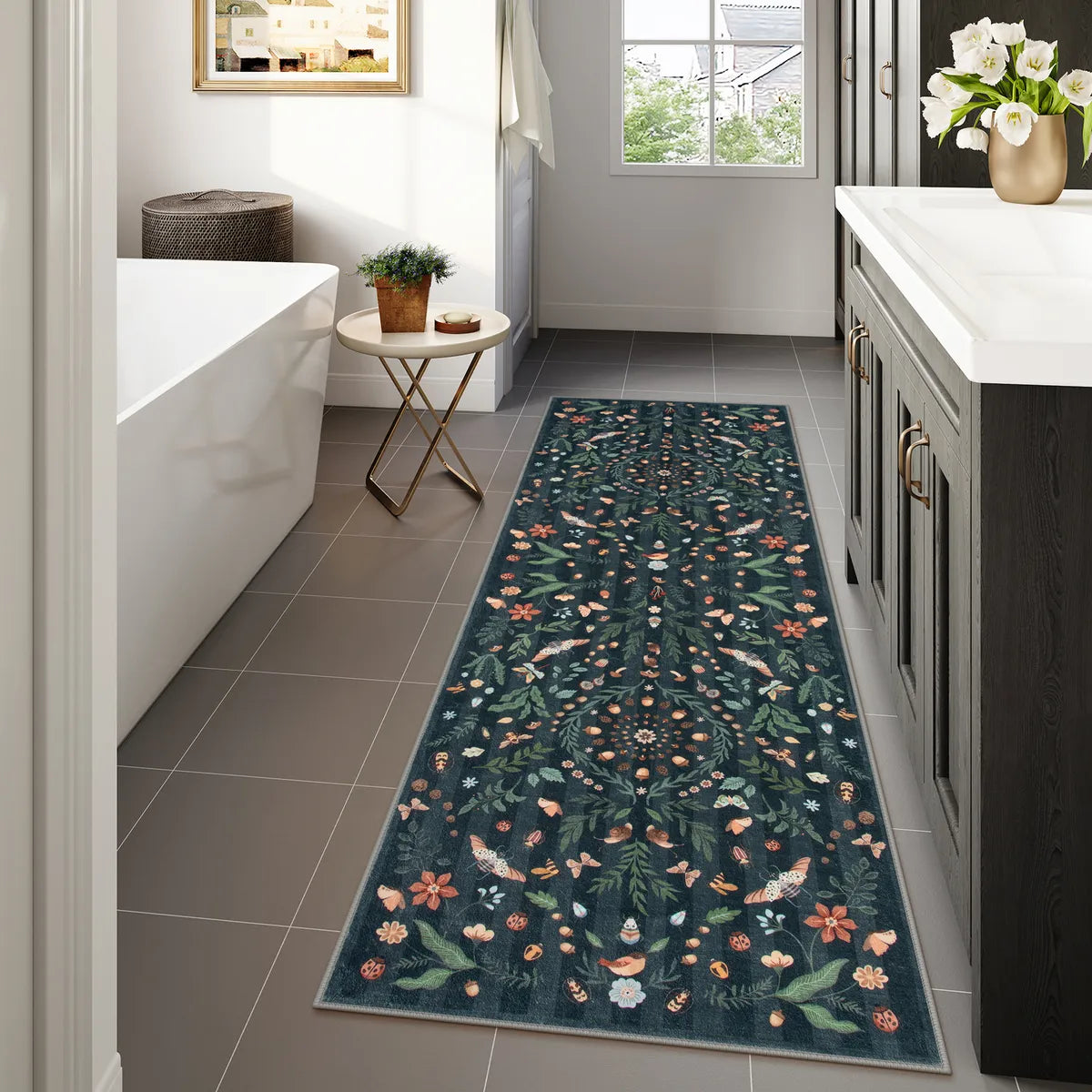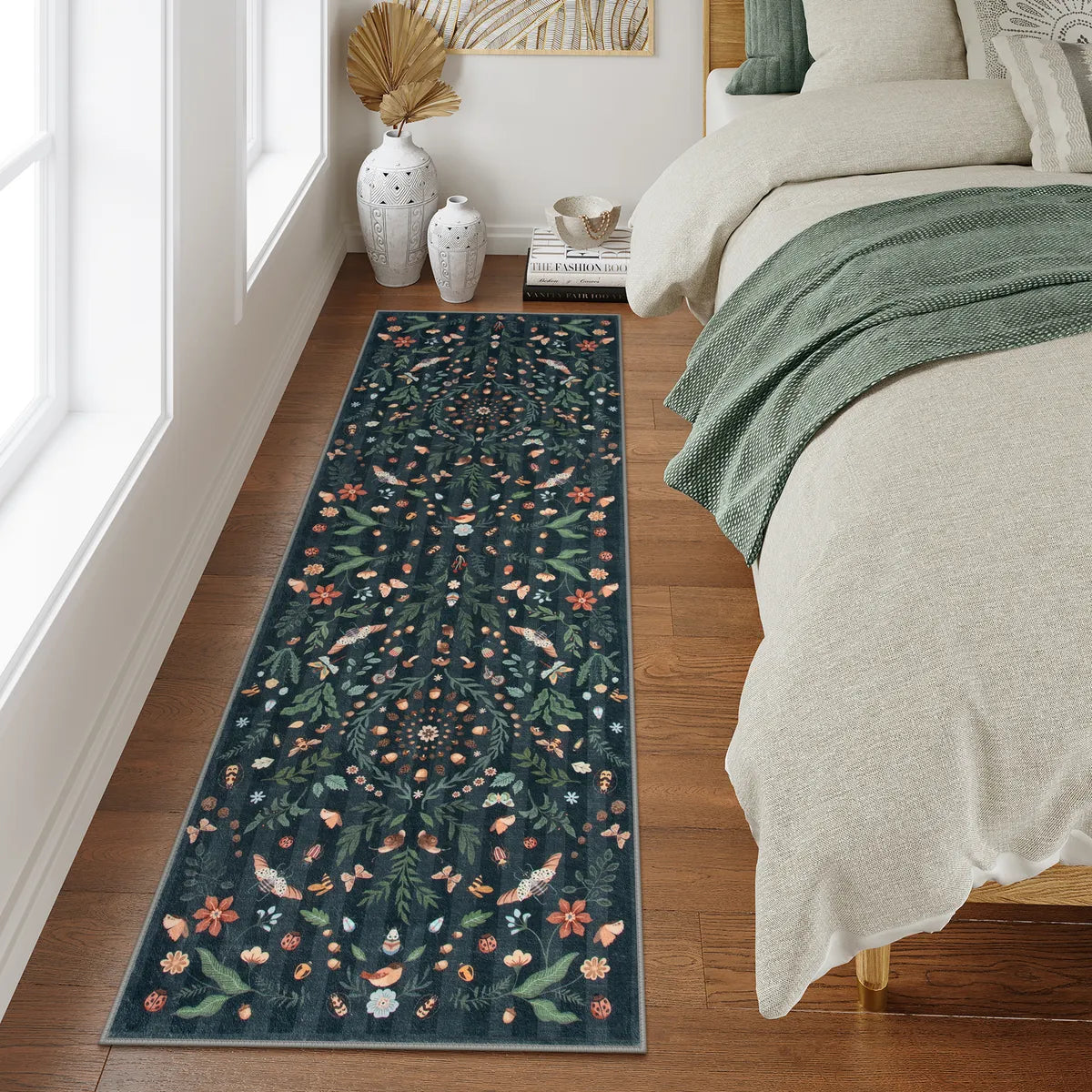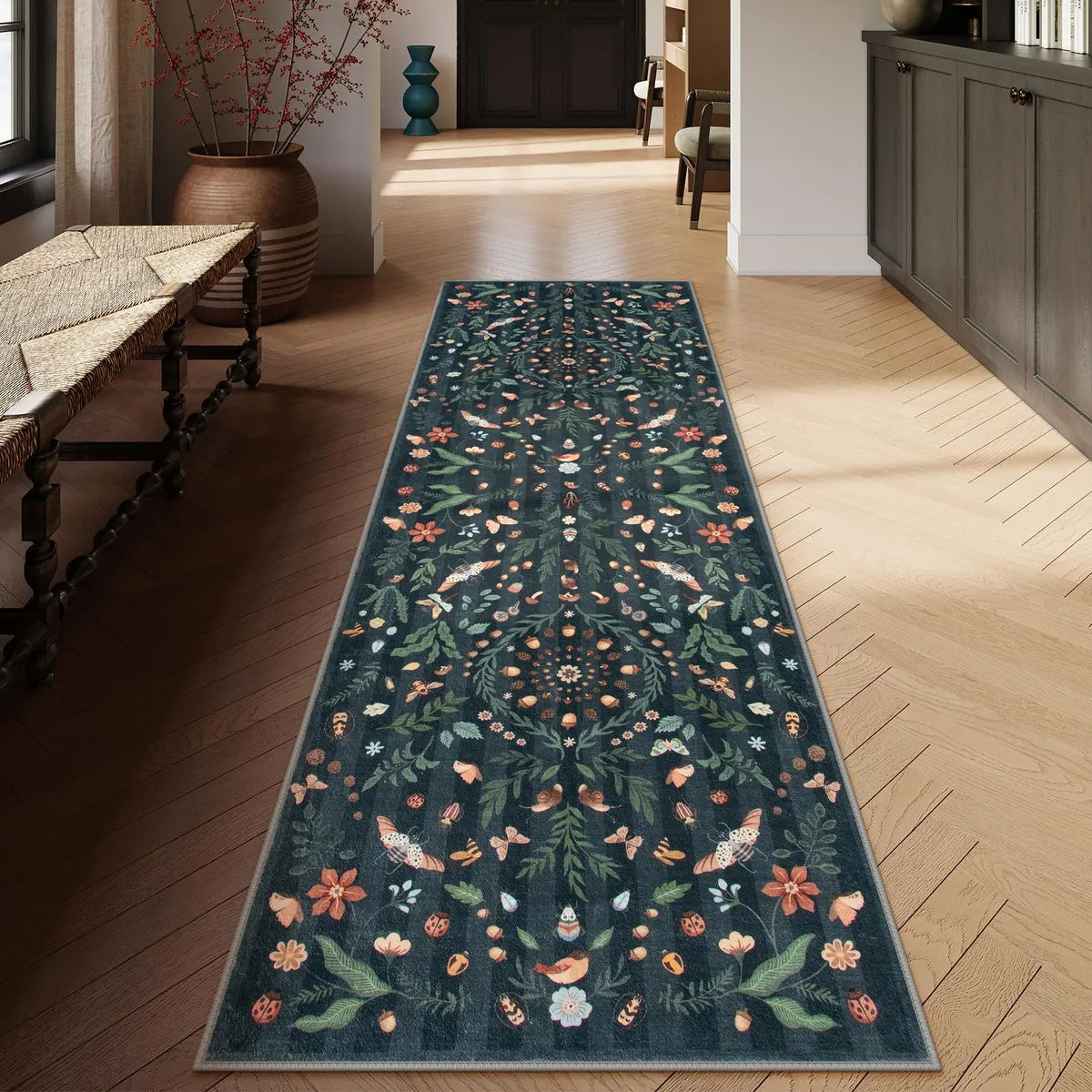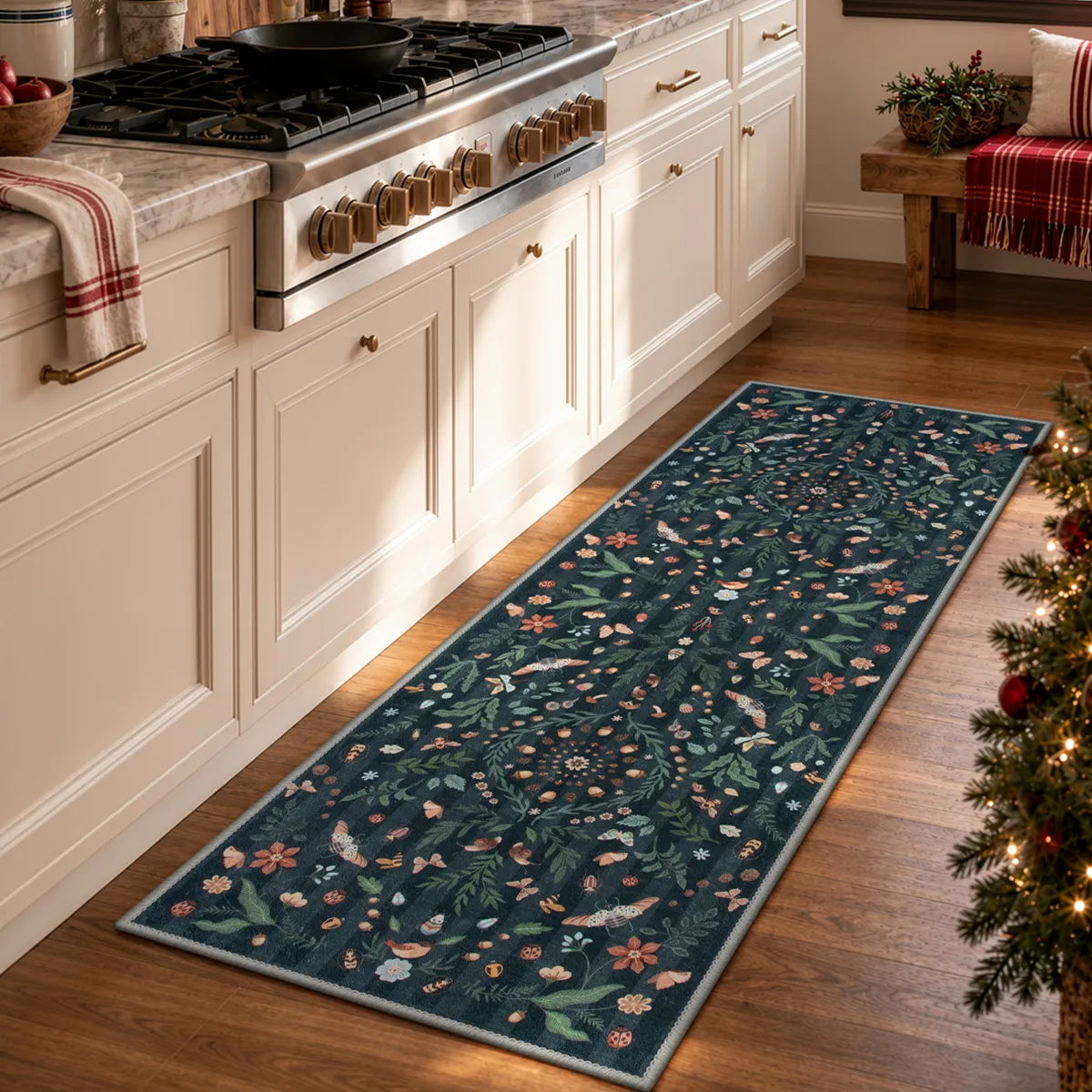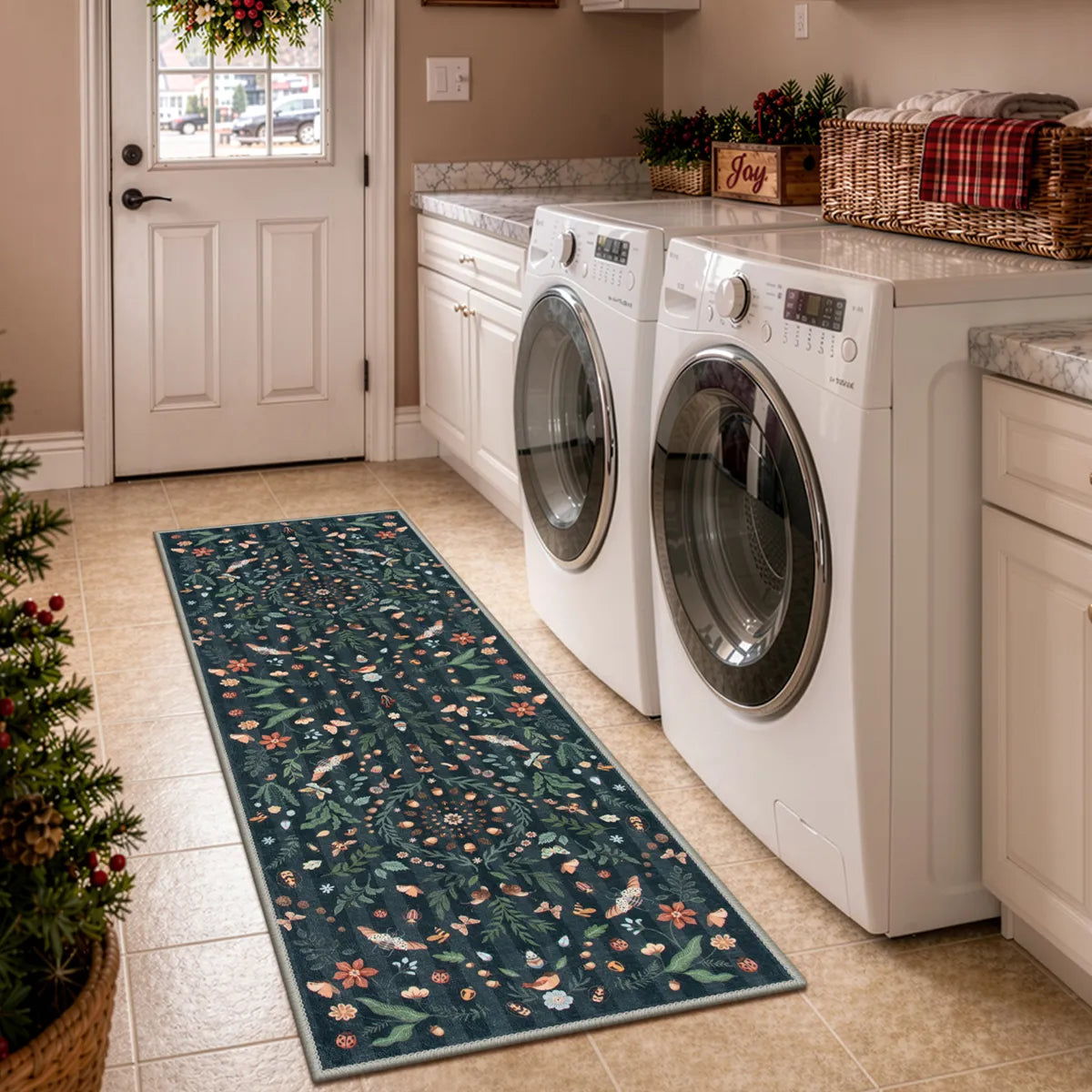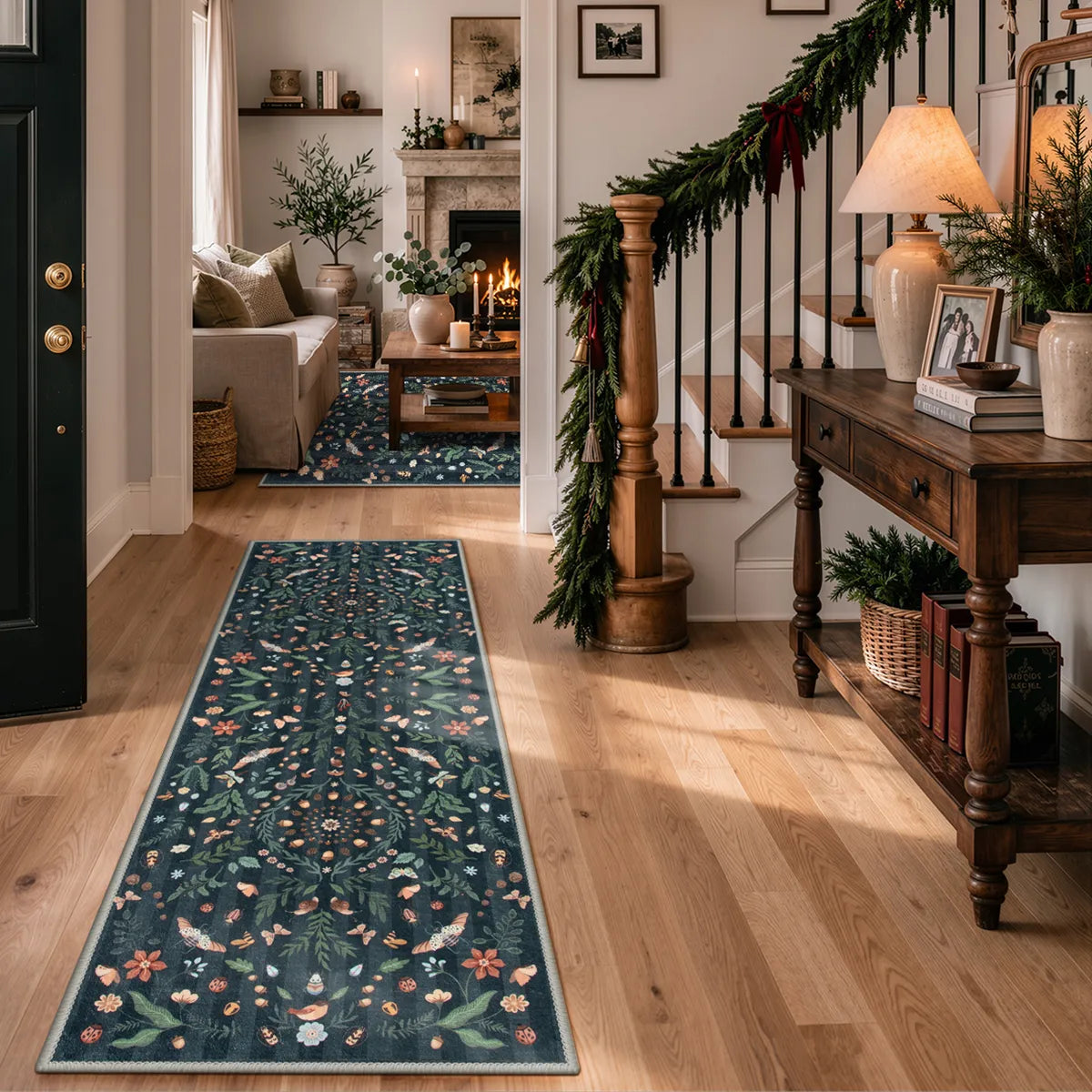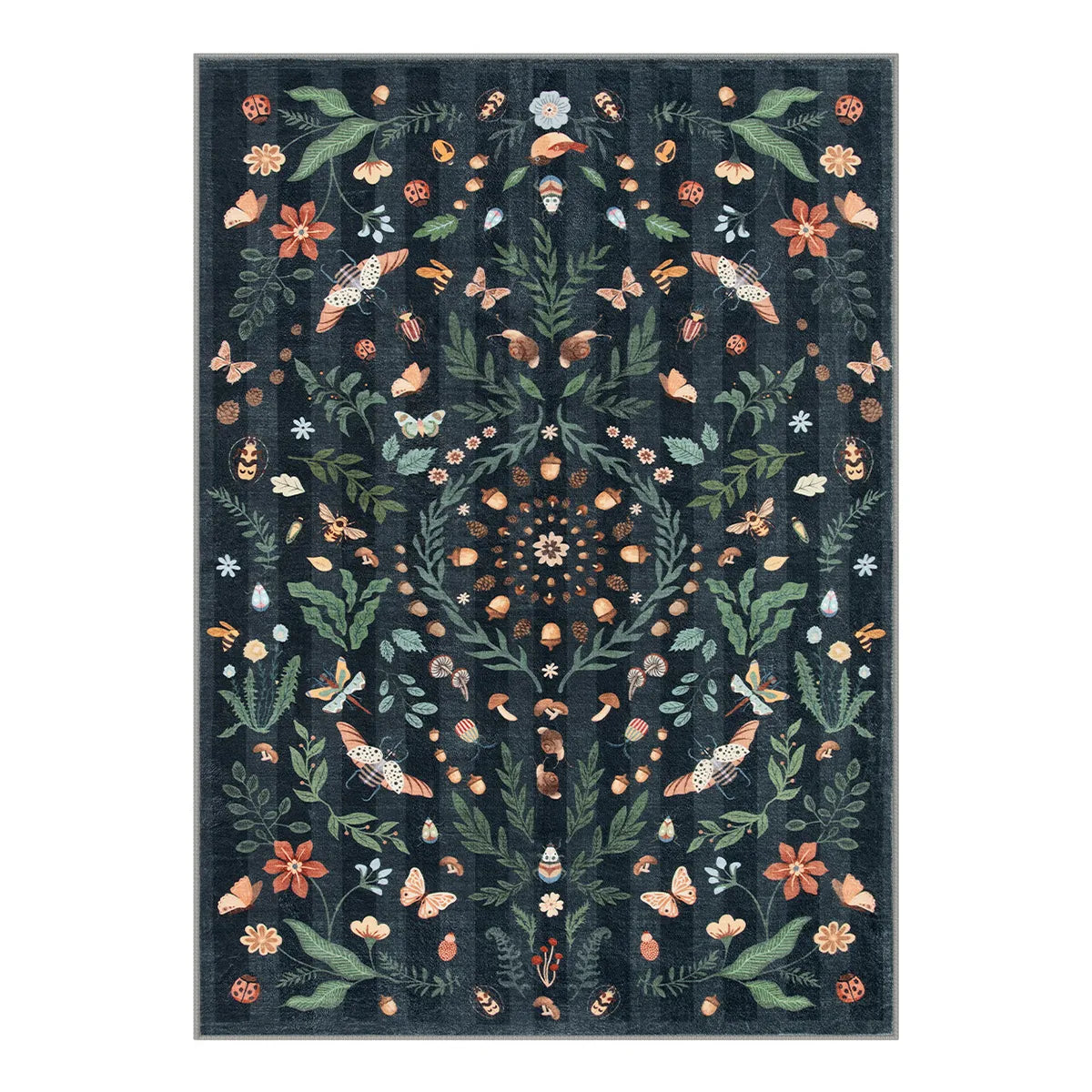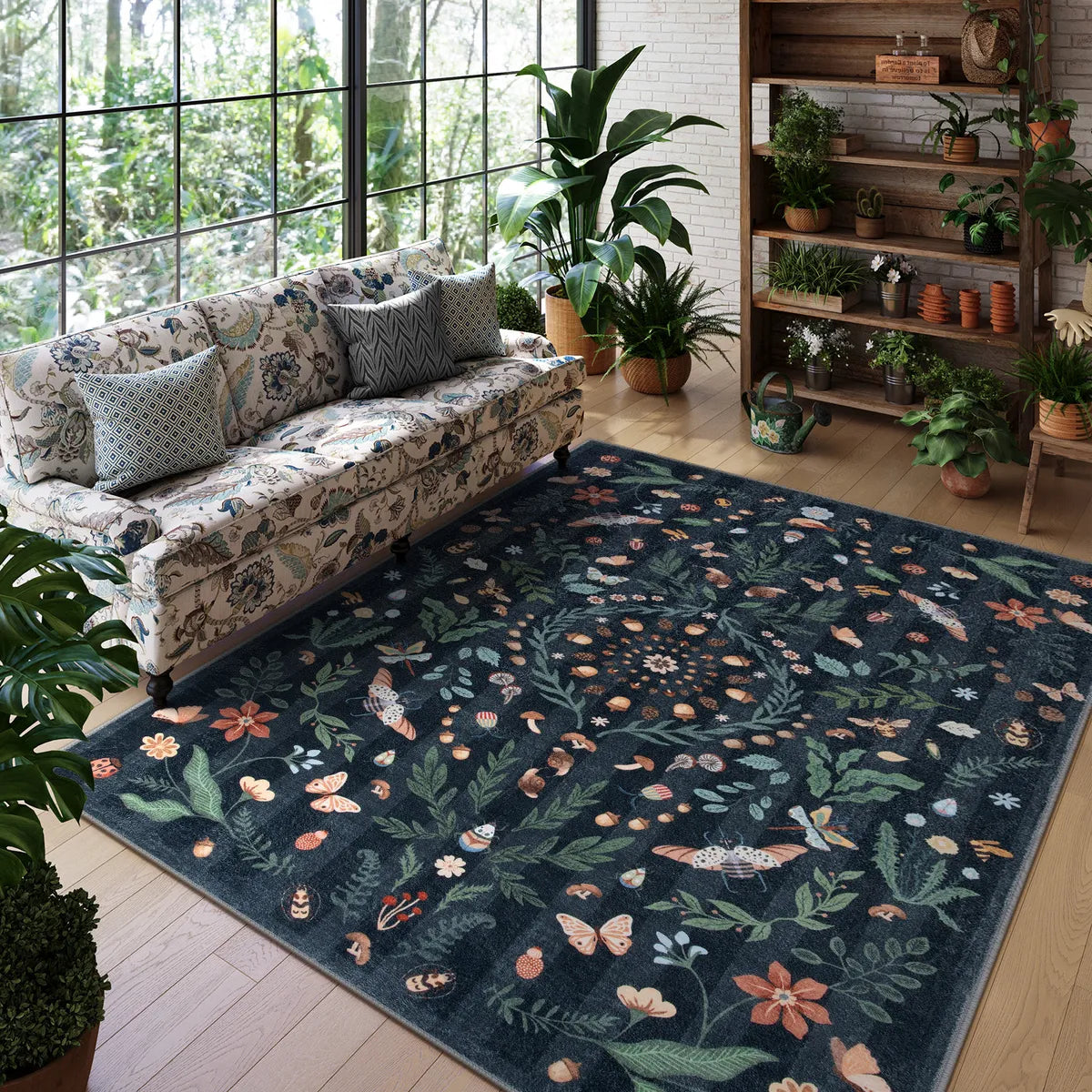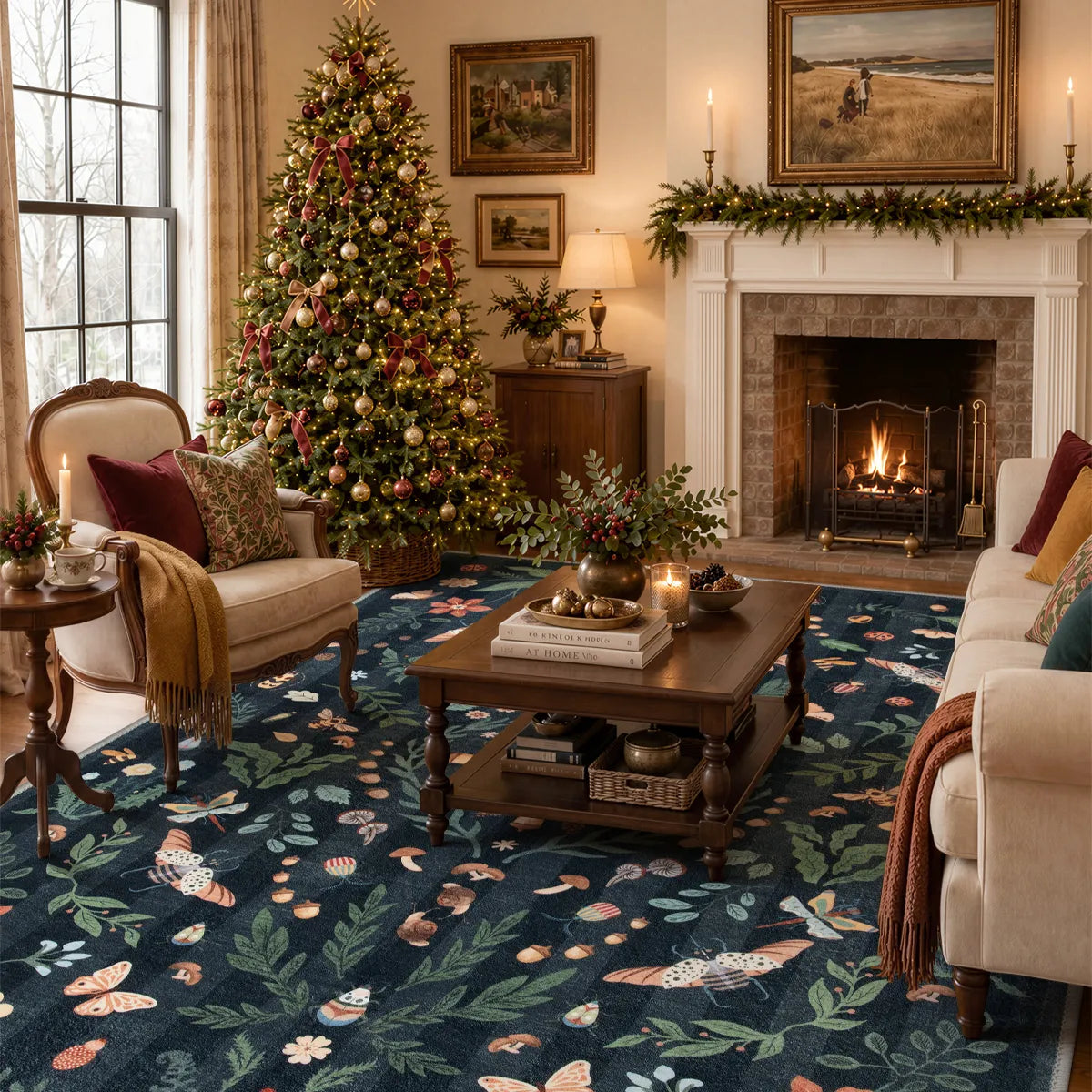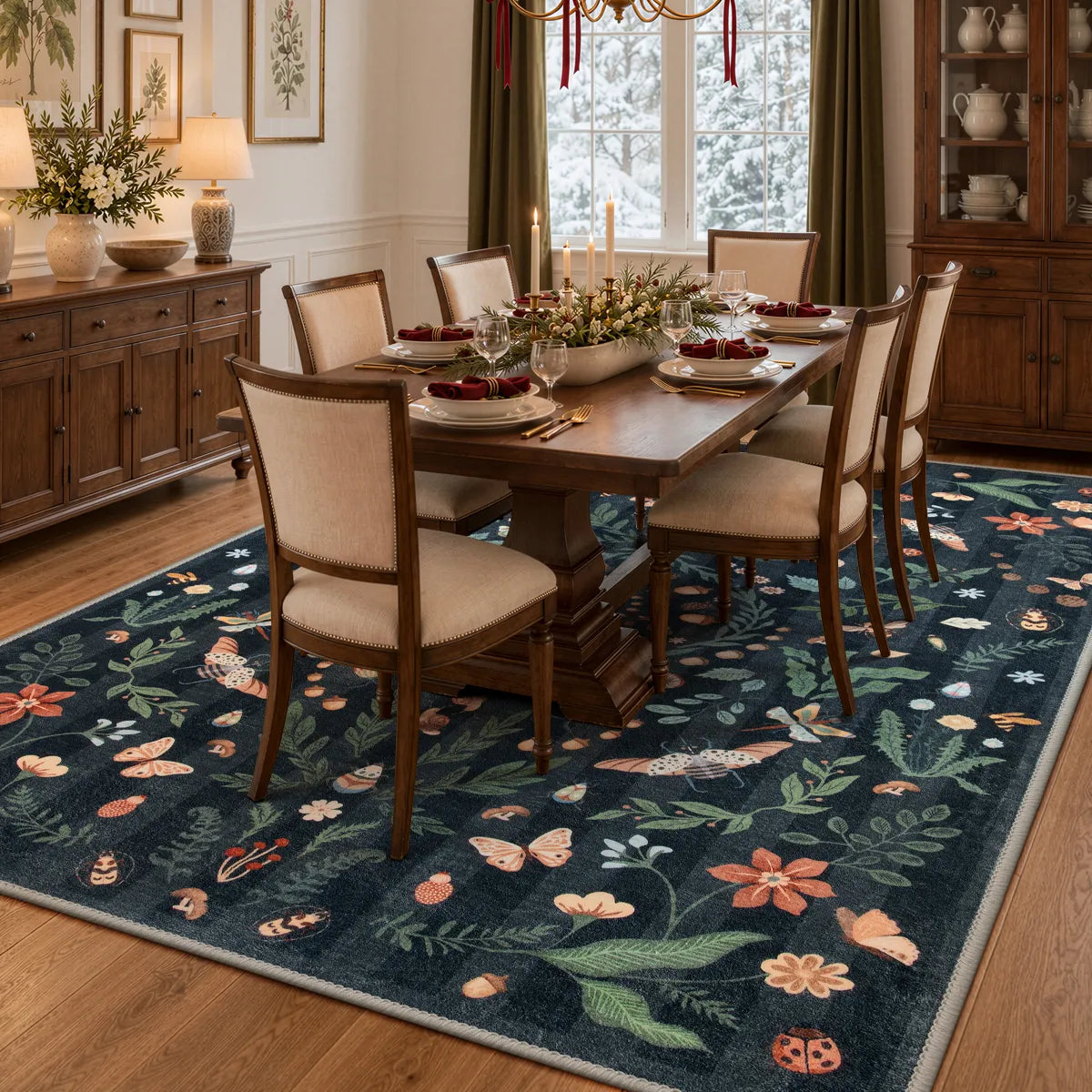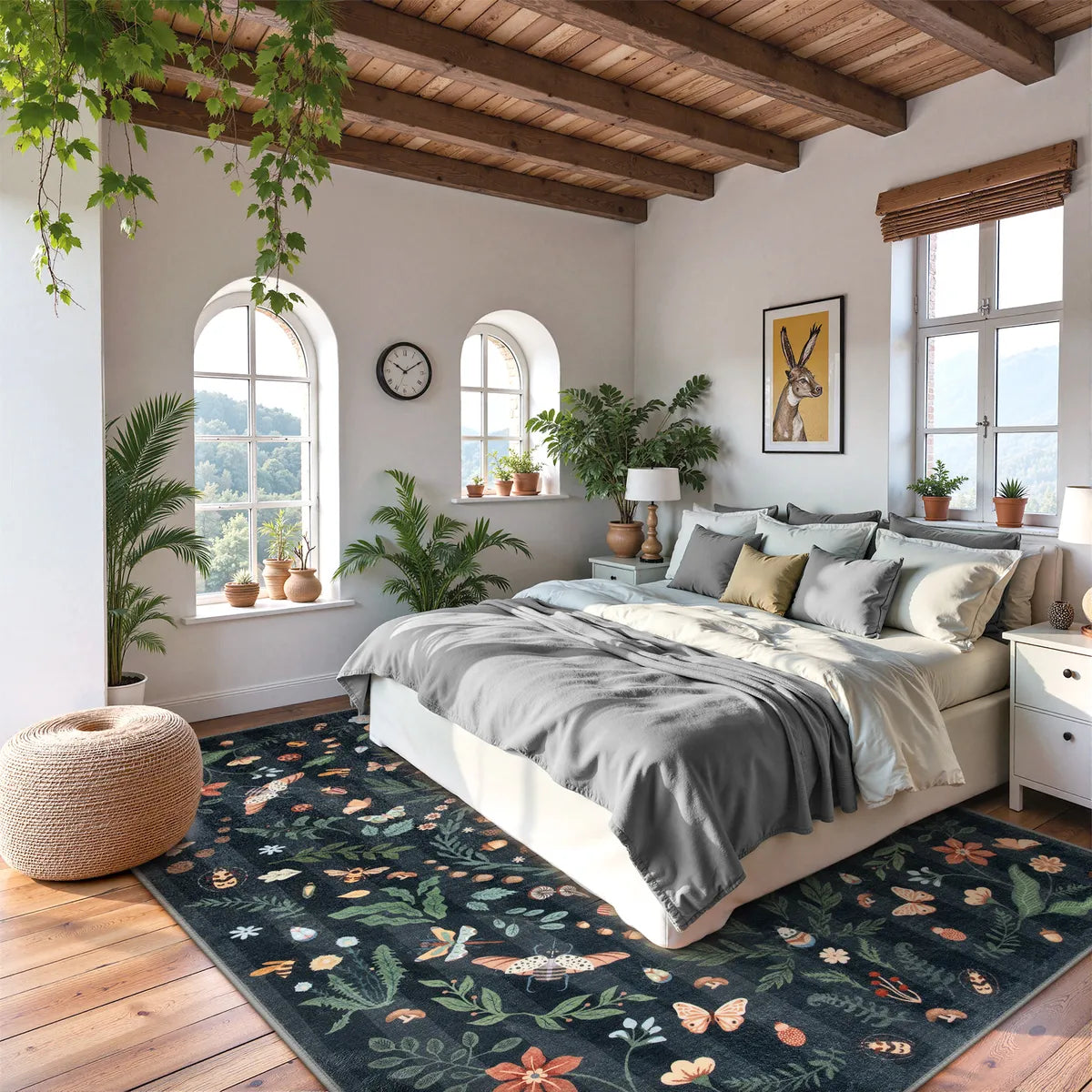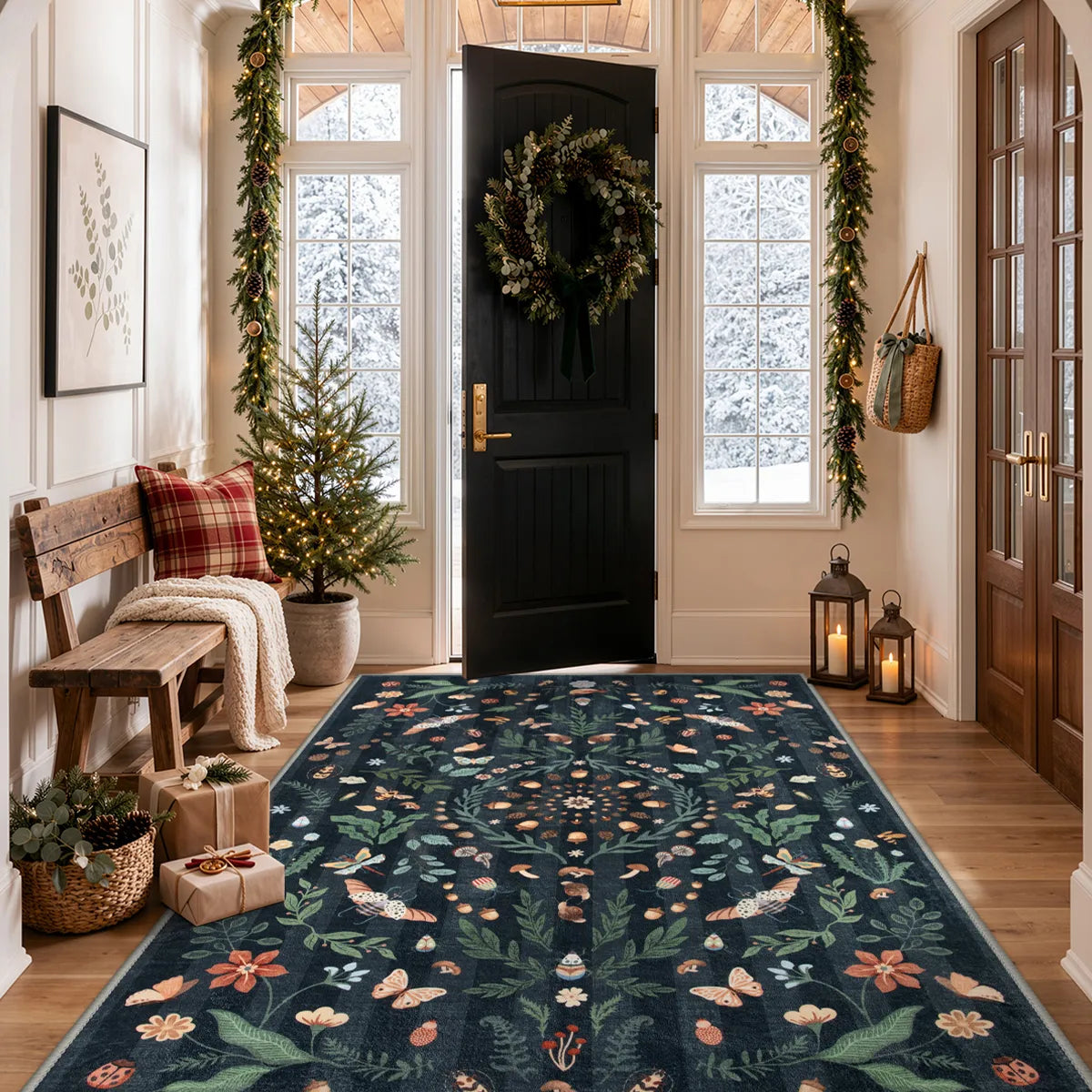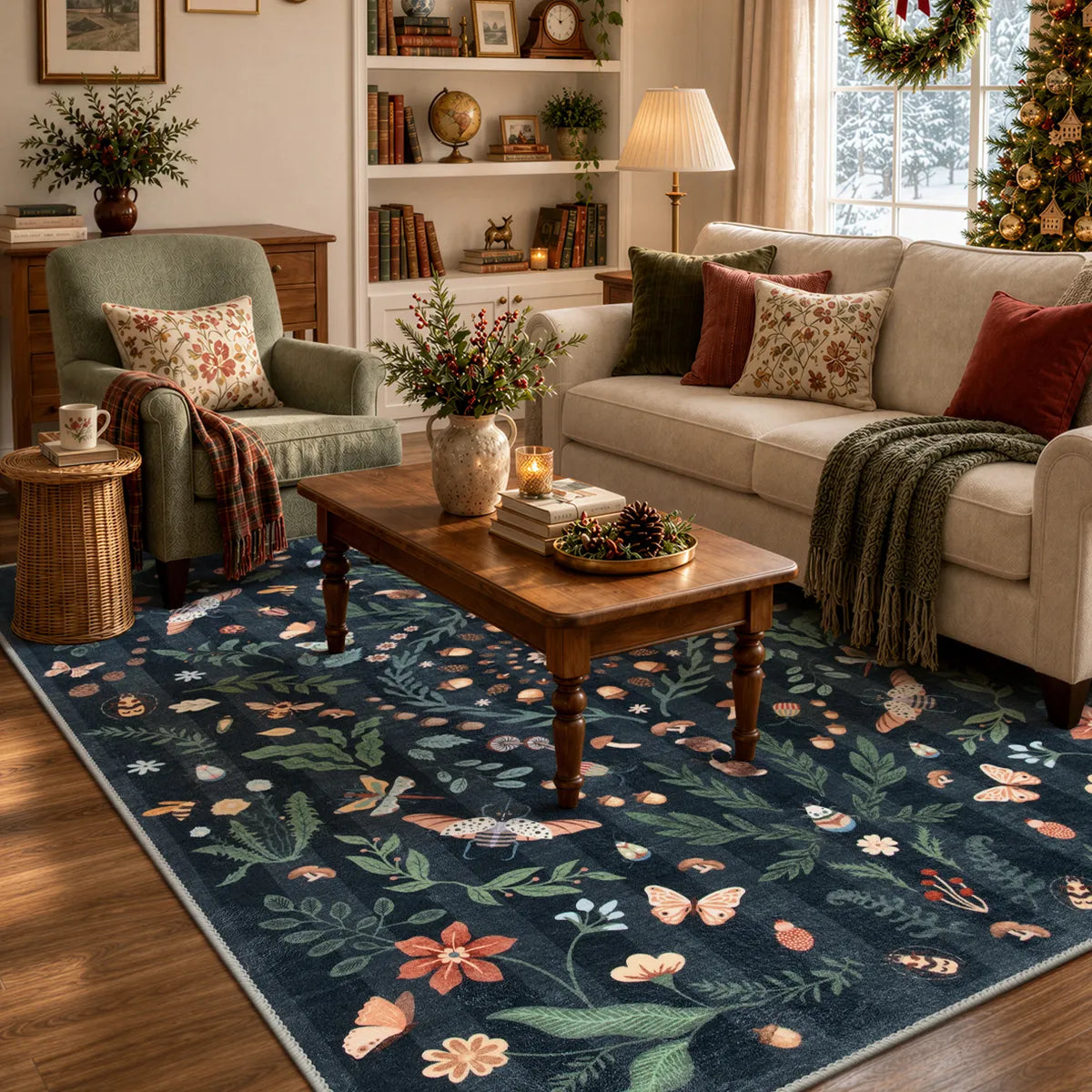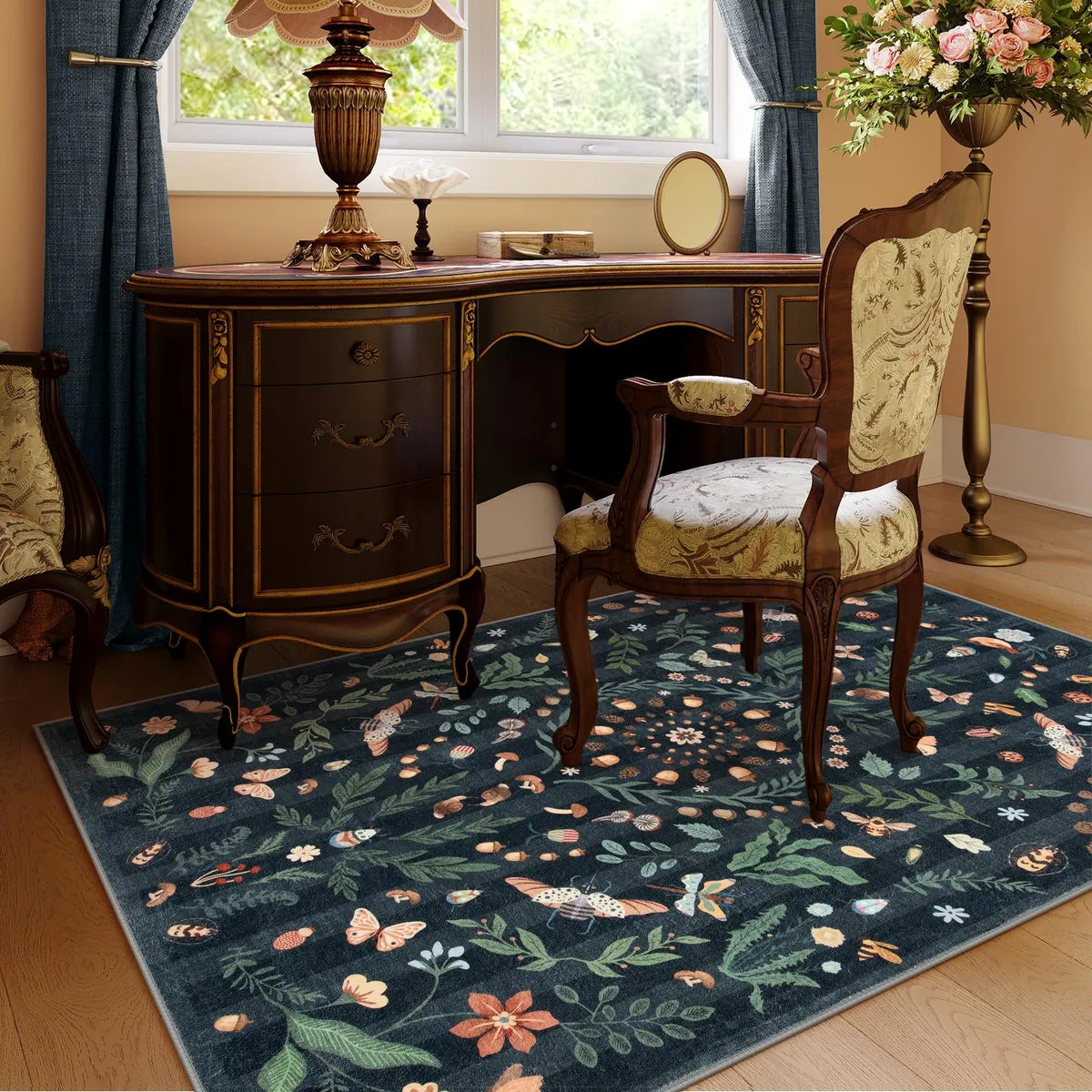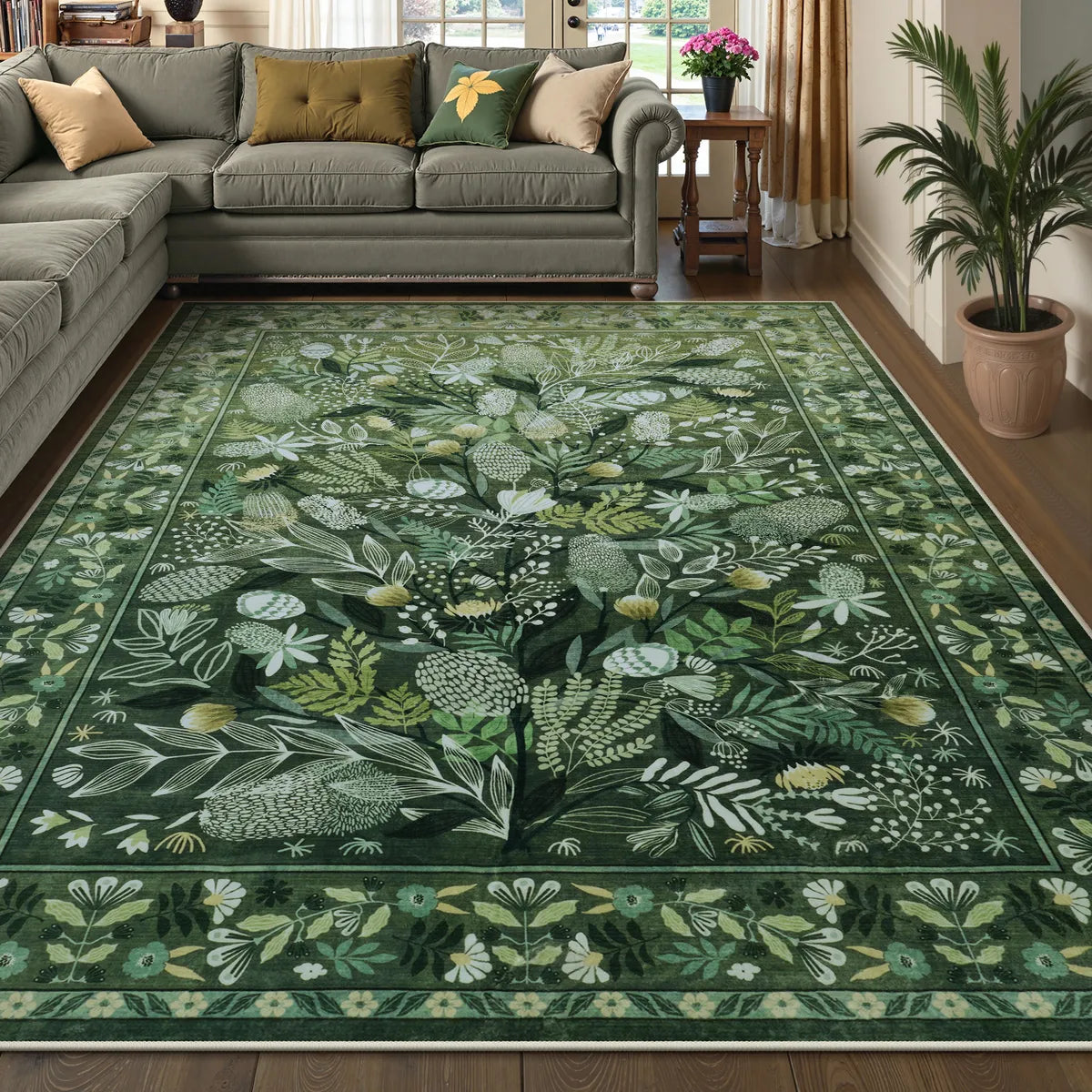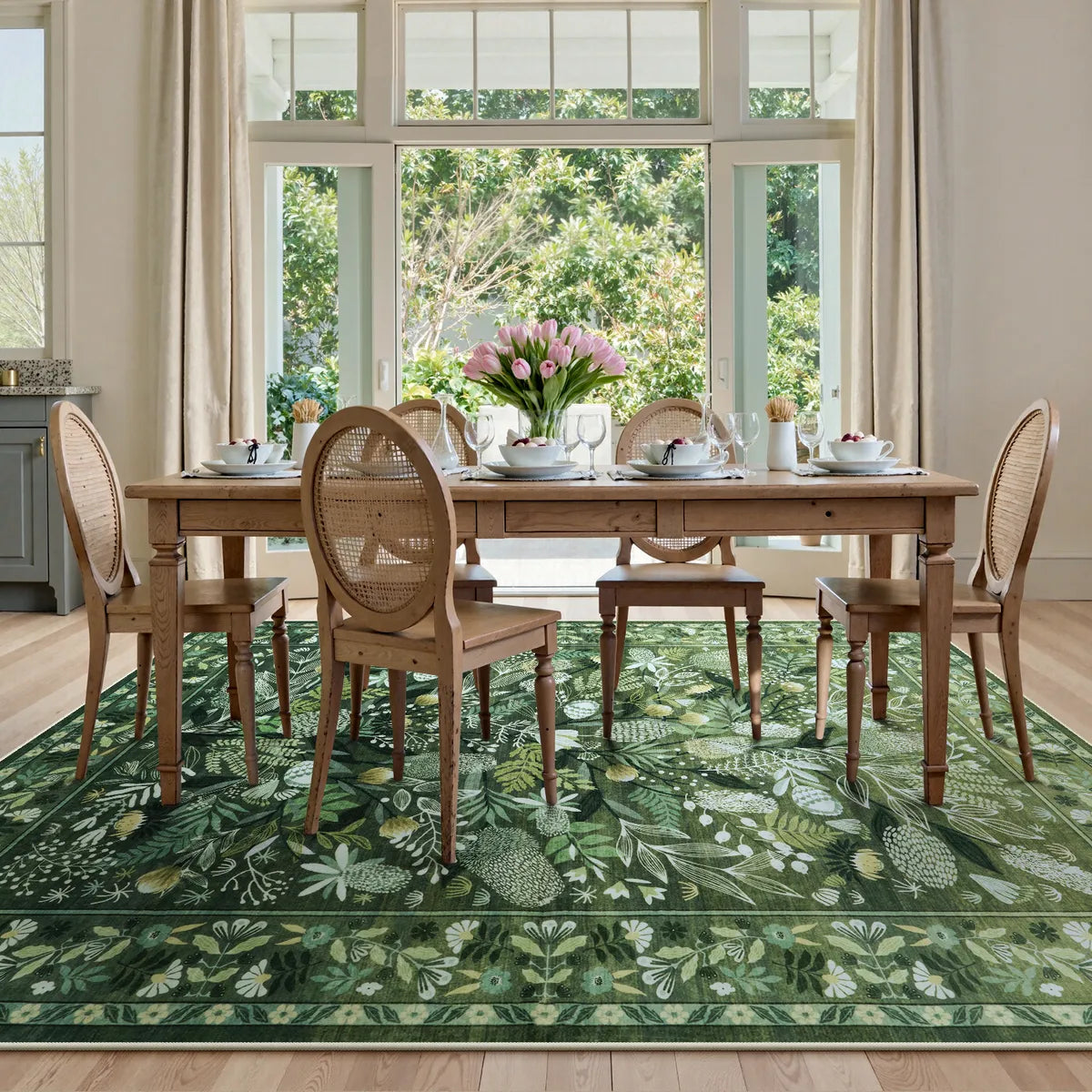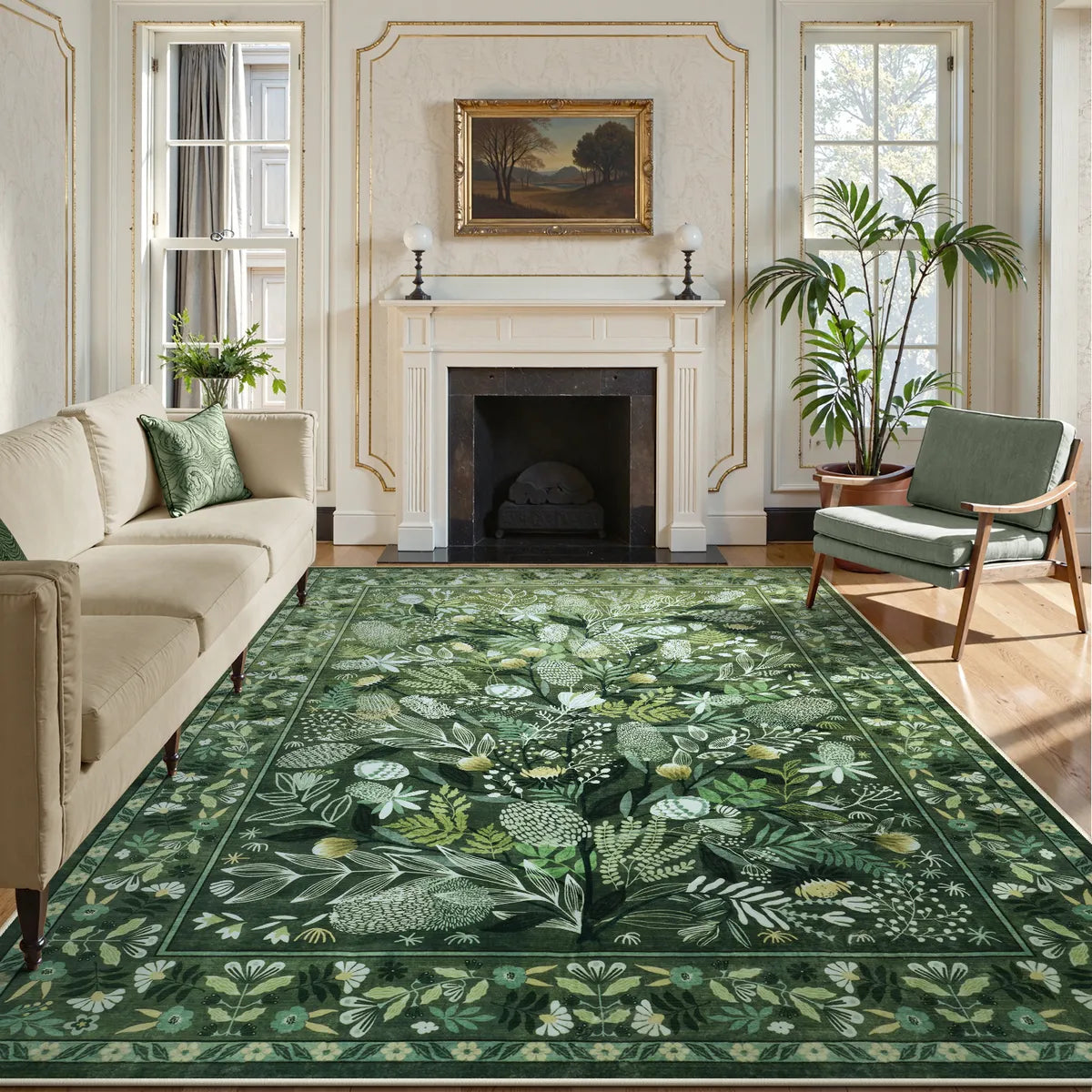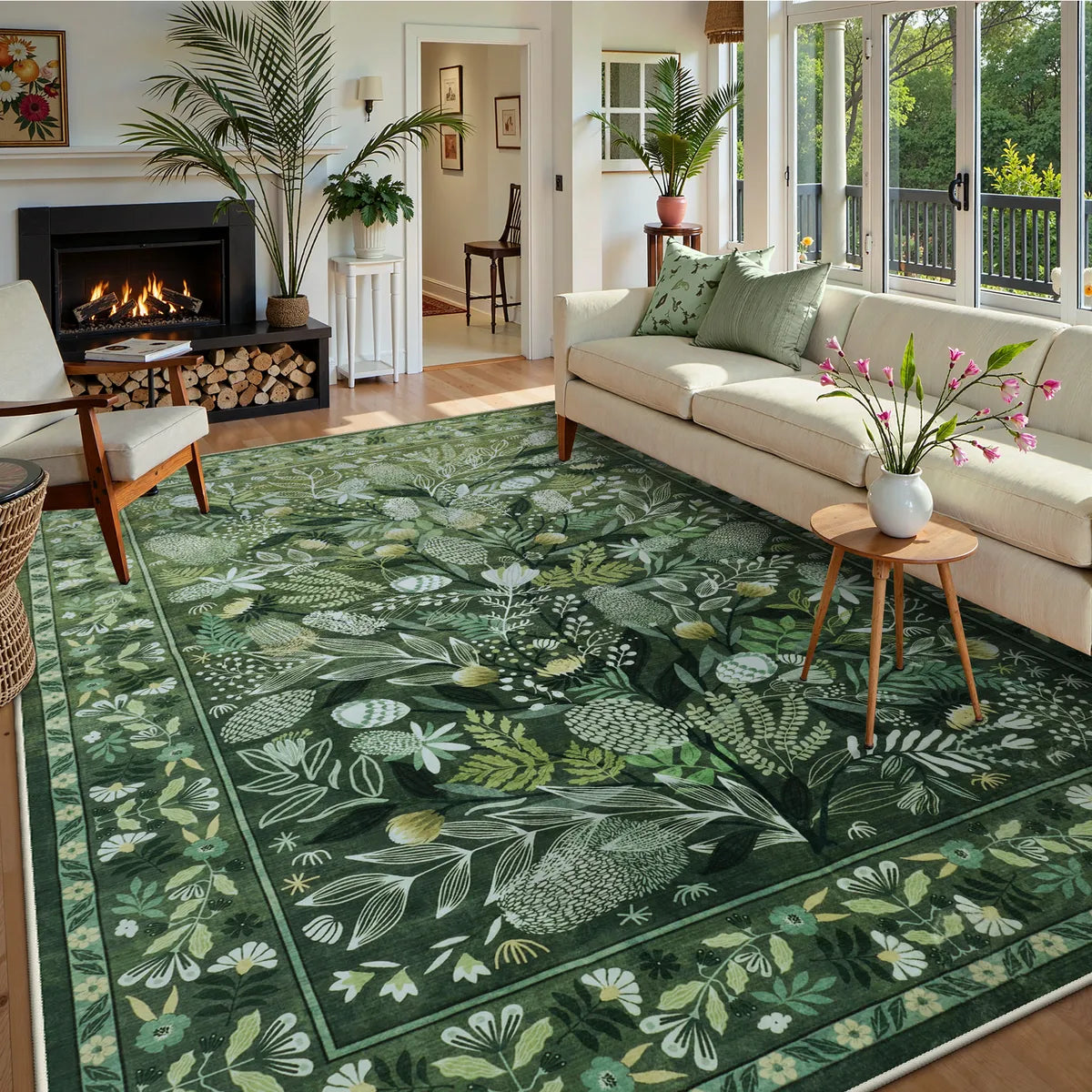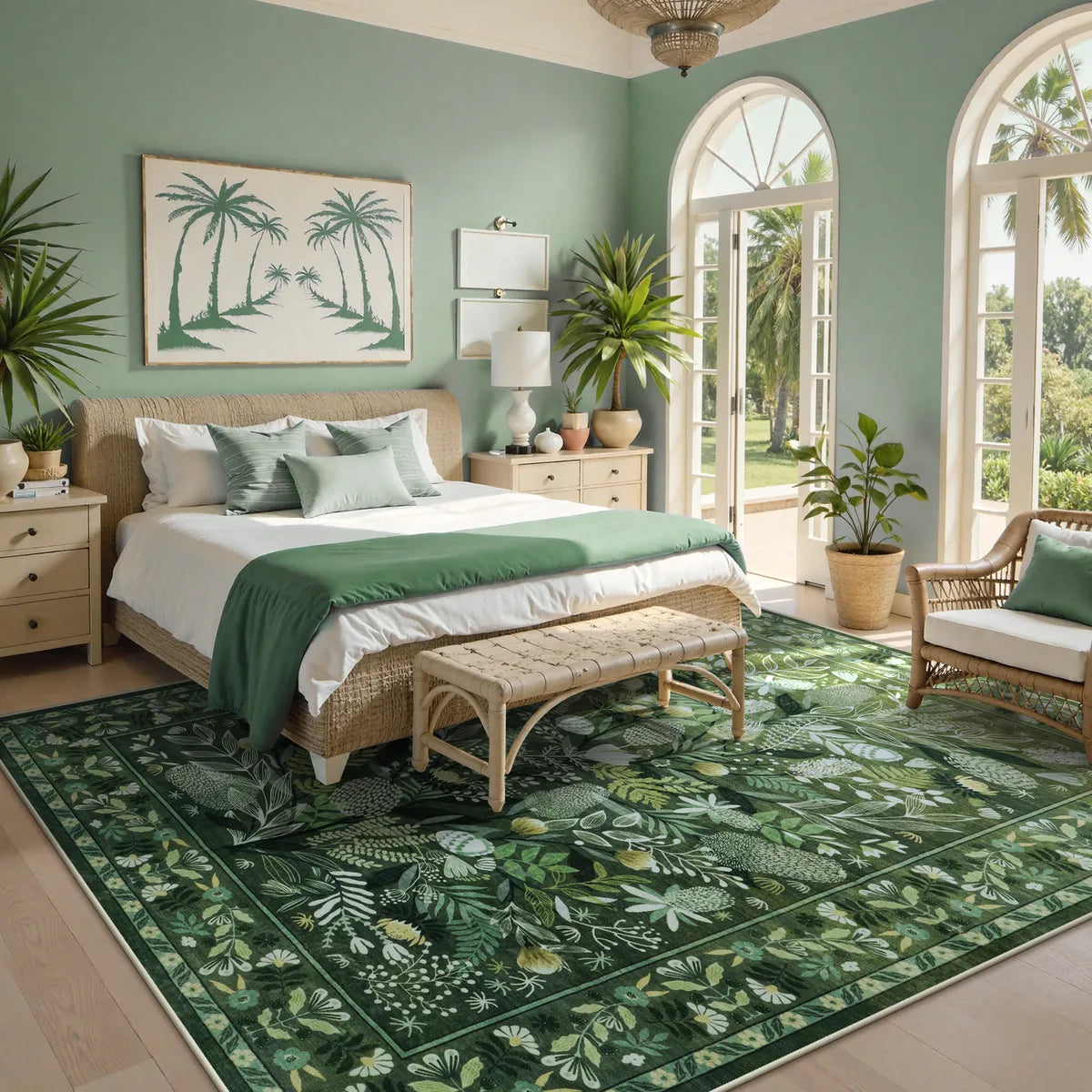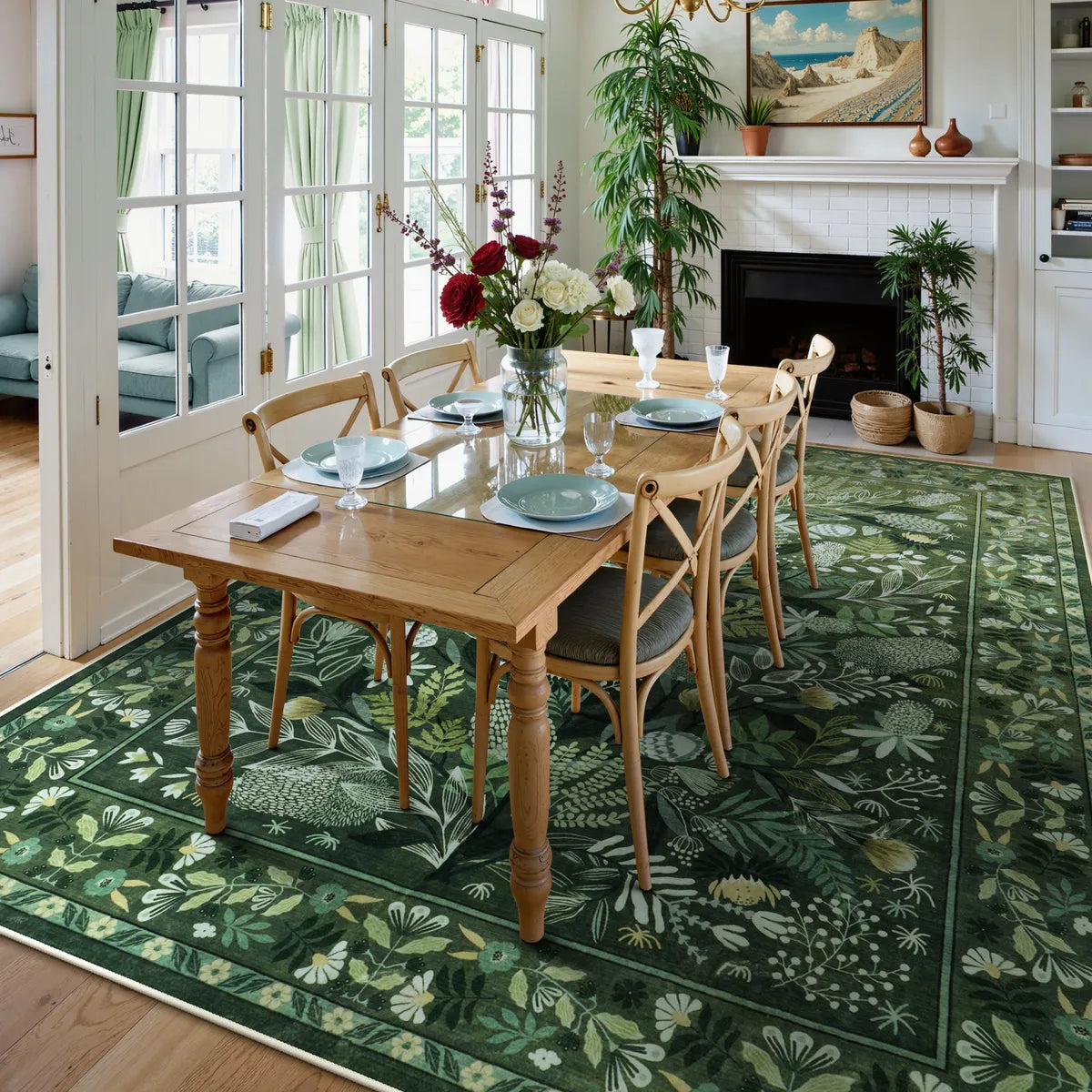


The coffee table is the anchor of any living room seating arrangement, and the rug beneath it is what holds everything together visually. Get the size, shape, or placement wrong, and even a well-furnished room feels off. Get it right, and the whole space clicks into place. Choosing the right rug for living room coffee table layouts comes down to a few clear principles. Here's how to apply them.
How Rug Shape and Size Work With Your Coffee Table Layout

Shape and size are not independent decisions; they respond directly to the furniture arrangement they sit within. Two principles cover most living room layouts:
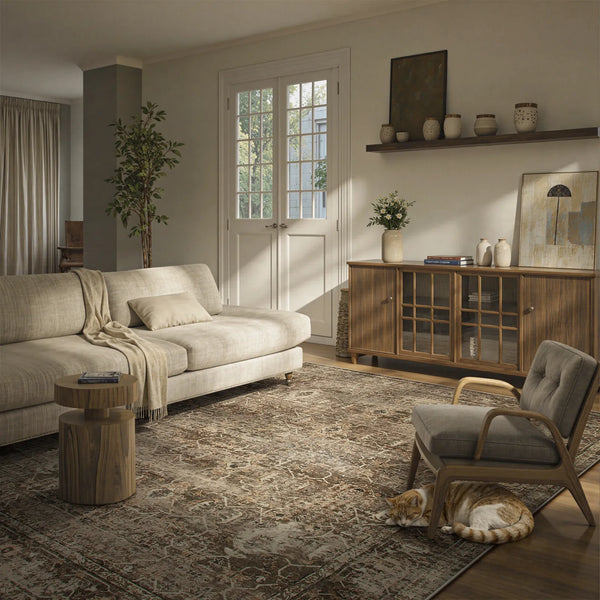
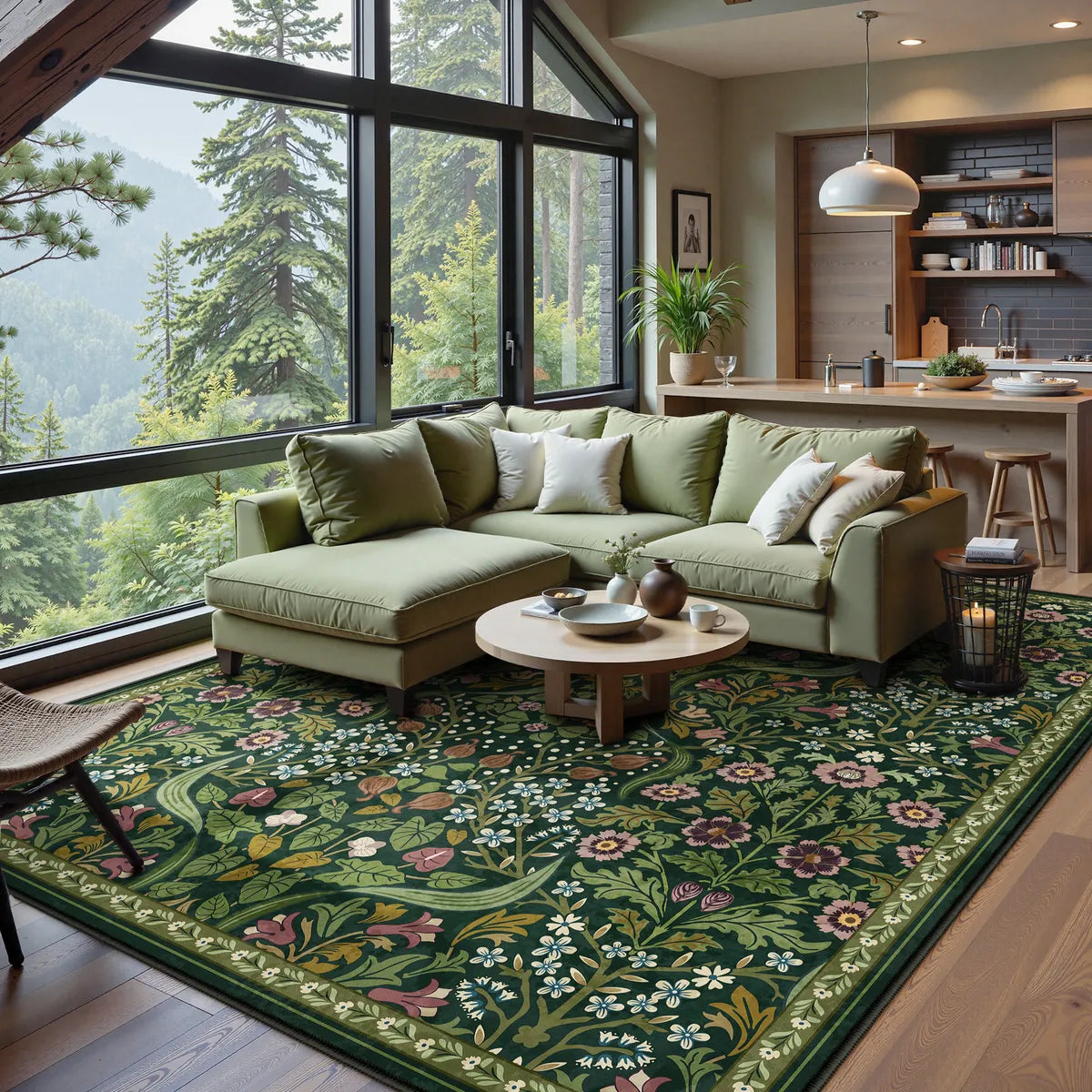
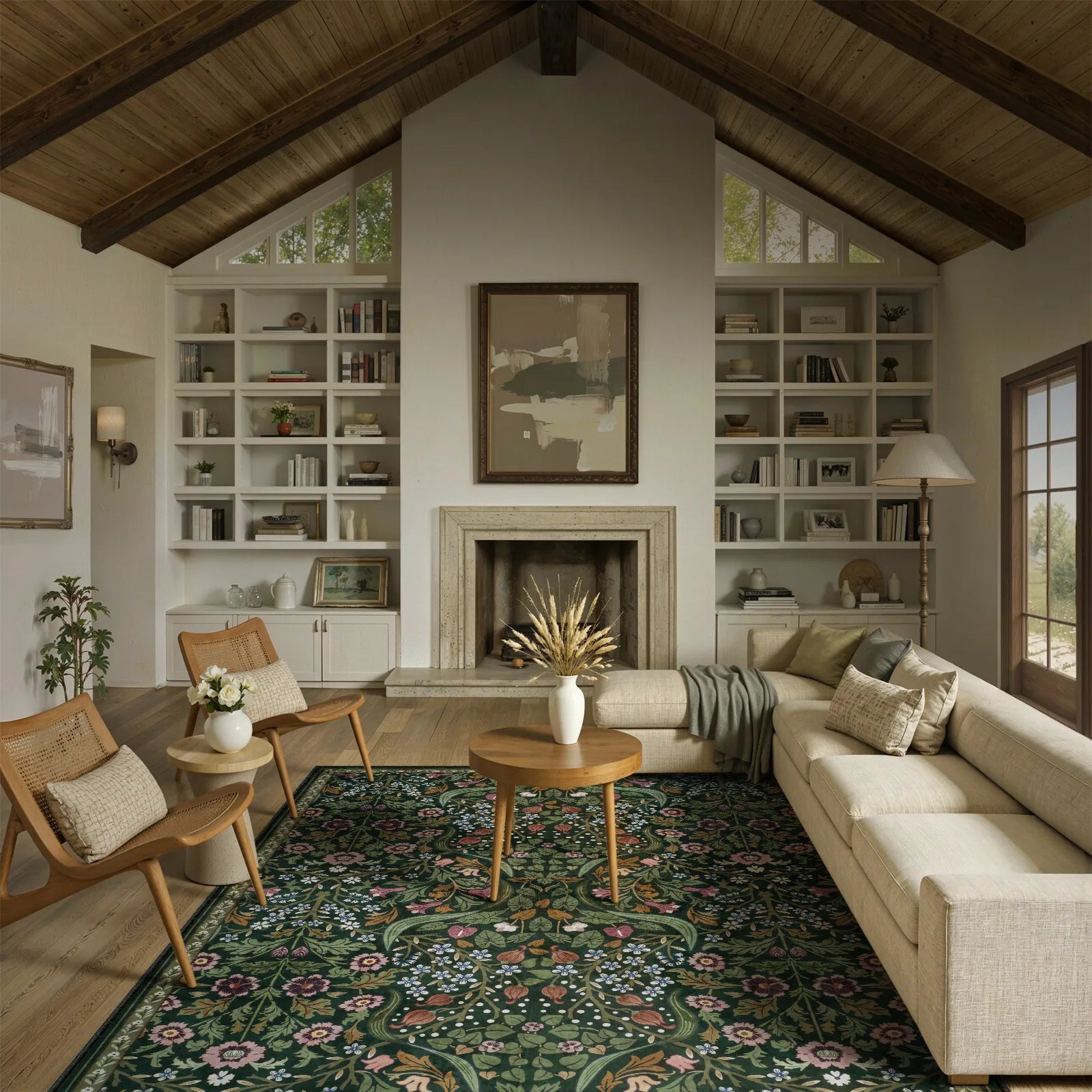
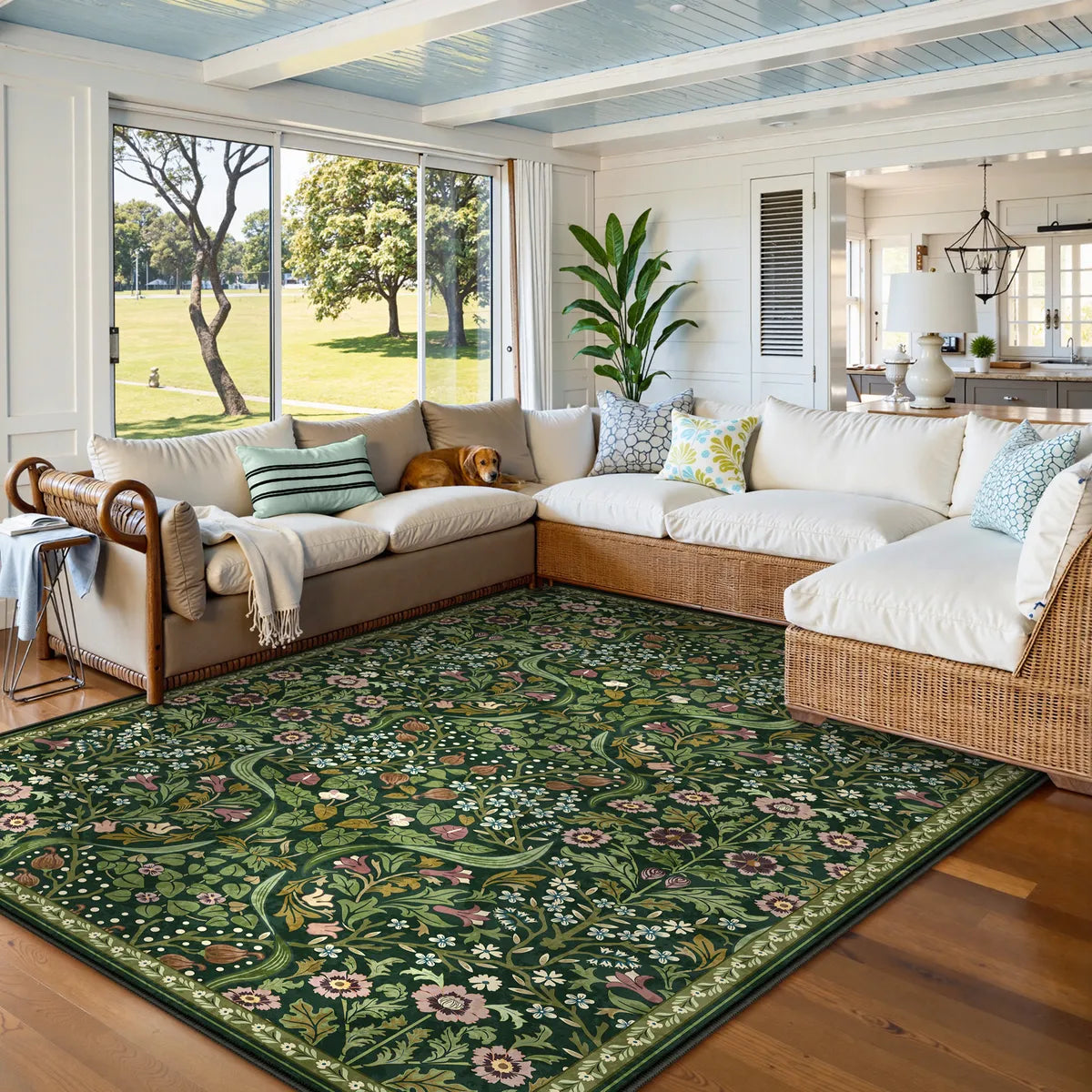
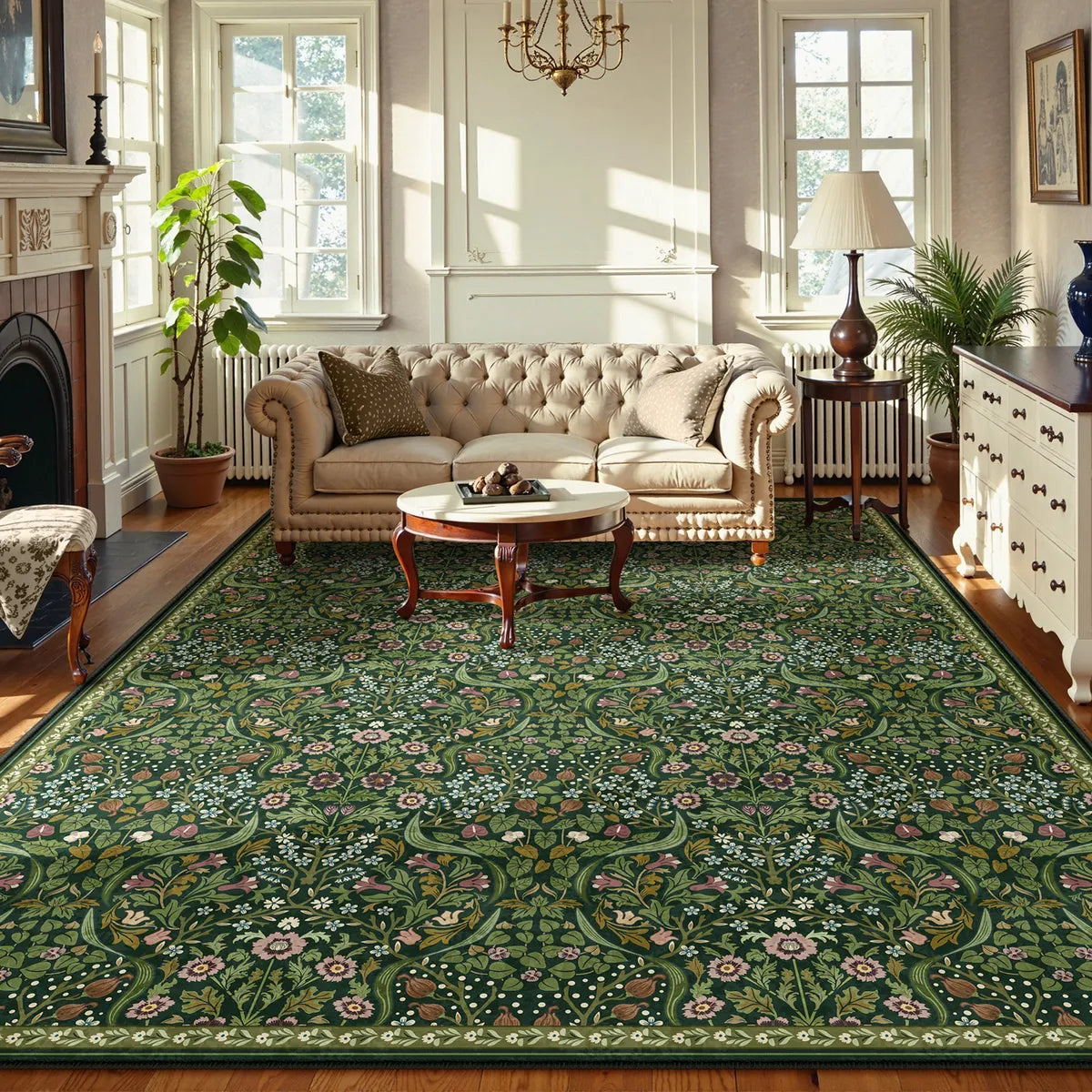
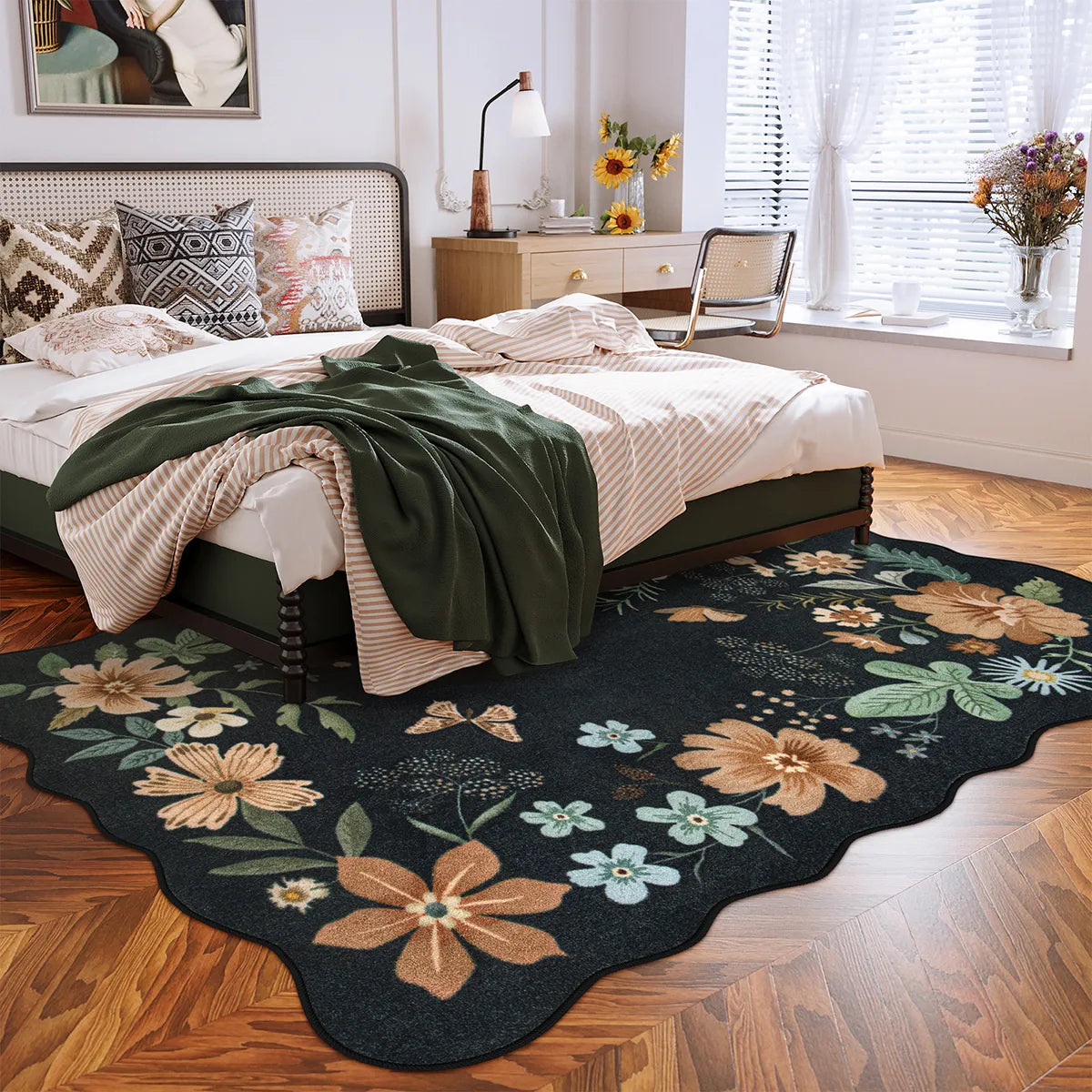
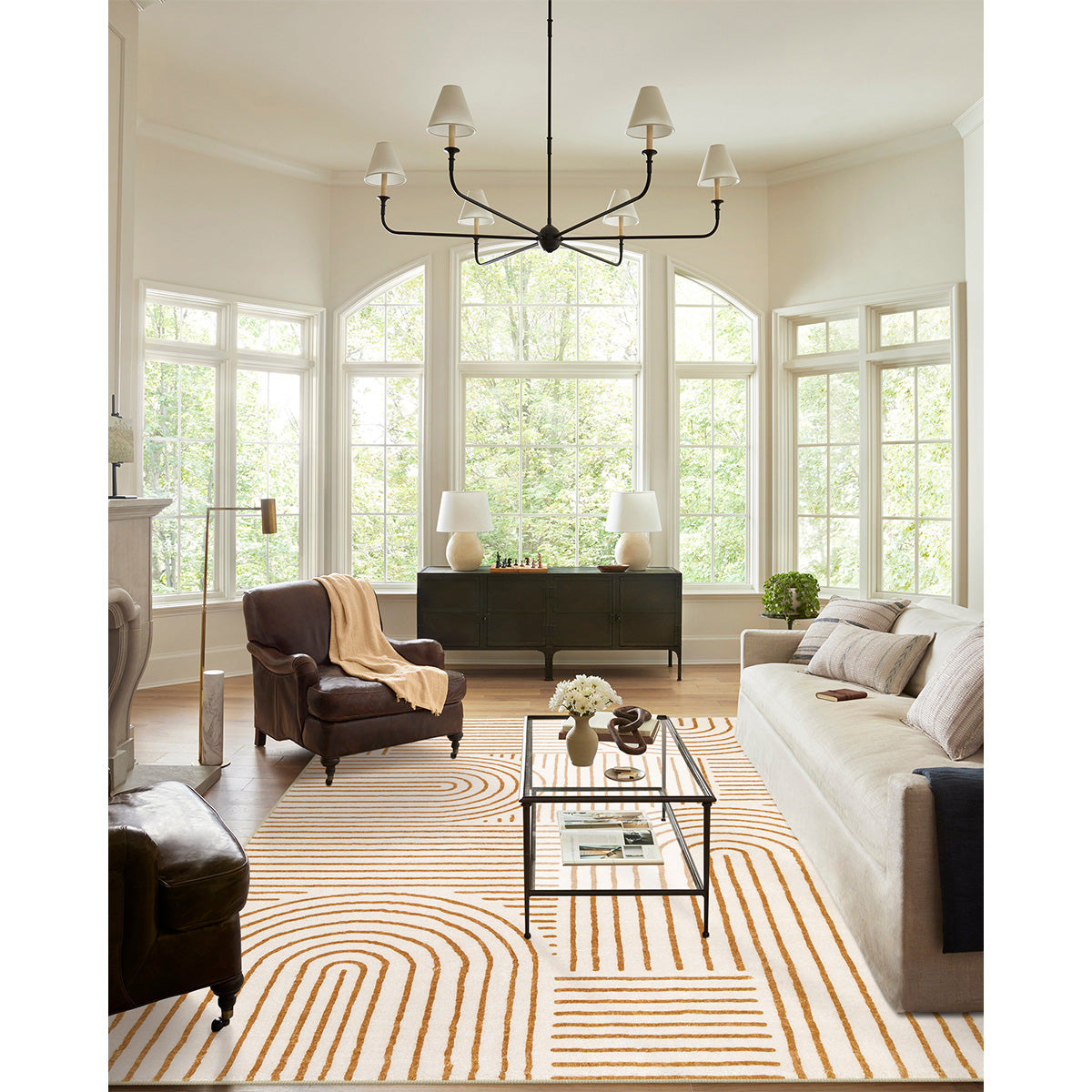
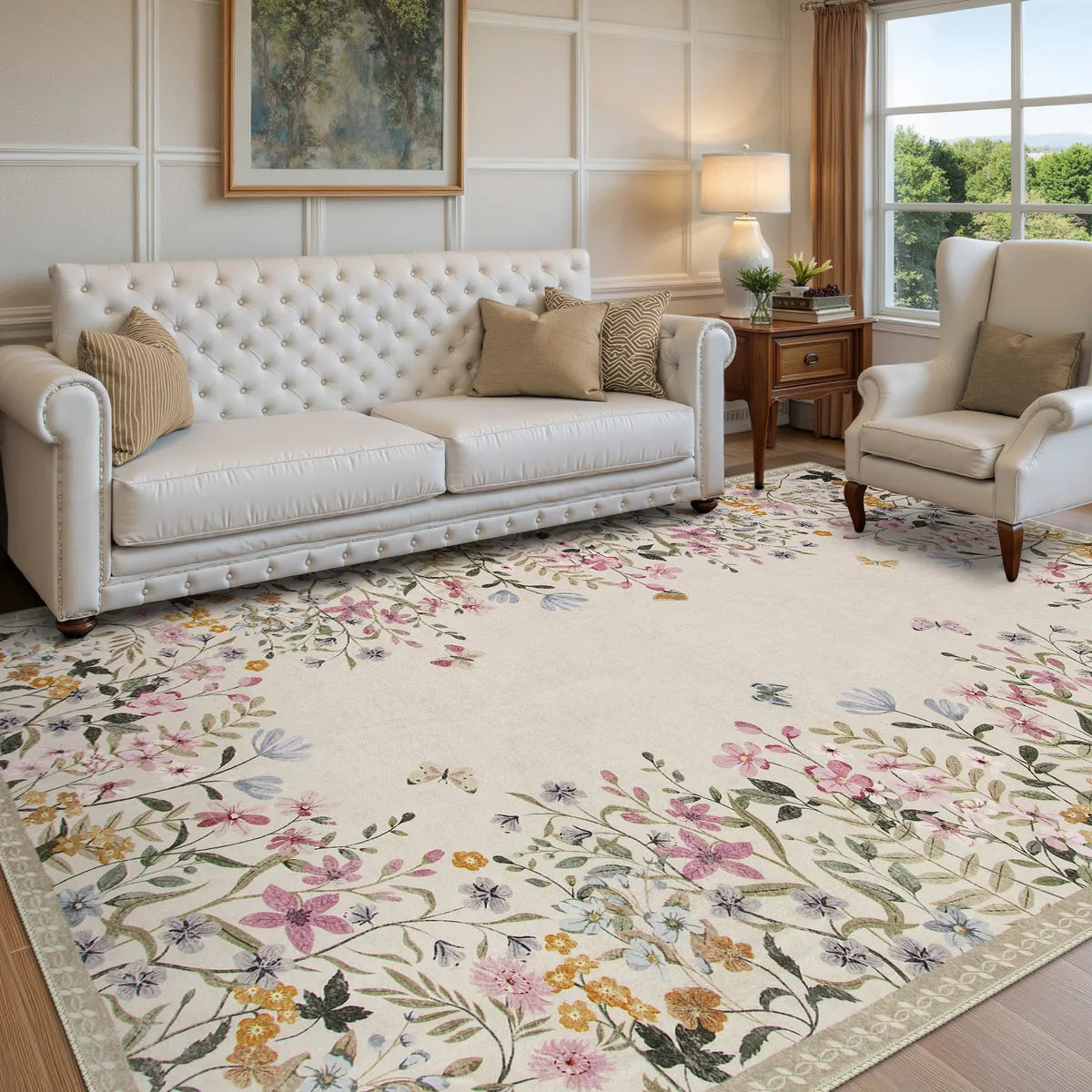
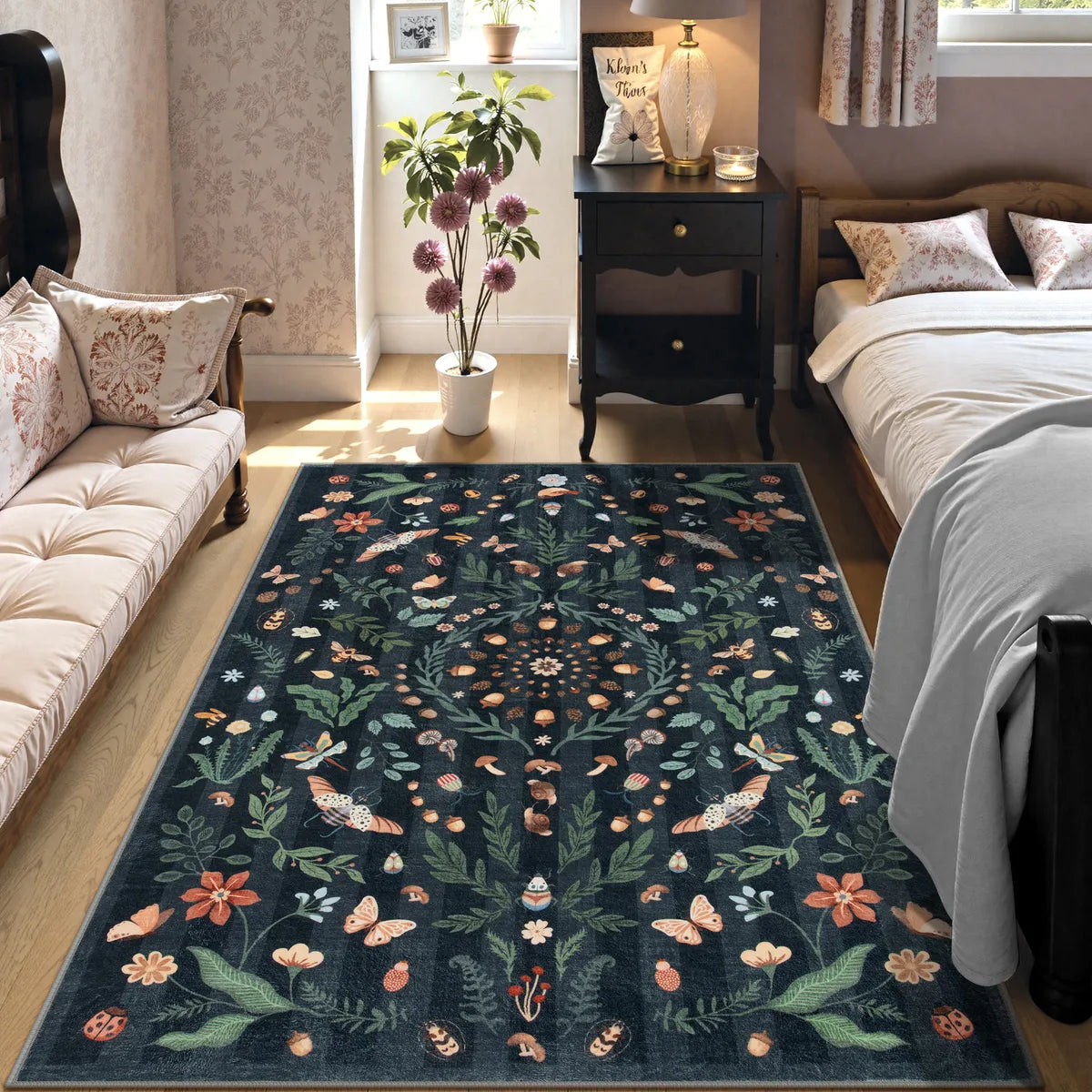
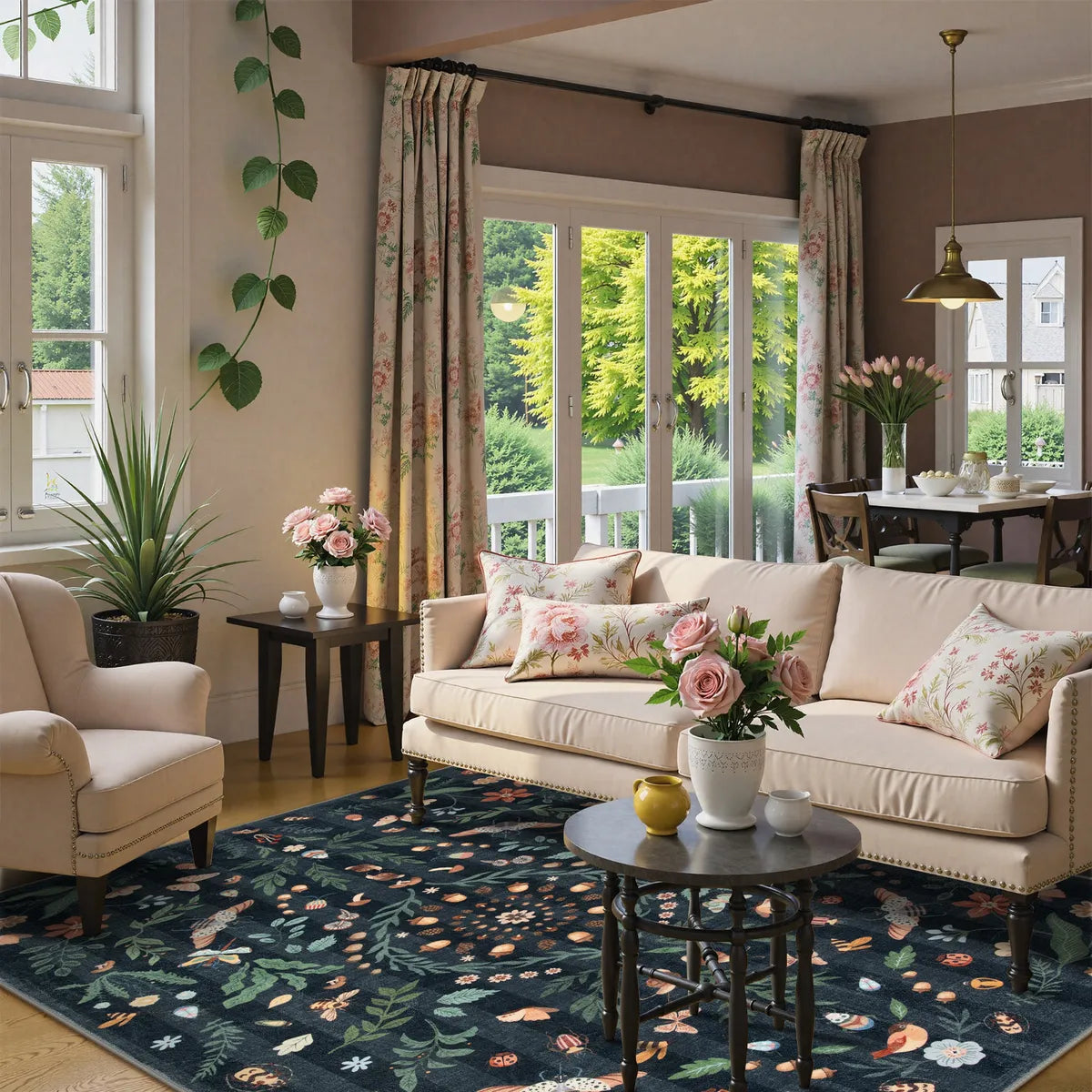
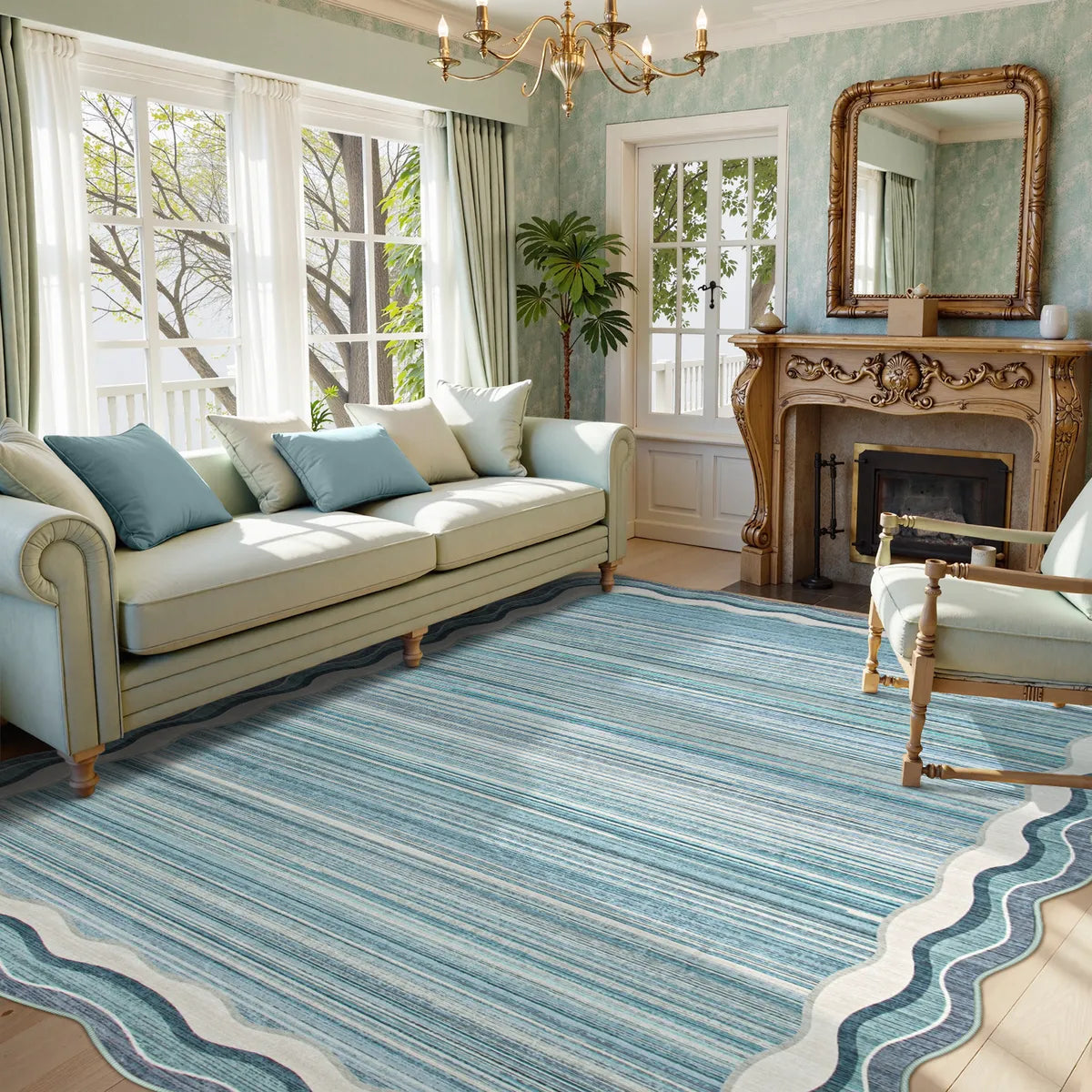
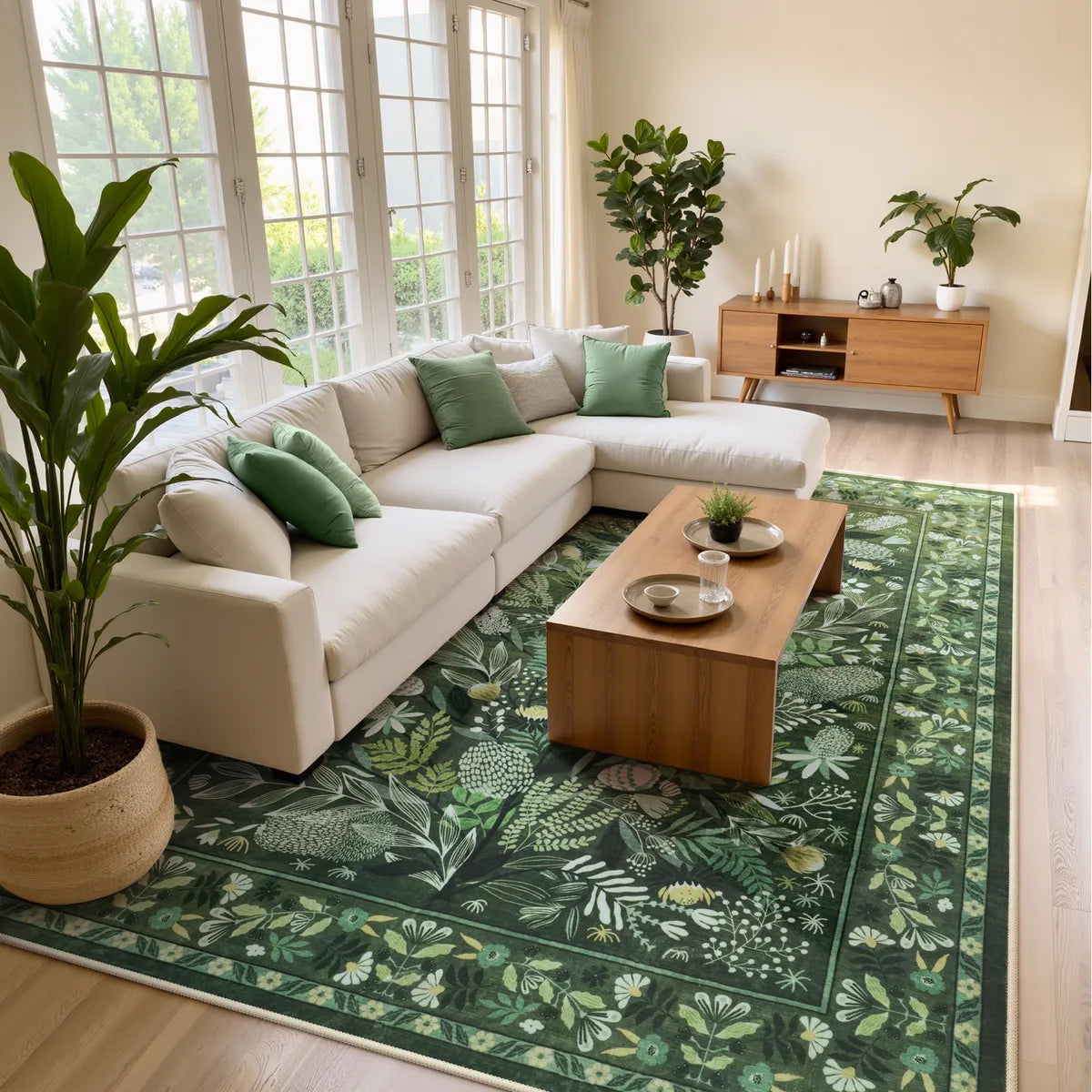
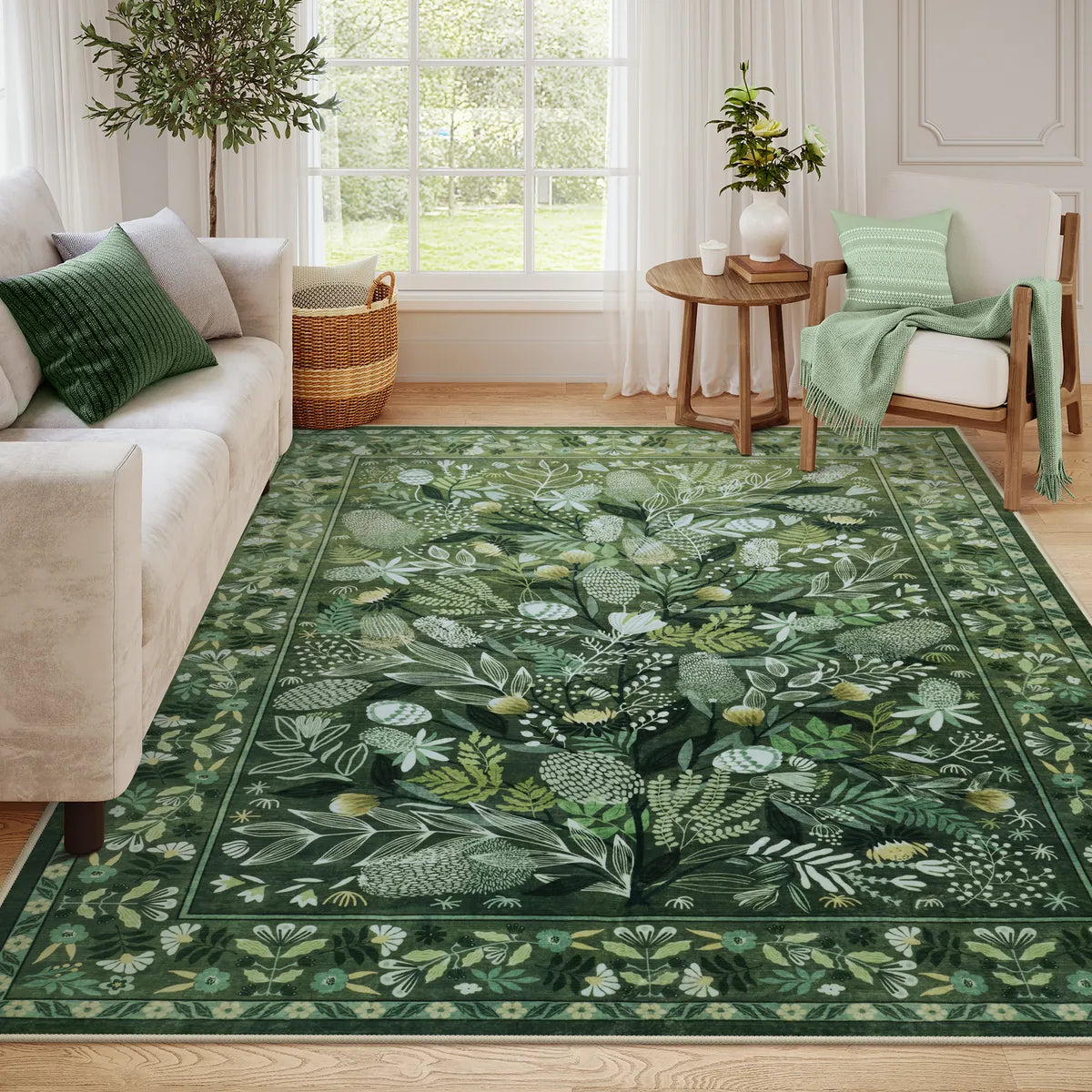
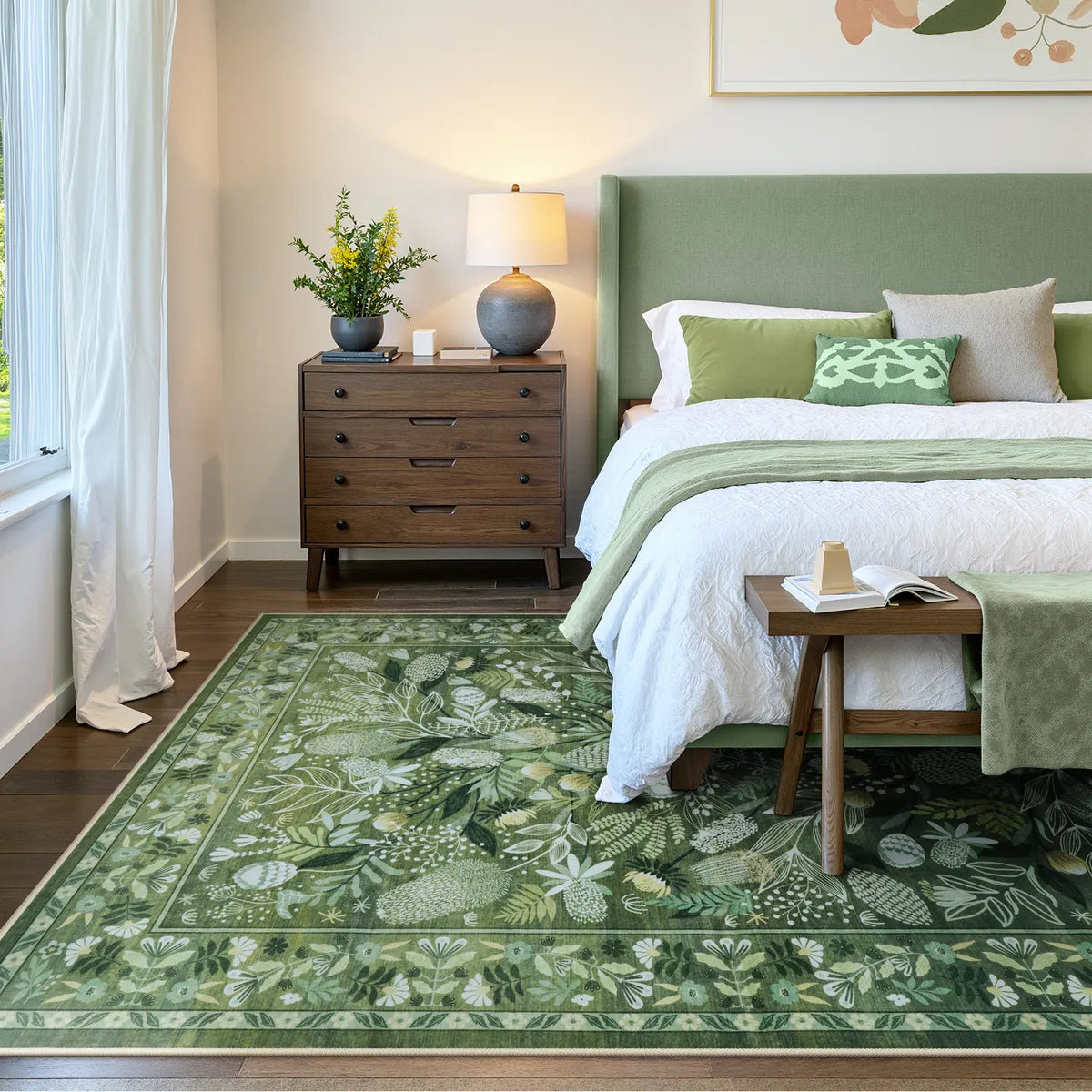
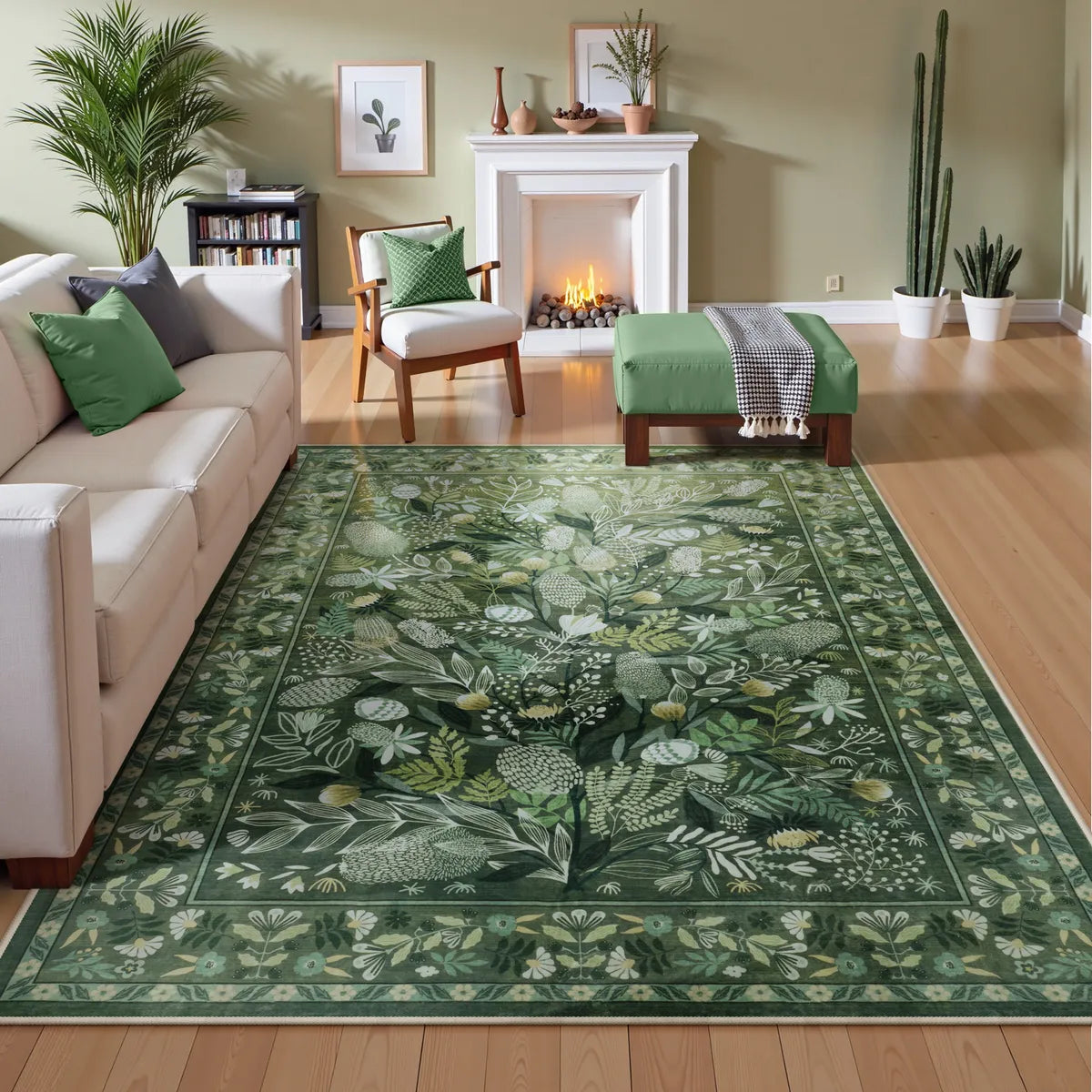
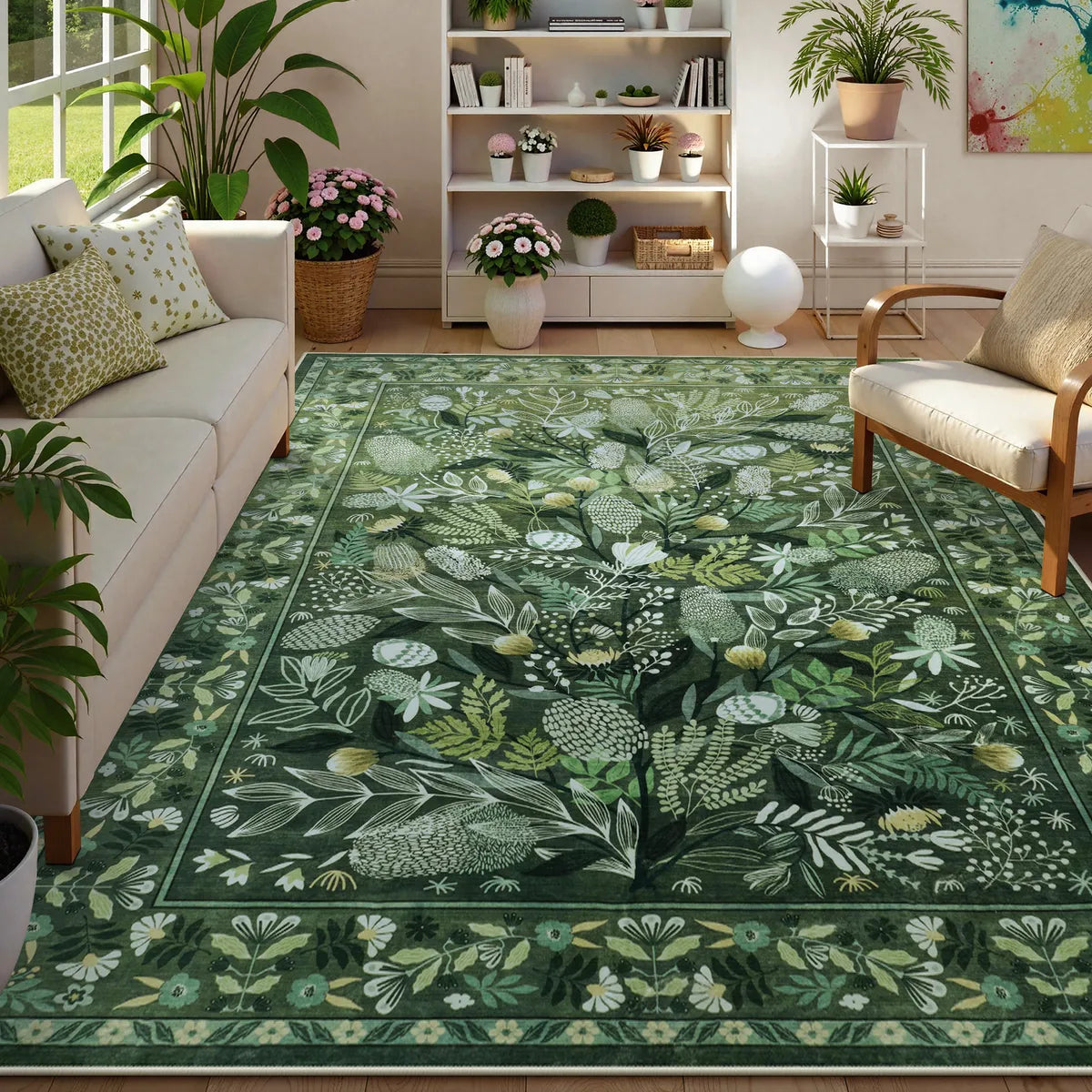
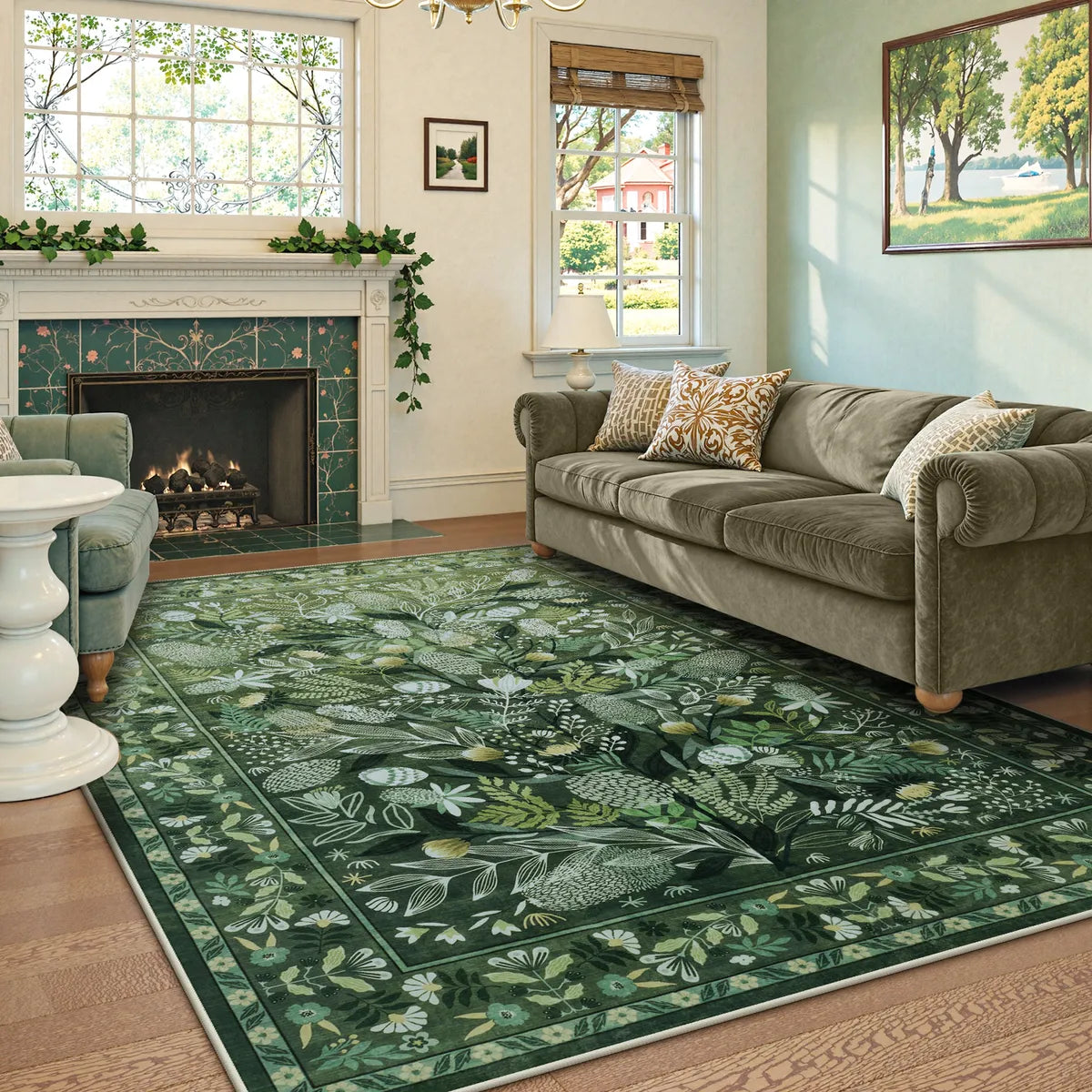
- Front legs on, back legs off: The front legs of the sofa and chairs sit on the rug while the back legs remain on the floor. This is the most common and visually balanced approach for standard living room arrangements.
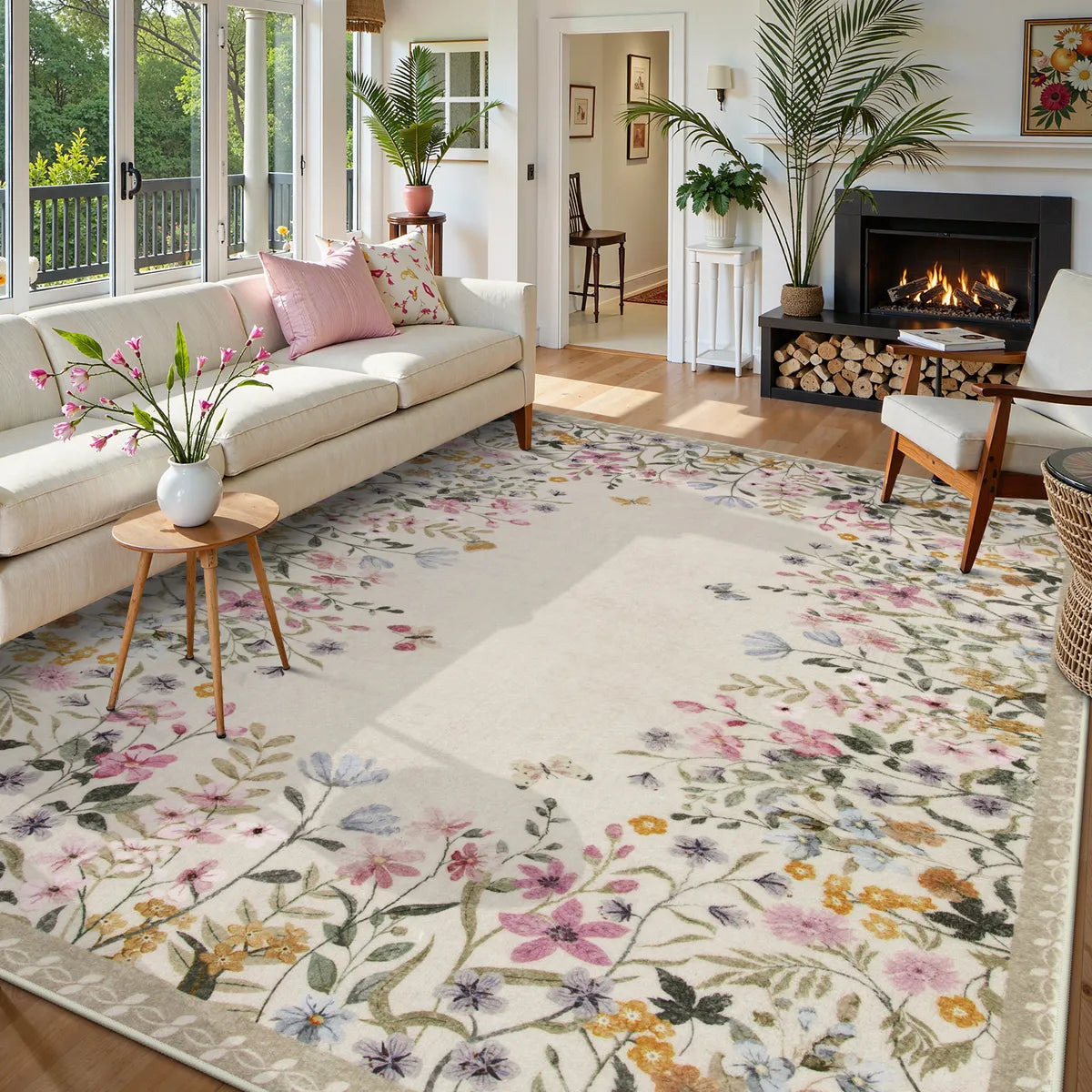
- All legs on: For larger rugs in more spacious rooms, all furniture legs sit fully on the rug. This creates a more enclosed, cohesive look and works especially well in open-plan spaces where the rug defines the living zone.
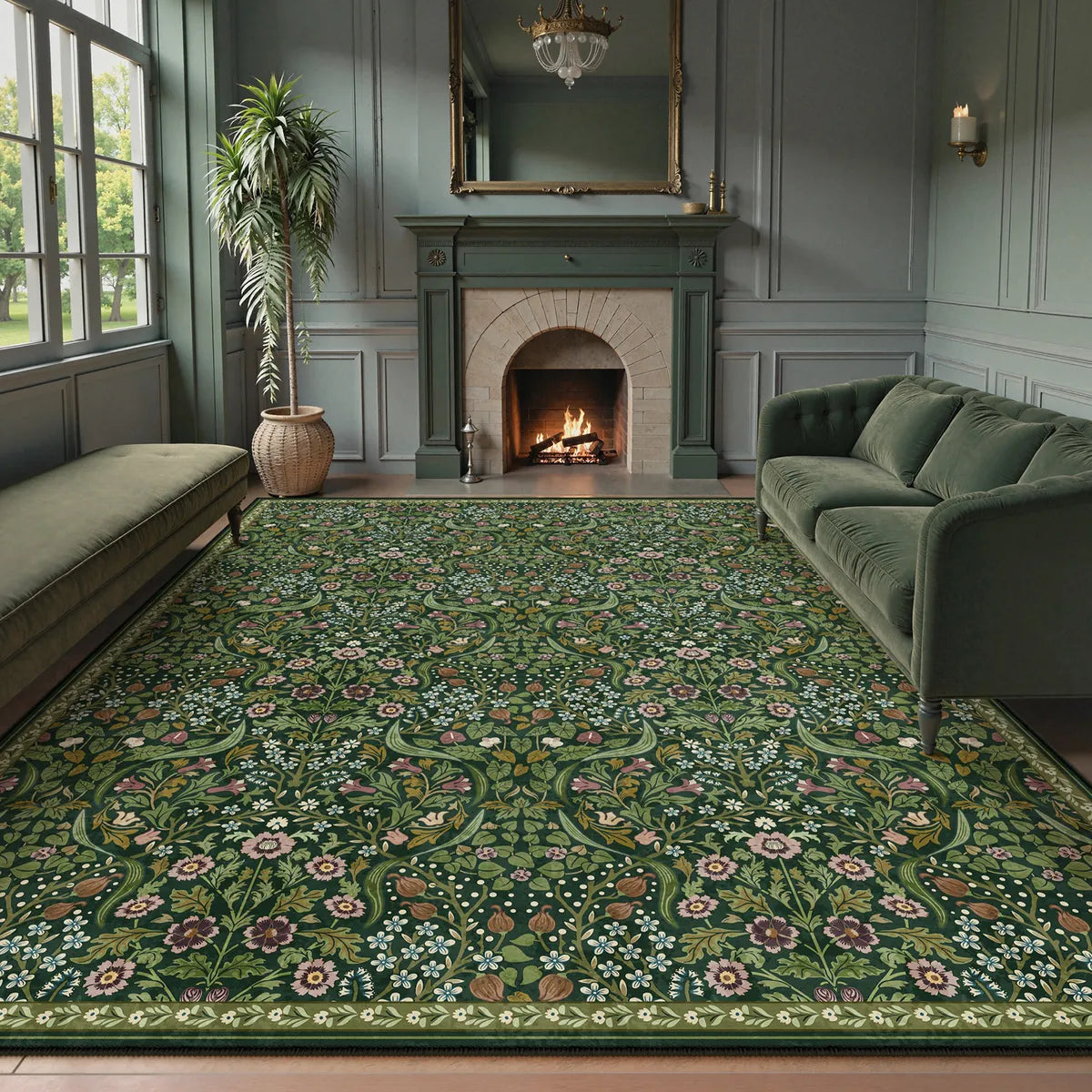
- Rectangular rug with rectangular table: A rectangular rug suits a rectangular coffee table in most cases, reinforcing the room's existing geometry and making the layout feel deliberate.
- Round table, more flexibility: A round coffee table works with both round rugs and rectangular ones depending on the overall room shape and the look you're going for.
The rug should always extend meaningfully beyond the coffee table on all sides. A rug that only fits directly under the coffee table with no margin creates a floating, disconnected look.
How to Size Area Rugs for Living Room Furniture the Right Way
The most common mistake is choosing a rug that's too small, which makes the seating group feel disconnected. Measure the full seating area first, then choose a rug that fits within that footprint with a few inches to spare on each side.
Why an 8x10 Rug Works for Most Living Room Layouts
An 8x10 rug (a rectangular rug measuring eight feet by ten feet) hits the practical sweet spot for most medium to large living rooms. It sits under the front legs of a standard sofa and two accent chairs arranged around a coffee table, while still leaving a visible floor border around the seating group. In larger or open-plan rooms, a 9x12 provides fuller coverage without losing the framing effect.
Common Sizing Mistakes and How to Avoid Them
Sizing errors are easy to make but just as easy to avoid once you know what to look for.
| Mistakes | How to Avoid It |
| Rug fits only under the coffee table, leaving seating visually unconnected | Choose a size that extends under the front legs of all surrounding seating pieces |
| Rug runs too close to the walls, removing the framing effect | Leave a consistent border of floor visible on all sides around the seating group |
| Rug proportions don't match the room shape, creating visual imbalance | Choose a rug whose proportions broadly reflect the room's own shape |
When in doubt, size up rather than down.
When a Round Rug Works Better Than a Rectangle

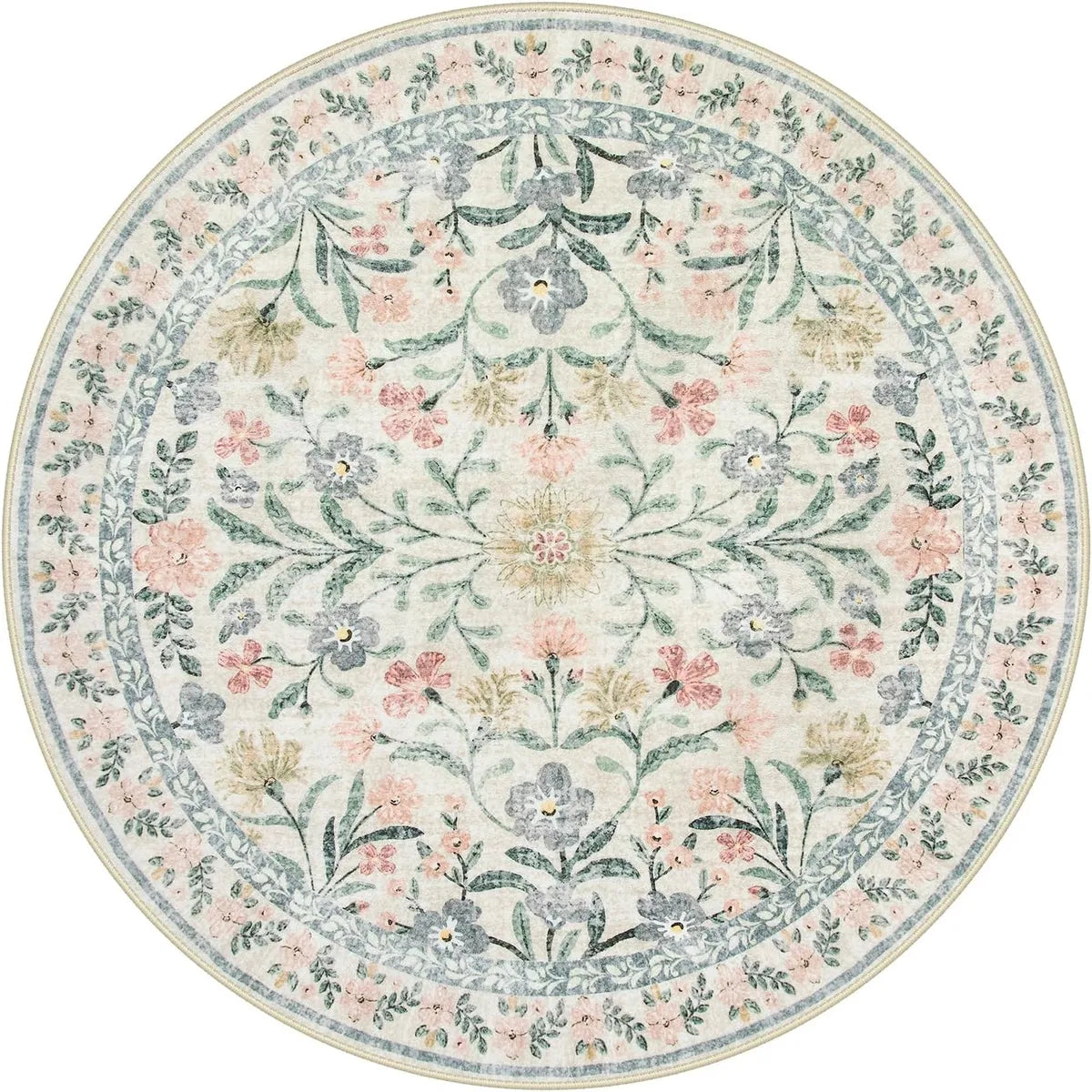
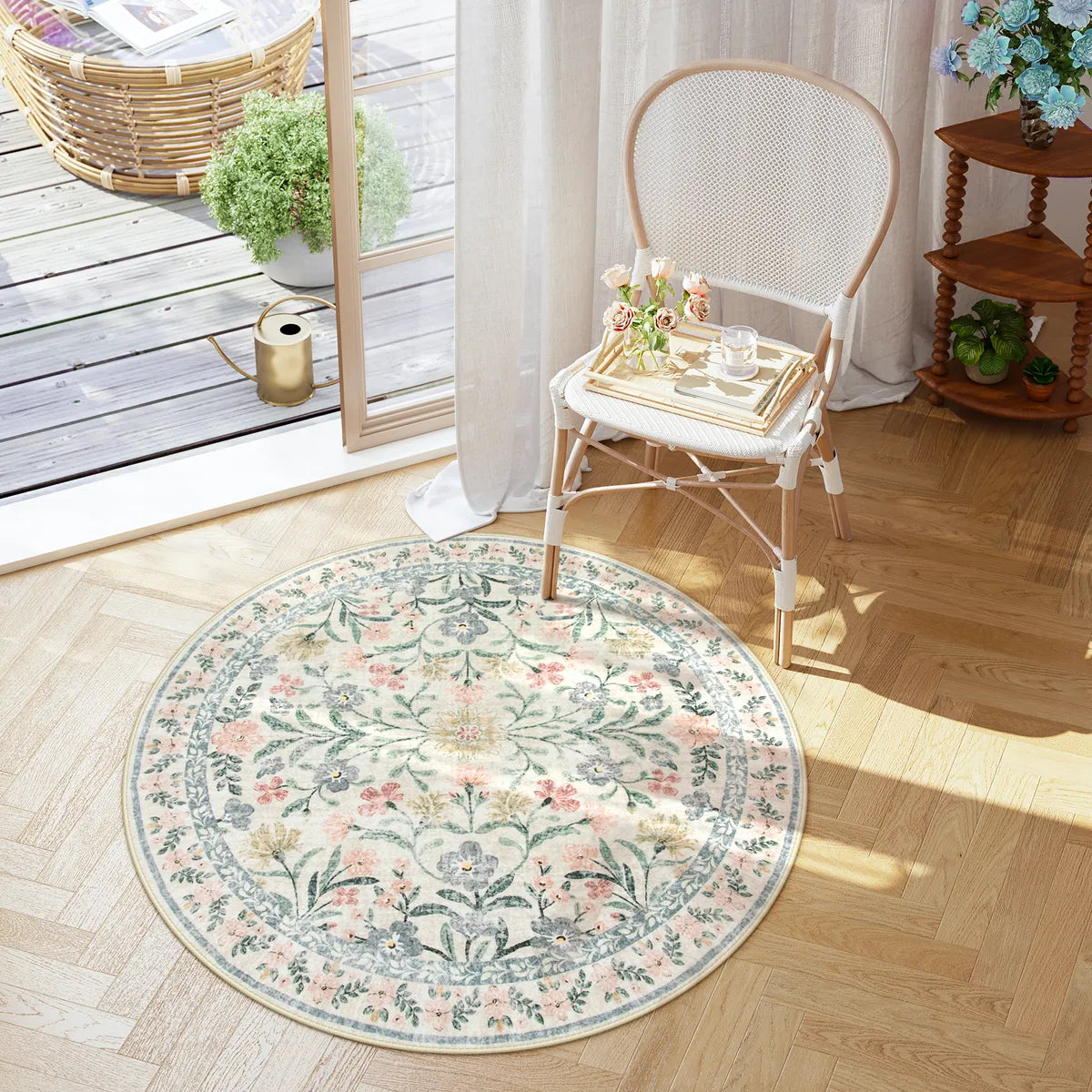
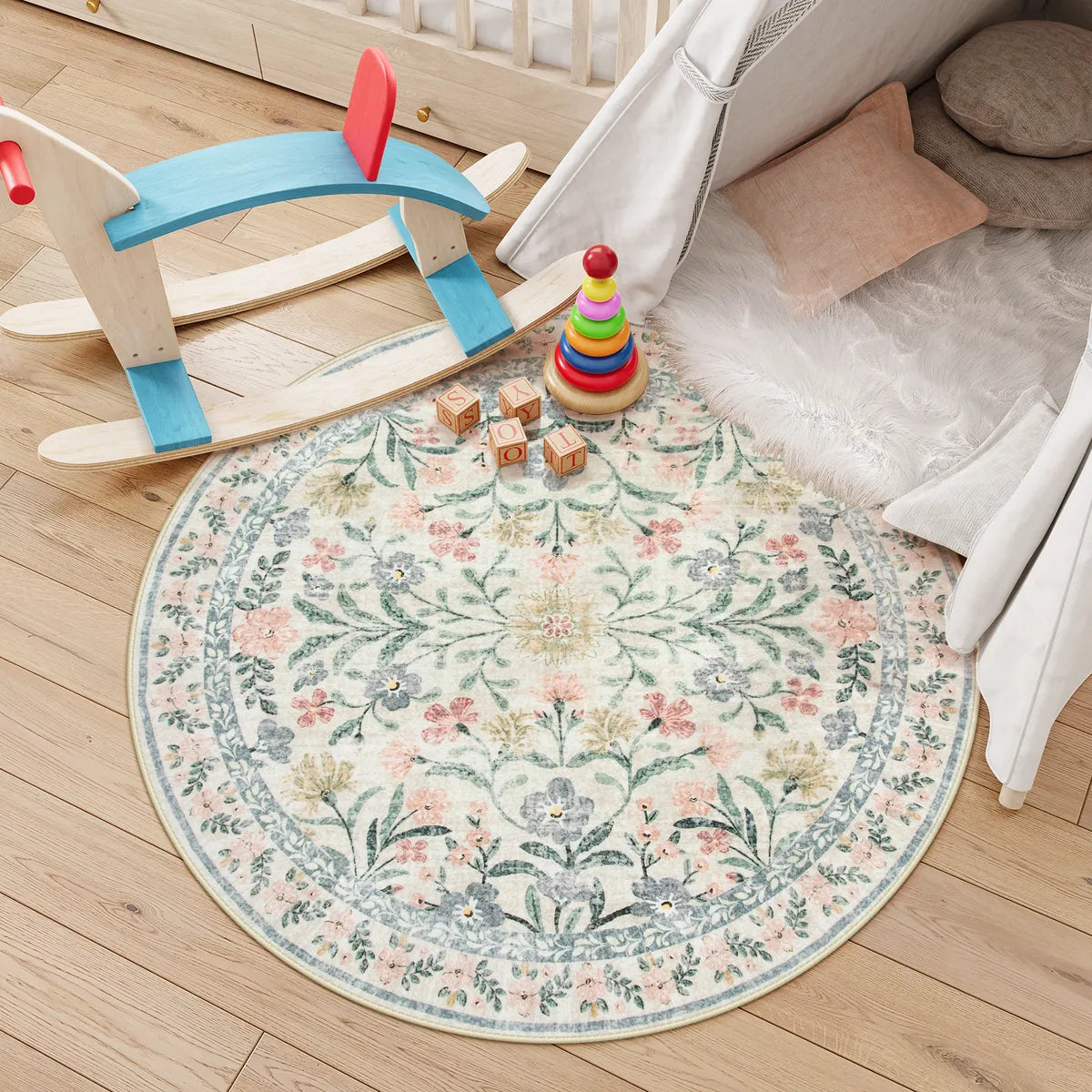
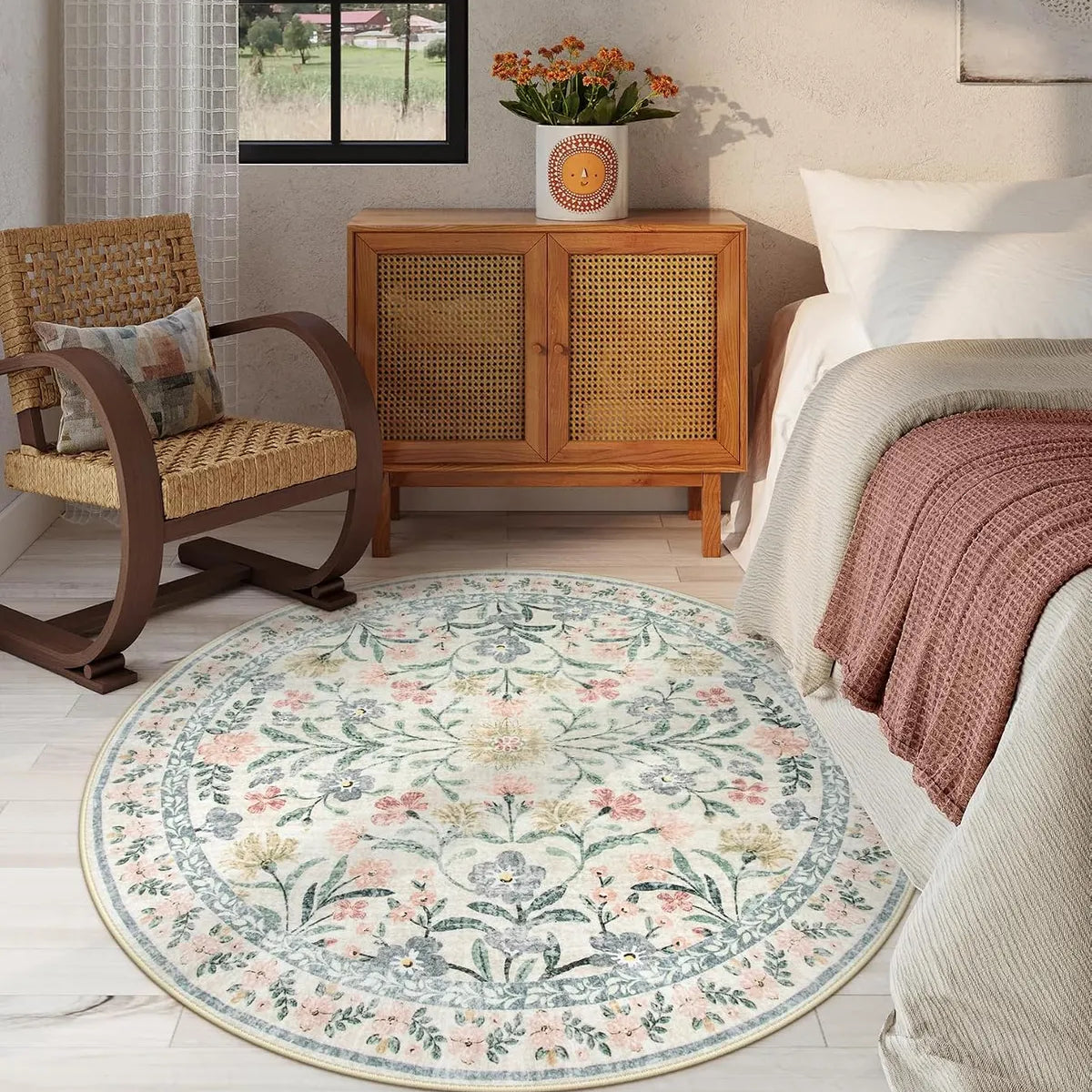
Round rugs (circular rugs with no straight edges) are less common in living rooms than rectangles, but in the right context they are a stronger choice. The key is knowing when that context applies.
A round rug works particularly well when:
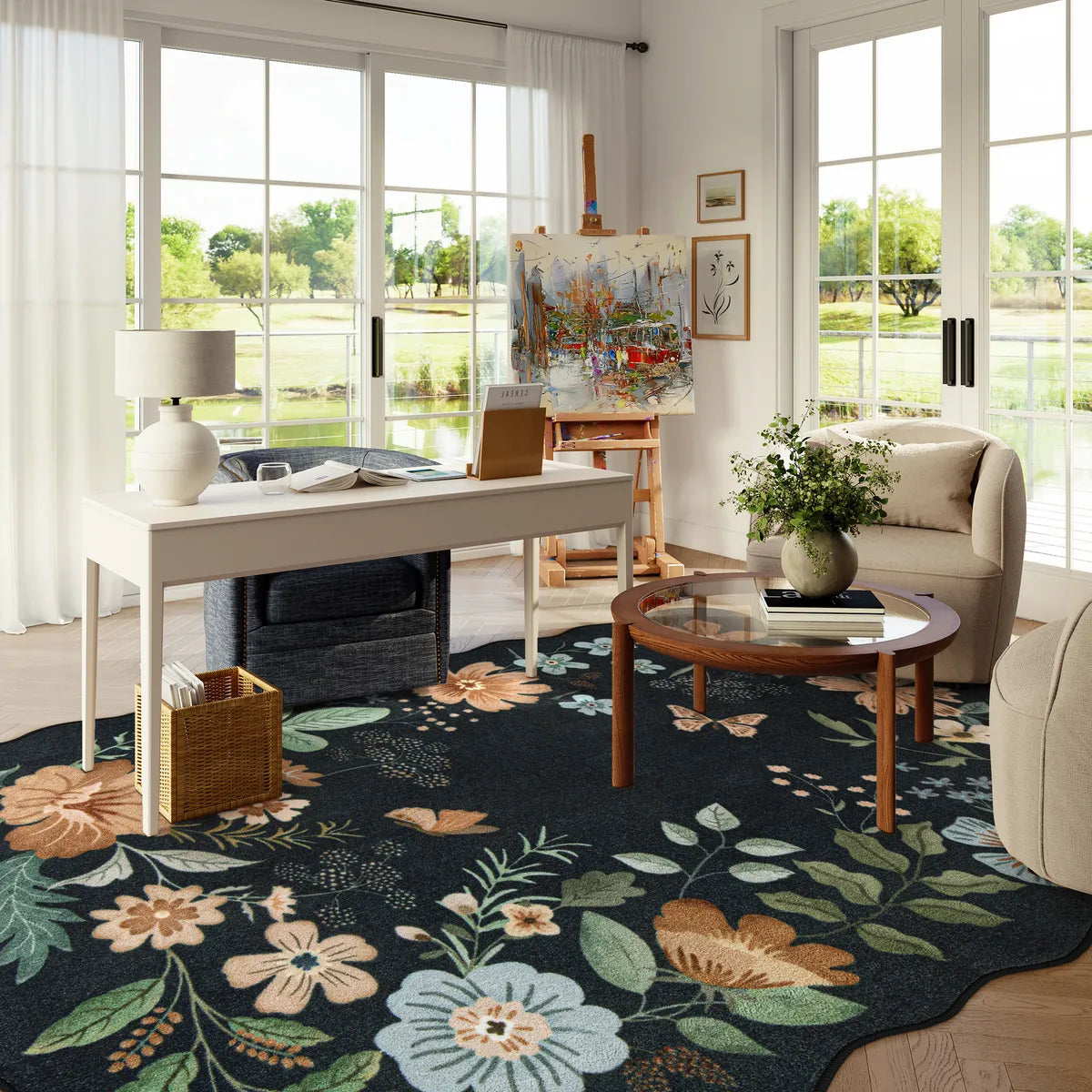
- The coffee table is round or oval: Matching curved shapes creates visual harmony and makes the layout feel cohesive rather than mismatched.
- The room itself is square: A rectangular rug in a square room can feel directional in a way that cuts across the room's natural balance. A round rug sits more neutrally in a square footprint.
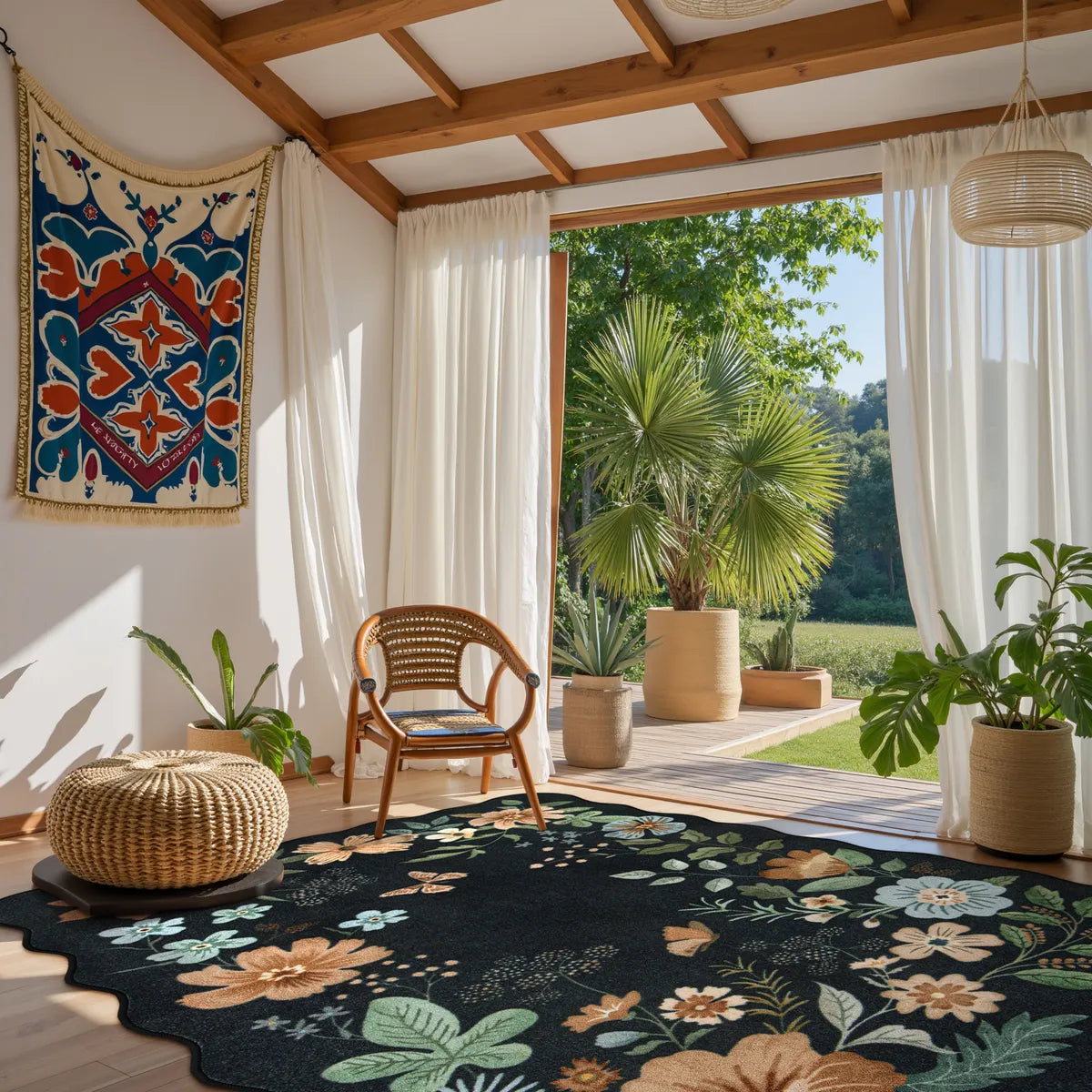
- The goal is to soften a rigid layout: Living rooms with a lot of straight lines and angular furniture benefit from the organic quality a round rug brings. It interrupts the geometry in a way that feels intentional rather than accidental.
One practical note on sizing: a round rug should be large enough to extend under the front legs of surrounding seating, just as a rectangular rug would. A round rug that fits only under the coffee table has the same disconnected problem as an undersized rectangle.
Spill Proof and Stain Resistant Rugs for Busy Living Rooms
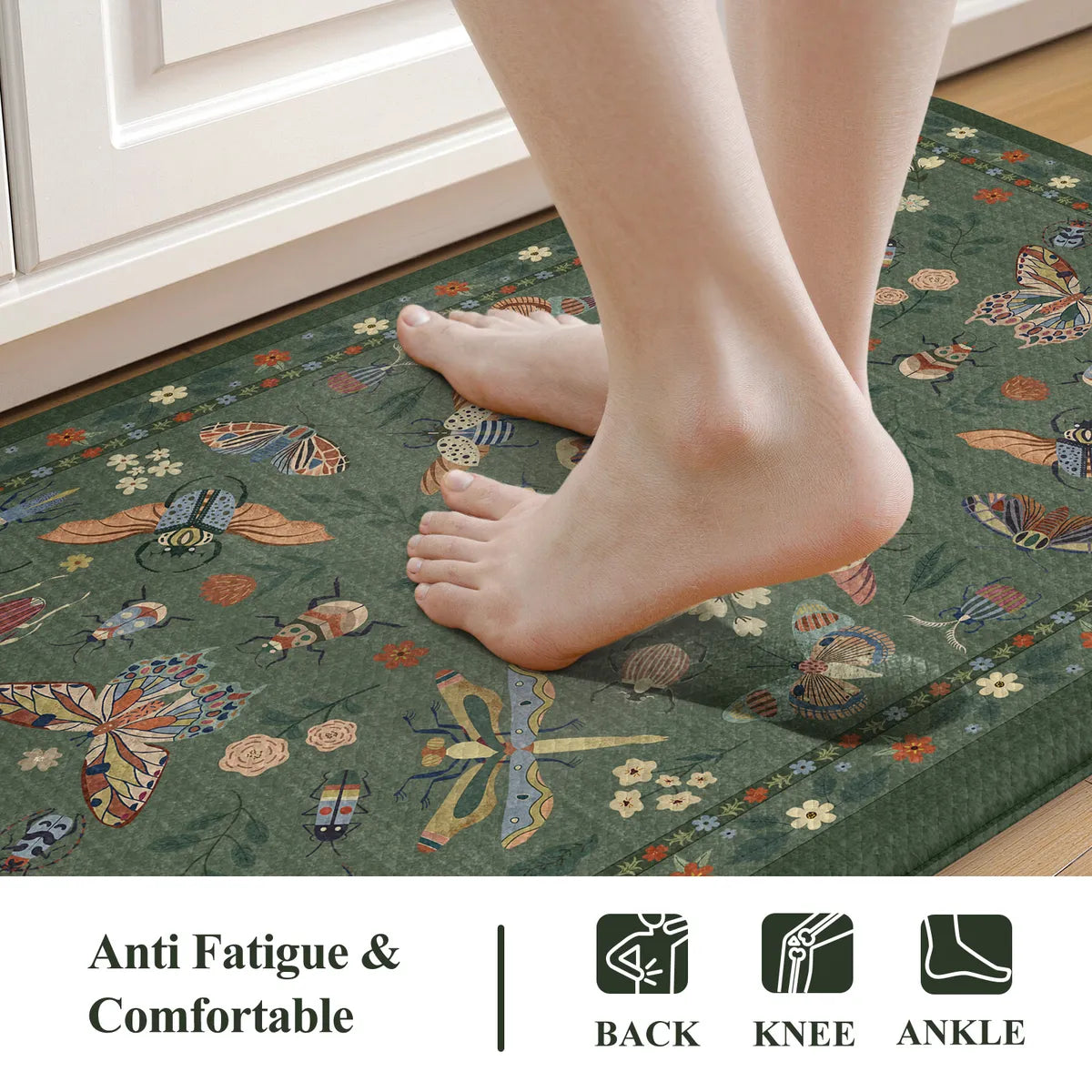
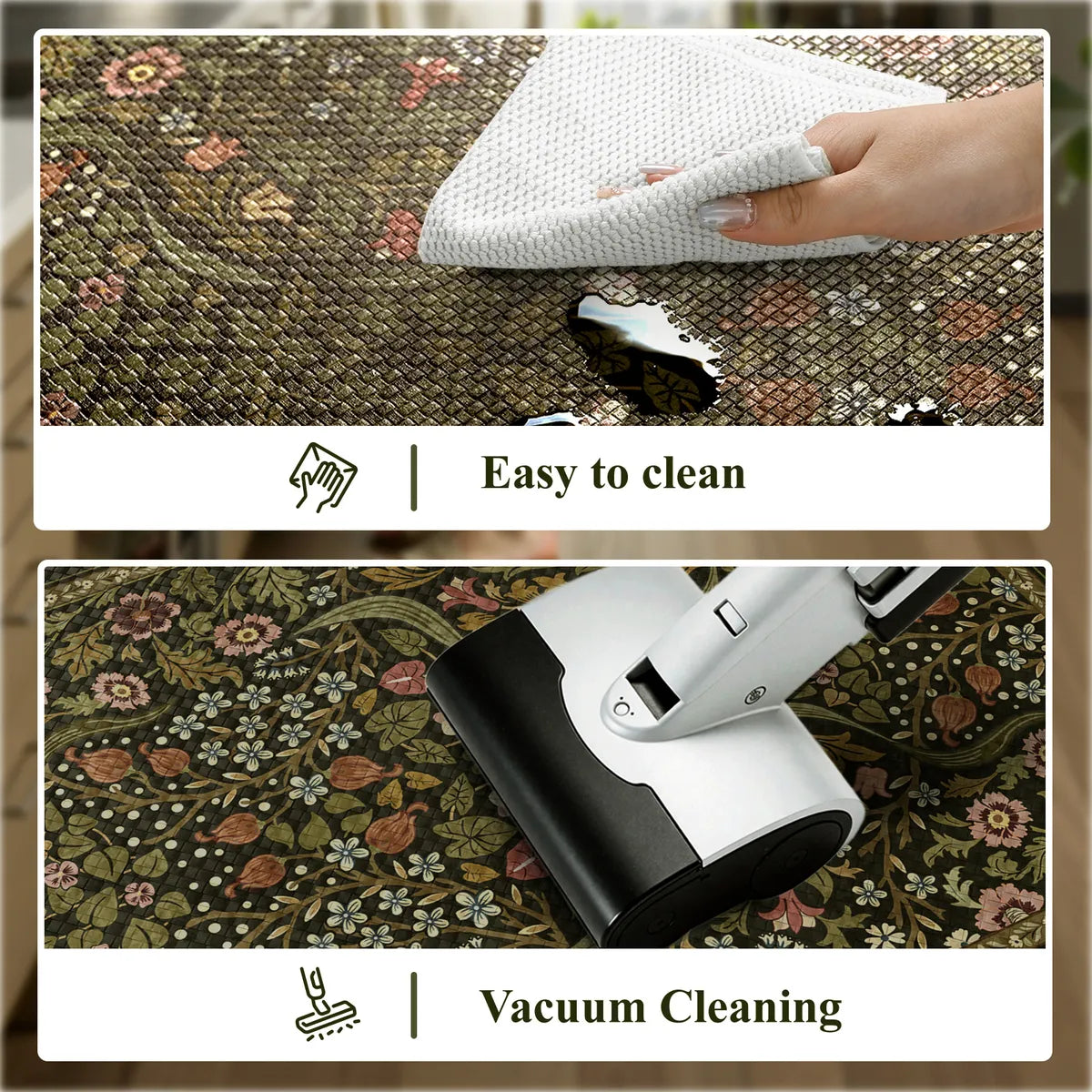
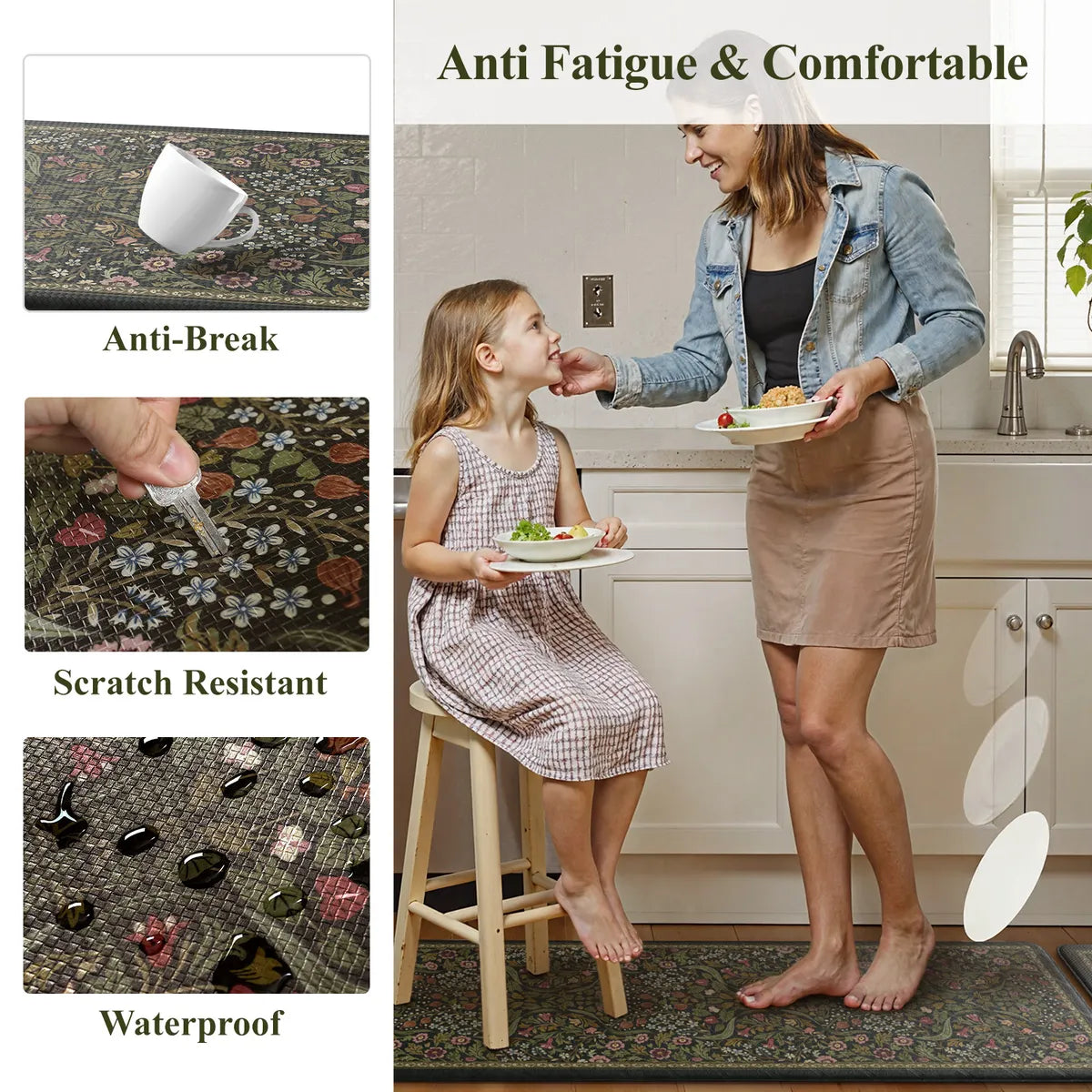
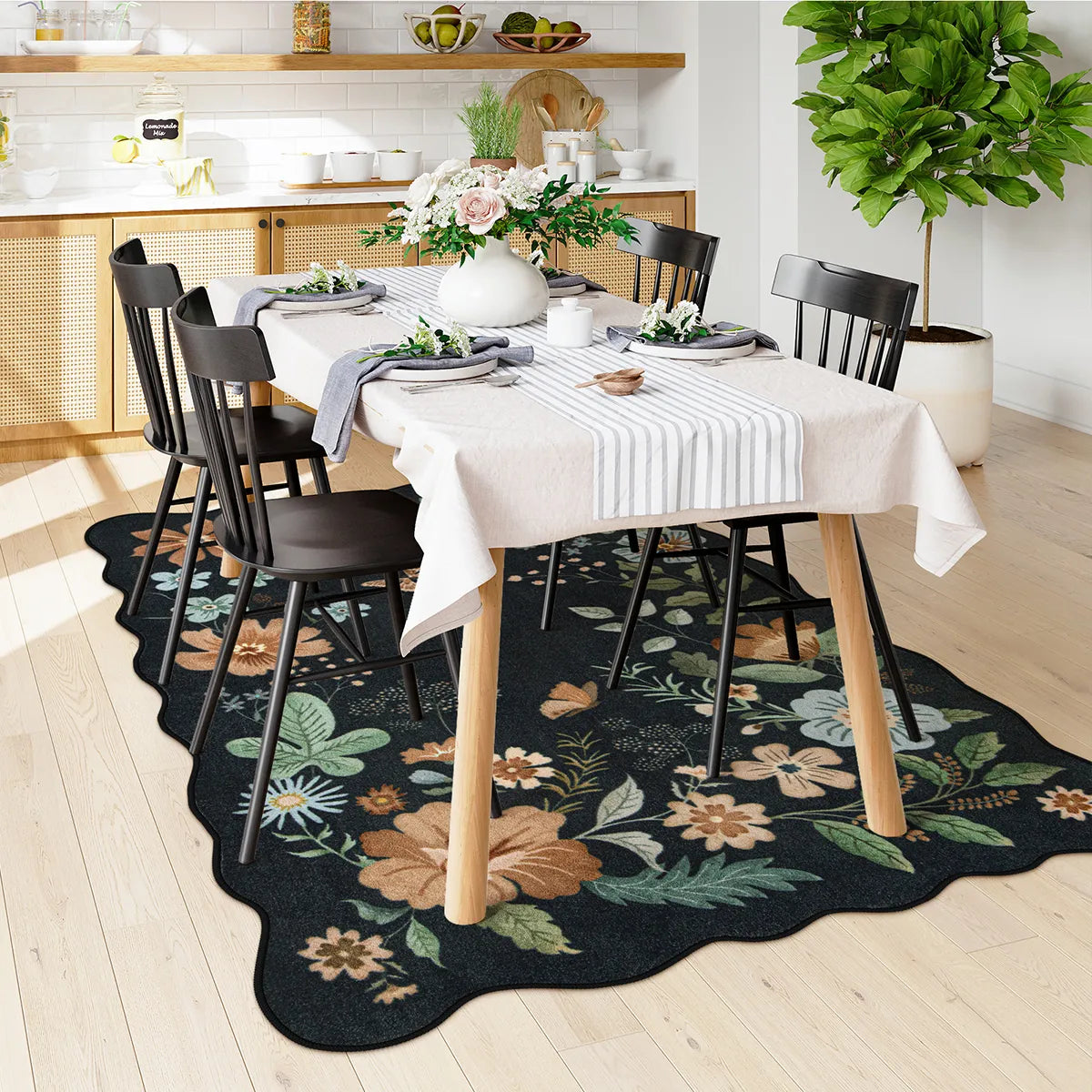
The living room is where most household activity happens, which makes practical performance just as important as size and shape. A rug placed under a coffee table sits directly in the path of drinks, snacks, and daily use. Building in the right protective features from the start keeps the rug looking its best through regular use.
Key features to prioritize in living room area rugs:
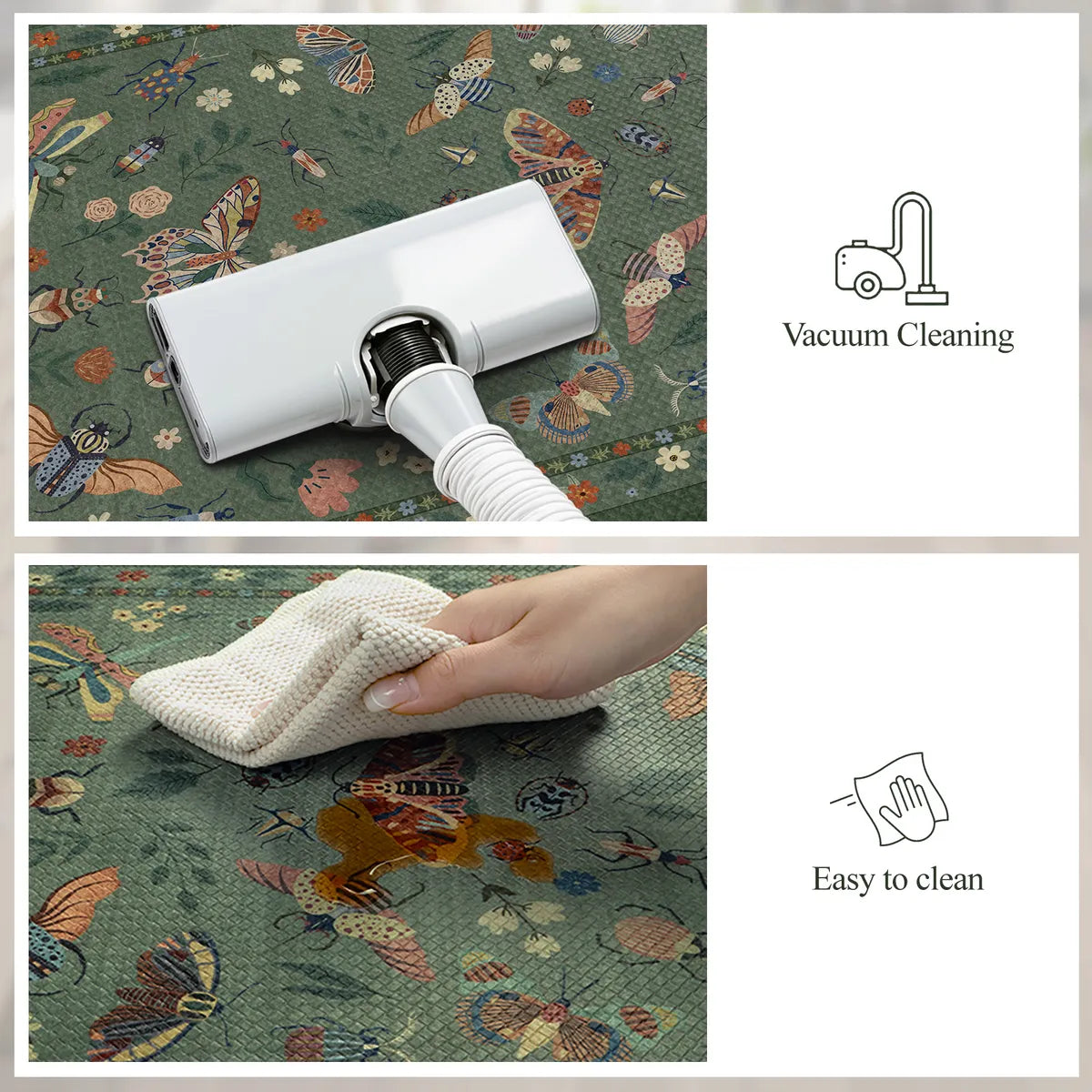
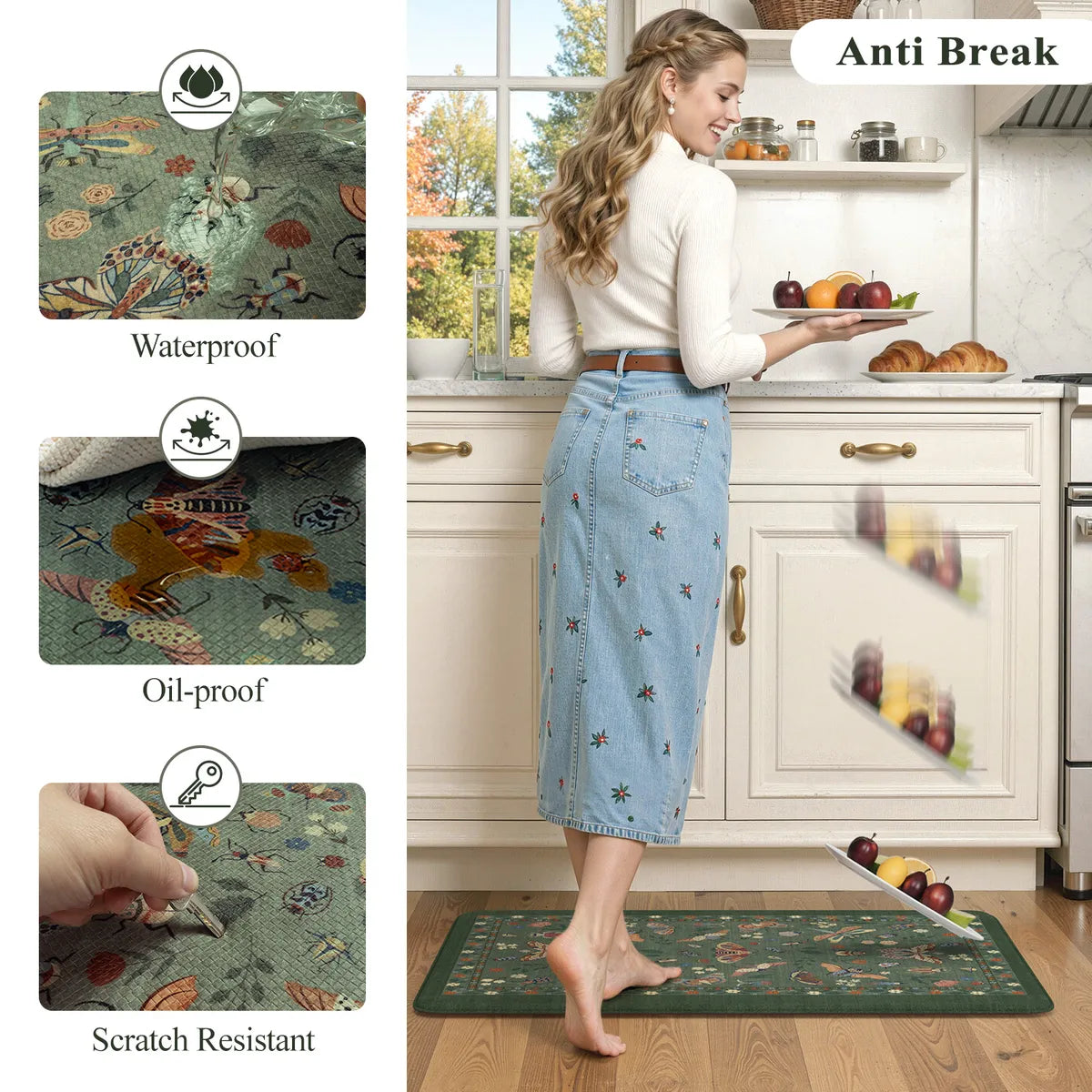
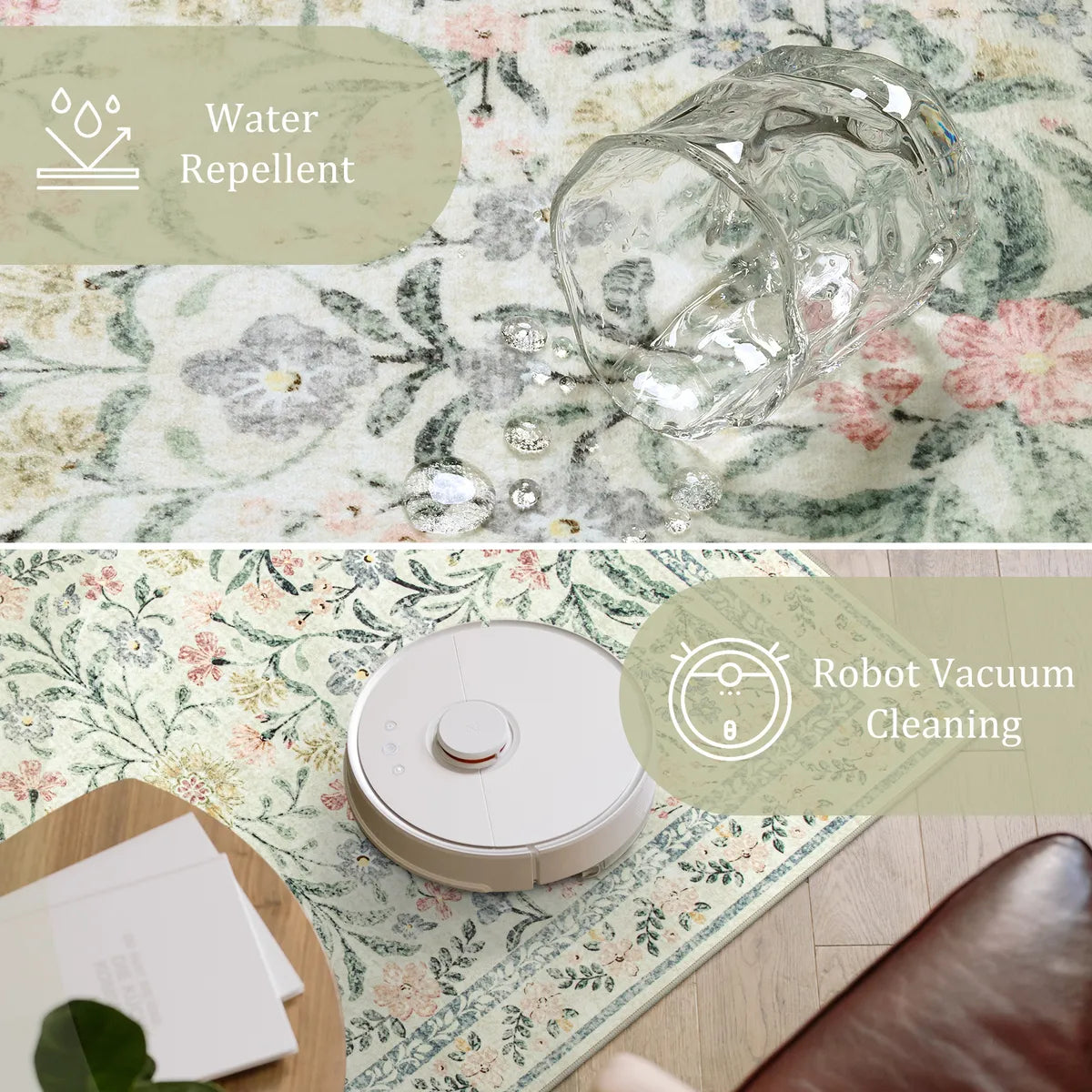
- Spillproof fibers: A spillproof rug is one whose fibers resist liquid absorption, giving you time to blot a spill before it soaks through. In a coffee table zone, those extra seconds between a spill and cleanup determine whether a mark wipes away cleanly or sets into the fibers. Synthetic fibers like polyester and faux wool blends offer this resistance naturally.
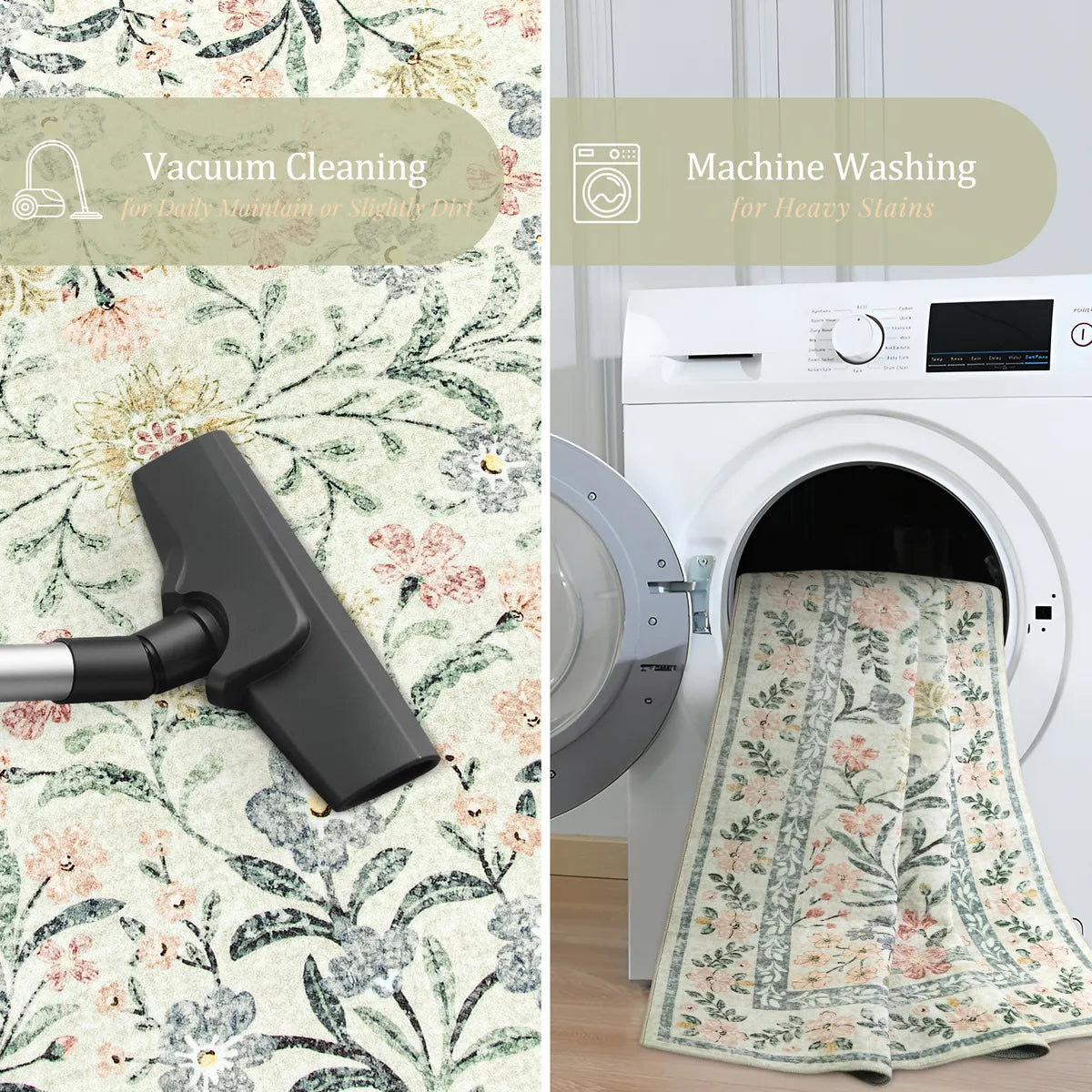
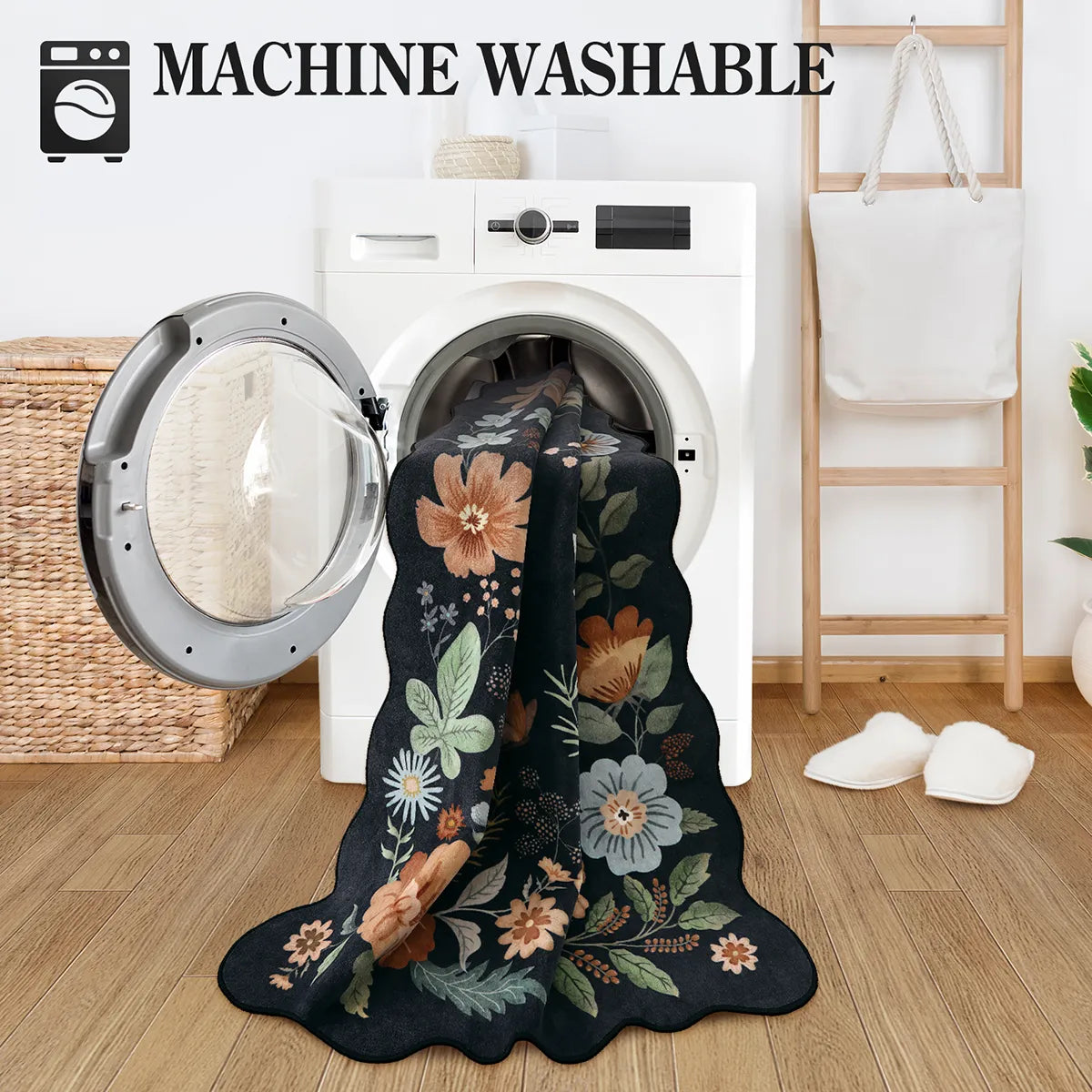
- Machine washability: A machine washable area rug can be fully cleaned at home on a regular schedule, removing allergens, residue, and surface staining that spot cleaning cannot fully address. For a rug in daily use under a coffee table, this is one of the most practical features to have.
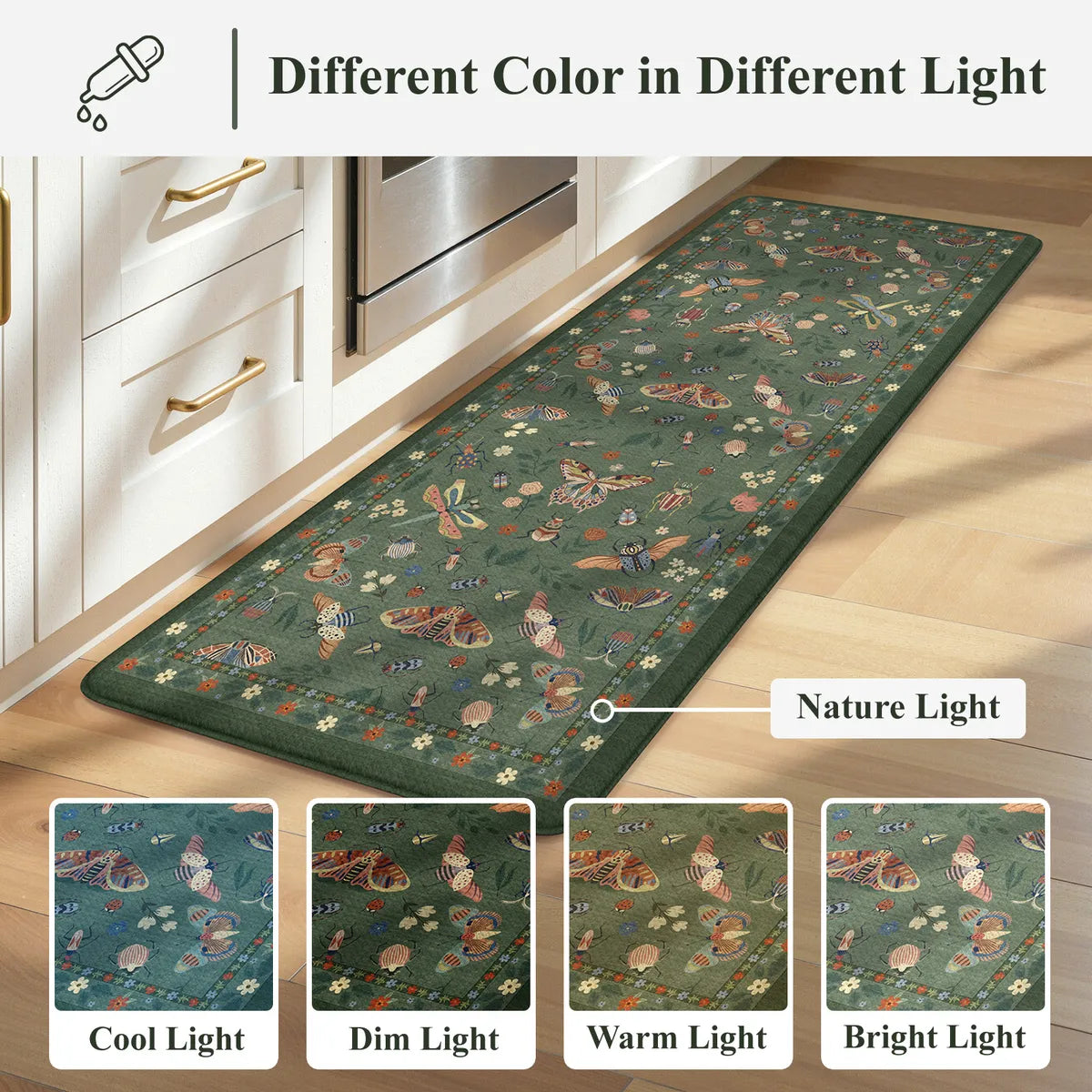
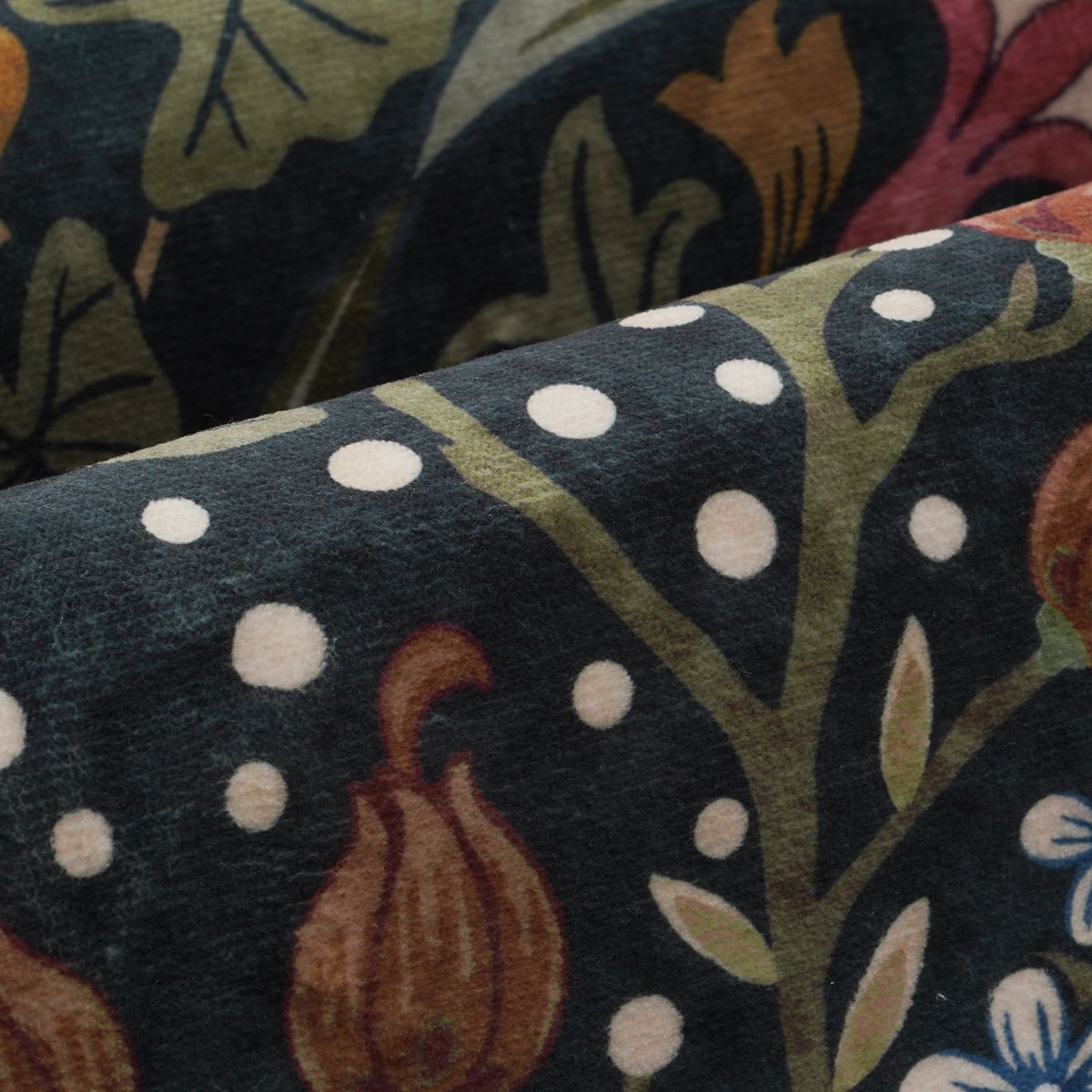
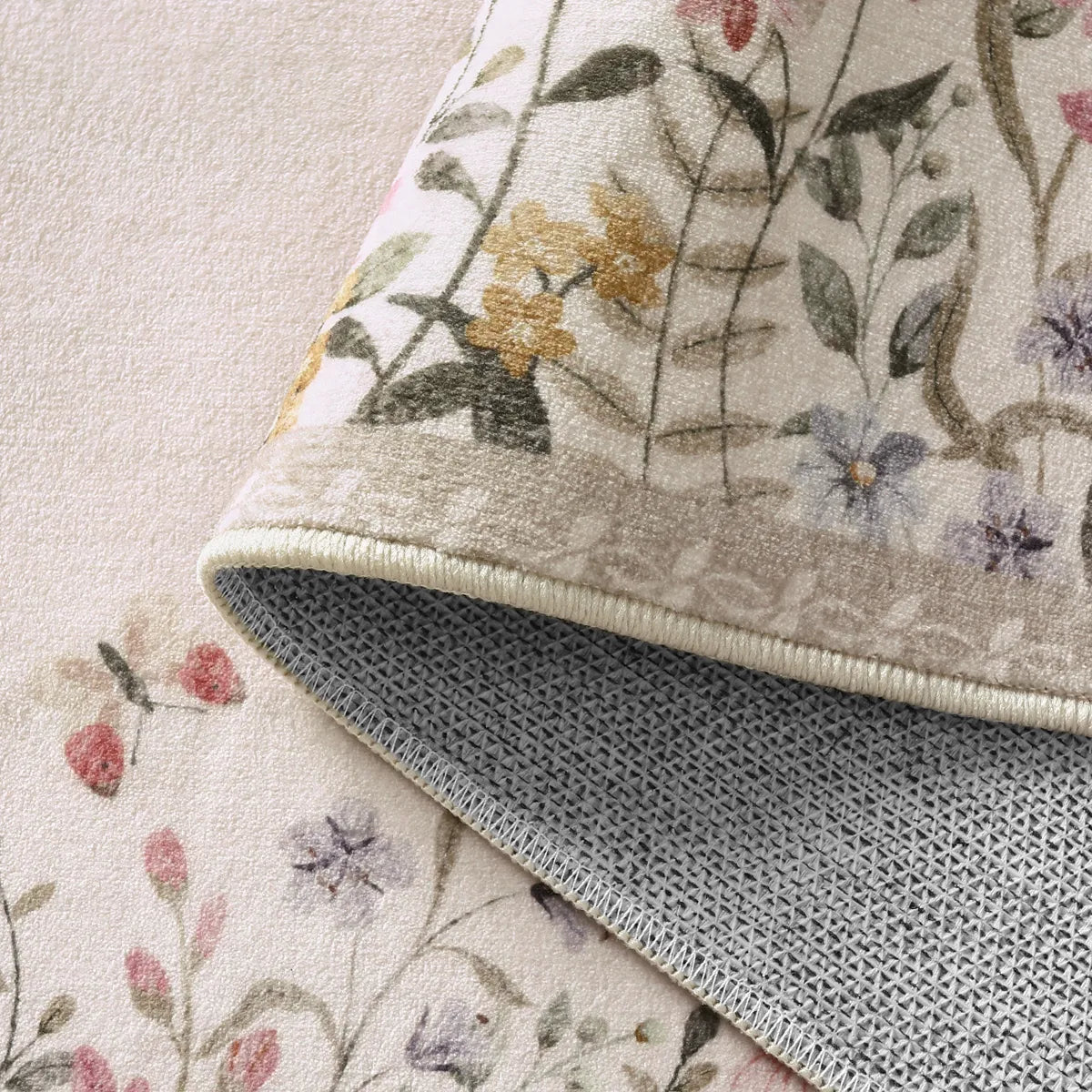
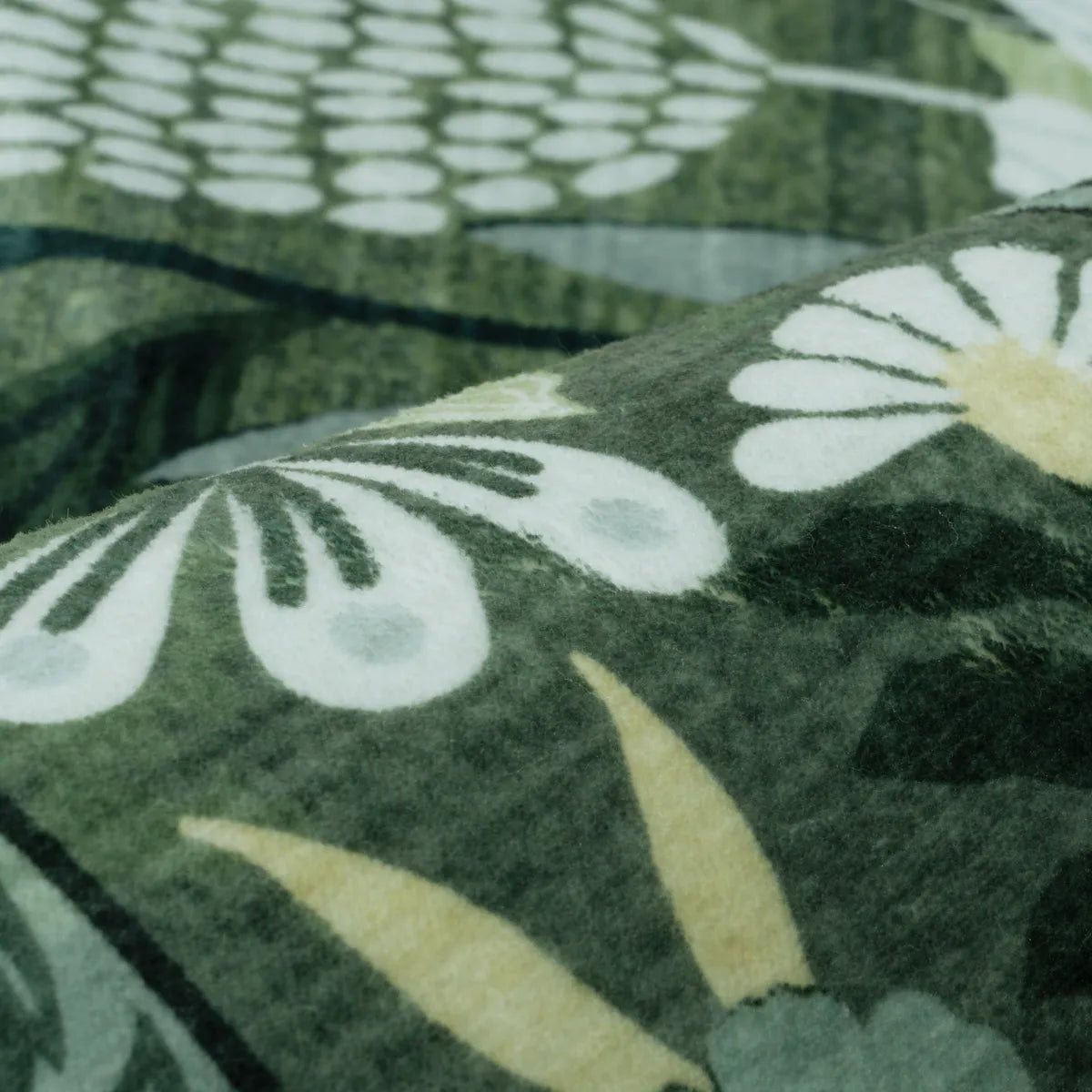
- Colorfast construction: Digitally printed rugs with colorfast dyes hold their pattern and color through repeated wash cycles. This matters when the rug needs frequent cleaning in a high-use living room zone.
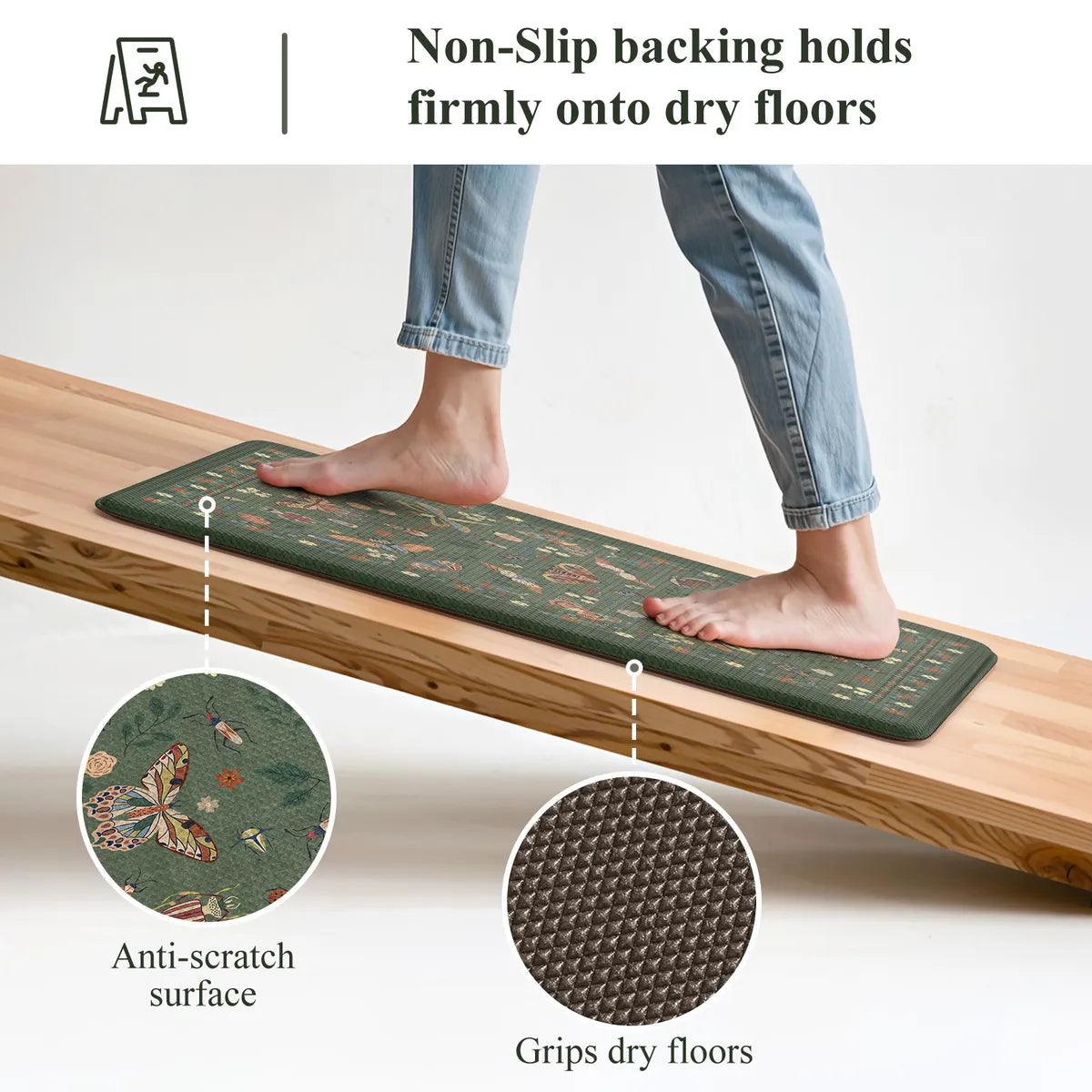
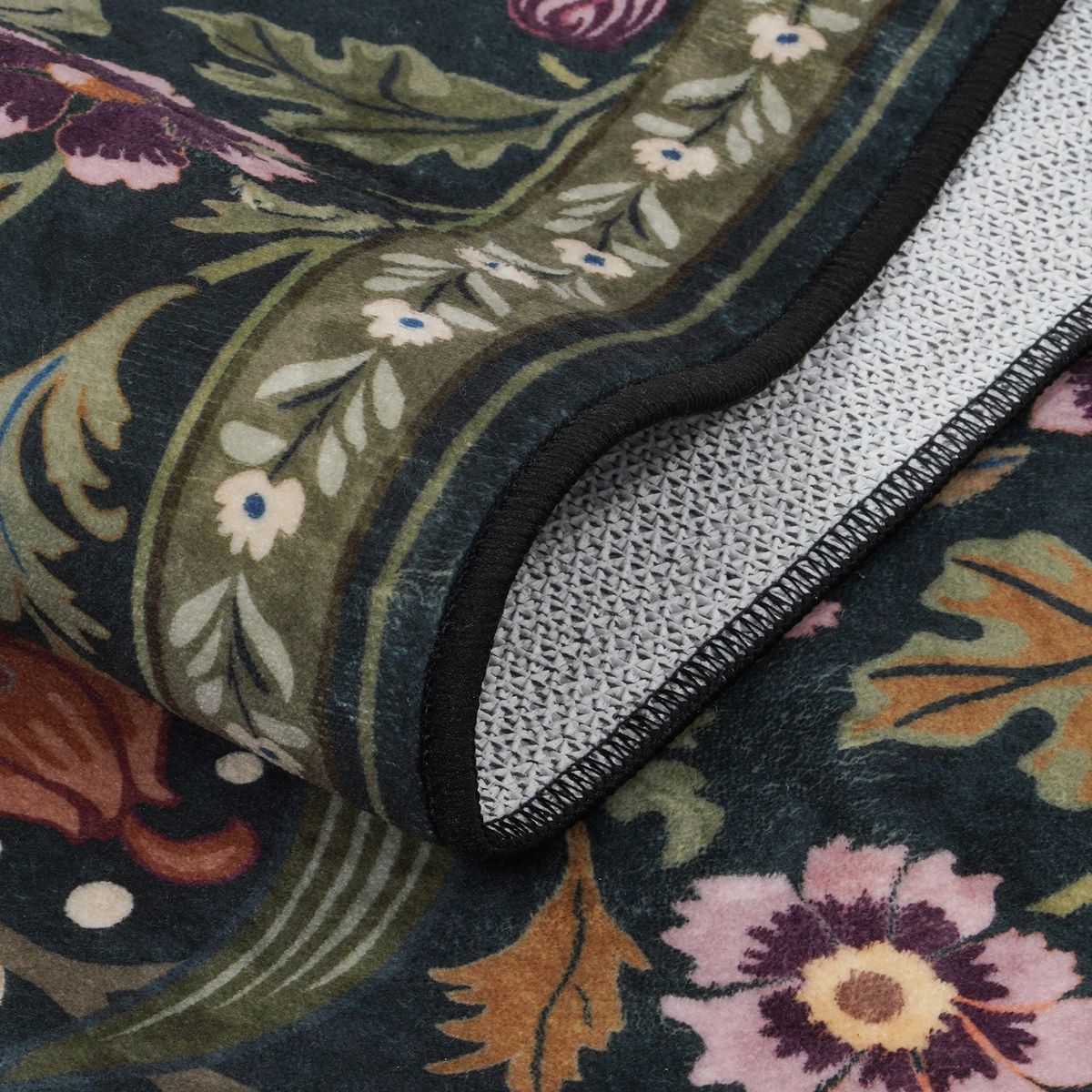
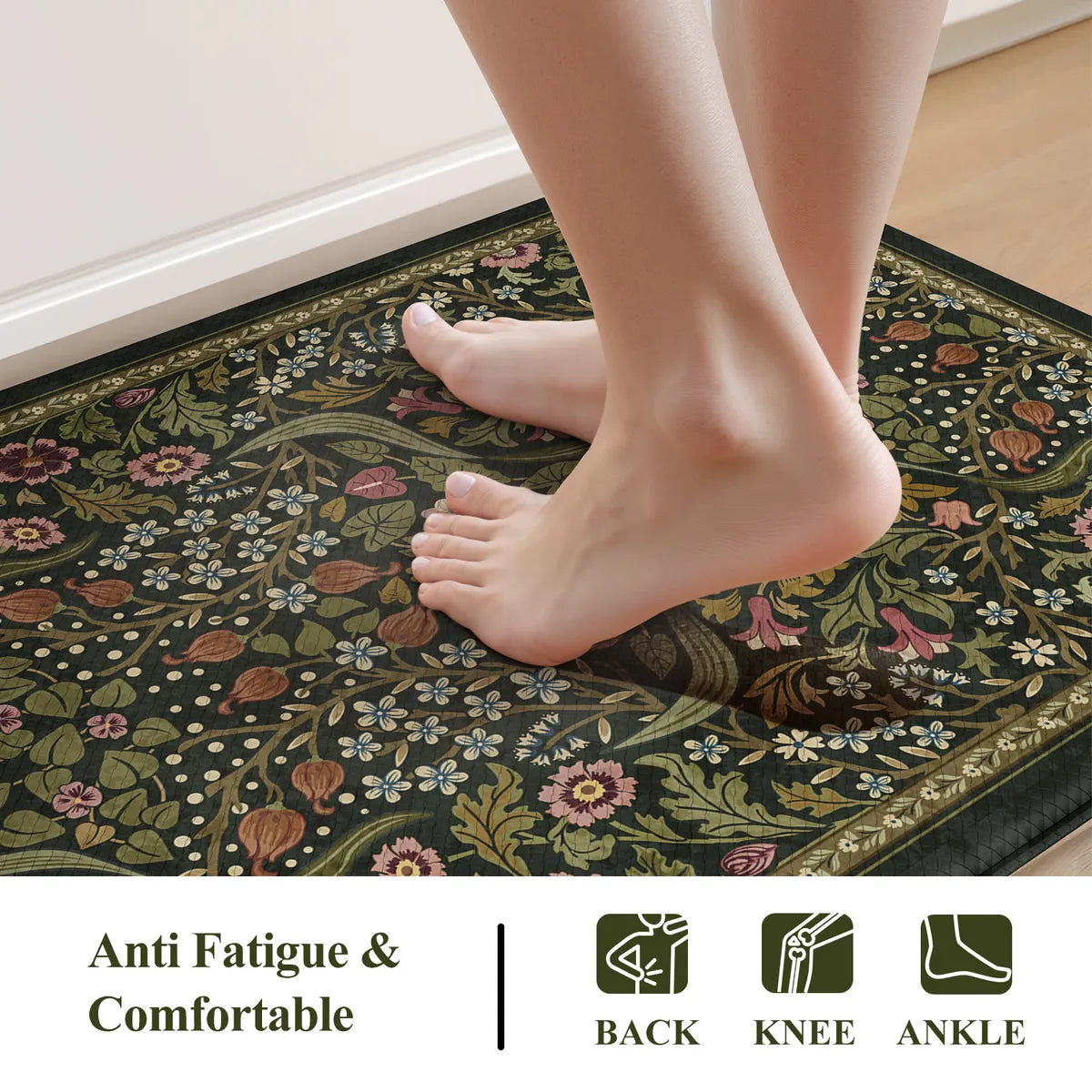
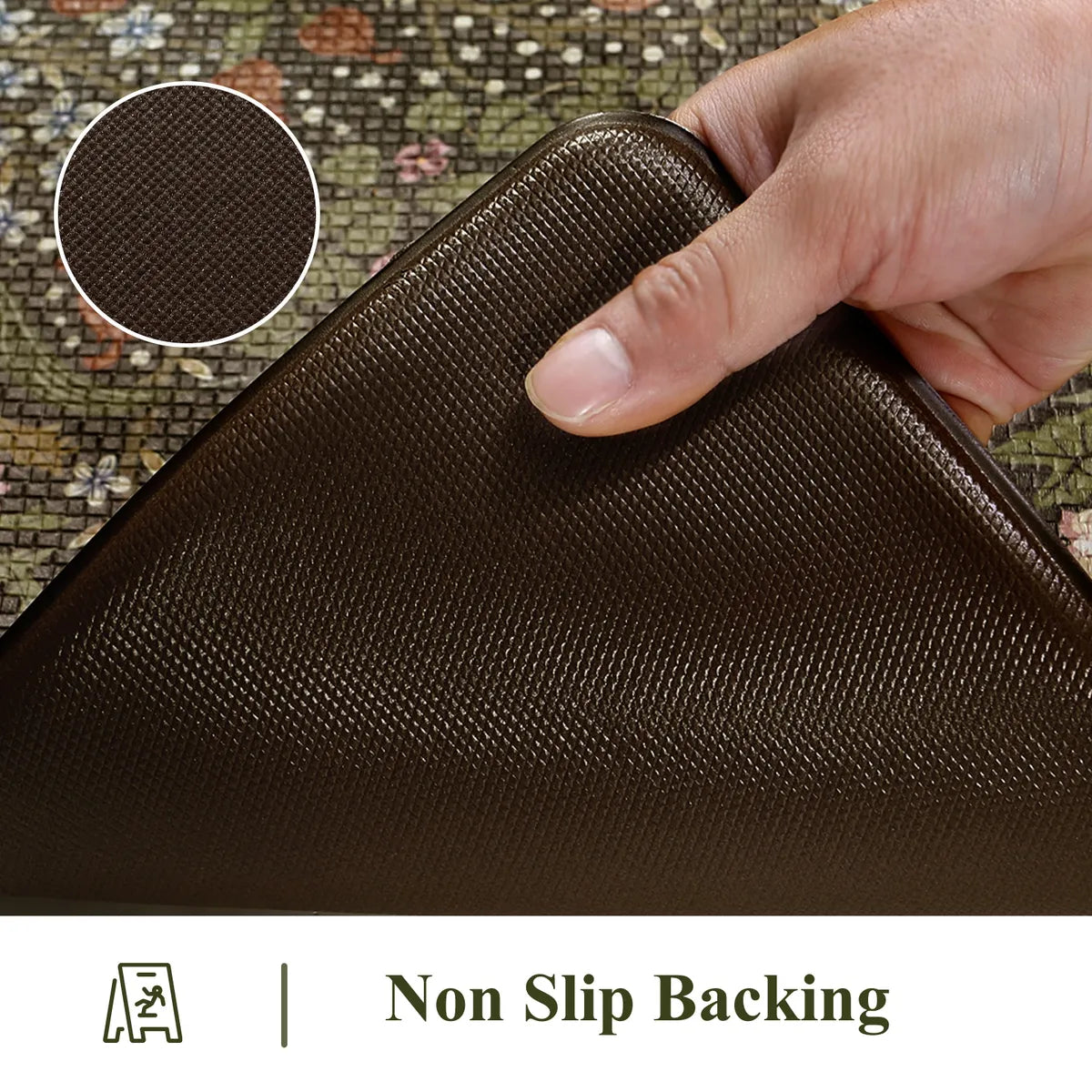
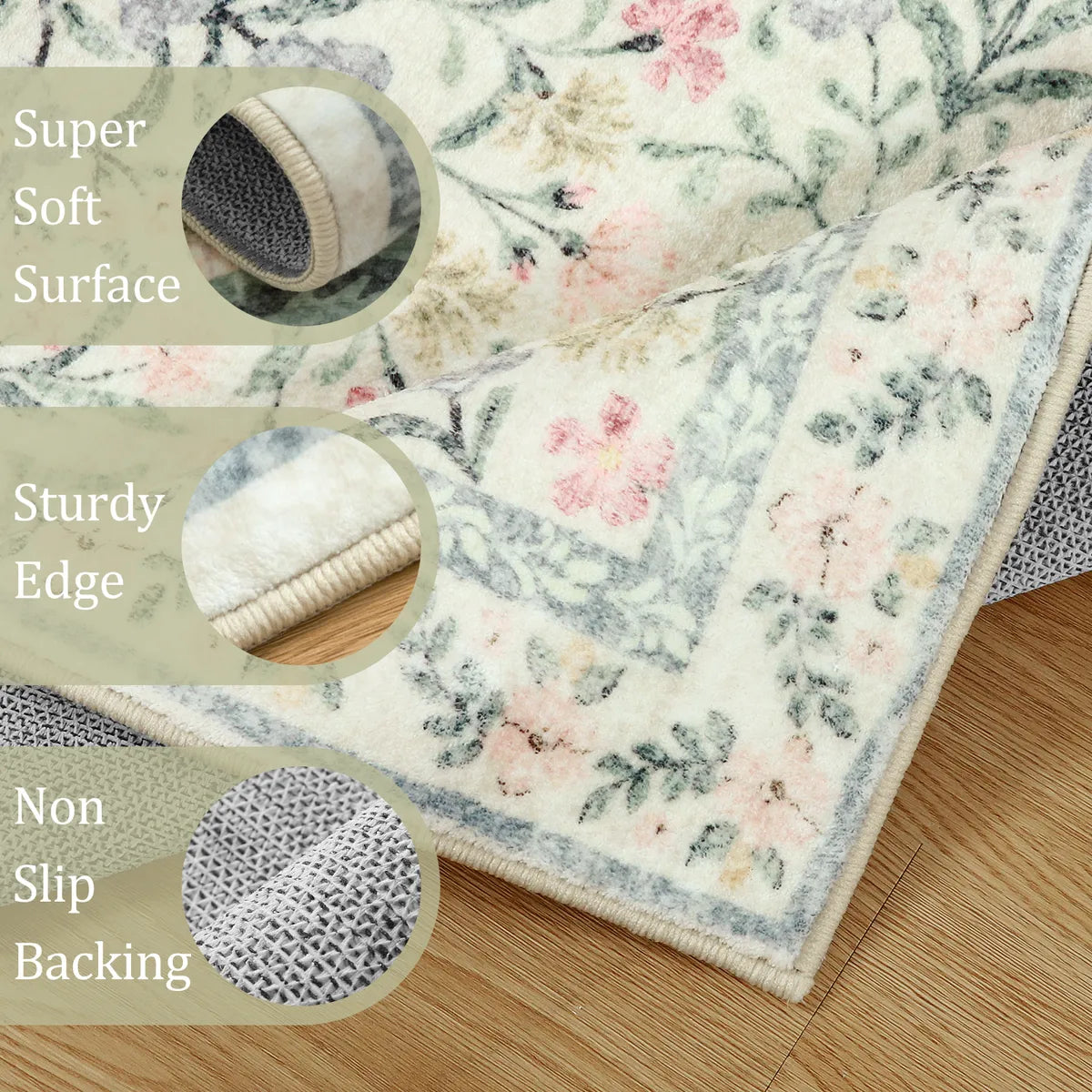
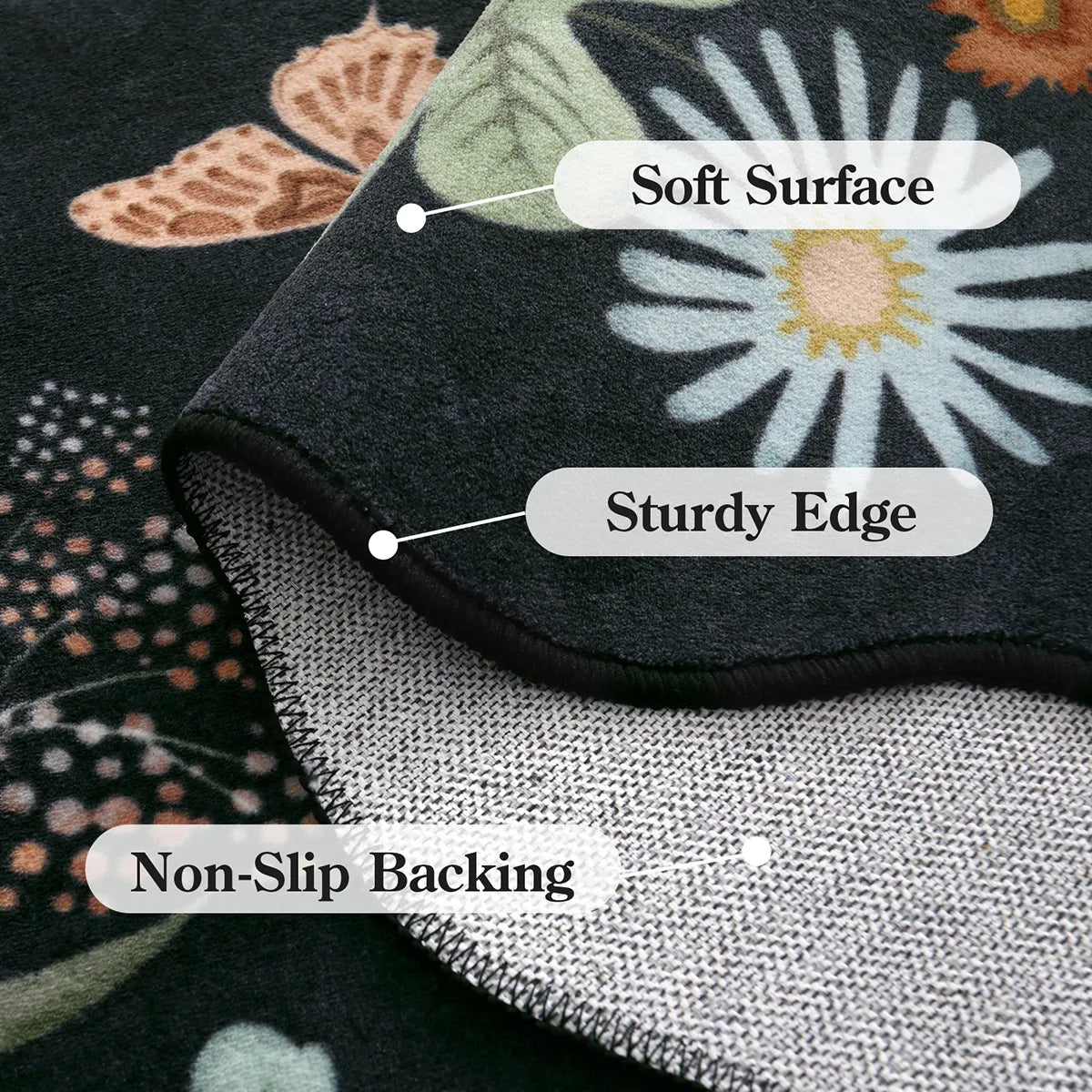
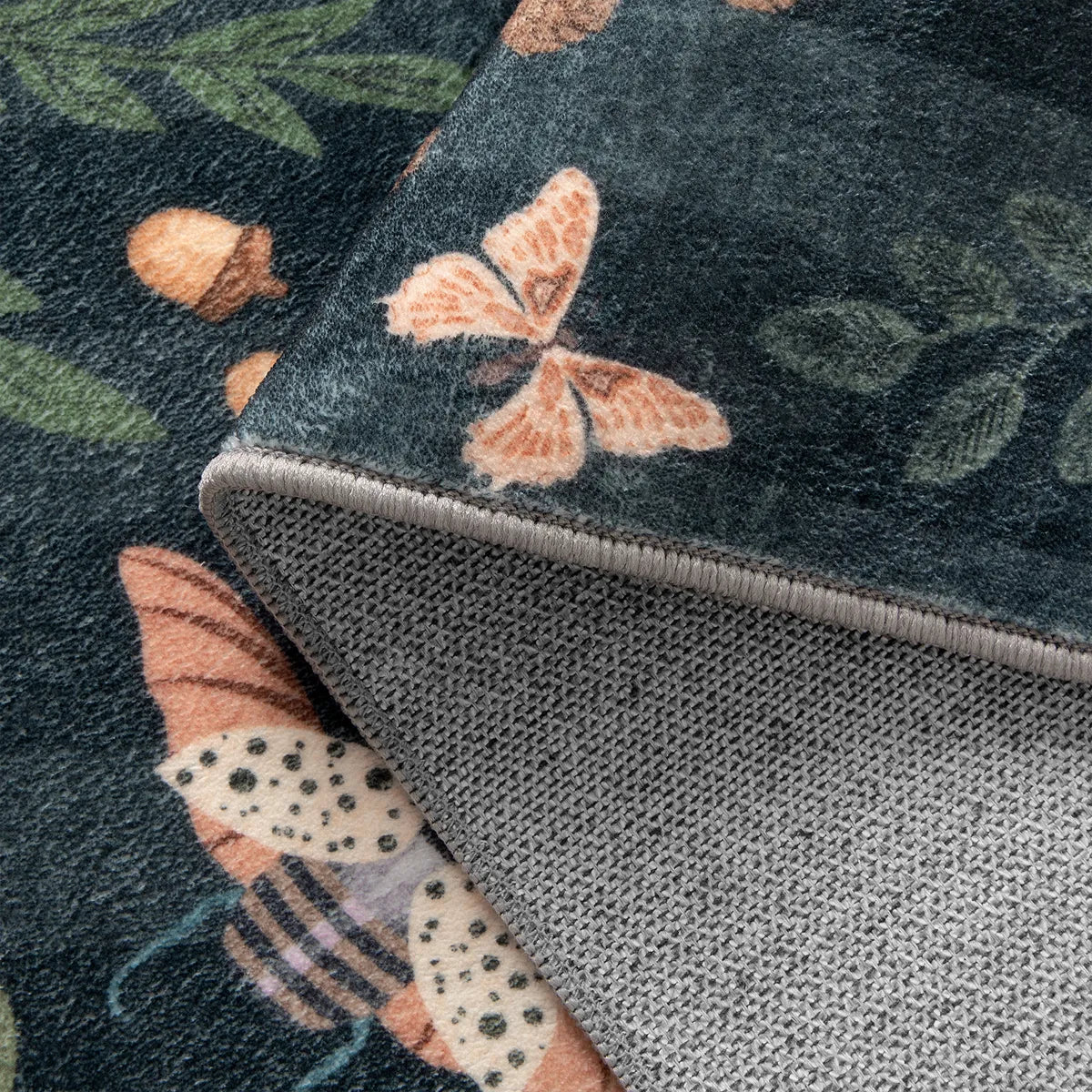
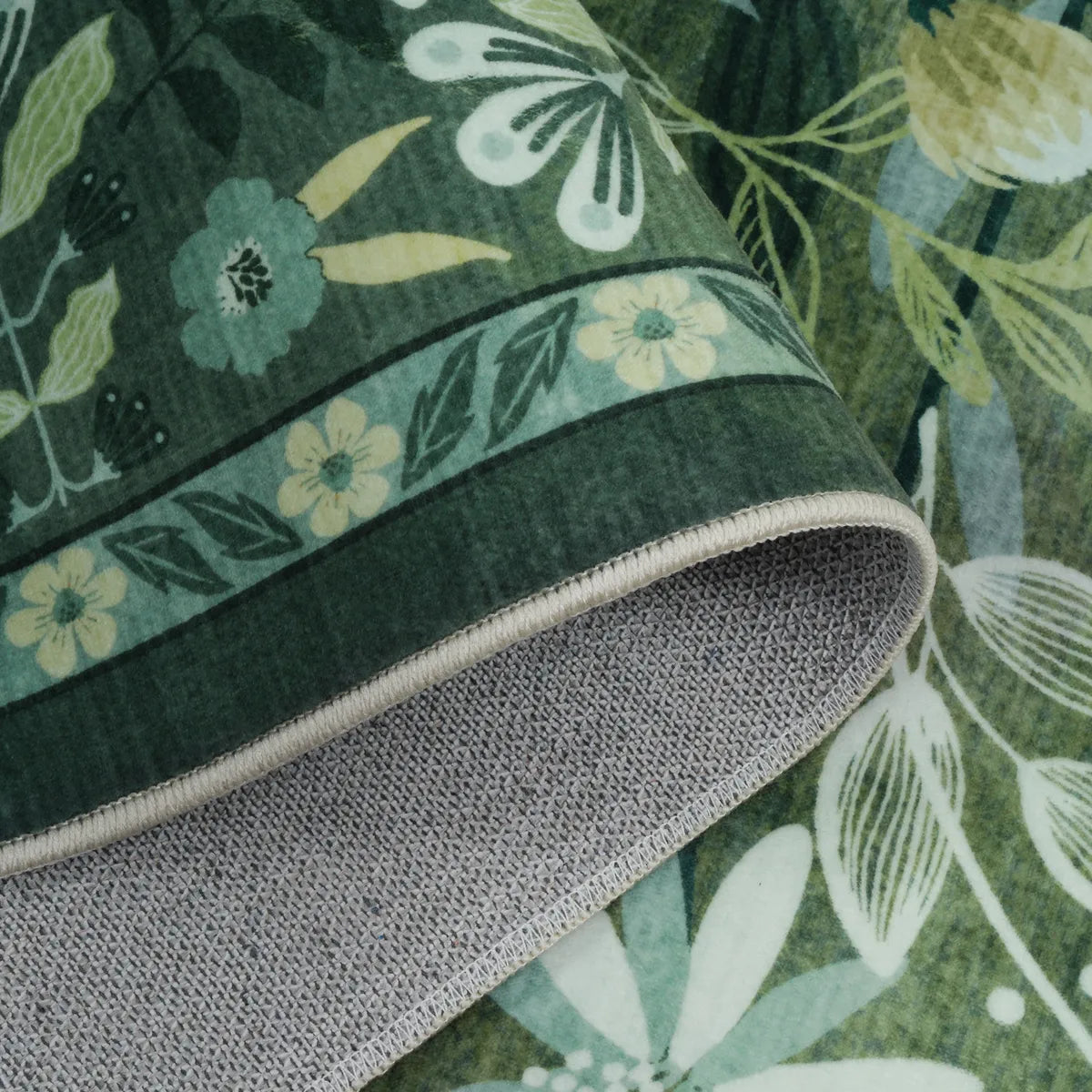
- Non-slip TPE backing: TPE backing (thermoplastic elastomer, a rubberized layer bonded to the underside of the rug) keeps the rug anchored under furniture without scratching hard floors or requiring a separate pad.
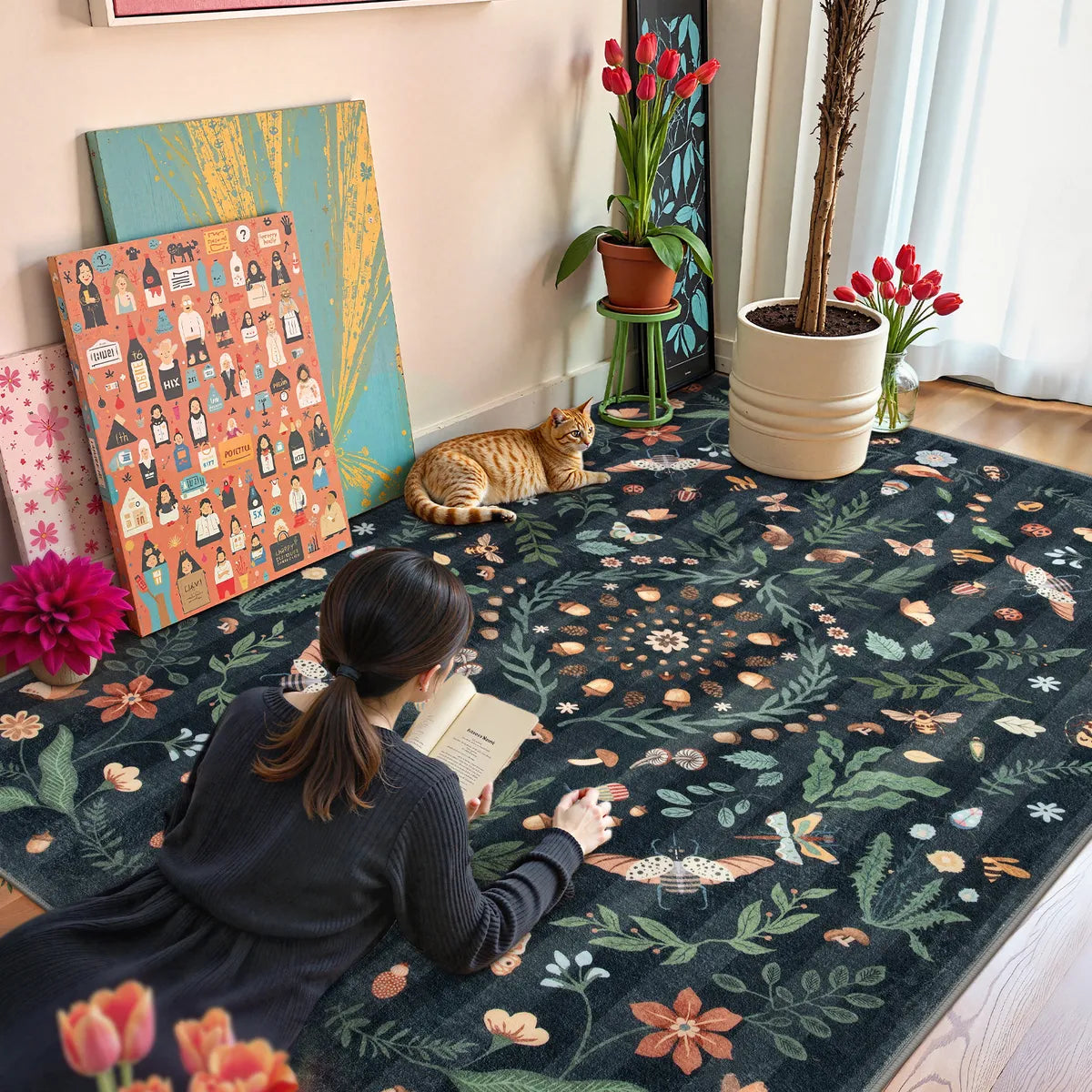
- OEKO-TEX certified materials: OEKO-TEX Standard 100 certification verifies that the rug's fibers, dyes, and backing have been independently tested and are free from harmful substances, which matters in a room where children and pets spend time on the floor.
Put Your Living Room Layout Together the Right Way
Choosing the right rug for a living room coffee table layout is a practical decision as much as a visual one. Match the shape to the furniture arrangement. Size up to anchor the seating group properly. Consider a round rug when the room or table calls for it. And build in spill proof or stain resistant performance for a space that sees daily use. An area rug for the living room that gets all four of these right will look intentional, hold up over time, and make the whole room feel more considered.
FAQs about Living Room Rug Choices
Q1. What Type of Rug Is Best for a Living Room?
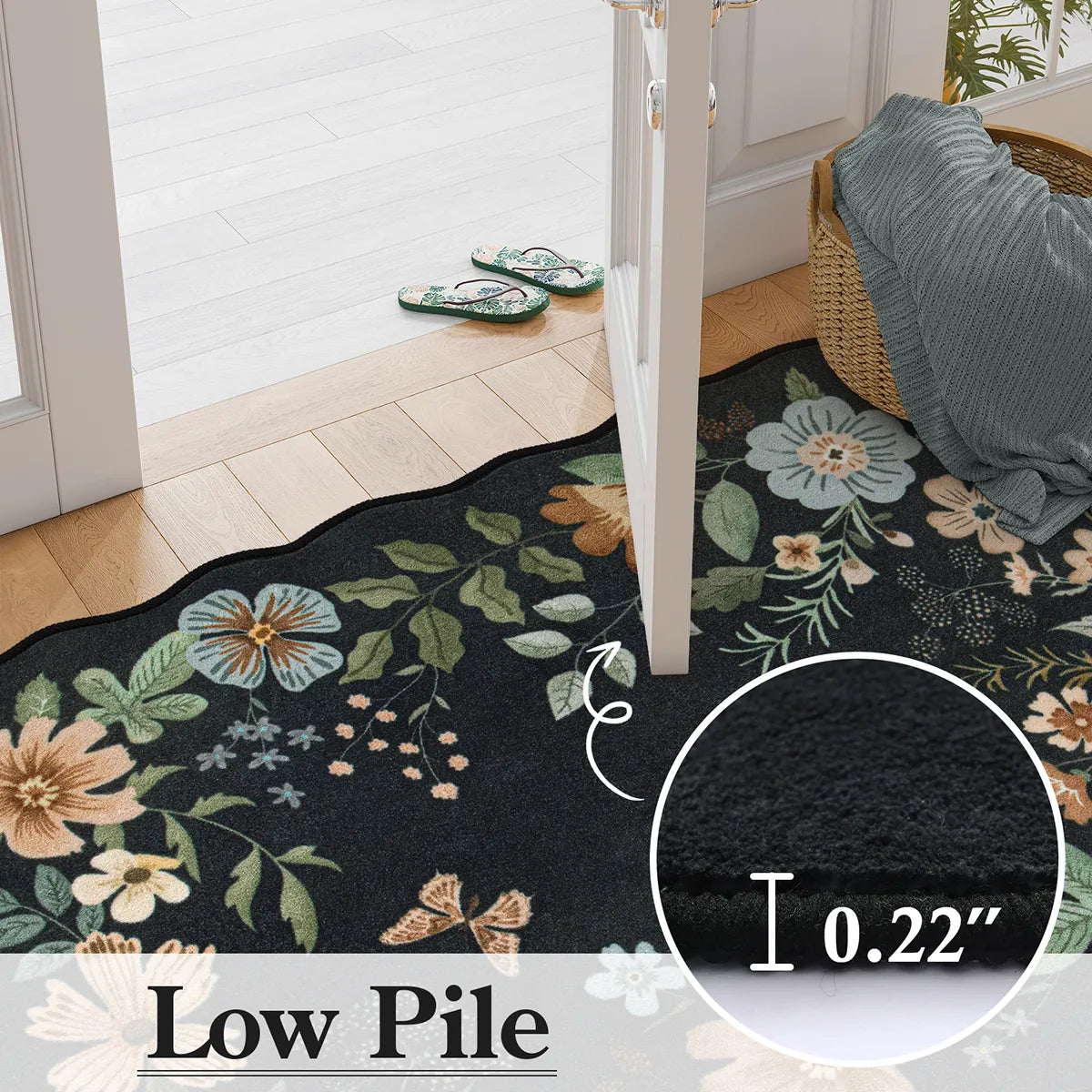
A low-pile, machine washable rug with a built-in non-slip backing is the most practical choice for a living room. Low-pile construction stays flat under furniture, is easier to vacuum, and shows detailed patterns more clearly than high-pile options. Spillproof synthetic fibers like polyester and faux wool blends add an extra layer of everyday protection in a high-use space.
Q2. Should a Rug Be Lighter or Darker Than a Couch?
Neither is a fixed rule; the more useful principle is contrast. A light rug under a dark sofa creates visual separation that defines the seating zone clearly. A darker rug under lighter upholstery grounds the arrangement and adds warmth. Medium-toned rugs with pattern work well in either direction, as the design carries the visual interest rather than the tone alone.
Q3. Is a 9x12 Rug Too Big for a Living Room?
A 9x12 rug is not too big for most standard living rooms and is often the right size for larger or open-plan spaces. It works best when all furniture legs sit fully on the rug, creating a cohesive, enclosed seating zone. In smaller rooms, an 8x10 is usually the better fit, leaving a proportional border of floor visible around the seating group without overwhelming the space.
Q4. How Do You Keep a Living Room Rug Clean Under a Coffee Table?
Choosing a spillproof rug is the most effective first step, as spillproof fibers resist liquid absorption and give you time to clean up before anything sets into the surface. Blotting spills immediately rather than rubbing prevents marks from spreading into the fibers. For machine washable rugs, a regular wash cycle removes residue and allergens that surface cleaning cannot reach, keeping the rug fresh in one of the home's highest-use zones.