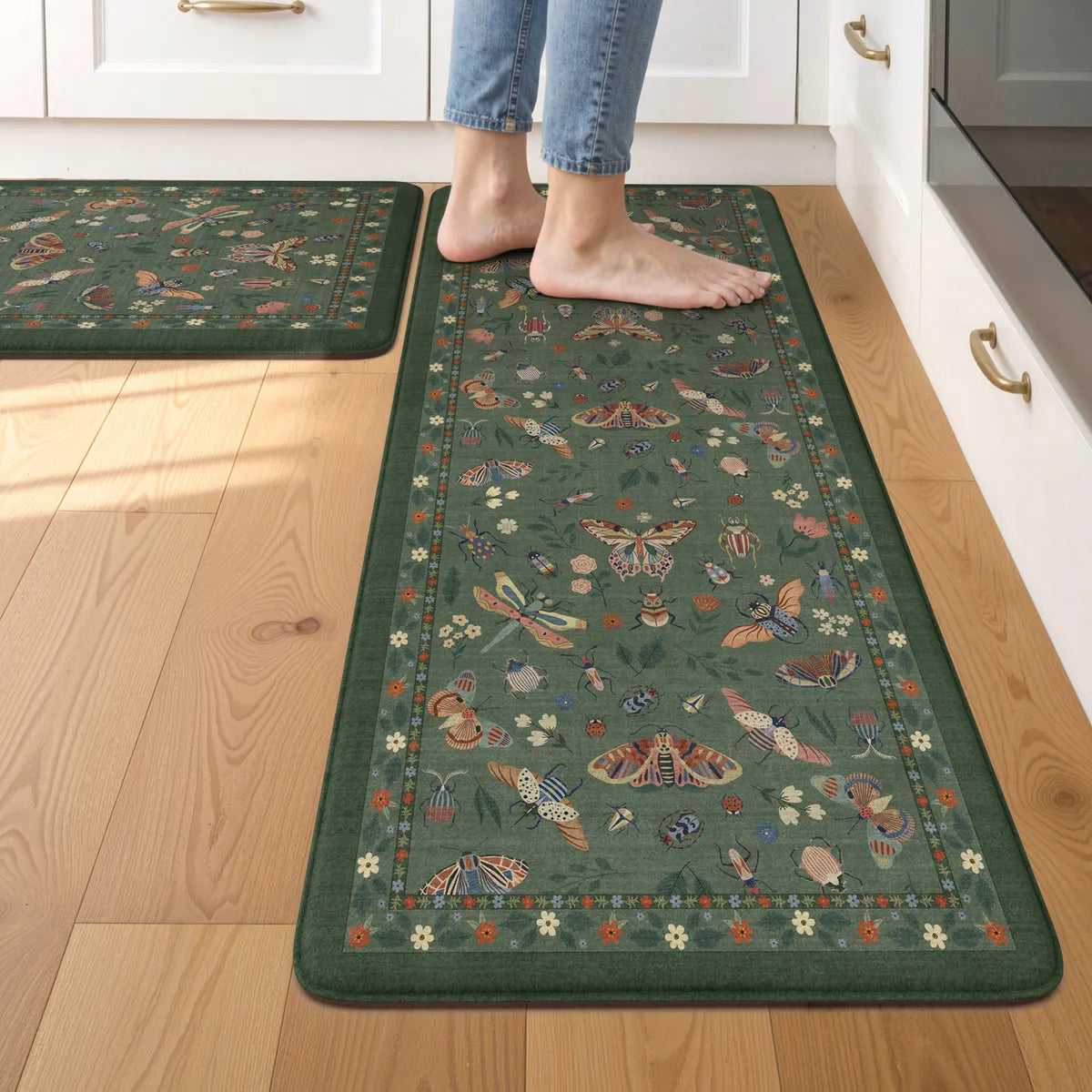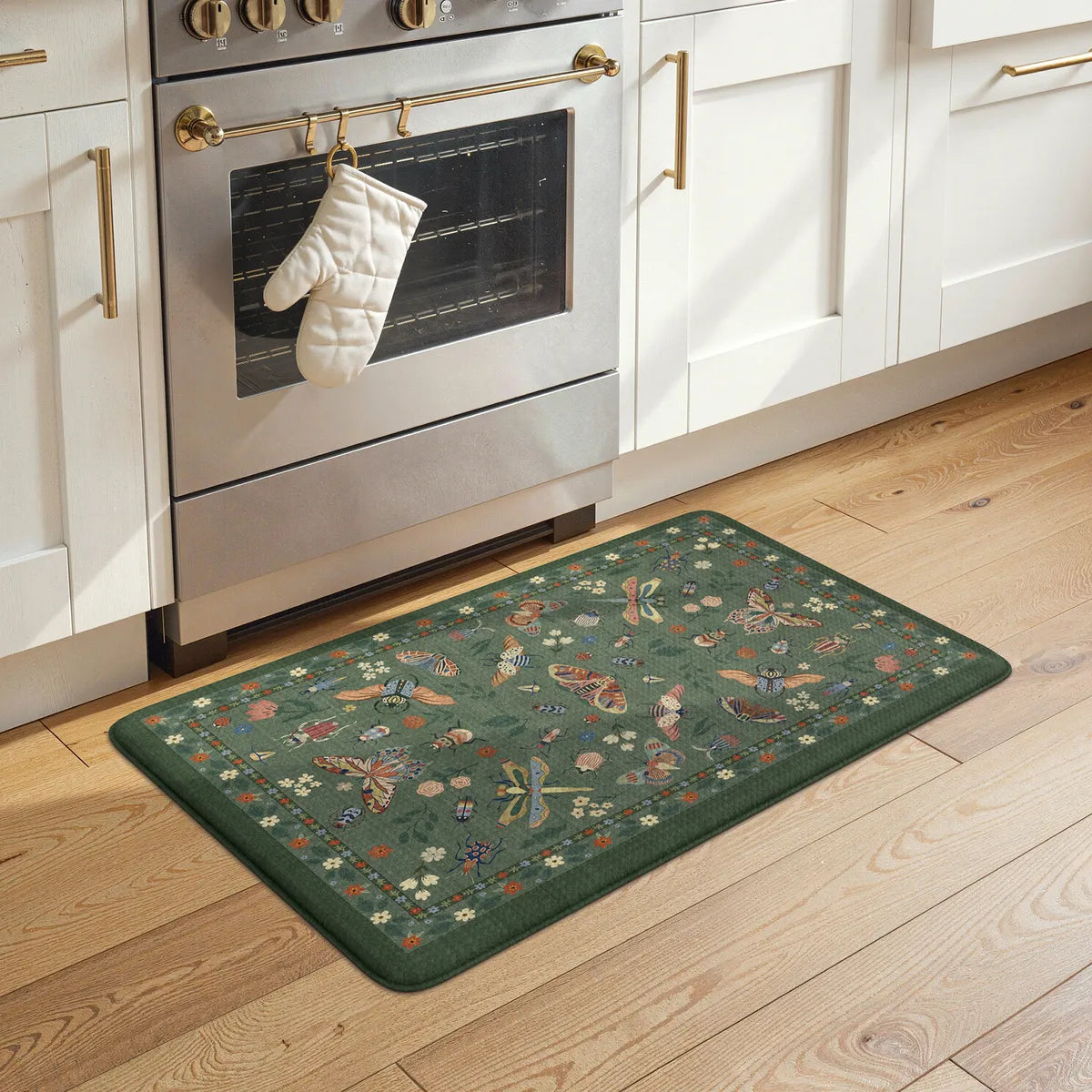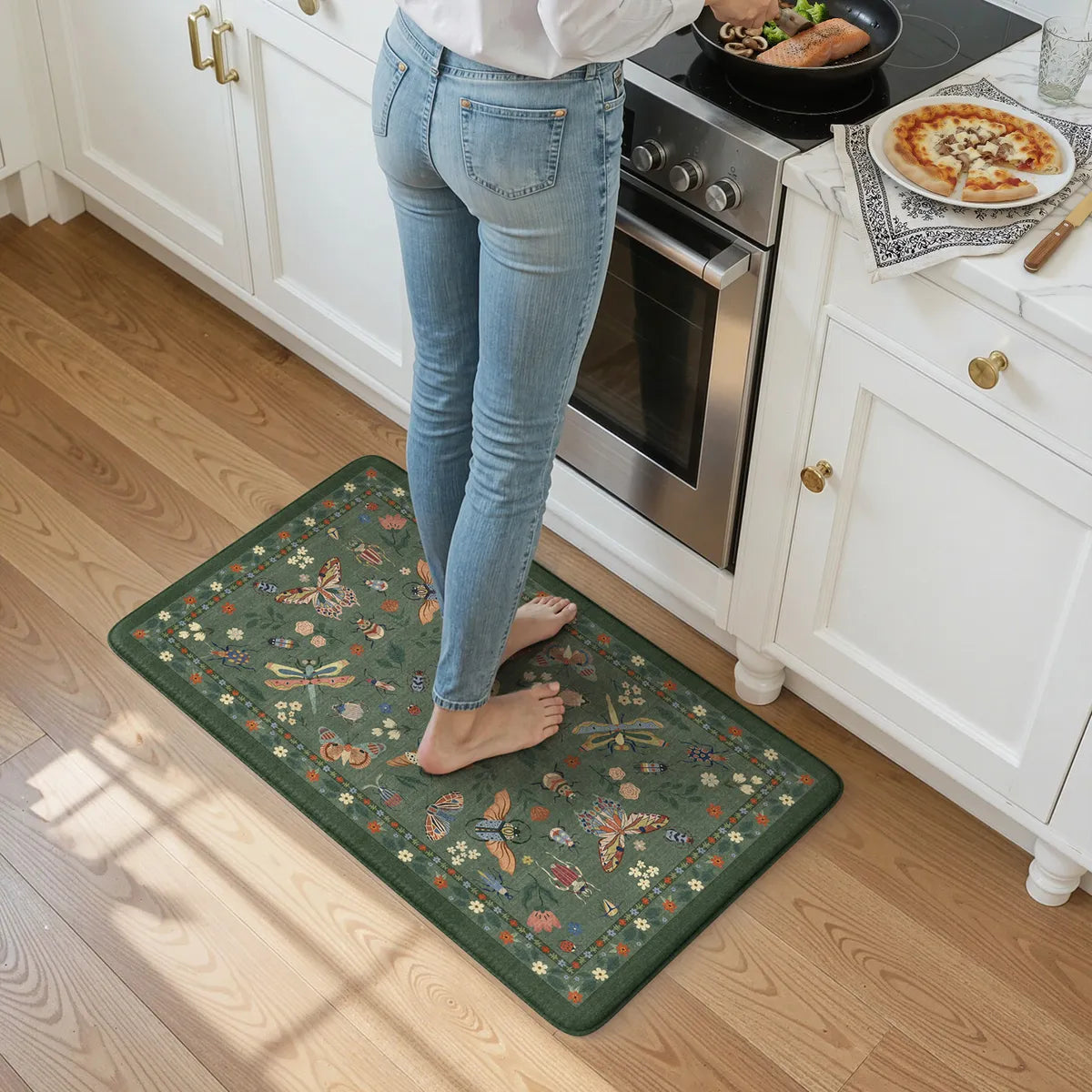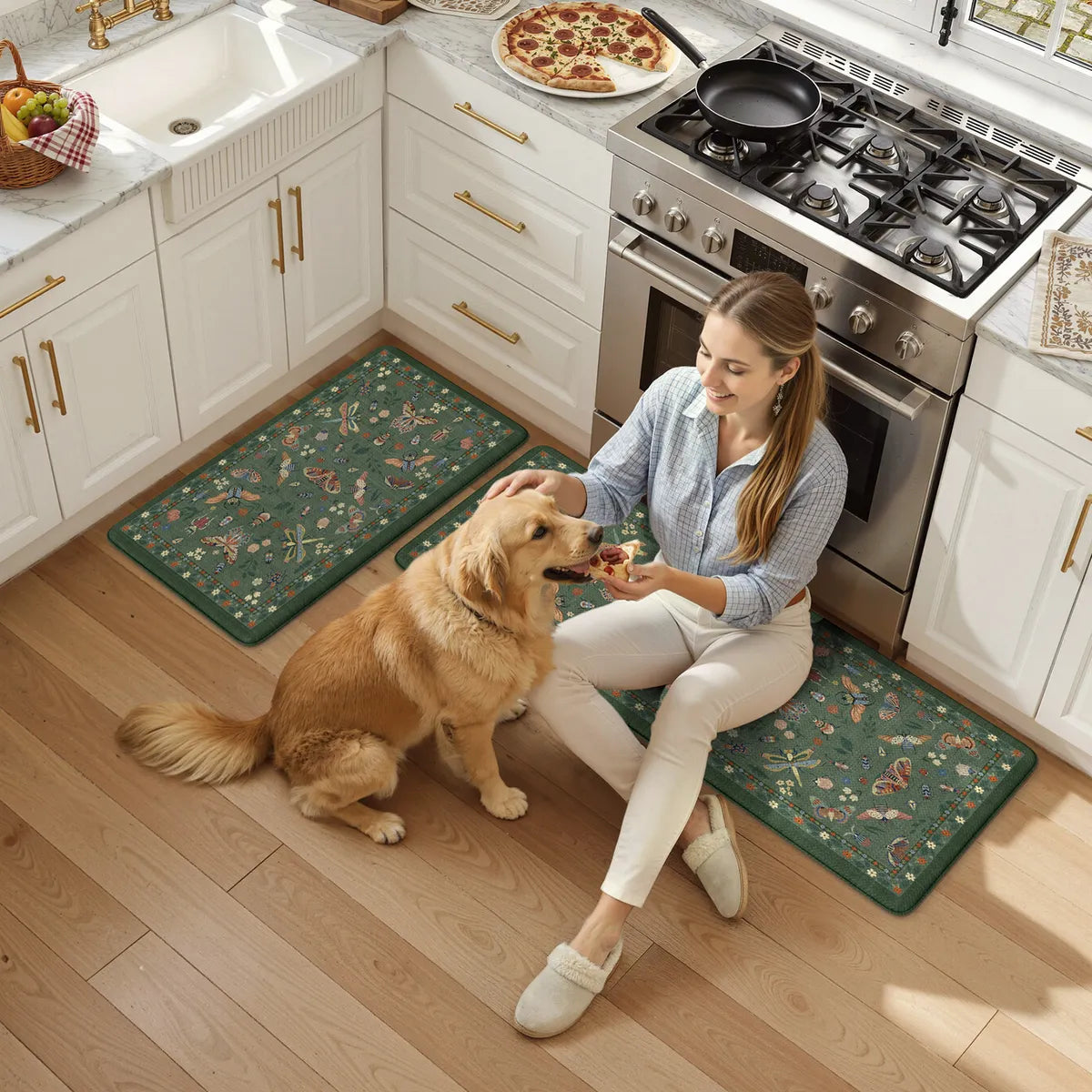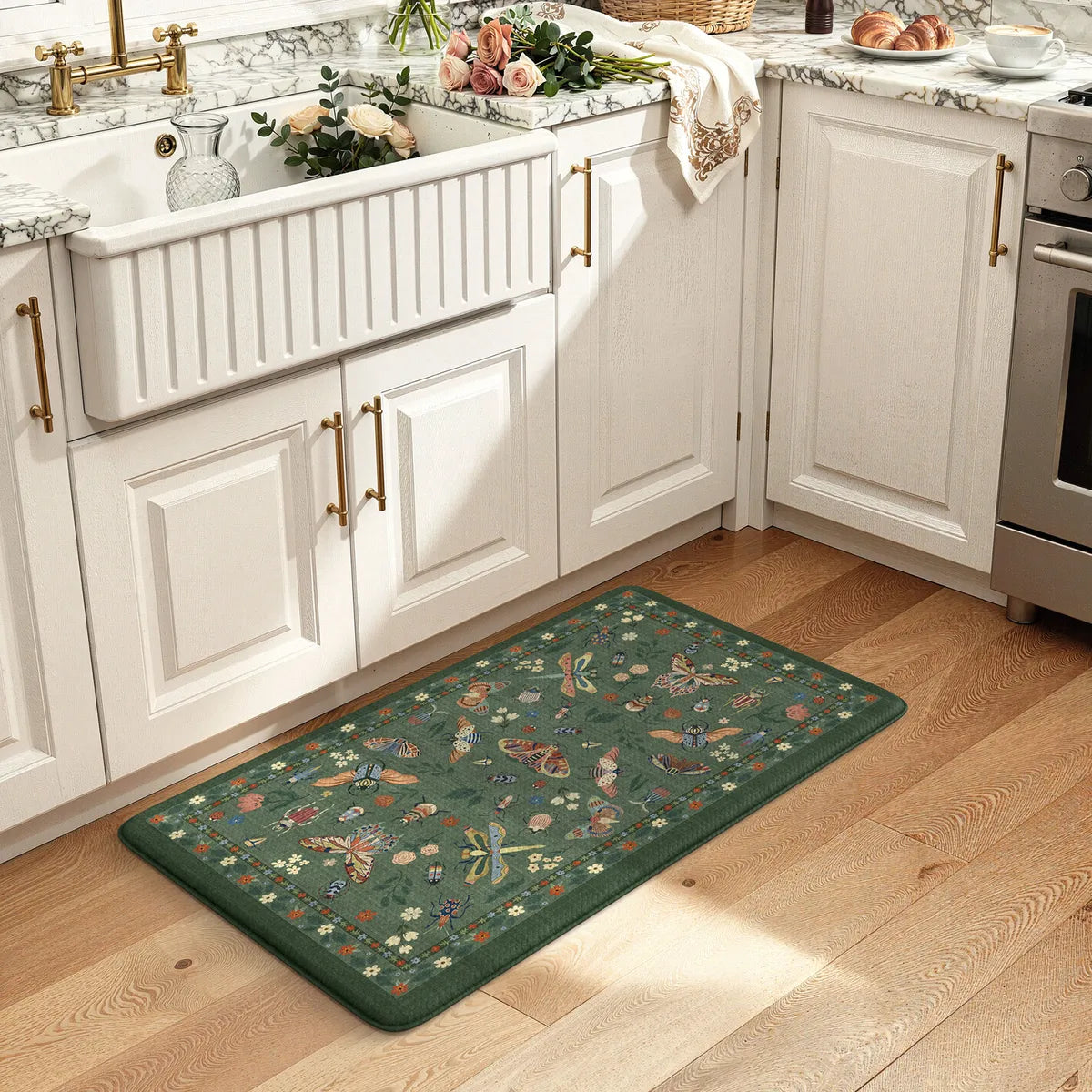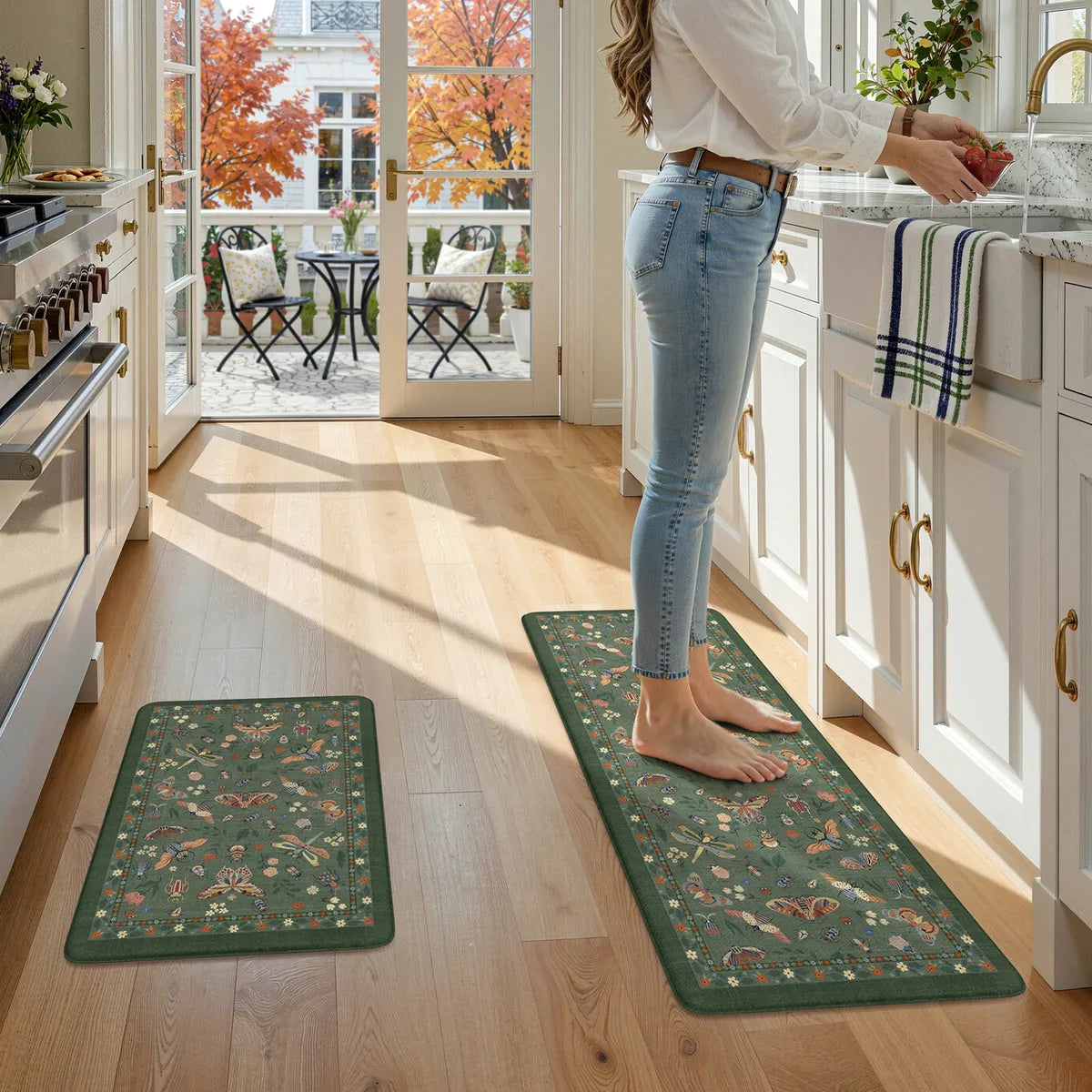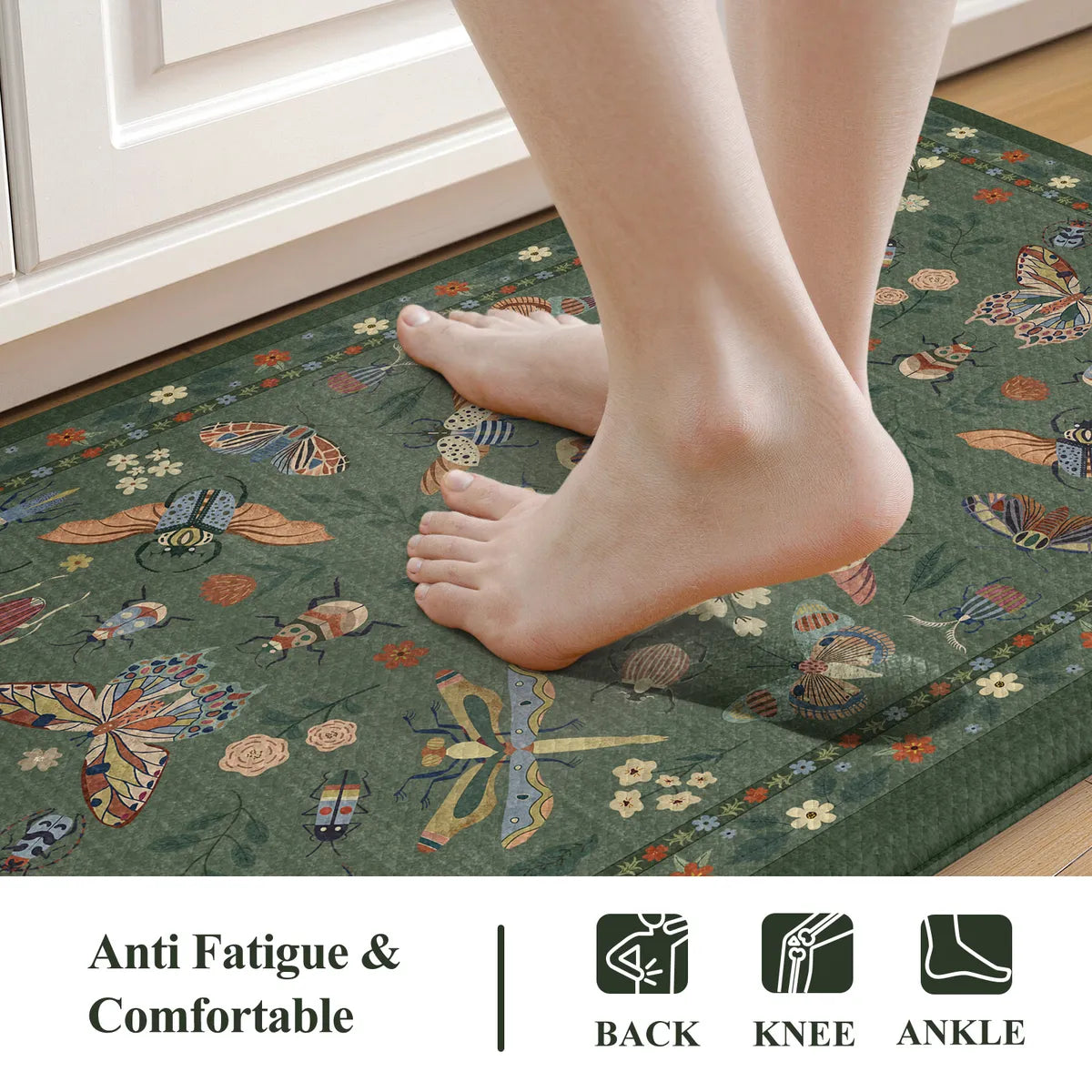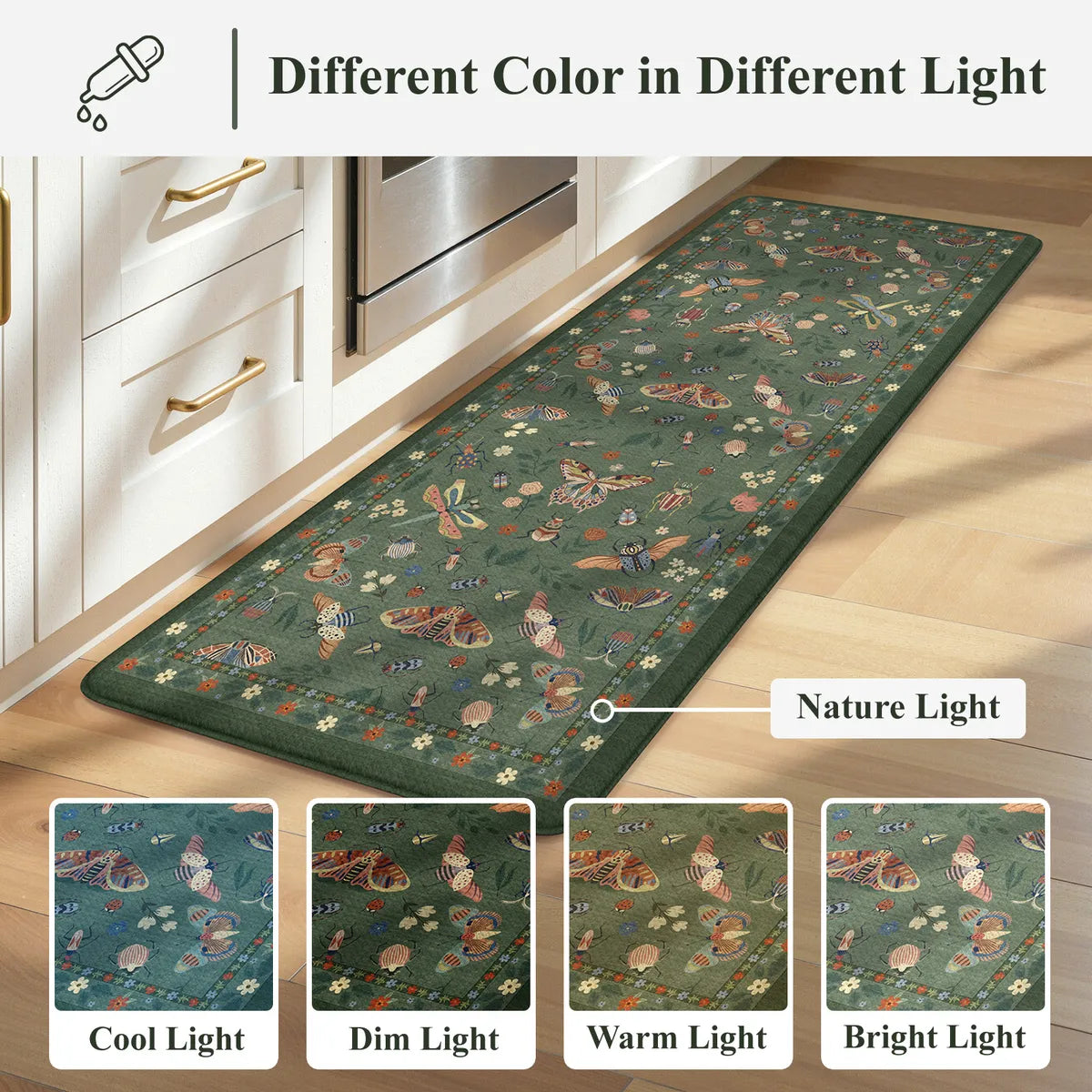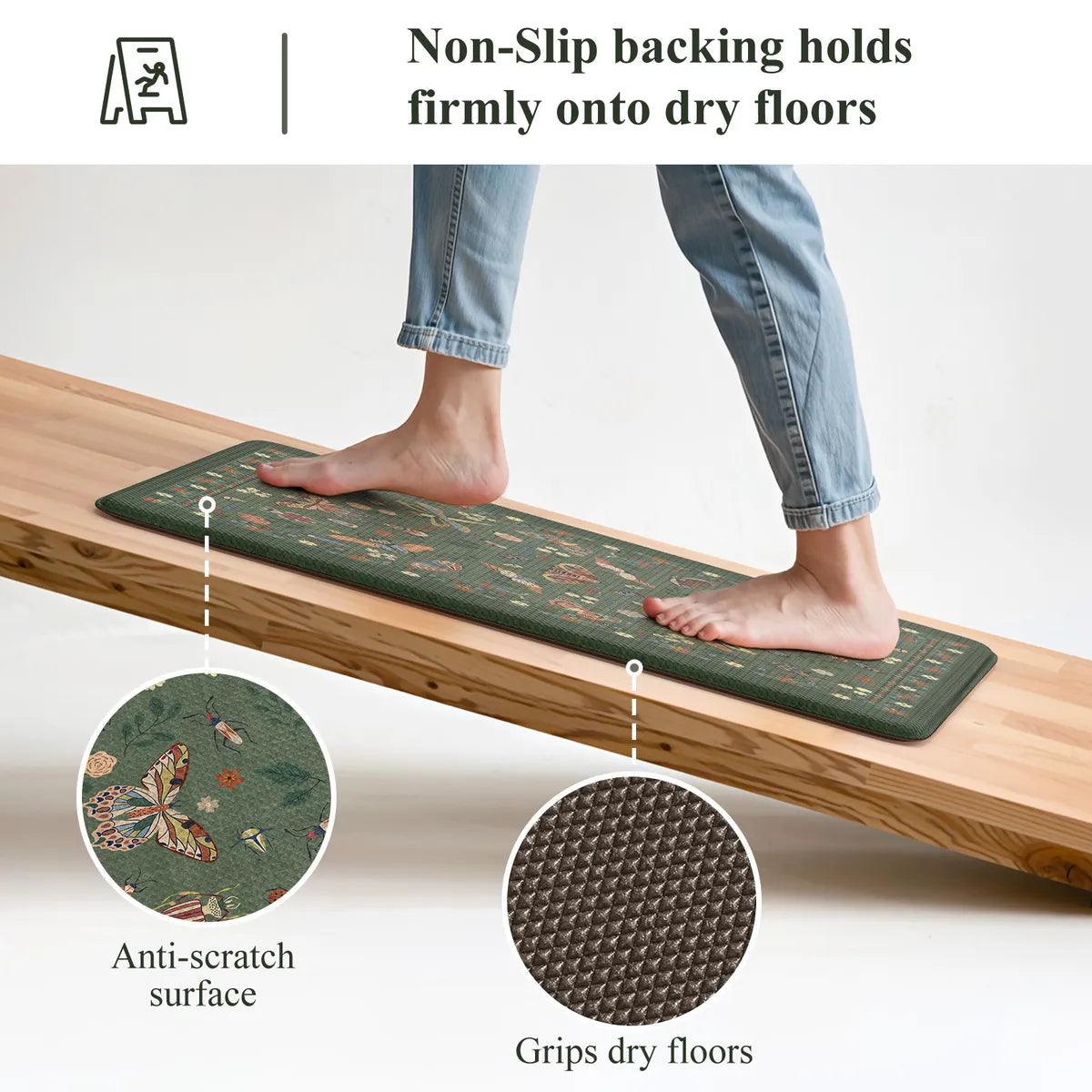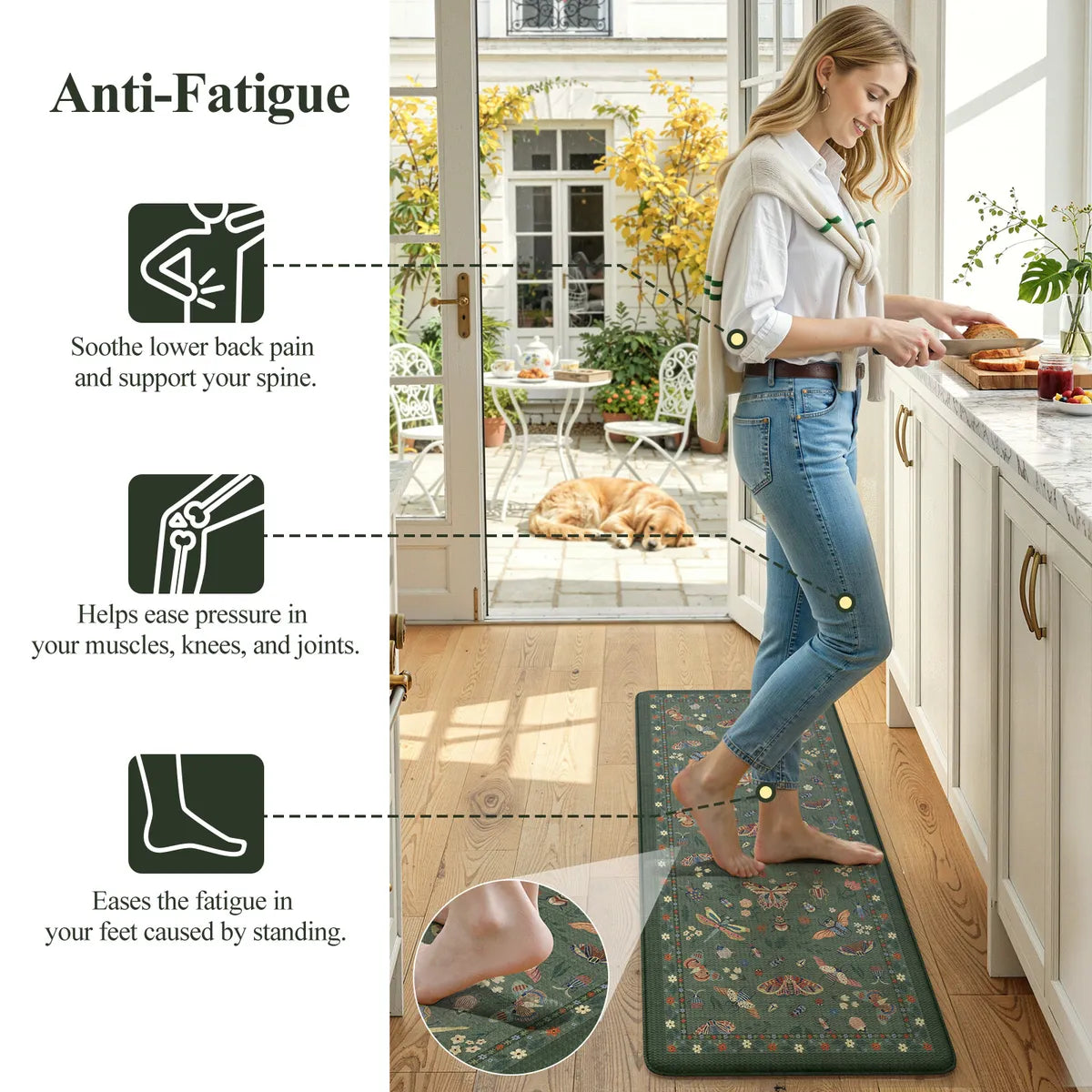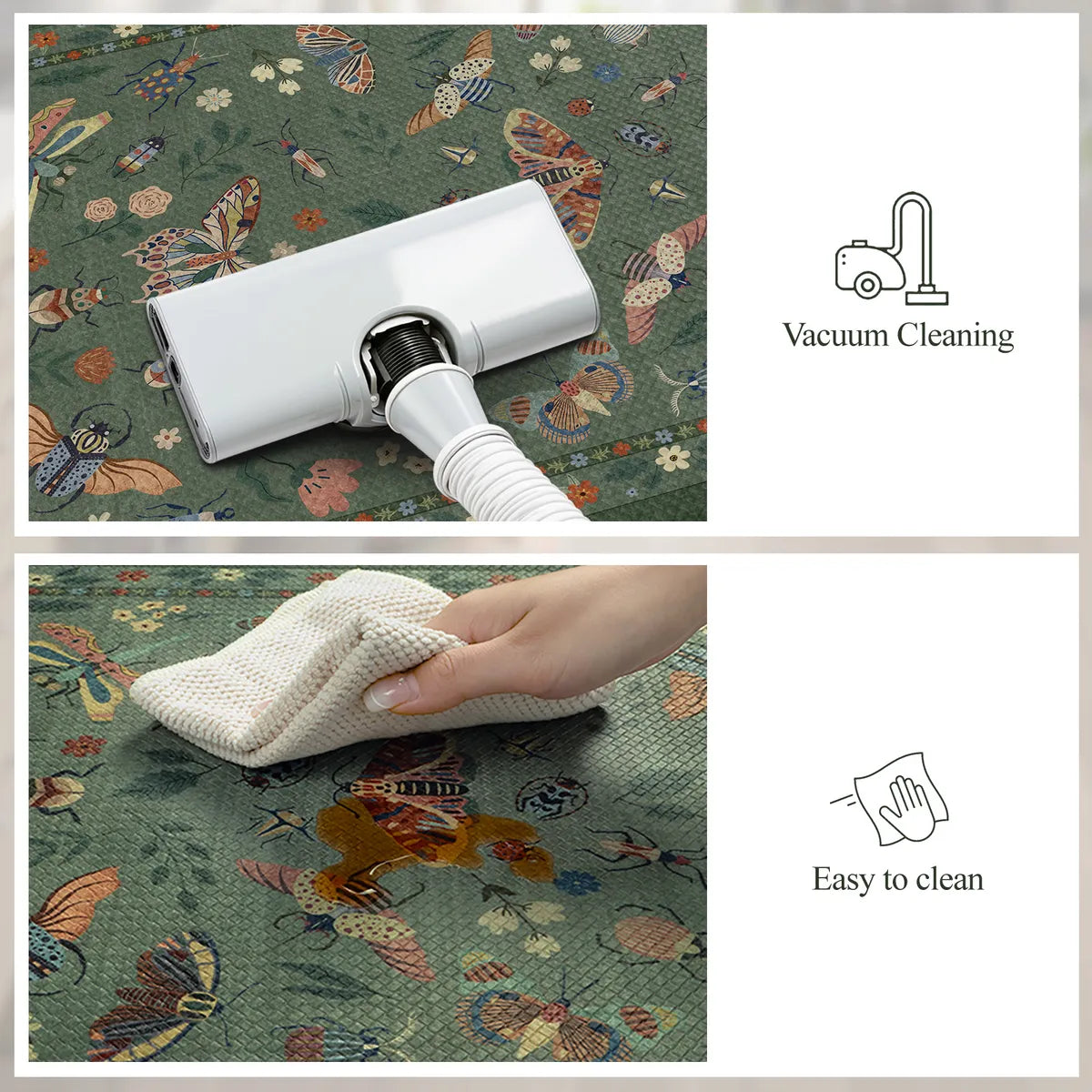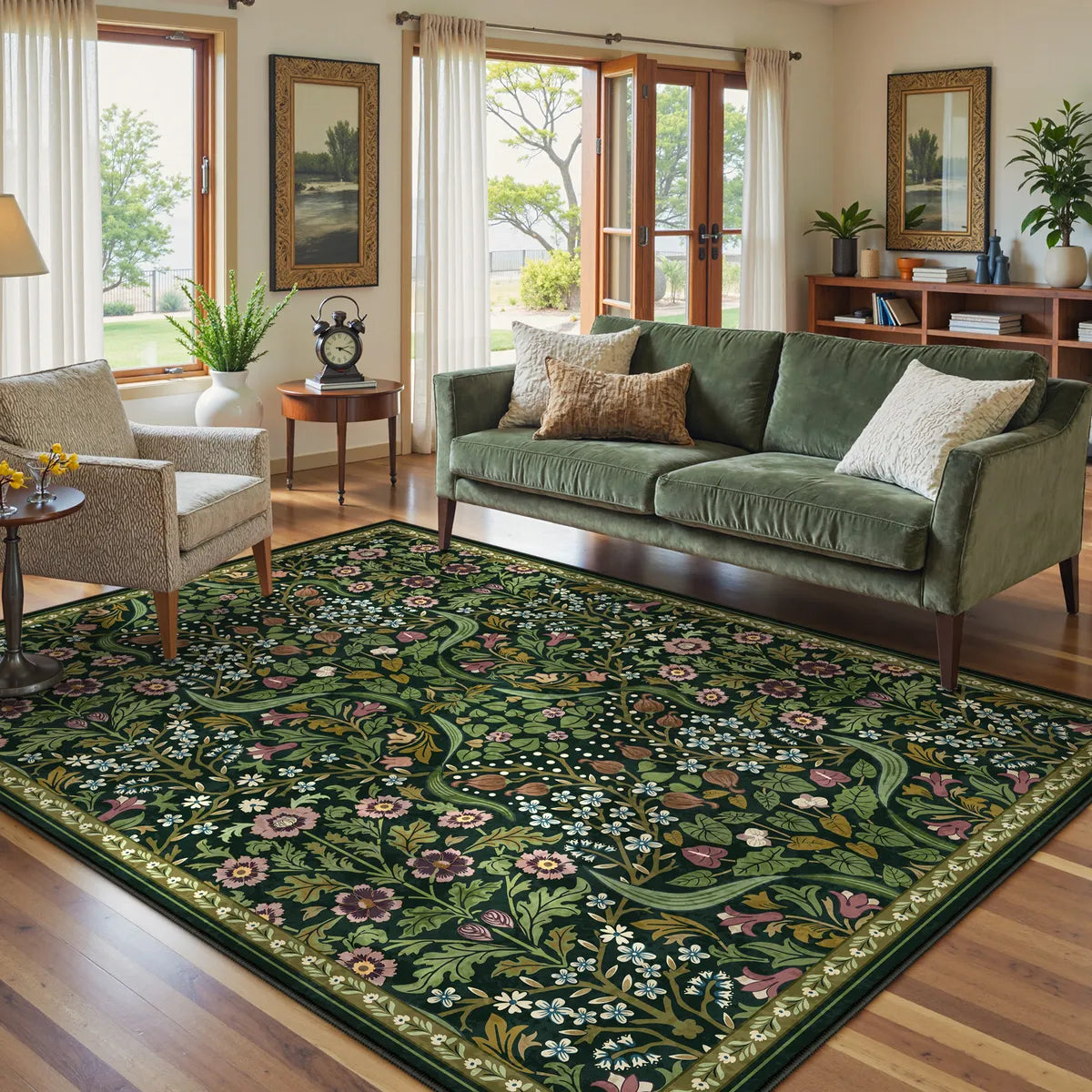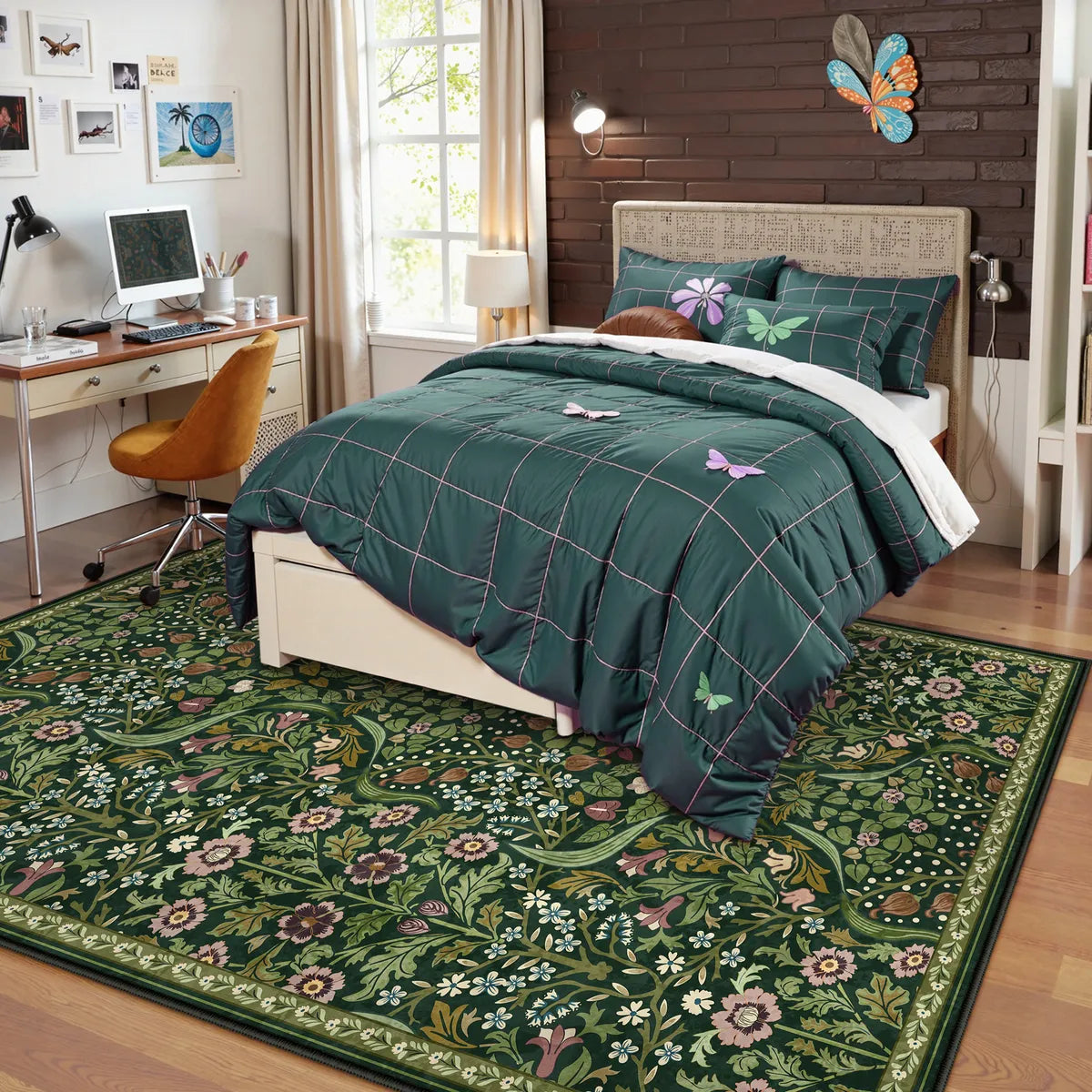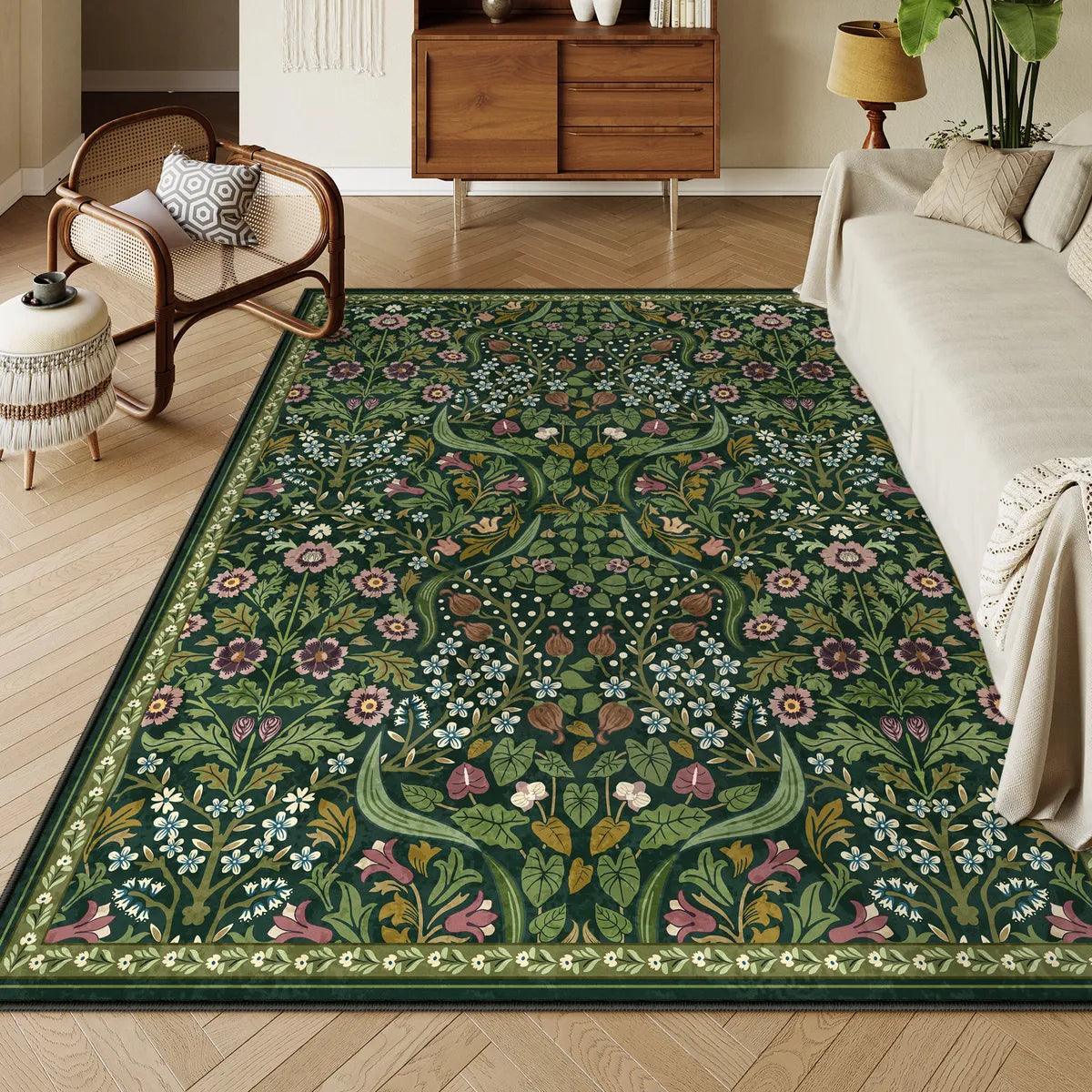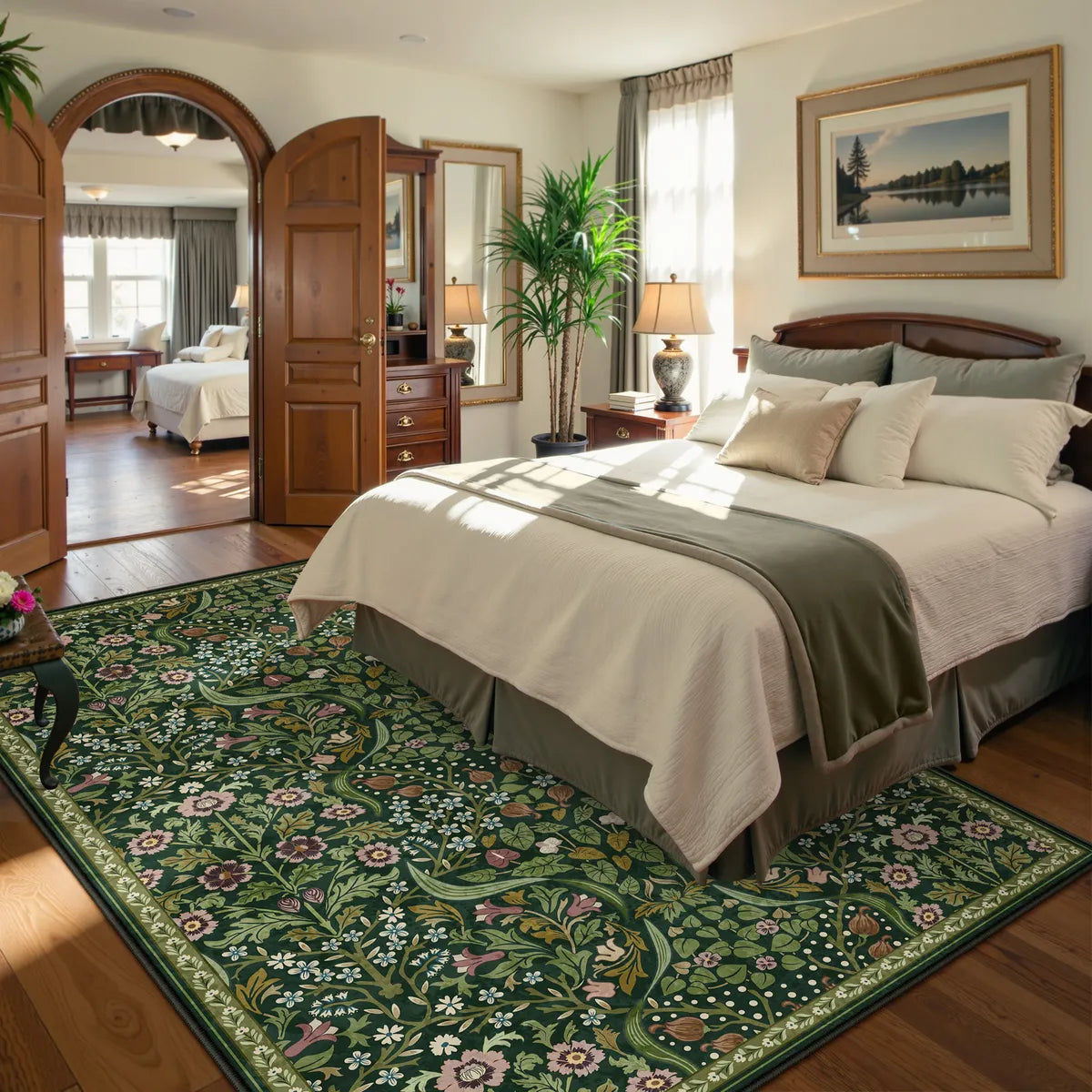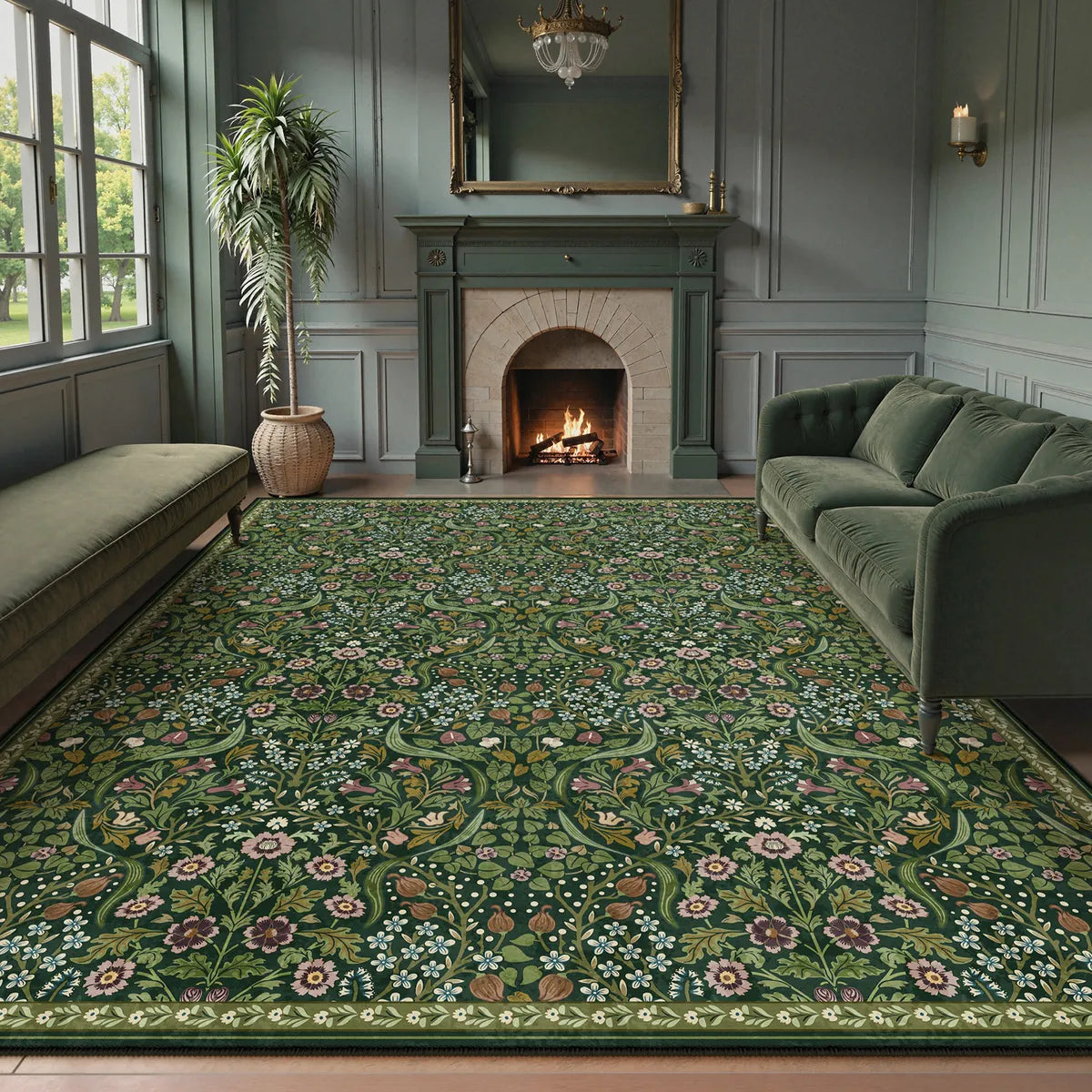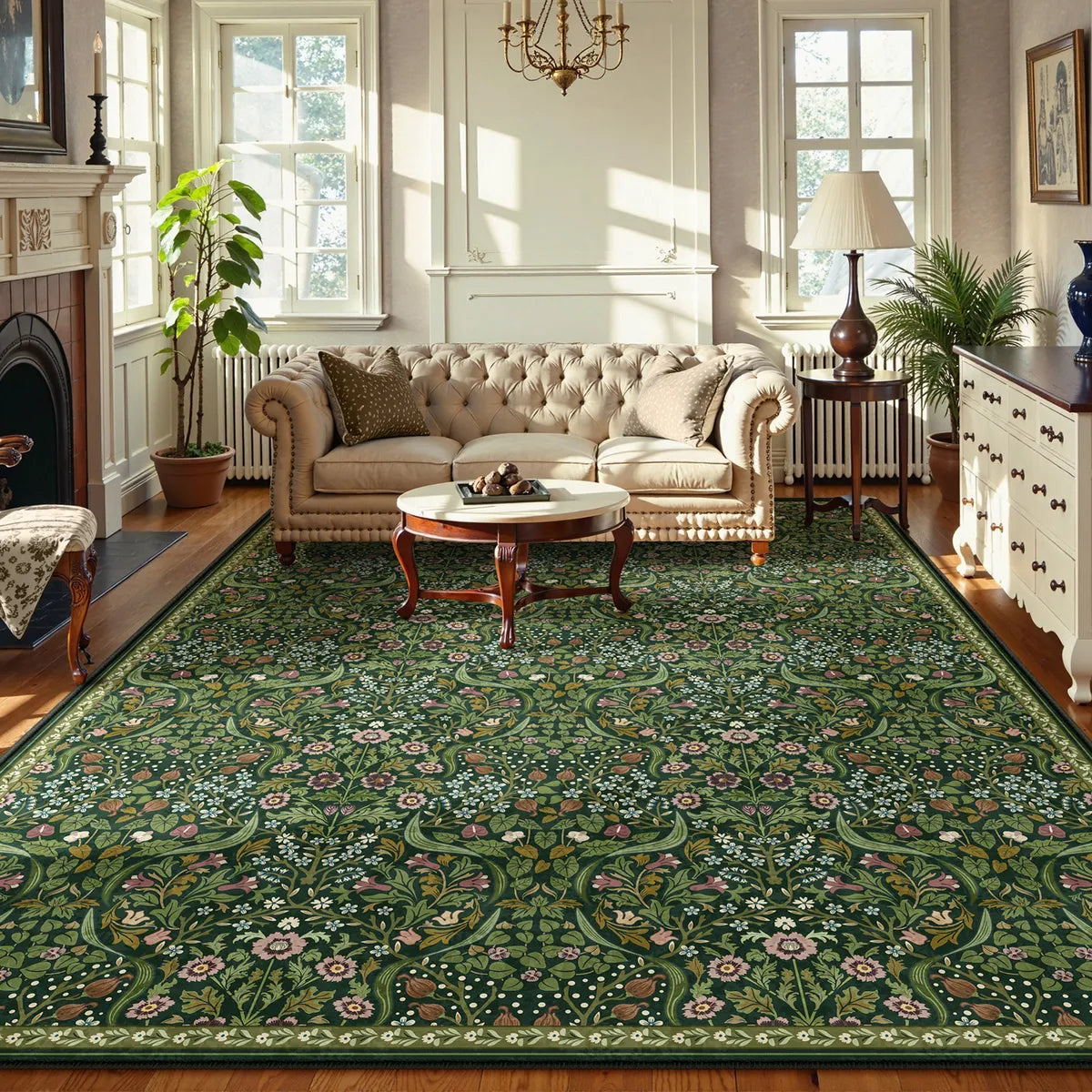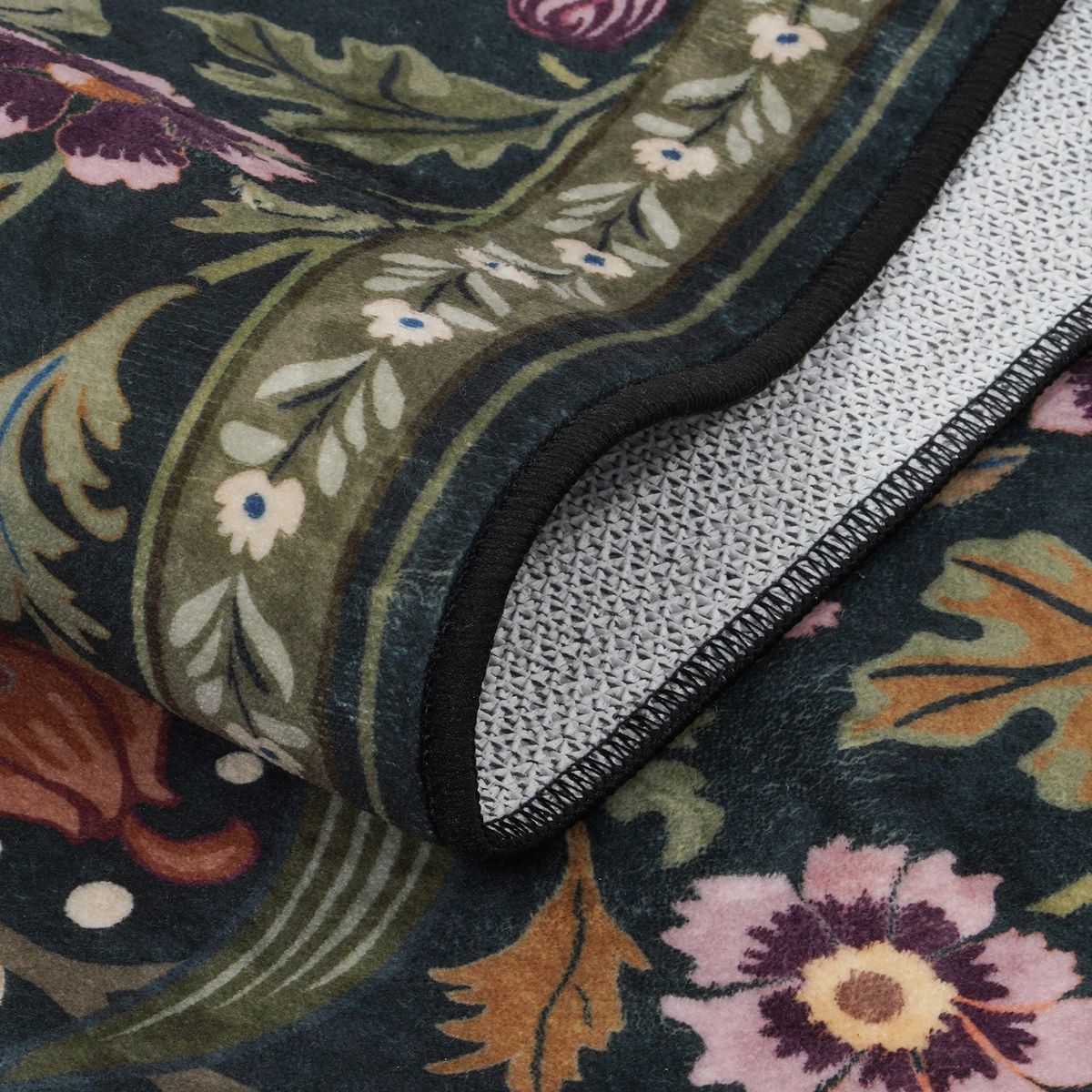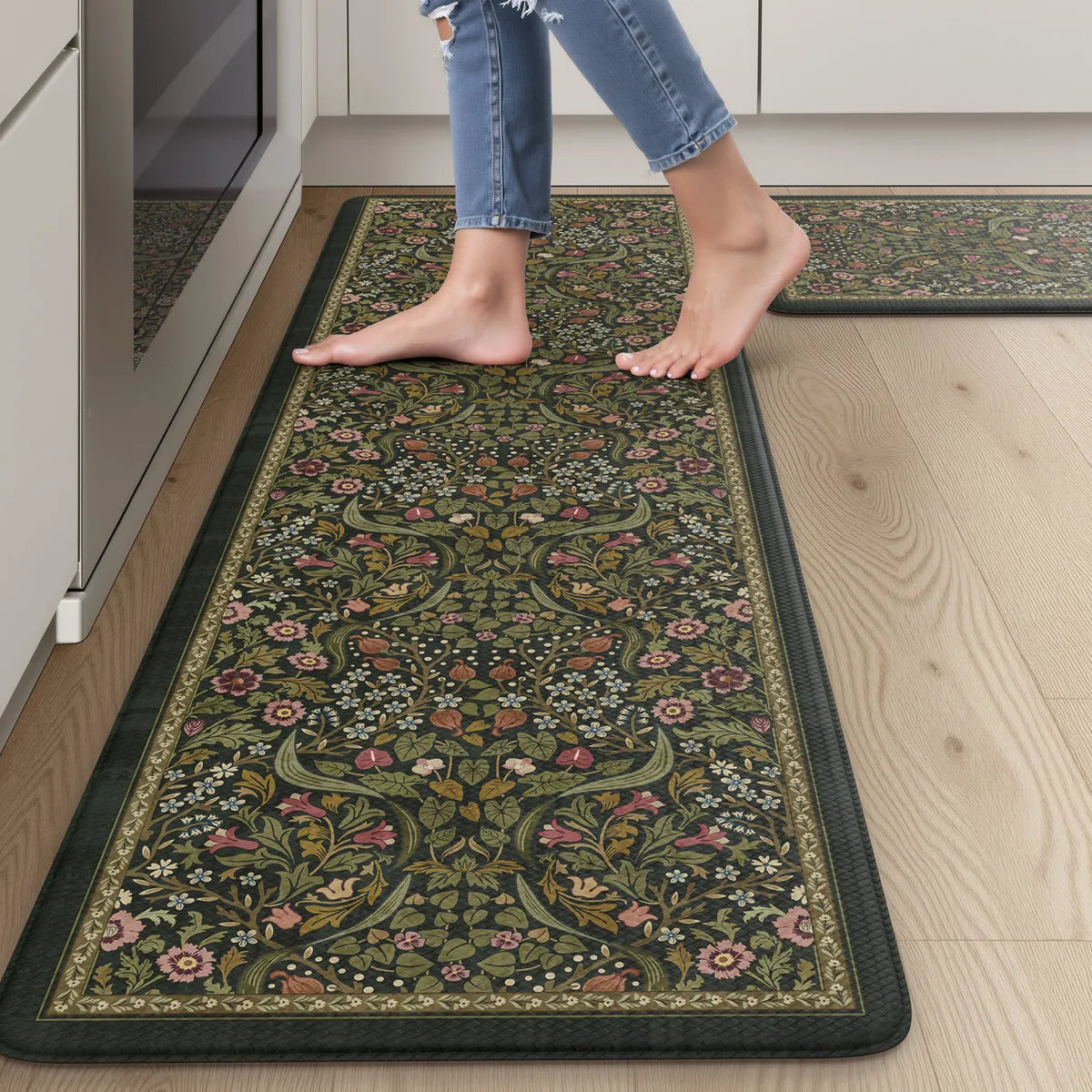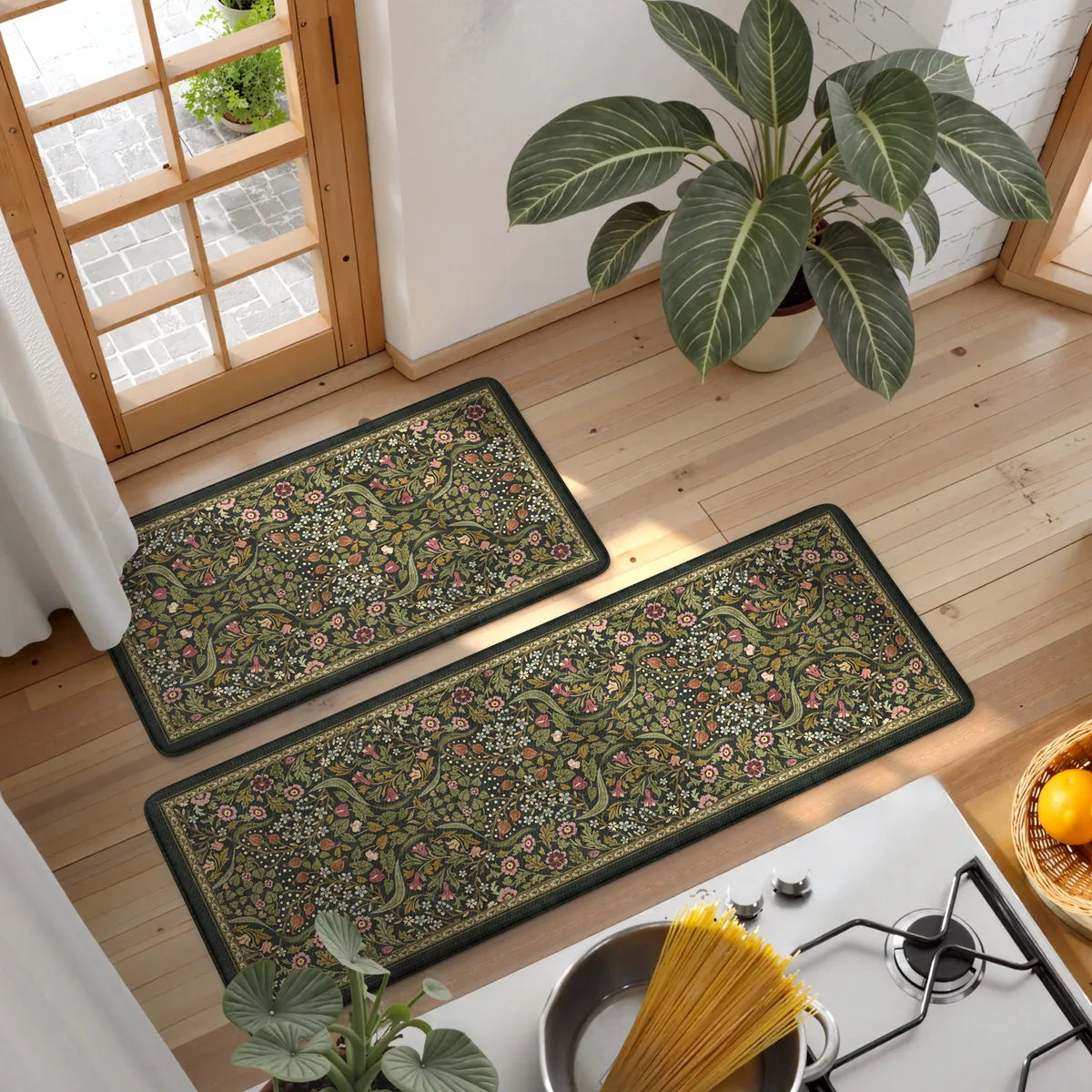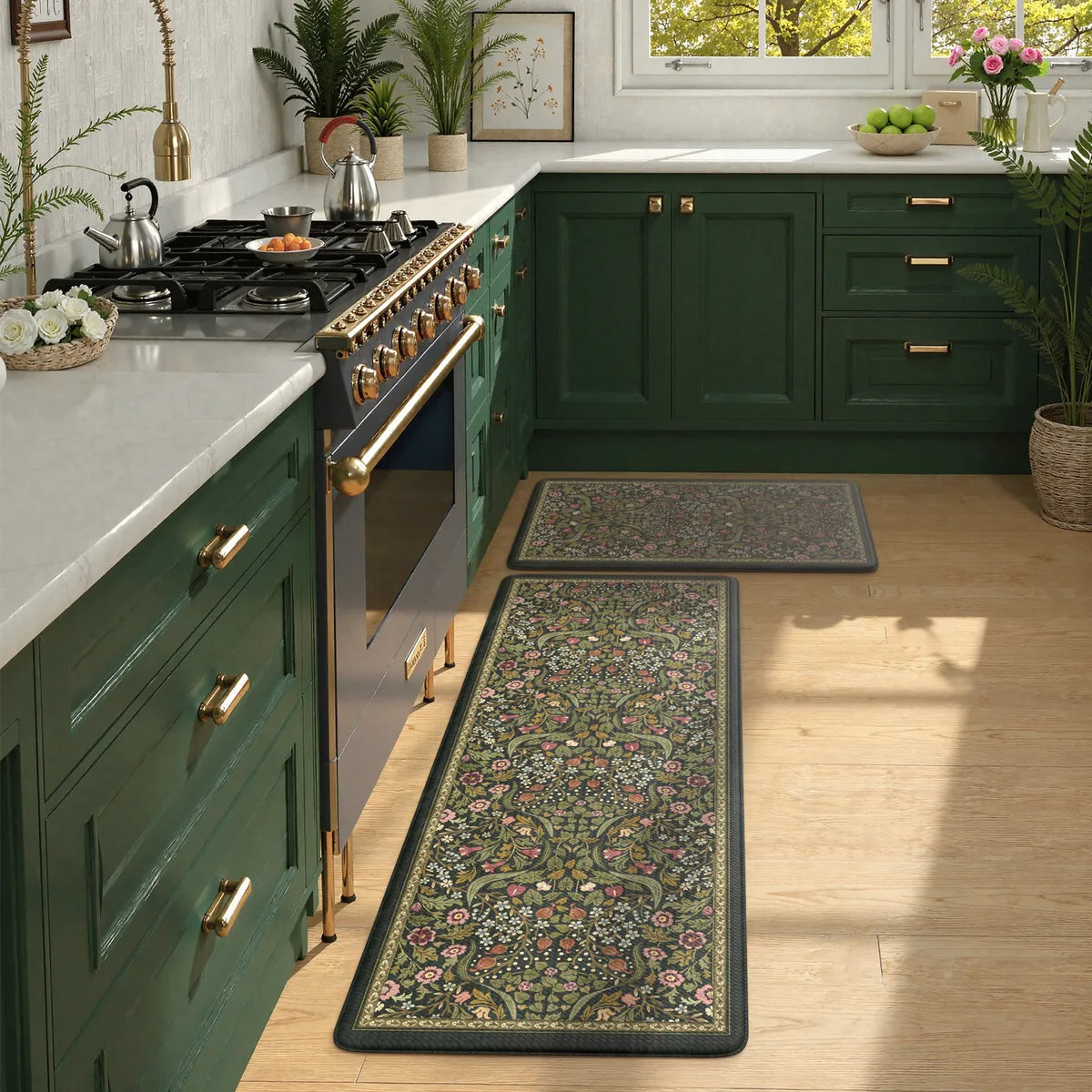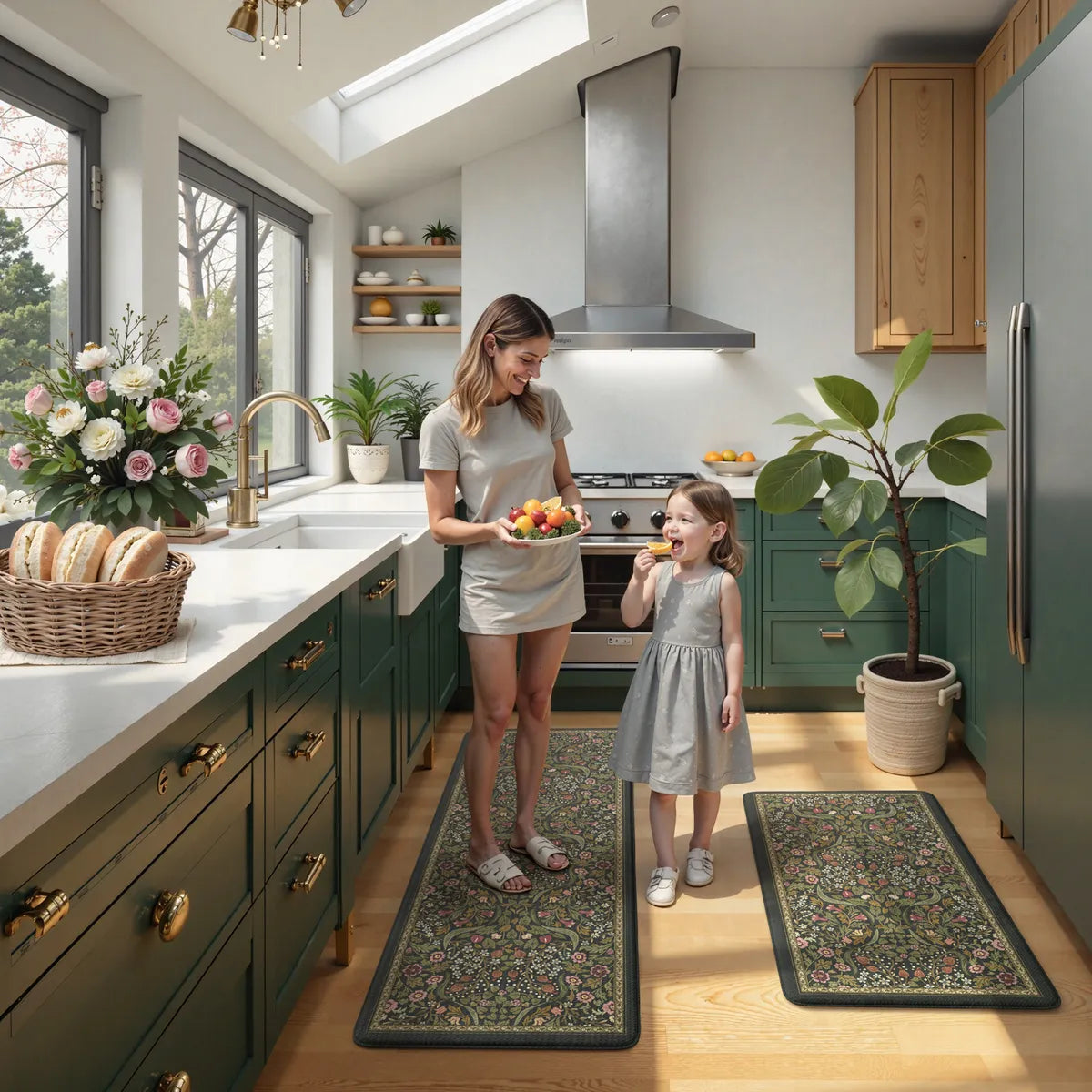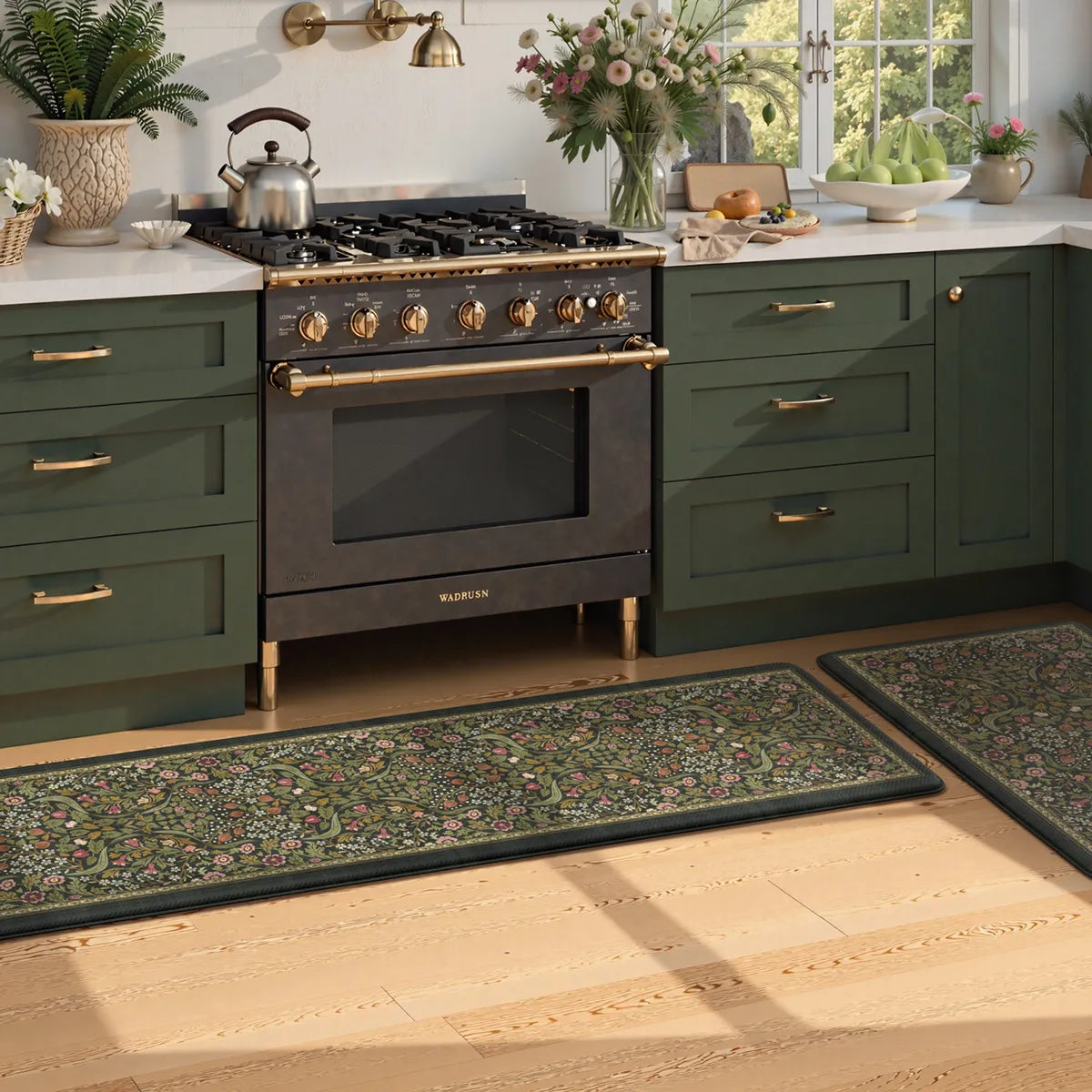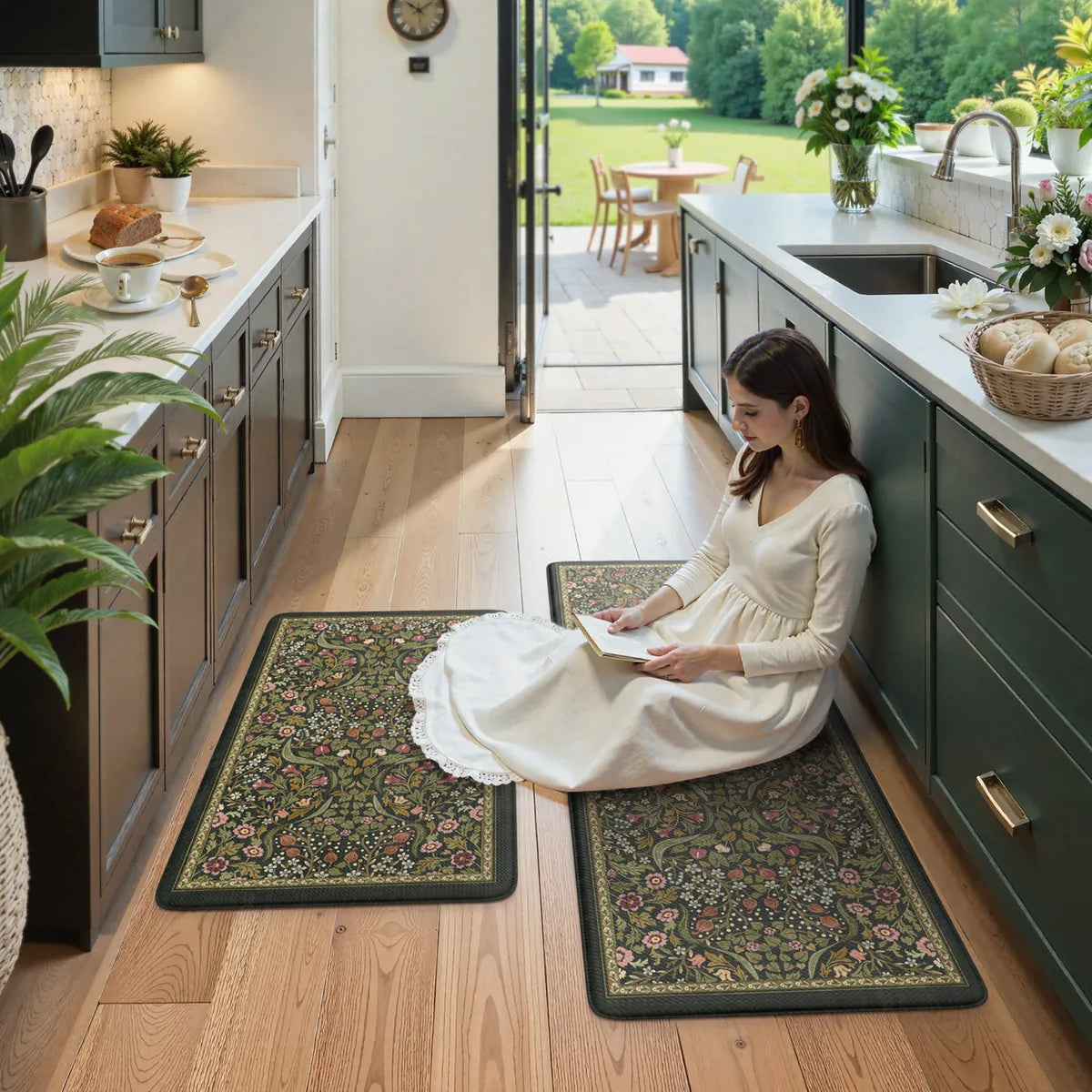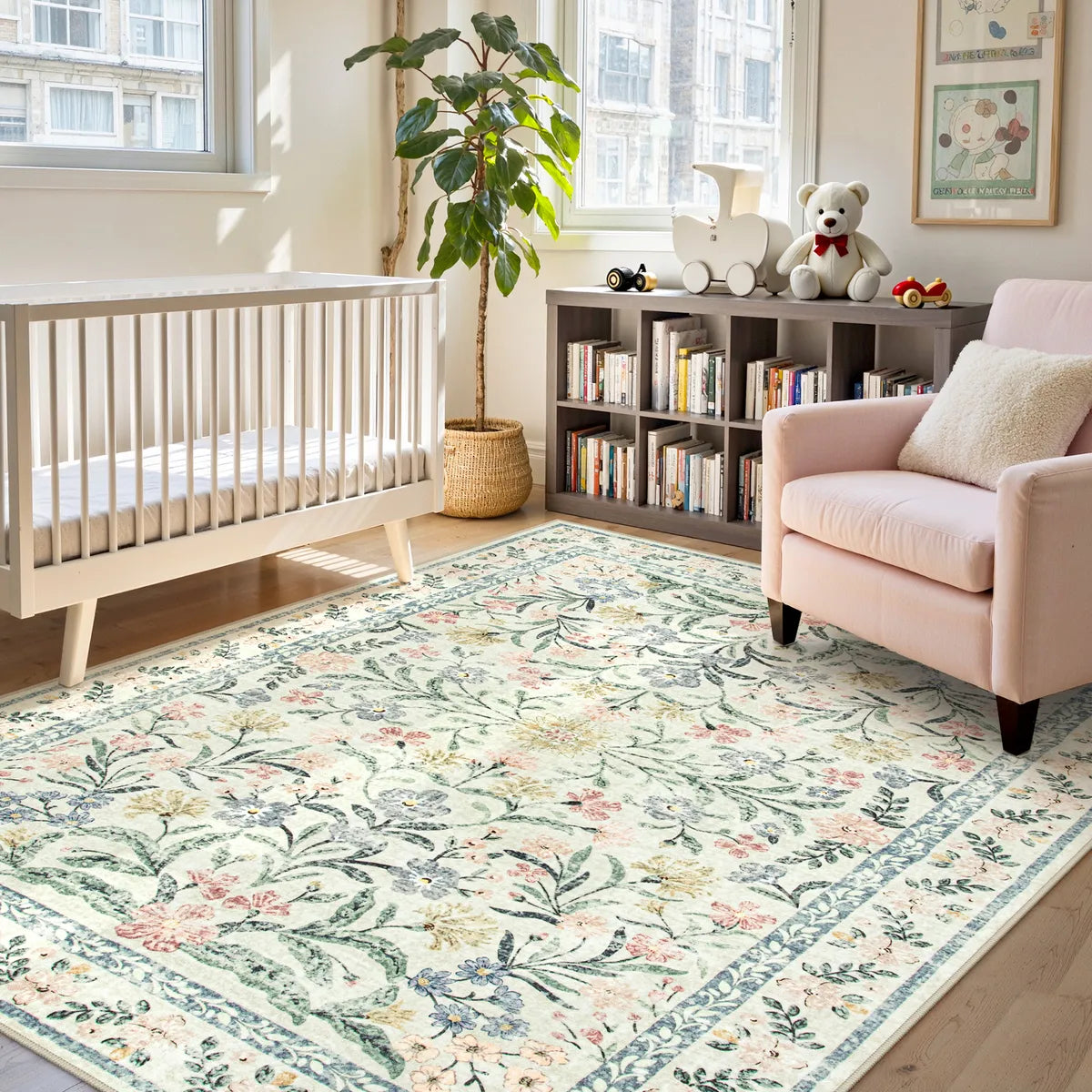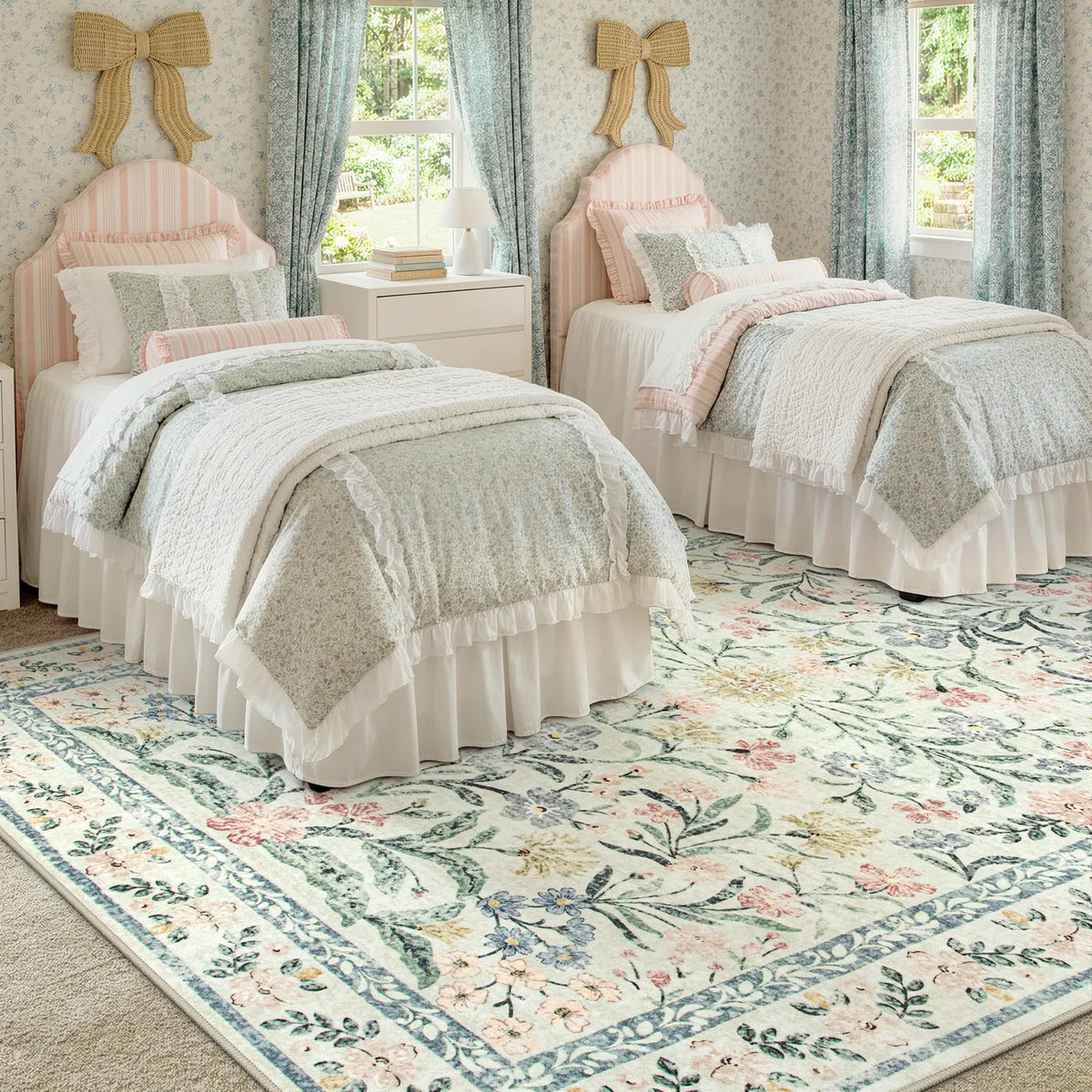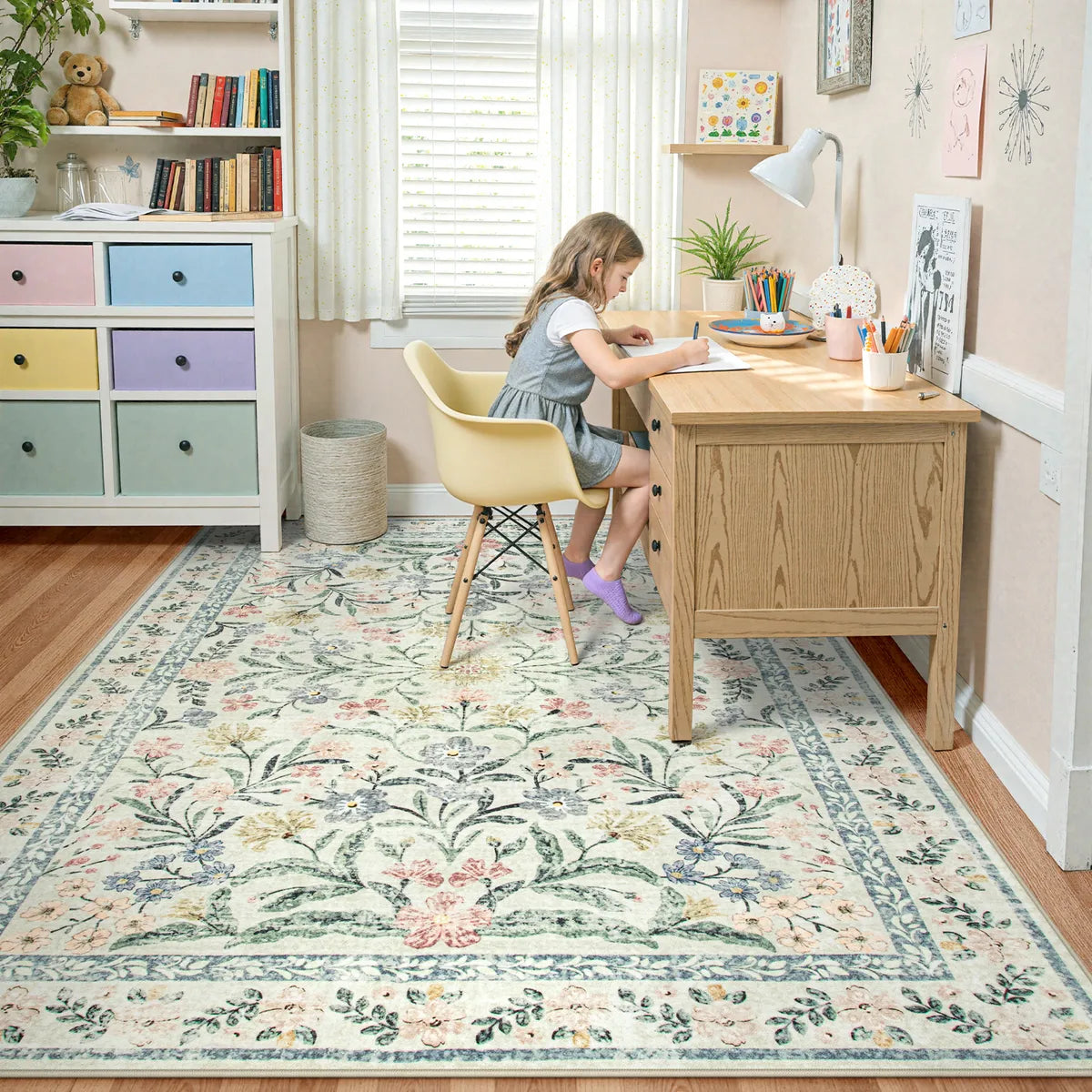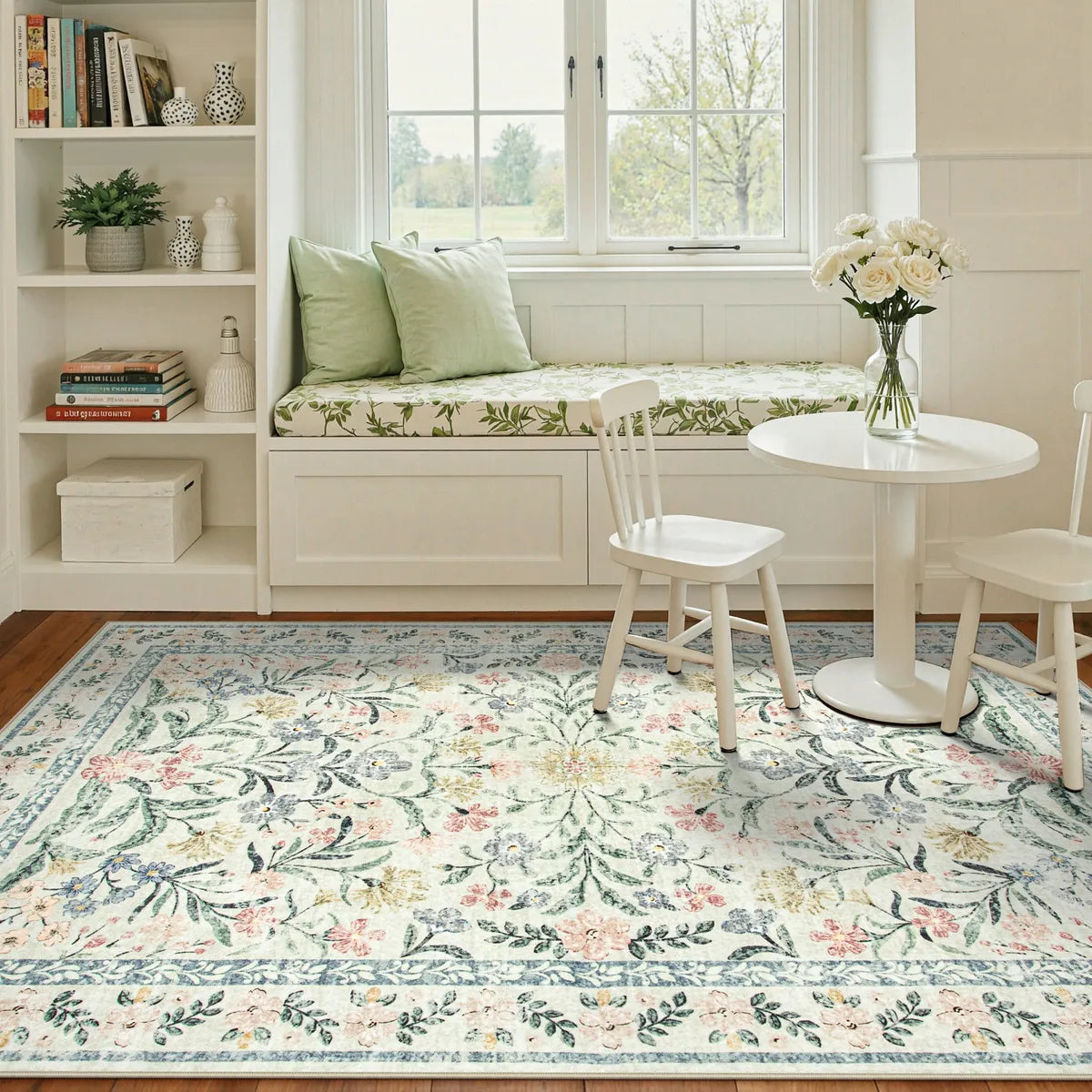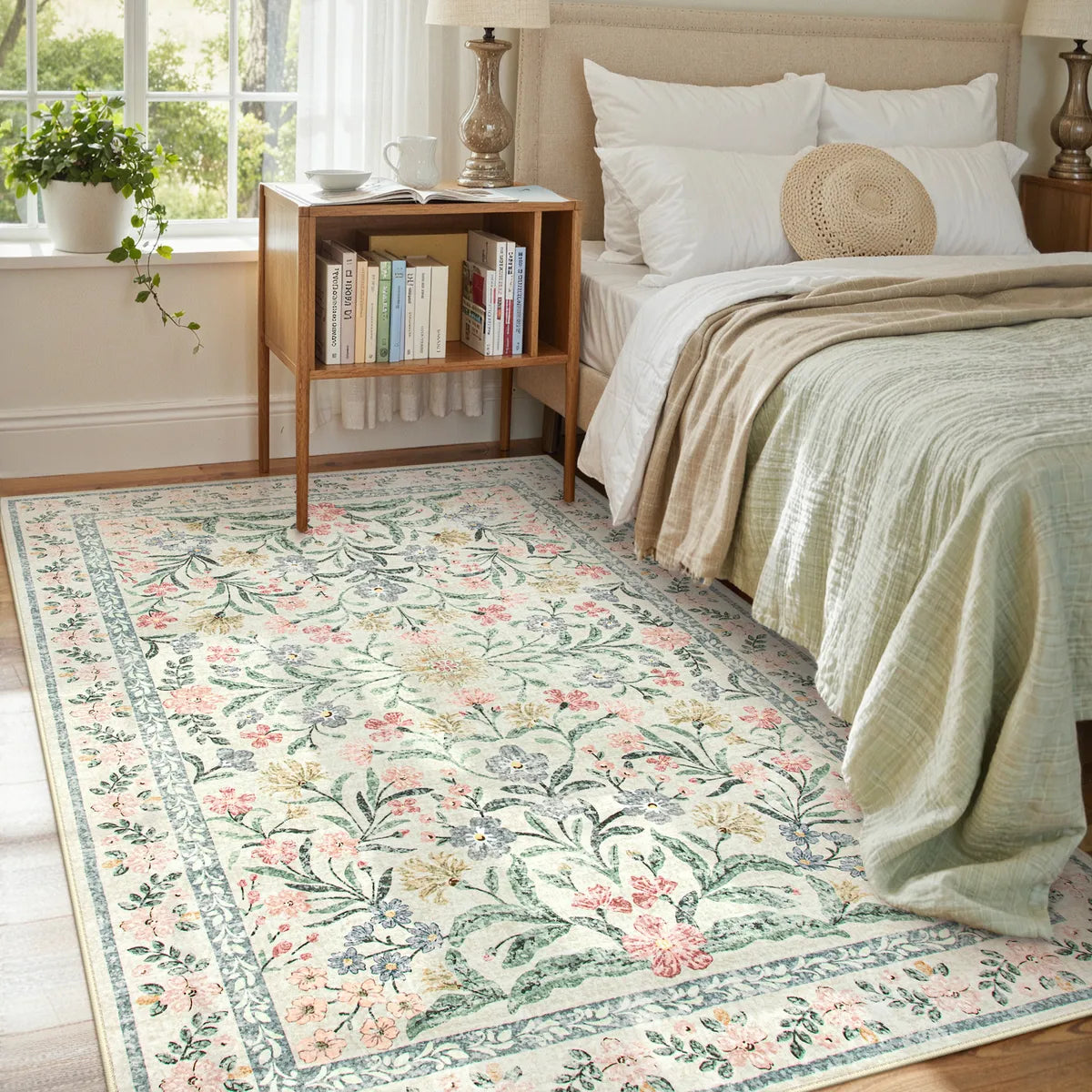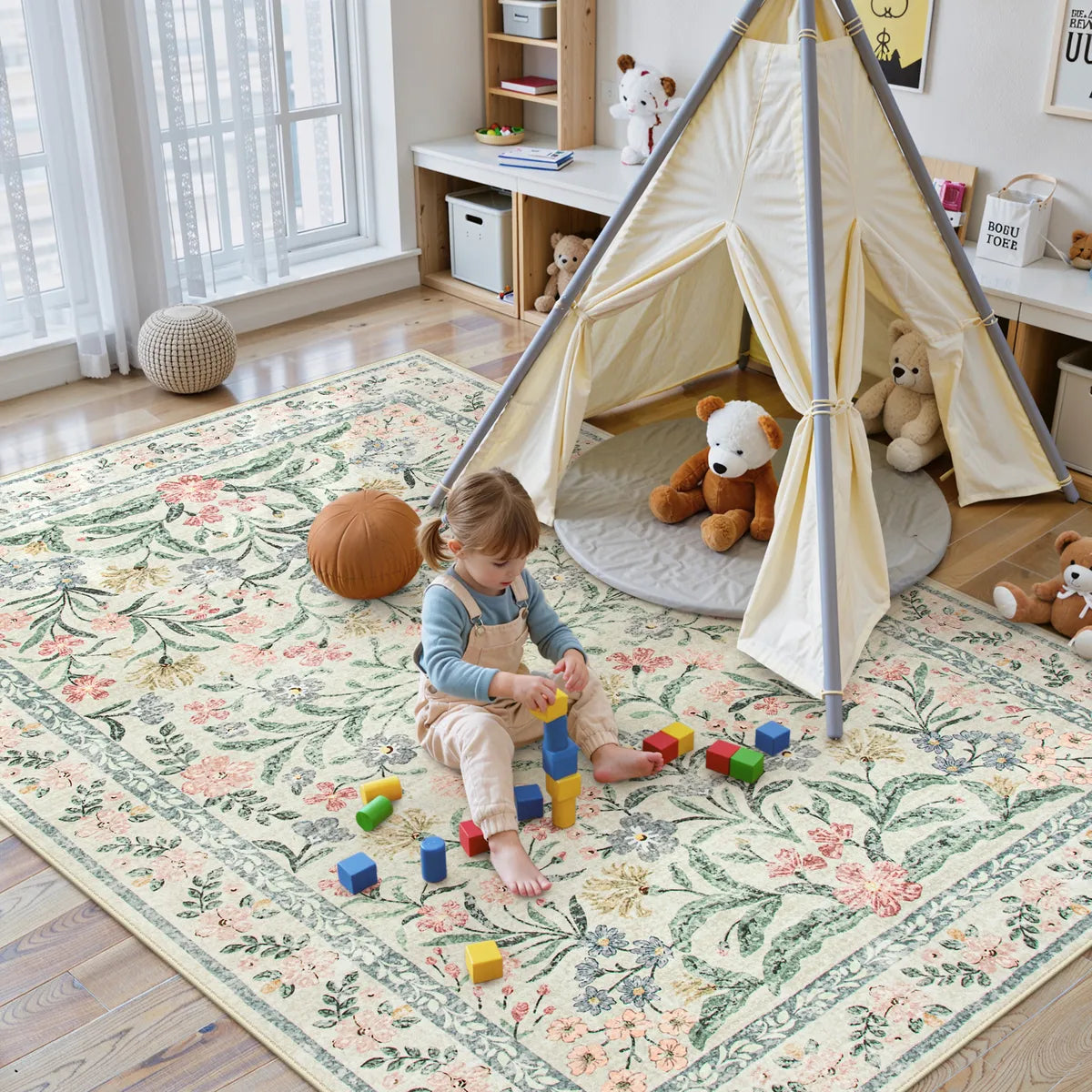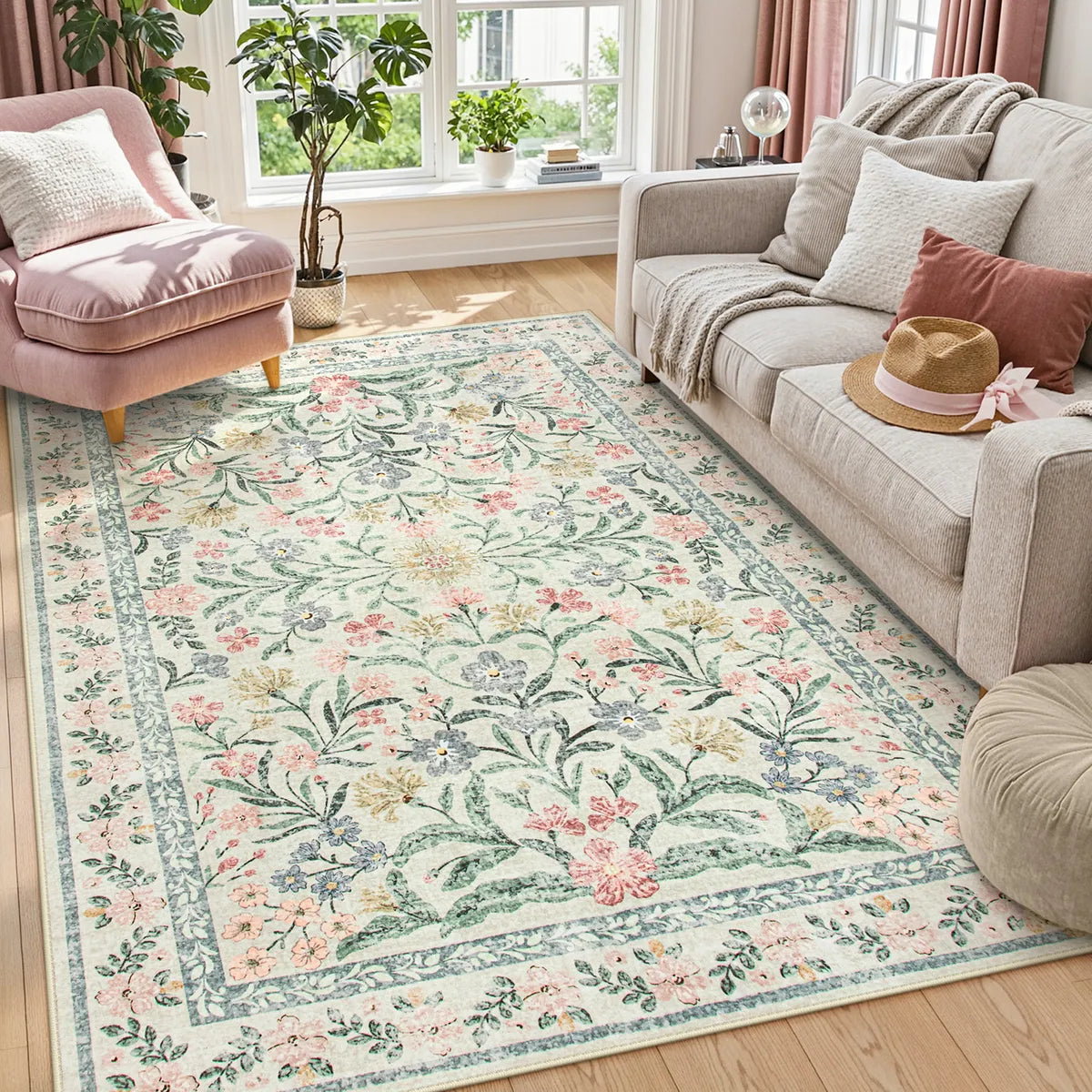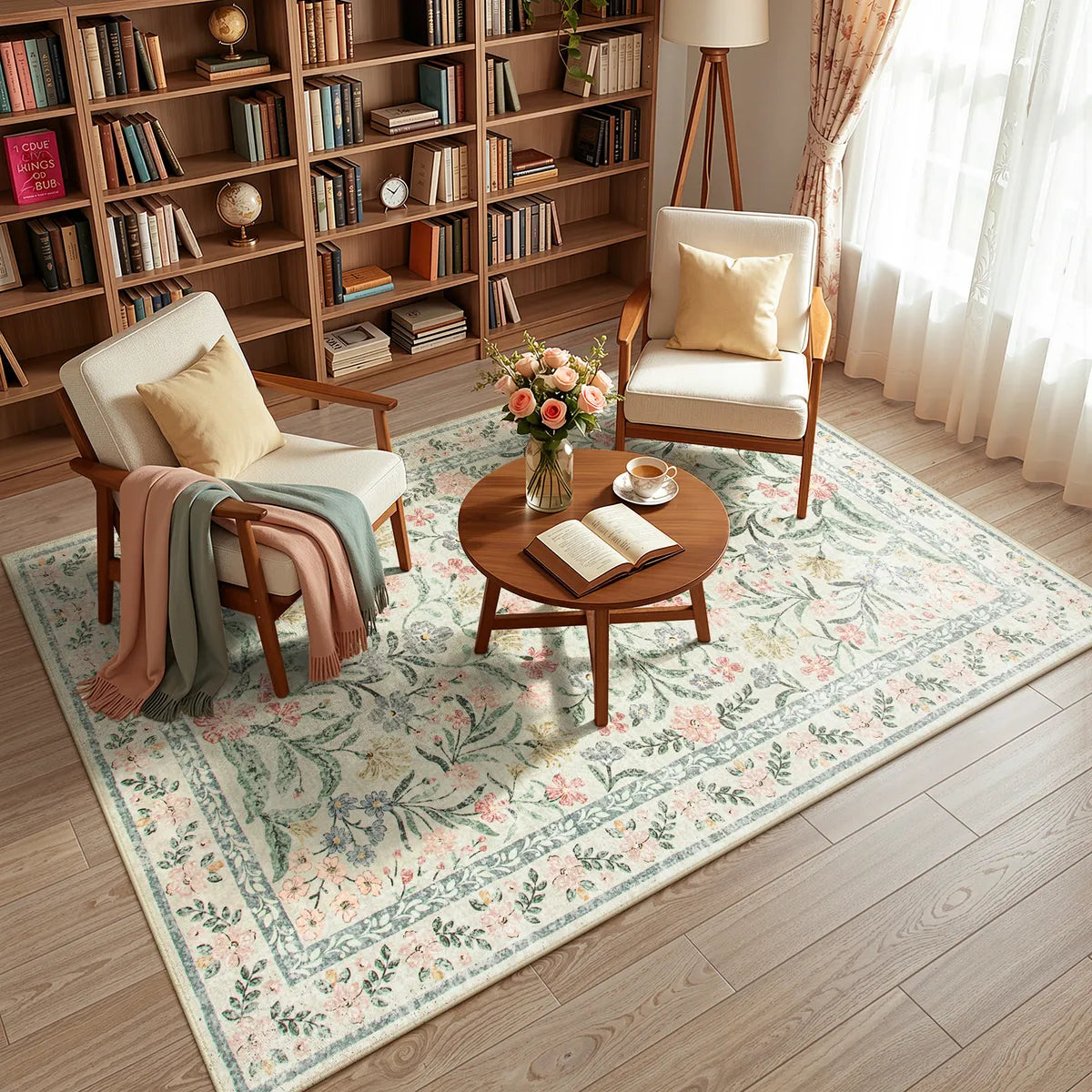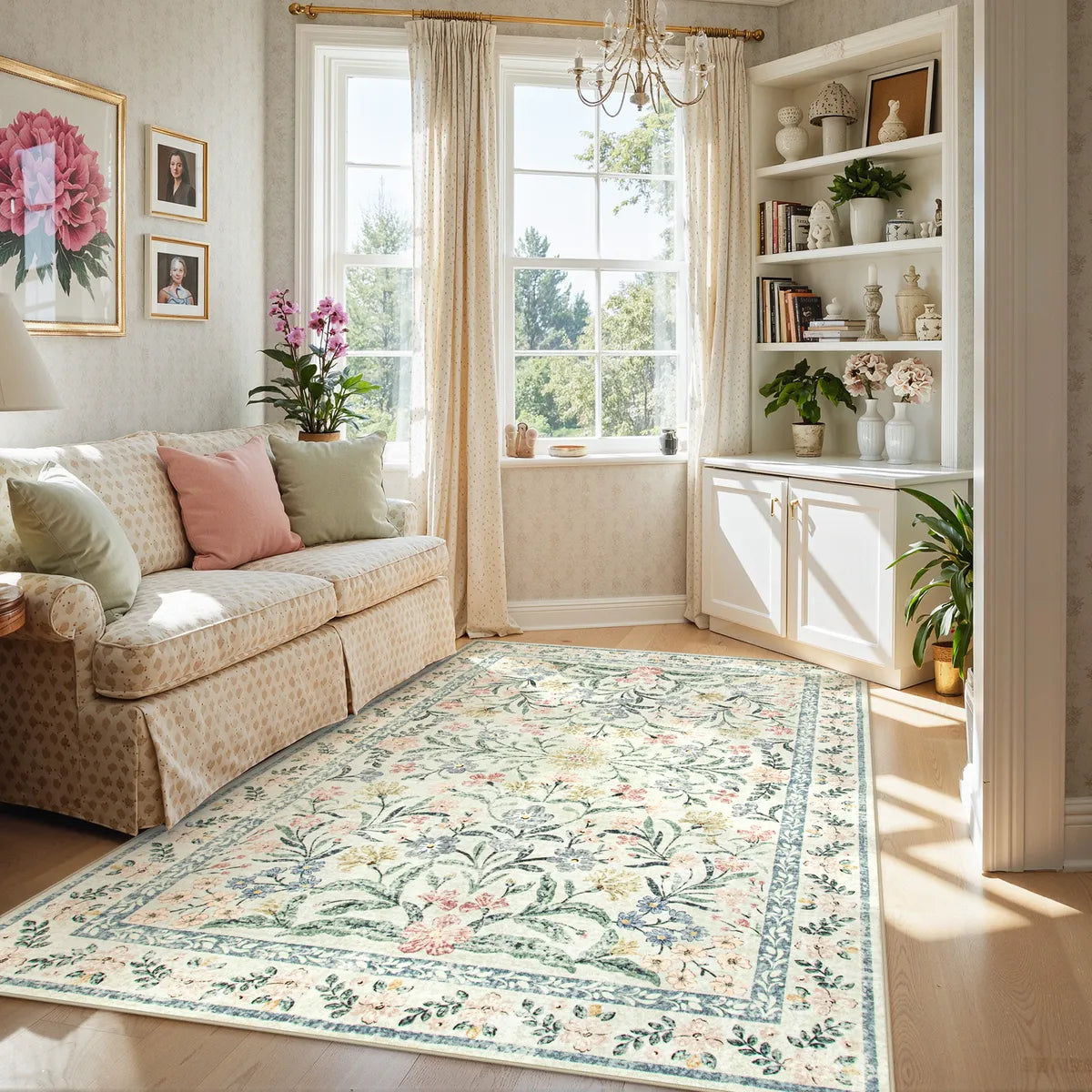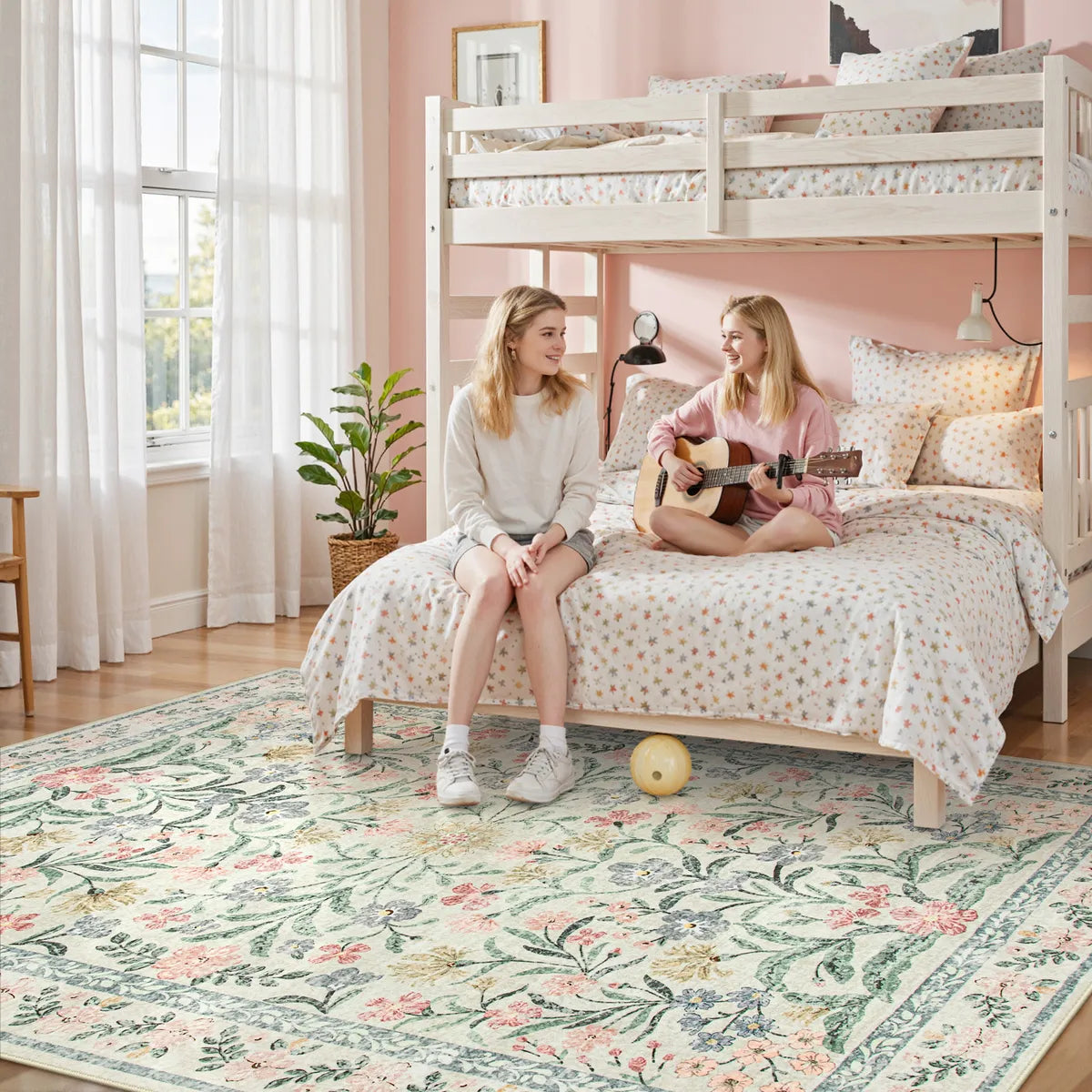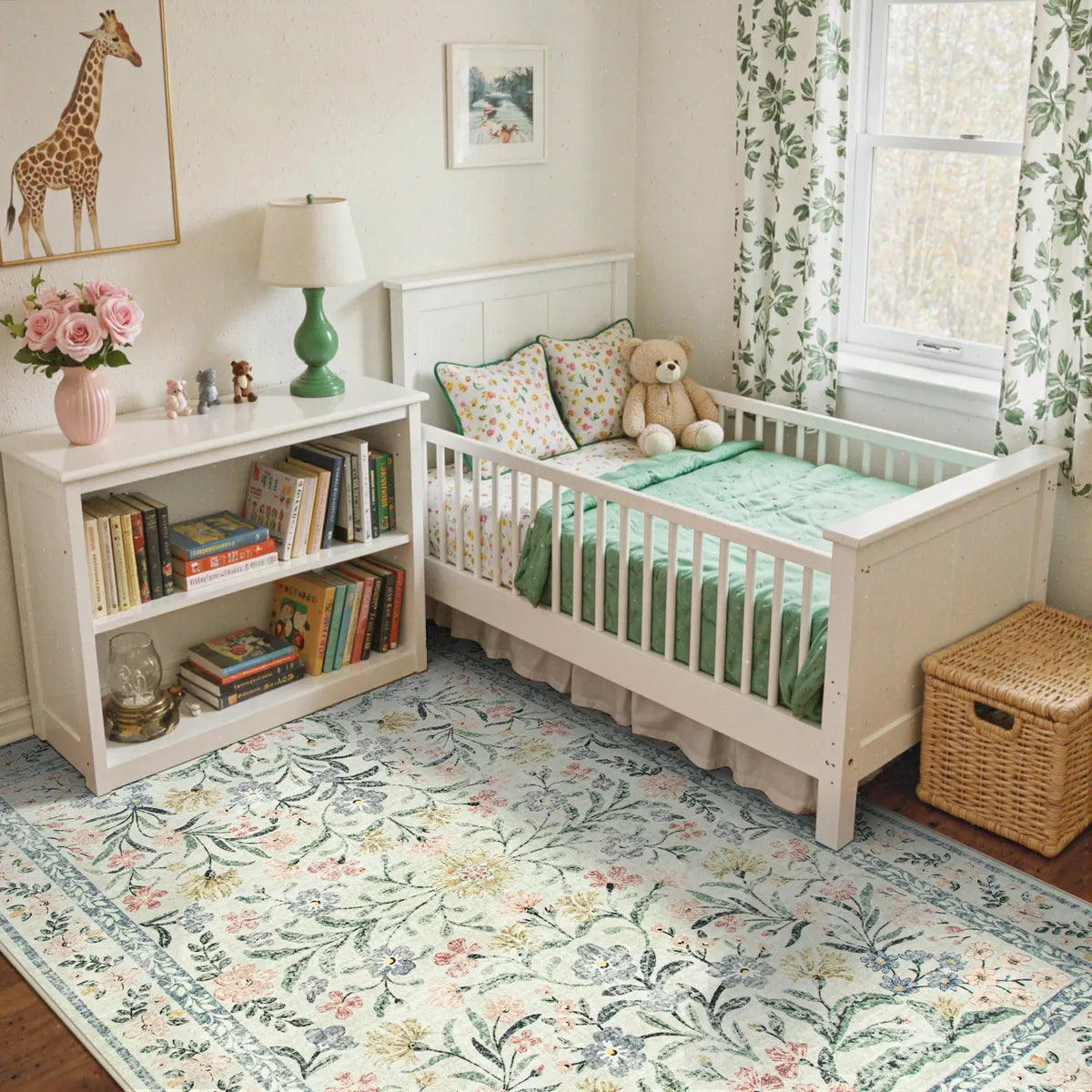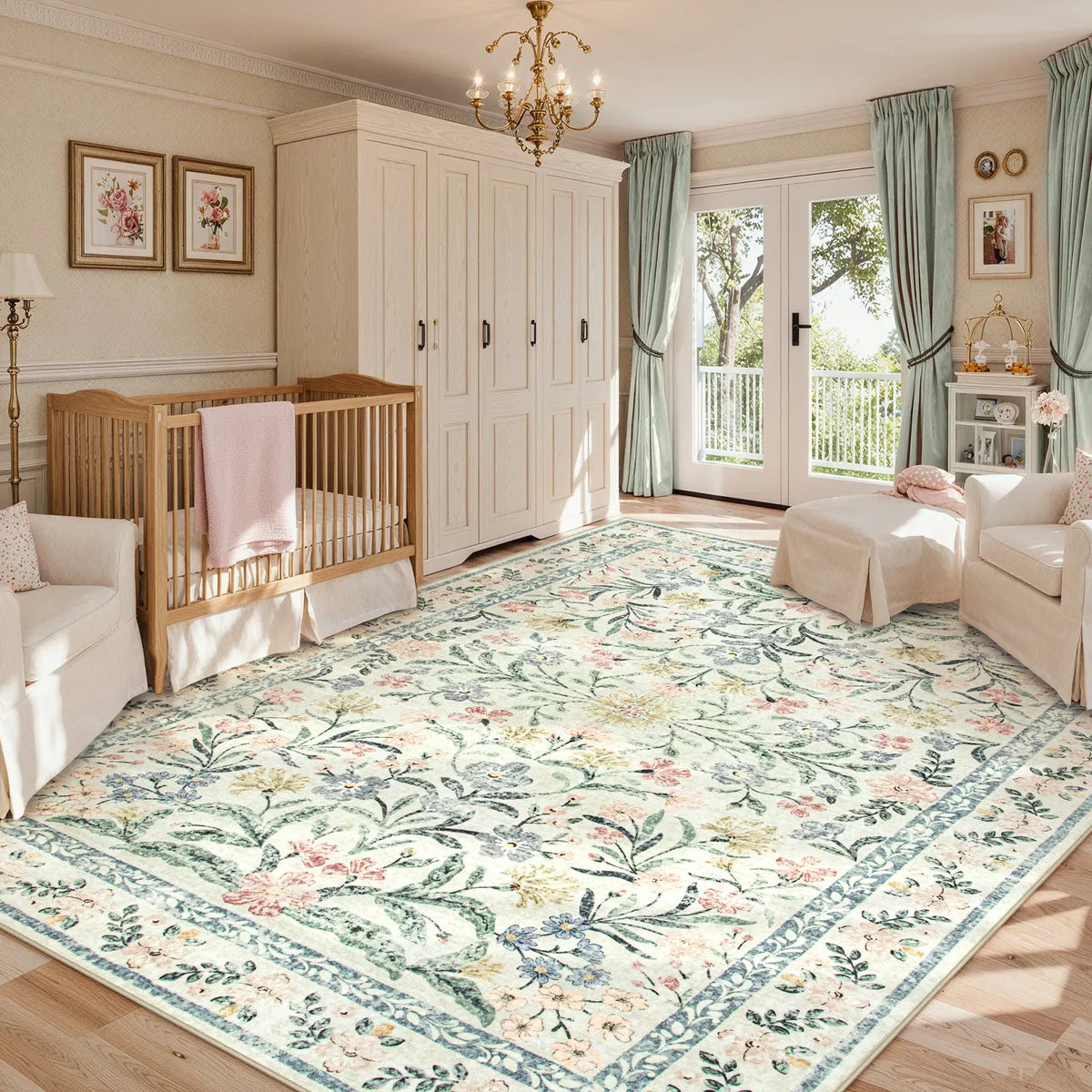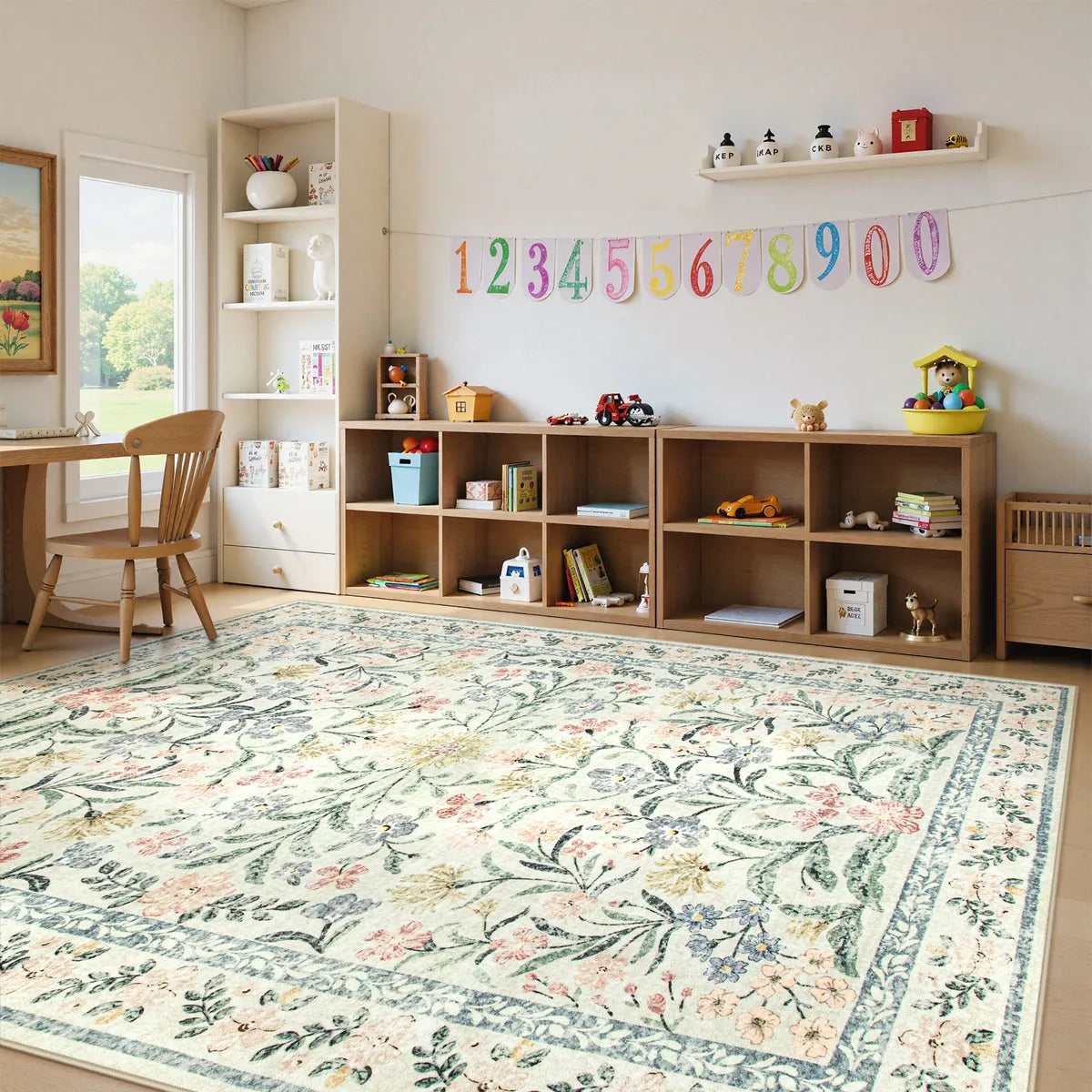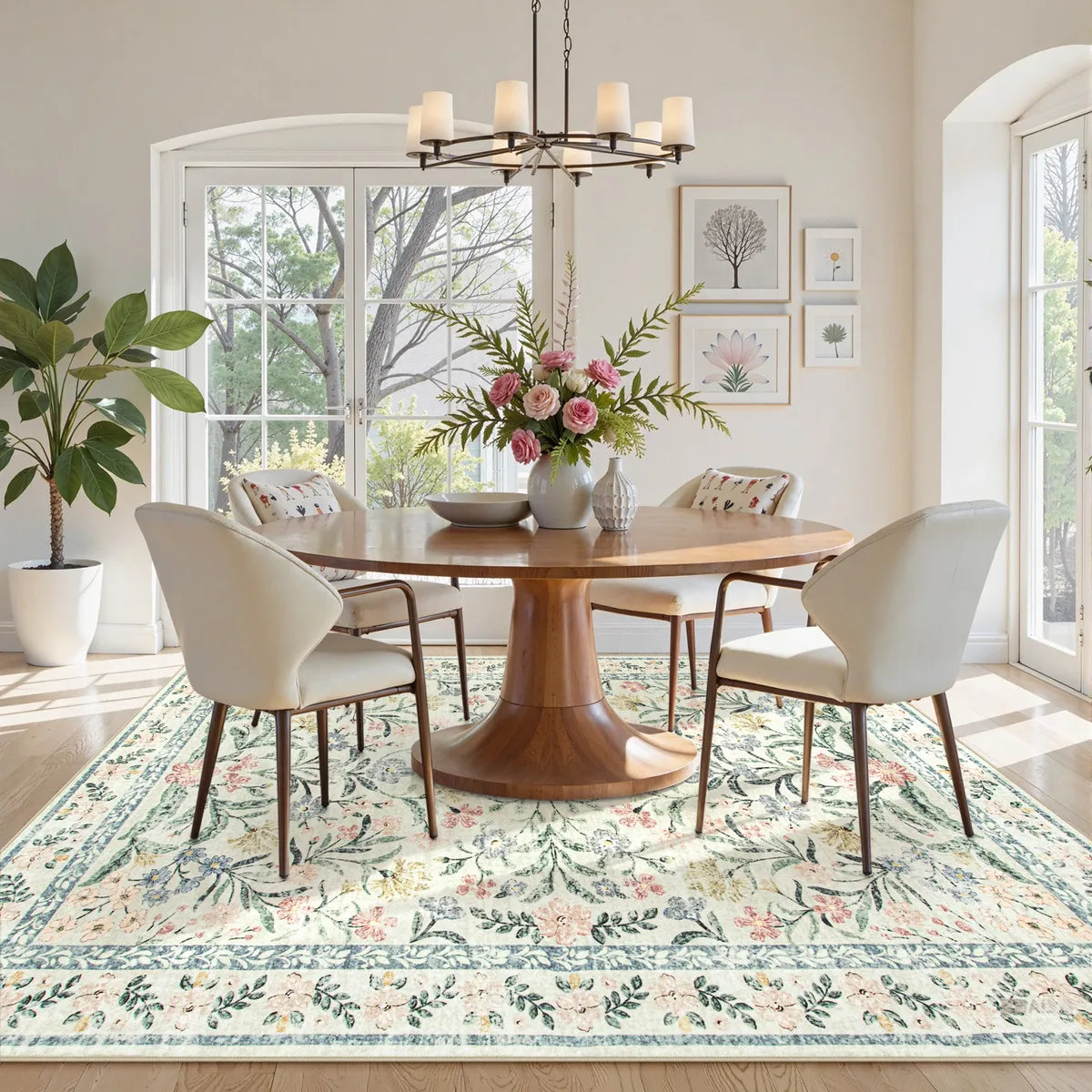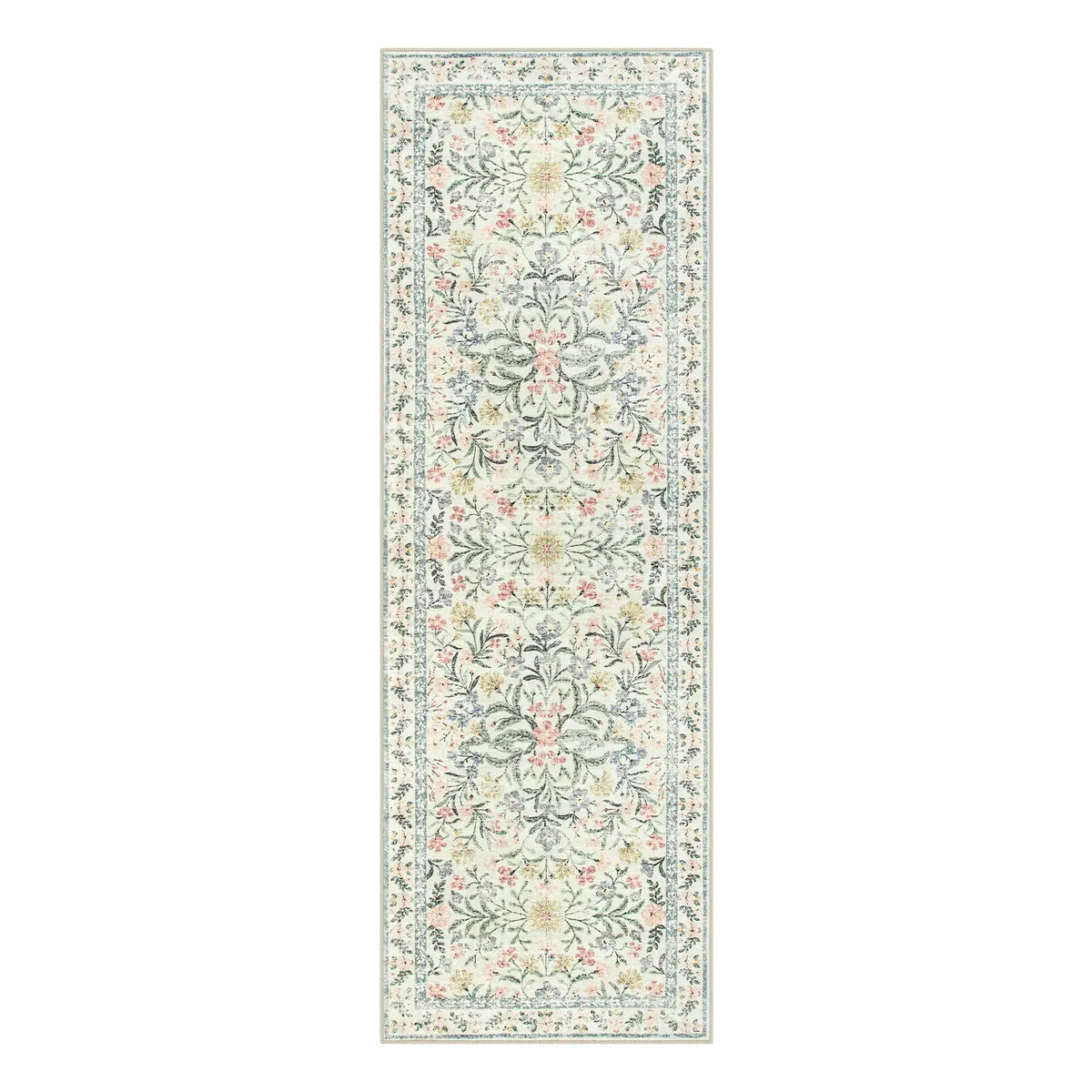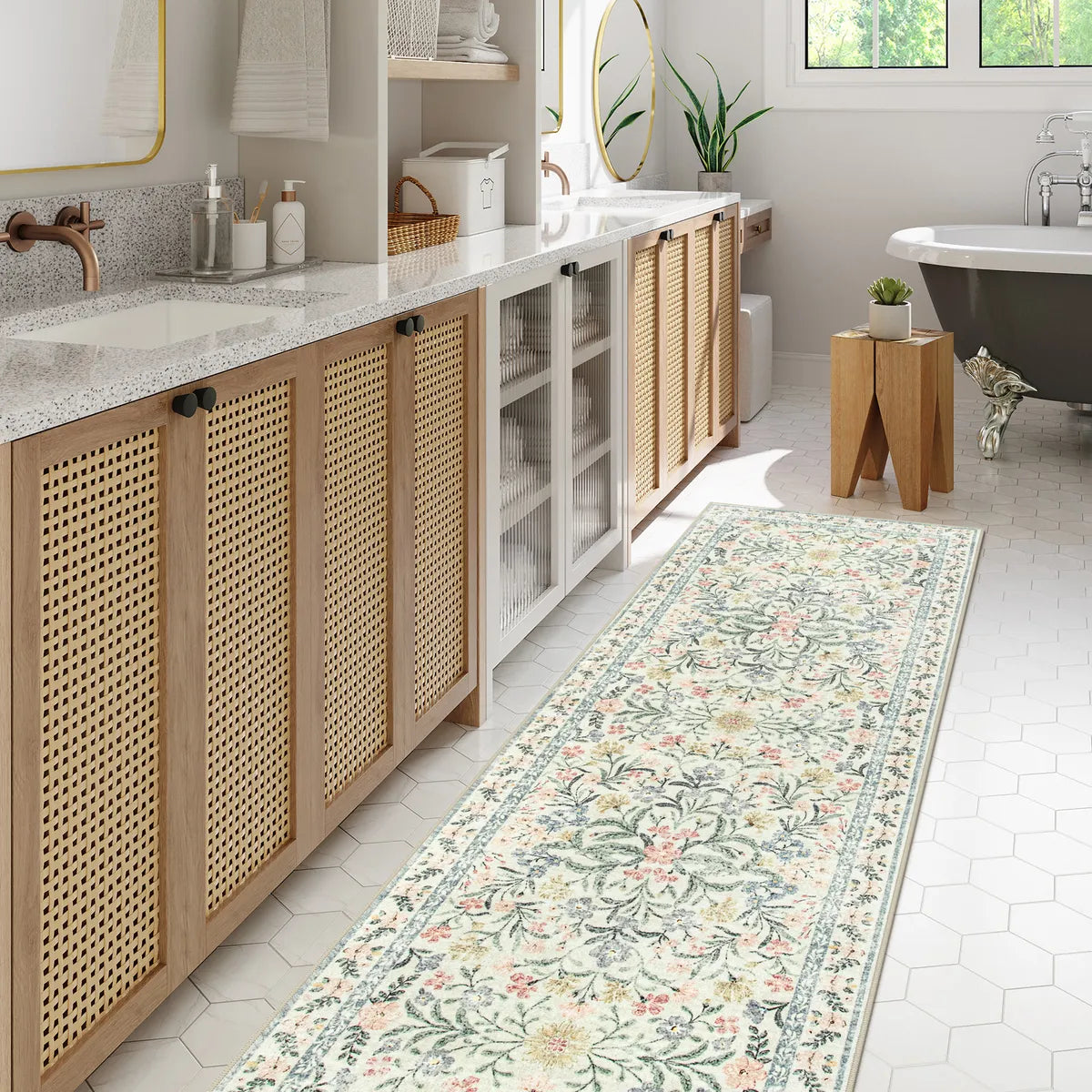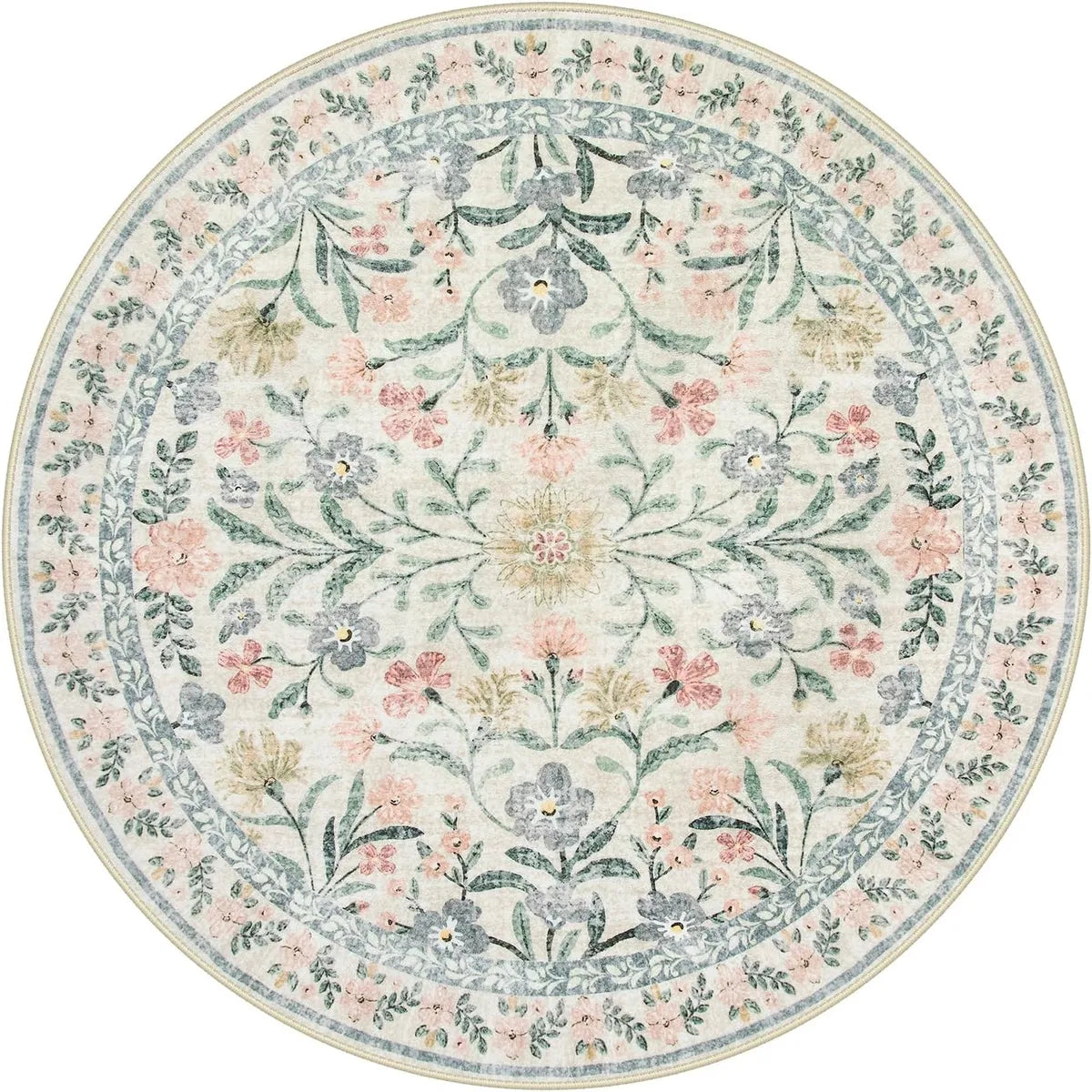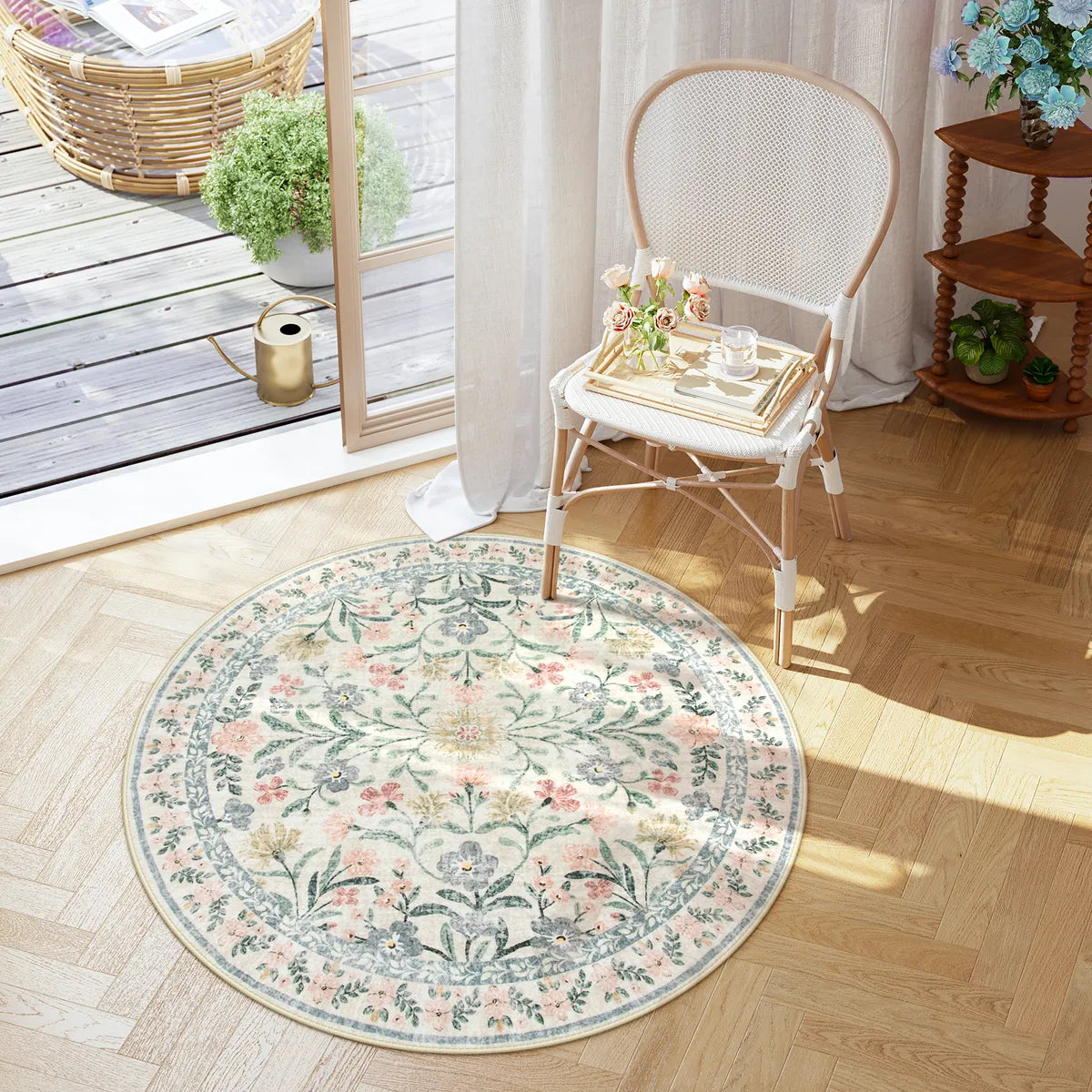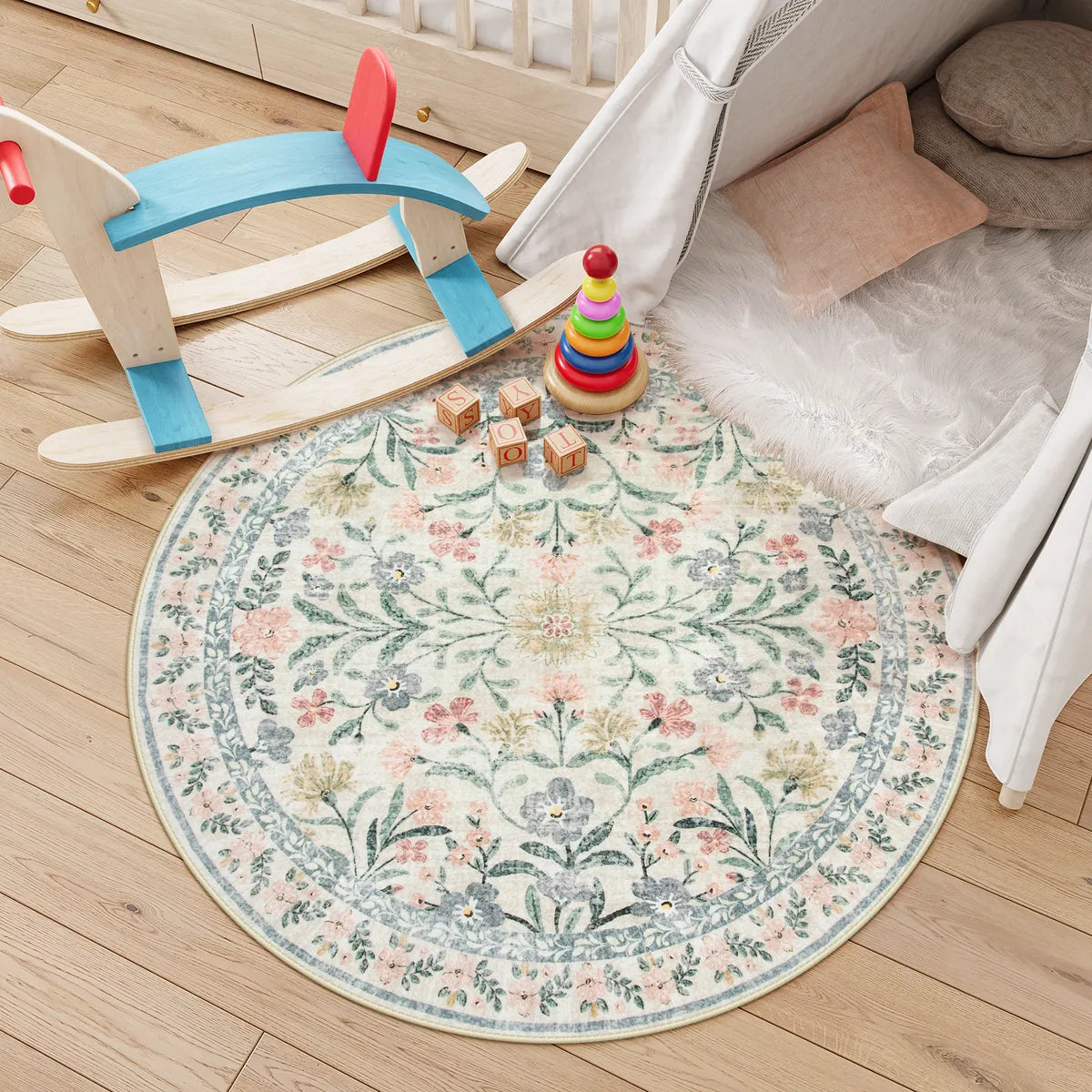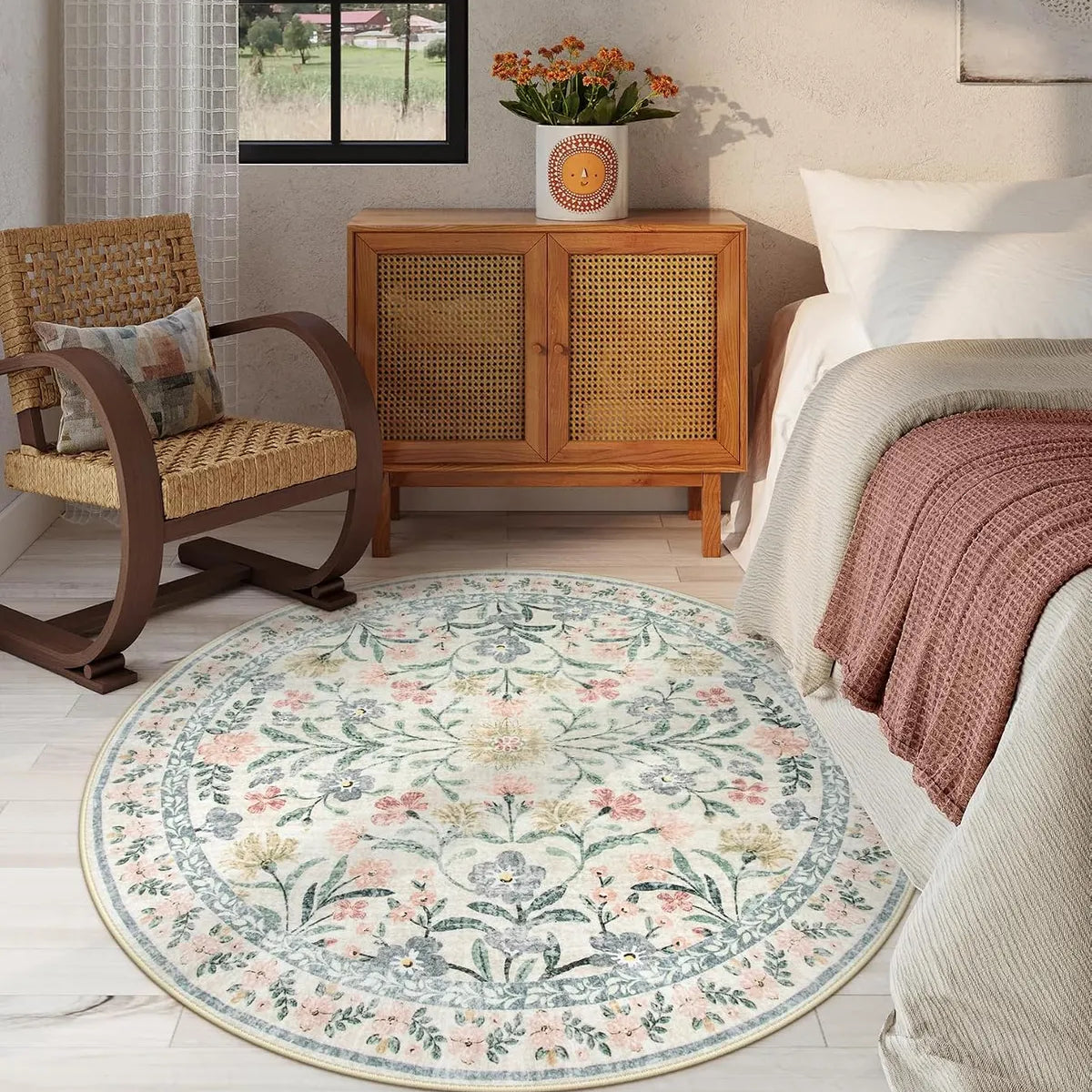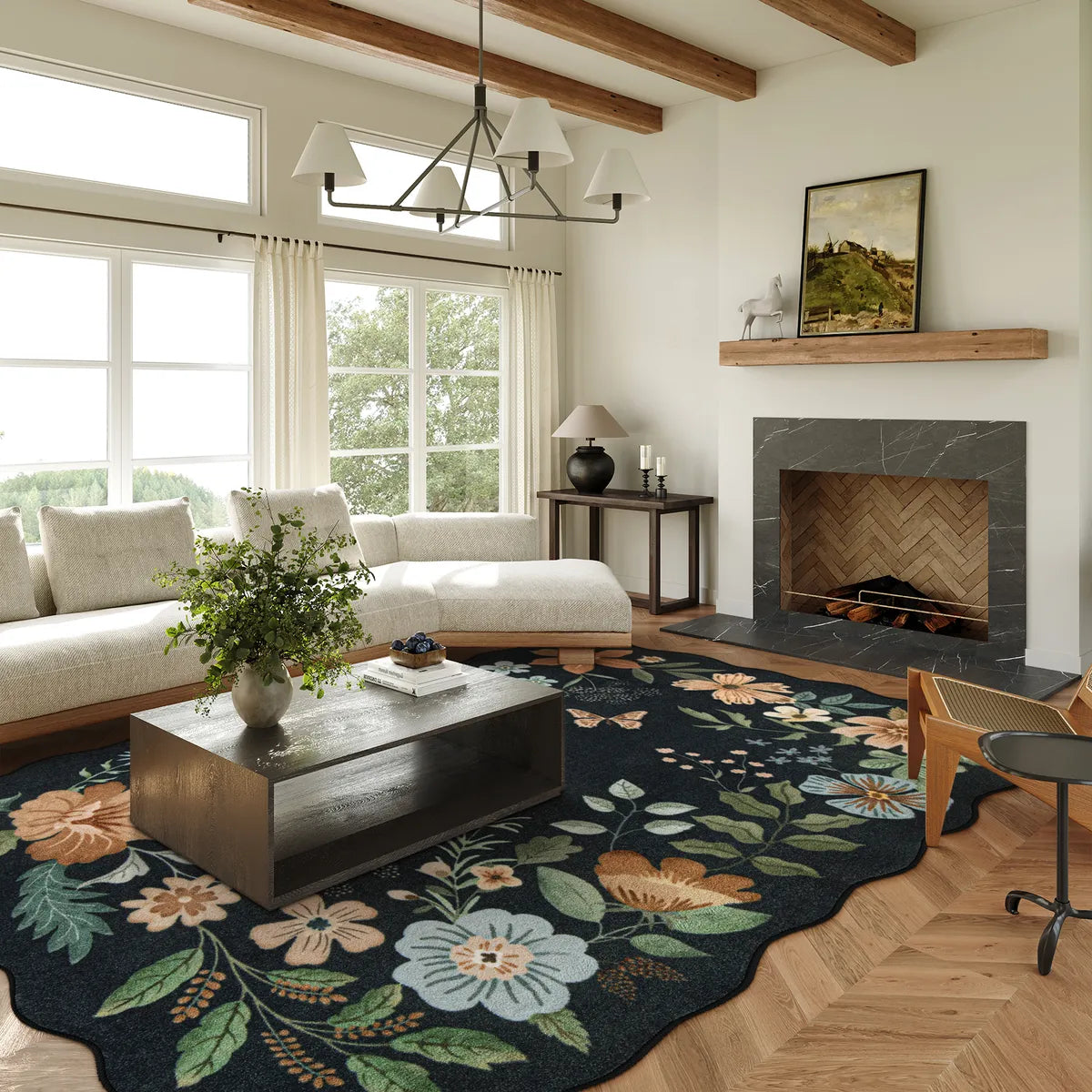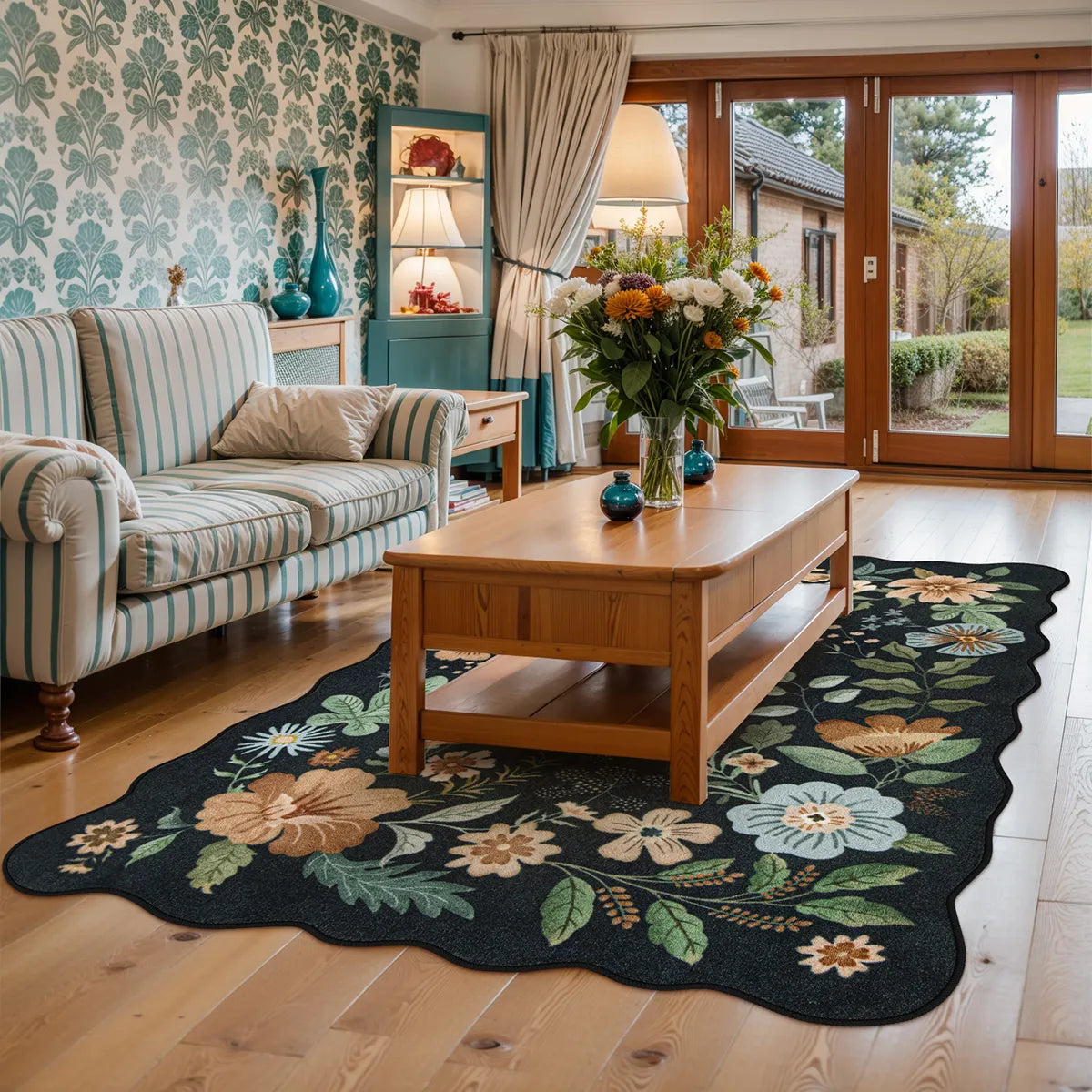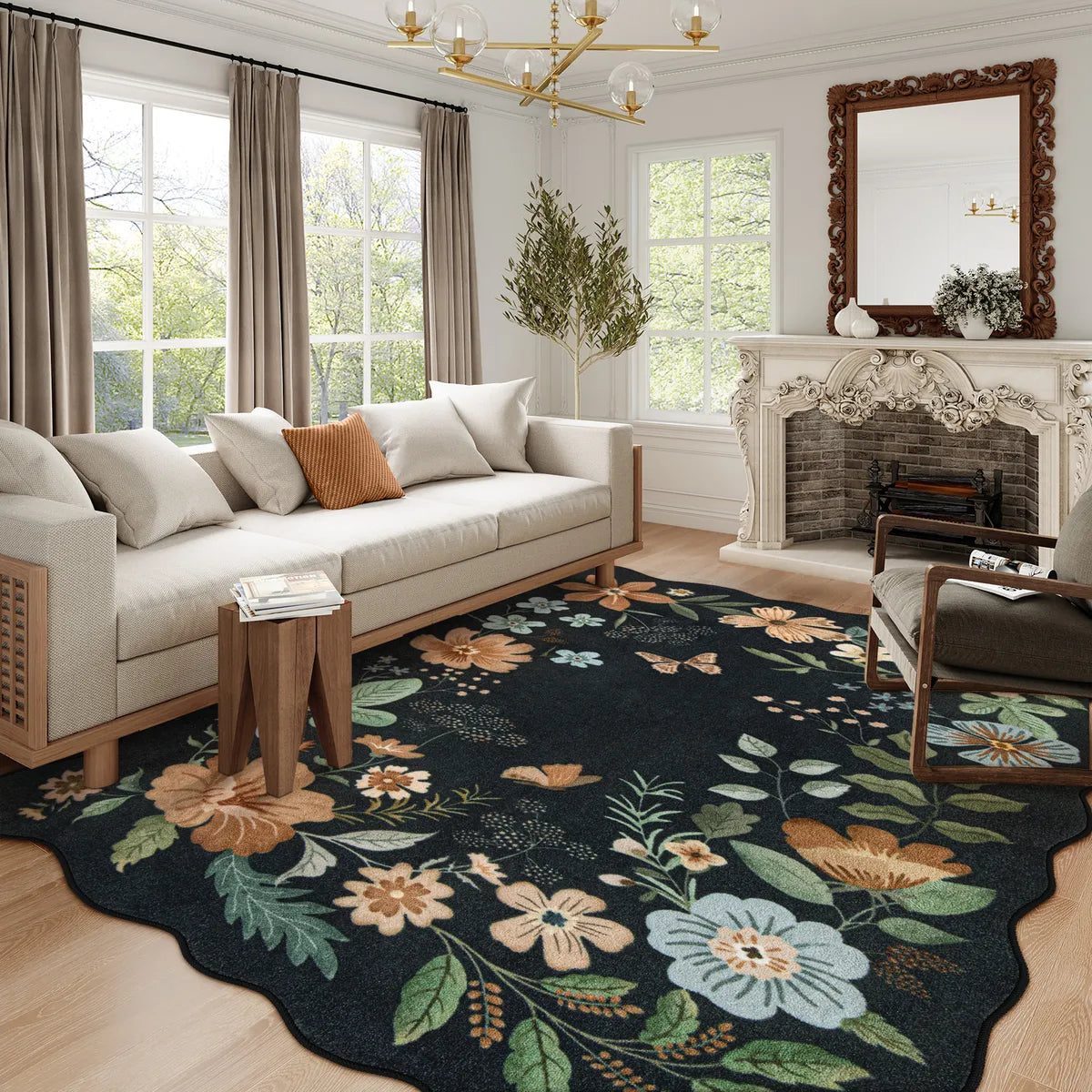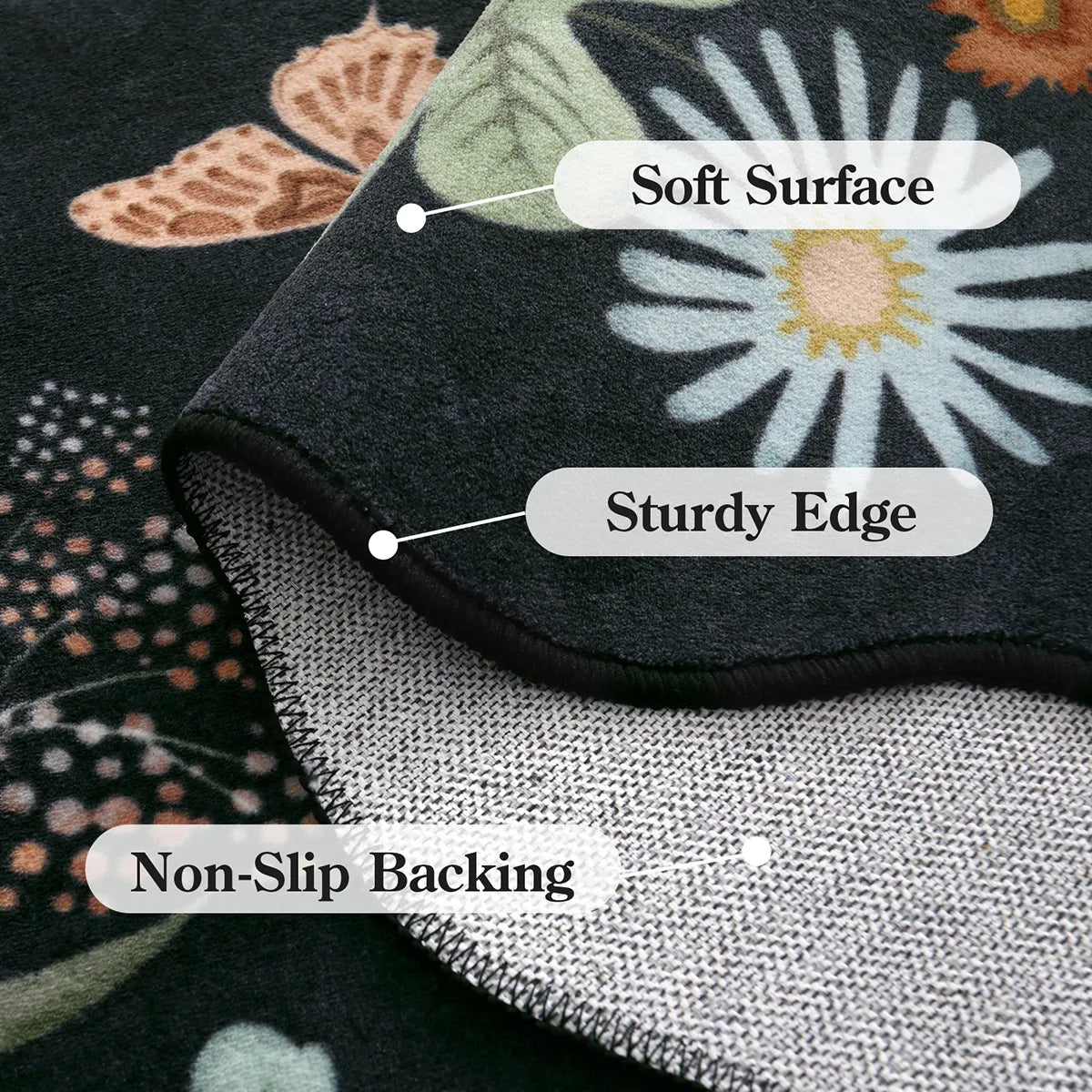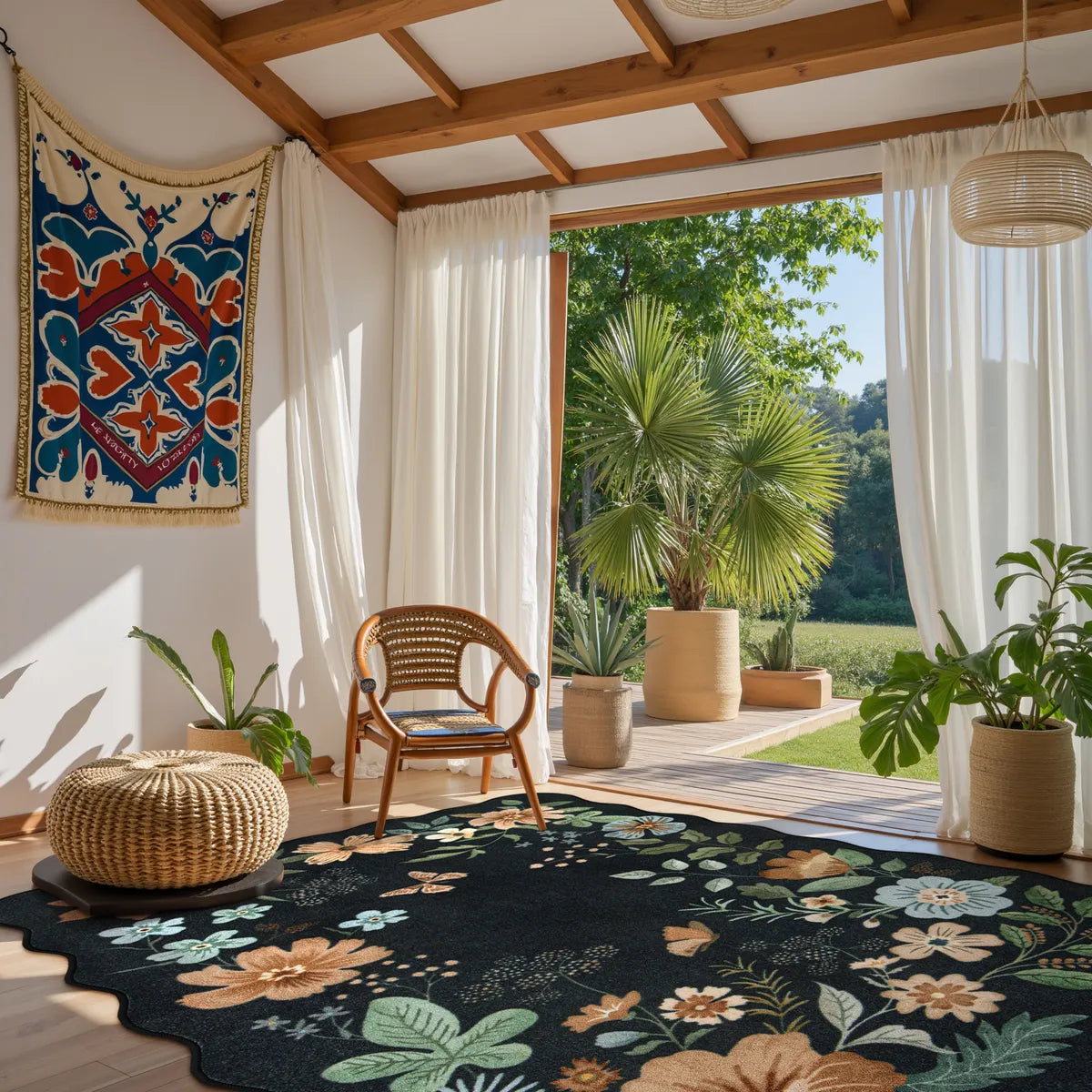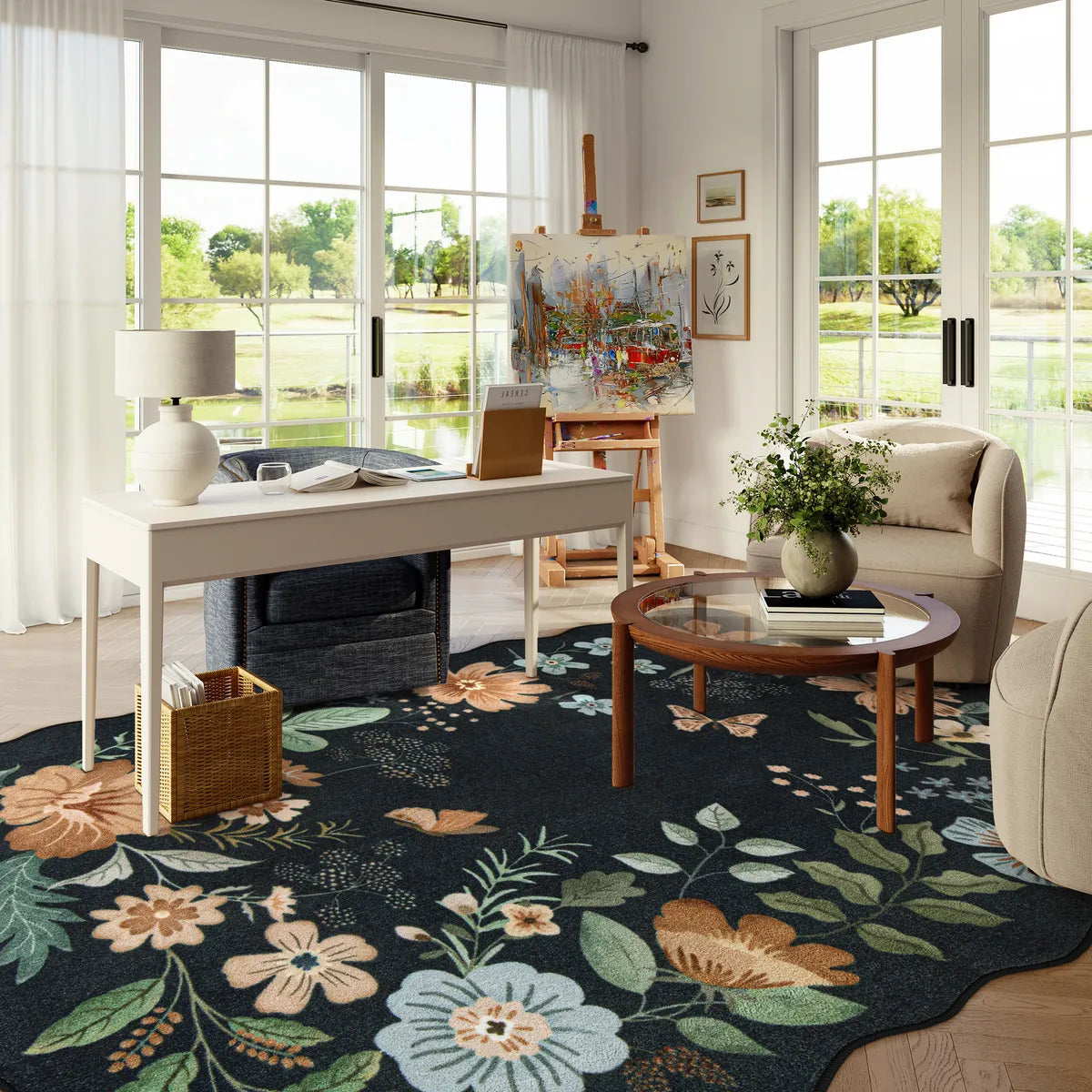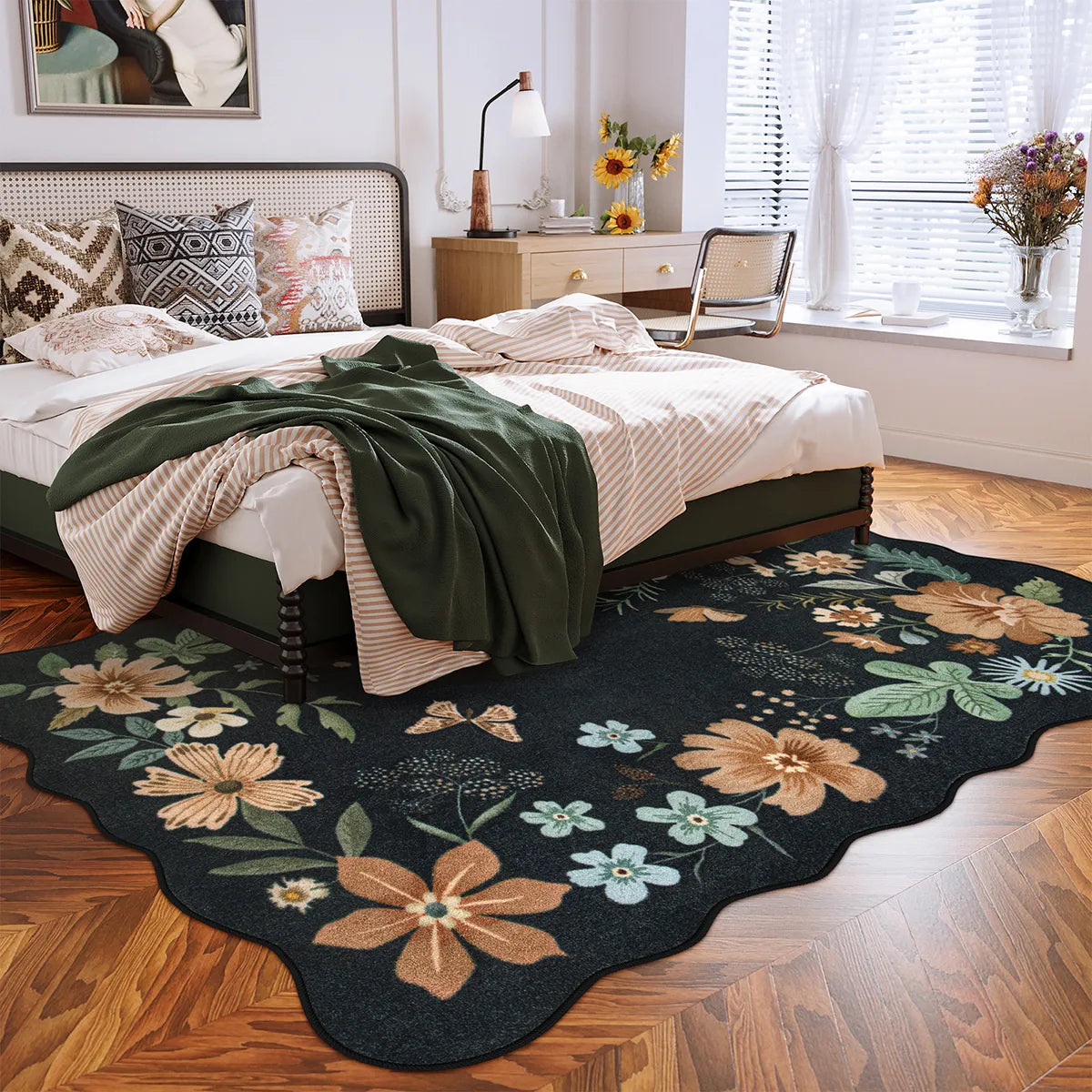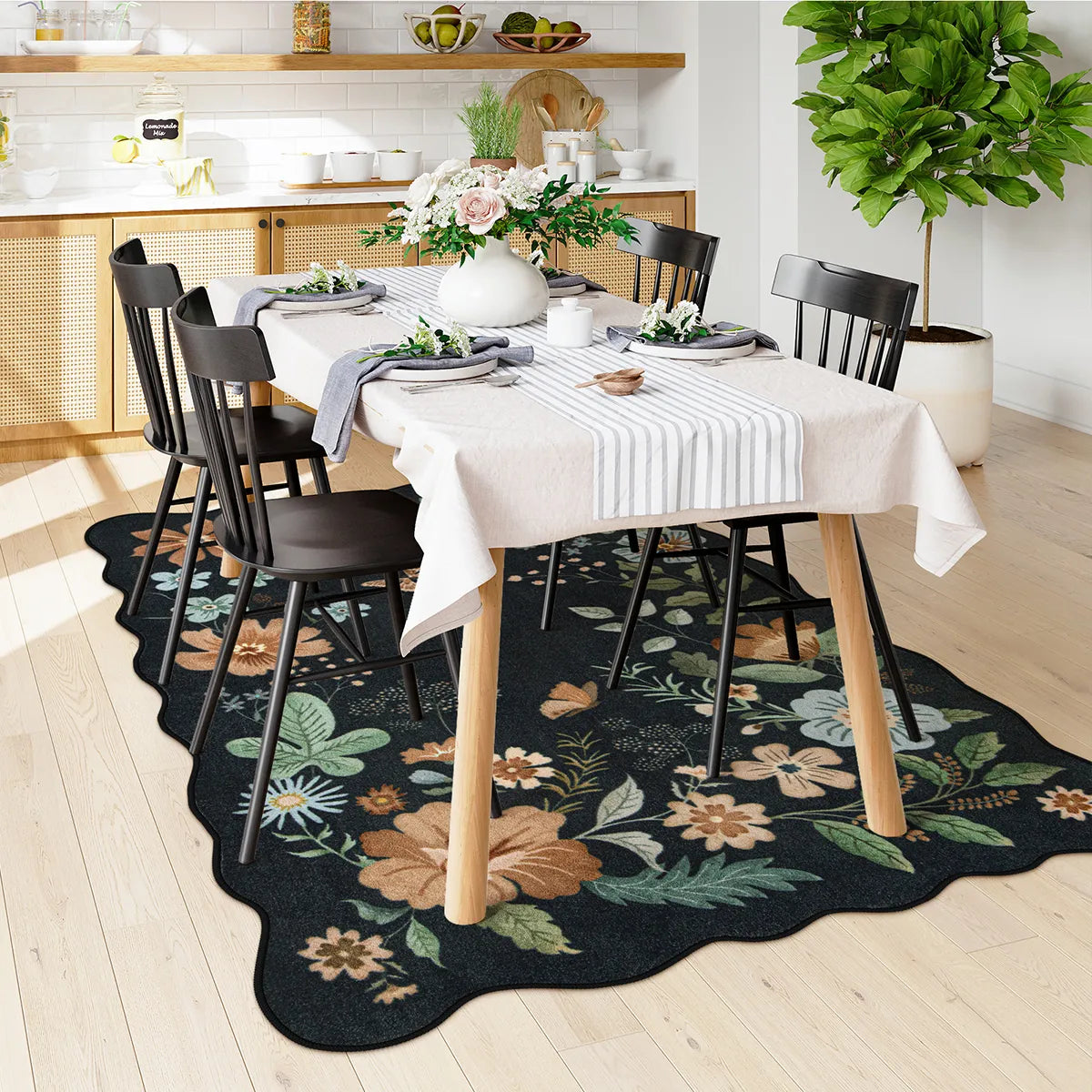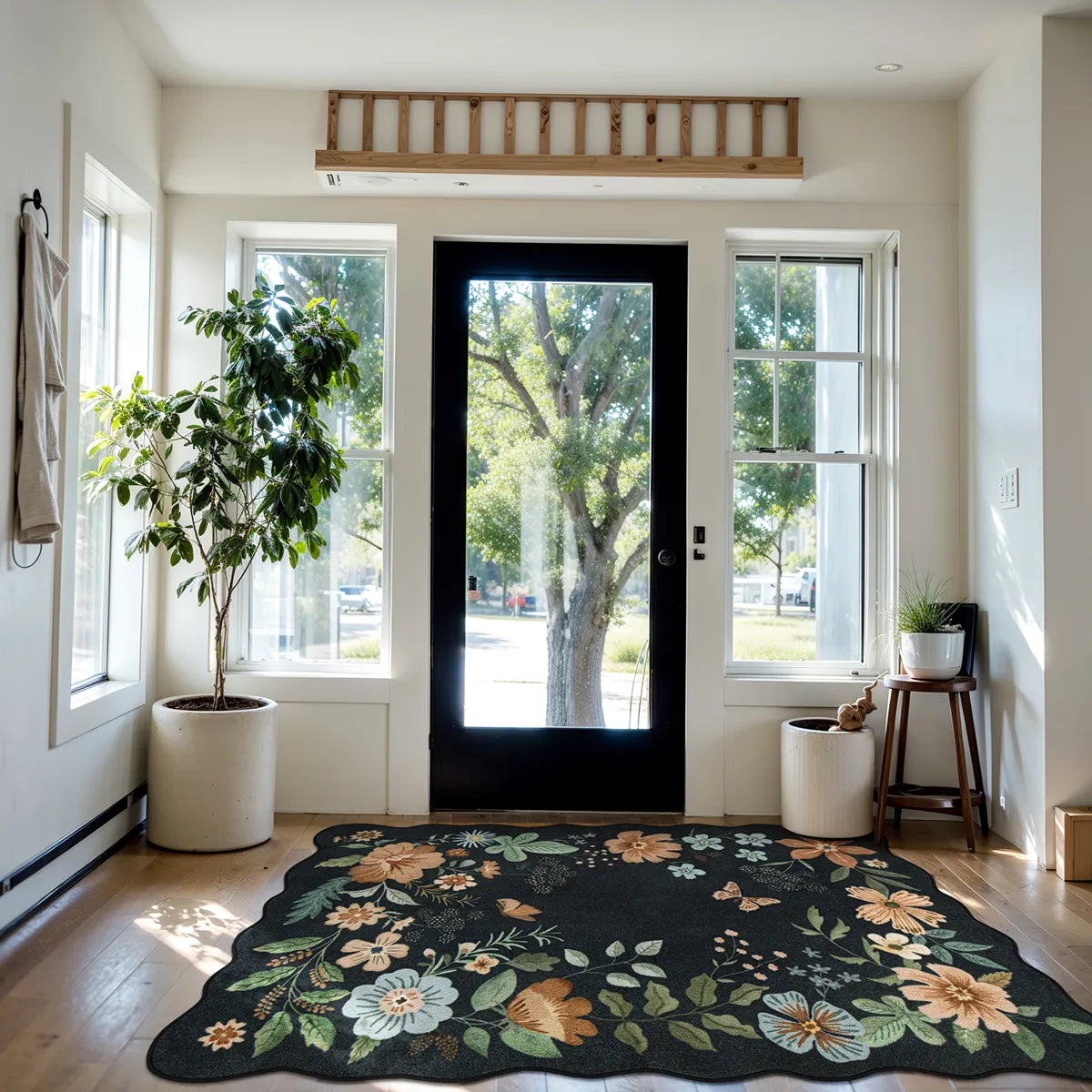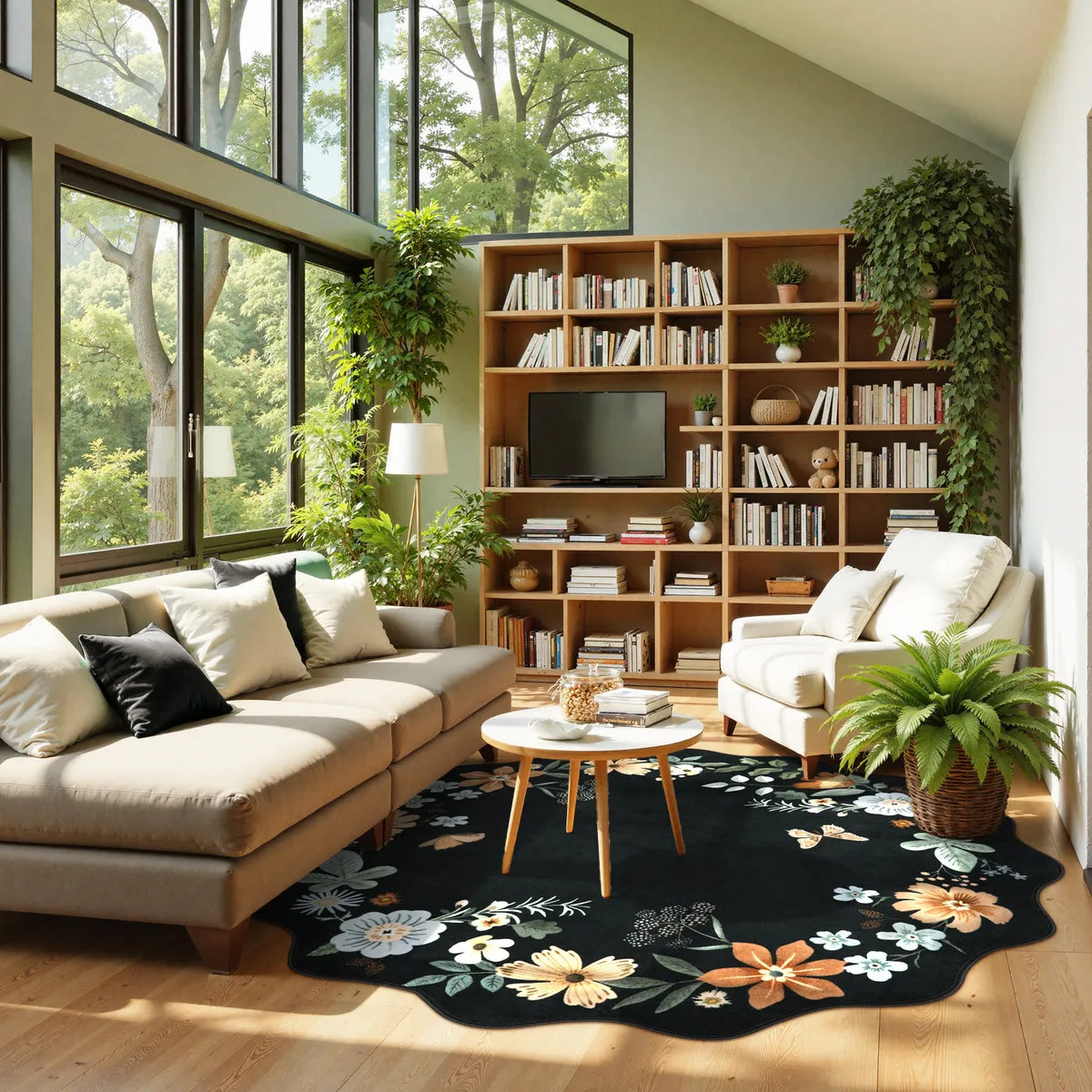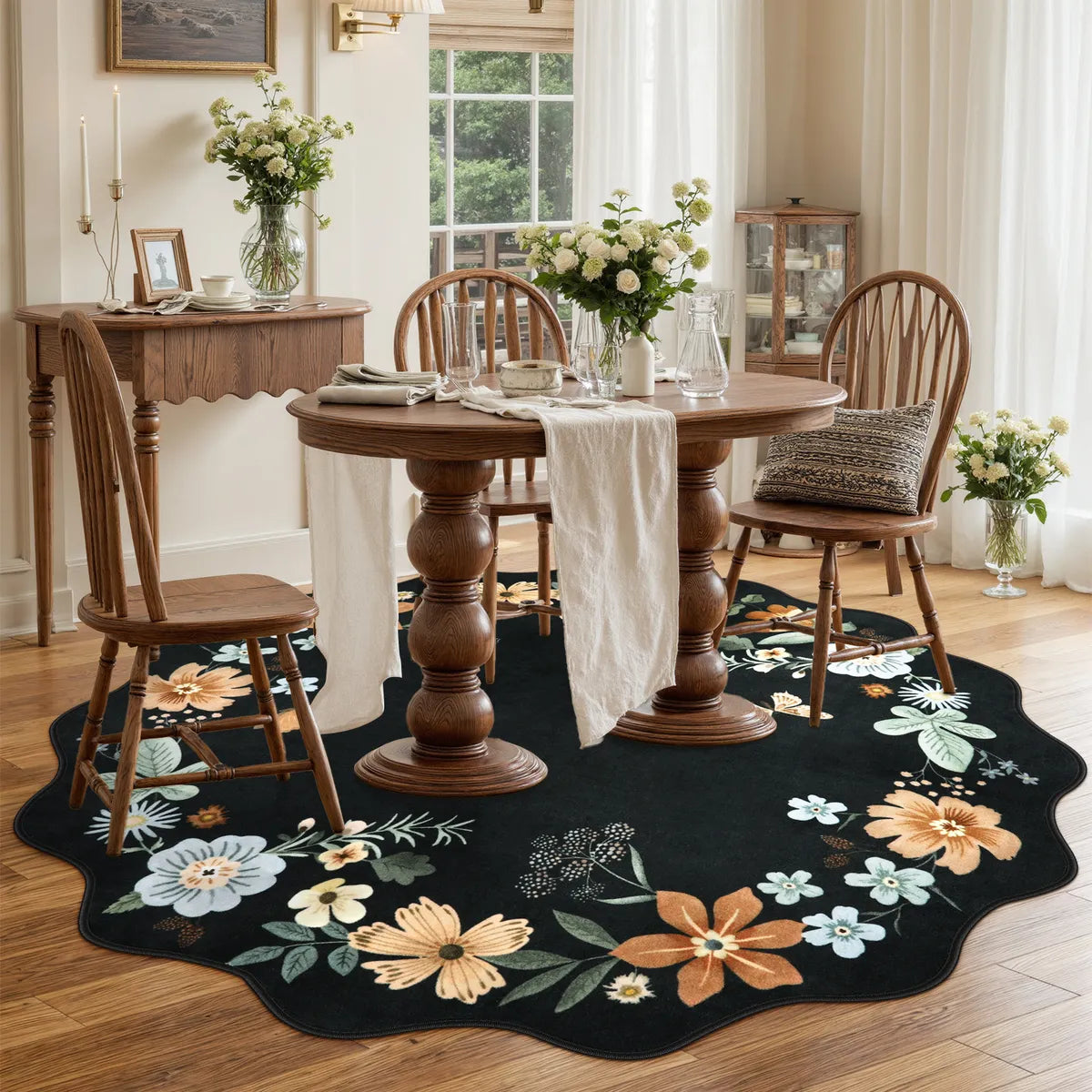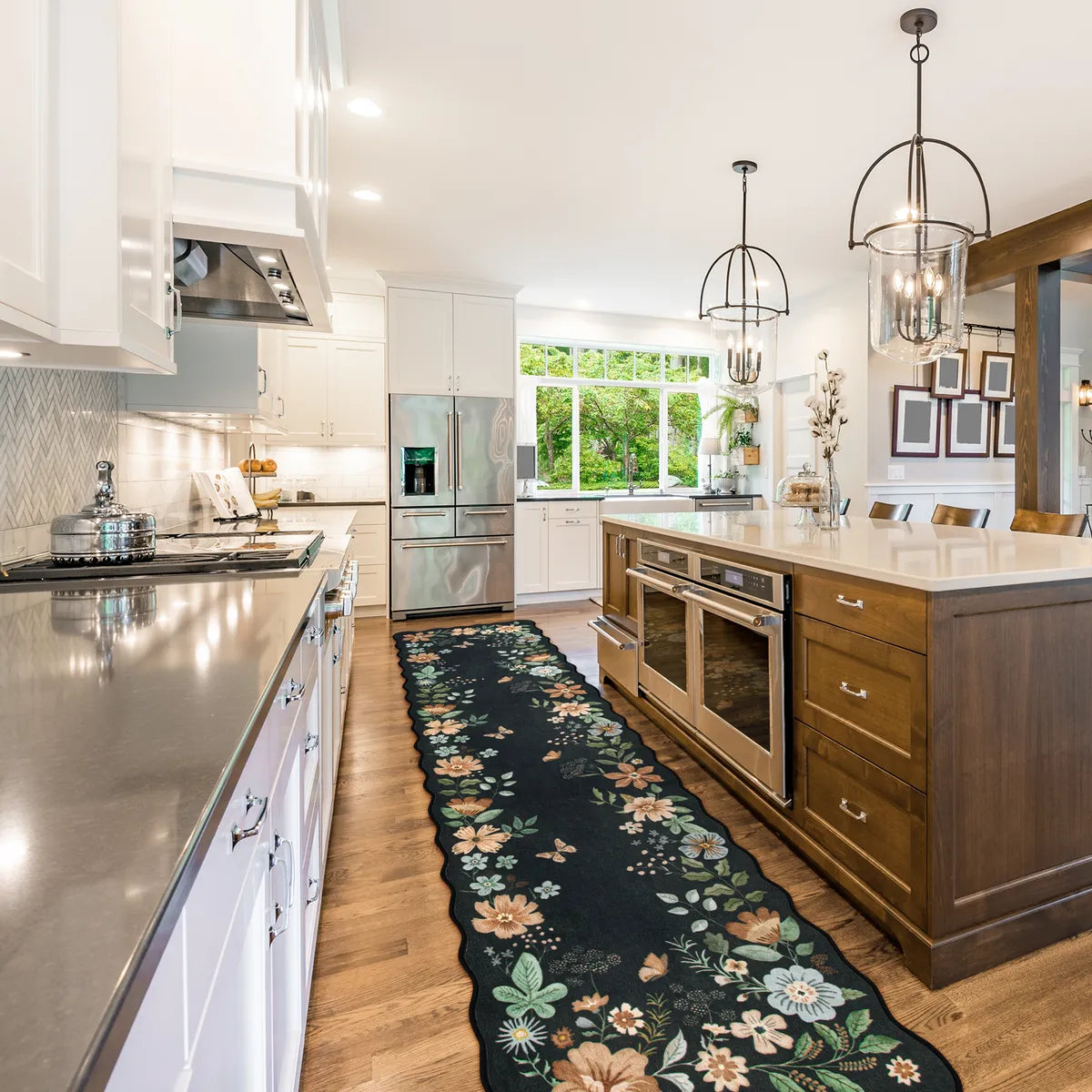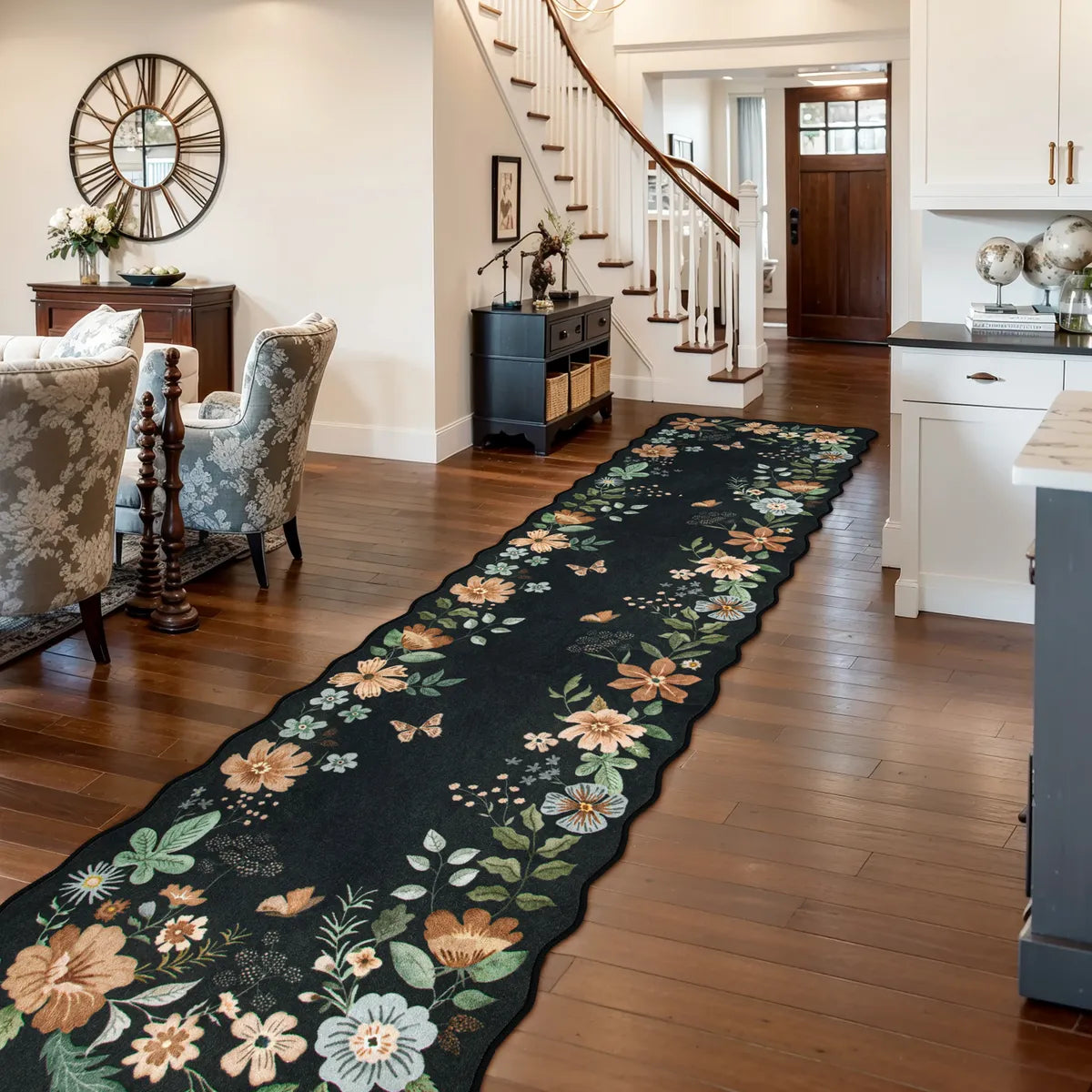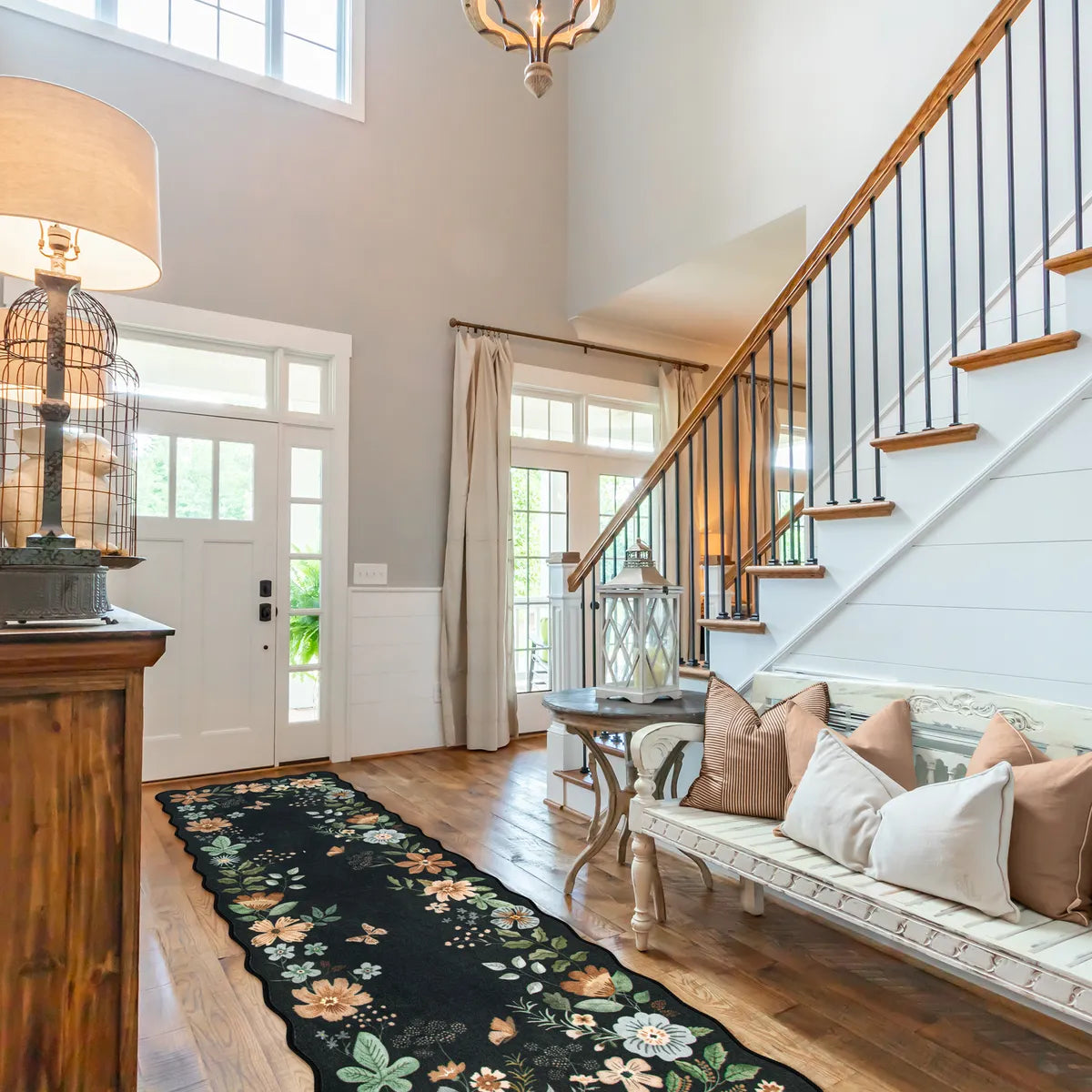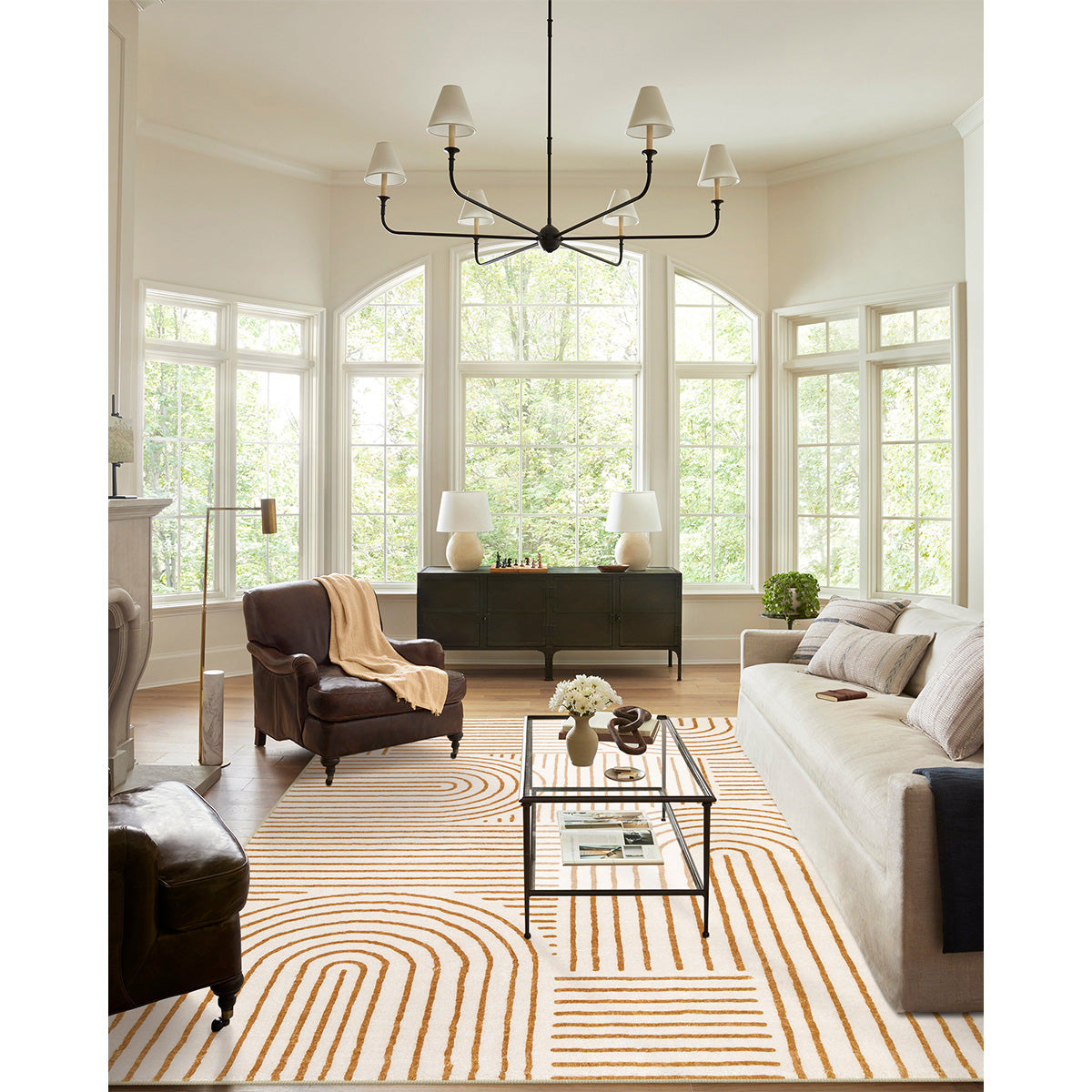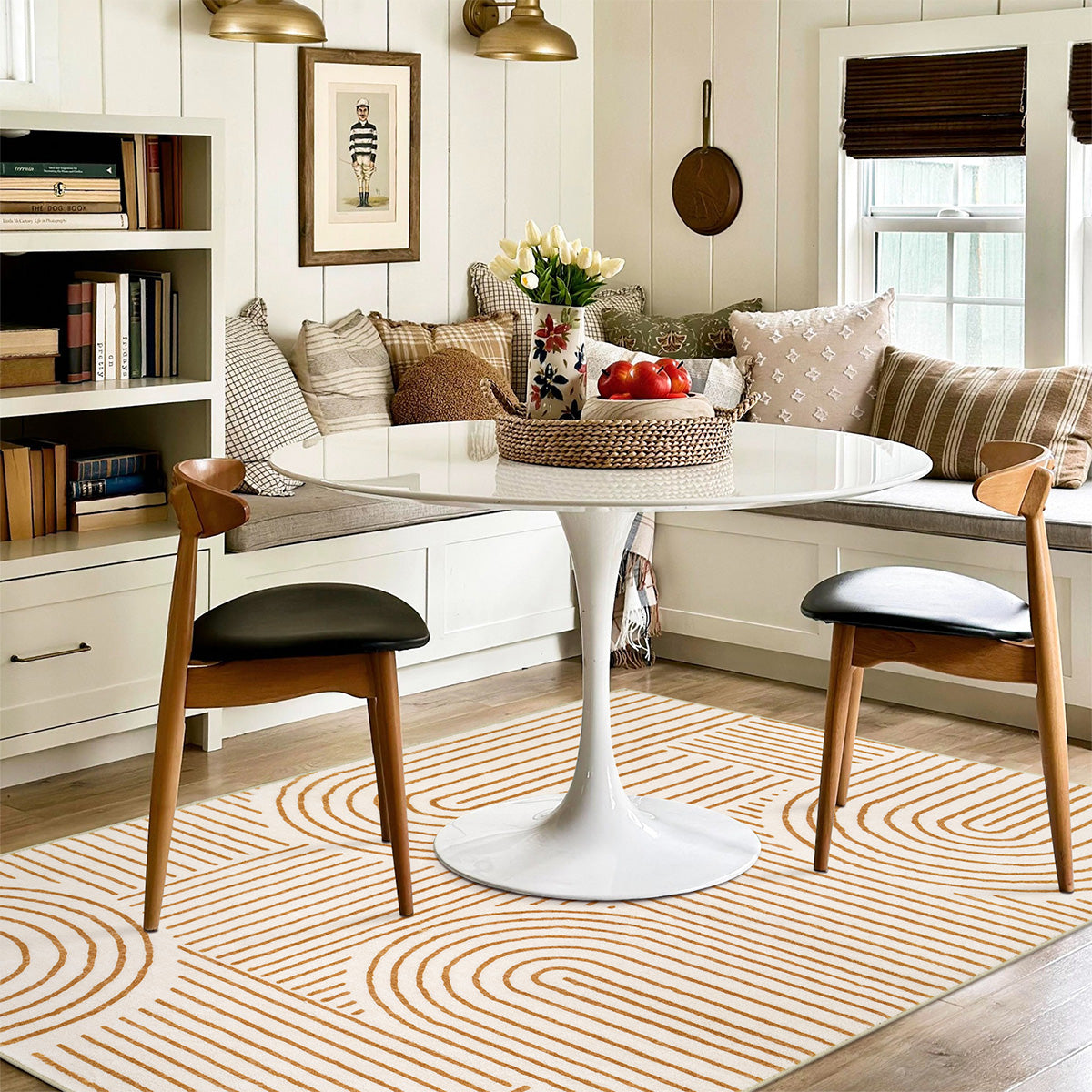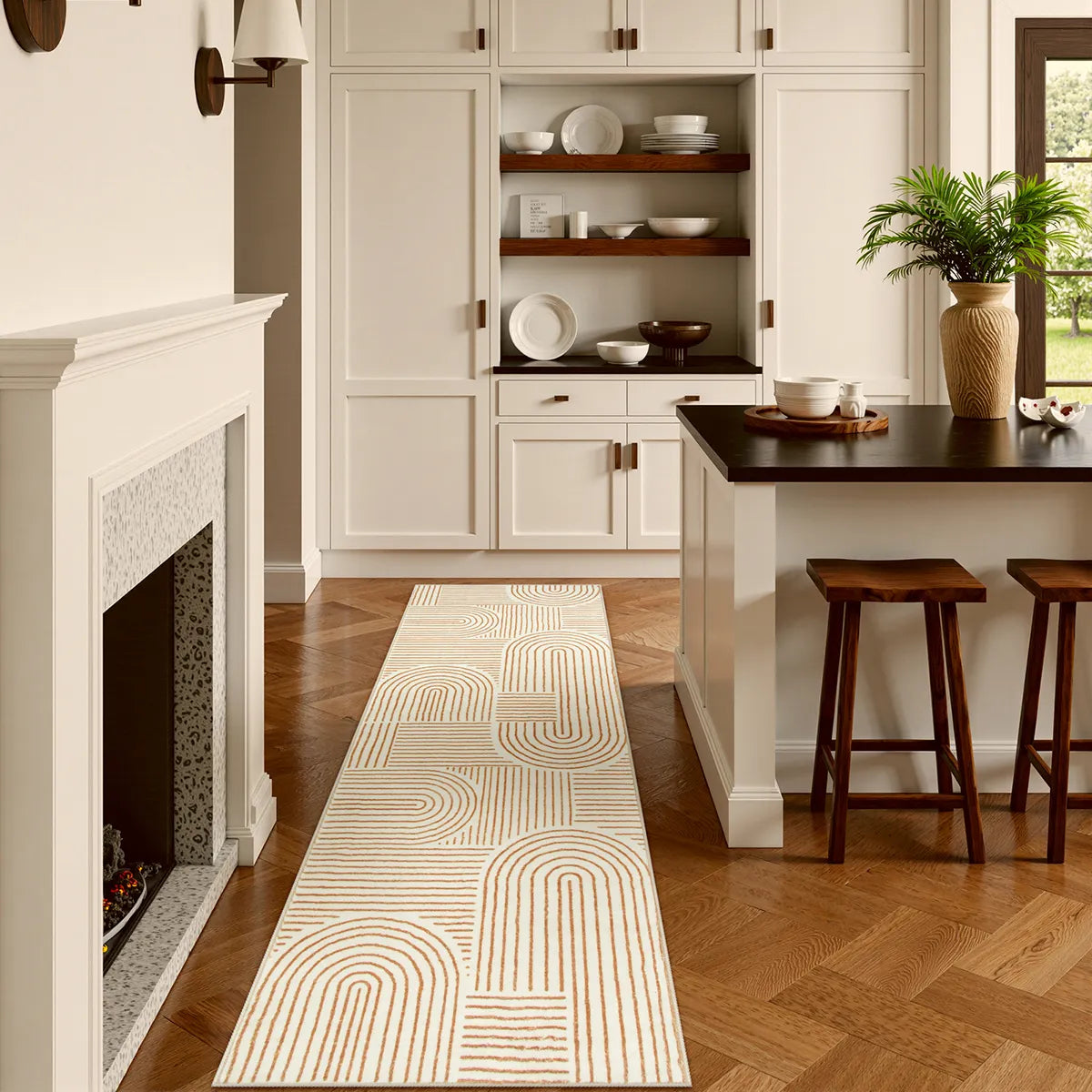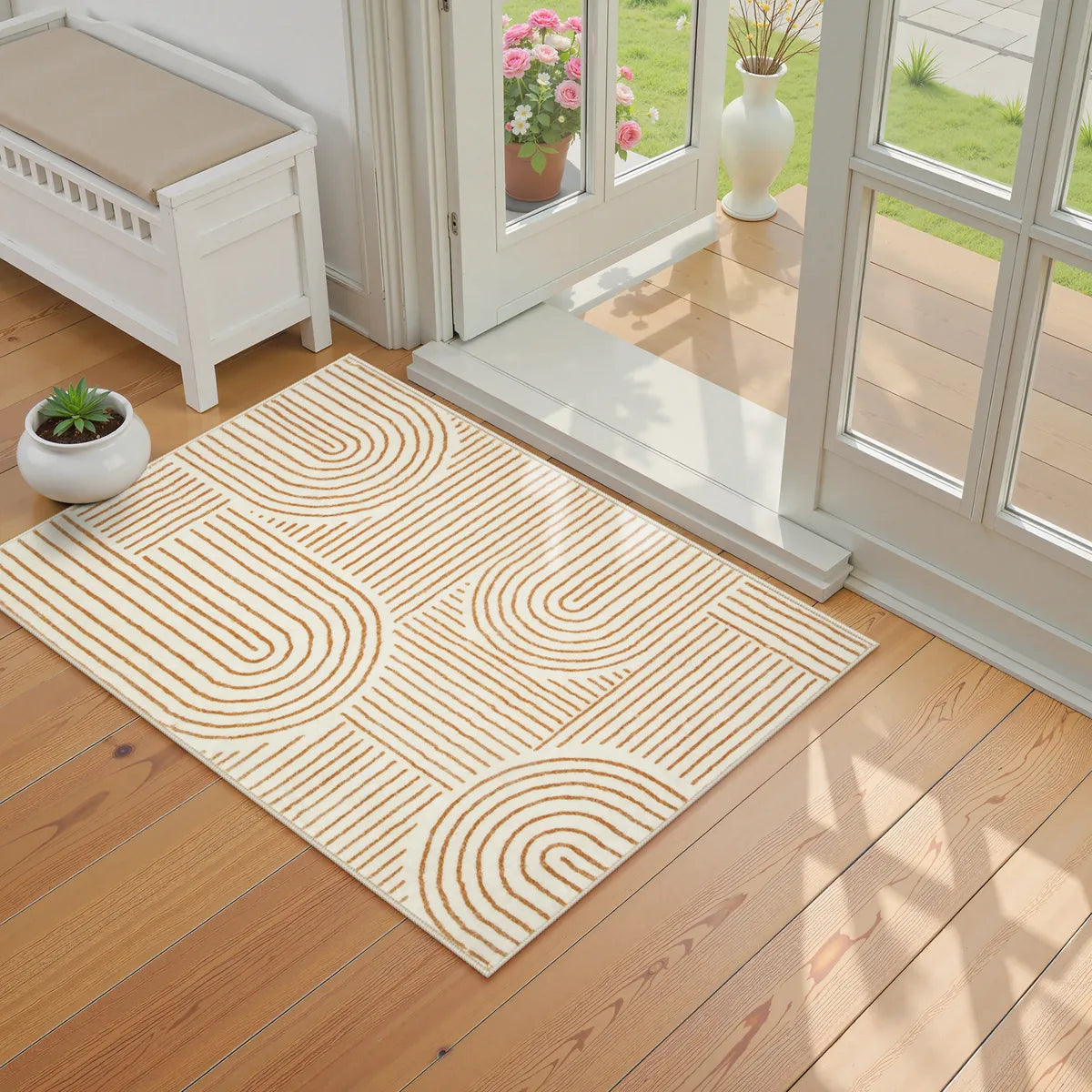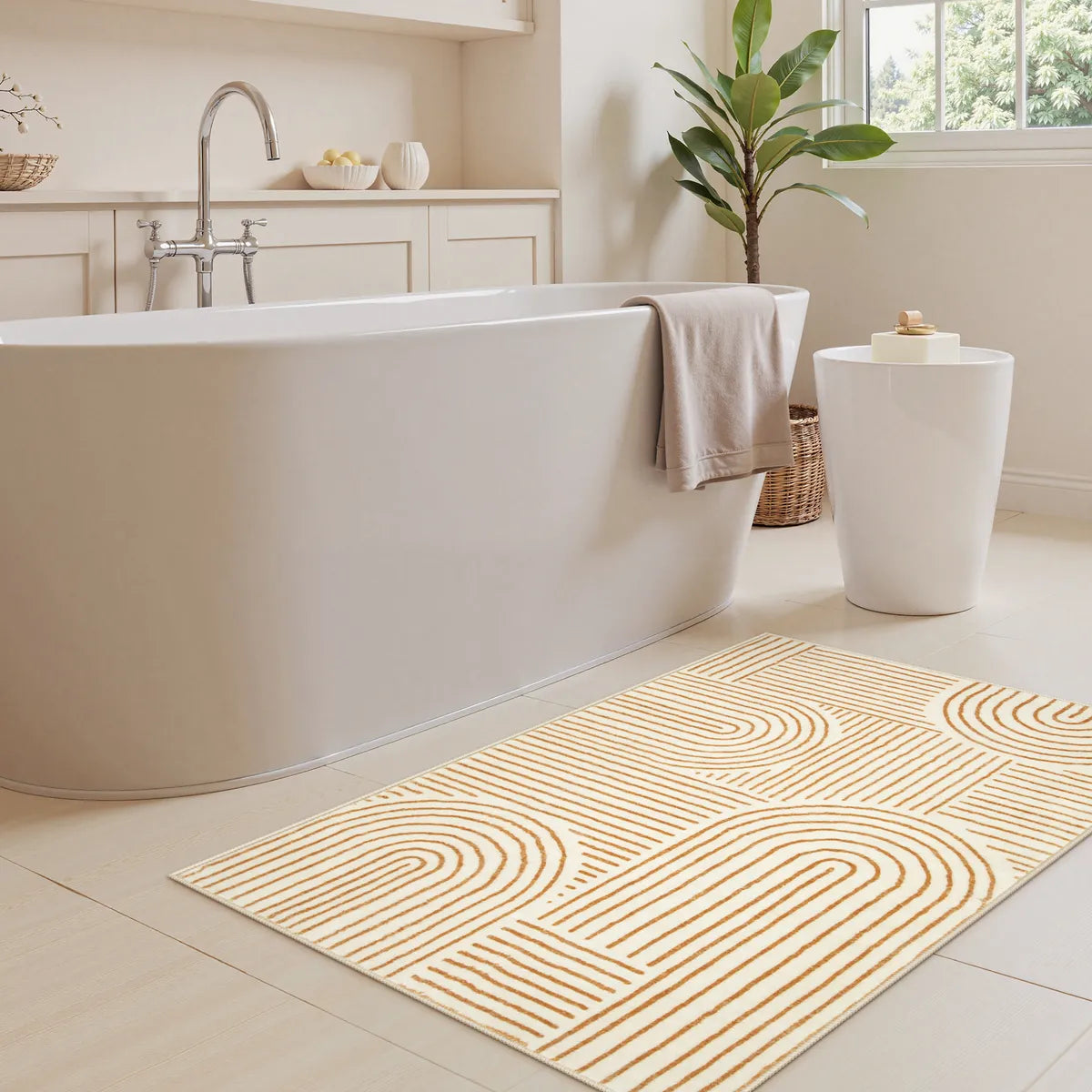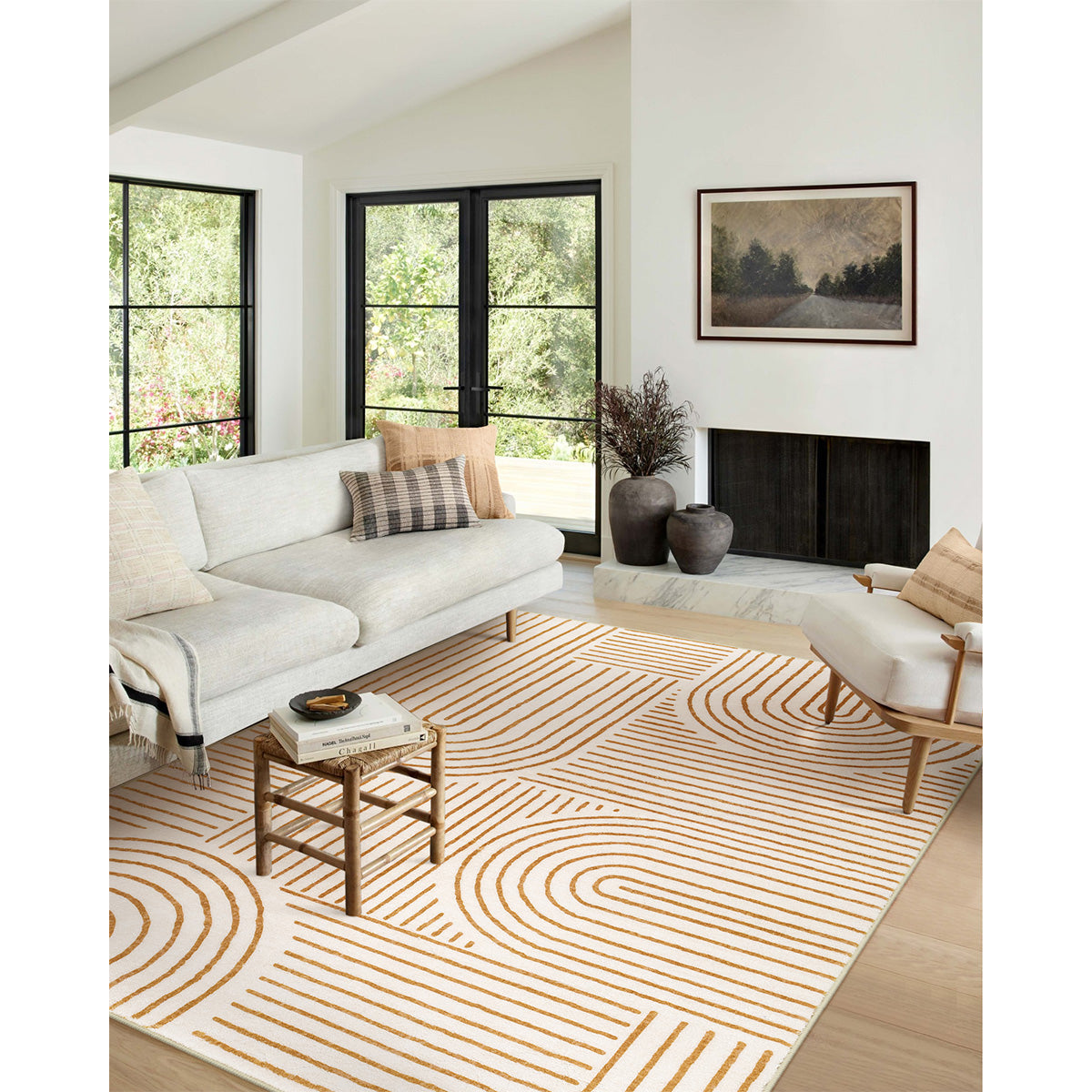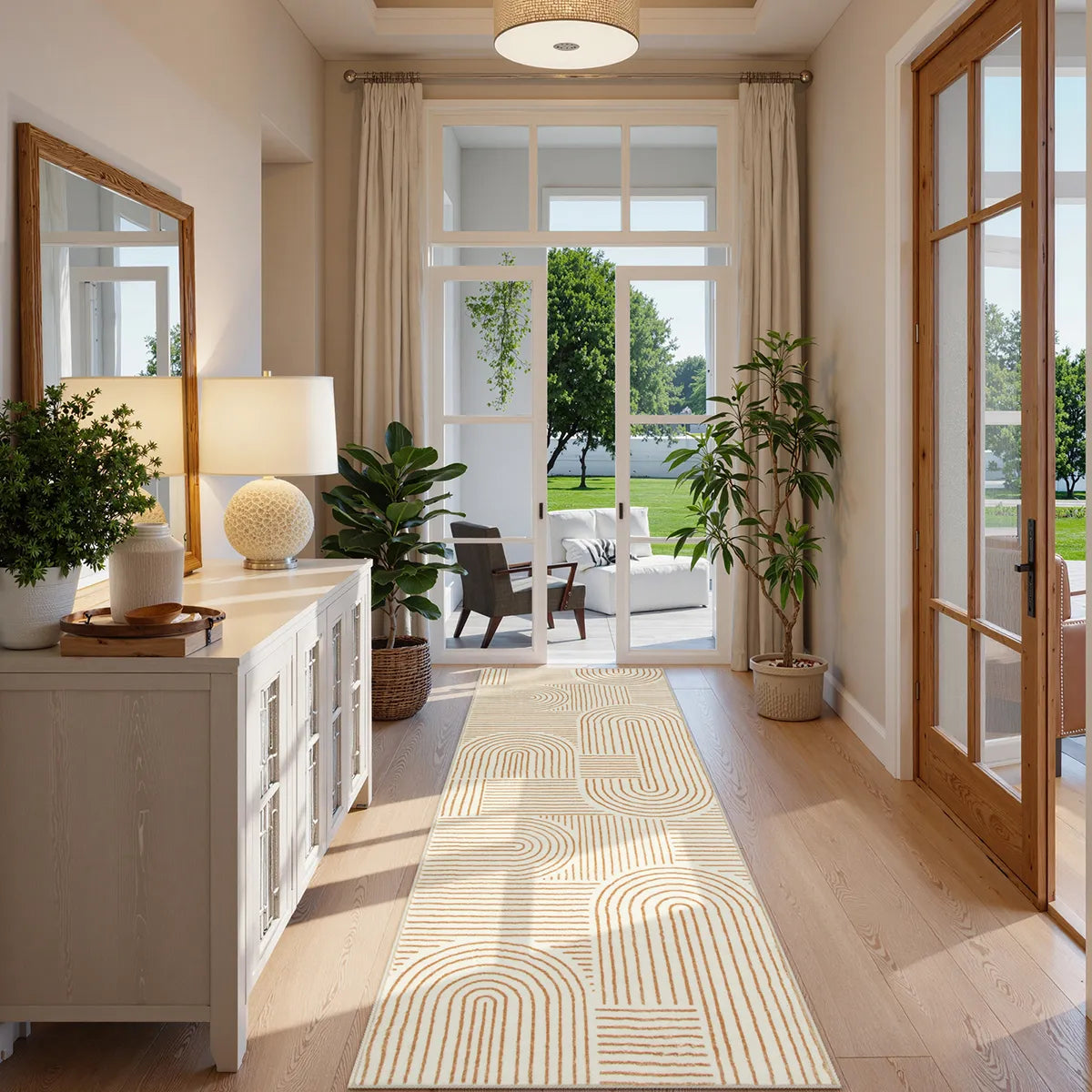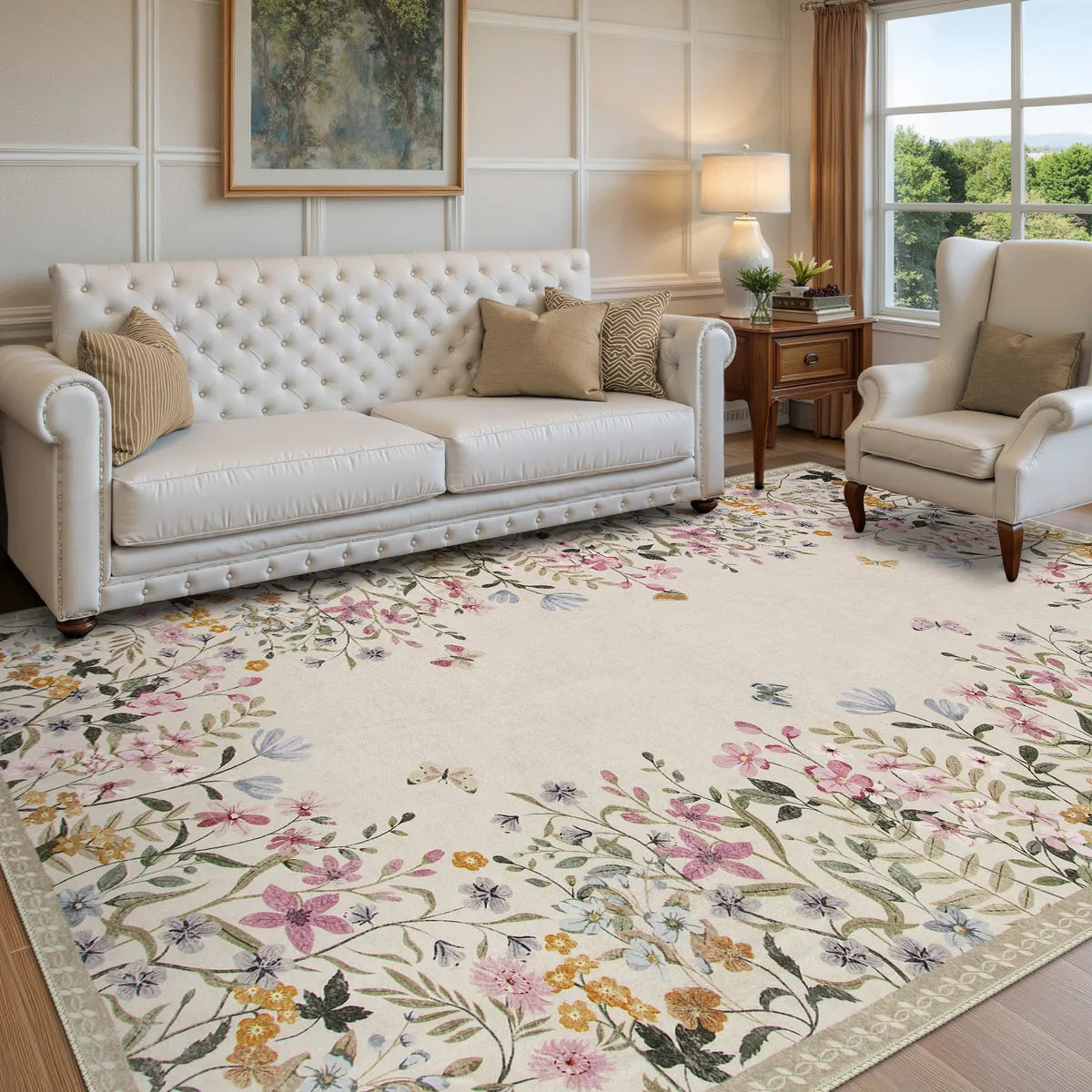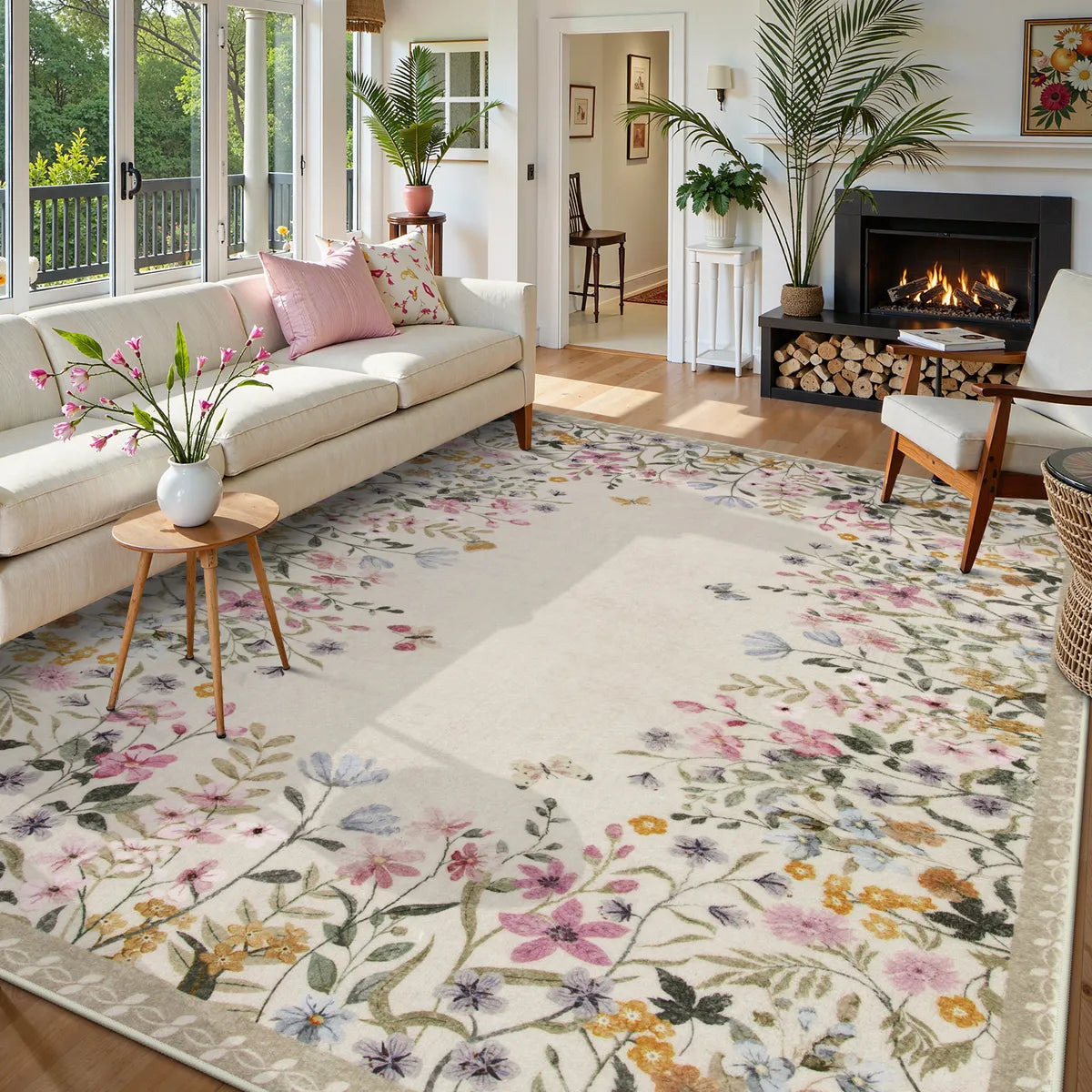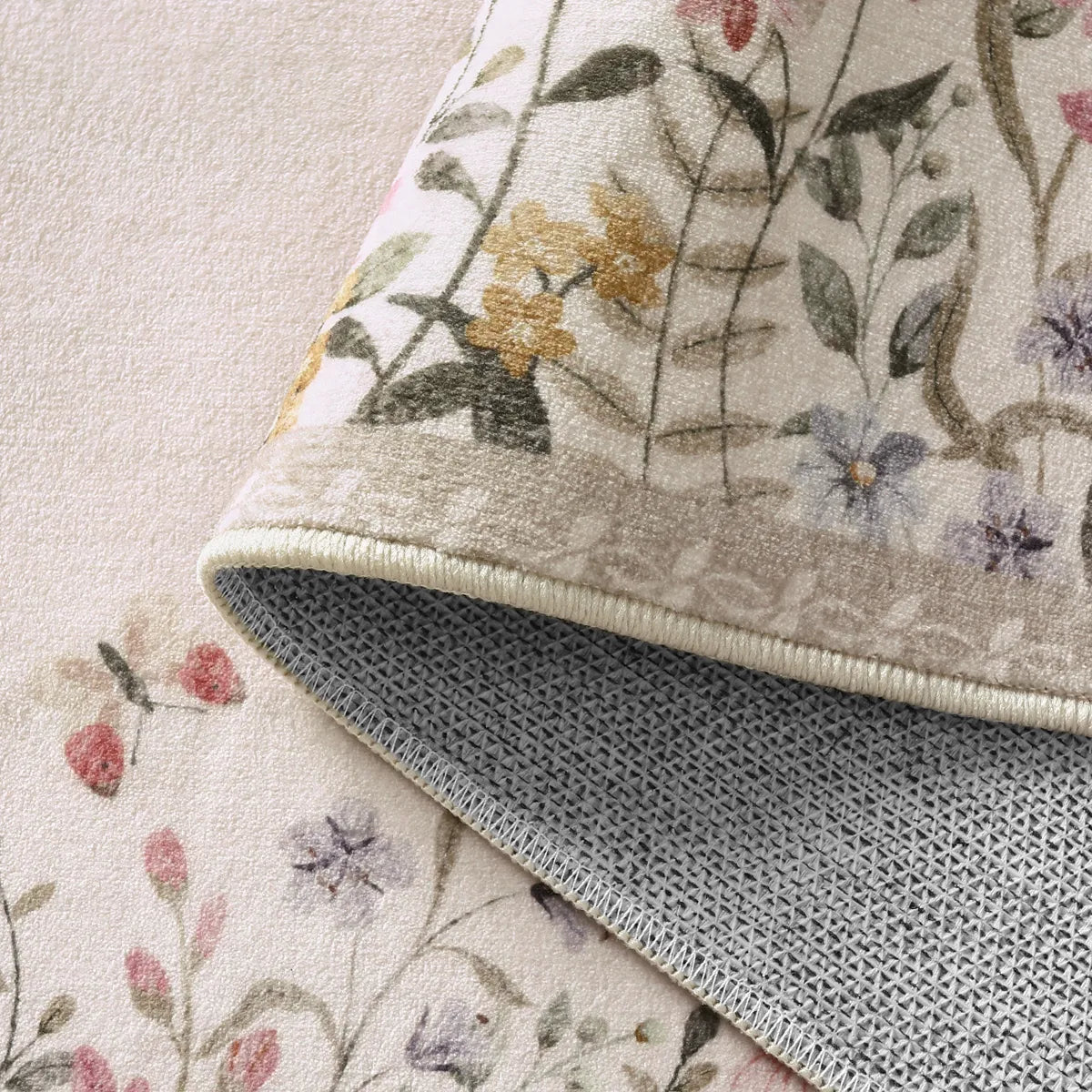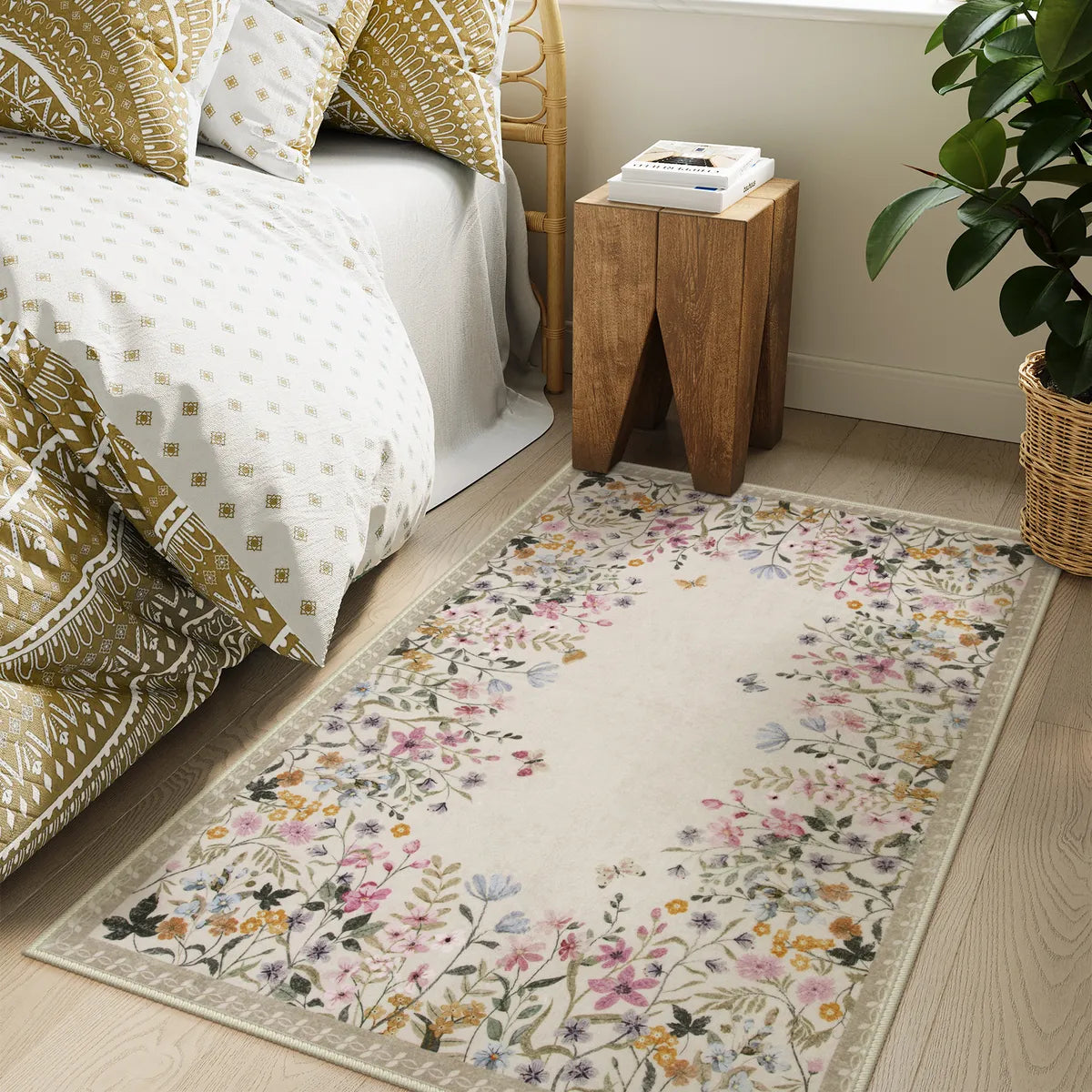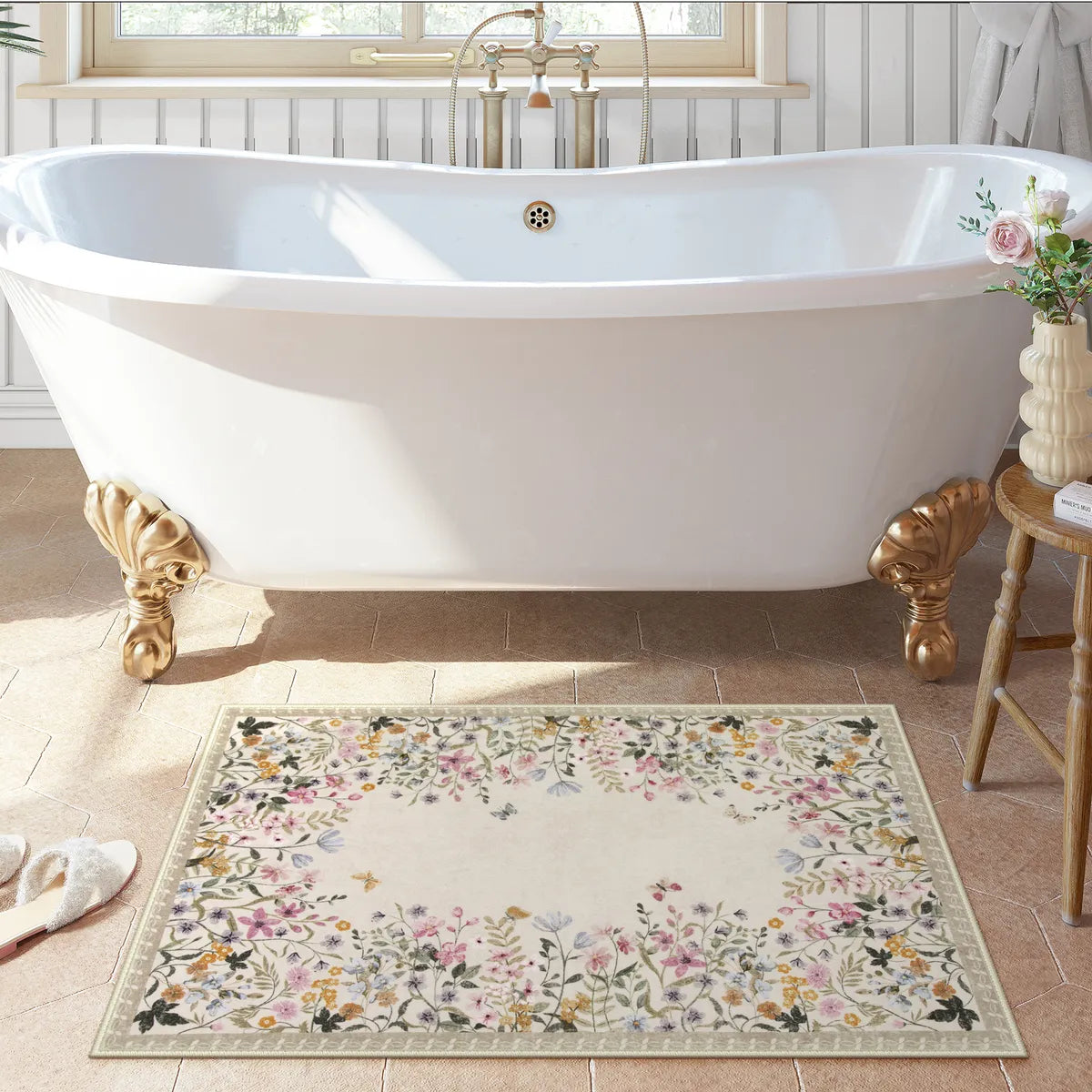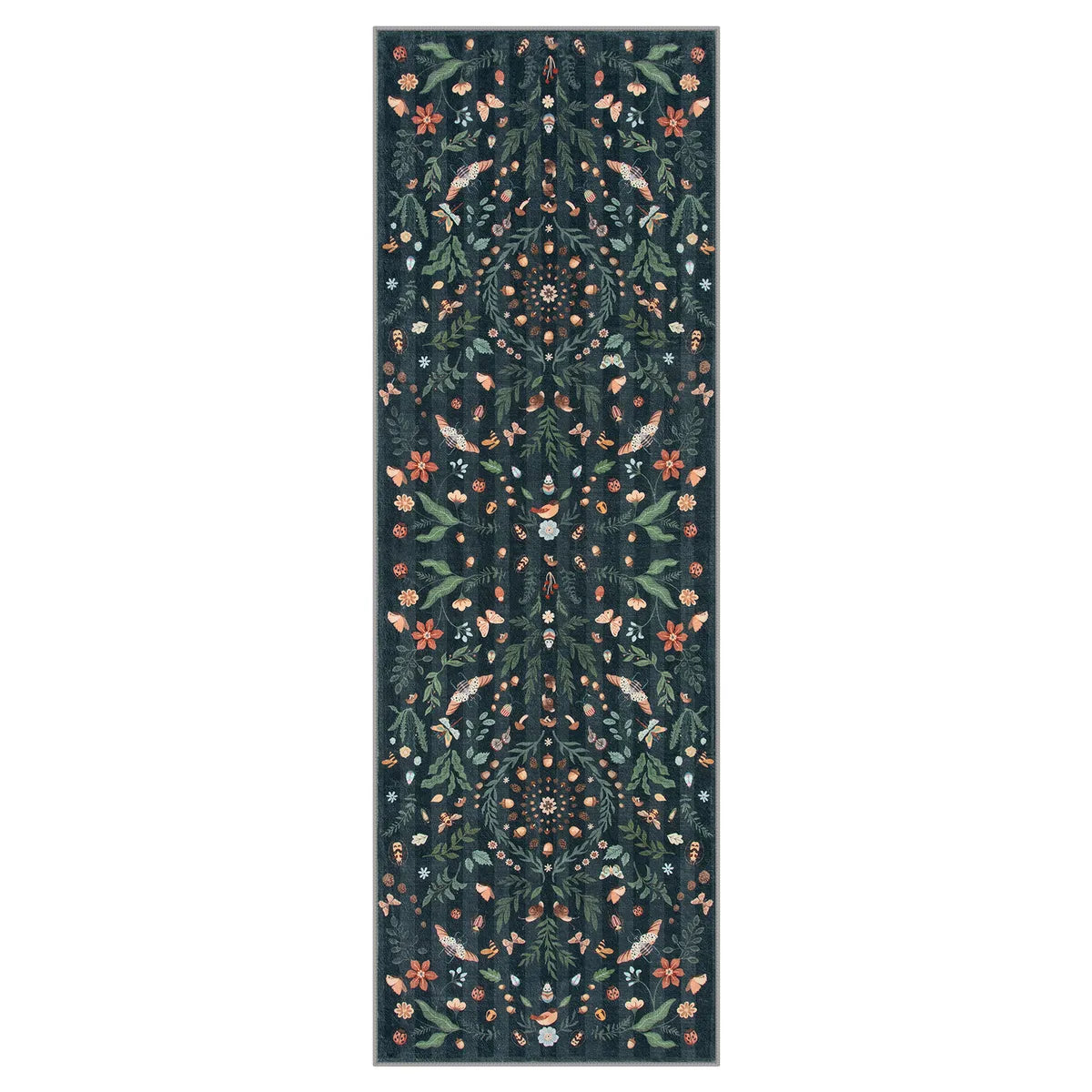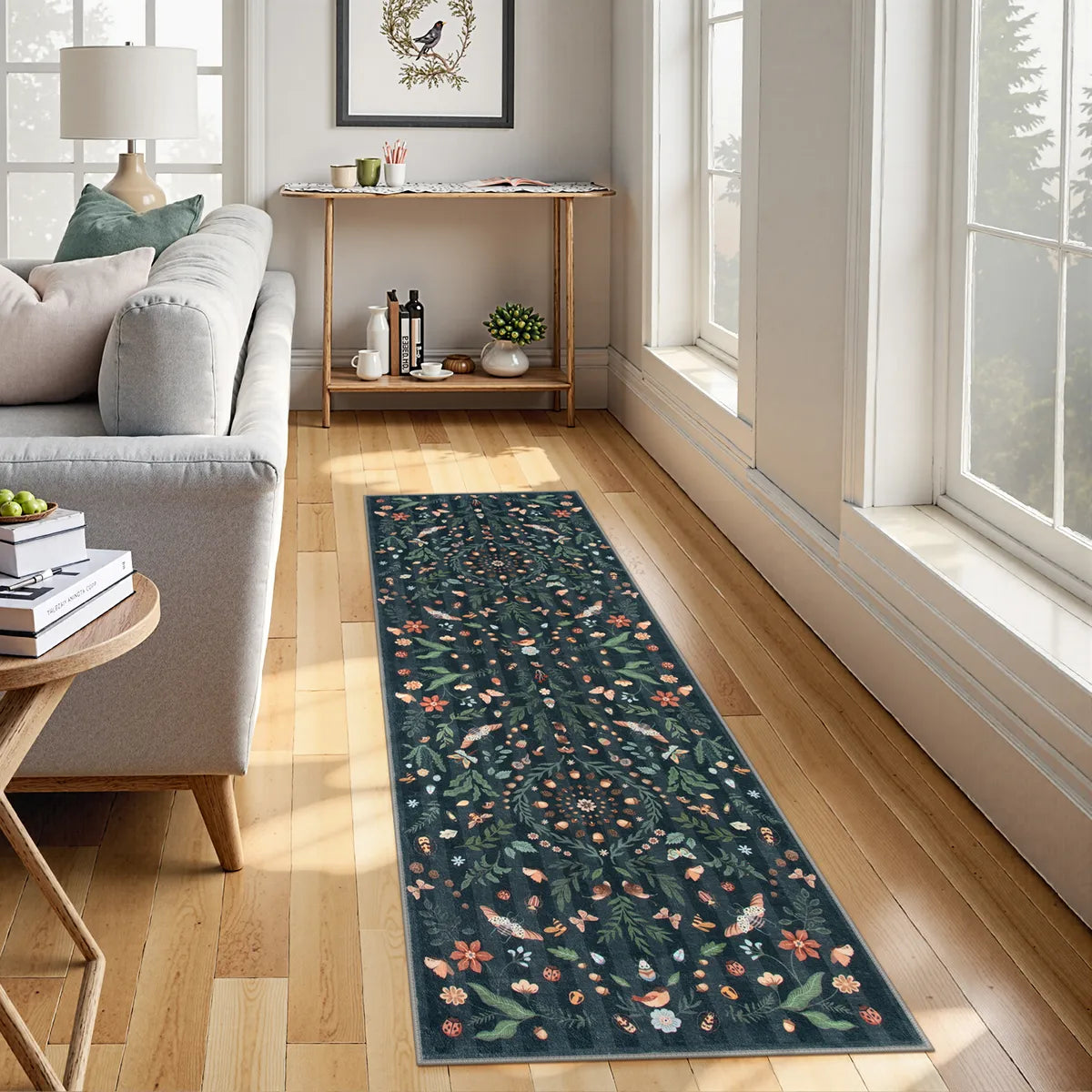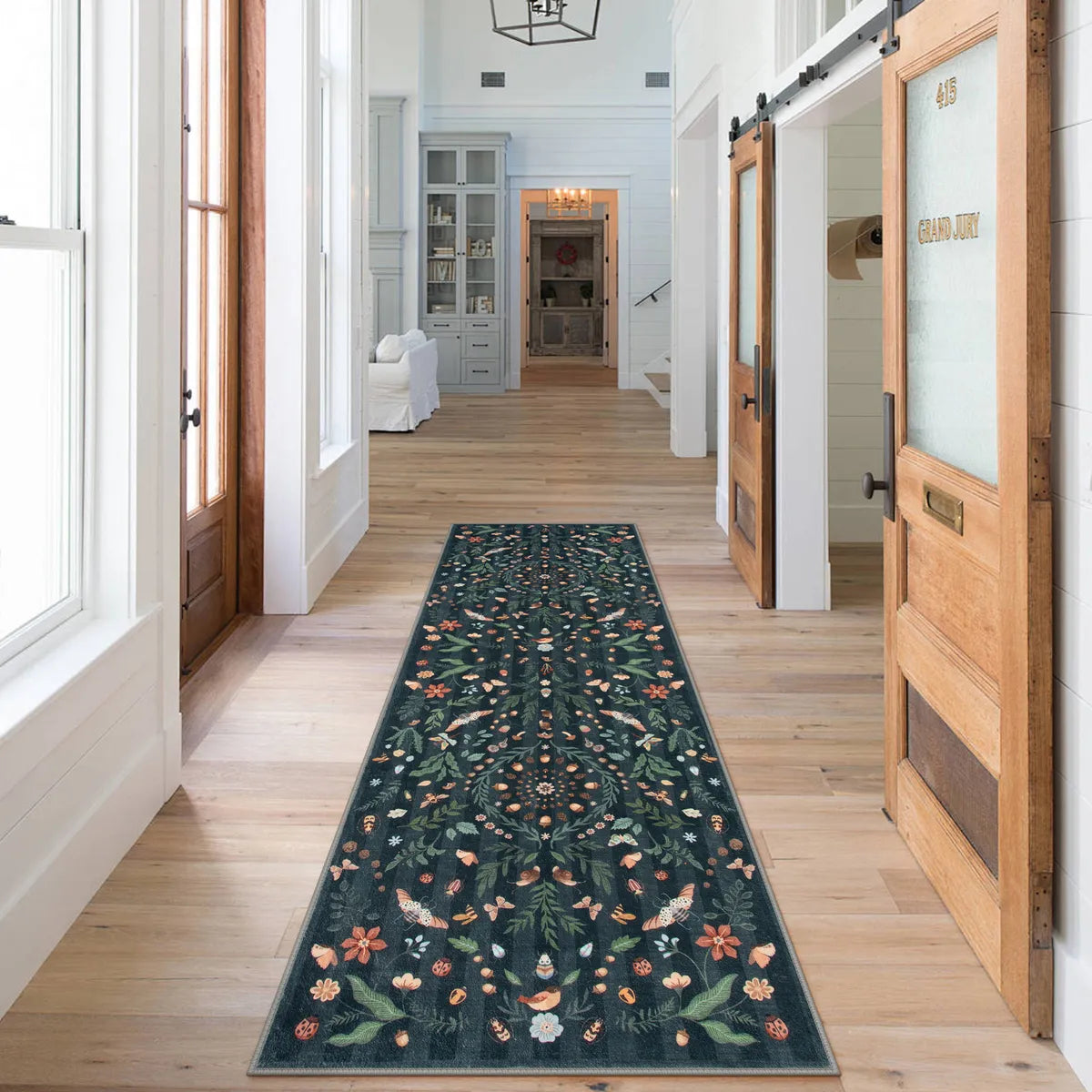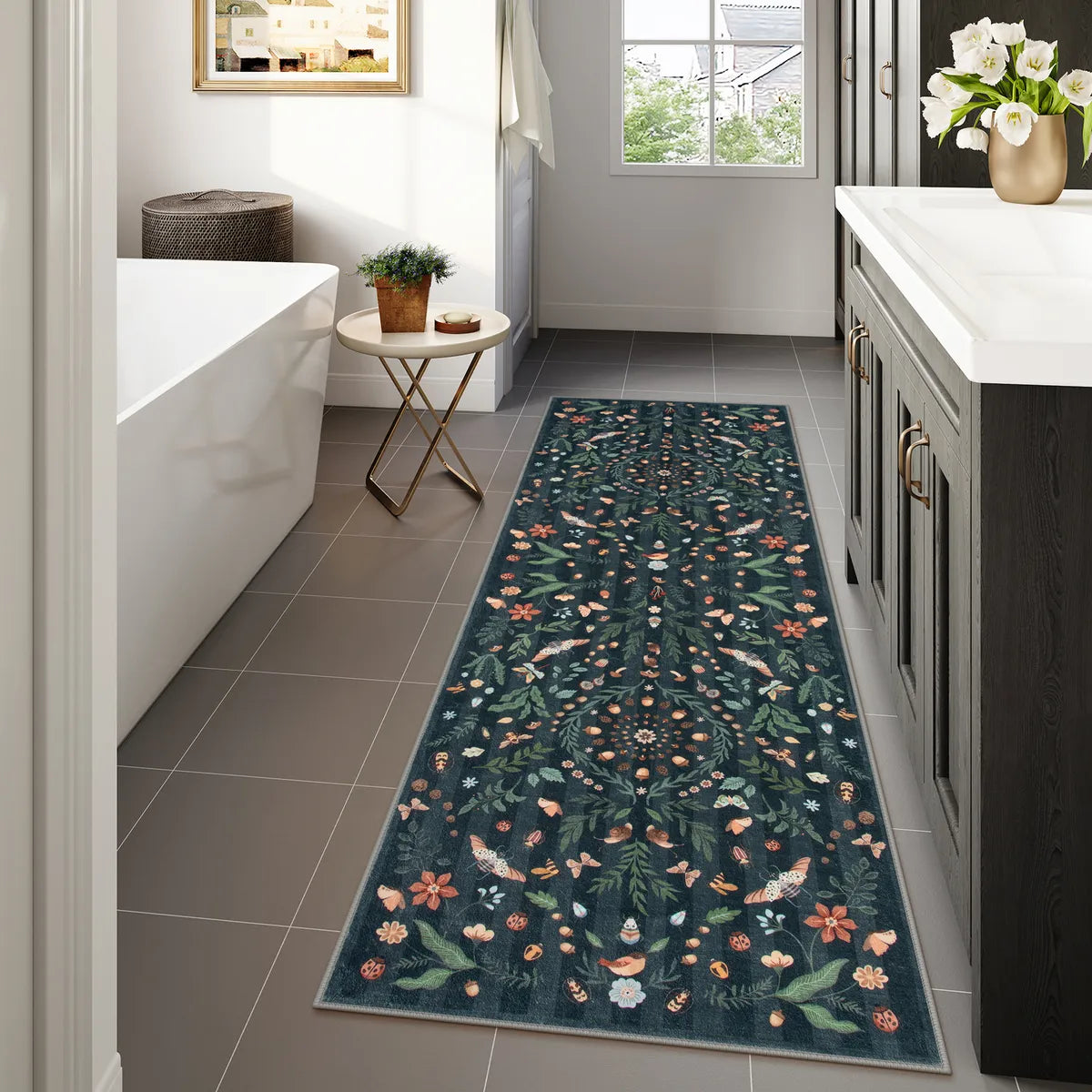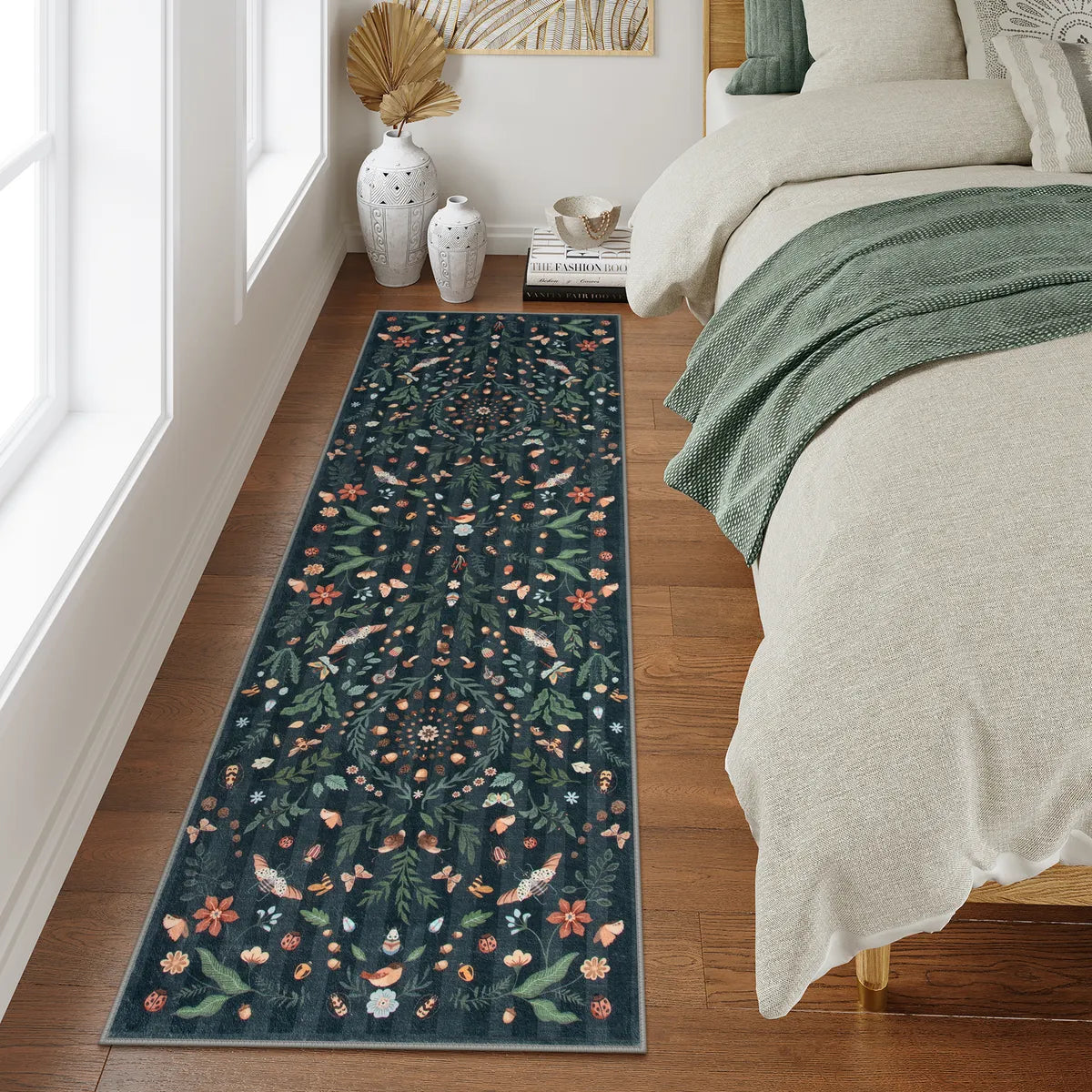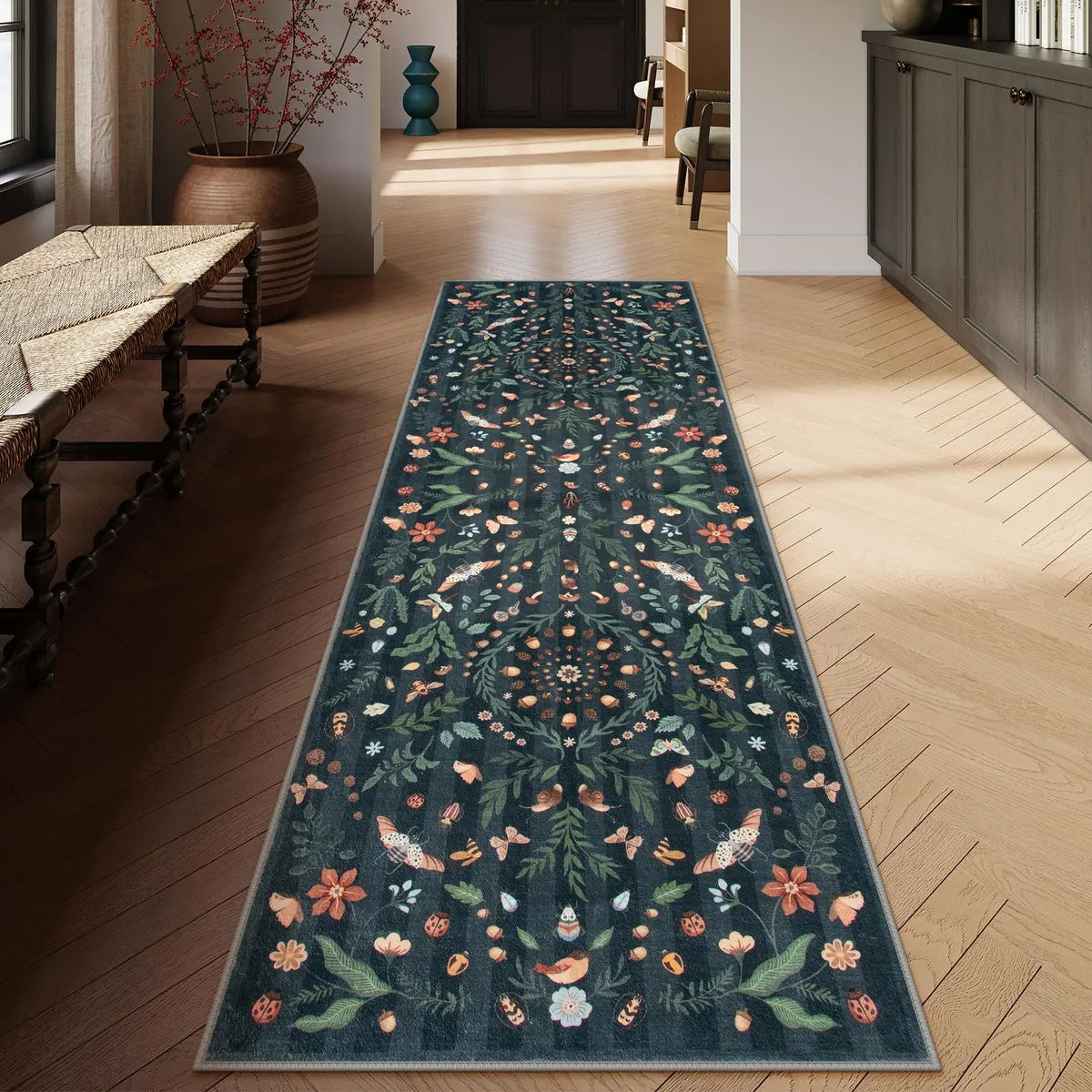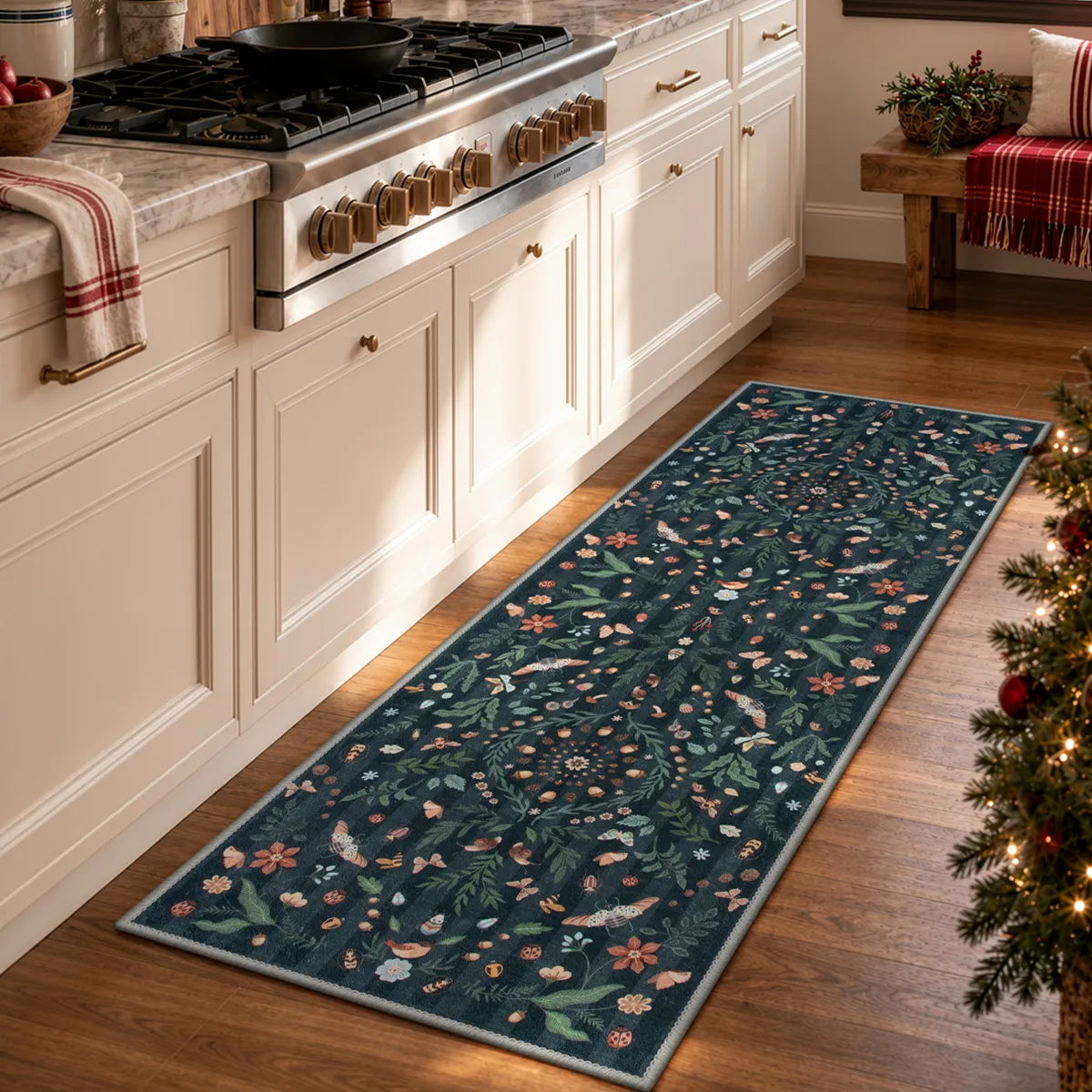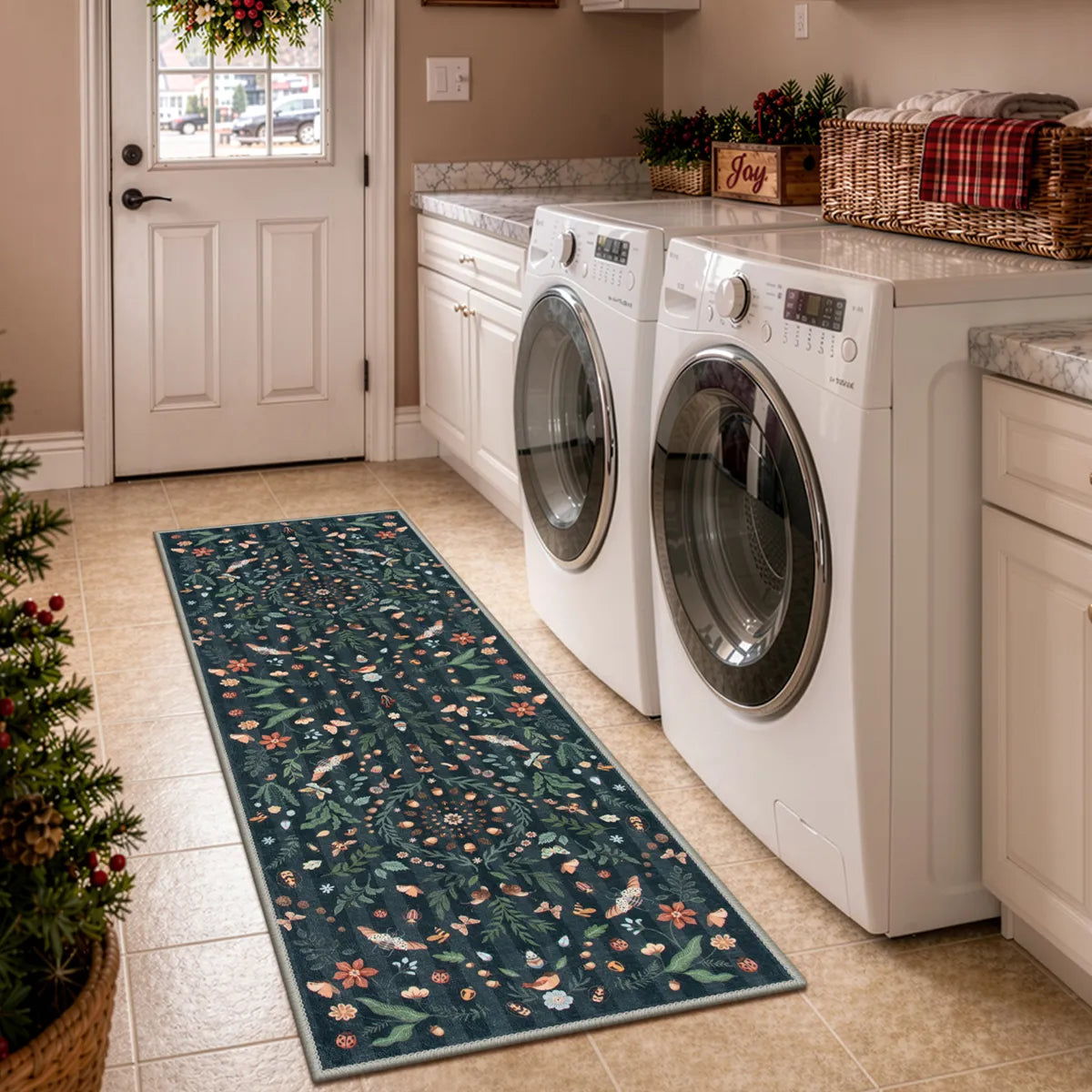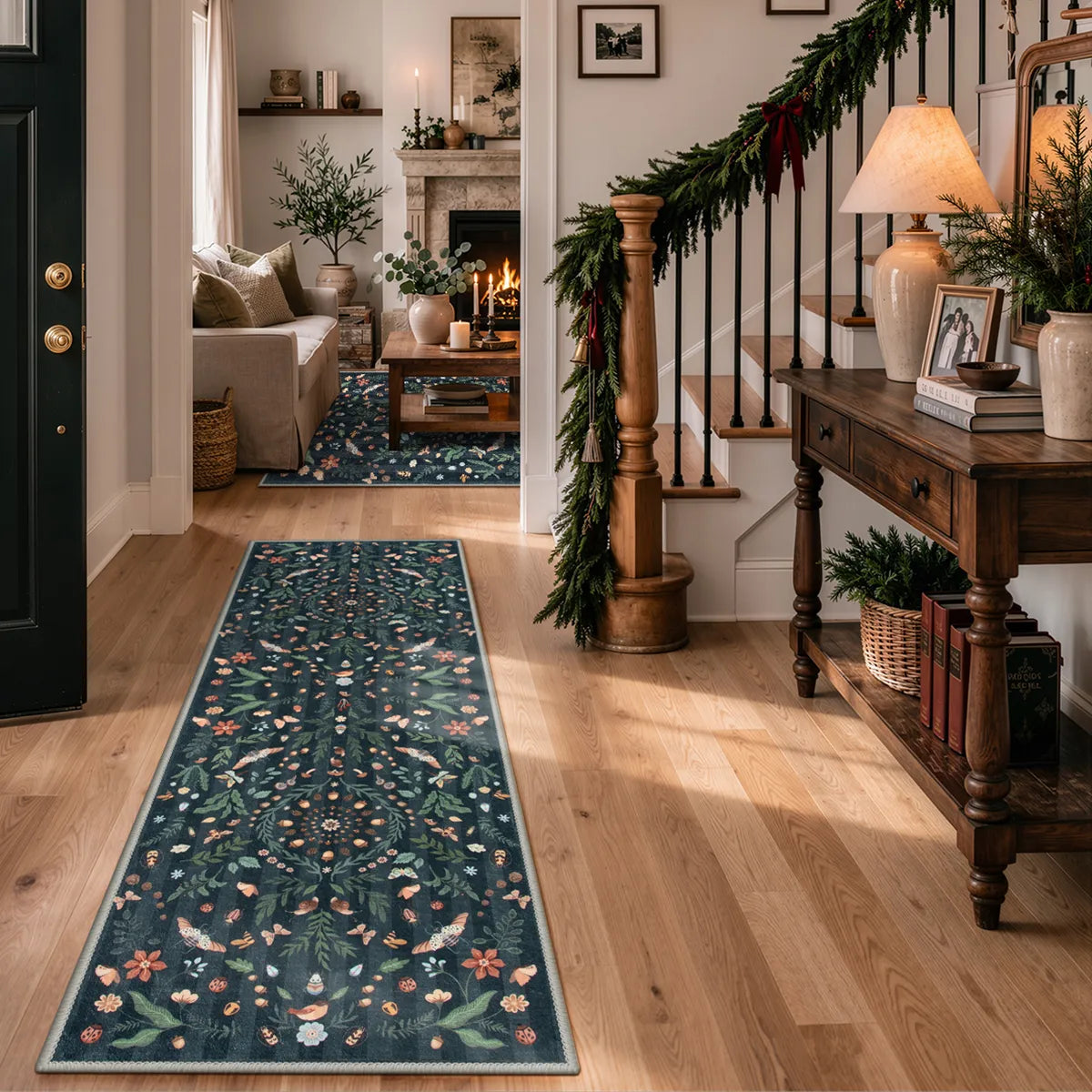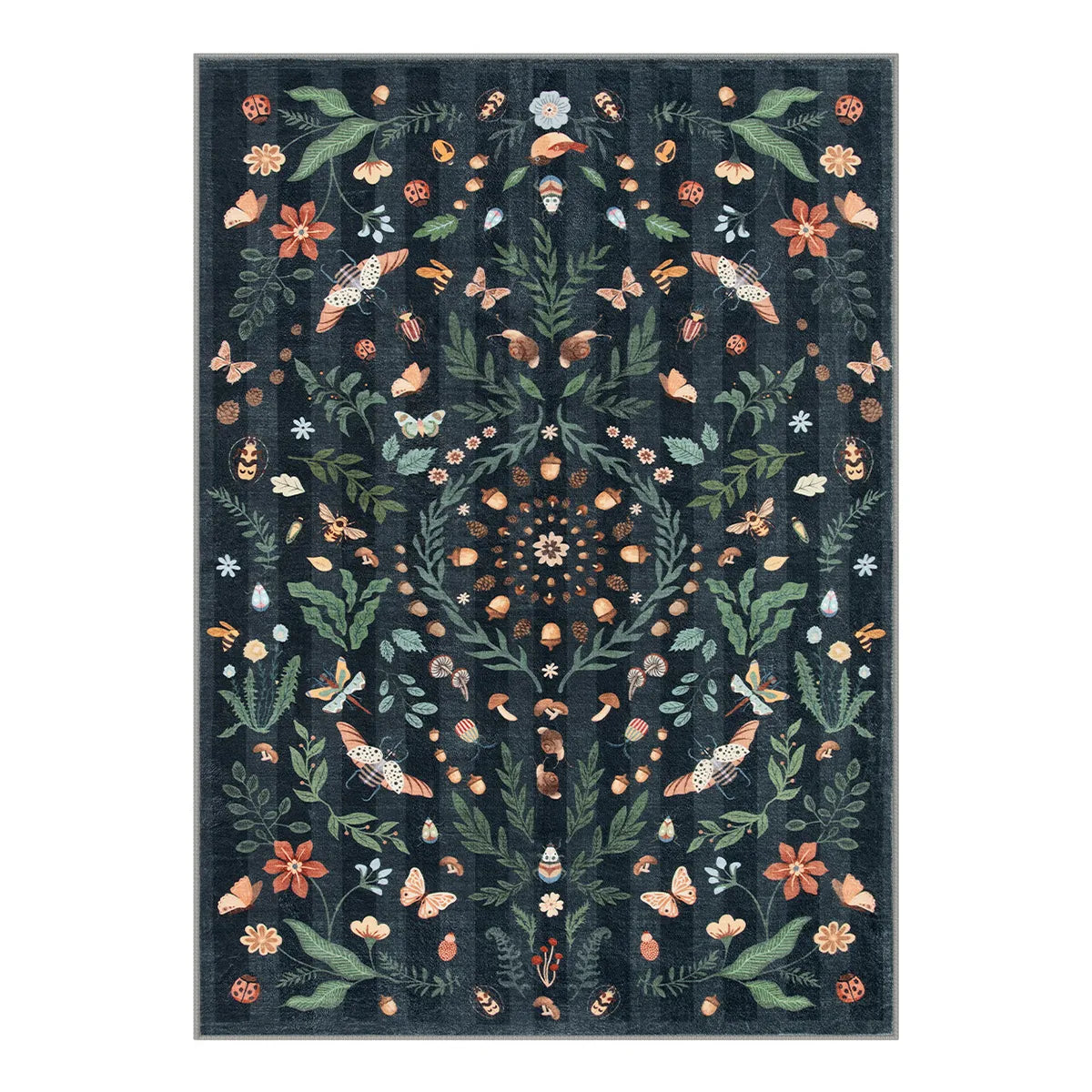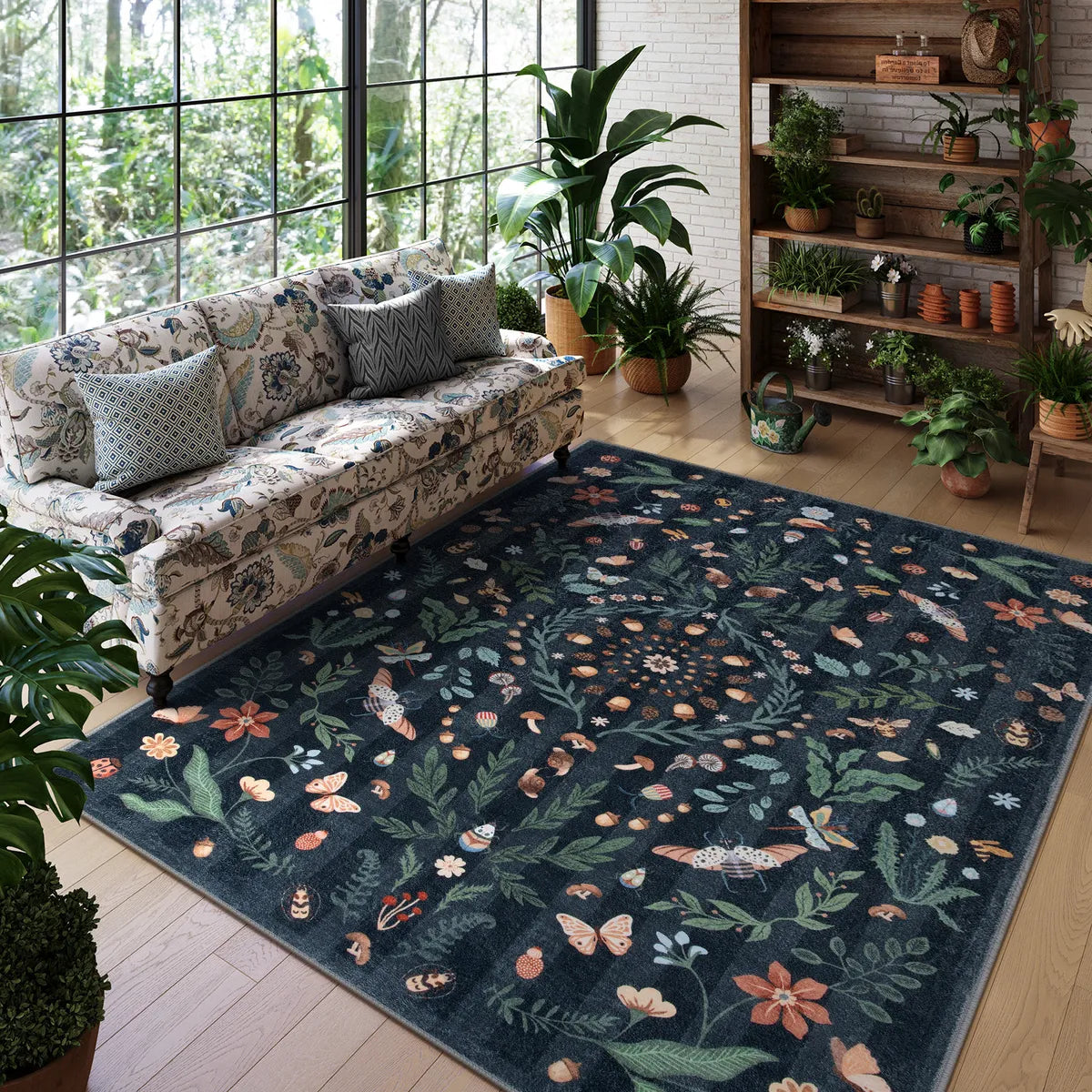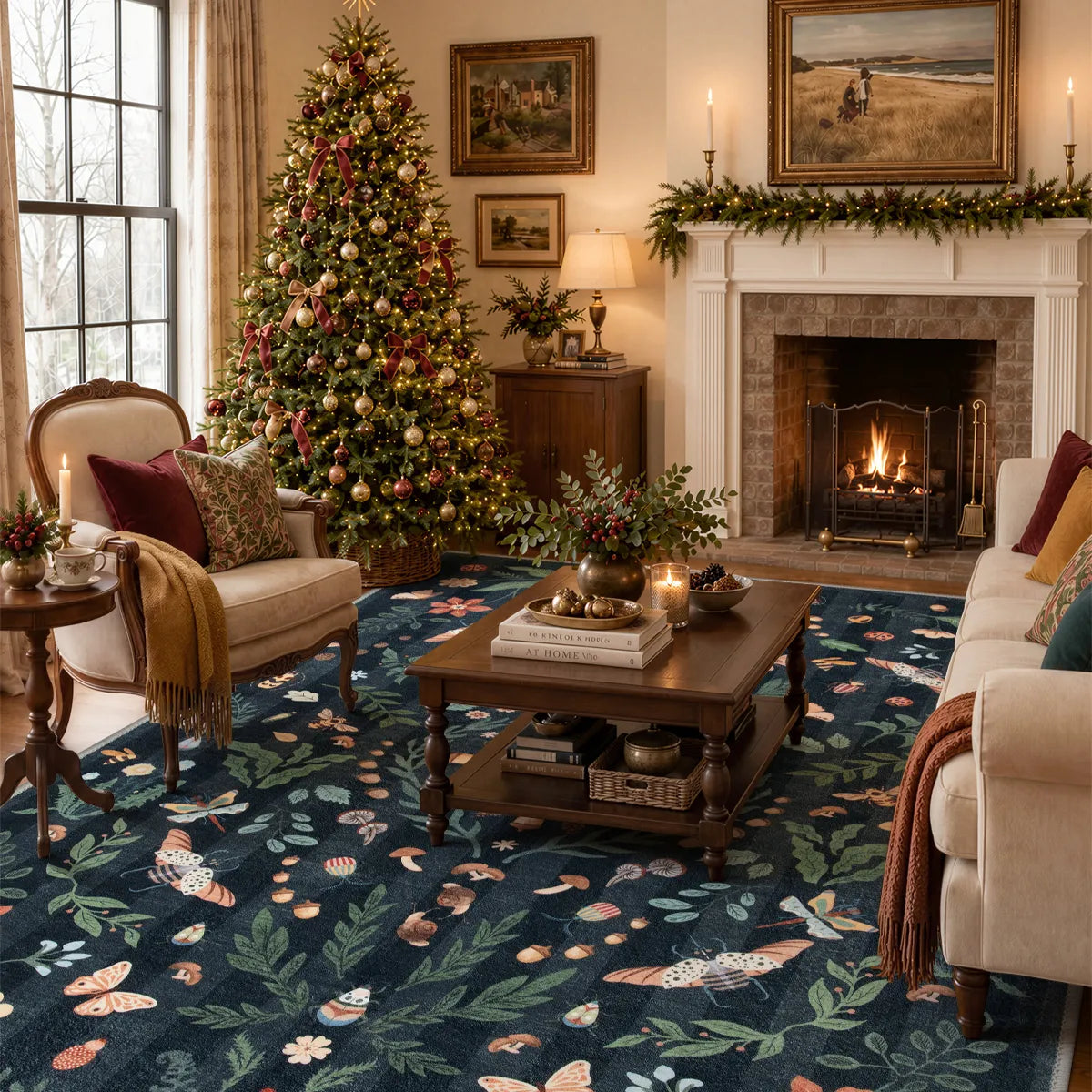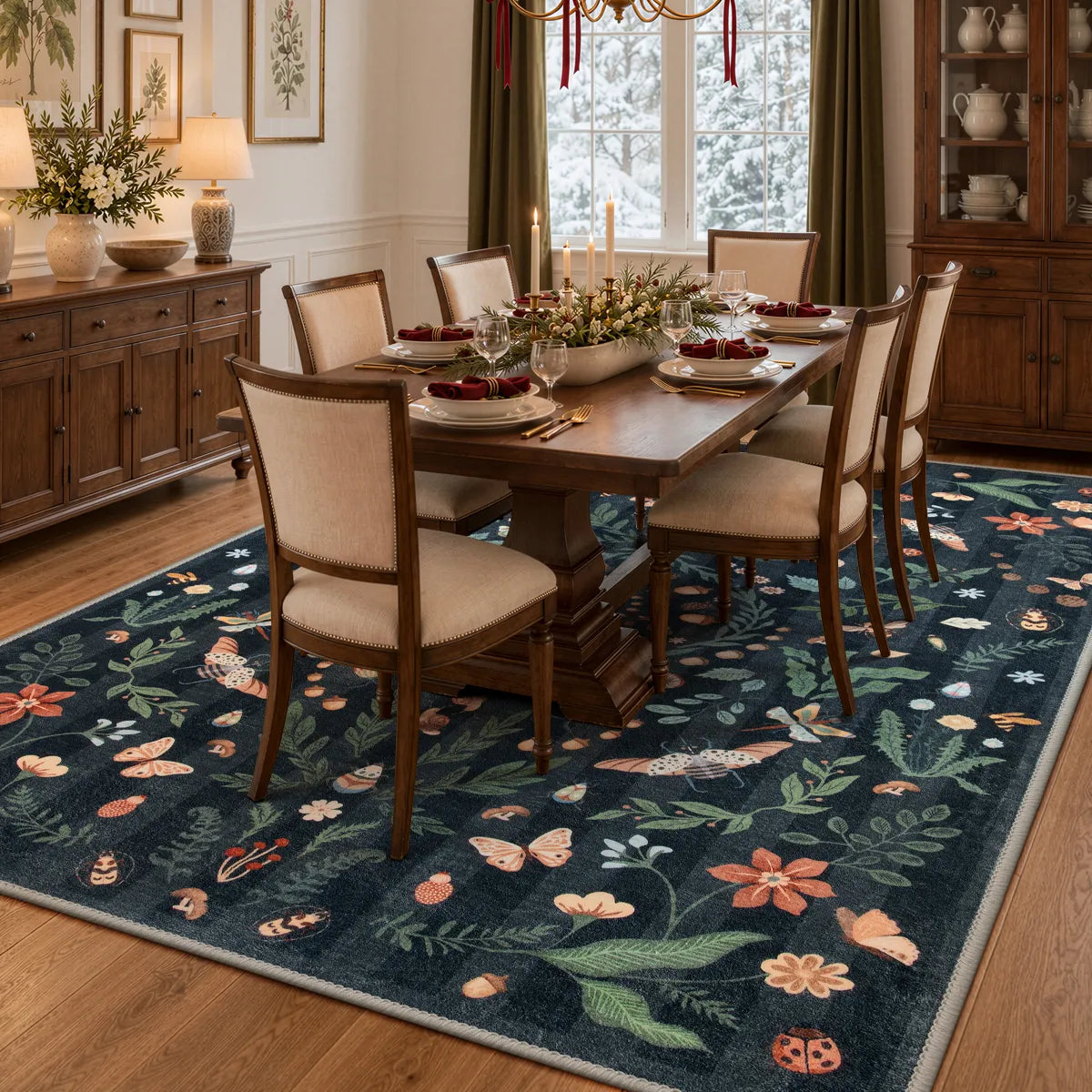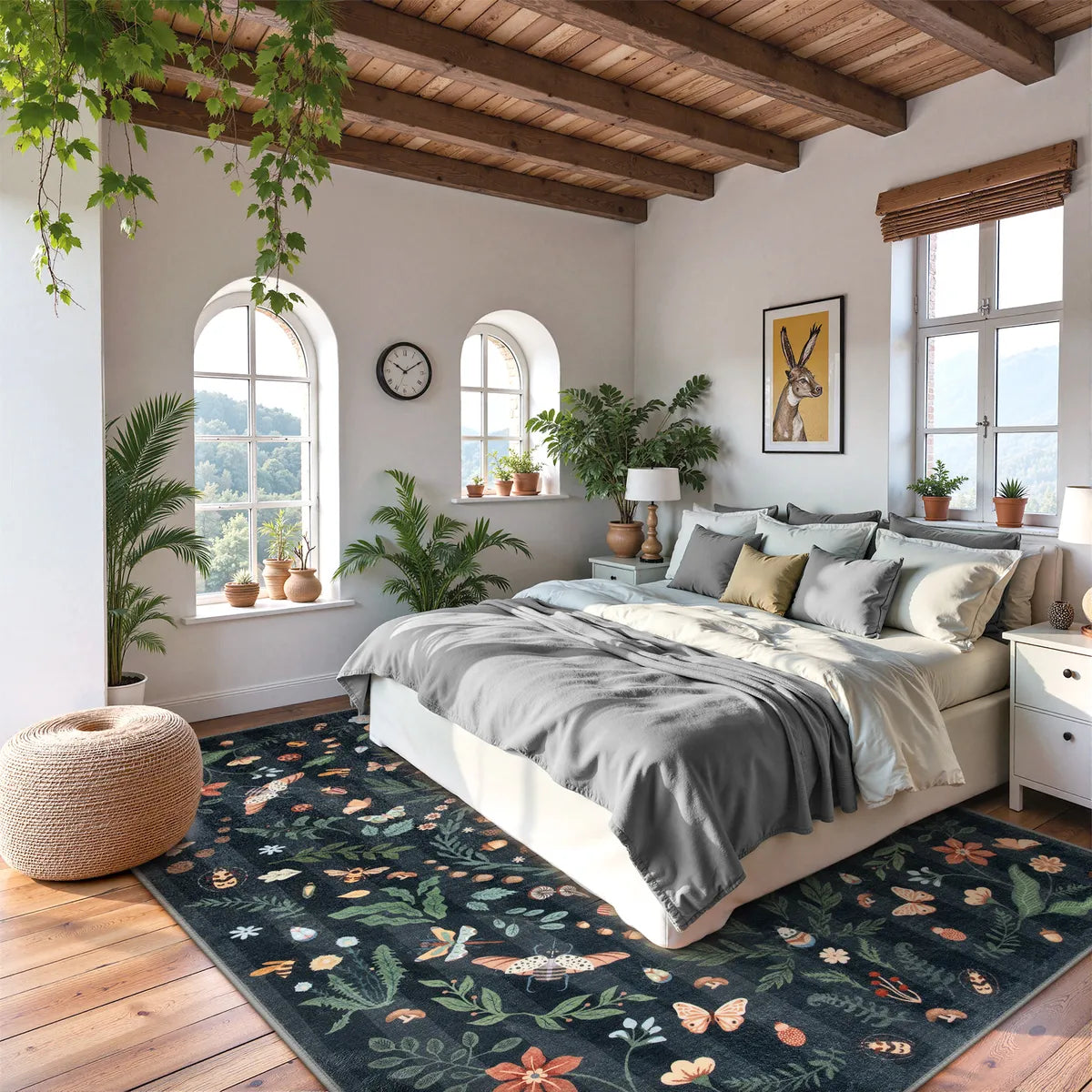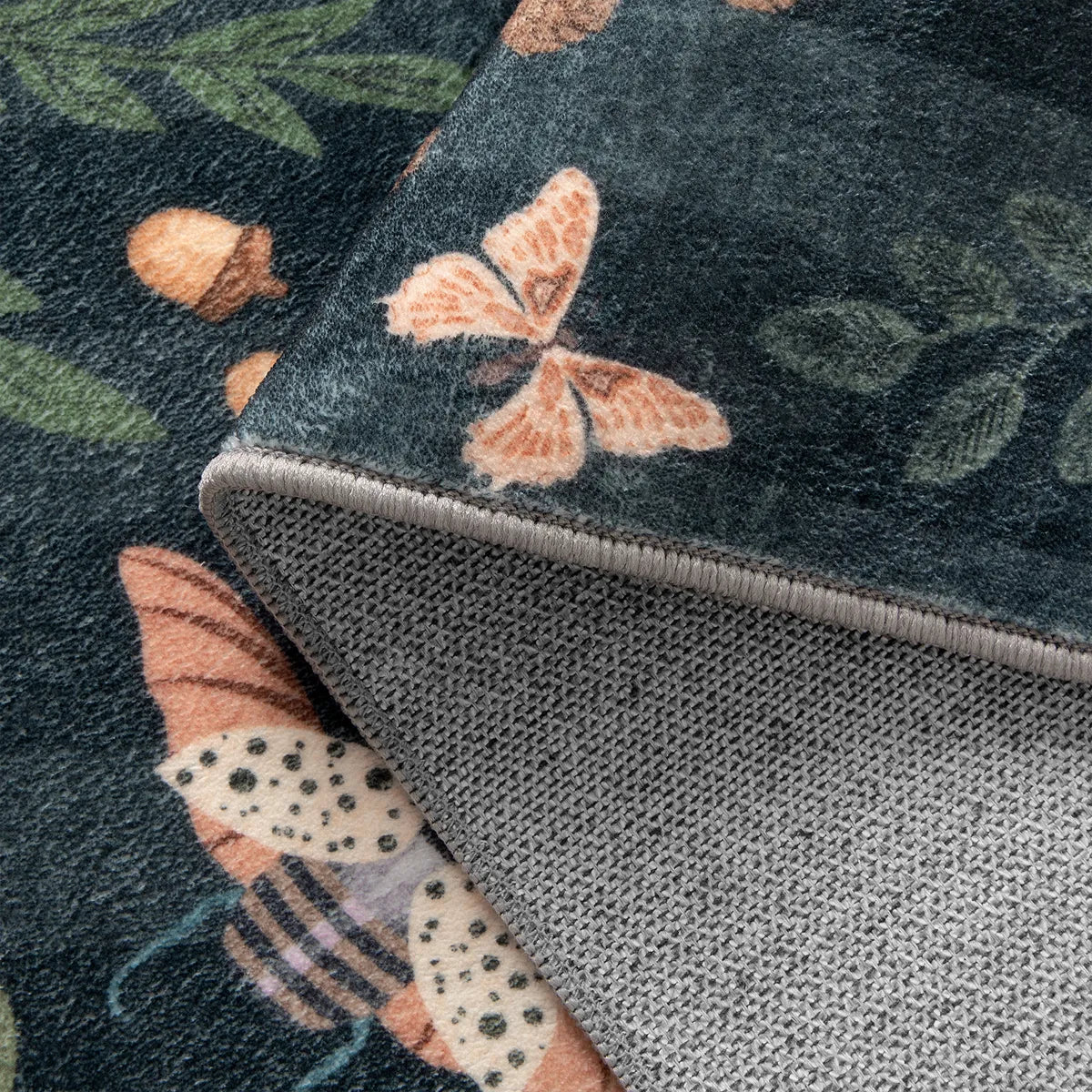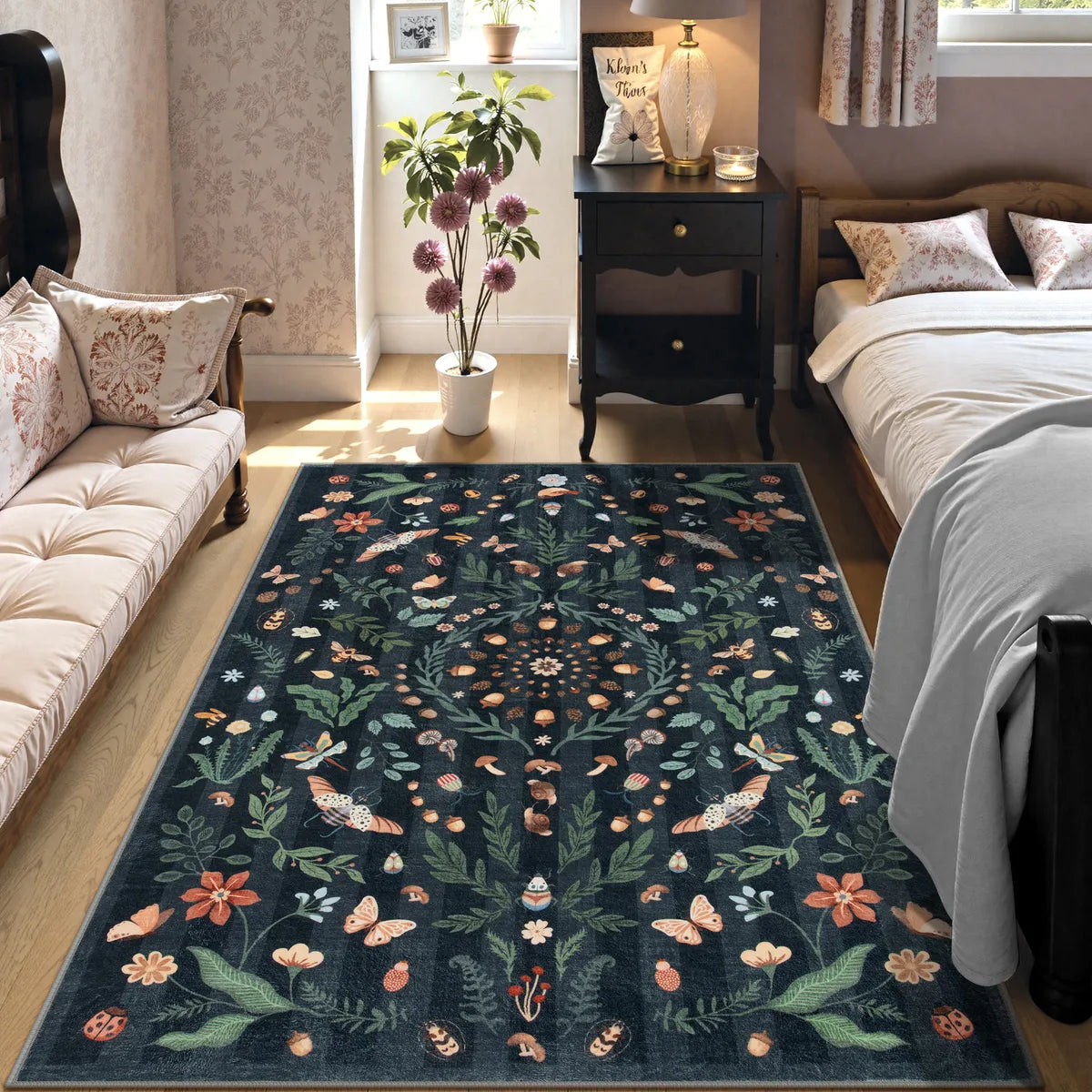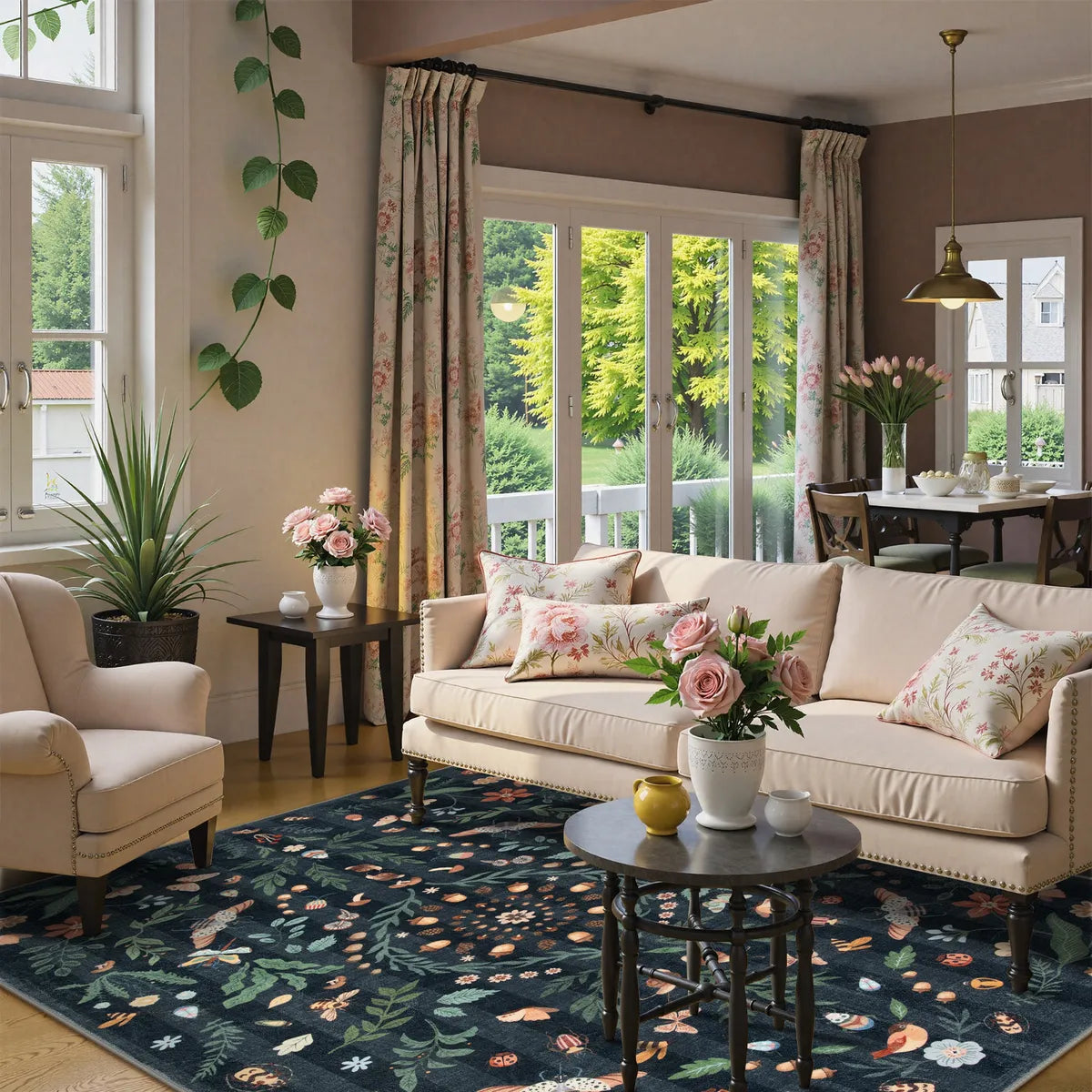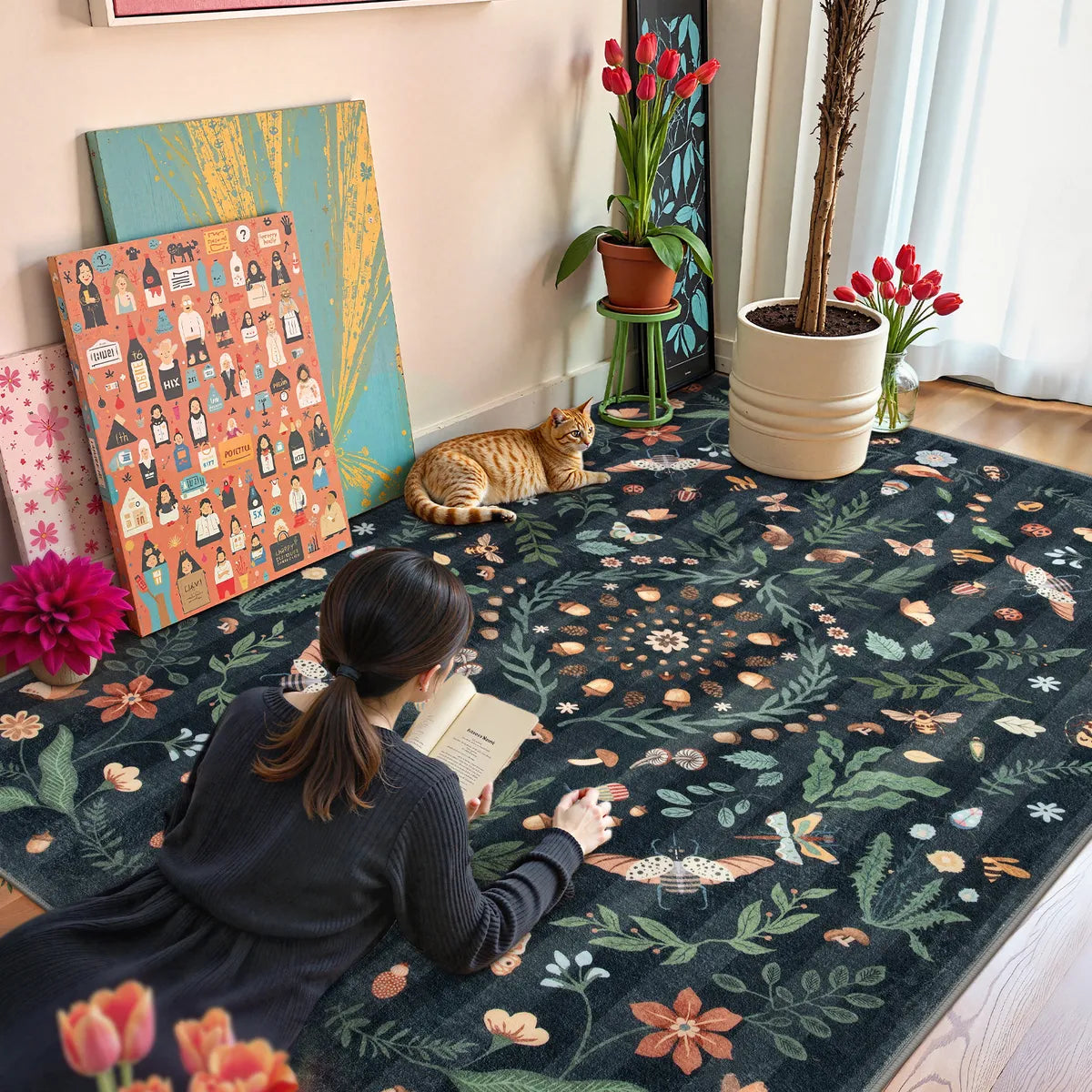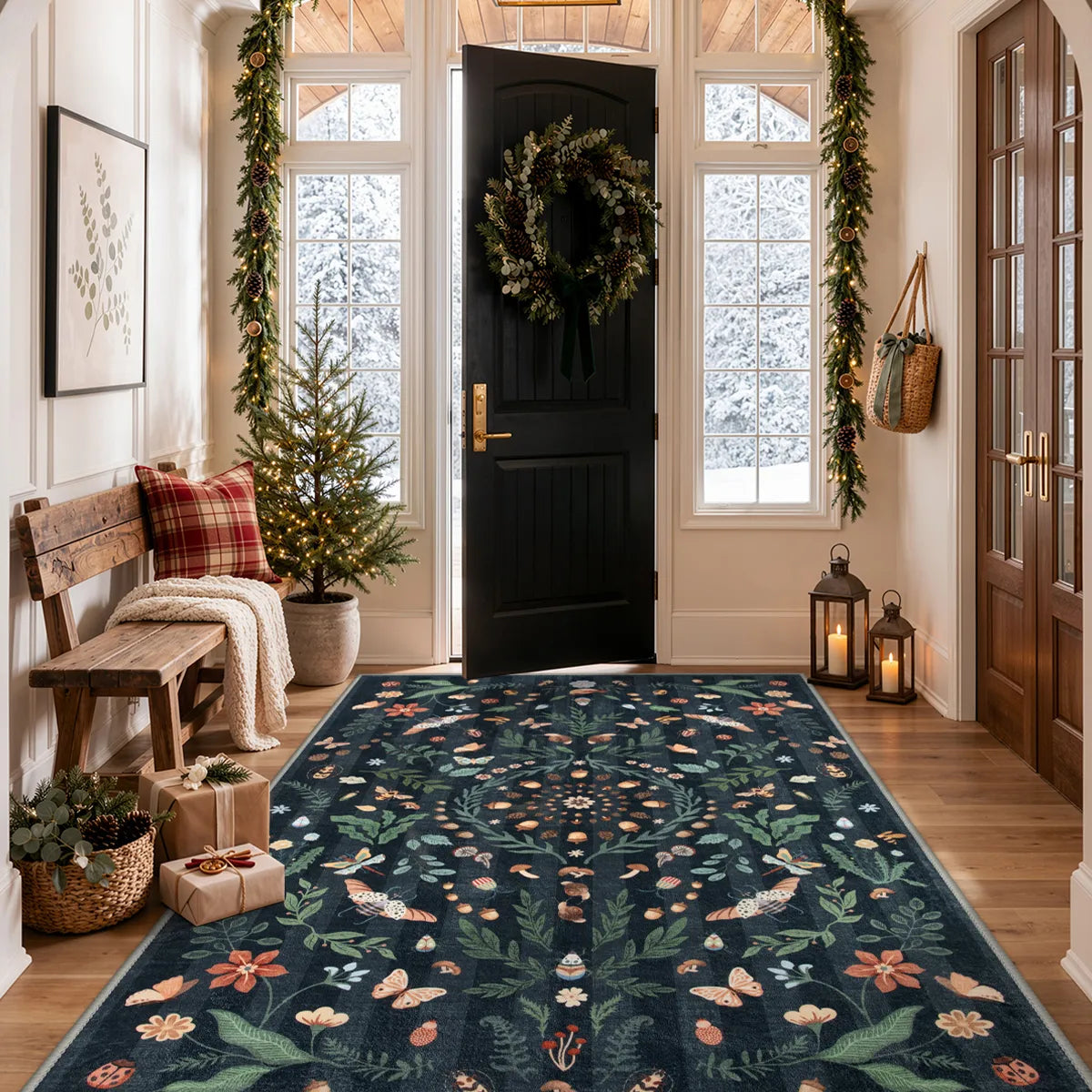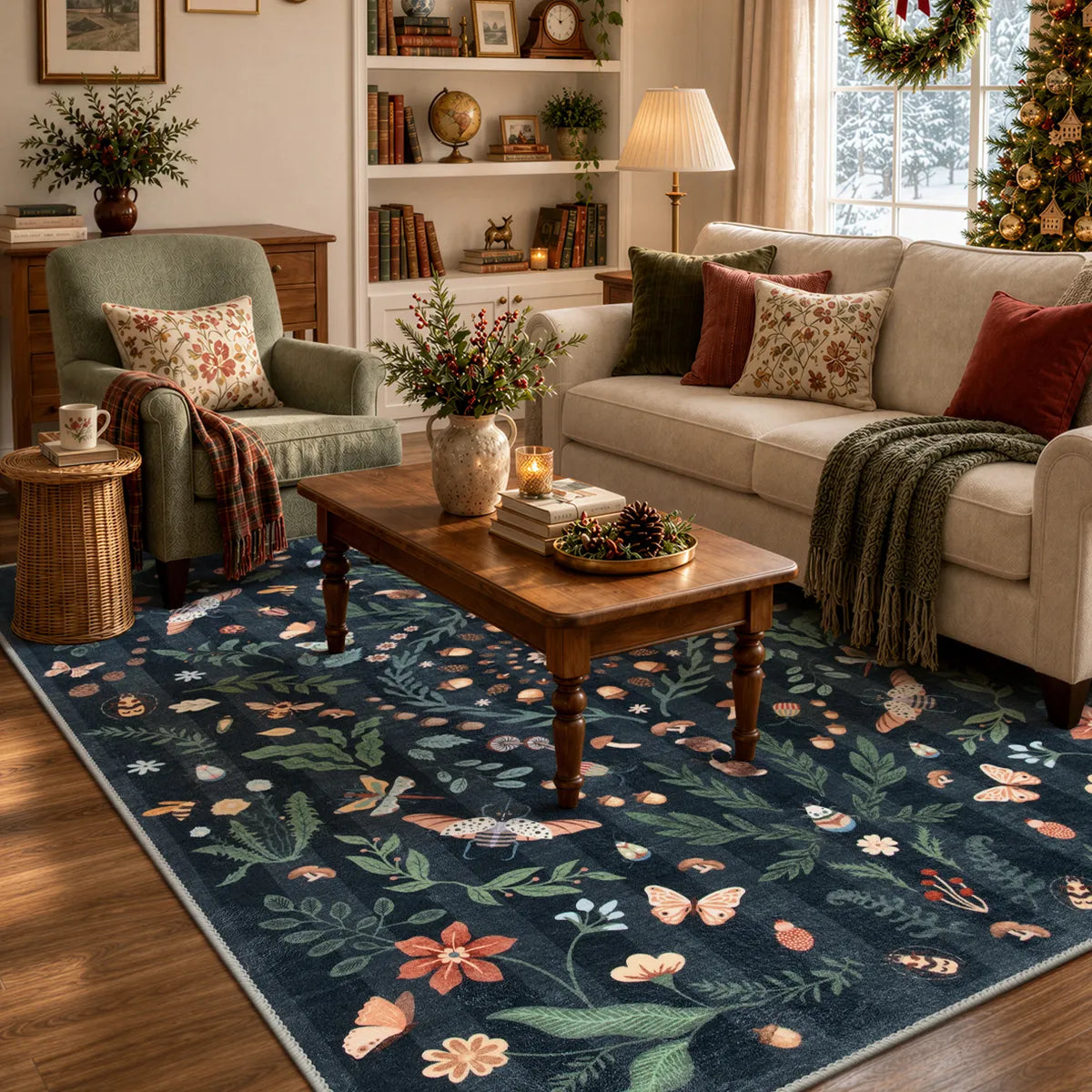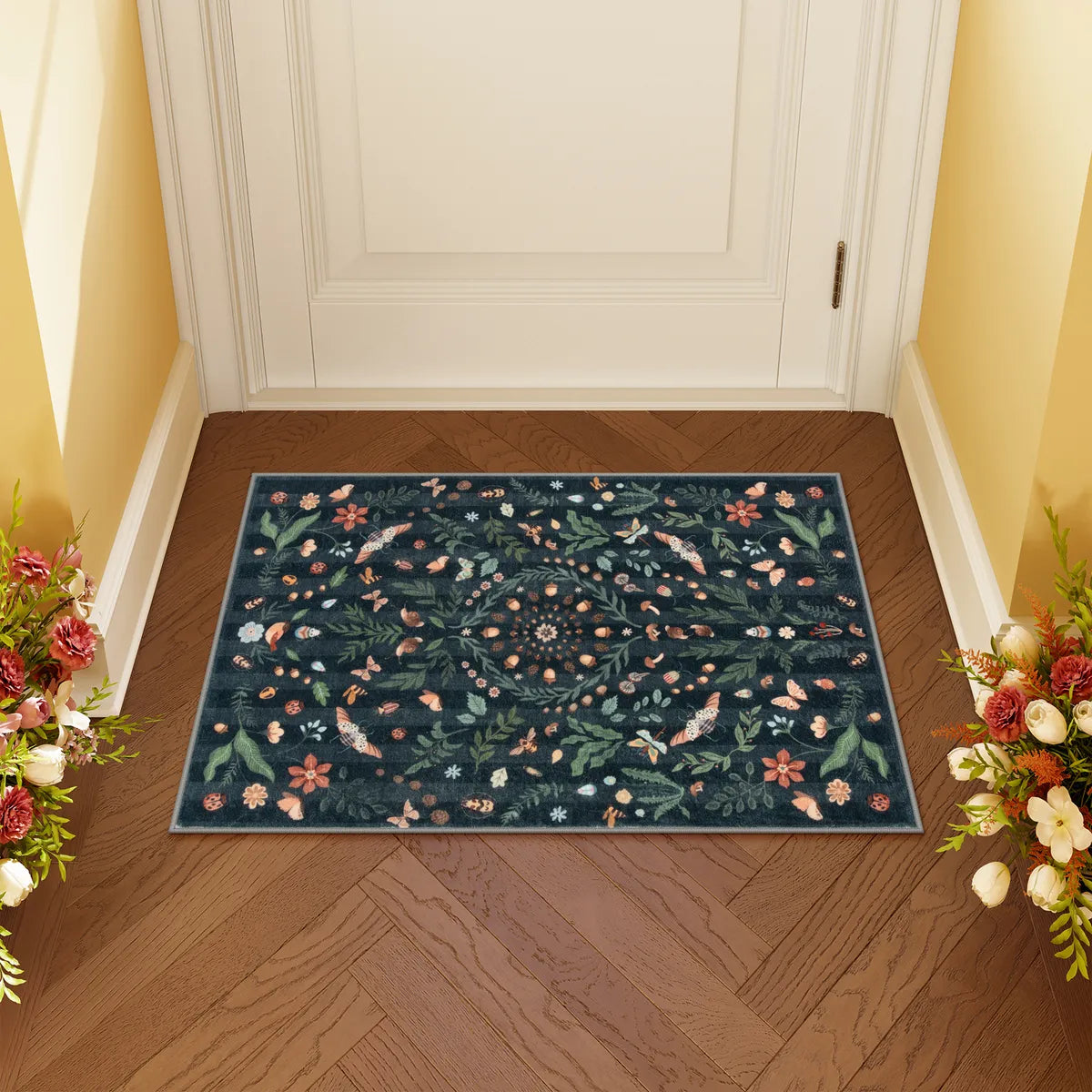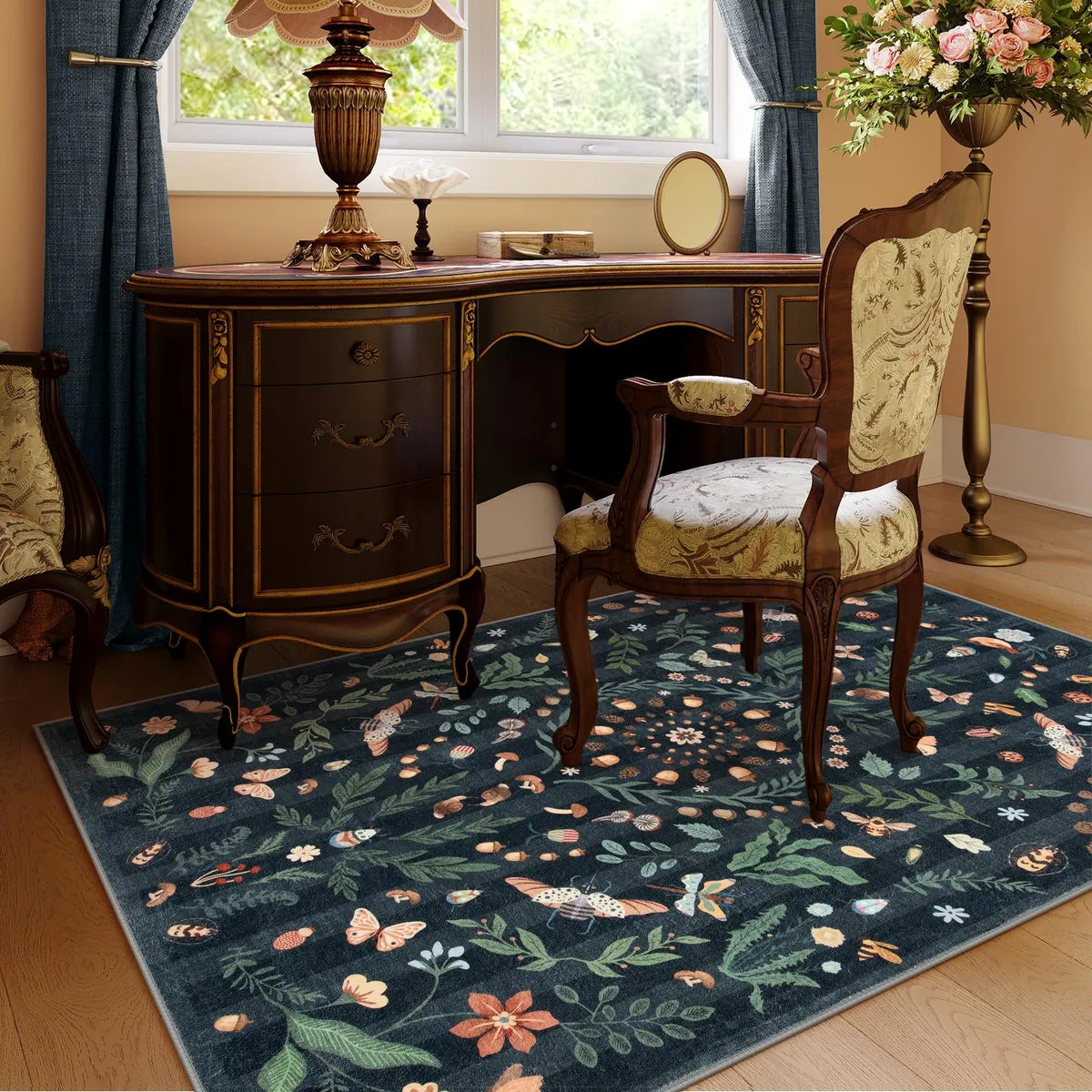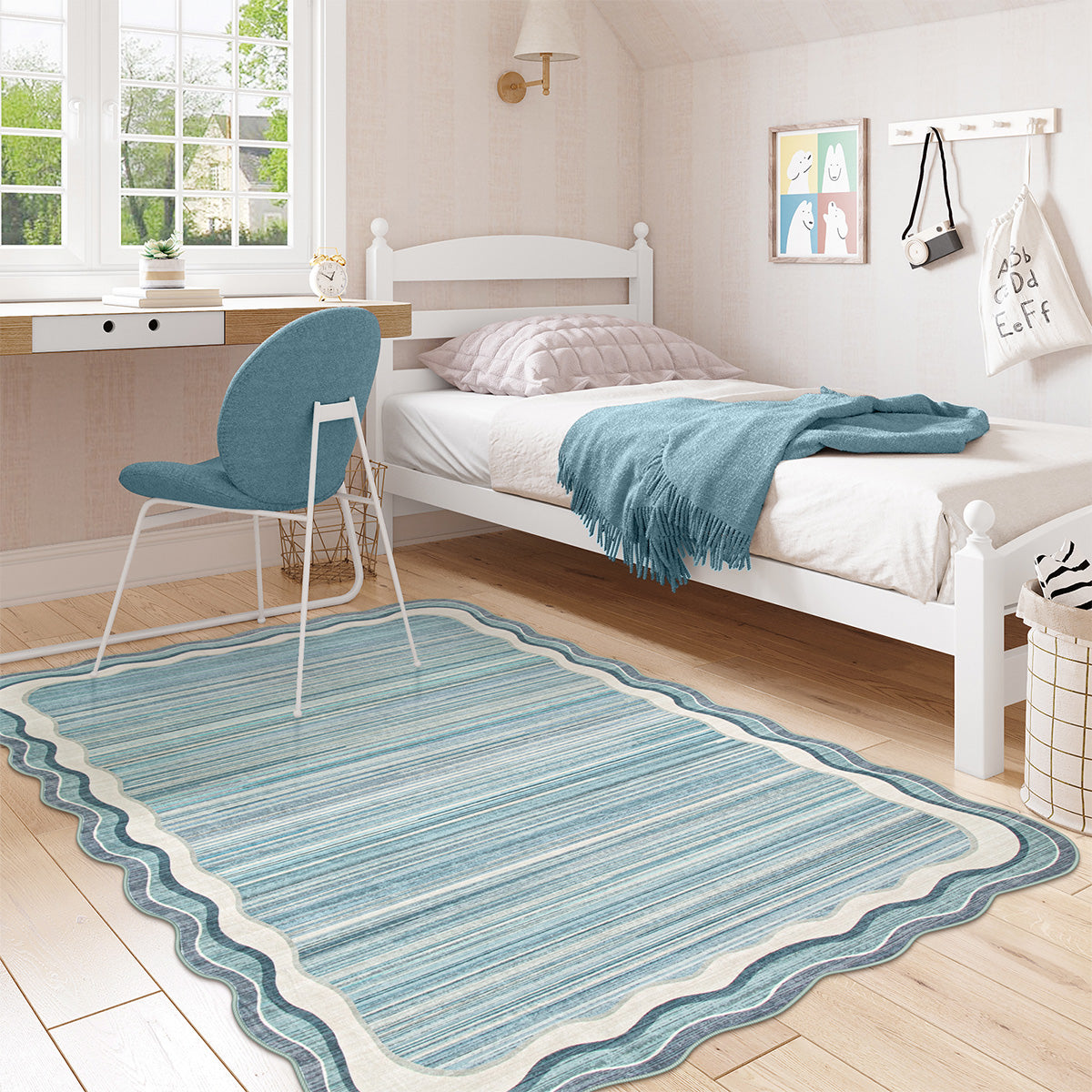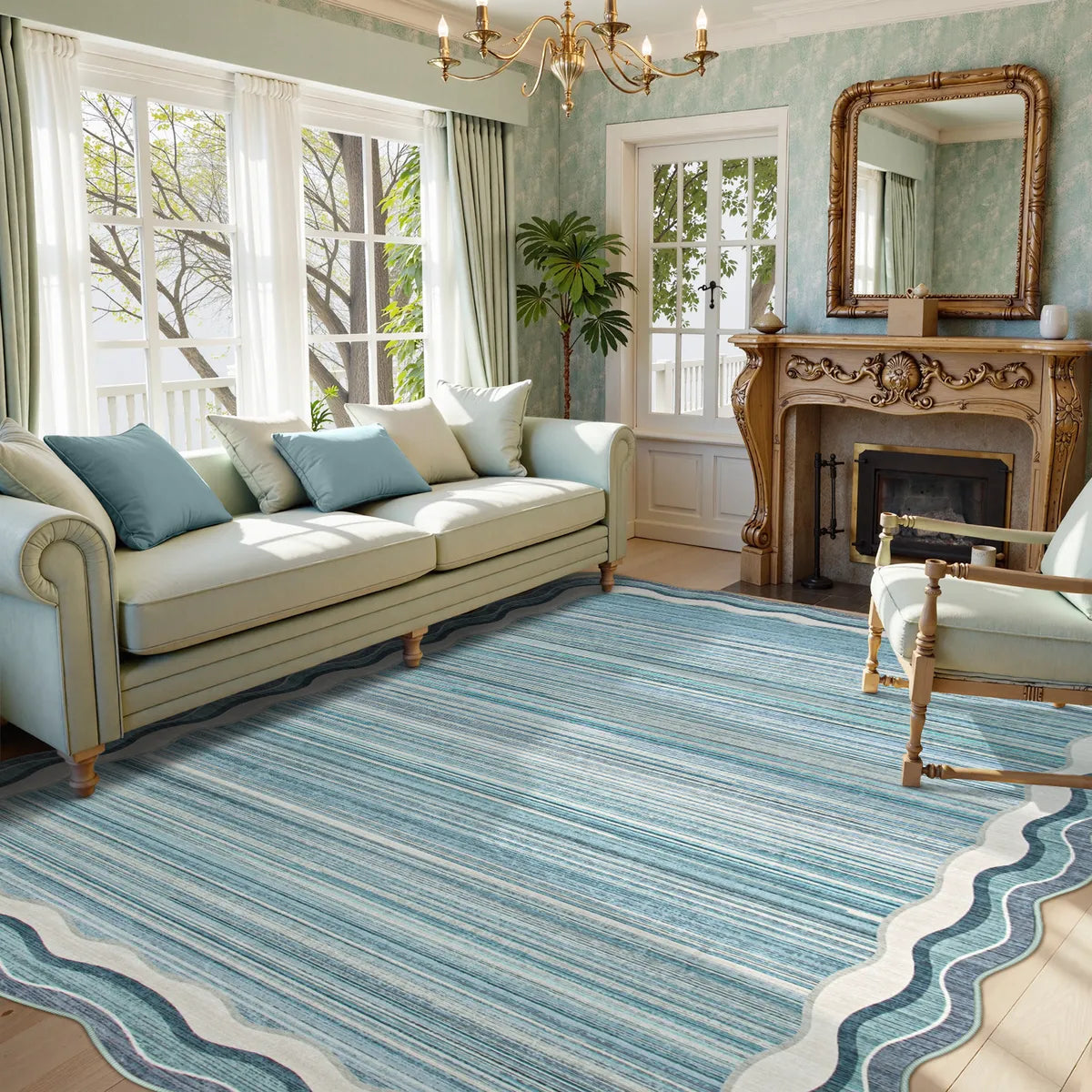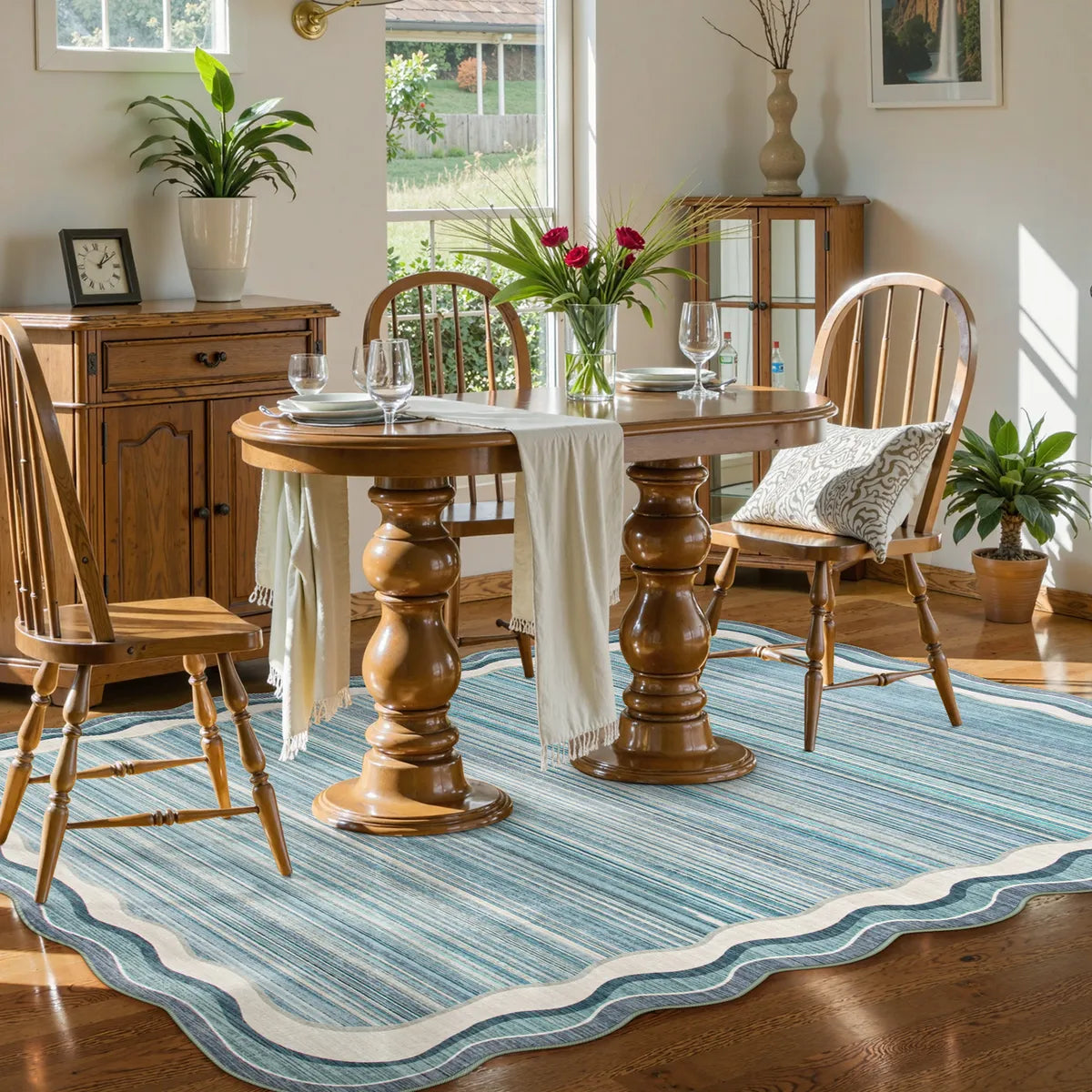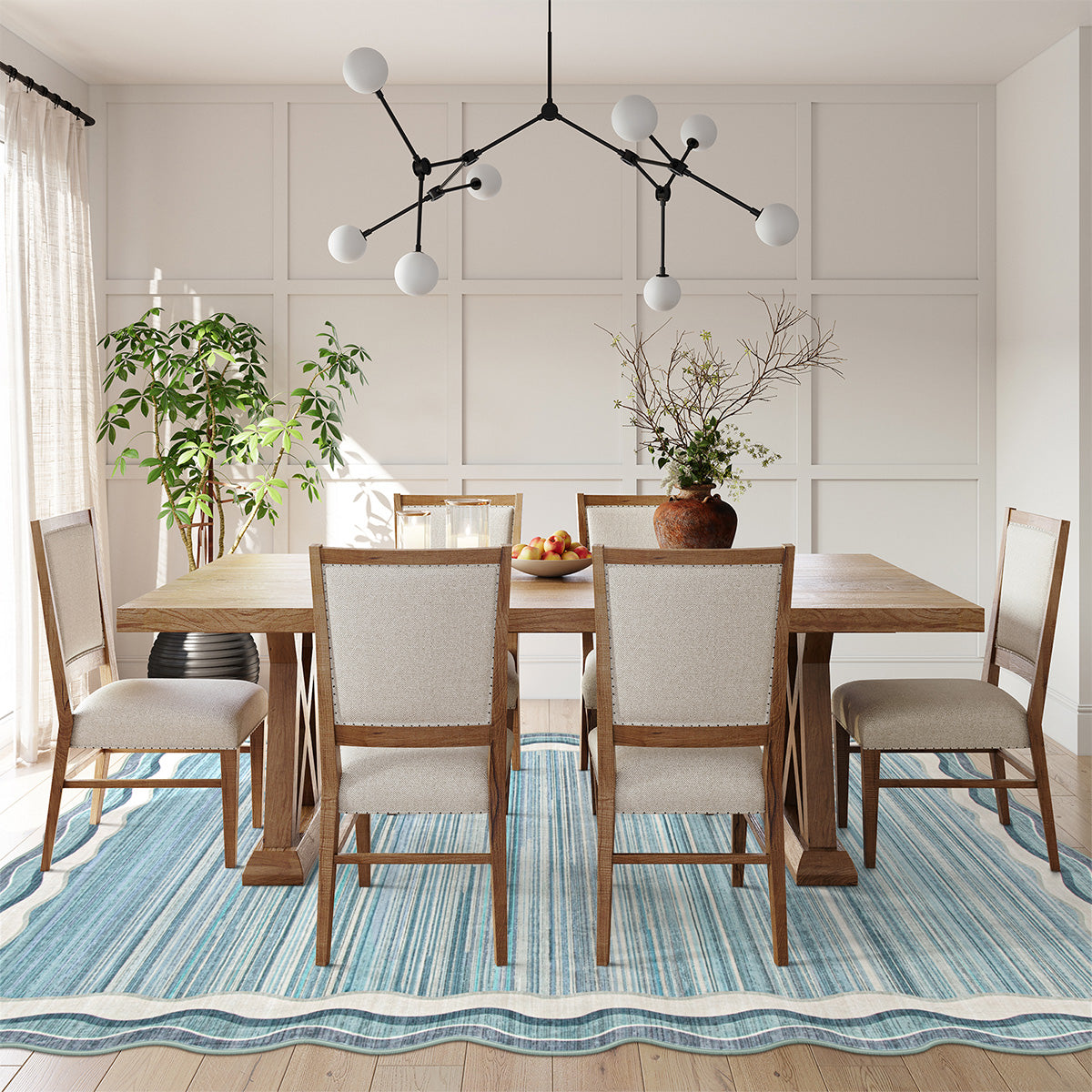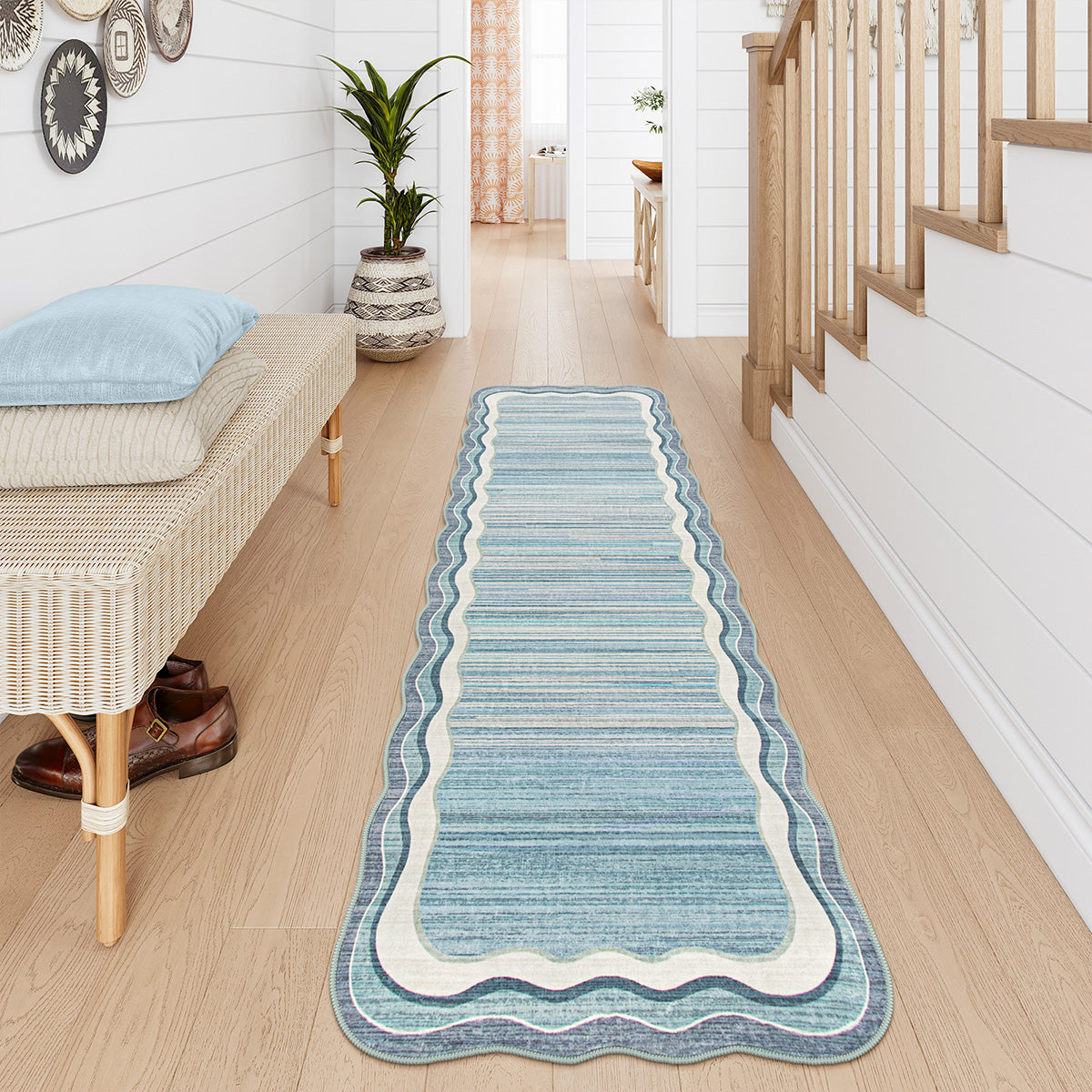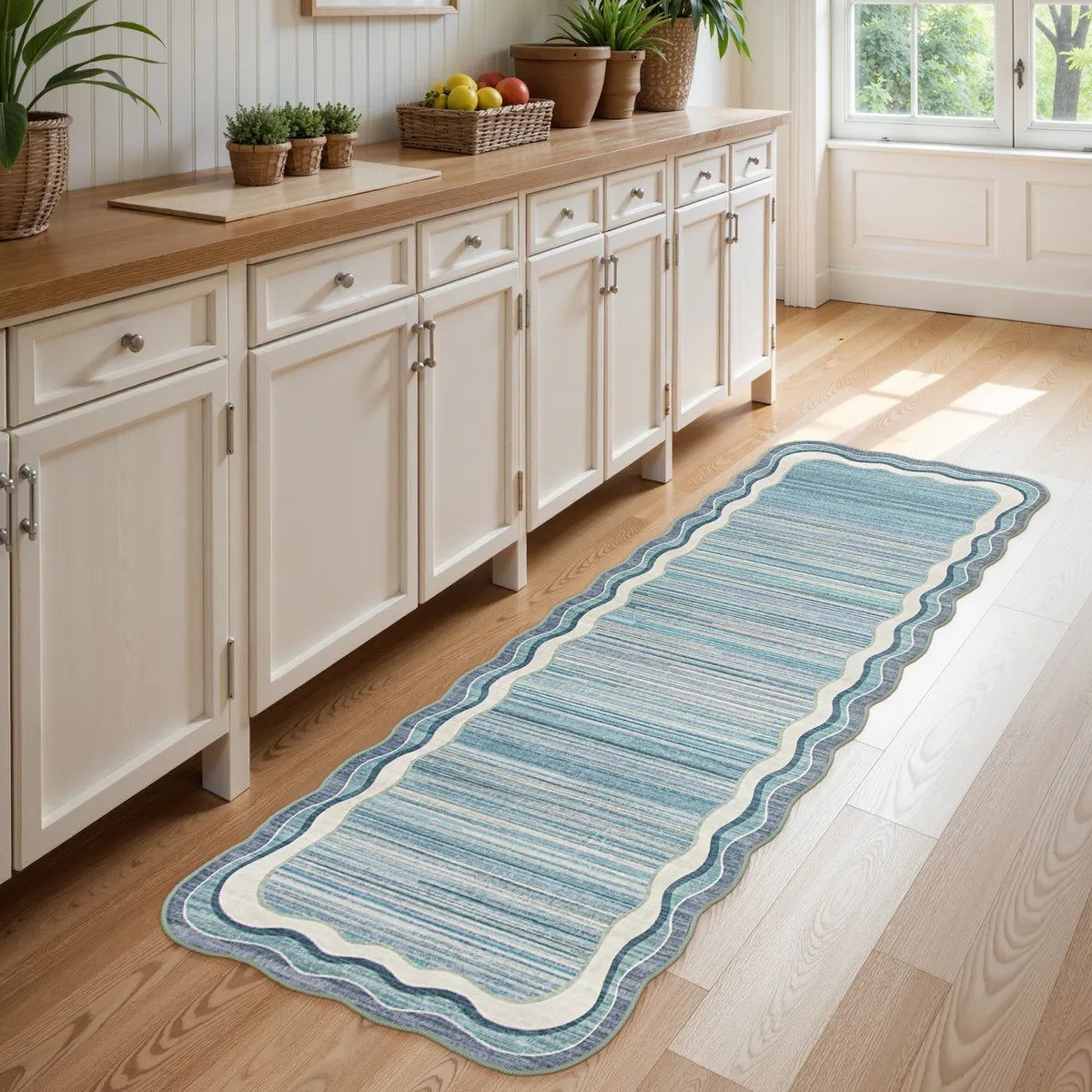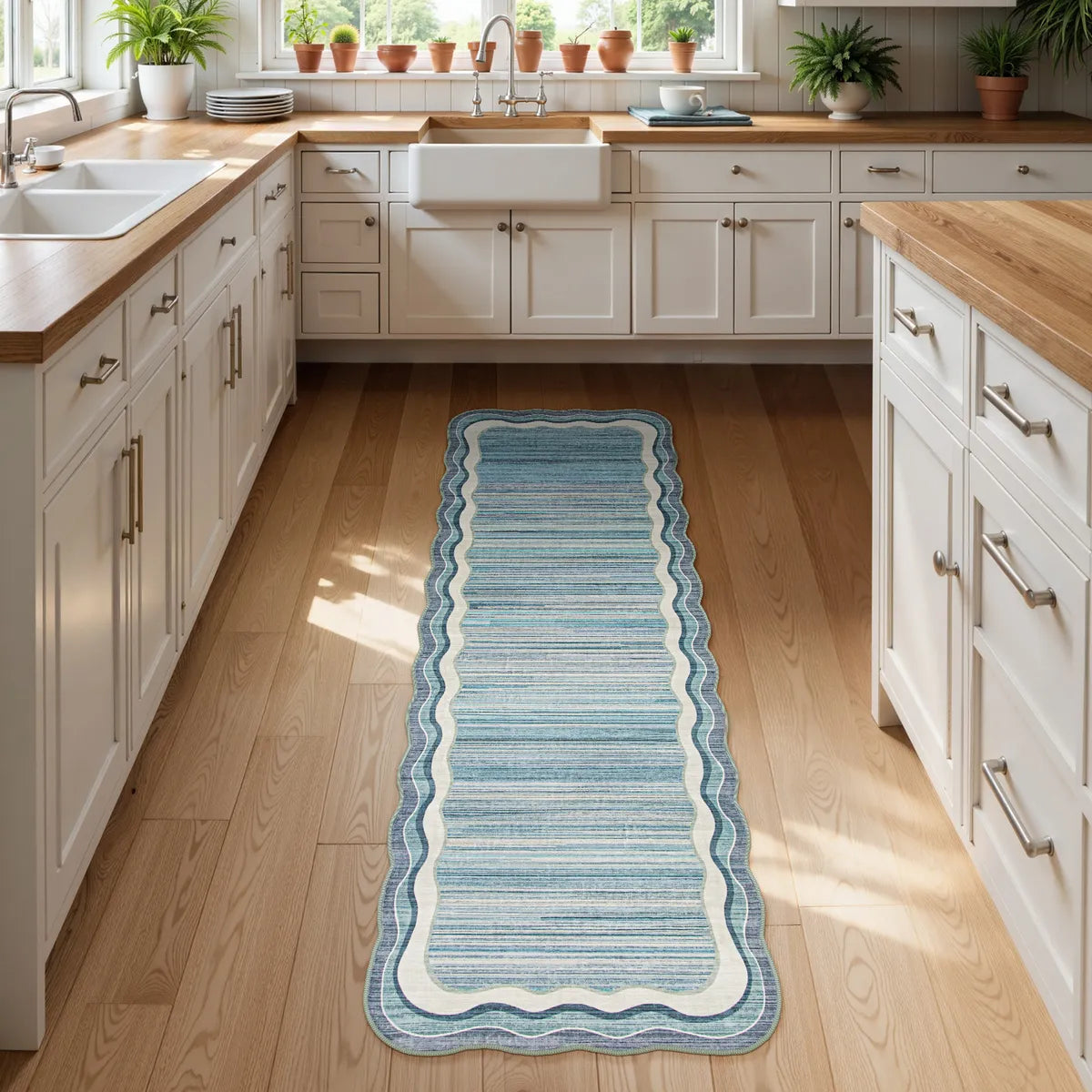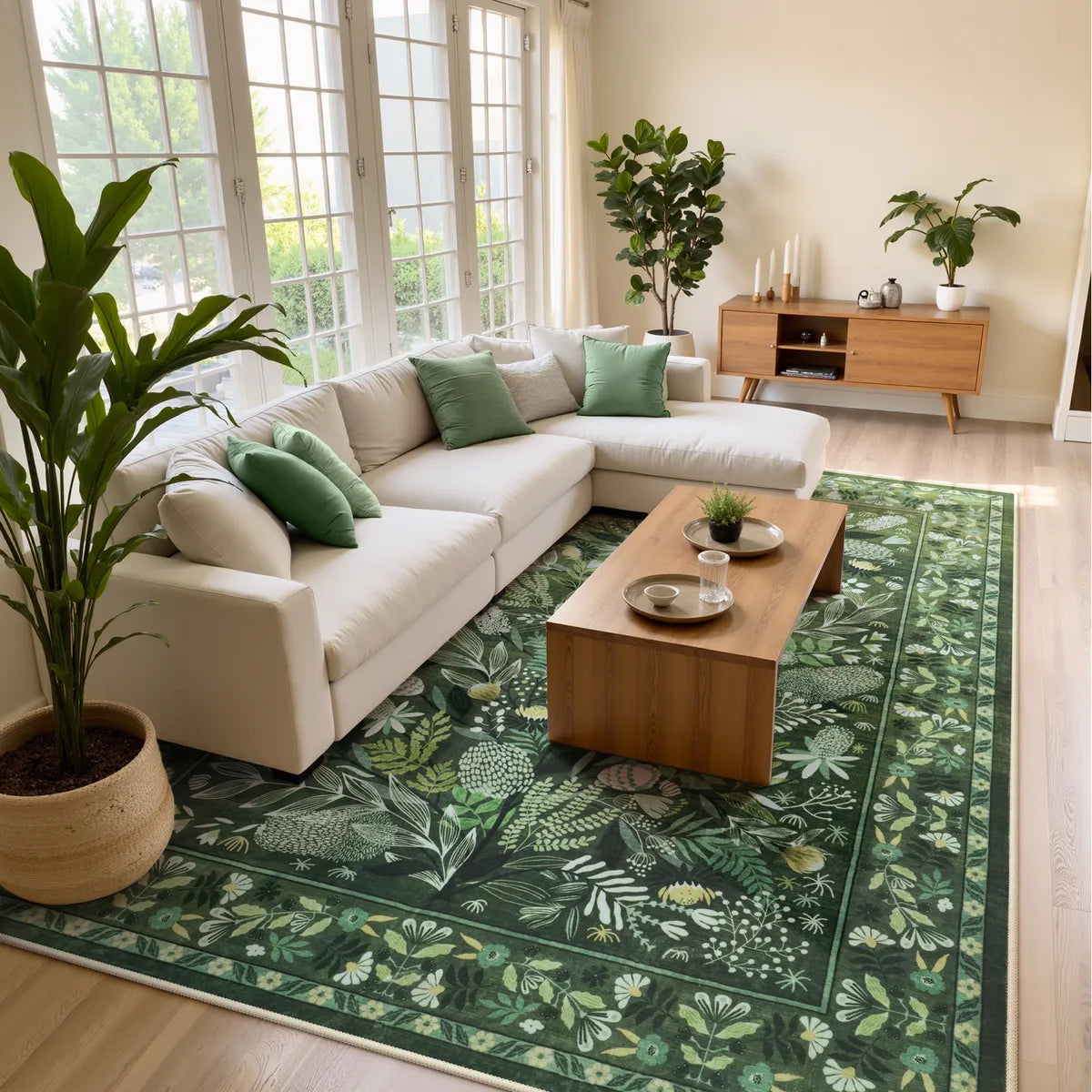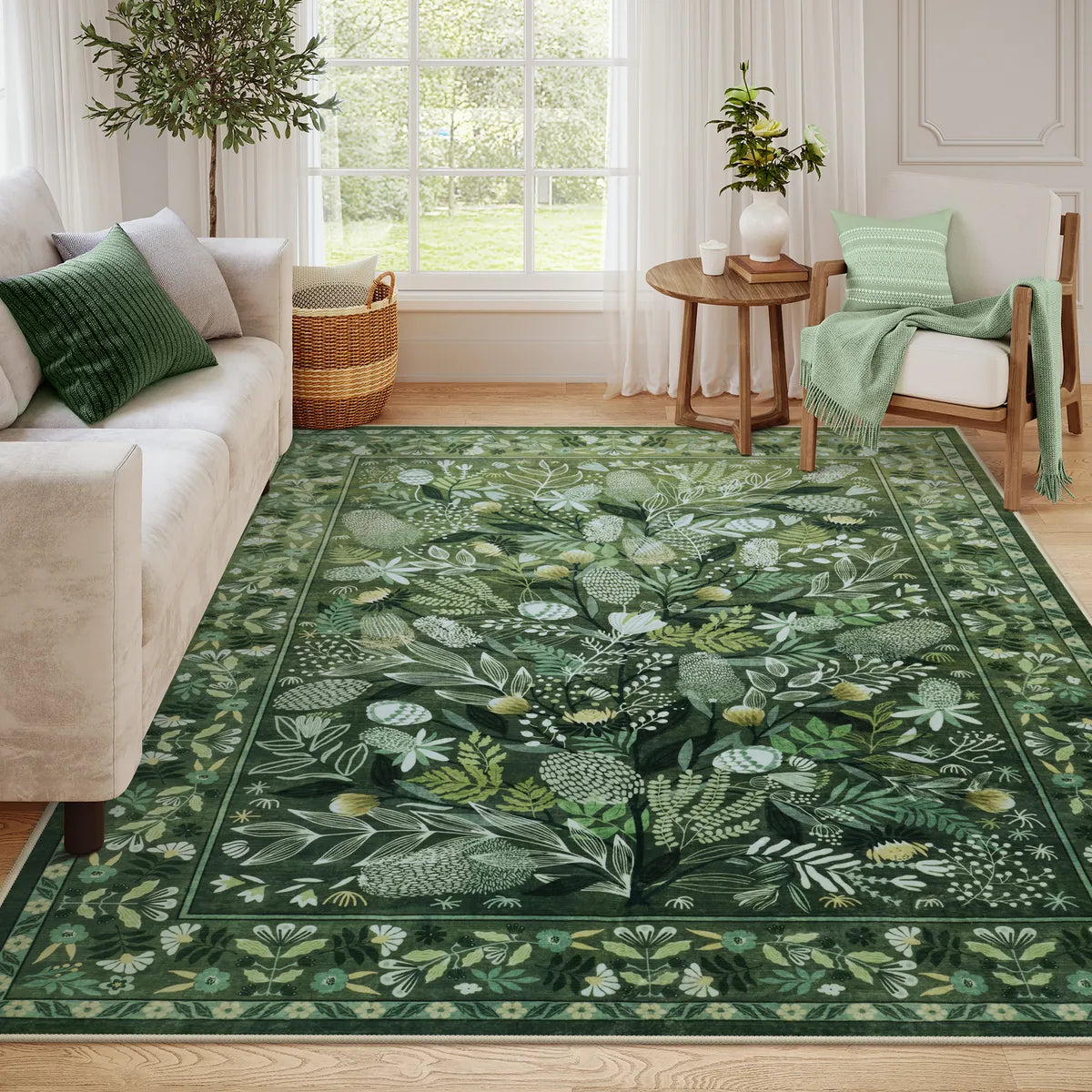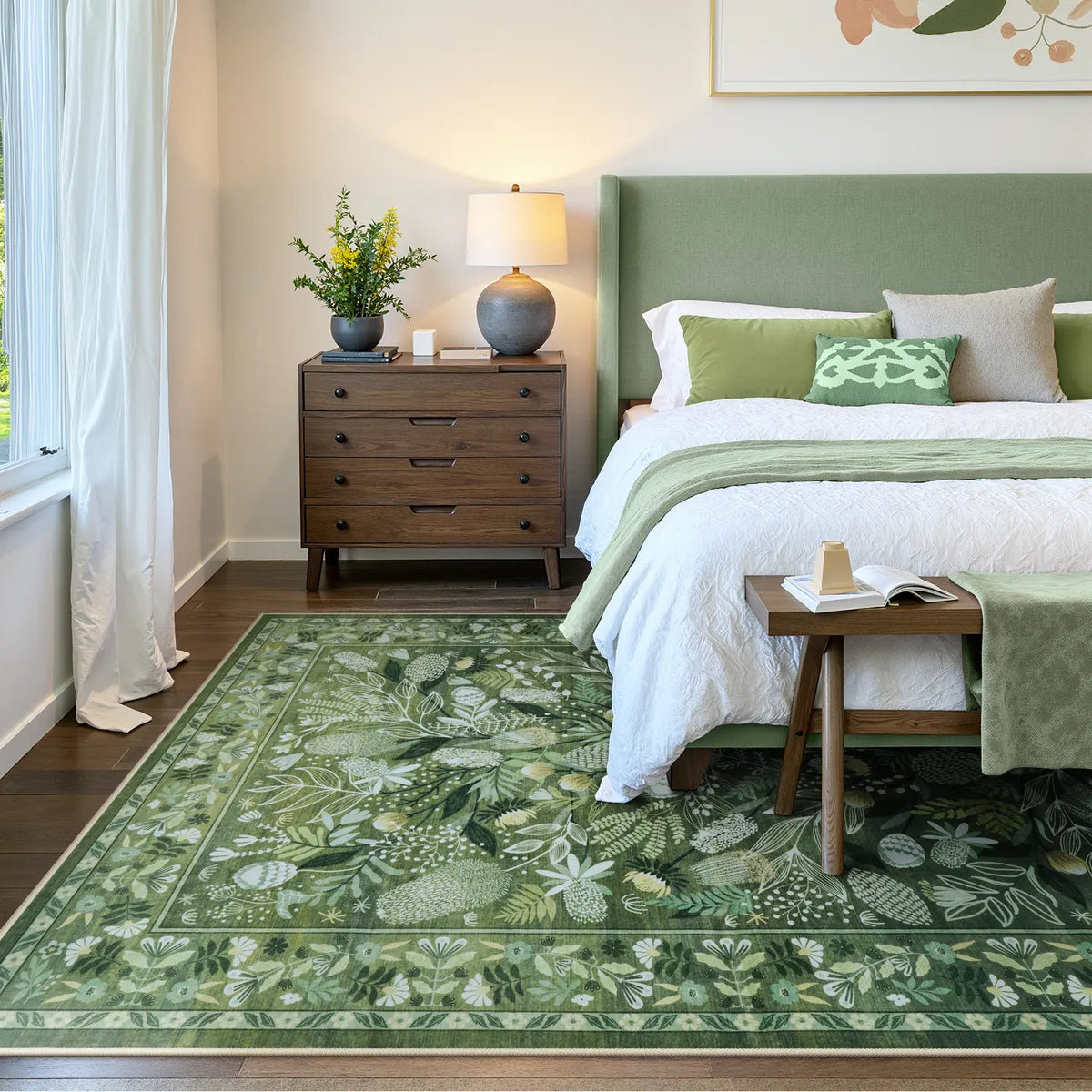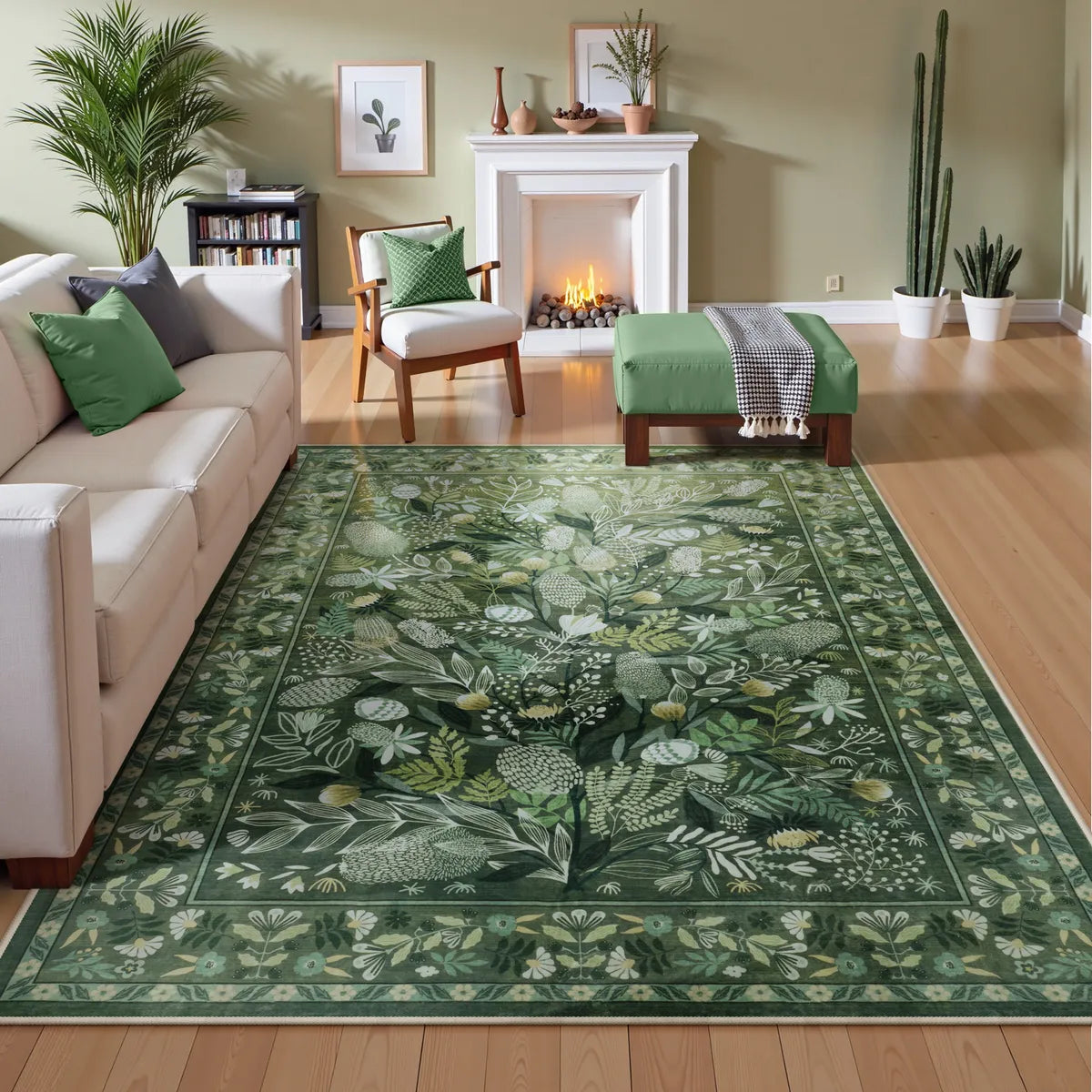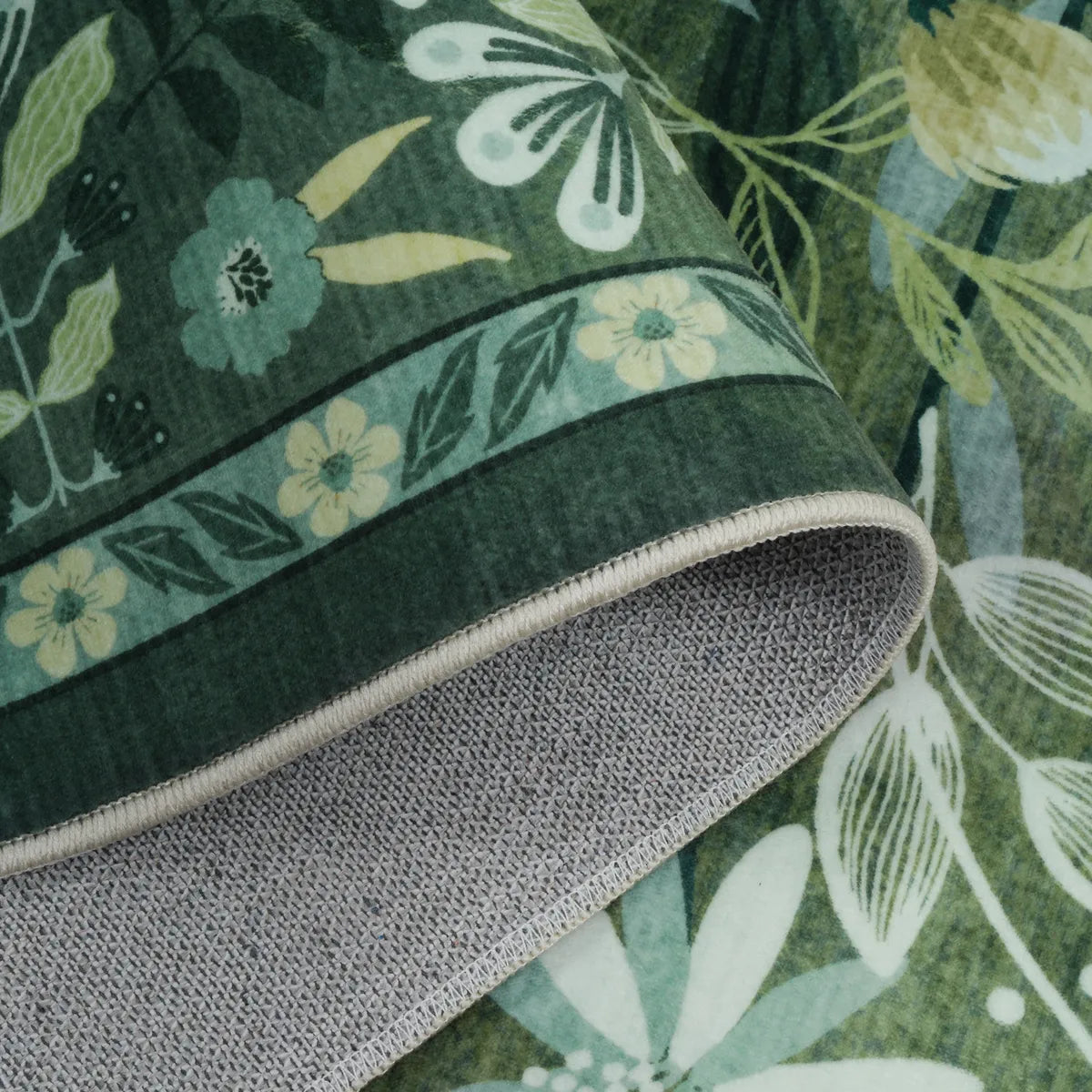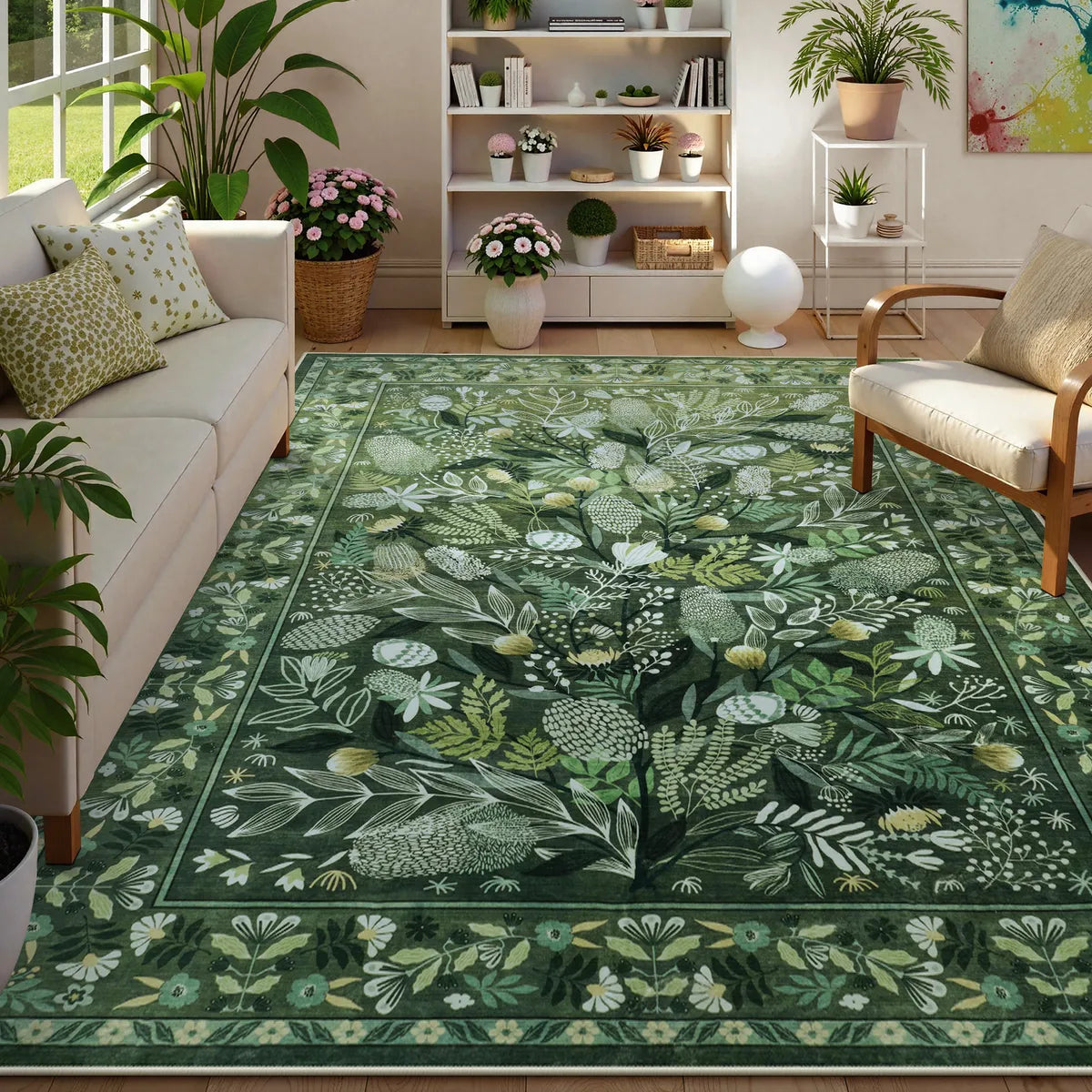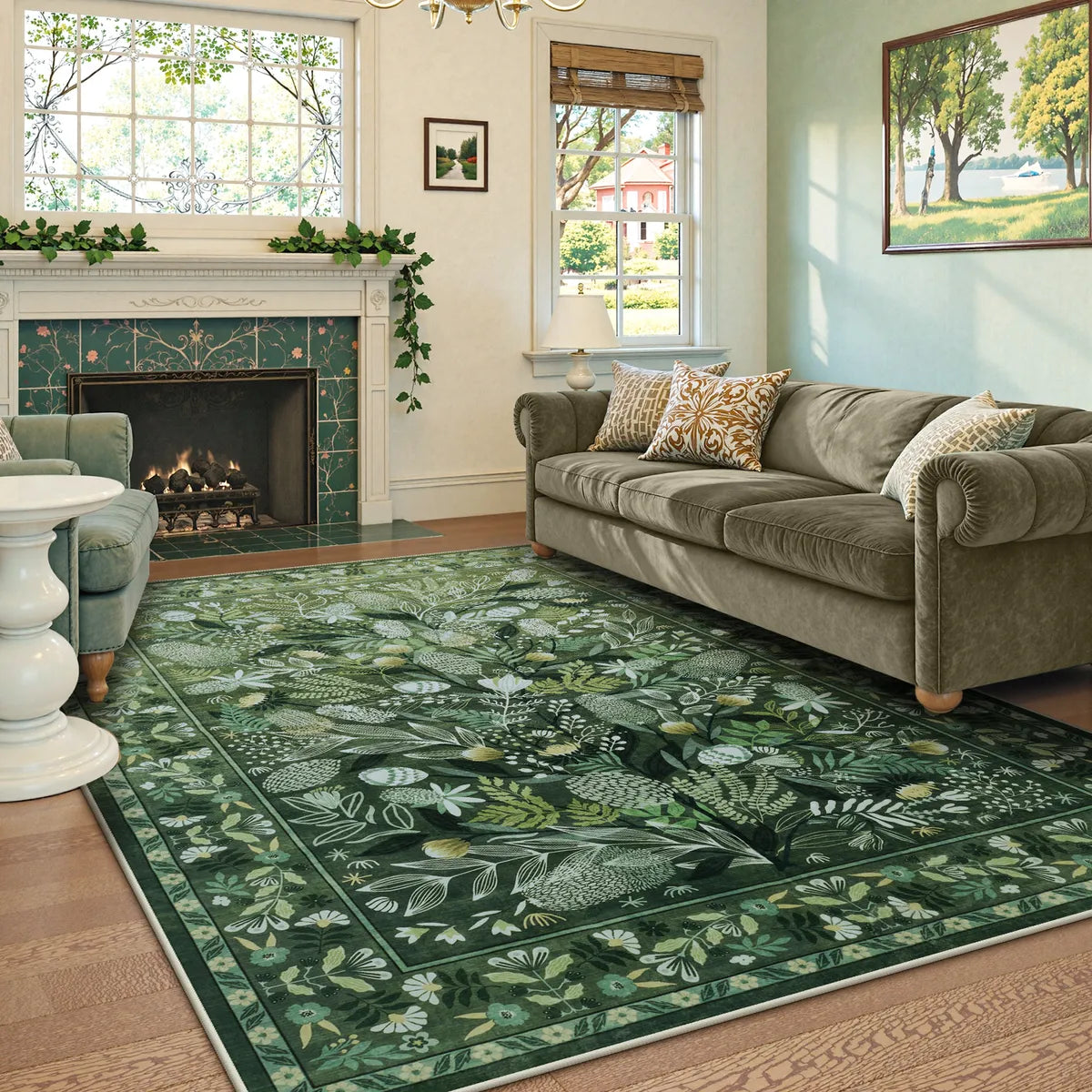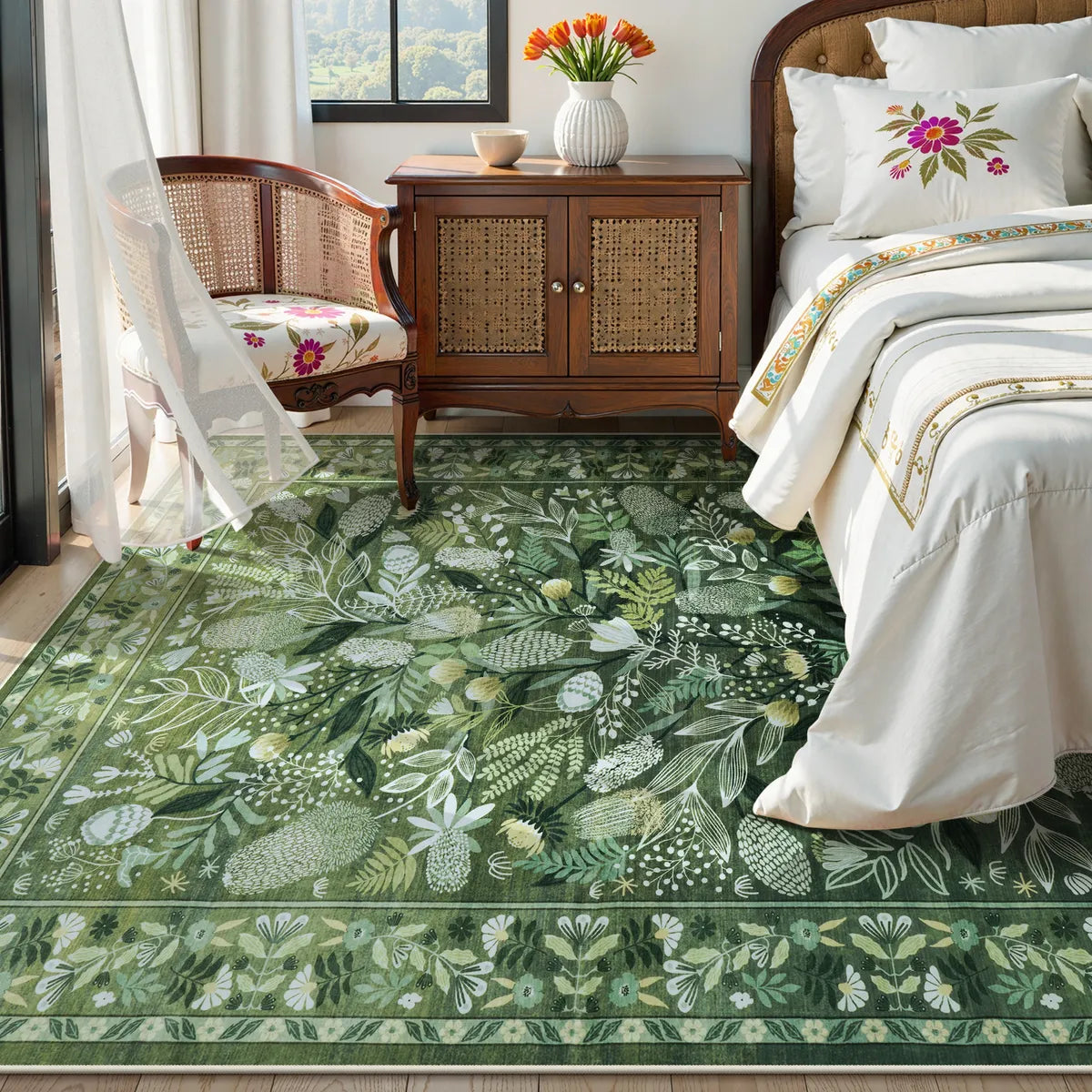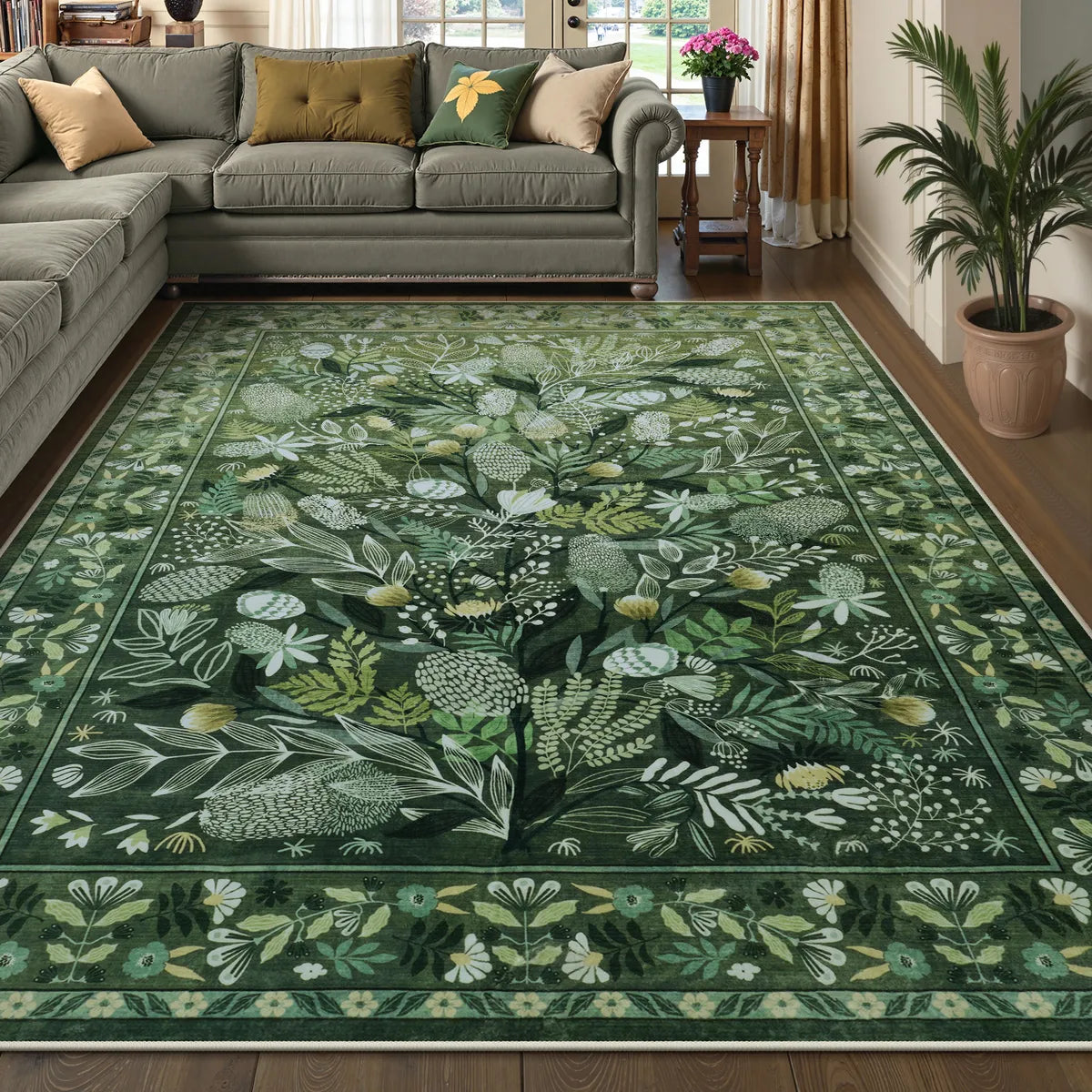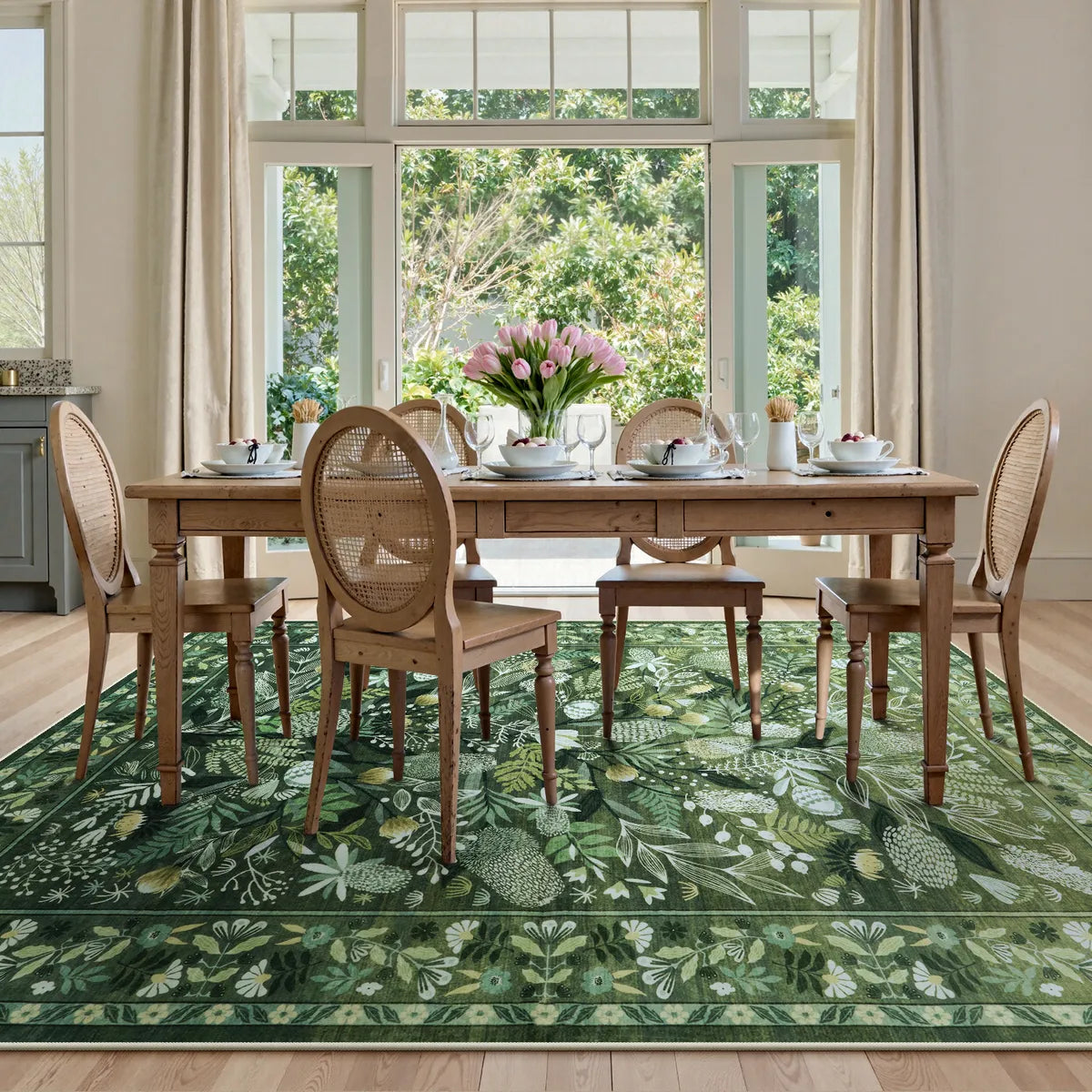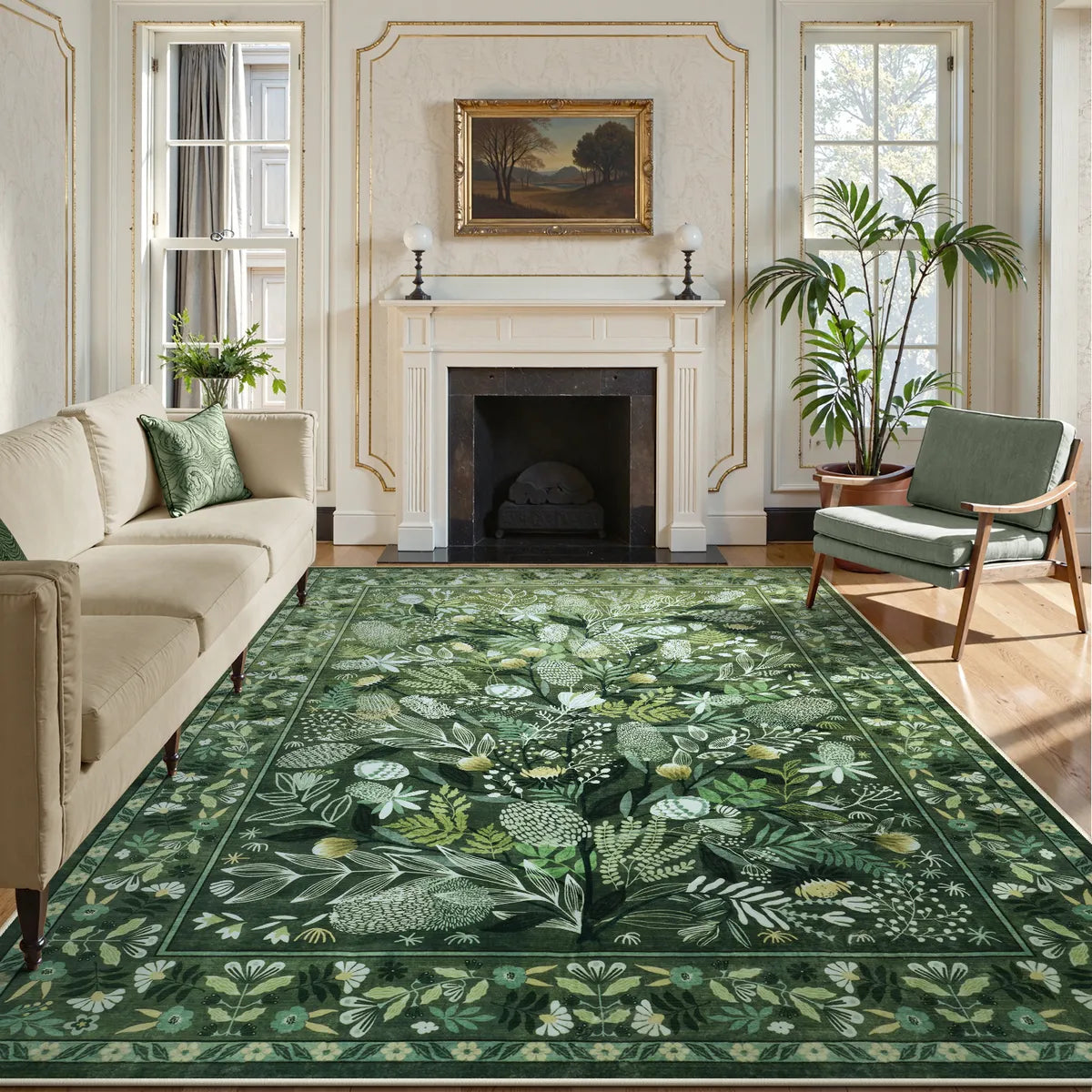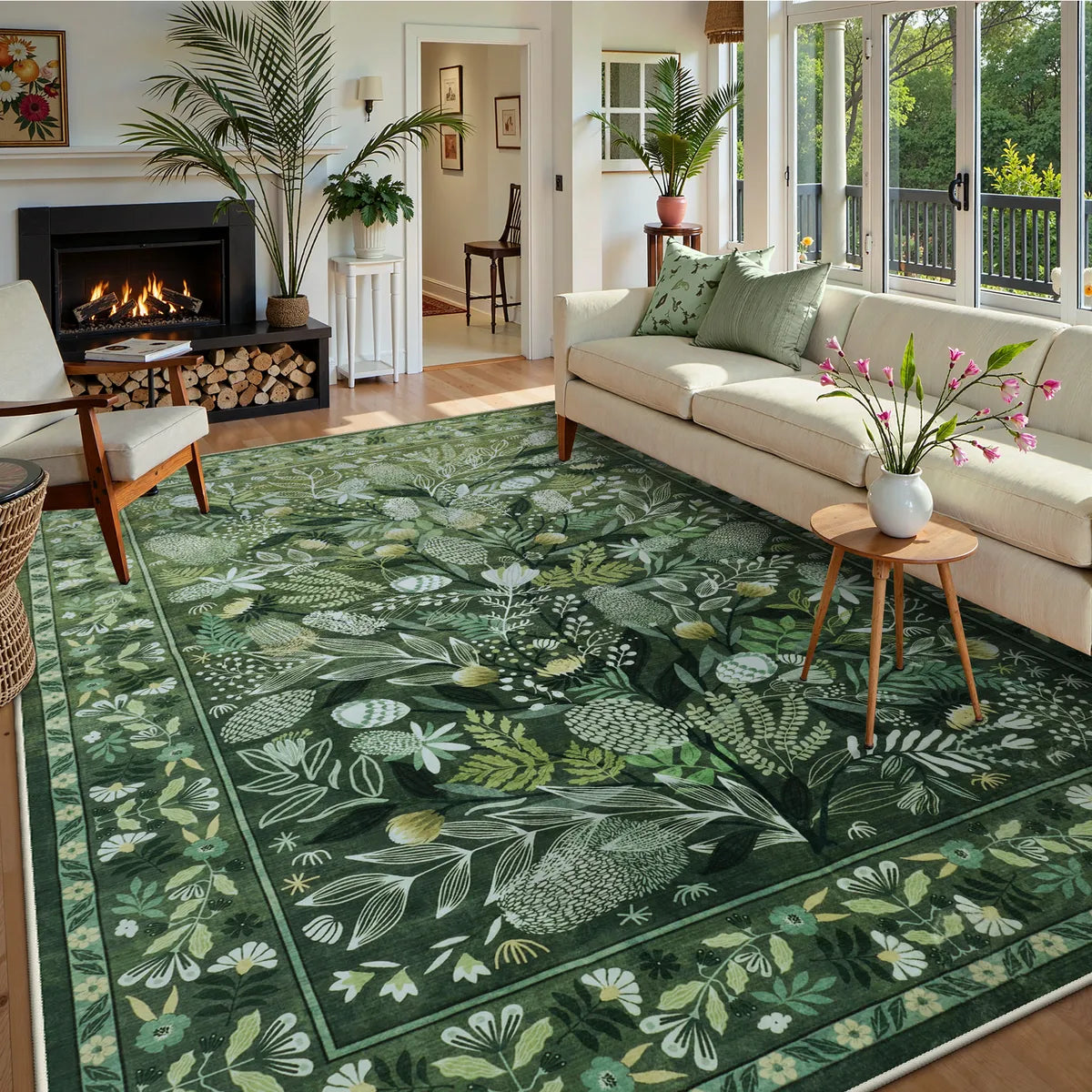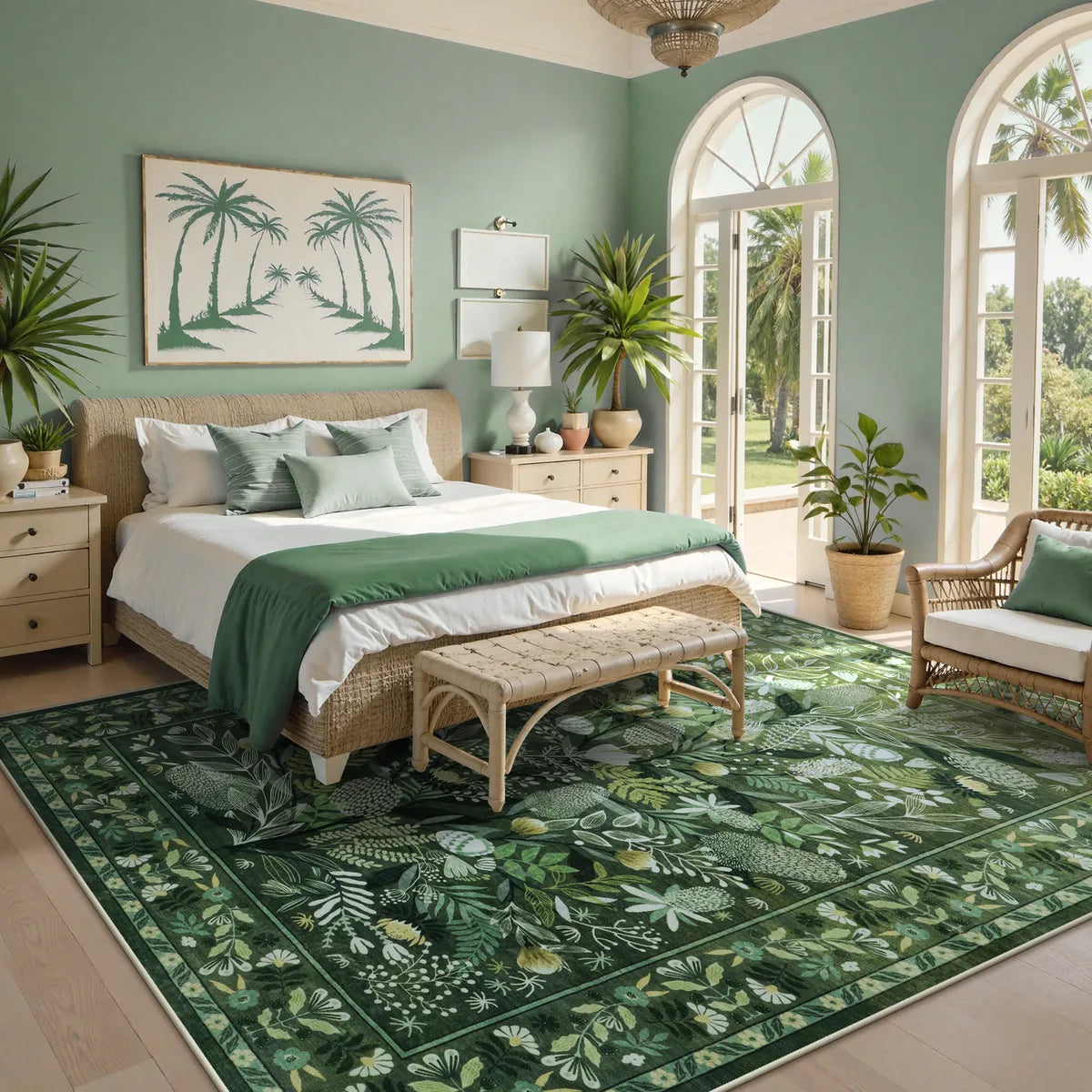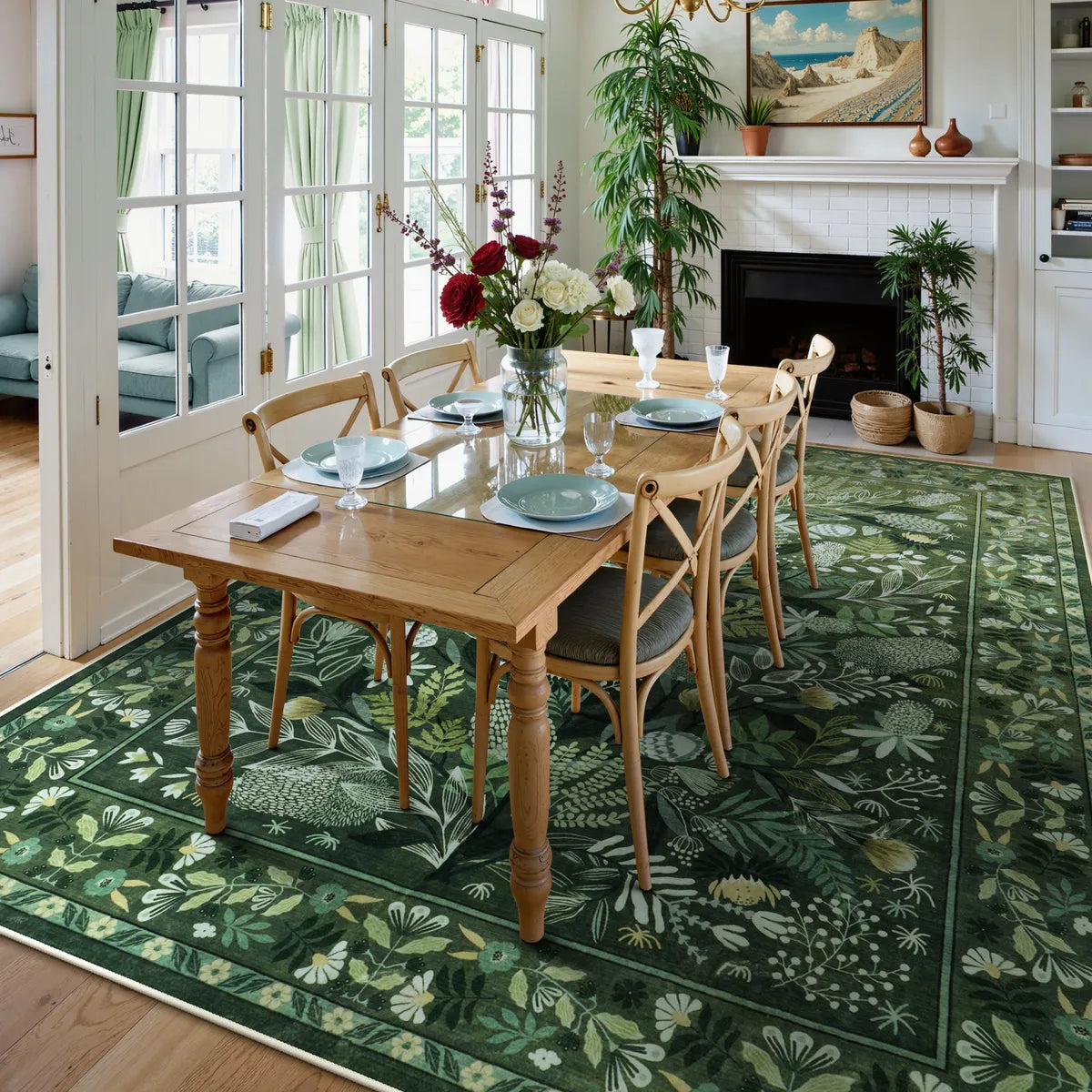


A nursery should feel soft, calm, and easy to move around in. The best nursery rugs do more than add color or texture. They help define the space, bring comfort to daily routines, and make the room feel complete. Size matters more than many people expect. A rug that is too small can feel disconnected, while one that is too large can overwhelm the room and crowd the furniture.
Why Nursery Rug Size Matters in a Nursery
A rug changes how the whole nursery feels. It can connect the crib to the rest of the room, soften the floor for daily use, and make the layout look more intentional. In a room that is often small and carefully arranged, the wrong rug size can throw off that balance.
It Helps the Room Feel More Balanced
A nursery often includes a crib, a dresser, and a chair or glider. When the rug is the right size, those pieces feel like they belong together. When the rug is too small, the furniture may look as if it is floating. When it is too large, the floor can feel visually heavy.
This is one reason many parents spend time choosing colors and patterns but still feel something looks off. In many cases, the issue is not style. It is scale.
It Supports Comfort in the Right Places
A nursery is used for much more than sleeping. It is also a space for feeding, rocking, reading, tummy time, and early play. A well-sized baby rug adds comfort where families actually stand, sit, or kneel.
Material features also matter once the size is right. In nursery spaces, families often look for rugs that are:
- Hypoallergenic, which means less likely to trigger allergies
- Skin-friendly, which means gentle on sensitive skin
- Non-toxic, which means made without harmful substances
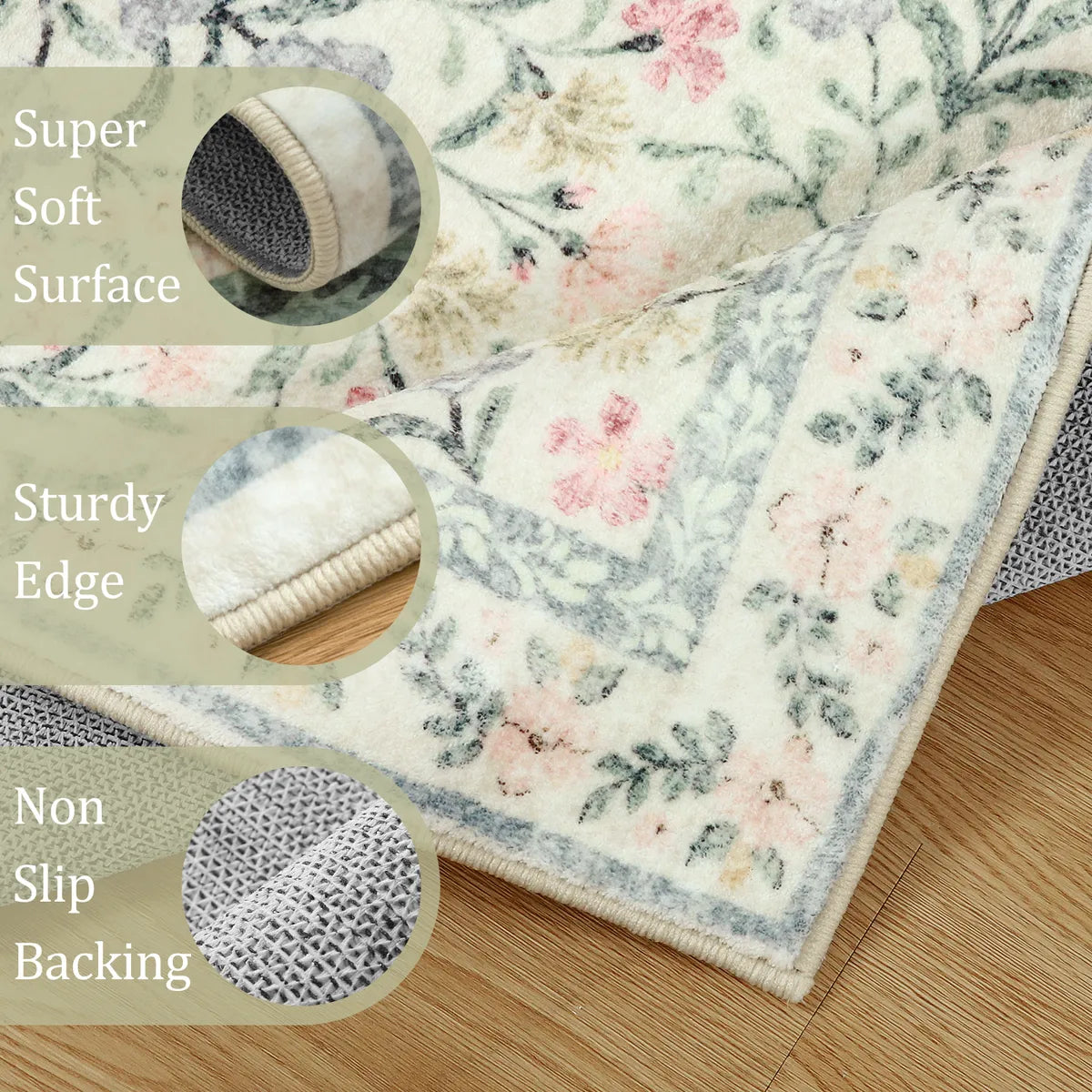
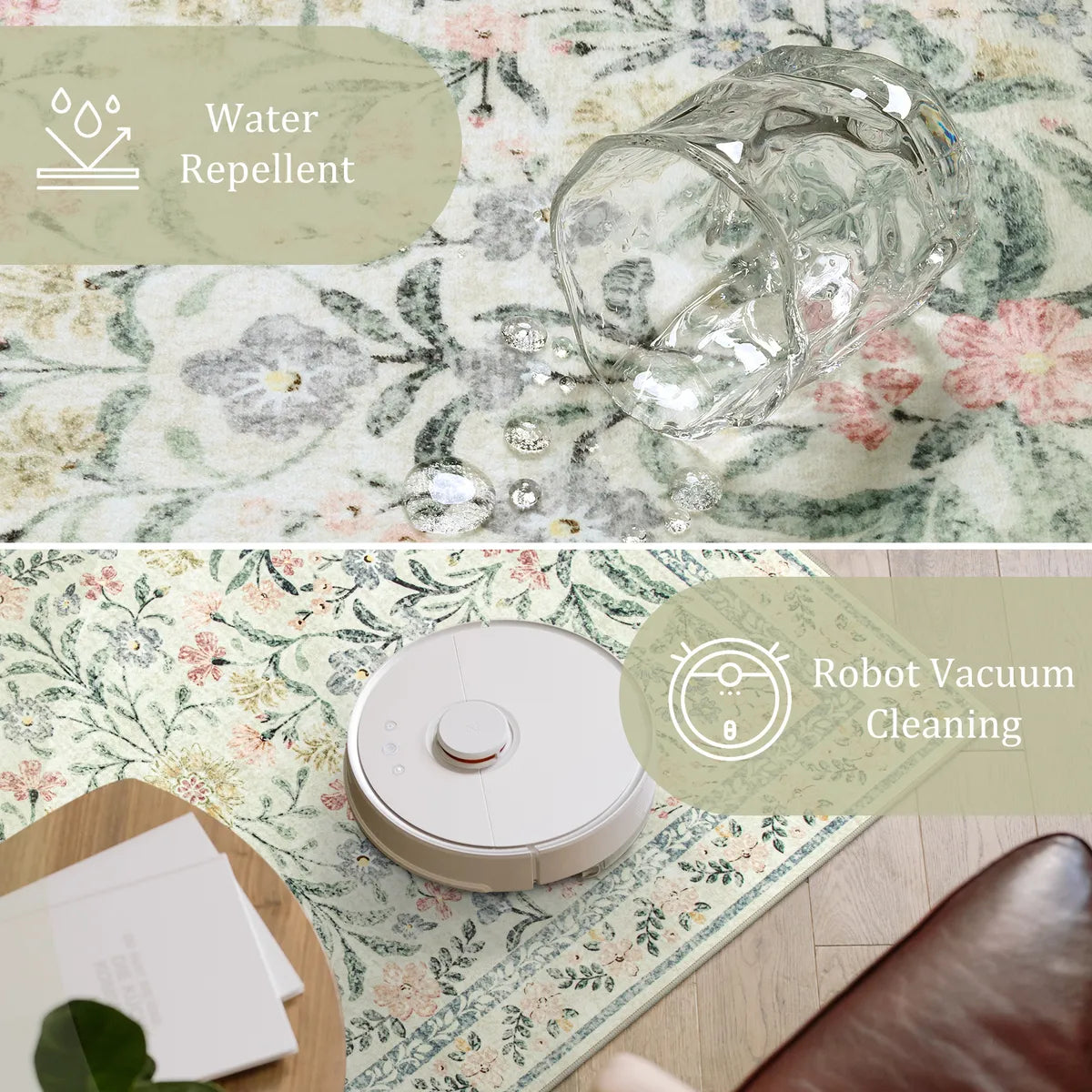
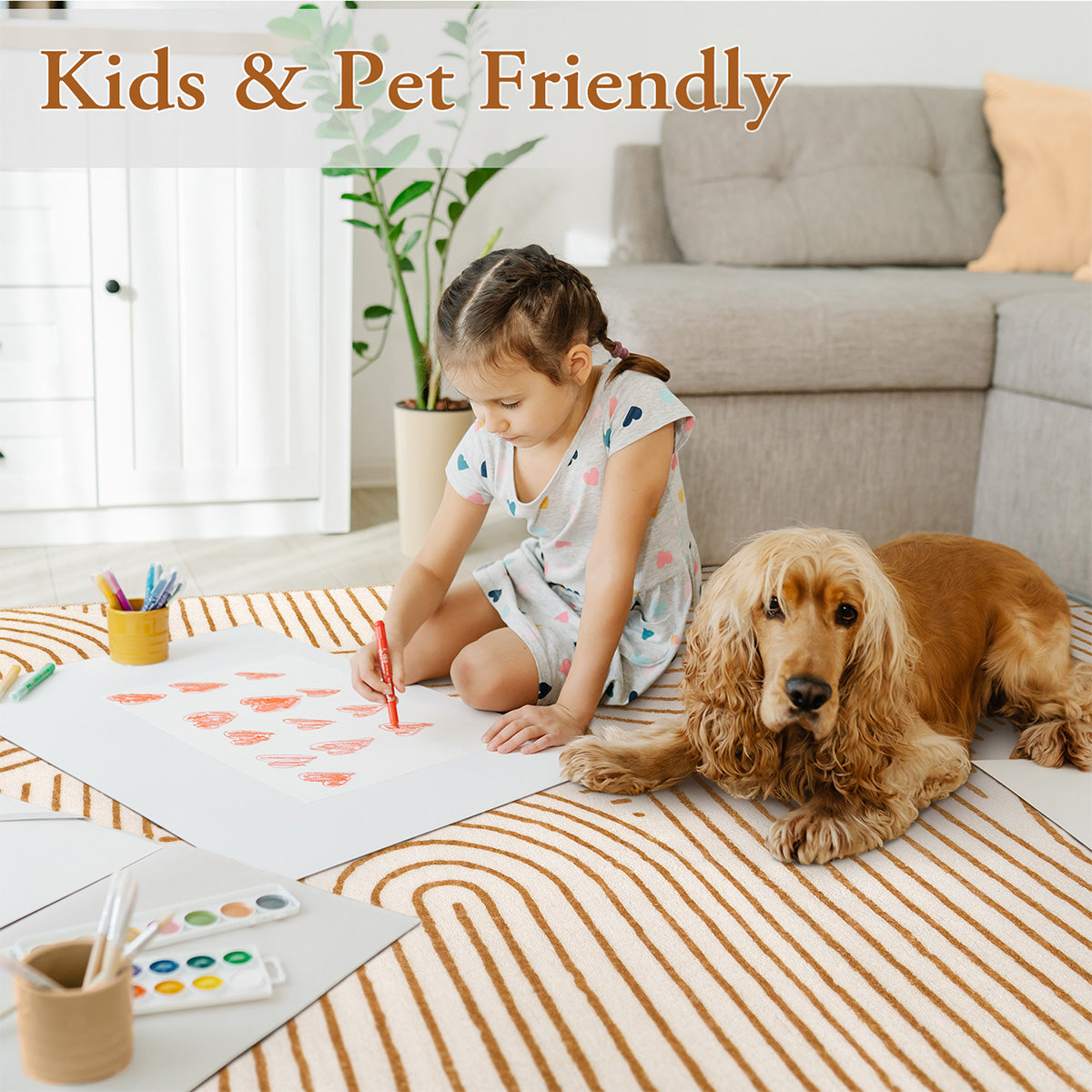
- Kids & pet friendly, which means practical for active homes with messes, movement, and daily wear
These qualities support comfort, but size is still what makes the rug work well in the room.
How to Measure a Nursery Room for Nursery Rugs

Before choosing among different nursery room rugs, start with the layout. A few simple measurements can prevent common mistakes and make the final choice much easier.
Measure the crib first because it usually anchors the room. Then look at the chair, dresser, and open floor area. You do not need a complicated plan. You only need a clear sense of where the rug will sit and how much floor it should cover.
Here are a few simple steps that help:
- Measure the crib and note how much space sits in front of it
- Check where the chair or glider is placed
- Look at the walking path between the crib, dresser, and door
- Leave some visible floor around the edges of the rug
- Use painter’s tape to outline the rug shape before buying
This last step is especially helpful. Taping the rug size on the floor lets you see whether it feels too tight or too empty before you commit to one option.
Common Rug Layouts for Under the Crib

Placement matters just as much as size. The same rug can feel completely different depending on whether it sits beside the crib, partly under it, or under several furniture pieces at once.
Place the Rug Partly Under the Crib
This is one of the most common layouts for nursery rugs. The rug slides under the front part of the crib and extends into the open floor area. That helps anchor the crib while still leaving enough exposed rug to make a visual impact.
This setup works well when the goal is to create a soft area near the crib without covering too much of the room. It also places more comfort where adults tend to stand during daily routines.
Extend the Rug Toward the Chair or Open Floor Area
A larger rug can connect the crib and the chair area, which often makes the nursery feel more unified. This layout works especially well when the room includes a reading corner or when floor play is part of the routine.
In some nurseries, a smaller baby rug placed only beside the crib may be enough. In others, a larger layout feels more natural because it supports more than one activity zone. The right answer depends on how the room is used every day.
Standard Nursery Rug Sizes and When to Use Them
Most rug choices fall into a few common size ranges. The best size depends on the room layout, furniture placement, and how much soft floor coverage you want.
The chart below gives a simple way to compare common rug sizes for a nursery.
| Rug Size | Best Use in a Nursery | Overall Effect |
| 4' x 6' | Beside the crib or in a small nursery | Adds softness without taking over the room |
| 5' x 7' | Under the front of the crib or between the crib and chair | Balanced and flexible for many layouts |
| 6' x 9' | For a more connected crib and seating area | Helps the room feel more unified |
| 8' x 10' | In a large nursery with more open floor space | Creates a full and grounded look |
This size comparison works best as a starting point, not a strict rule. A room’s shape and furniture arrangement matter just as much as the rug label.
A smaller baby rug can be enough when the nursery is compact or when only one soft zone is needed. A mid-size option often gives the most flexibility. Larger nursery room rugs are usually best when the goal is to connect several parts of the room and create a more complete foundation.
What to Keep in Mind Before You Choose
It is easy to focus only on appearance, but a nursery rug should also fit real daily life. That means the right choice often comes down to a mix of size, layout, and comfort features.
Before choosing among different nursery rugs, keep these points in mind:
- The rug should match the furniture layout, not fight it
- Open floor around the rug often makes the room look better
- A soft surface matters most where people actually stand or sit
- Hypoallergenic, skin-friendly, and non-toxic materials can be especially helpful in nursery spaces
- A kids & pet friendly rug is often easier to live with over time
A good rug should feel practical from day one, but it should also continue to work as the room changes. Nurseries rarely stay exactly the same for long.
Create a Nursery That Feels Complete
The right rug size can make a nursery feel calmer, softer, and more put together. Start with the room layout, measure carefully, and choose a rug that supports both comfort and movement. When comparing nursery rugs, focus on balance first, then look for features like non-toxic, skin-friendly, and kids & pet friendly materials that fit everyday family life.
FAQs
Q1. How Often Should Nursery Rugs Be Replaced?
That depends on wear, cleaning needs, and how the room changes over time. Some families replace a rug when the nursery becomes more of a toddler room and the layout shifts. If the rug still feels soft, clean, and practical, there may be no reason to change it quickly.
Q2. Are Nursery Room Rugs Better in Light or Dark Colors?
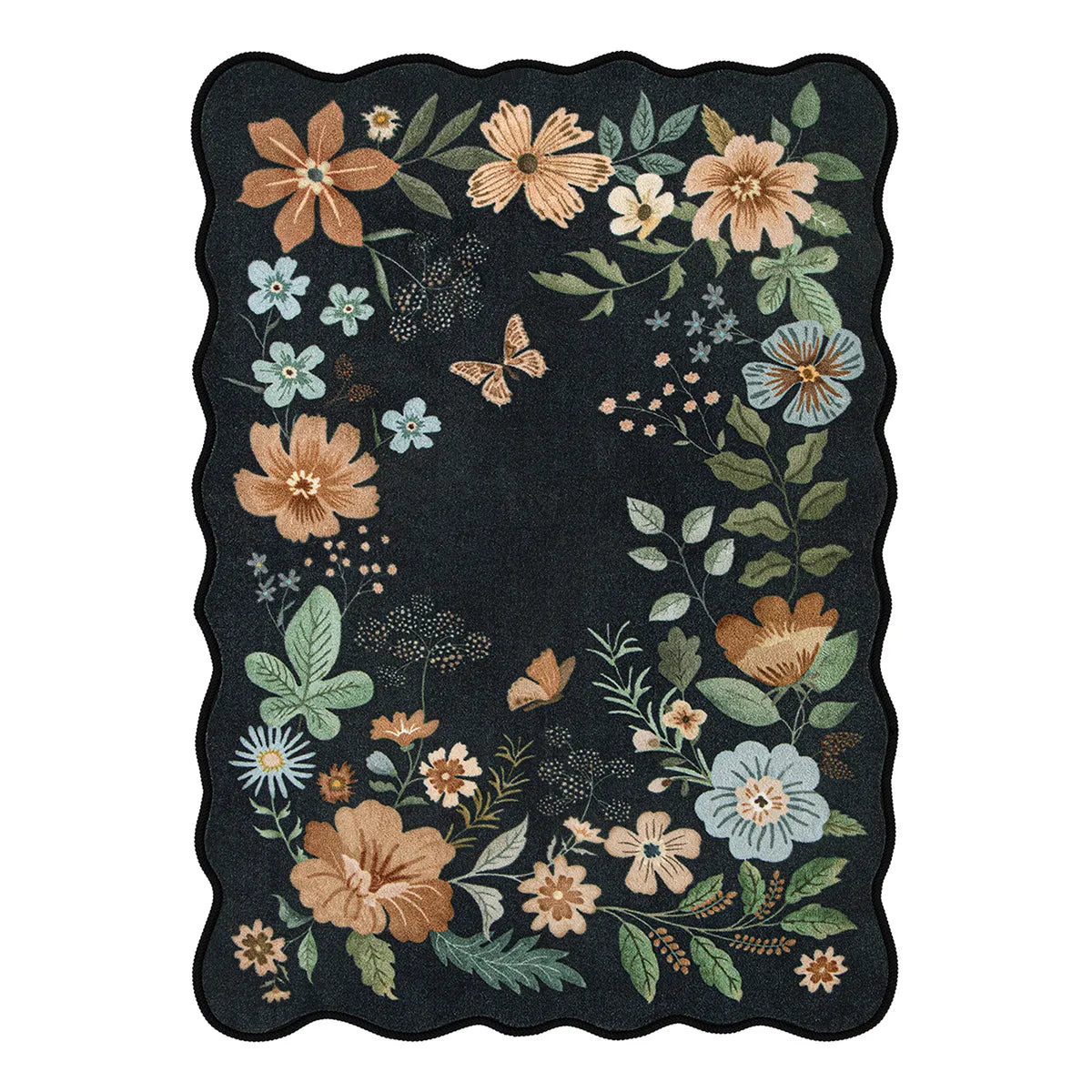
Both can work well, but they create different moods. Light shades often make a nursery feel airy and calm, while darker tones may feel warmer and hide daily messes more easily. The best choice depends on the room’s lighting and overall style.
Q3. Can a Baby Rug Help Reduce Noise in a Nursery?
Yes, a rug can soften sound and make the room feel quieter. That can be helpful in spaces with hard flooring, where footsteps or moving furniture may sound sharper. The effect depends on the rug’s material and thickness.
Q4. Should Nursery Rugs Match the Wall Color Exactly?
Not necessarily. A close match can look soft and peaceful, but too much similarity may make the room feel flat. Many nurseries look better when the rug connects with the color palette without copying the wall color exactly.