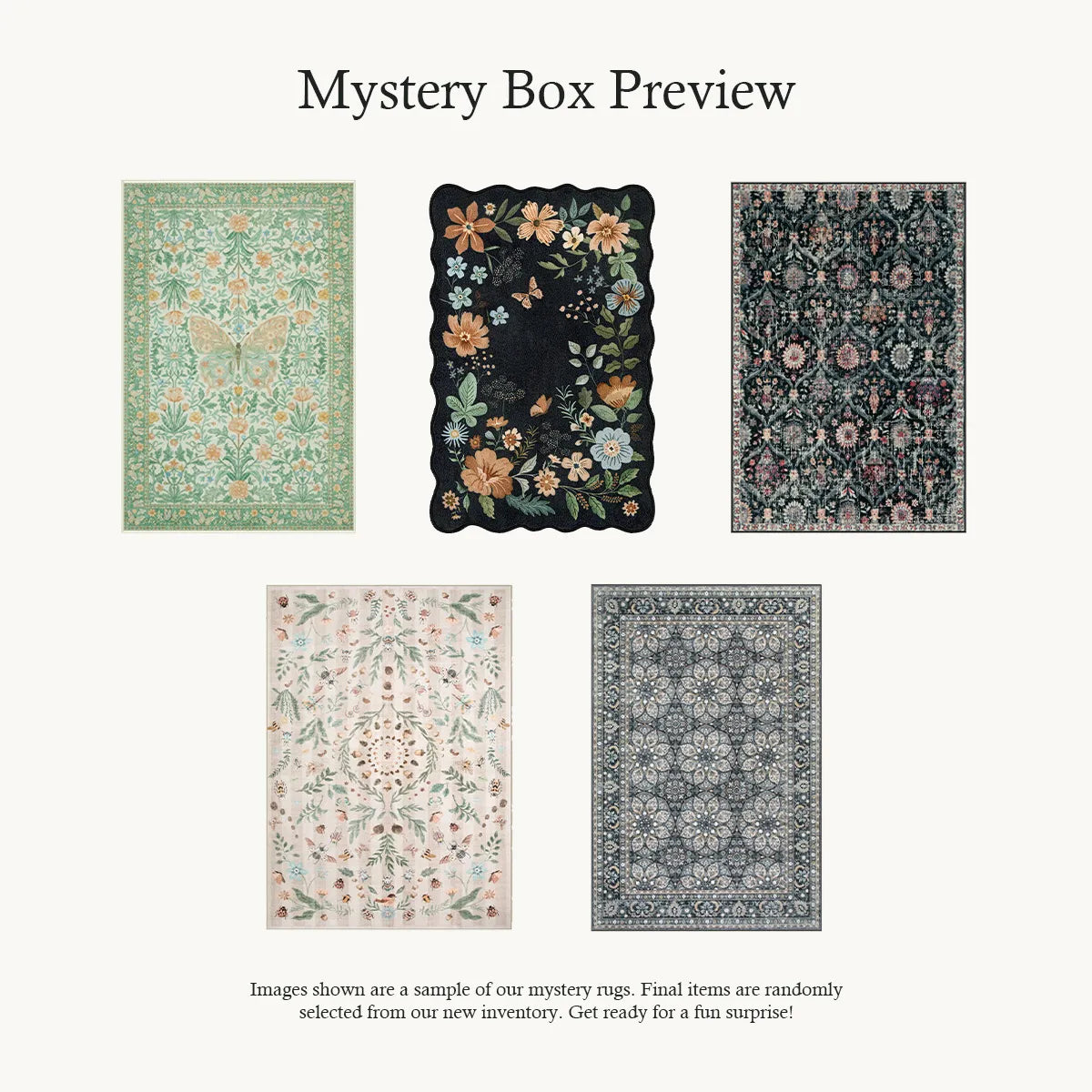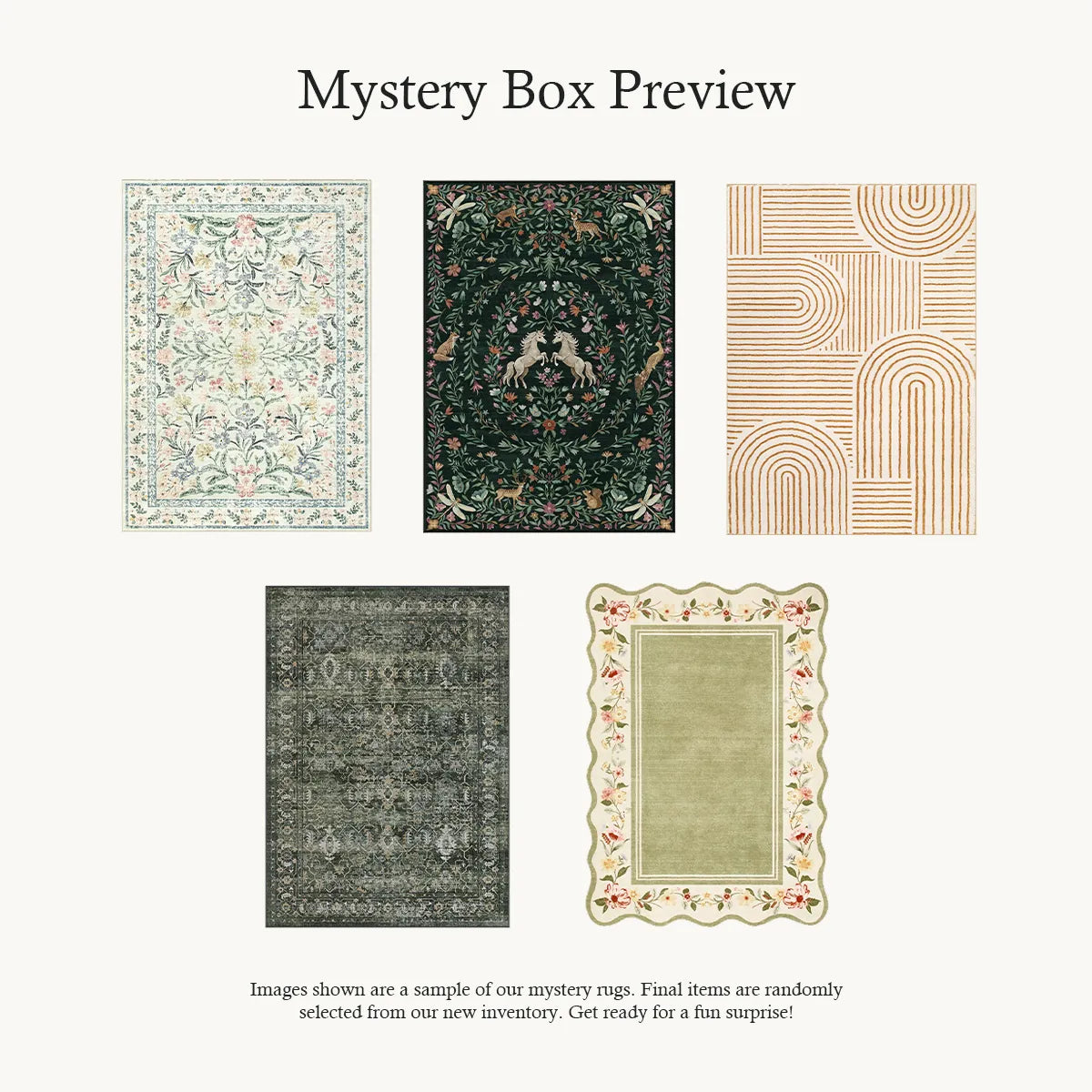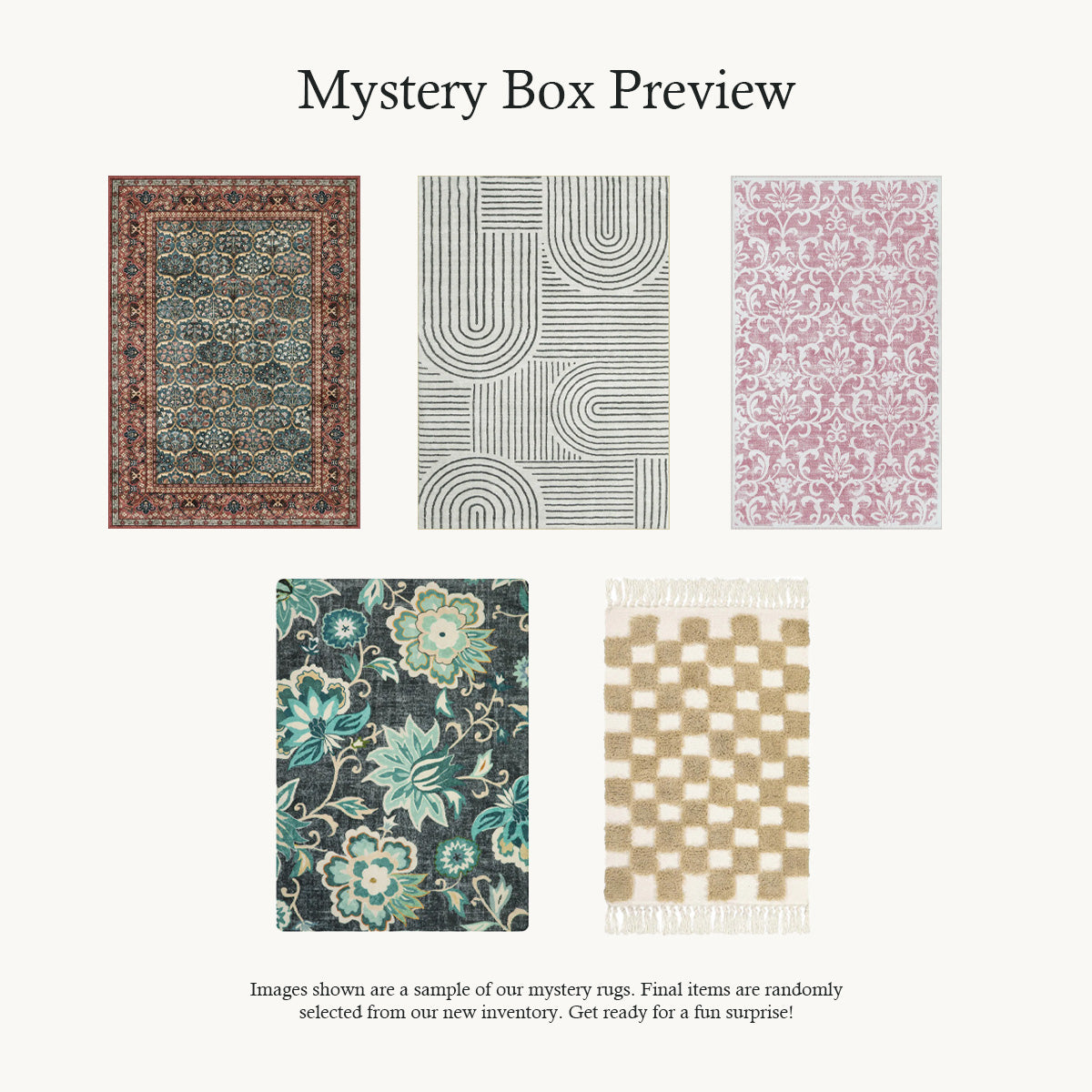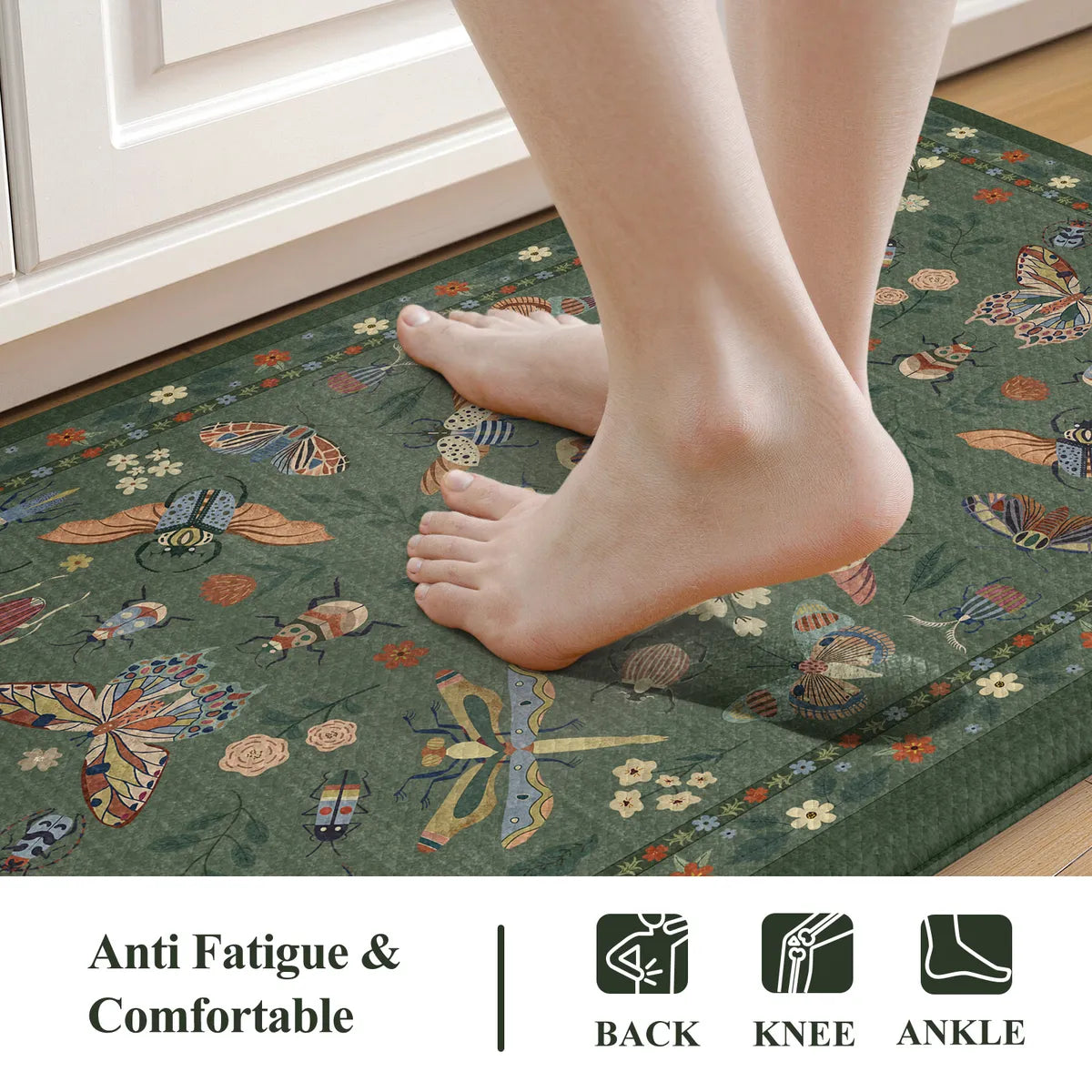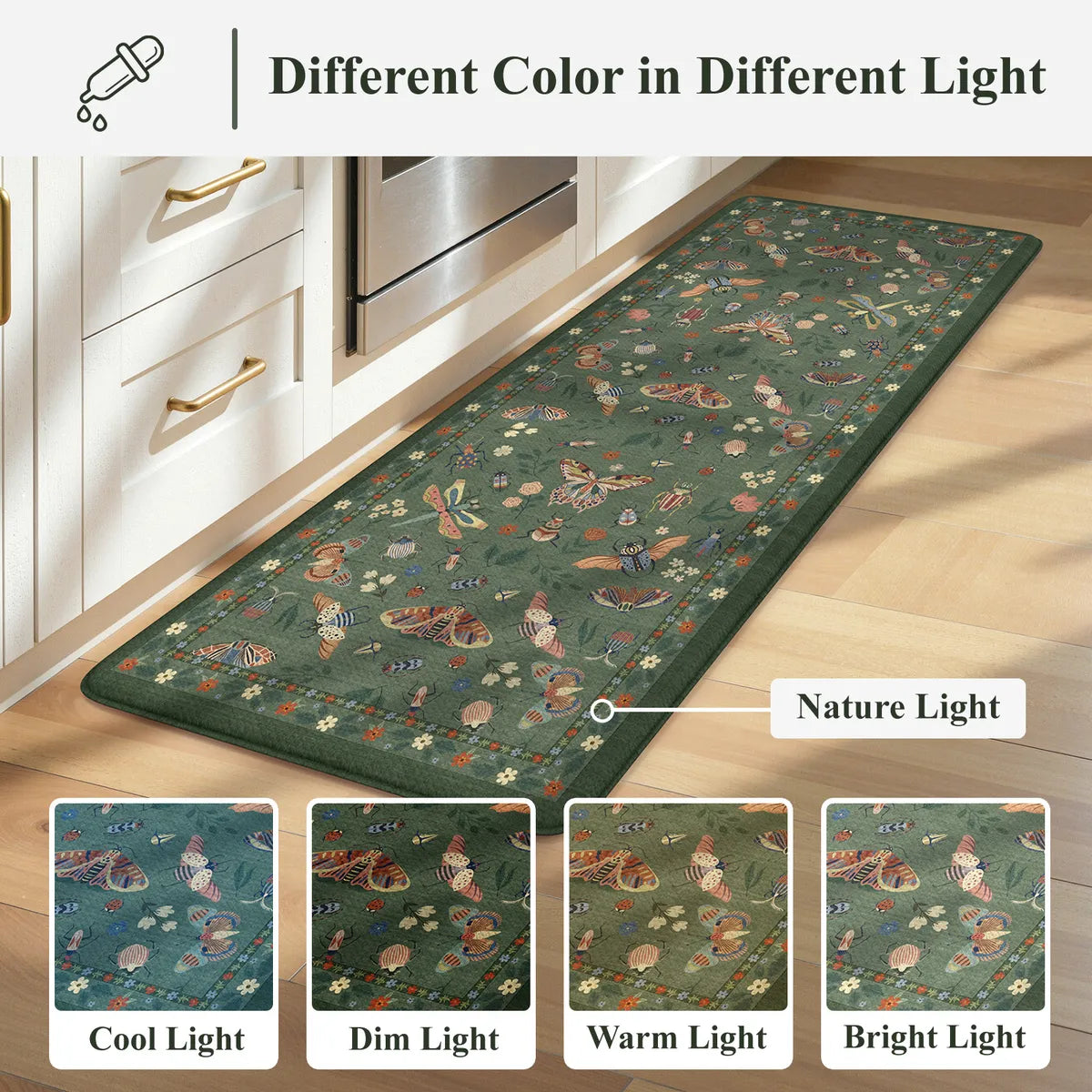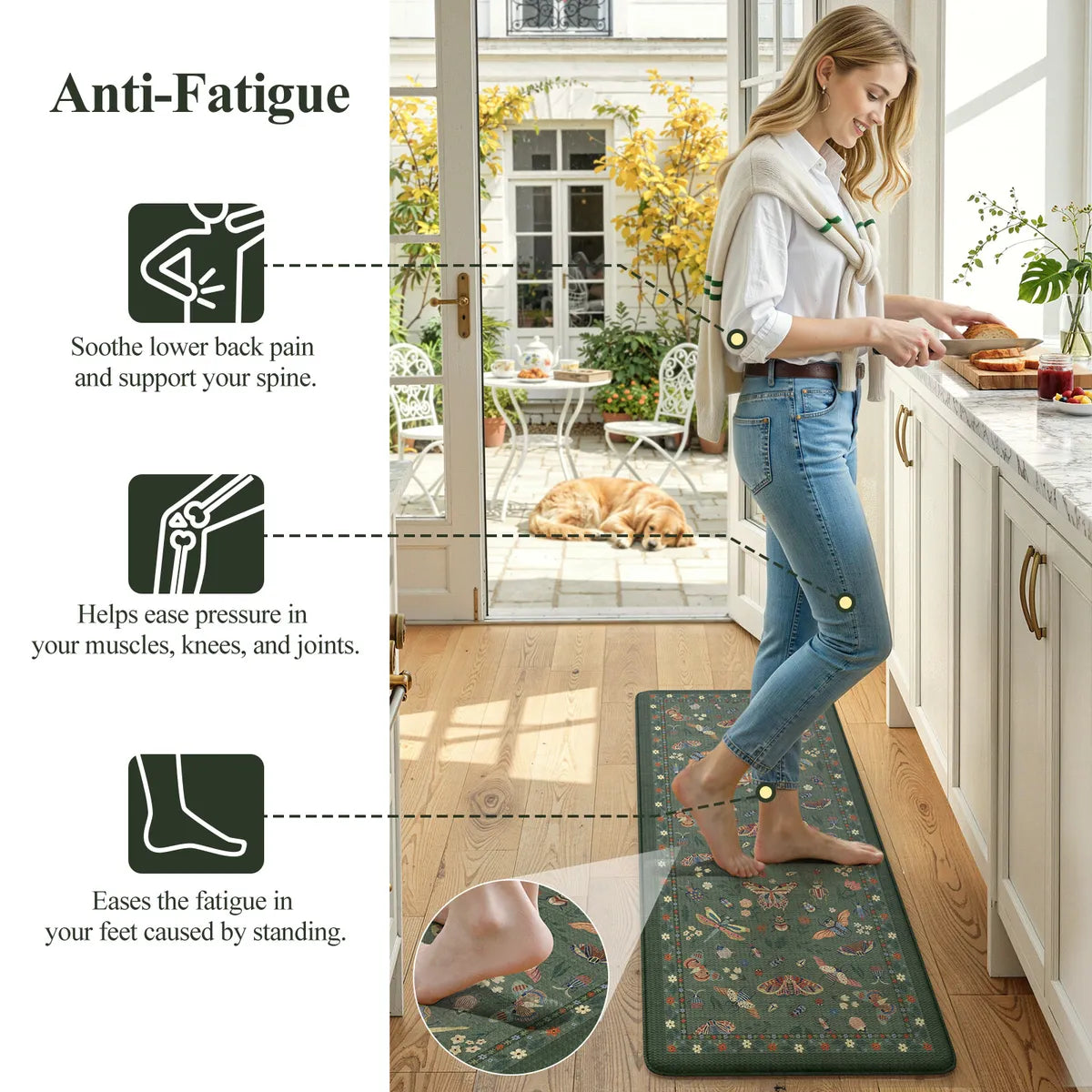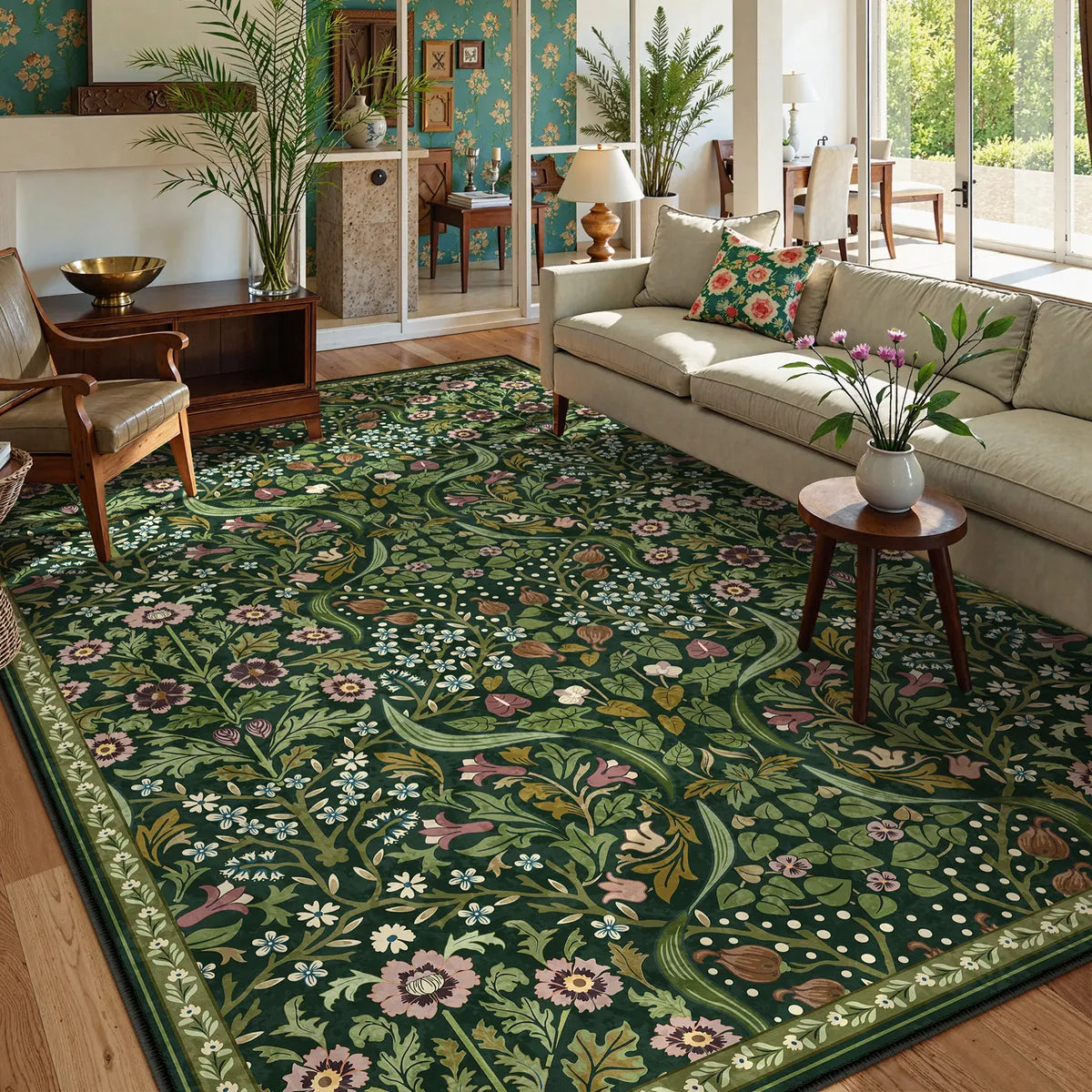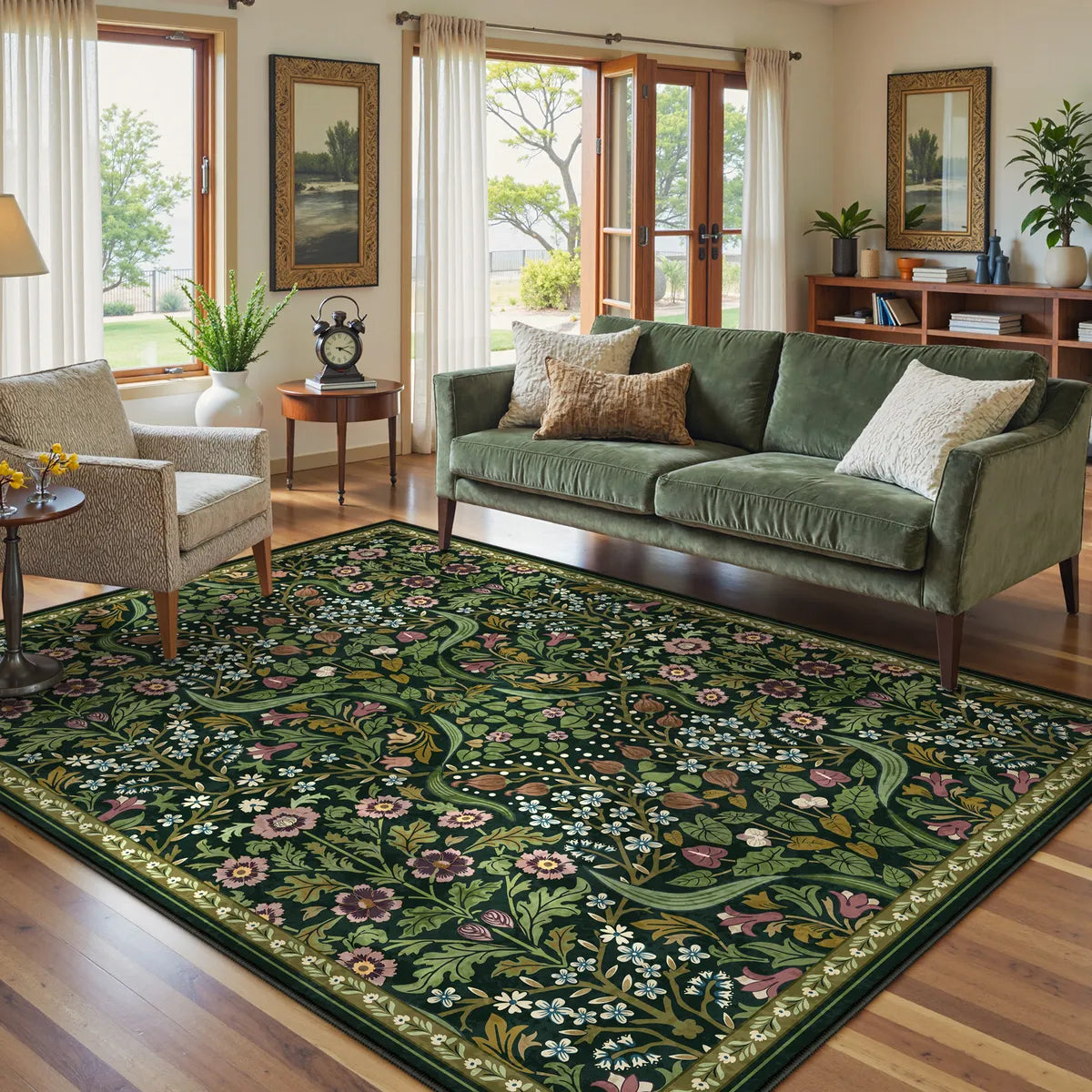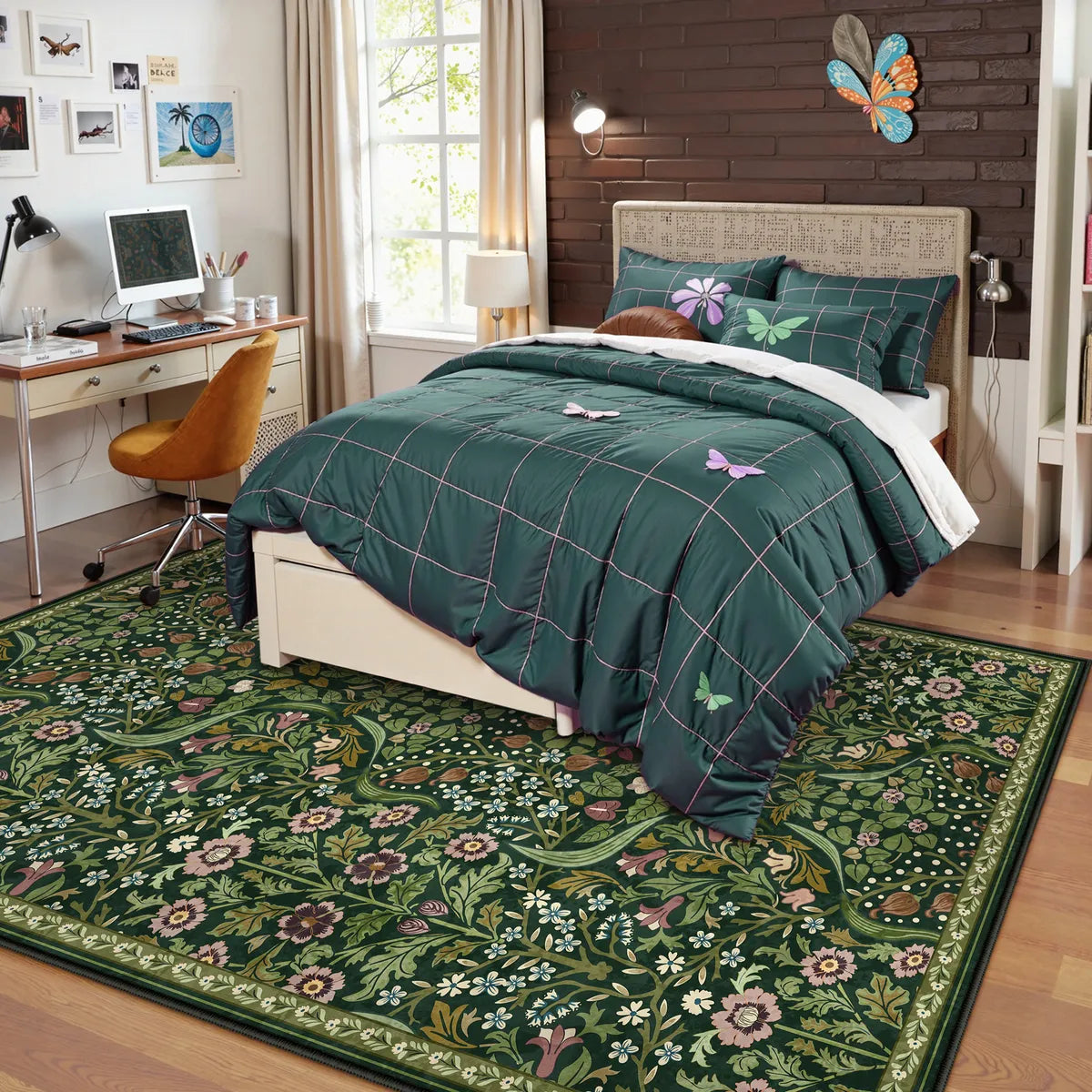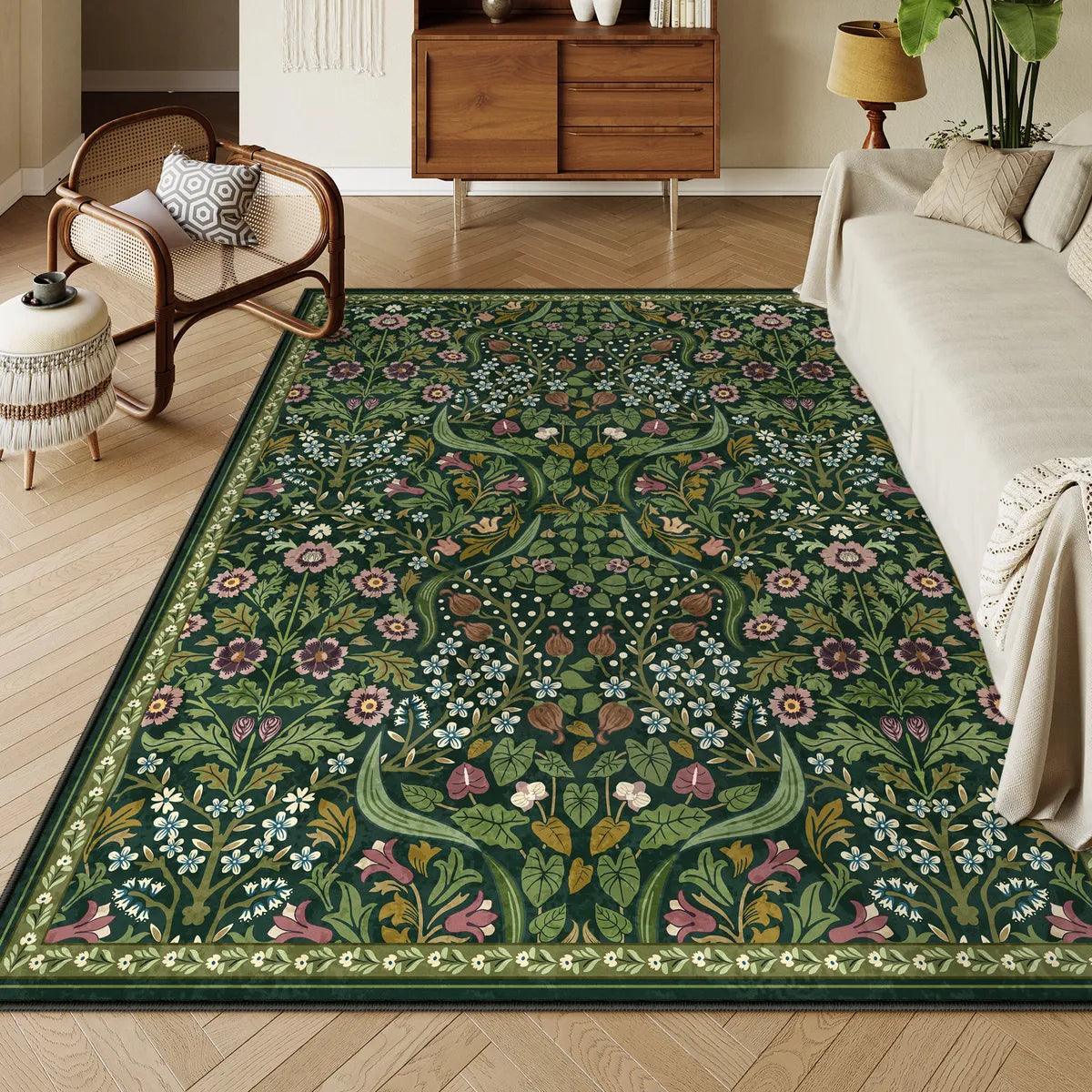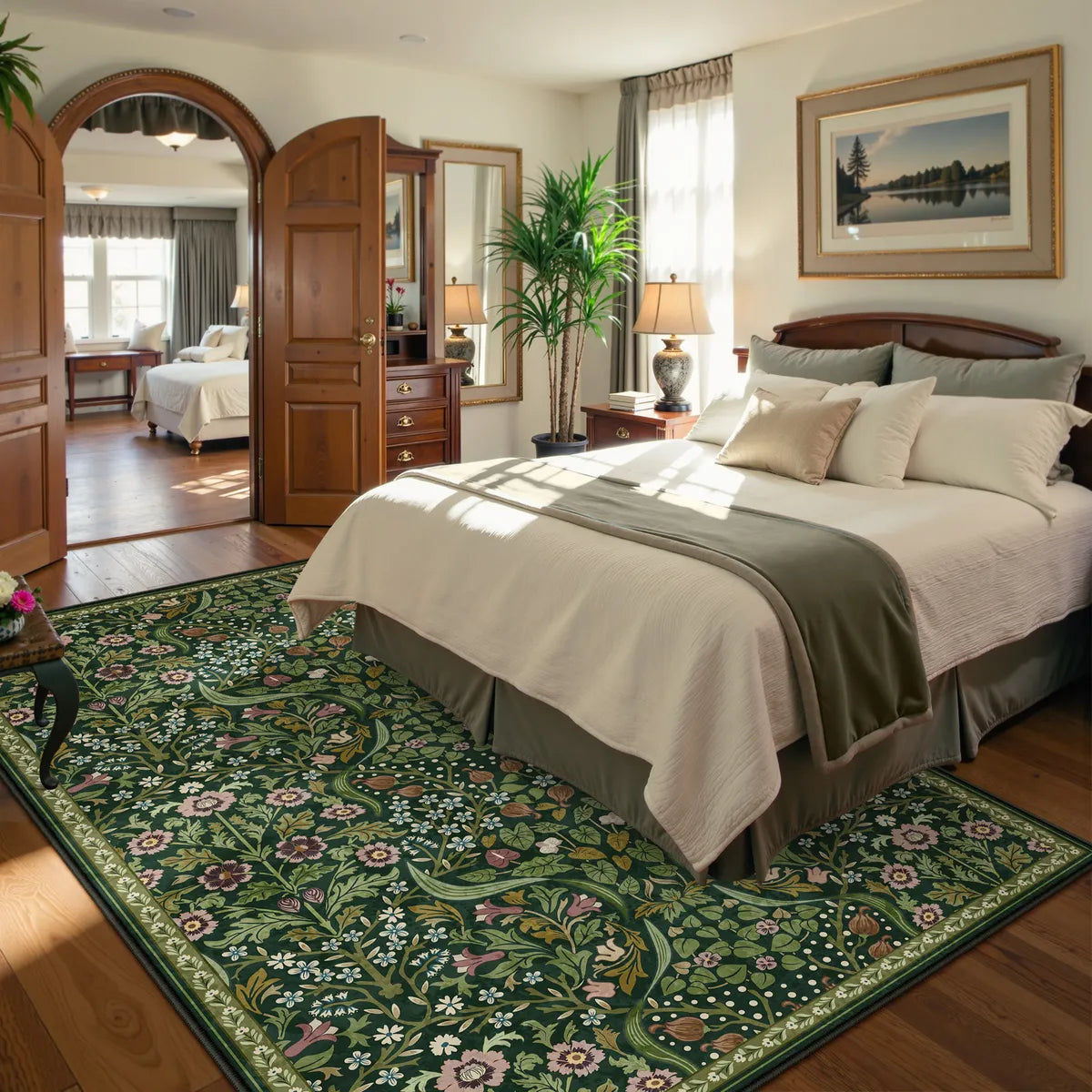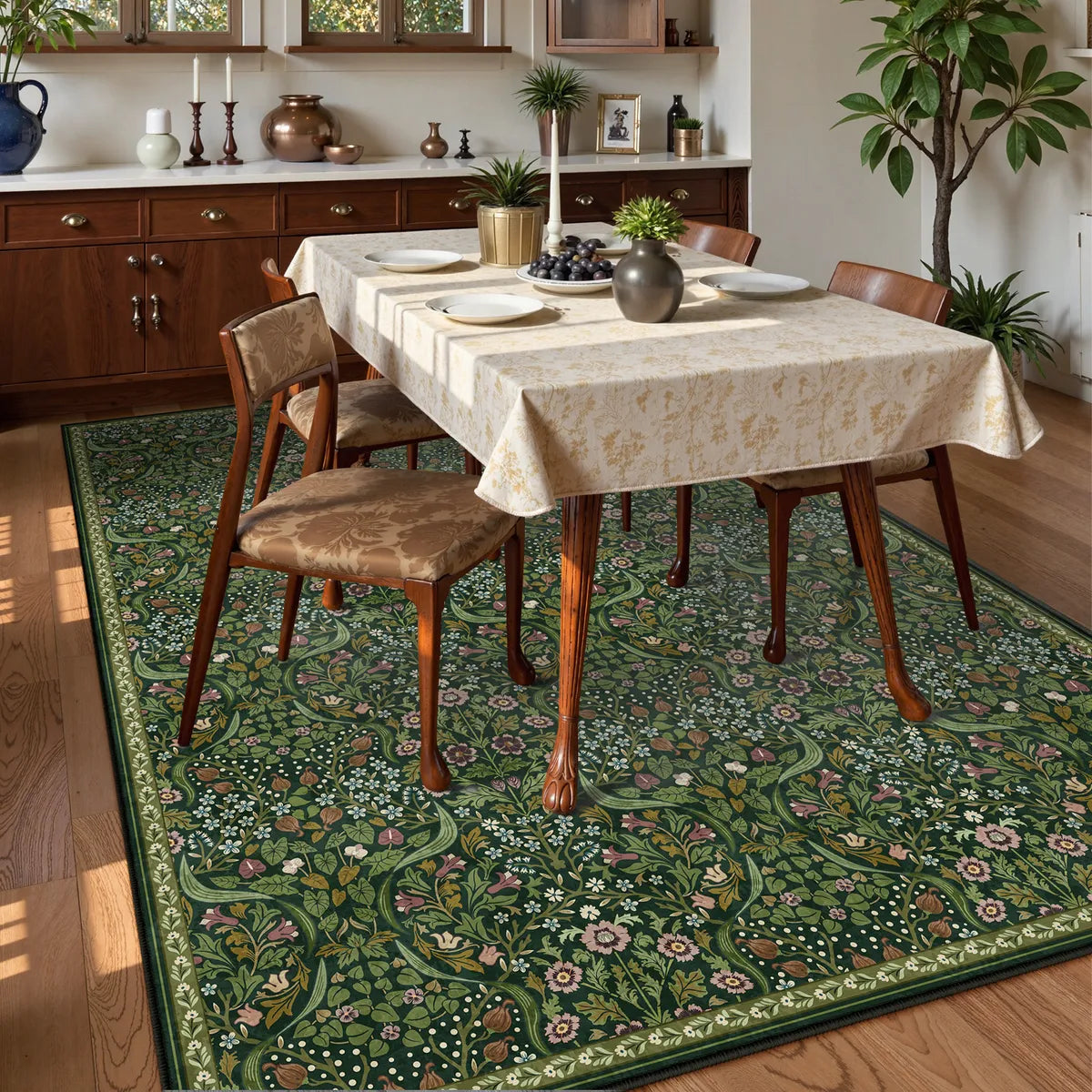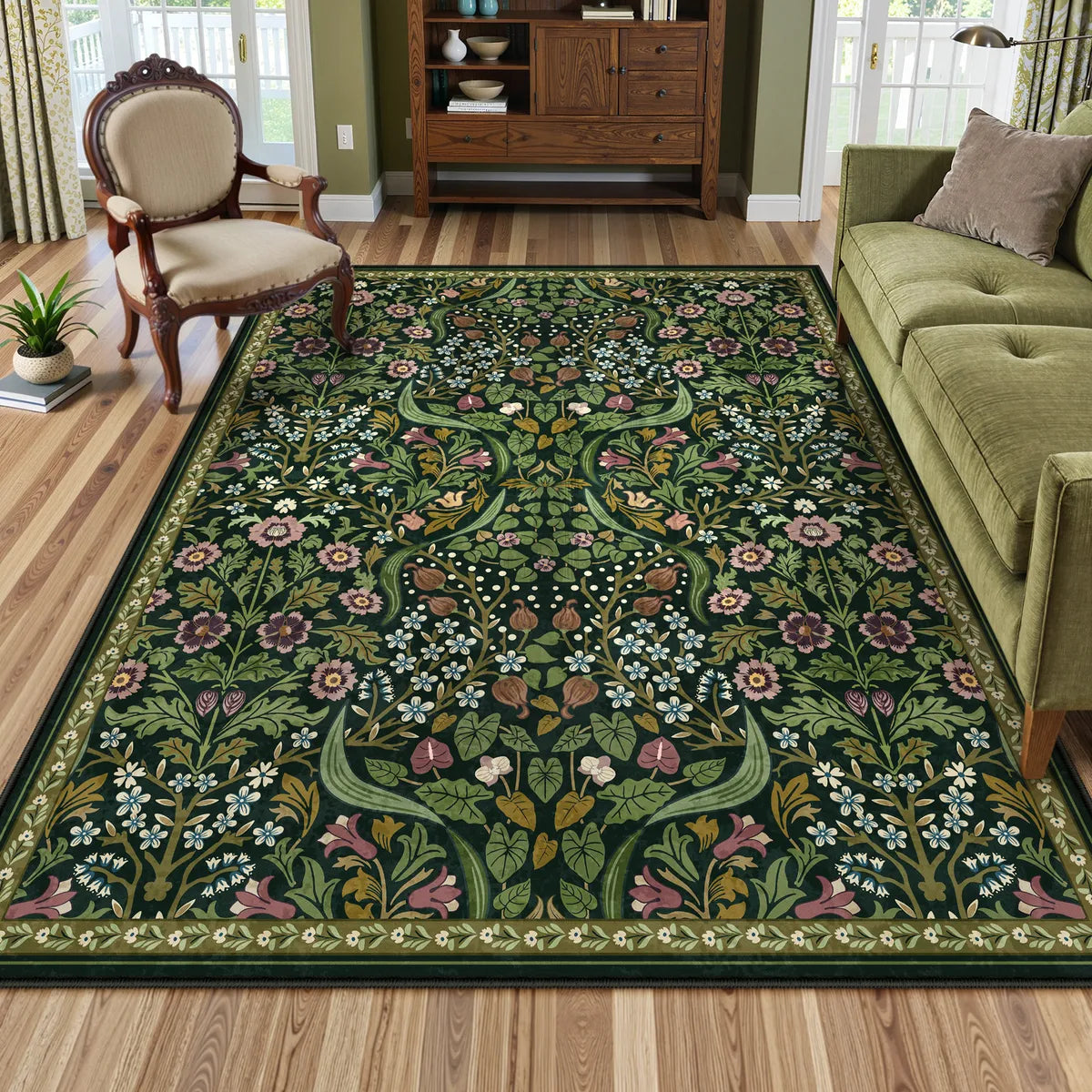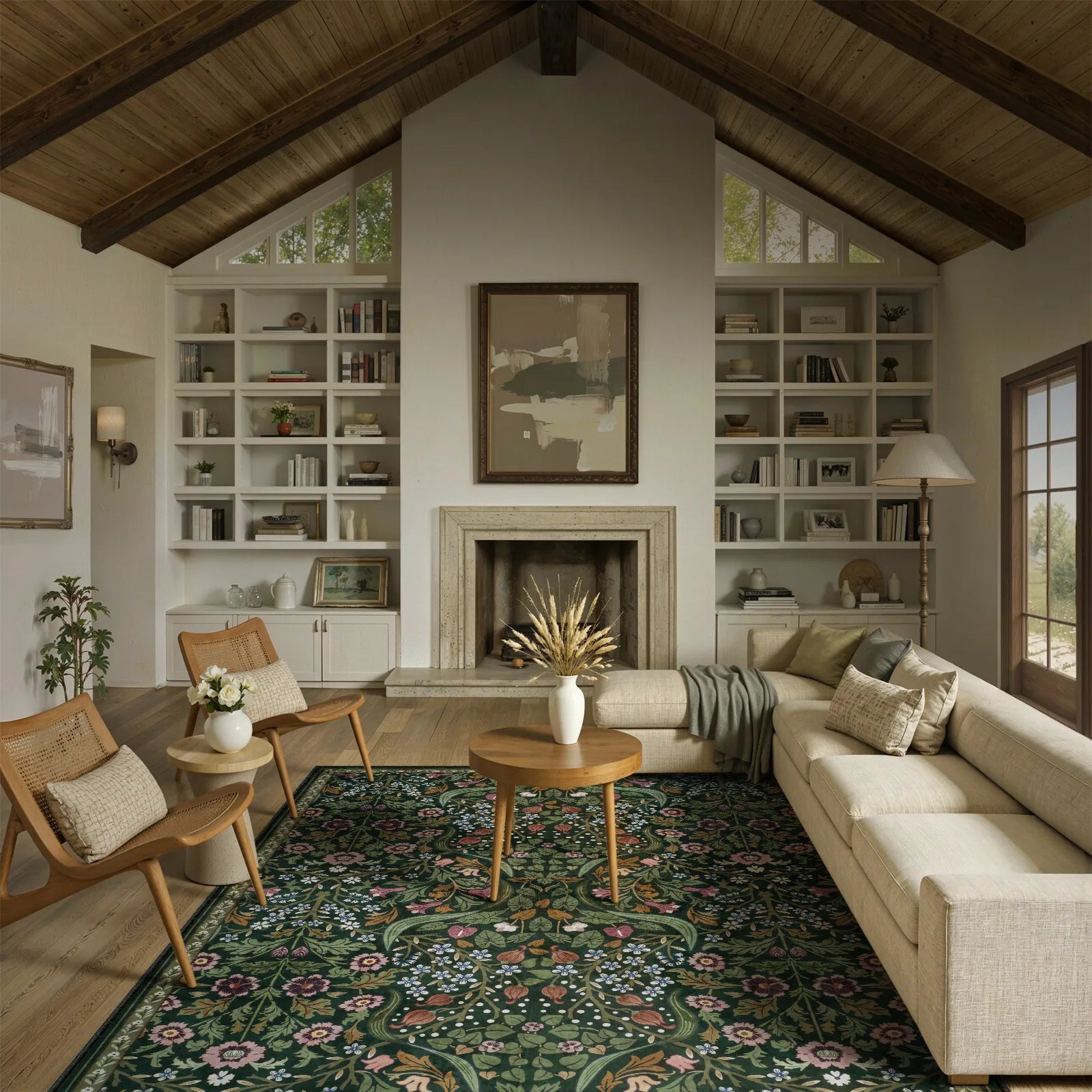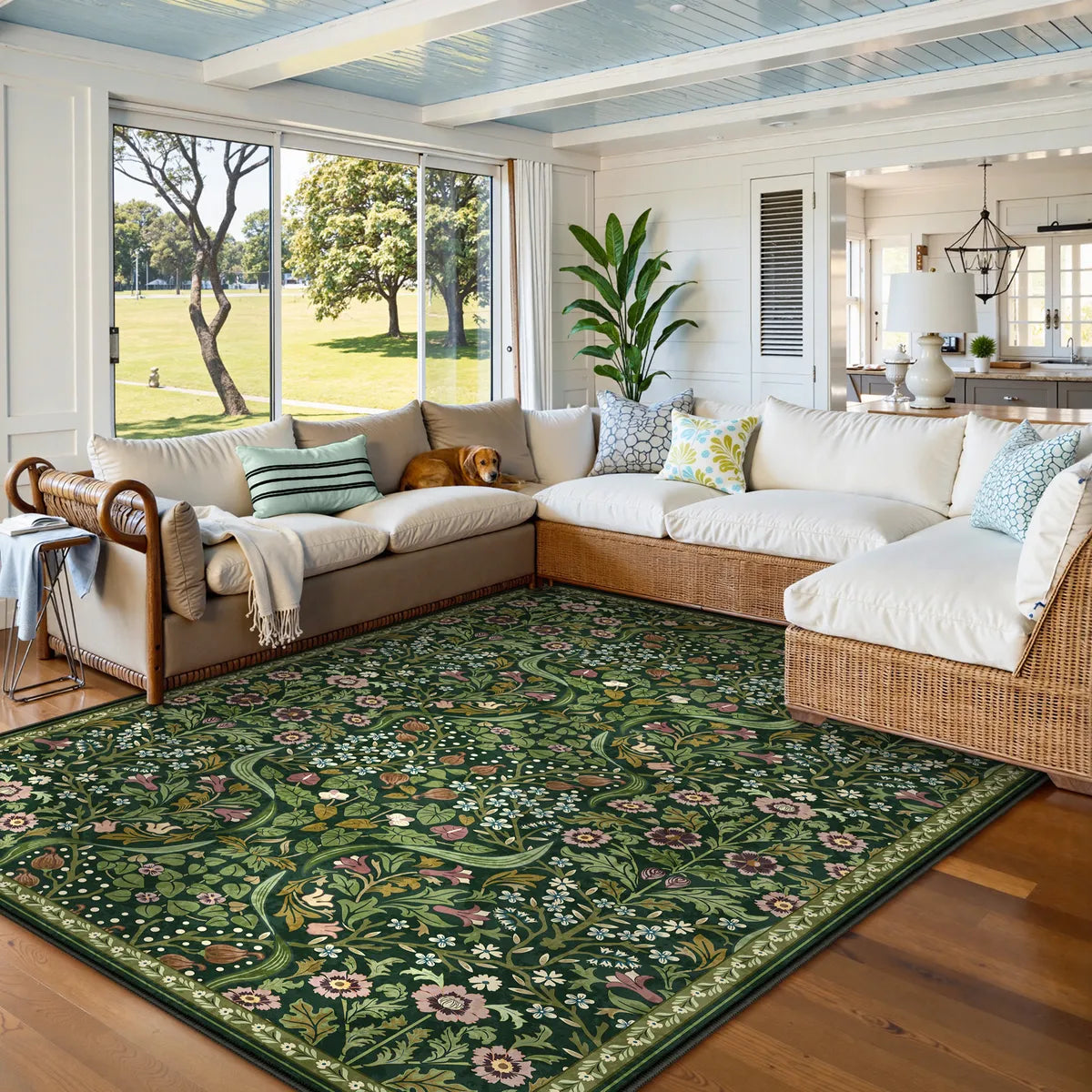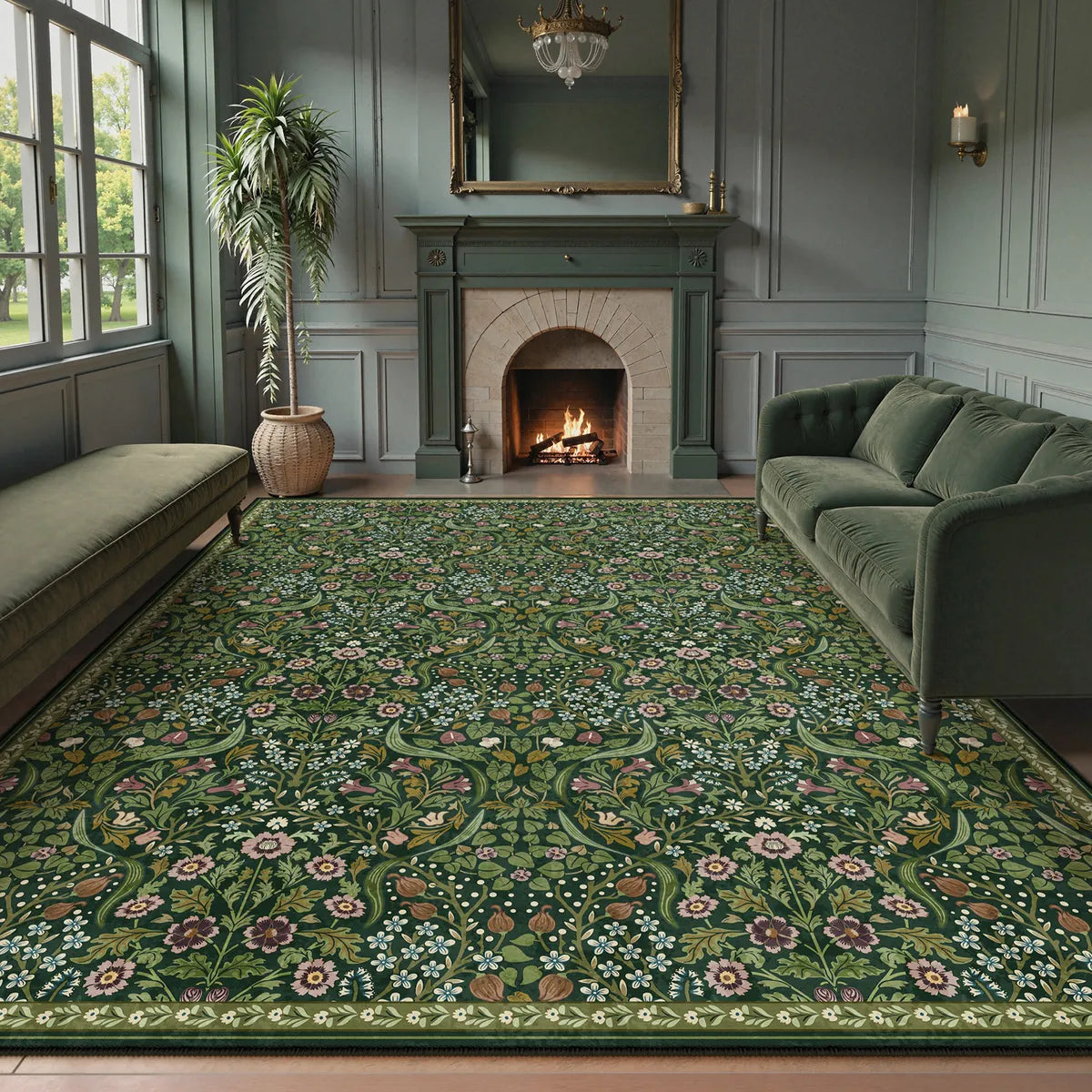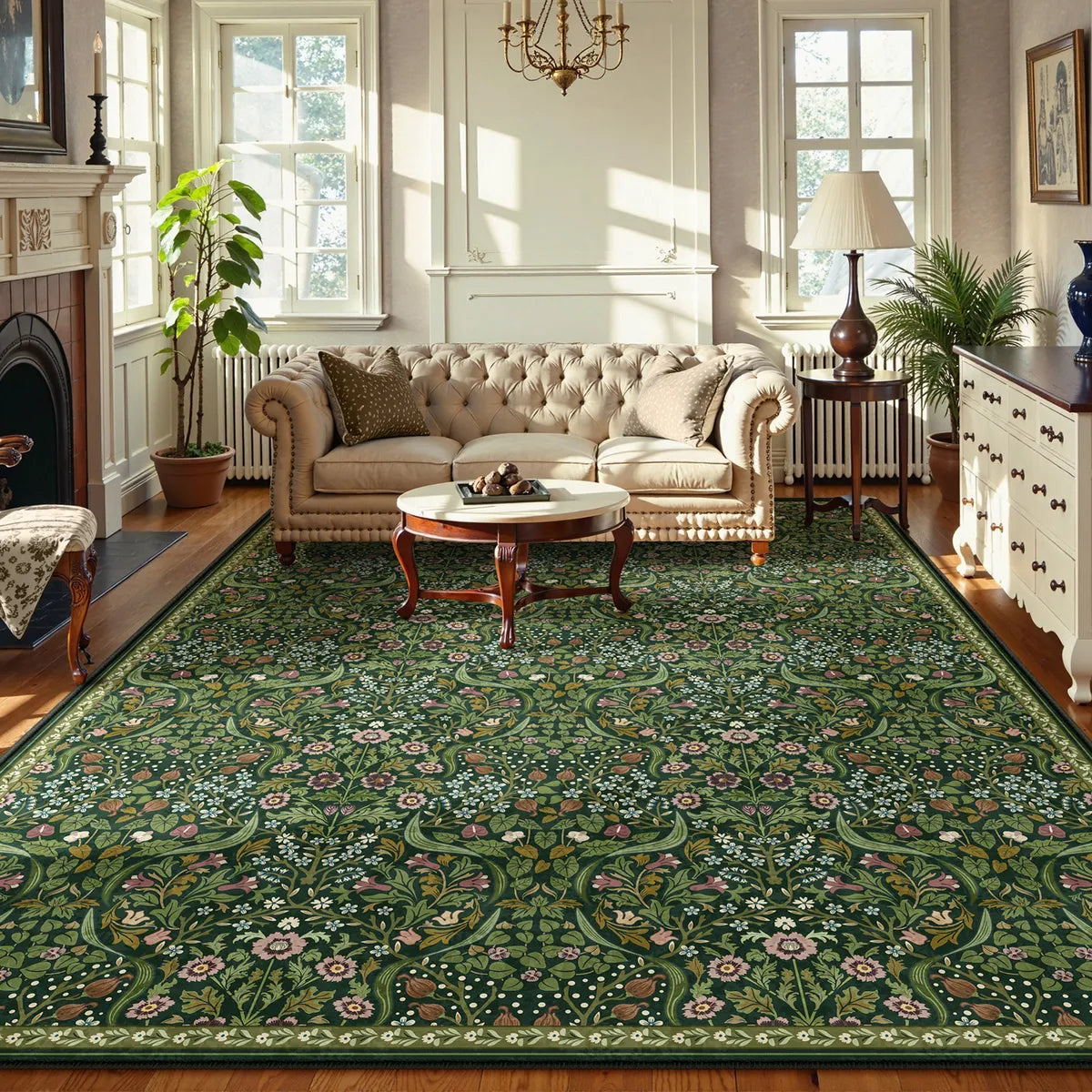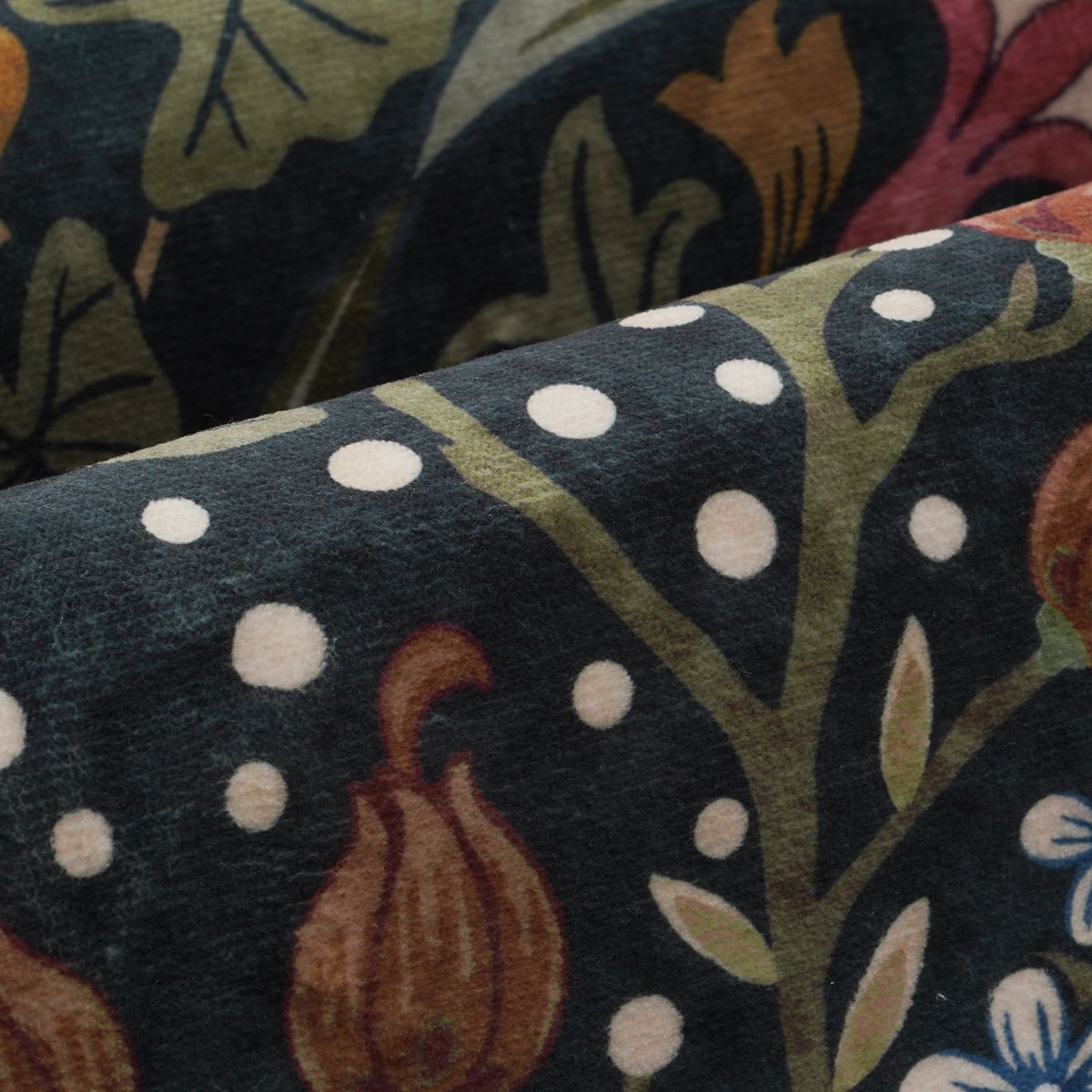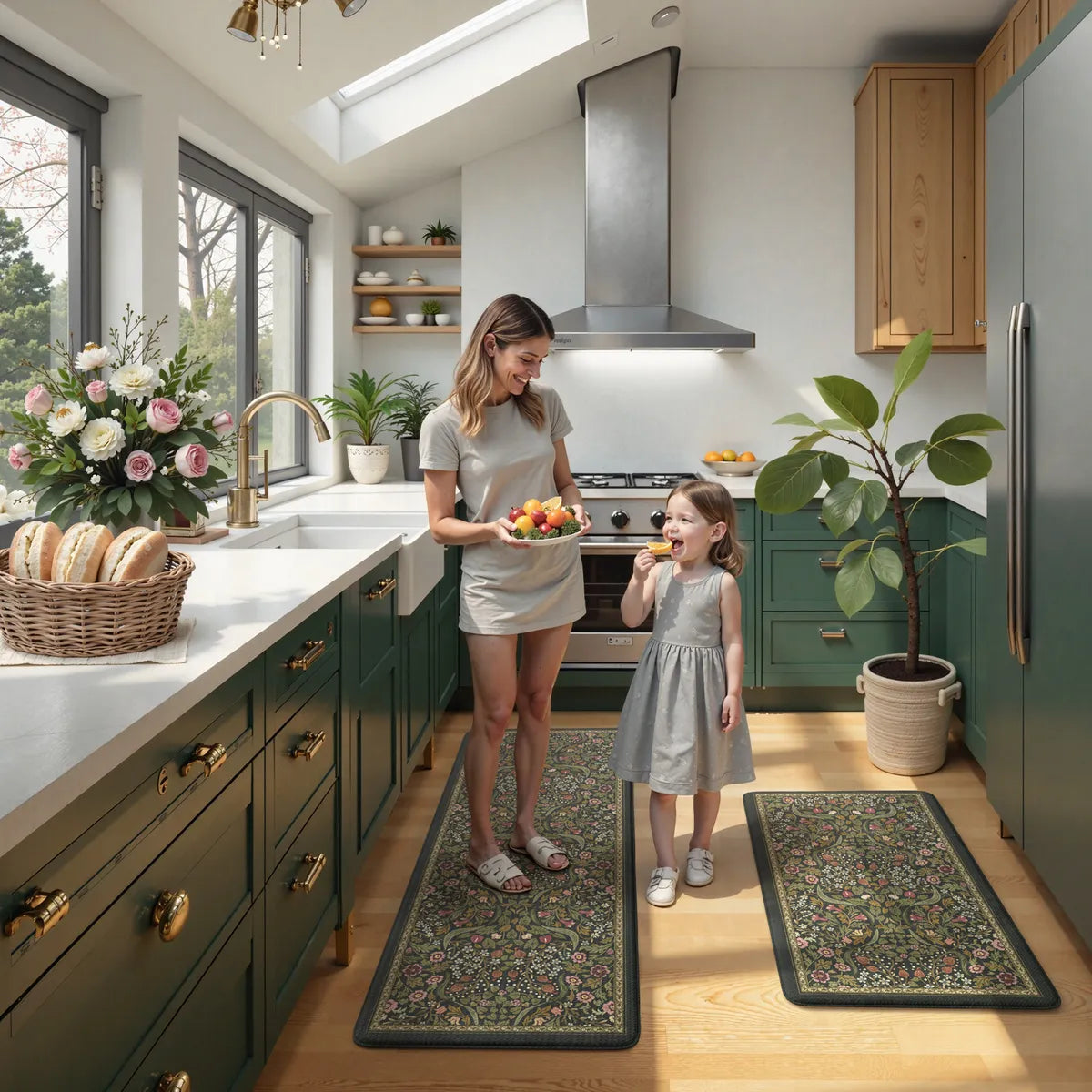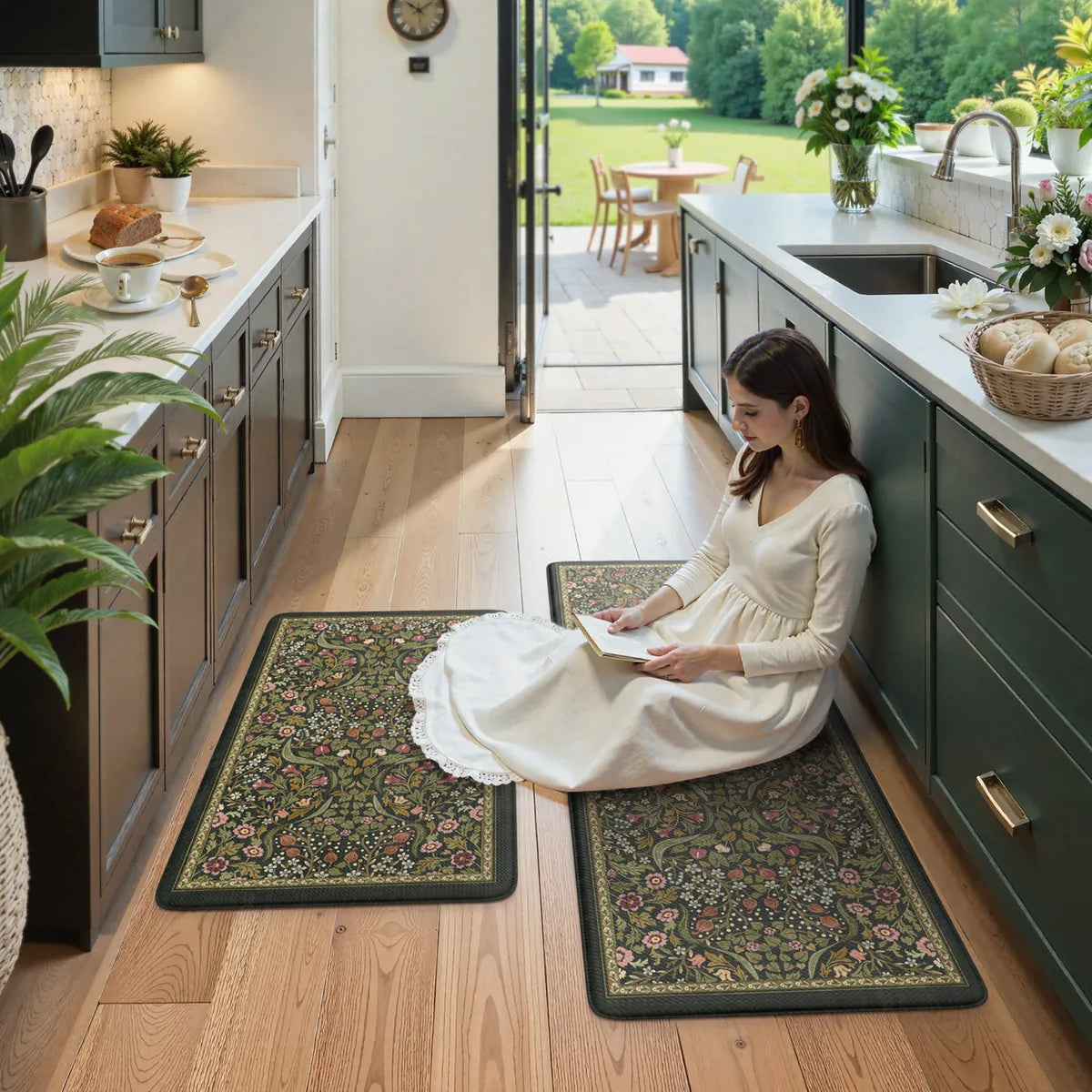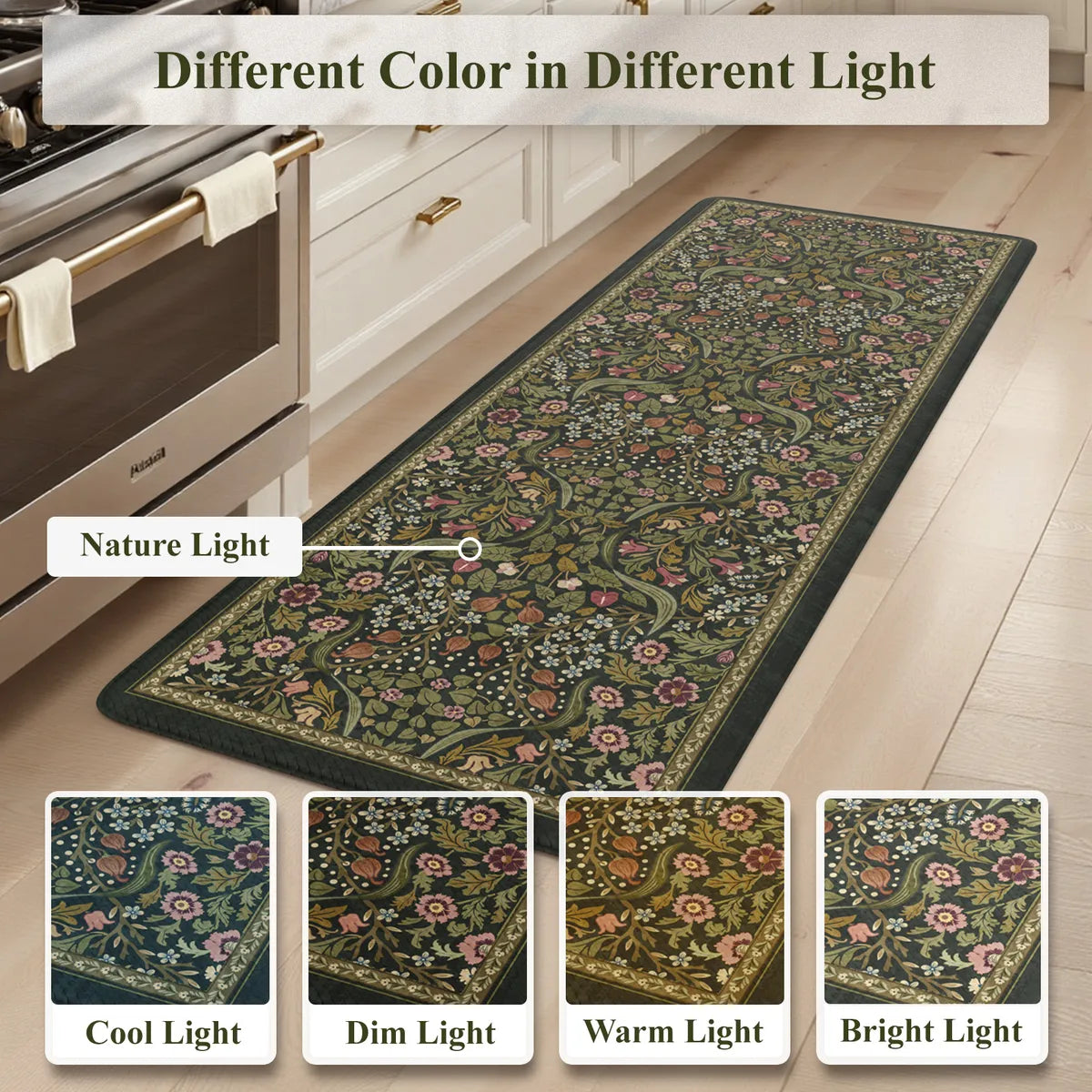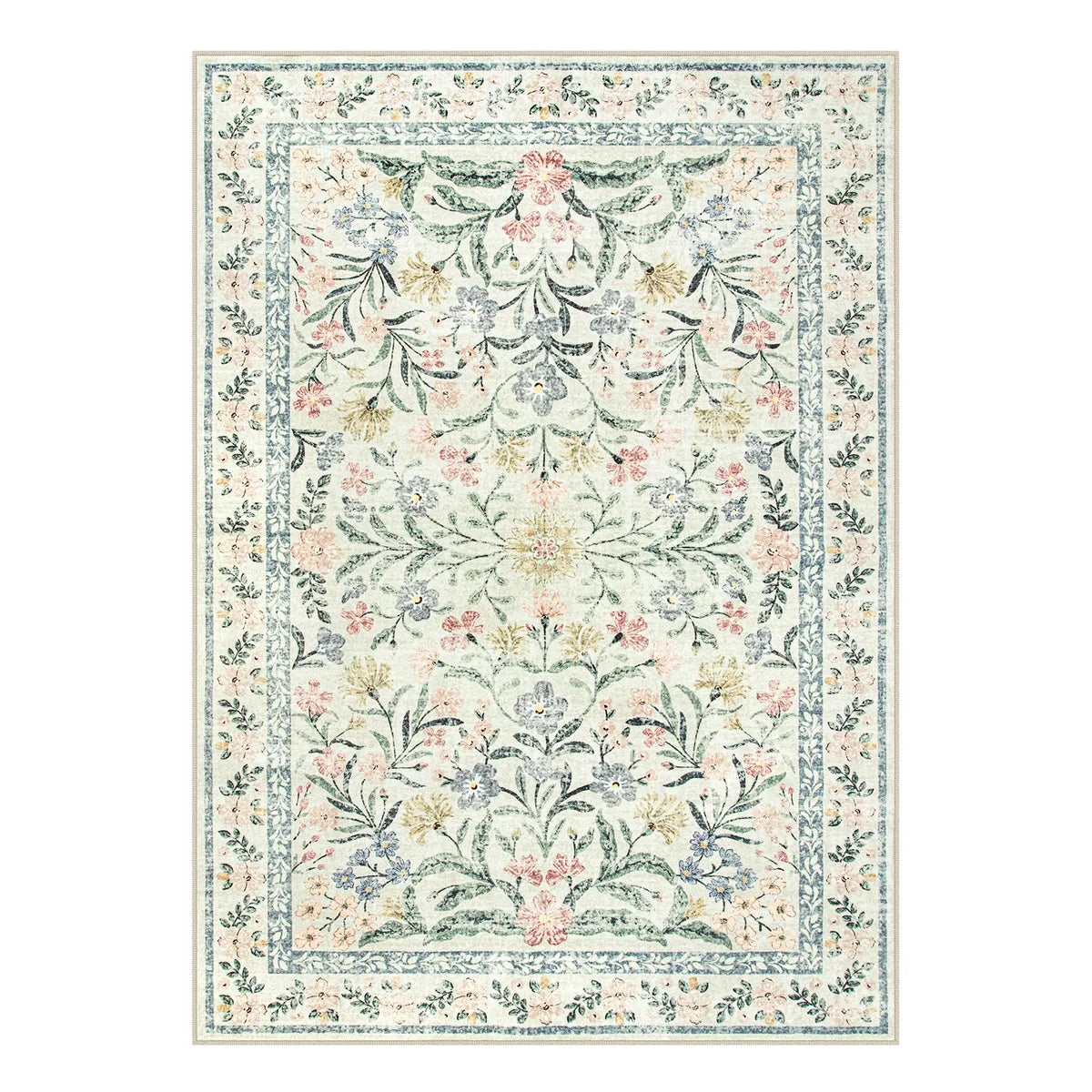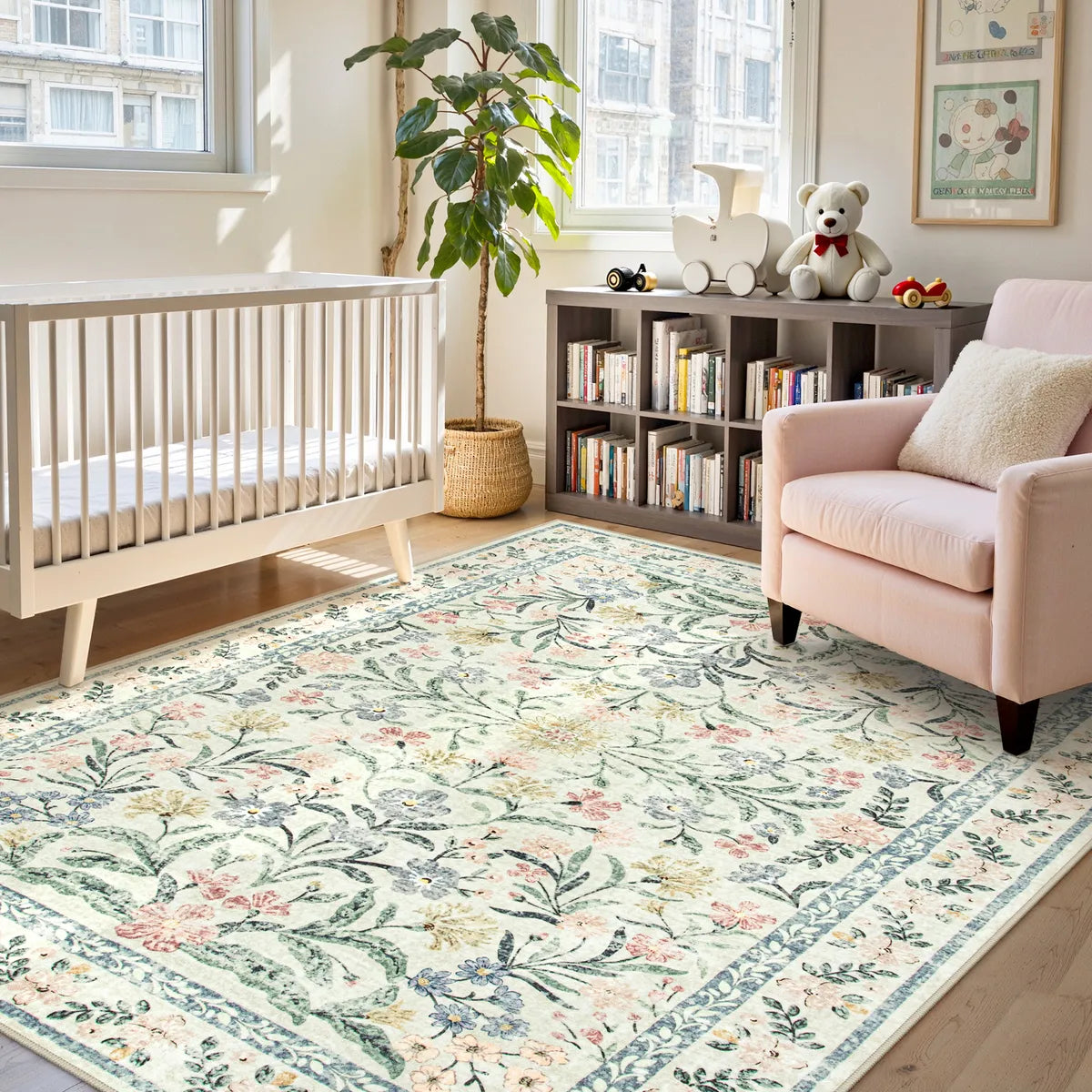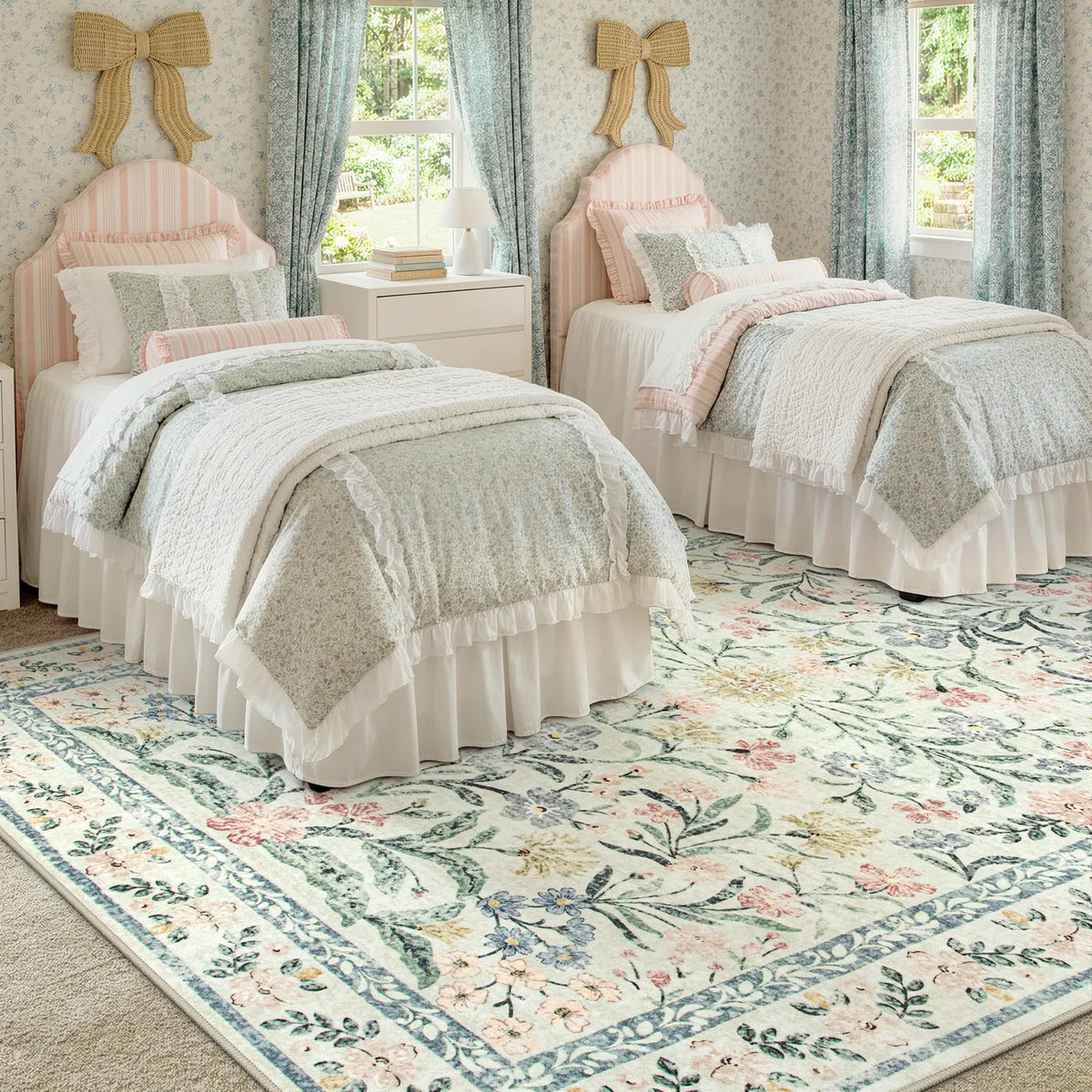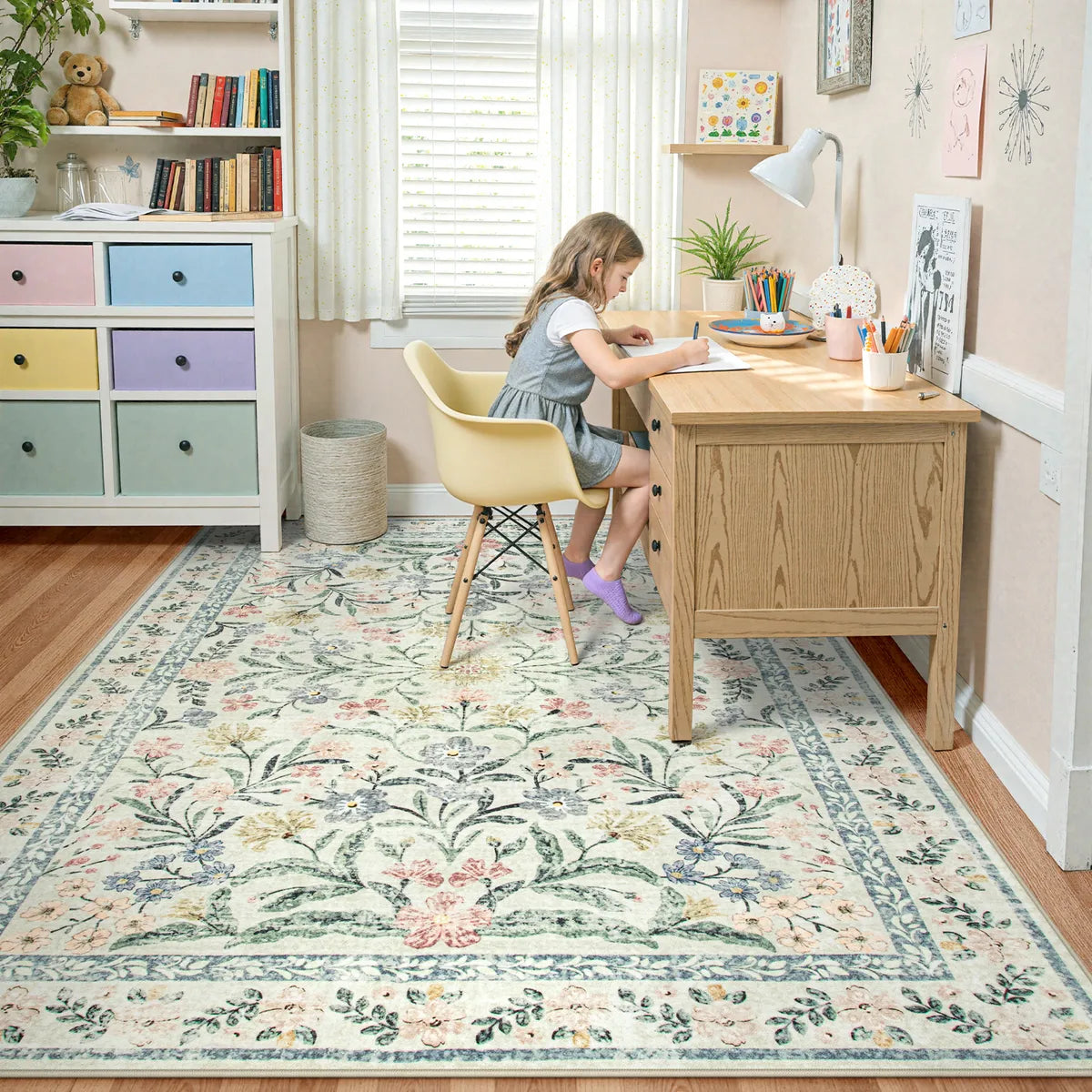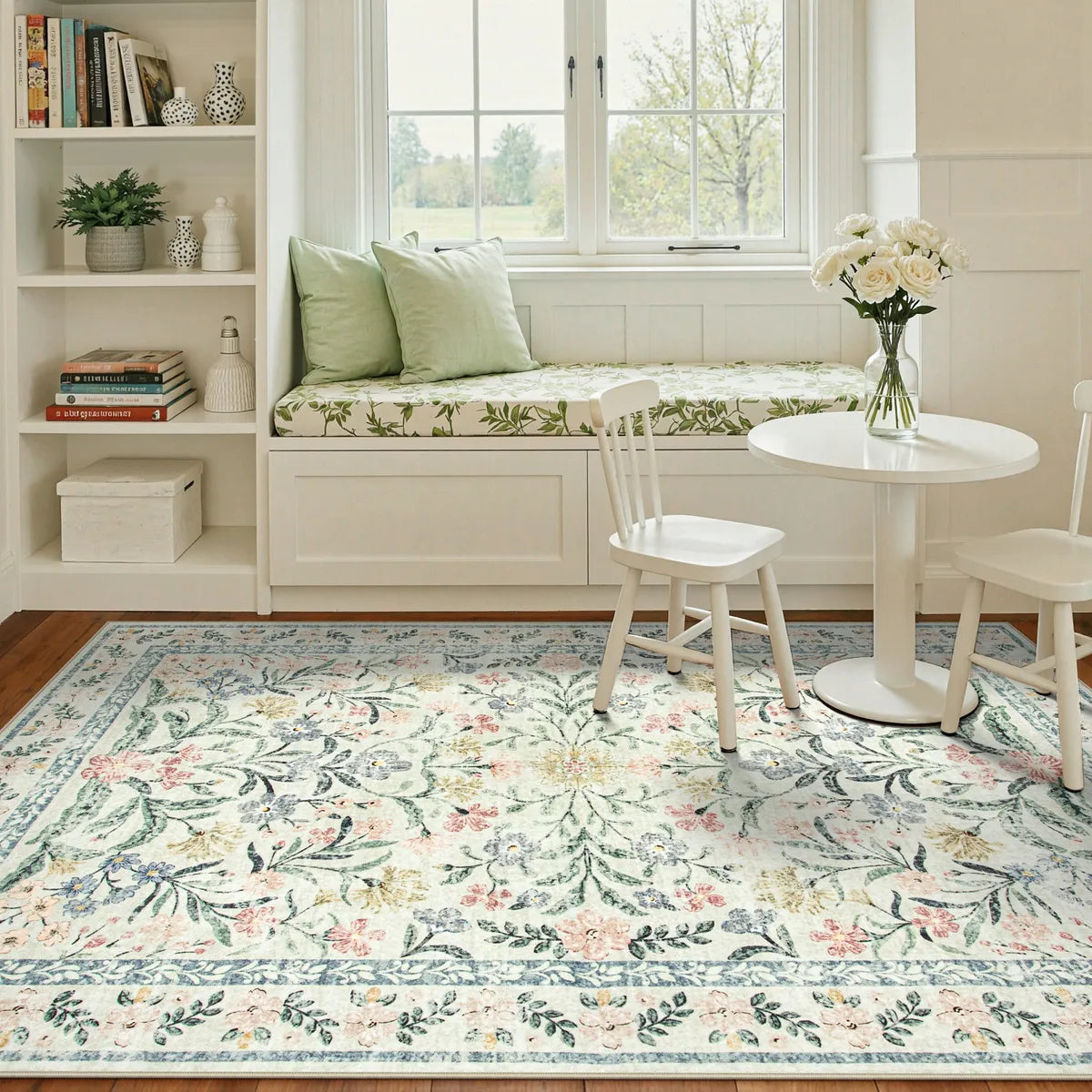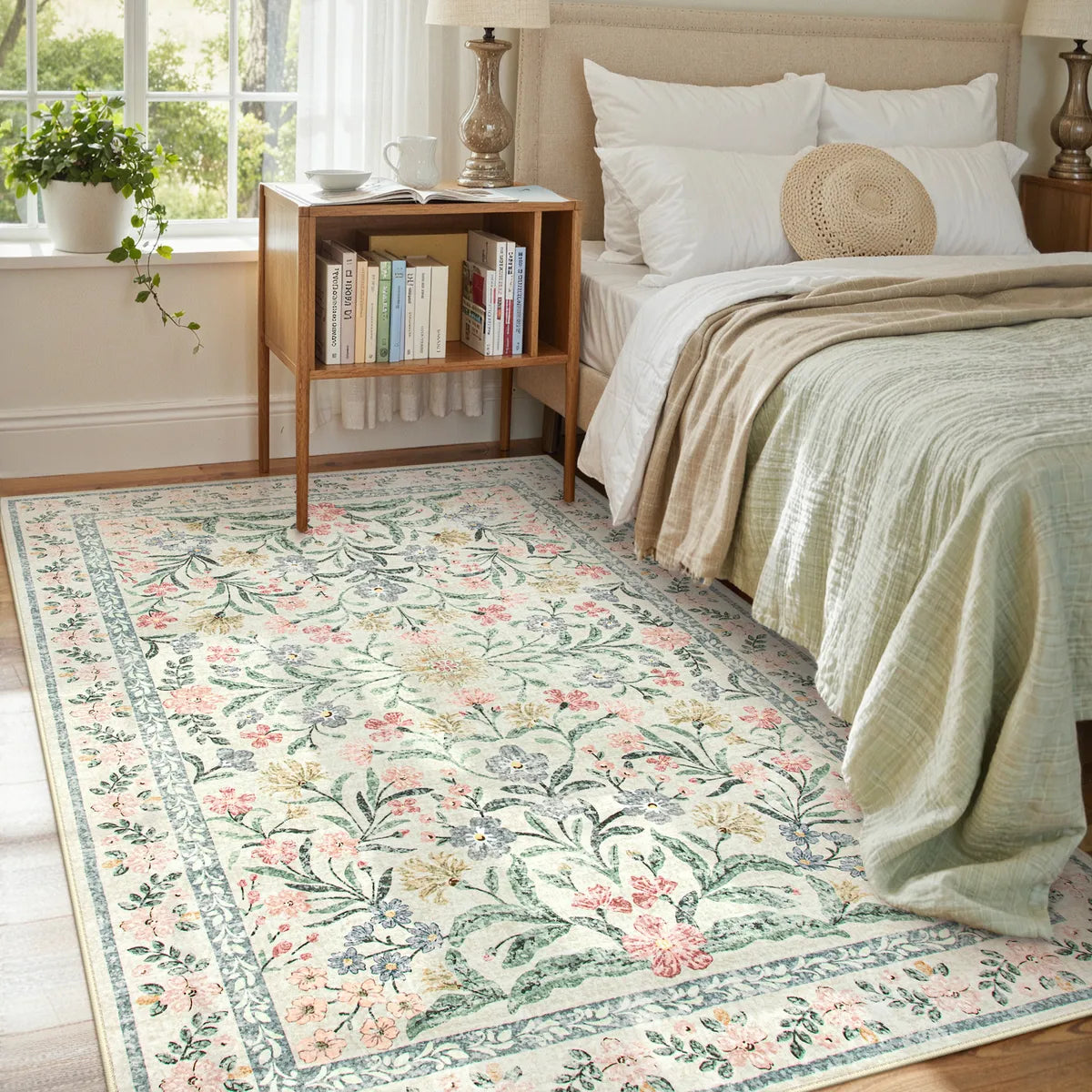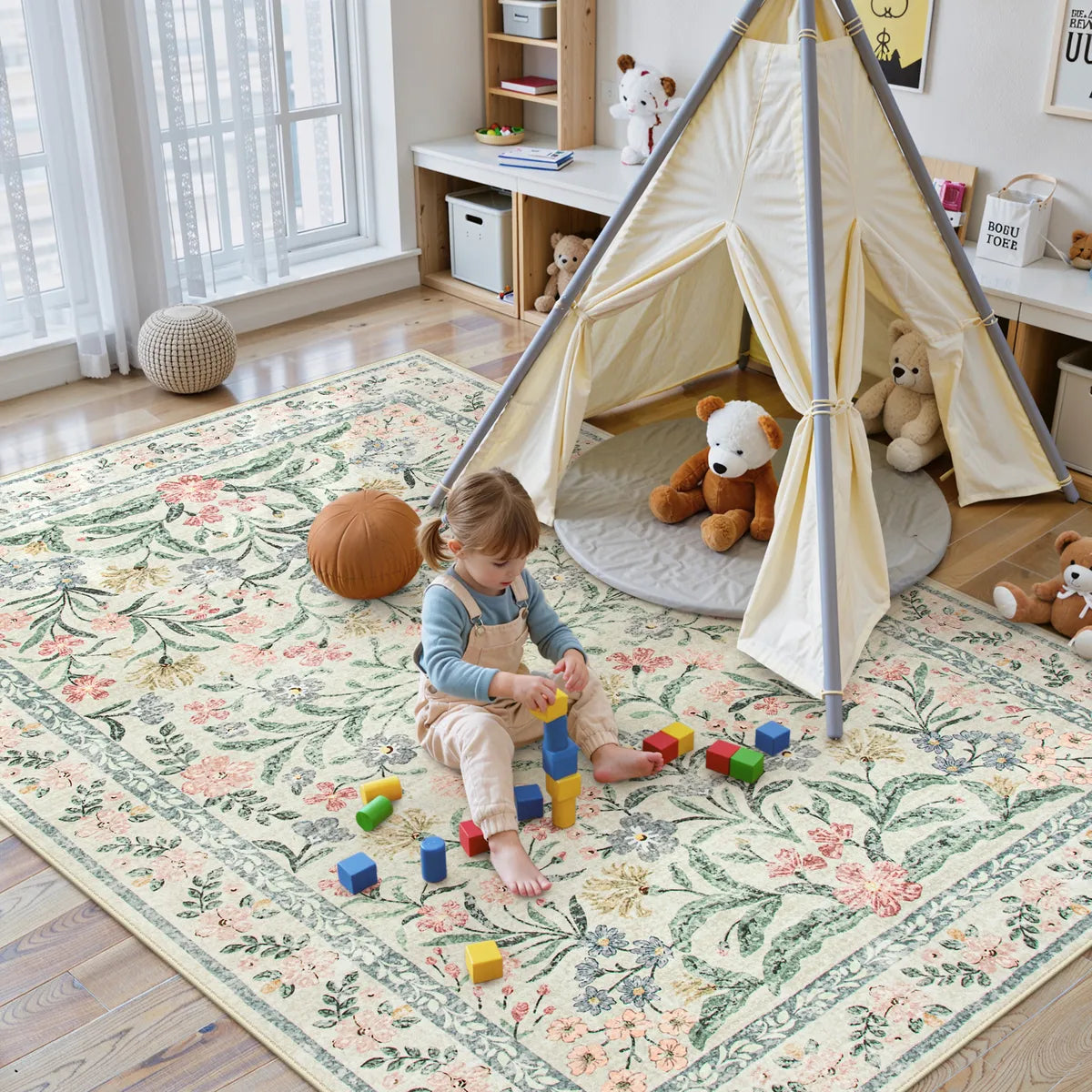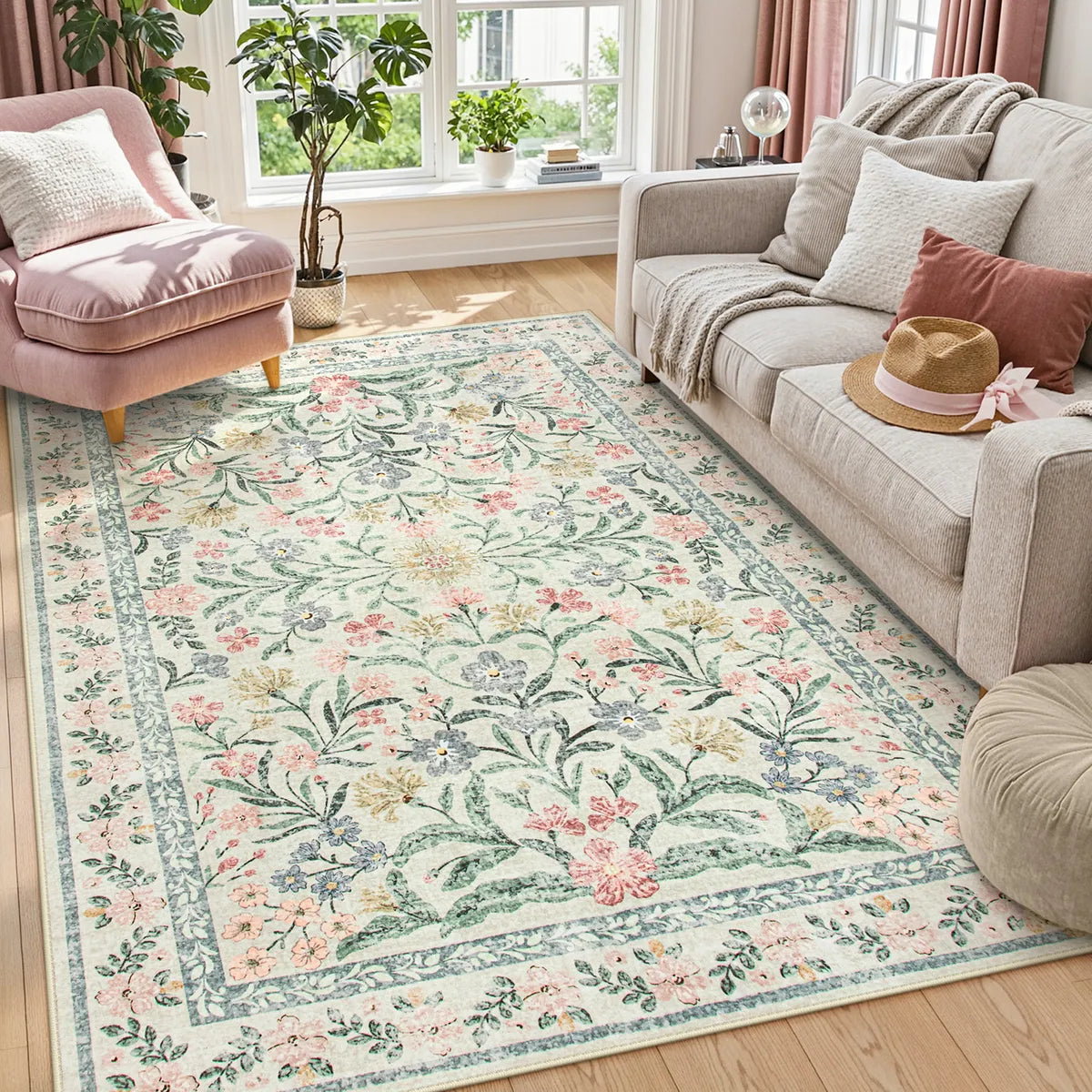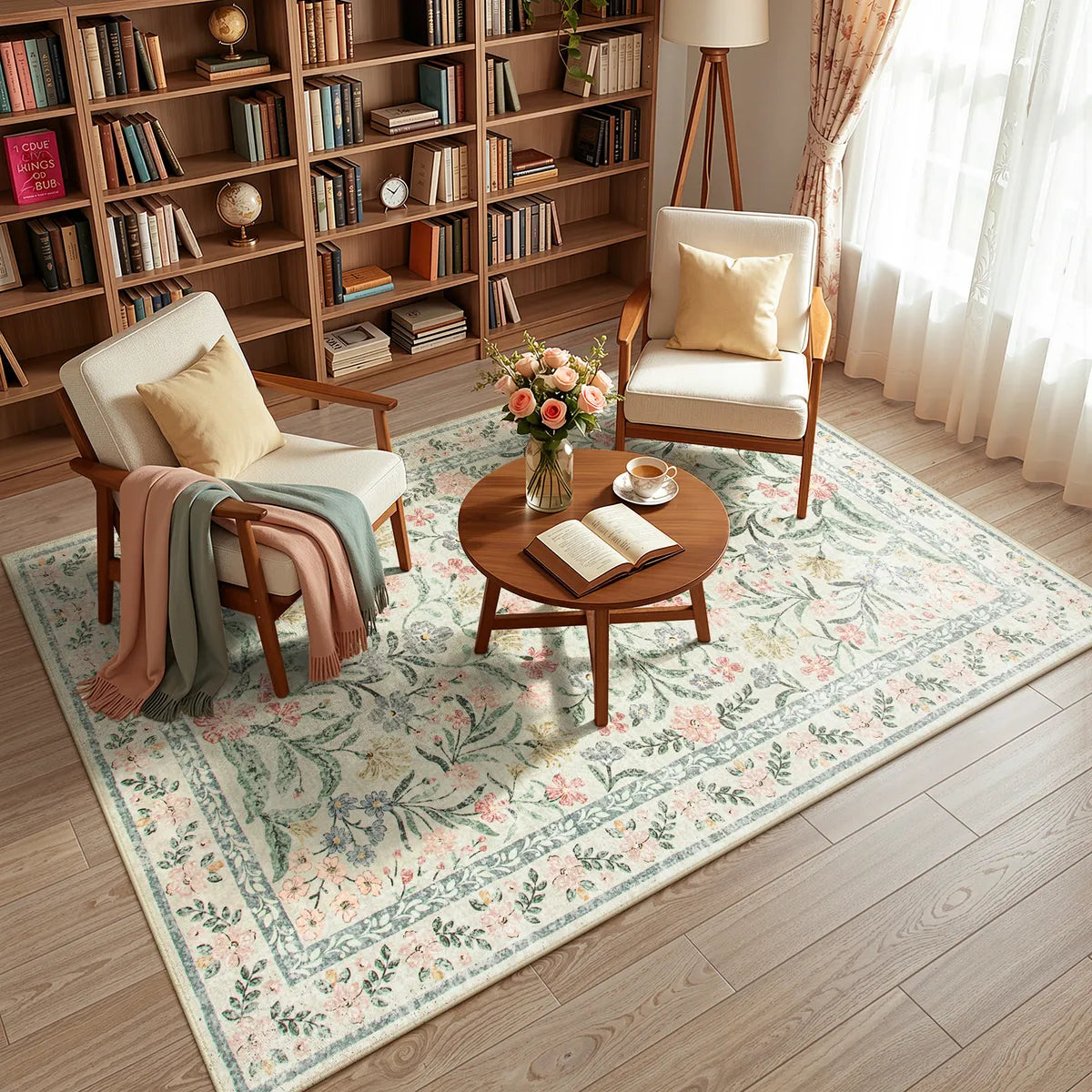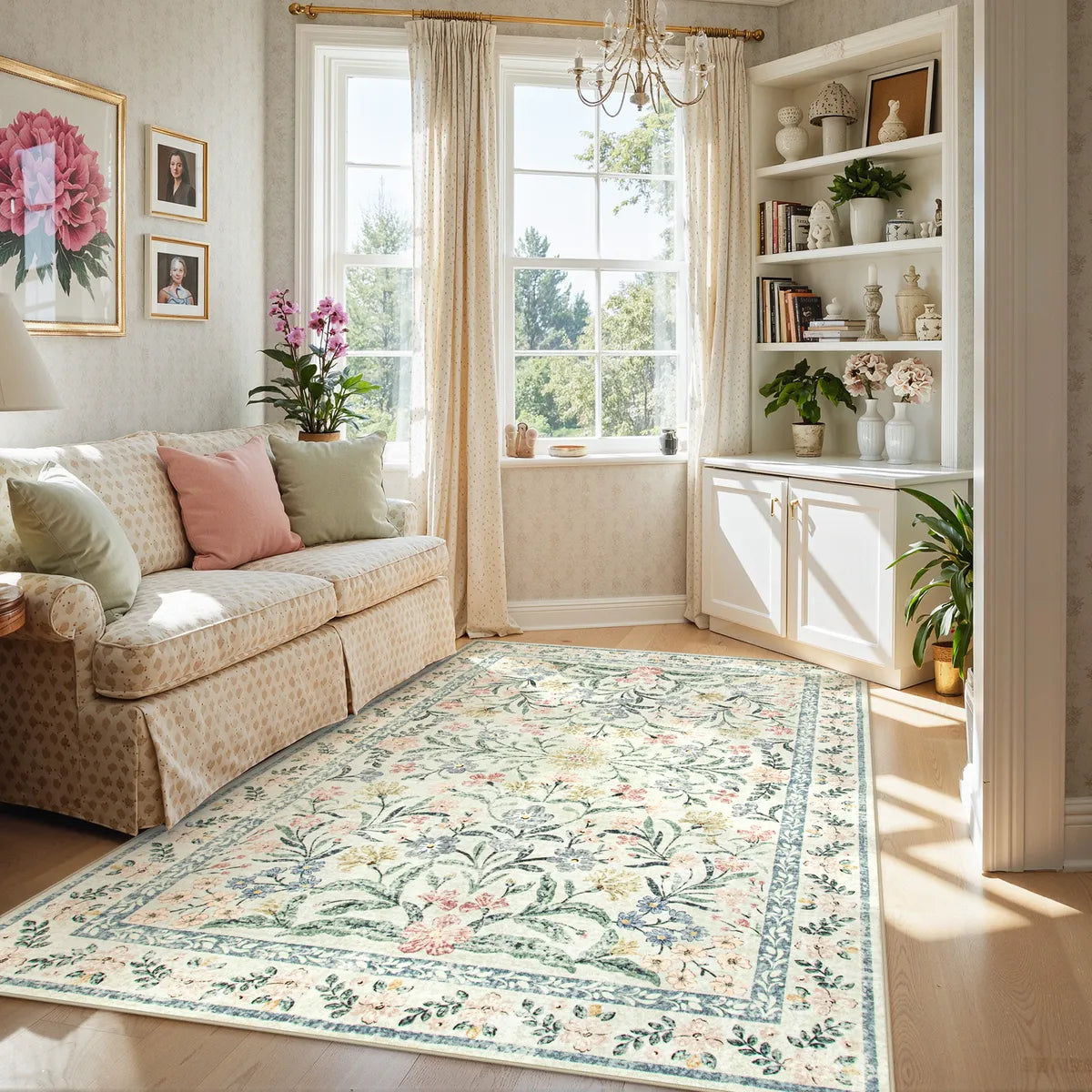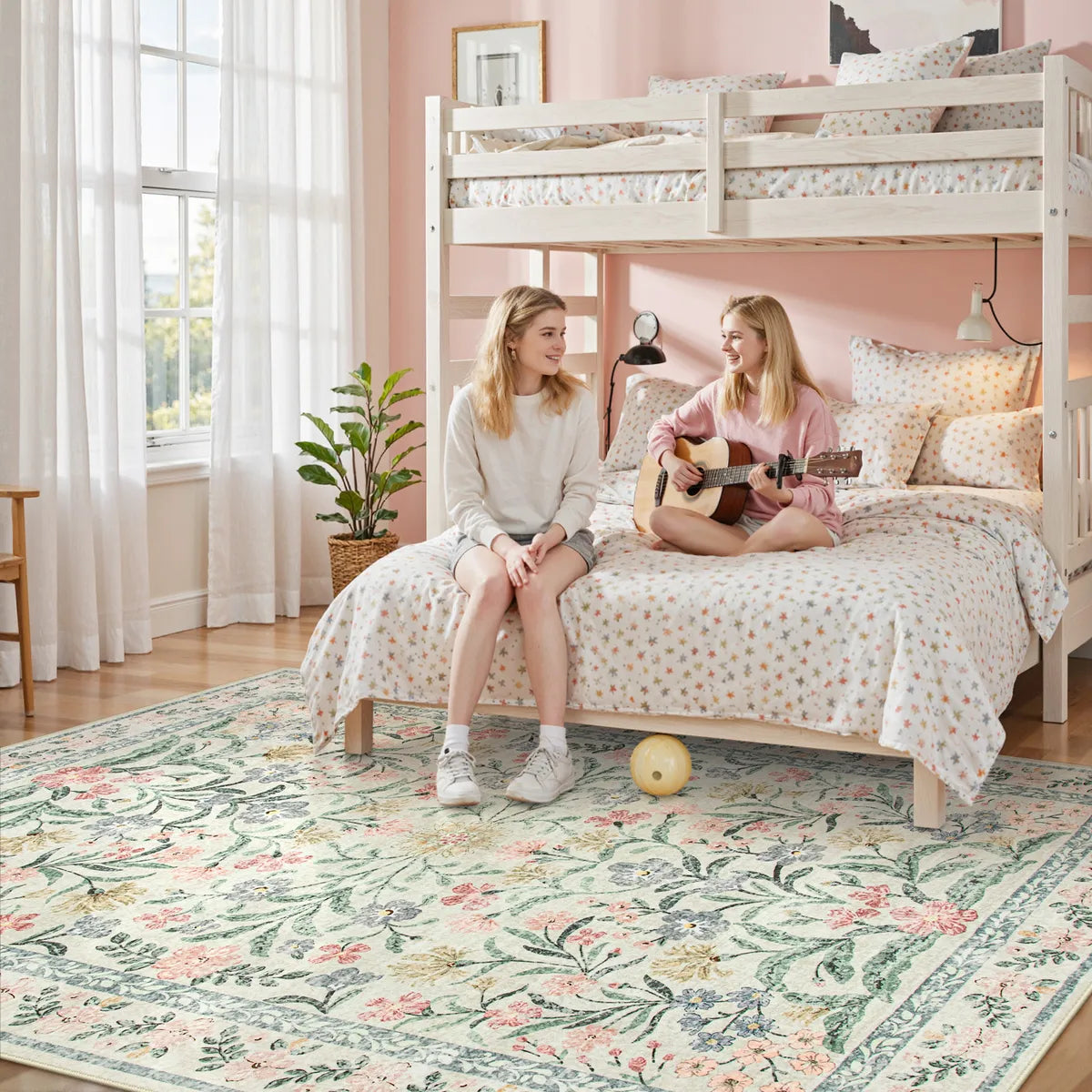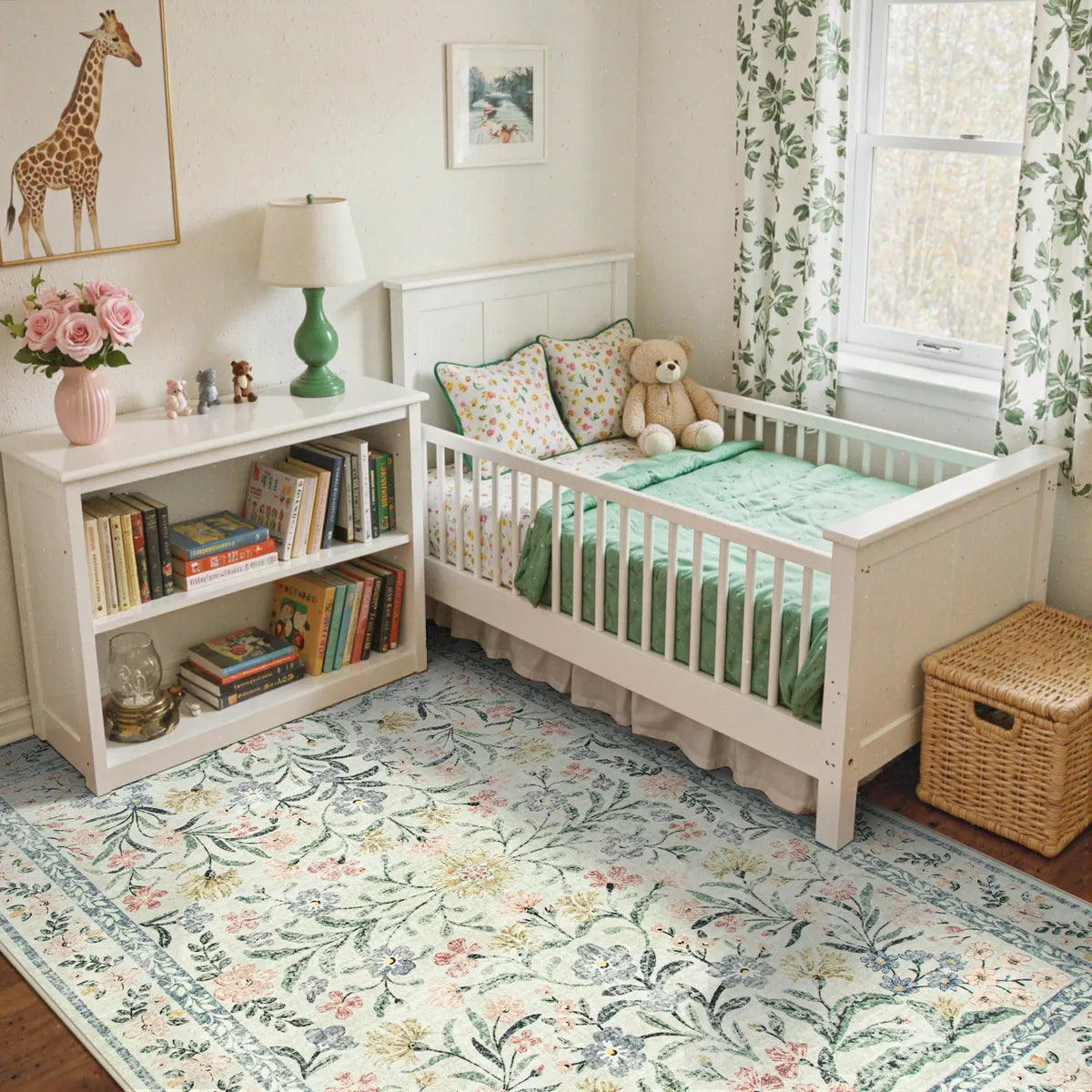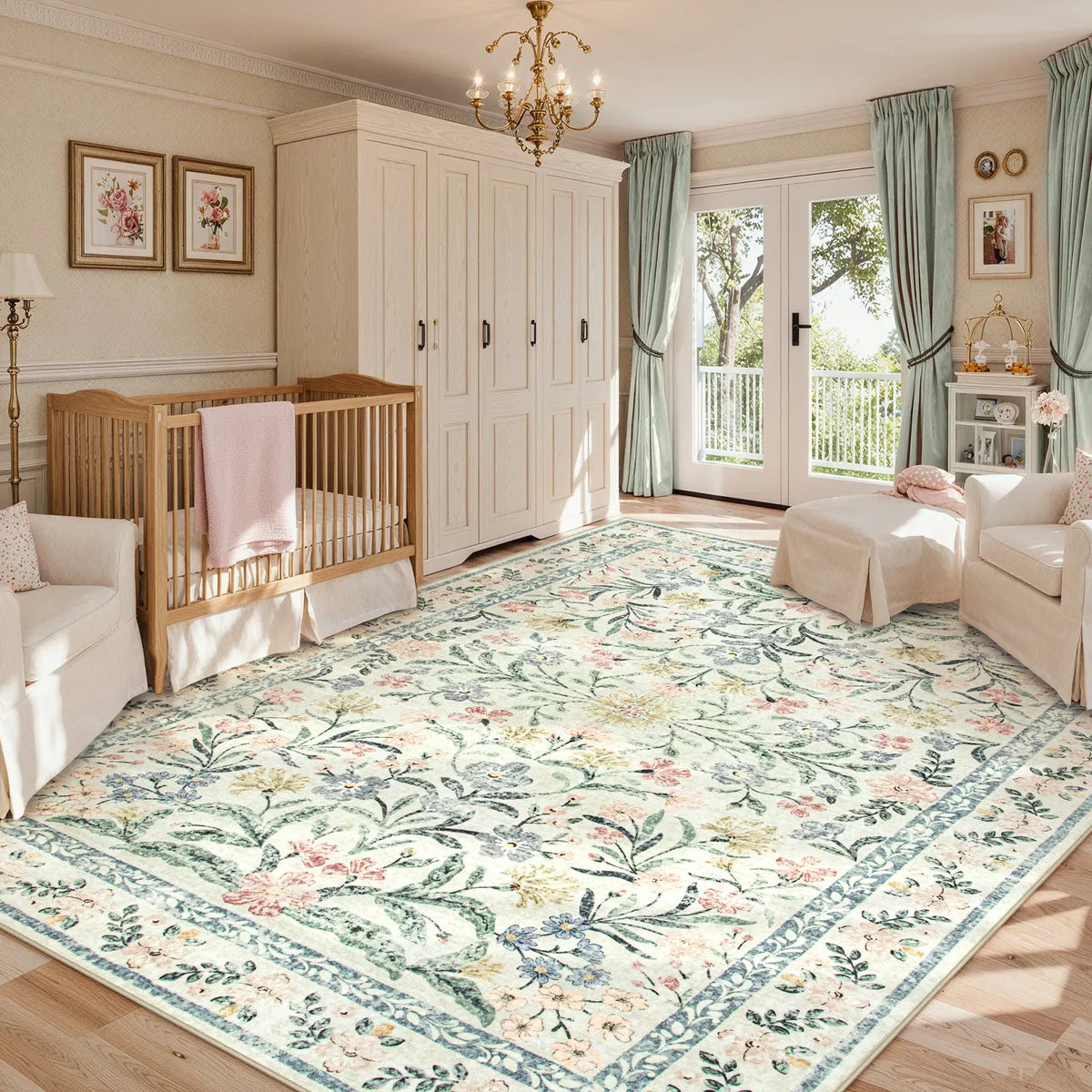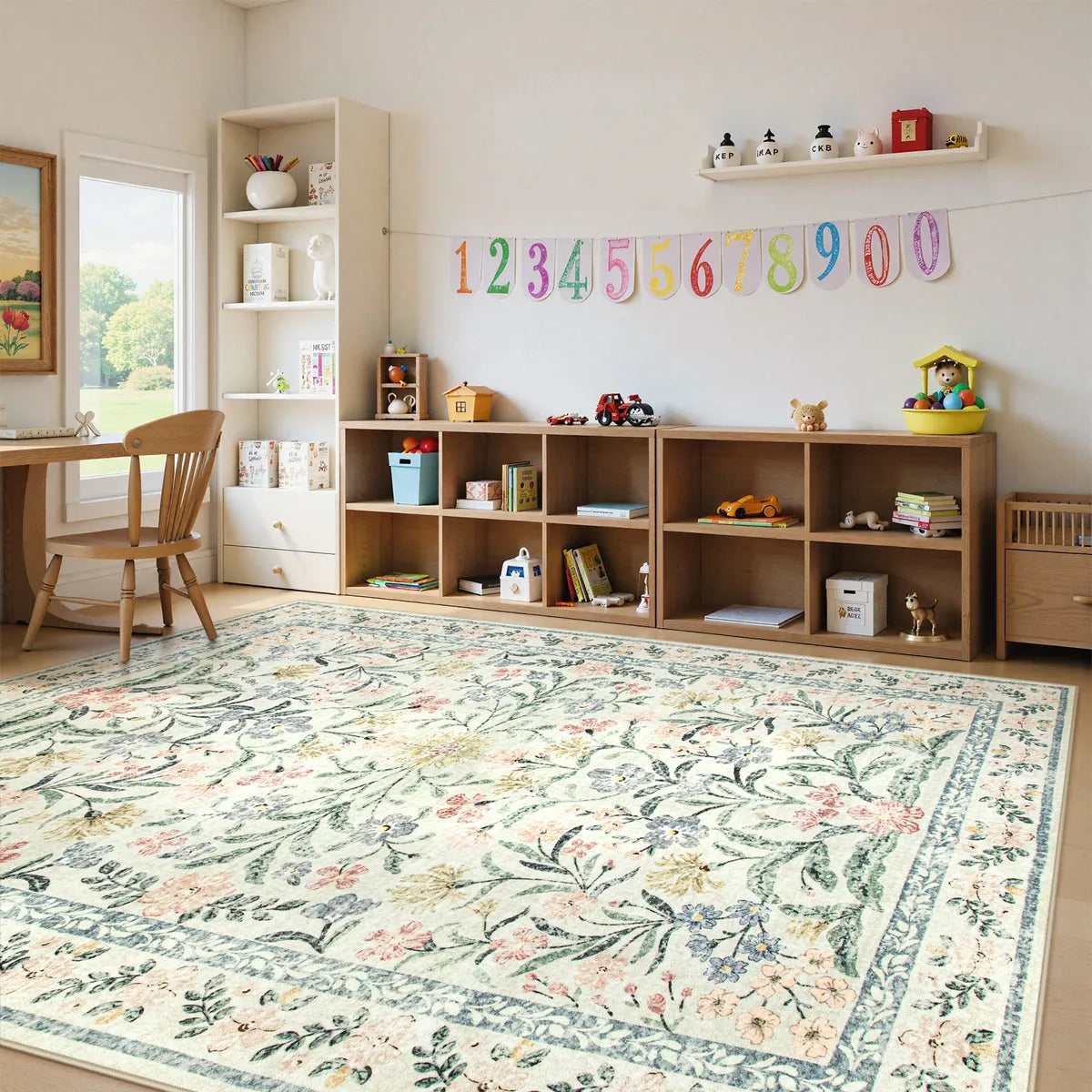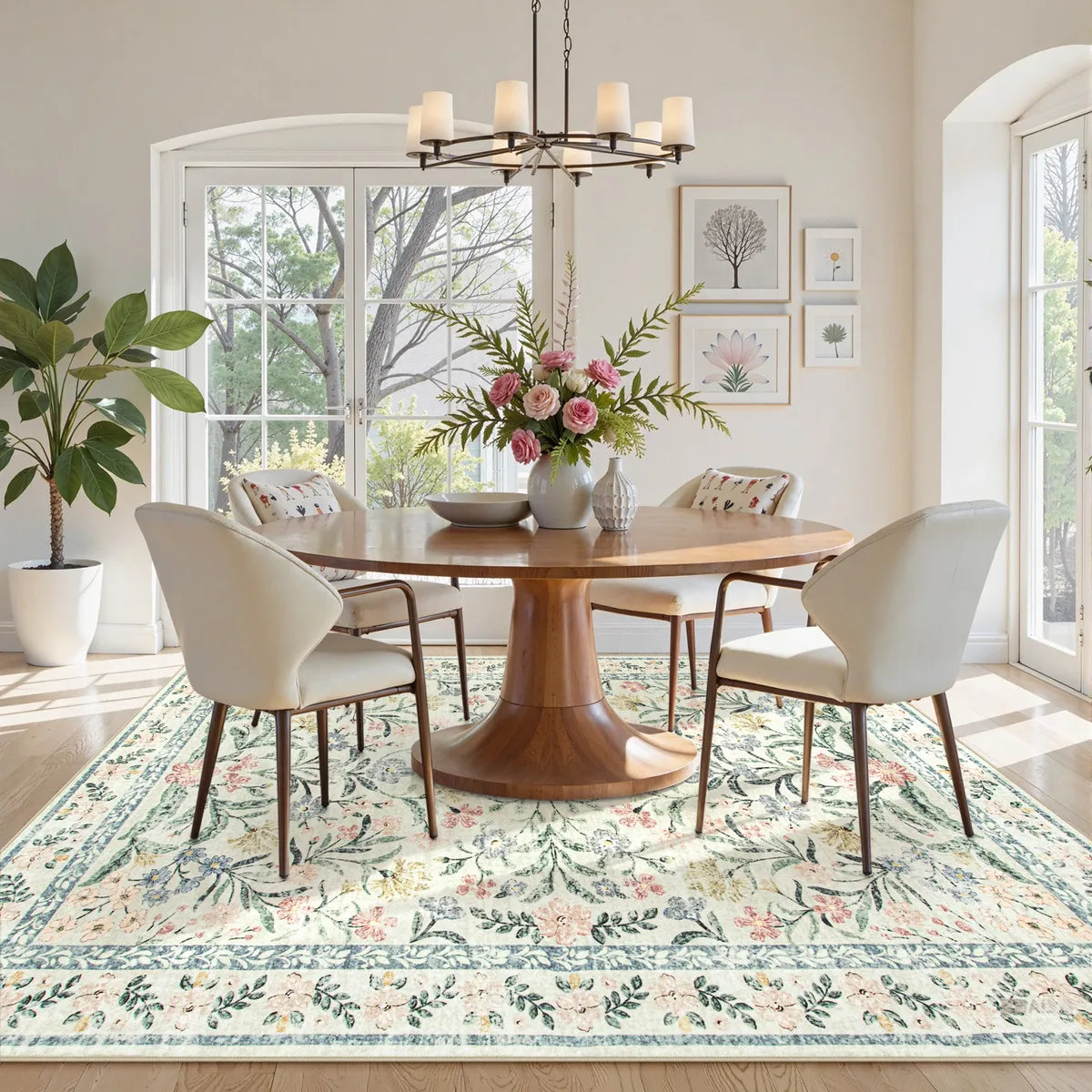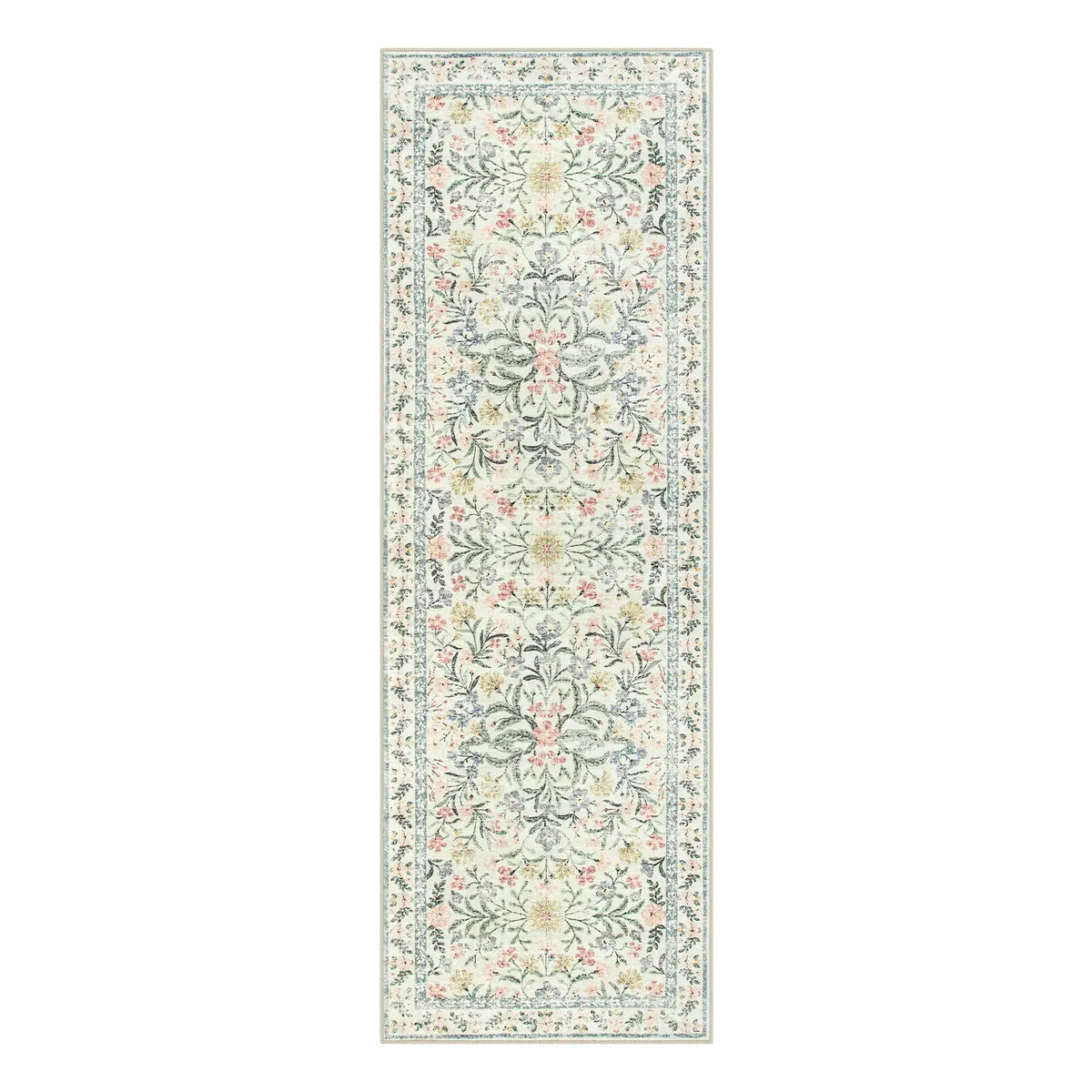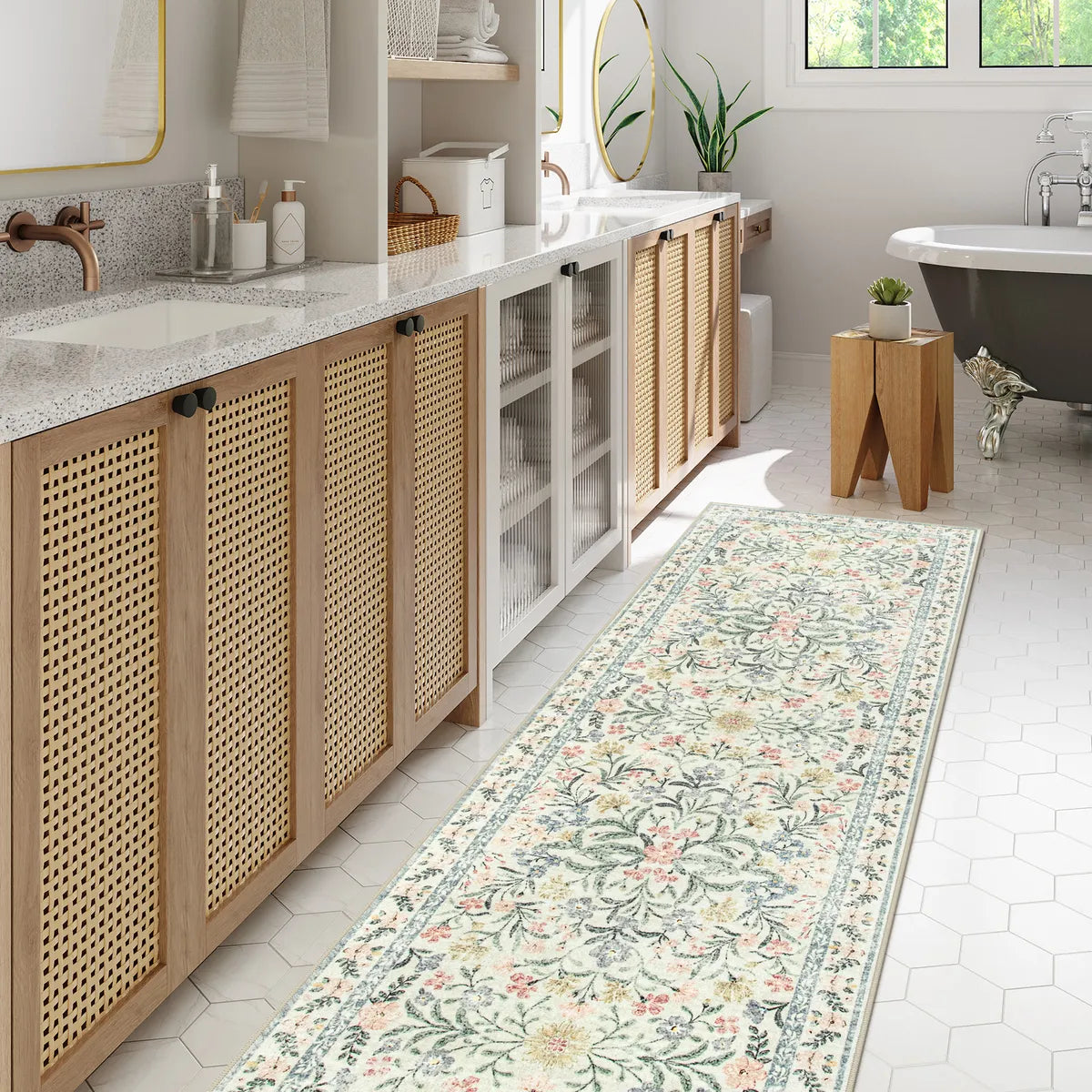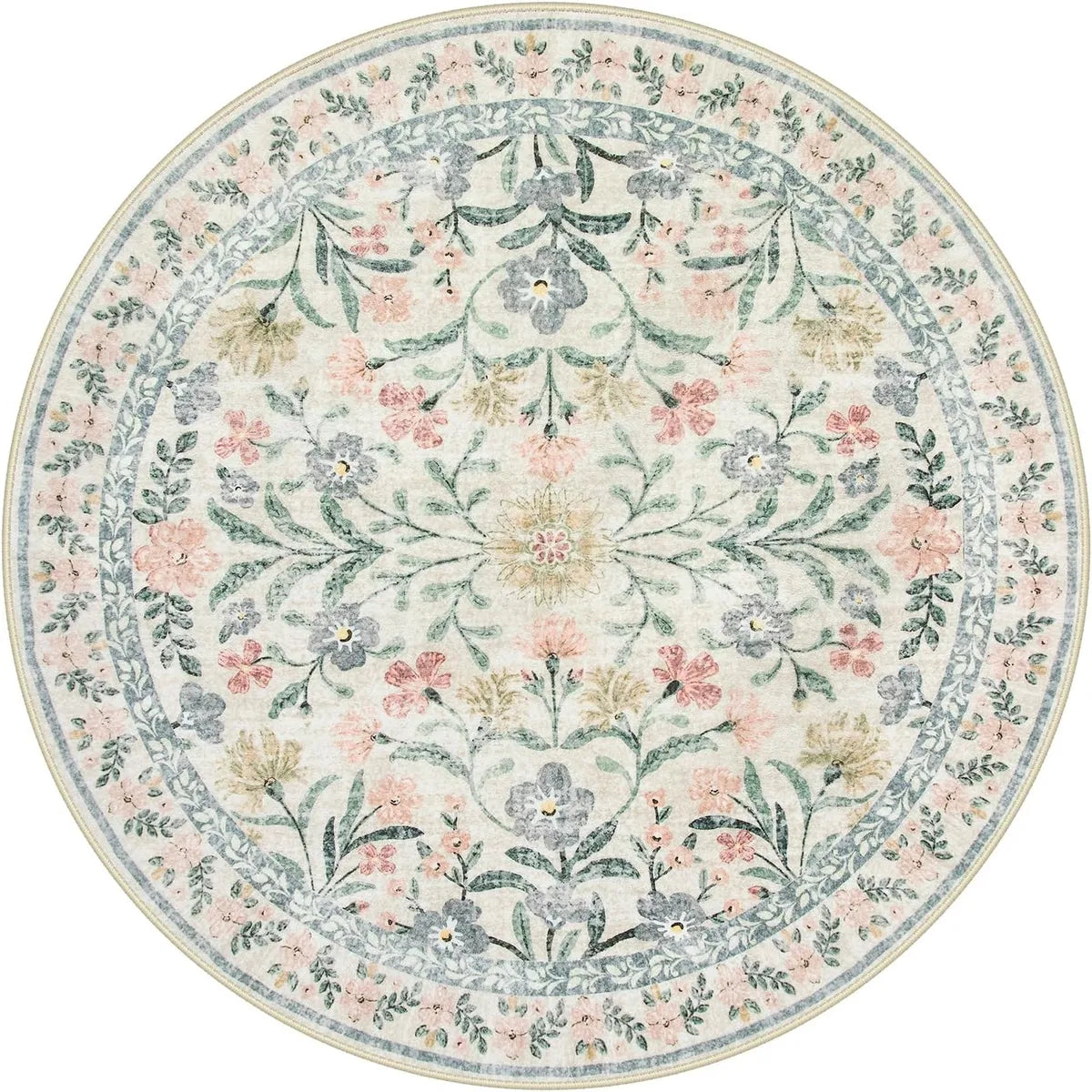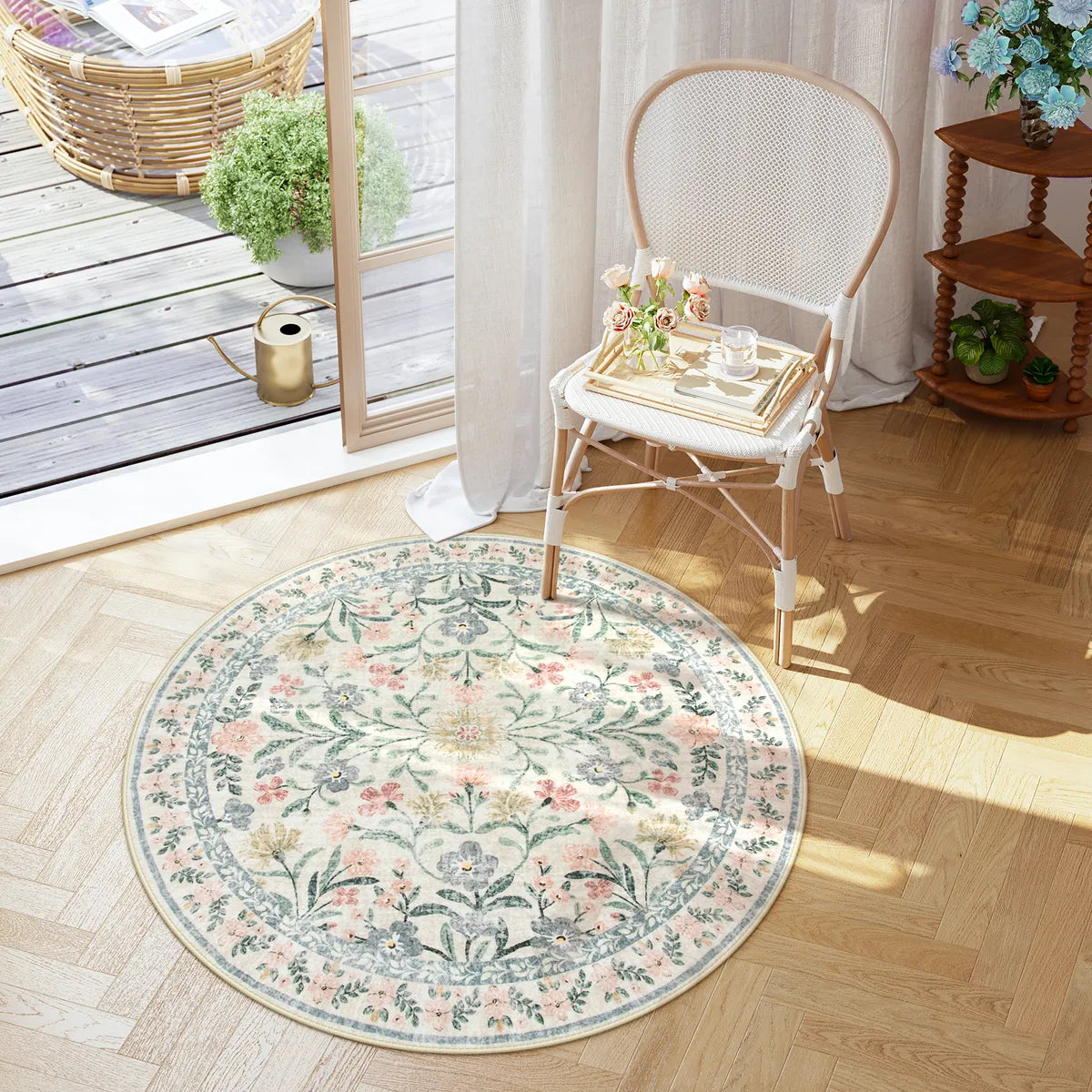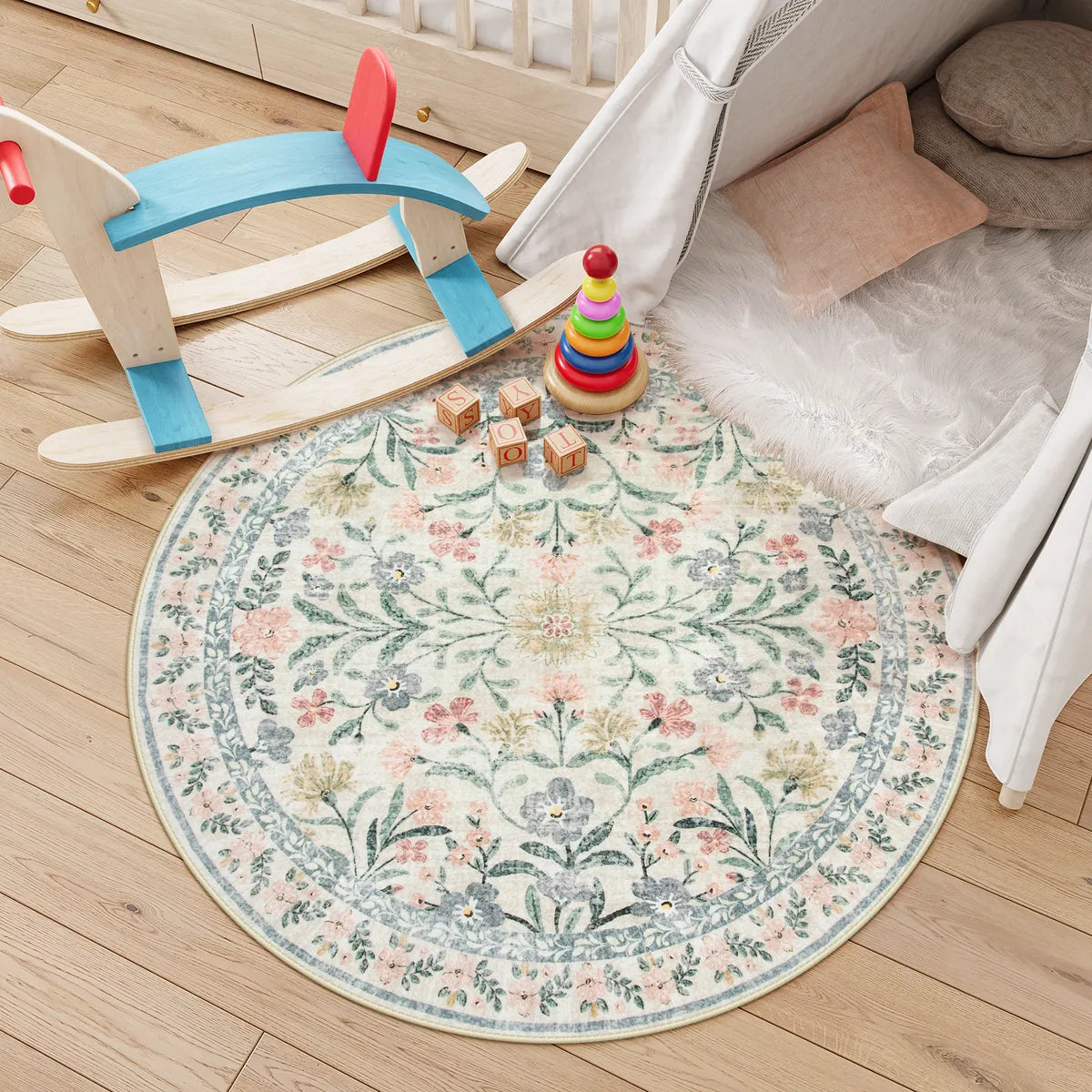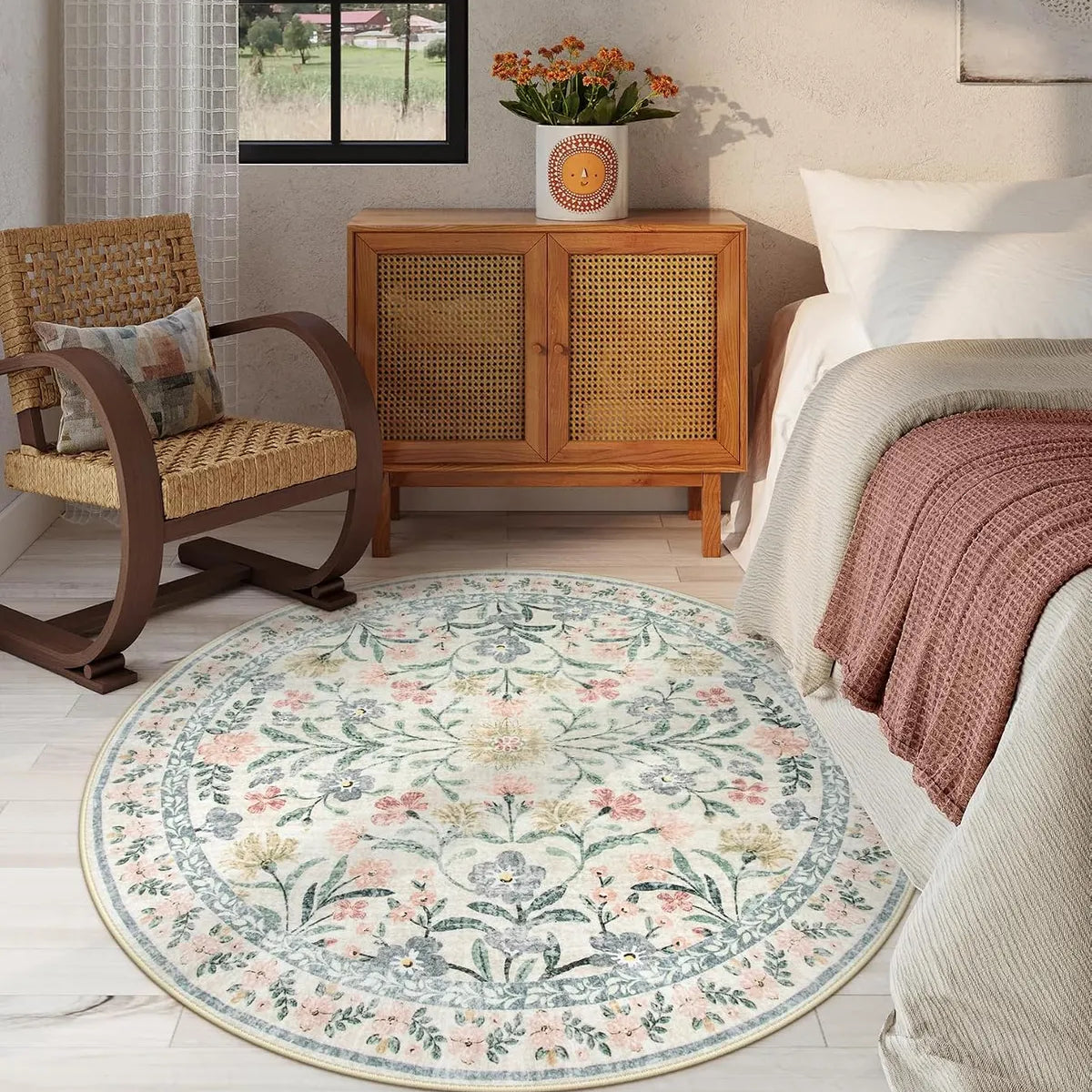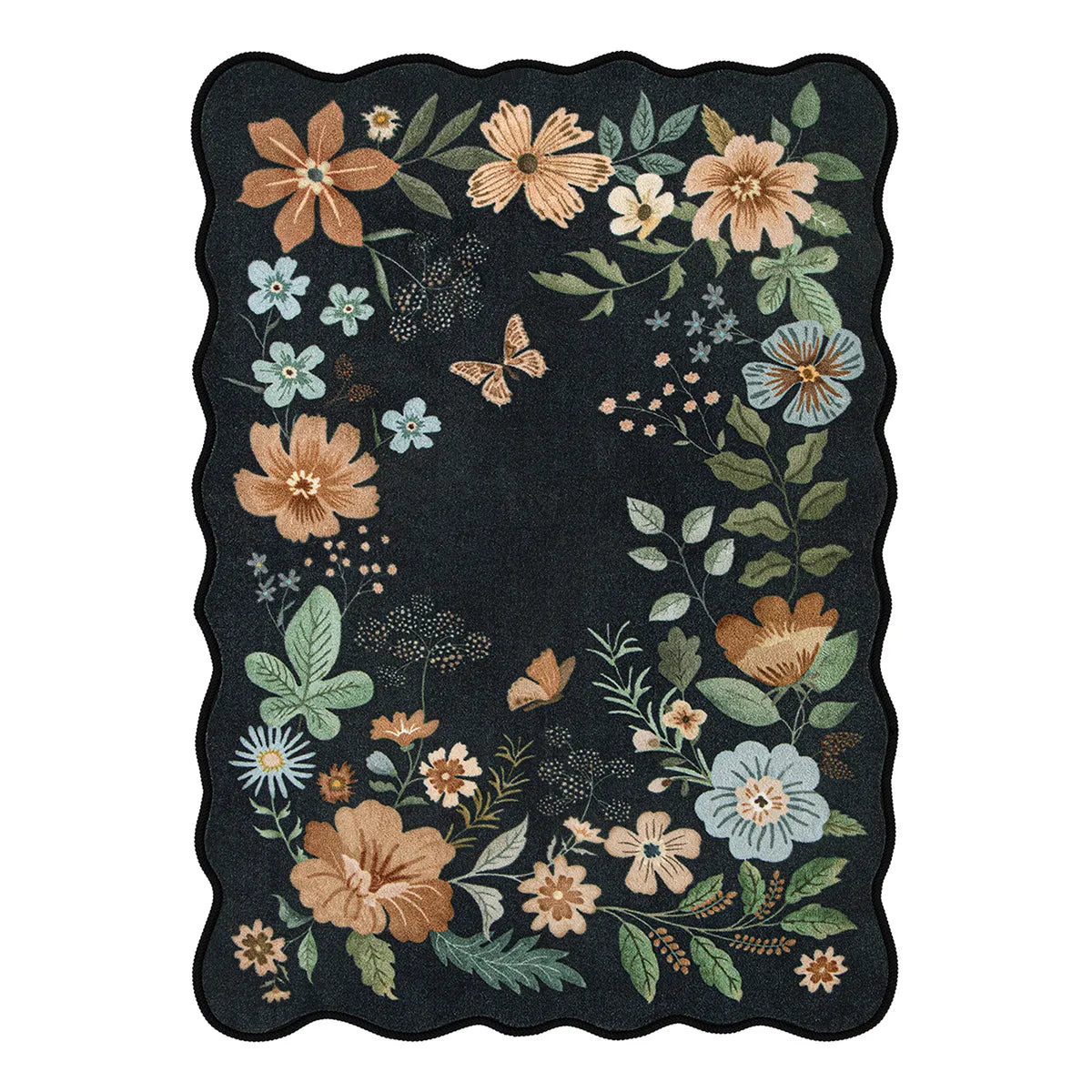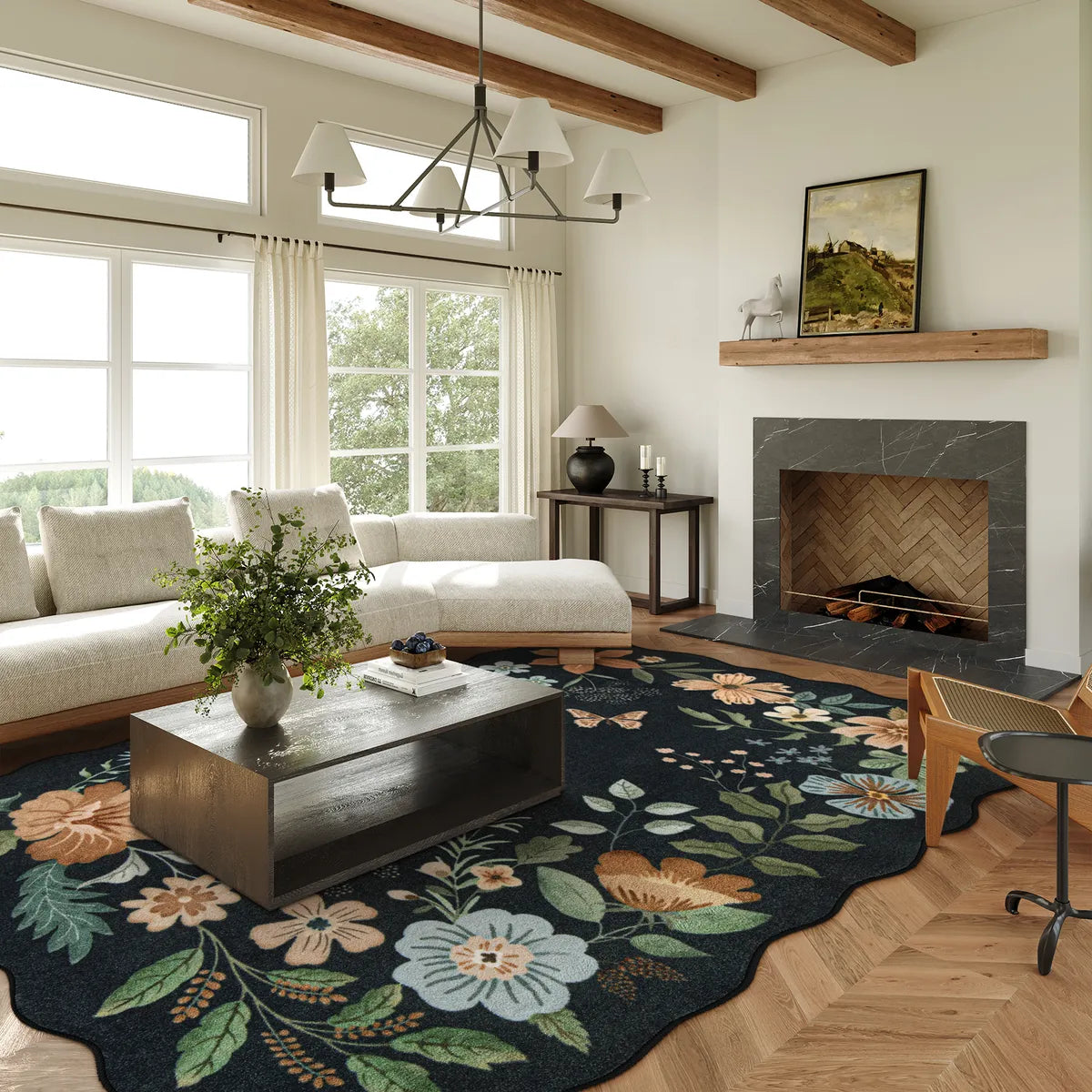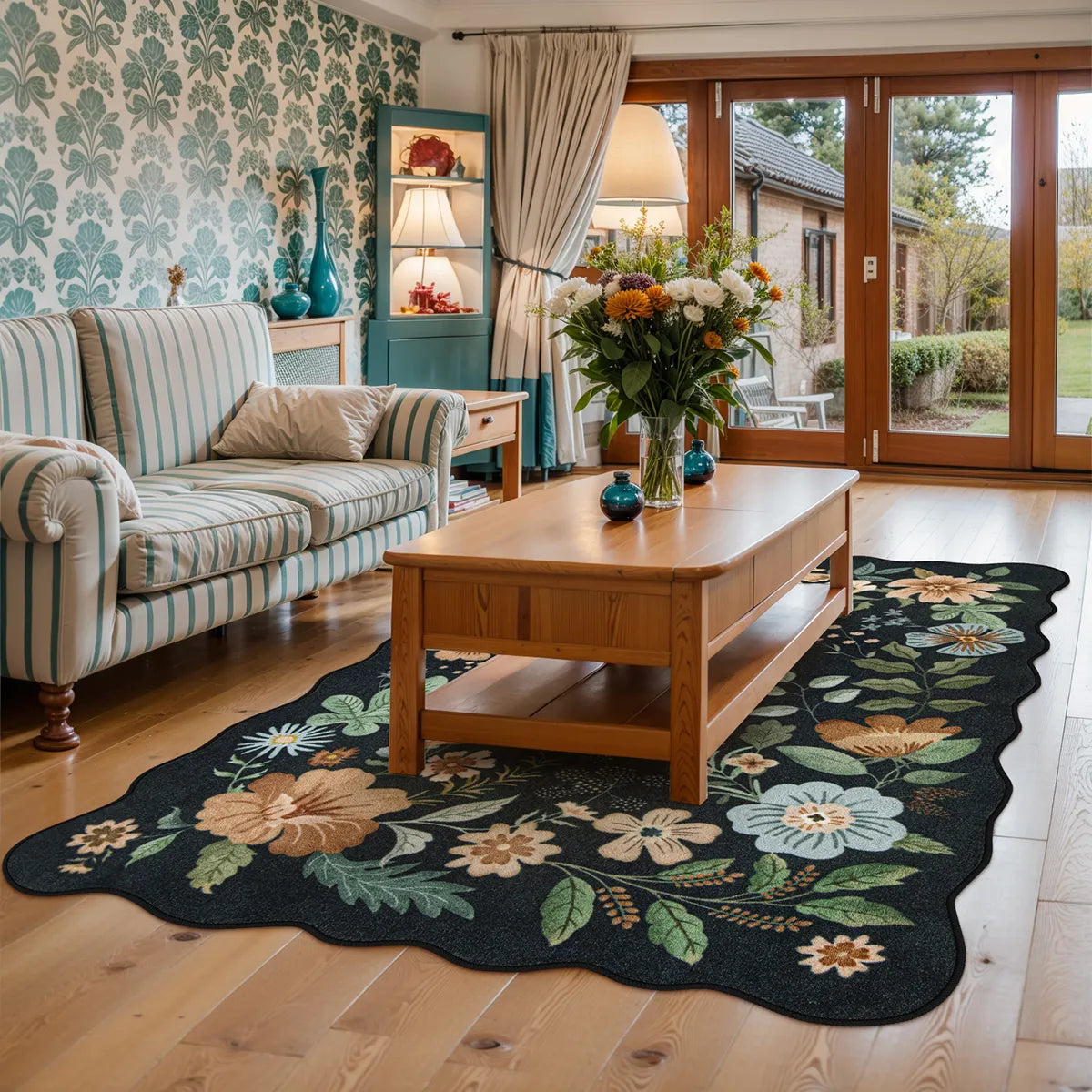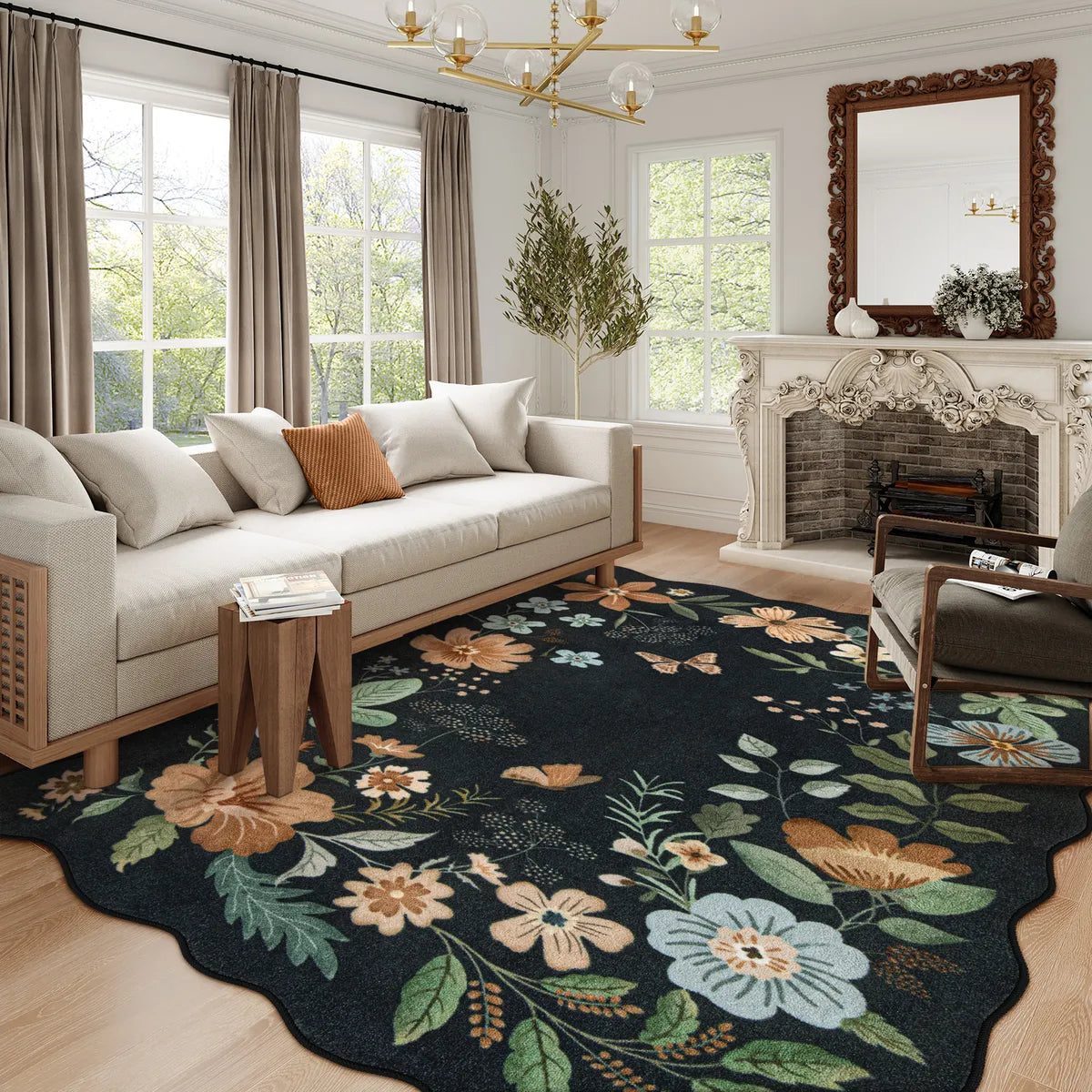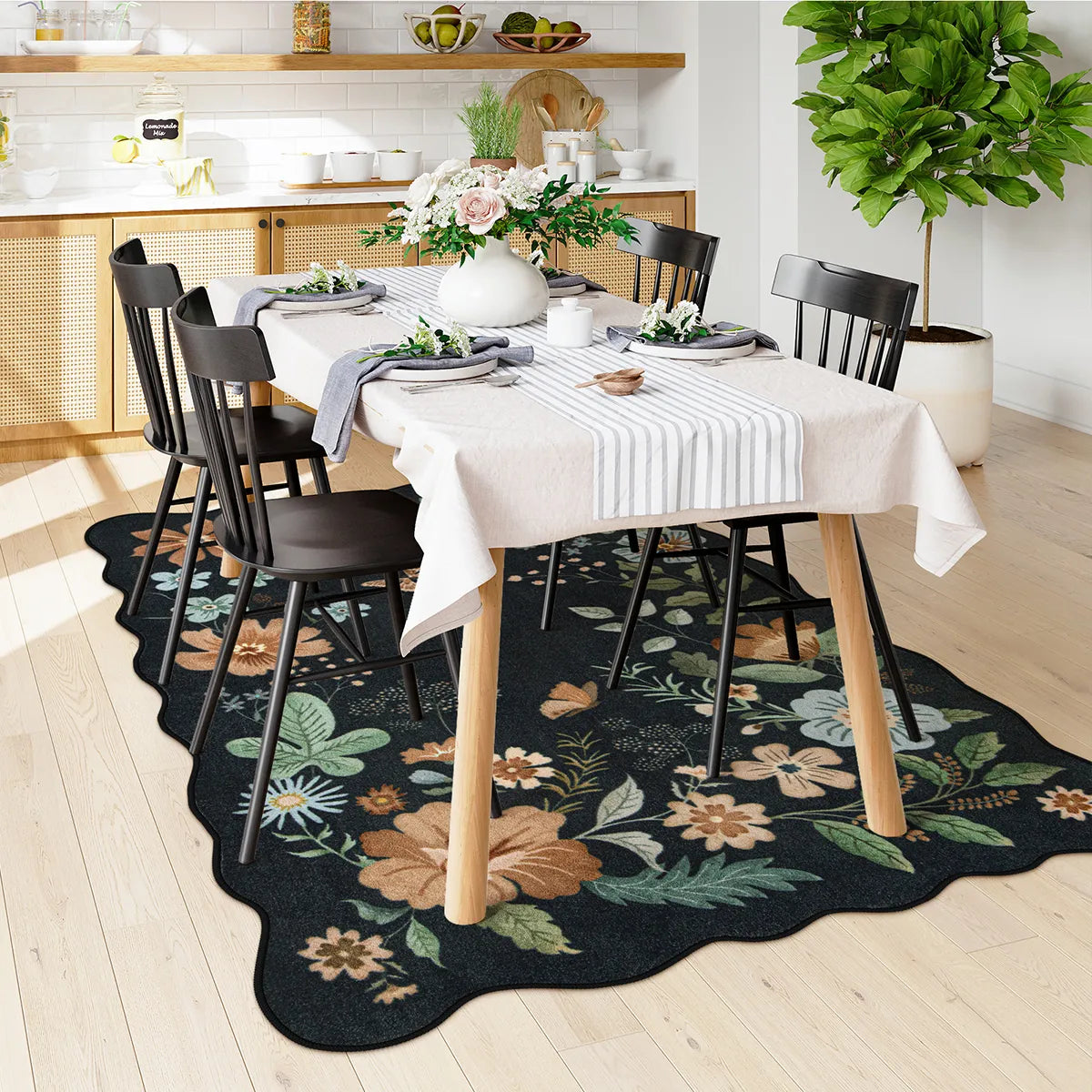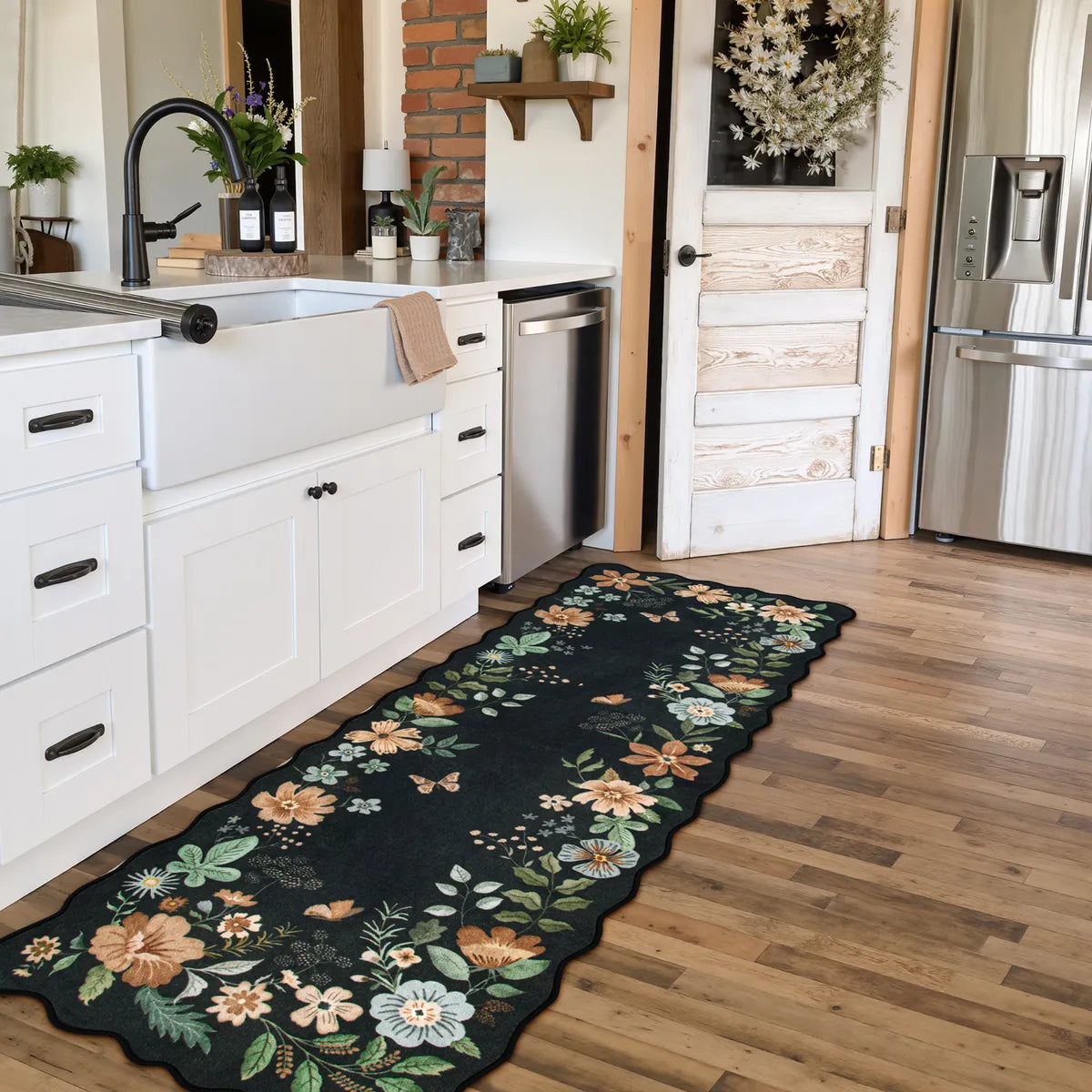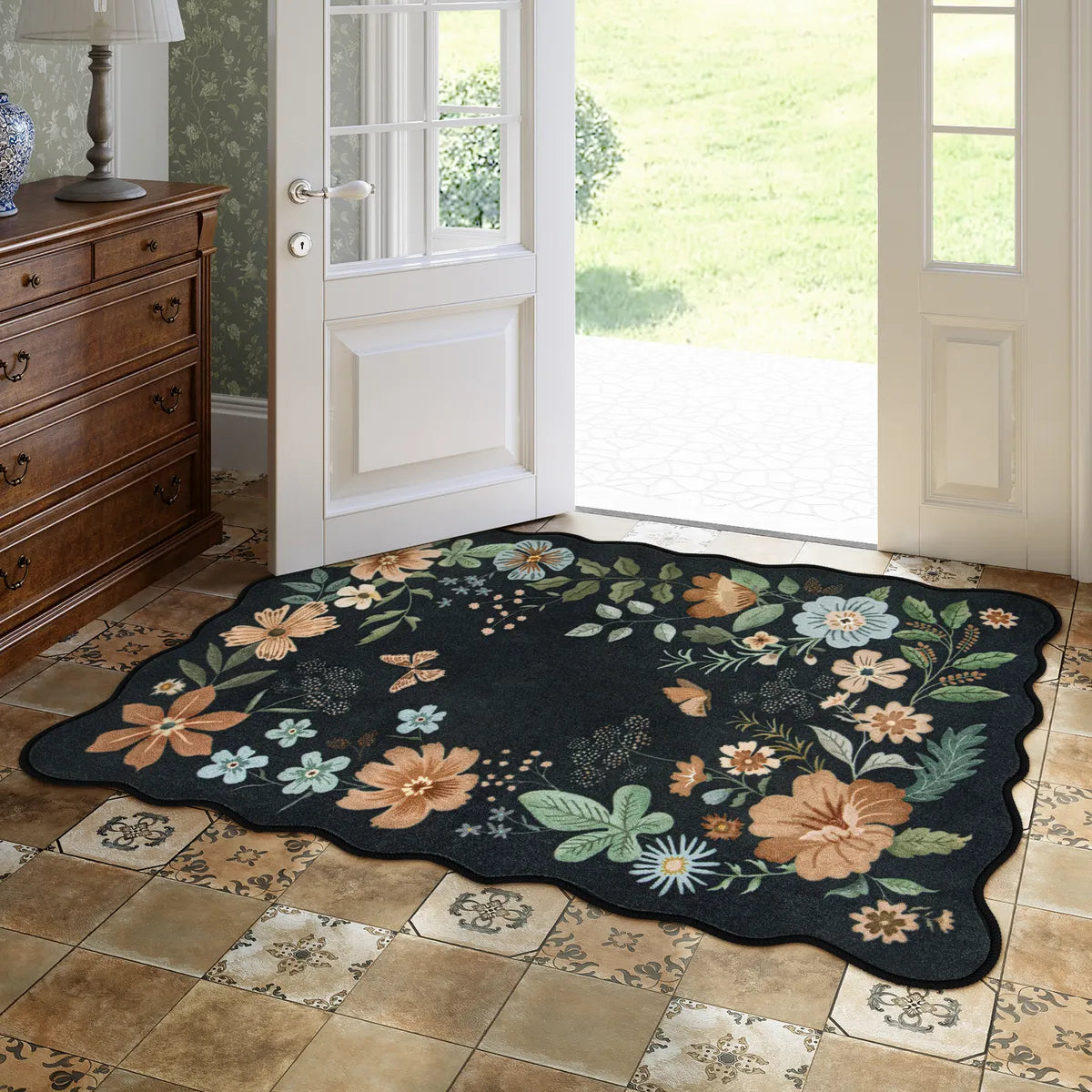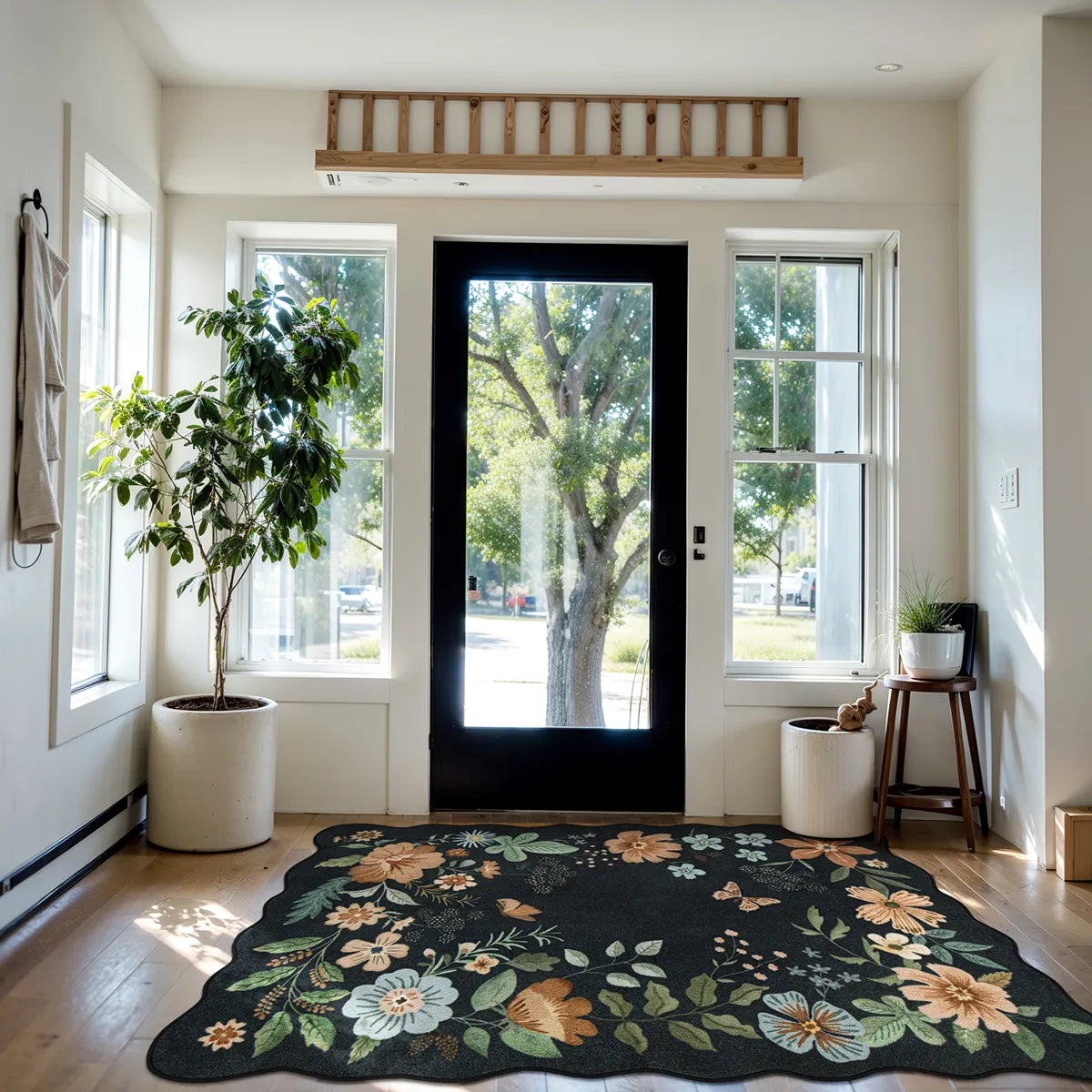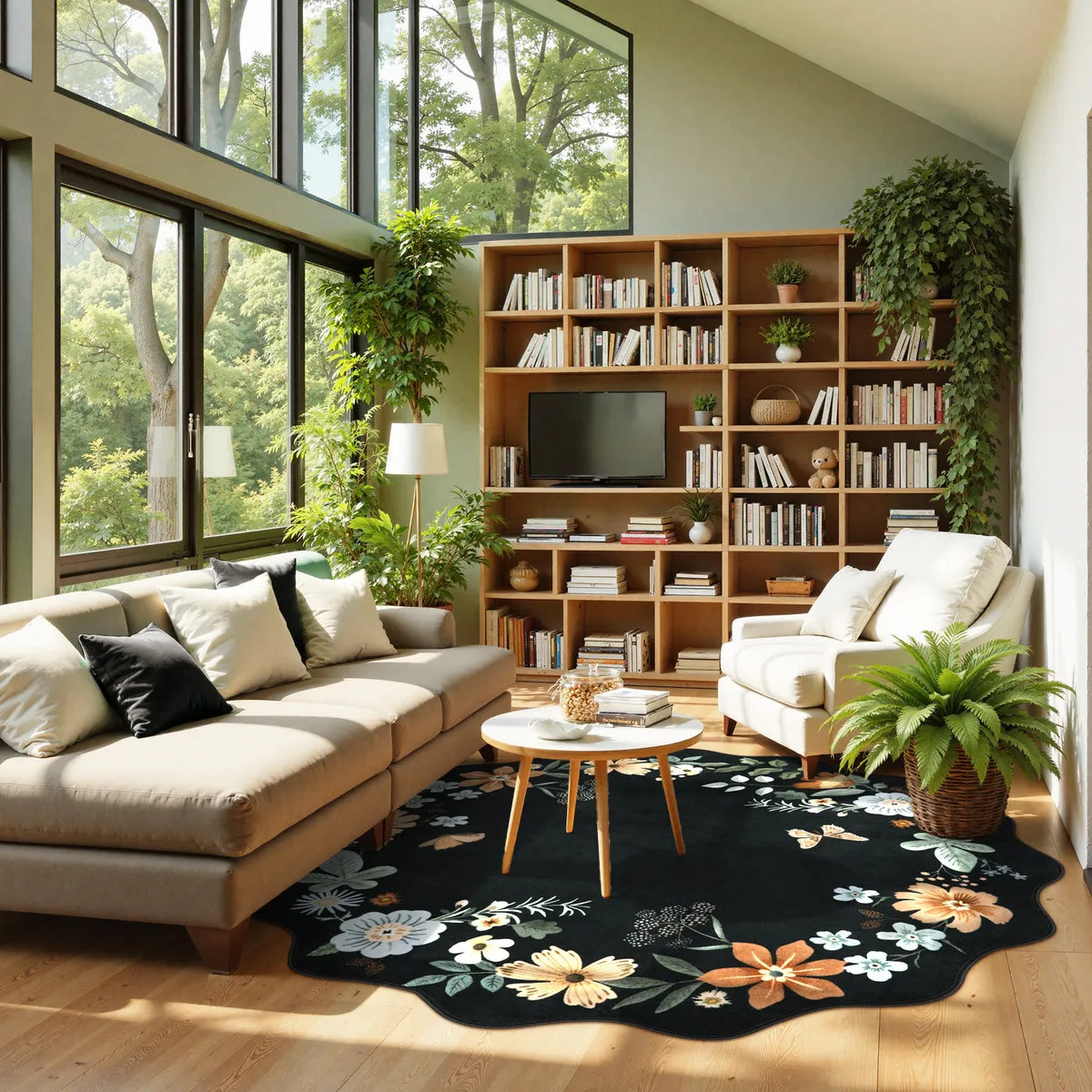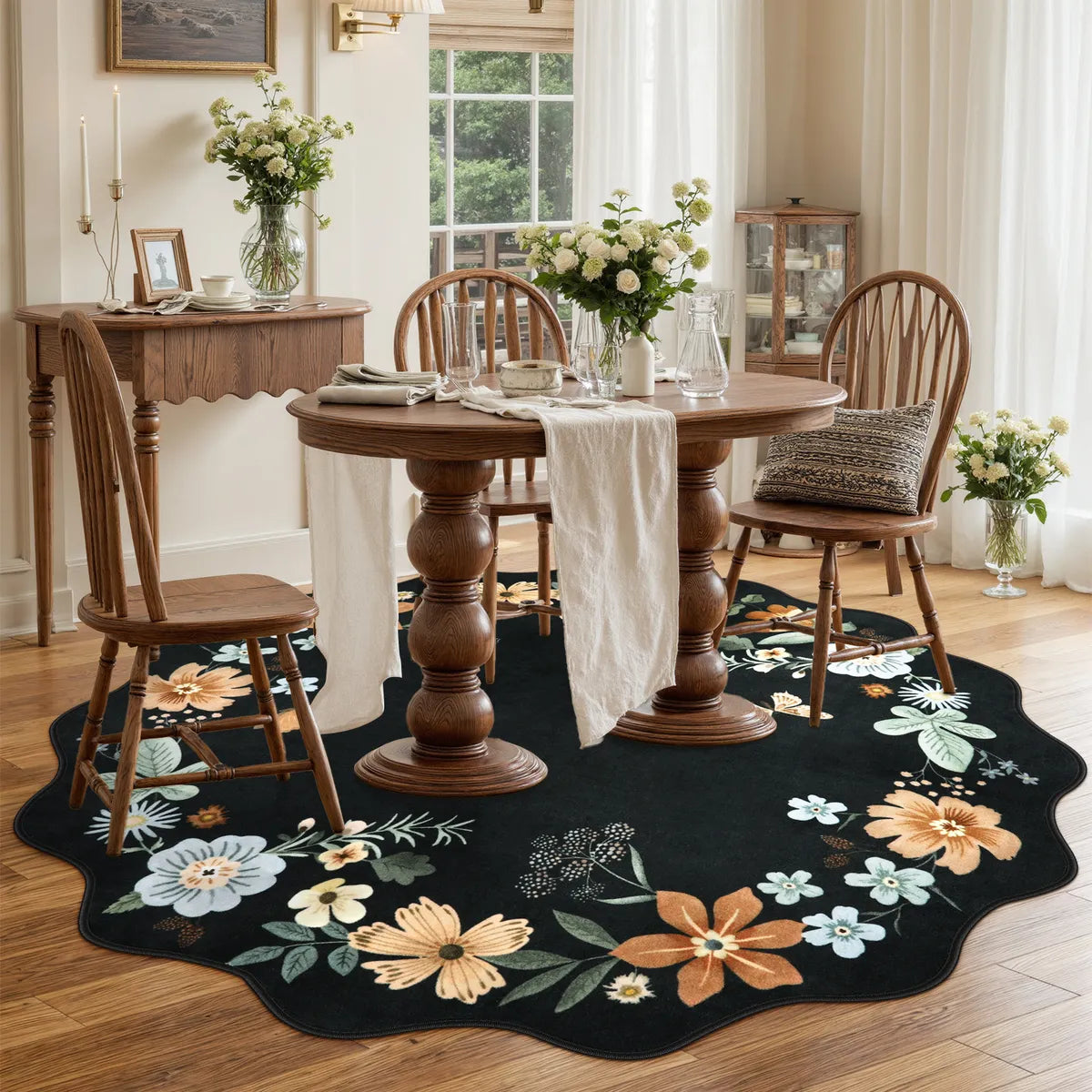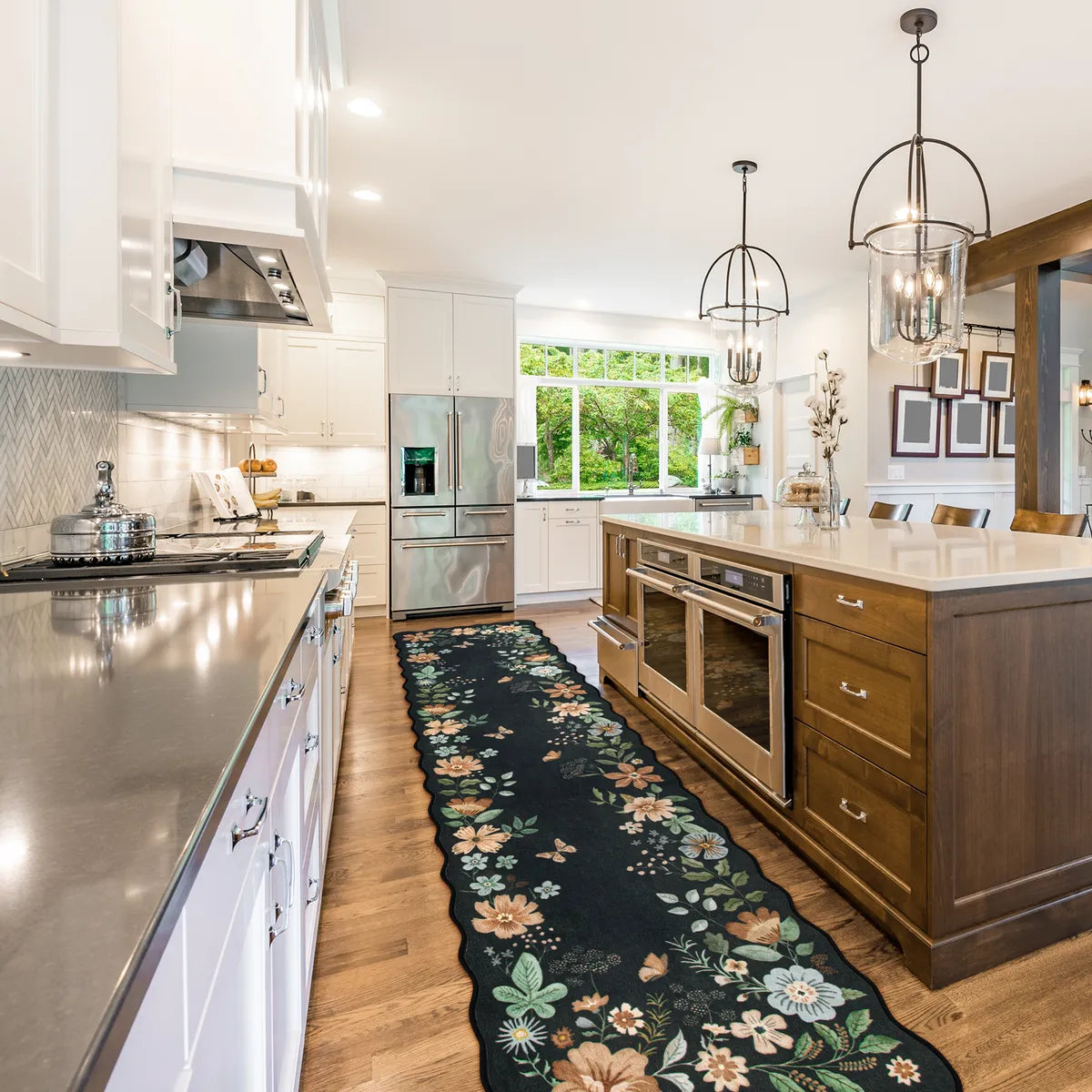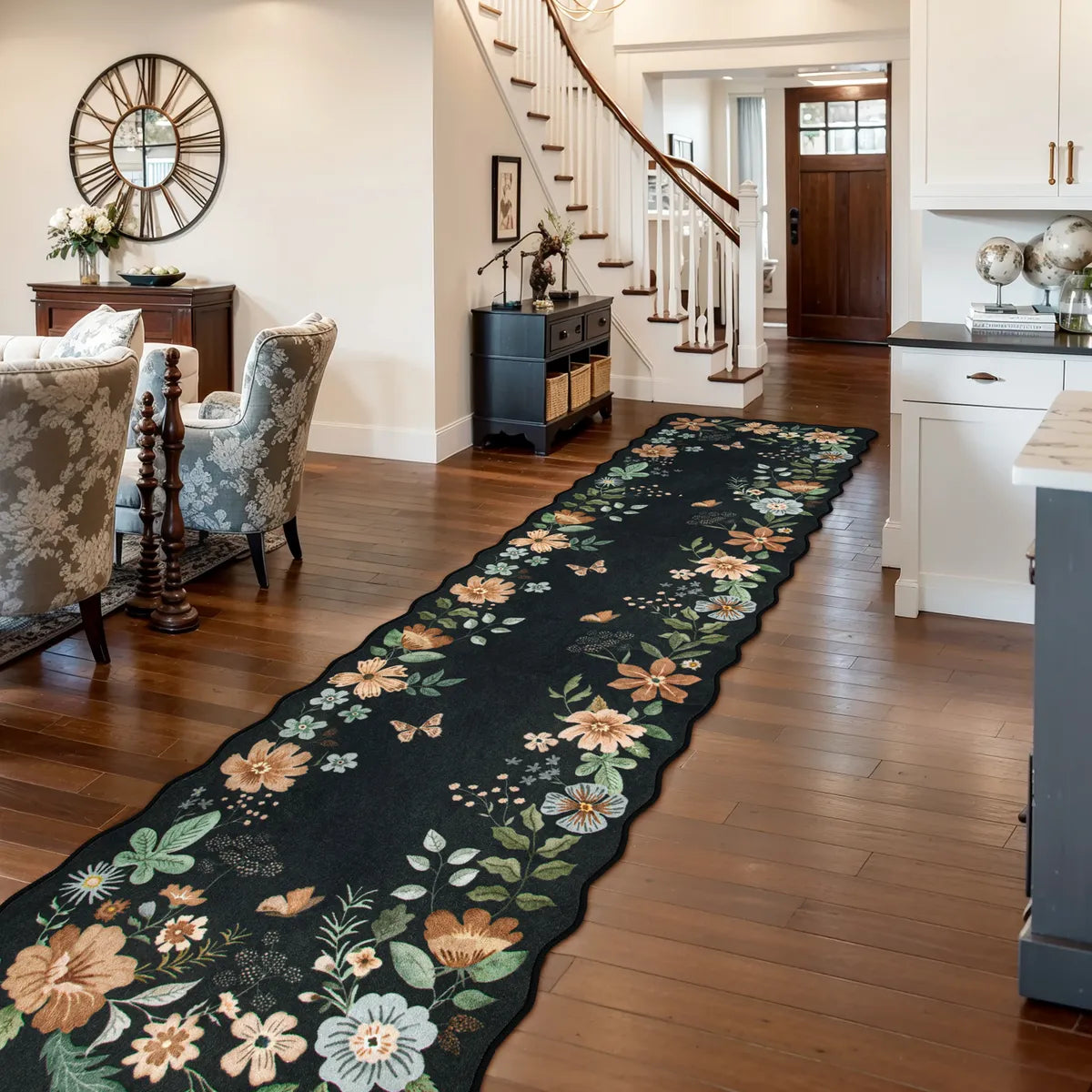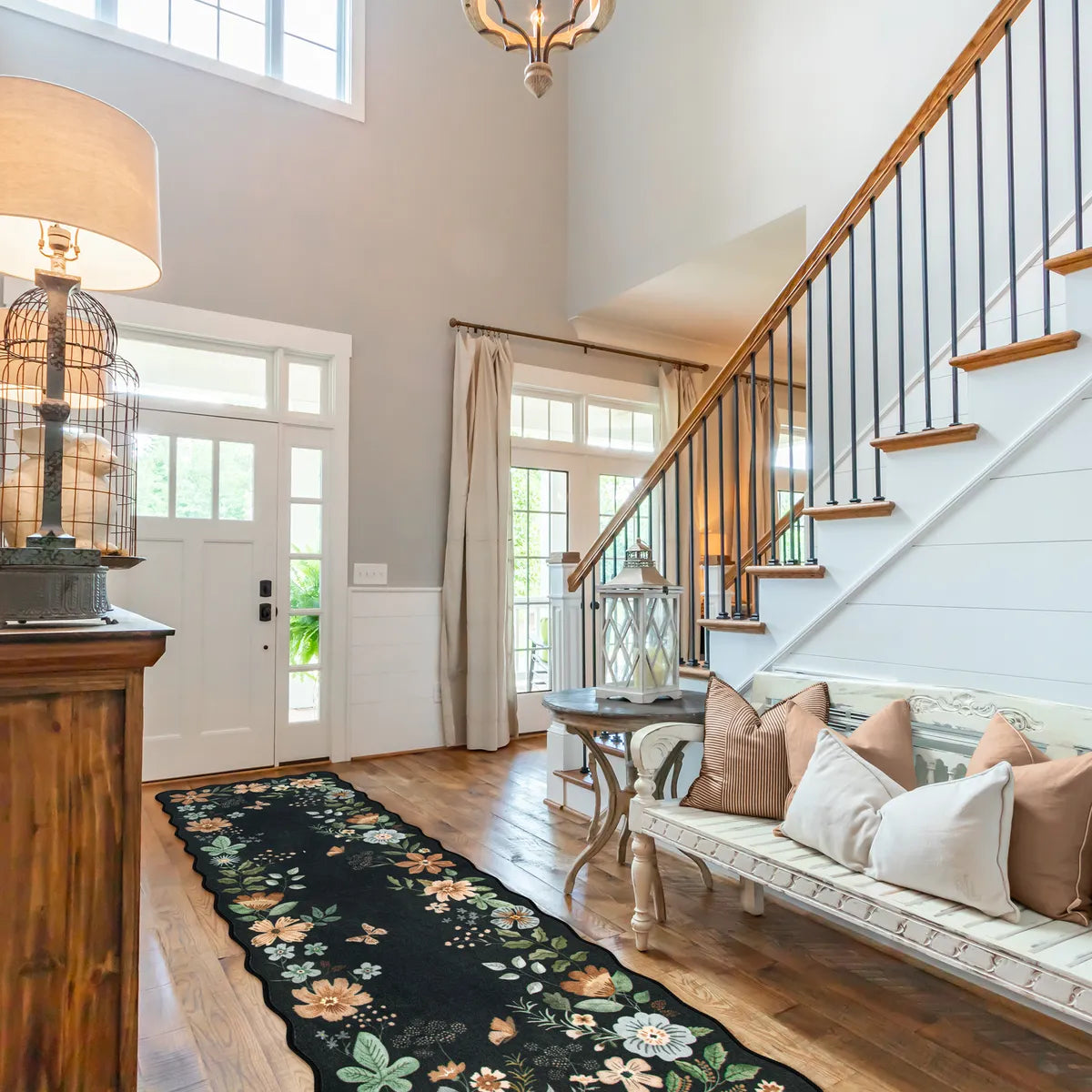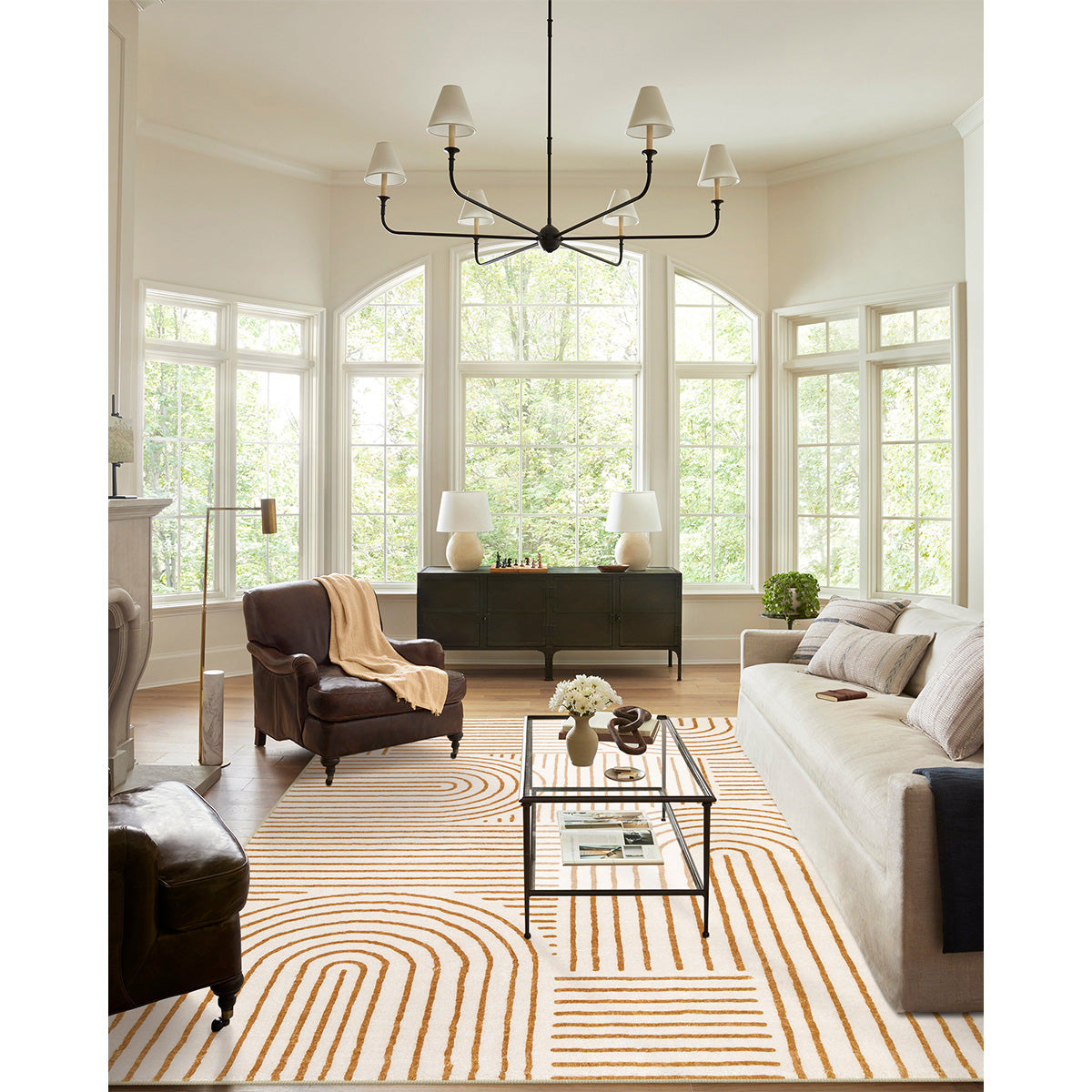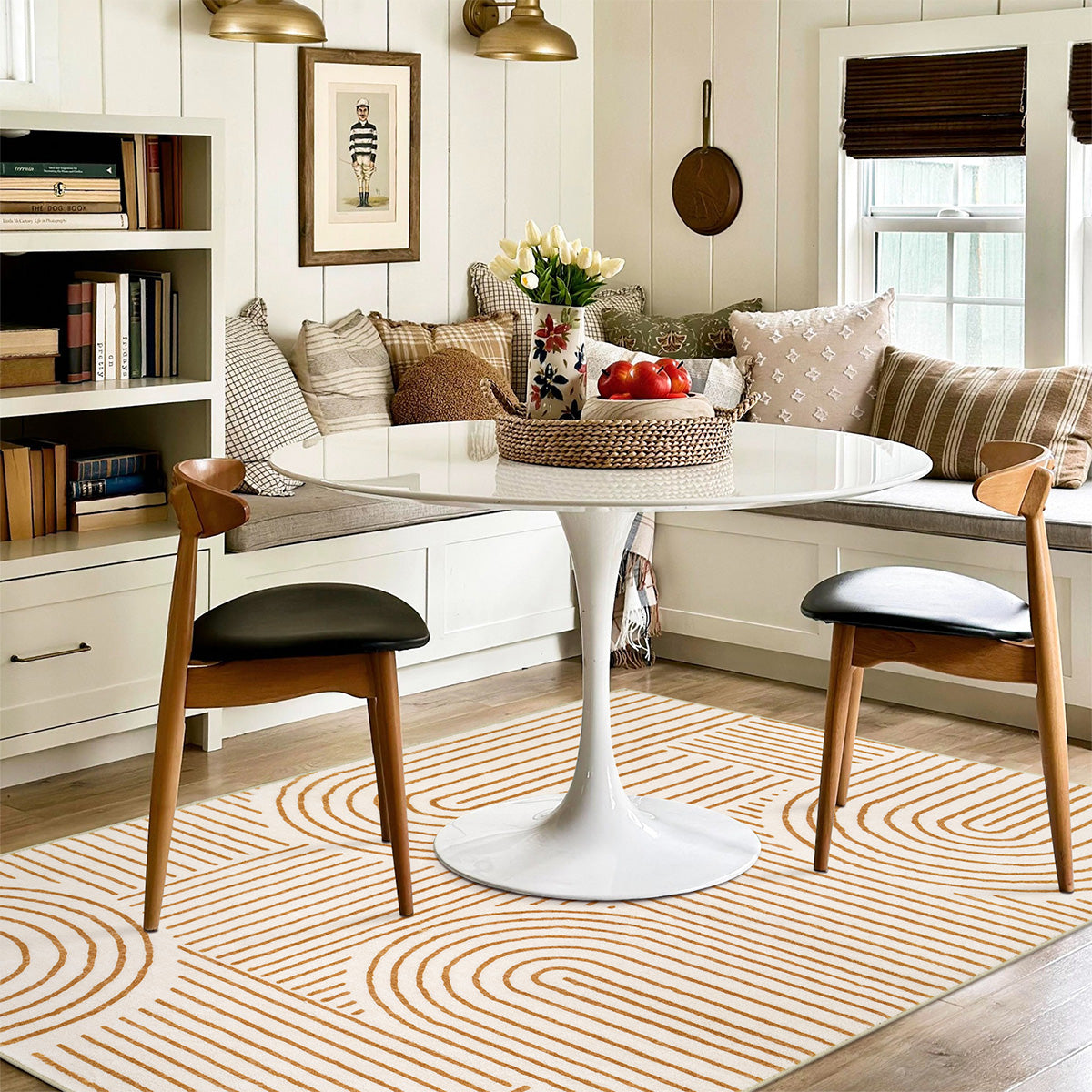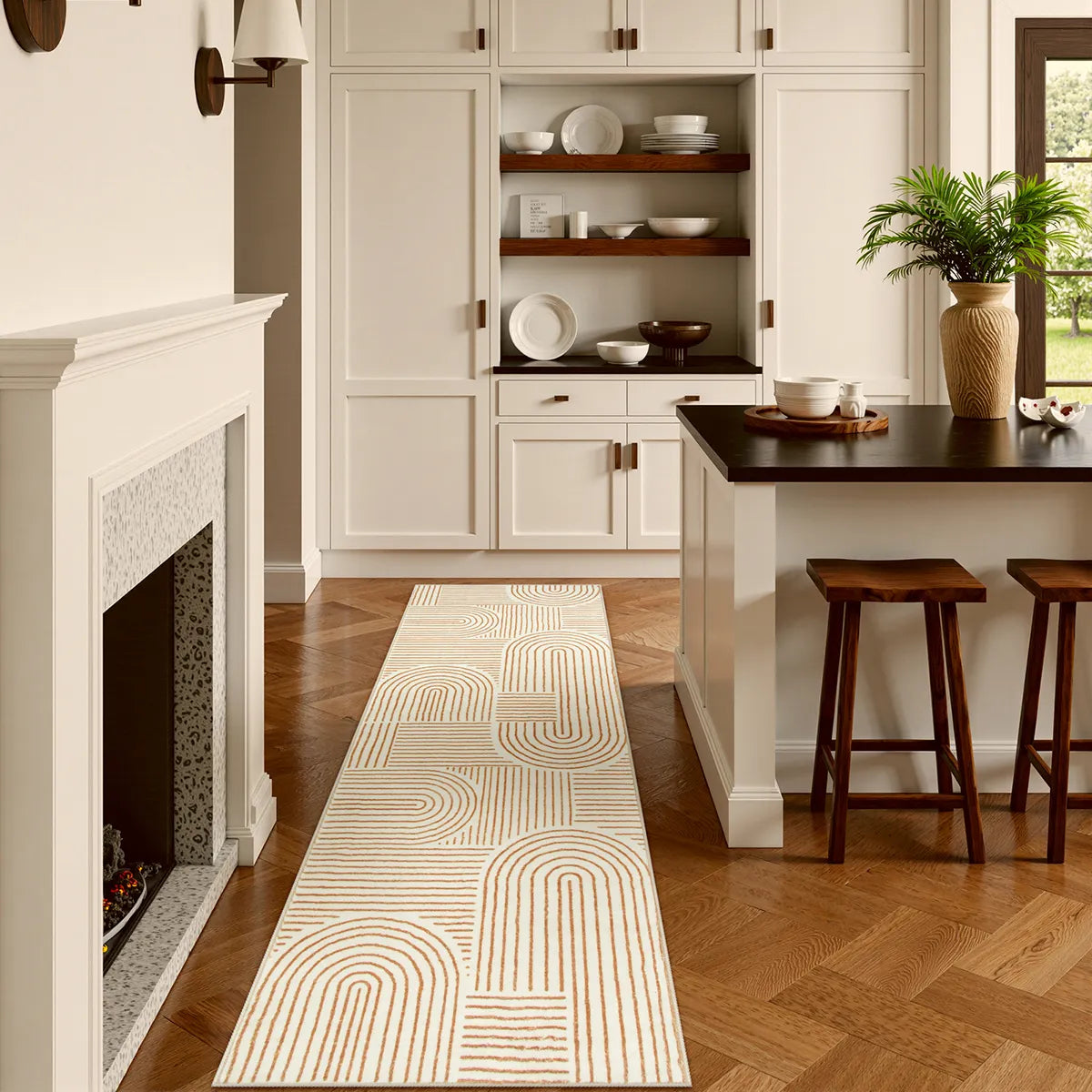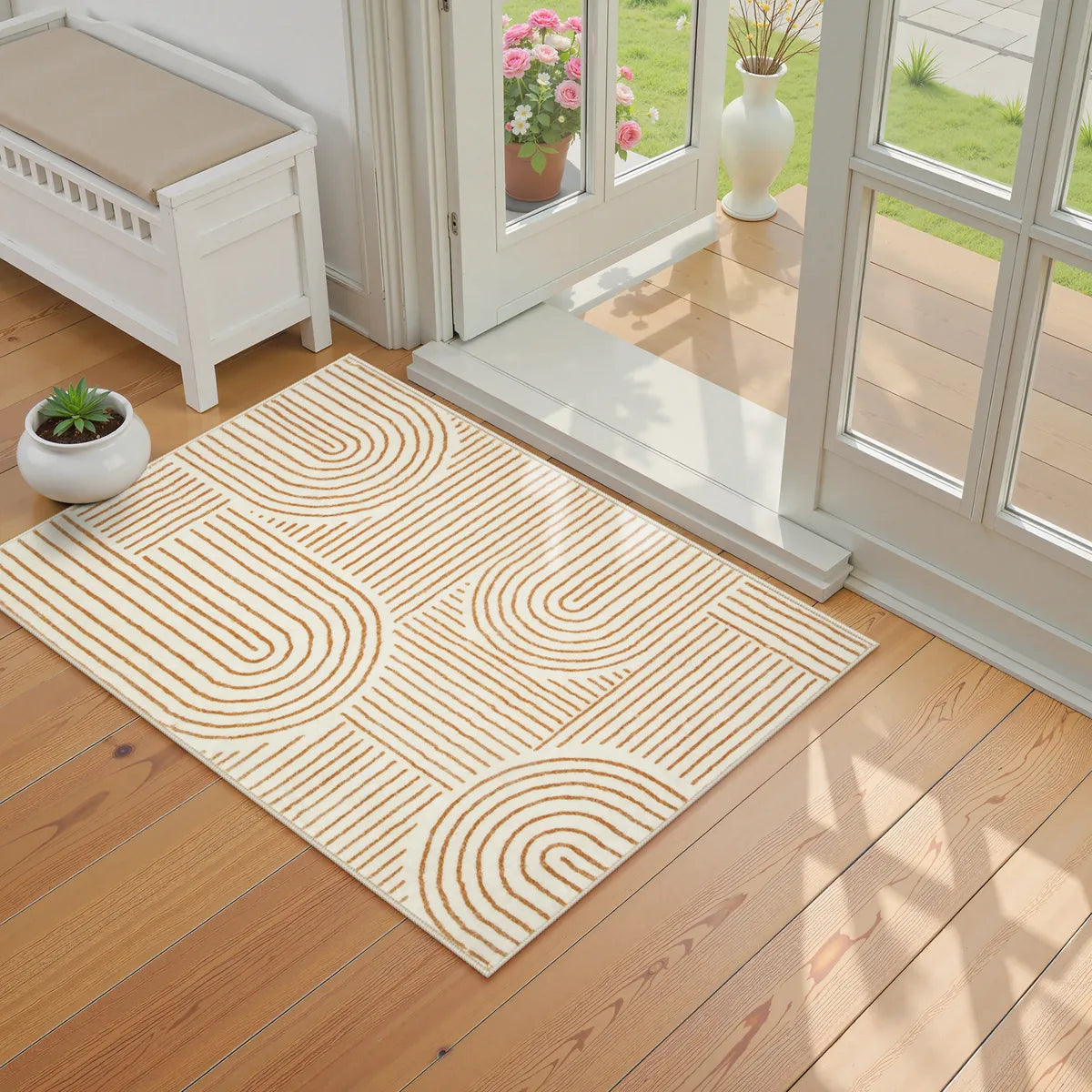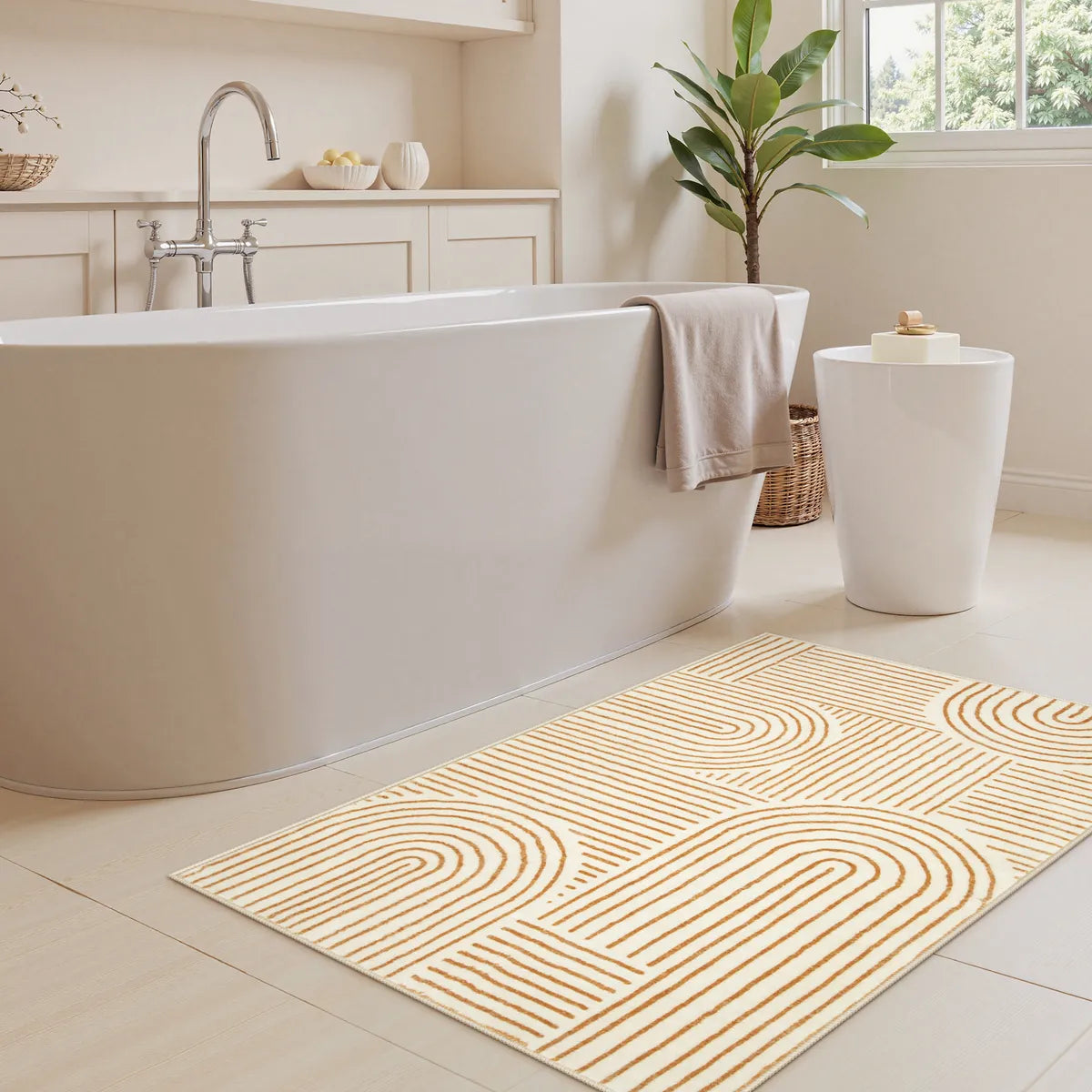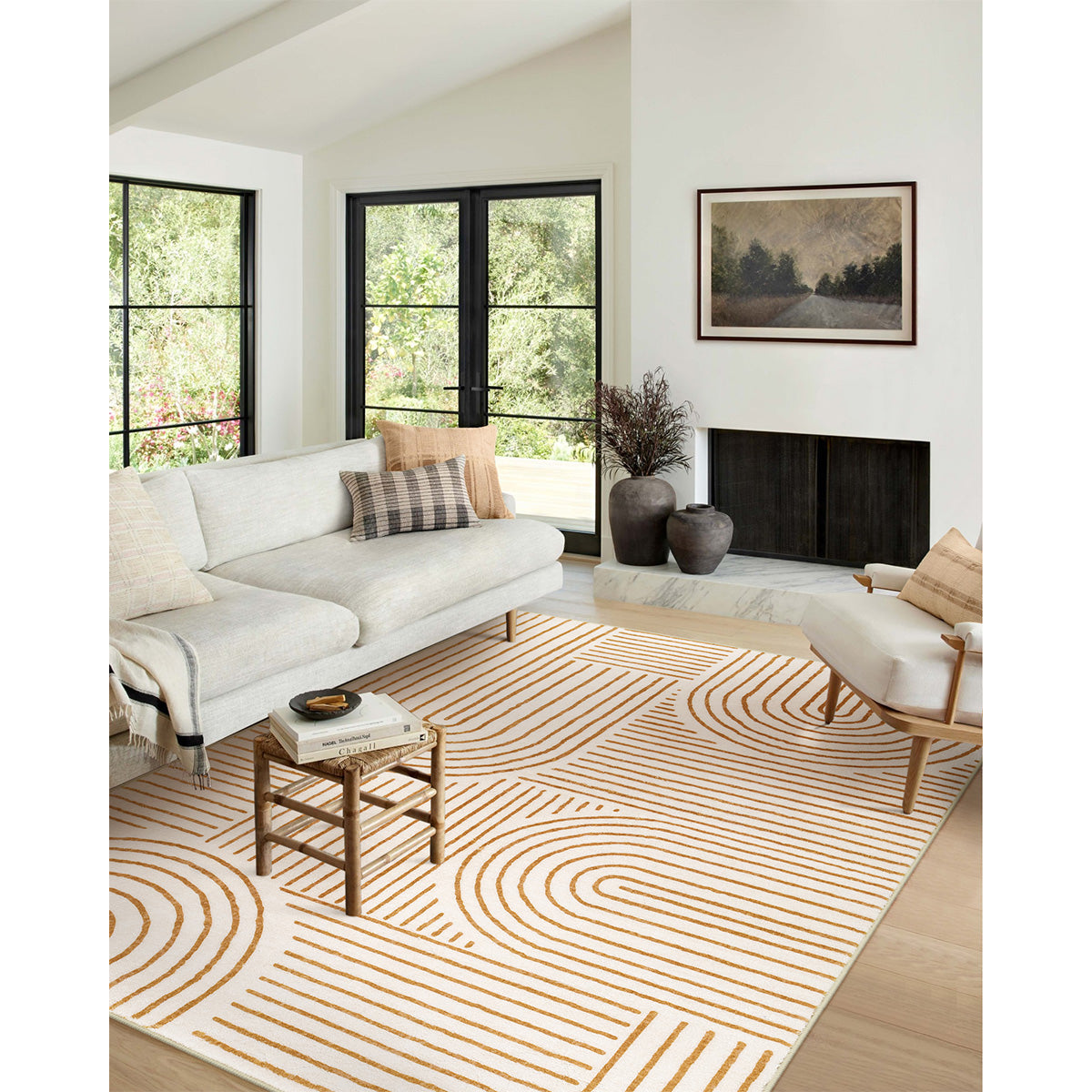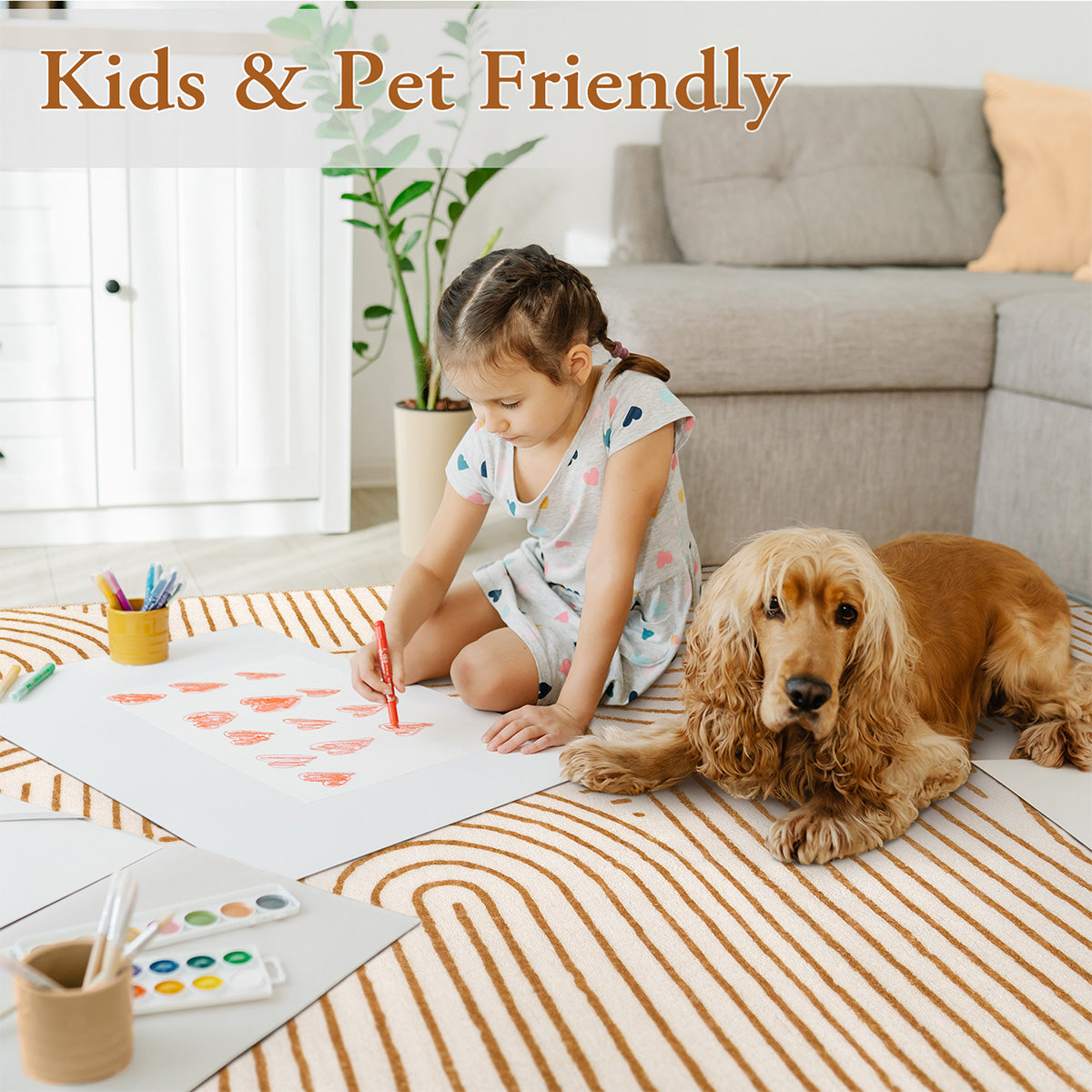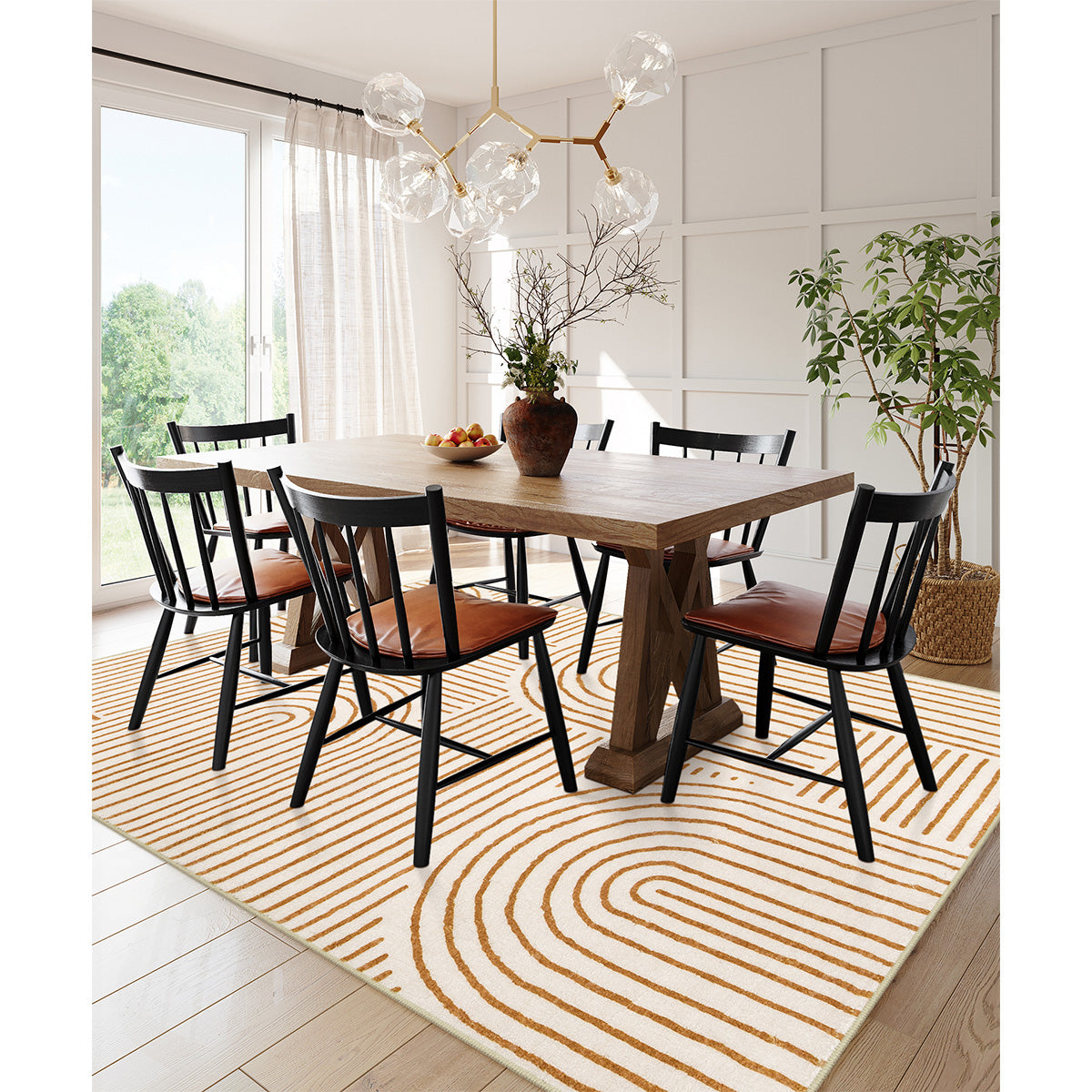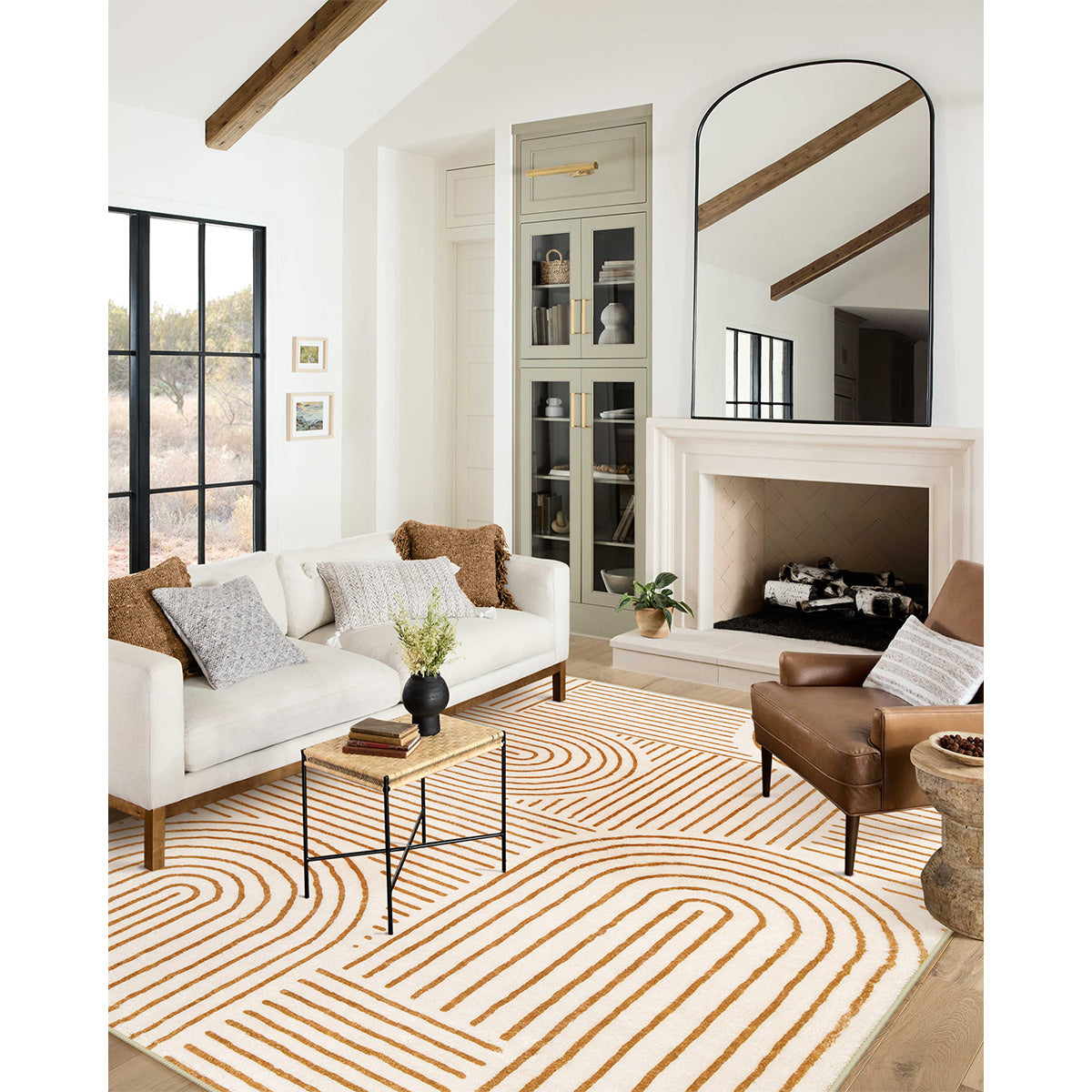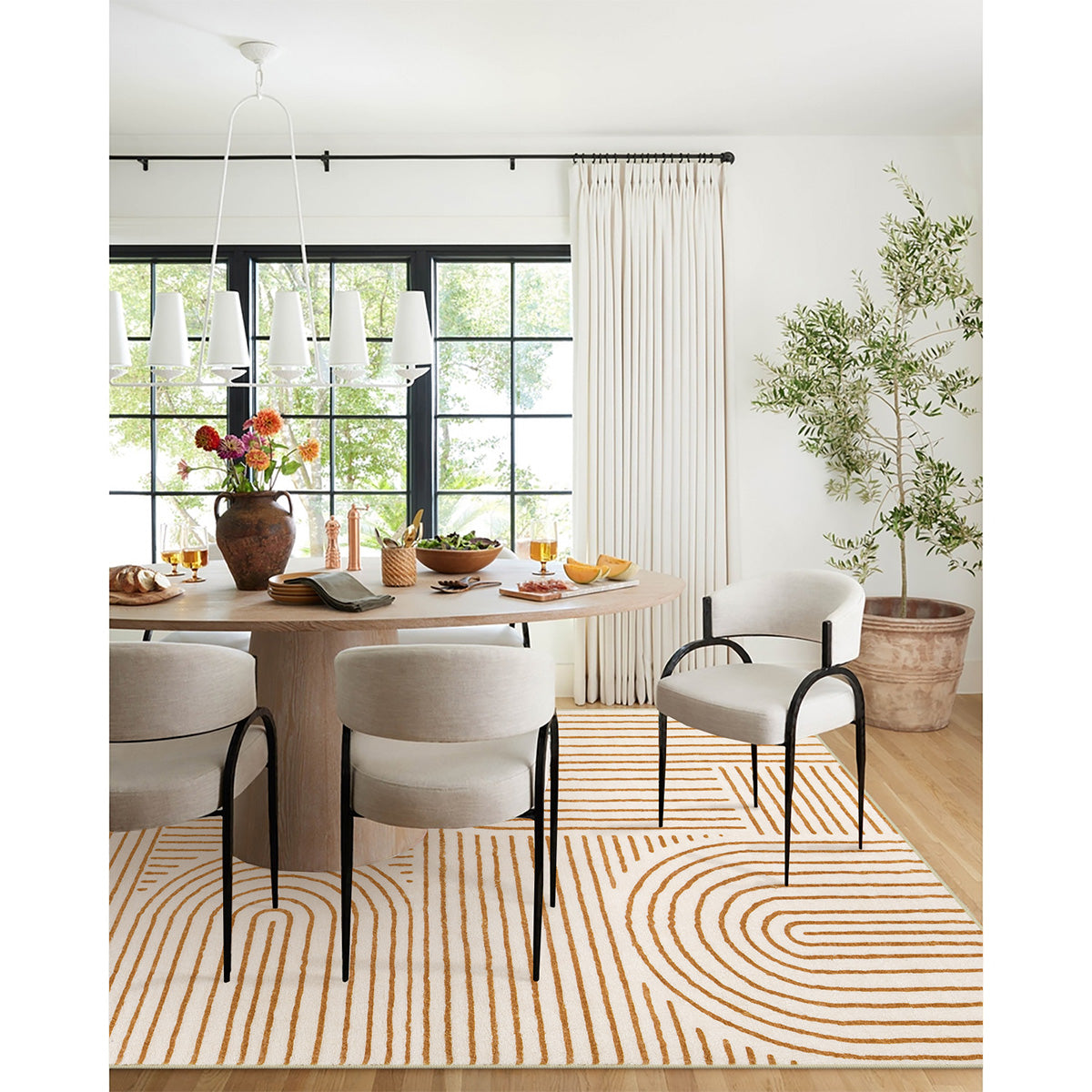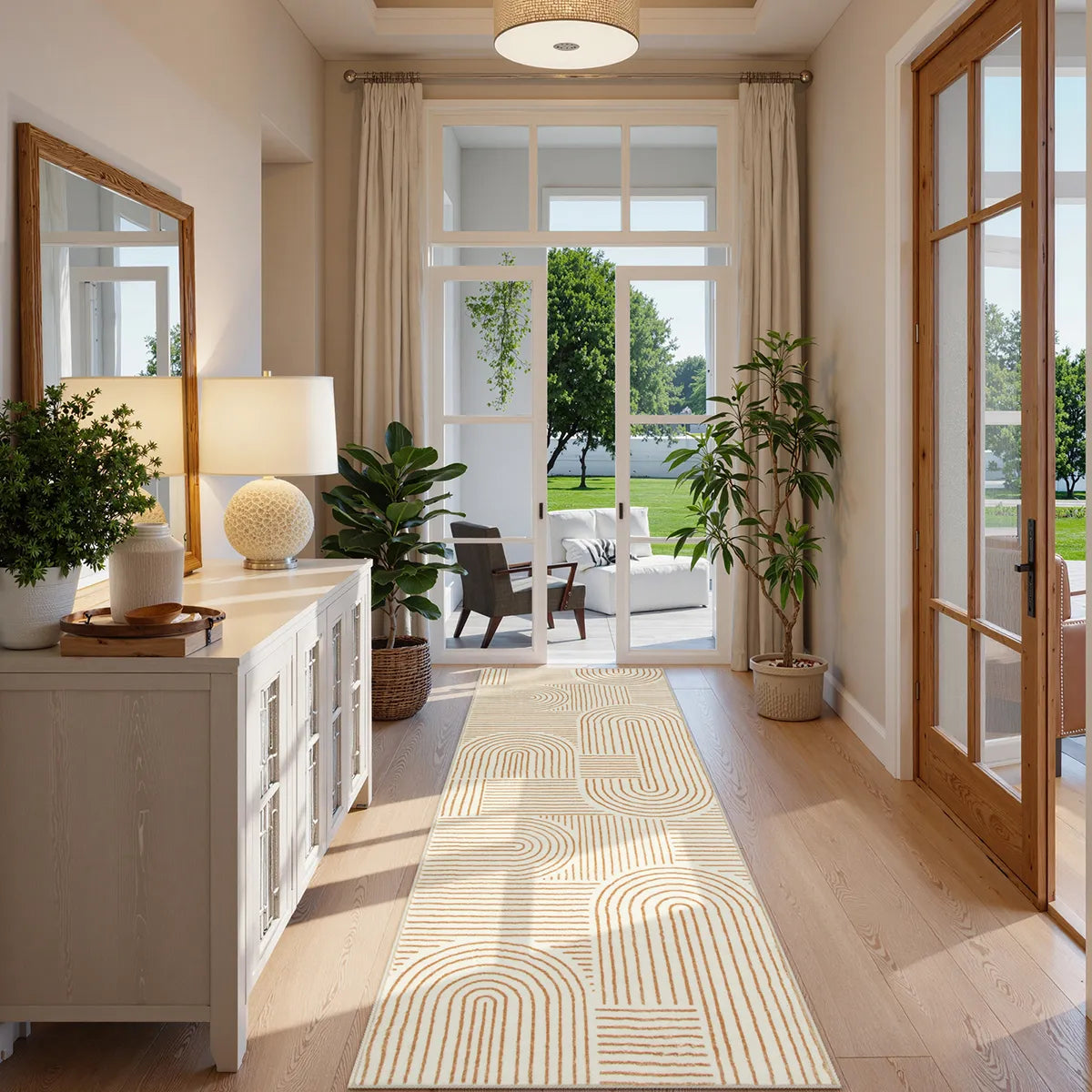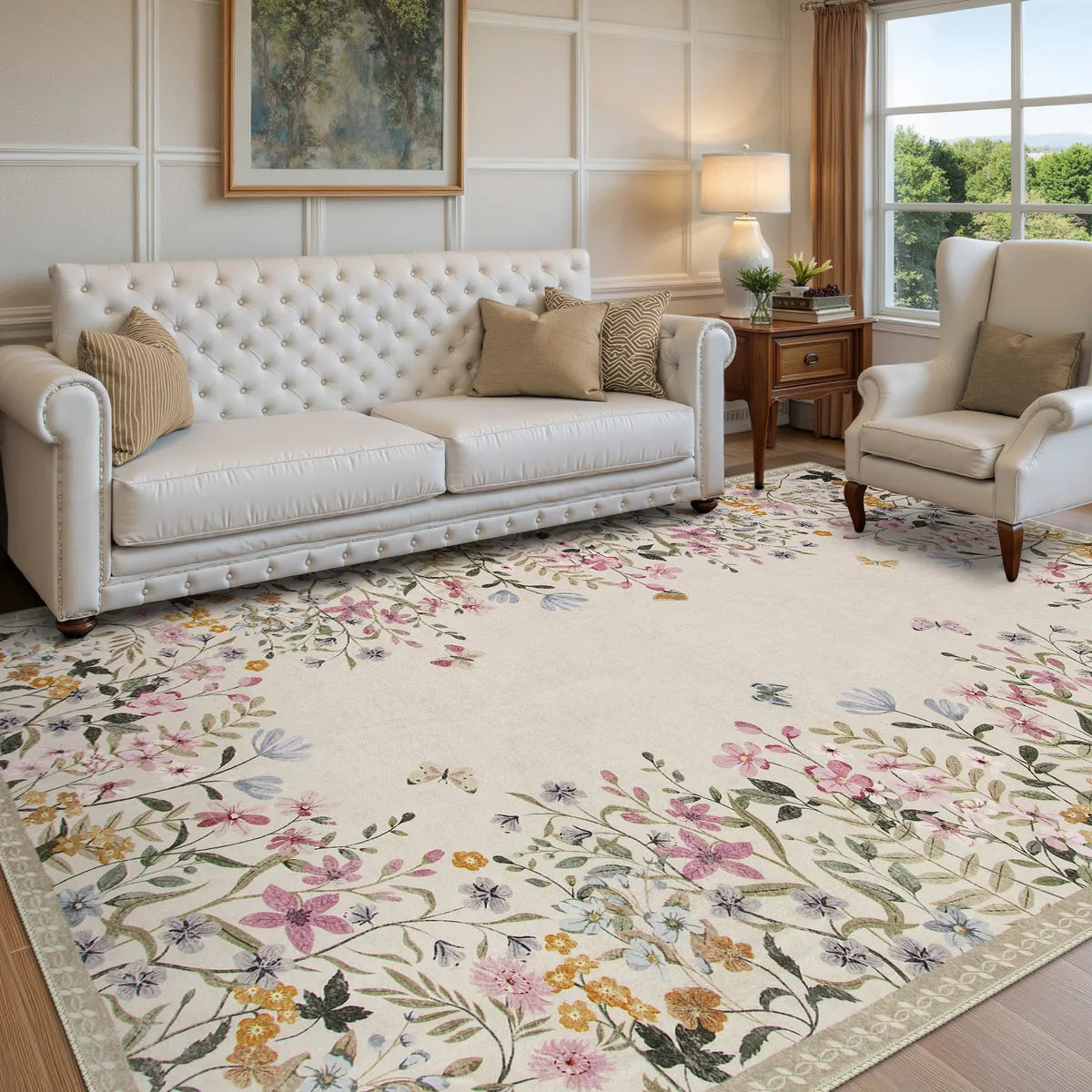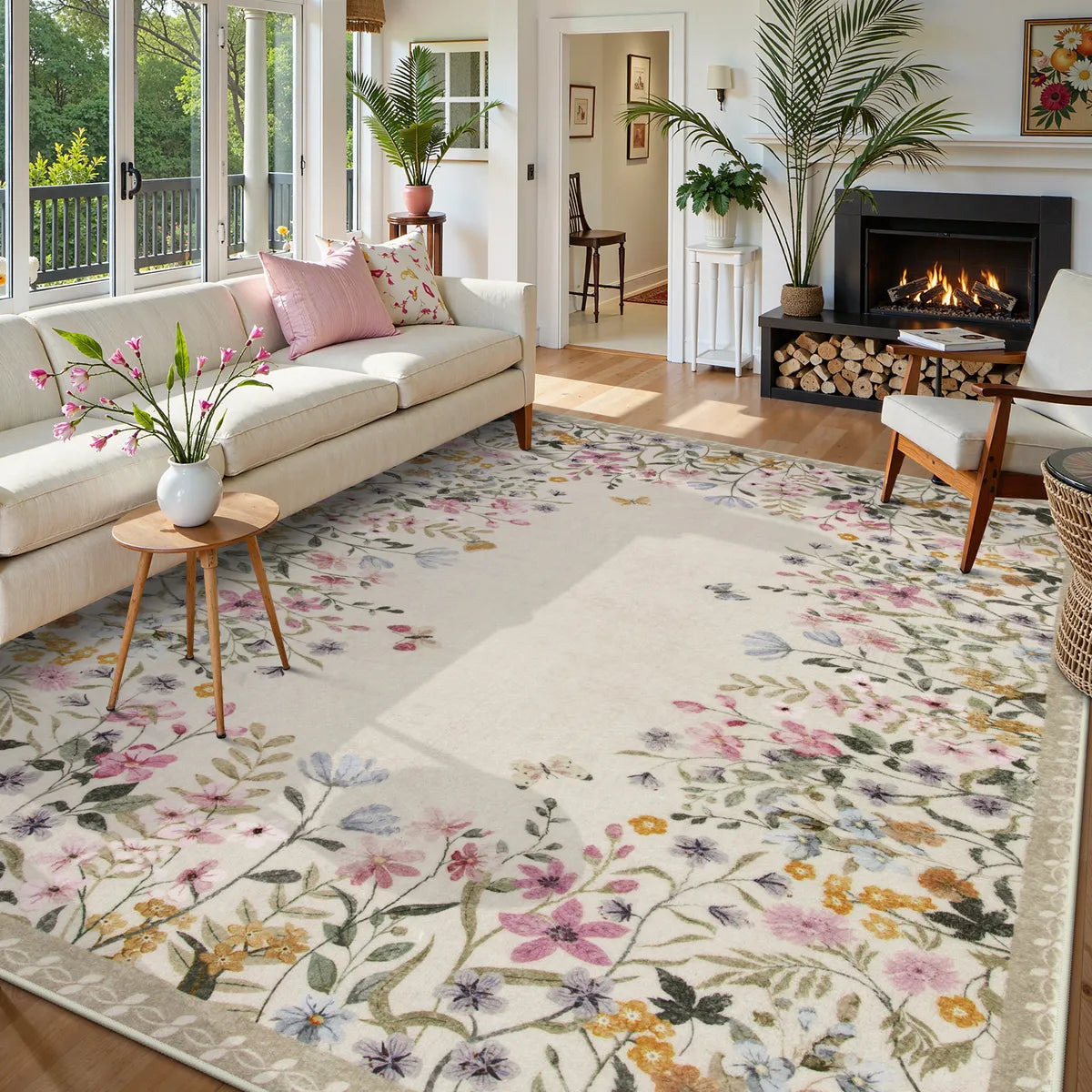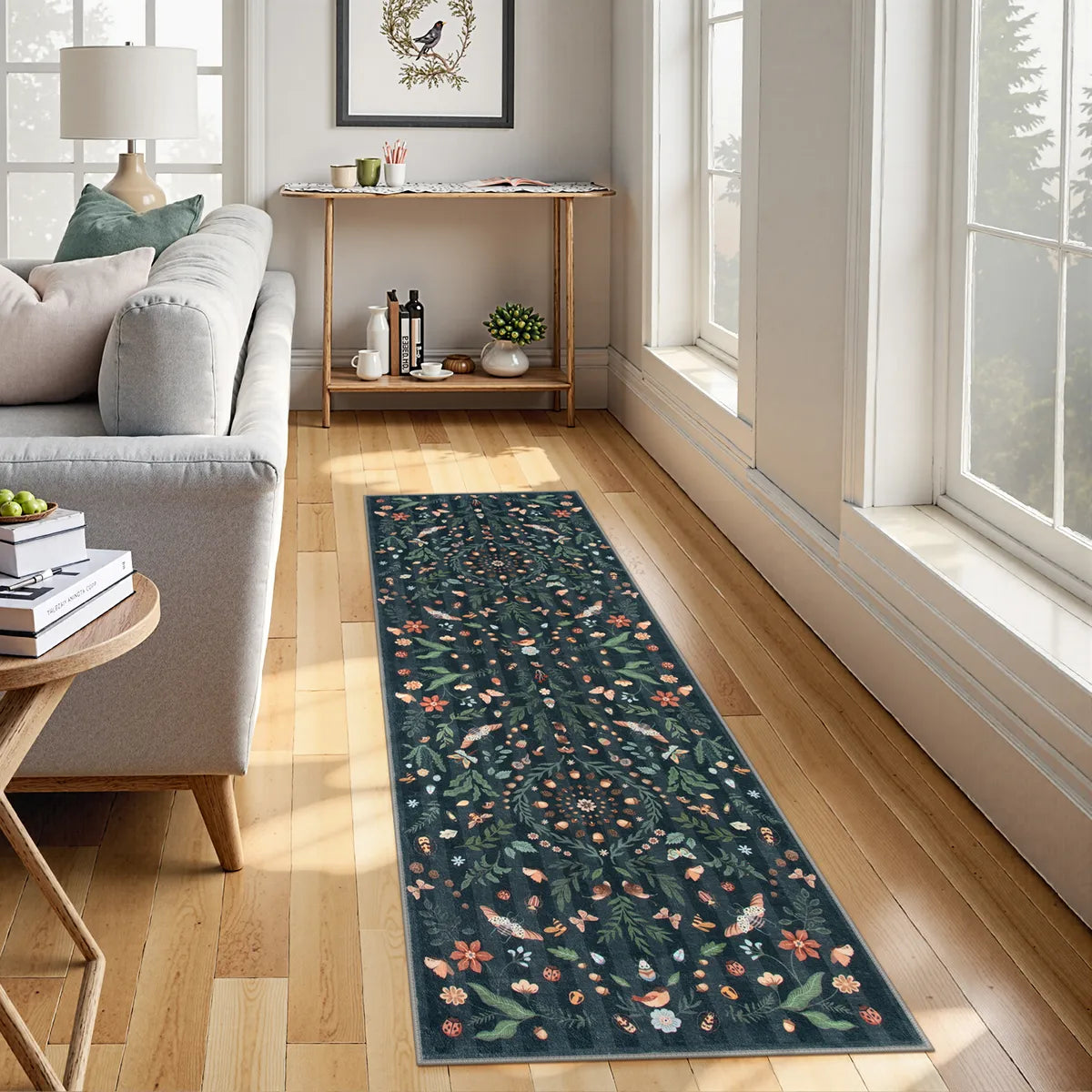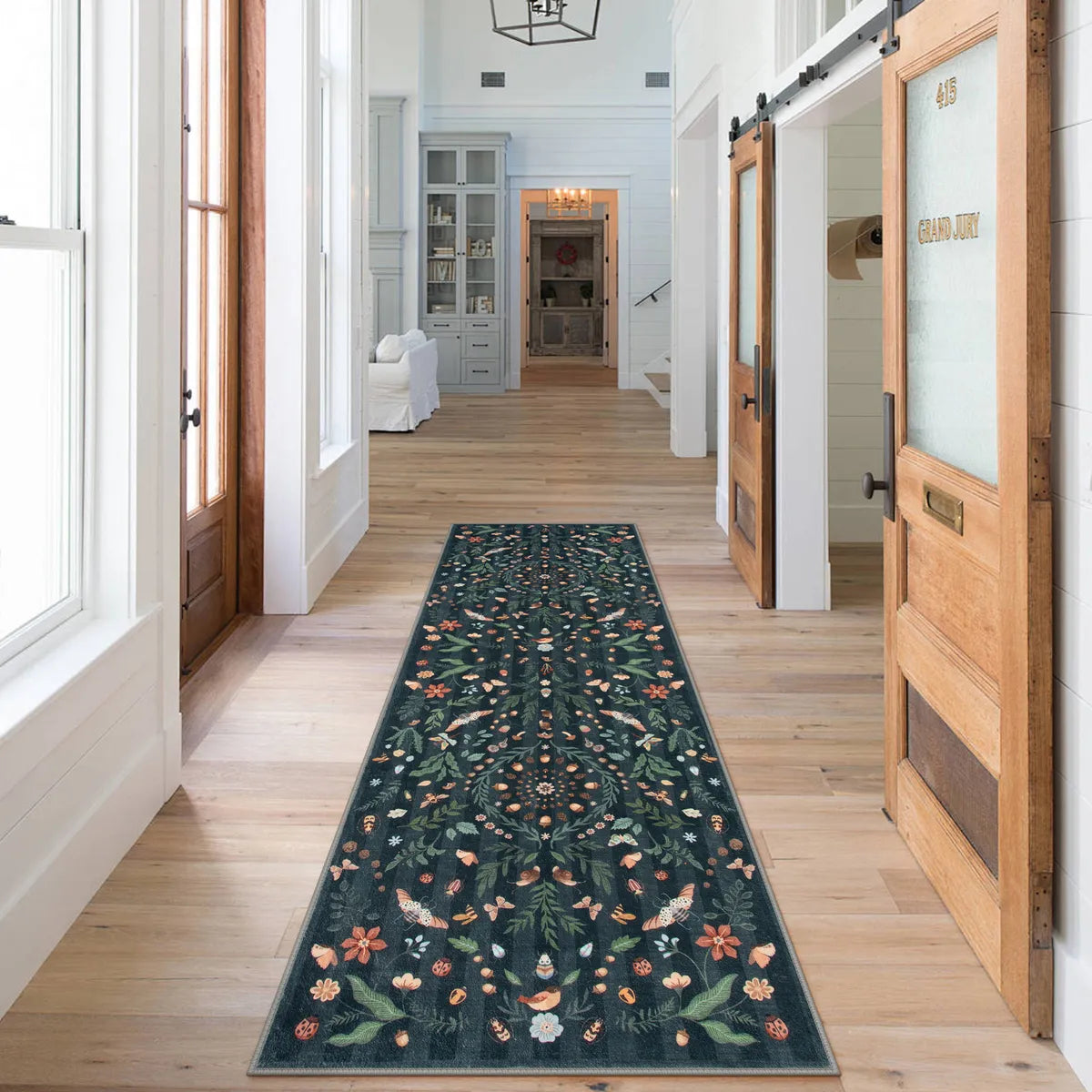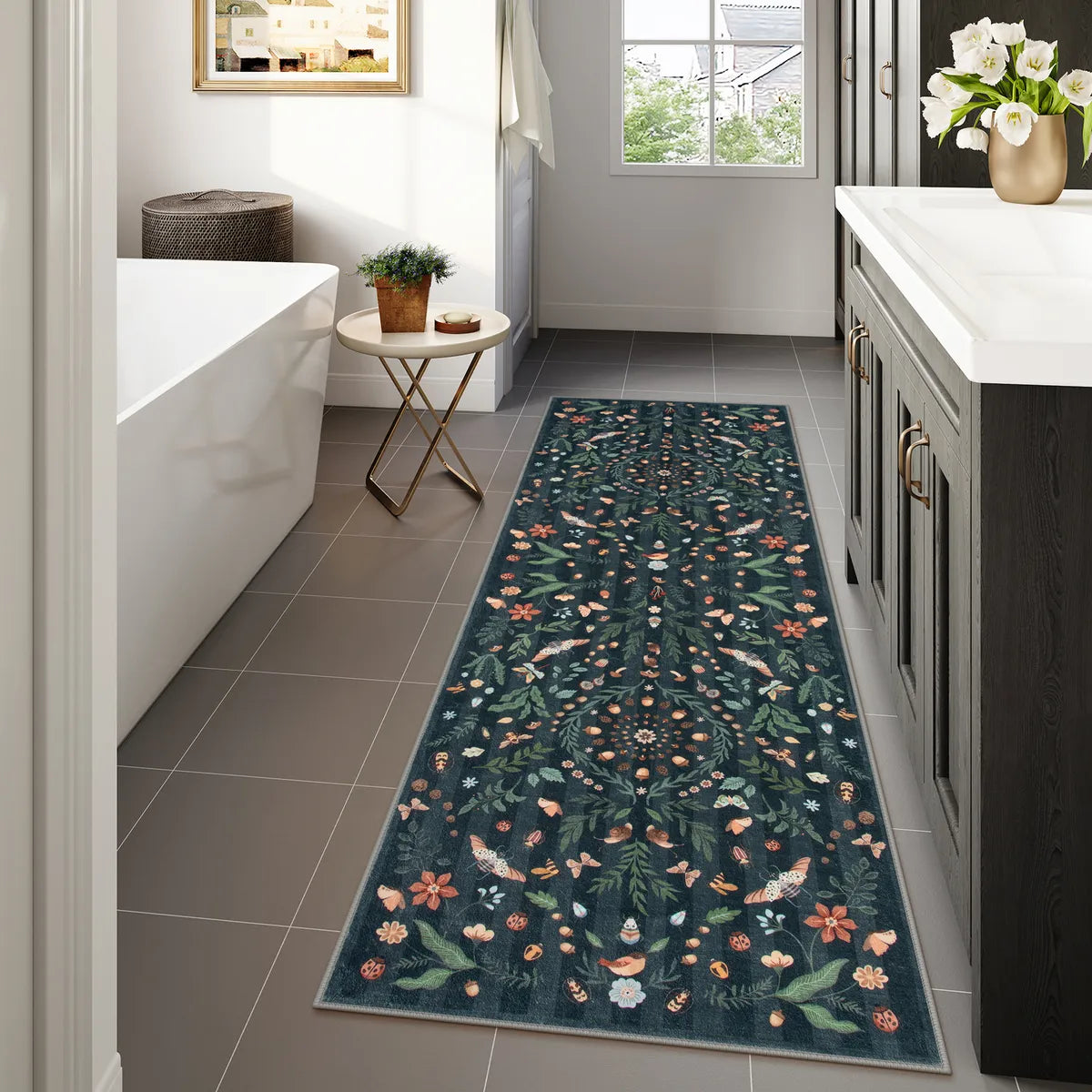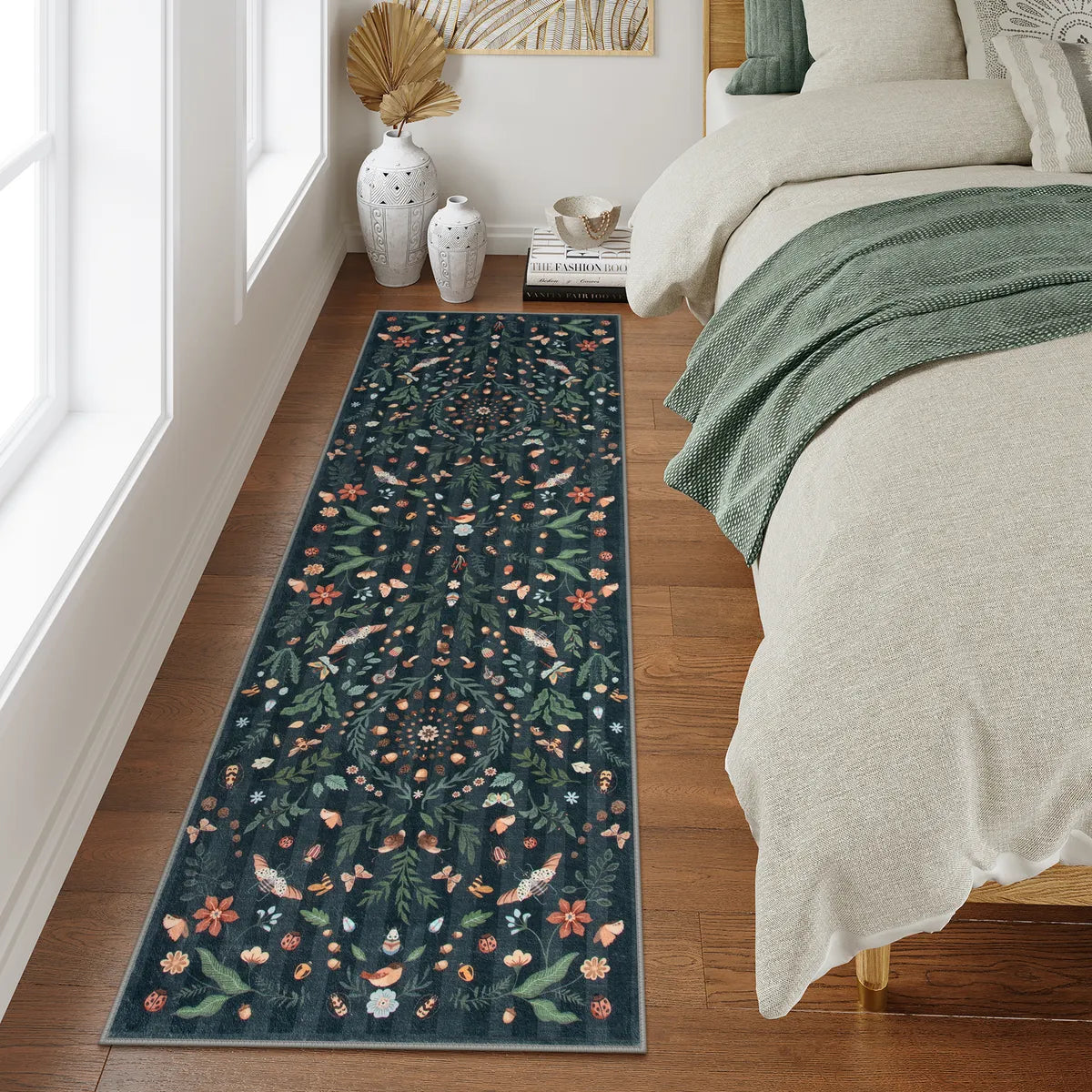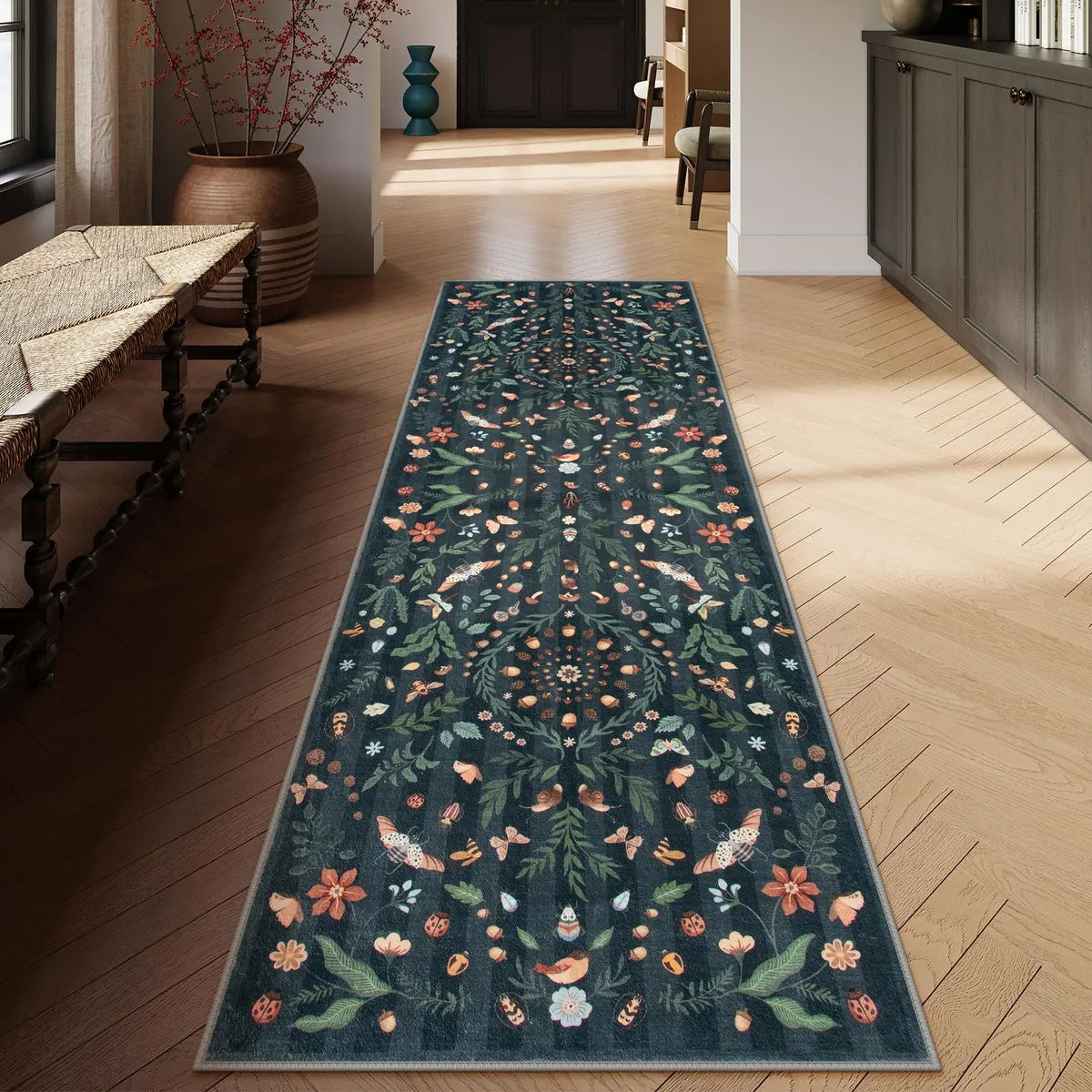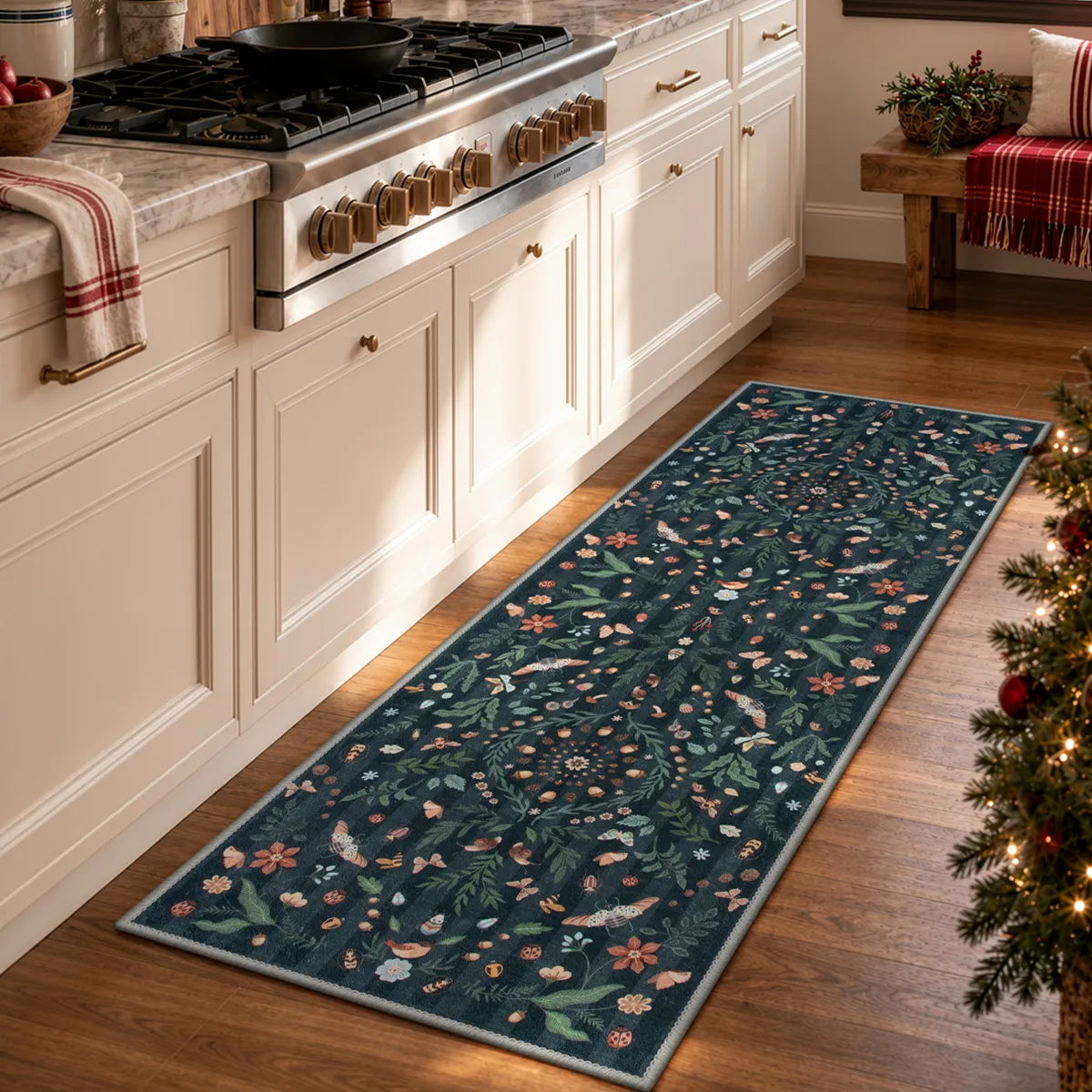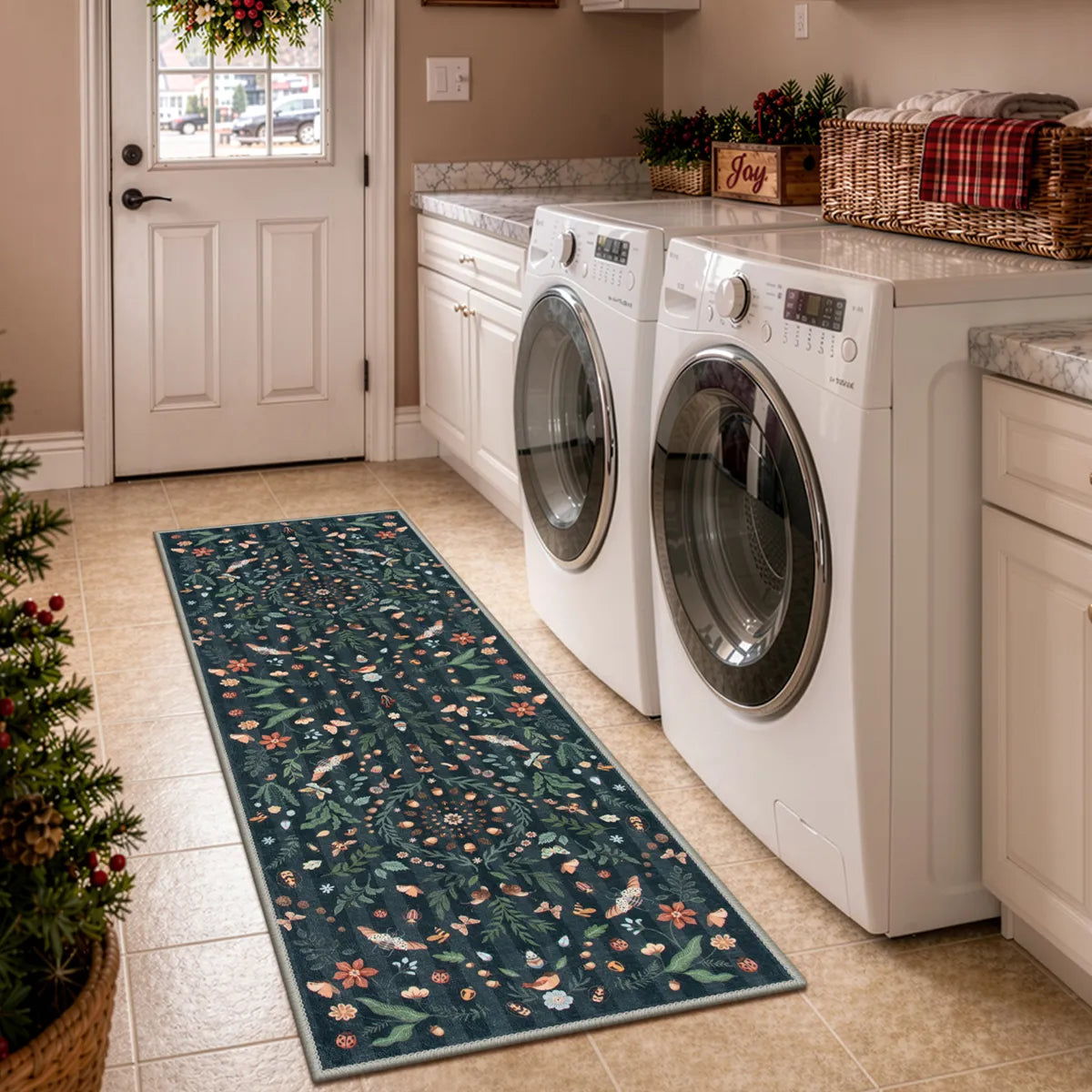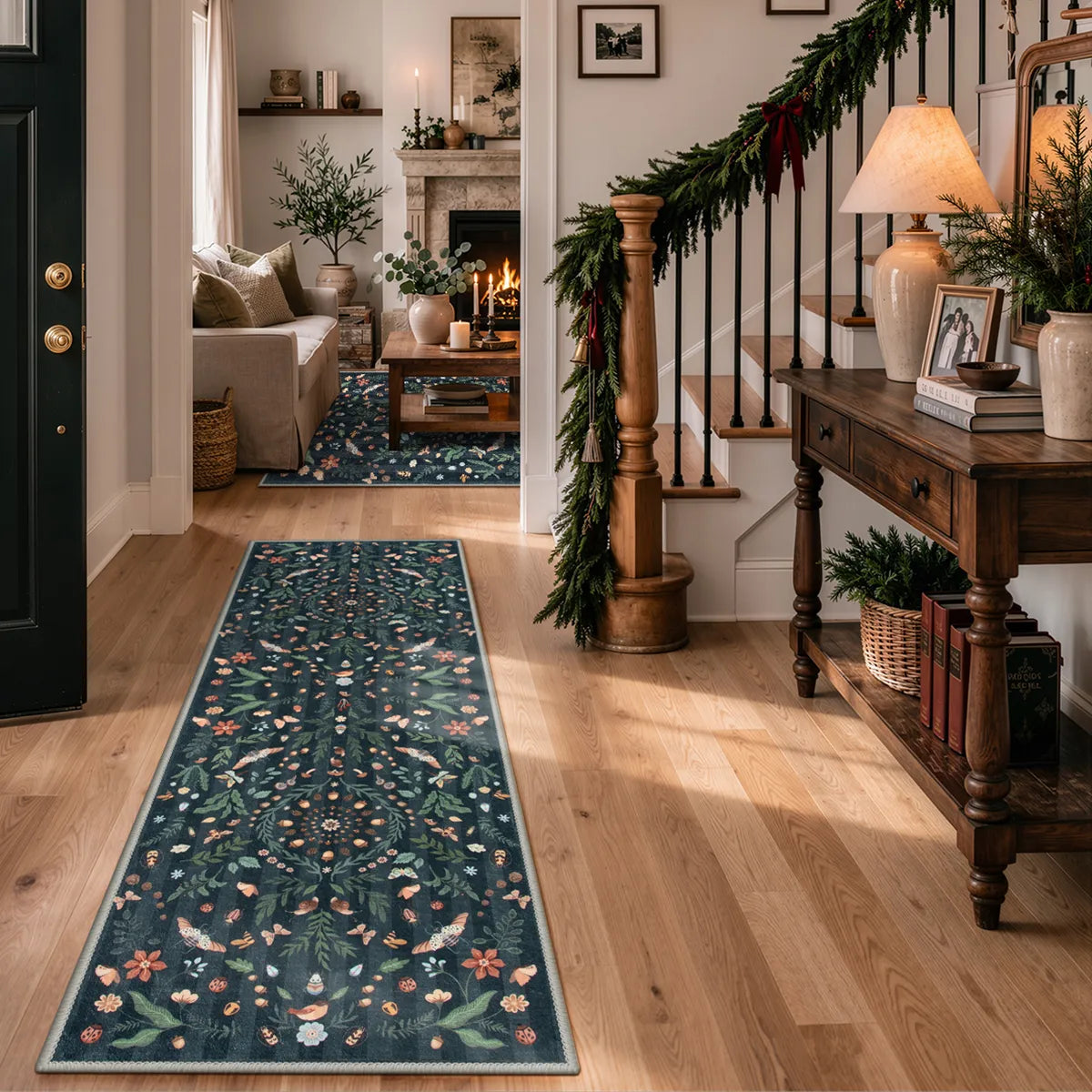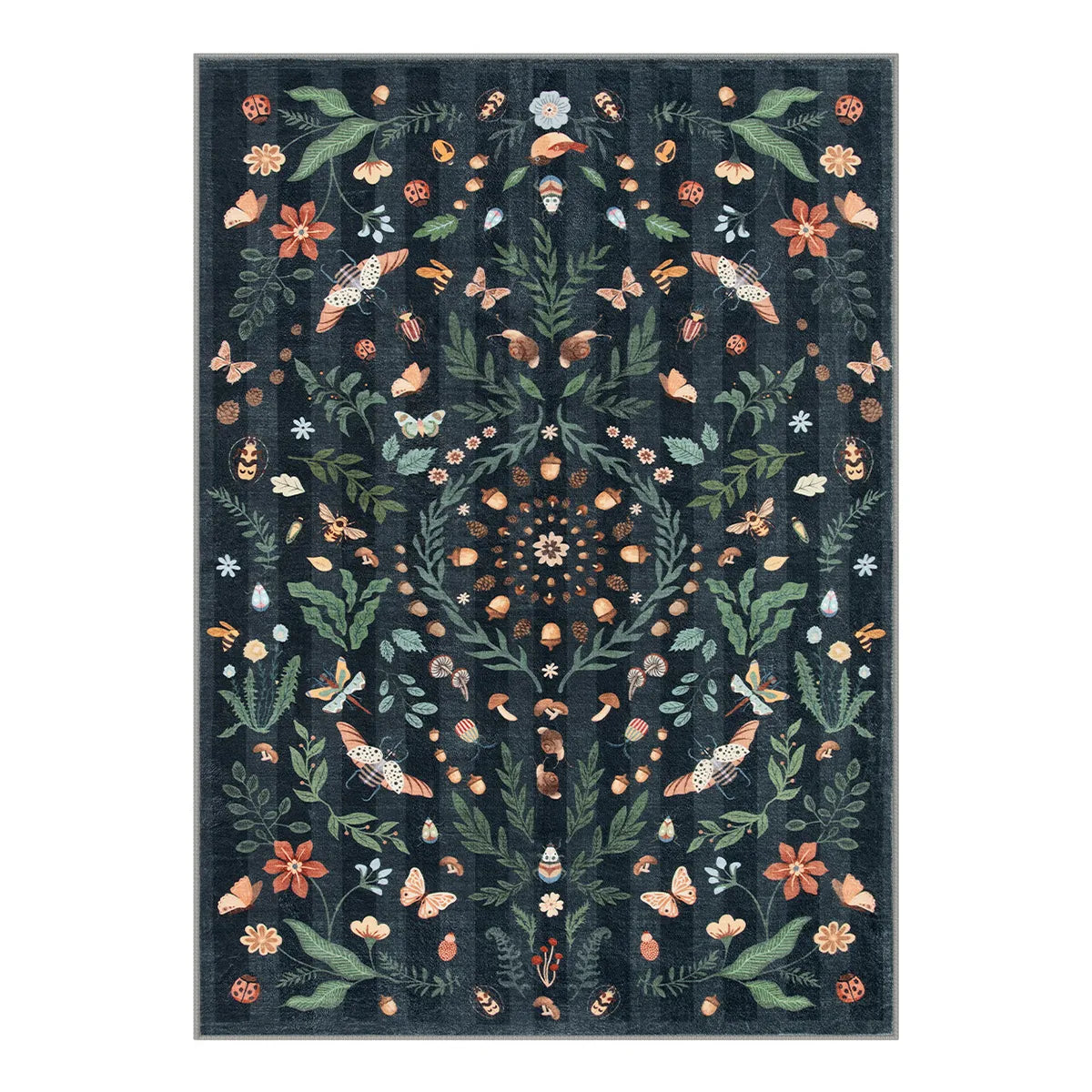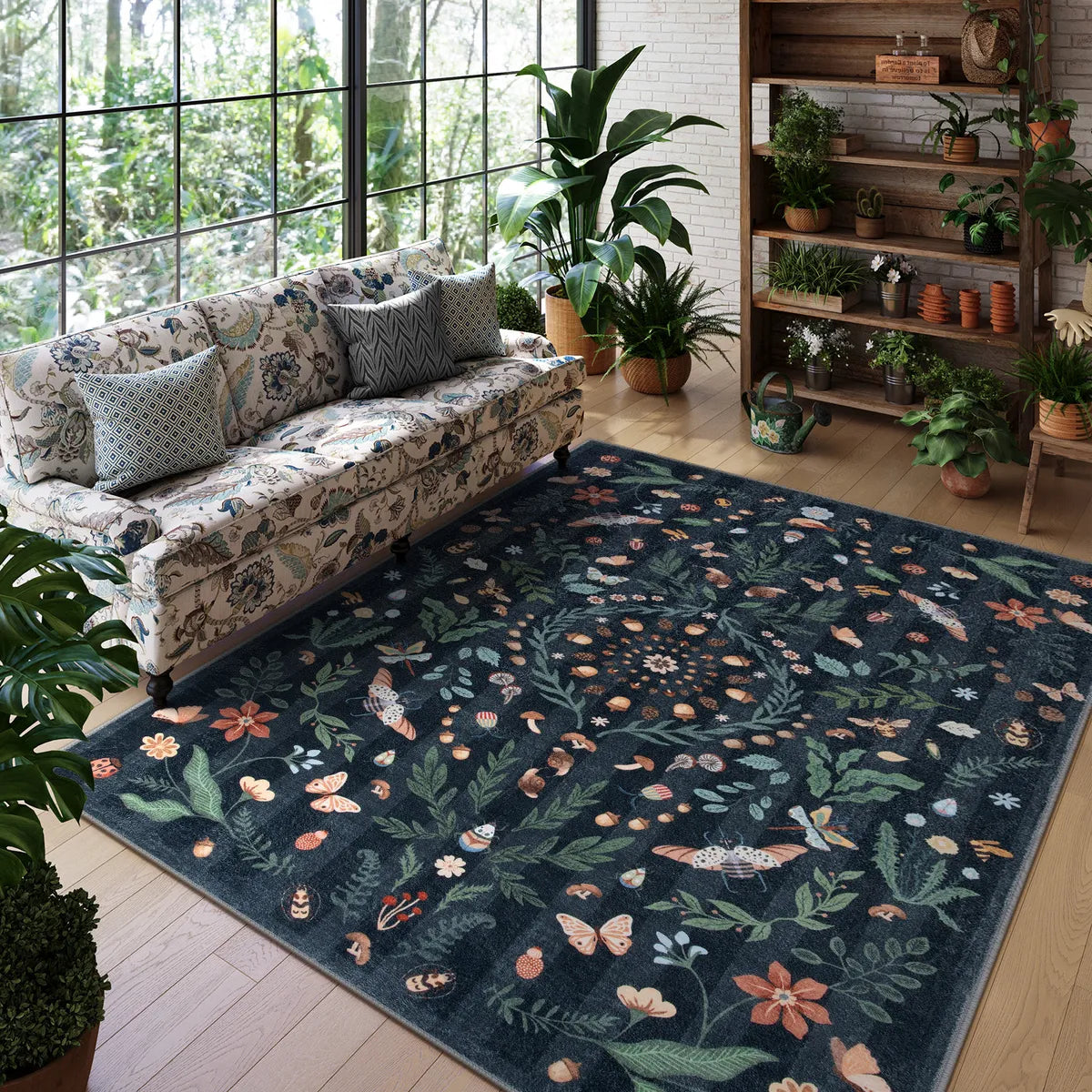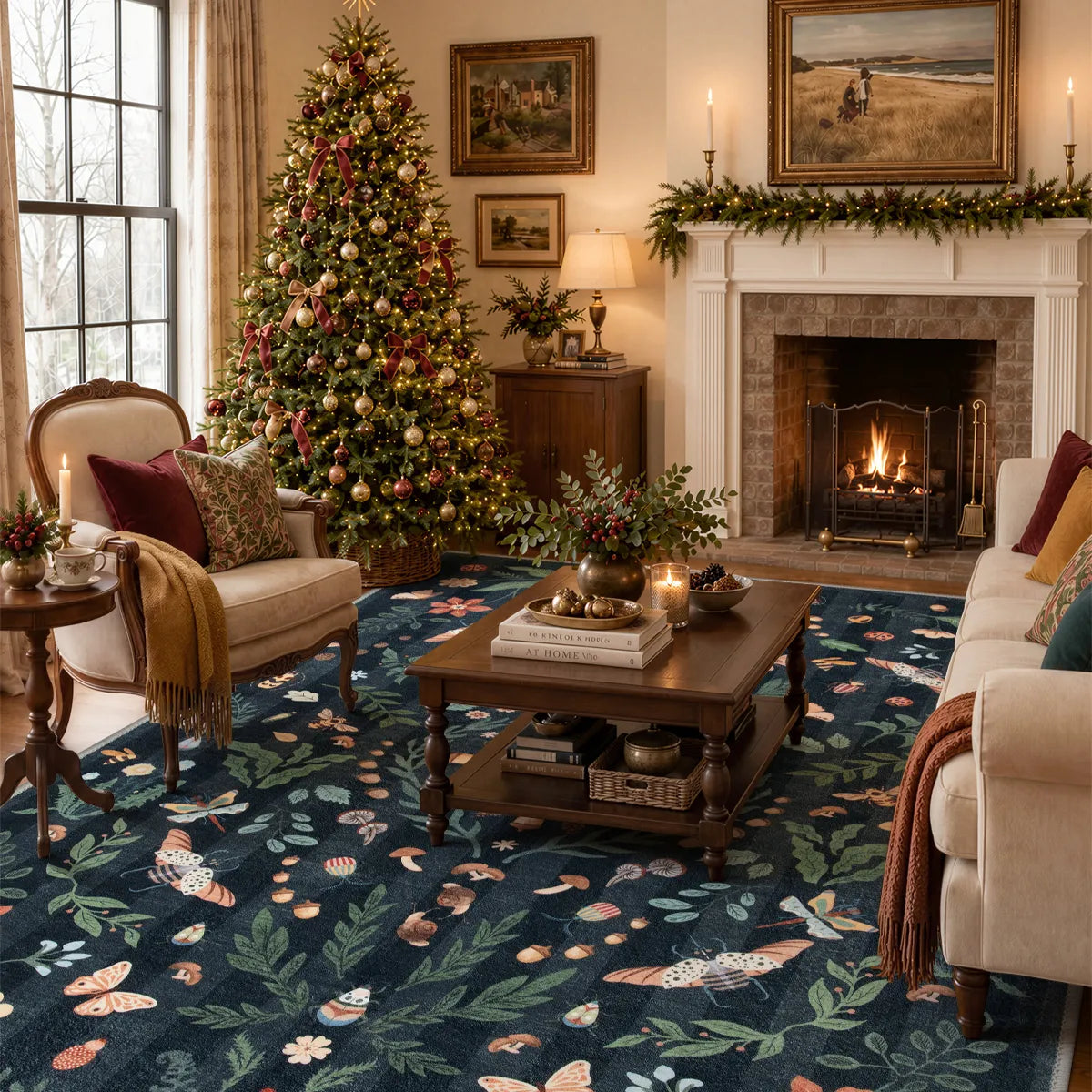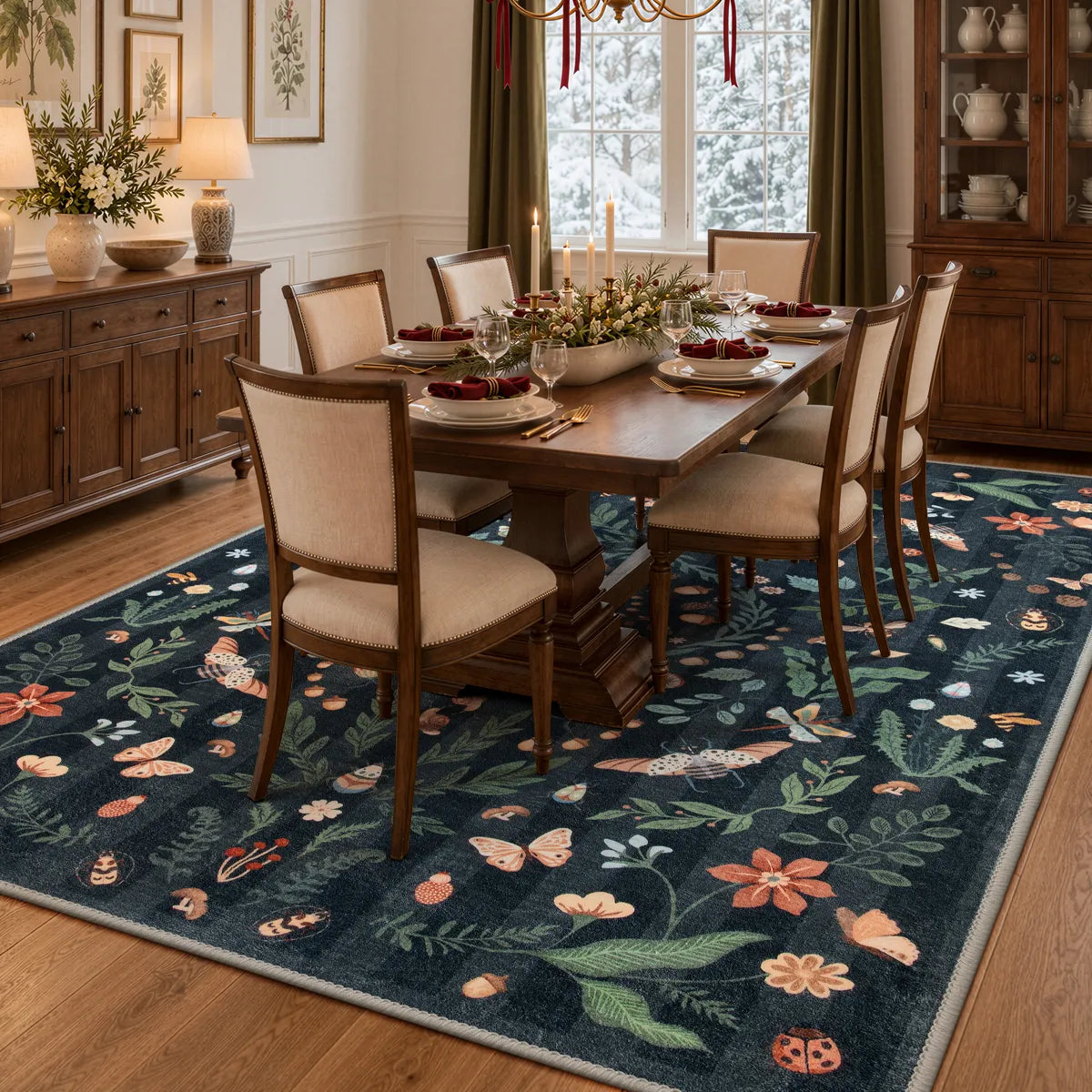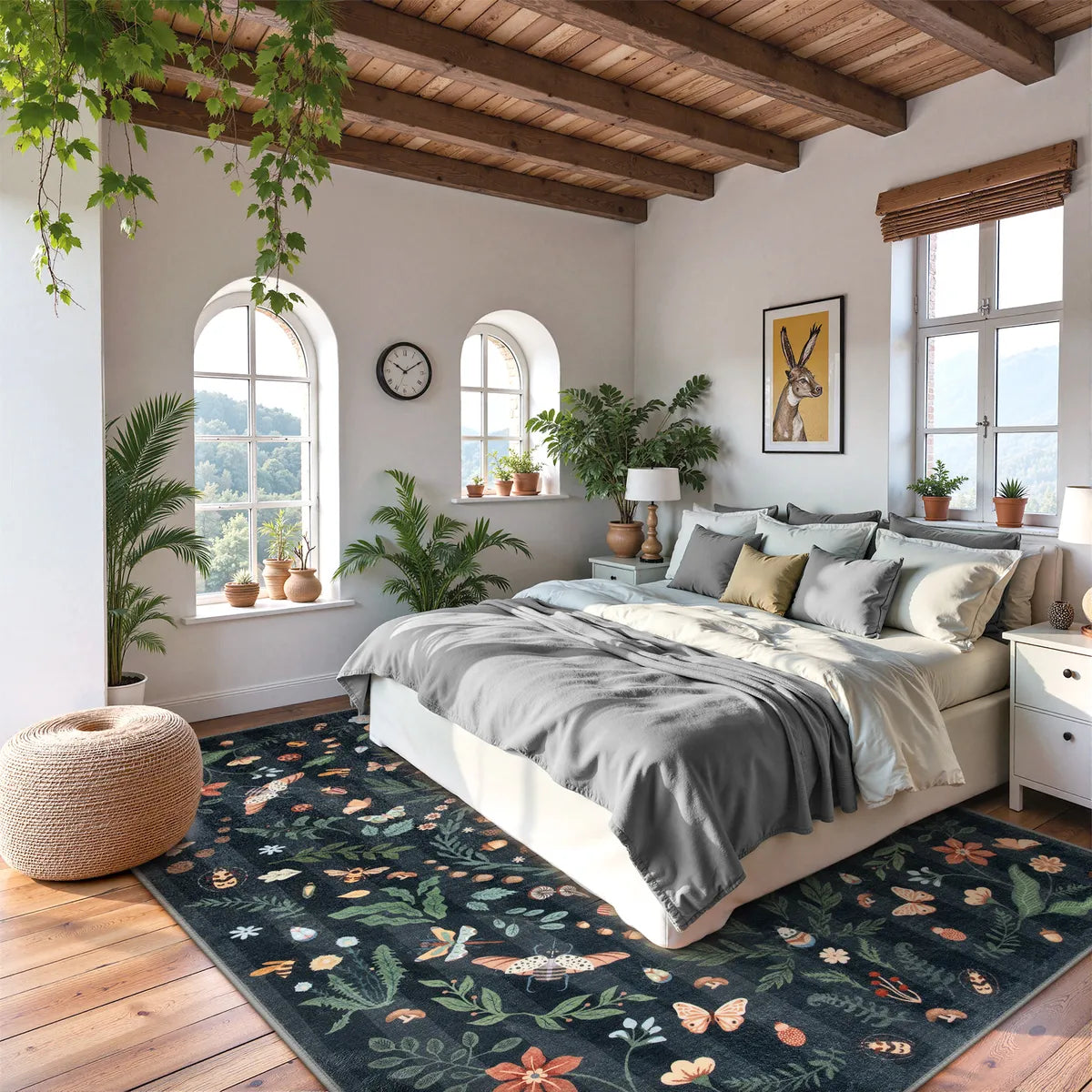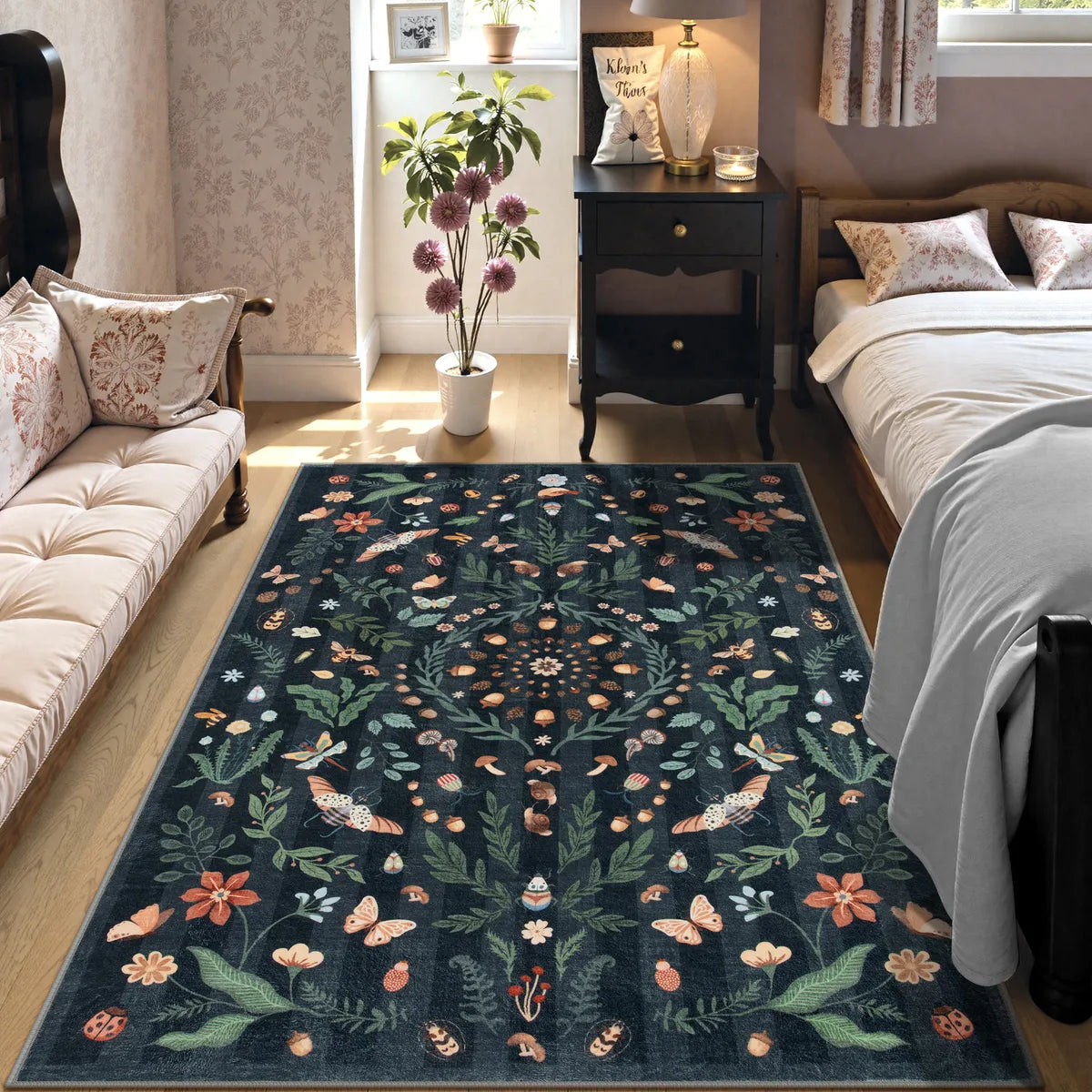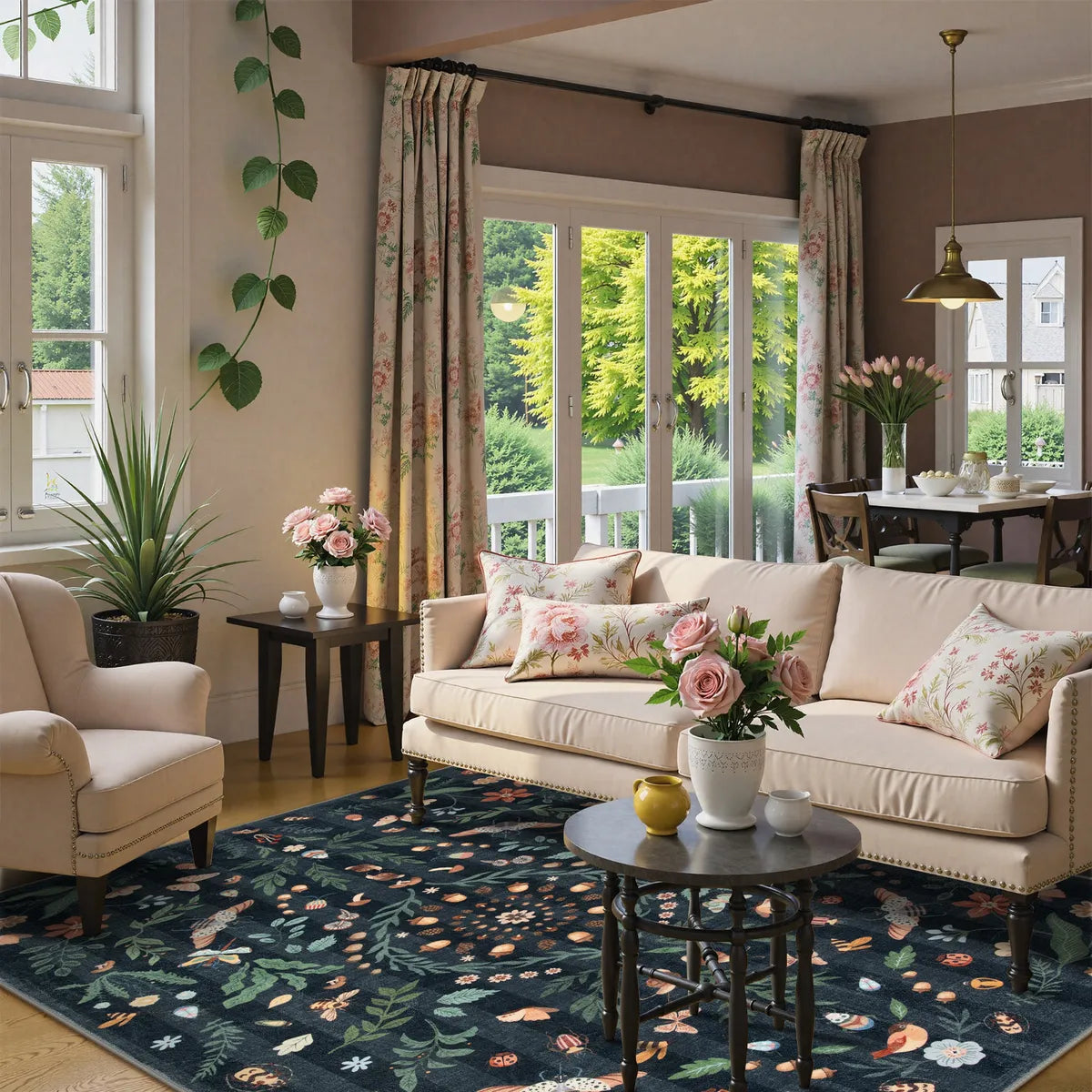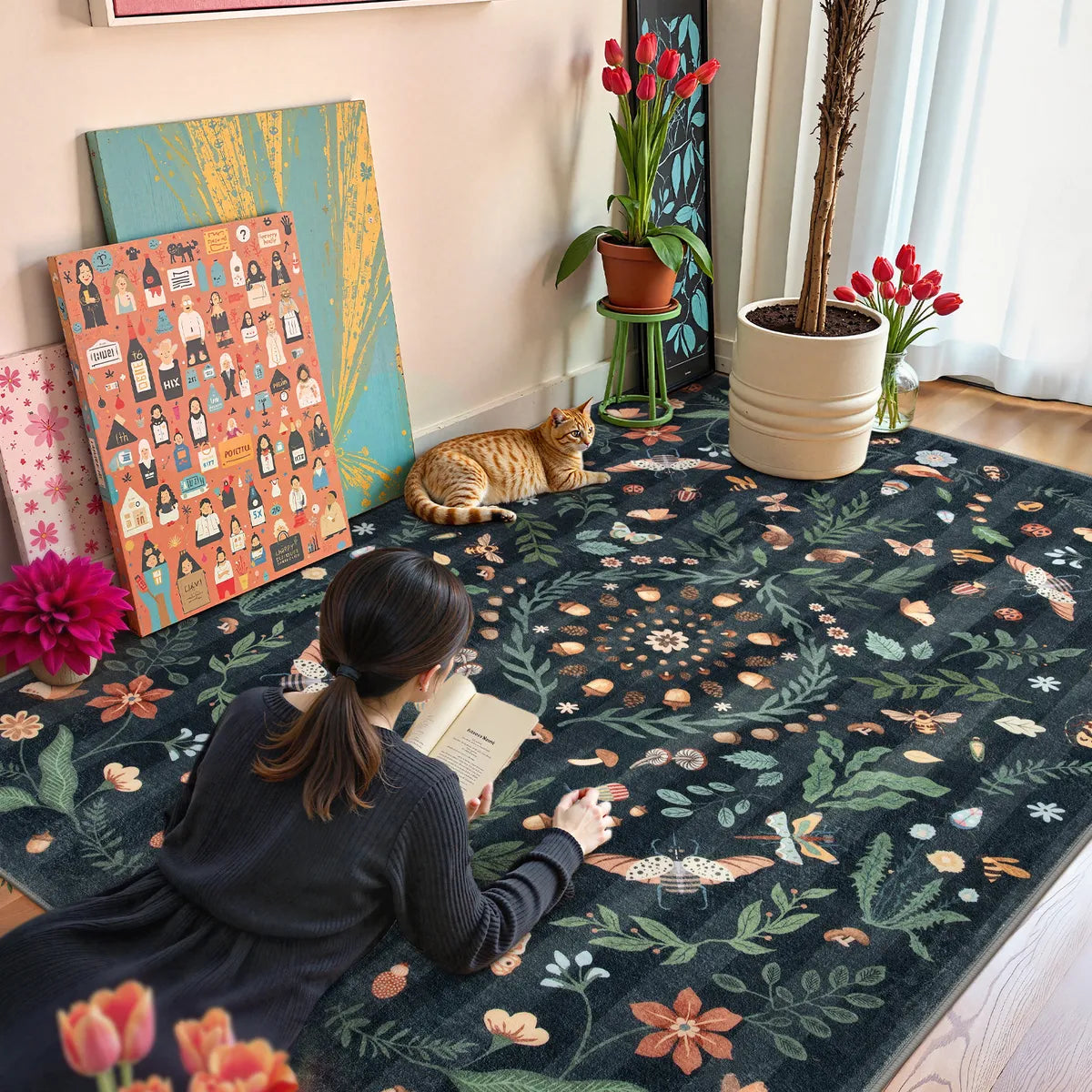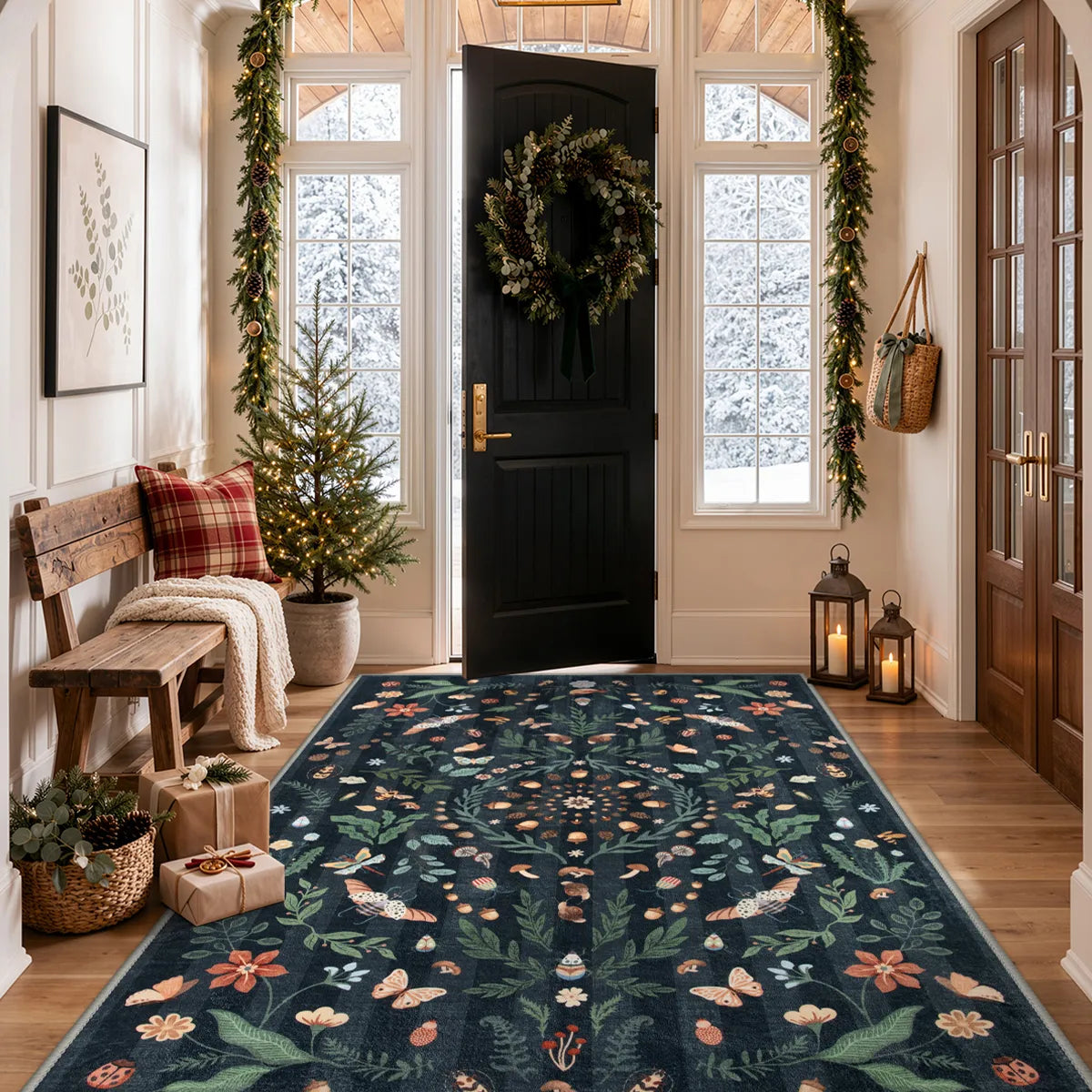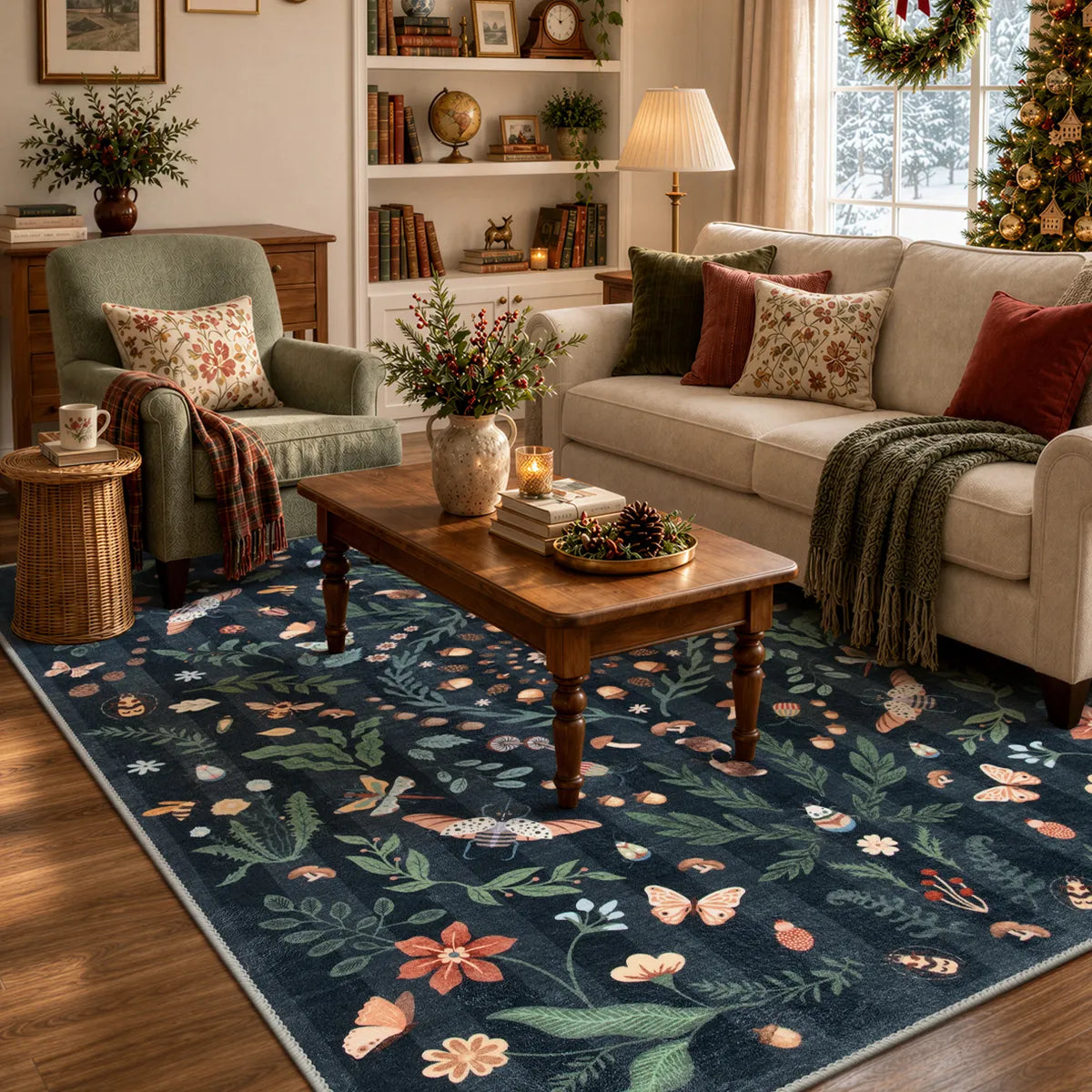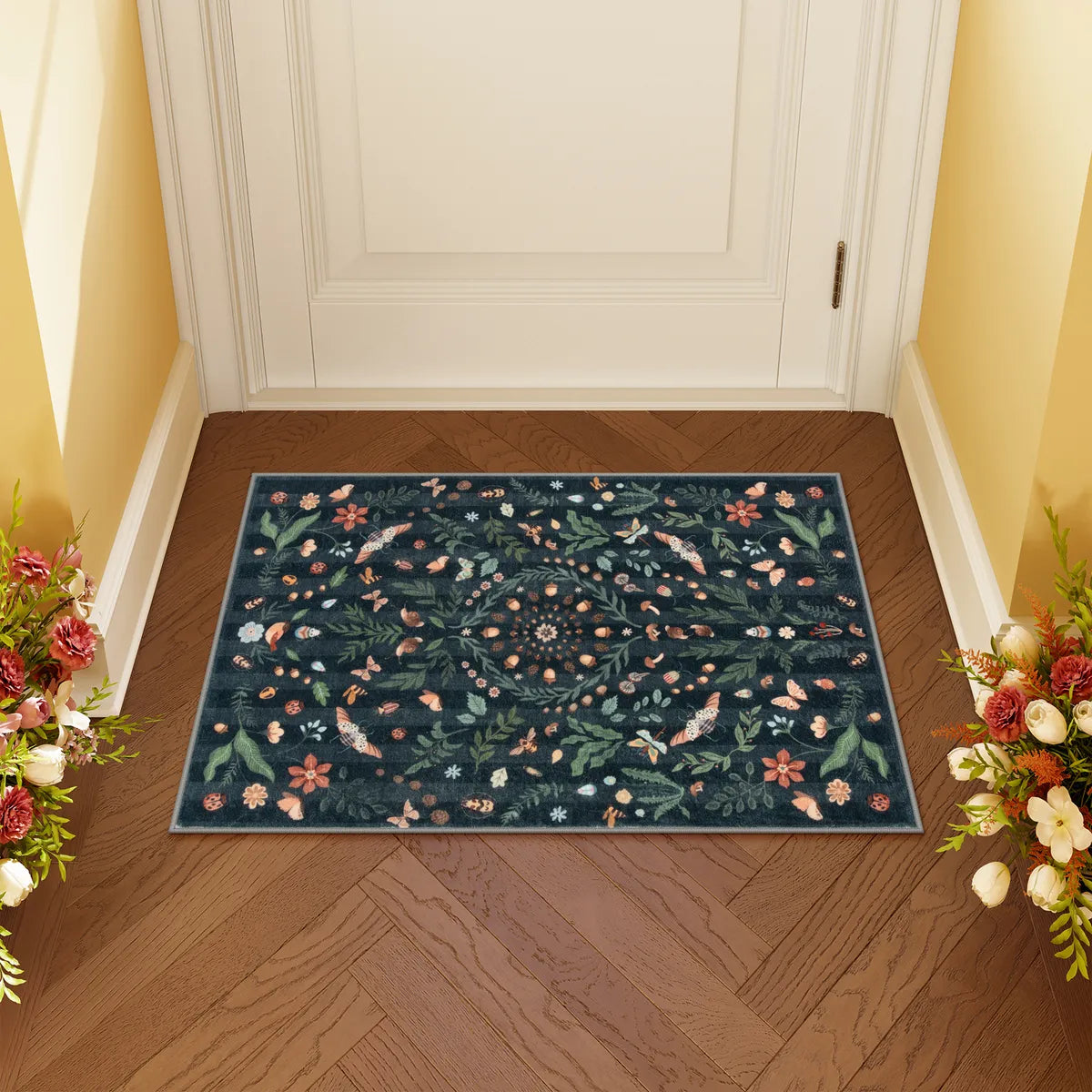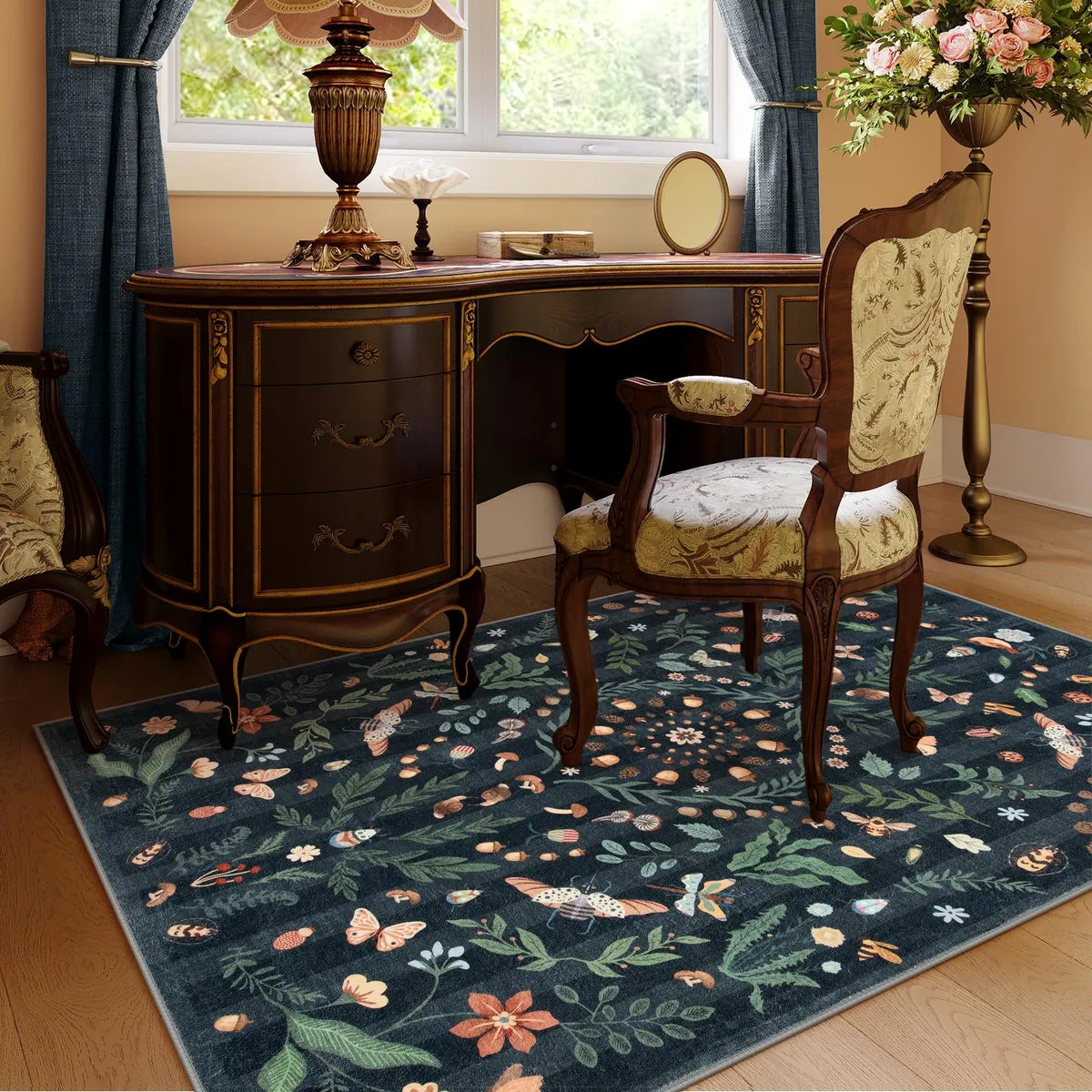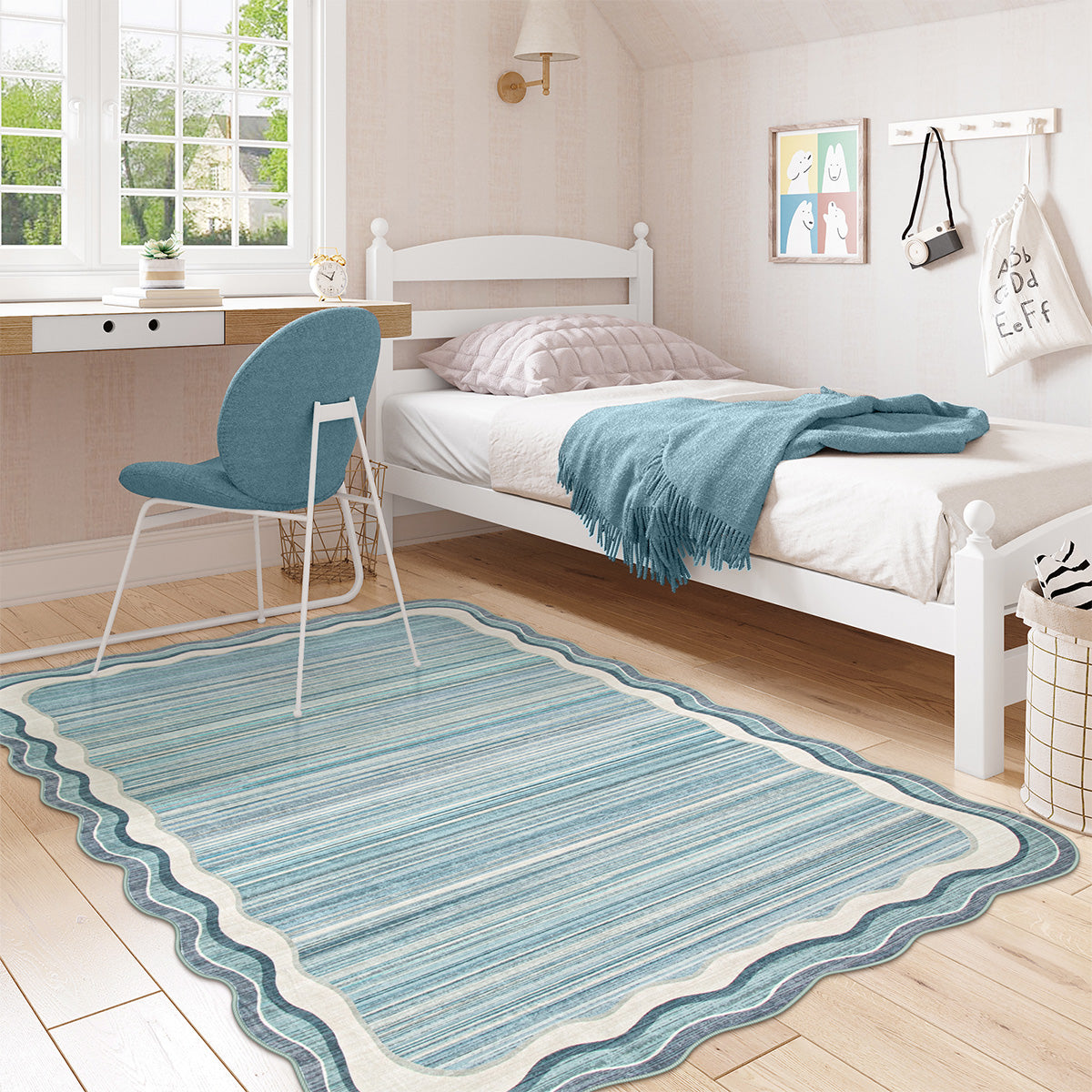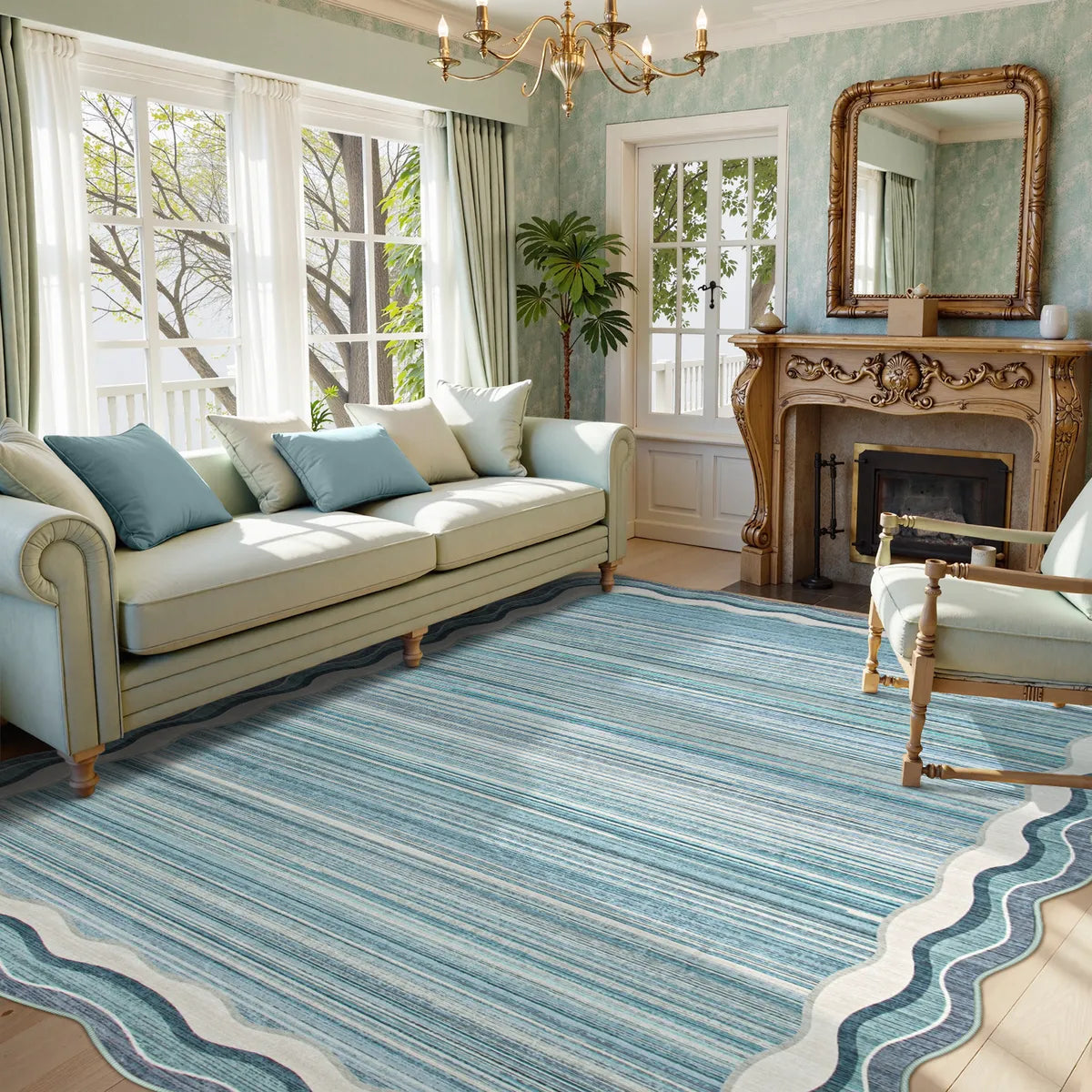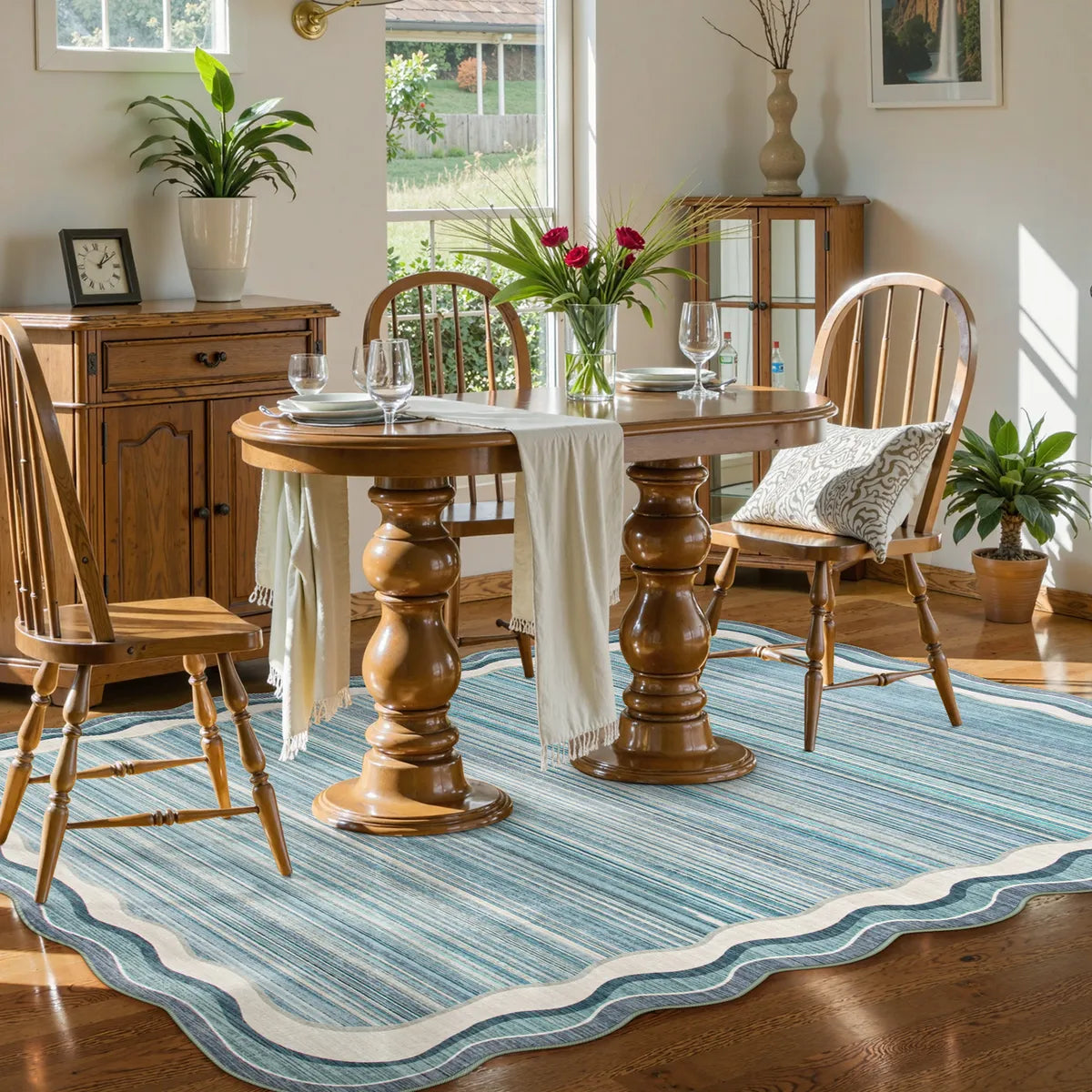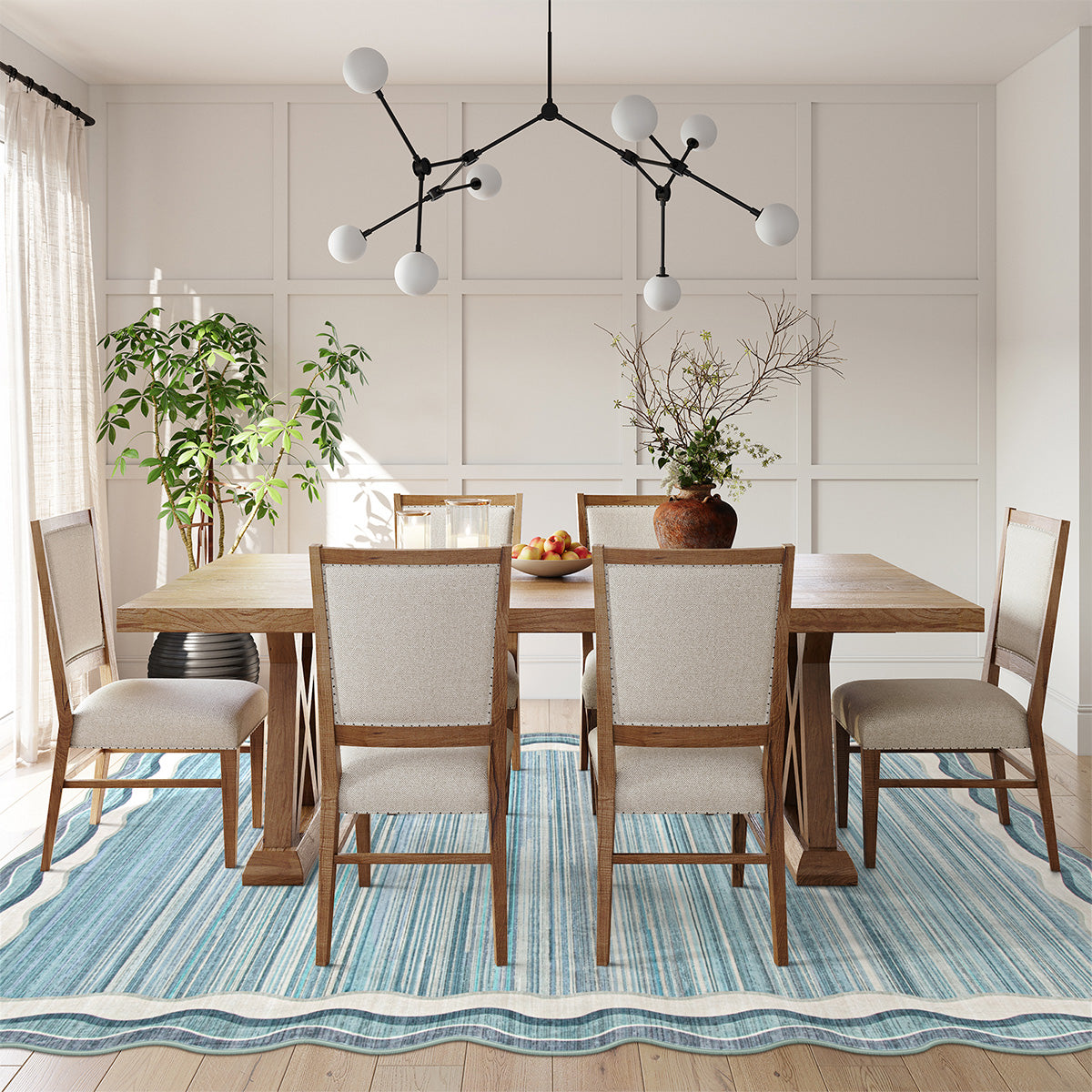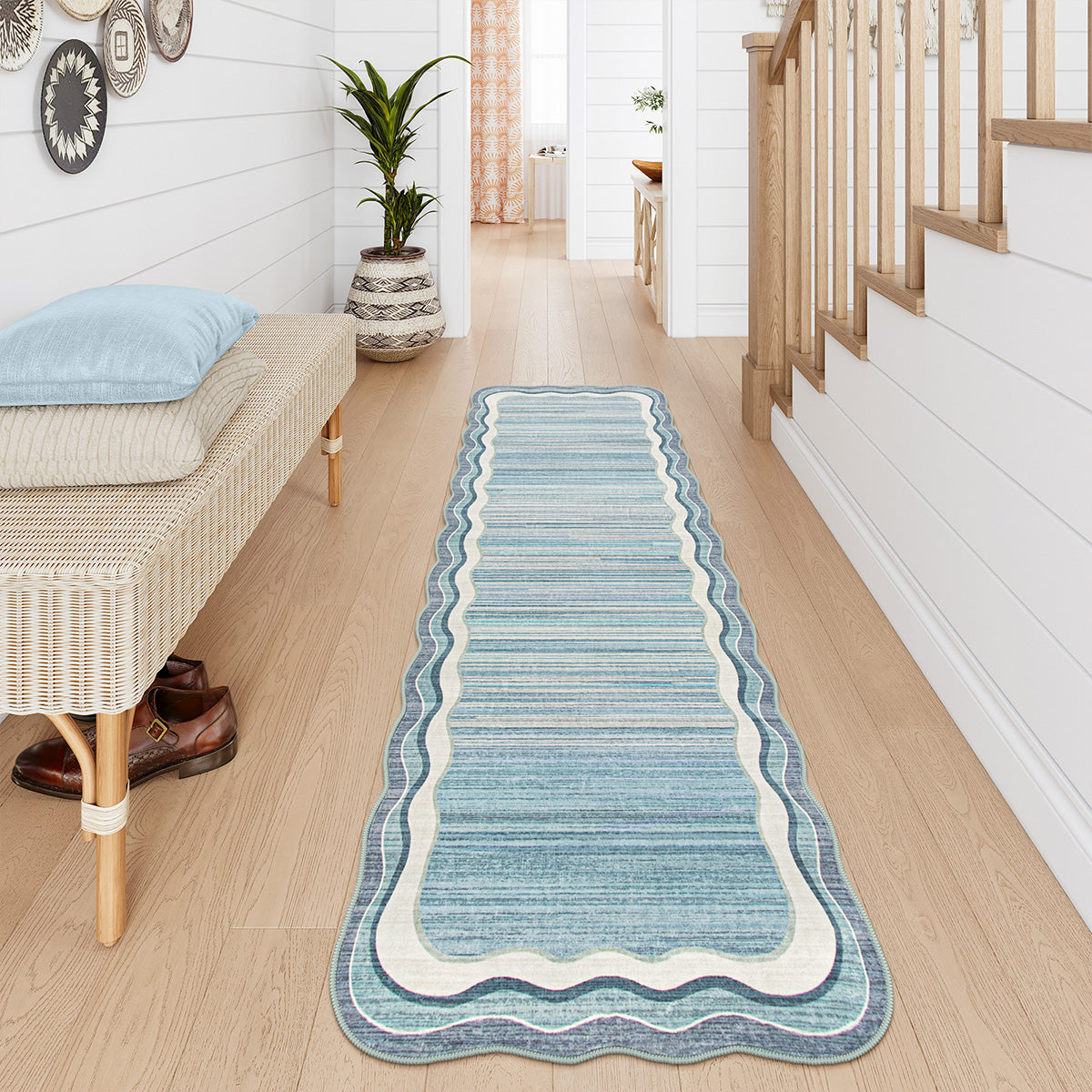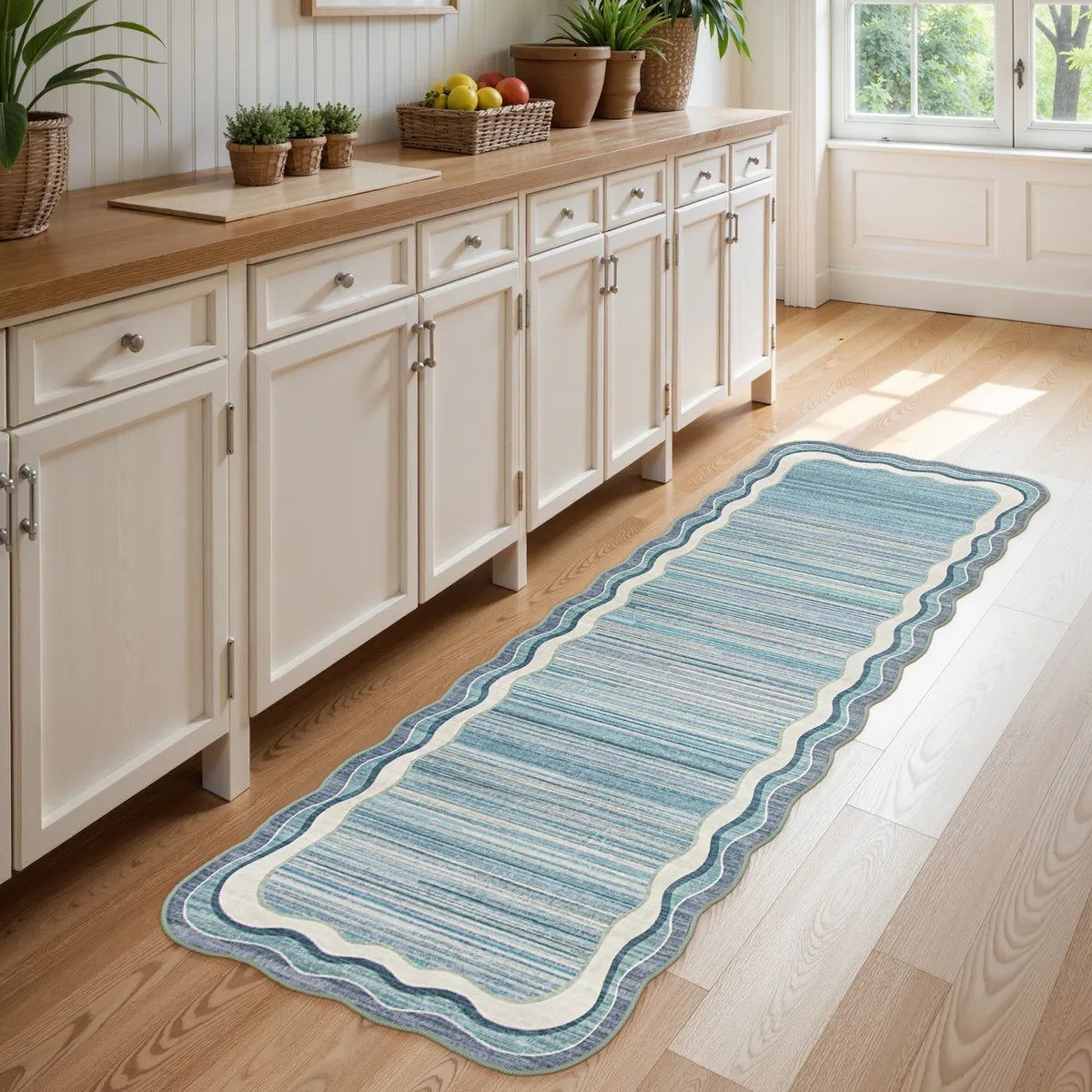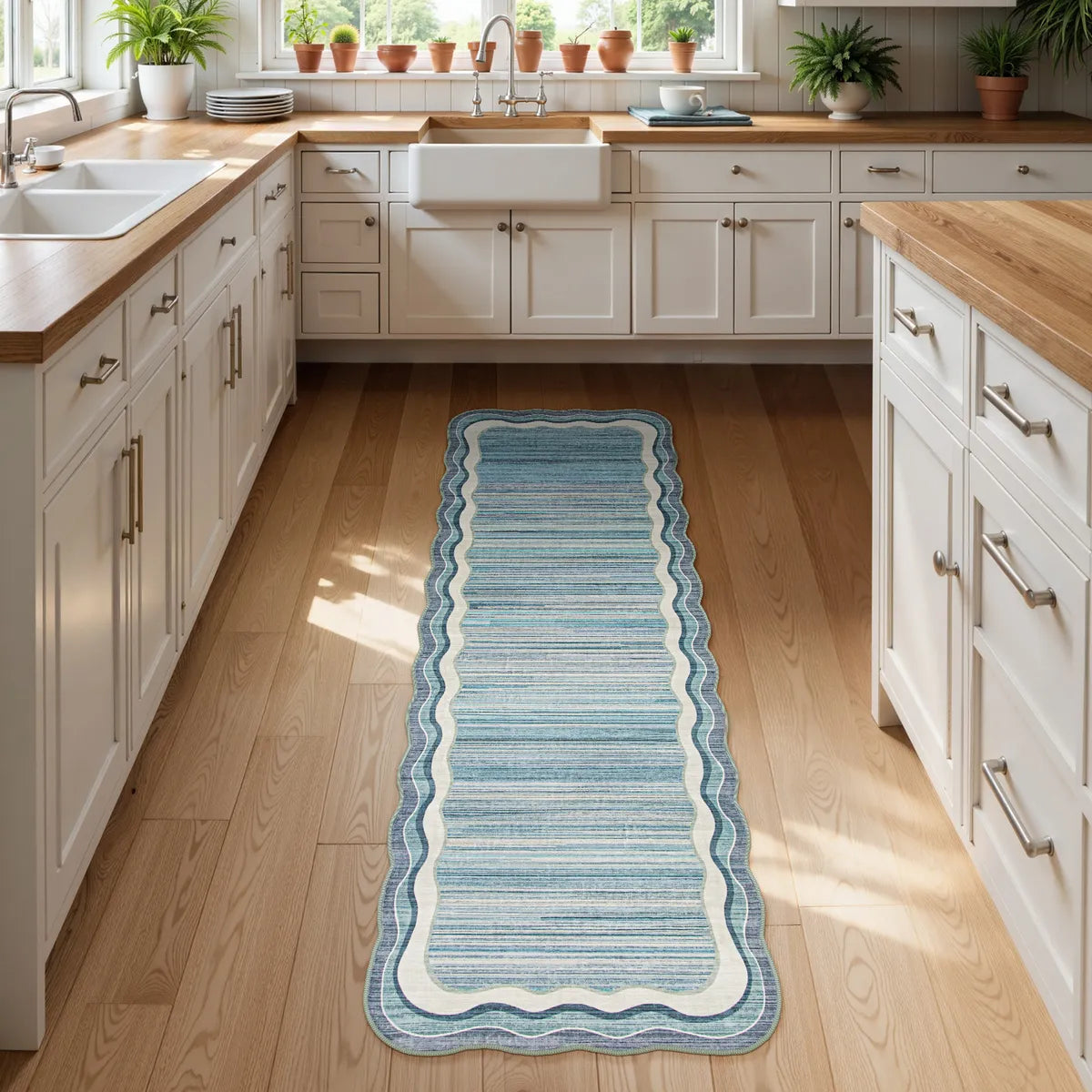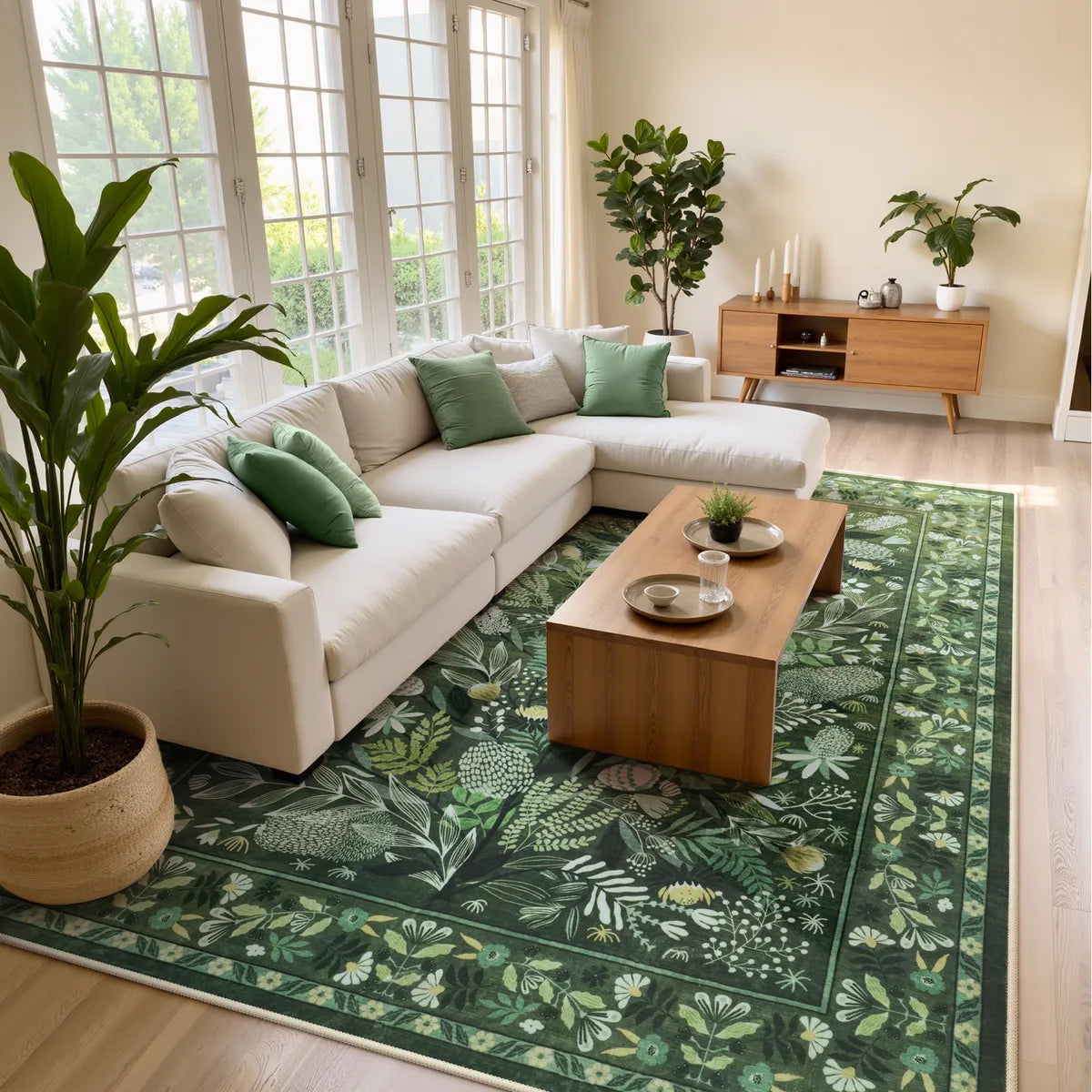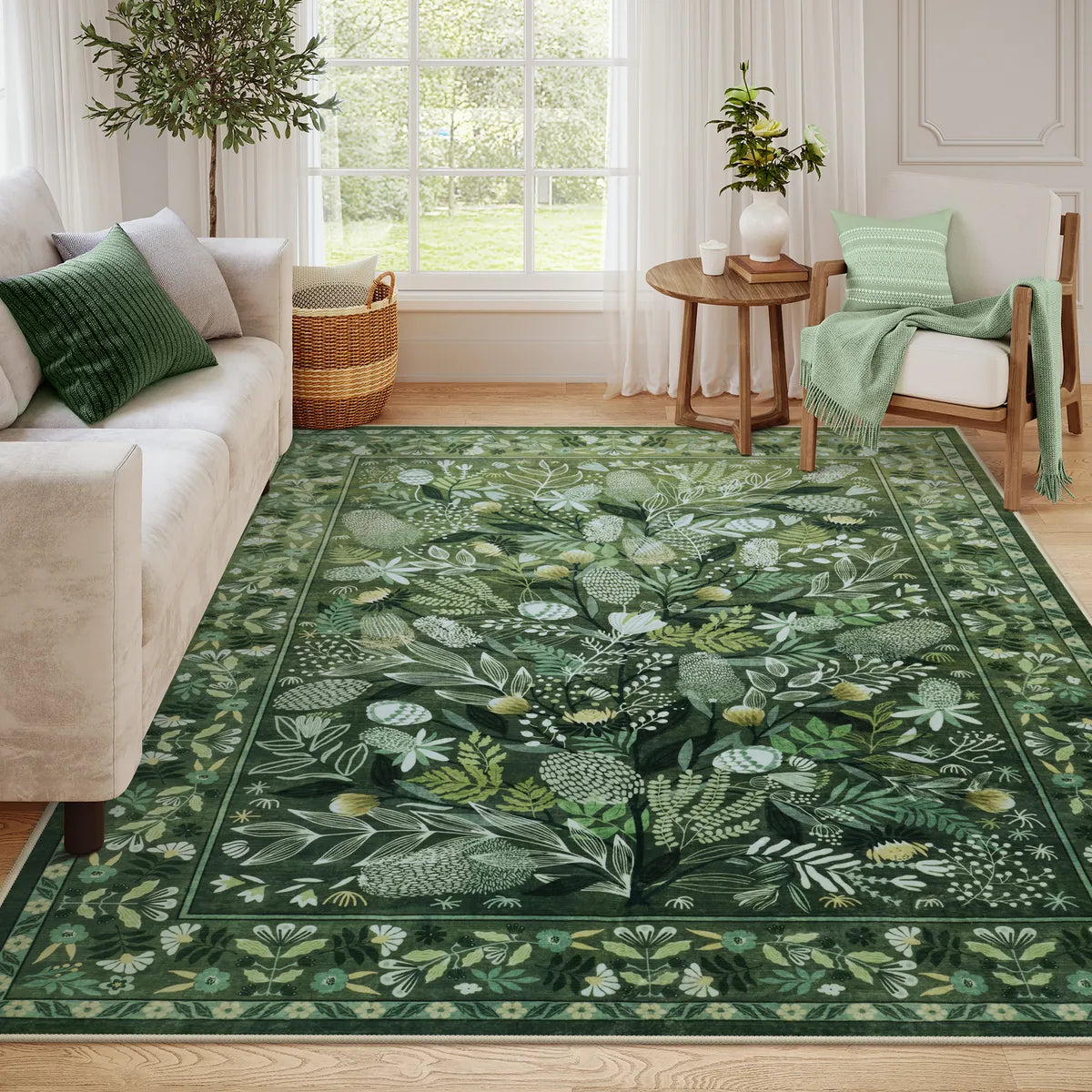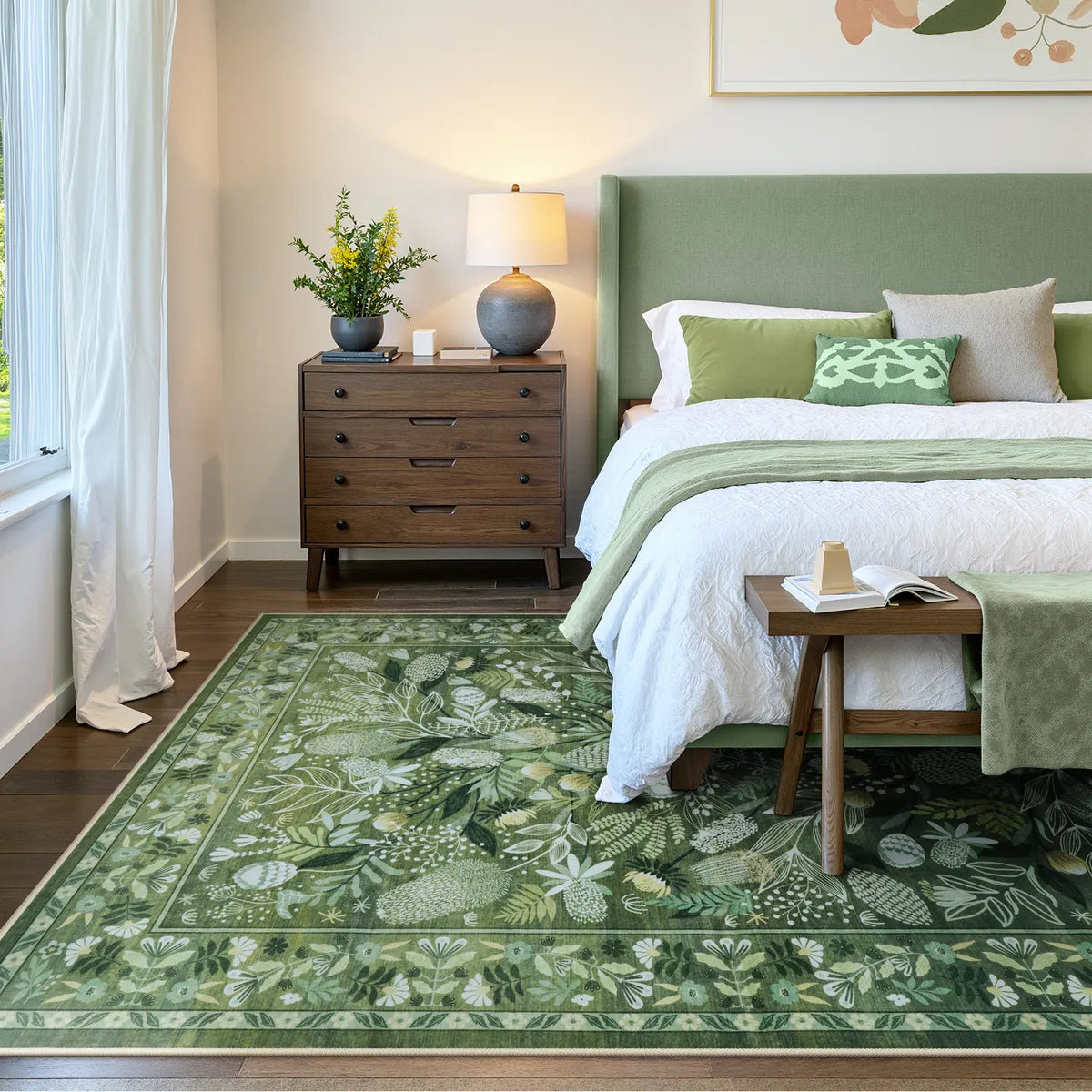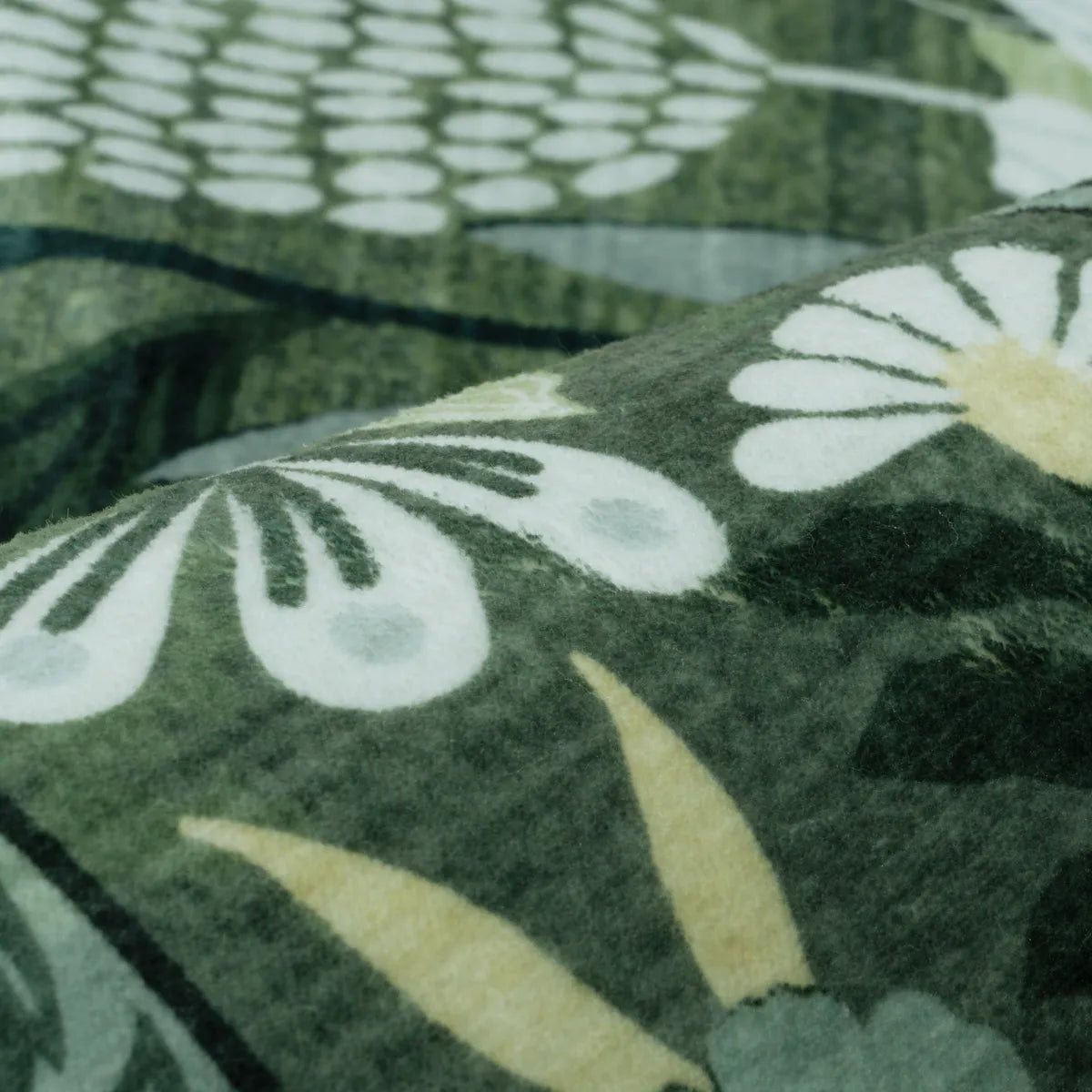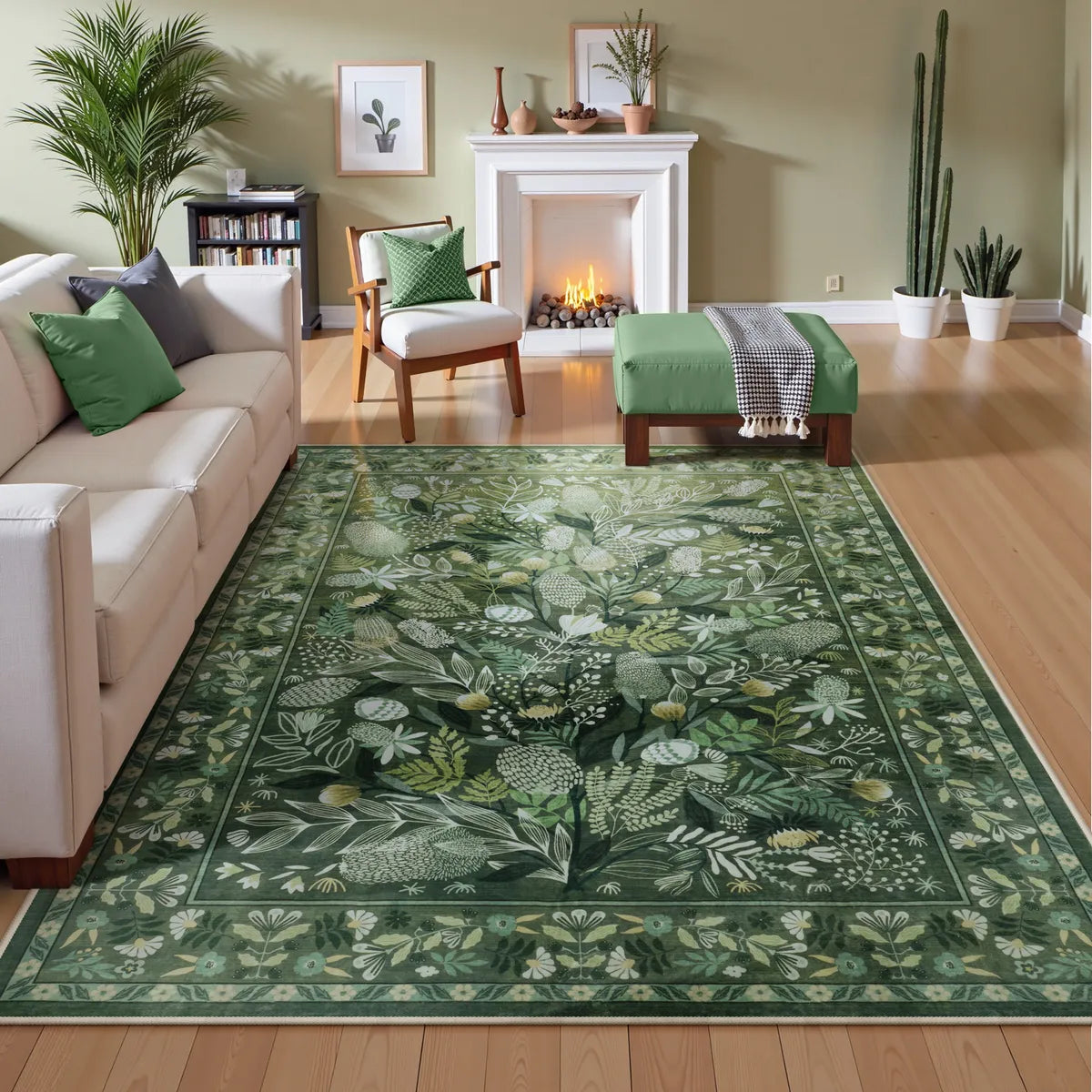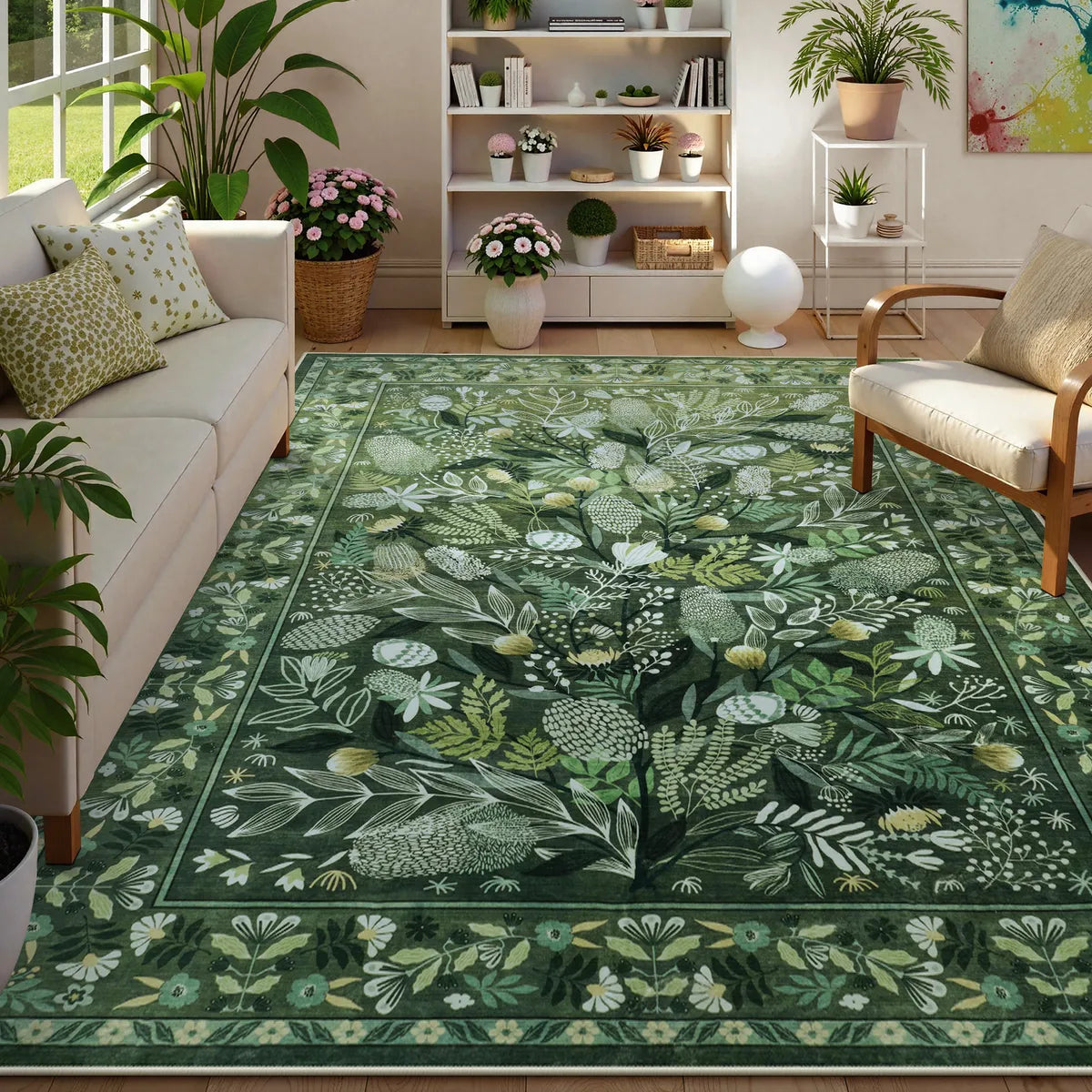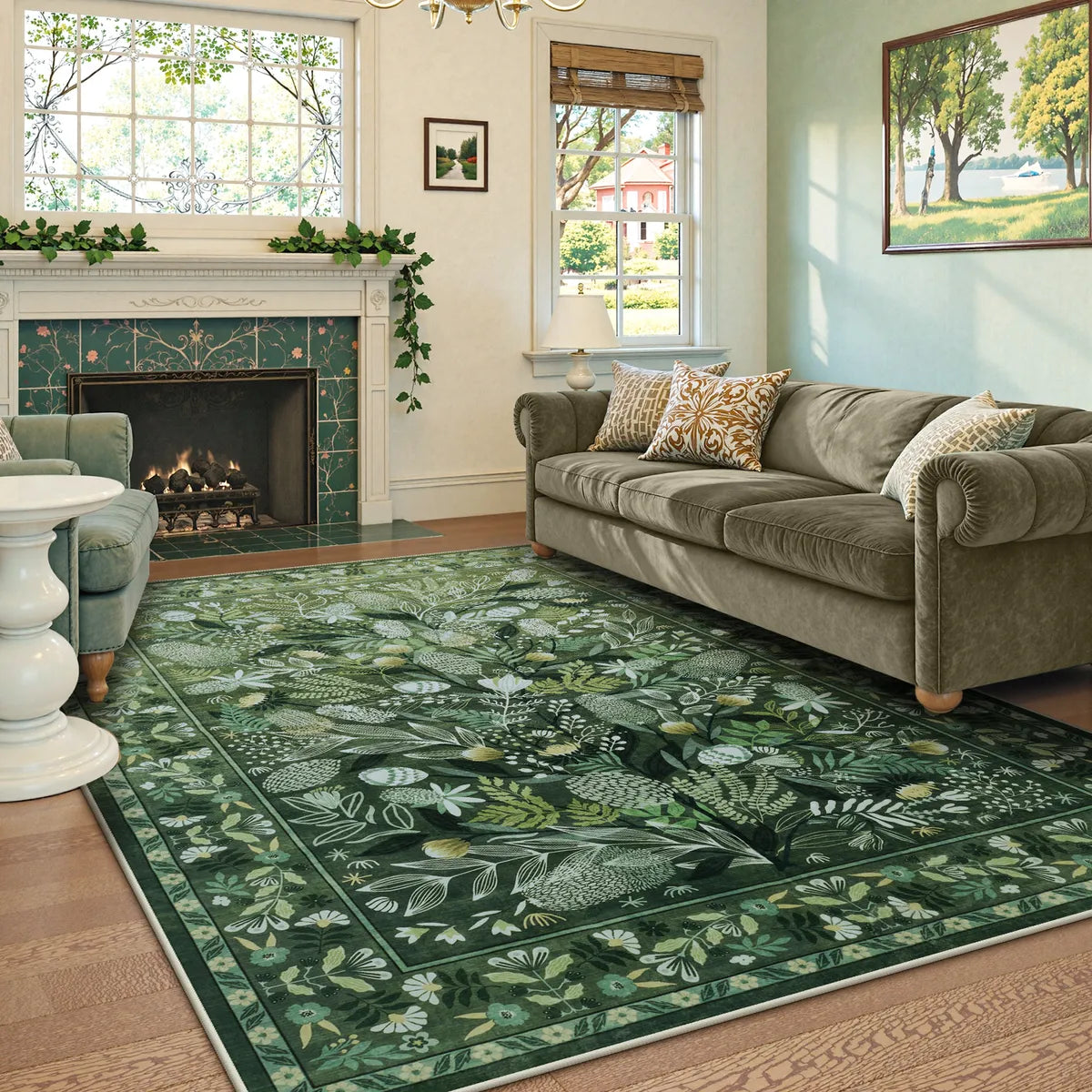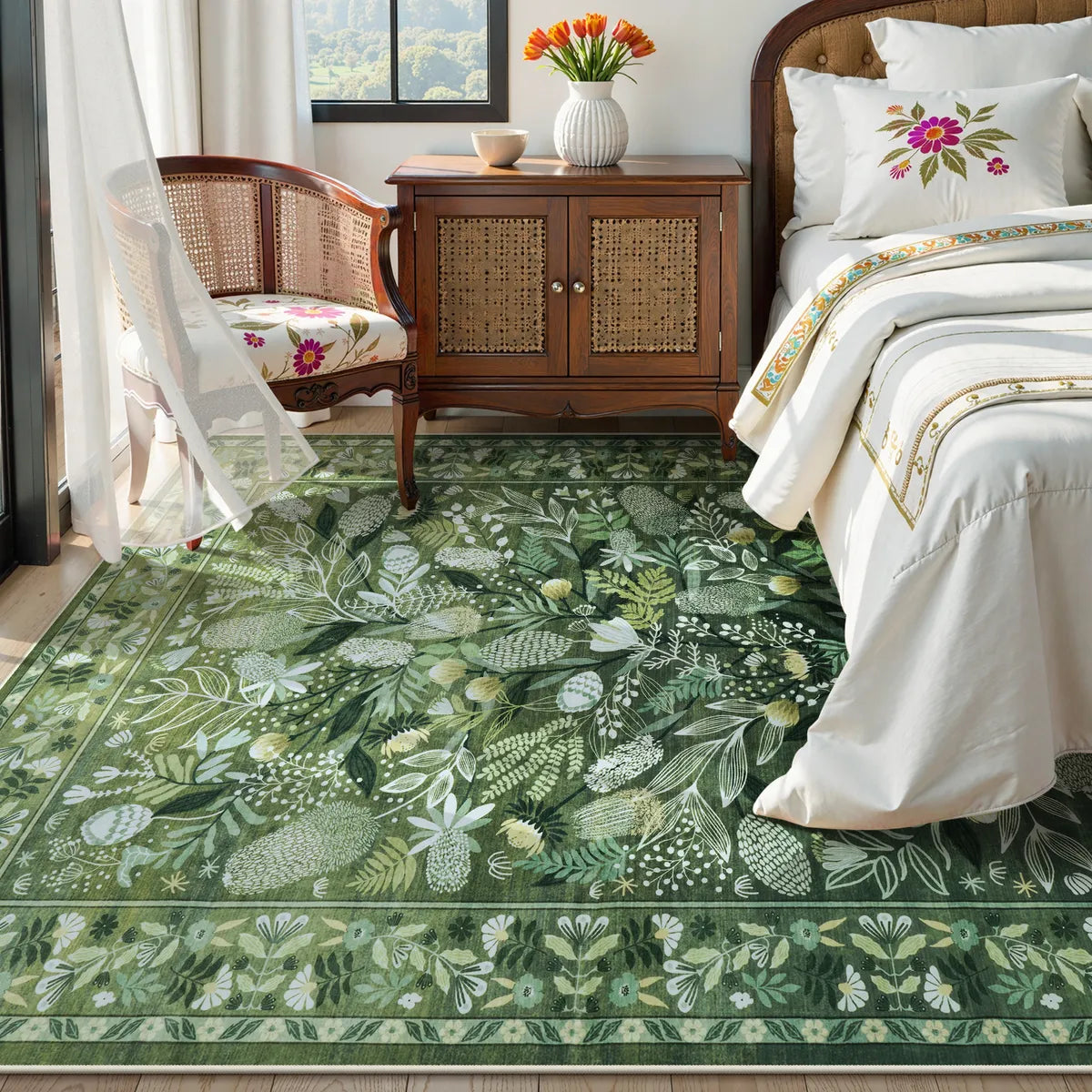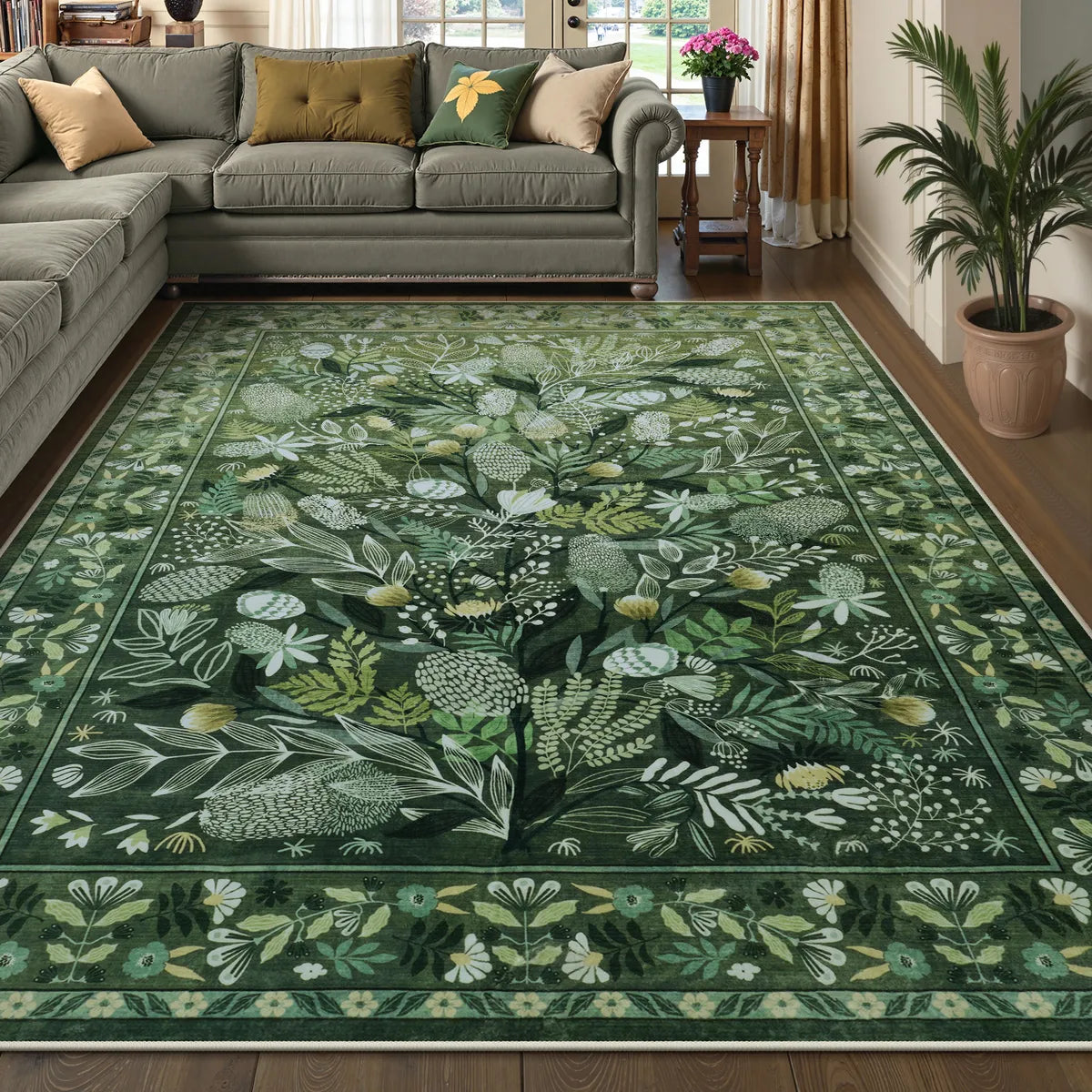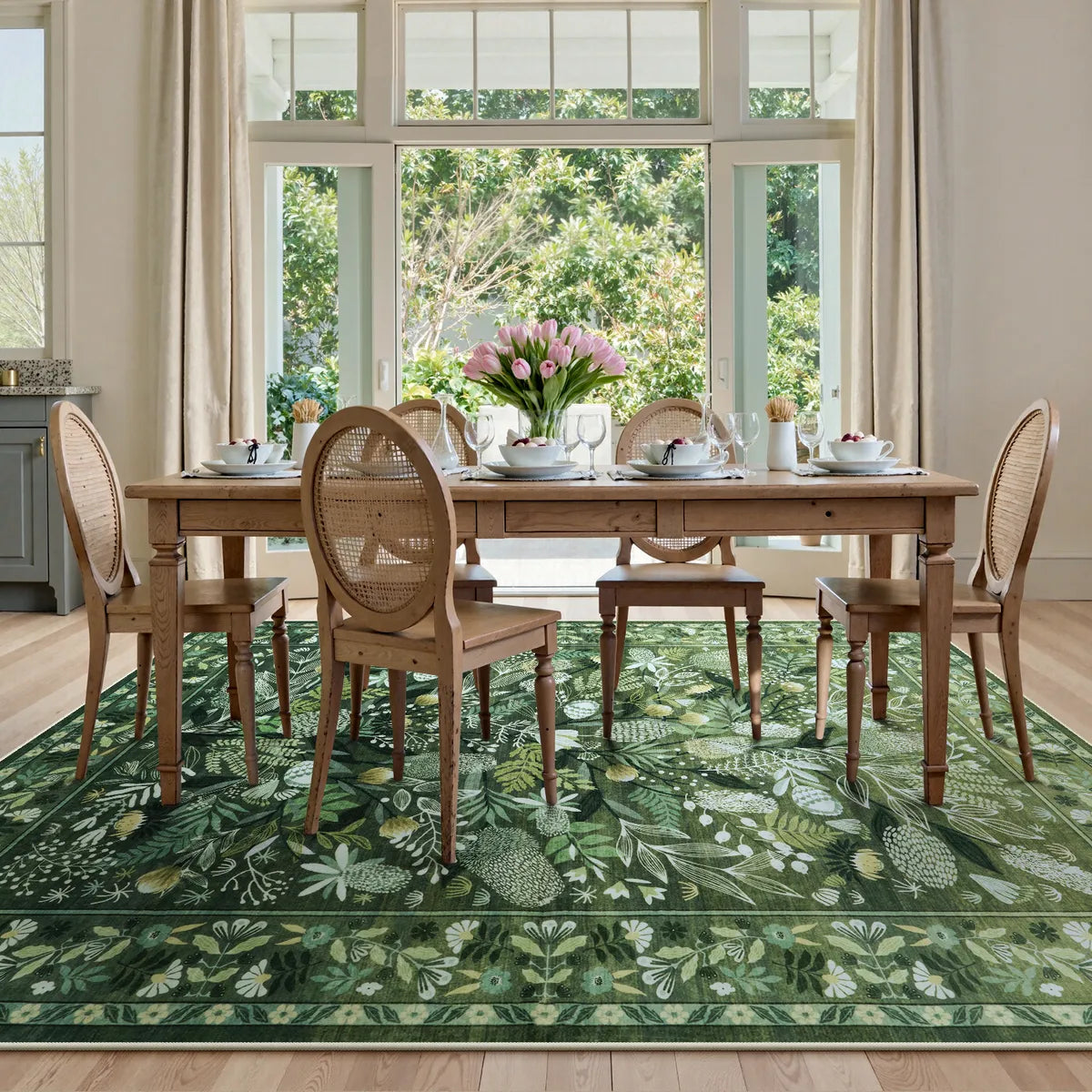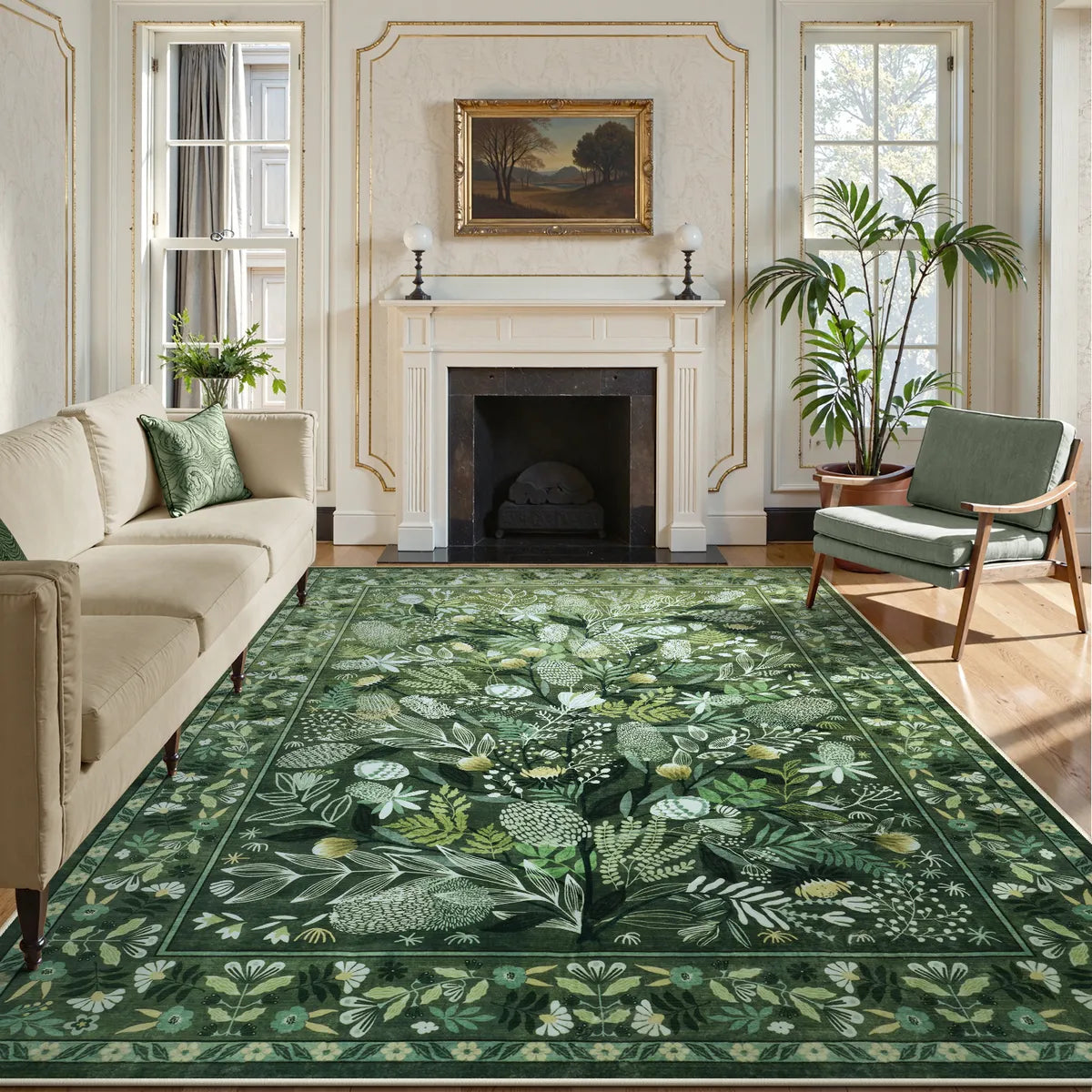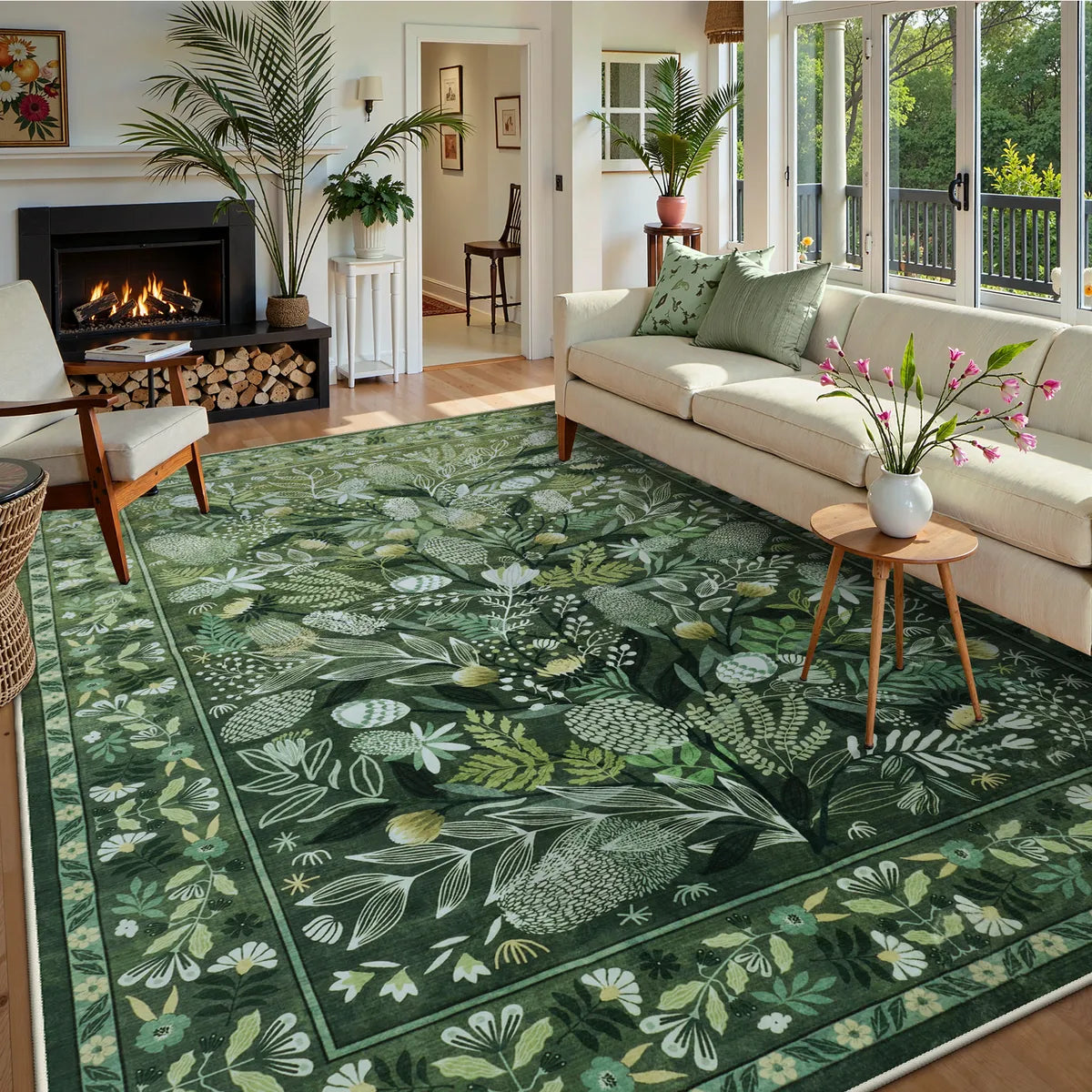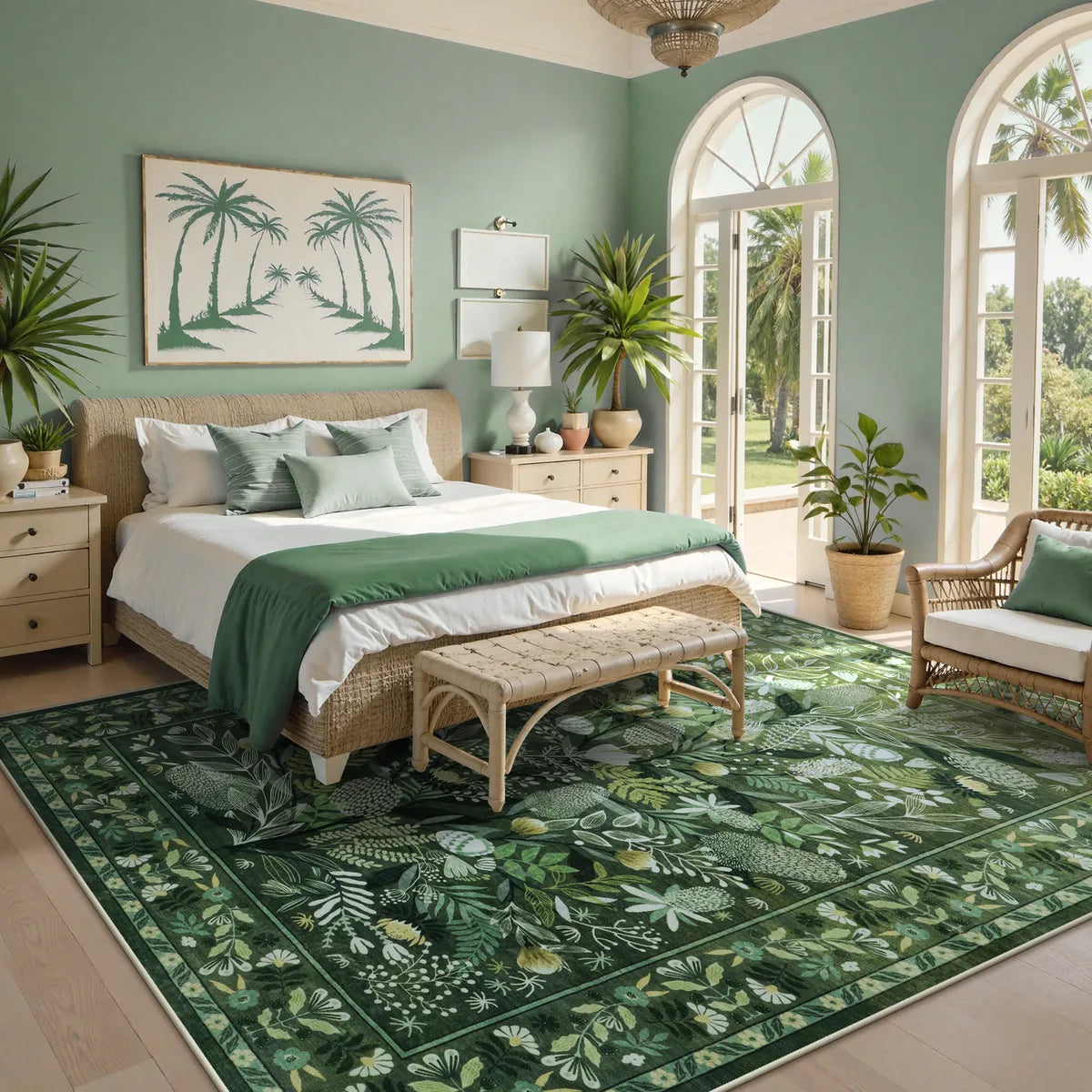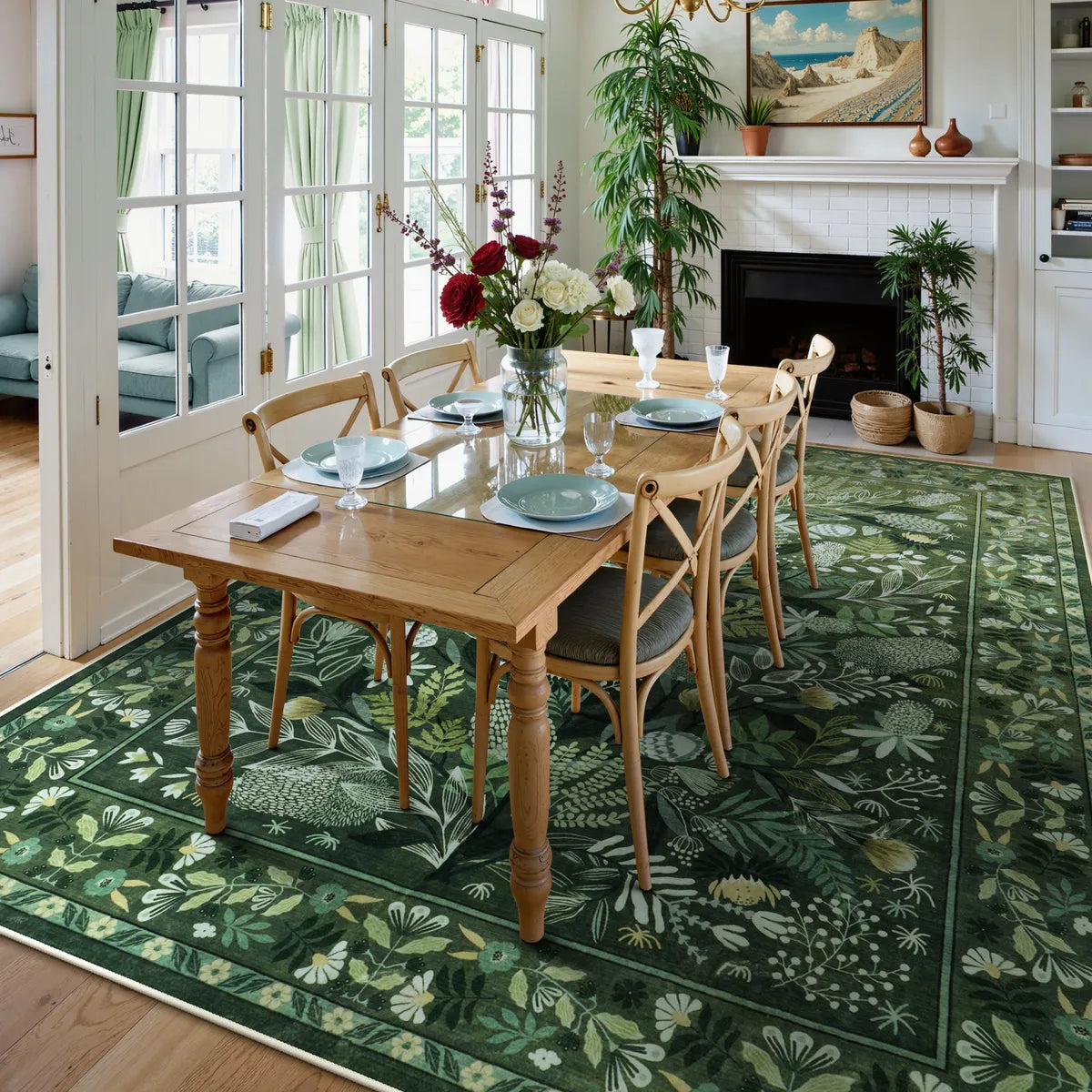


The nursery floor is where everything happens: tummy time, first crawls, wobbly first steps, and endless hours of play. It deserves more thought than most parents give it. The right nursery room rug does more than fill empty floor space; it creates a safe, soft, and healthy foundation for your baby's earliest experiences. Here's what actually matters when choosing one.
Essential Features to Look for in Nursery Rugs

A nursery has a different set of demands than any other space in the home: the occupant spends more time on the floor than anywhere else, puts everything in their mouth, and has skin and lungs far more sensitive than an adult's. The features that matter most are about what the rug is made of and how it performs at floor level.
Softness for Tummy Time and Crawling
Tummy time (the practice of placing a baby on their stomach while awake and supervised to strengthen neck, shoulder, and core muscles) starts in the earliest weeks of life and continues through the crawling stage. During this period, the rug surface is in direct, prolonged contact with a baby's face, hands, knees, and belly.
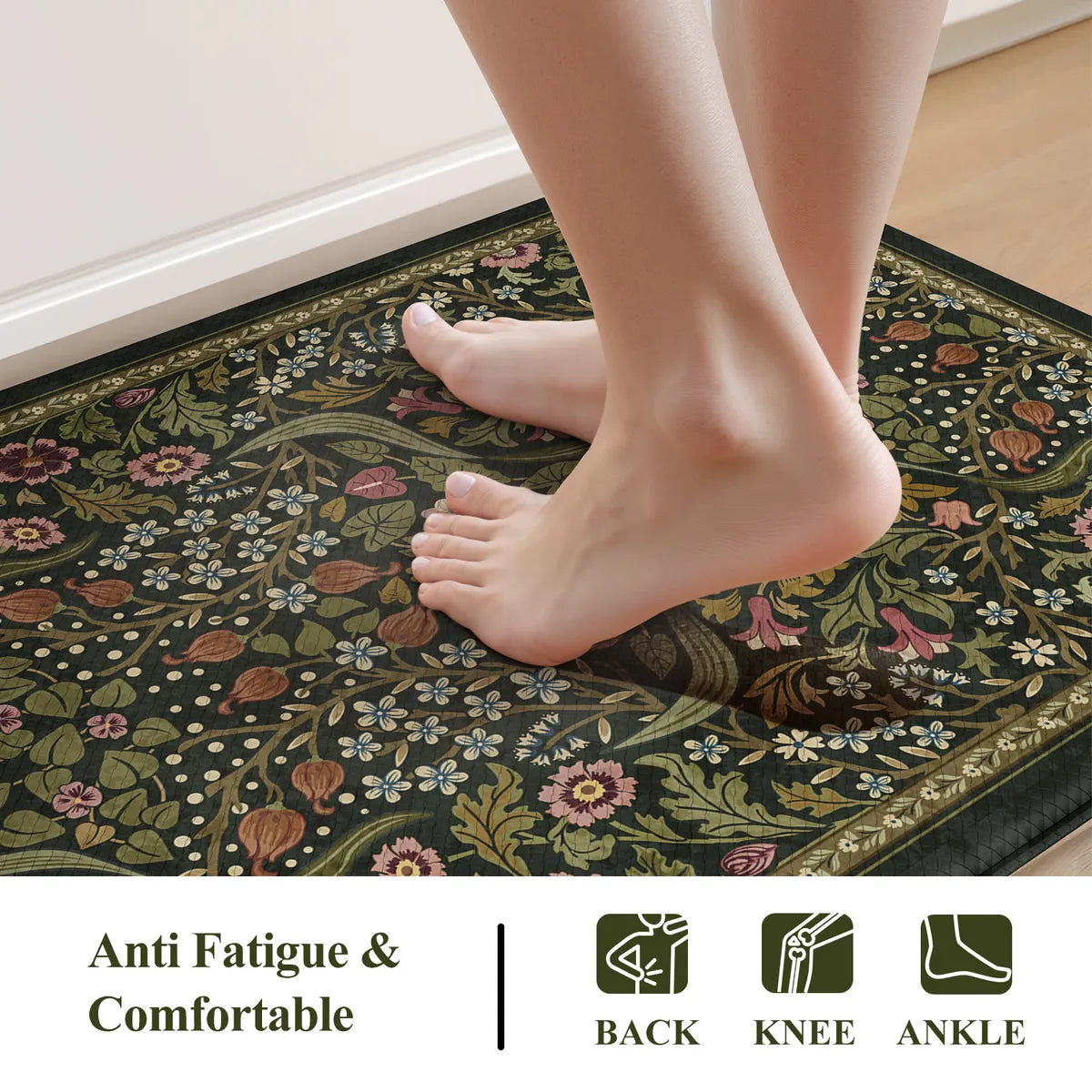
A soft, cushioned nursery rug makes tummy time more comfortable and encourages babies to spend longer periods on the floor, which supports healthy physical development. Key softness considerations include:
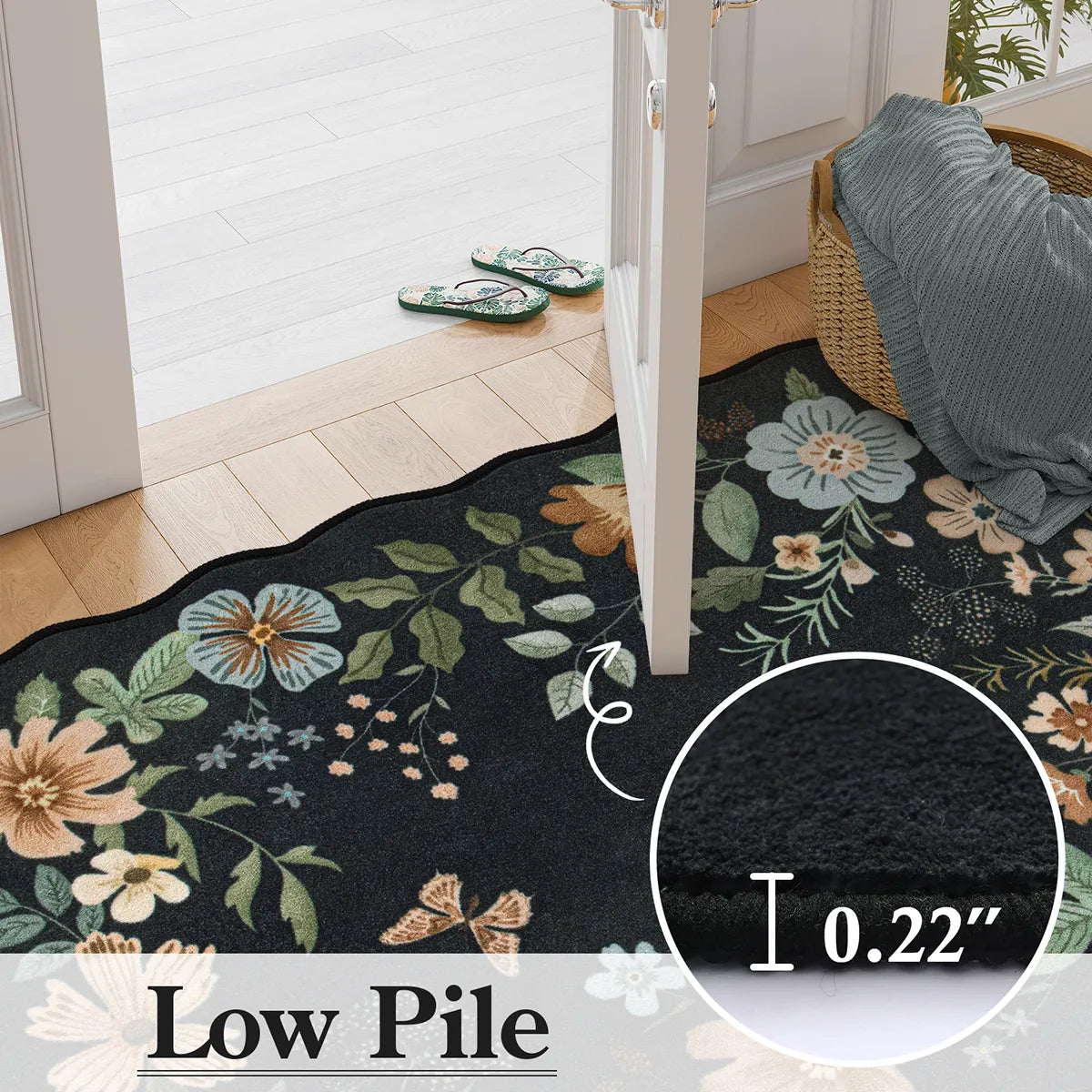
- Pile height: A low-pile rug (short, densely packed fibers close to the surface) is ideal for nursery use. It provides a smooth, stable surface for tummy time and early crawling while remaining easy to clean and less likely to trap allergens or debris.
- Fiber feel: Faux wool and soft polyester blends deliver a gentle, skin-friendly surface without the shedding or allergenic risk associated with natural wool.
- Even texture: Avoid heavily looped or knotted surfaces that can catch tiny fingers or toes during movement. A flat, consistent surface keeps playtime safer and more comfortable.
Non-Toxic and Hypoallergenic Materials for a Healthy Baby Room

Babies breathe closer to the floor than anyone else in the household. That makes off-gassing (the release of chemical compounds from rug materials, dyes, or backing adhesives into the surrounding air) a genuine concern in nursery spaces. A non-toxic nursery rug should meet the following criteria:
- OEKO-TEX certified materials: OEKO-TEX certification (an independent standard that tests materials for harmful substances at every stage of production) is one of the most reliable safety markers for nursery rugs. It confirms the rug has been tested for skin contact safety and is free from harmful chemicals.
- Hypoallergenic fibers: Hypoallergenic materials are those less likely to trigger allergic reactions. Synthetic fibers like polyester are naturally resistant to dust mites and mold, both common allergen sources in soft furnishings.
- Non-toxic dyes: Baby rugs should use colorfast, non-toxic dyes that don't transfer onto skin or release harmful compounds over time.
A rug that checks these boxes creates a healthier breathing environment at the exact level where your baby spends most of their time.
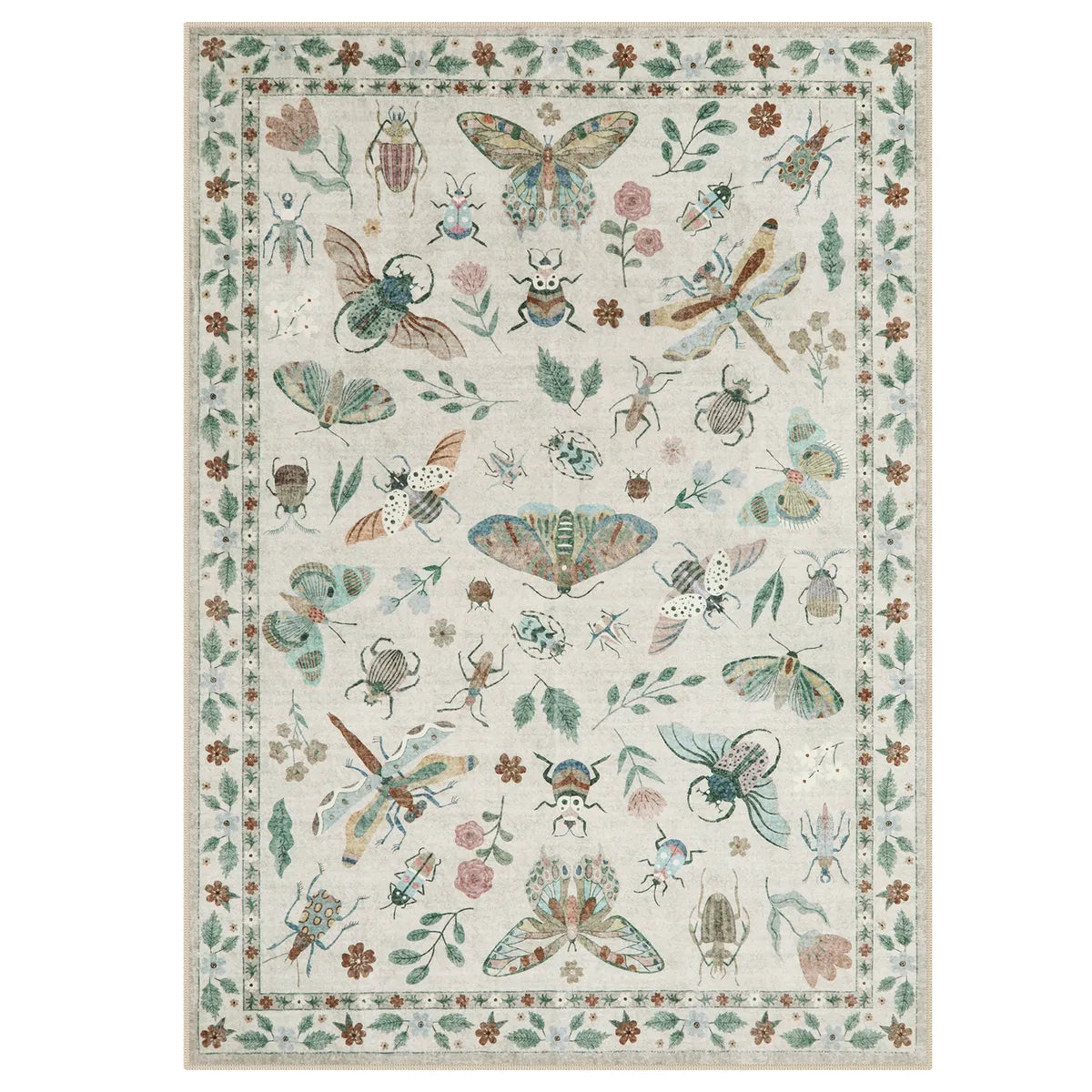
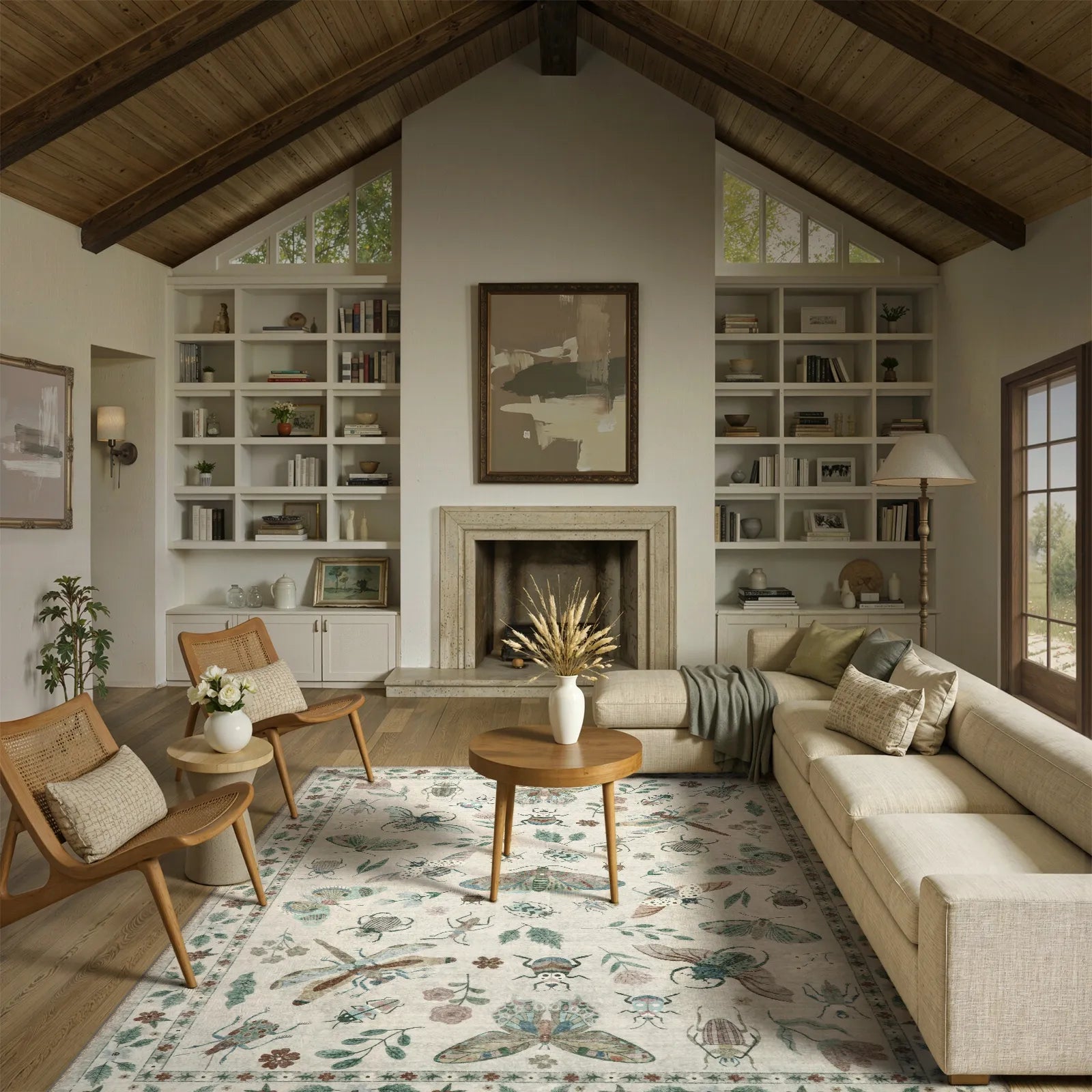
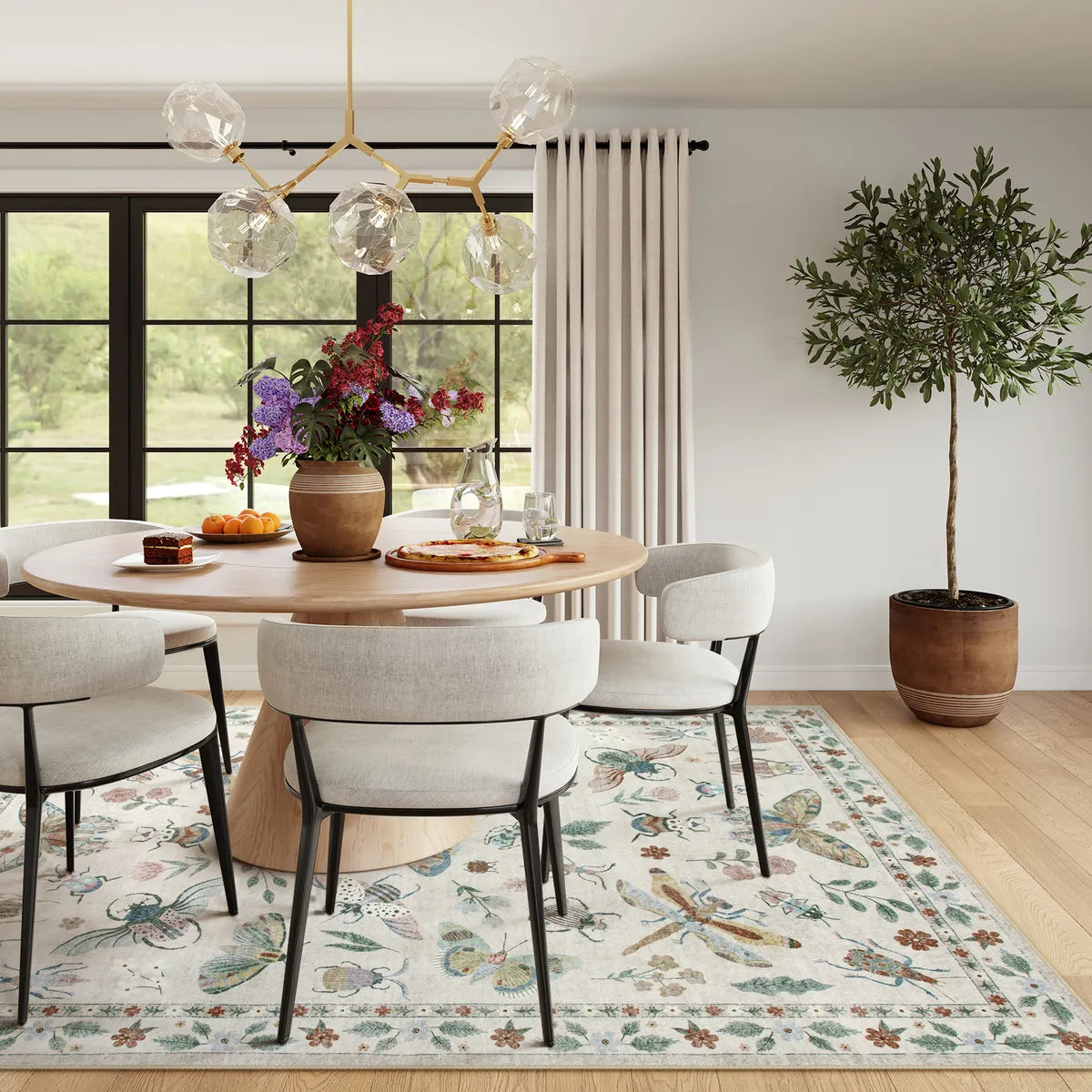
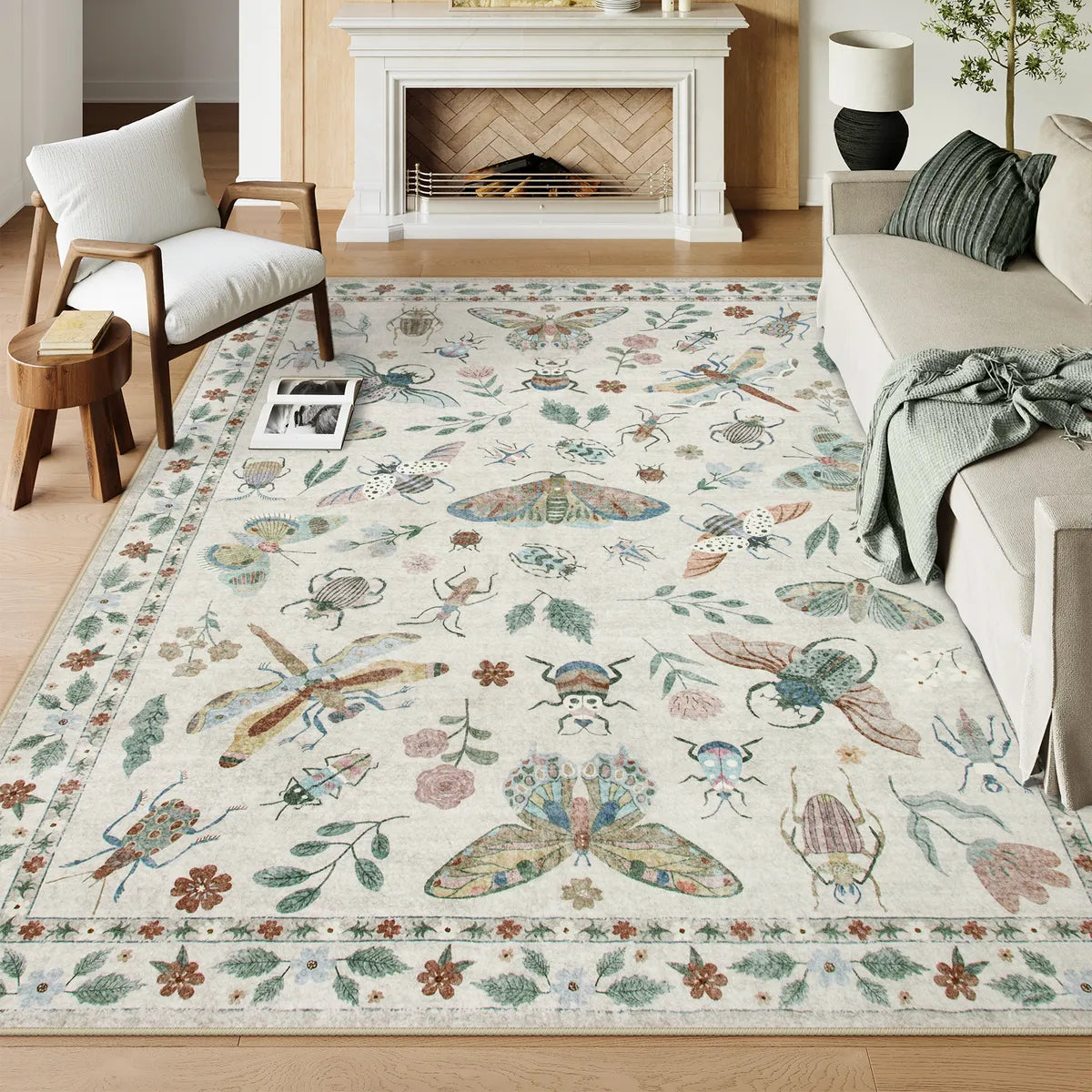
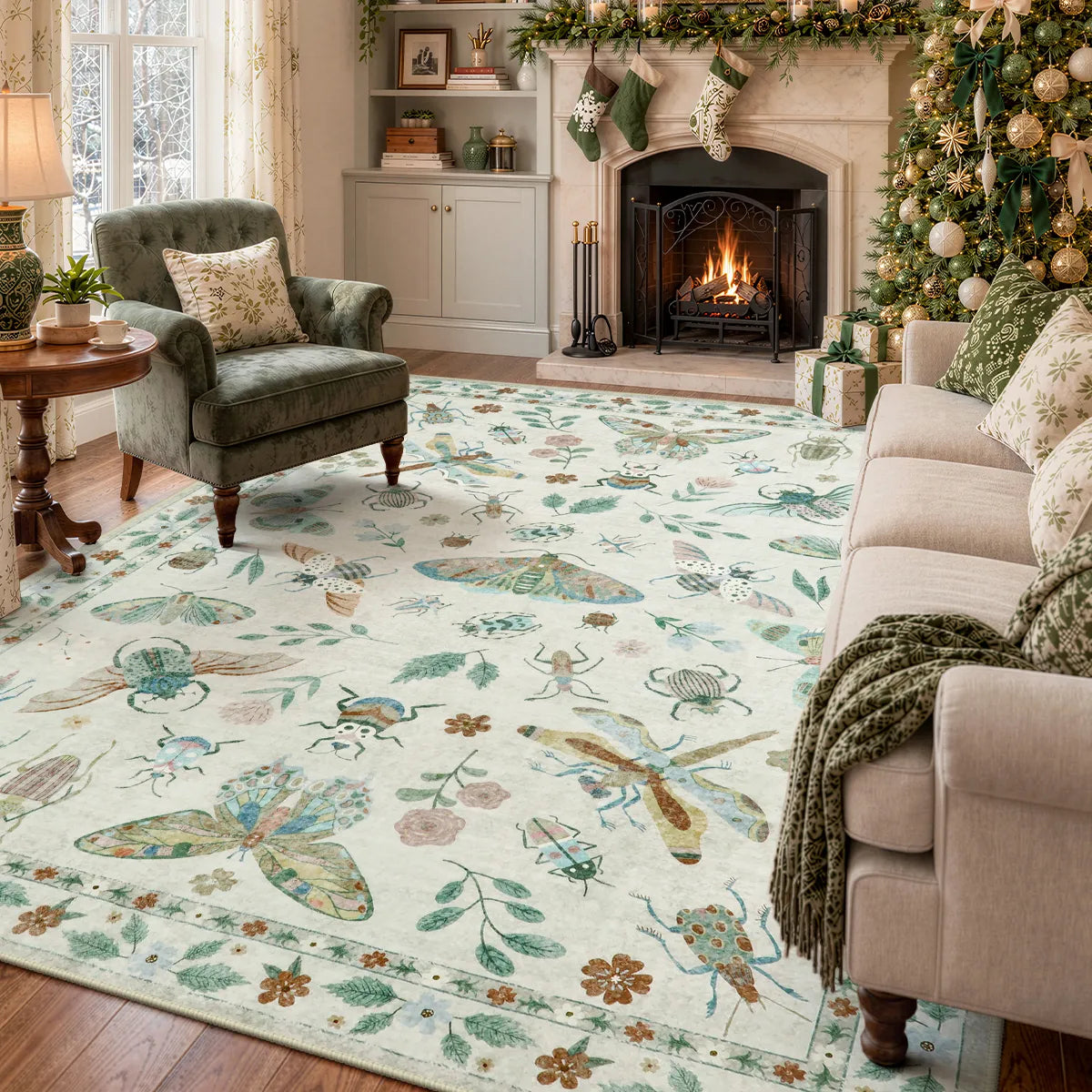
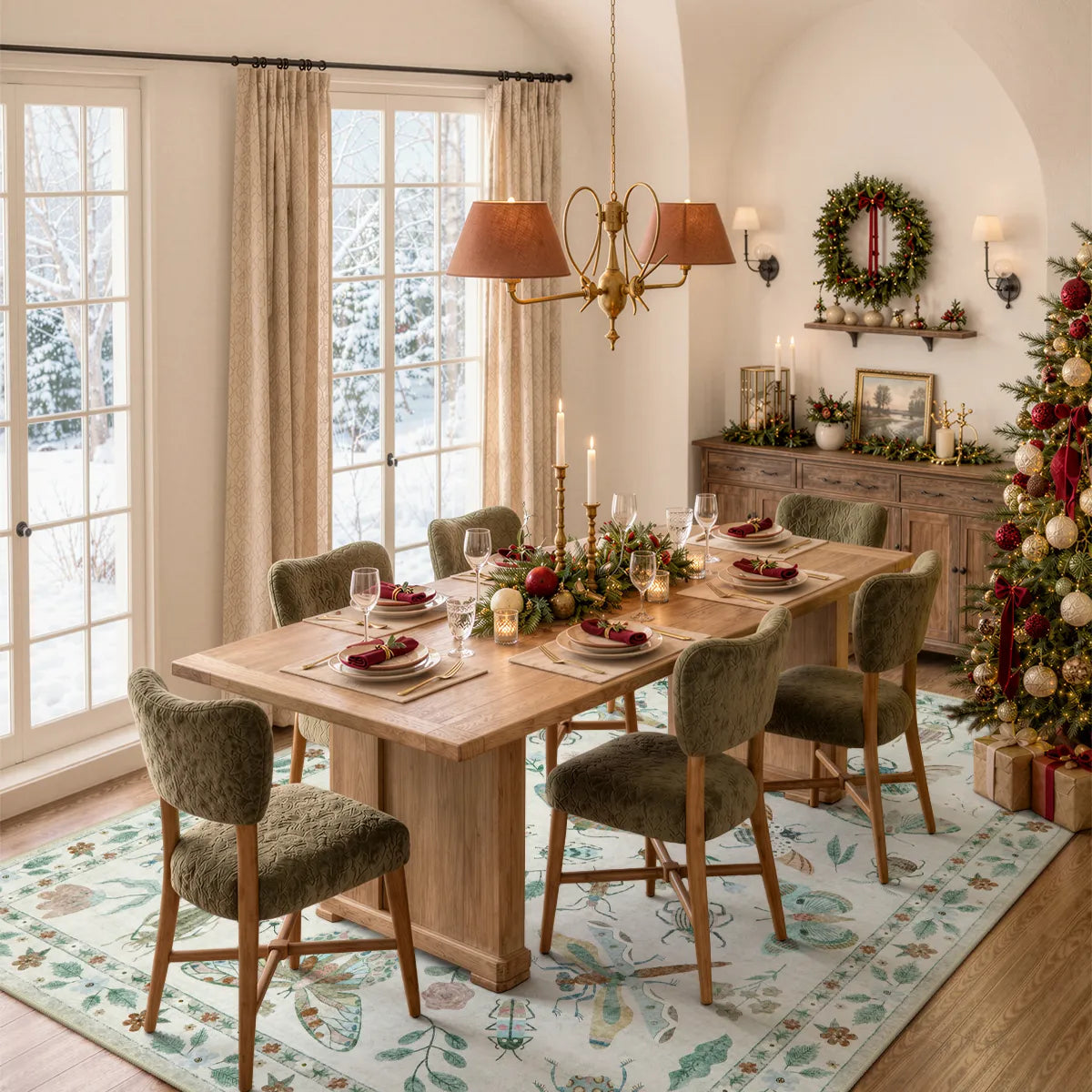
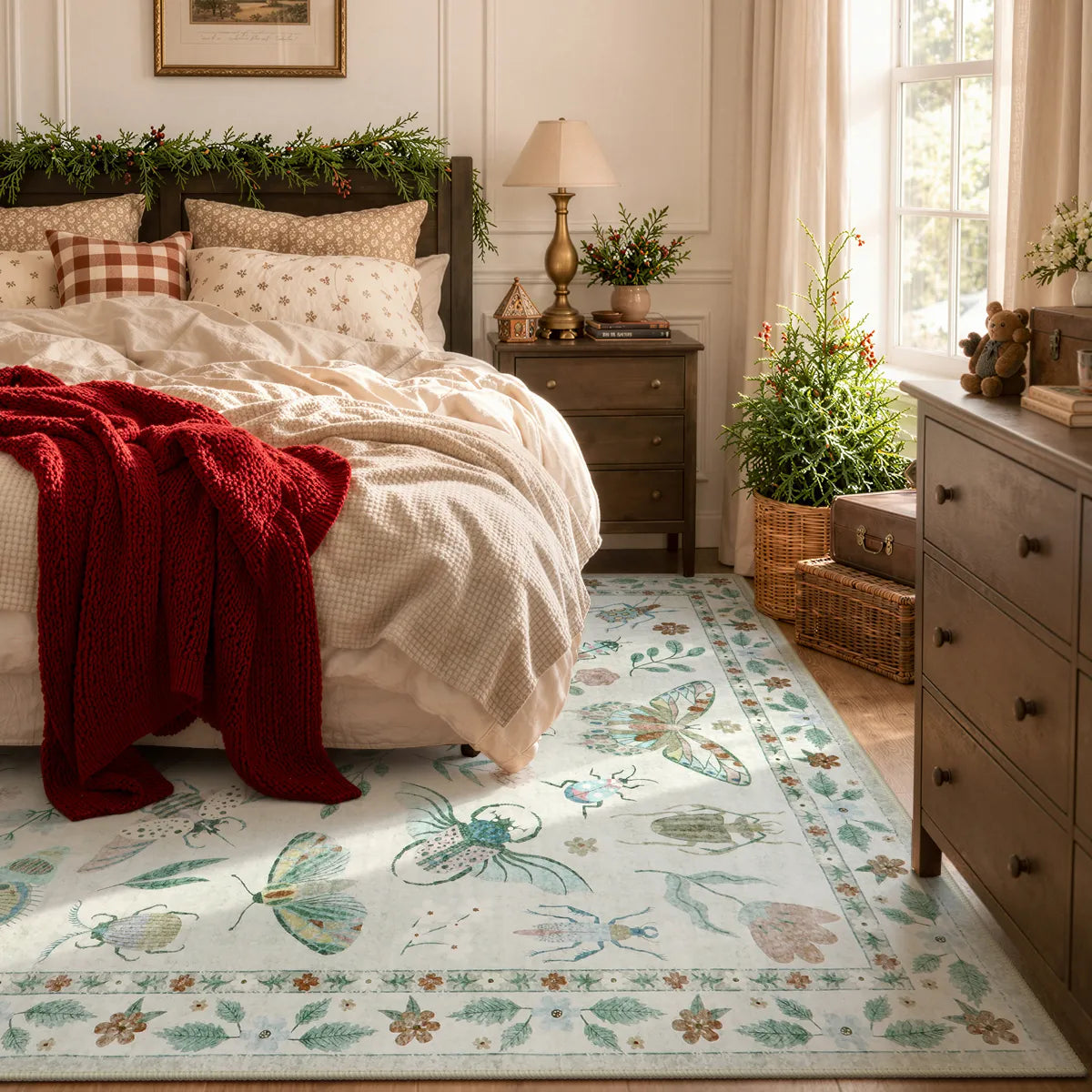
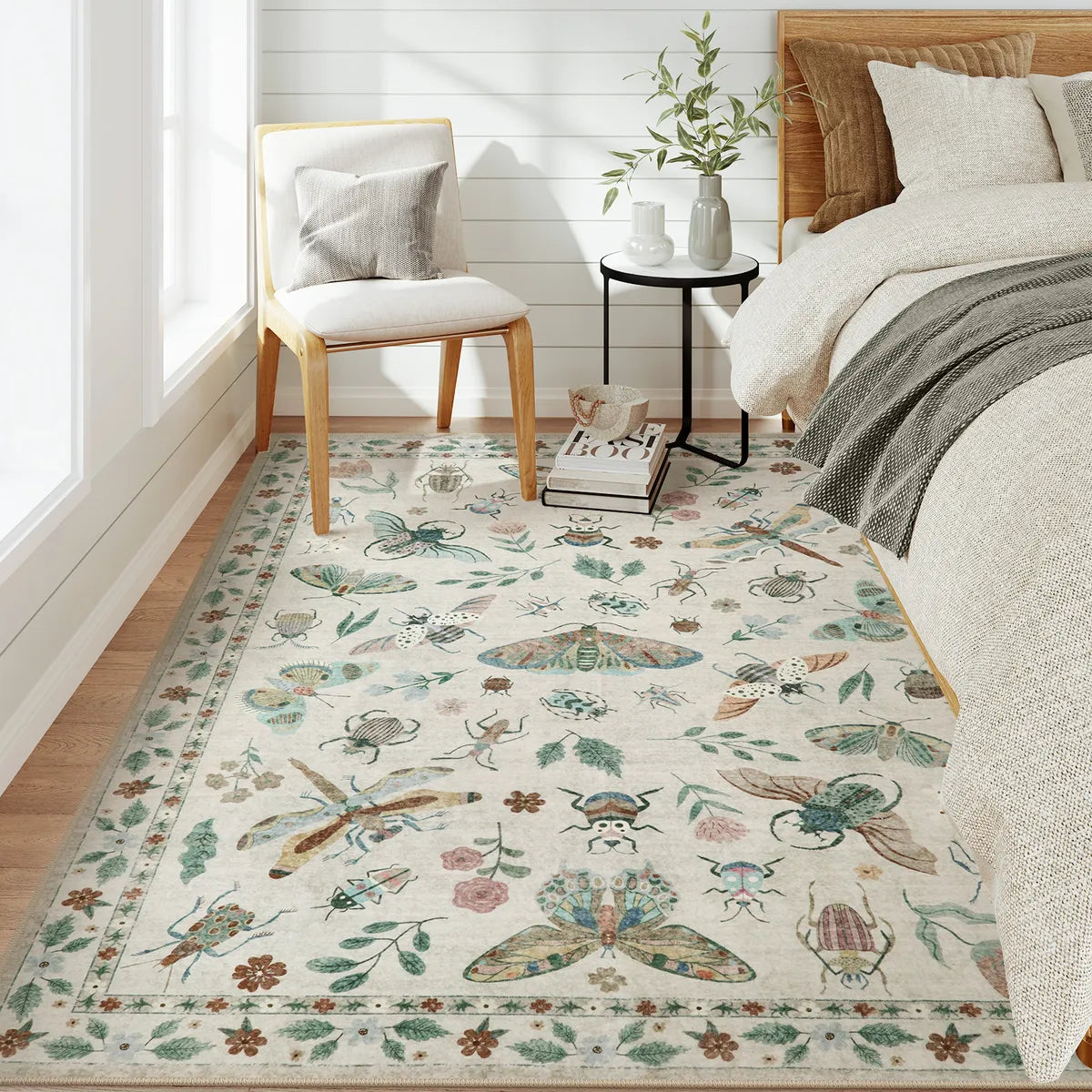
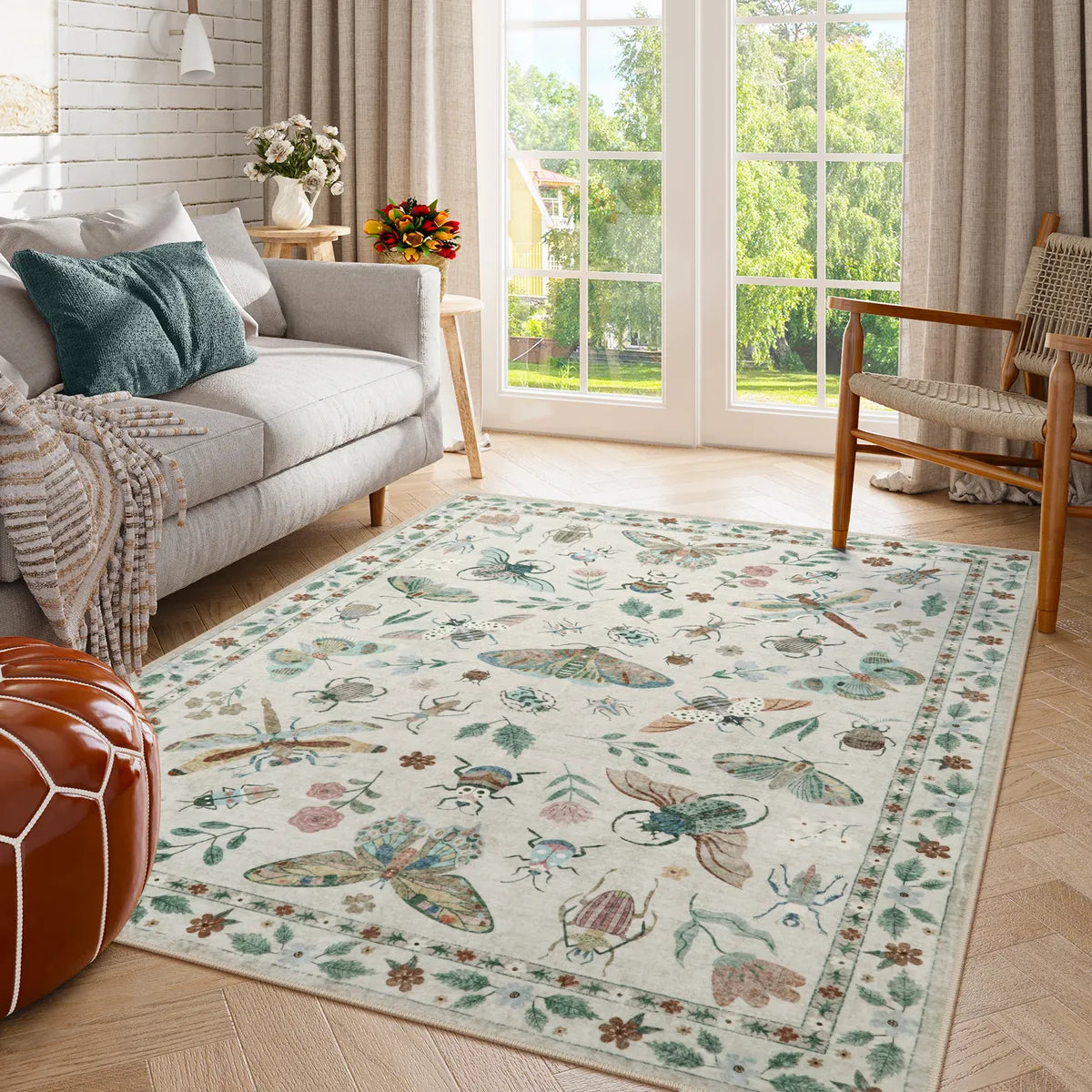
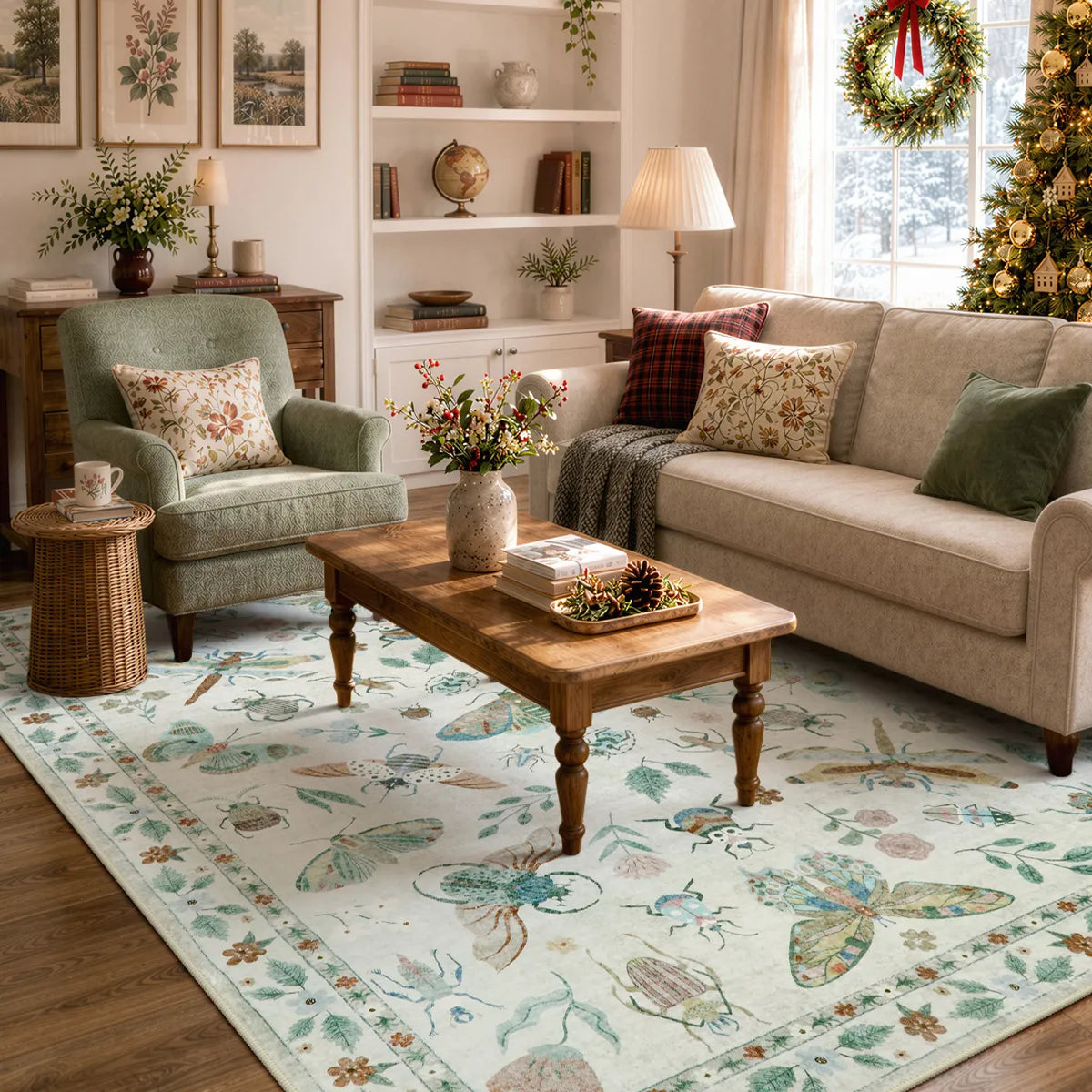
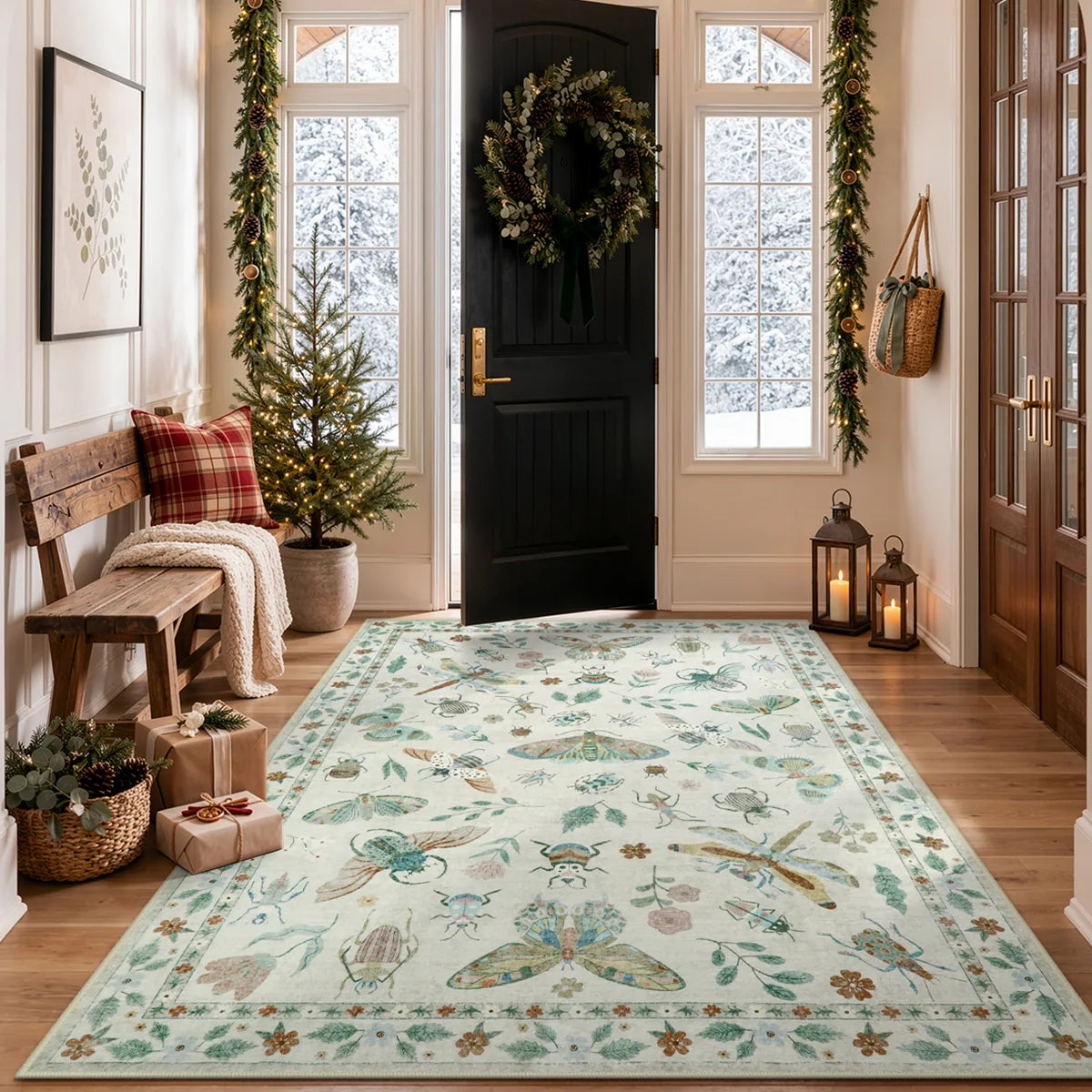
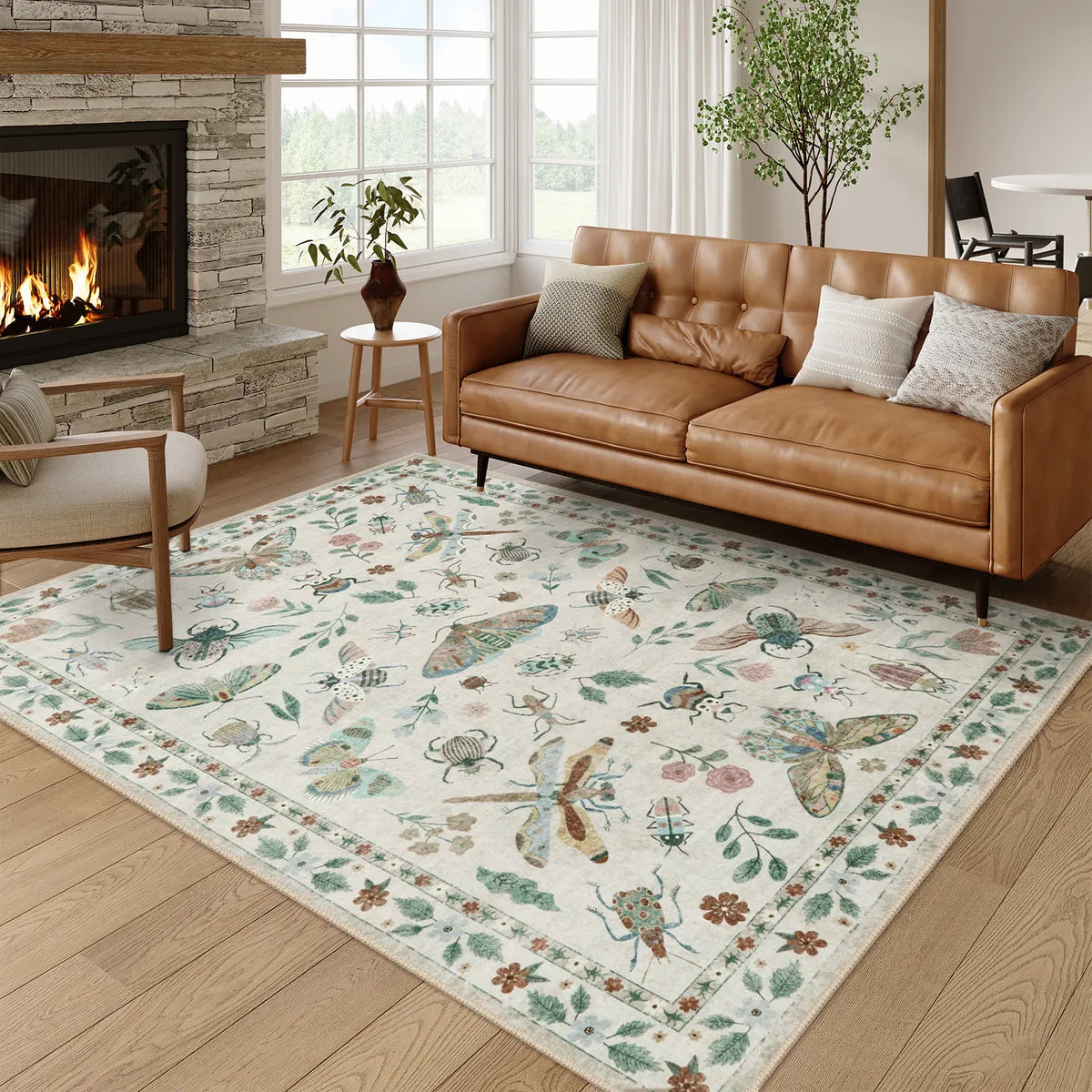
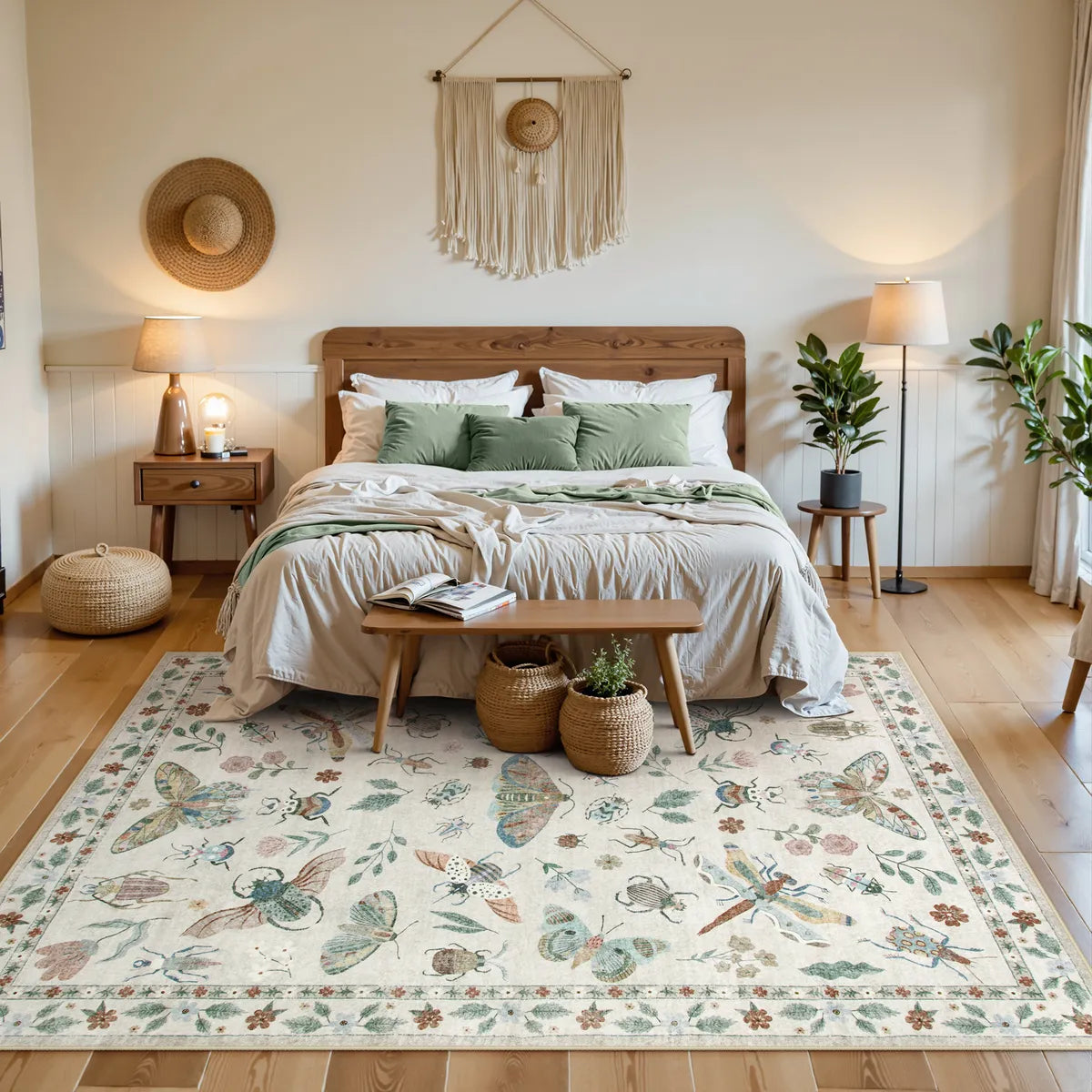
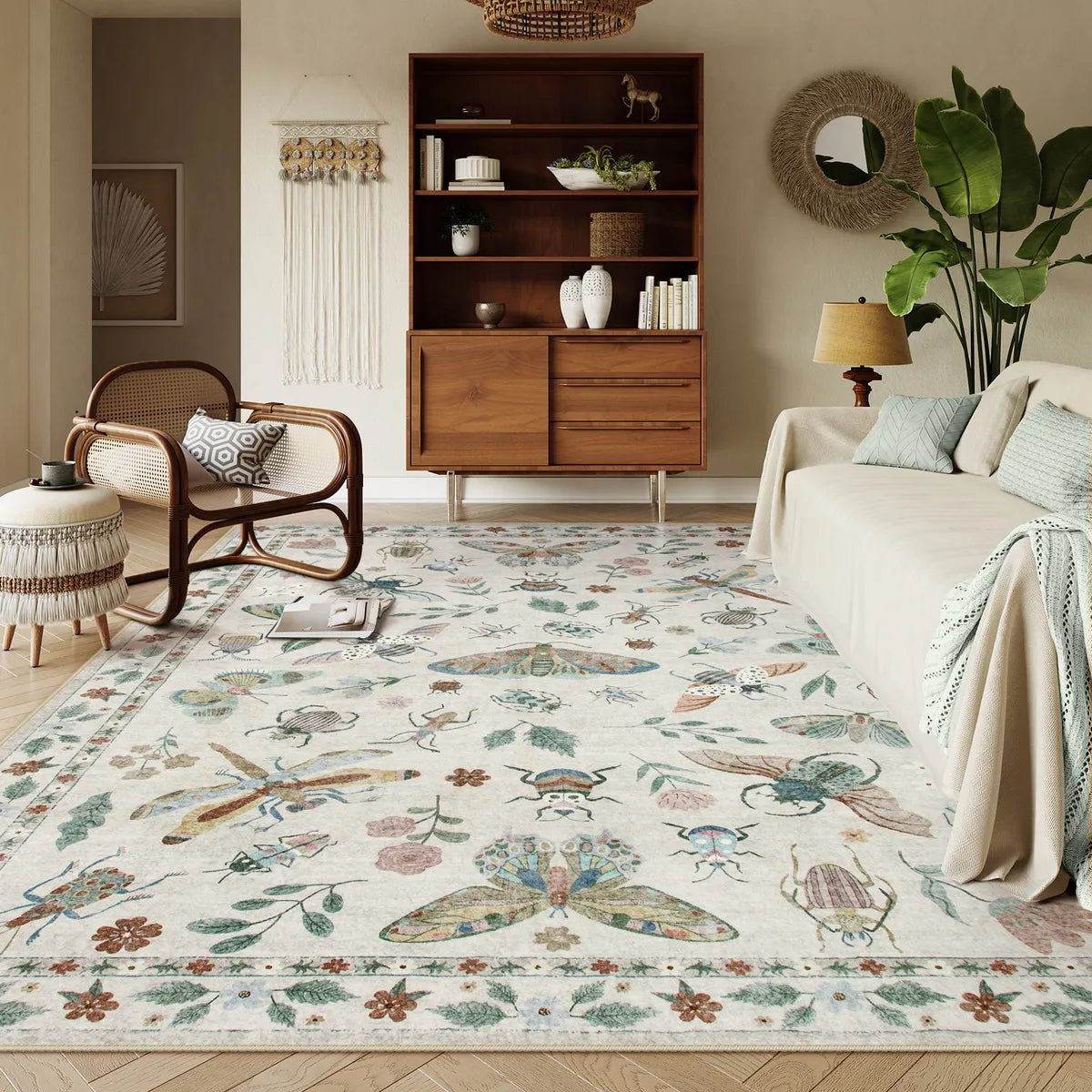
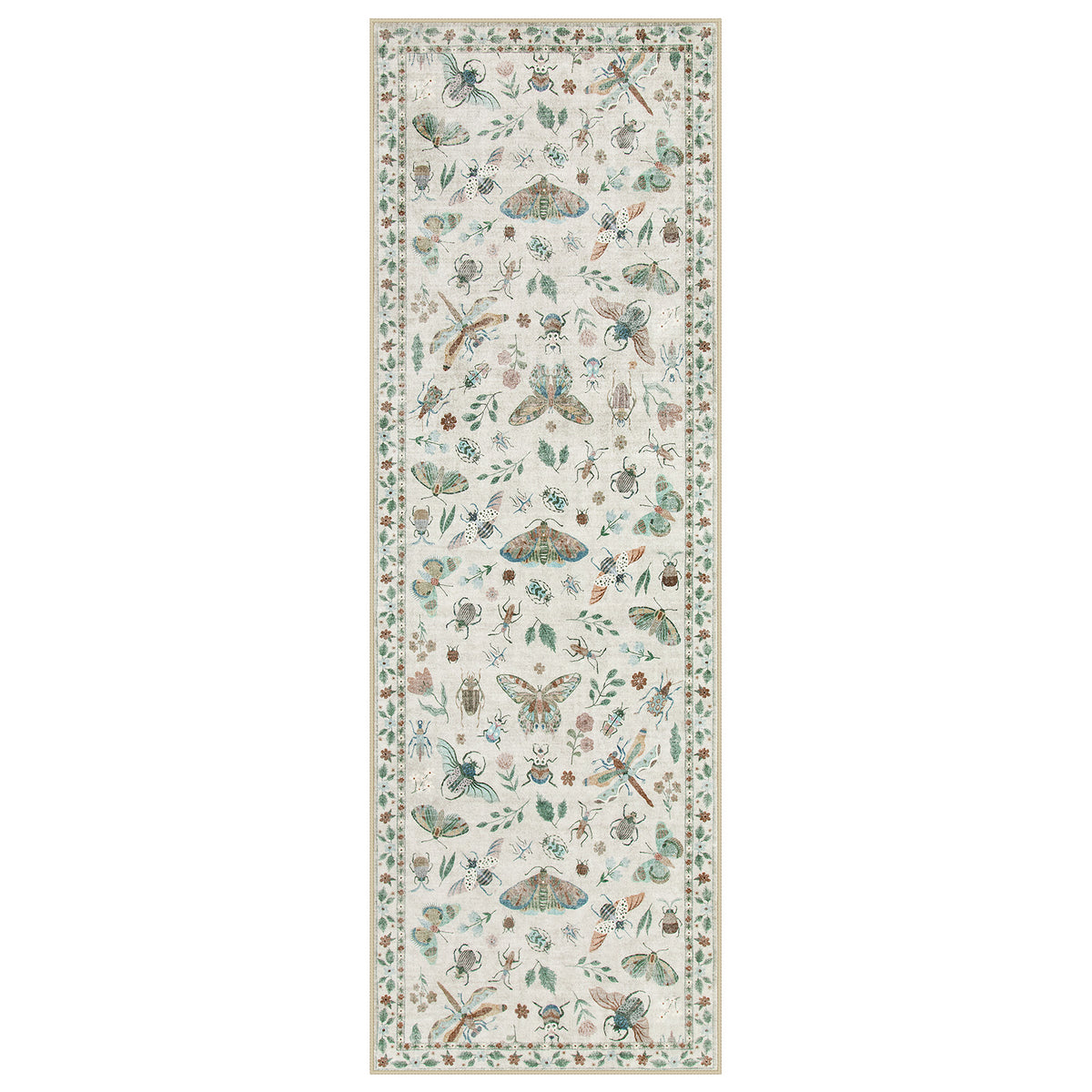
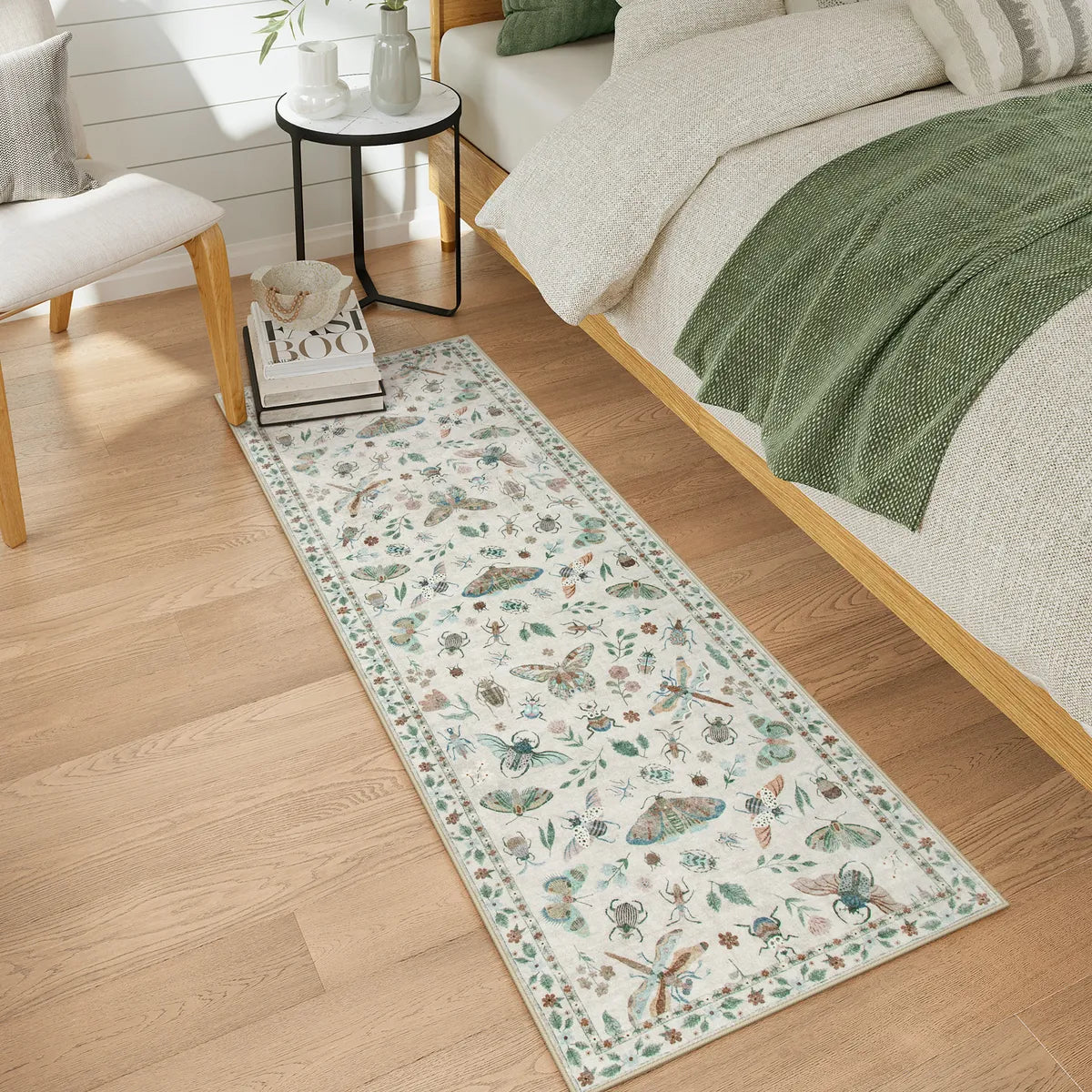
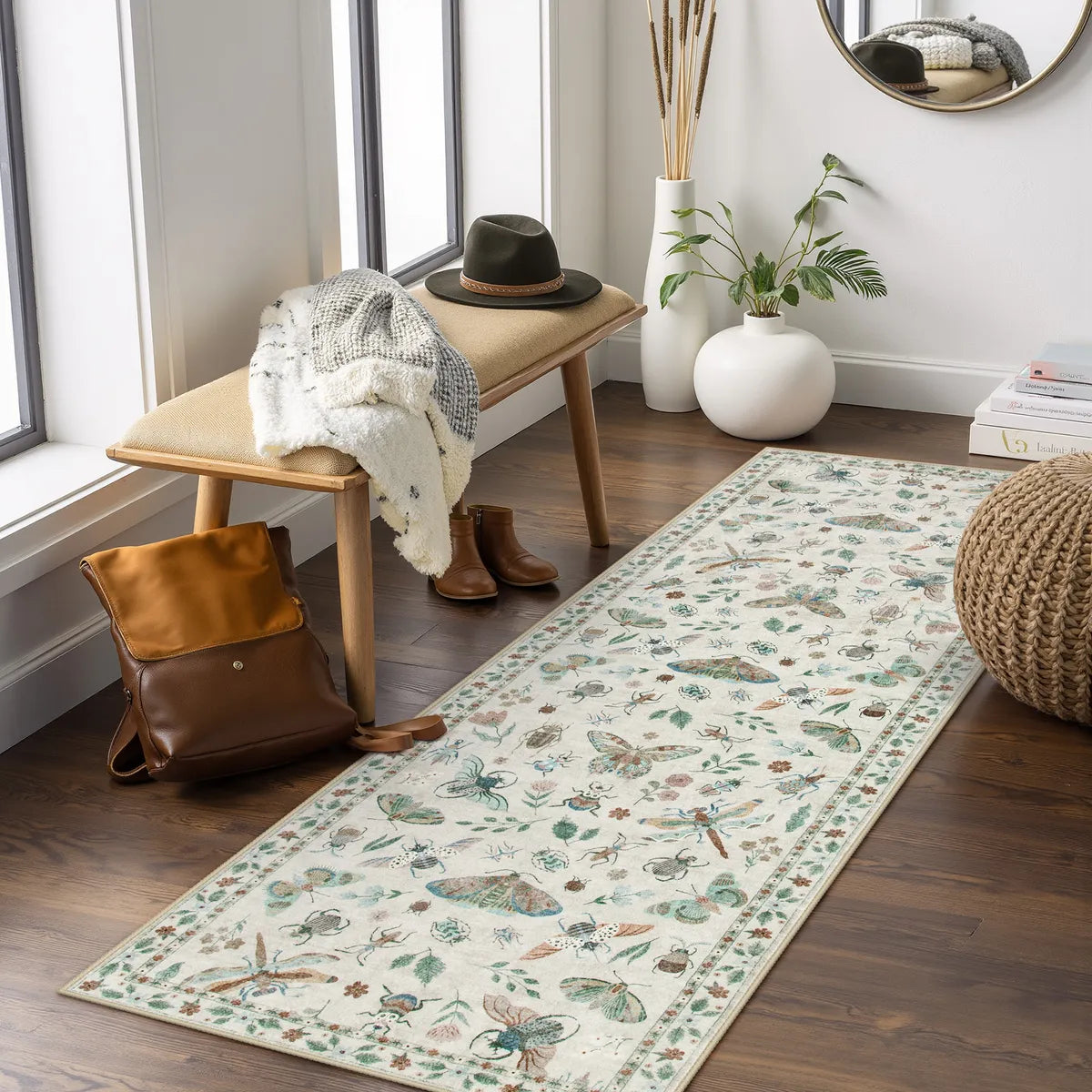
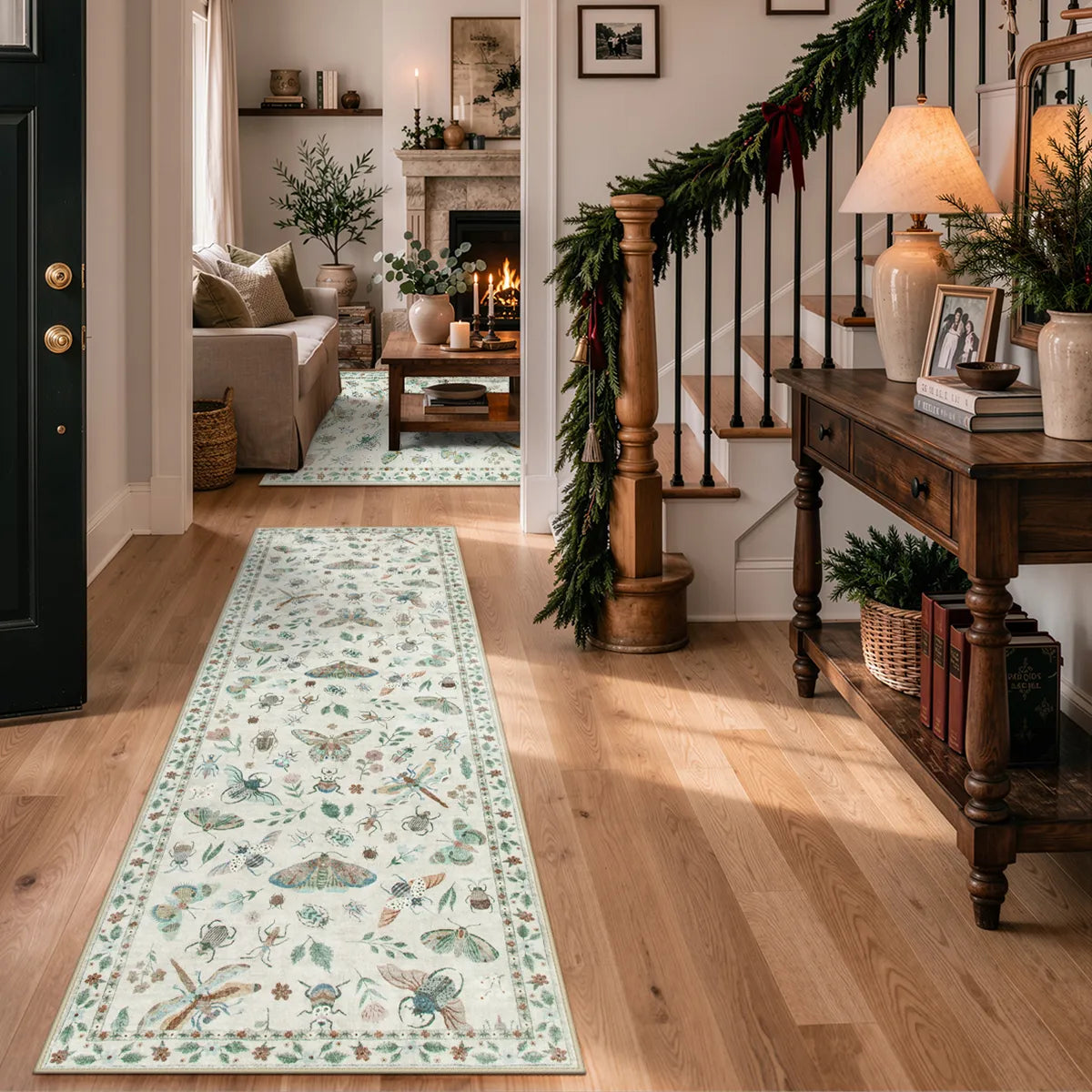
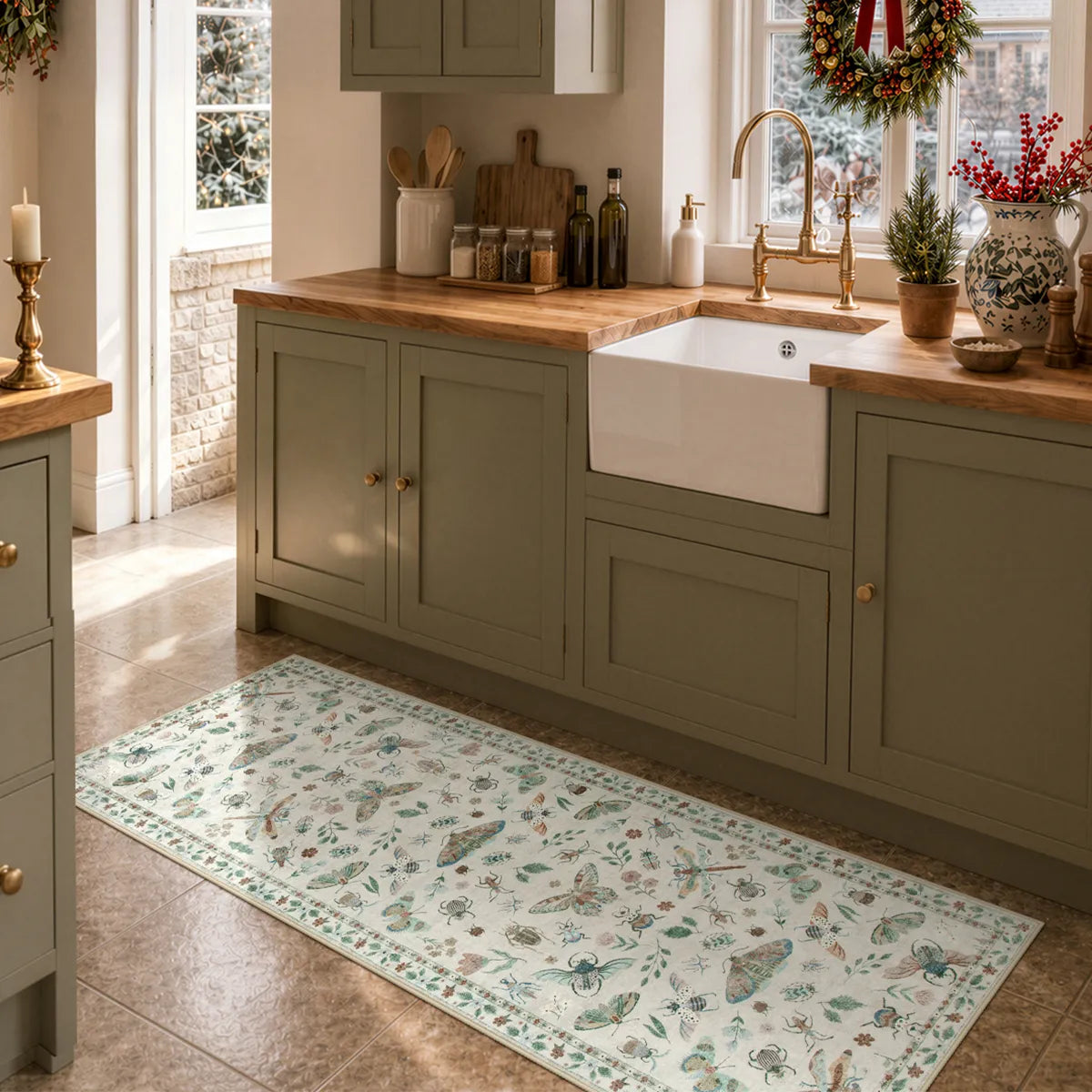
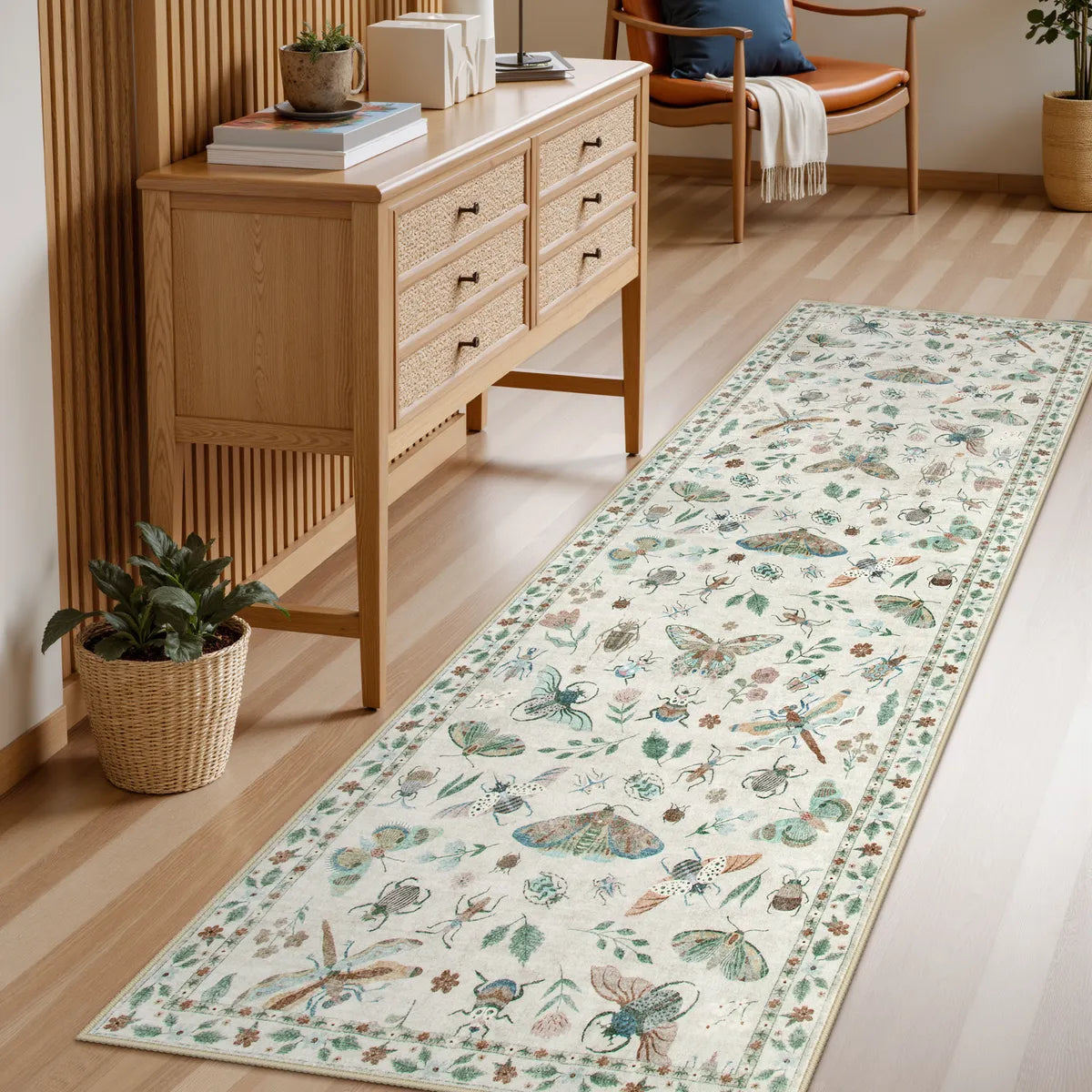
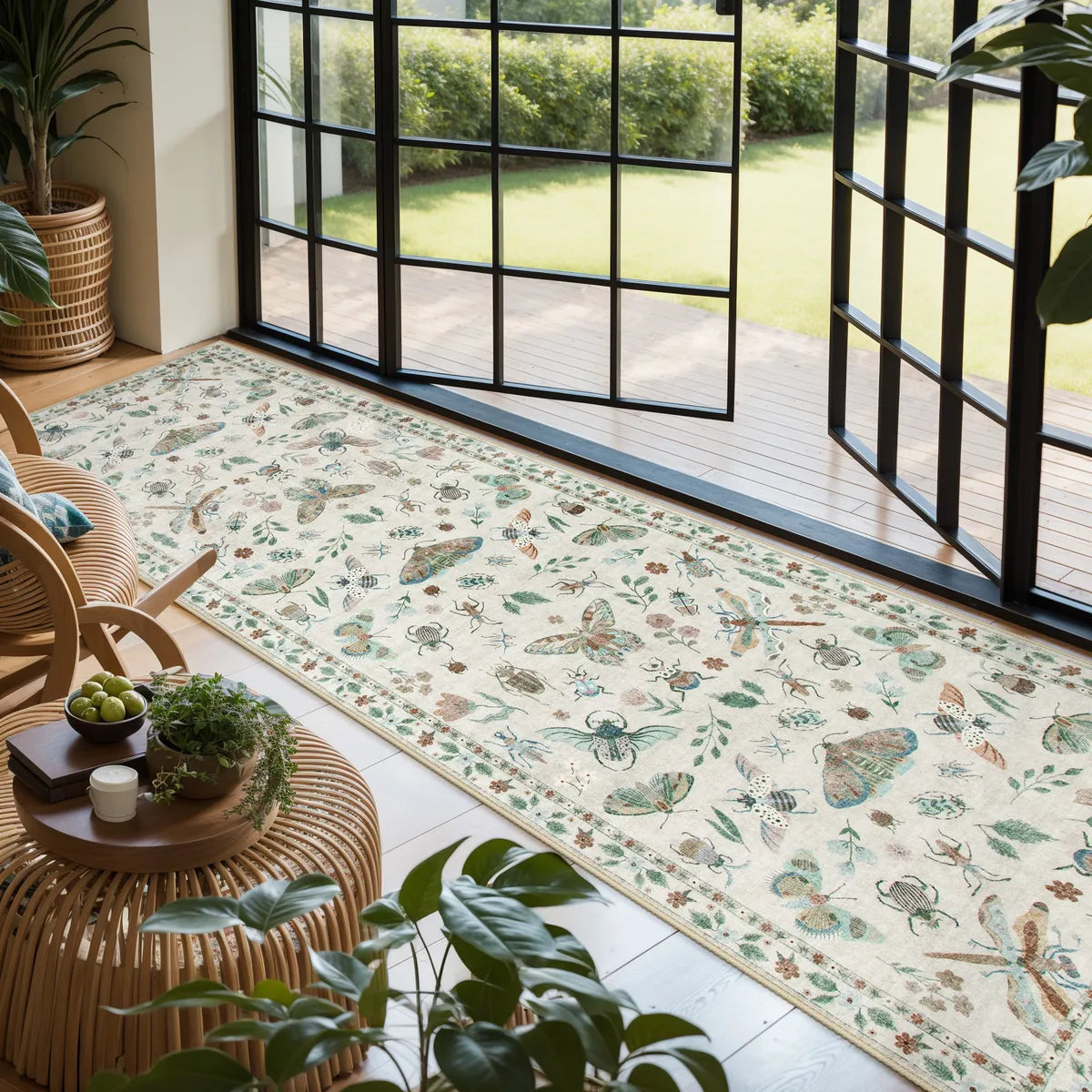
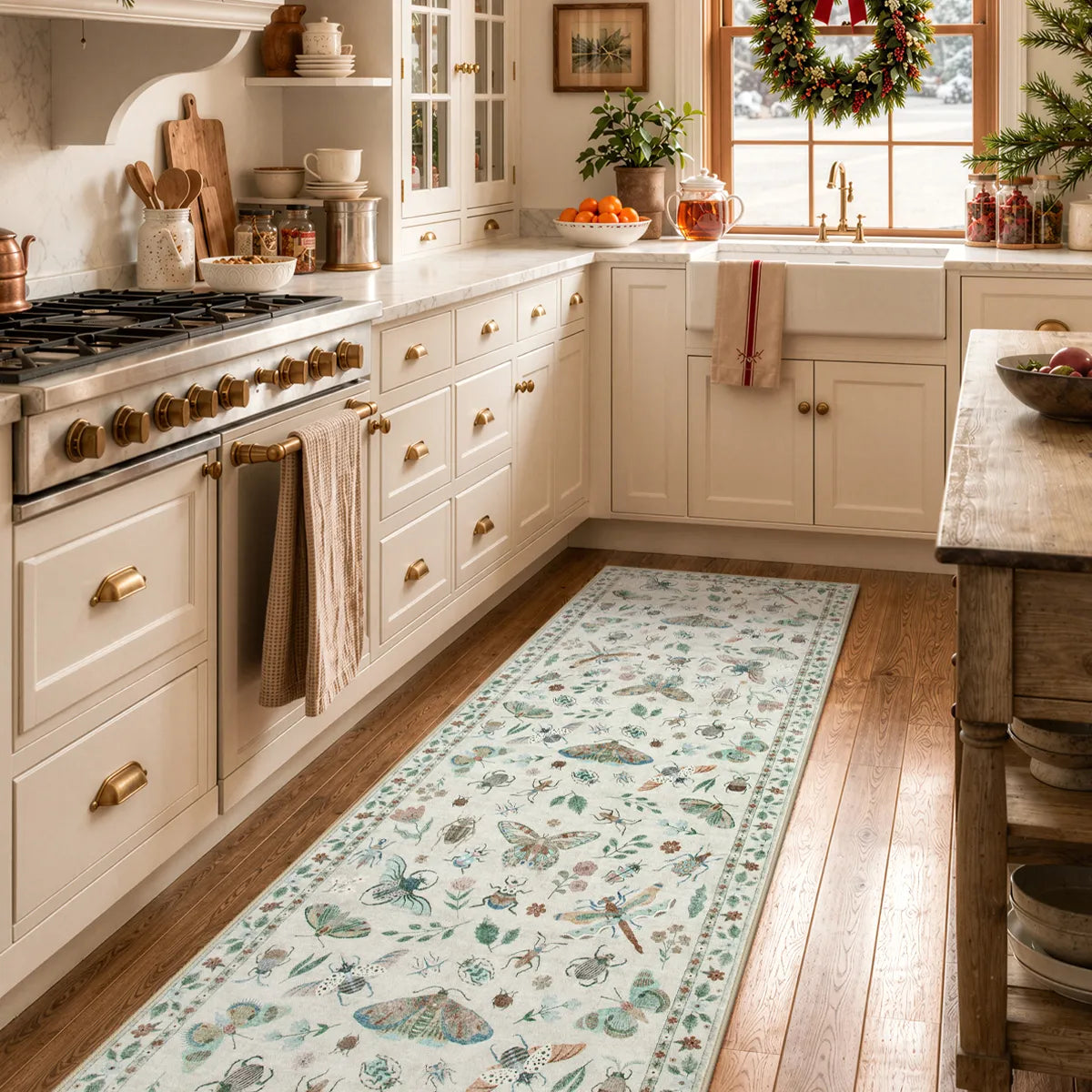
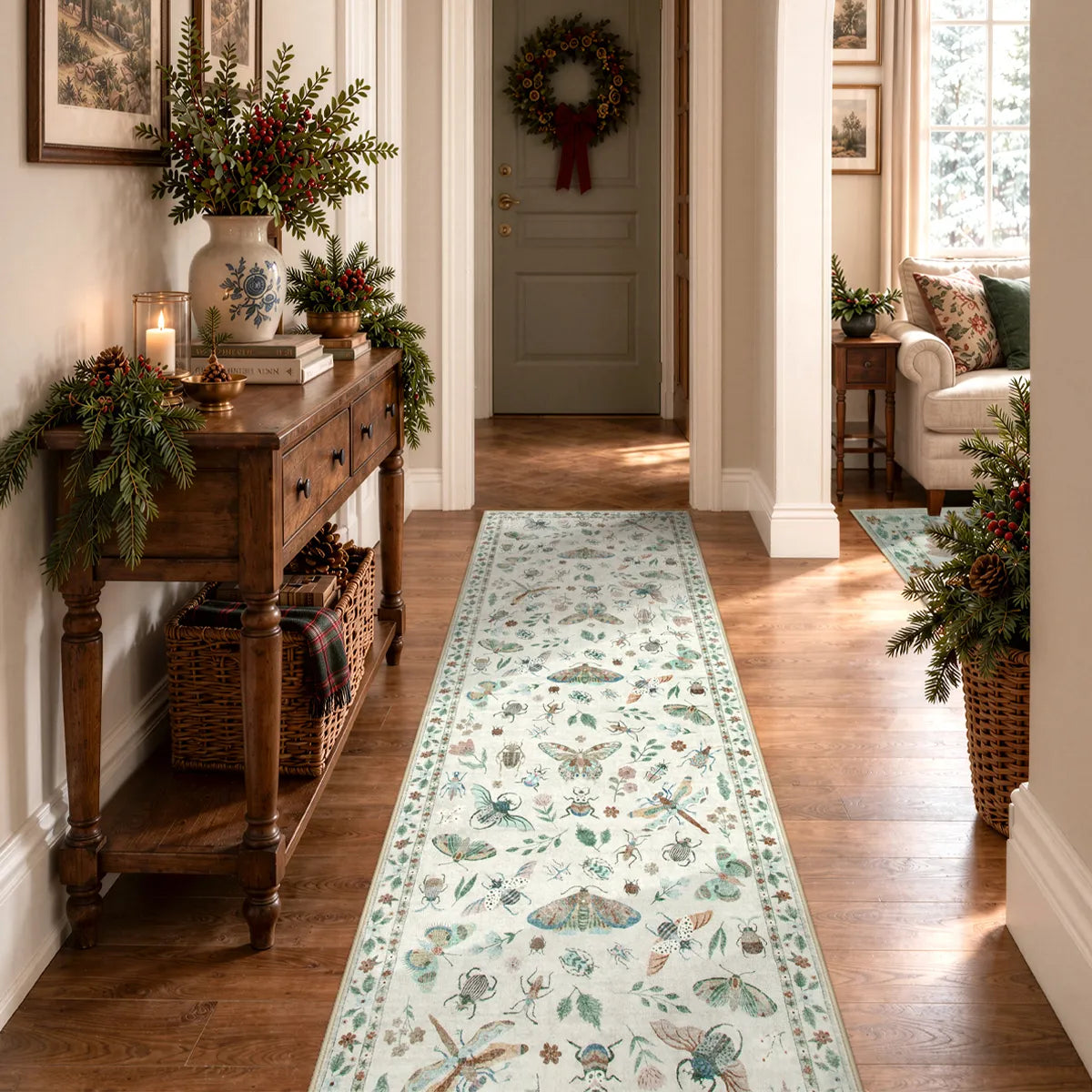
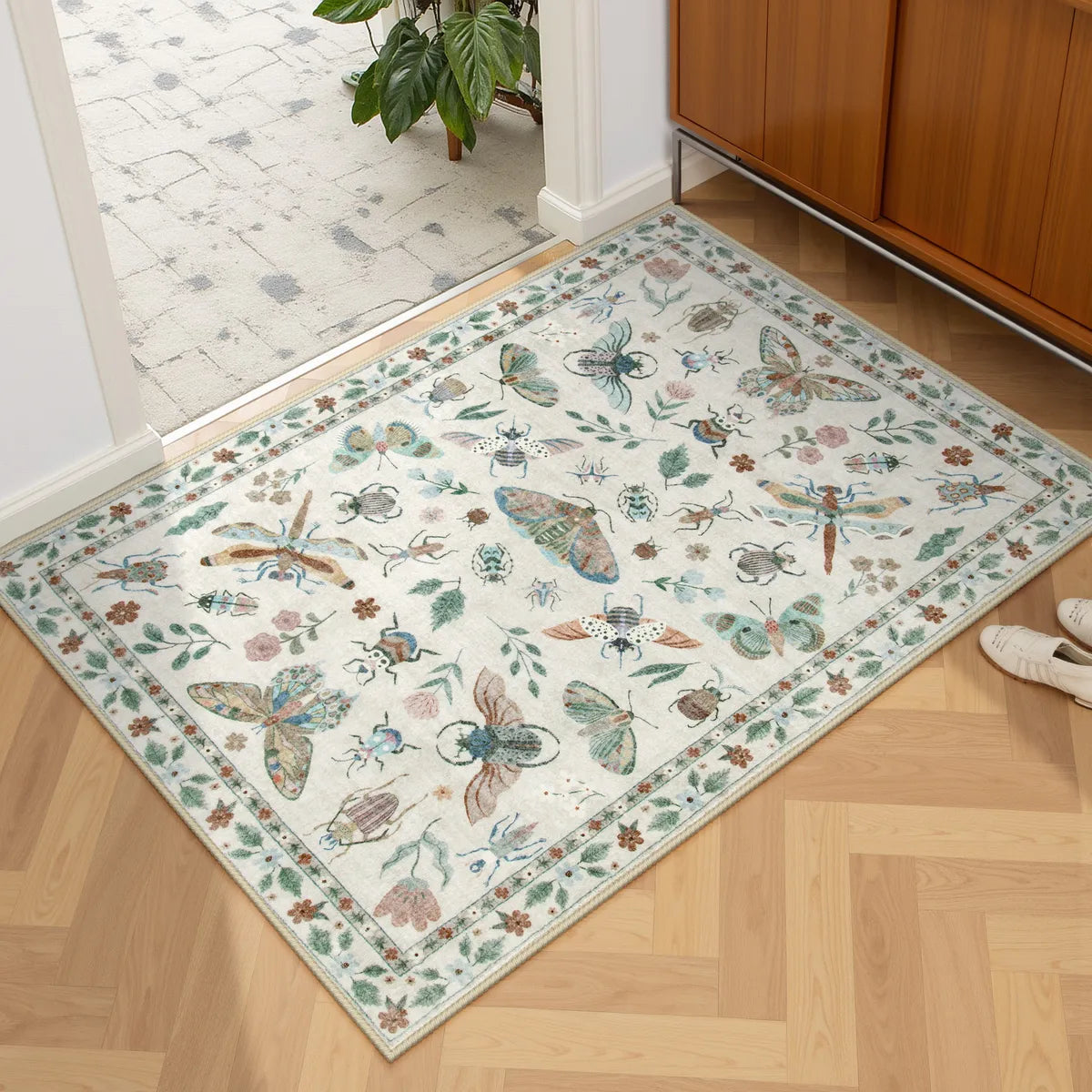
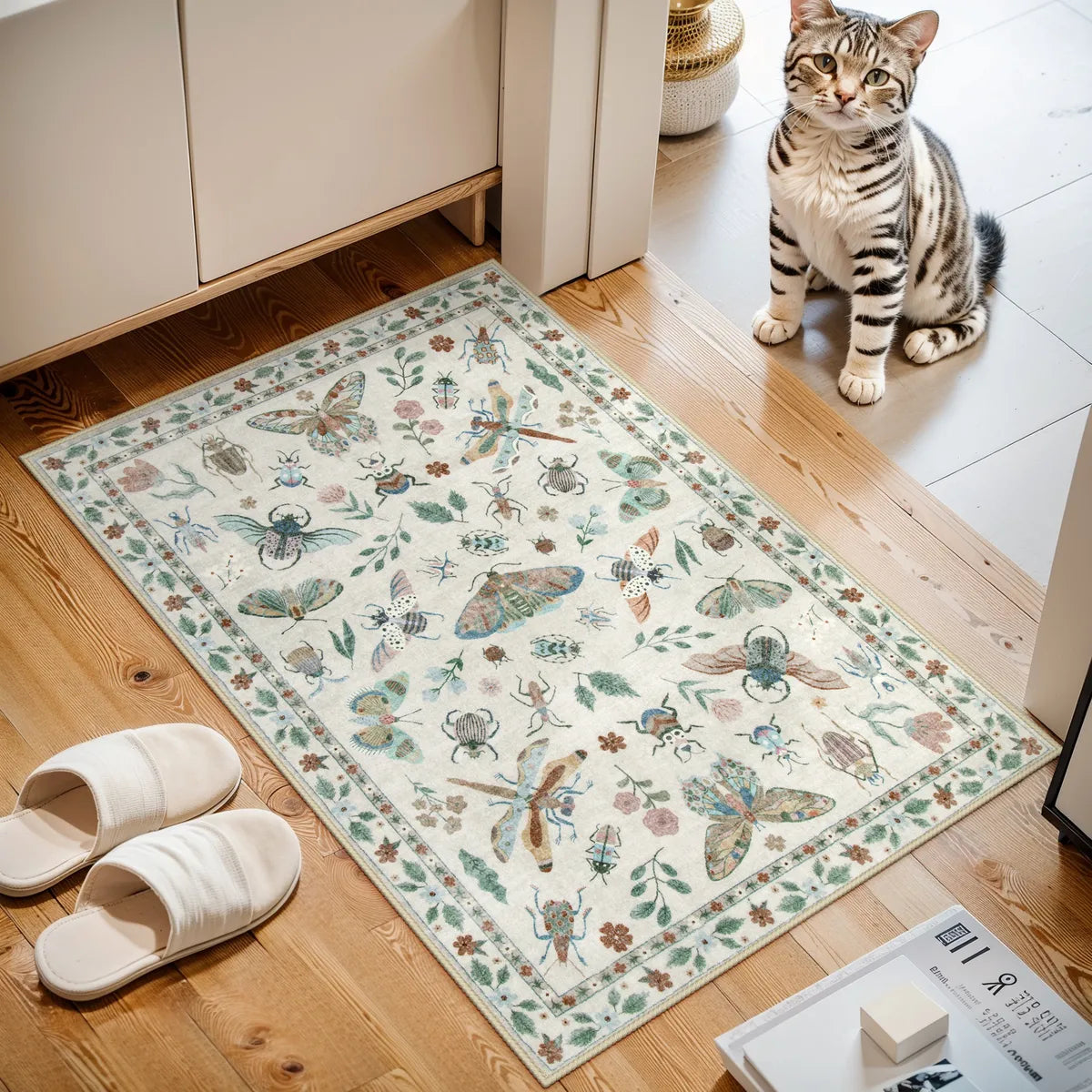
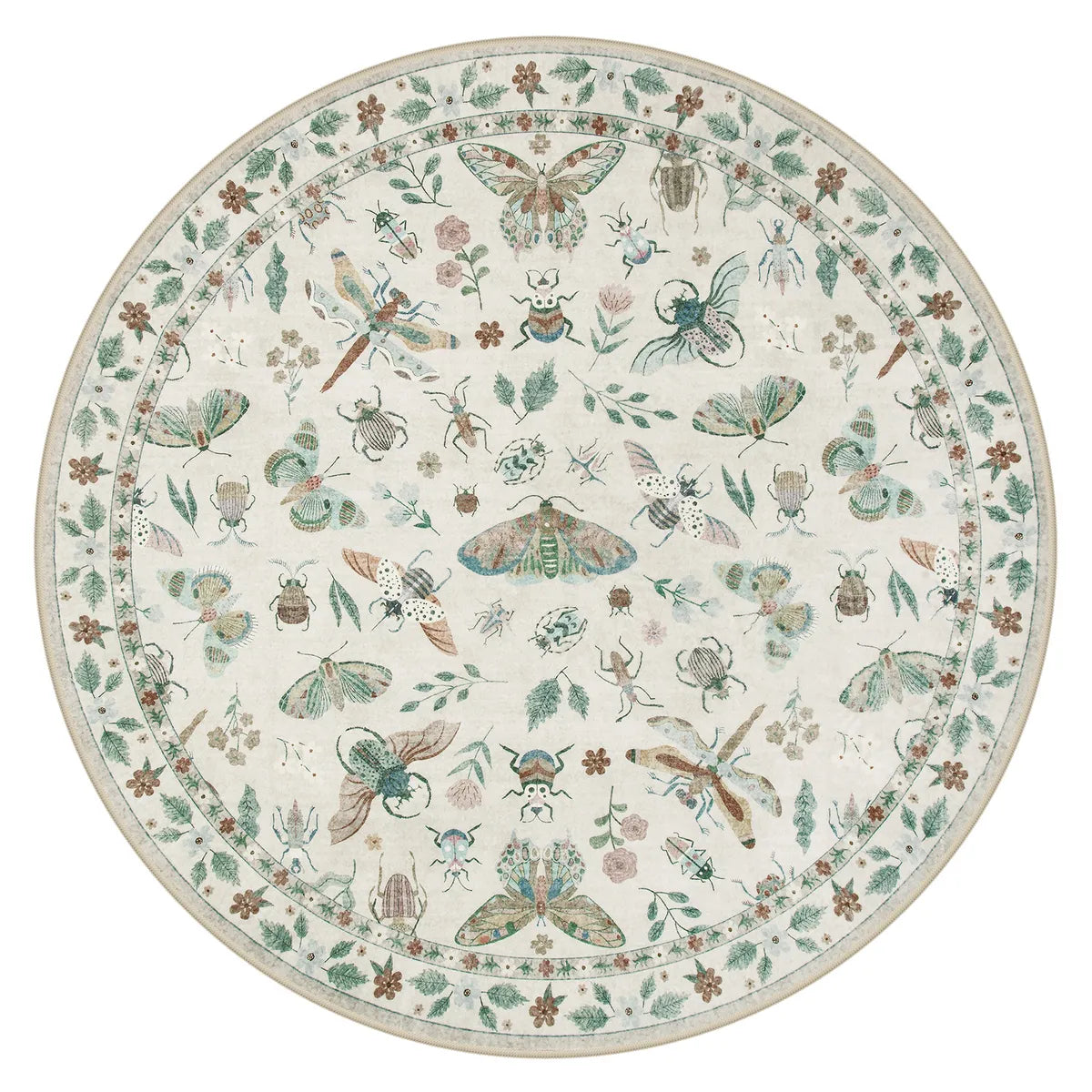
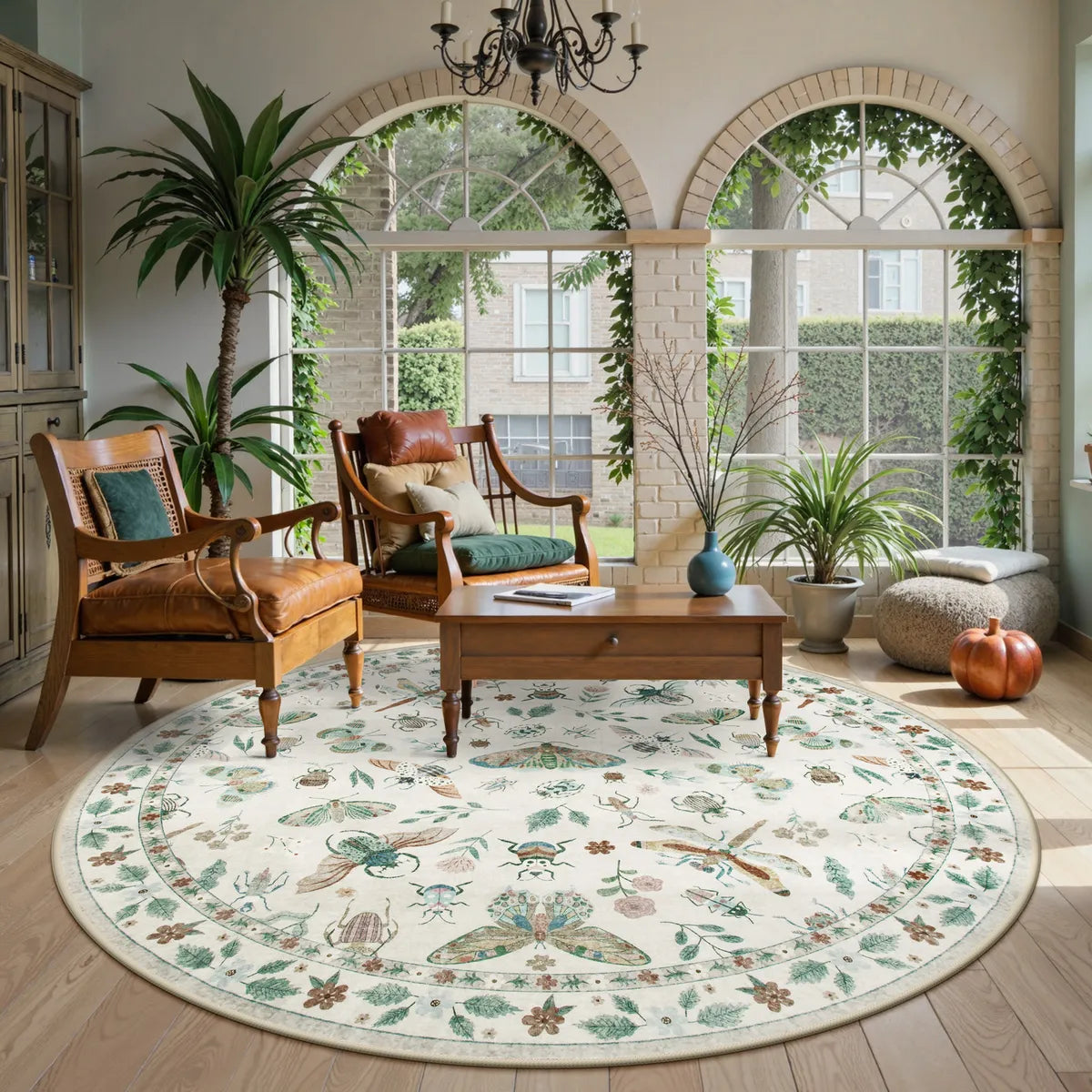
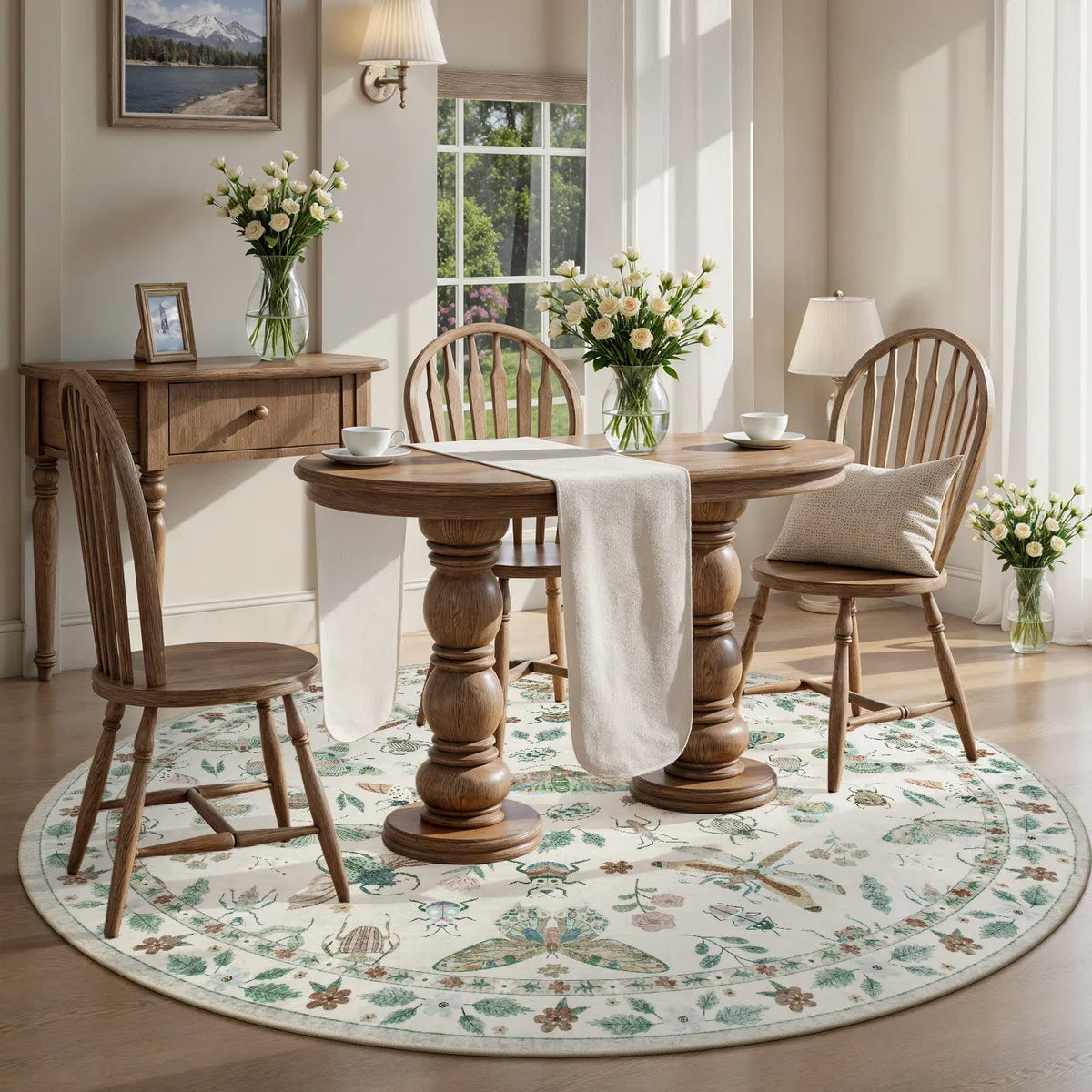
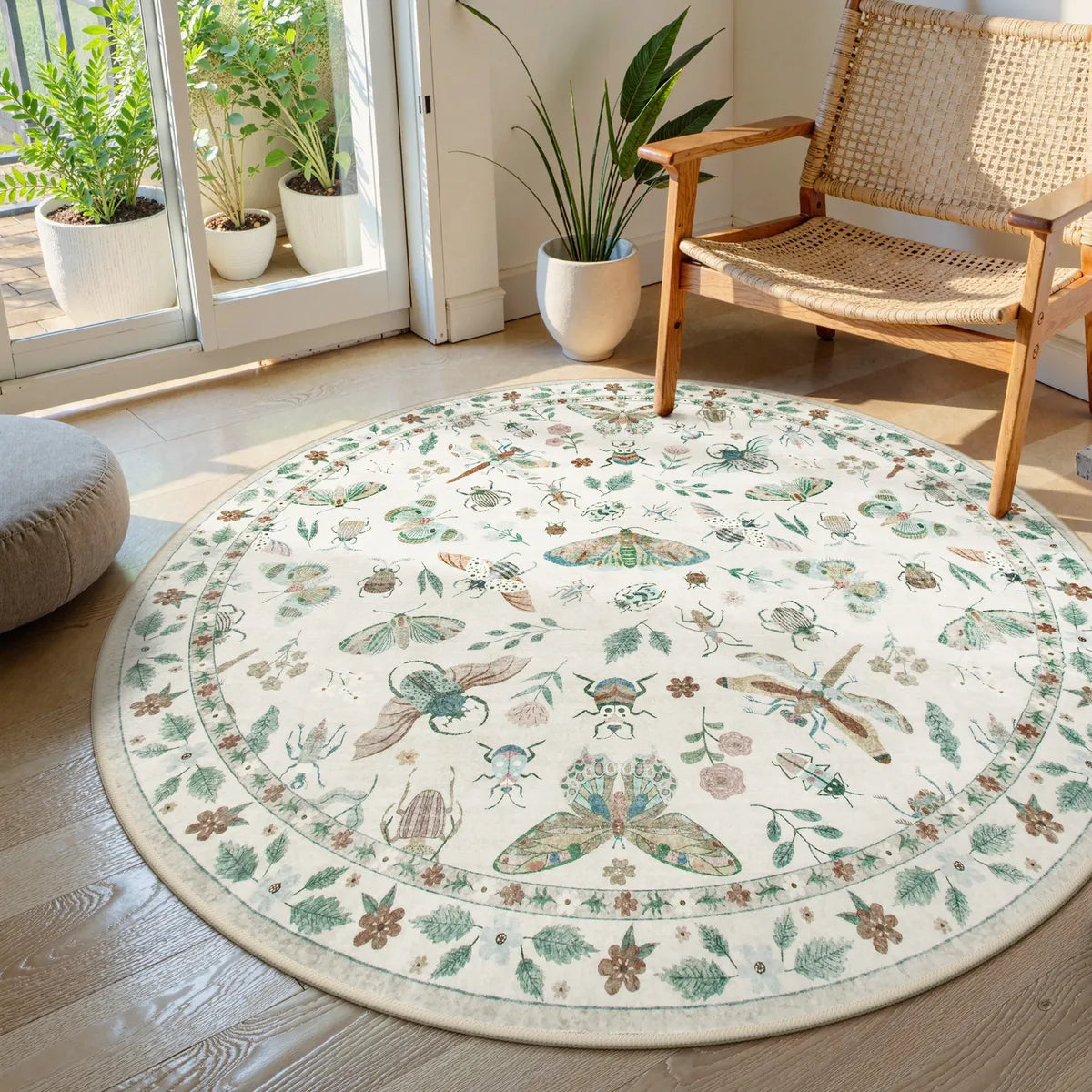
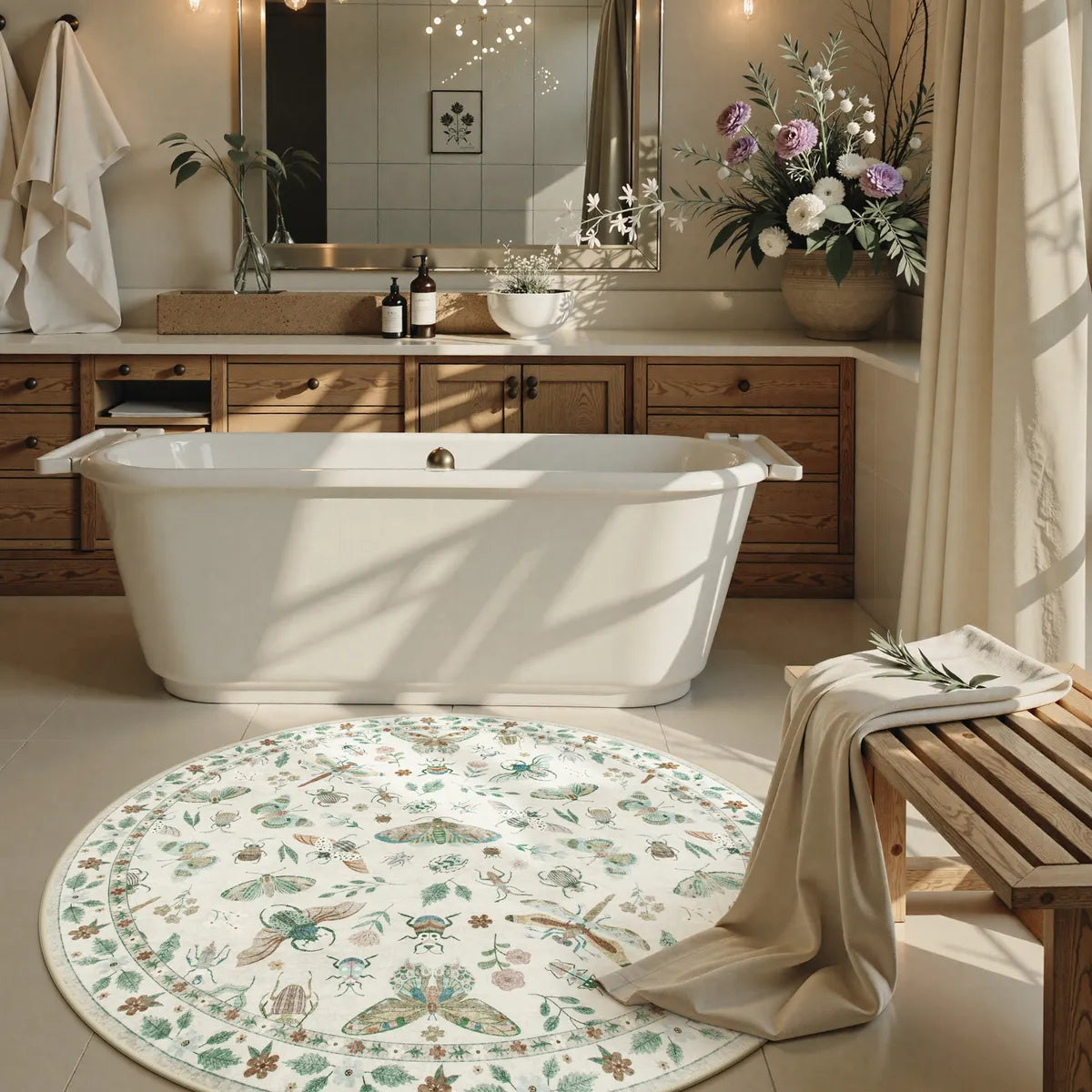
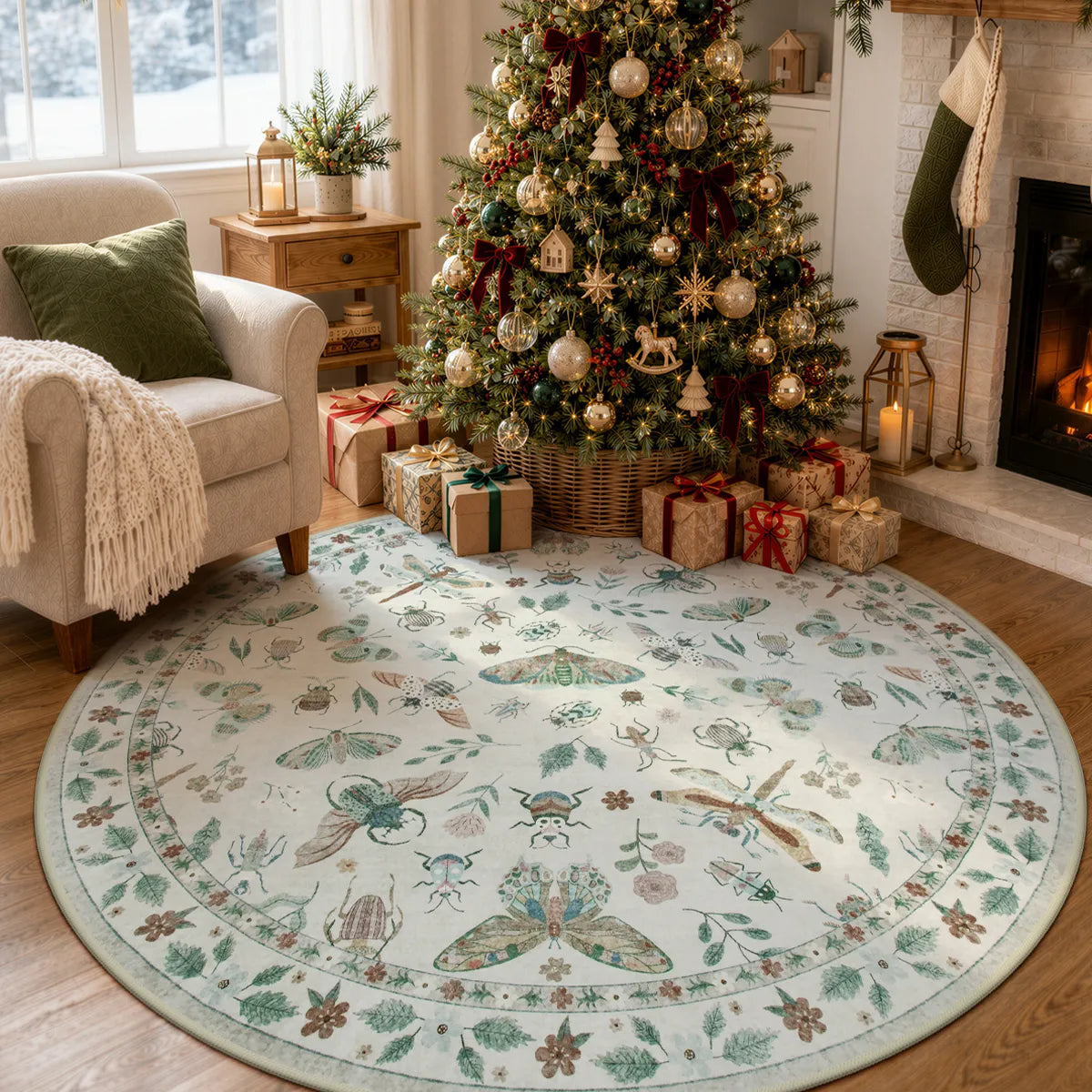
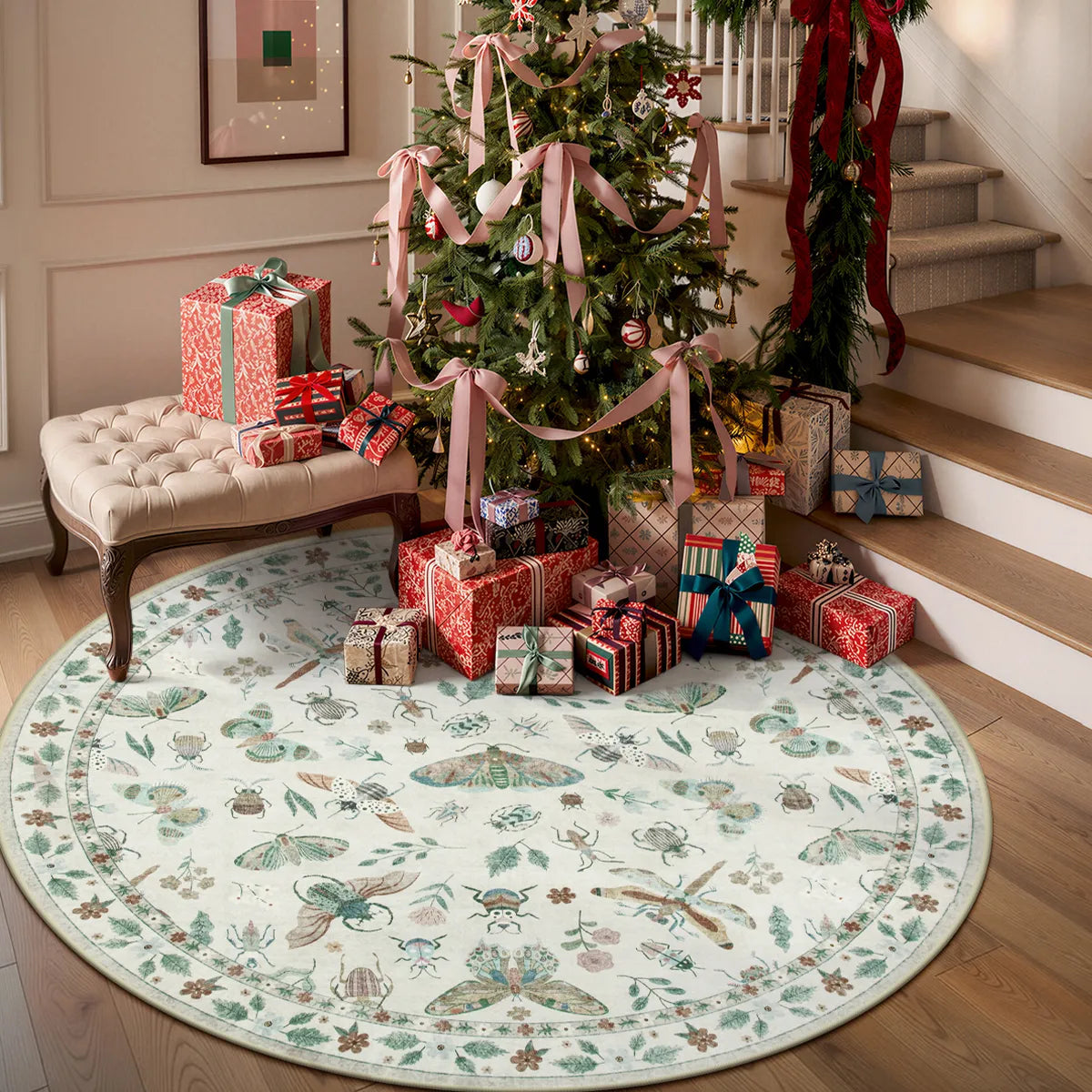
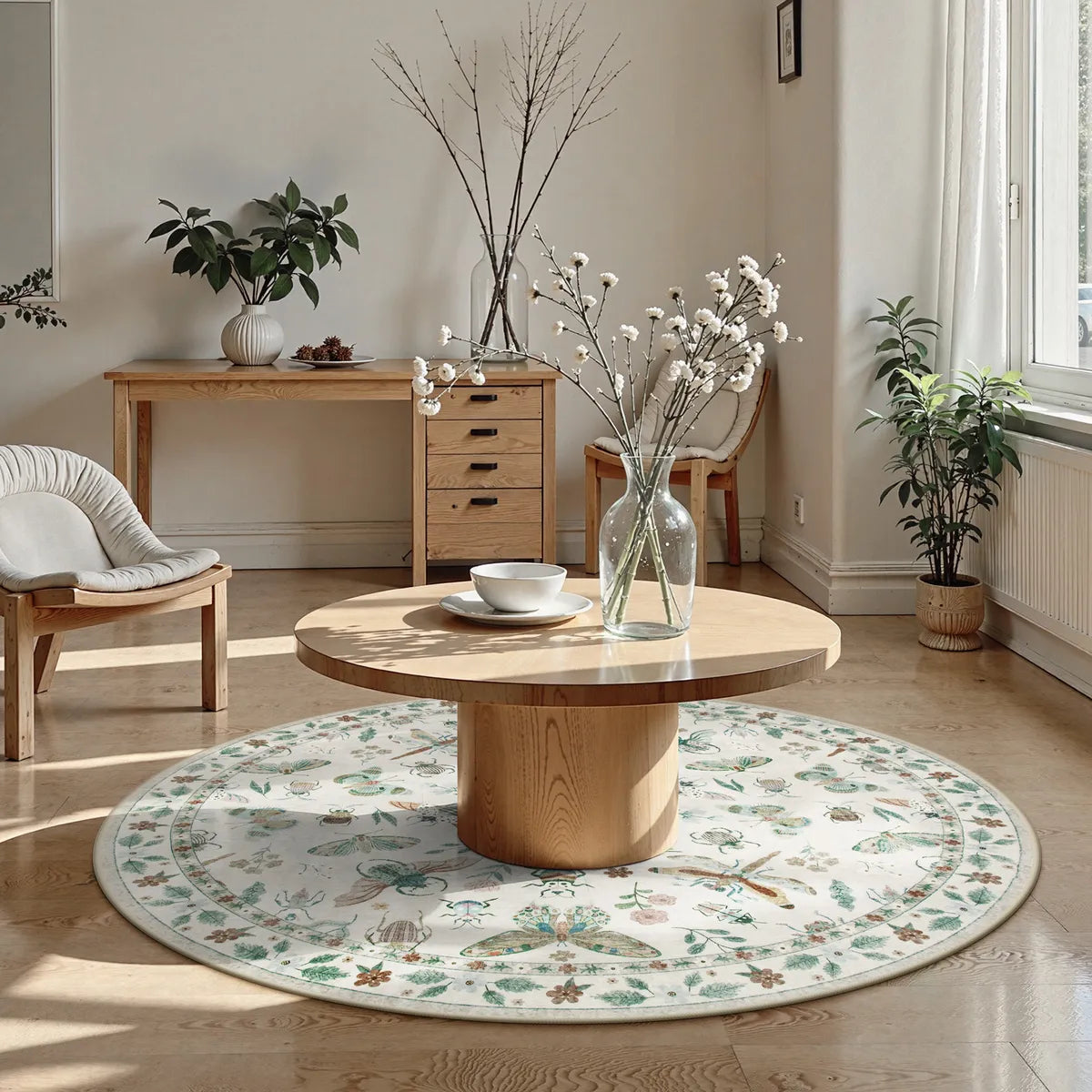
Easy-to-Clean and Stain-Resistant Nursery Rugs That Grow With Your Child

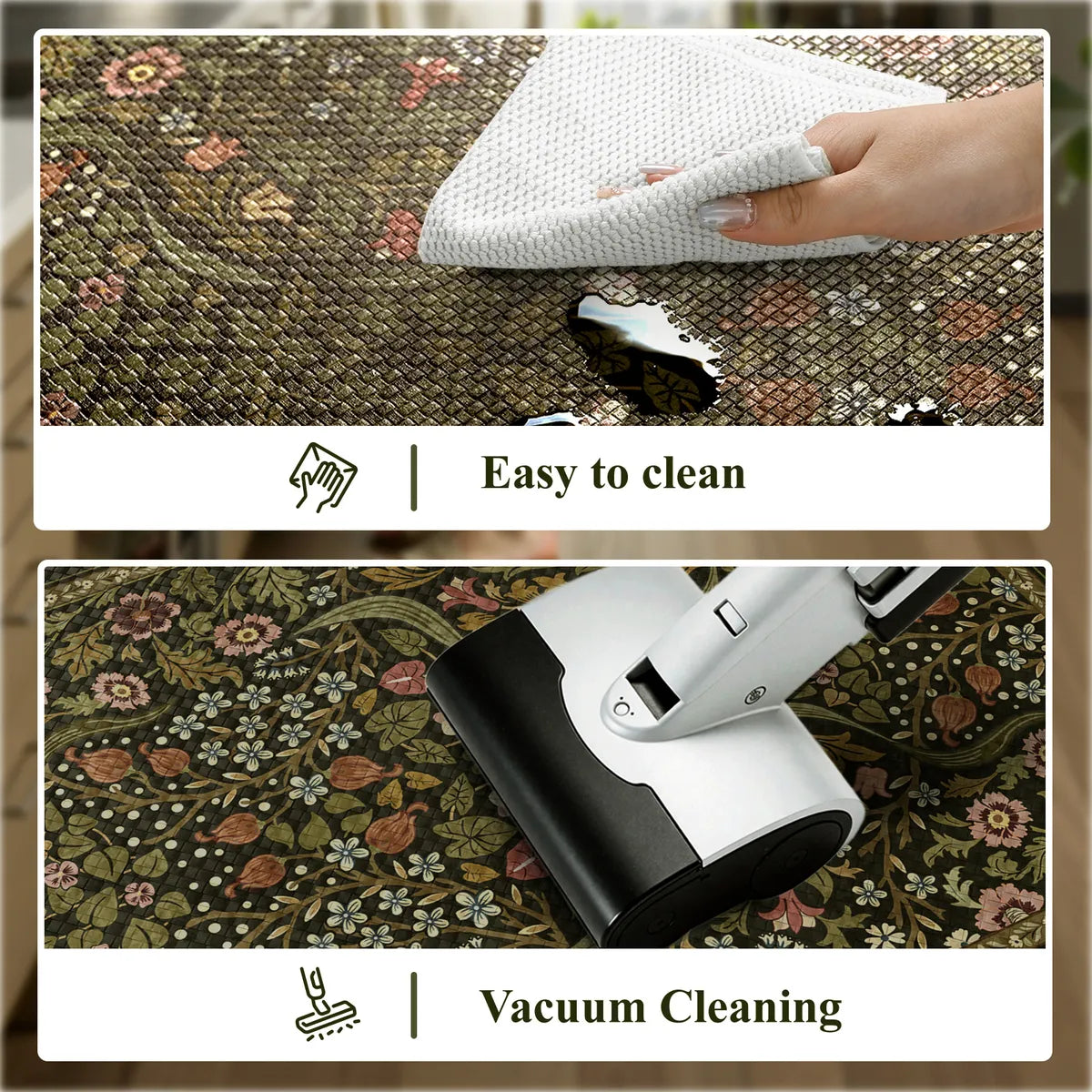
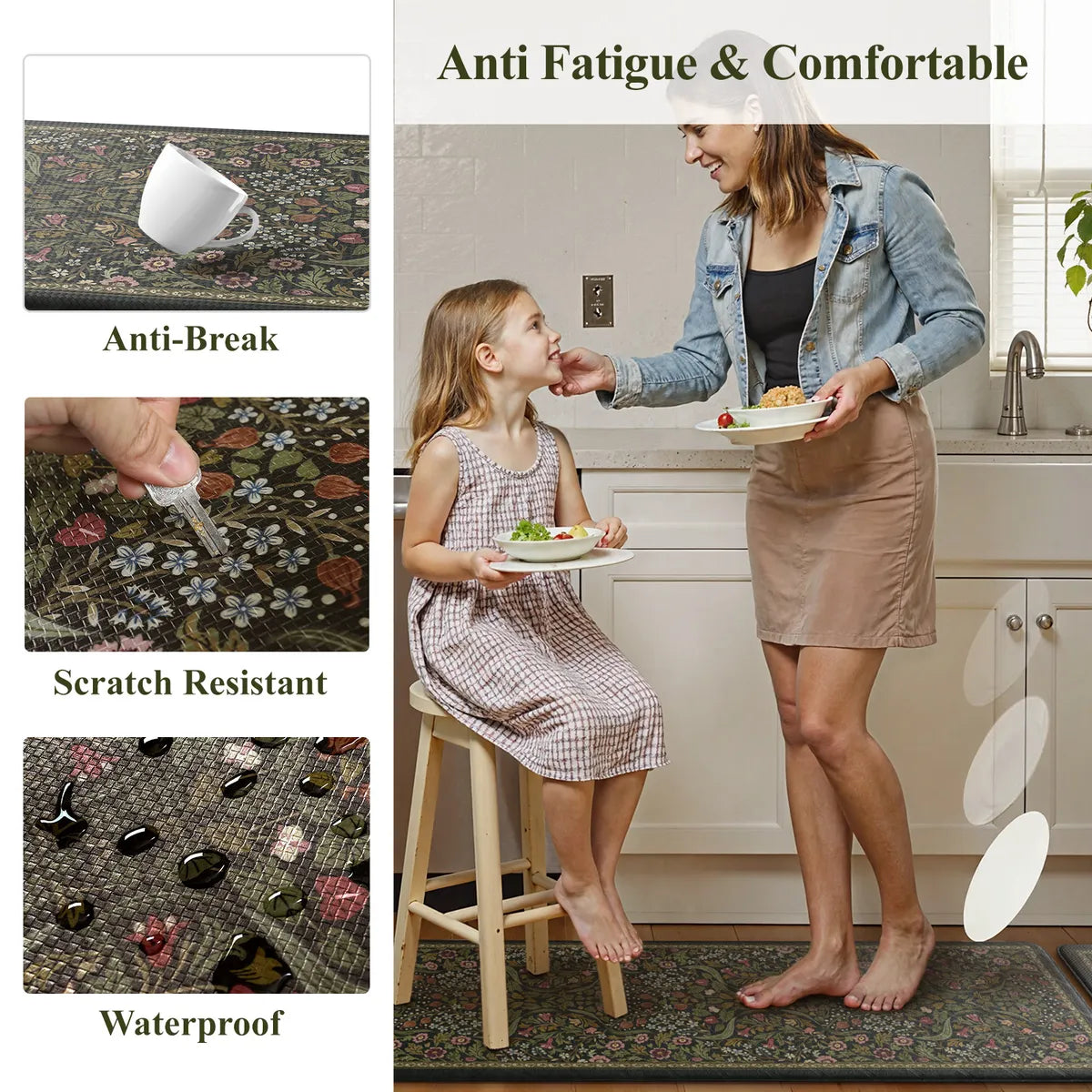
A nursery rug lives through a lot. Milk spills, diaper leaks, mashed food, and art project accidents are not occasional events; they are the daily reality of a baby and toddler space. Easy-to-clean nursery rugs that can handle that kind of use will stay looking fresh long after less practical options have given up. Stain resistance and easy cleaning aren't just convenience features in a nursery; they're hygiene requirements. A few practical factors to prioritize:
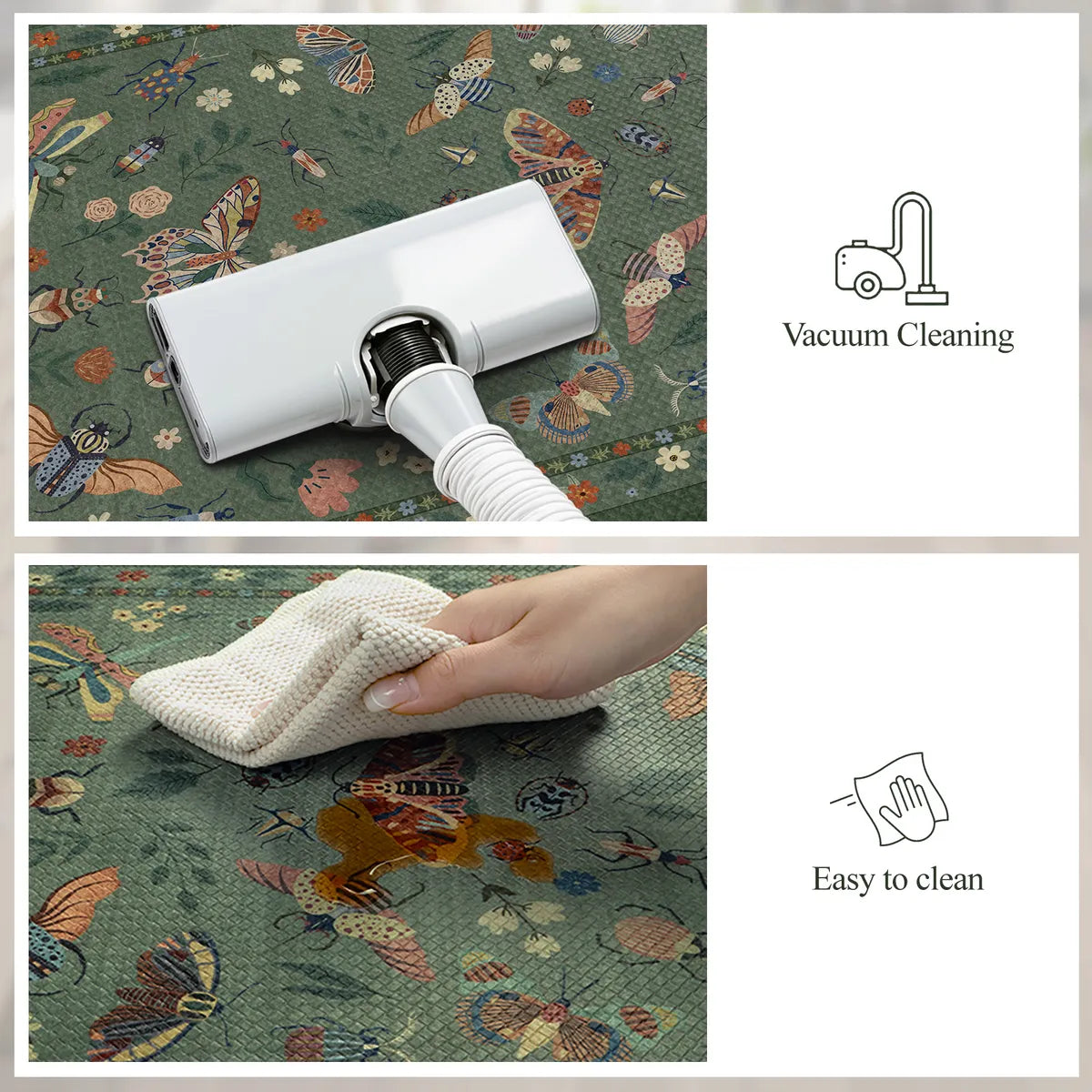
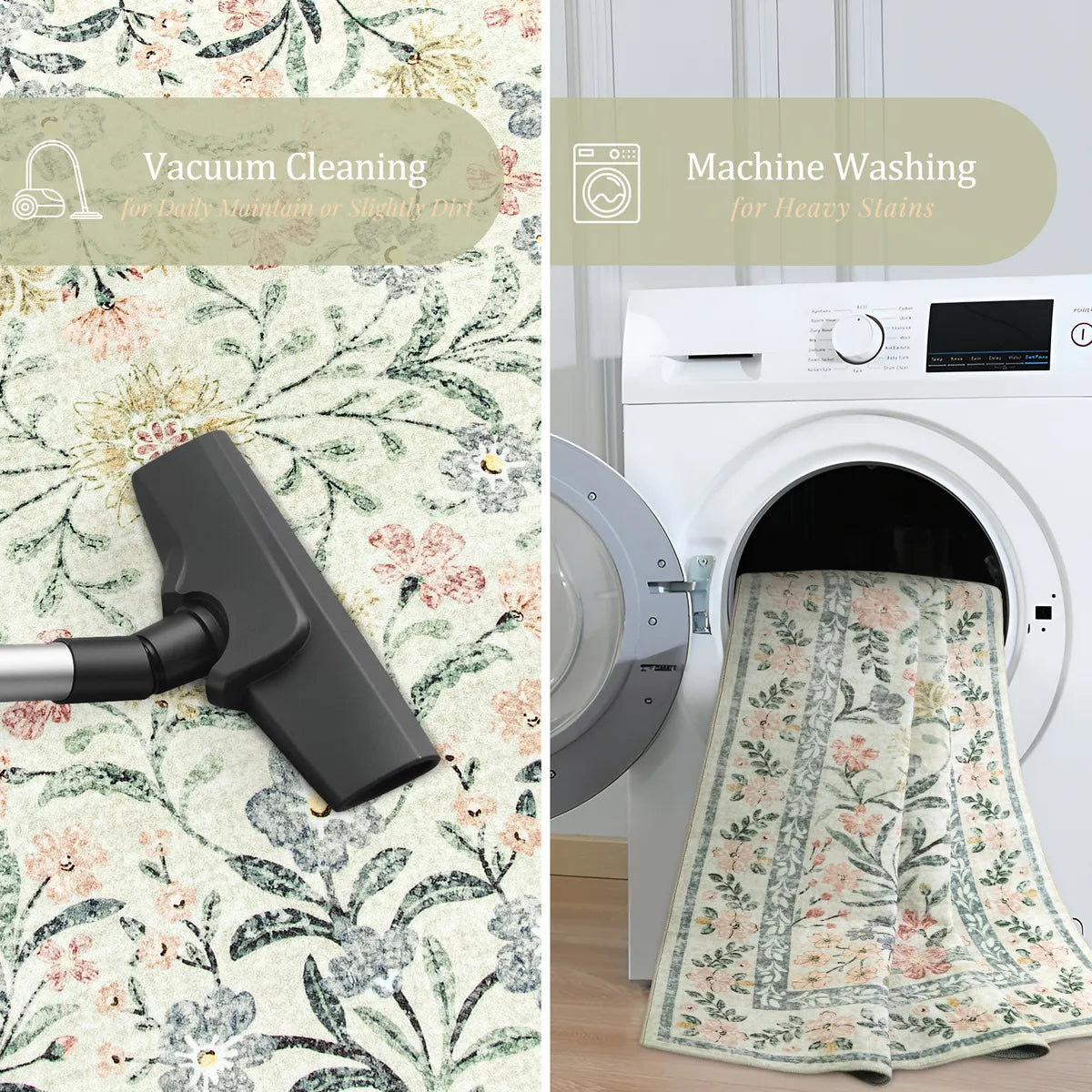
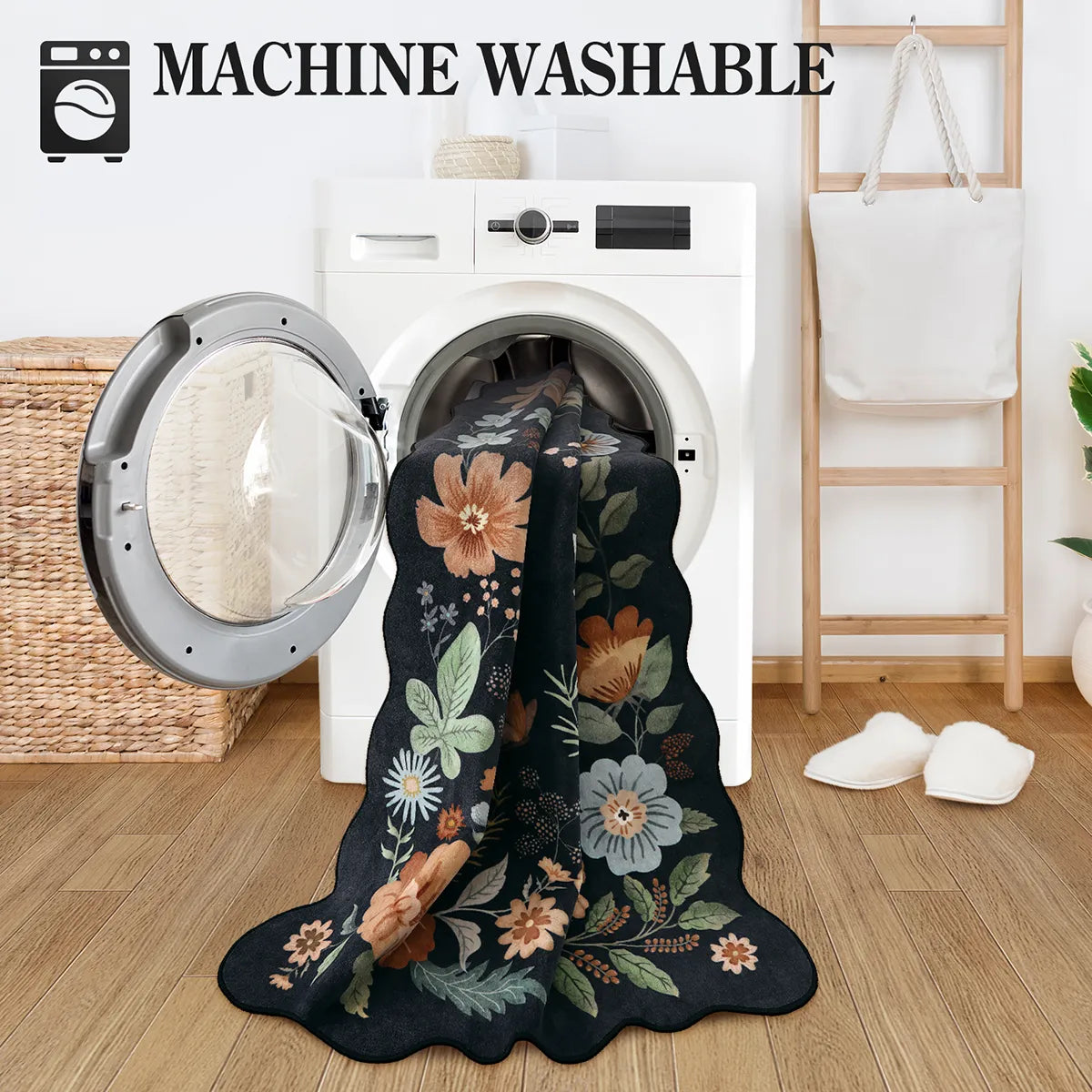
- Machine washability: A machine washable baby rug (one designed to go through a home washing machine without losing shape, color, or backing integrity) is the most practical option for a nursery. Spot cleaning alone isn't sufficient for the volume of messes a nursery generates.
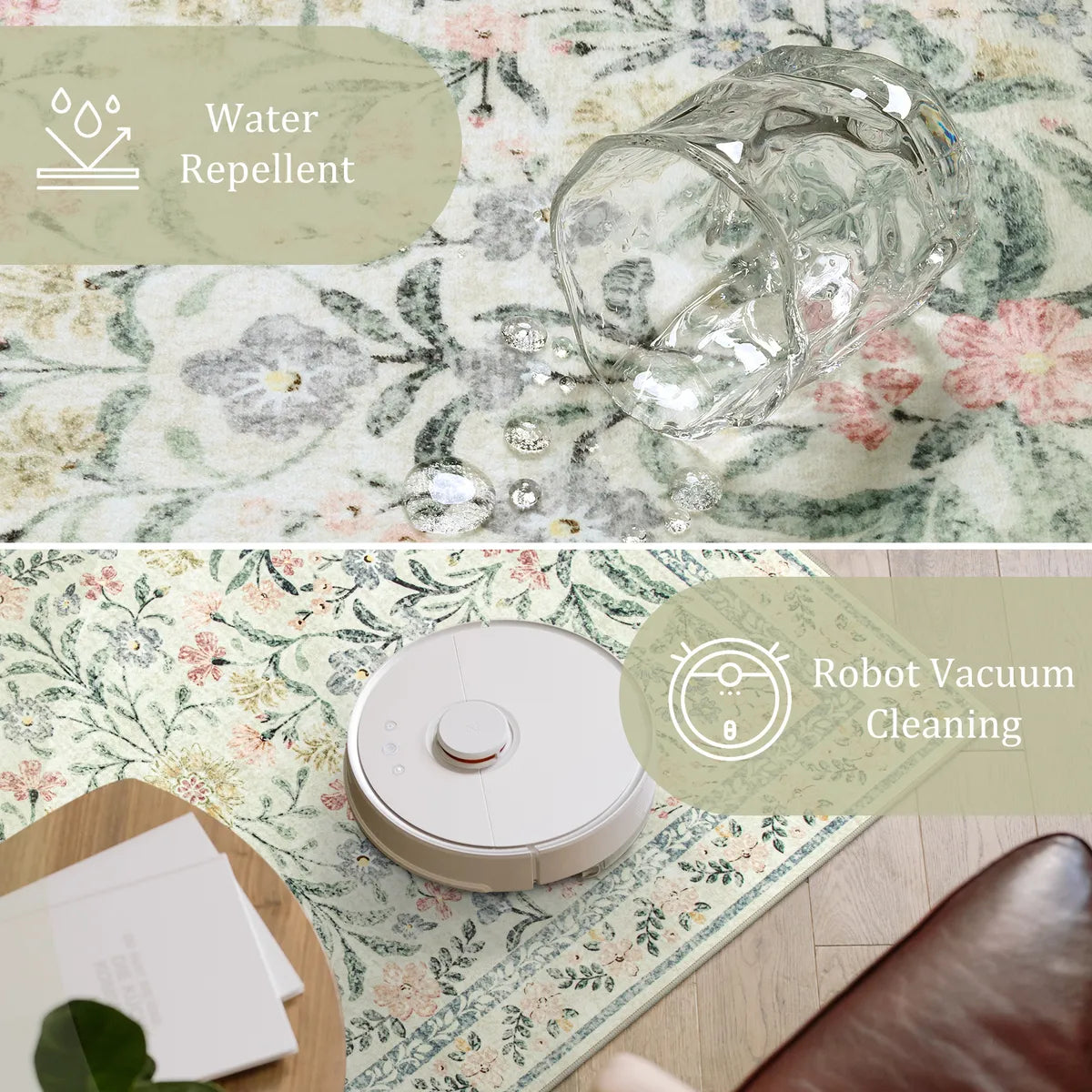
- Stain-resistant fiber: Synthetic fibers like polyester resist liquid absorption better than natural fibers, giving parents more time to blot a spill before it sets.
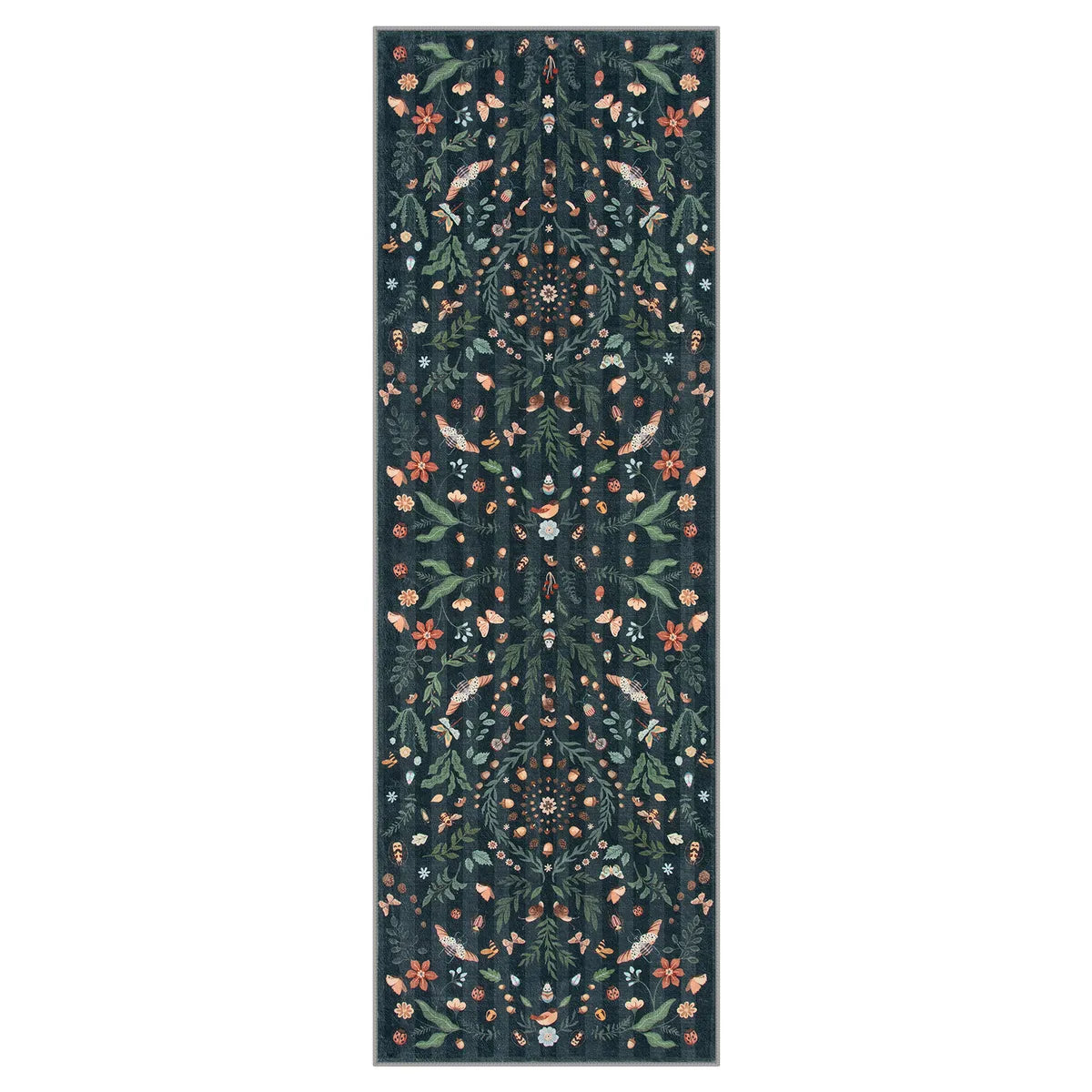
- Colorfast patterns: Busy patterns in medium tones hide staining between washes far better than pale solids or very dark grounds.
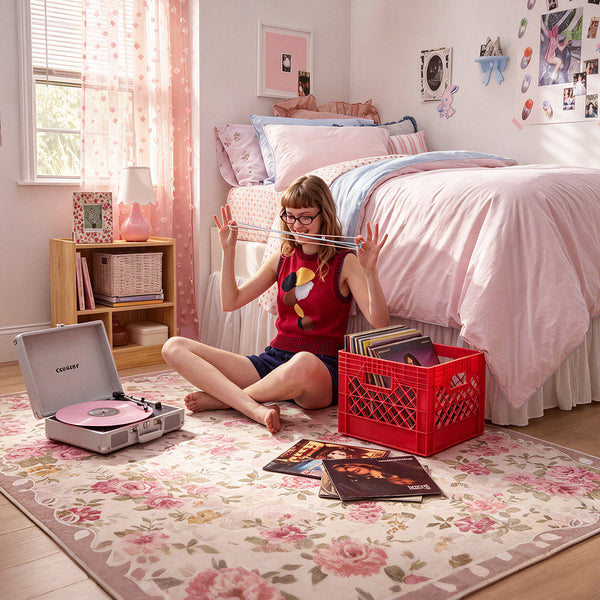
The washability factor also extends the rug's useful life well past the infant stage. A rug that can be fully refreshed in the washing machine stays hygienic and presentable as the room transitions from nursery to toddler space to kids' room. Choosing a pattern and color palette that reads as playful but not exclusively babyish helps the rug age with the space rather than against it.
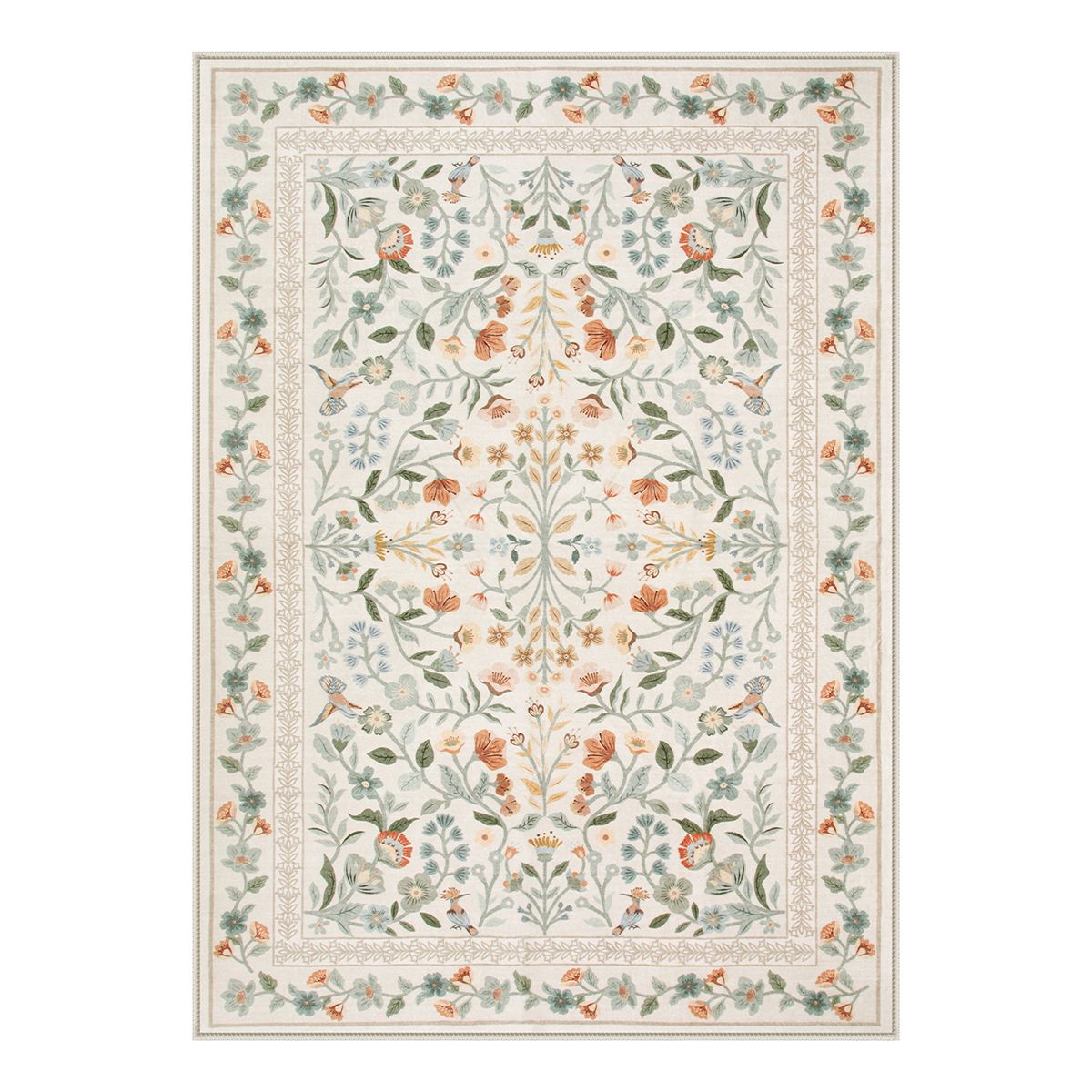
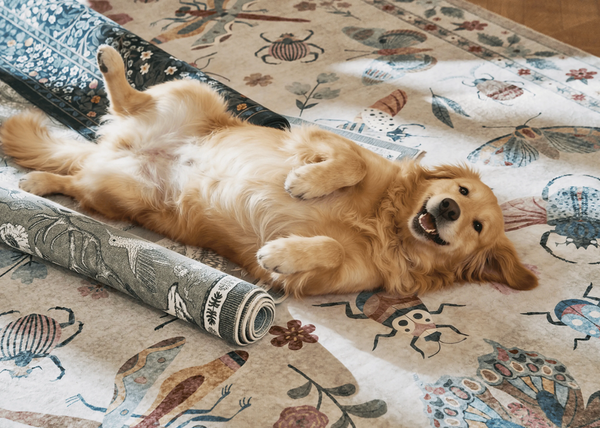
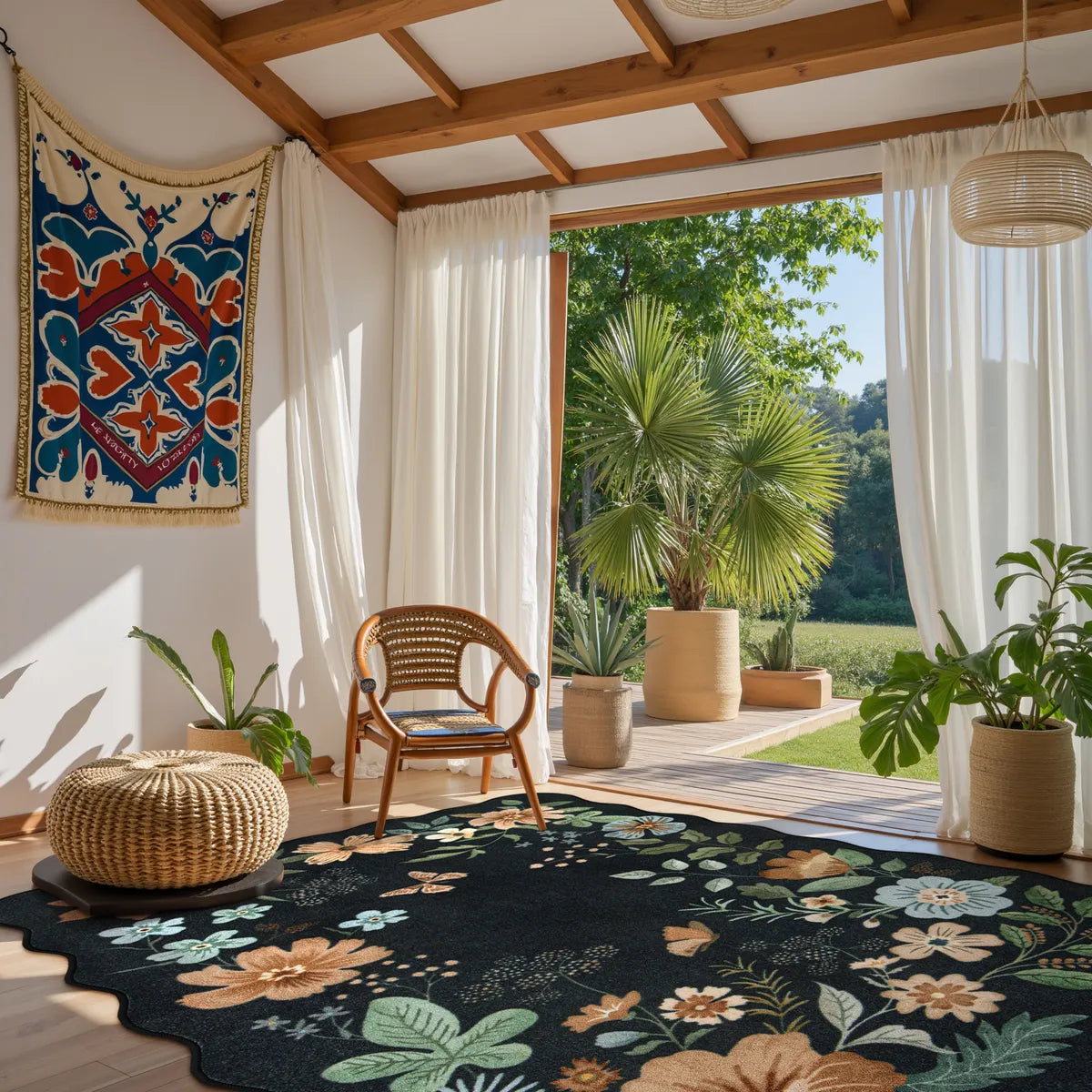
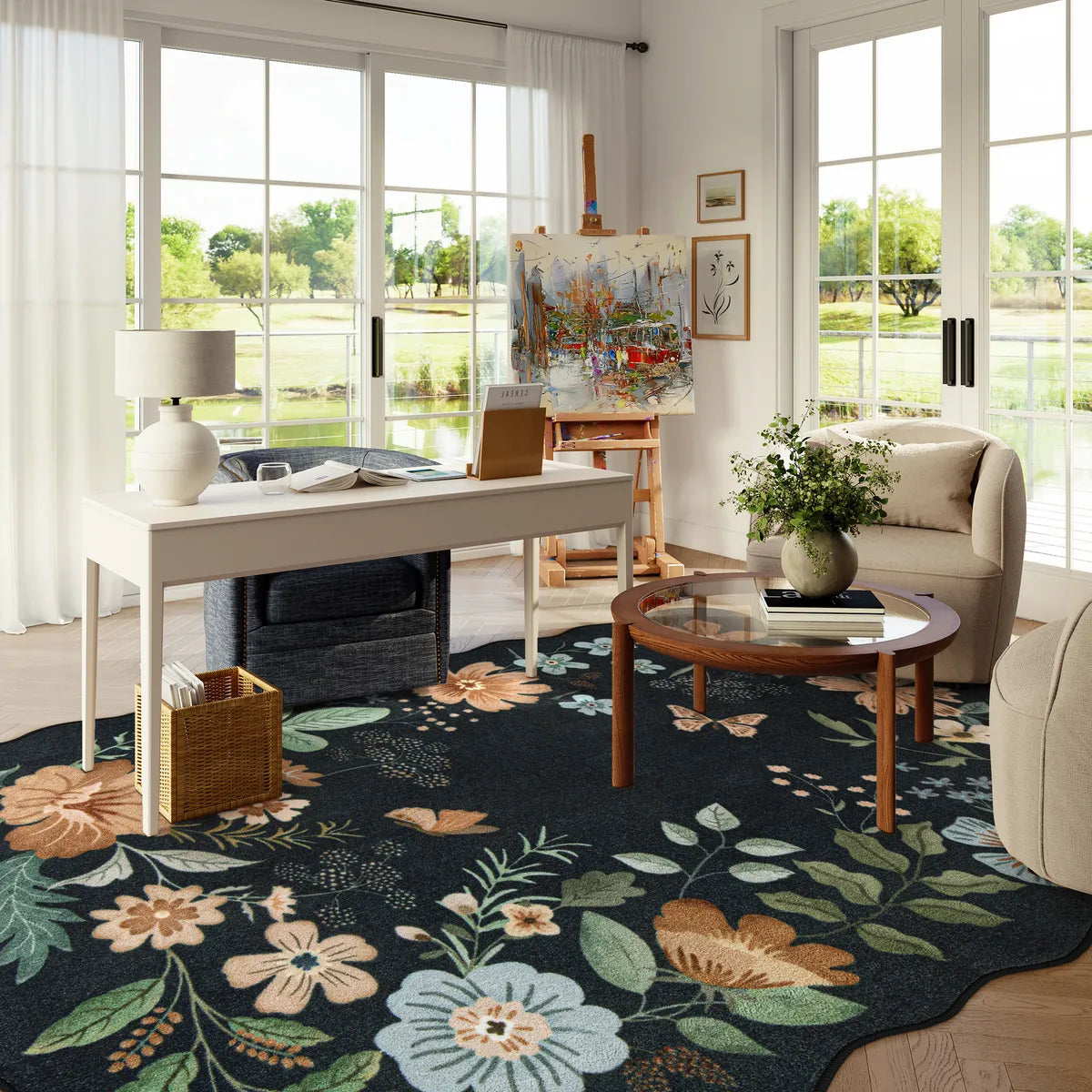
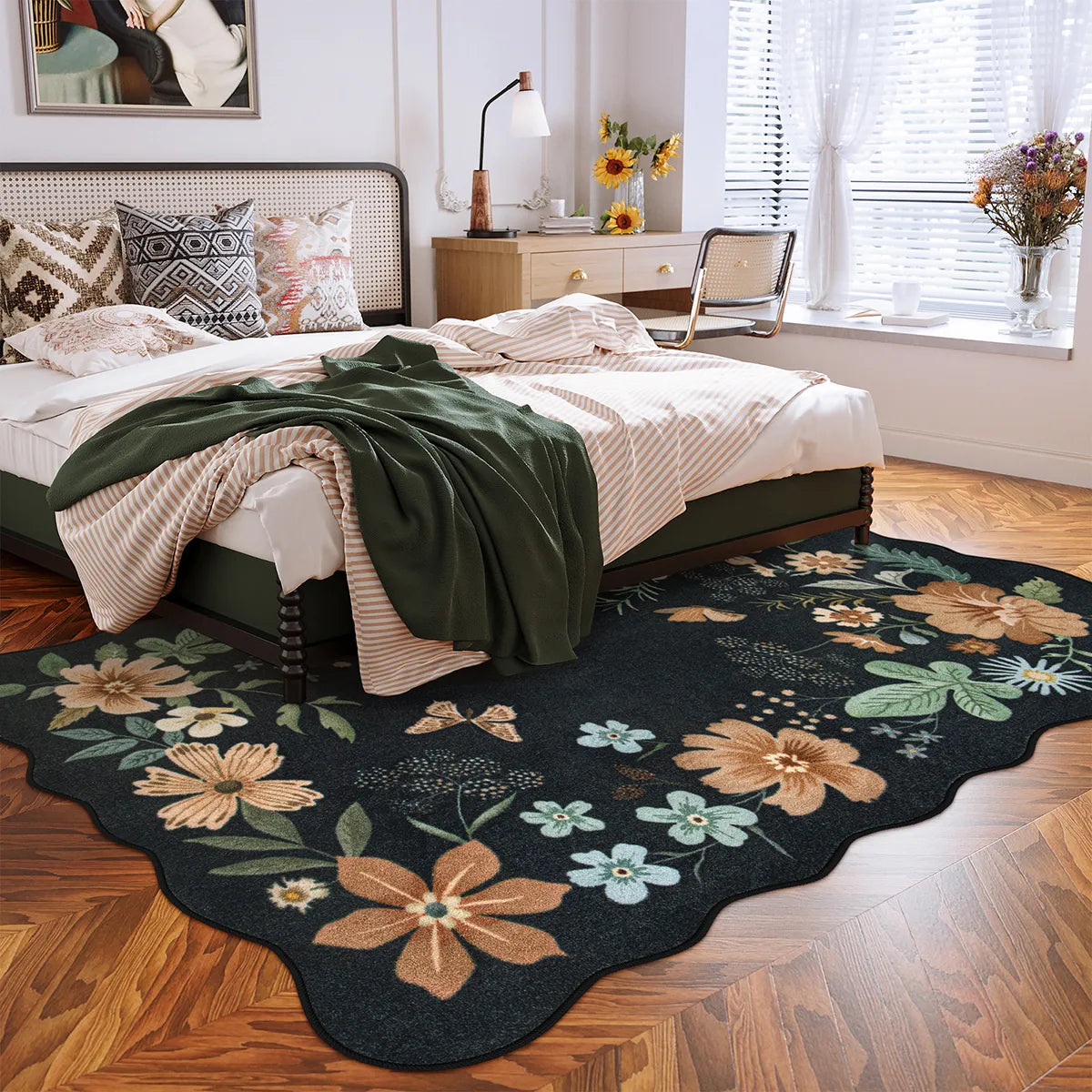
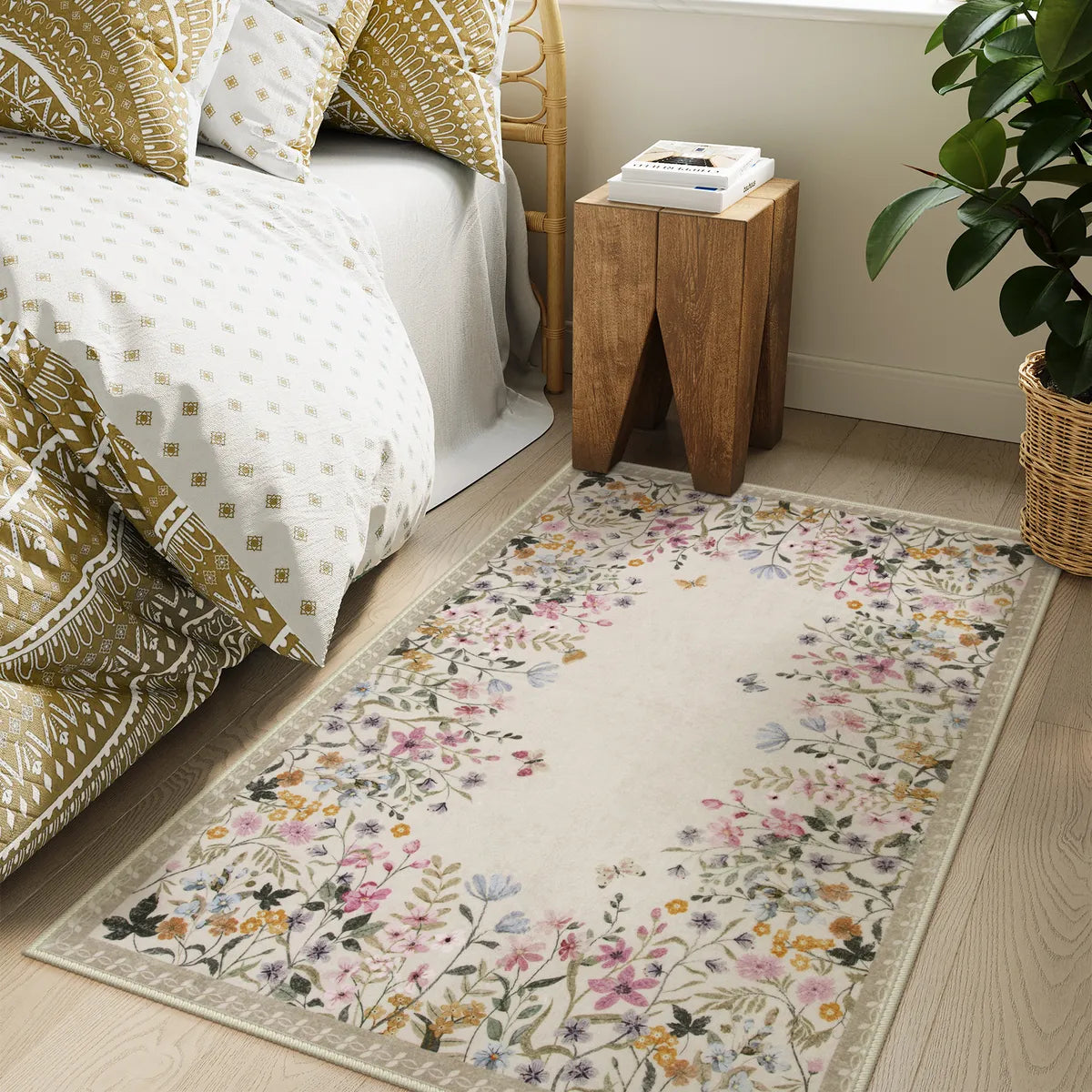
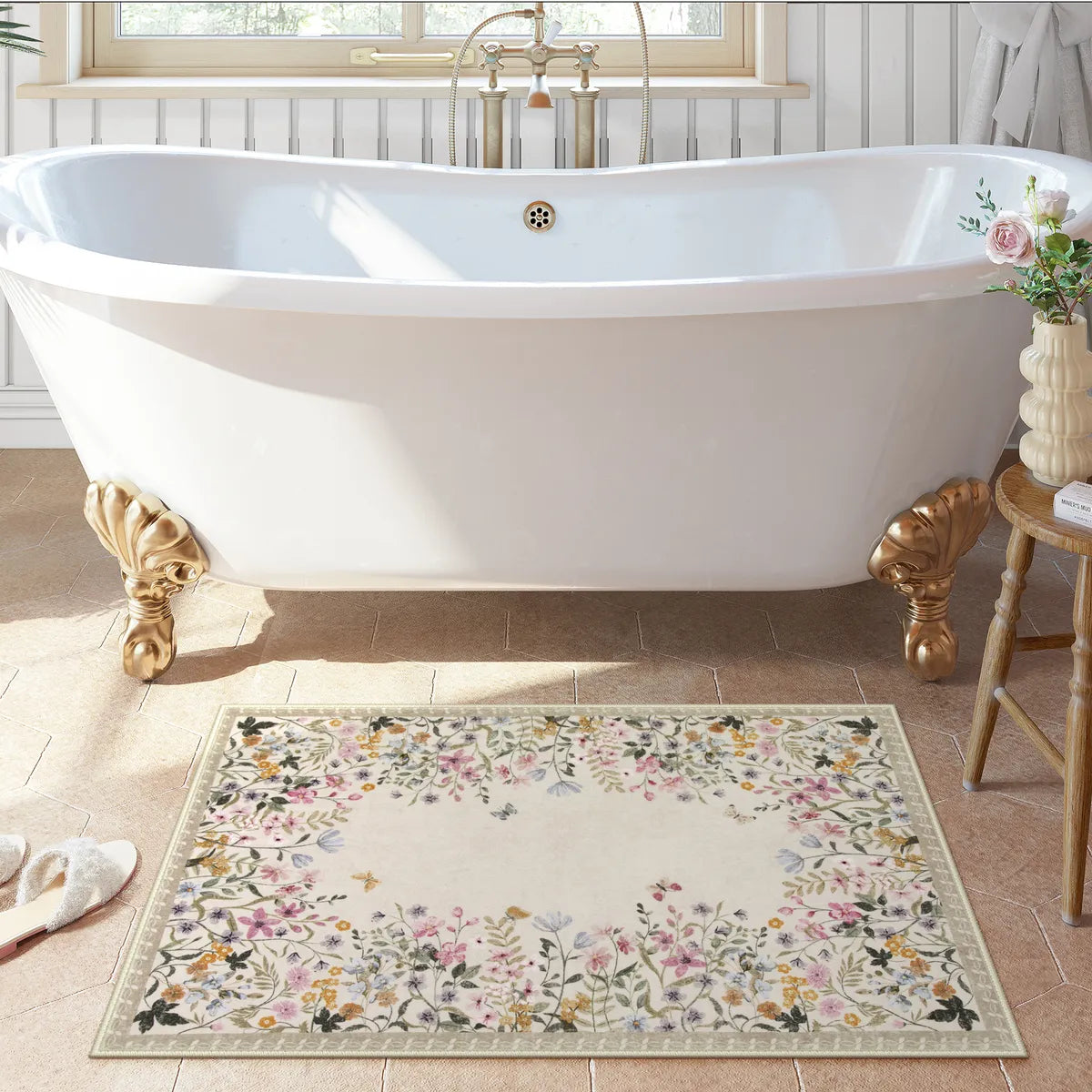
Neutral grounds with organic patterns, soft geometrics, or nature-inspired motifs tend to work across multiple childhood stages without feeling out of place.
Safety Features That Make a Baby Rug Ready for First Steps and Active Play
The transition from crawling to pulling up to standing to walking happens faster than most parents expect. A baby rug that was fine for floor play needs to also perform safely as a surface for unsteady first steps and the inevitable tumbles that come with them.
Two safety features matter most at this stage.
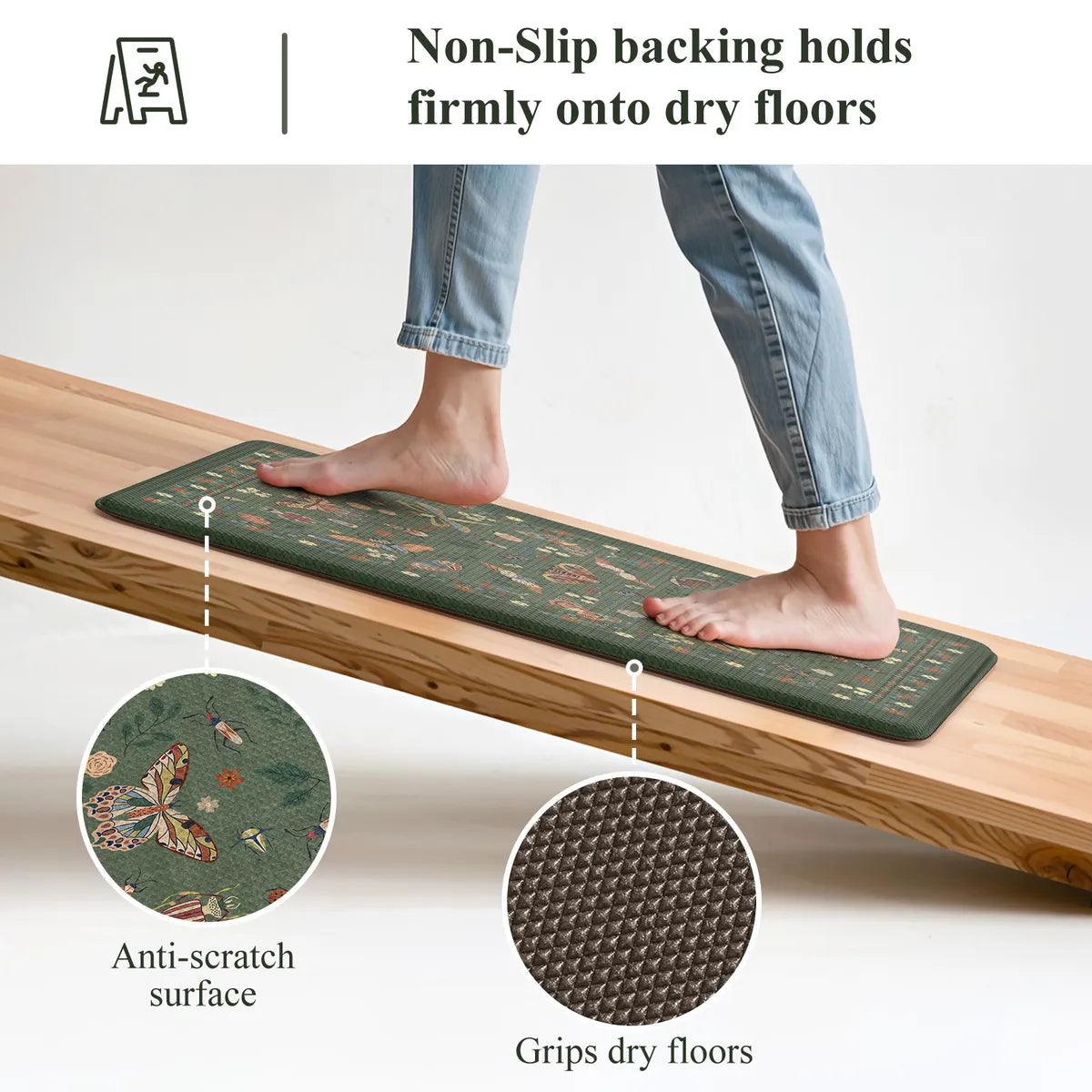
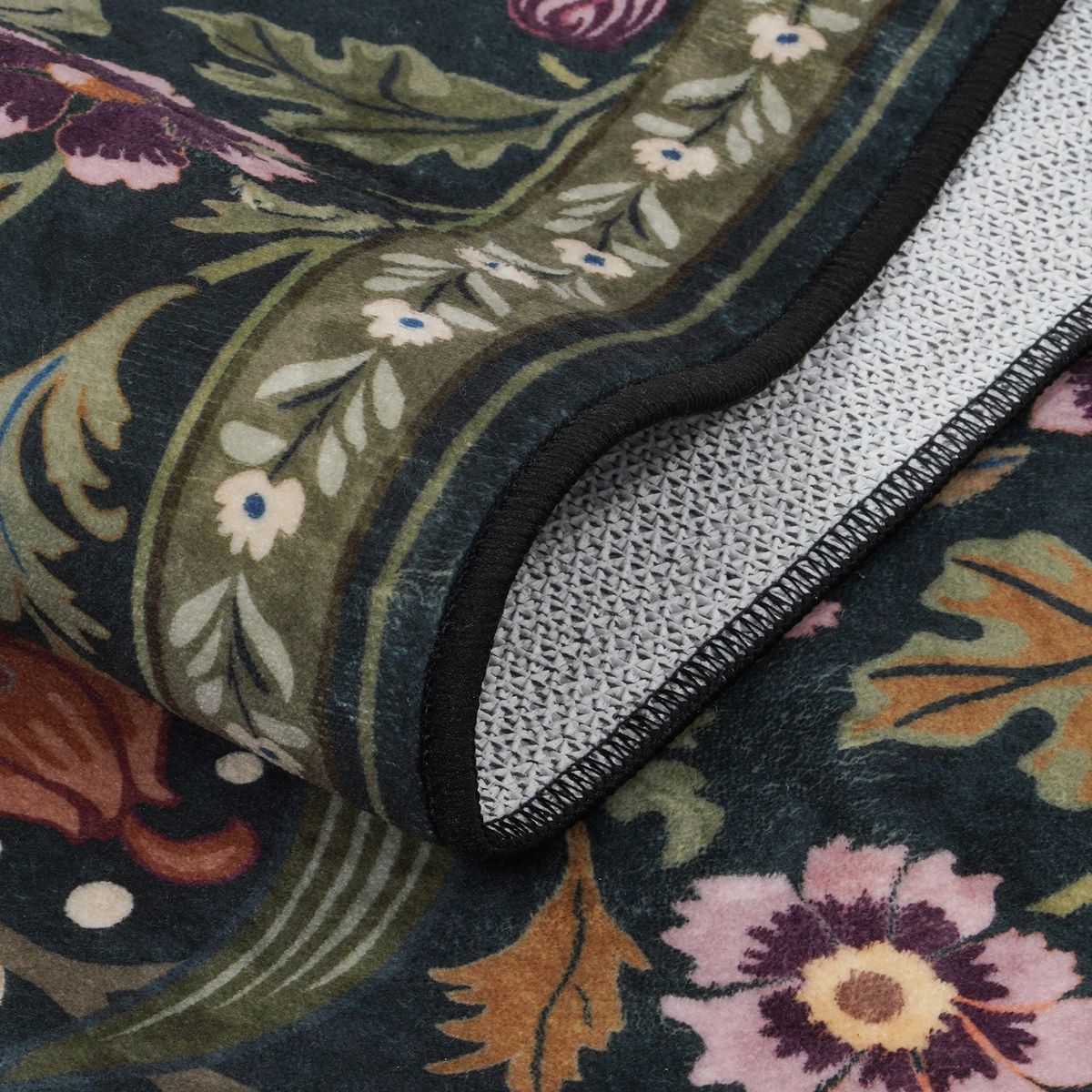
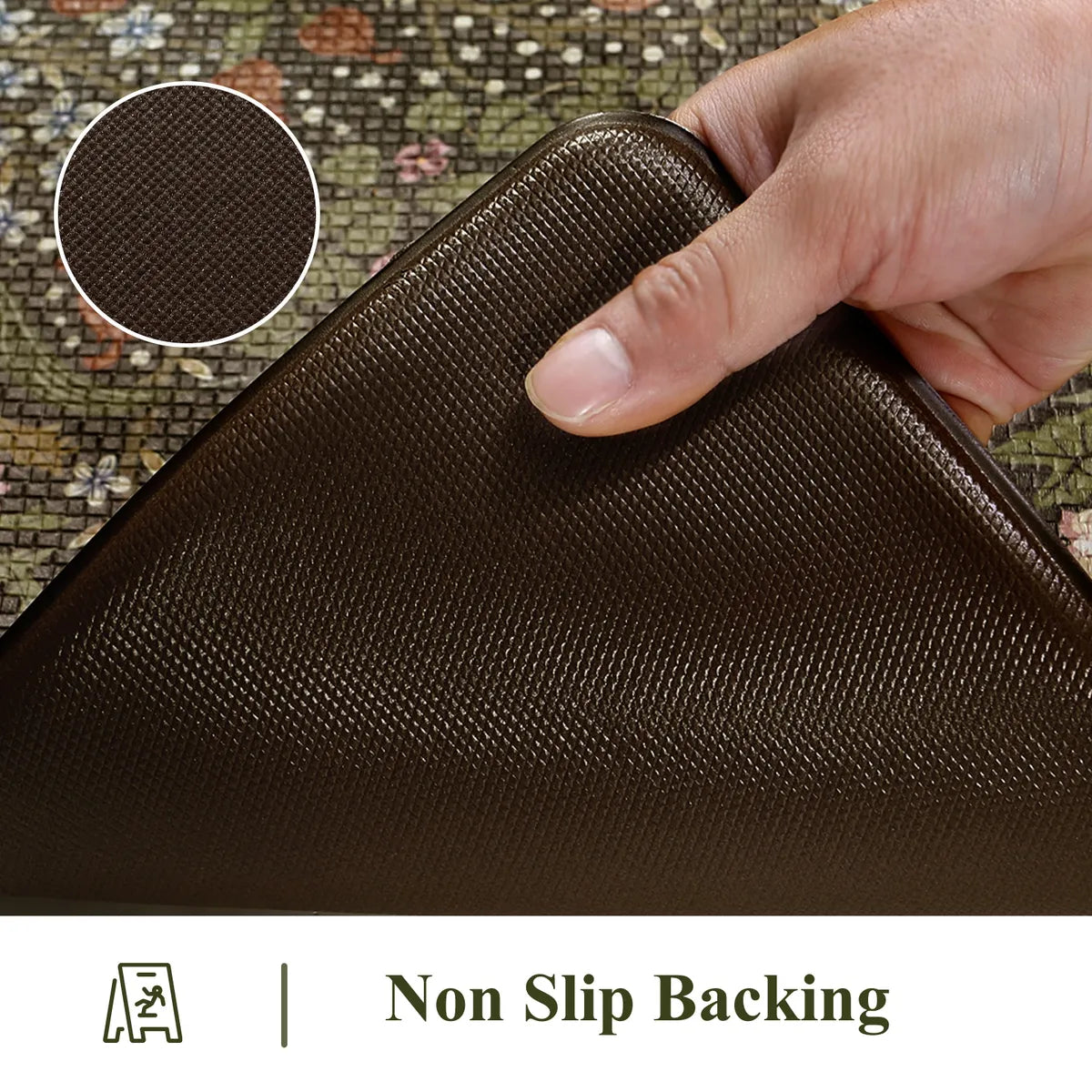
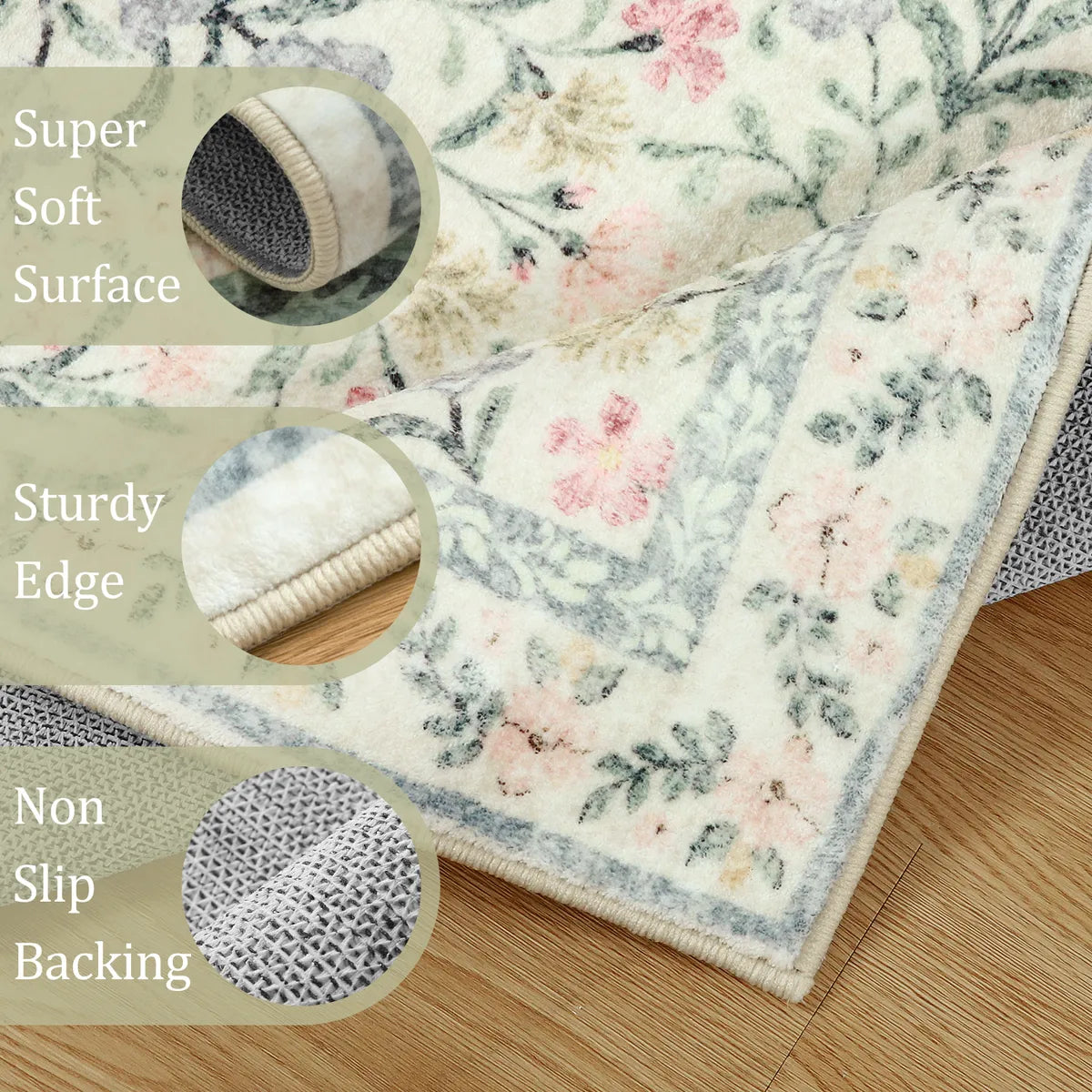
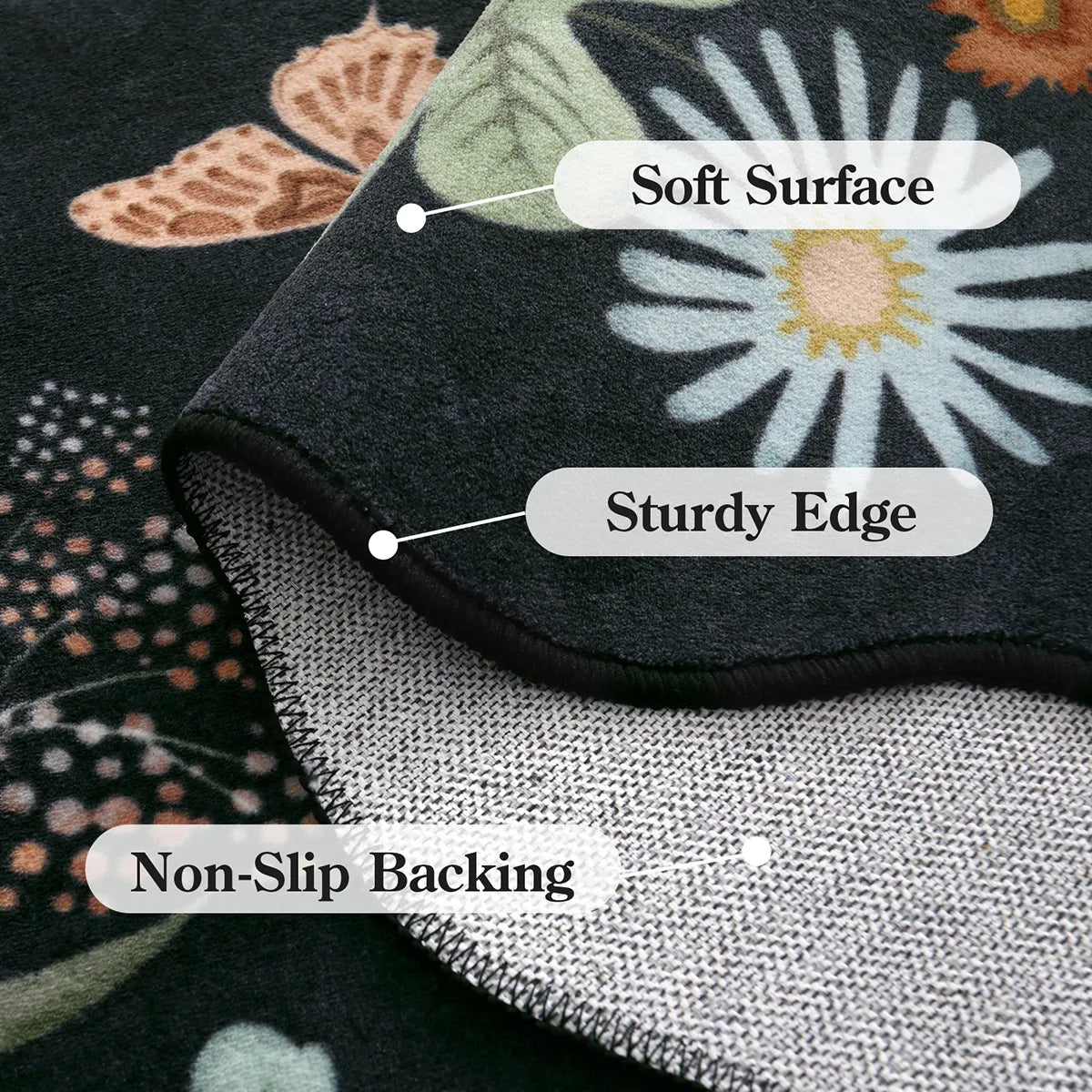
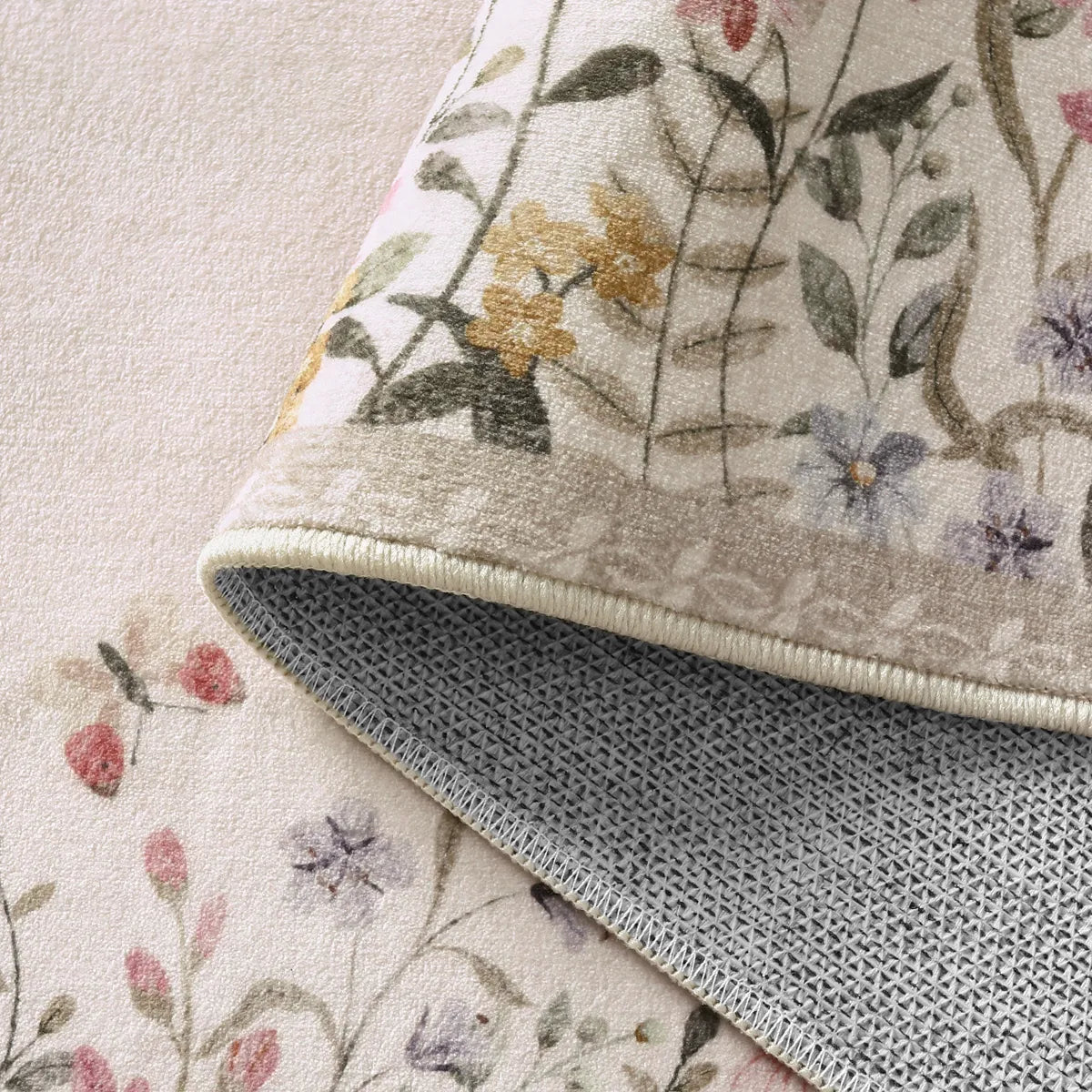
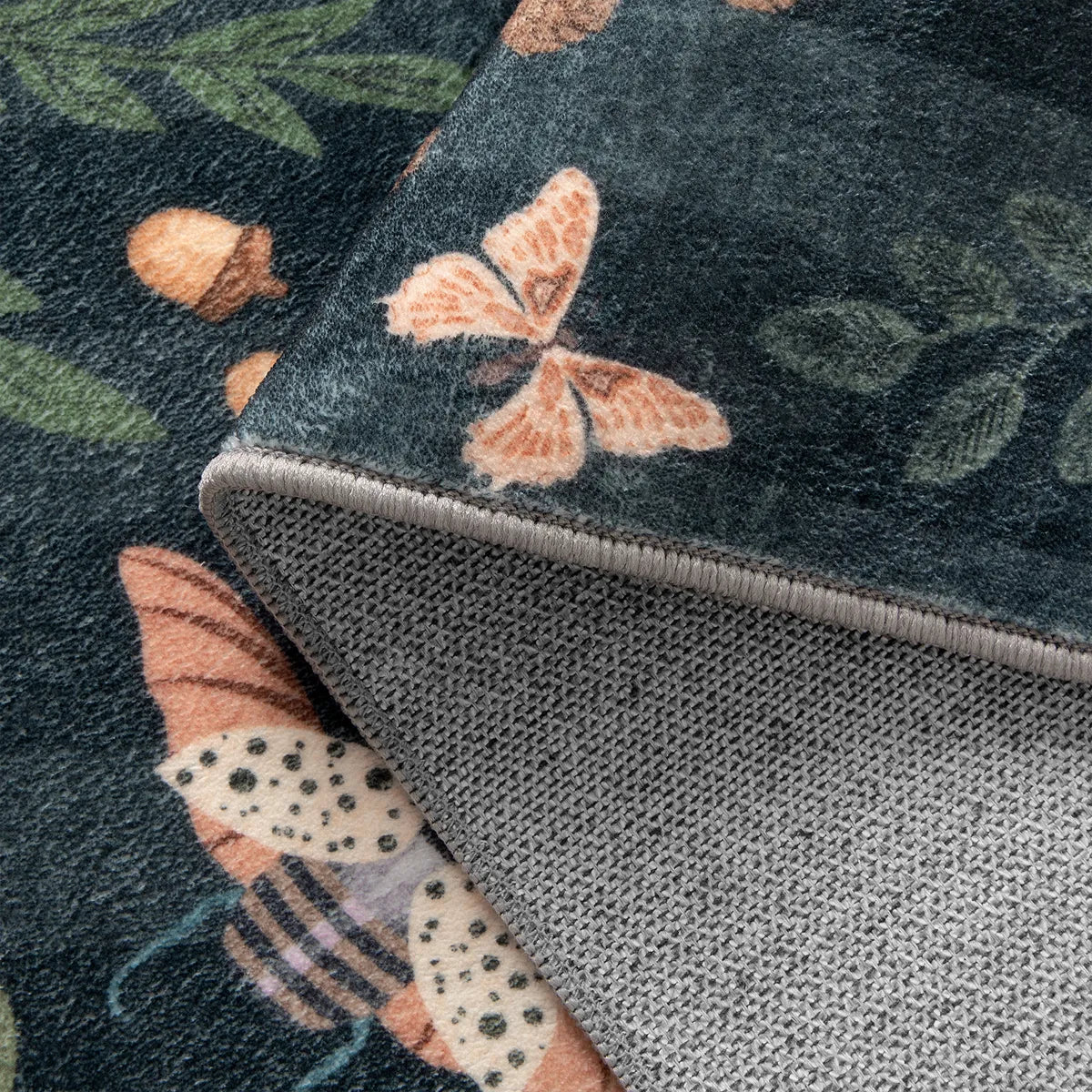
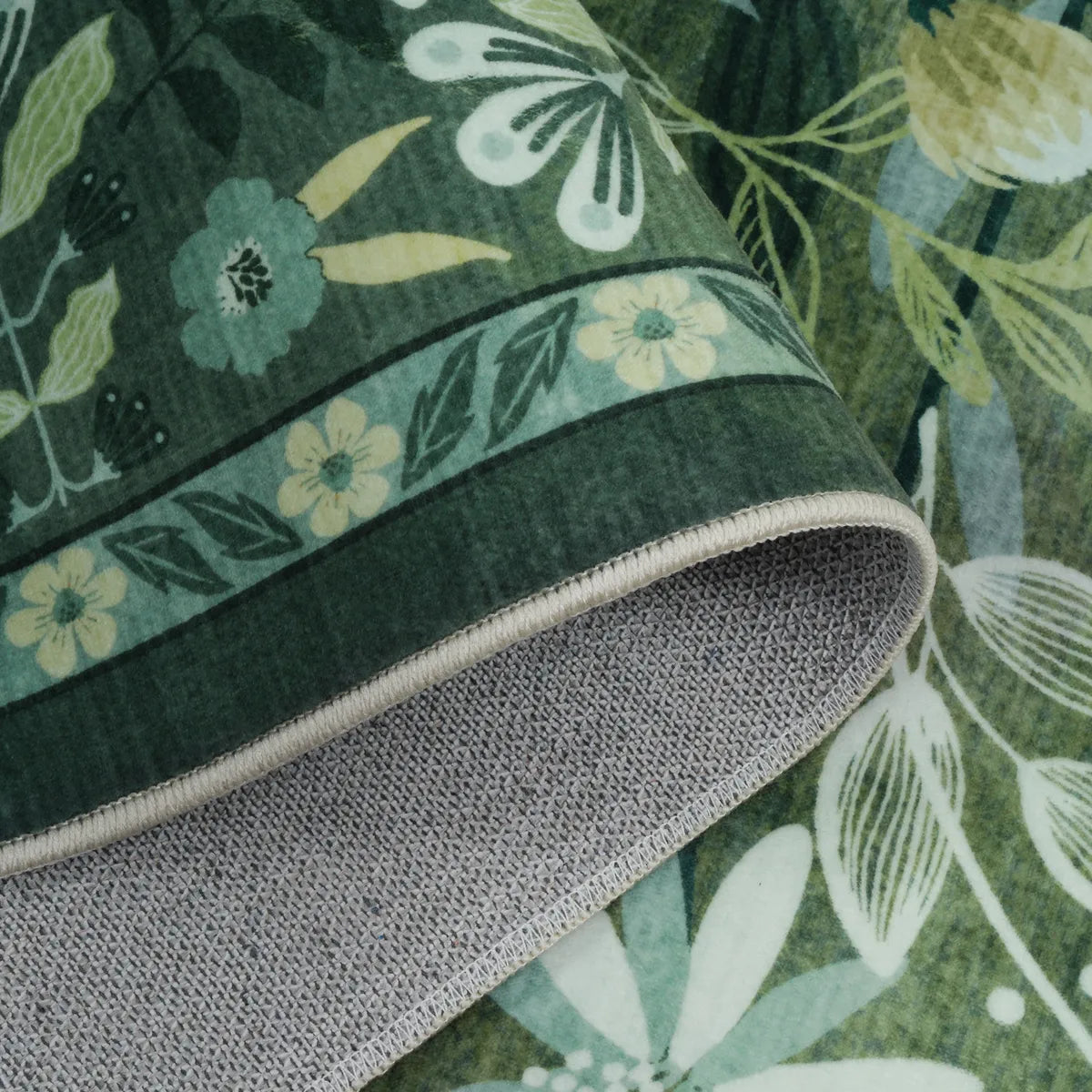
- Non-slip backing is the first priority. A rug that slides when a toddler pushes off from it is a fall risk on hard flooring. A built-in non-slip backing (a rubberized or textured layer bonded to the underside of the rug) keeps the rug anchored in place during active movement. This is especially important on hardwood, tile, or laminate floors, which offer no grip of their own.
- Cushioning underfoot is the second. Falls are unavoidable when a child is learning to walk. A rug with adequate pile and a supportive base layer absorbs some of the impact of falls onto hard flooring. It won't prevent every bump, but it meaningfully reduces the hard surface contact that makes falls more jarring.
Additional safety considerations for active play:
- Flat, secure edges: Curling or bunching edges are tripping hazards. A well-constructed rug with finished edges and a non-slip base stays flat under regular use.
- Appropriate size: A baby rug sized to cover the main play zone of the nursery gives toddlers a consistent, predictable surface to move on. Too small a rug creates constant transitions between soft and hard surfaces during play.
Build the Nursery Floor Your Baby Deserves
A nursery room rug is one of the most used surfaces in your home during the early years. Getting it right means choosing soft, non-toxic materials for the newborn stage; easy-to-clean, stain-resistant construction for the messy toddler years; and reliable non-slip safety features for every stage in between. The floor is where your child lives. Make it worth landing on.
FAQs about Nursery Rug Safety, Care, Trends
Q1. Should You Put a Rug in the Nursery?
A rug is one of the most practical additions to a nursery. It softens hard flooring for tummy time and crawling, reduces noise from movement and dropped toys, and adds warmth to a space where a baby spends a significant amount of time at floor level. As long as the rug is non-toxic, non-slip, and easy to clean, it is a straightforward upgrade to both the safety and comfort of the room.
Q2. What Are the Latest Nursery Rug Trends?
Current nursery rug trends lean toward designs that work beyond the baby stage: soft botanicals, nature-inspired motifs, gentle geometrics, and muted color palettes that grow with the child rather than dating quickly. Washable constructions have also become a baseline expectation rather than a bonus feature, reflecting a broader shift toward practical, easy-care home textiles for family spaces.
Q3. Do Nursery Rugs Need a Pad Underneath?
A separate rug pad is not always necessary if the nursery rug already has a built-in non-slip backing. If the rug does not have one, a thin non-slip pad cut to size is strongly recommended, especially on hardwood or tile floors where an unanchored rug becomes a sliding hazard for crawling babies and unsteady toddlers. A pad also adds a small amount of extra cushioning underfoot.
Q4. Can I Use a Regular Area Rug in a Nursery?
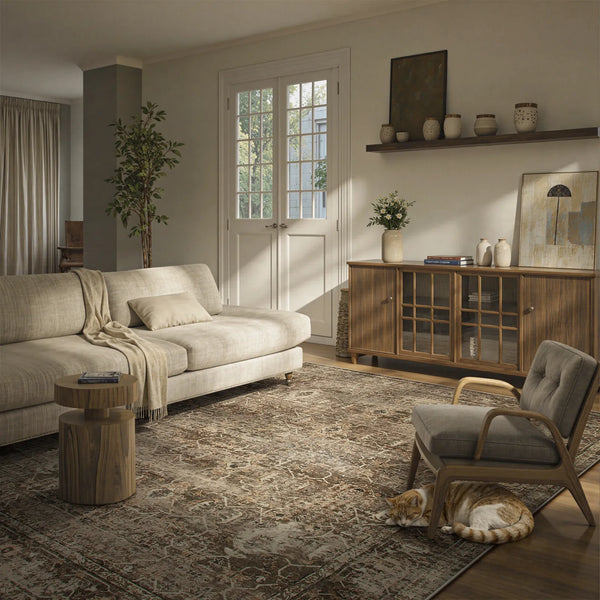
A regular area rug can work in a nursery if it meets the same material and safety criteria: non-toxic, hypoallergenic, machine washable, and non-slip. The key difference is that rugs marketed specifically for nurseries are more likely to have been tested against these standards. If using a general area rug, check the care label for washability and inspect the backing for non-slip grip before placing it in the baby's room.