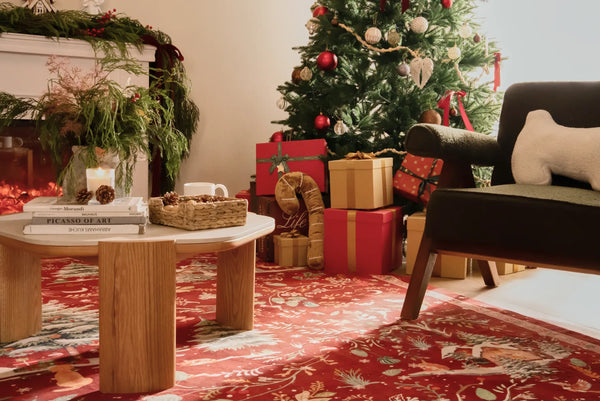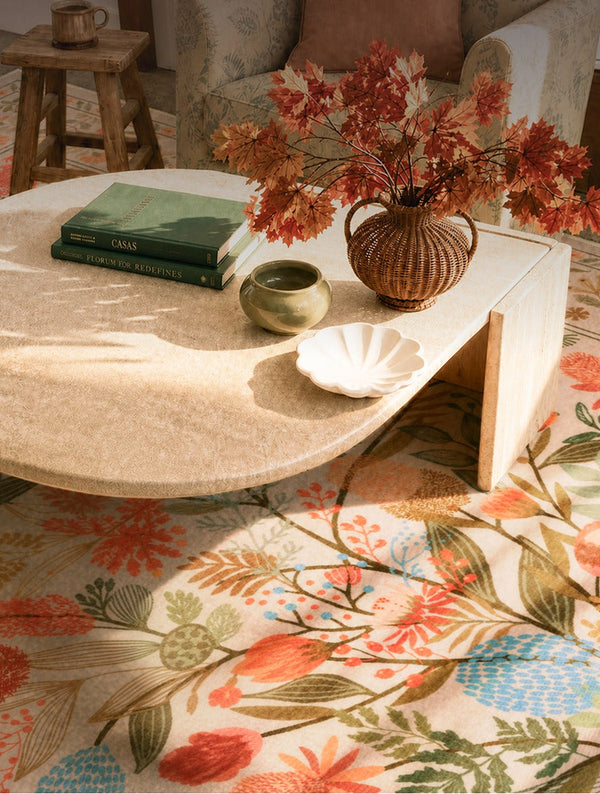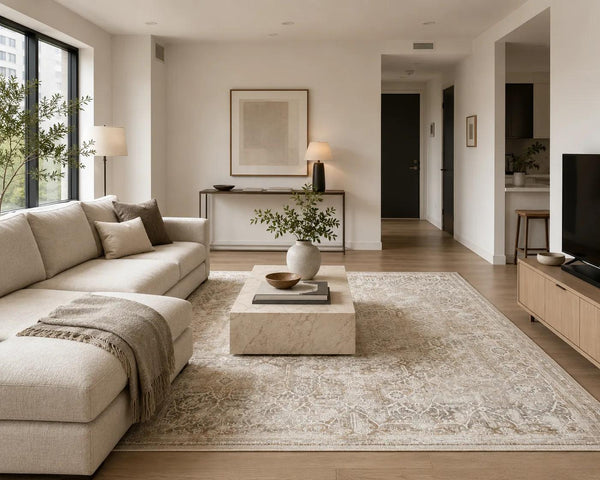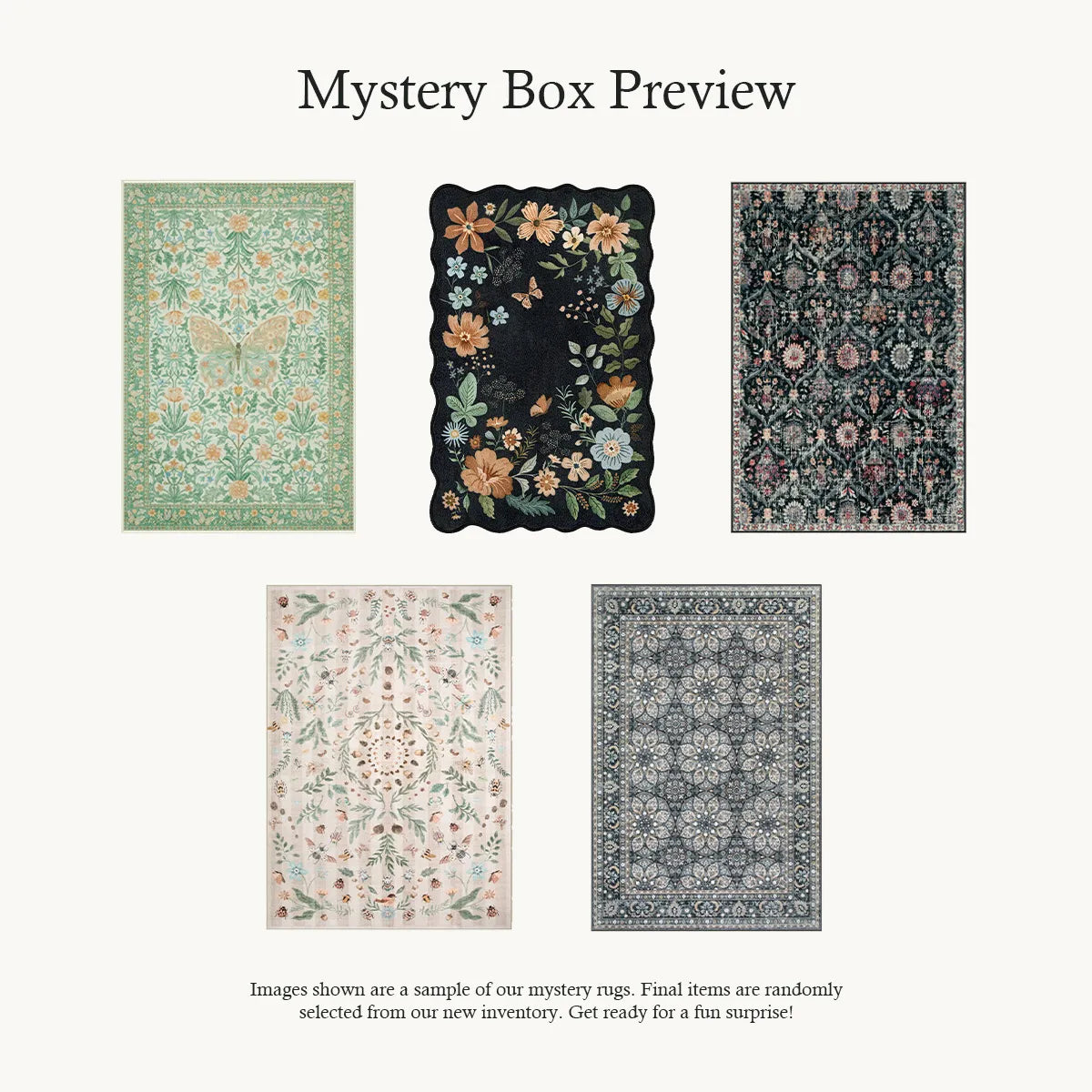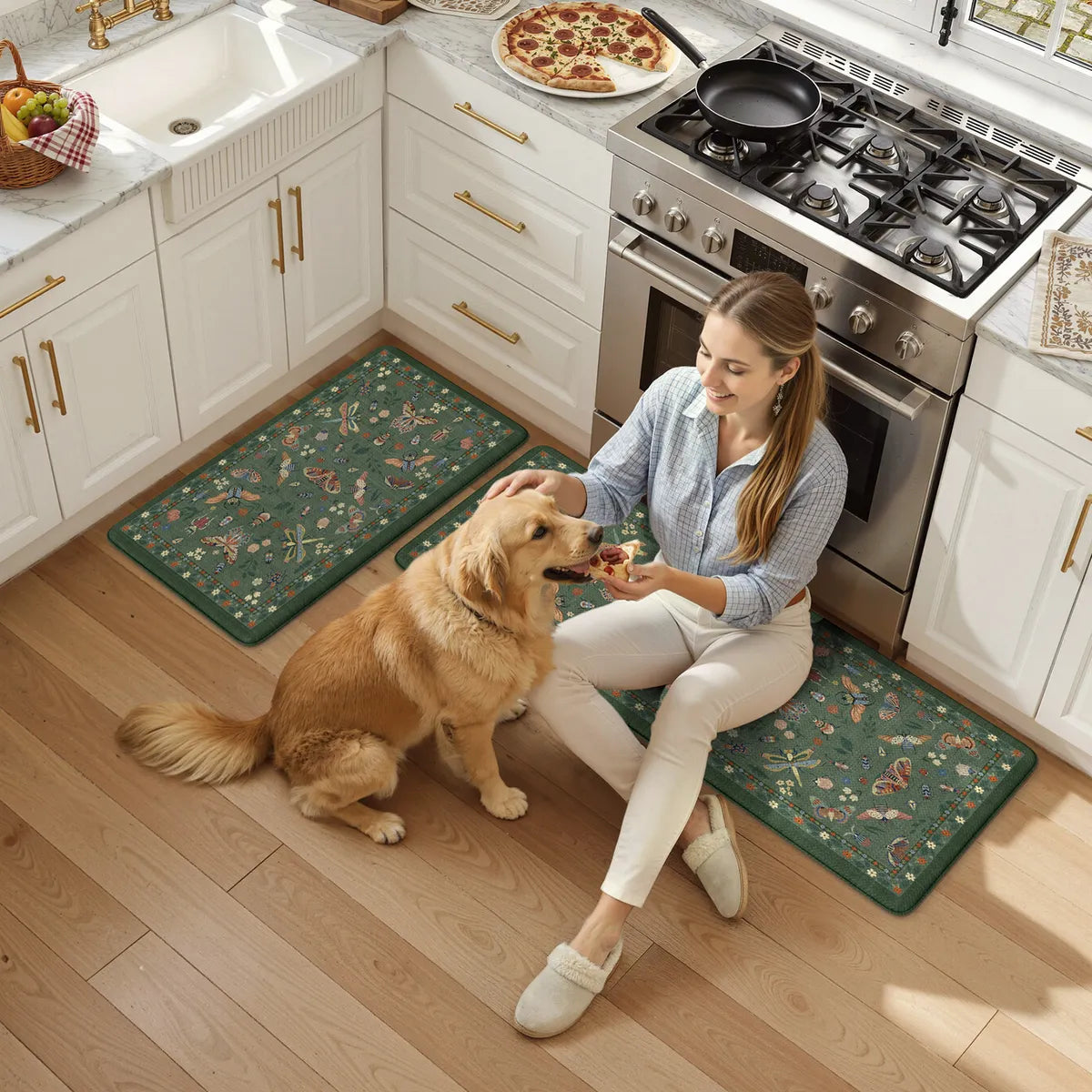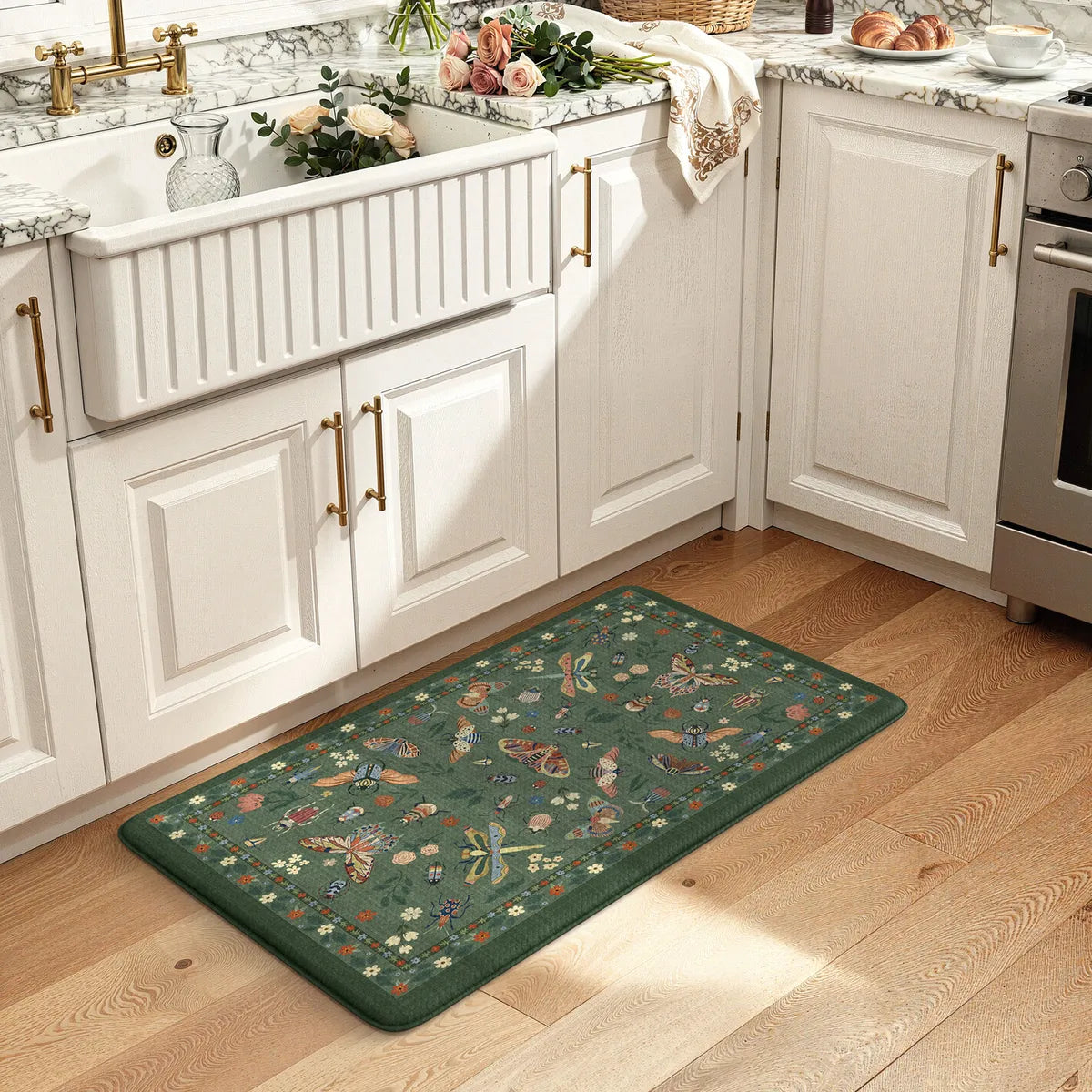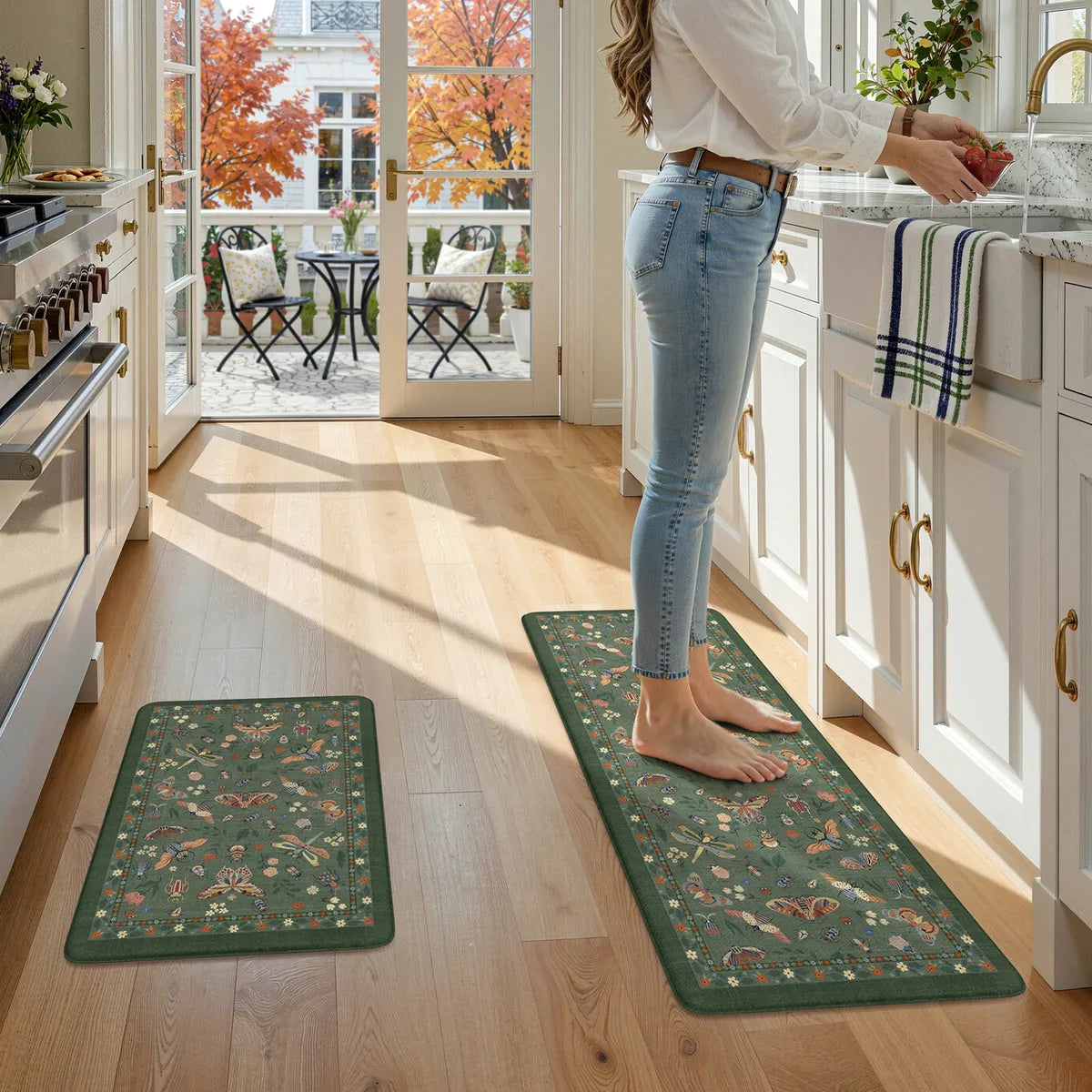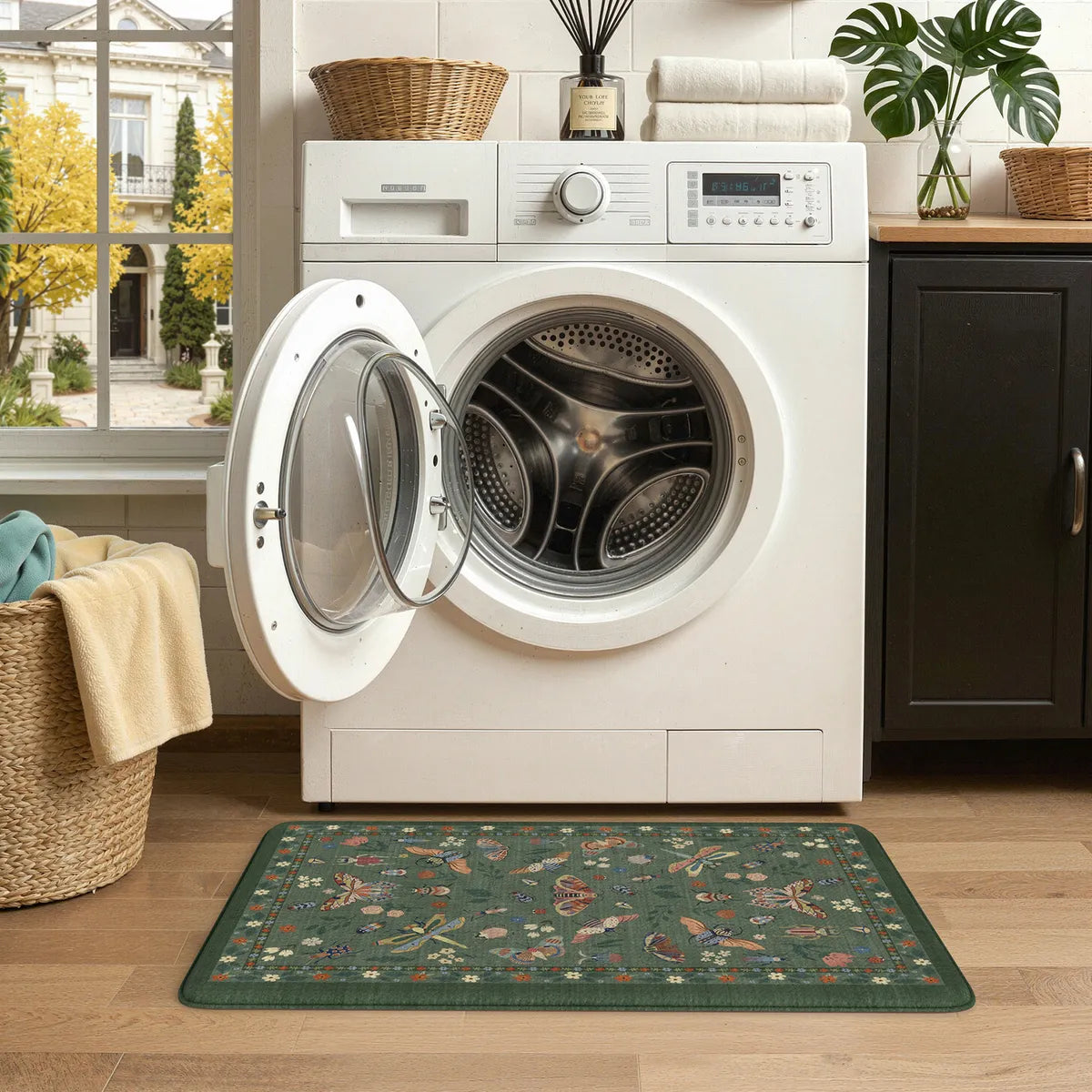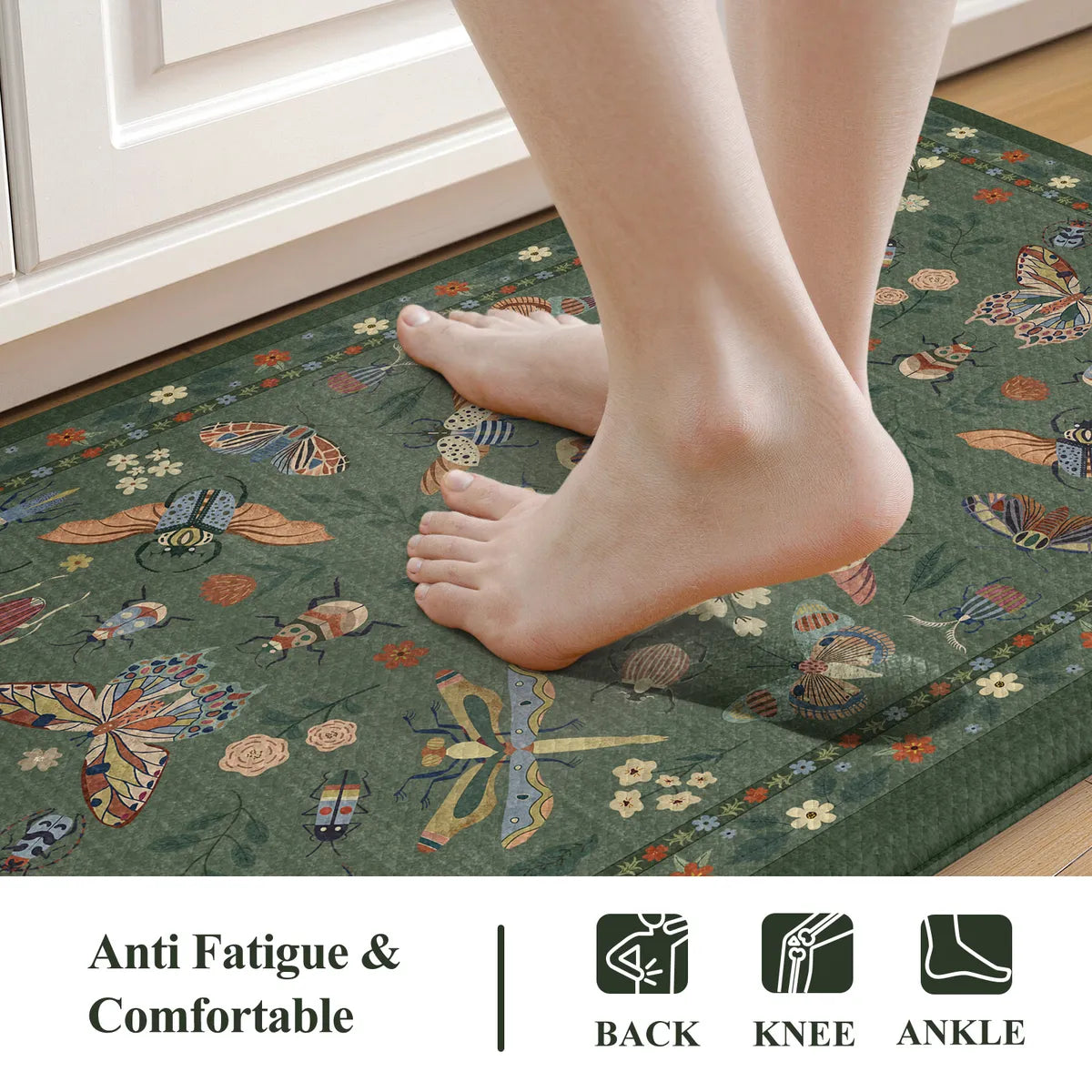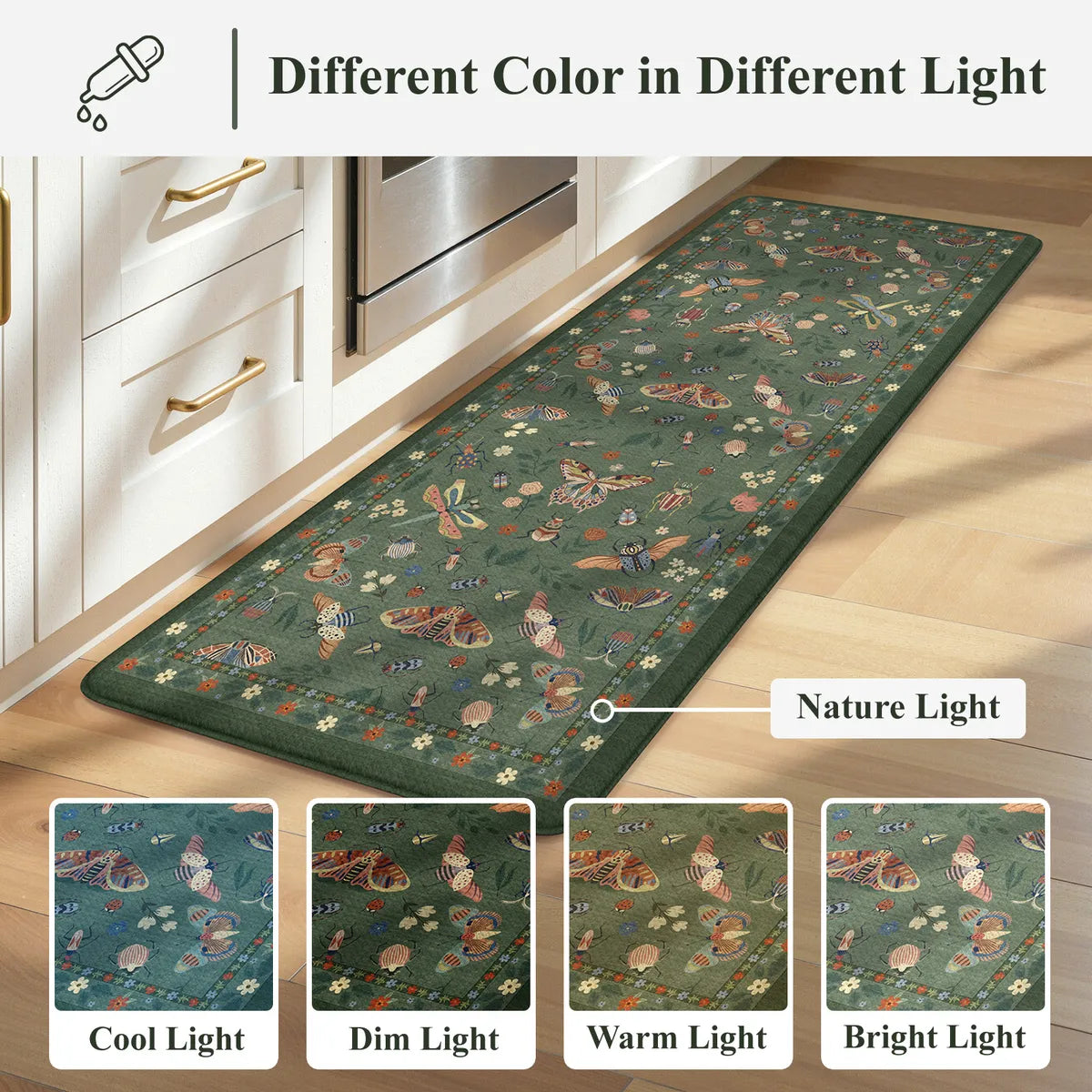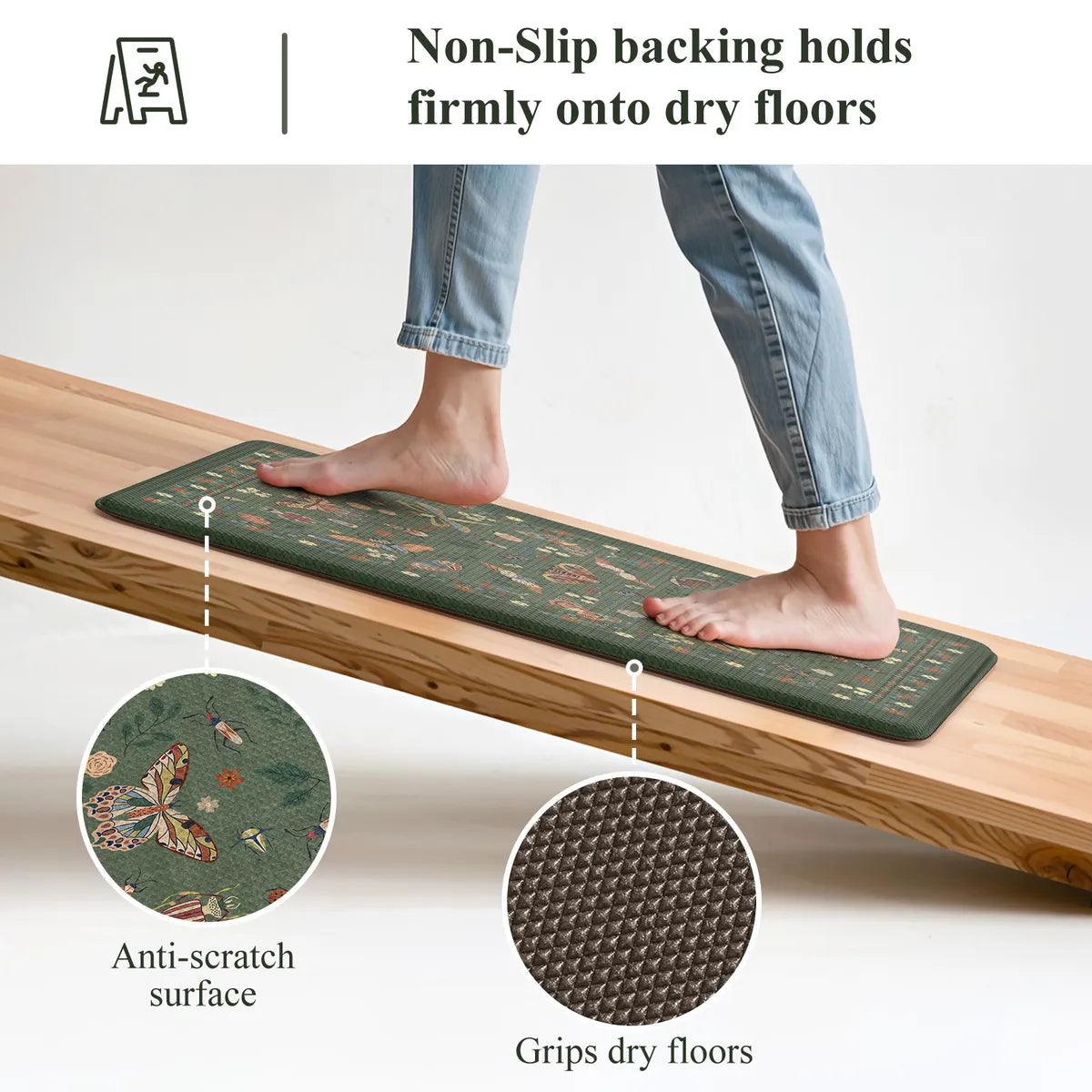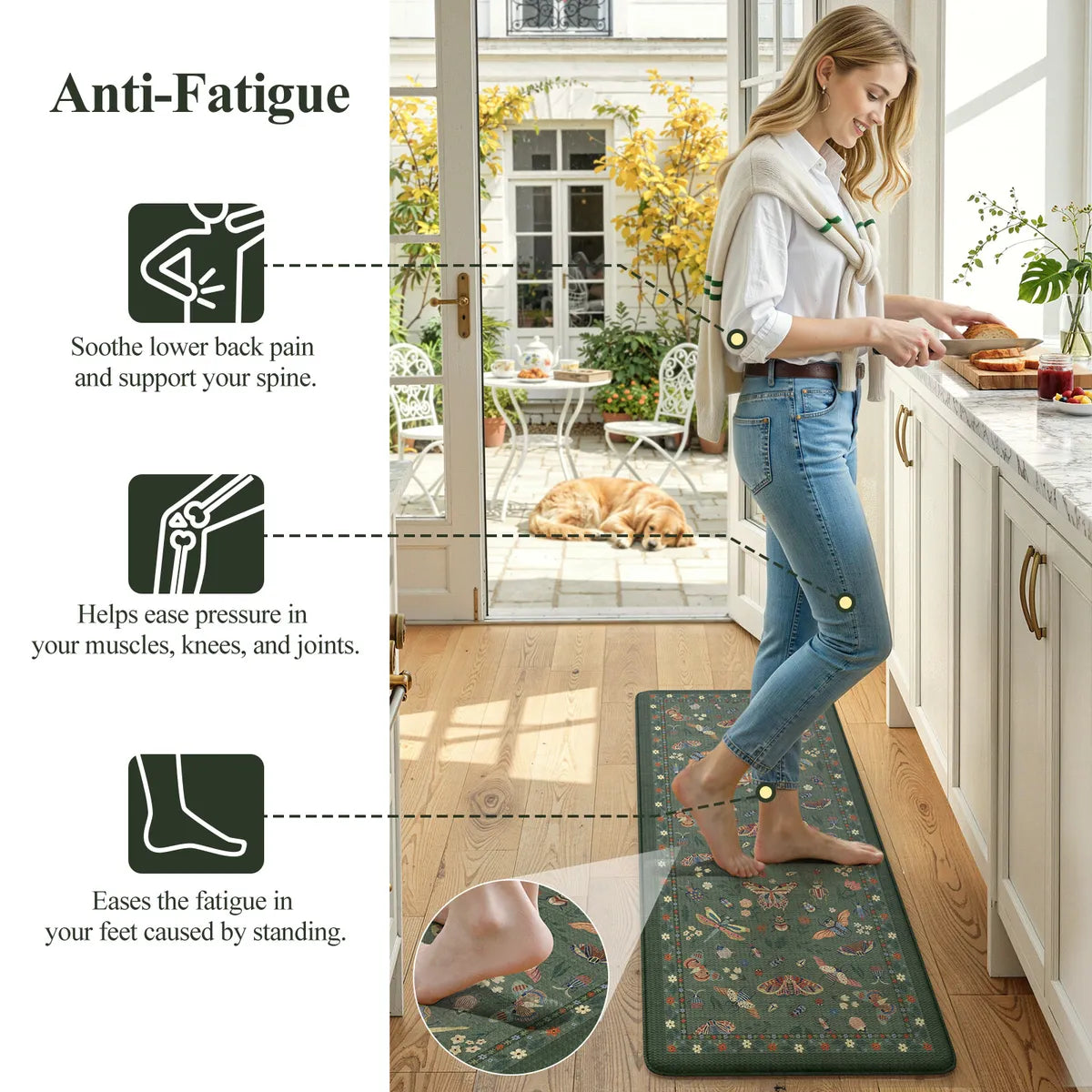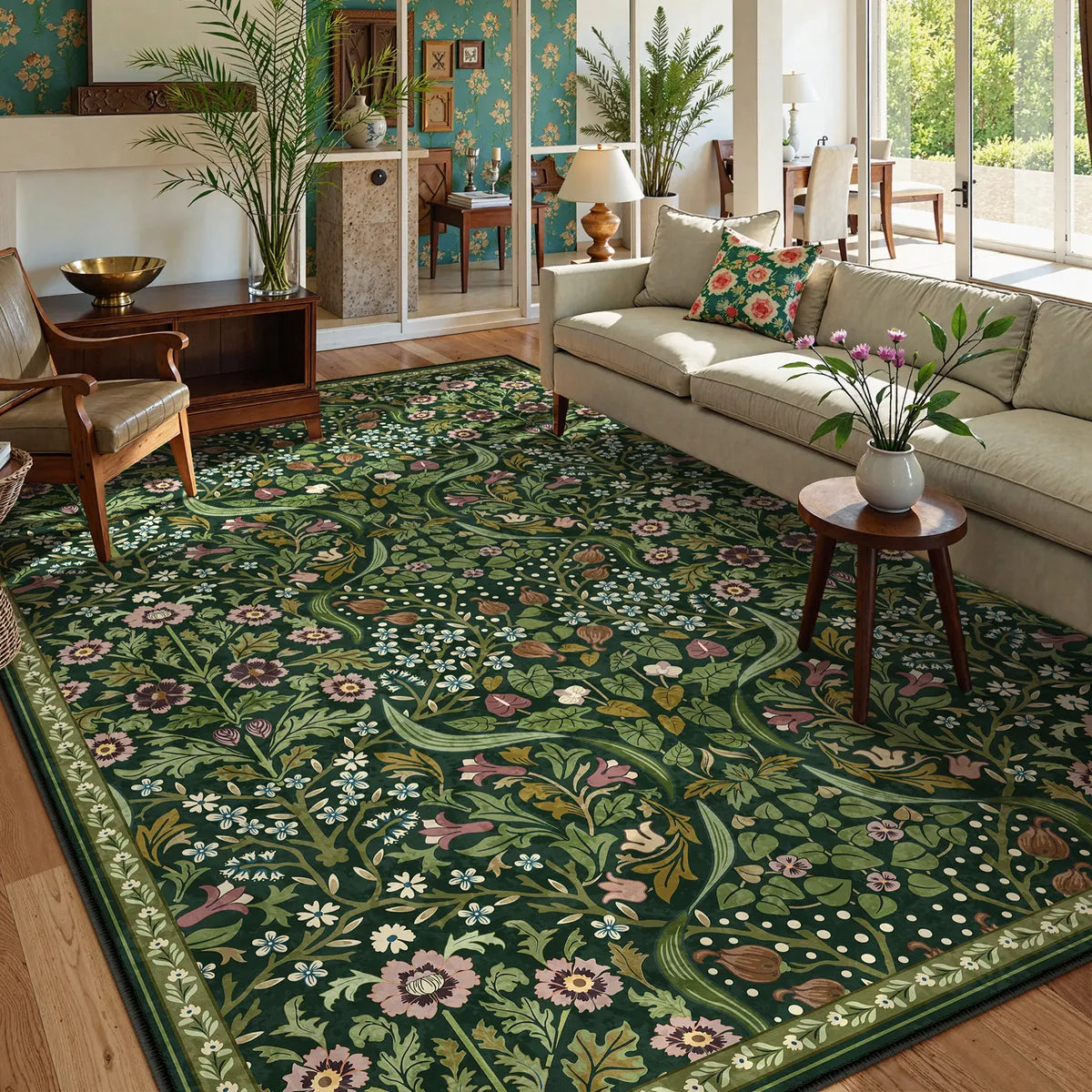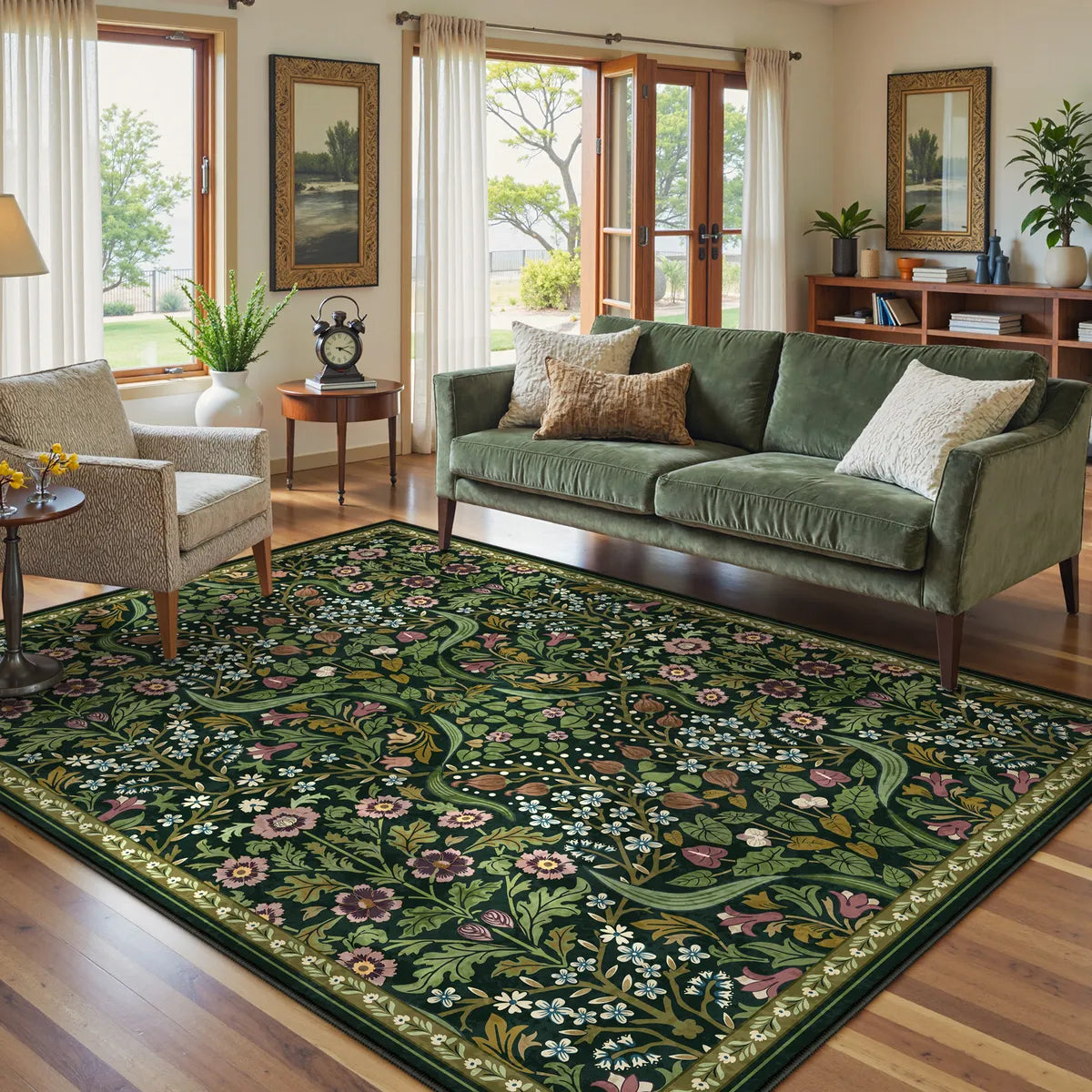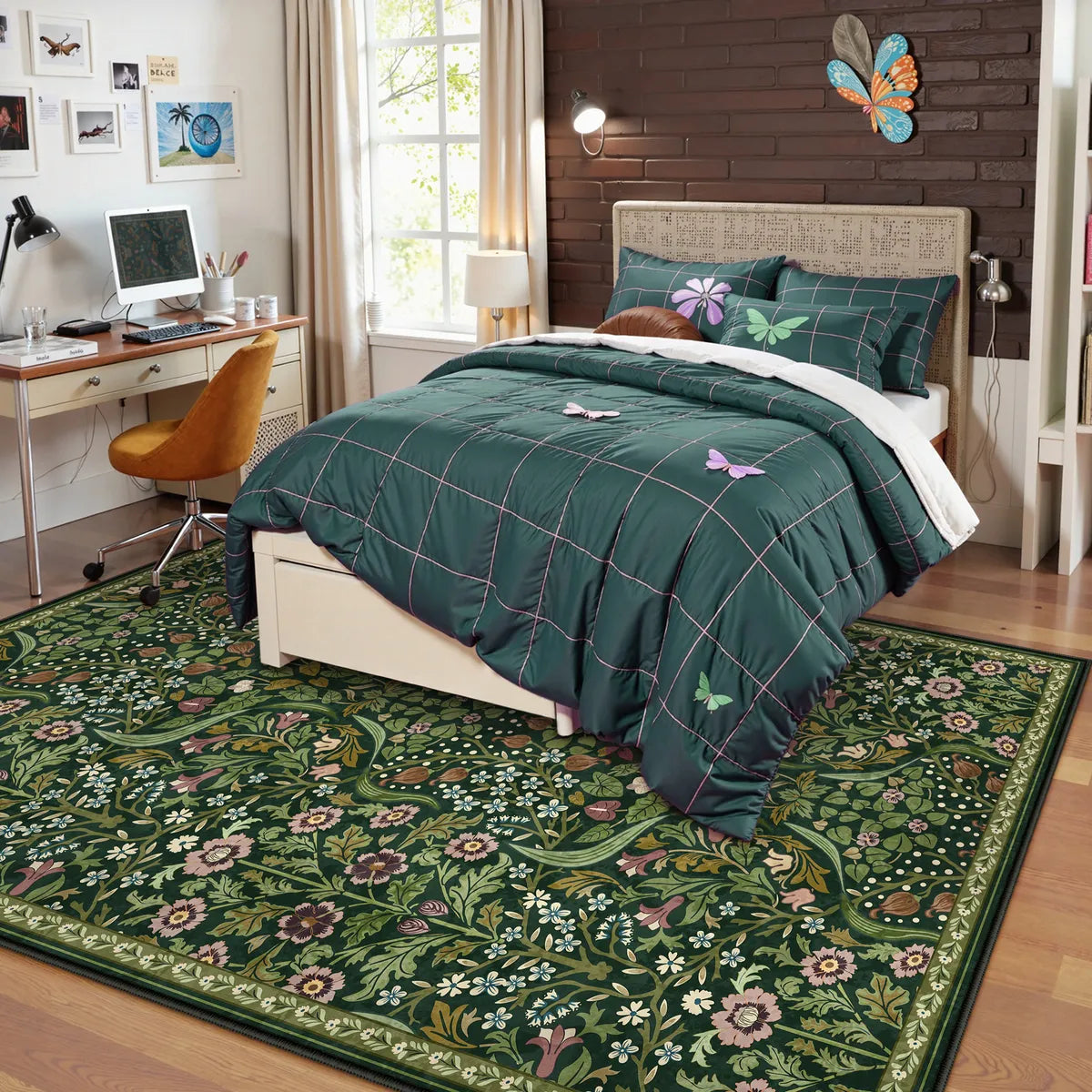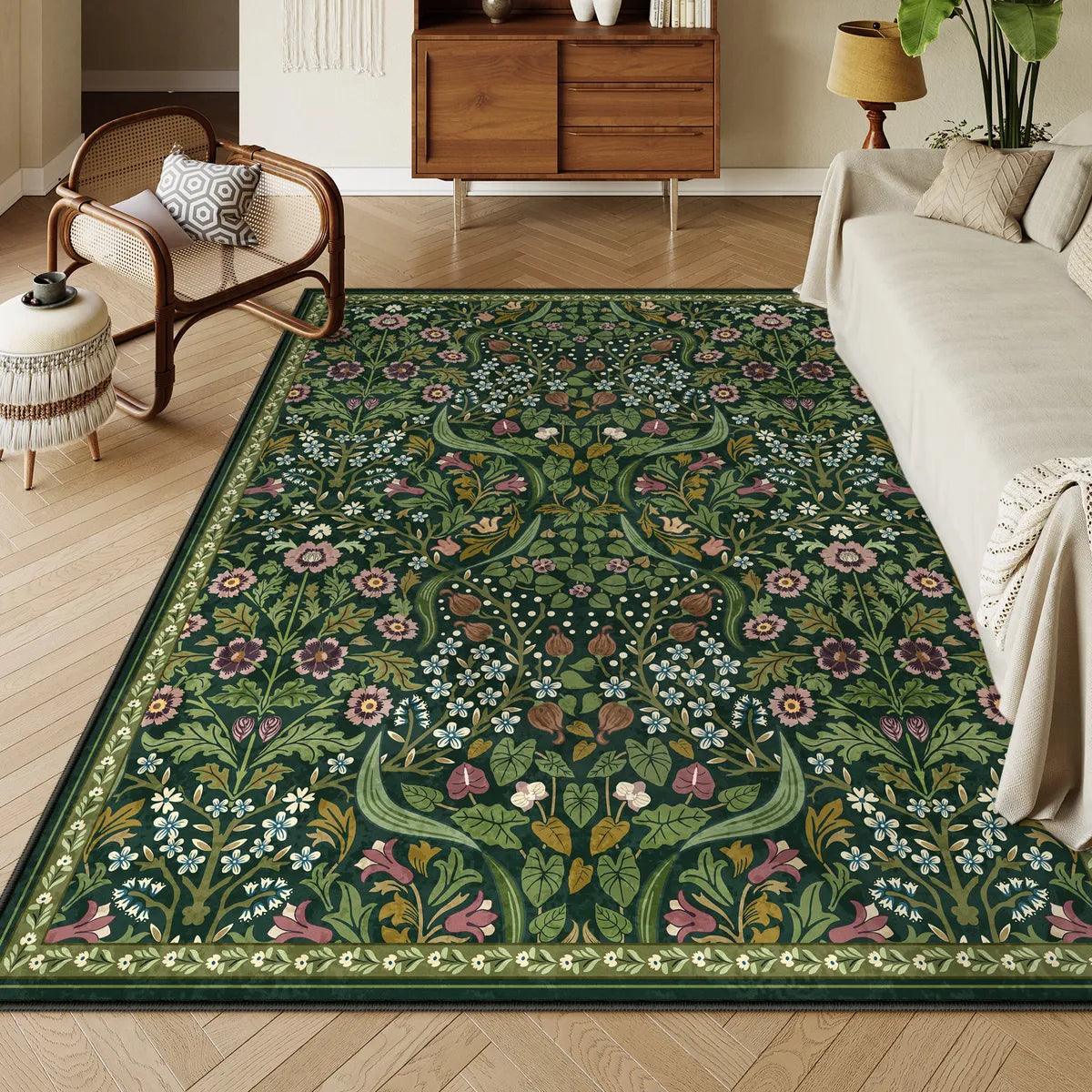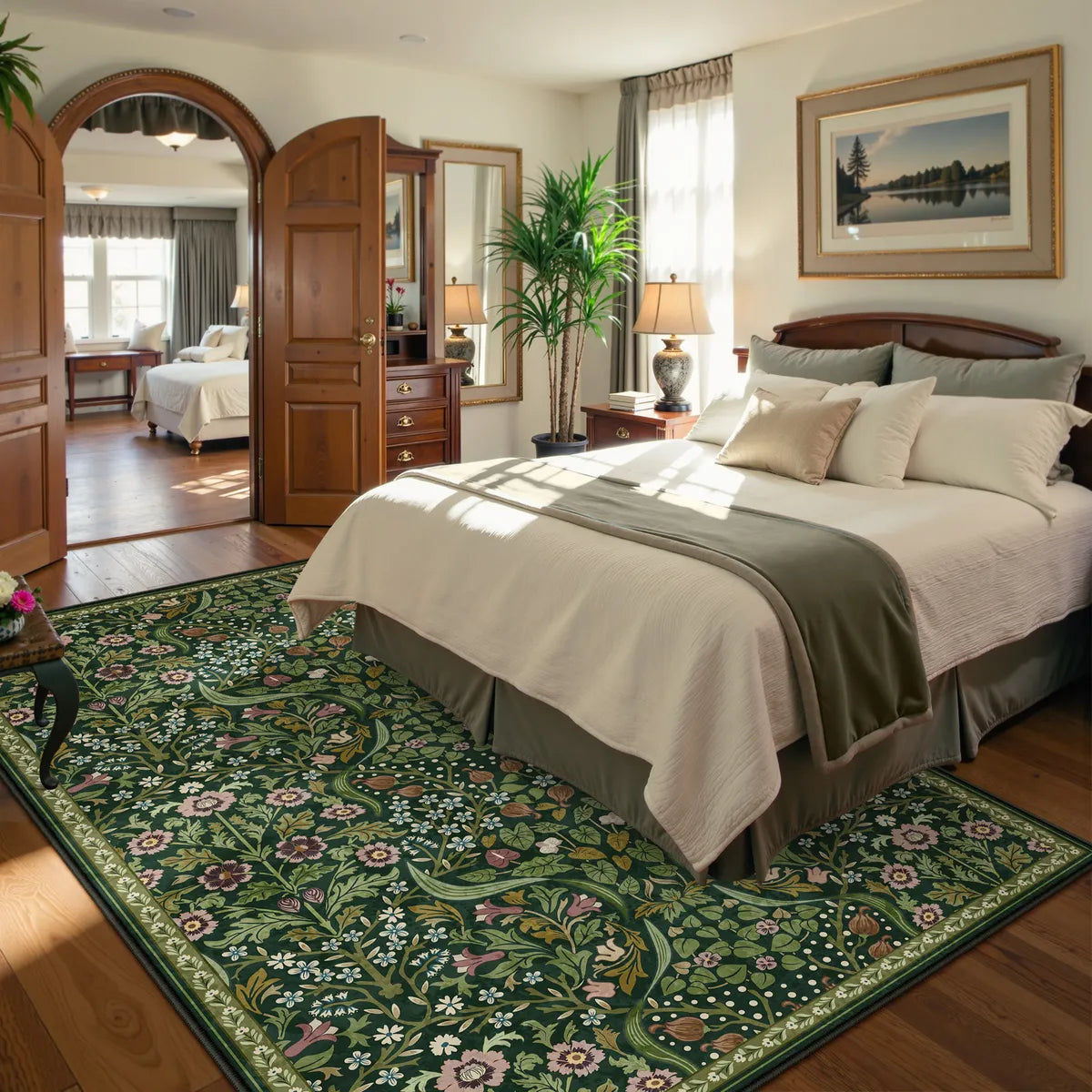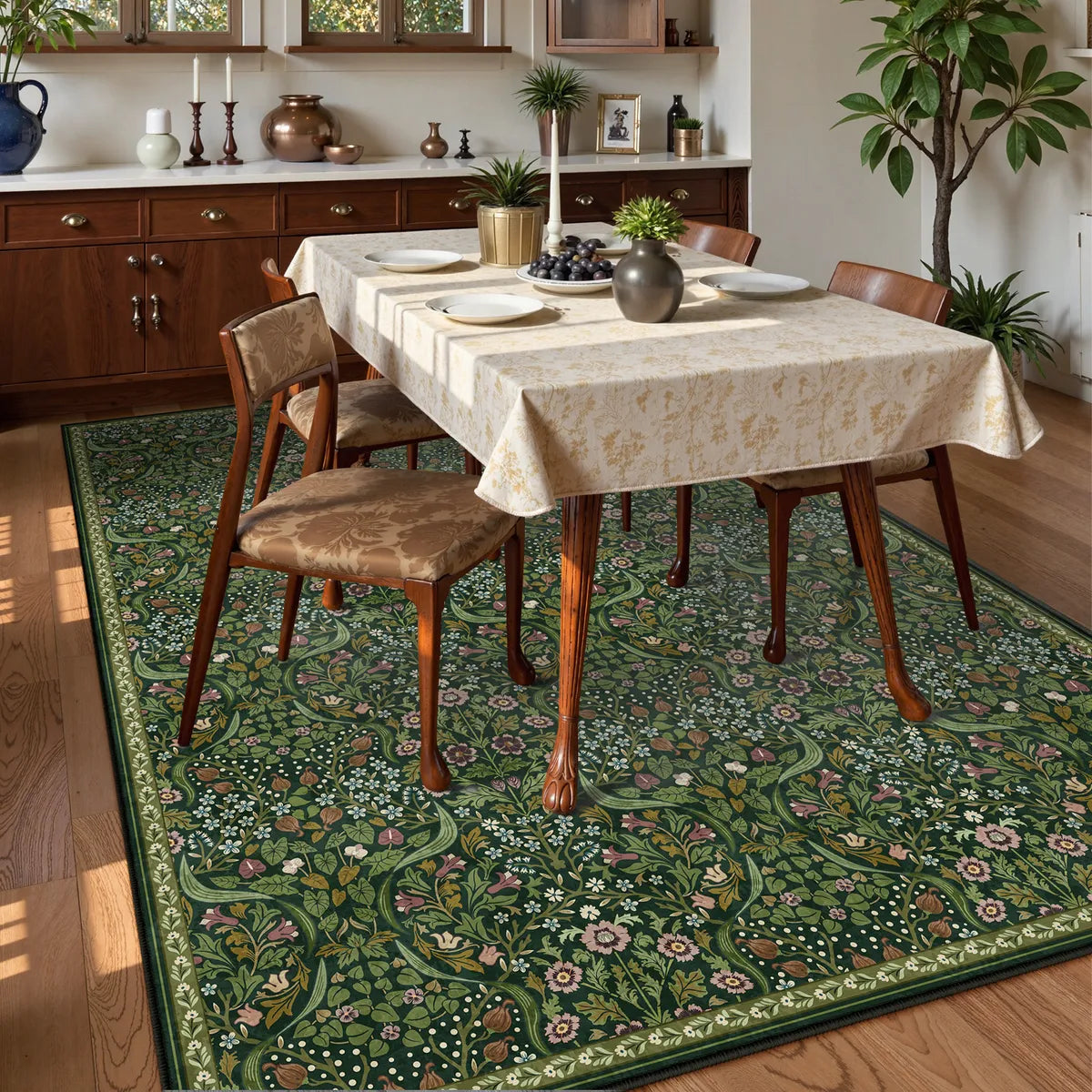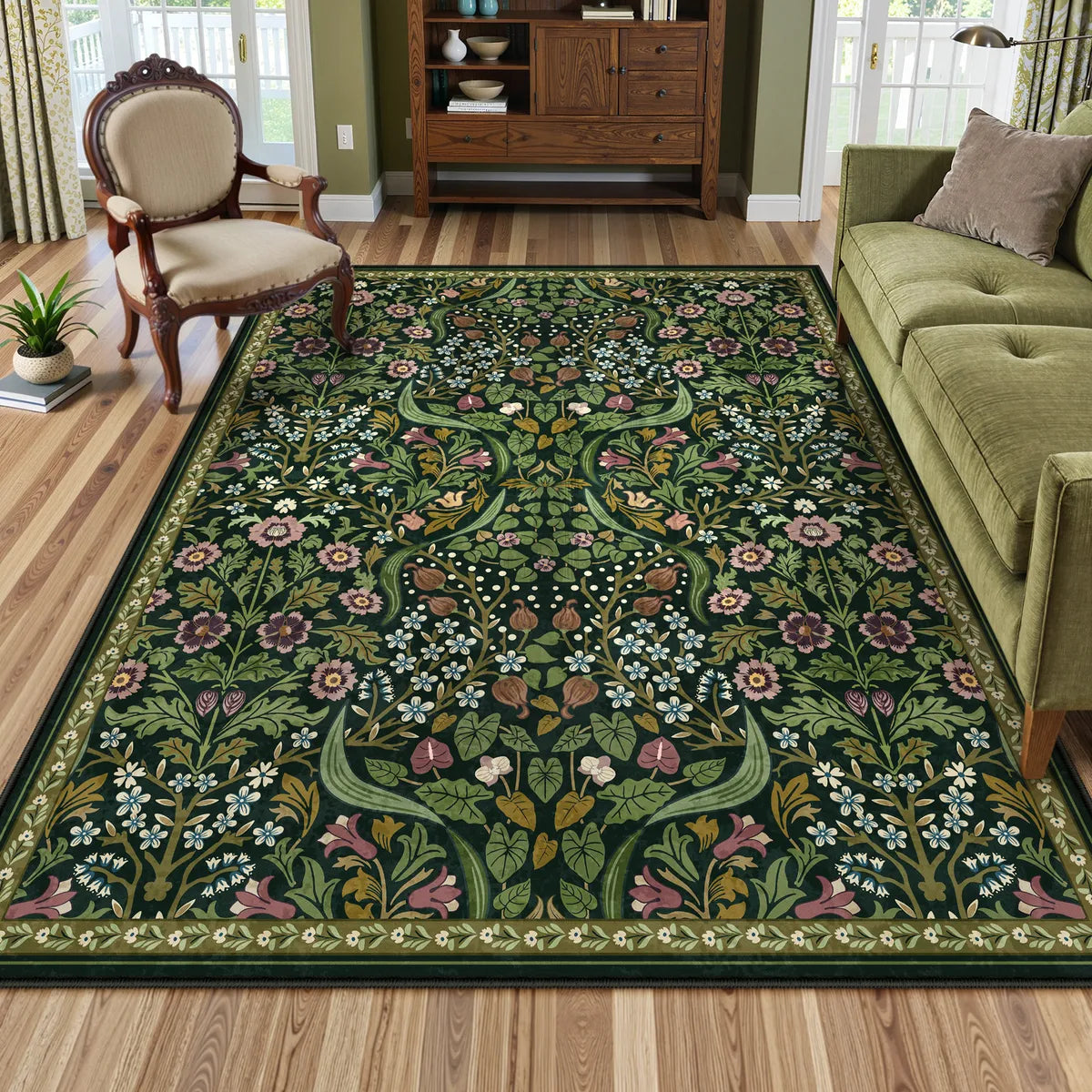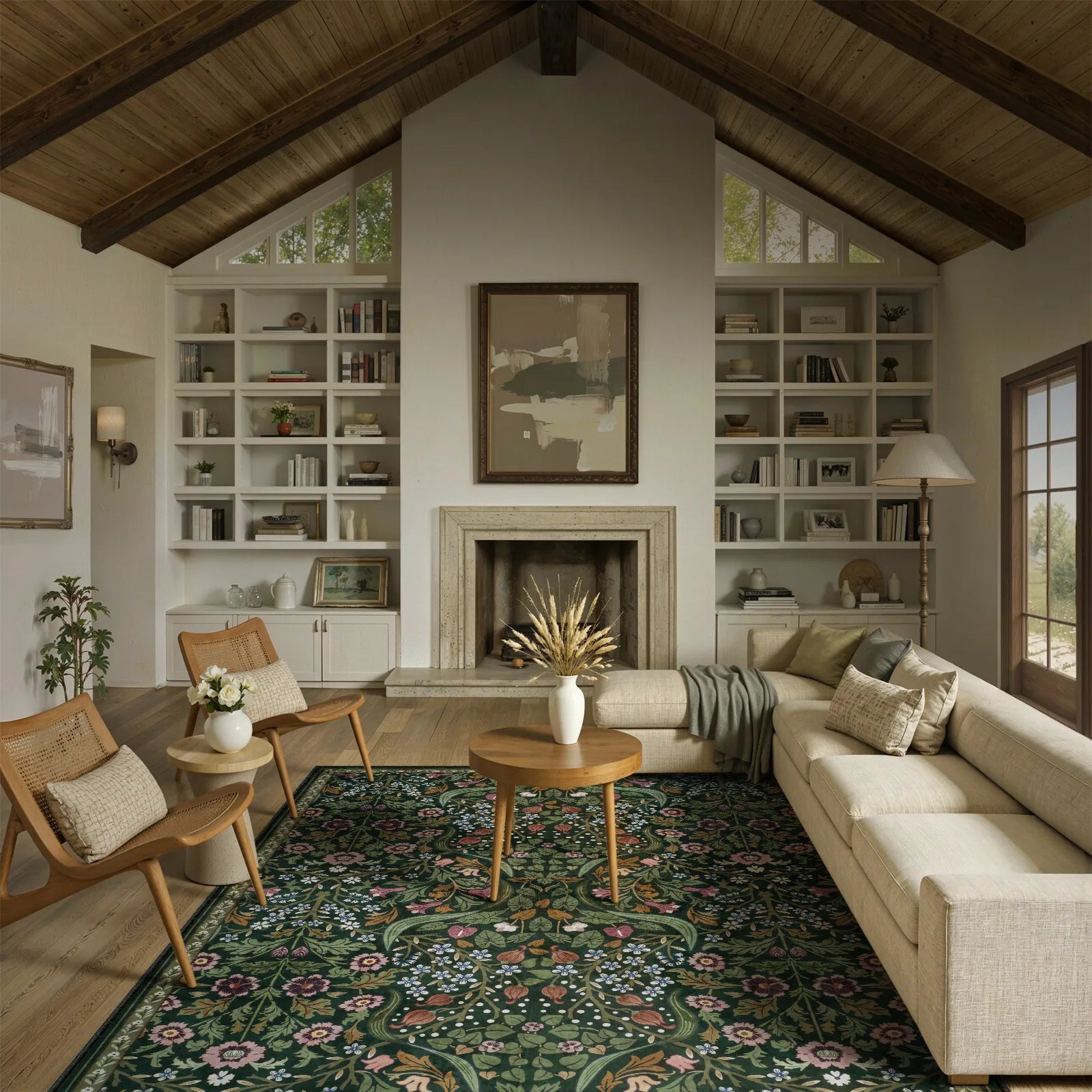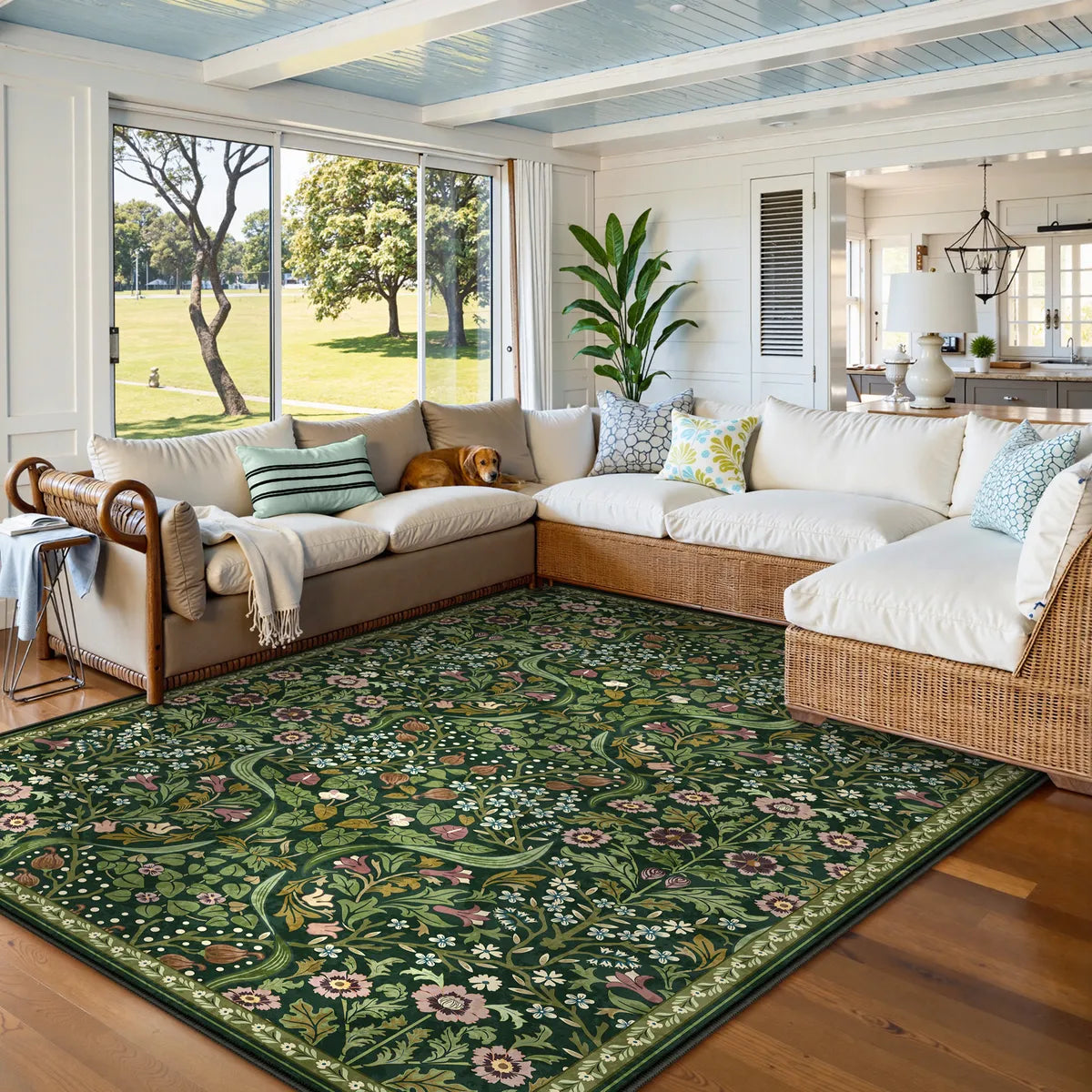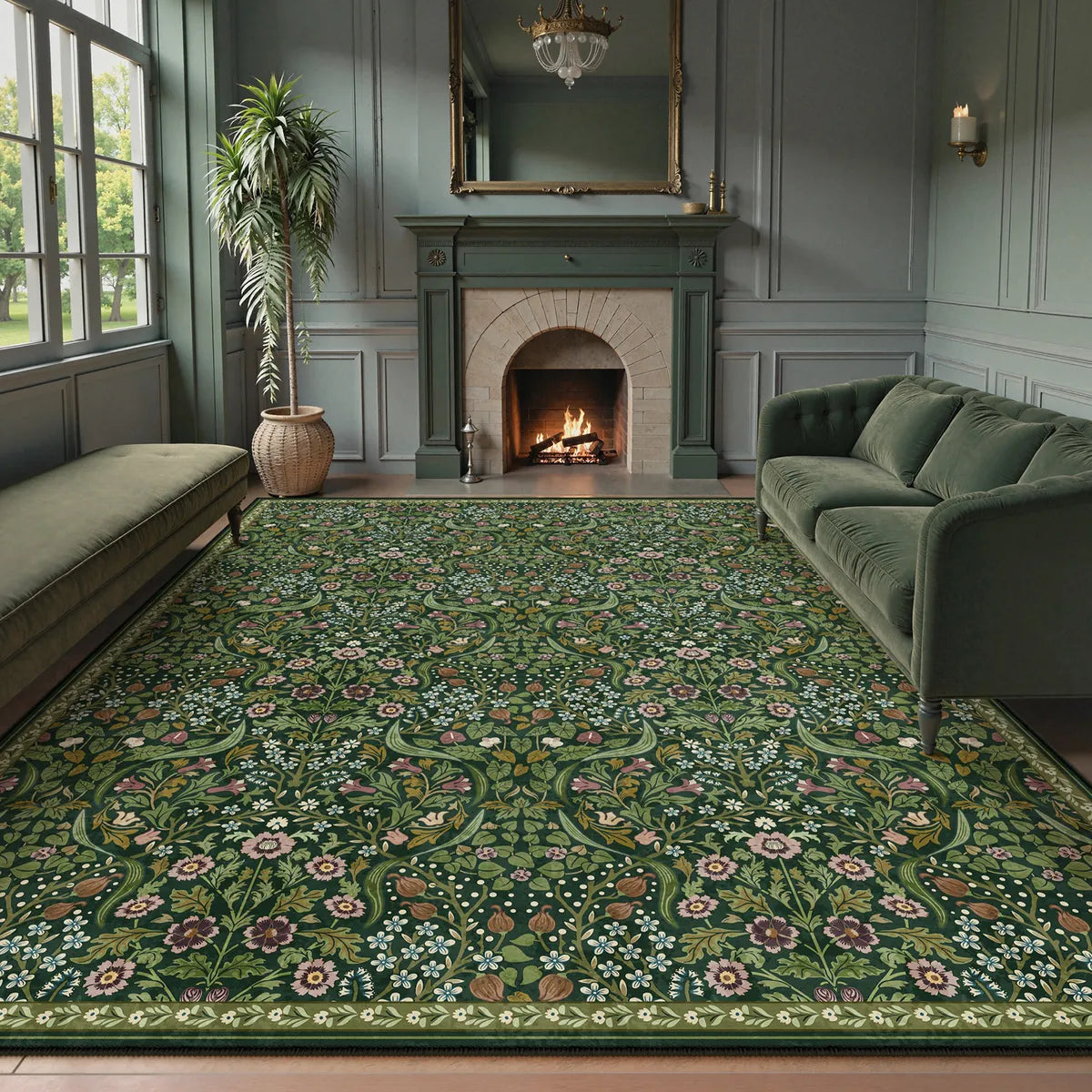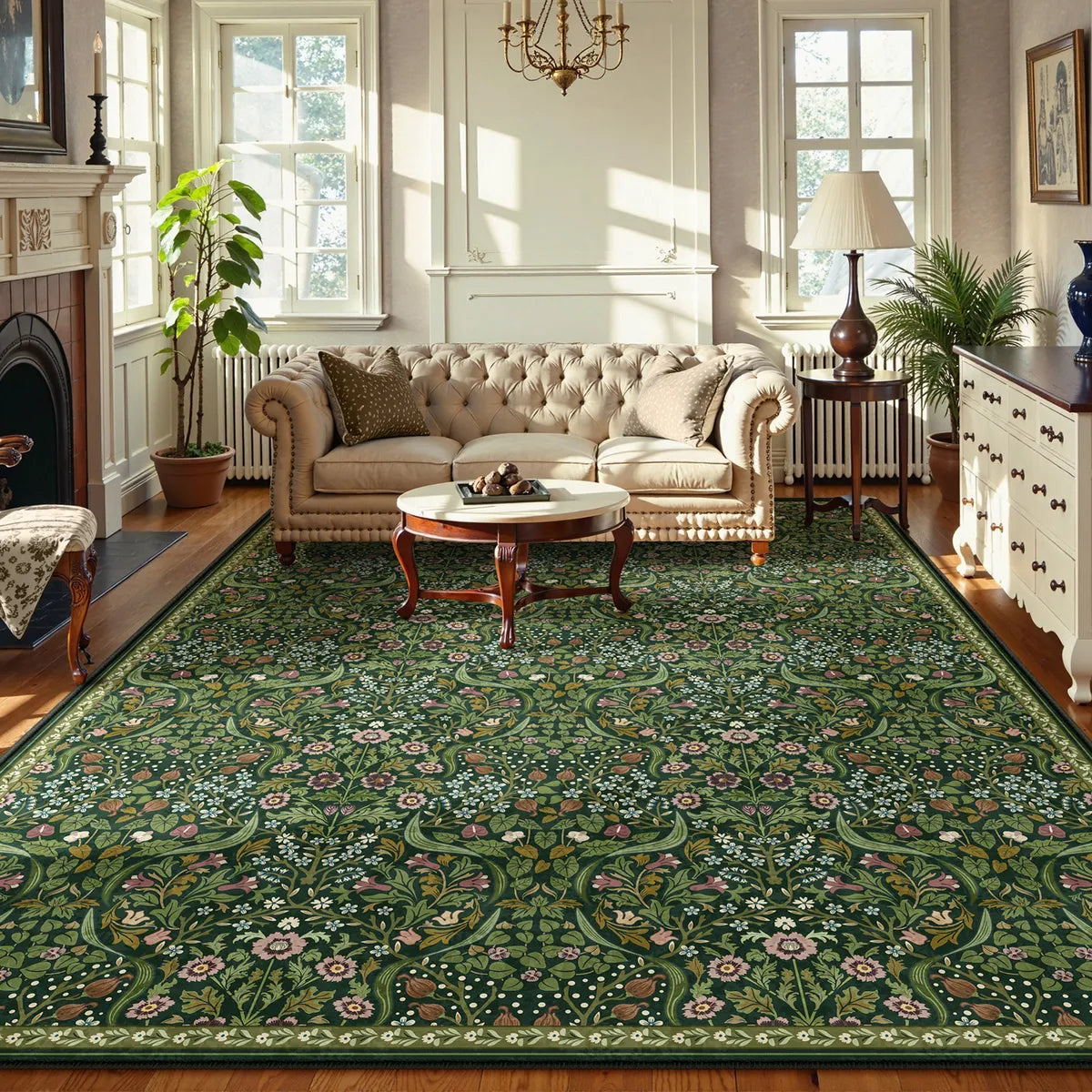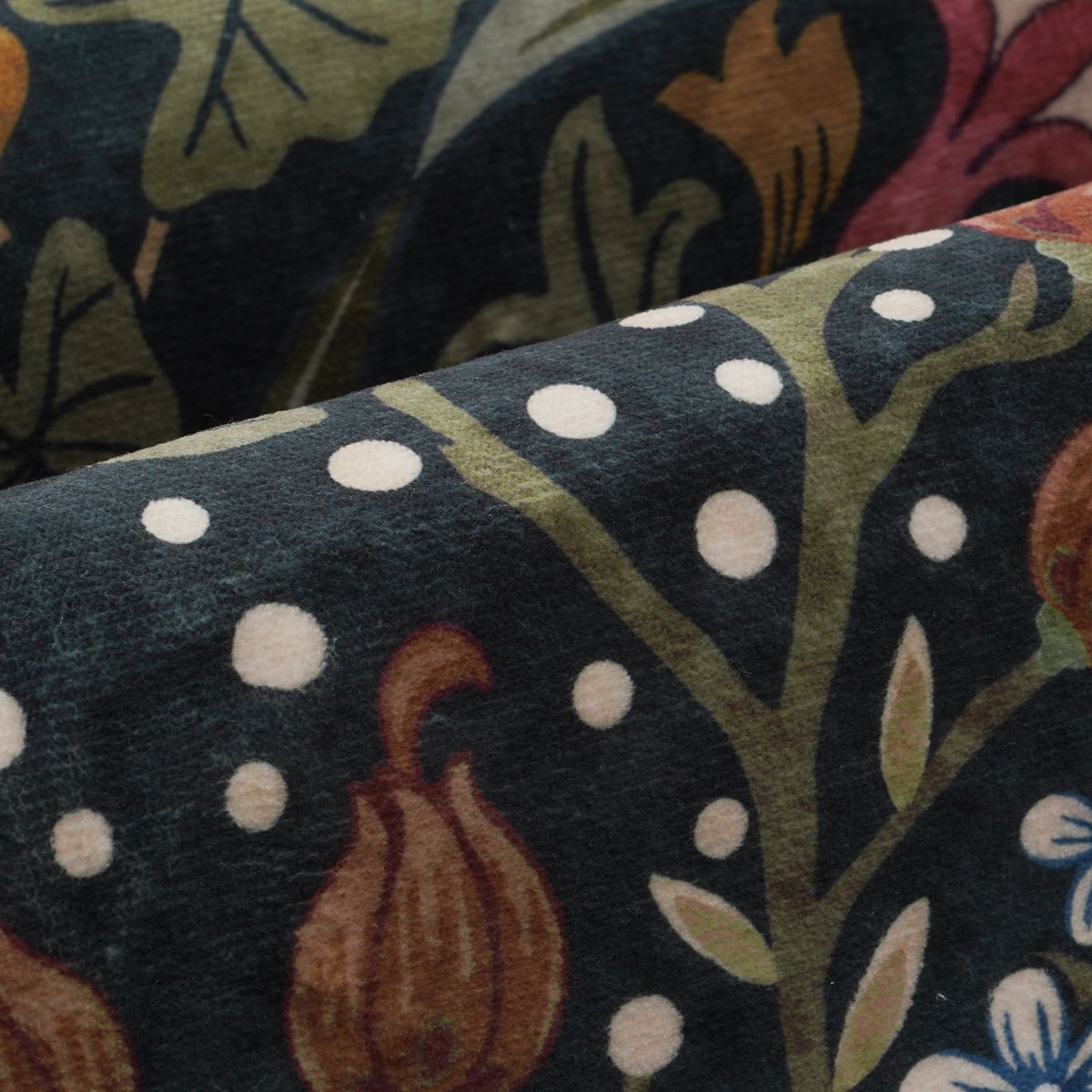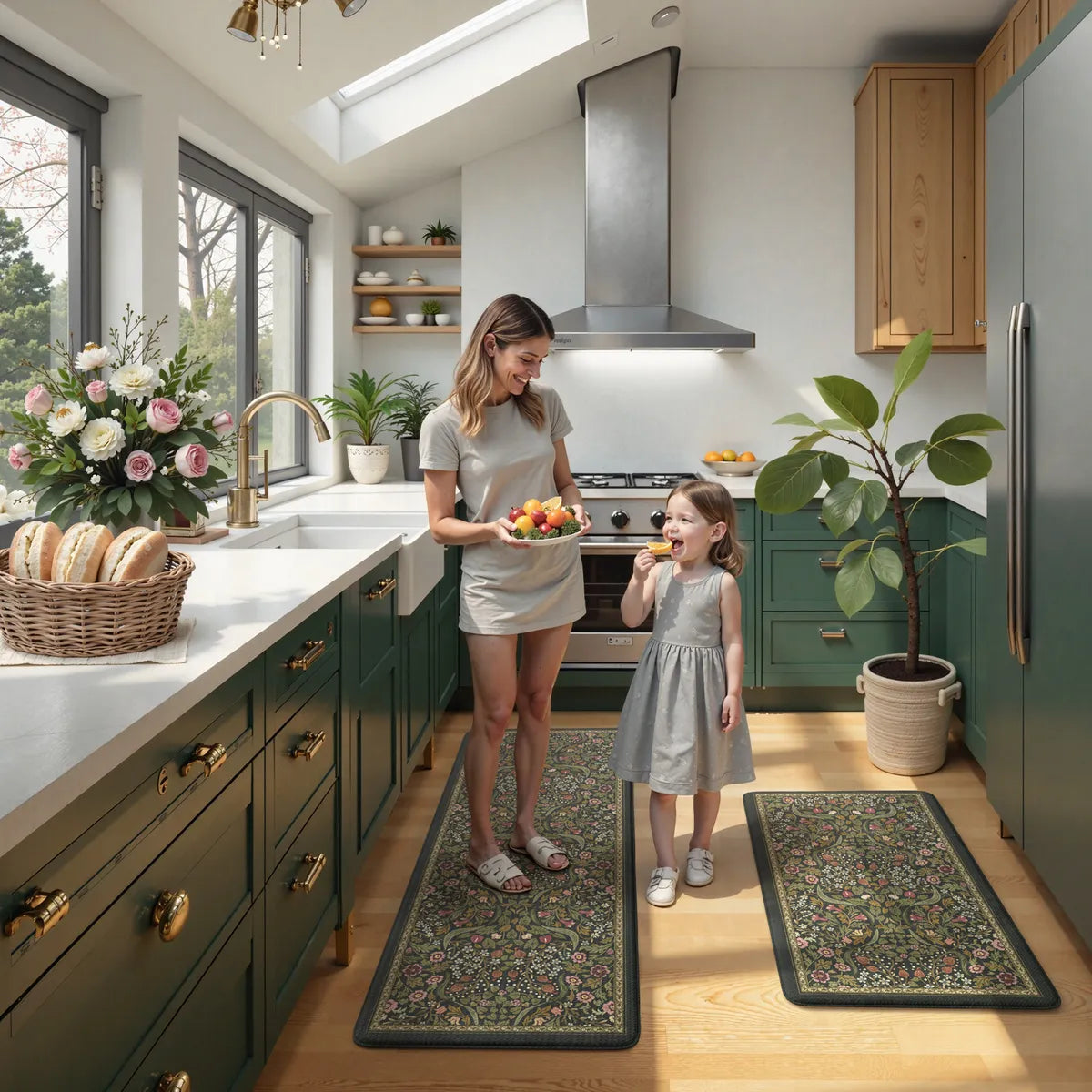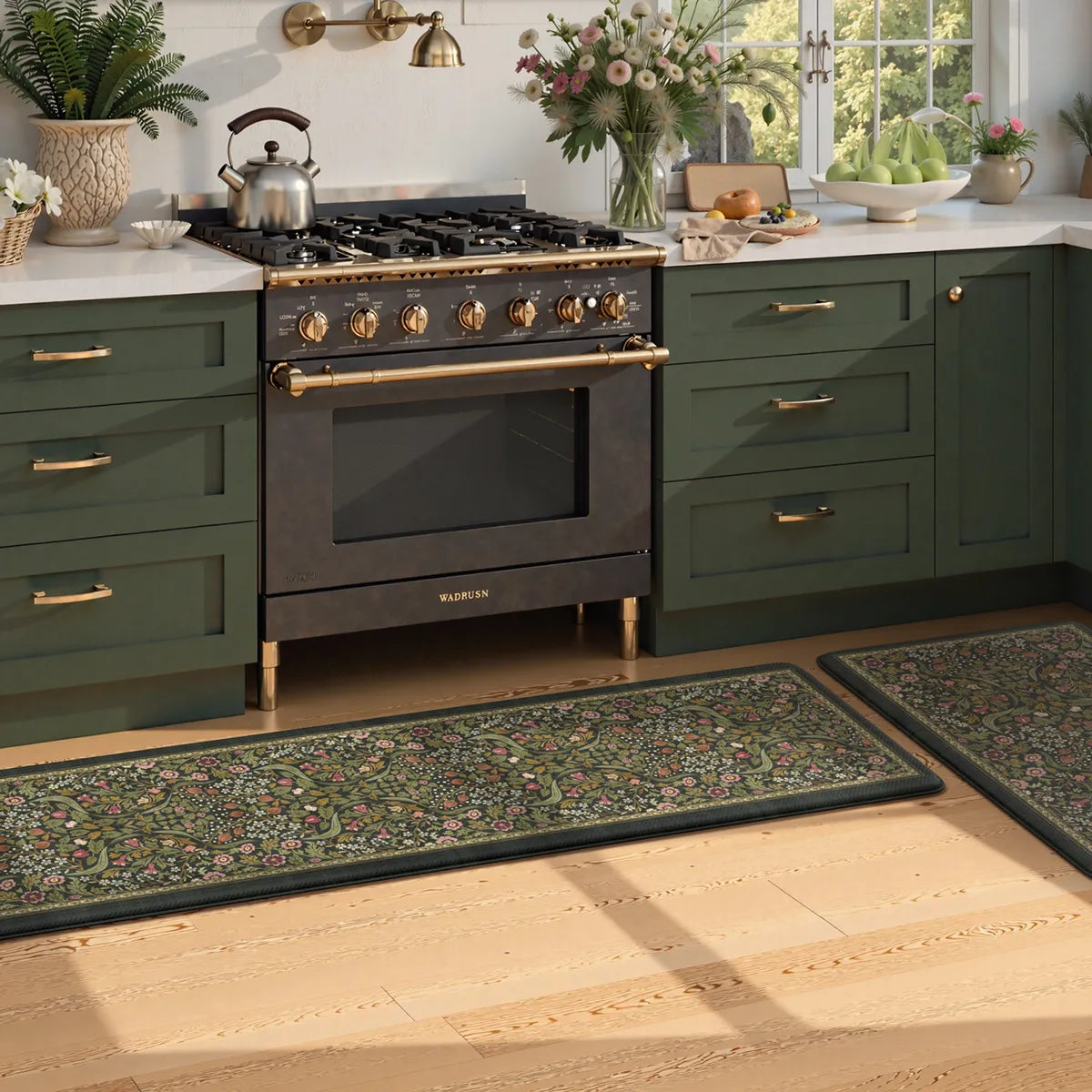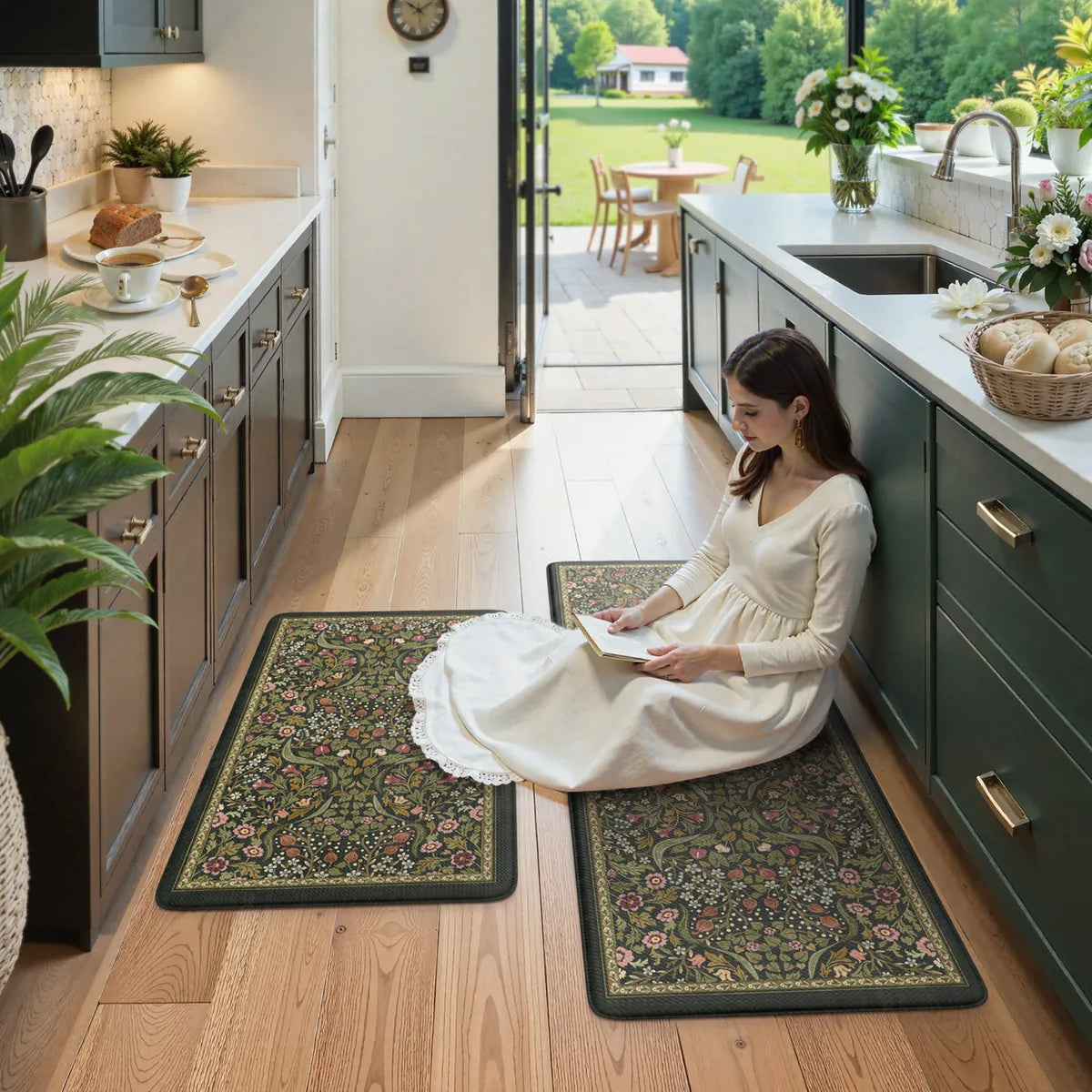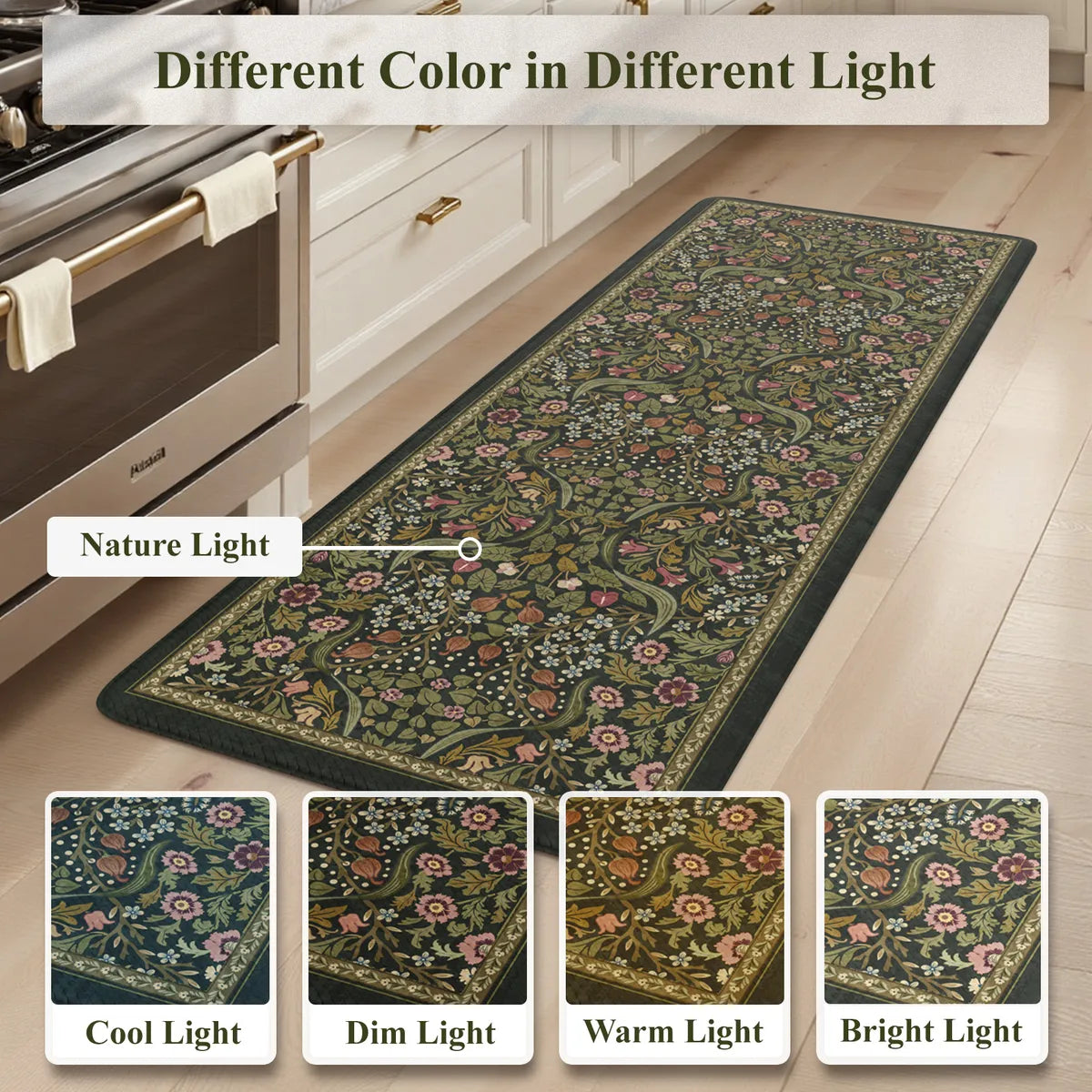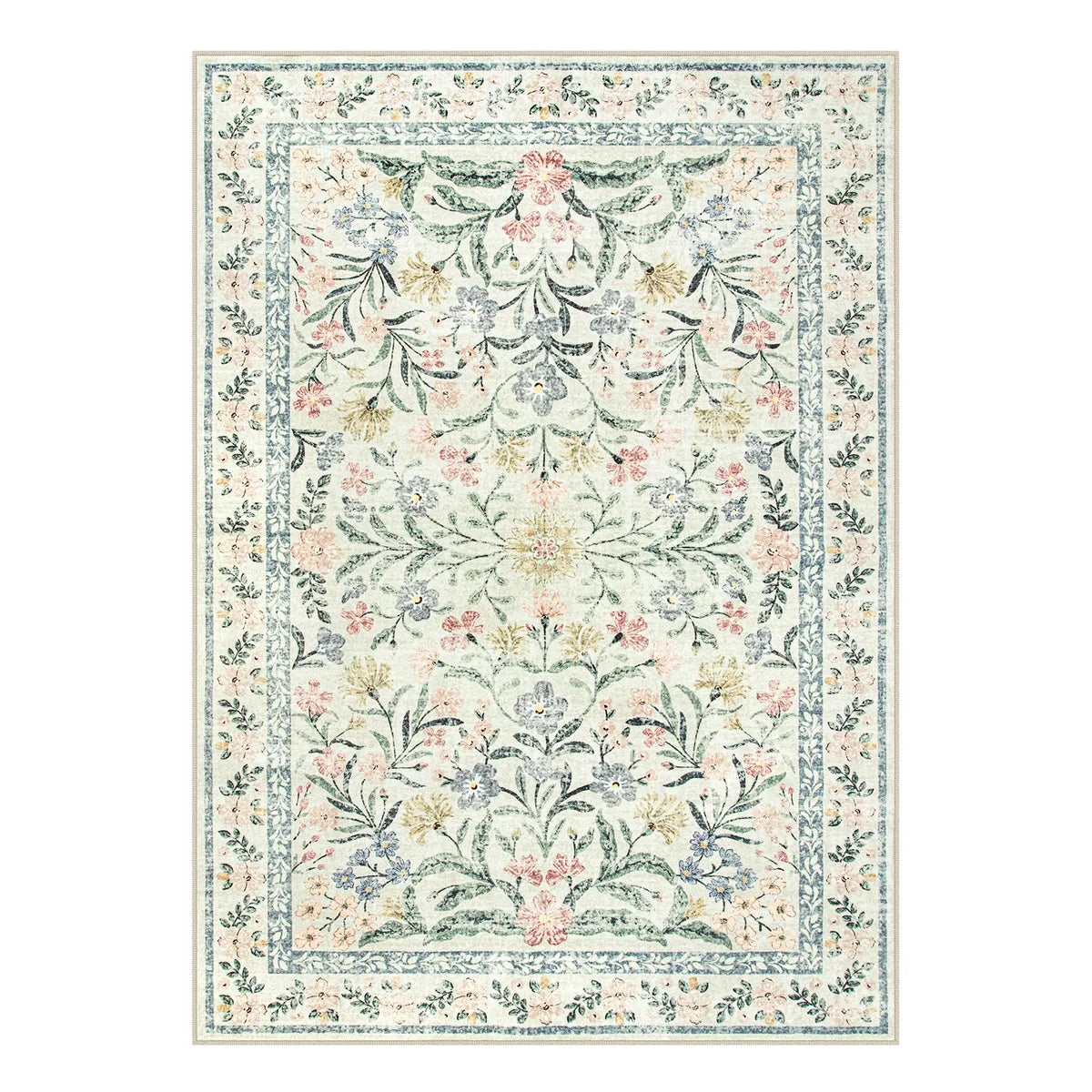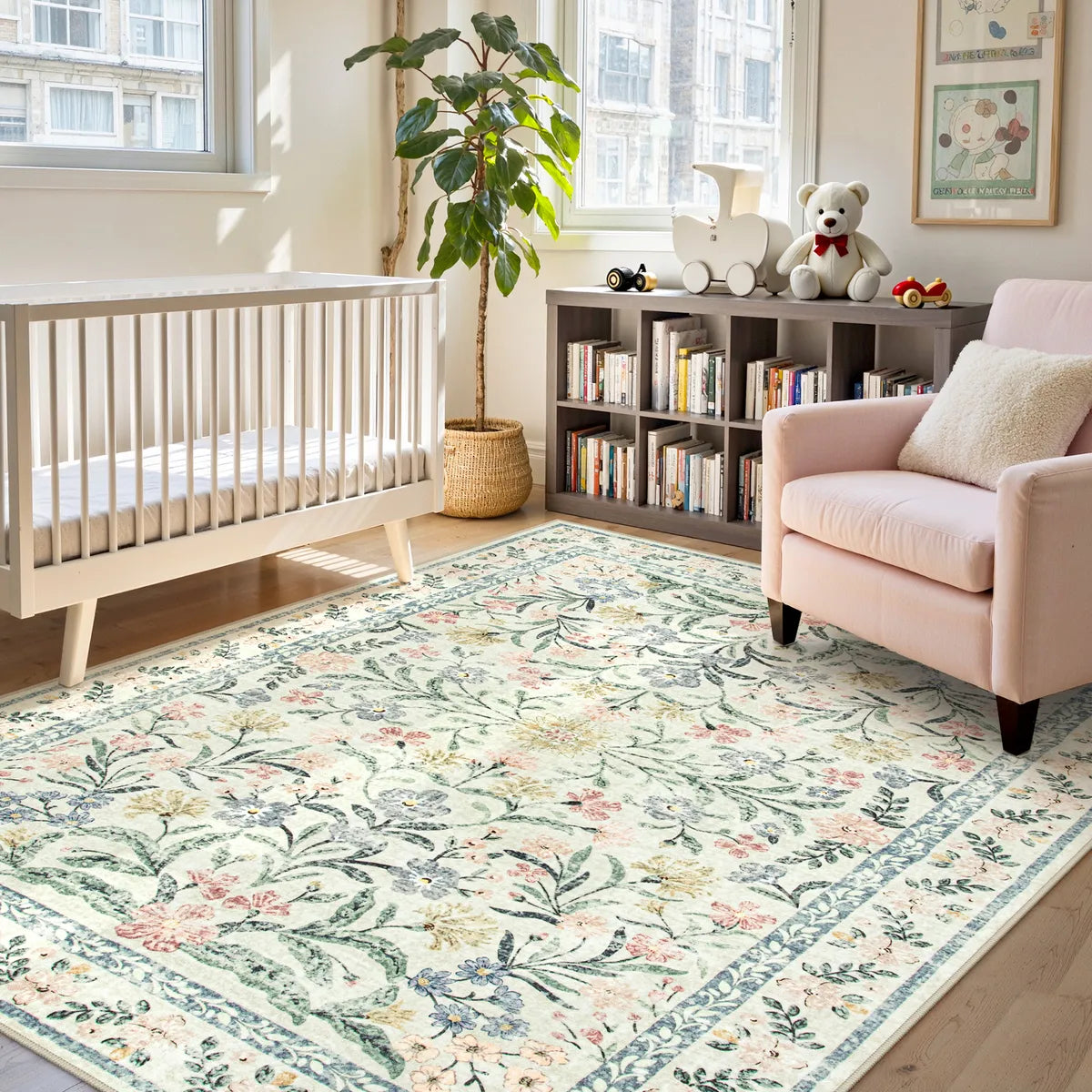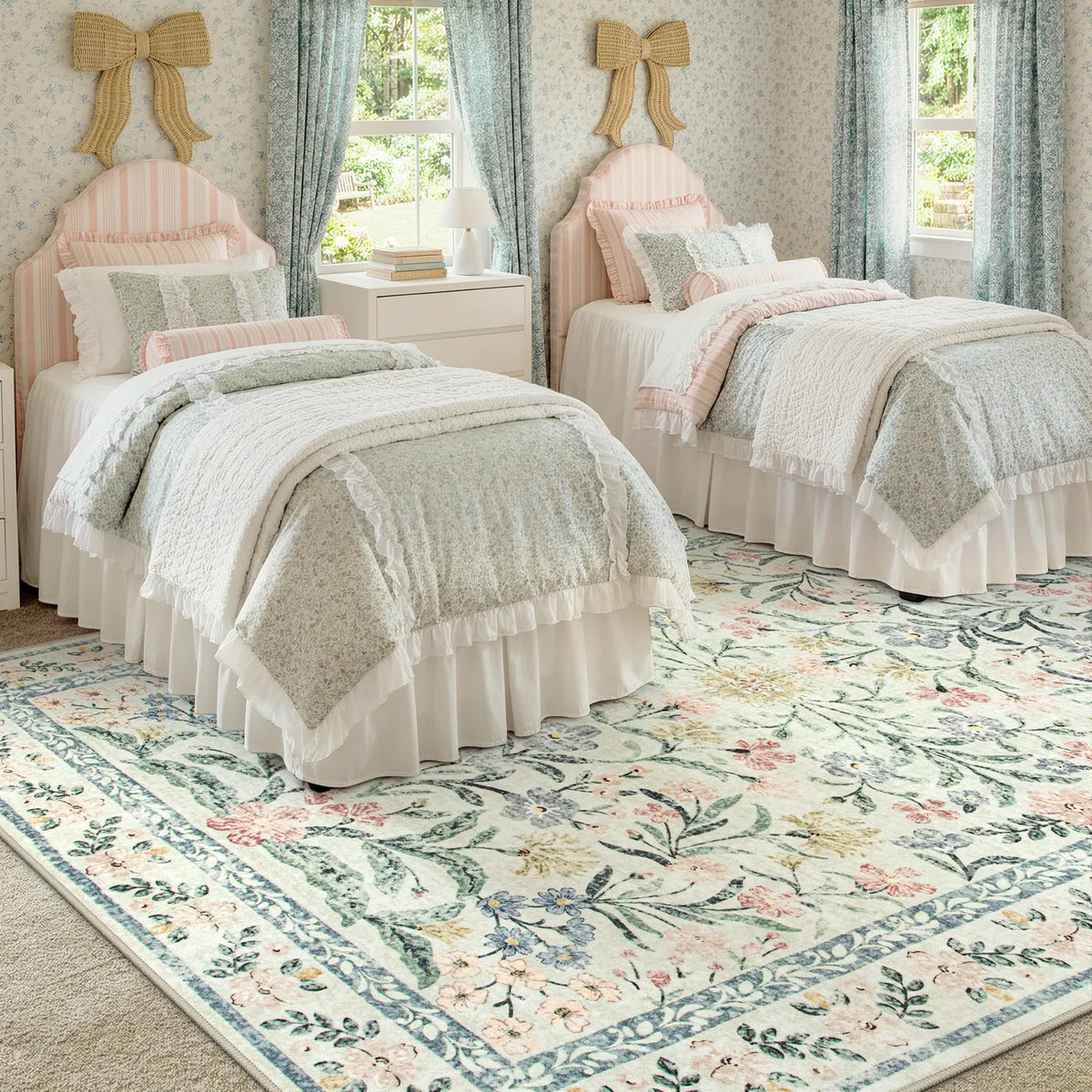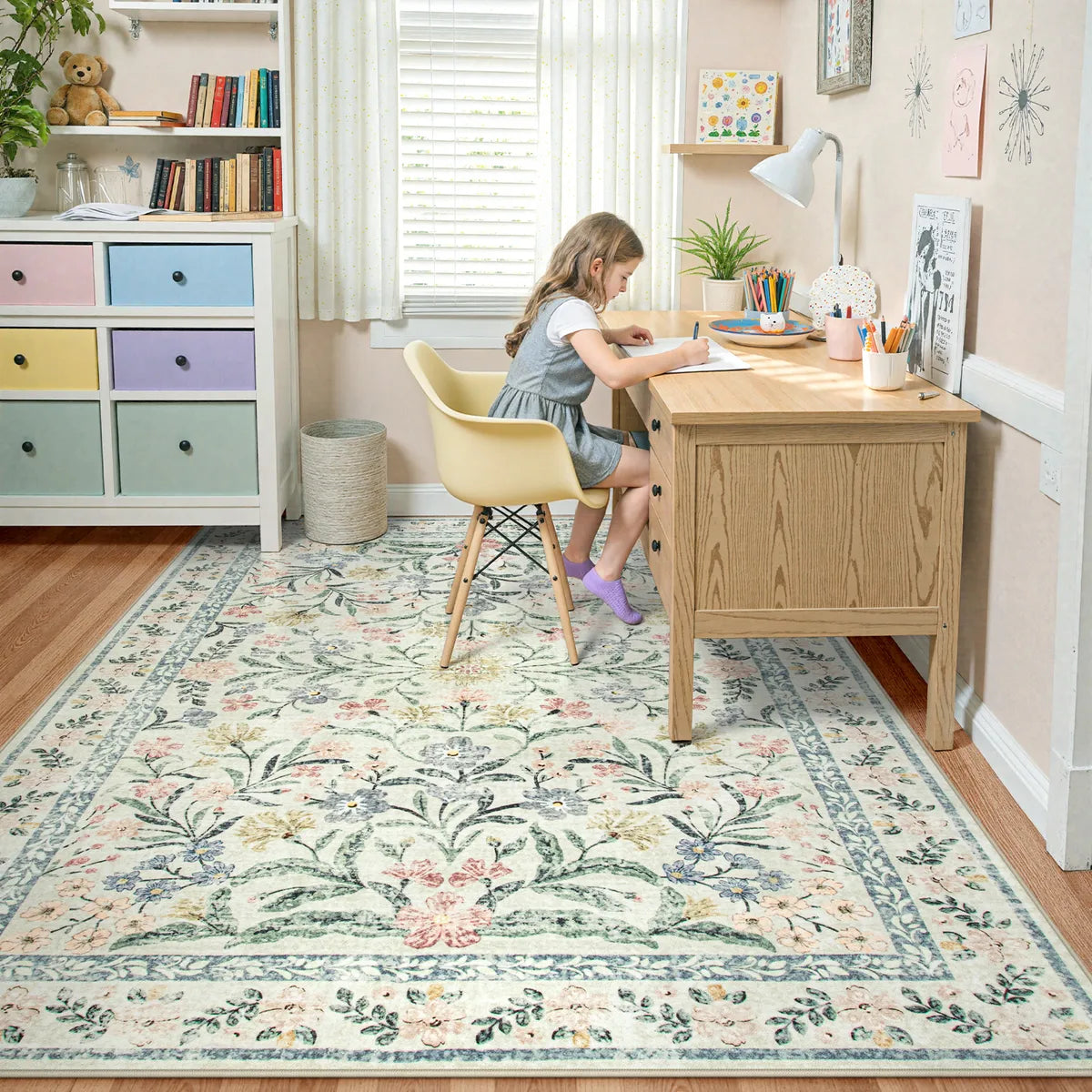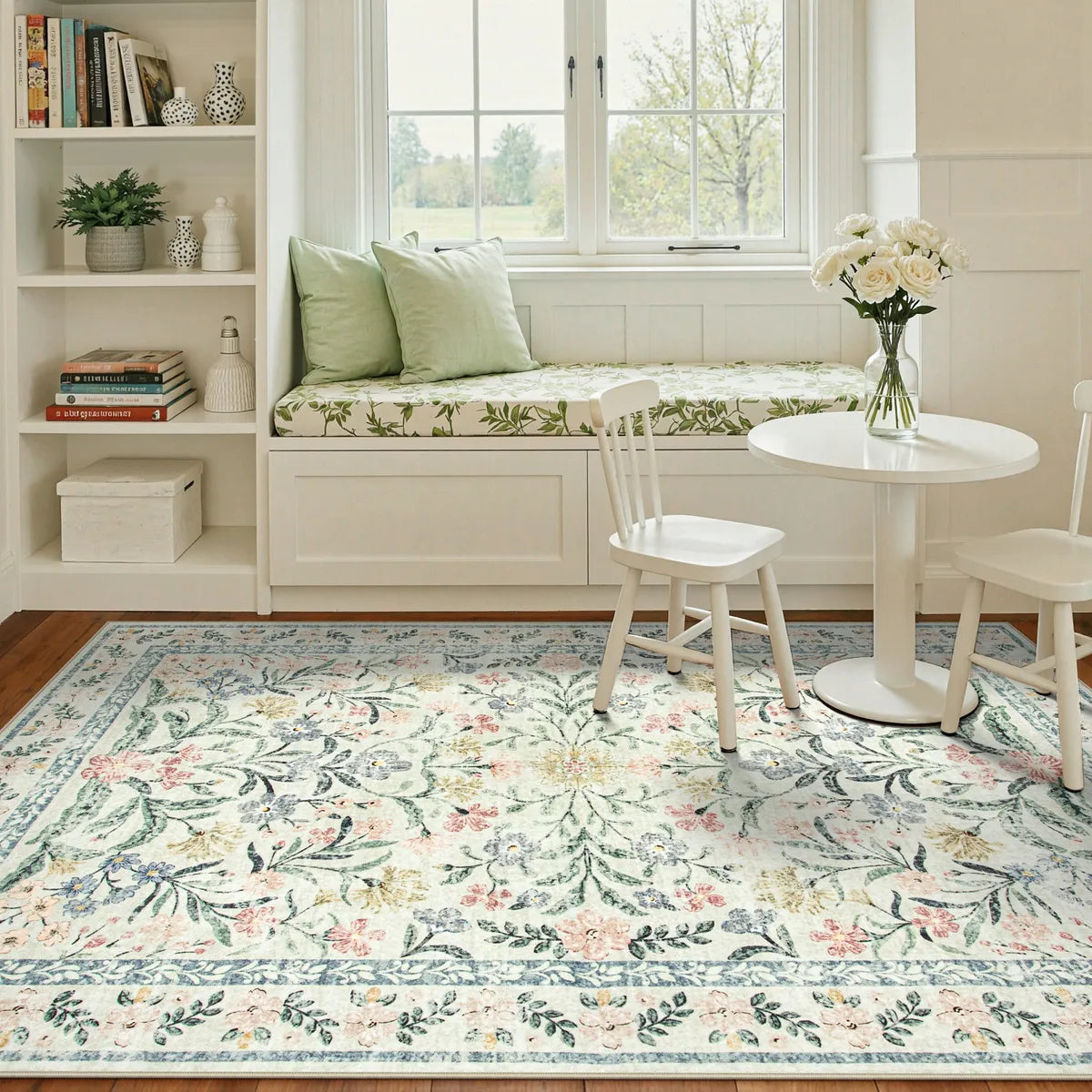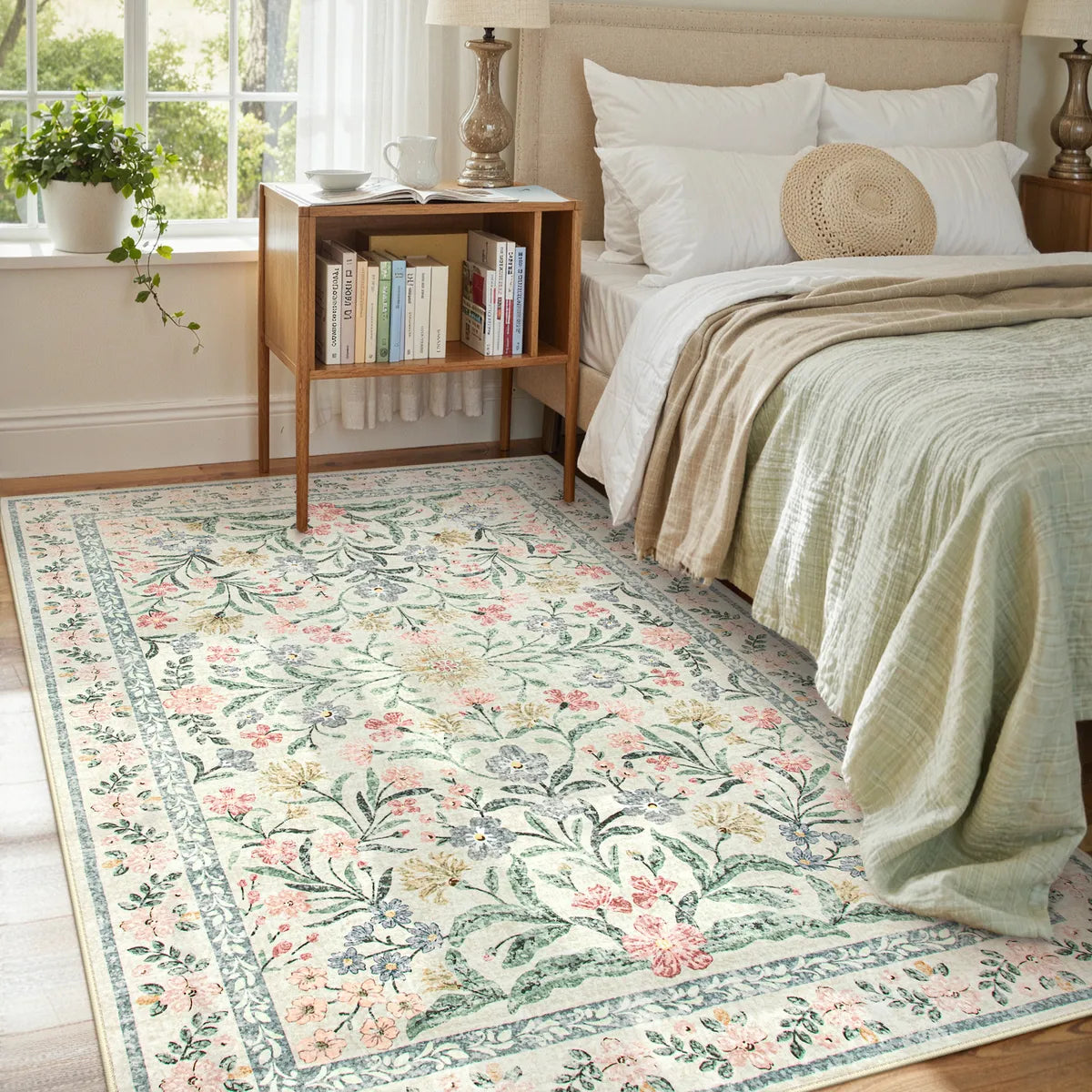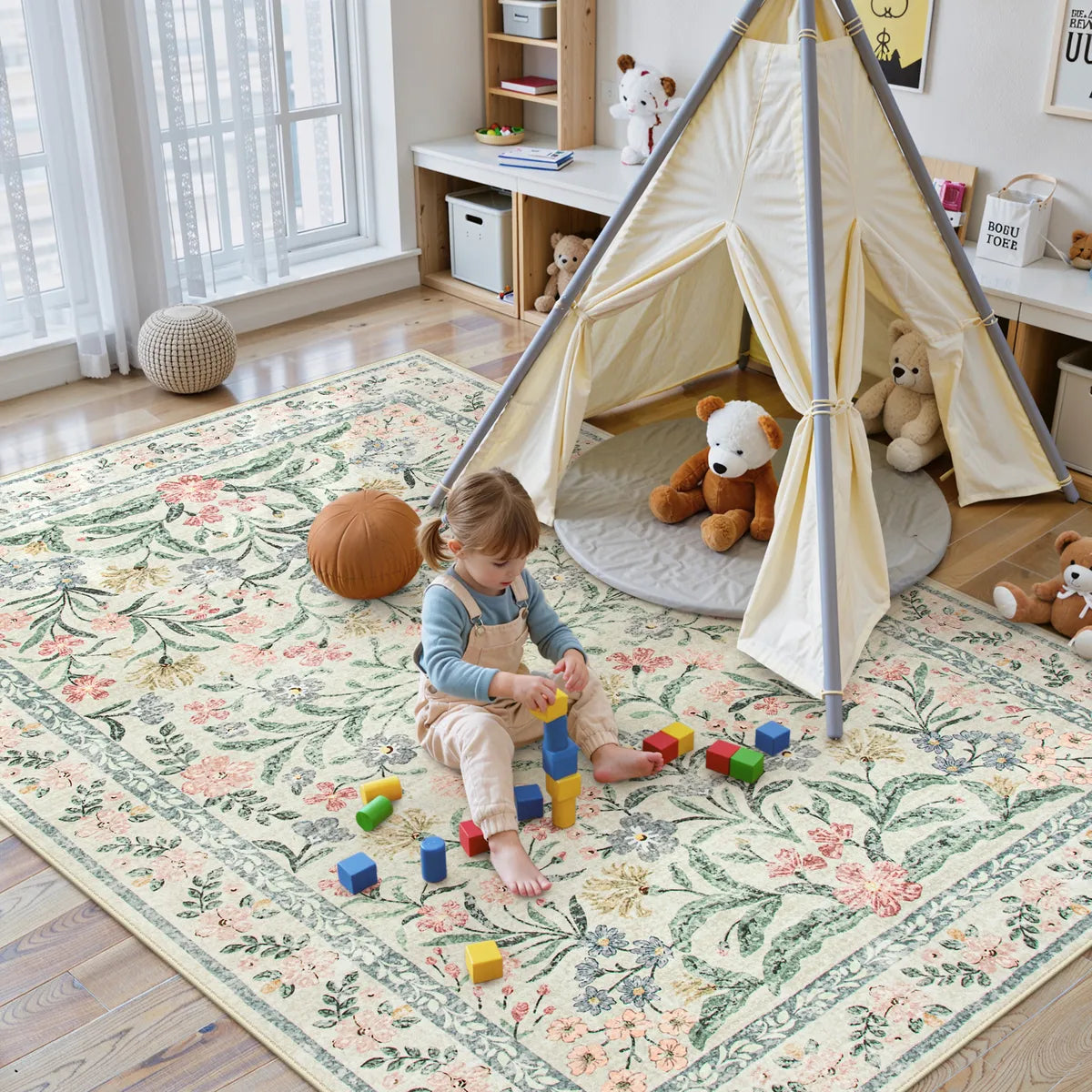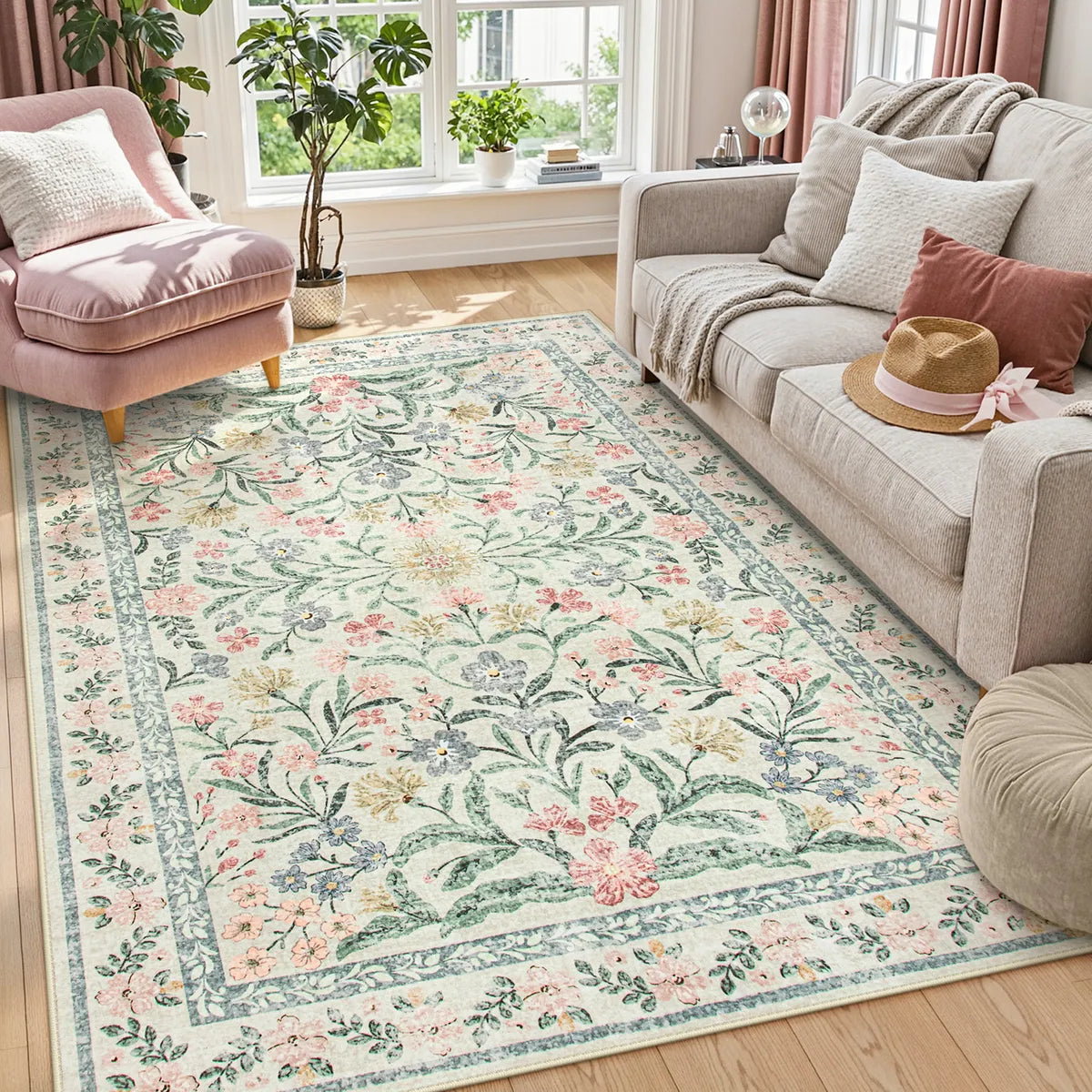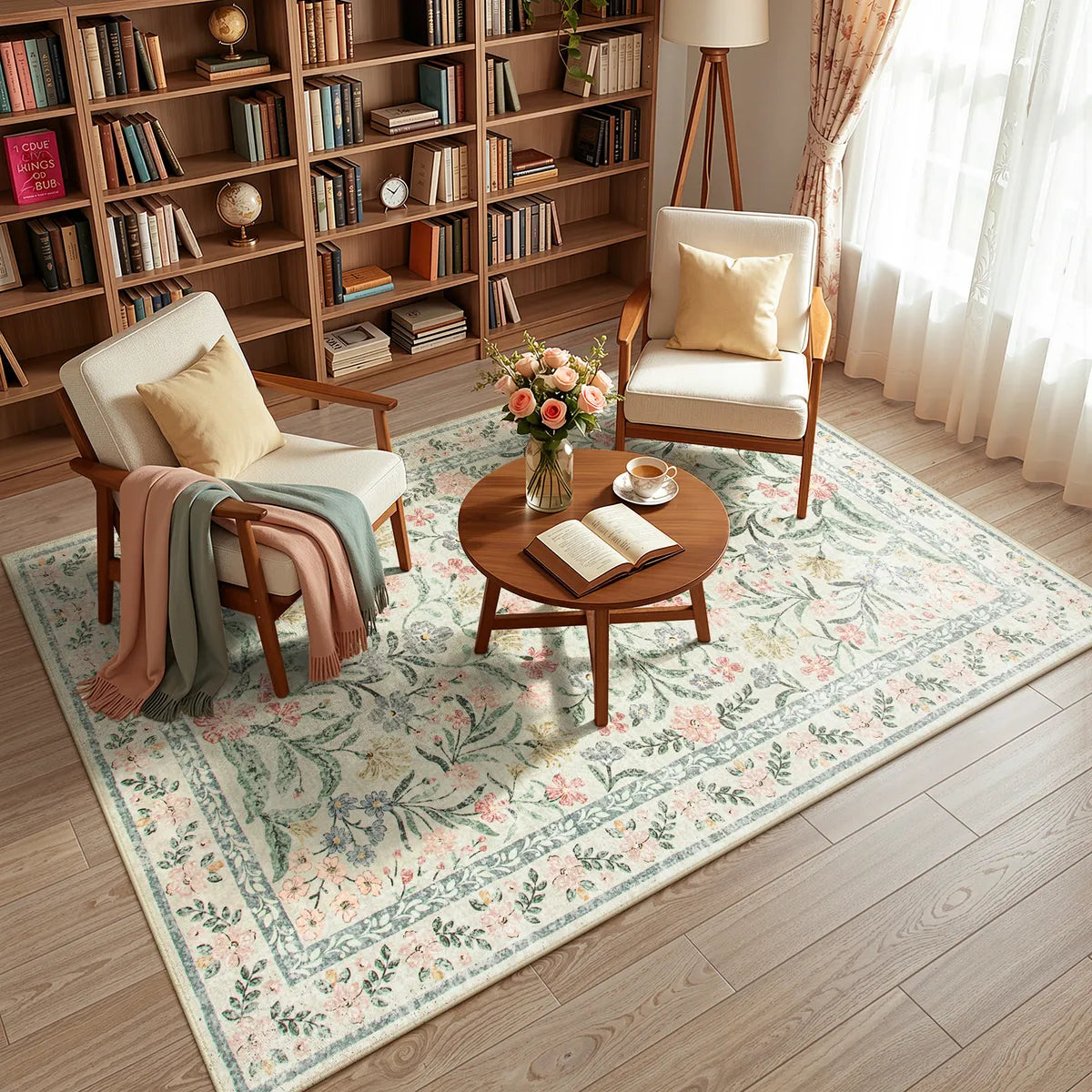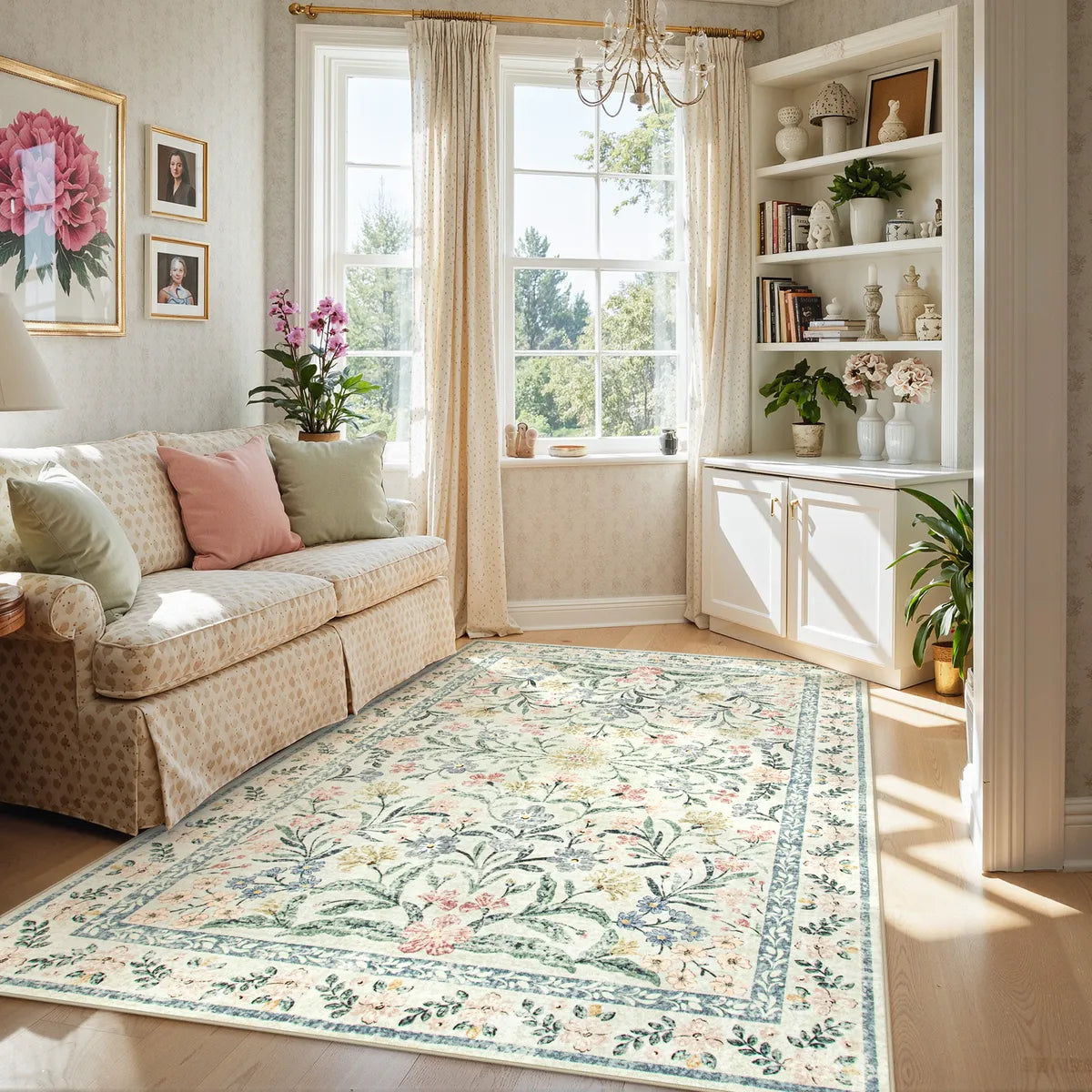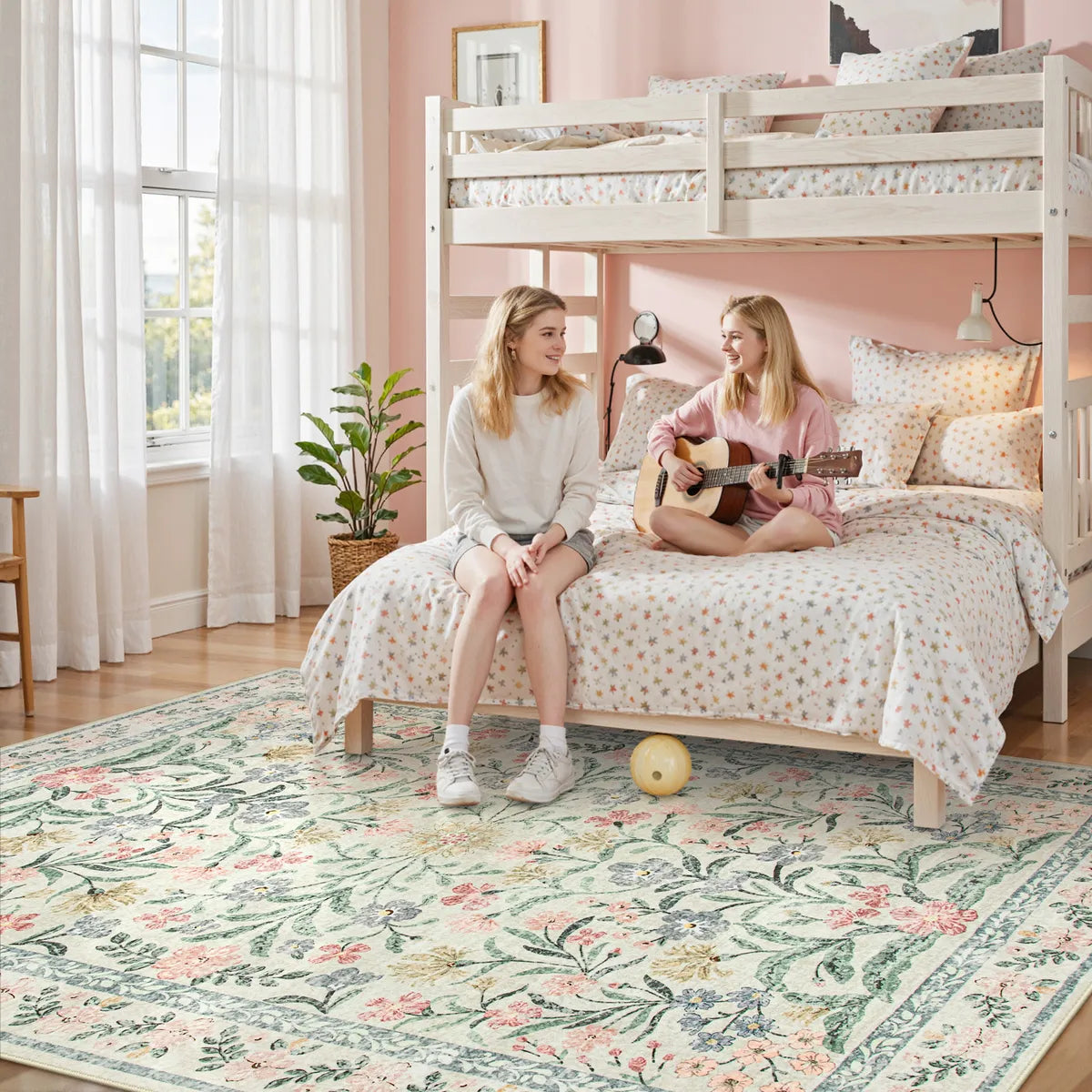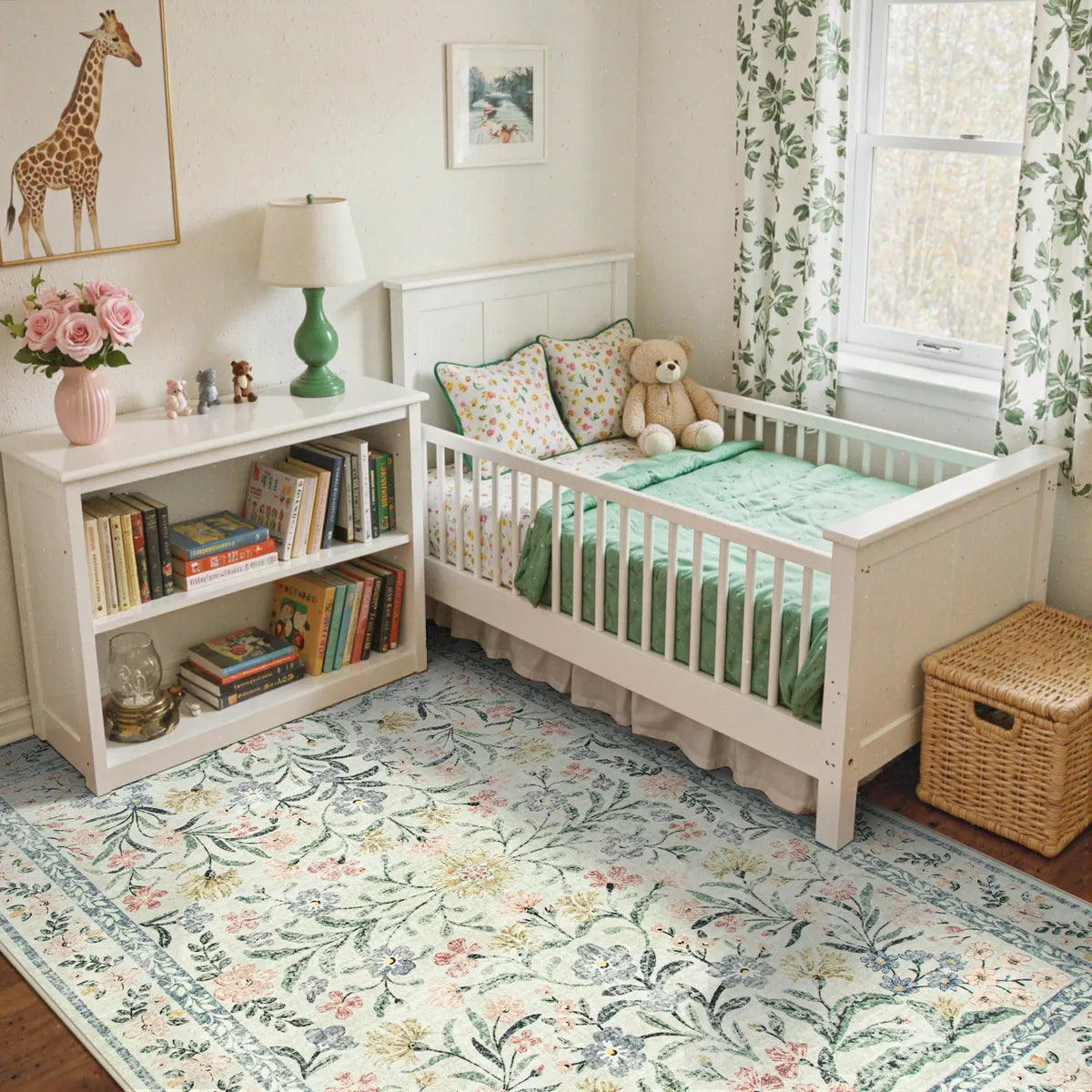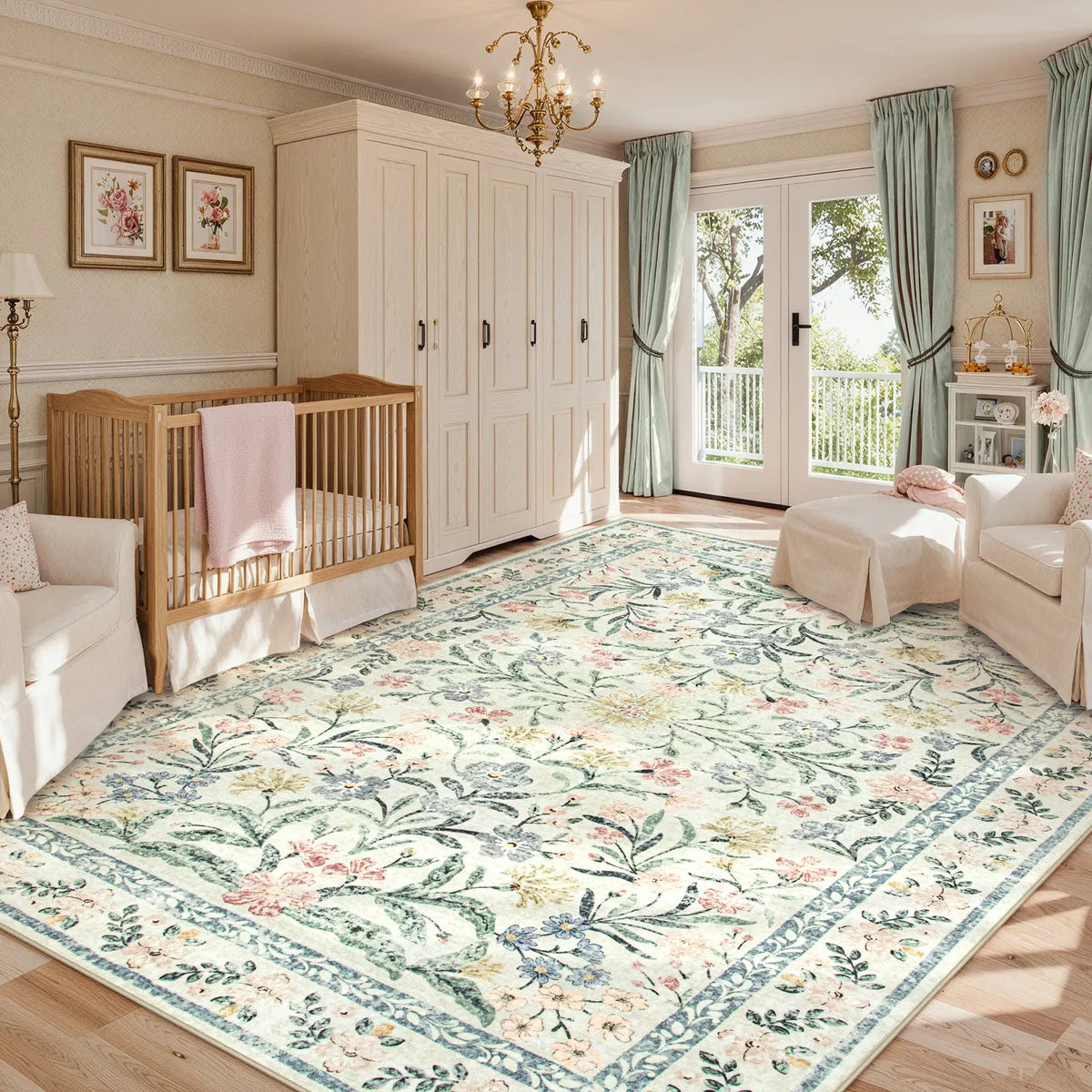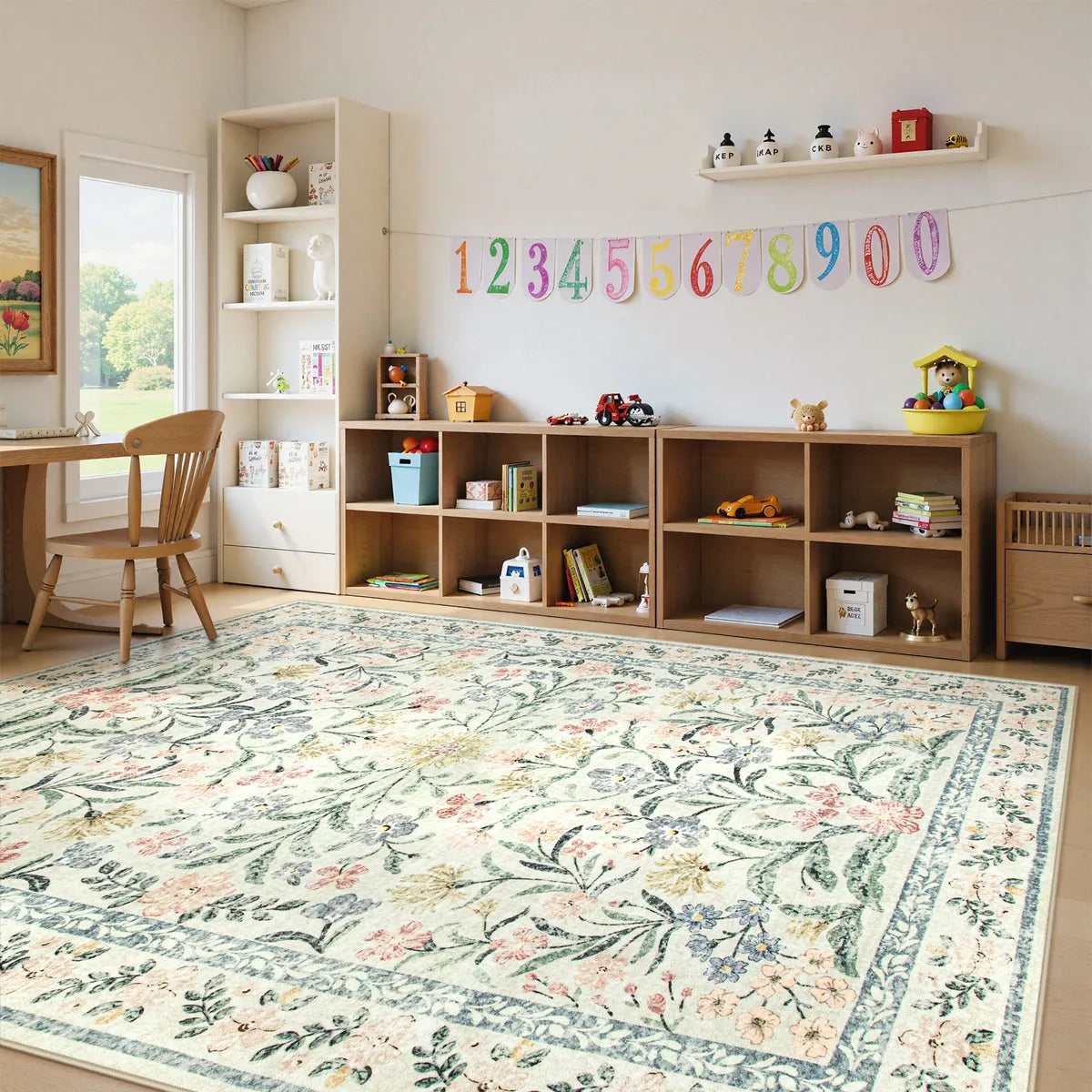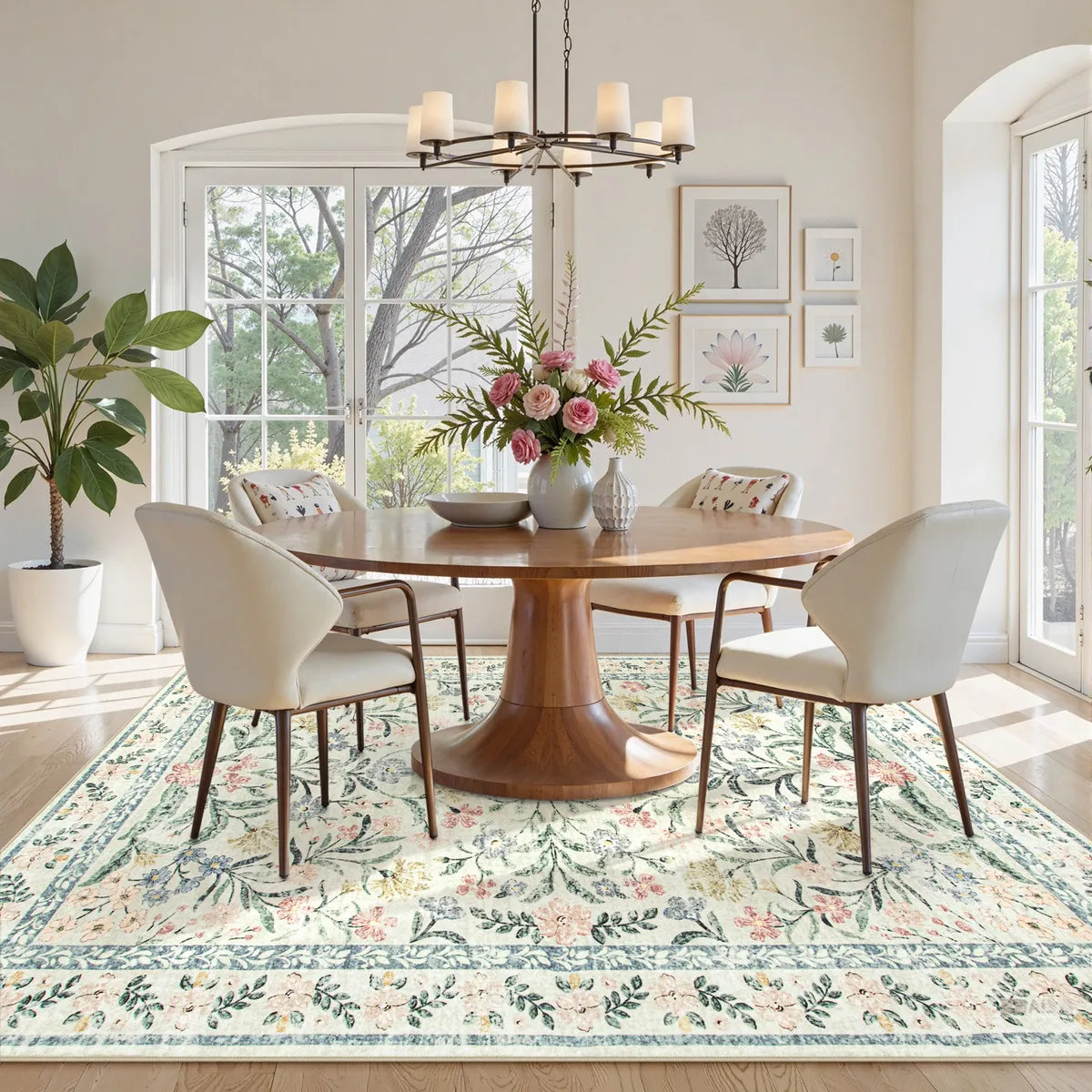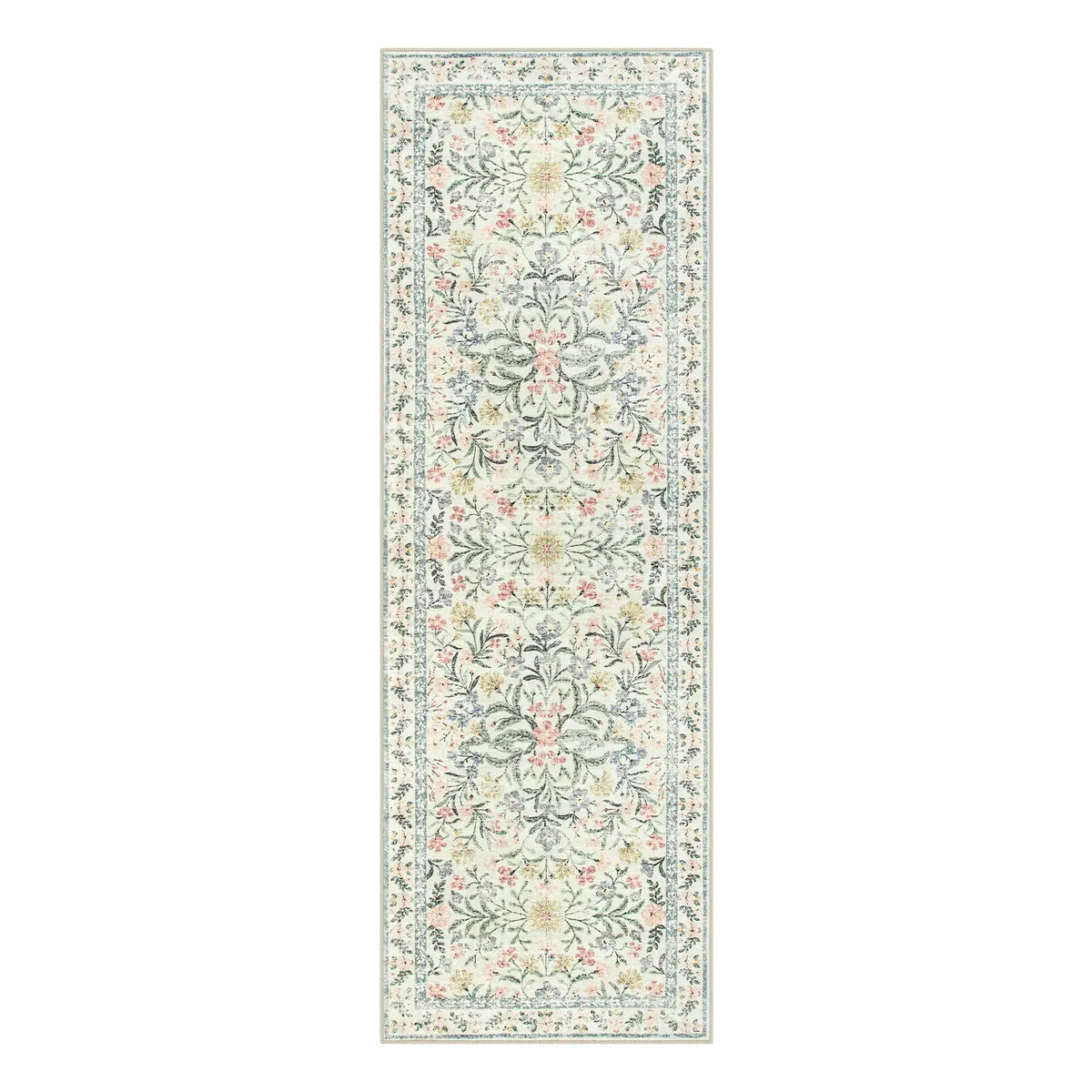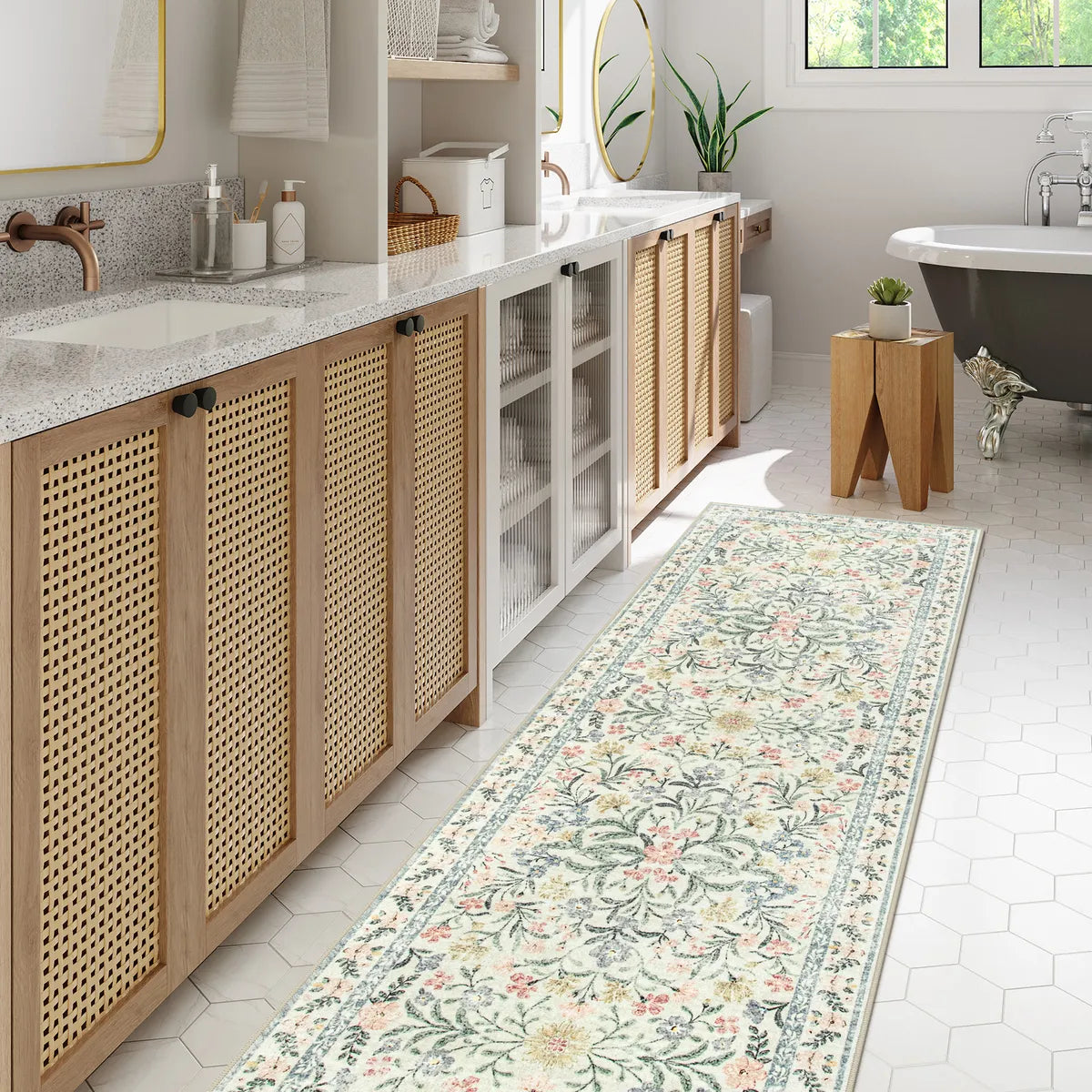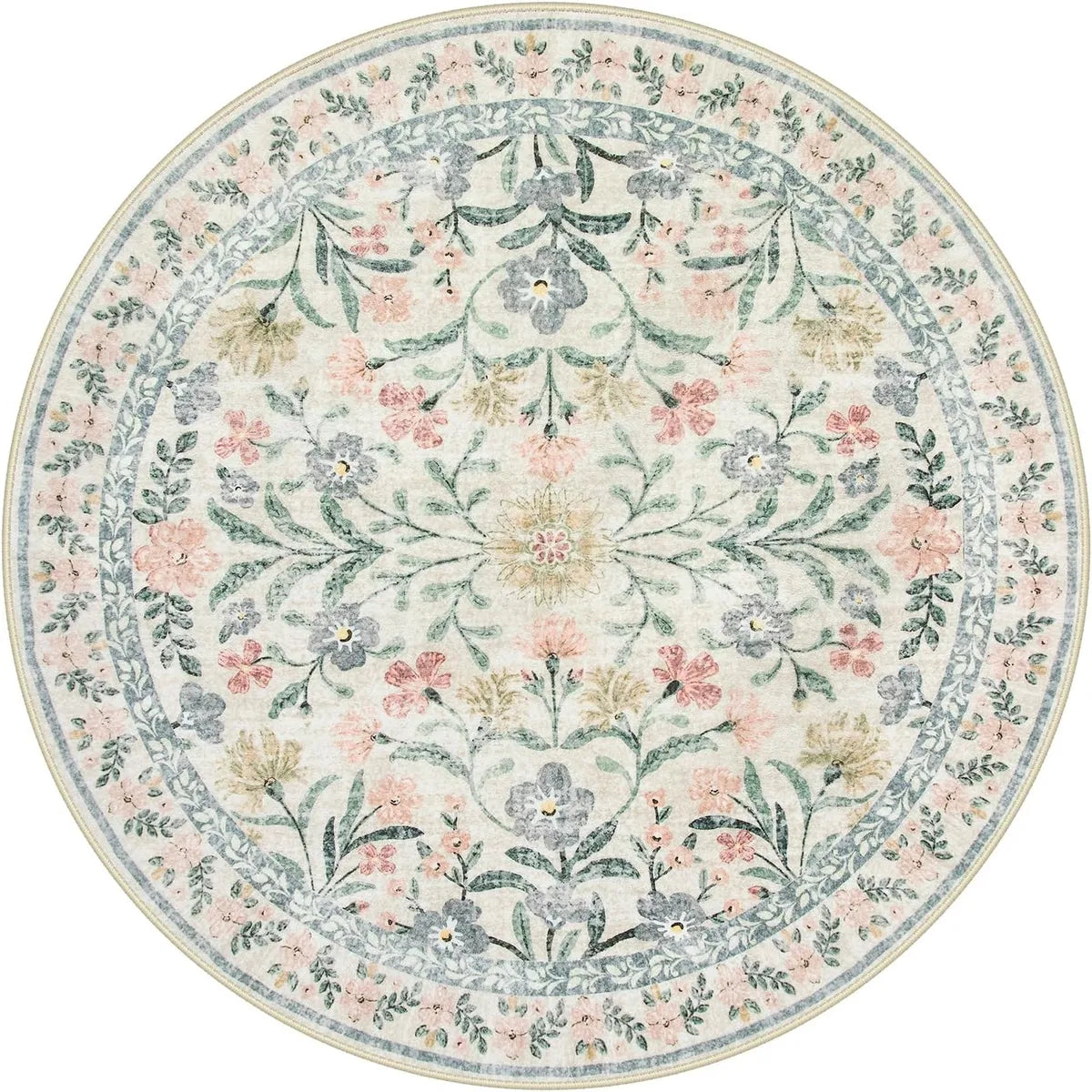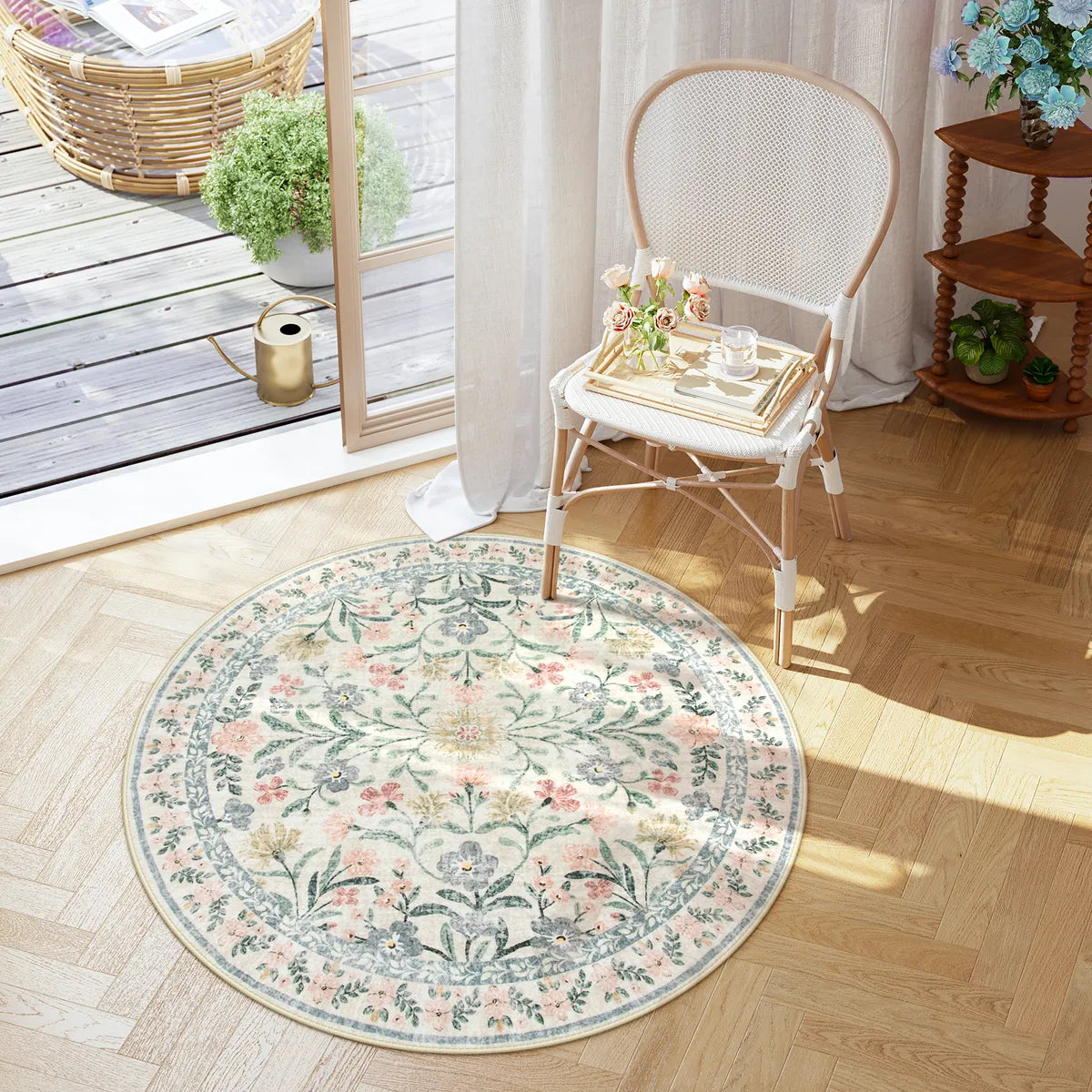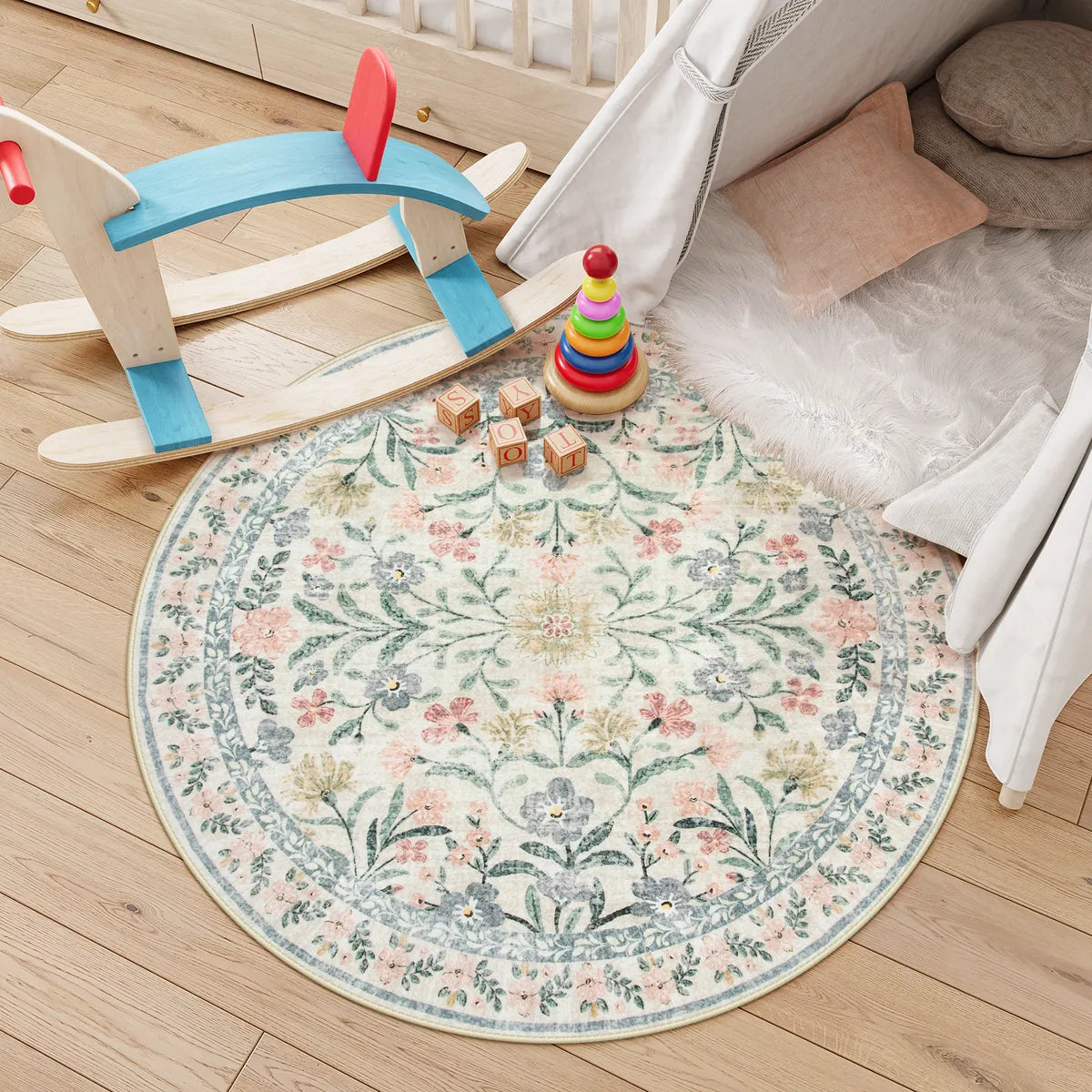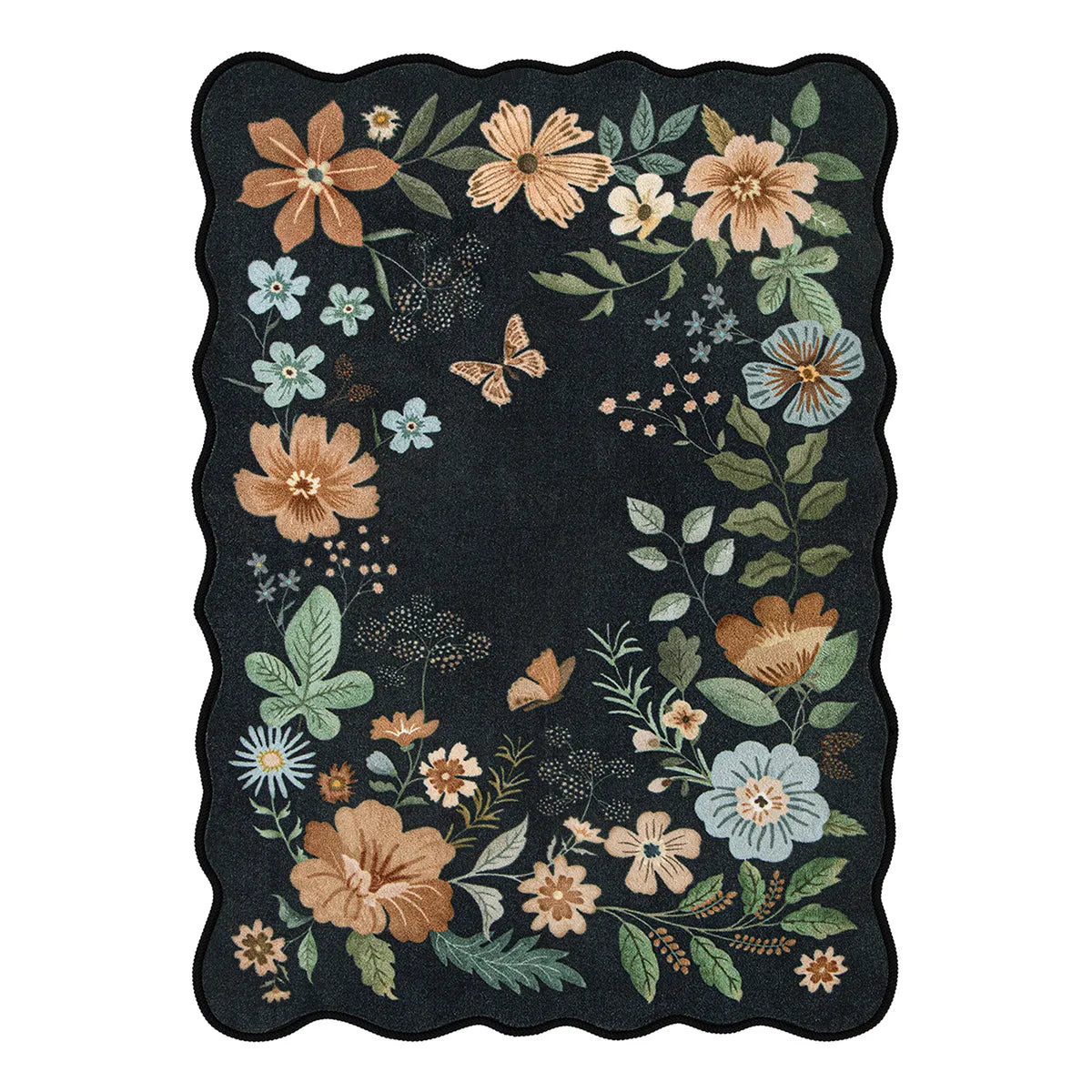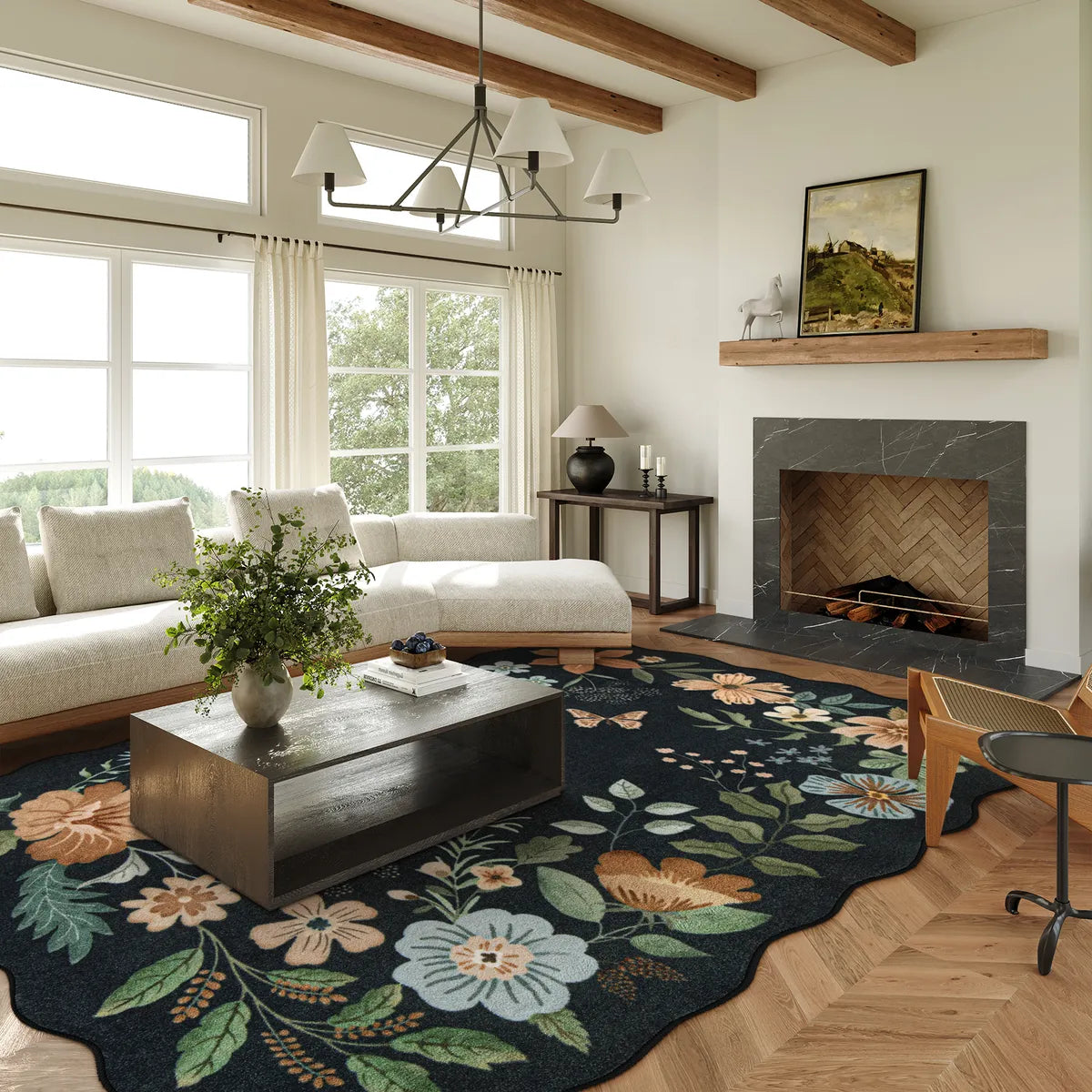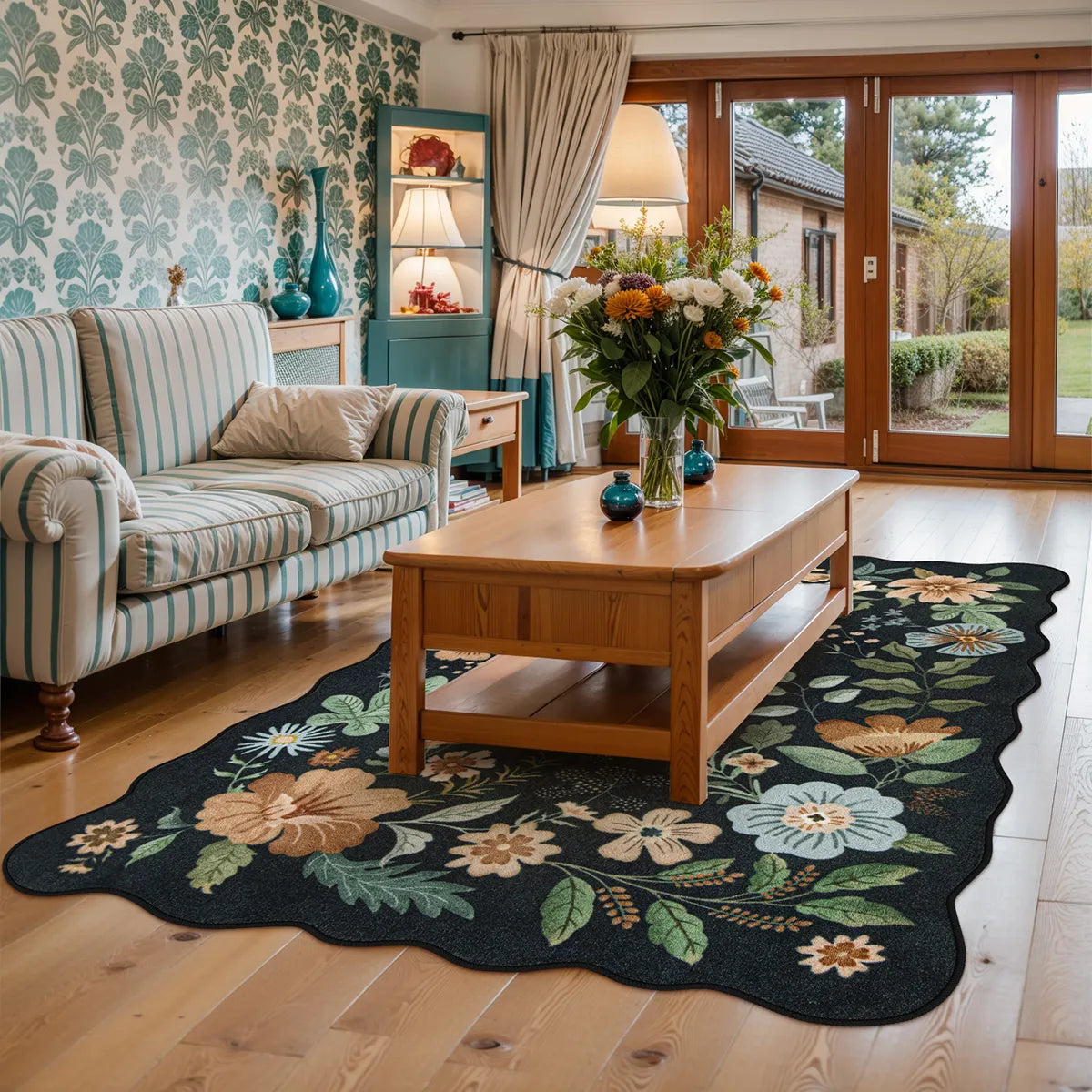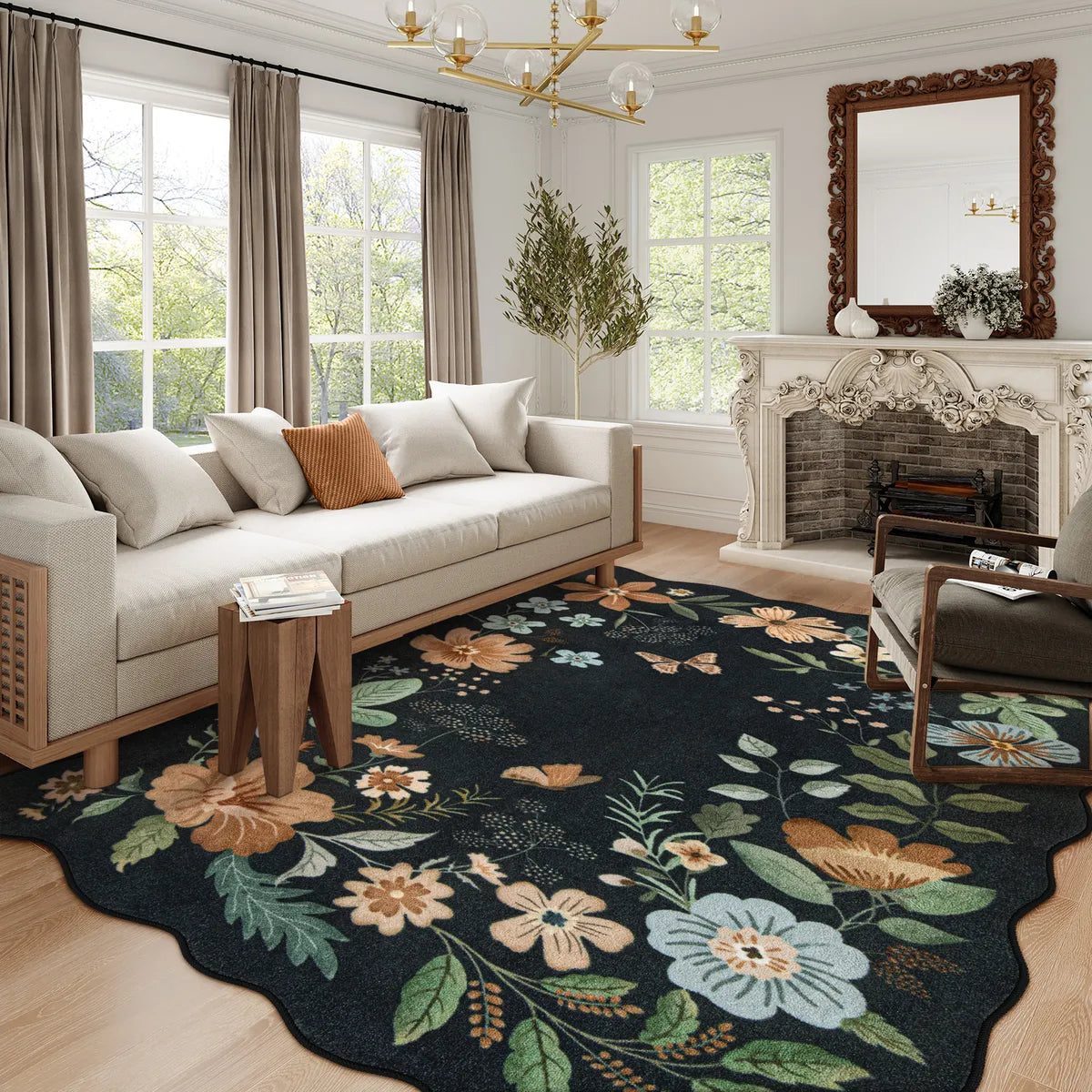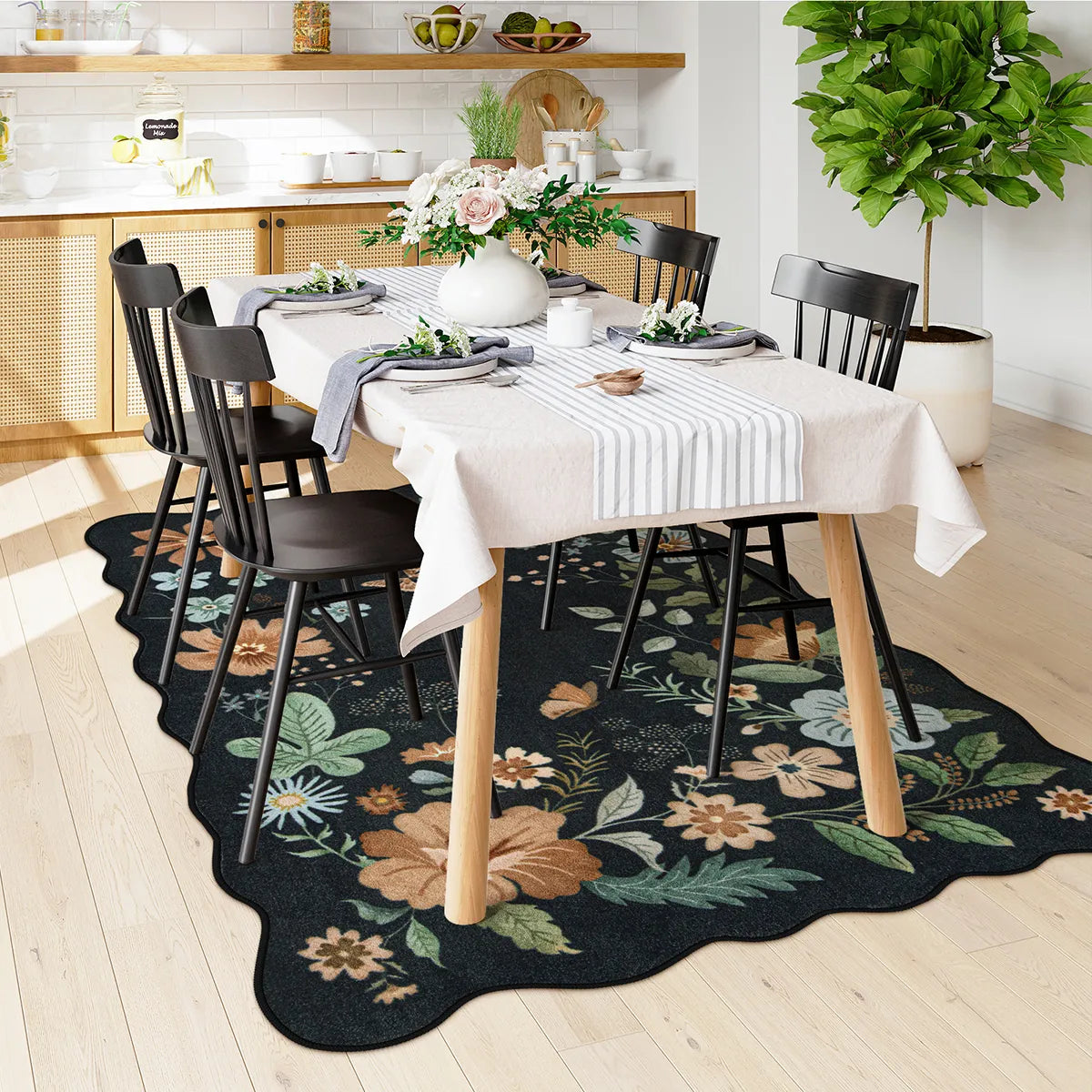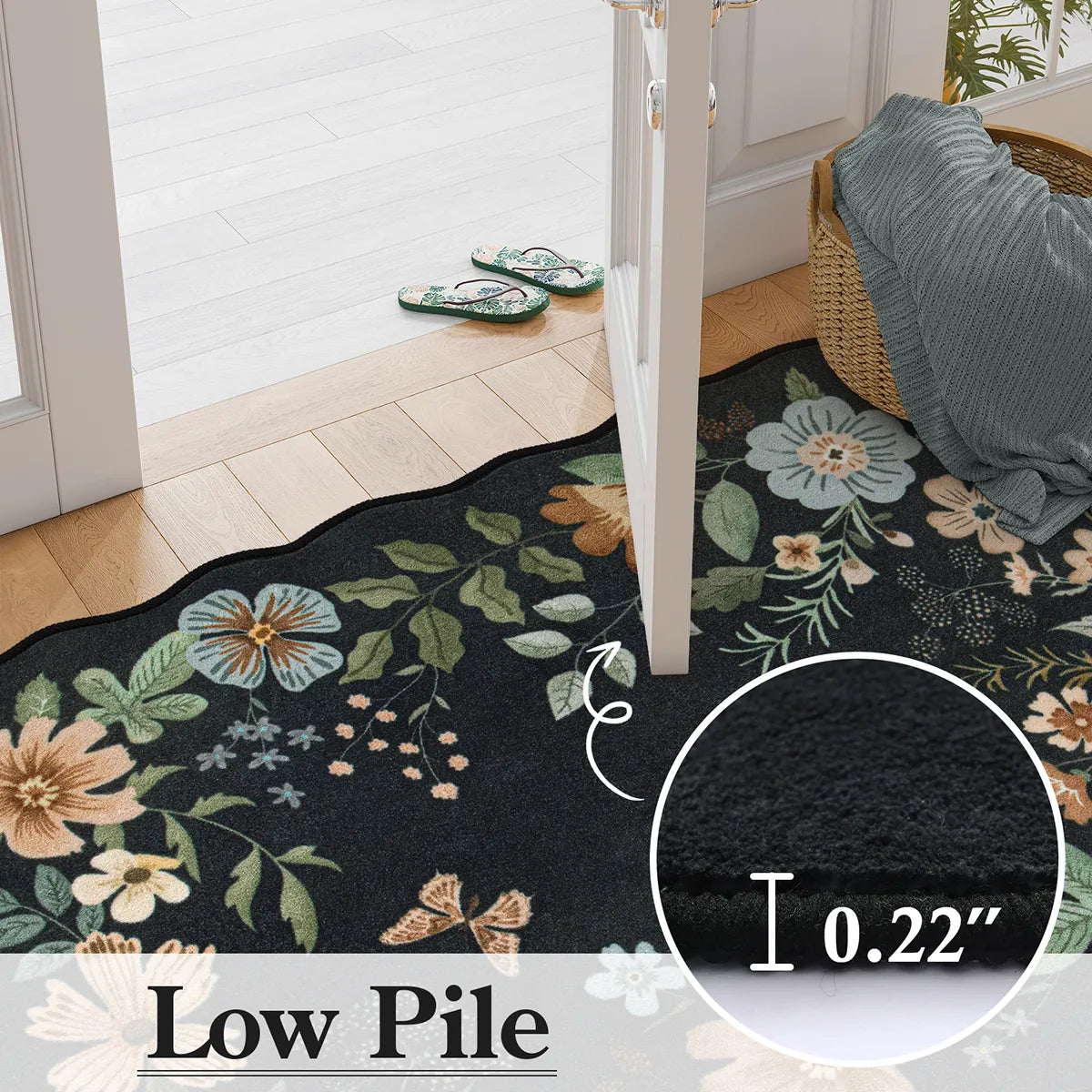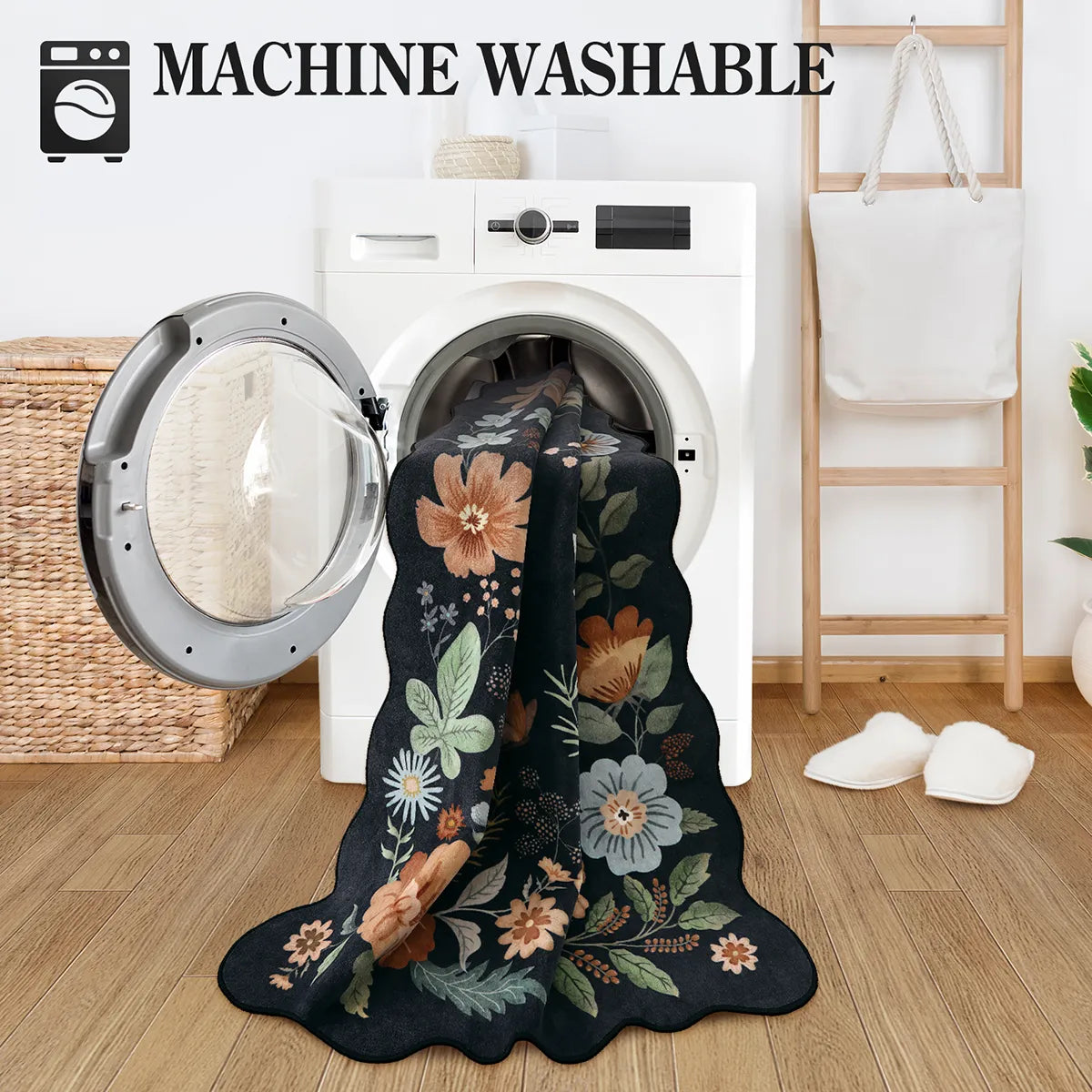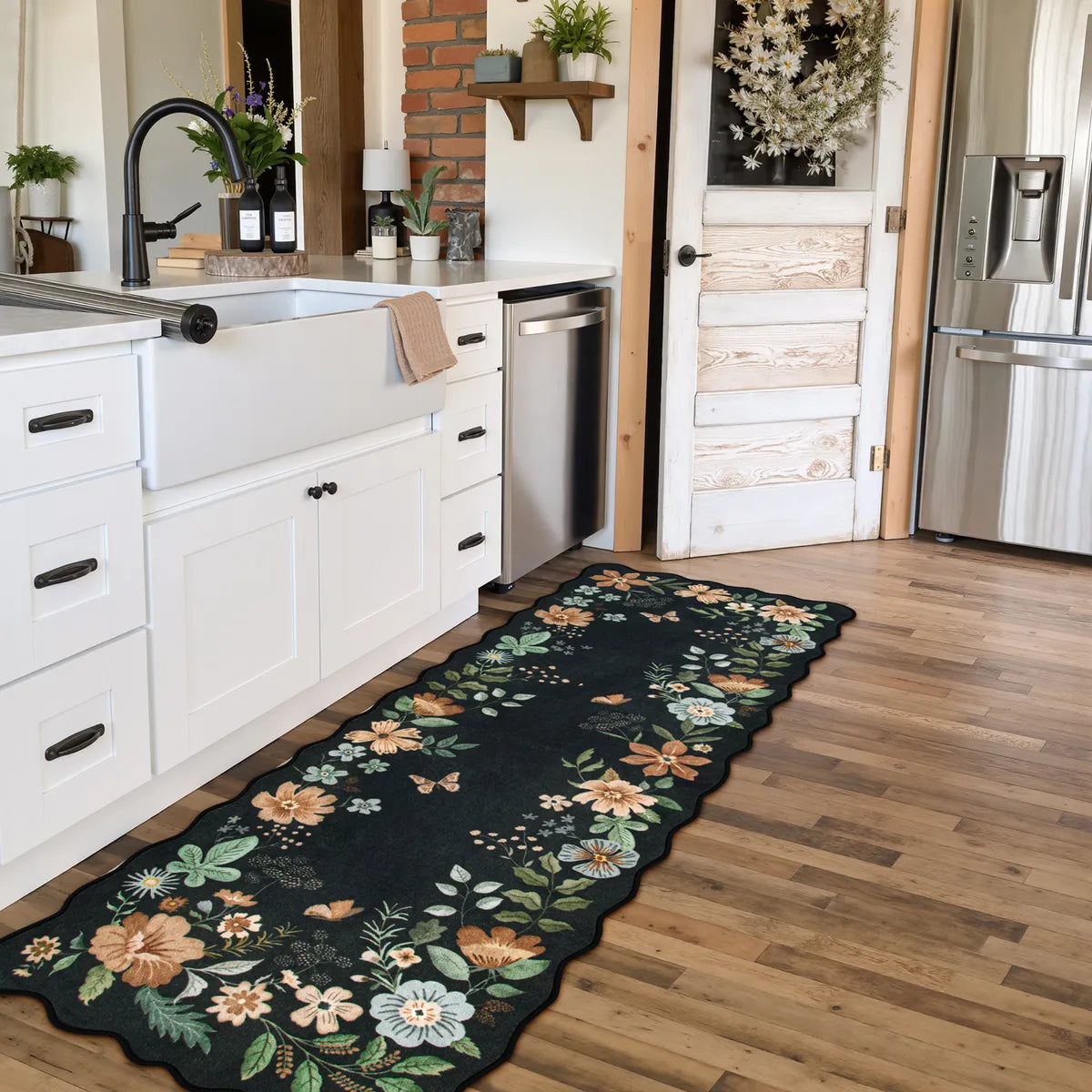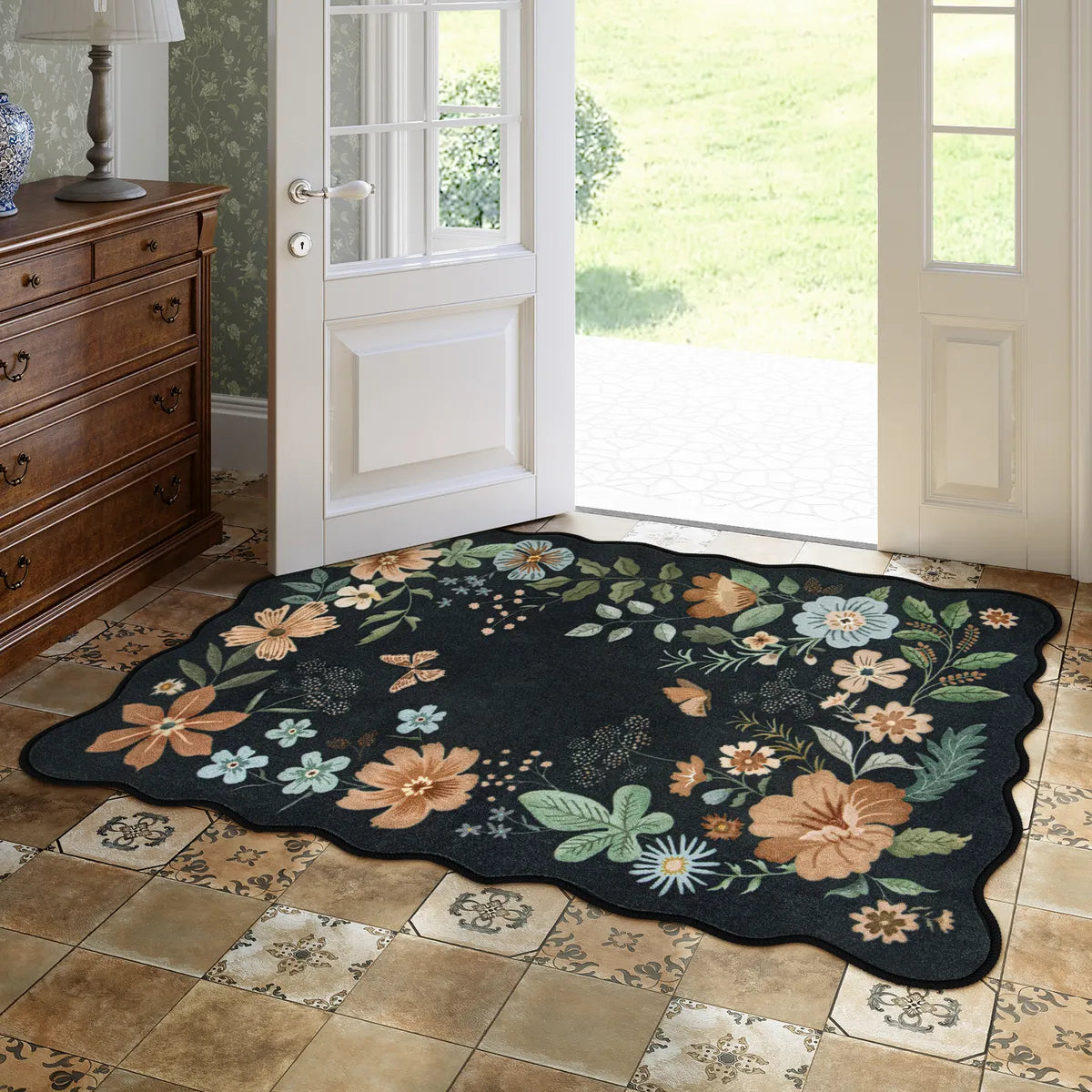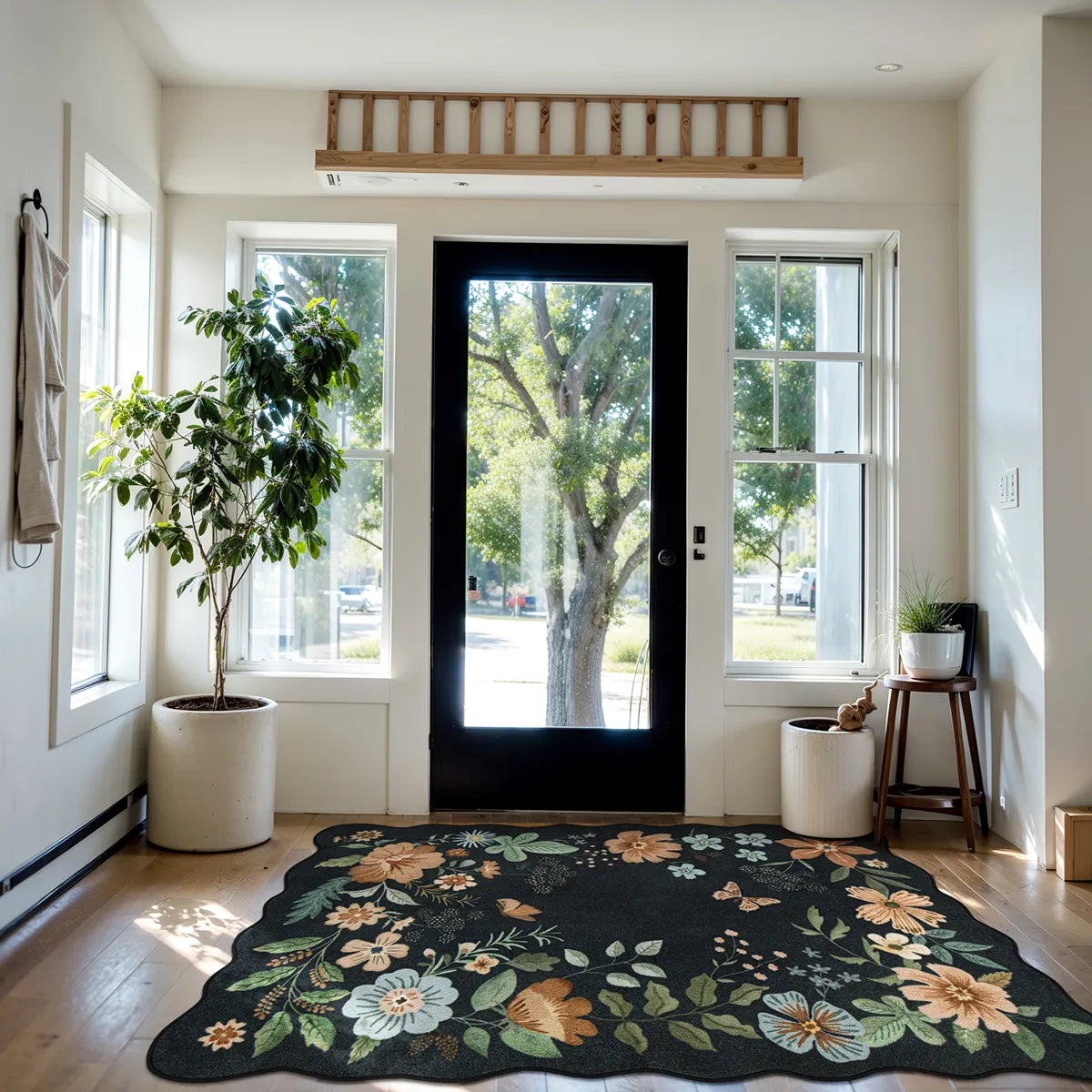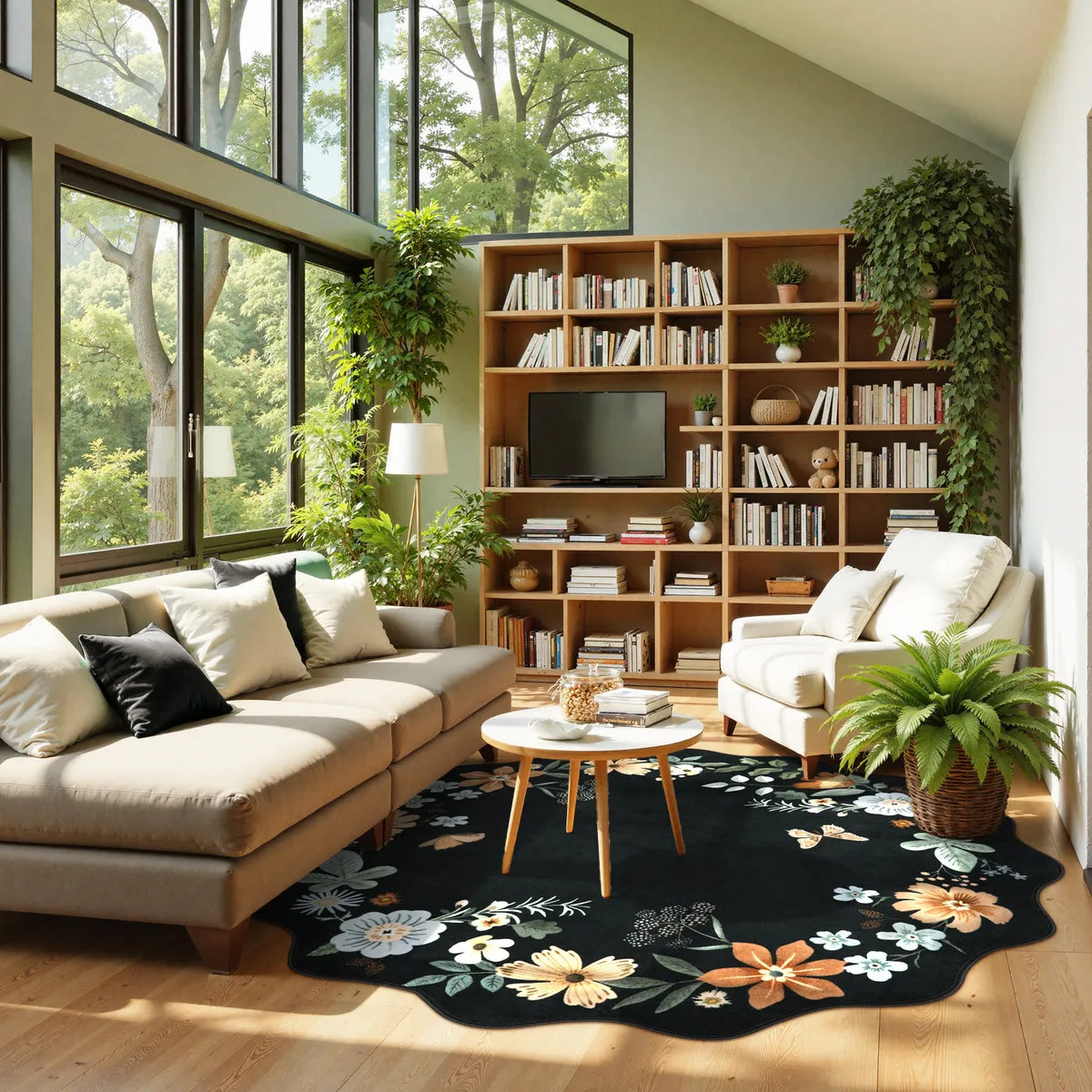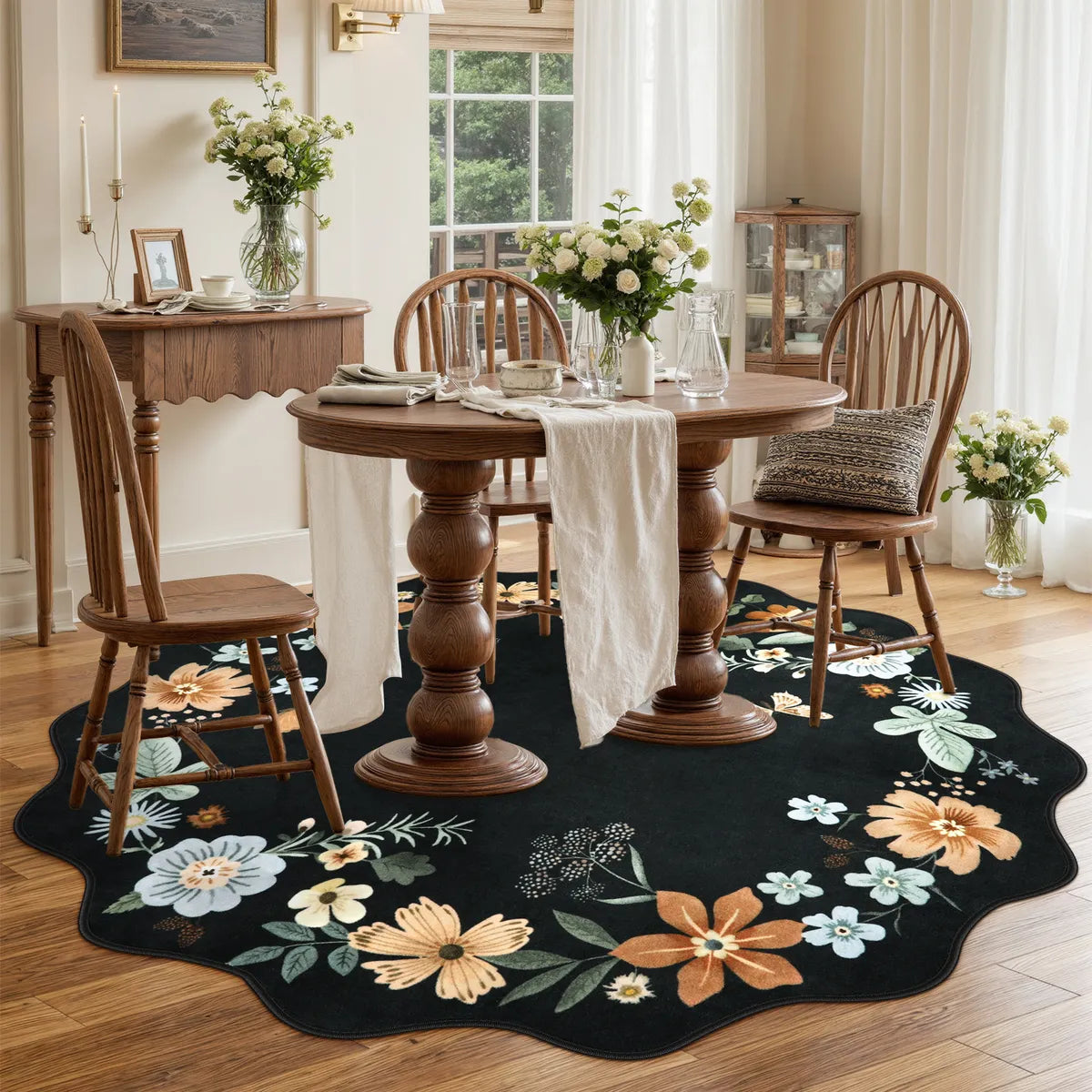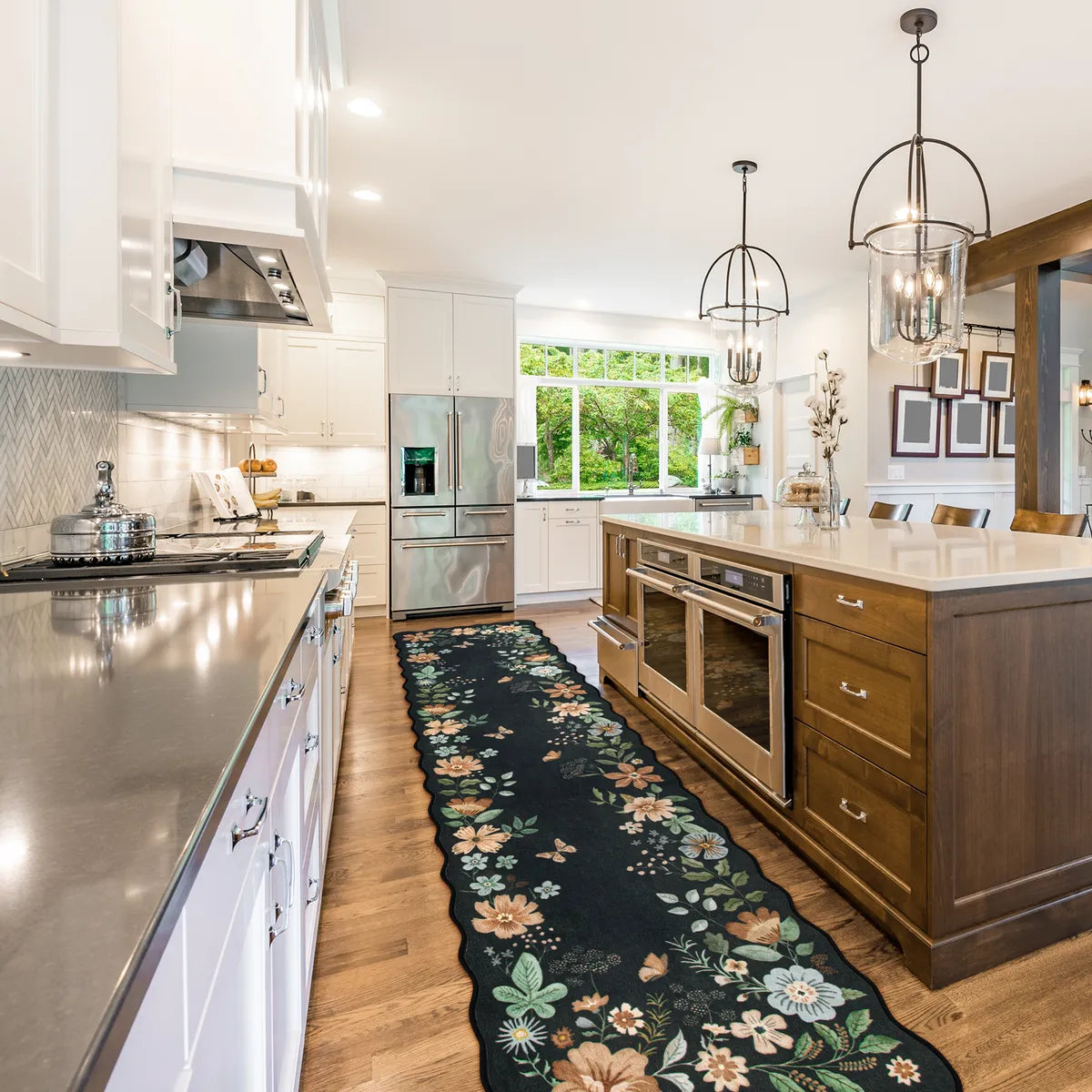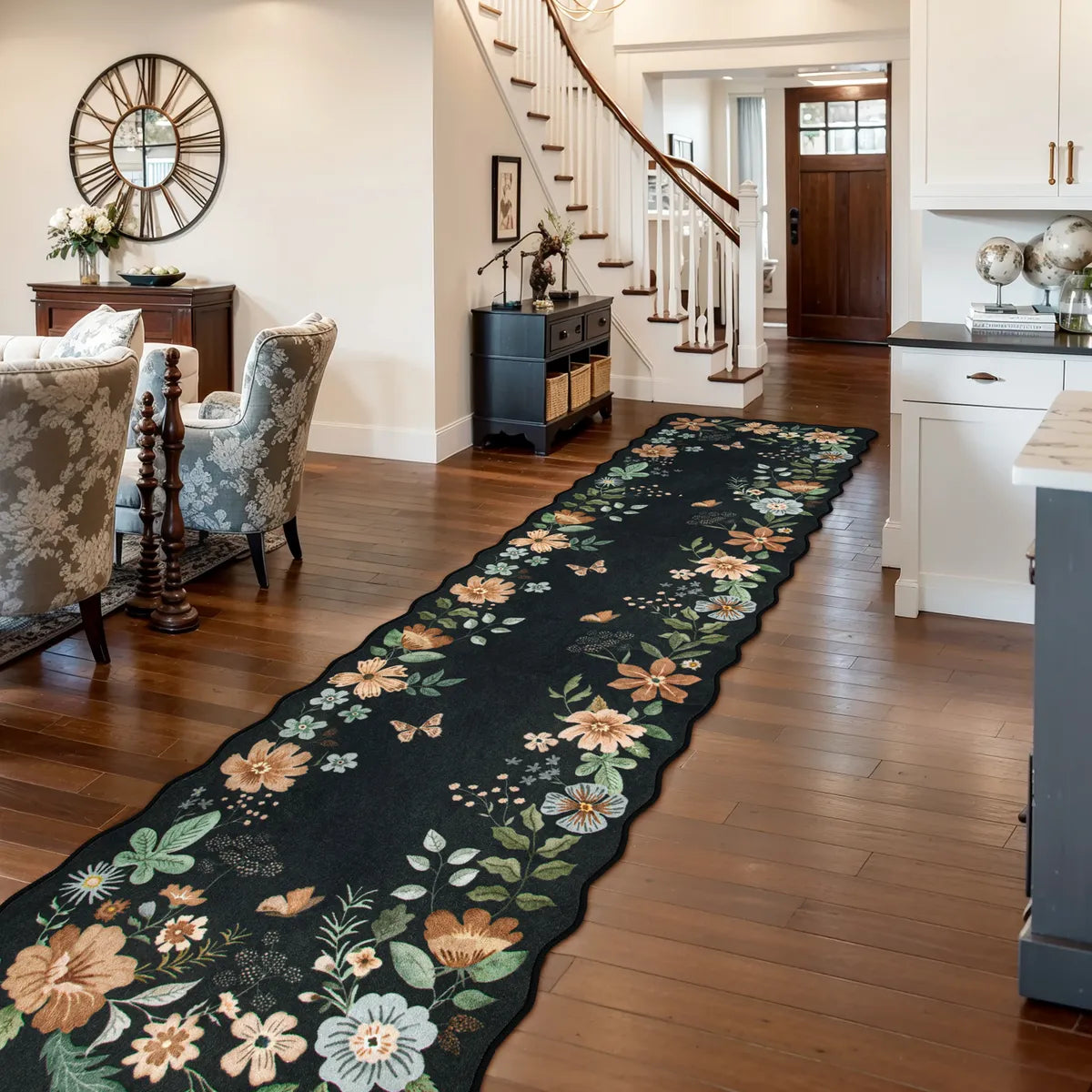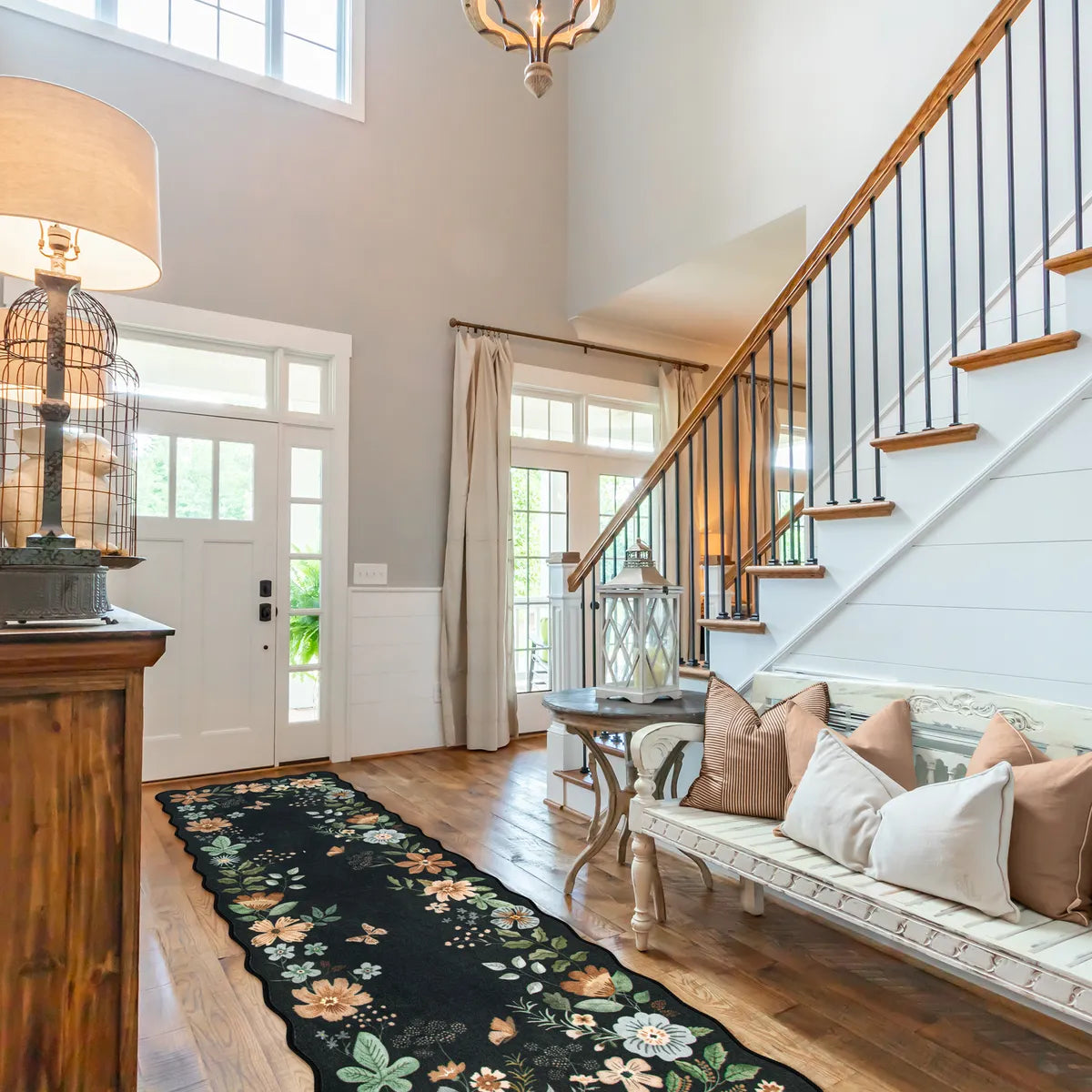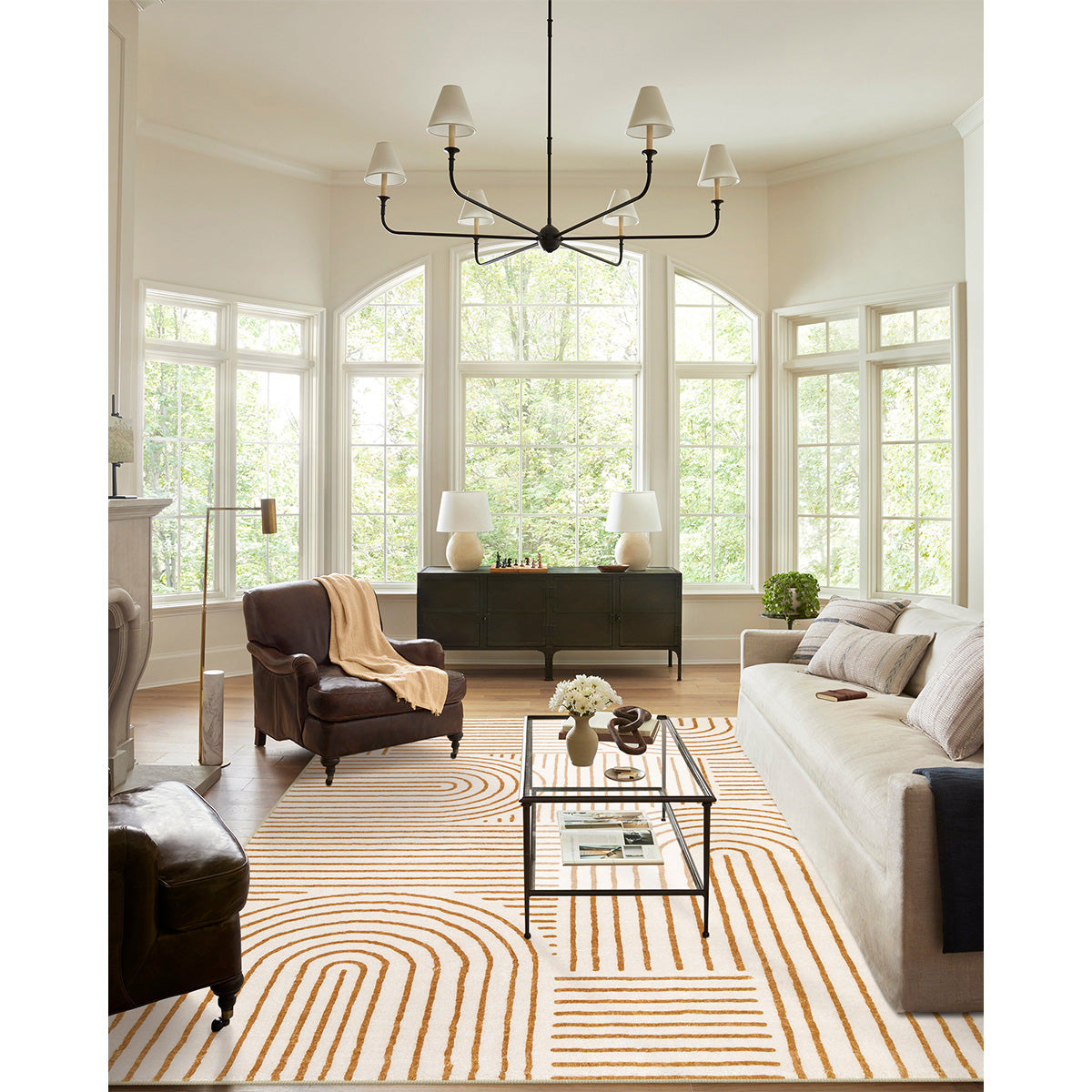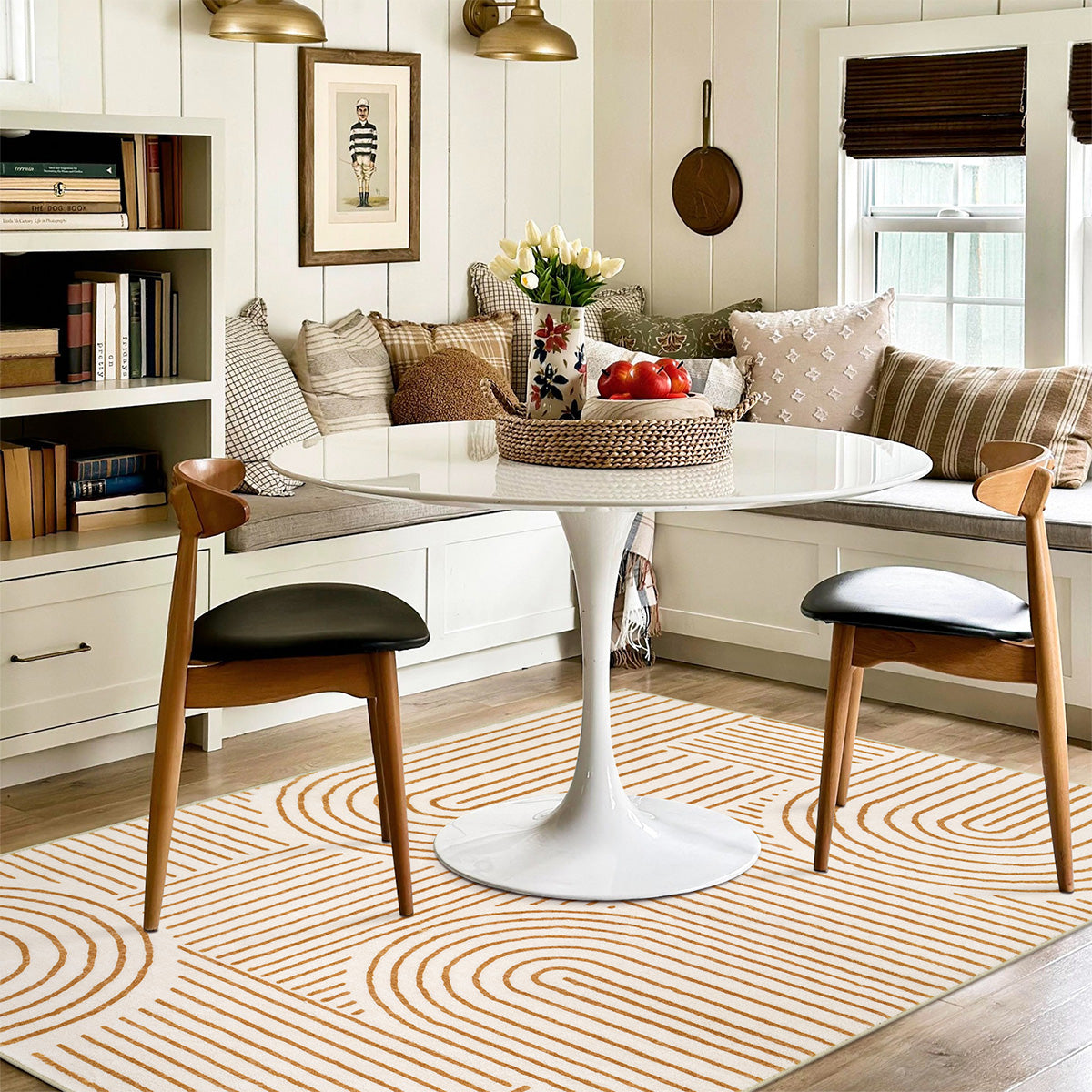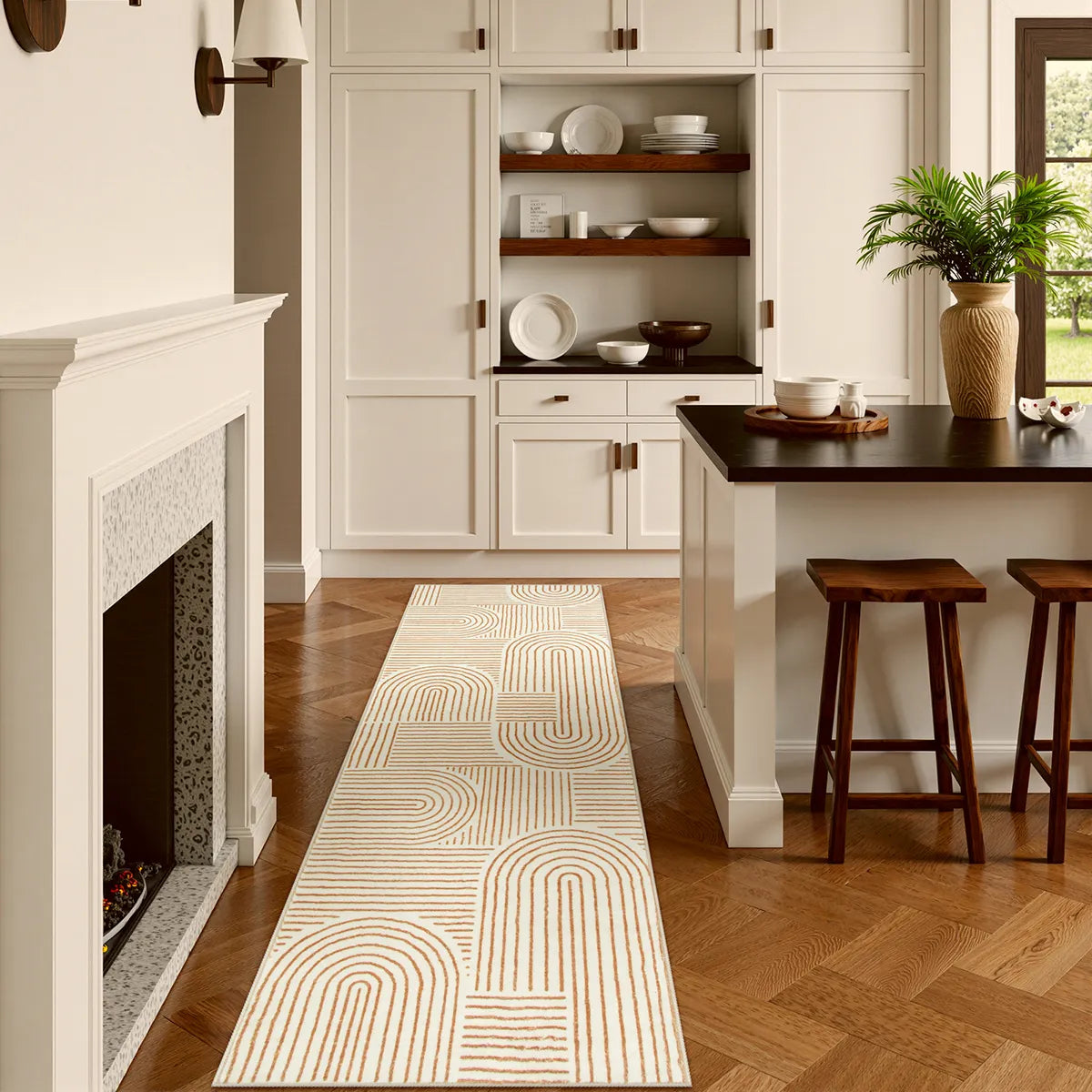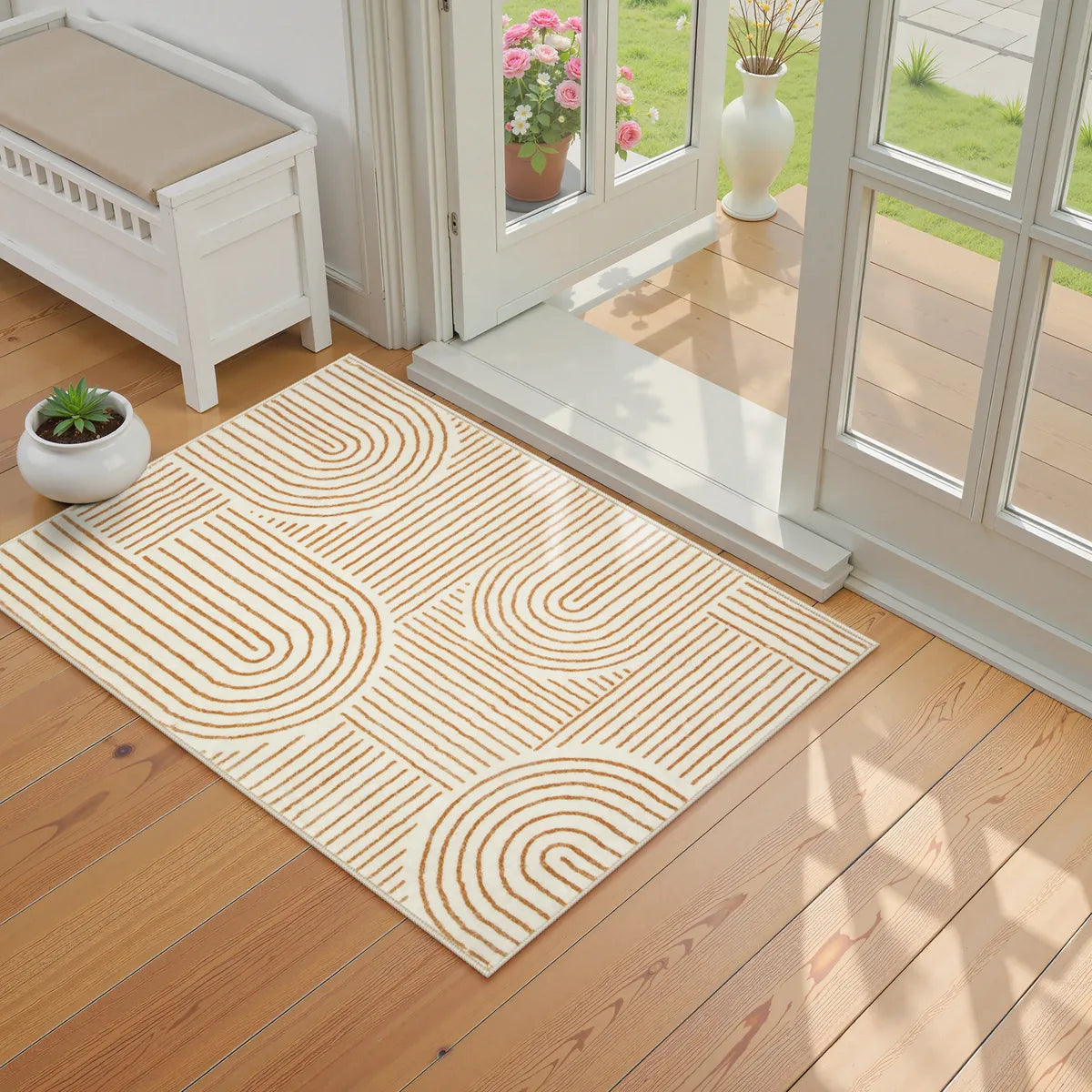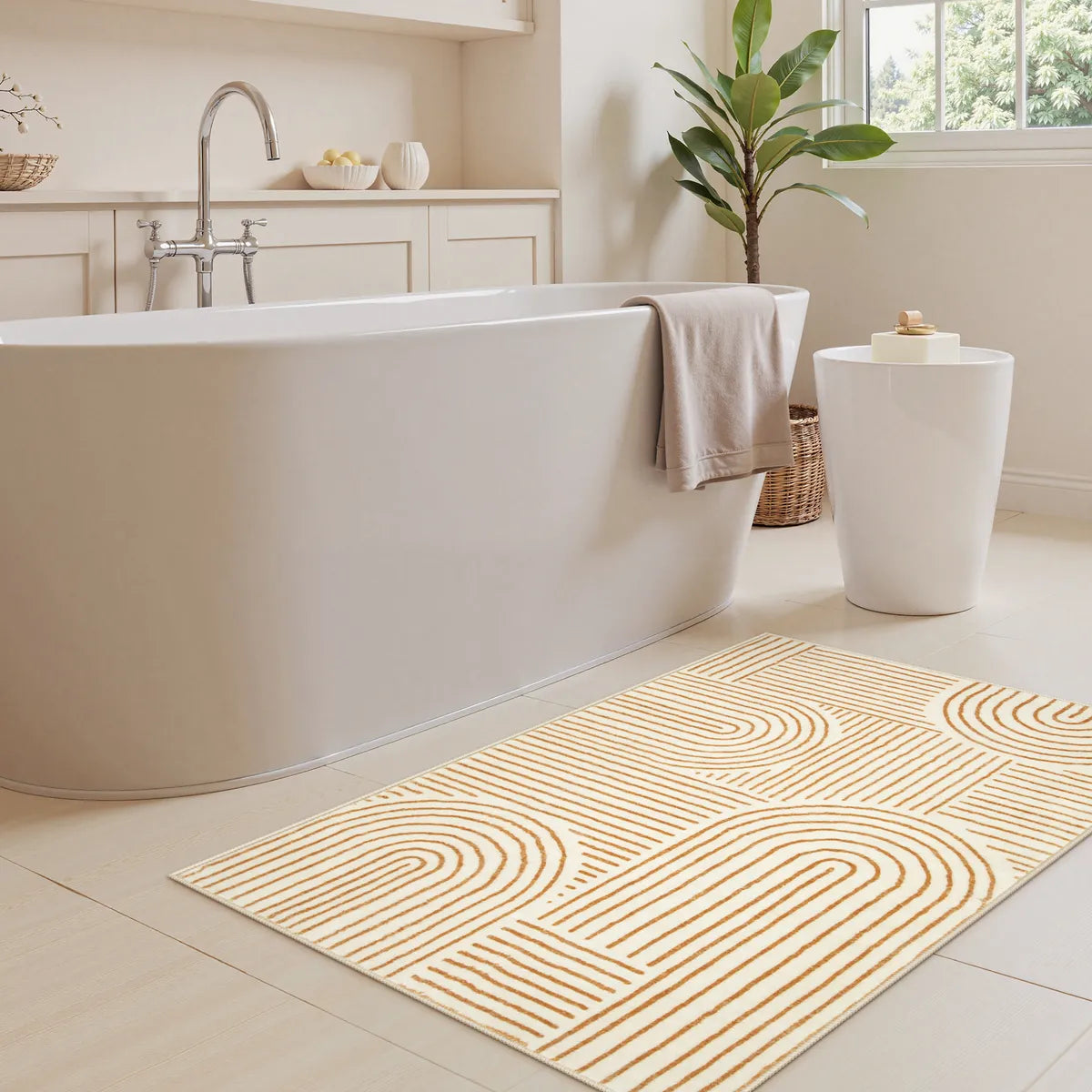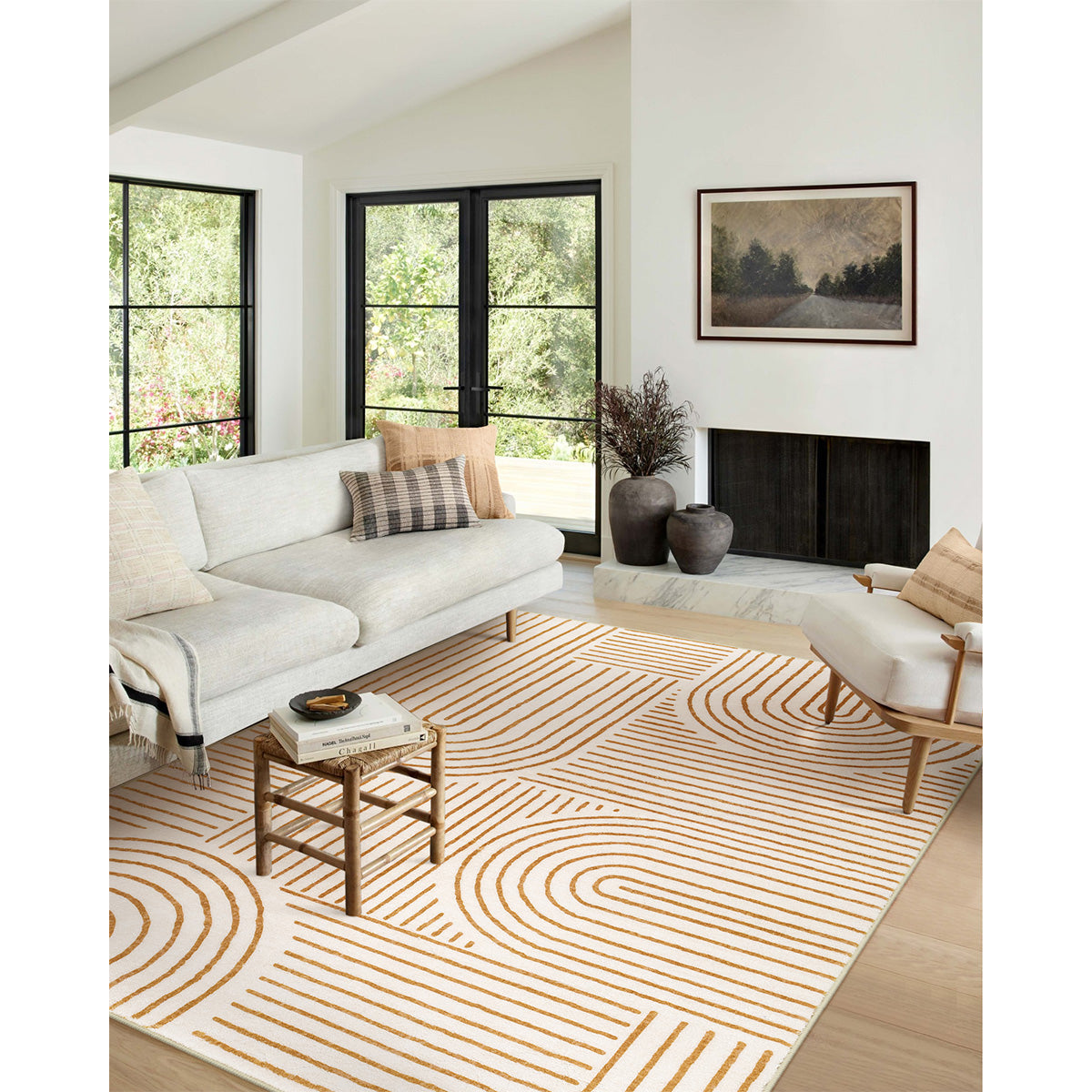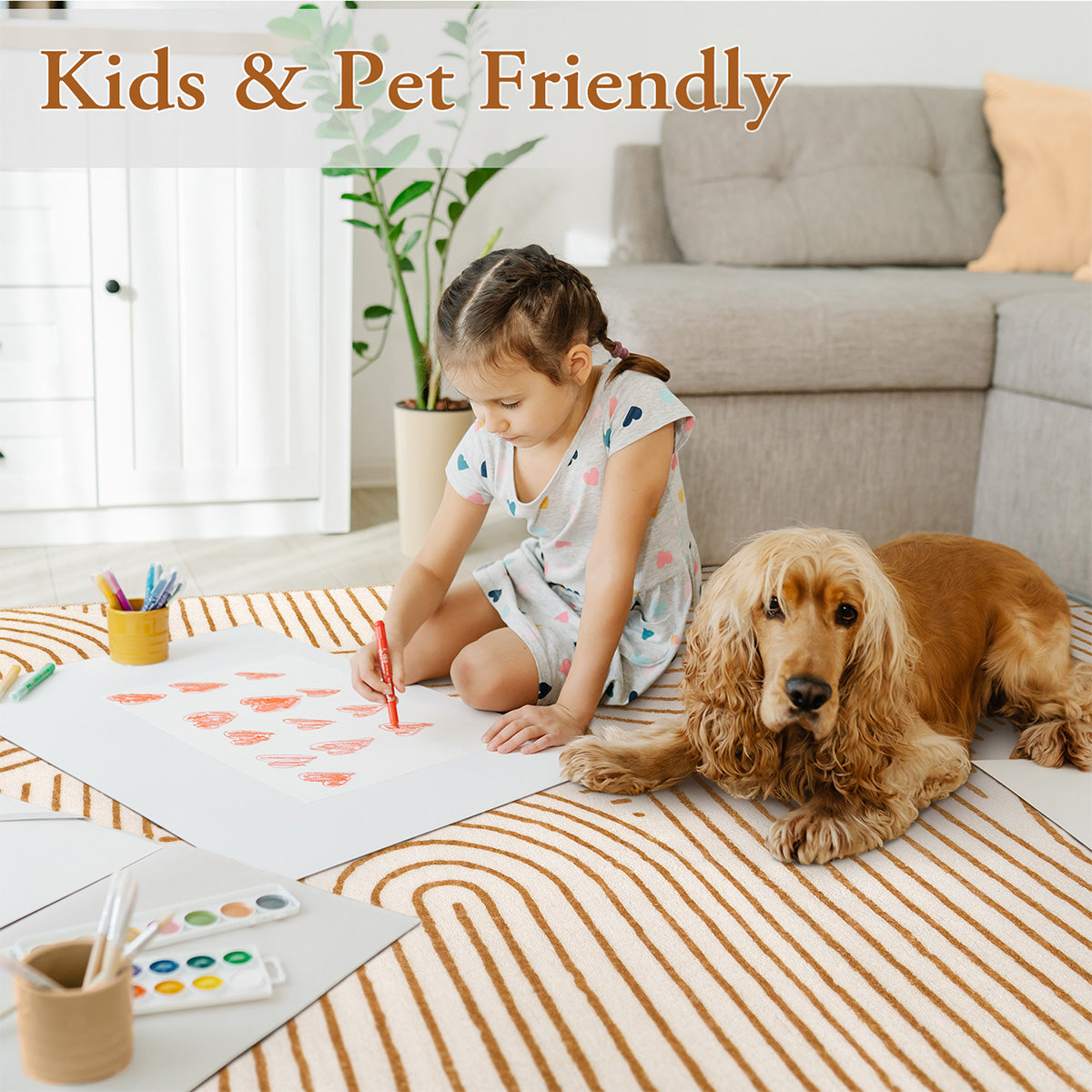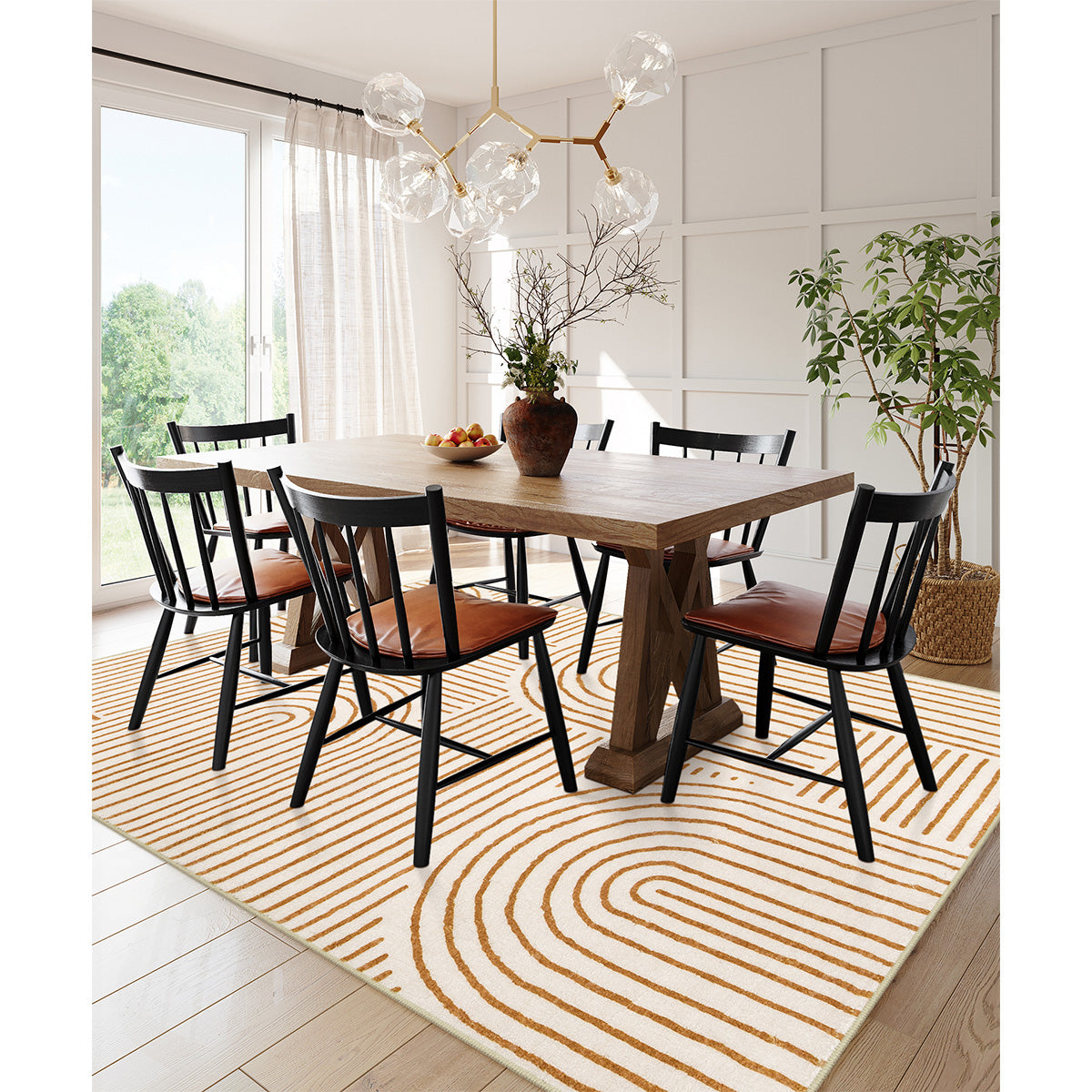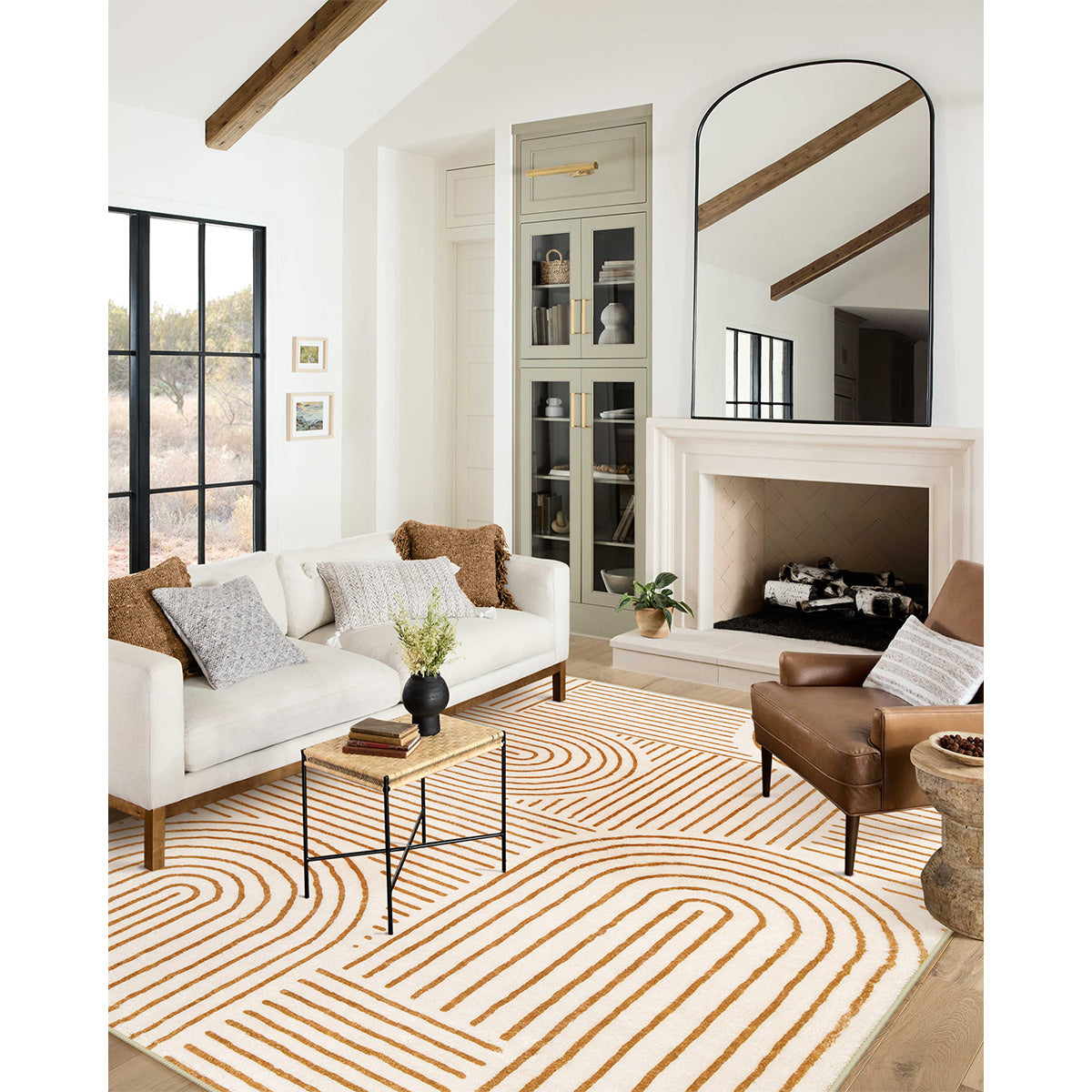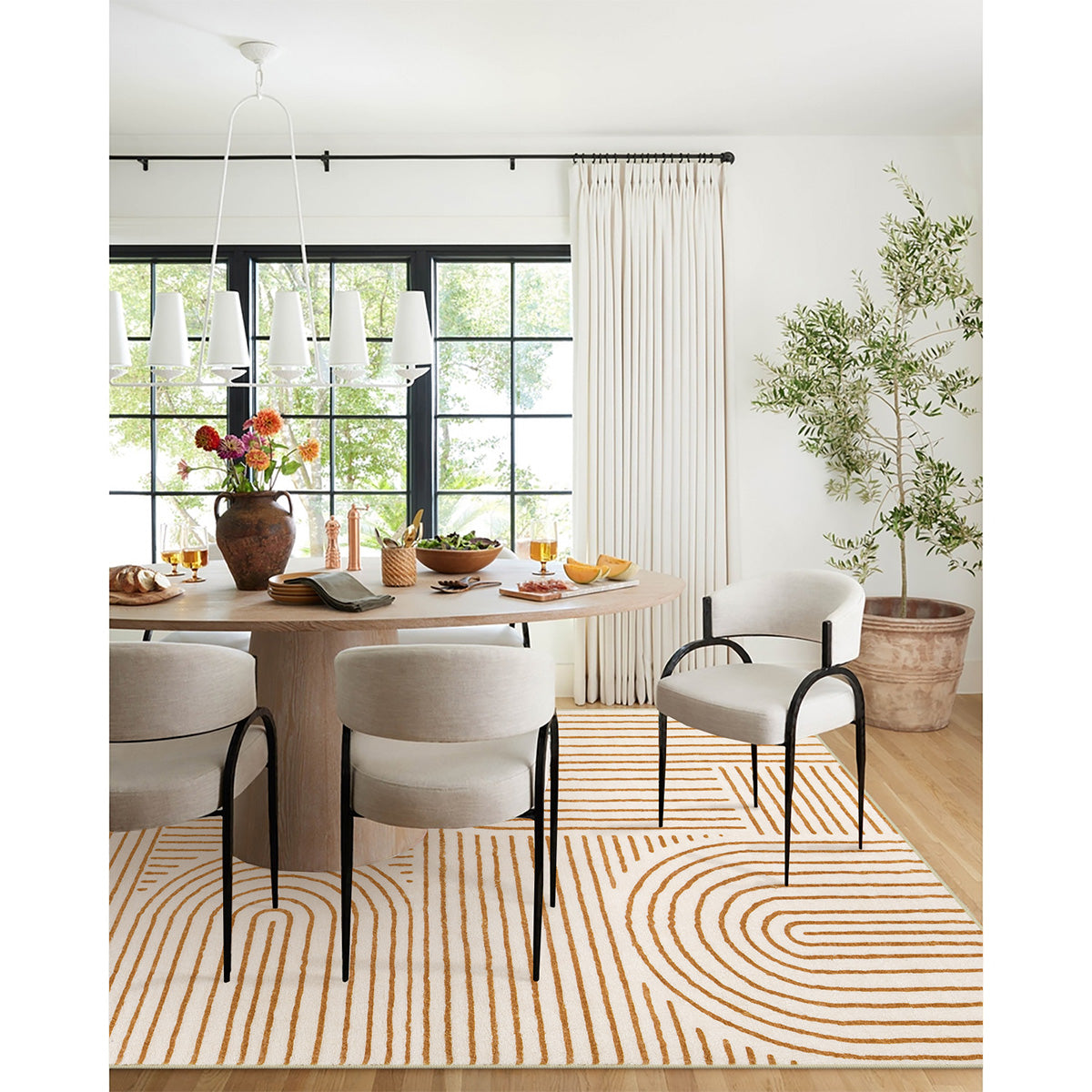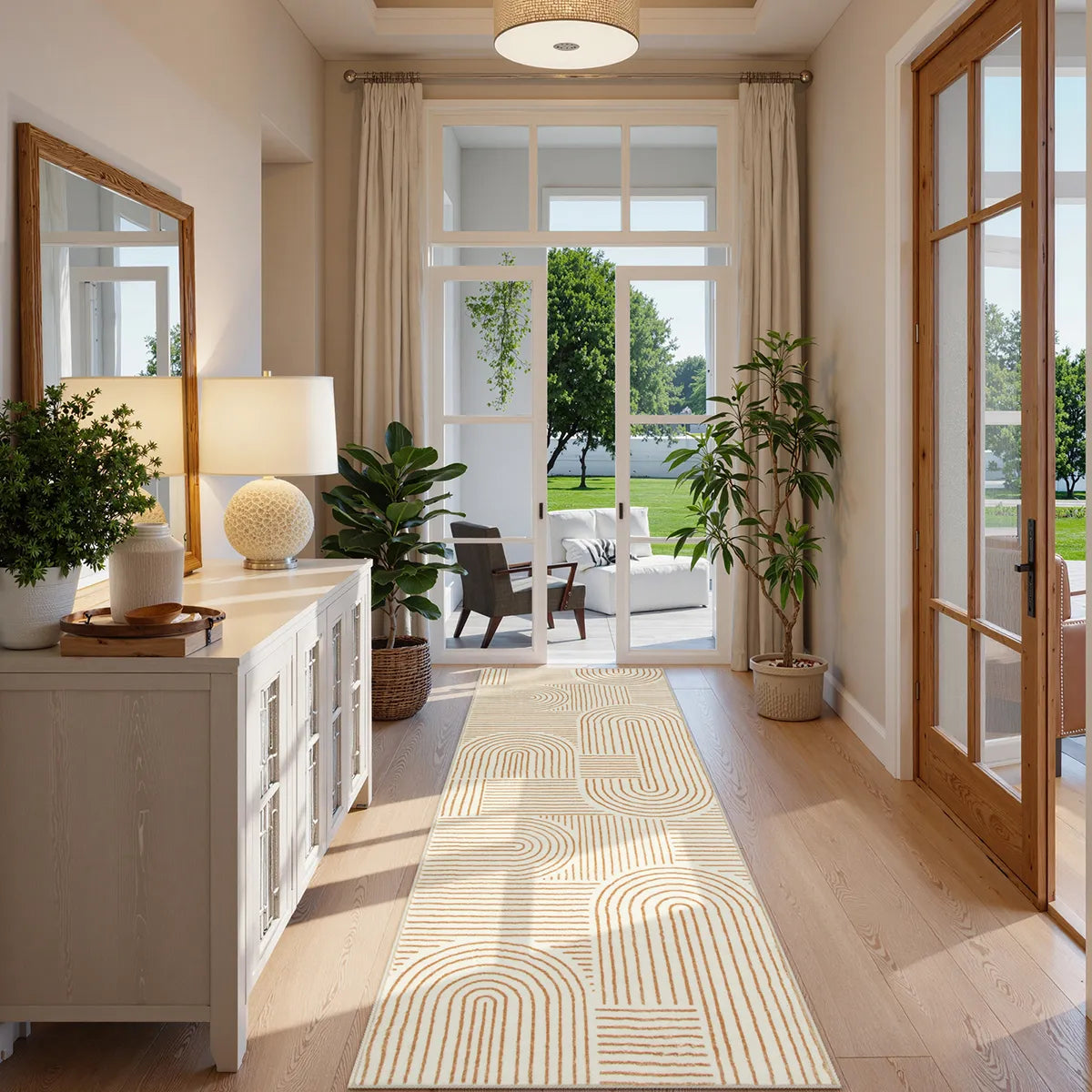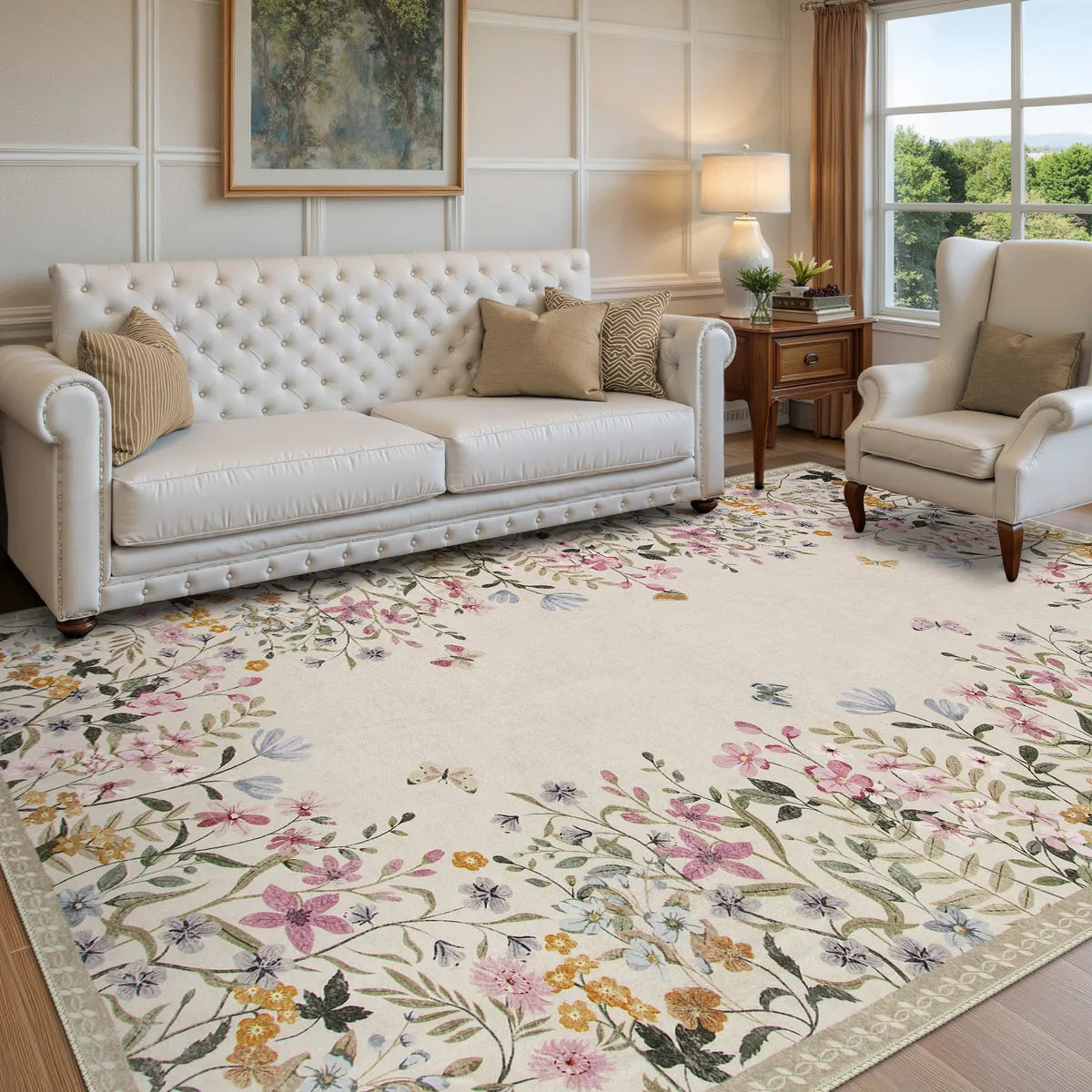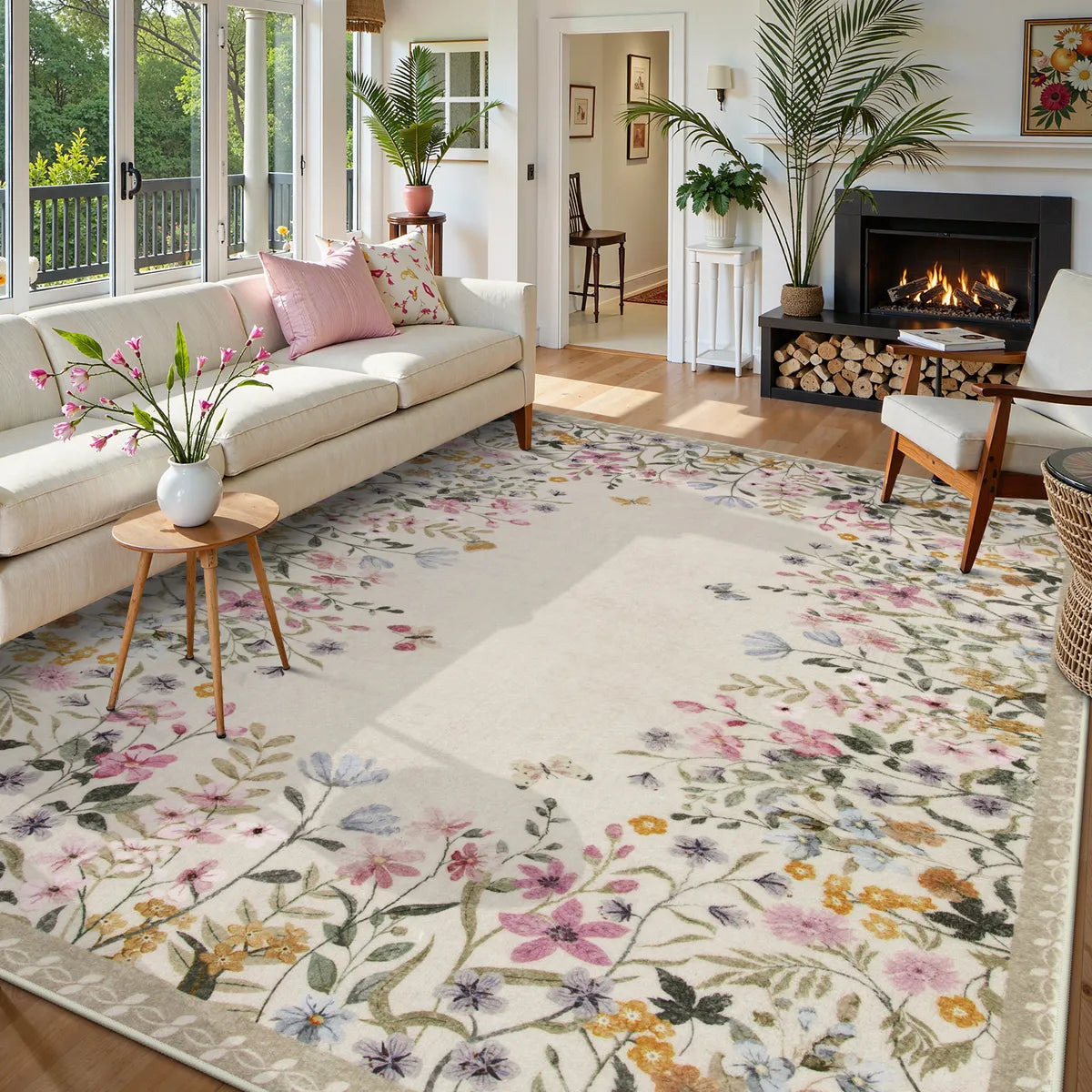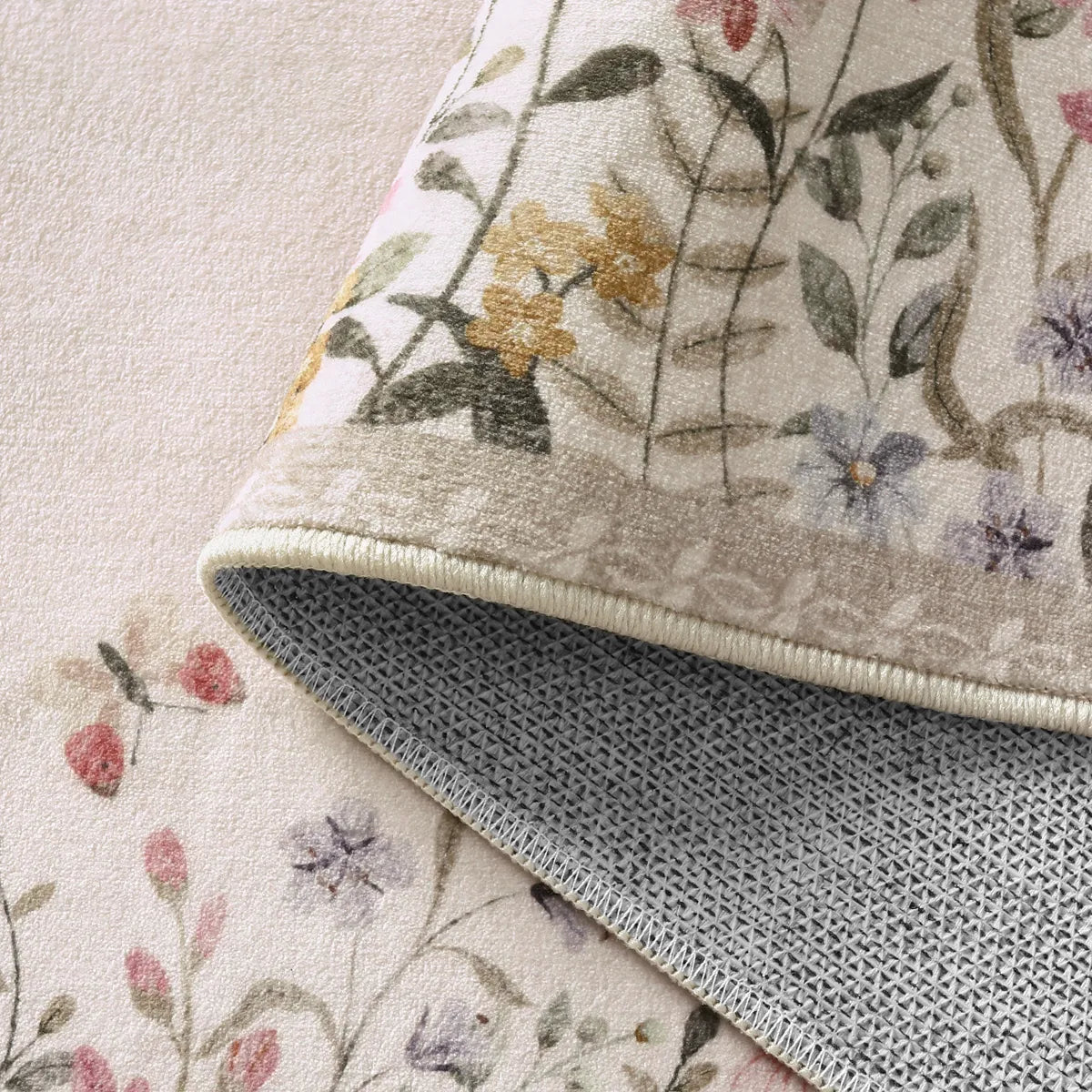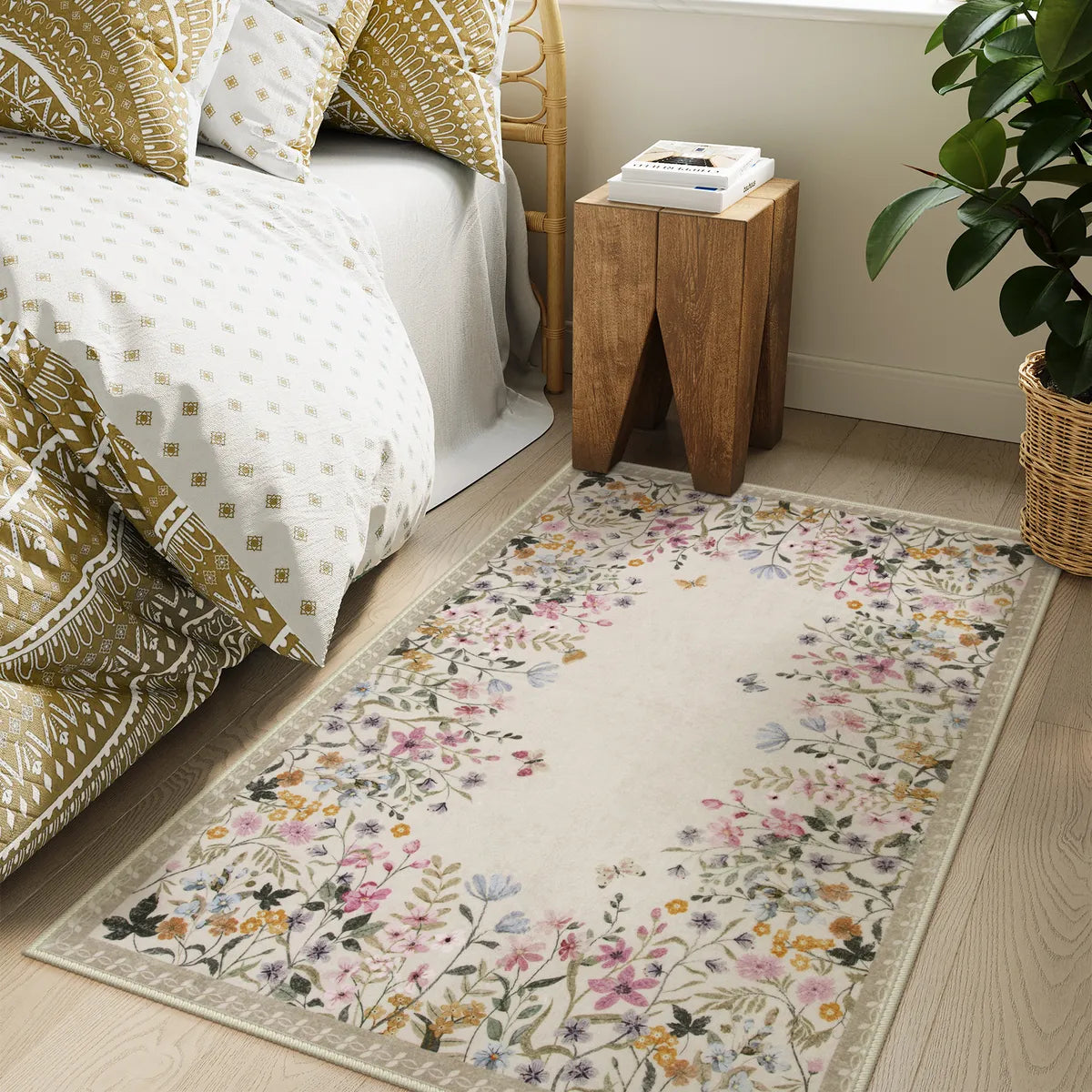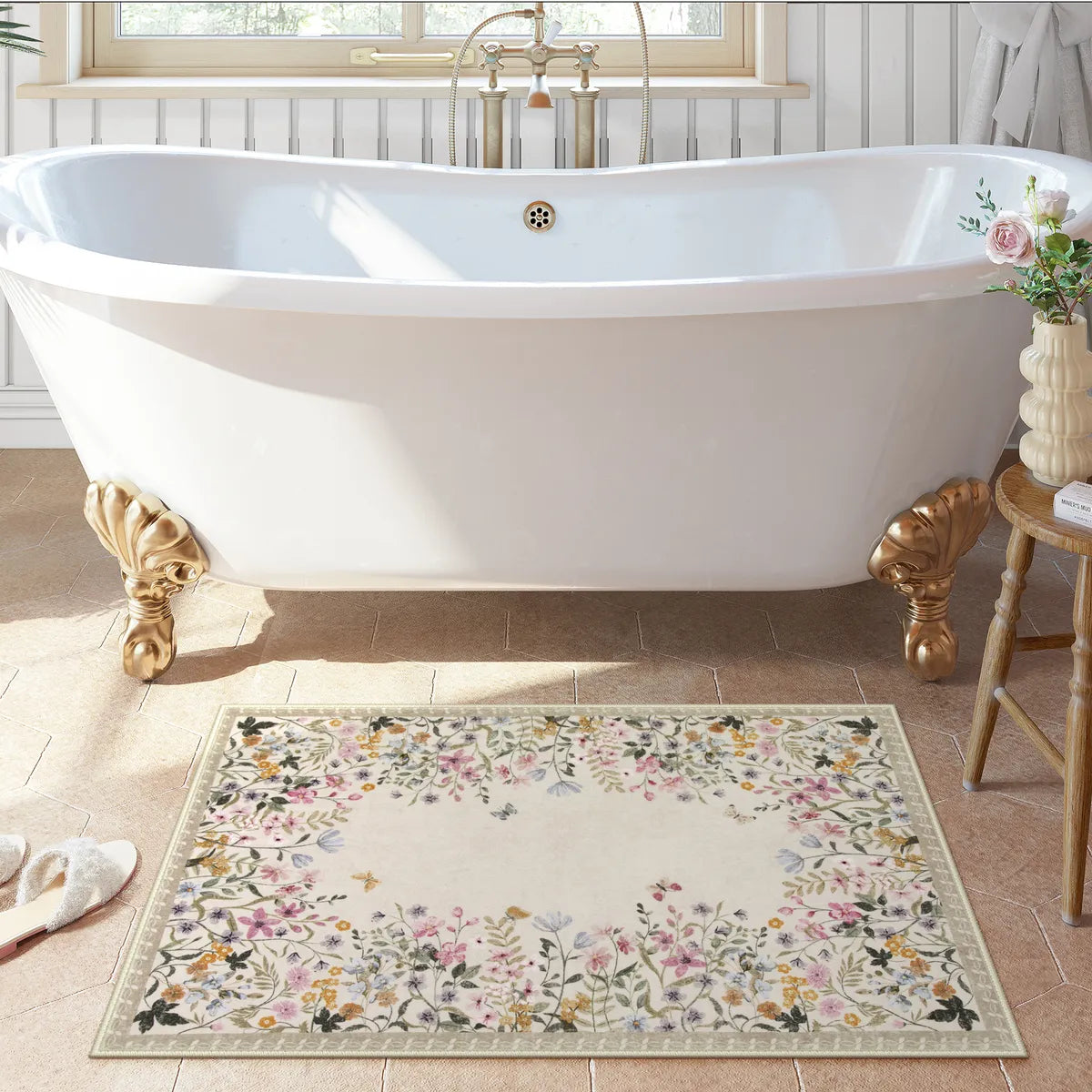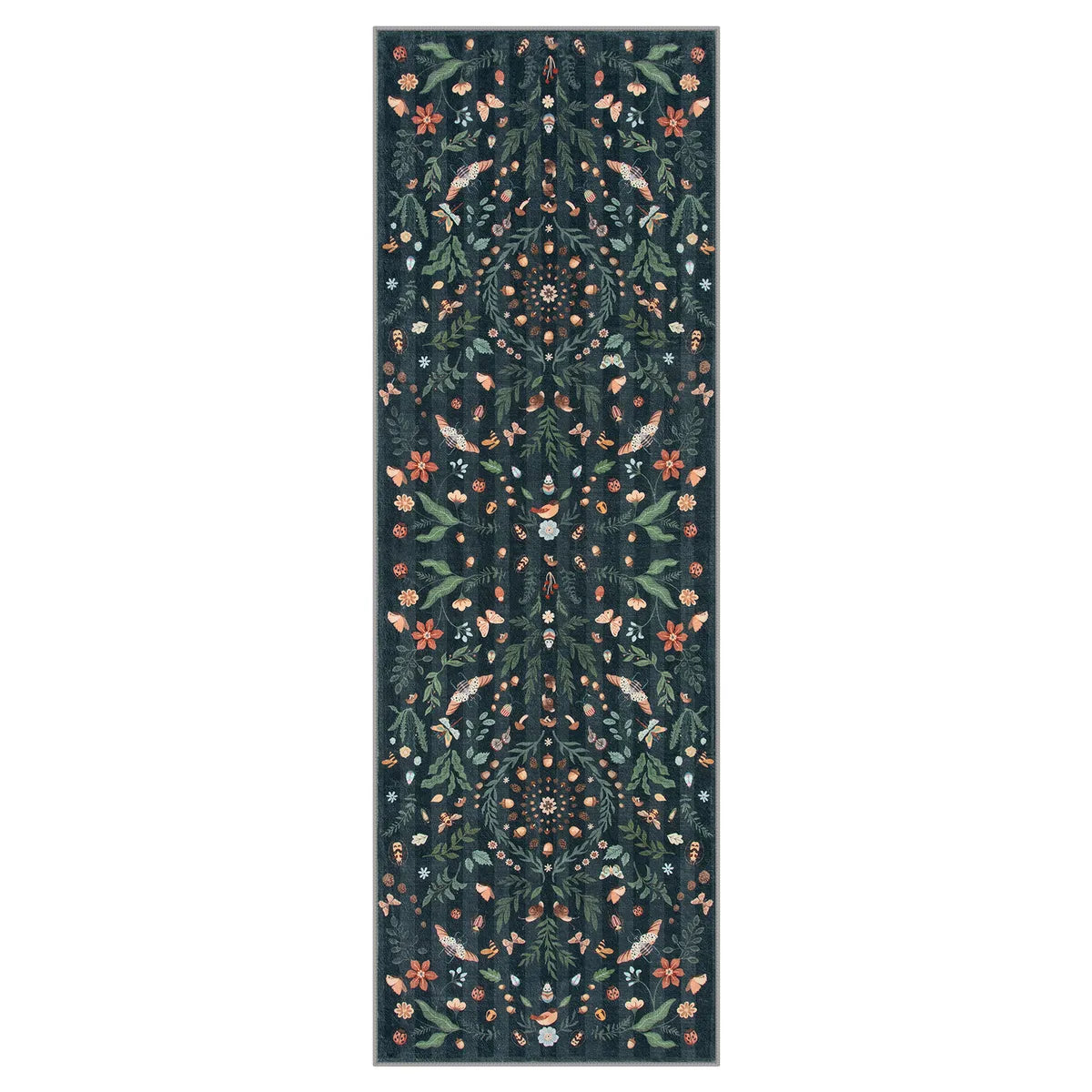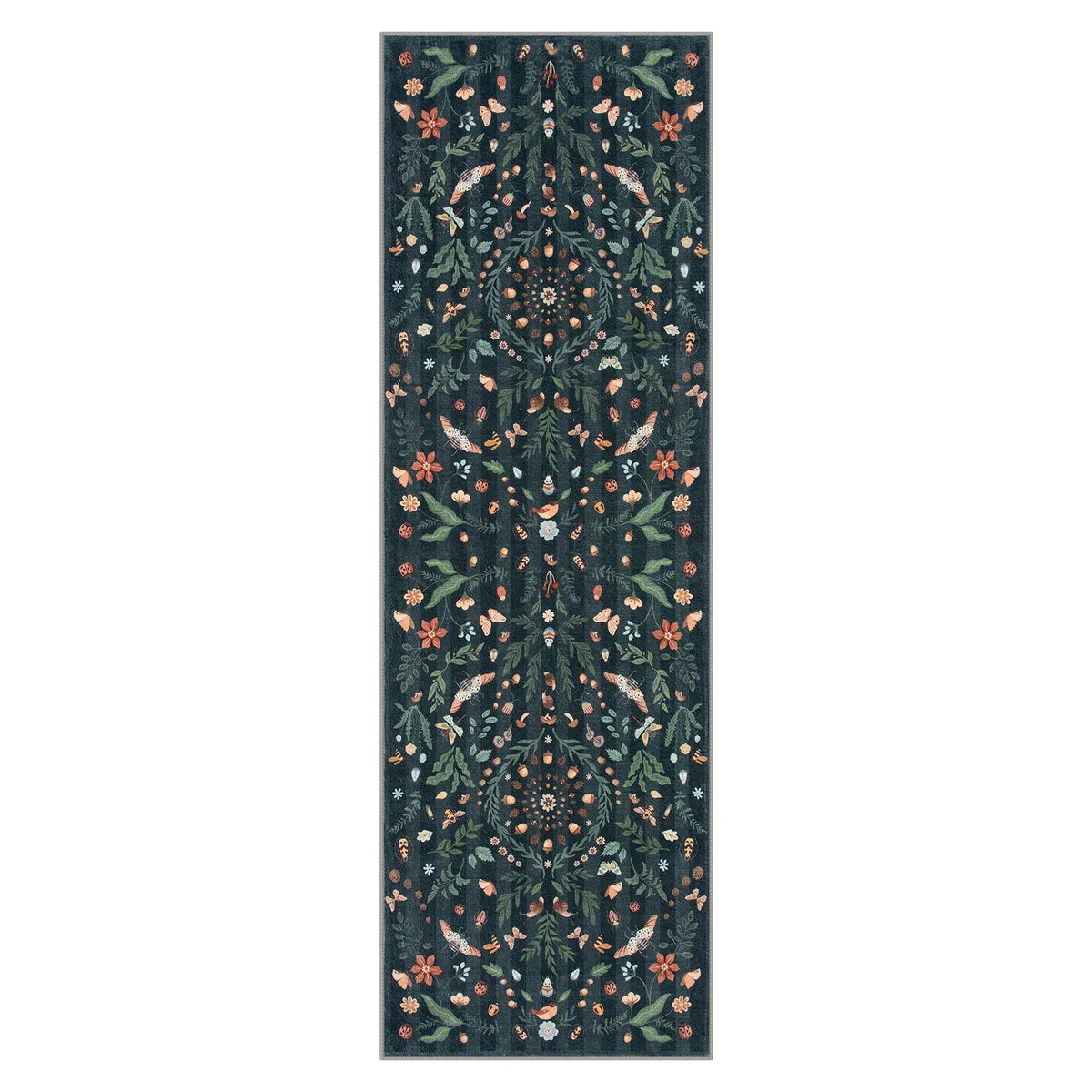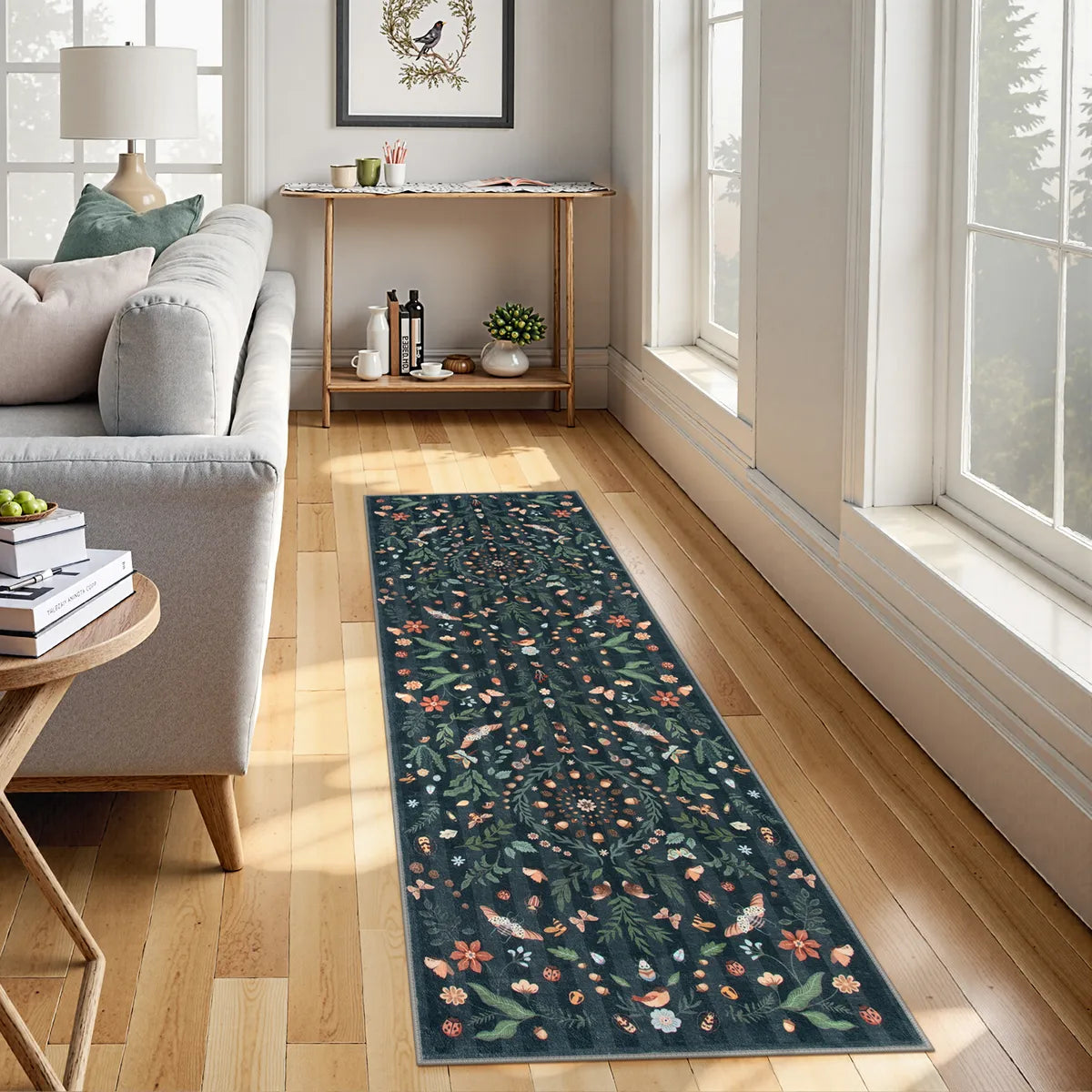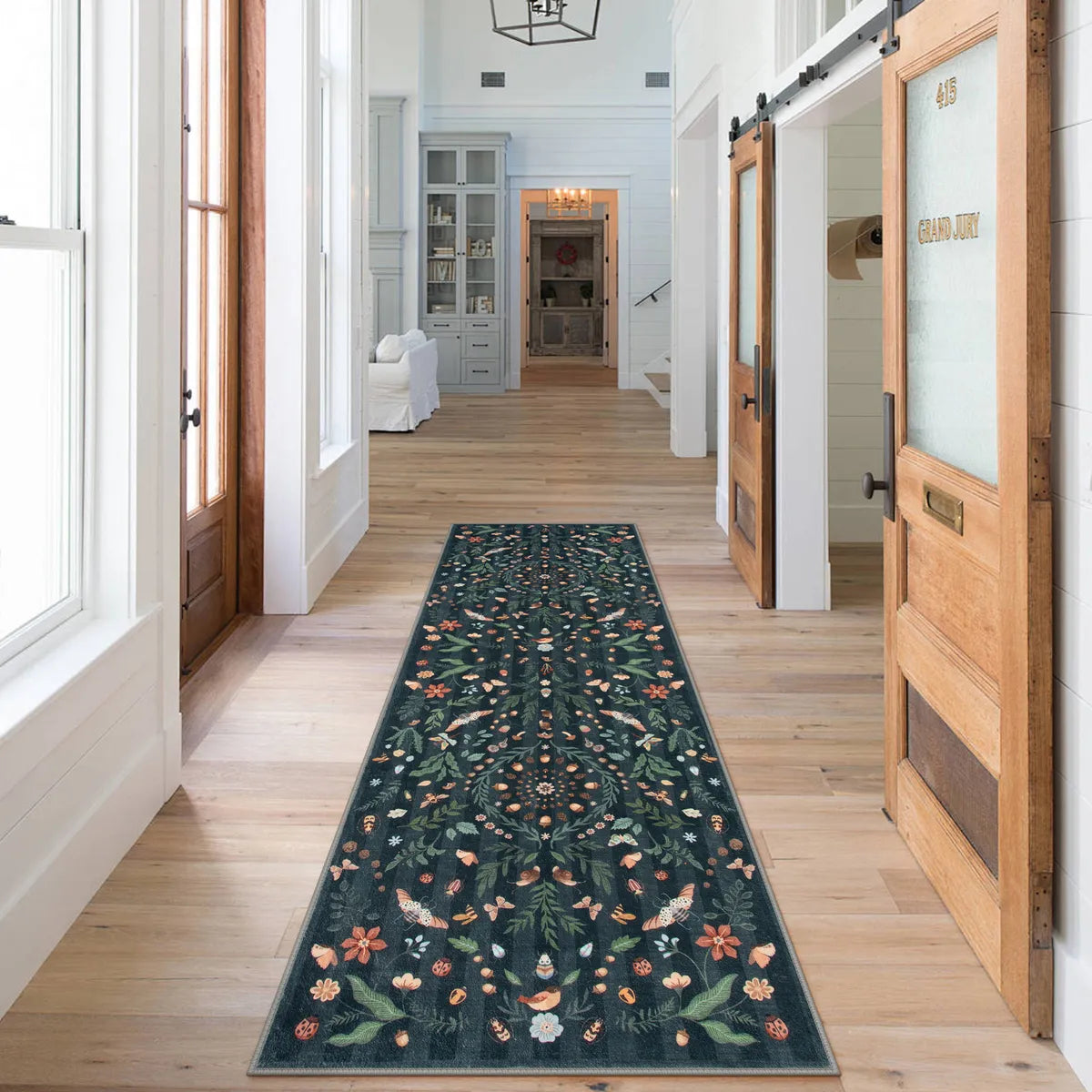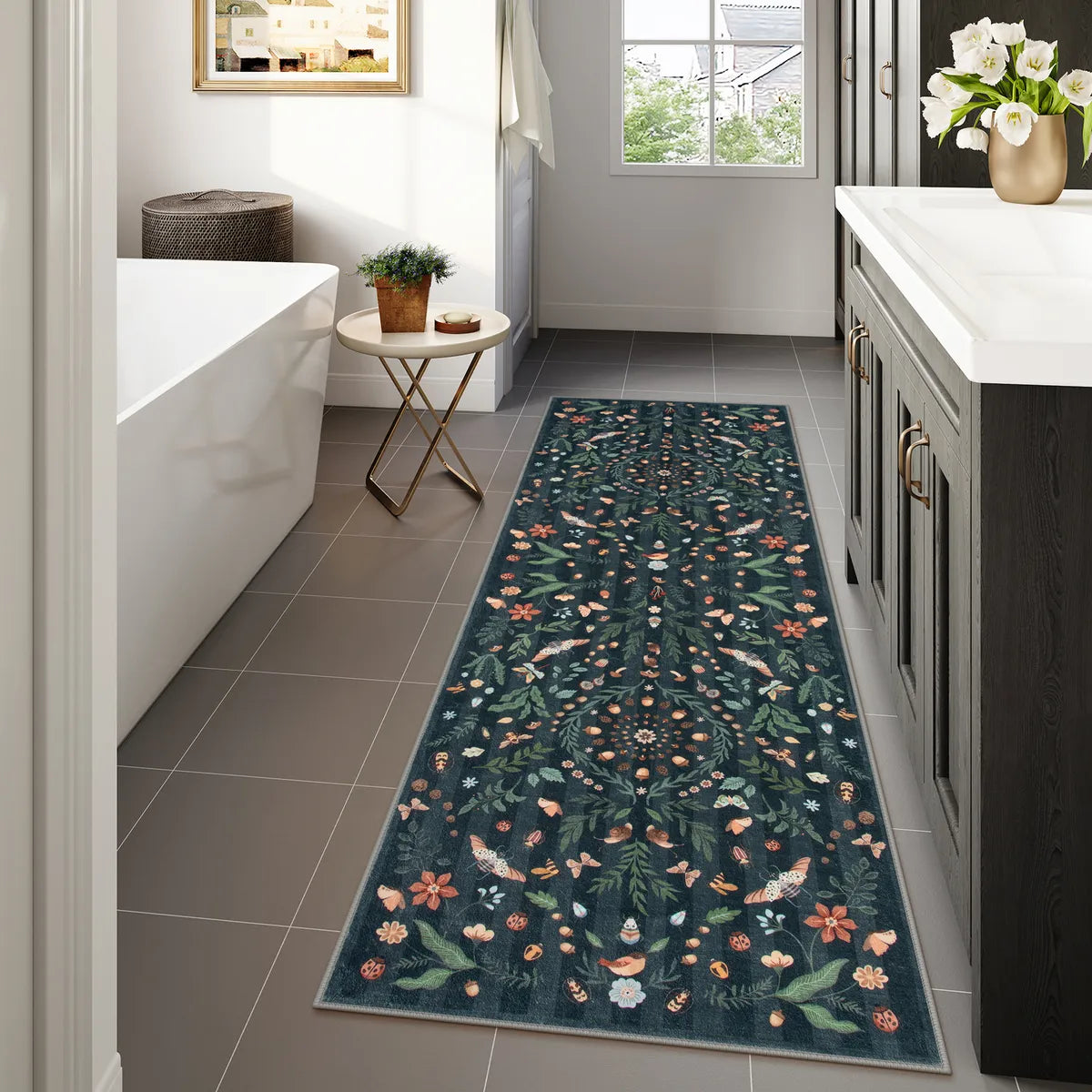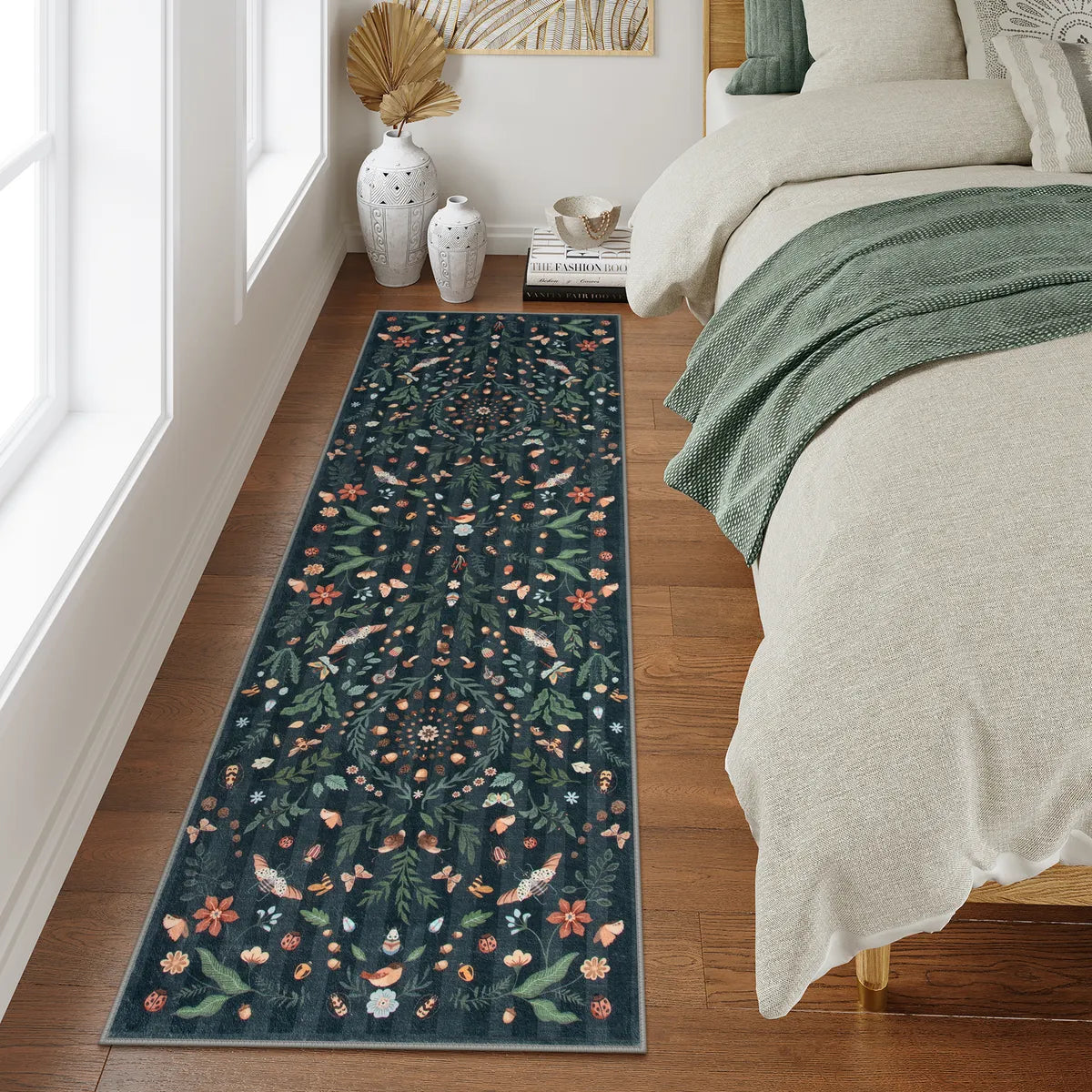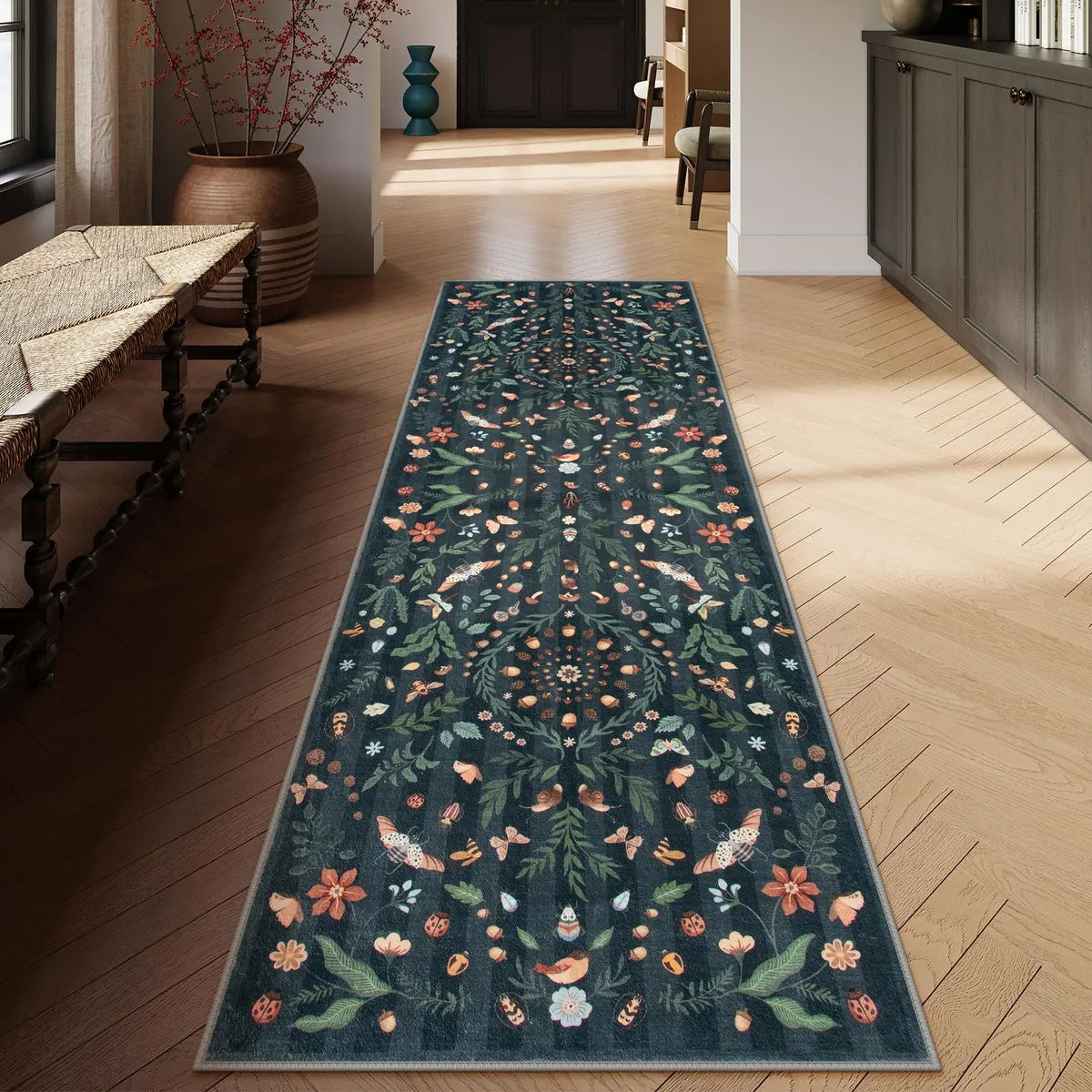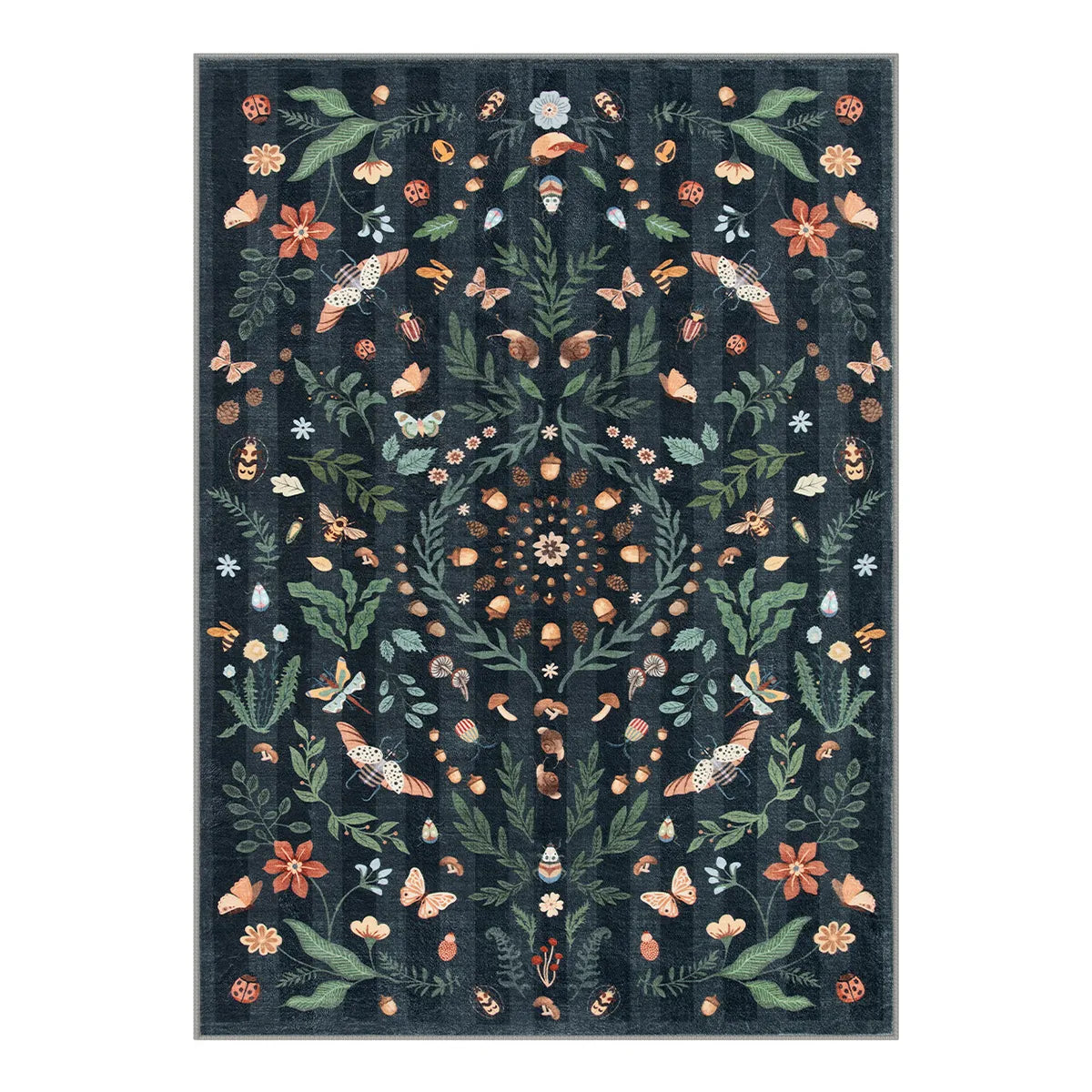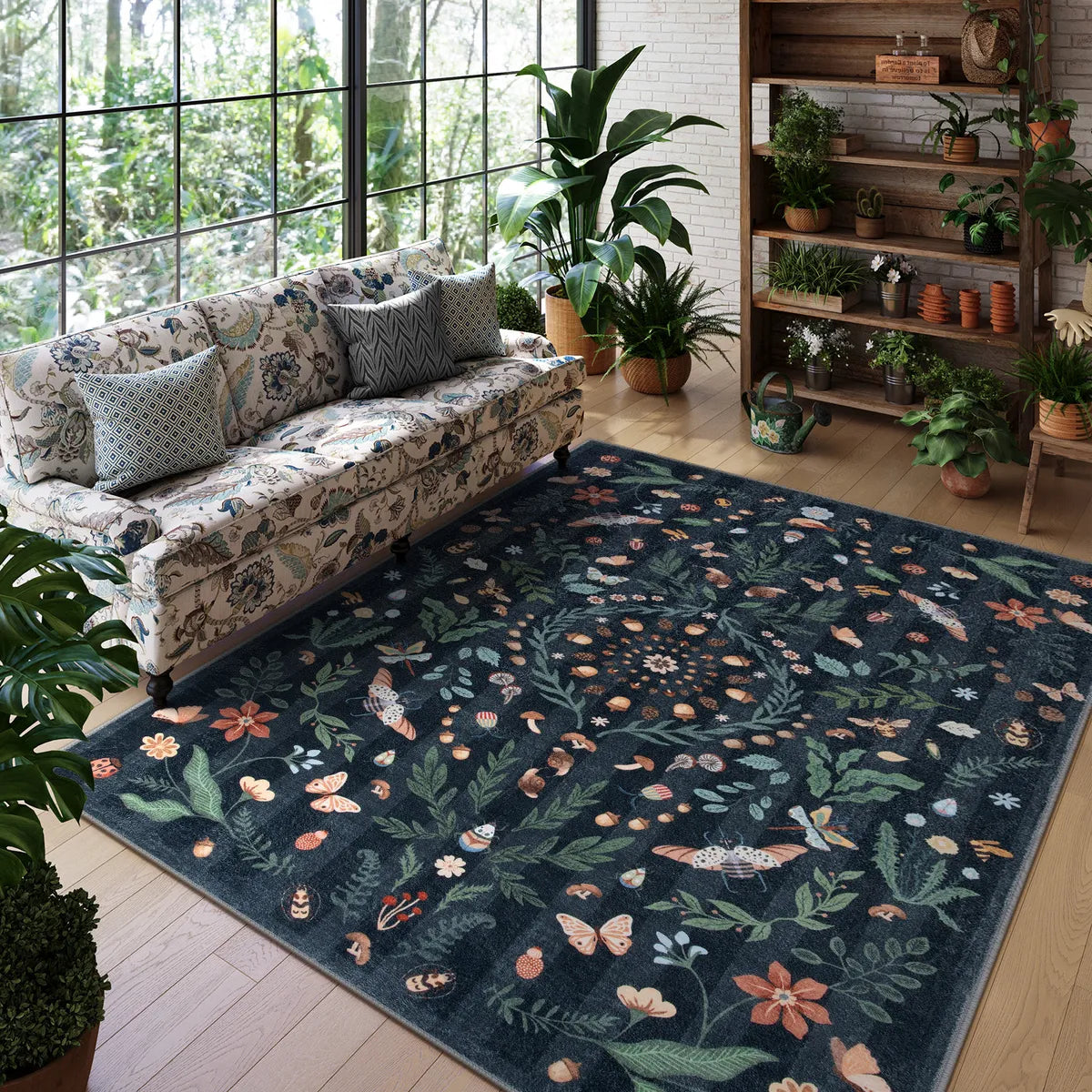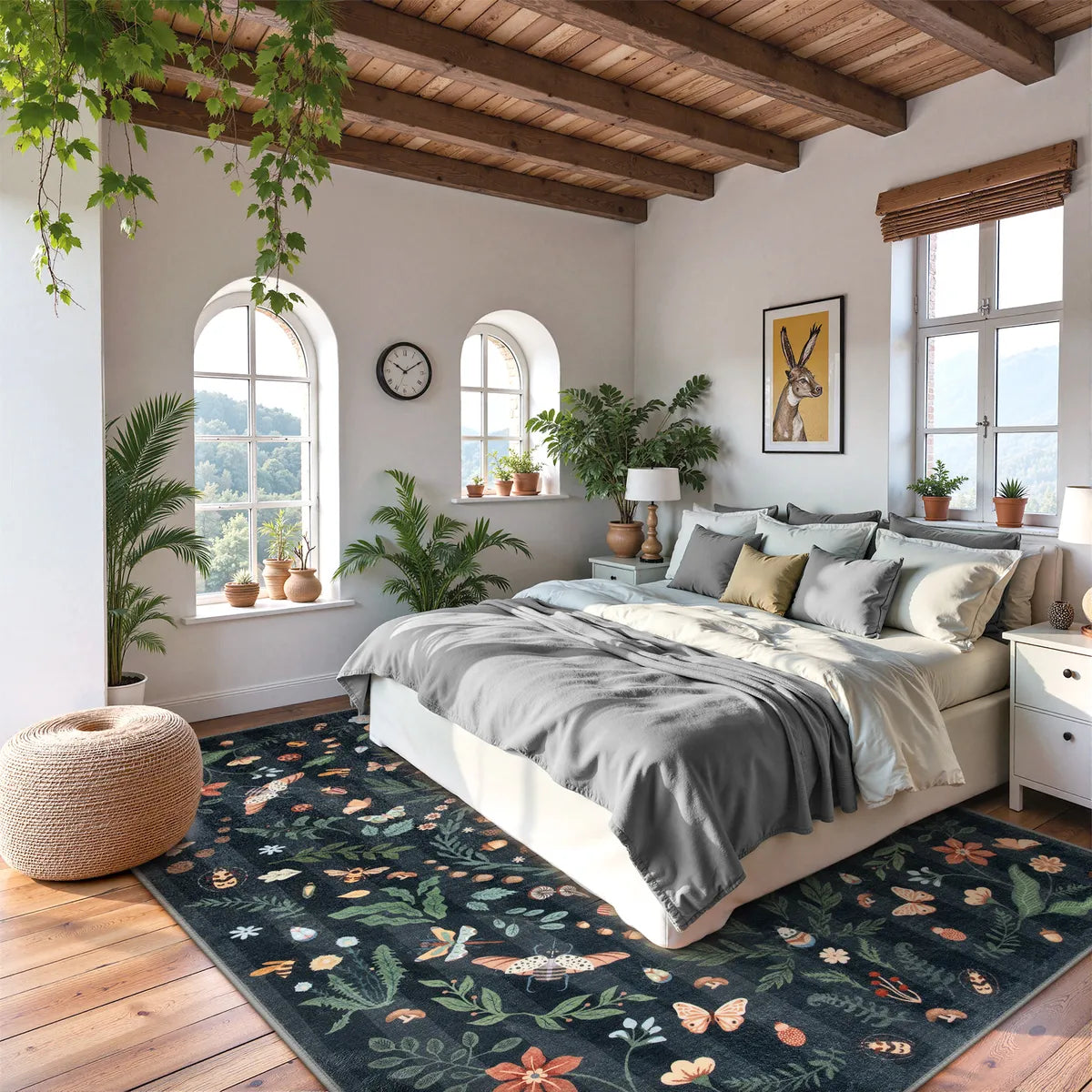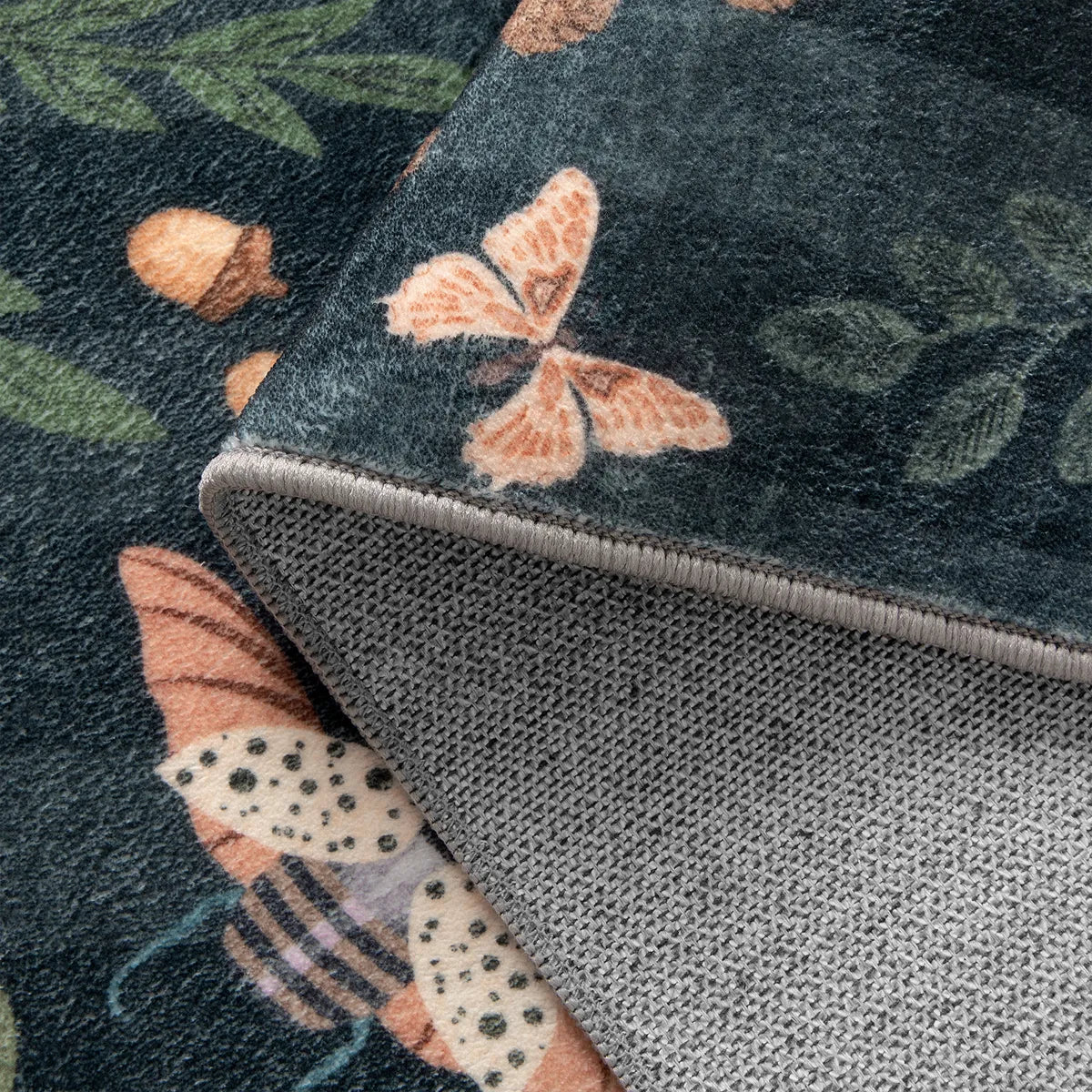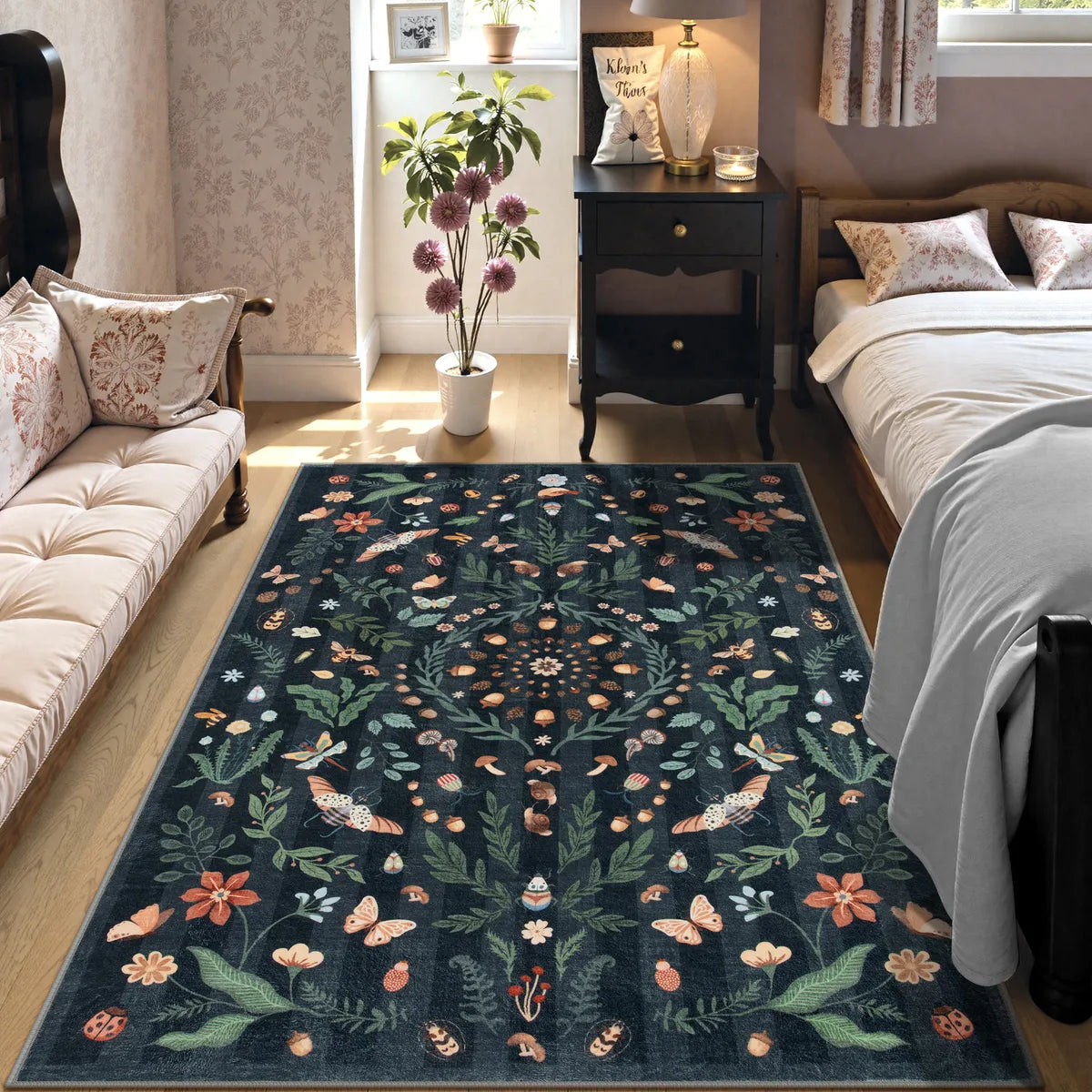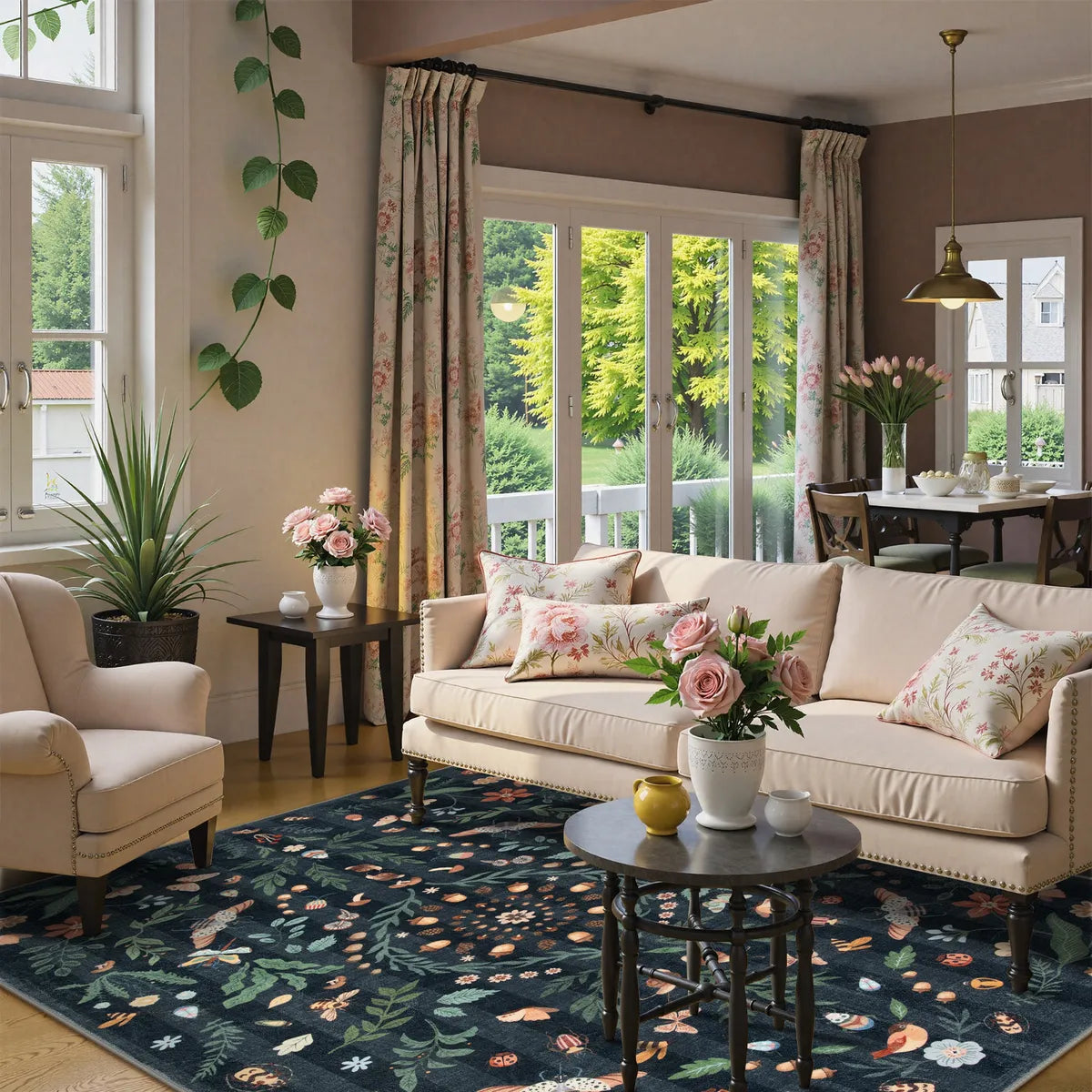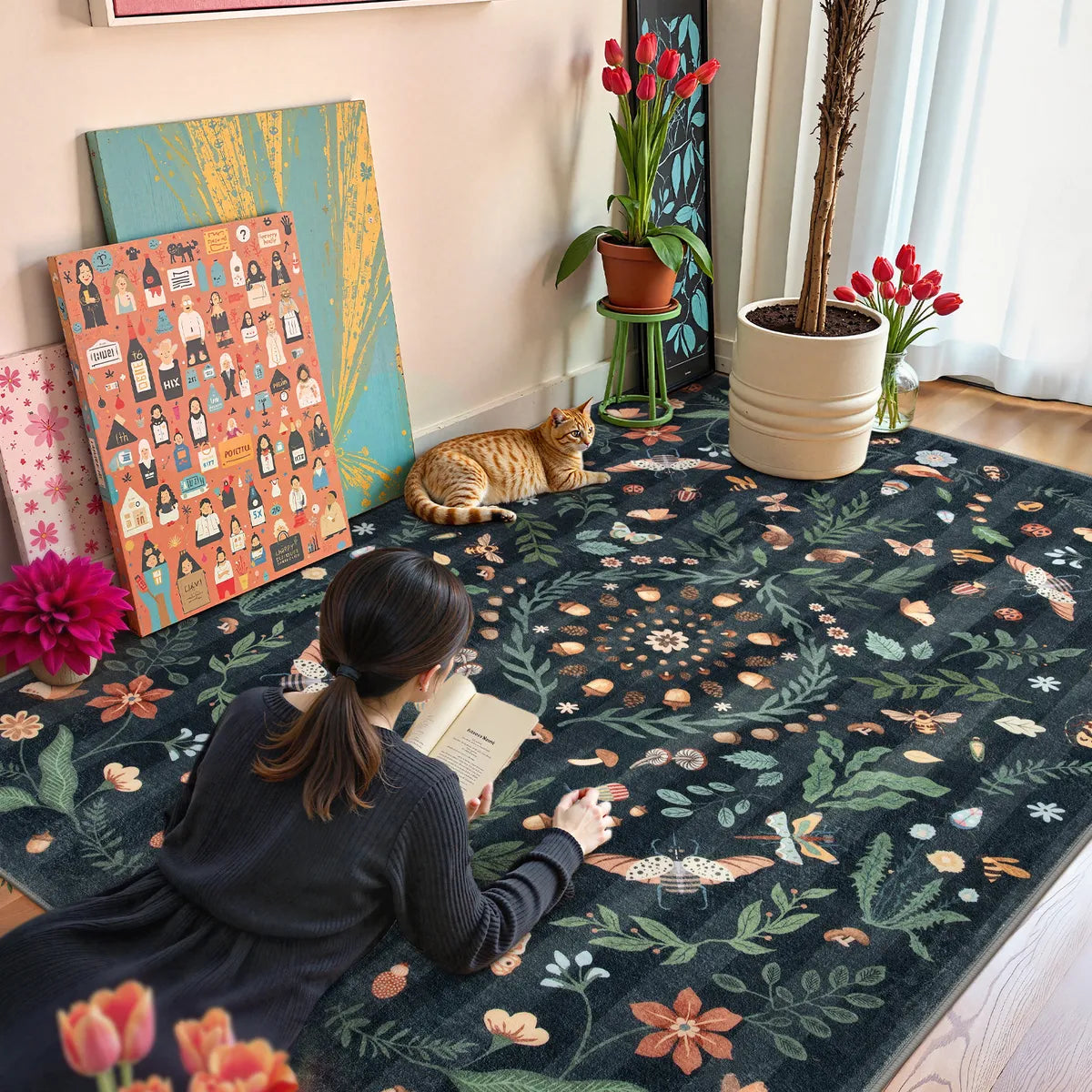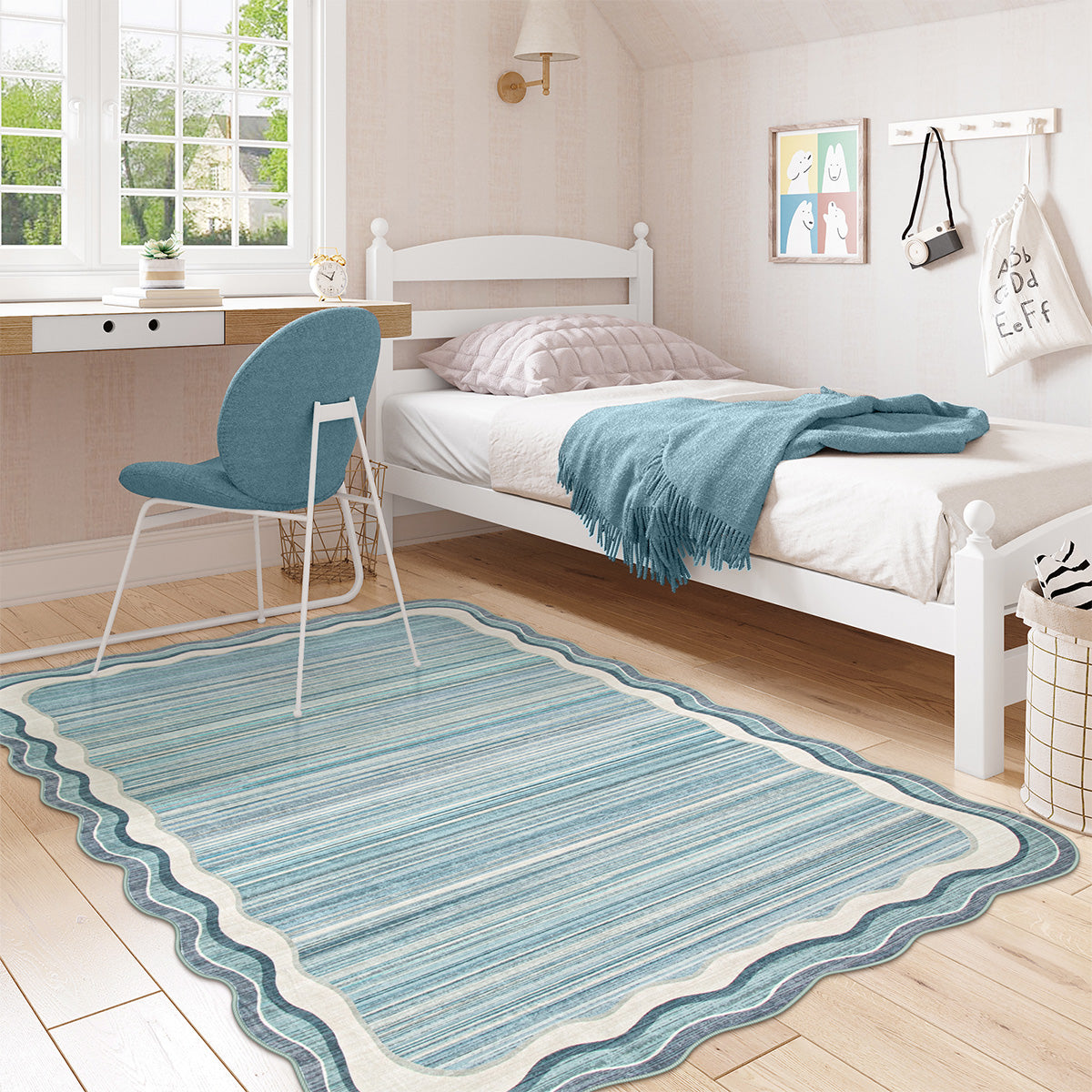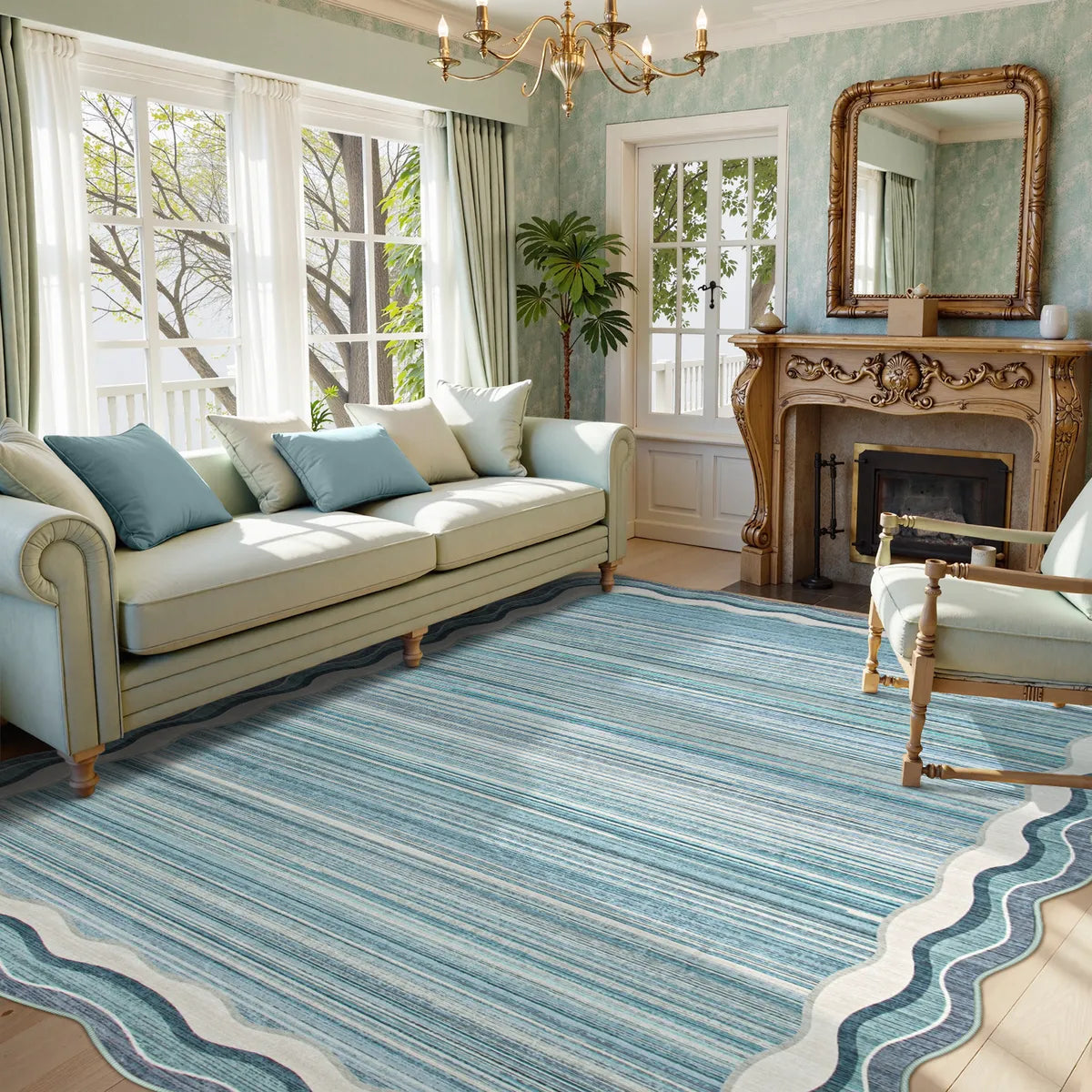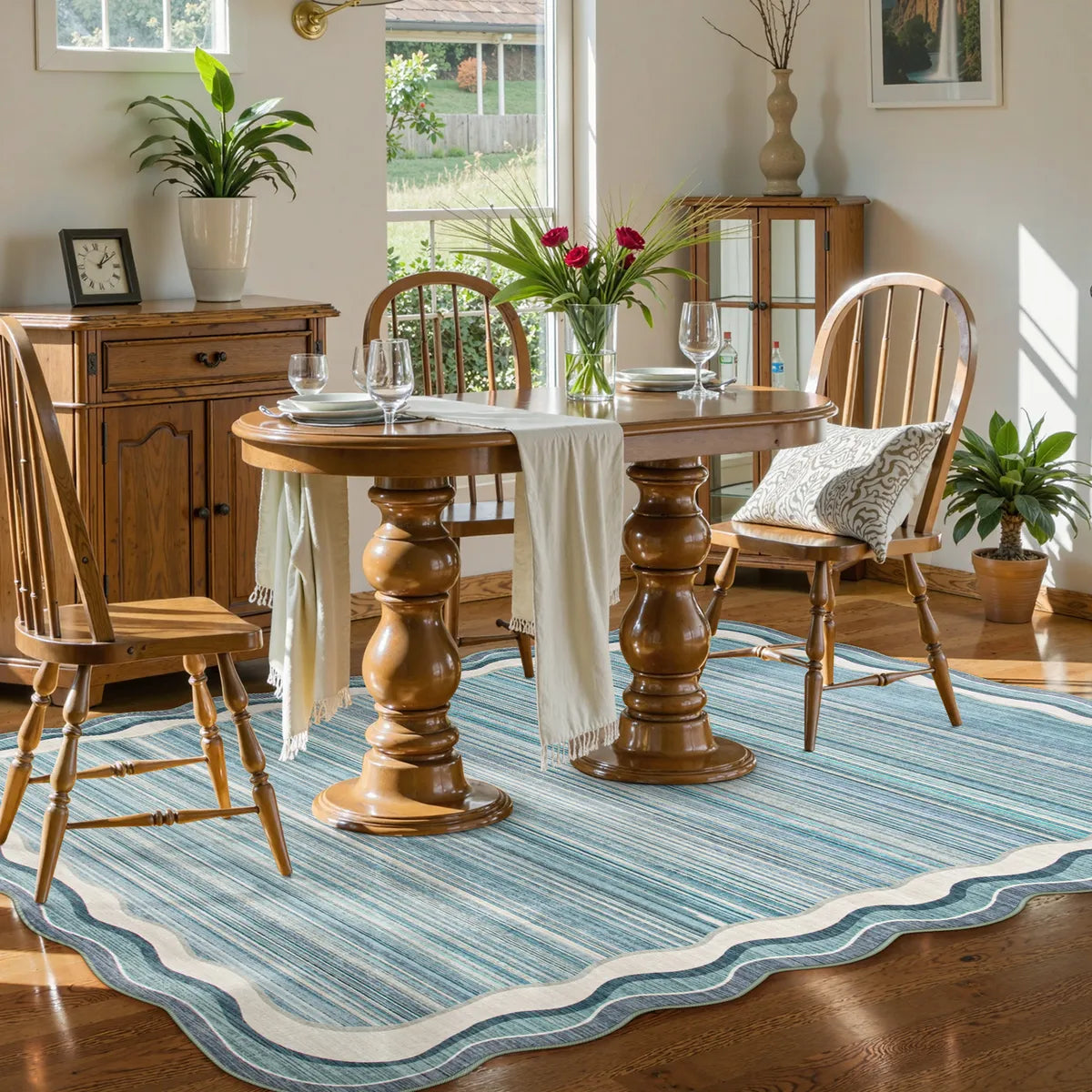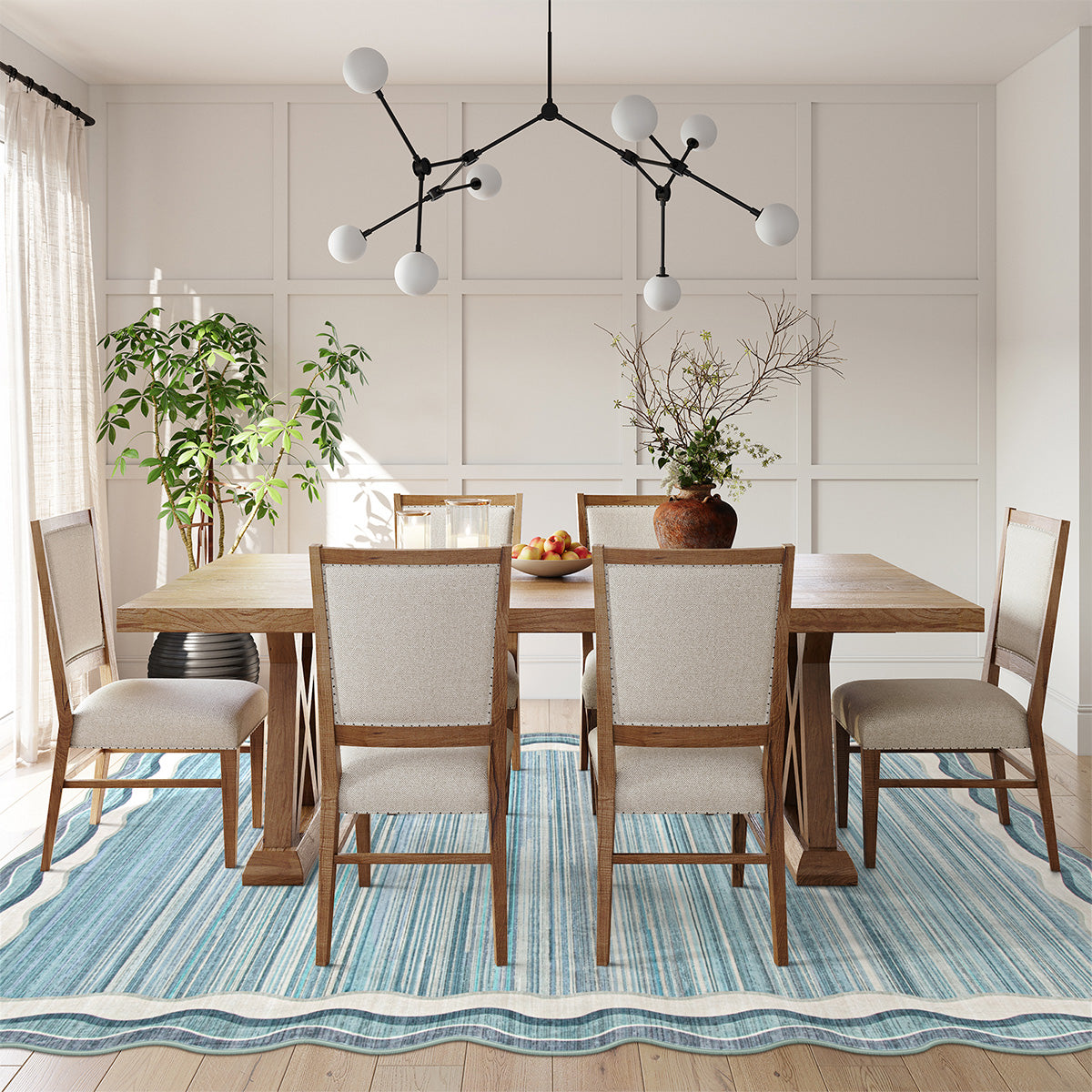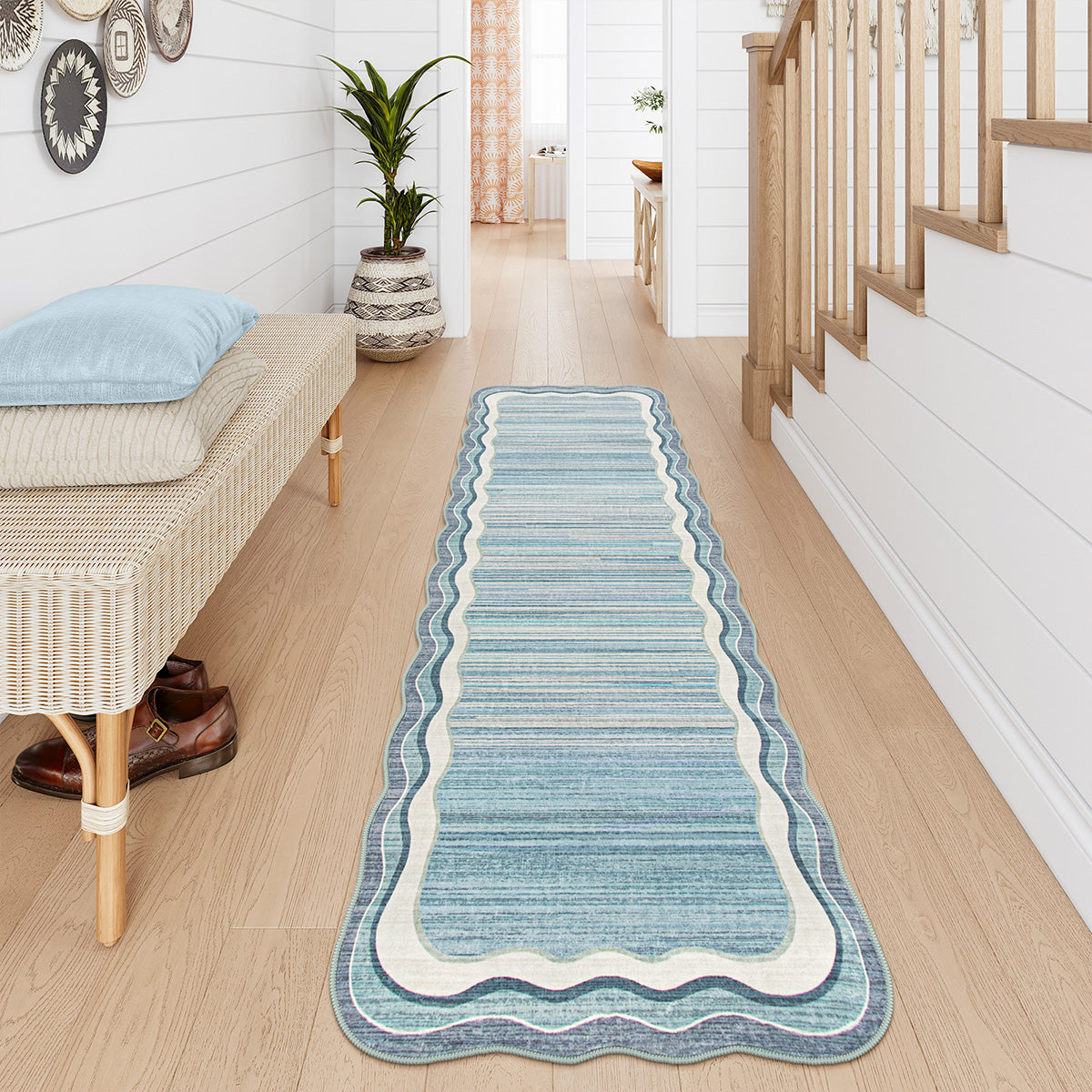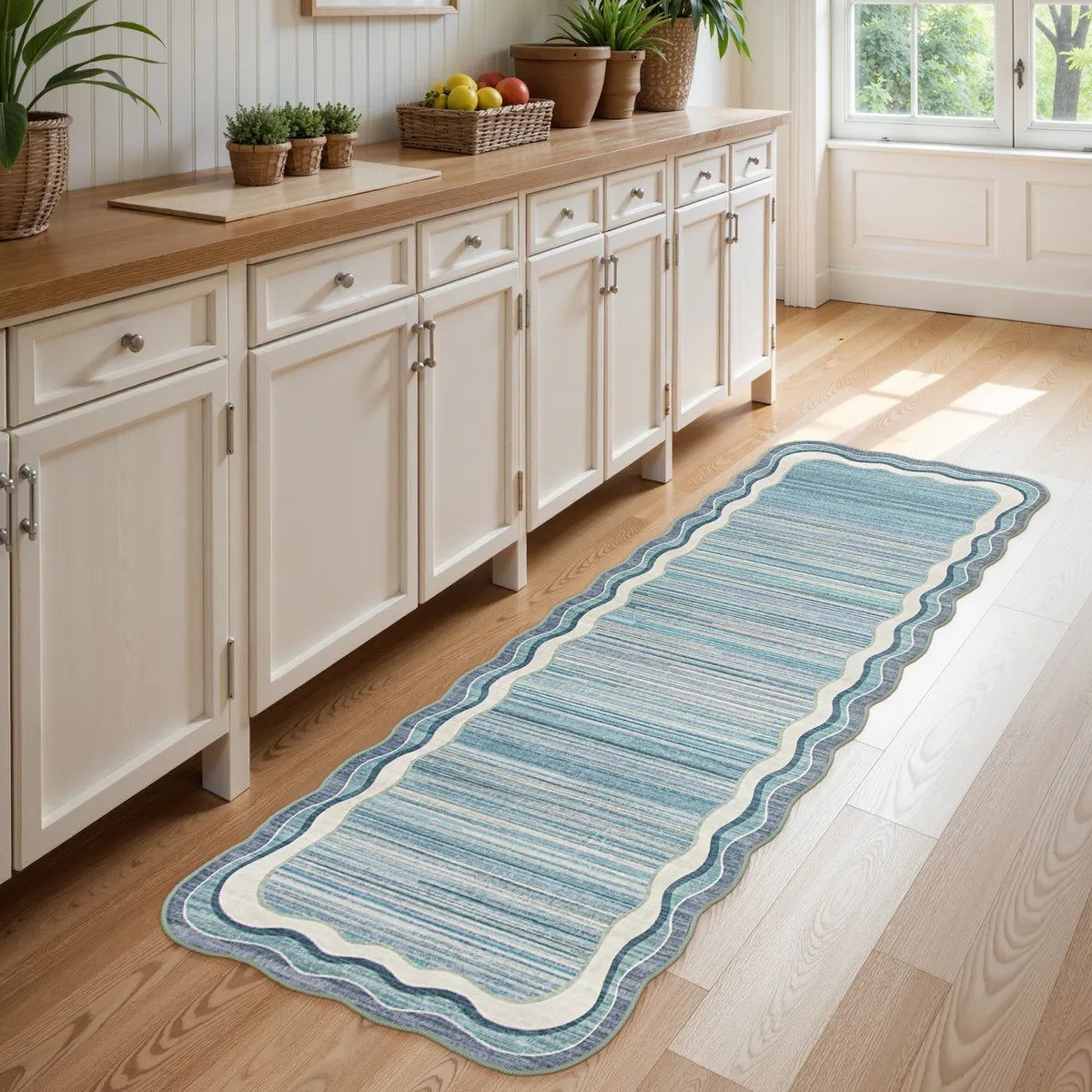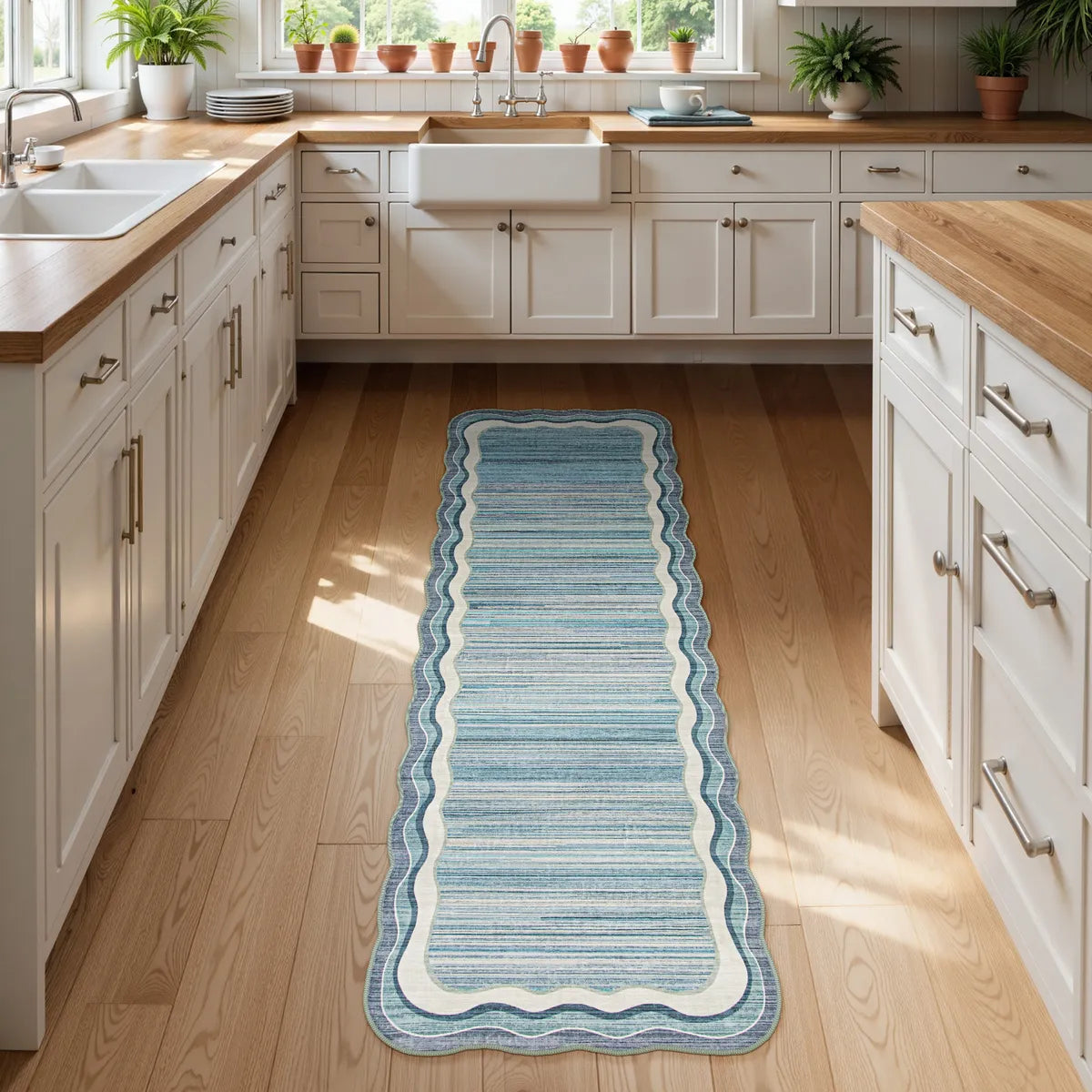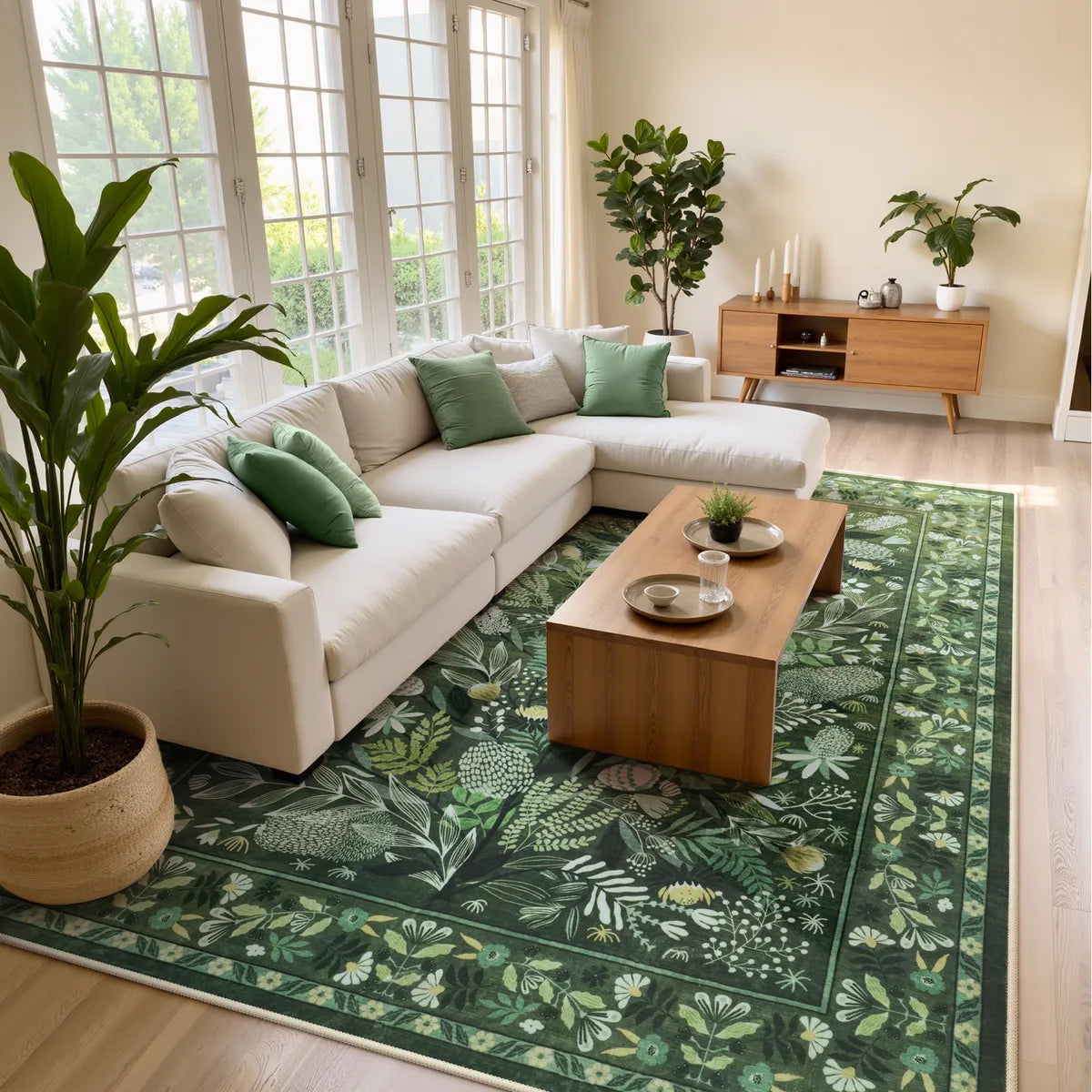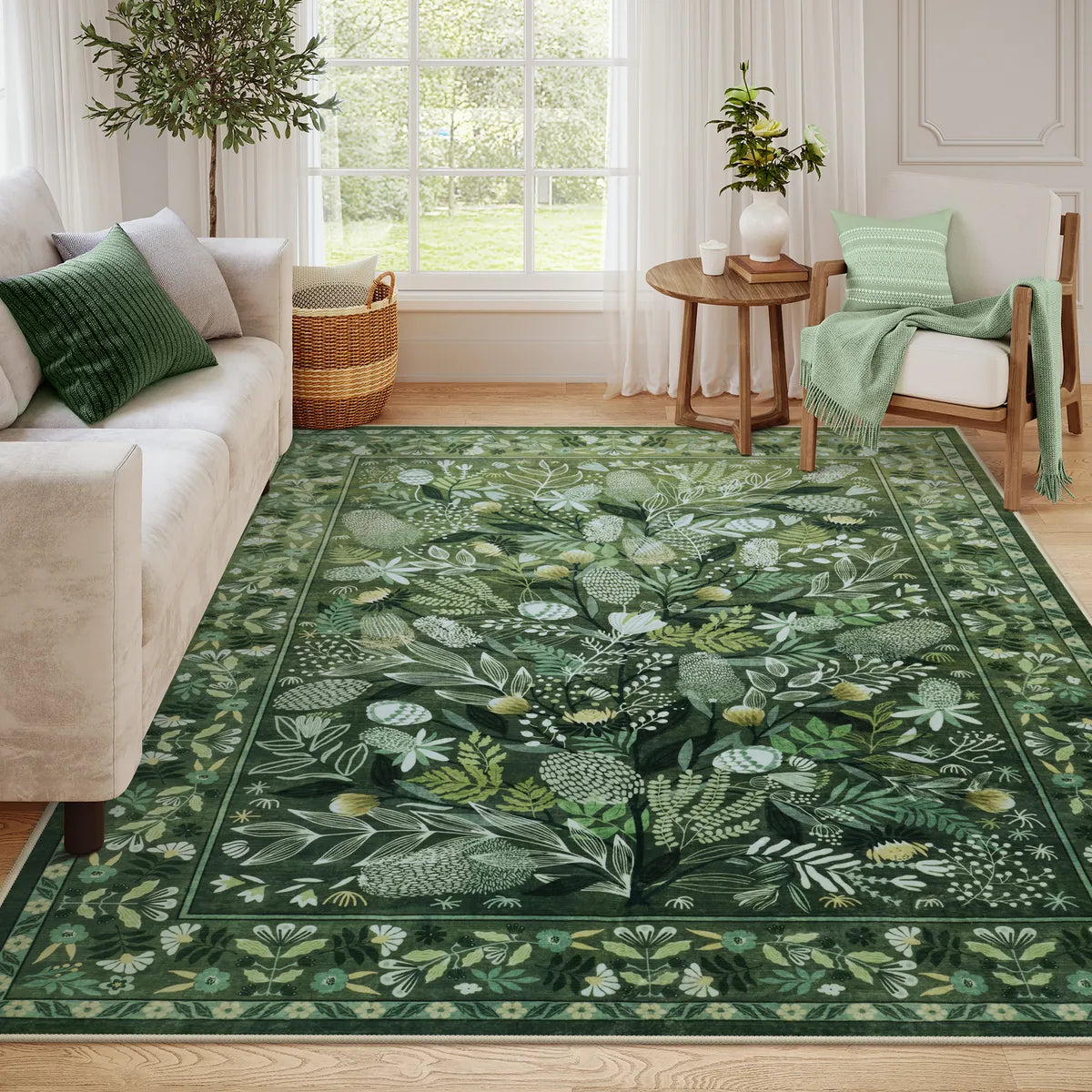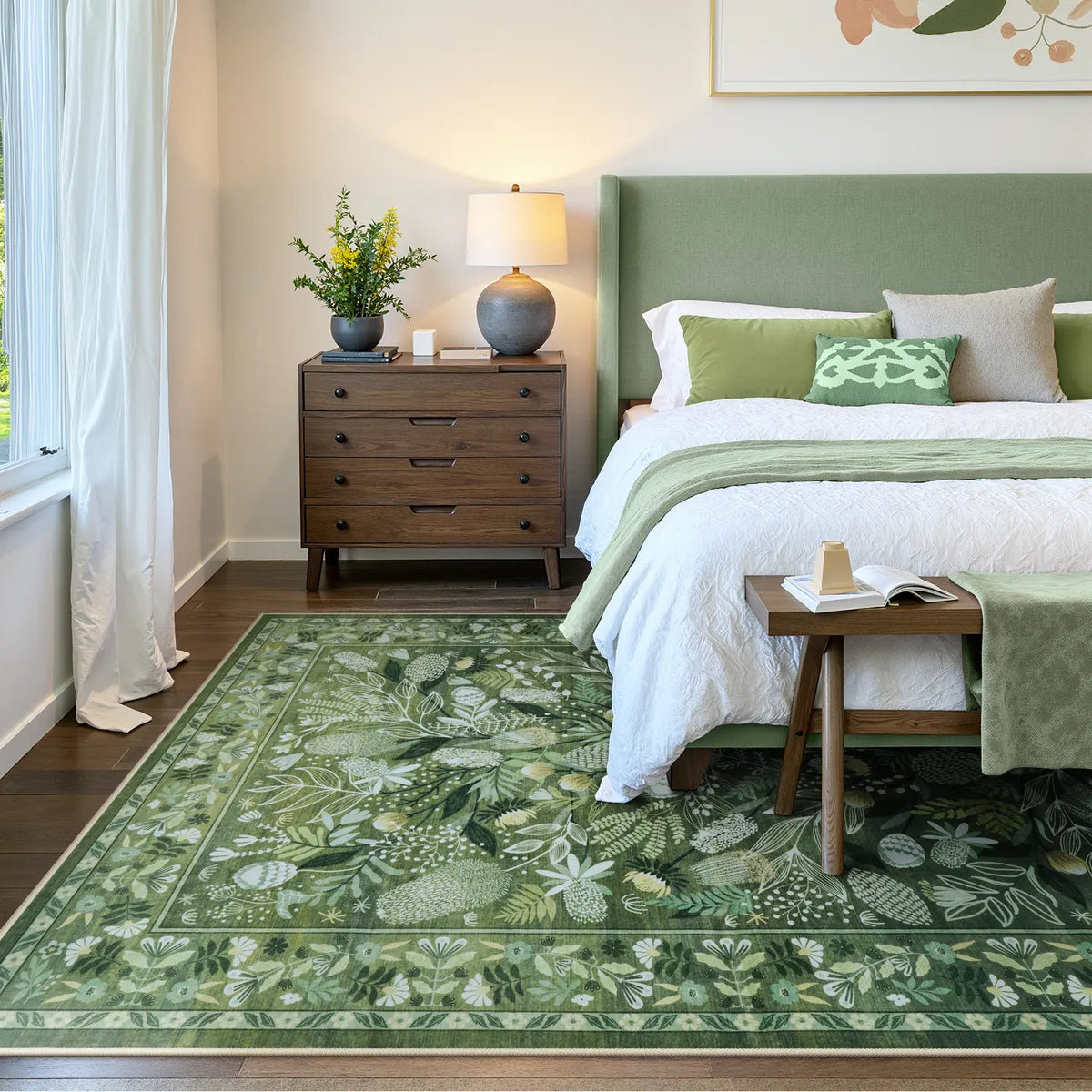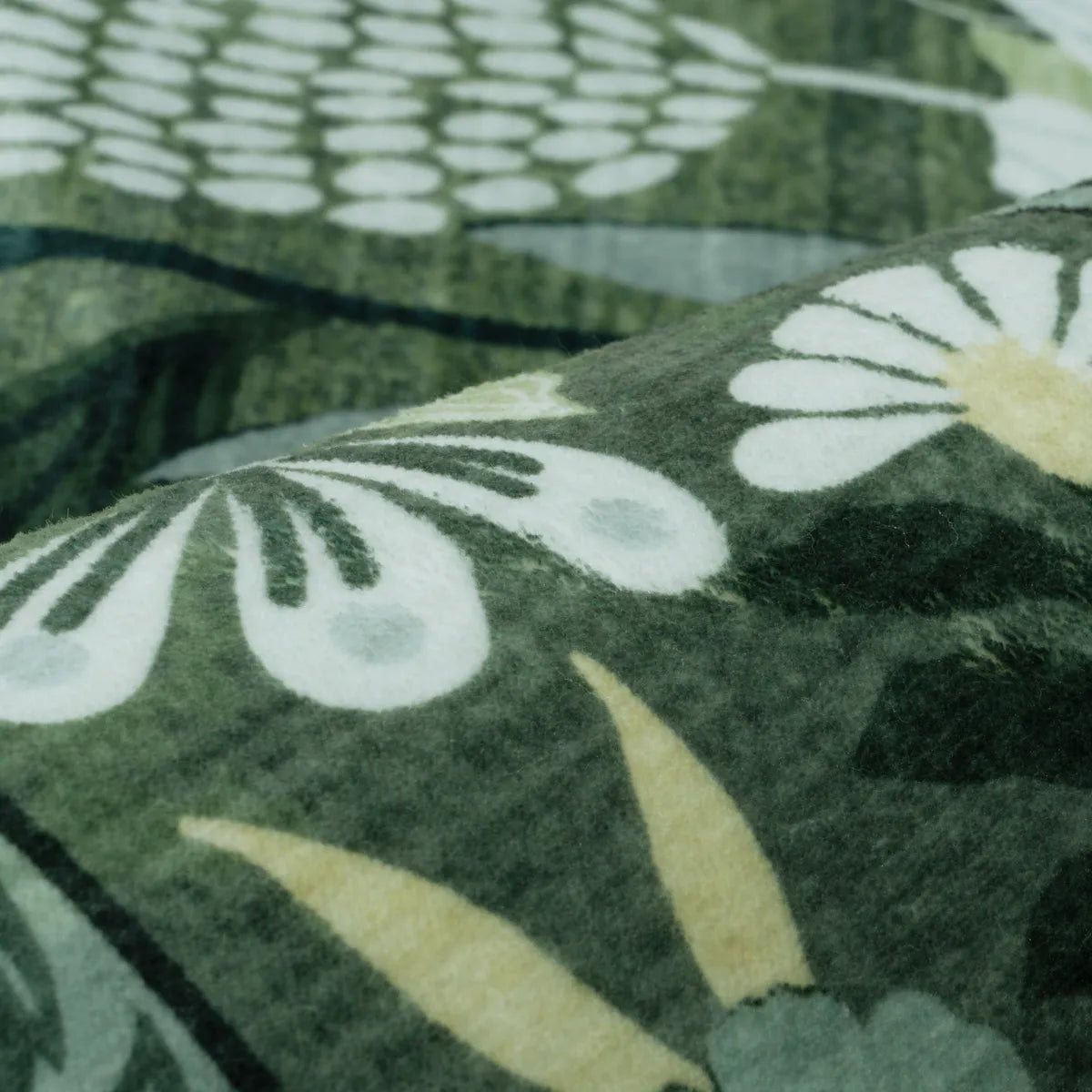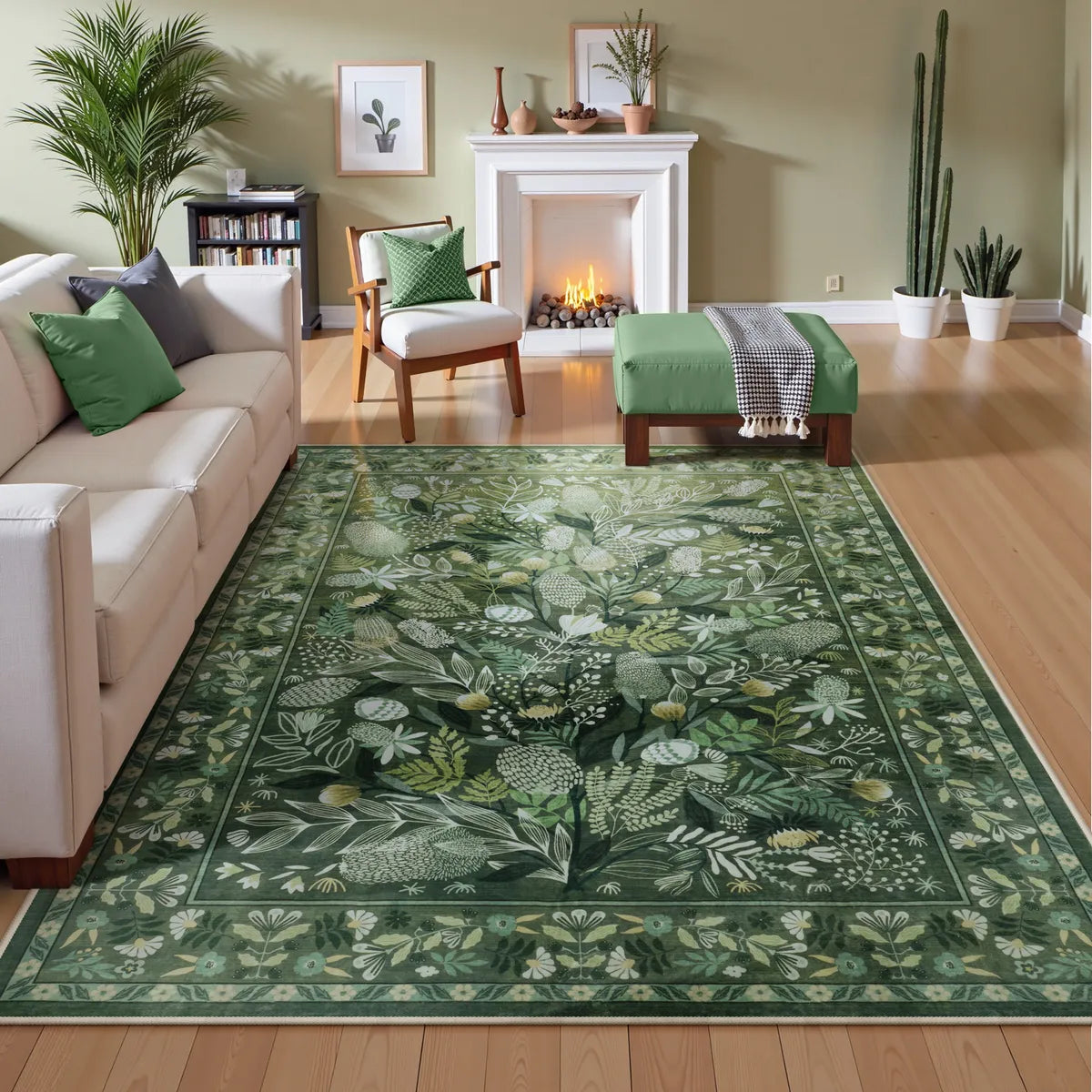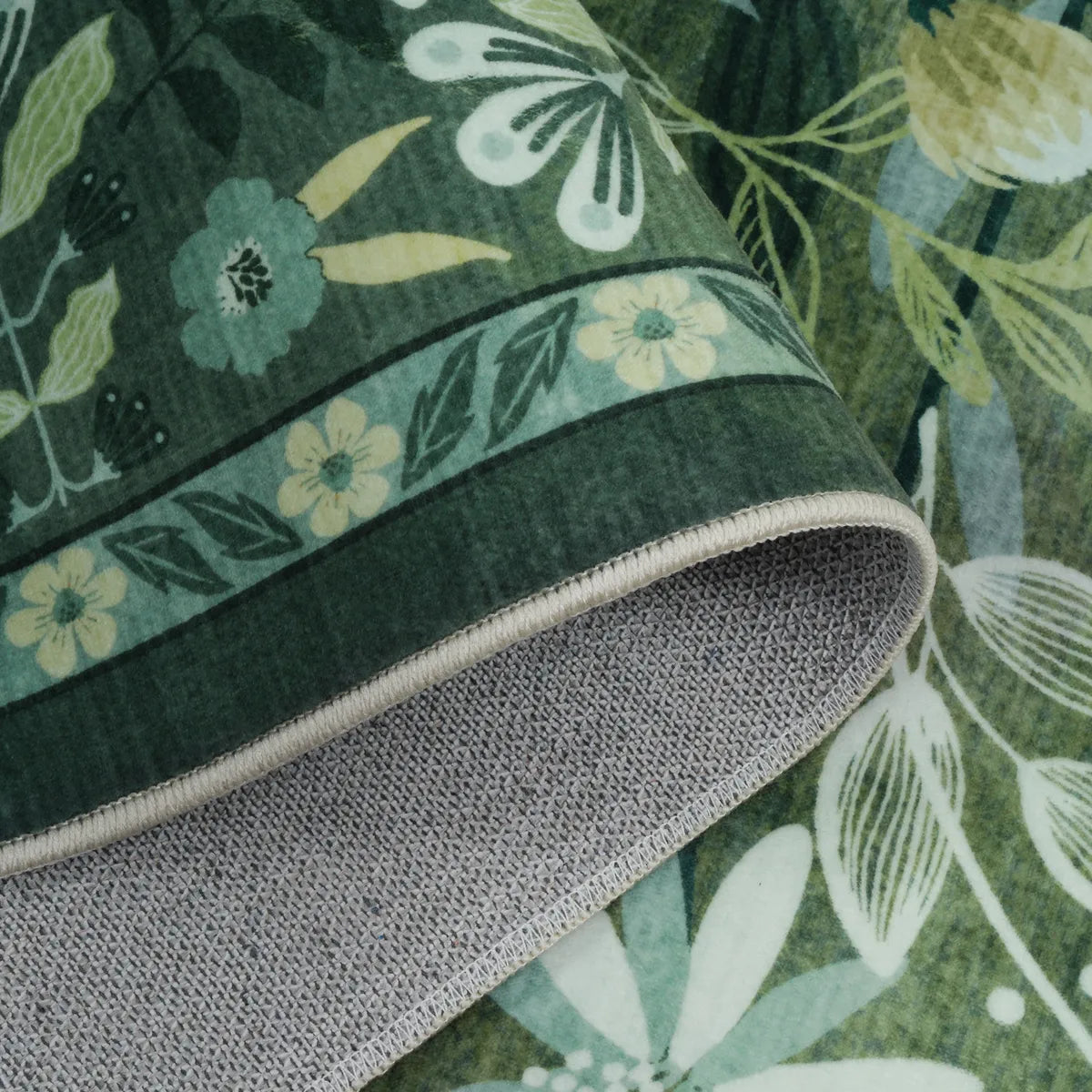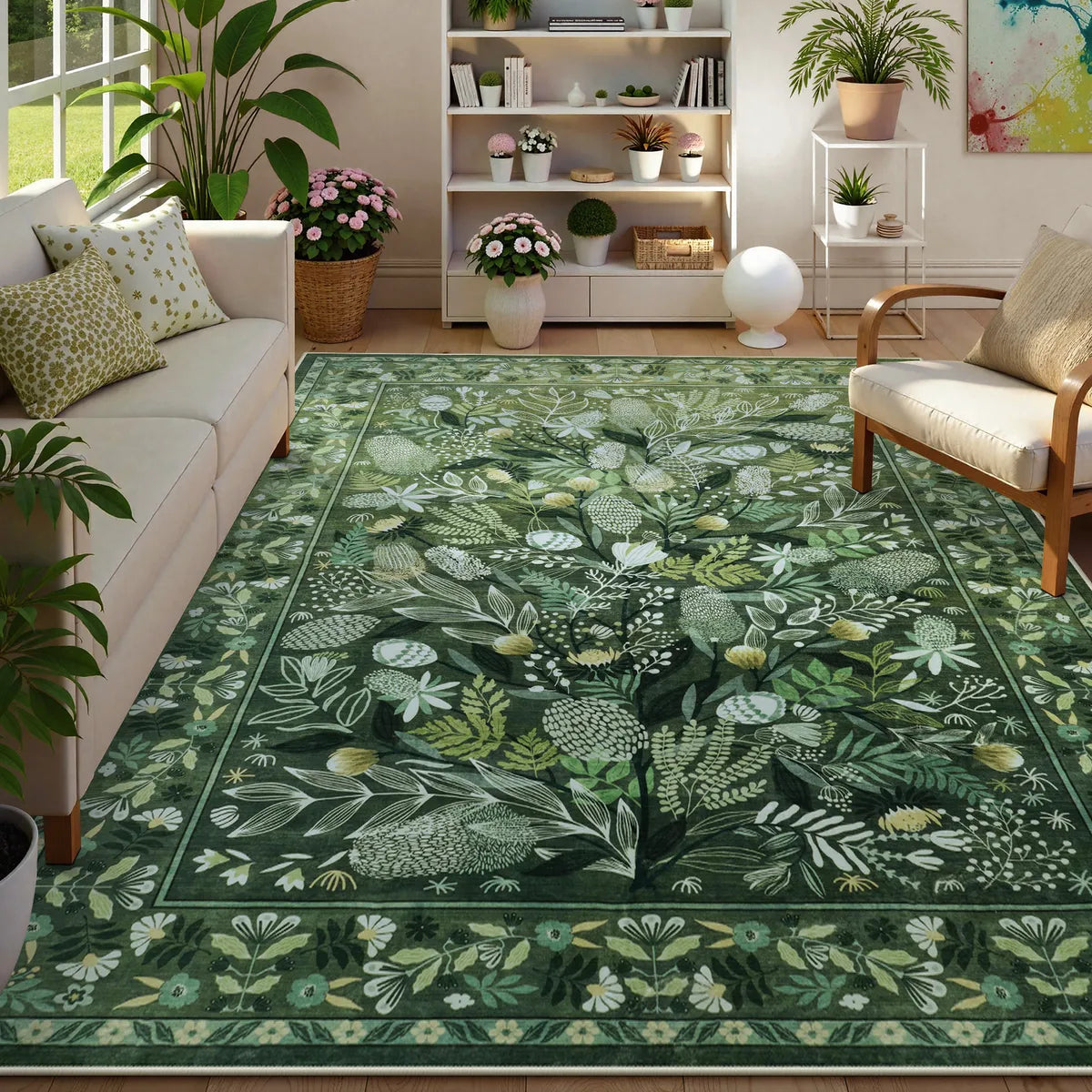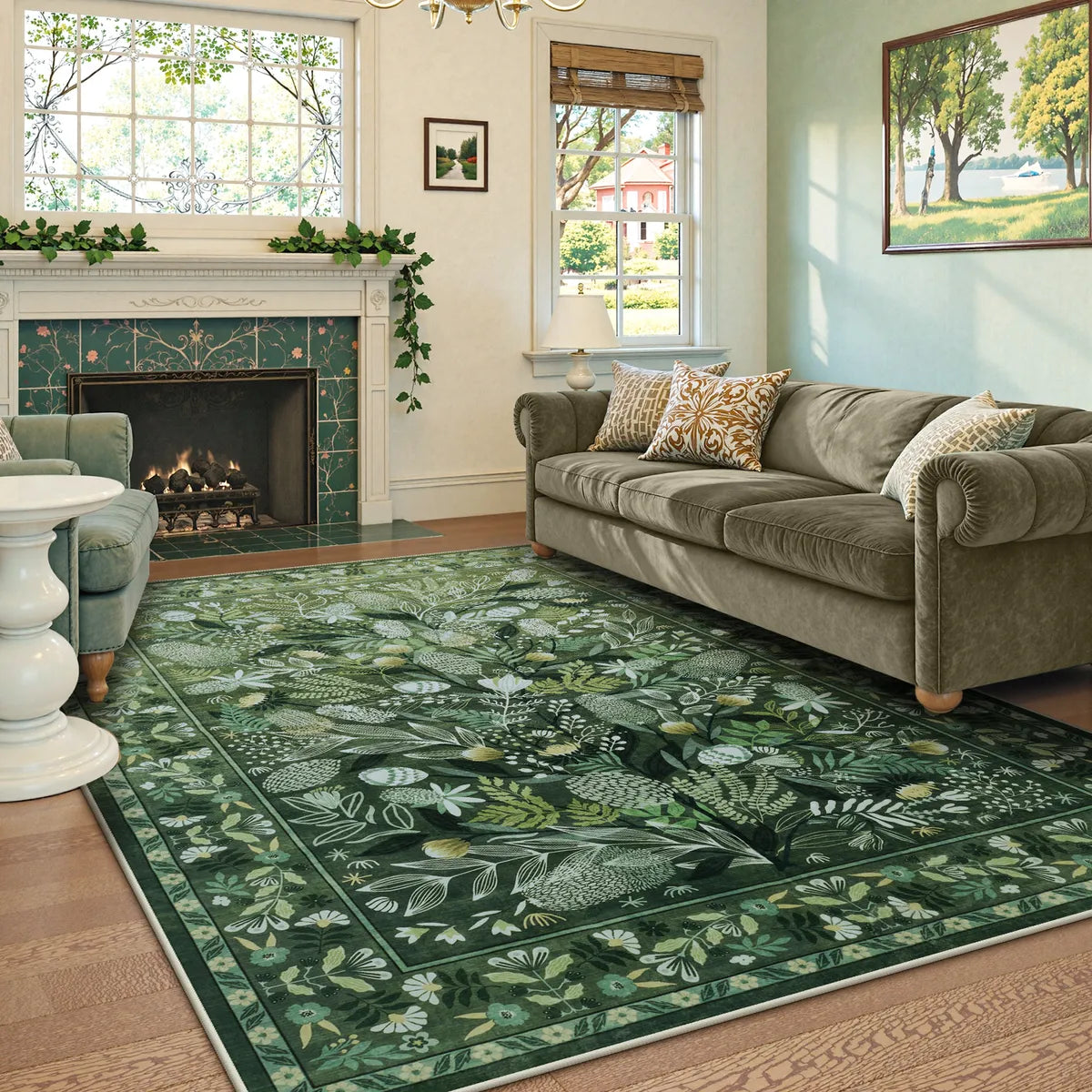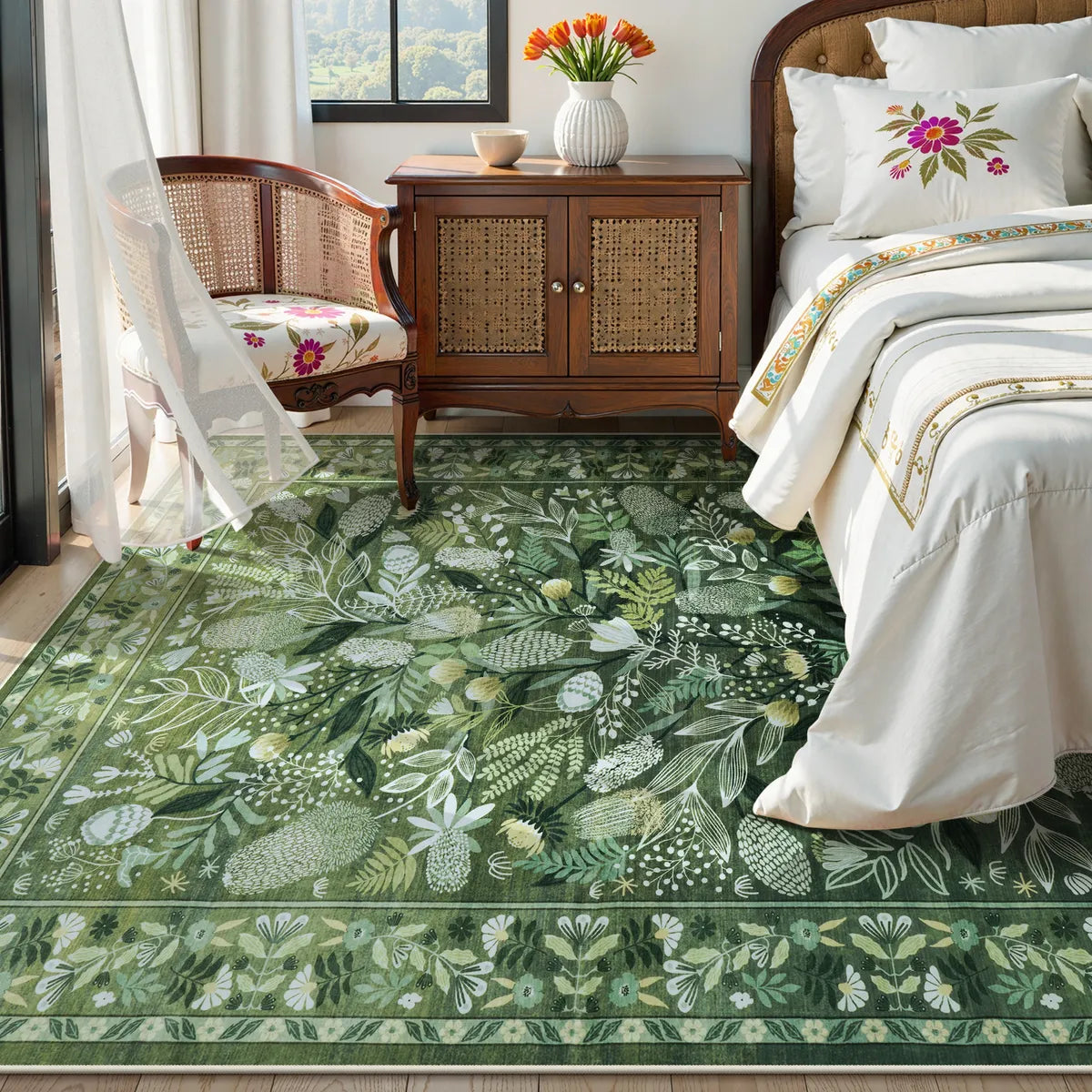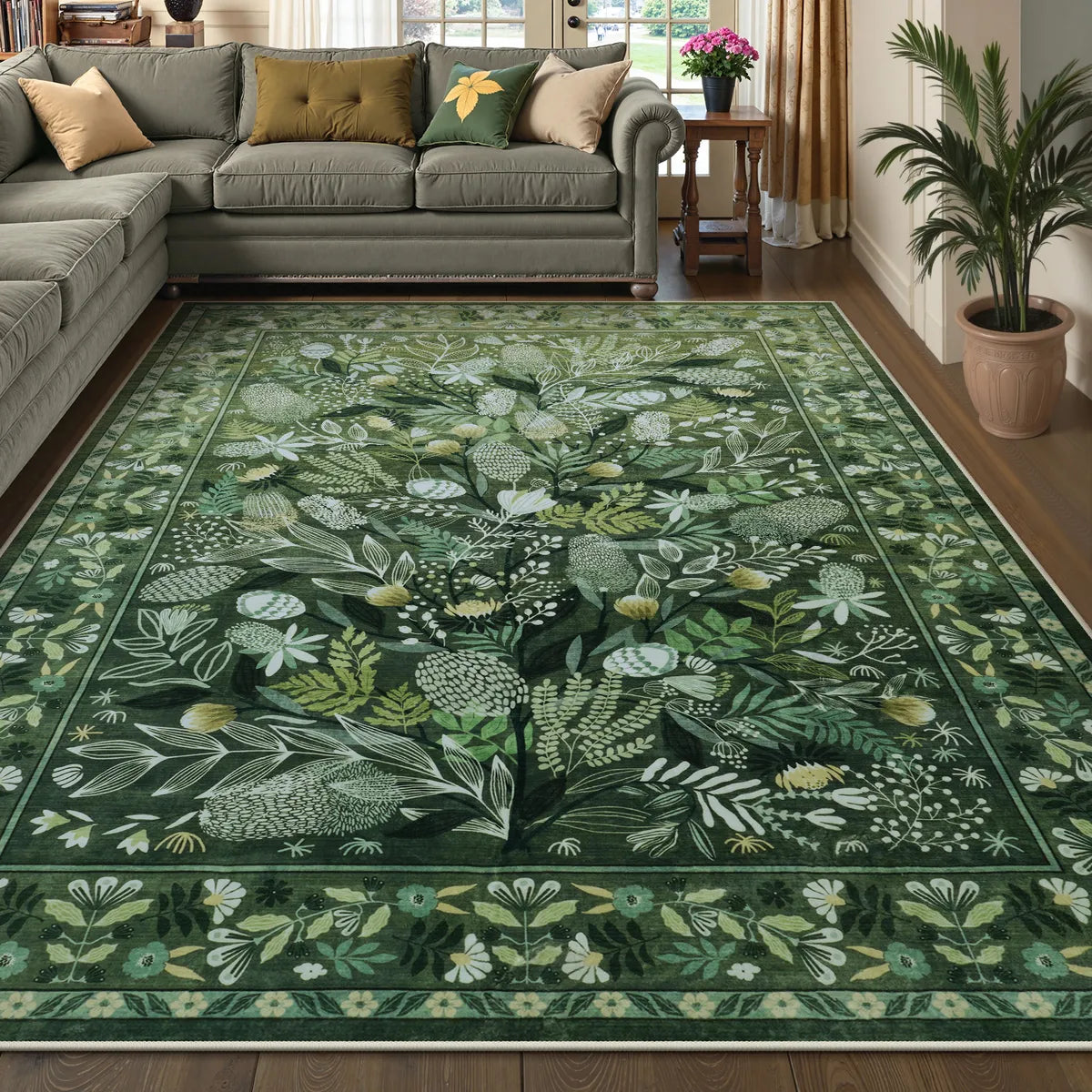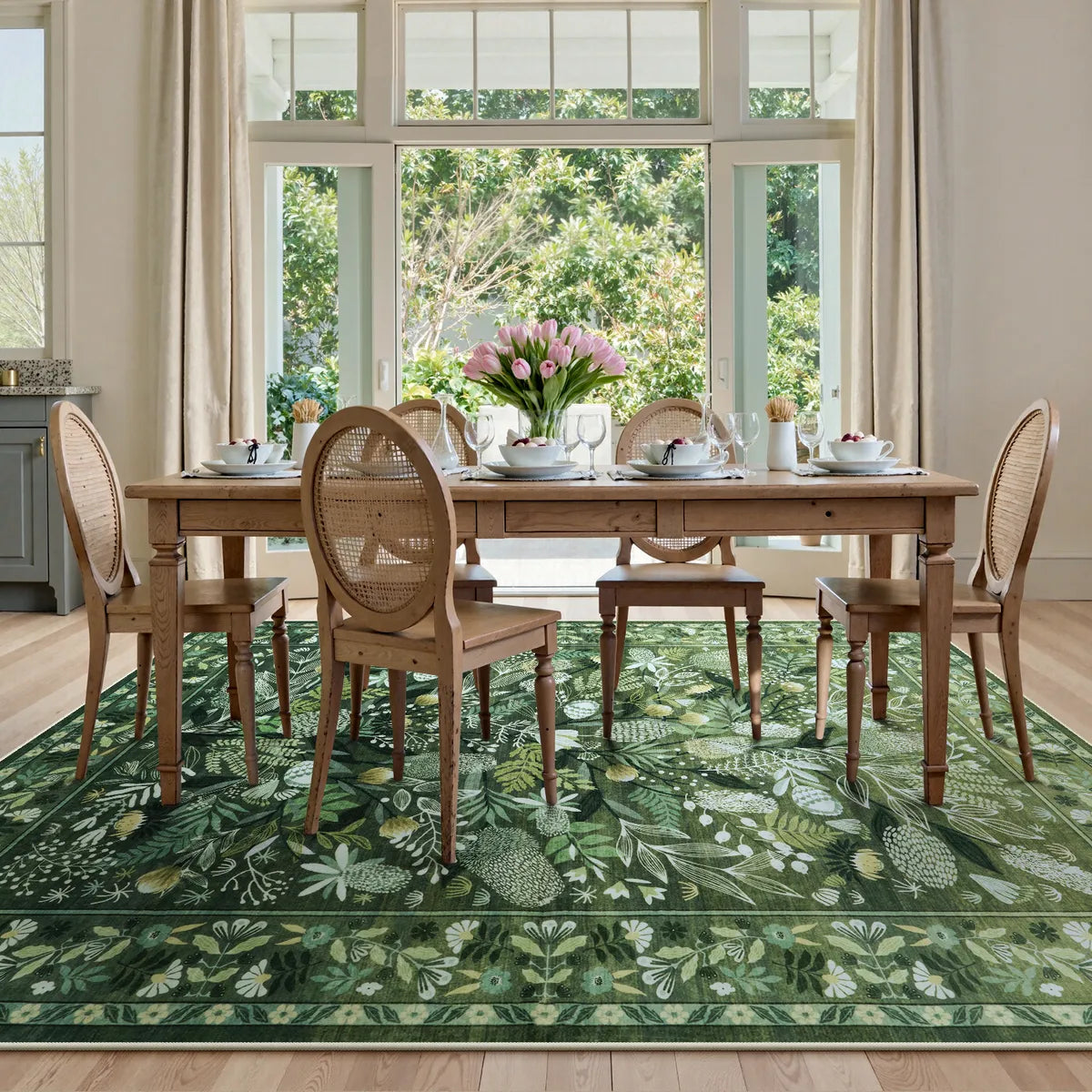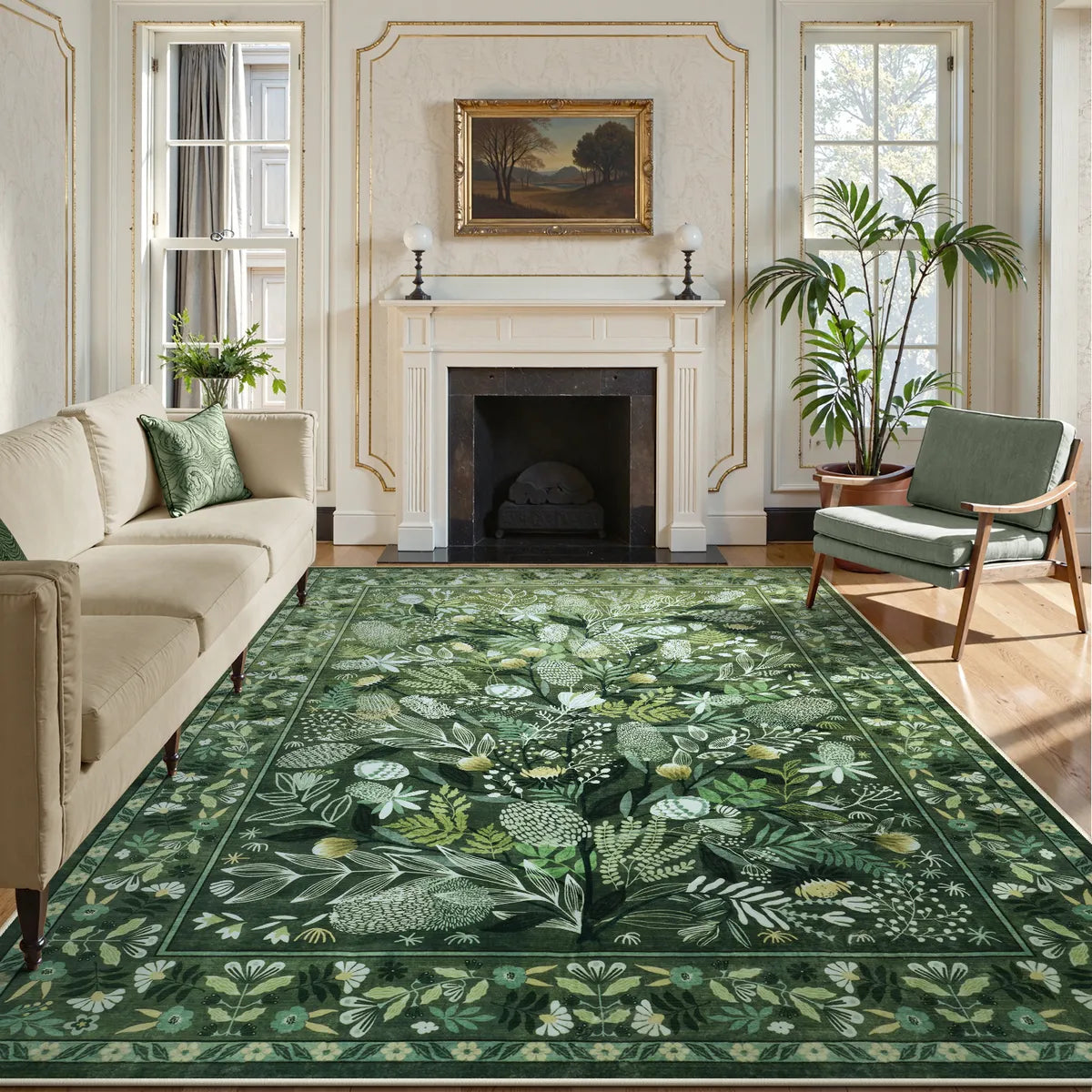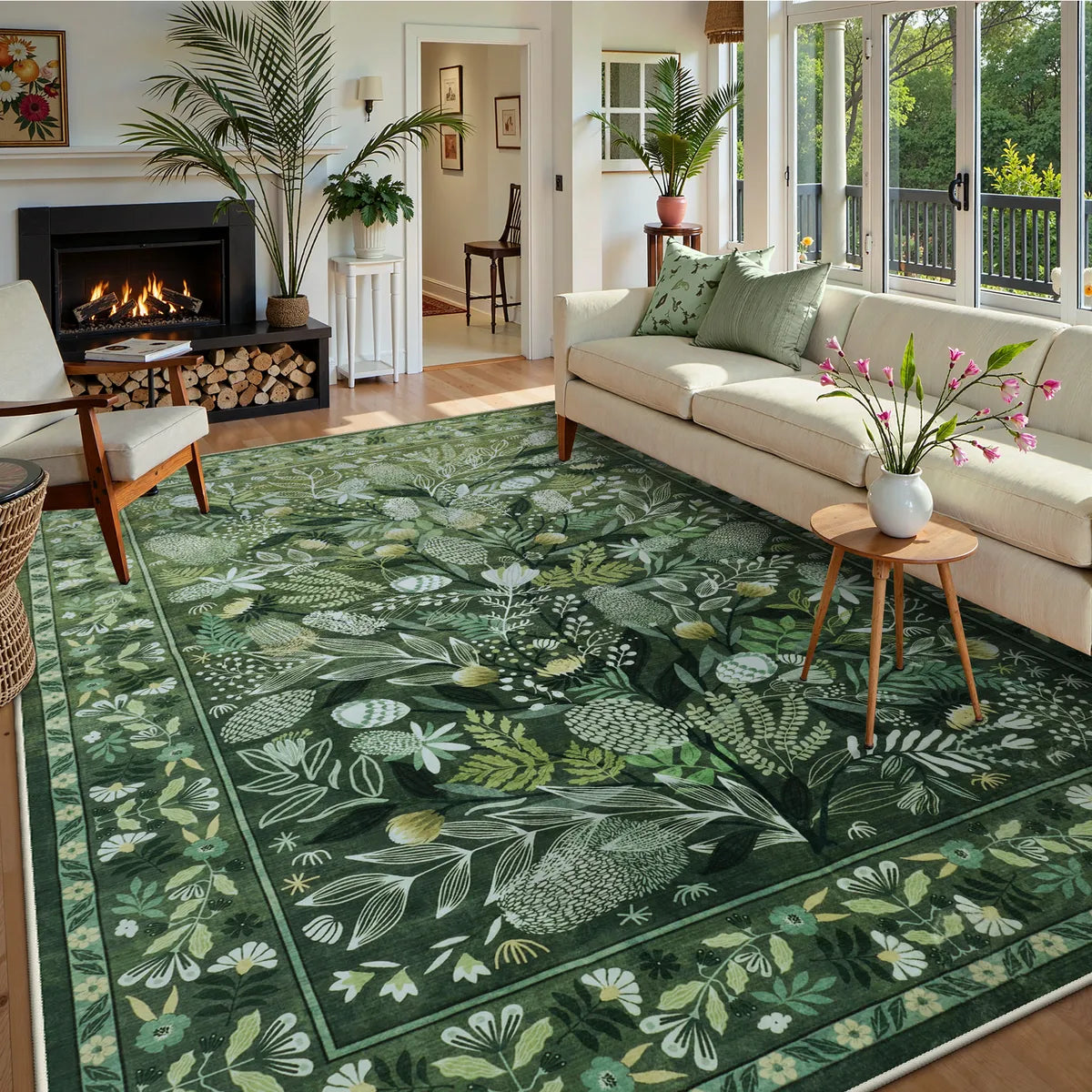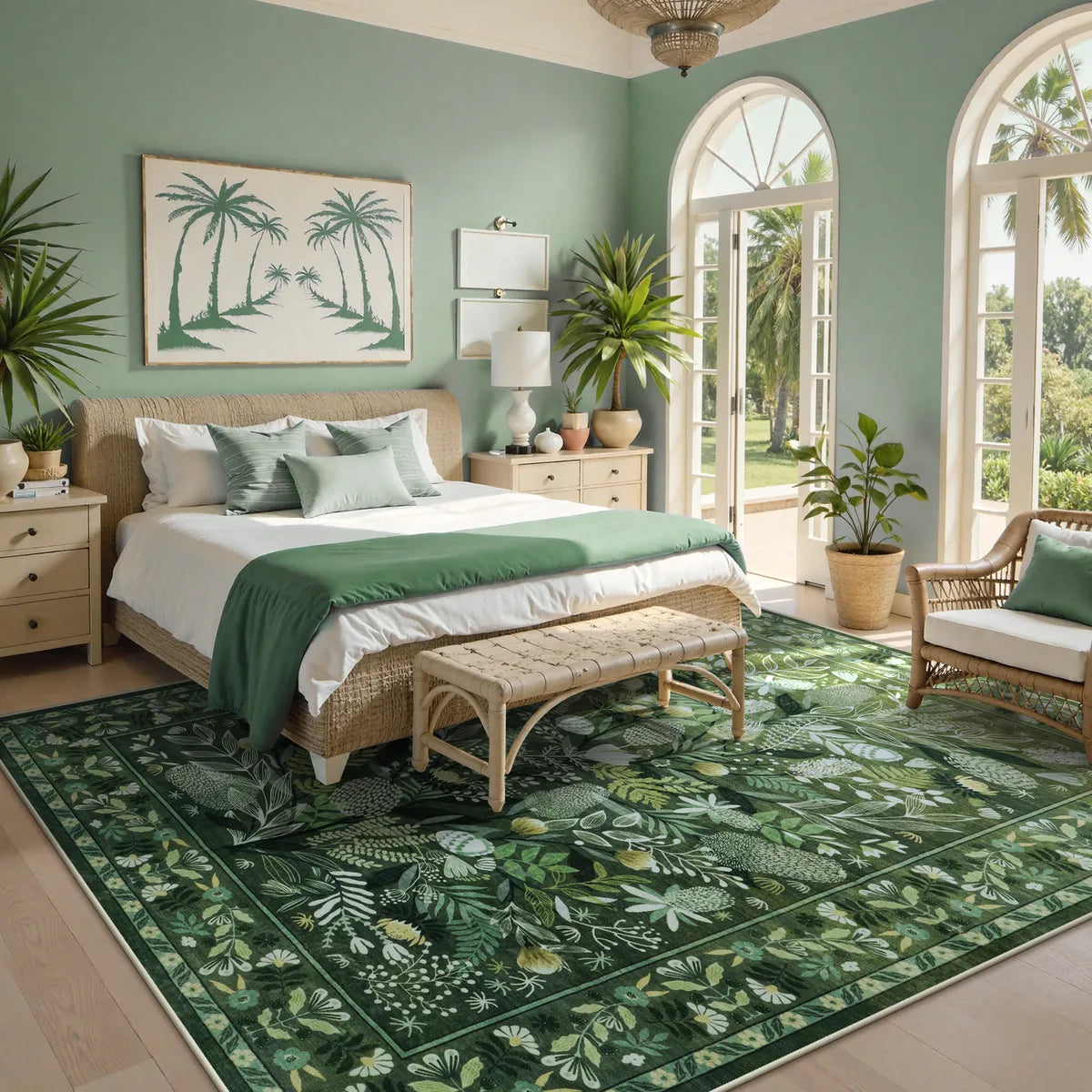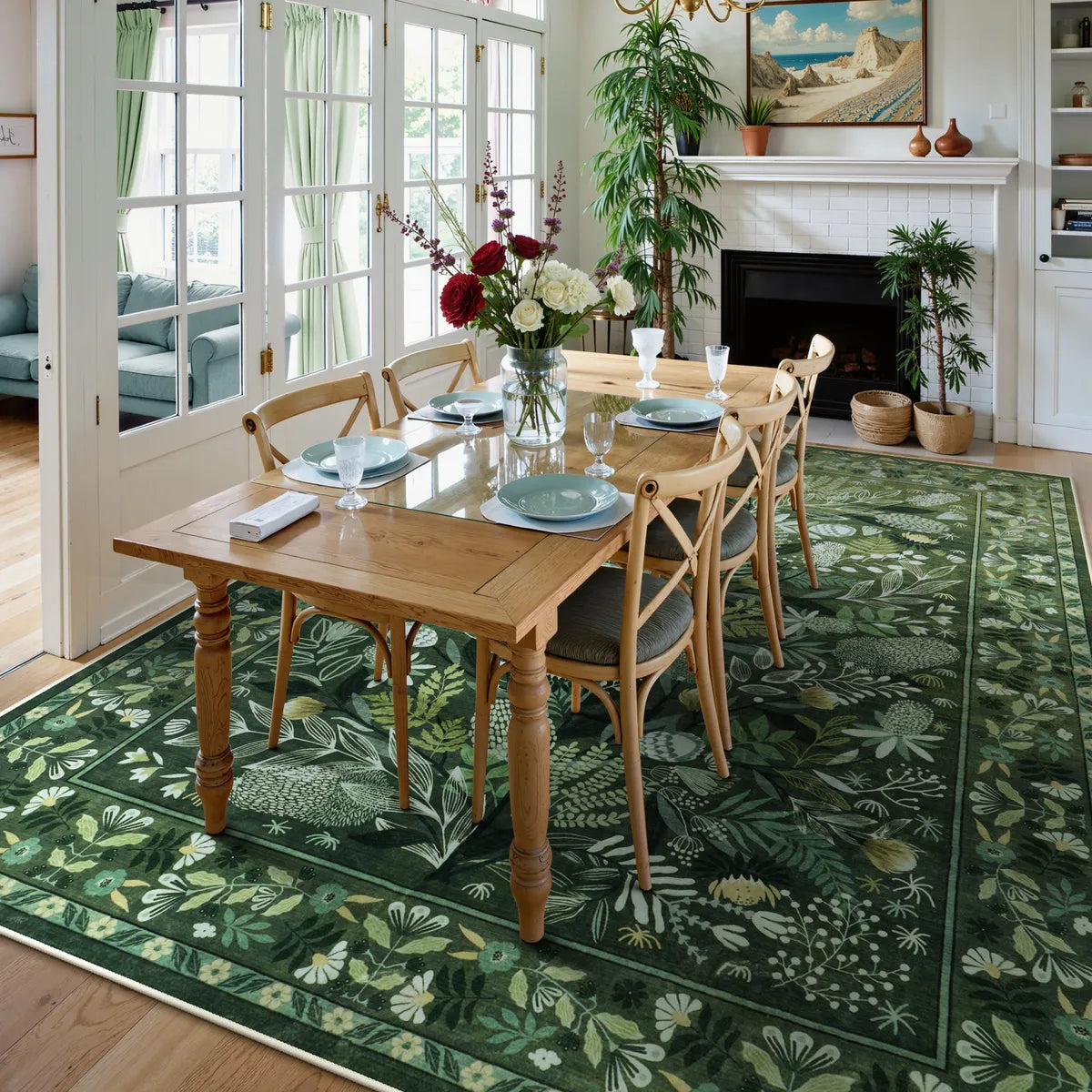


A nursery or kids’ room rug should create a comfortable play surface without interfering with doors, crib access, or walking paths. Start with the room layout and the child’s daily activities, then choose the material and design.
Where to Place a Rug in a Nursery or Kids’ Room
- Under a crib: Use a rug large enough to extend beyond the visible sides, but keep edges flat and away from the main path used at night.
- Beside a bed: A runner or small area rug can soften the landing area without filling the entire room.
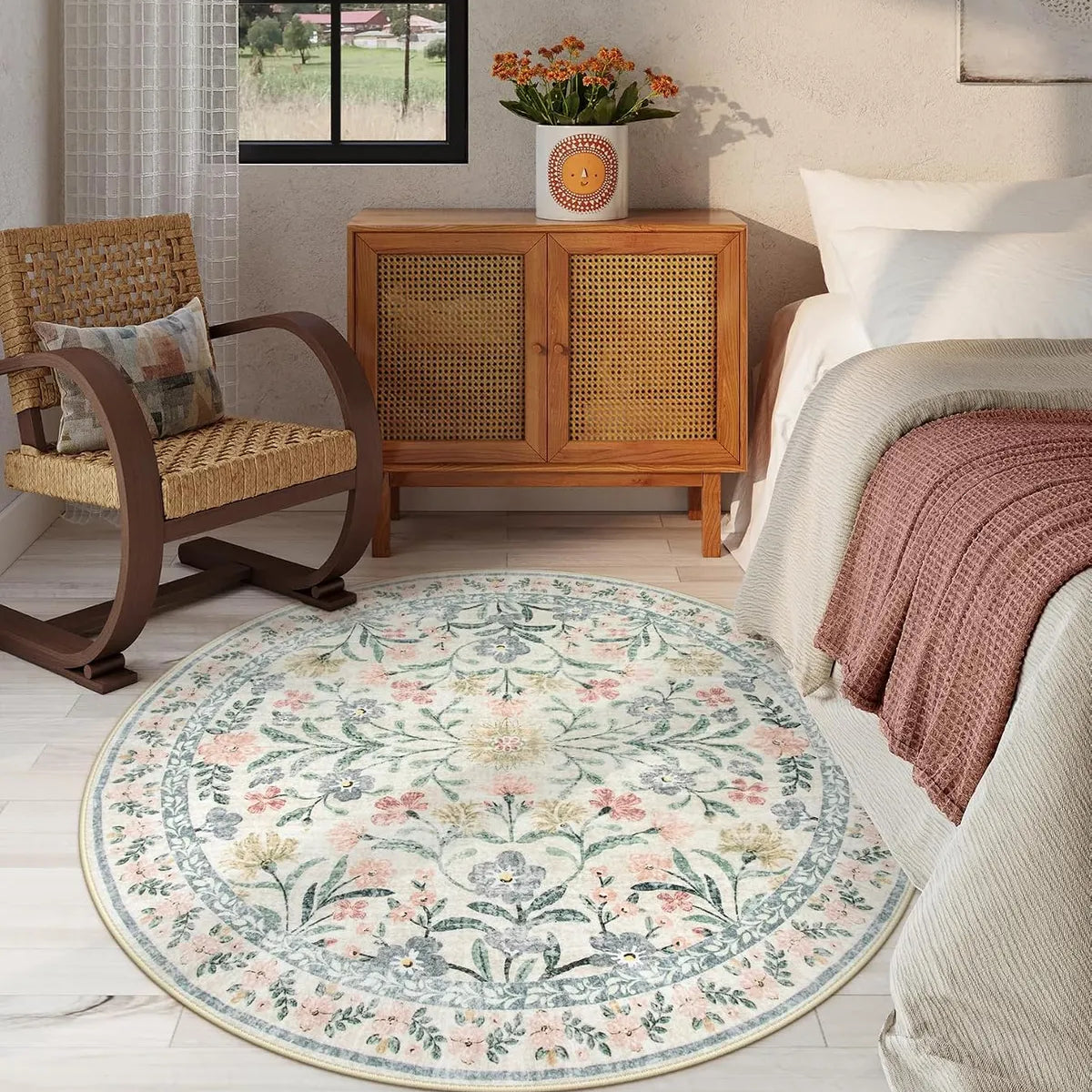
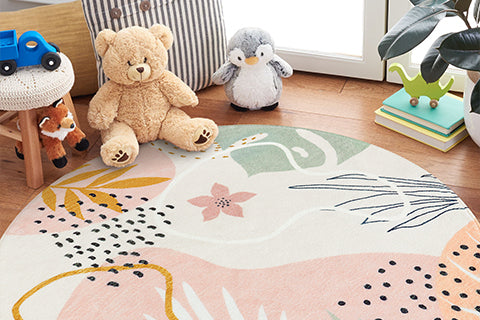
- Reading corner: Use a round or compact rug to visually define a chair, bookshelf, and floor-cushion zone.
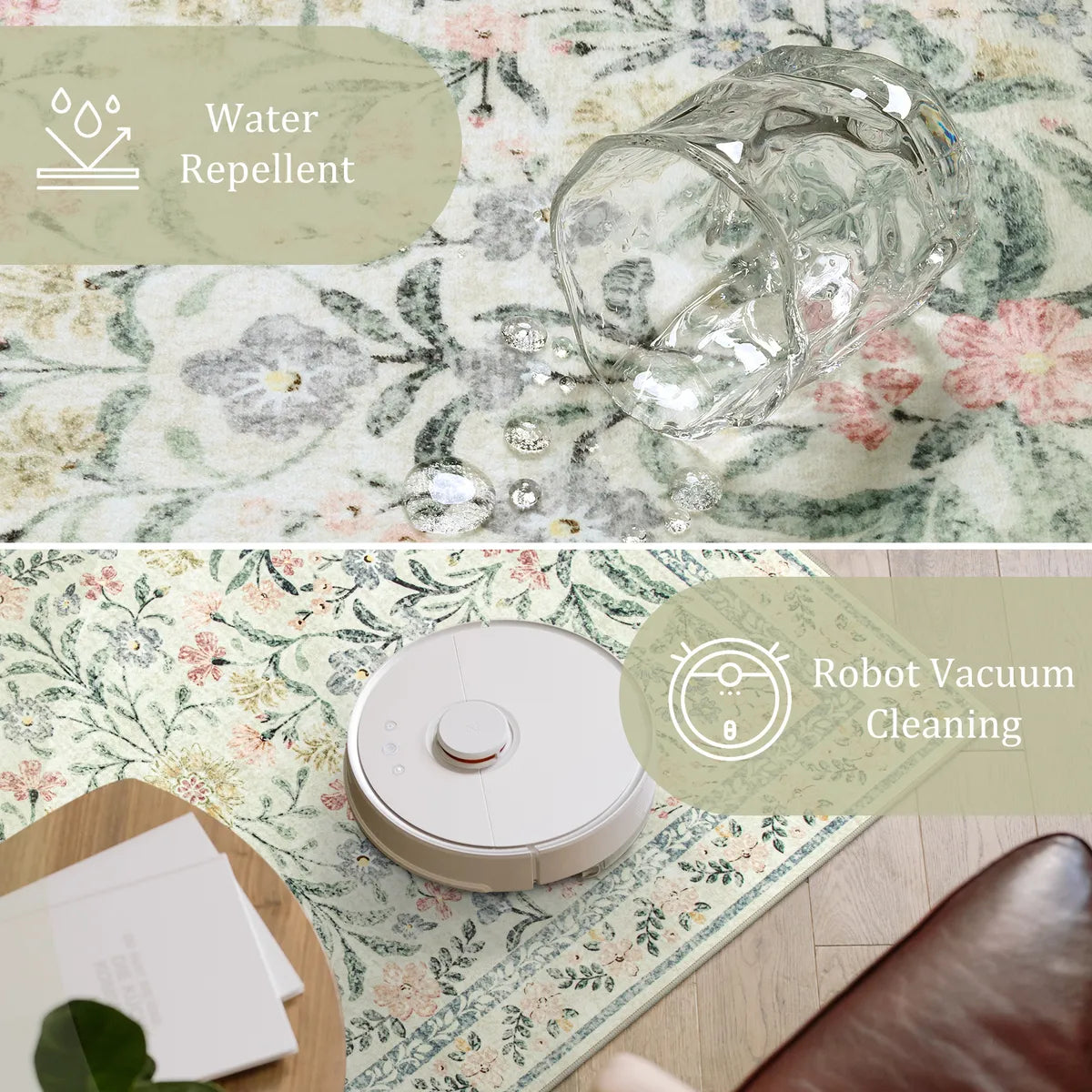
- Play area: Choose a larger low-pile rug that gives toys and children a stable surface while remaining easy to vacuum.
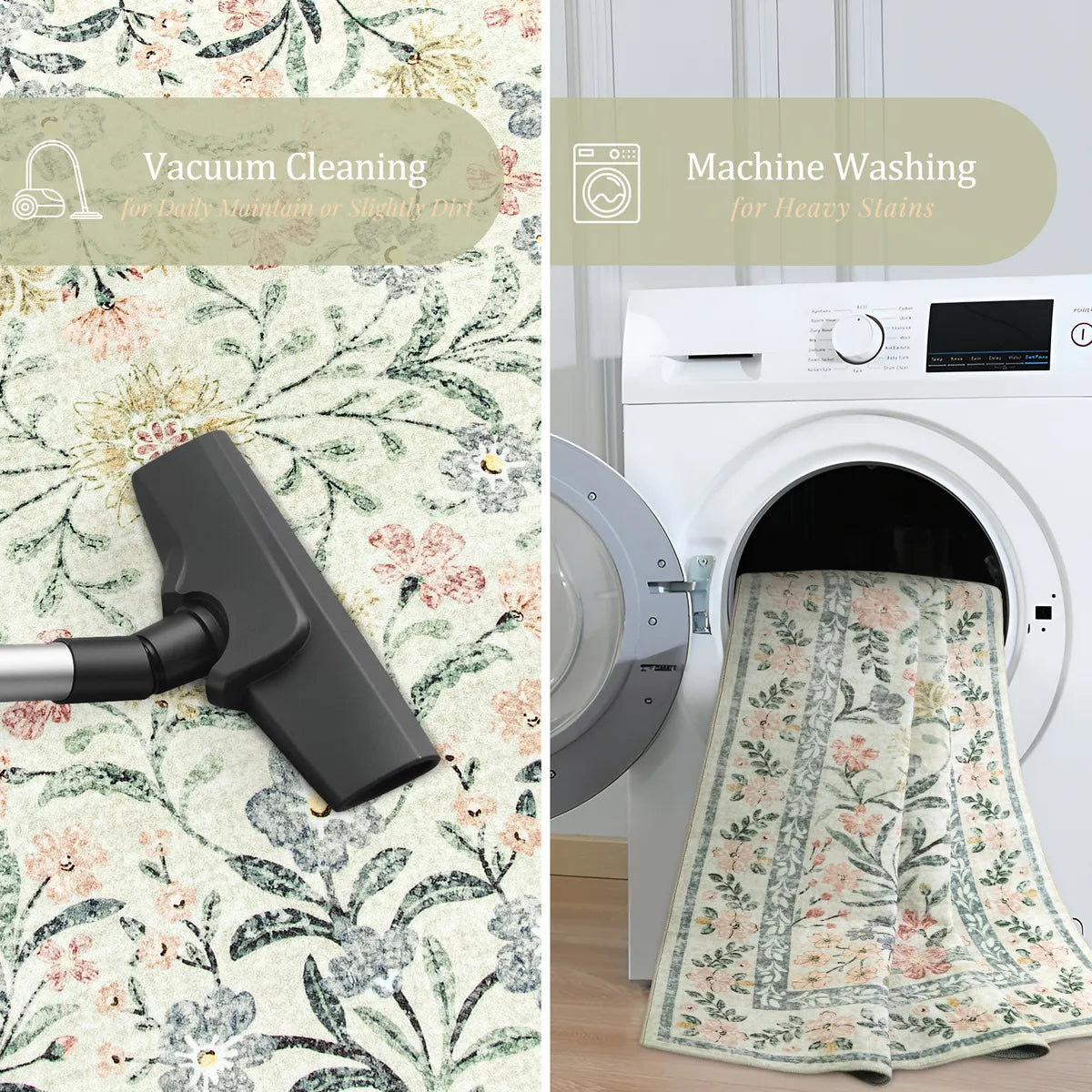
For every placement, confirm washing instructions, washer capacity, backing compatibility, and whether the rug edges remain flat.
Understanding Kids Rugs
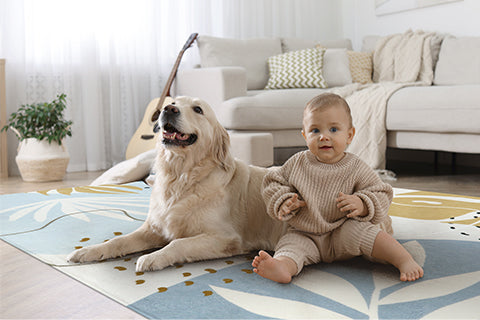
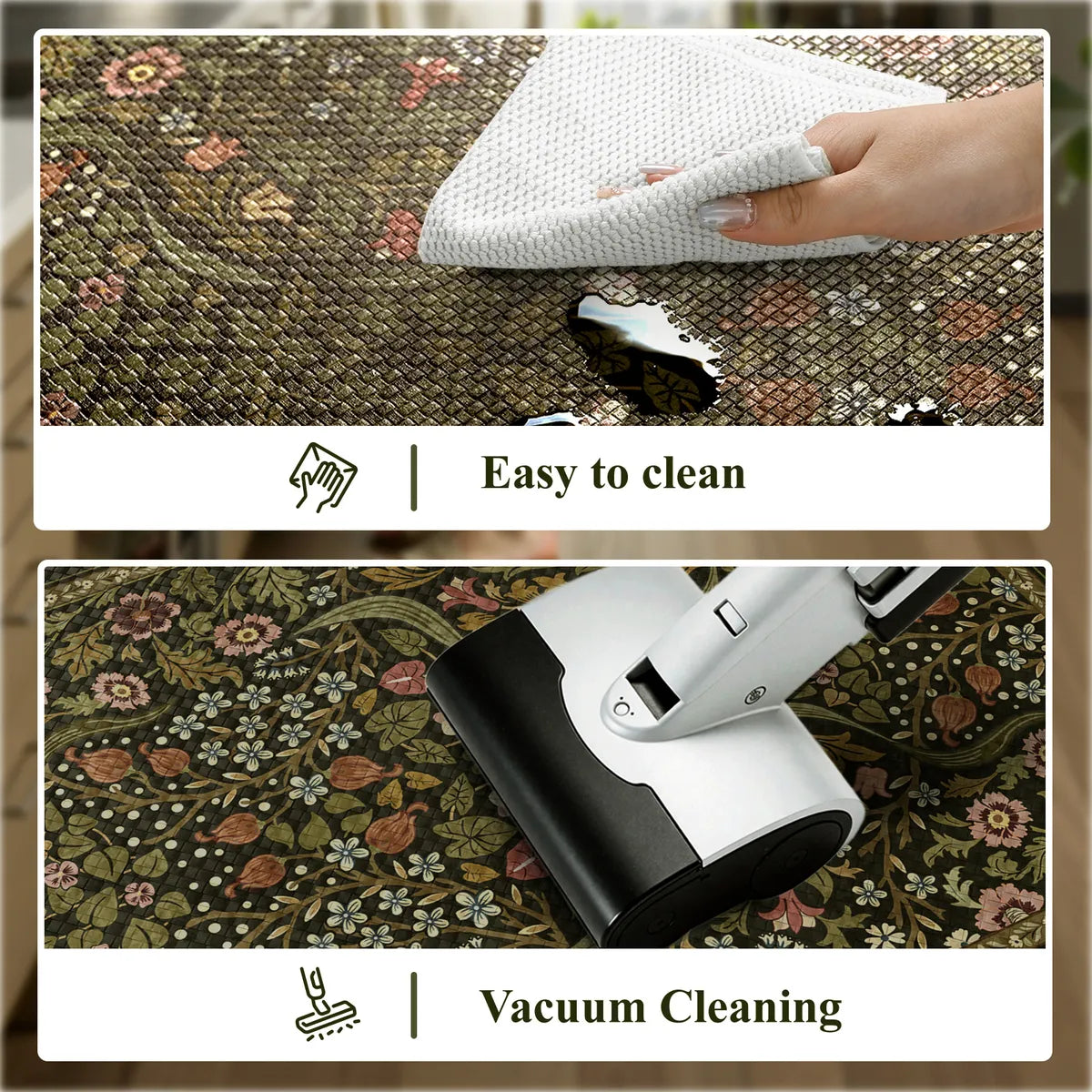
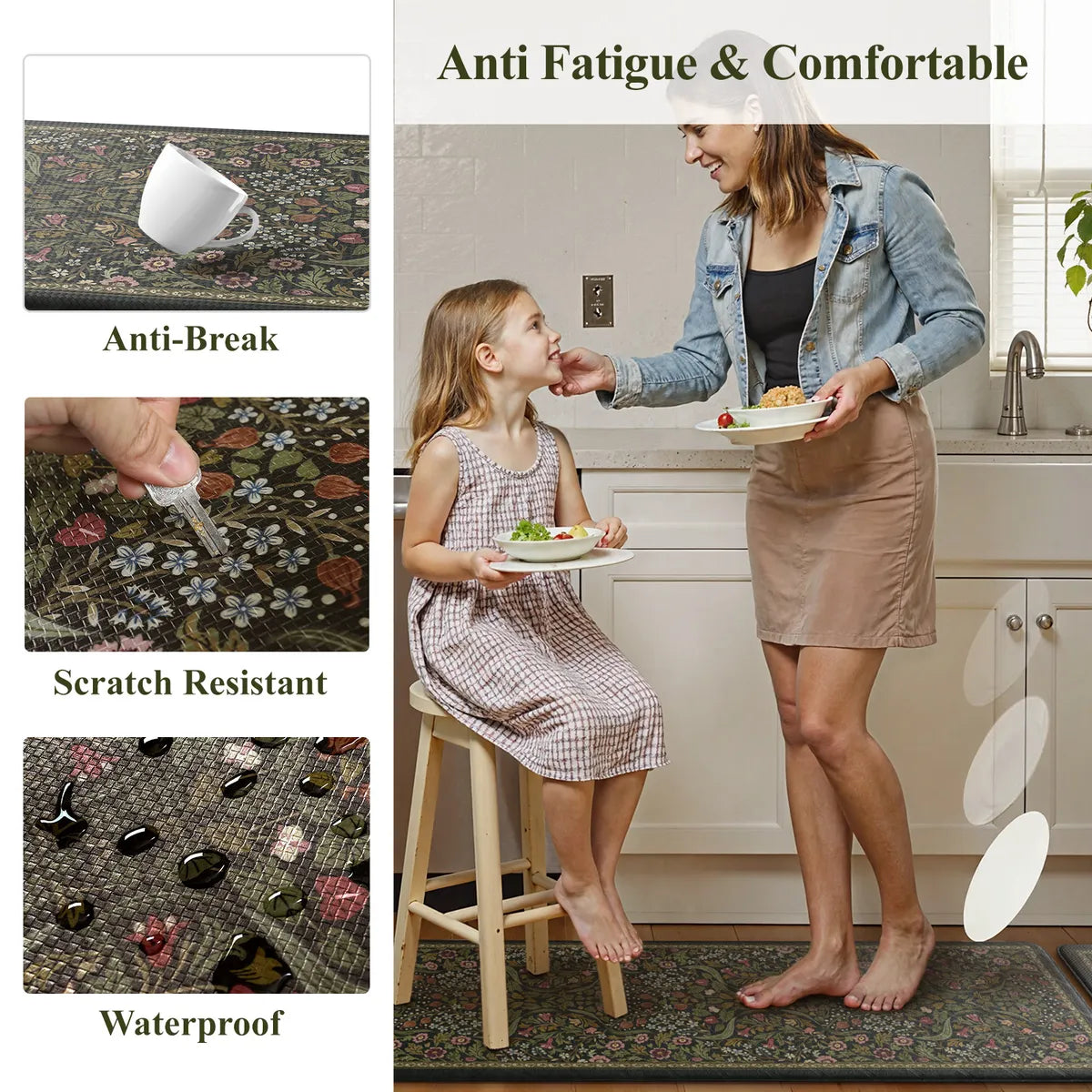
Children’s rugs are manufactured for their homes. They come in all the colours, shapes, and sizes in addition to having different designs that can accompany any kind of decoration bringing positivity and inspiration to younger people. But now, nursery or a children's rugs are usually easy to clean for food or liquid spills that often happen.
Benefits of Using Washable Rugs in Kids' Rooms
- Easier cleanup: Machine-washable construction can simplify deep cleaning when the size fits the washer and the label instructions are followed.
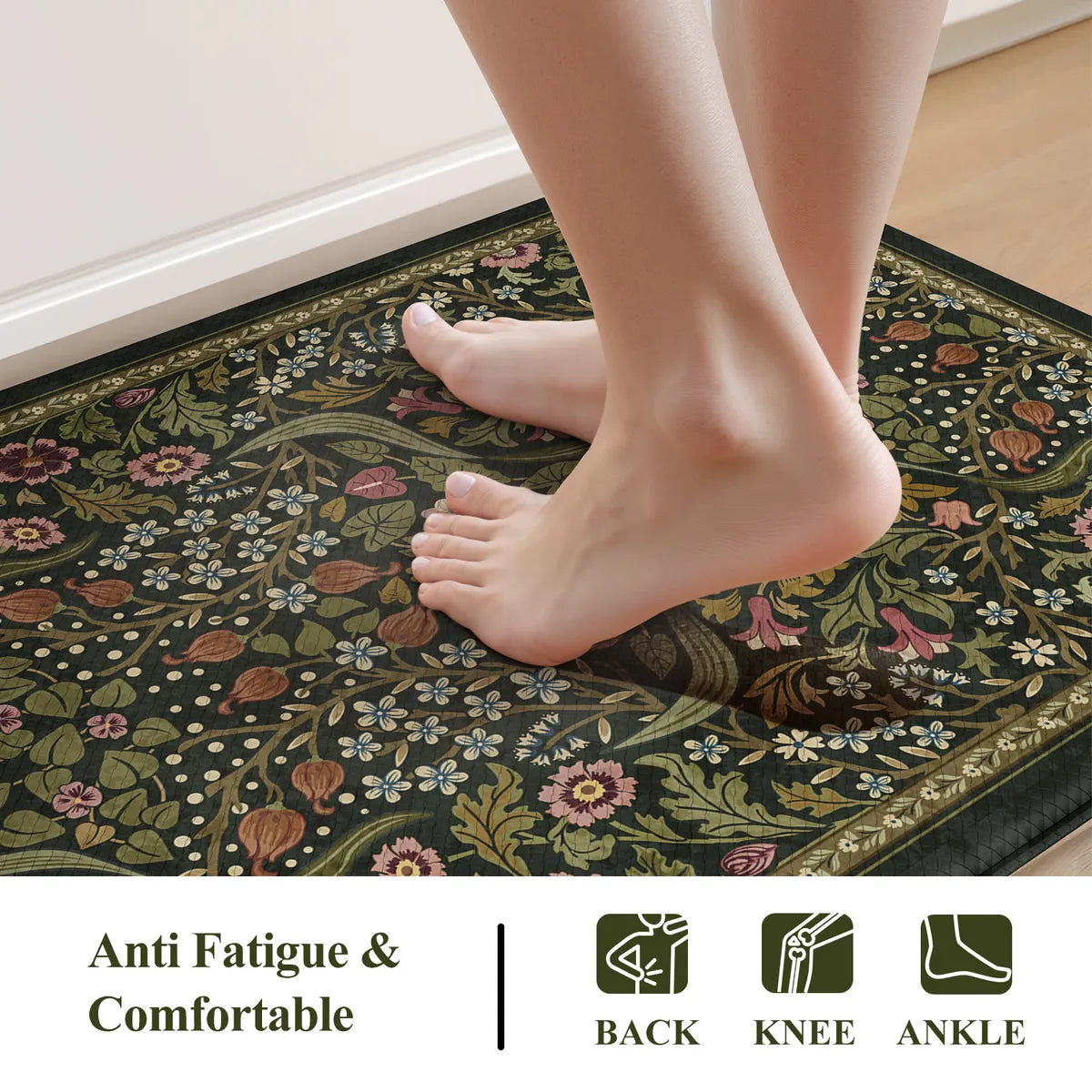
- Comfort: A soft, low-pile surface can support reading, crawling, and floor play while remaining easier to maintain than very deep pile.
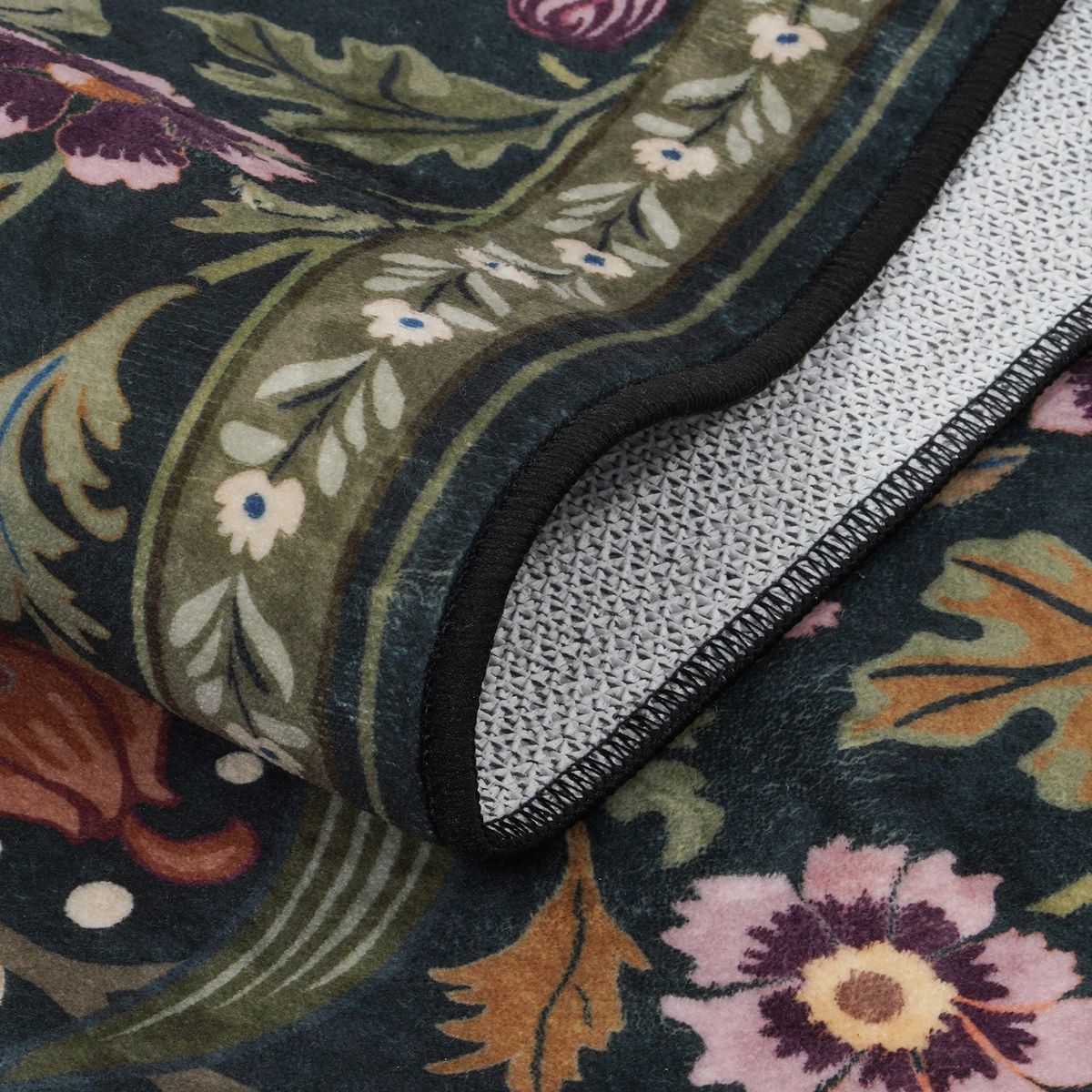
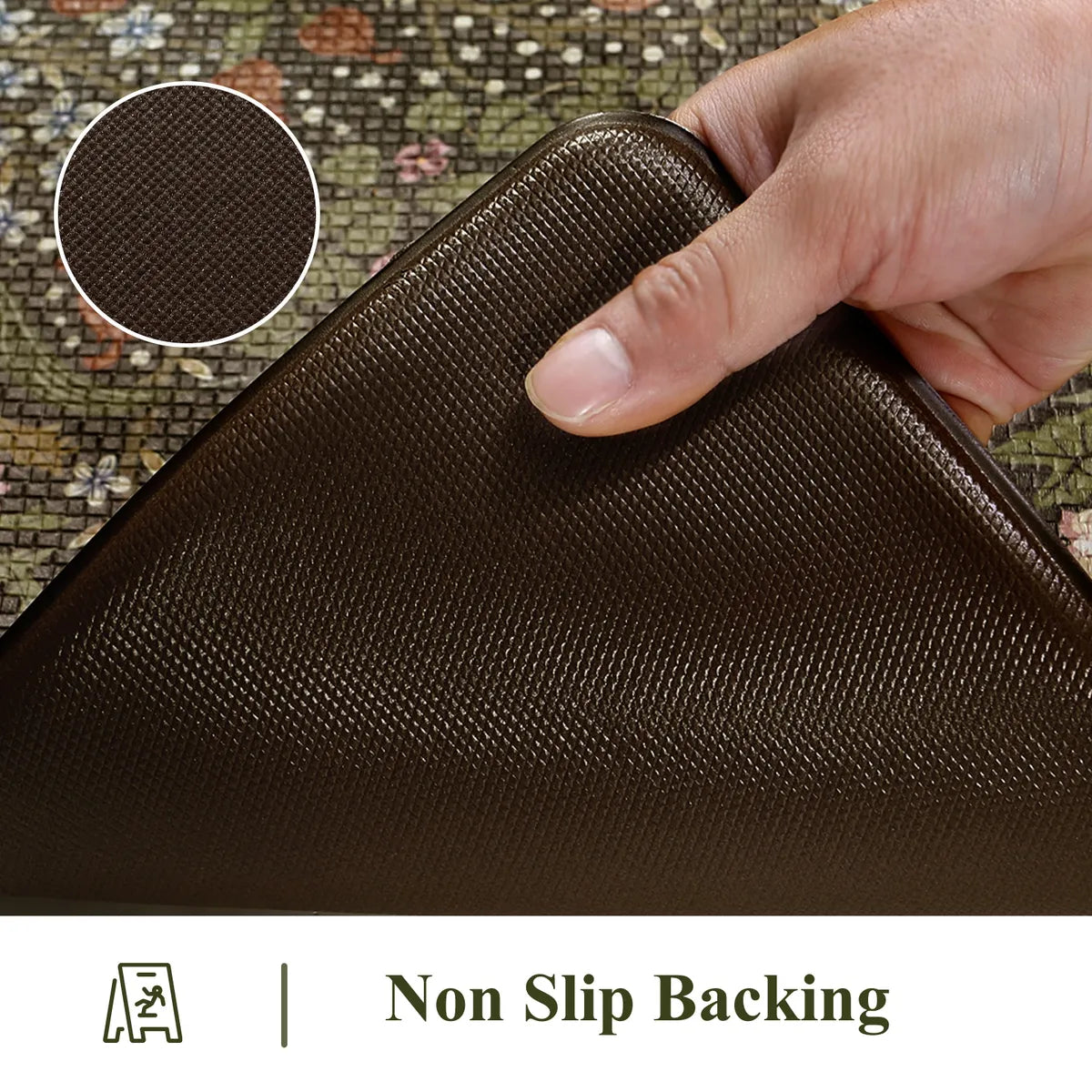
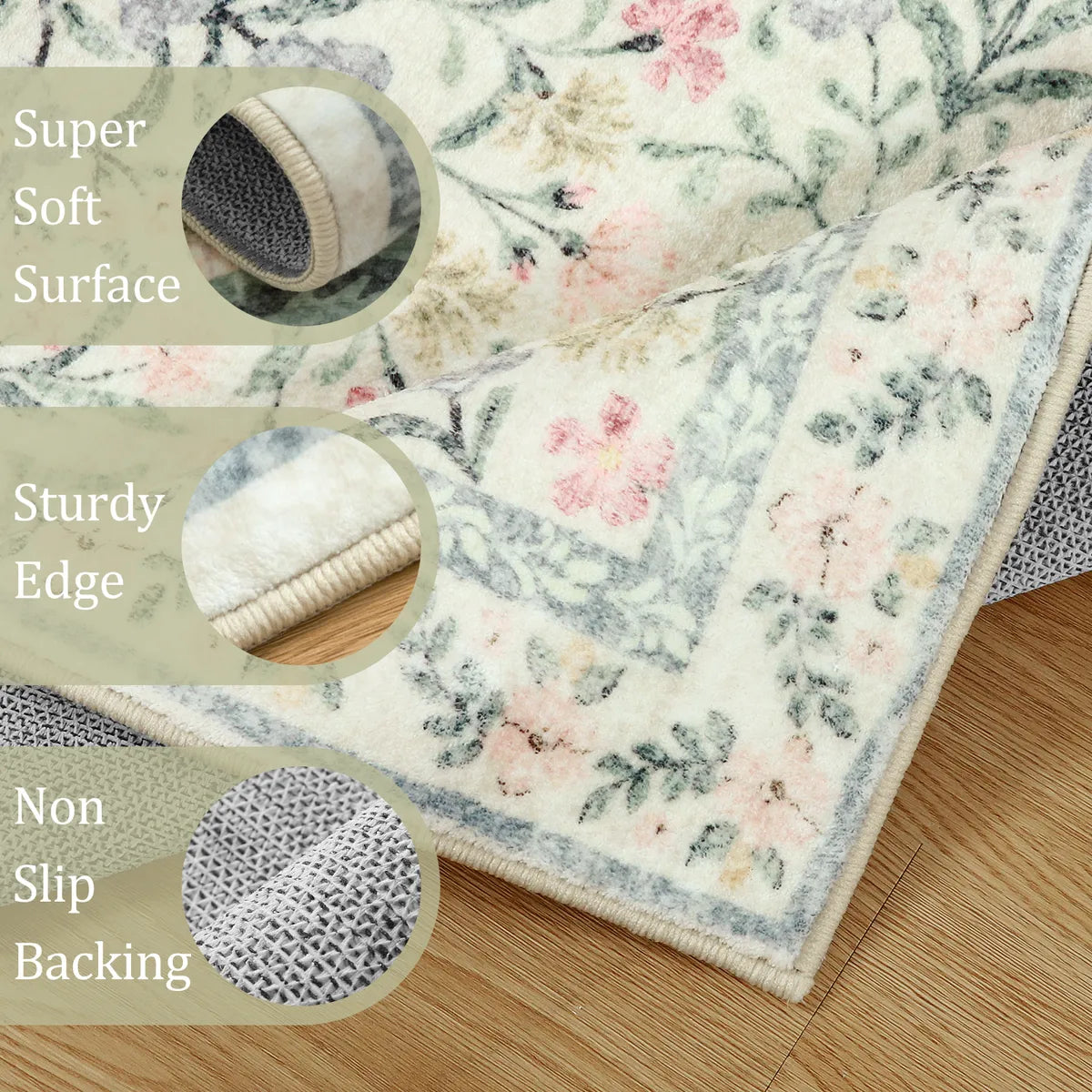
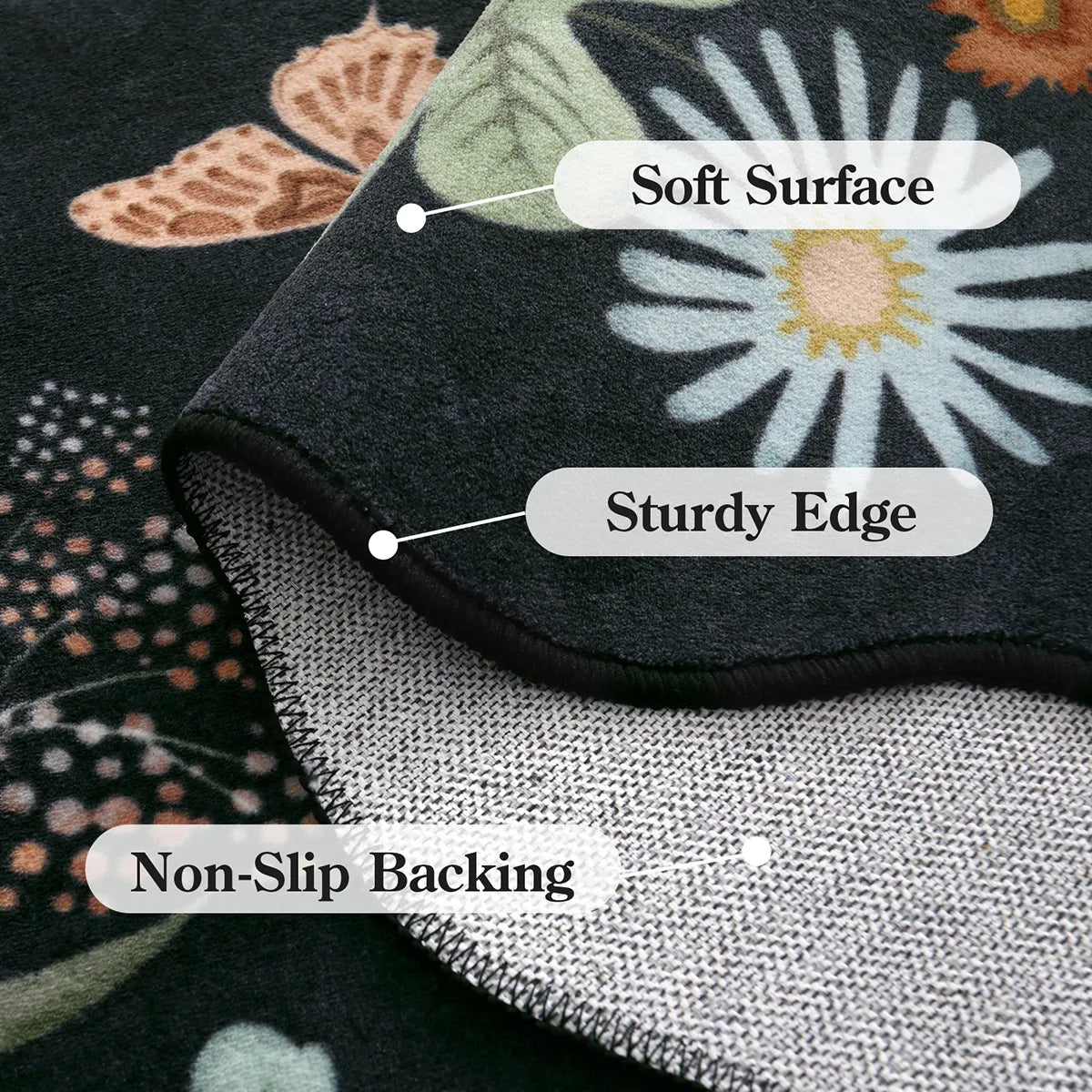
- Stability: Non-slip backing or a compatible rug pad can reduce movement, but floors must remain clean and dry.
- Flexible design: Rugs can introduce color or a theme without committing to permanent wall finishes.
How to Choose a Kids’ Room Rug
●Material: Find rugs that are made from fabrics that are soft and really easy to clean. Gone are the days when cotton and human-made fibres dominated the market.
●Size and Shape: Determine the area intended for a rug to place and check if it will fit. In addition, the round two-dimensional objects would also help your child to sketch and find a home in your room.
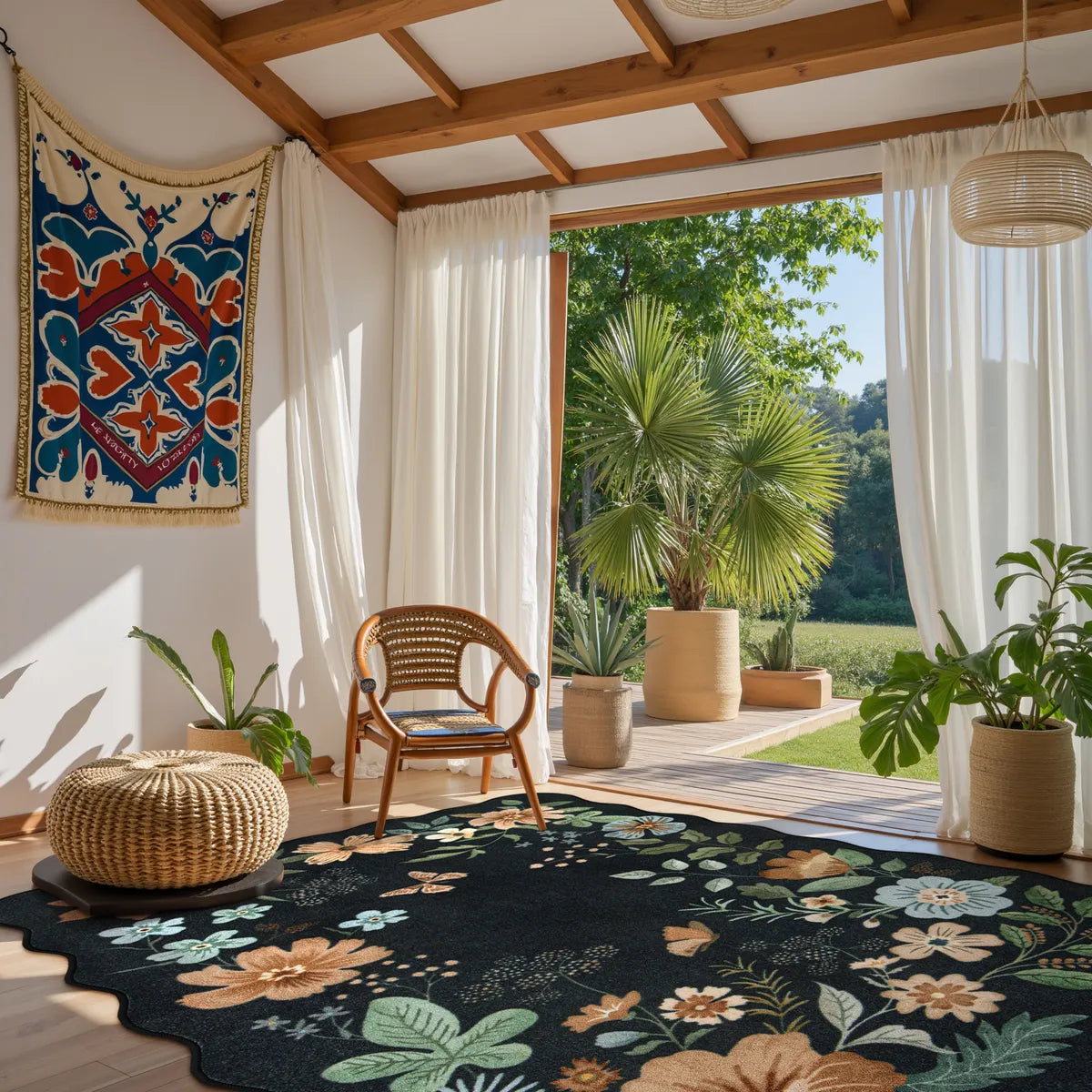
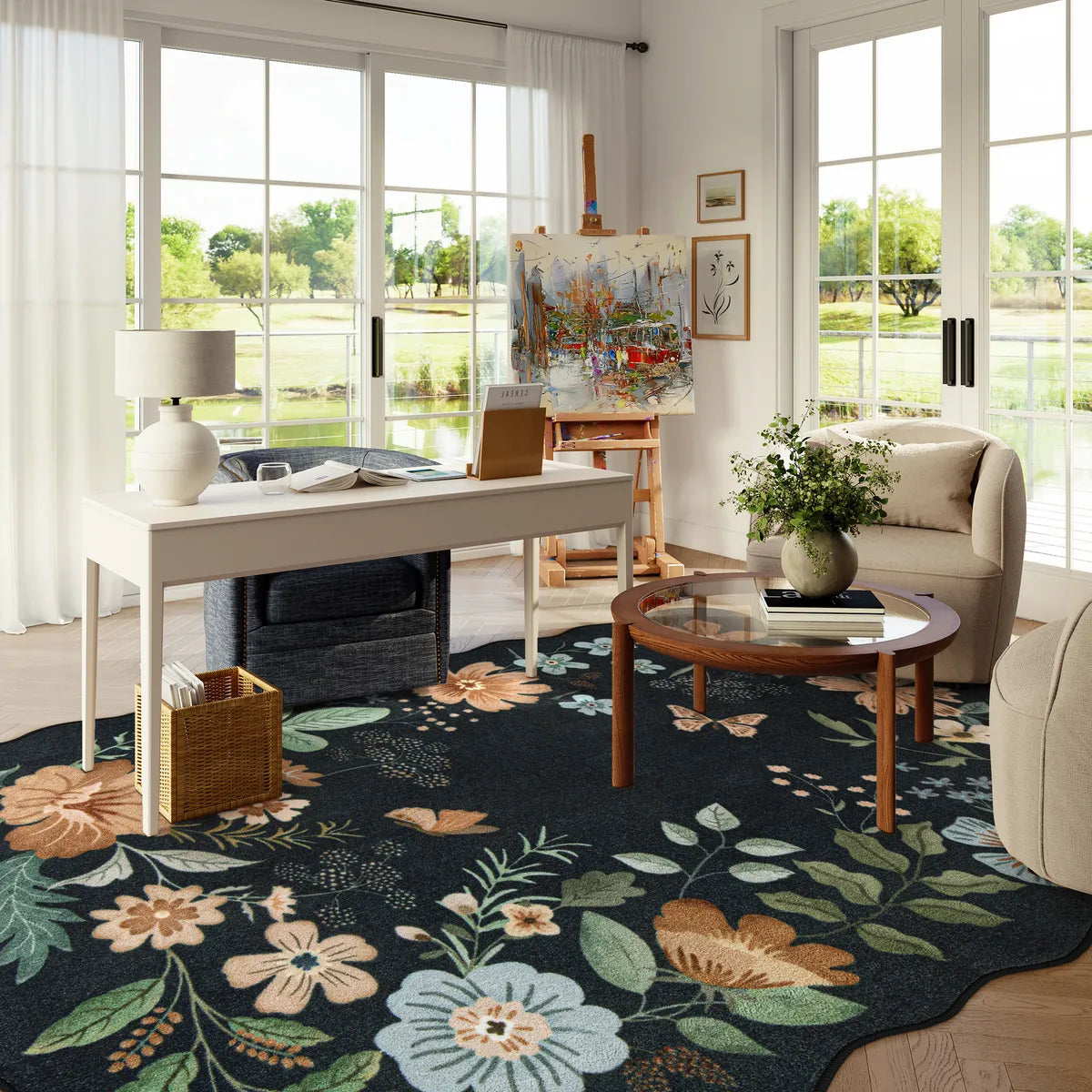
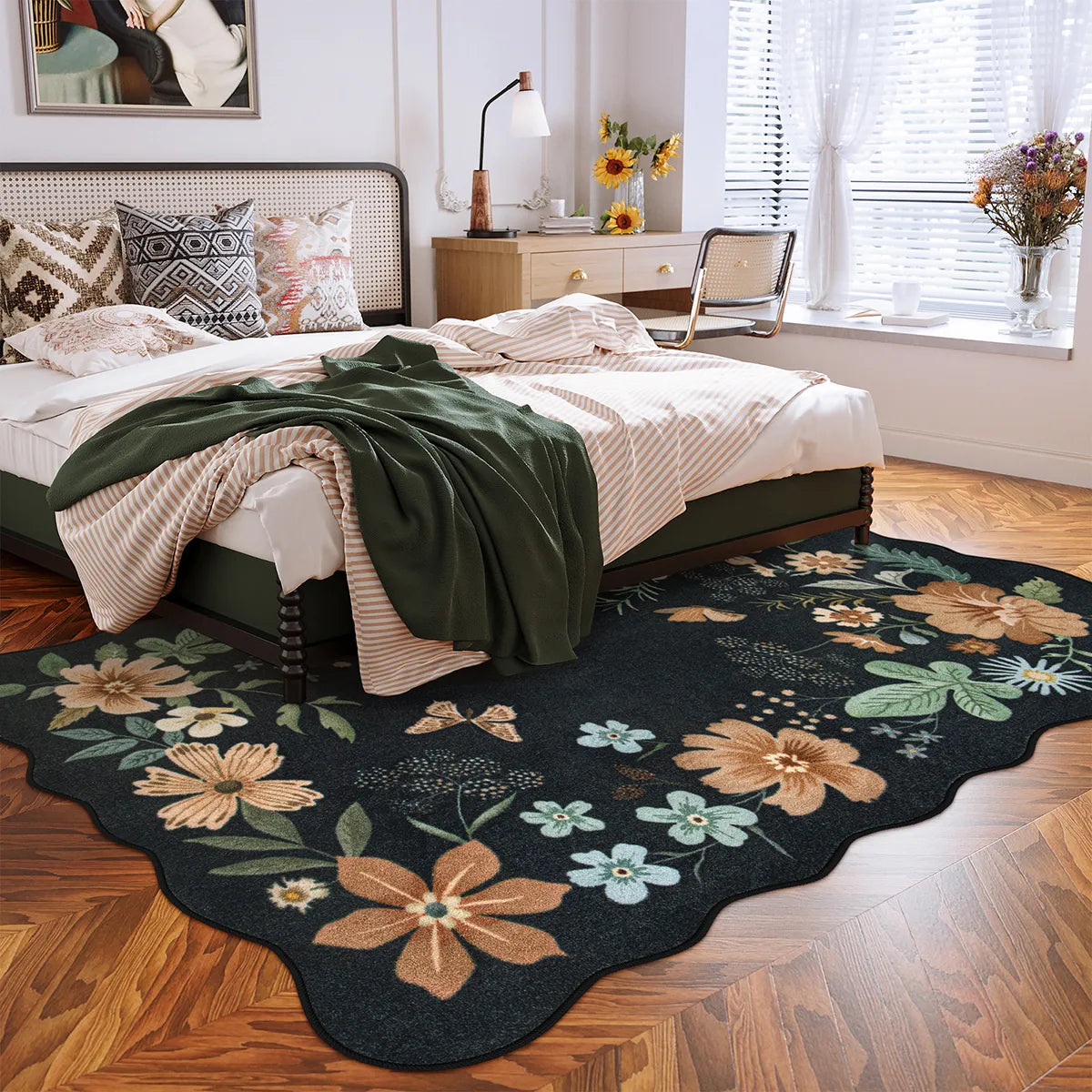
●Design and Color: Pick up shades that blend with the decor in your child's nursery or room. Moreover, thematic rugs (of animal prints or flowers) share a light-hearted function in the bedroom.
●Safety Features: Go for rug with non-slip backing and that don't have allergenic materials or that are free from chemical toxicity.
Dressing up Your Rooms with Rugs
●Create a Focal Point: A nursery room's eye-catching or largish rug can be equally stunning and stand out as a focal point which will help unite all other decorative objects.
●Define Spaces: Rugs can be a powerful instrument for the definite separation or designation of zones in a room, for instance: a game area, a reading area, and a napping place.
●Theme Enhancement: Make a choice a rug that combines with or complements the room's theme. Such is a piece like solar system rug which will be the last touch to a room made in the galactic style.
Rugs Styling for Little Ones
Use one main pattern as the focal point and repeat two or three colors in bedding, curtains, or artwork. In a small room, lighter colors and a simpler pattern can keep the space from feeling crowded. In a larger playroom, a bolder rug can define the activity zone.
Avoid placing several unsecured rugs on top of one another in active play areas, where curled edges and shifting layers may create a trip point.