

Have you ever found a rug you love, only to realize it is too wide for your hallway or too small to sit comfortably under your bed? Choosing between a runner rug and an area rug can feel tricky until you think about what the space actually needs.
A runner is long and narrow, making it a natural fit for hallways, kitchen walkways, and the space beside a bed. An area rug covers a broader patch of floor, often helping bring a sofa and coffee table together or extending beyond the sides of a bed. Neither is automatically better. The right choice depends on your layout, the furniture around it, and how much floor you want covered.
The Quick Decision
Which Rug Fits Your Space?
01. Runner Rug
Best for narrow, elongated spaces.
Hallways, kitchen walkways, entryways, and beside the bed.
02. Area Rug
Best for broader floor coverage.
Living rooms, larger bedroom layouts, and dining areas.
Still deciding? Measure the available floor and check furniture clearance before choosing. The dimensions matter more than the label on the product page.

What Is a Runner Rug vs. an Area Rug?
The easiest way to tell them apart is by their proportions. A runner is designed for a long, narrow stretch of floor. An area rug is made to cover a wider section of a room. Their sizes can overlap, so the name alone does not always tell you whether a rug will fit.
What Is a Runner Rug?
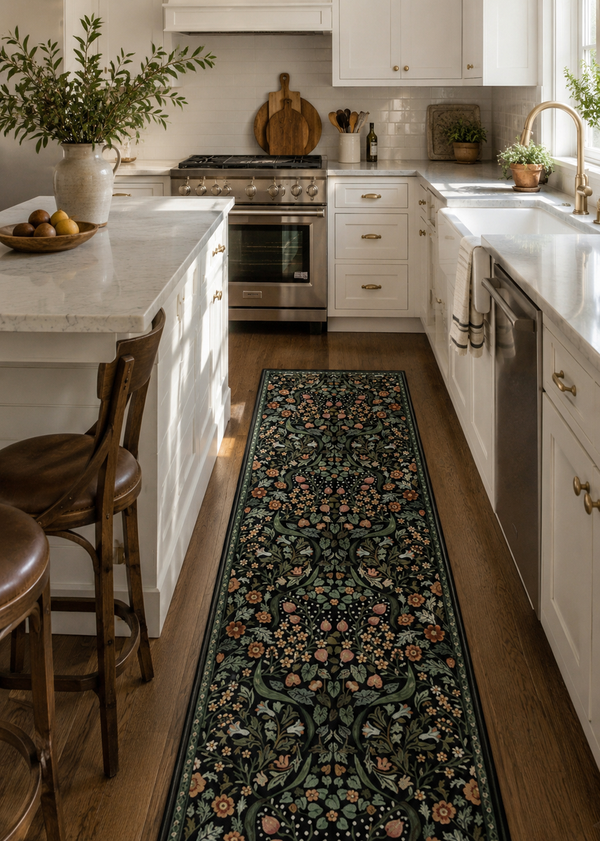
A runner rug is typically a long rectangle with much more length than width. Picture the stretch of floor between a kitchen island and the cabinets, a hallway leading to the bedrooms, or the spot where your feet land when you get out of bed.
These are places where a wider rug may feel cramped or get in the way. A runner follows the shape of the space instead of covering floor you do not need to use.

Before choosing one, check the width of the walking area, nearby doors, and anything that needs to open or slide out. A rug can look perfectly proportioned in a product photo and still be too wide for your actual hallway.
If you are shopping for a narrow space, browse Lahome washable runner rugs and compare the listed dimensions before settling on a style.
What Is an Area Rug?
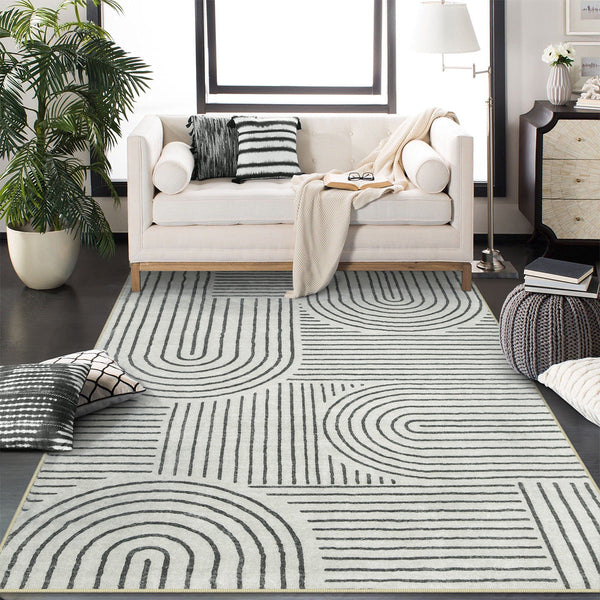
An area rug gives a larger part of the floor a clear purpose. In a living room, it can help connect the sofa, chairs, and coffee table. In a bedroom, it can extend beyond the bed so there is more rug underfoot when you get up. Under a dining table, it can help define the dining area.
Area rugs come in different sizes and shapes, including rectangular, square, round, and oval designs. The best one depends on the furniture and the floor you want to cover—not just the name or size of the room.

For a larger seating area or a more generous patch of floor coverage, compare the sizes and styles in Lahome area rugs.
Runner Rug vs. Area Rug: Key Differences
| Feature | Runner Rug | Area Rug |
|---|---|---|
| Typical shape | Long and narrow, usually rectangular | Often rectangular or square; round and other shapes are also available |
| Common sizes | 2' × 6', 2' × 8', 2' × 10' | 5' × 7', 8' × 10', and other dimensions |
| Where it fits | Hallways, kitchen walkways, entryways, beside a bed | Living rooms, bedrooms, dining areas, and larger open spaces |
| Coverage | A narrow strip of floor | A wider section of a room |
| What to measure | Clear width, usable length, and walking space | Furniture layout, room proportions, and desired coverage |
These are examples of common dimensions, not formal definitions. Product sizes vary, so check the actual measurements before ordering.
Runner rugs and area rugs differ mainly in shape and coverage. If you are also wondering how a rug differs from carpet, read our guide to the difference between carpet and rug.
What Size Rug Is Considered a Runner?
Many runner rugs are around 2 to 3 feet wide and 6 to 12 feet long. Sizes such as 2' × 6', 2' × 8', and 2' × 10' are common examples, although the dimensions available depend on the product.
Rather than choosing a size just because it is labeled a runner, start with the space itself. A long hallway may need more length than a small entryway, while the gap beside a bed may be narrower than you expect.
- Measure the clear width. Check the space between walls, cabinets, or furniture. Leave enough room to walk comfortably without feeling squeezed between the rug and surrounding surfaces.
- Measure the usable length. Decide where the rug should begin and end. You do not necessarily need to cover the entire hallway from wall to wall.
- Check doors and drawers. Make sure the rug will not catch under a door or interfere with cabinets, appliances, or furniture that needs to move.
- Check the proportions on the floor. A rug that is too short can look disconnected from the space, while one that nearly fills every inch may make a narrow hallway feel crowded.
For example, a 2' × 8' runner might suit a long hallway but extend too far into a compact entryway. Beside a bed, that same rug may work well if its length follows the bed and leaves enough room to walk around it.
If you are deciding between several sizes, use the Lahome rug size guide as a starting point, then compare the dimensions with your own floor plan.
What Is the Point of a Runner Rug?
A runner is useful because it fits places where a standard area rug can feel too wide or bulky. It can make a bare walkway more comfortable, add pattern to a narrow space, and give an open-plan room a clearer sense of direction.
1. Make Everyday Walkways More Comfortable
Think about the spots you cross dozens of times a day: the hallway outside the bedrooms, the path between the kitchen sink and island, or the stretch of floor by the back door. A runner gives those areas a defined rug surface without taking over the room.
In a kitchen, measure the area where you actually stand and walk. Keep the rug clear of cabinet doors and appliances, and choose a size that fits the working area rather than simply filling the longest stretch of floor.
Not sure whether your kitchen needs a narrow runner or a wider rug? Read our guide to choosing a kitchen runner vs. an area rug for advice based on different kitchen layouts.
2. Give a Narrow Space More Definition
A long hallway can feel like an afterthought, especially when it connects several rooms. A runner gives that stretch of floor a visual rhythm. In an open-plan space, it can also help mark a route between areas without adding furniture or a physical divider.
3. Add Color or Pattern Without Covering the Whole Floor
If you like a bold print but do not want it to dominate a room, a runner can be a good place to start. A floral design can soften a simple hallway; a geometric pattern can add interest to a neutral kitchen. Repeating a color from nearby artwork or textiles can help the space feel connected.
4. Help Protect Frequently Used Floor Areas
A runner places a rug over part of the floor that sees regular foot traffic. It still needs to suit the space and stay flat. Check the care instructions, and if you use a rug pad, make sure it is compatible with both the rug backing and your flooring. Loose corners and sliding edges are especially important to address in busy walkways.

Is an Area Rug or a Runner Better for a Bedroom?
Imagine stepping out of bed in the morning. Would you rather have a soft strip of rug right beside your feet, with plenty of floor still visible? Or would you prefer a larger rug that extends beyond the bed and helps the whole sleeping area feel connected? Both can work. The difference comes down to the space you have and the coverage you want.
Option 01
When a Runner Makes More Sense
Choose a runner for a narrow landing area. It works well beside the bed when you want somewhere soft to step but prefer to keep more of the flooring visible. It can also suit a small bedroom where a large rug might crowd the bedside tables or overlap with a doorway.
What to measure: Check the gap between the bed and the wall or nearby furniture. Make sure bedside tables fit comfortably and drawers can open freely.
Best for: Narrow spaces, compact bedrooms, and a simple rug surface beside the bed.
If you want a similar landing spot on both sides, two runners can work as long as each side has enough clearance.
Option 02
When an Area Rug Makes More Sense
Choose an area rug for broader coverage. With enough room, a larger rug can extend beyond the sides and foot of the bed, giving you more rug underfoot and helping the bed and surrounding furniture feel like one arrangement.
What to measure: Mark how much rug you want visible around the bed before choosing a size. Check that the rug will not crowd nearby furniture or obstruct the doorway.
Best for: Larger bedrooms, more continuous floor coverage, and a connected look around the bed.
A rug tucked too far underneath the bed may disappear visually, while one that is too large can overwhelm a tight room. Planning the placement first helps you find the balance.
For more specific placement ideas, read how to choose the right bedroom rug size.
What If Your Bedroom Is Small?
A small bedroom does not automatically call for a runner. The better choice depends on how much floor is available around the bed and whether you want a narrow landing area or more continuous coverage.
- Choose a runner if you mainly want a rug beside the bed and need to preserve walking space.
- Choose an area rug if there is enough room for it to extend beyond the bed without blocking doors or crowding furniture.
- Consider two runners if you want coverage on both sides but cannot comfortably fit one large rug.
Should Your Runner and Area Rug Match?
No need to make them identical. Rugs in adjoining spaces can have different patterns and still look right together. What helps is giving them something in common, whether that is a shared color, a similar texture, or a style that works with the rest of your decor.
Repeat a Color, Not Necessarily the Whole Pattern
Say your hallway runner has a muted sage detail. An area rug in a related green—or a neutral rug that picks up the same tone—can connect the two spaces without making them look like a matching set. You can also pull a color from your curtains, cushions, or artwork rather than matching one rug directly to the other.
Let One Pattern Take the Lead
If one rug has a busy floral or geometric print, a simpler design nearby gives the eye somewhere to rest. If you love mixing patterns, look for a shared color or a difference in scale so the designs feel complementary rather than competing for attention.
Think About What You See From One Room to the Next
When two rugs are visible at the same time, consider how they look together from the doorway or main walkway. They do not need to match exactly, but a consistent color palette or design style can help the rooms feel connected.
Also check where the rug edges fall. Even a beautiful combination can feel awkward if it creates a tight pinch point or gets in the way of a door. Leave a comfortable route between the spaces.
How to Choose Between a Runner Rug and an Area Rug
If you are still torn between the two, forget the labels for a moment. Think about what you want the rug to do in your home, then work through these questions.
- Where will it go? A narrow hallway or kitchen walkway usually suits a runner. A seating area, the space beneath a bed, or a dining area may need the broader coverage of an area rug.
- What do you want to cover? If you need a defined path or a place to step, a runner may be enough. If you want to visually connect furniture or cover more floor, look at area rugs.
- What sits around it? Consider the bed, sofa, dining chairs, cabinets, and doors. Leave enough room for furniture to work as it should, especially chairs that need to slide out.
- How is the space used? An entryway or kitchen may need more frequent cleaning than a bedroom. Check the product's care instructions and choose a rug that suits your household's everyday routine.
- Will it stay in place? Make sure the rug lies flat and does not slide or curl at the edges. Check whether a compatible rug pad is recommended for your floor.
- Does it work with the rest of the room? Consider the colors, patterns, and textures already there. The rug should fit the space without forcing you to rearrange everything around it.
One last trick: use painter's tape to outline the rug dimensions on the floor before ordering. Walk around the outline, open the doors, and move the chairs. If the taped shape feels right in the room, you are much closer to finding a rug that fits both the floor and your everyday life.
Frequently Asked Questions
1. What is the difference between a runner rug and an area rug?
A runner is long and narrow, making it a natural fit for hallways, kitchen walkways, entryways, and the side of a bed. An area rug covers a broader section of a room, often beneath a bed or around living room furniture. Because sizes can overlap, check the actual dimensions rather than relying on the product label alone.
2. What size rug is considered a runner?
Common examples include 2' × 6', 2' × 8', and 2' × 10'. Many runners are around 2 to 3 feet wide, but there is no universal size cutoff. Measure the usable floor and compare it with the rug's listed width and length before choosing.
3. Is an area rug or a runner better for a bedroom?
An area rug is usually better when you want coverage extending beneath the bed and beyond its sides. A runner is useful when you mainly want a place to step beside the bed or have limited floor space. Your bed dimensions, furniture placement, and walking clearance should guide the decision.
4. Should your runner and area rug match?
No. They can work together through a shared color, complementary patterns, similar textures, or a consistent design style. Exact matching is optional. Think about how the rugs look from the main sightlines and how they relate to the surrounding furniture and flooring.
5. Can you use a runner rug in a living room?
Yes. A runner can fit behind a sofa, beside furniture, or along a narrow passage through a living room. If you want to anchor the main seating arrangement and visually connect the sofa, chairs, and coffee table, an area rug is generally a better fit.
6. Can you layer a runner rug over an area rug?
Yes. Layering can define a smaller zone or add contrast to a larger space. Choose rugs that work together visually, make sure the upper rug lies flat, and use a suitable non-slip solution if needed. Avoid raised edges or loose corners where people walk.
7. How much floor should show around an area rug?
There is no single border that works for every room. The right amount depends on the room's dimensions, furniture layout, and how much floor you want to cover. Measure the intended placement and check that the rug does not crowd doorways or obstruct walking paths.
8. Can two runner rugs replace one area rug in a bedroom?
Two runners can give you a rug surface on both sides of a bed, especially when there is not enough room for a larger rug. They will not provide the same continuous coverage beneath the bed, so choose based on your available floor space and where you want the rug to sit.
Runner Rug vs. Area Rug: Which Should You Choose?
If you want to make a hallway, kitchen walkway, or bedside area more comfortable, start with a runner. If you want to bring a seating area together or extend coverage around a bed, an area rug is usually the better place to look.
Measure the floor, think about how you move through the room, and consider the furniture that needs to fit around the rug. Once you know what the space needs, choosing the right shape becomes much easier.

Find Your Everyday Rug
The Right Rug Shape. Easier Everyday Care.
Whether you need a runner for a narrow walkway or an area rug to bring a room together, washable styles make it easier to find a fit for your space and your routine.
Shop All Washable Rugs