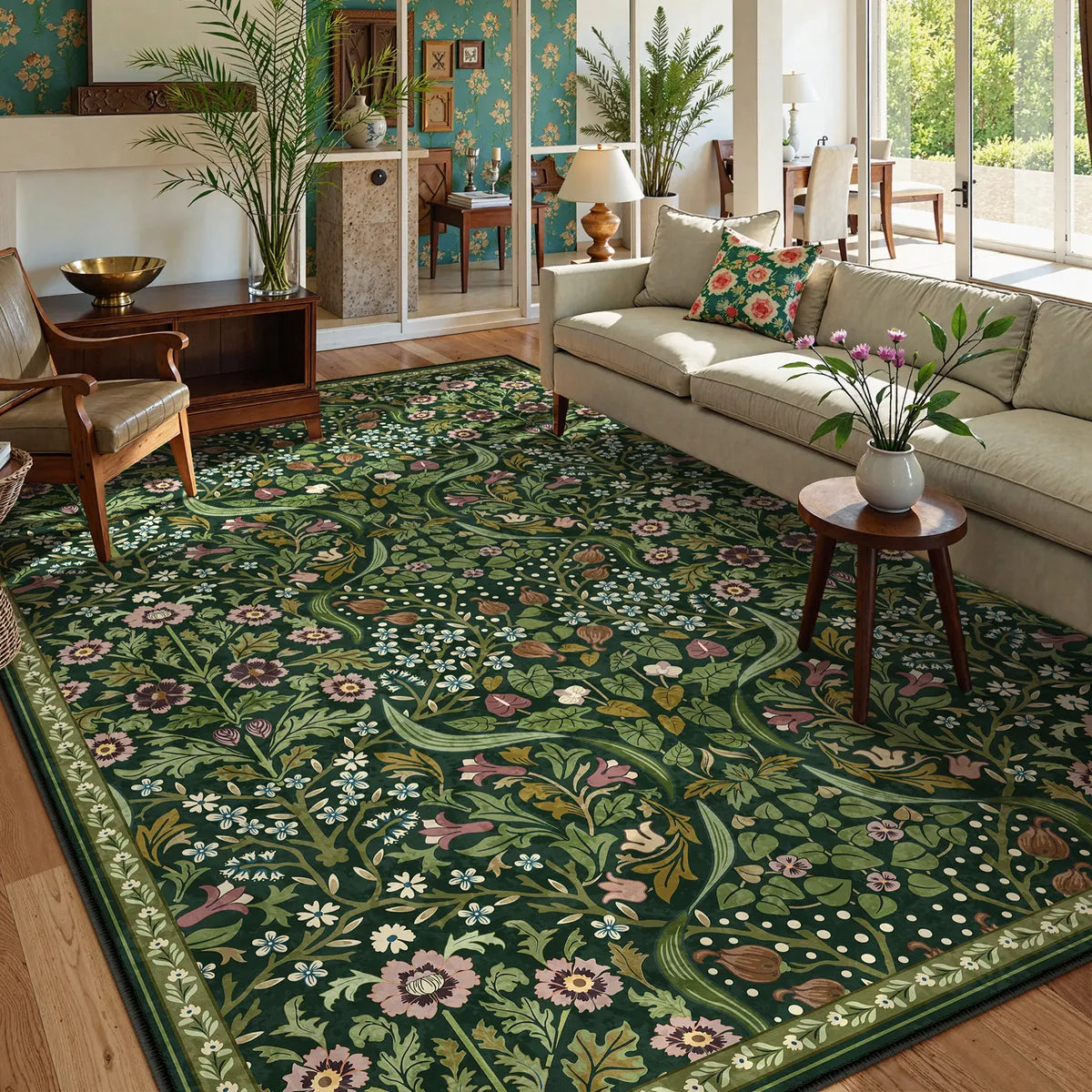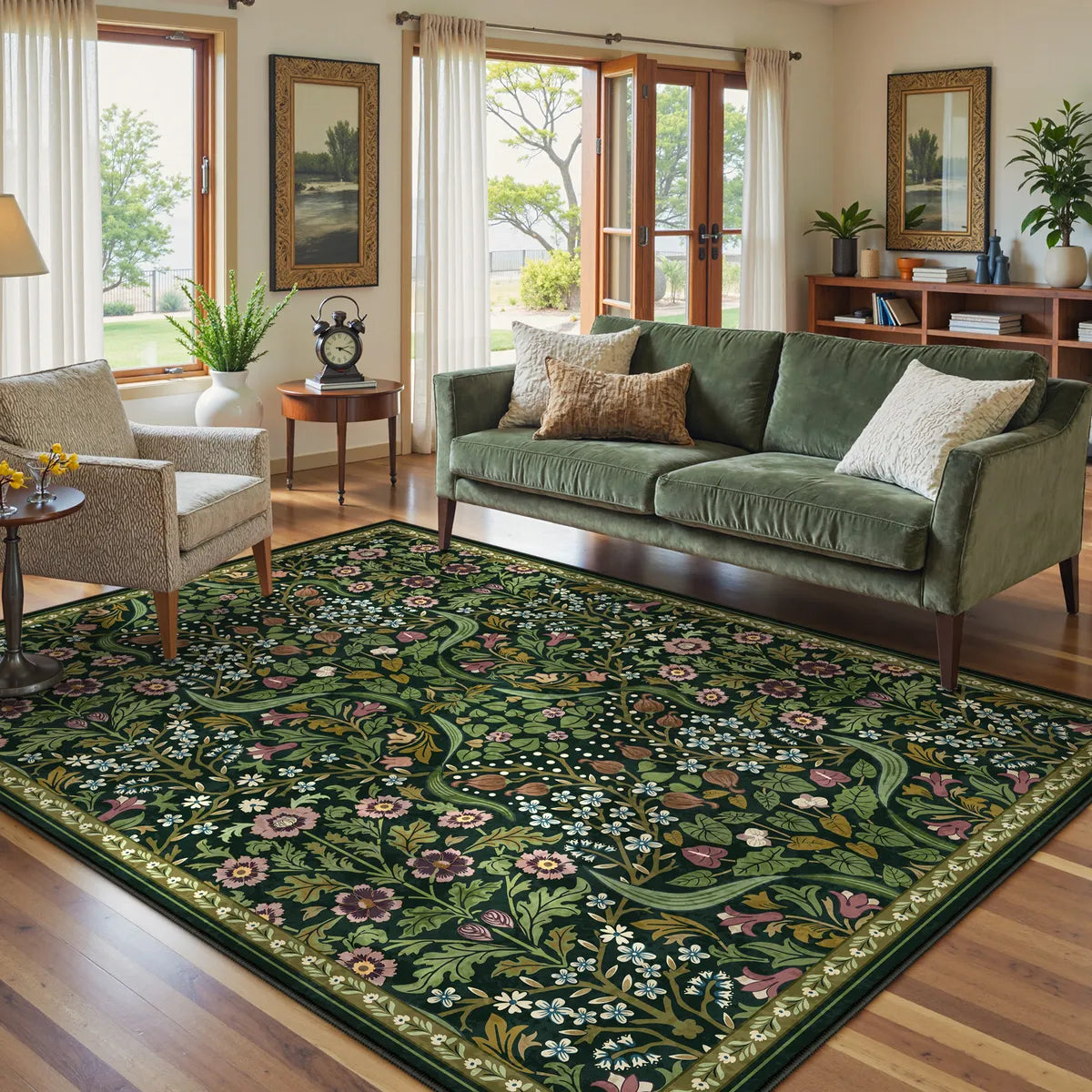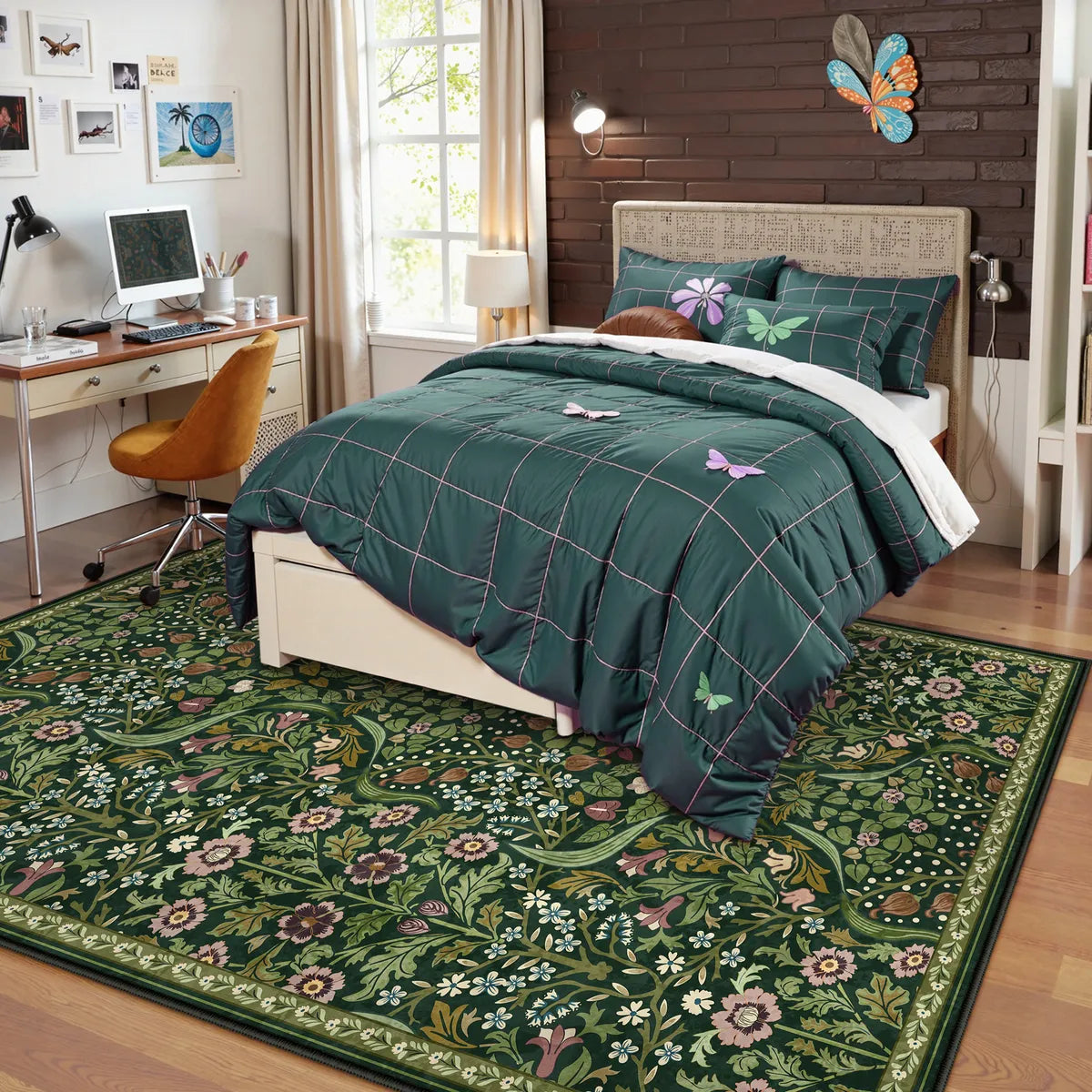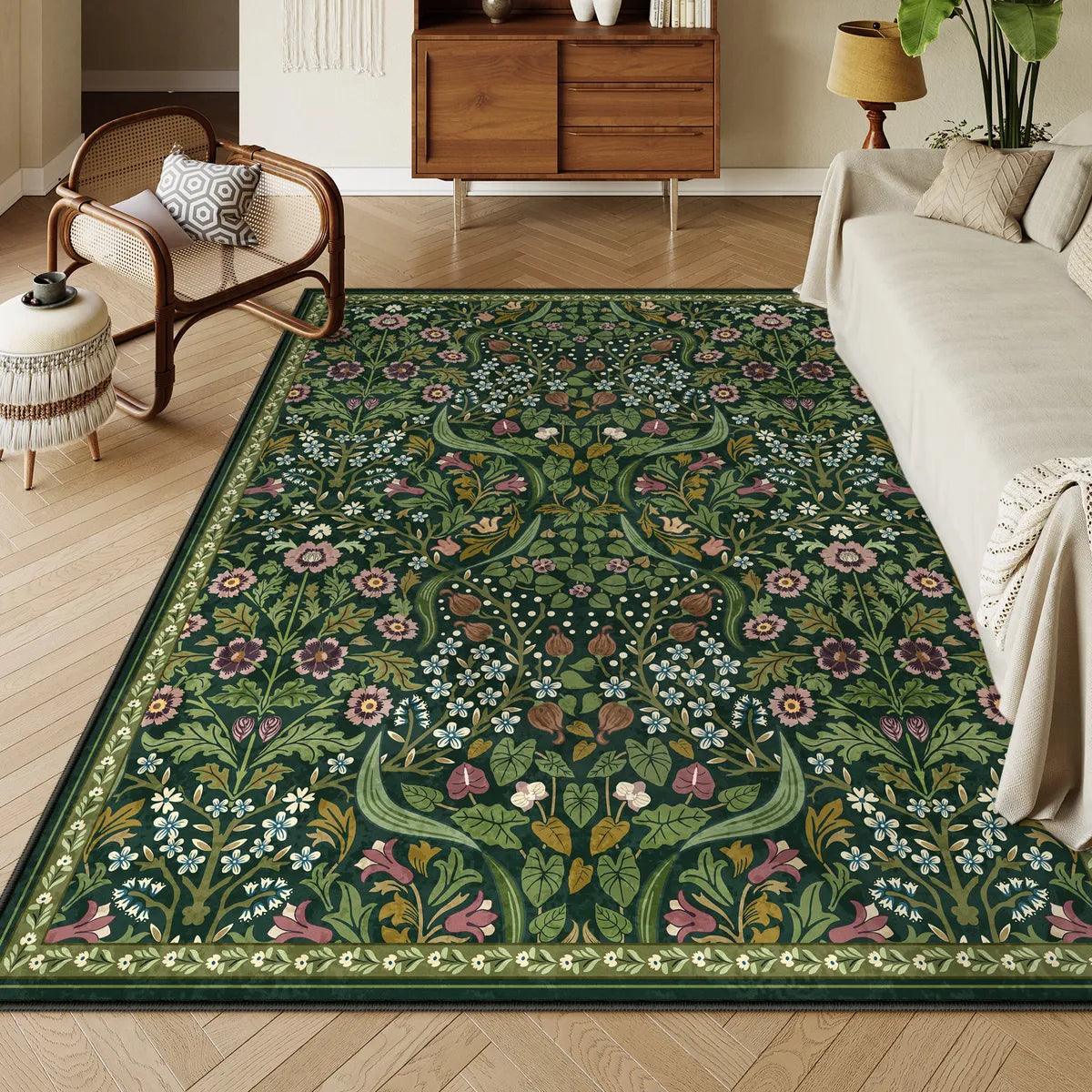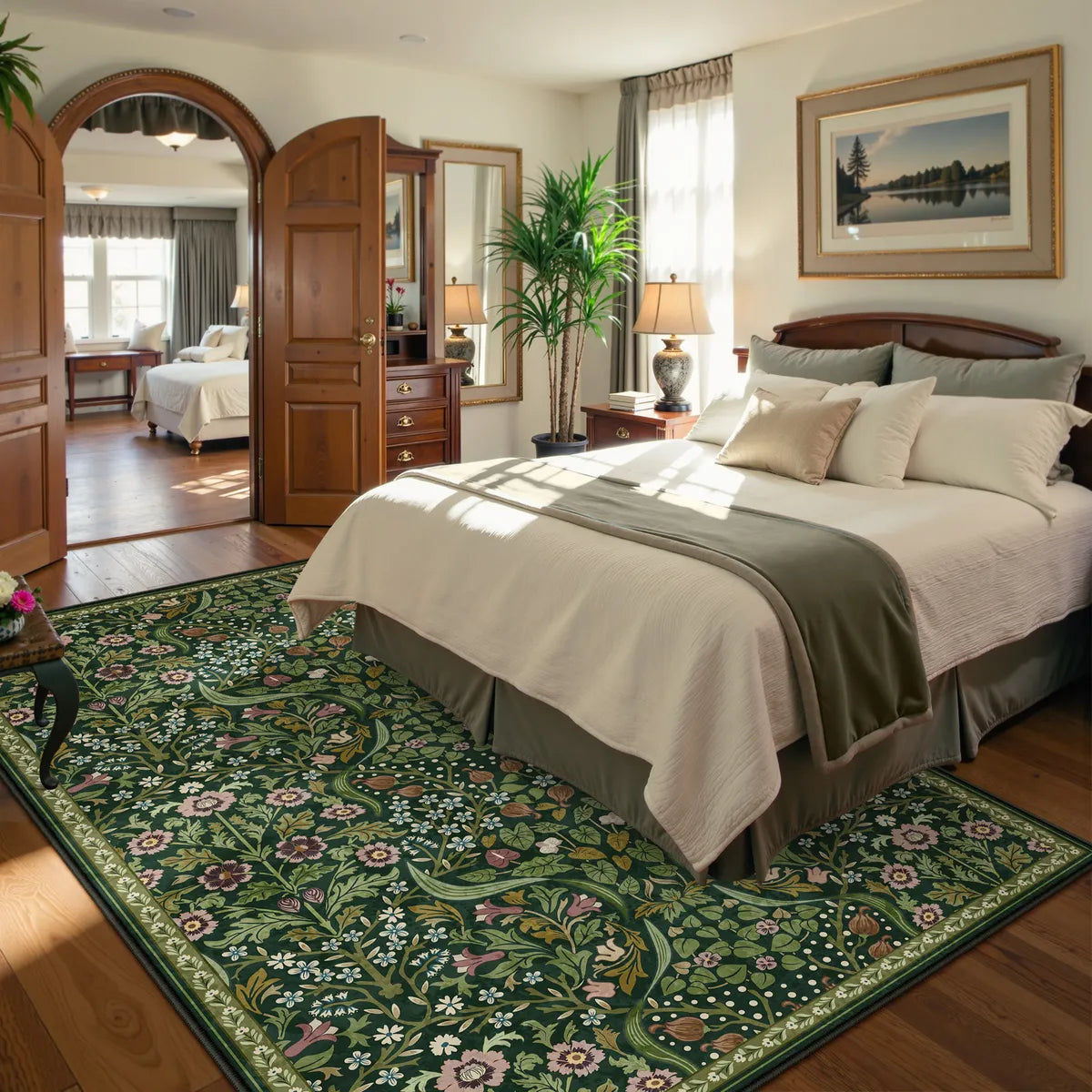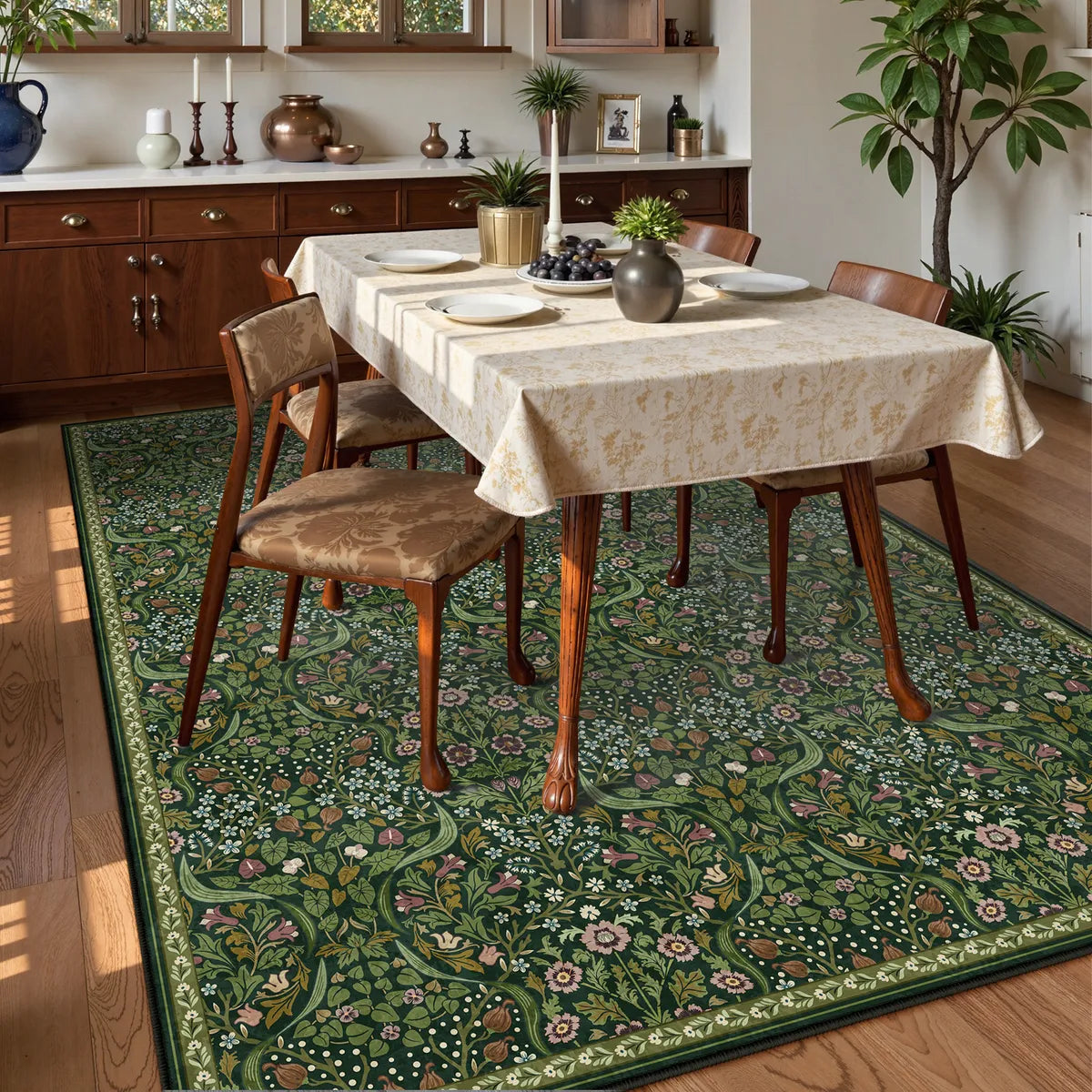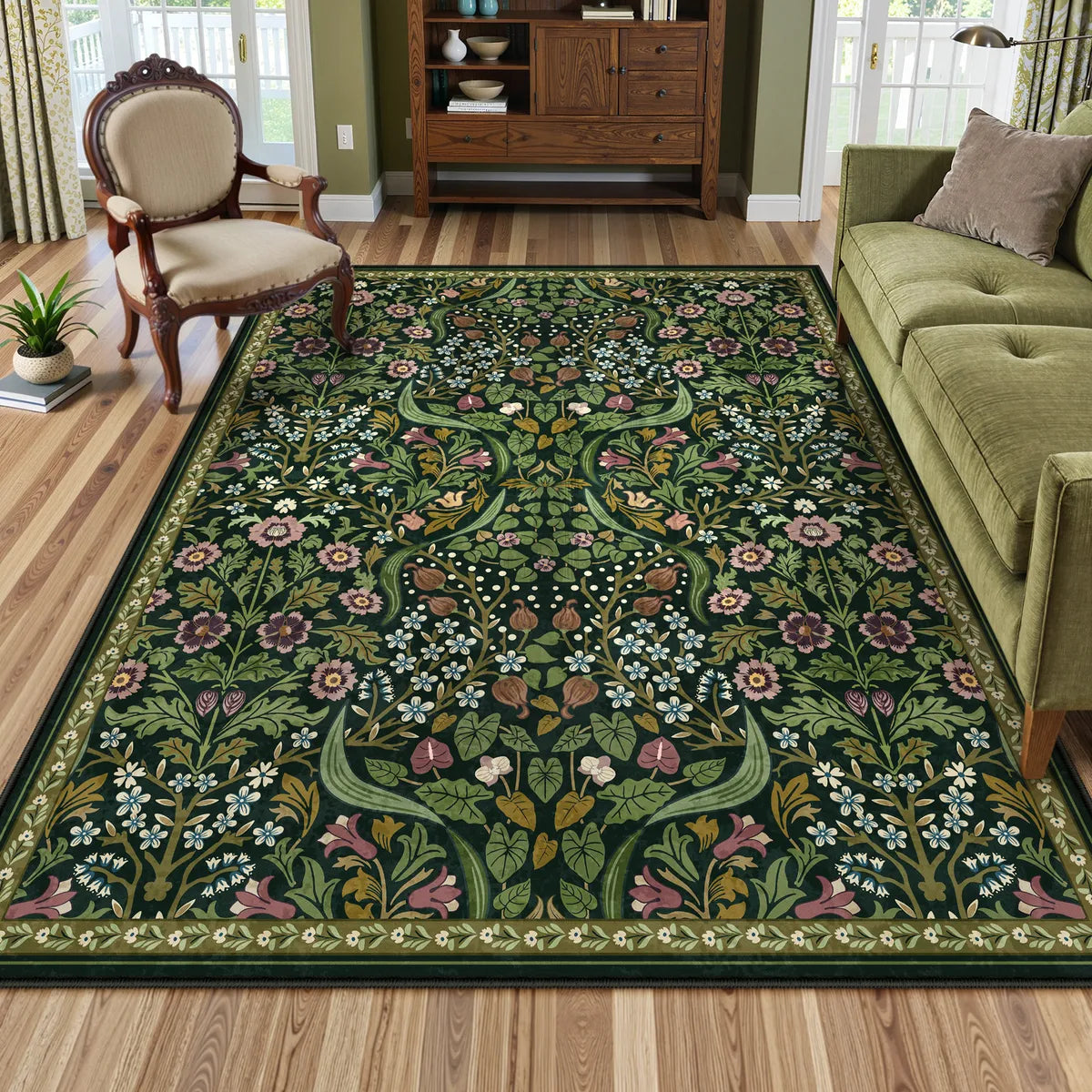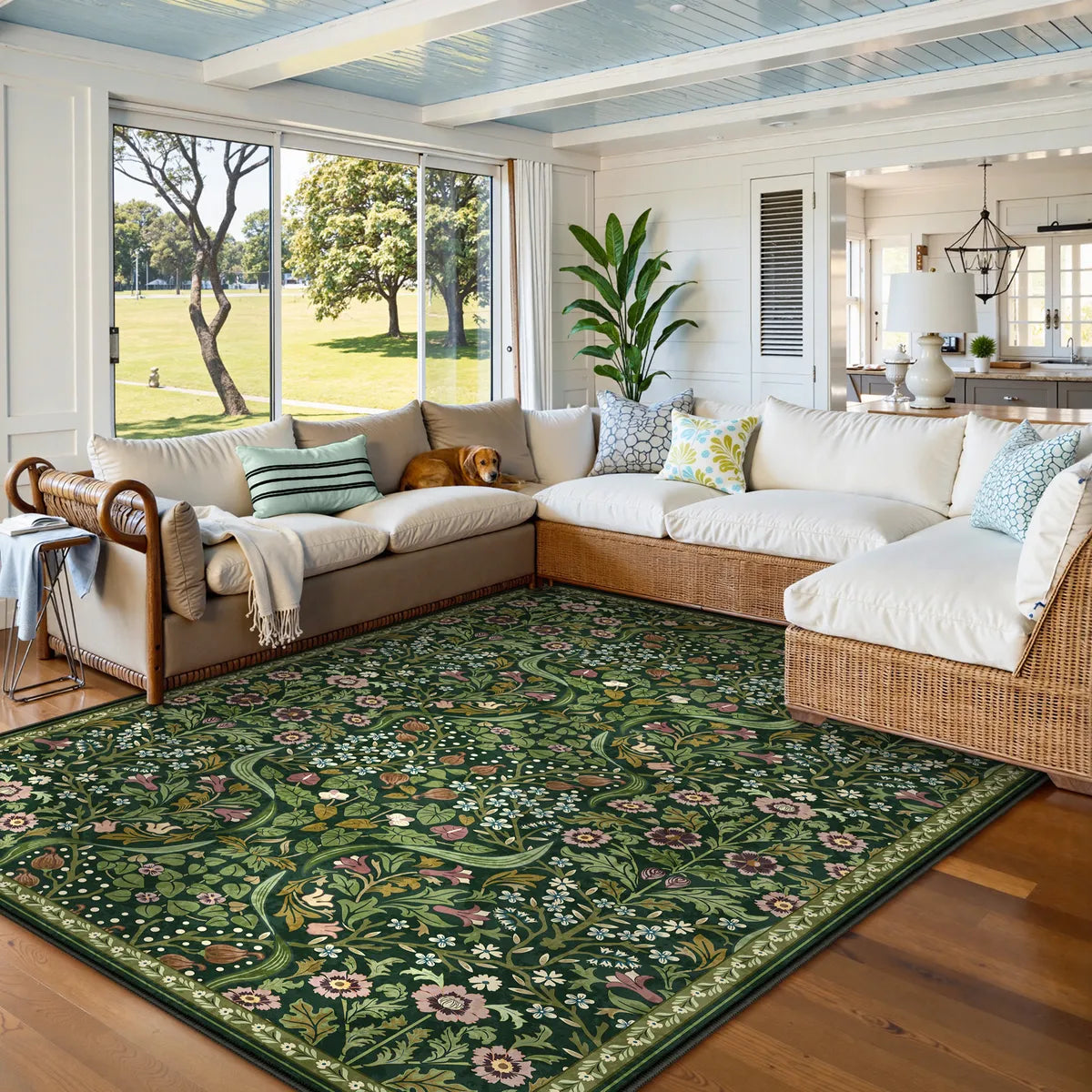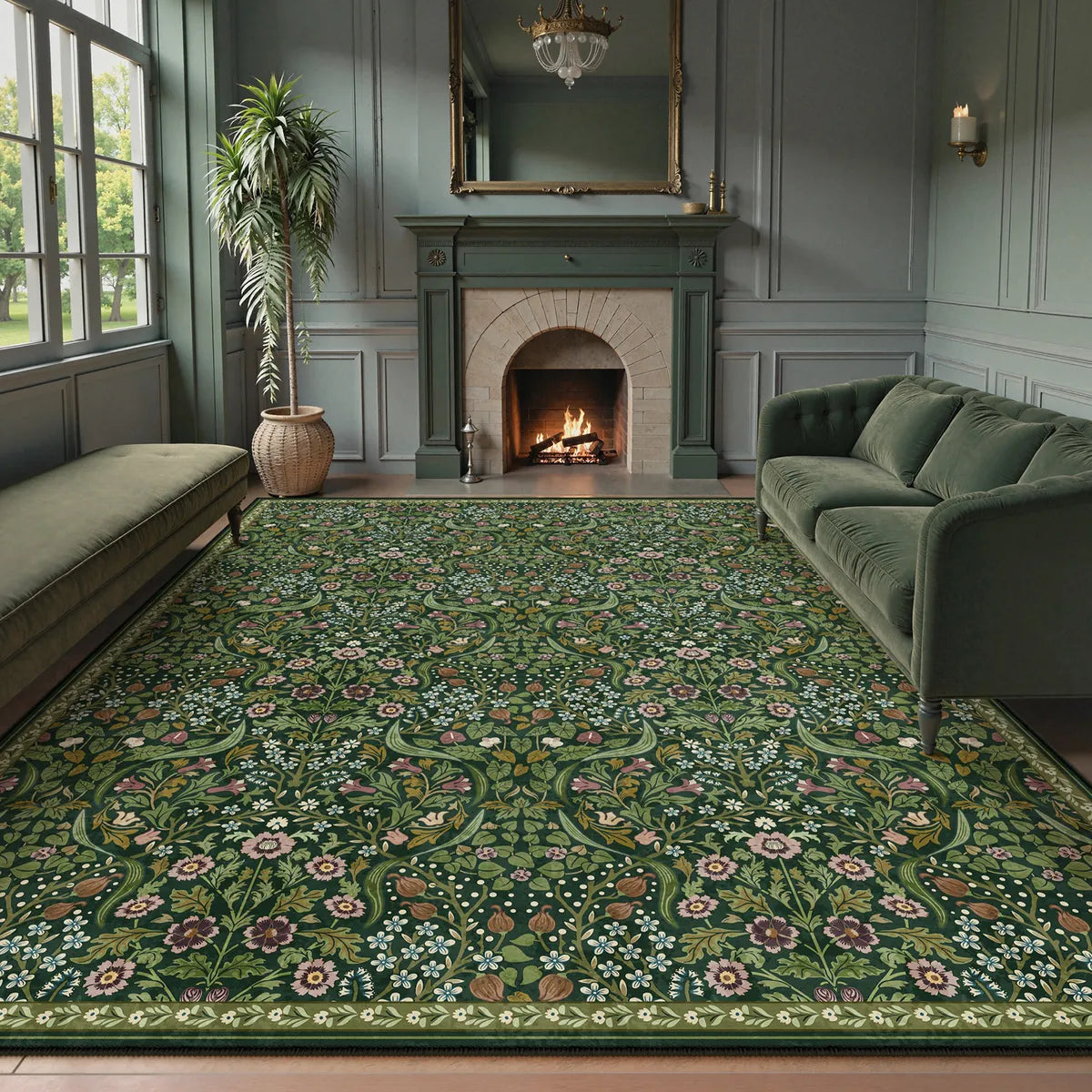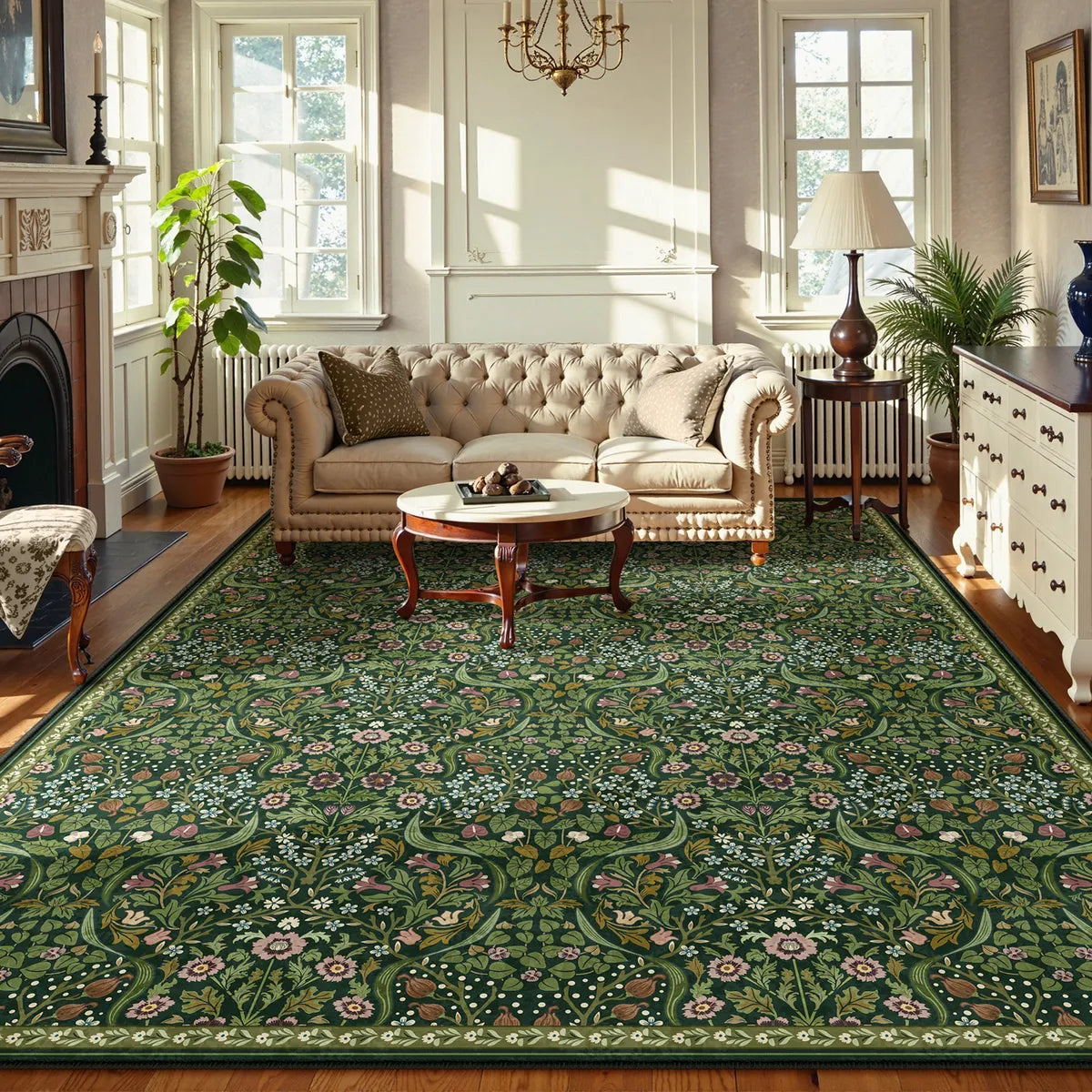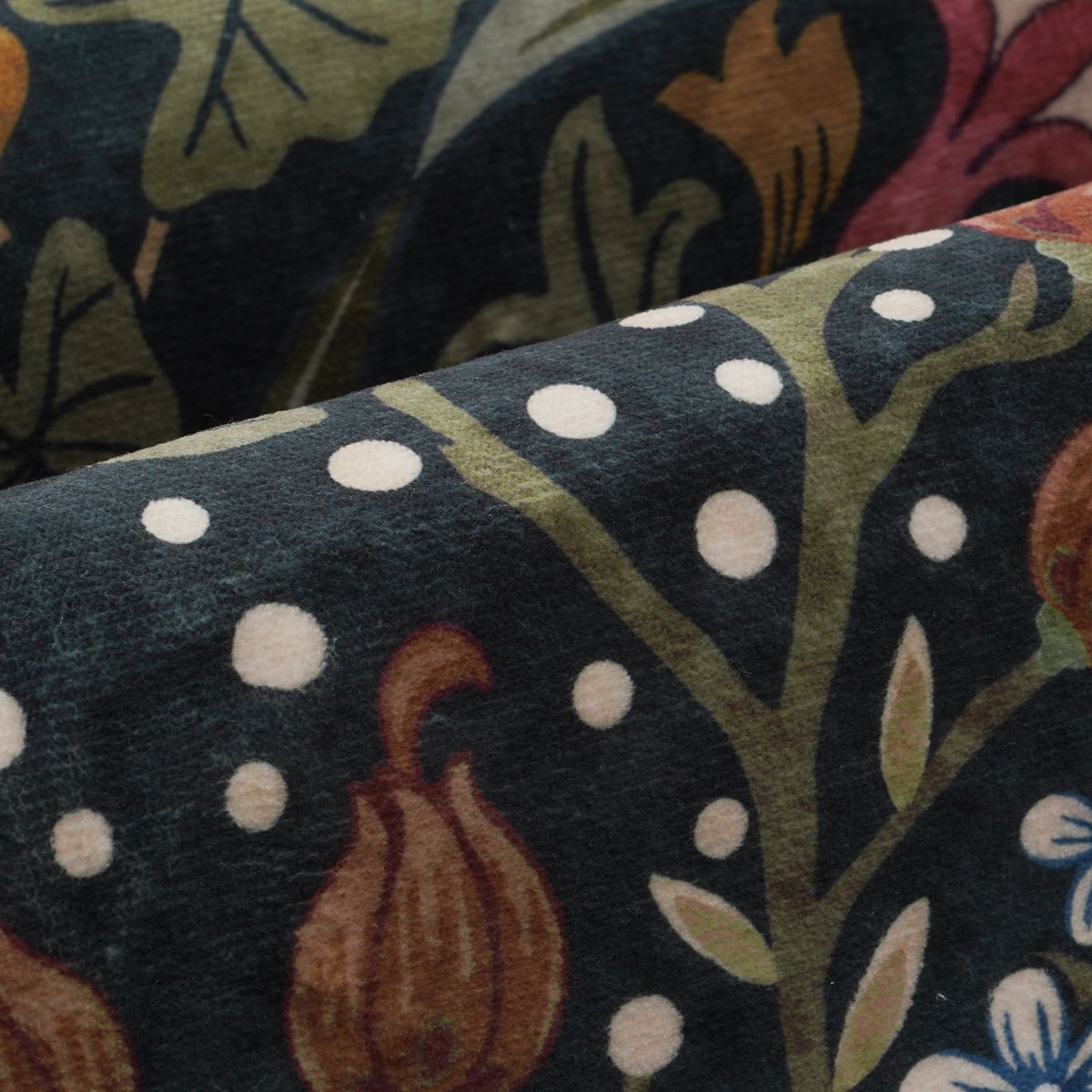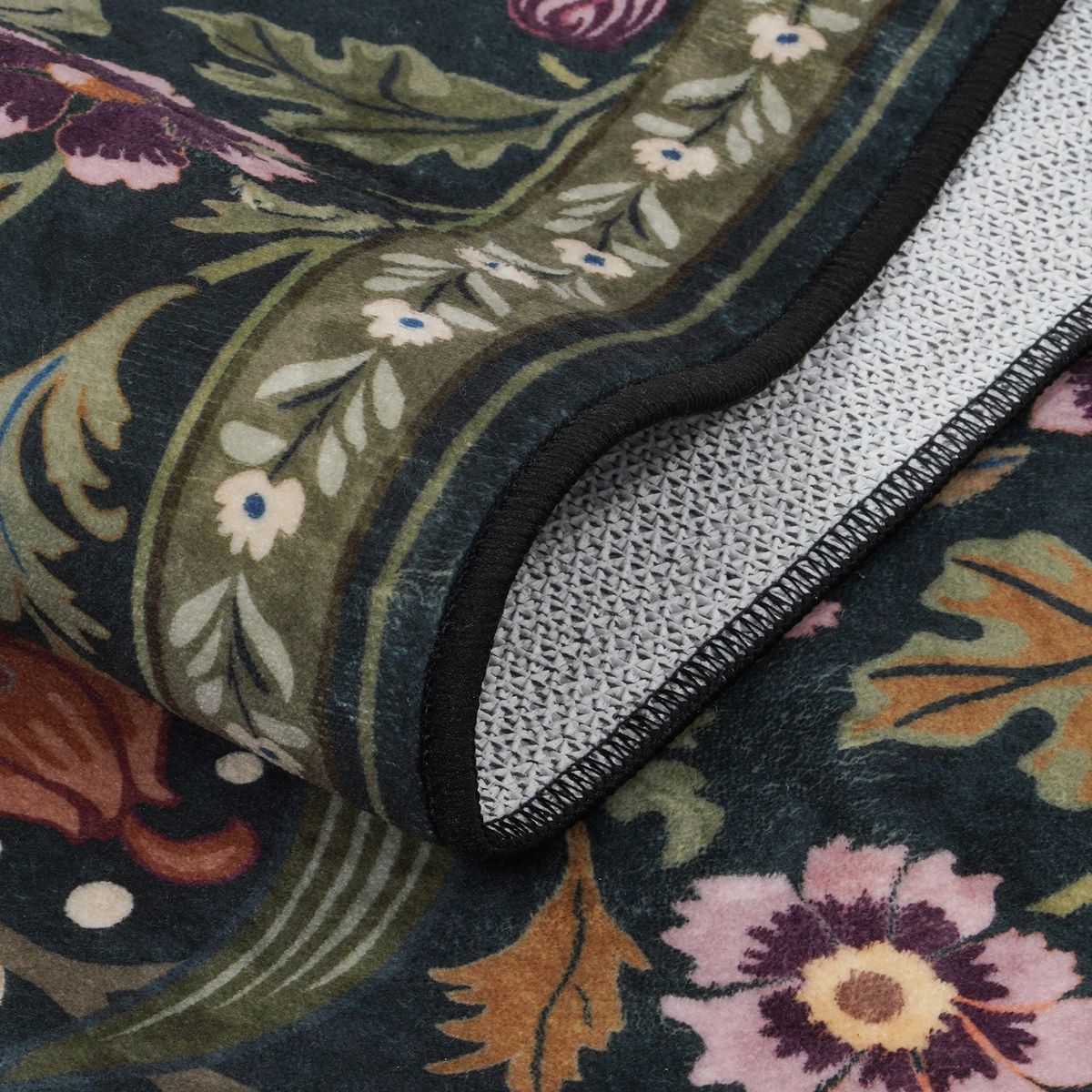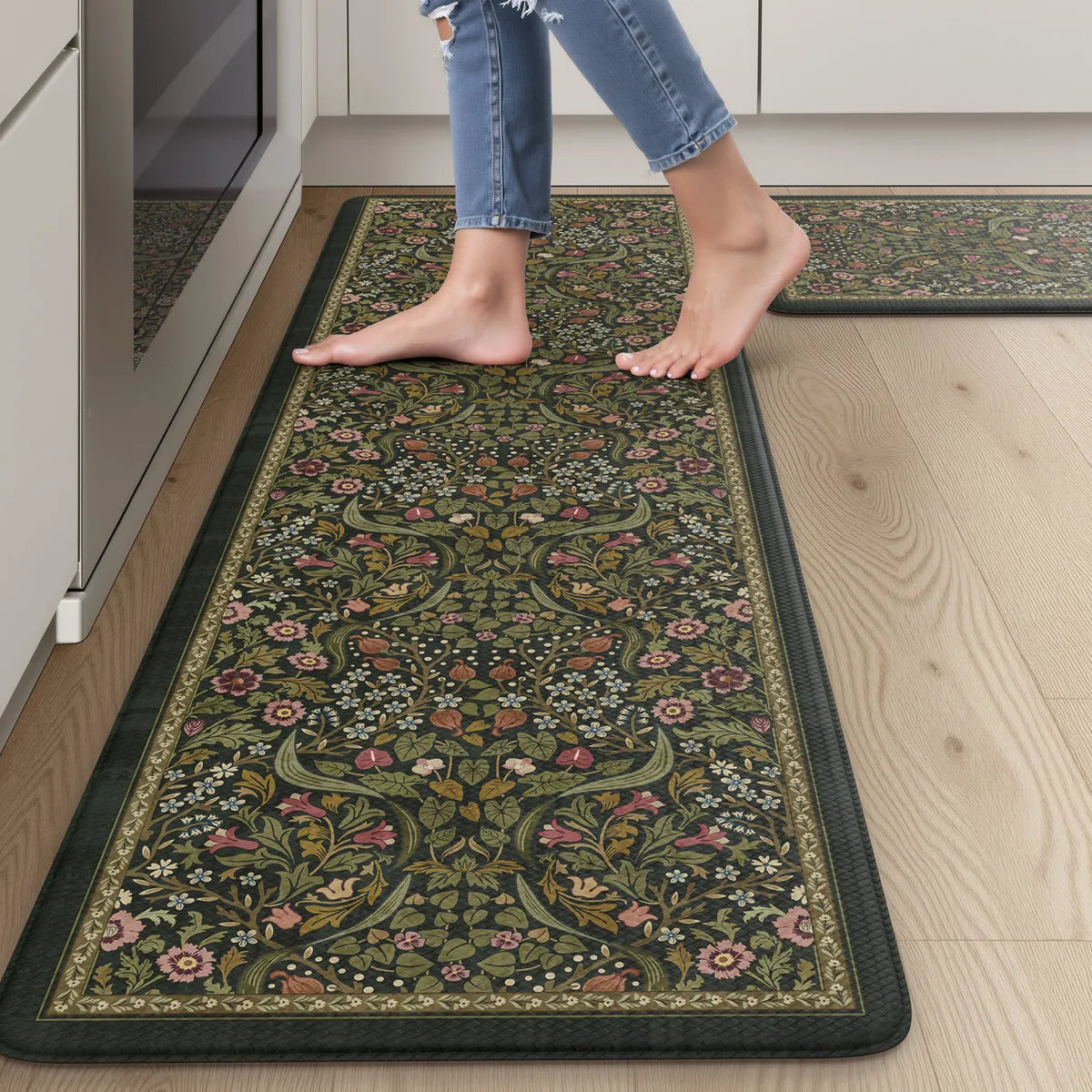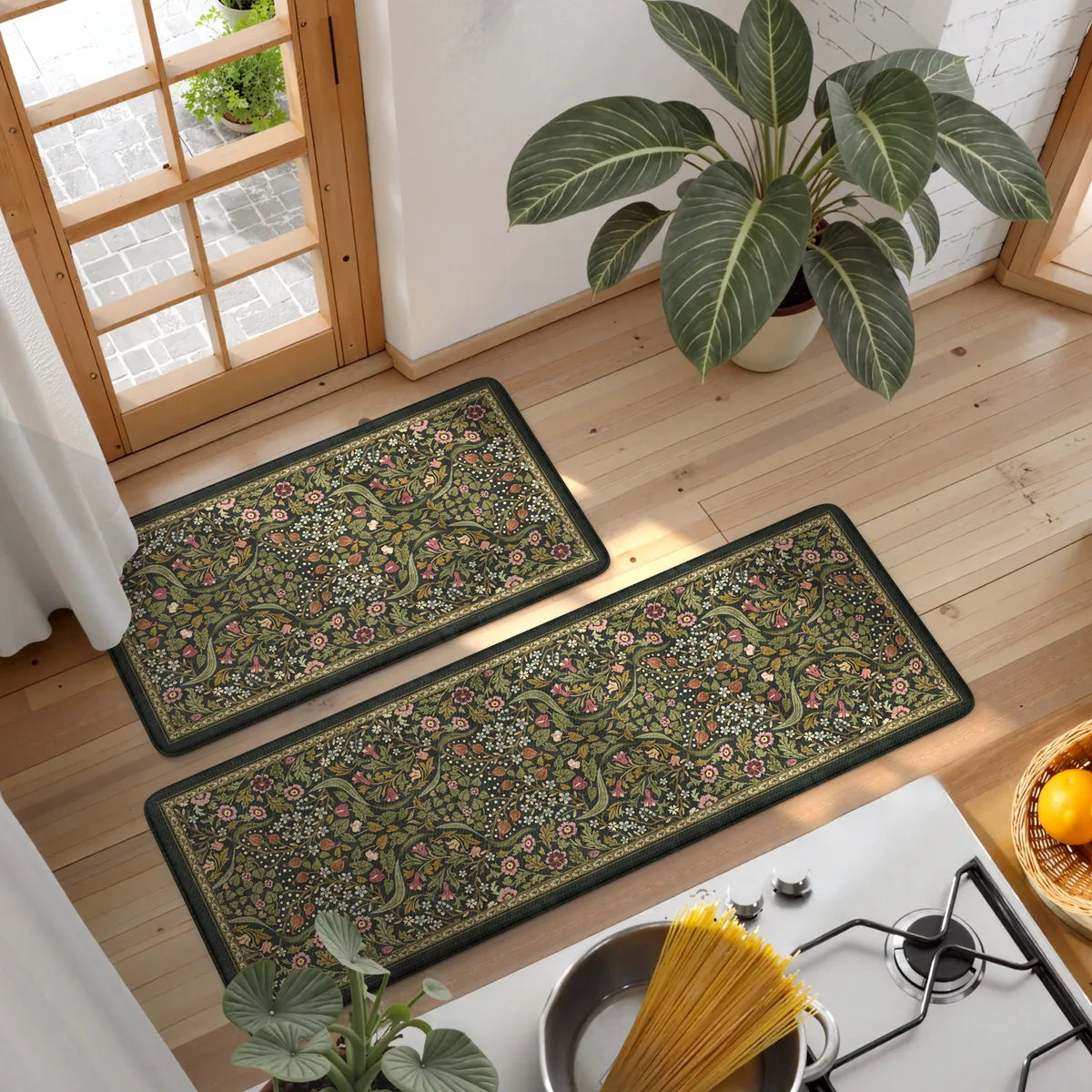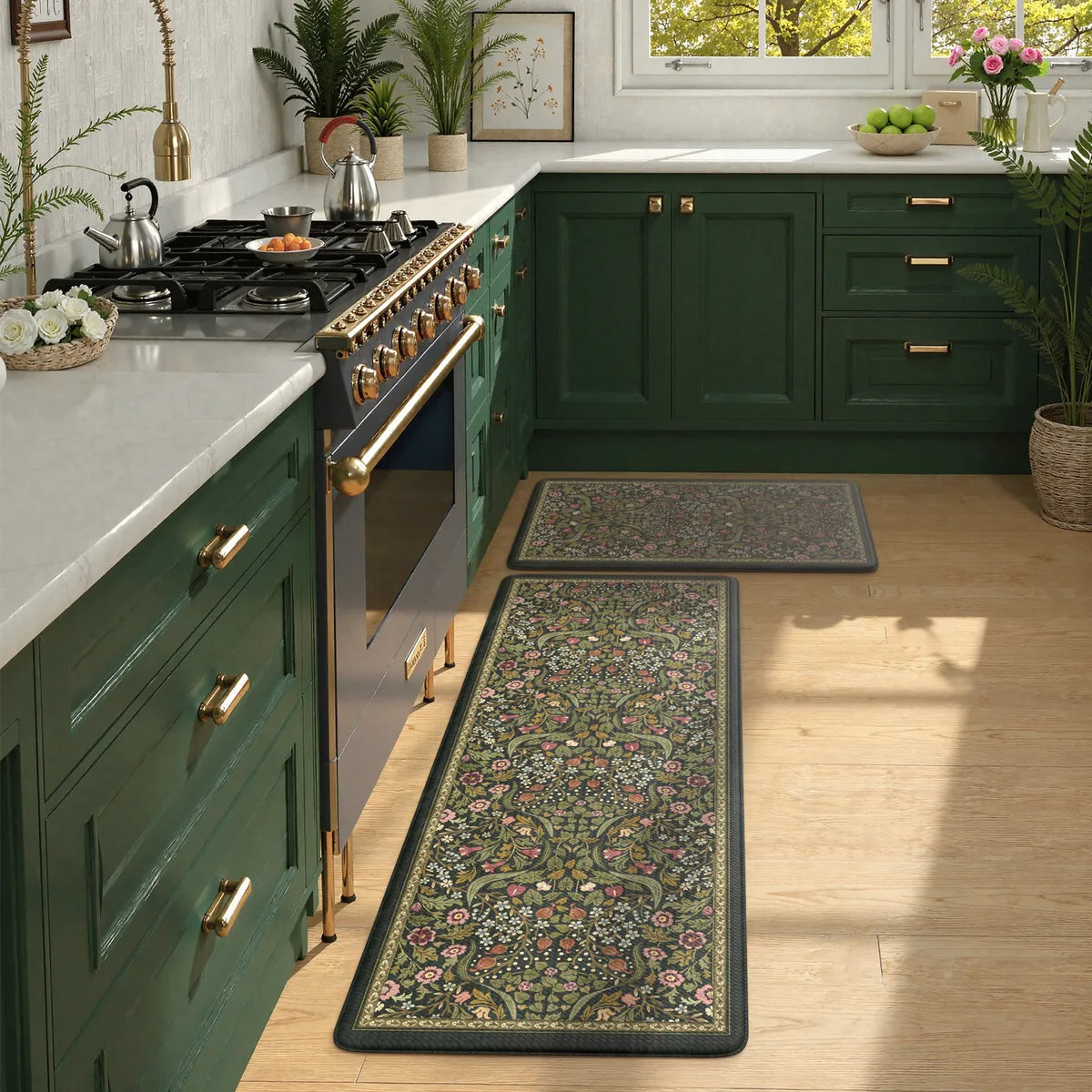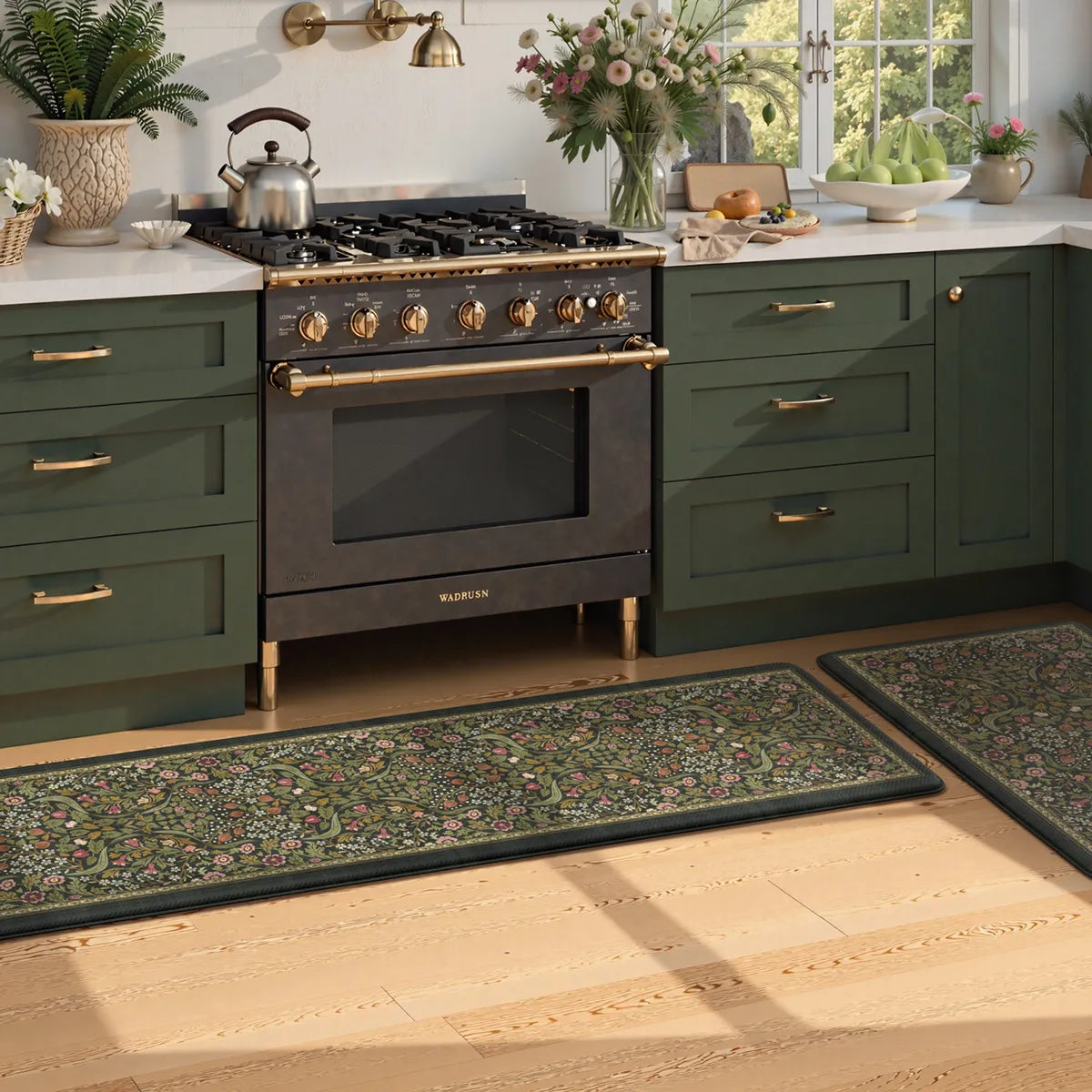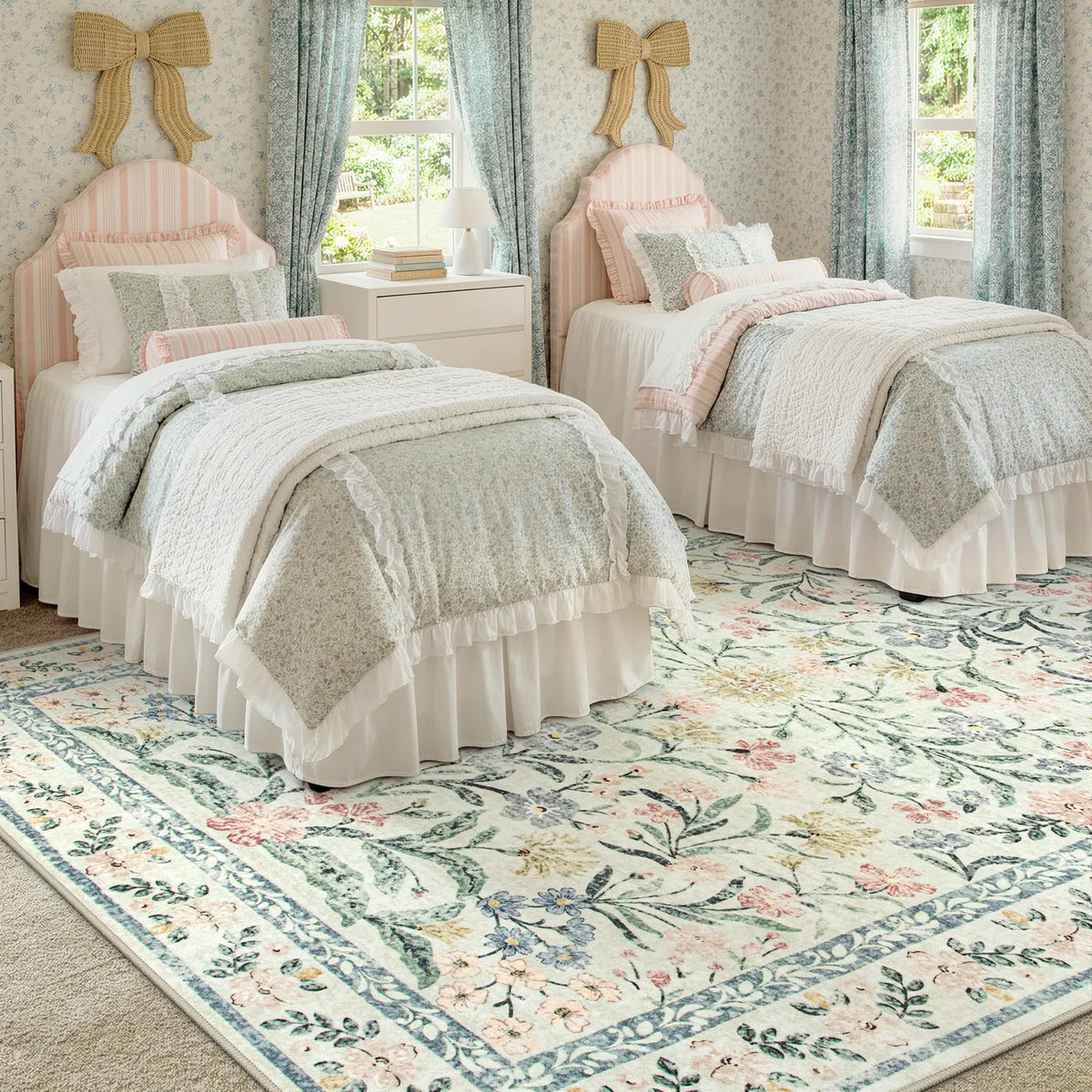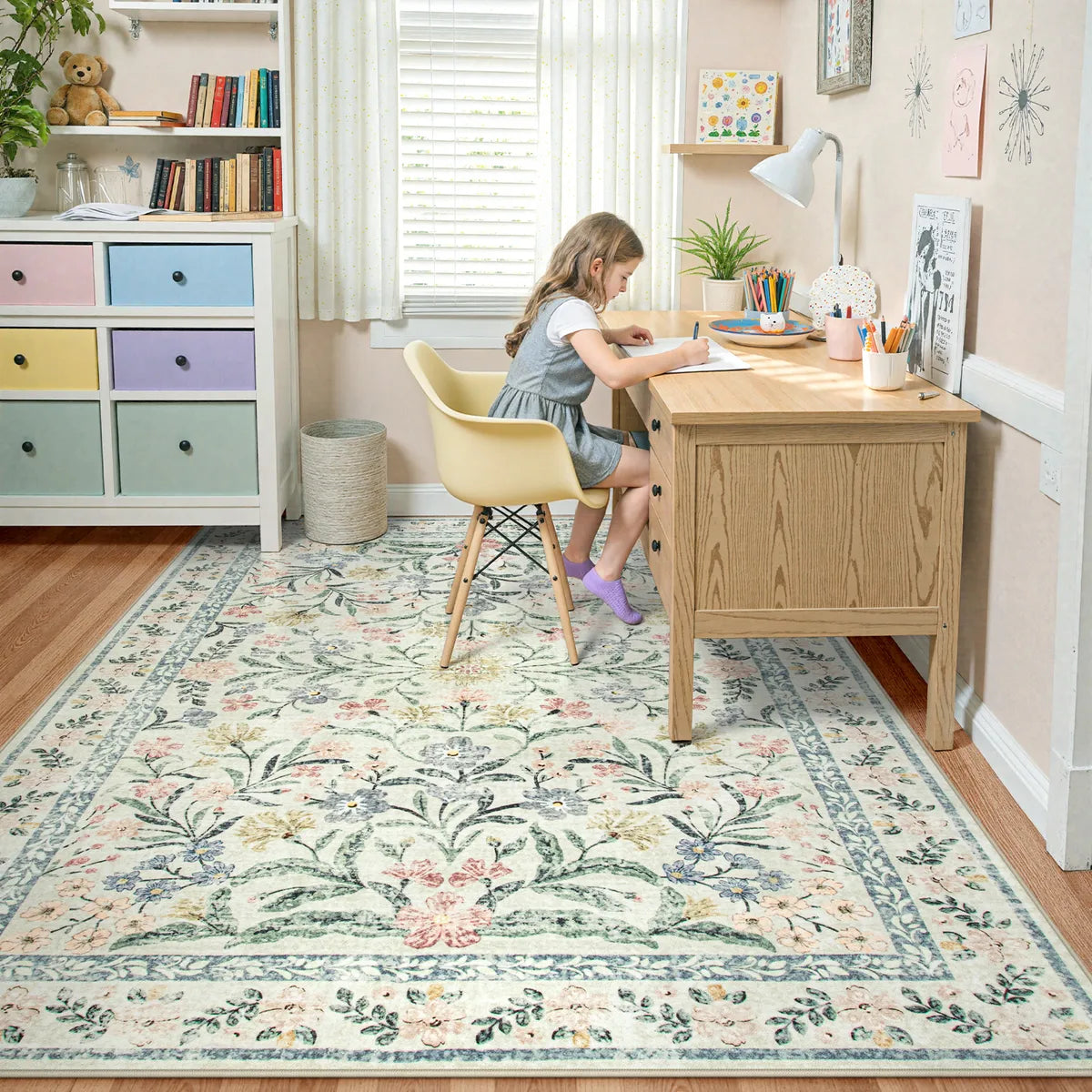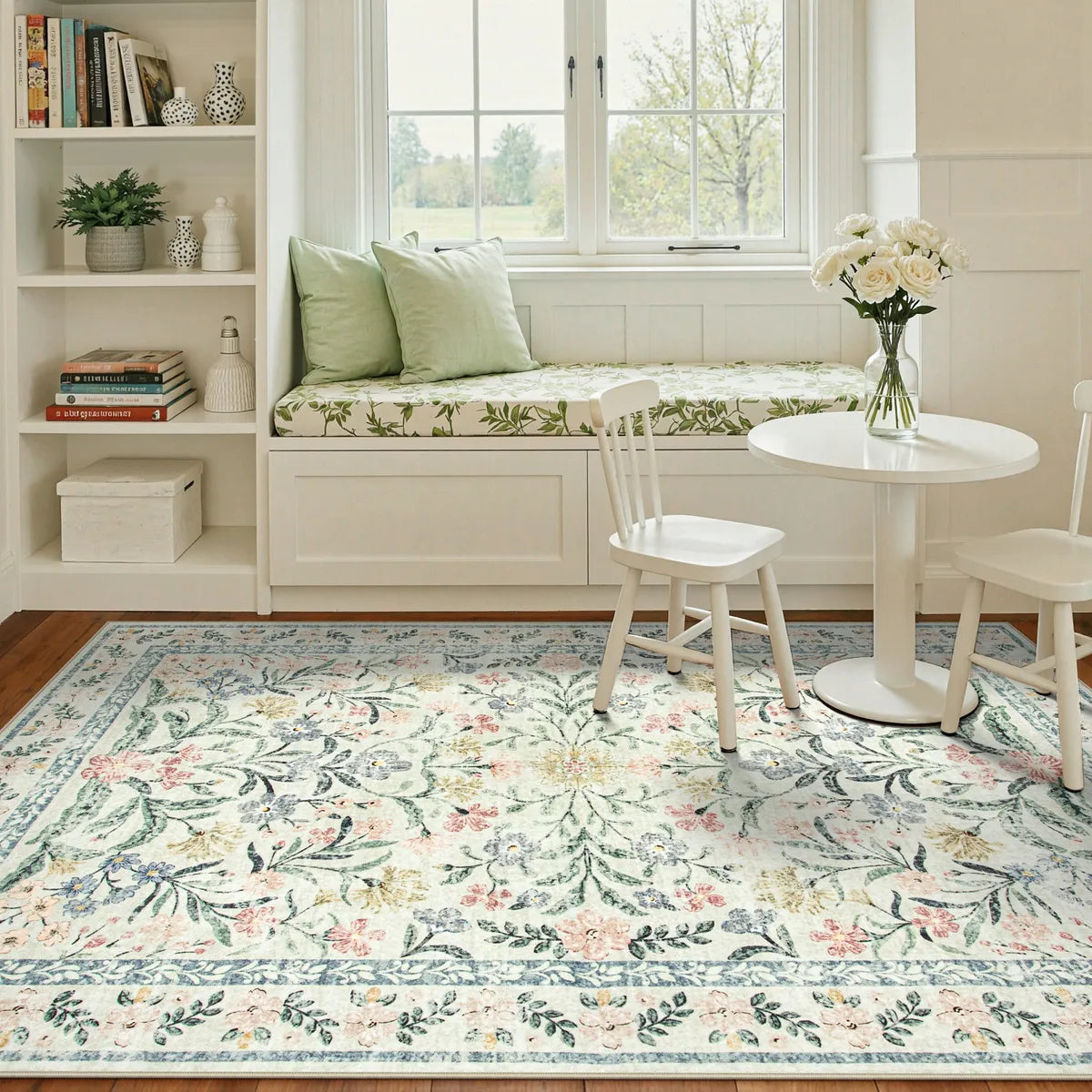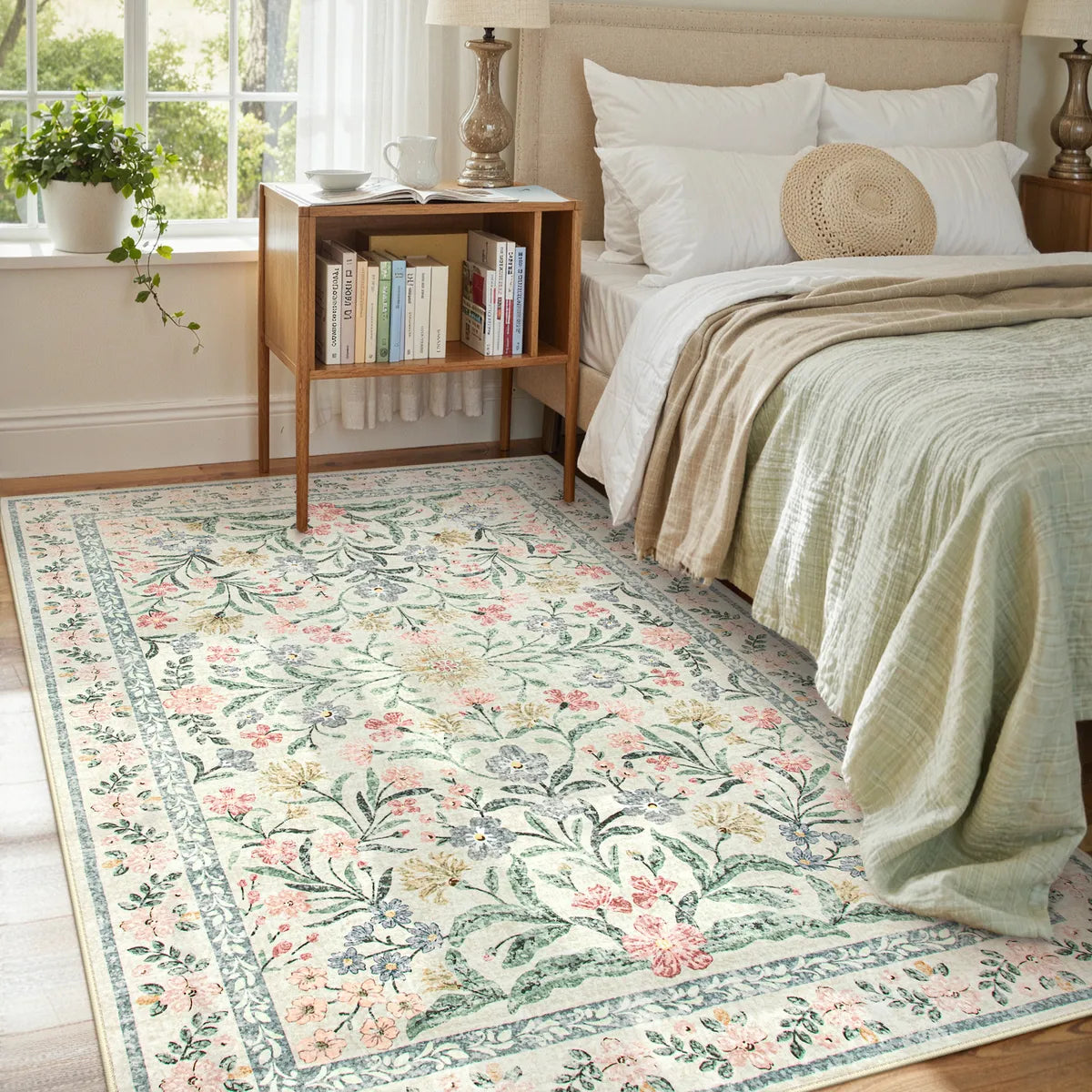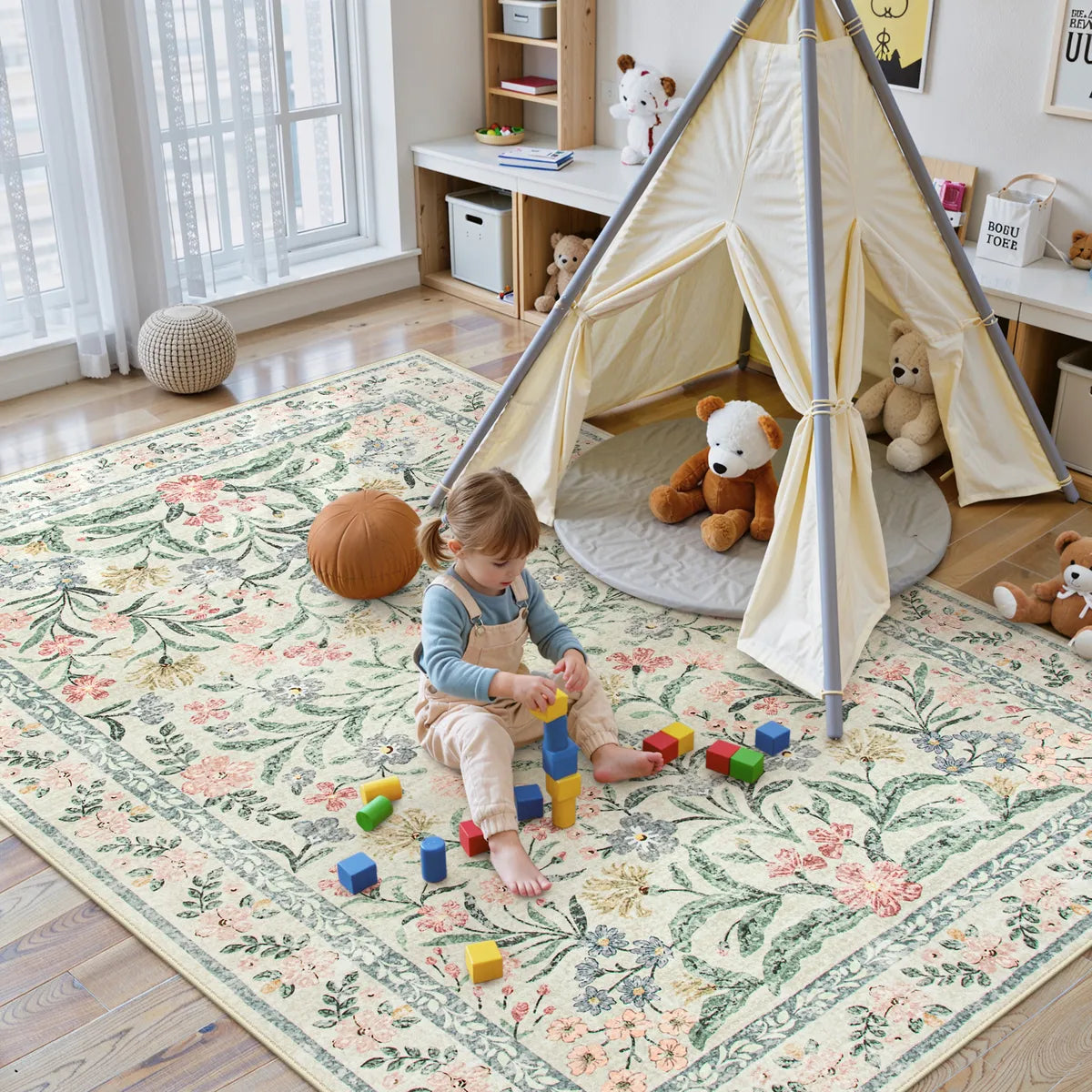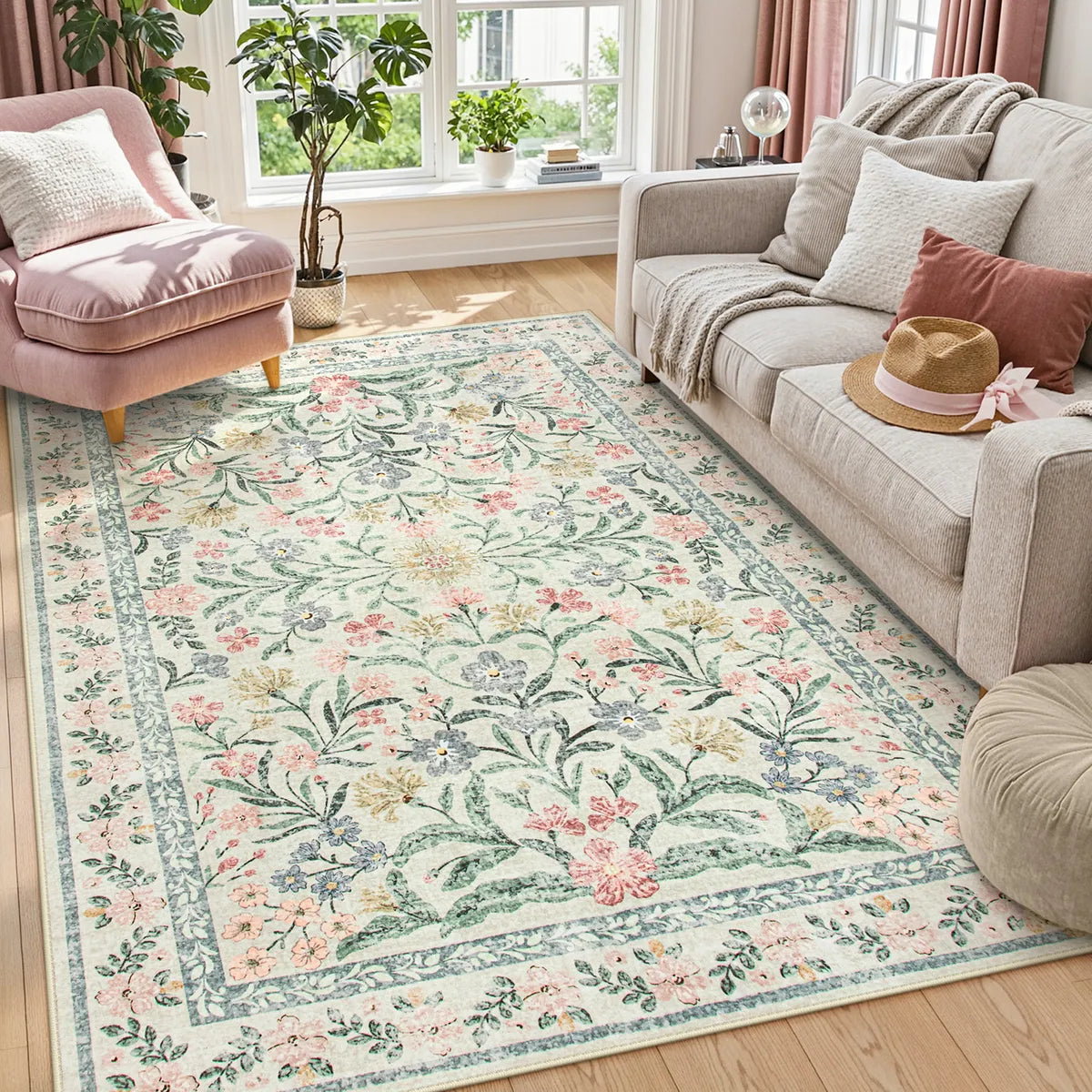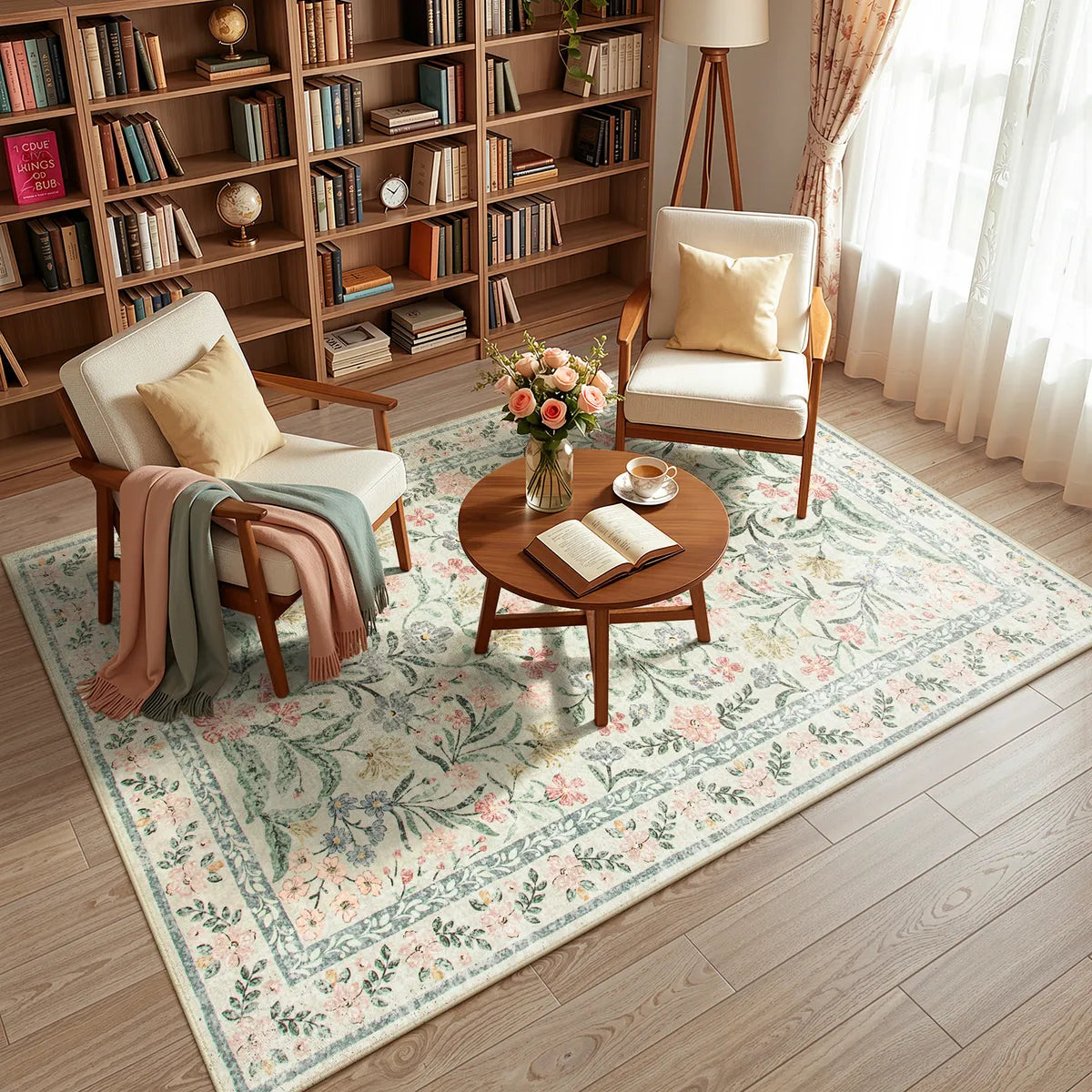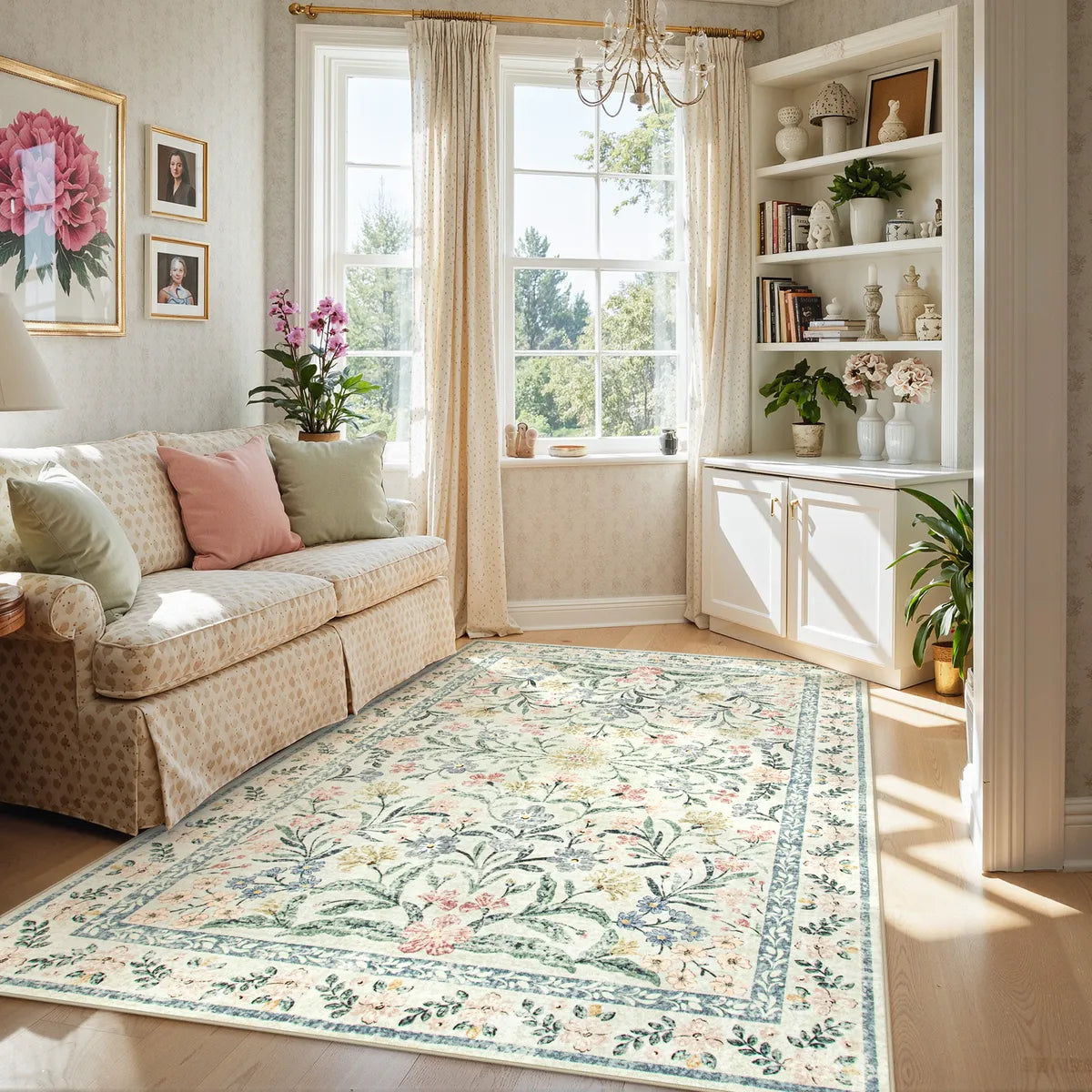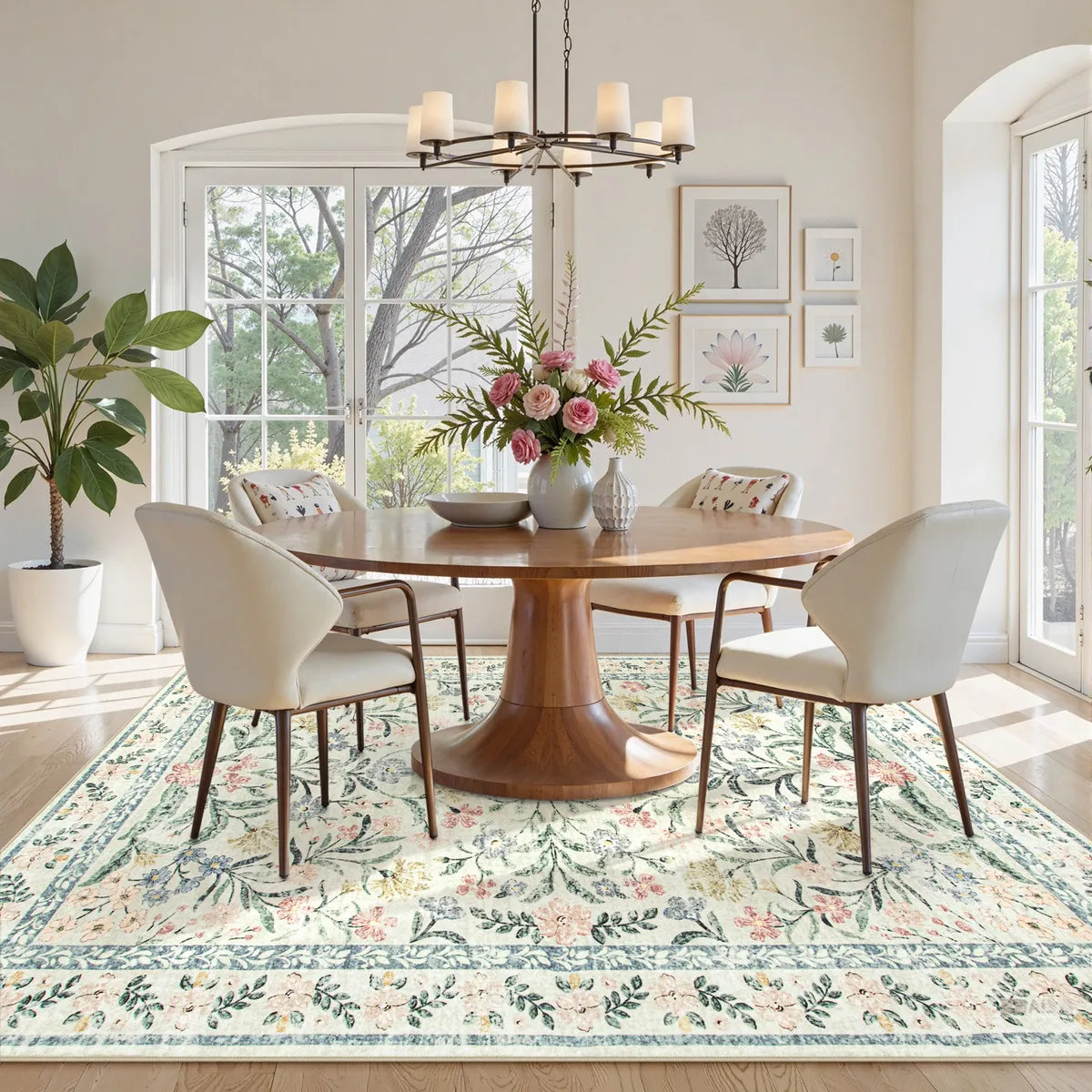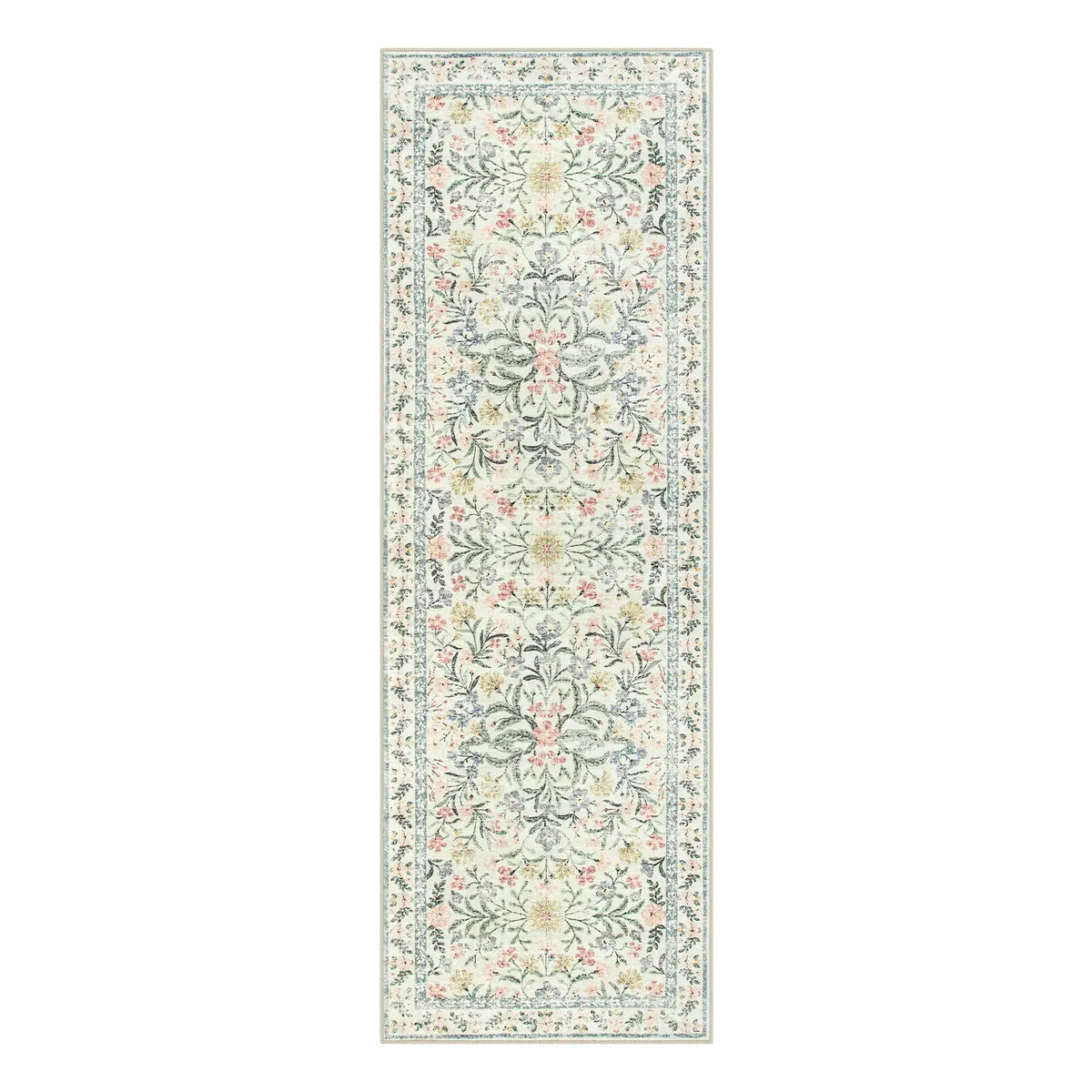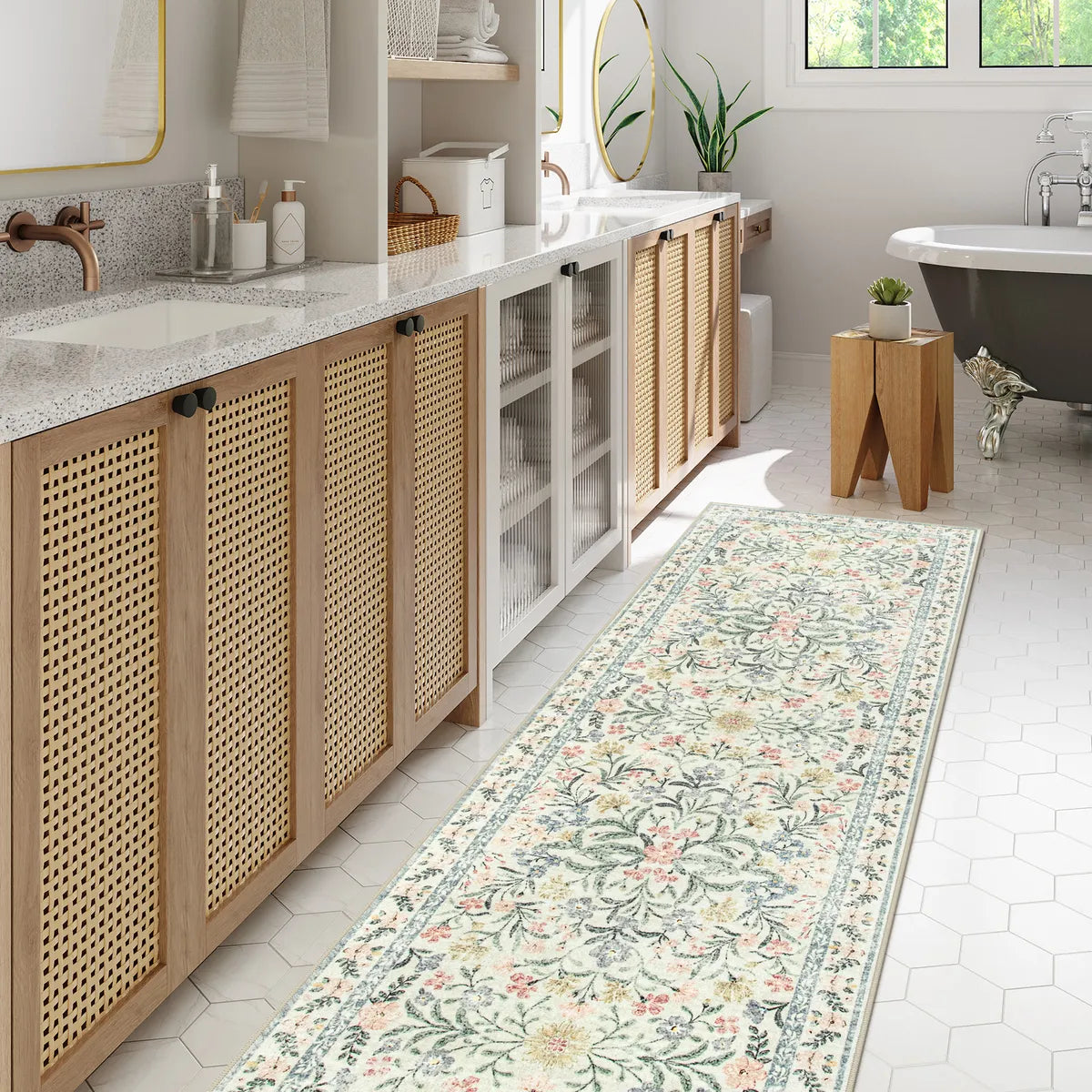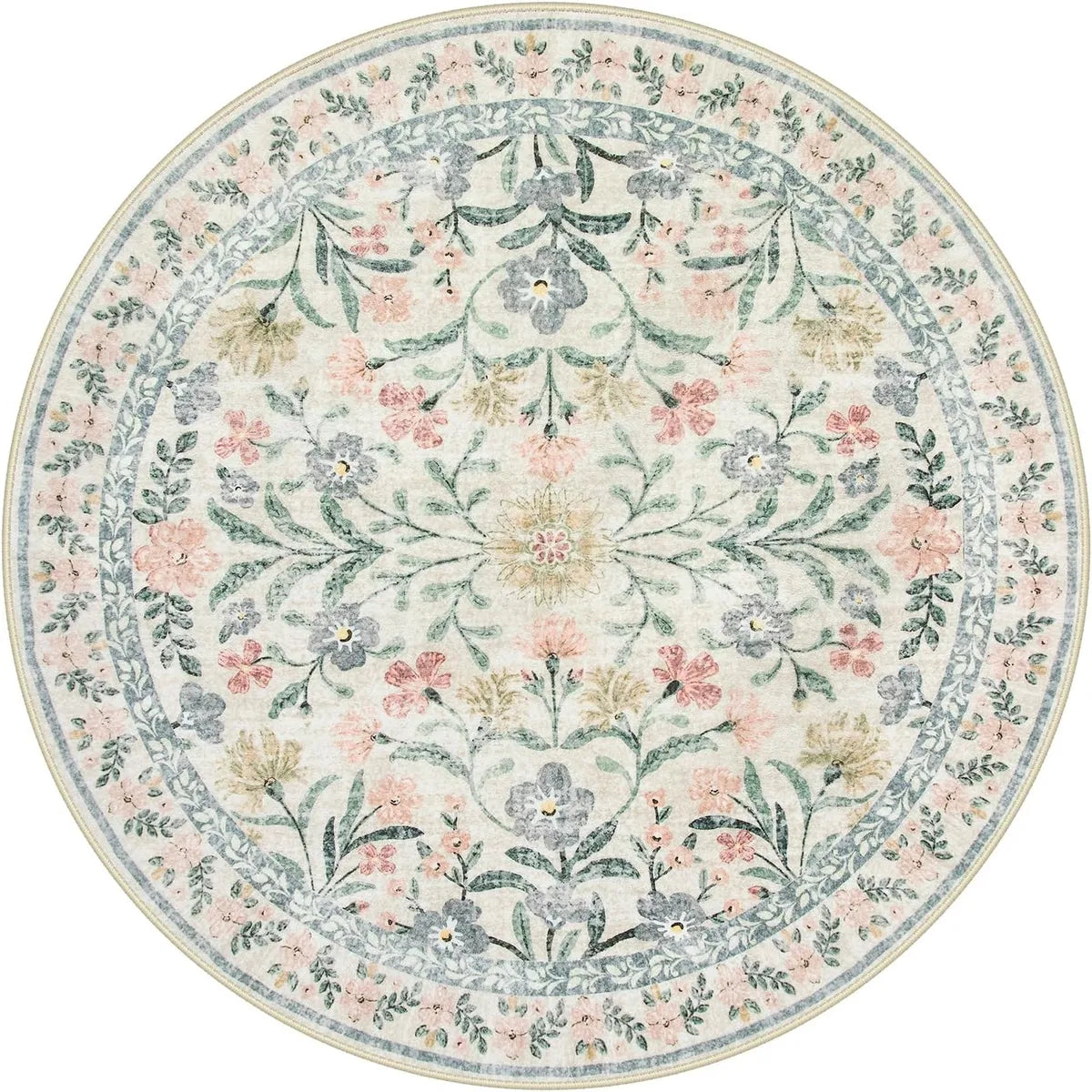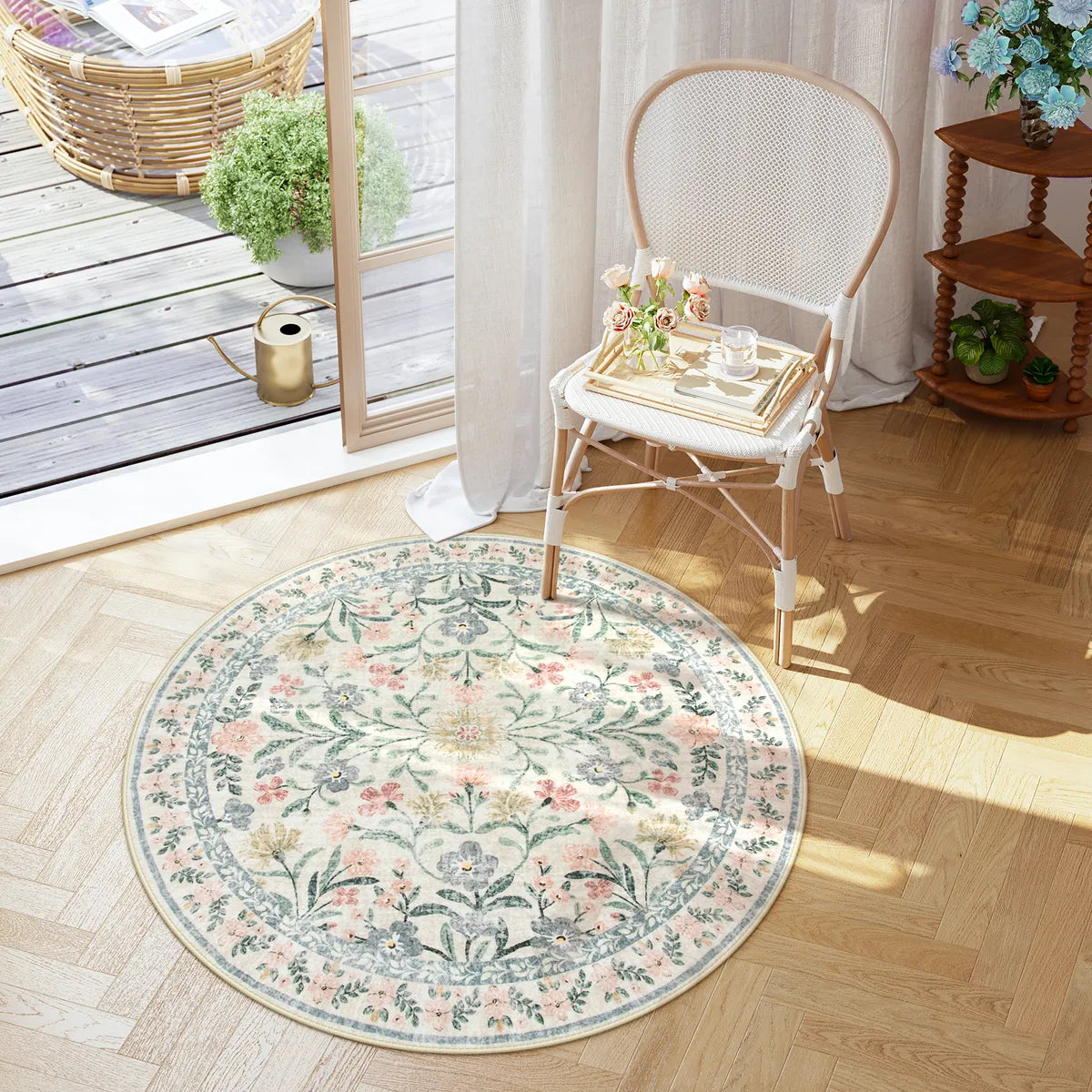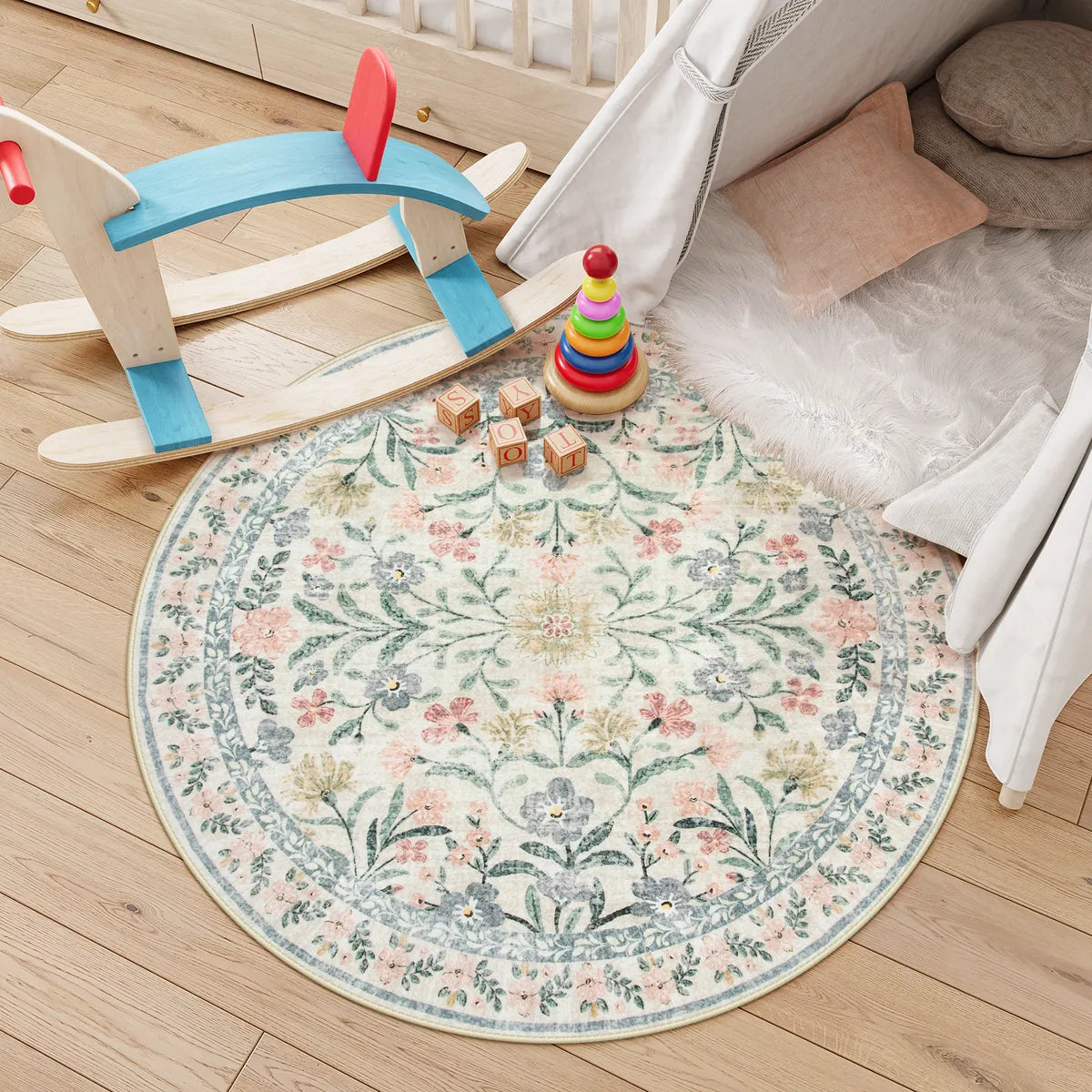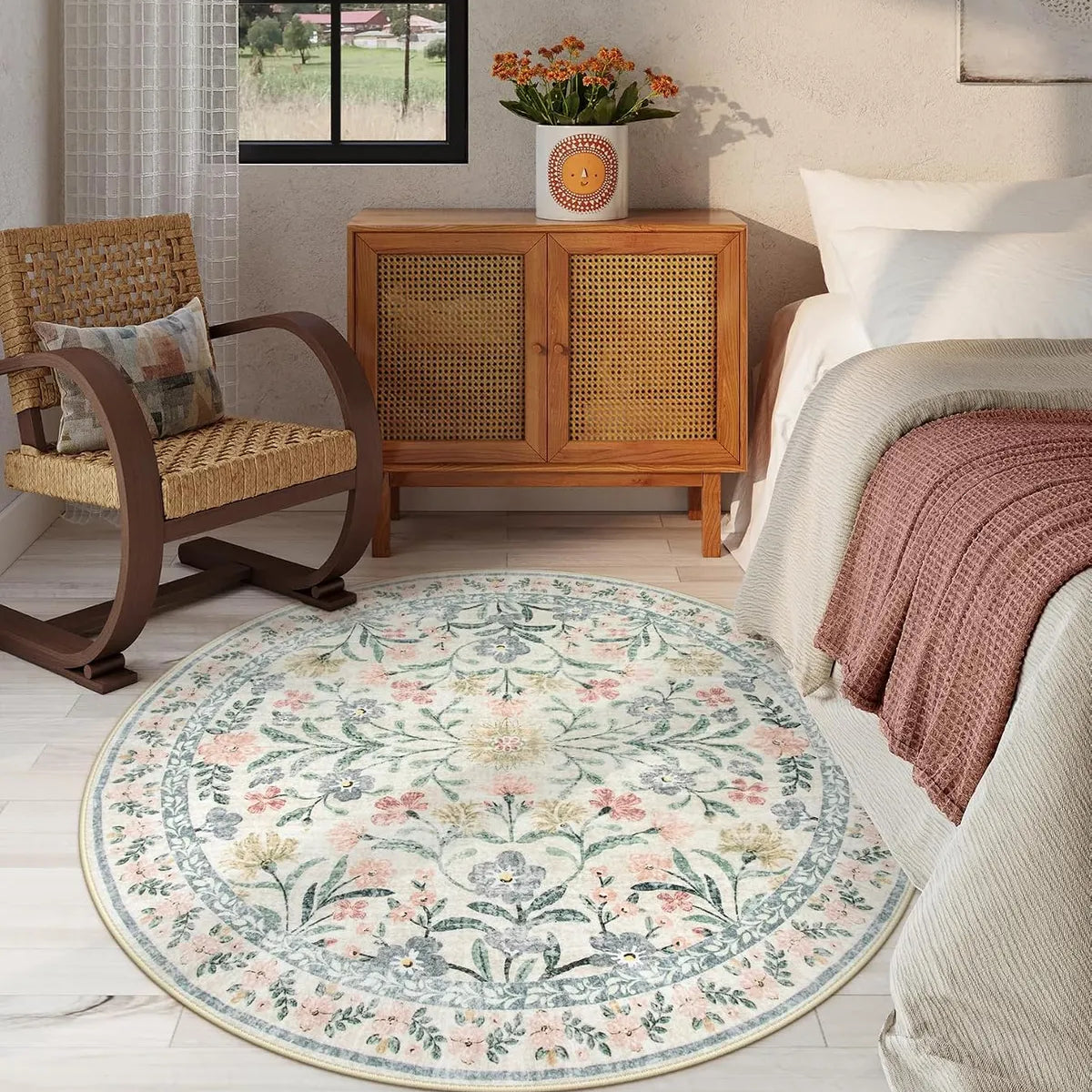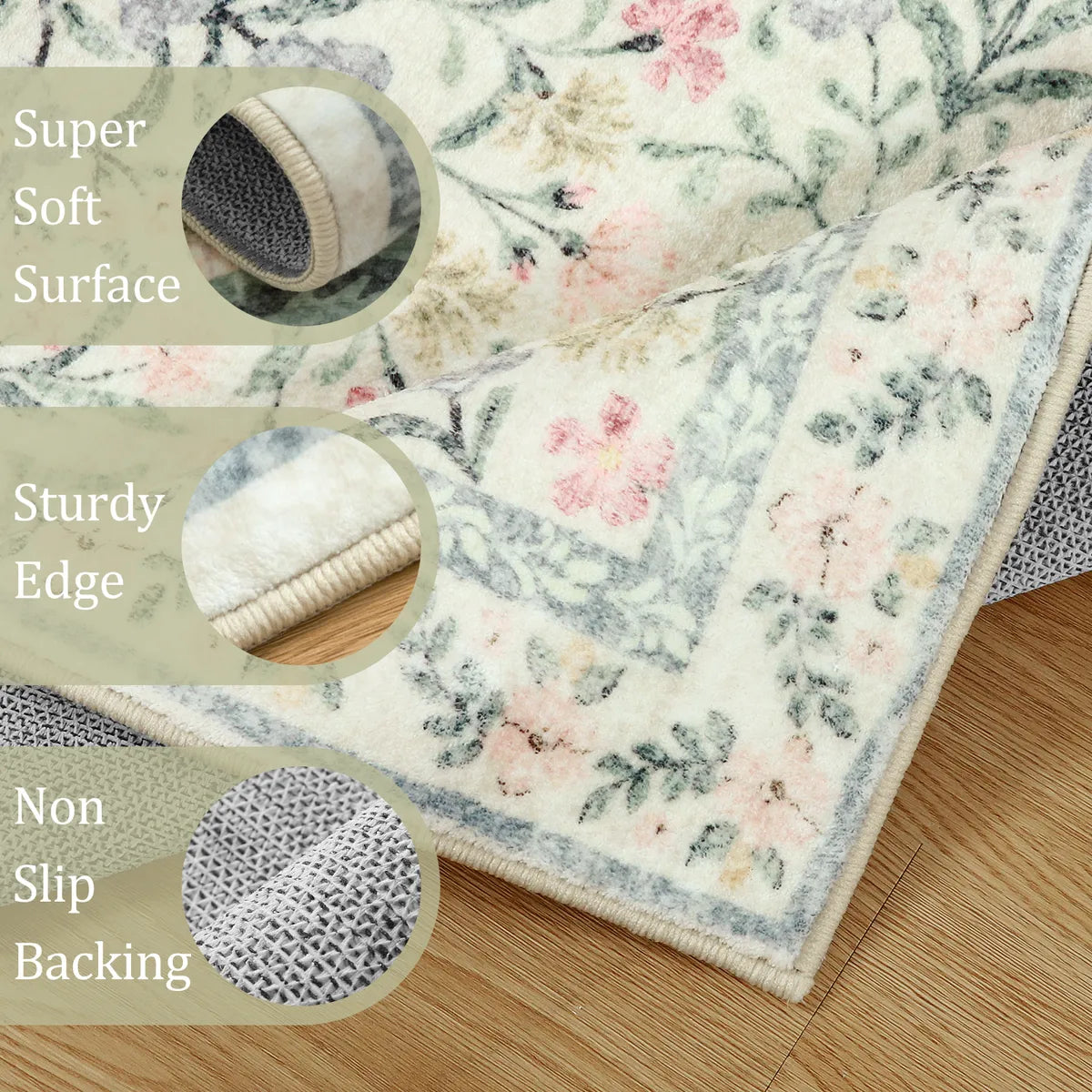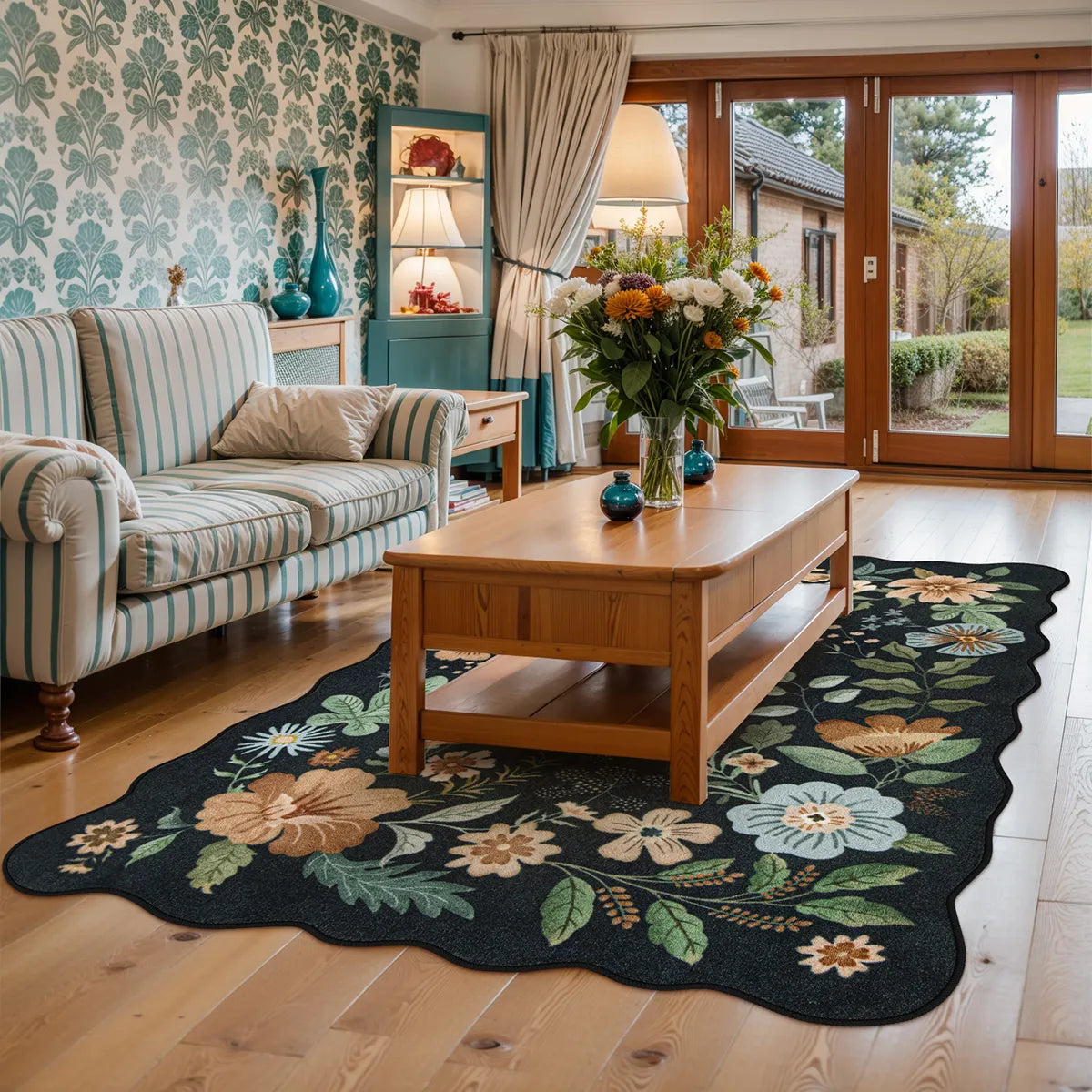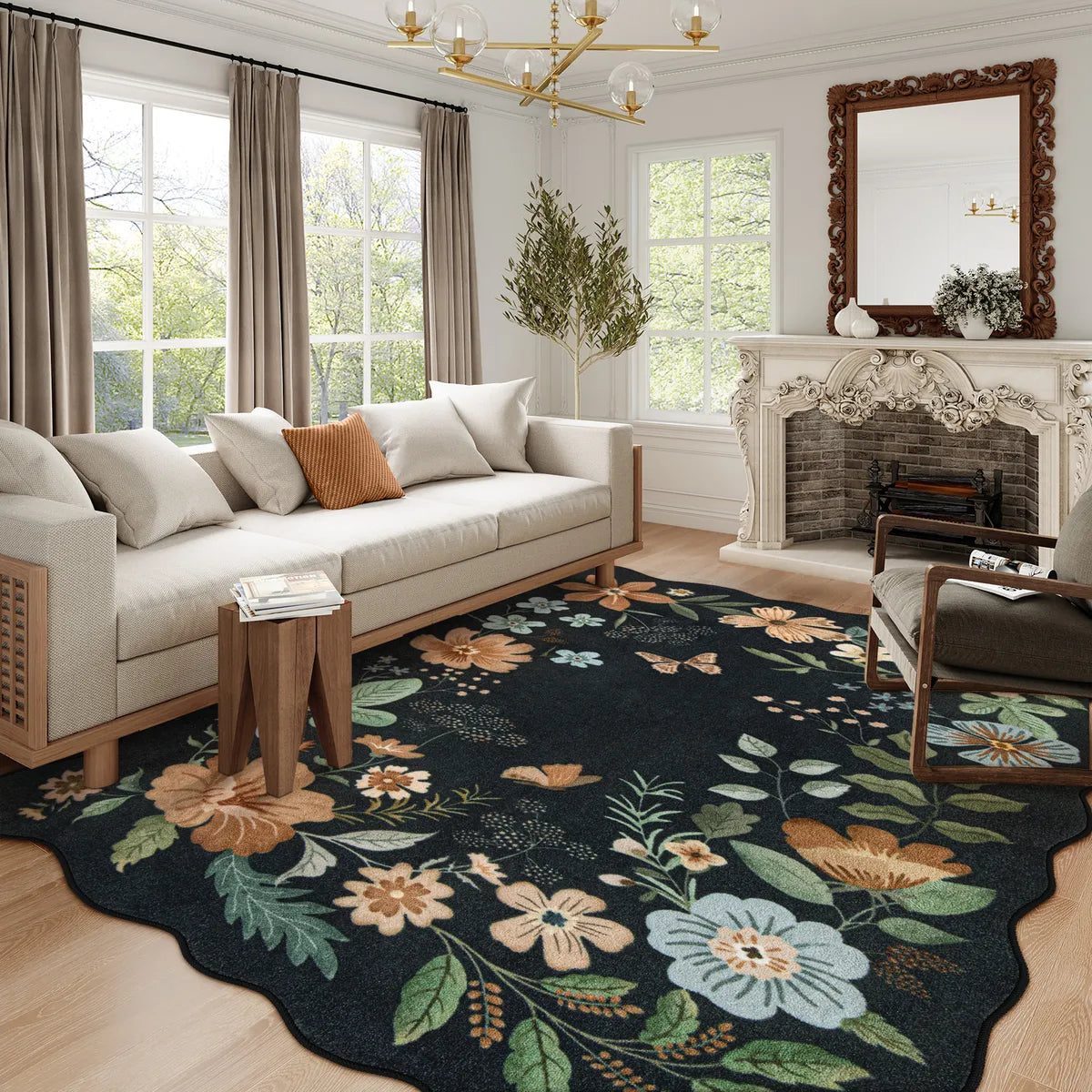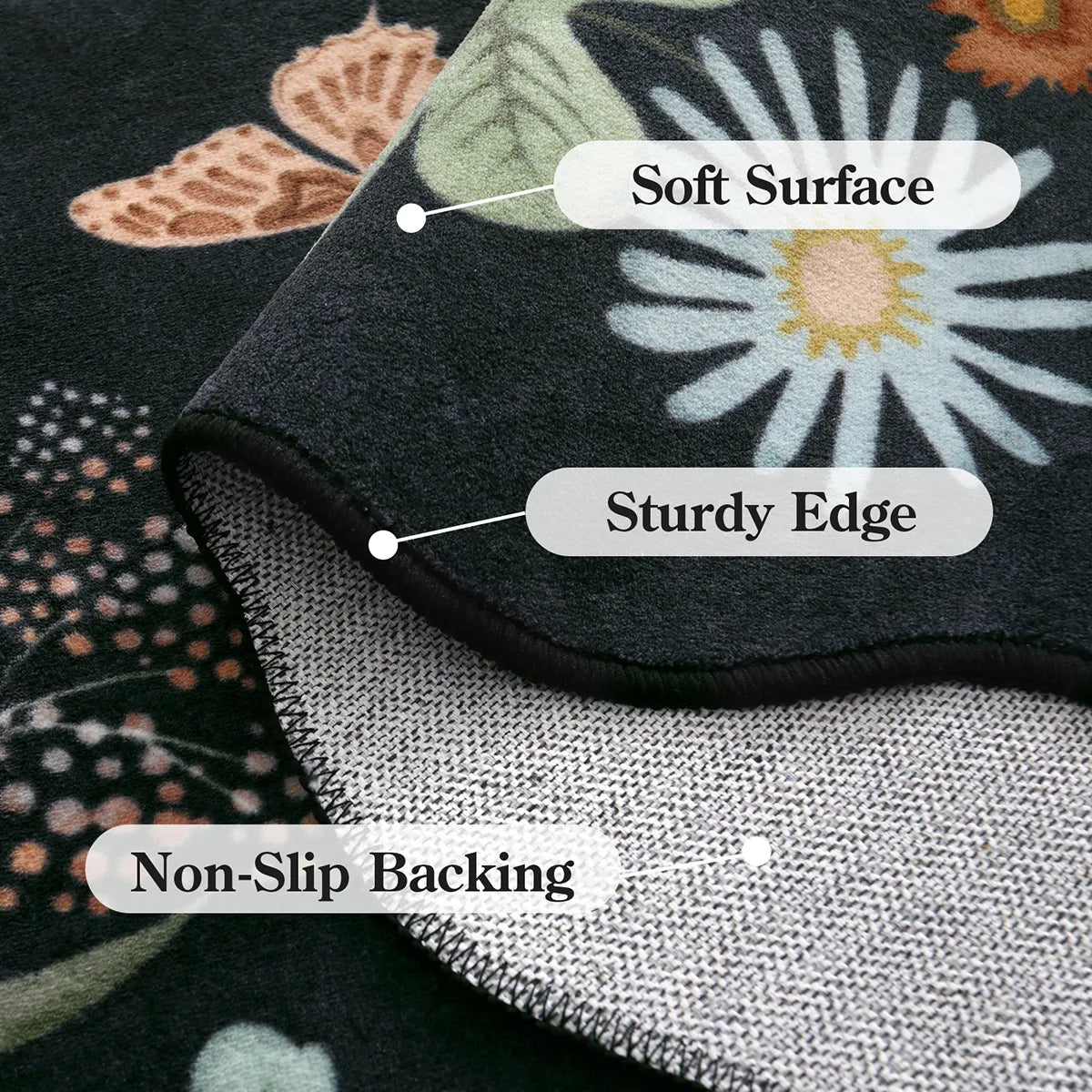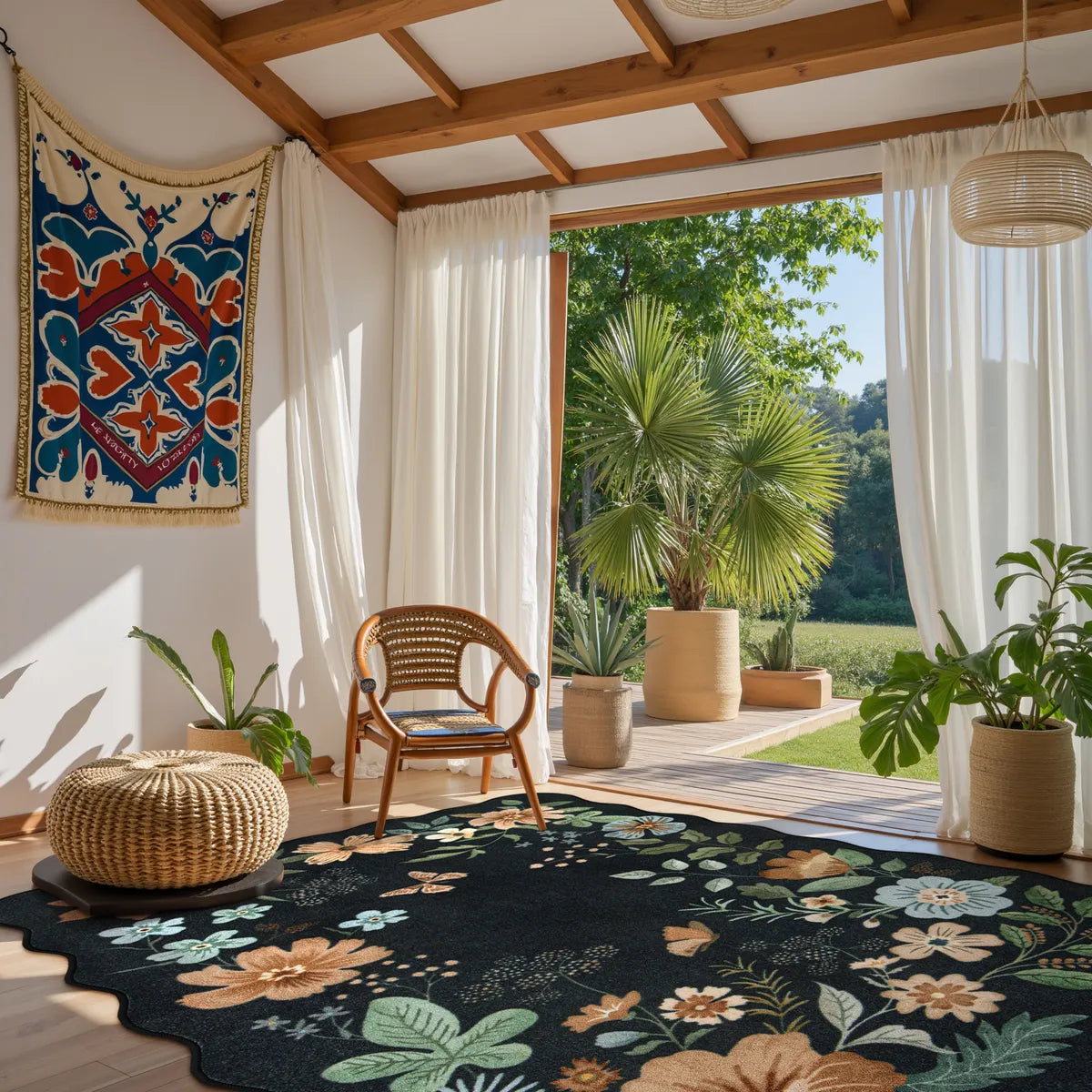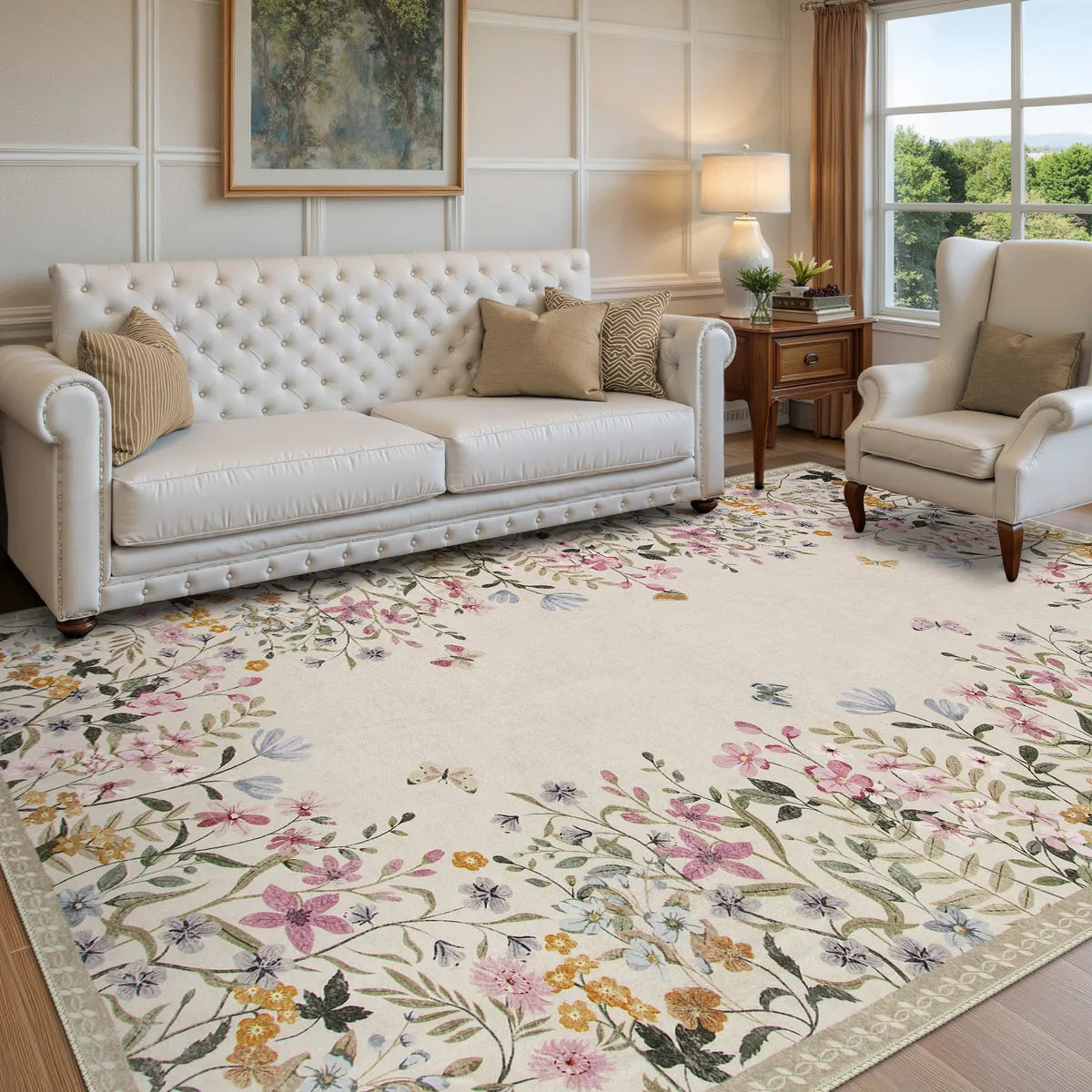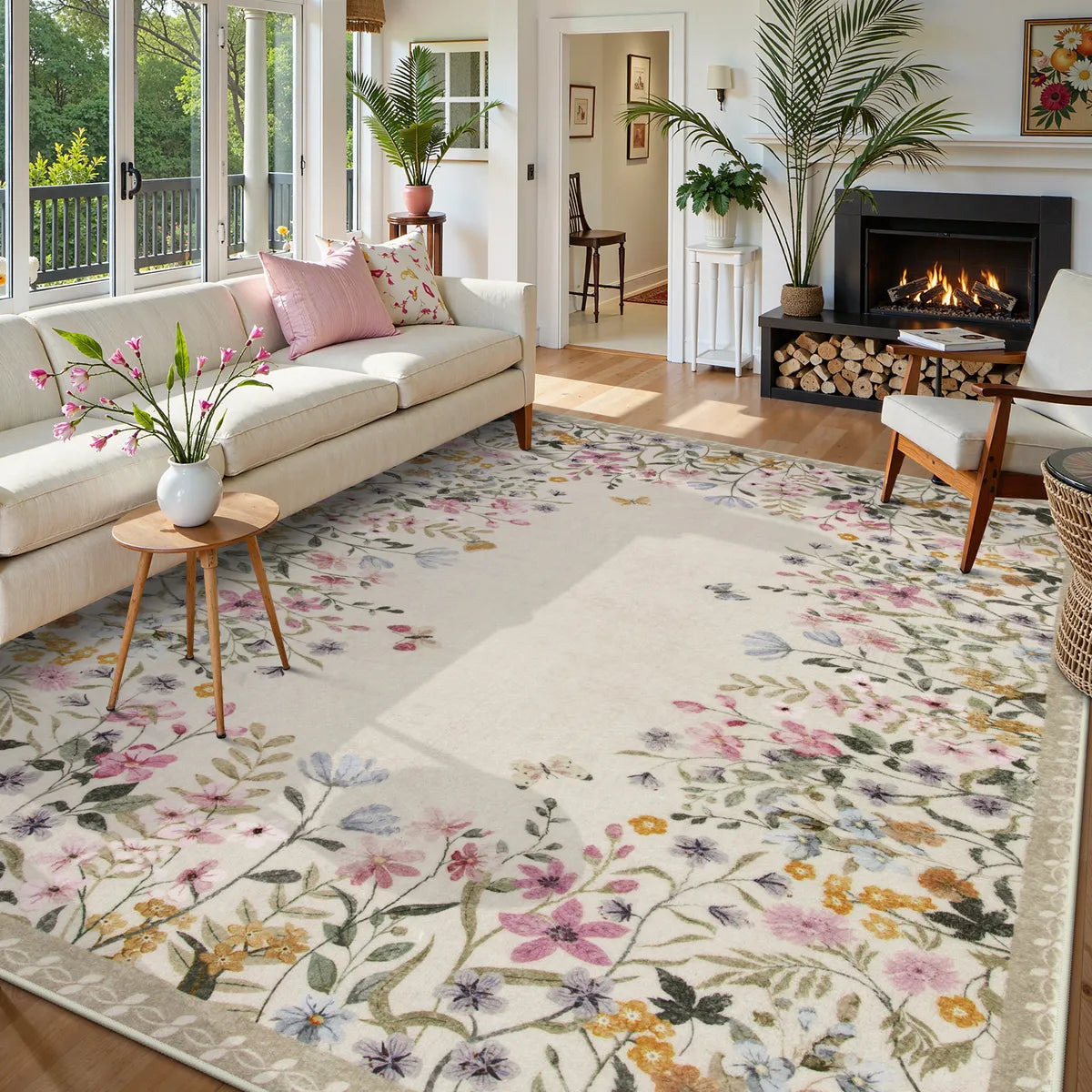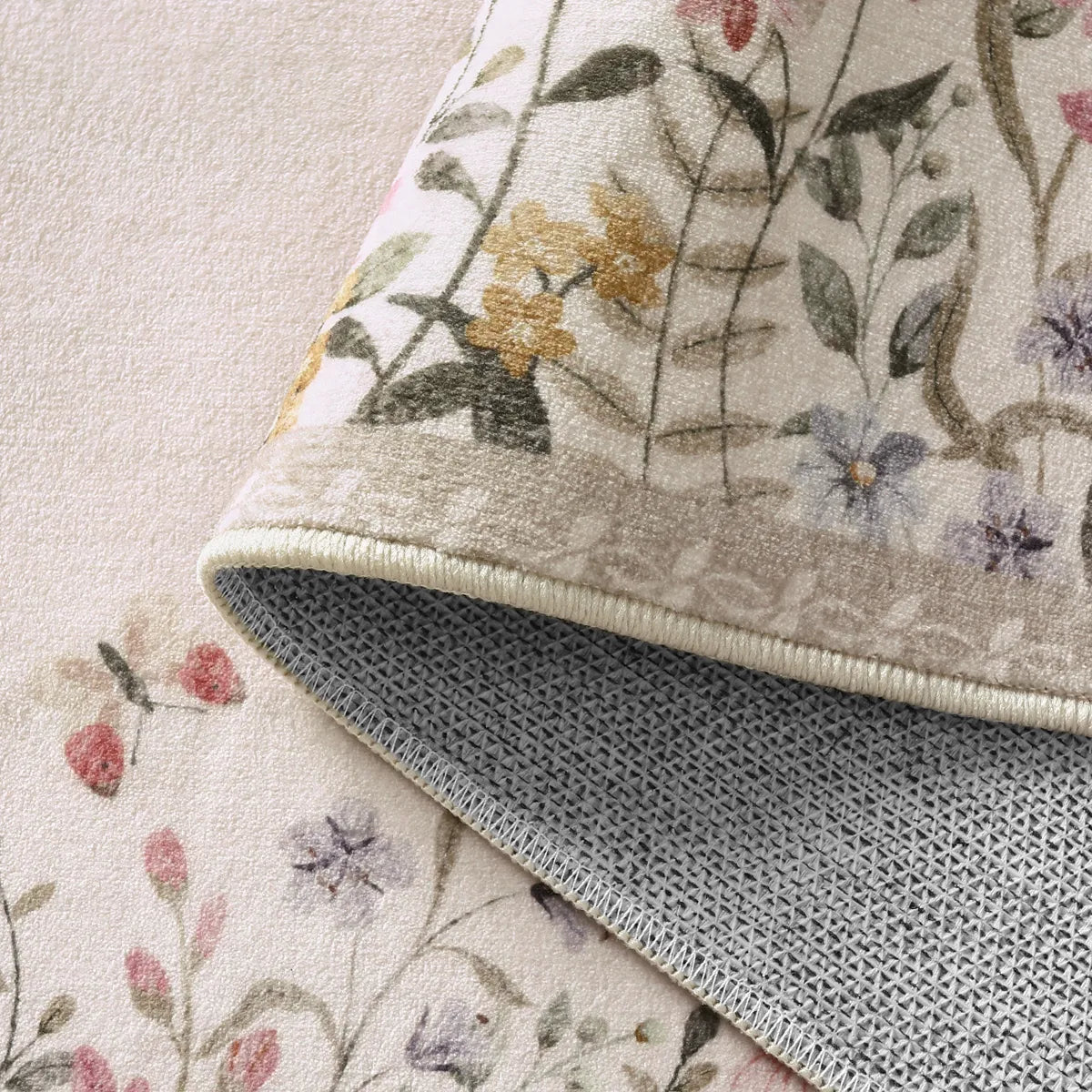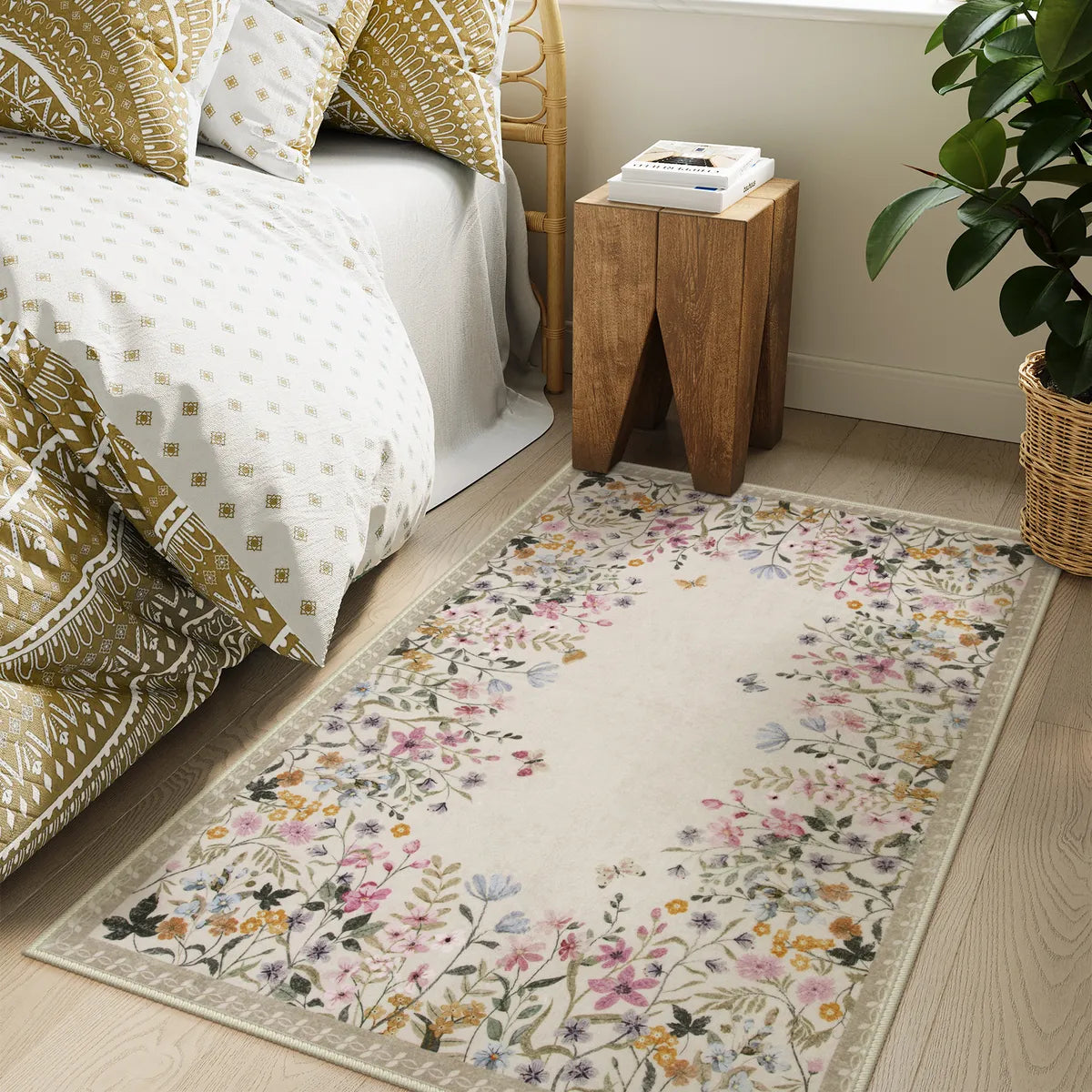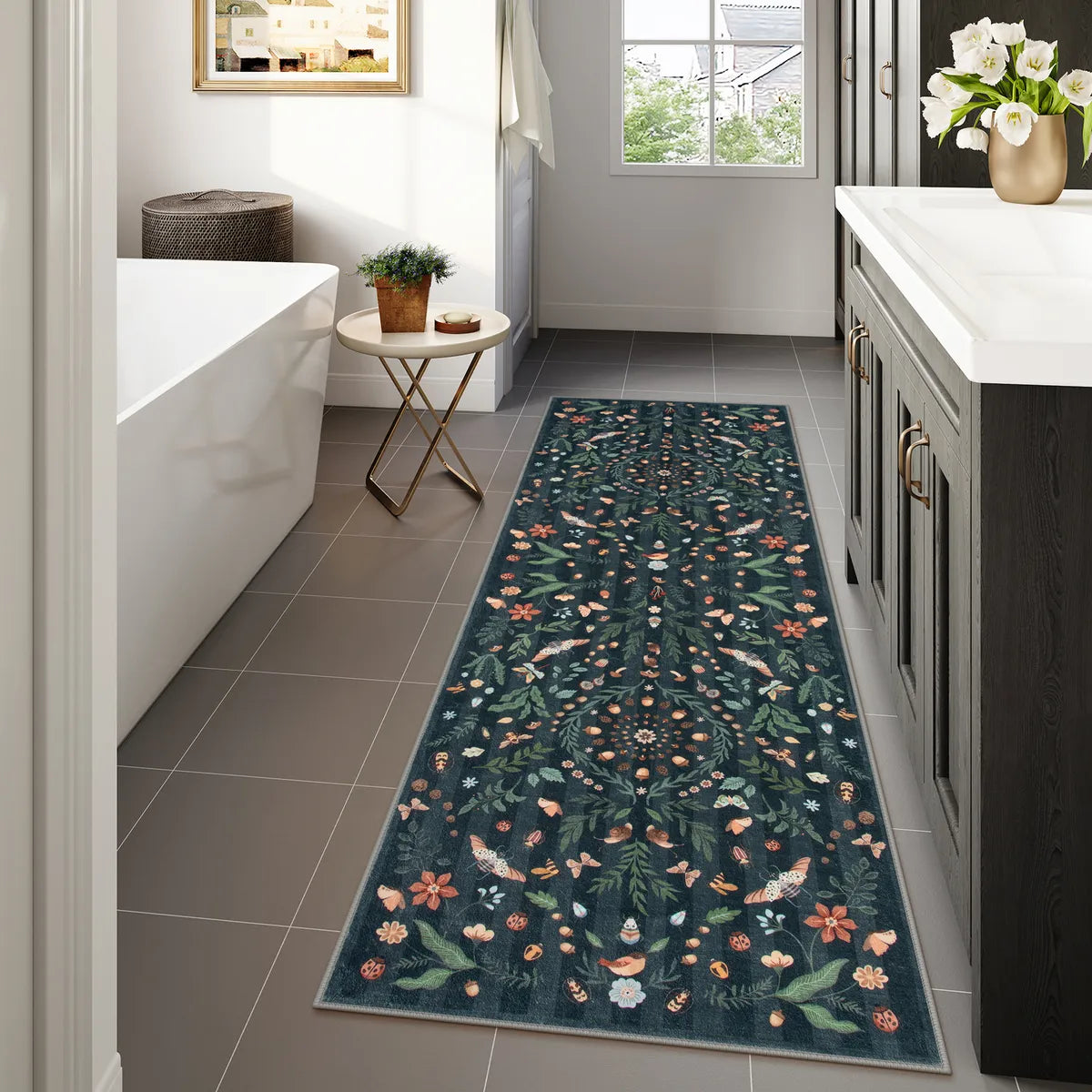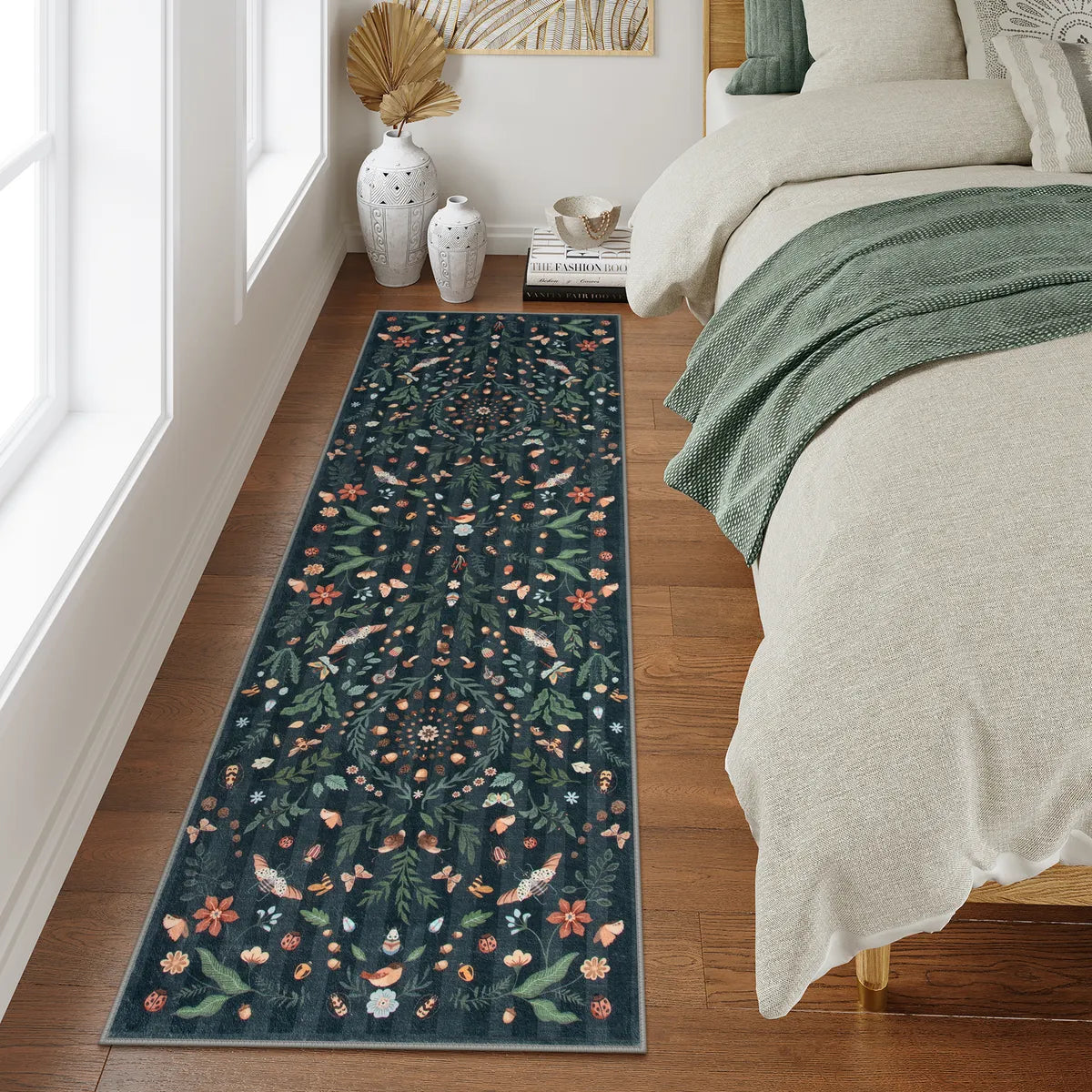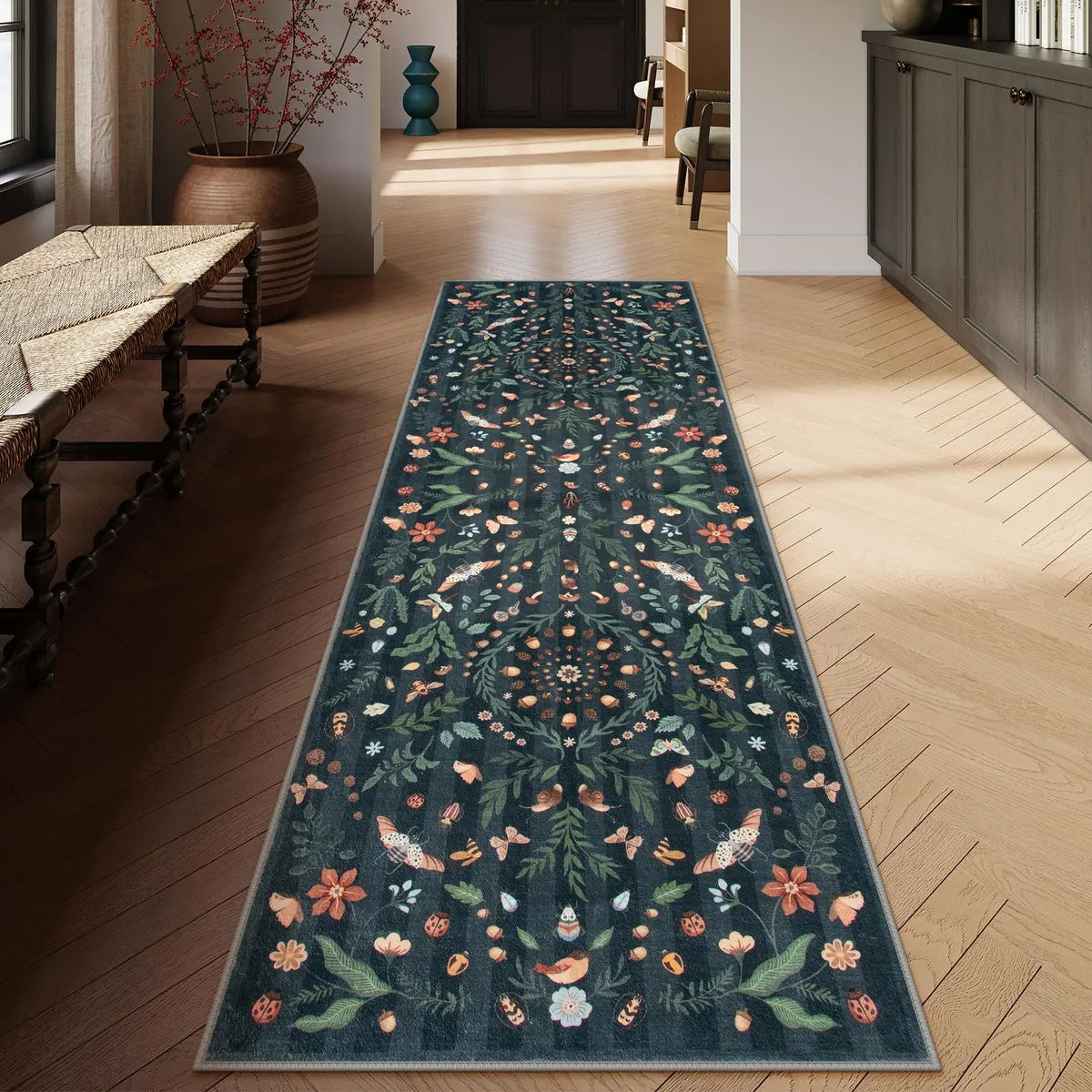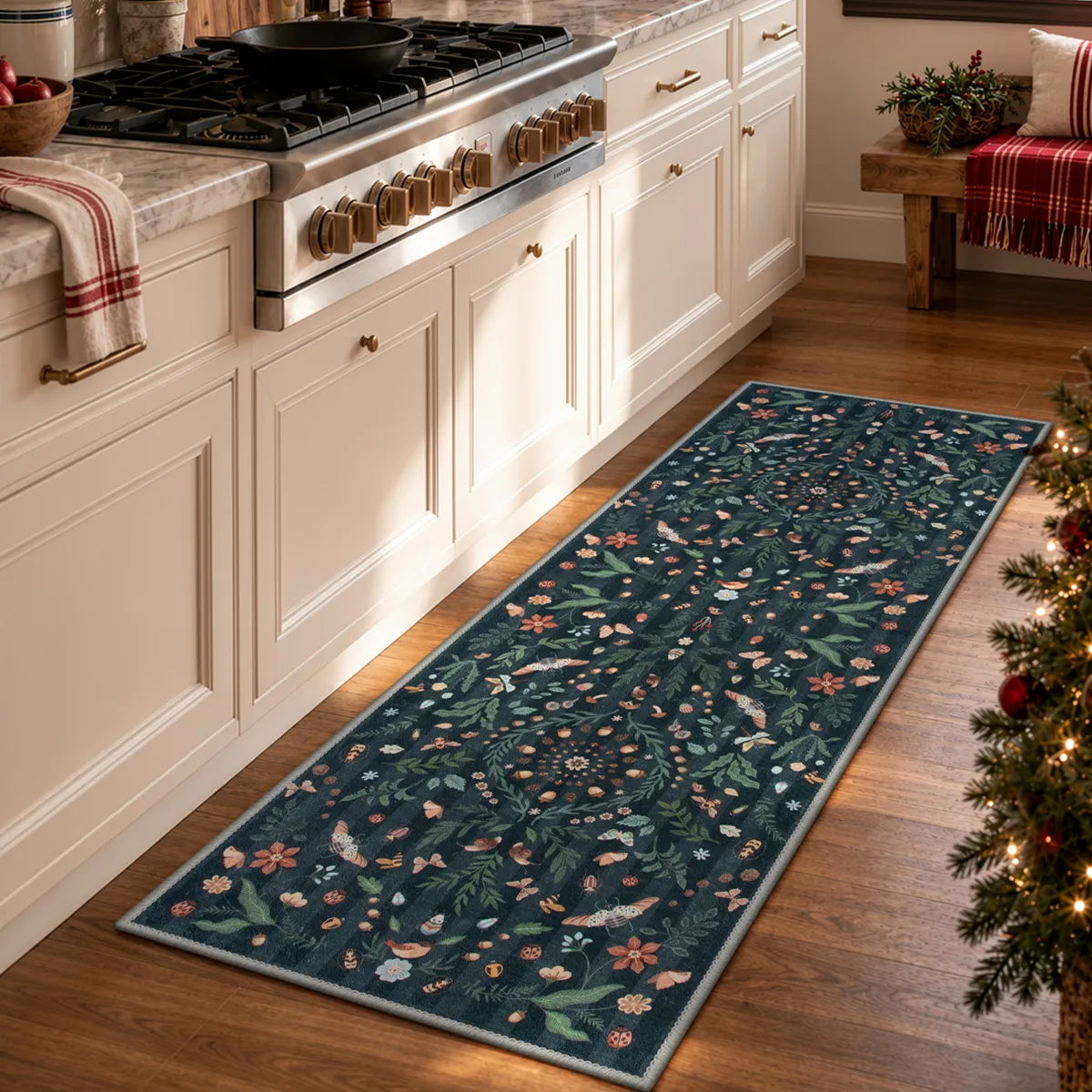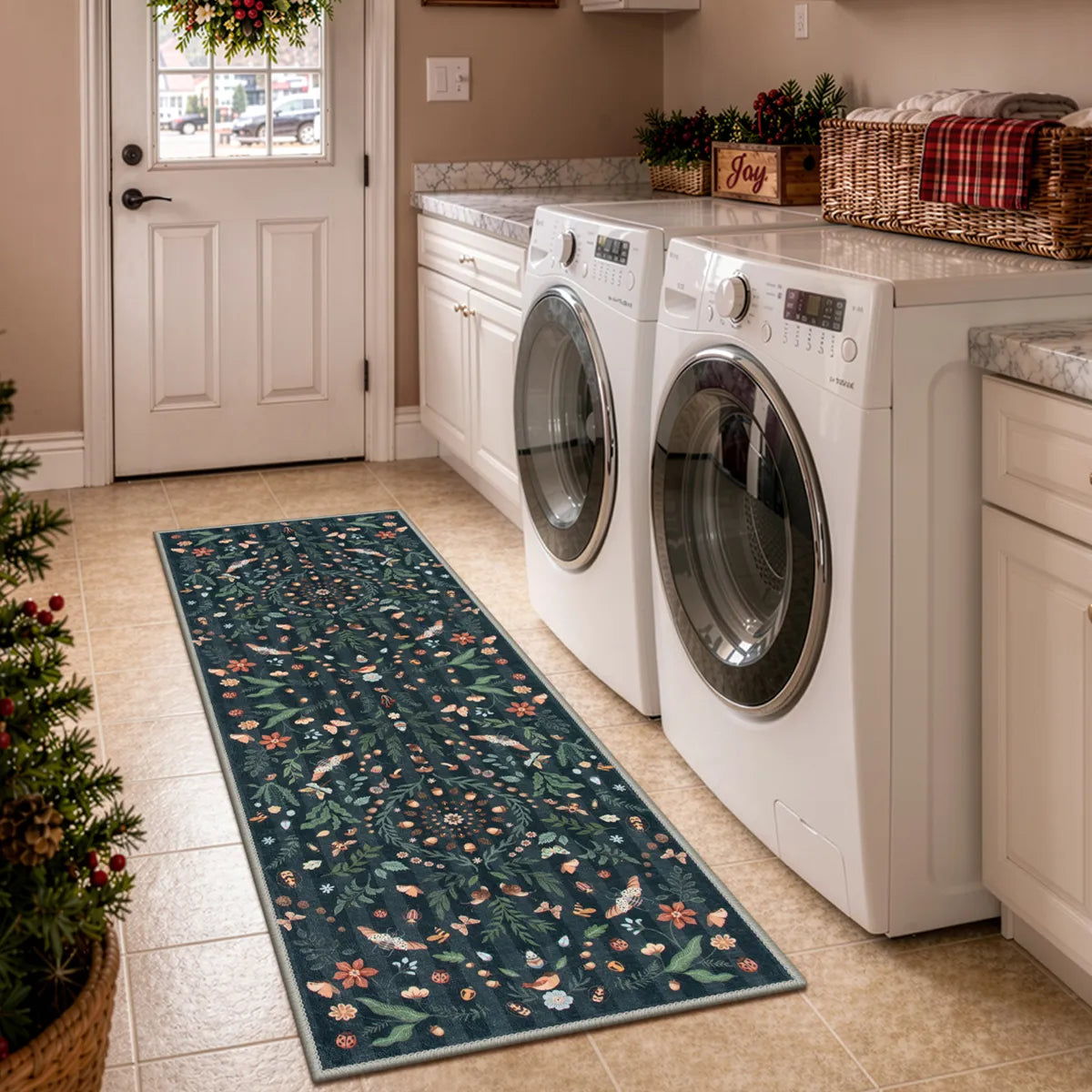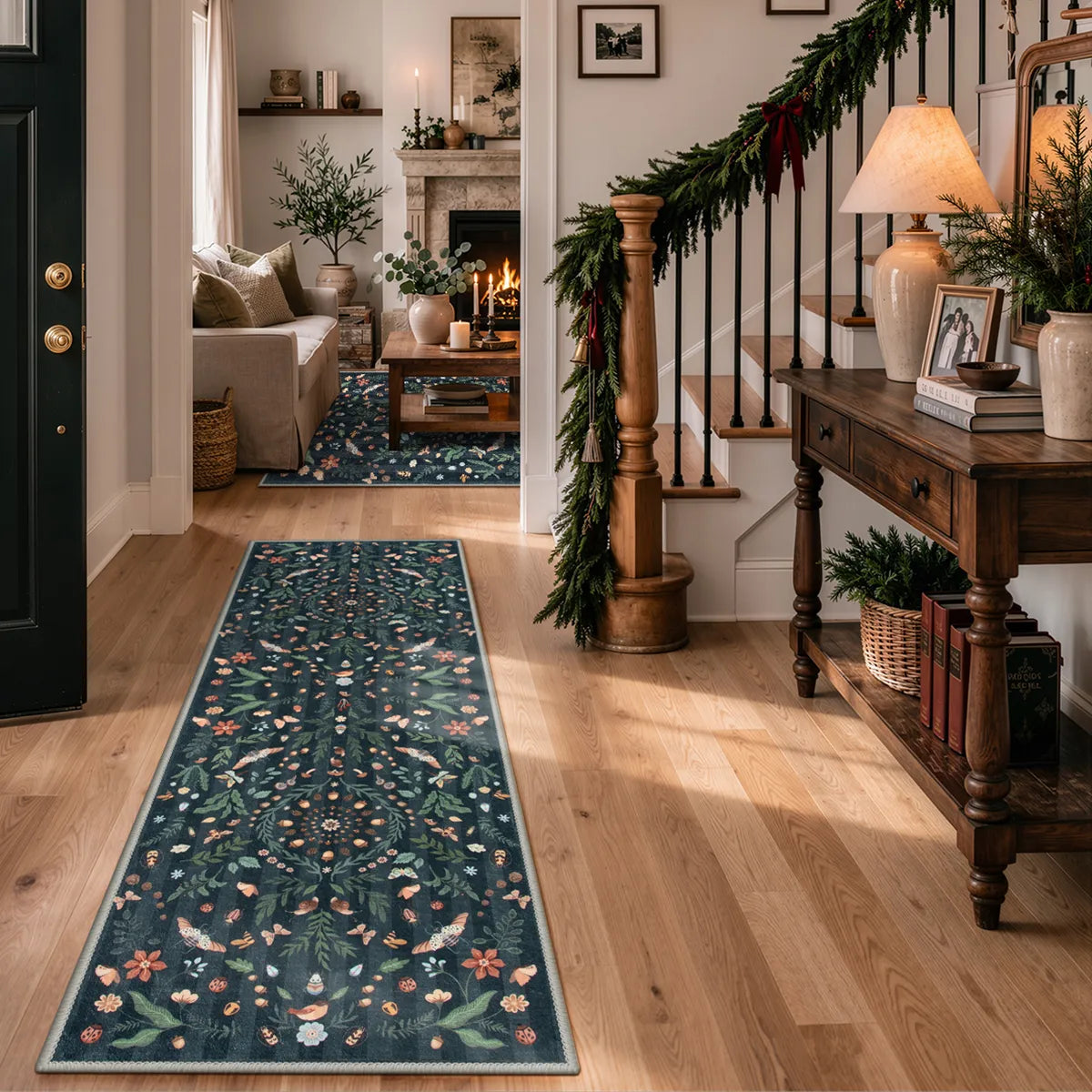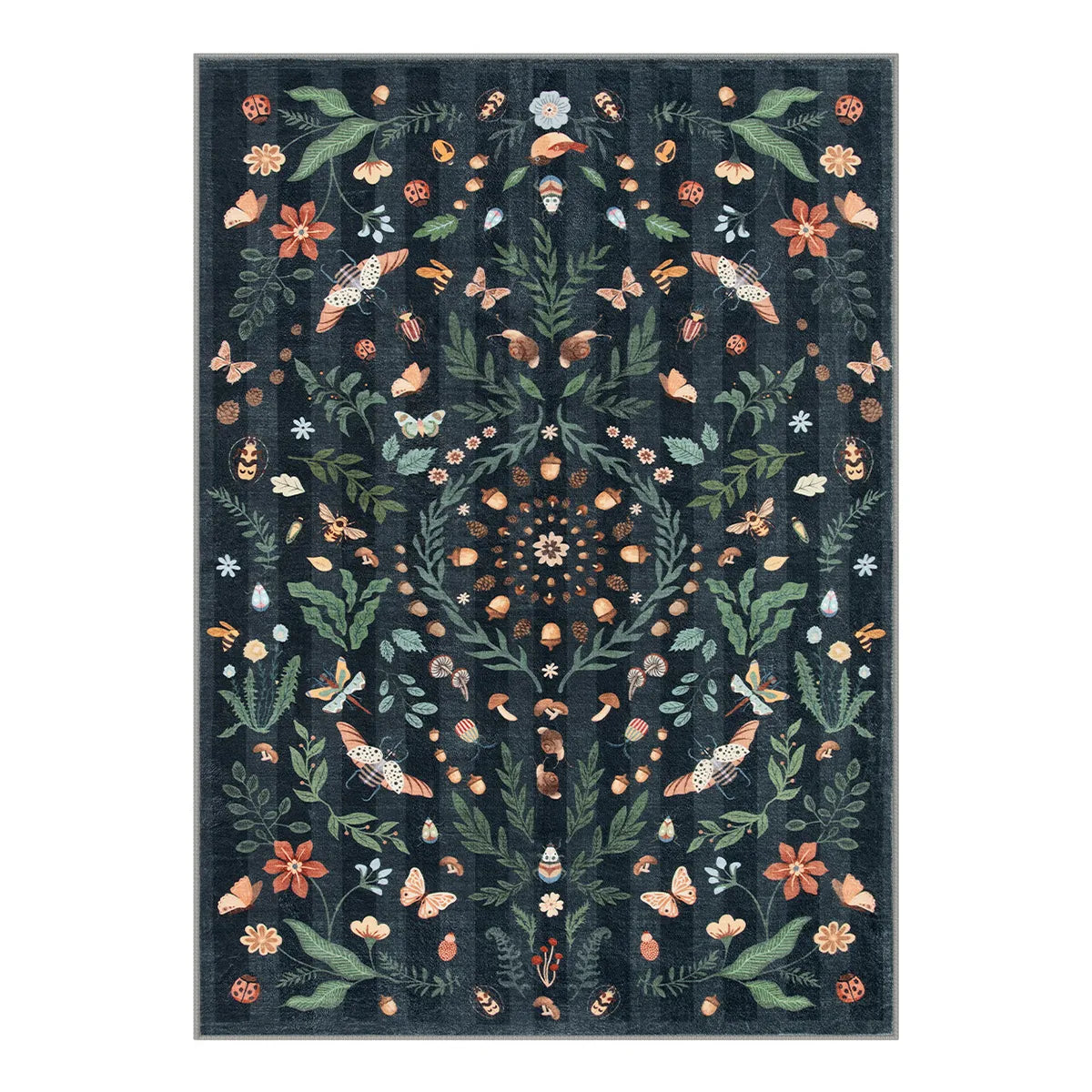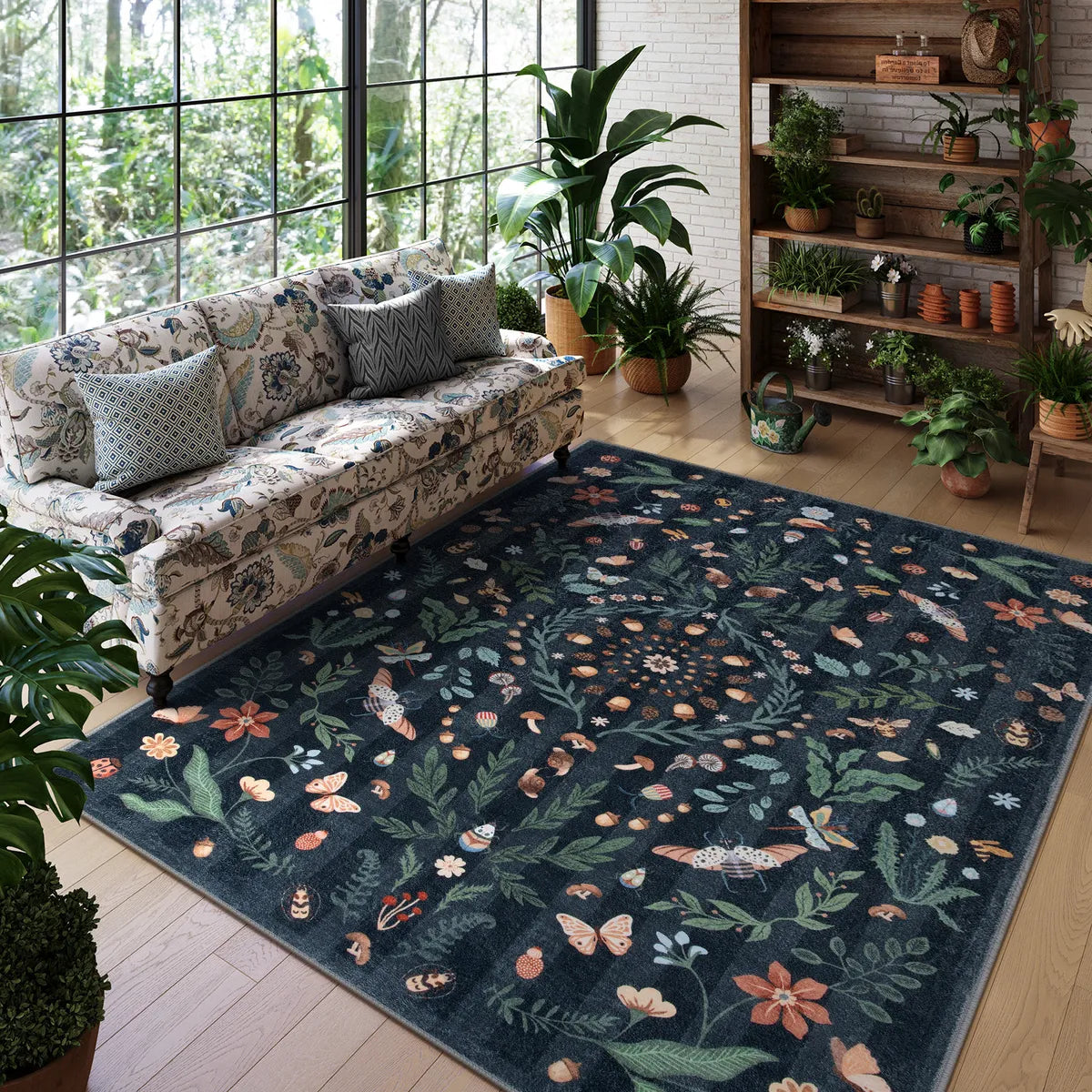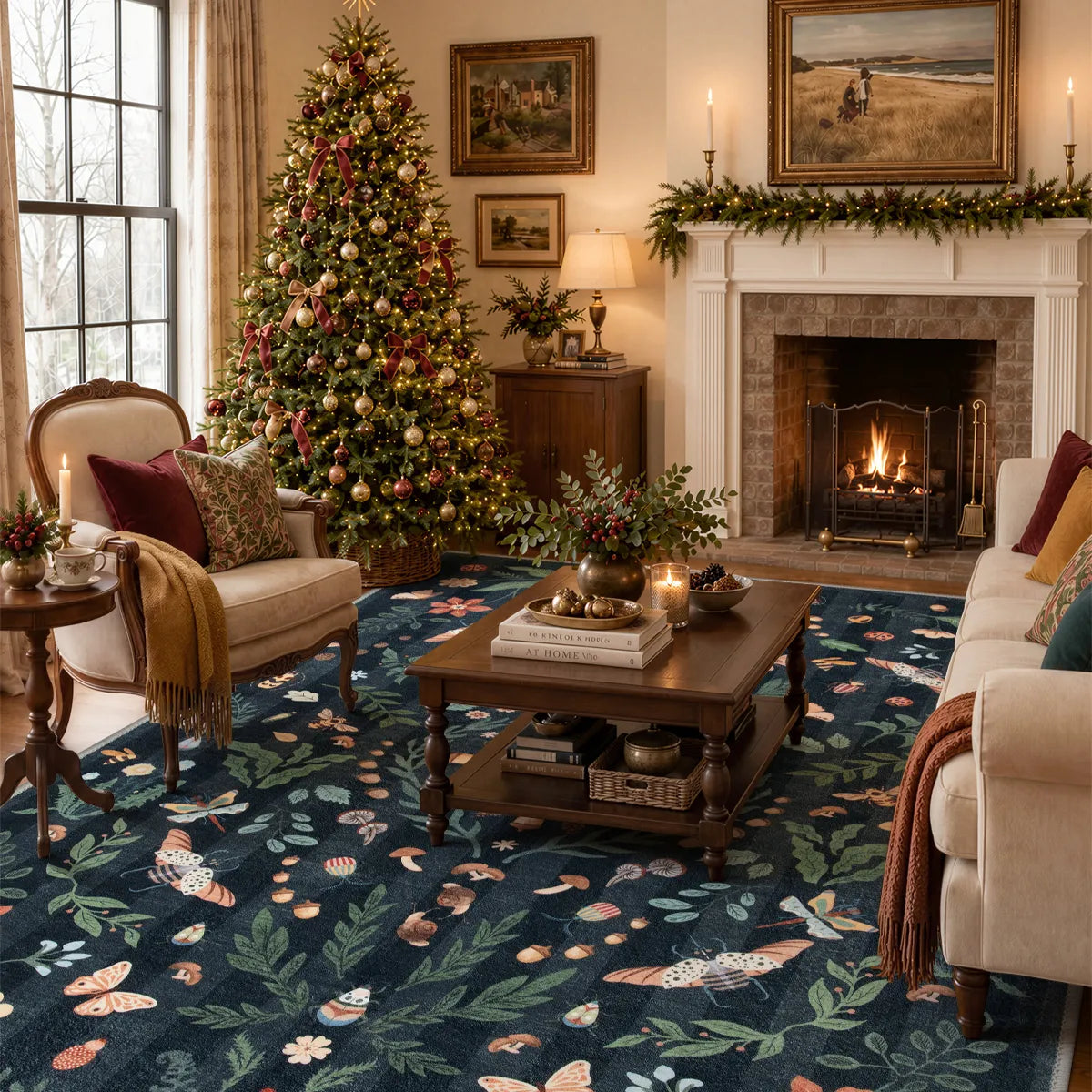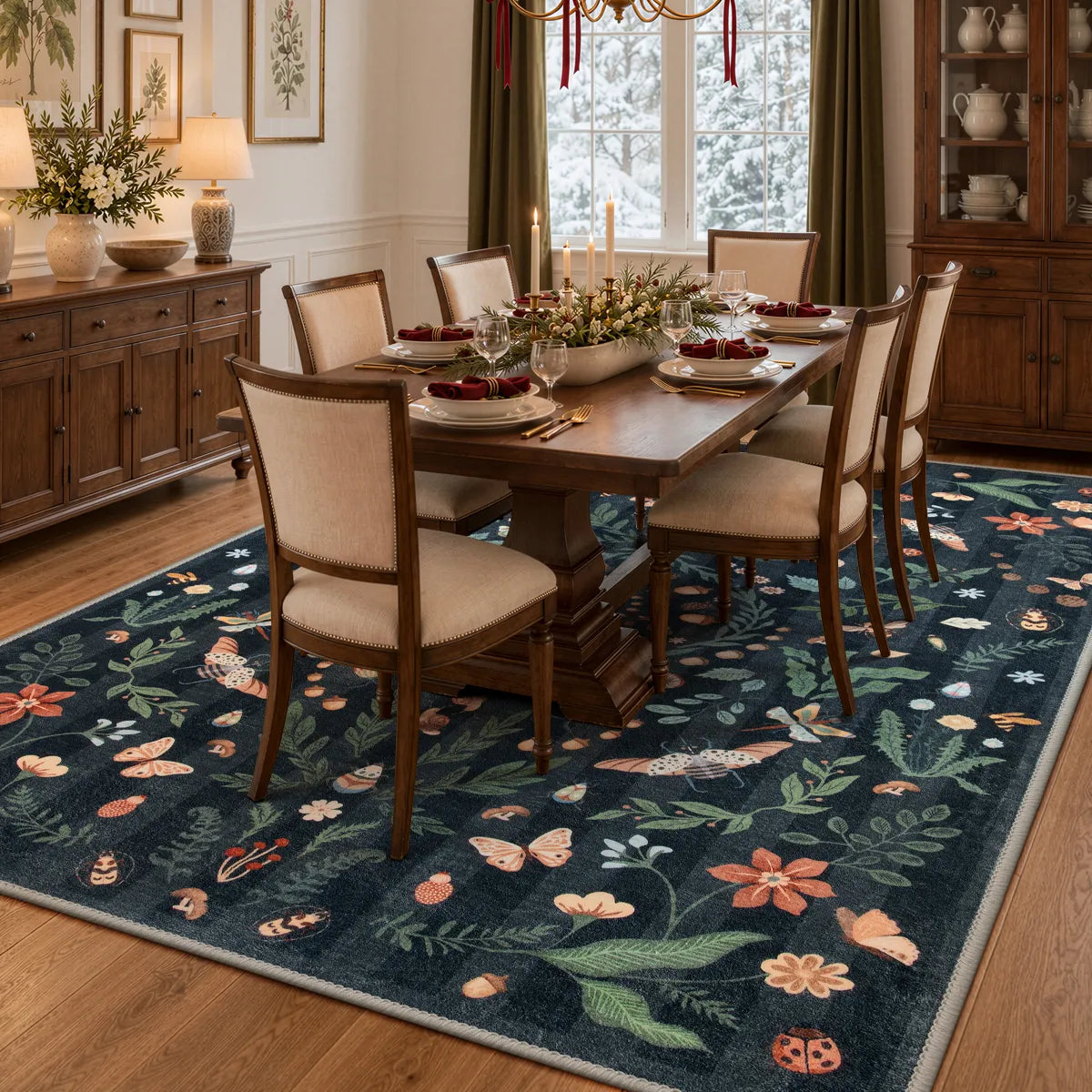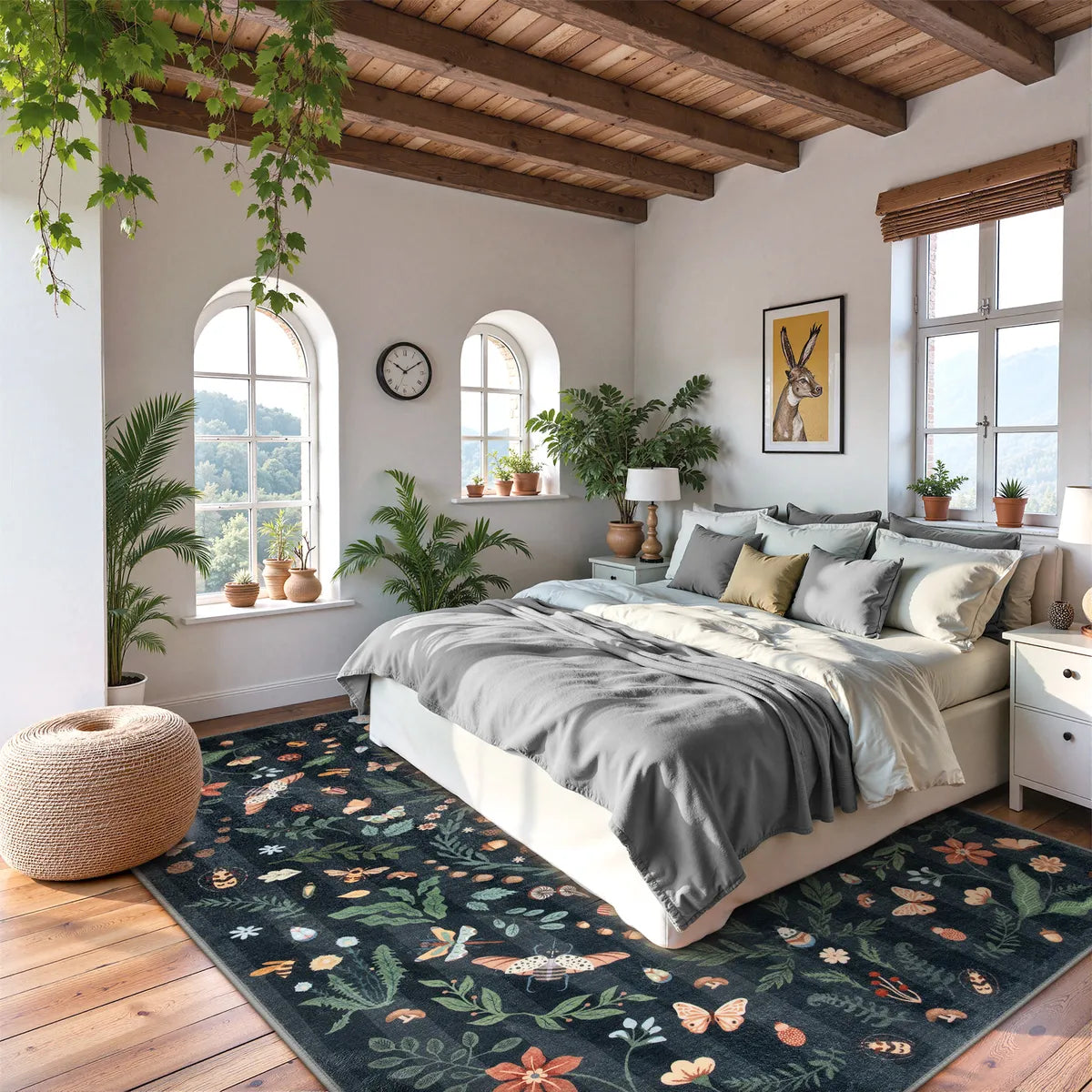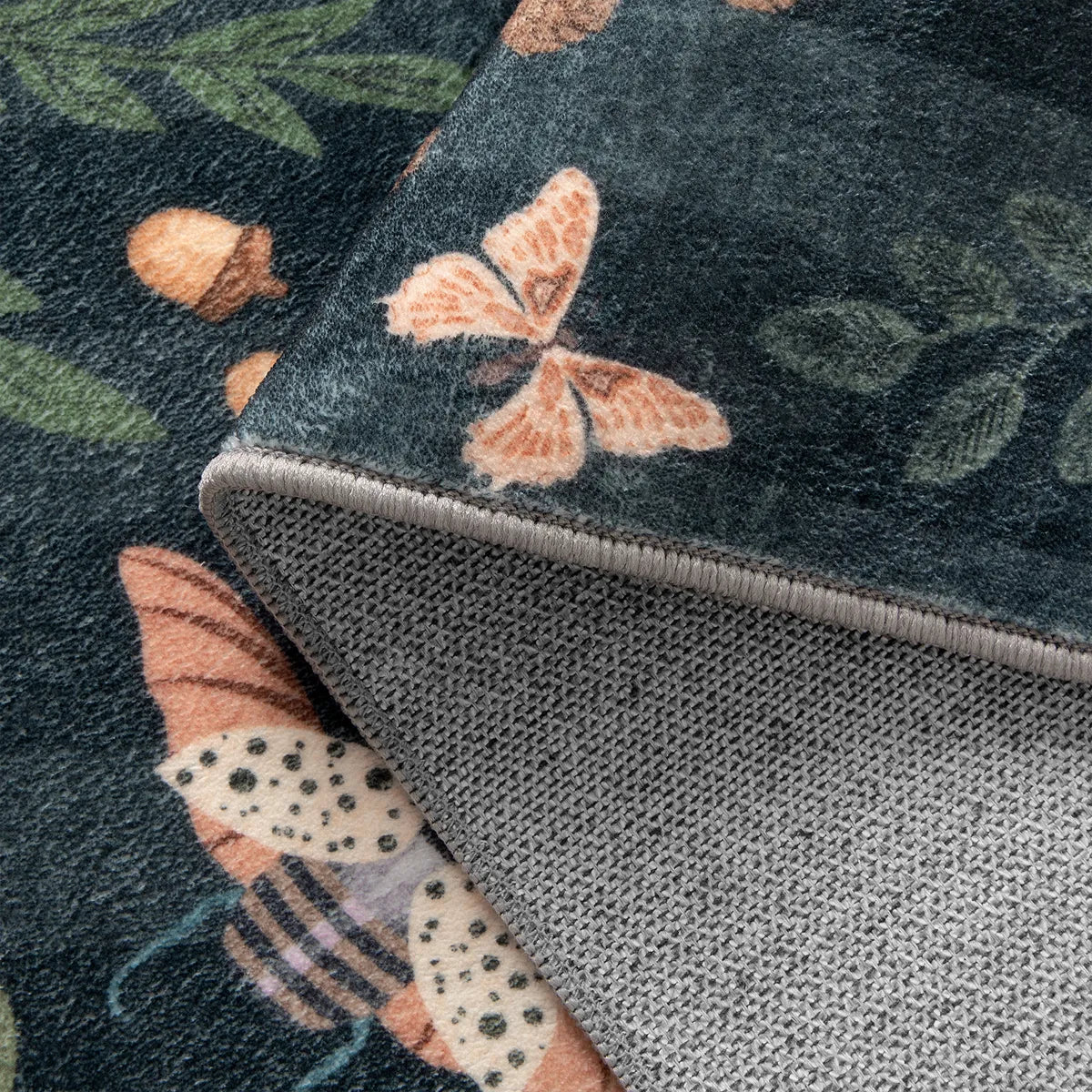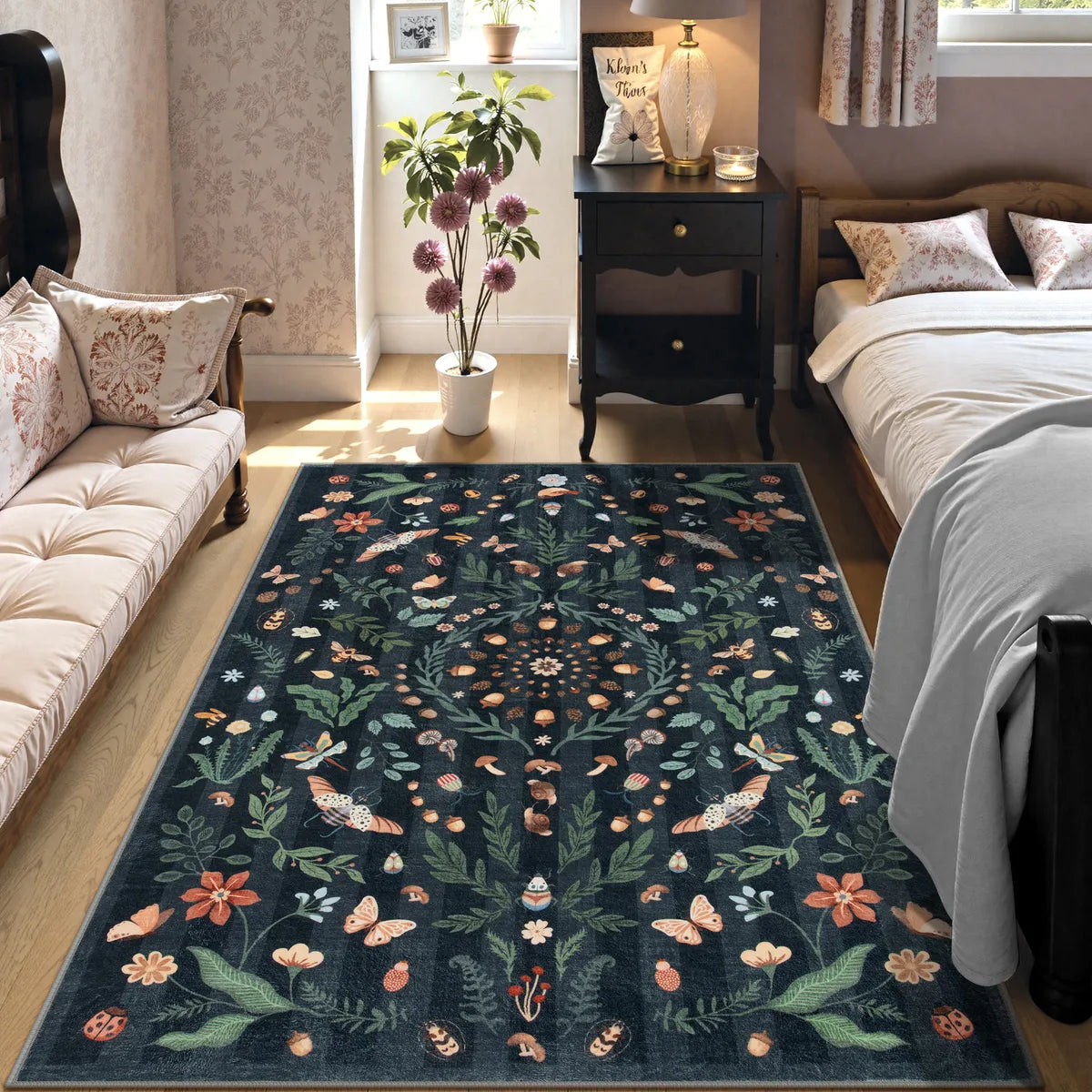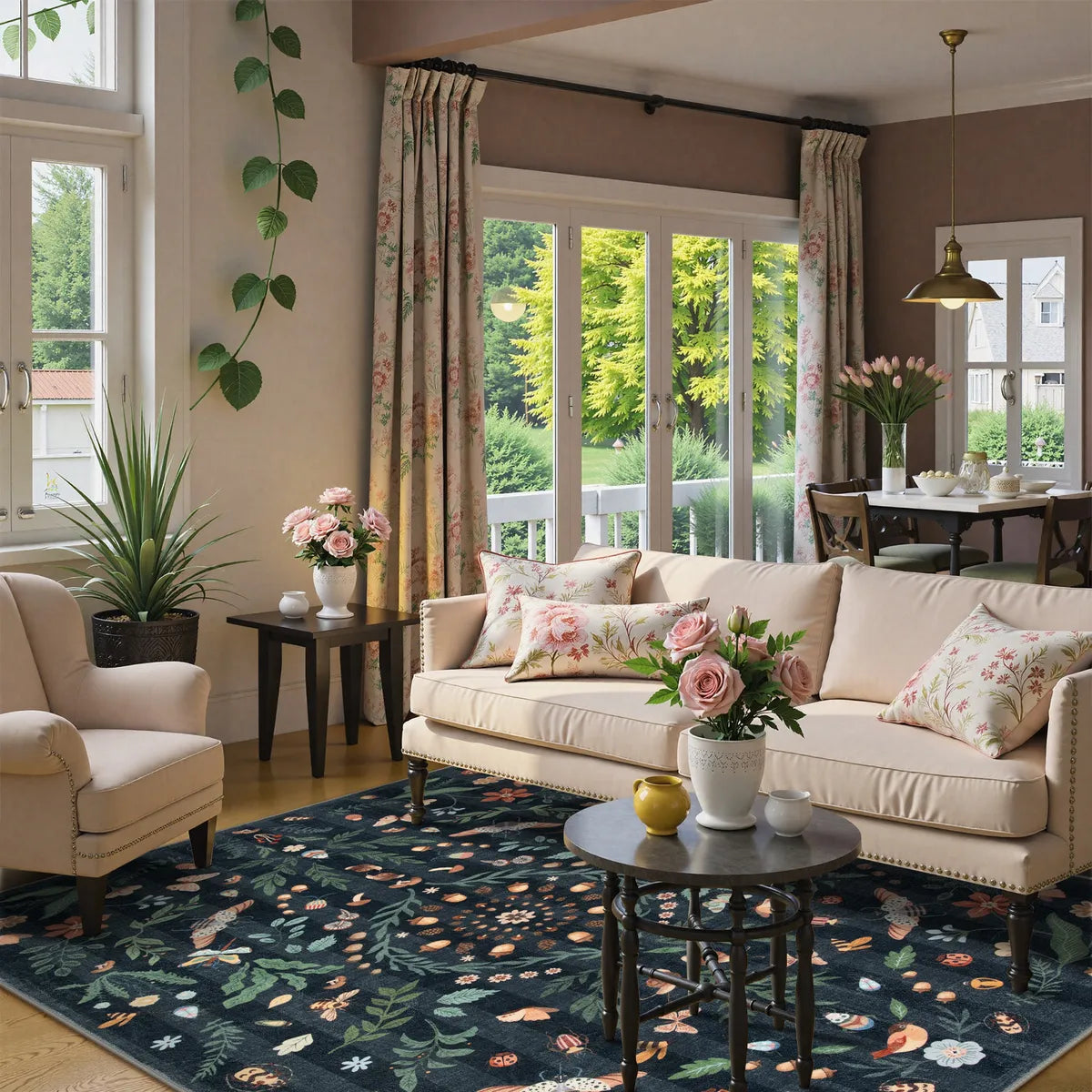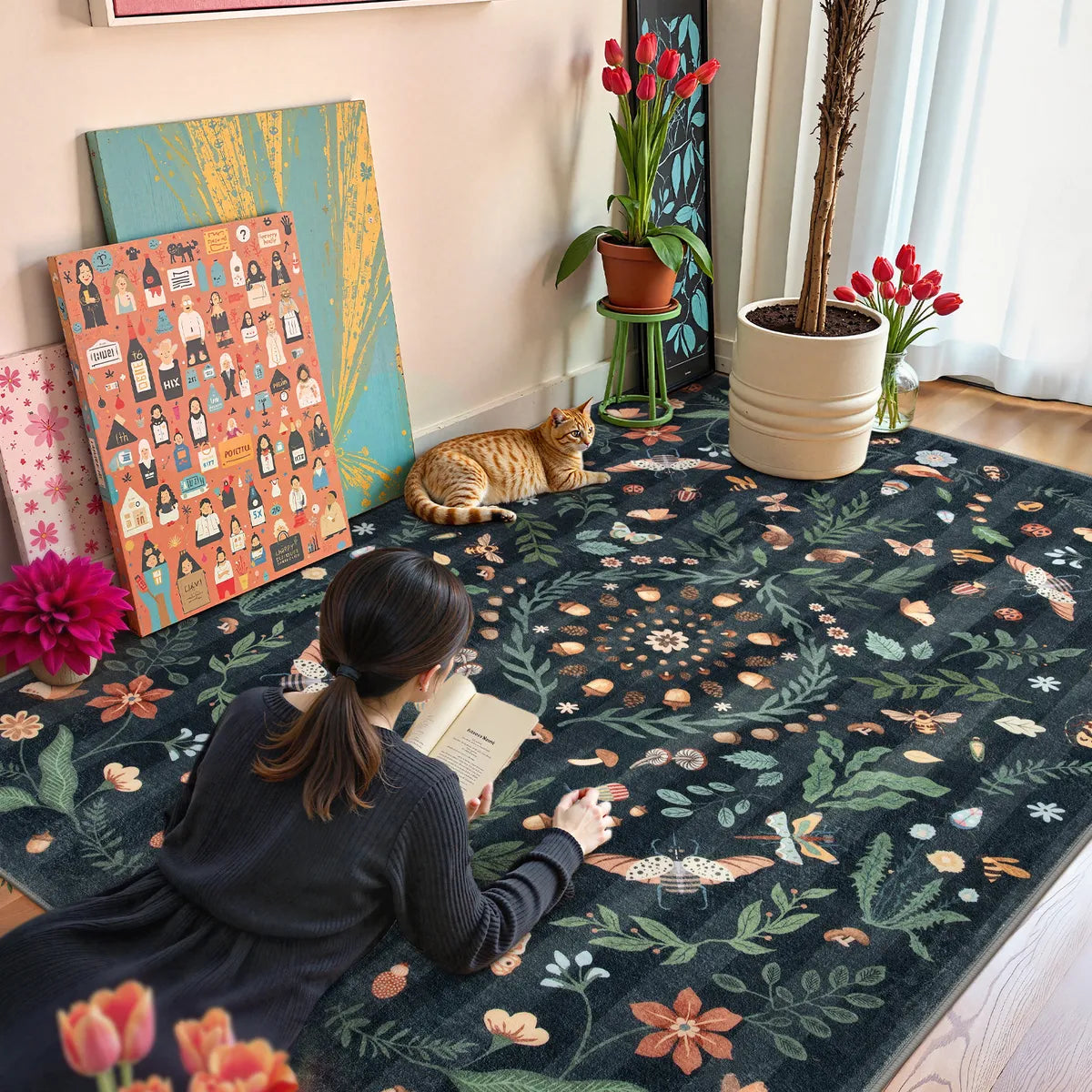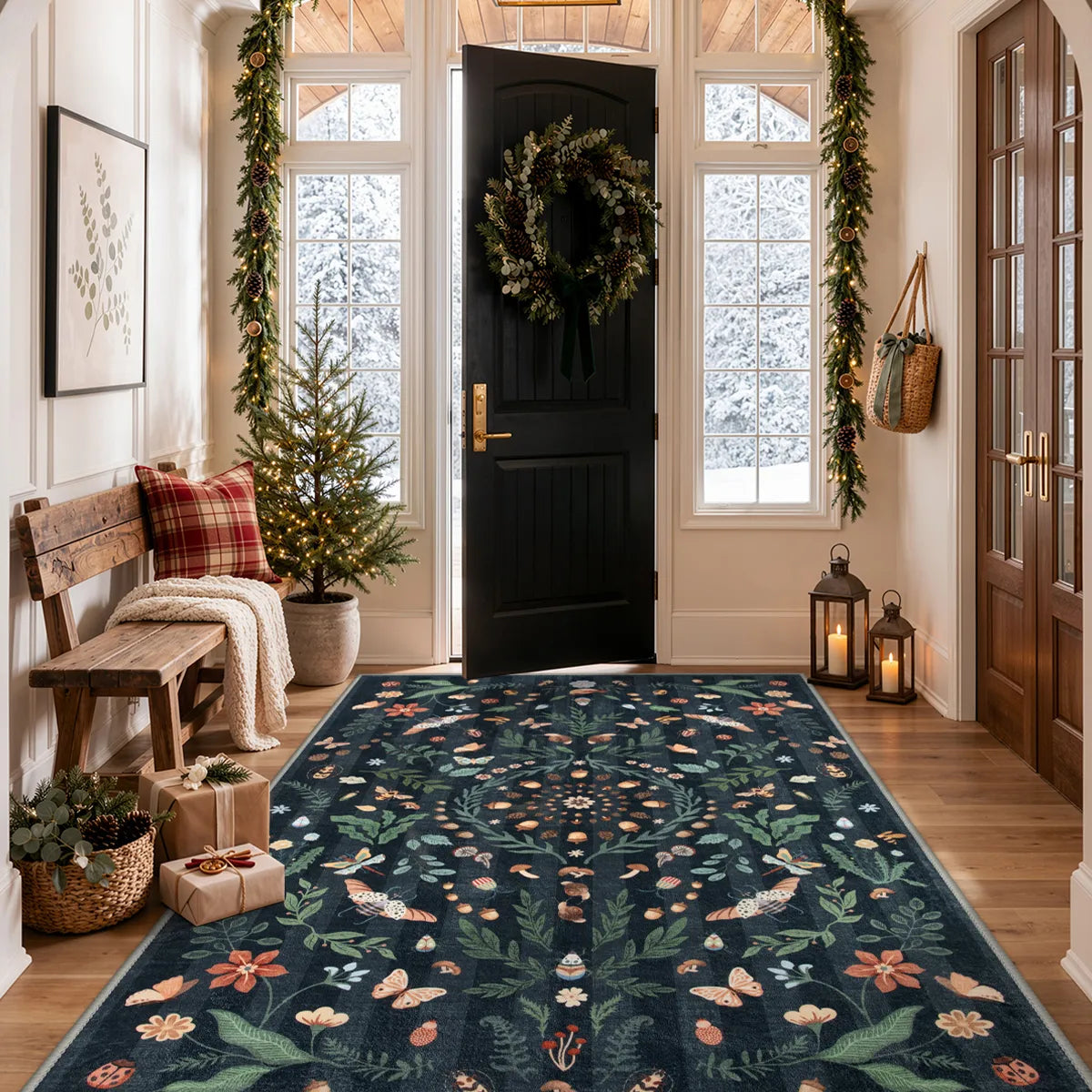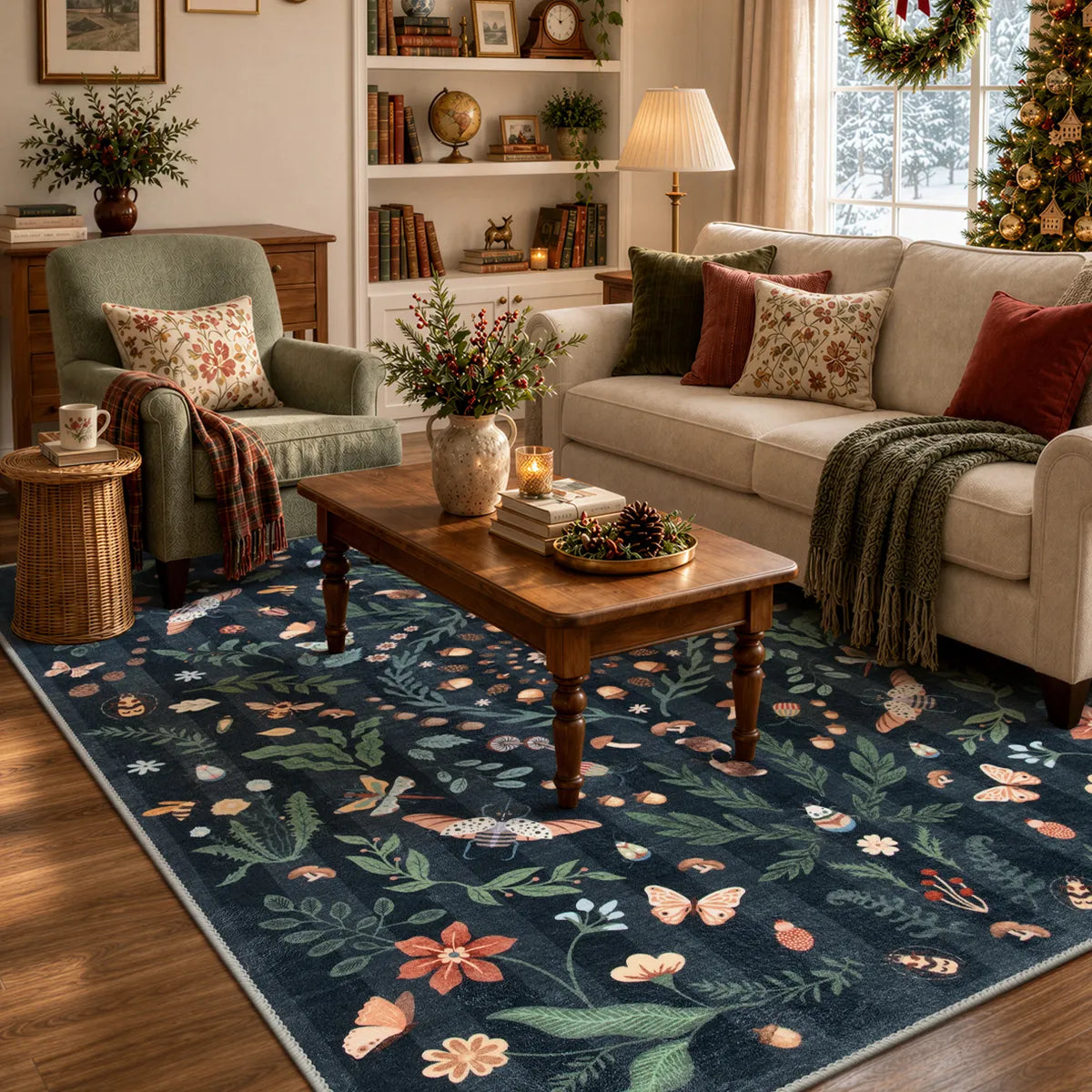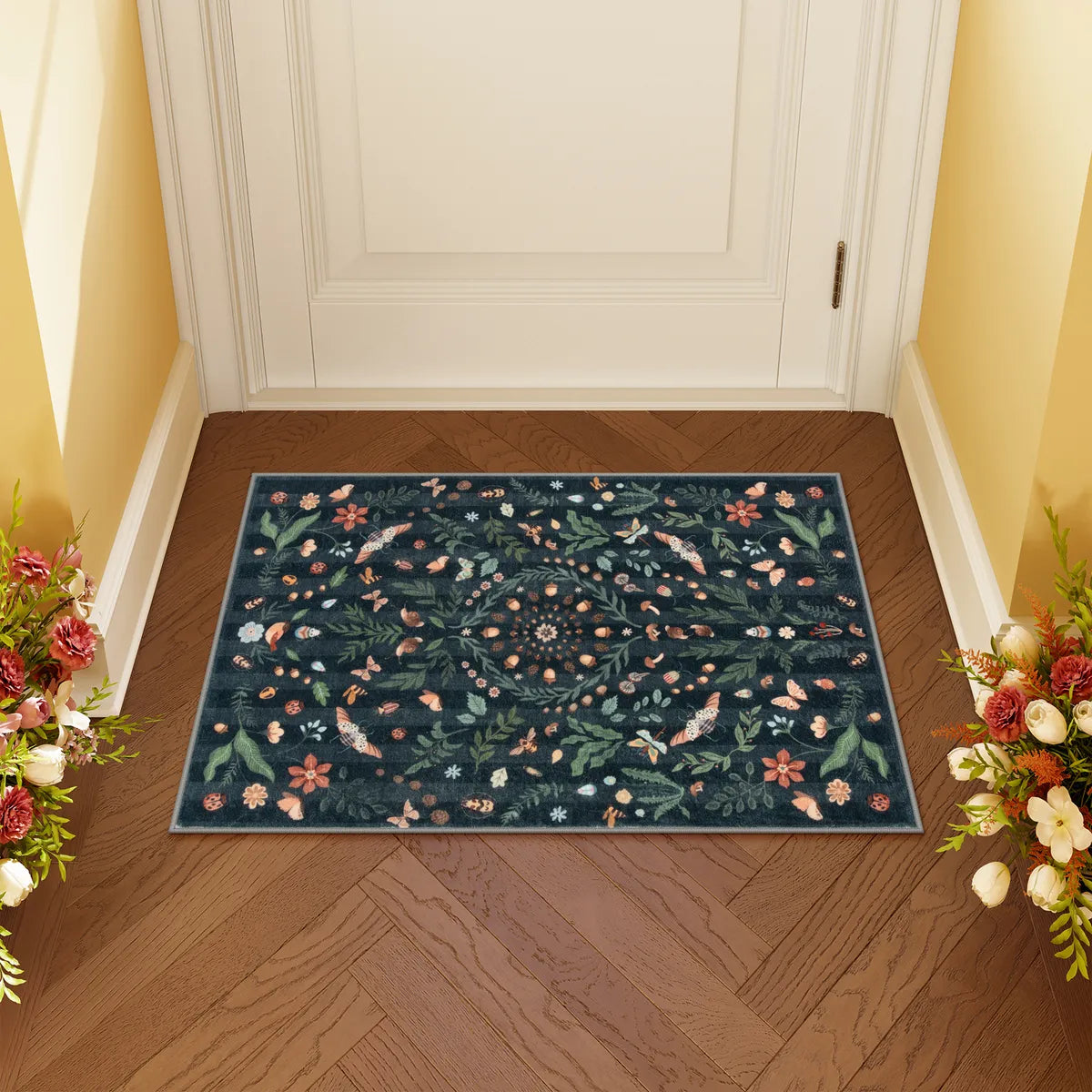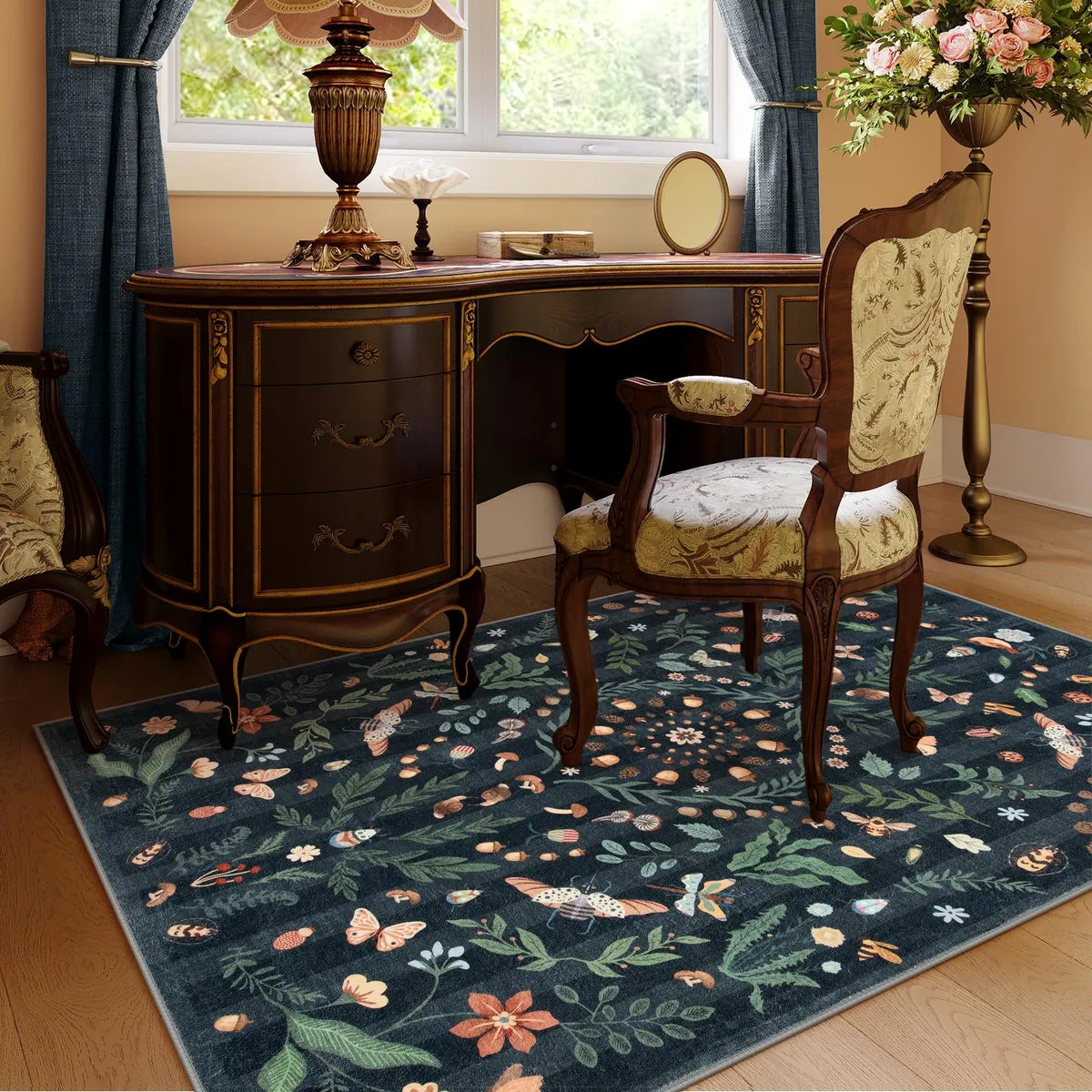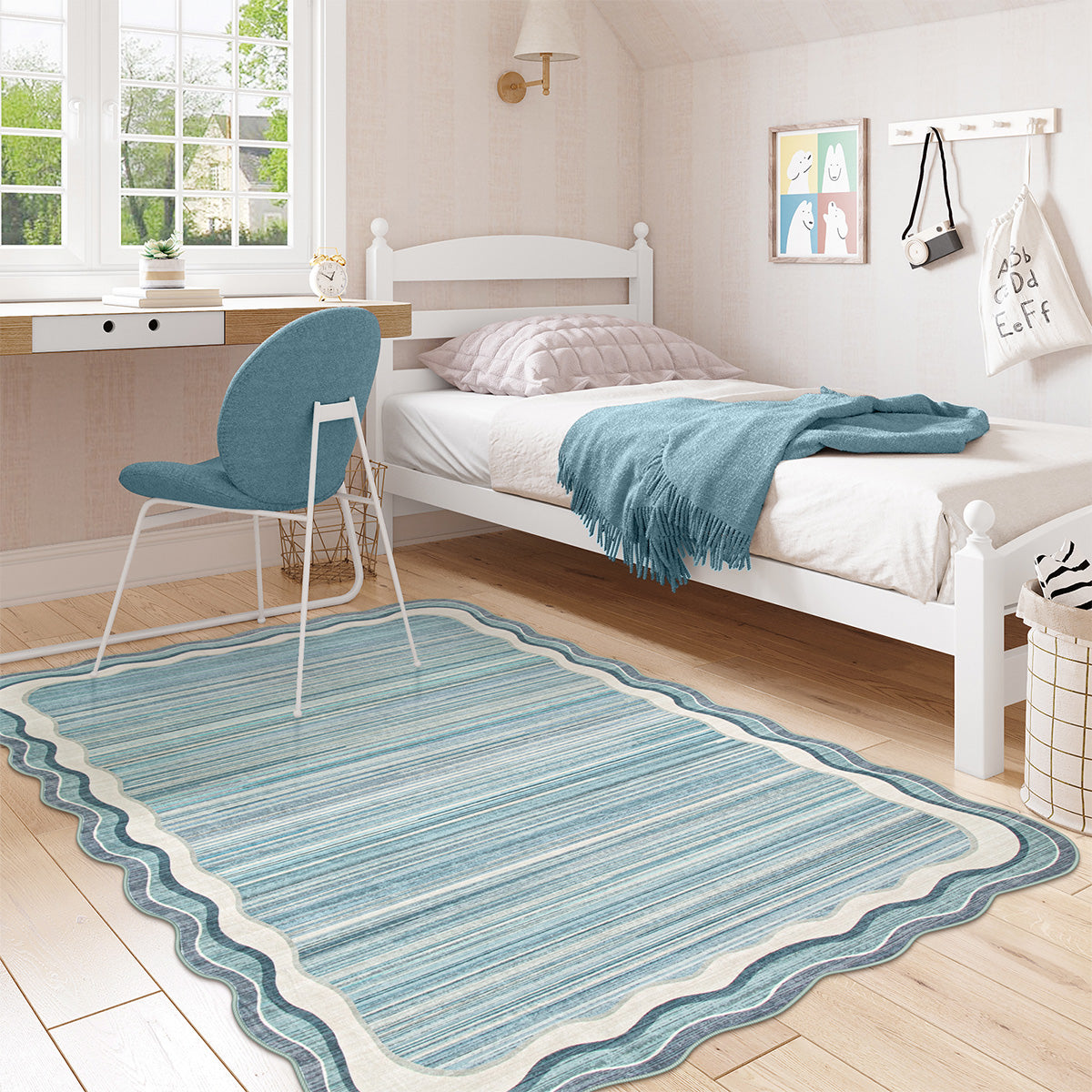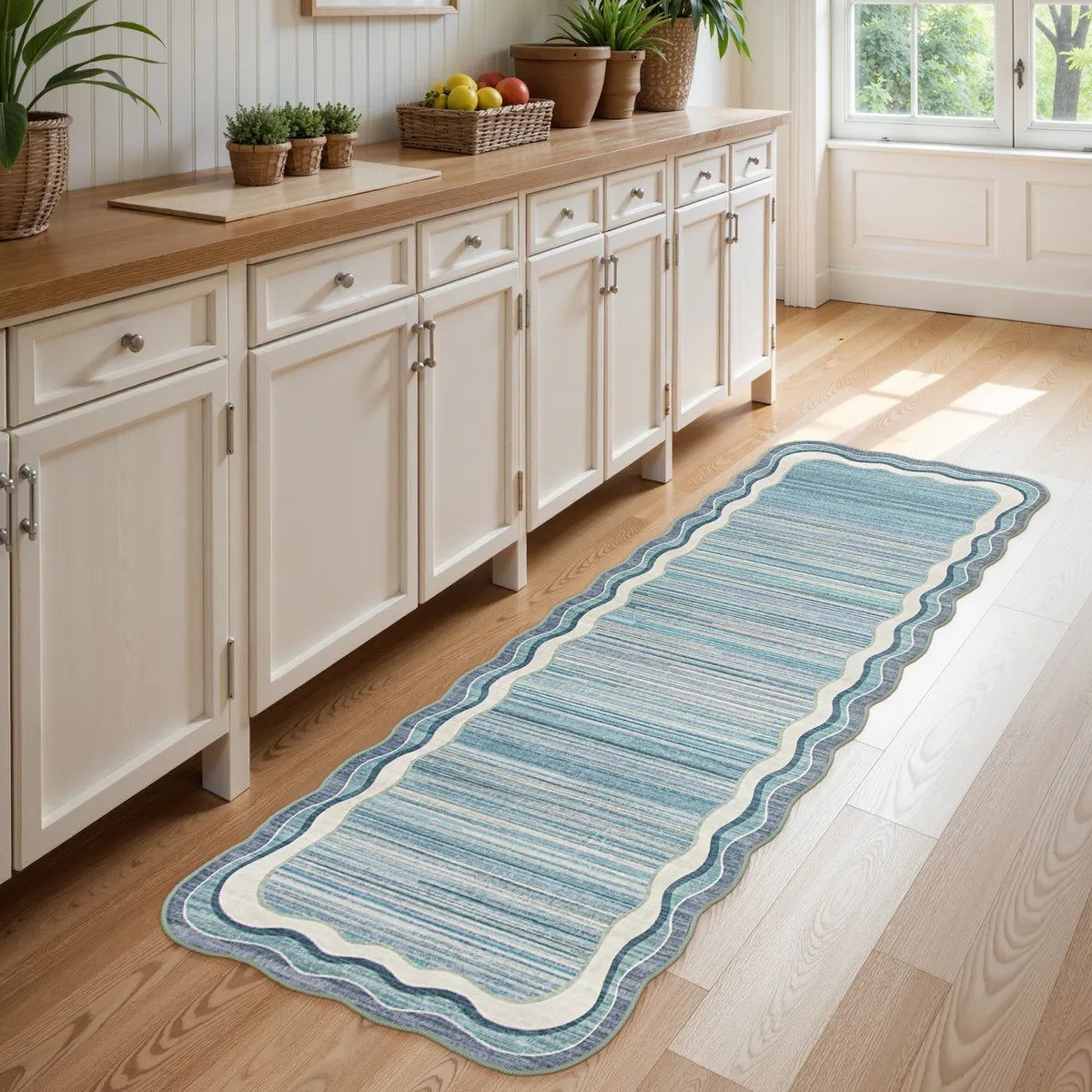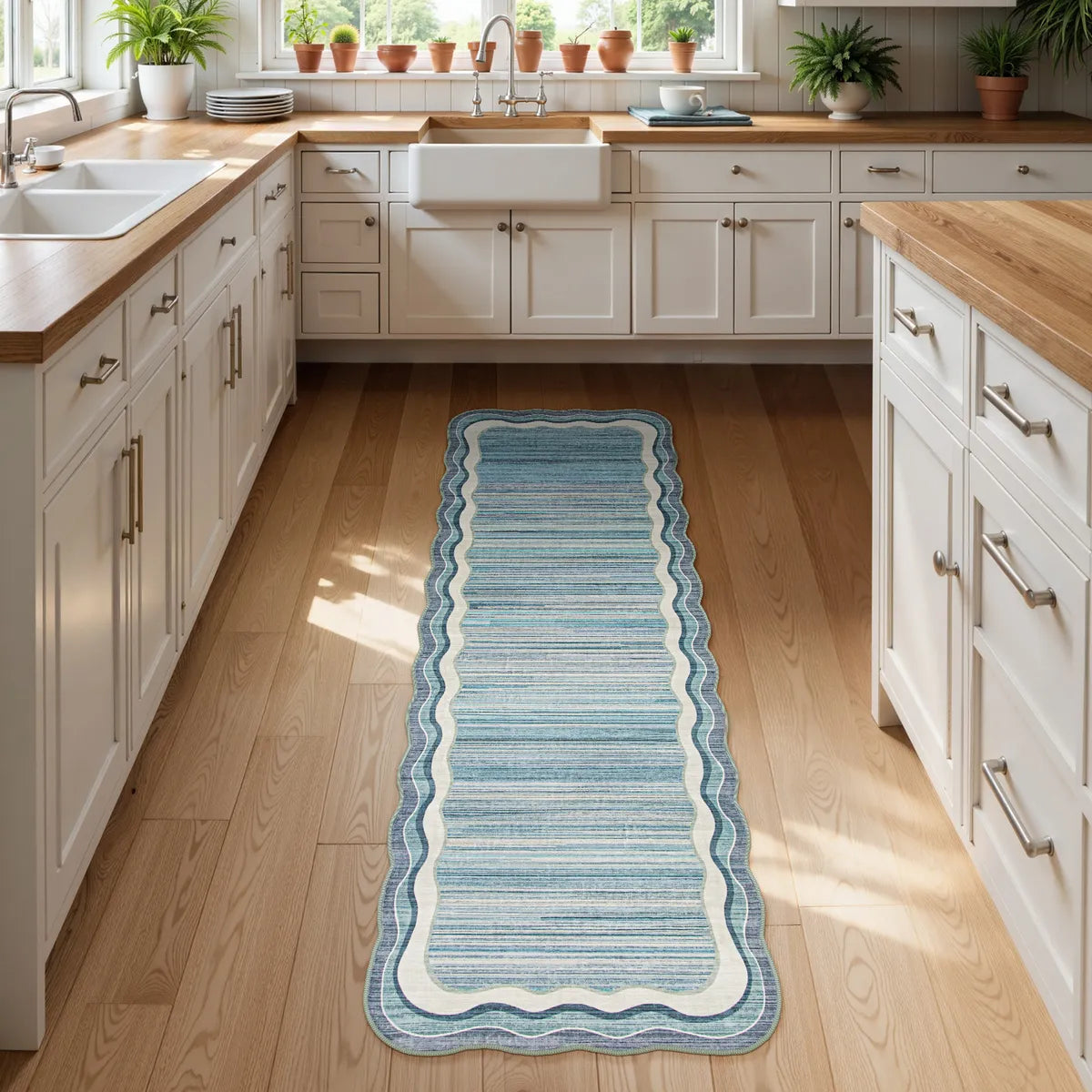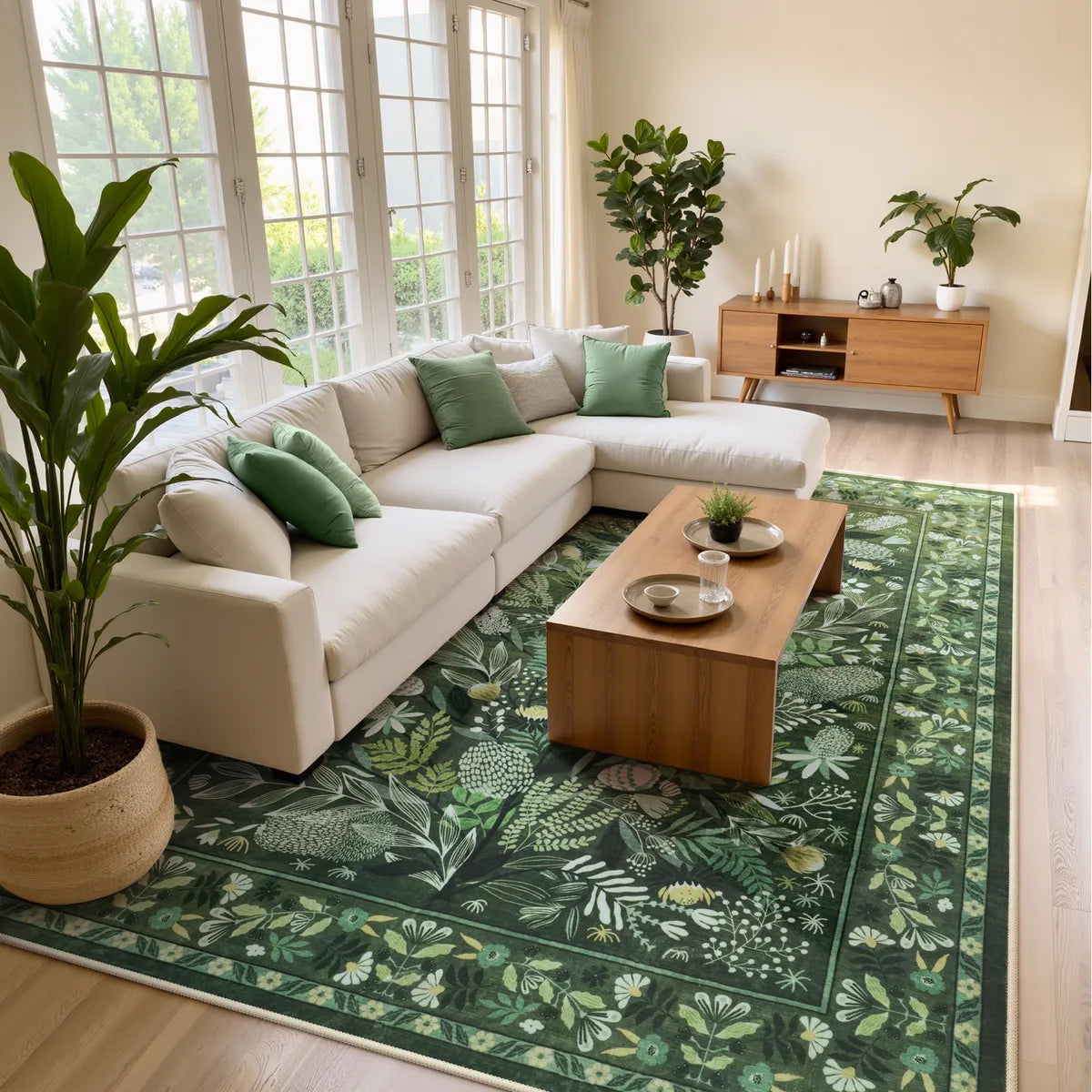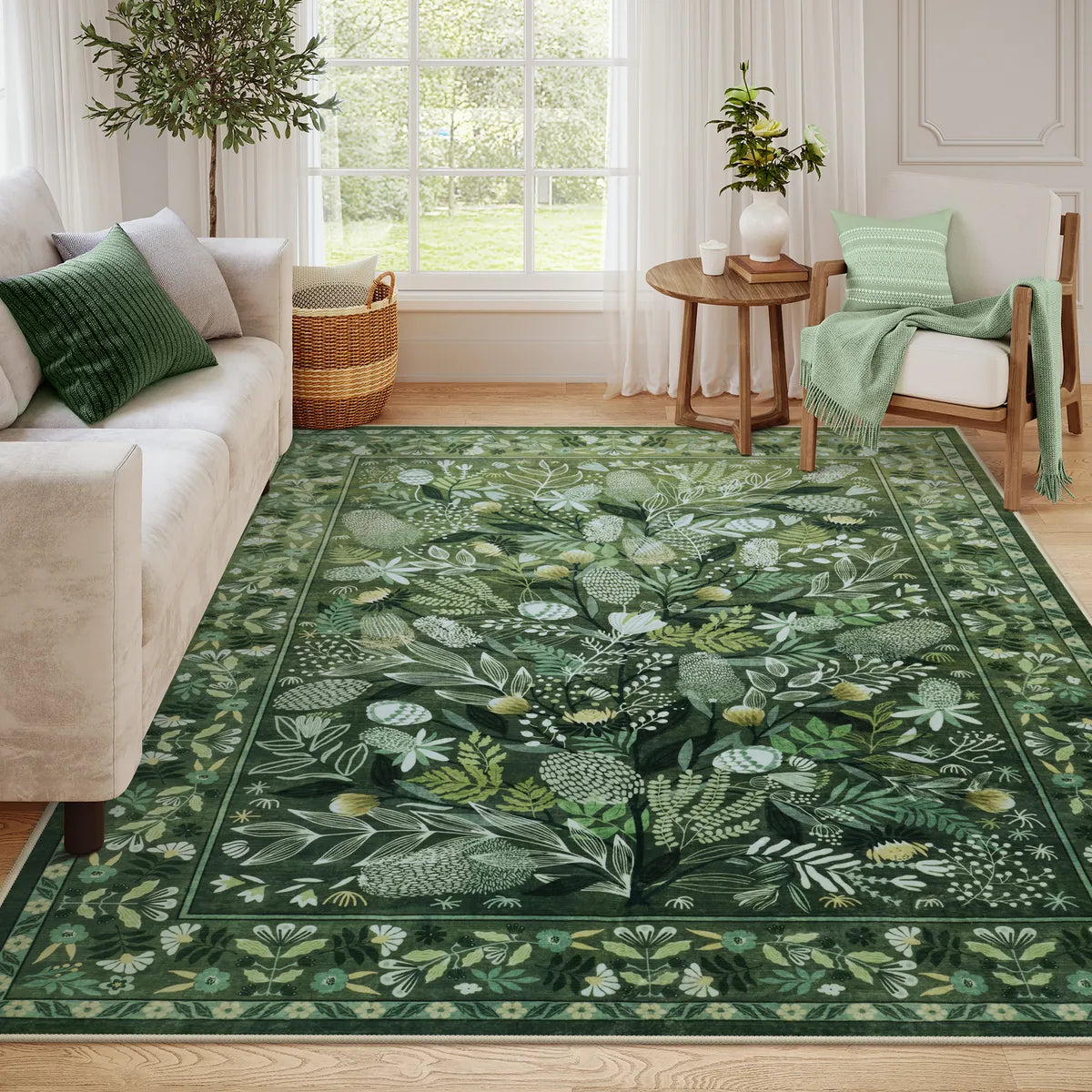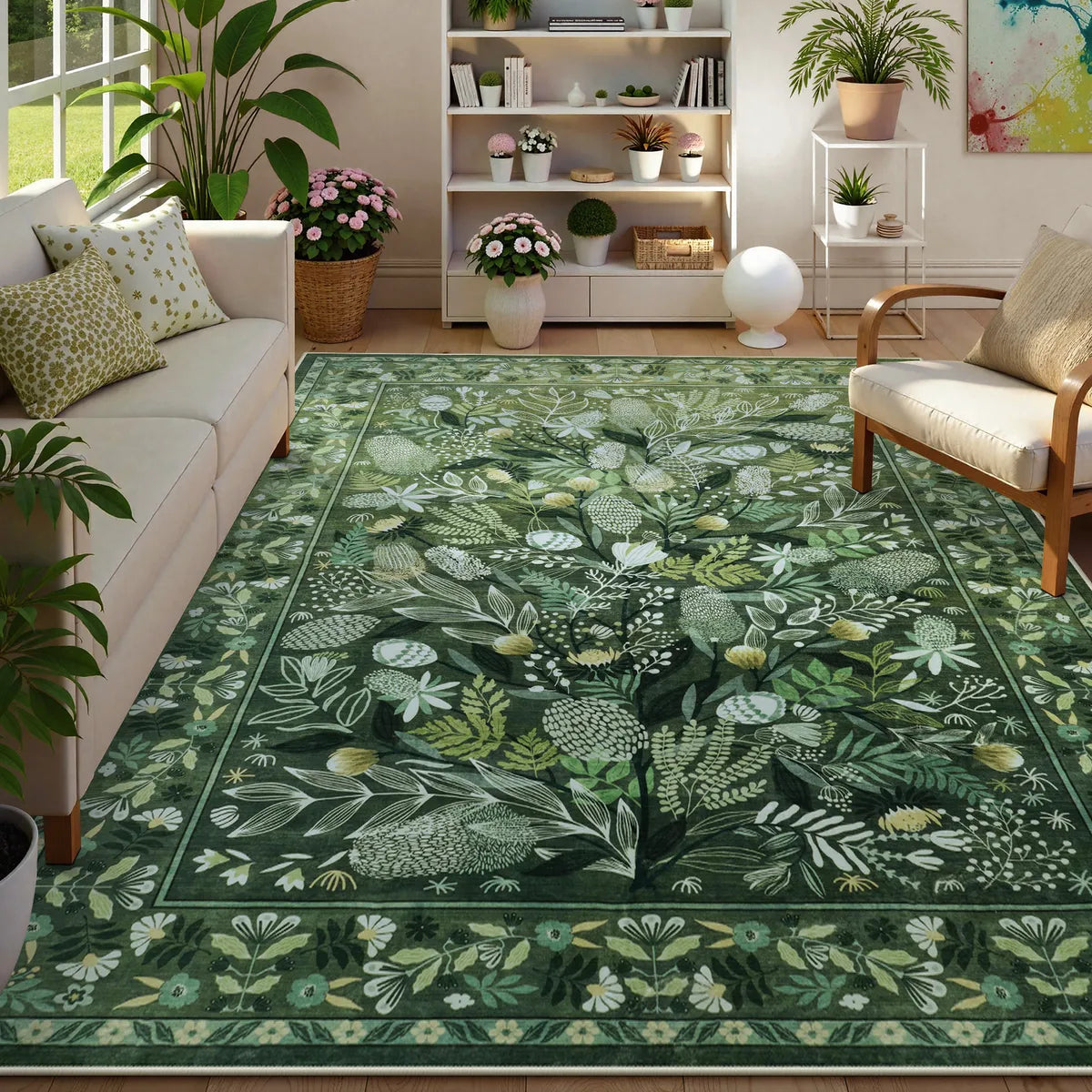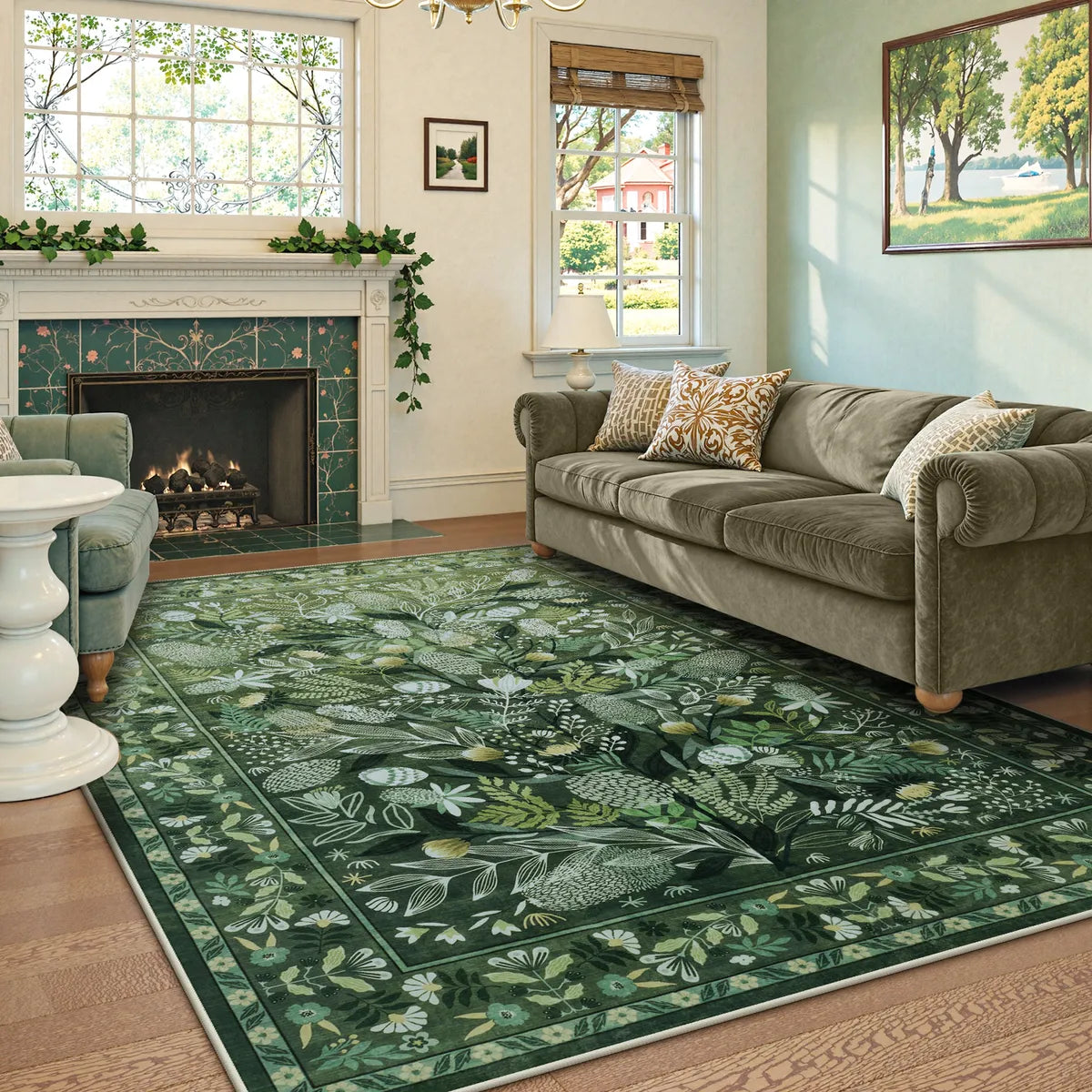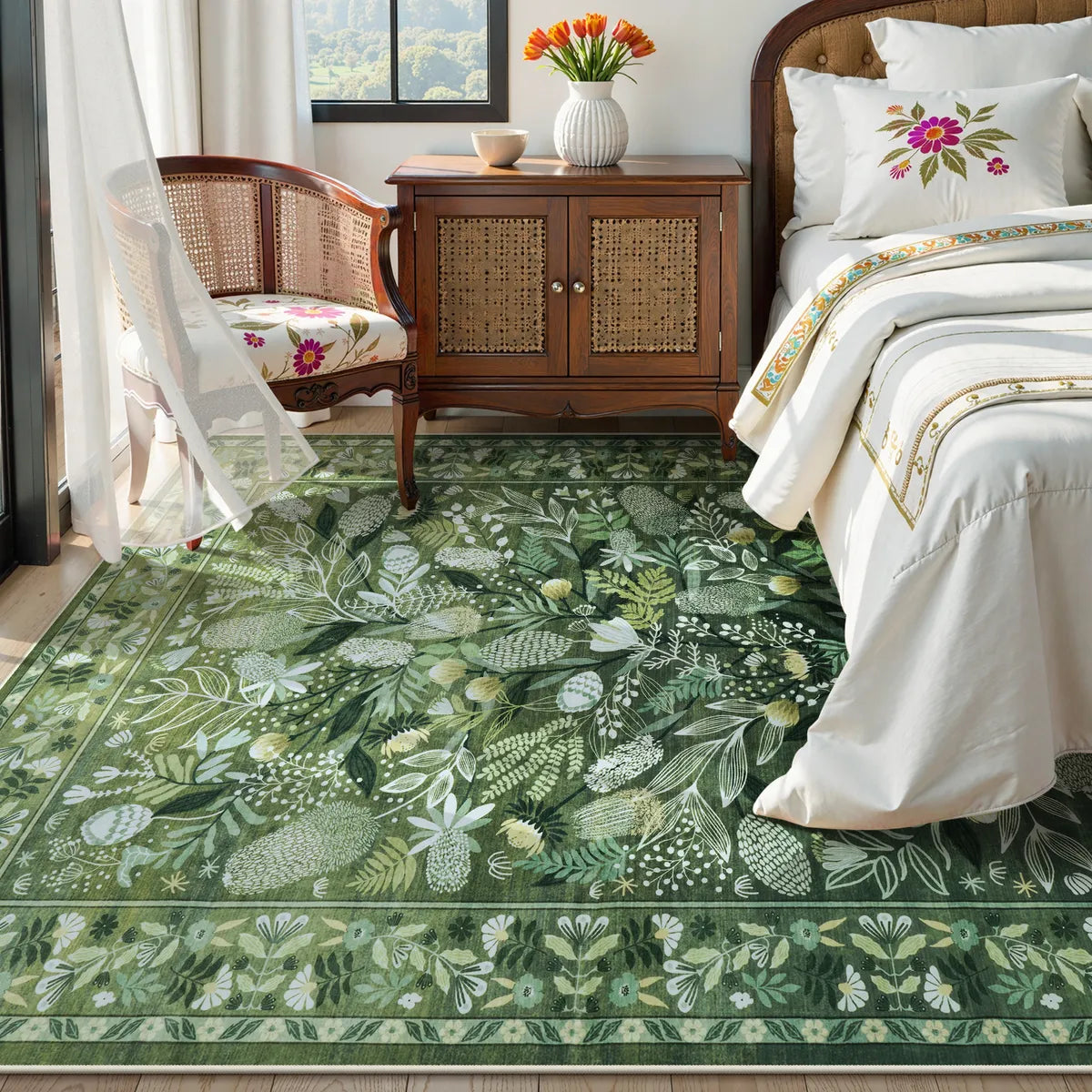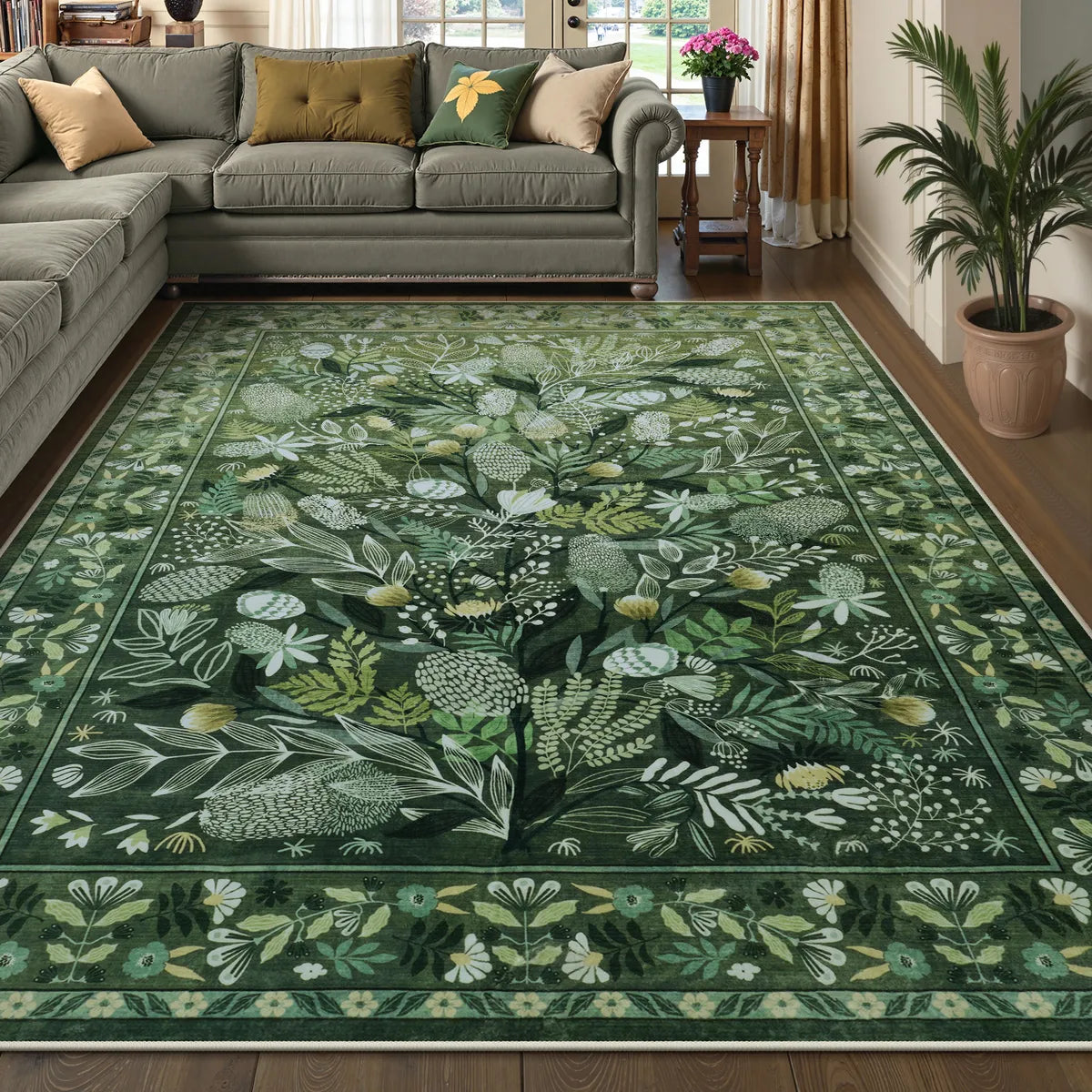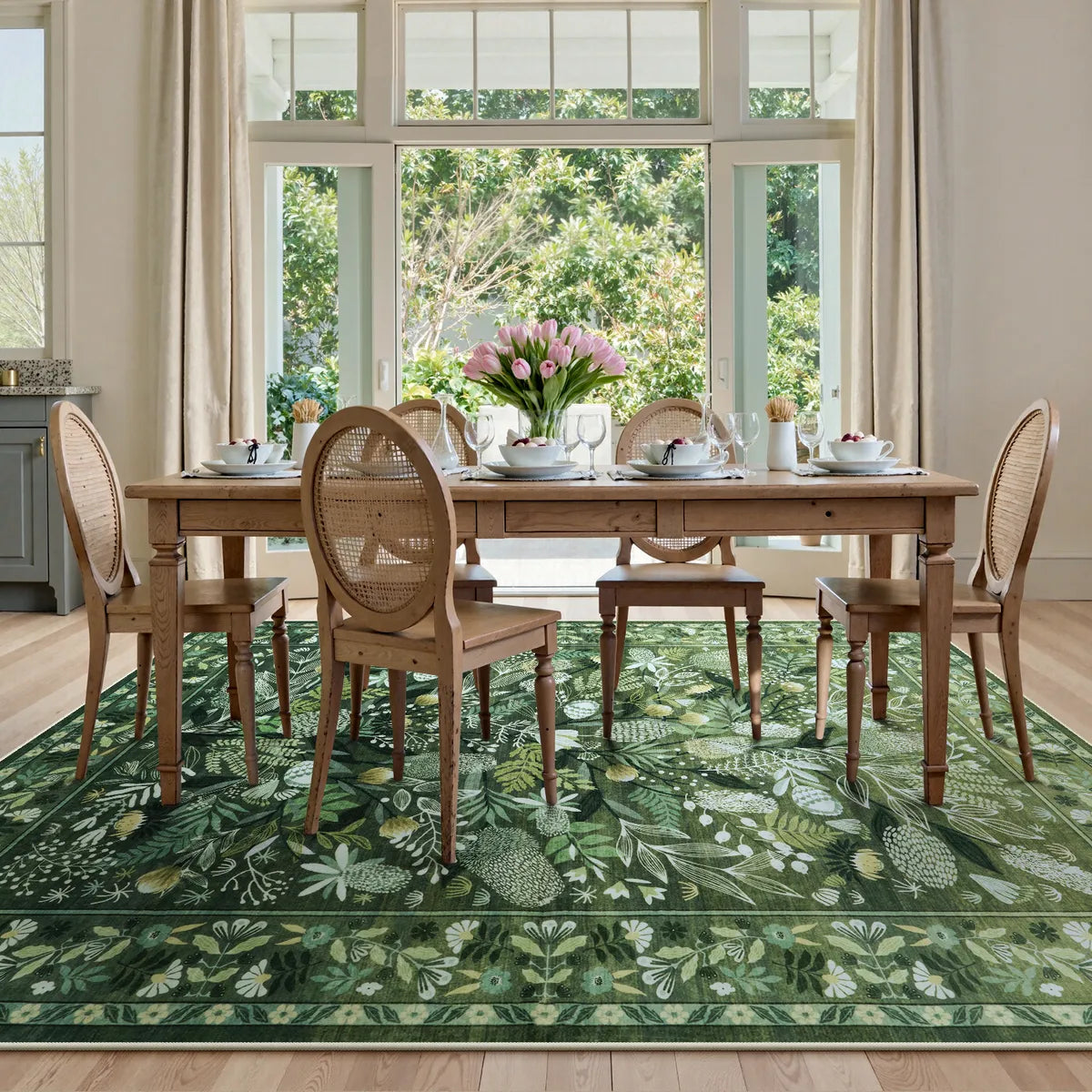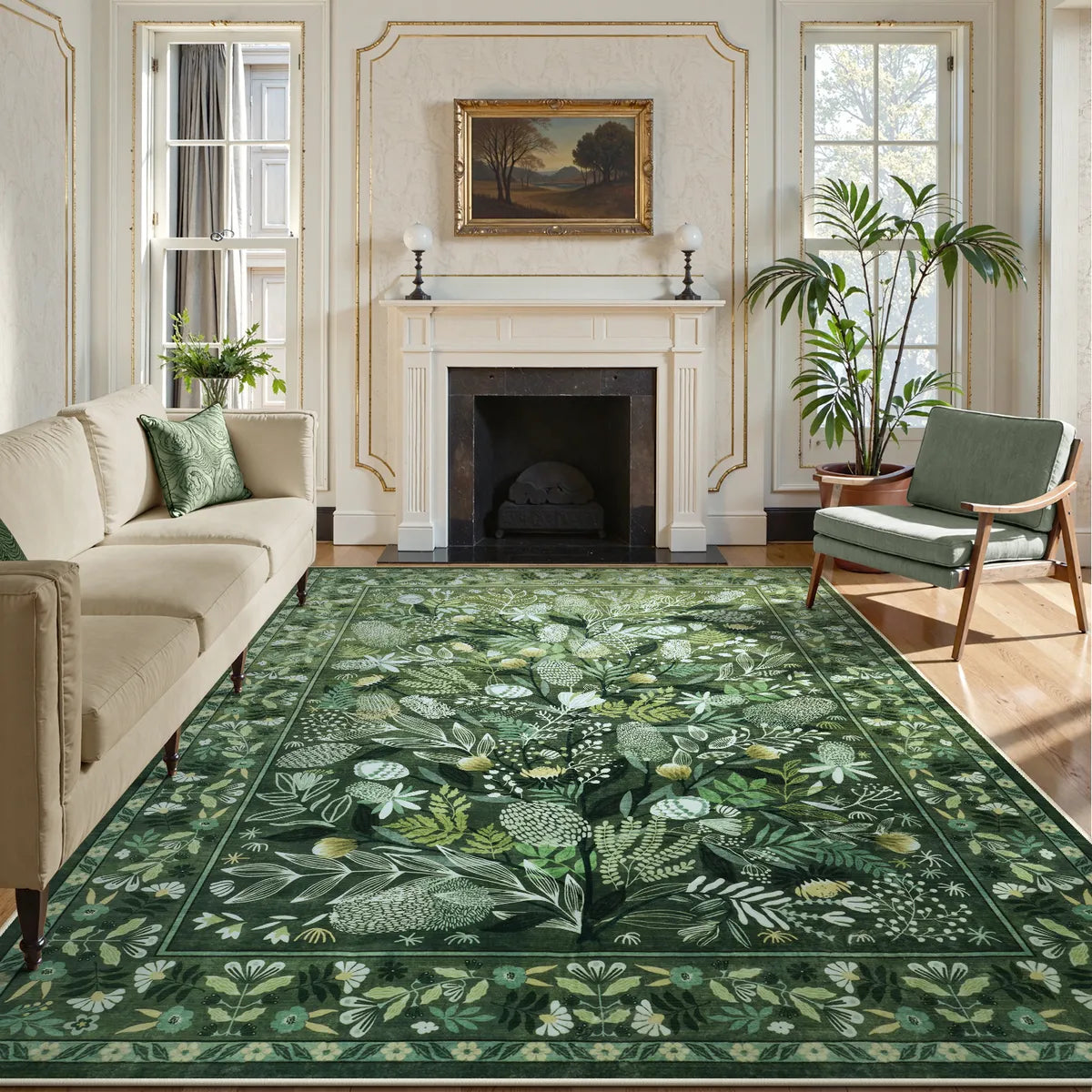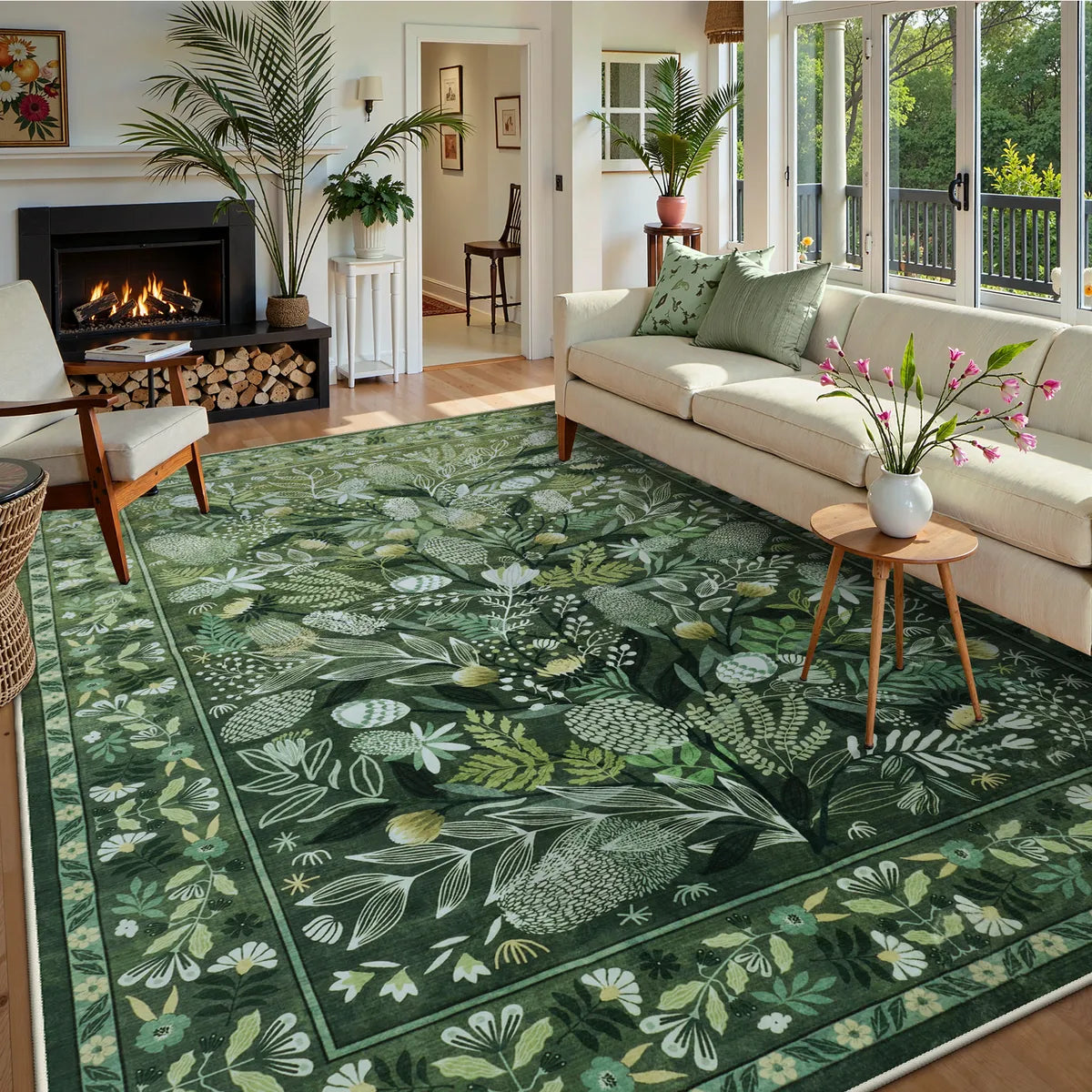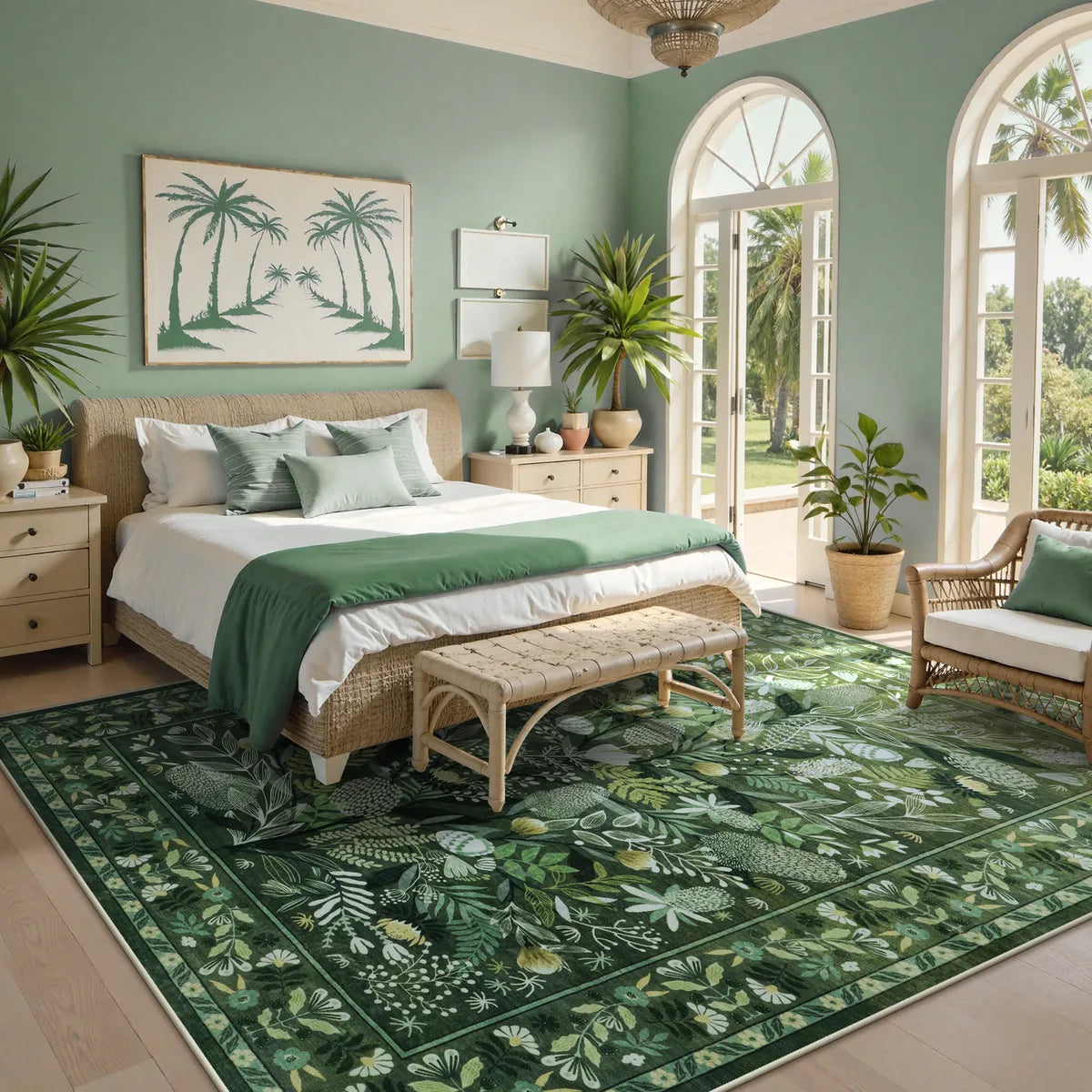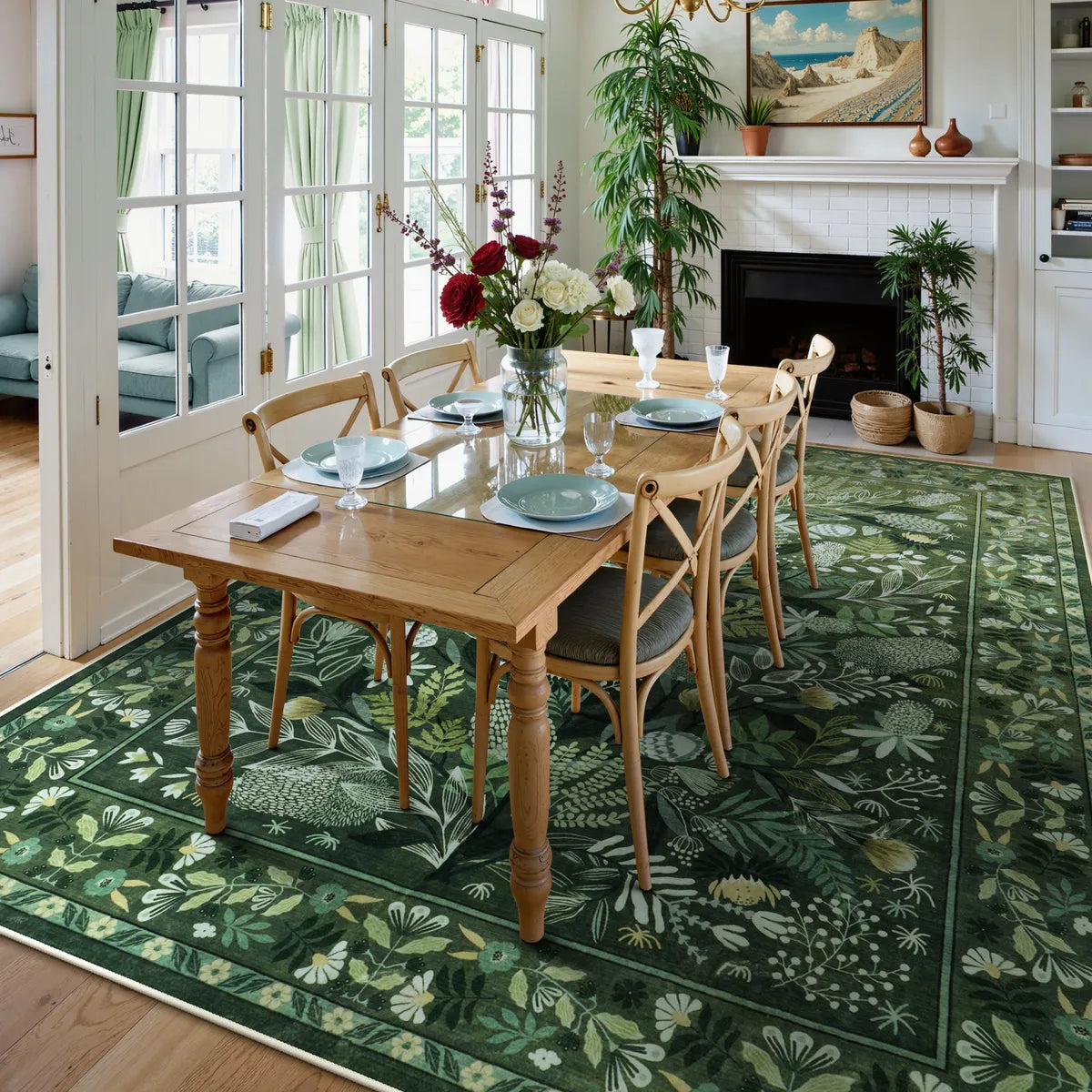


If you're comparing wool vs. polyester rugs, neither material is automatically better. Wool may be a better fit if you value natural fiber, textured comfort, and timeless character. Polyester may be a better fit if you prioritize practical everyday use, design flexibility, and a synthetic-fiber option that can be straightforward to maintain.
The best choice also depends on where the rug will go, how much traffic it receives, whether you have kids or pets, and how you plan to care for it. This guide compares wool and polyester rugs by feel, durability, maintenance, lifestyle, and room use so you can choose based on how you actually live.
Wool vs. Polyester Rugs at a Glance
The biggest difference between wool and polyester is not simply natural versus synthetic. Each material creates a different balance of feel, appearance, maintenance, and everyday practicality.
| Feature | Wool Rugs | Polyester Rugs |
|---|---|---|
| Material | Natural animal fiber | Synthetic manufactured fiber |
| Feel | Often soft with a naturally textured feel | Can feel soft and comfortable, depending on construction |
| Durability | Wool fibers are naturally resilient, although performance varies by construction and use | Suitable for many everyday spaces, with performance depending on construction and traffic |
| Maintenance | Care requirements vary and may call for more specific cleaning methods | Often straightforward to maintain, but care depends on the specific rug |
| Design | Natural texture, depth, and a classic look | Broad range of colors, patterns, and decorative styles |
| Best Starting Point | Natural-material preference and timeless interiors | Practical everyday spaces and flexible styling |

Wool Rug: Natural Comfort and Character
Wool rugs have long been valued for their natural fiber, comfortable texture, and classic appearance. Wool's natural elasticity and fiber structure can contribute to resilience, while the final feel and performance depend on the rug's construction, pile, density, and intended use.

Polyester Rug: Everyday Comfort and Versatility
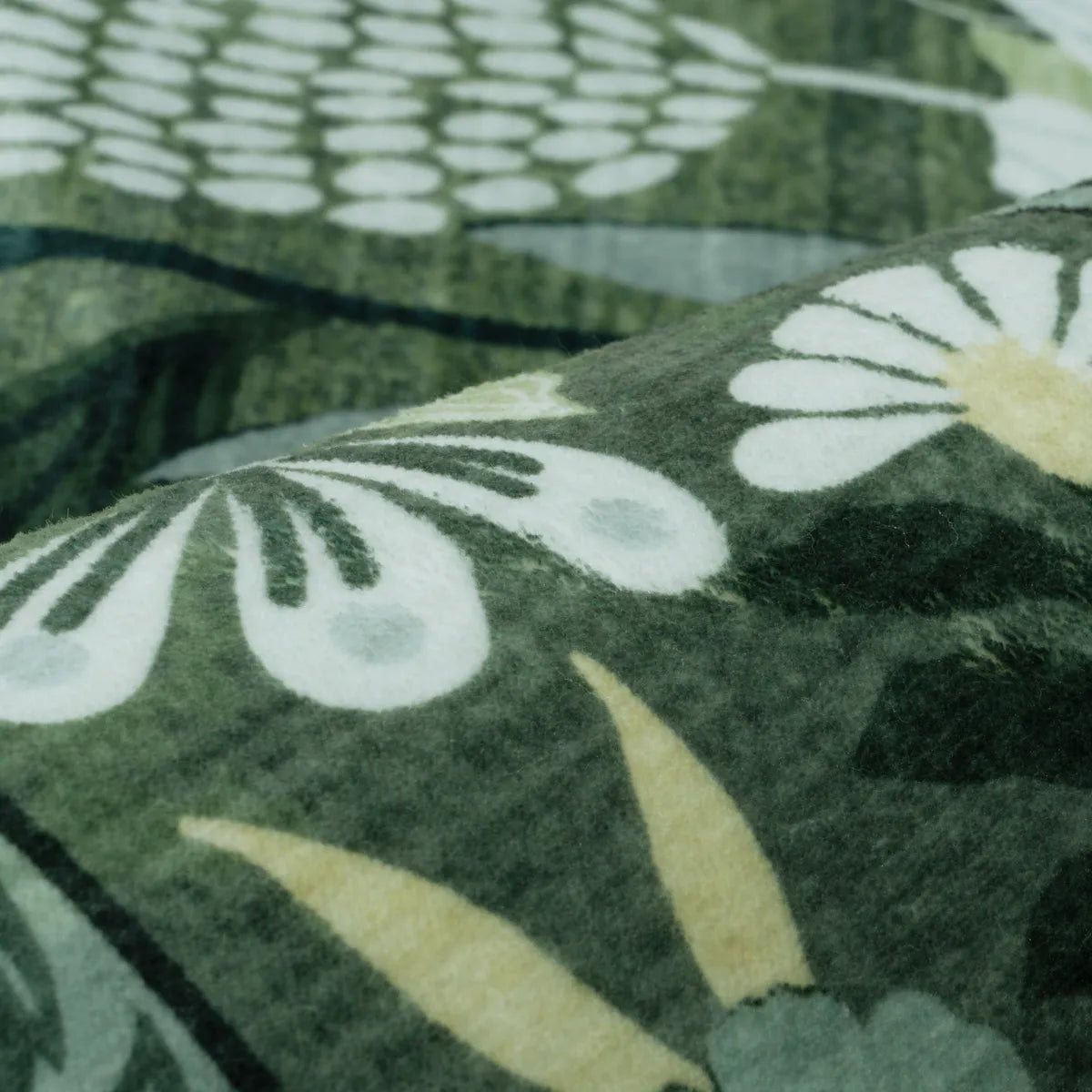
Polyester rugs are often chosen for their soft feel, design flexibility, and suitability for many everyday spaces. Because polyester is a manufactured fiber, it is available across a wide range of colors, patterns, textures, and rug constructions.
When Does Polyester Make More Sense Than Wool?
- You prefer straightforward routine care: You want a rug that fits easily into your regular cleaning routine, while still following the manufacturer's care instructions.
- You want broad design choices: Color, pattern, texture, and decorative styling are important parts of your decision.
- Your home is active: The space sees regular foot traffic and everyday family activity.
- You prioritize practical use: You want to balance comfort, appearance, maintenance, and everyday function rather than choosing primarily by fiber type.
Wool vs. Polyester: Which Is Better for Your Lifestyle?
Instead of asking which material is universally better, consider what you need the rug to do every day. A material that works beautifully in a low-traffic sitting room may not be the most convenient choice for a busy entryway.
Choose Wool If You Prioritize
- Natural fiber material
- Natural texture and visual depth
- Soft, comfortable feel
- Timeless interior style
- Natural fiber resilience
Choose Polyester If You Prioritize
- Practical everyday use
- Design and color versatility
- Soft and comfortable texture
- Straightforward routine care
- Flexible styling options
Don't Choose a Rug by Fiber Alone
Fiber is only one part of a rug's performance. The same fiber can perform differently depending on pile height, density, construction, backing, finishing, and intended use. Before buying, consider how the rug is made as well as what it is made from.
| Your Priority | What to Consider |
|---|---|
| Natural material | Wool or another natural-fiber rug |
| Softness | Fiber, pile height, density, and construction |
| Easy everyday care | Care instructions, backing, construction, and washable options |
| Pets or kids | Easy-clean or washable construction, if appropriate for the product |
| High traffic | Durability, pile, backing, construction, and maintenance requirements |
| Interior style | Color, pattern, texture, pile, and overall construction |
Rugs Aren't Limited to Wool or Polyester

When comparing wool vs. polyester rugs, it is easy to think you're choosing between two completely different sides: natural wool or synthetic polyester. In reality, the rug market includes many other fibers, blends, constructions, and material-inspired designs.
Start With the Result You Want
- How should it look? Consider texture, color, pattern, and overall interior style.
- How should it feel? Think about softness, pile height, texture, and comfort underfoot.
- How should it perform? Consider cleaning, traffic, pets, kids, and everyday use.

Why Rug Construction Matters Too
At Lahome, we look at rugs from an everyday-use perspective. That means material matters, but so do construction, cleanability, comfort, design, and where the rug will be used.
That's why our collections include different materials, textures, and constructions rather than treating one fiber as the right answer for every home.
Explore Lahome Rugs →Why Washability Matters for an Everyday Rug

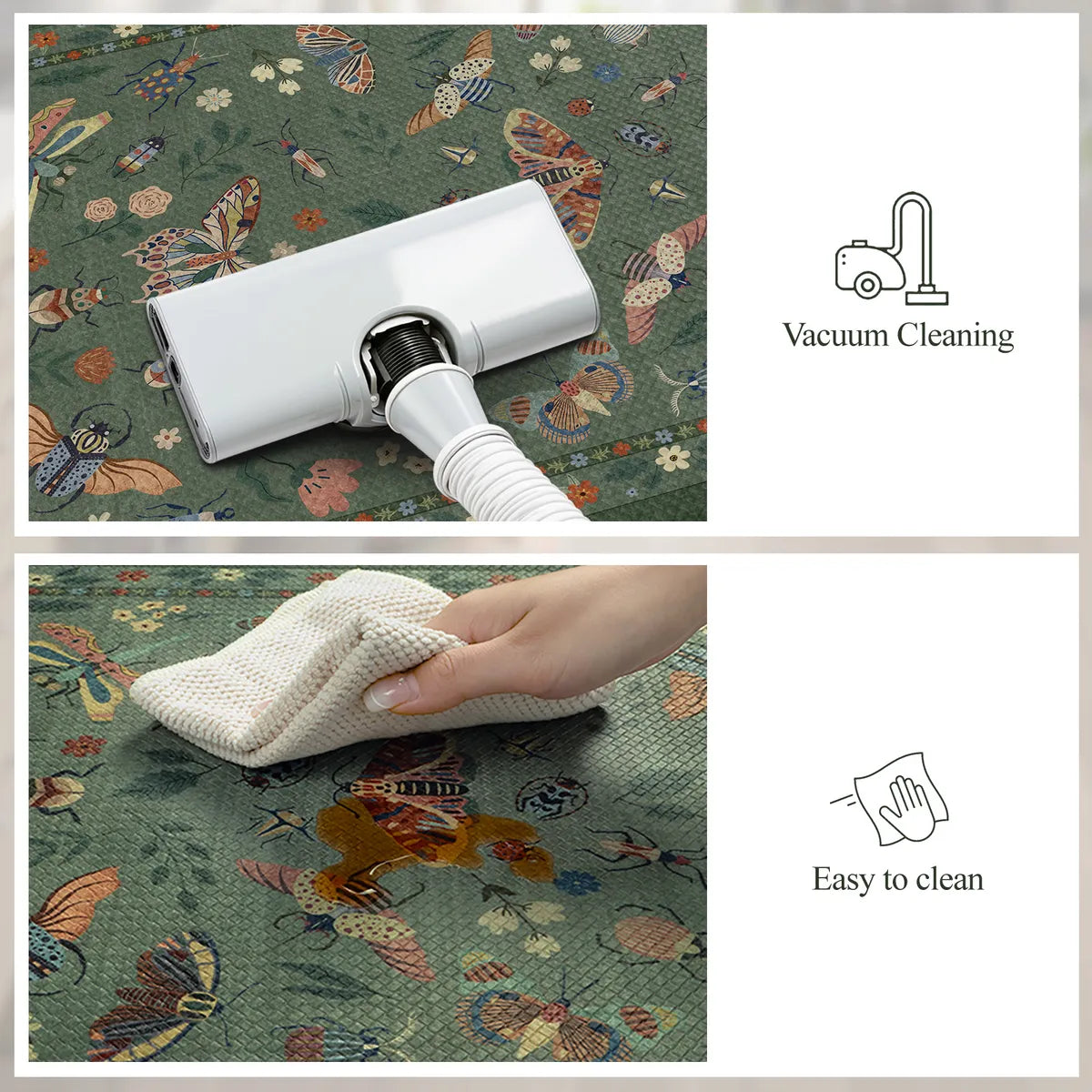
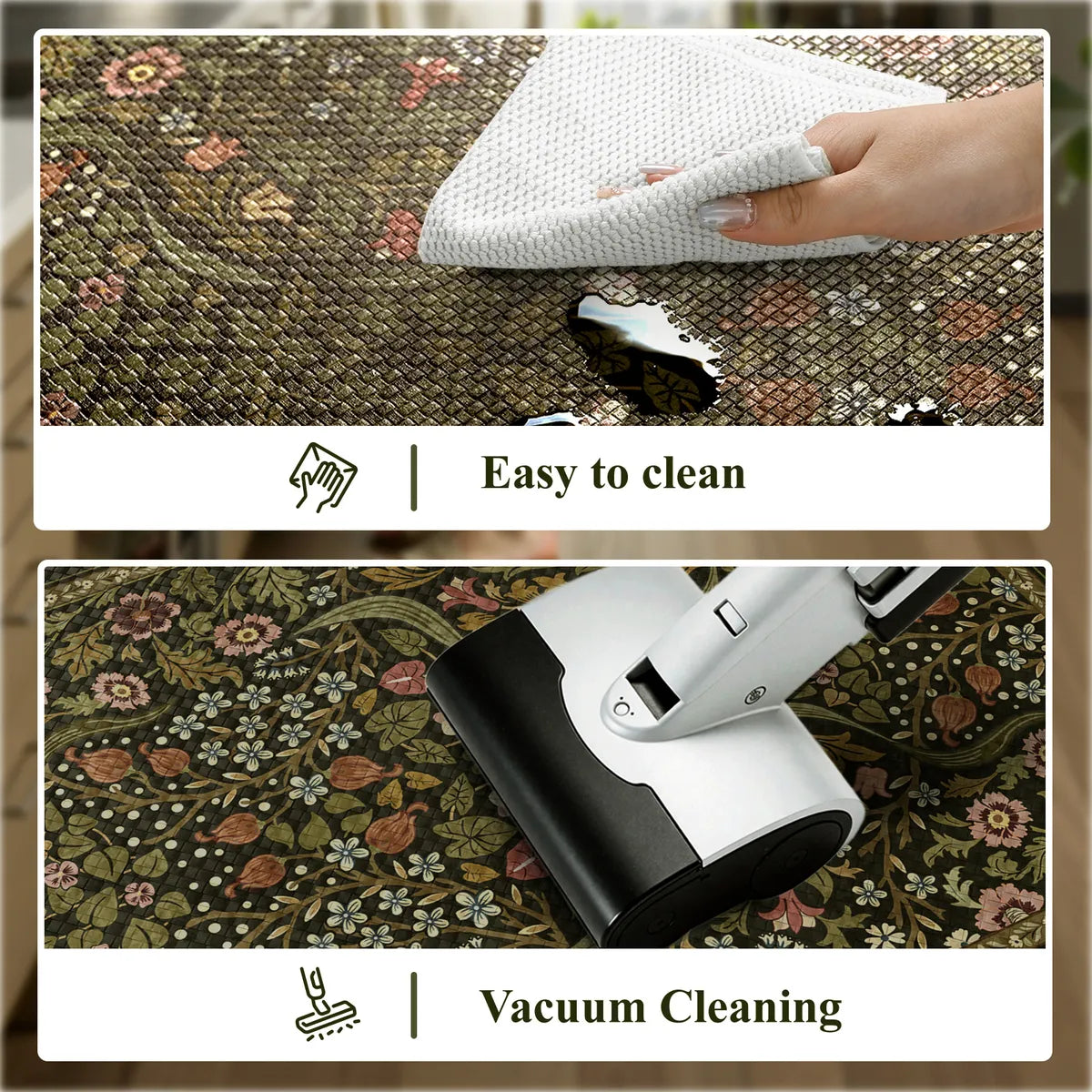
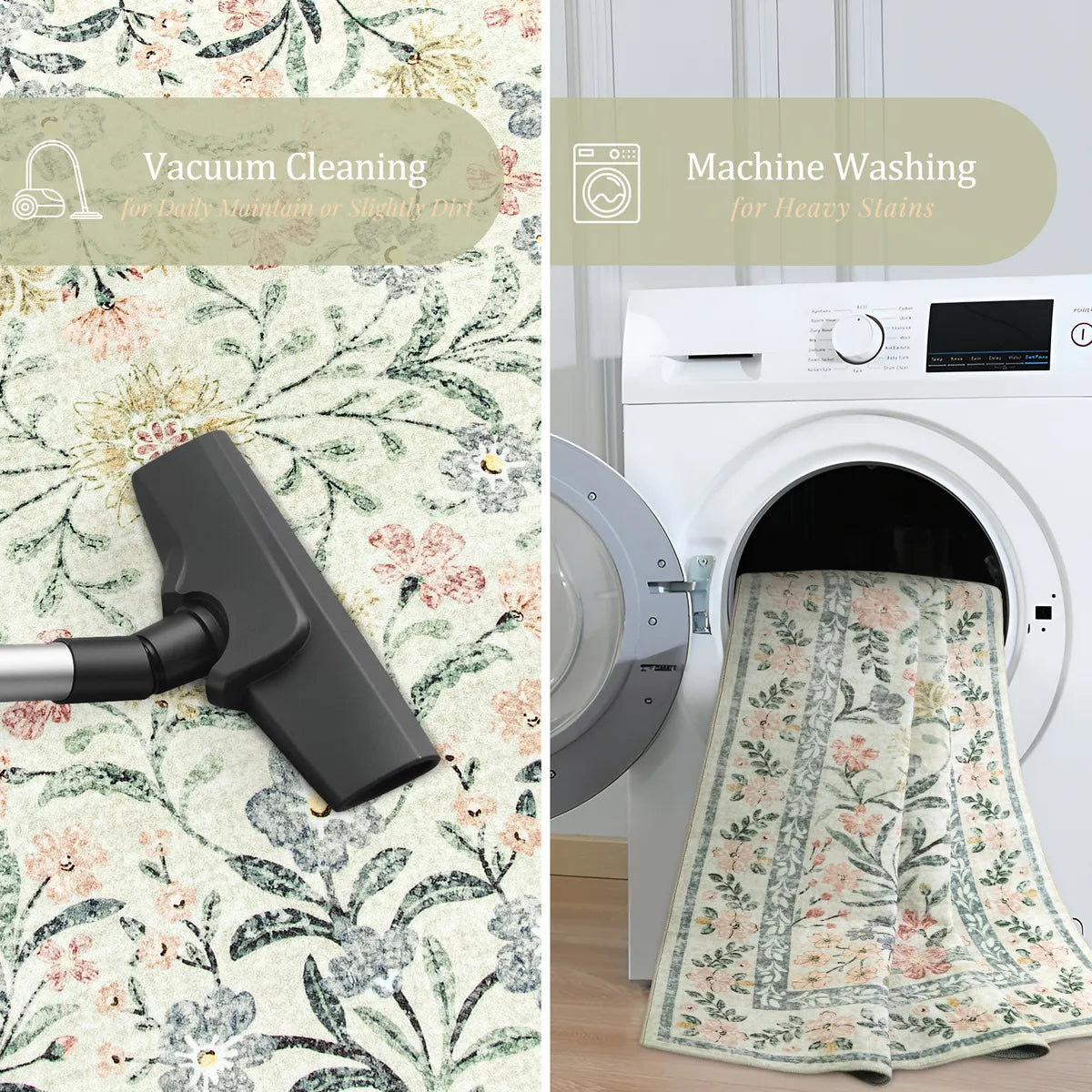
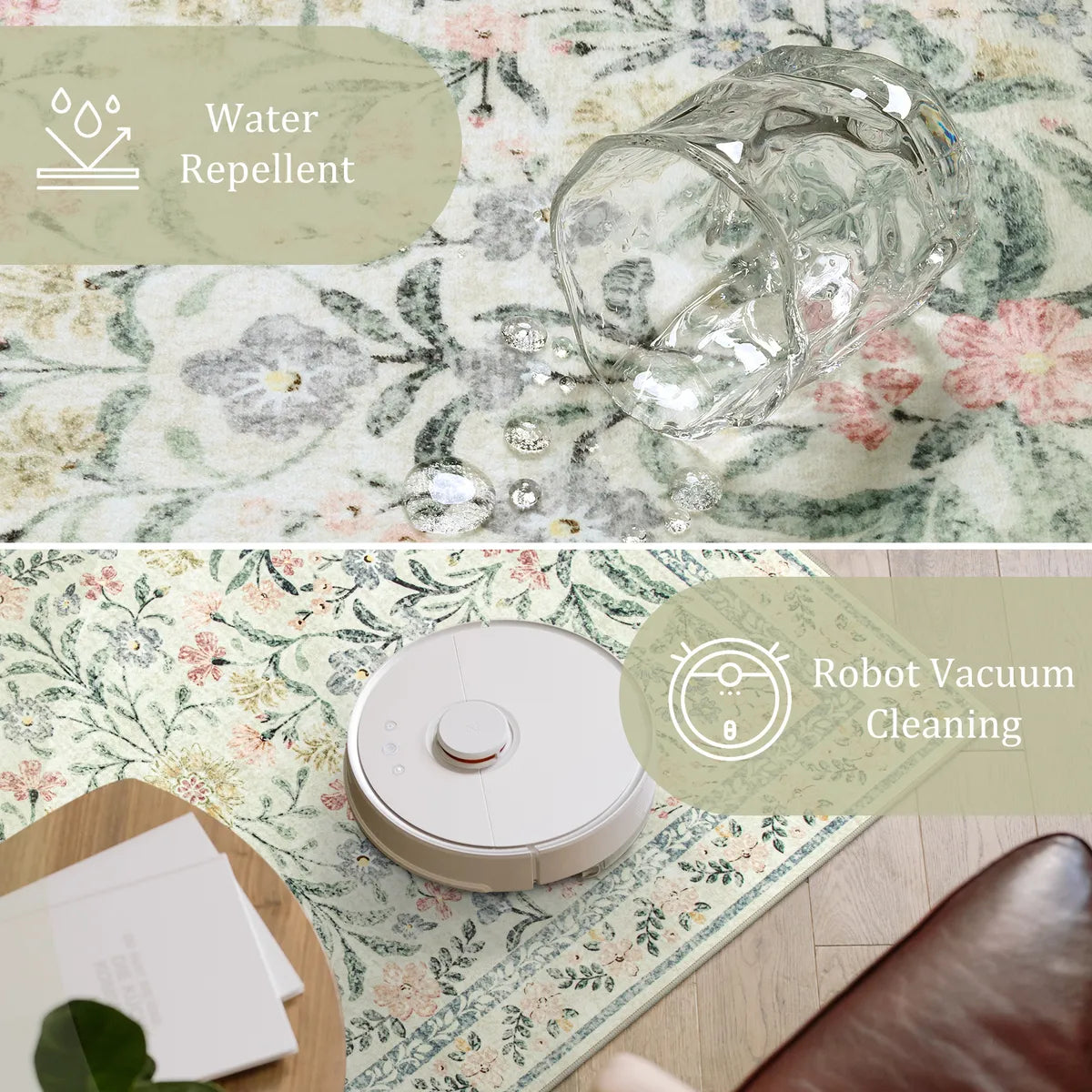
Material isn't the only factor that determines how easy a rug is to live with. Spills, tracked-in dirt, pet messes, and everyday accidents can make cleanability just as important as softness, texture, or appearance.
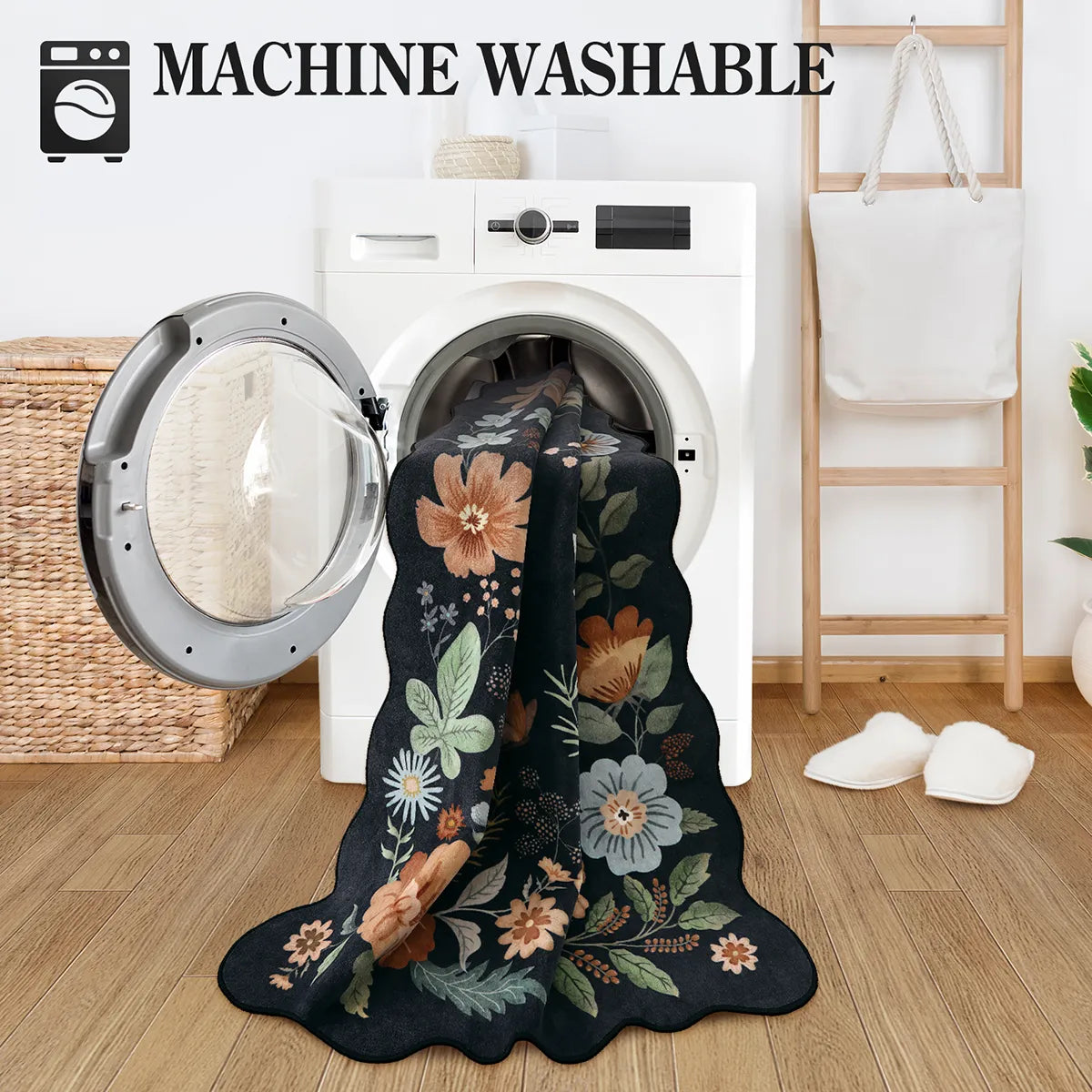
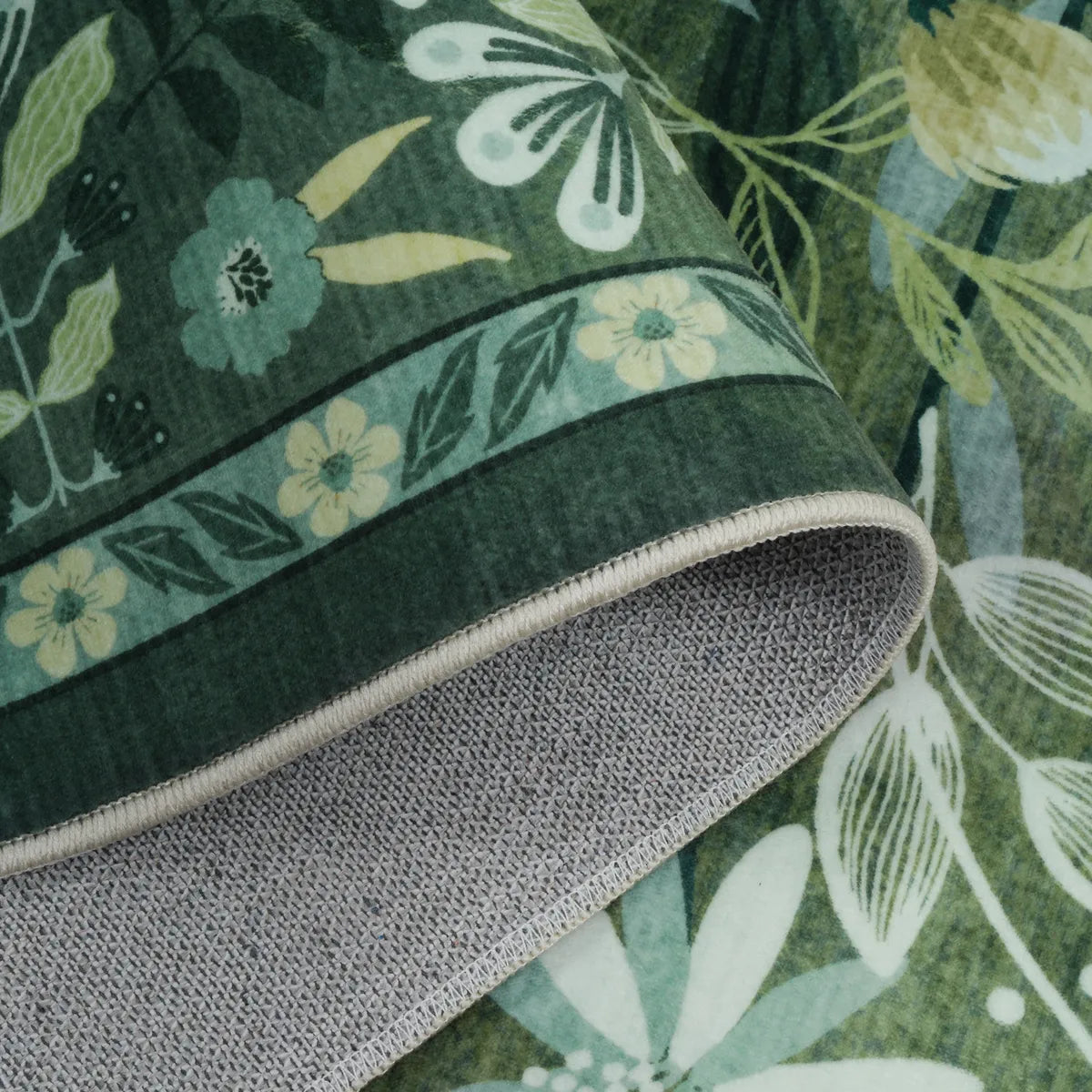
Washability is a construction feature, not simply a fiber characteristic. Some polyester rugs are washable, while others are not. The same principle applies across other fibers. Always check the specific product's construction and care instructions before assuming that a rug can be machine washed.
When Is a Washable Rug Worth Considering?
- Homes with pets: Useful when everyday pet messes, shedding, or muddy paws are part of the routine.
- Homes with kids: Helpful when spills and everyday messes are common.
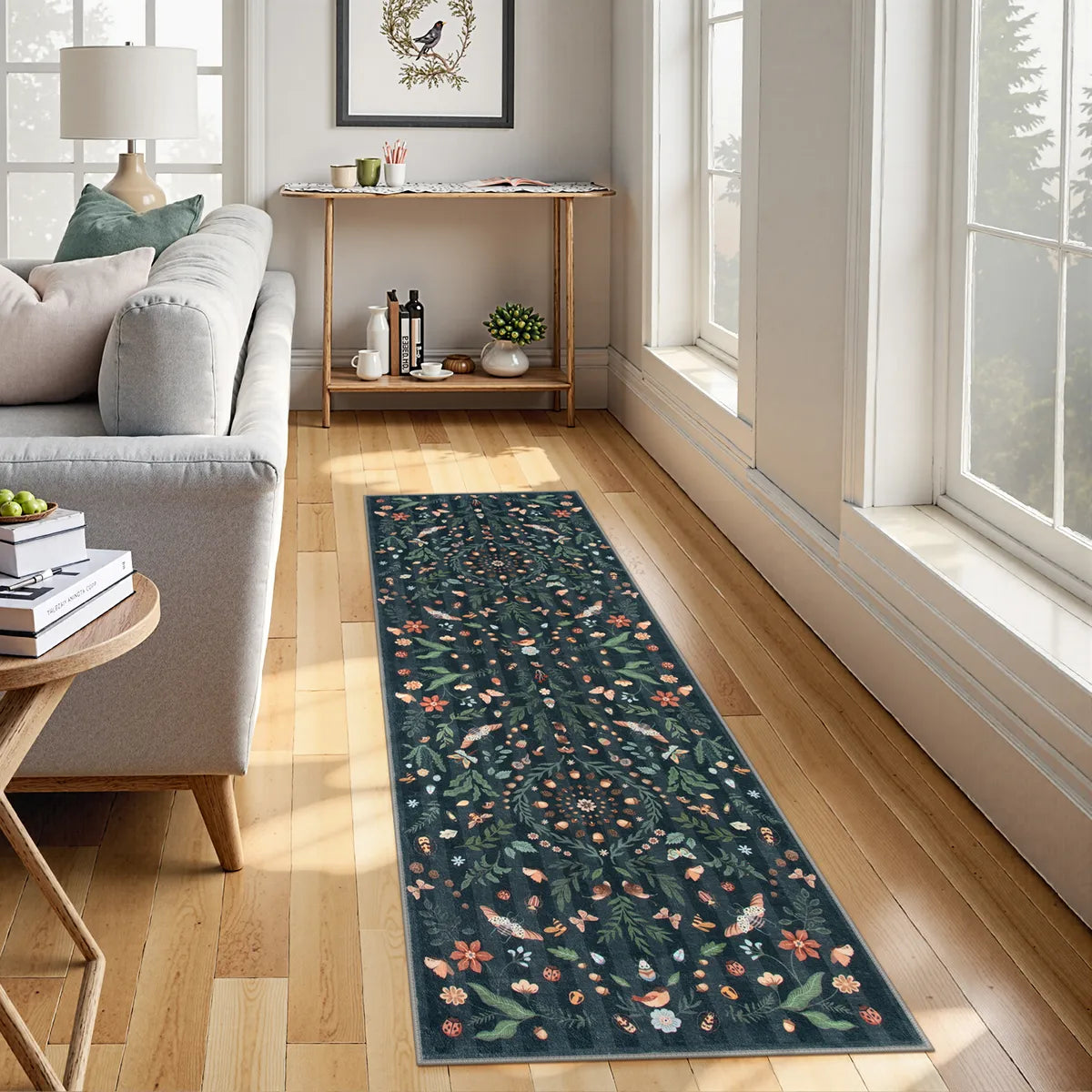
- High-traffic areas: Entryways, hallways, kitchens, and living rooms may benefit from a rug that is easier to clean.
- Busy everyday spaces: A washable construction can be worth considering when you want rug care to fit naturally into your routine.
How to Choose the Right Rug Material by Room
There isn't one best rug material for every room. The right choice depends on how the space is used, how much traffic it receives, how often the rug needs cleaning, and the feel and appearance you want. Start with the material, then consider the rug's construction and features.
| Room | Materials to Consider | Why |
|---|---|---|
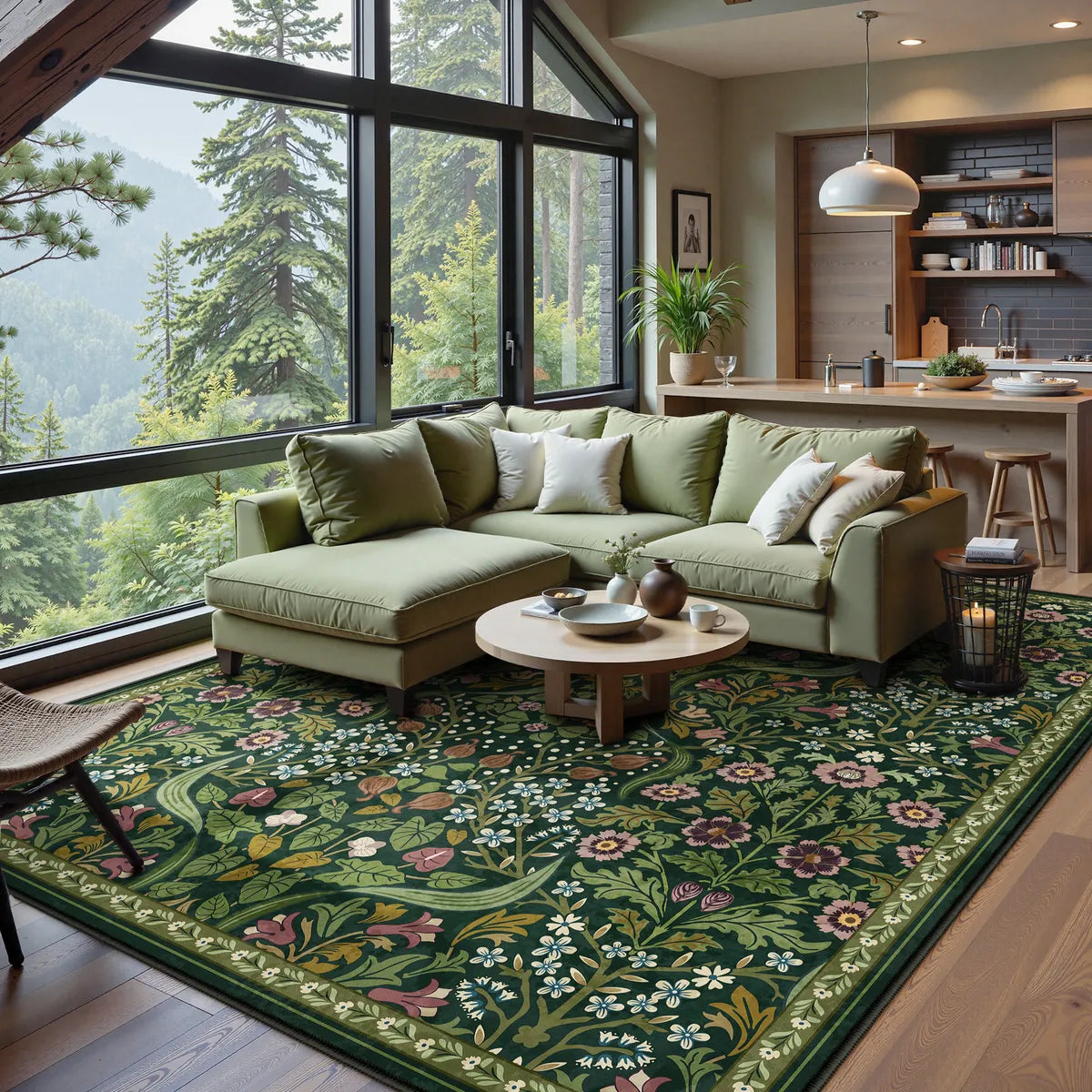
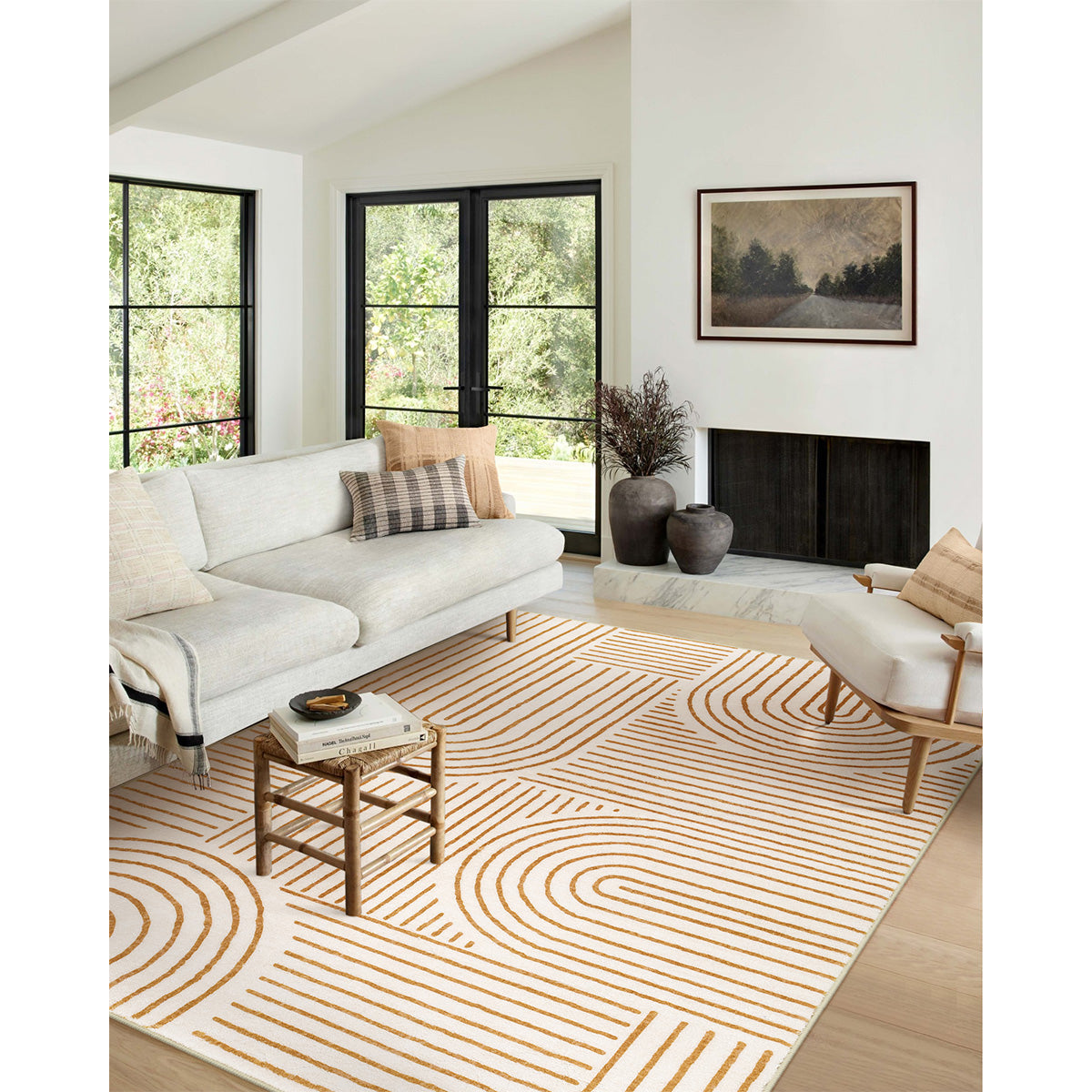
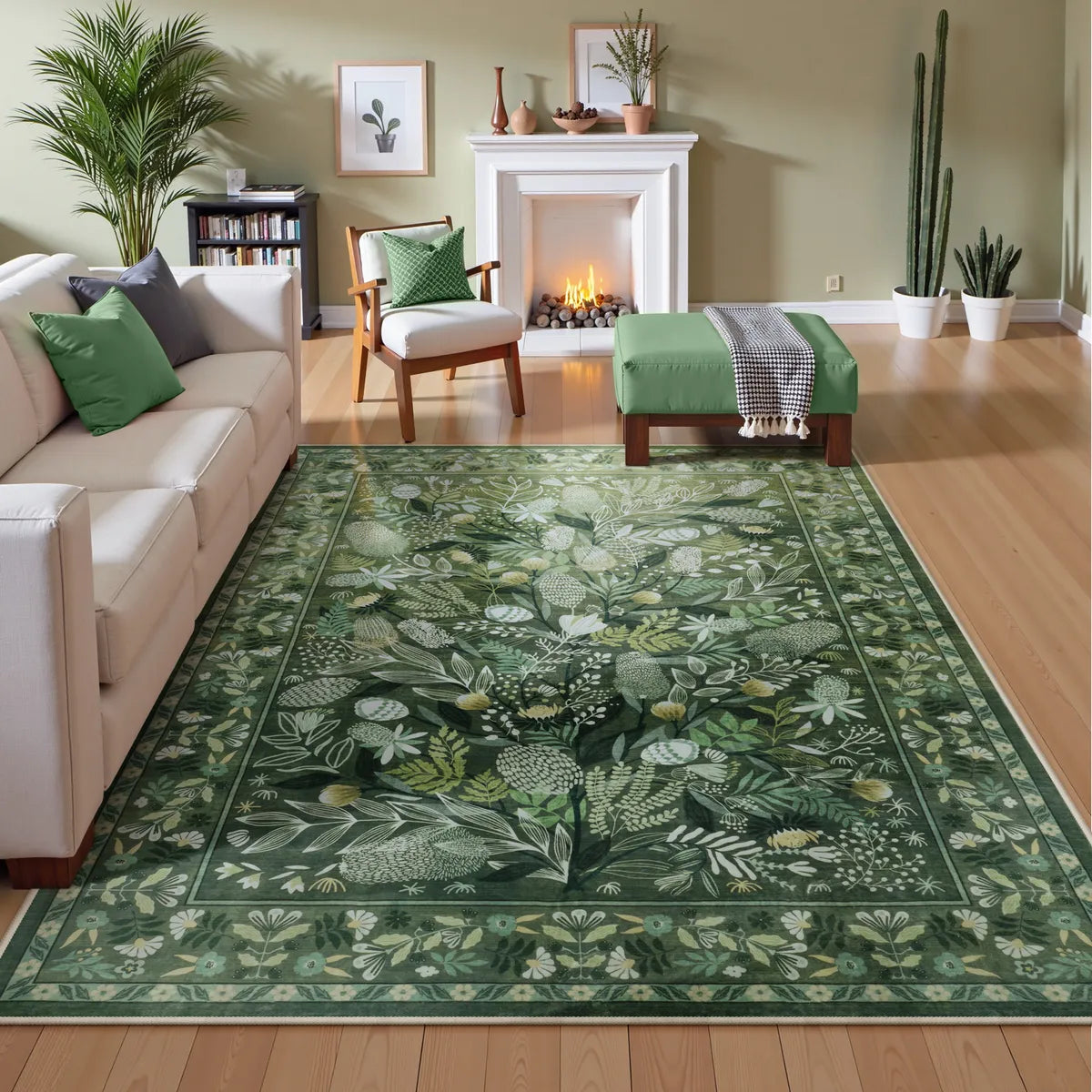
| Living Room | Wool, polyester, nylon, polypropylene, or blends | Living rooms usually see a mix of daily foot traffic, lounging, and entertaining, so the rug needs to balance comfort with durability and visual appeal. Wool offers natural resilience and texture, while polyester, nylon, and polypropylene provide more flexibility in color, pattern, and everyday care. |
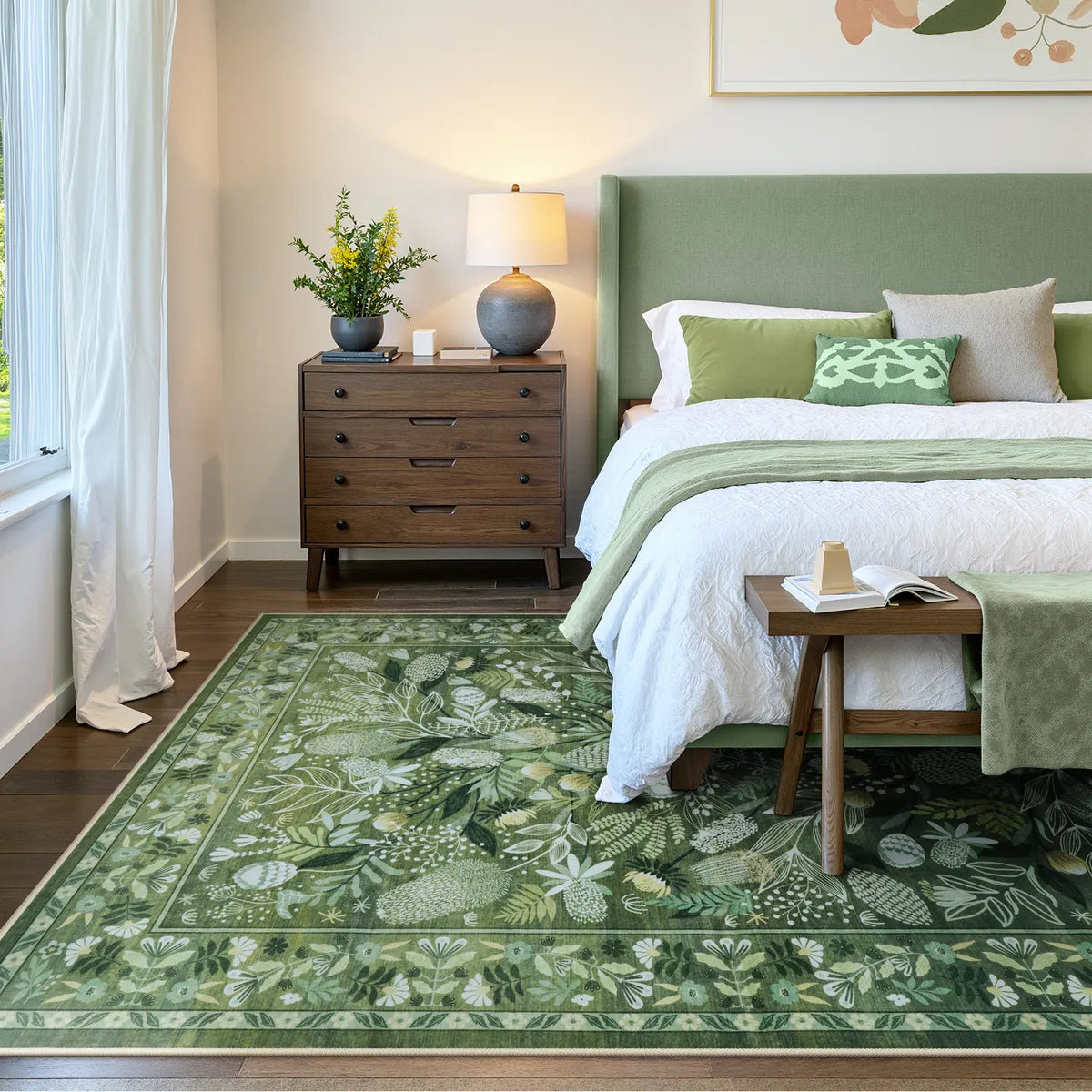
| Bedroom | Wool, cotton, polyester, chenille, or viscose | Bedrooms are typically lower-traffic spaces where softness and comfort underfoot matter more than heavy-duty performance. Wool, cotton, polyester, and chenille can all work well, depending on whether you prefer natural texture, a lightweight feel, or a particularly soft surface. |
| Dining Room | Wool, polypropylene, polyester, nylon, or cotton | Dining rugs need to handle food crumbs, occasional spills, and the repeated movement of chairs. Wool can provide resilience and a substantial feel, while polypropylene and polyester offer practical synthetic options; cotton can work well when a lighter, more casual rug is preferred. |
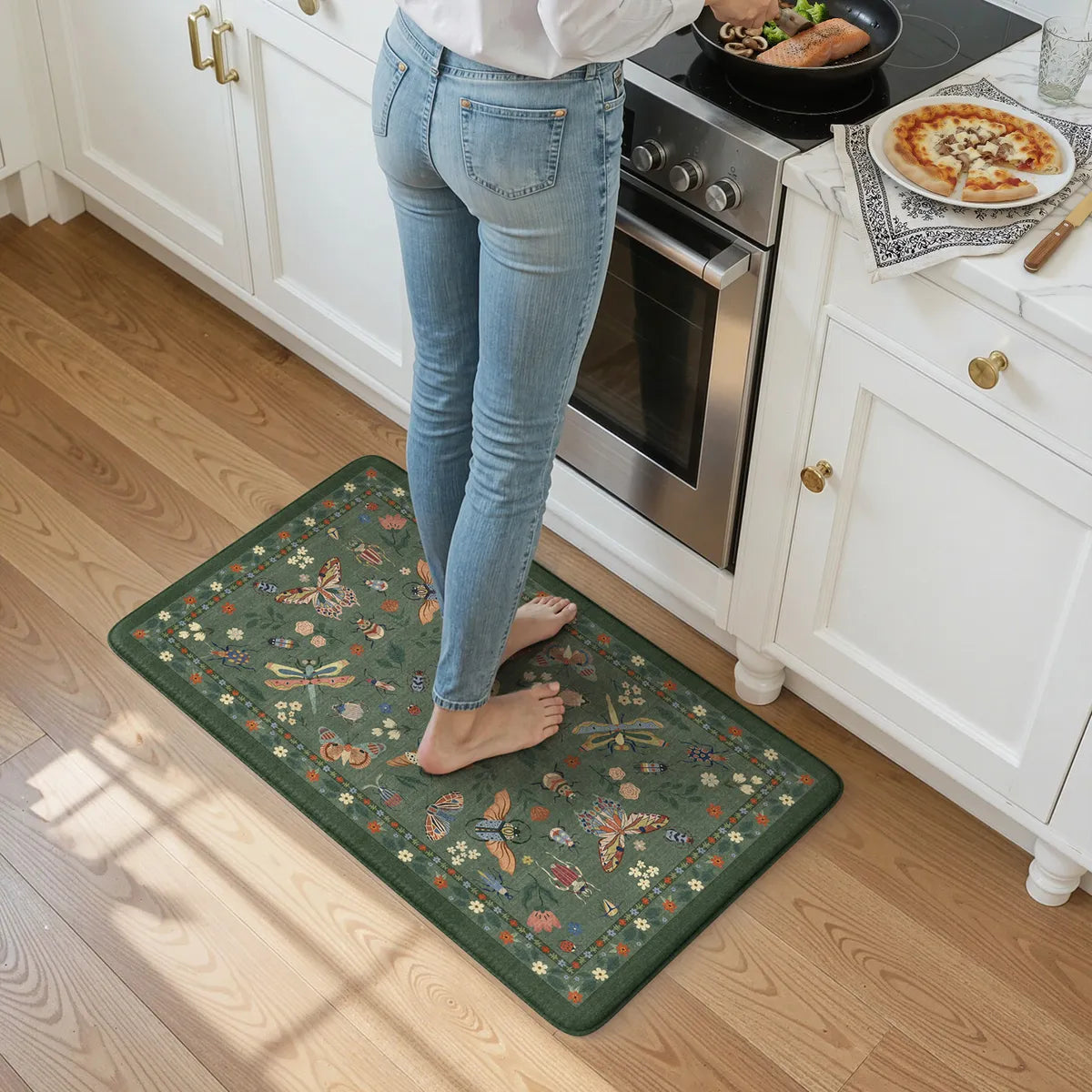
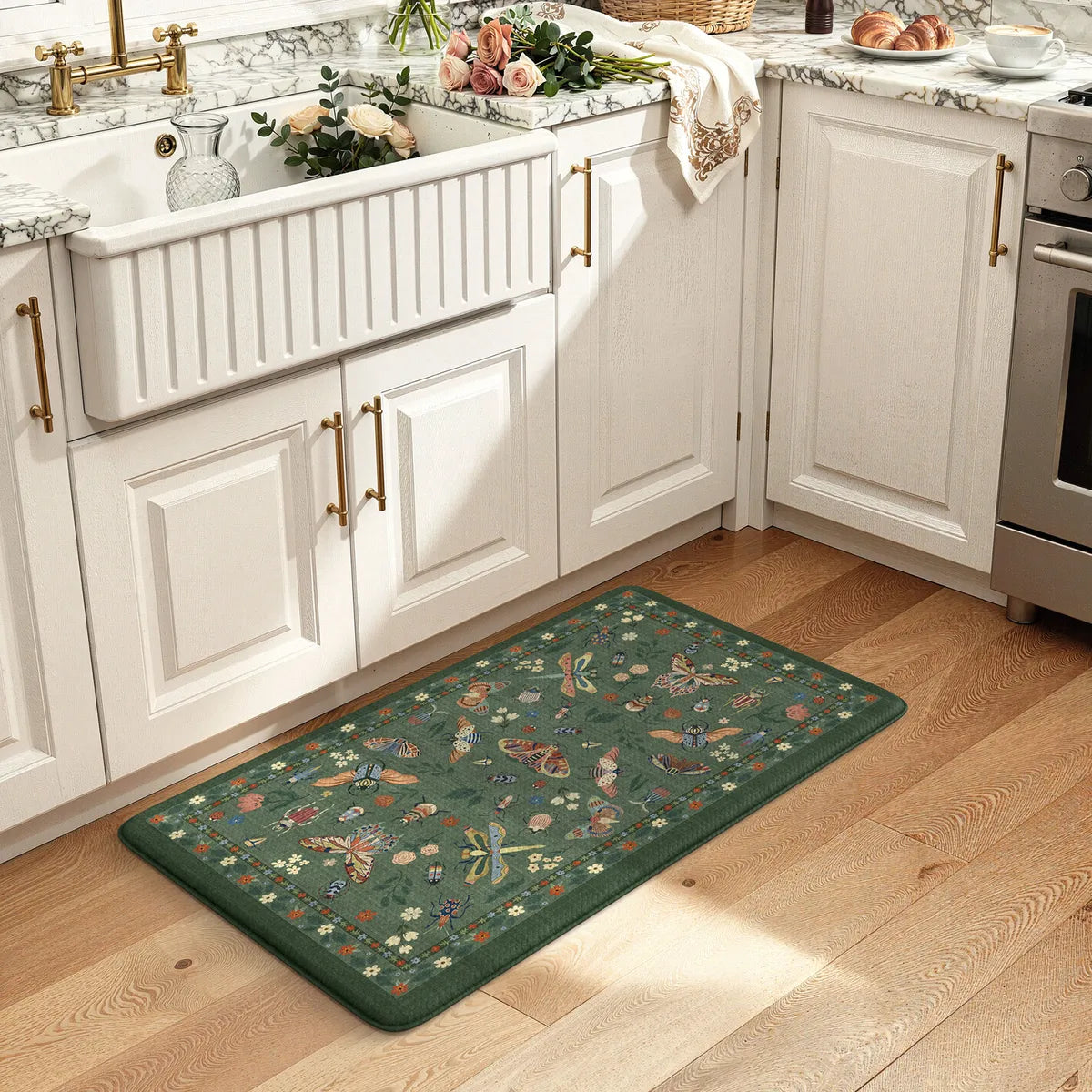
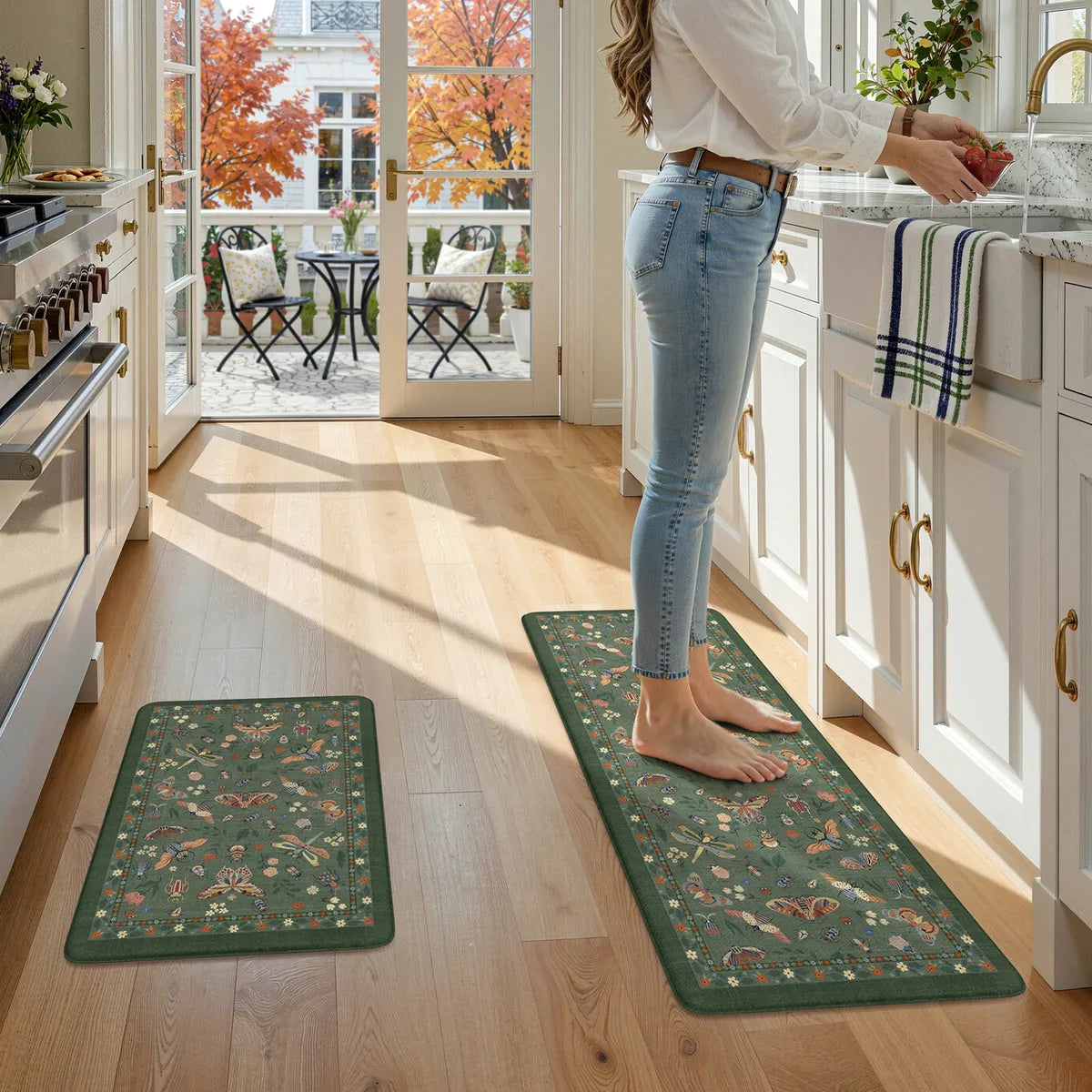
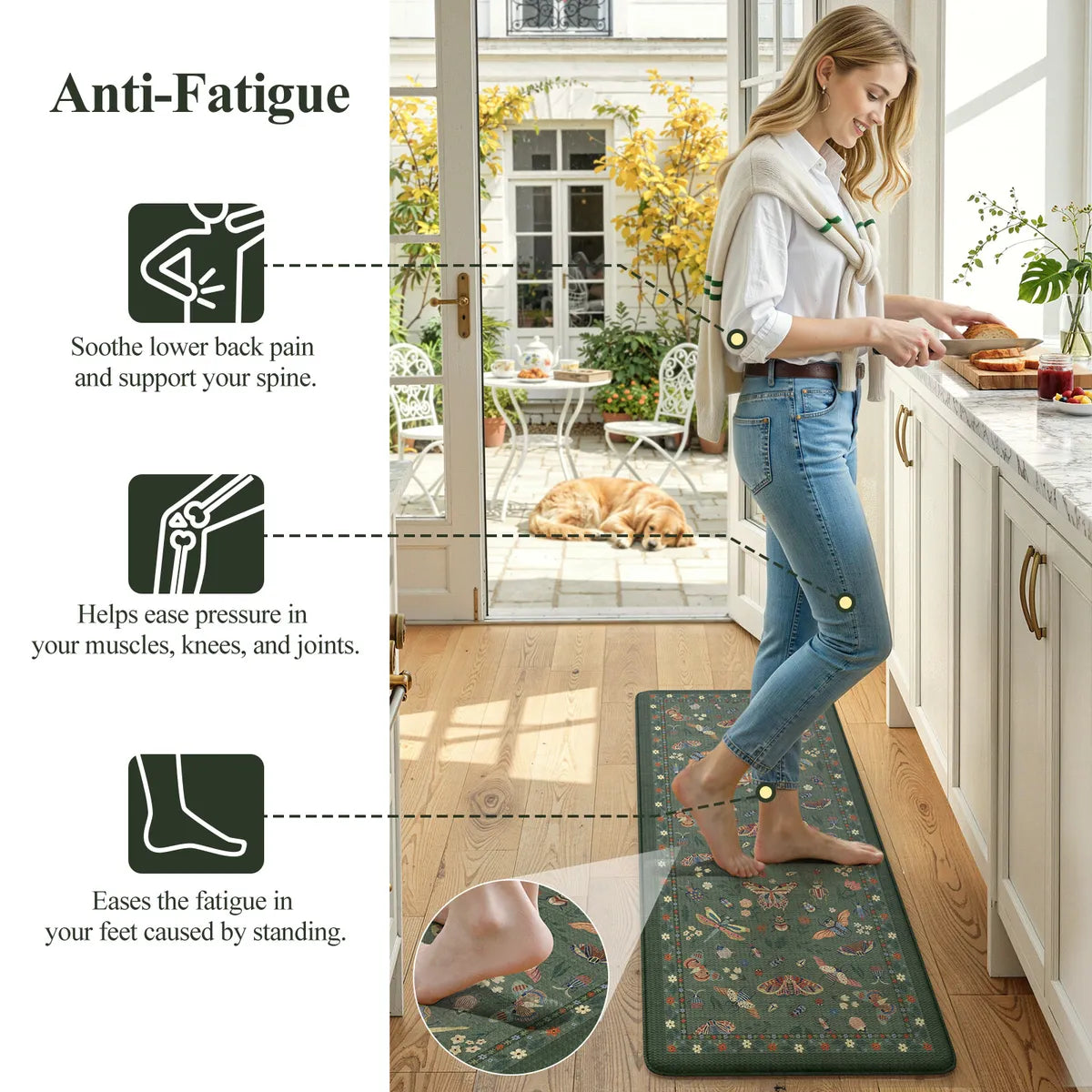
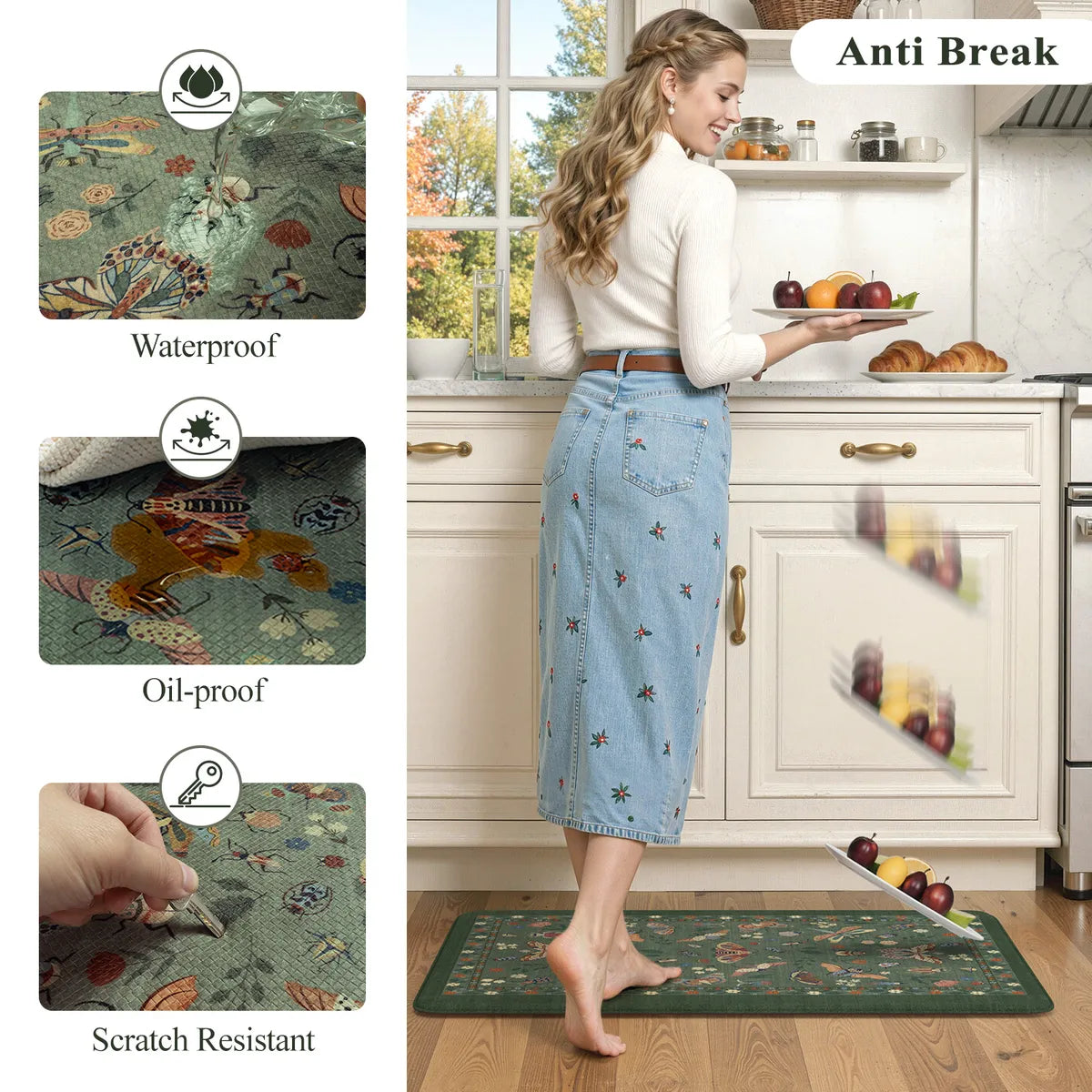
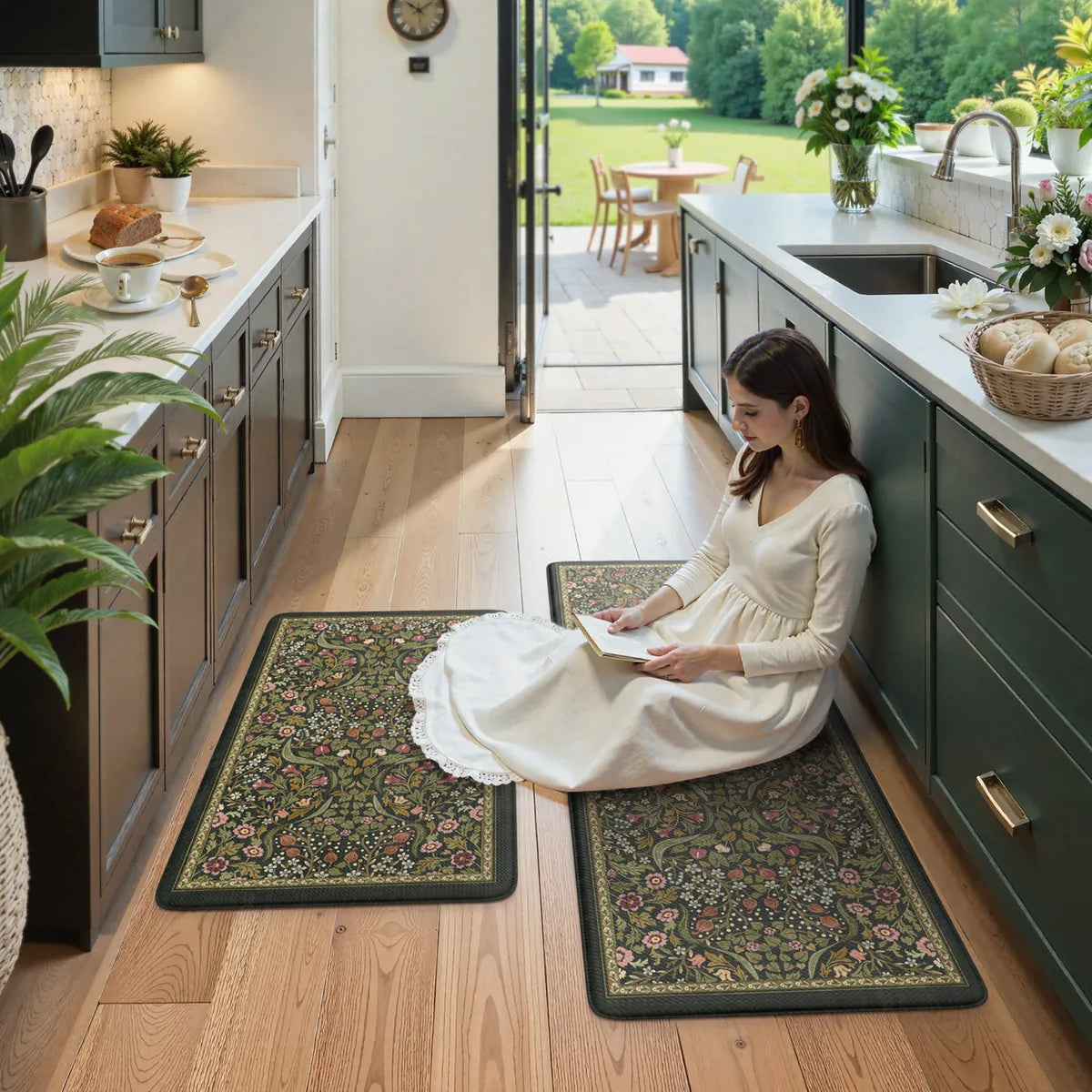
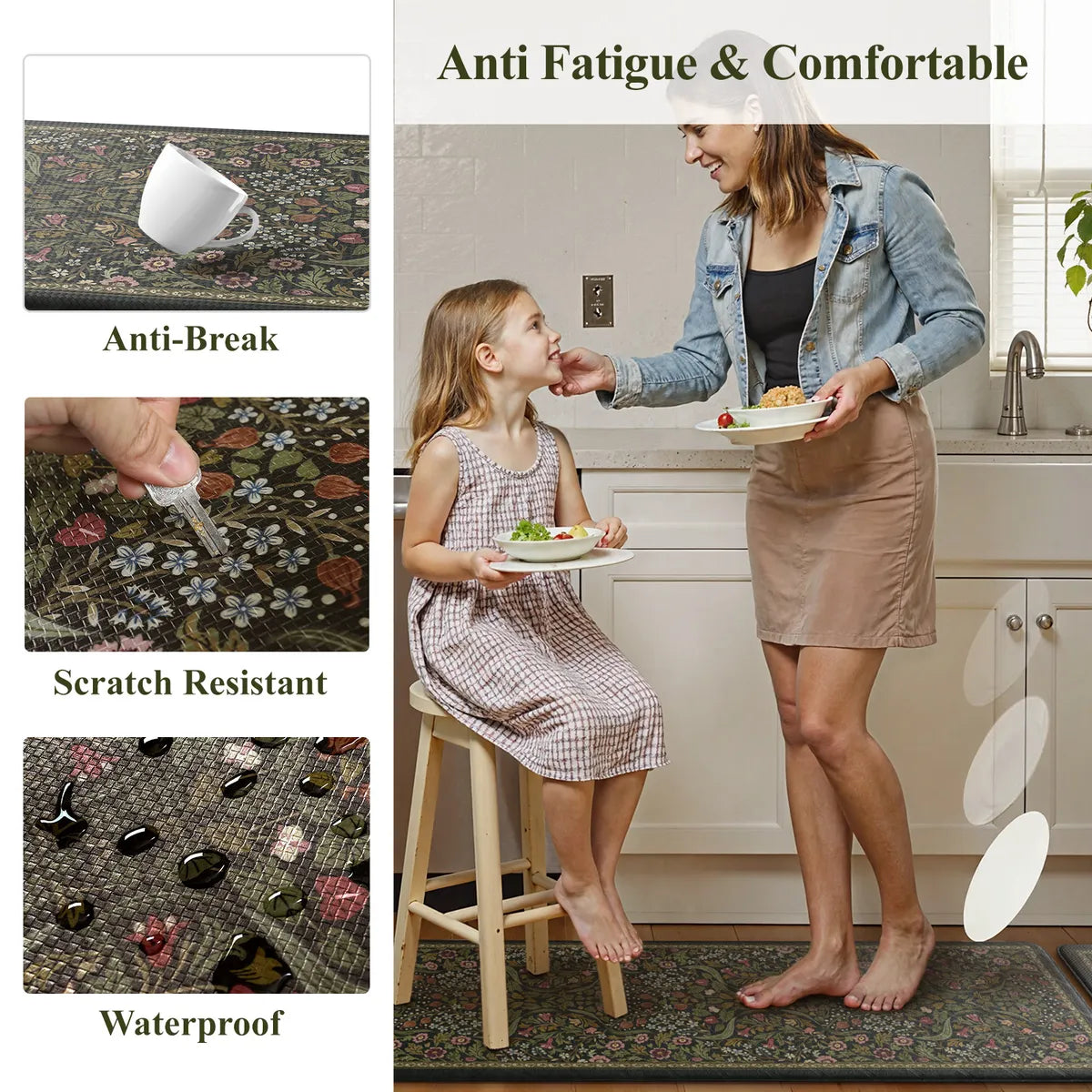
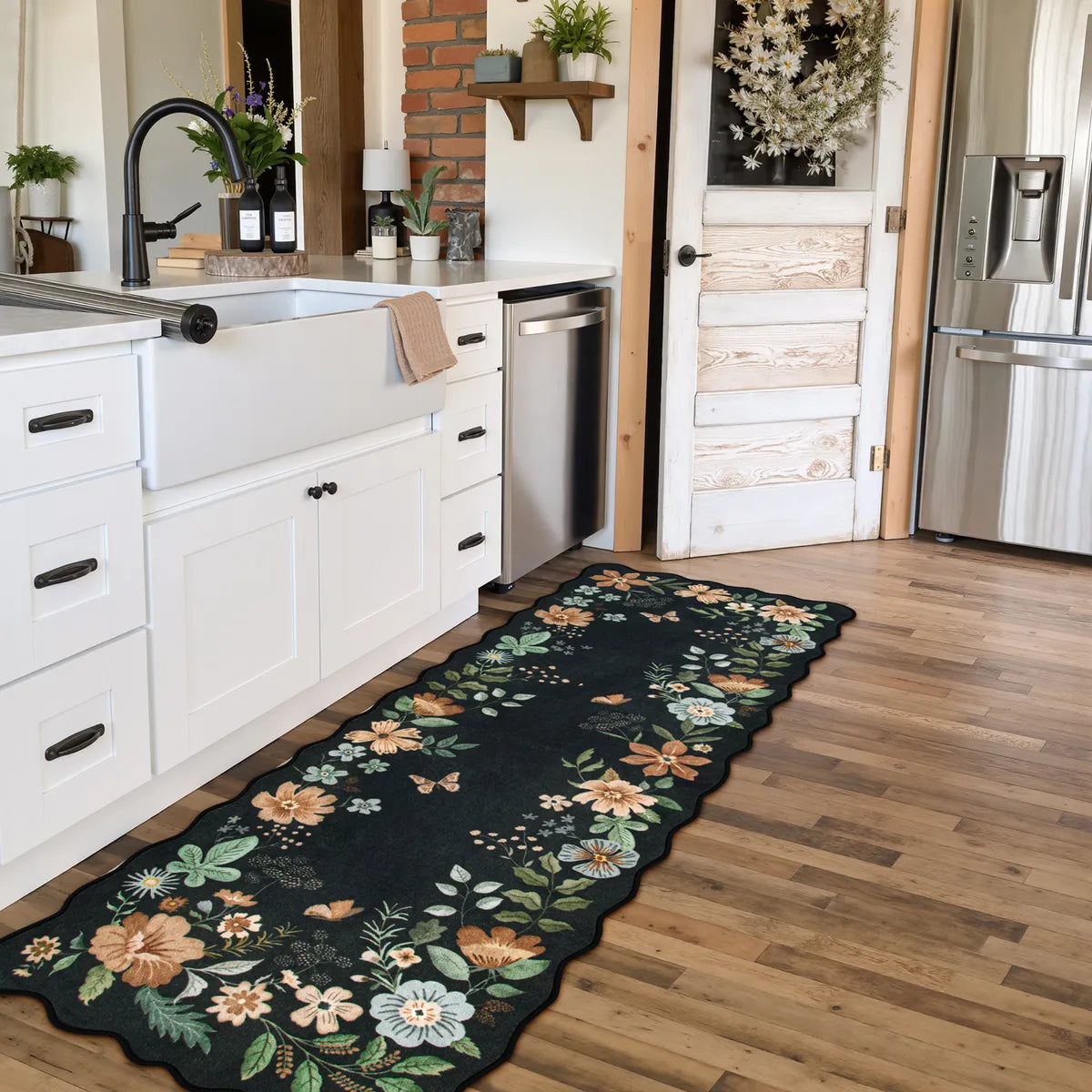
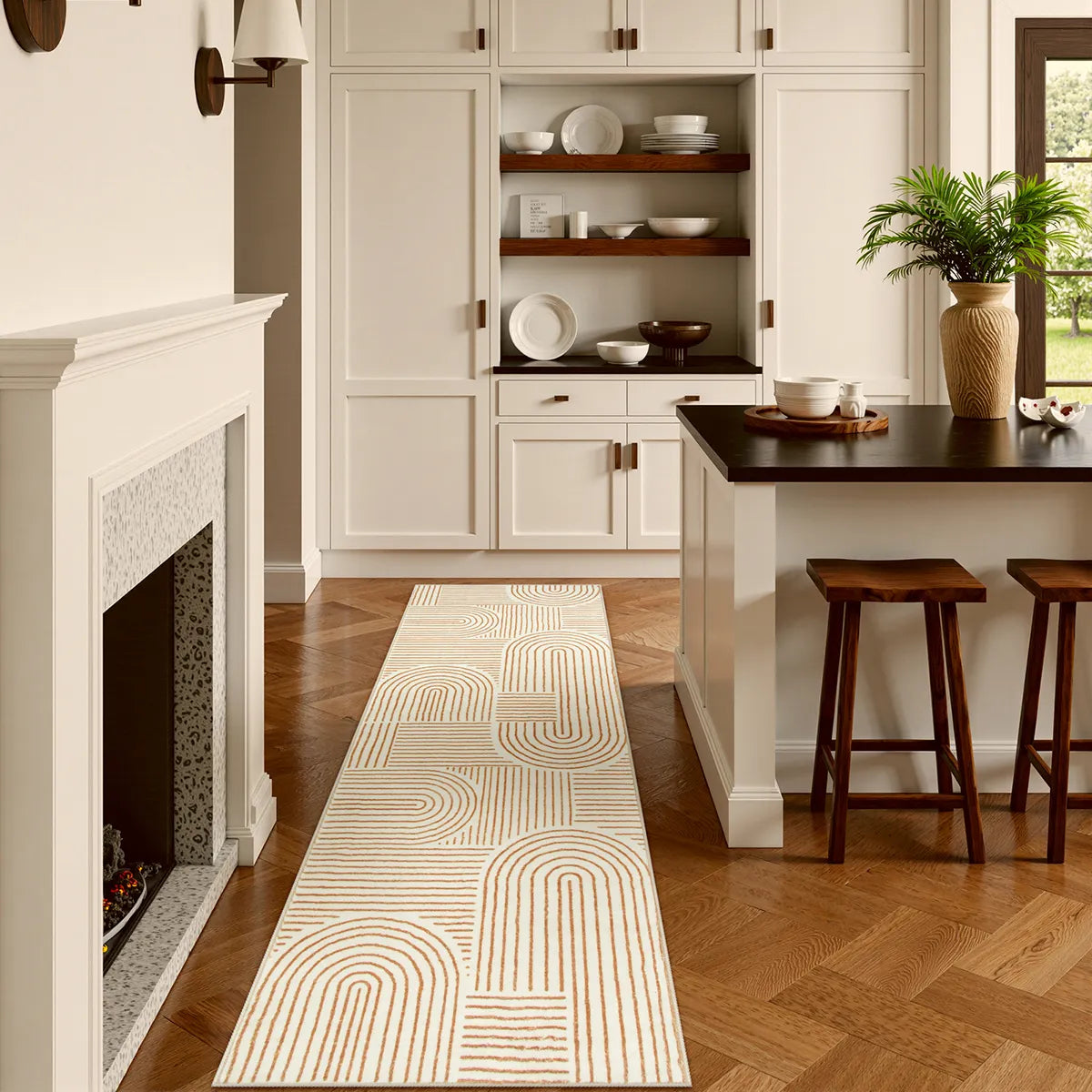
| Kitchen | Cotton, polyester, polypropylene, or nylon | Kitchen rugs are exposed to frequent foot traffic, food and drink spills, moisture, and regular cleaning. Cotton and synthetic fibers such as polyester, polypropylene, and nylon are common choices when easy routine care and practical everyday use are priorities. |
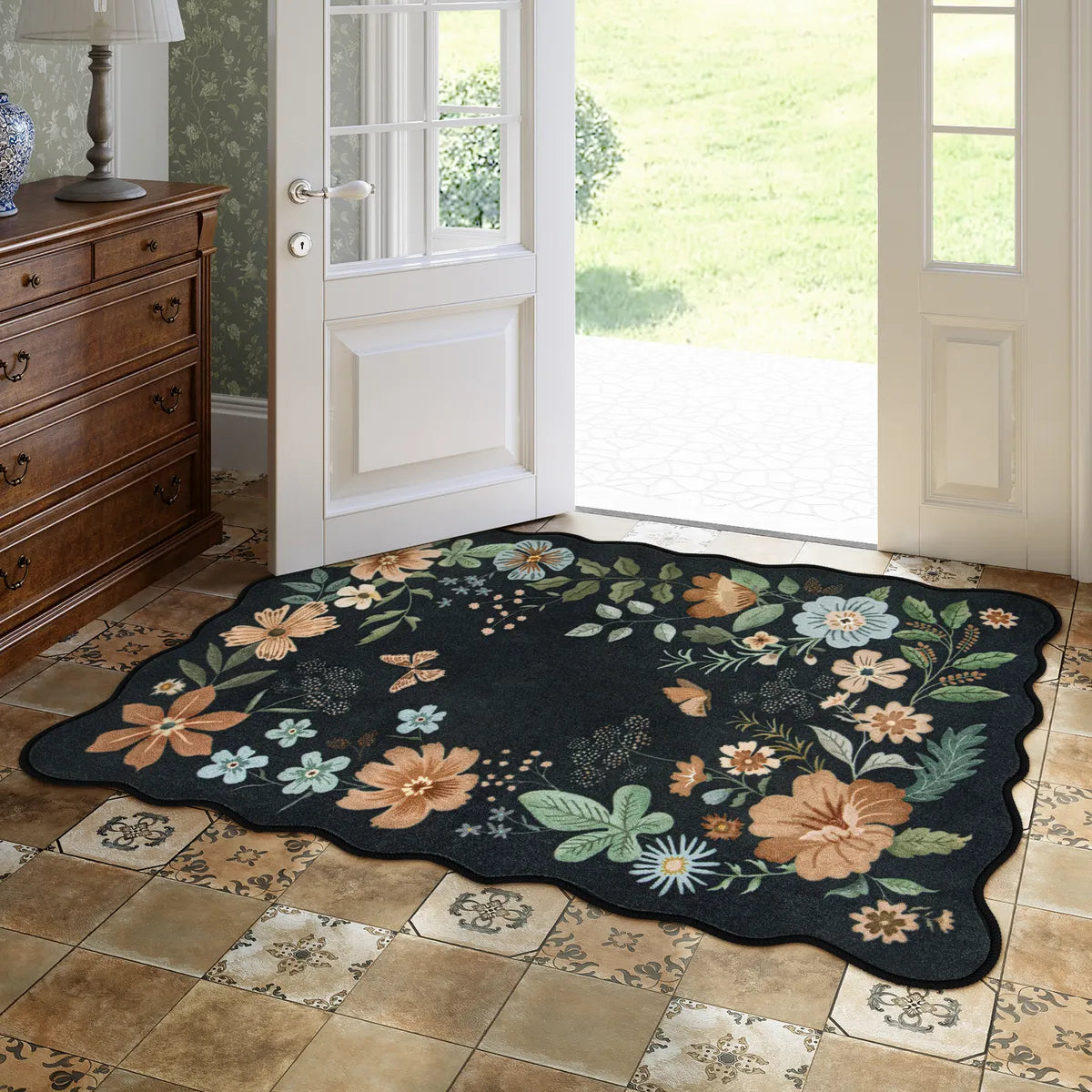
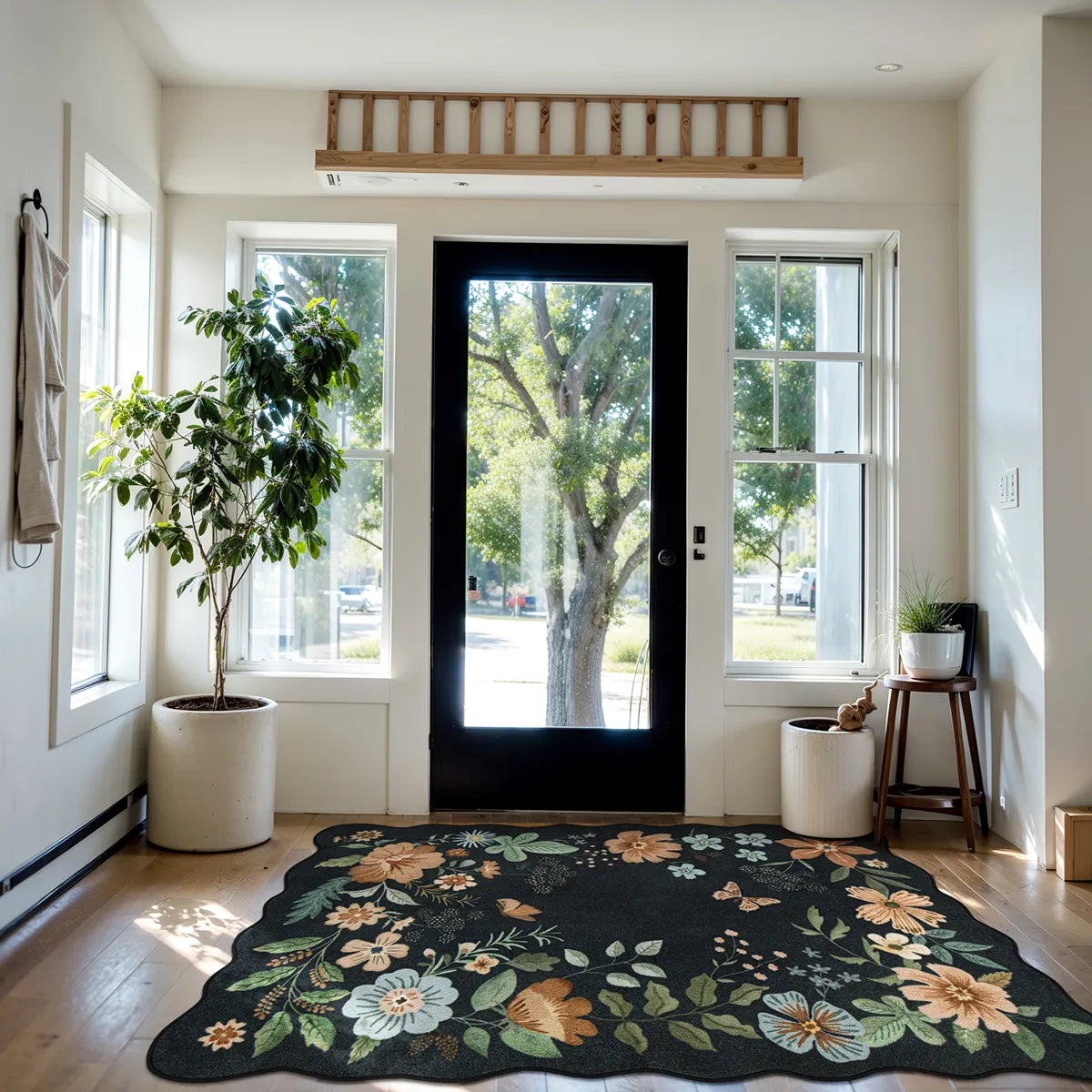
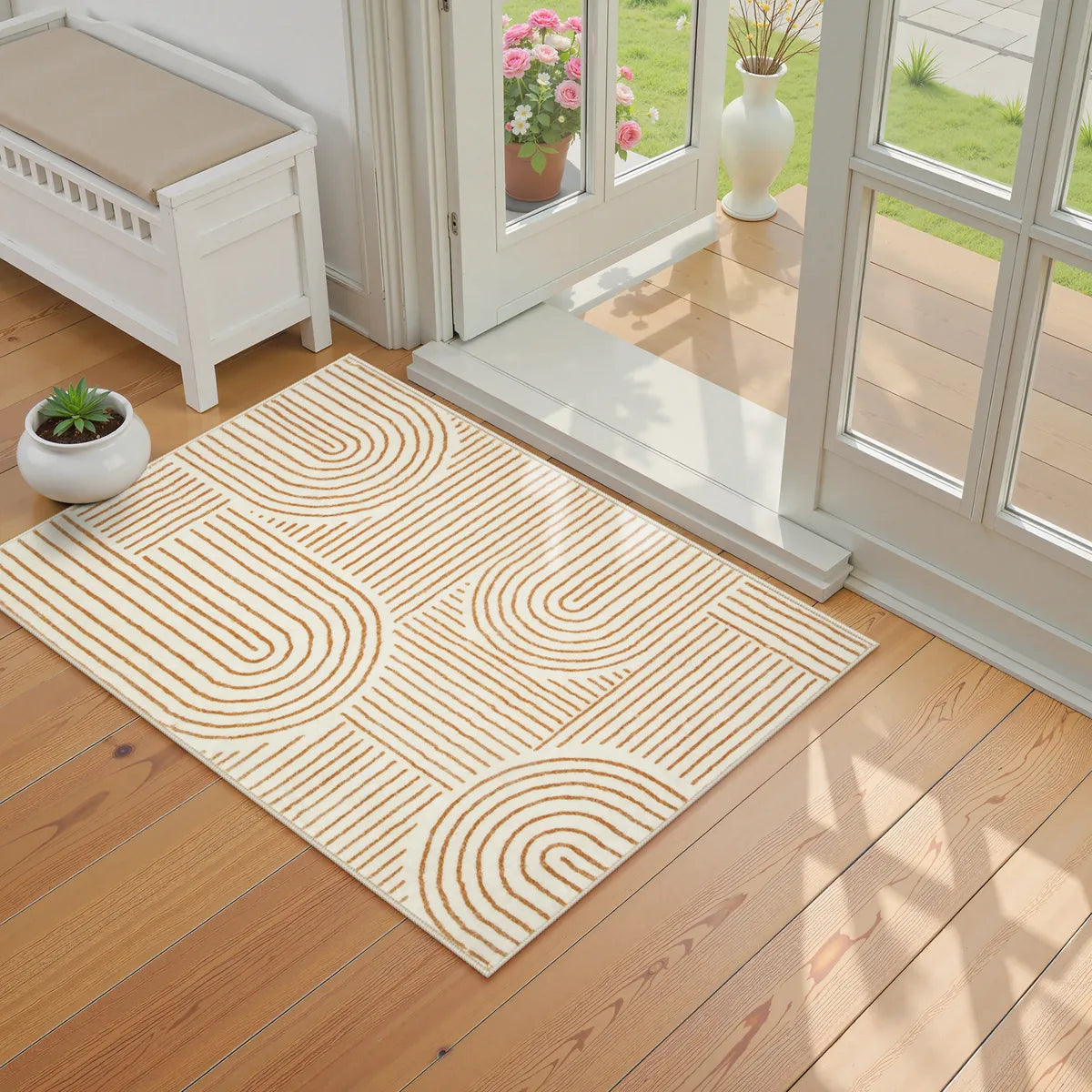
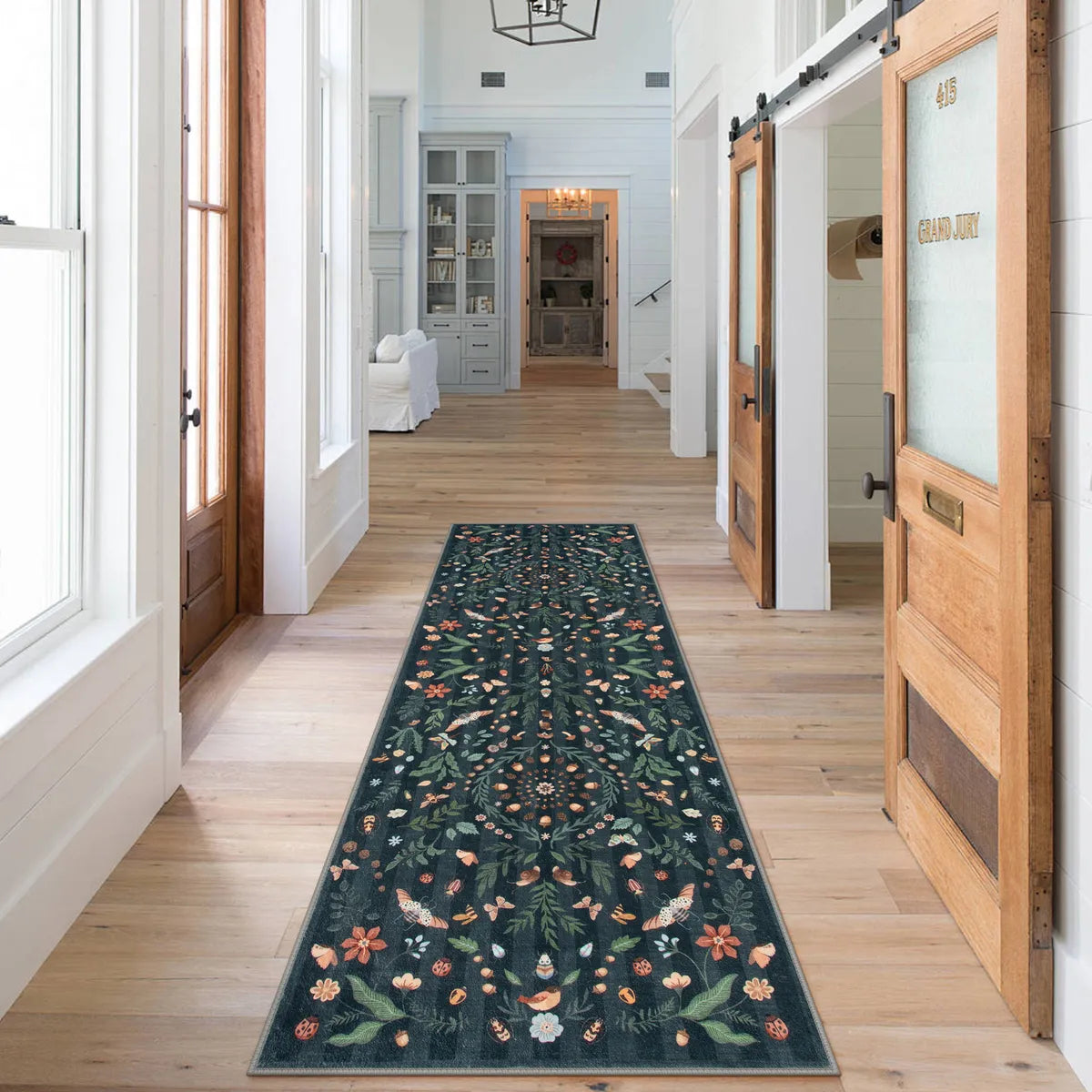
| Entryway & Hallway | Wool, nylon, polypropylene, or low-pile synthetic blends | Entryways and hallways receive concentrated foot traffic and often collect dirt brought in from outdoors. Resilient fibers such as wool, nylon, and polypropylene can be suitable, while low-pile or flatwoven constructions can make the rug easier to walk over, clean, and position near doors. |
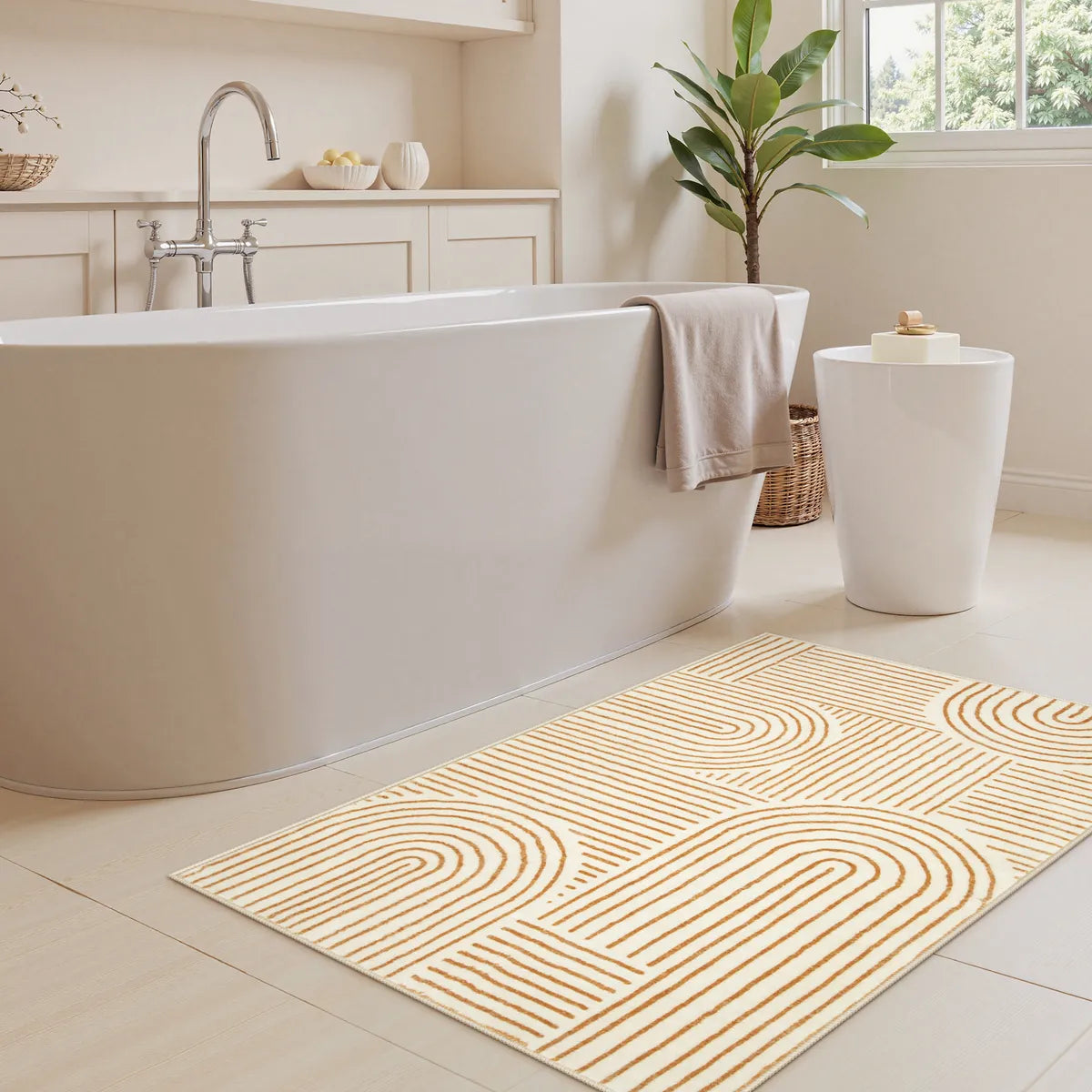
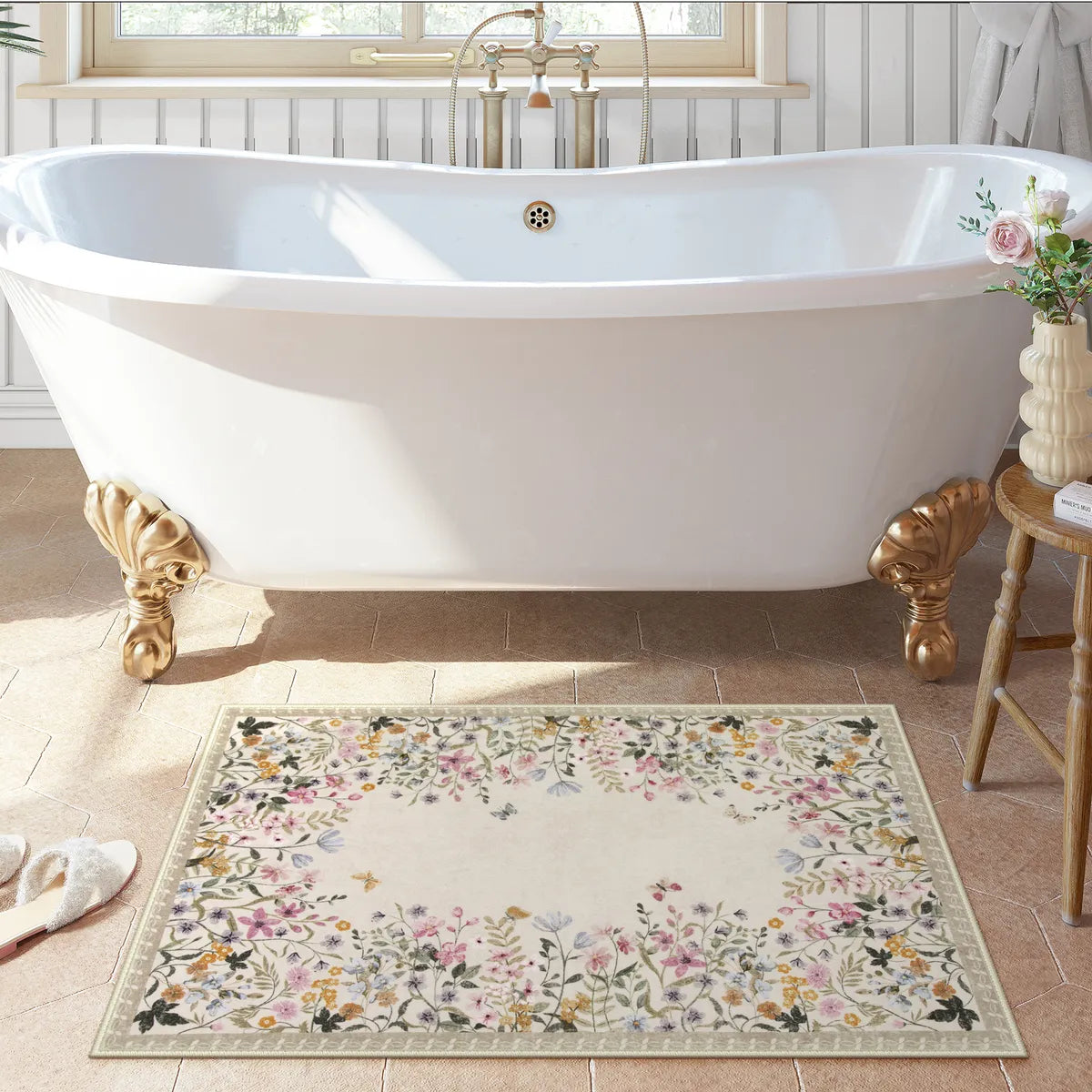
| Bathroom | Cotton, polyester, or other bathroom-rated materials | Bathroom rugs are exposed to humidity, splashes, and damp floors, so moisture handling and drying are more important than simply choosing a soft fiber. Cotton is common for its absorbency and familiar feel, while polyester can be useful when a more quick-drying synthetic option is preferred. |
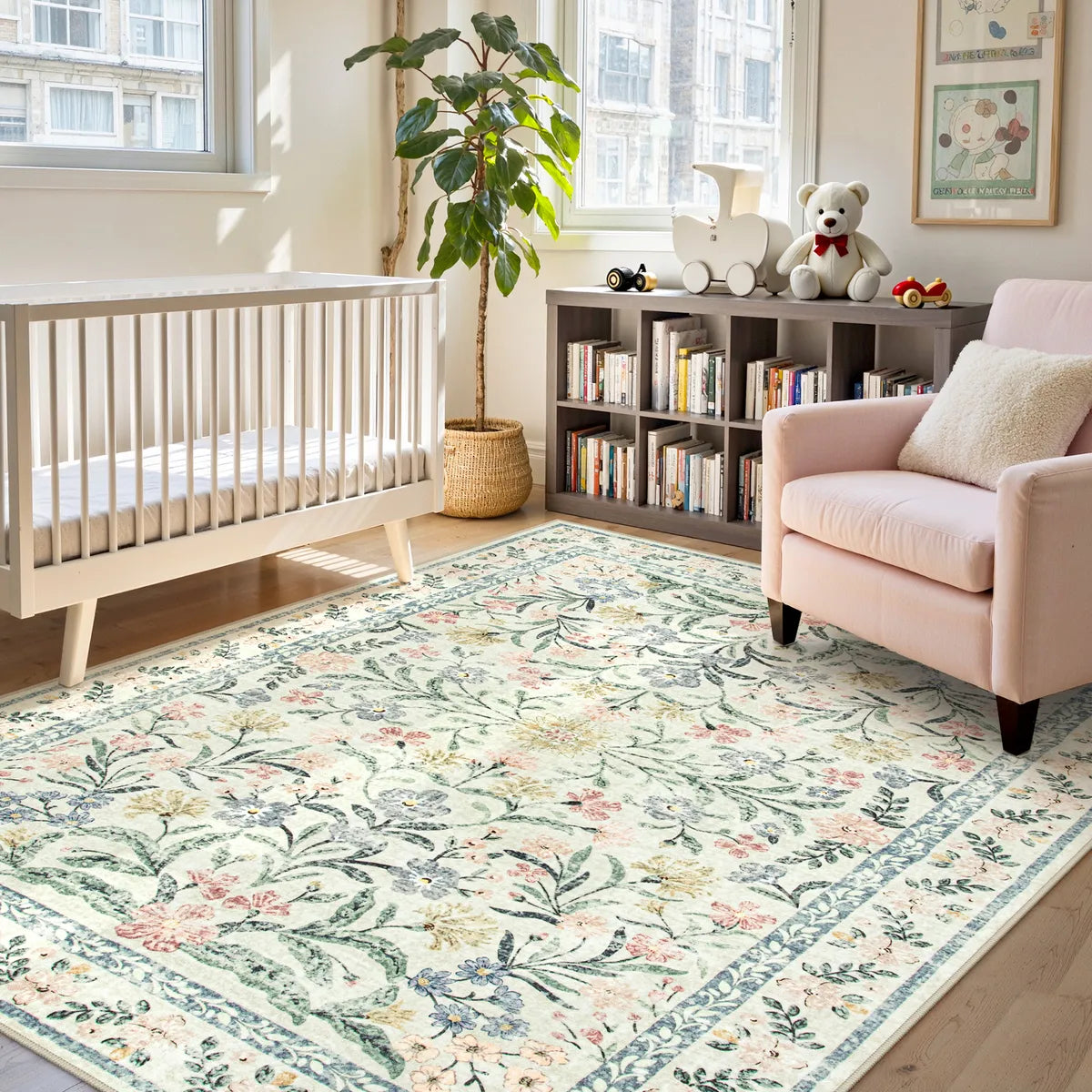
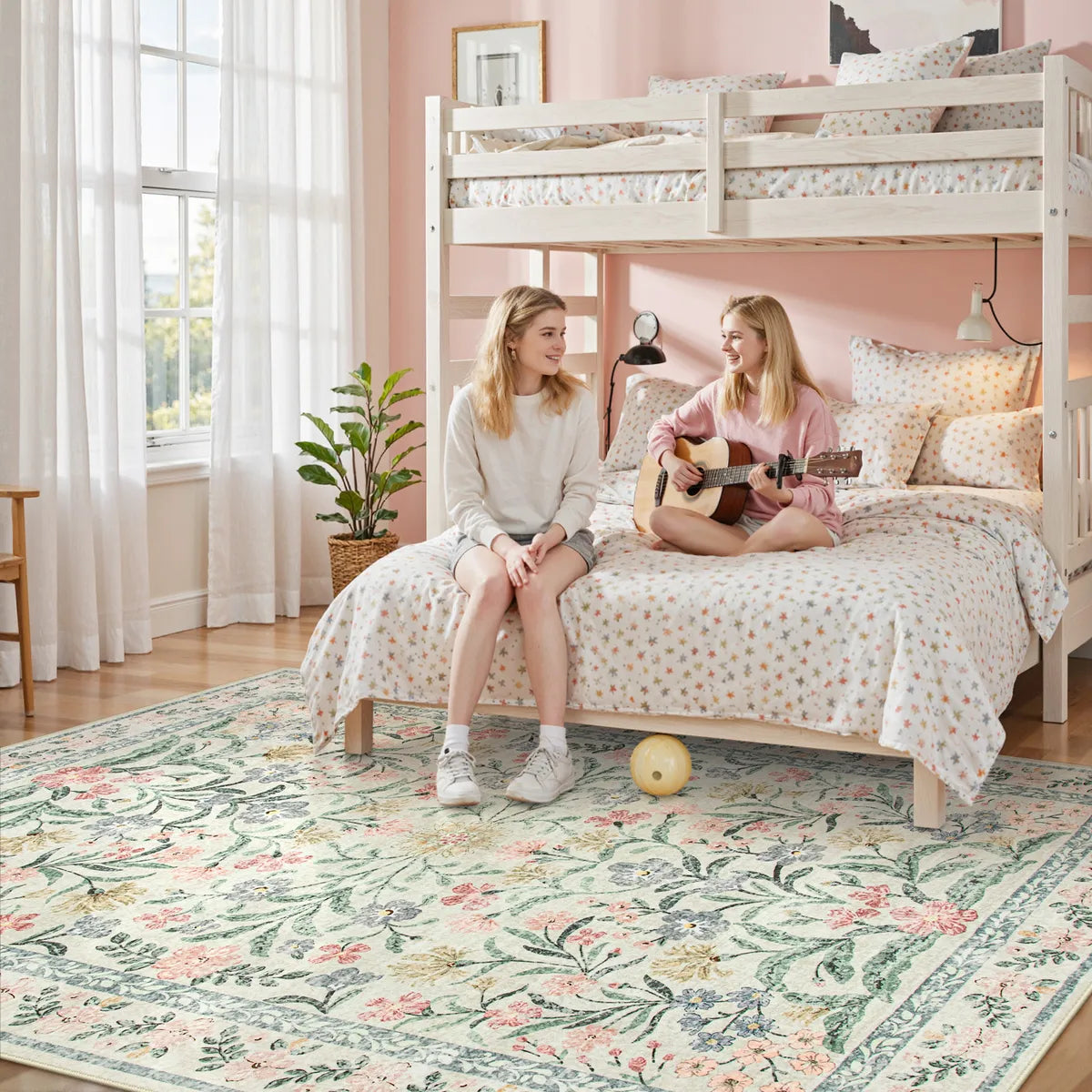
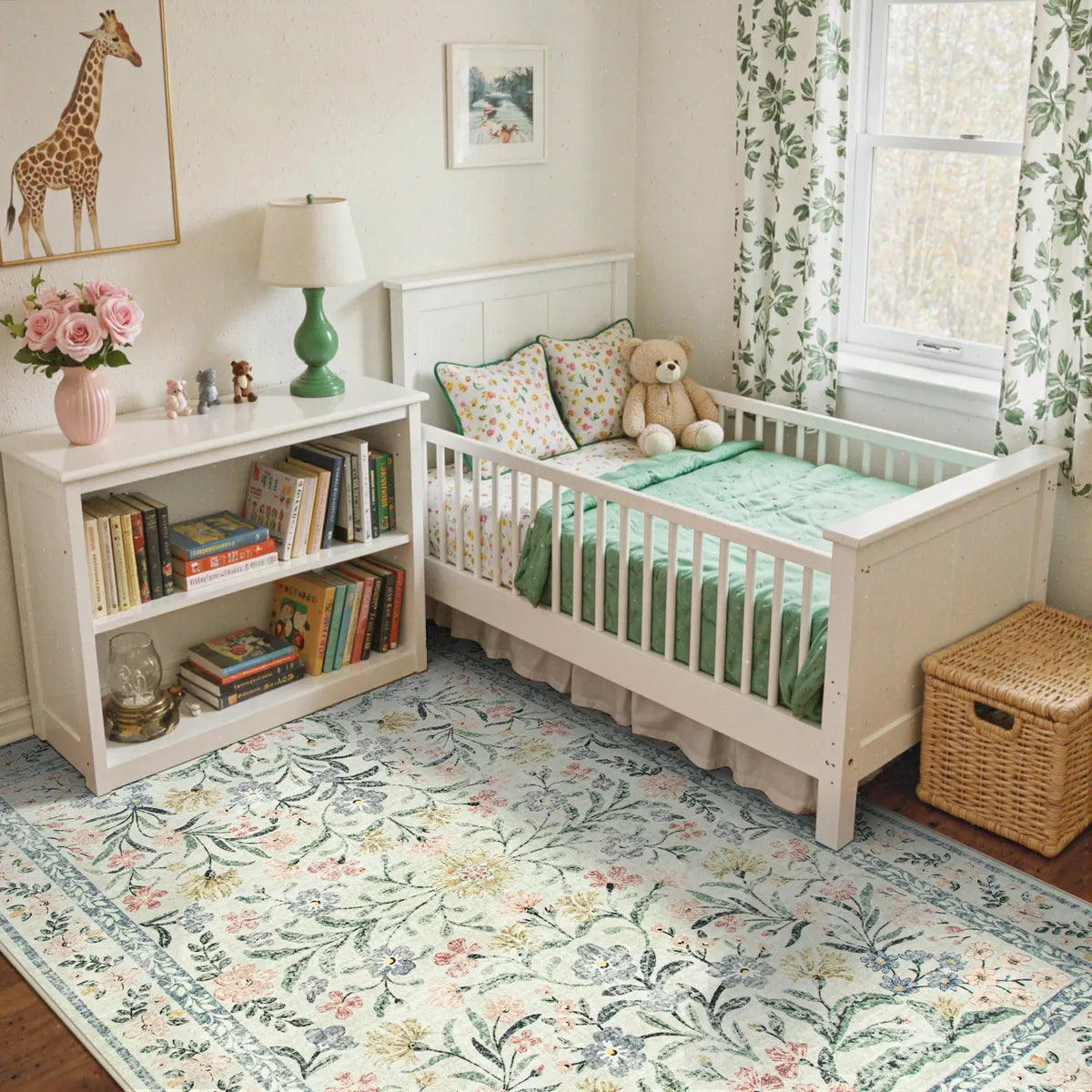
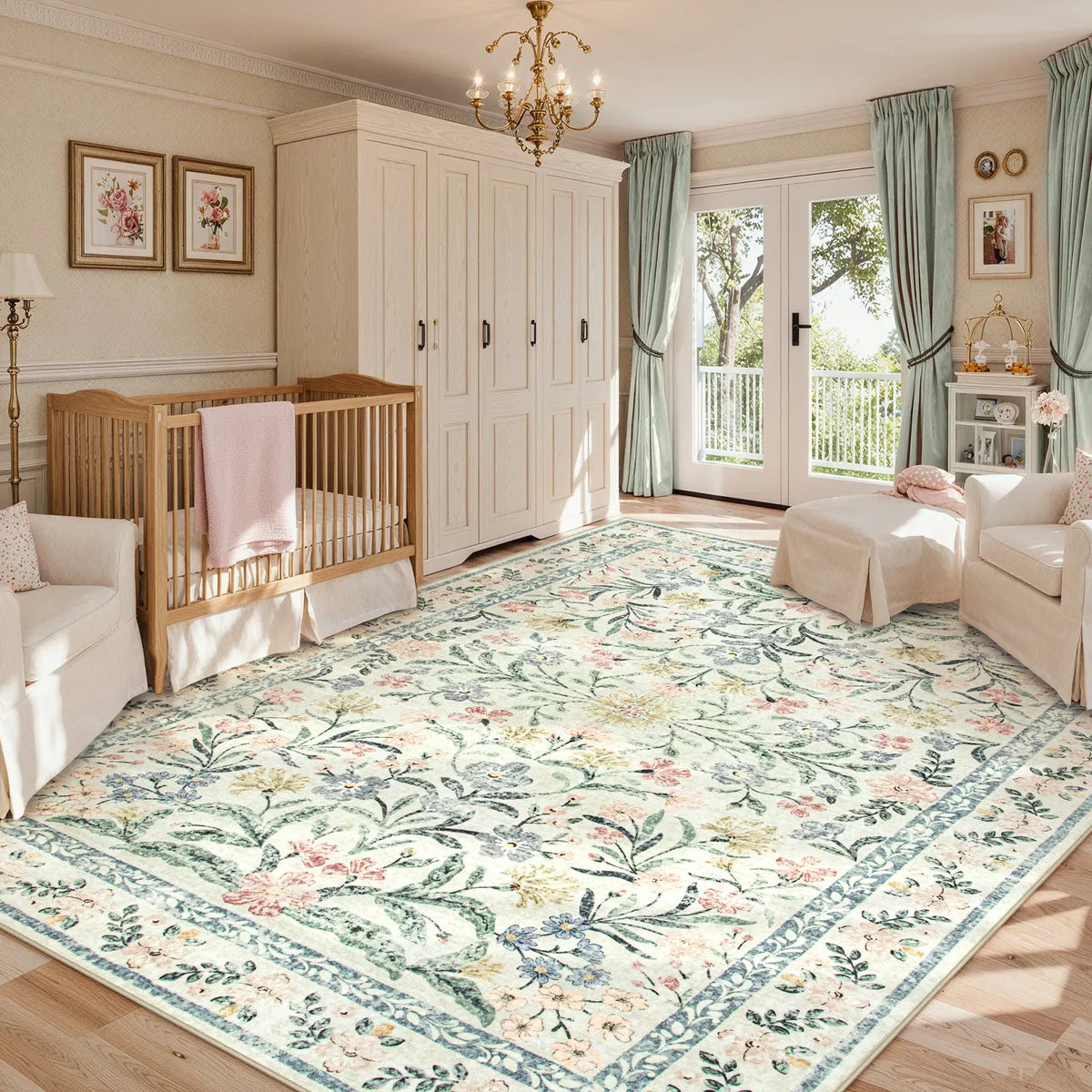
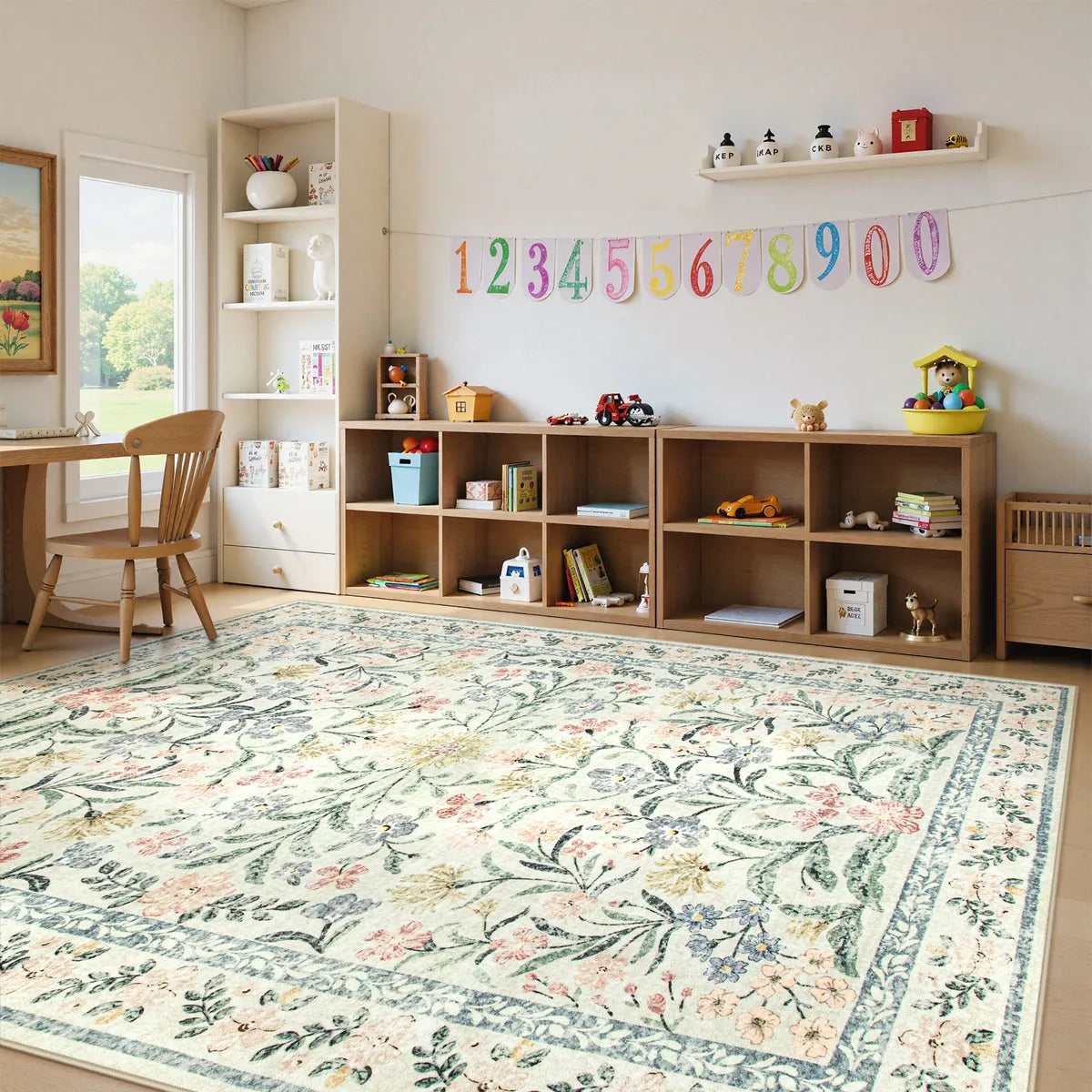
| Kids' Room & Nursery | Wool, cotton, polyester, polypropylene, or blends | Children's spaces benefit from a comfortable surface for playing and spending time on the floor, but spills and everyday messes also make maintenance important. Wool and cotton offer natural-fiber options, while polyester and polypropylene can provide practical alternatives depending on the rug's construction and care requirements. |
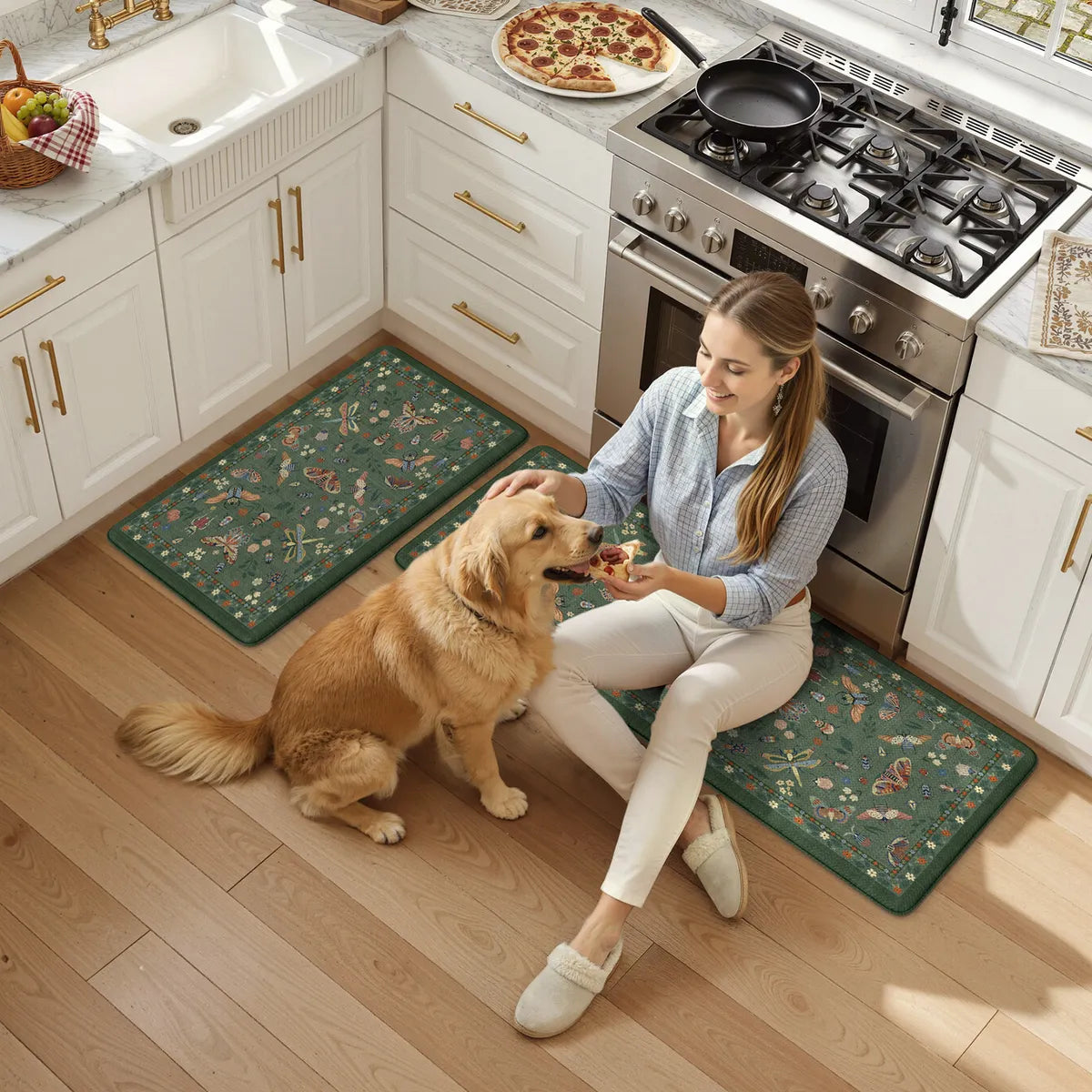
| Homes With Pets | Polypropylene, nylon, polyester, wool, or blends | Pet-friendly rugs need to cope with shedding, tracked-in dirt, occasional accidents, and frequent cleaning. Synthetic fibers such as polypropylene, nylon, and polyester are often considered for their practical everyday performance, while wool can also work when its natural resilience and care requirements suit the household. |
| Outdoor Spaces | Polypropylene, PET, or other outdoor-rated synthetic fibers | Low-traffic rooms allow more freedom to prioritize texture, appearance, and material character because the rug is exposed to less daily wear. Wool, silk, viscose, and decorative polyester can be considered when softness, visual depth, or a more refined look matters more than heavy-duty performance. |
| Low-Traffic Rooms | Wool, silk, viscose, cotton, or decorative polyester | In lower-traffic spaces, texture, visual character, and a refined appearance can take priority over heavy-duty performance. More delicate decorative materials may be appropriate when the room receives limited everyday wear. |
Material, Construction, and Features: What's the Difference?
When comparing rugs, it helps to separate three different product attributes. Material describes what the rug is made from. Construction describes how the rug is assembled or produced. Features describe practical characteristics that affect how the rug works in everyday life.
Material
What is the rug made of?
- Wool
- Cotton
- Polyester
- Nylon
- Polypropylene
- Acrylic
- Jute
- Sisal
- Viscose / Rayon
- Silk
- PET
- Blended fibers
Construction
How is the rug made?
- Machine-Made
- Hand-Knotted
- Hand-Tufted
- Hand-Loomed
- Woven
- Flatweave
- Tufted
- Needle-Punched
- Cut Pile
- Loop Pile
Features
What practical characteristics does it have?
- Machine Washable
- Easy Care
- Stain Resistant
- Non-Slip
- Indoor / Outdoor
- Fade Resistant
- Reversible
- Pet & Kid Friendly
Pile & Performance
How does the construction affect everyday use?
- Low Pile
- Medium Pile
- High Pile
- Pile Density
- Backing Type
- Rug Thickness
- Edge / Binding
- Intended Use
| Material | Construction to Consider | Typical Reason to Choose |
|---|---|---|
| Wool | Hand-knotted, hand-tufted, woven, flatweave, machine-made | Natural texture, resilience, warmth, and traditional or elevated styling. |
| Cotton | Woven, flatweave, tufted, machine-made | Lightweight feel, relaxed texture, and casual everyday styling. |
| Polyester | Machine-made, tufted, woven, low-pile, high-pile | Soft feel, broad design flexibility, and a wide range of decorative options. |
| Nylon | Machine-made, tufted, cut pile, loop pile | Durability and resilience for spaces that receive regular foot traffic. |
| Polypropylene | Machine-made, flatweave, low-pile, woven | Practical synthetic performance and suitability for many high-use or outdoor-rated applications. |
| Jute & Sisal | Woven, braided, flatweave | Natural texture and relaxed, earthy styling. Moisture and care requirements should be considered. |
| Viscose / Rayon | Woven, tufted, decorative pile | Silk-like sheen, softness, and decorative visual depth, generally better suited to lower-traffic areas. |
| Silk | Hand-knotted, woven | Fine texture, sheen, detail, and refined decorative appearance for appropriate low-traffic settings. |
| PET | Woven, flatweave, machine-made | Commonly used in outdoor-rated and performance-oriented rug applications. |
| Blends | Varies by fiber combination and manufacturing method | Can combine characteristics from multiple fibers, but performance depends on the exact blend and construction. |
Wool vs. Polyester Rugs: Frequently Asked Questions
Is wool better than polyester for rugs?
Neither material is universally better. Wool can be a good choice if you prioritize natural fiber, texture, softness, and natural resilience. Polyester can make more sense if you prioritize practical everyday use, design flexibility, and a synthetic-fiber option. Construction and intended use should also be considered.
Are polyester rugs good for high-traffic areas?
Polyester rugs can work well in many everyday spaces, but suitability for high traffic depends on the rug's construction, pile, backing, density, and care requirements. Fiber alone does not determine how a rug will perform.
Are wool rugs softer than polyester rugs?
Wool rugs are often valued for their soft, naturally textured feel, while polyester rugs can also feel soft and comfortable. The final feel depends on fiber characteristics, pile height, density, and construction.
Are polyester rugs easier to clean?
Many polyester rugs can be straightforward to maintain, but cleaning requirements vary by construction and backing. A polyester rug is not automatically washable. Always follow the manufacturer's care instructions for the specific product.
Are synthetic rugs good for homes with pets?
Synthetic rugs can be a practical option for homes with pets because some constructions are designed with everyday maintenance in mind. If easy cleanup is important, look for an appropriate construction and, where relevant, washable features rather than choosing based on fiber type alone.
Can polyester rugs be machine washed?
Some polyester rugs can be machine washed, but not all polyester rugs are washable. Machine-washability depends on construction, backing, size, and the manufacturer's instructions. Always check the care label or product instructions before washing a rug.
Is a washable rug always better for a busy home?
Not necessarily. Washability can be especially useful when spills and frequent cleaning are part of everyday life, but the best rug still depends on the room, construction, feel, appearance, and care requirements. A washable feature is one consideration rather than a universal indicator of quality.
*Sources & Further Reading
General material and care information is informed by the following industry and consumer resources. Rug performance and care requirements vary by fiber, construction, backing, and manufacturer, so always follow the care instructions for your specific rug.
- Woolmark — Wool fiber properties, care, and performance information.
- Textile Exchange — Information on textile fibers and material characteristics.
- Federal Trade Commission (FTC) — Guidance on textile and fiber labeling.
- Good Housekeeping — Consumer guidance on area-rug cleaning and care.
The best rug isn't necessarily the one with the "better" fiber. It's the one that fits how you actually live.
Wool brings natural fiber character, softness, texture, and resilience. Polyester offers a practical synthetic-fiber option with flexible styling and everyday comfort. But the fiber is only part of the decision.
At Lahome, we believe choosing a rug should start with the balance of style, comfort, construction, care, and everyday practicality that works for your space.
Find a Rug That Fits Your Life
Explore washable, faux wool, polyester, and other rug styles designed around different spaces, preferences, and everyday routines.
Explore Washable Rugs →