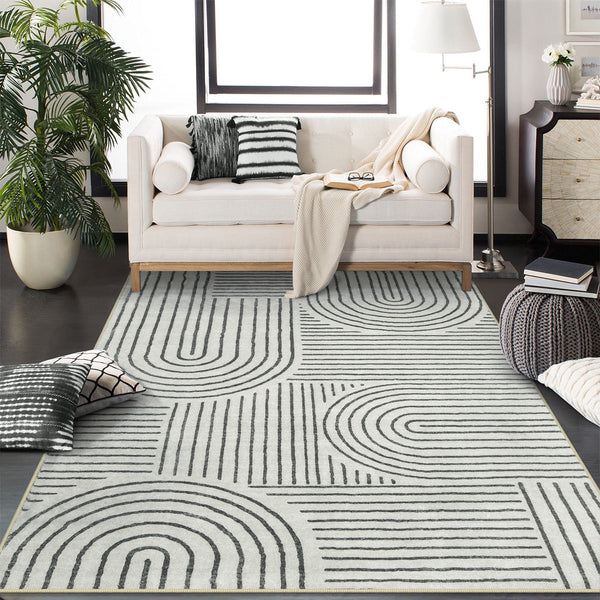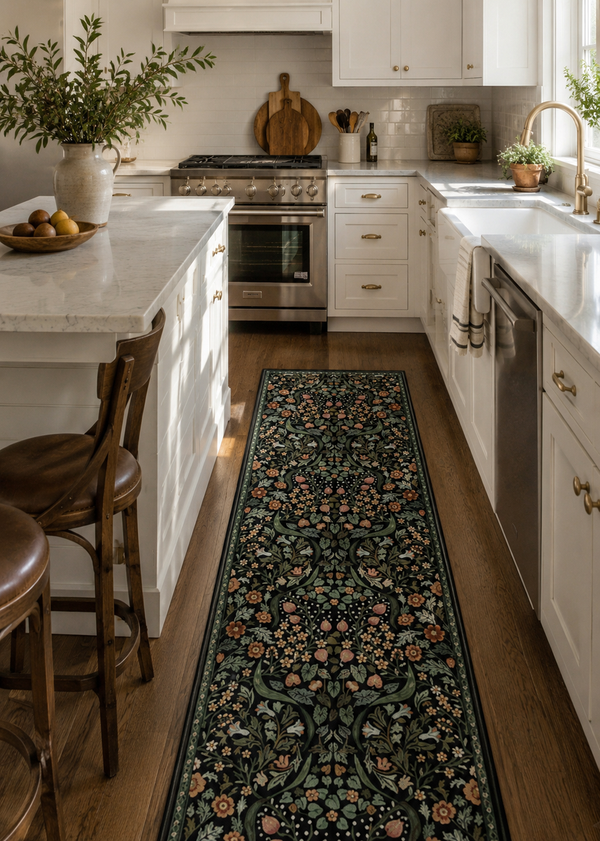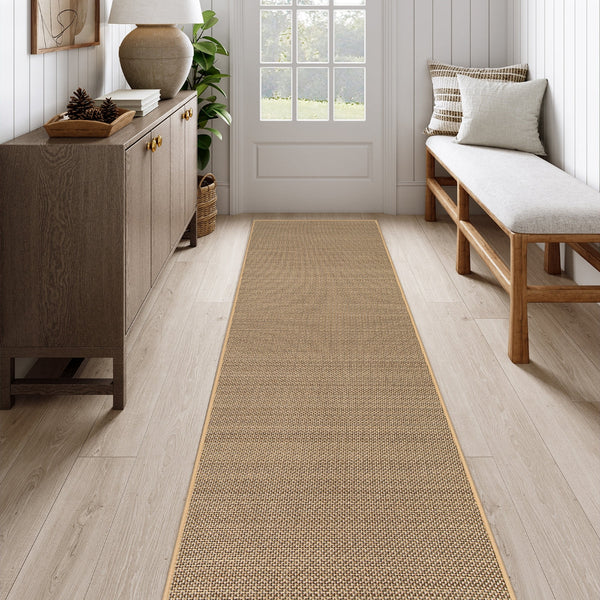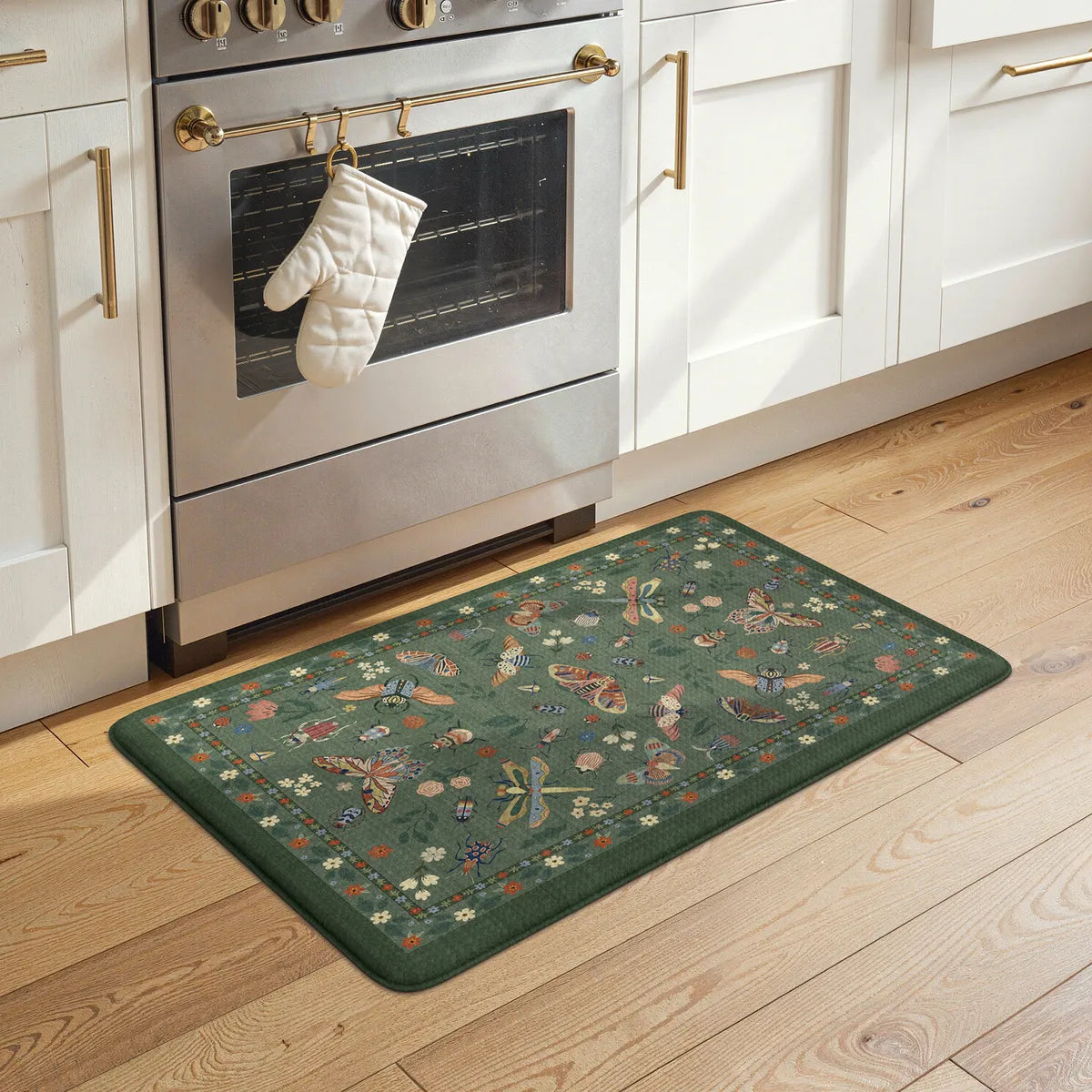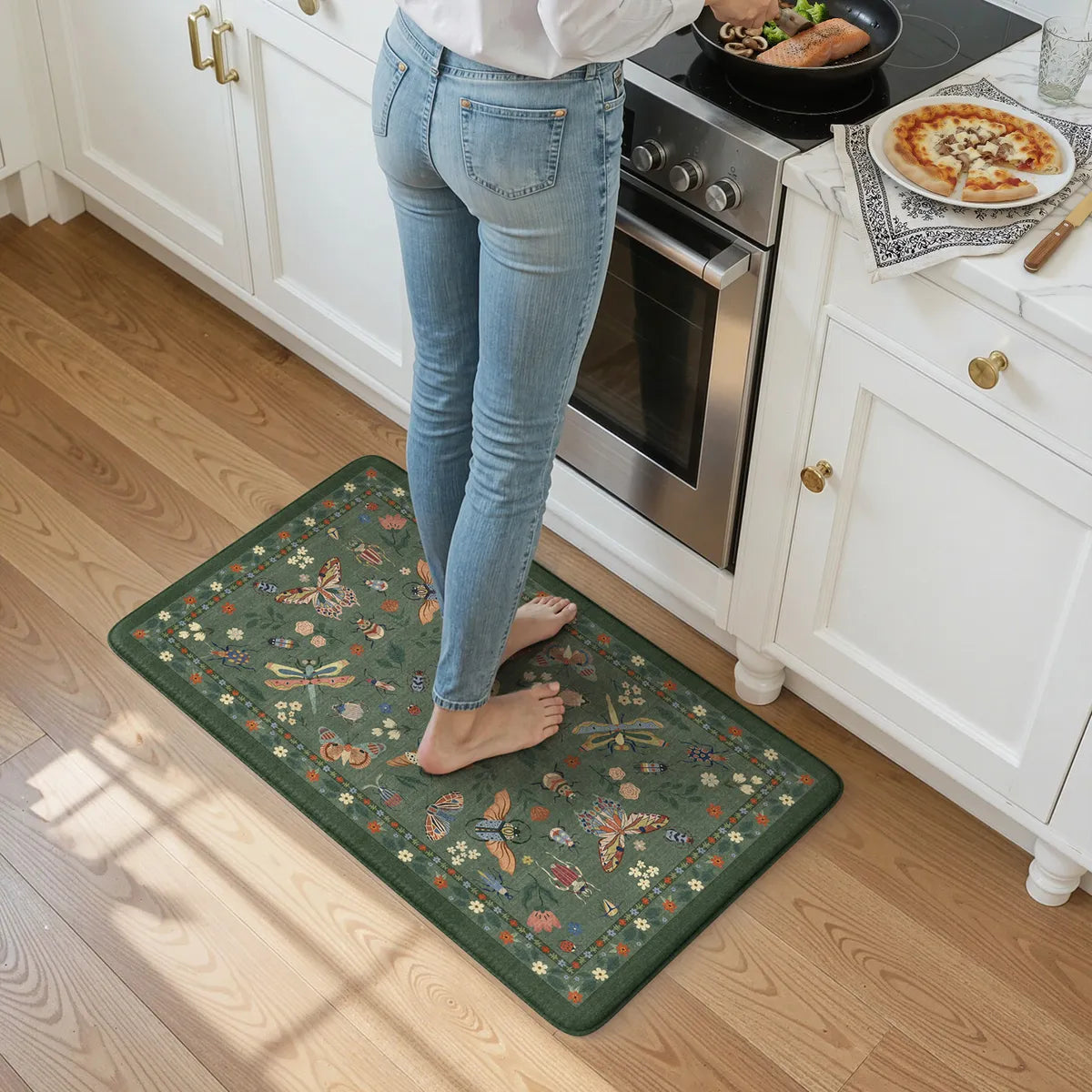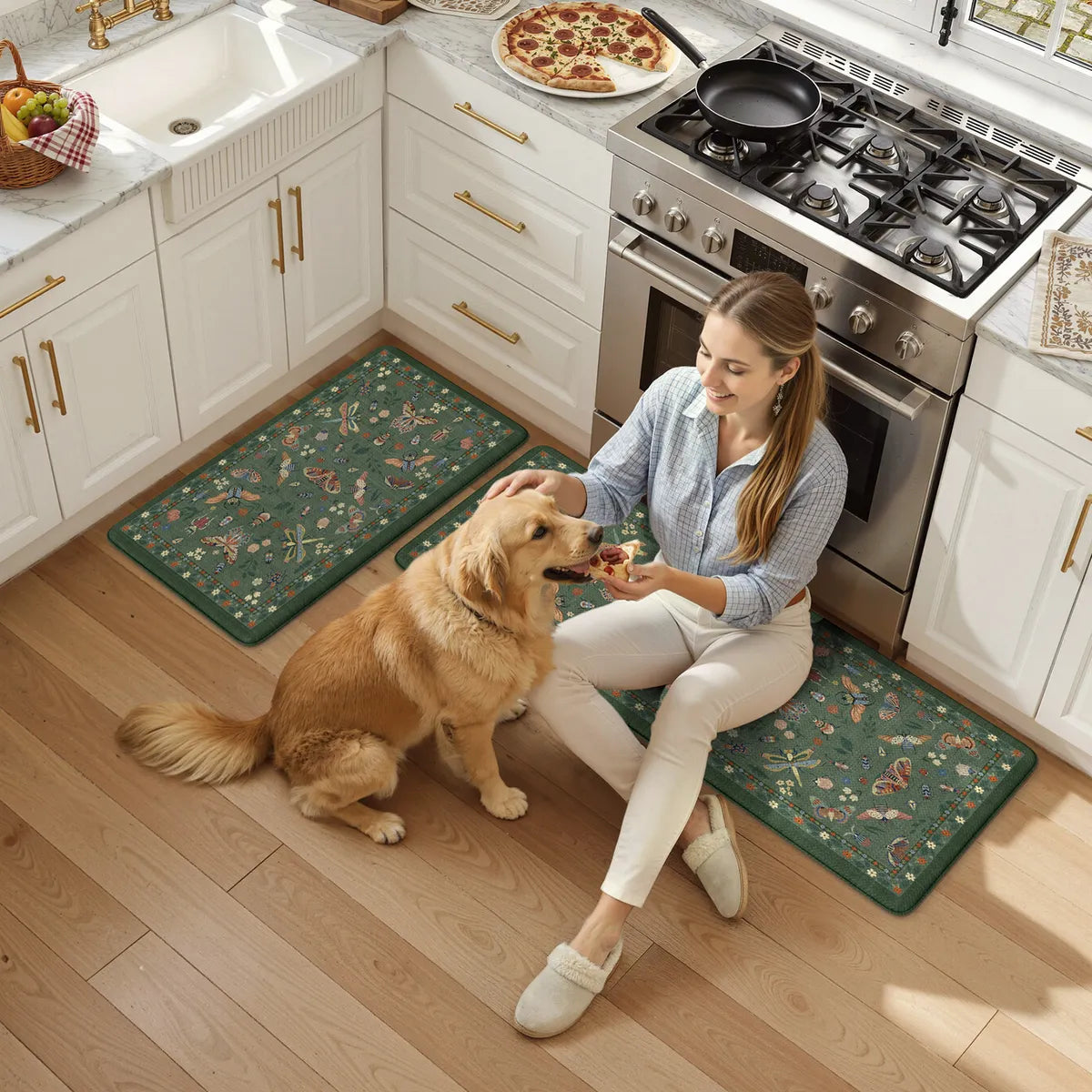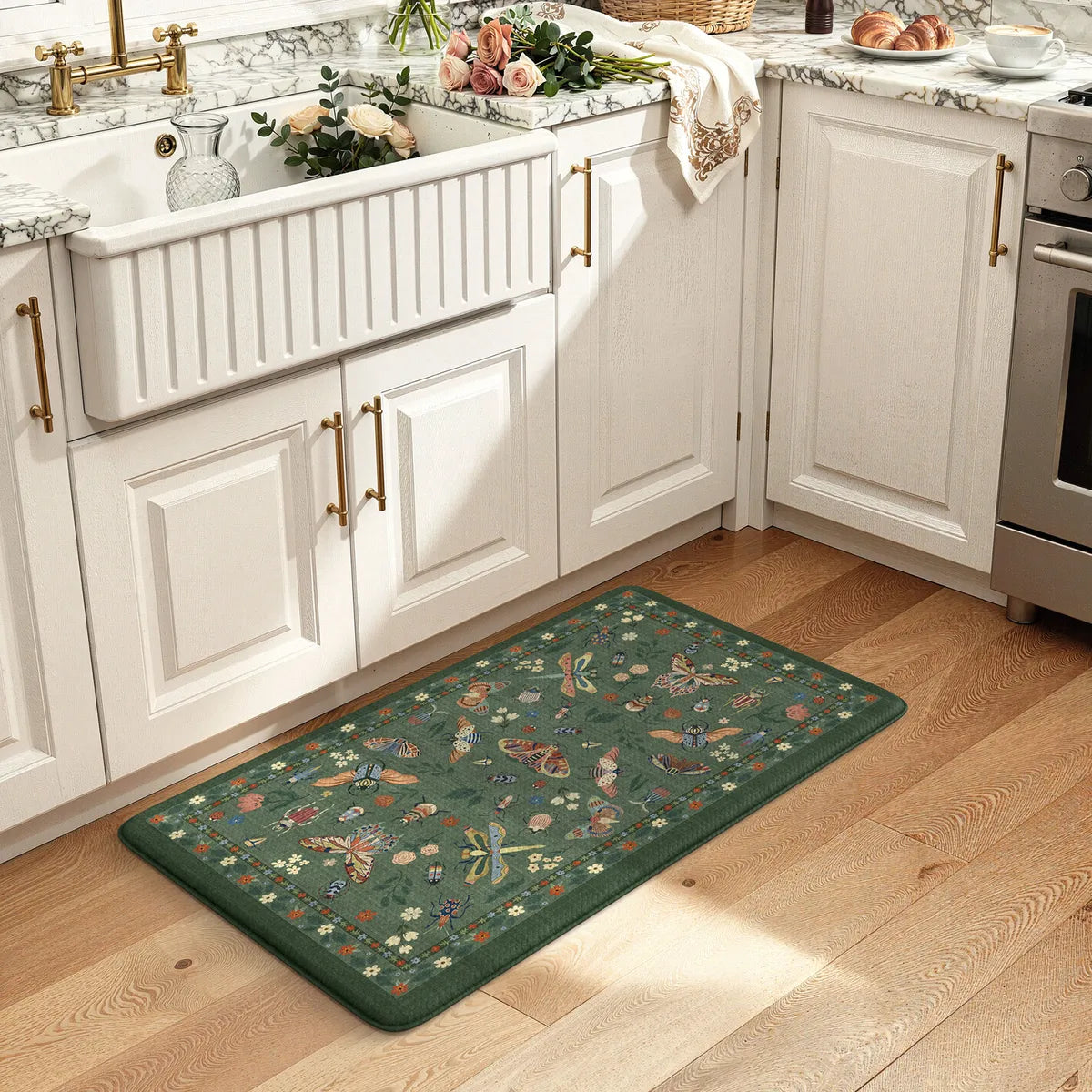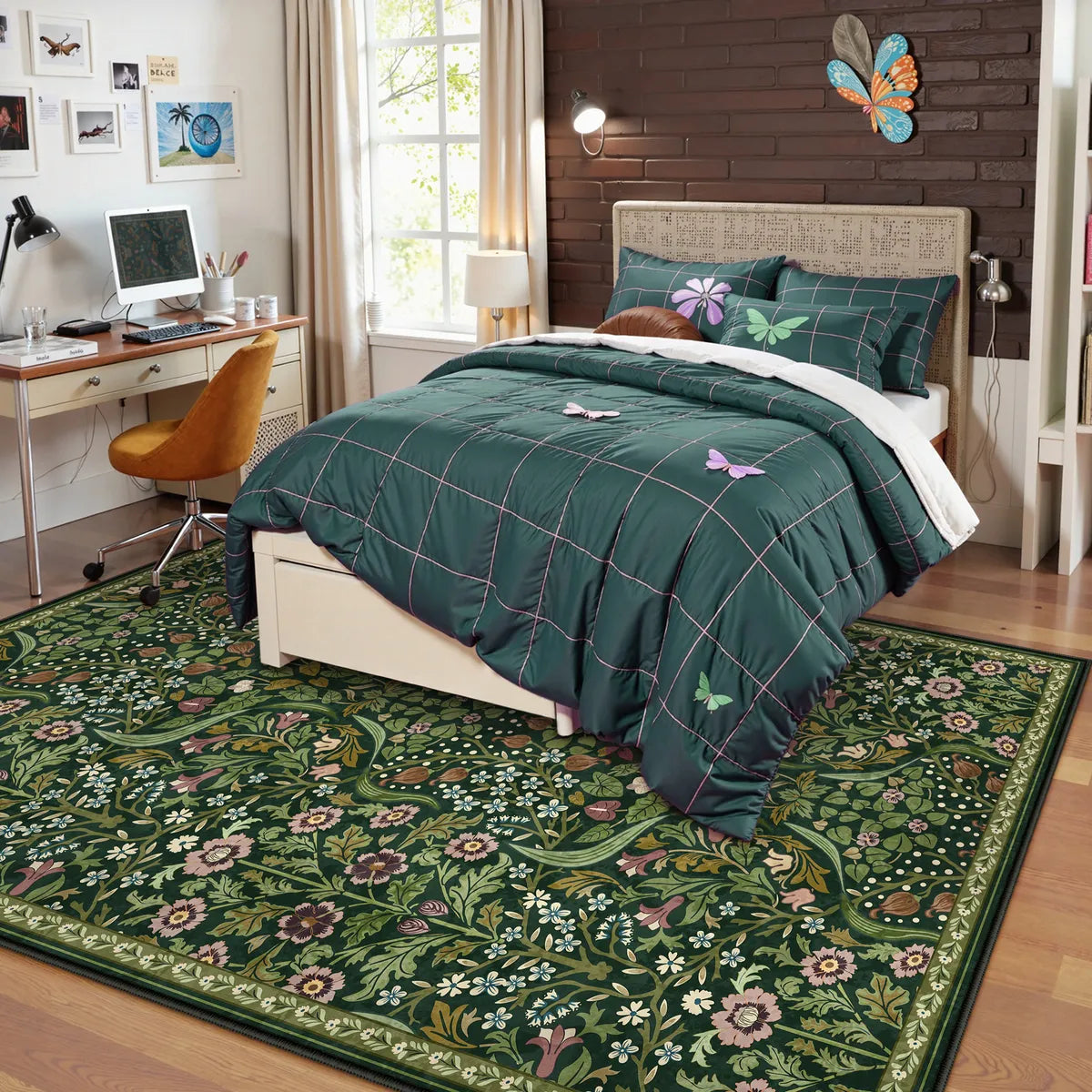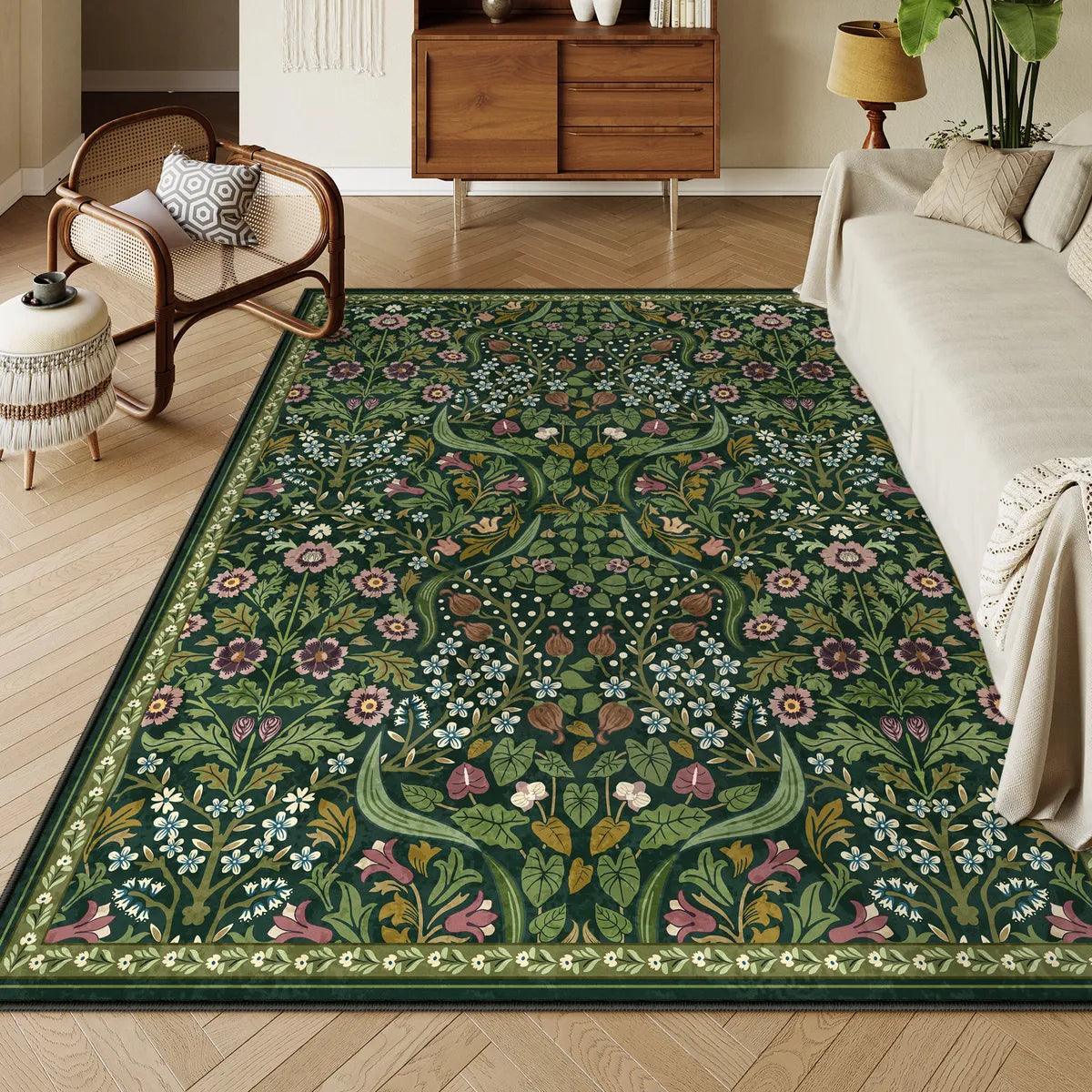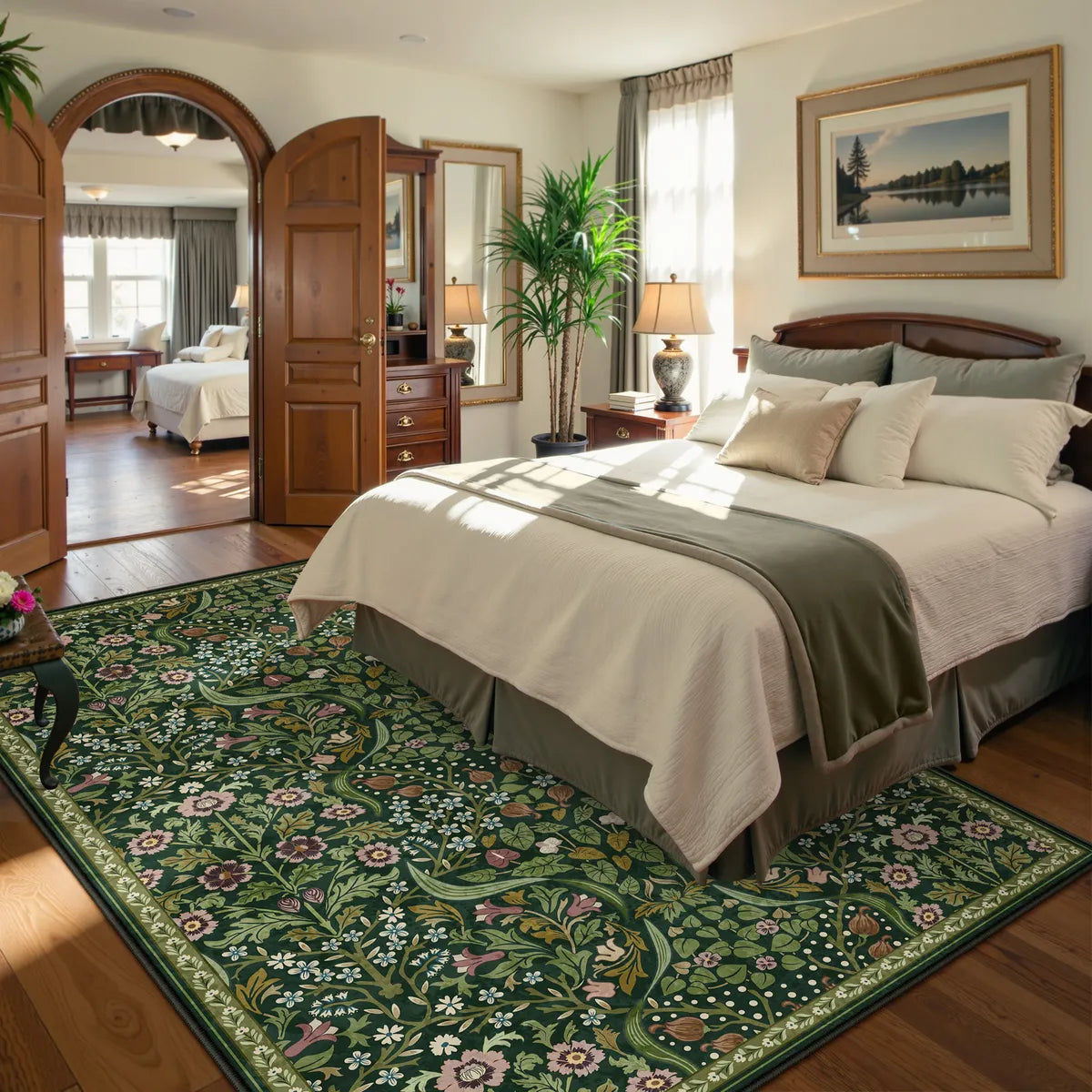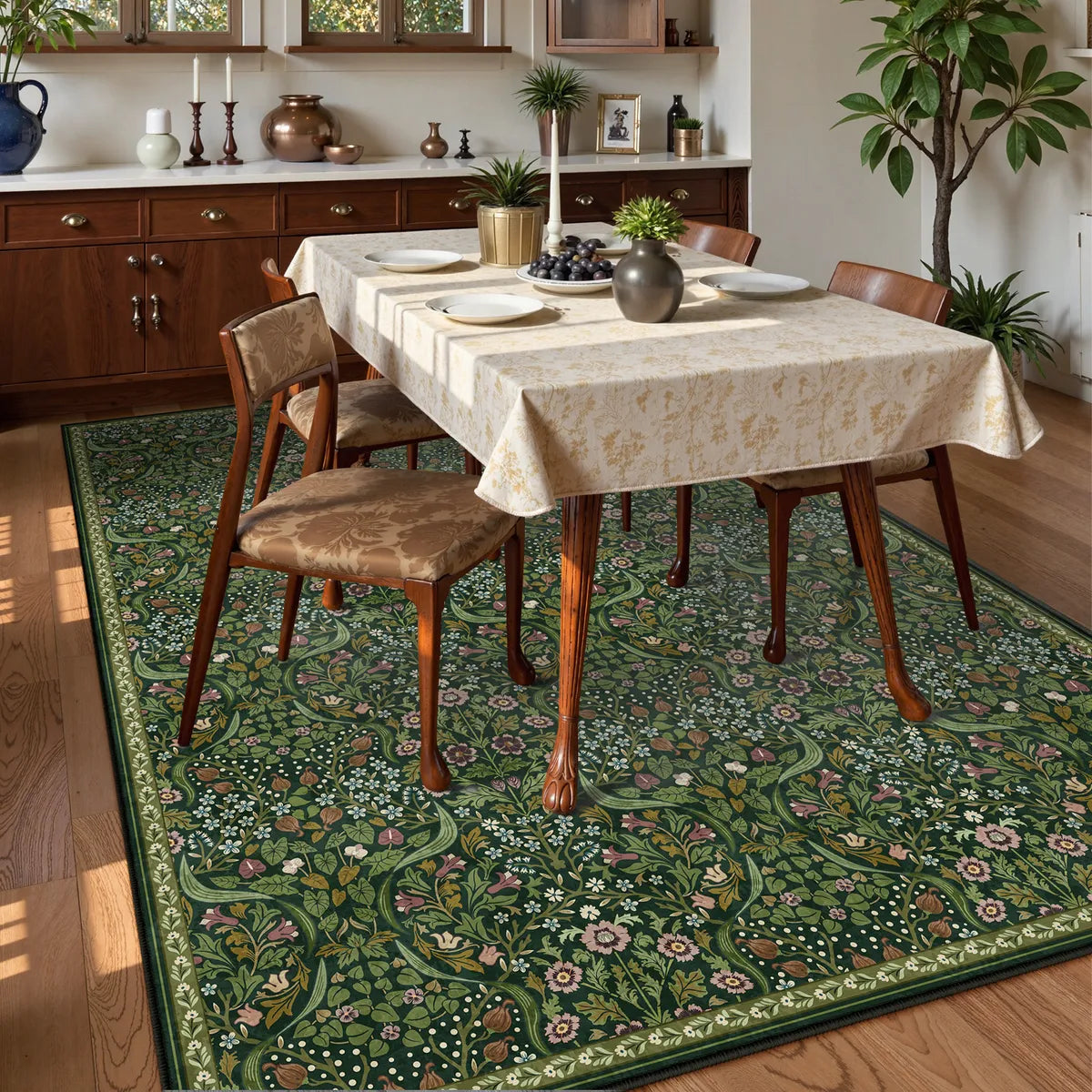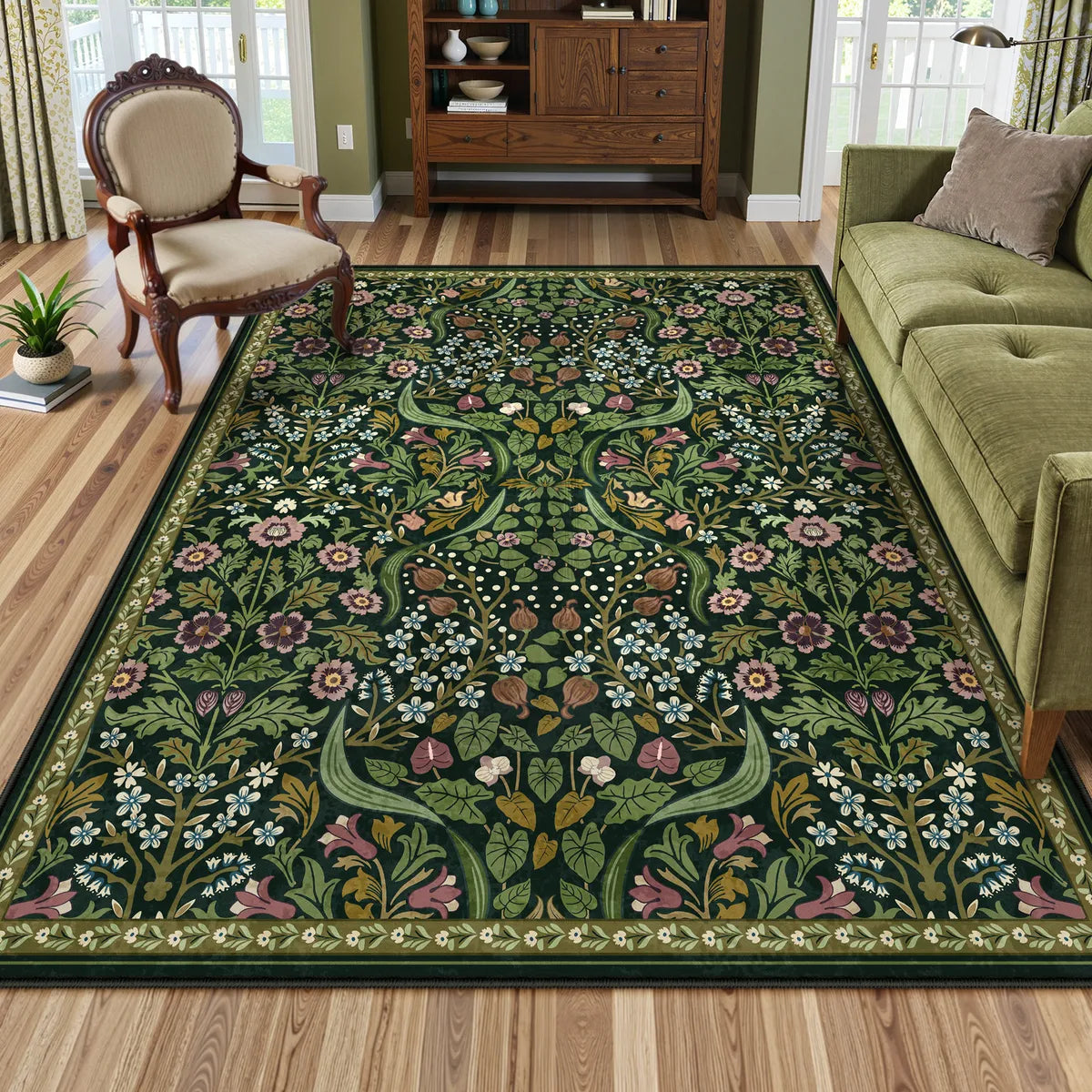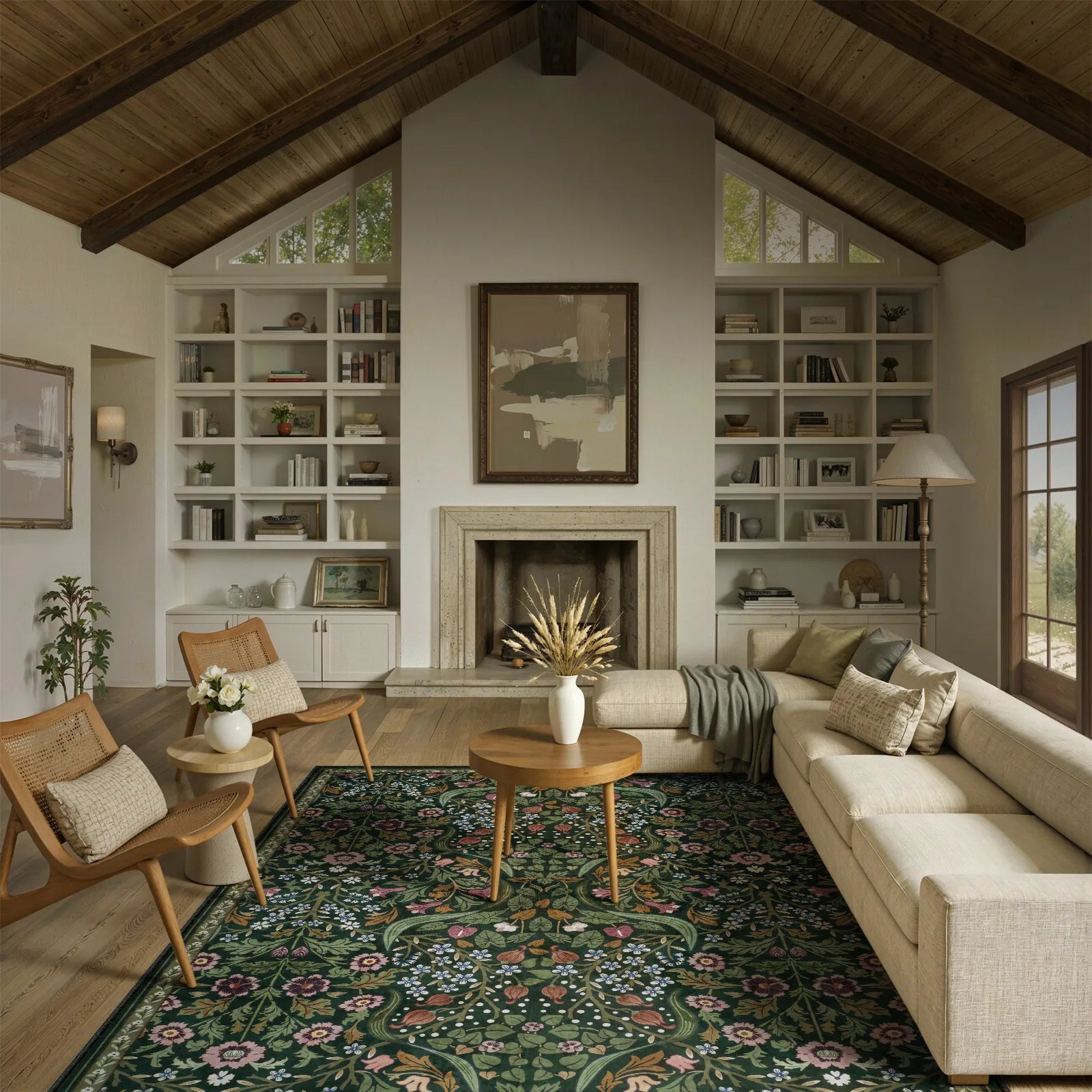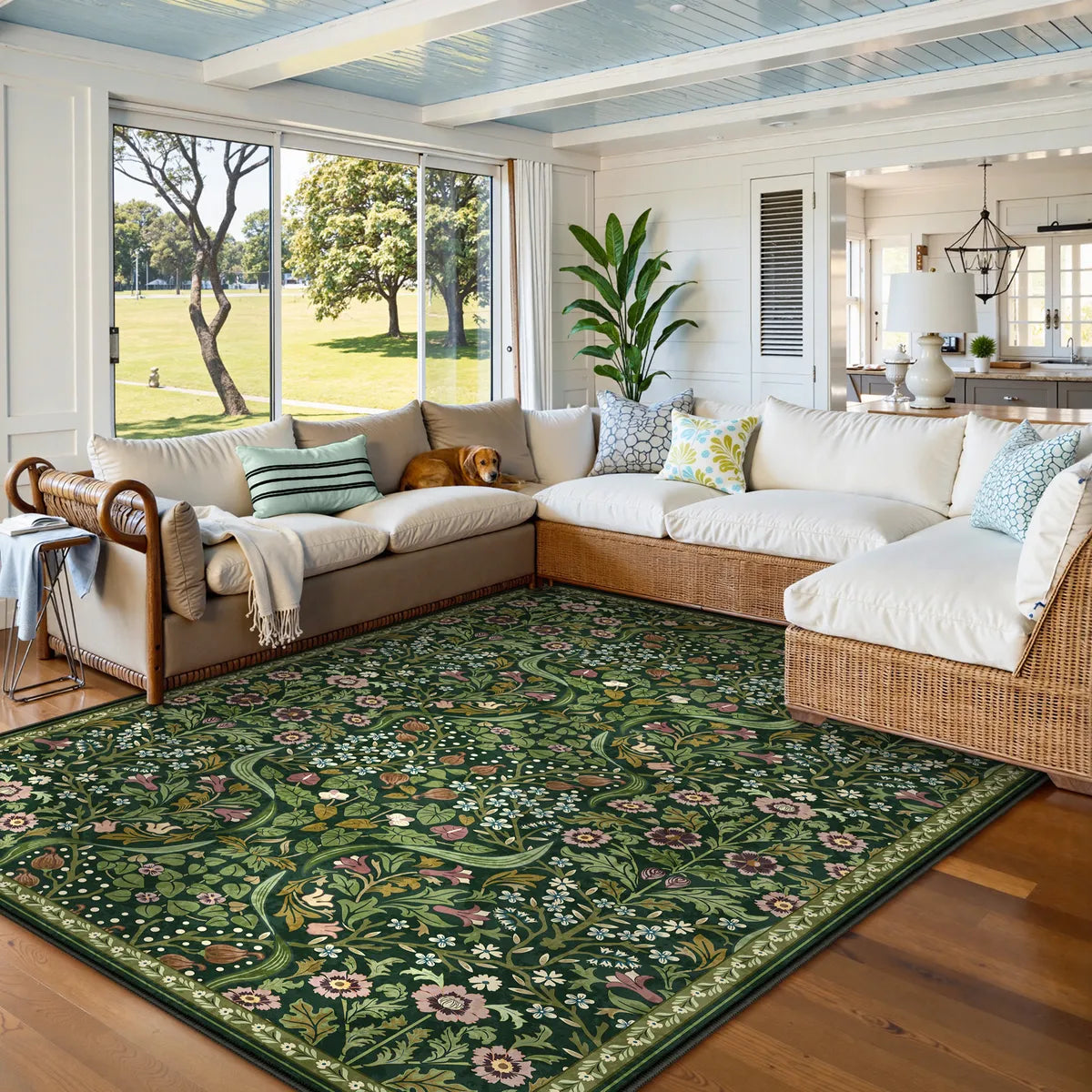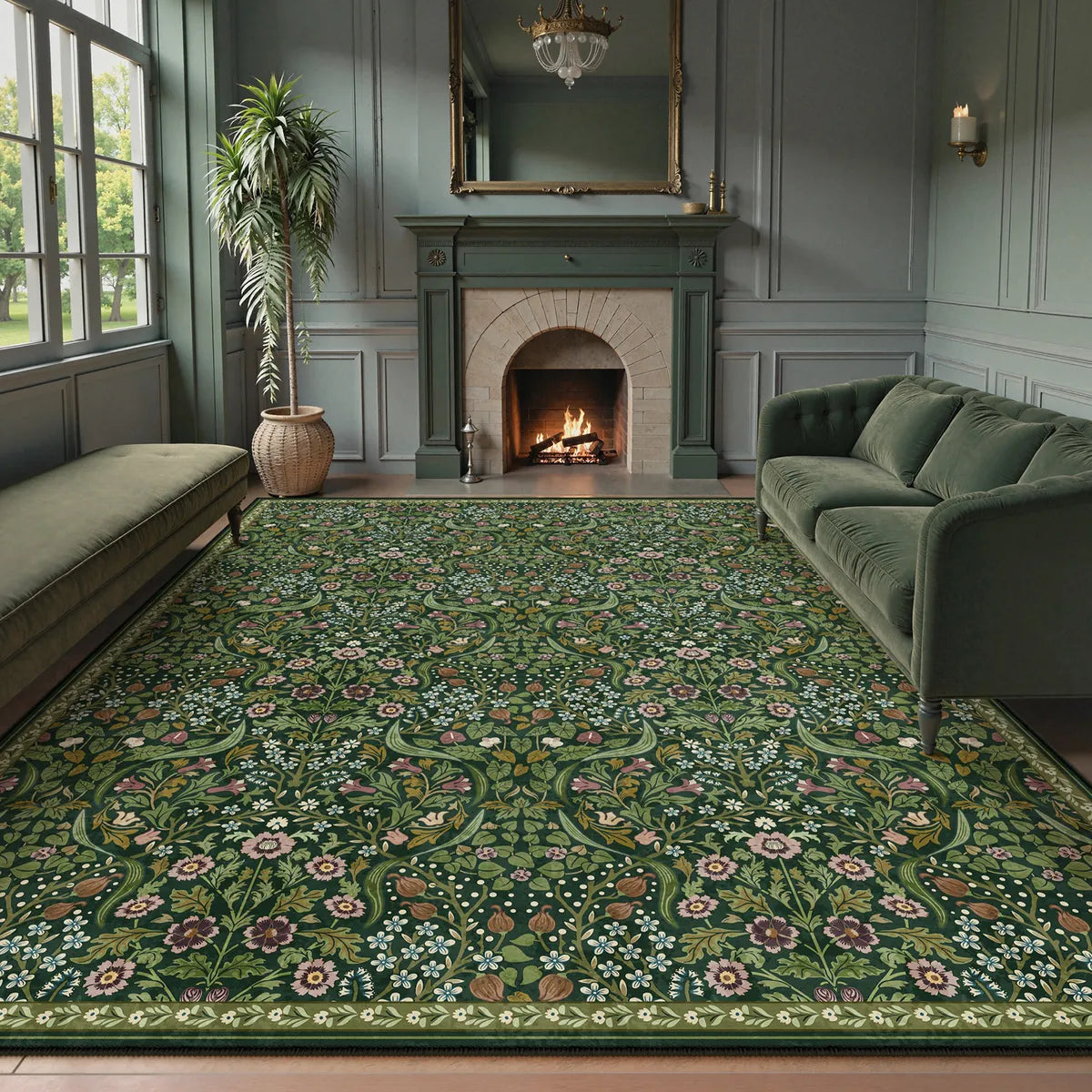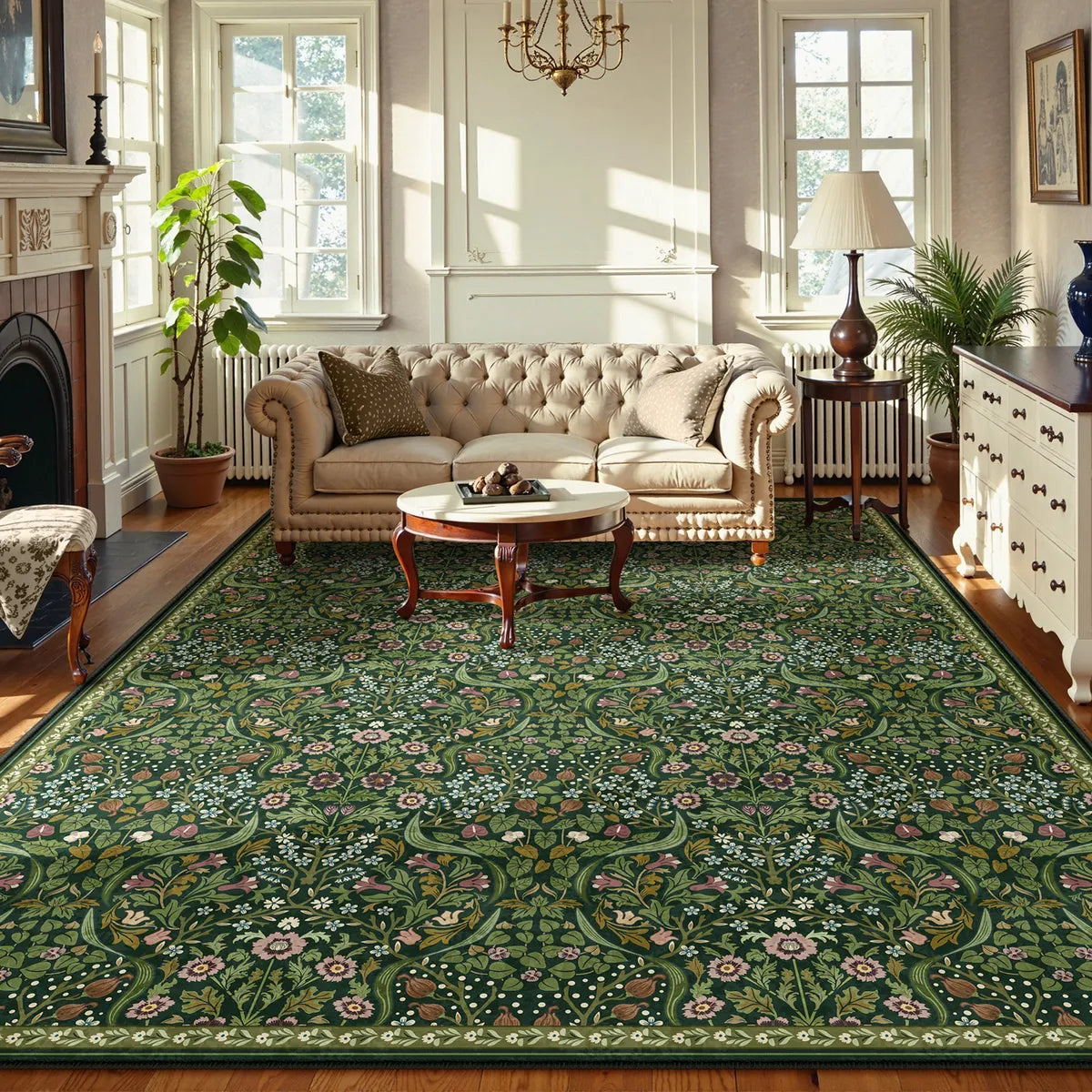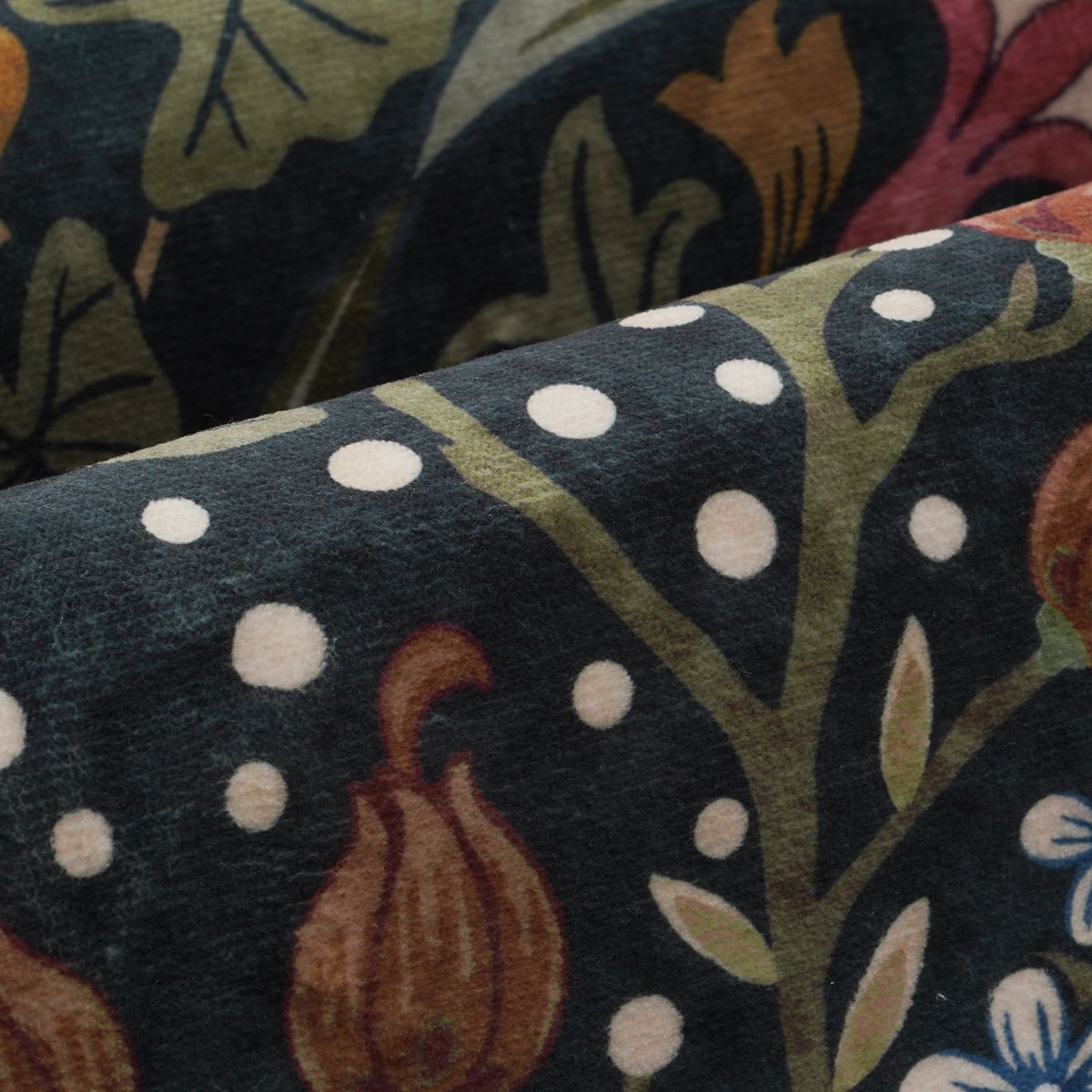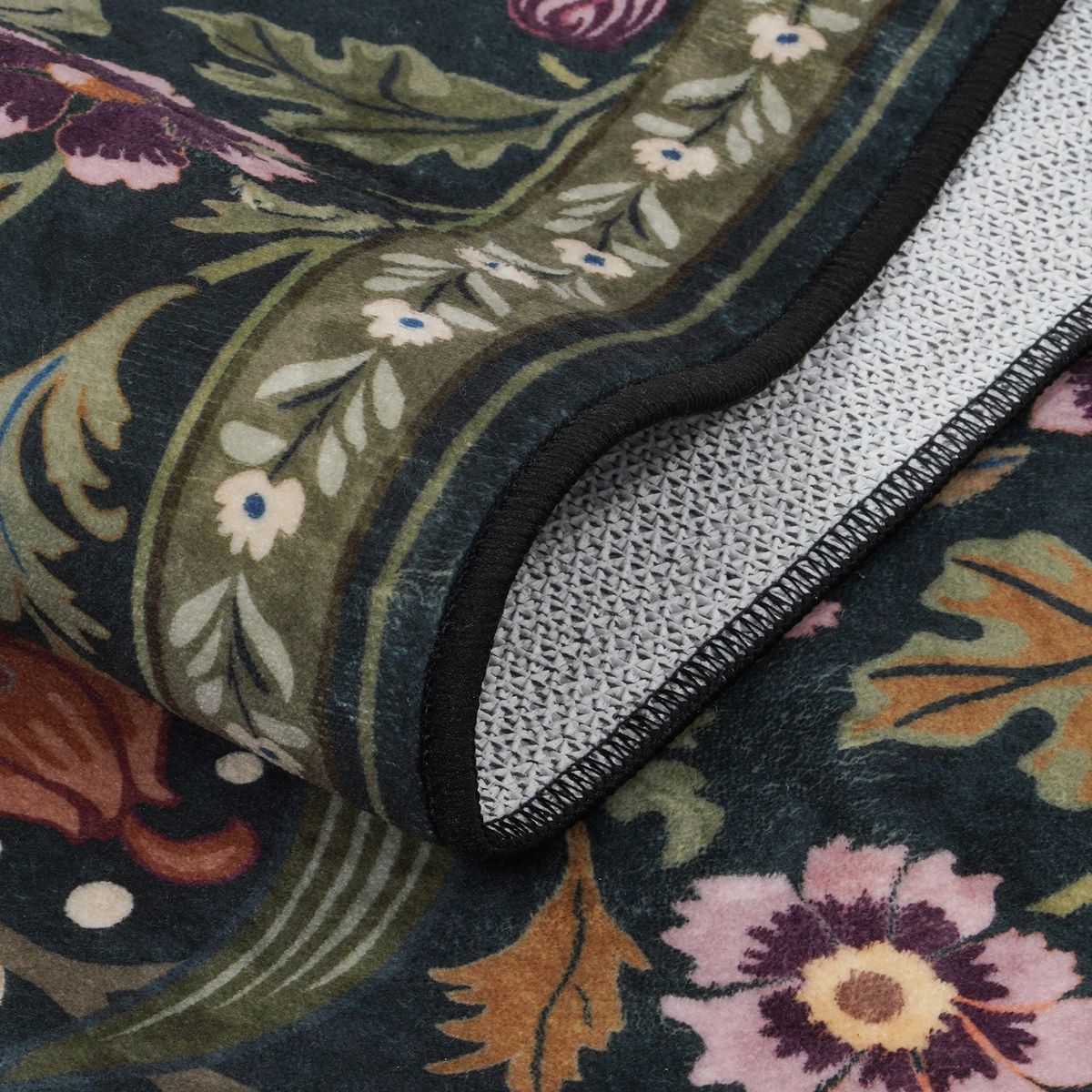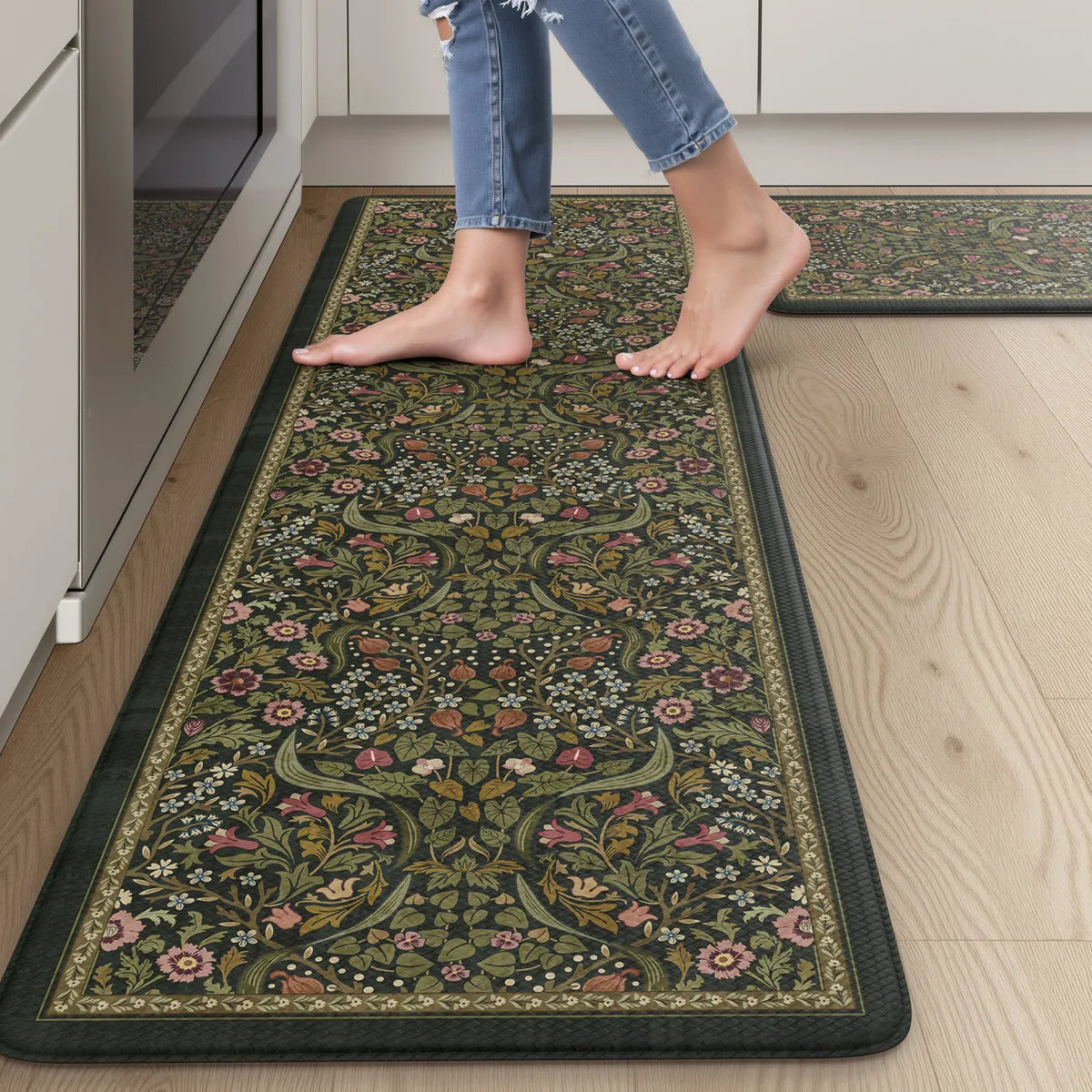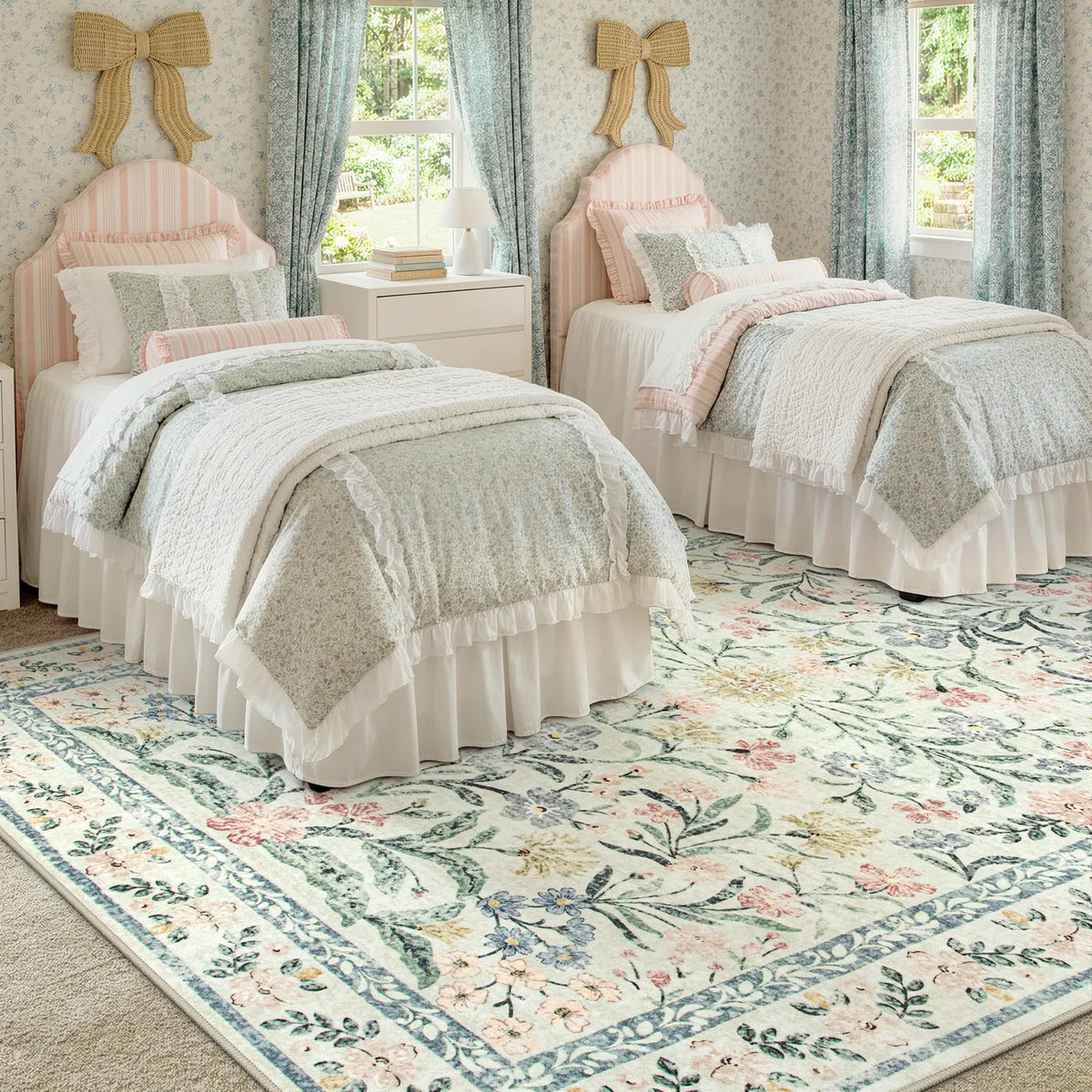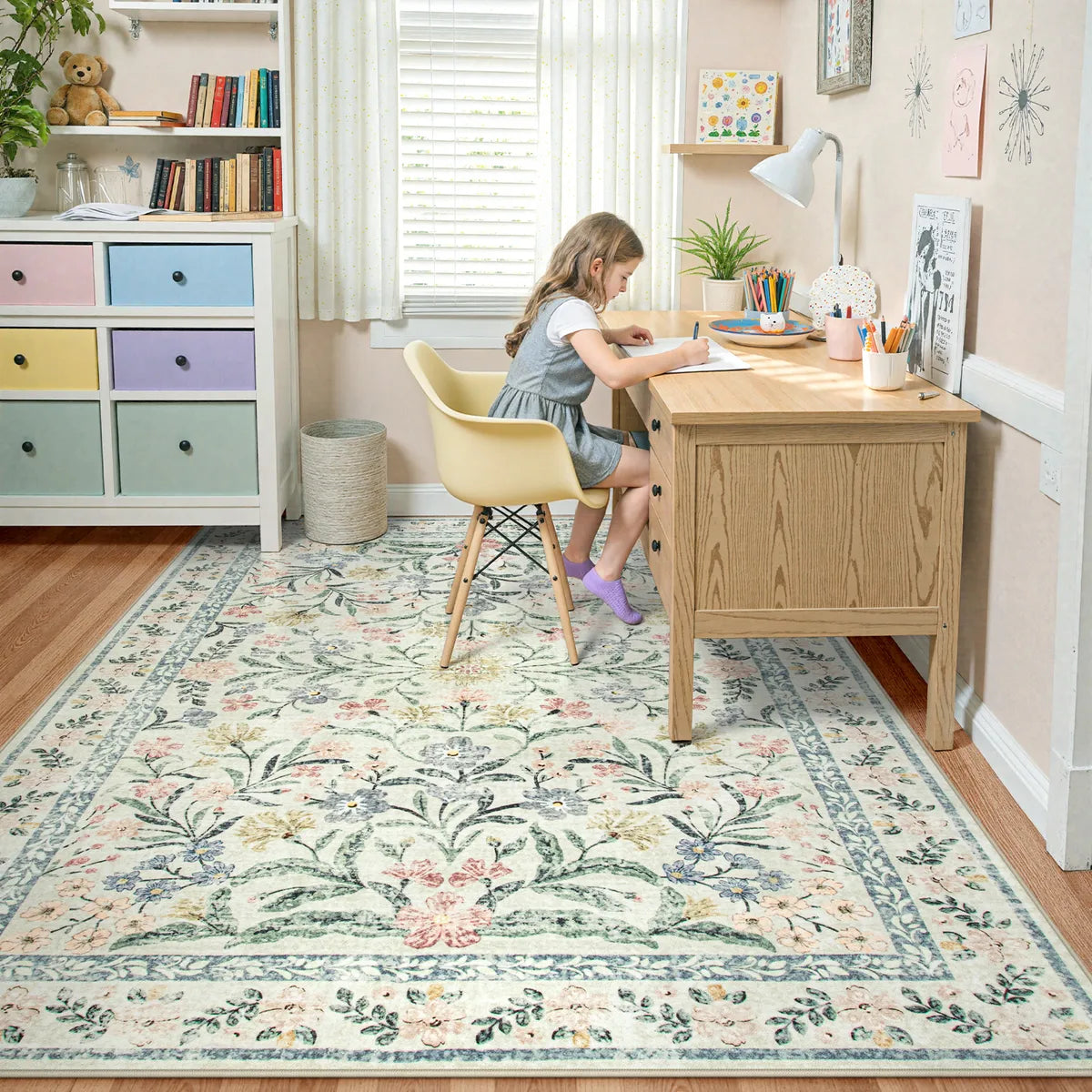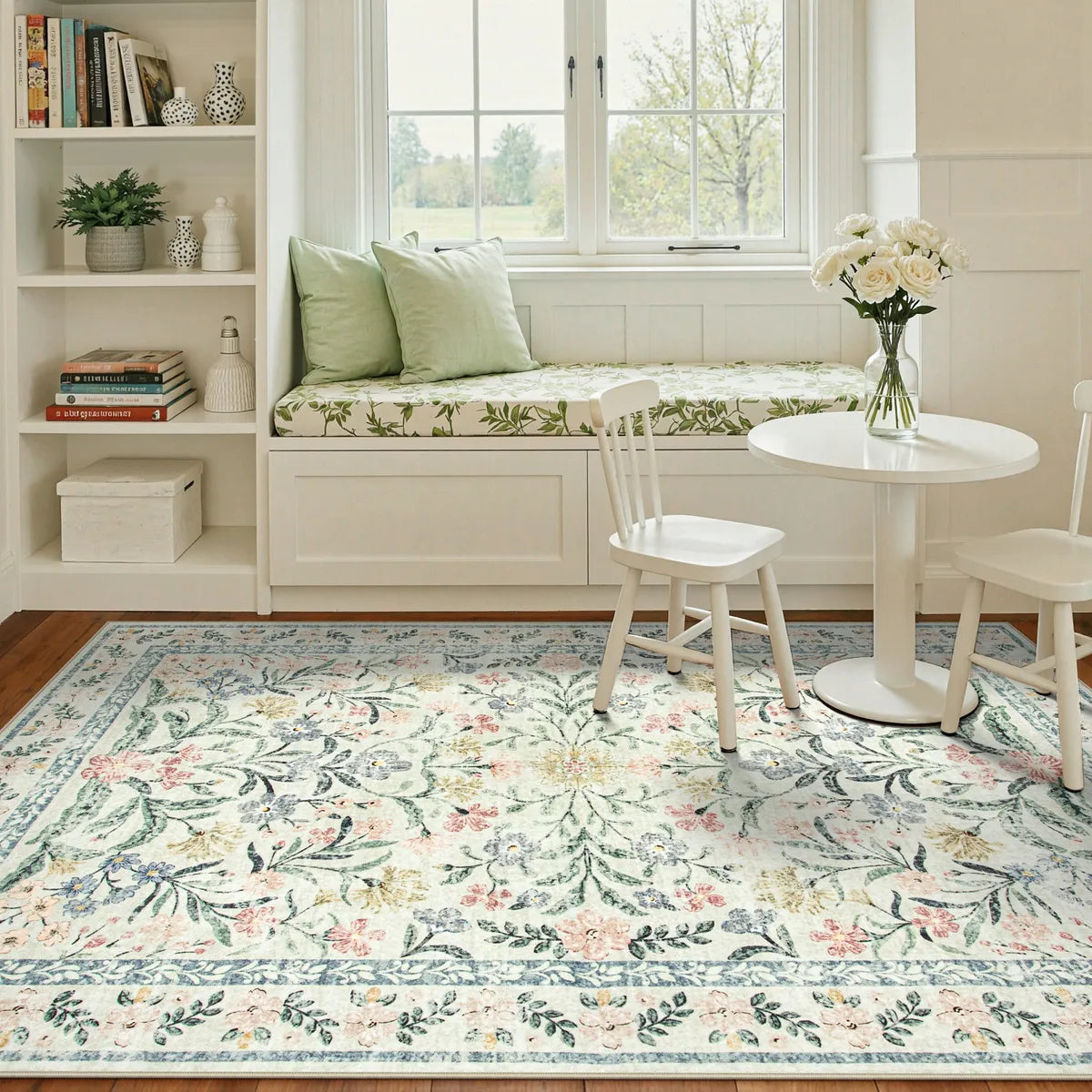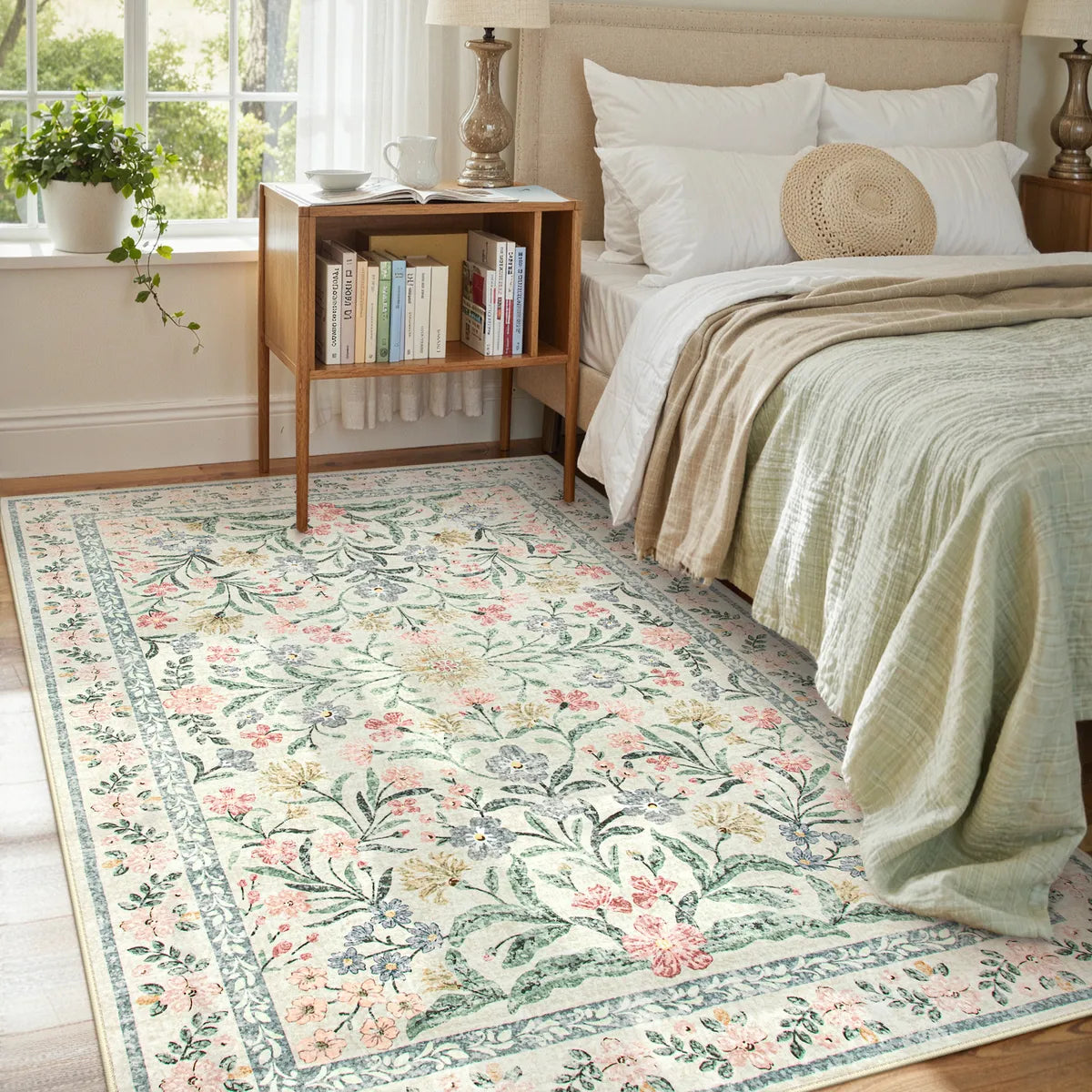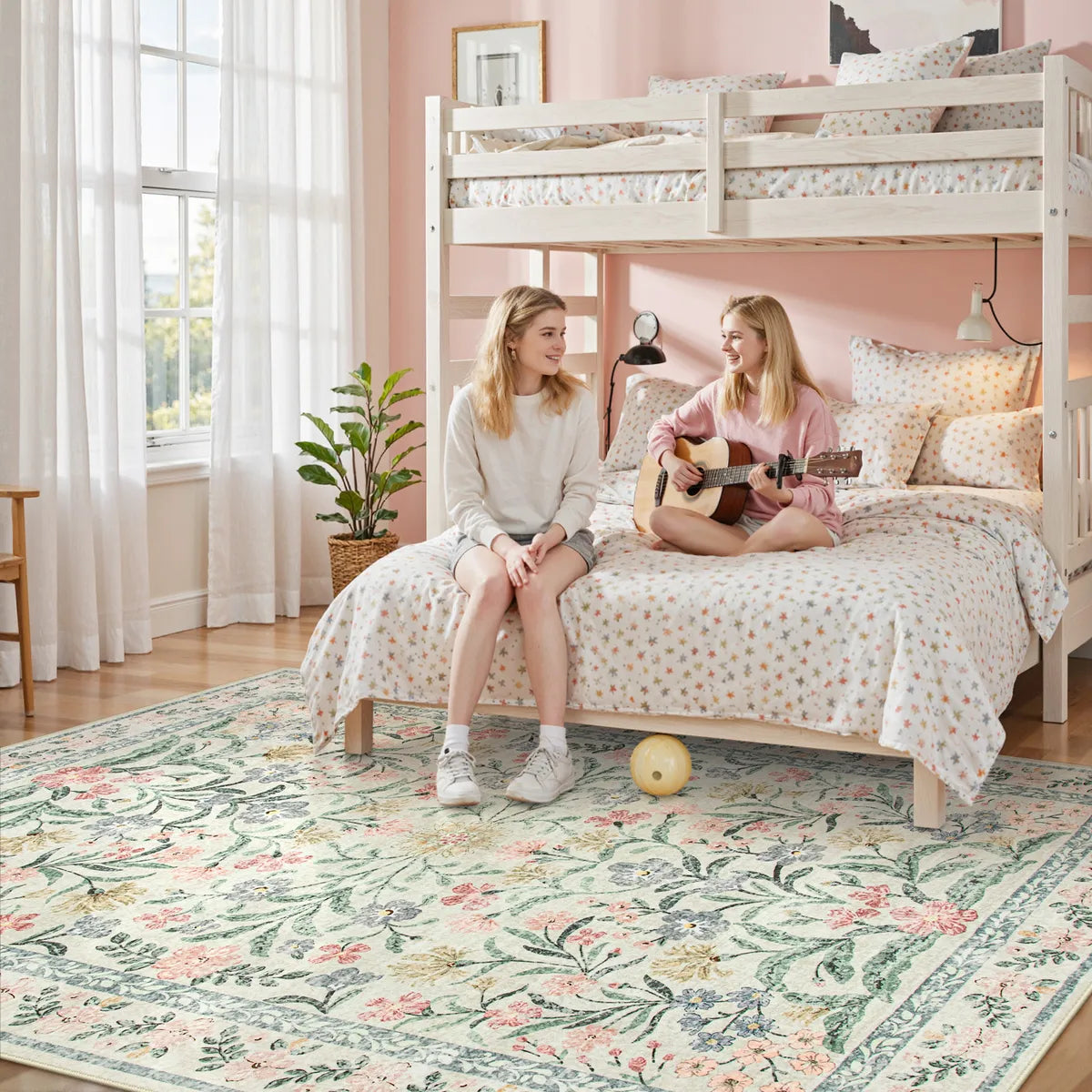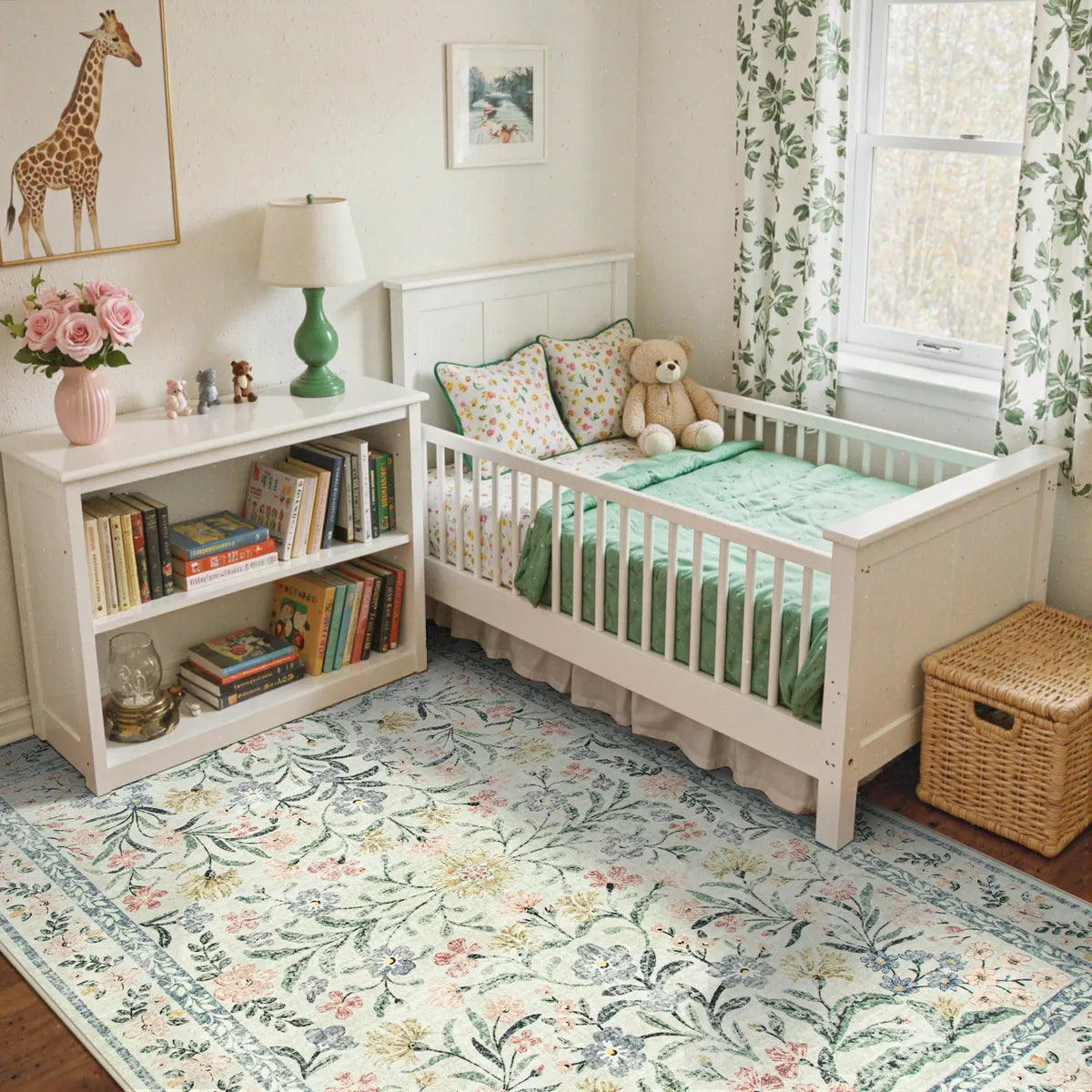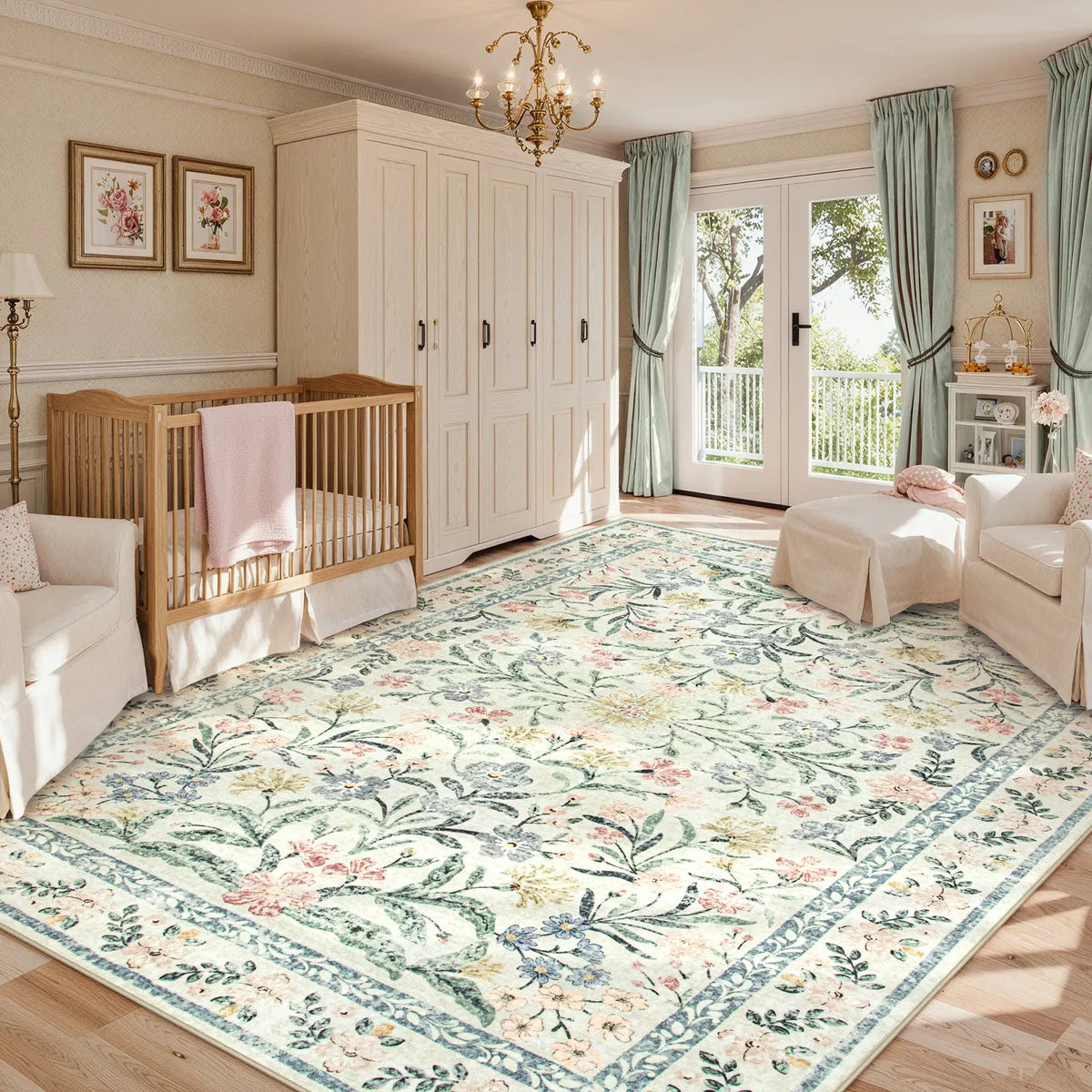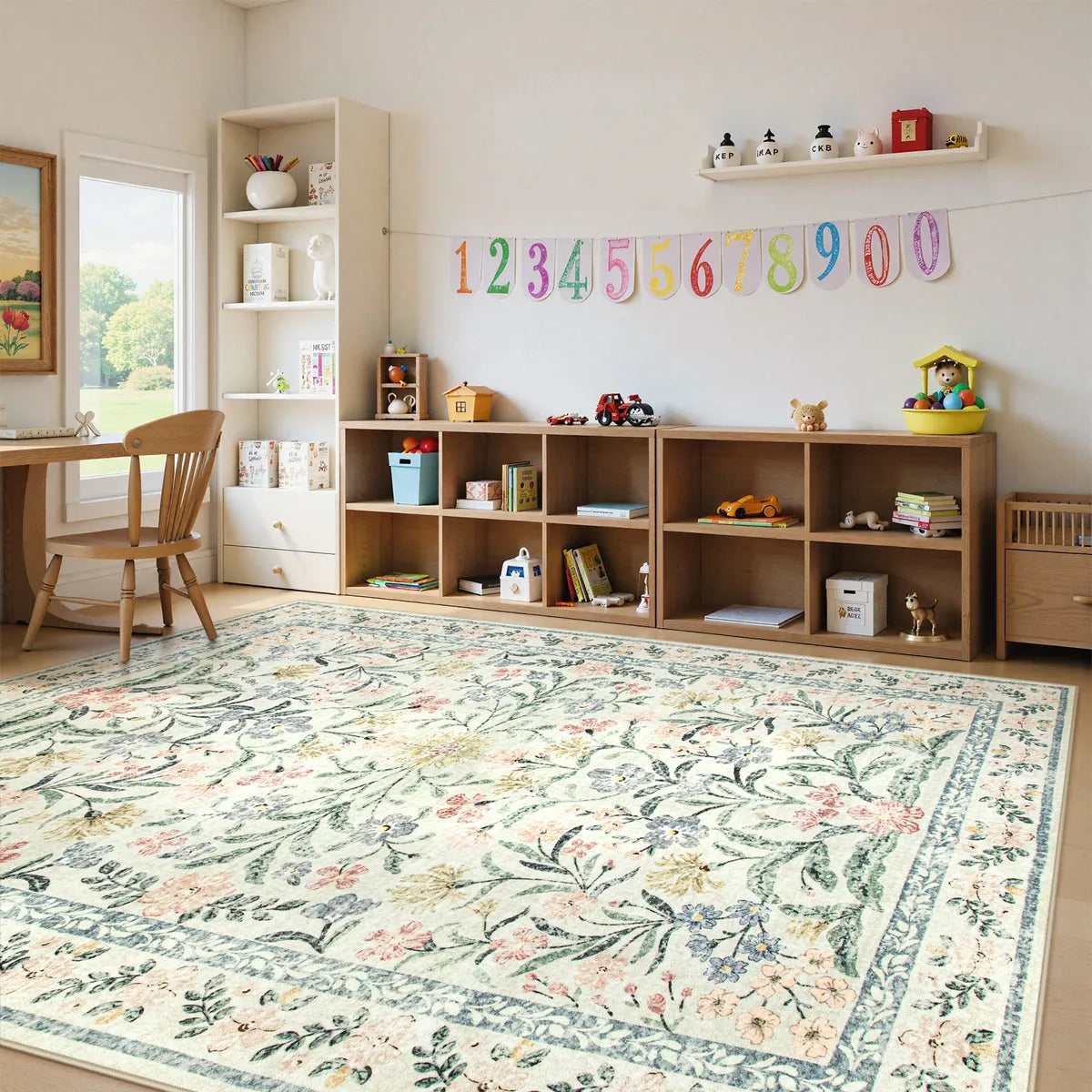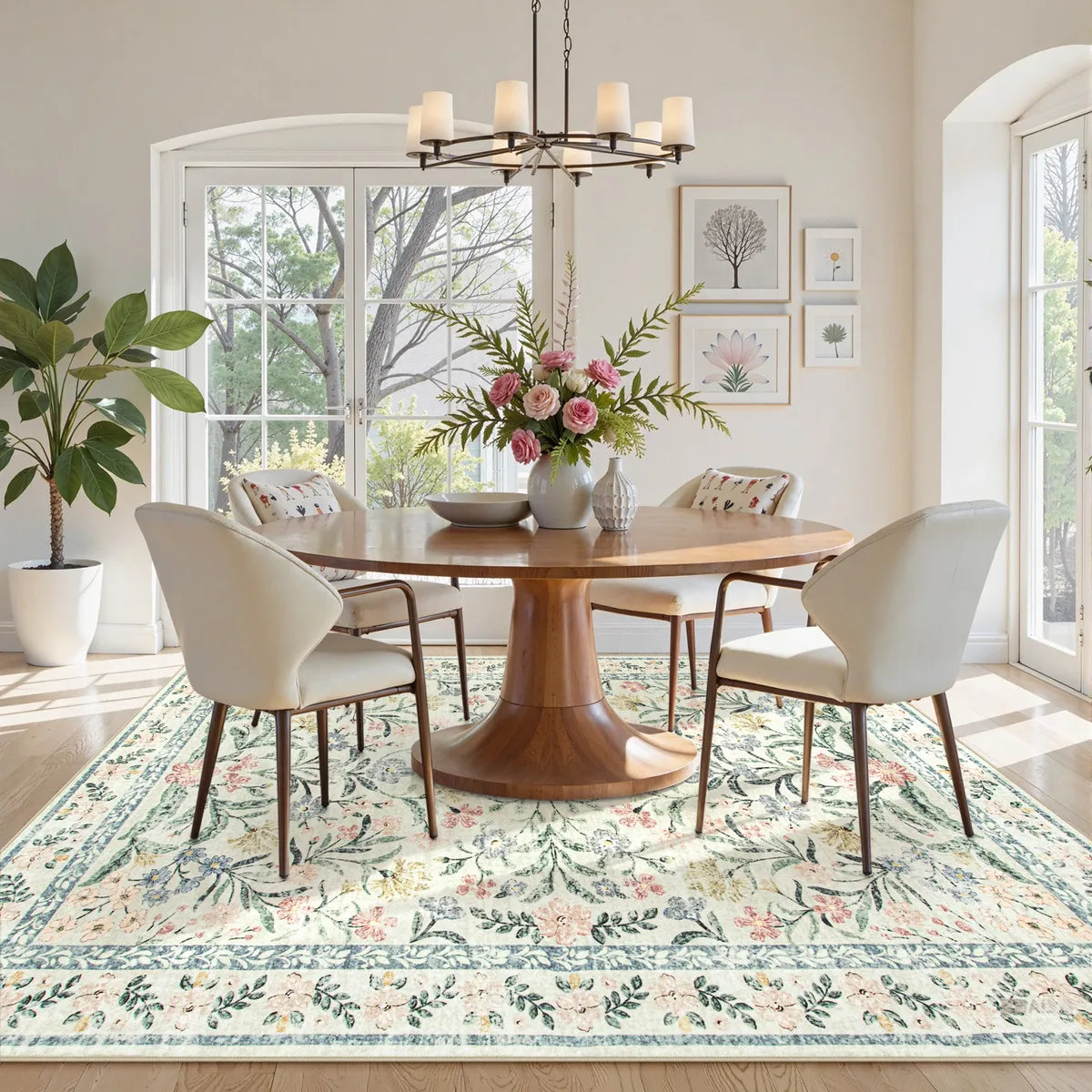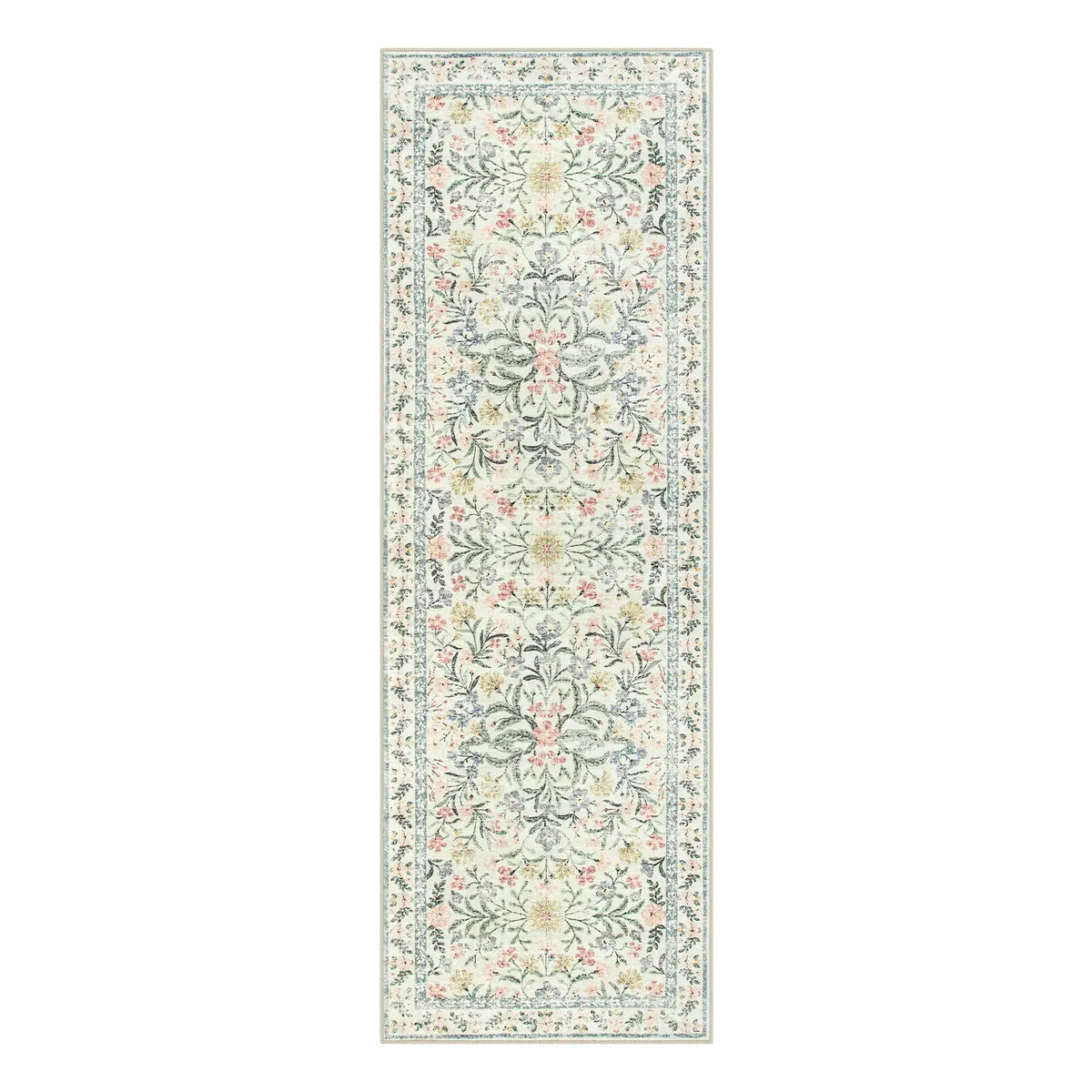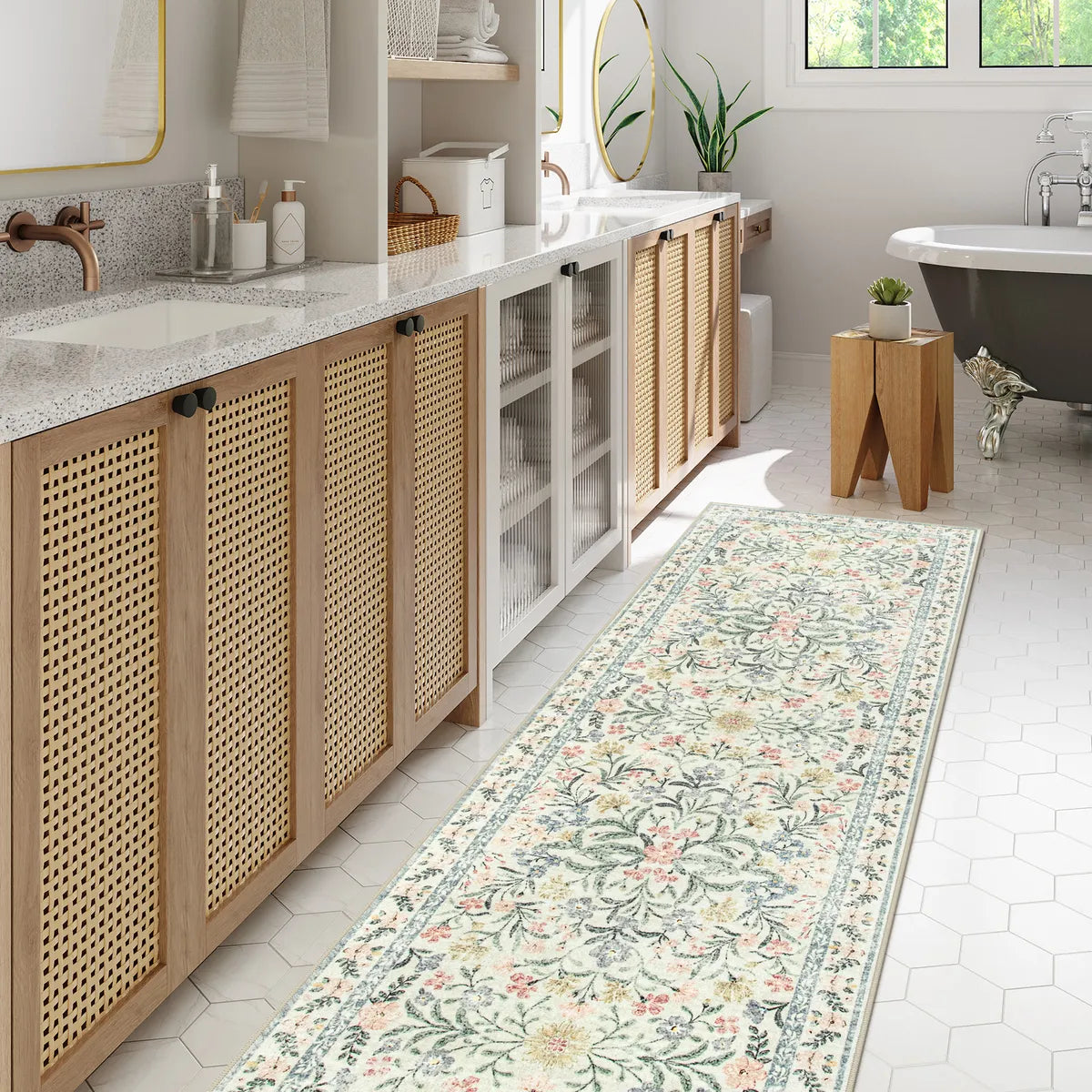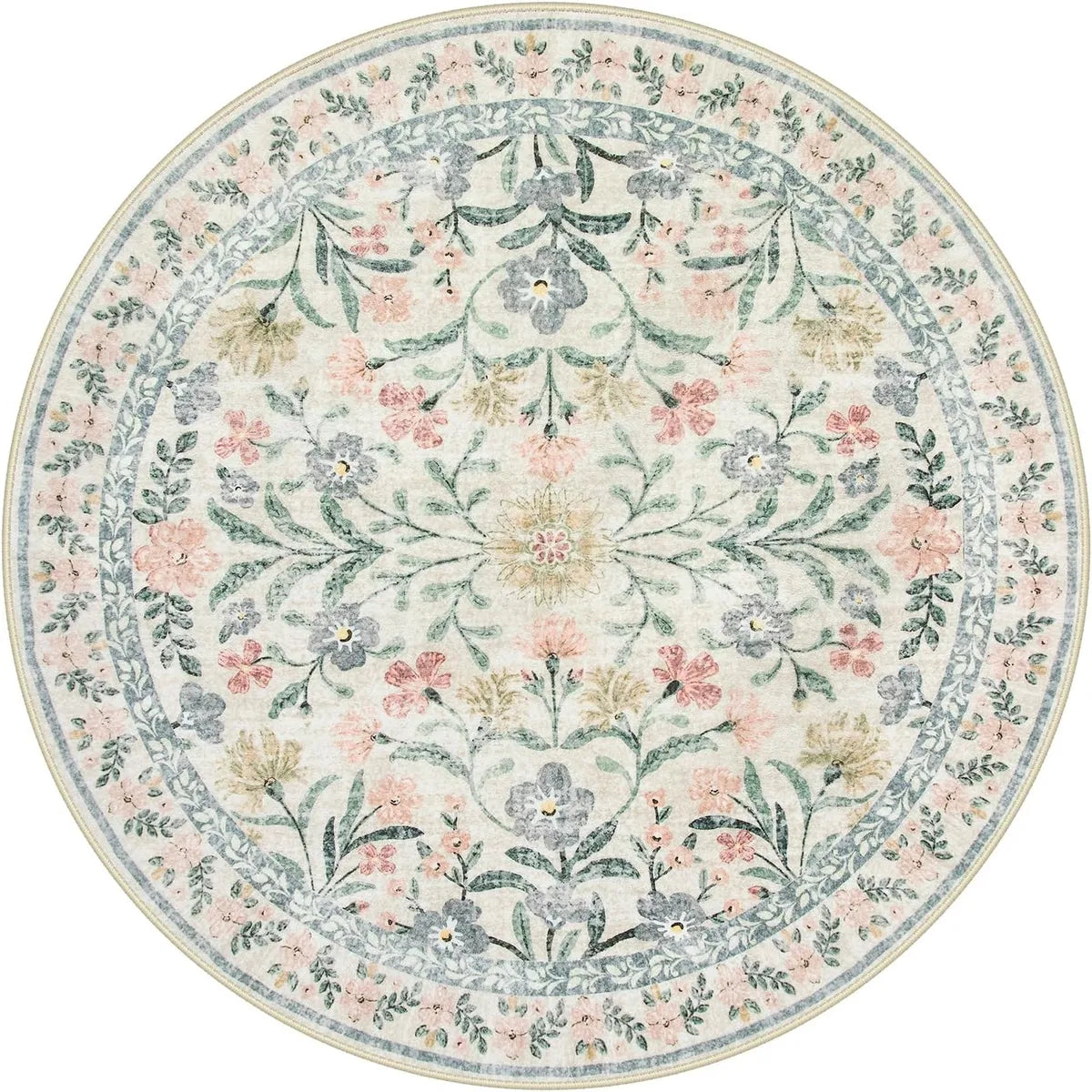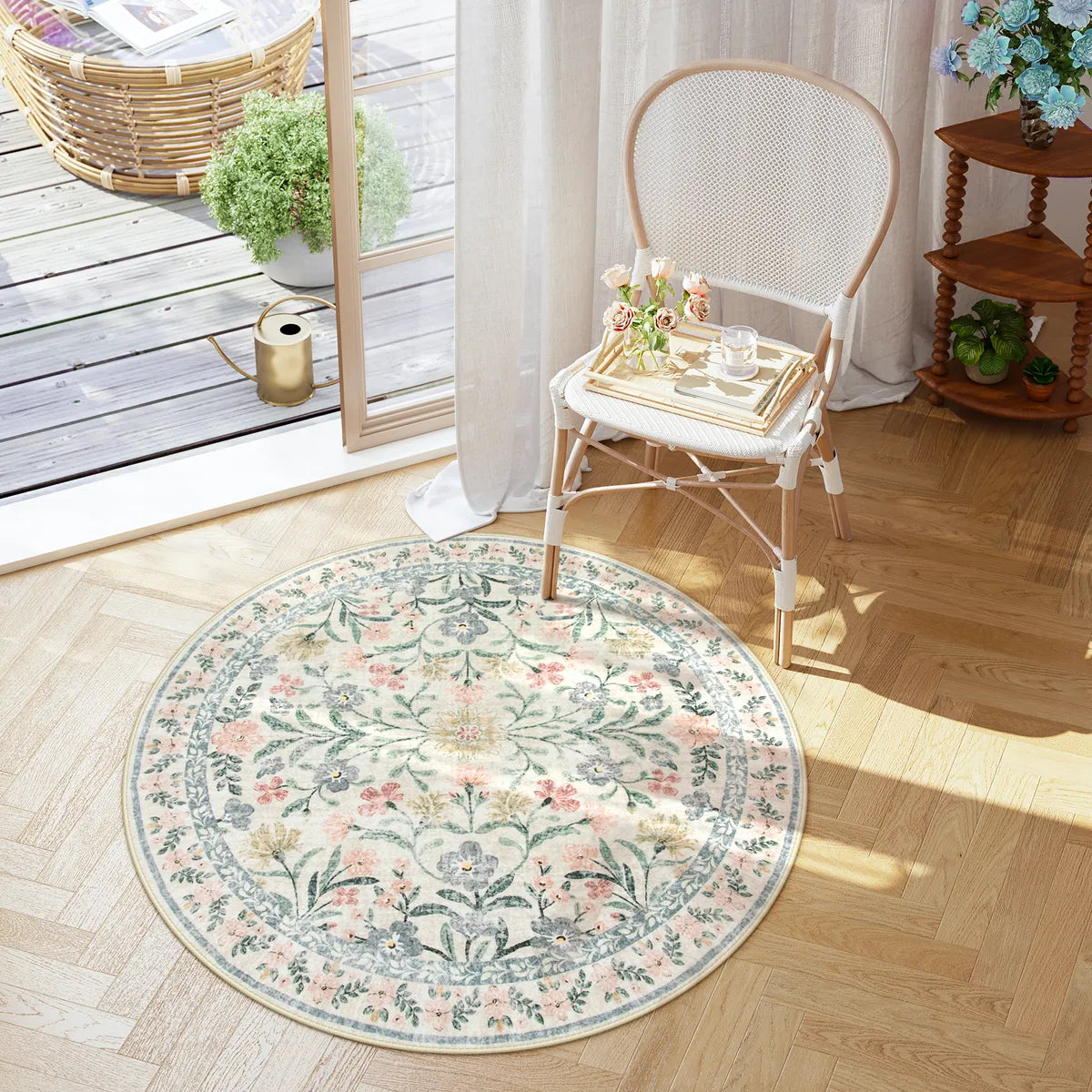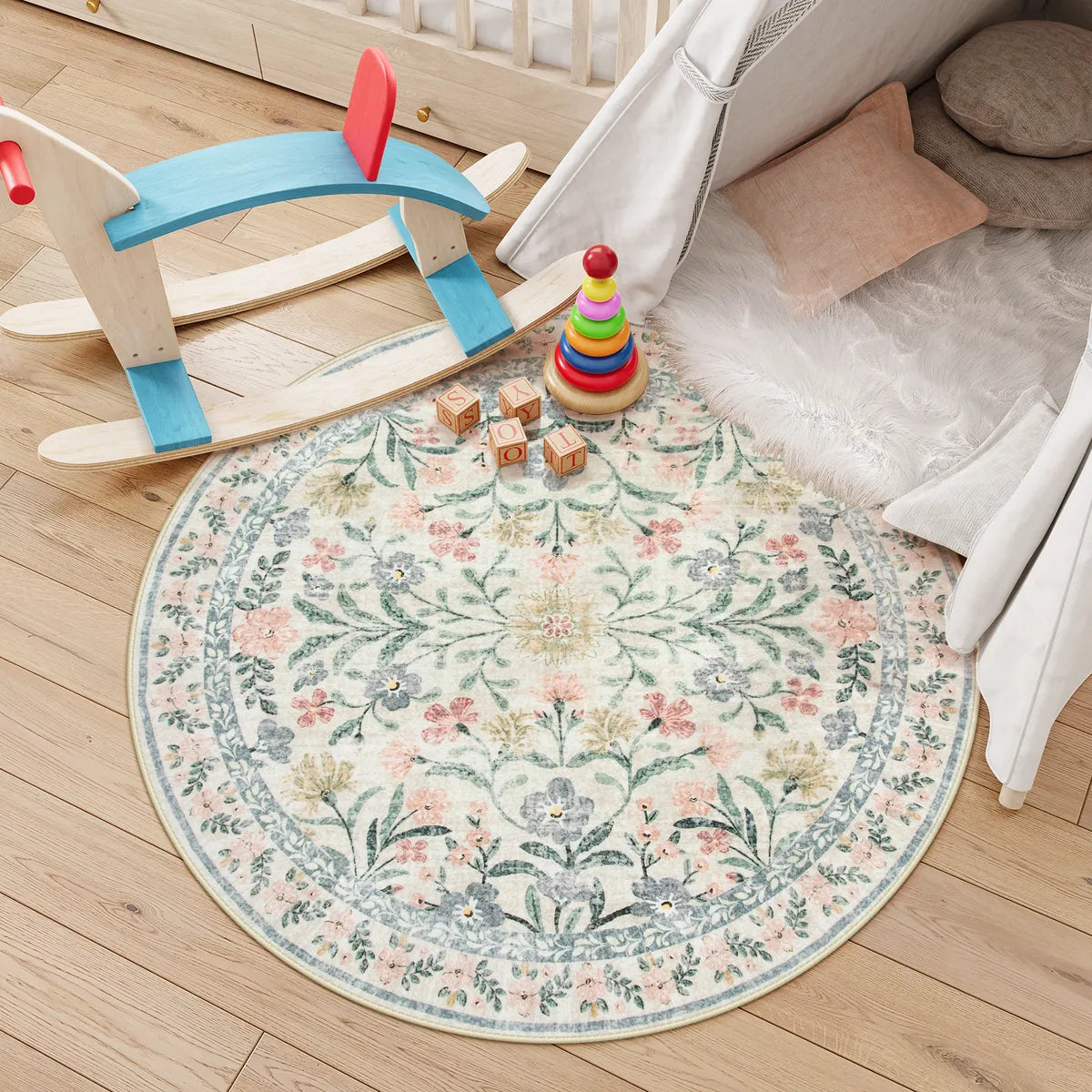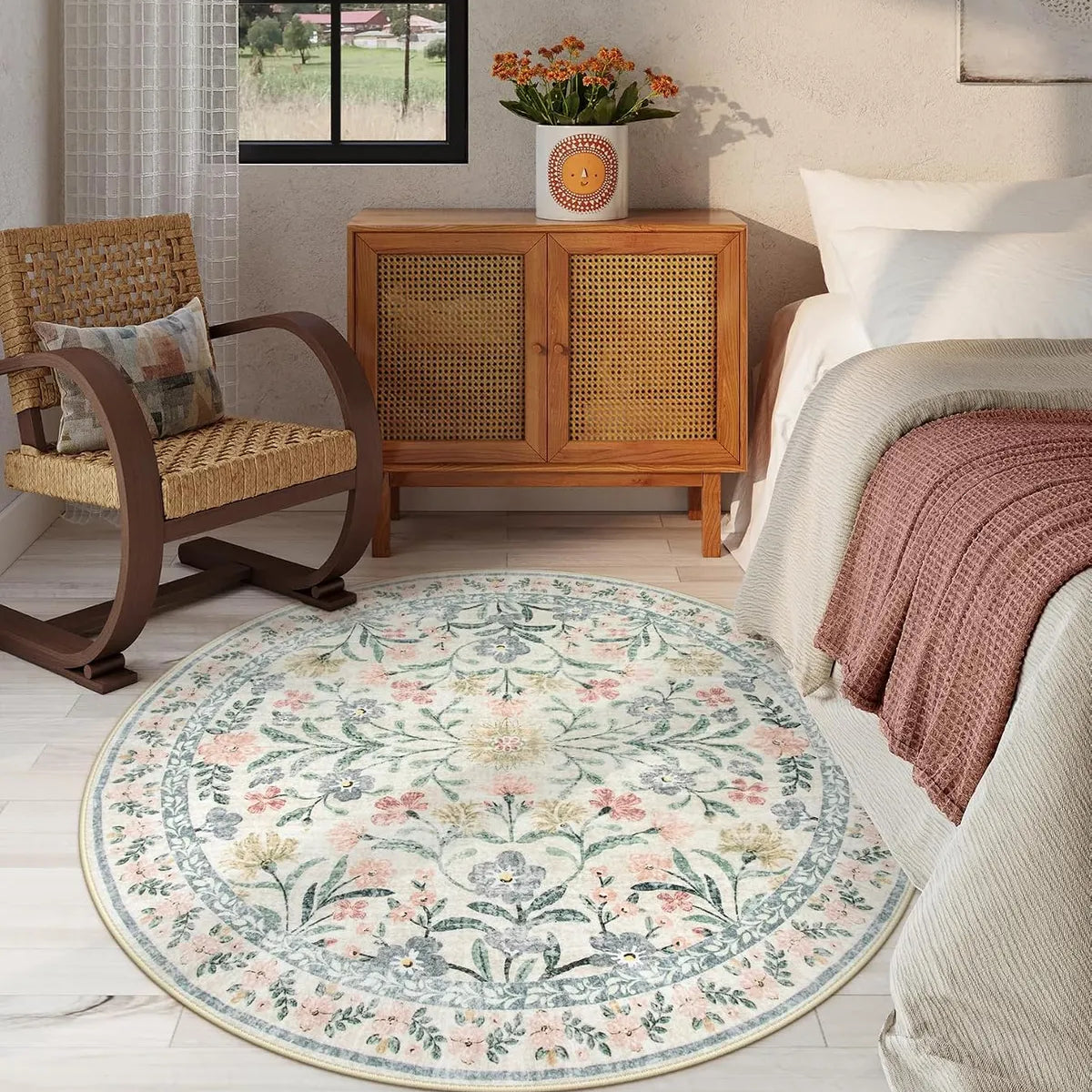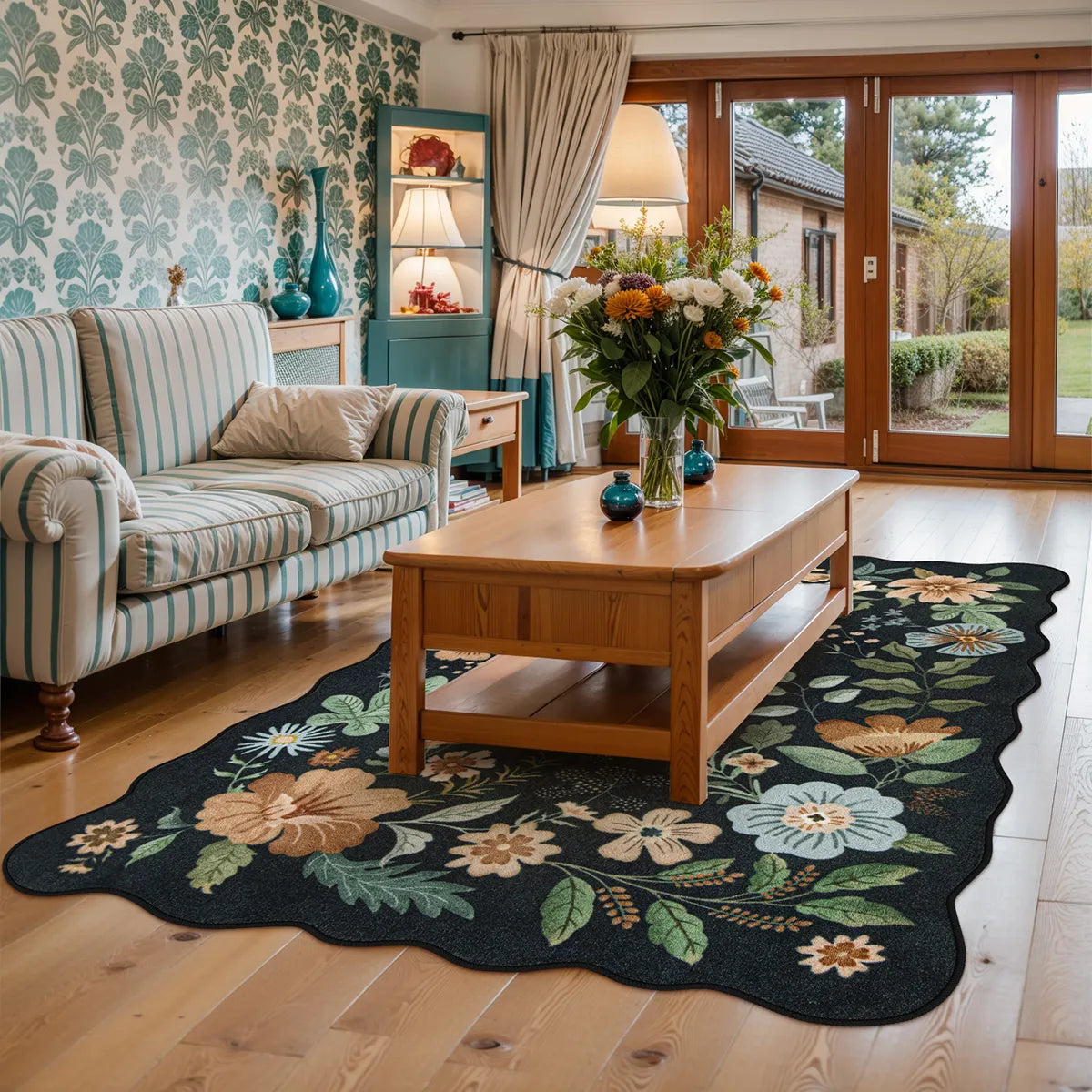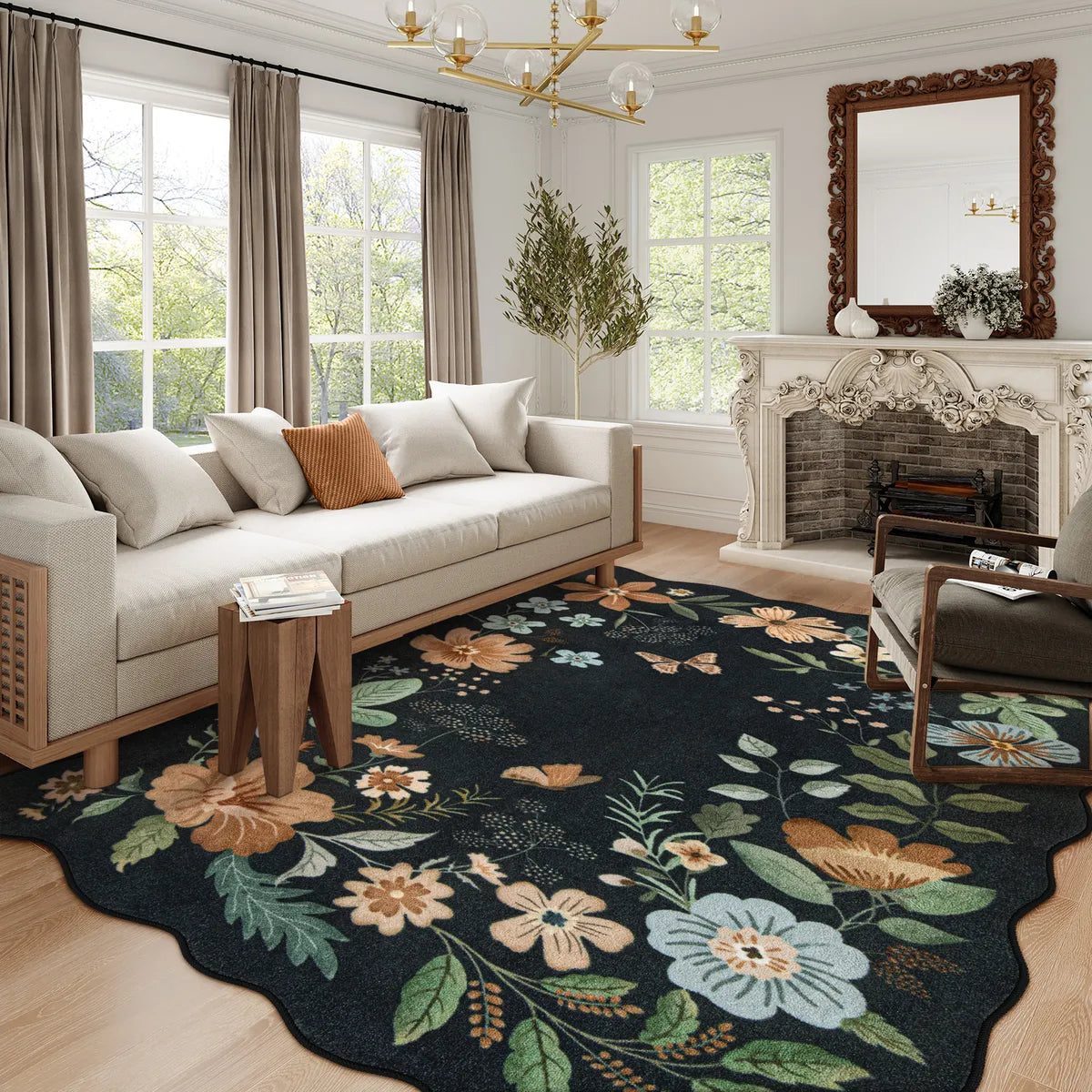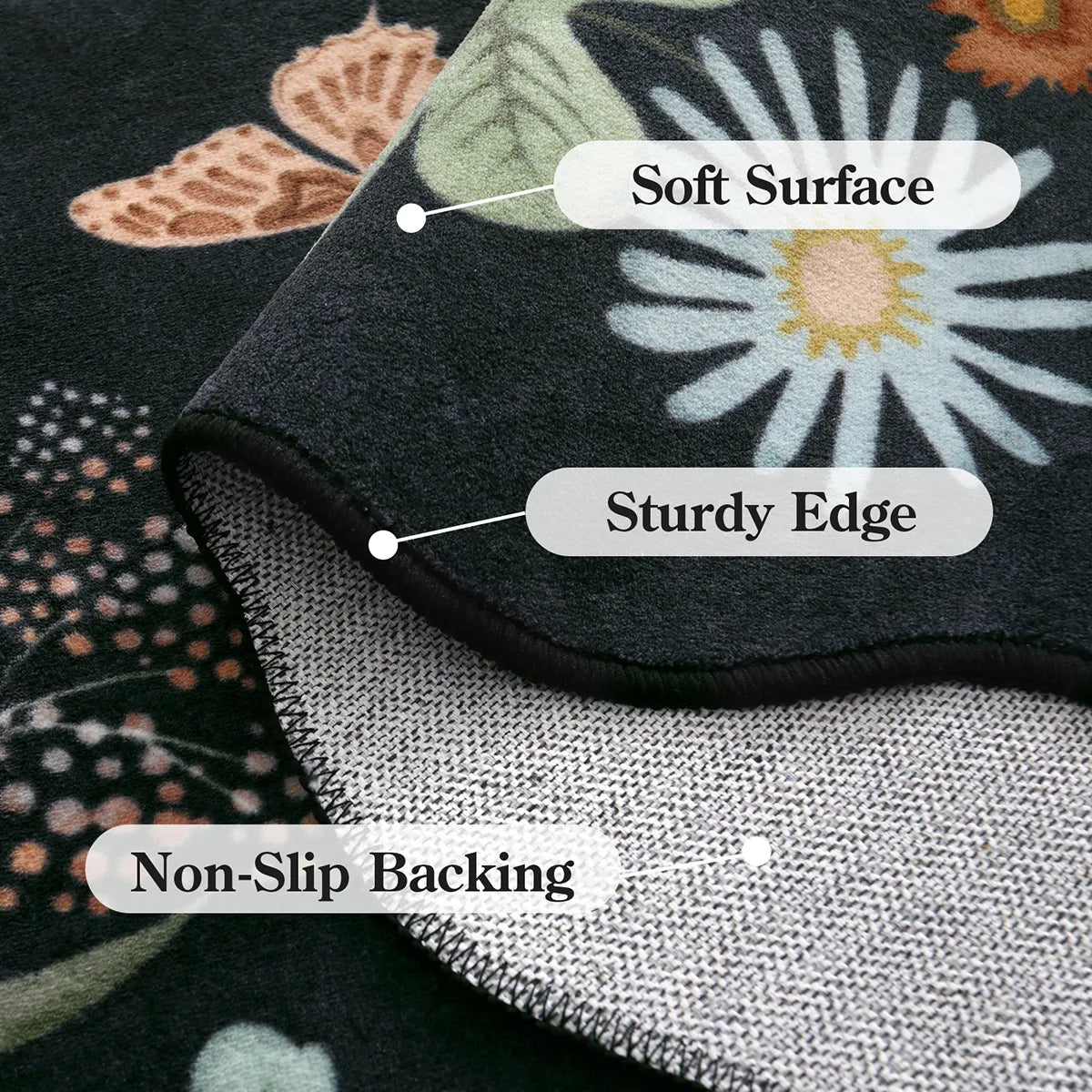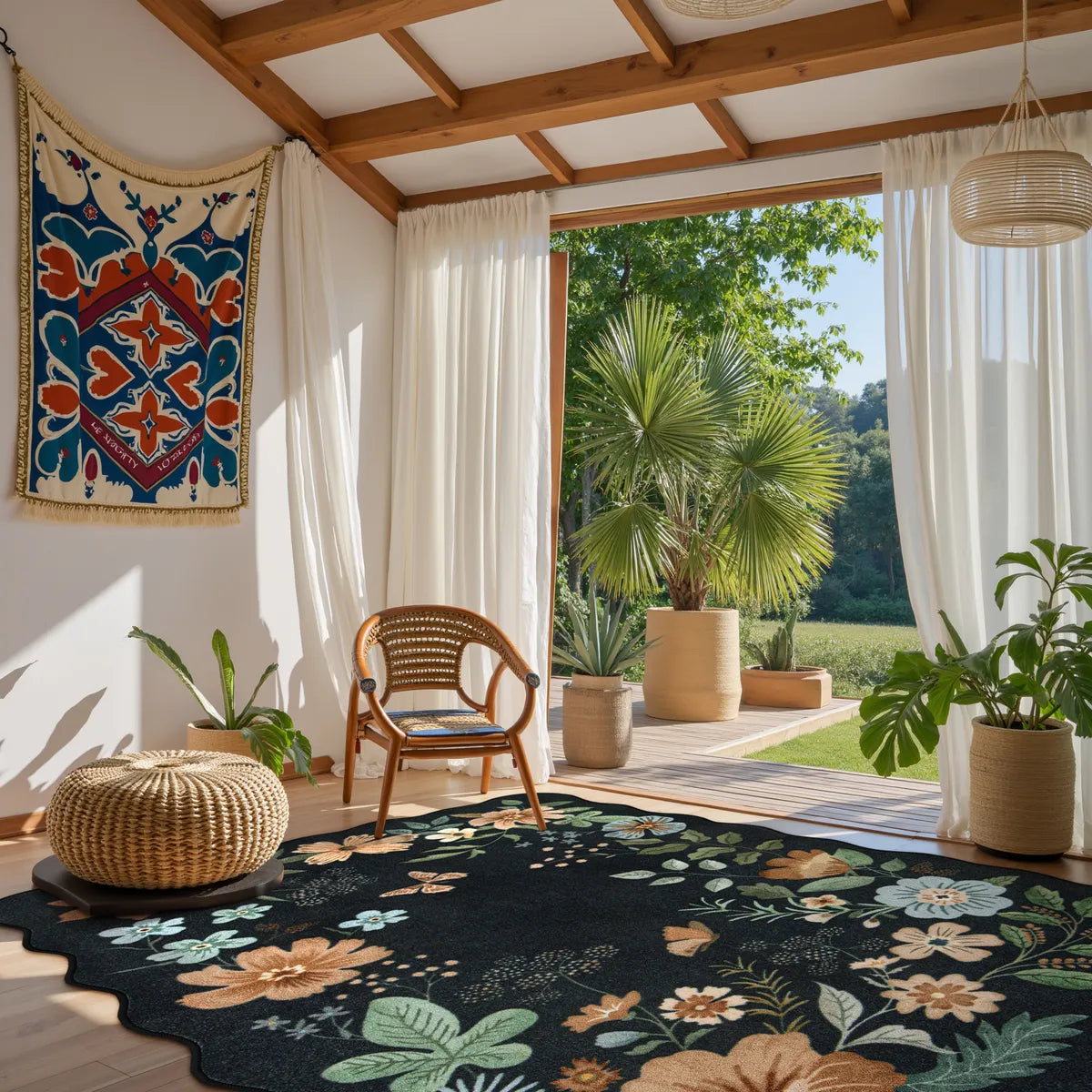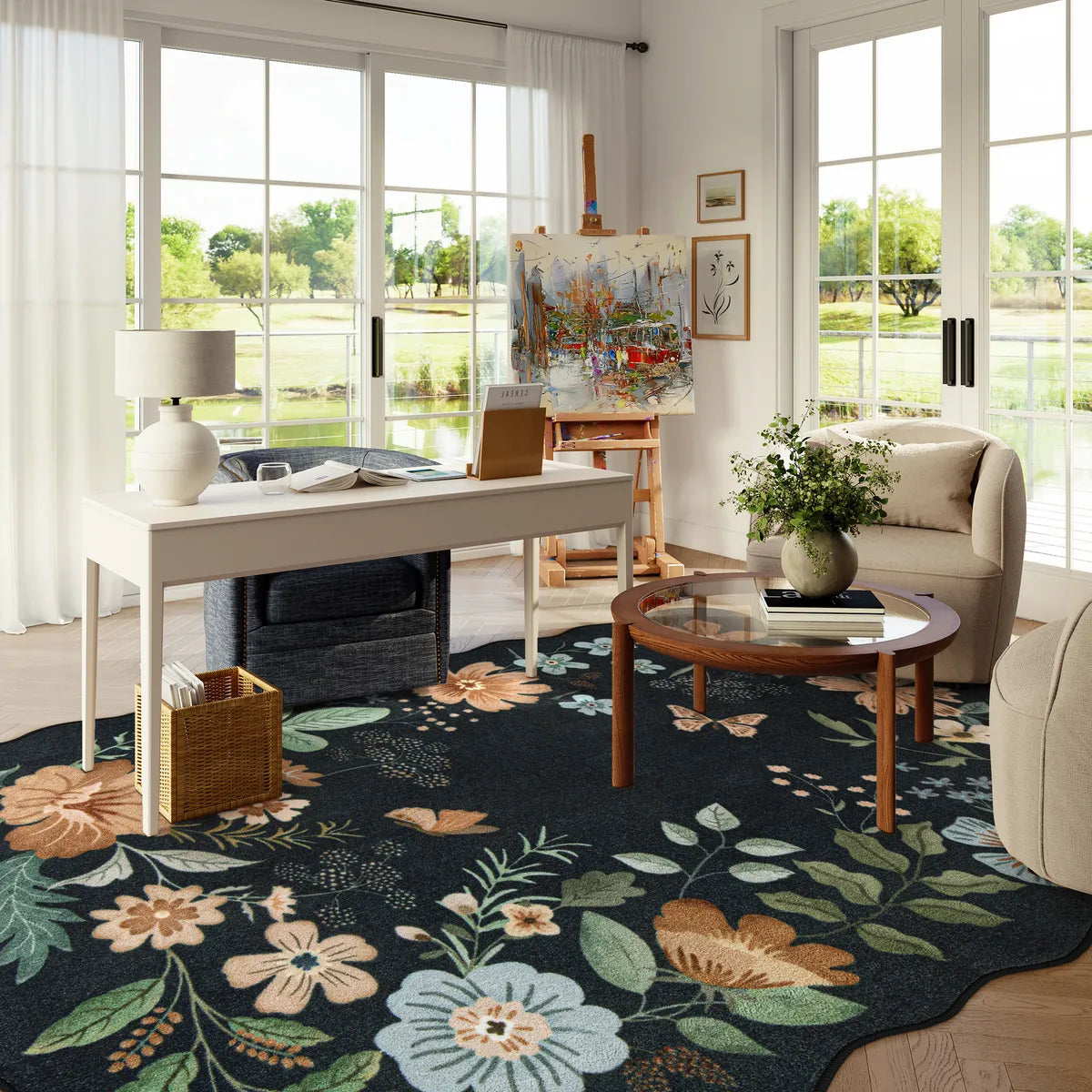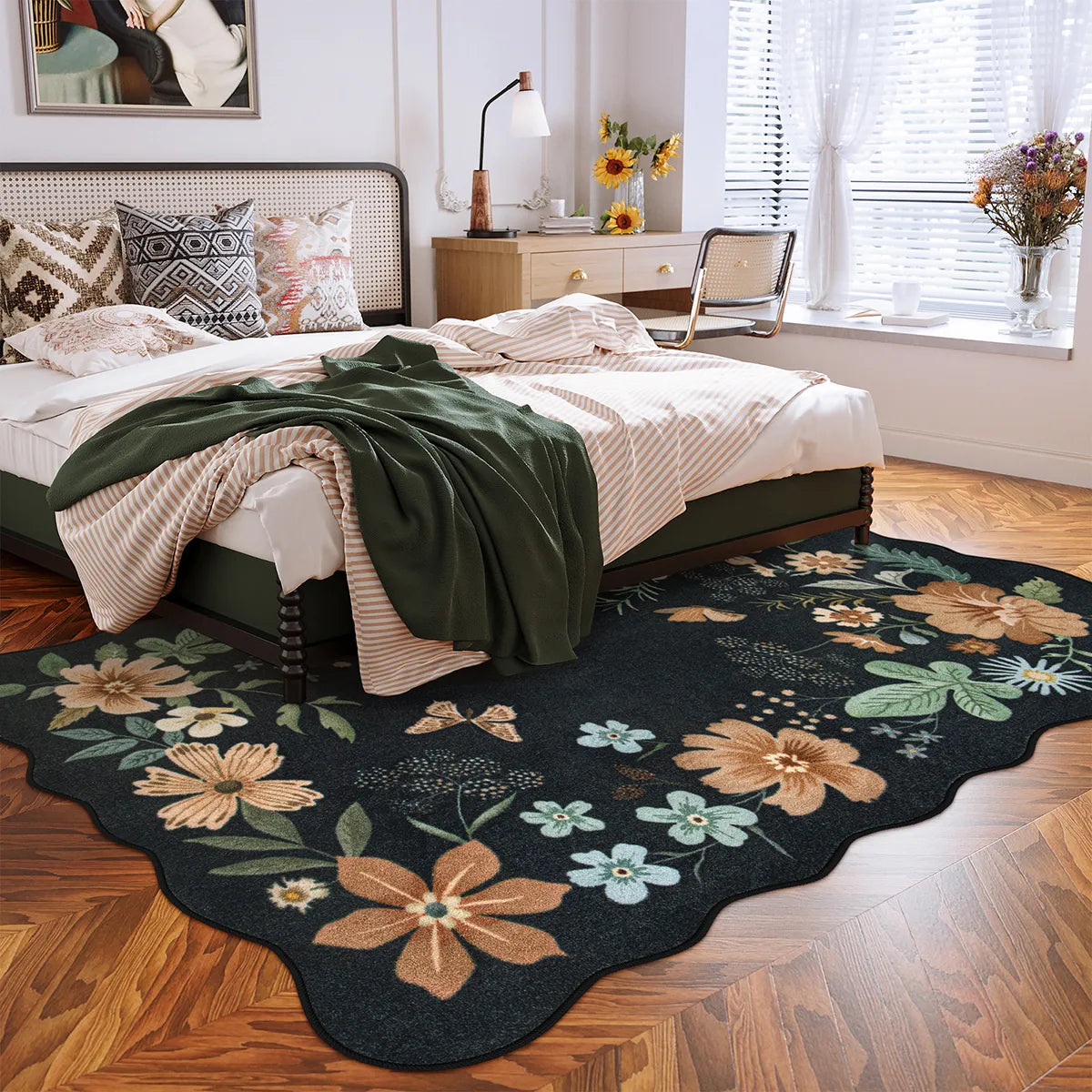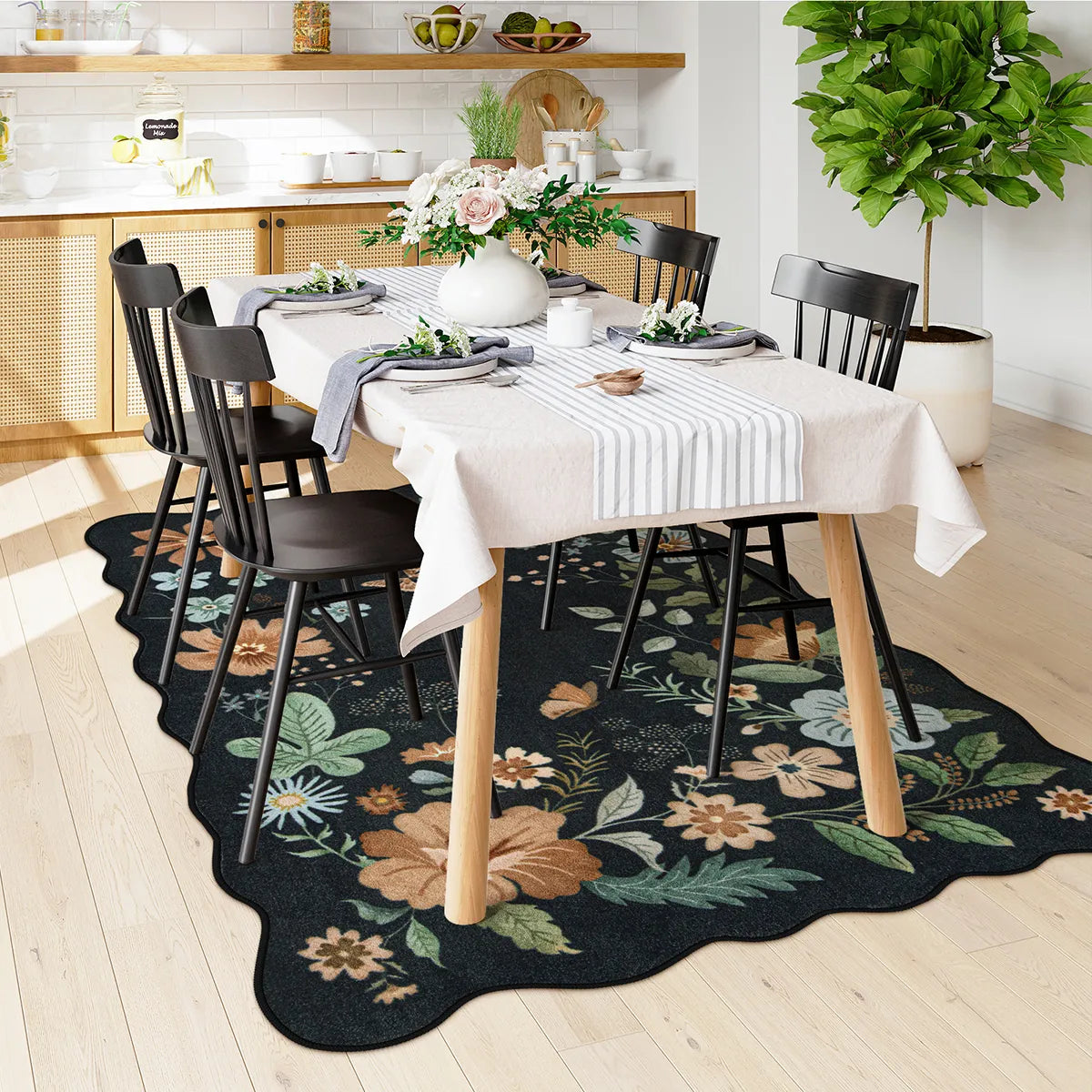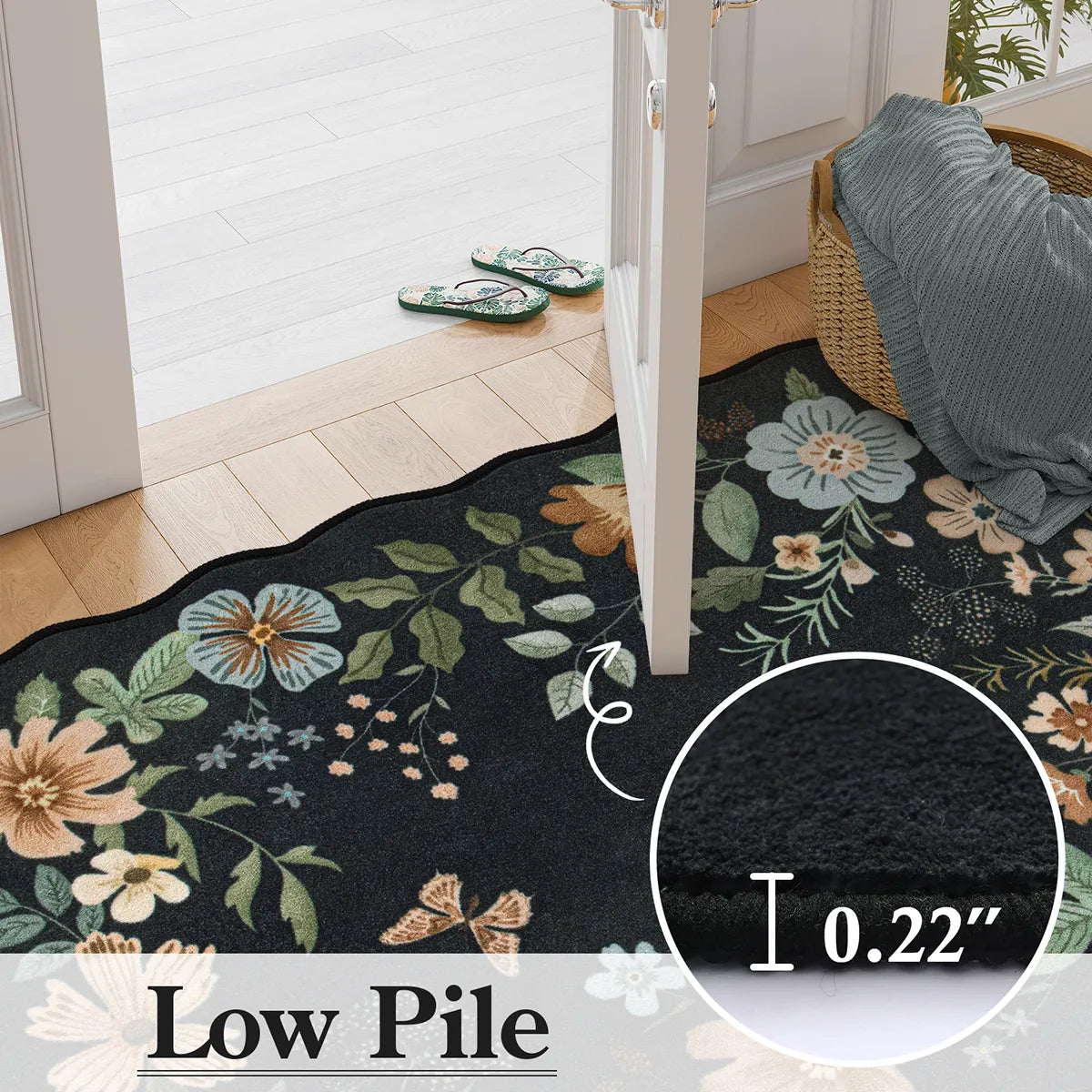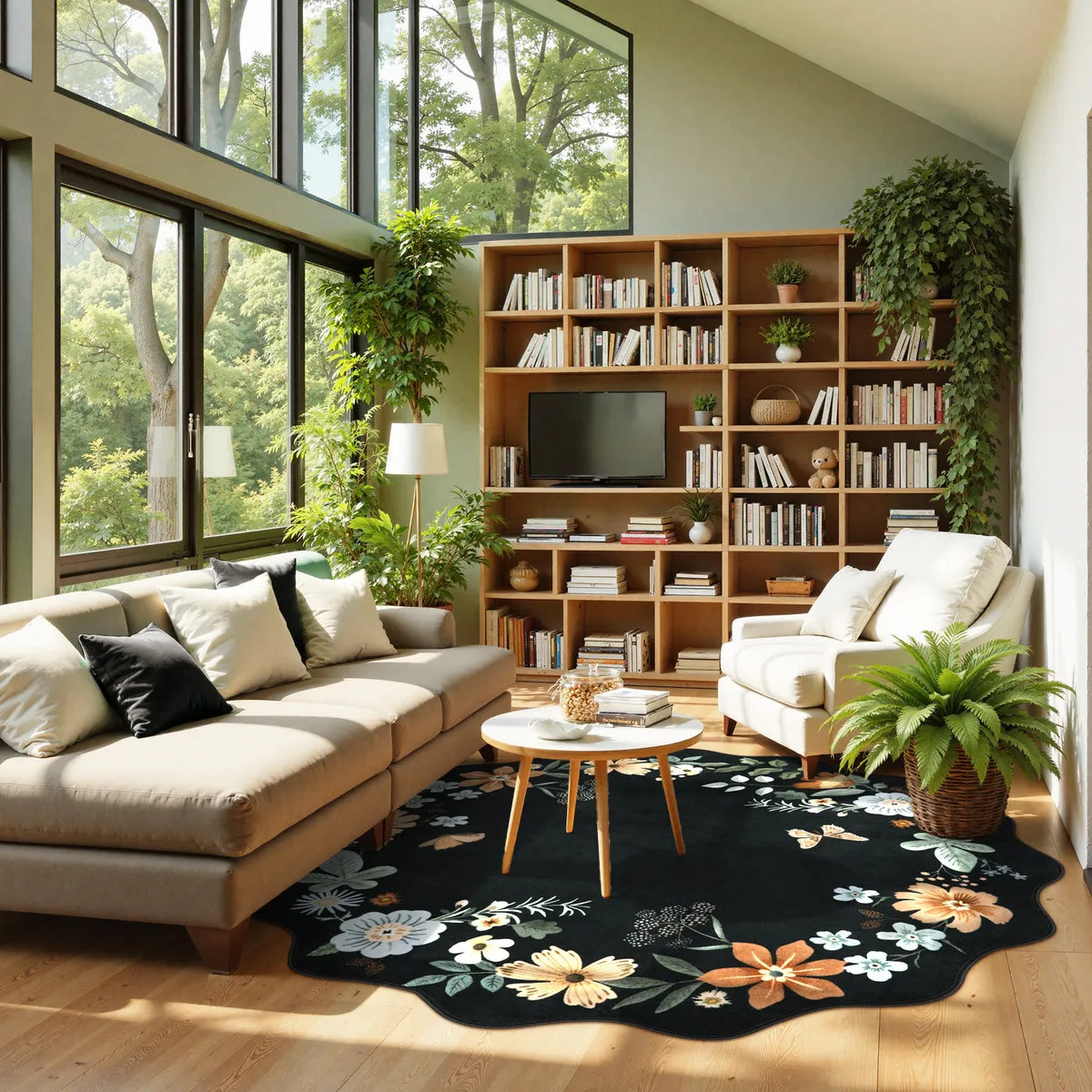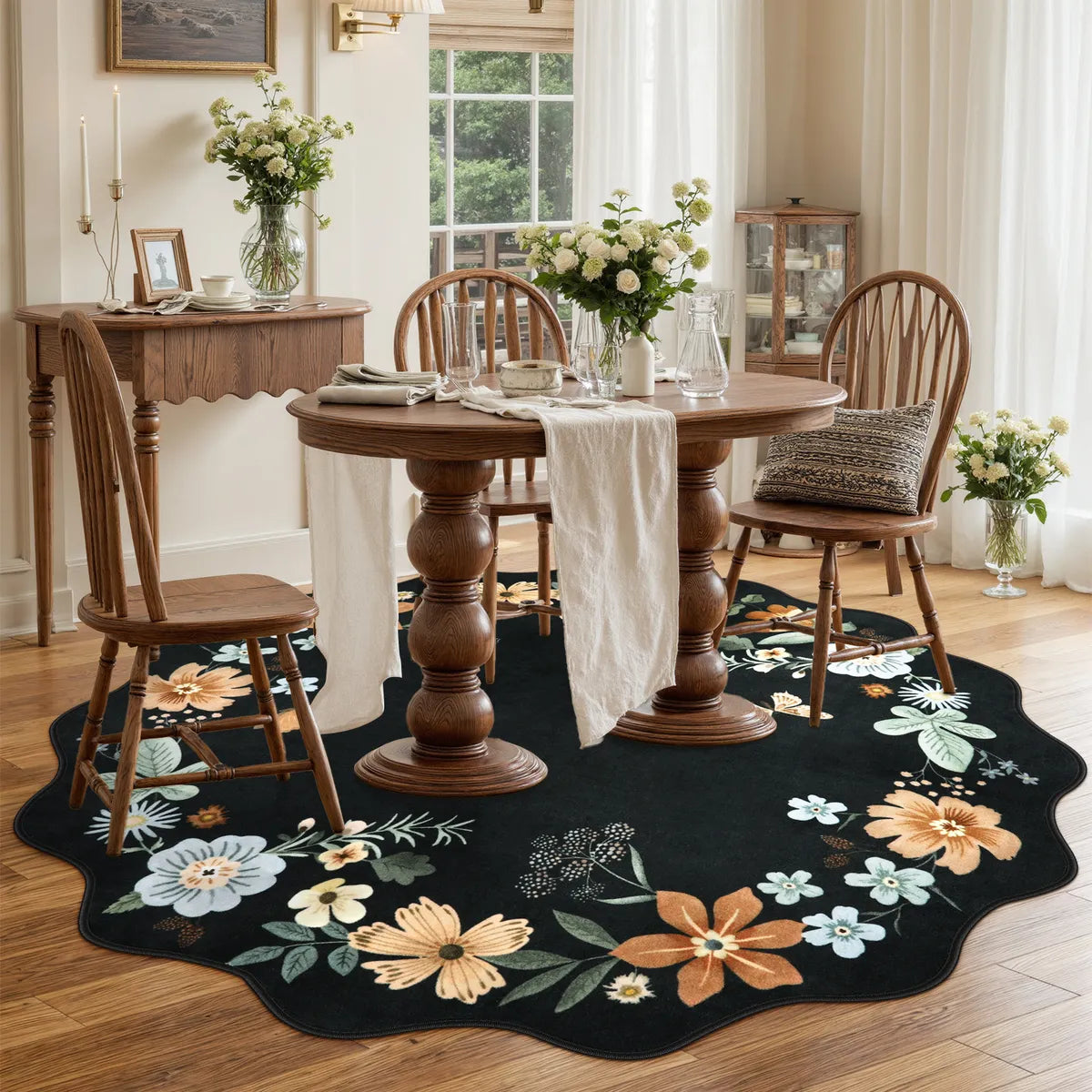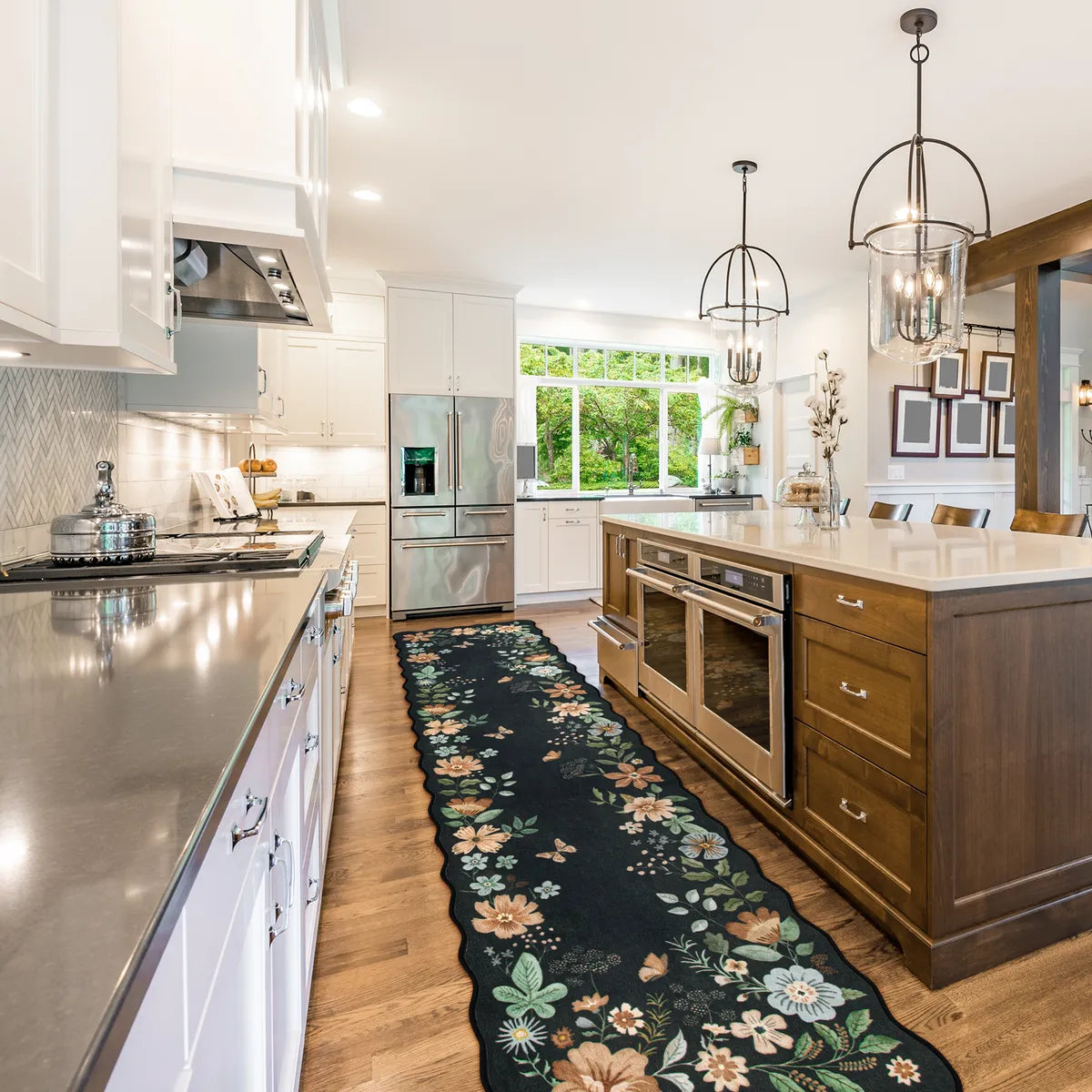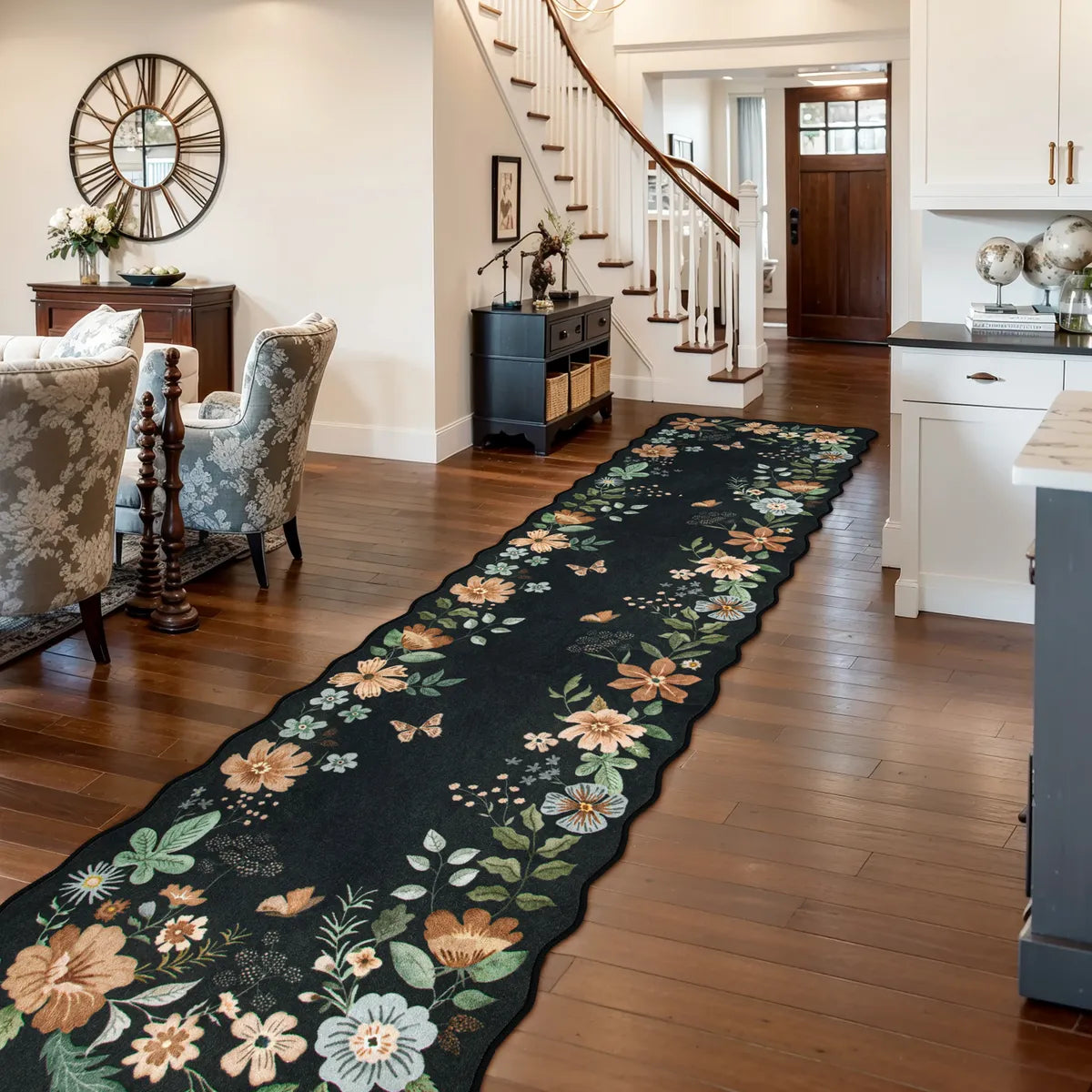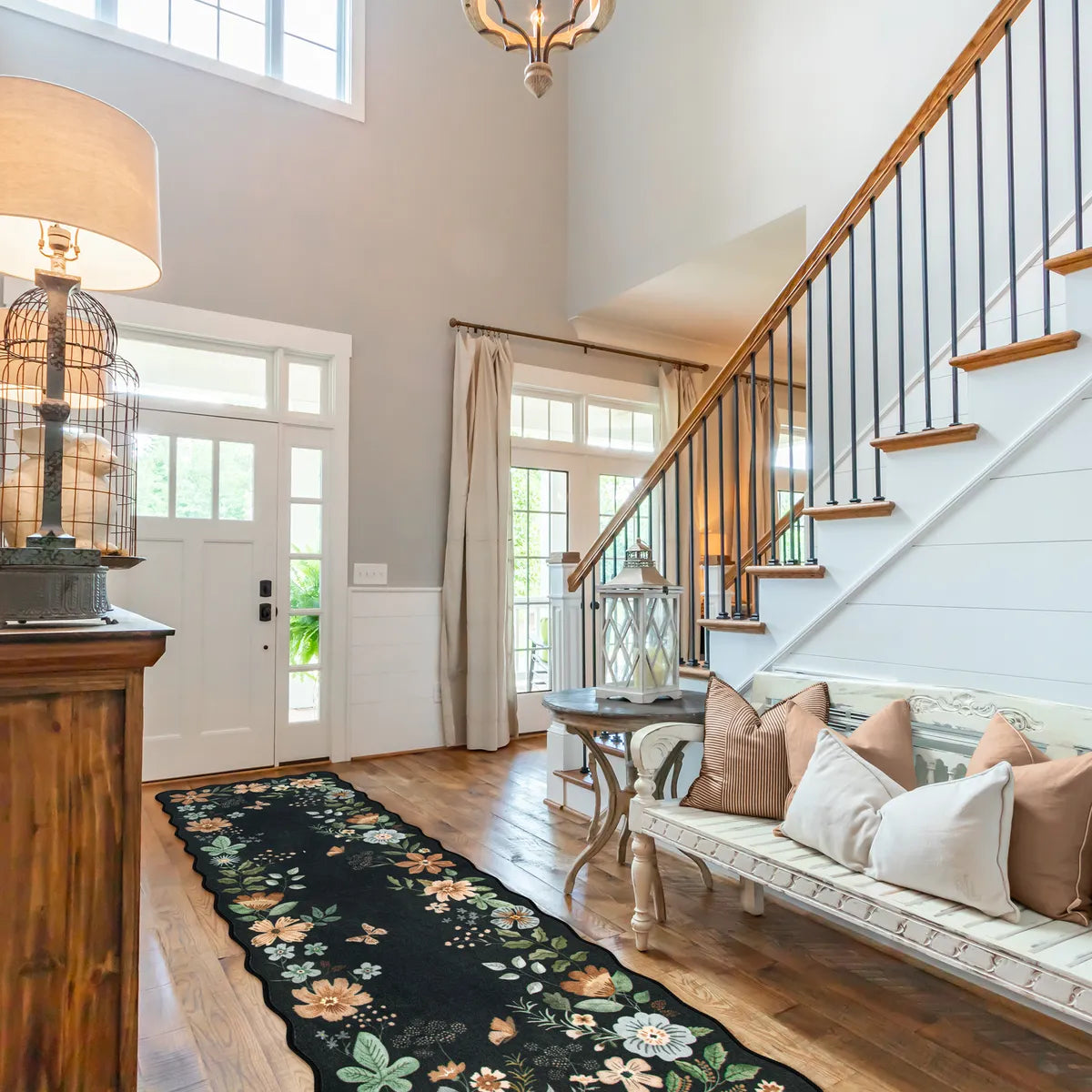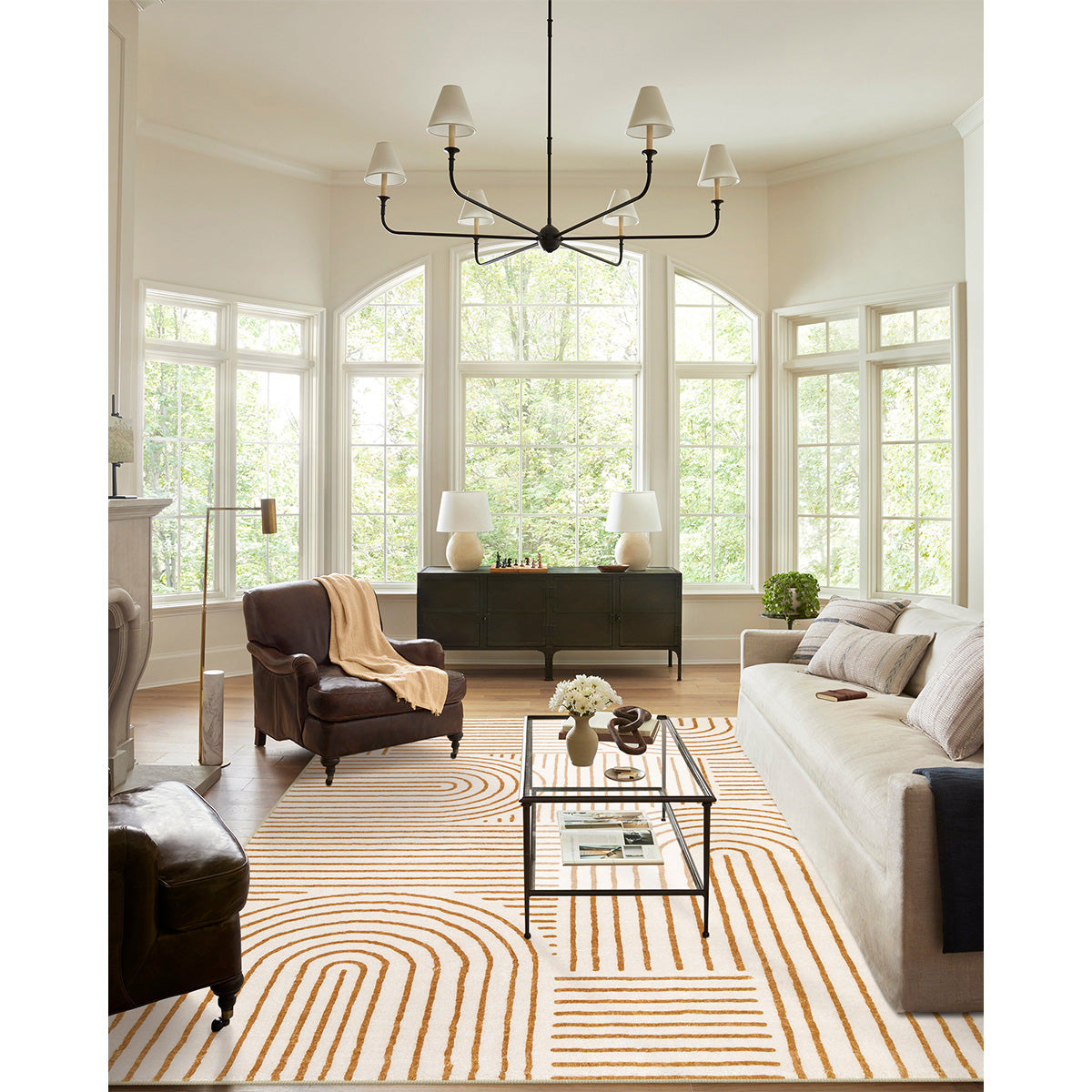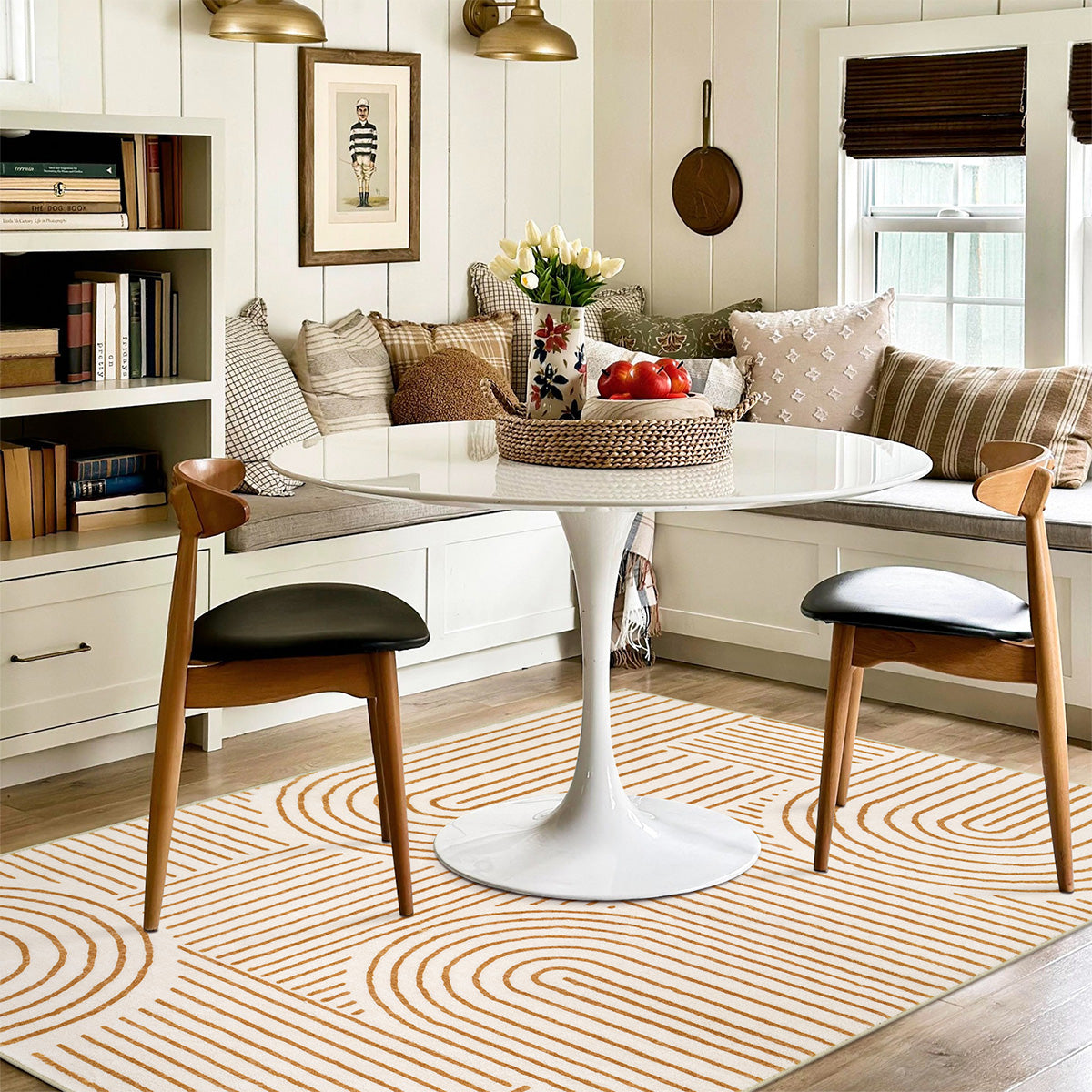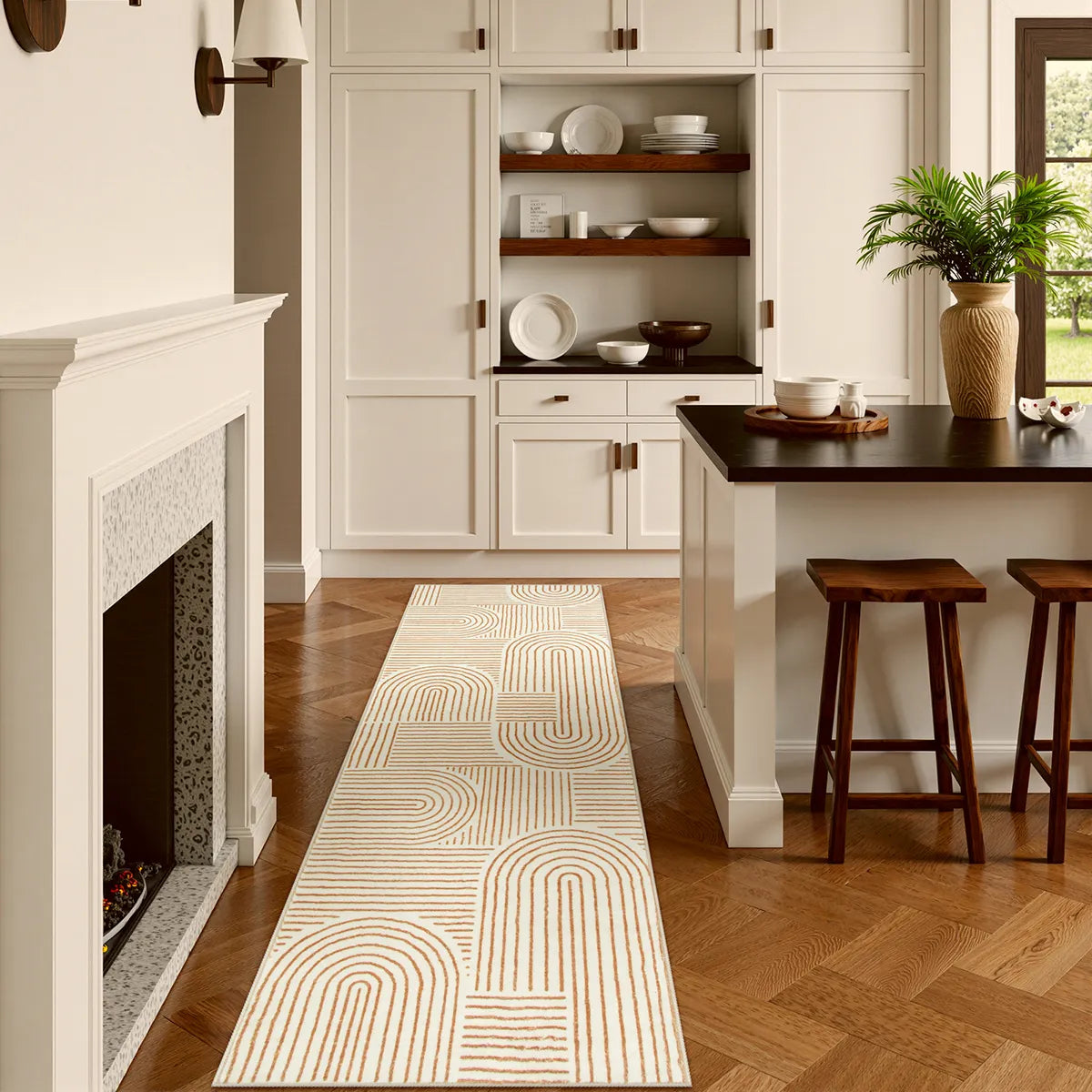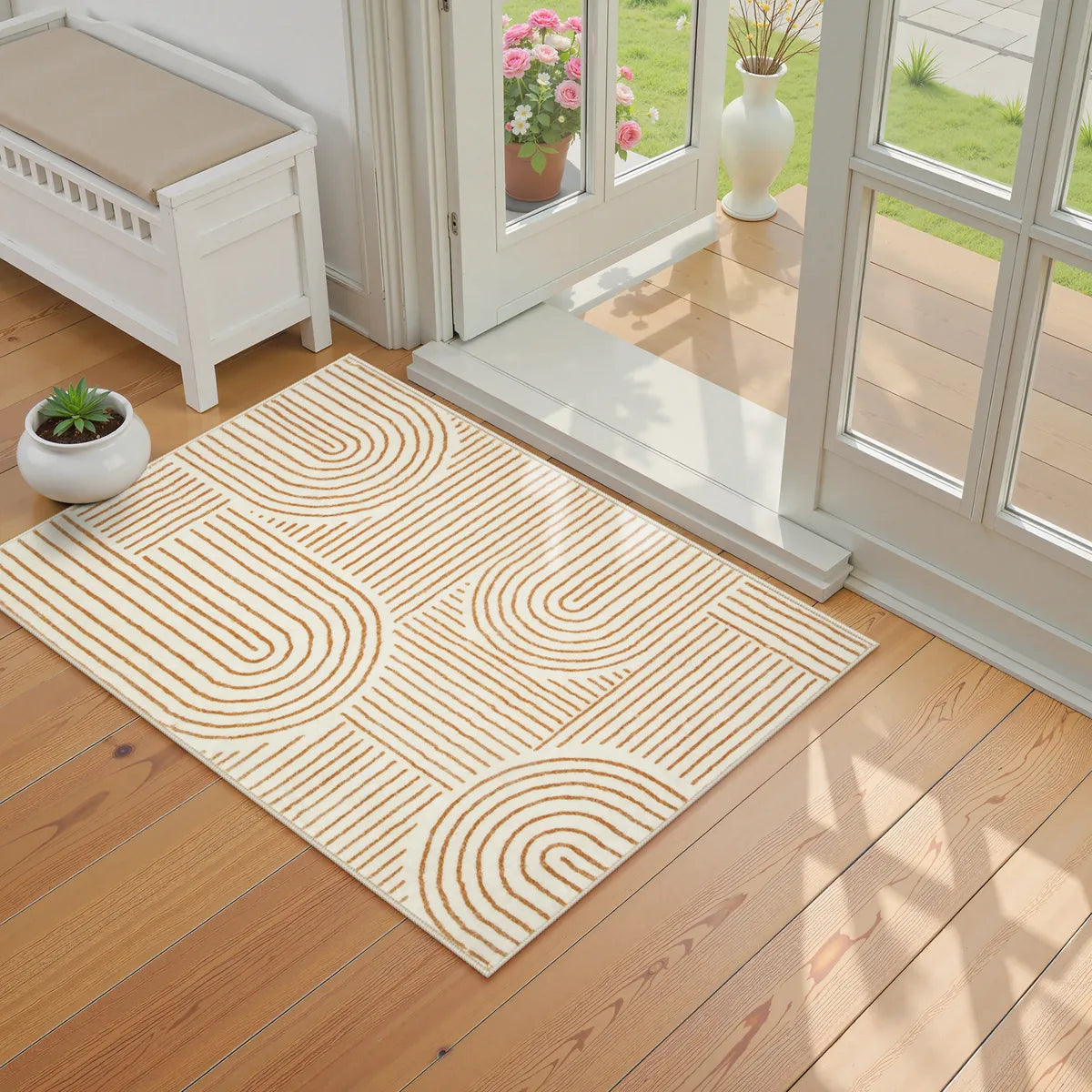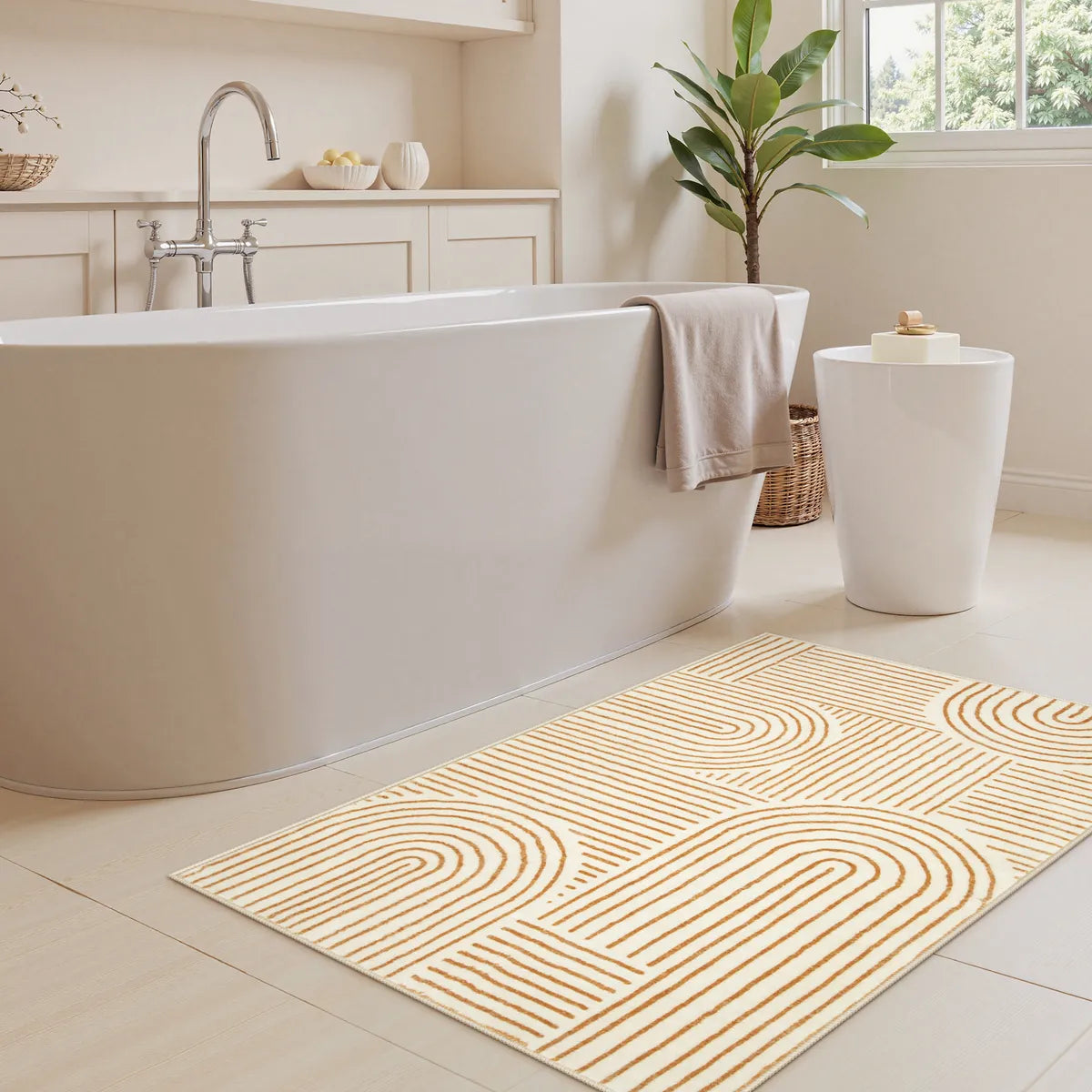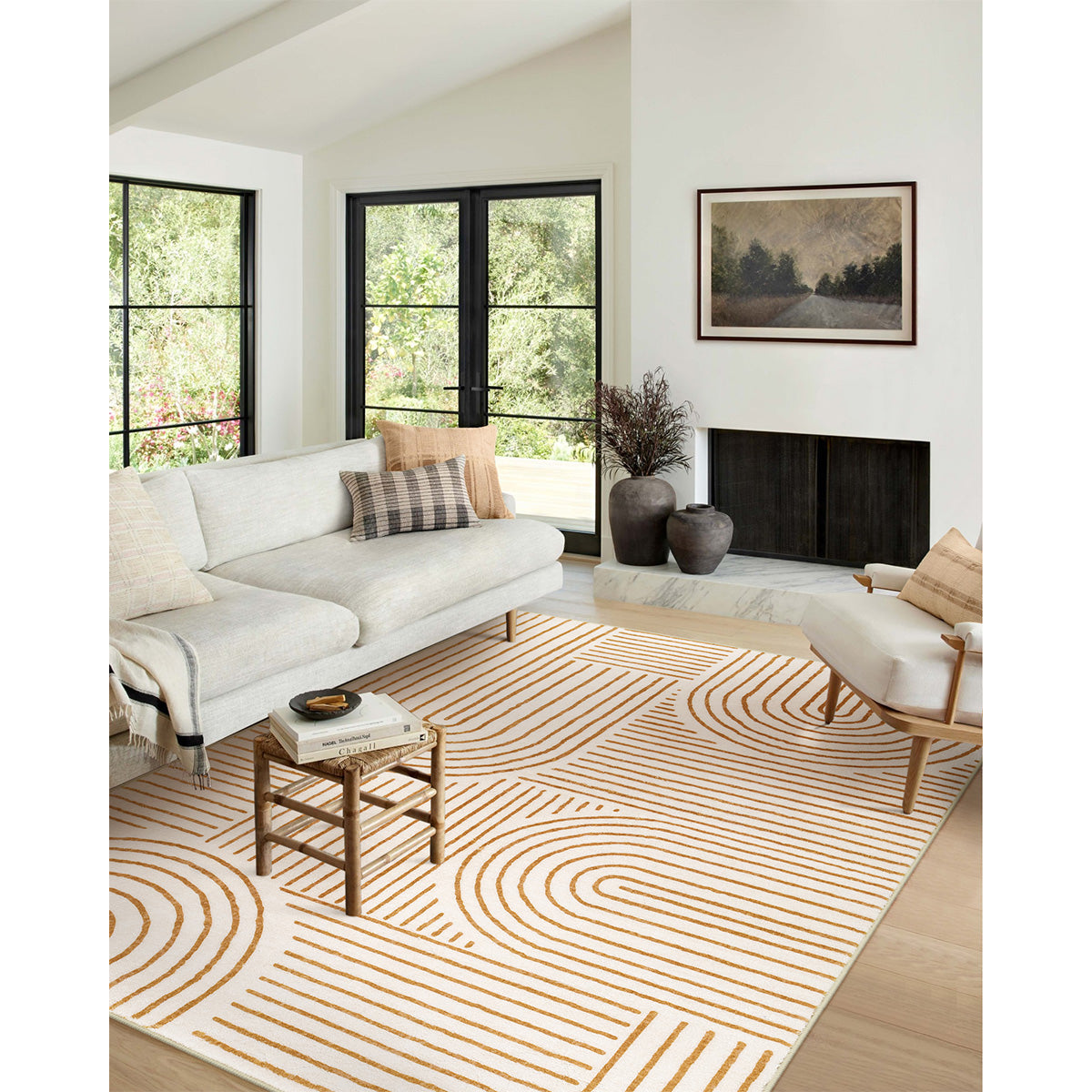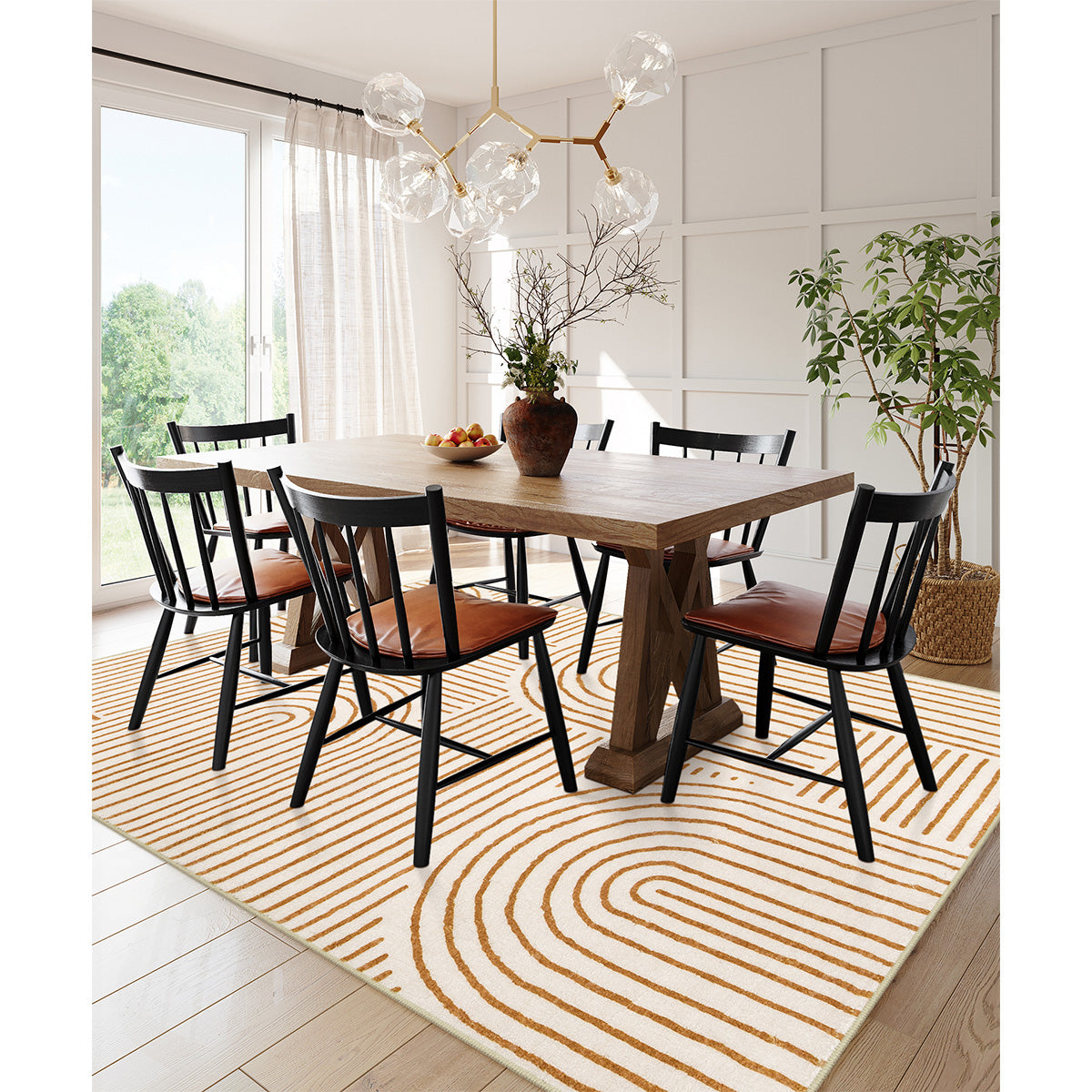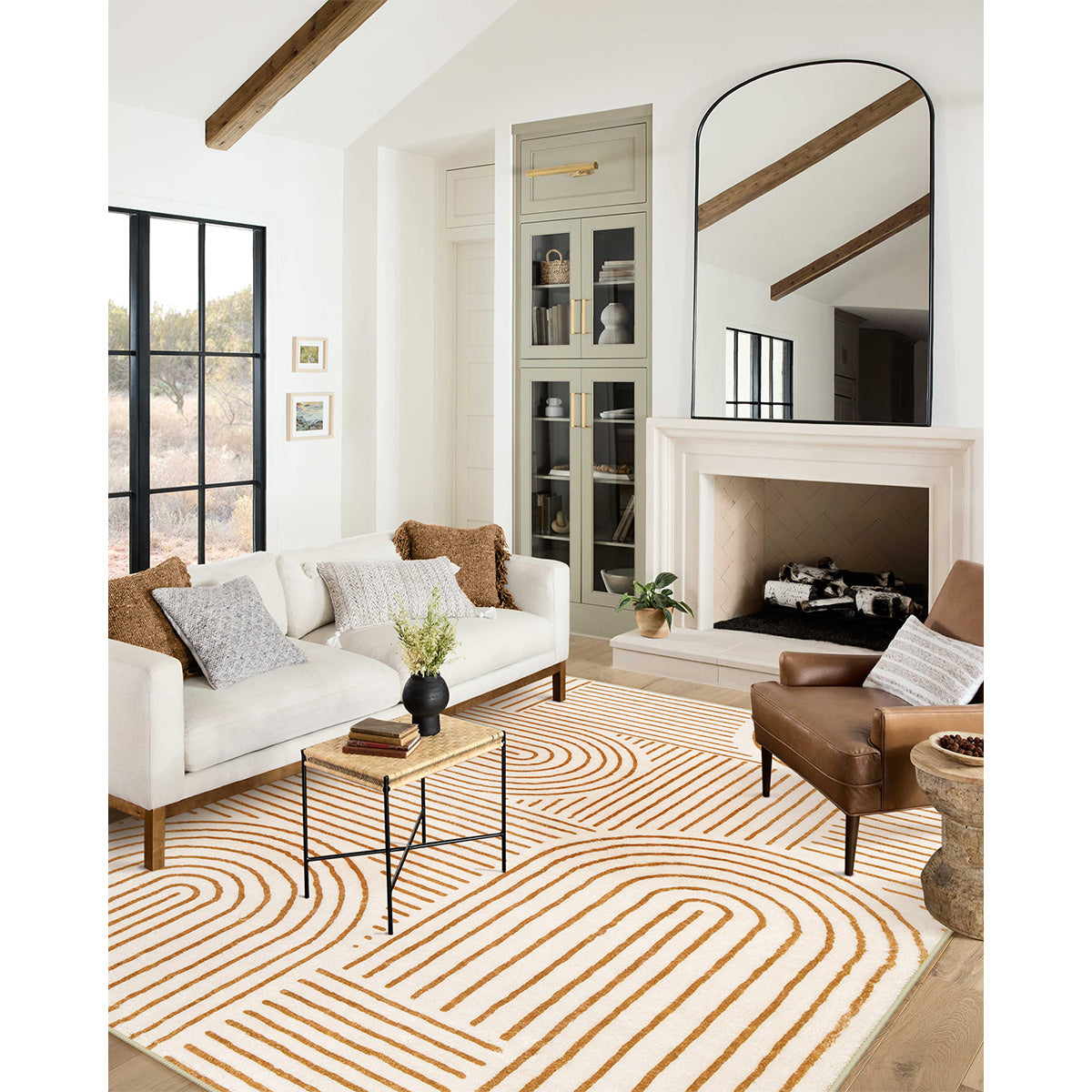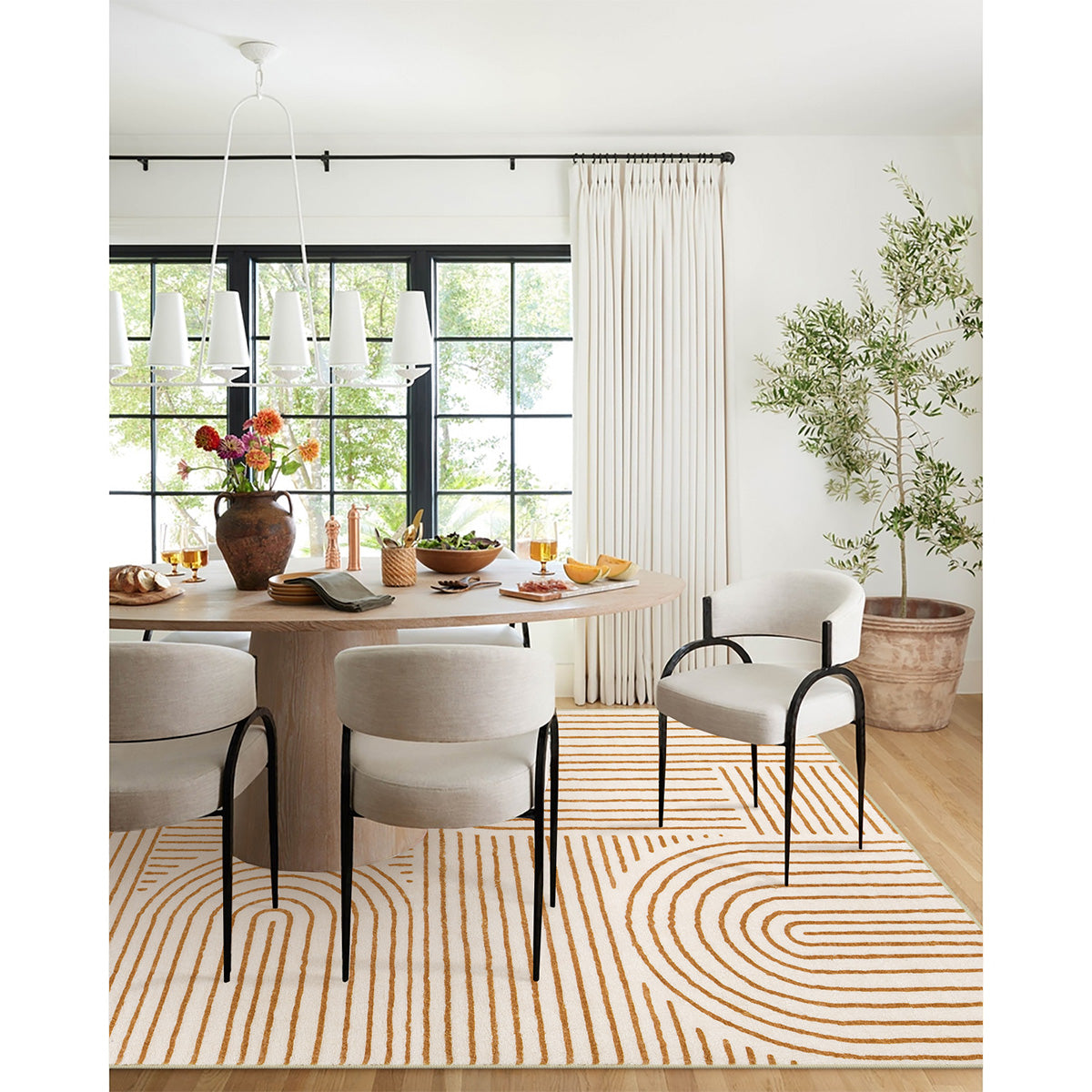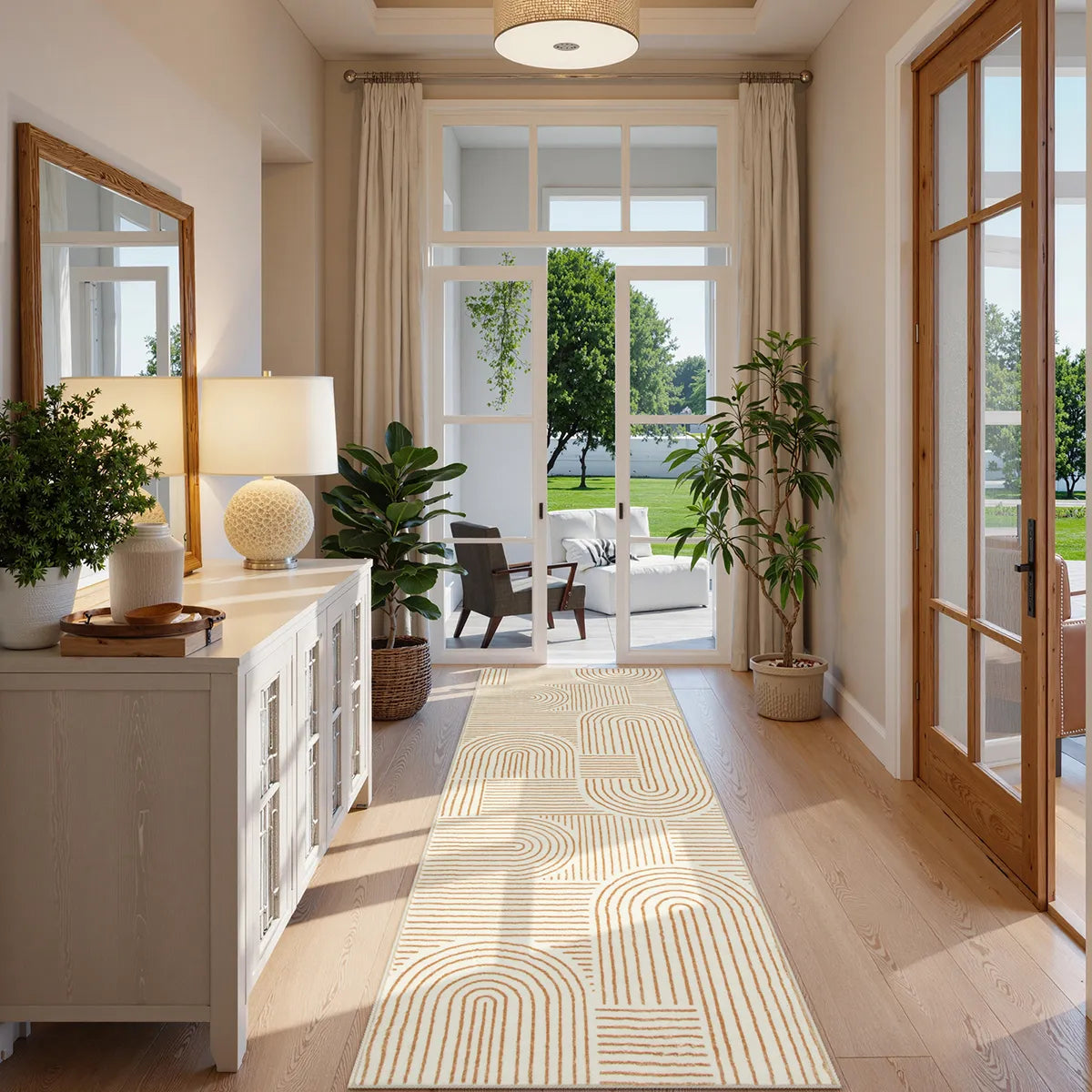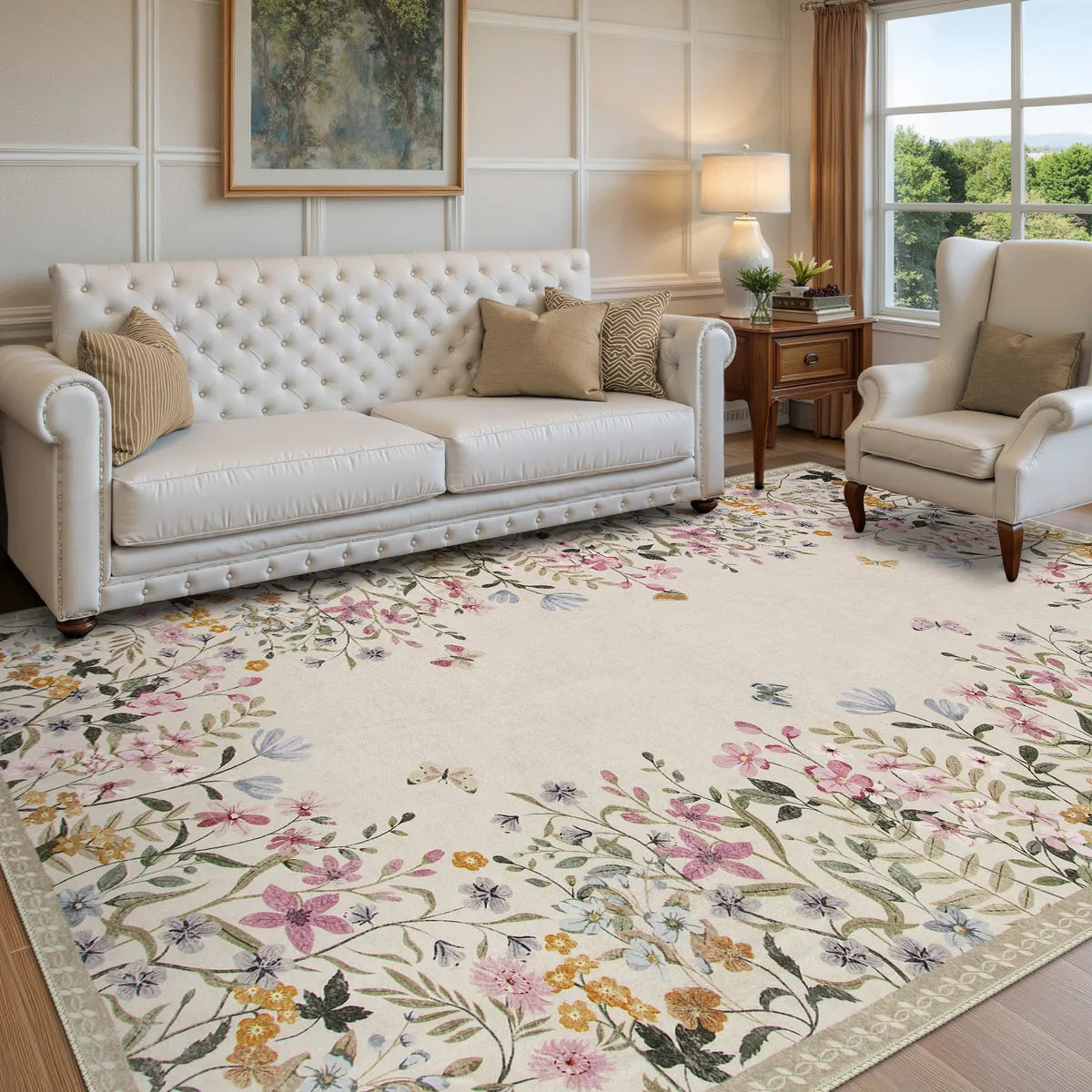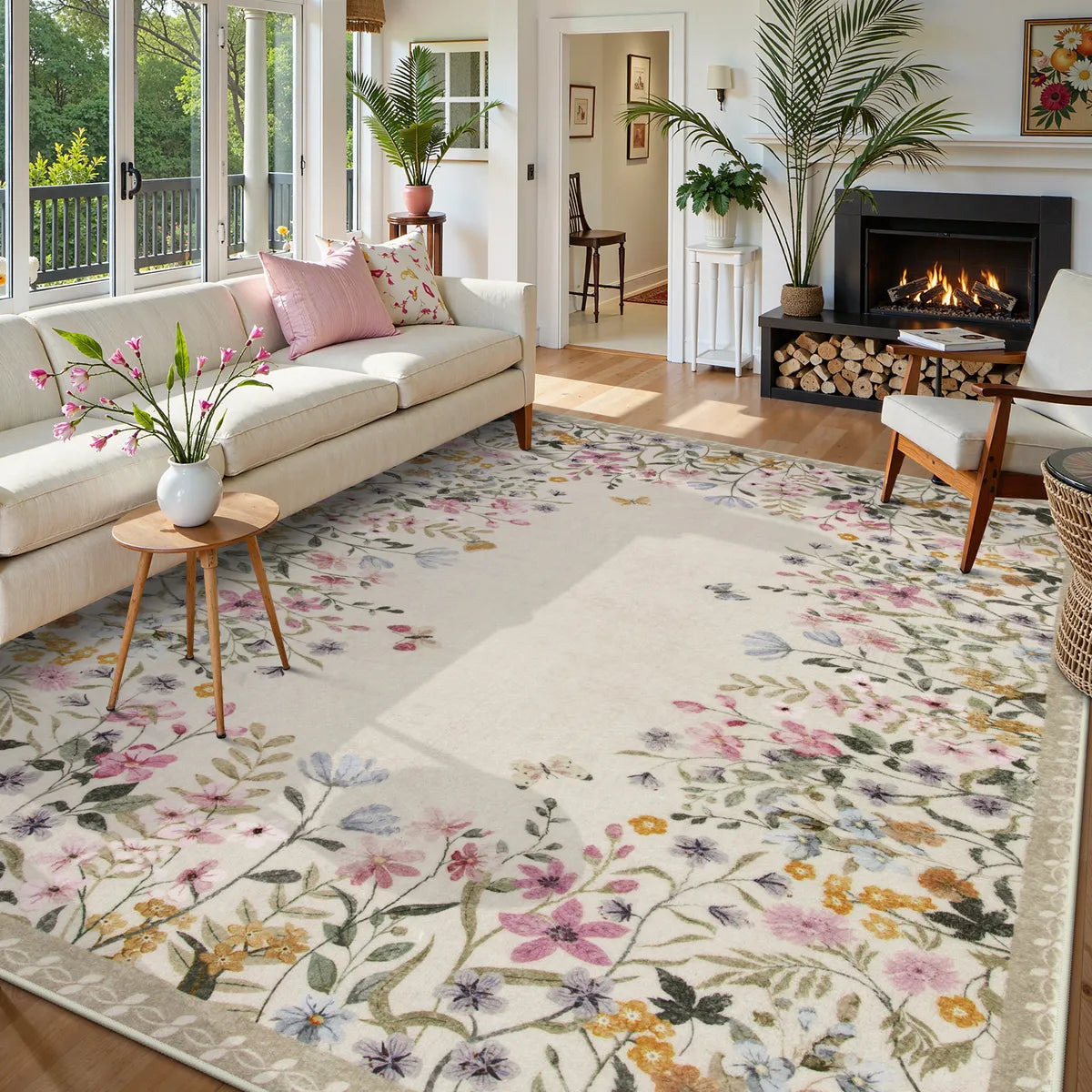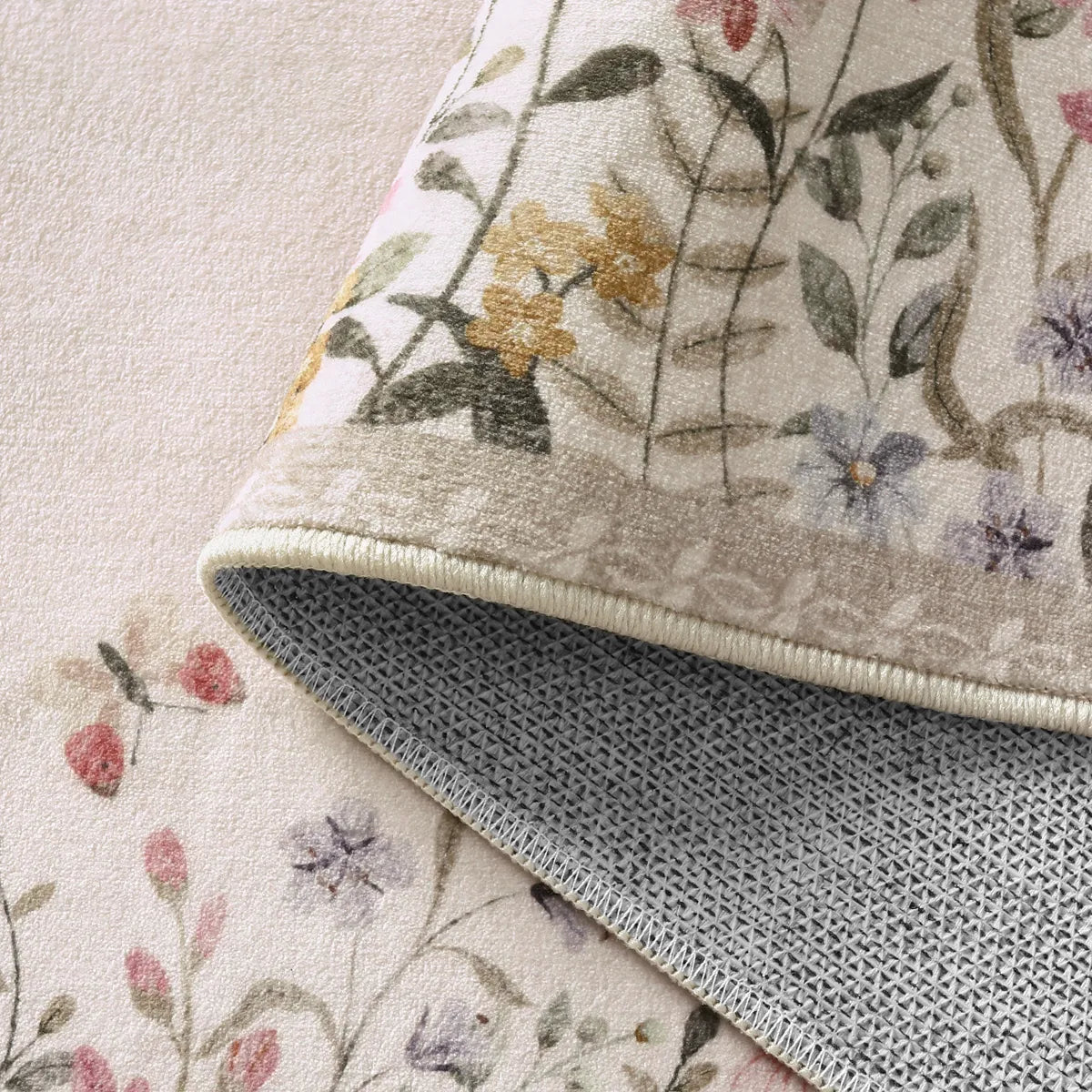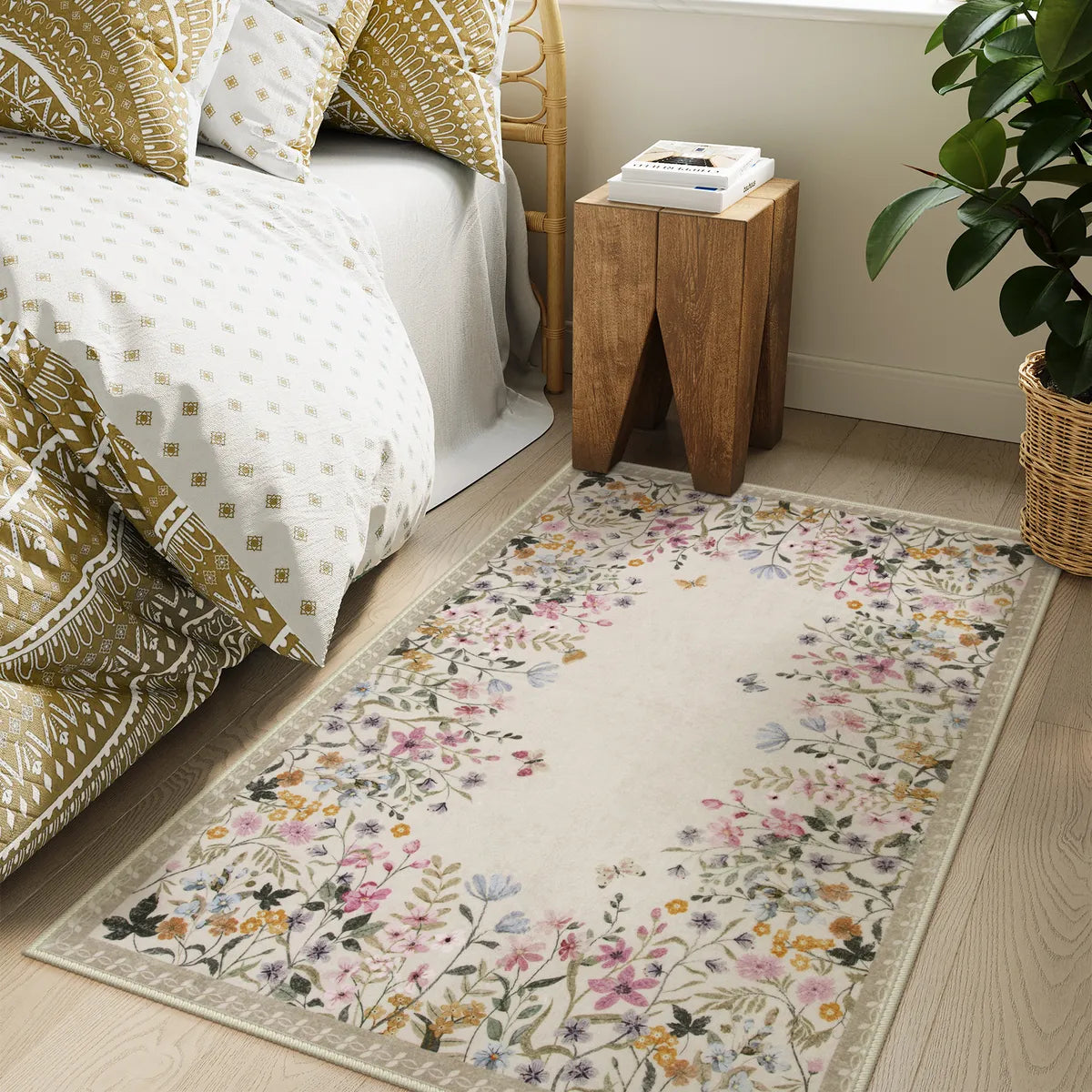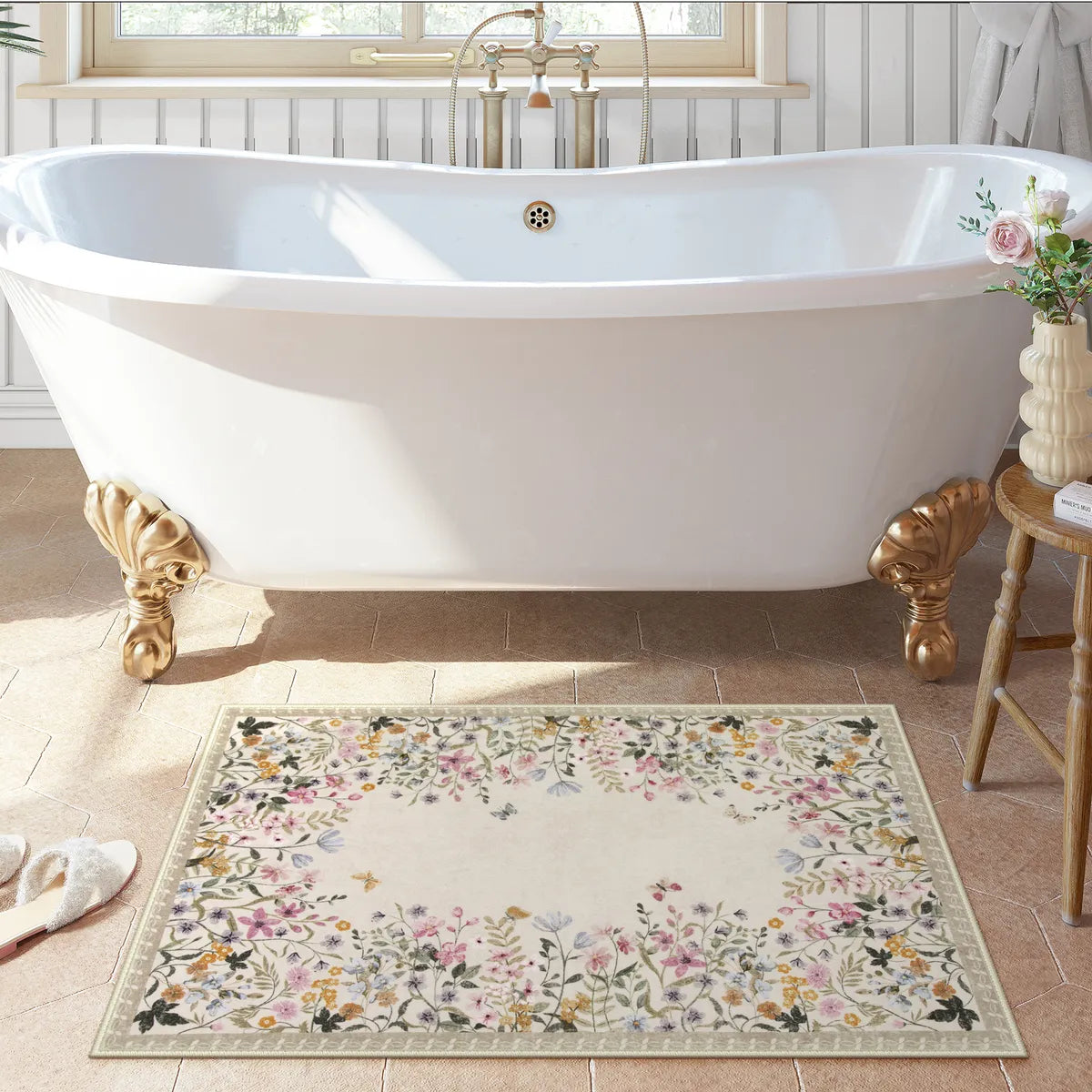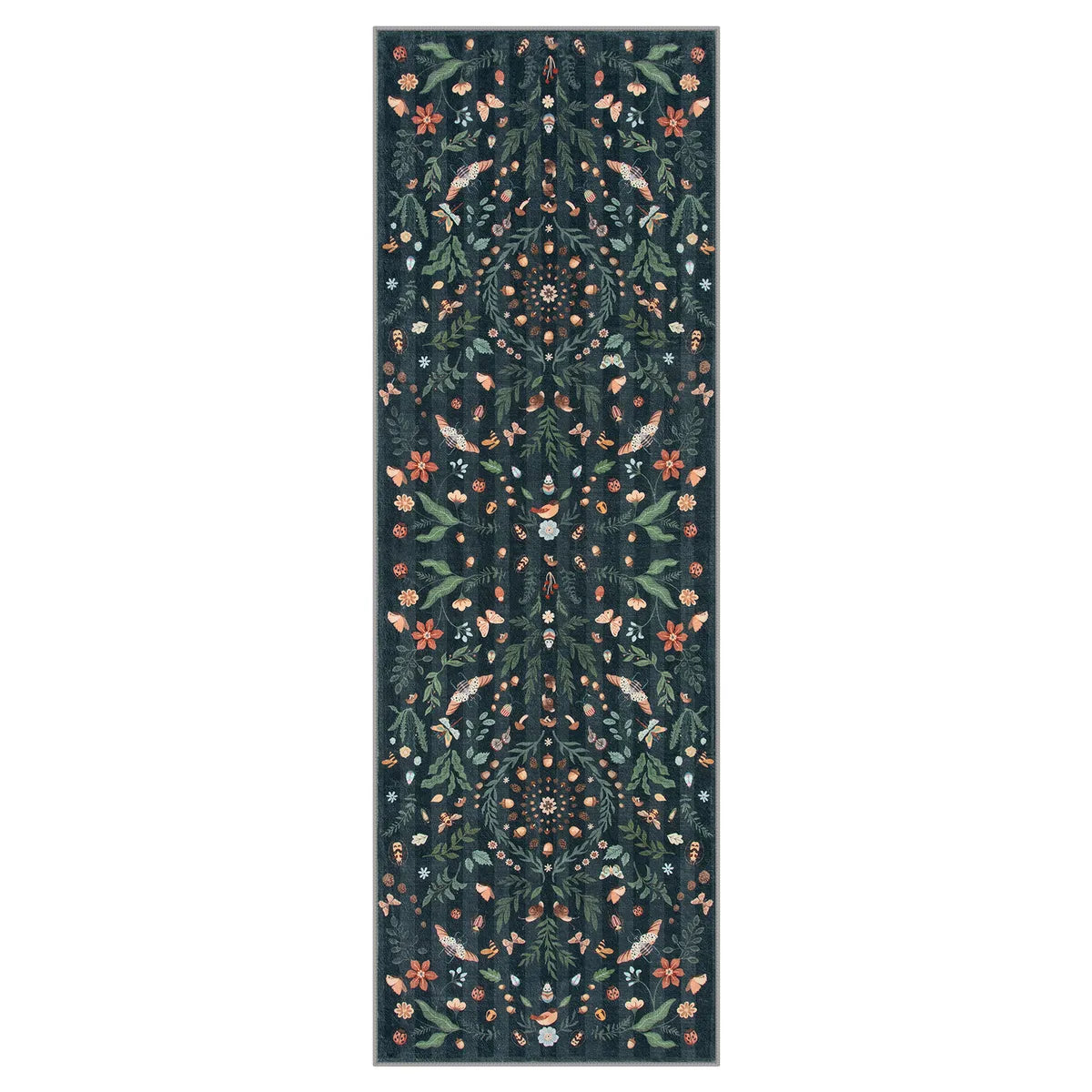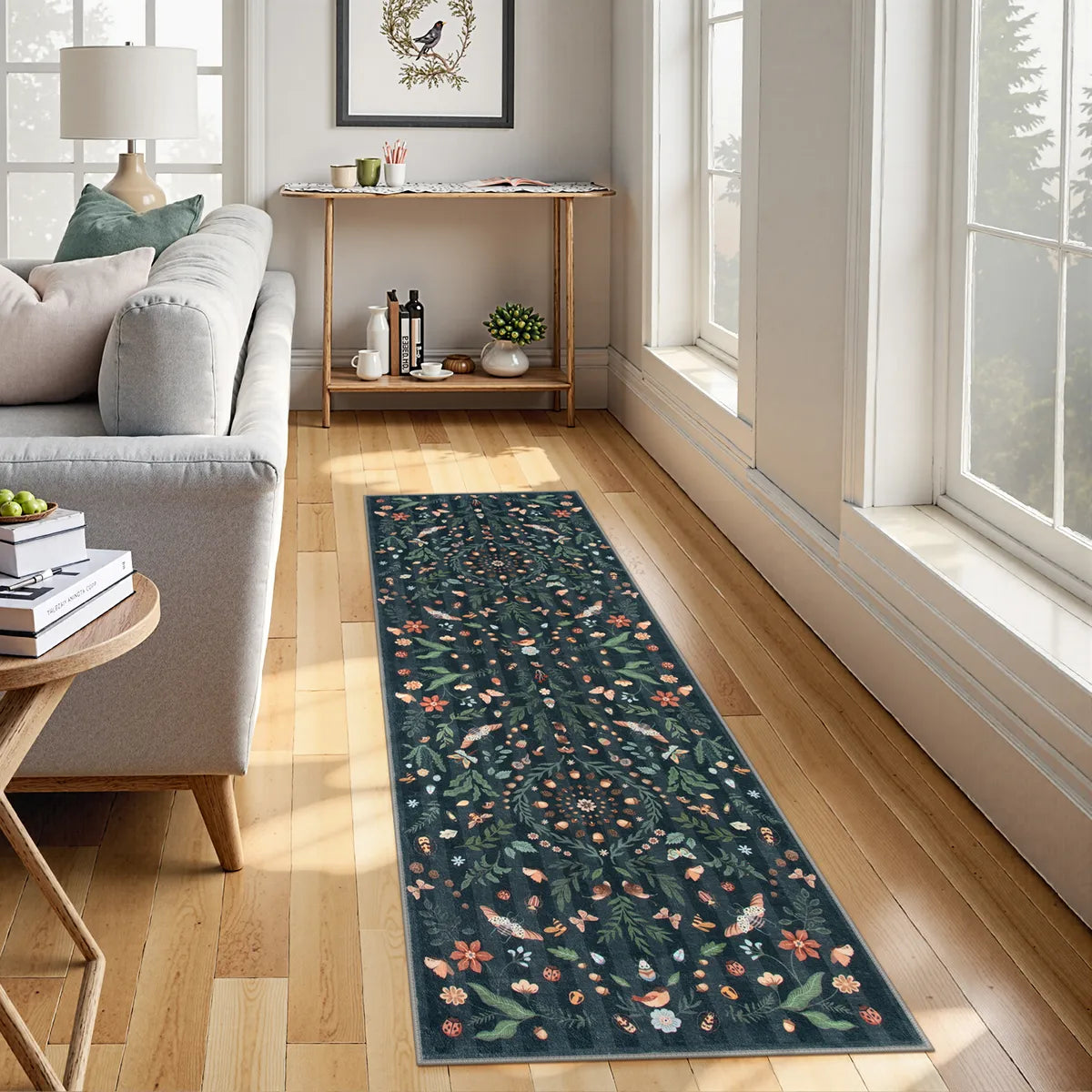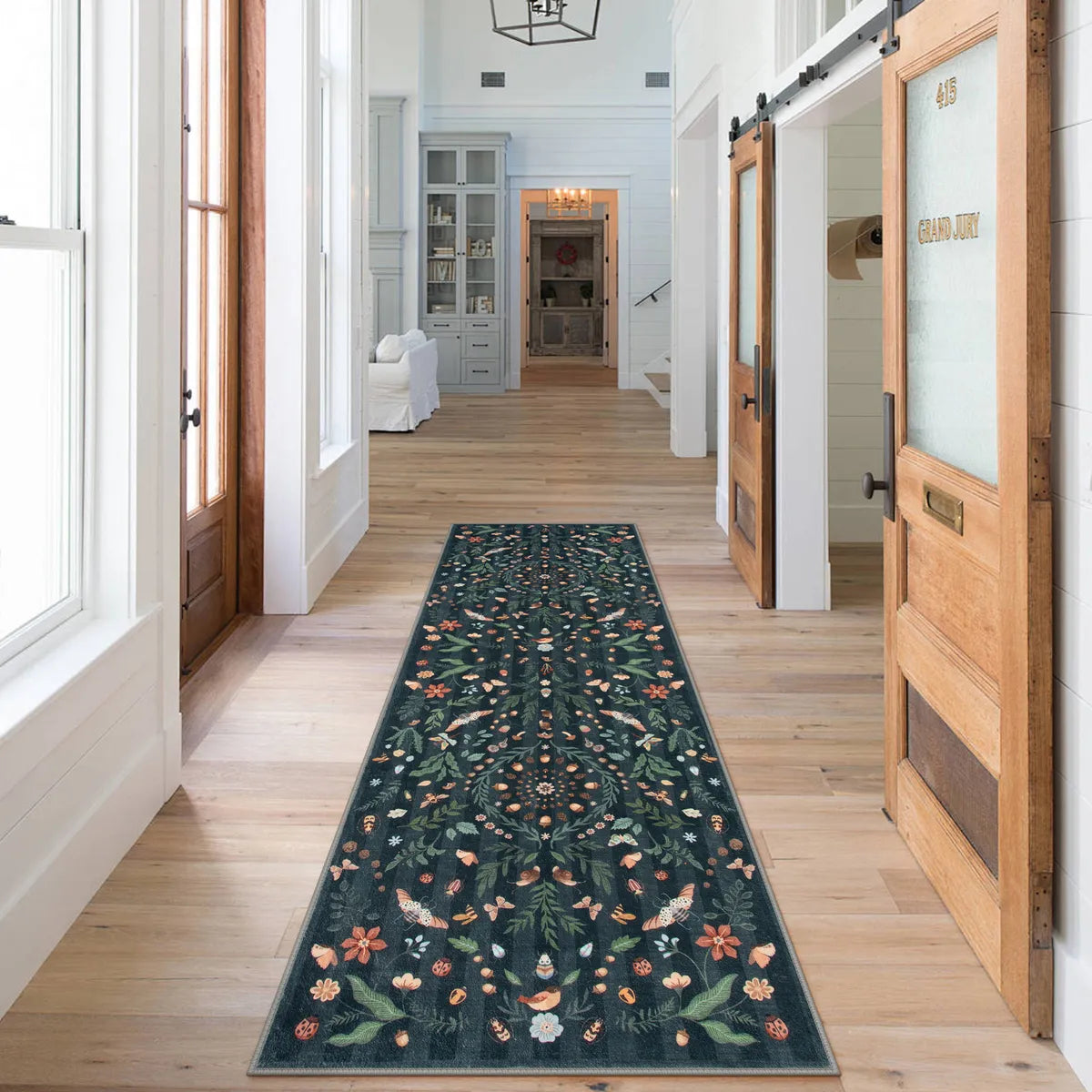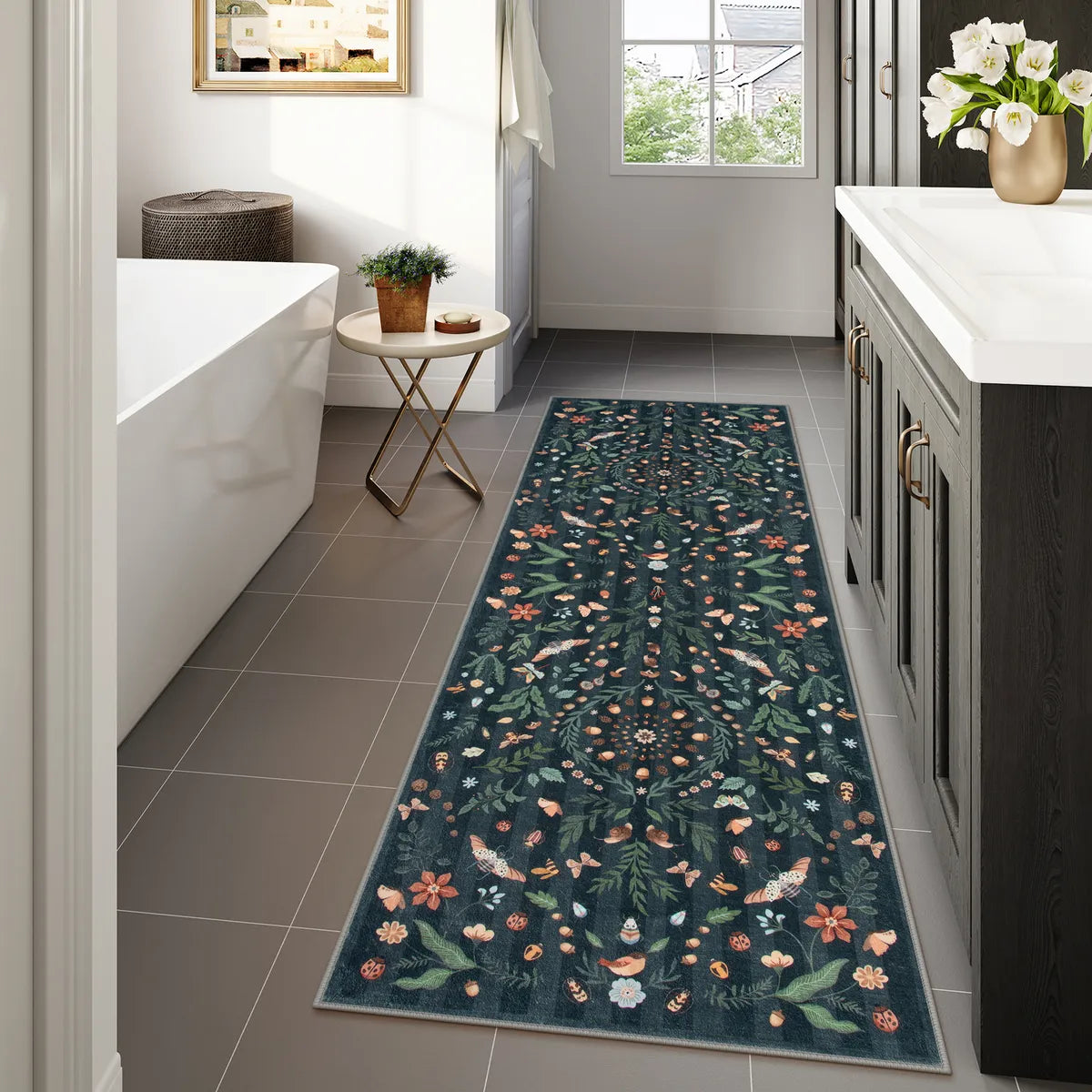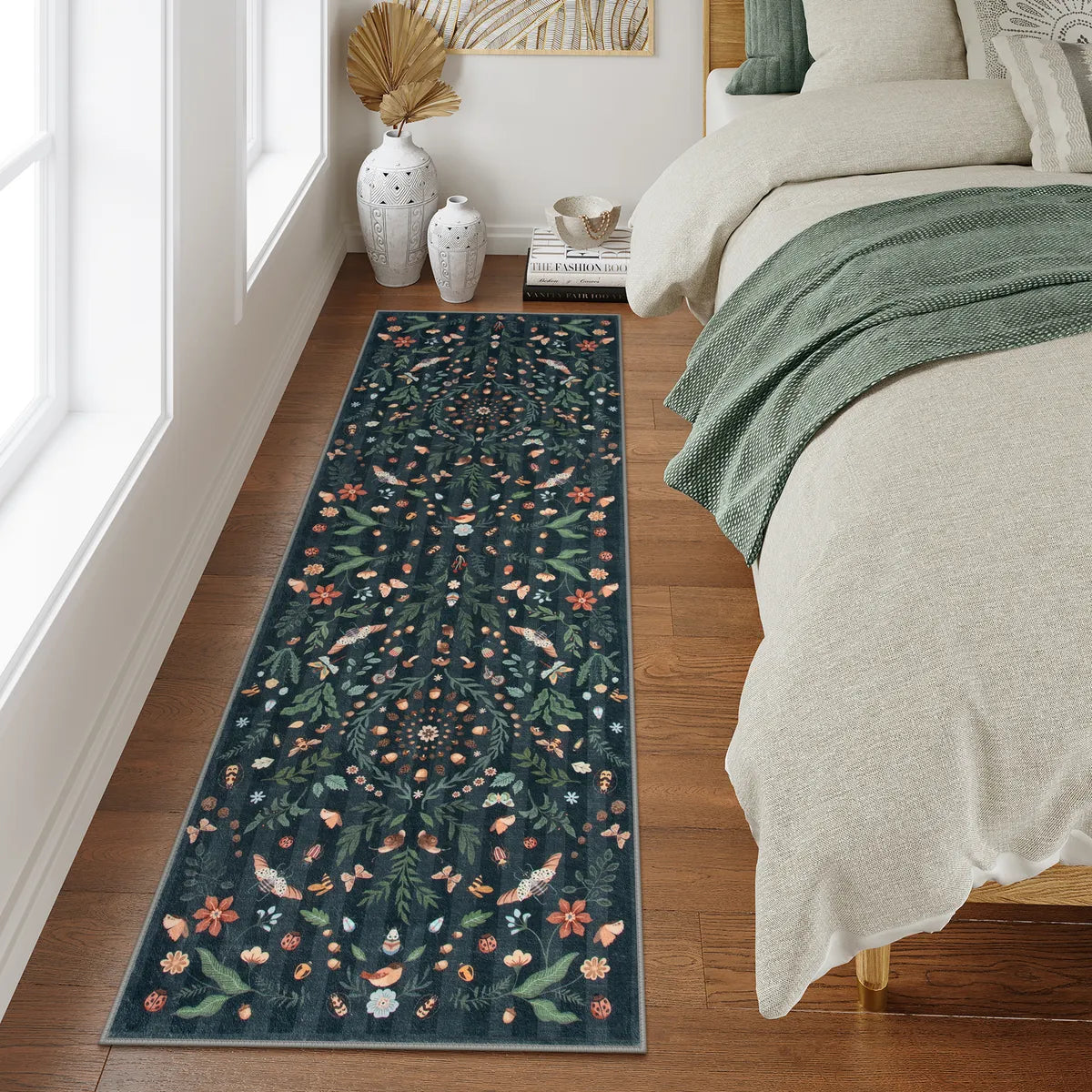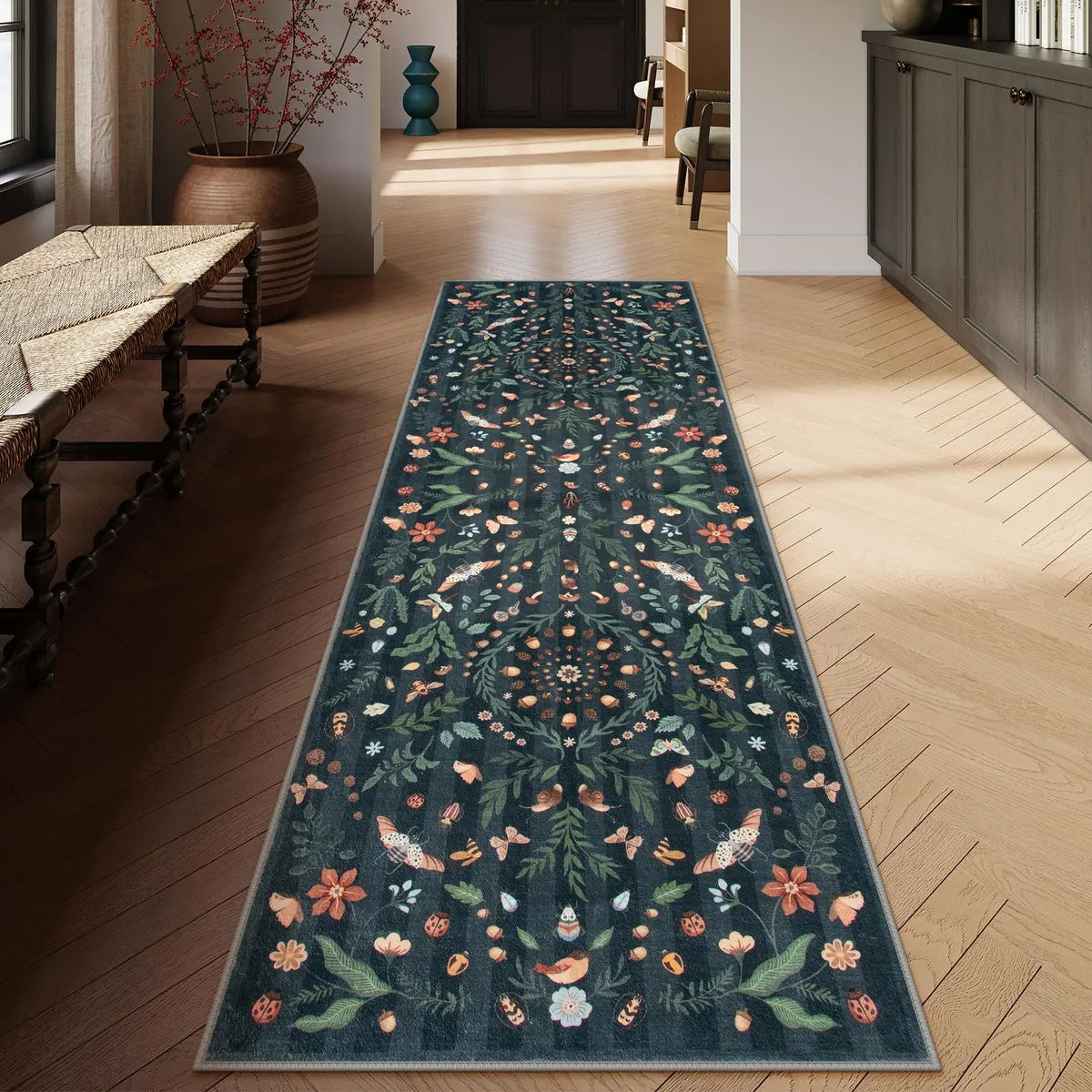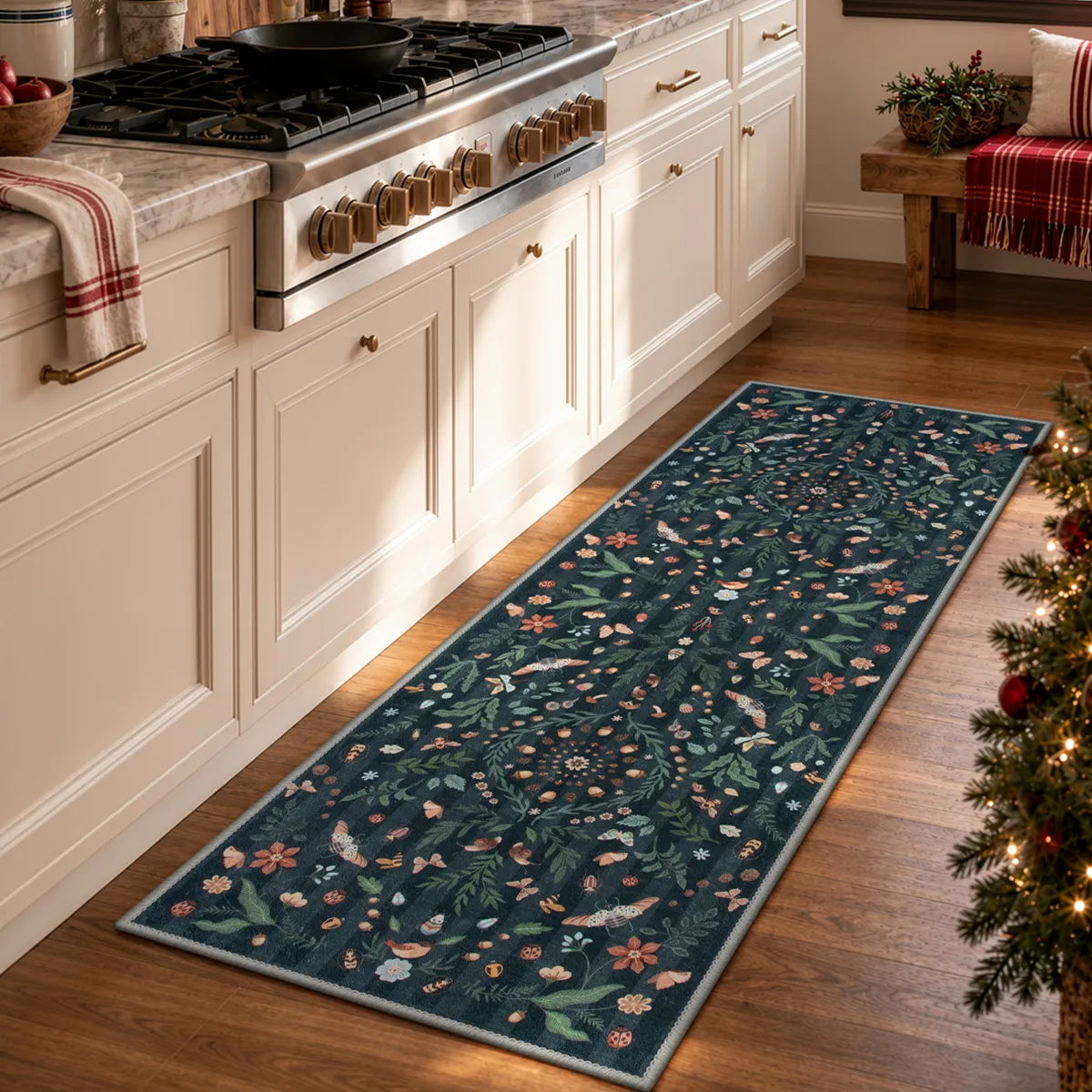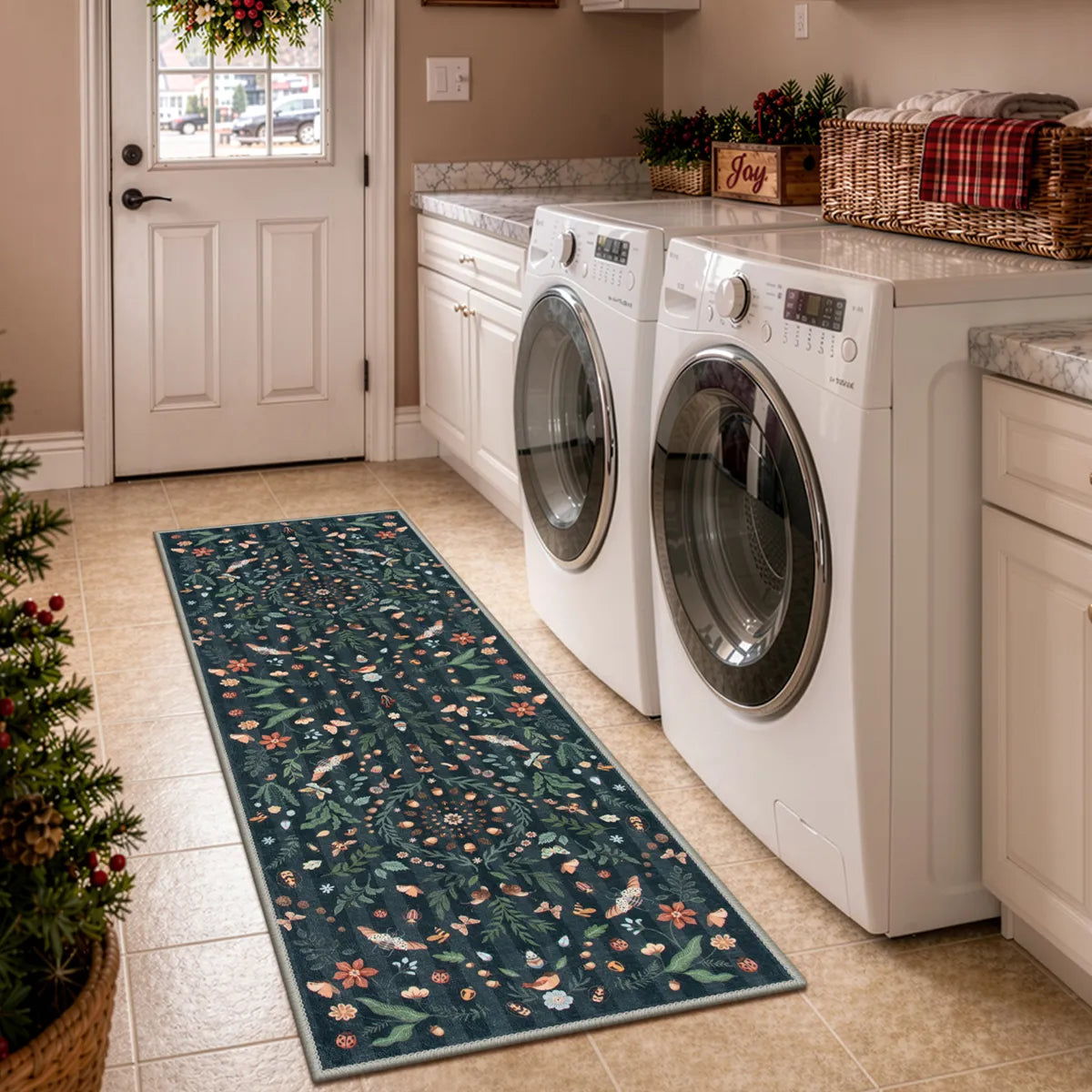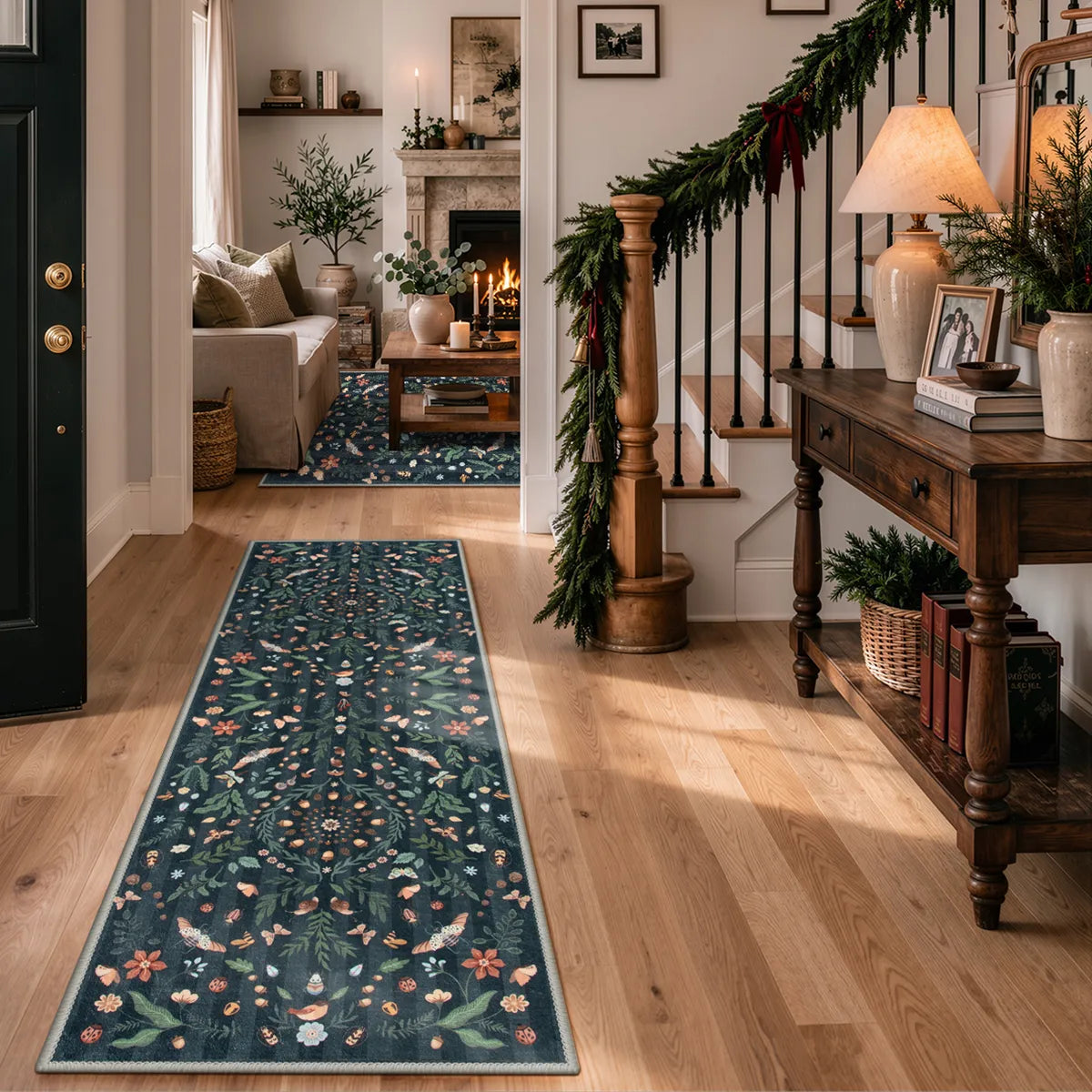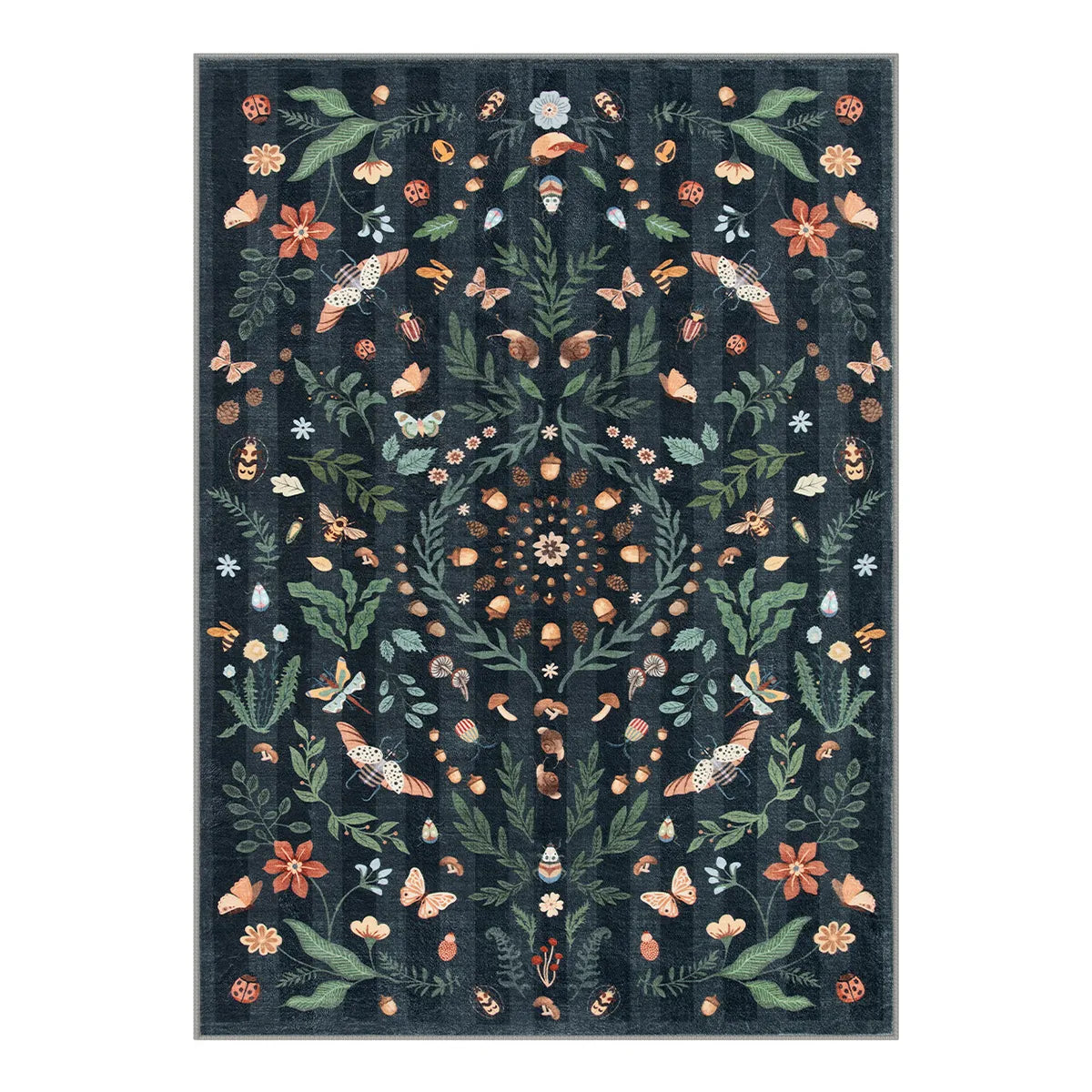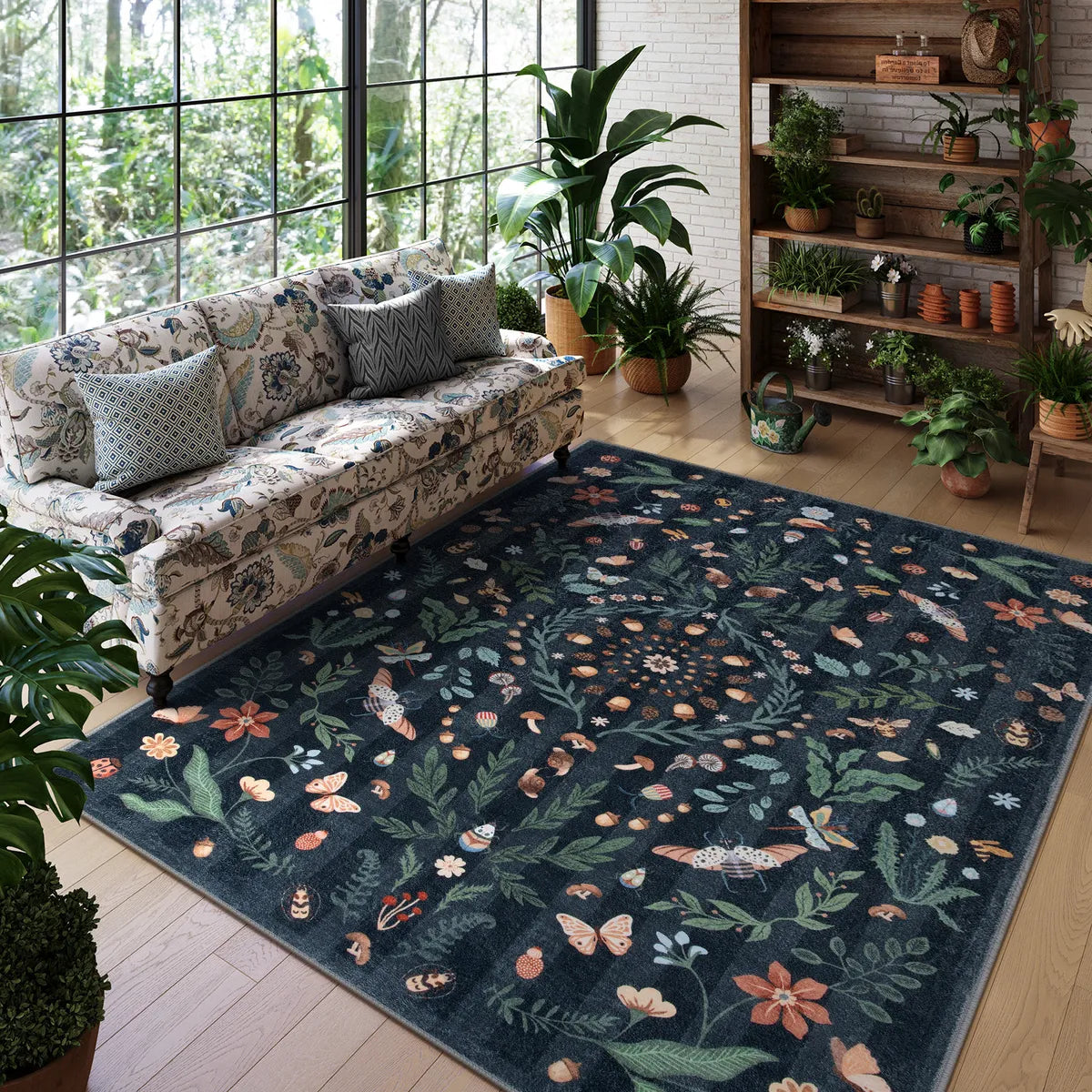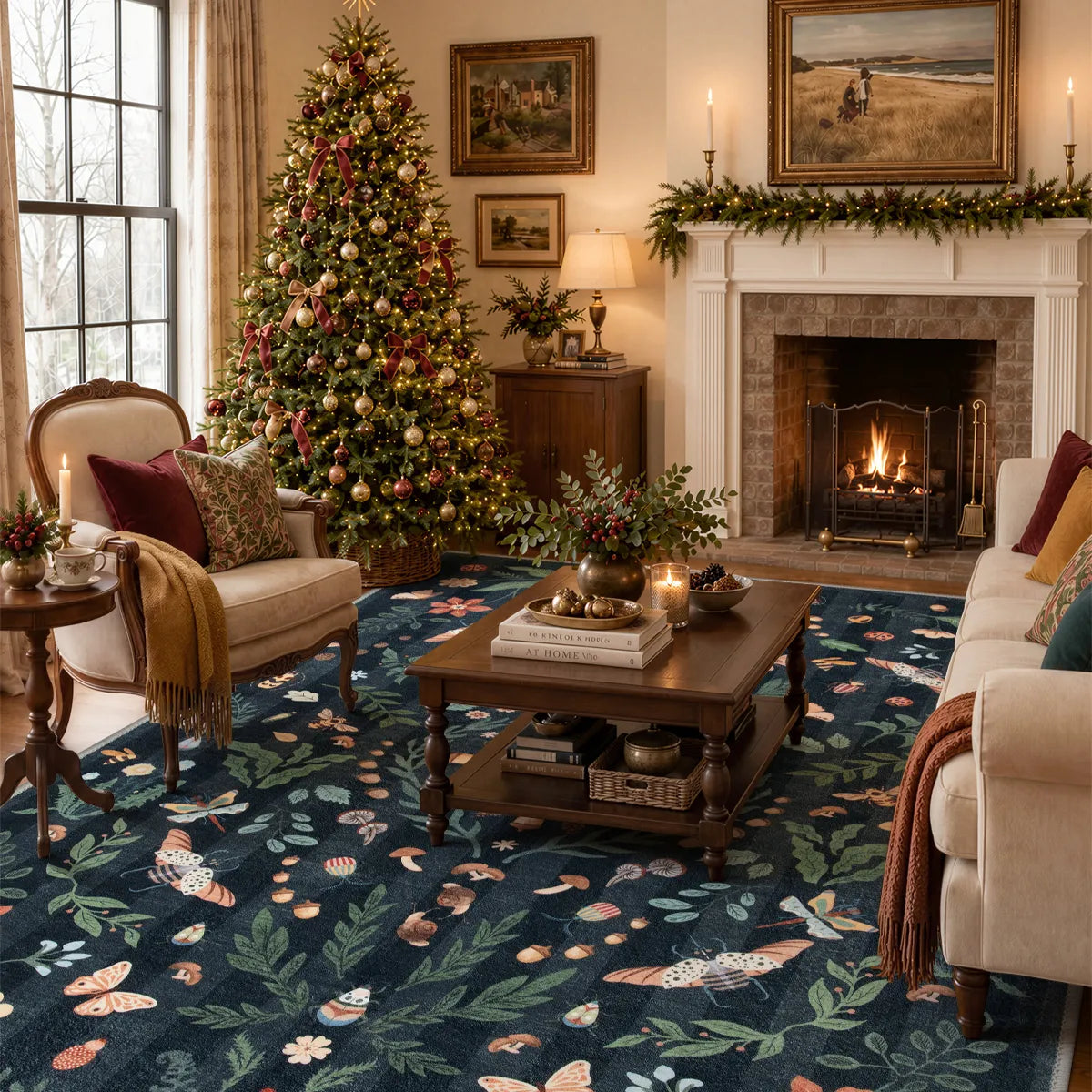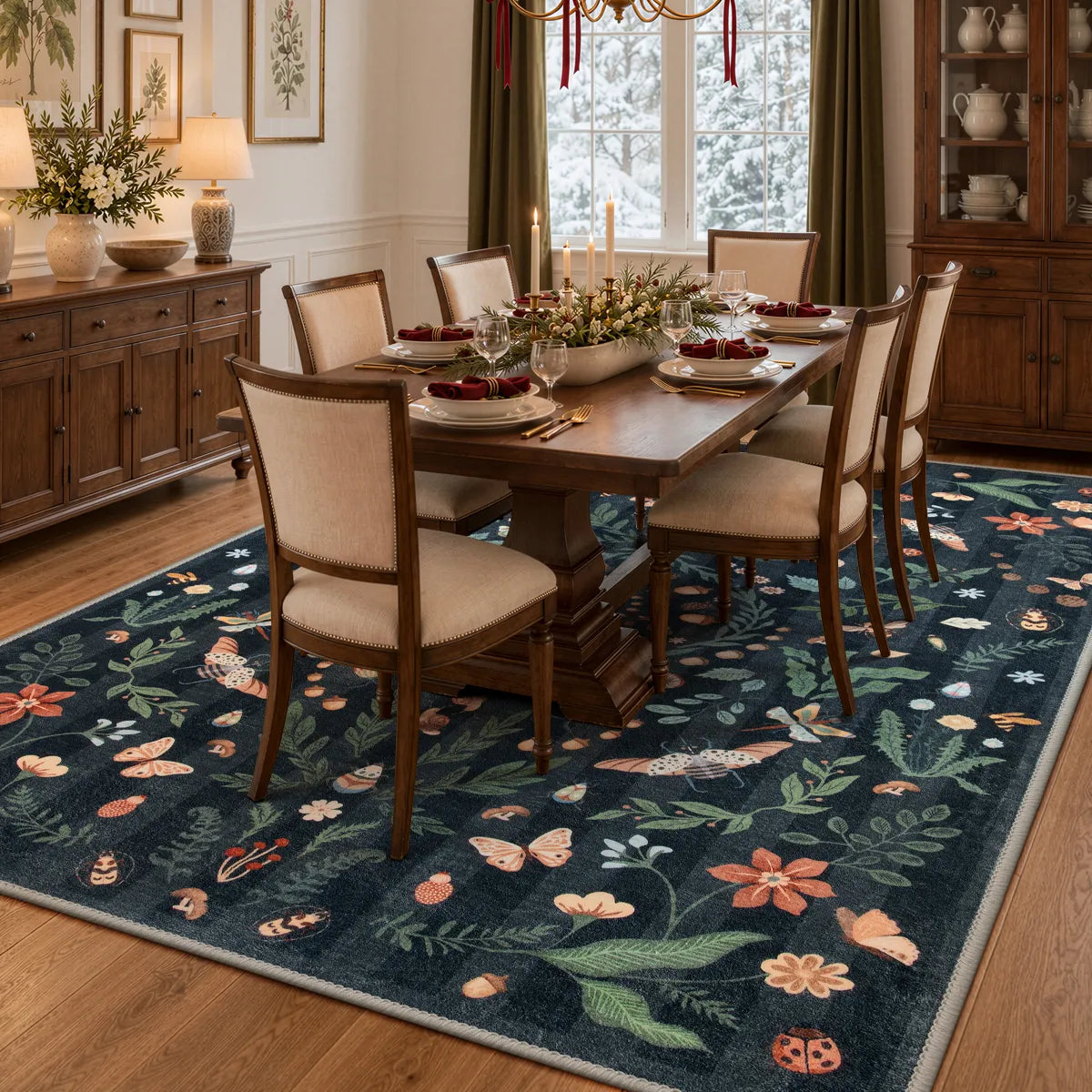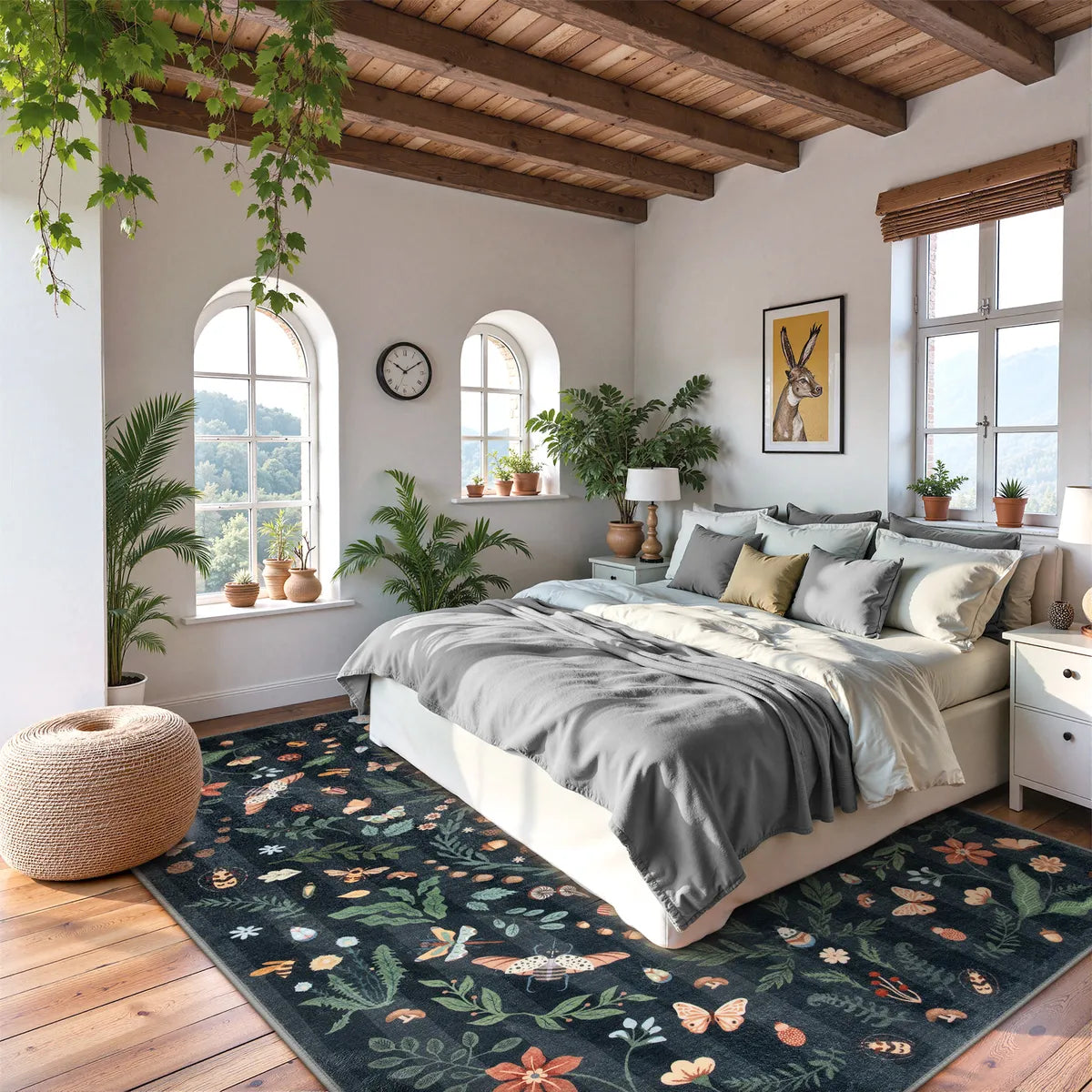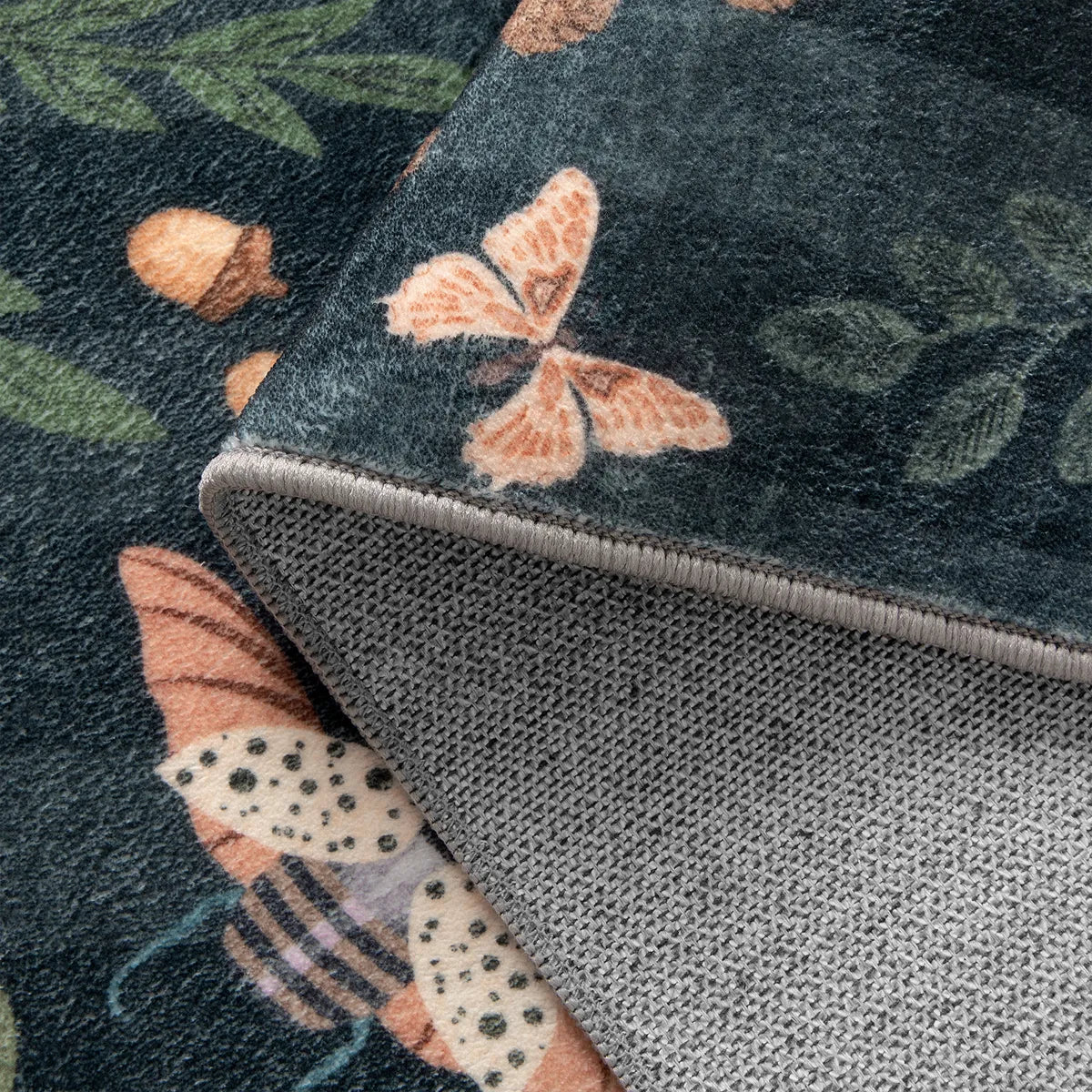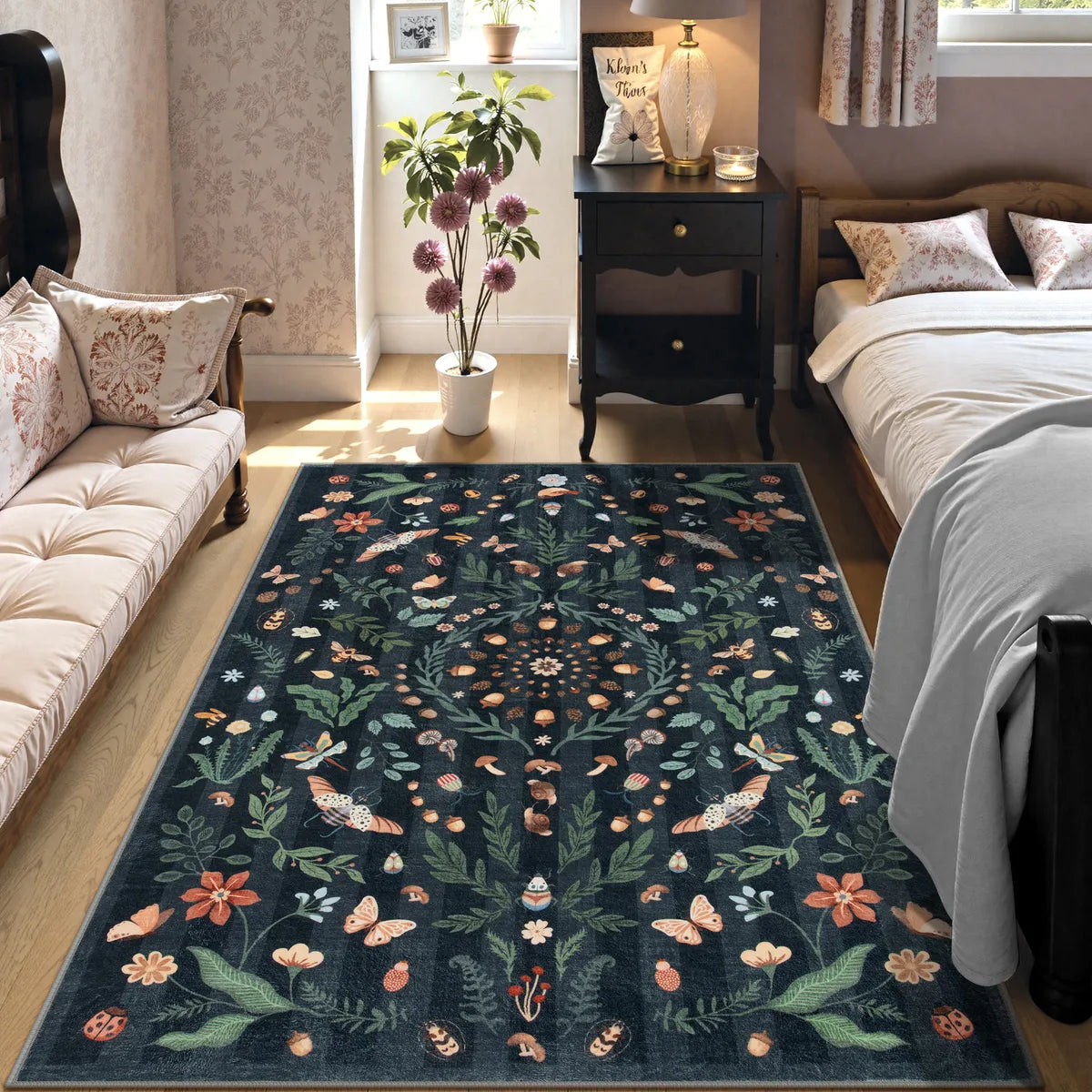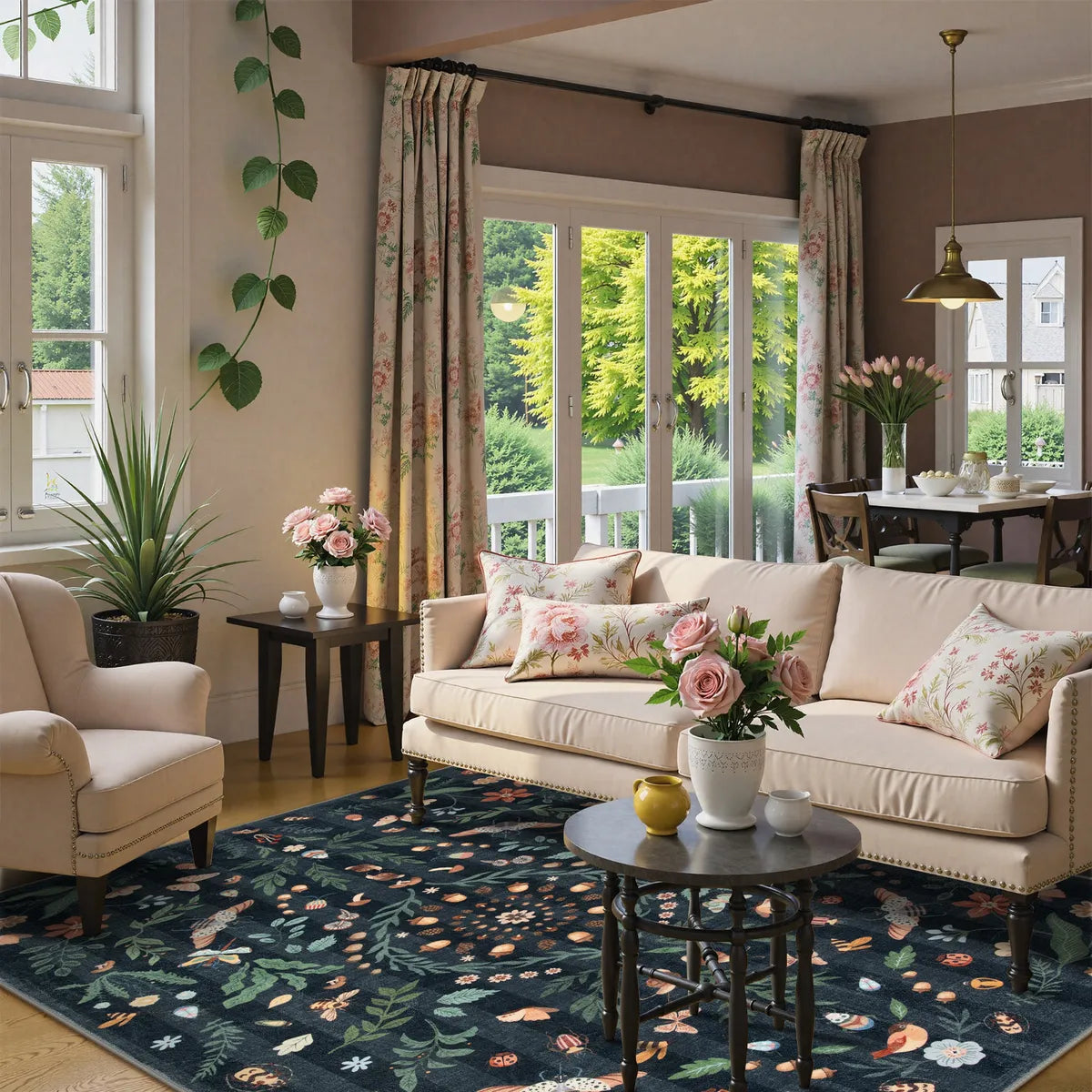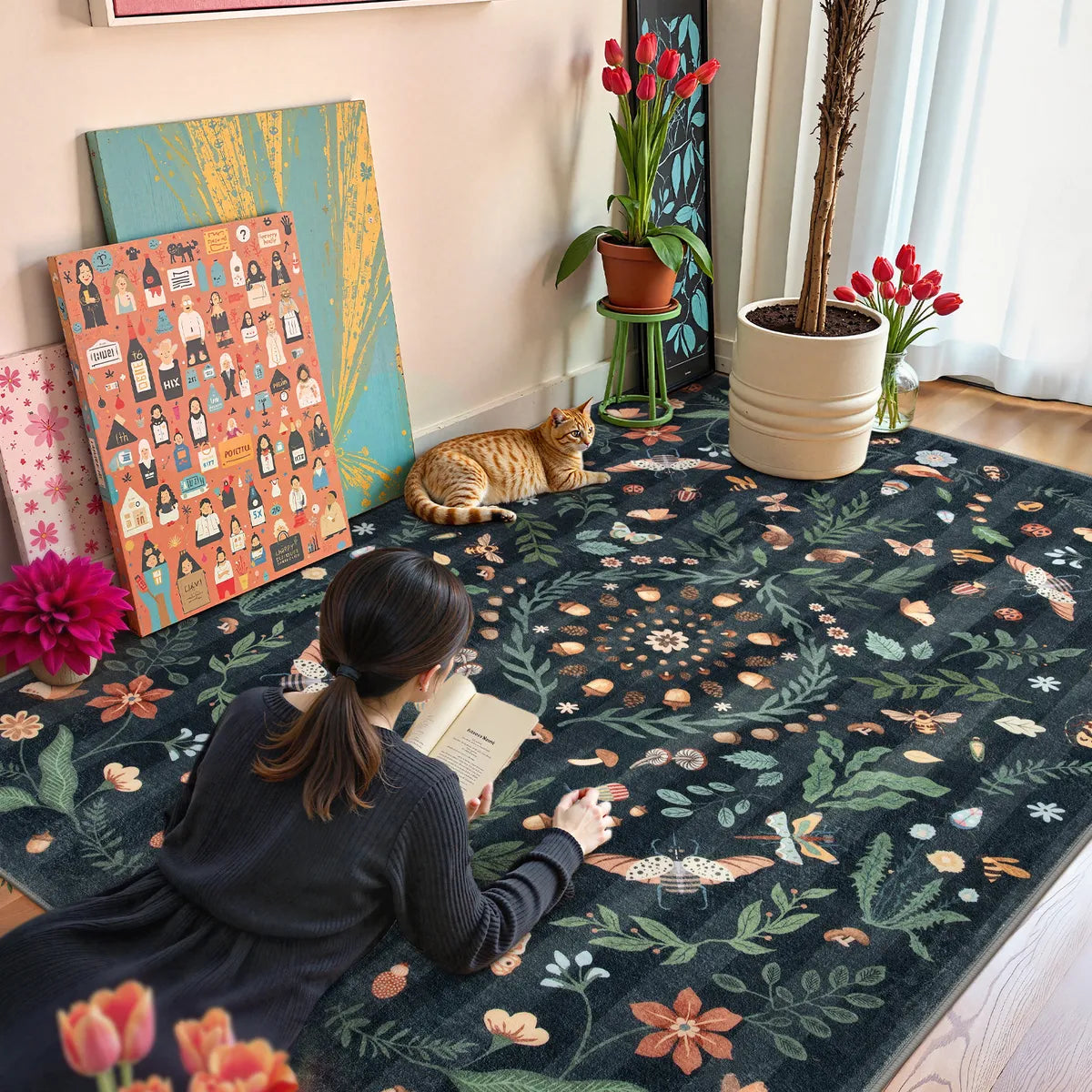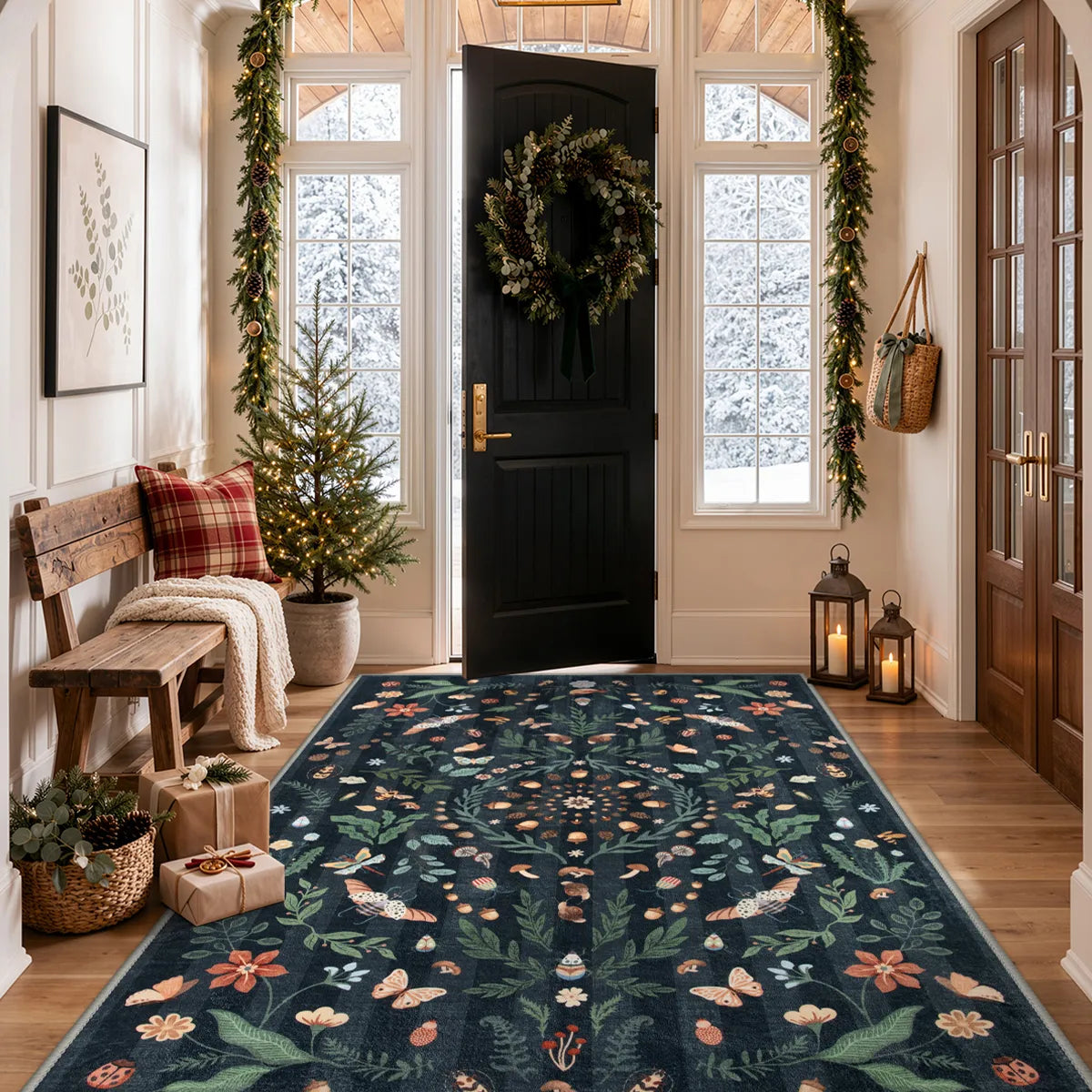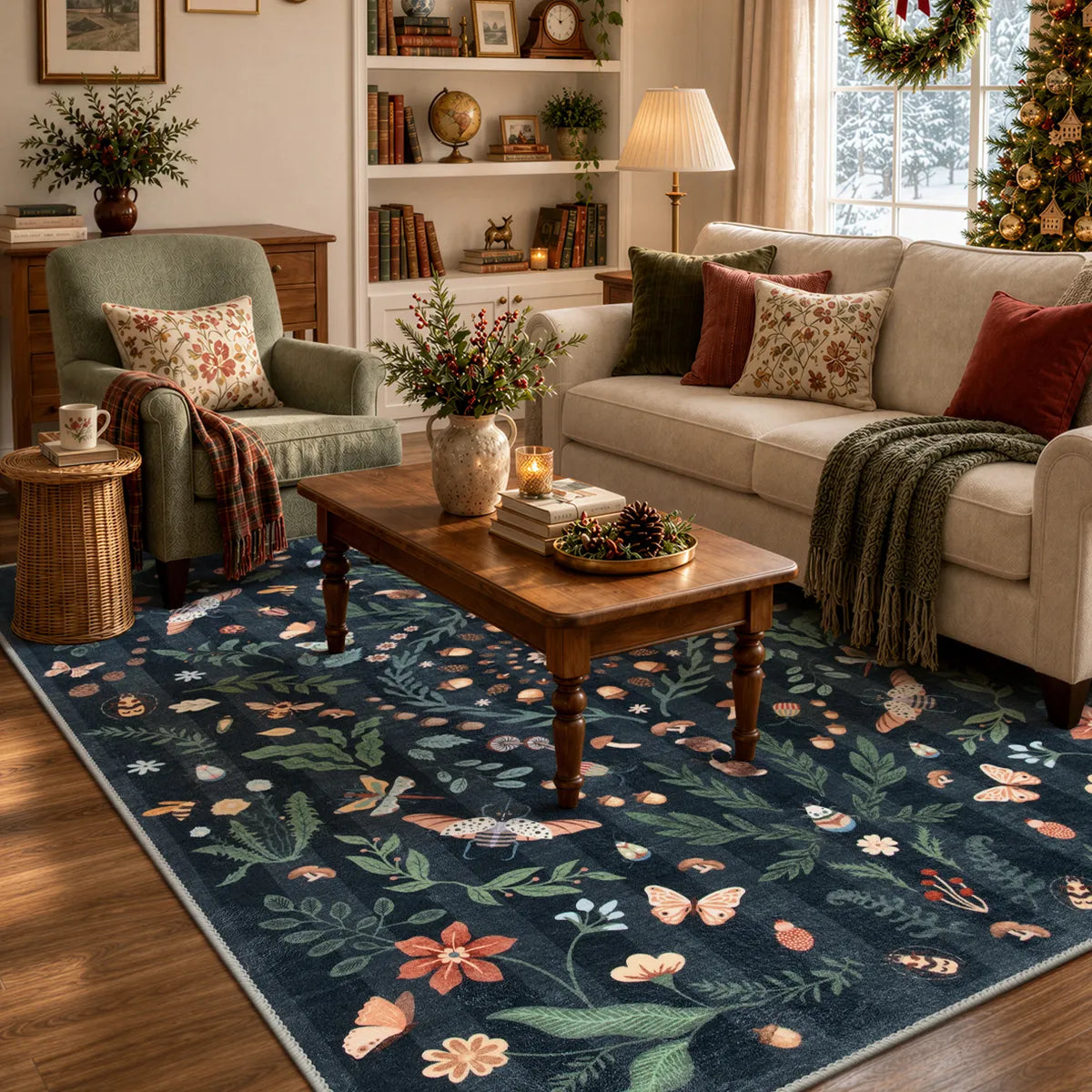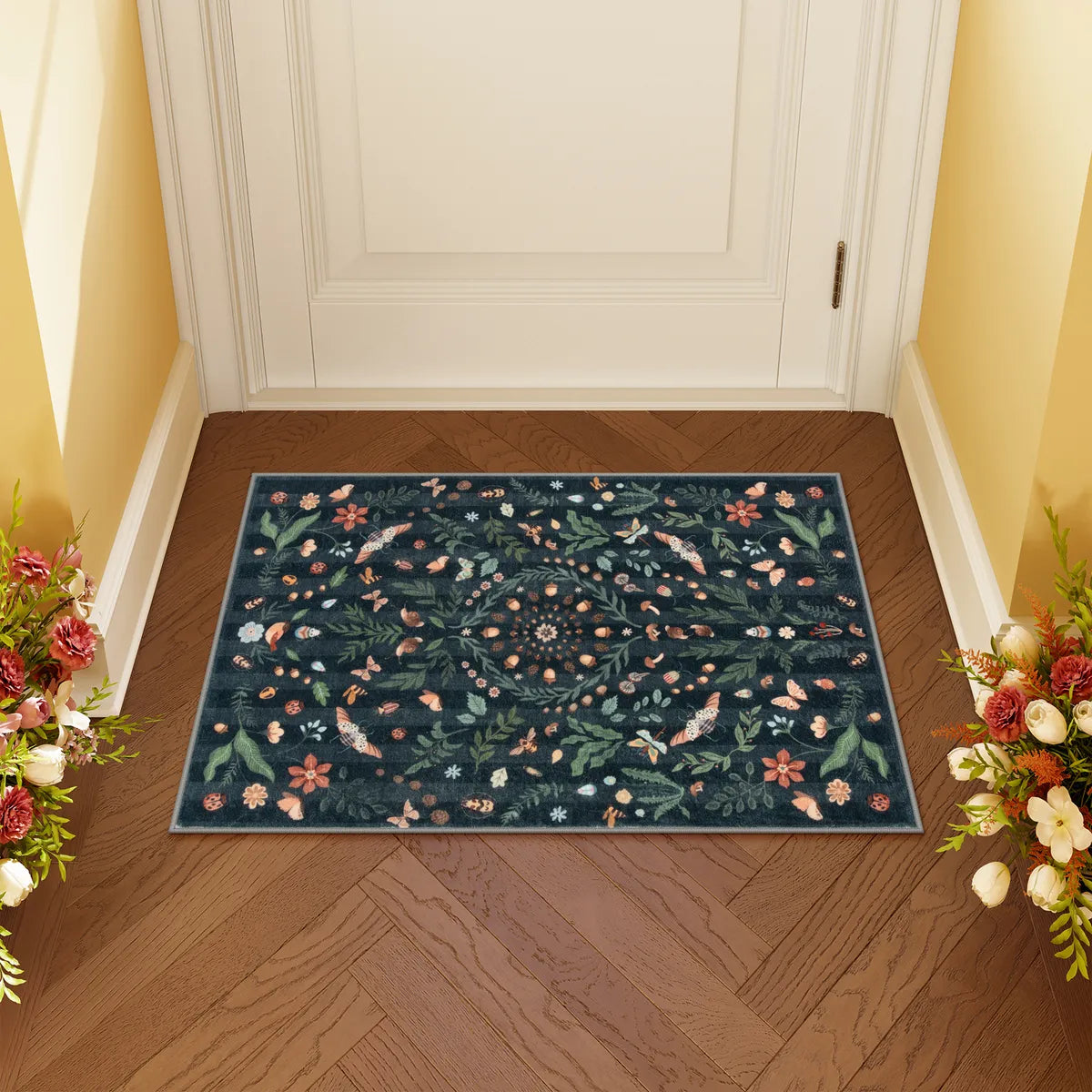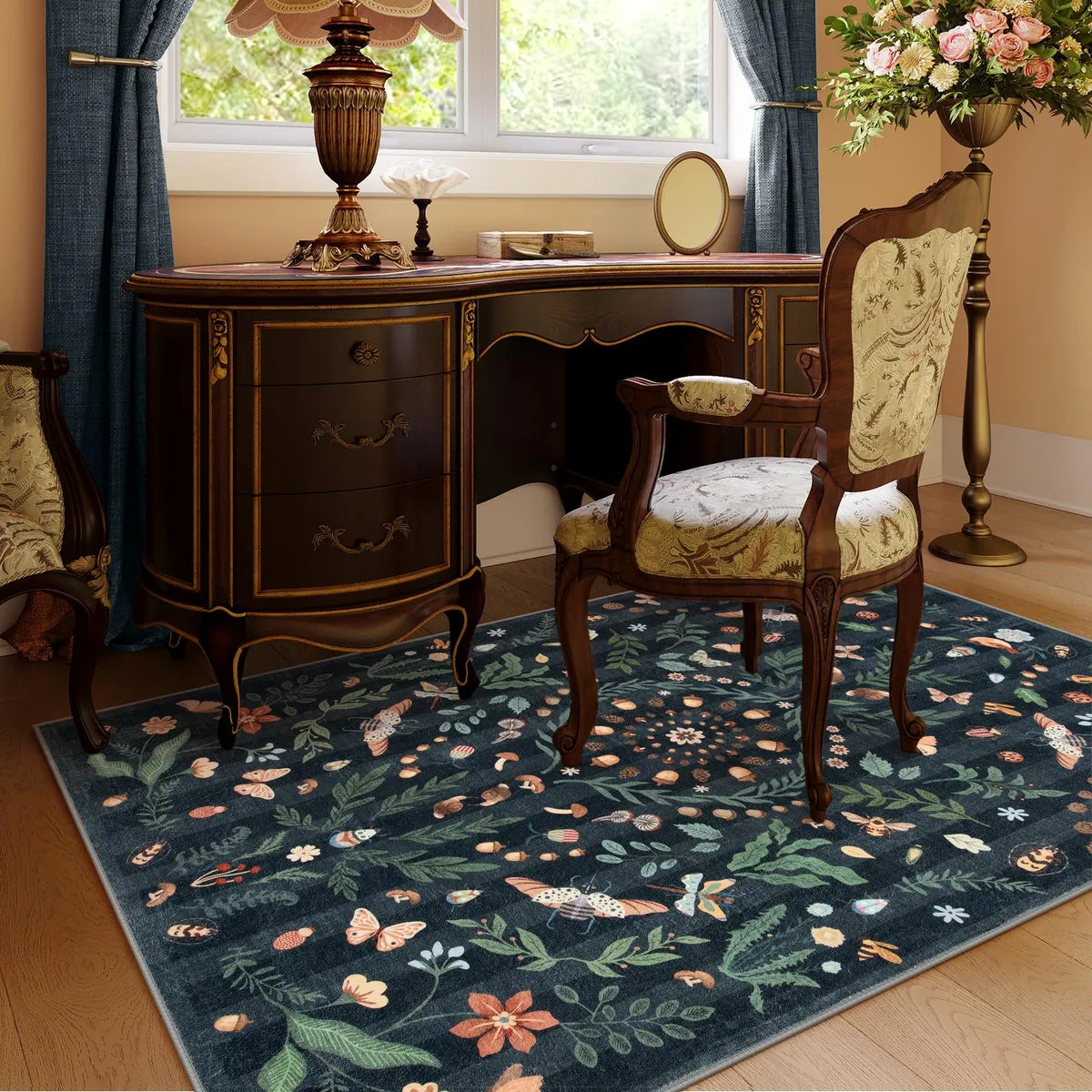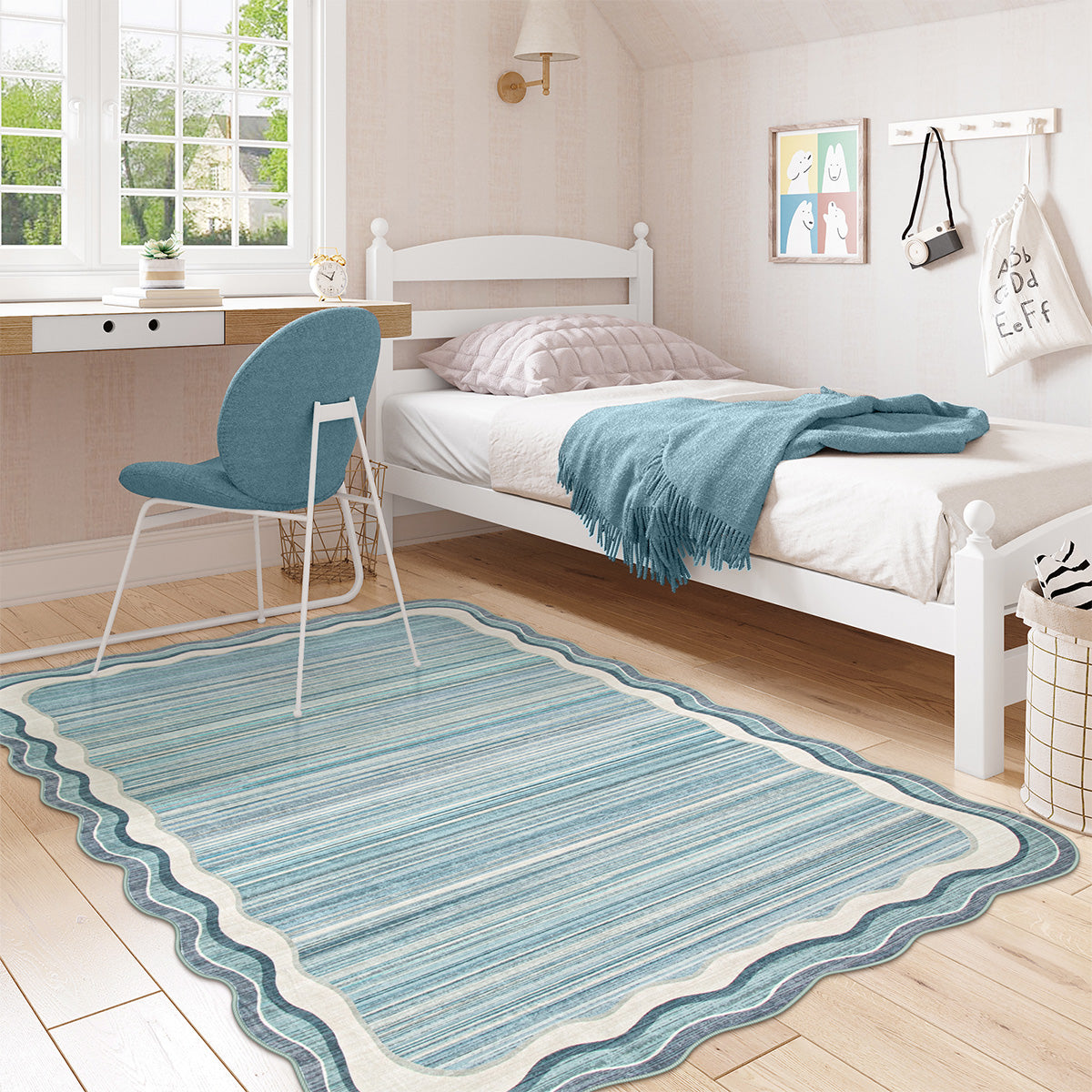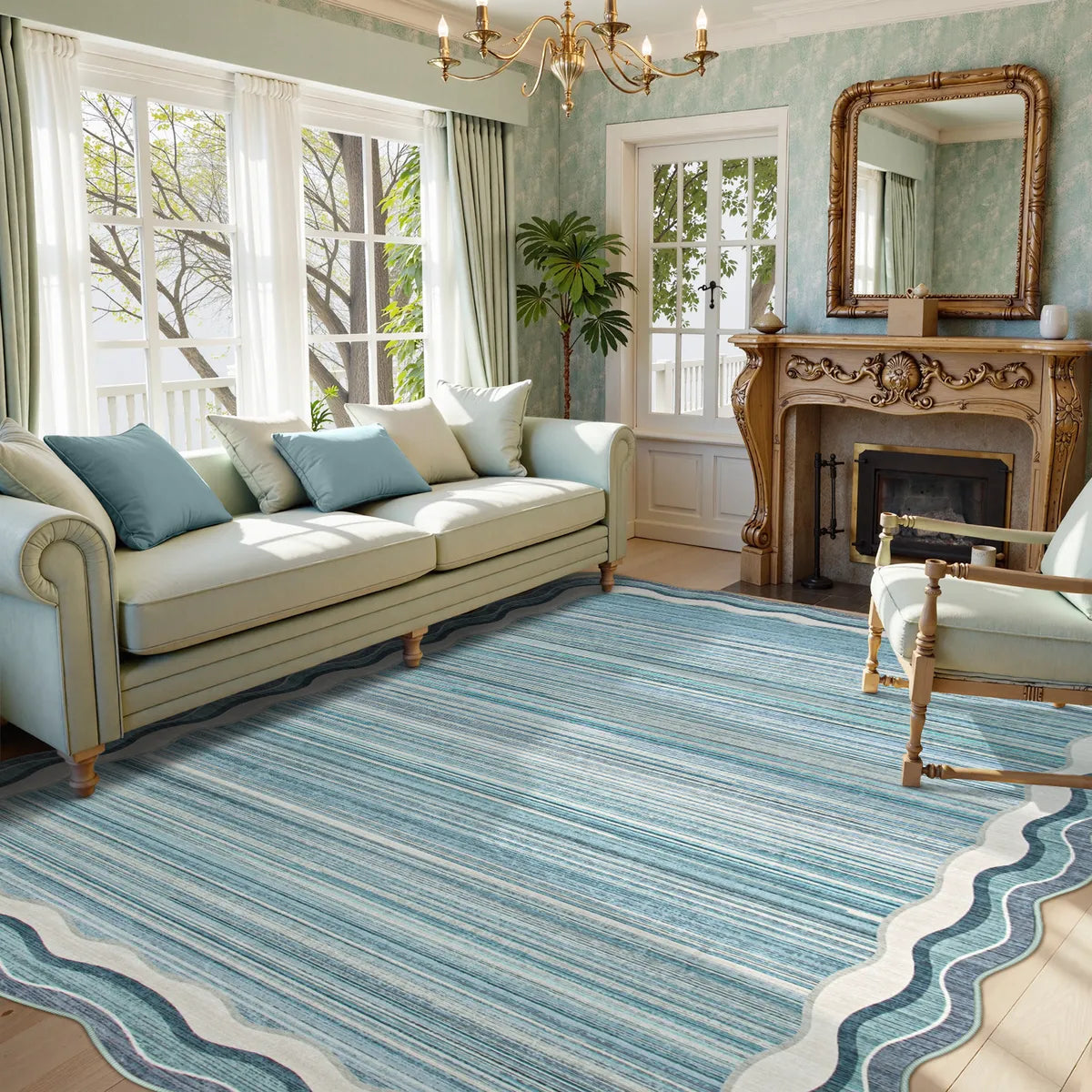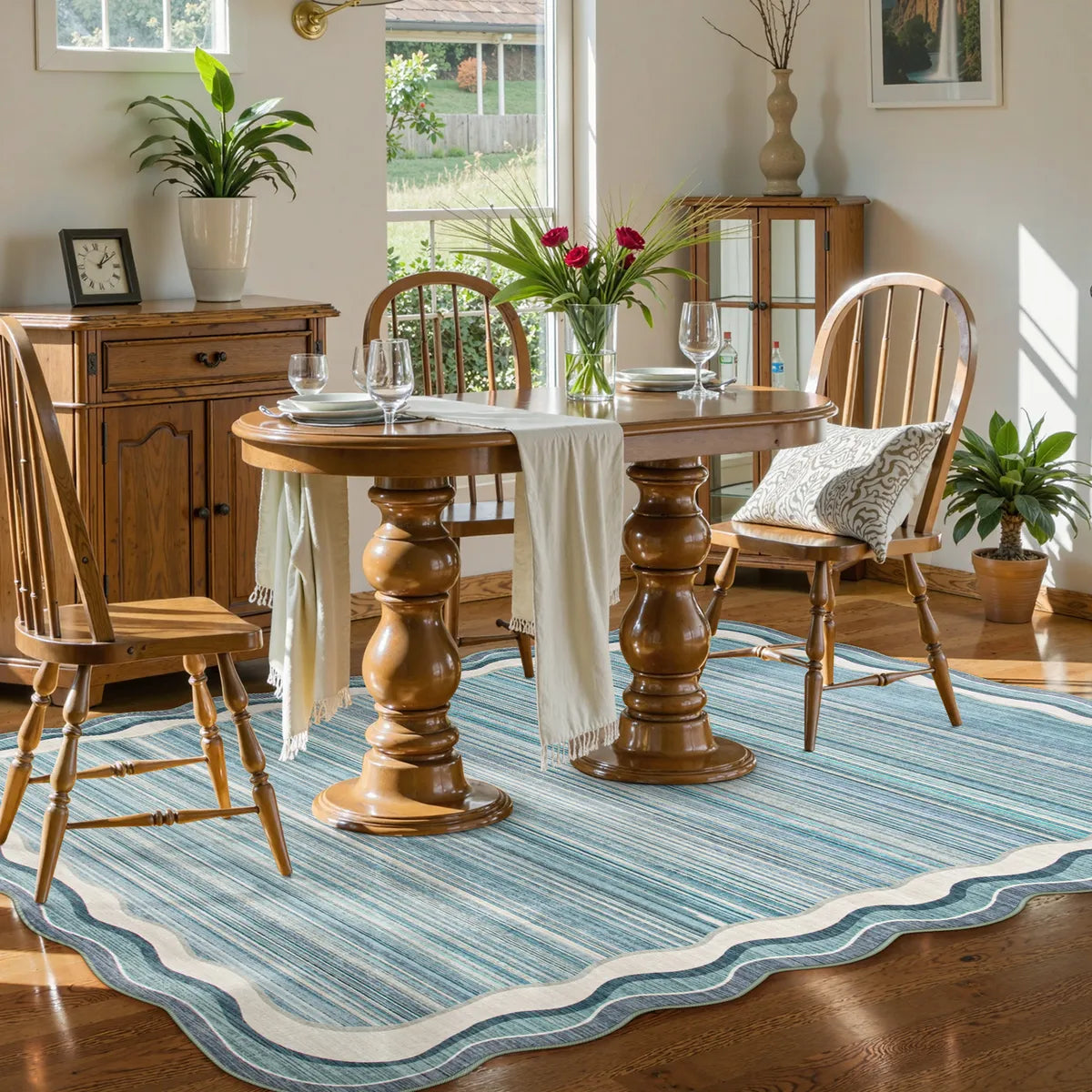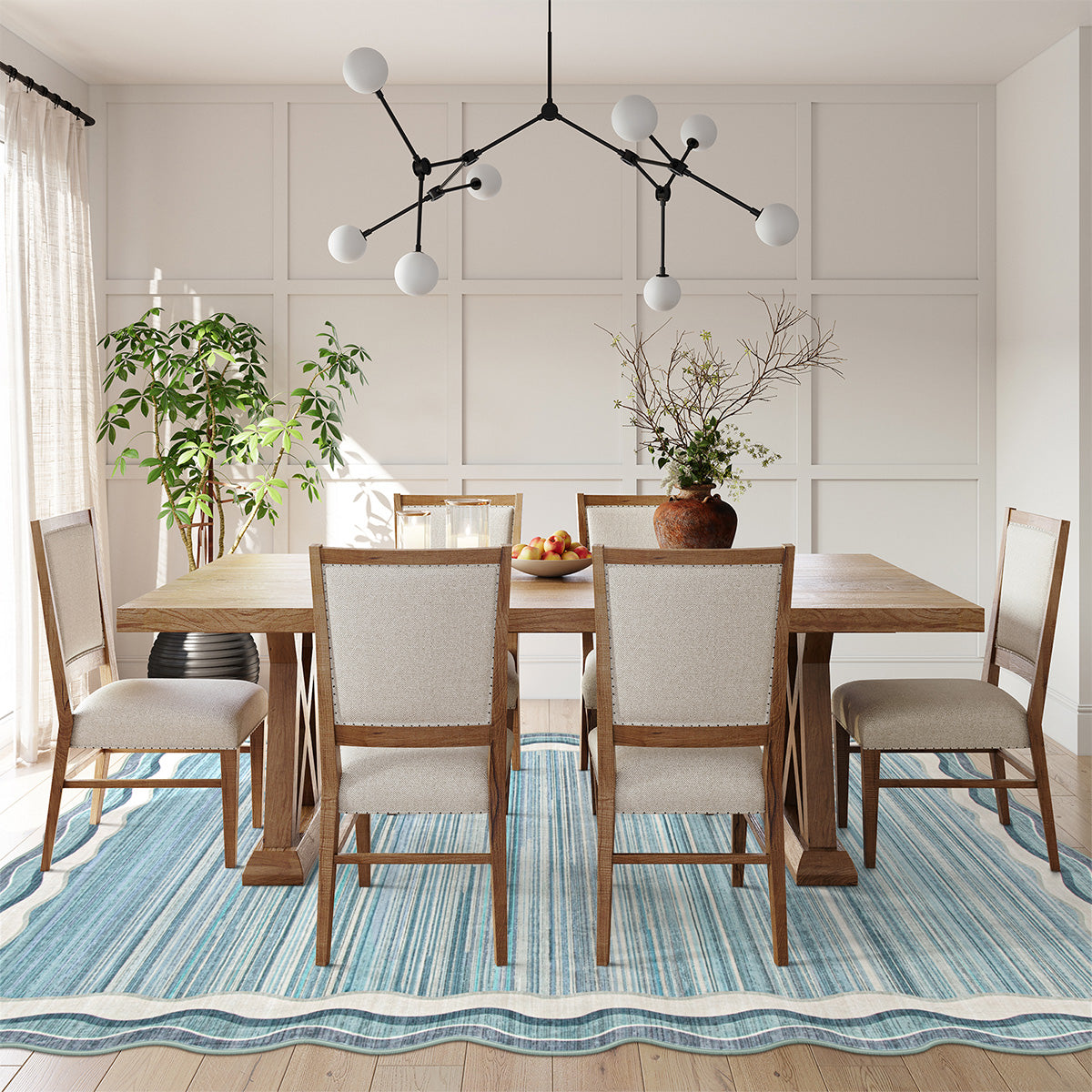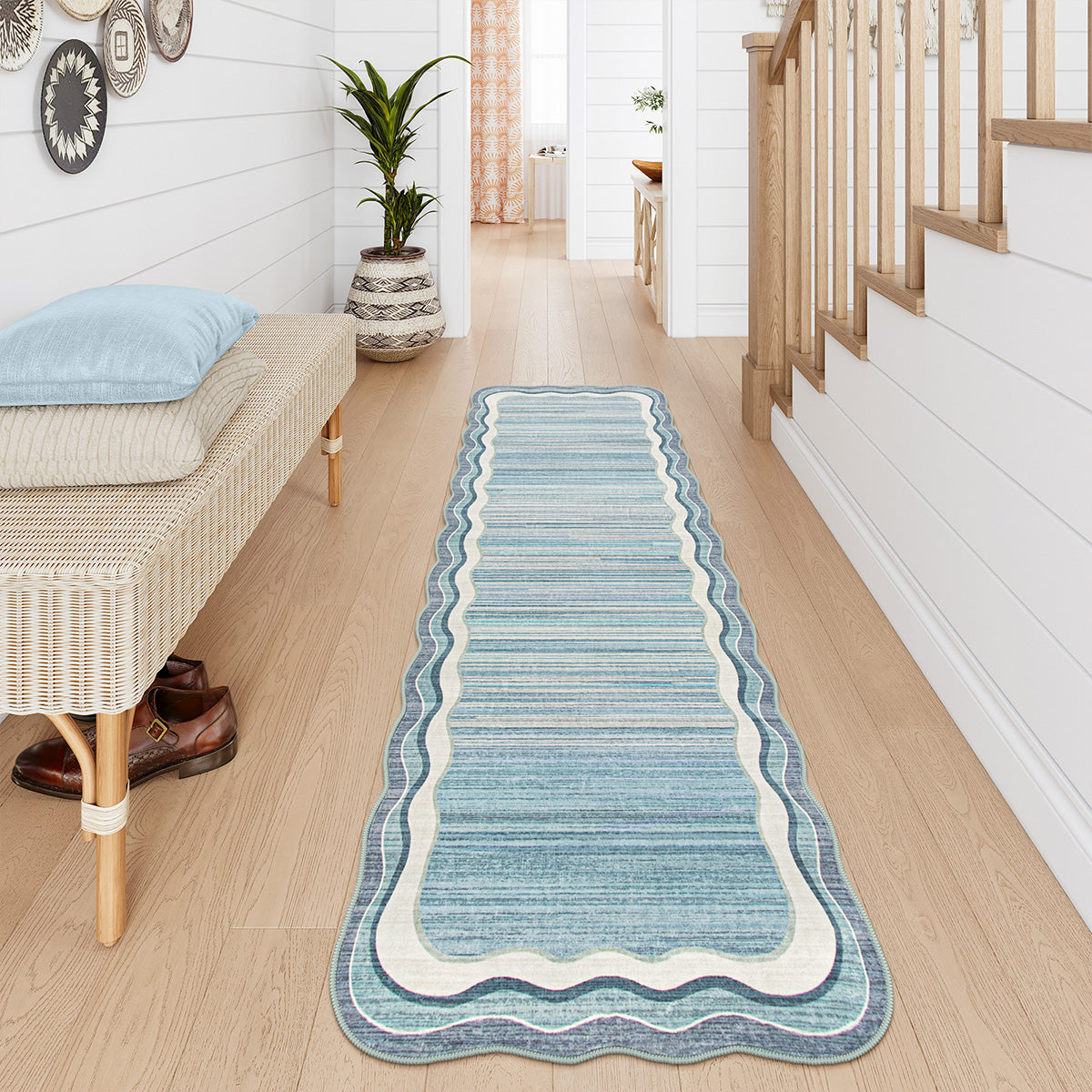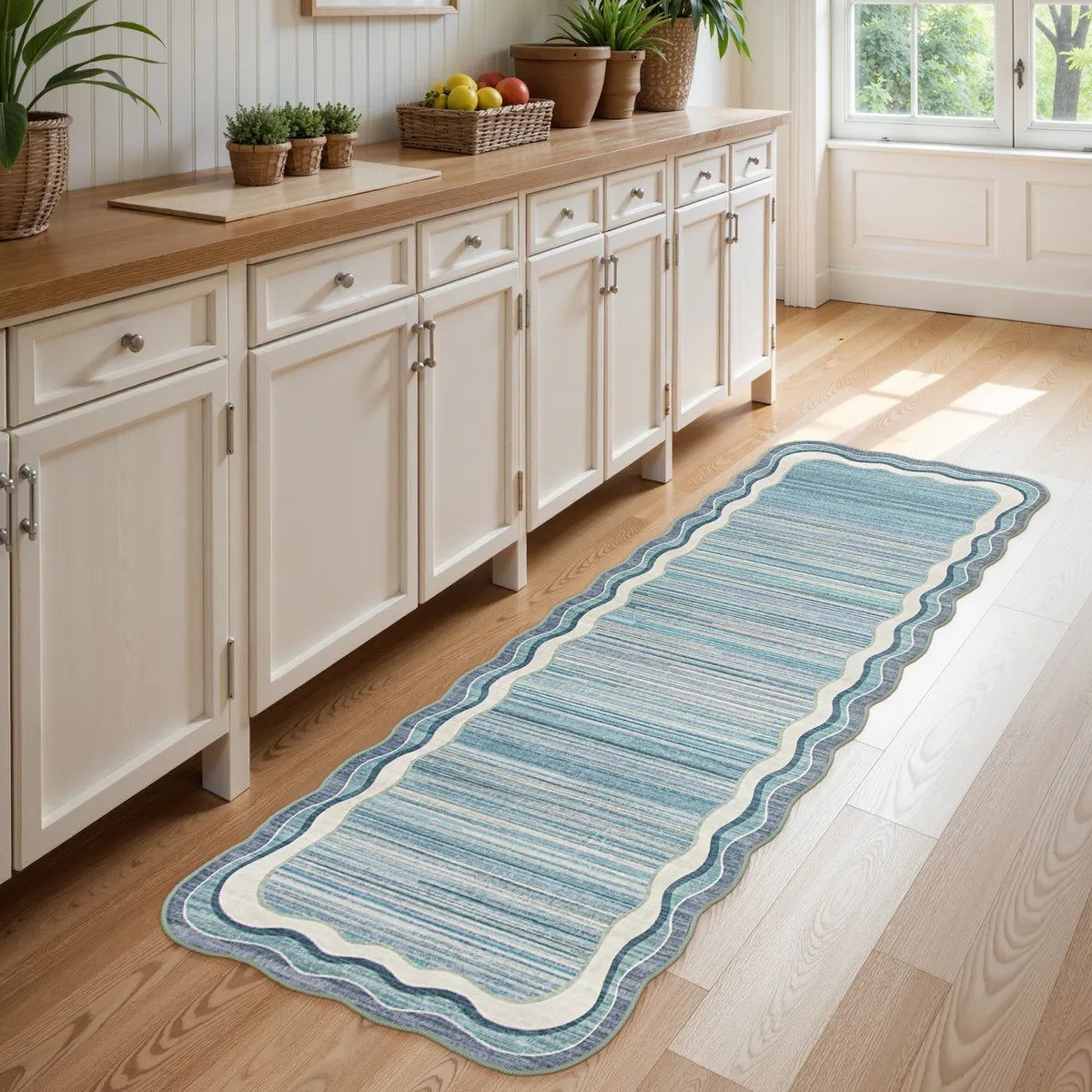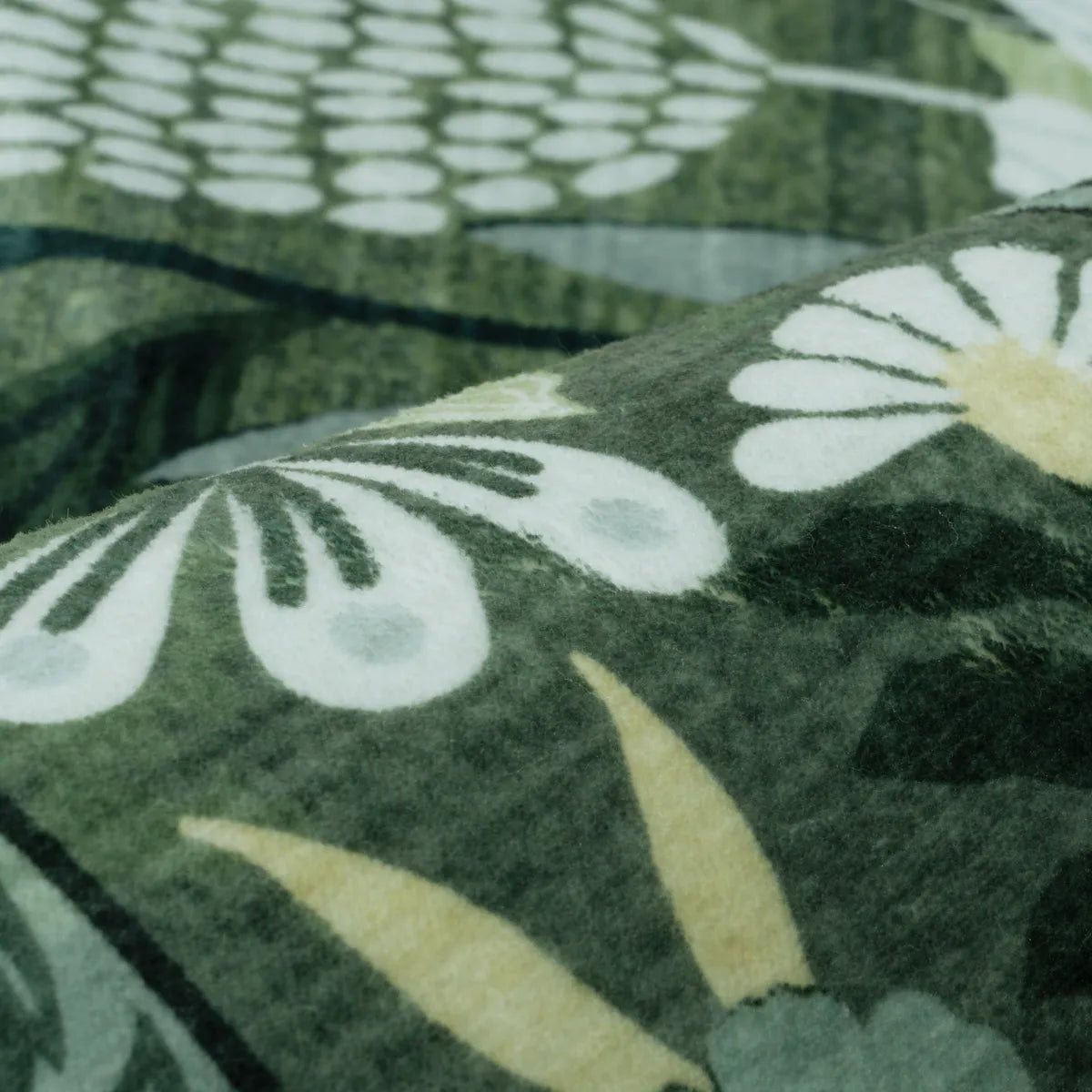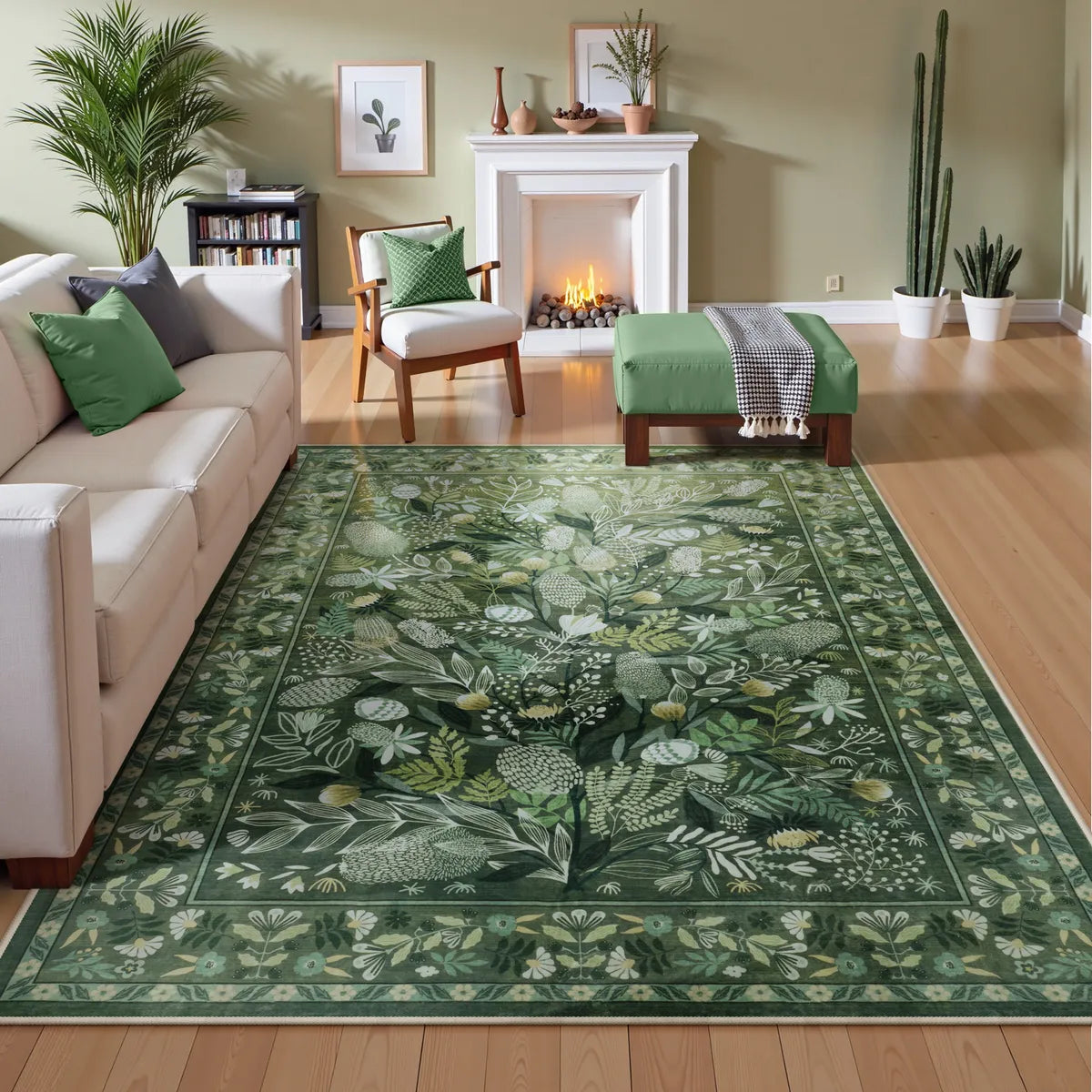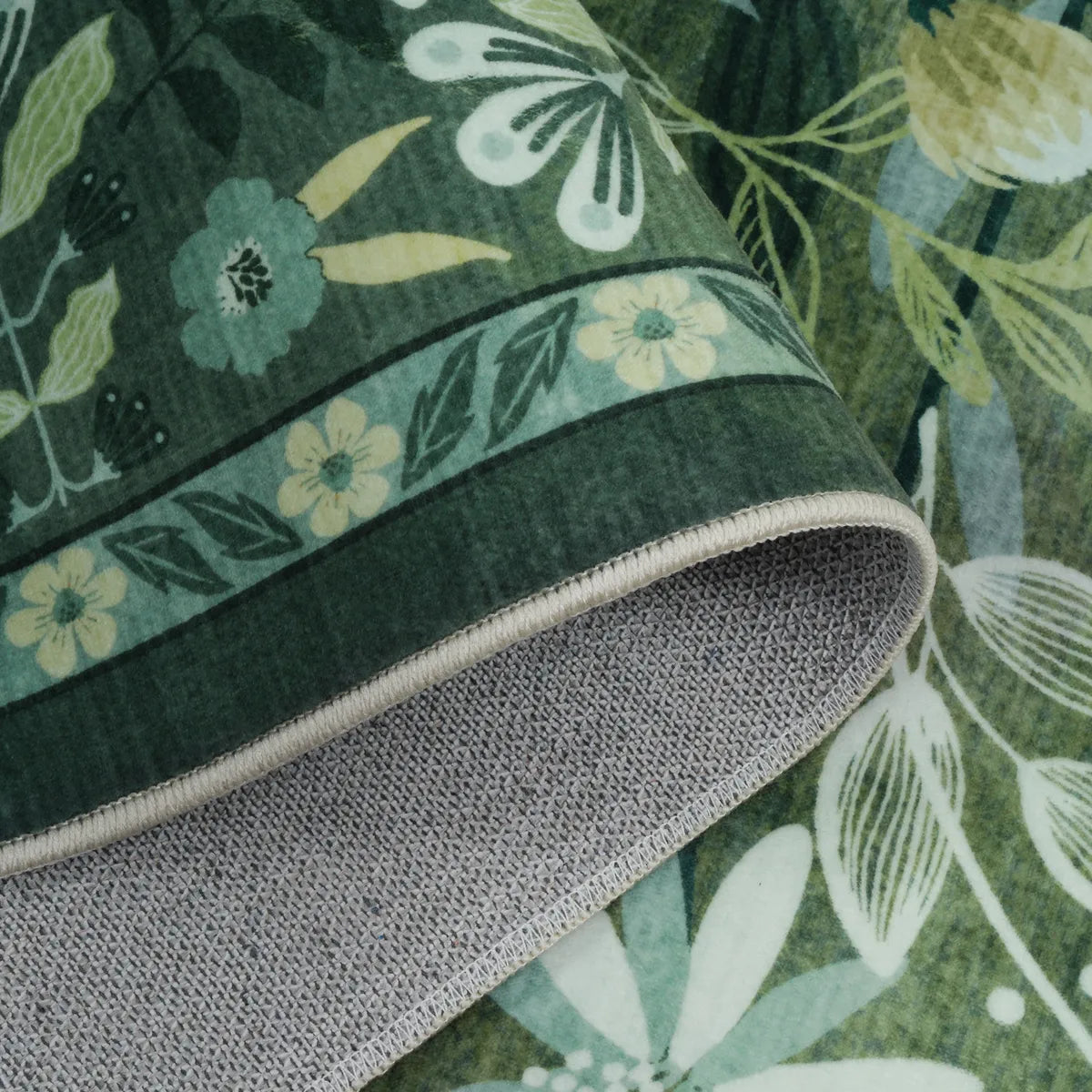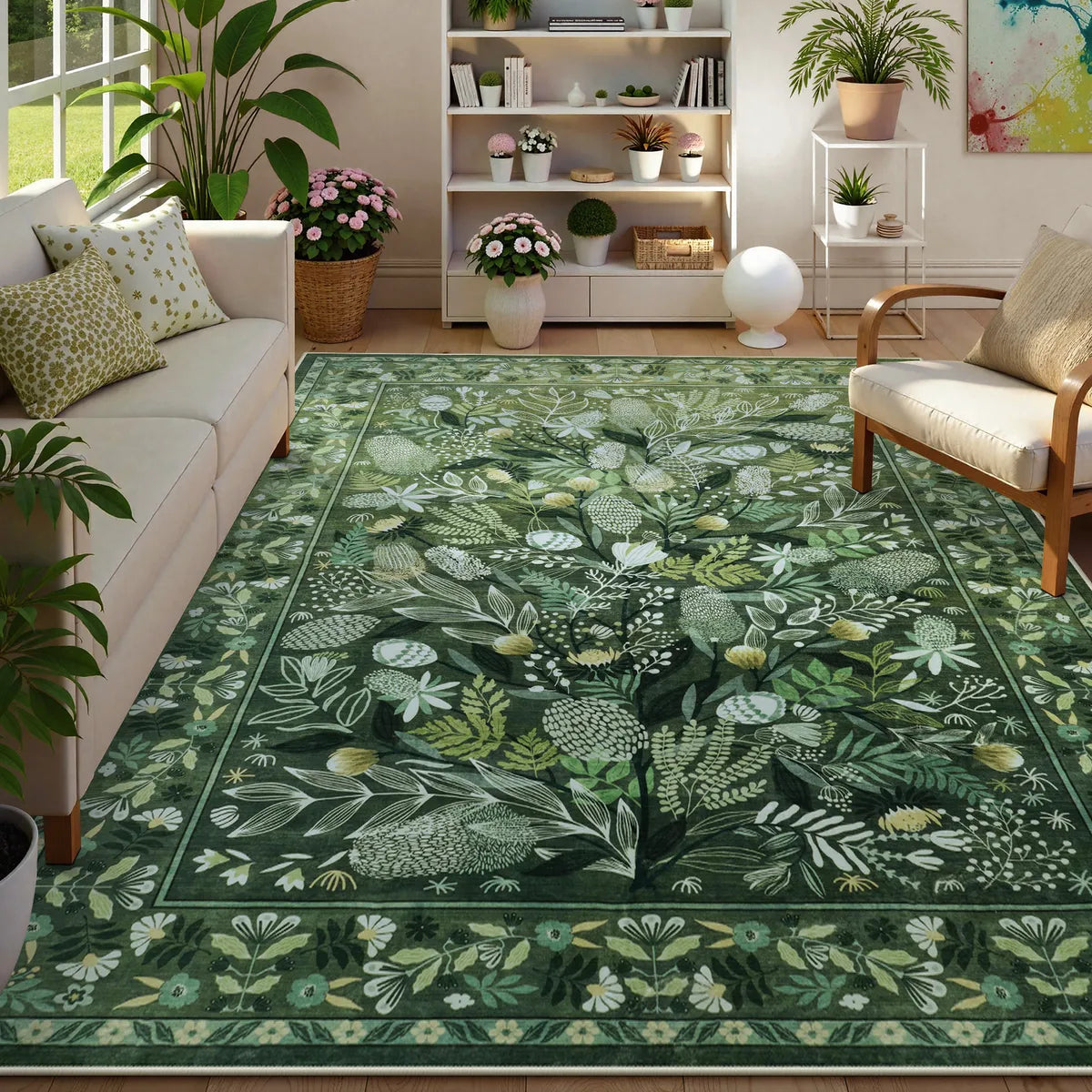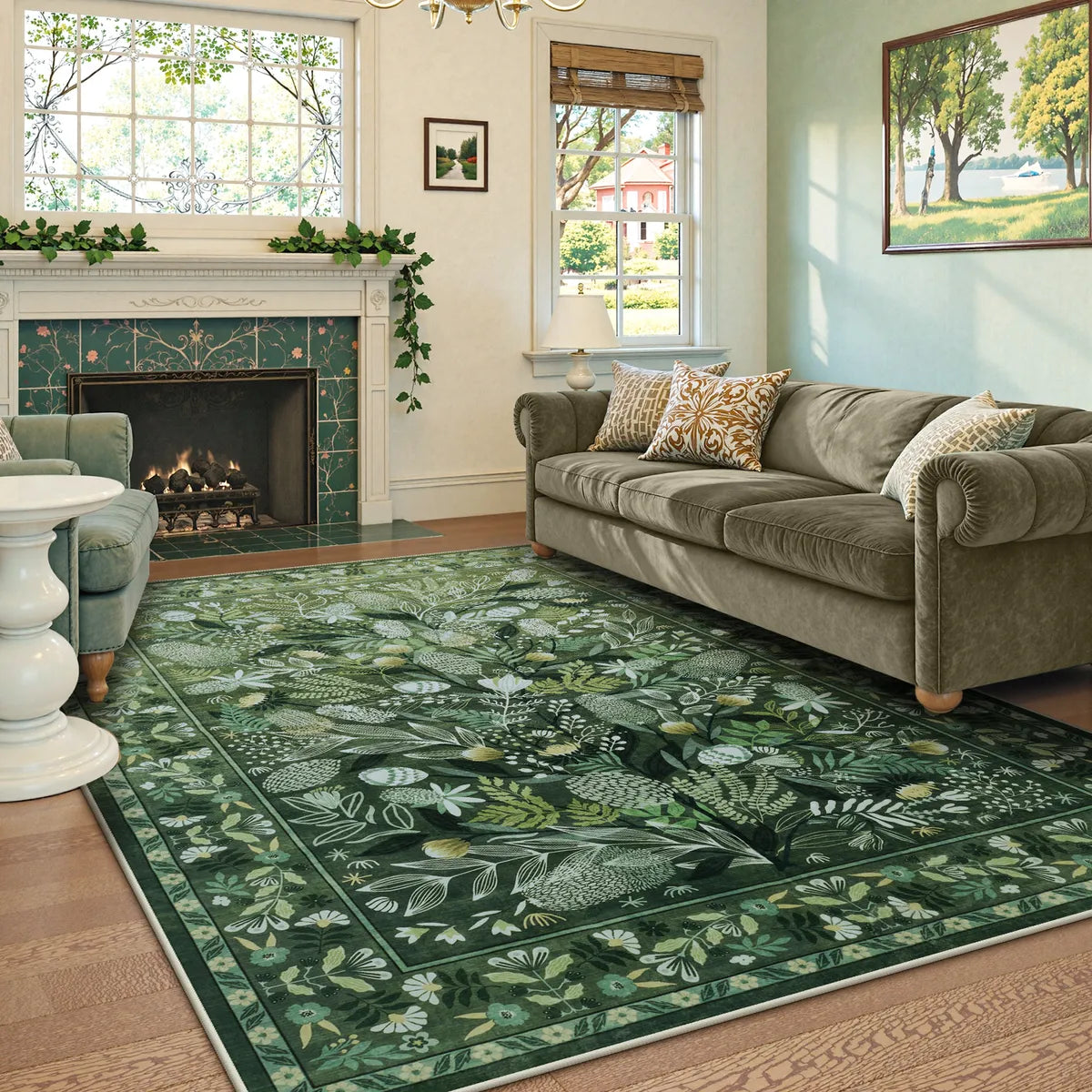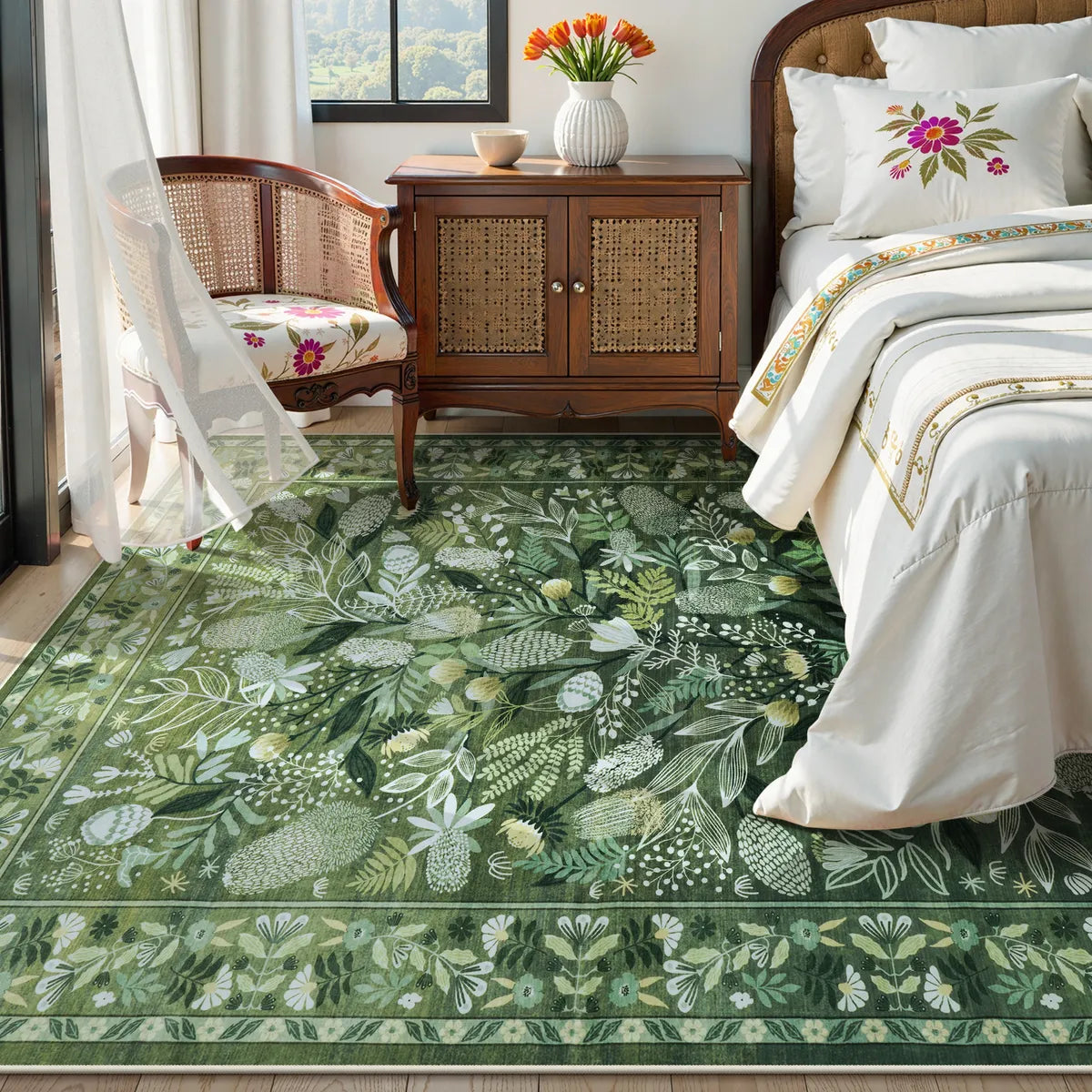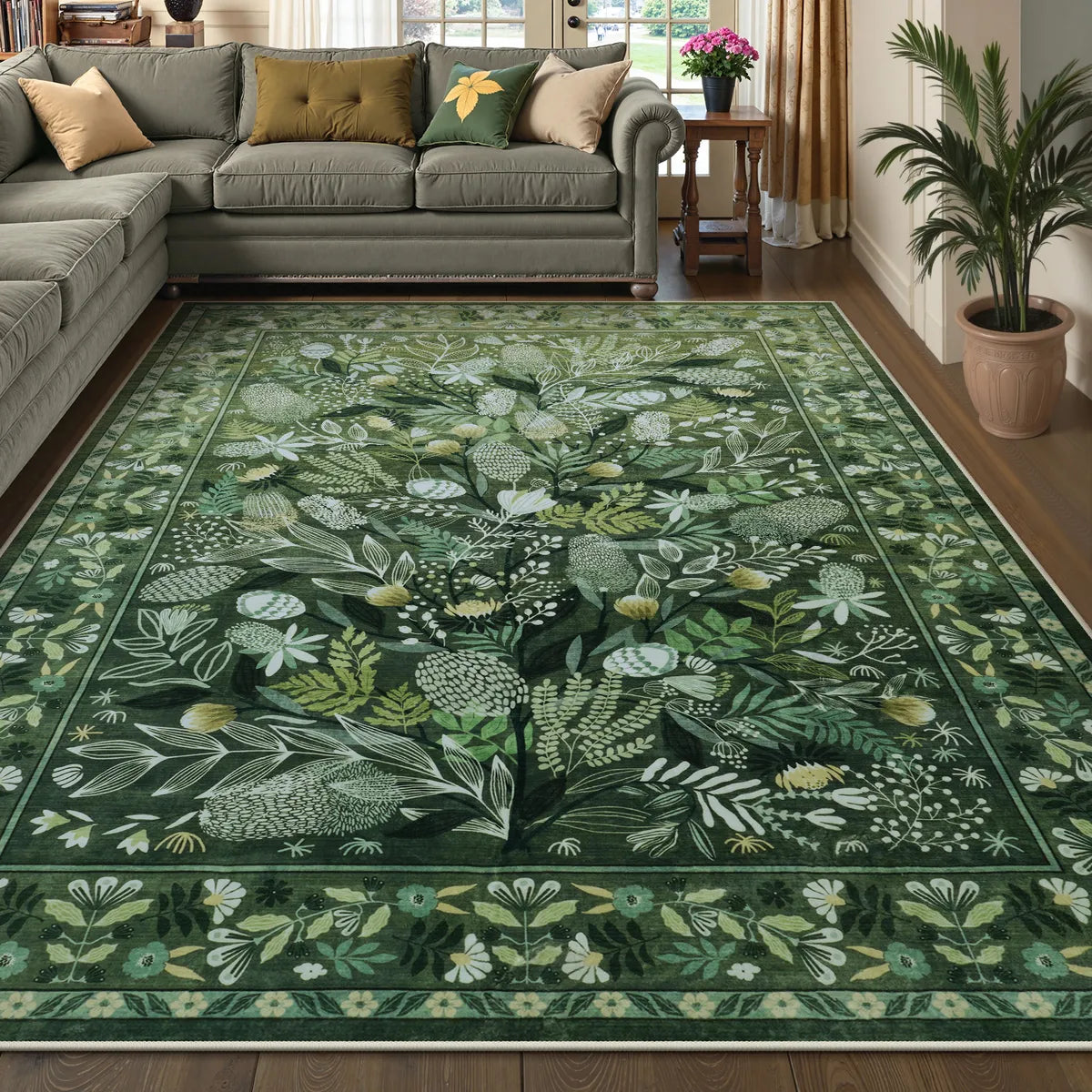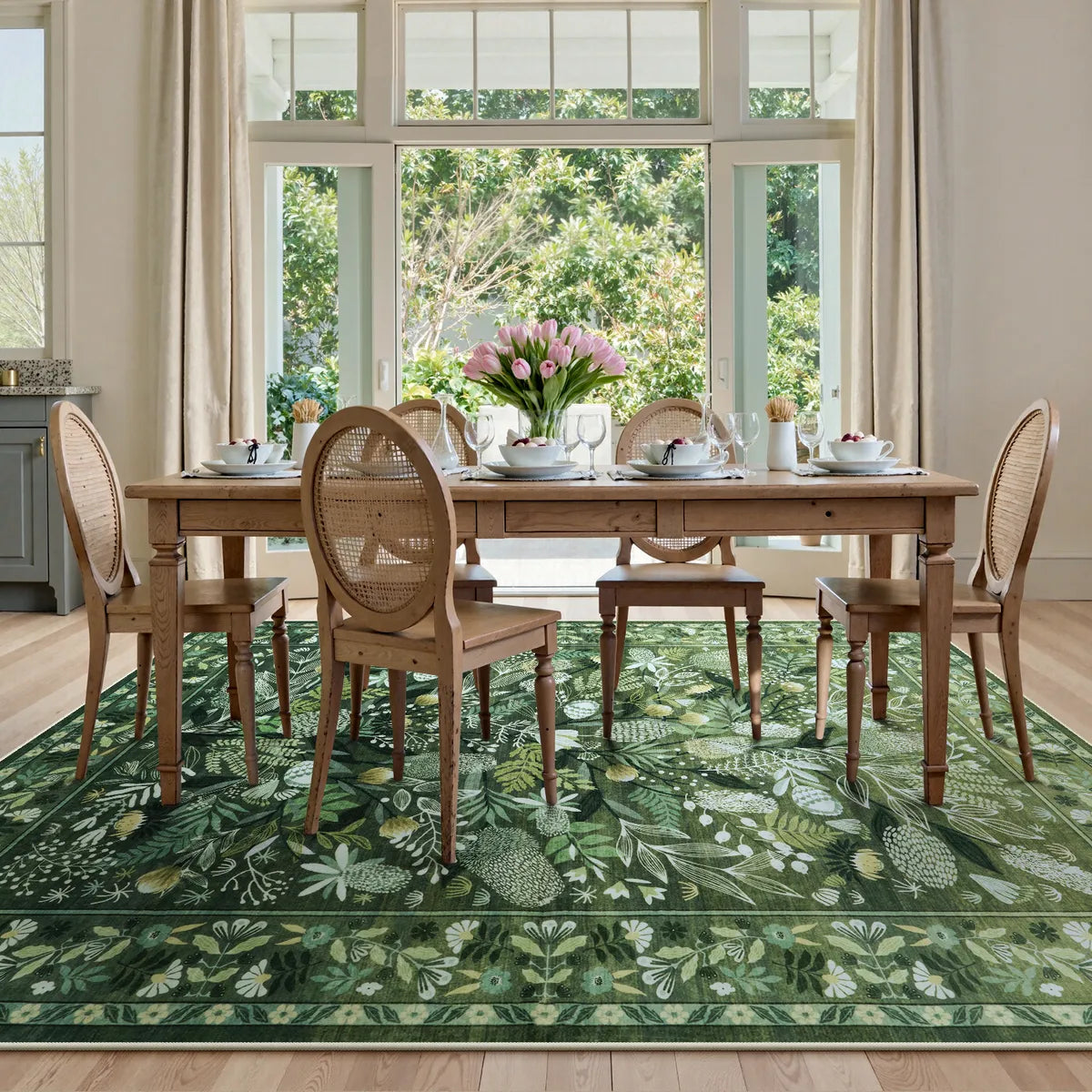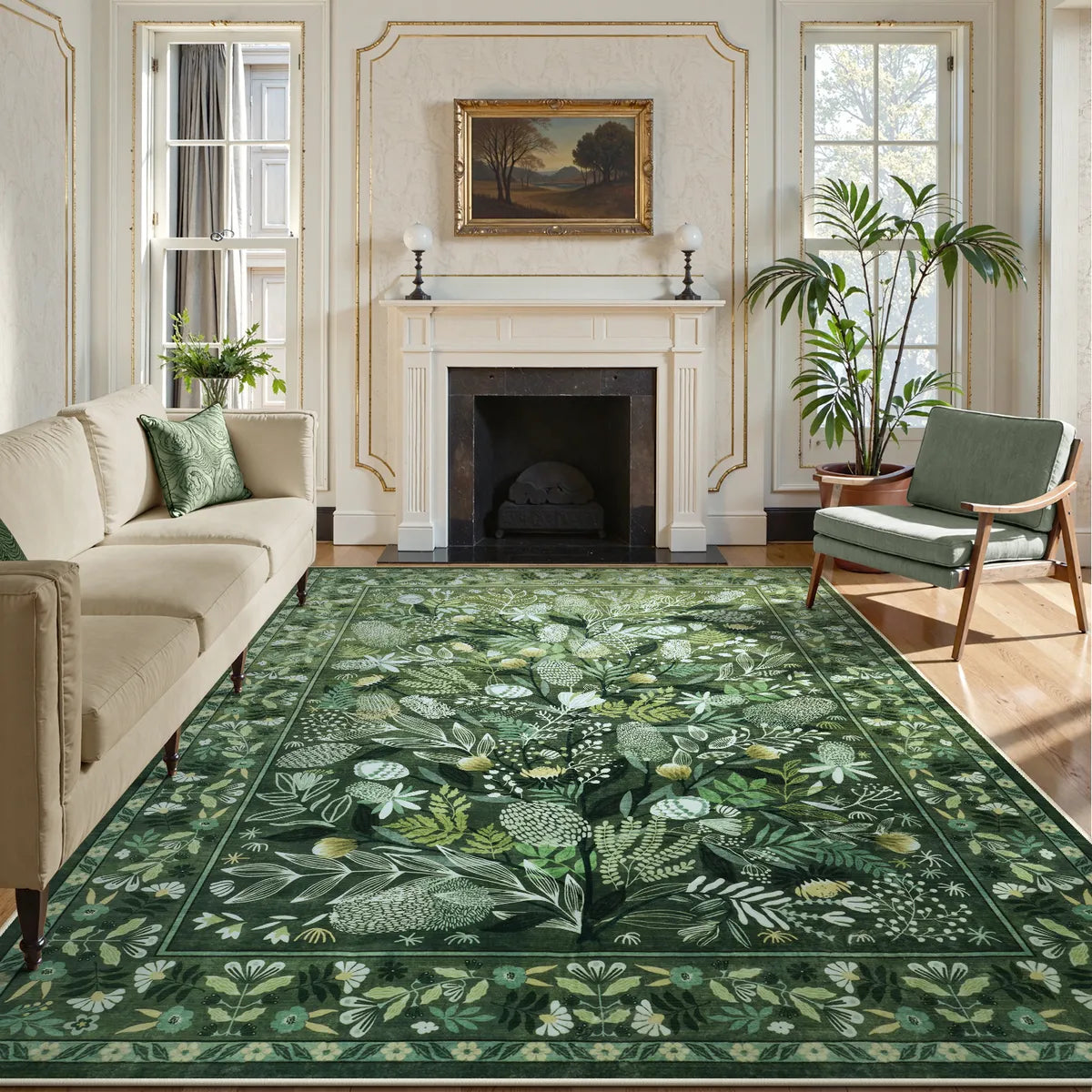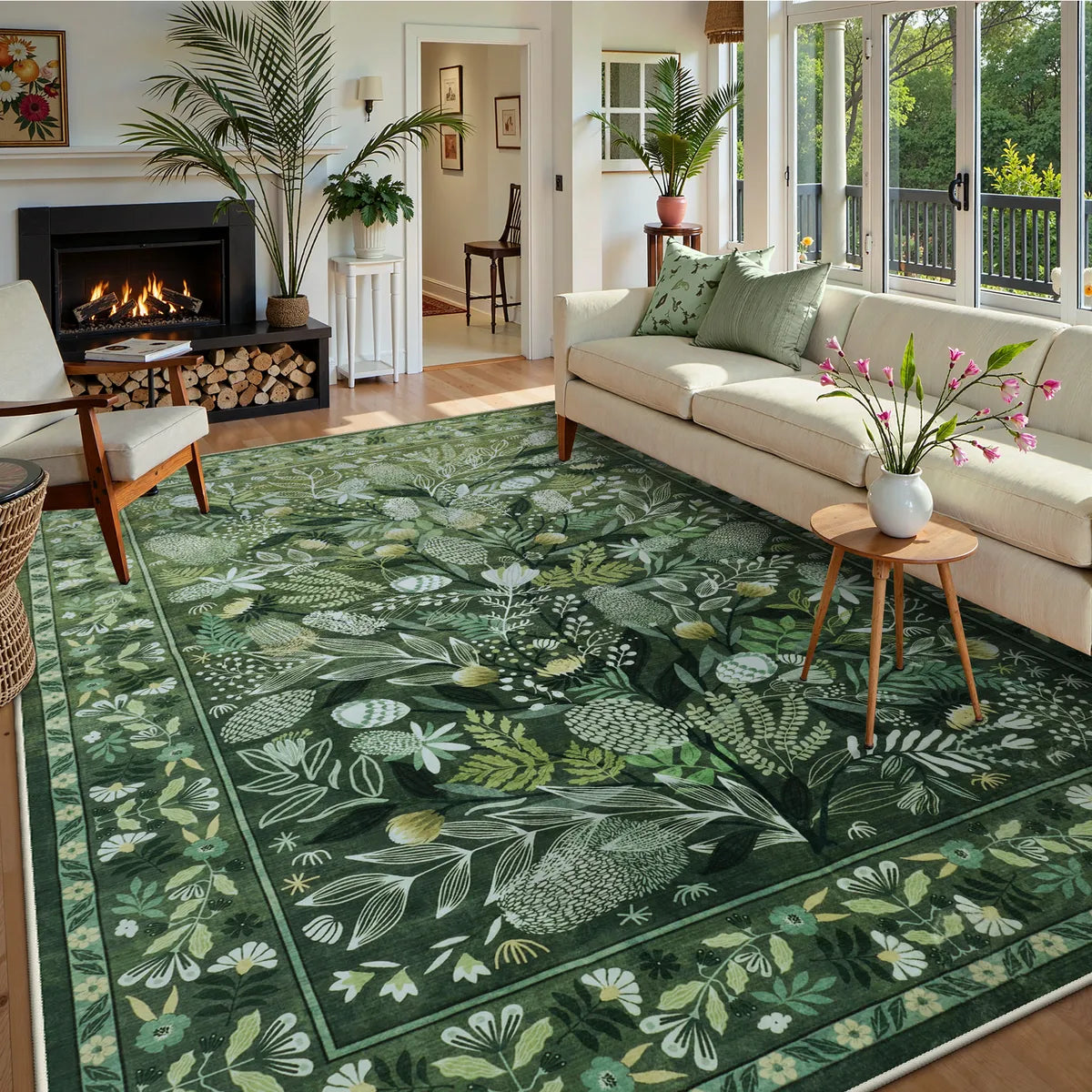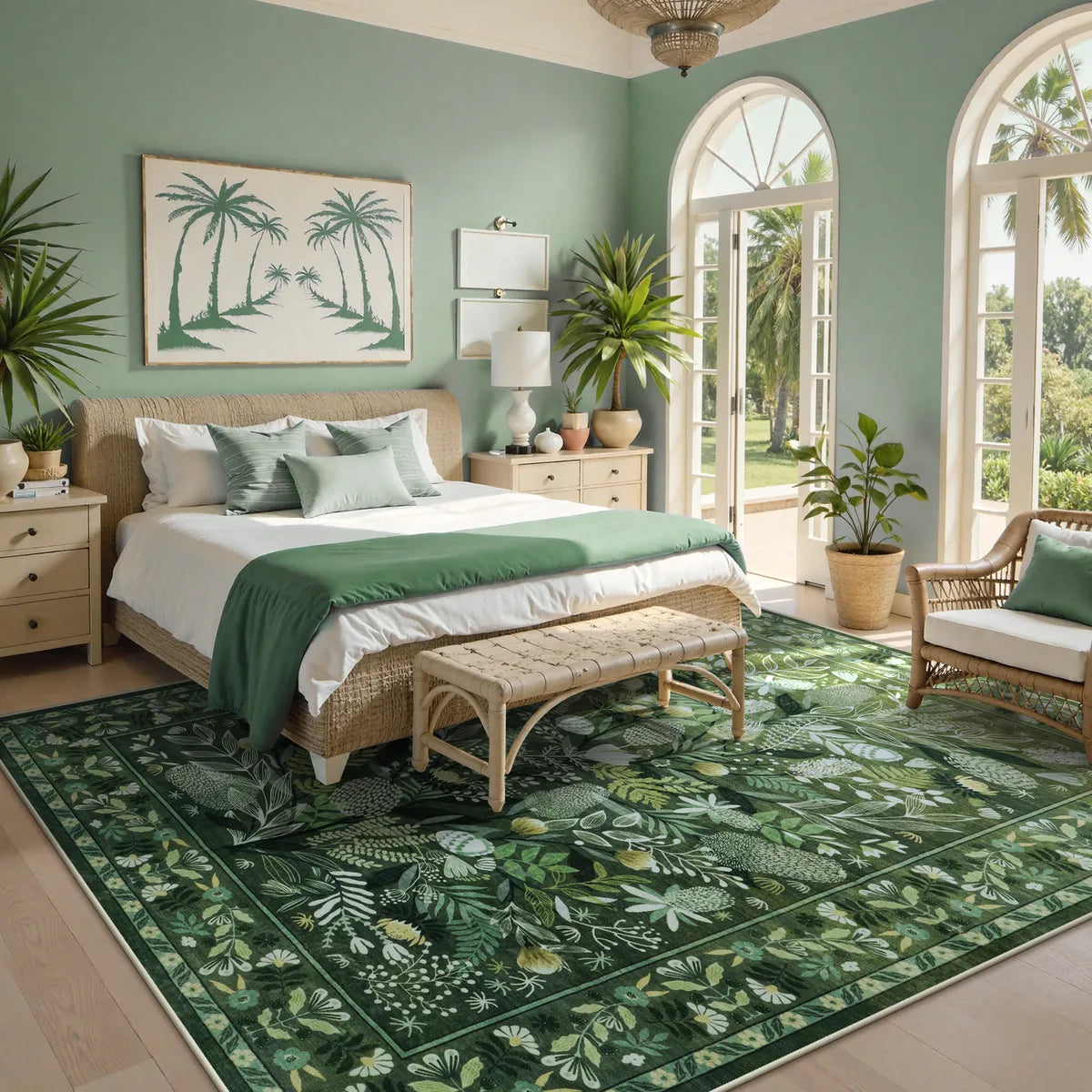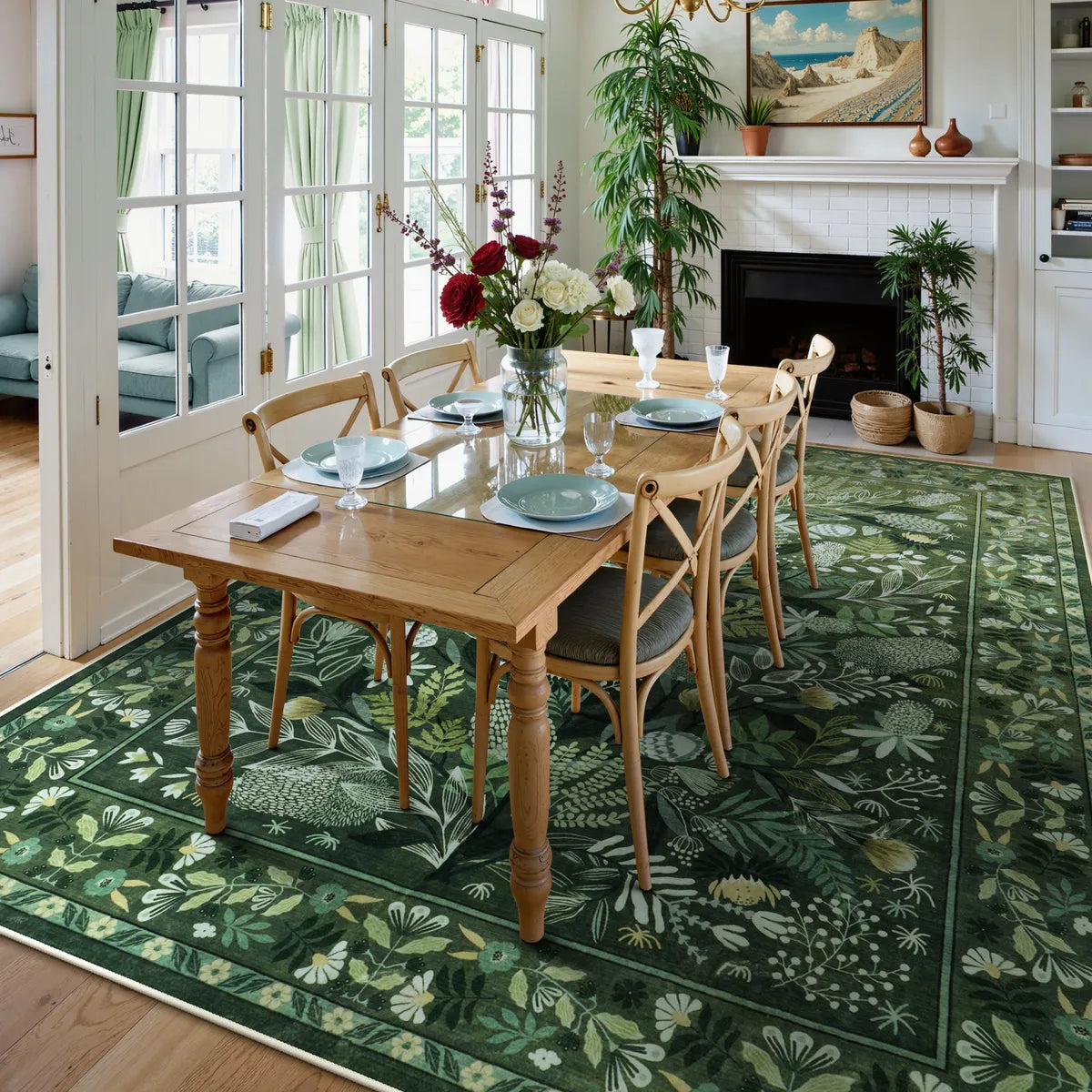


If you’re deciding what to put underfoot, the choice isn’t always as simple as picking a color or pattern. First, you need to know what kind of floor covering makes sense for the room.
Should it cover most of the floor, or just the area you use most? Do you want the flooring itself to define the room, or are you looking for something that works with the floor you already have? Those questions get to the heart of the difference between carpet and rug.
What Is a Rug?
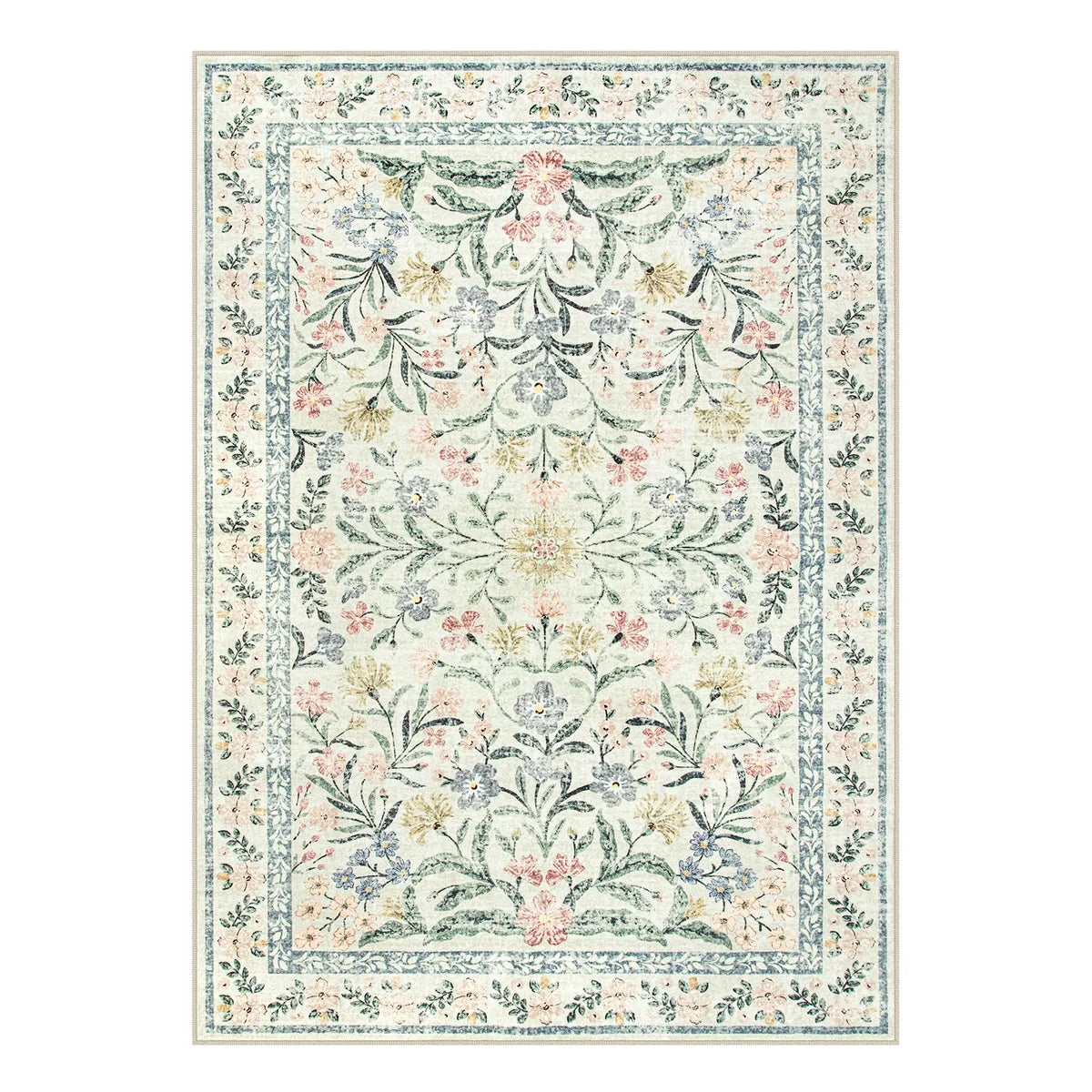
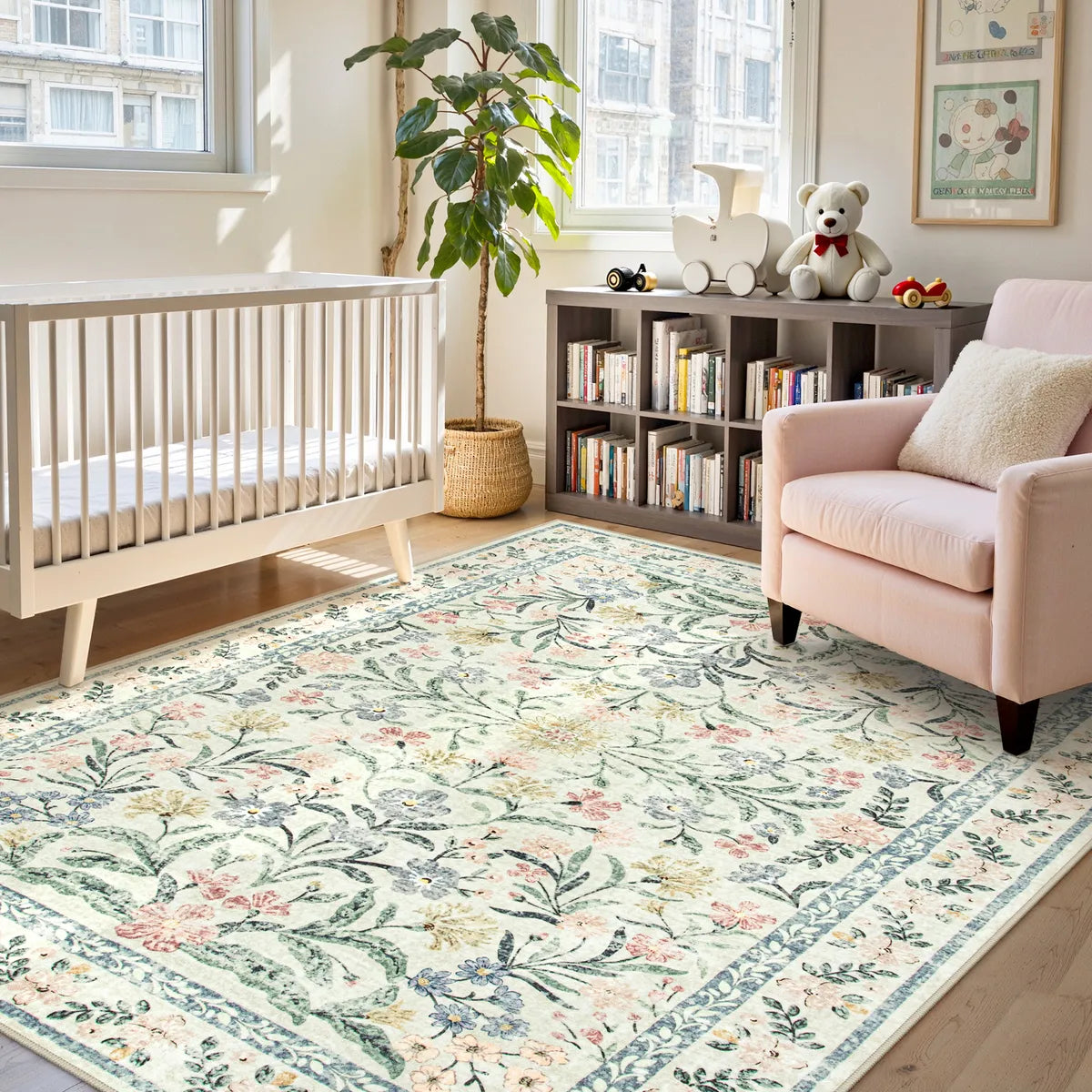
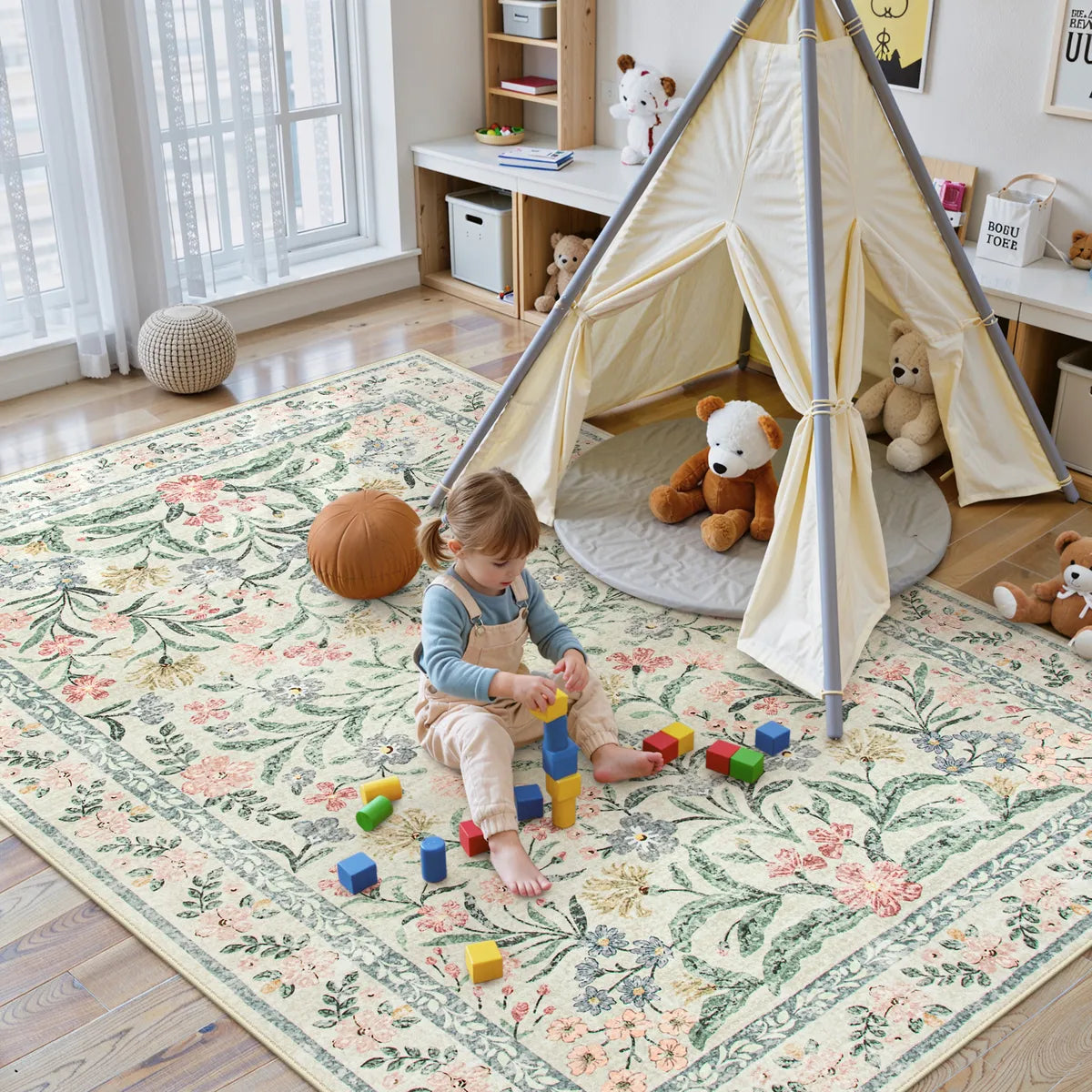
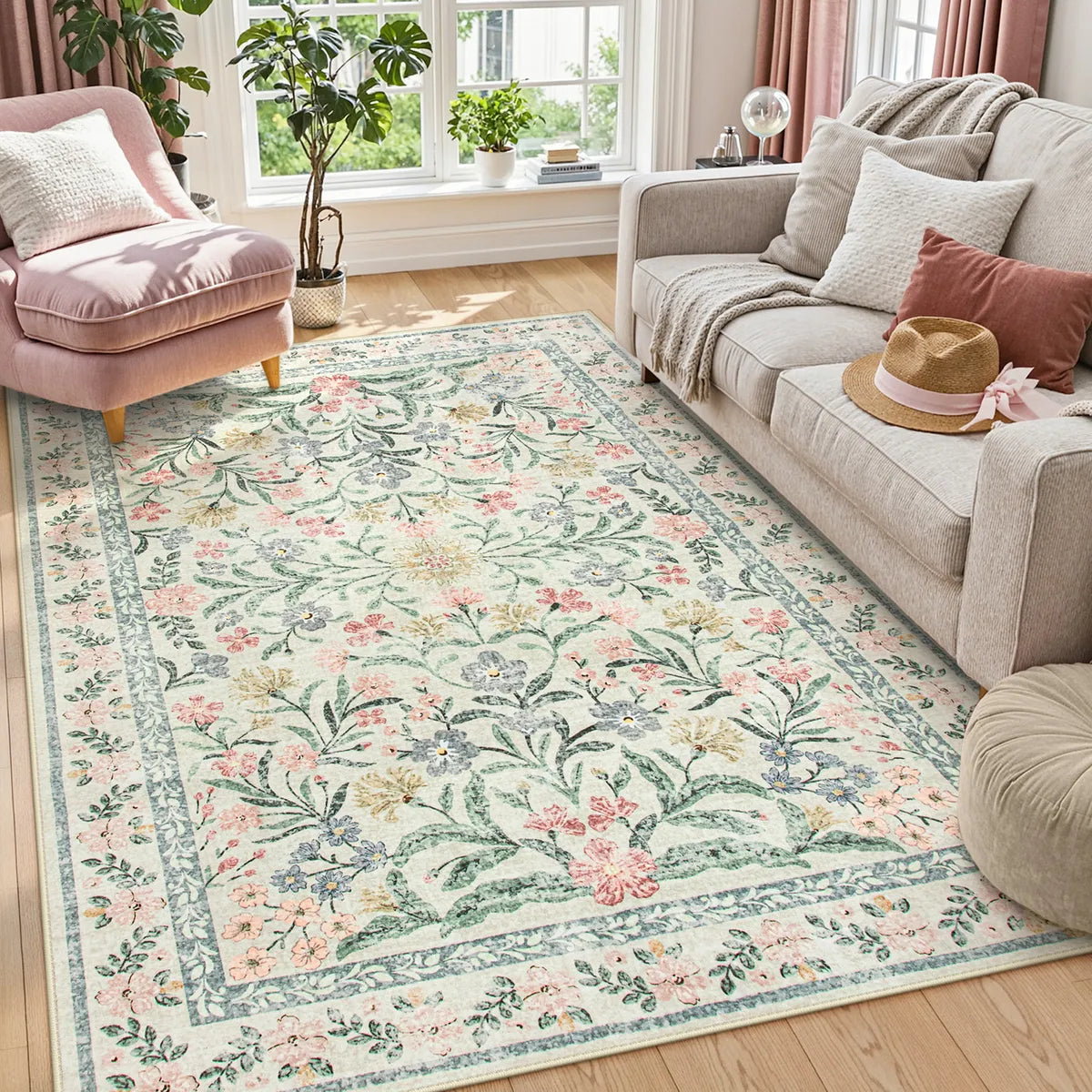
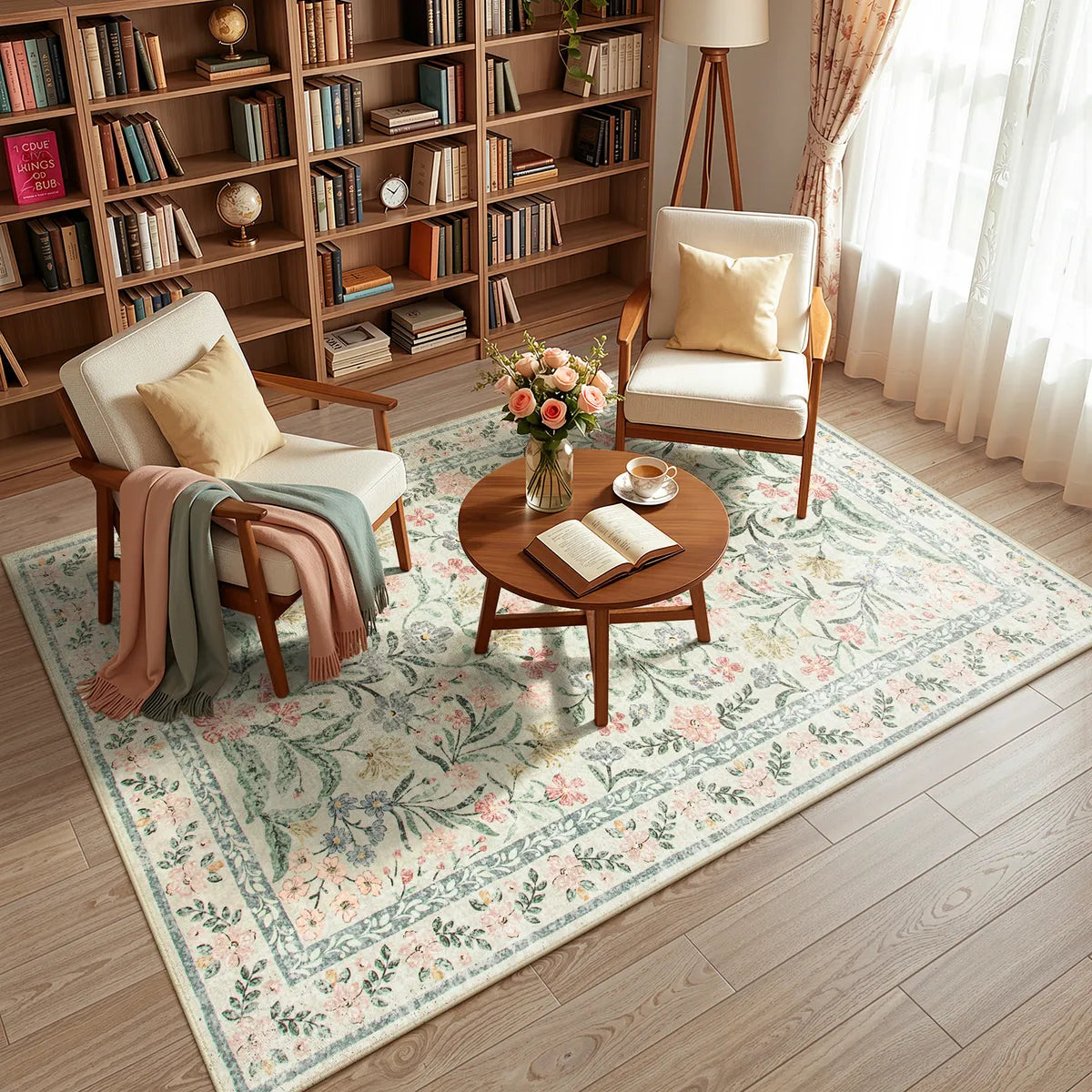
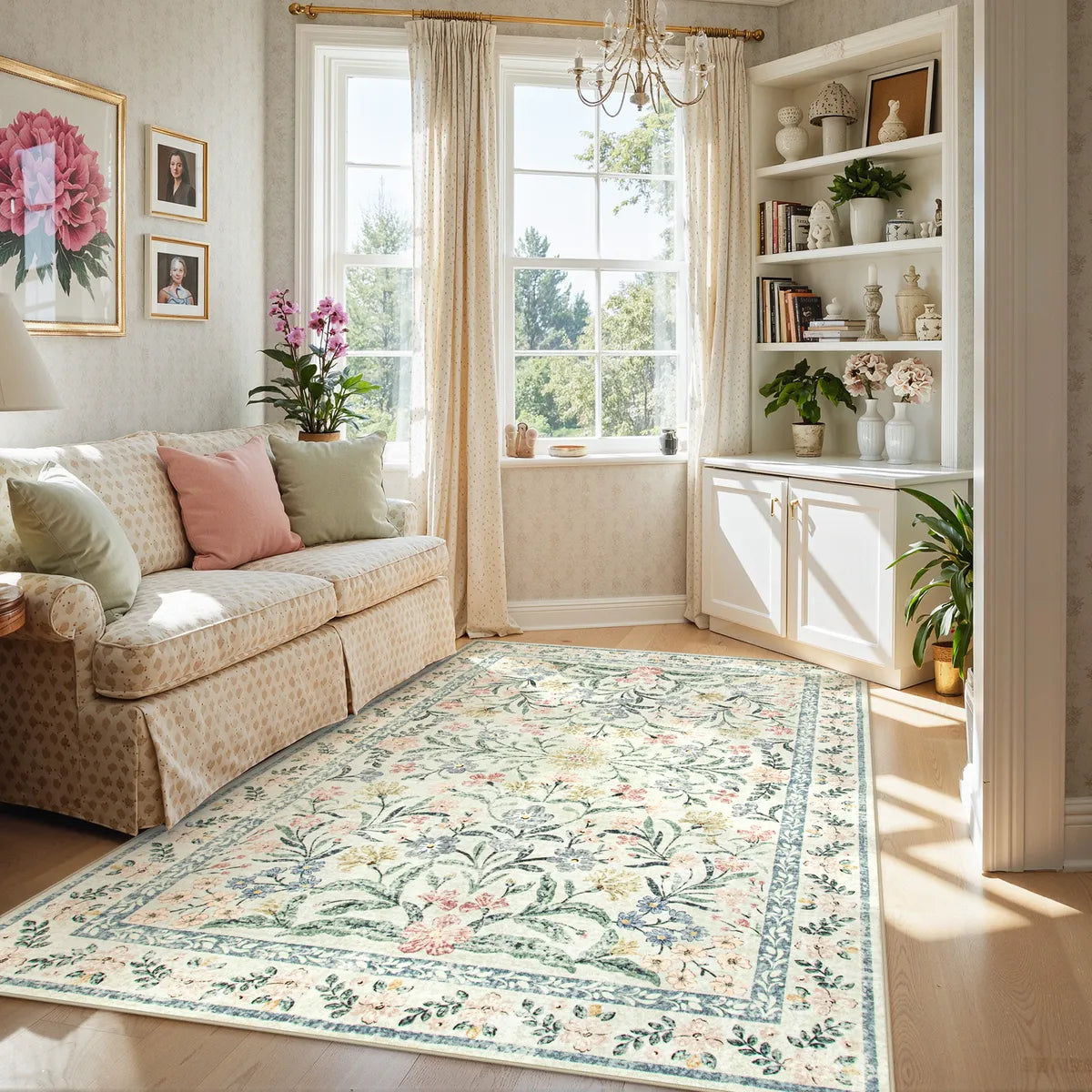
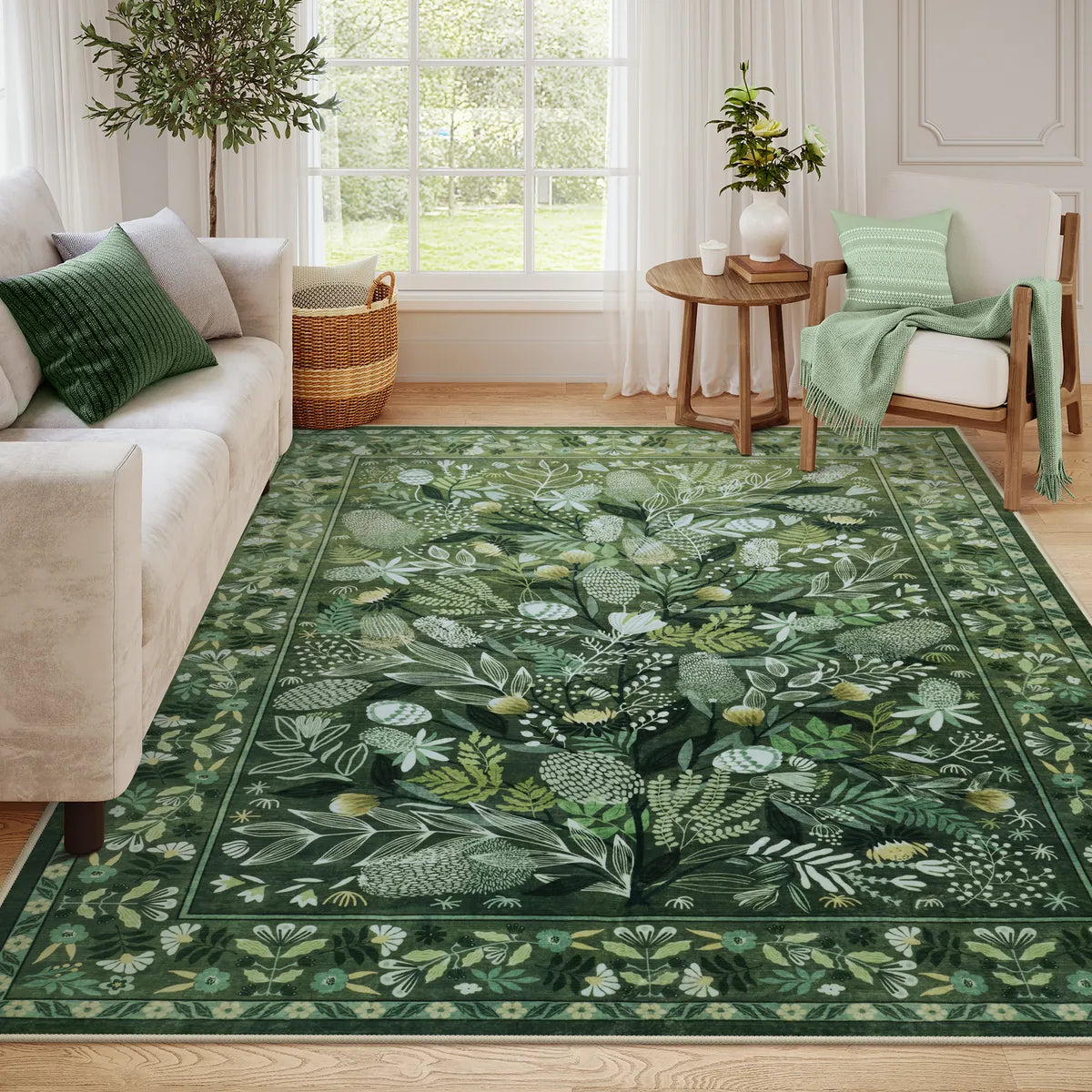
A rug is a separate floor covering that is typically laid over another finished floor surface. It can cover a small area, anchor a seating arrangement, or span much of a room.

Rugs come in many sizes, shapes, materials, and patterns. Their placement often depends on the room, furniture, and what you want the rug to do.
What Does “Rug” Mean?
A rug is commonly used to:
- Define an area, such as a seating or dining space.
- Add comfort through a softer surface underfoot.
- Add visual interest through color, pattern, texture, or shape.
- Protect the floor in areas that see regular foot traffic.
A rug does not have to be small or limited to one part of a room. Its size and placement can be chosen around the furniture, layout, and function of the space.
Where Are Rugs Commonly Used?
Rugs can work throughout the home. The best placement depends on the room, furniture, traffic, and amount of floor you want to cover.
| Room | Common Rug Placement |
|---|---|
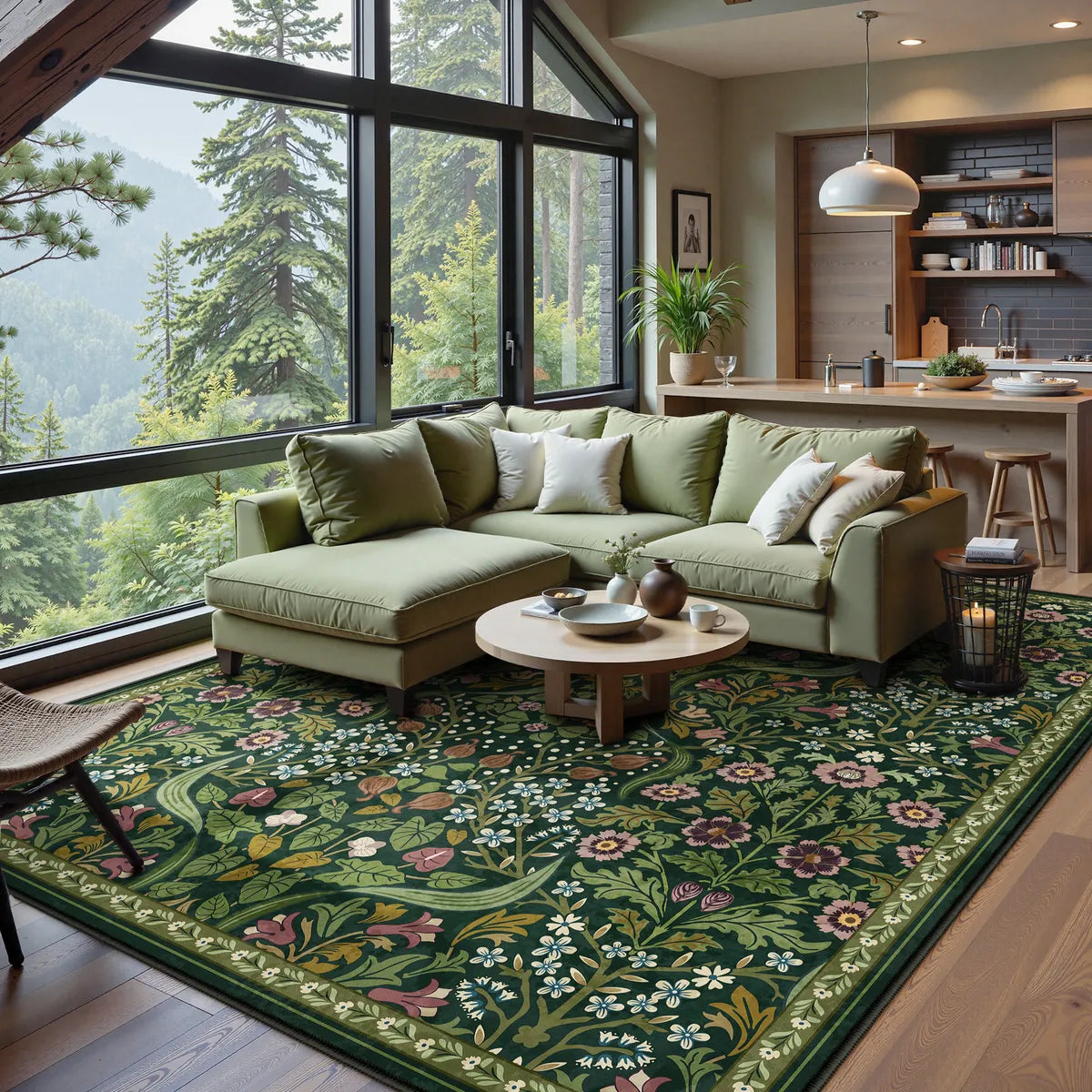
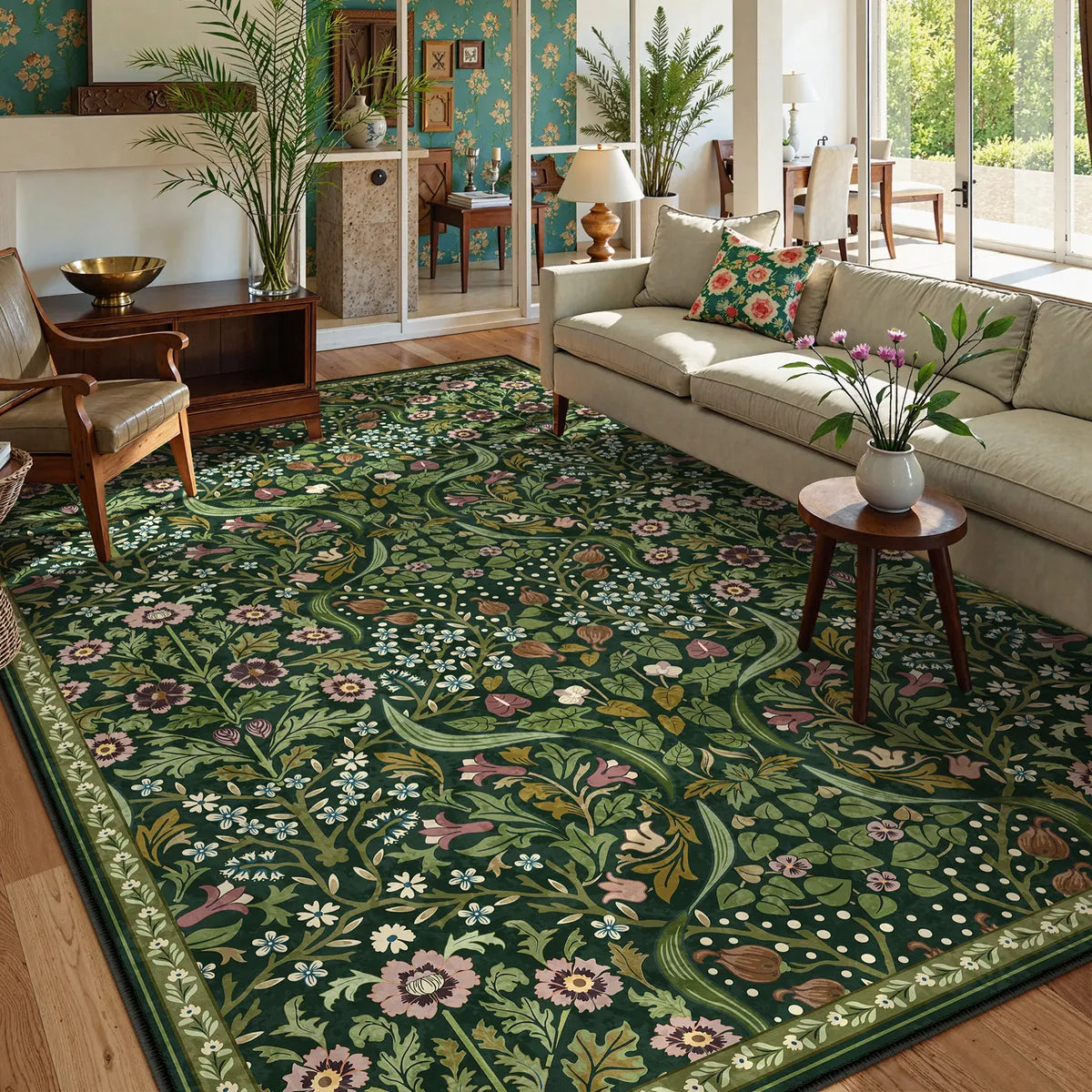
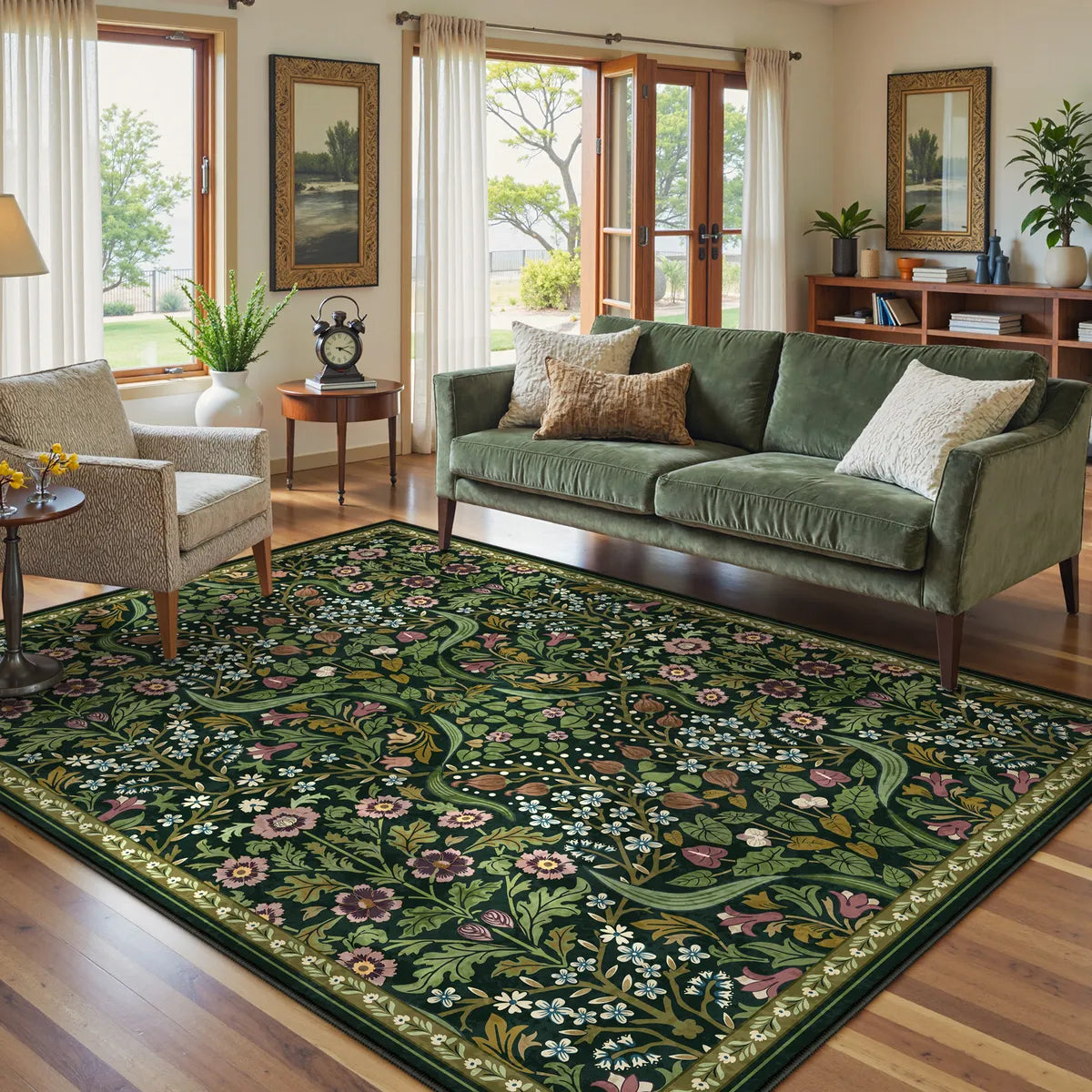
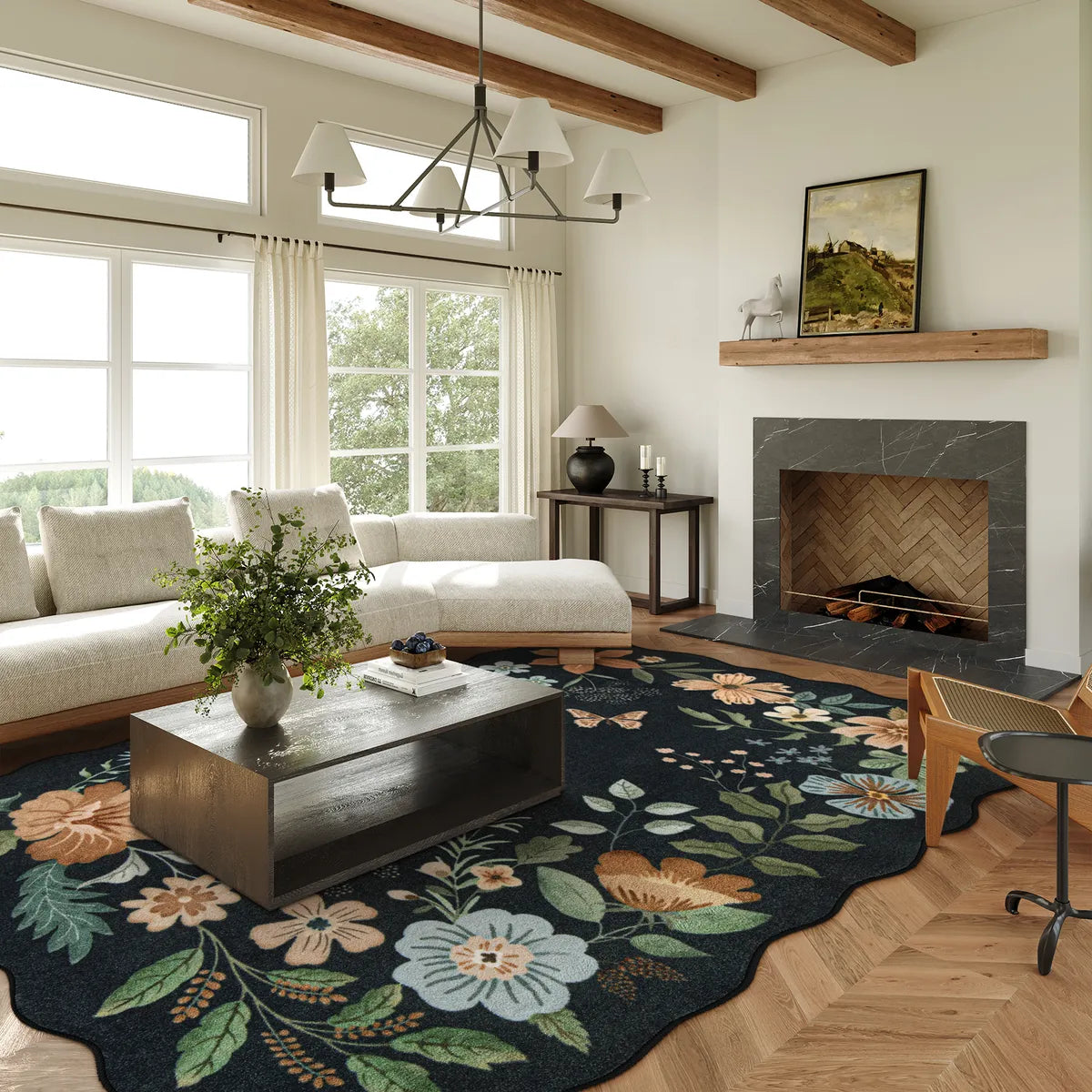
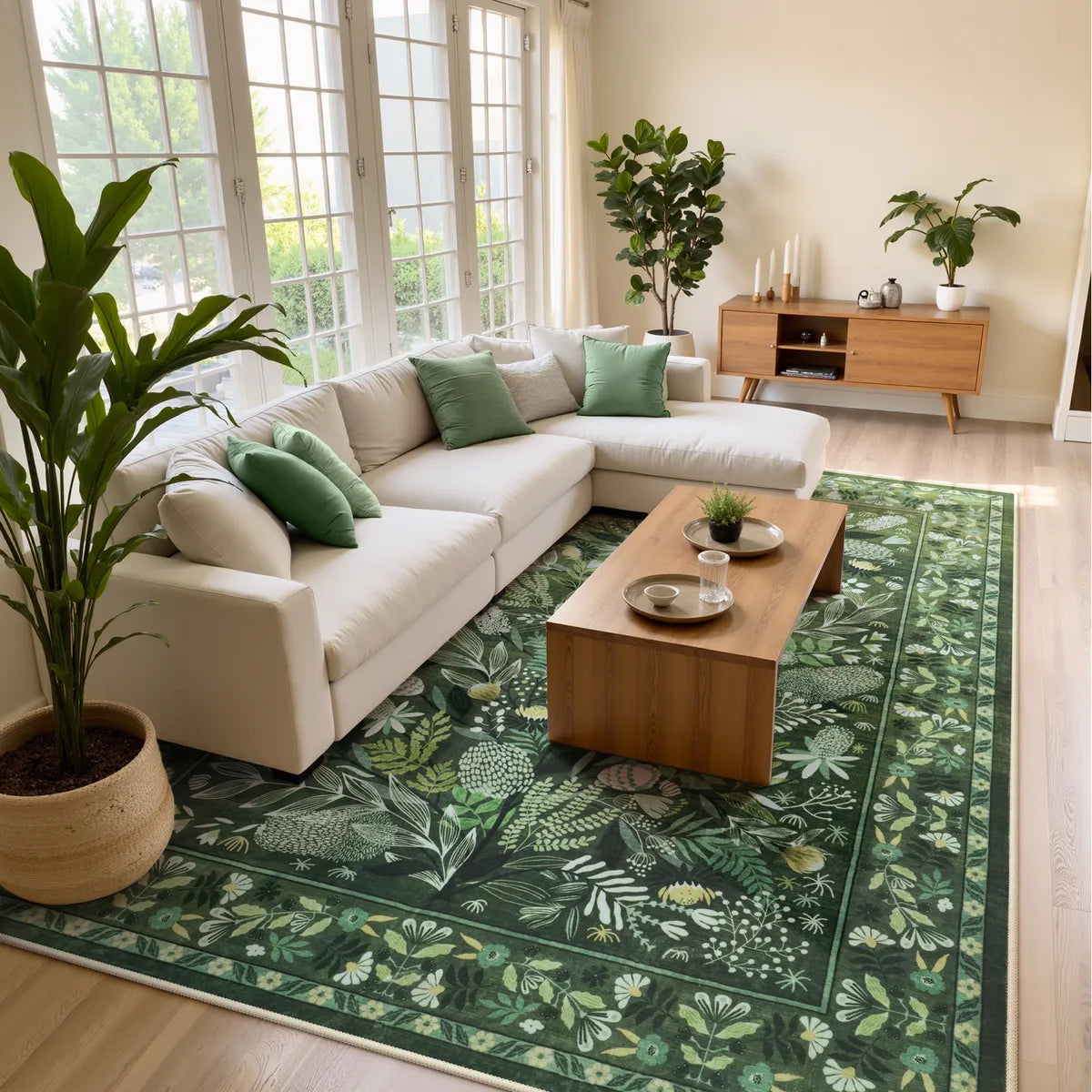
| Living Room | Under a coffee table or seating area. |
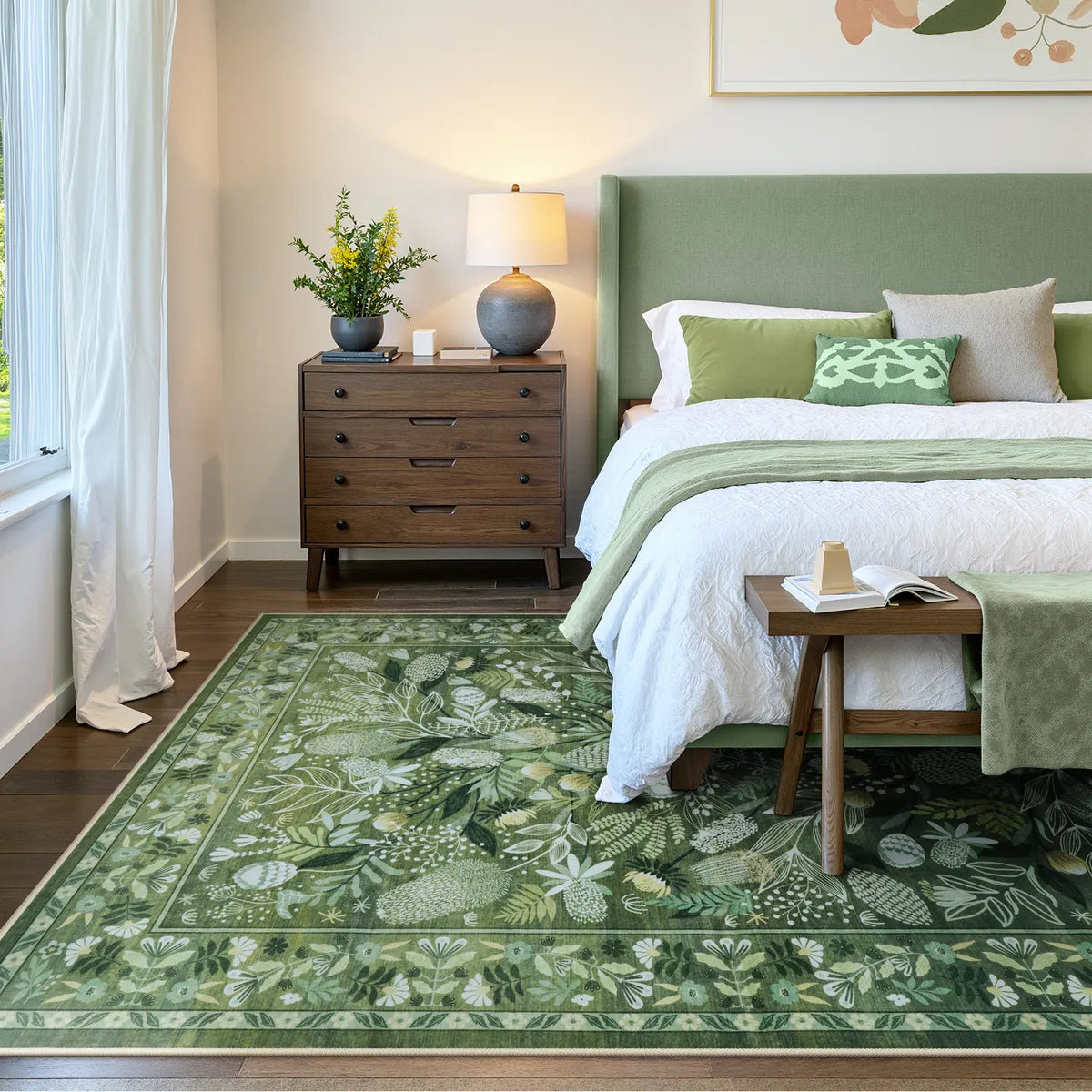
| Bedroom | Under the bed or beside it. |
| Dining Room | Under the dining table and chairs. |
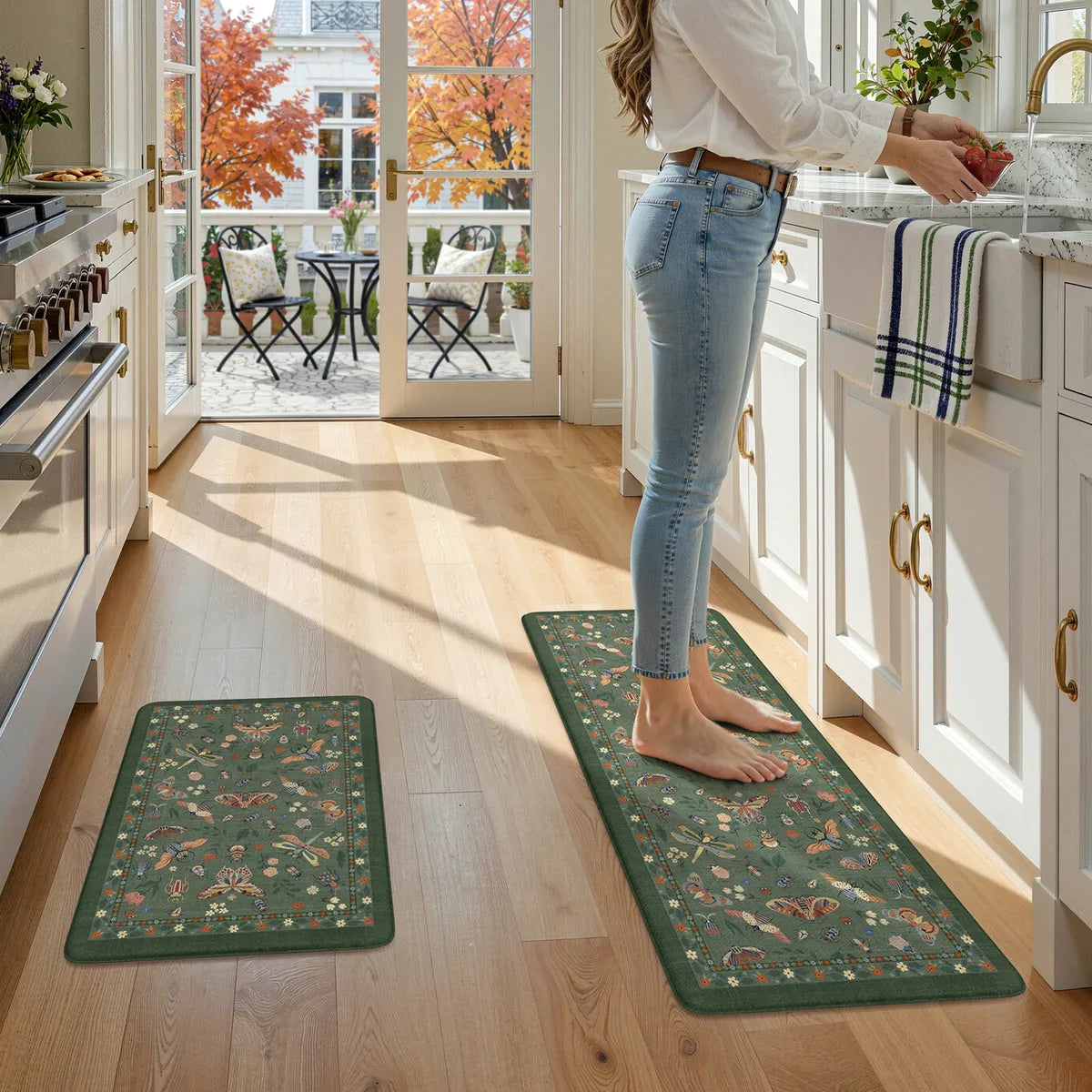
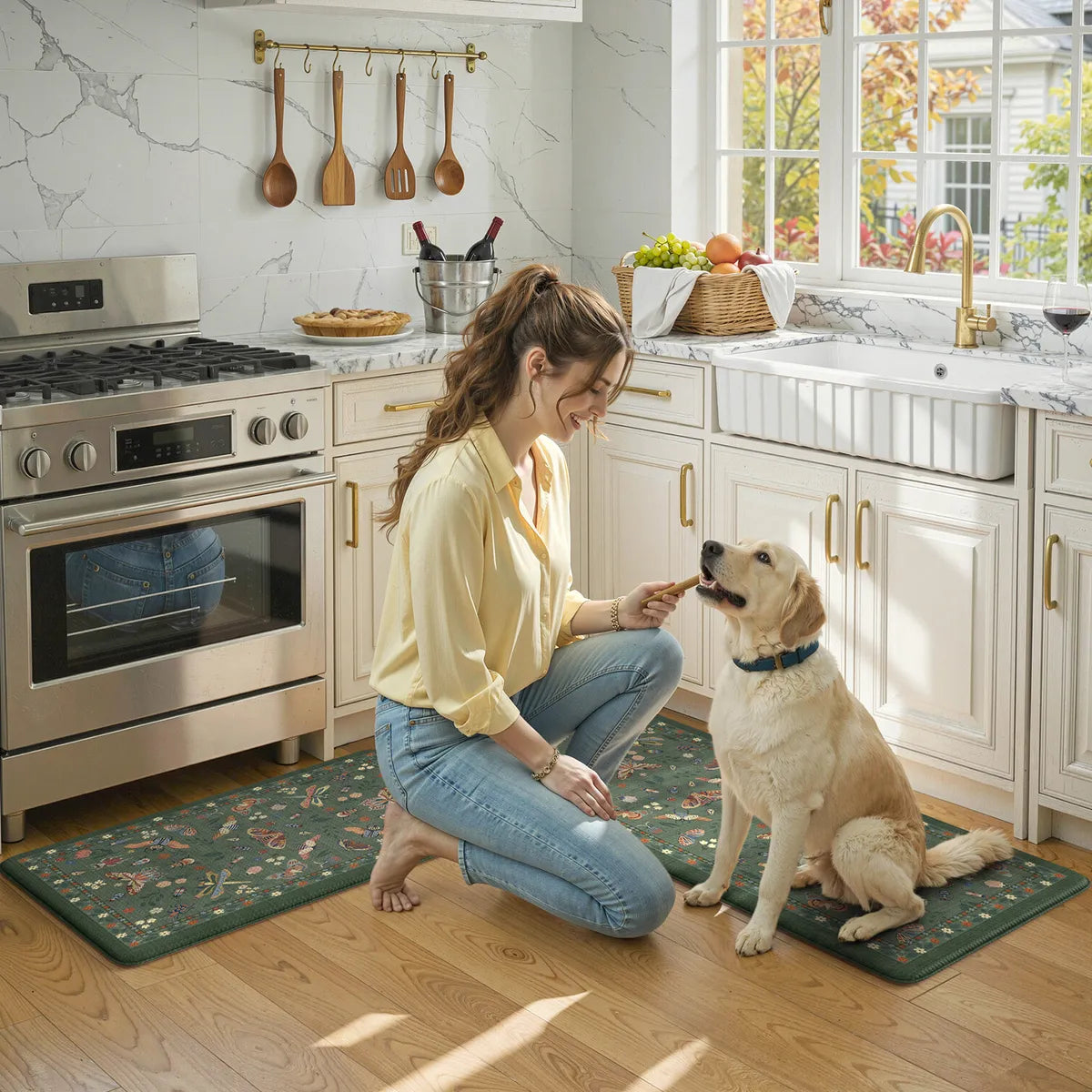
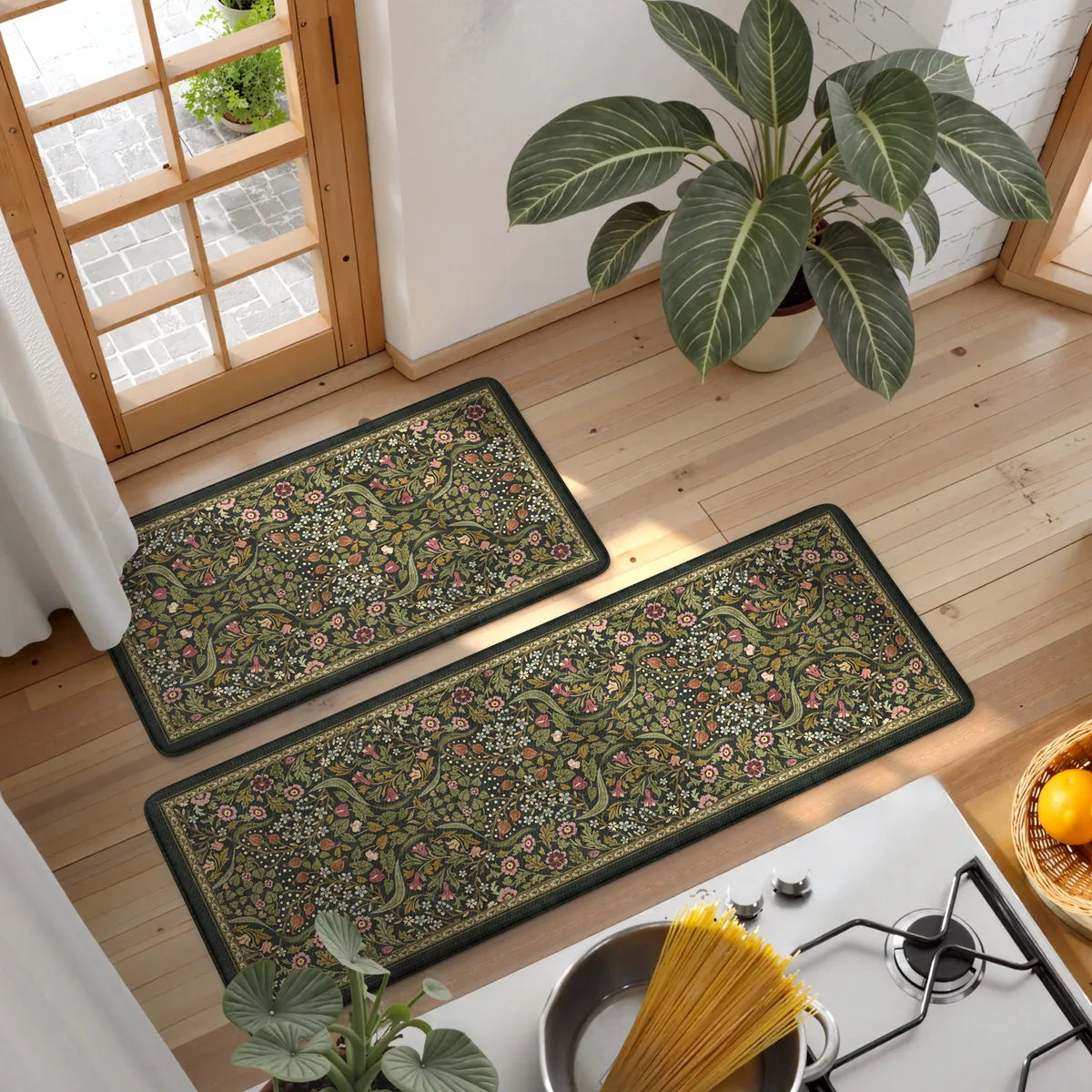
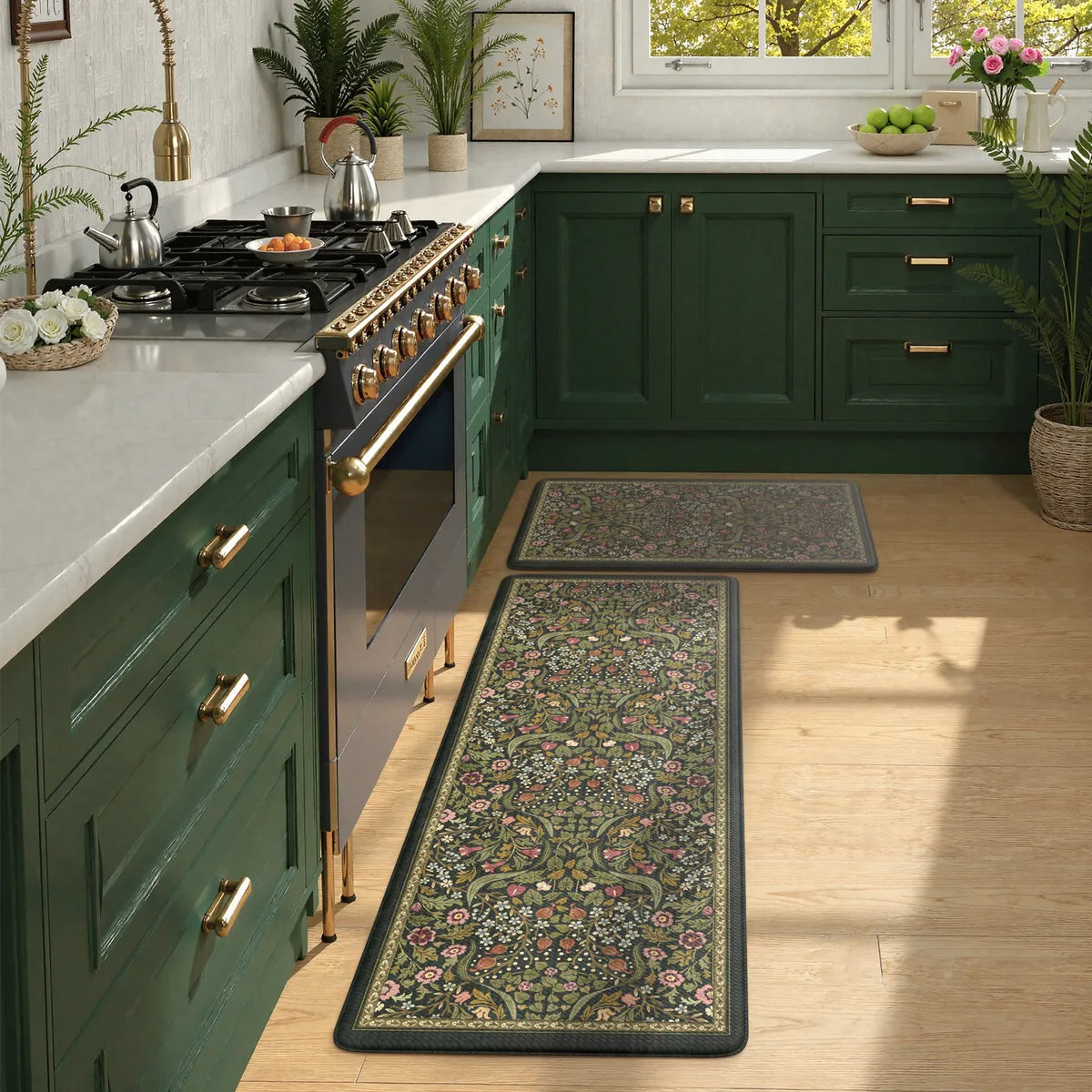
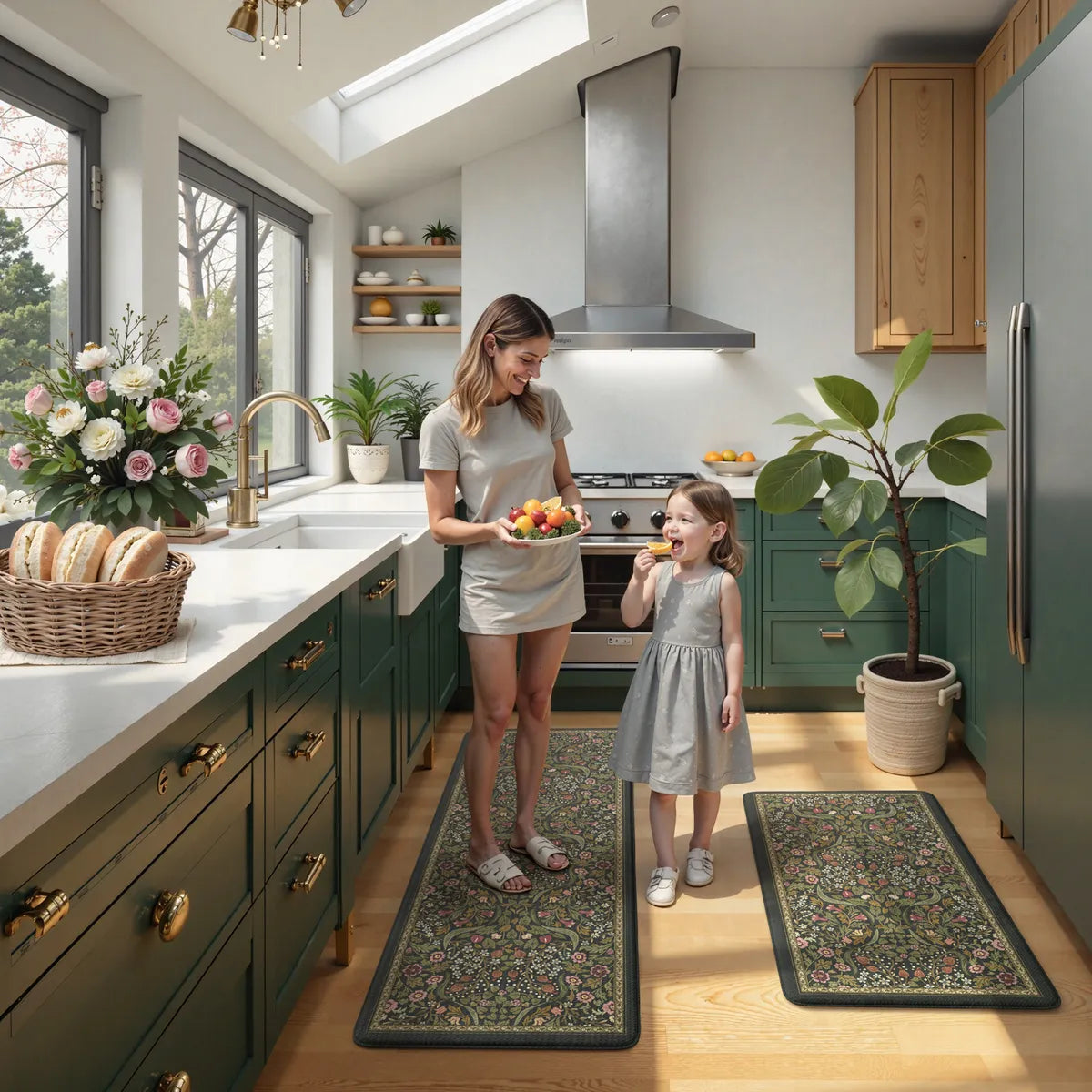
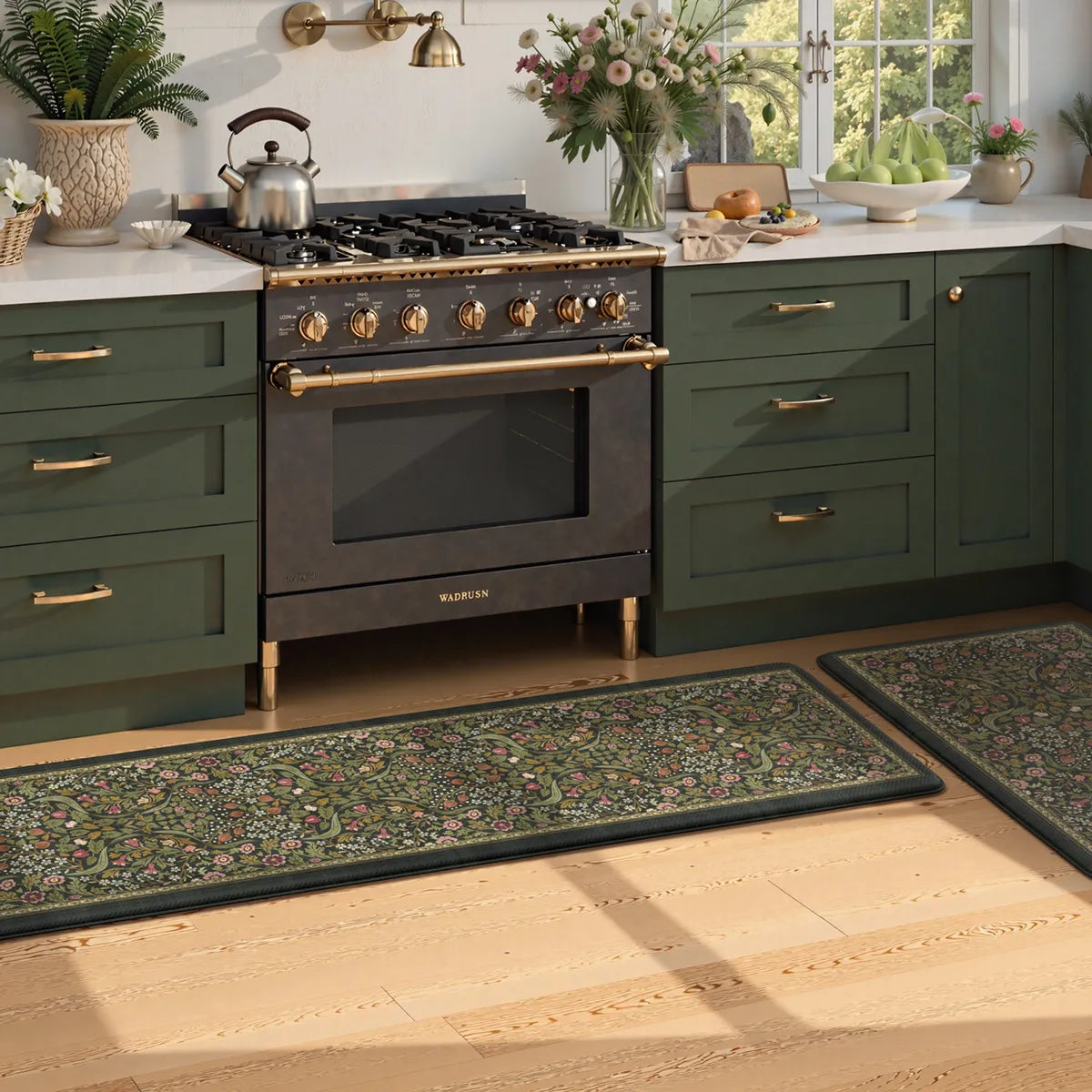
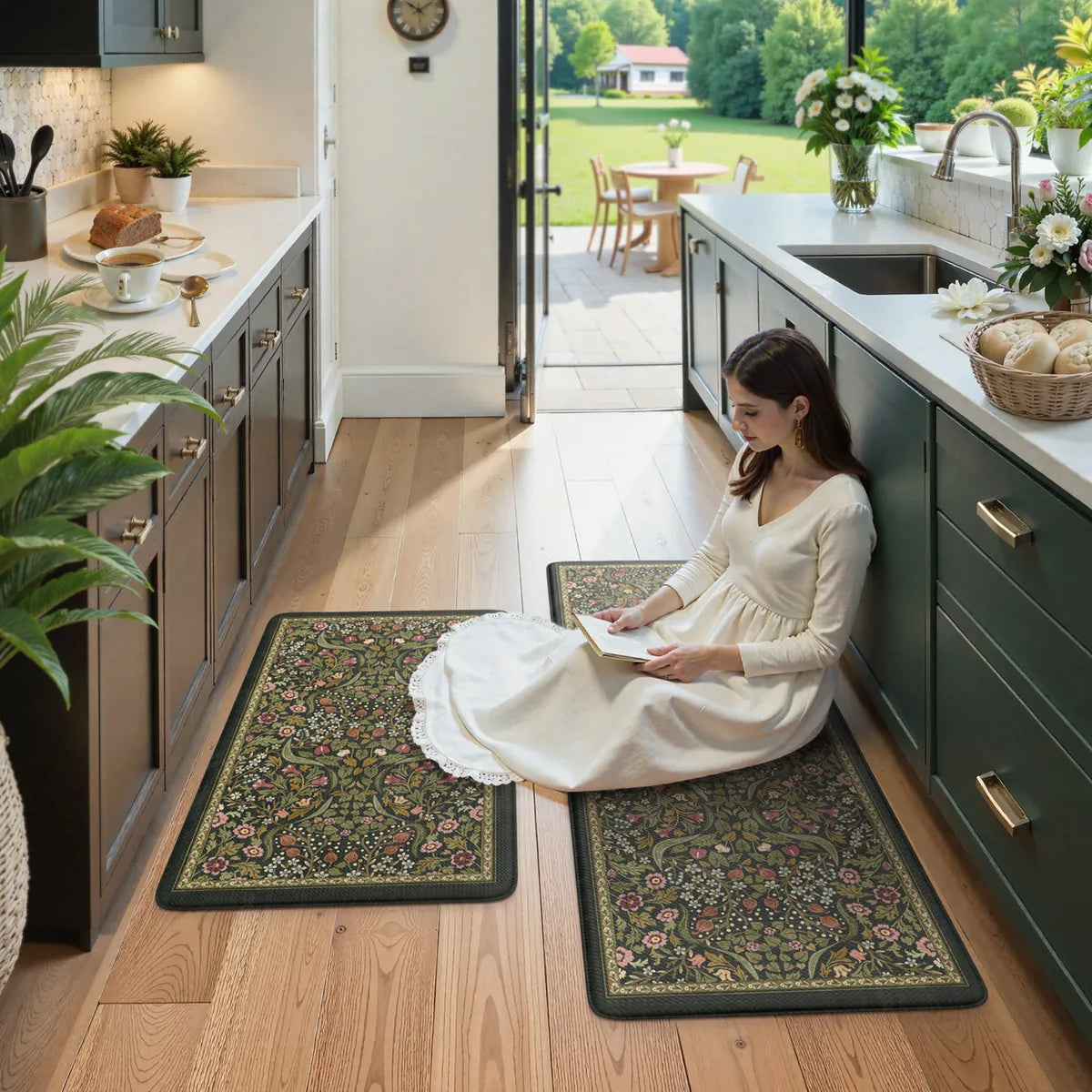
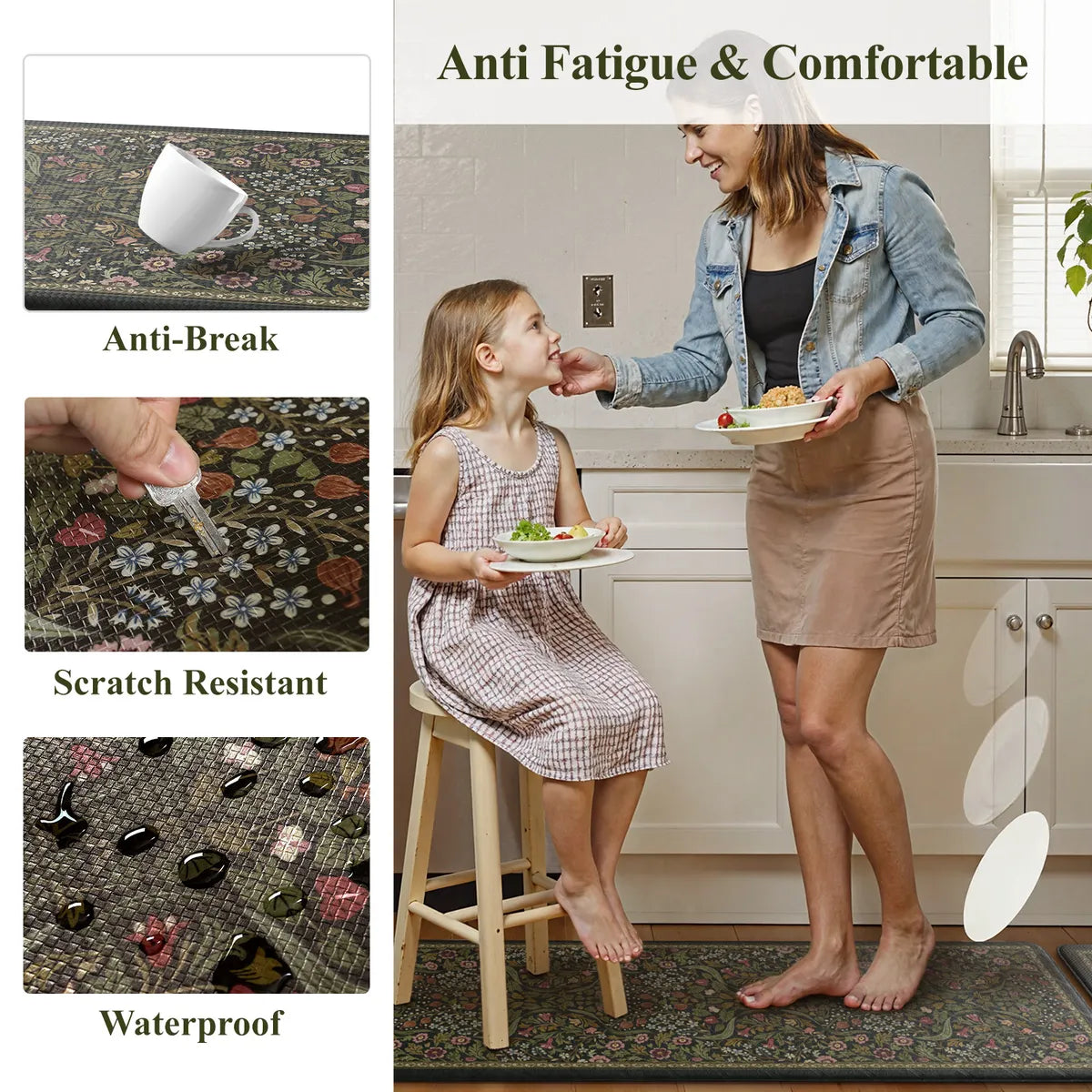
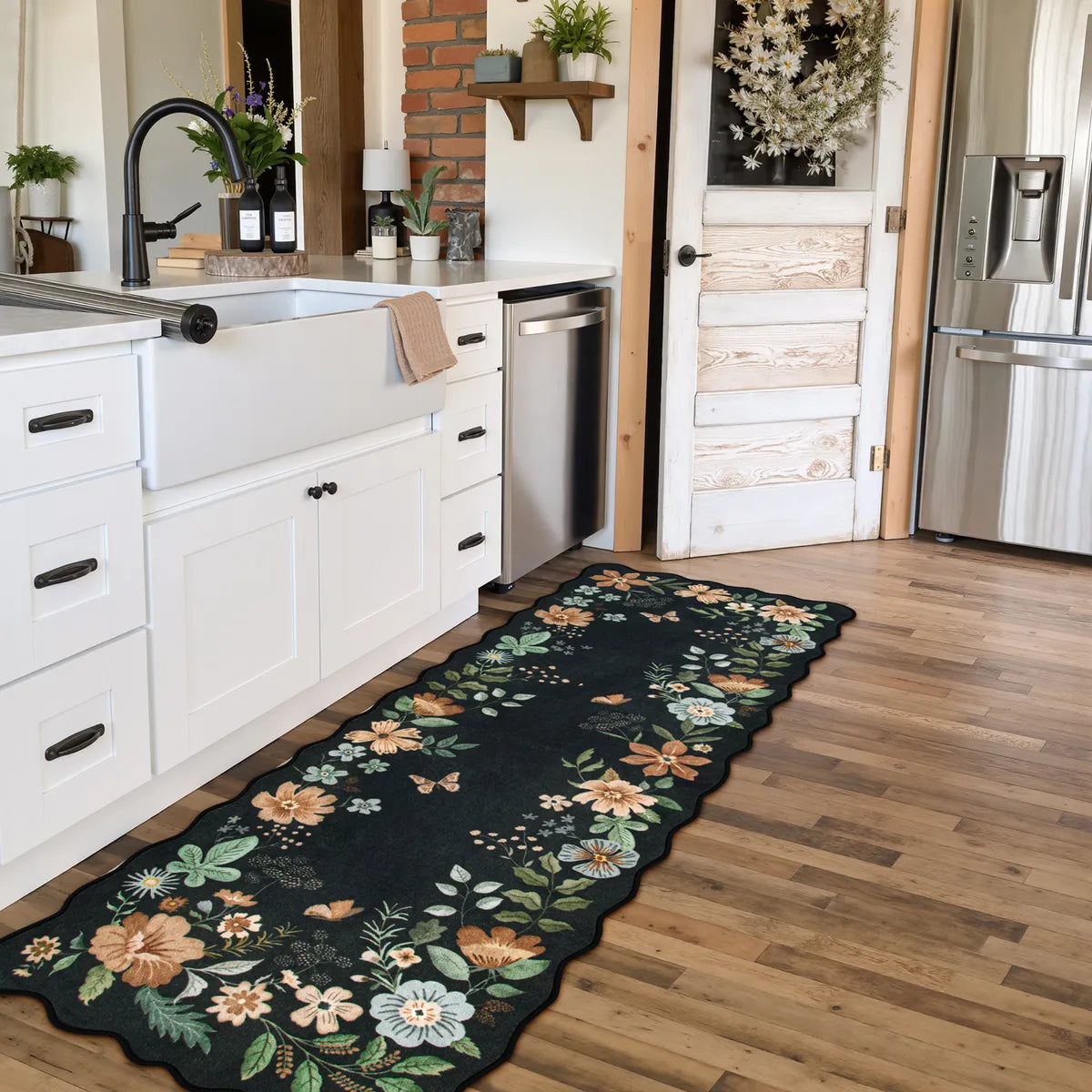
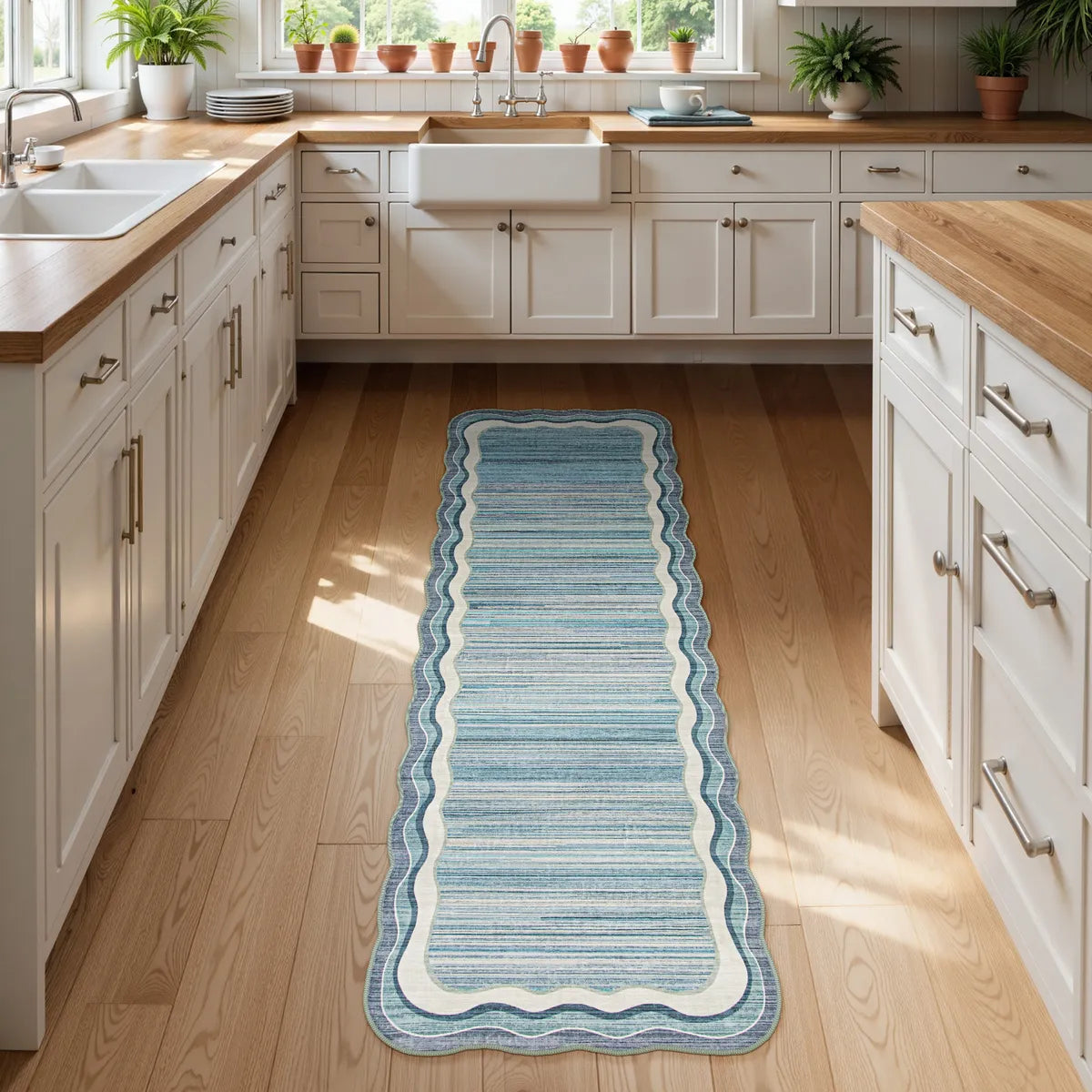
| Kitchen | Around the sink, island, or work area. |
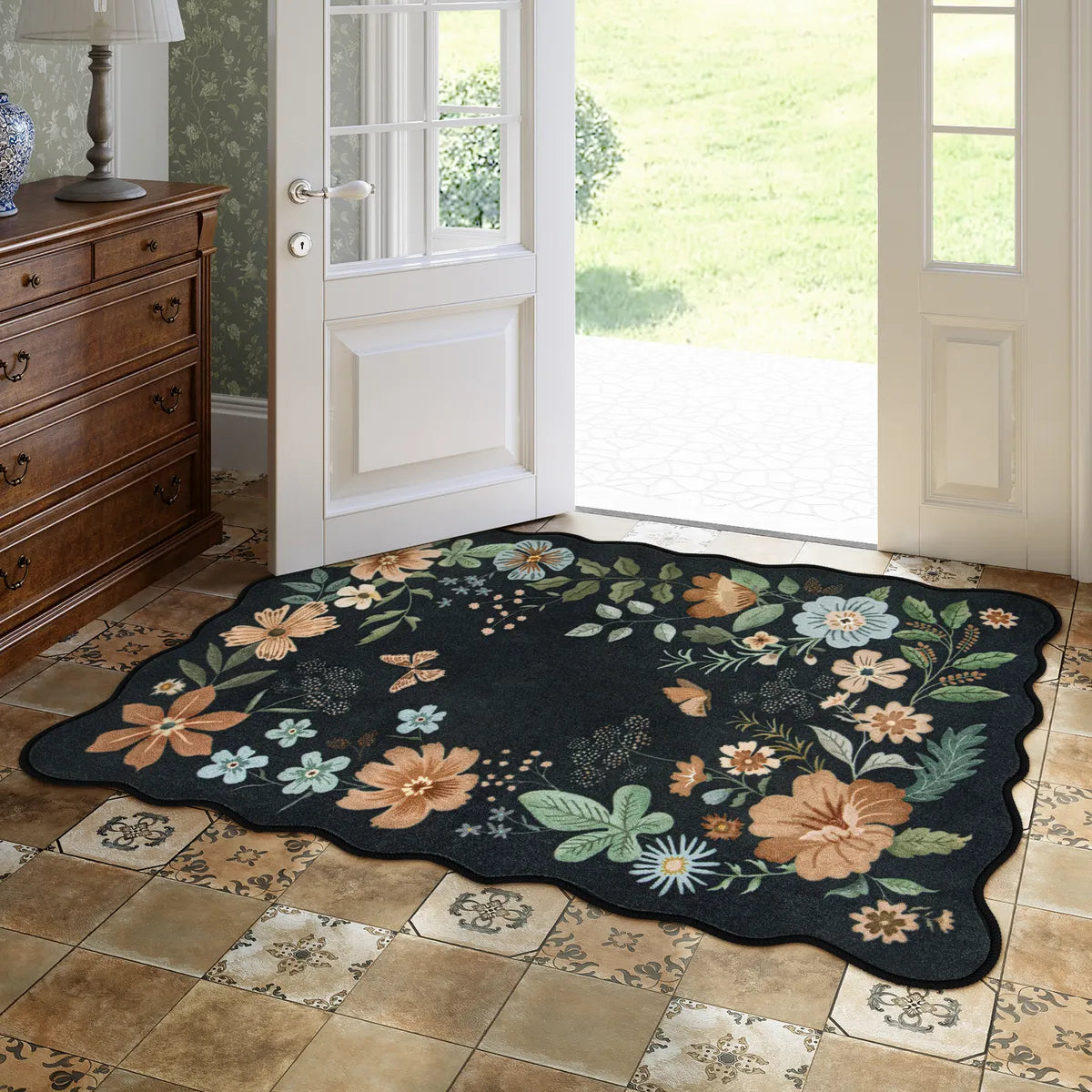
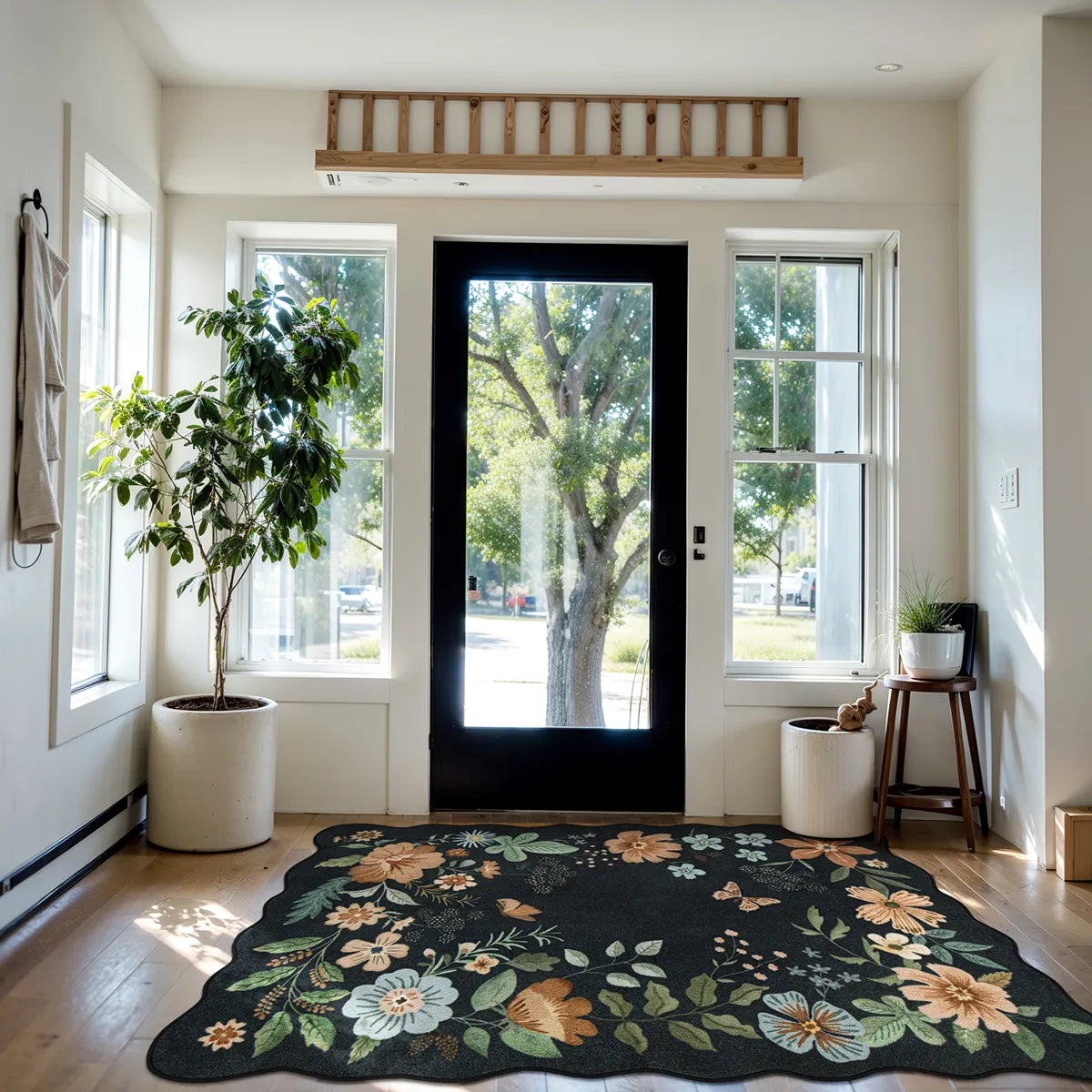
| Entryway | Near a front or back door. |
| Hallway | Along a narrow walking area. |
What Is a Carpet?
Carpet is a floor covering that can be used across a room or a smaller area, depending on the product and installation. In residential spaces, the word often refers to flooring installed across most or all of a room.
But not every carpet product is wall-to-wall or permanently installed. Some standalone carpet products can be similar in size, construction, and appearance to rugs.
What Does “Carpet” Mean?
Carpet can refer to:
- Large-area flooring, often used across much of a room.
- Installed flooring, common in bedrooms, living rooms, and other residential spaces.
- Standalone carpet products that are made and sold in forms similar to rugs.
- Different constructions and materials, from low-pile surfaces to thicker, softer styles.
The word itself does not tell you exactly how a carpet is installed or how much floor it covers. The product and its intended use matter too.
What Is Wall-to-Wall Carpet?
Wall-to-wall carpet is the classic installed carpet found in many homes.
- Covers most or all of a room.
- Is measured and fitted to the space.
- Is secured during installation.
- Serves as the room’s main flooring surface.
Because it covers a larger area and becomes part of the flooring, replacing wall-to-wall carpet is usually a bigger project than changing an area rug.
Rug vs Carpet: What’s the Difference?
A rug usually works as a separate floor covering within a room, while carpet often provides broader floor coverage and may serve as the room’s main flooring. But the terms overlap, so coverage, placement, installation, and intended use matter more than the name alone.
A note on terminology: Flooring terms are not always used consistently across retailers or regions. In this guide, “rug” mainly refers to a separate floor covering, while “carpet” is used more broadly, especially for installed flooring.
Rug vs Carpet by Coverage
Coverage is one useful way to understand the usual distinction.
A rug is typically used to cover a specific area. It might sit under a coffee table, define a dining space, or run along a hallway.
Carpet is often used across a larger portion of the floor. Wall-to-wall carpet takes this idea furthest by covering nearly the entire room.
But size alone does not define either term. A large rug can cover most of a room, while some carpet products come in smaller, separate pieces.
Rug vs Carpet by Placement
Placement makes the difference clearer. A rug usually sits on top of the finished floor, while residential carpet is often installed as the primary flooring surface.
That is why two products can look almost identical yet be described differently. Their intended use and how they are placed matter as much as their appearance.
Why Do Some Rugs and Carpets Look the Same?
Rugs and carpets can look surprisingly similar. Both can feature patterns, texture, different pile heights, and a wide range of colors and materials. They can also be used in many of the same spaces, from living rooms and bedrooms to dining areas and hallways.
Product names can make the distinction even less clear. Some products are marketed as area rugs, while others may be described as area carpets or simply carpets. In some cases, the products themselves are very similar in size, construction, and appearance.
That is why appearance alone is not a reliable way to tell a rug from a carpet.
Look beyond appearance. Consider how the product is sold, placed, and used.
Are Rug and Carpet the Same Thing?
Related, but not always interchangeable.
Rug and carpet are closely related terms, but they do not always mean exactly the same thing. The overlap comes from everyday language, regional usage, and the way flooring products are named and sold.
Can a Rug Be Called Carpet?
Sometimes, yes.
In everyday conversation, “carpet” can be used broadly to describe a floor covering. However, “area rug” is generally the clearer term for a separate floor covering used within a room.
Calling an area rug a “carpet” may be understandable, but it can make the type of product less clear.
Can a Carpet Be a Rug?
It depends on what “carpet” refers to.
A wall-to-wall carpet would not normally be described as a rug because it functions as the room’s main flooring.
A standalone carpet, however, may look and function much like an area rug. In those cases, the distinction can become less obvious, especially when retailers use different product names for similar products.
Why Are the Terms Sometimes Used Interchangeably?
There is some natural overlap between the two words. “Carpet” can be used broadly to describe a floor covering, while “rug” often refers to a particular type or use of floor covering.
Product names can also vary between retailers, regions, and markets. When the terminology is unclear, look at the product’s coverage, placement, installation, and intended use rather than the name alone.
Rug vs Carpet: A Quick Comparison
| Feature | Rug | Carpet |
|---|---|---|
| Coverage | Usually covers a defined area of a room. | Often covers a larger portion of the floor. |
| Placement | Typically placed over an existing floor. | Can be placed over a floor or installed as the main flooring. |
| Installation | Usually does not require permanent installation. | May be installed, especially wall-to-wall carpet. |
| Size | Available in many standard sizes, shapes, and formats. | May be available in larger formats or made to fit a space. |
| Design | Wide range of patterns, colors, textures, and shapes. | Also available in a wide range of patterns, colors, and textures. |
| Common Spaces | Living rooms, bedrooms, dining rooms, kitchens, entryways, and hallways. | Bedrooms, living rooms, offices, stairs, and larger floor areas. |
Rug vs Carpet by Room
The difference between a rug and carpet becomes easier to see when you look at how each one works in a room. Furniture, foot traffic, floor type, and the amount of coverage you want all matter.
| Room | Rug | Carpet |
|---|---|---|
| Living Room | A rug can define the seating area without covering the entire floor. It can sit under a coffee table, sofa, or larger furniture arrangement. | Carpet can cover most or all of the room, creating a consistent flooring surface throughout the living space. |
| Bedroom | A rug can be placed under the bed, extend around the sides, or sit beside the bed. The size can be matched to the bed and room layout. | Carpet is often used across the full bedroom floor, providing a continuous surface throughout the space. |
| Dining Room | A rug under the dining table can visually anchor the dining area. A larger size should leave enough room for chairs to remain on the rug when pulled away from the table. | Carpet can cover the entire dining room. Whether that makes sense depends on the room, flooring plan, and how the space is used. |
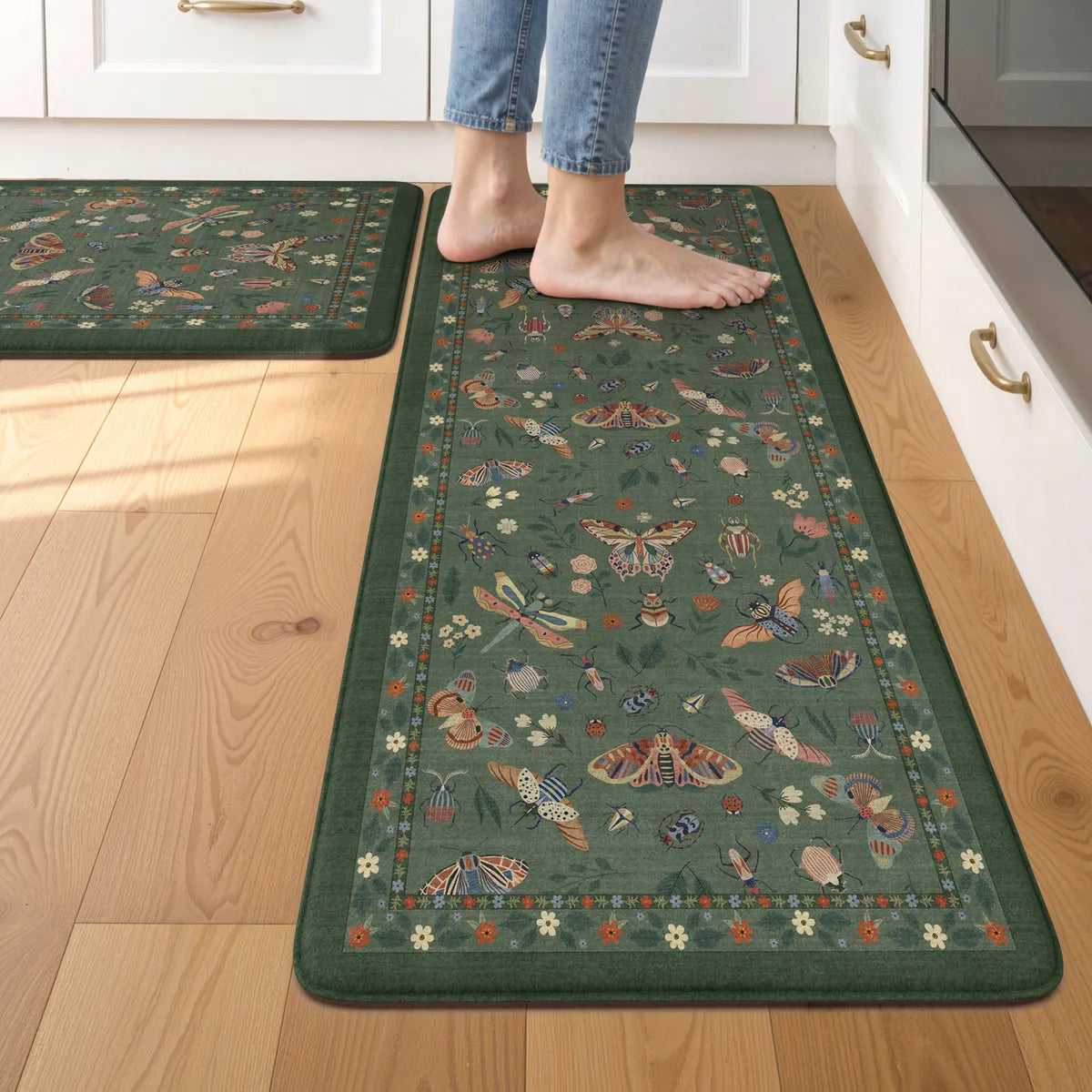
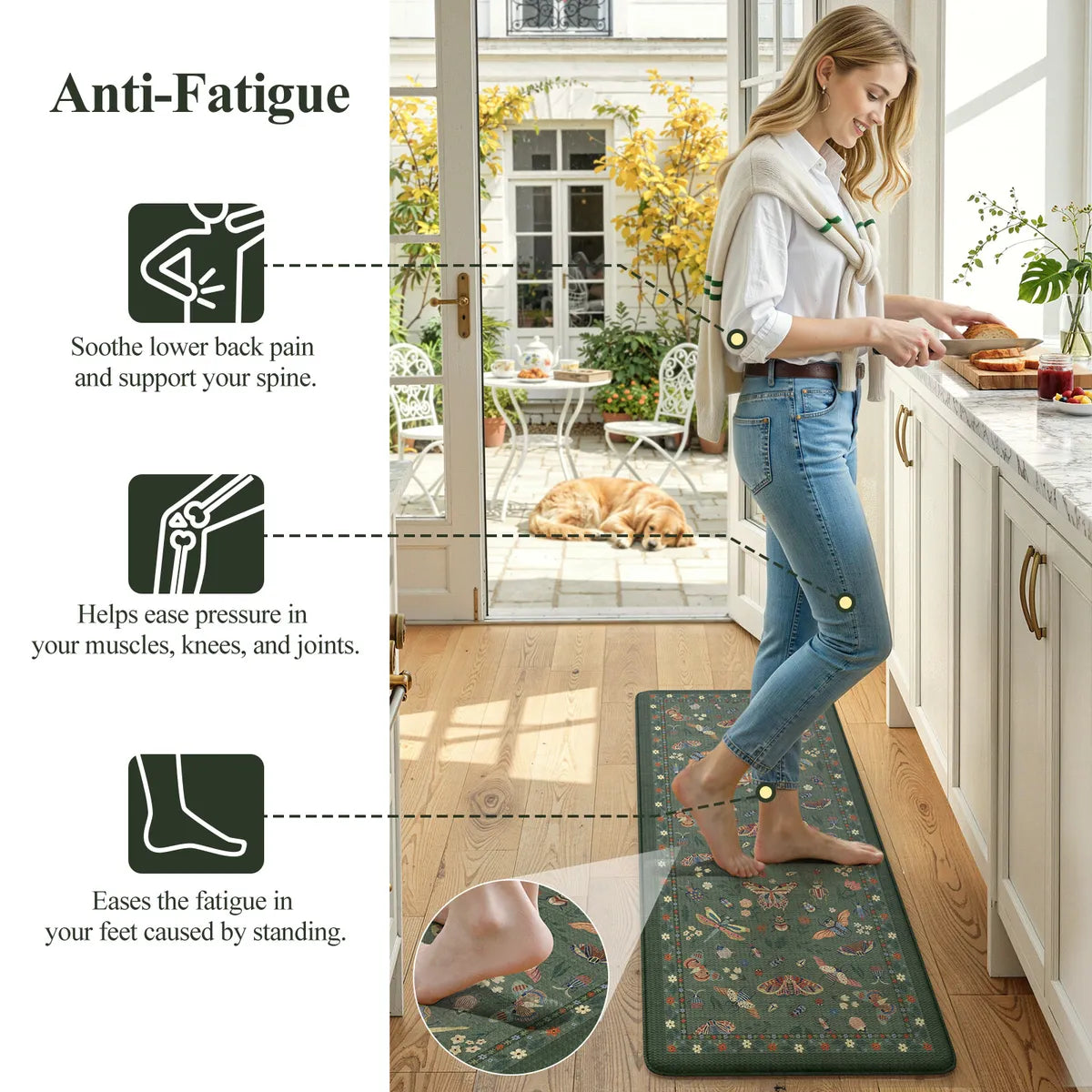
| Kitchen | Rugs and runners are common in kitchens, especially around sinks, islands, and other areas where people stand or walk frequently. They can add cushioning while defining a specific work area. | Wall-to-wall carpet is less common in kitchens, where spills and frequent cleaning can make other flooring types more practical. |
| Entryway & Hallway | Runners and smaller rugs work well in entryways and hallways. They can cover high-traffic areas while leaving some of the underlying floor visible. | Carpet can also be used in these spaces, particularly when it continues from an adjoining room or forms part of a larger flooring installation. |
Rug vs Carpet for Cleaning and Maintenance
Cleaning a rug or carpet depends on more than whether it is called a rug or carpet. Material, construction, care instructions, and daily traffic can all affect maintenance.
Is a Rug Easier to Clean Than Carpet?
Not necessarily. The cleaning process depends on the product itself.
A removable rug can often be lifted or moved for cleaning. Installed carpet stays in place and is generally cleaned where it is.
Wool, cotton, polyester, nylon, and other materials have different care requirements. Some are better suited to frequent cleaning than others.
Pile height, weave, backing, and overall construction can affect how dirt, spills, and pet hair are handled.
Always follow the care label for the specific product. Similar-looking rugs and carpets may have very different cleaning requirements.
A rug or carpet in a busy entryway, kitchen, or family room will generally need more frequent cleaning than one in a low-traffic space.
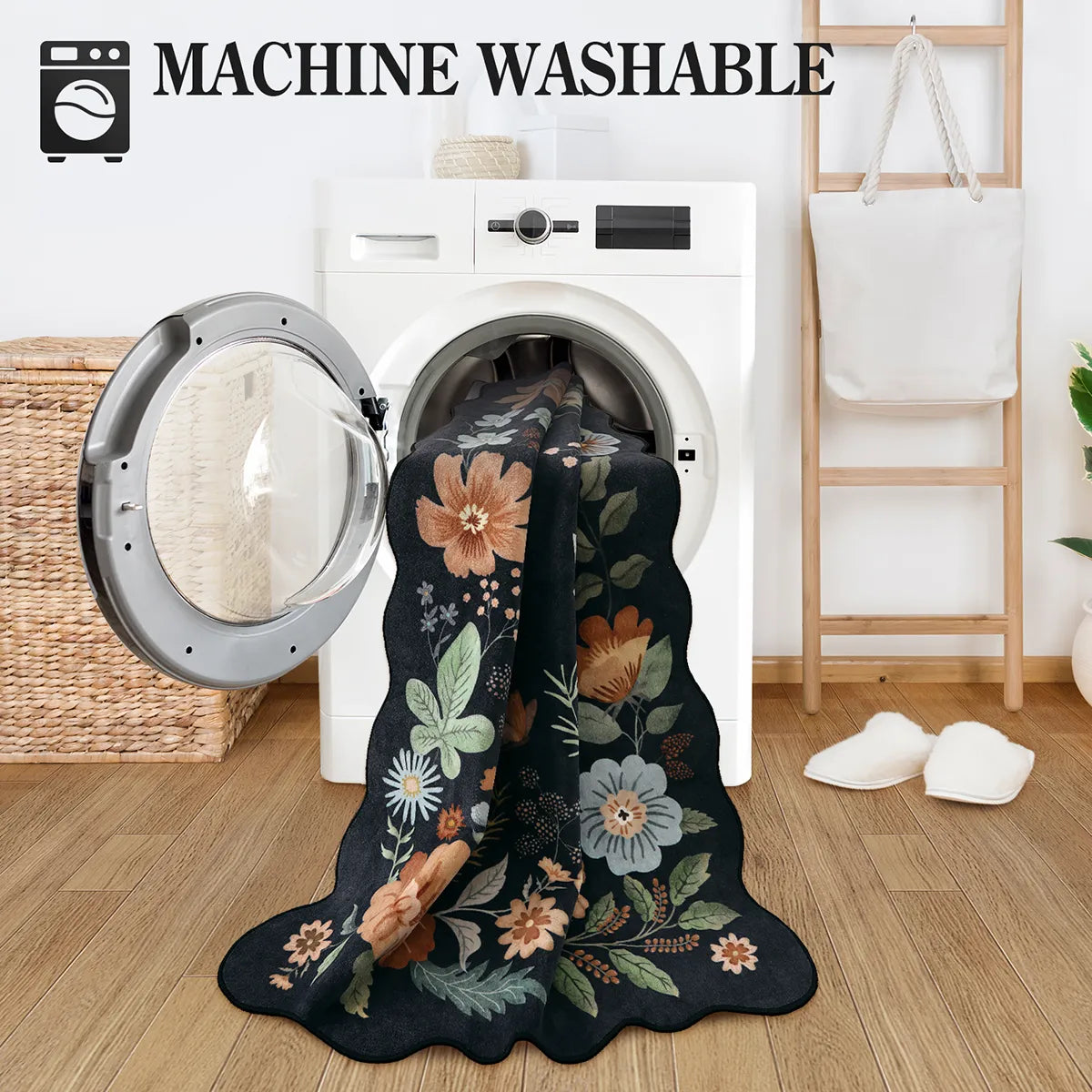
Are Washable Rugs an Alternative to Carpet?
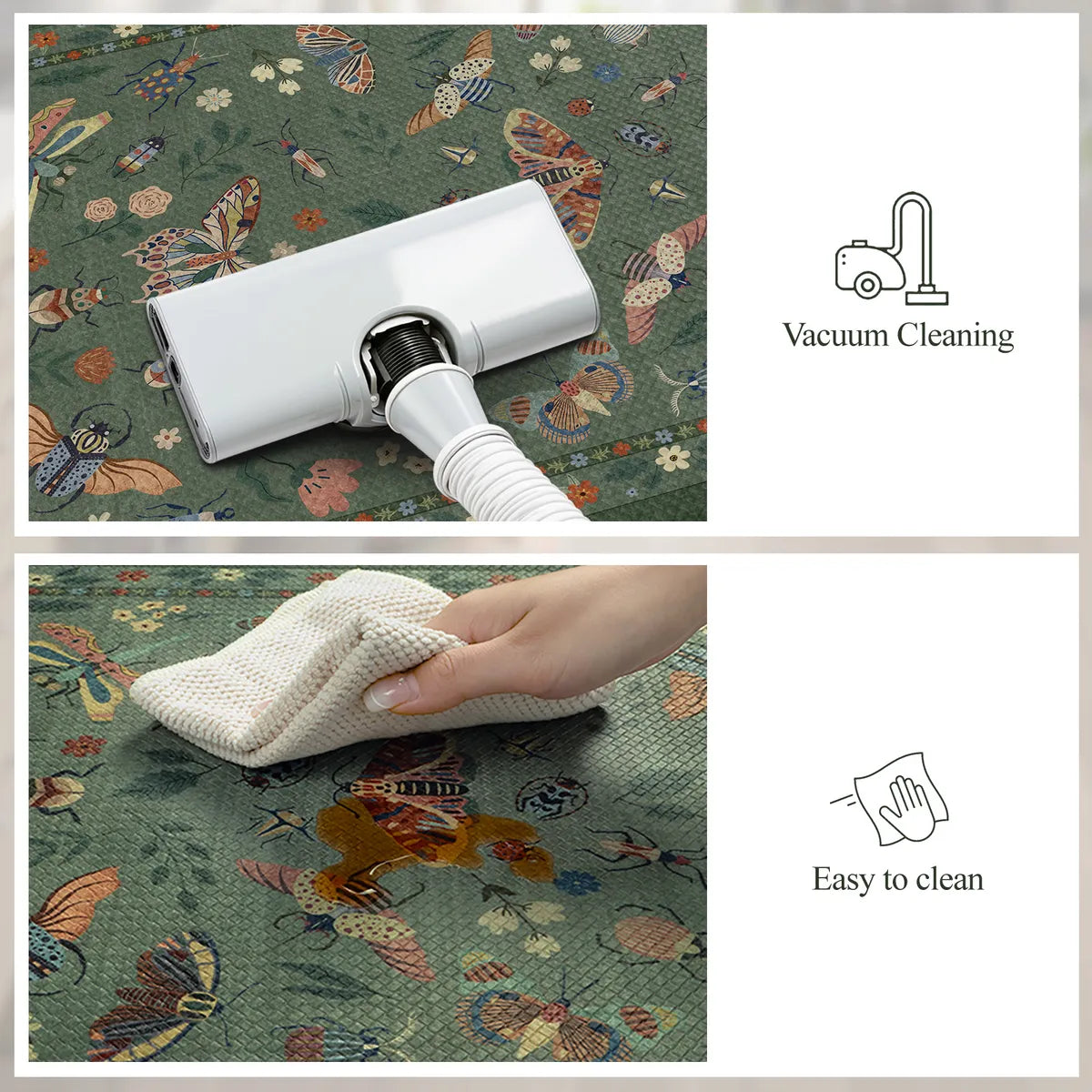
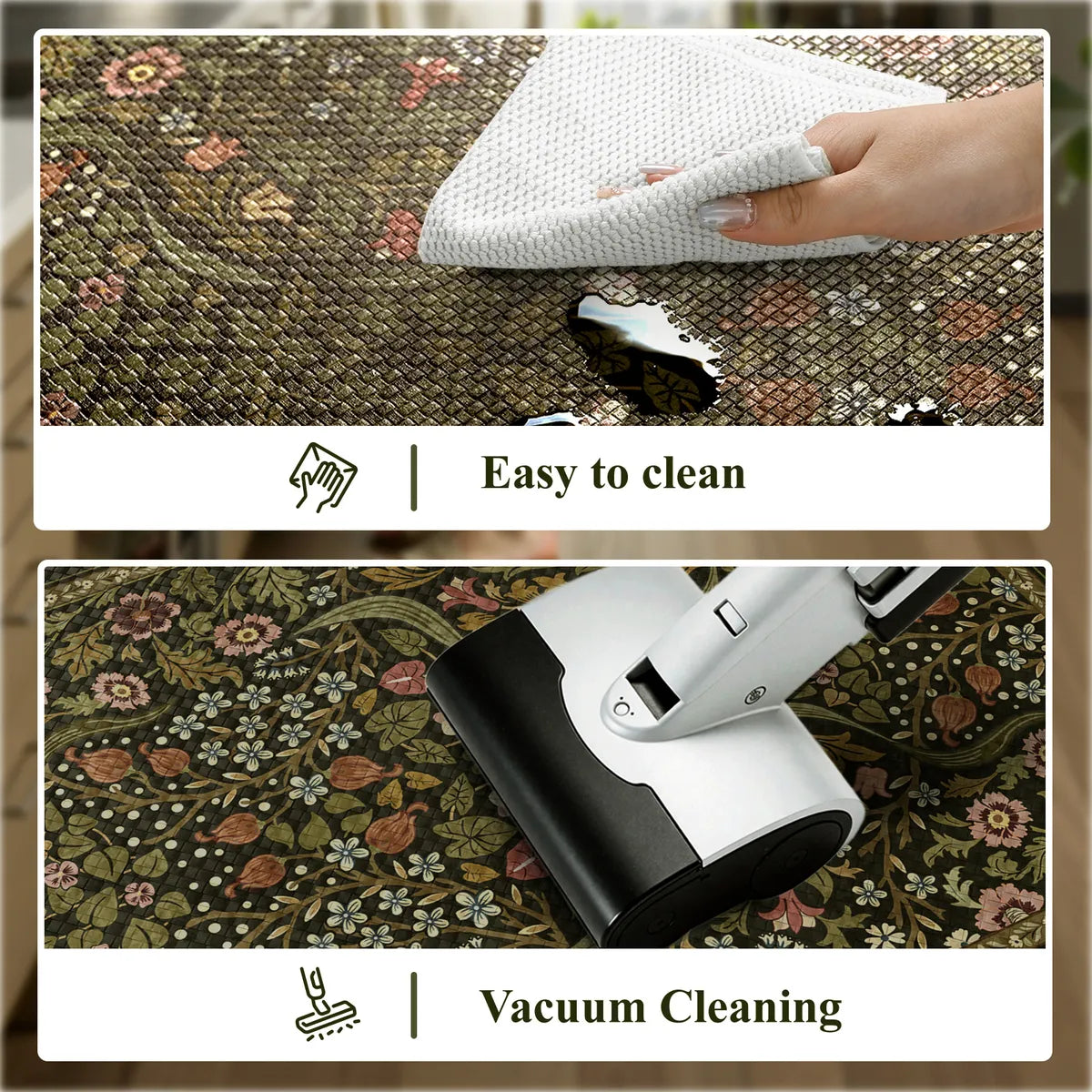
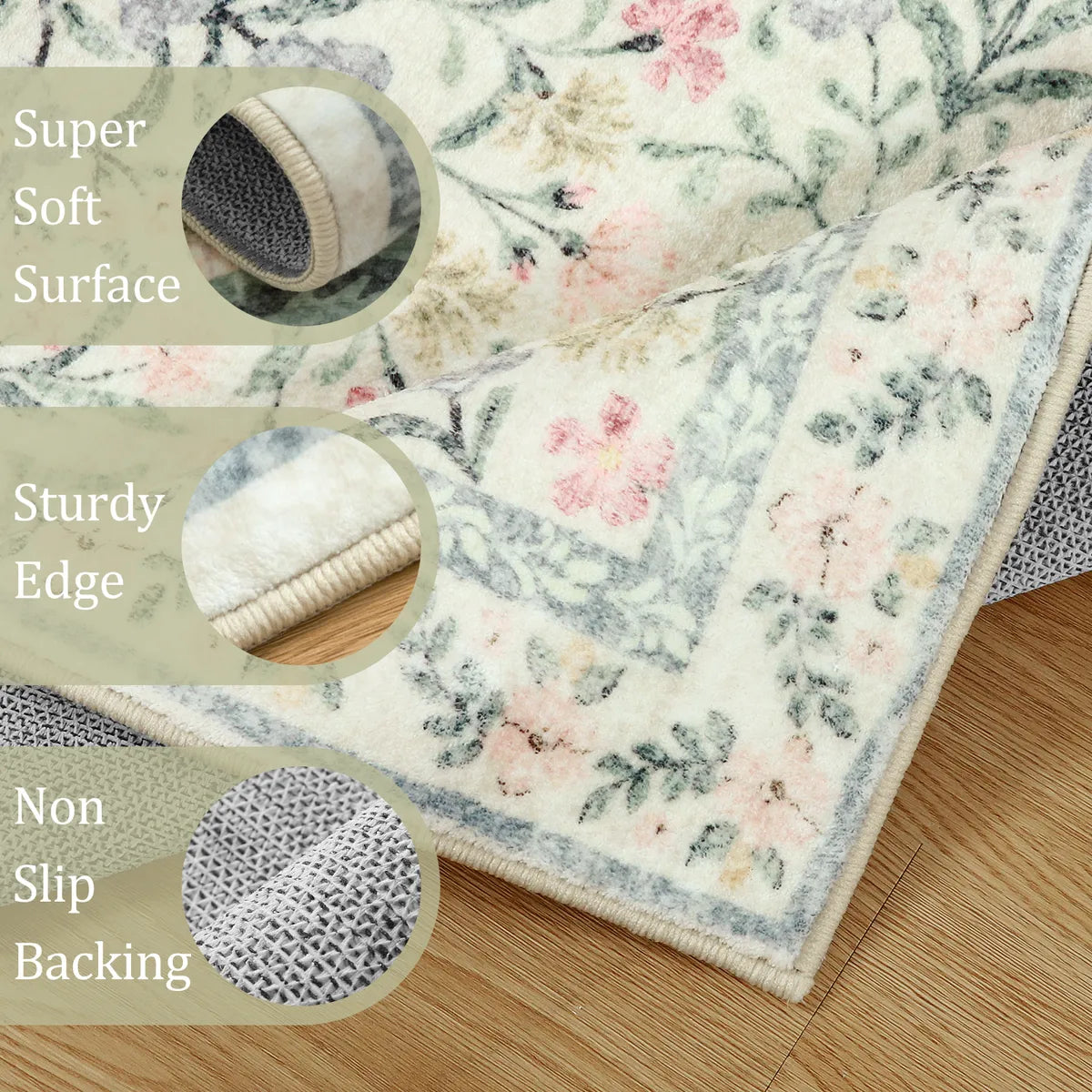
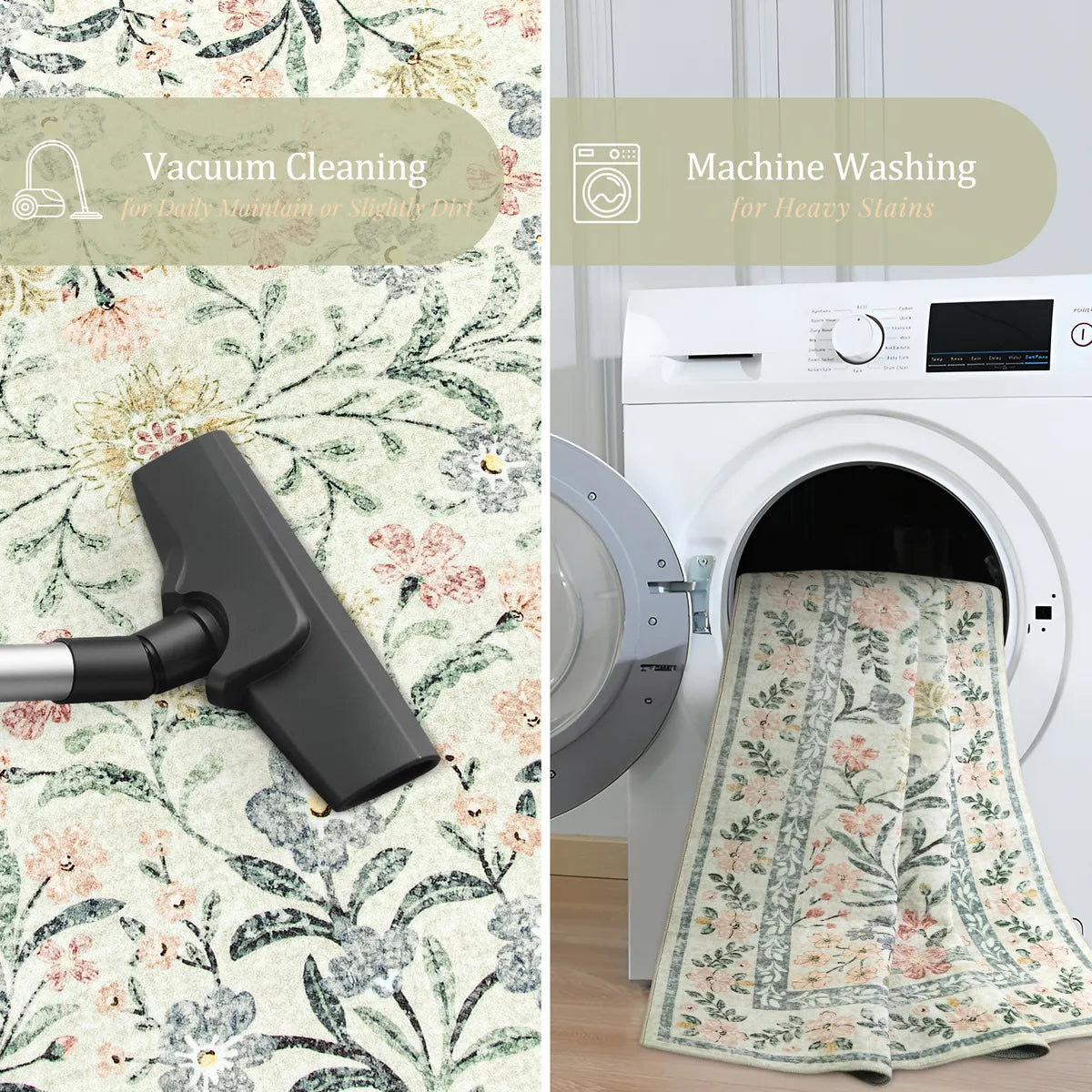
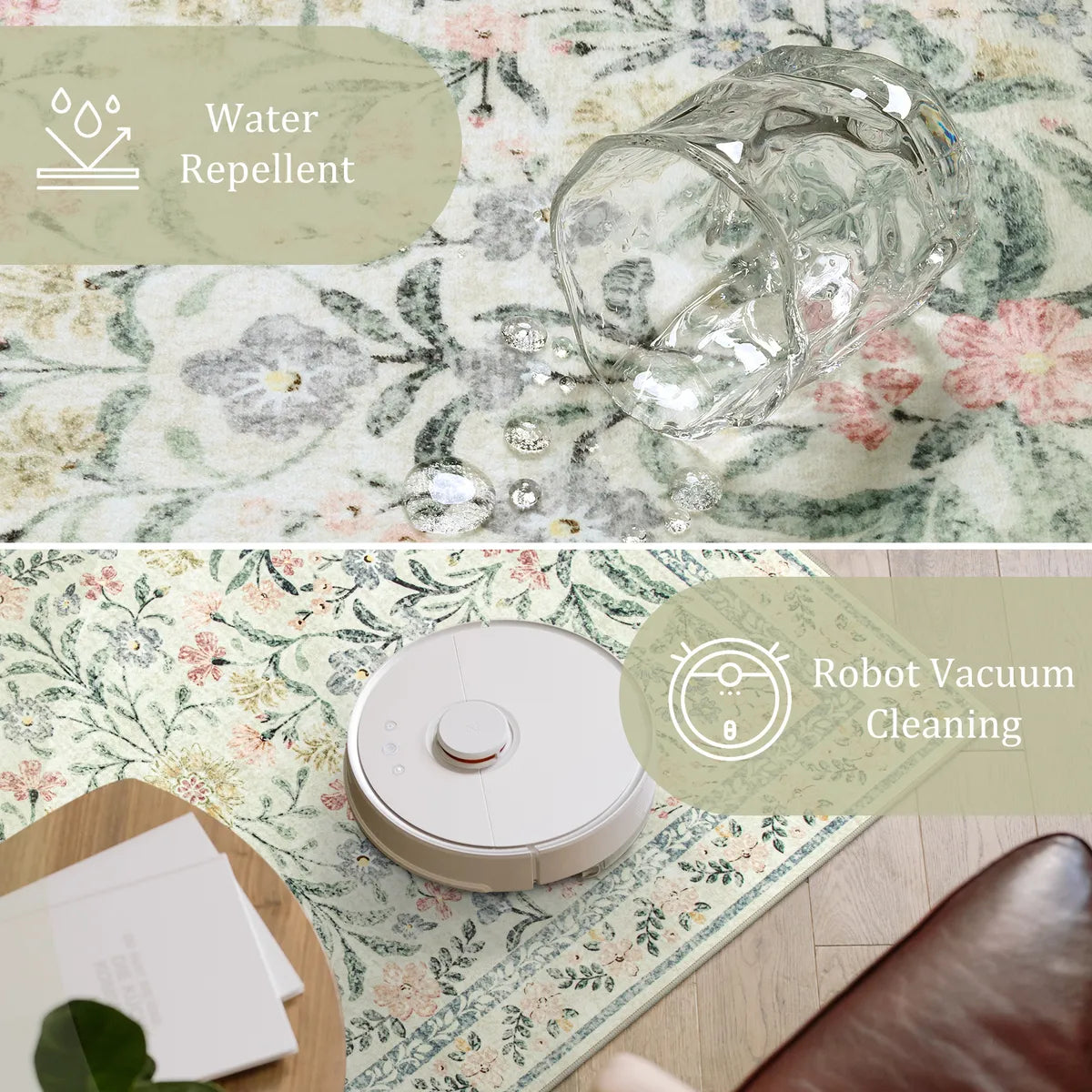
For households dealing with frequent spills, pets, kids, or heavy everyday traffic, a washable rug can be one option to consider.
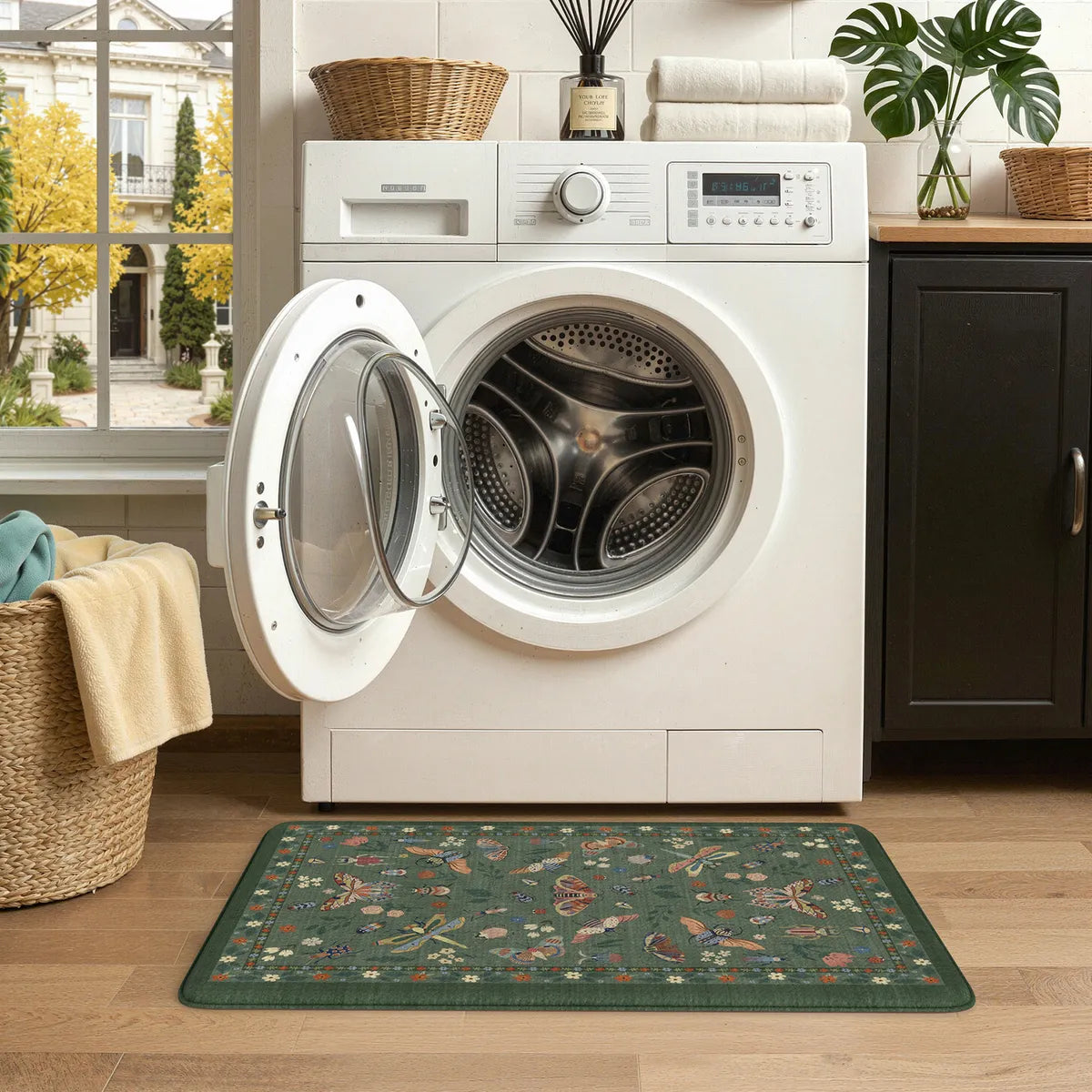
Unlike installed carpet, a washable rug can be removed and cleaned according to its care instructions. It can also be changed when the room needs a different size, pattern, or layout.

Made for Everyday Spaces
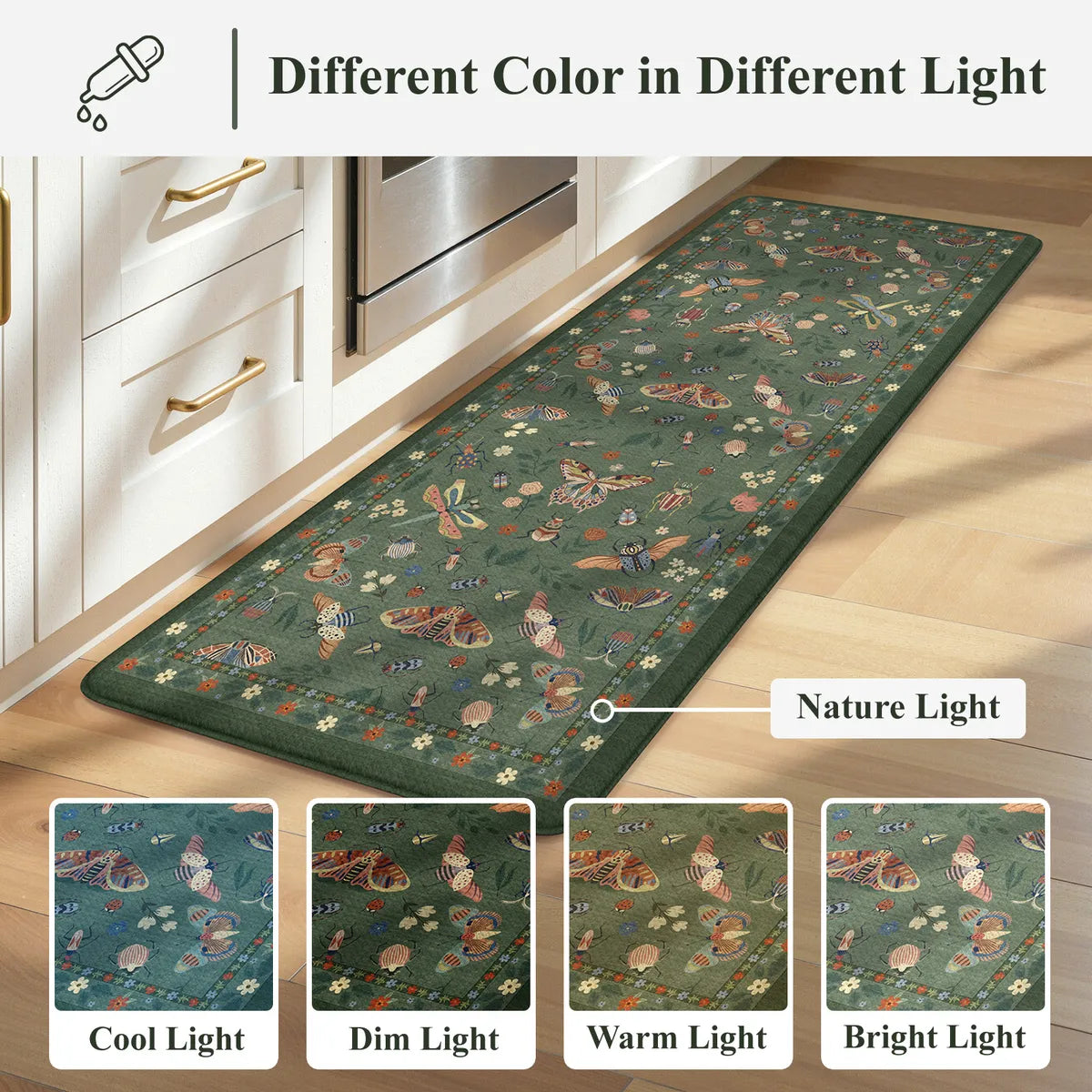
For homes with frequent spills, pets, kids, or busy routines, Lahome washable rug can make regular care more manageable.
Explore Washable Rugs →Which Is Better for Your Home: Rug or Carpet?
If You Want More Flexibility
- Define a specific area.
- Work with existing flooring.
- Change the room more easily.
- Layer pattern or texture.
- Use different sizes or shapes.
If You Want Continuous Coverage
- Cover a large portion of the floor.
- Create a consistent flooring surface.
- Make flooring part of the room’s foundation.
- Commit to a longer-term flooring solution.
Start With Your Existing Floor
Before replacing the floor, consider whether you actually need to.
If you already like your hardwood, tile, vinyl, or other flooring, a rug can work with the floor you already have. It can define a space, add comfort, and introduce a new pattern or texture without changing the entire room.
Sometimes the floor does not need to be replaced. You may simply need to rethink what goes on top of it.

Refresh Your Home for Fall
Rugs can change with the seasons, too. For fall, warmer tones, earthy colors, and seasonal patterns can refresh a room without changing the flooring underneath.
Explore Fall Rugs →Bonus: Rug vs Mat: What’s the Difference?
The short answer: A rug is generally used to define or decorate an area, while a mat is designed for a more specific function.
Generally used to define or decorate a larger area. It may sit under furniture, cover a walking area, or add color and texture.
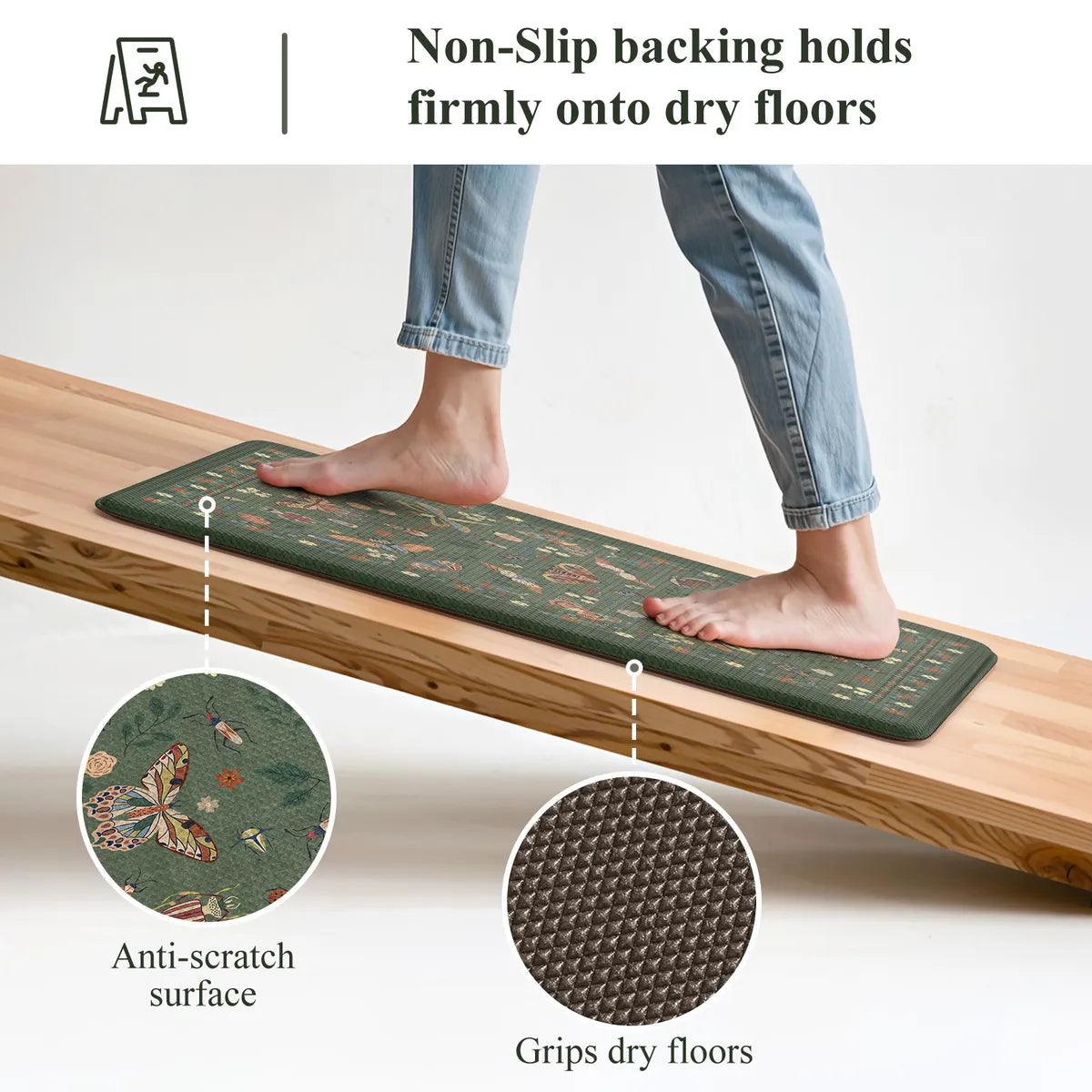
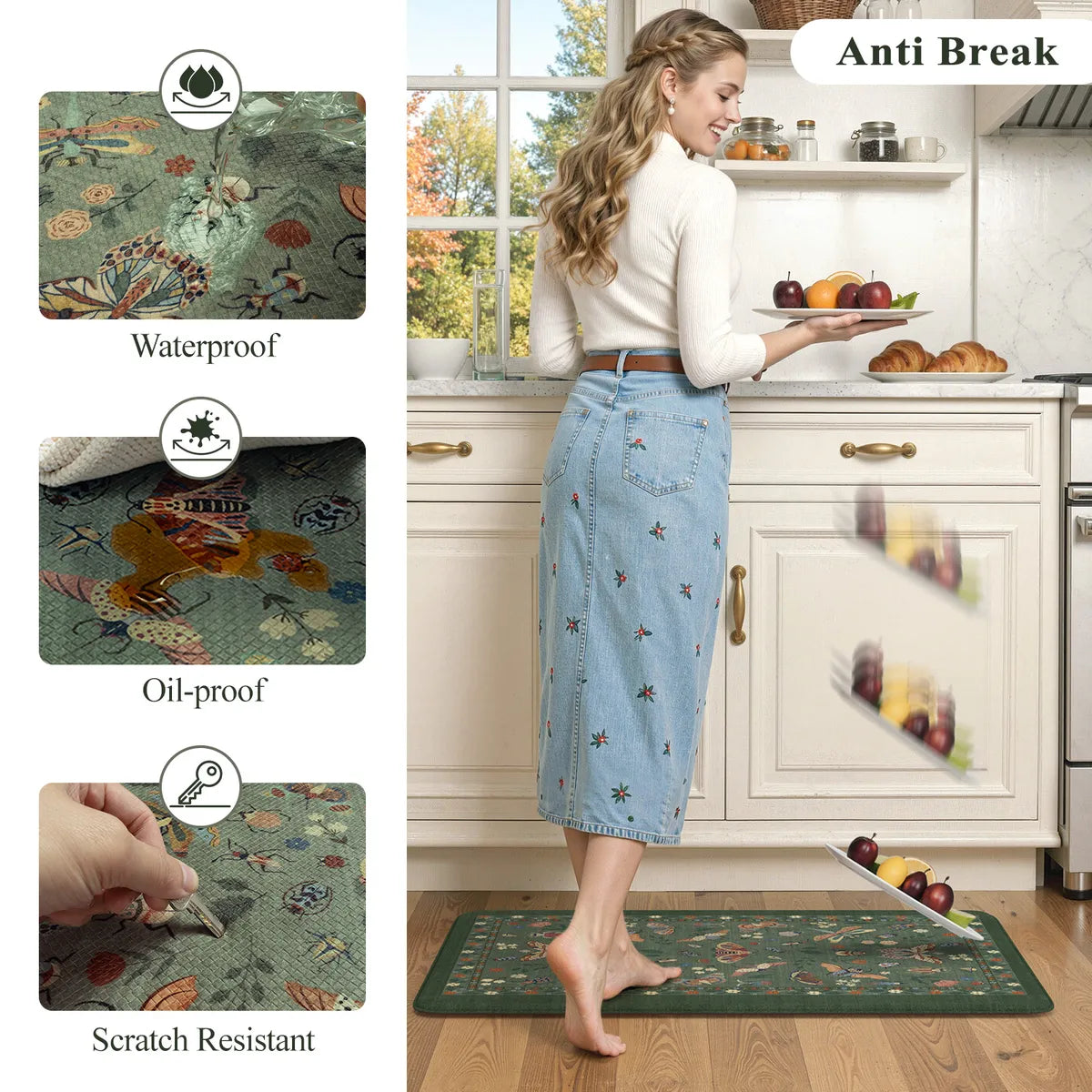
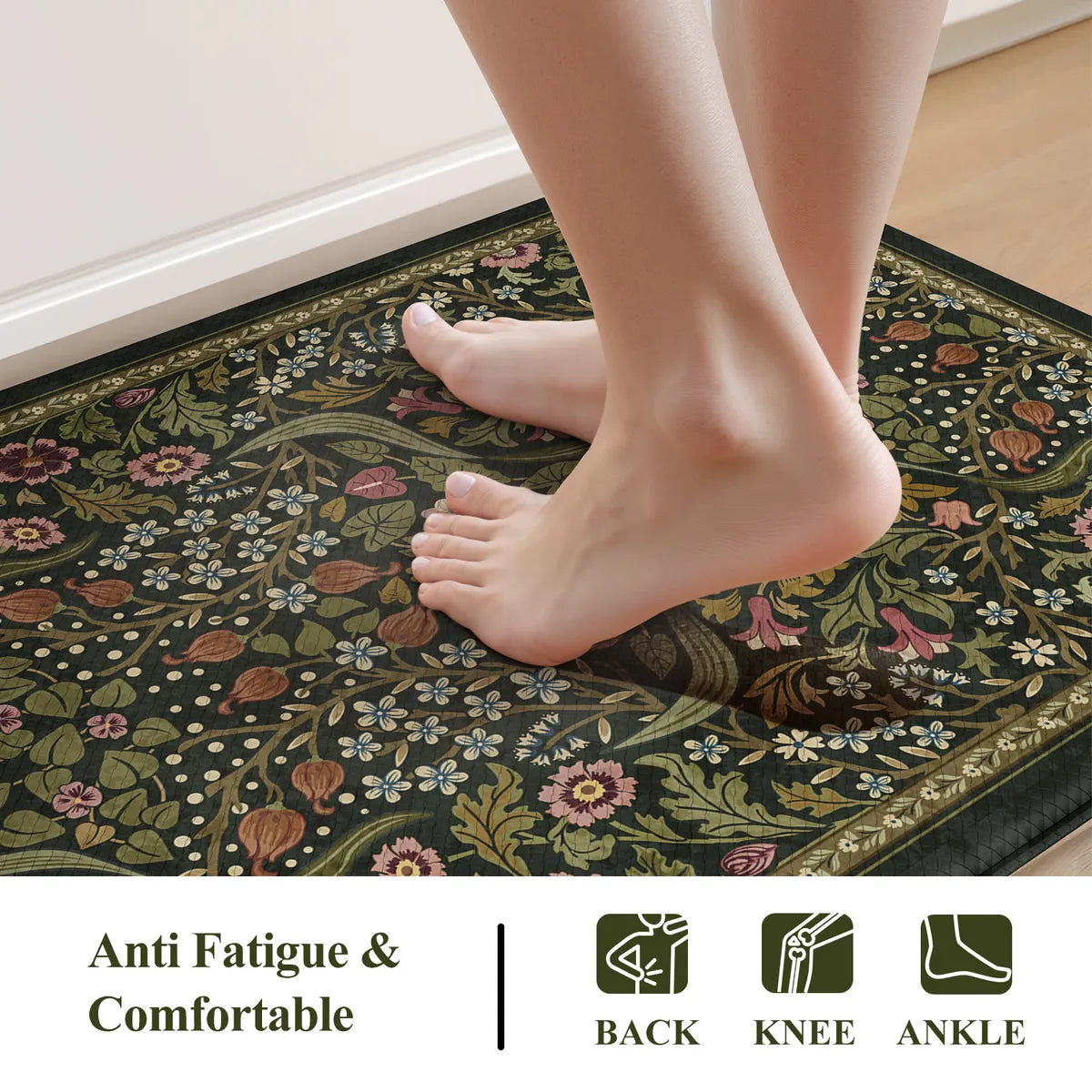
Usually designed for a more specific task, such as providing traction, catching dirt or moisture, protecting a floor, or cushioning a high-use area.
A type of mat used near an entrance. Its main purpose is to help catch dirt and moisture before they travel further into the home.
Names can overlap in product listings, so intended purpose and placement are often more useful than the label alone.
Frequently Asked Questions
What Is the Main Difference Between a Rug and Carpet?
A rug usually defines a specific area within a room, while carpet often provides broader floor coverage and may serve as the room’s main flooring. Some standalone carpet products can function much like rugs.
Is a Rug Better Than Carpet?
Neither is automatically better. A rug can be a better fit if you want to work with existing flooring, define a particular area, or change the room more easily. Carpet may make more sense when you want broader, continuous floor coverage.
Can You Put a Rug Over Carpet?
Yes. A rug can be placed over carpet to define an area, add pattern or texture, or create a visual break within a larger room. Make sure the rug sits securely and does not create a tripping hazard.
Can a Rug Be Called Carpet?
Sometimes. “Carpet” can be used broadly to describe a floor covering, but “area rug” is generally clearer when referring to a separate floor covering placed within a room.
Can a Carpet Be a Rug?
Sometimes. A standalone carpet may look and function much like an area rug, while wall-to-wall carpet would not normally be described as a rug because it serves as the room’s main flooring.
What Is the Difference Between a Rug and a Mat?
A rug is generally used to define or decorate an area, while a mat usually serves a more specific function, such as catching dirt or moisture, providing traction, or cushioning a high-use area.
Conclusion
Rug and carpet are not simply two opposite categories of “movable” and “fixed” flooring.
The distinction is more nuanced. They can differ in coverage, placement, use, and terminology, while still having considerable overlap in appearance and construction.
When you’re deciding between the two, start with the floor itself:
How much of the floor do you want to cover?
Then consider whether the product will serve as the room’s overall flooring or as a separate floor covering within the space.
If a rug makes more sense for your home, narrow down your choice by:
Room → Size & Shape → Color → Style
Find the right rug for your space at Lahome


The goal is not simply to choose between a rug and a carpet. It is to find the floor covering that fits the way your room is used.