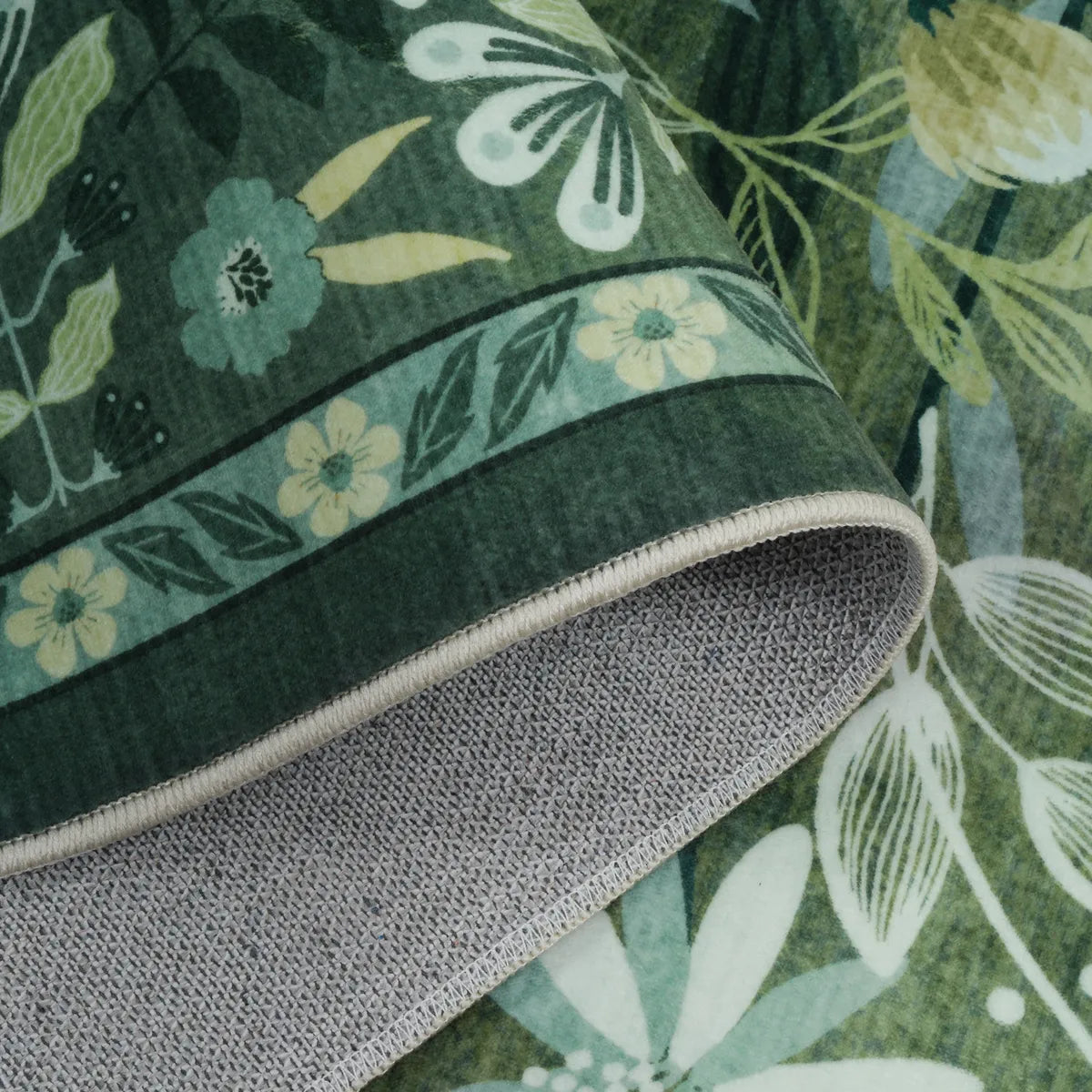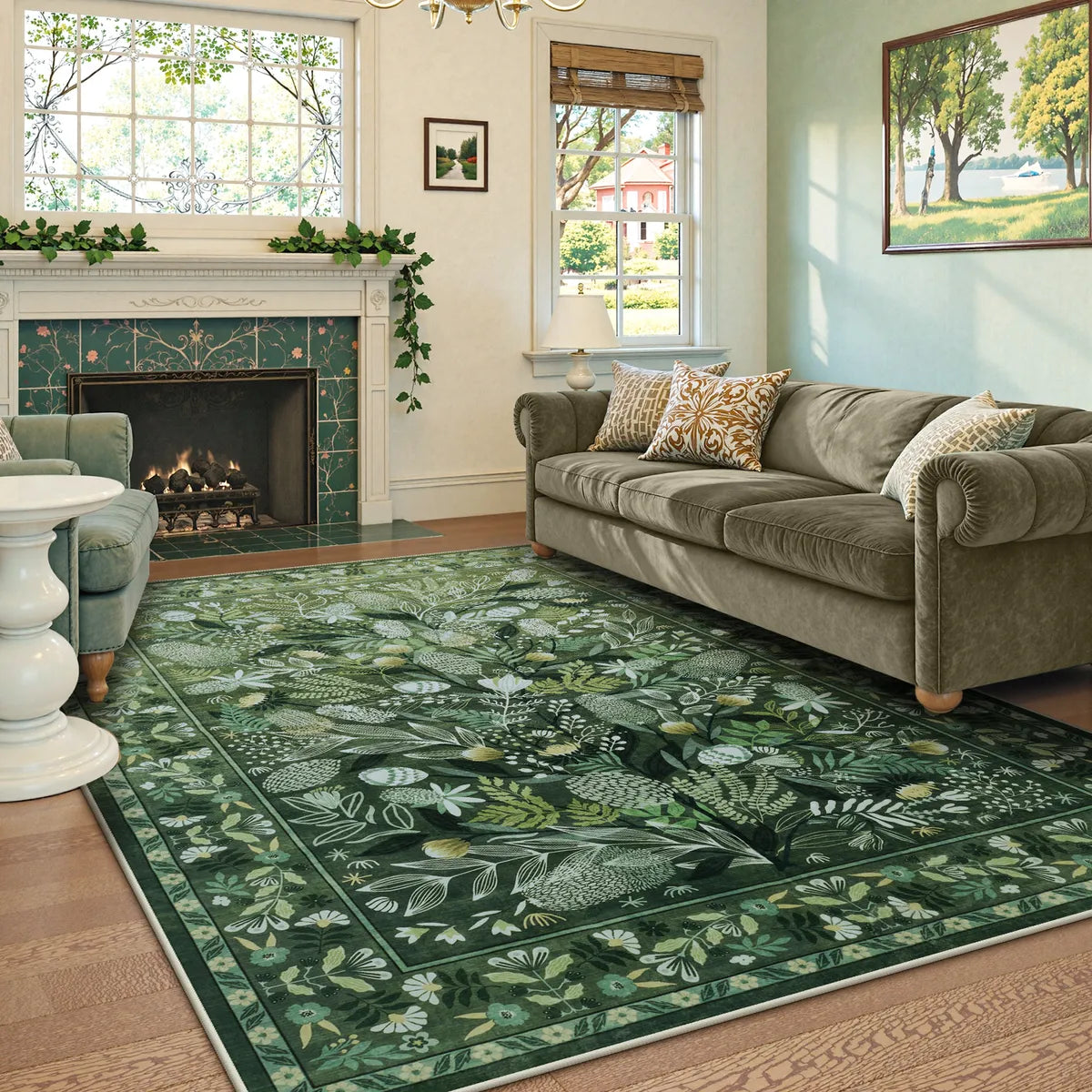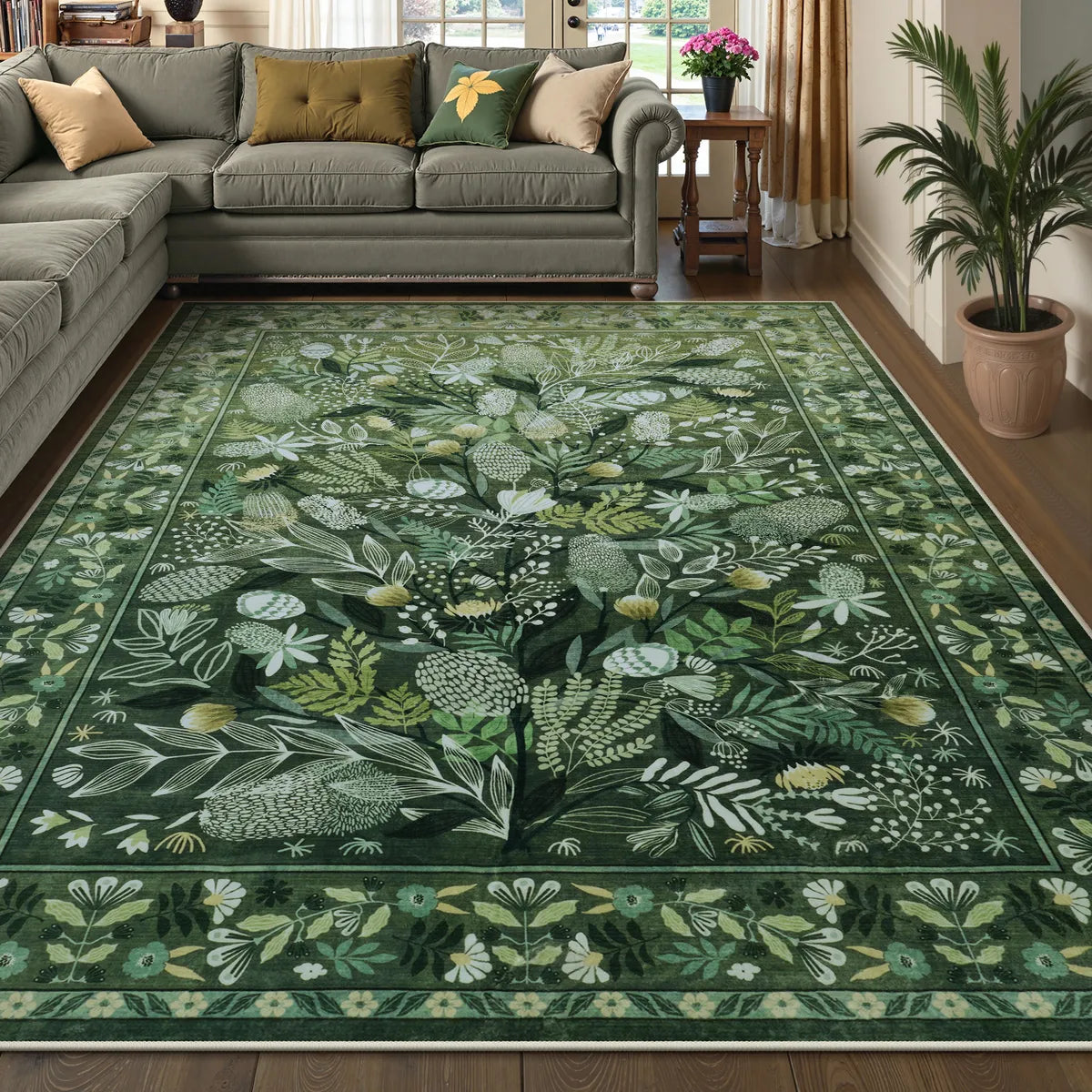


Spring brings a fresh start to your home, but it also reveals the dust and debris trapped in your floors over the long winter months. While daily vacuuming helps, thorough rug cleaning is the only way to remove embedded allergens and restore the vibrant colors of your textiles. Giving your rugs a professional-level refresh does not require expensive services if you follow the right techniques. Let’s revitalize your living space by stripping away the hidden grime that standard cleaning routines often miss.
Why Spring Cleaning Is Essential for Rug Longevity
Neglecting your floor coverings allows microscopic particles to act like sandpaper, grinding down the delicate fibers every time someone walks across the room. Spring serves as the perfect annual milestone to intervene before permanent damage occurs.
- Fiber Protection: Removing abrasive grit prevents the pile, which refers to the visible surface fibers of a rug, from thinning out over time.
- Allergen Removal: Deep cleaning extracts pollen, pet dander, and dust mites that settle deep within the weave during the winter.
- Structural Integrity: Routine maintenance protects the backing and prevents the foundation of the rug from becoming brittle or cracked.
- Odor Elimination: Seasonal washing pulls out stale scents and bacteria, ensuring the air quality in your home remains high.
Must-Have Tools and Supplies for Rug Cleaning

Before you begin the process, gathering the correct equipment will save you significant time and effort. Using the wrong chemicals can lead to fiber degradation, a term for the breaking down of material over time.
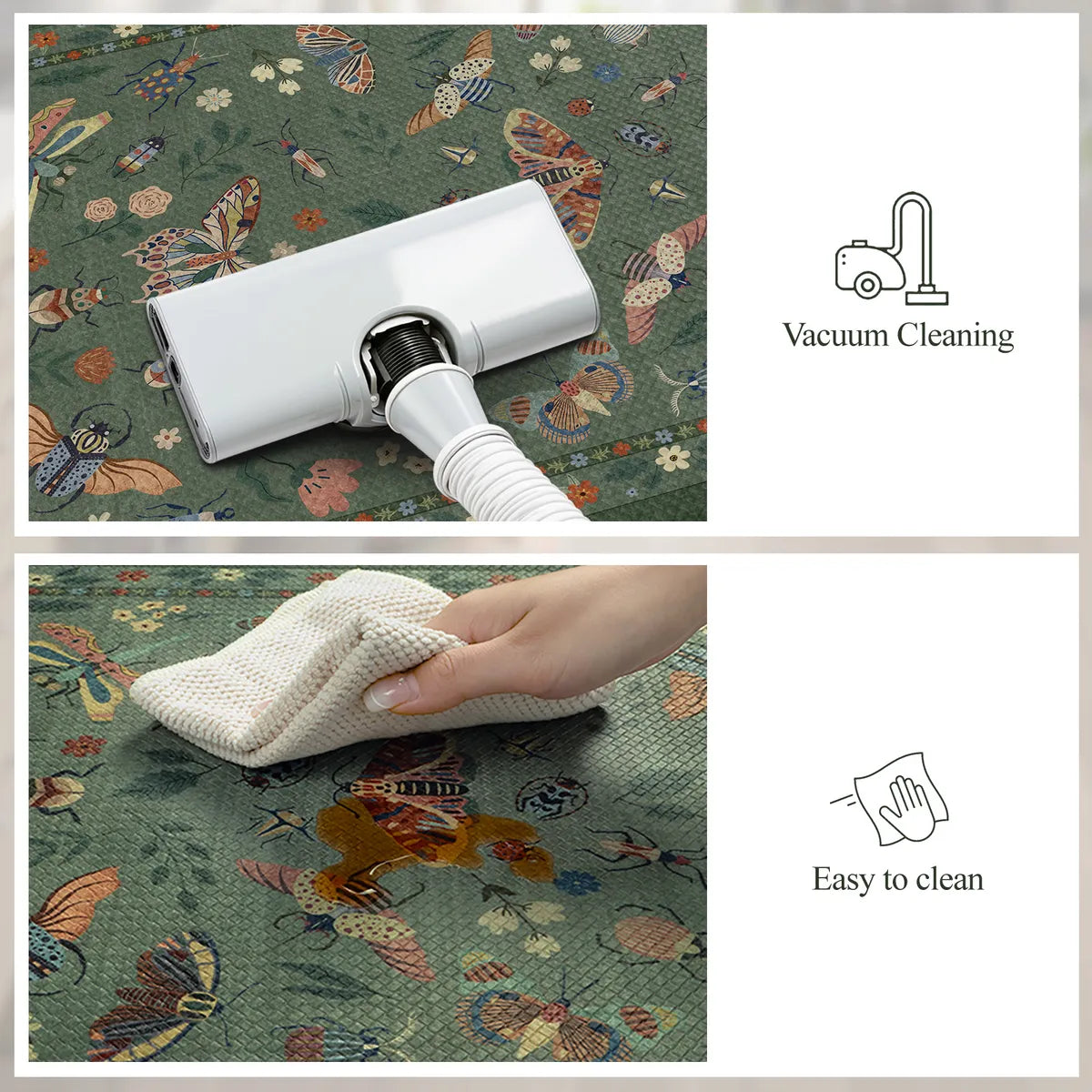
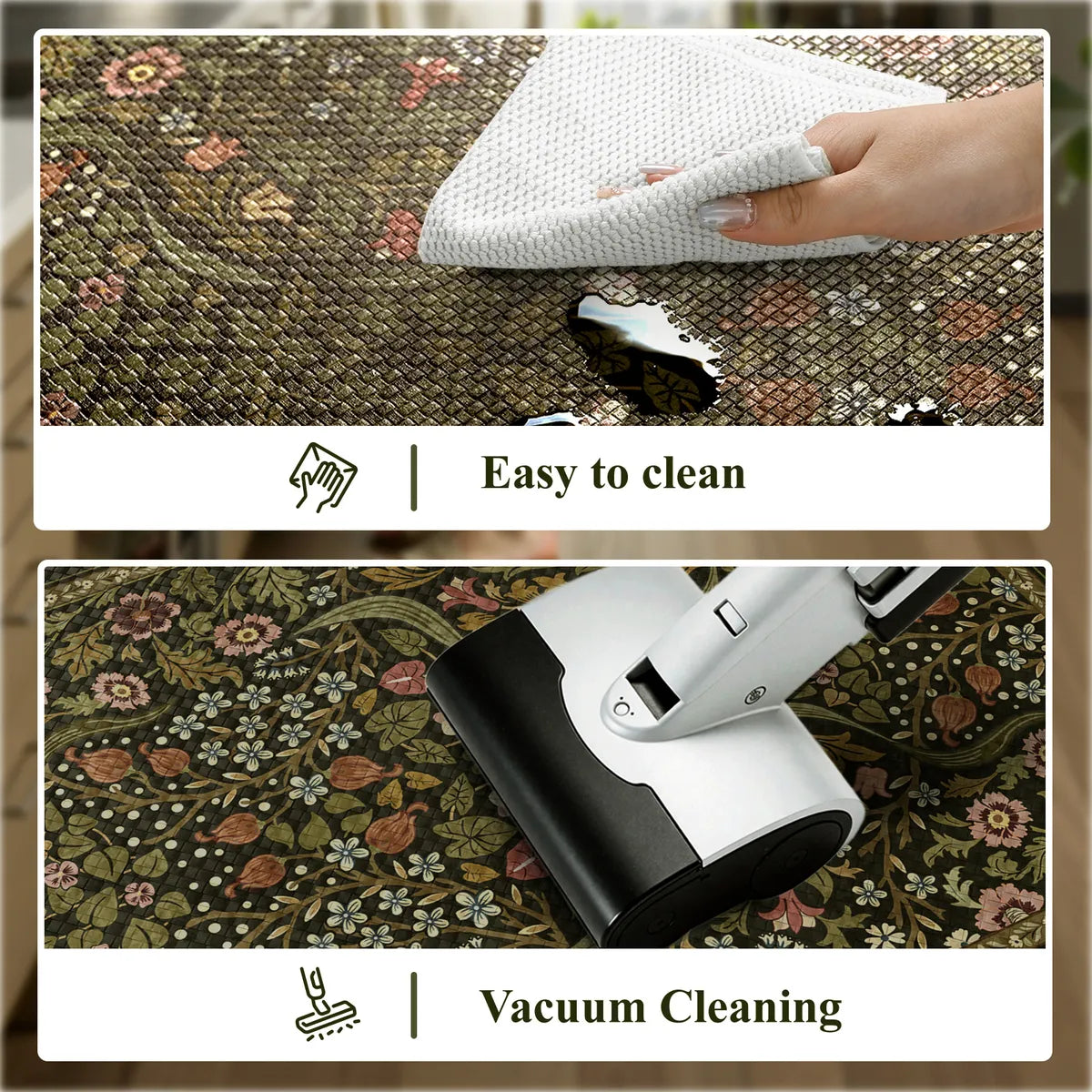
- A high-quality vacuum: Essential for the initial dry soil removal.
- A soft-bristled scrub brush: Needed for agitating the cleaning solution into the fibers without causing fuzzing.
- Neutral pH detergent: A mild soap that prevents chemical burns on sensitive materials like wool.
- Microfiber towels: These are highly absorbent cloths used to blot excess moisture.
- A garden hose: Specifically for outdoor rugs that require high-volume rinsing.
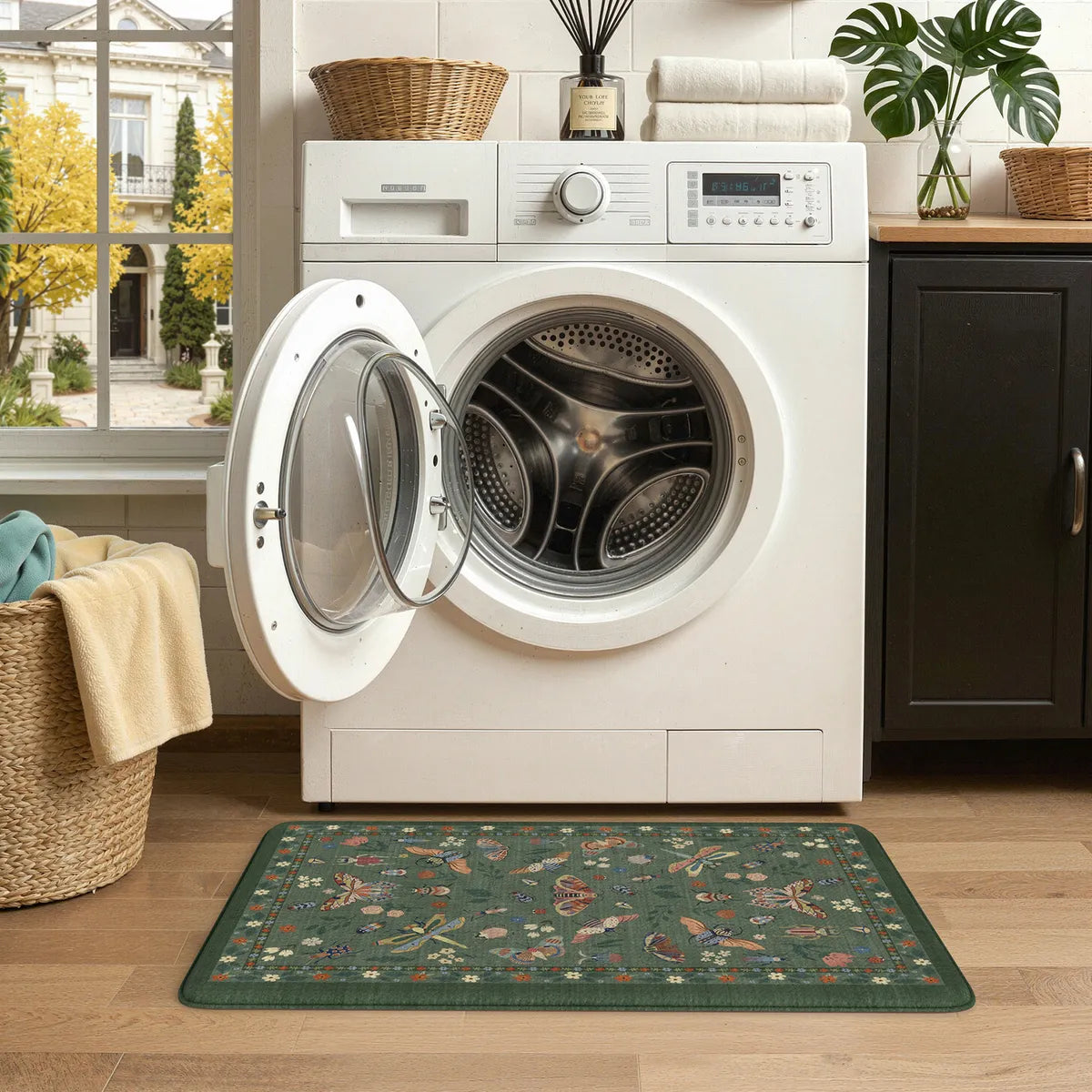
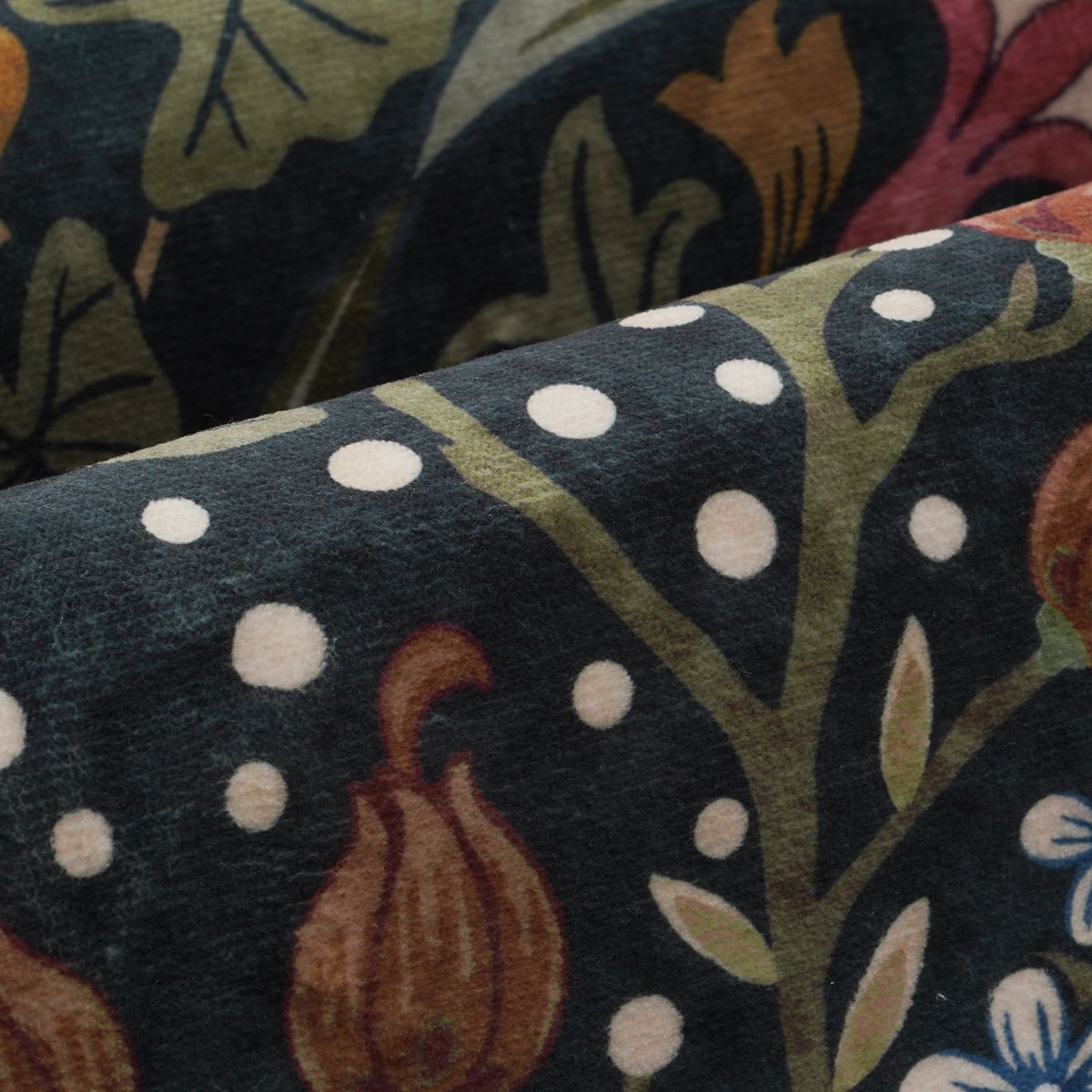
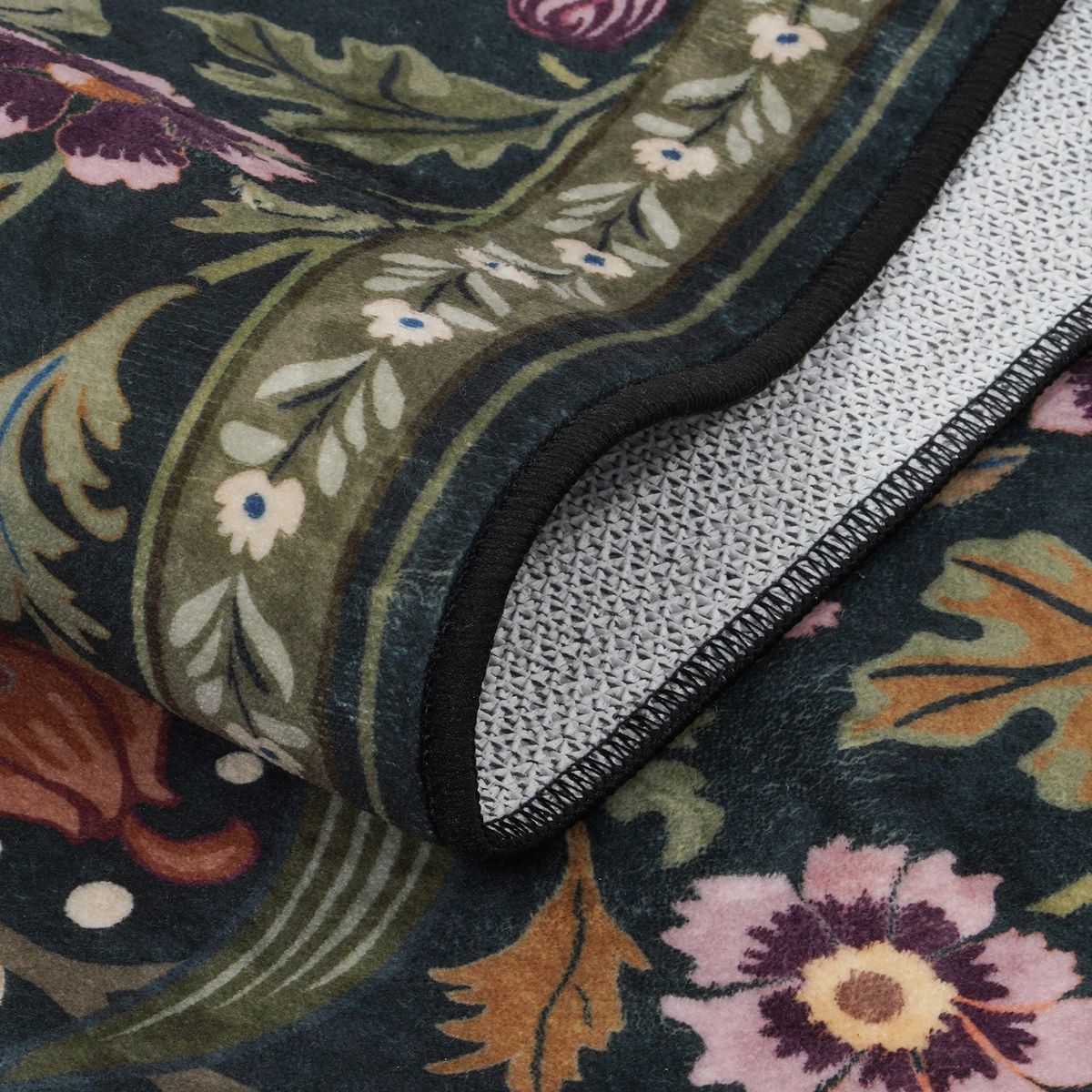
- Home washer: Ideal for cleaning smaller, machine washable rugs. Ensure your machine has a "delicate" or "large load" setting to handle the weight when wet.
- Commercial washer: For large area rugs (such as 8’x10’ or 9’x12’), a high-capacity commercial front-load washer (typically 20–60 lb capacity) is necessary. These heavy-duty machines provide enough space to tumble and rinse thoroughly without damaging the rug or the machine’s motor.
A Universal Step-by-Step Guide to Cleaning Your Rugs

Executing a deep clean requires a methodical approach to ensure you do not trap moisture or damage the weave. Following a structured sequence ensures that every layer of the fabric is treated properly.
Option 1: The Machine Washable Shortcut
If your rug is labeled as machine washable, follow these simple steps:
- Vacuum: Remove surface crumbs and pet hair.
- Load: Place the rug in your washing machine (use a front-load or high-capacity machine for larger sizes).
- Wash: Use a gentle cycle with cold water and a mild, bleach-free detergent.
- Dry: Air dry or tumble dry on low heat, depending on the manufacturer's instructions.
Option 2: The Deep Manual Clean
This traditional deep-cleaning method is perfect for those who prefer a hands-on approach to revitalizing their textiles and ensuring every fiber is thoroughly refreshed.
Preparation and Deep Dusting
Start by taking your rug outside if the size allows. Hanging it over a sturdy railing and hitting it with a broom handle is an old-fashioned but effective way to loosen deeply embedded grit. This mechanical action removes much more dirt than suction alone can achieve.
The Five-Step Washing Process
- Thorough Vacuuming: Clean both the front and the back of the rug to ensure no loose dirt remains to turn into mud once water is applied.
- Colorfastness Test: Apply your cleaning solution to a small, inconspicuous corner to check for colorfastness, which describes a material's ability to retain its dye without leaking.
- Gentle Scrubbing: Work the detergent into the fibers using gentle, circular motions with your soft brush, focusing on high-traffic areas.
- Complete Rinsing: Use cool water to rinse the fibers until the runoff is completely clear and free of soap bubbles.
- Efficient Drying: Squeeze out excess water and lay the rug flat or hang it in a well-ventilated area until it is bone dry to prevent mildew.
Best Methods for Cleaning Stains on Different Rug Materials
Different textiles react uniquely to moisture and cleaning agents, so identifying your rug’s composition is vital for a successful result. The following table provides a quick reference for handling the most common rug materials found in modern homes.
| Material Type | Cleaning Tolerance | Recommended Method |
| Machine Washable Synthetic | Very High | Toss in the washer on a gentle cycle |
| Synthetic (Polypropylene) | High | Scrubbing with mild soap and water |
| Wool | Moderate | Cold water and specialized wool detergent |
| Jute or Sisal | Low | Dry cleaning powder or very minimal moisture |
Using these specific approaches ensures that you do not accidentally ruin a luxury piece while trying to improve its appearance.
Practical Tips to Keep Your Rugs Clean All Year Long
Maintaining the results of your hard work requires small, consistent habits that prevent dirt from accumulating. Integrating these simple steps into your routine will make your next spring cleaning session much faster.
- Implement a No-Shoe Policy: Prevent outdoor pollutants and heavy oils from entering your home by leaving footwear at the door.
- Rotate Frequently: Change the orientation of your rugs every six months to ensure even wear and prevent sun fading in specific spots.
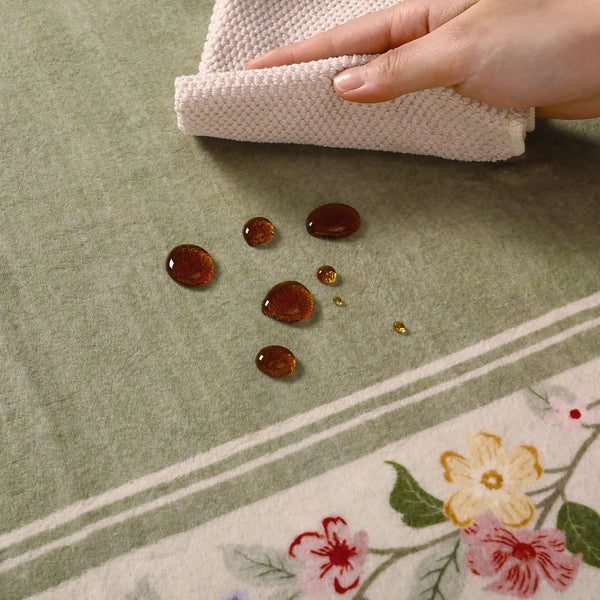
- Blot Spills Immediately: Use a clean cloth to soak up liquids rather than rubbing, which keeps the stain from setting into the secondary backing.
- Regular Vacuuming: Aim to vacuum at least twice a week to keep the pile upright and remove surface debris before it sinks deep.
- Use Quality Rug Pads: These provide extra cushioning and airflow, which helps protect the floor and the rug itself from friction.
Revitalize Your Home Environment
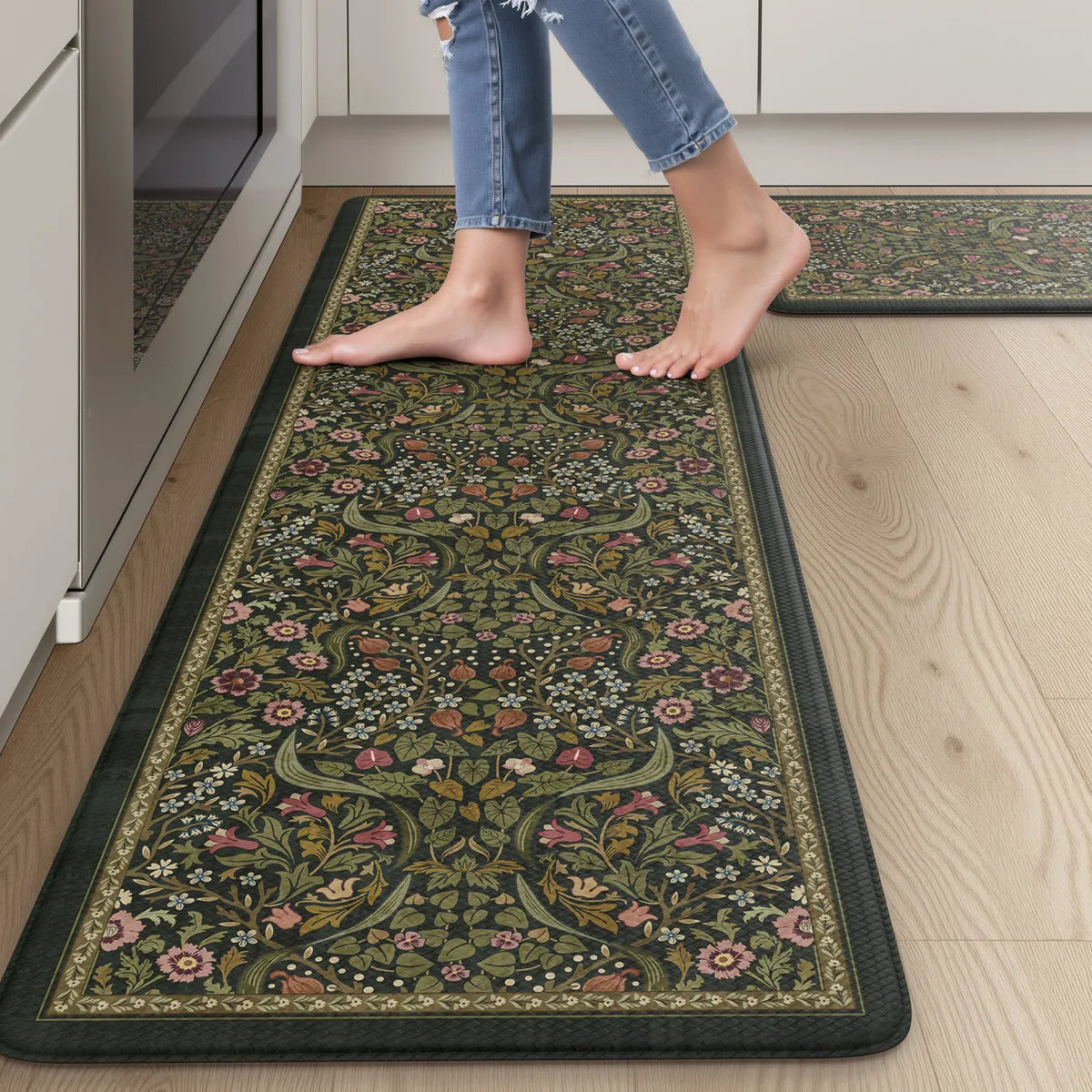
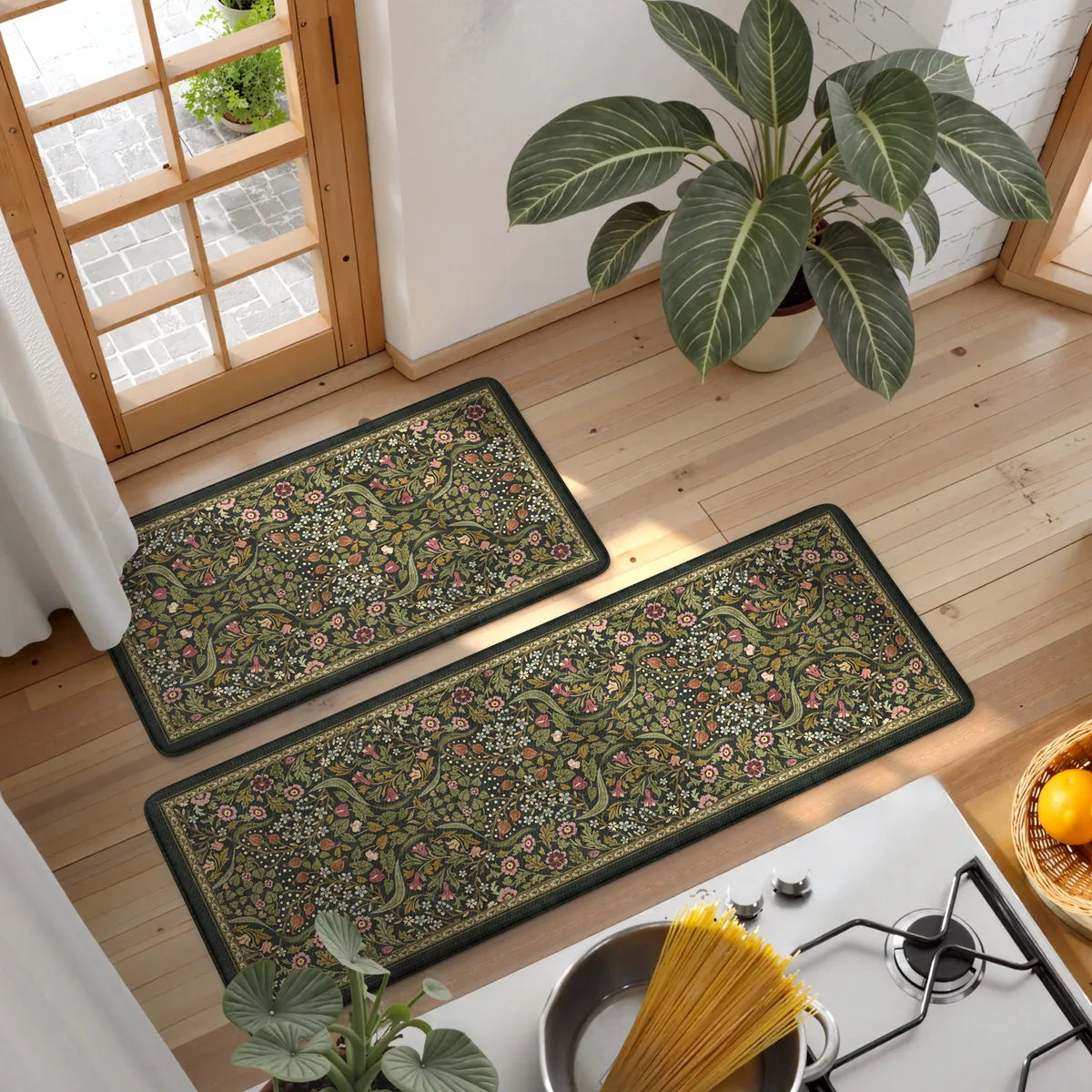
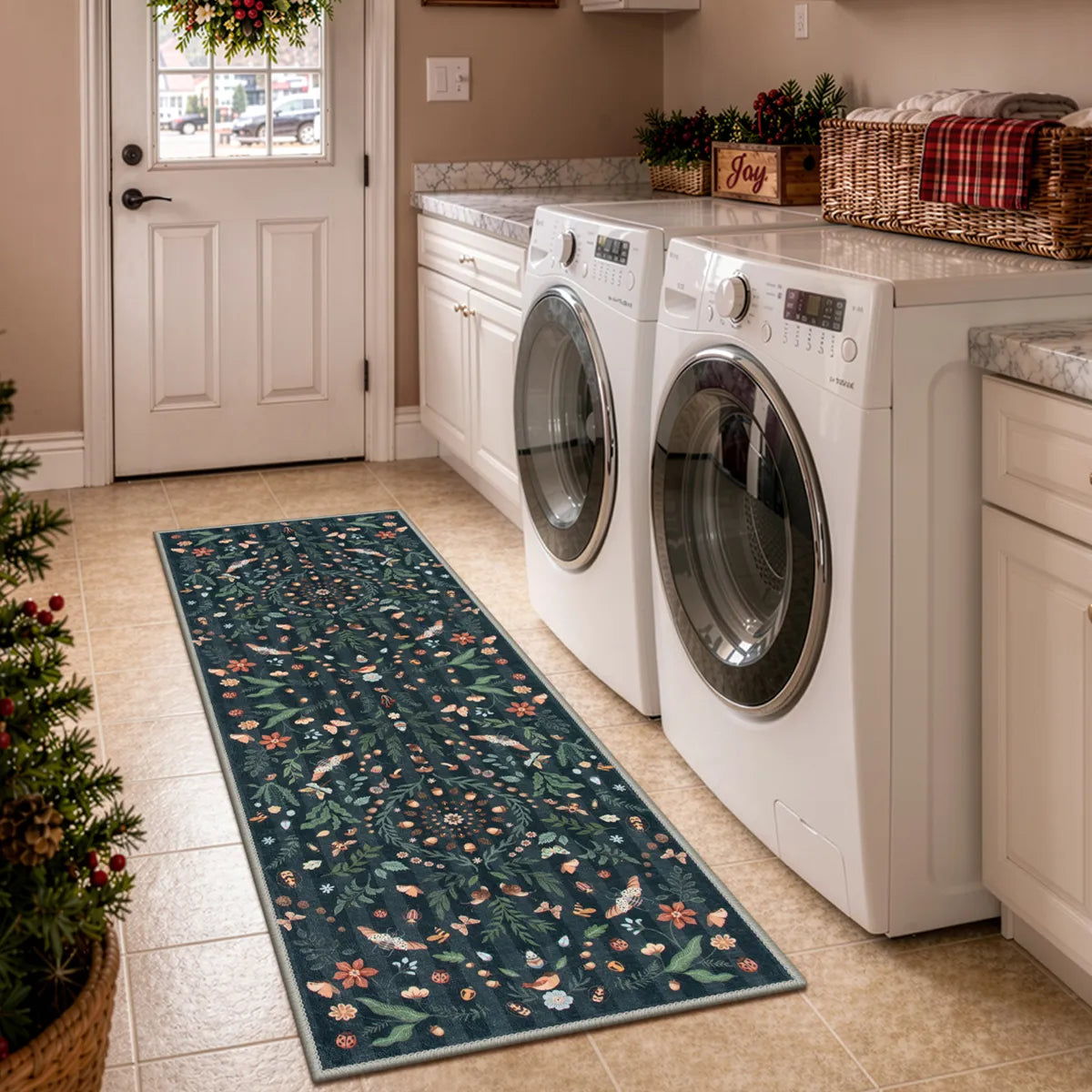
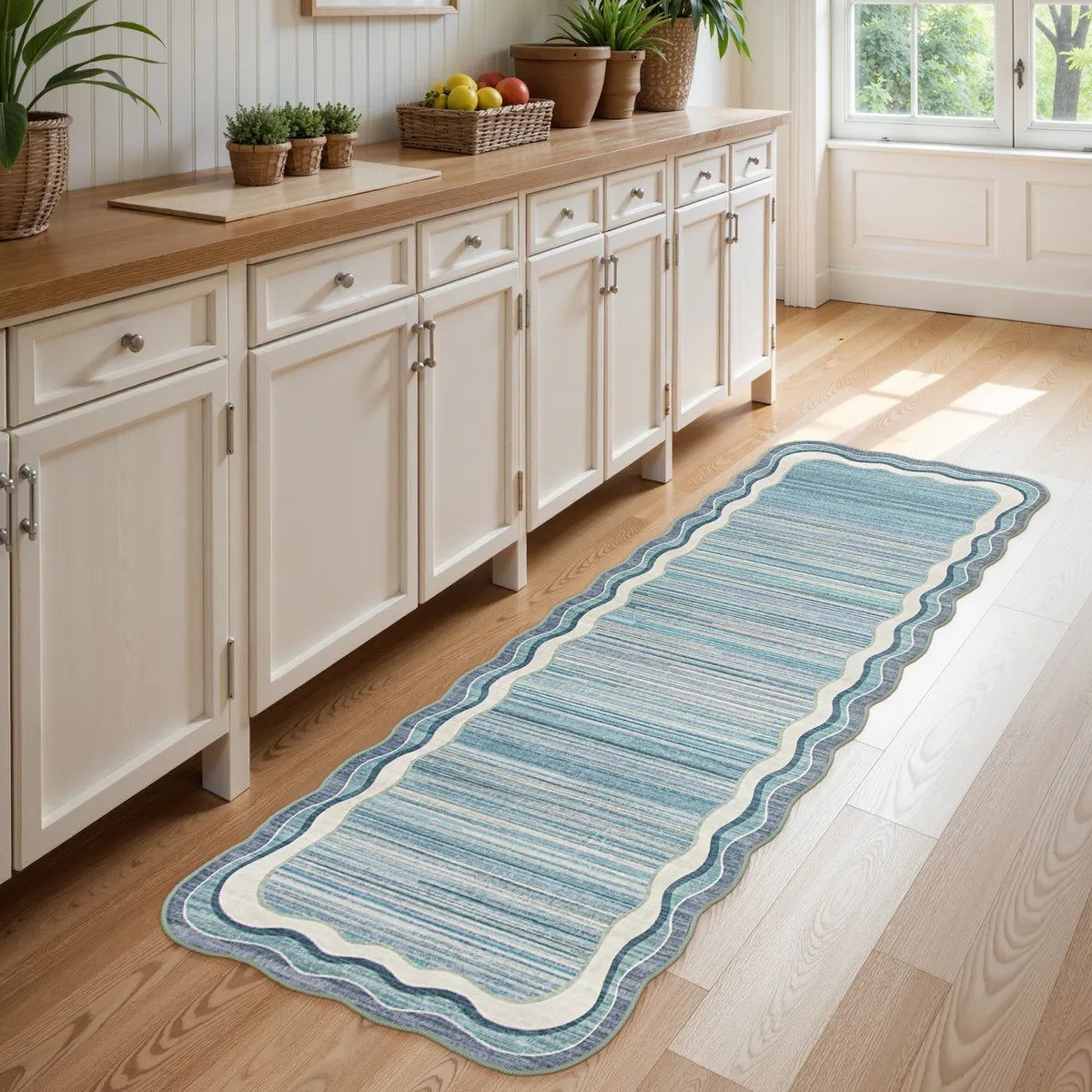
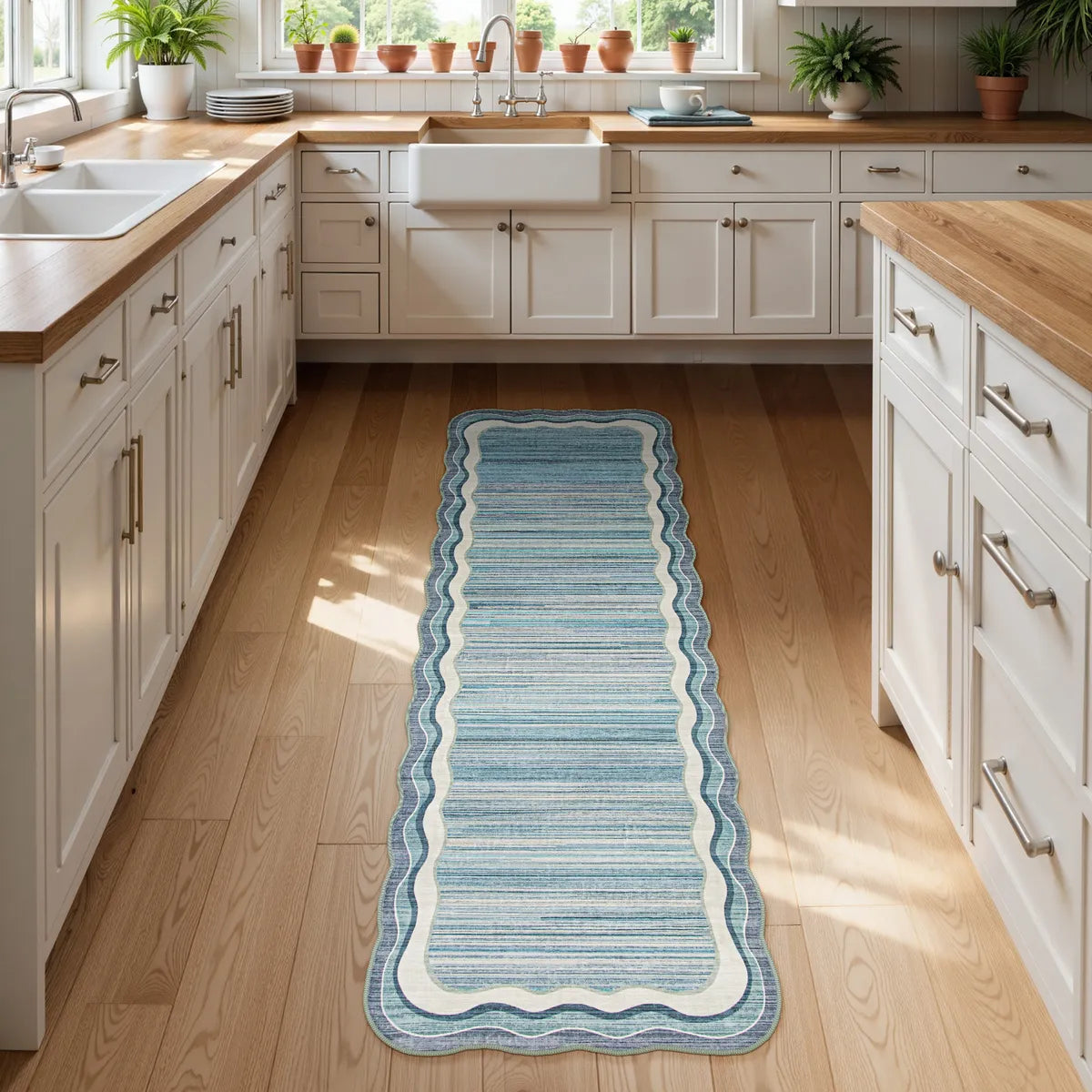
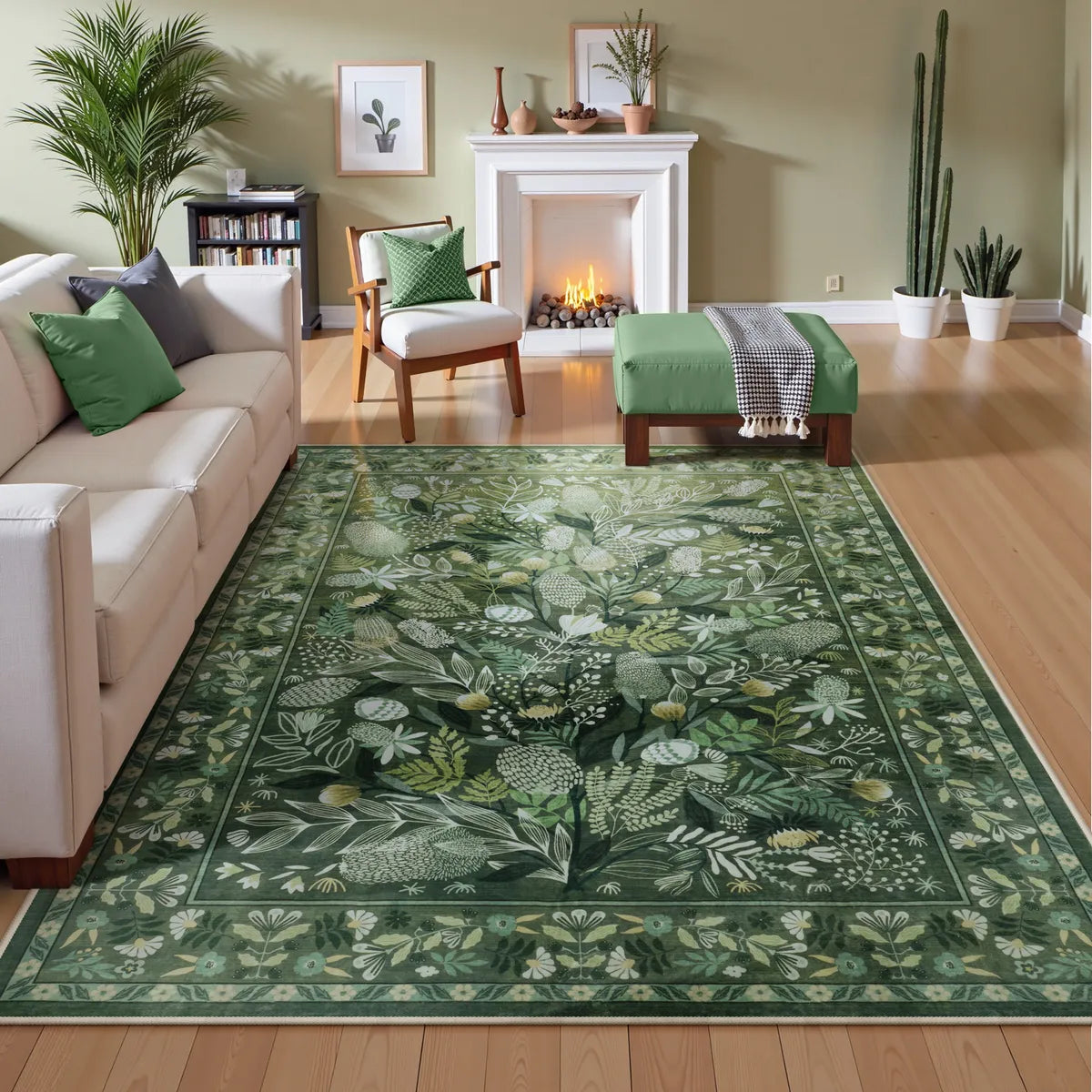
Transforming your living space begins from the ground up by removing the hidden burdens of winter. Taking the time to care for your floor textiles protects your investment and improves the air quality for everyone in your household. To simplify future maintenance, consider upgrading to machine washable rugs; these innovative pieces allow you to achieve a professional-level refresh in your own laundry room, saving hours of manual labor. Start your seasonal checklist by inspecting your rugs for areas that need extra attention. You will enjoy a brighter, healthier, and more comfortable home throughout the entire year.
FAQs about Rug Cleaning Basics
Q1. How Often Should I Perform Professional-Level Rug Cleaning?
A deep clean is recommended at least once every twelve to eighteen months for standard use. Households with pets or high foot traffic benefit most from a biannual schedule to keep odors and hair under control.
Q2. Can I Use a Steam Cleaner on All Types of Rugs?
No, steam cleaning is not universal. High heat can shrink wool fibers or melt the glues used in tufted rugs, so always check the care label before applying heat.
Q3. Is It Safe to Dry My Rug in Direct Sunlight?
Yes, but only for a limited time. While sunlight helps kill bacteria and speeds up the drying process, prolonged exposure to UV rays can cause significant color fading on natural dyes.
Q4. Should I Clean the Rug Pad During Spring Cleaning Too?
Yes, you should vacuum the rug pad and the floor beneath it. Dust often sifts through the rug weave and settles underneath, which can scratch your hard flooring if not removed.