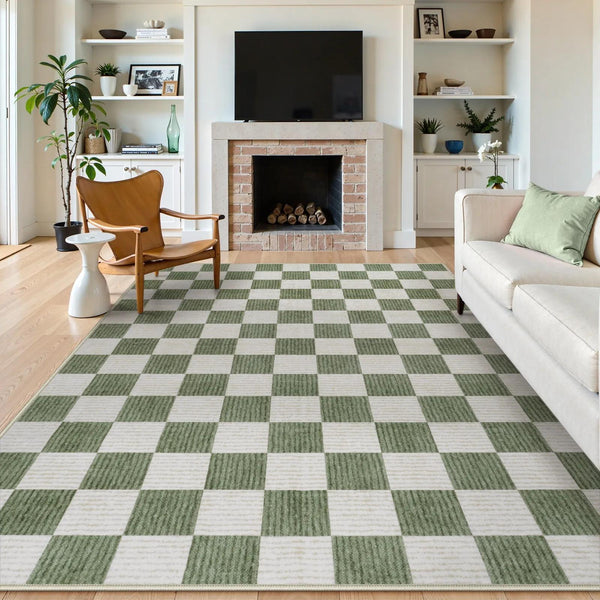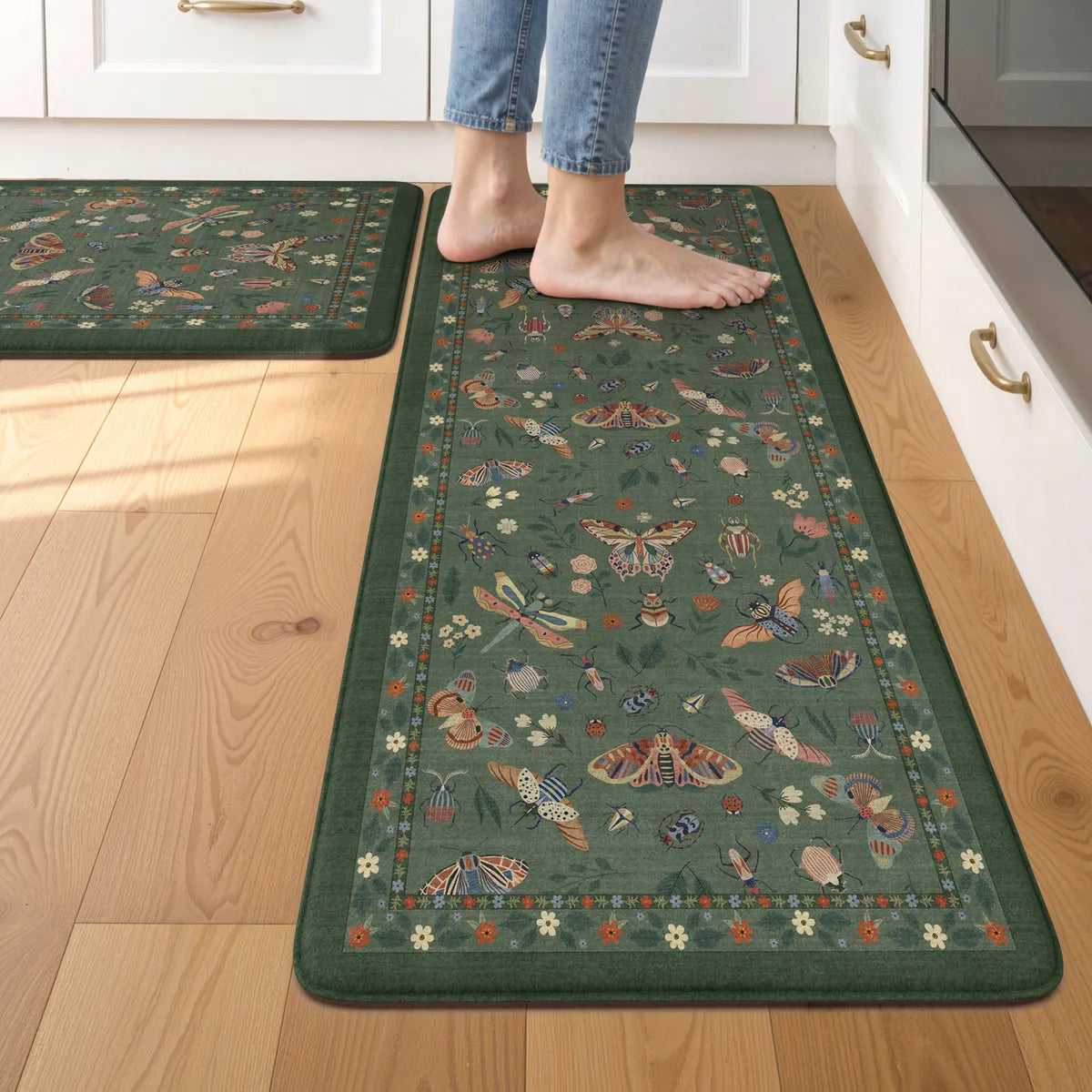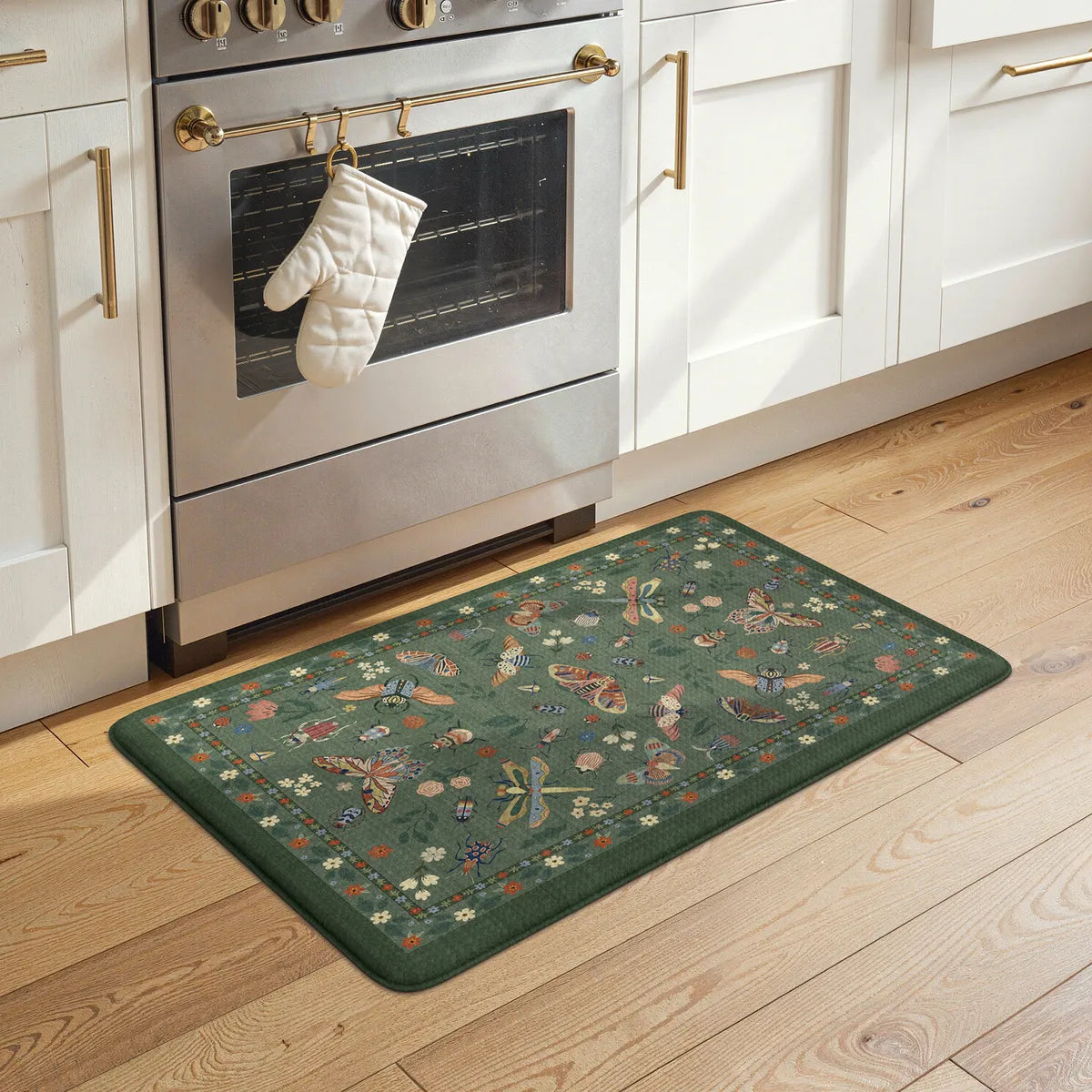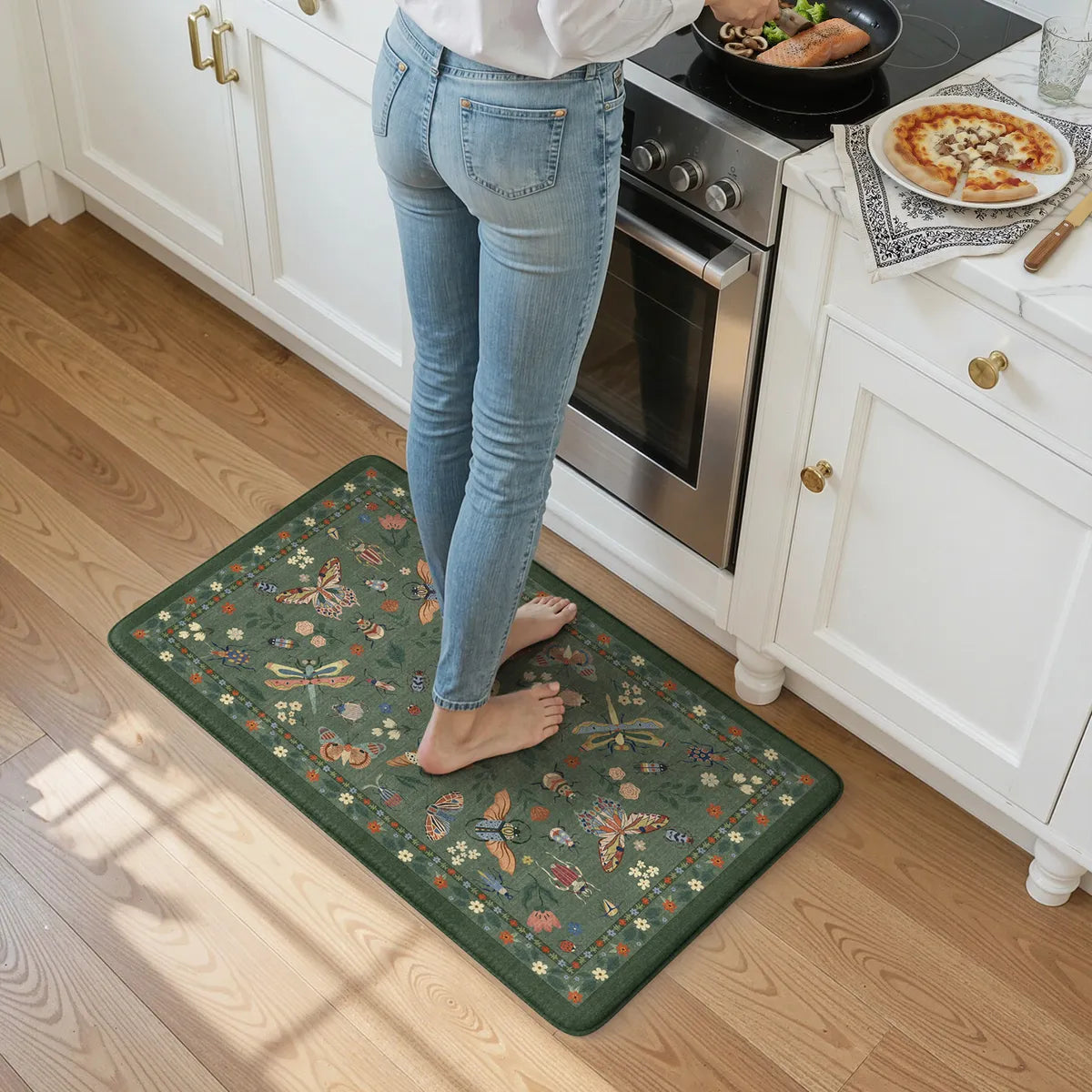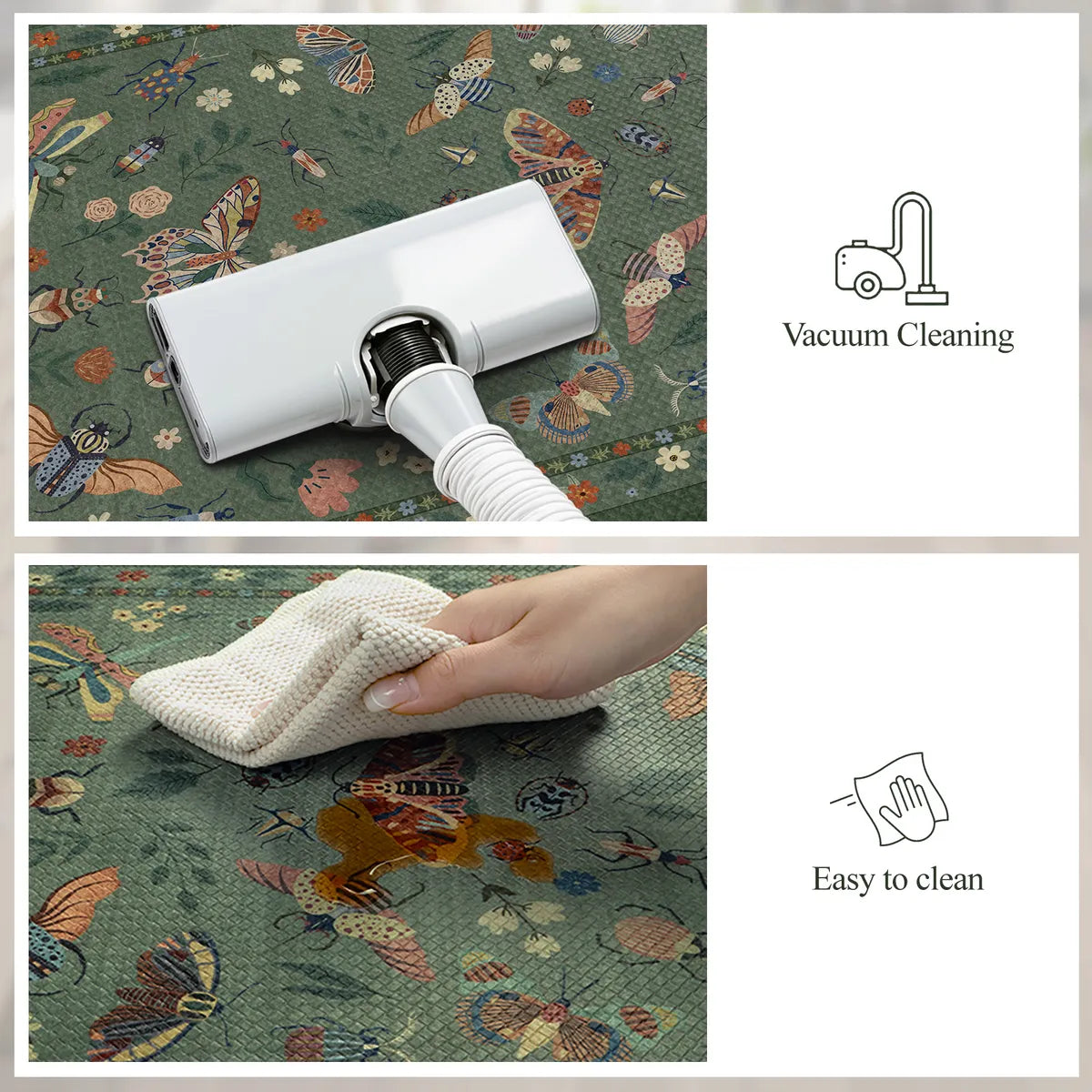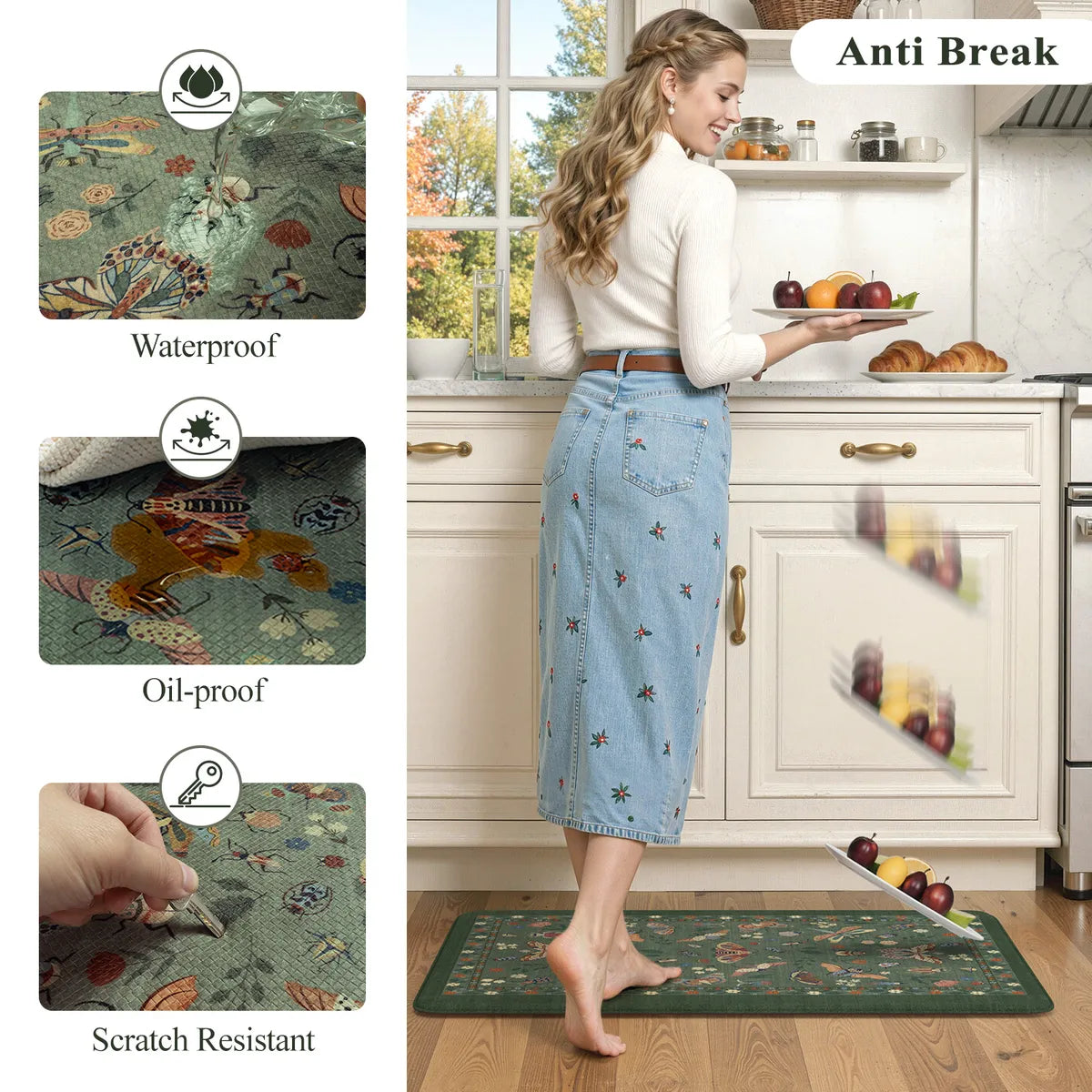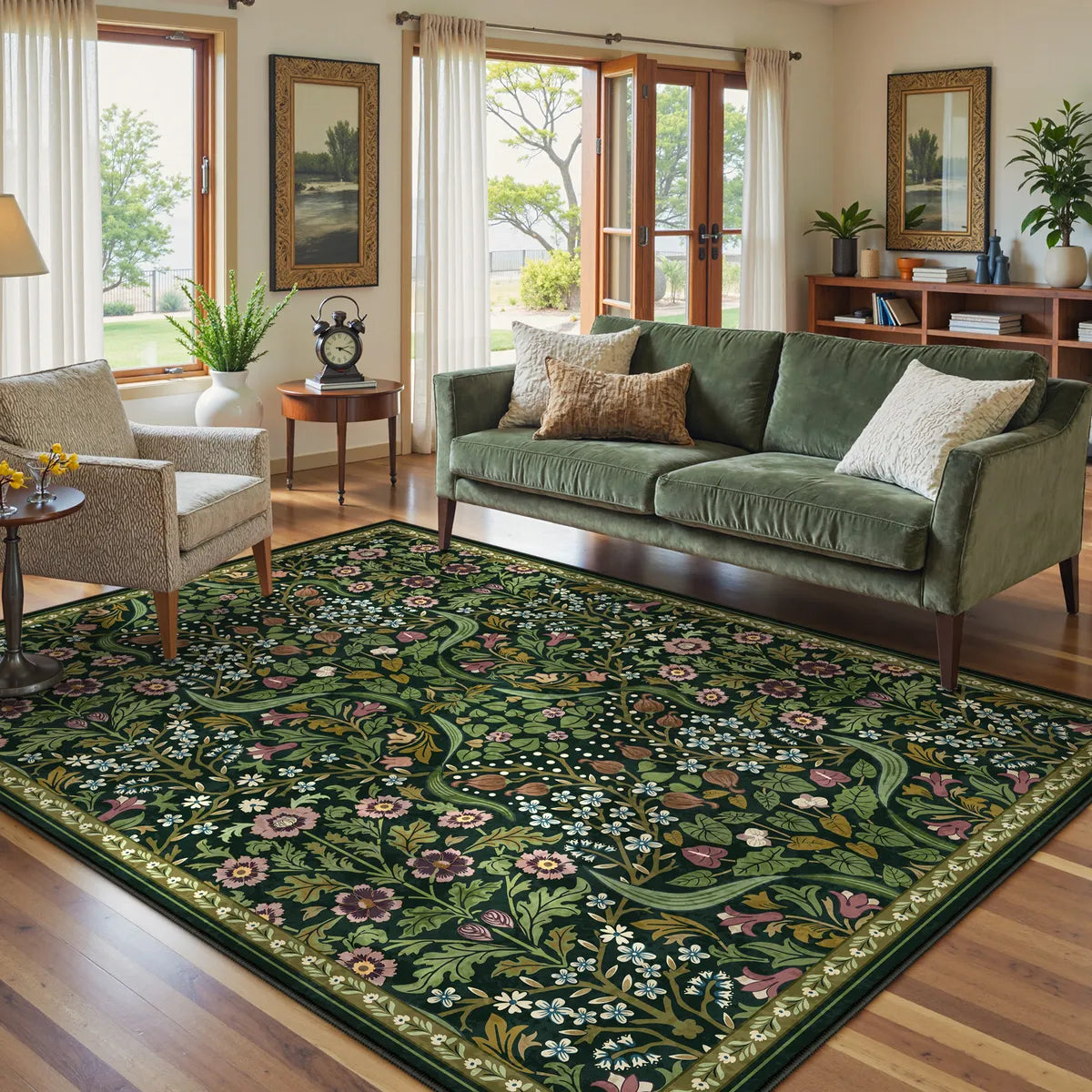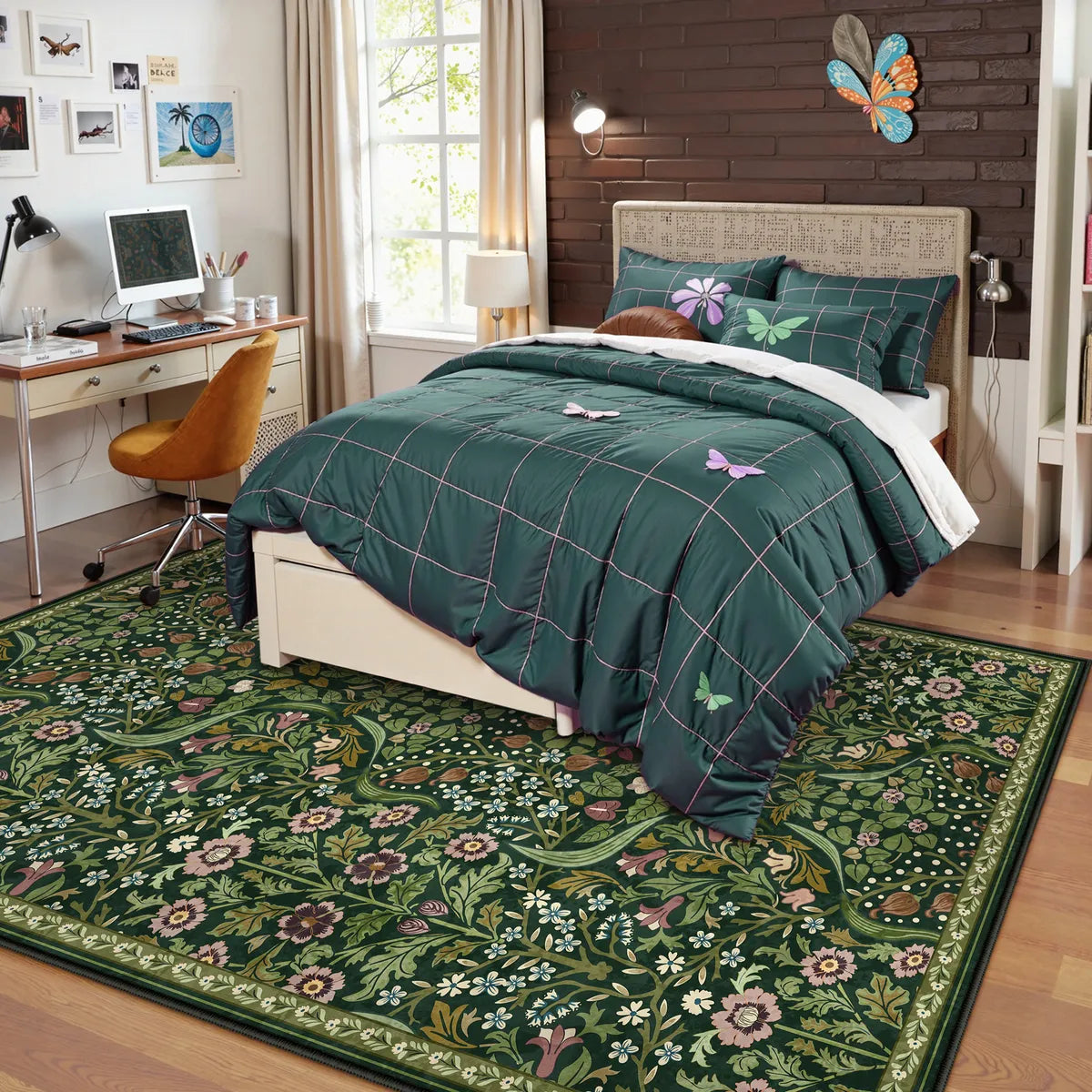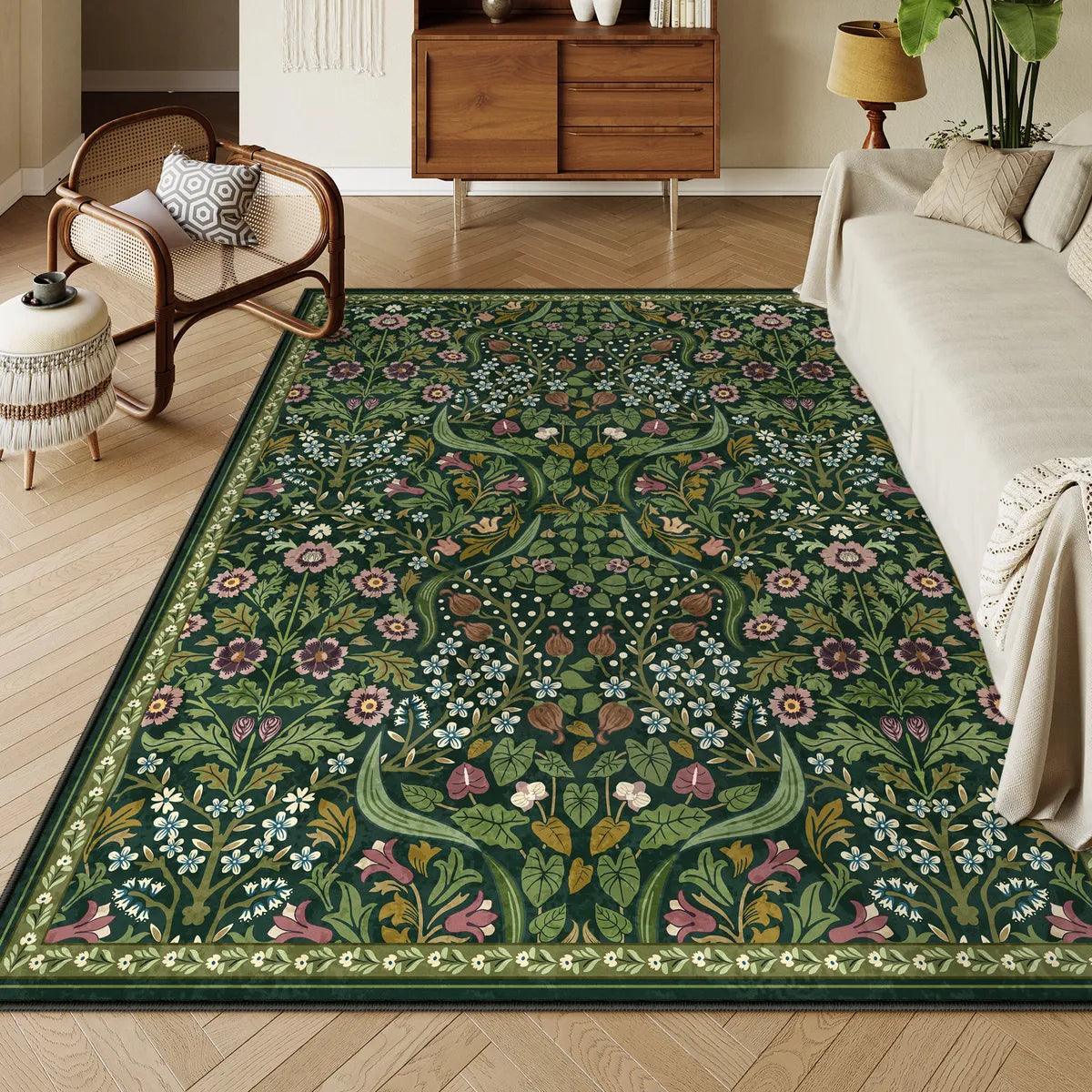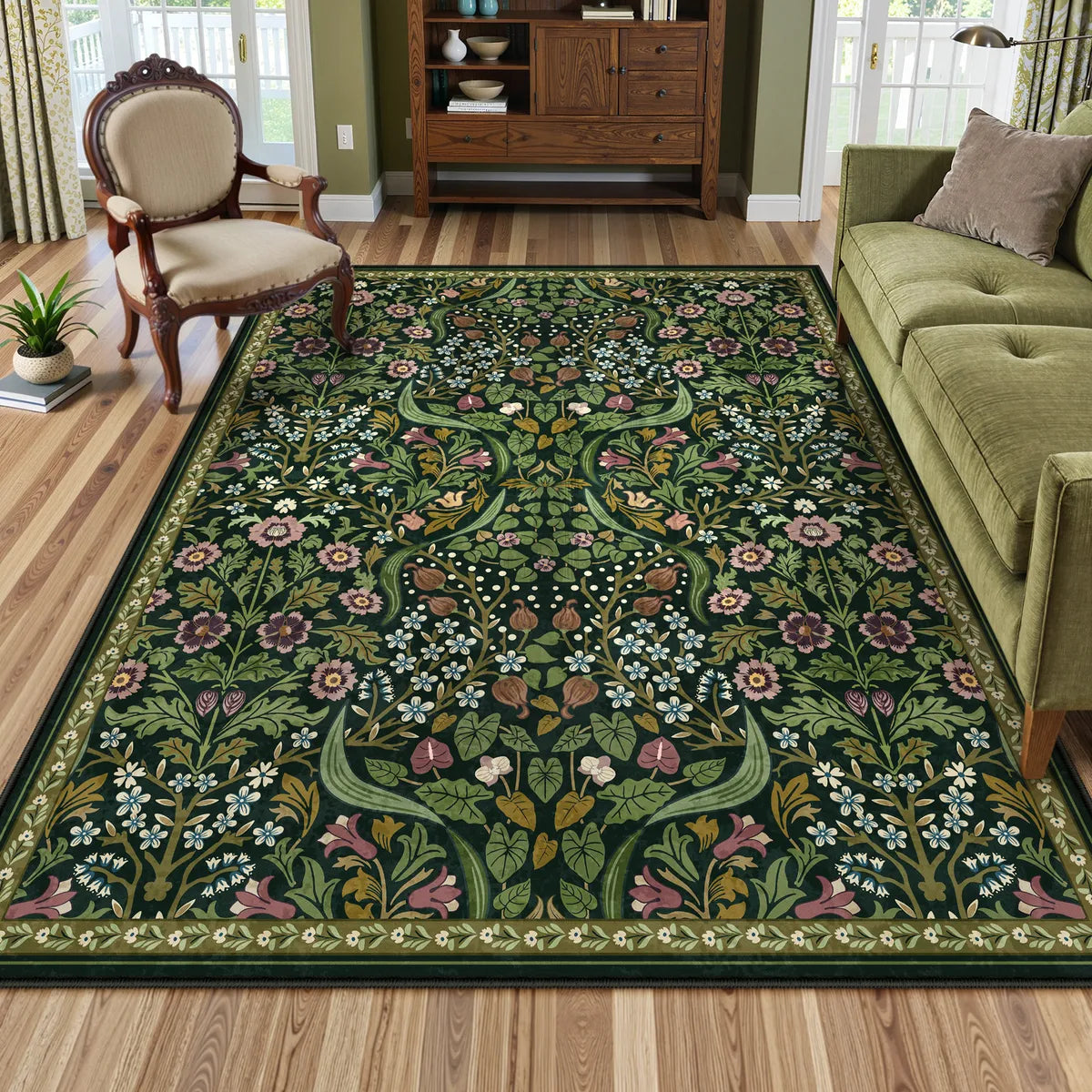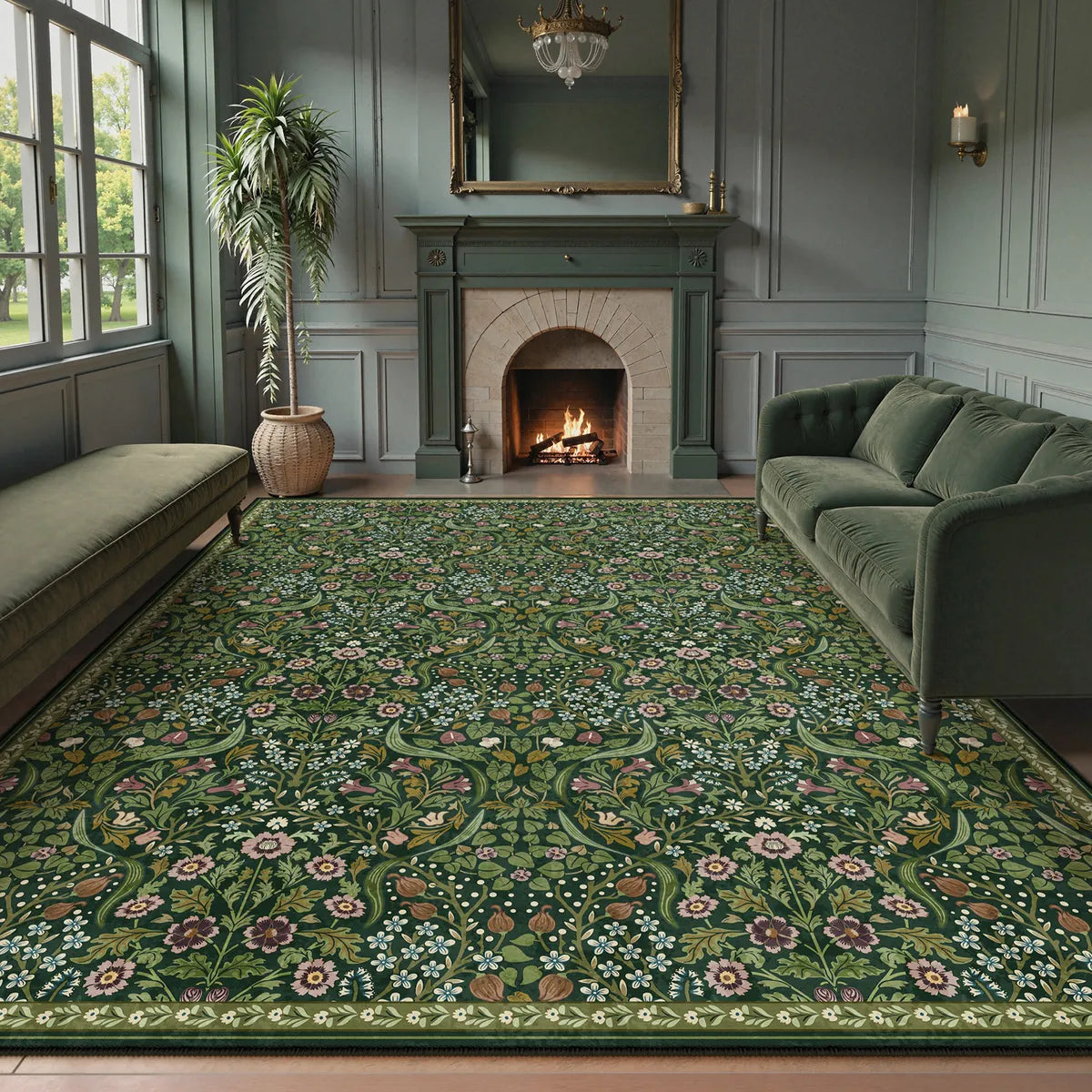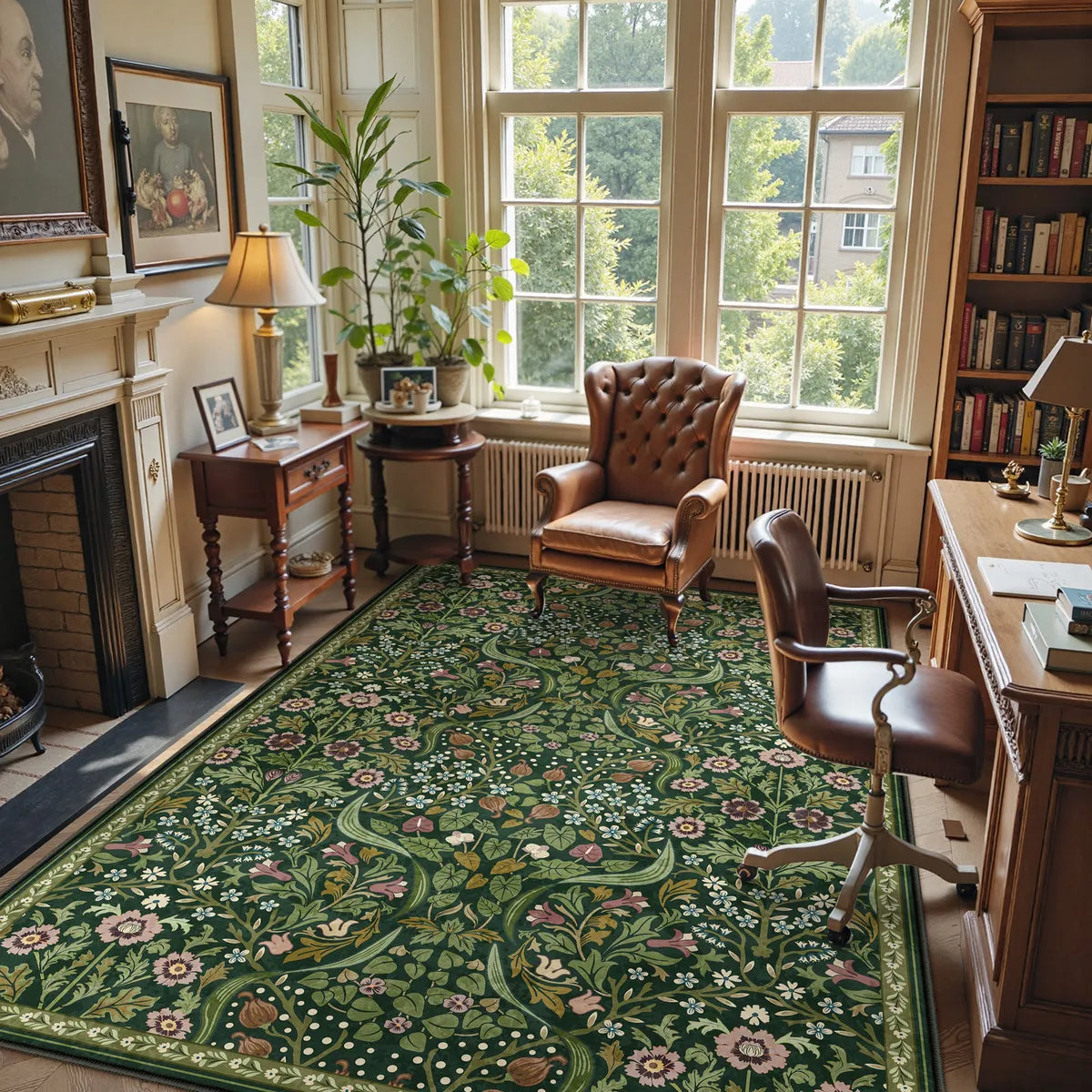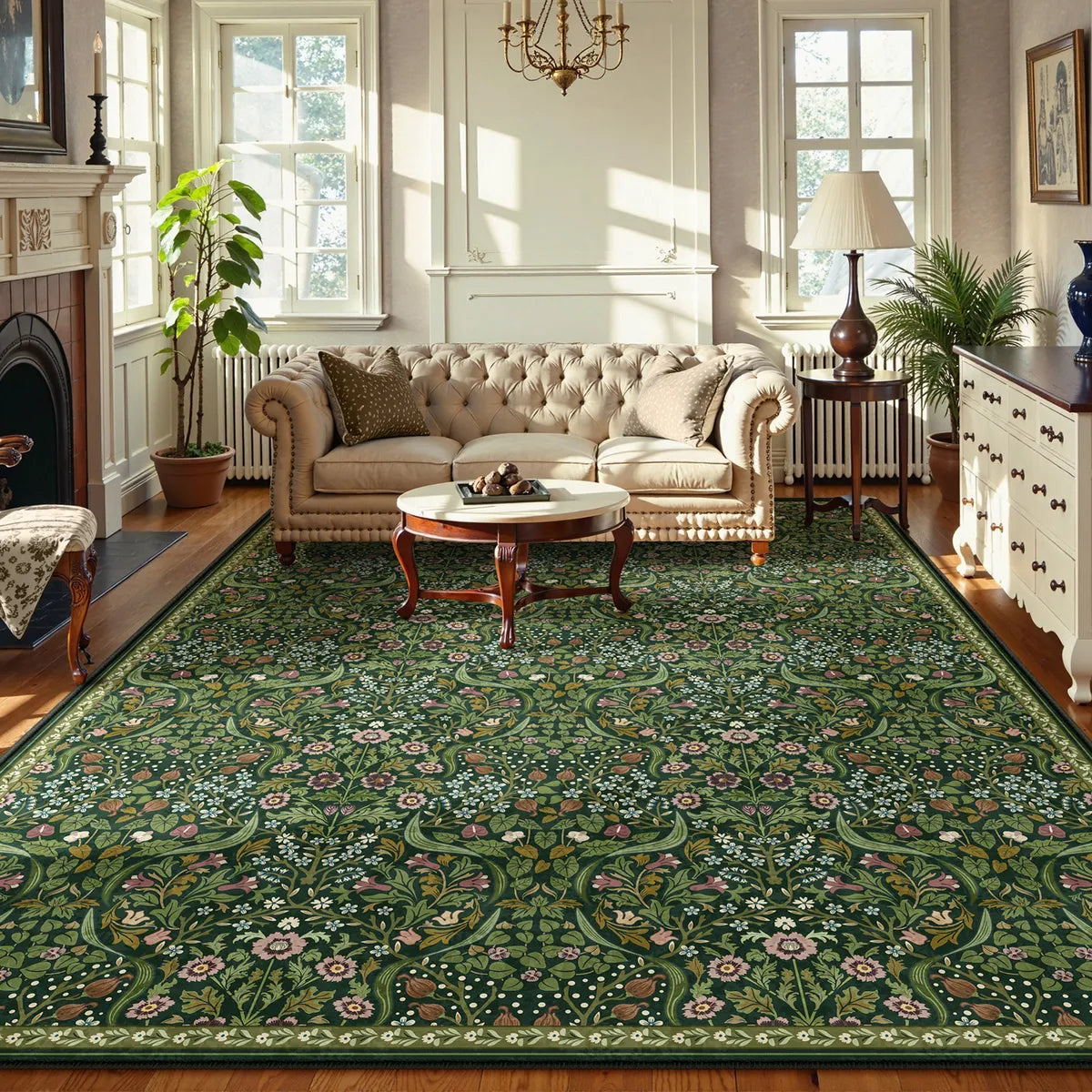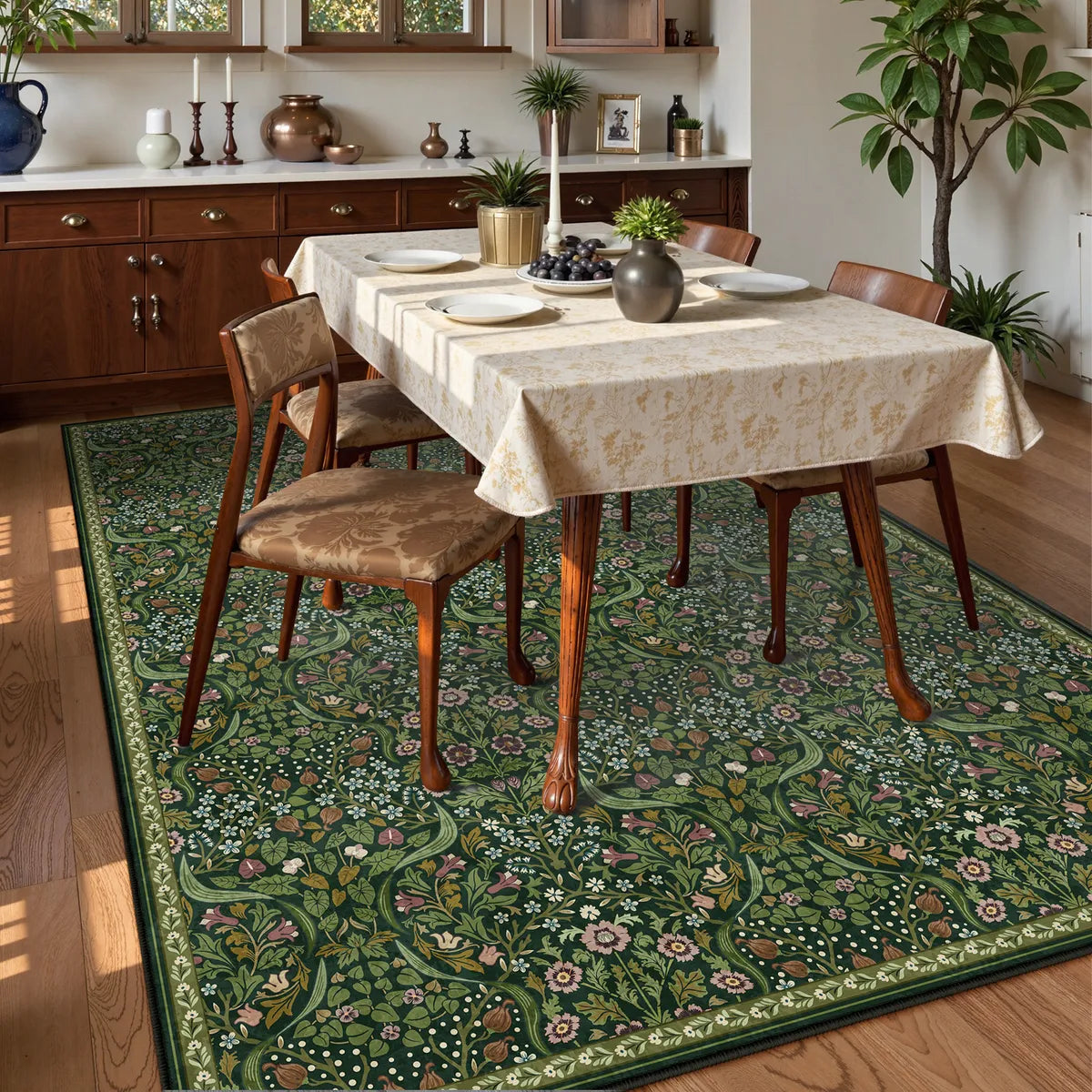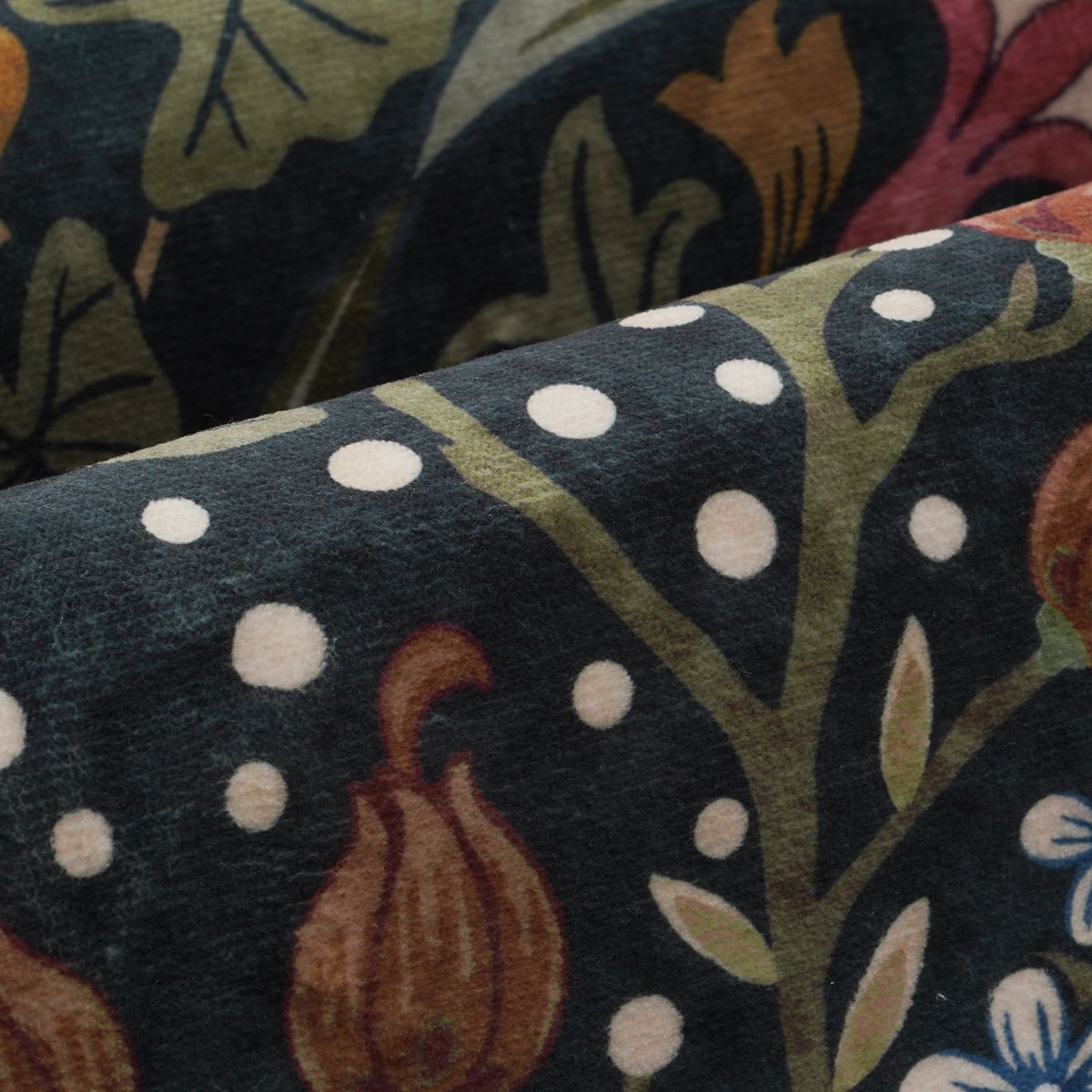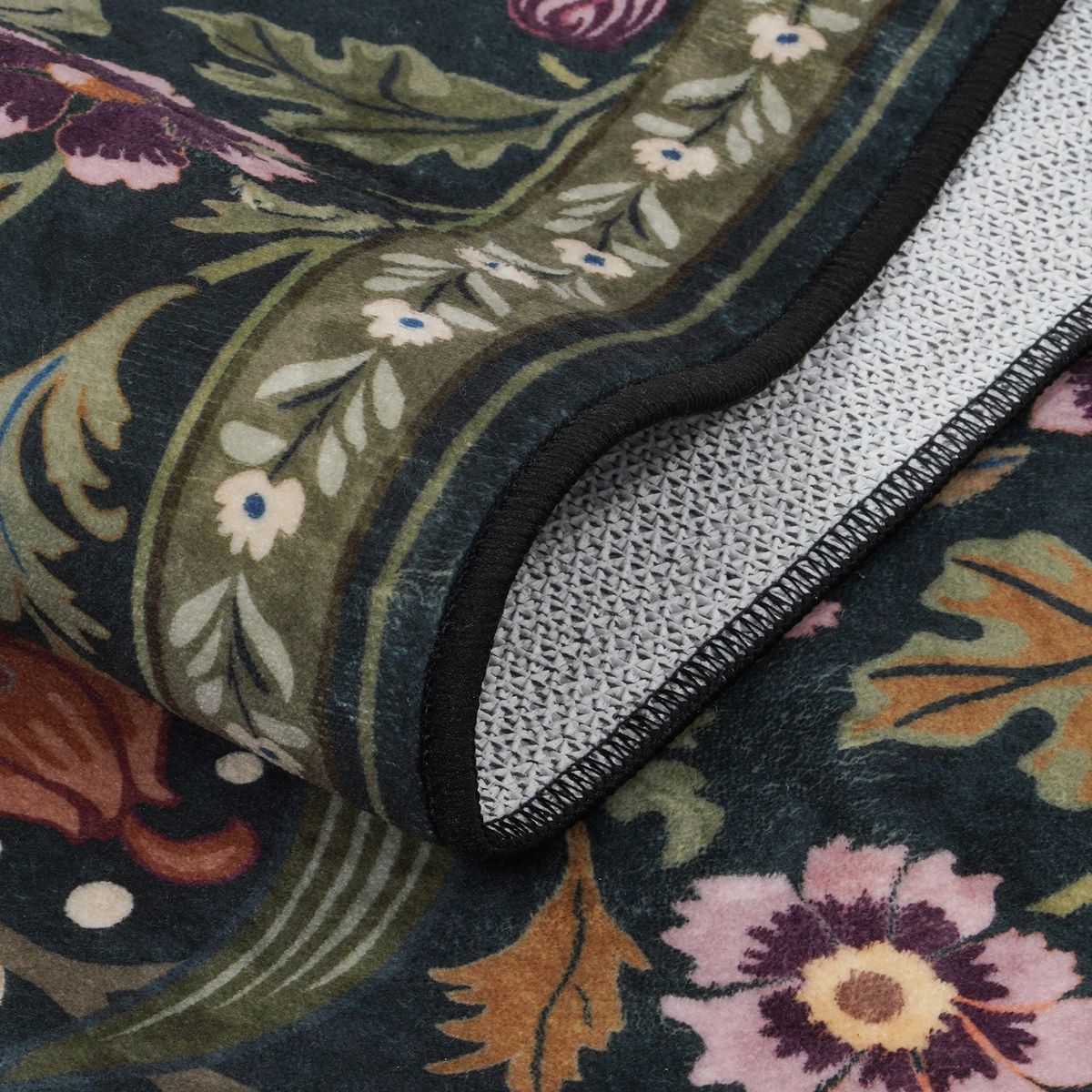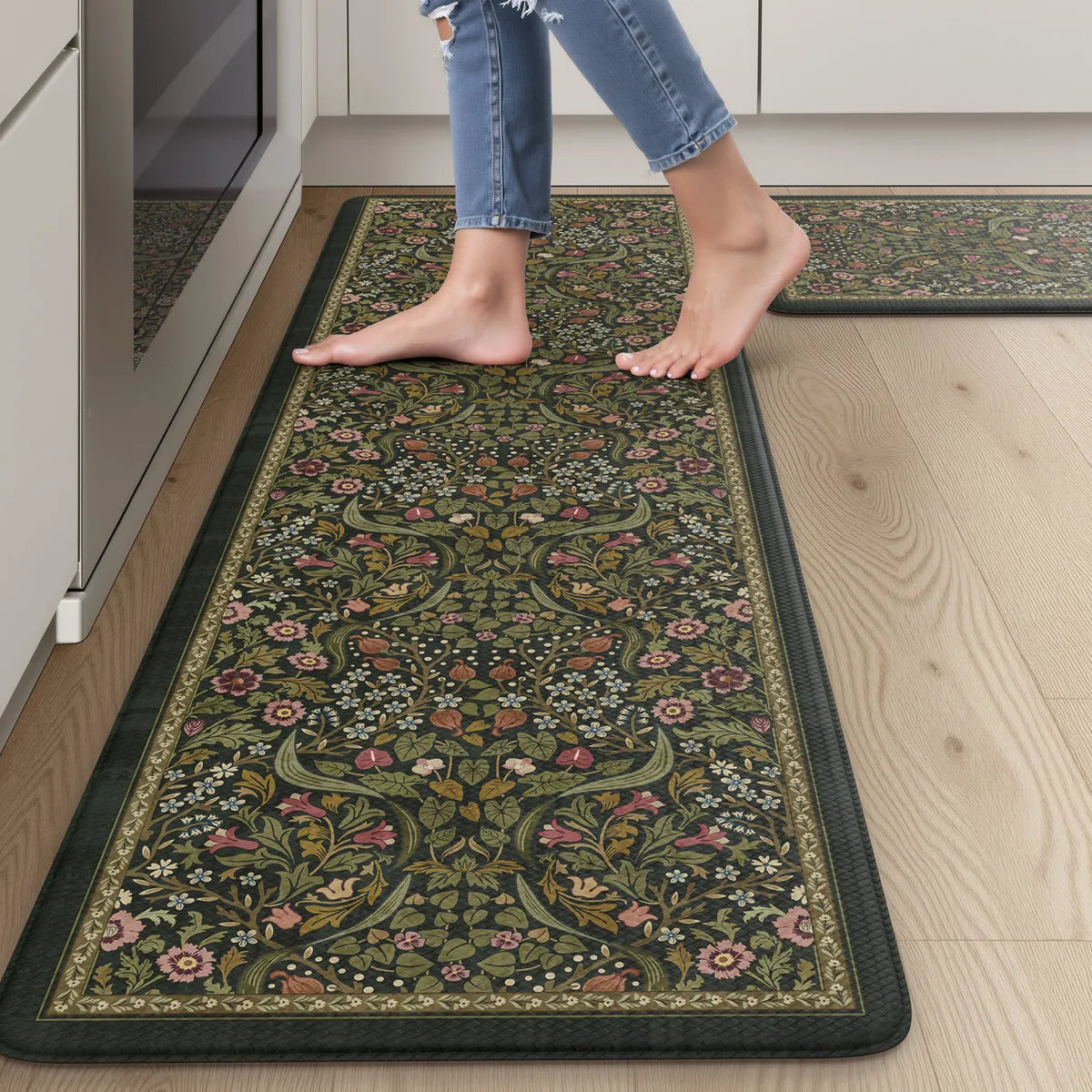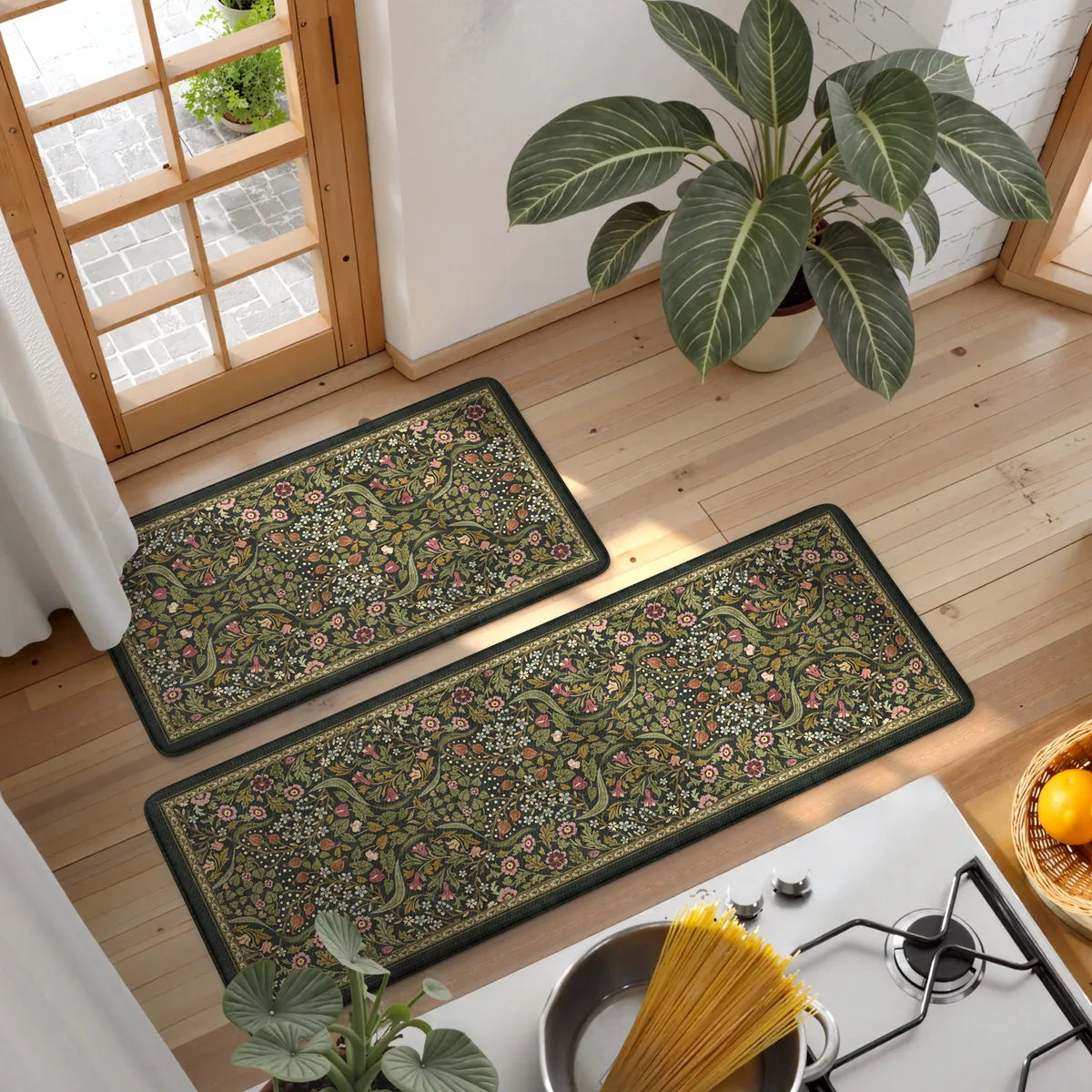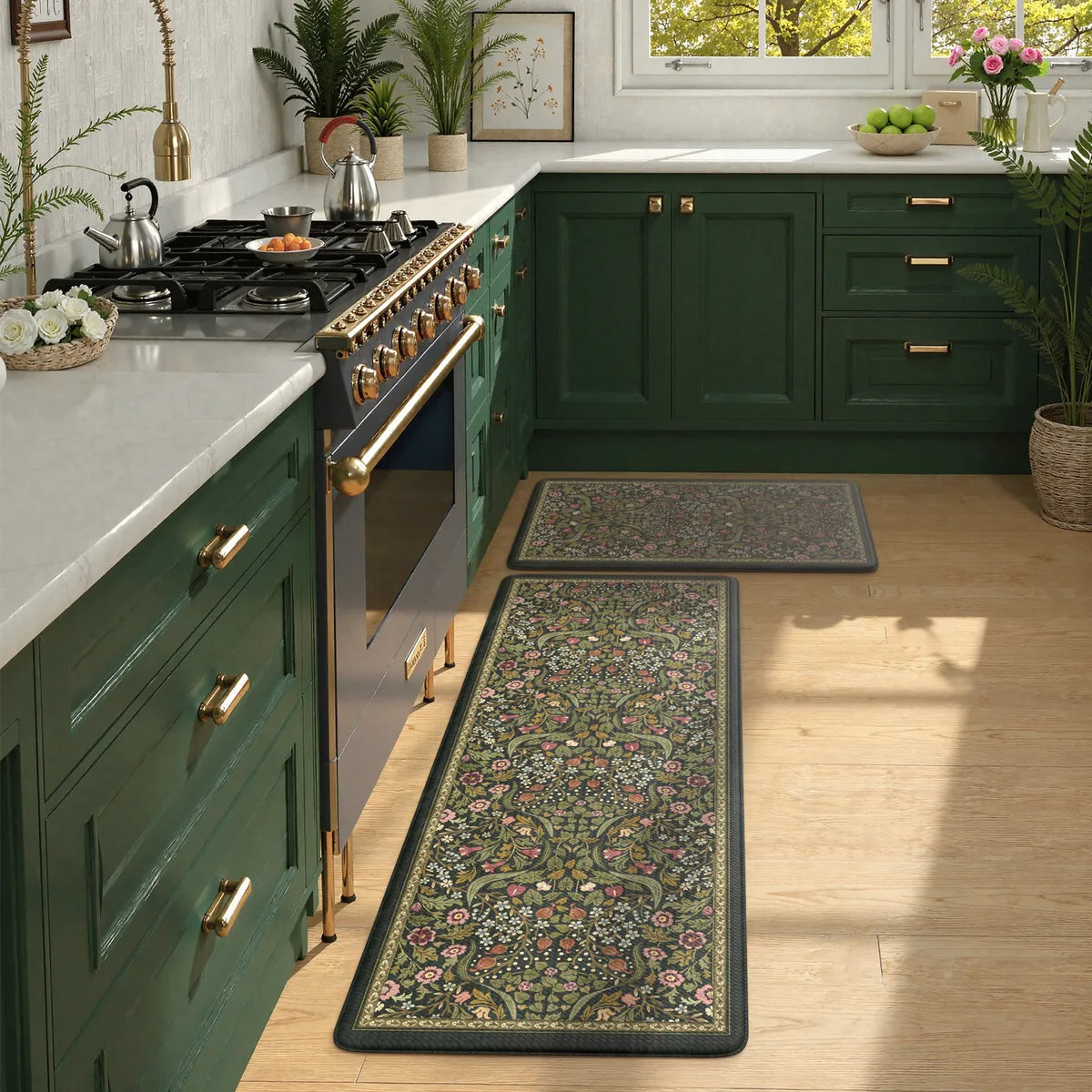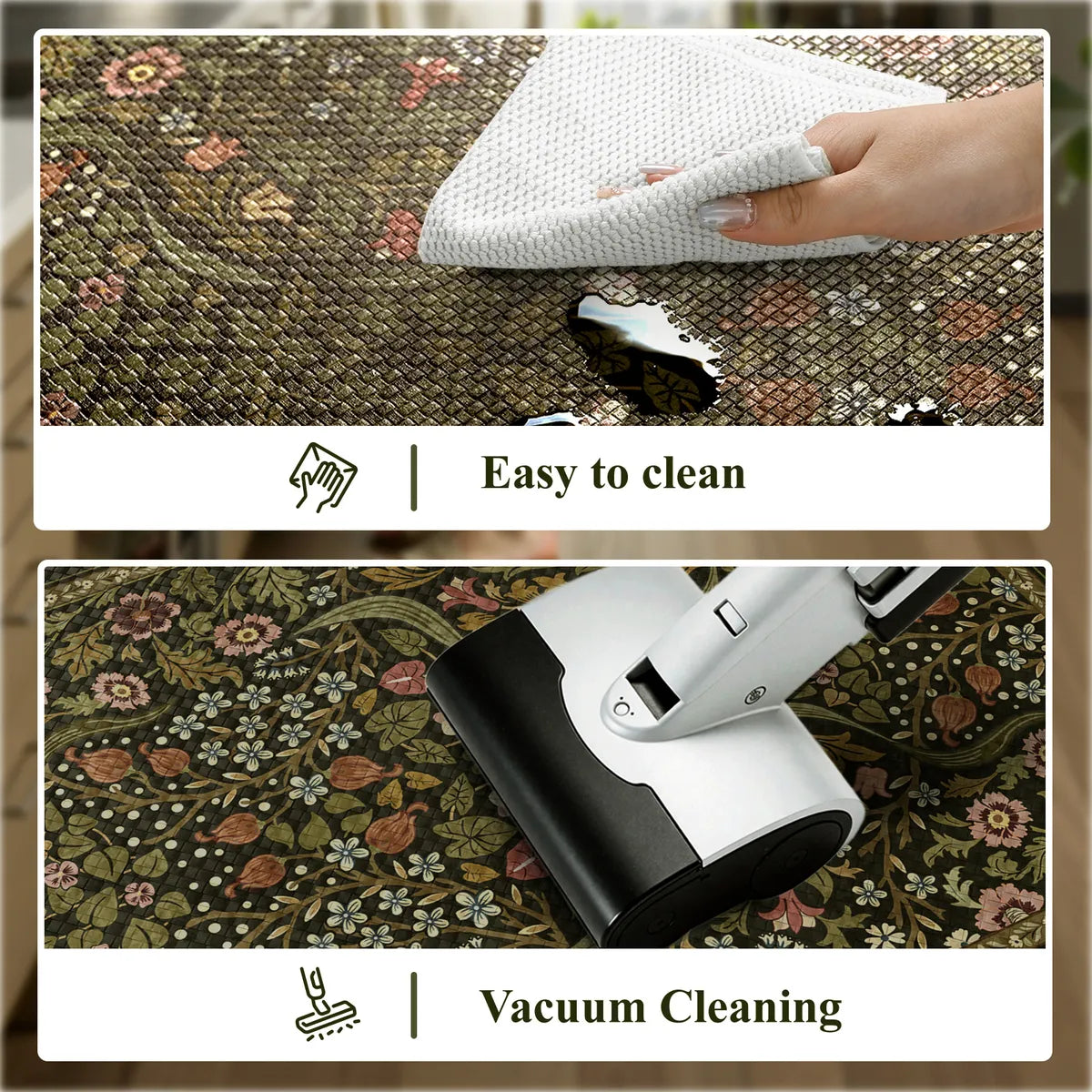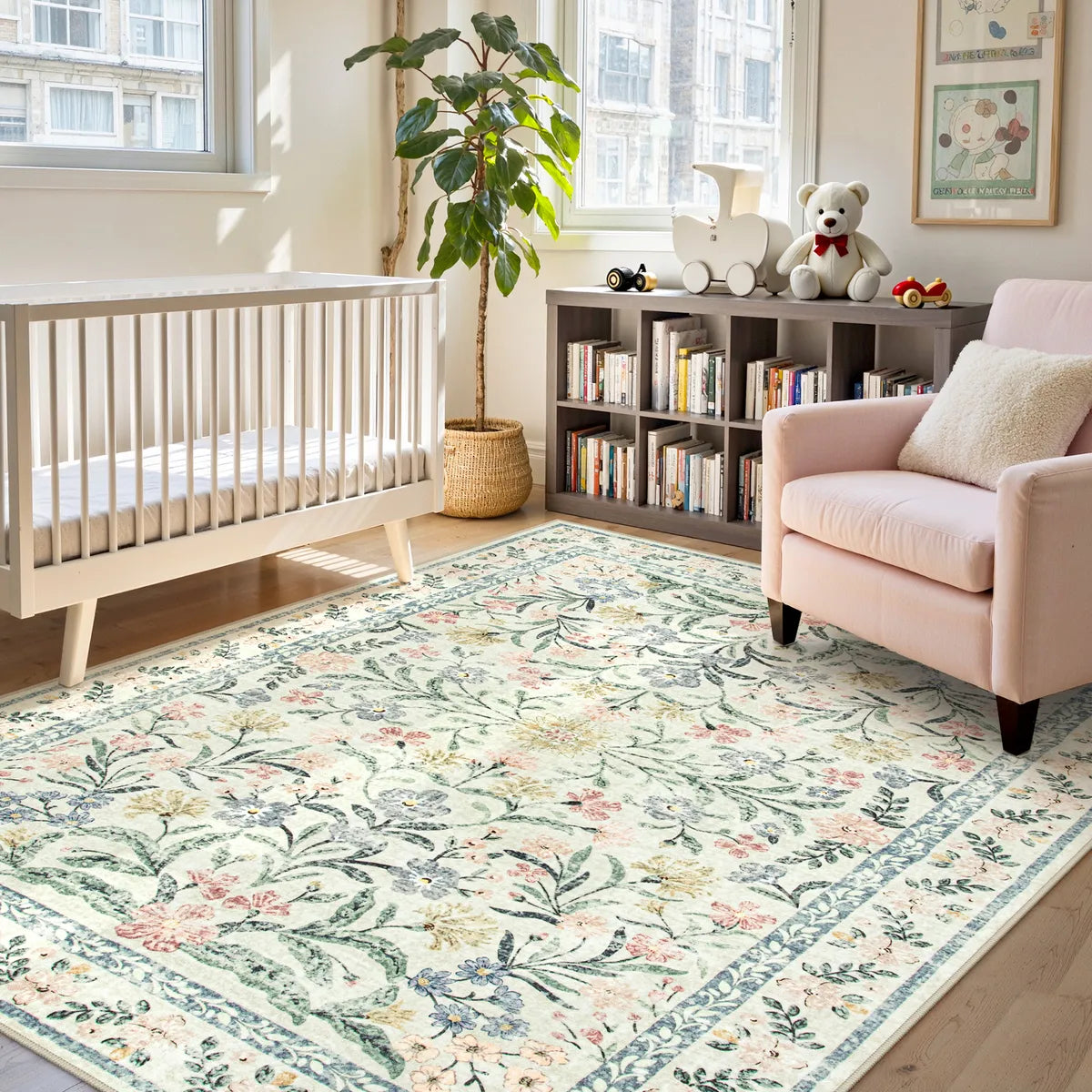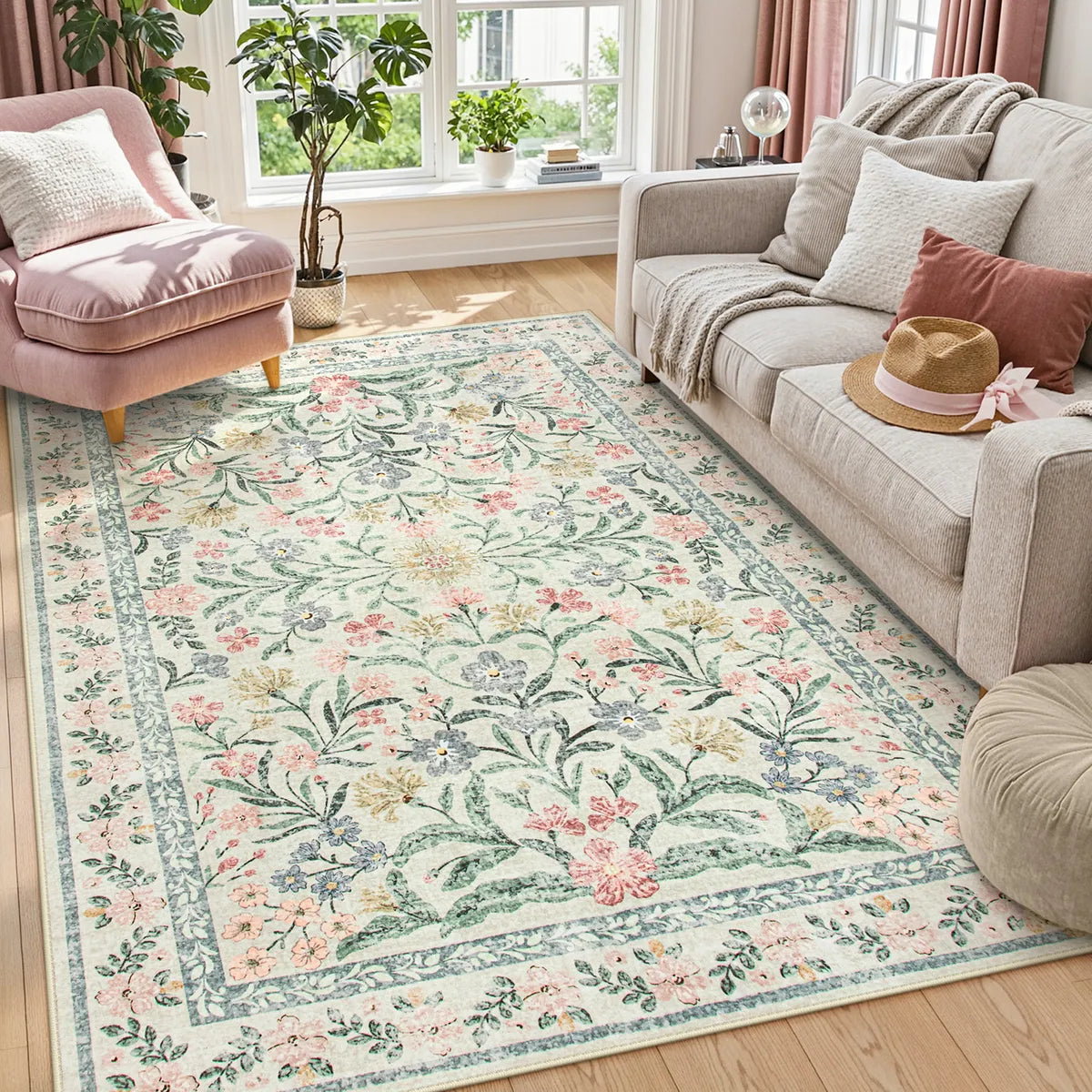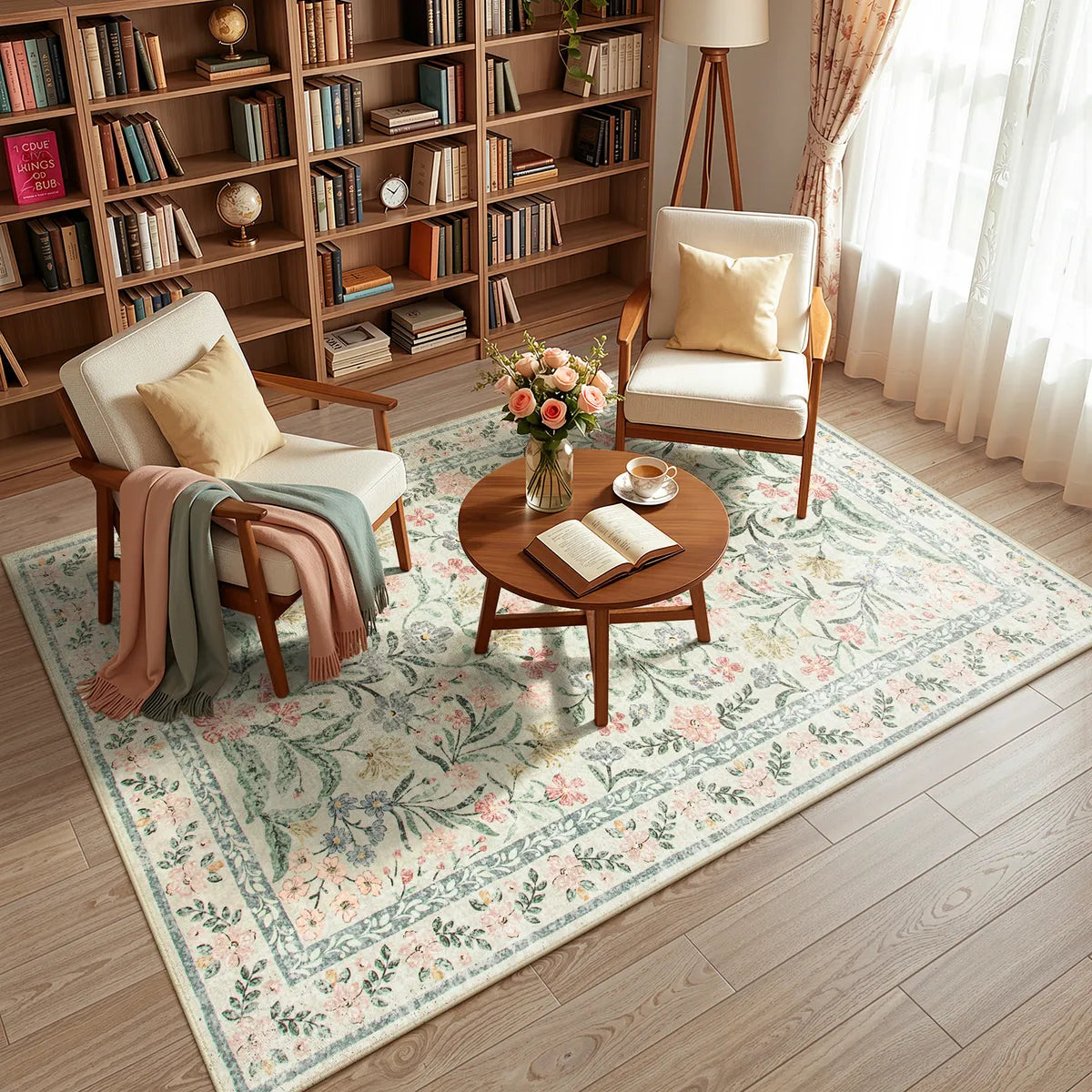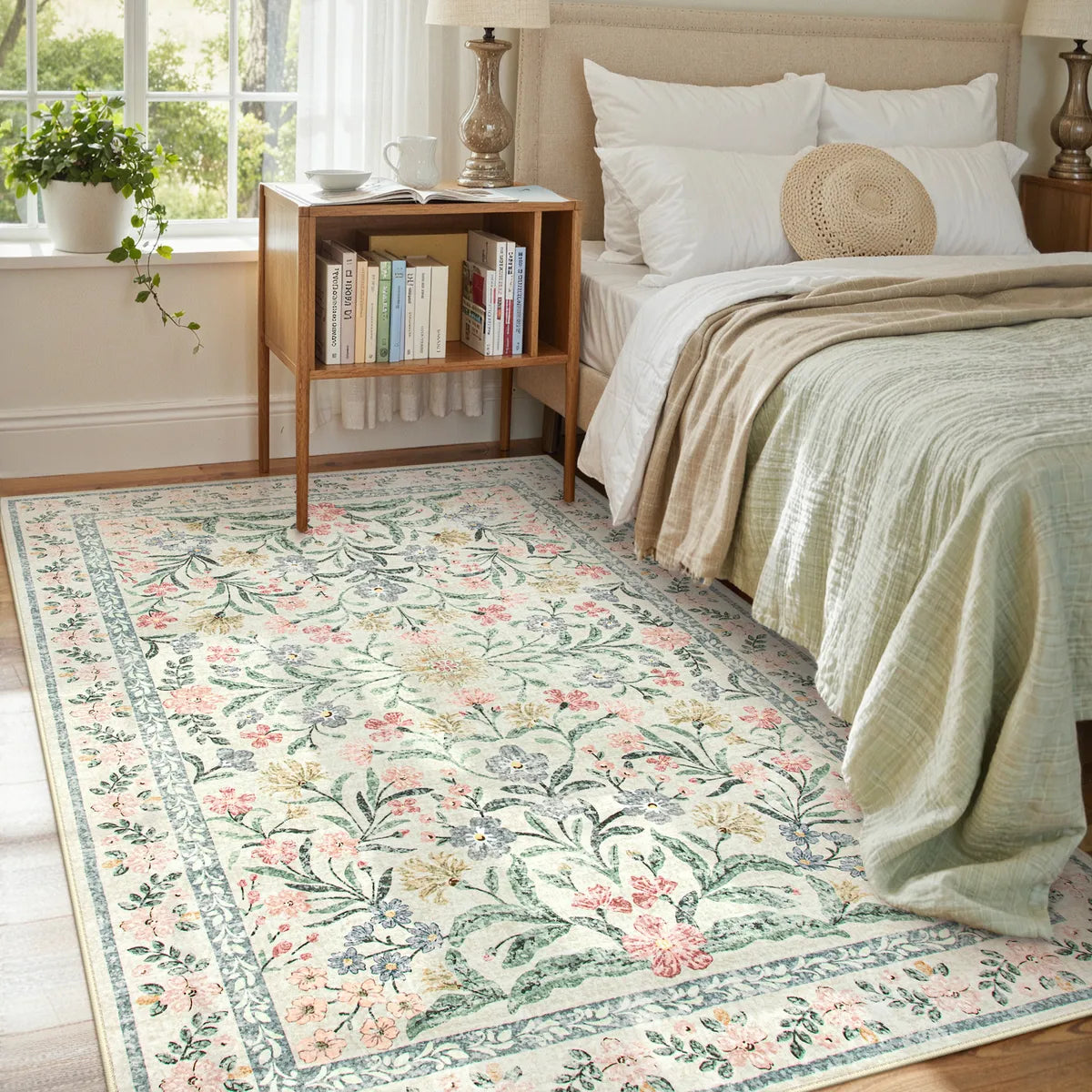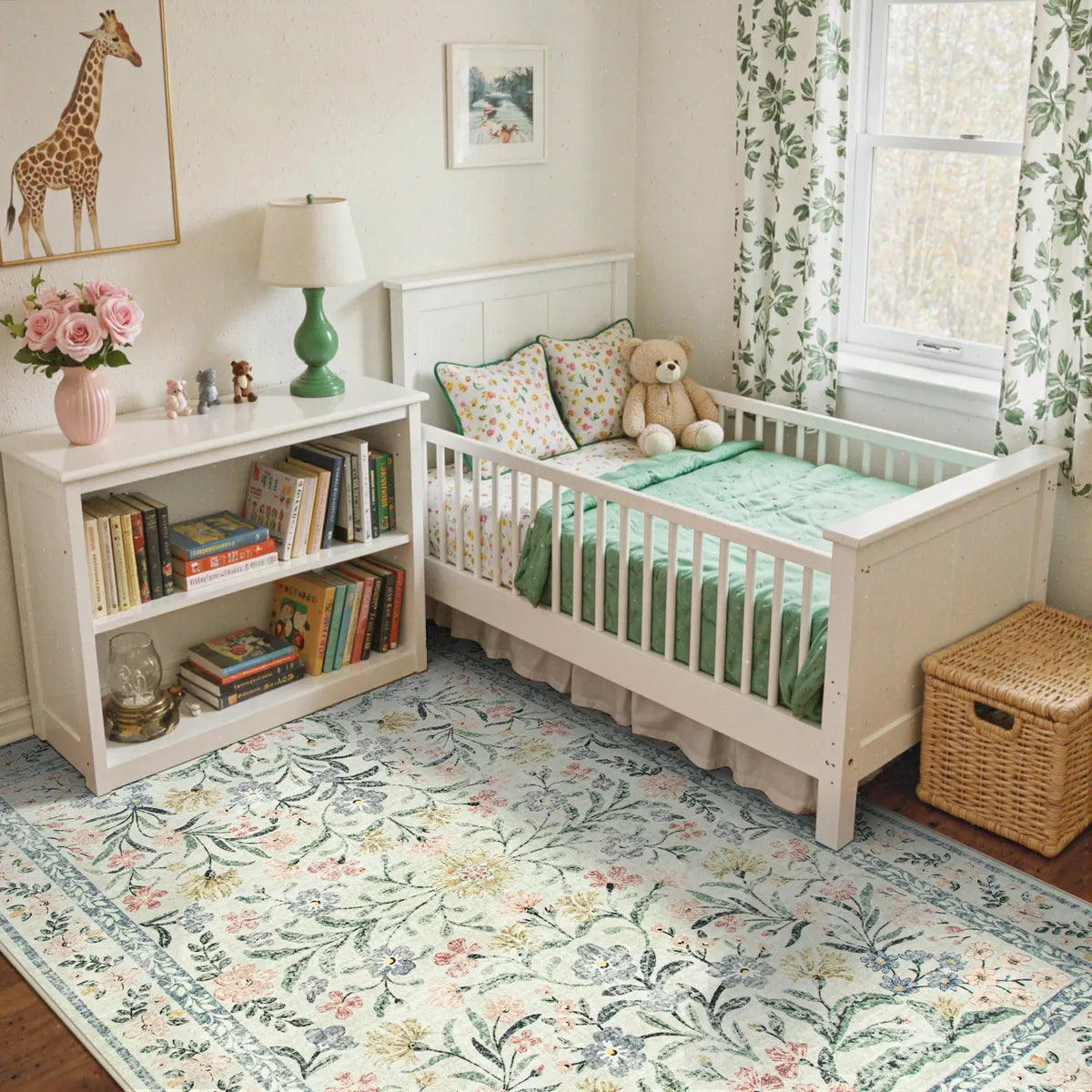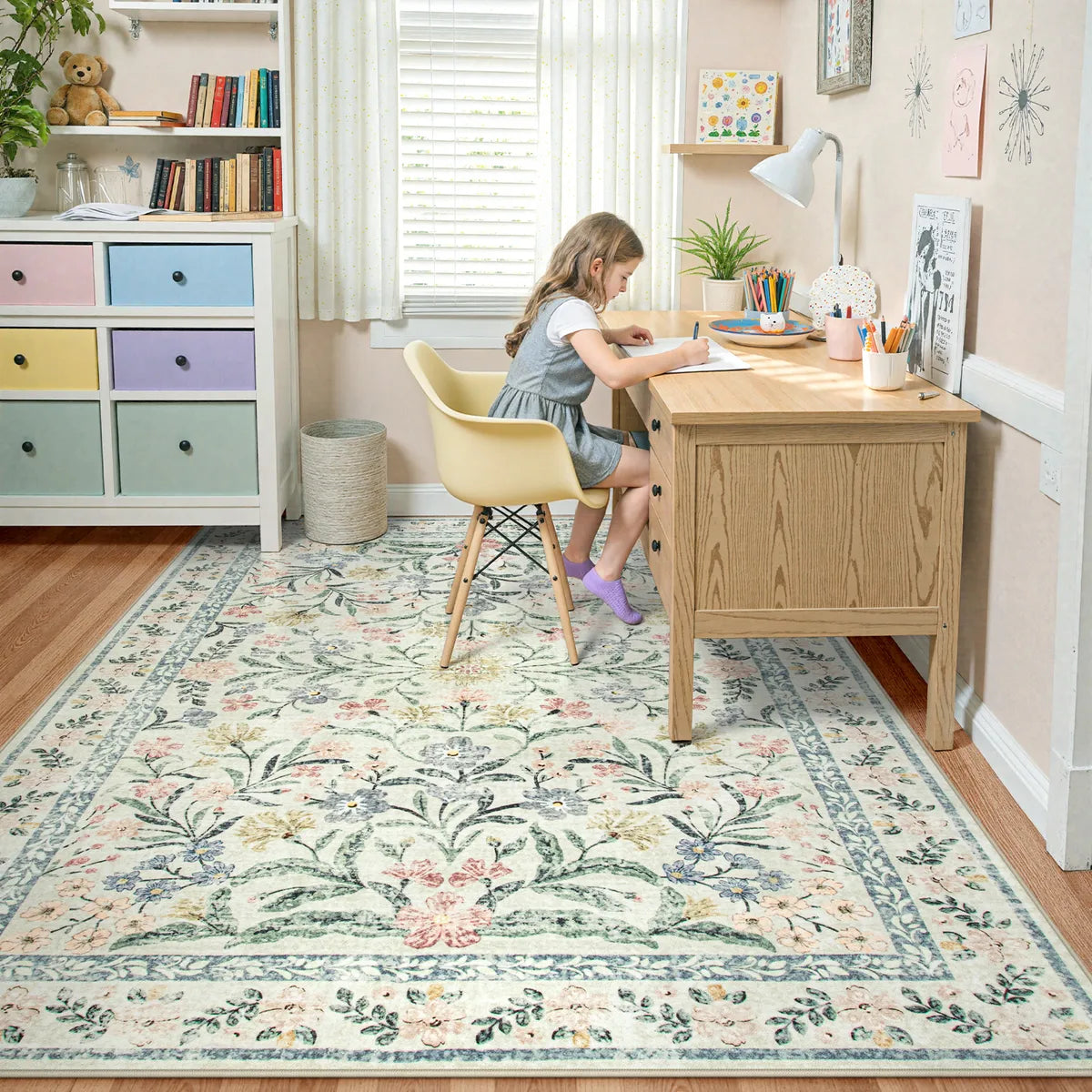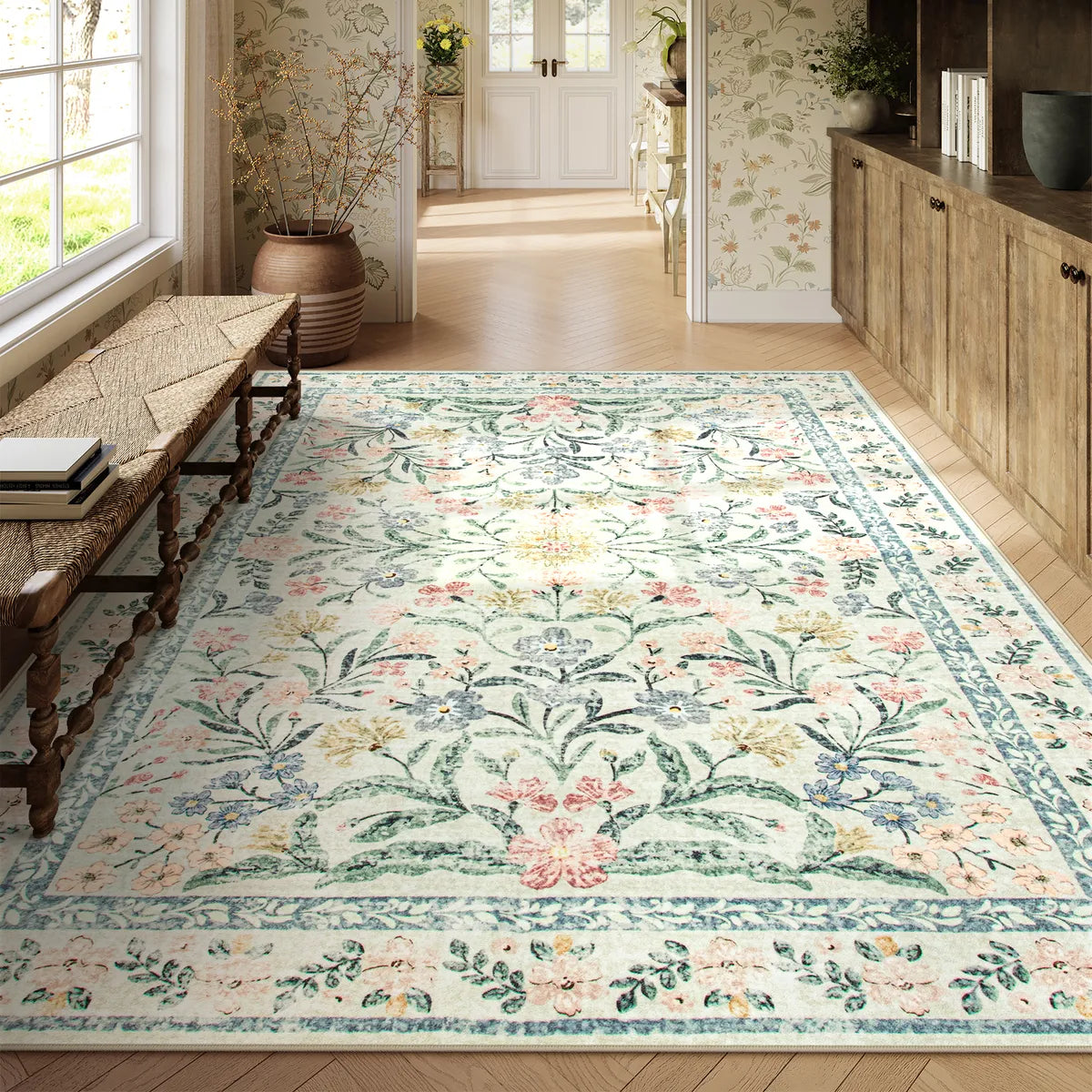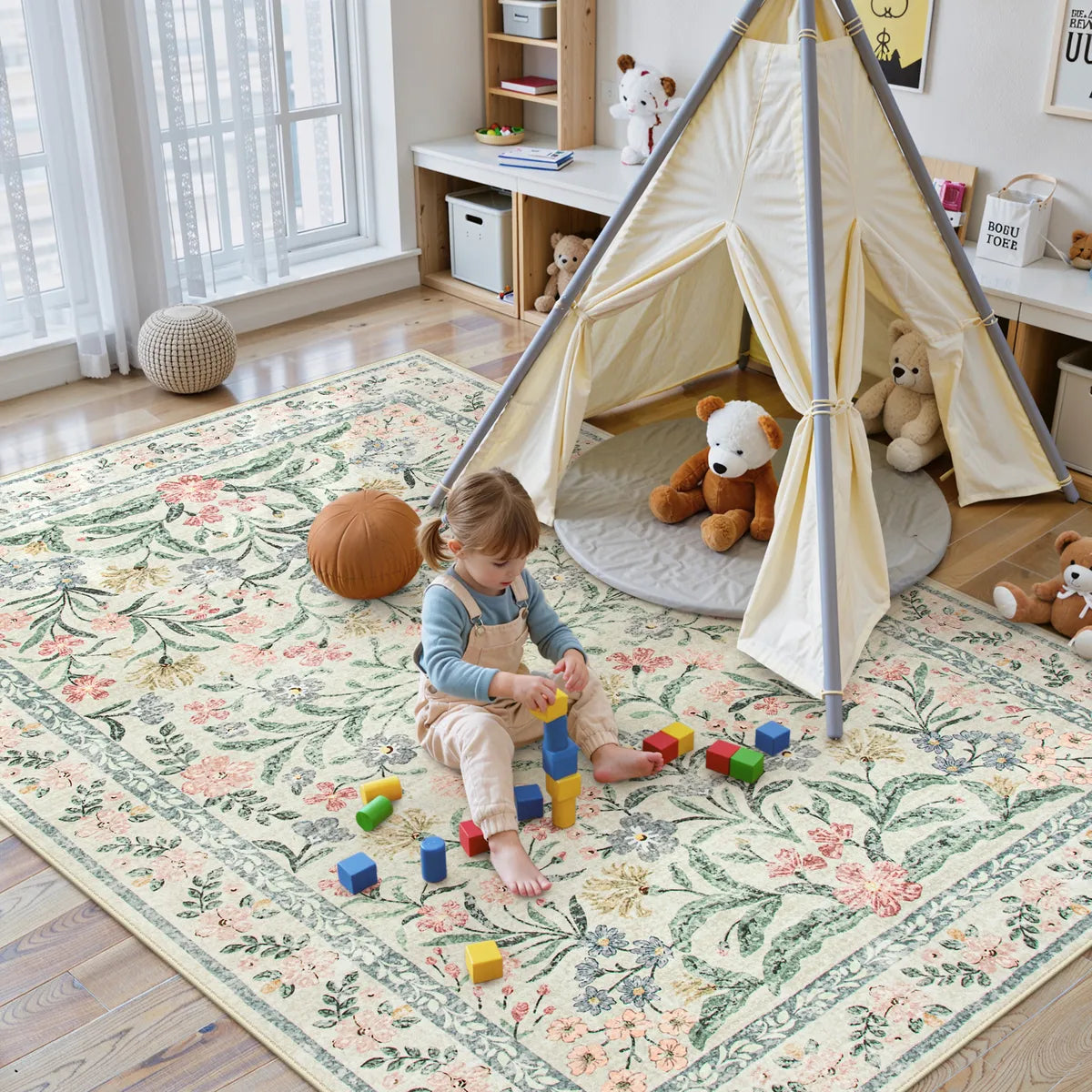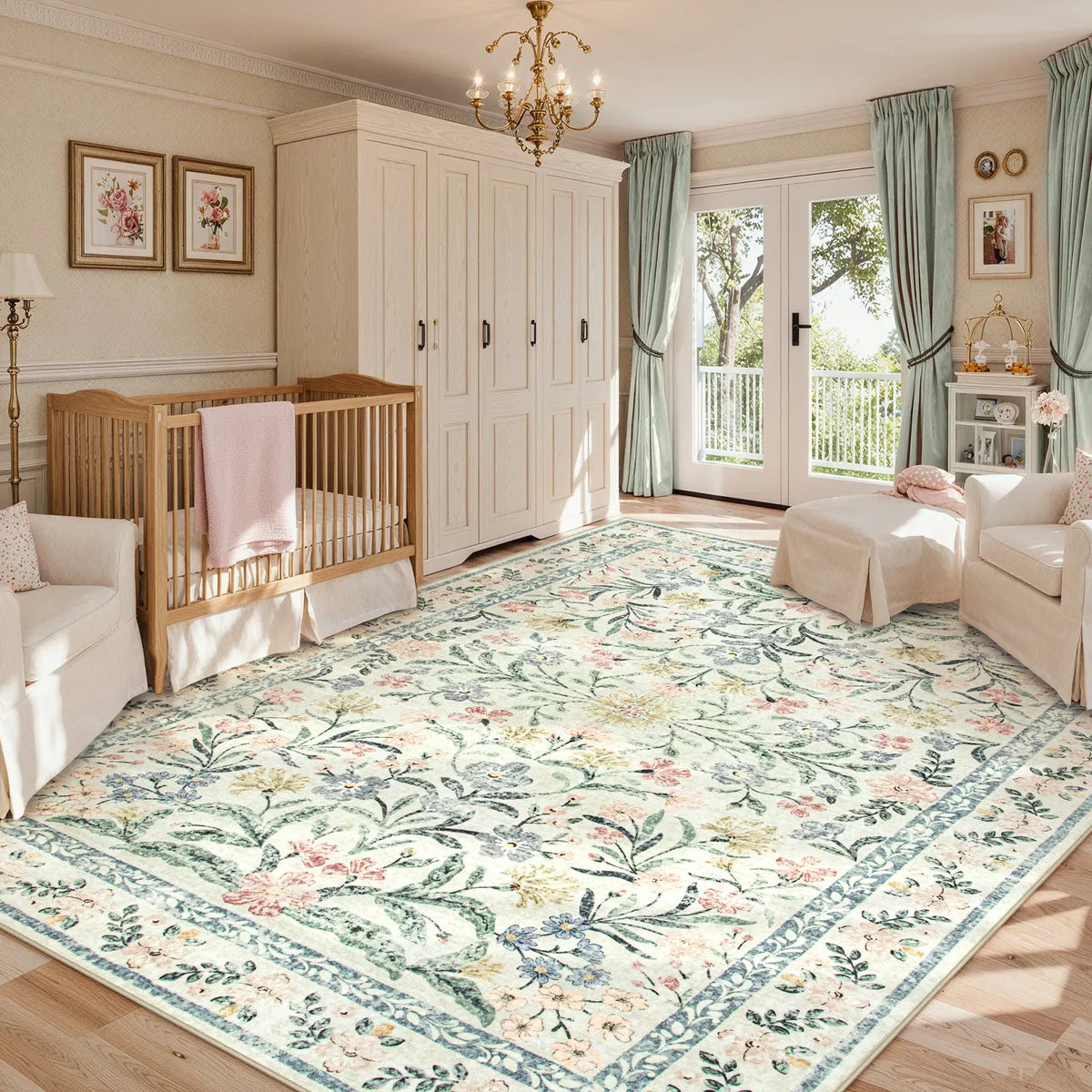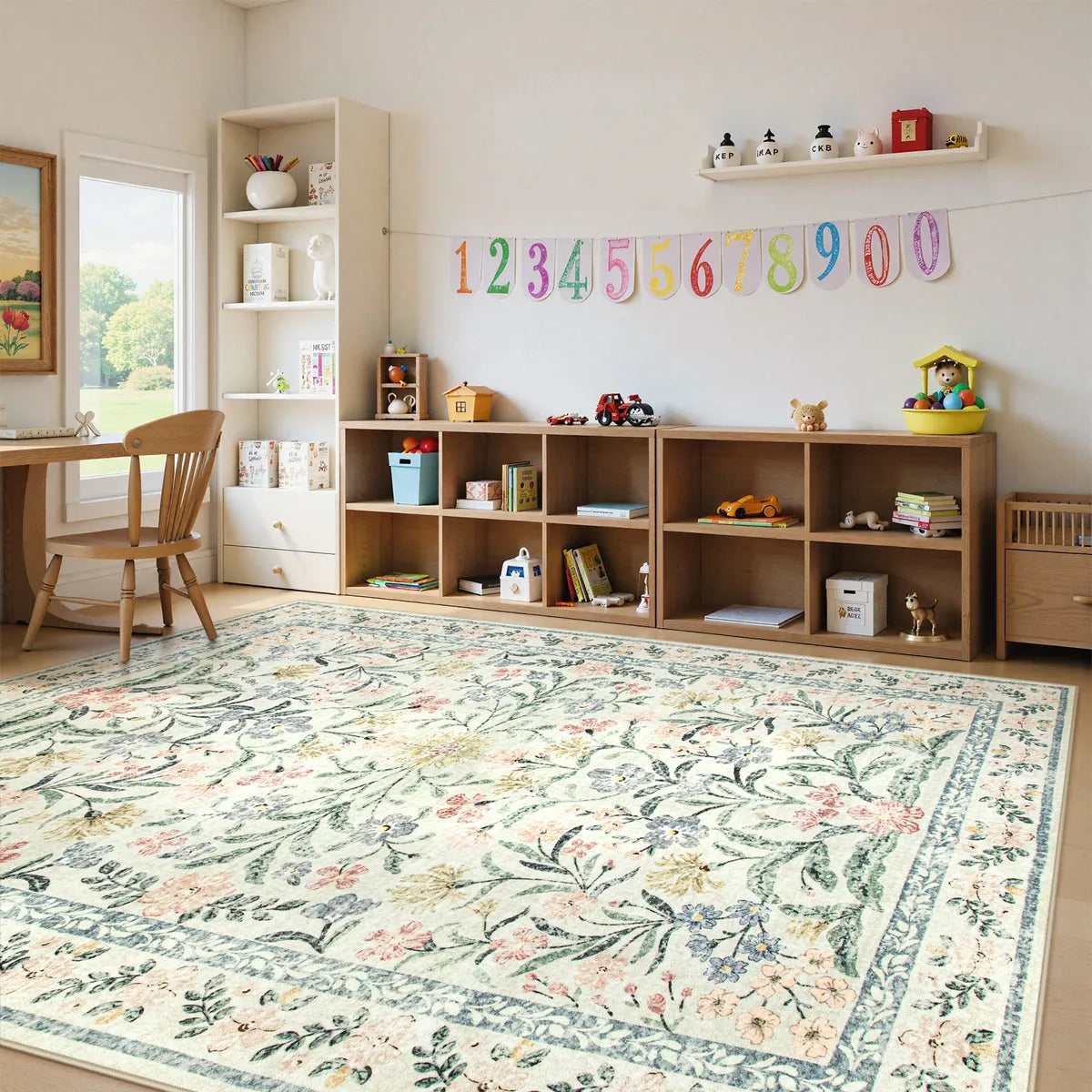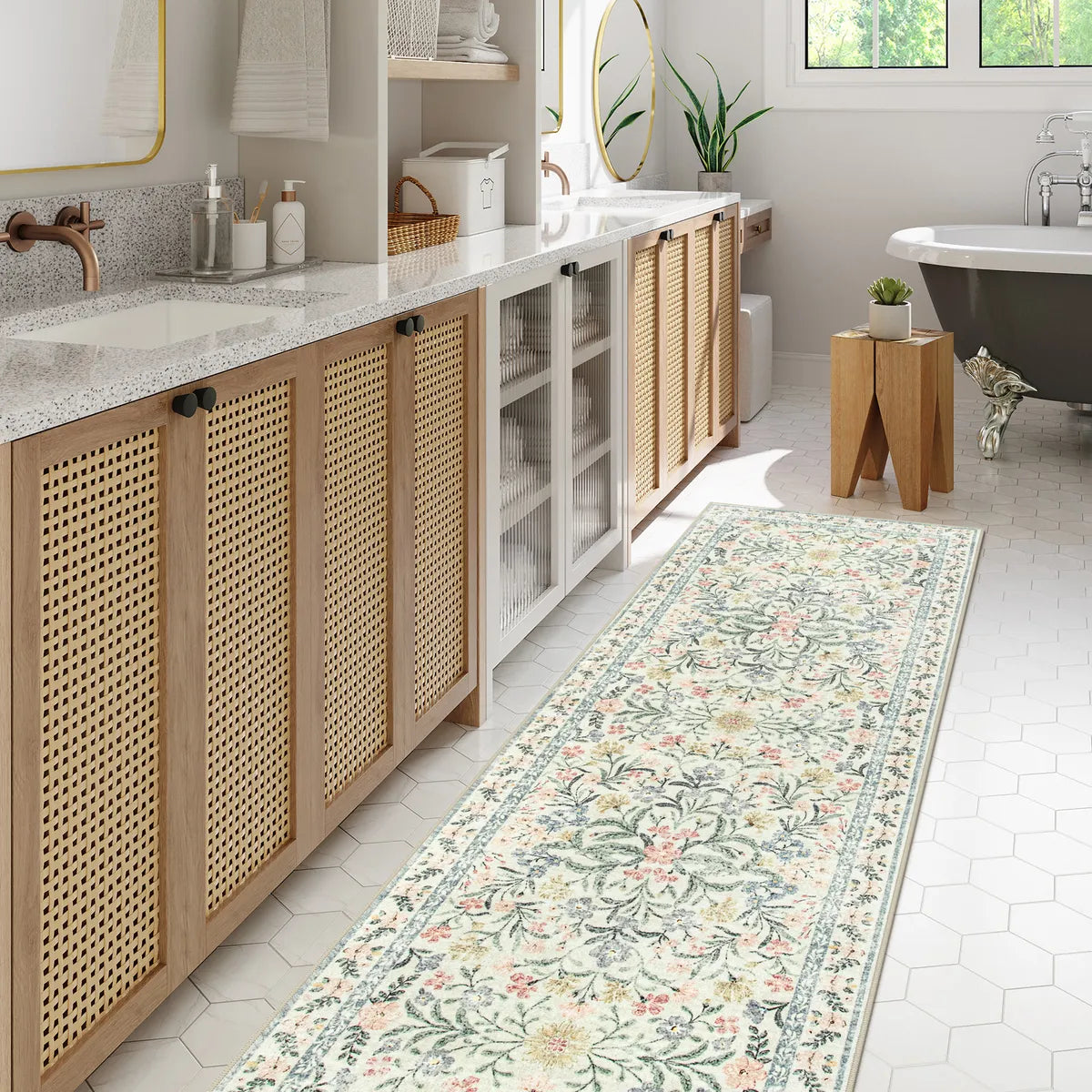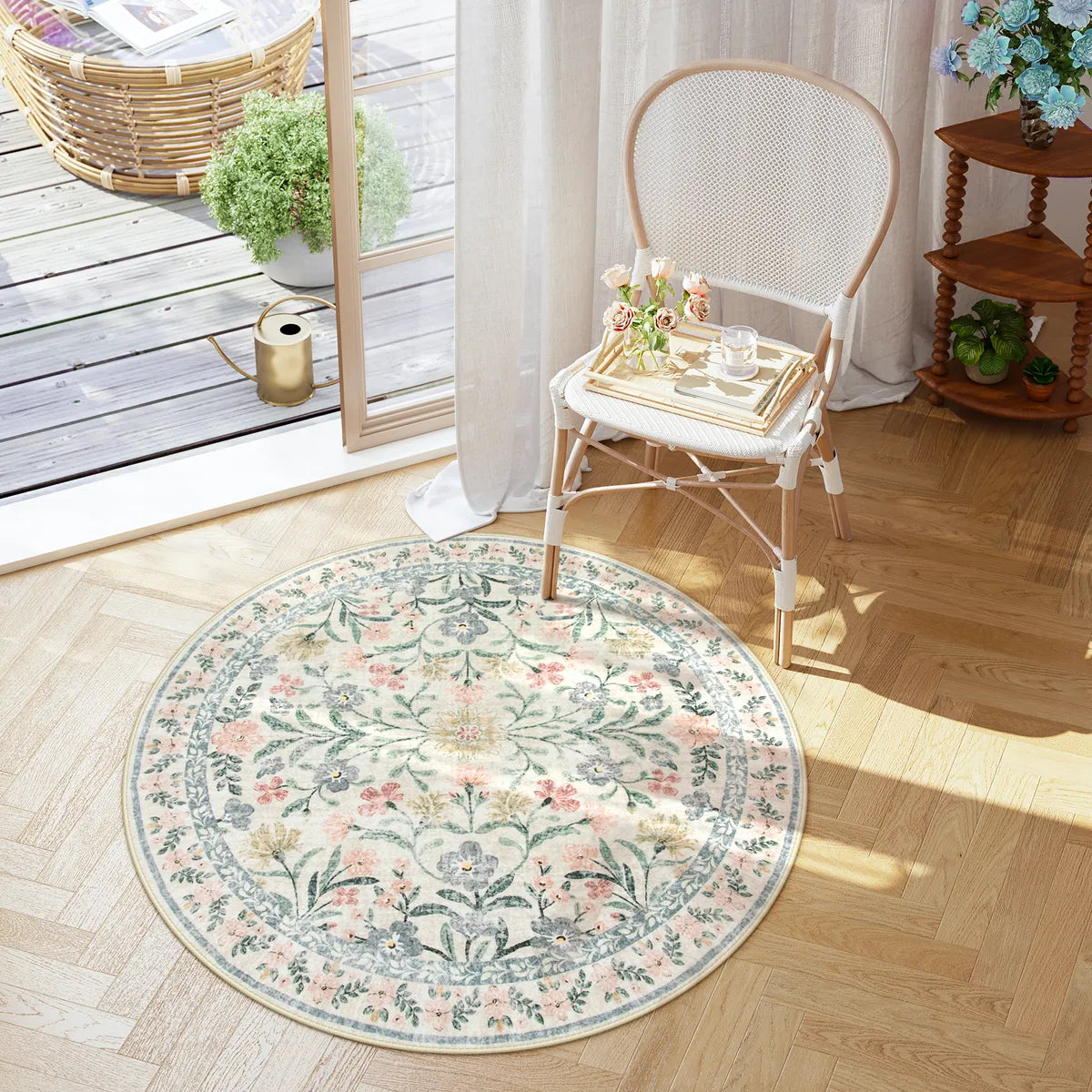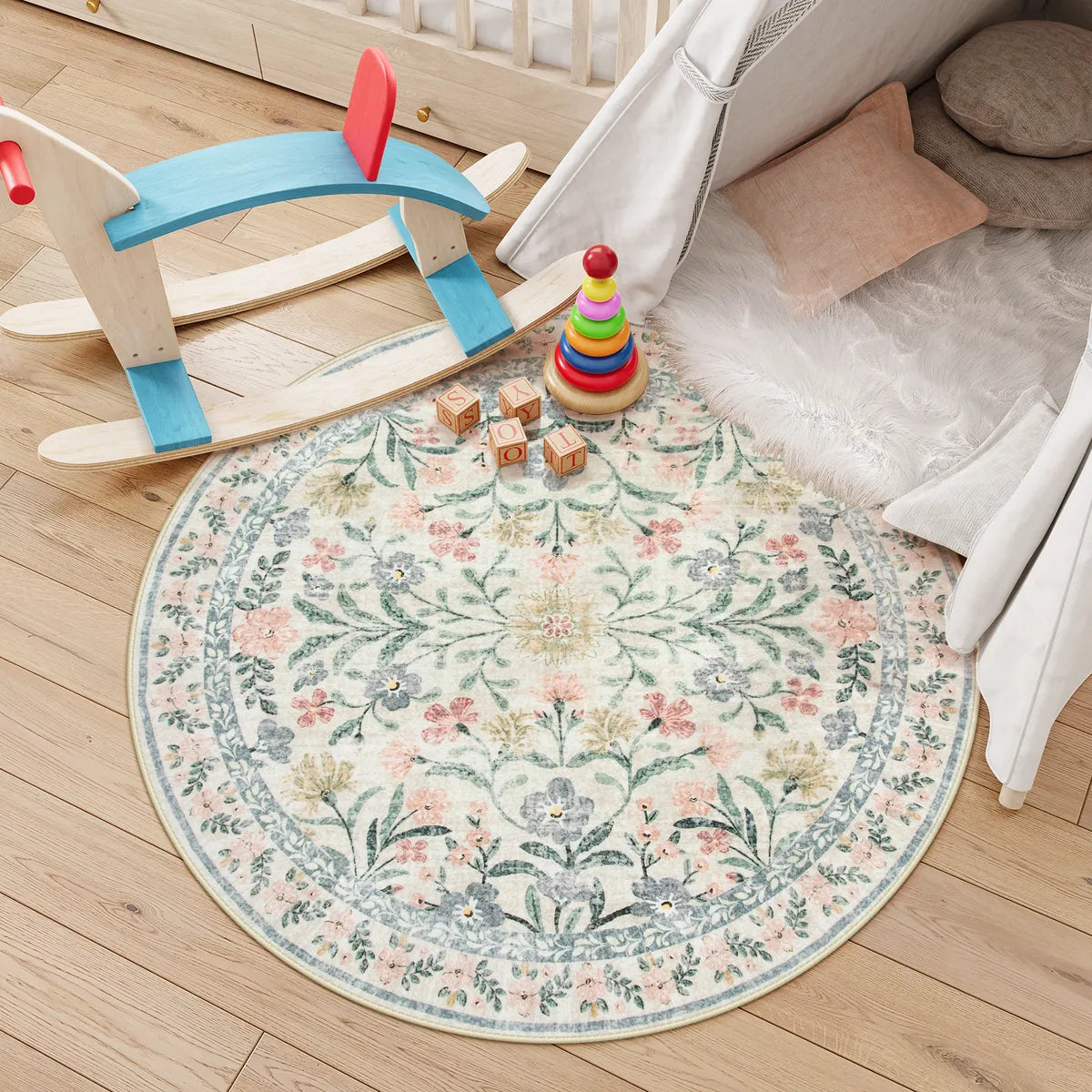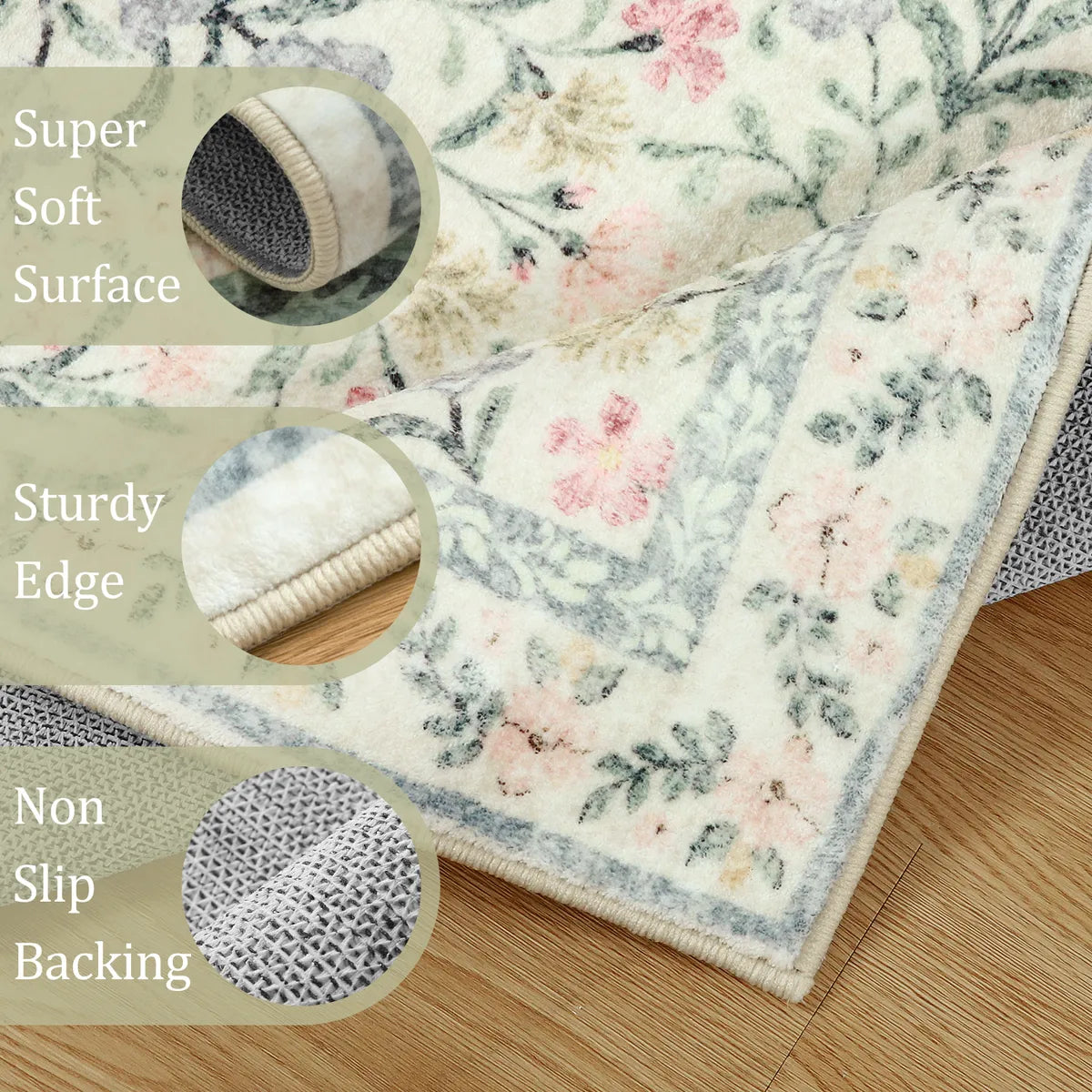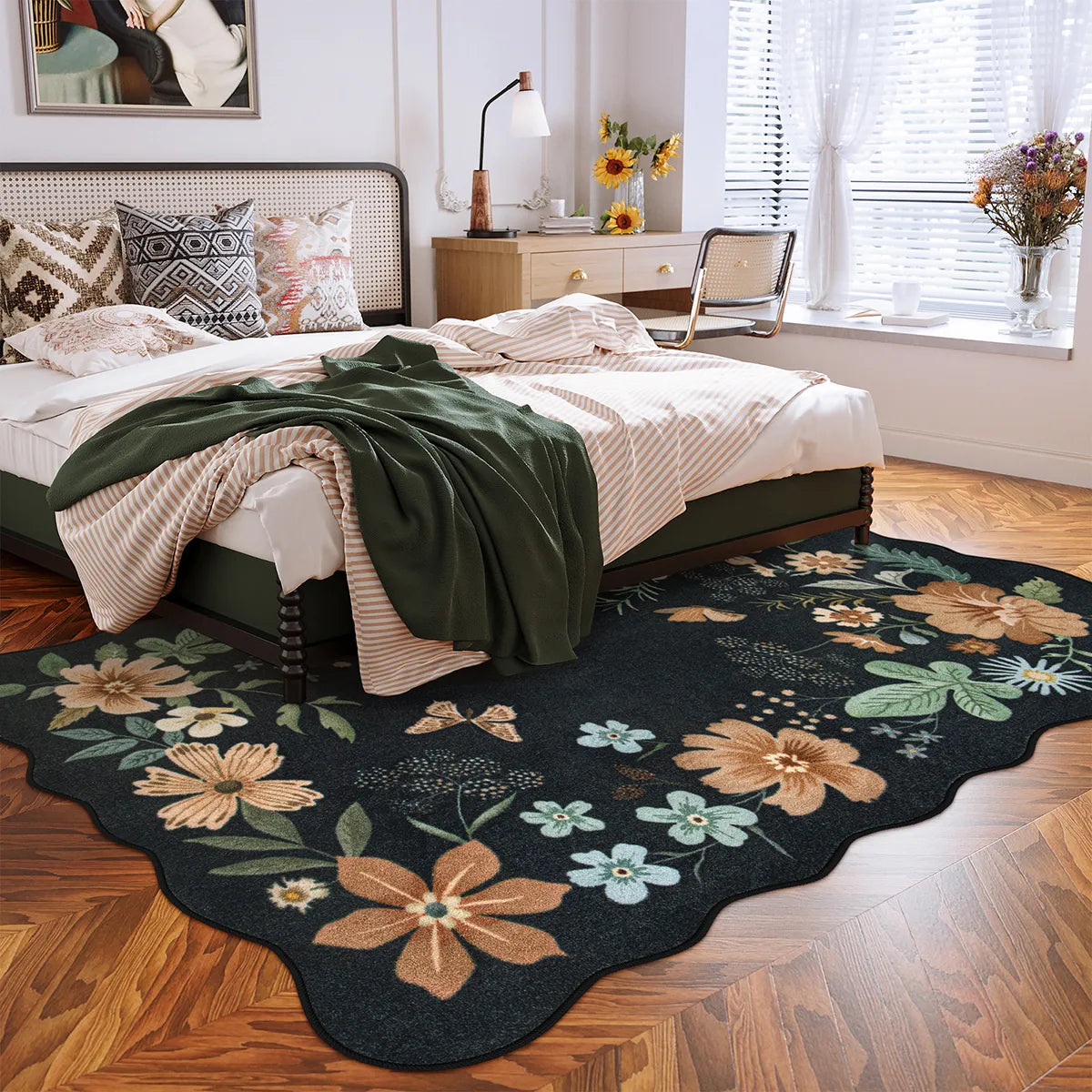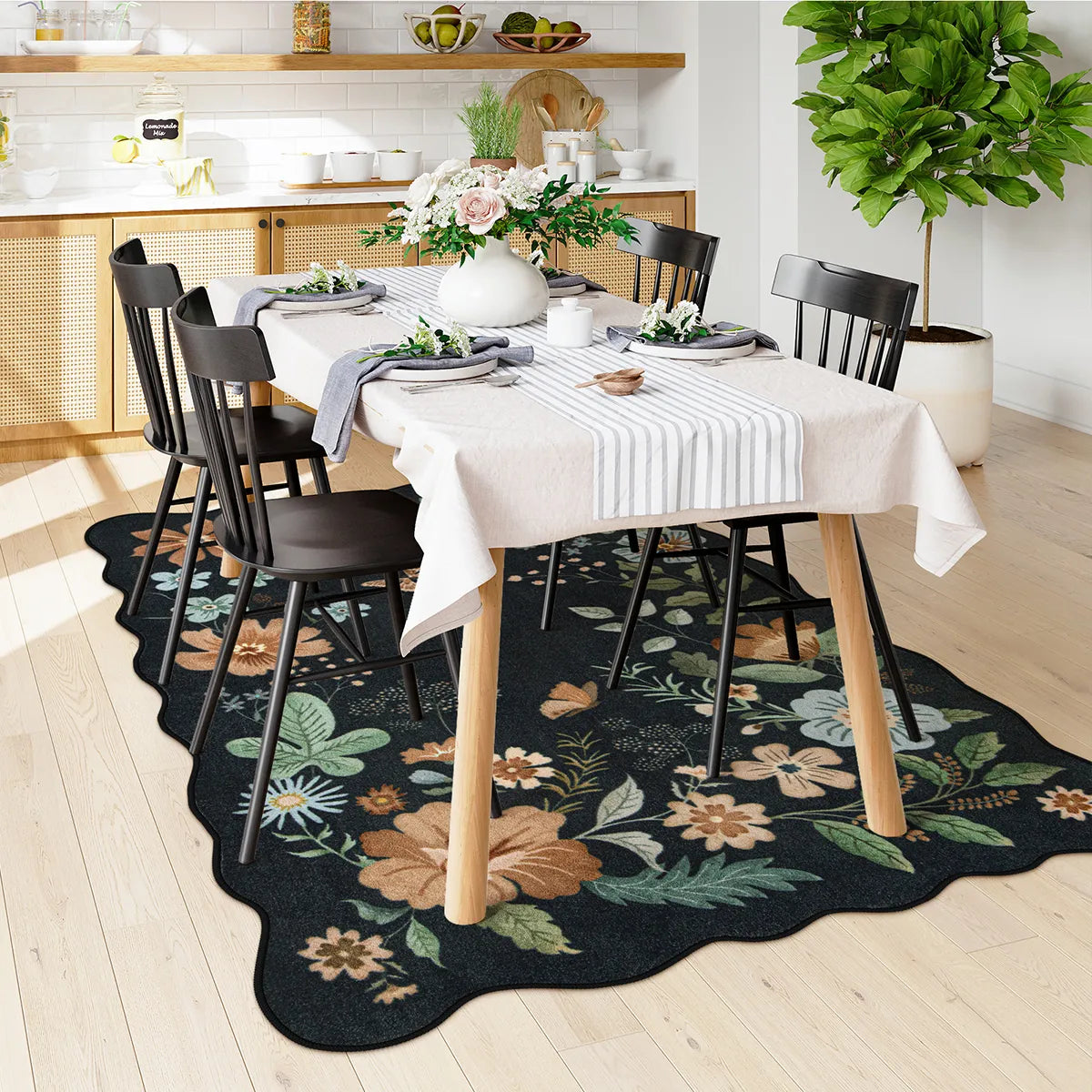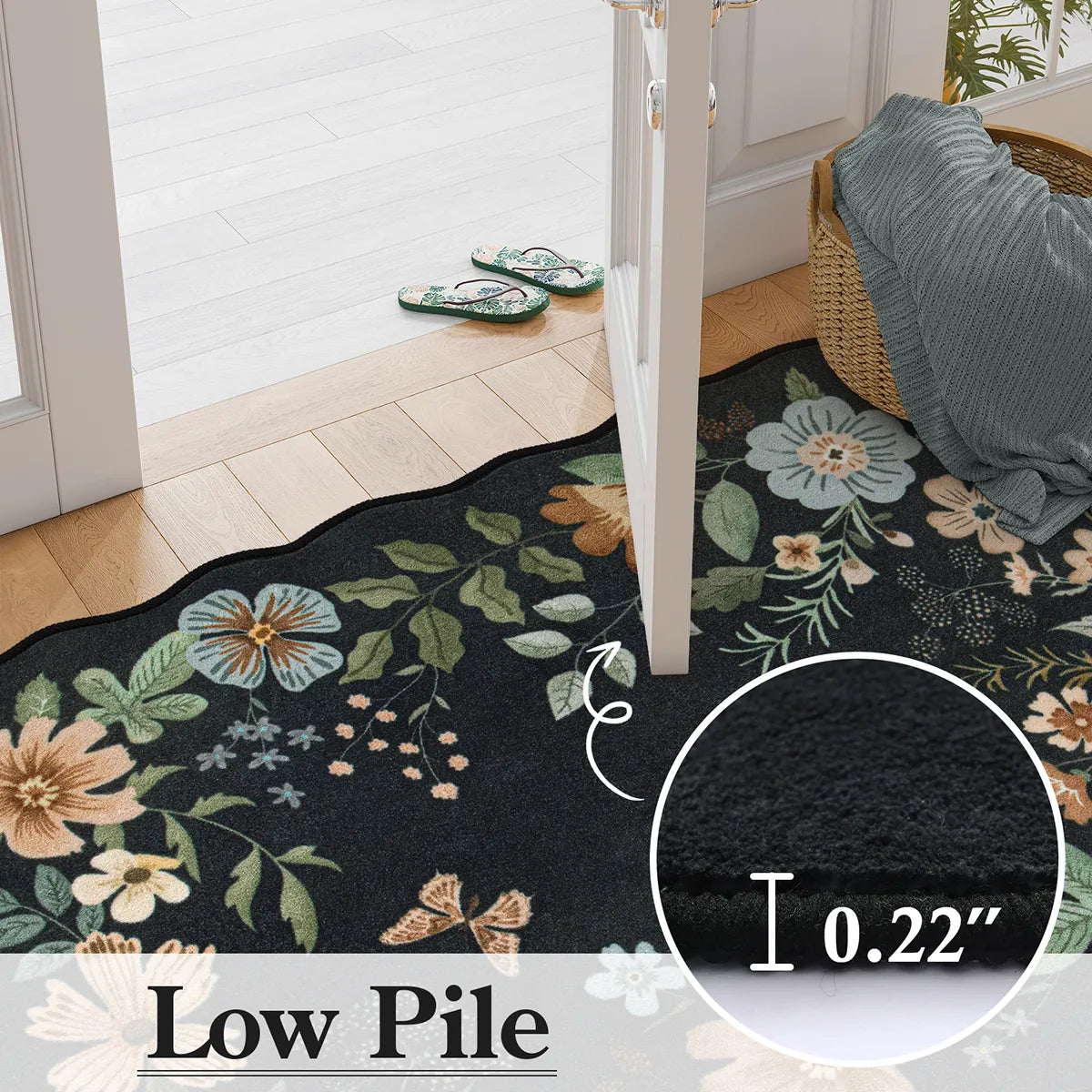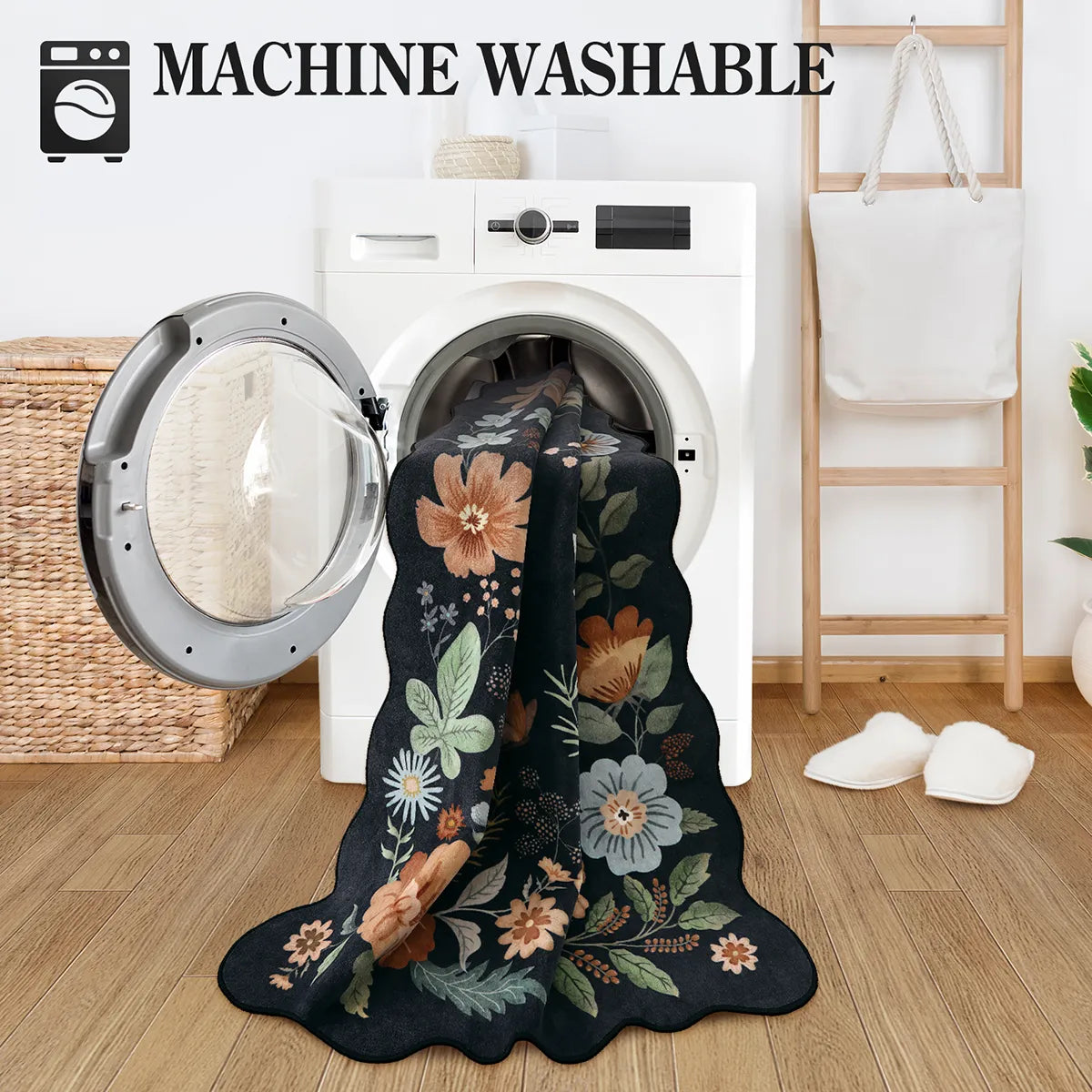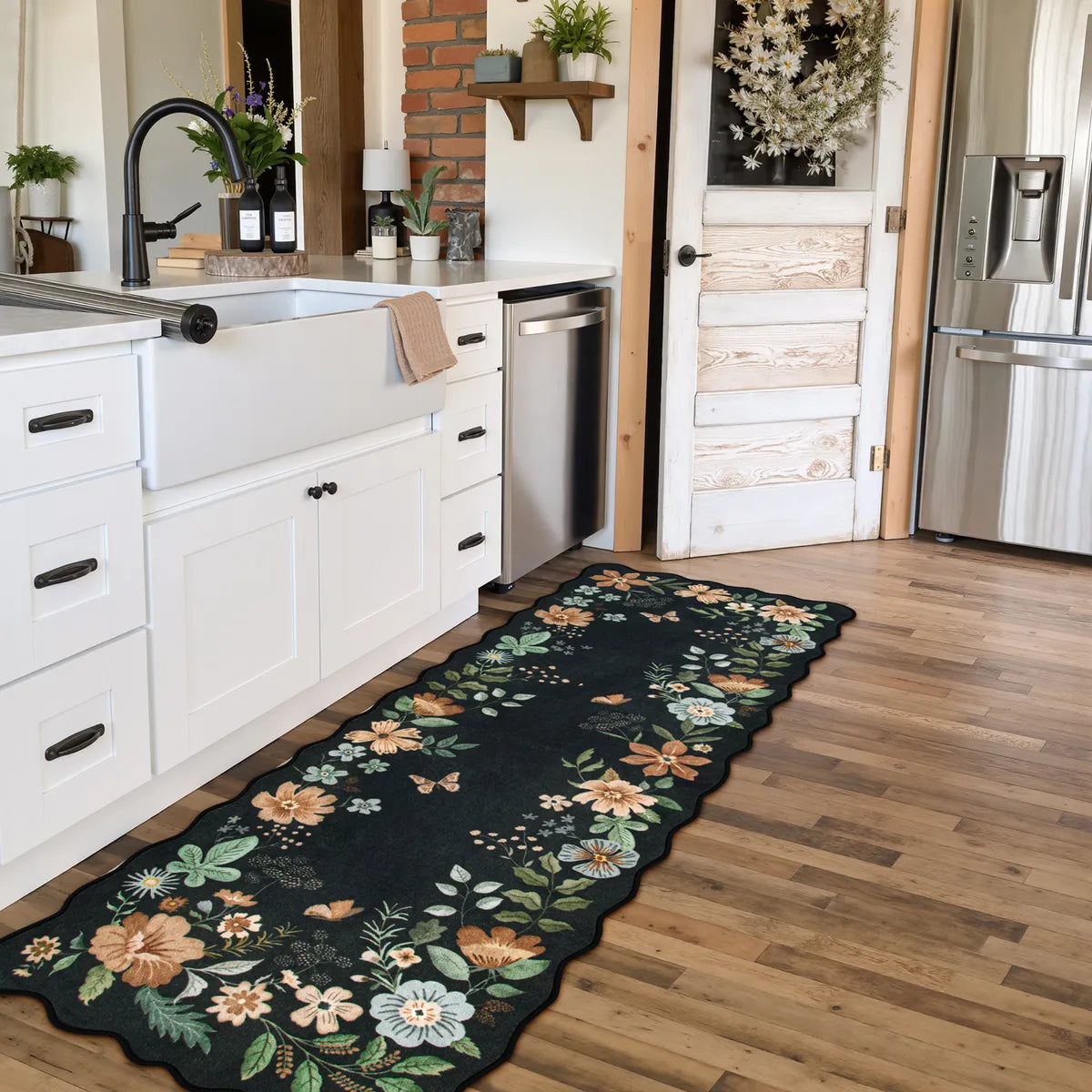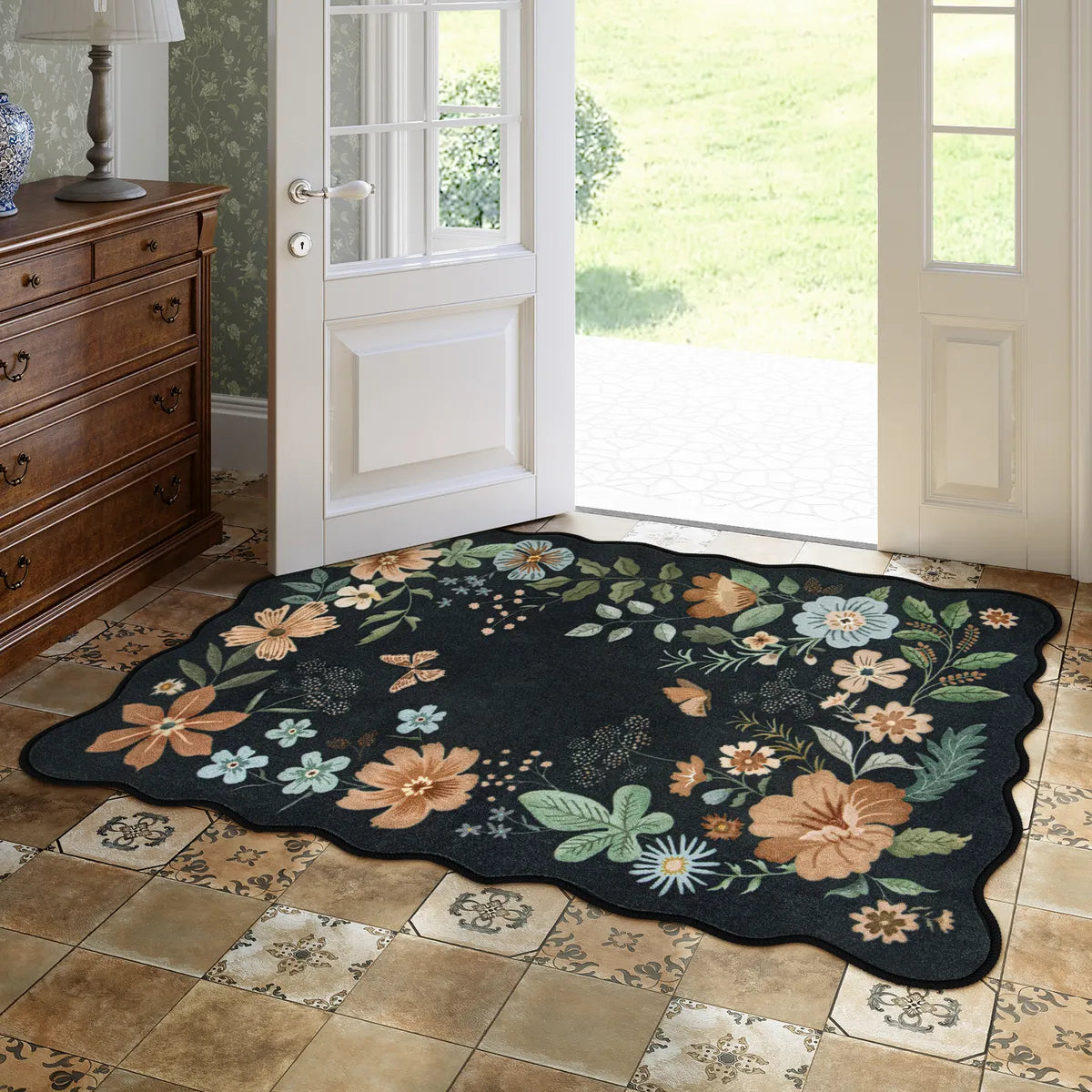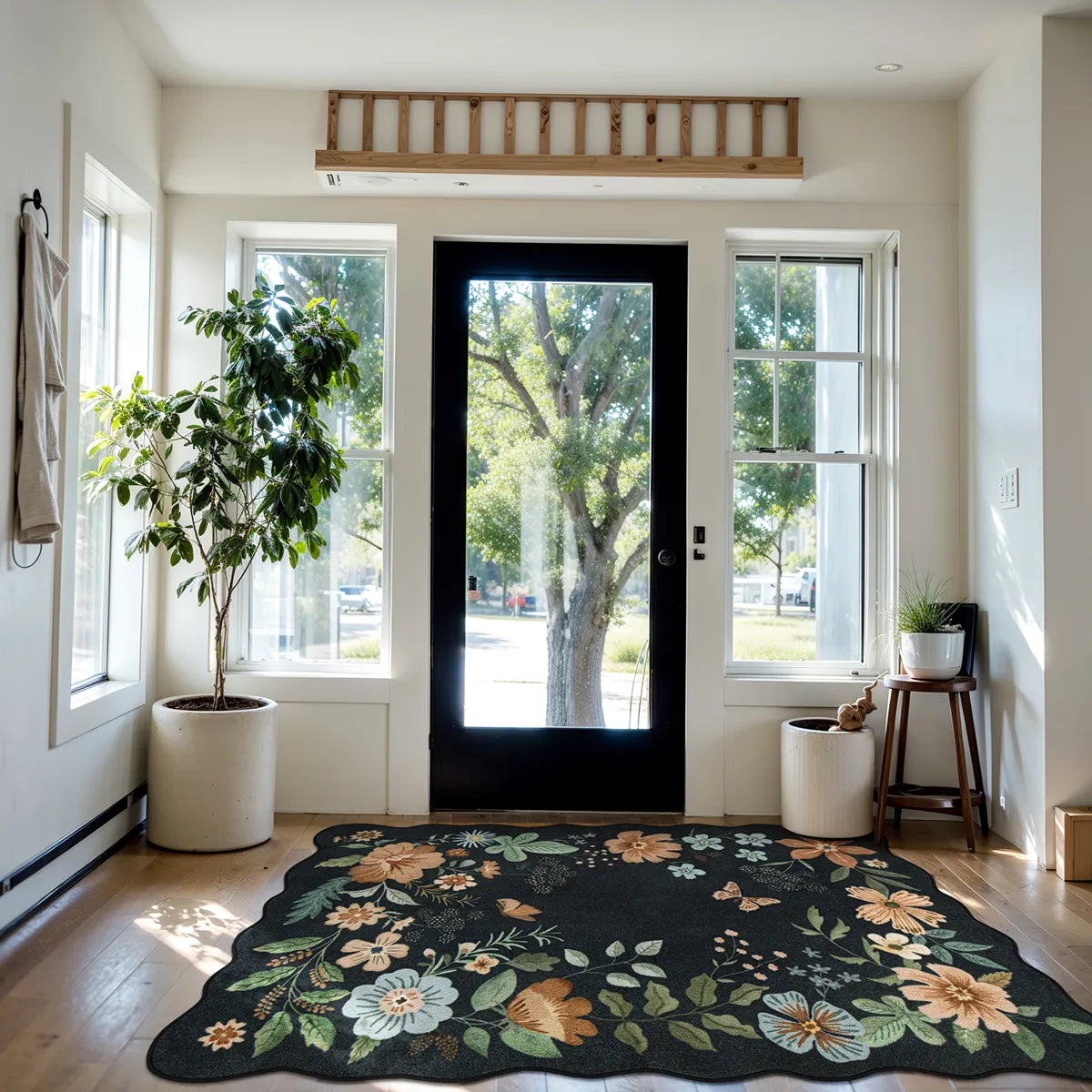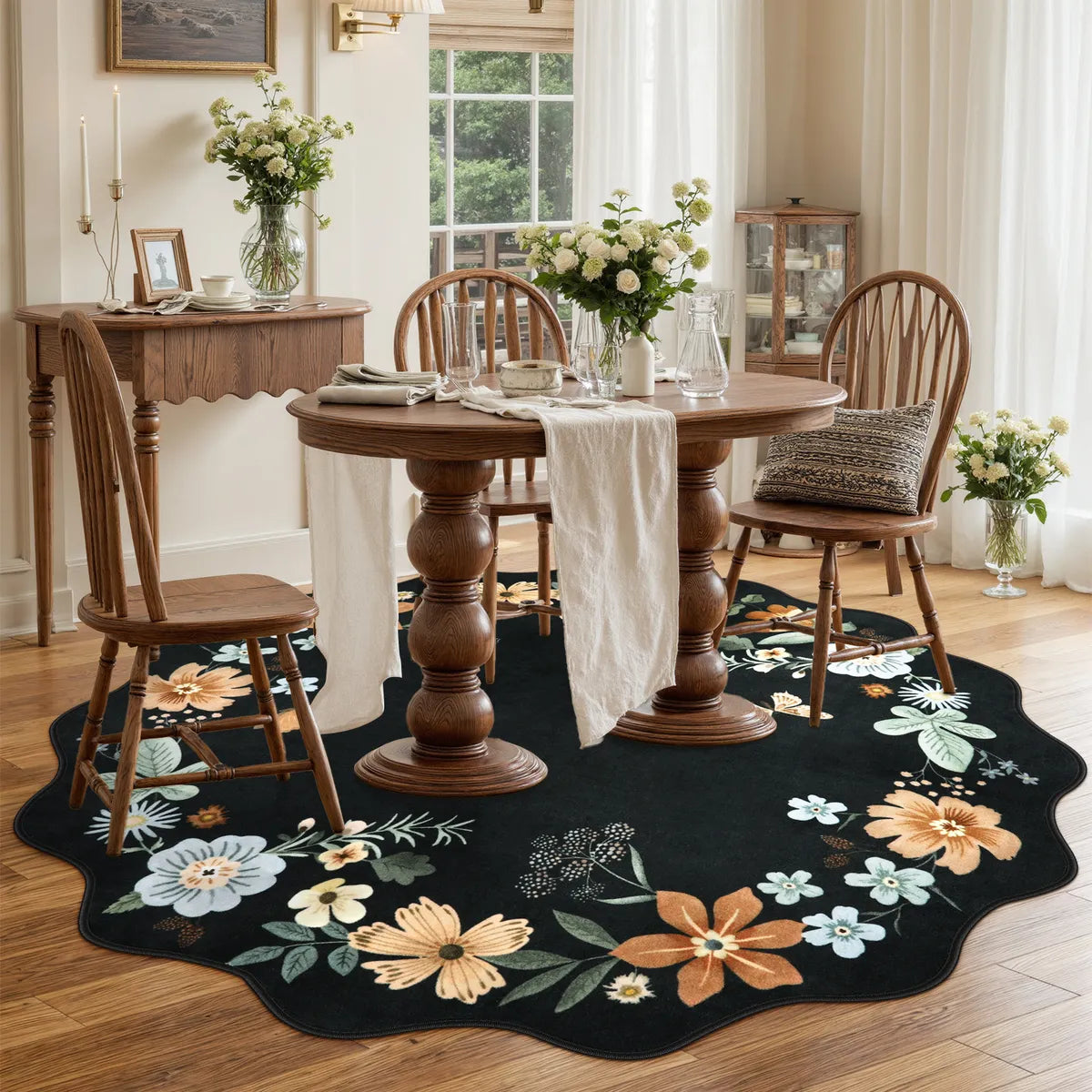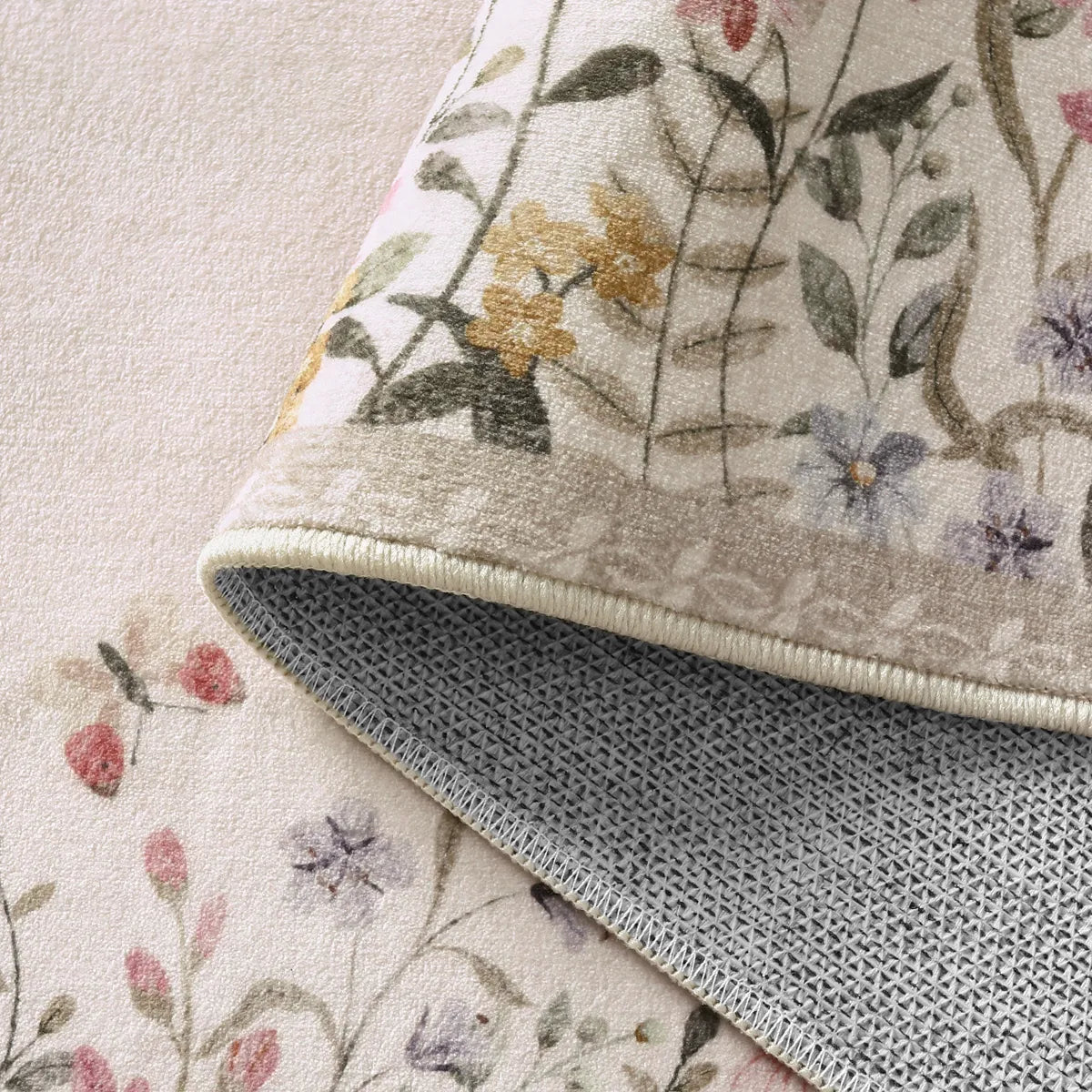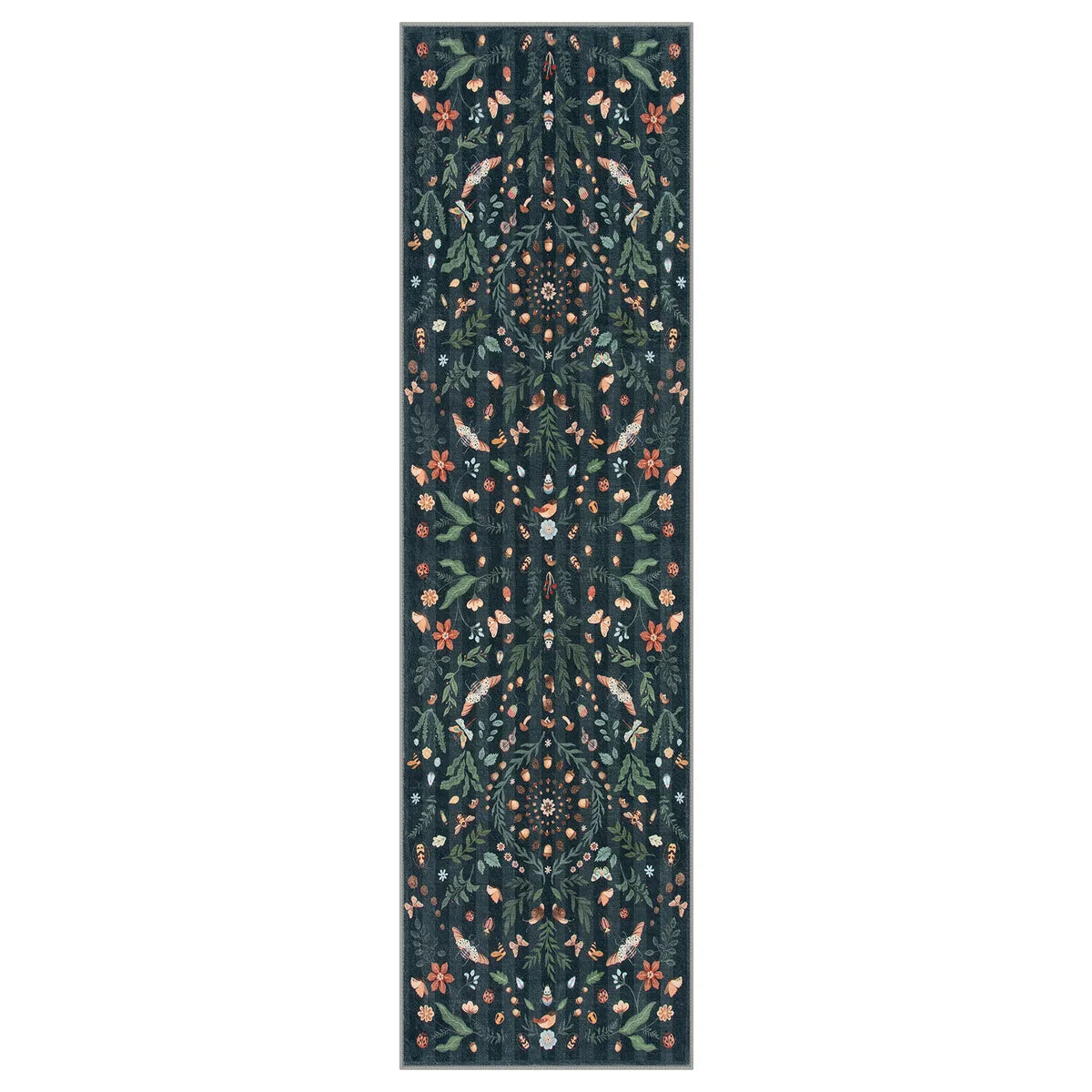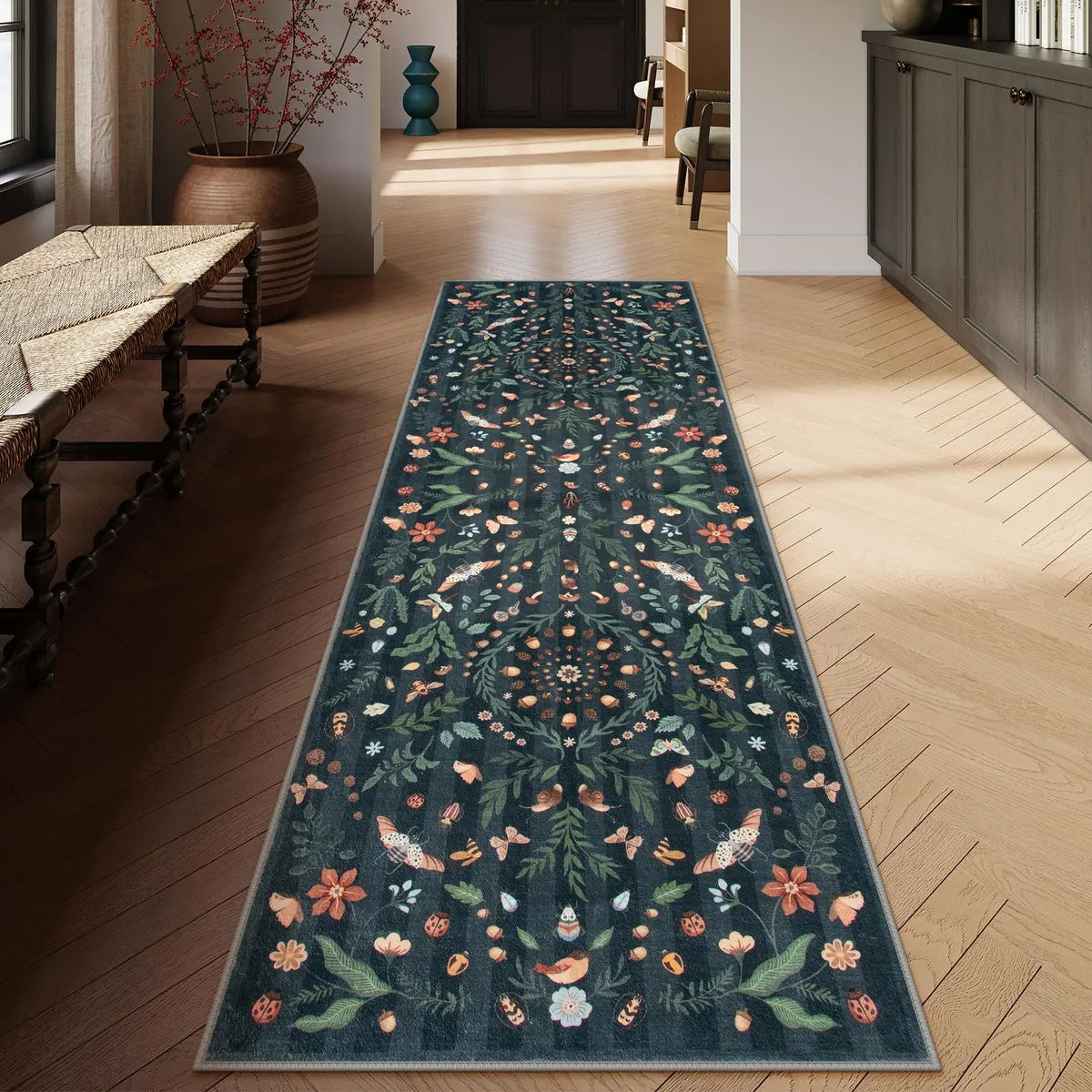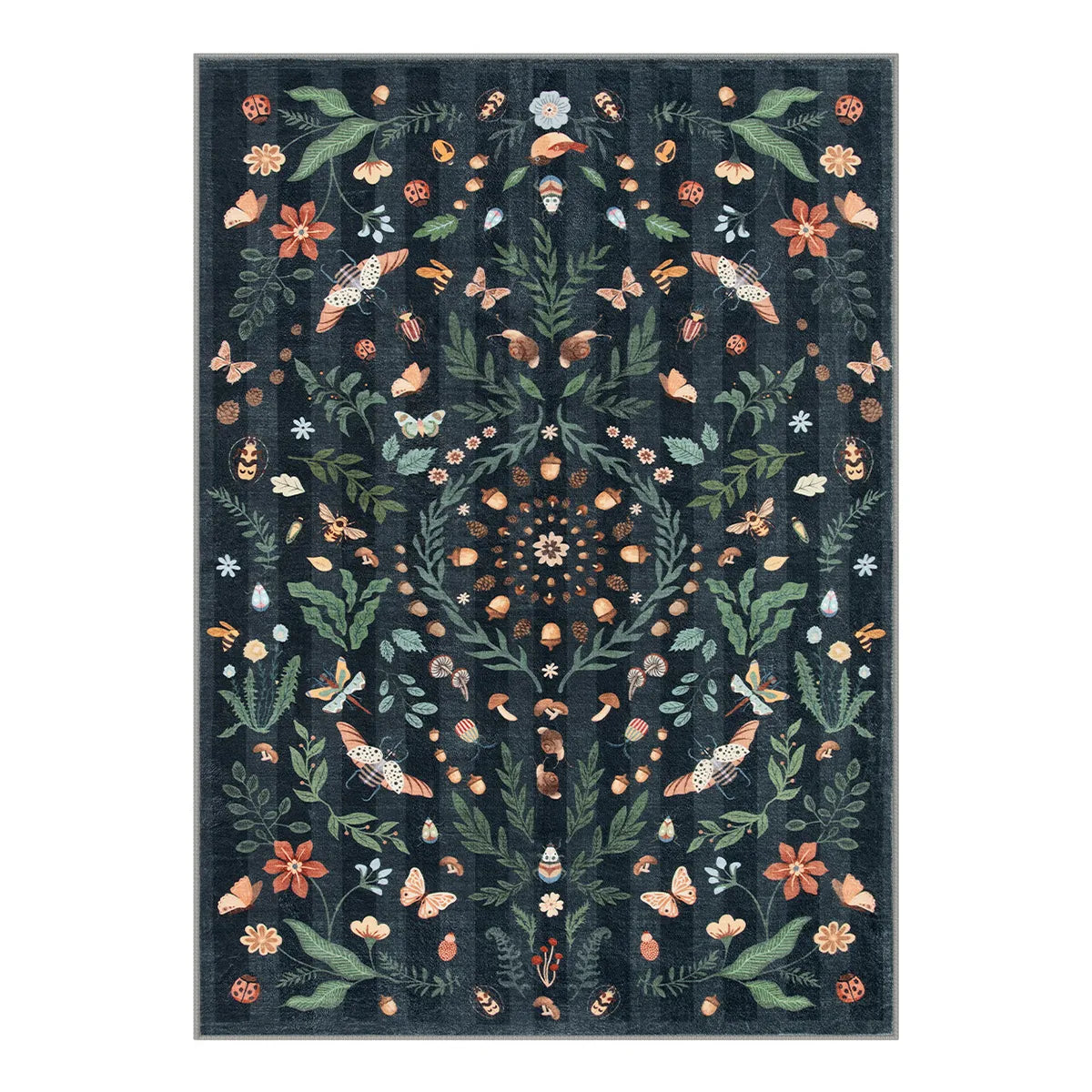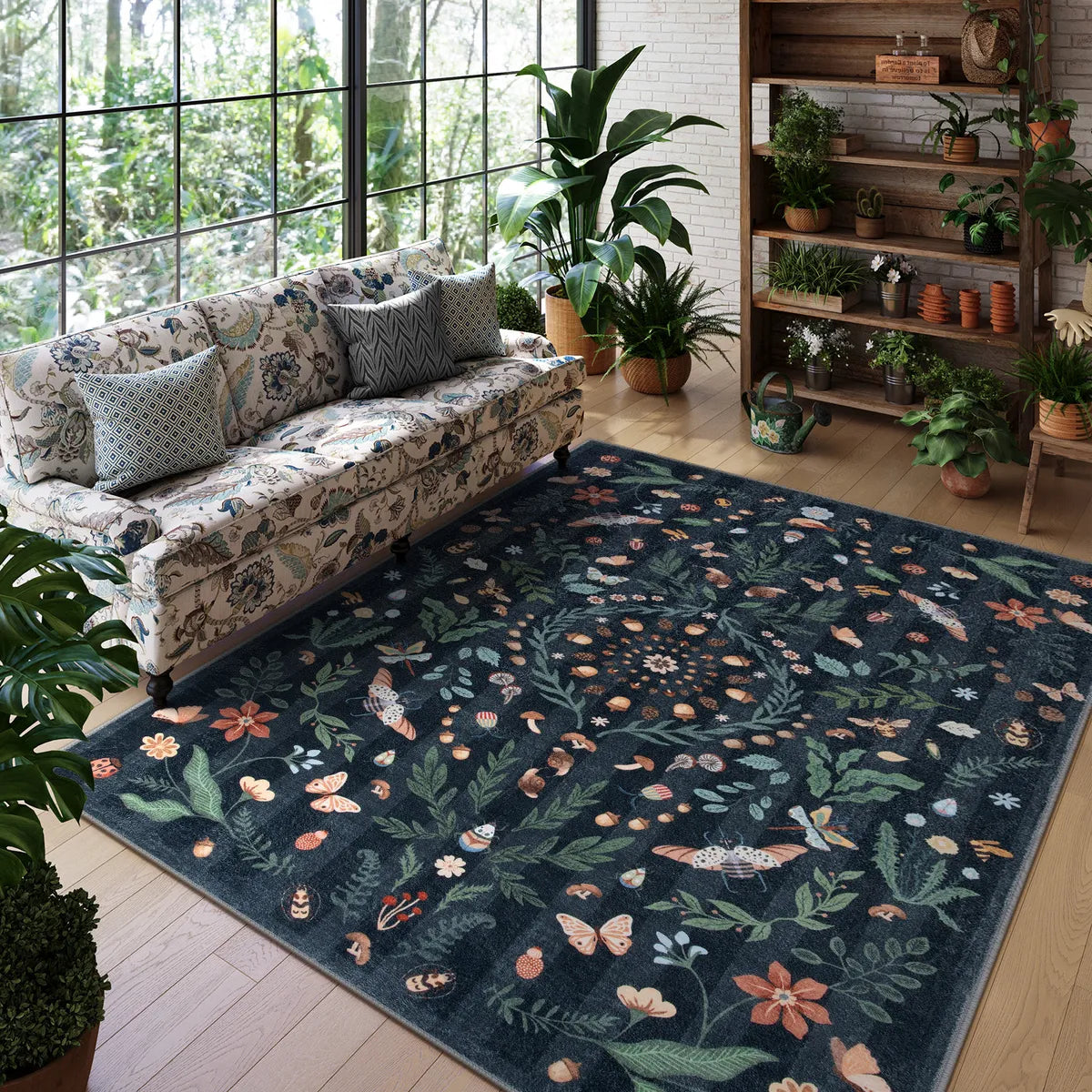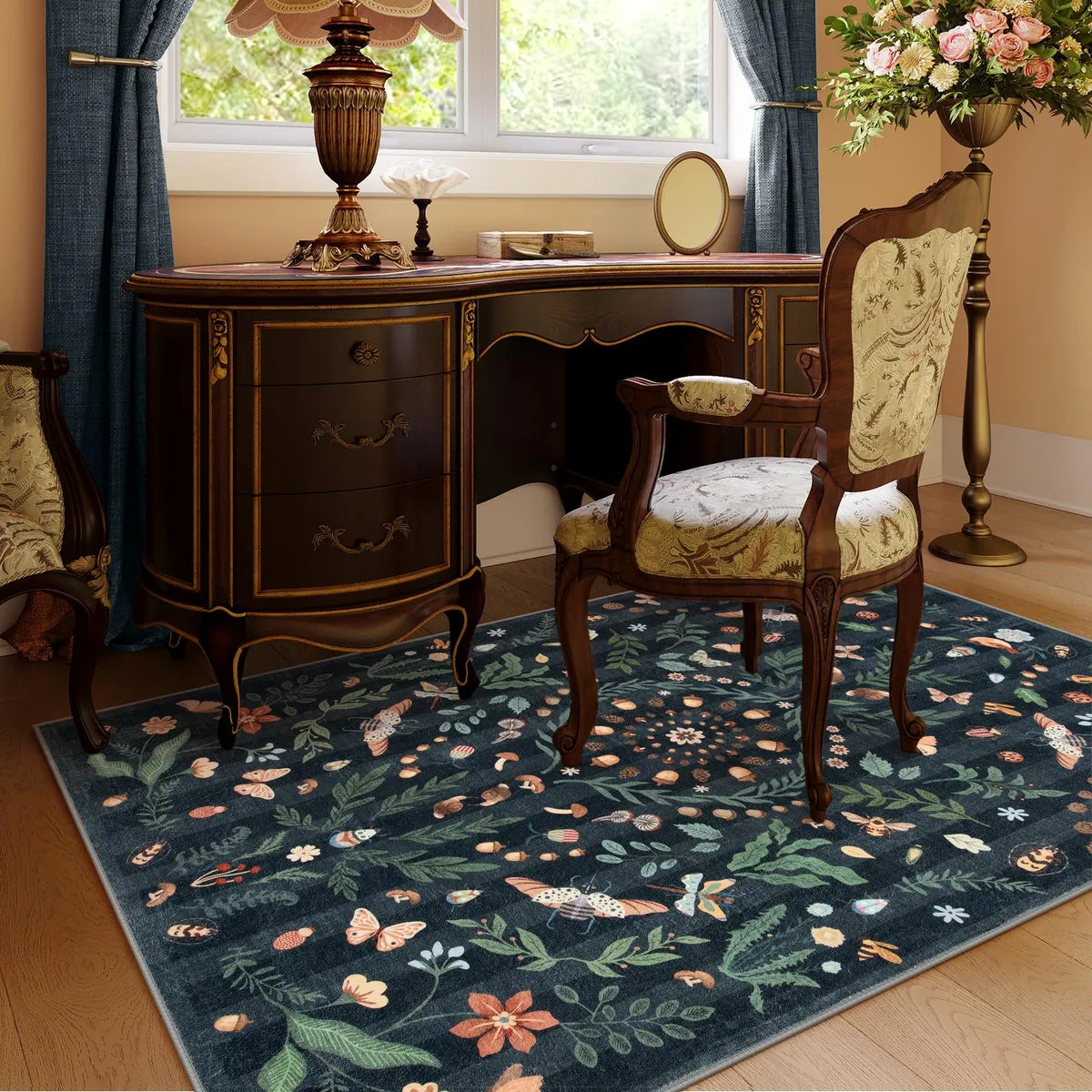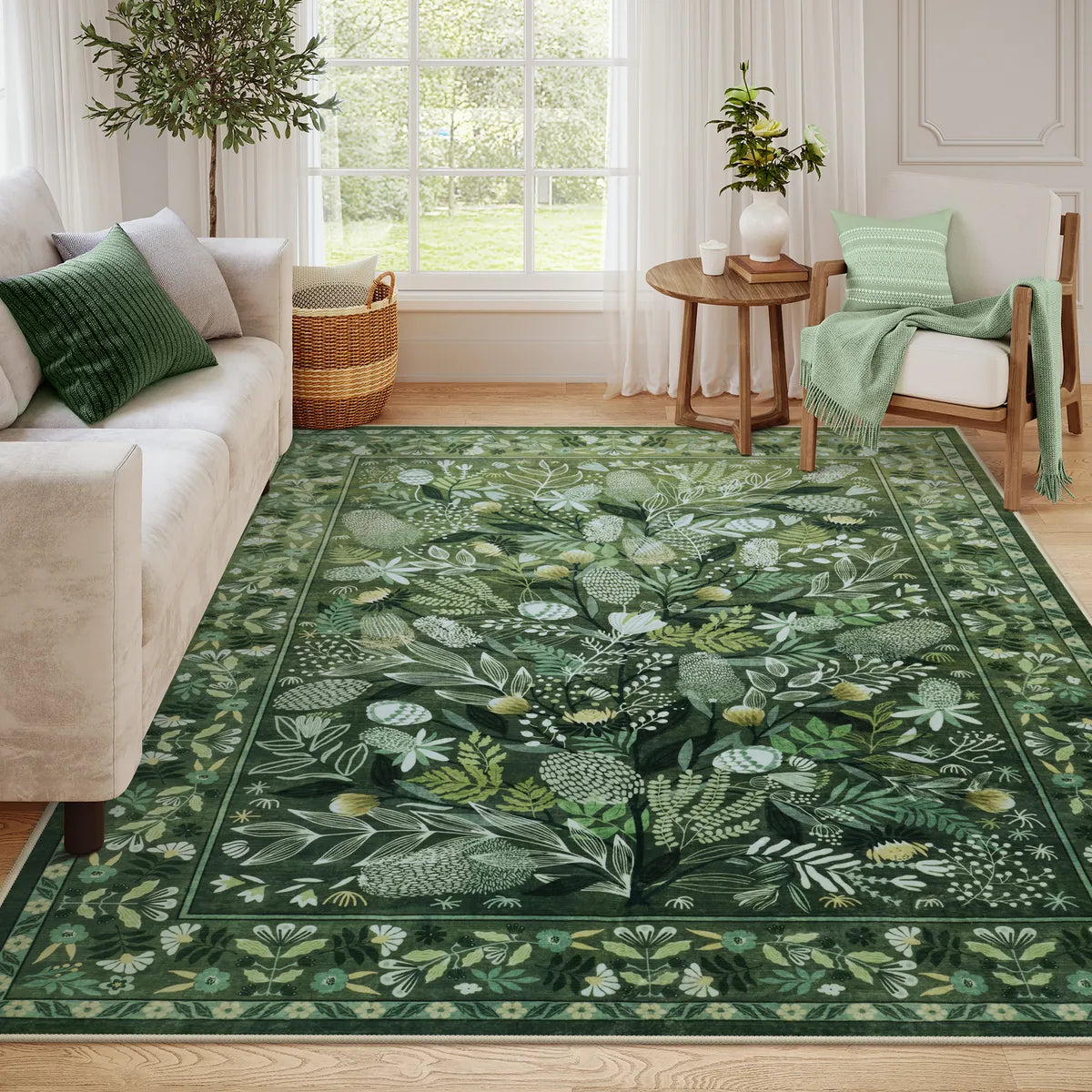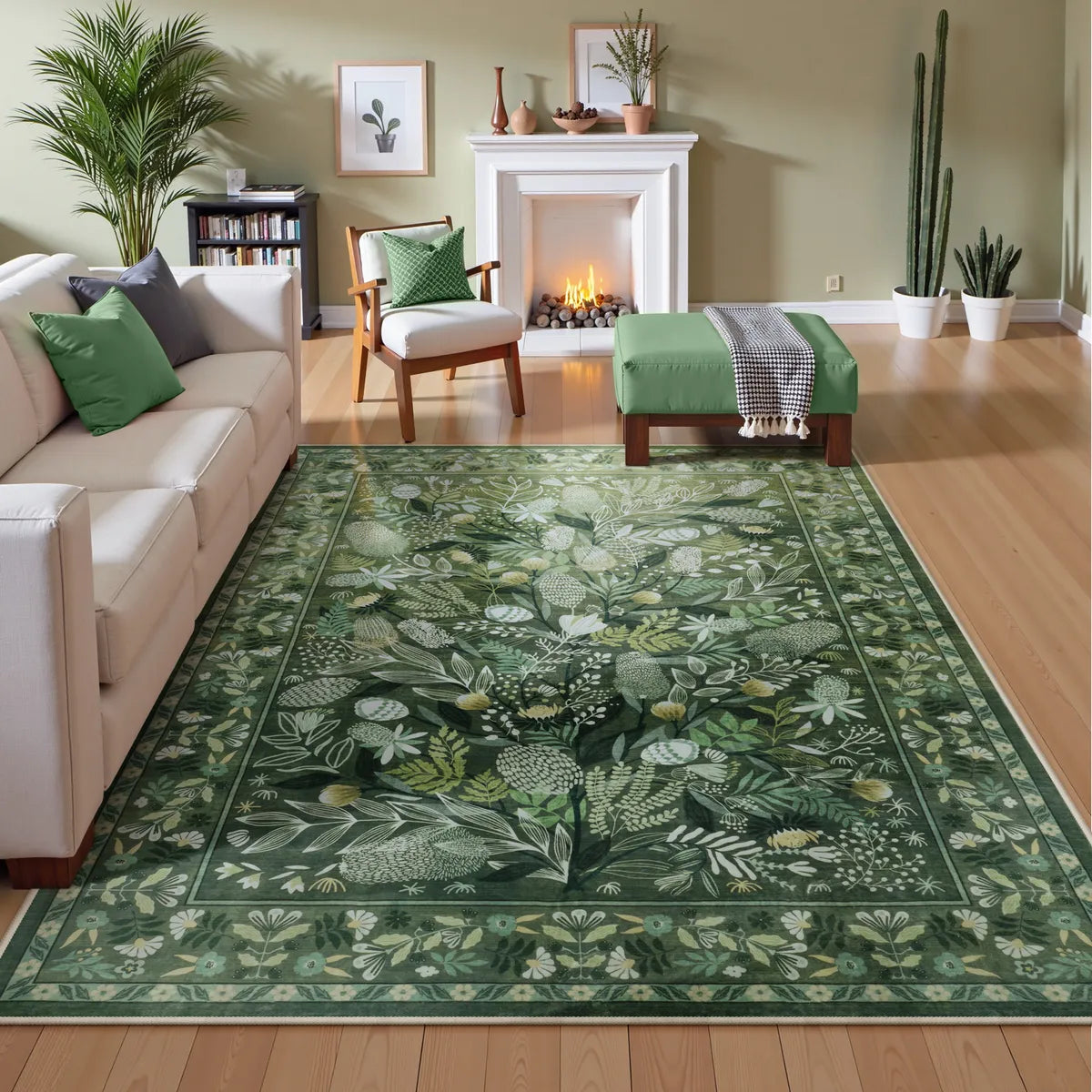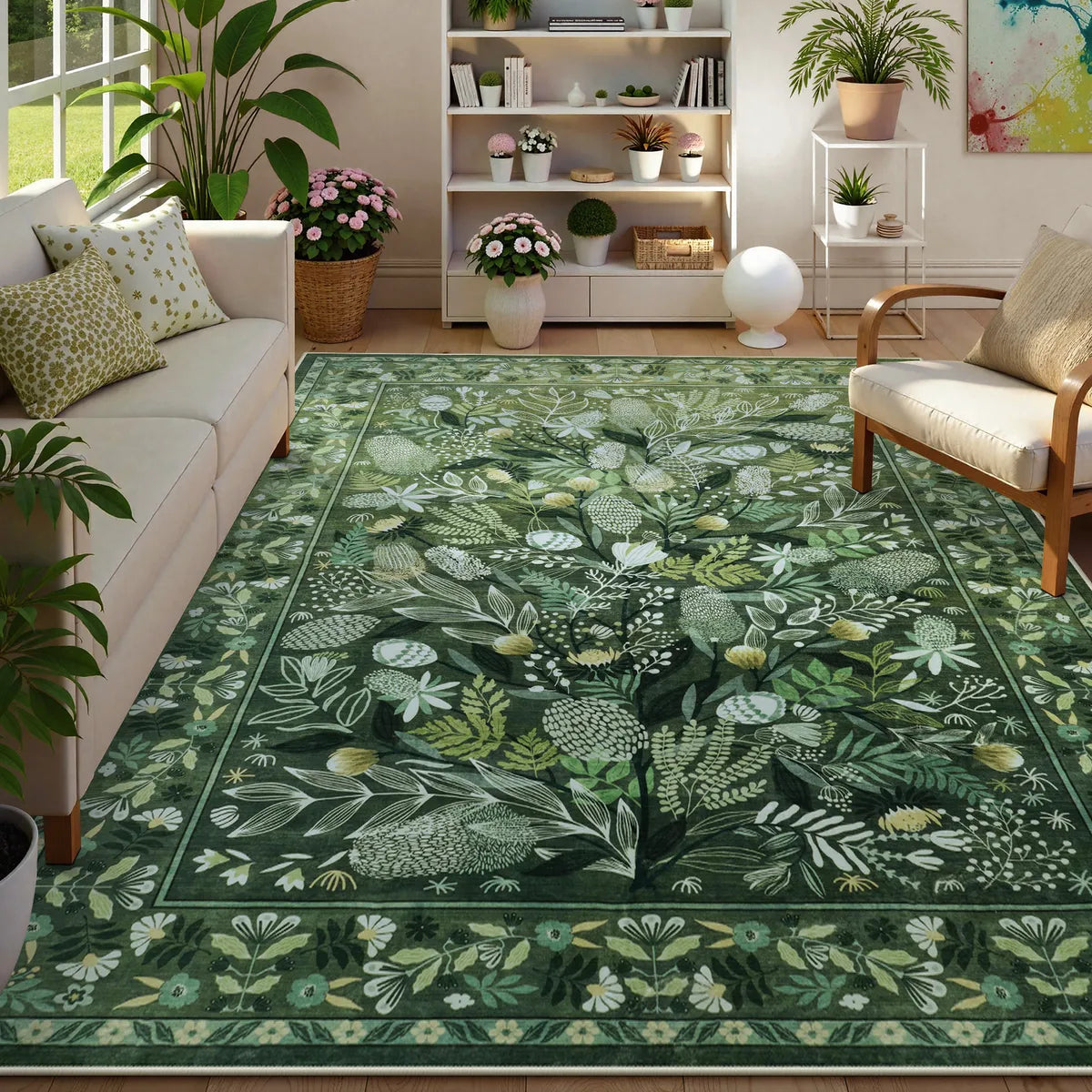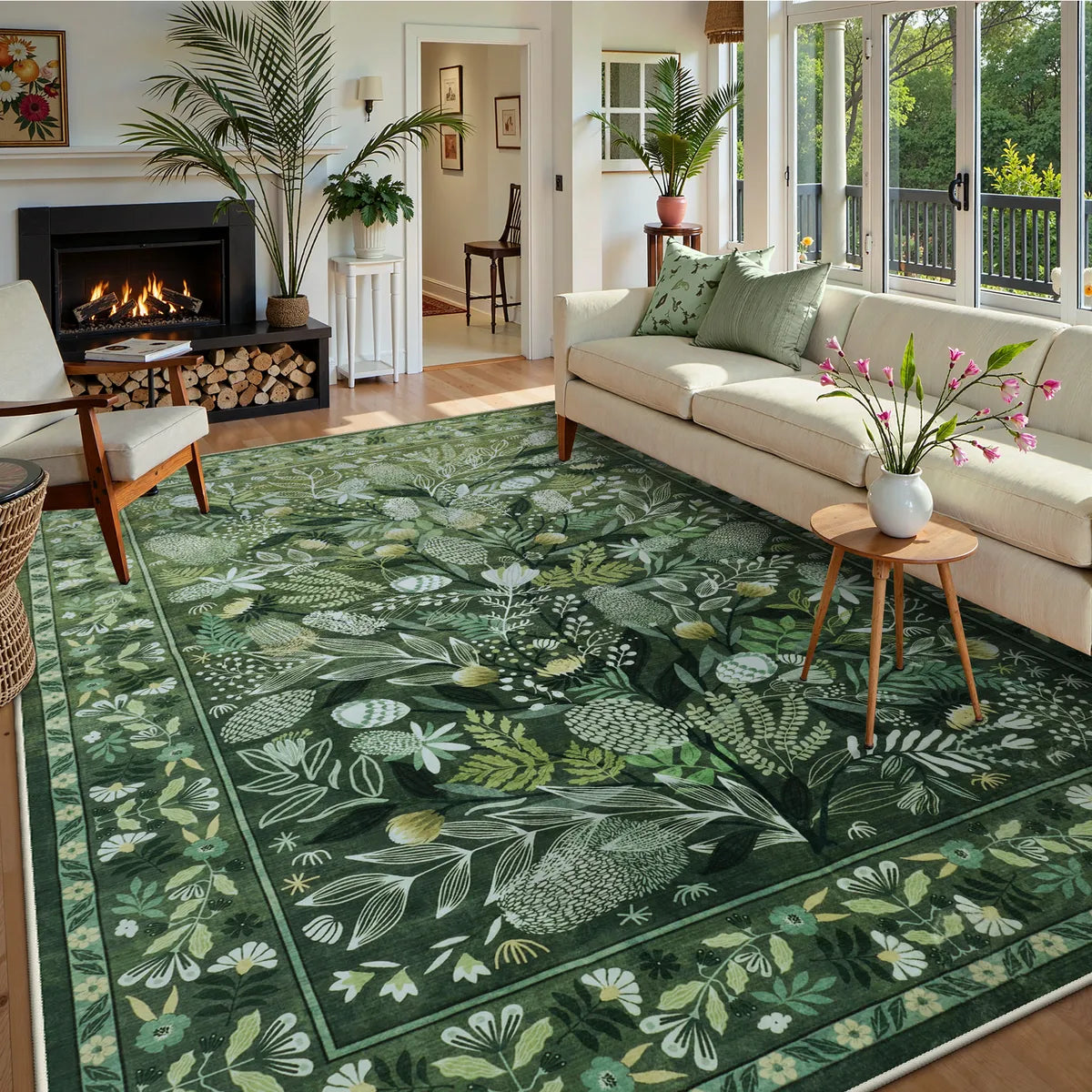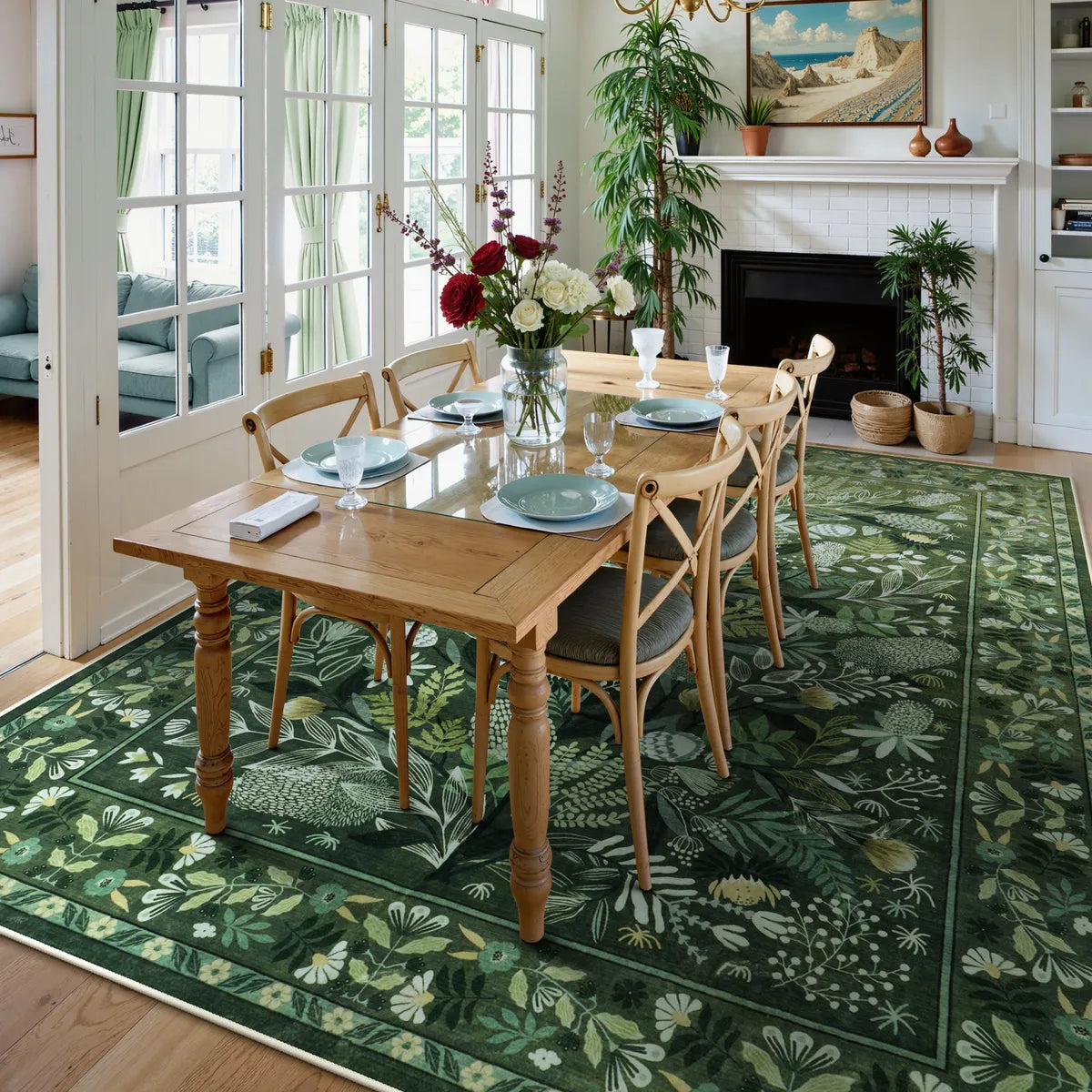


Spring cleaning often reveals a common outdoor problem: those ugly green or black spots on your patio rug. Learning how to clean an outdoor rug with mildew is a must for any homeowner who wants a fresh backyard. These spots happen because of winter moisture, but you do not have to throw the rug away. With a few simple steps and basic household items, you can kill the germs and get your porch looking great for the sunny days ahead.
Why You Need to Remove Mildew From Your Outdoor Rug

Allowing fungi to linger on your flooring leads to more than just unpleasant odors. Mildew refers to a specific type of mold that grows flat on surfaces, often appearing as a powdery or downy coating.
- Health Hazards: Mildew spores can trigger respiratory issues and allergies for those spending time in your outdoor lounge area.
- Fiber Breakdown: While many modern textiles are durable, persistent fungal growth can weaken the structural integrity of the weave.
- Staining: If spores are allowed to penetrate deep into the fibers, they can cause permanent discoloration that standard soap cannot fix.
- Cross Contamination: Wind can carry spores from a contaminated rug to your outdoor cushions, curtains, or even into your home.
Essential Tools for a Deep Mildew Cleaning Session

You do not need to buy expensive or professional-grade machines to get the job done right. Most of the things you need to fight mildew on an outdoor rug are likely already sitting in your kitchen cabinets or your garage.
- White Vinegar or Mild Dish Soap: White vinegar is an amazing natural cleaner for killing fungi, while a simple grease-cutting dish soap helps lift the dark stains left behind.
- A Stiff-Bristled Scrub Brush: You need a brush with tough bristles to reach into the deep parts of the rug weave where the mold roots like to hide.
- Baking Soda: This is a great tool for removing the tough smells that linger even after the visible mold is gone.
- A Protective Face Mask and Gloves: It is always smart to protect yourself so you do not breathe in the dust or fungal spores while you are scrubbing the dry rug.
- A Garden Hose with a Nozzle: A regular hose with a good spray nozzle works perfectly for washing away the mess without damaging the rug fibers.
- A Large Bucket: You will need this to mix your cleaning solutions so you can easily carry them out to your patio or driveway.
A Step-by-Step Guide to Cleaning Your Outdoor Patio Rugs
Cleaning an outdoor rug is a very straightforward task that any homeowner can finish in a single afternoon. Follow these detailed steps to make sure you get rid of the gunk for good and prevent it from coming back next month.
Option 1: The Machine Washable Method (Easiest)
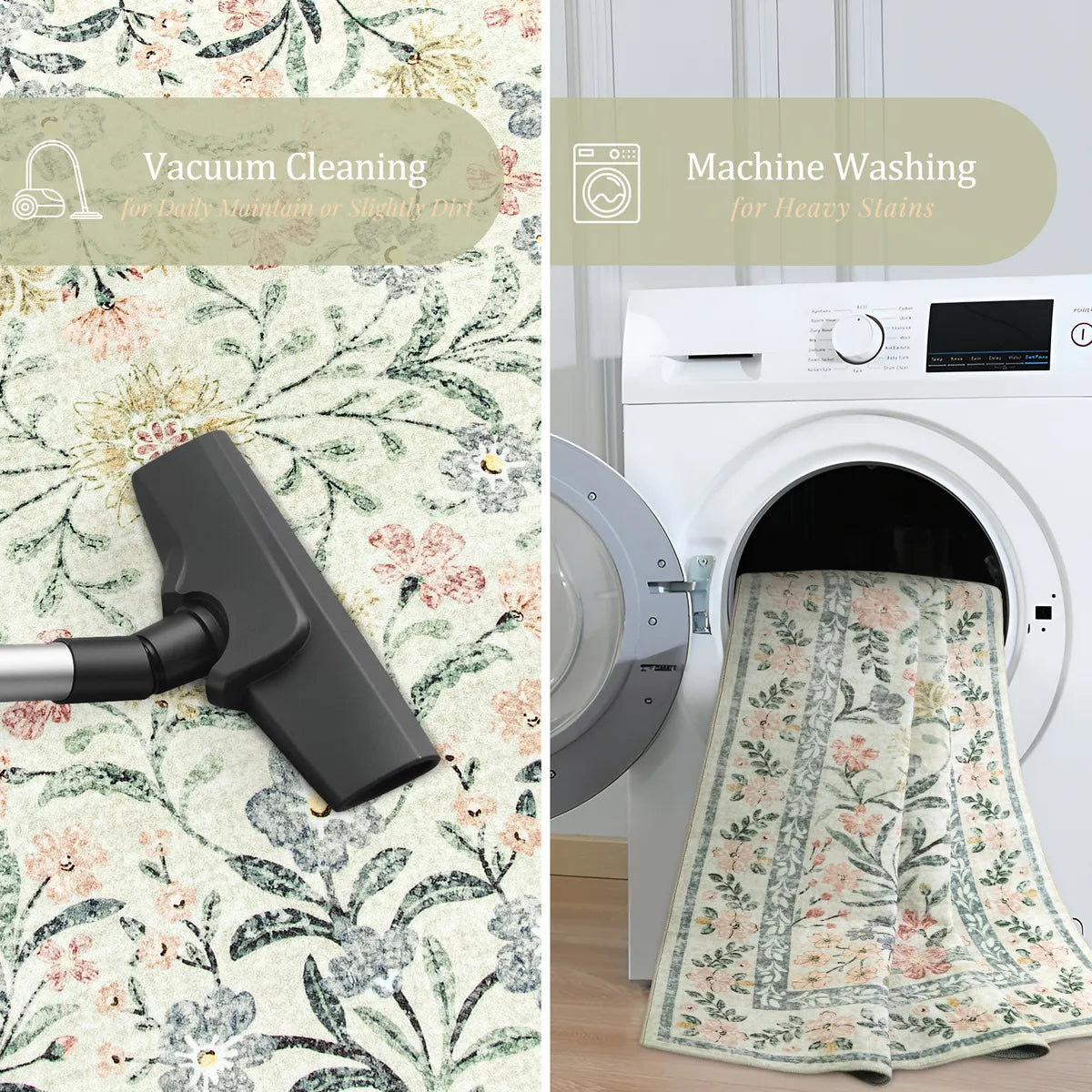
If you own a modern machine washable outdoor rug, you are in luck! This is the most efficient way to ensure all mildew spores are killed and washed away.
- Prep: Shake the rug outdoors to remove loose dirt and debris.
- Wash: Place the rug in your washing machine. Use a cold, gentle cycle with a mild detergent. To extra-effectively combat mildew, you can add half a cup of white vinegar to the rinse cycle.
- Dry: Most washable rugs should be air-dried. Hang it over a sturdy railing or lay it flat in the sun to ensure it dries quickly and retains its shape.
Option 2: The Manual Scrubbing Method
For larger rugs or those not labeled as machine-safe, follow this deep-cleaning routine:
Preparing the Rug and the Cleaning Area
Before you get the rug wet, move your patio furniture aside and pick a spot with good drainage and sunlight. Put on your mask and gloves, then use your stiff-bristled brush to give the rug a dry scrub. This knocks loose the dried bits of mold so they do not turn into thick mud once you add water.
Applying the Cleaning Solution and Scrubbing
- Make the Mix: In your bucket, mix one part white vinegar with two parts warm water. If the rug is very dirty, you can add a few drops of dish soap to help break up the grime.
- The Soak: Pour the mixture over the spots where you see mildew growing. Make sure the area is completely soaked. Let it sit for at least fifteen to twenty minutes so the vinegar can soak into the fibers and kill the fungus at the root.
- The Scrub: Use your brush to go over the areas with the most growth. Use a little bit of elbow grease and move in circular motions to make sure you reach the bottom of the rug backing.
Rinsing and The Importance of Drying
Spray the rug with a garden hose until the water runs clear and the vinegar smell is gone. Finally, lay the rug flat in a sunny spot. The sun acts as a natural disinfectant. Flip the rug after a few hours to ensure the backing dries completely.
Special Care Tips for Different Outdoor Rug Materials
Most outdoor rugs are made to be tough and weather-resistant, but some materials need a lighter touch. Knowing your rug materials helps you avoid accidental damage like fading or shrinking during your spring cleaning routine. The table below shows the best way to handle different types of rugs found on most modern patios and decks.
| Rug Material | Can it Get Wet? | Best Way to Treat Mildew |
| Polypropylene | Yes | Scrub hard with vinegar and hose it down |
| Polyester | Yes | Use warm soapy water and a soft-bristled brush |
| Jute or Sisal | Not Really | Spot clean only and dry it very fast in the sun |
| Nylon | Yes | Use mild detergent but avoid very hot water |
If you have a natural rug like jute or seagrass, try to use as little water as possible. These rugs are like sponges and take a very long time to dry out, which can actually cause more mold to grow if you are not careful.
How to Prevent Mildew From Coming Back
Once your rug is clean and fresh, you want to keep it that way for the rest of the year. Preventing mildew on your outdoor rug is much easier than cleaning it off a second time after it has already spread.
- Keep the Area Dry: If the rug gets soaked in a heavy rainstorm, do not just leave it flat on the ground. Hang it over a fence or a sturdy chair so air can hit both sides and dry it out quickly.
- Use a Breathable Rug Pad: An outdoor-rated rug pad lifts the rug slightly off the ground to let water drain away and improve air circulation under the fabric.
- Sweep Away the Dirt: Dirt, pollen, and old leaves act like food for mold. Use a broom to sweep the surface of your rug at least once a week to keep it clear of debris.
- Check the Underside: Every few weeks, flip the corners of the rug up to make sure no moisture is trapped underneath, especially if your patio is in a shady area.
- Wash Yearly: Do not wait for the rug to look green before you clean it. A quick wash every spring will keep the fibers strong and fresh.
Finalize Your Outdoor Oasis Today
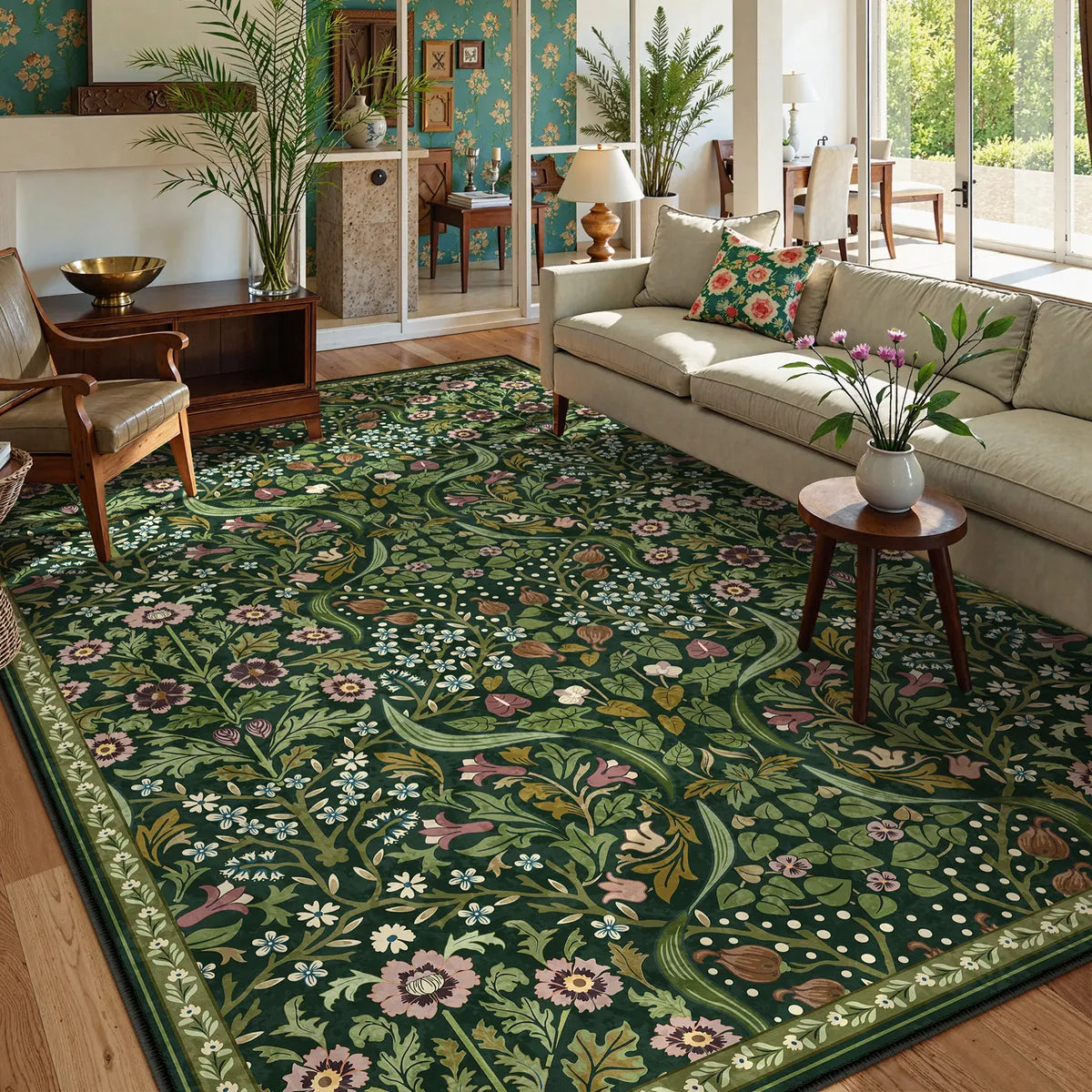
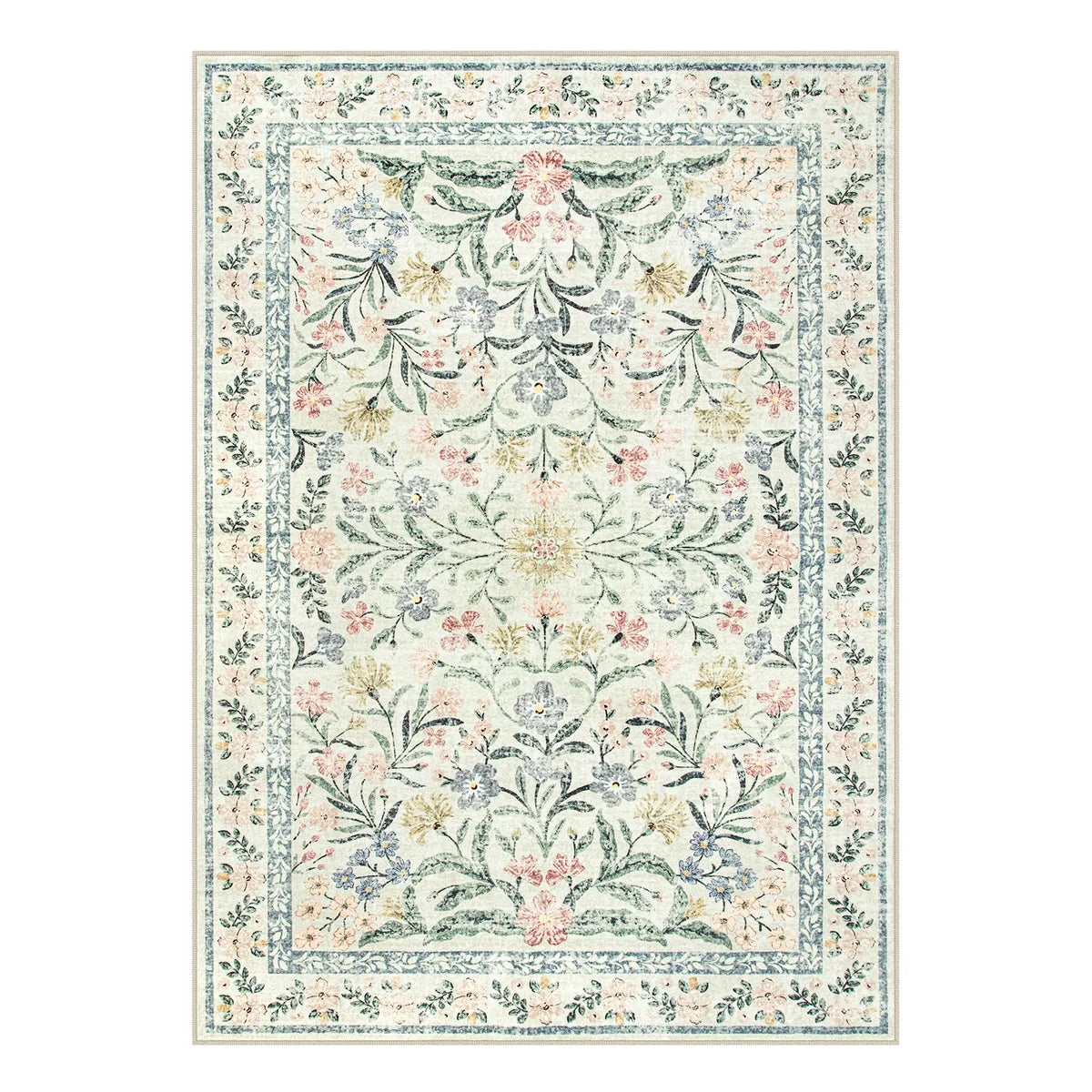
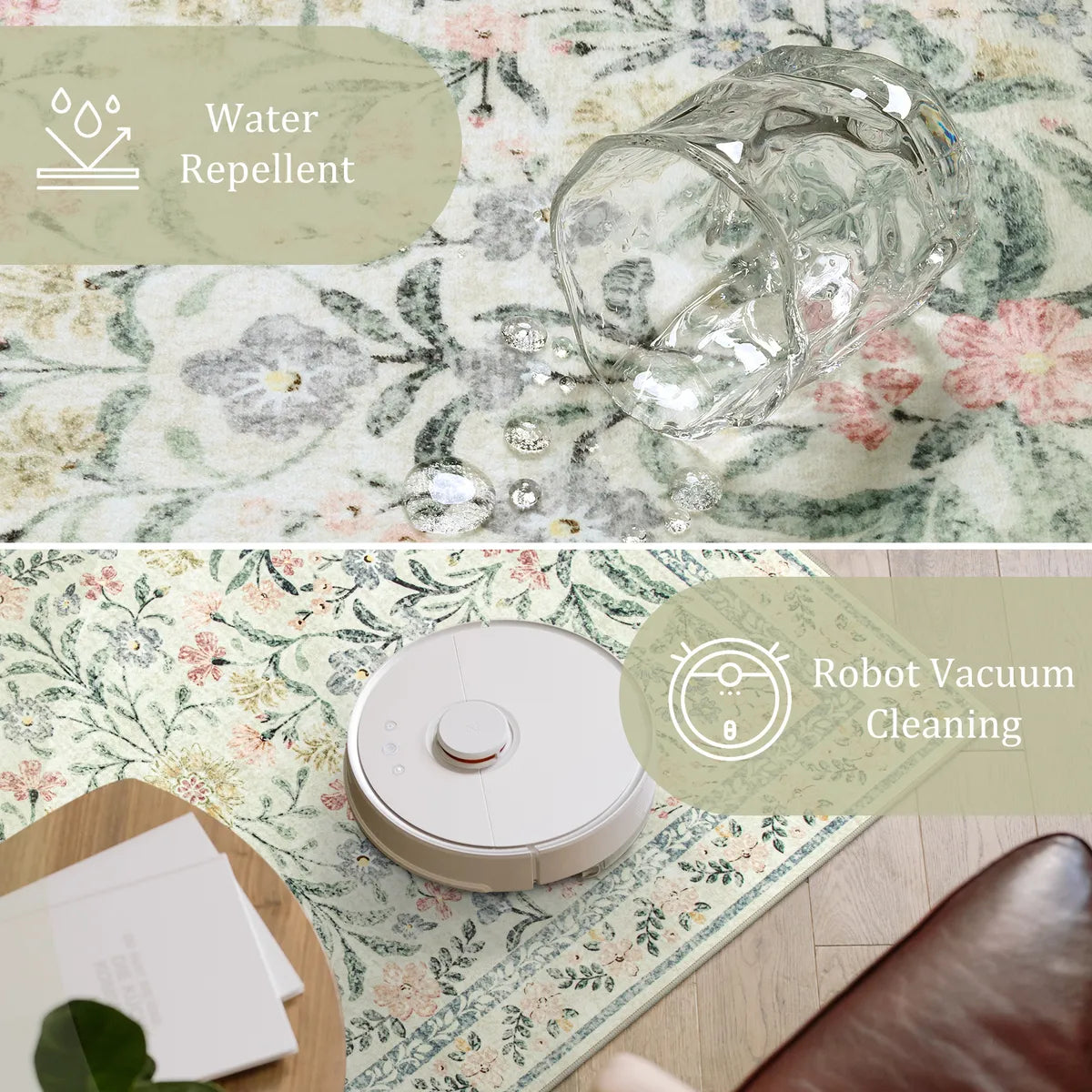
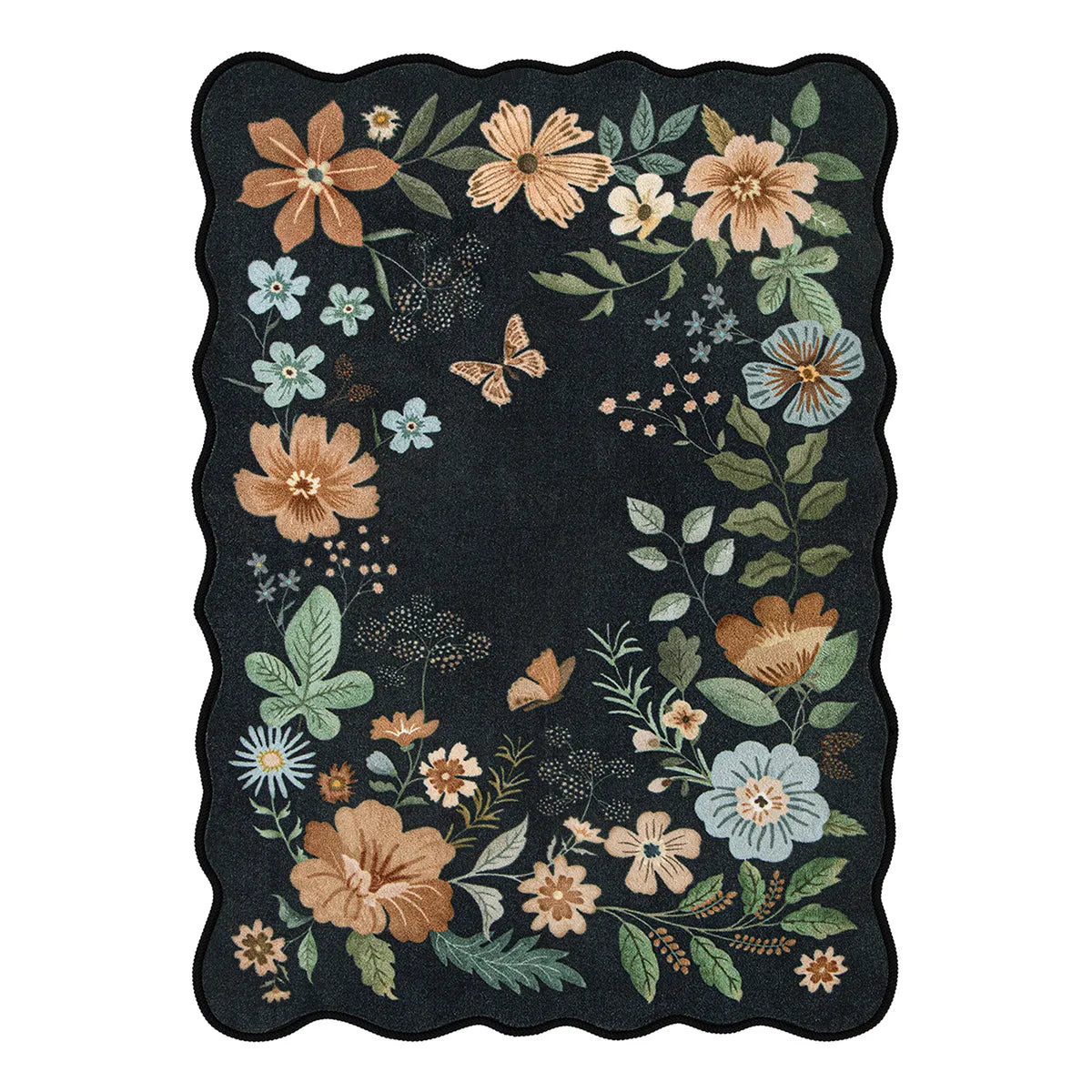
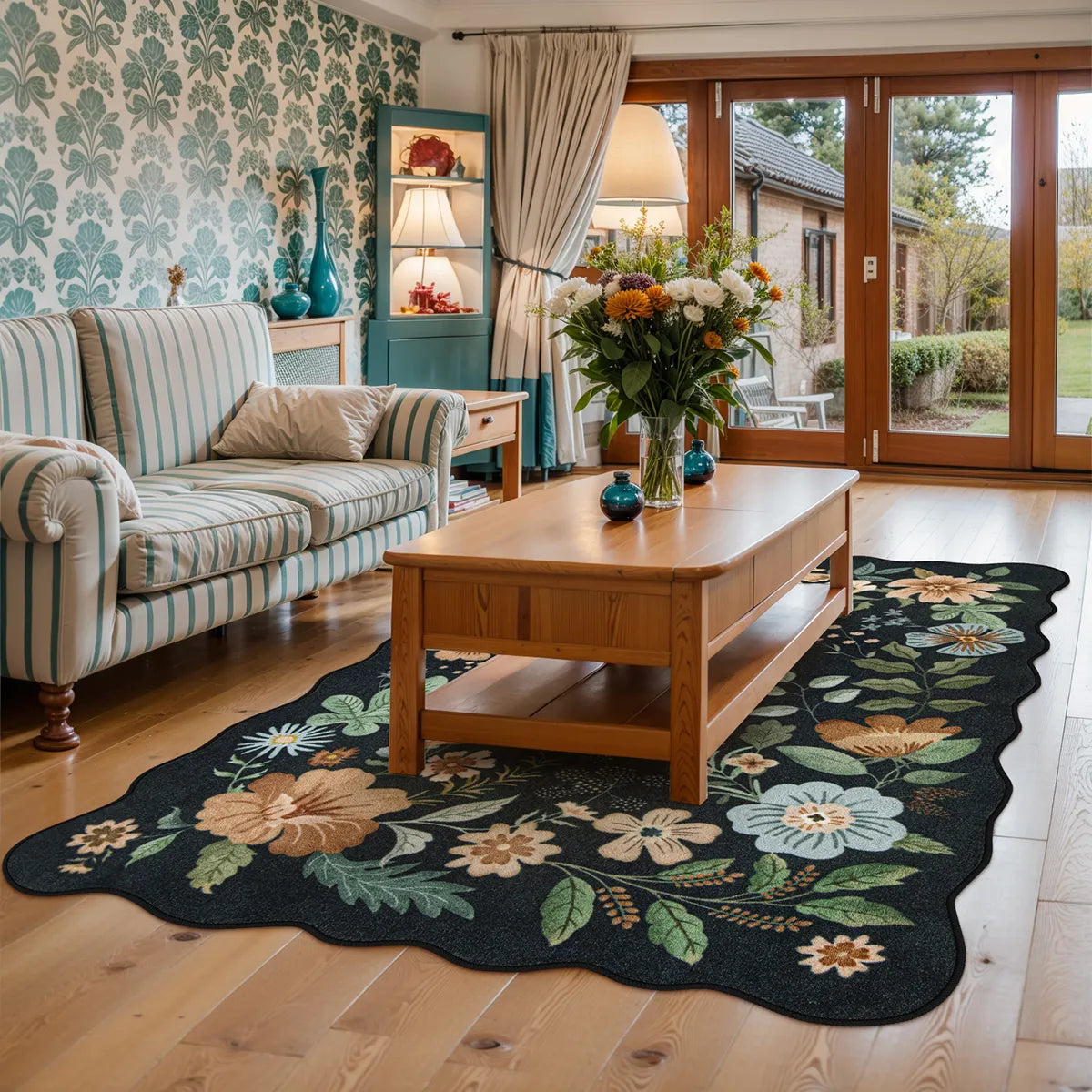
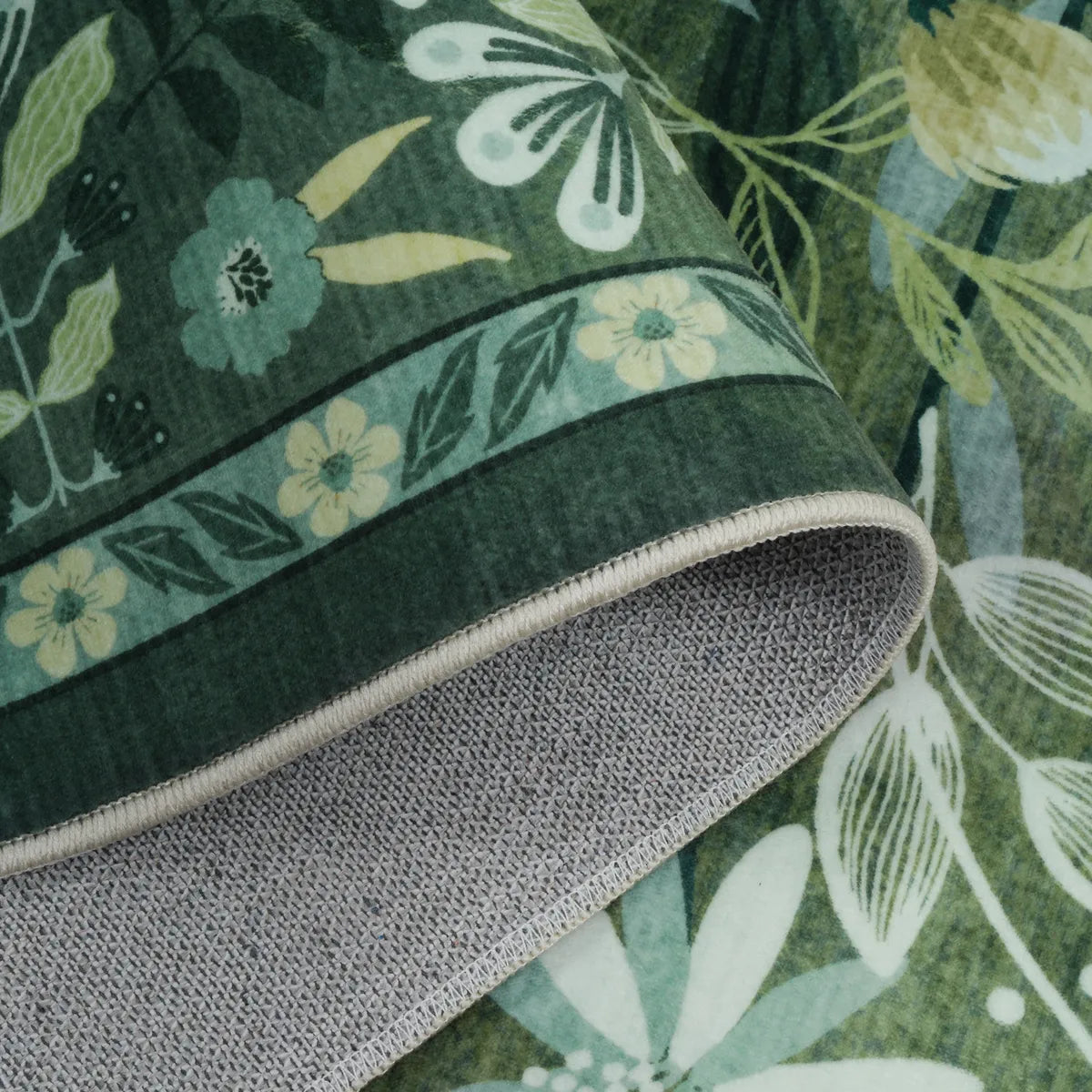
Taking care of your outdoor space makes your home feel much bigger and more inviting. A clean, mildew-free rug is the perfect foundation for your summer gatherings and relaxing weekend mornings. By following these simple steps, you are protecting your investment and making sure your outdoor decor shines. If your old rug is too worn out, consider updating your space with a fresh floral rug to brighten your space. Start your cleaning project this weekend so you can enjoy a bright, healthy, and beautiful outdoor area all year long.
FAQs about Outdoor Rug Cleaning
Q1. Can I Use Laundry Bleach on My Outdoor Rug?
No, you should usually avoid using standard laundry bleach because it is often too harsh for synthetic fabrics. It can eat away at the plastic fibers or ruin the pretty colors, so it is much safer to stick to vinegar or oxygen-based cleaners instead.
Q2. How Long Does an Outdoor Rug Take to Dry Completely?
Usually, a rug will dry in four to six hours if it is a warm and sunny day with a light breeze. It is best to wait until the rug feels completely dry on both the top and the bottom before you move your heavy patio furniture back onto it.
Q3. Do I Really Need to Clean the Underside of the Rug?
Yes, you should definitely flip the rug over and clean the back during your spring cleaning session. Mildew loves the dark and damp space between the rug and the patio floor, so cleaning both sides is the only way to be sure all the spores are gone.
Q4. Is Vinegar Better Than Dish Soap for Removing Mold?
Yes, vinegar is usually better for this specific job because the acid actually kills the fungus. While dish soap is very good for removing surface dirt and oily stains, vinegar penetrates the fibers to stop the mold from growing back next week.
Q5. Can I Put My Outdoor Rug in the Washing Machine?
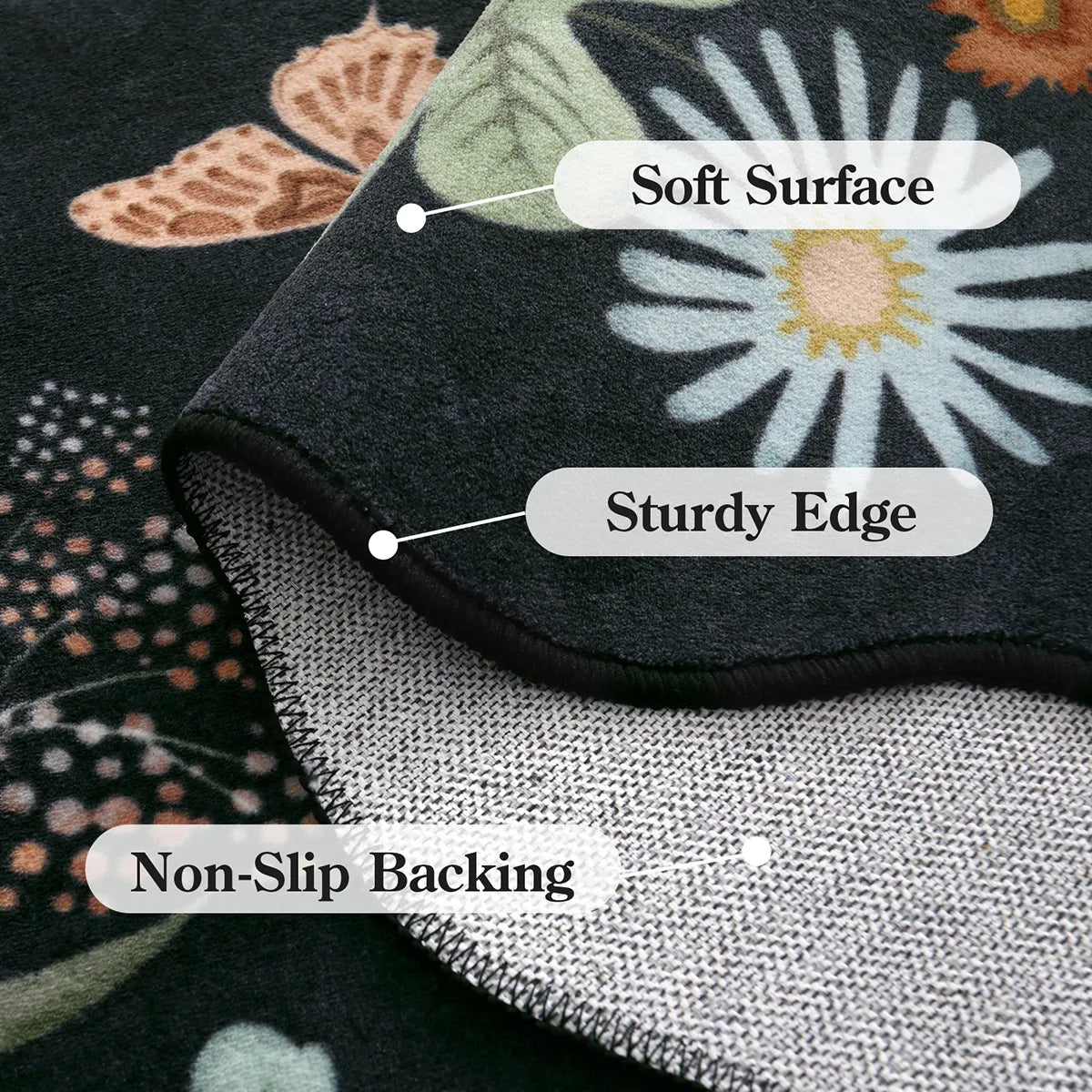
Yes, but only if it is specifically labeled as machine washable. Many modern outdoor rugs are designed with lightweight, durable backings that can handle a machine cycle. This is the most effective way to remove mildew and allergens thoroughly. If your current rug isn't washable, you might want to upgrade to a machine-washable rug or a similar style to make your future spring cleaning effortless.