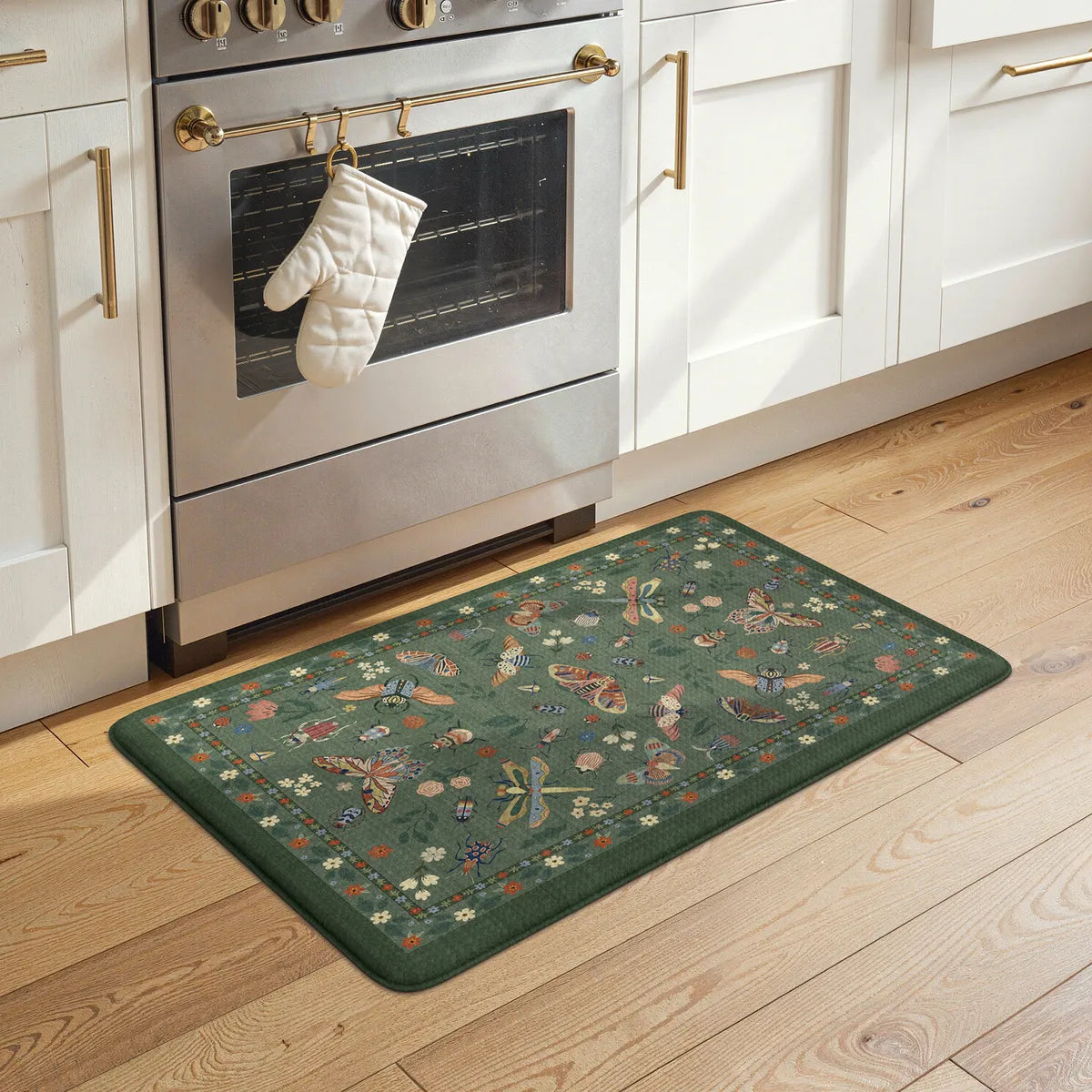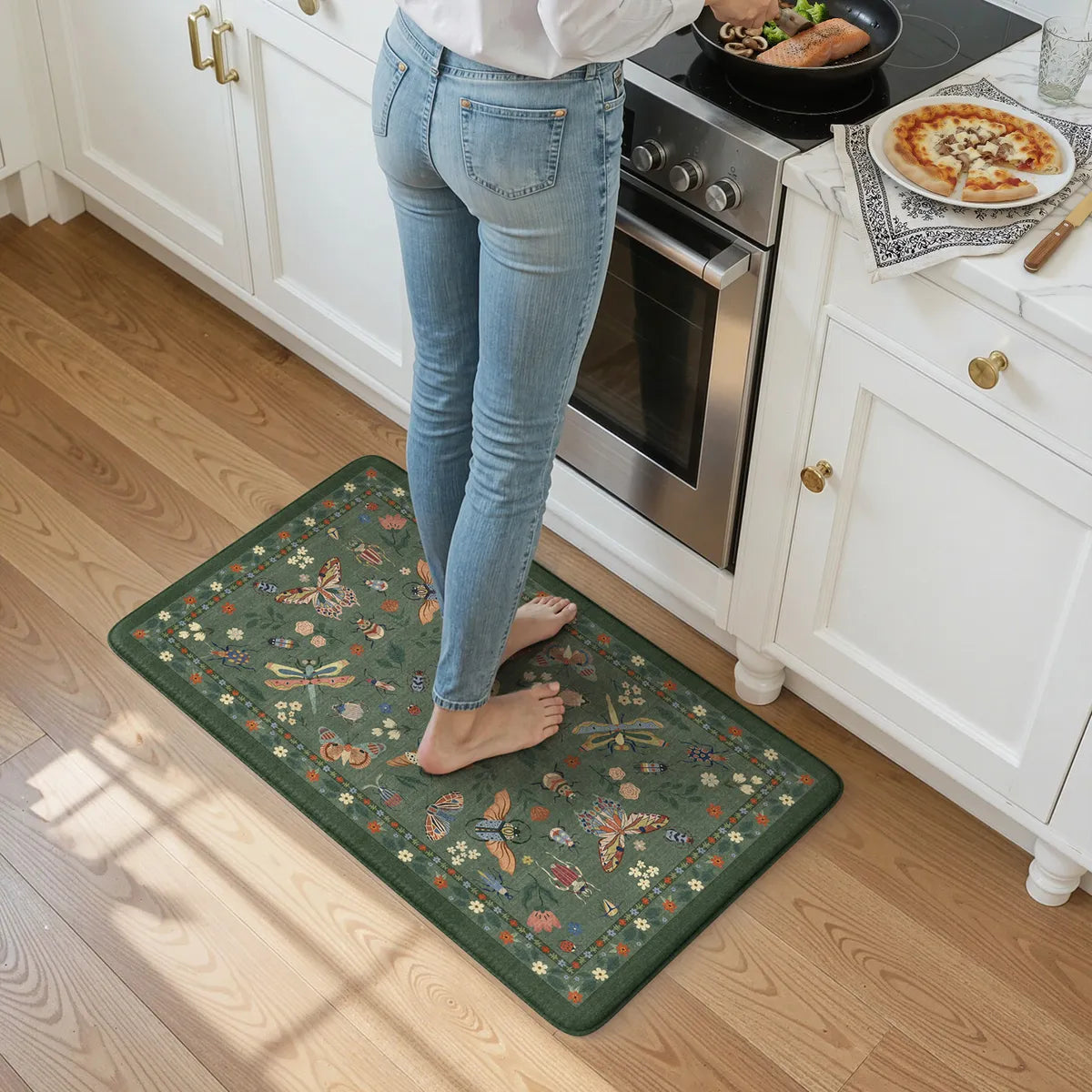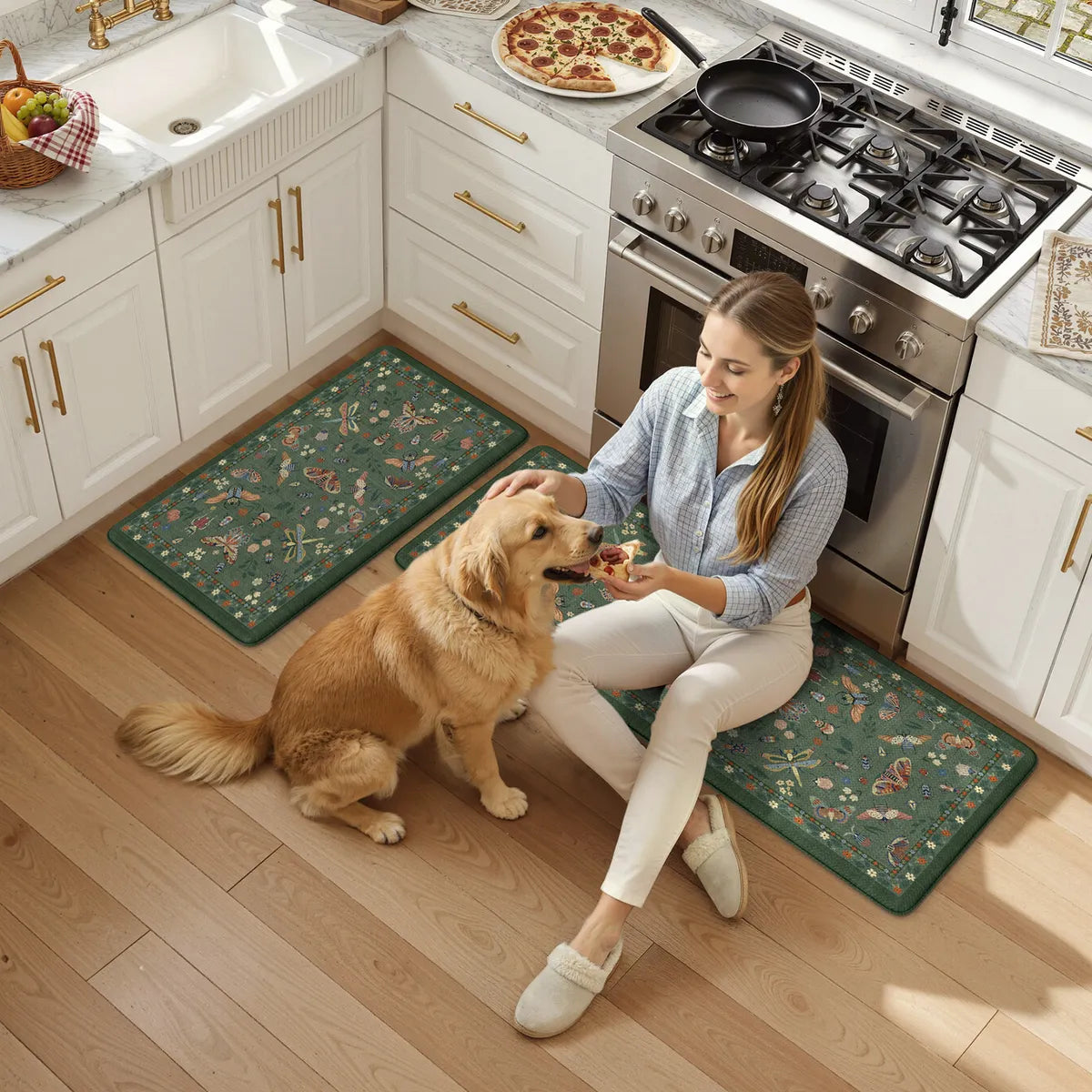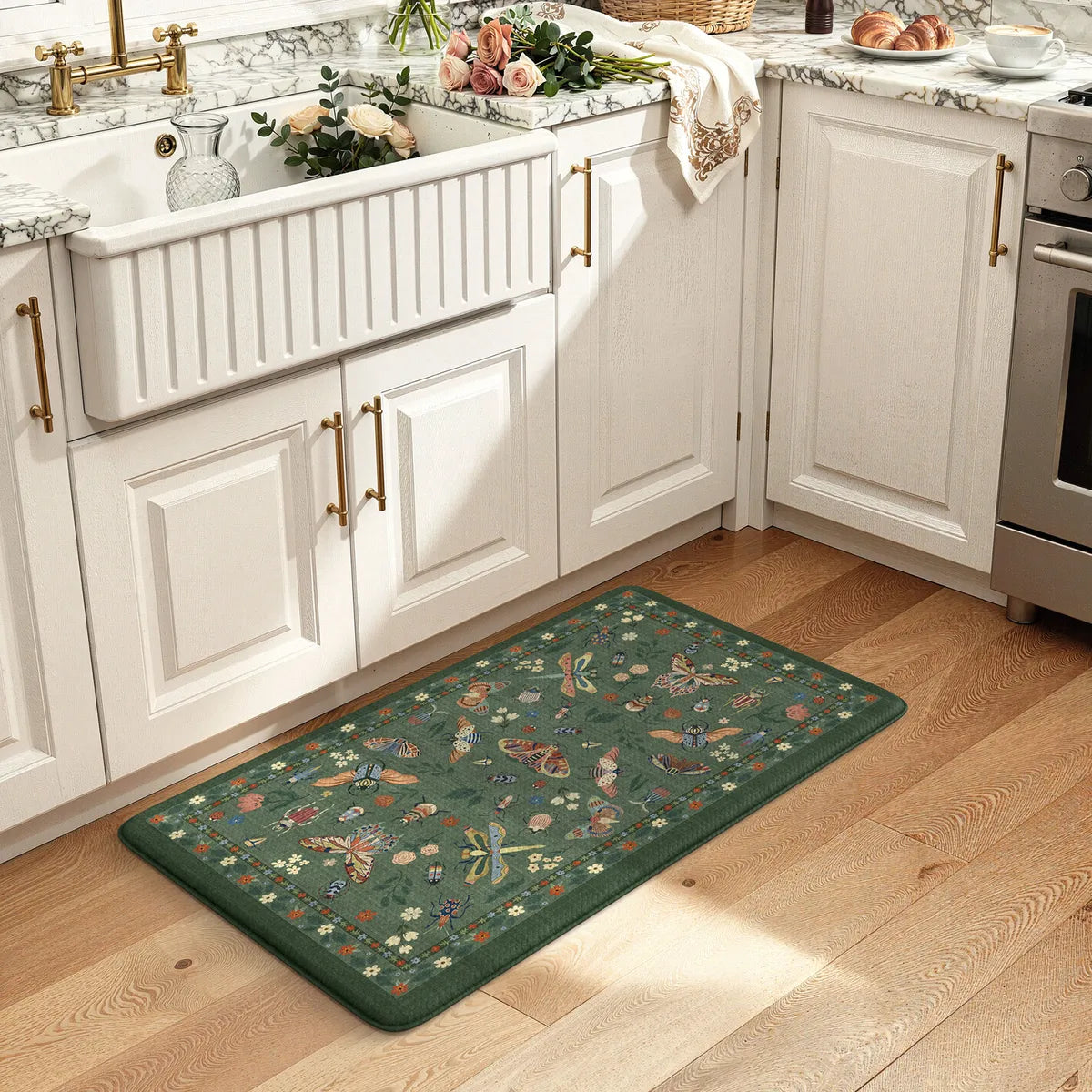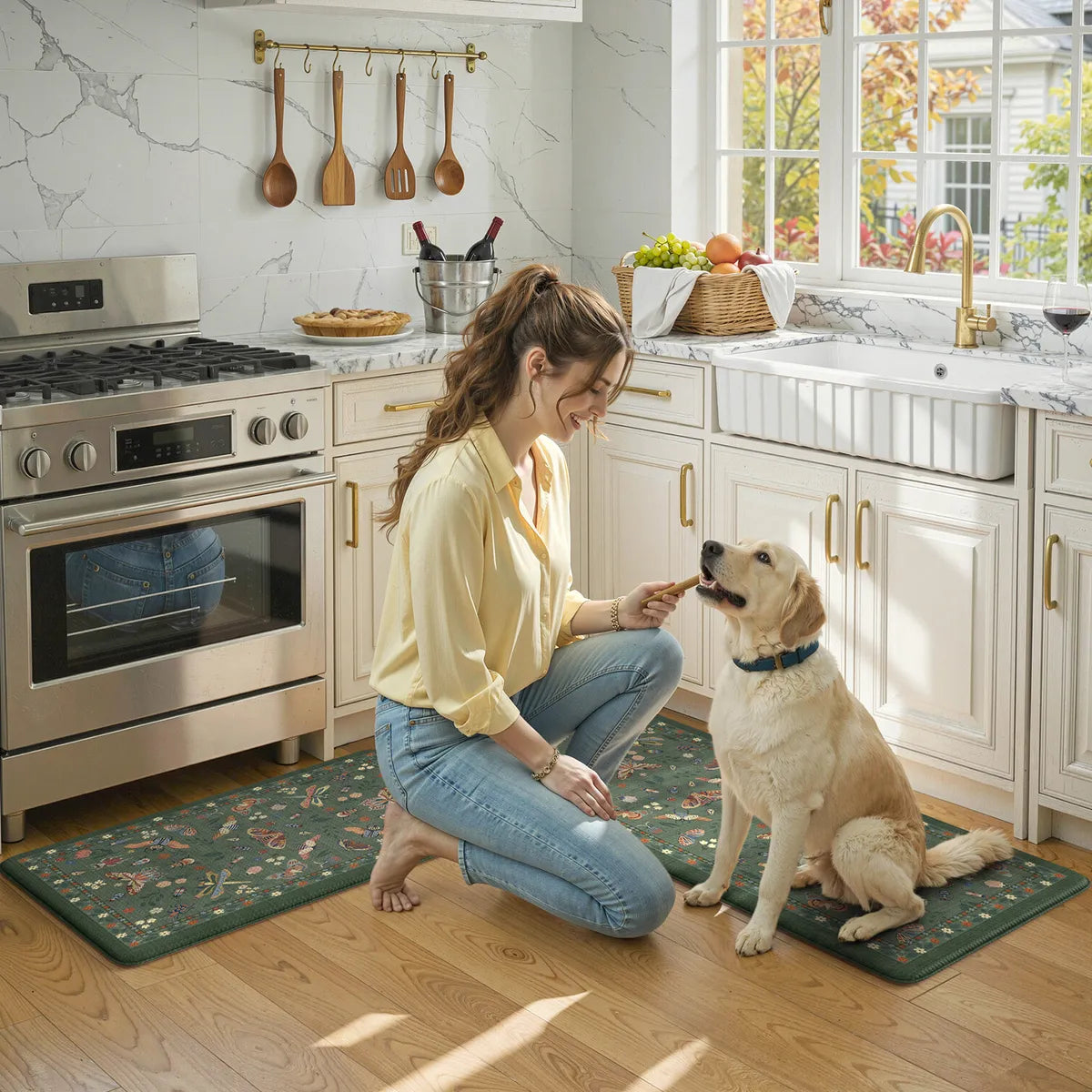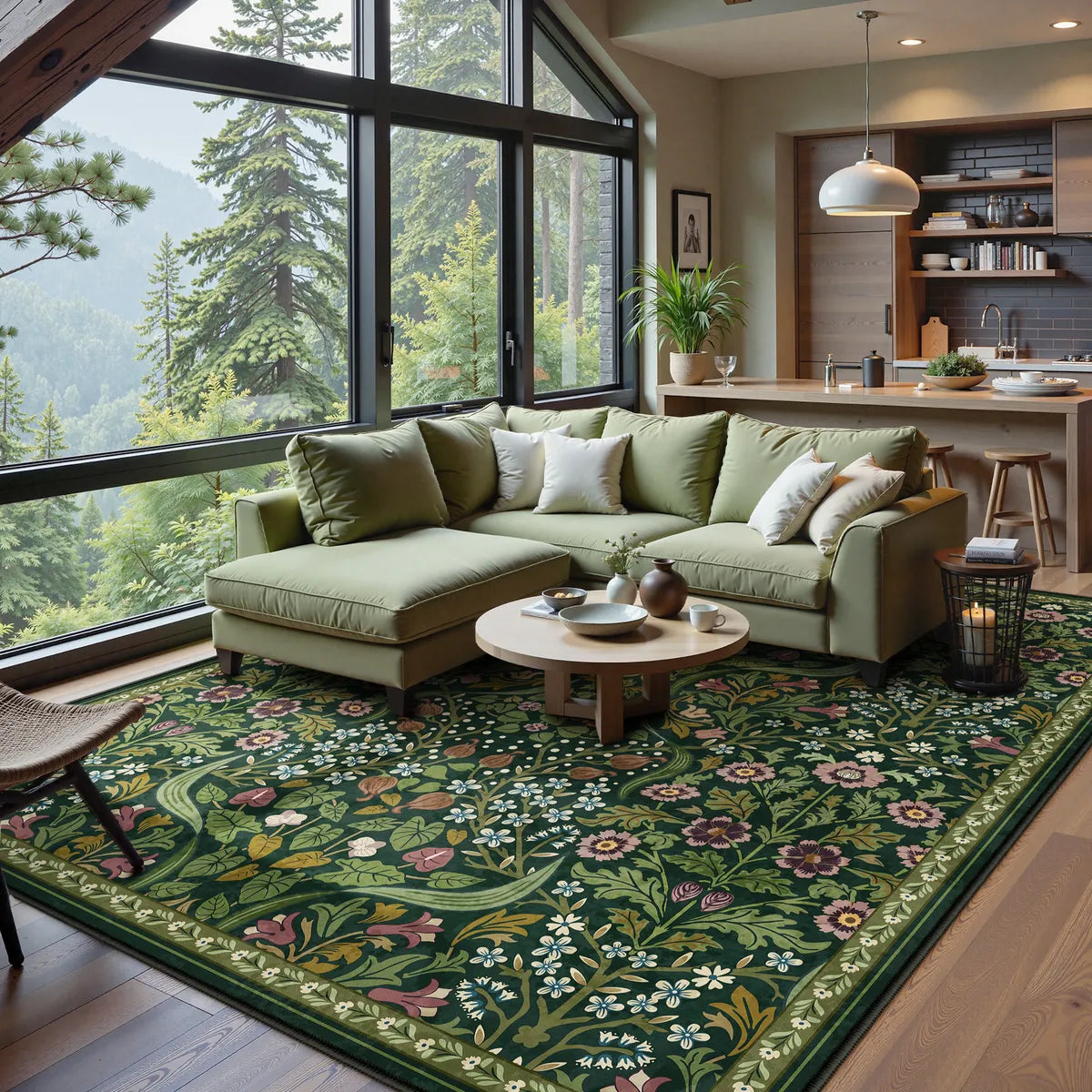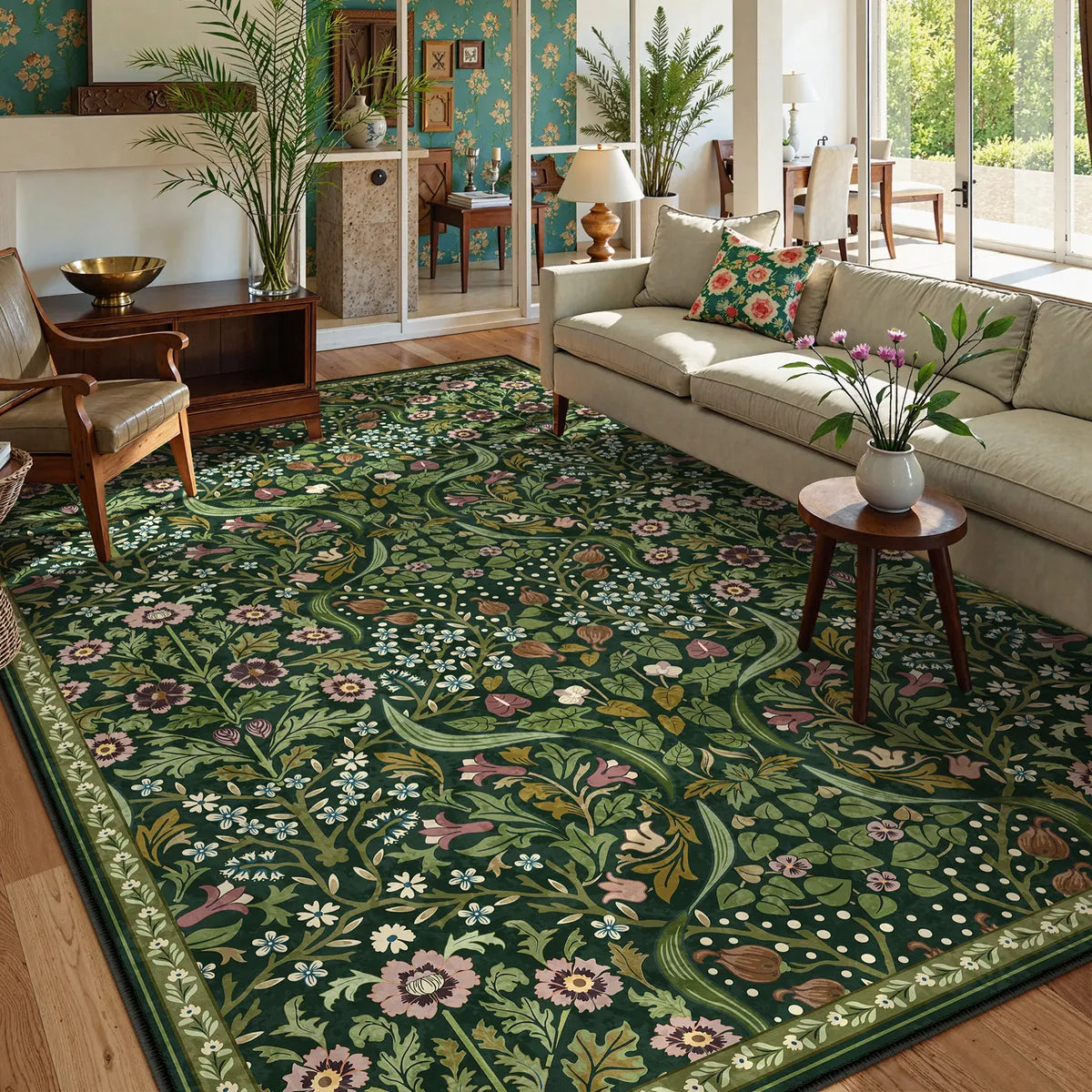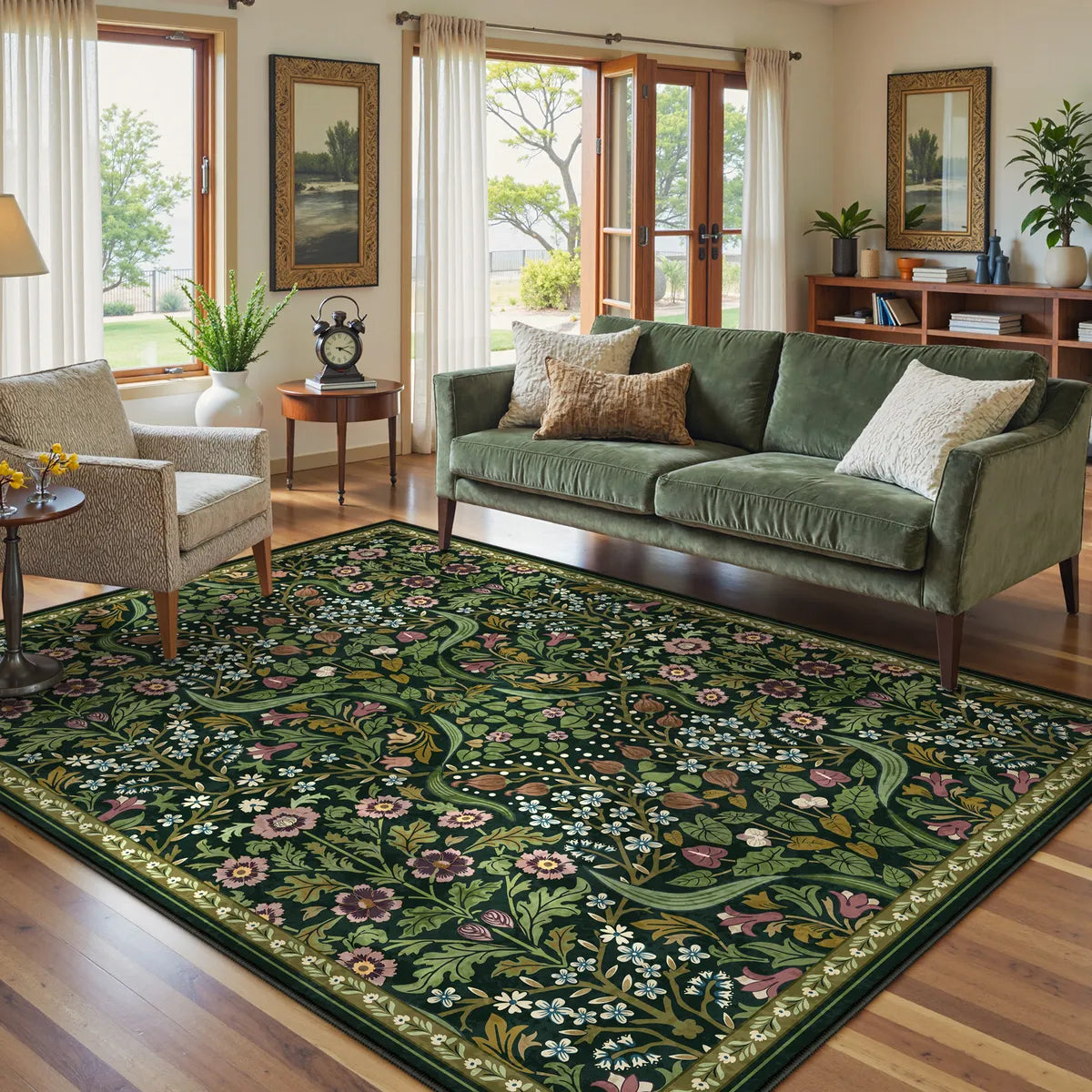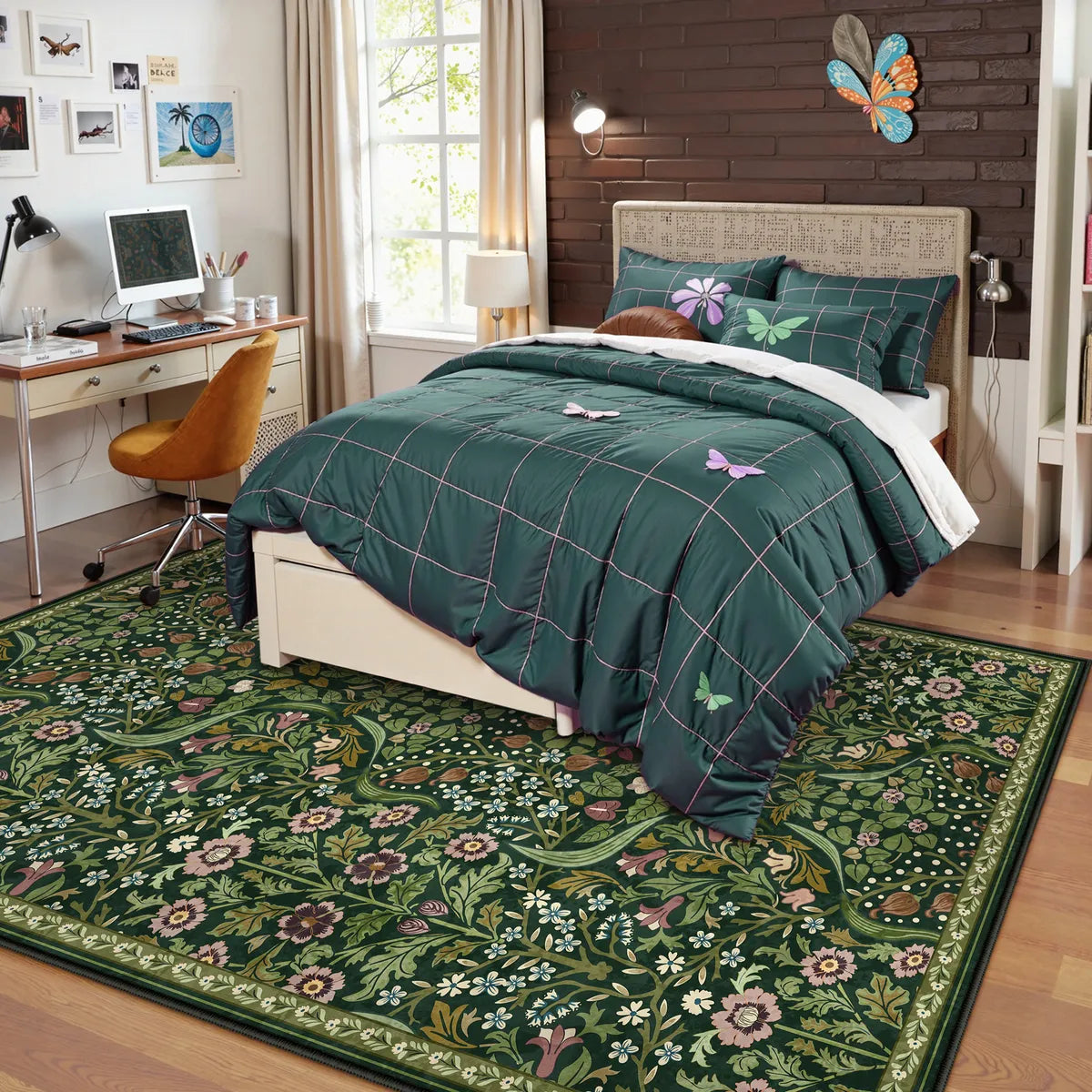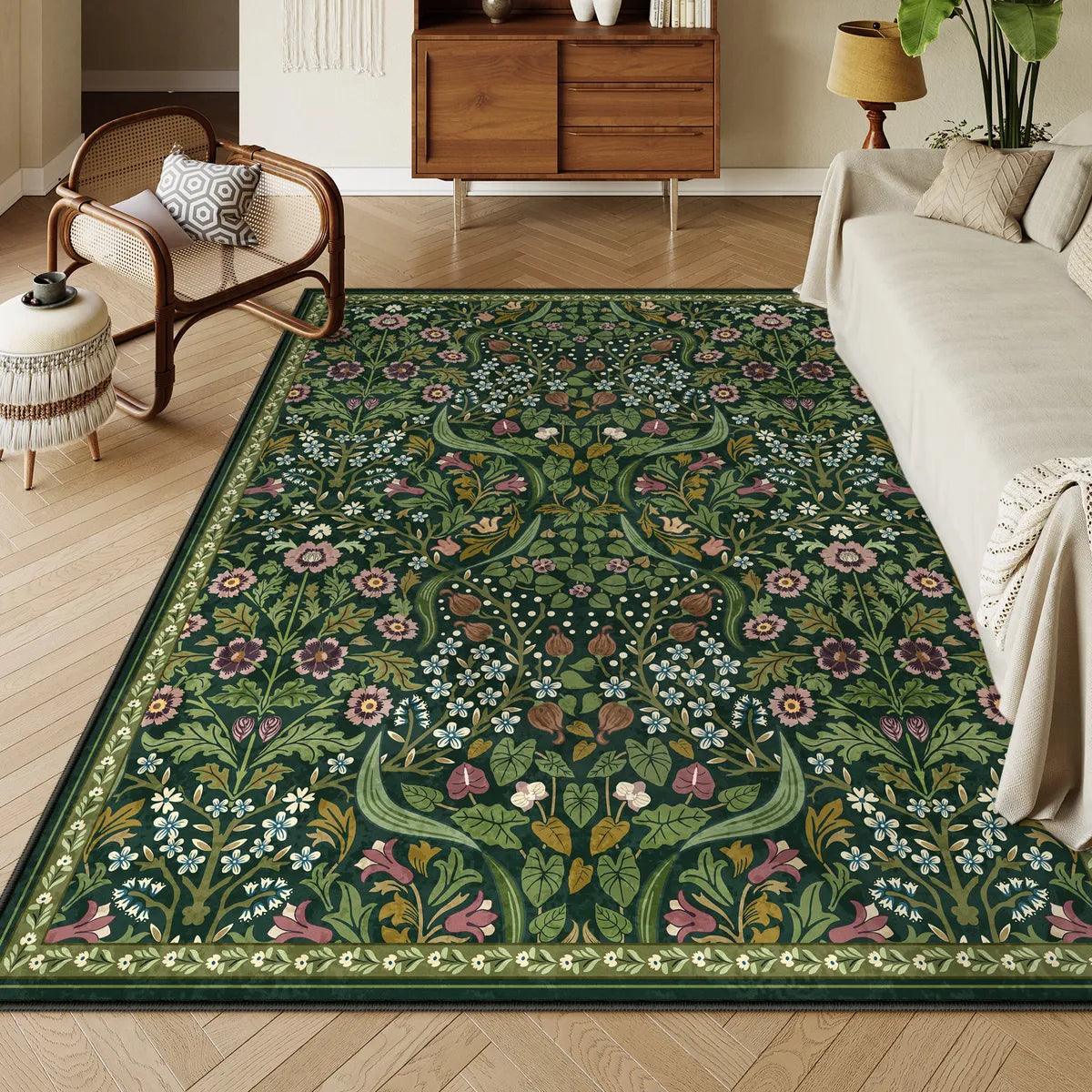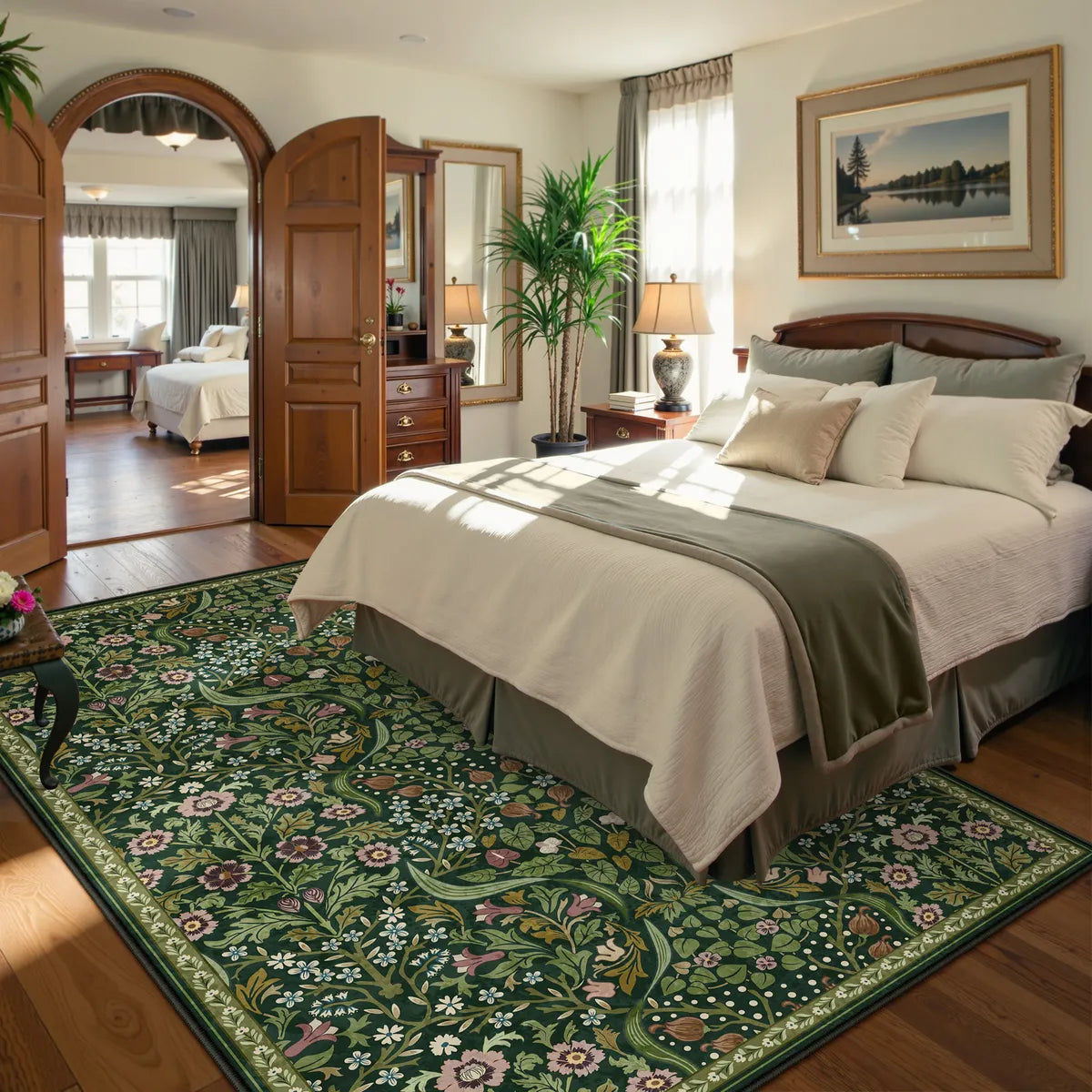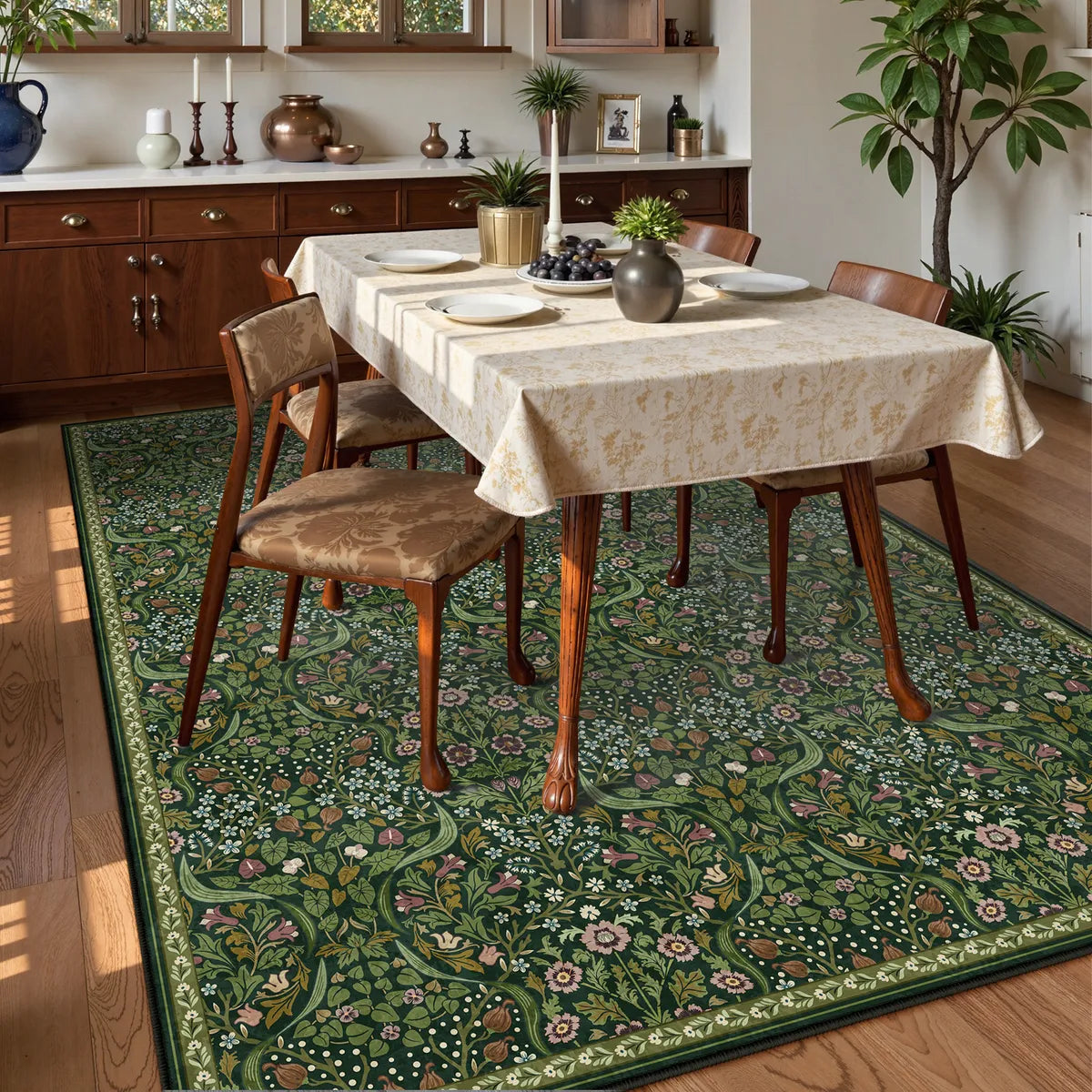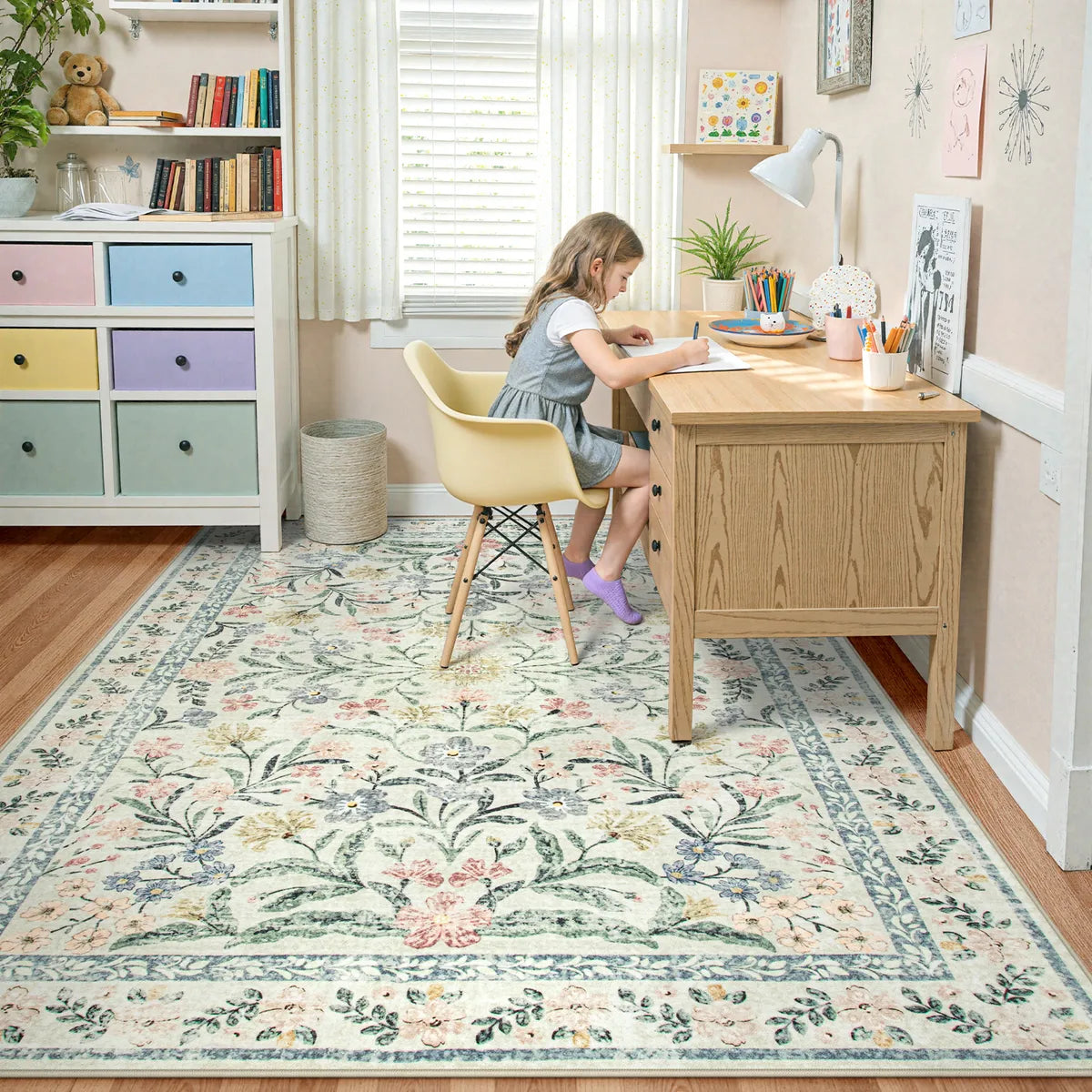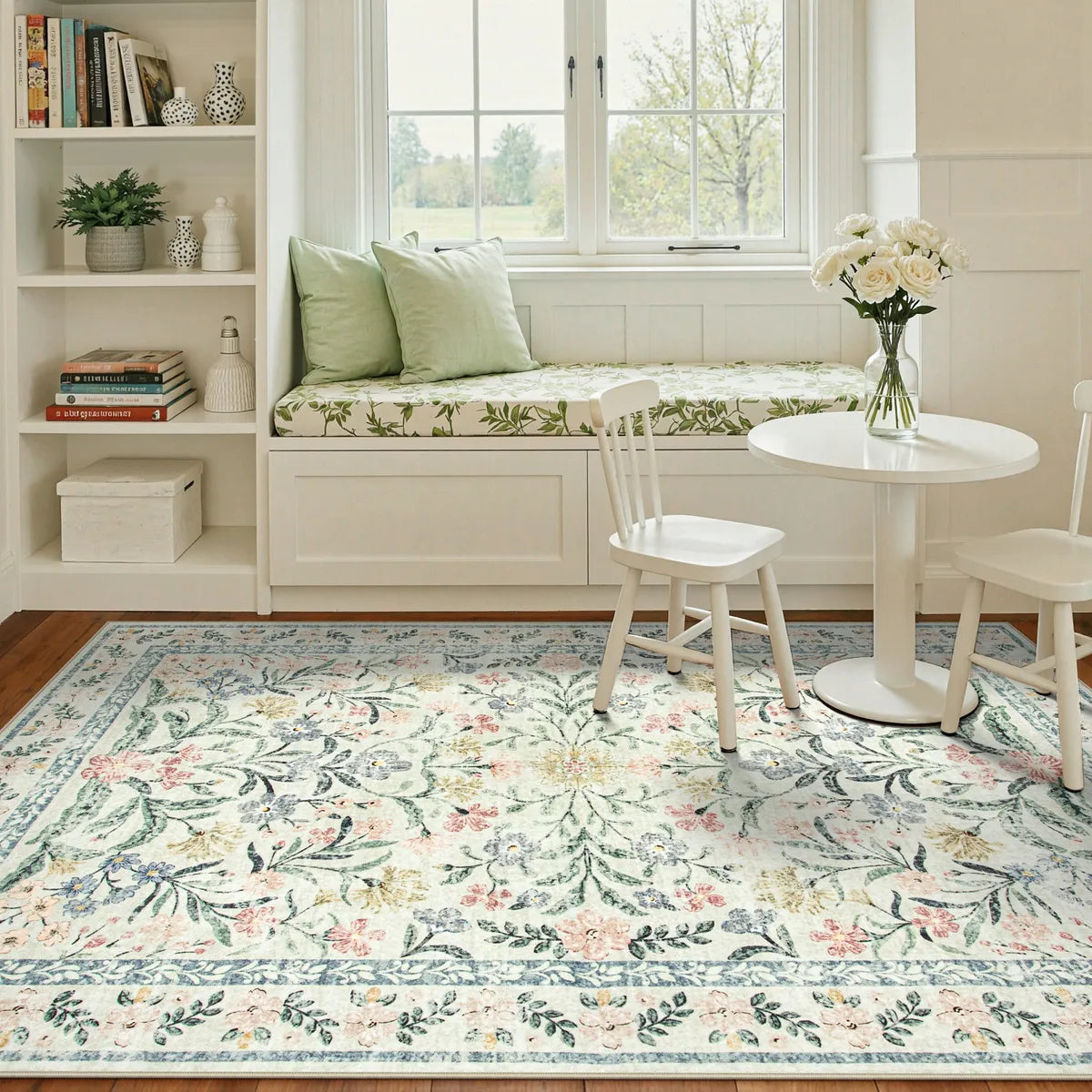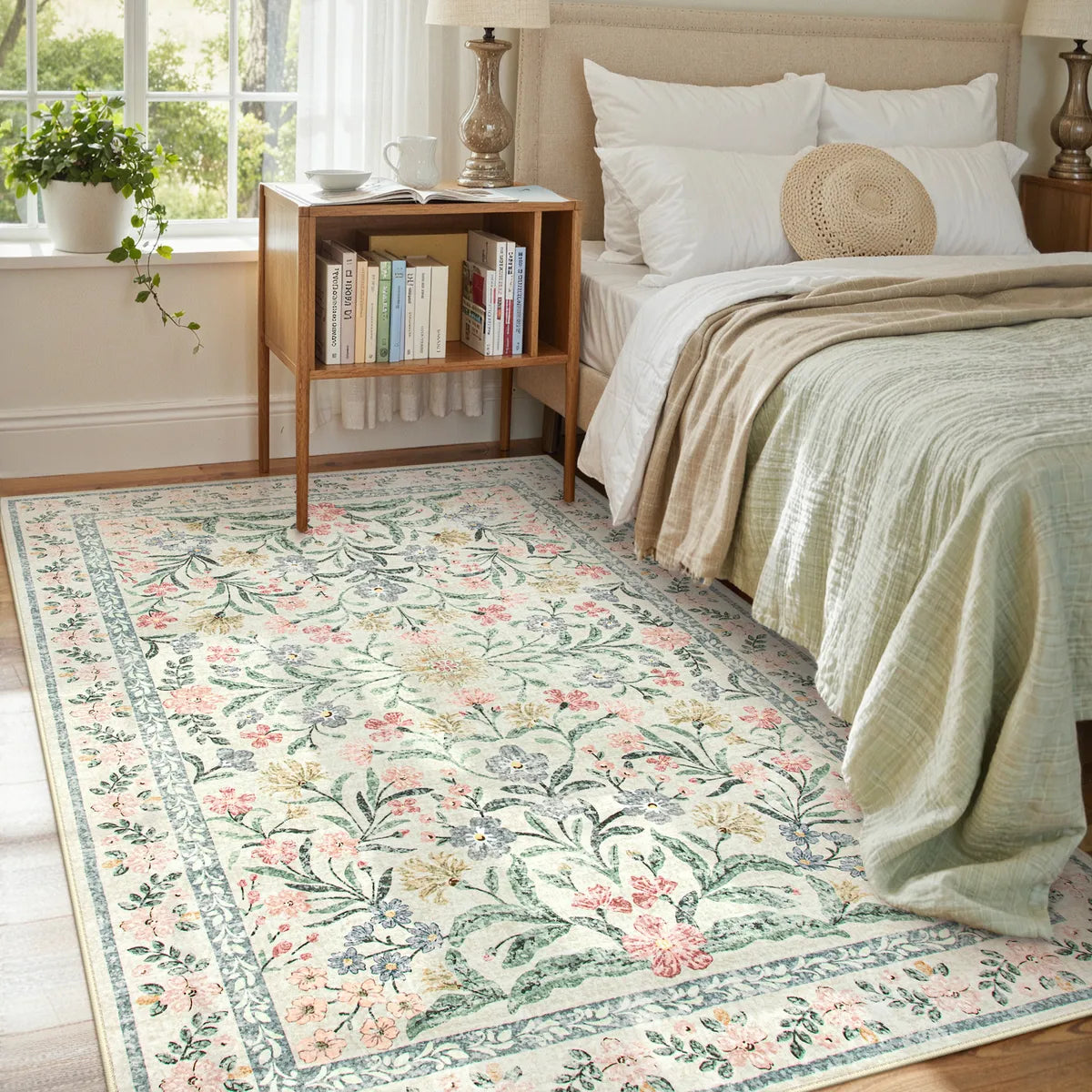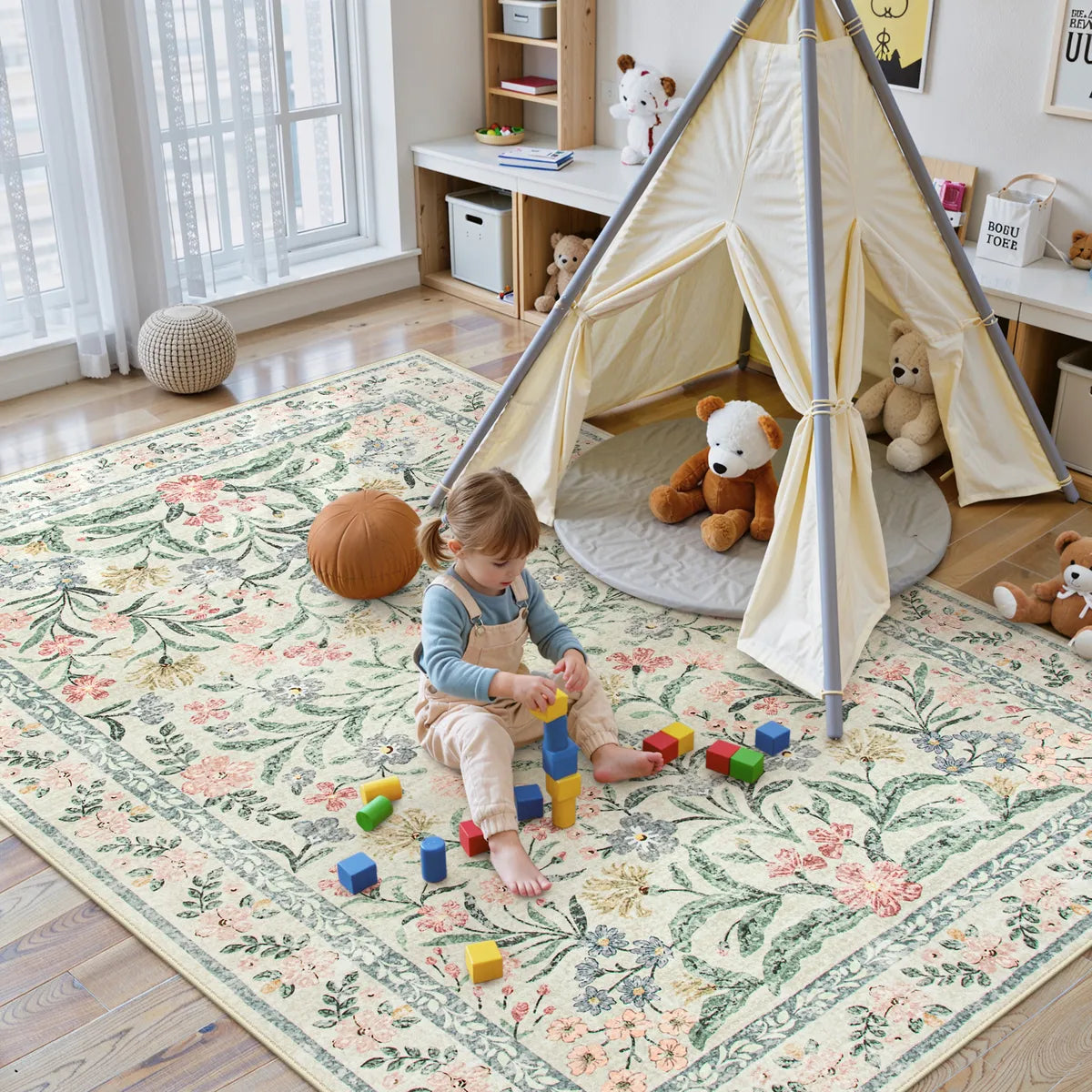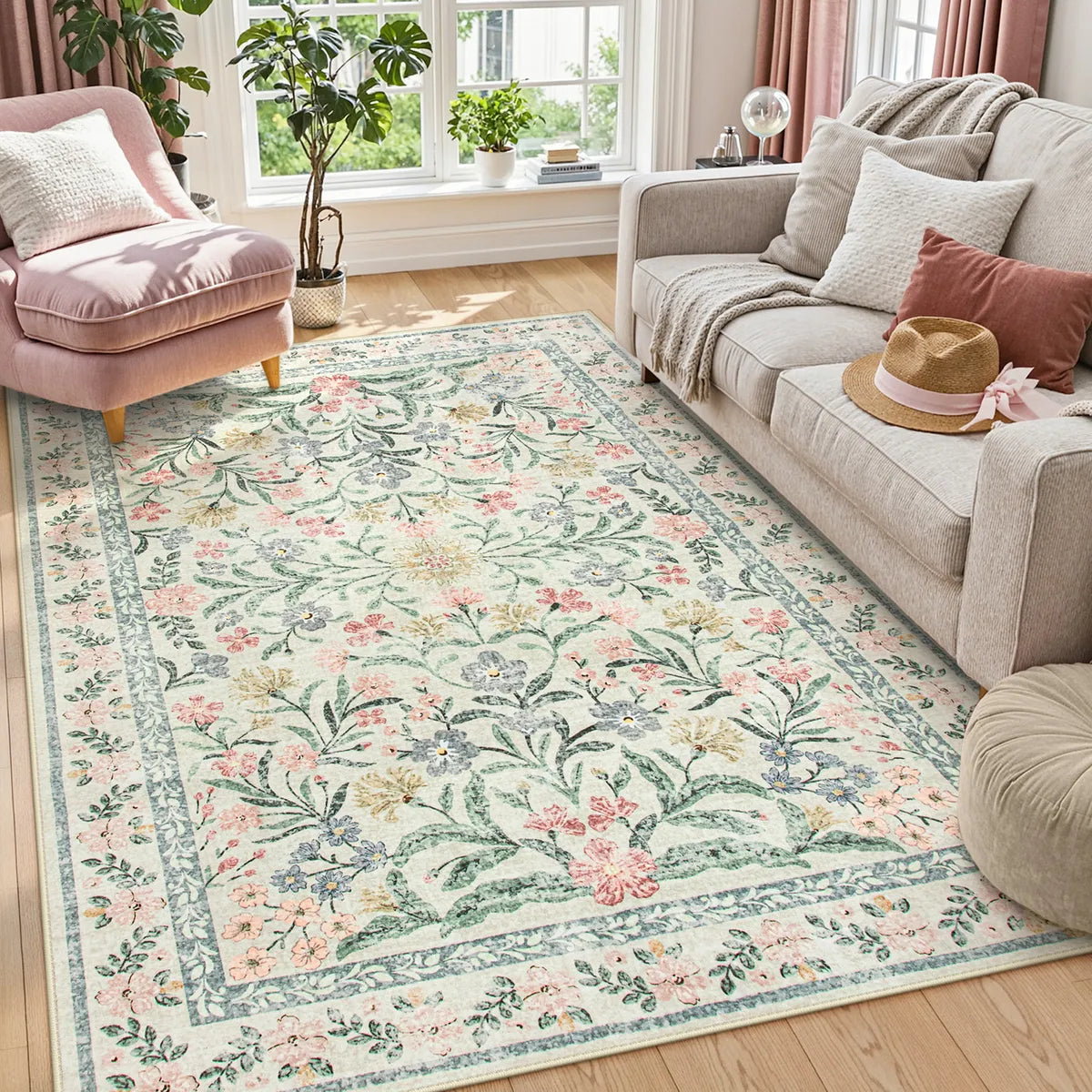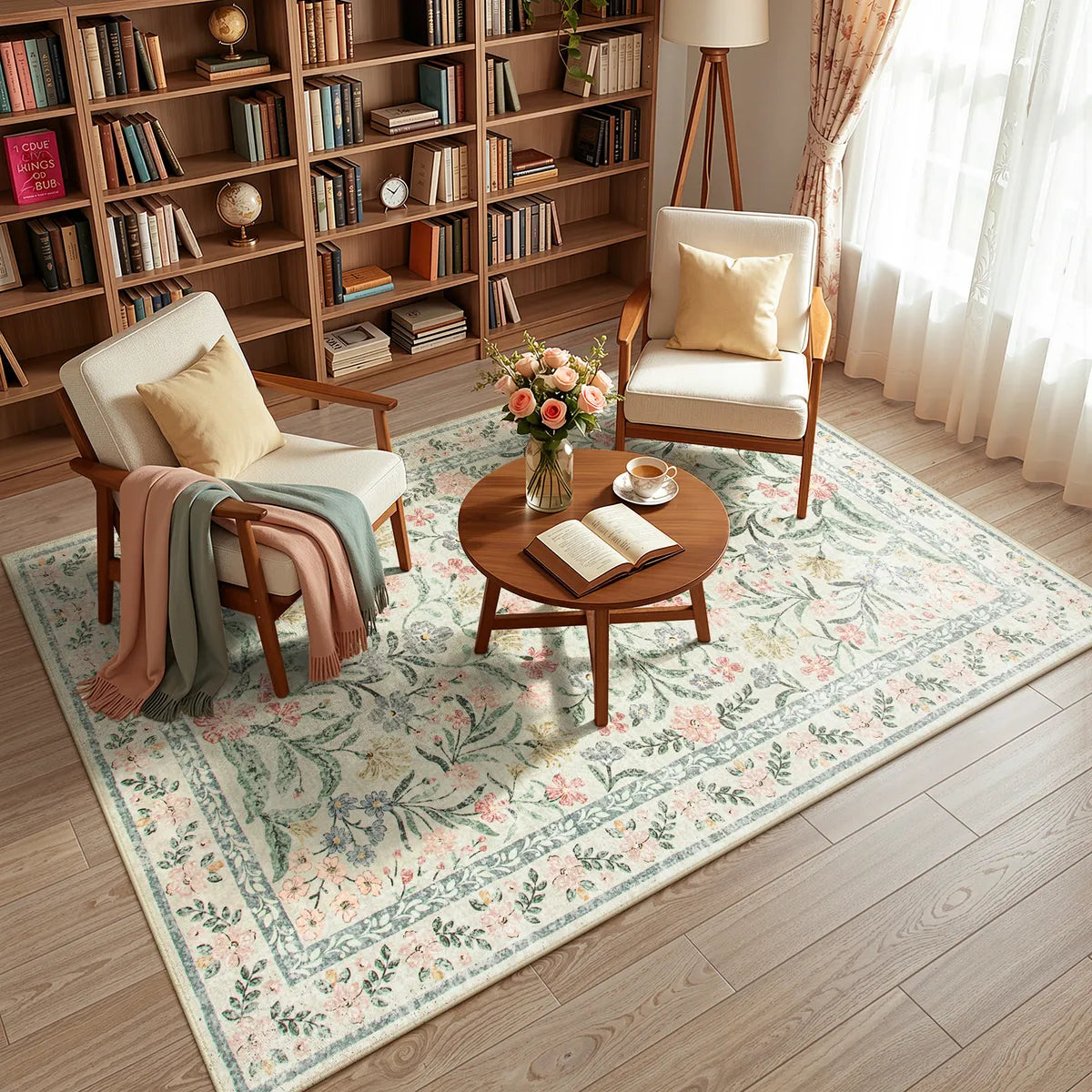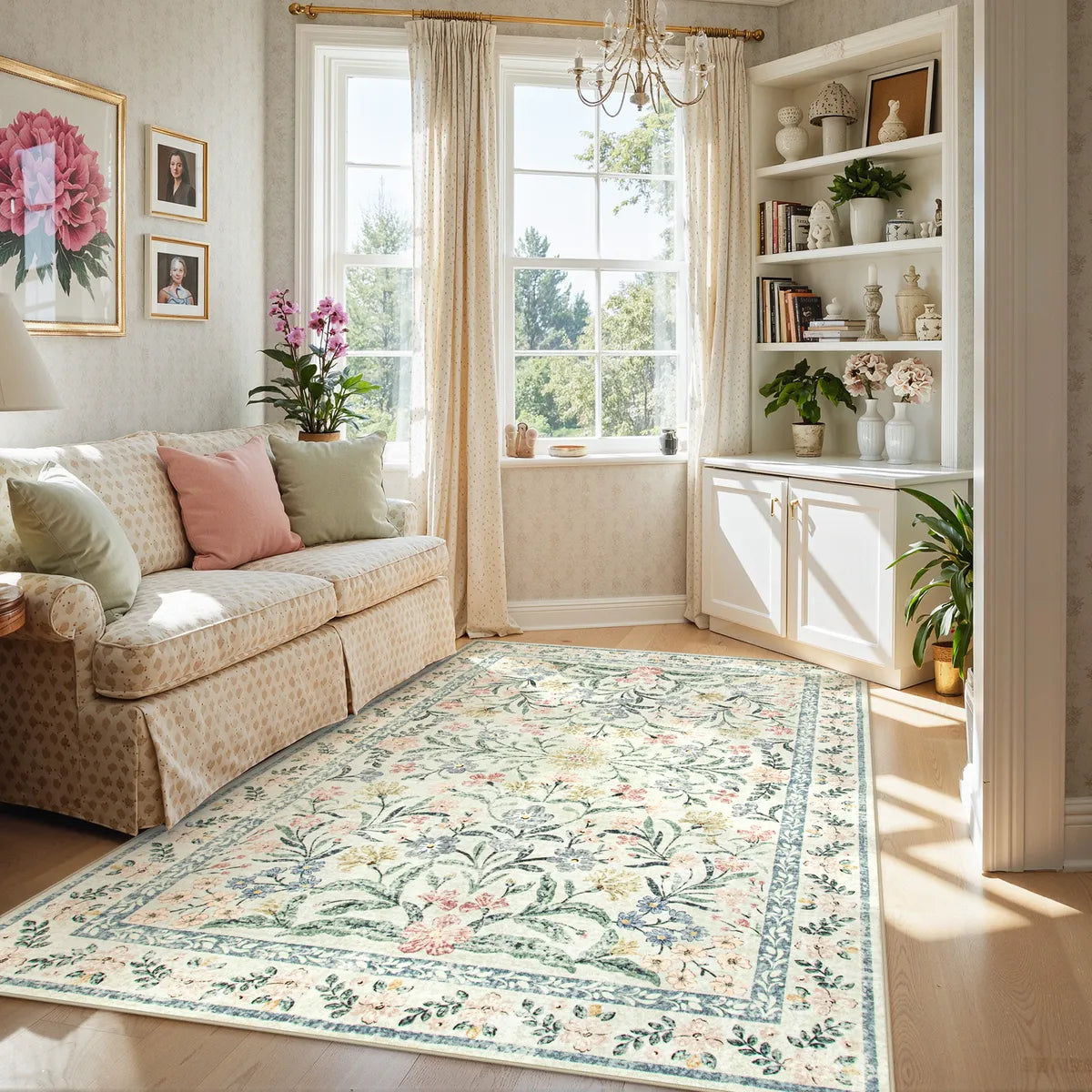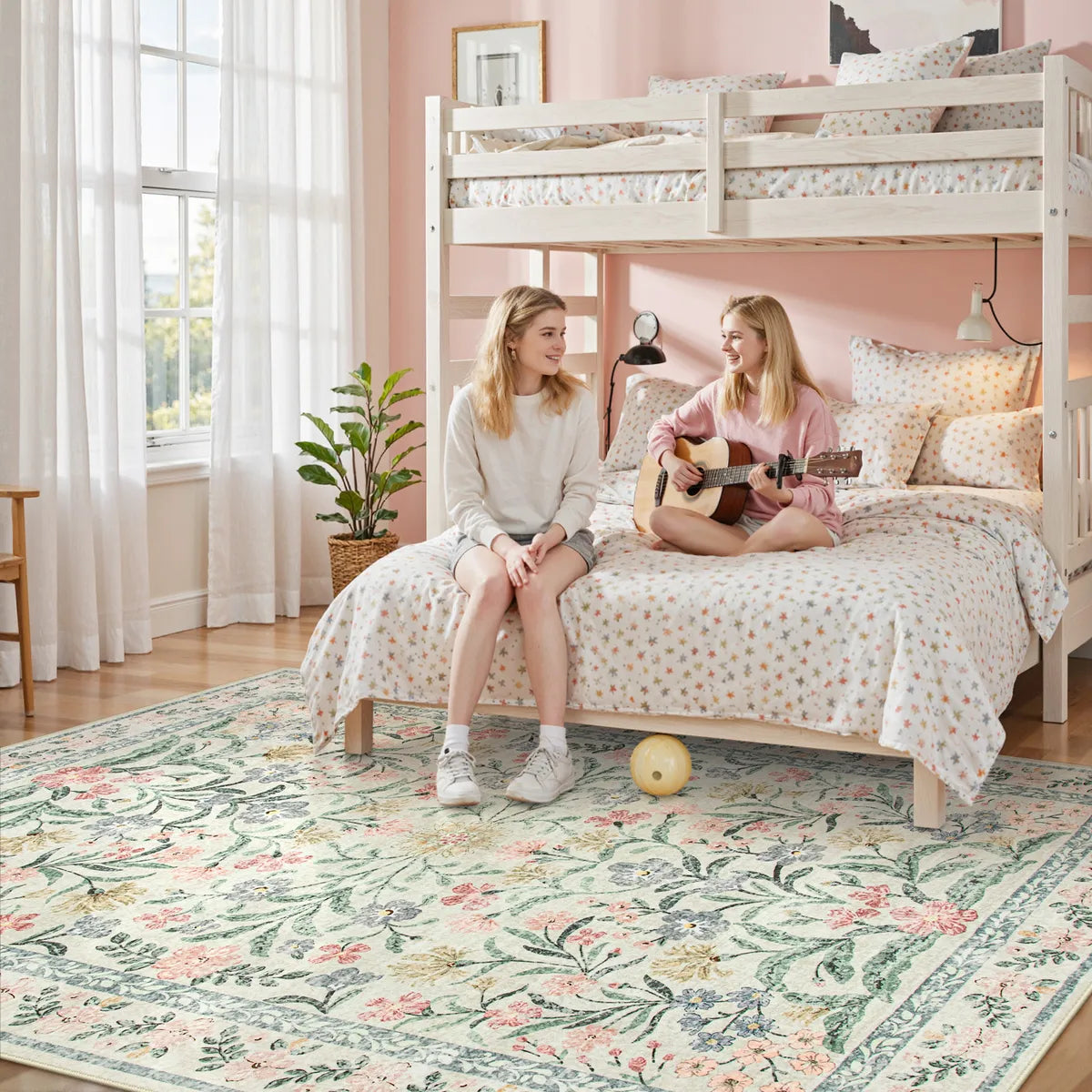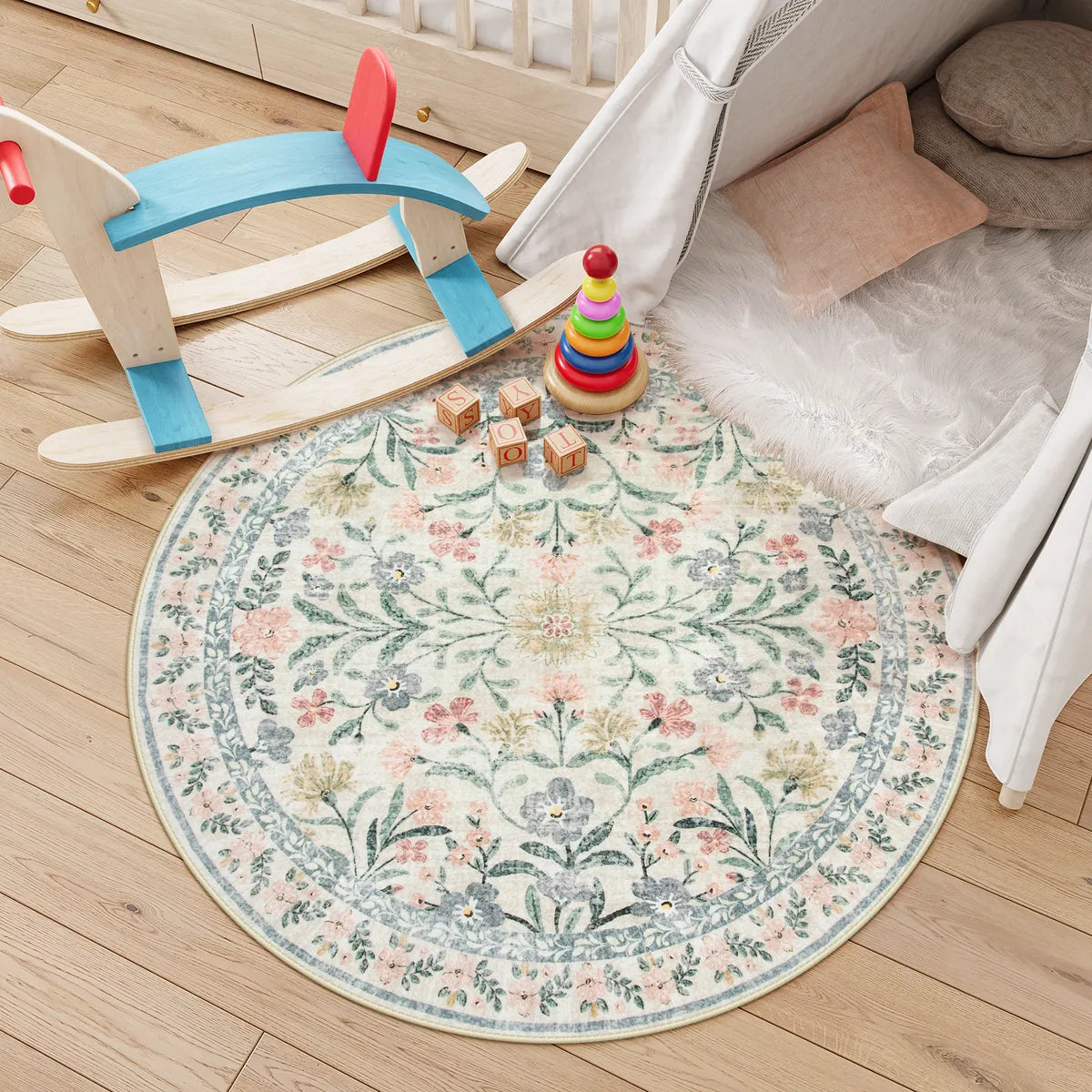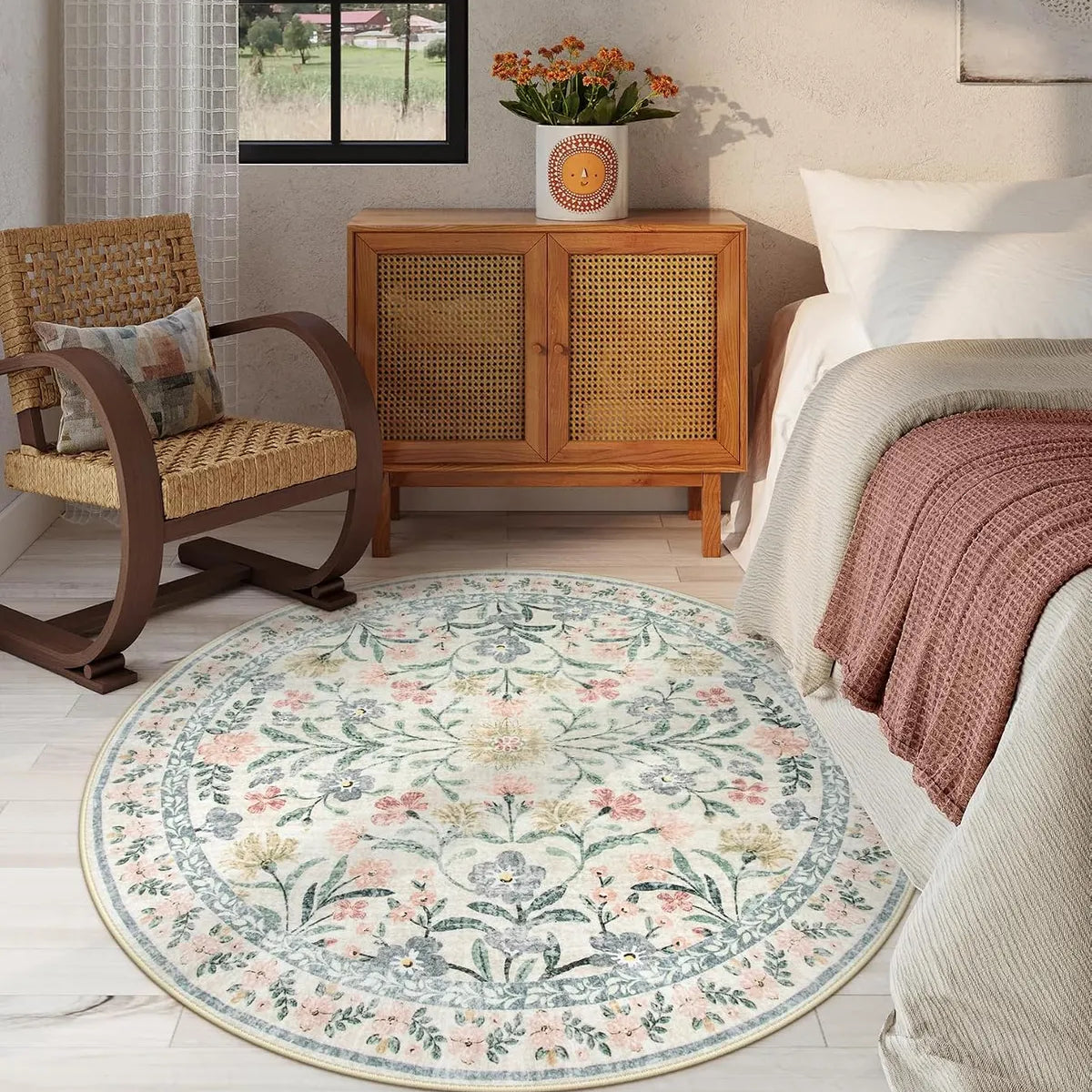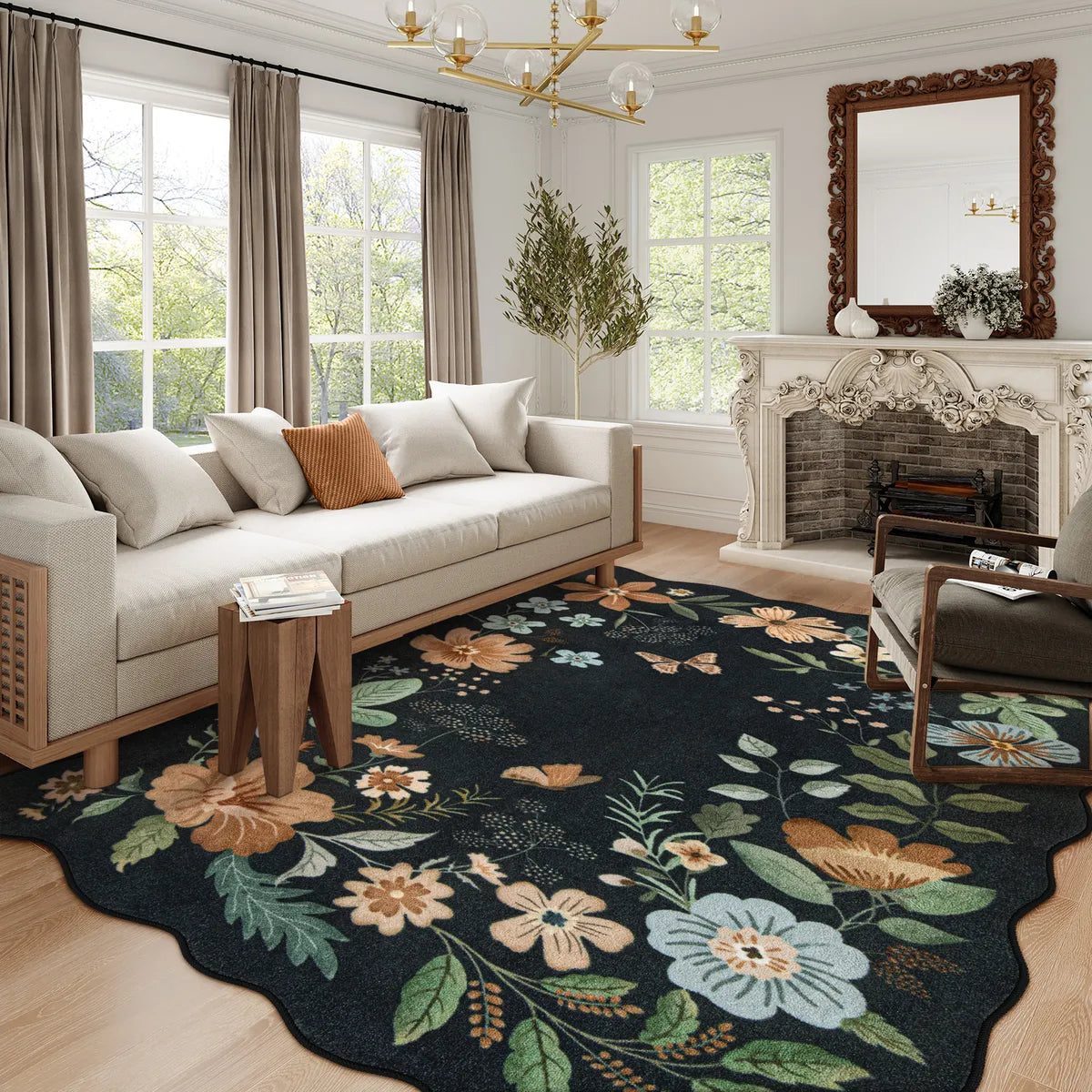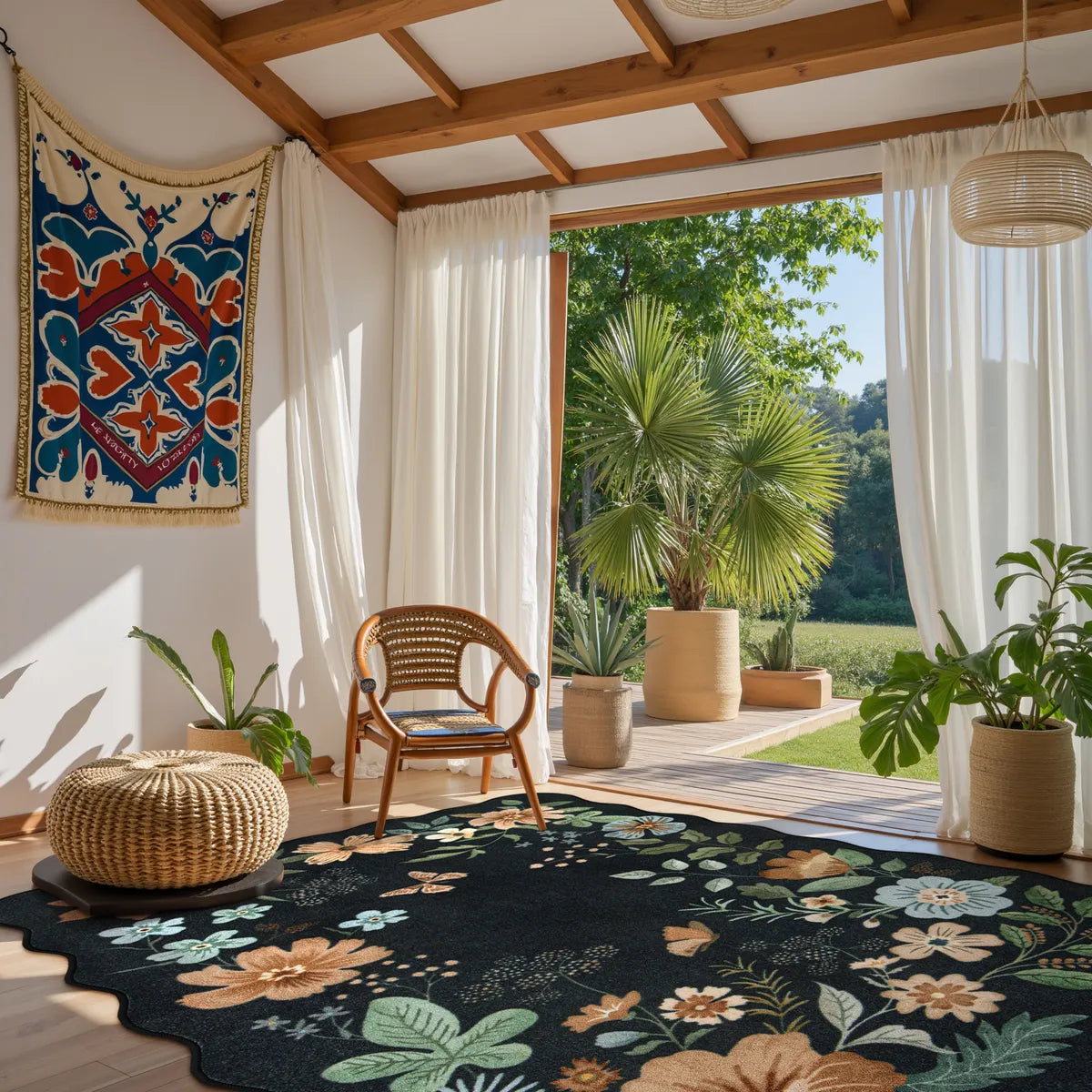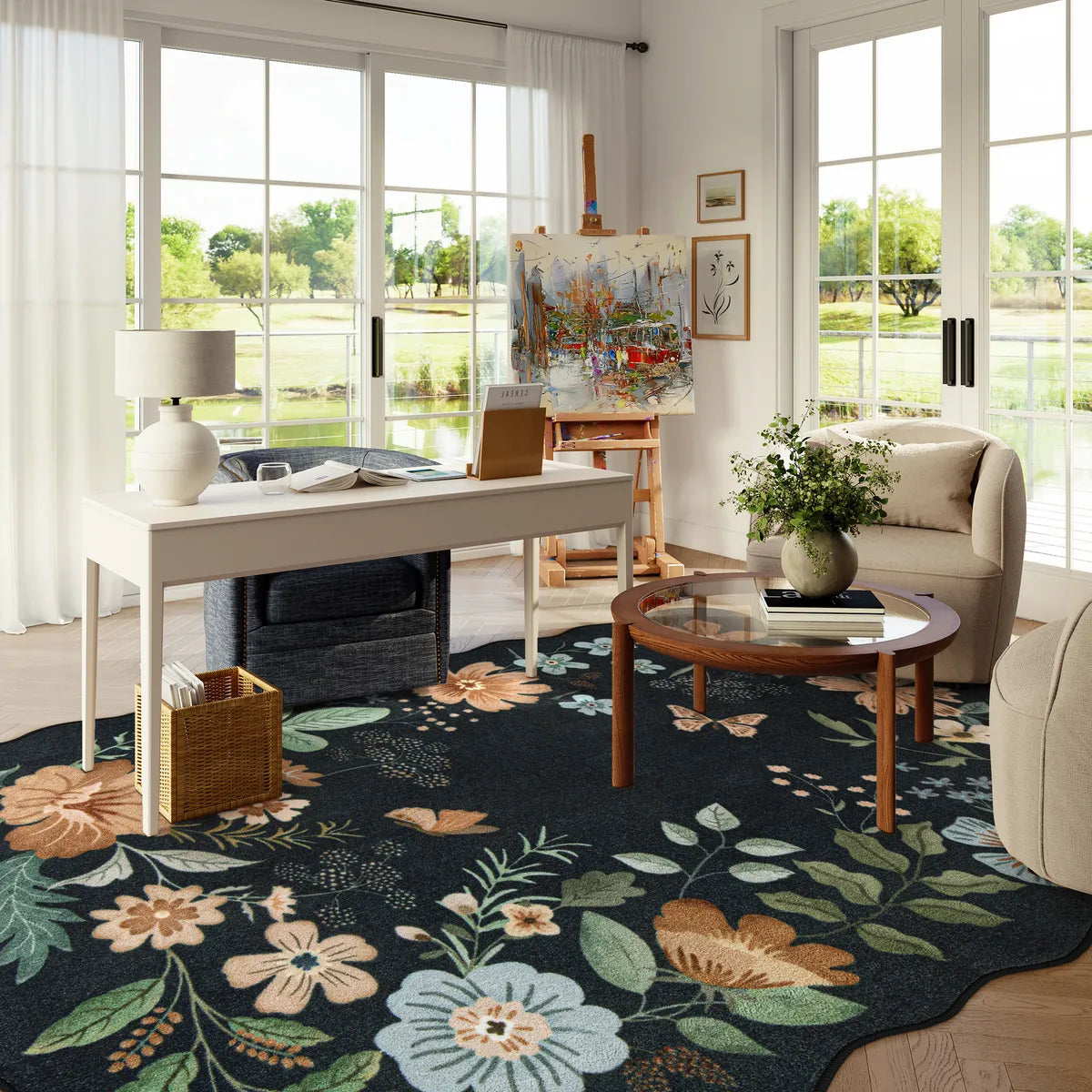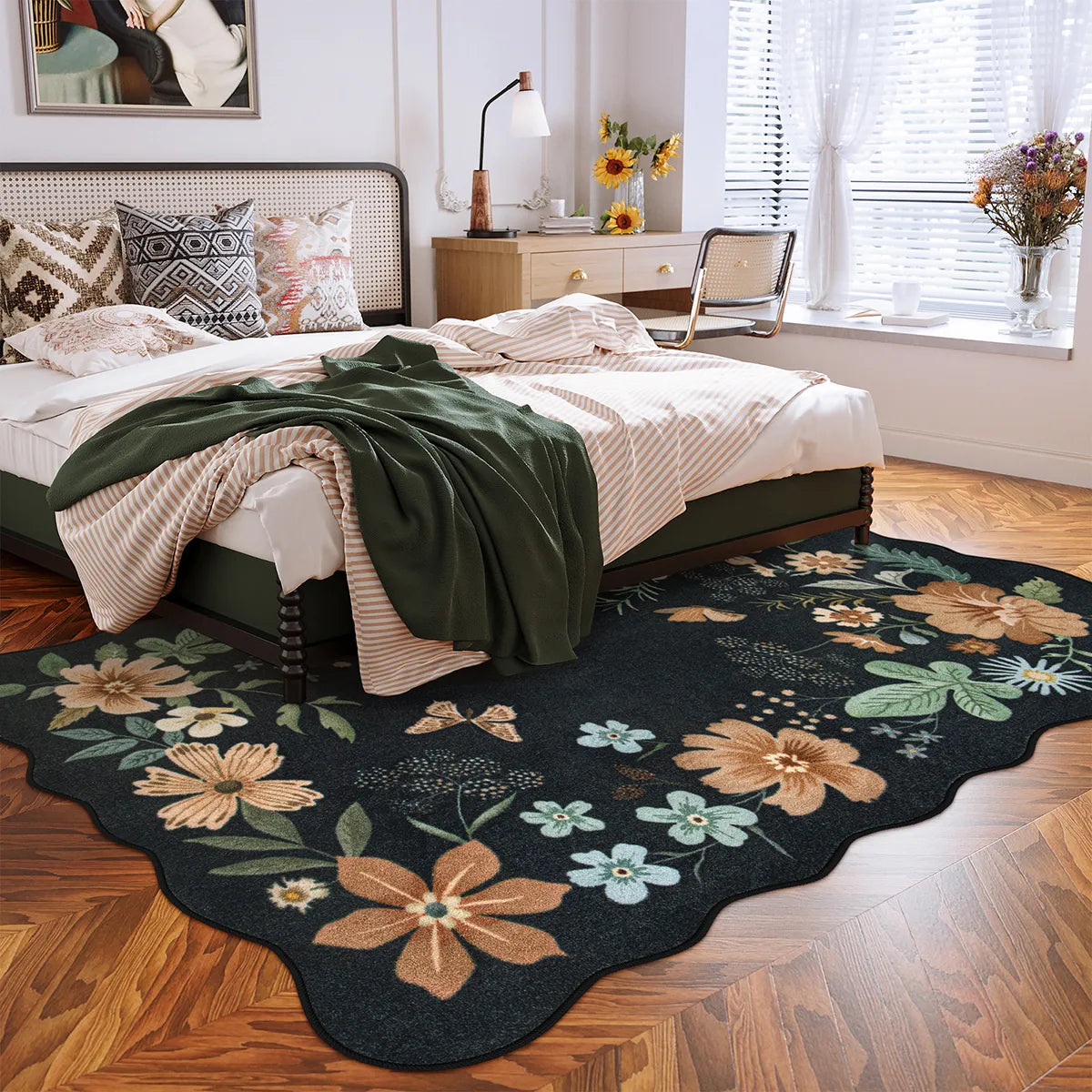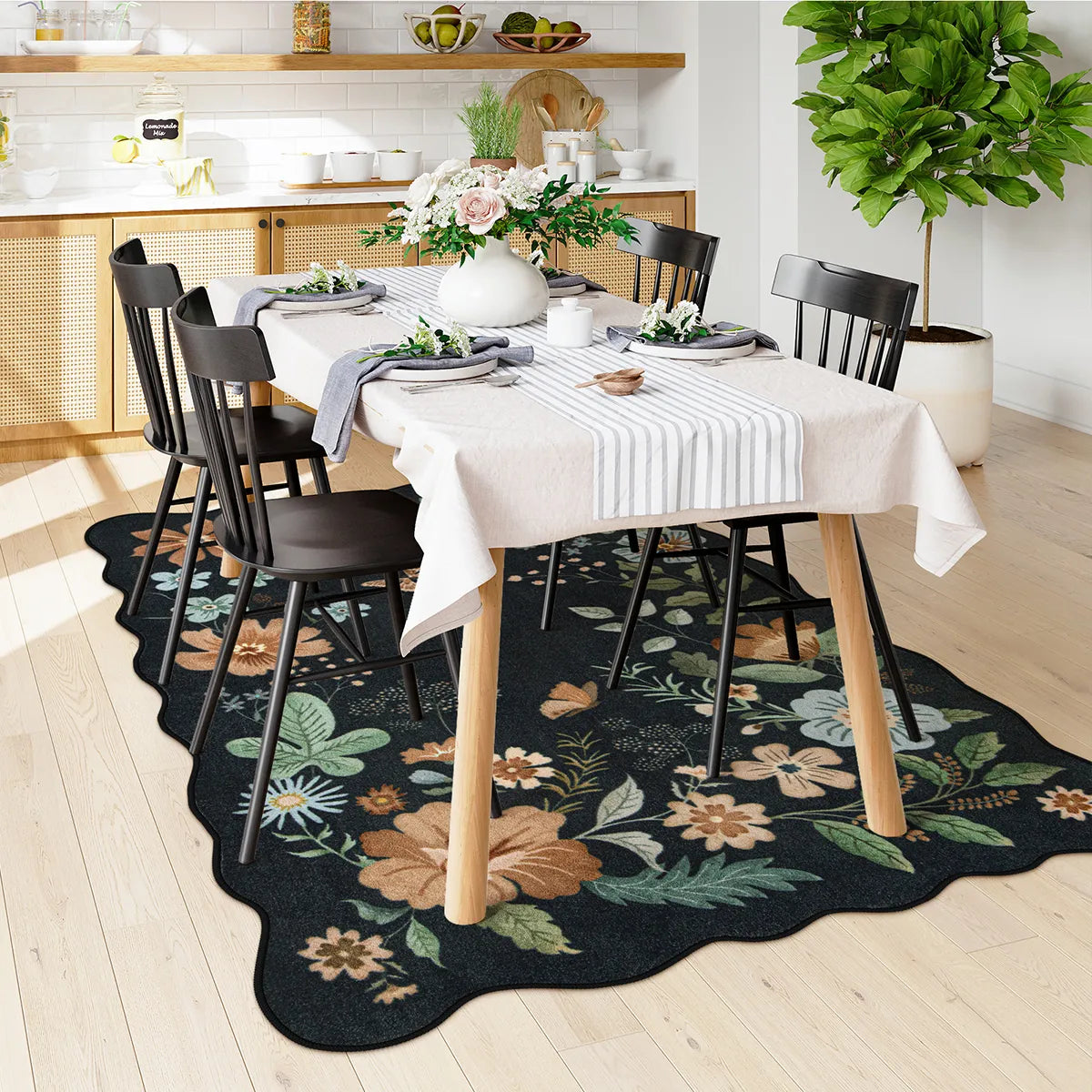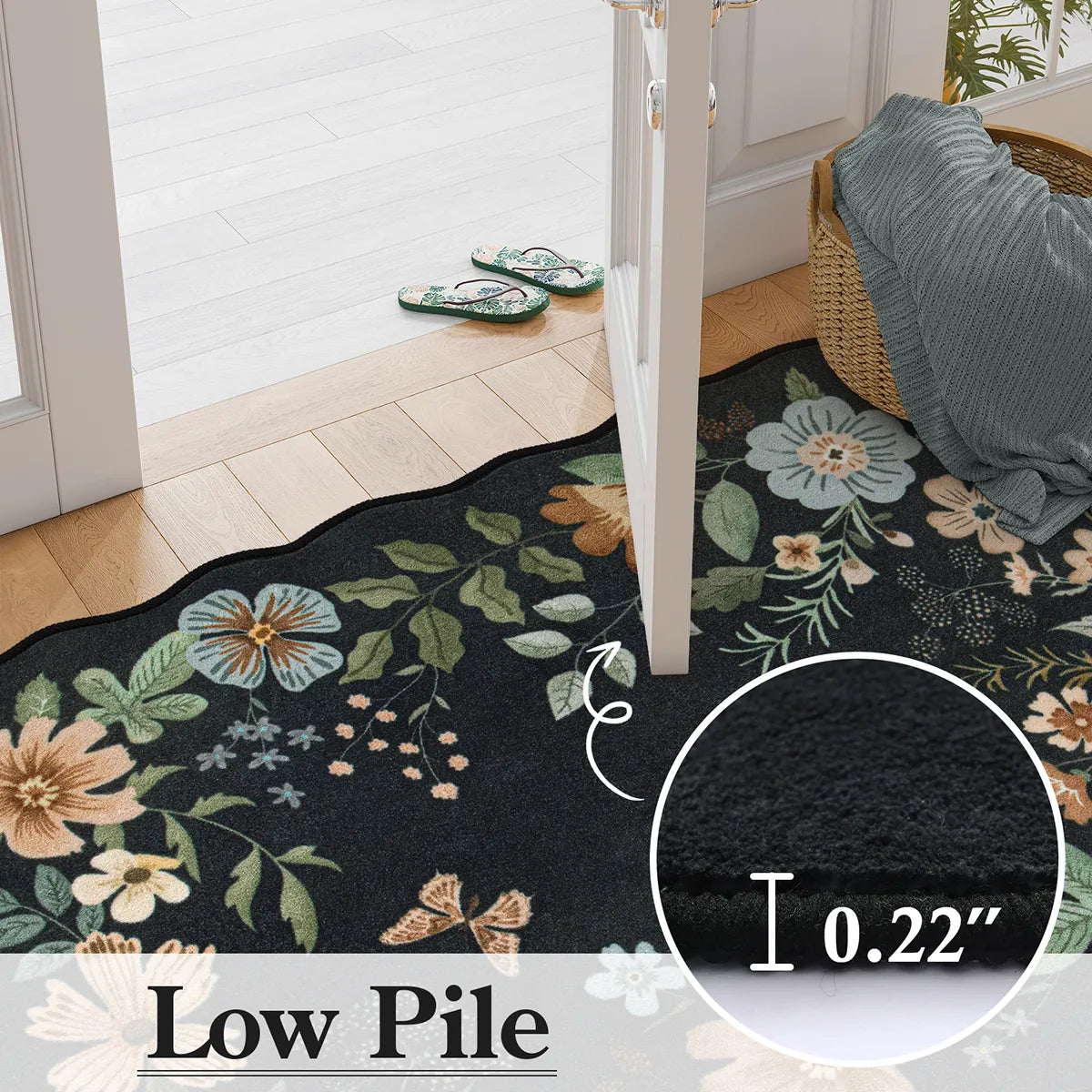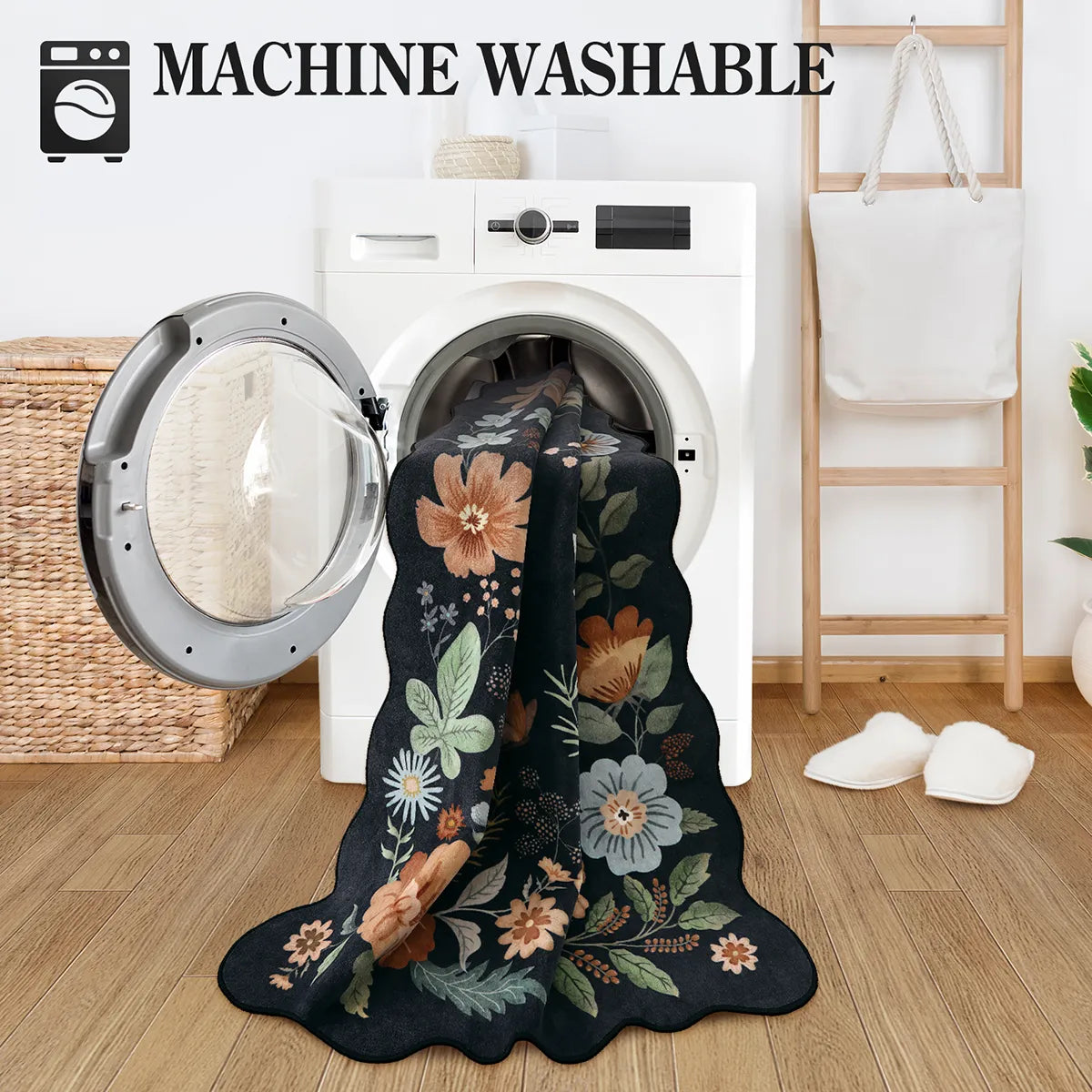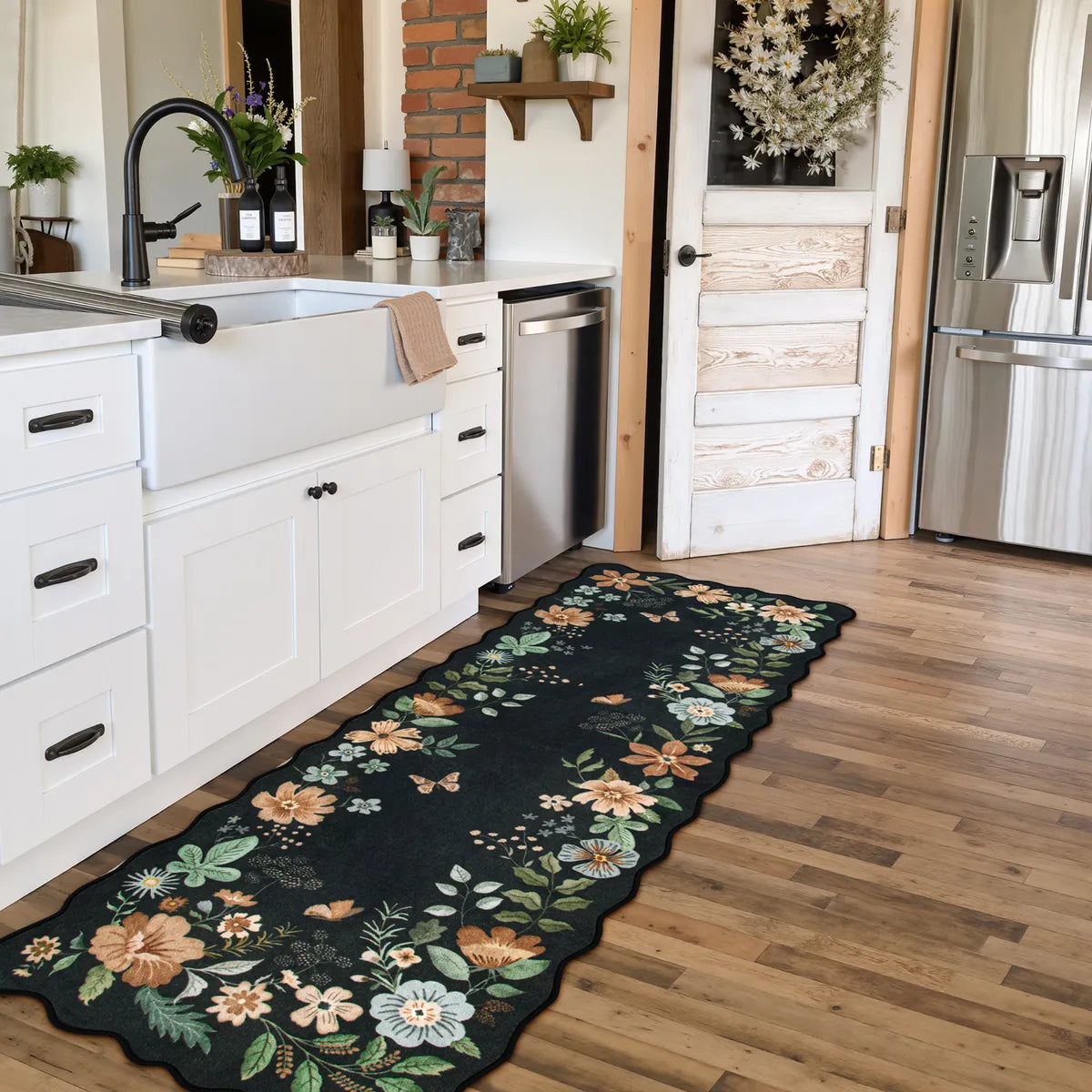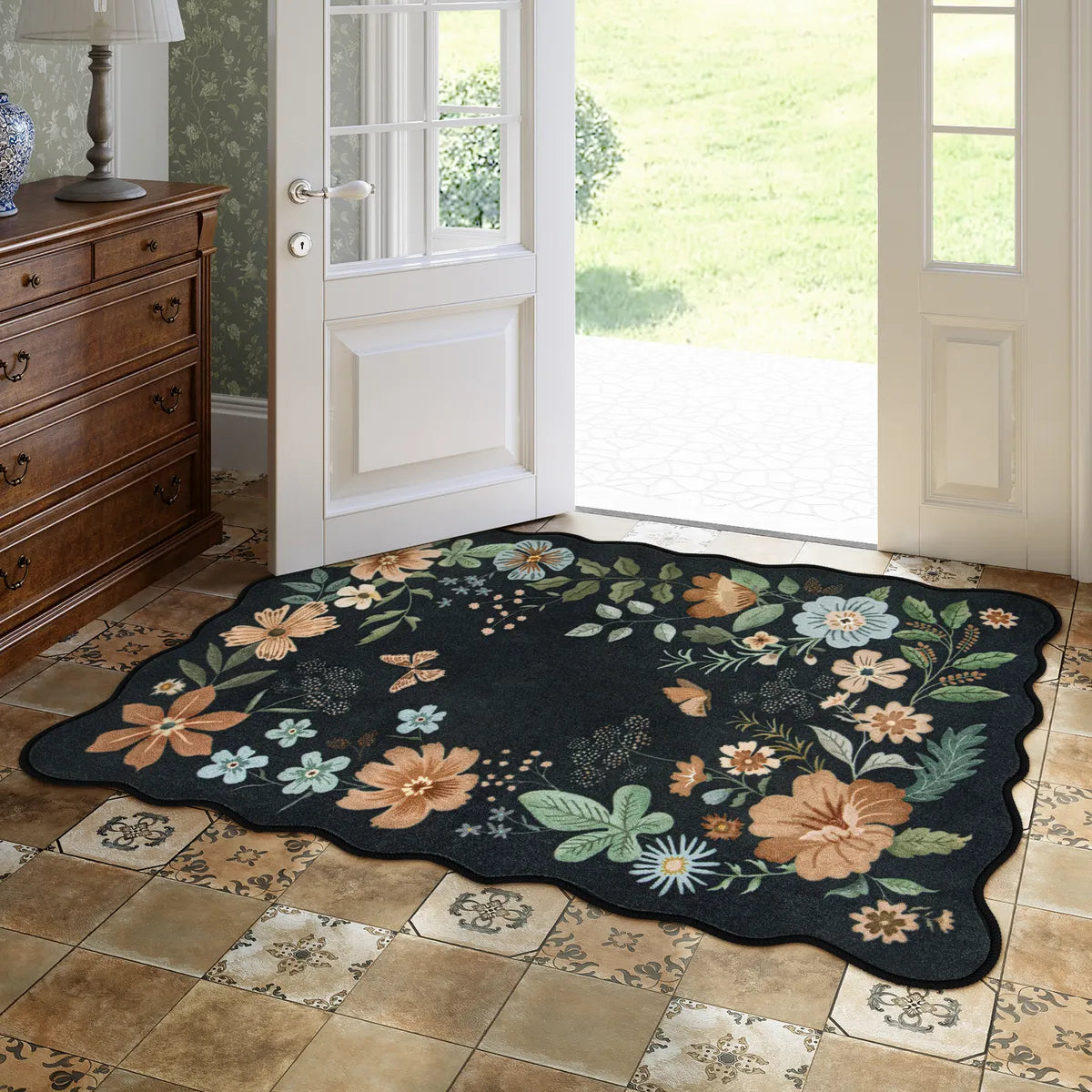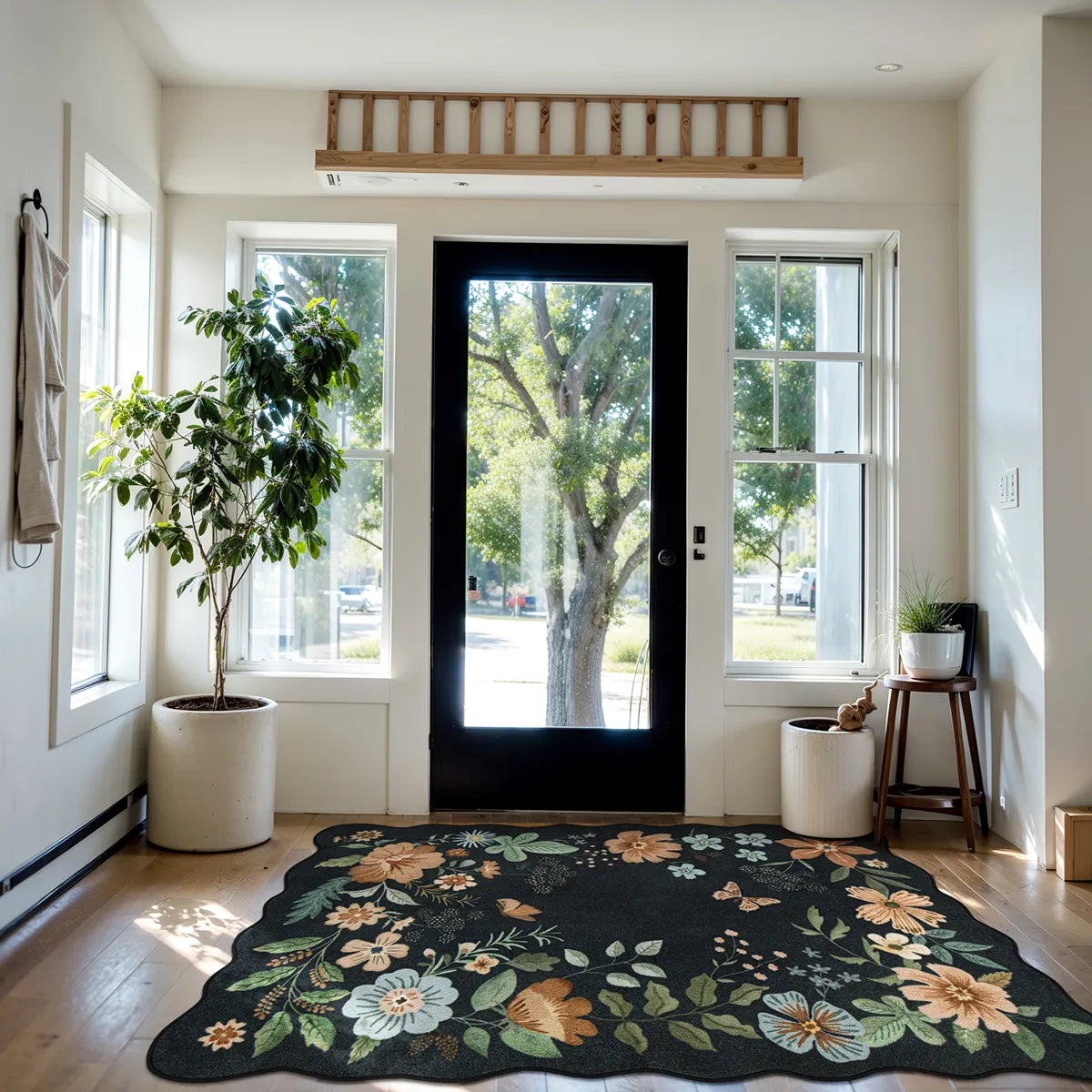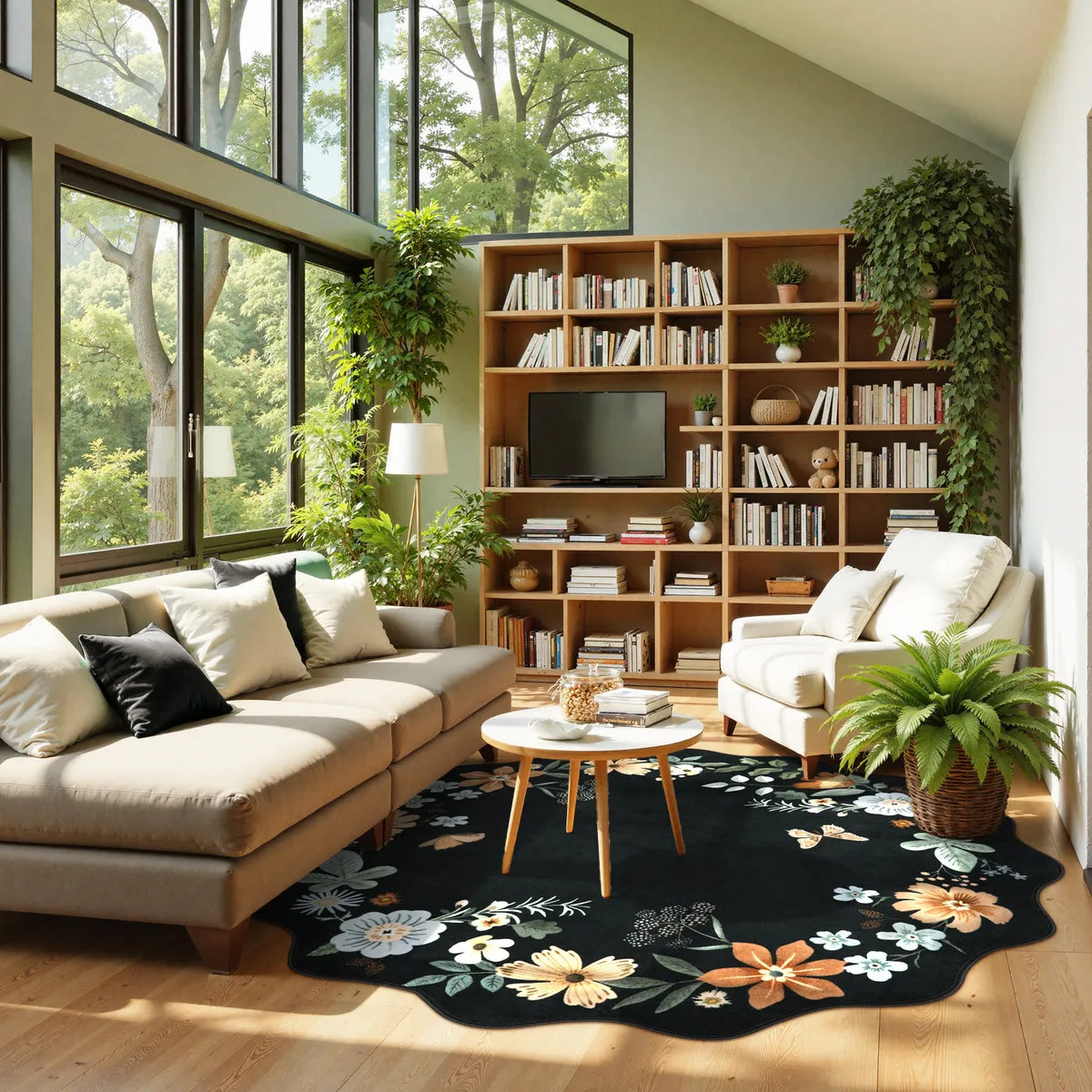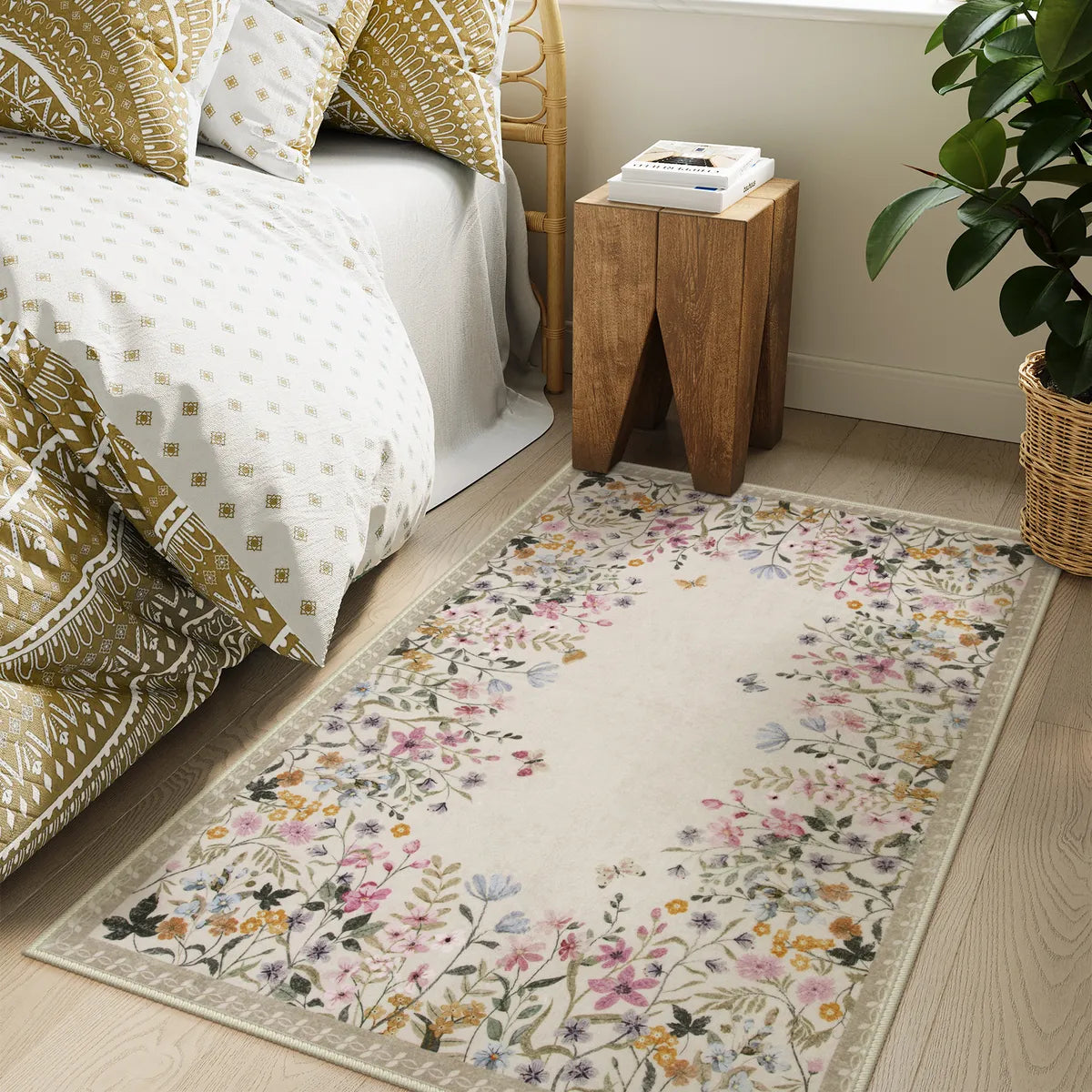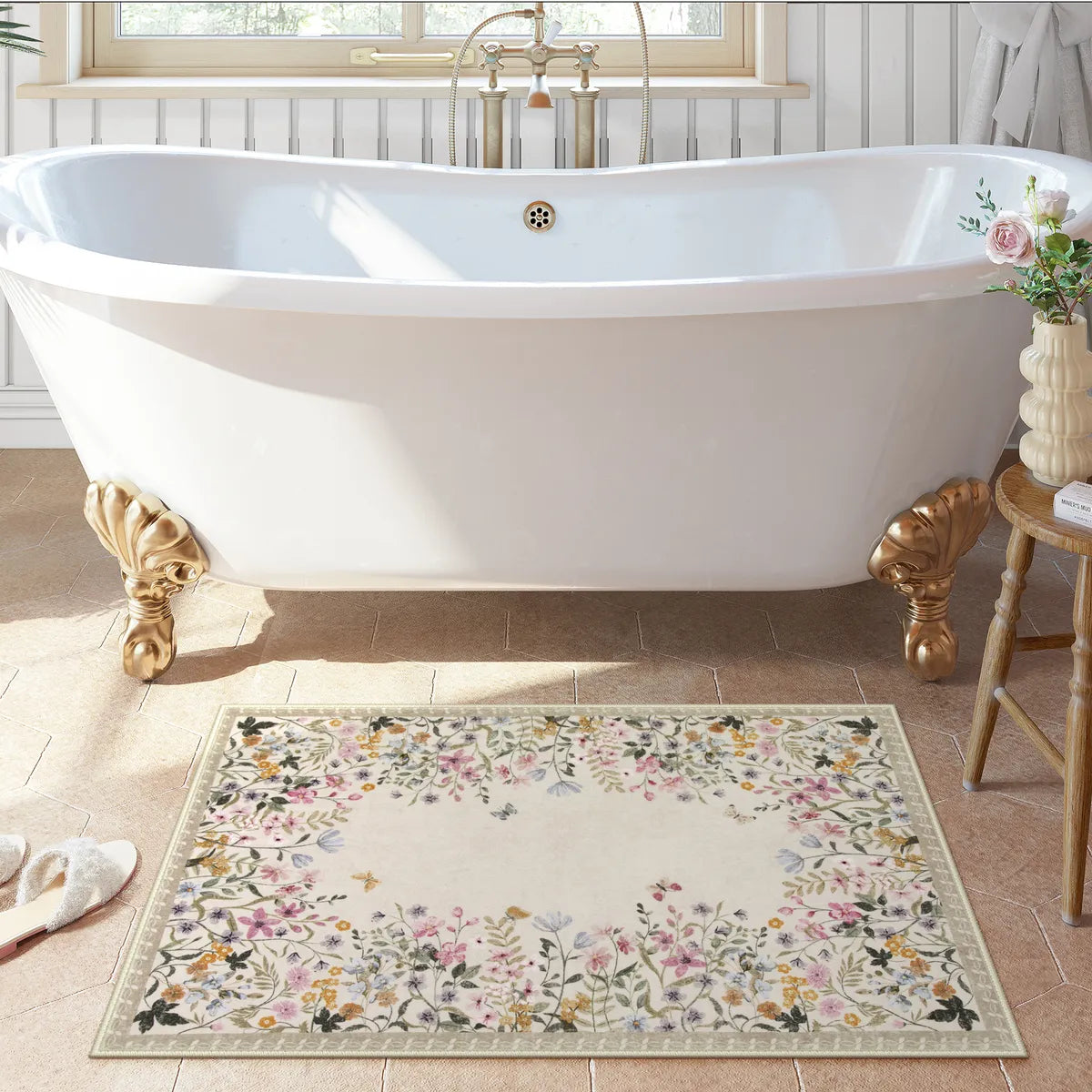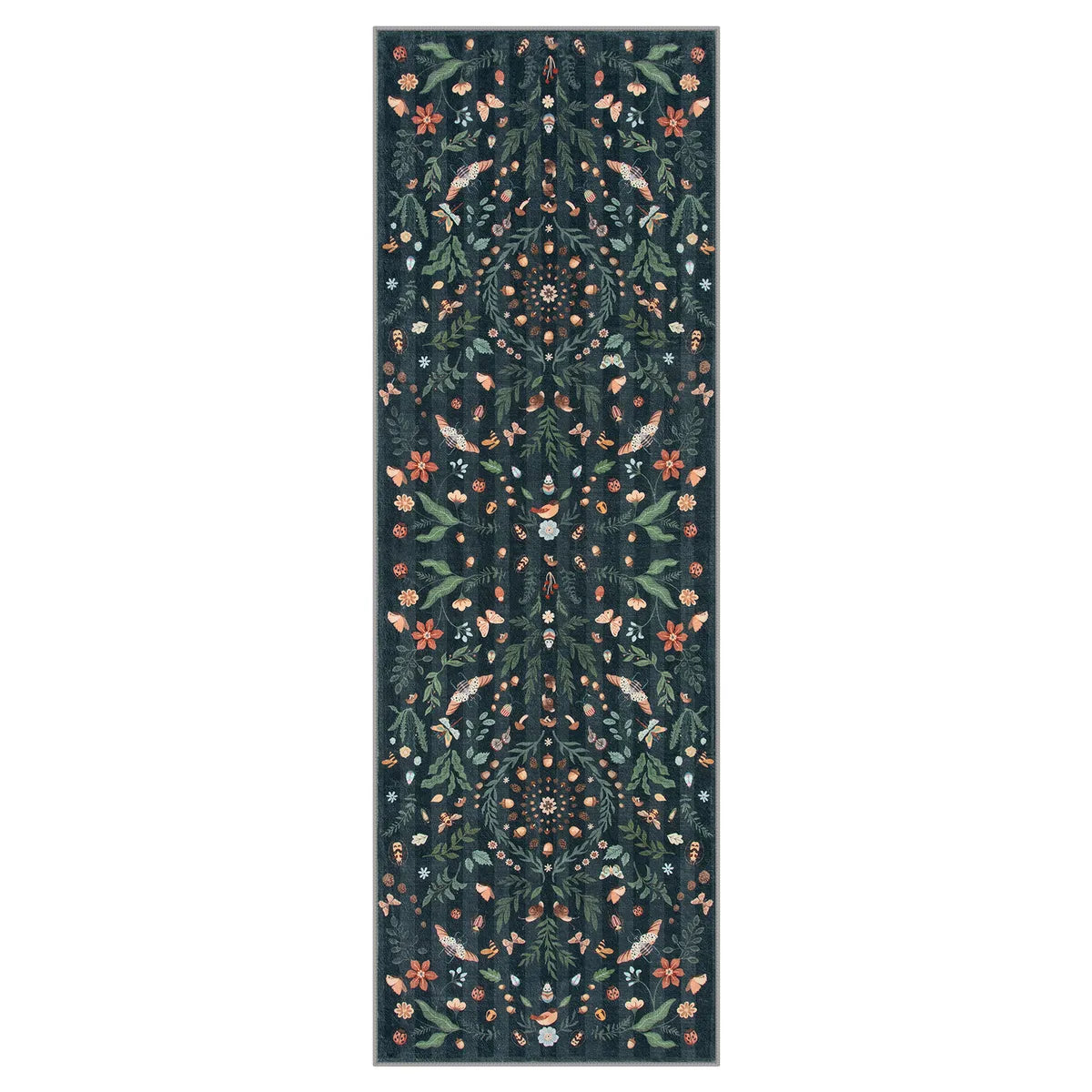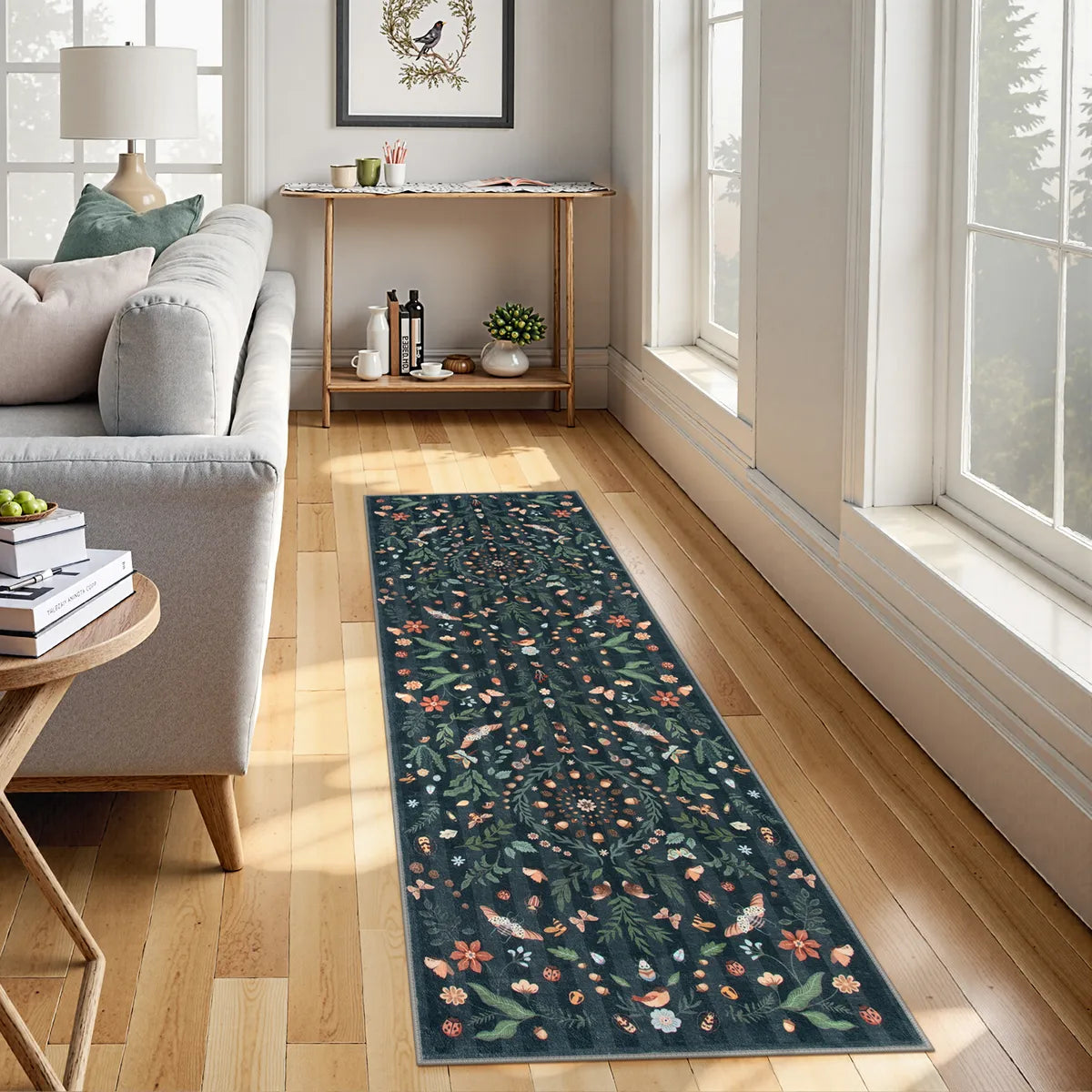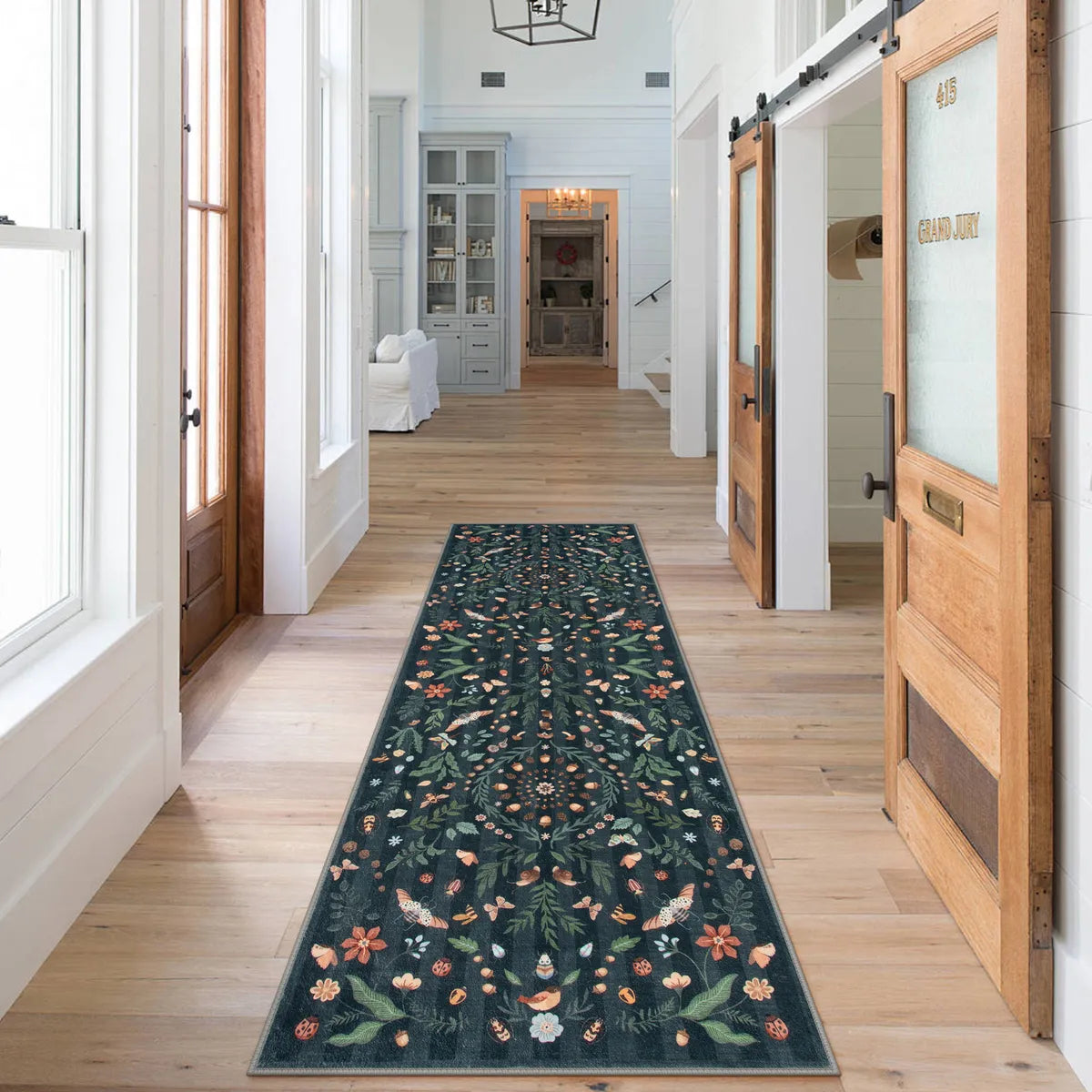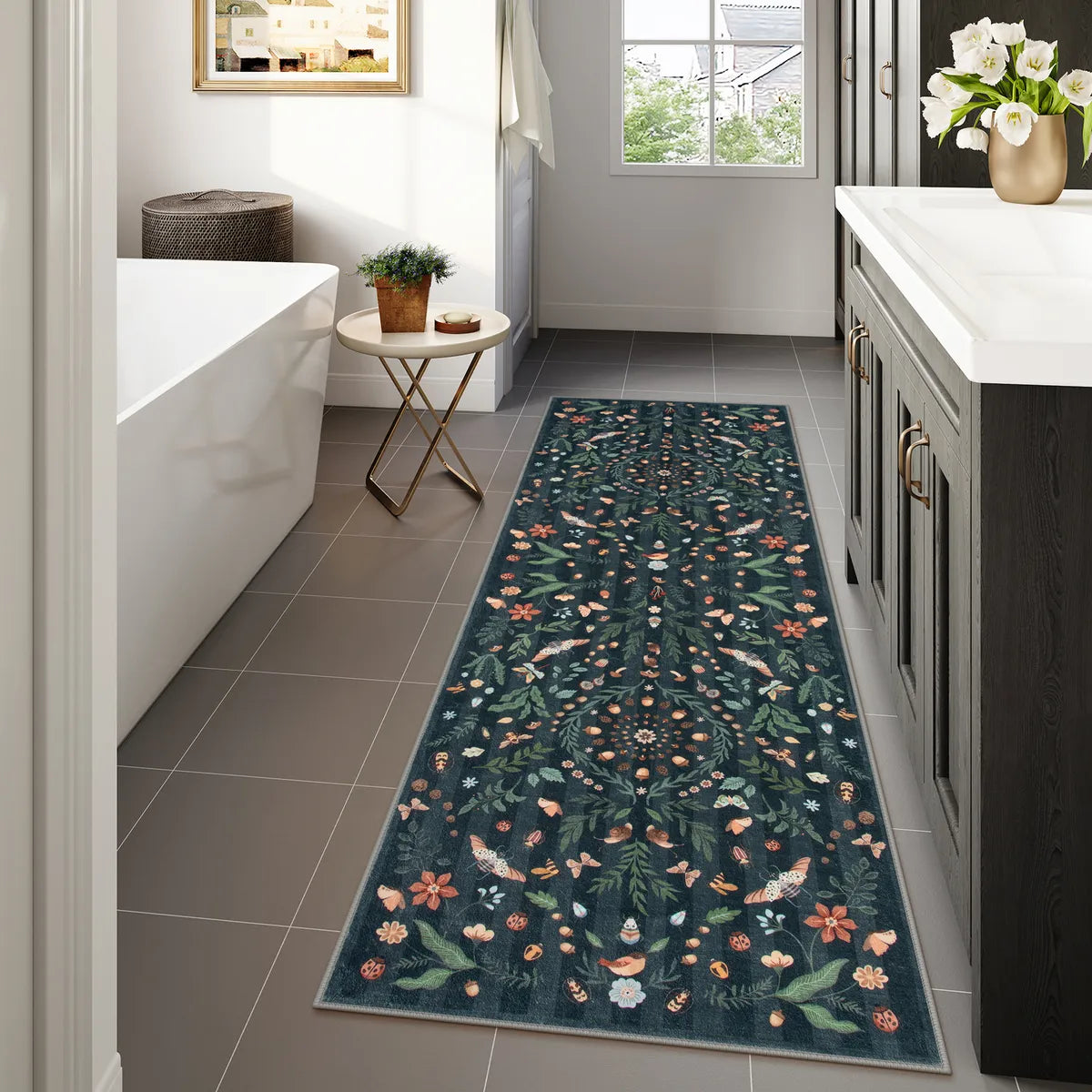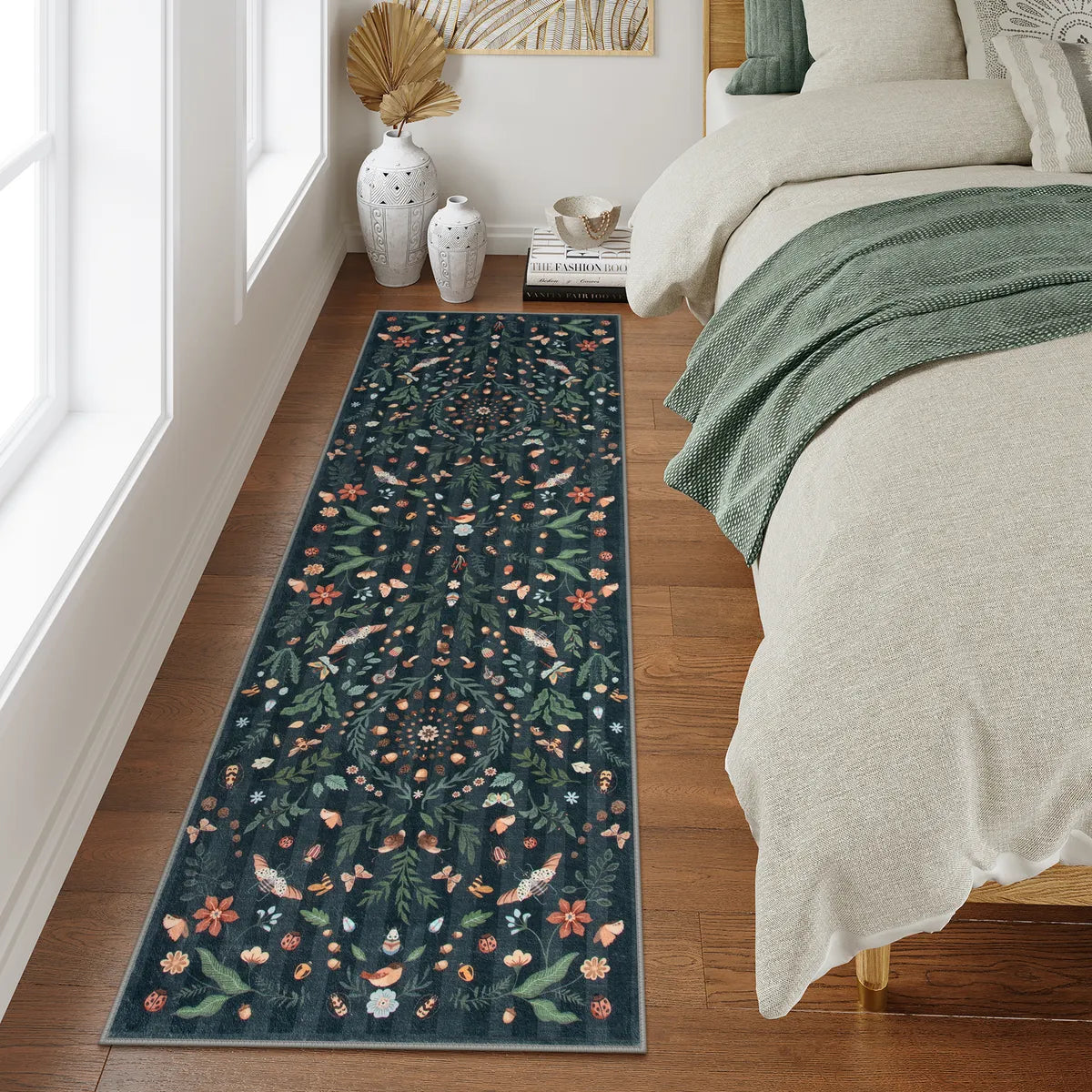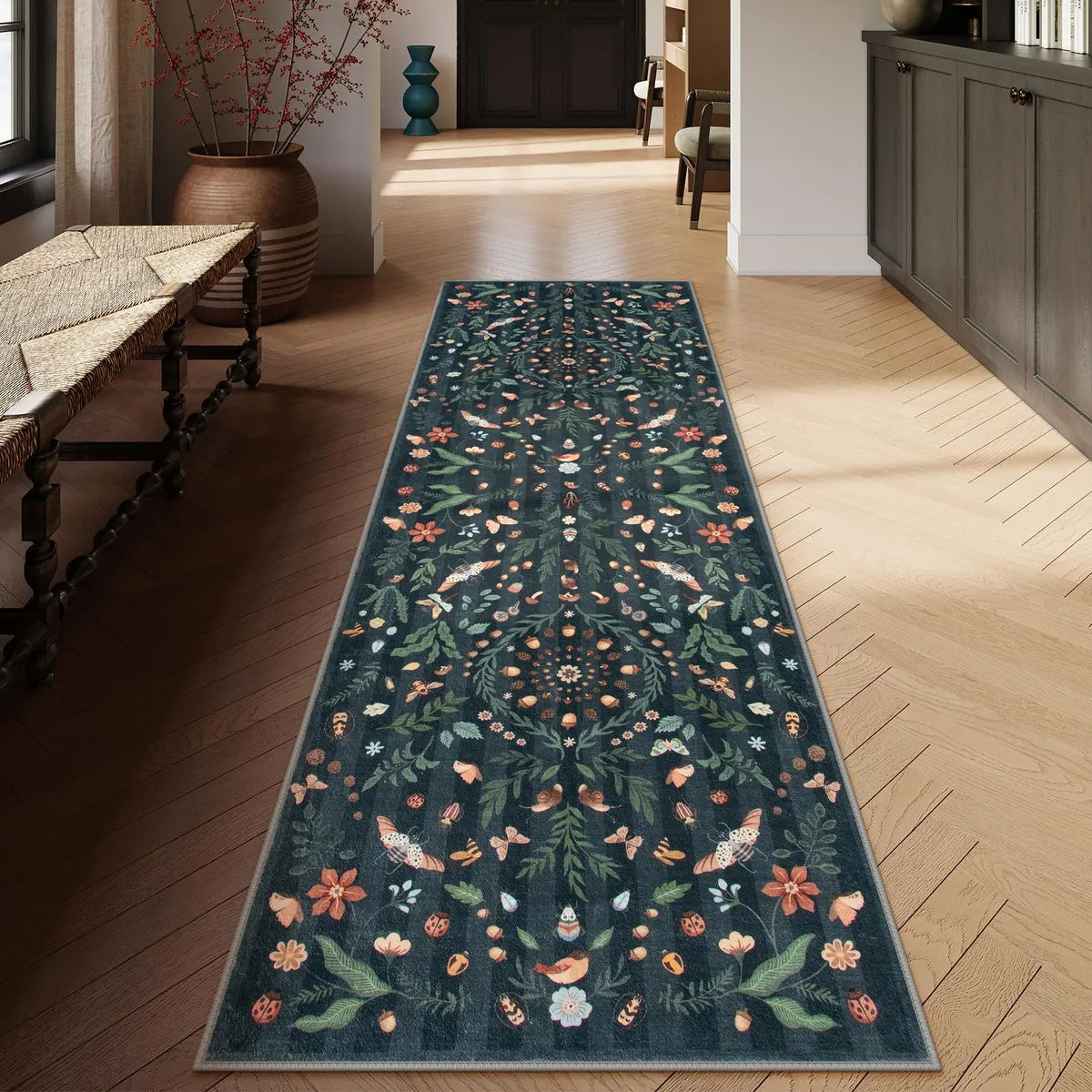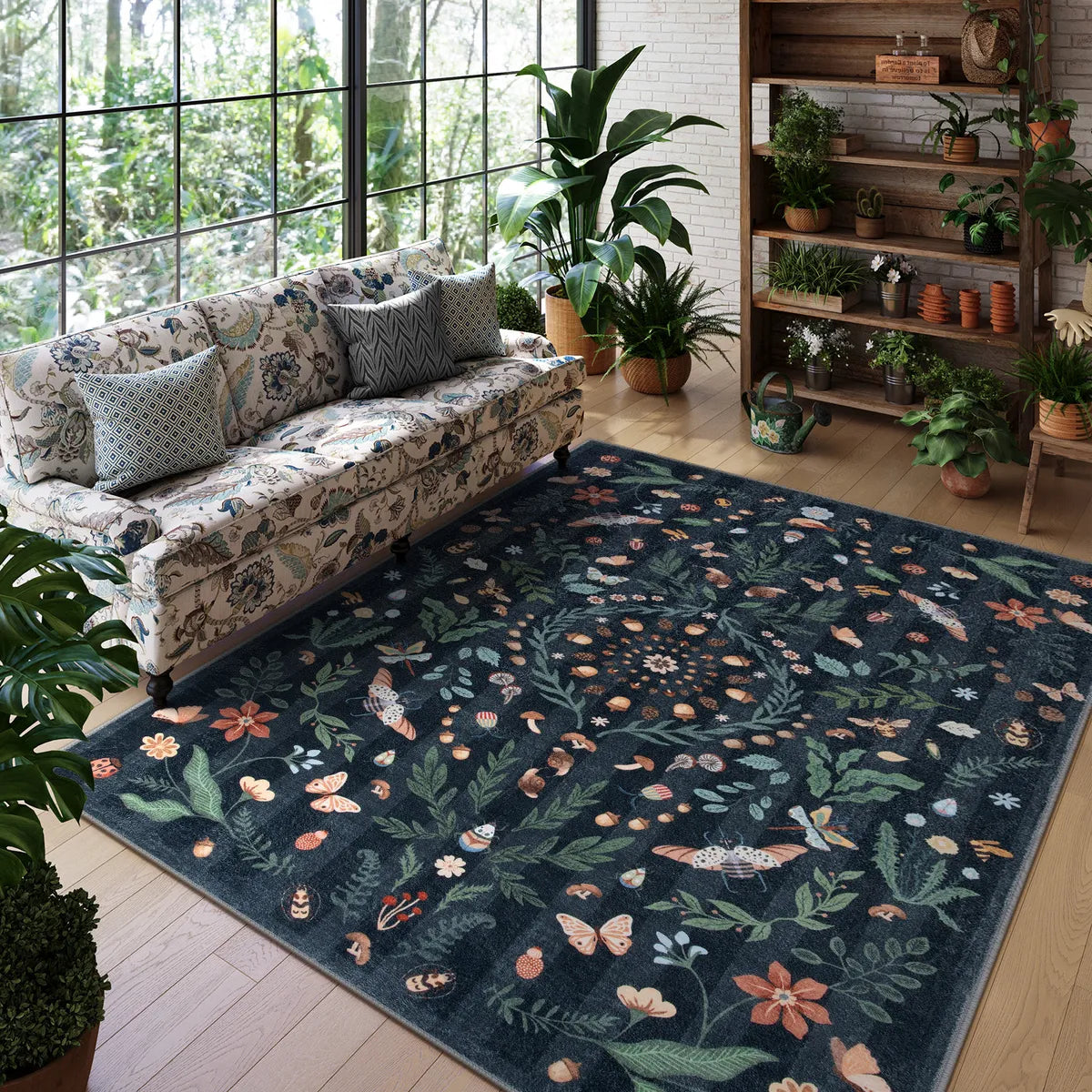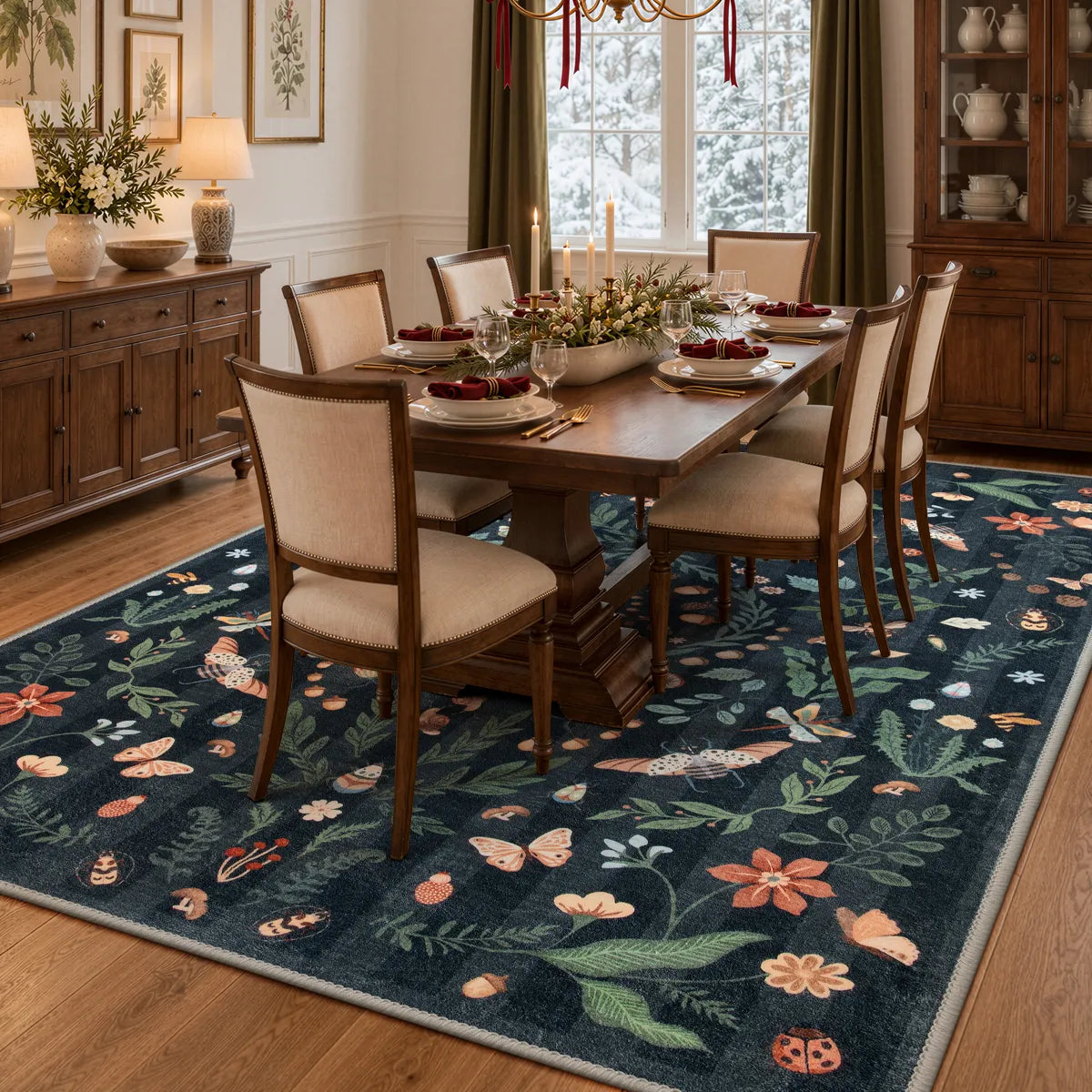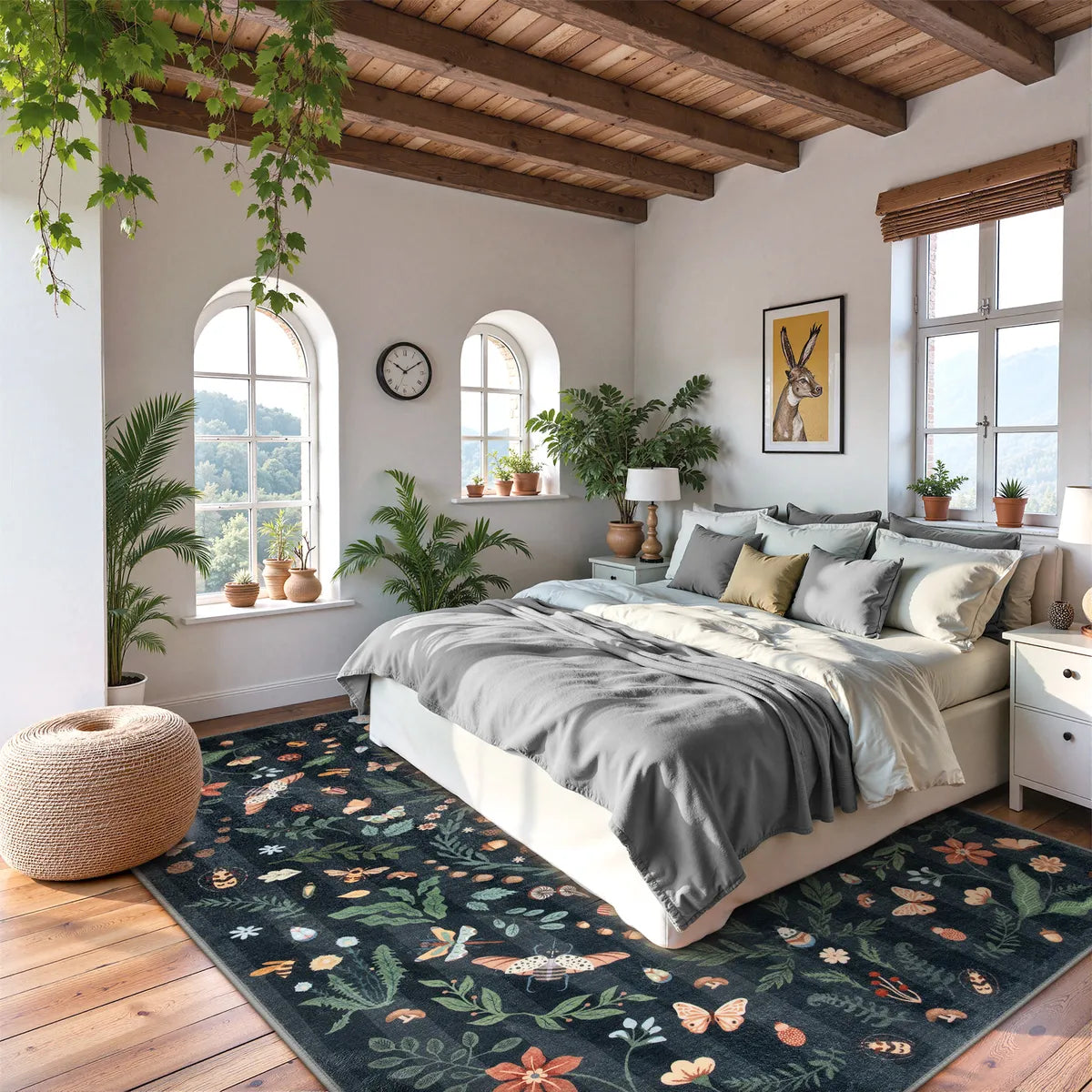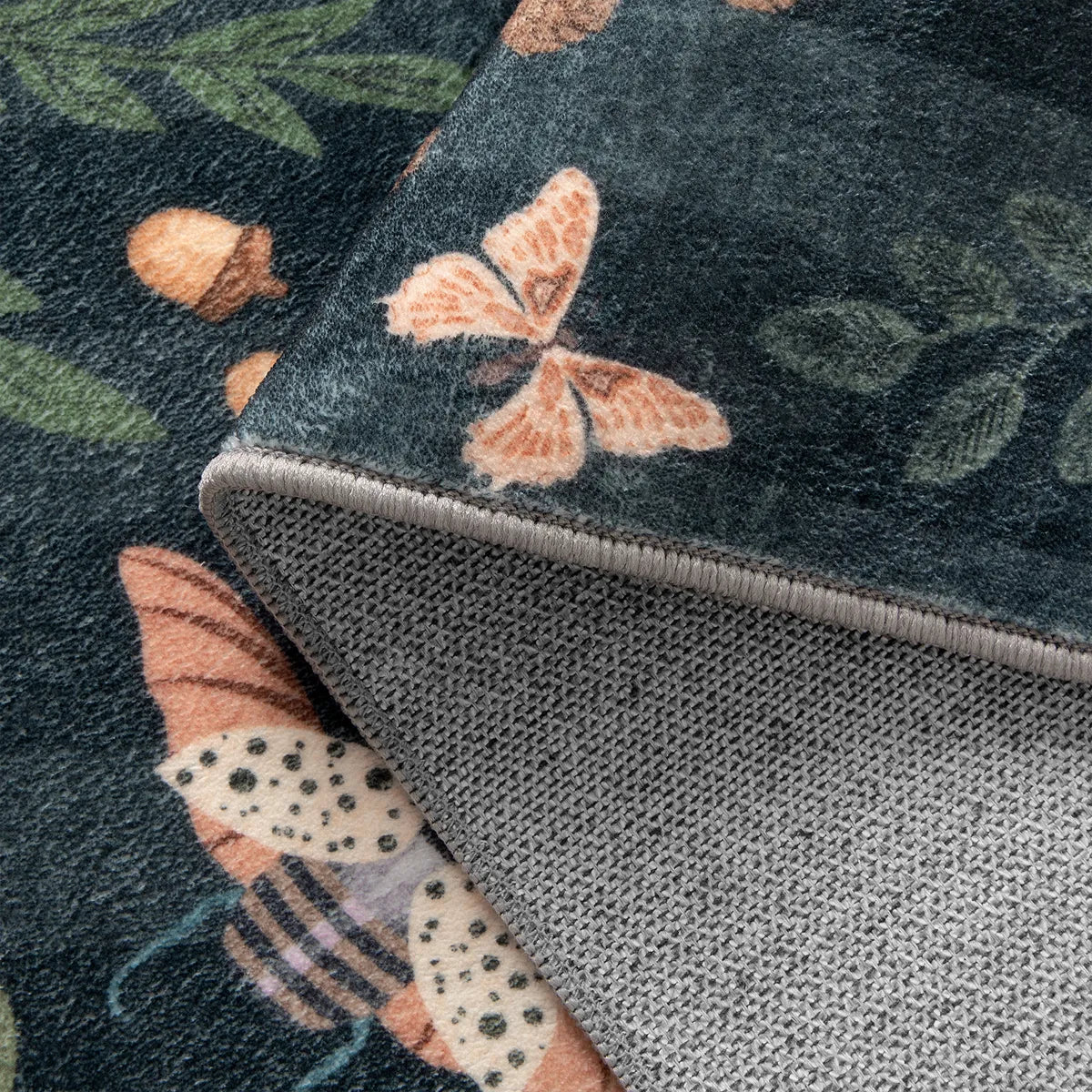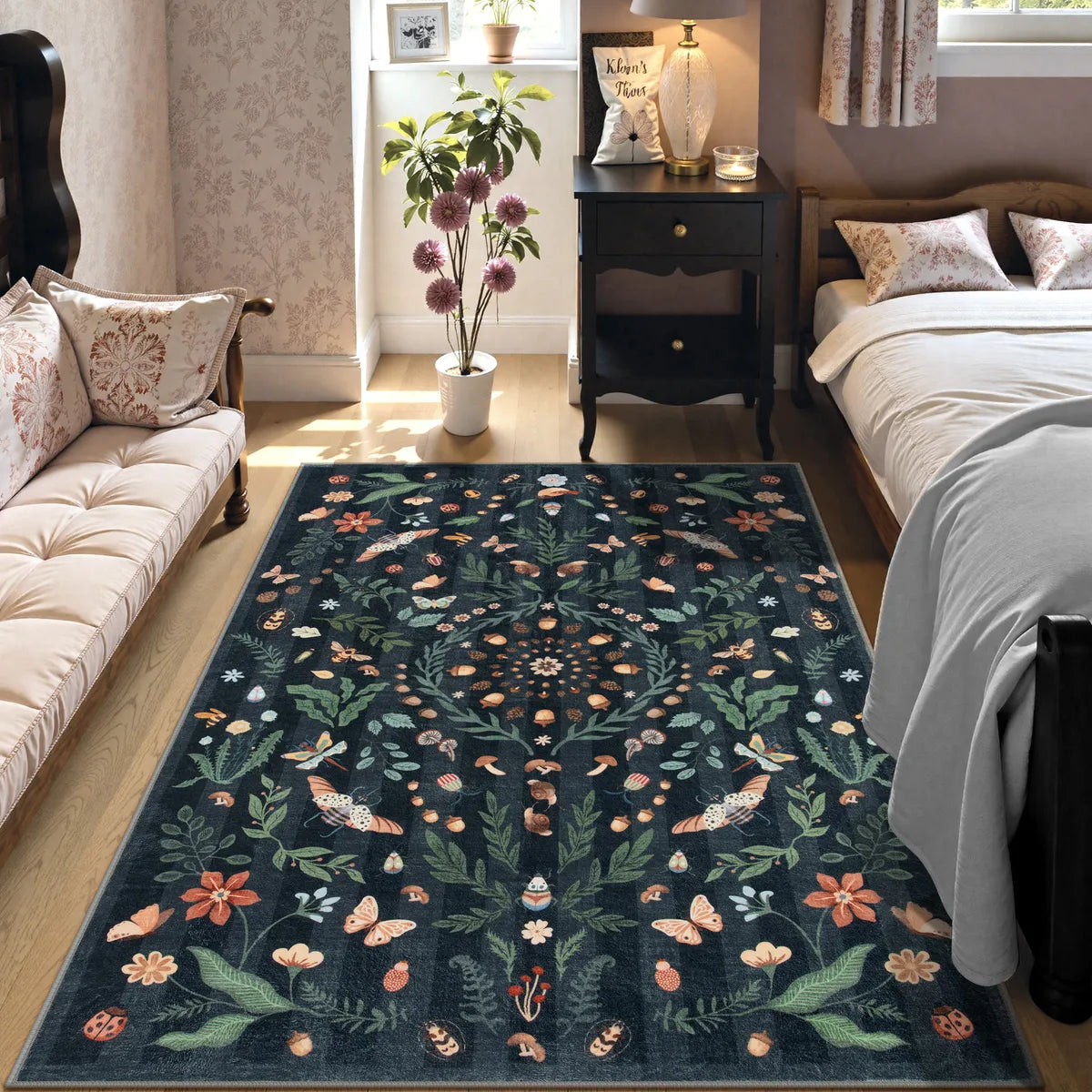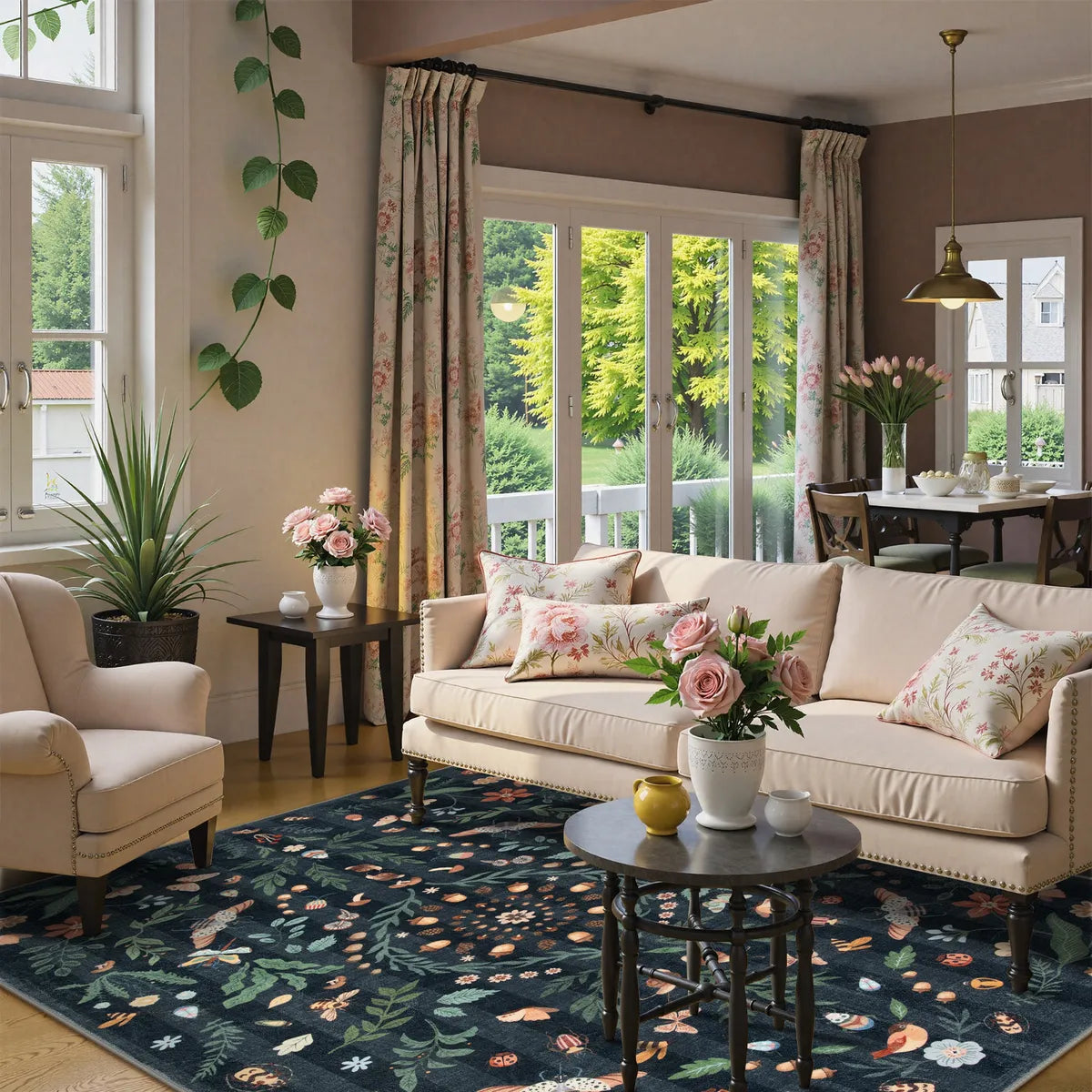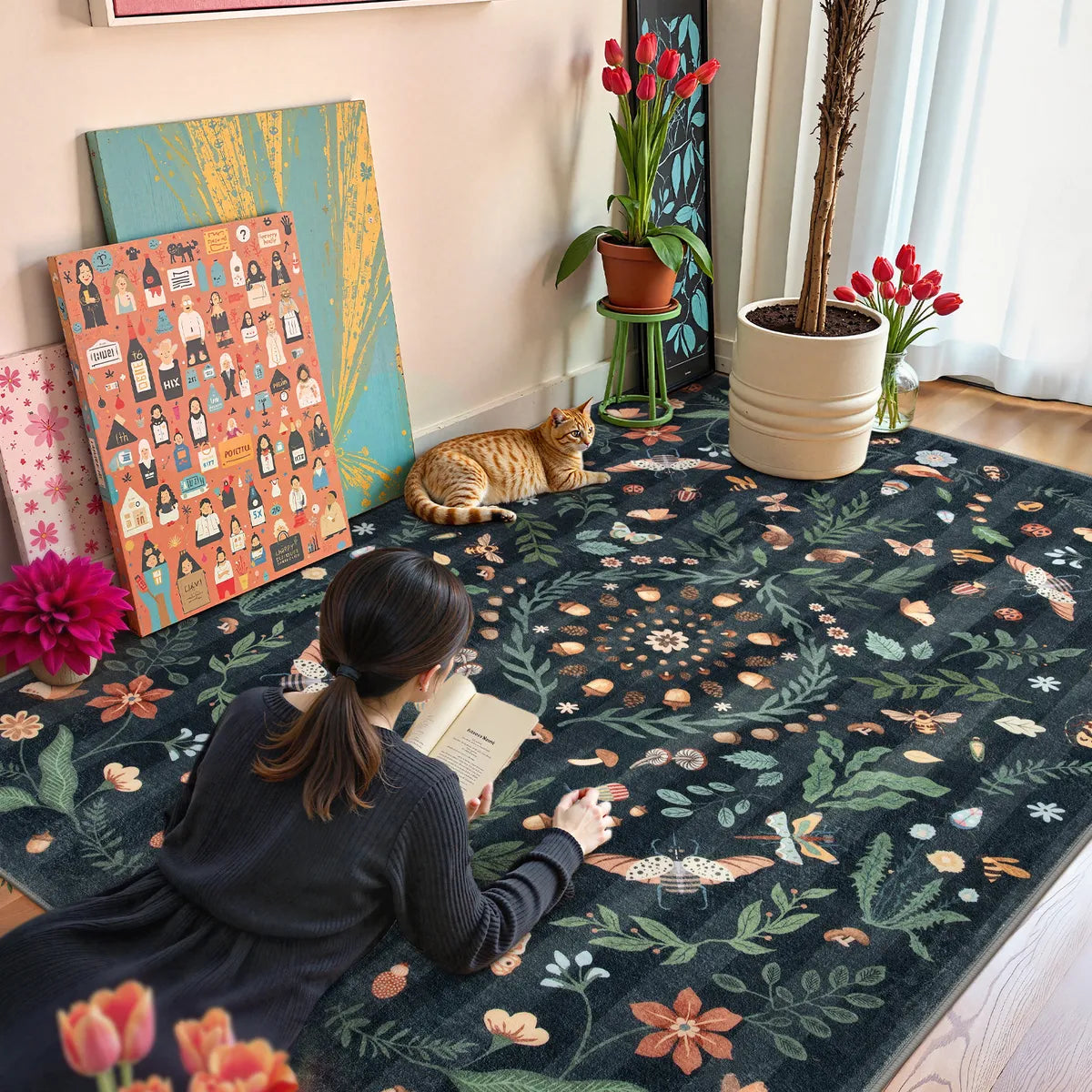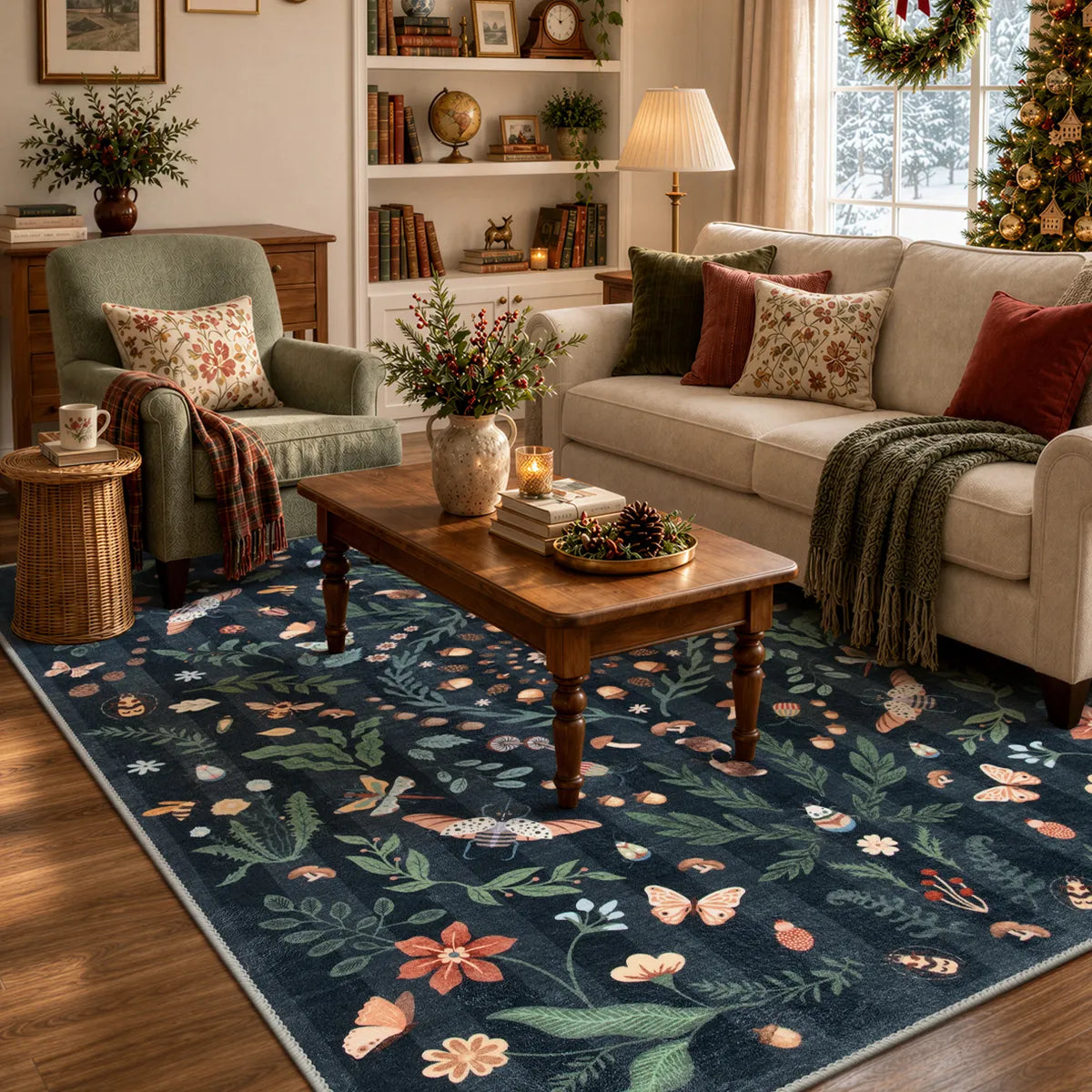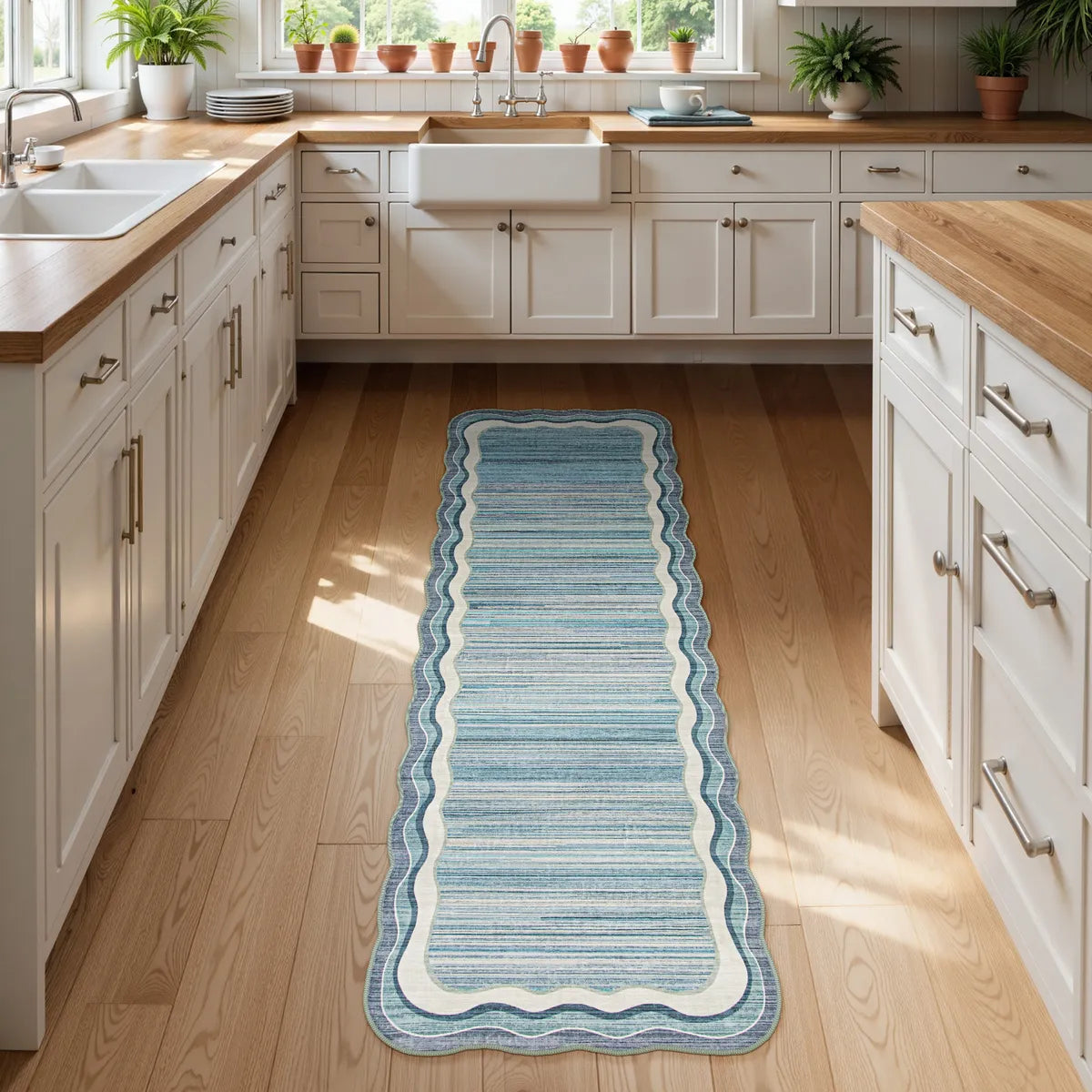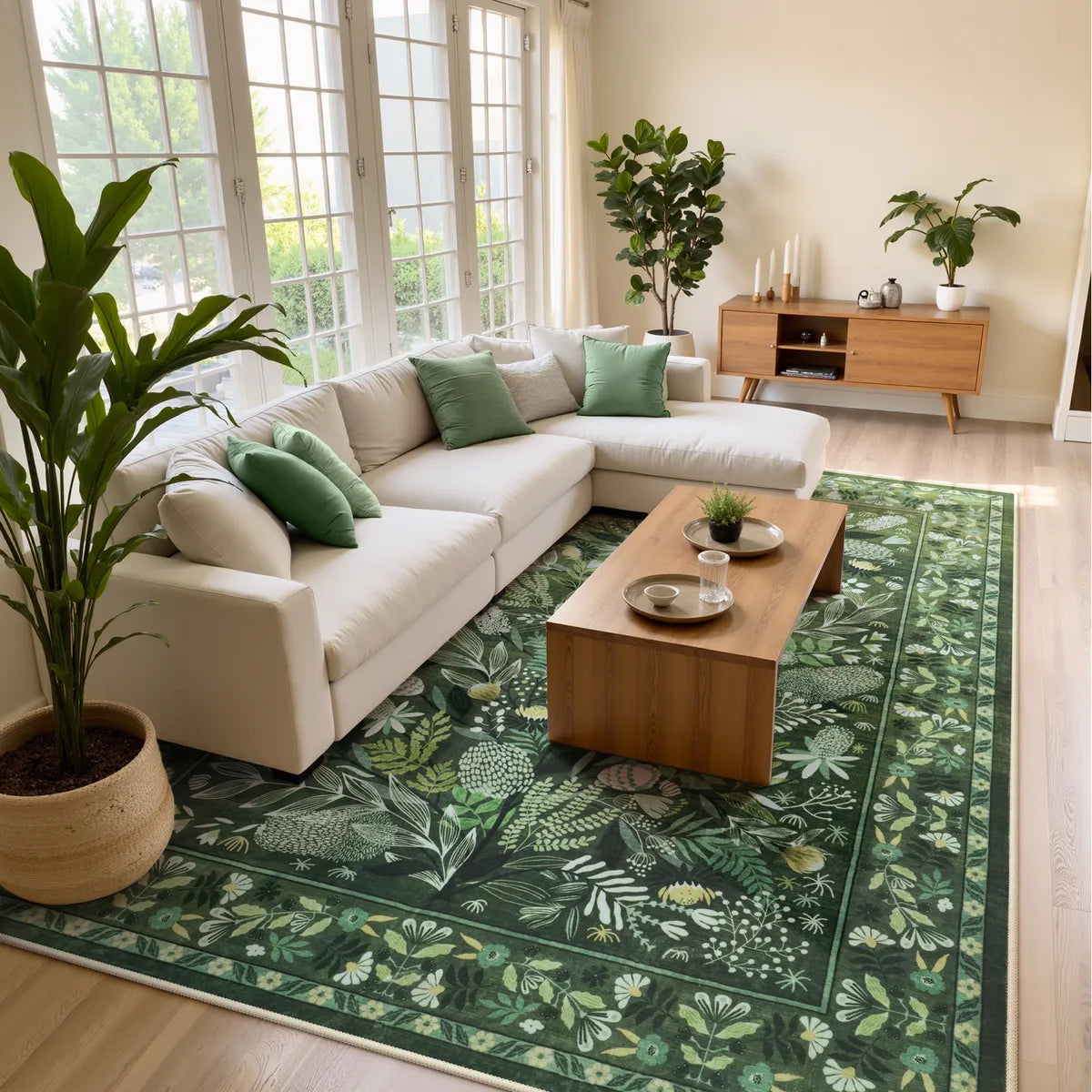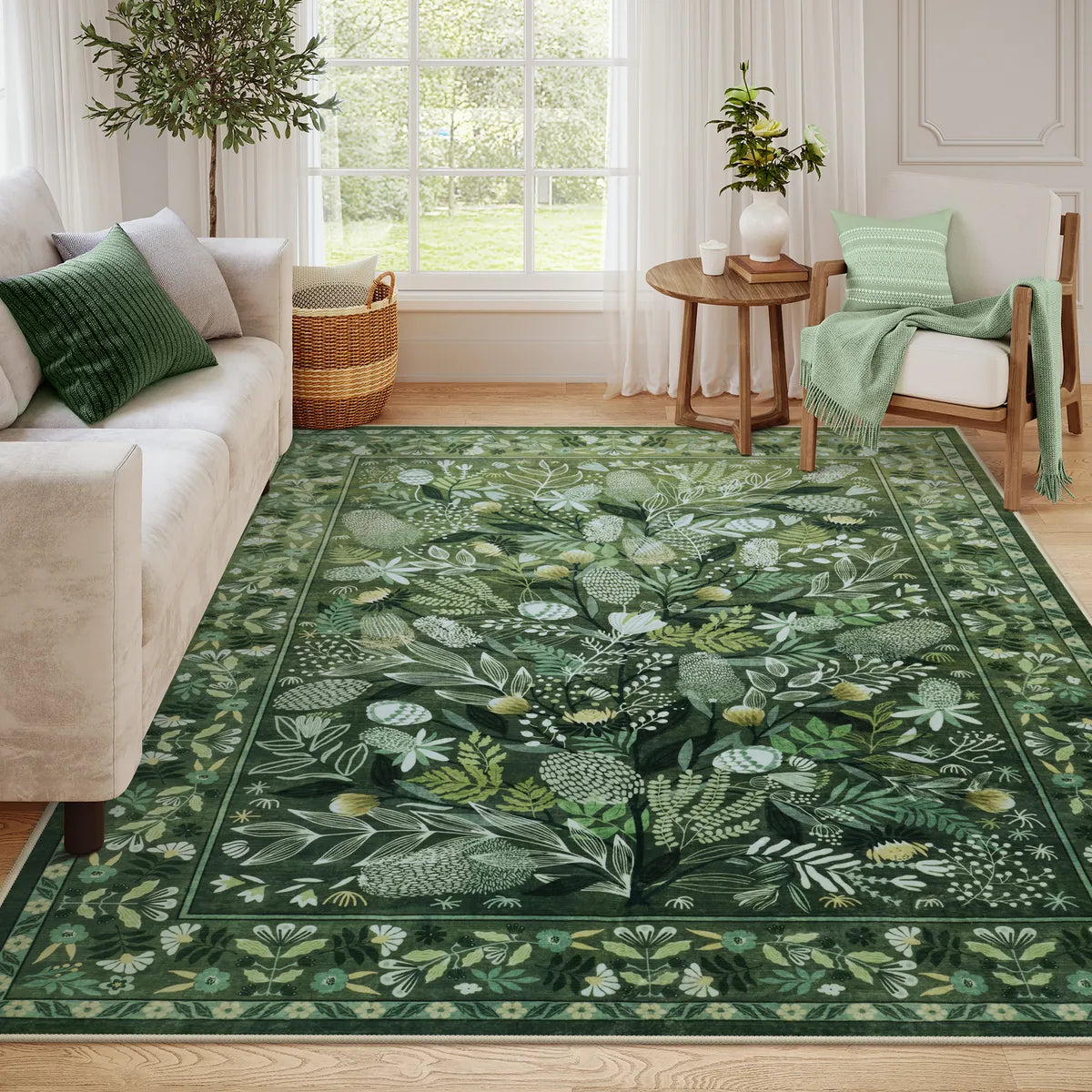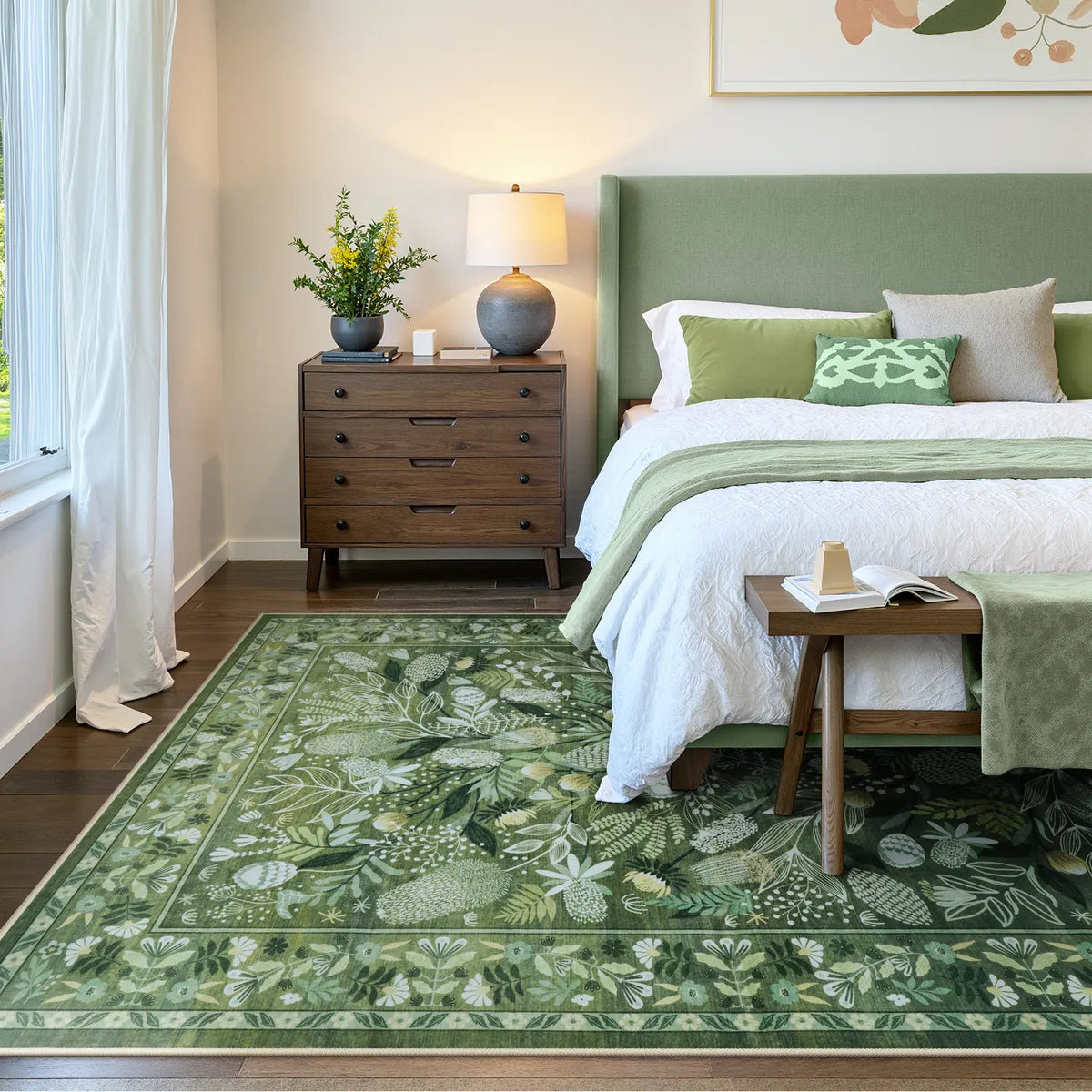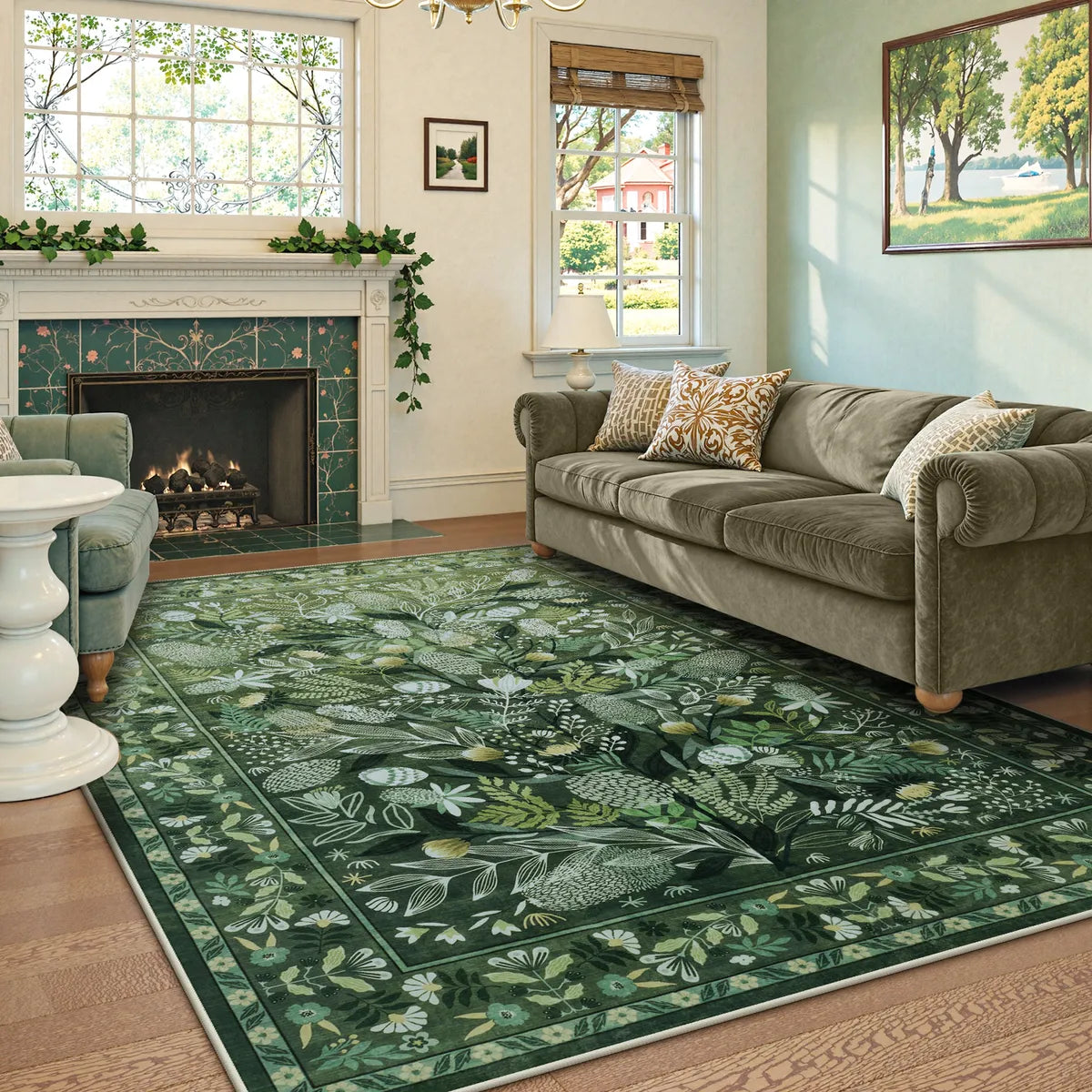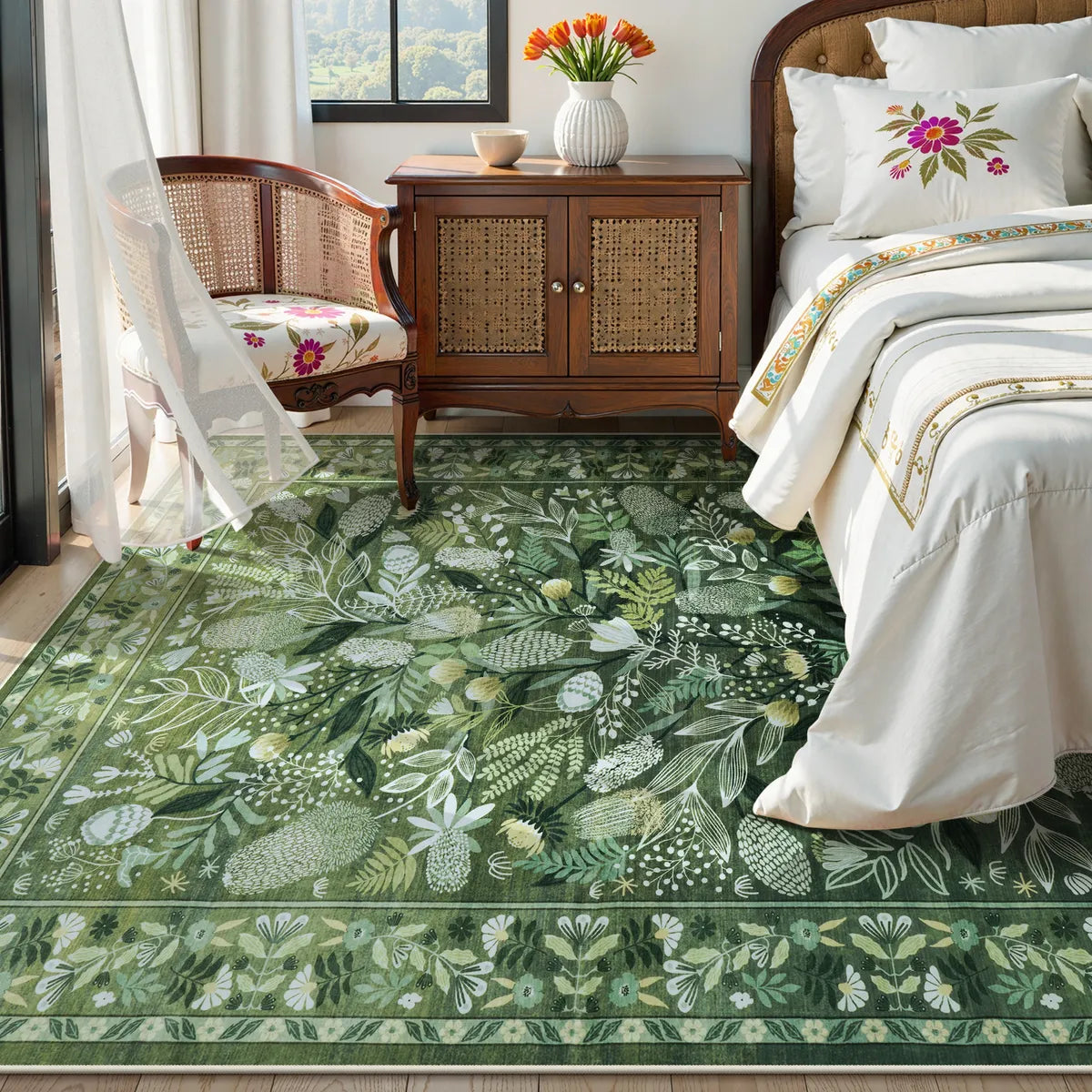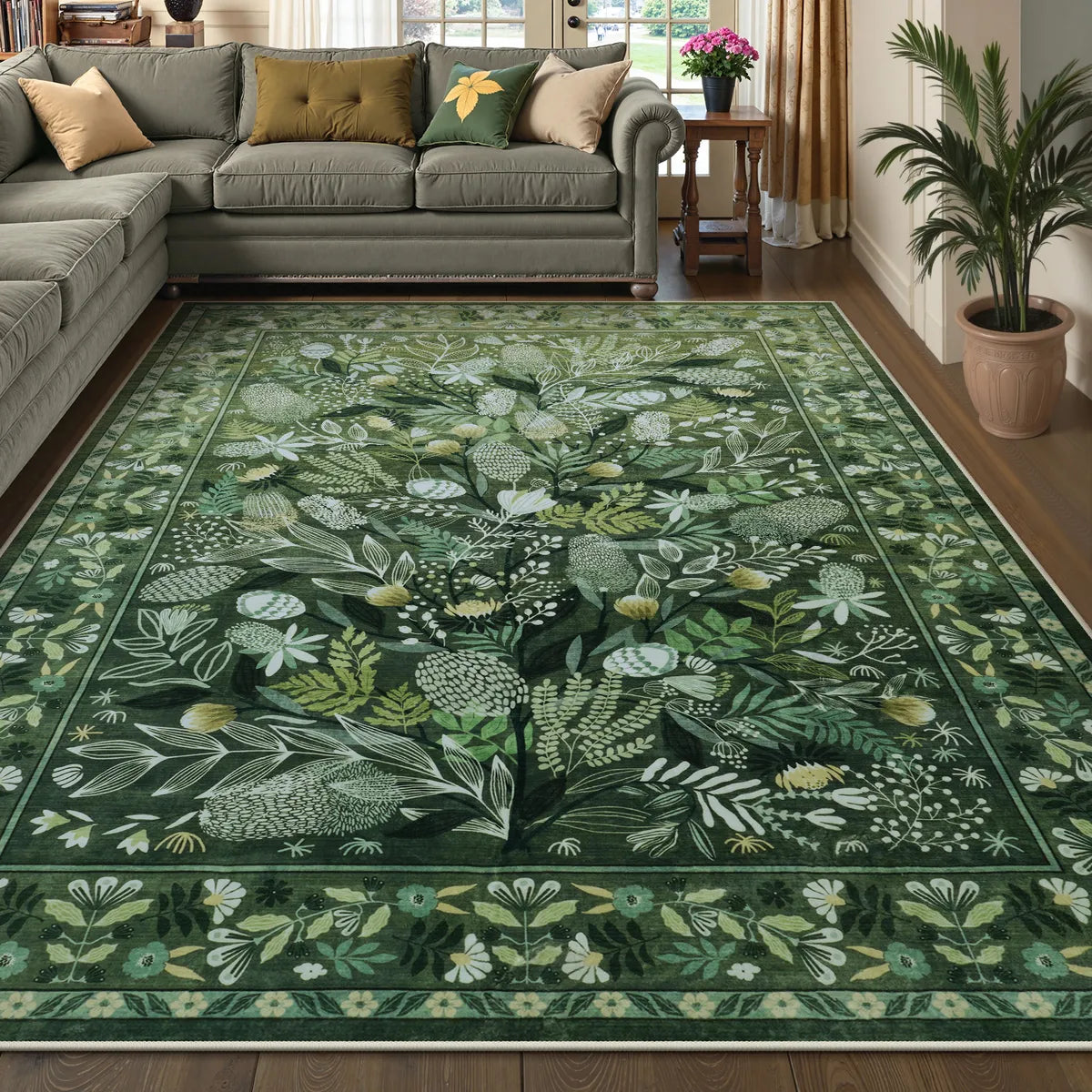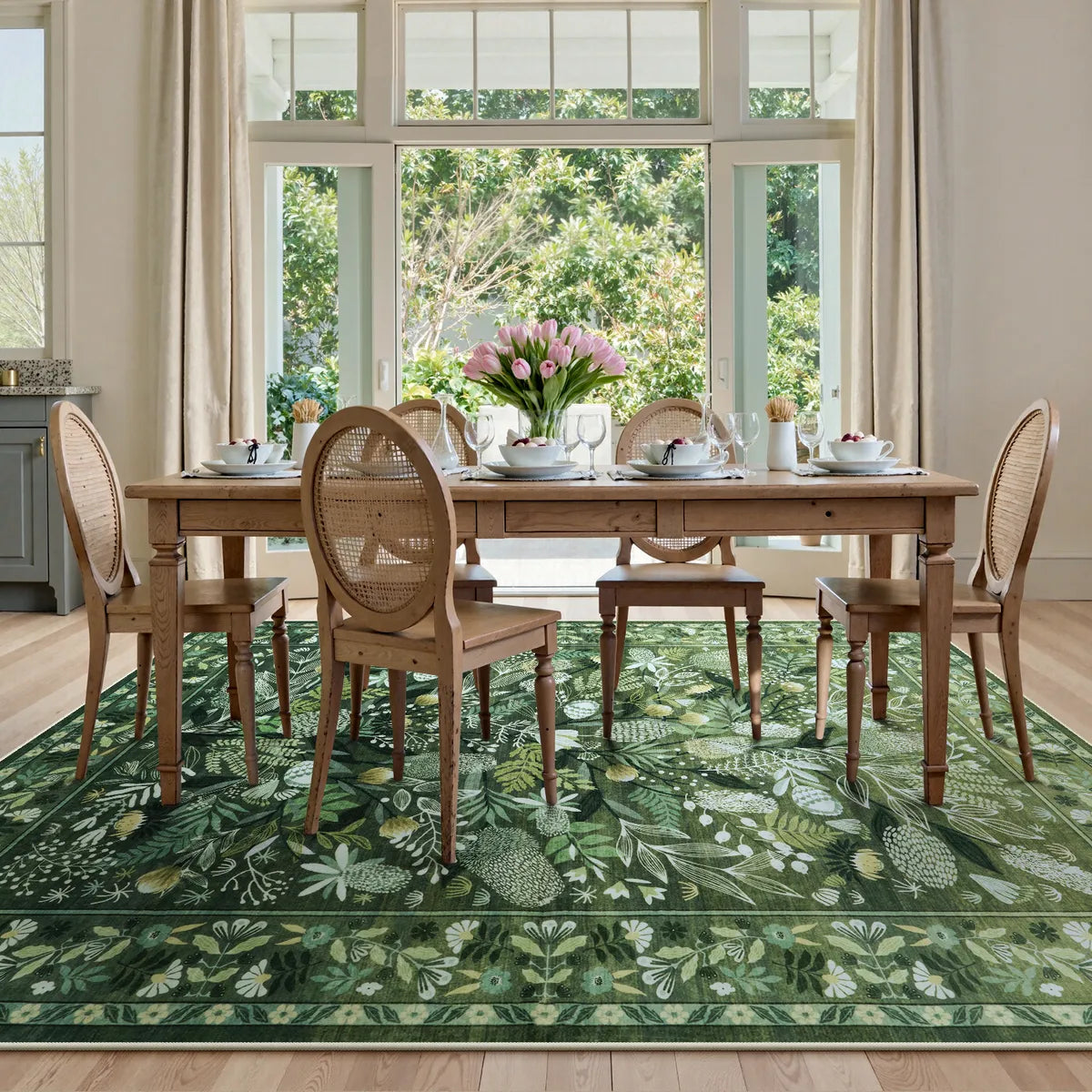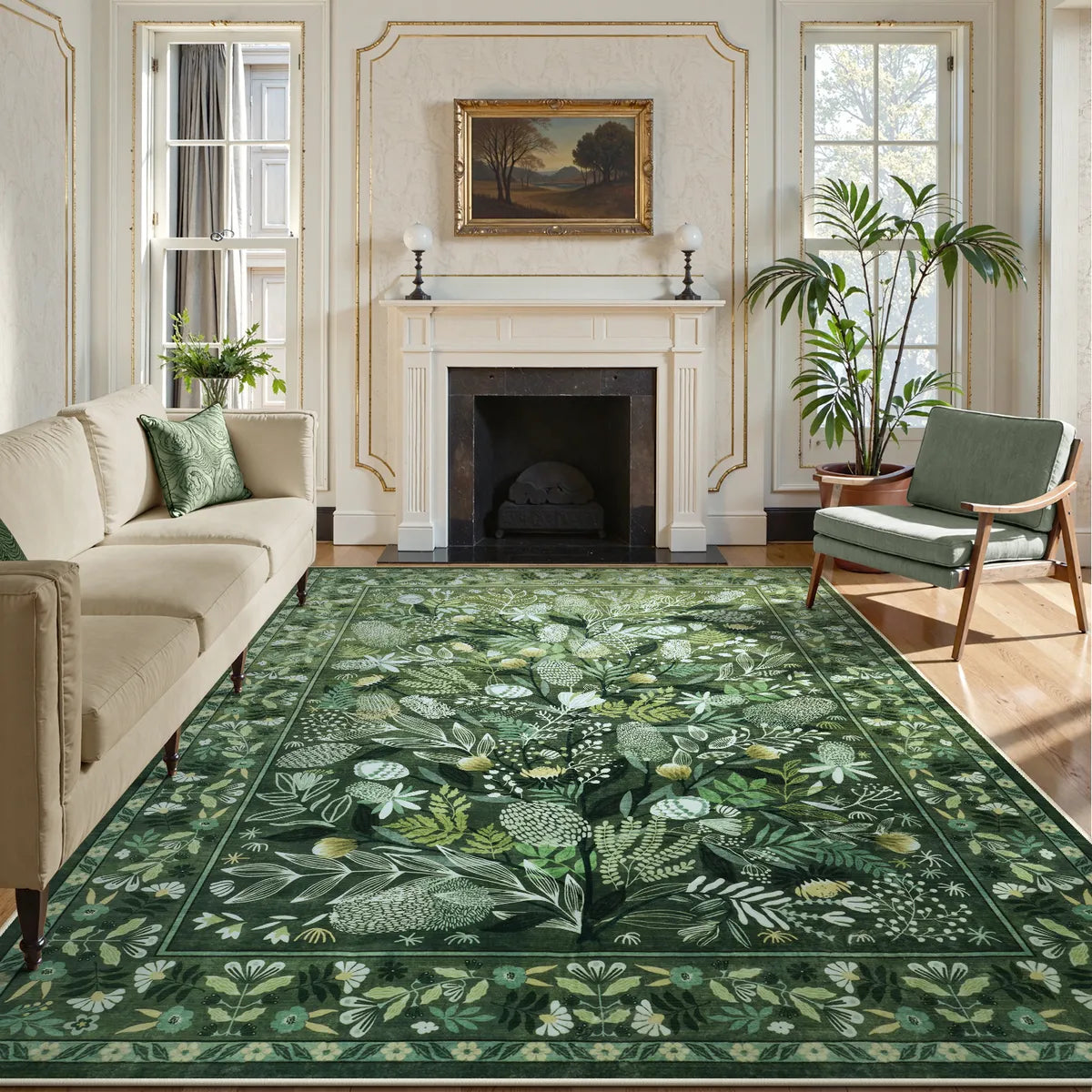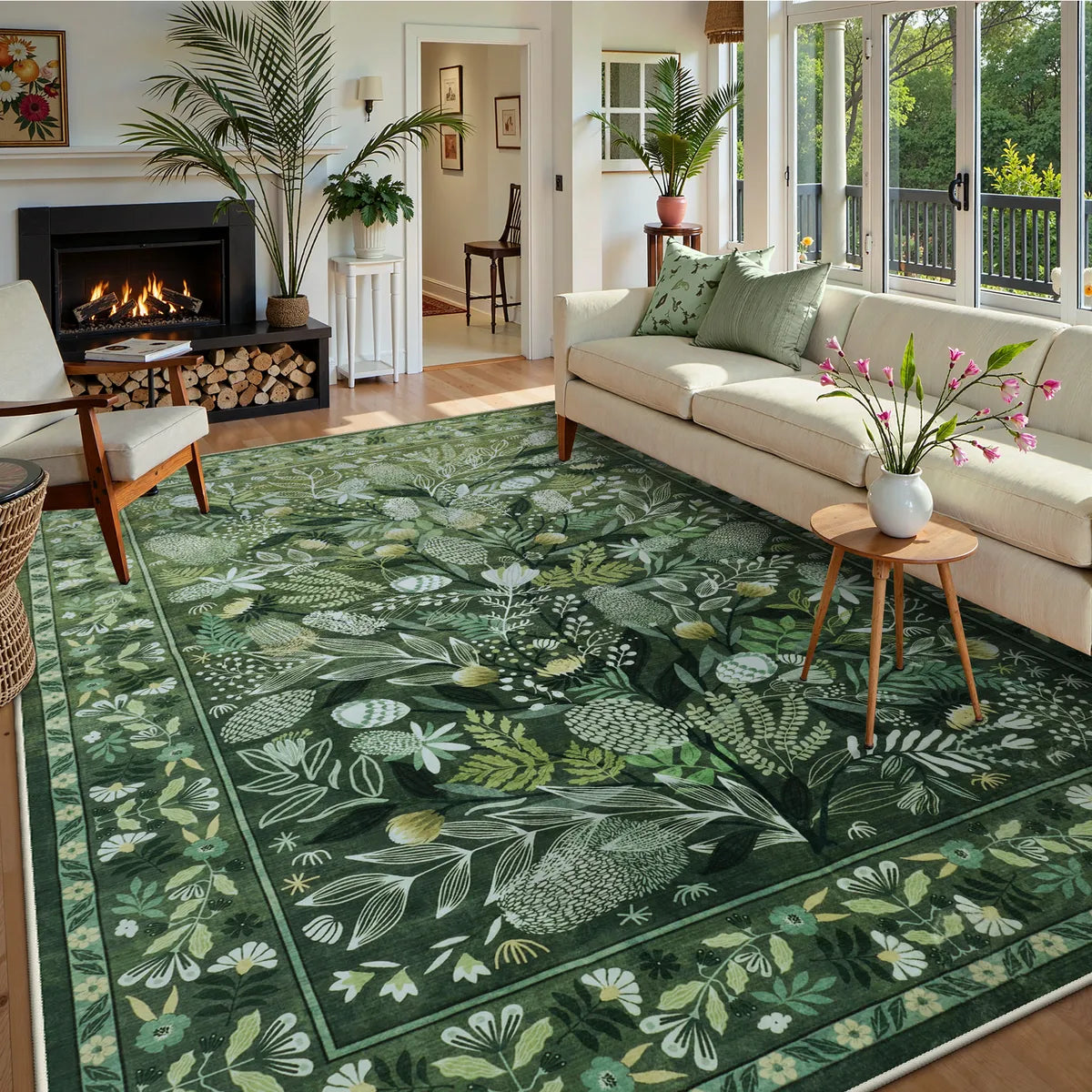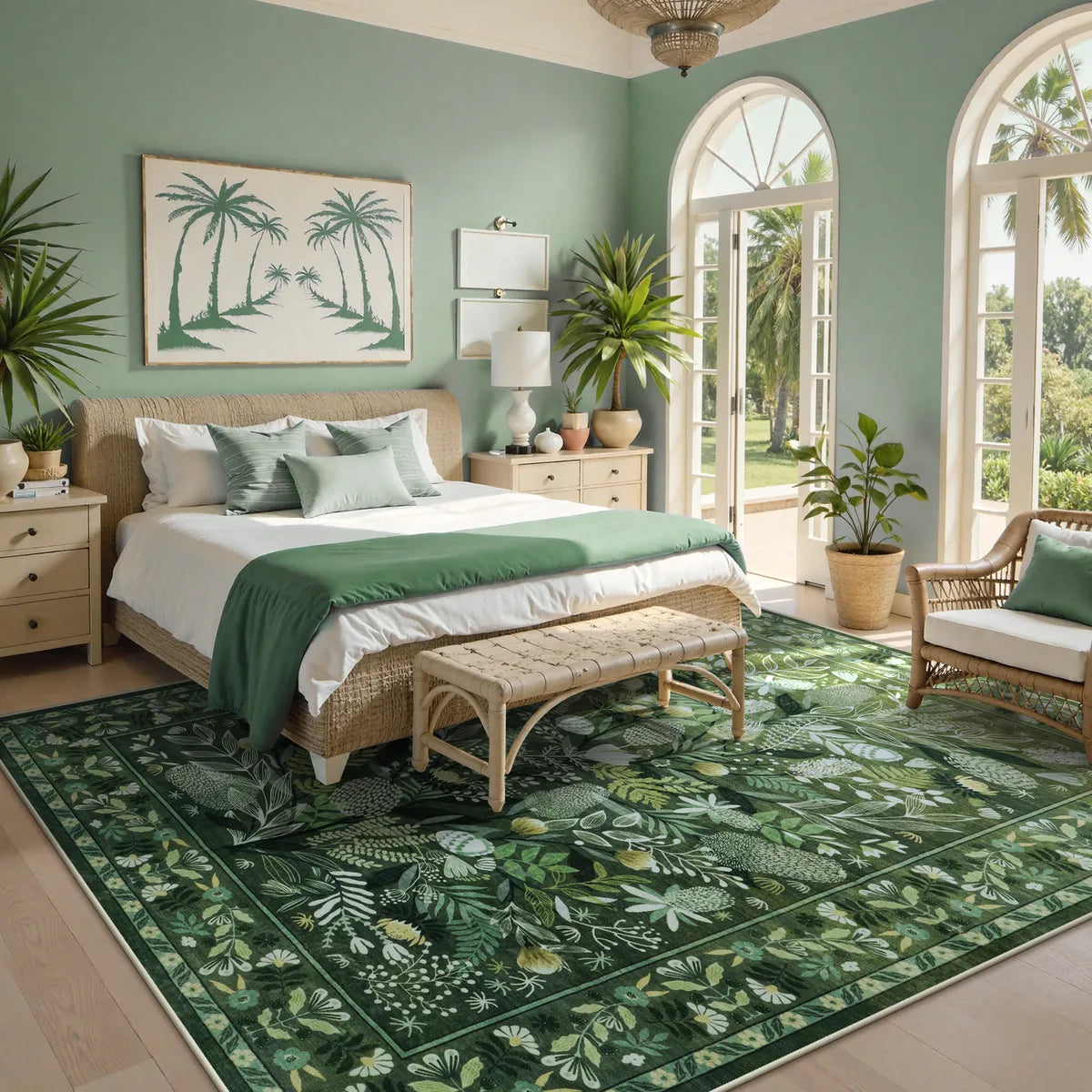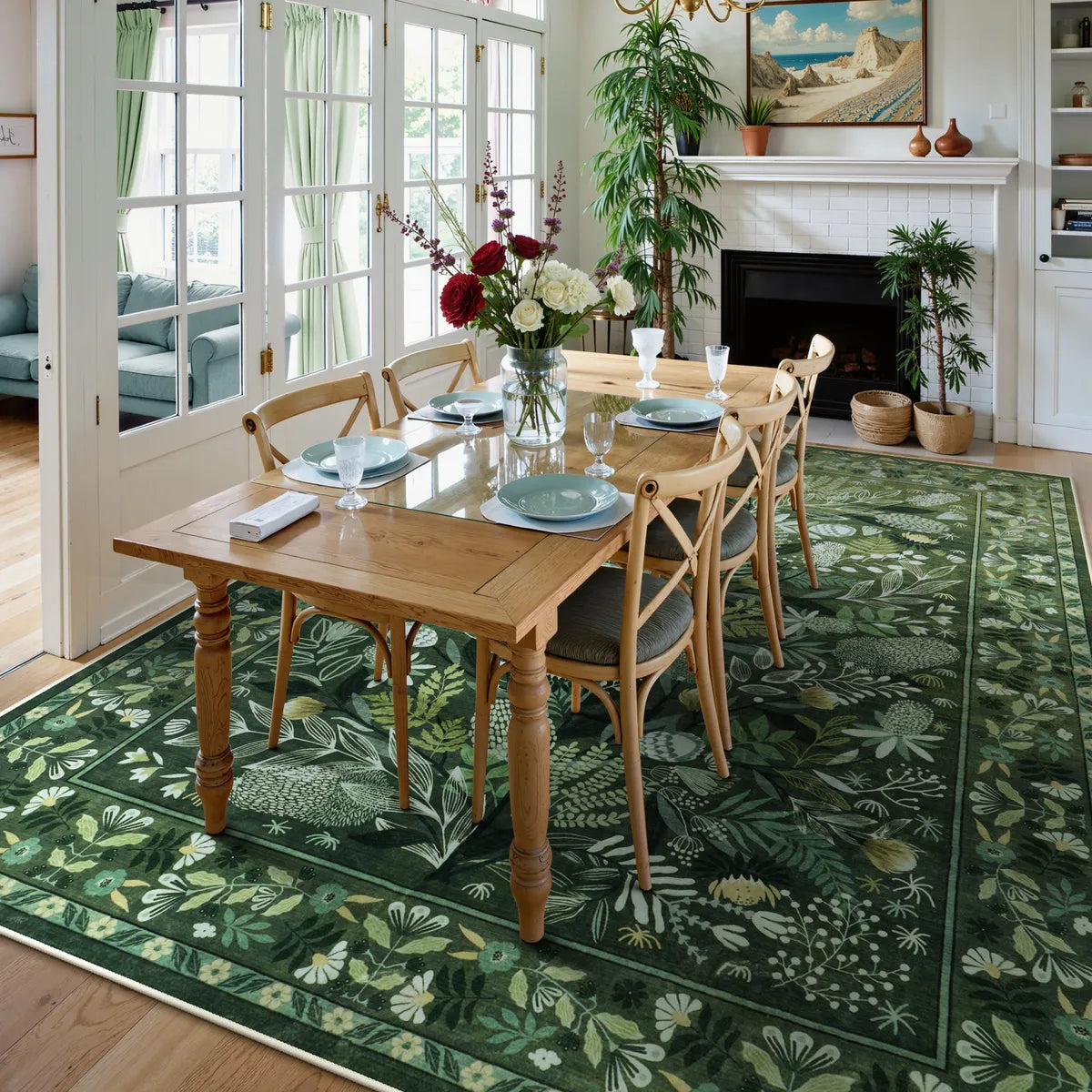


A bare patio is a missed opportunity. The right outdoor rug defines the space, adds comfort underfoot, and pulls your furniture arrangement together into something that actually feels like a room. It also has to survive rain, sun, foot traffic, and whatever else the season throws at it. Here's how to choose one that handles all of it without compromise.
What an Outdoor Rug Actually Does for Your Patio

Most people think of patio rugs as decorative. They are, but that's only part of the job.
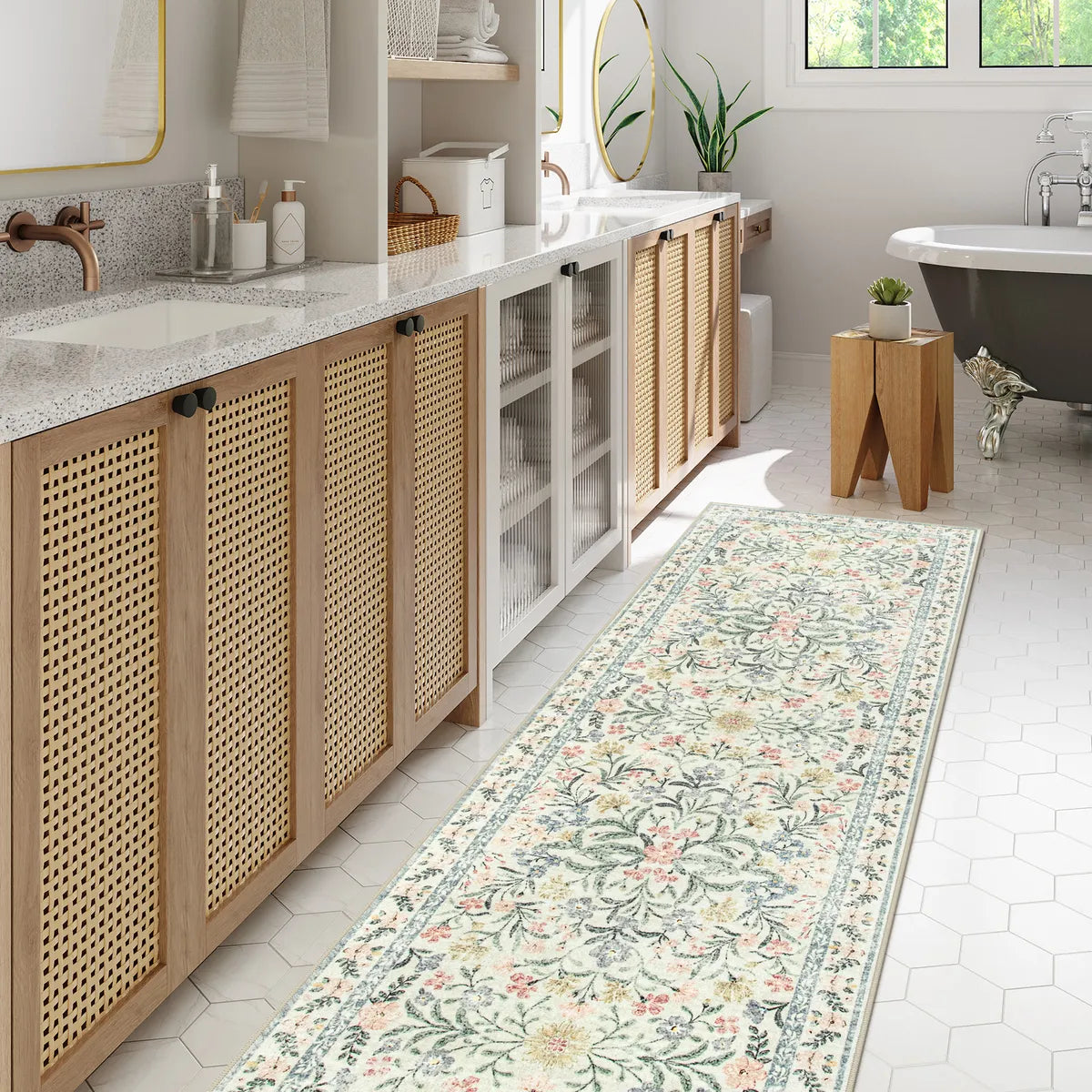
A well-chosen outdoor rug anchors the seating area, creates a visual boundary that makes any furniture arrangement feel intentional, and adds cushioning underfoot on hard surfaces like concrete, tile, or wood decking. It also reduces surface wear from foot traffic and provides a slip-resistant surface in areas that get wet.
The spaces where patio rugs make the biggest difference:
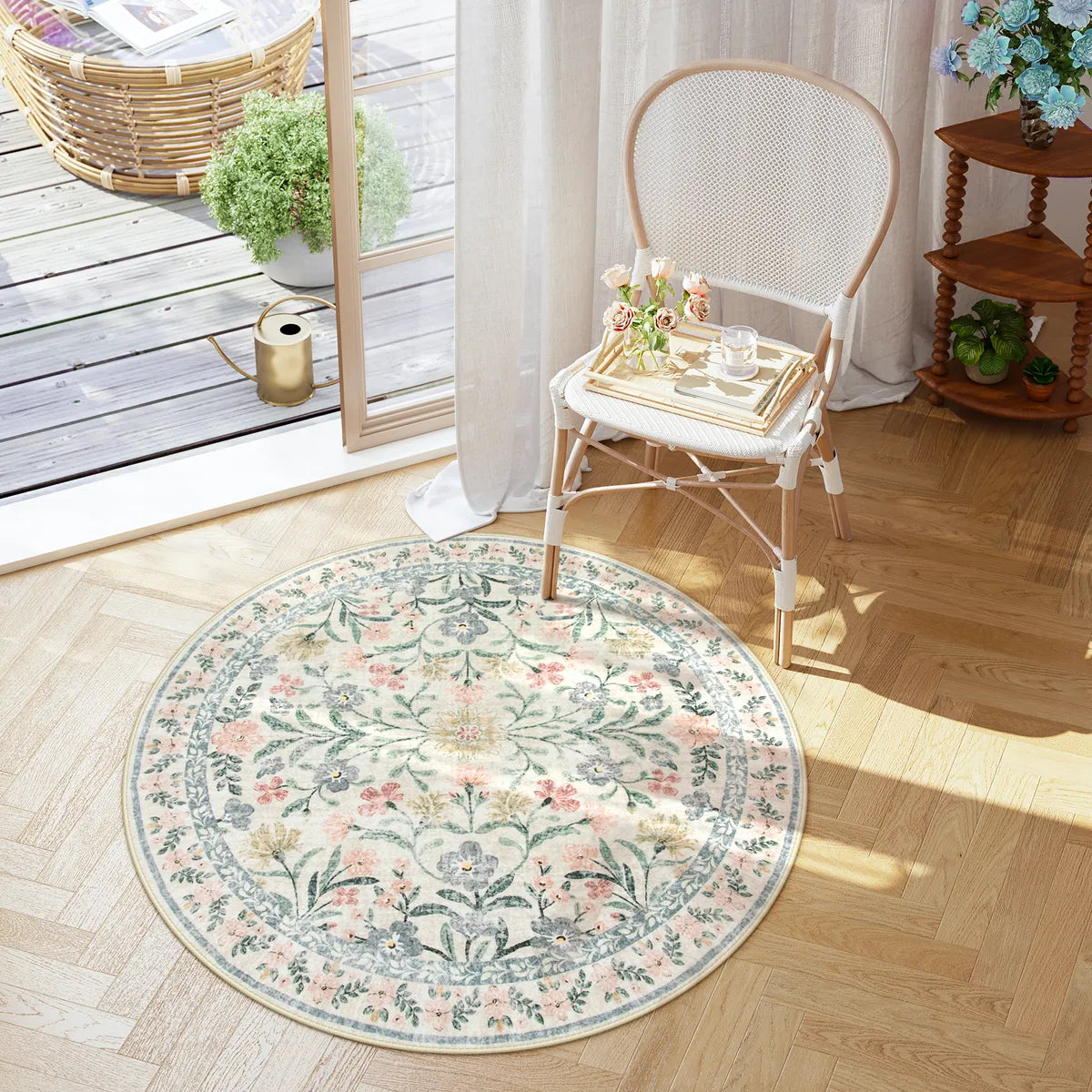
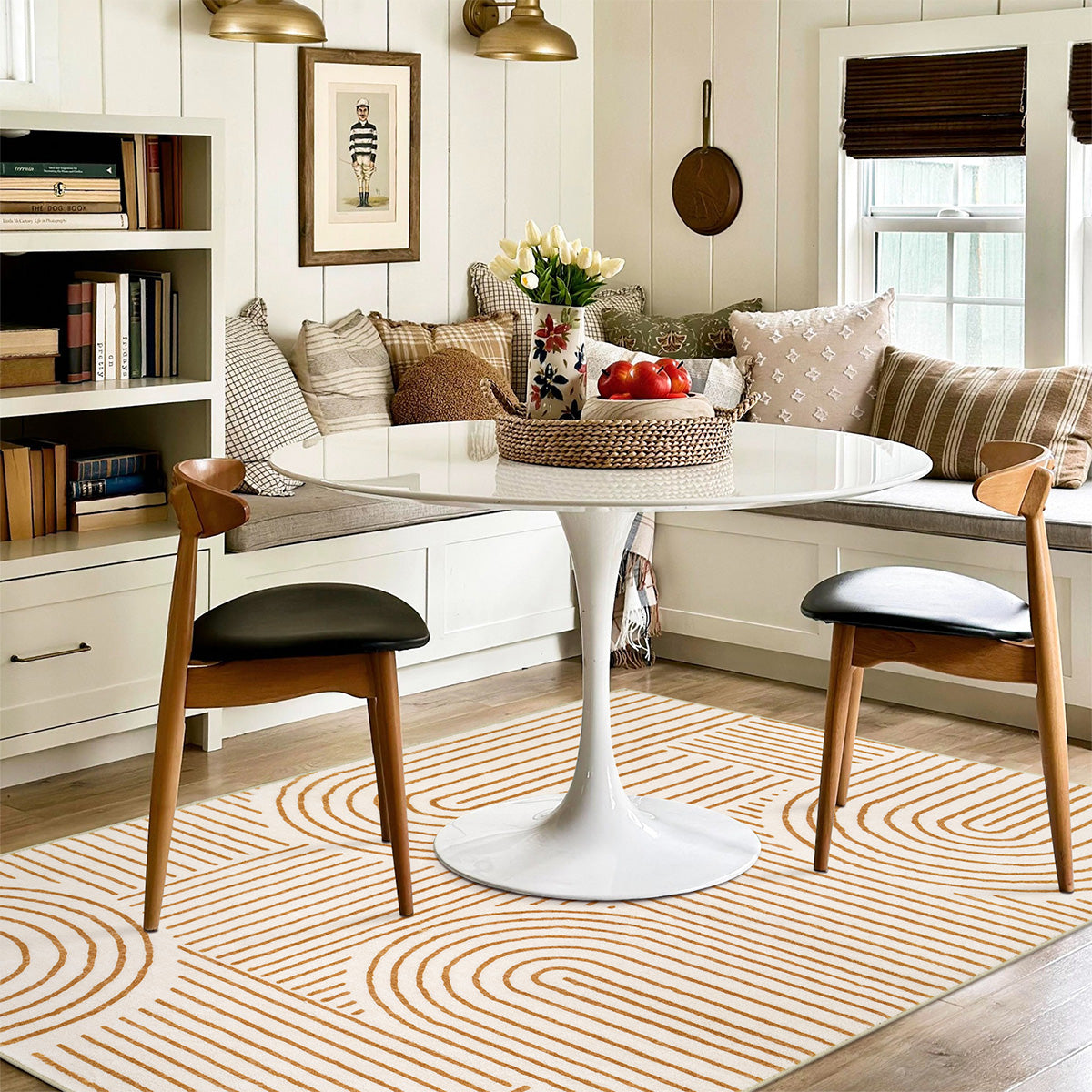
- Defined seating areas: A rug placed under an outdoor dining set or lounge arrangement gives the grouping a visual anchor and keeps chairs from sliding on smooth surfaces.
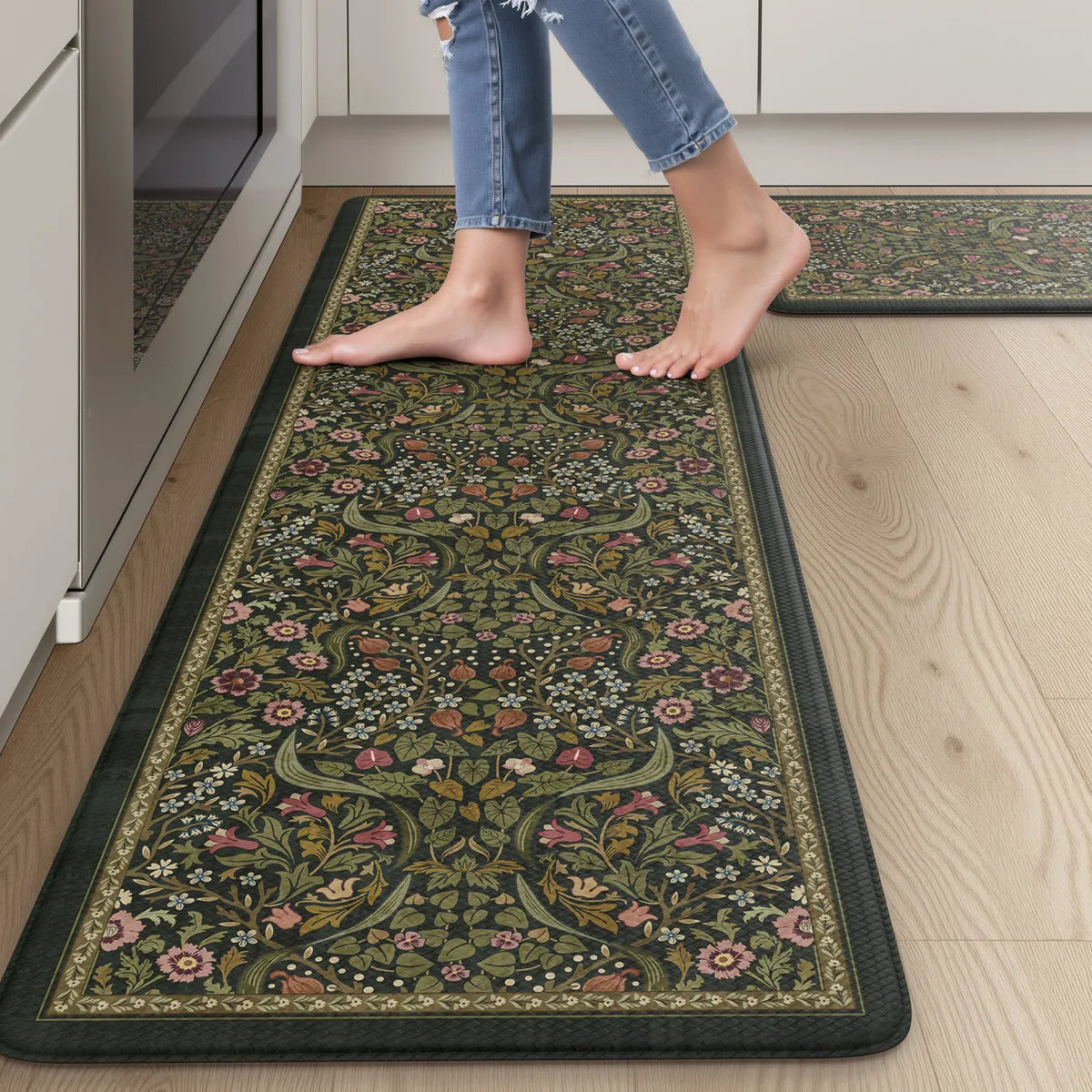
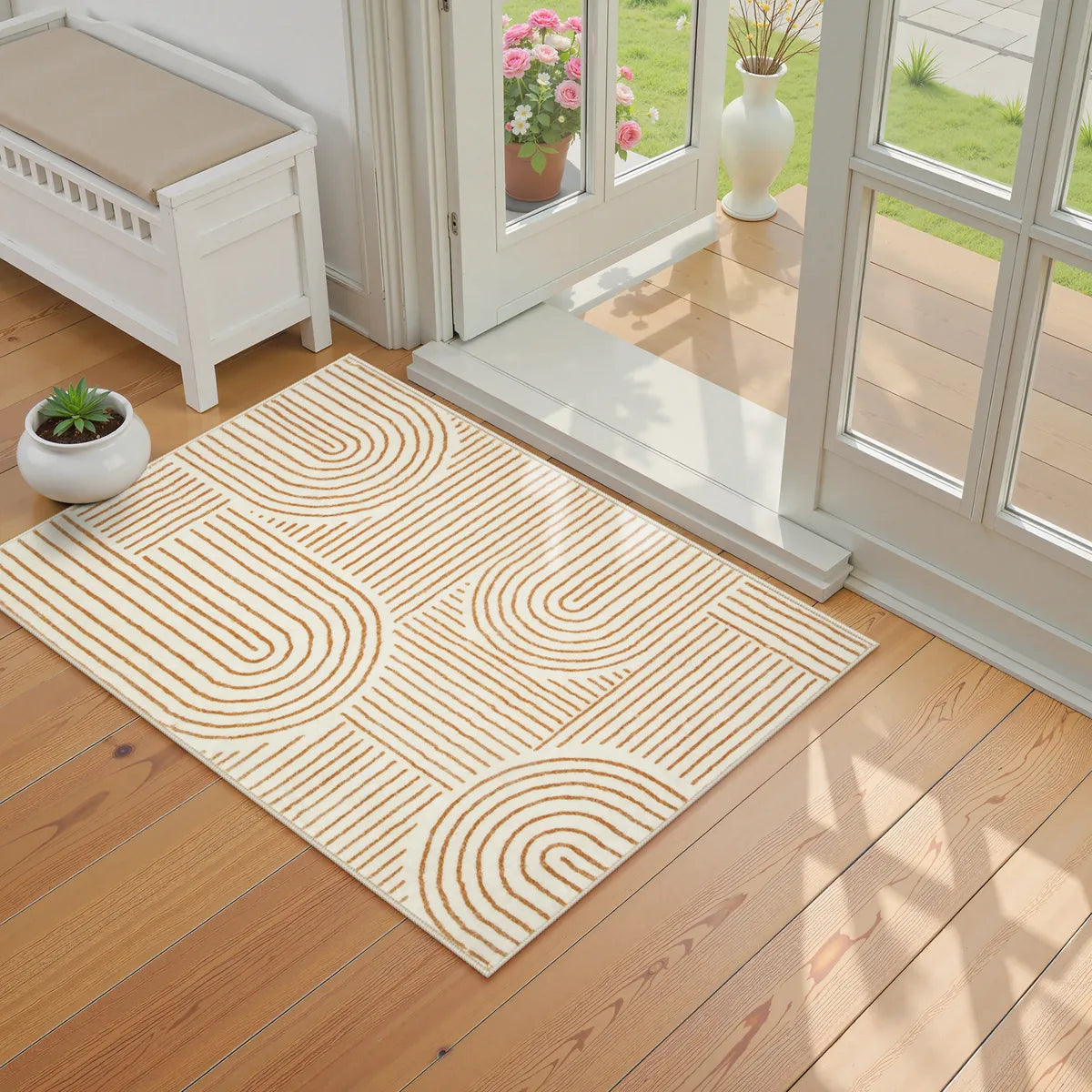
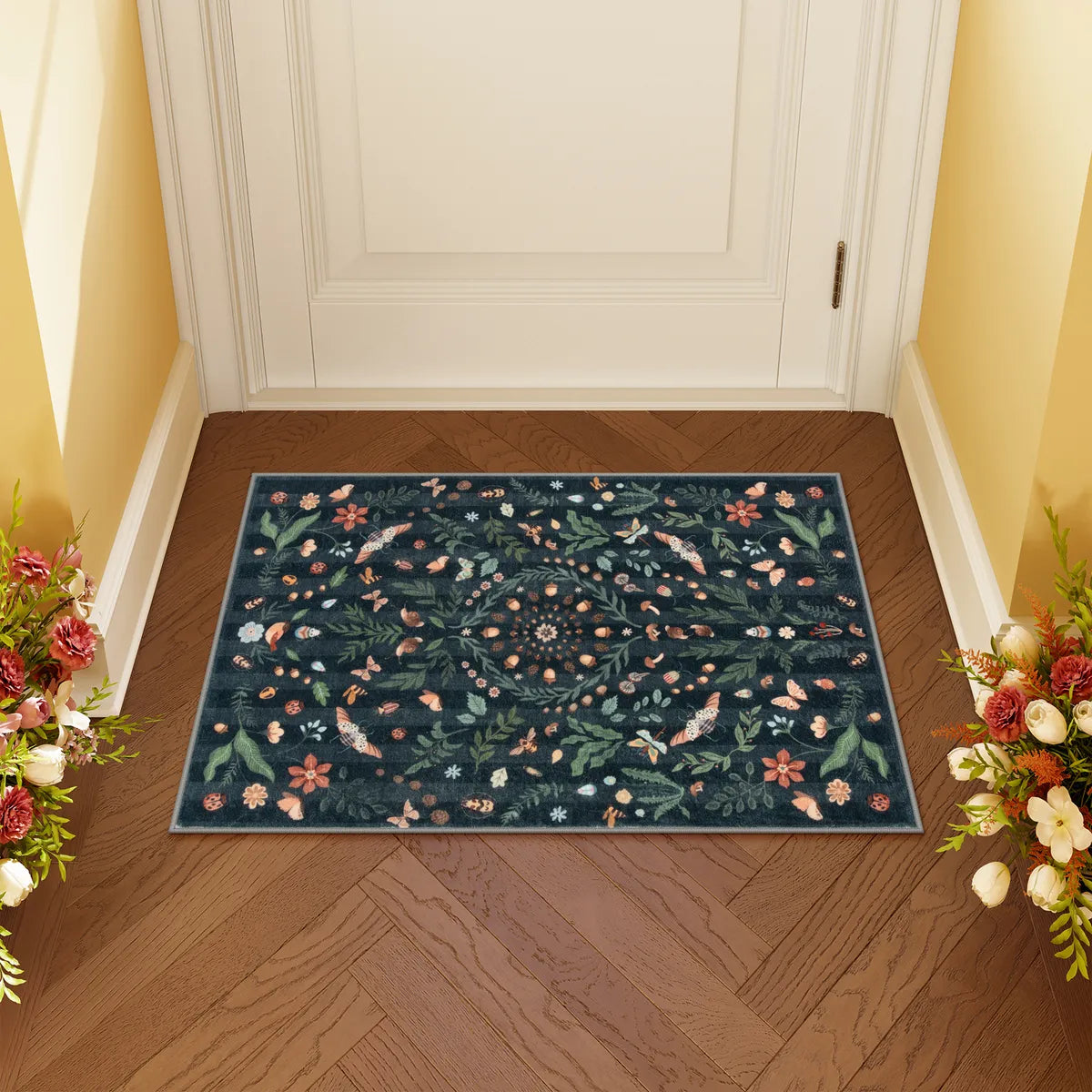
- Transition zones: A smaller outdoor rug at a doorway or step provides grip and keeps tracked-in debris from spreading across the patio.
- Bare concrete or wood decking: These surfaces are hard, hot, and visually flat. An outdoor area rug softens all three in one step.
How to Choose an Outdoor Rug Built for All-Weather Use

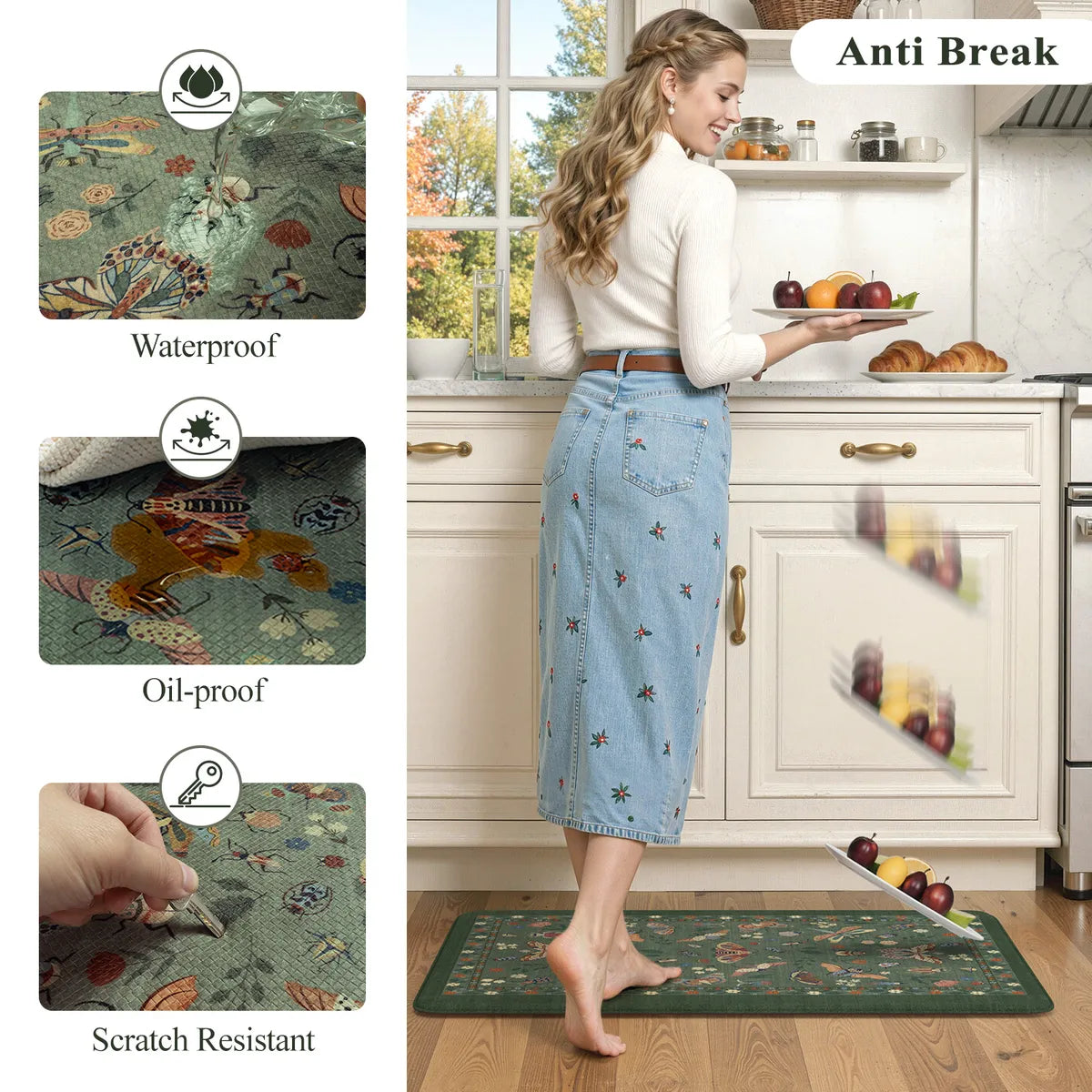
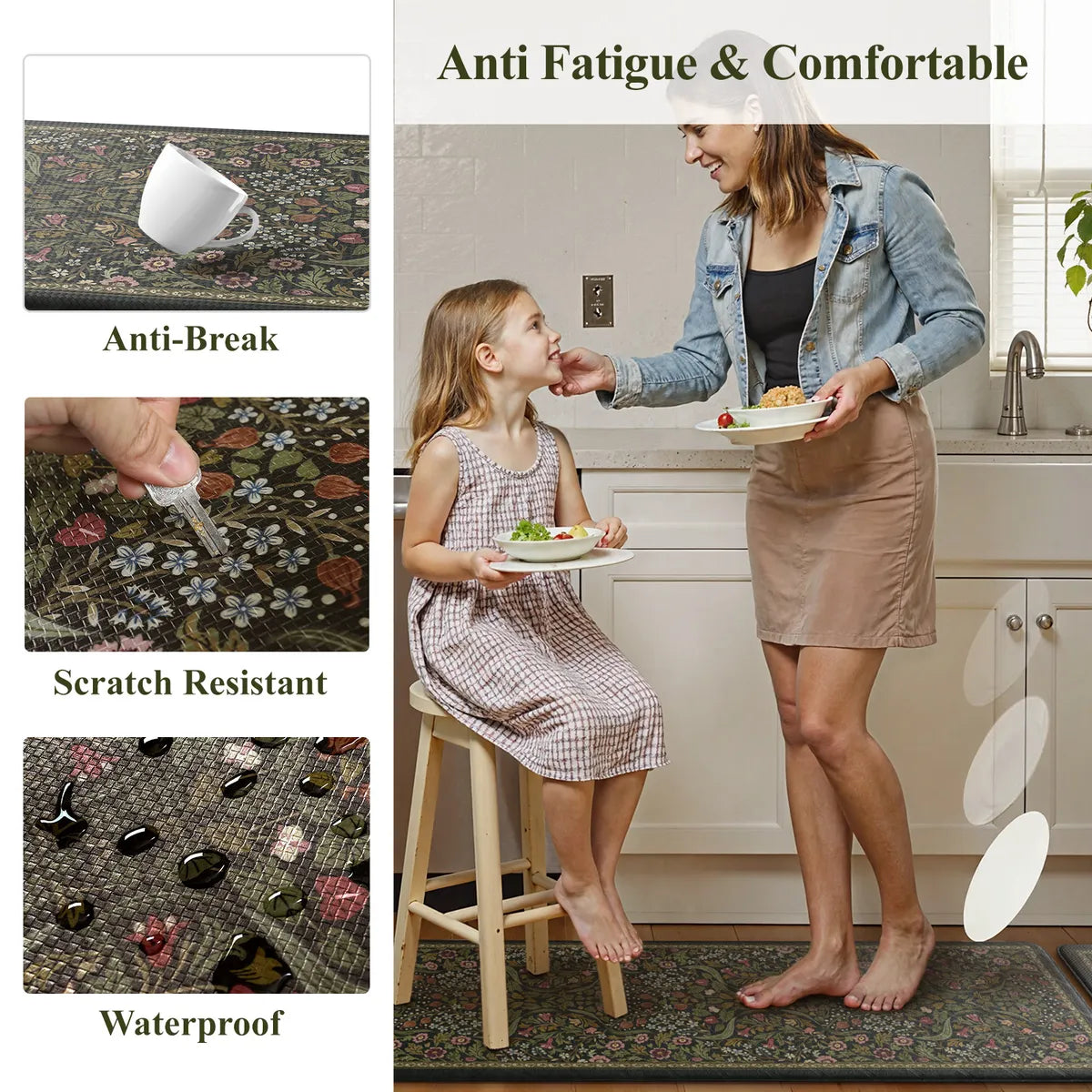
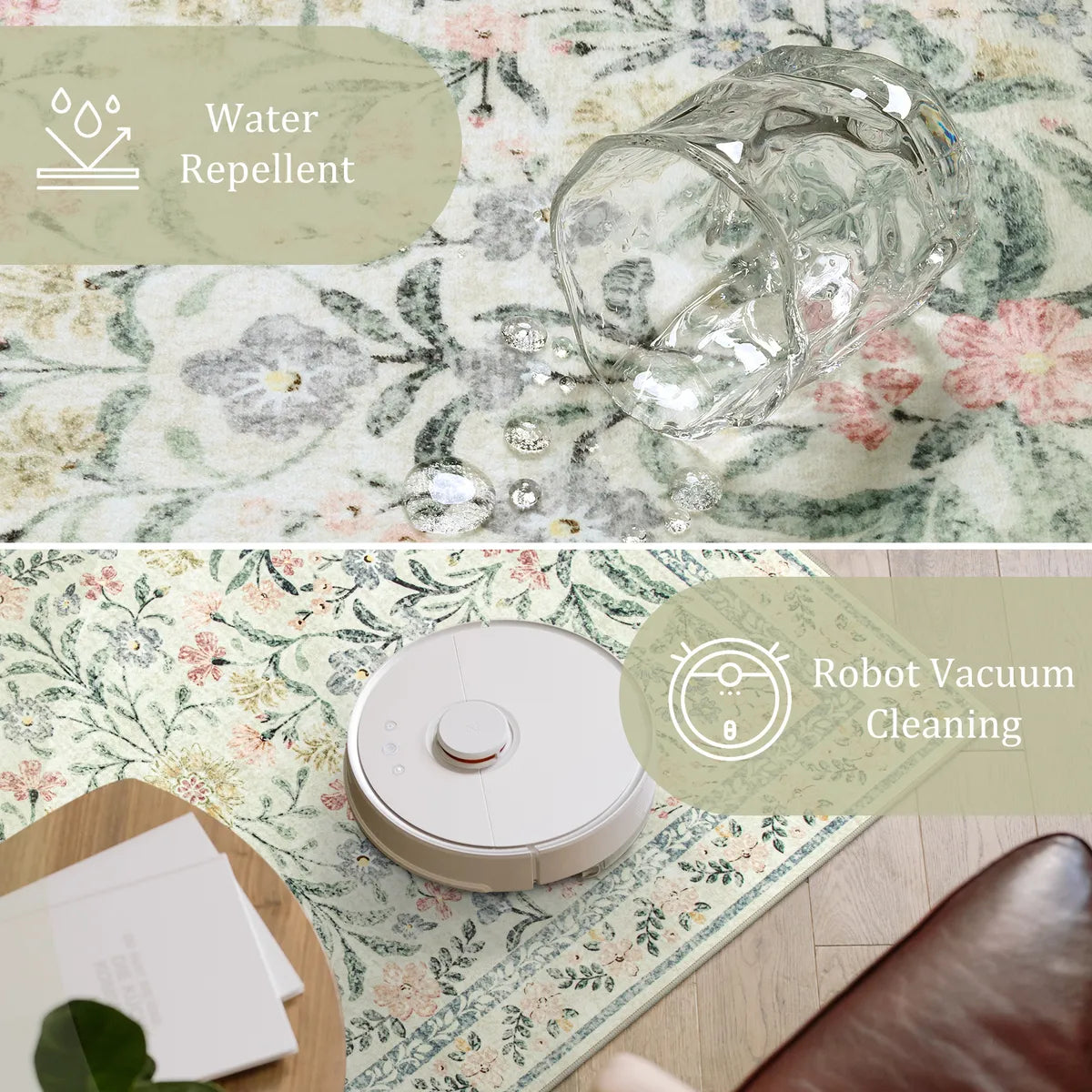
Not every rug labeled "outdoor" performs equally well when the weather turns. It is also worth knowing the difference between waterproof and spillproof: a waterproof rug blocks all moisture from passing through, while a spillproof rug resists liquid absorption and gives you time to wipe up before moisture soaks through. For most patio uses, spillproof construction handles everyday rain and spills effectively.
Key Materials Used in Weatherproof Patio Rugs
Material is the single most important factor in how well an outdoor rug holds up over time. The most weather-resistant options share a few common characteristics: they resist moisture absorption, dry quickly after rain, and hold up under UV (ultraviolet, the component of sunlight that causes fading and fiber degradation) exposure.
The most commonly used materials in durable patio rugs:
- Polypropylene: The most widely used fiber in outdoor rugs. It is moisture-resistant and quick-drying, which means it does not hold water in the fiber after rain and resists mold and mildew growth as a result.
- Polyester: Soft underfoot and colorfast, polyester holds dye well and resists fading. It is a good choice for covered patios or areas with partial sun exposure.
- Flat-weave construction: Flat-weave rugs (rugs with a low, tight surface with no pile height) drain faster than loop-pile or high-pile constructions, making them better suited to fully exposed outdoor areas.
Drainage, UV Resistance, and Other Features That Matter
Material alone doesn't determine performance. How the rug is constructed and finished affects how it handles moisture, heat, and long-term wear.
Features worth checking before committing to an outdoor area rug:
- Drainage capacity: A rug that traps moisture underneath creates conditions for mold and surface damage. Open-weave or flat-weave constructions allow water to pass through rather than pool beneath the rug.
- UV resistance: Prolonged sun exposure breaks down fiber and causes color to fade. Look for rugs specifically rated for UV stability, particularly for south-facing or unshaded patios.
- Mold and mildew resistance: Outdoor rugs that stay damp for extended periods are vulnerable to mold growth. Synthetic fibers resist this better than natural fiber alternatives.
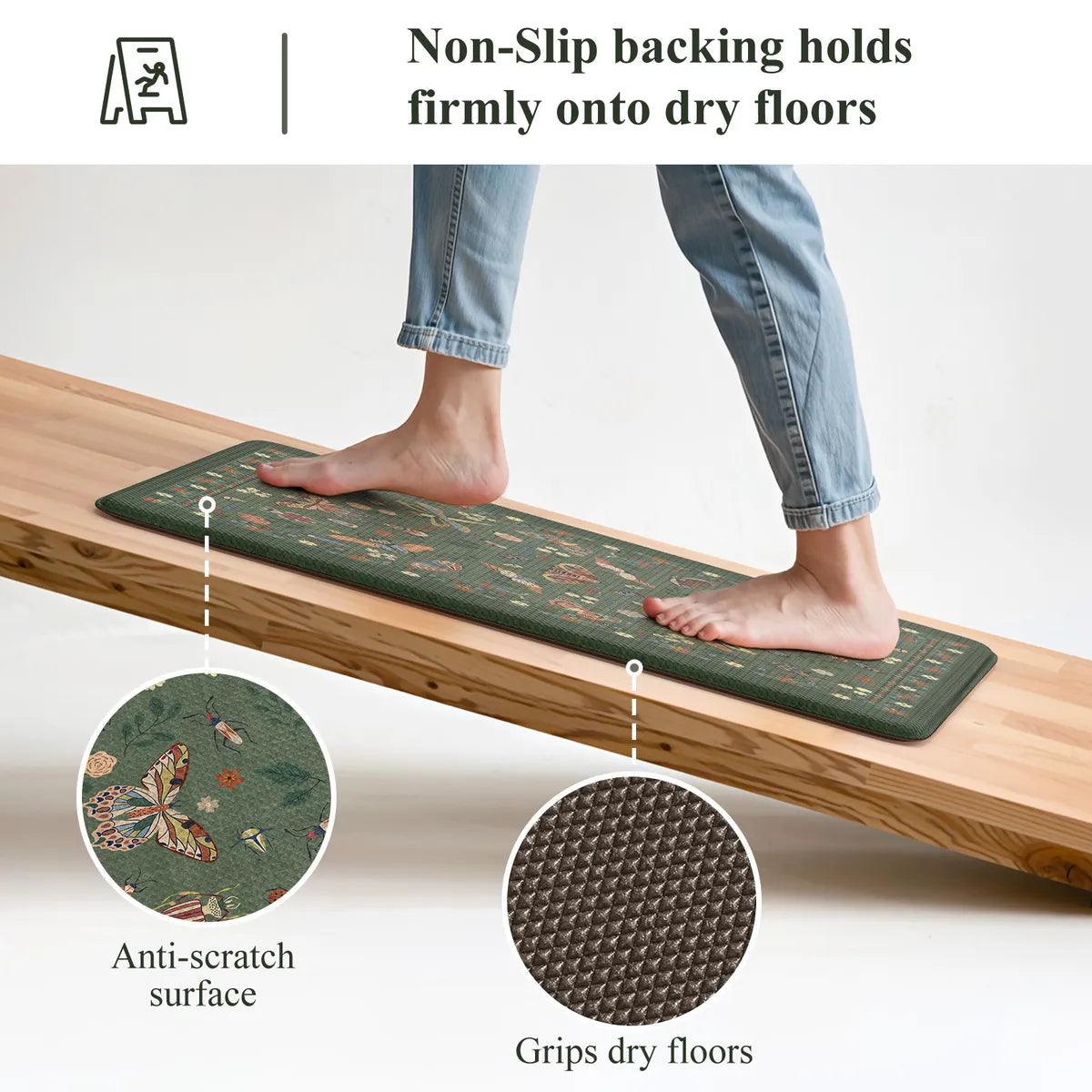
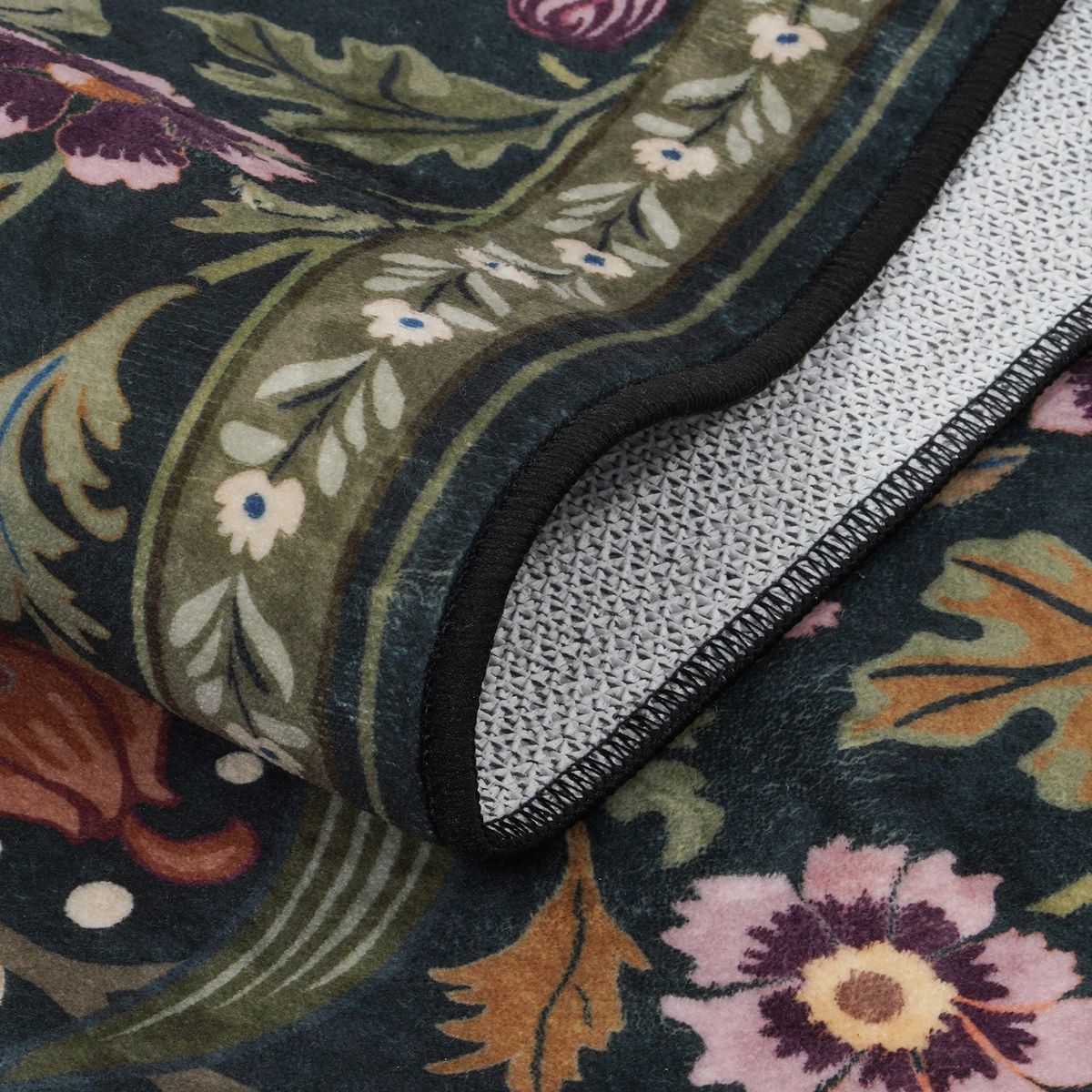
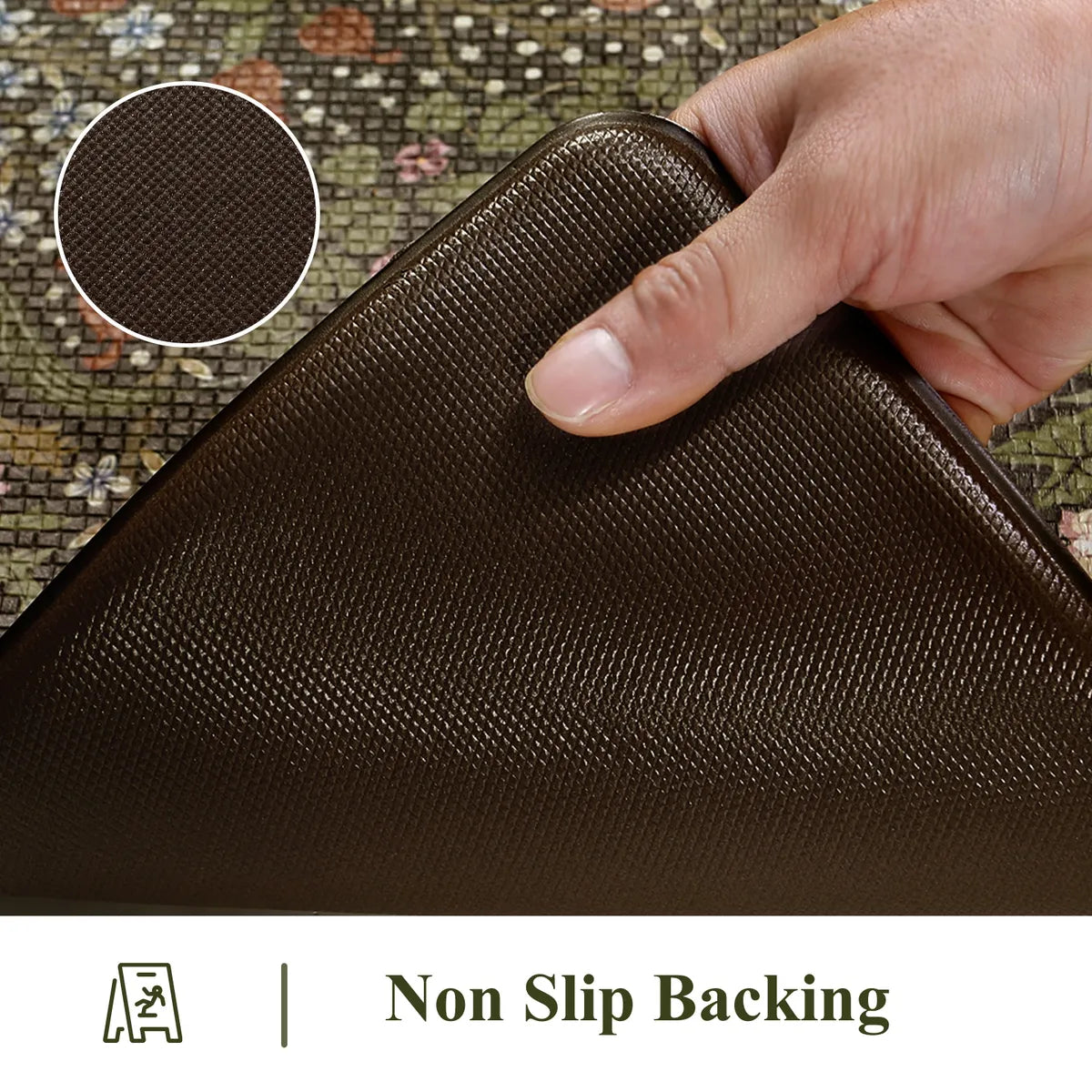
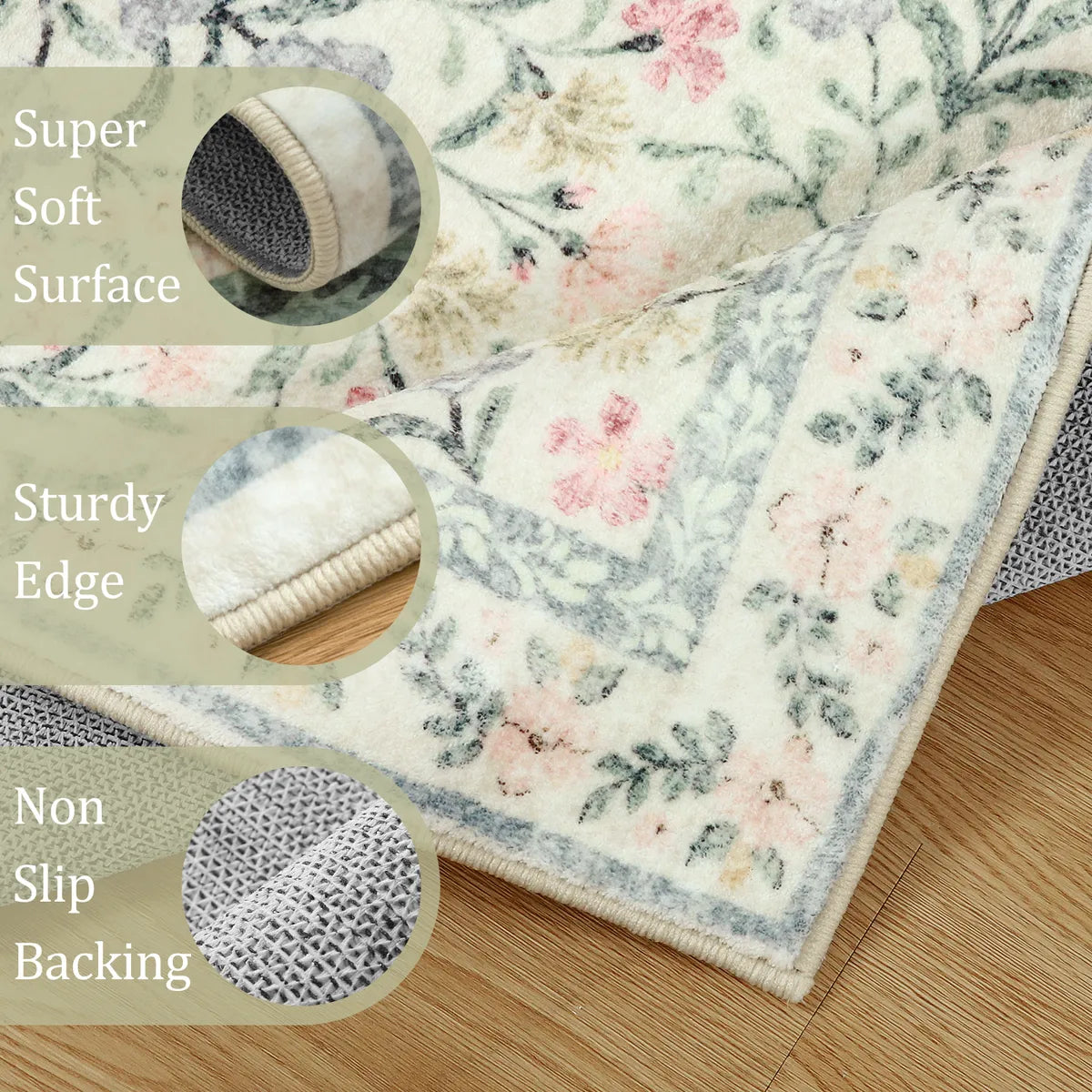
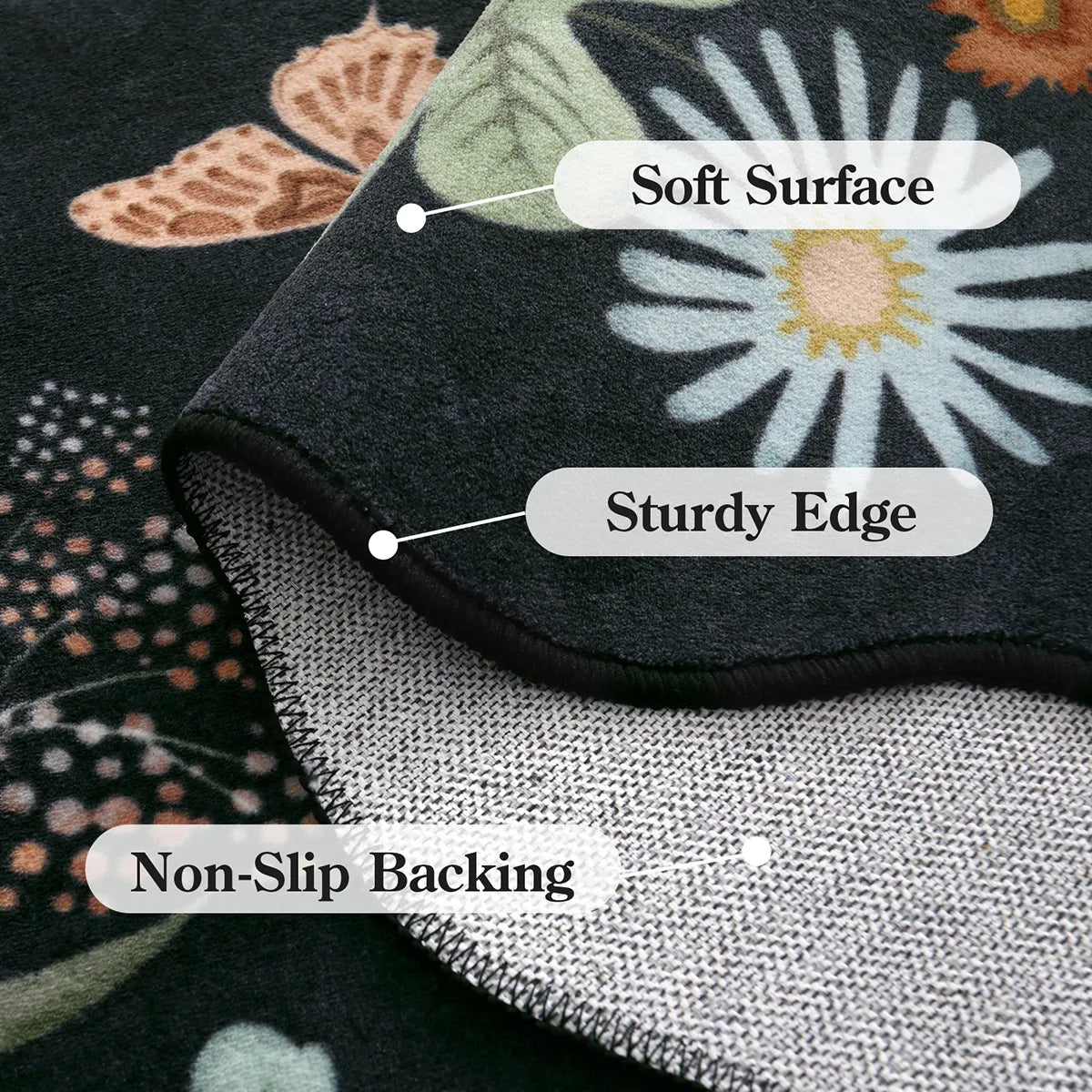
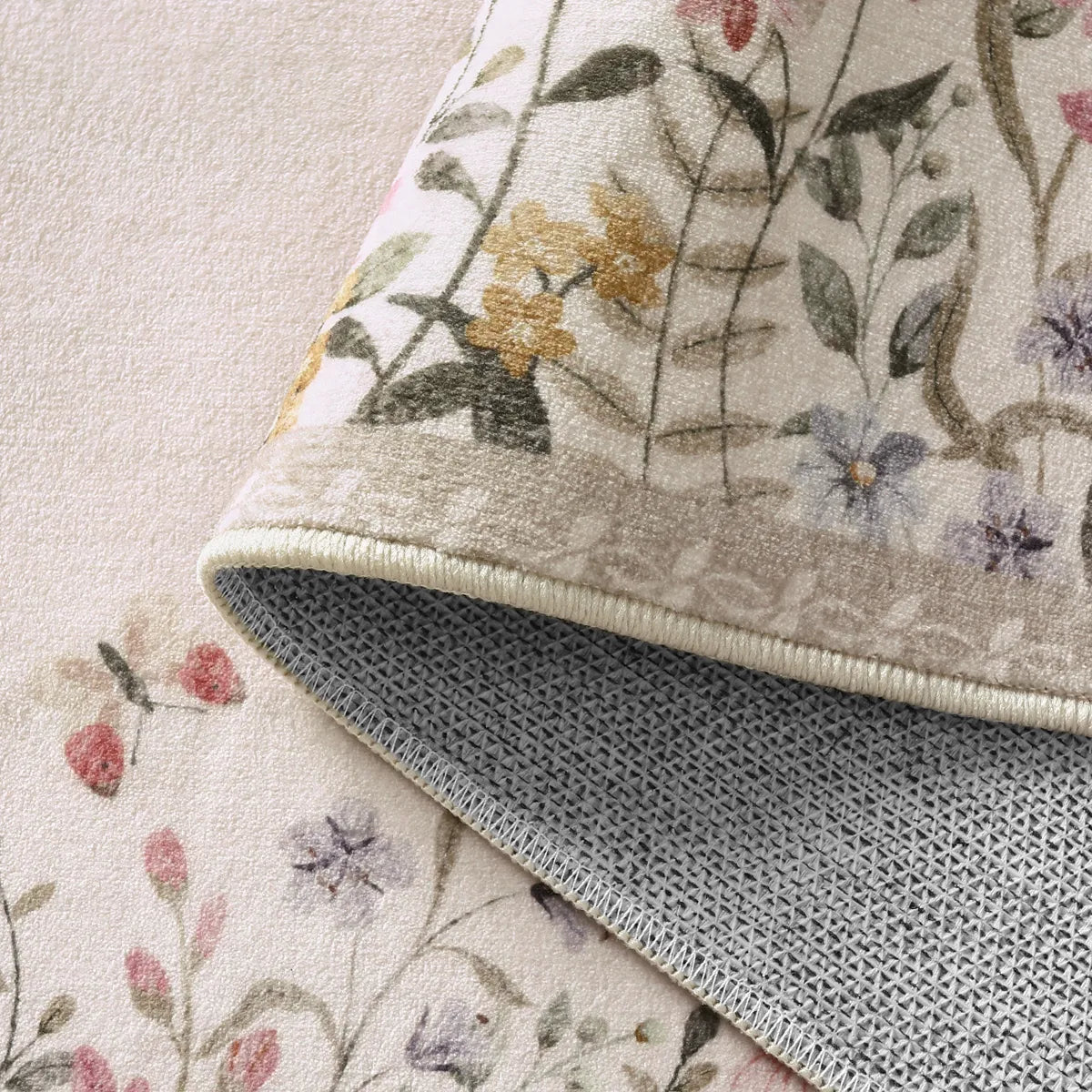
- Non-slip backing: On smooth decking or tile, a rug without grip is a hazard. A non-slip backing keeps the rug anchored even when the surface is wet.
- Spillproof fiber treatment: A spillproof surface allows spills and light rain to bead up rather than immediately soaking through, making cleanup faster and protecting the surface beneath.
Sizing and Layout Tips for Outdoor Area Rugs

Getting the size right is as important as getting the material right. An outdoor area rug that's too small makes the furniture arrangement feel disconnected. One that's too large overwhelms the space and creates tripping edges near doorways or steps.
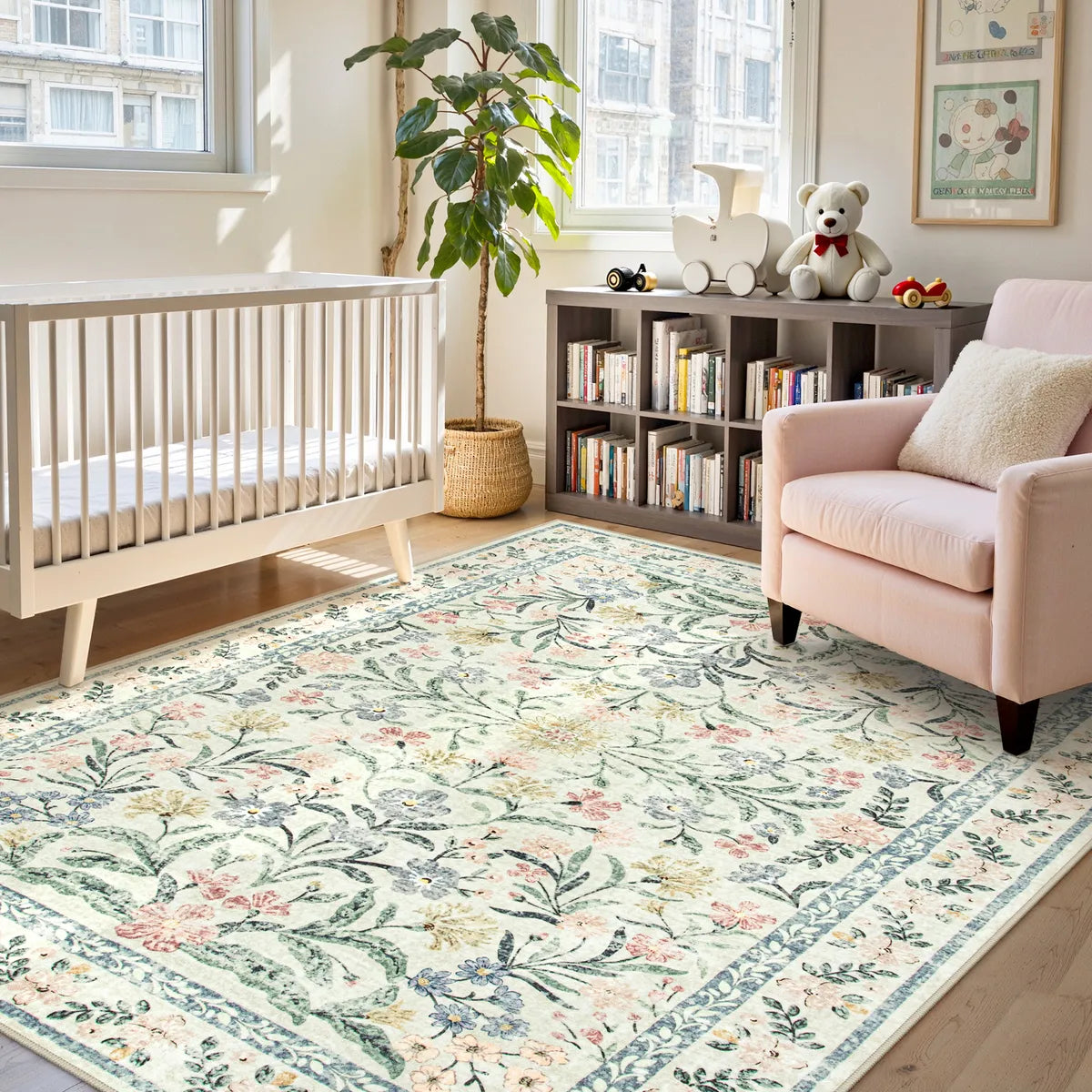
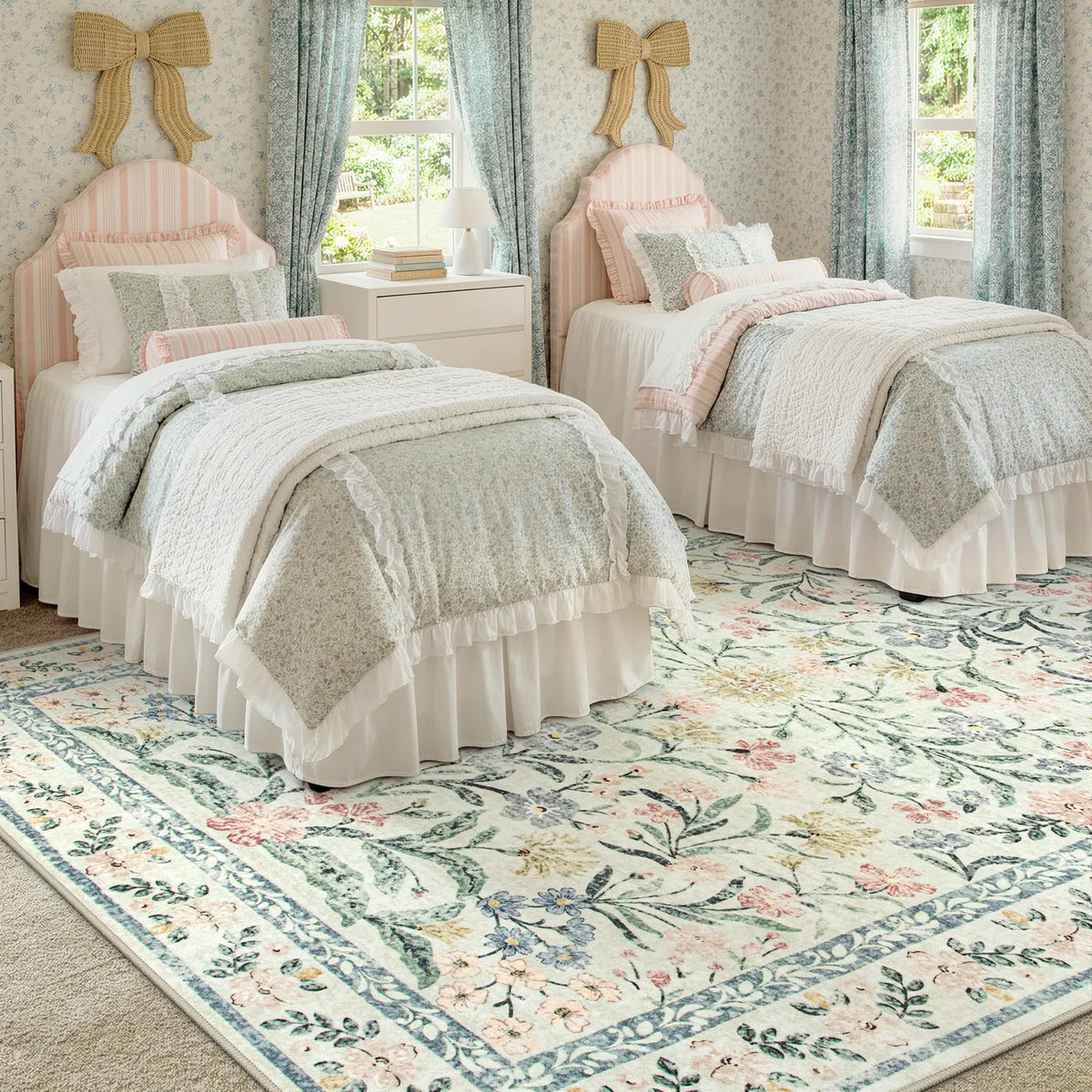
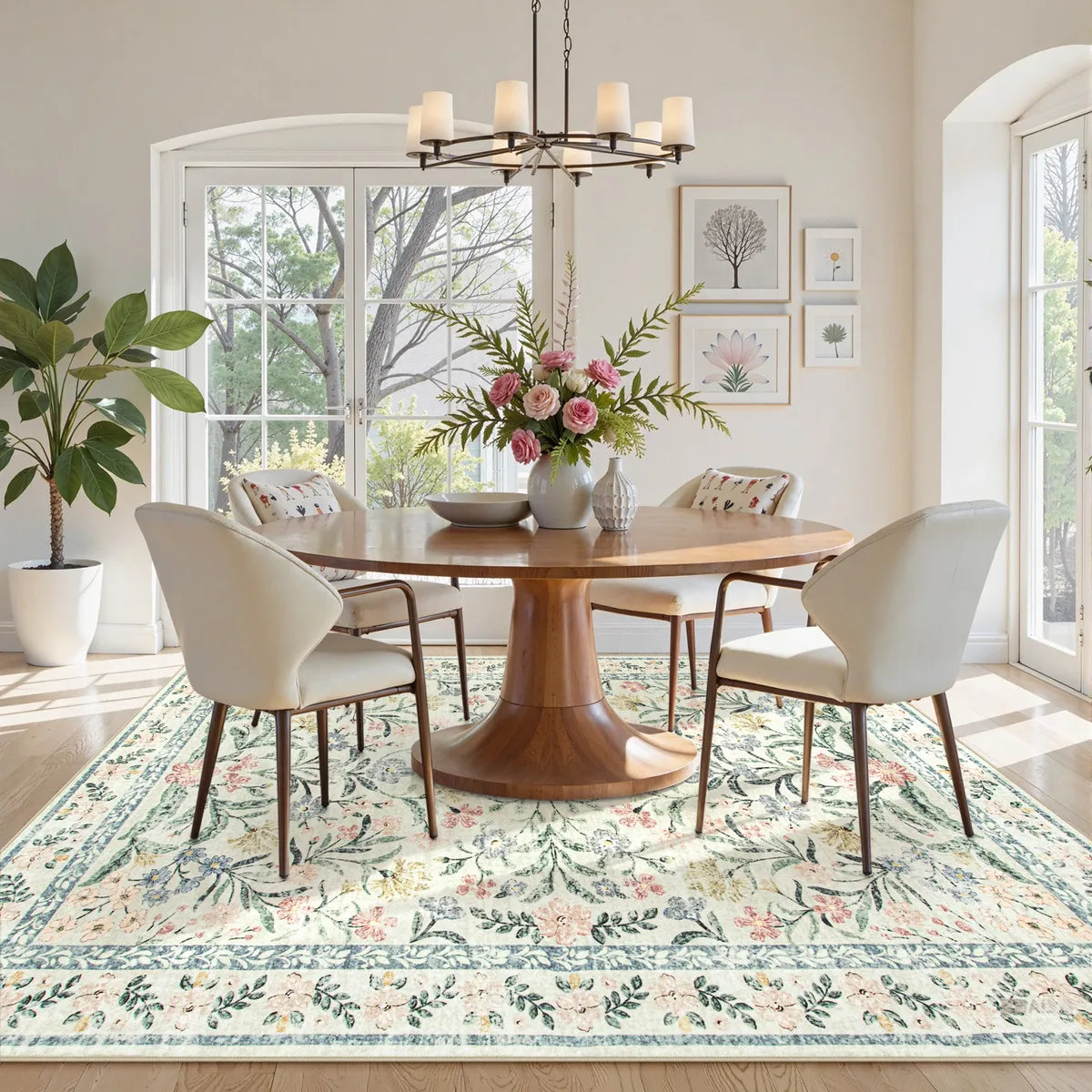
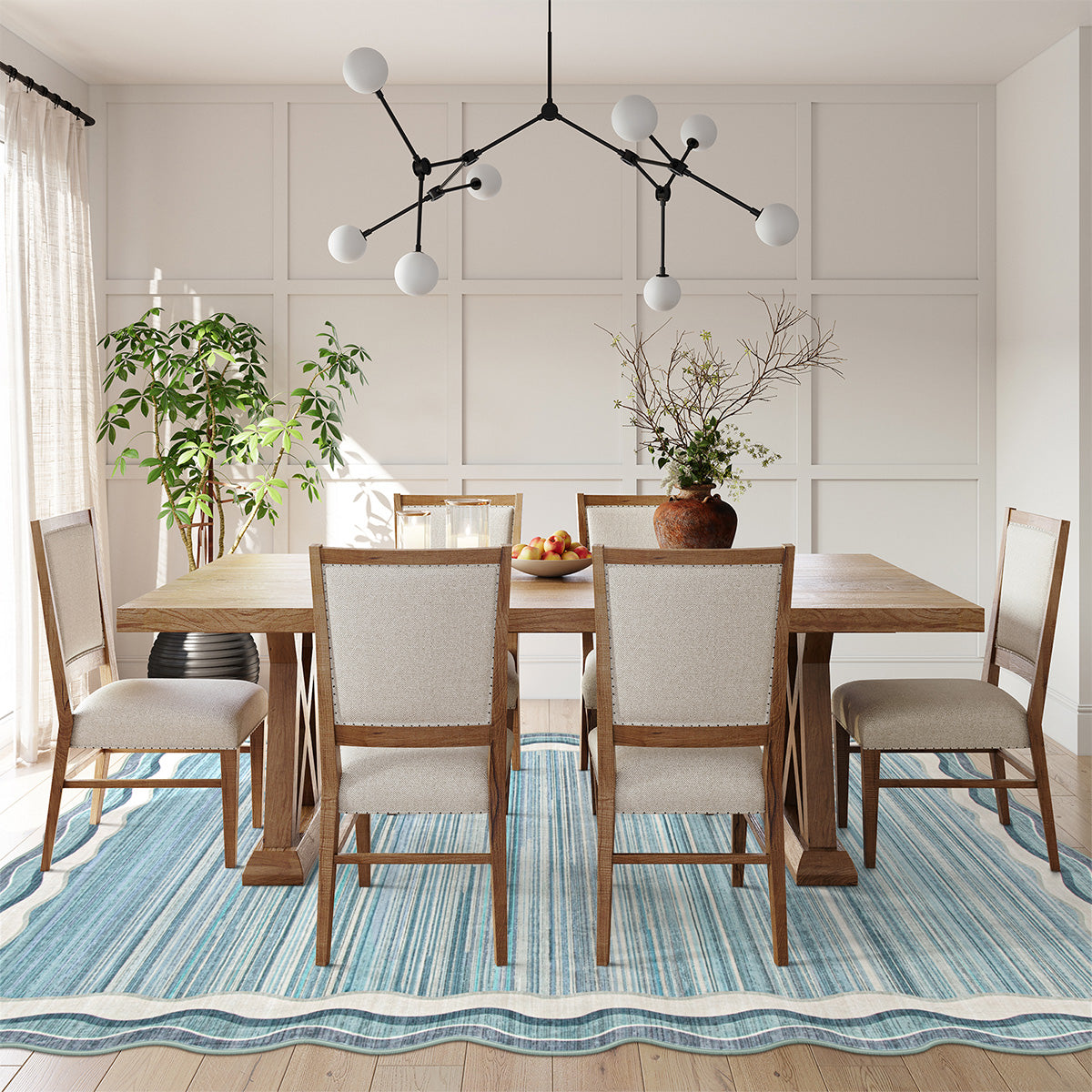
The standard sizing approach used for indoor rugs applies outdoors as well: the rug should sit under the front legs of all major furniture pieces, or ideally under all four legs for a more grounded look. For an outdoor dining set, all chair legs should be able to remain on the rug even when chairs are pulled out.
Common size fits for typical patio layouts:
- Small balcony or bistro setup: A 4x6 rug defines a two-chair arrangement without overwhelming a compact space.
- Mid-size patio with a lounge grouping: A 5x7 or 6x9 rug works well under a sofa and two chairs with a coffee table.
- Large patio or deck with a dining set: An 8x10 or 9x12 rug accommodates a full dining arrangement with room for chairs to pull back comfortably.
Leave at least a few inches of hard surface visible around the rug's perimeter. This framing effect makes the rug look intentional rather than undersized, and it prevents edges from curling against walls or railings.
Outdoor Area Rug Styles That Work in Any Patio Setting
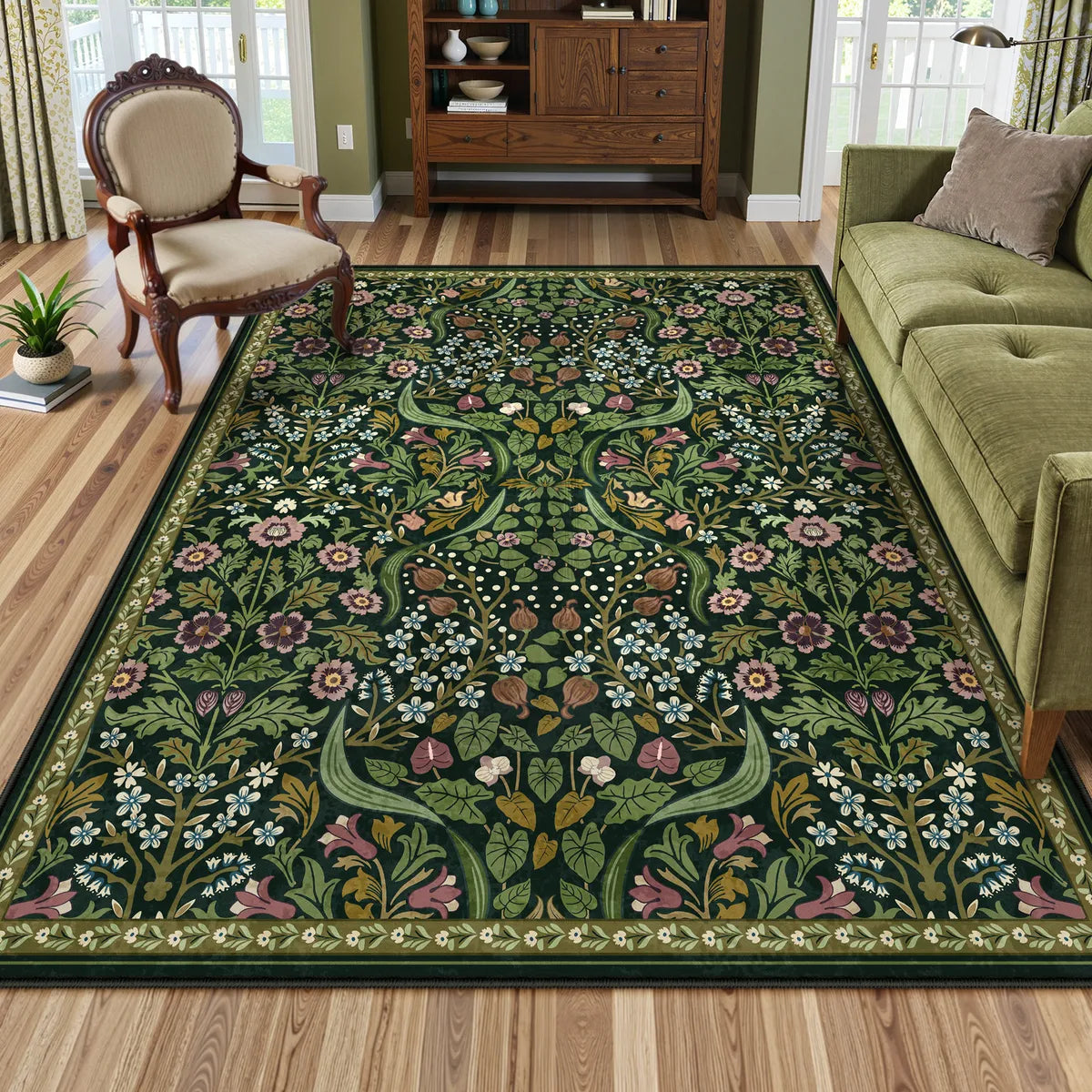
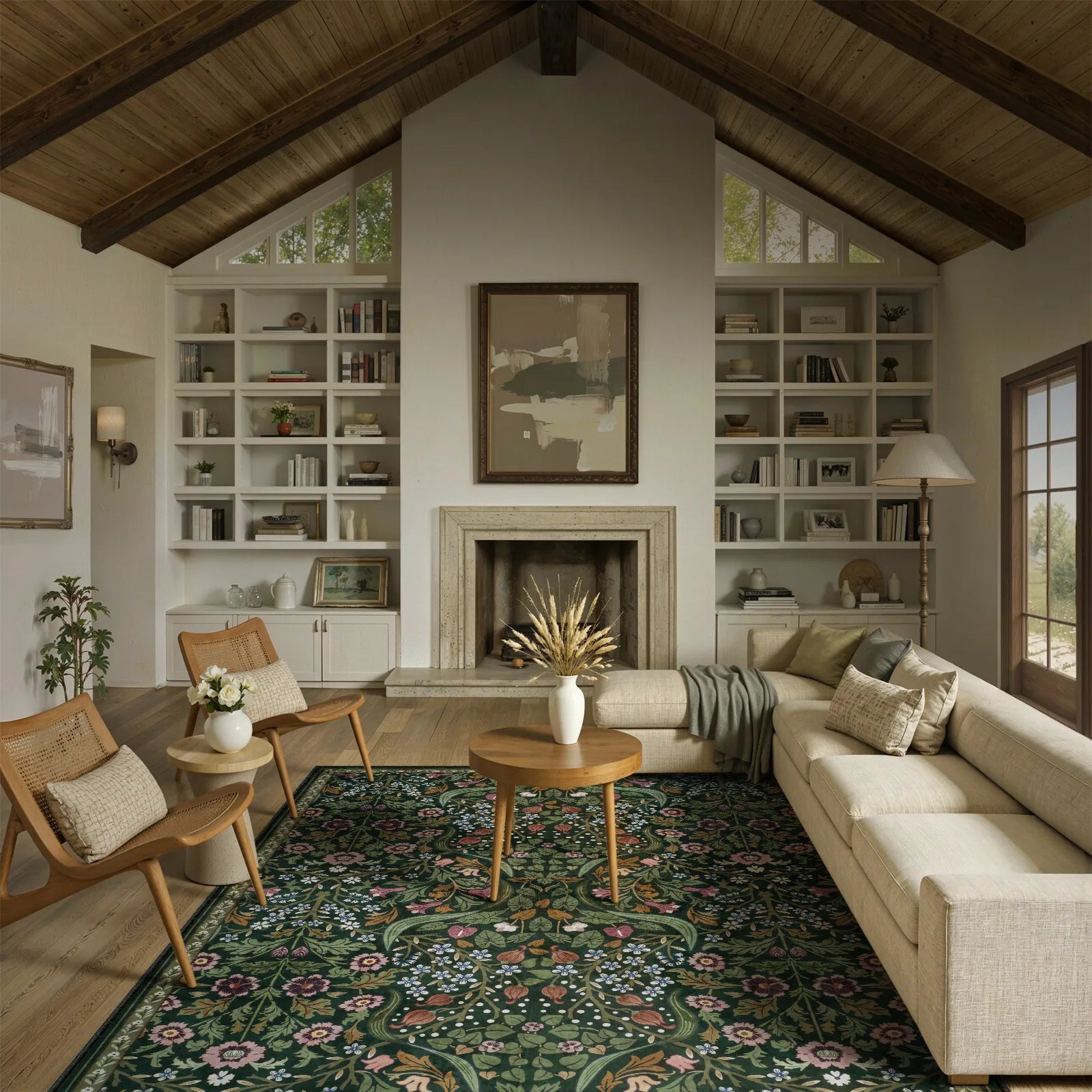
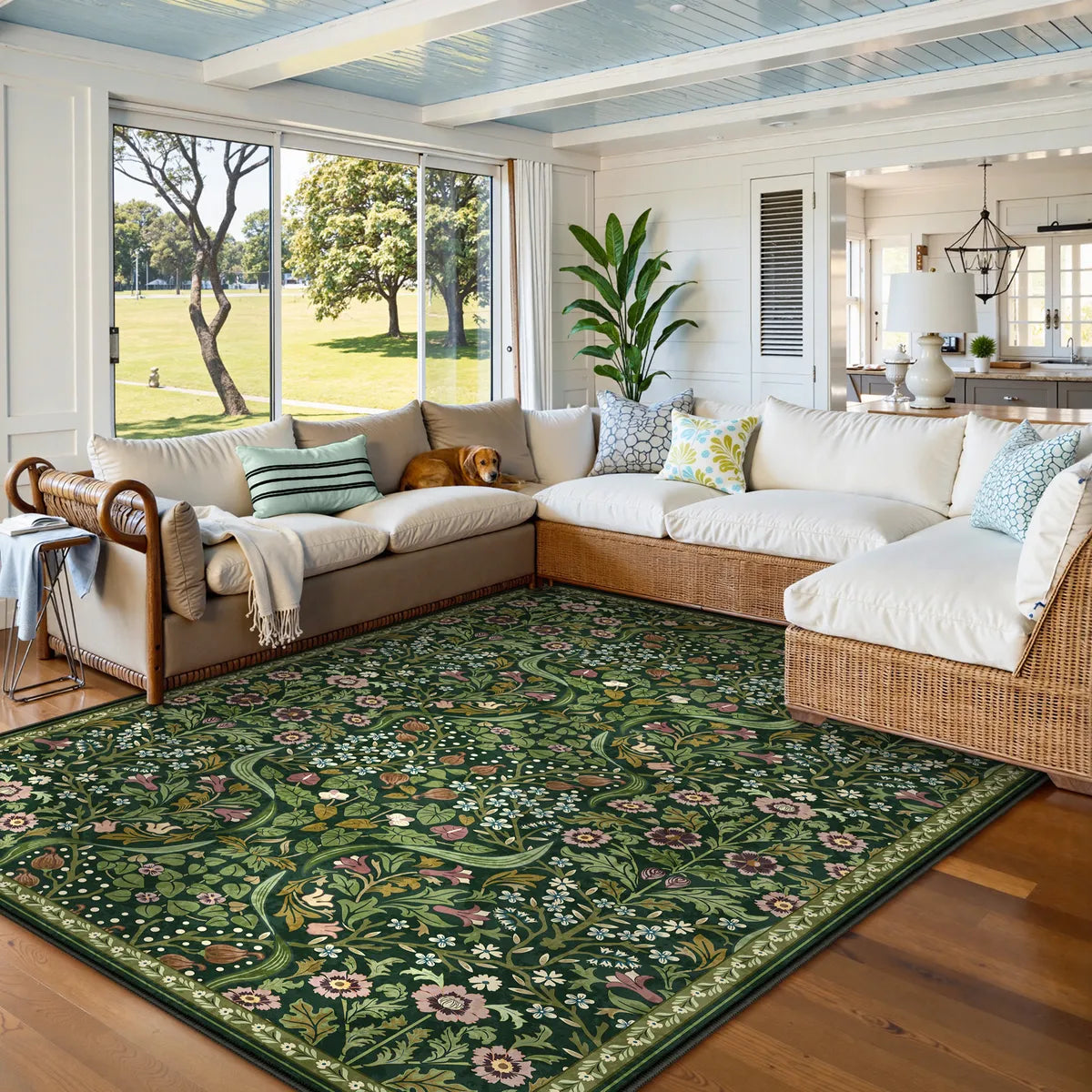
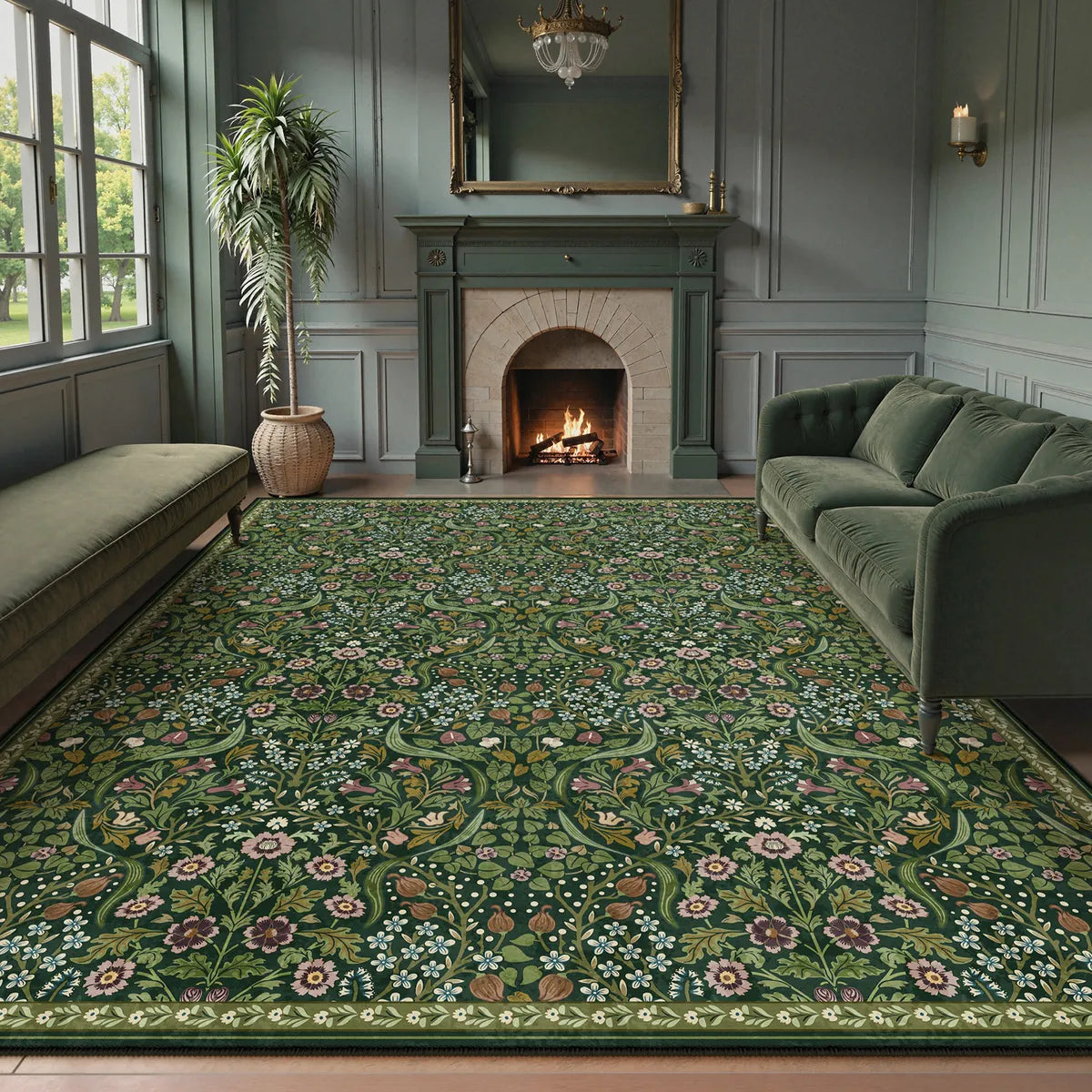
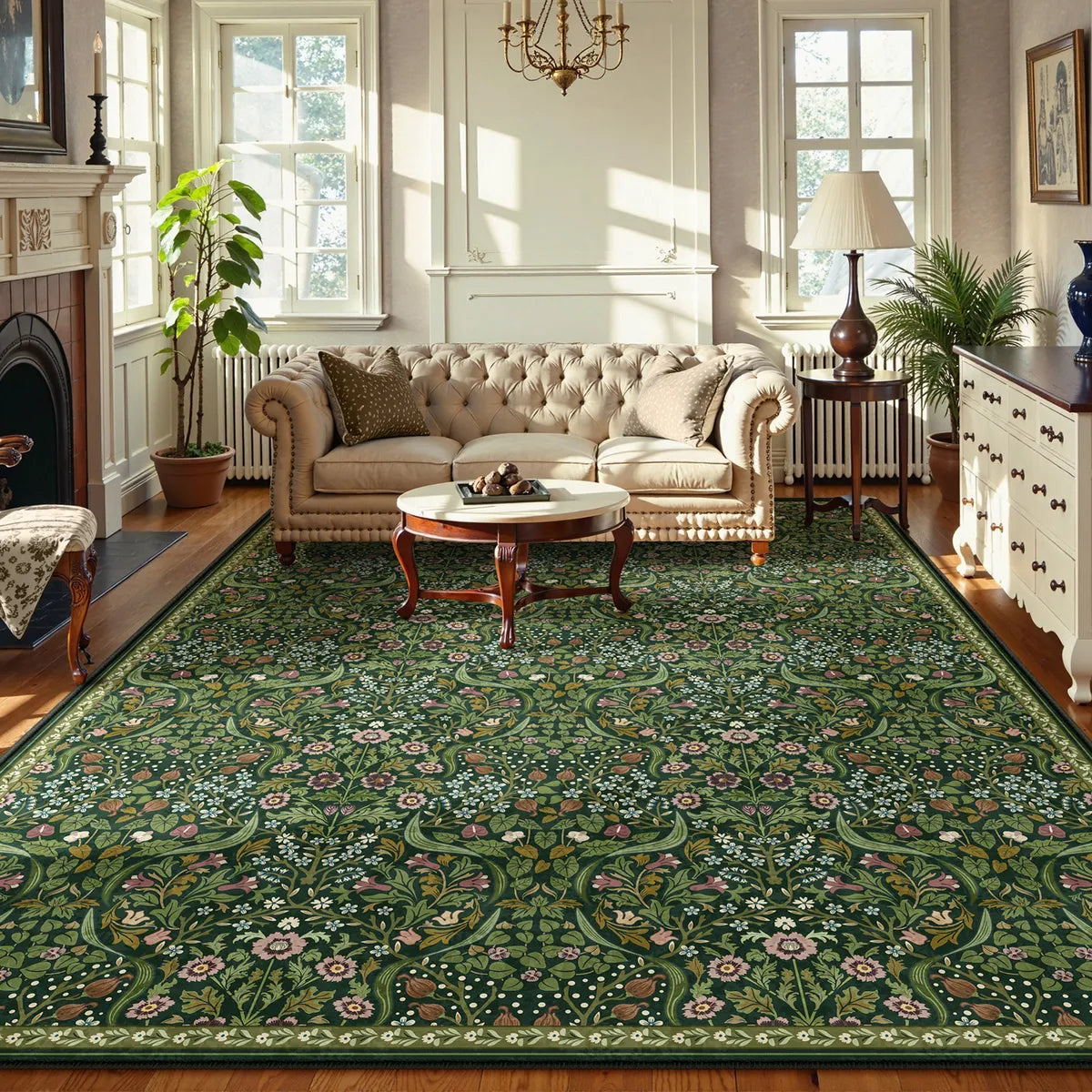
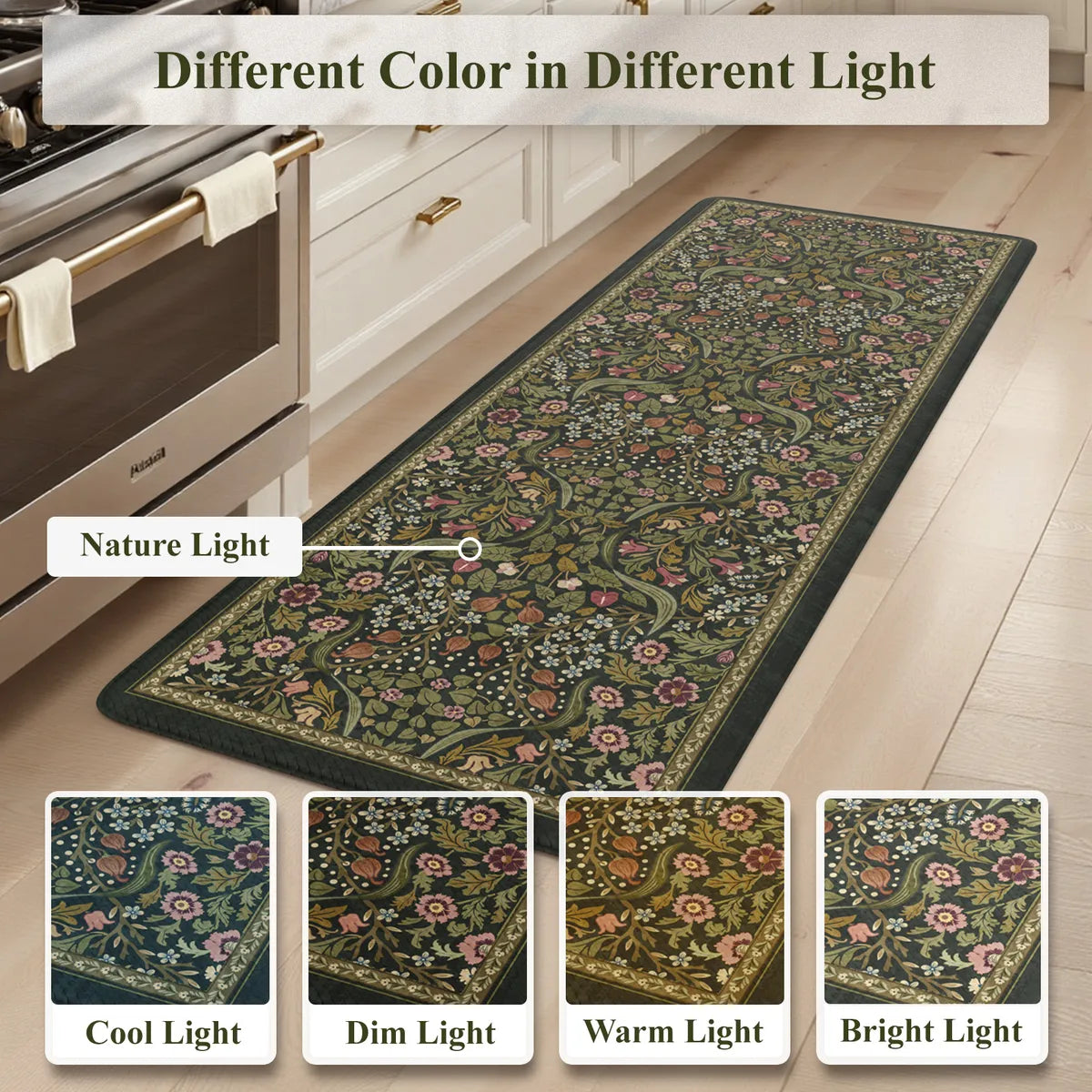
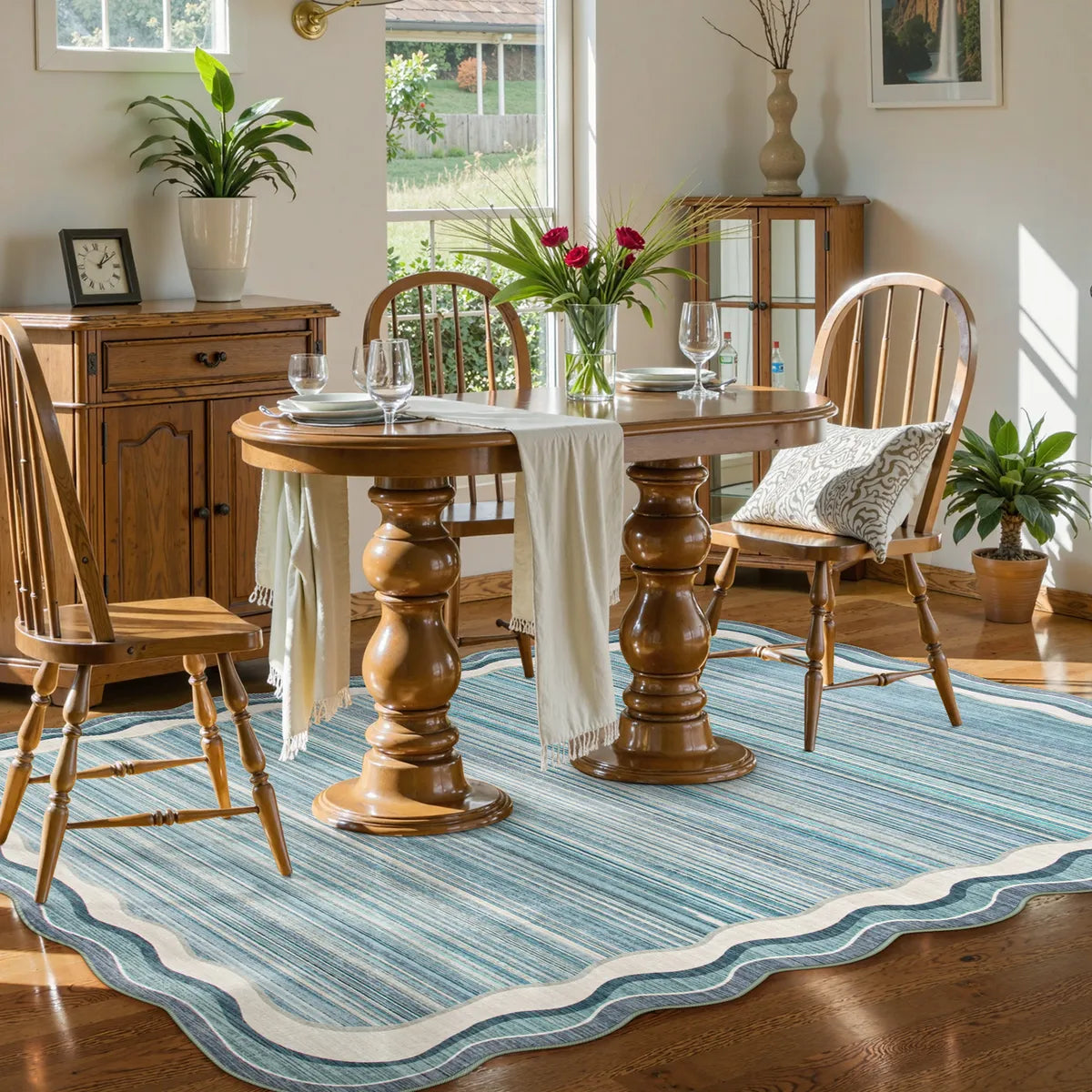
Once the practical requirements are met, the rug's design becomes the main decision. Outdoor area rugs are available in a wide enough range of patterns and colors that the patio can carry almost any aesthetic direction, from relaxed coastal to structured geometric to layered bohemian. A few style principles that translate well to outdoor settings:
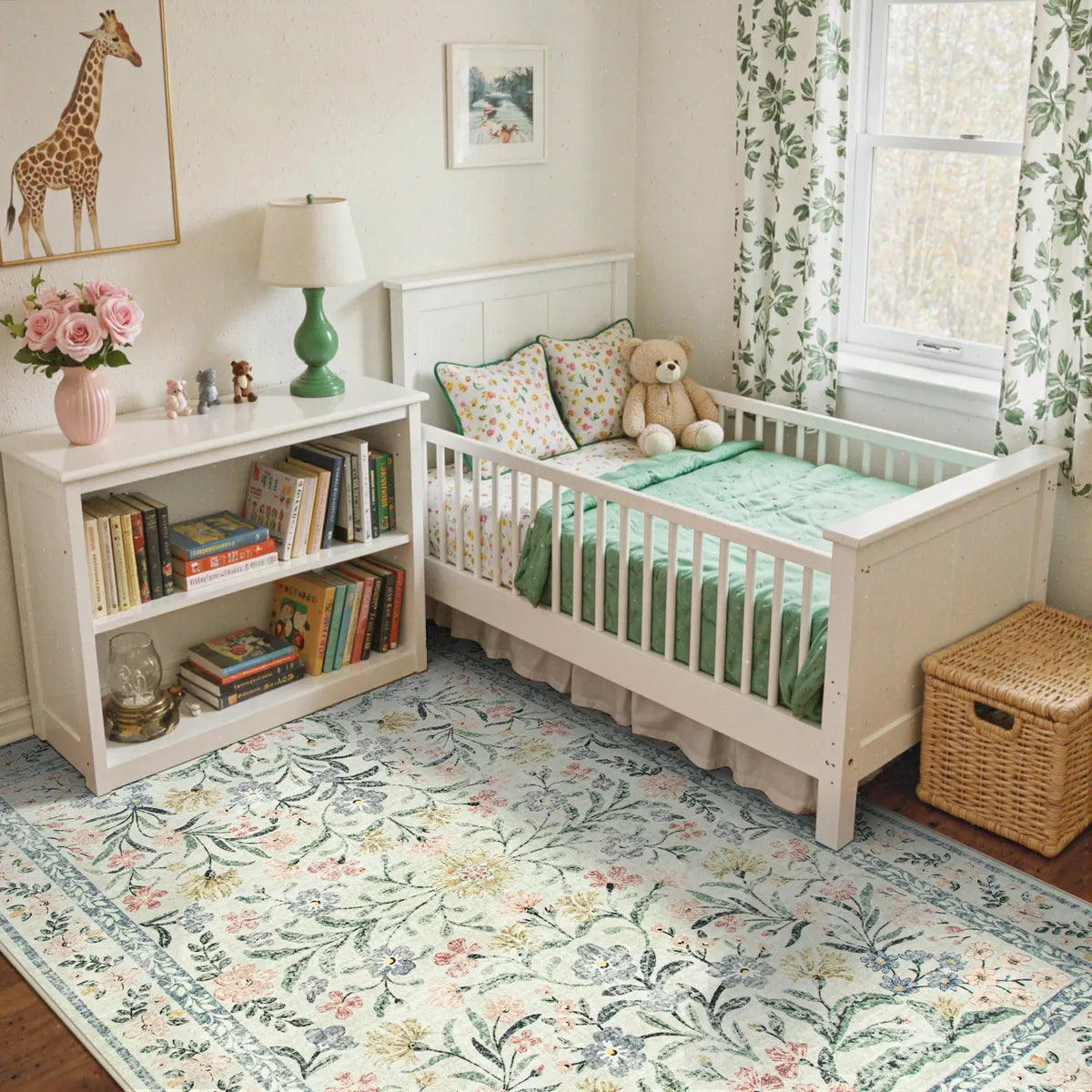
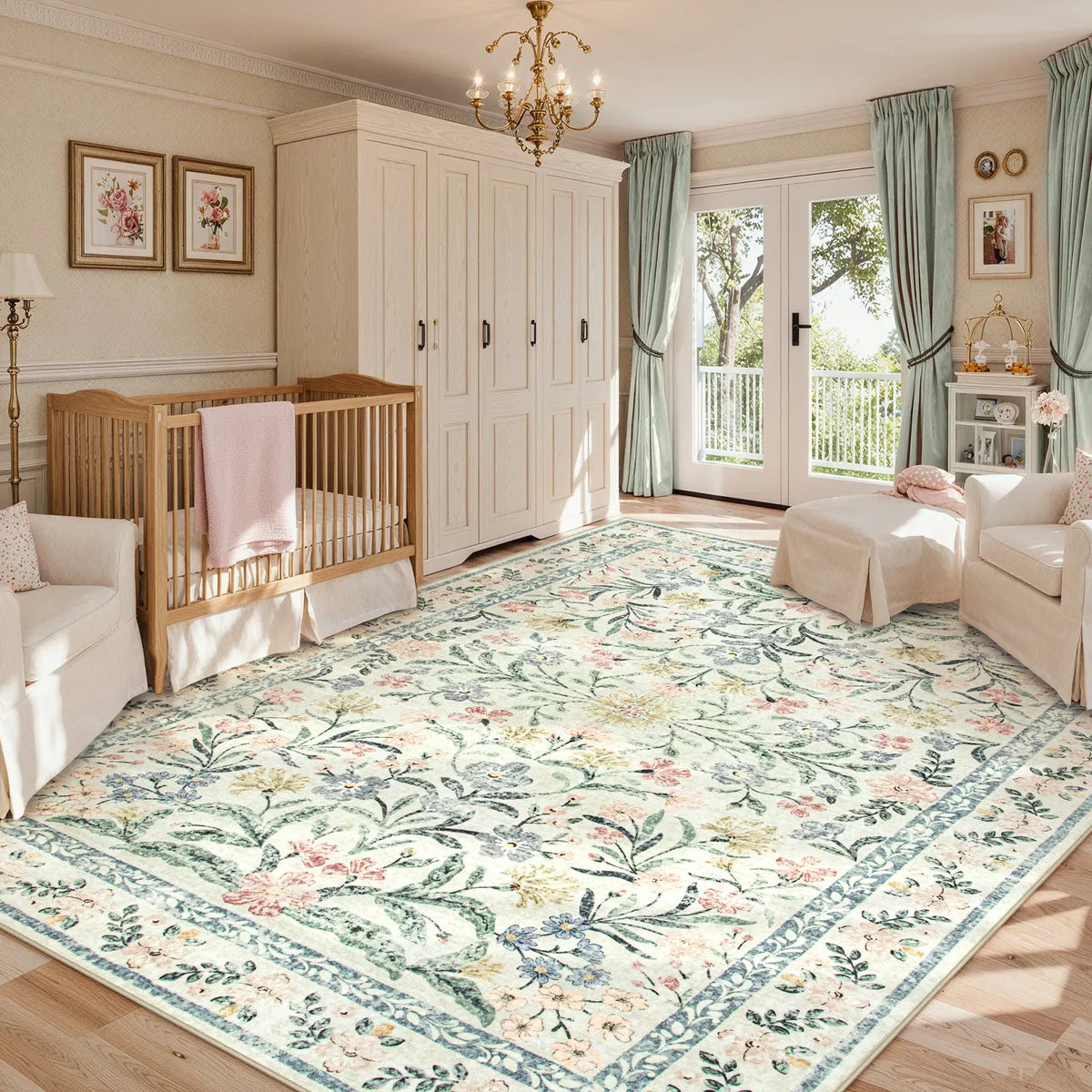
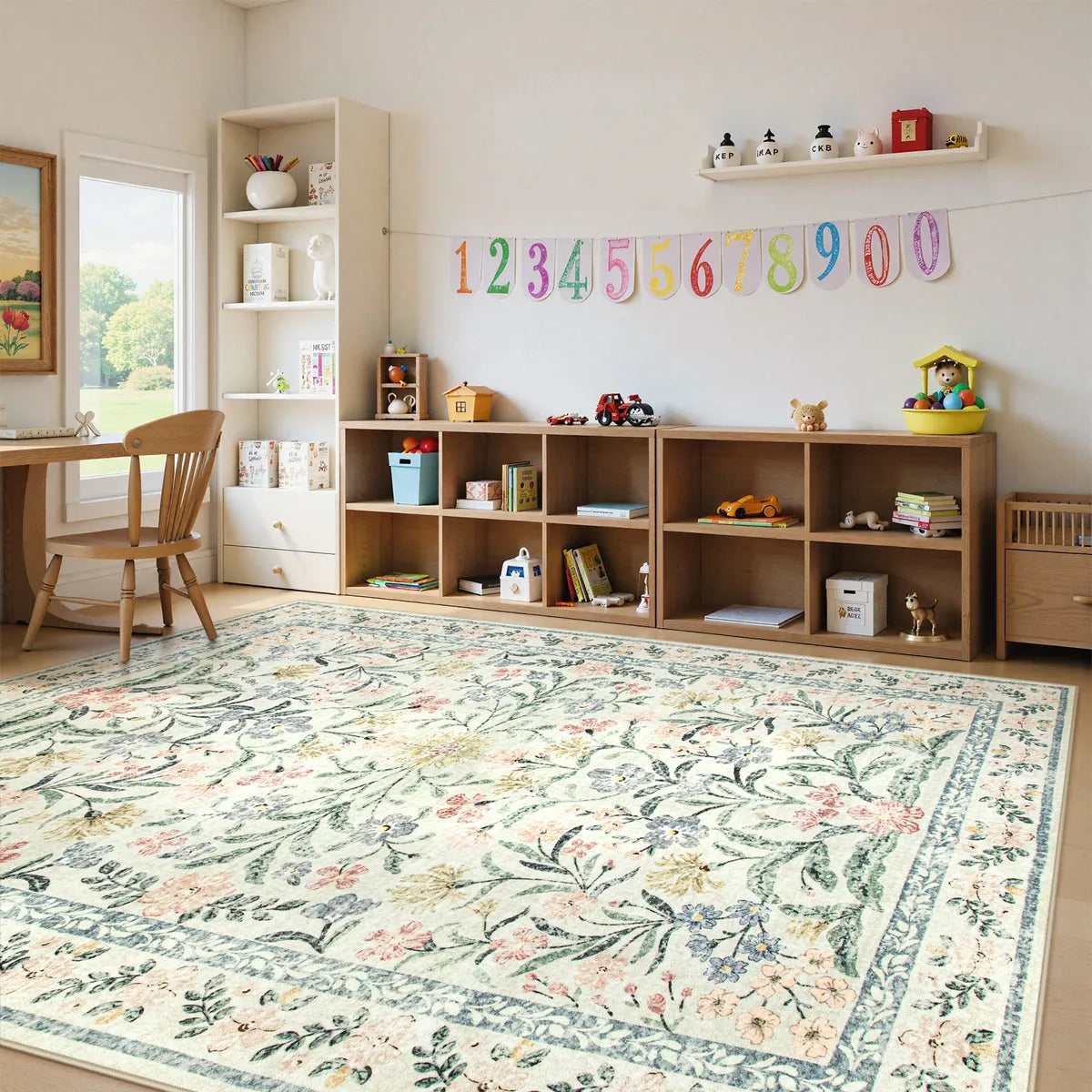
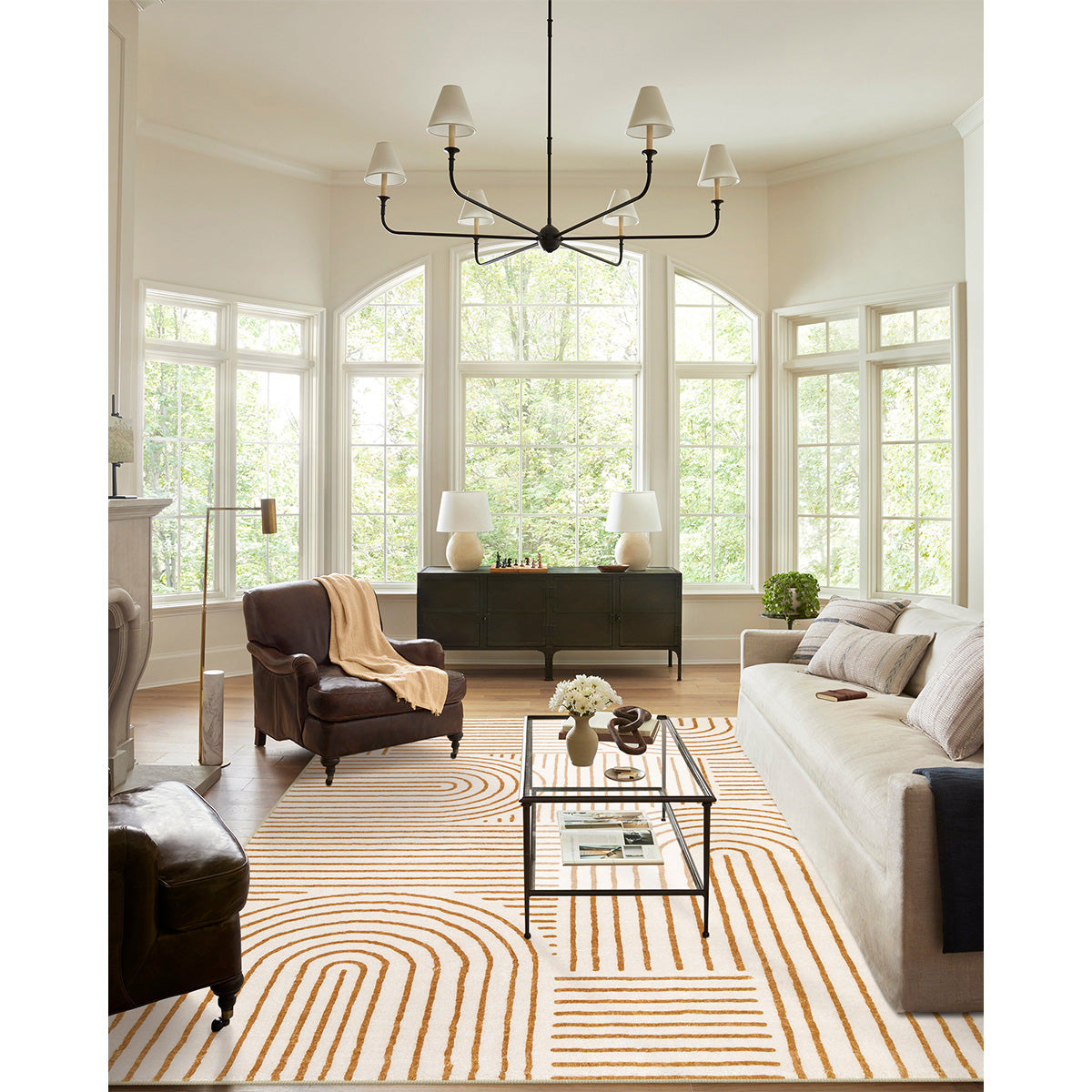
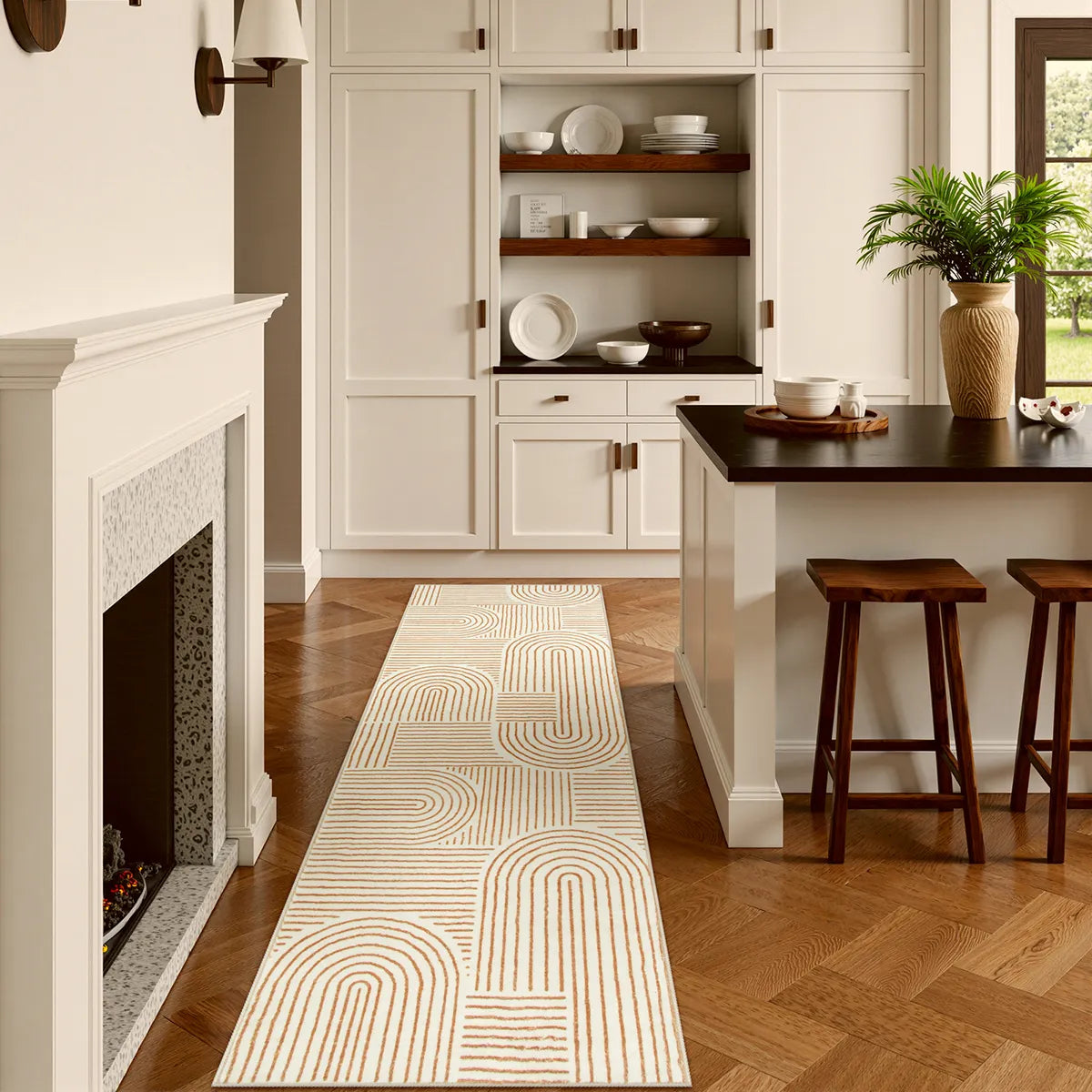
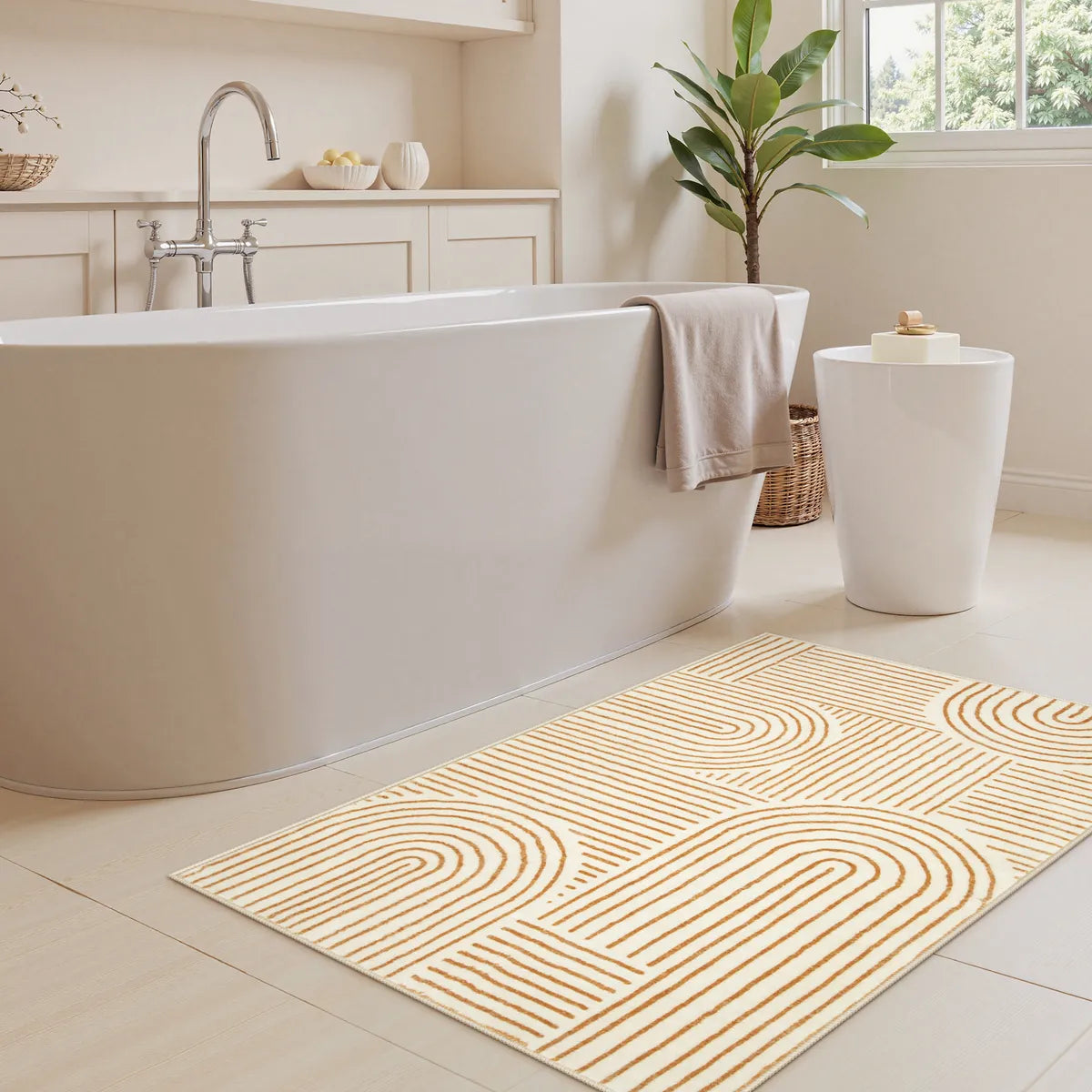
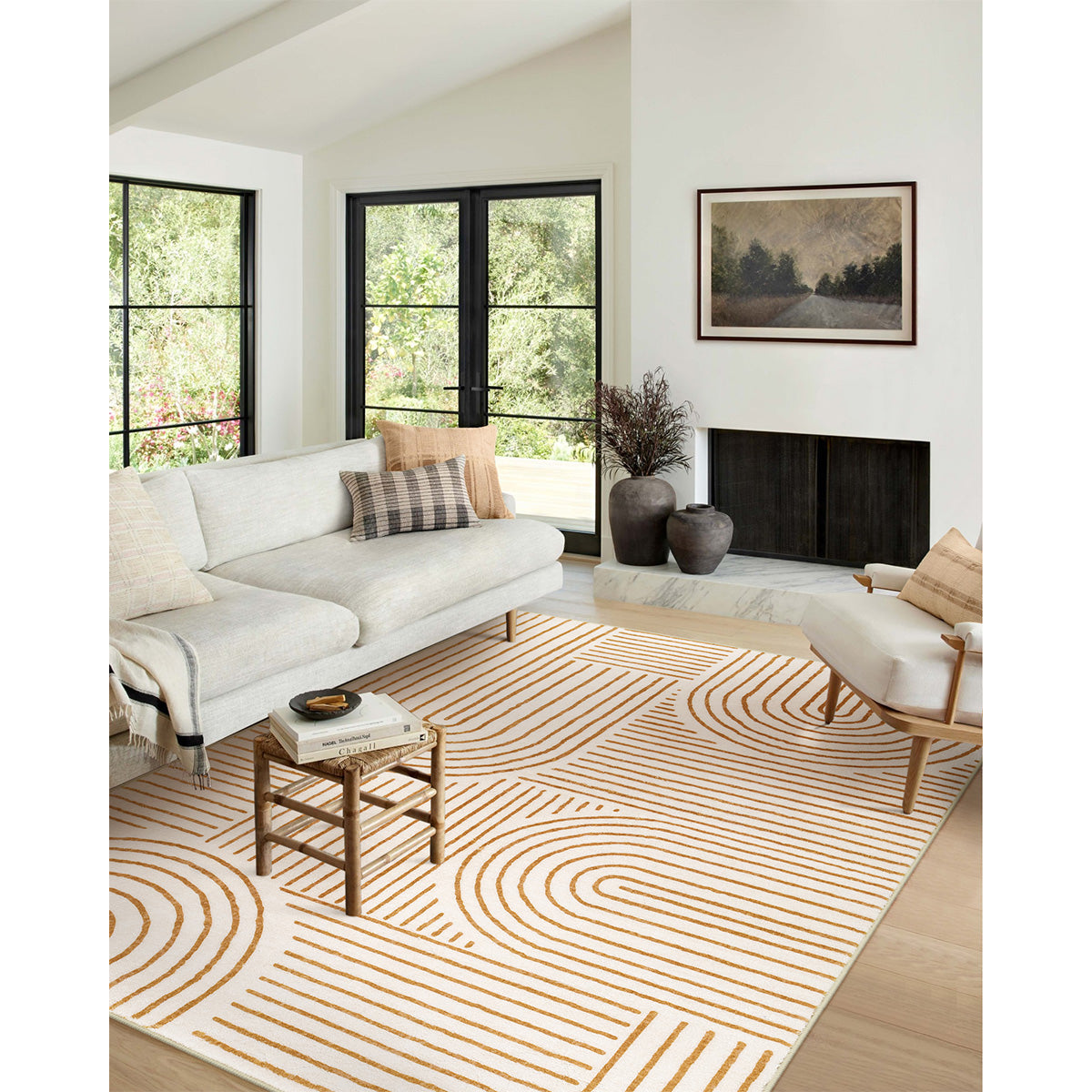
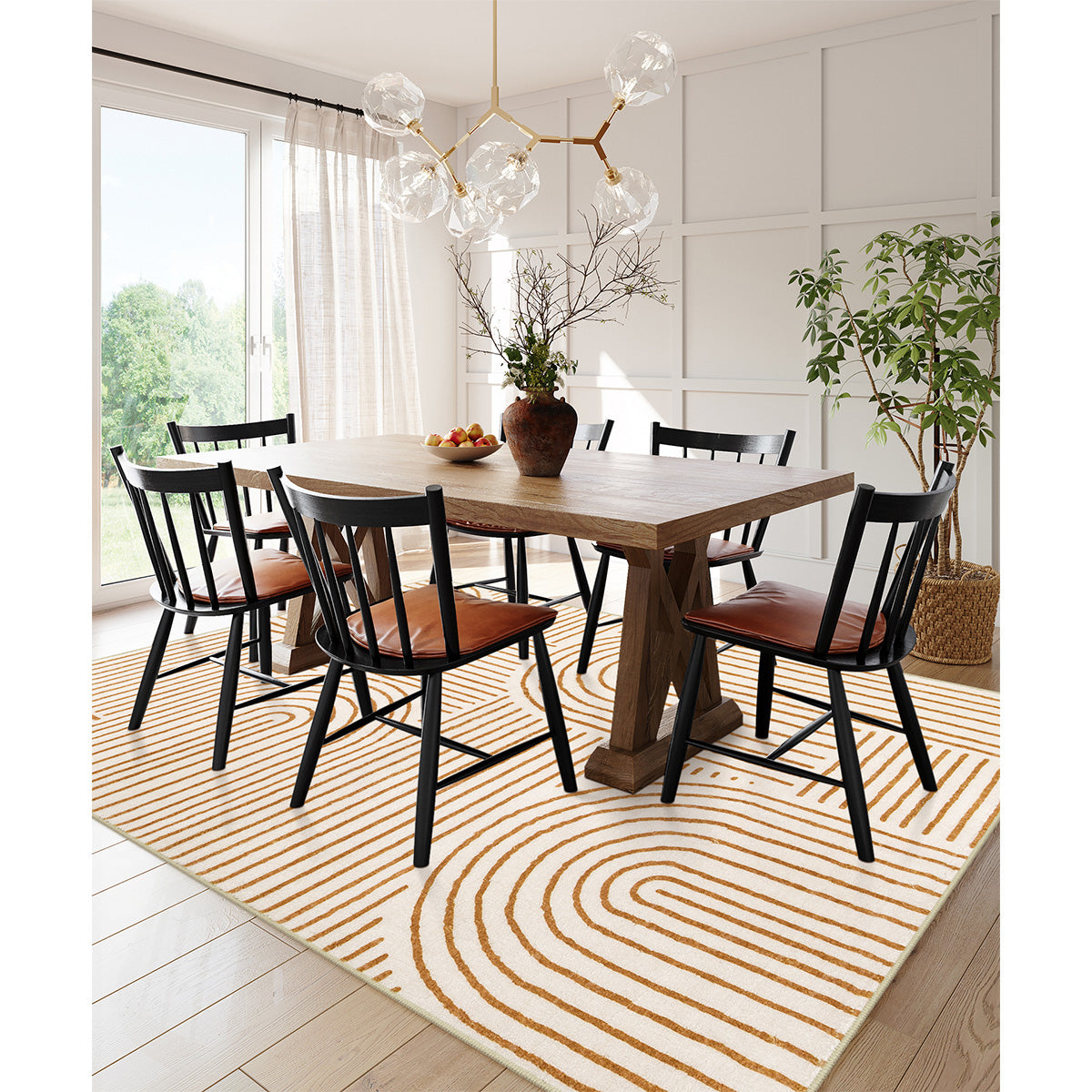
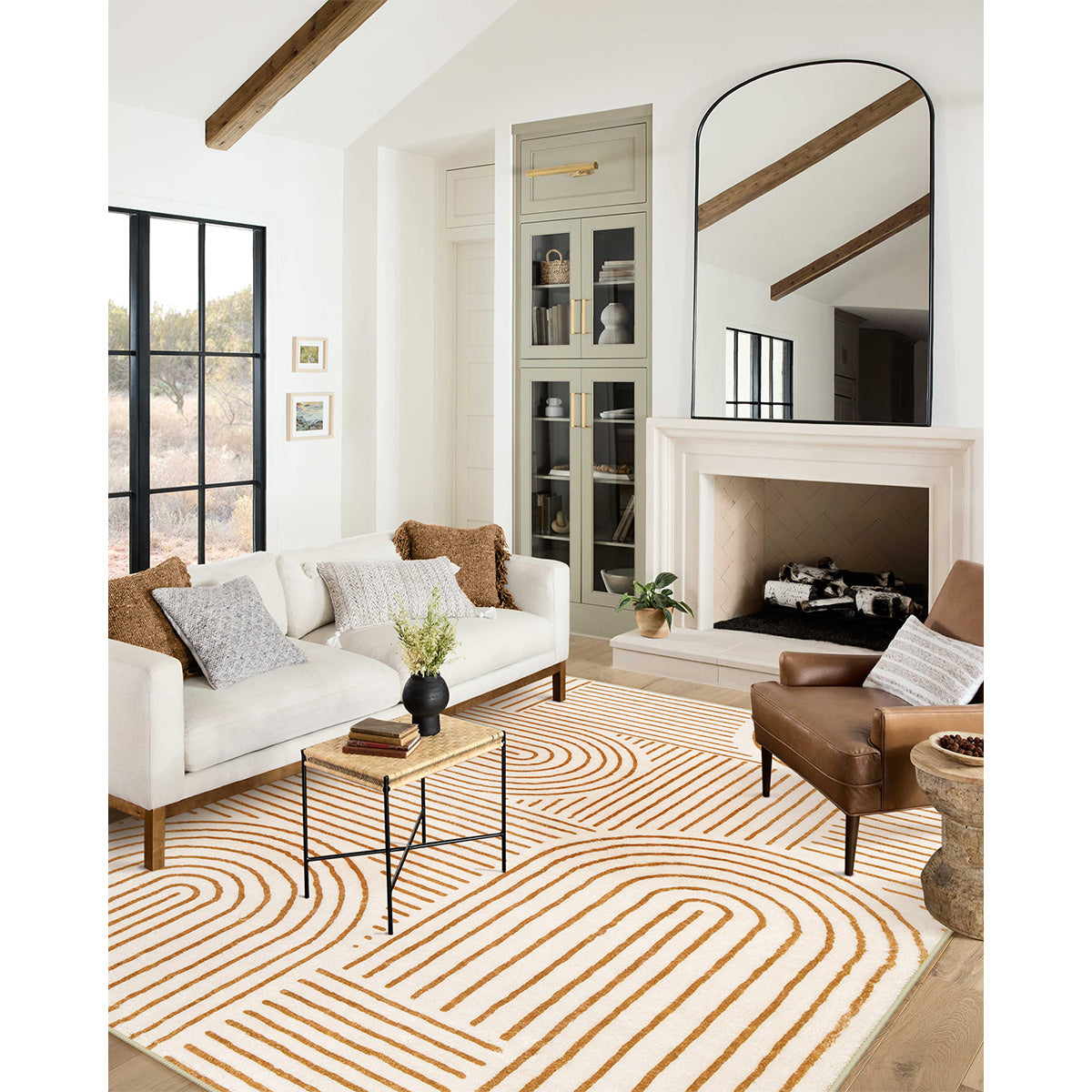
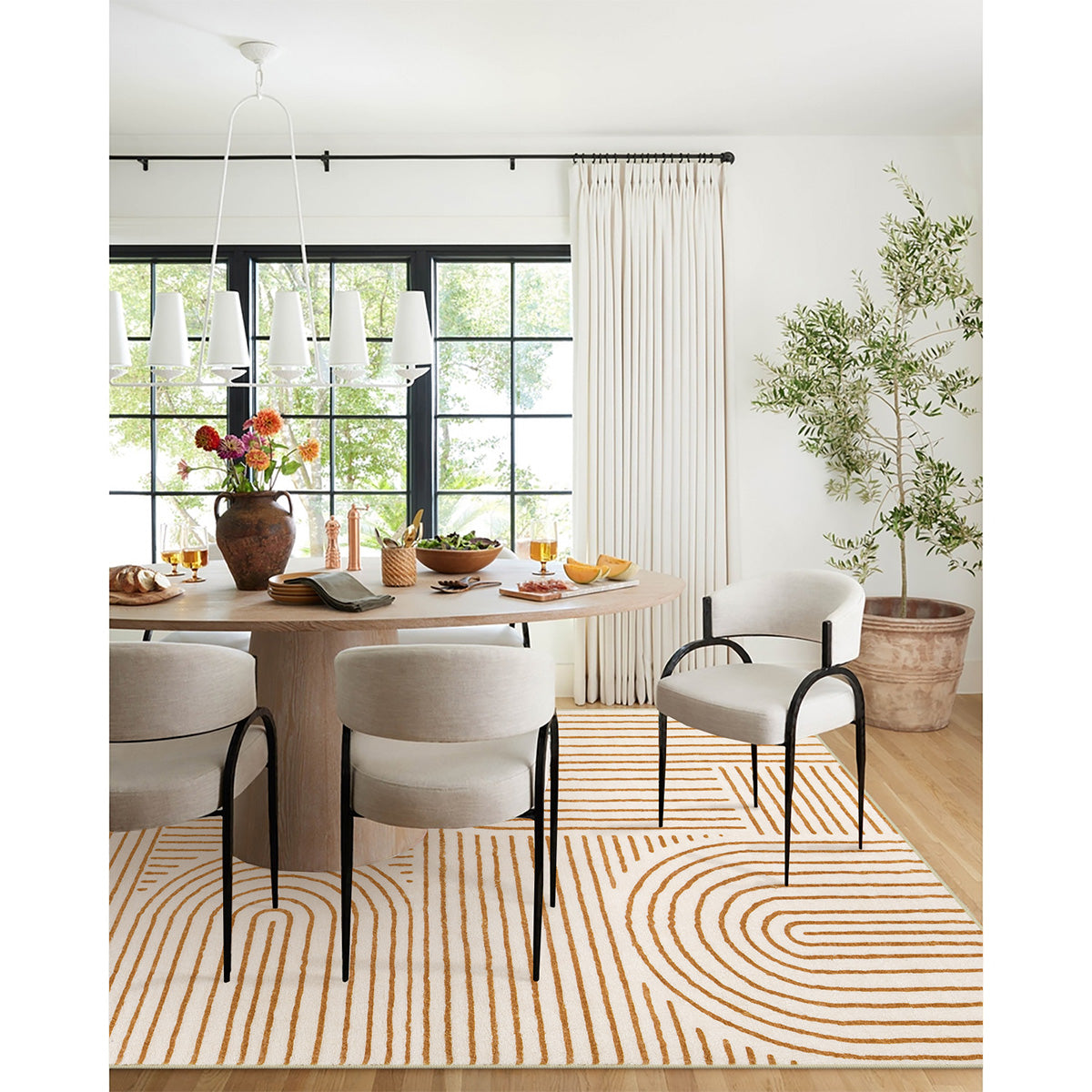
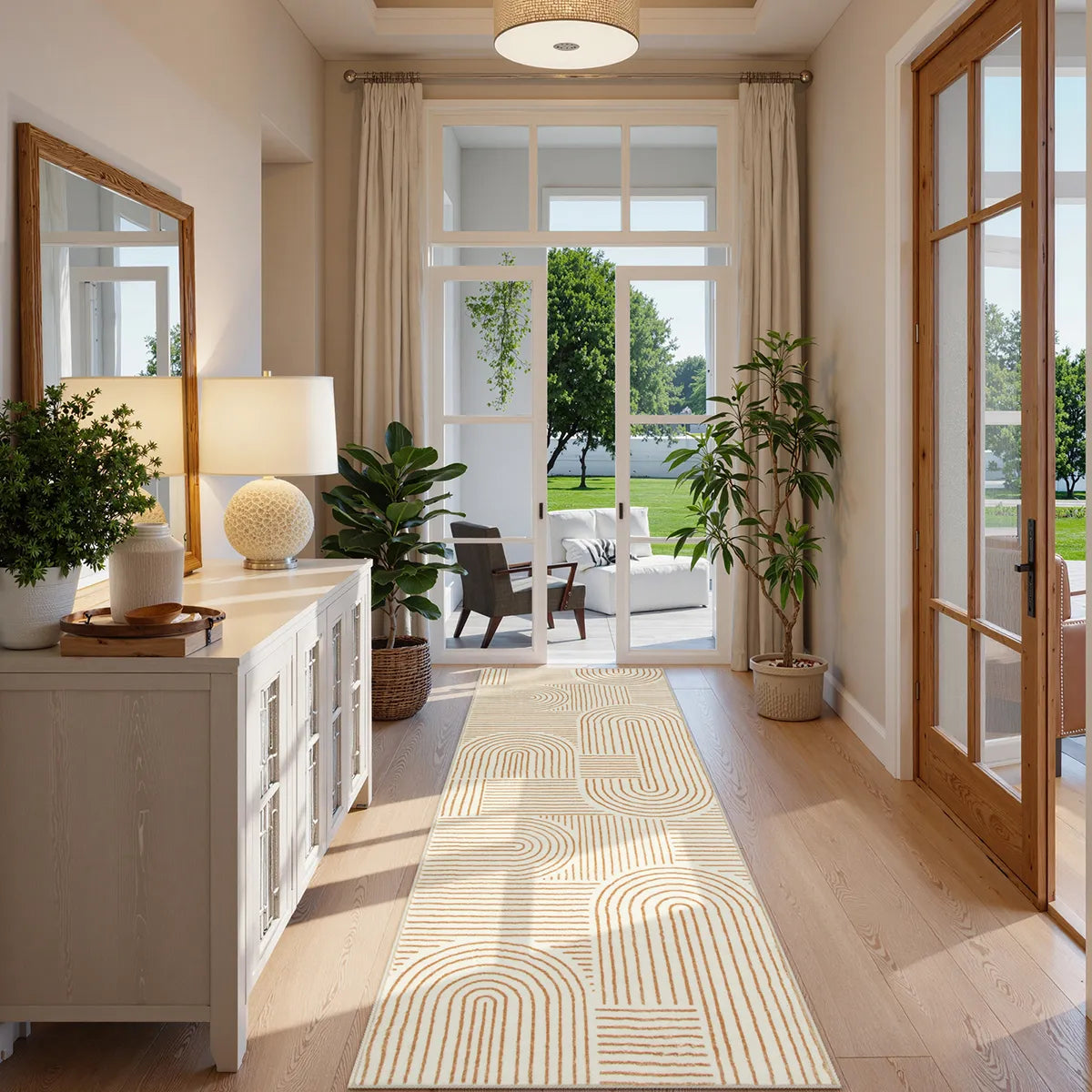
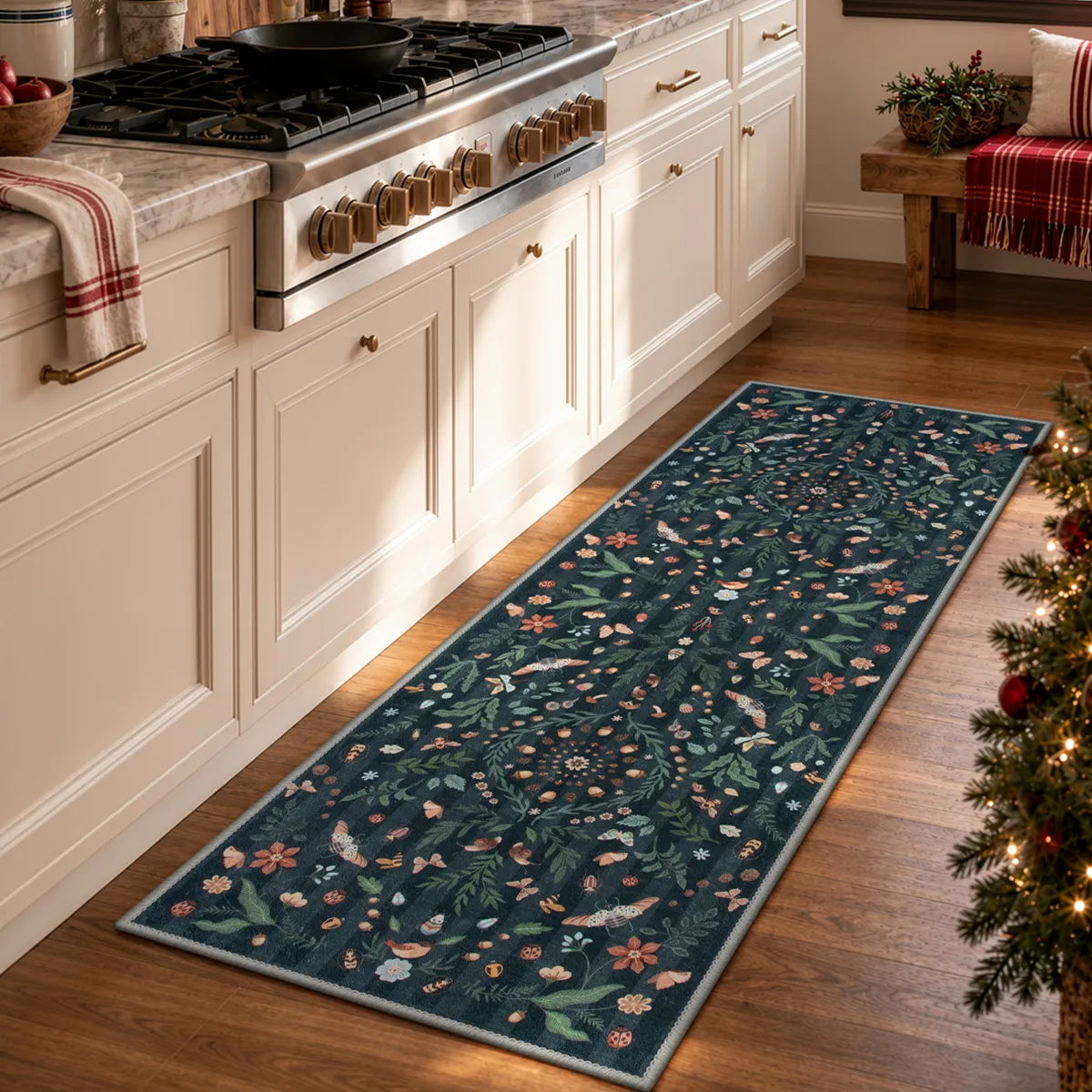
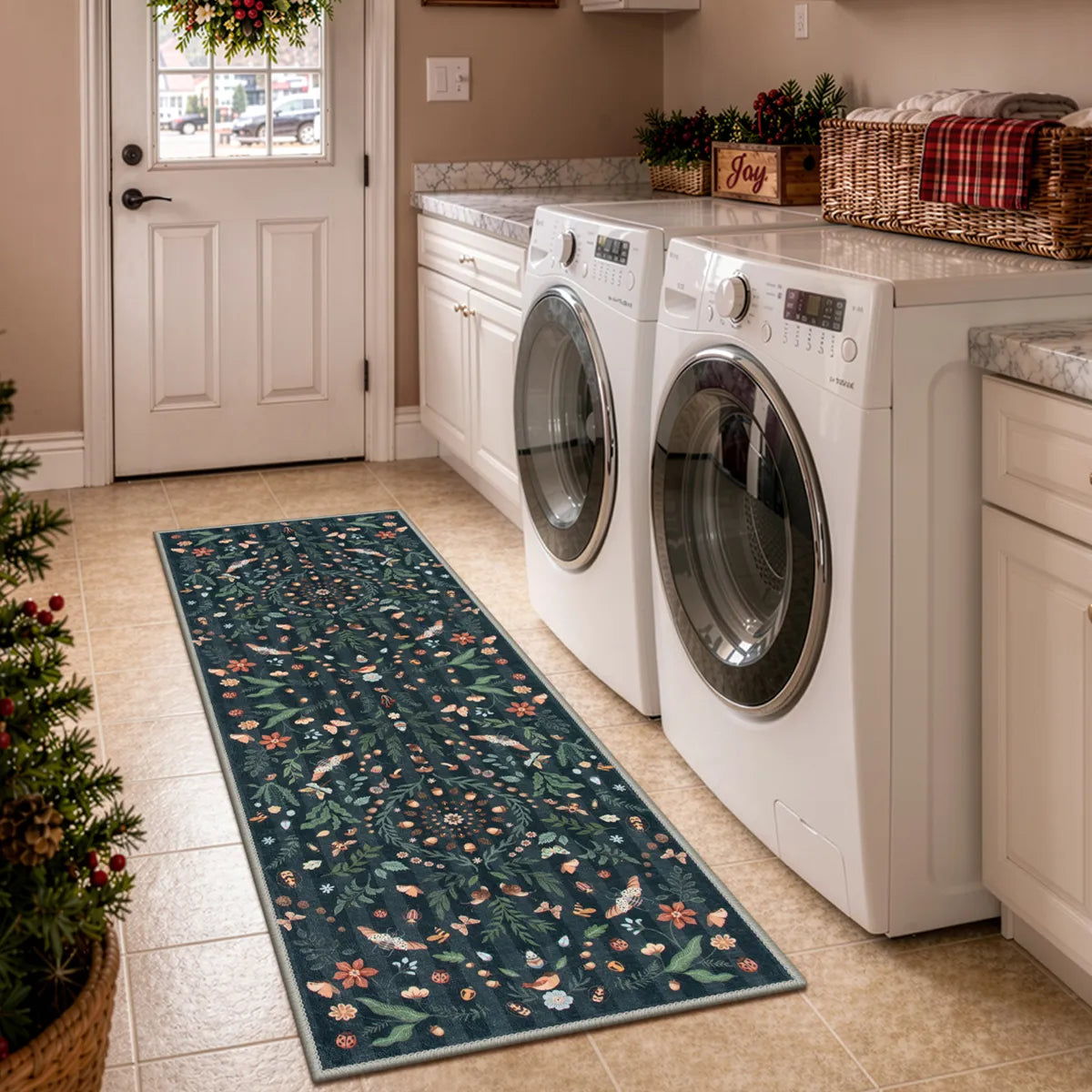
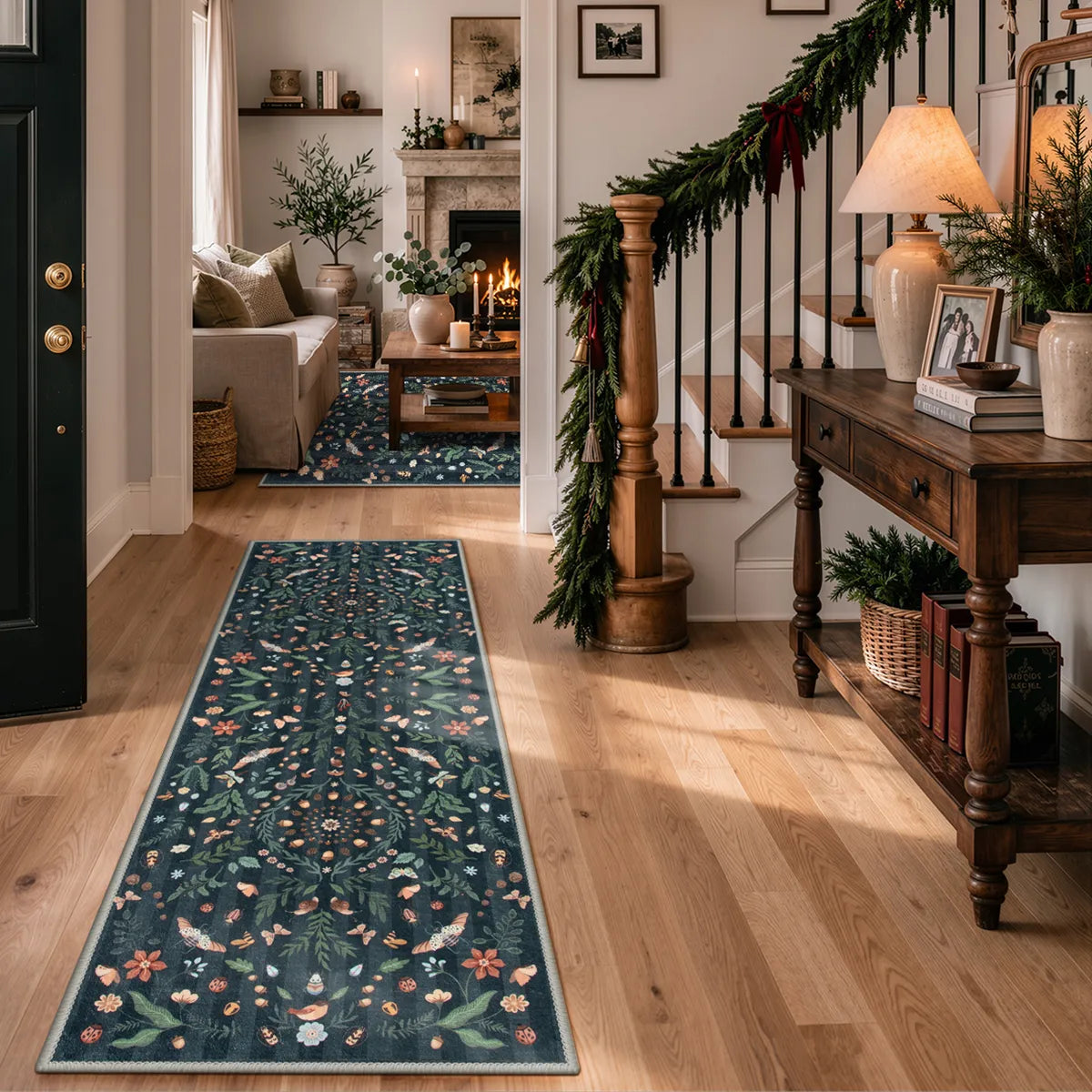
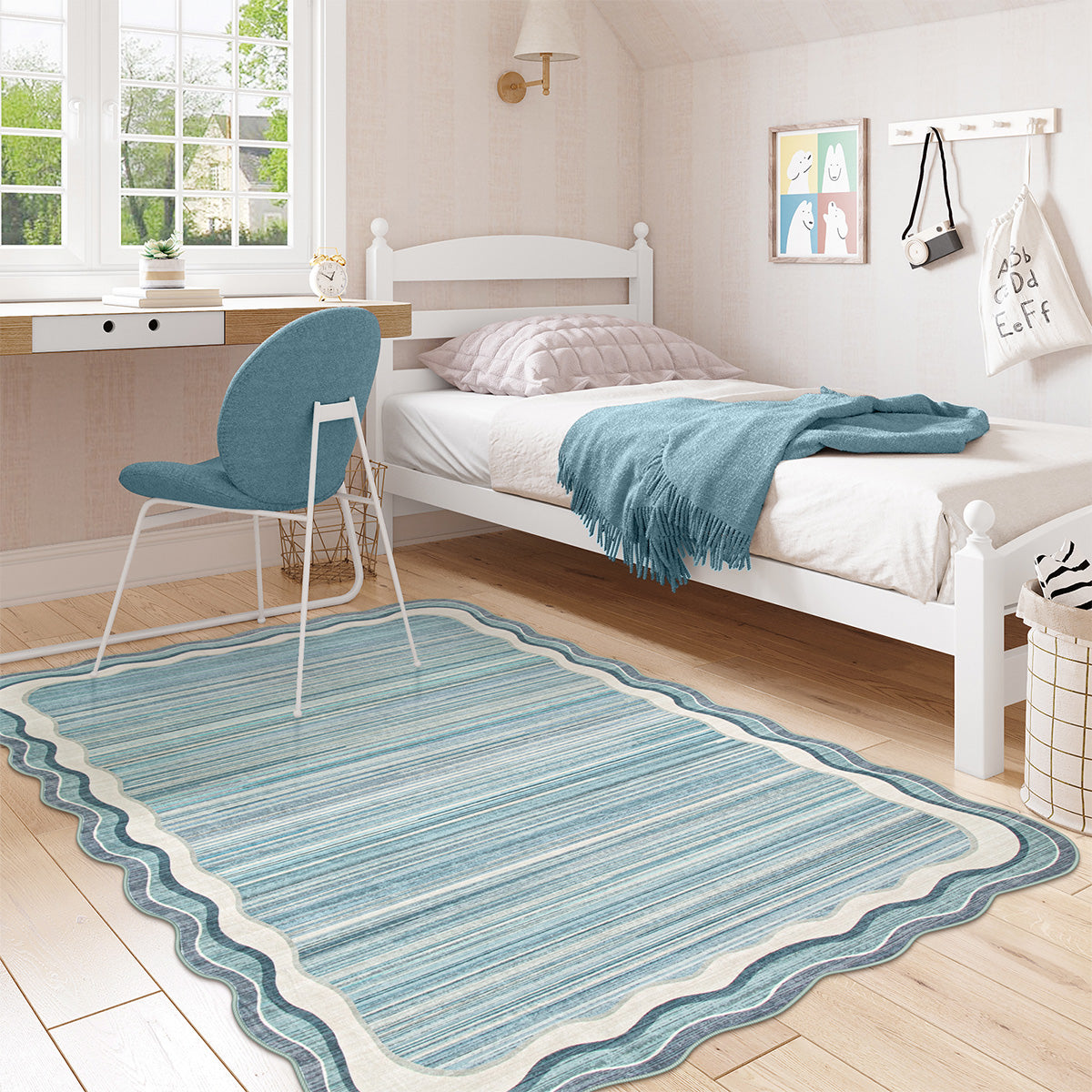
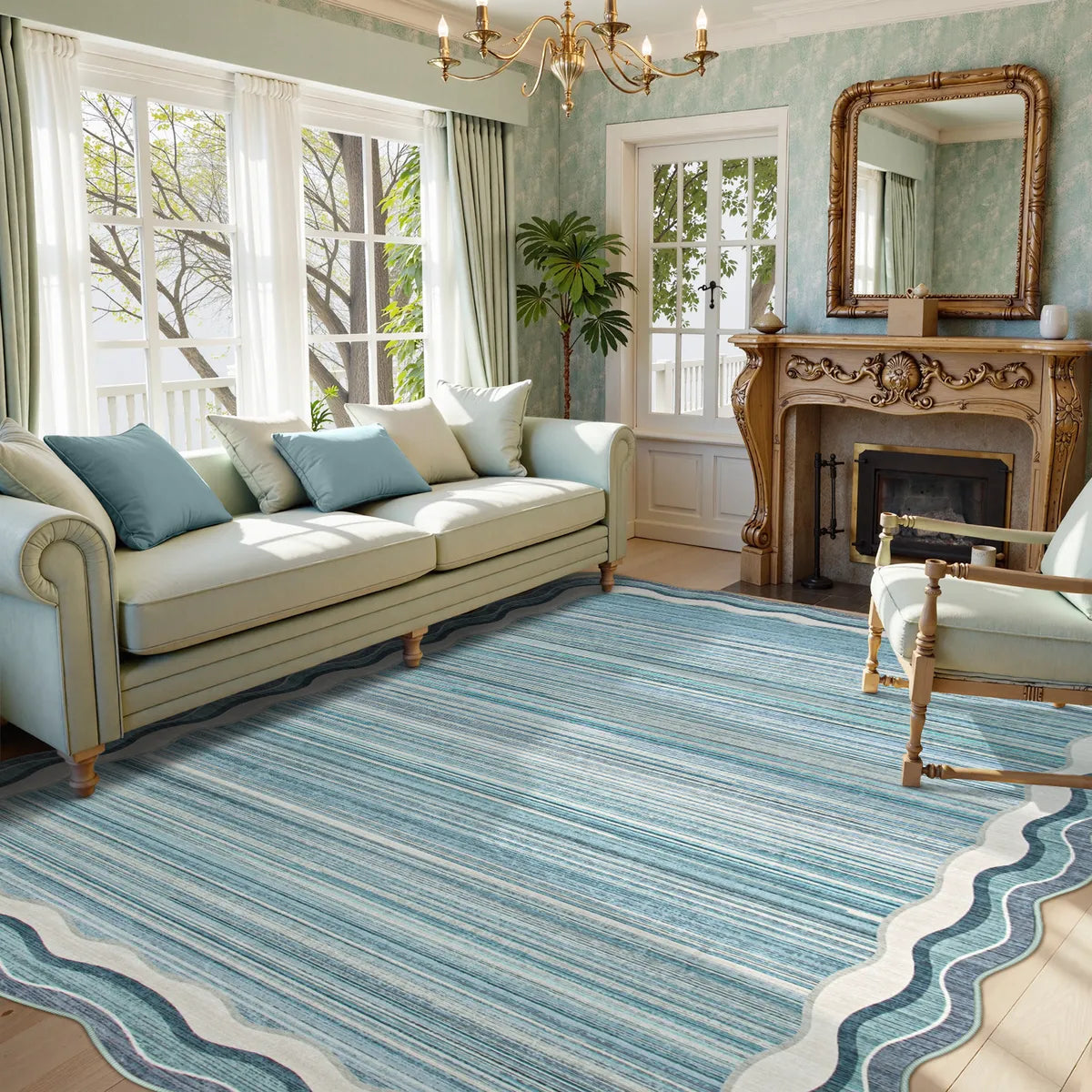
- Geometric and stripe patterns: Clean, linear designs hold up visually in open-air settings where there's a lot of competing visual input from landscaping, furniture, and architecture. They also tend to hide dirt and surface wear between cleaning sessions.
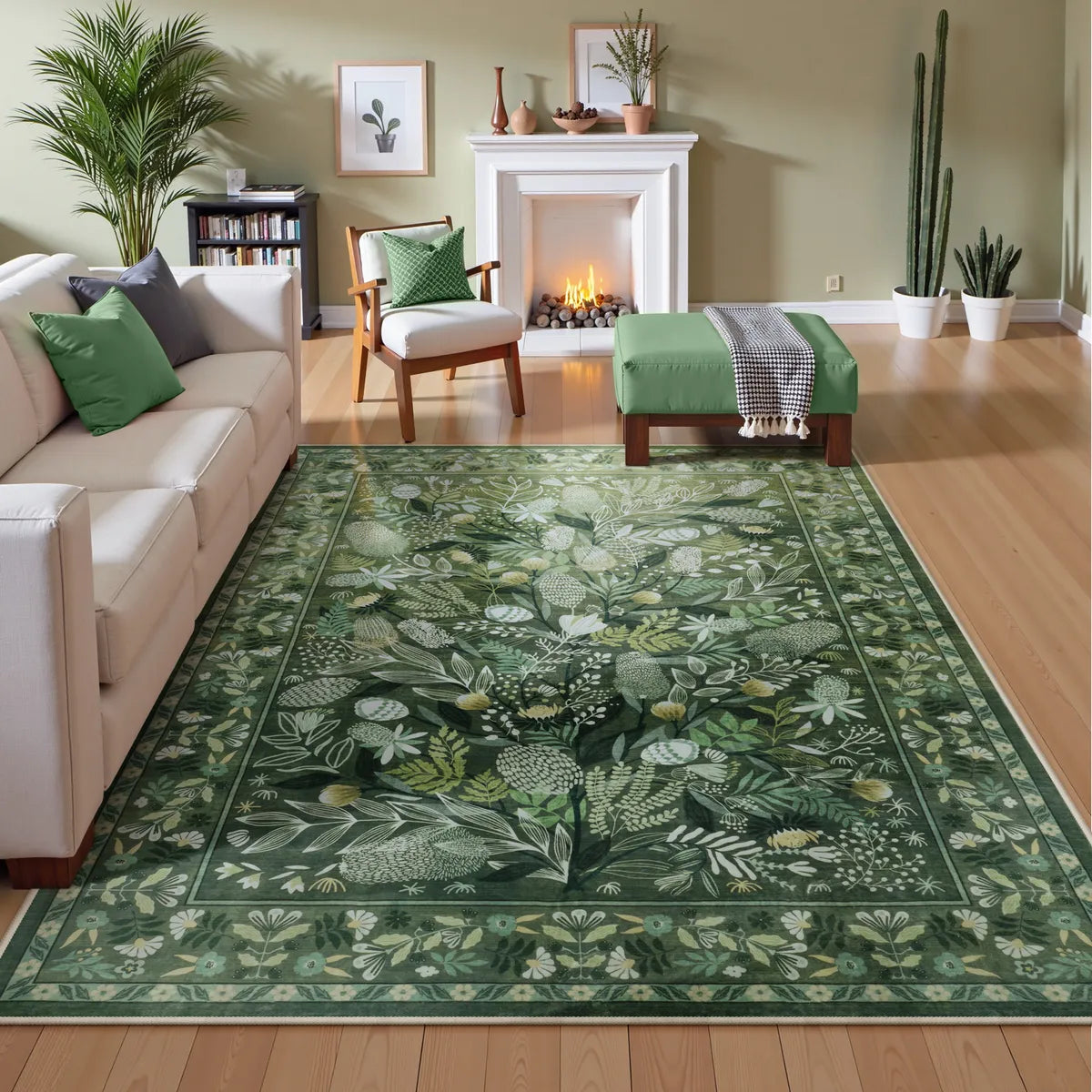
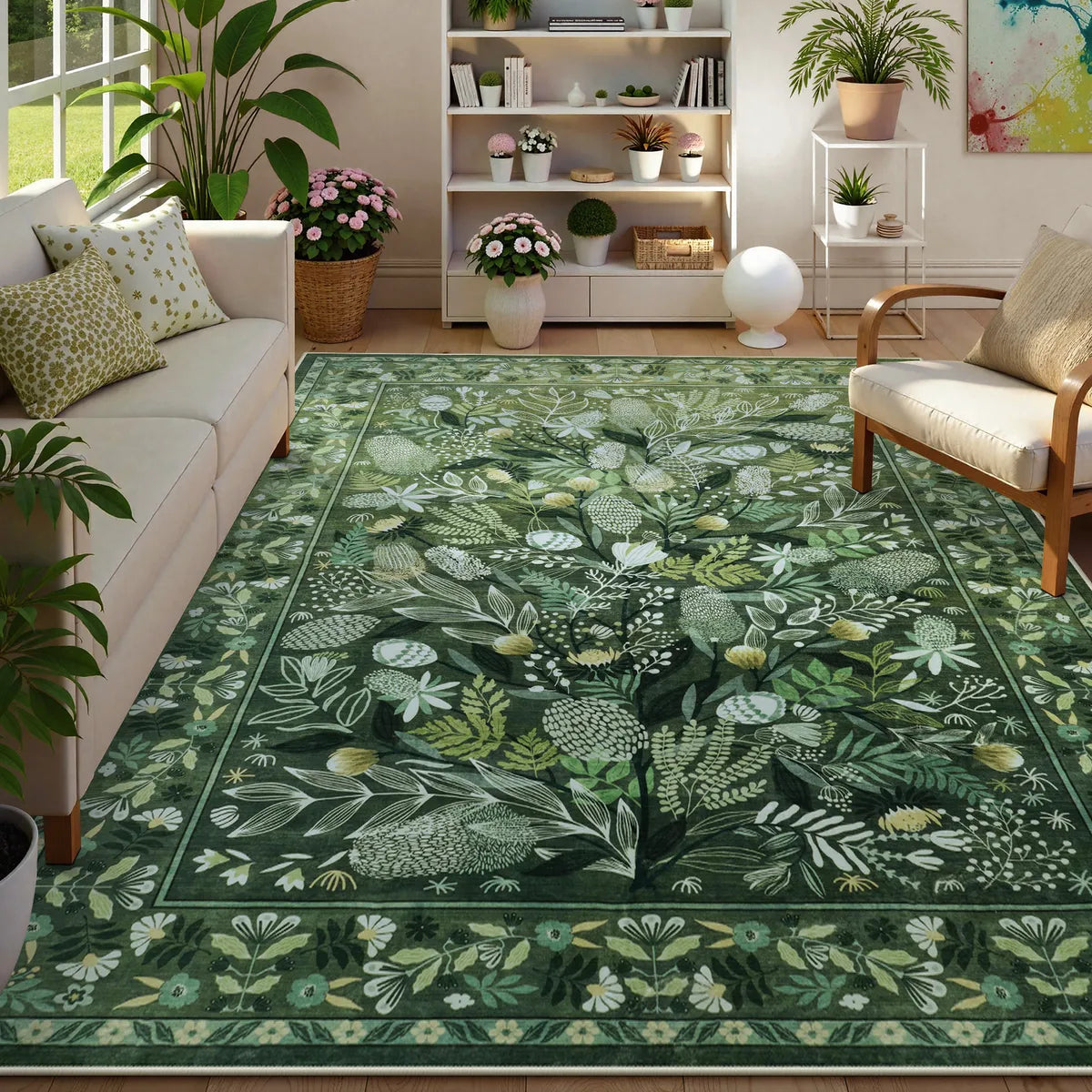
- Neutral and earth-toned palettes: Warm beiges, grays, and greens integrate naturally with outdoor surroundings and are less likely to clash with seasonal plantings or furniture changes.
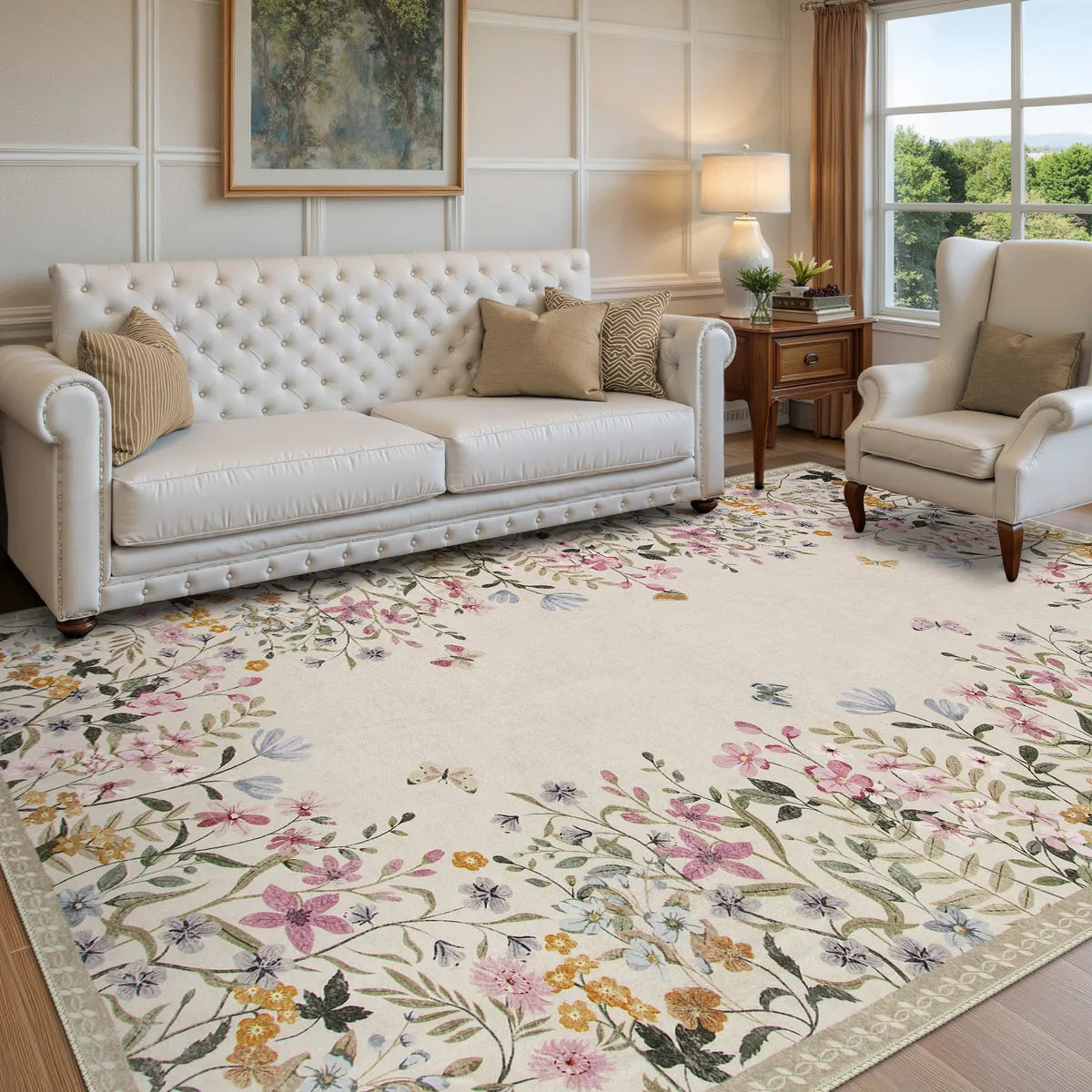
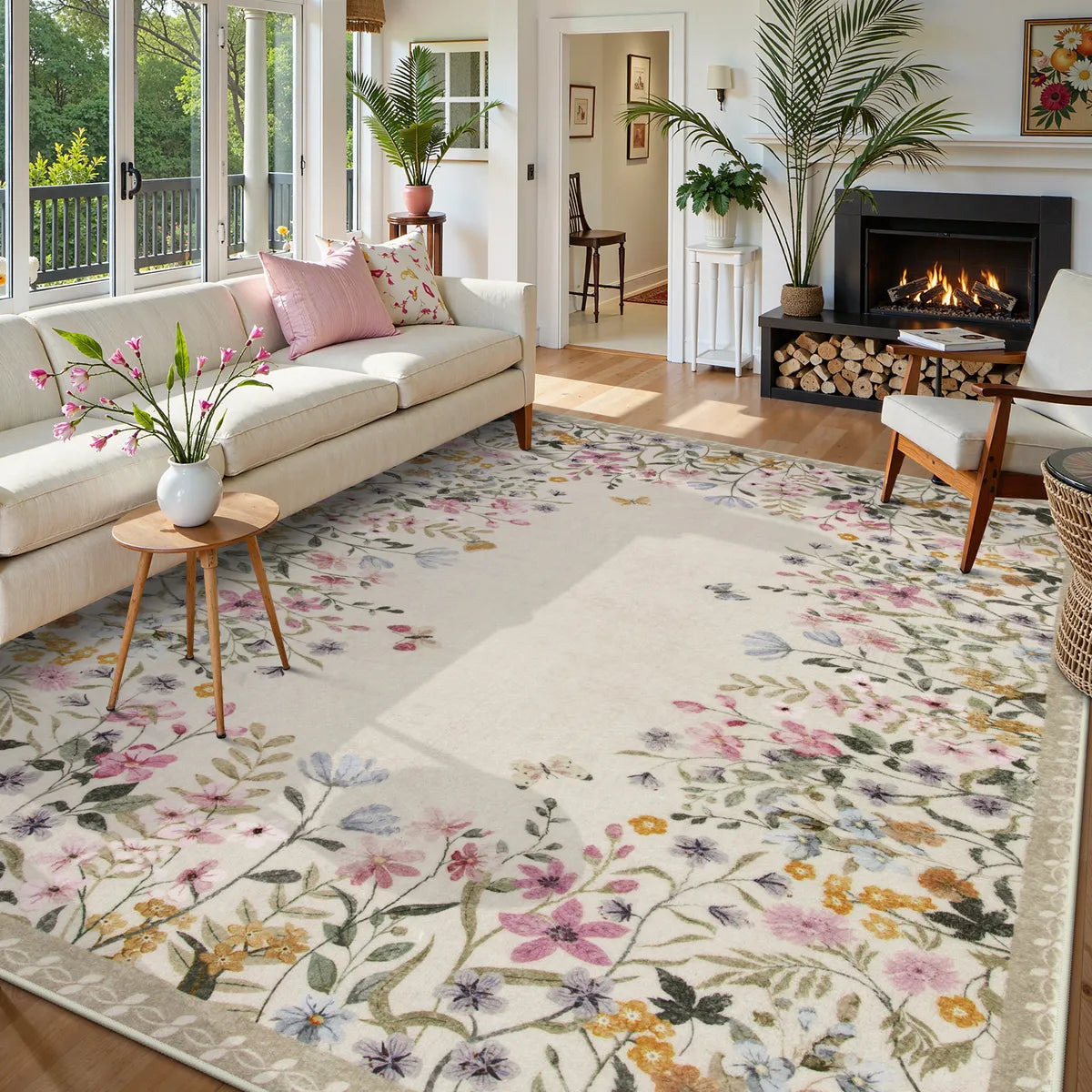
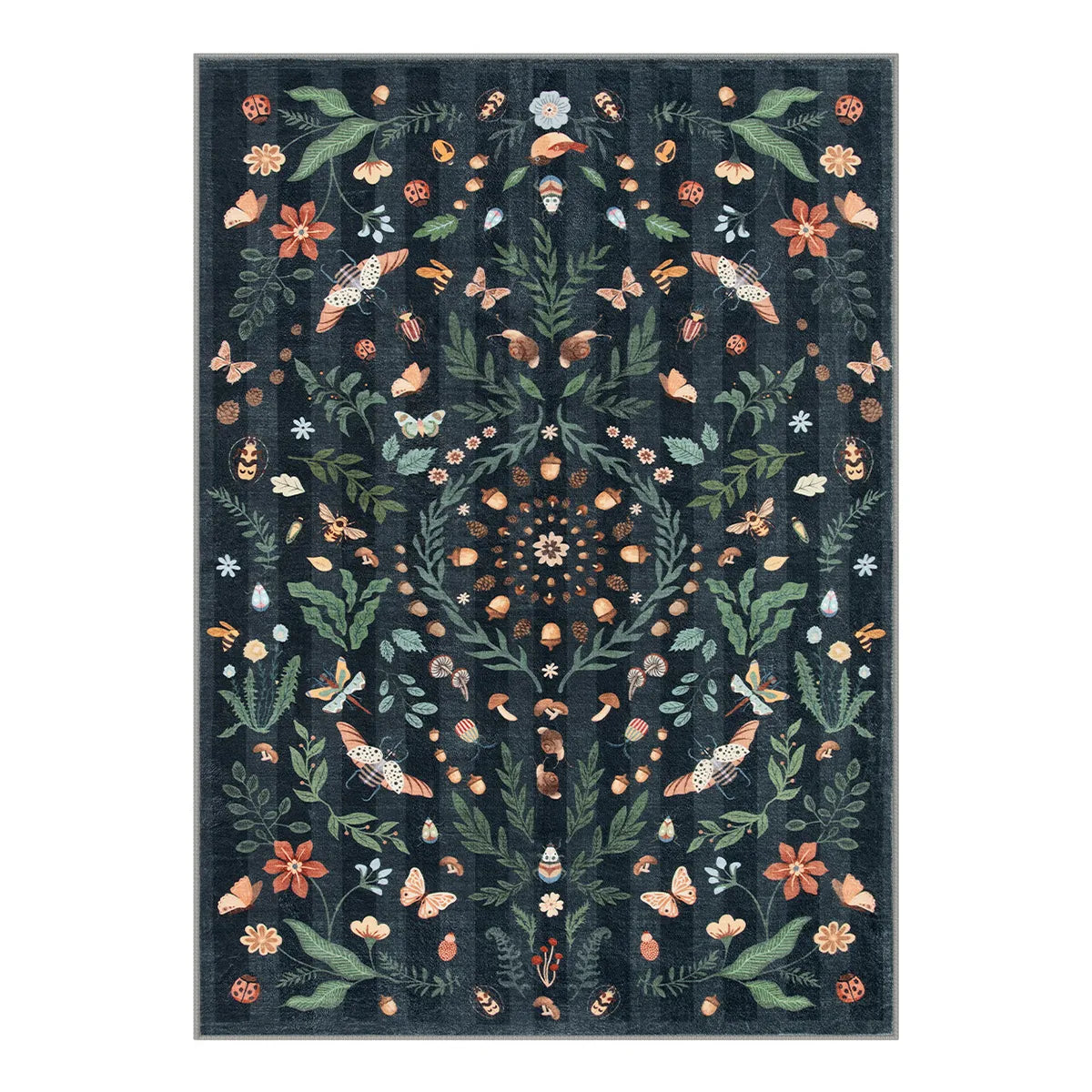
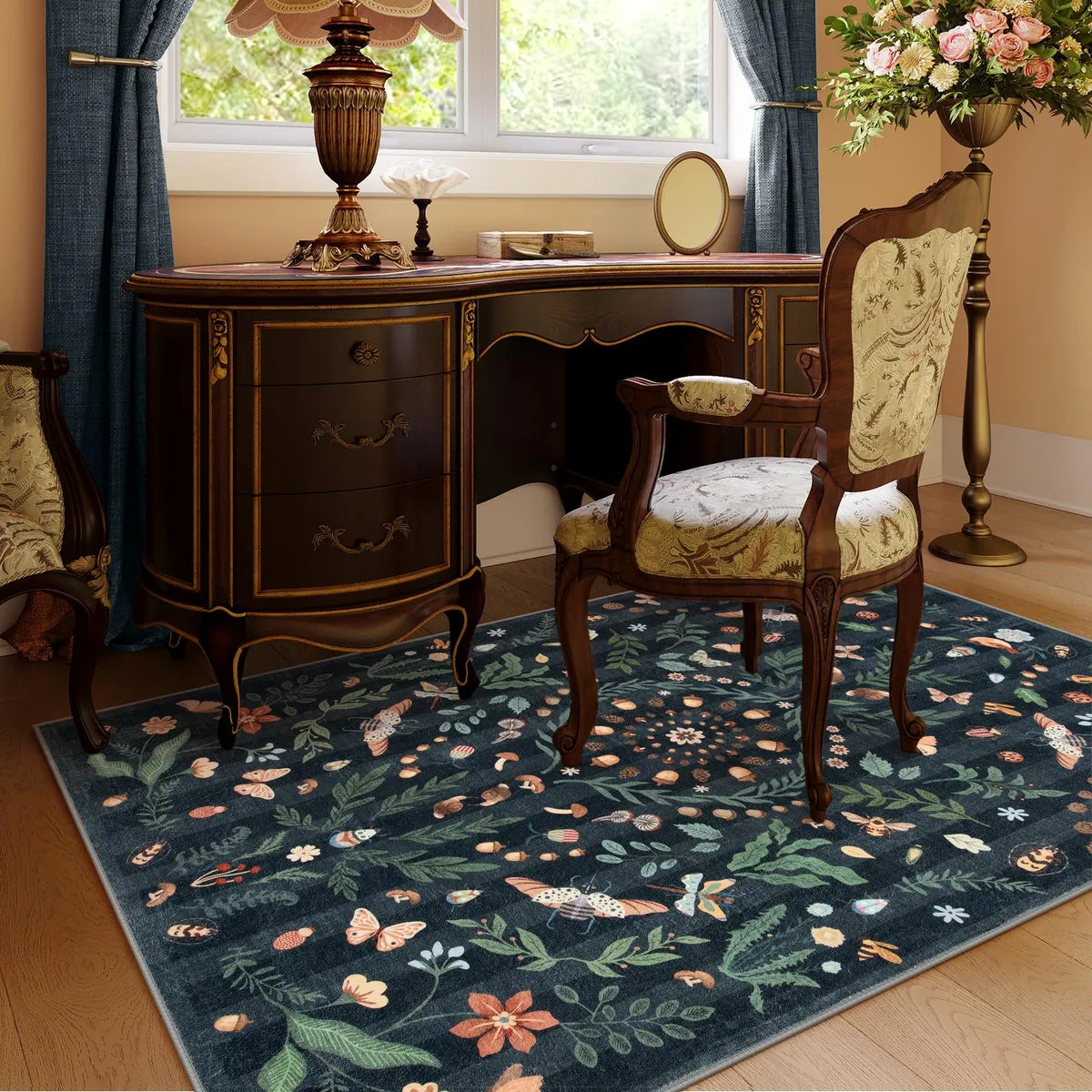
- Bold and patterned: A high-contrast or colorful outdoor rug works as a focal point in a minimal patio setup, doing the decorative work that would otherwise require multiple accessories.
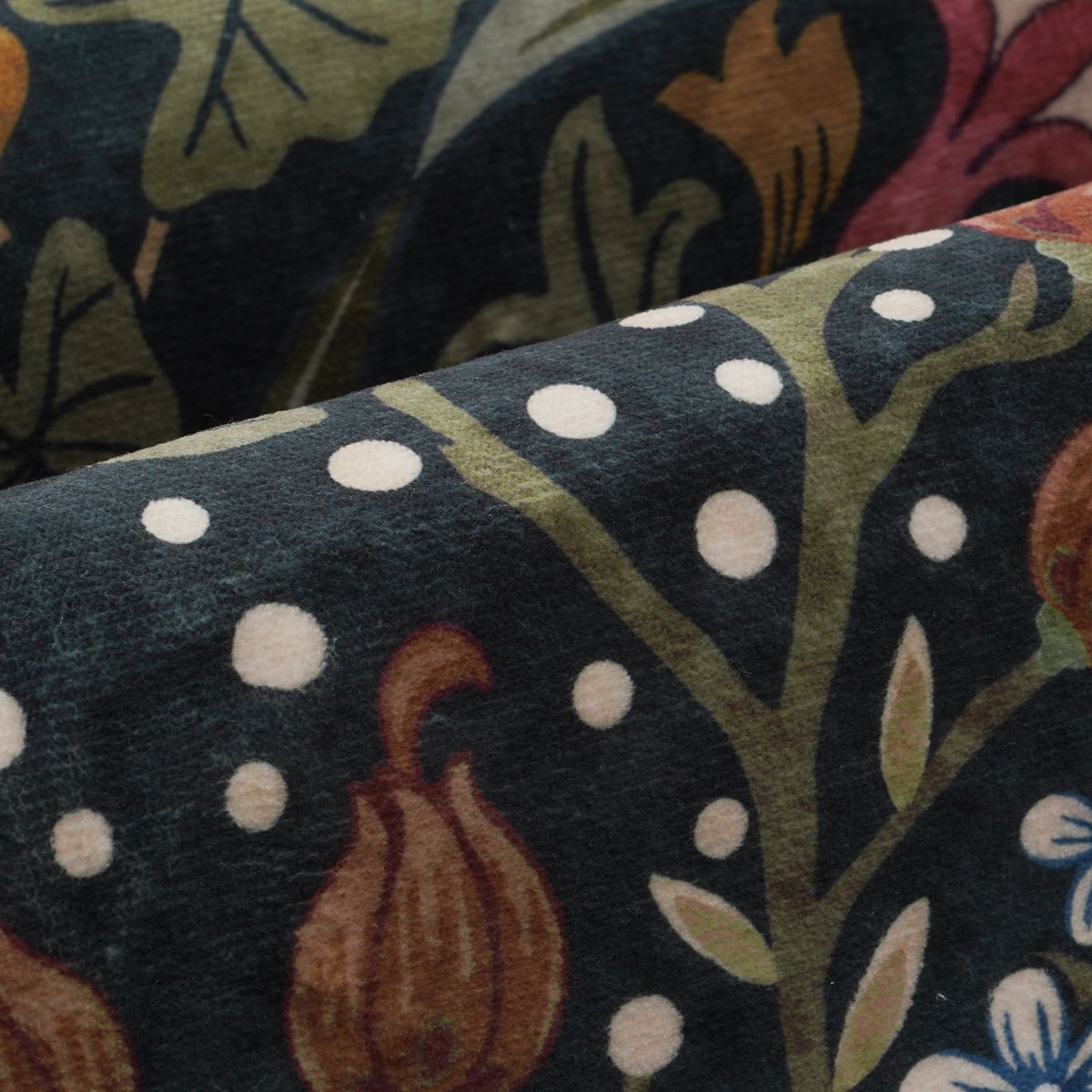
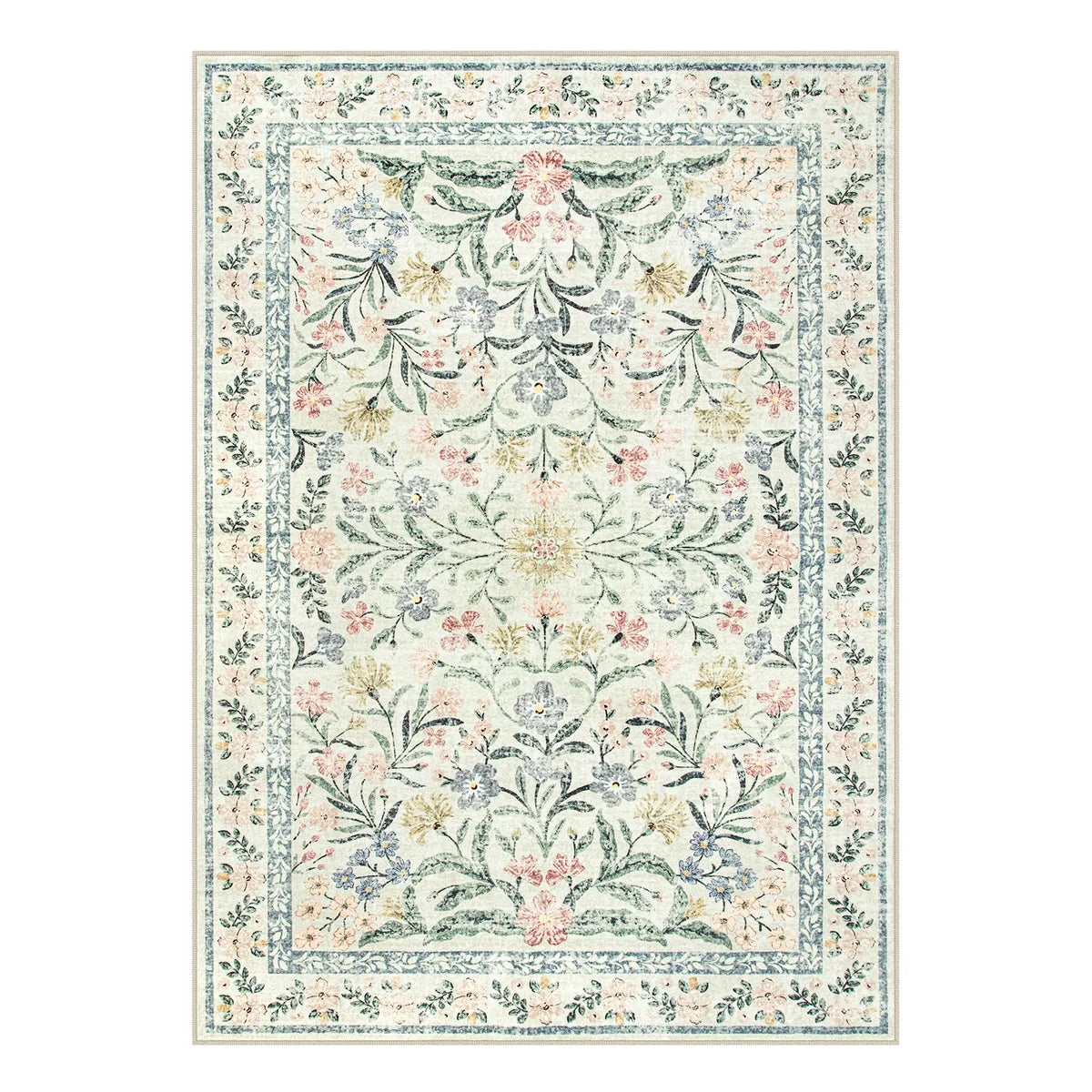
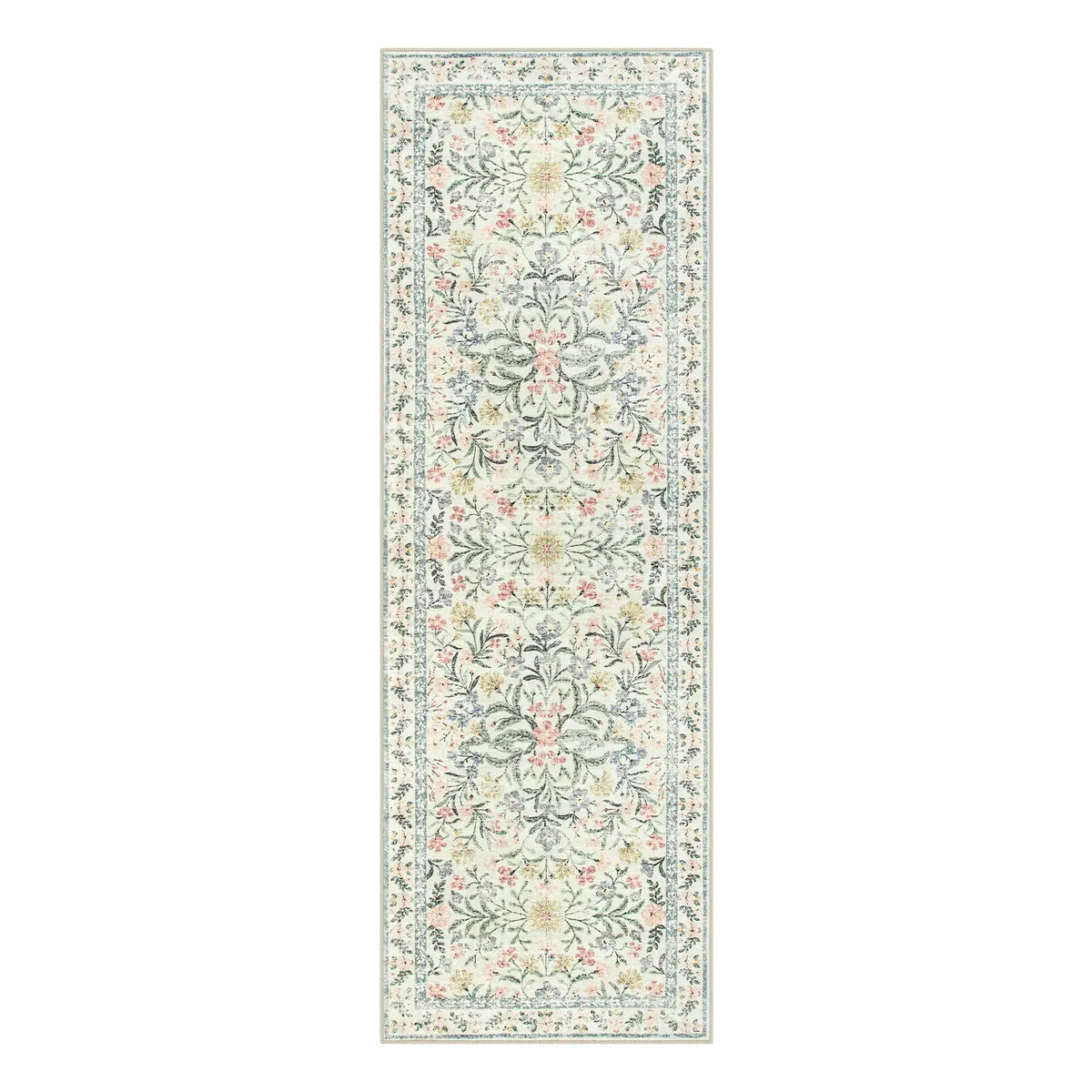
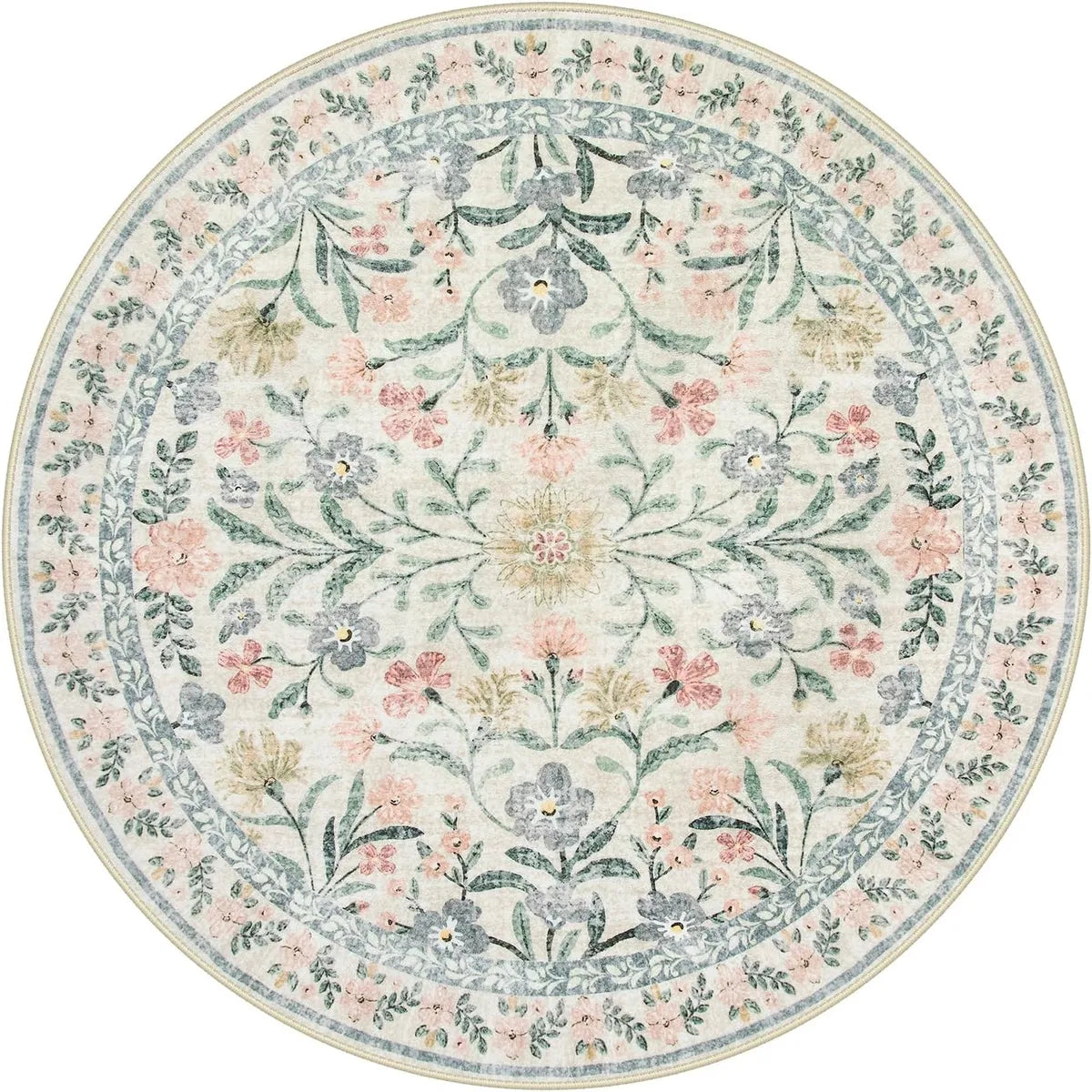
- Low-profile designs: Intricate pattern details read better in flat-weave constructions outdoors, where high pile would trap debris and make the pattern harder to appreciate.
The best outdoor rug style is one that reflects how the space is actually used. A casual family patio benefits from forgiving, easy-clean patterns in medium tones. A more formal entertaining space can carry a bolder, more structured design.
Find Your Perfect Outdoor Rug
Choosing the right outdoor rug comes down to four decisions: the right material for your weather exposure, the right construction features for drainage and durability, the right size for your furniture layout, and the right style for how you want the space to feel. Get those four right, and the patio becomes a space worth spending time in, rain or shine. Start with the material, build out from there, and let the style be the finishing touch.
FAQs about Outdoor Rug Care
Q1. Can You Leave an Outdoor Rug Out in the Rain?
Most outdoor rugs made from synthetic fibers like polypropylene are designed to handle rain exposure. They resist moisture absorption and dry relatively quickly after getting wet. For best results, allow the rug to dry fully before rolling it up or placing furniture back on top, and periodically lift it to ensure the surface beneath is drying as well.
Q2. How Do You Clean a Patio Rug?
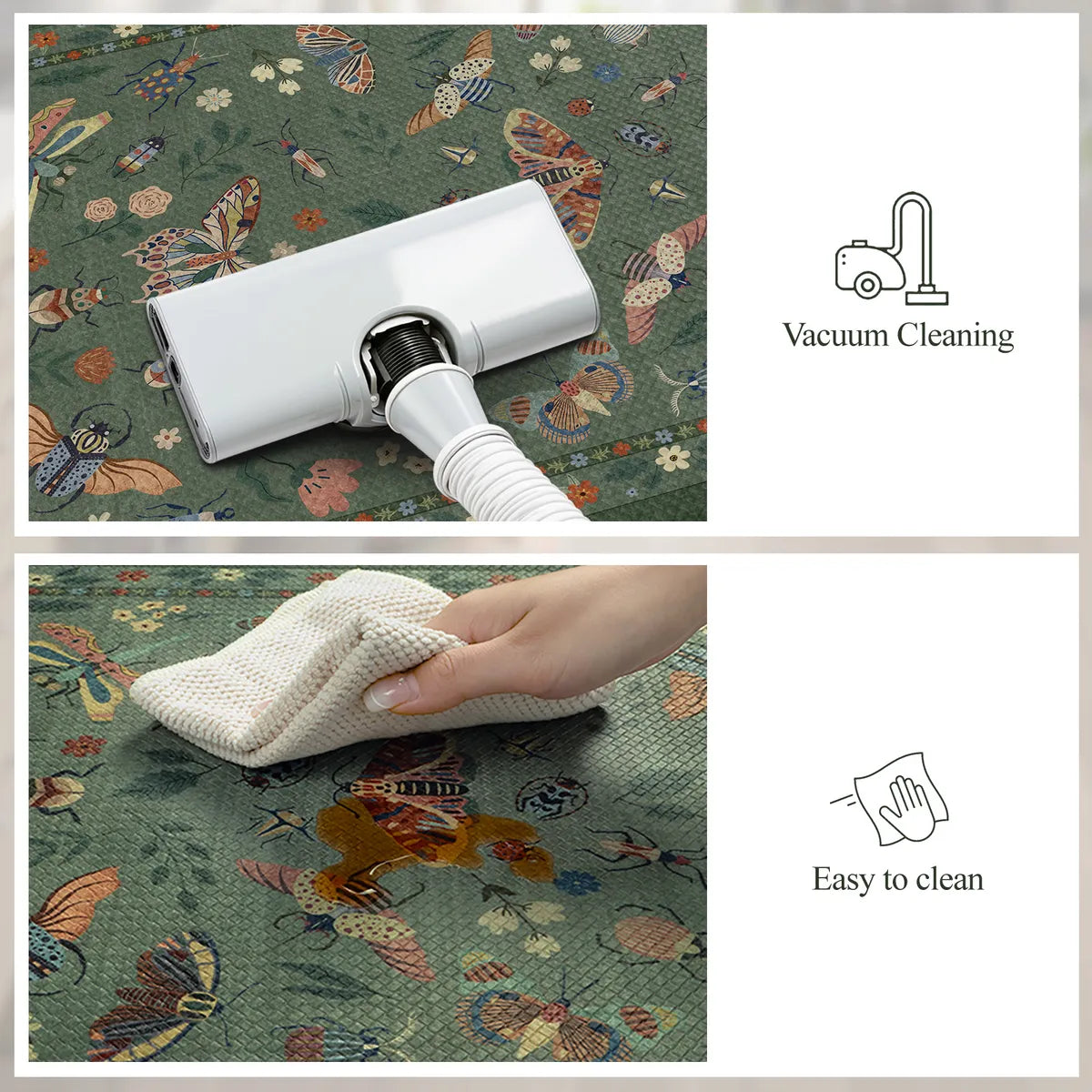
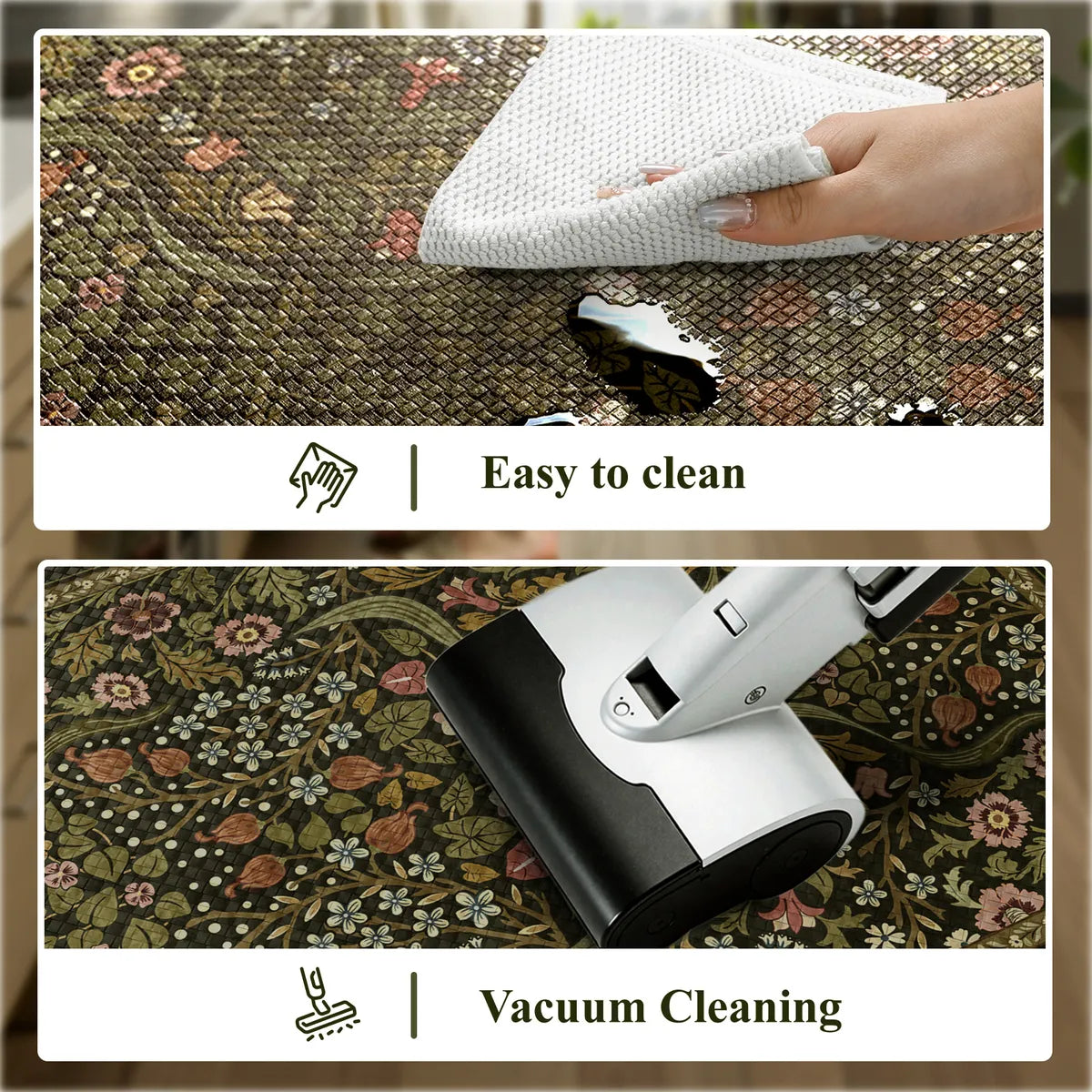
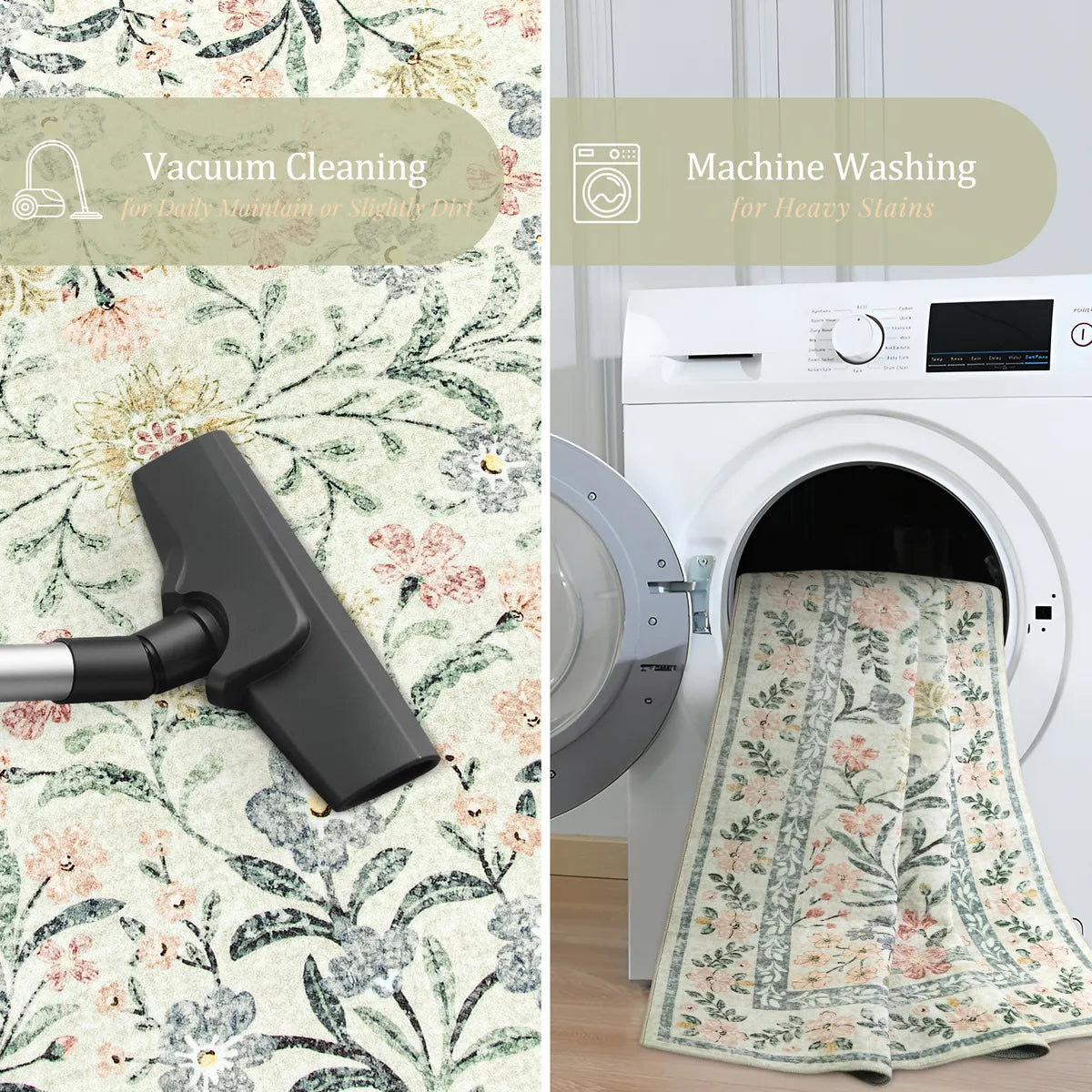
Most outdoor rugs can be cleaned with a garden hose, a soft brush, and mild soap. Rinse thoroughly and allow the rug to dry completely in a well-ventilated area before returning it to the patio. For spot stains, blotting with a damp cloth and mild detergent handles most common outdoor messes without requiring a full wash.
Q3. How Long Do Outdoor Area Rugs Last?
A well-maintained outdoor area rug made from UV-stable, weather-resistant materials can last several seasons with proper care. Longevity depends on sun exposure, how often the rug is cleaned, and whether it is stored or covered during the off-season or extended periods of heavy rain. Bringing the rug indoors or under cover during winter extends its usable life considerably.
Q4. Do Outdoor Rugs Damage Wood Decking?
Outdoor rugs can trap moisture between the rug and the decking surface if they are not allowed to dry properly, which over time may affect the wood beneath. To minimize this risk, choose a rug with good drainage and lift it periodically to allow both the rug and the deck surface to dry out. Rugs with open or flat-weave constructions tend to perform better on wood decking than those with dense, moisture-retaining backings.