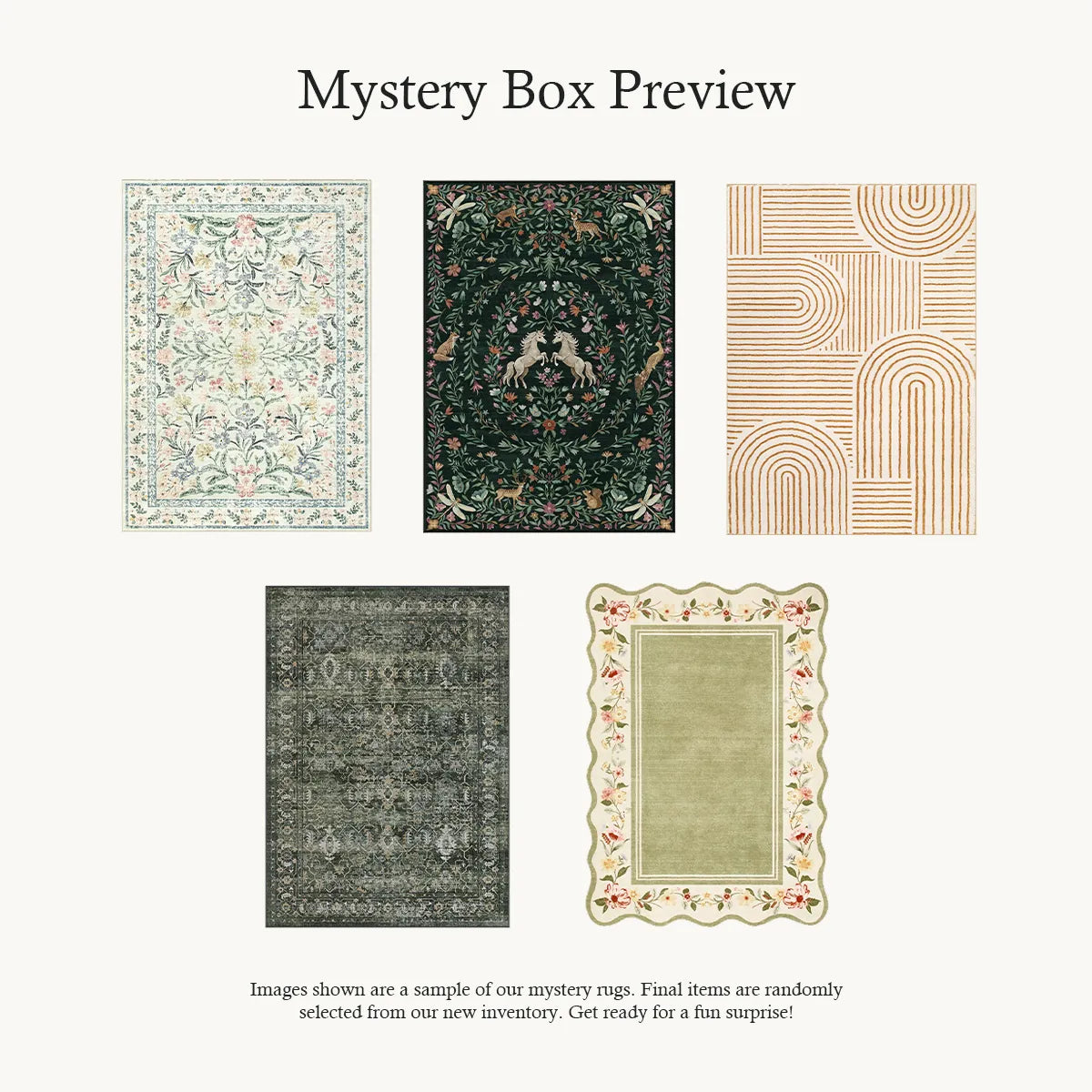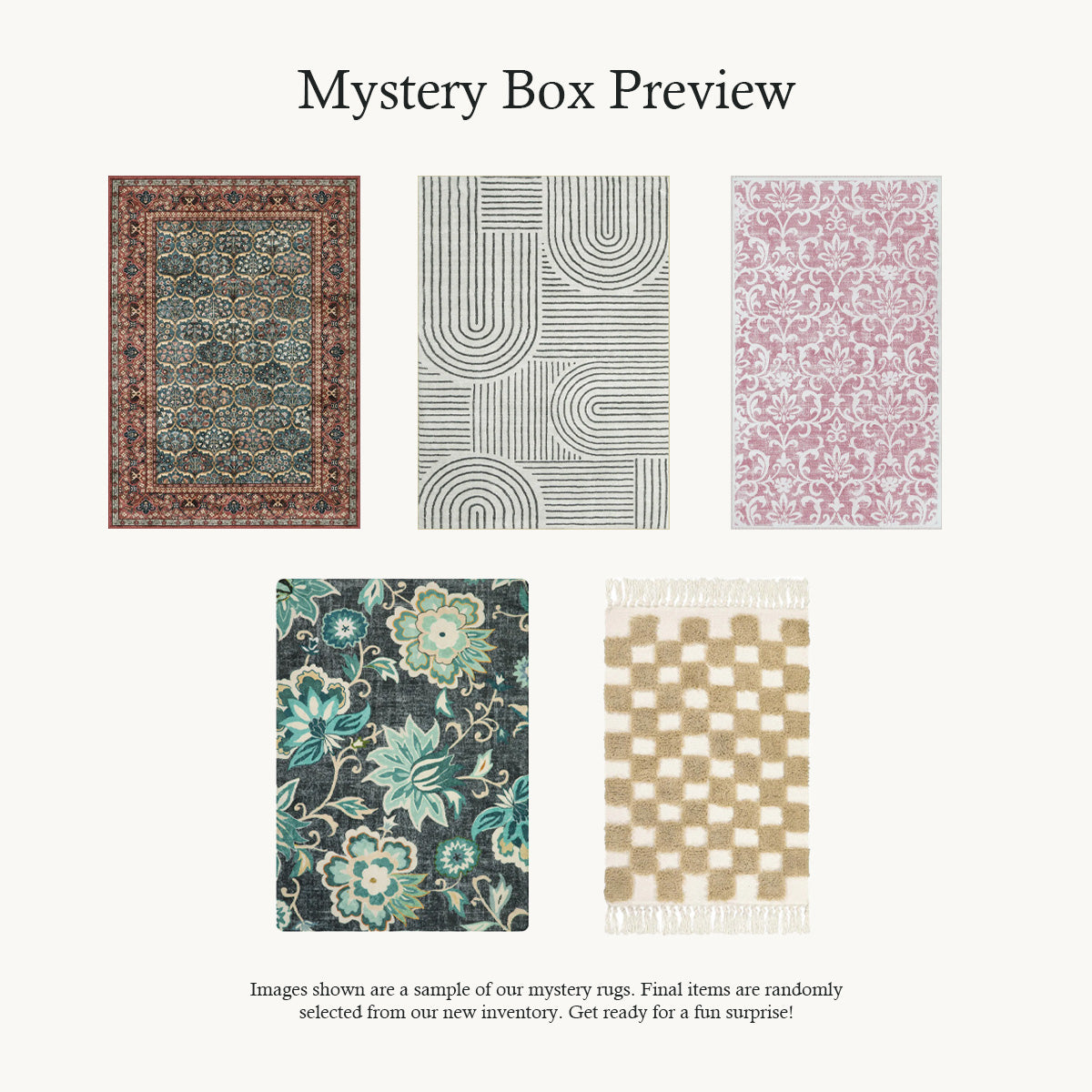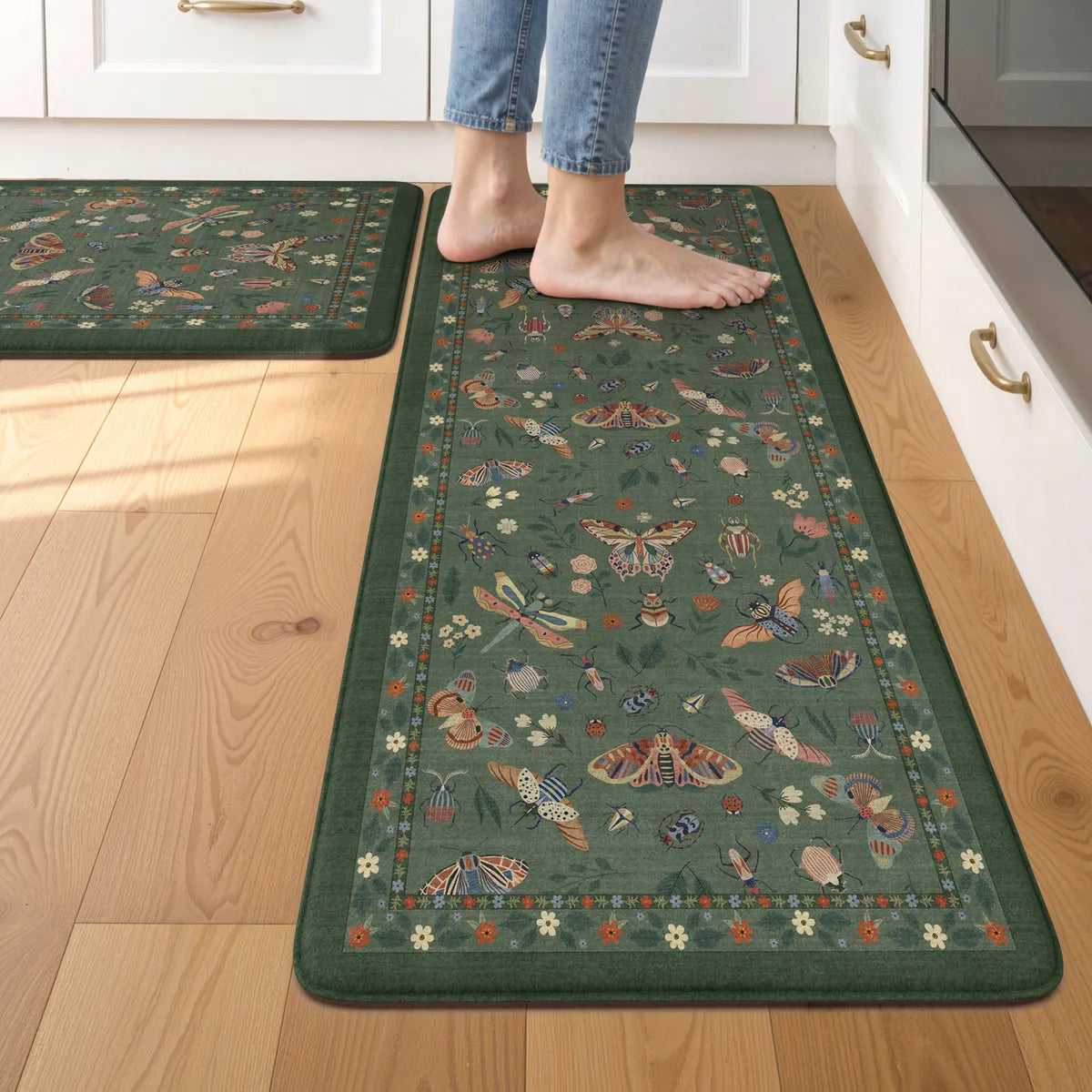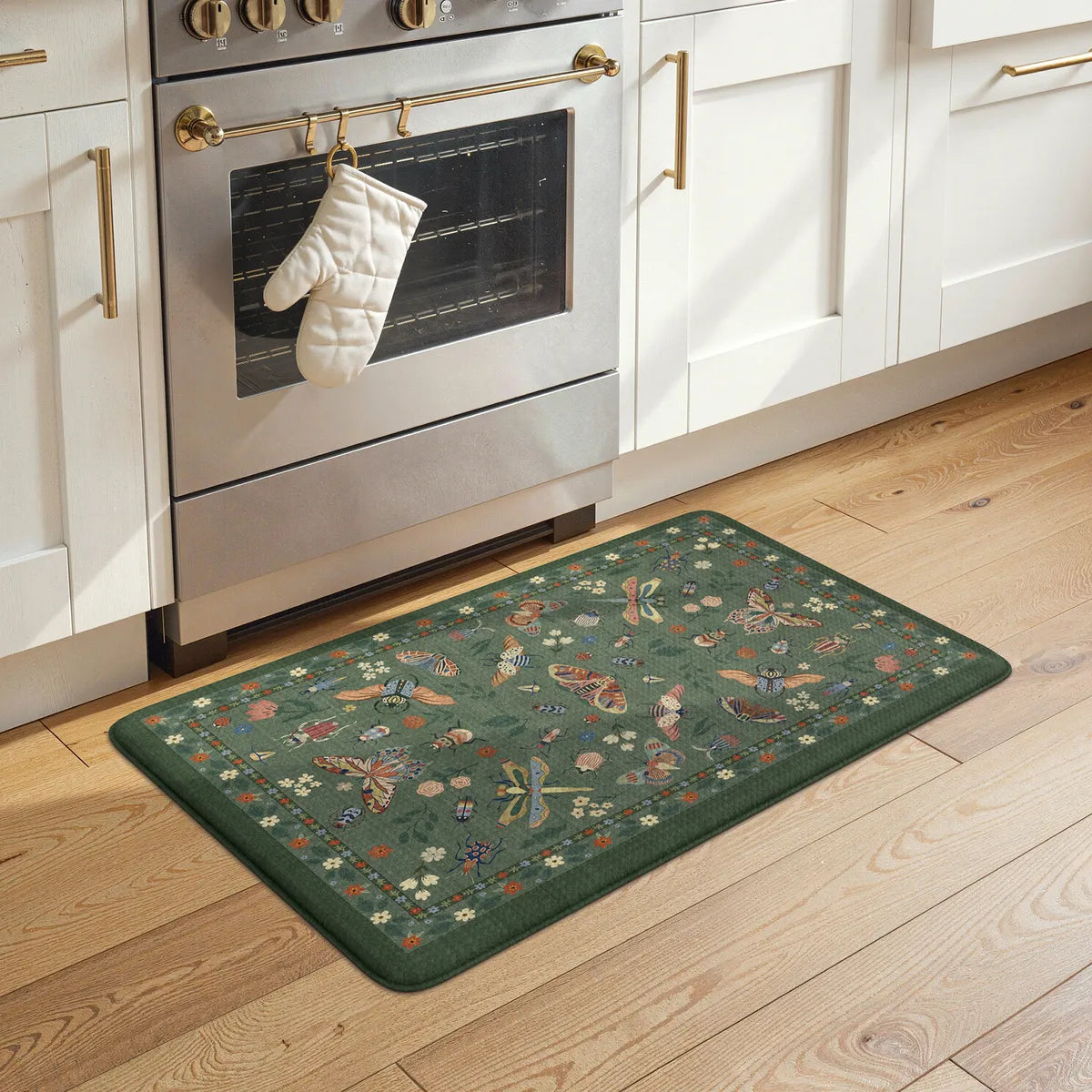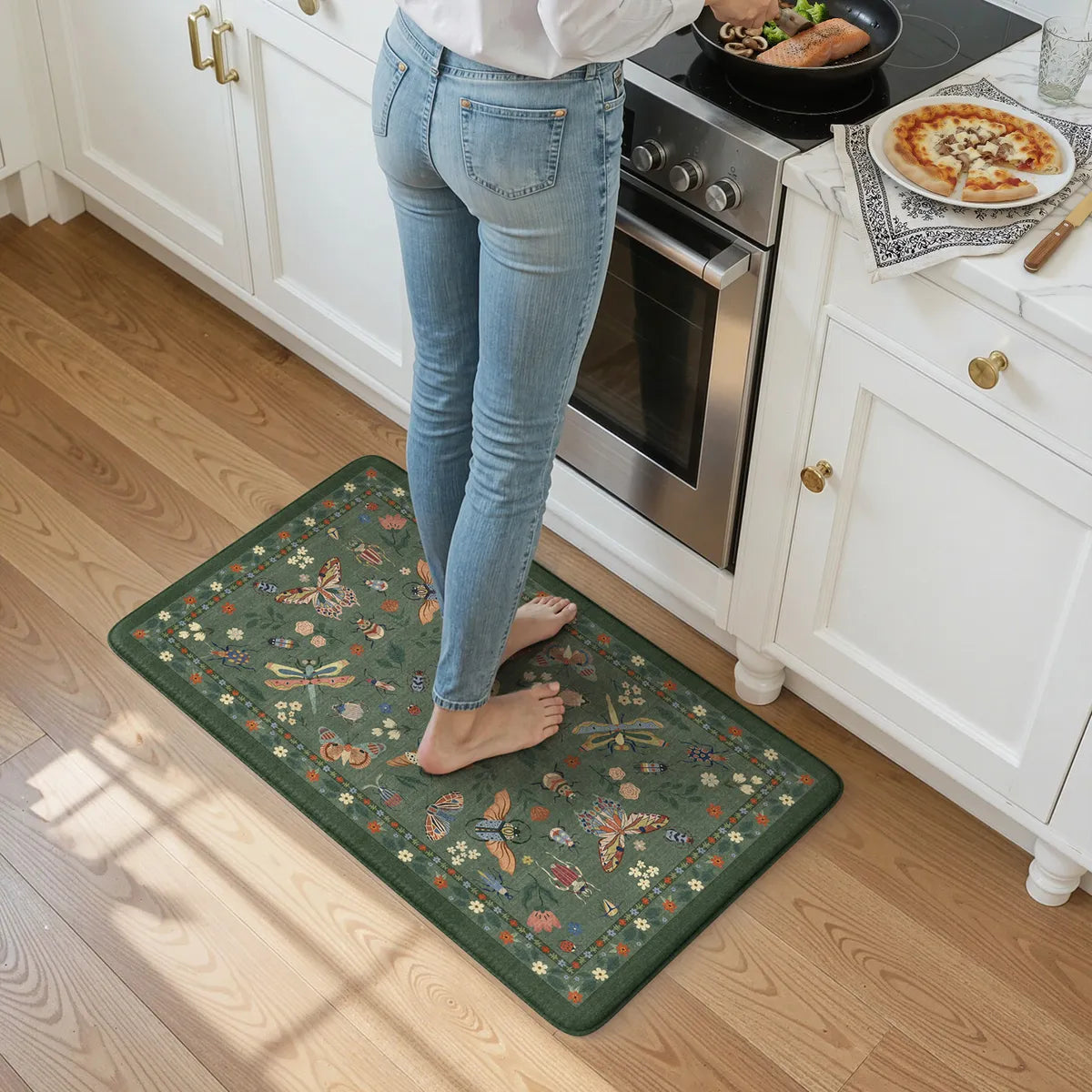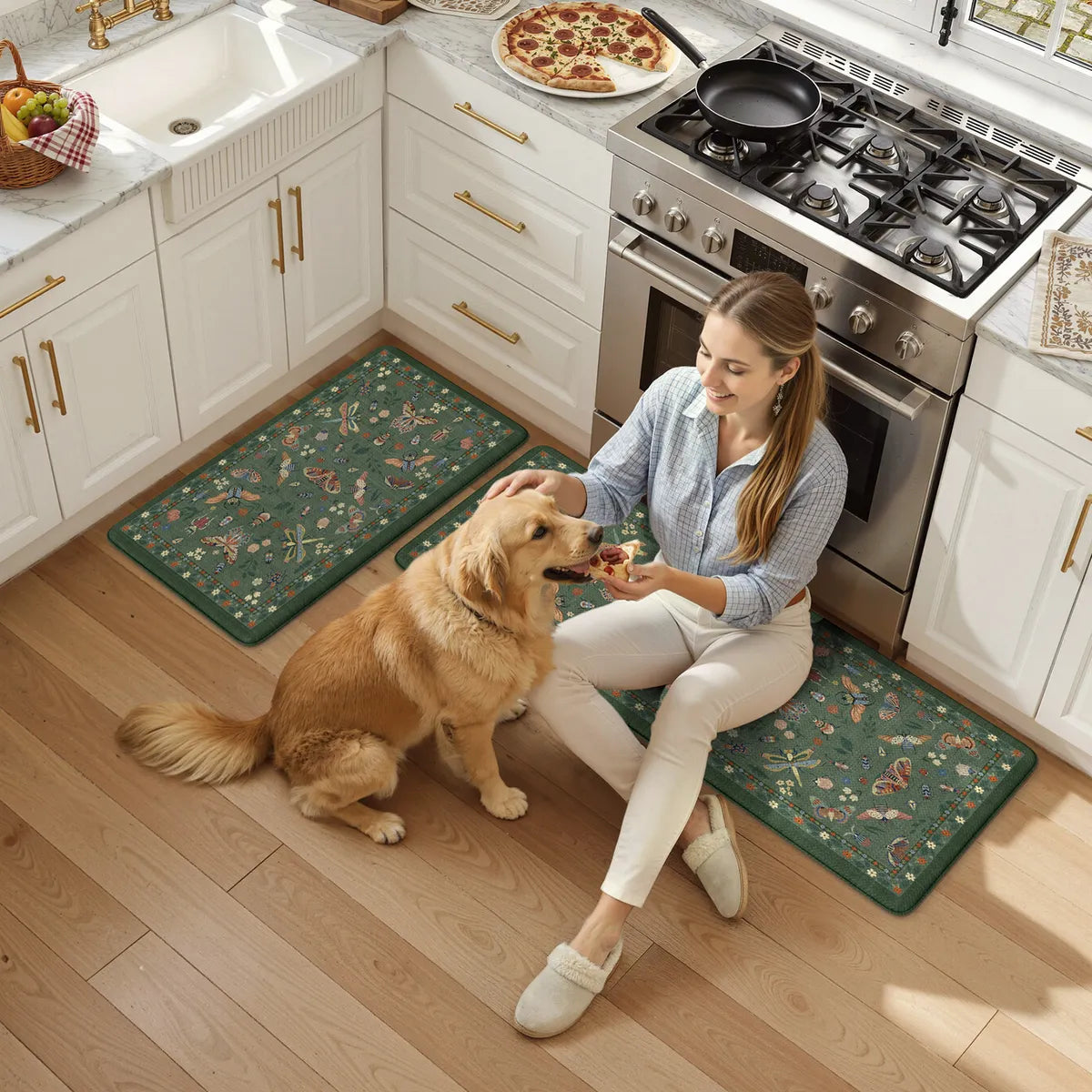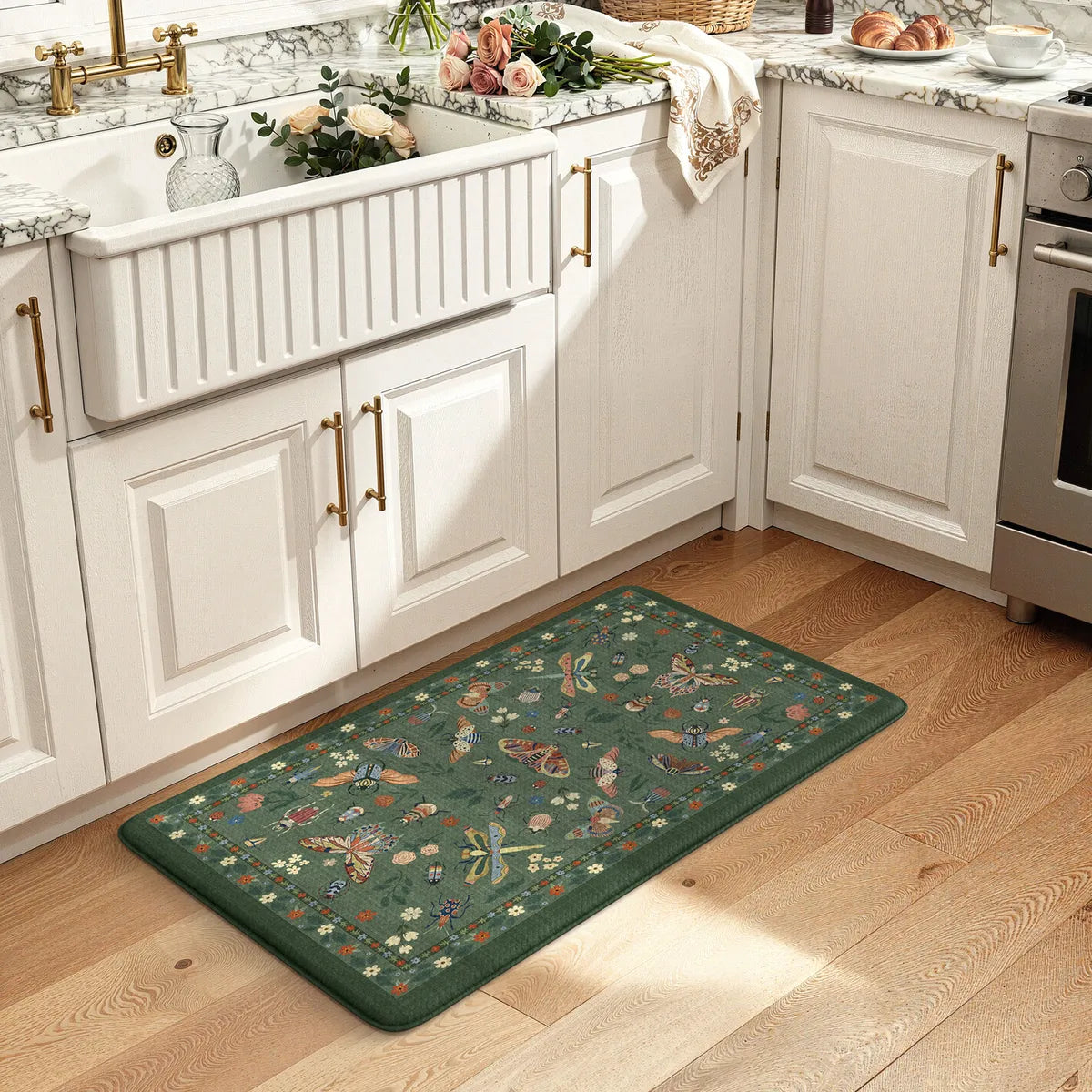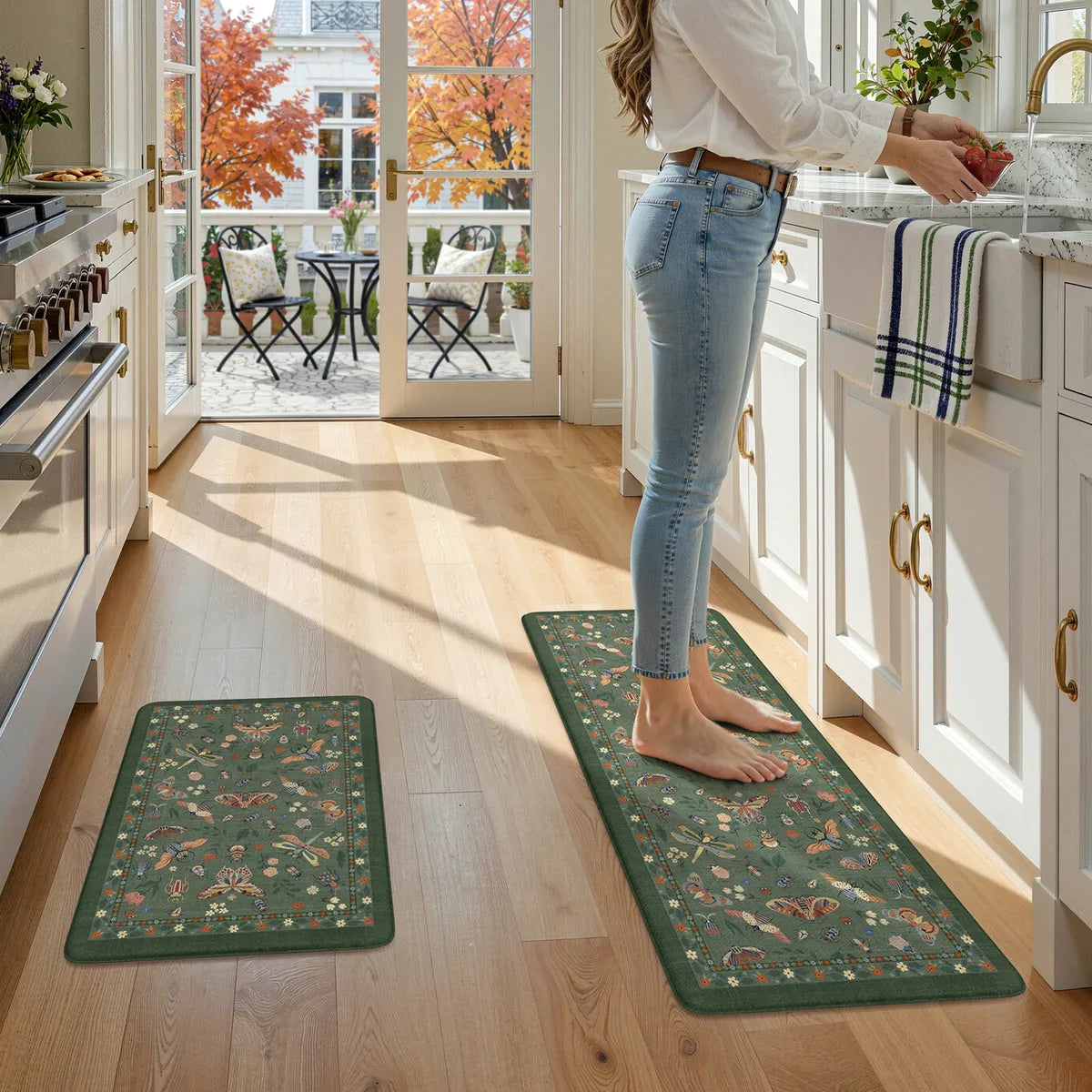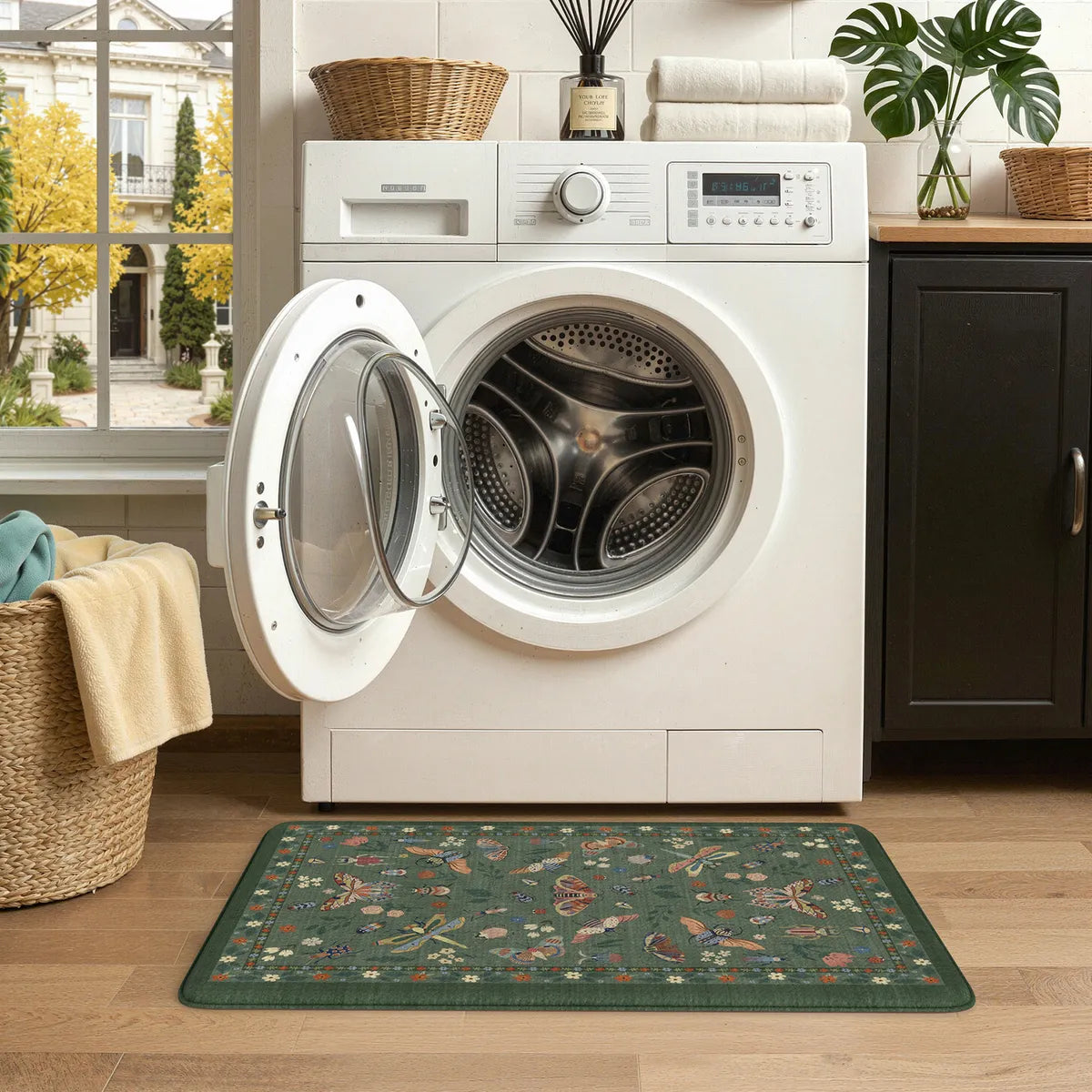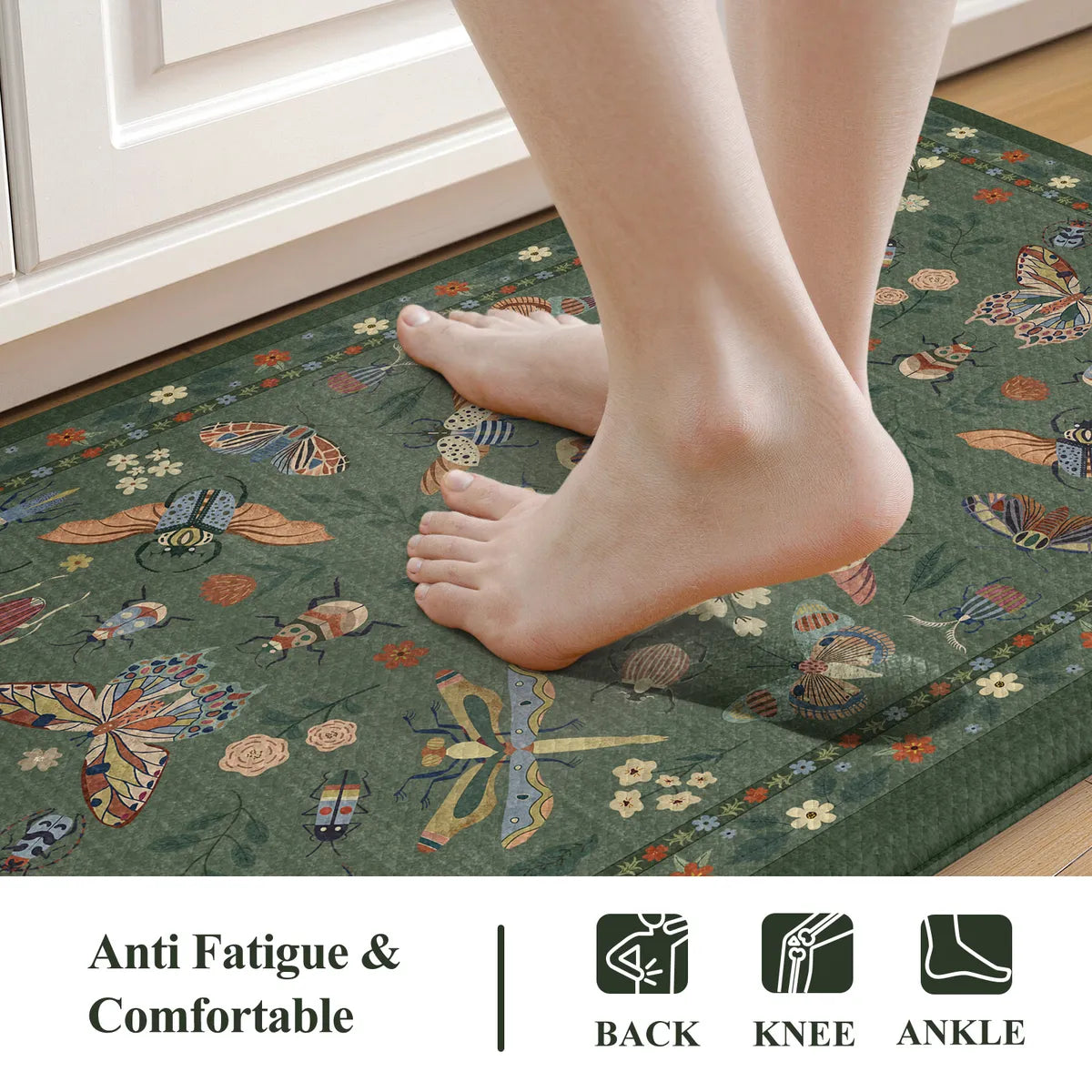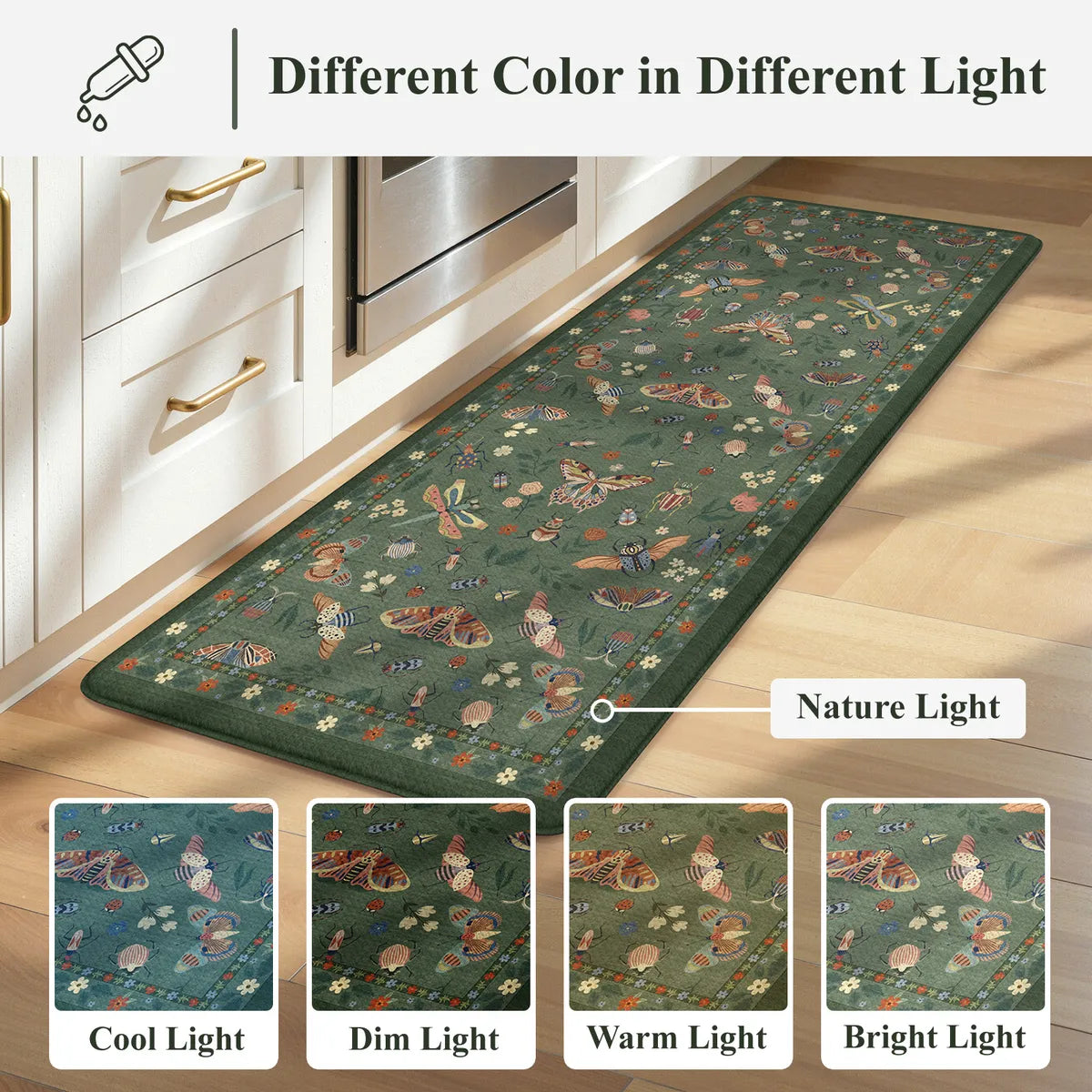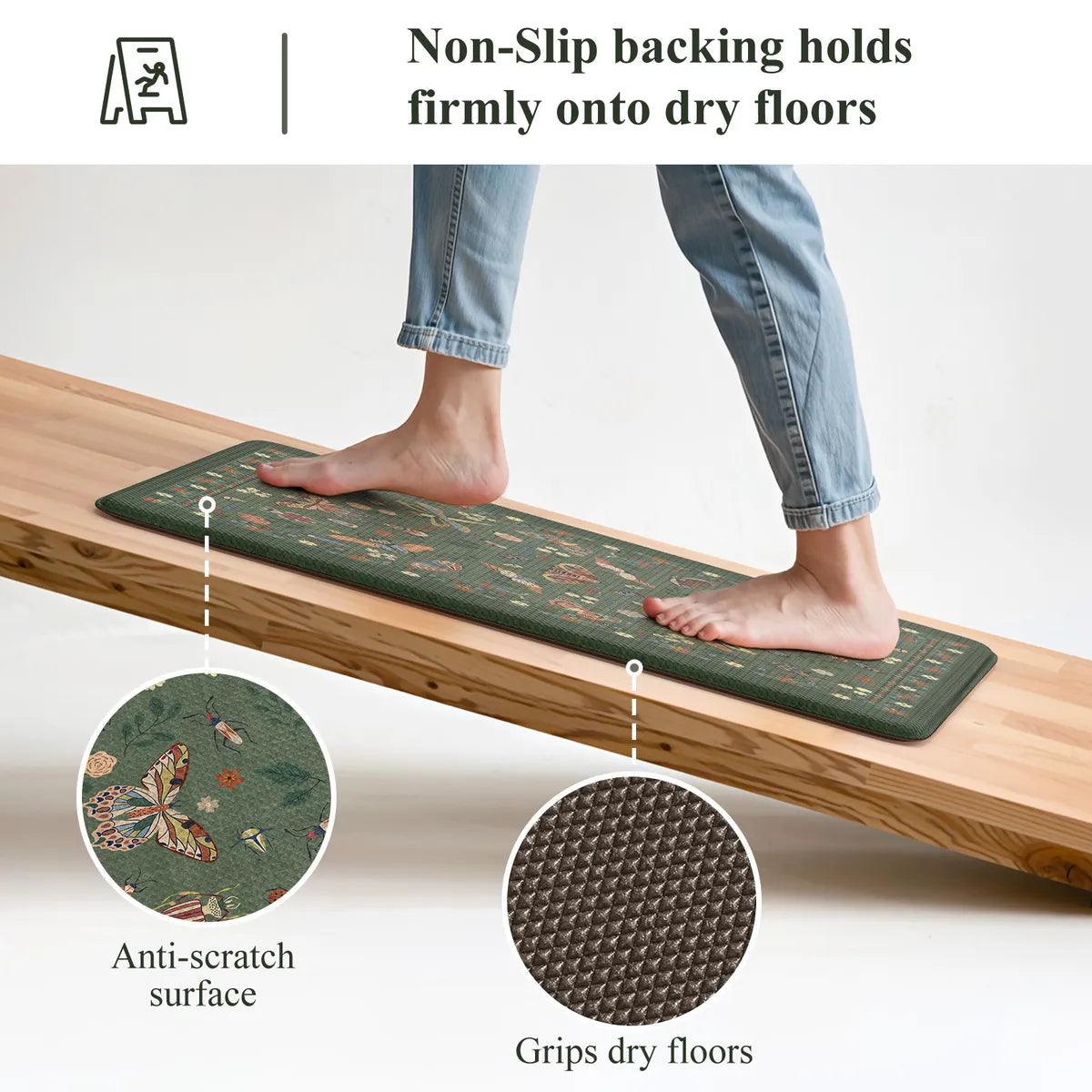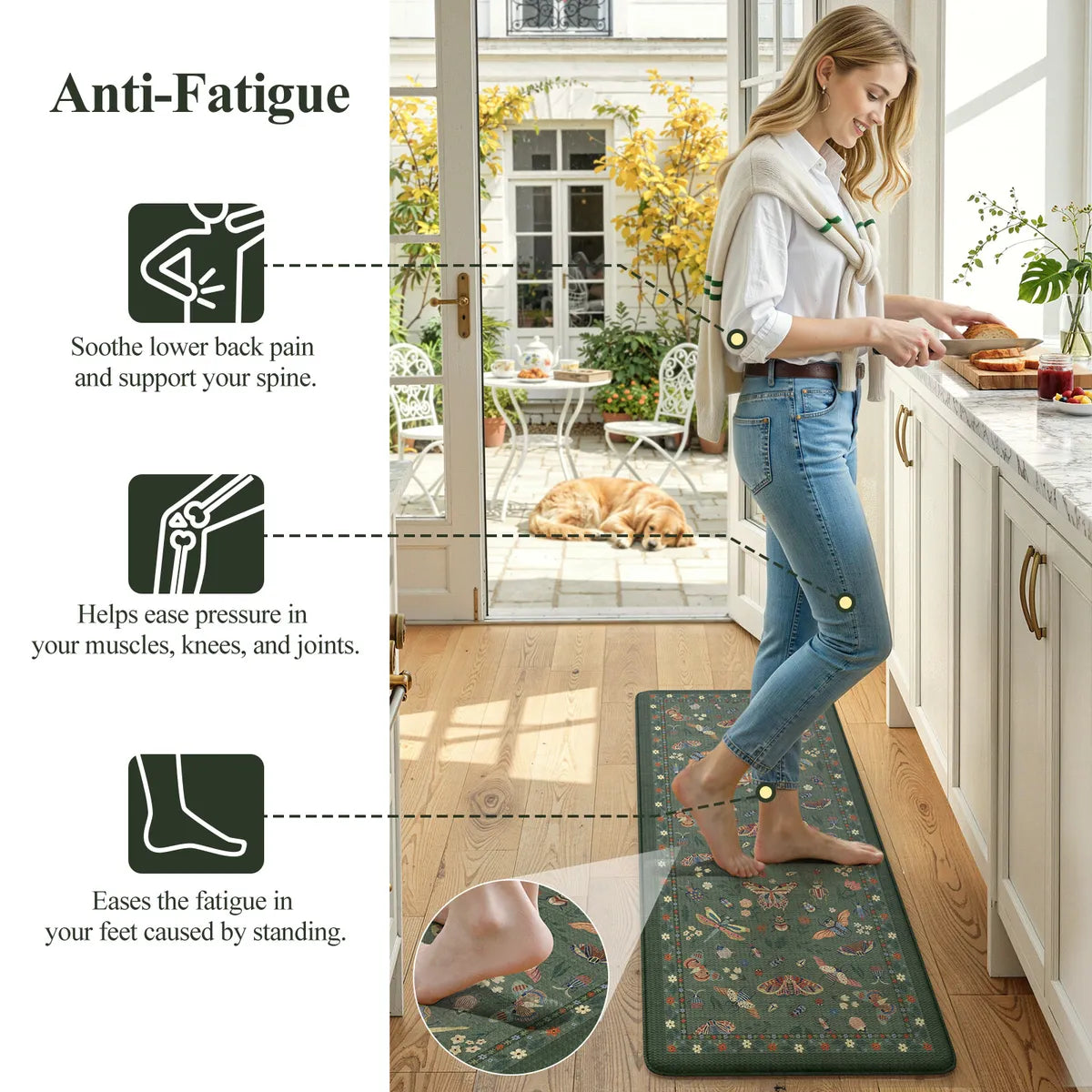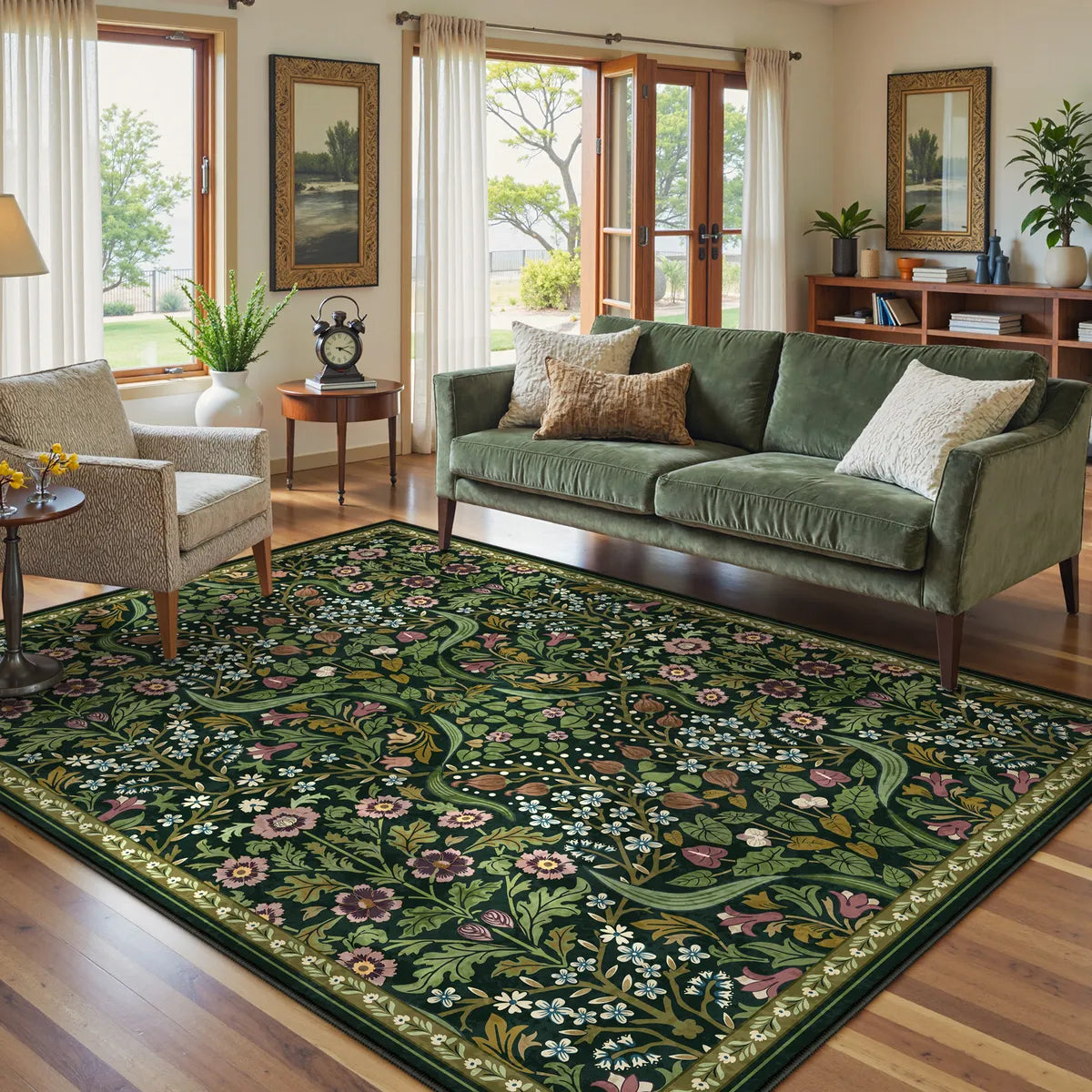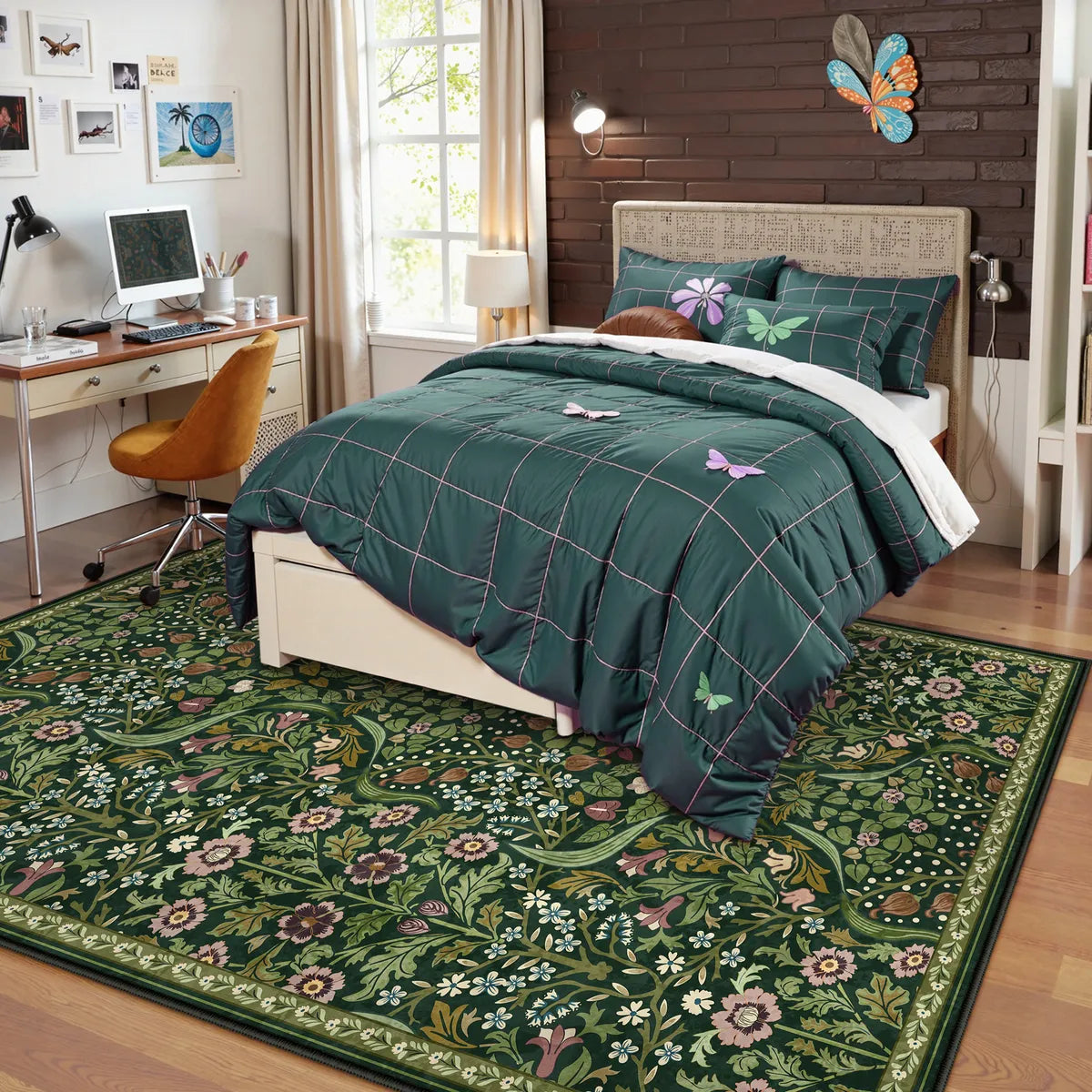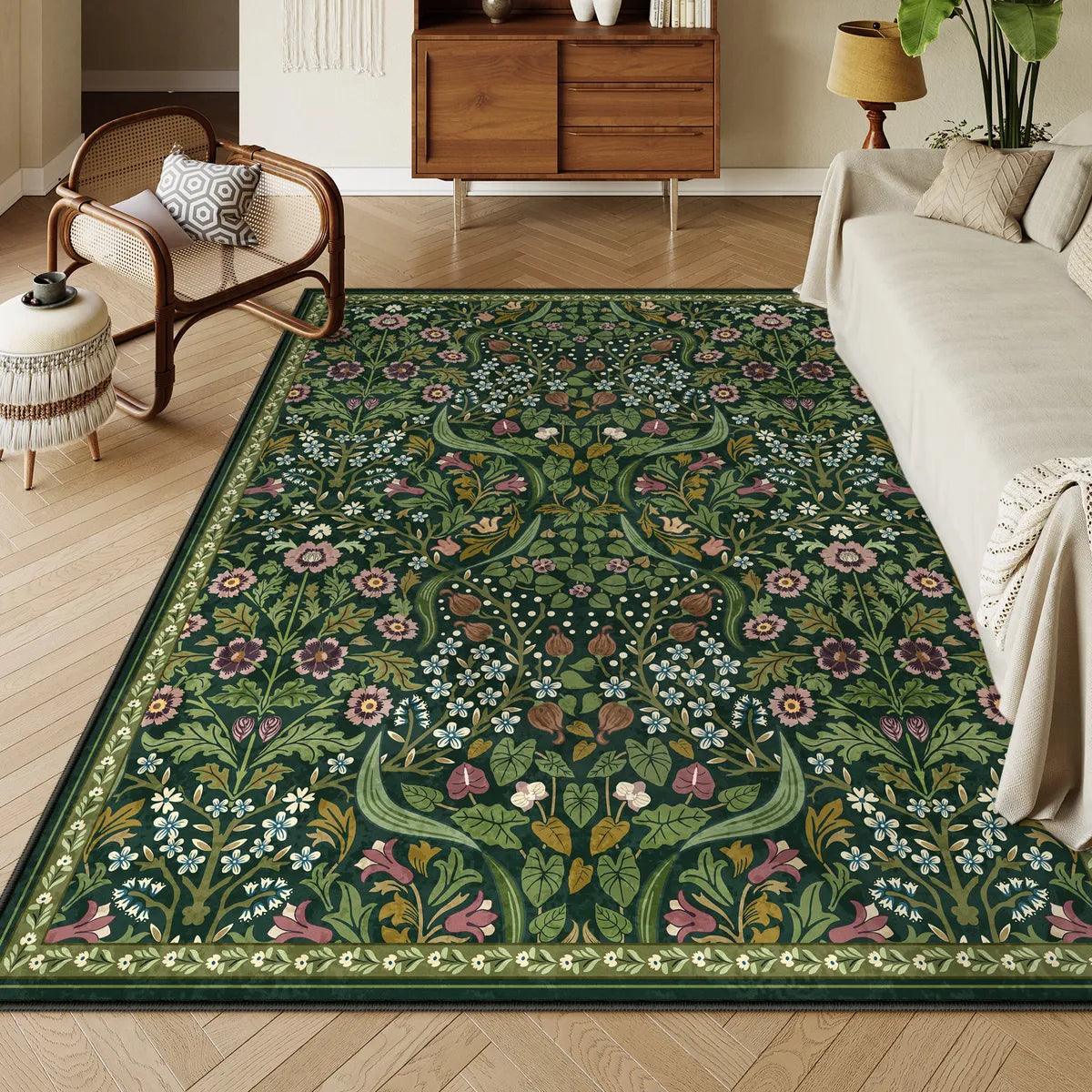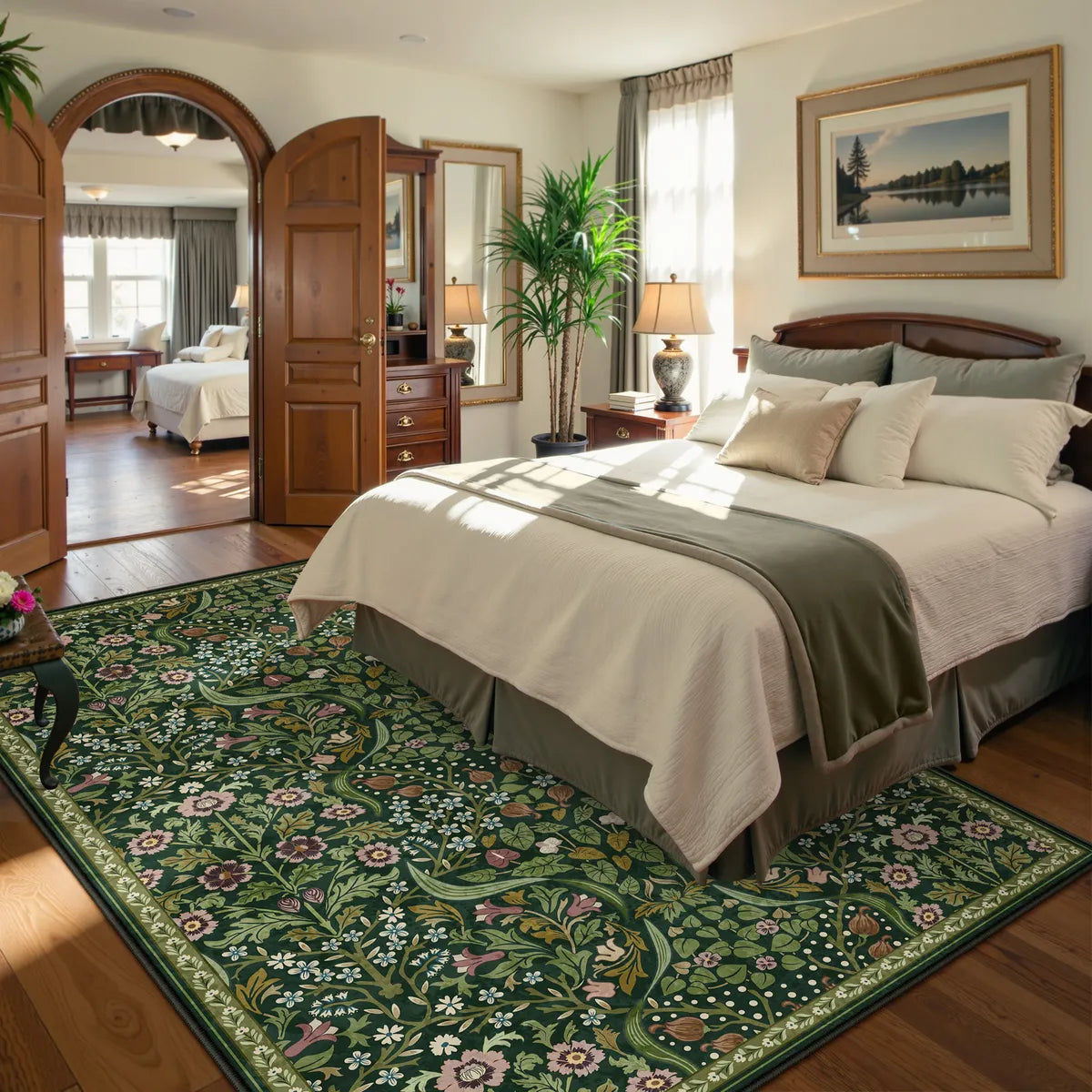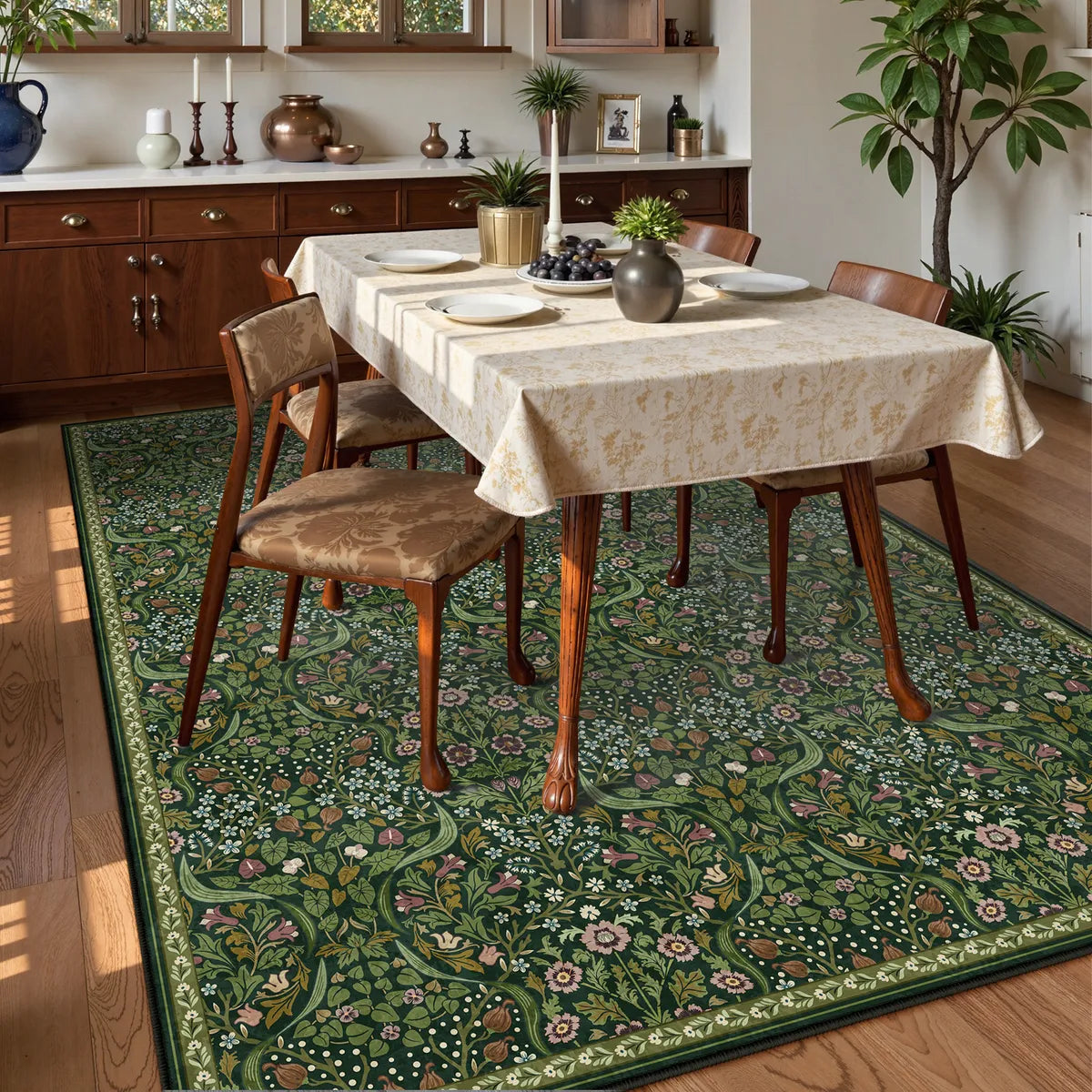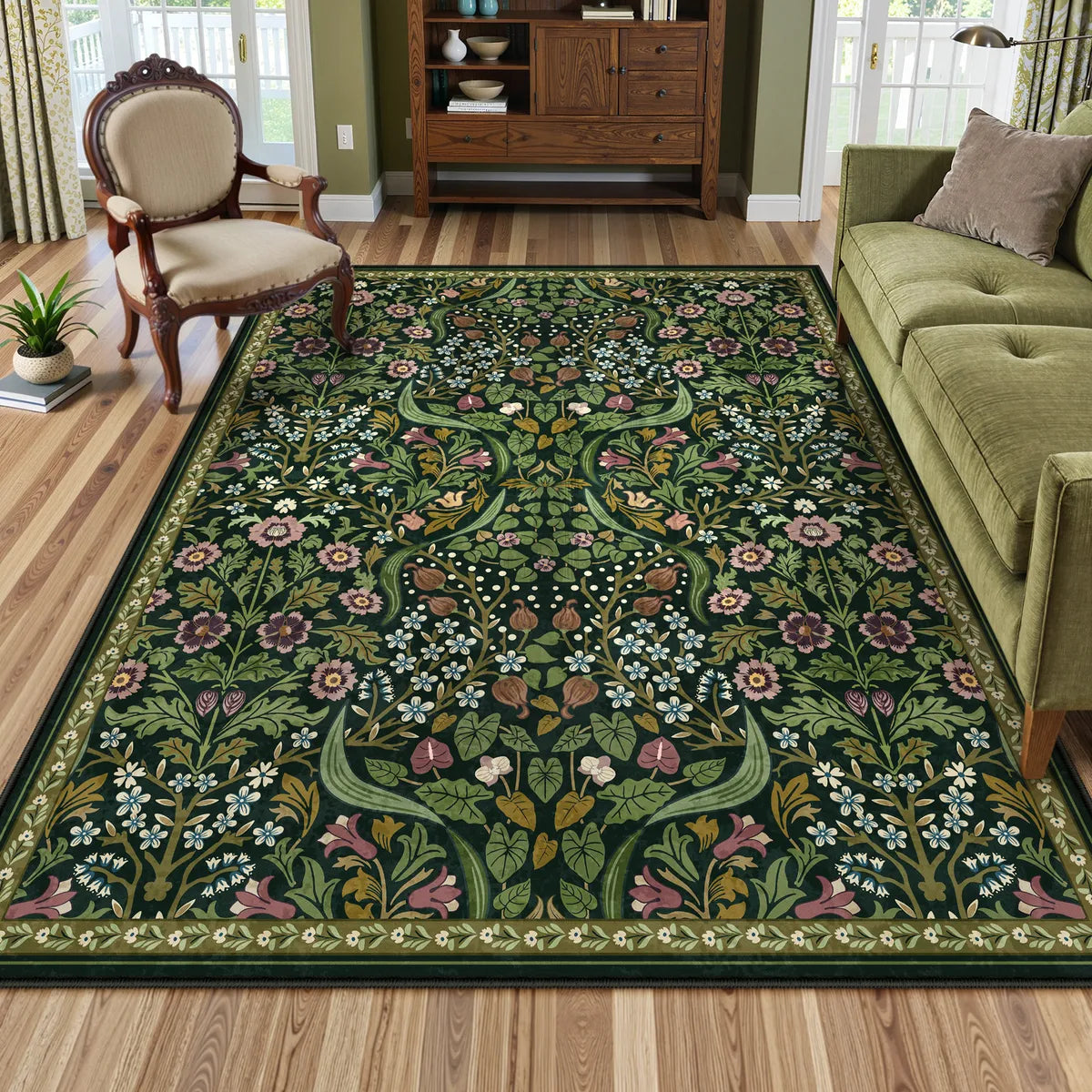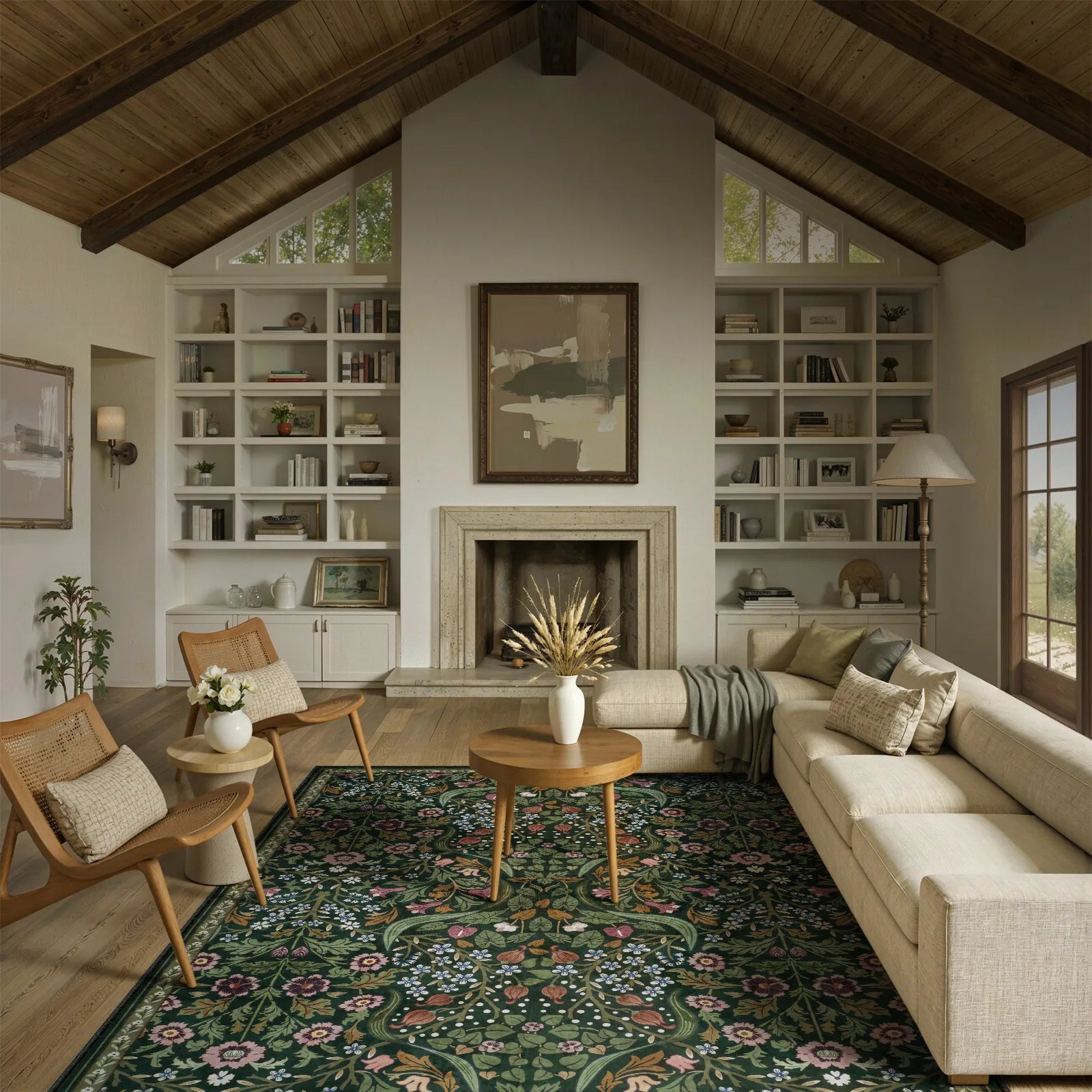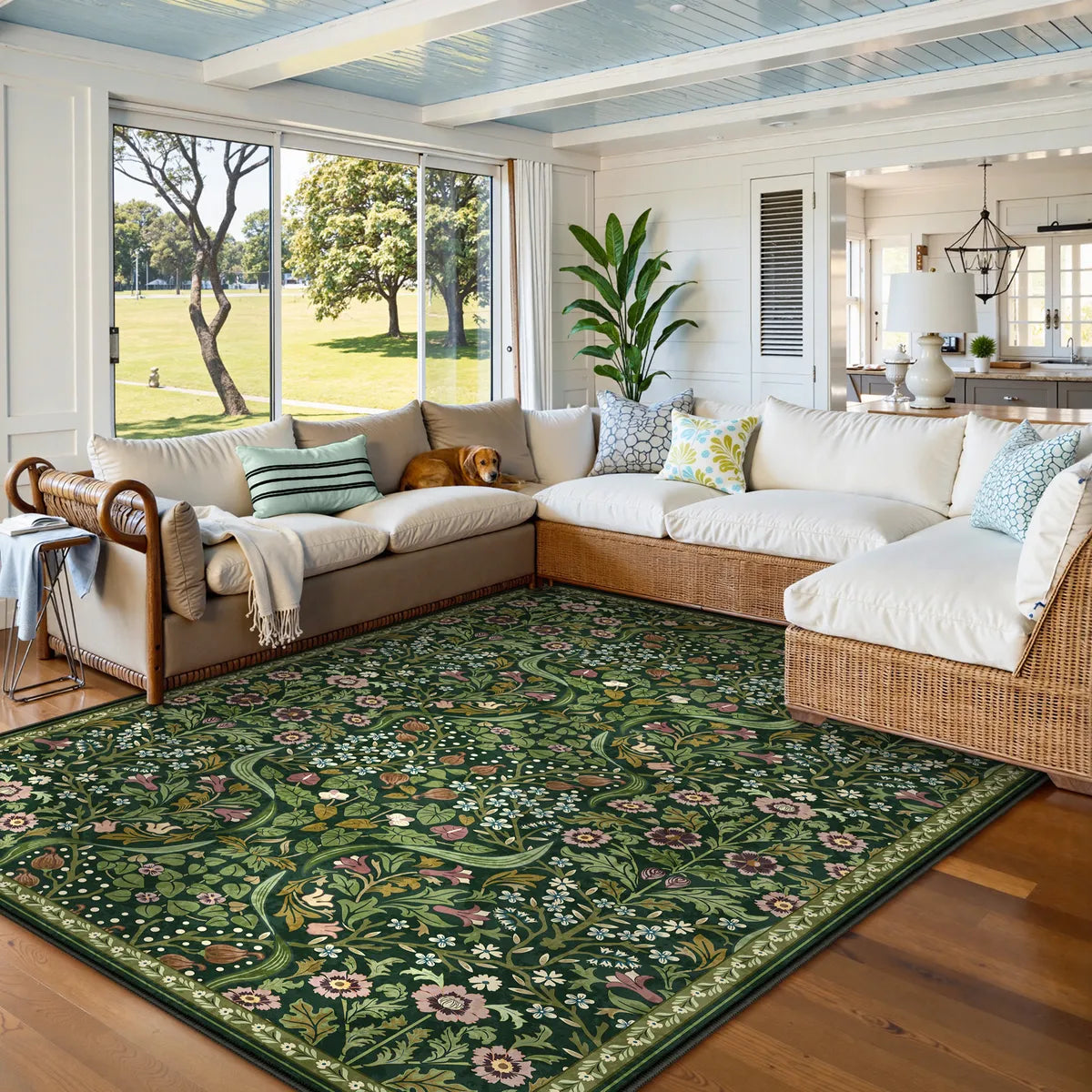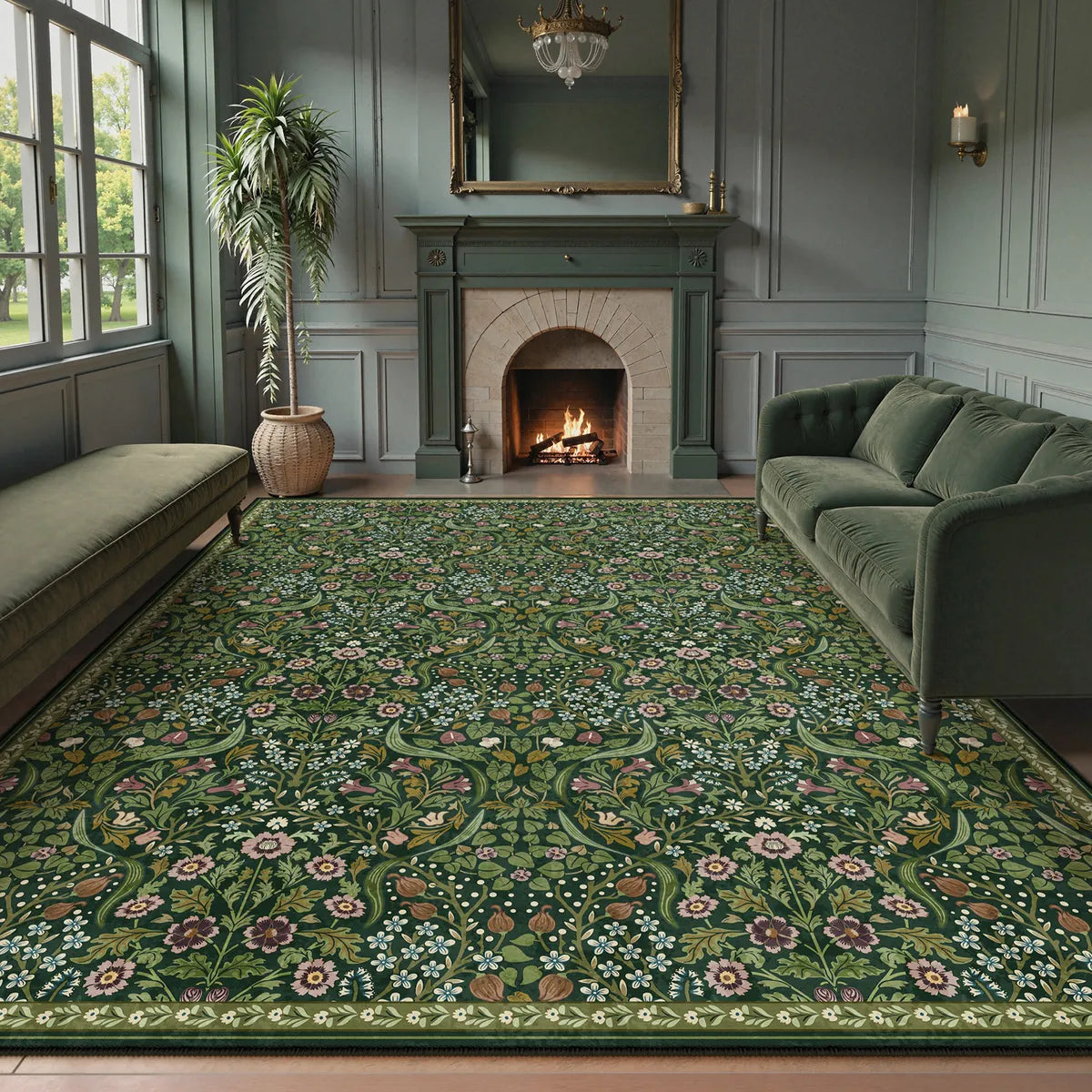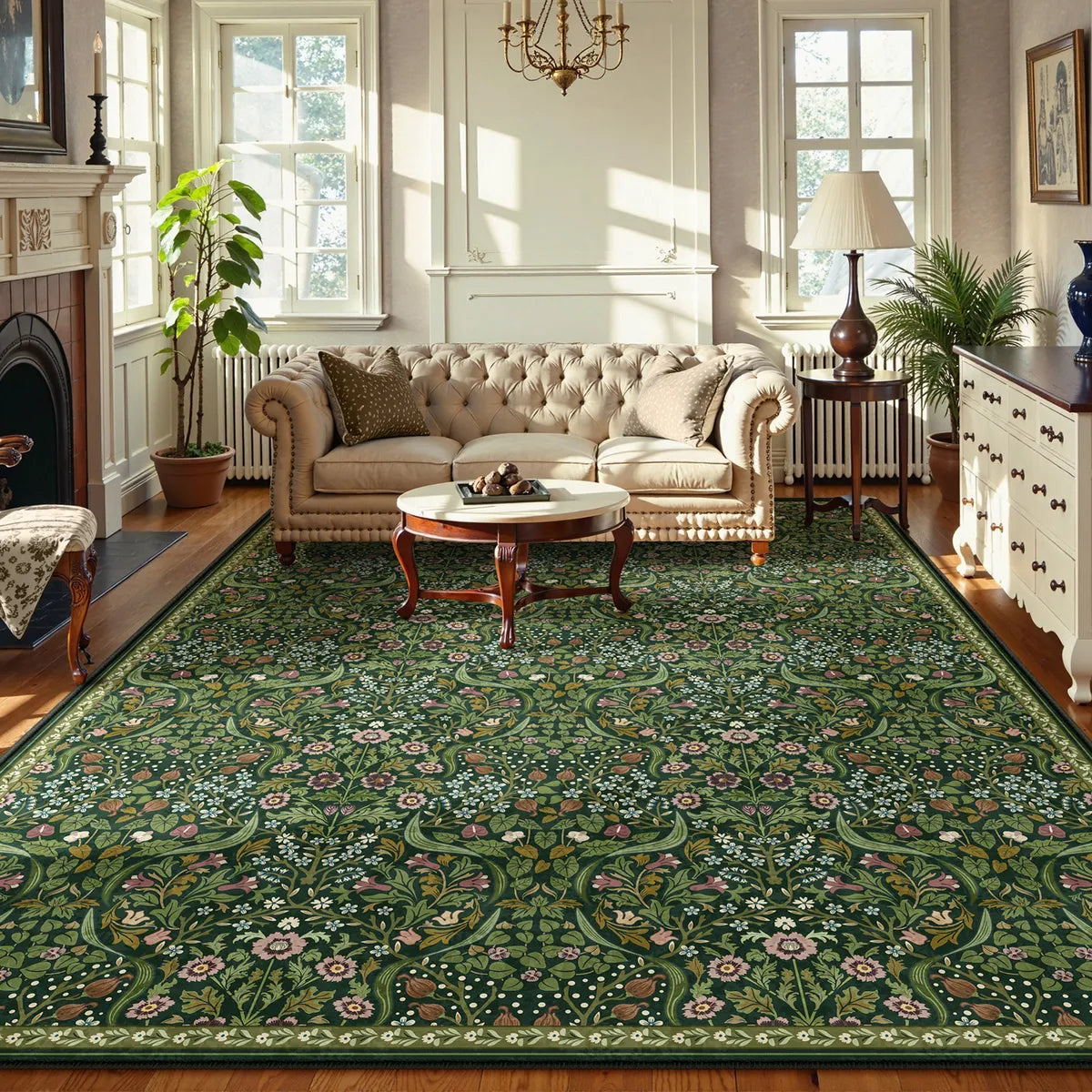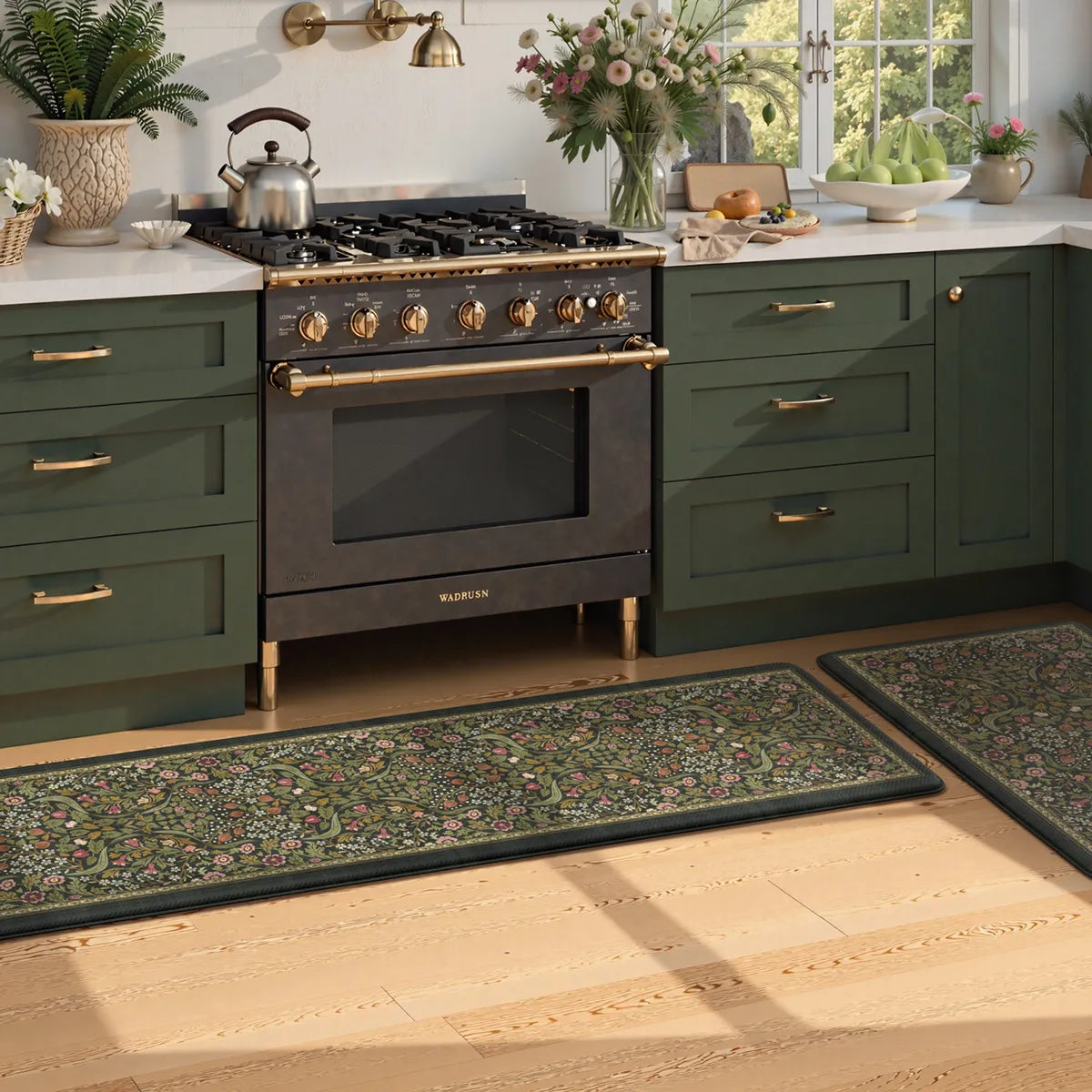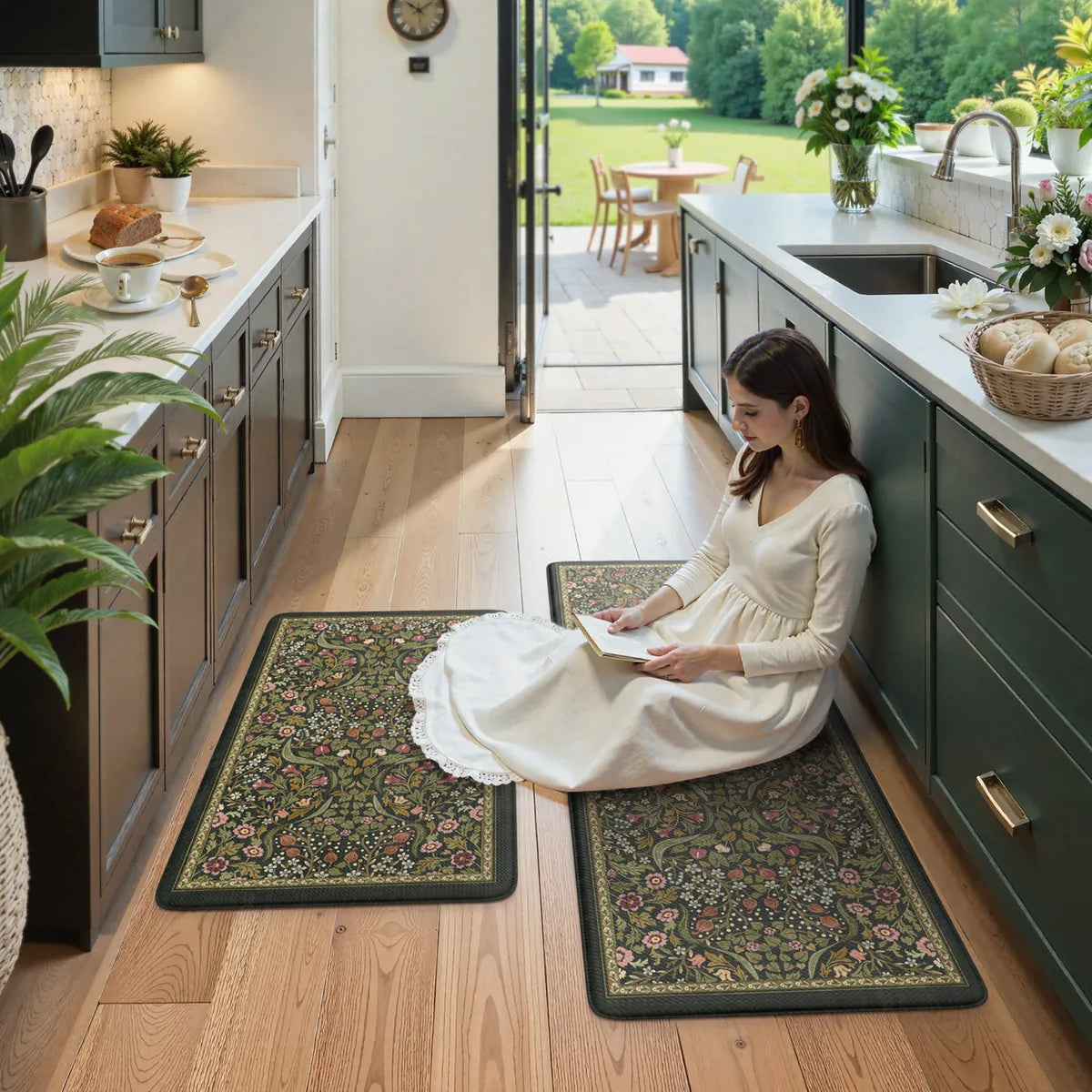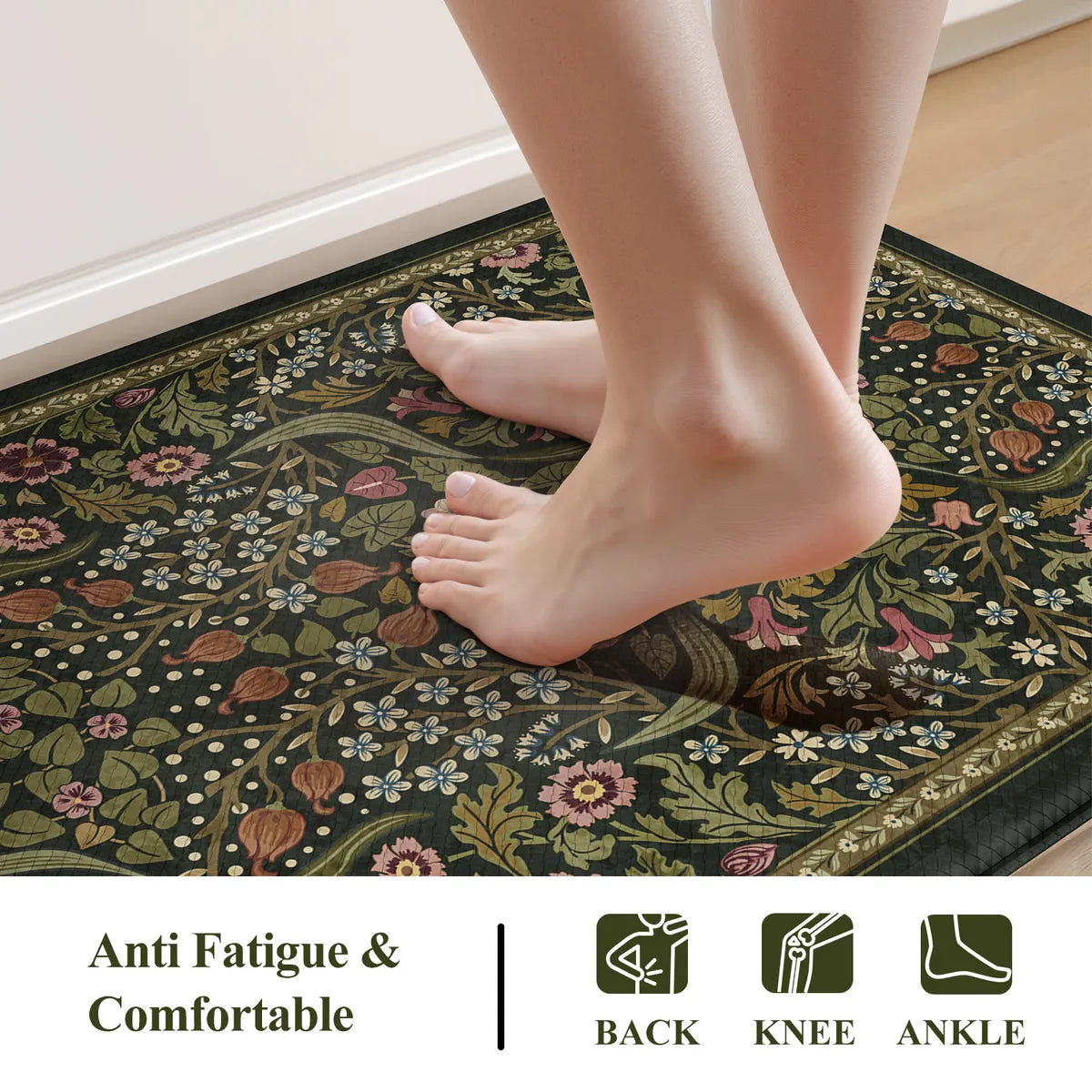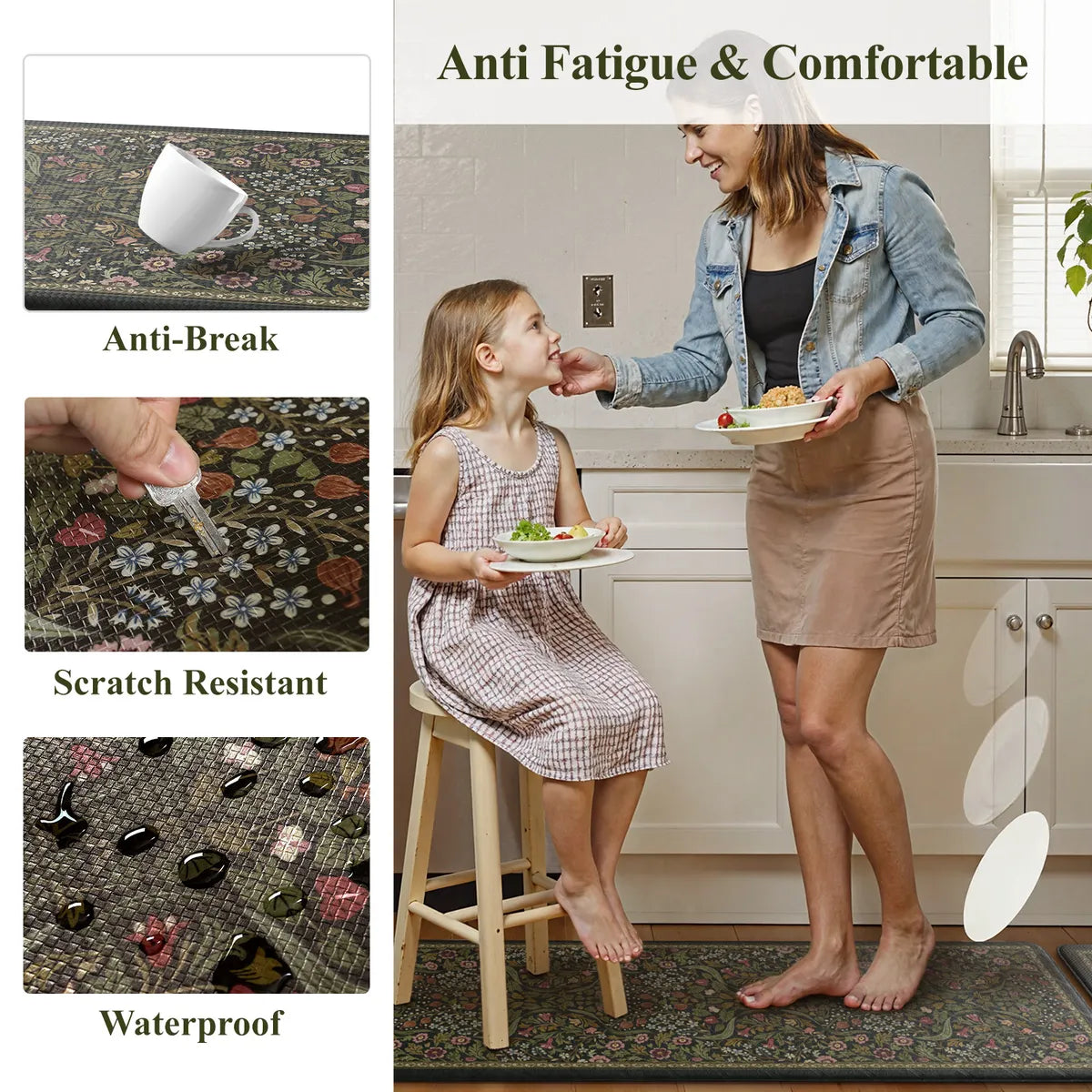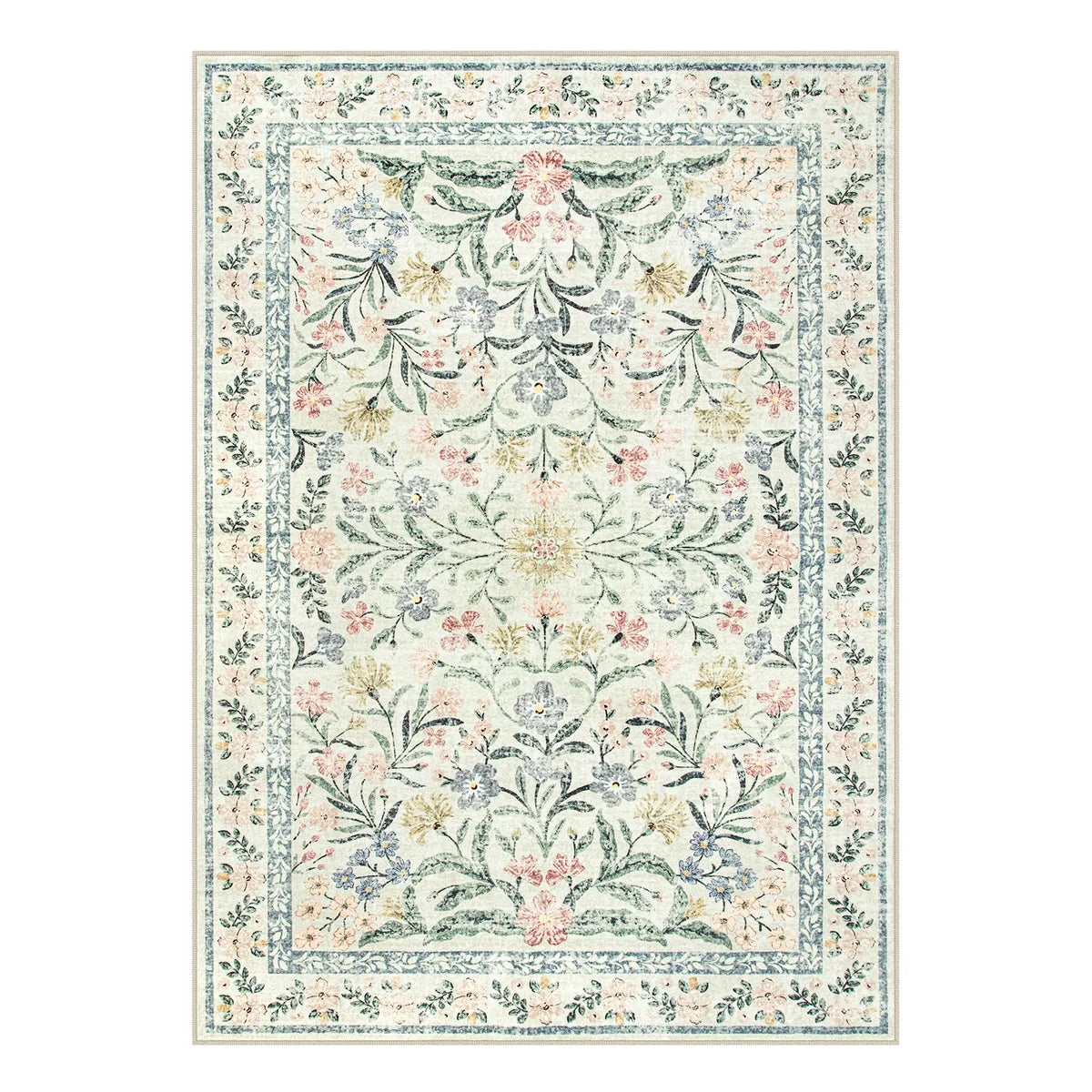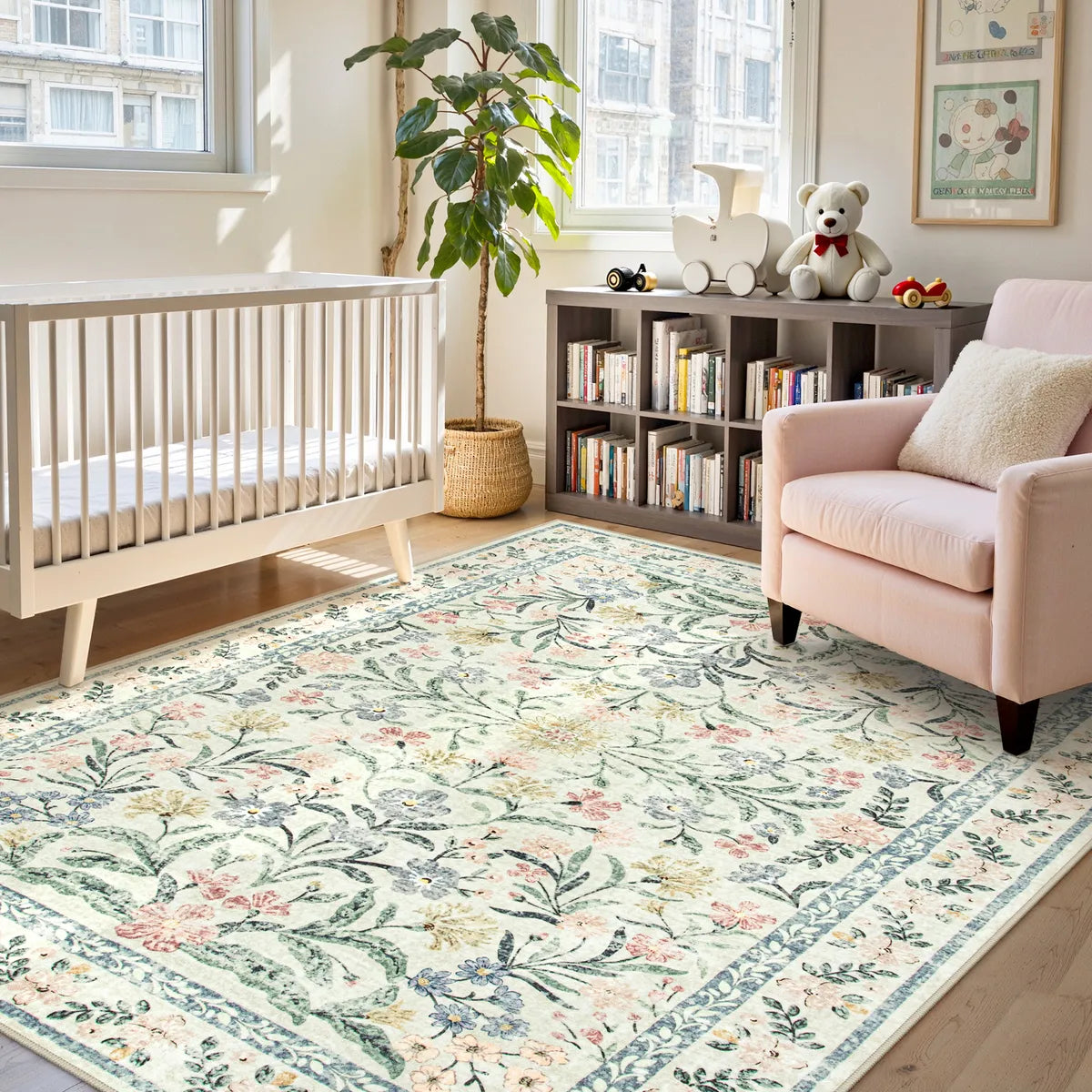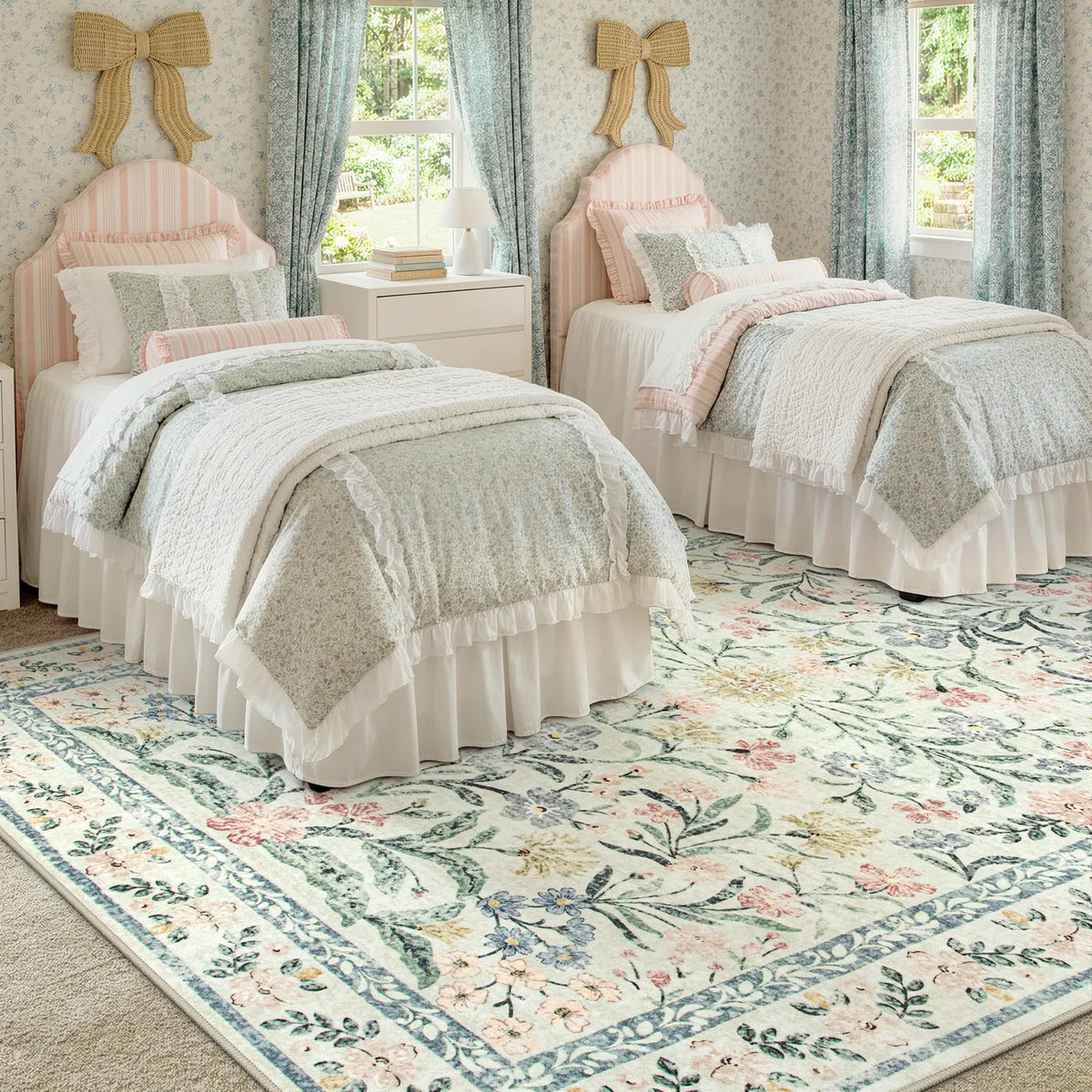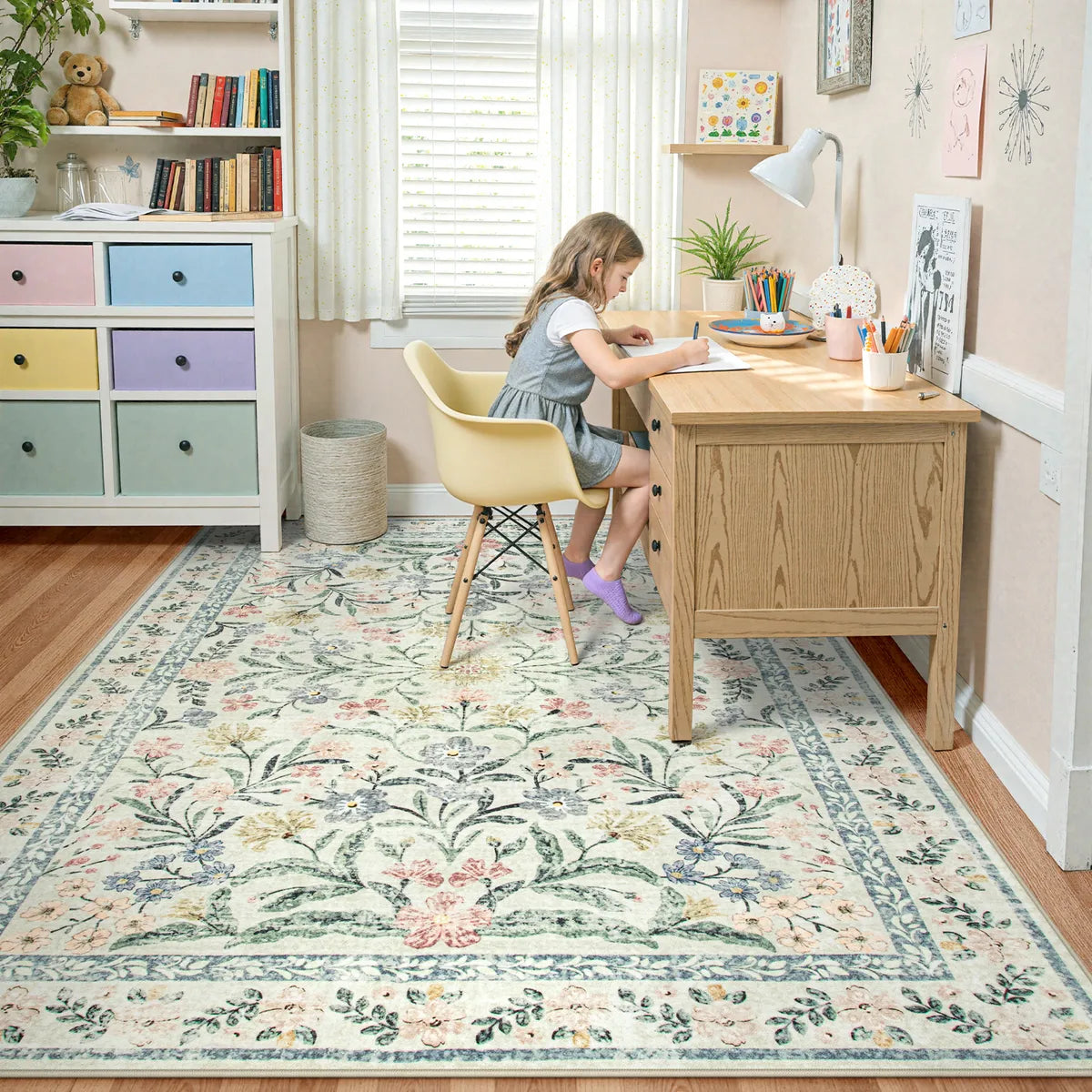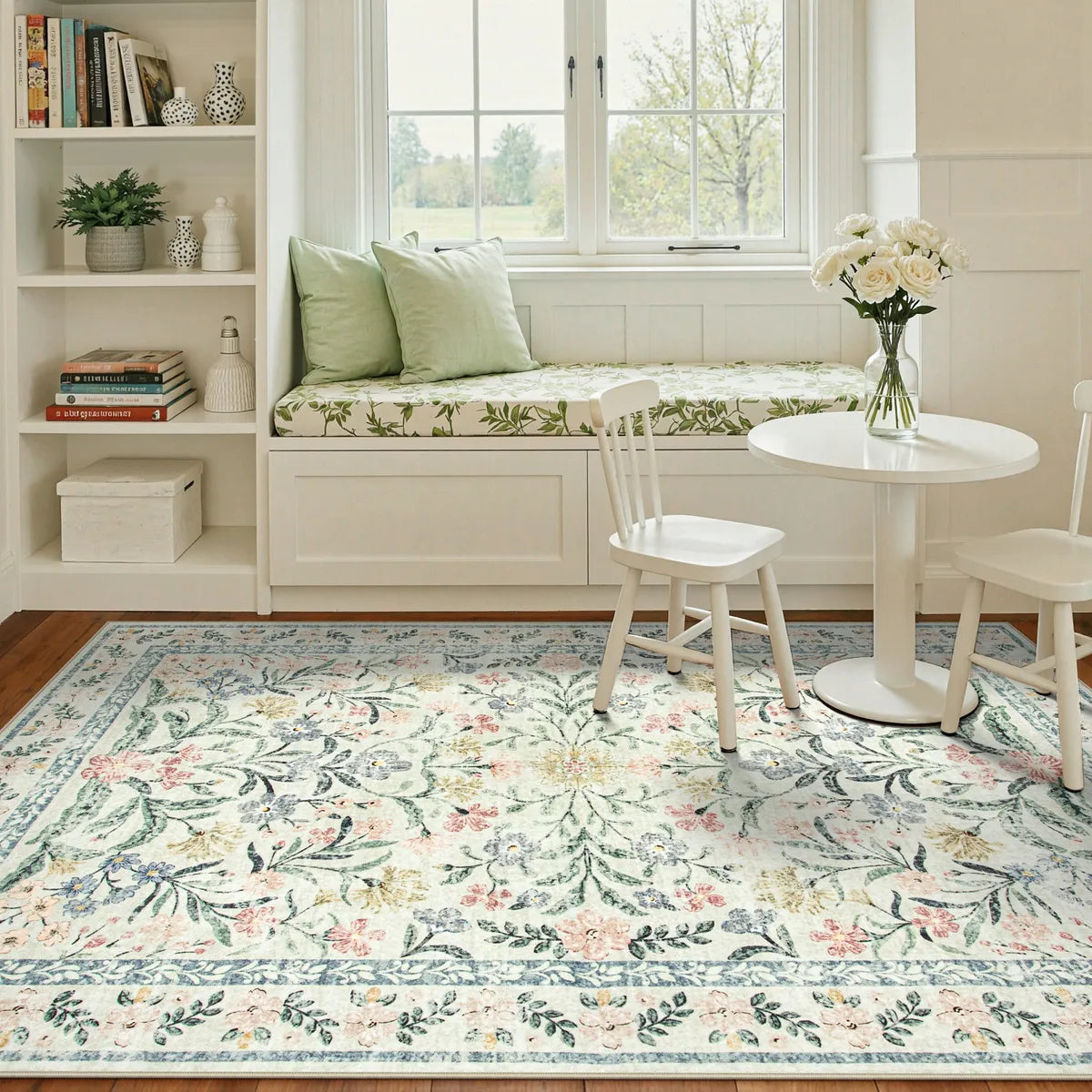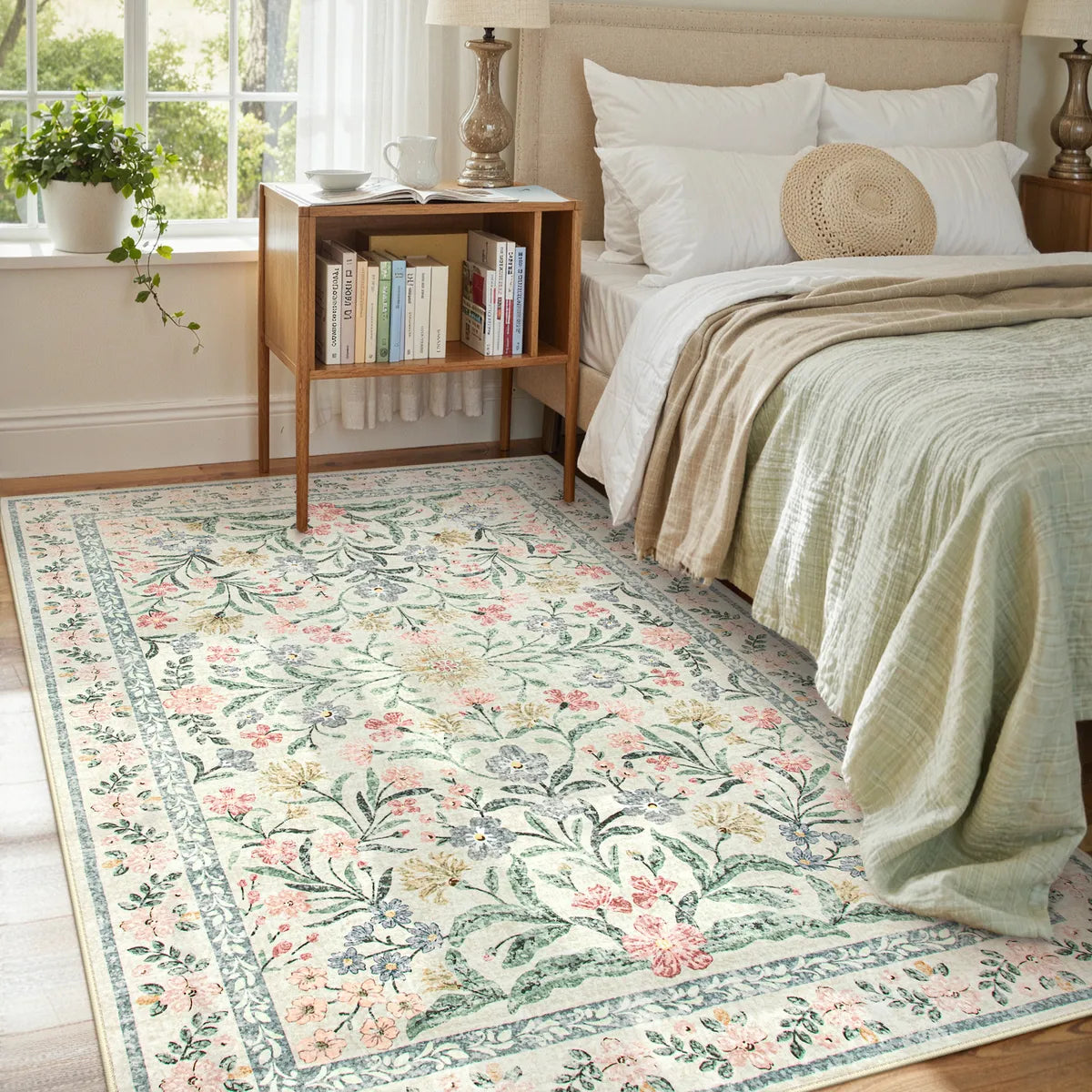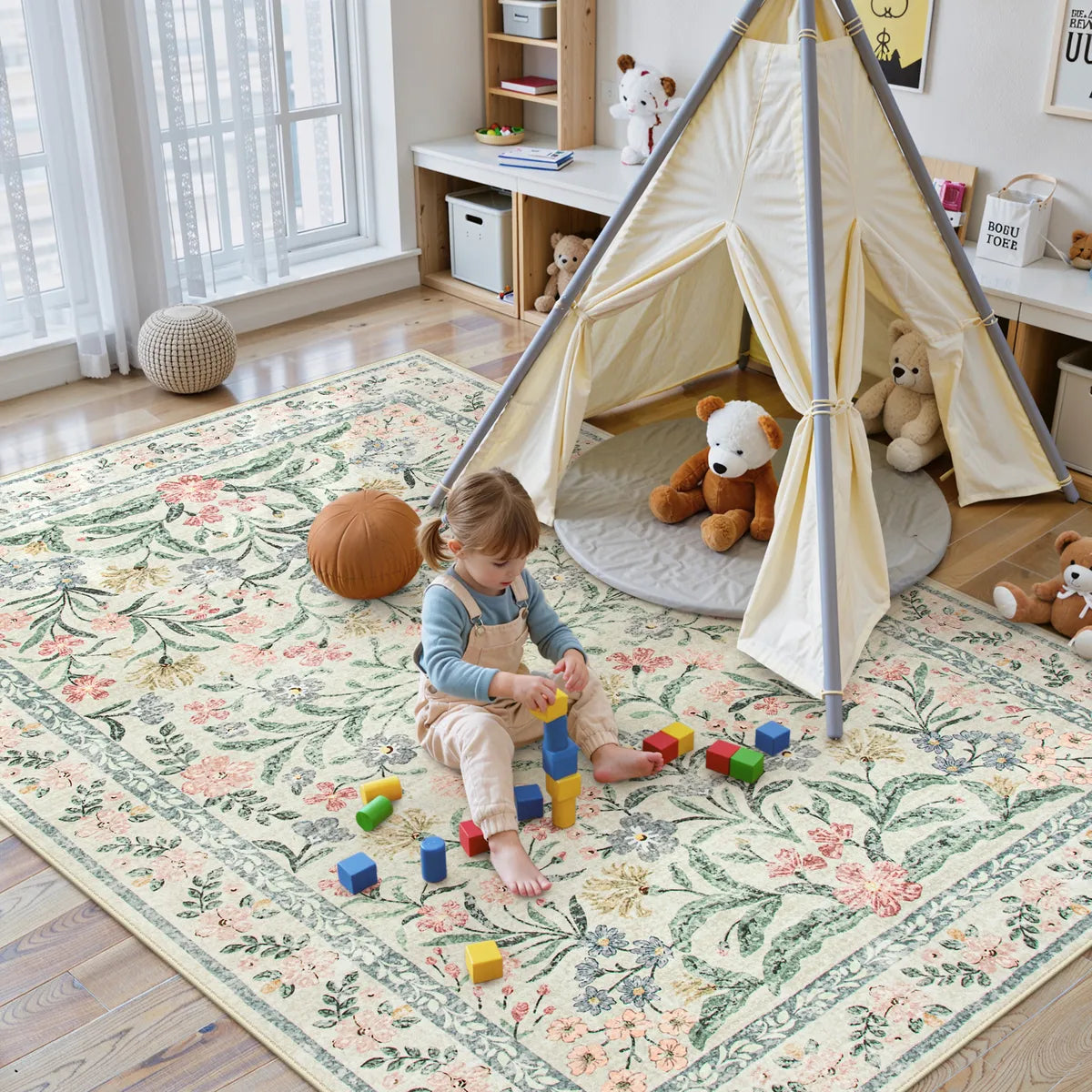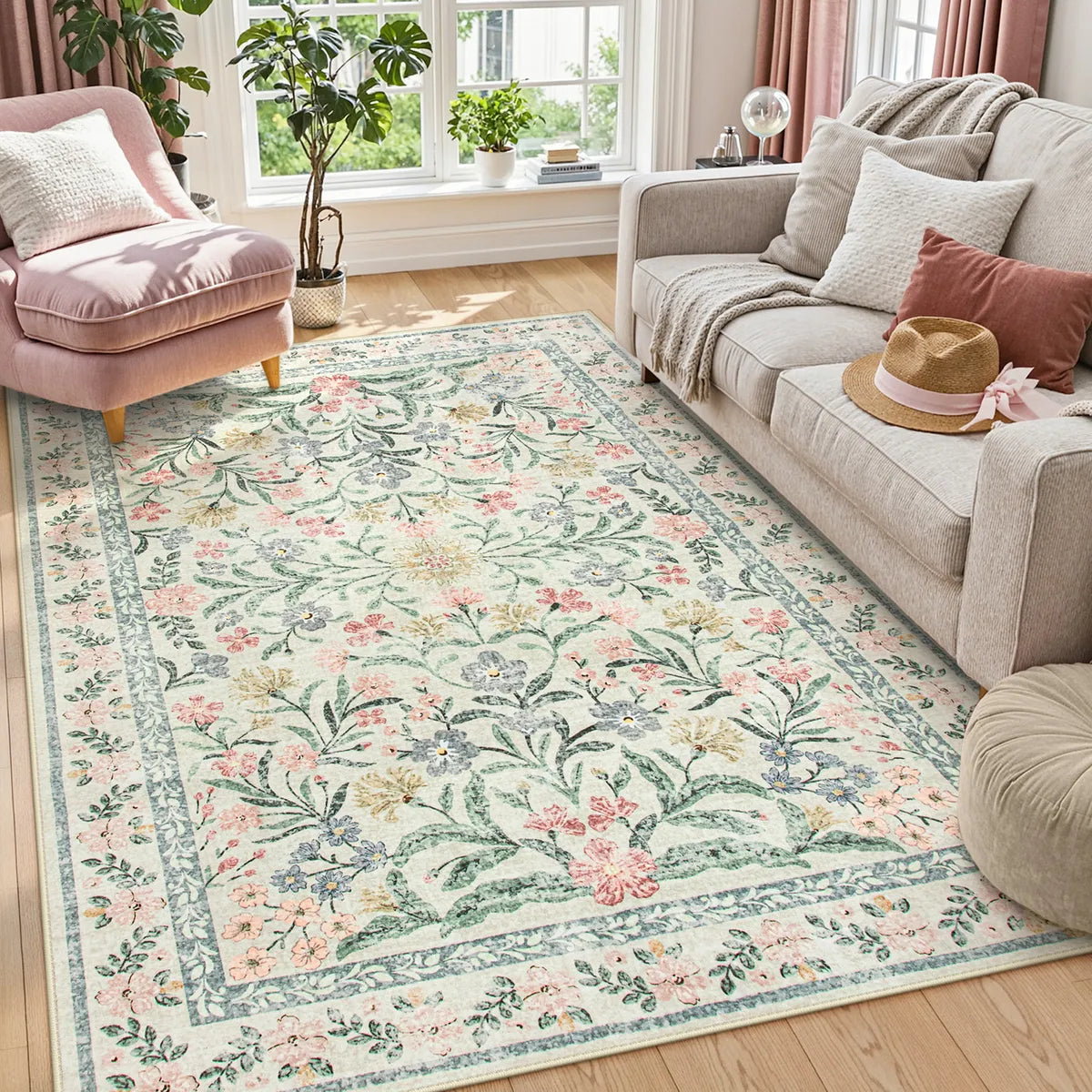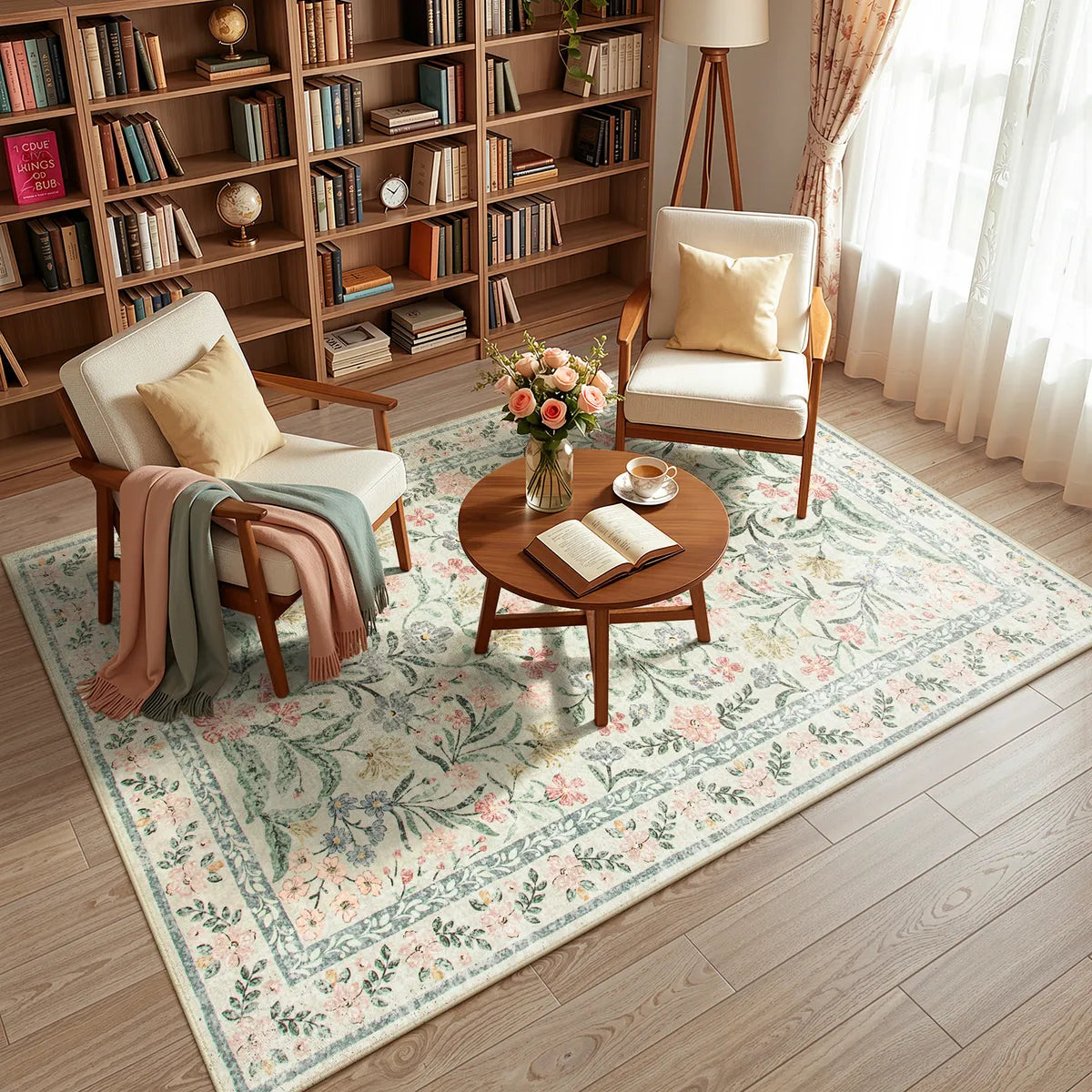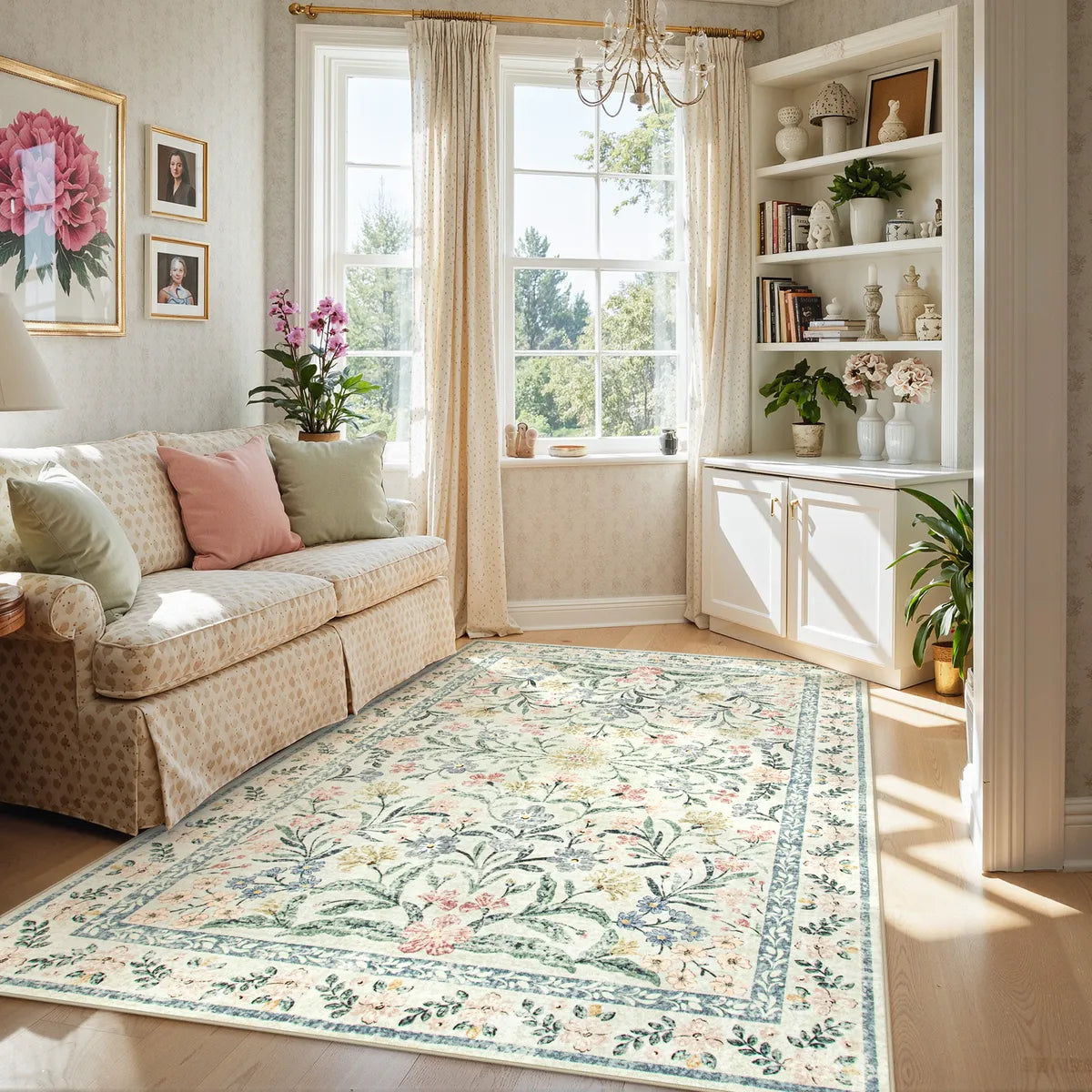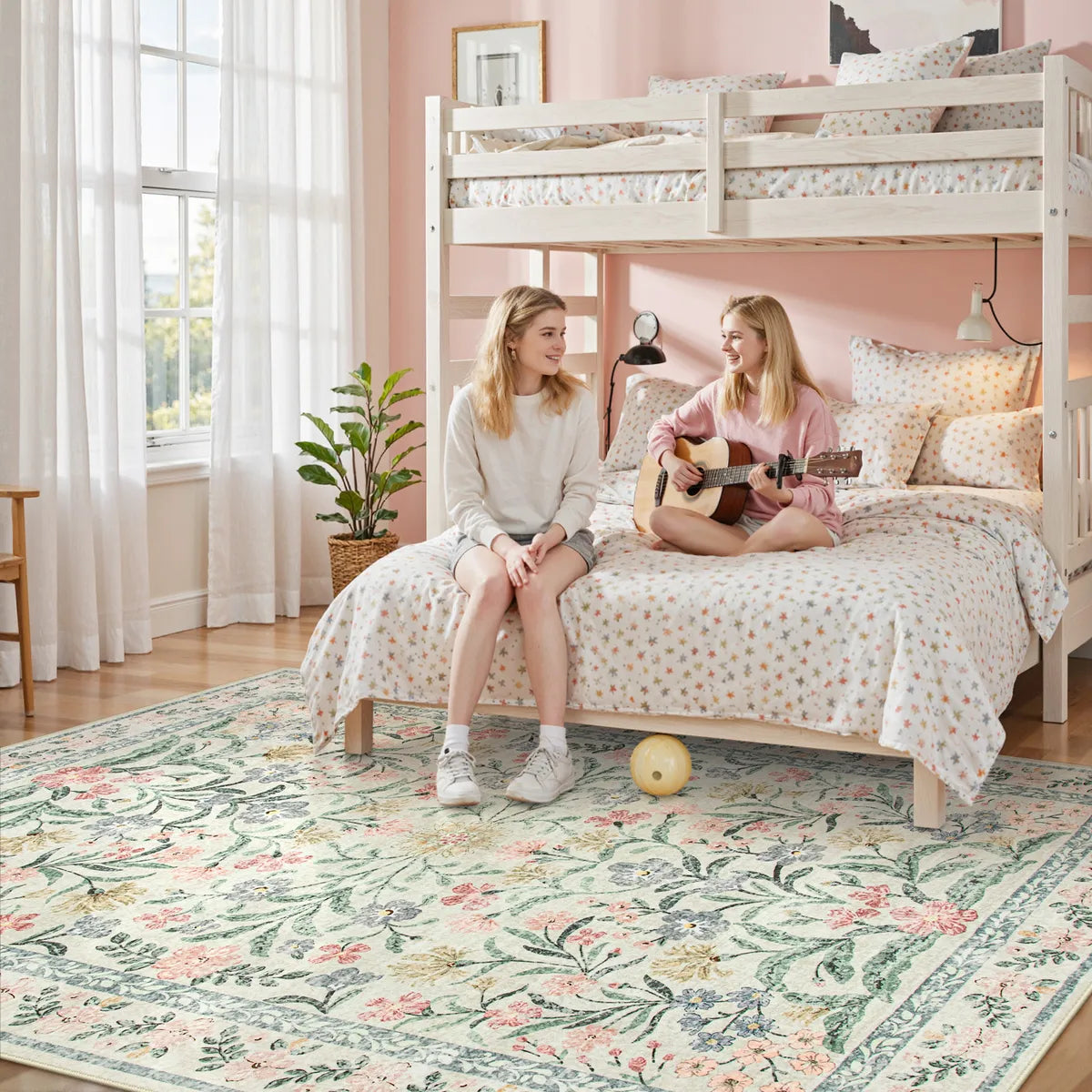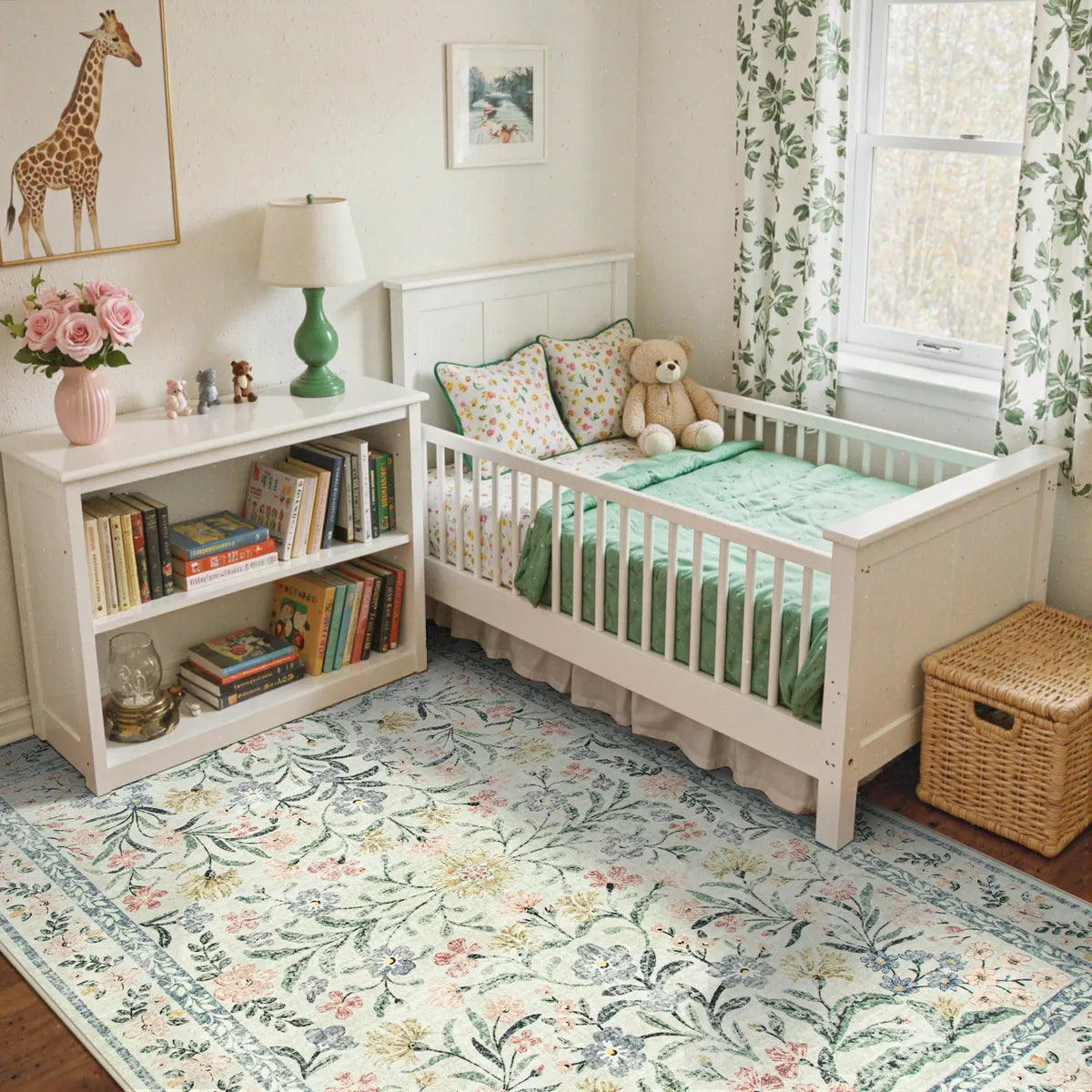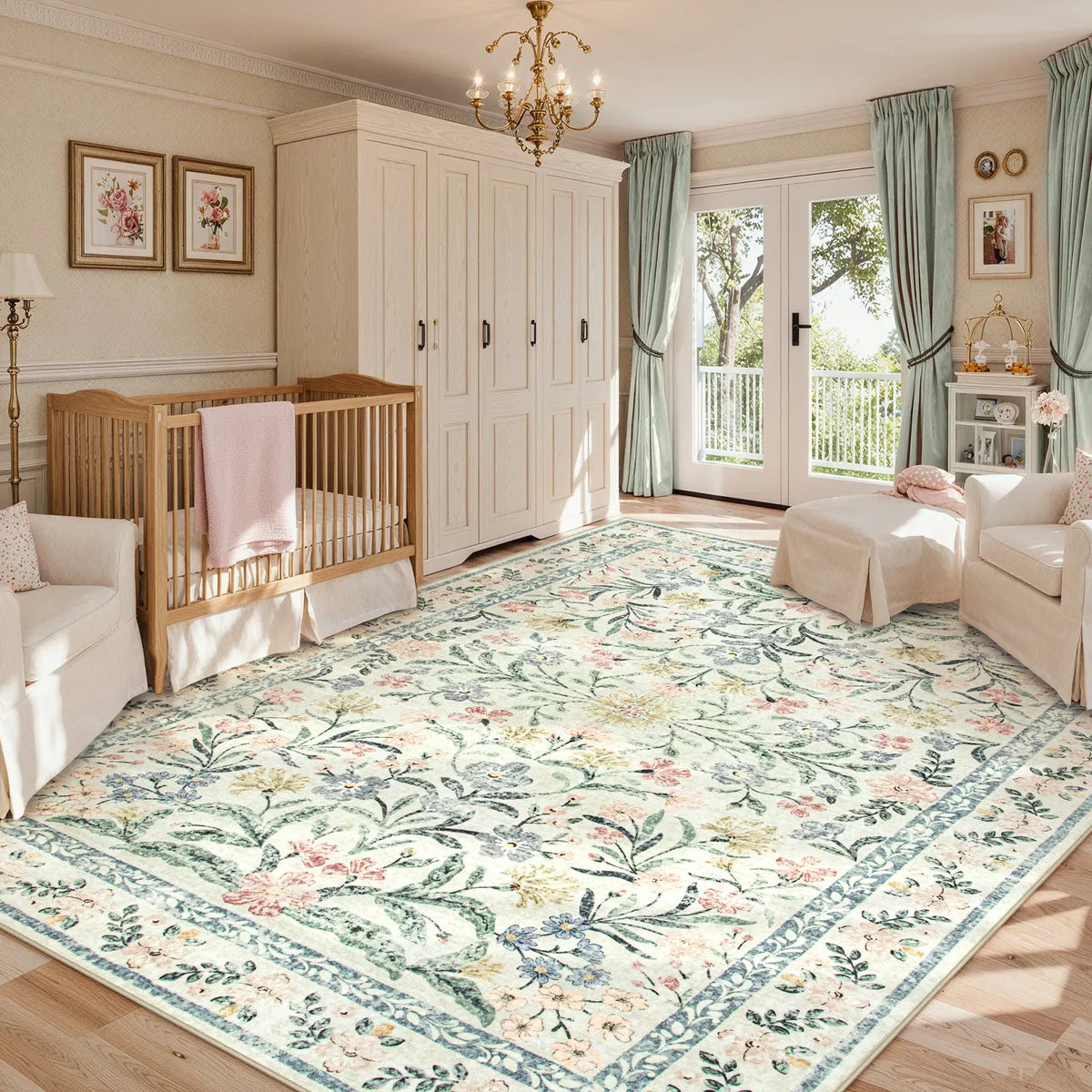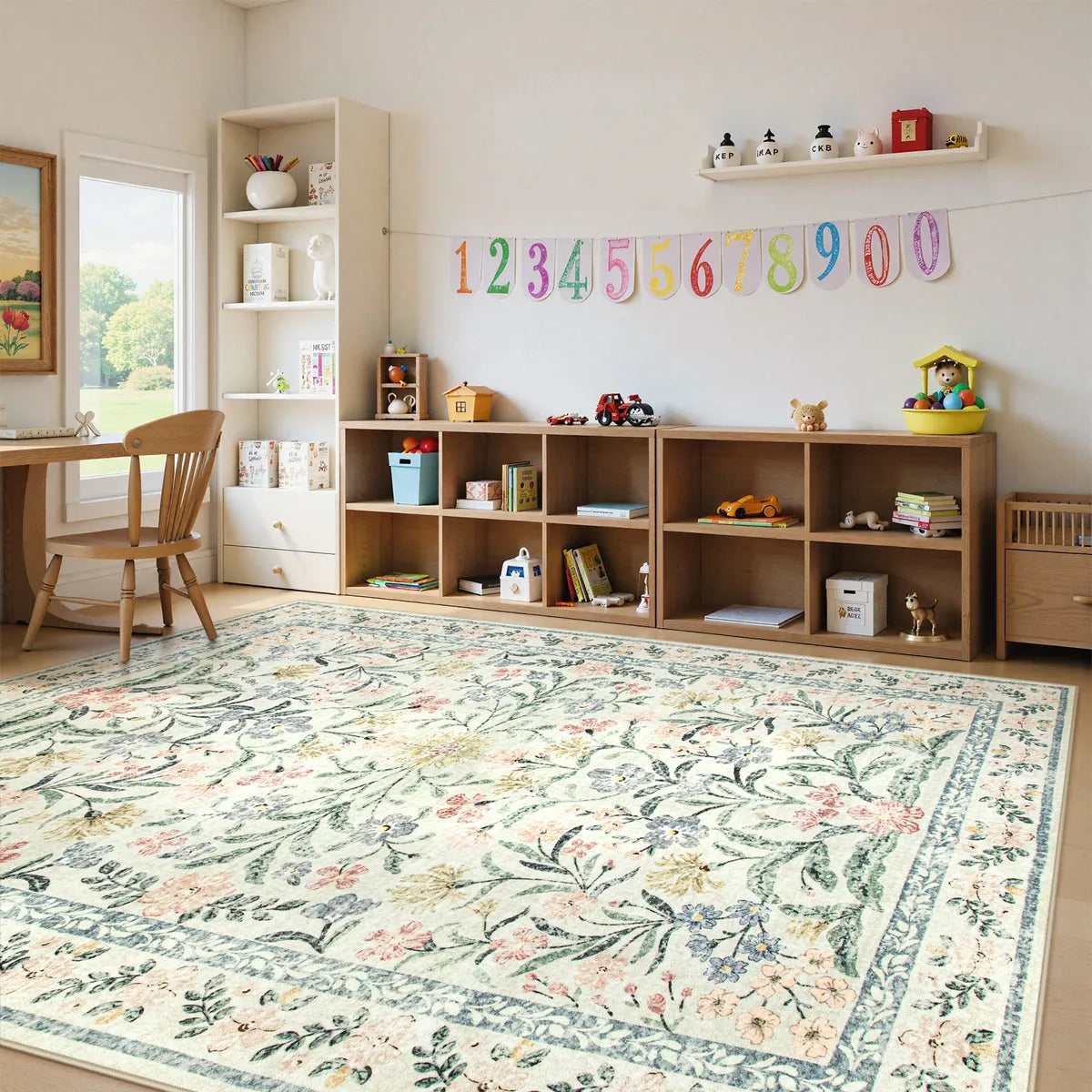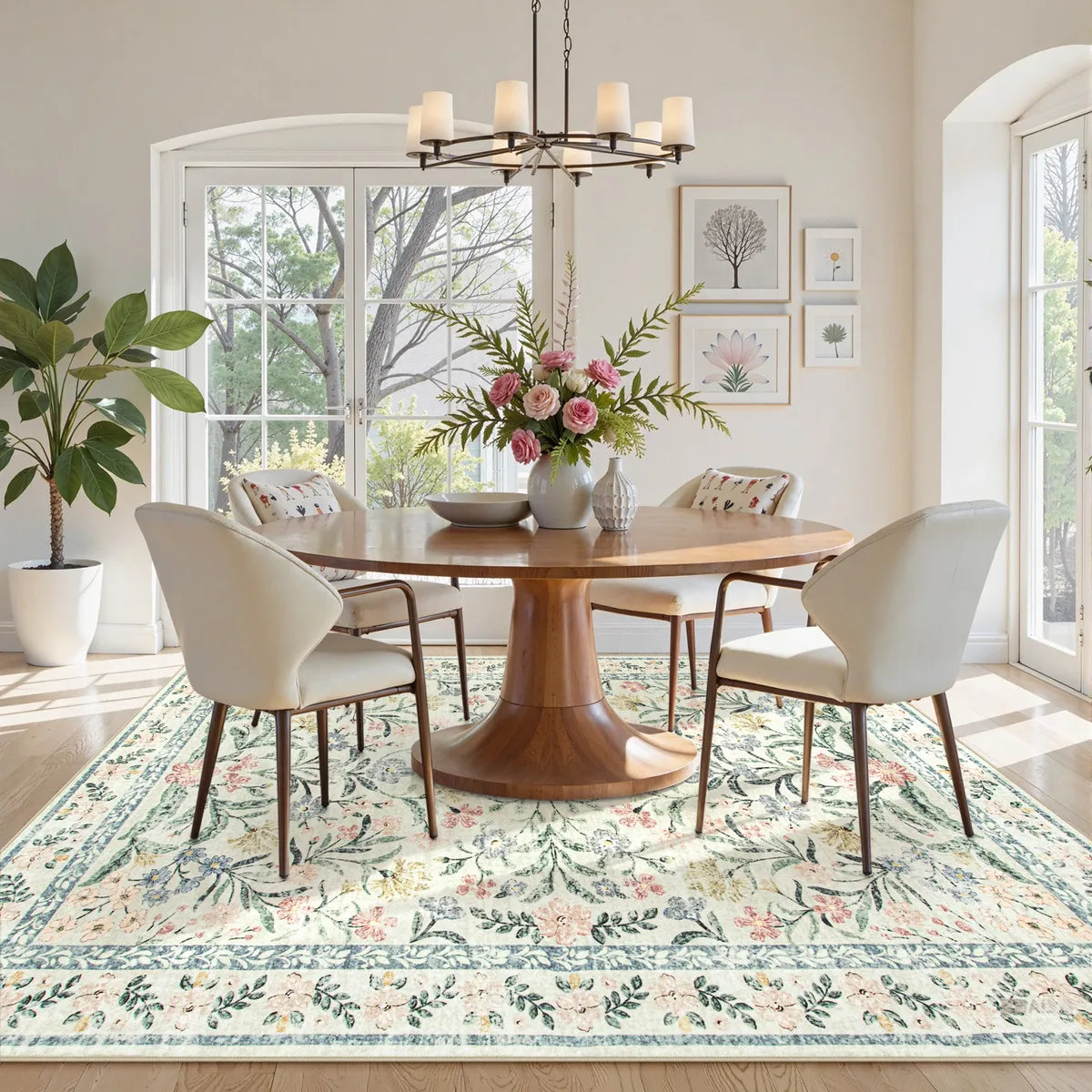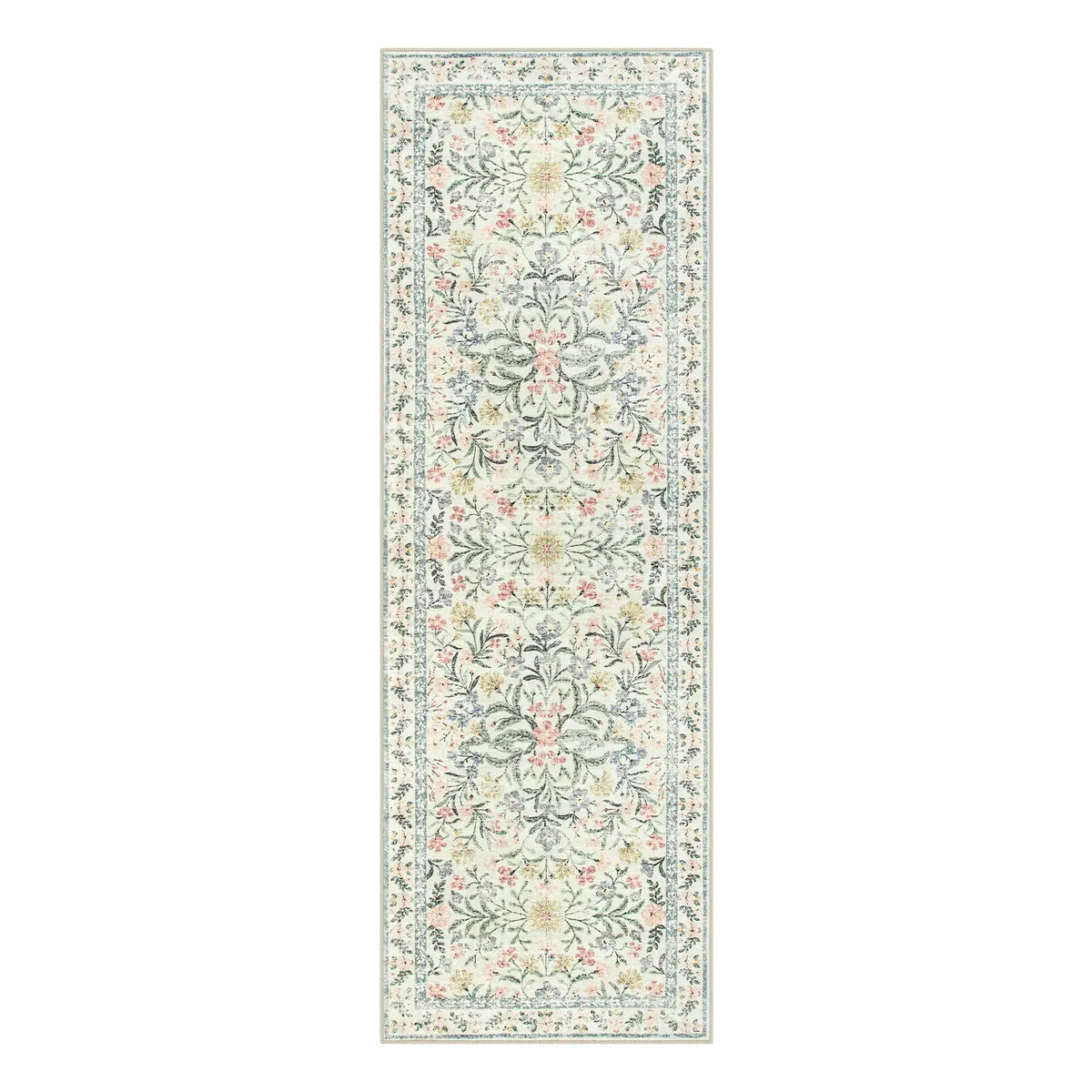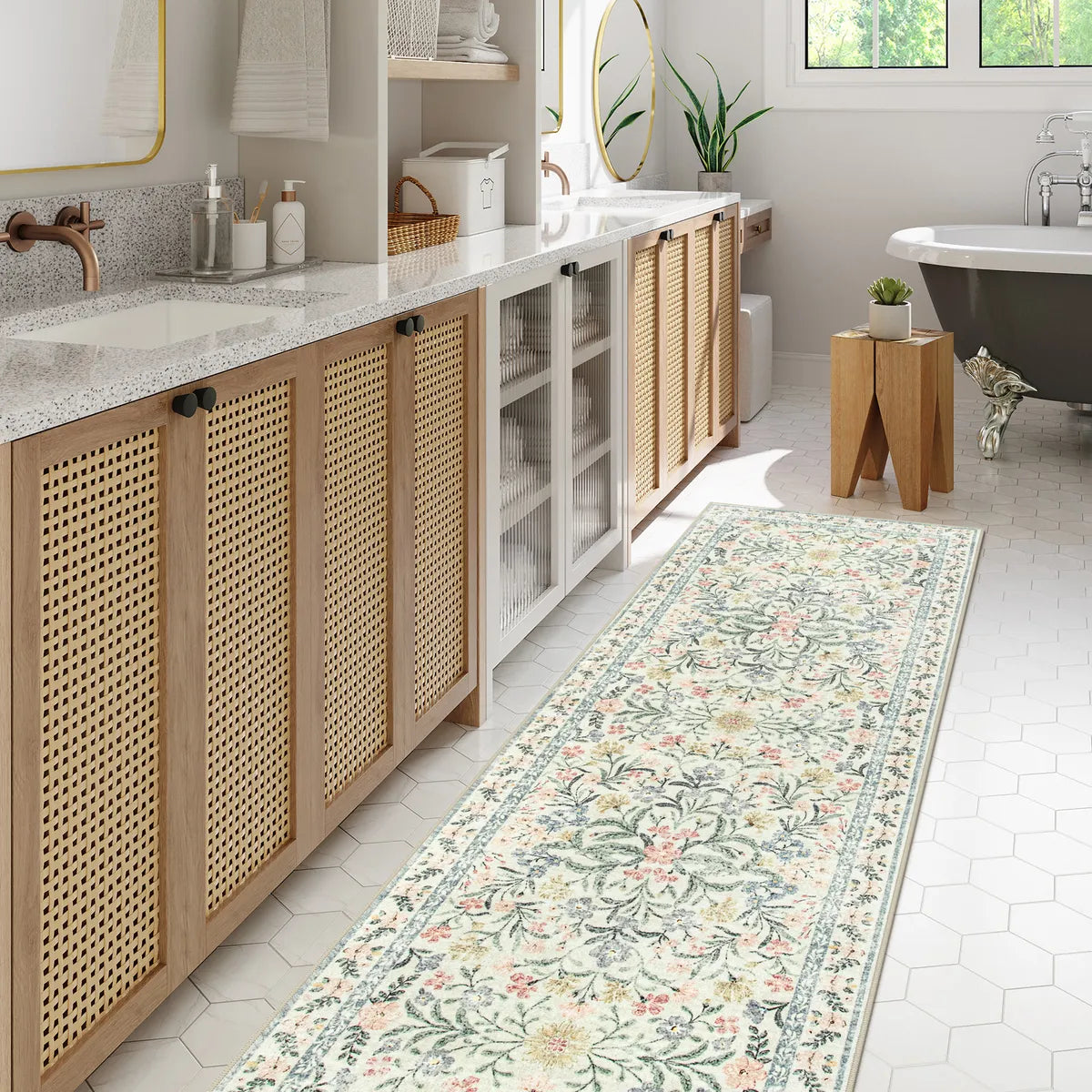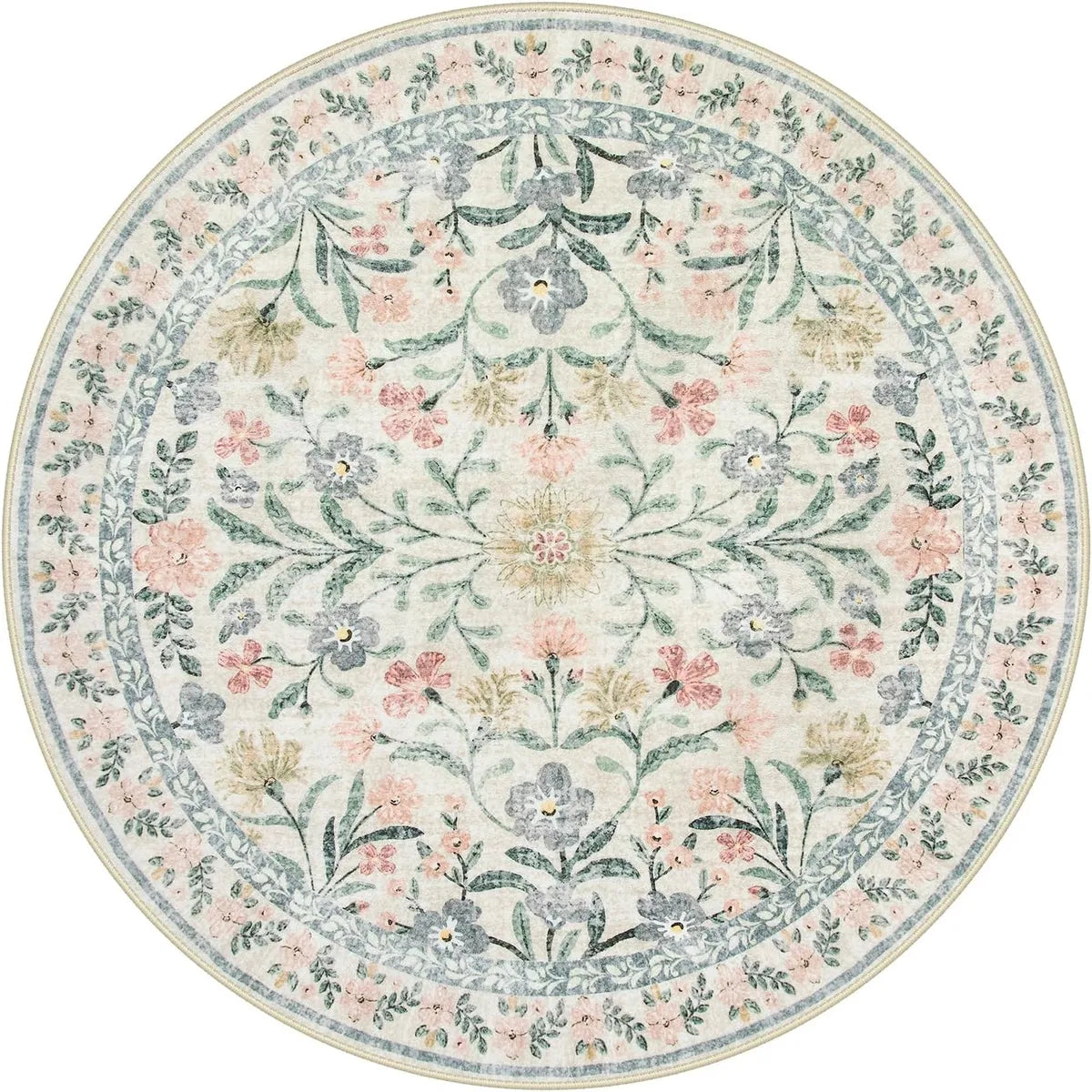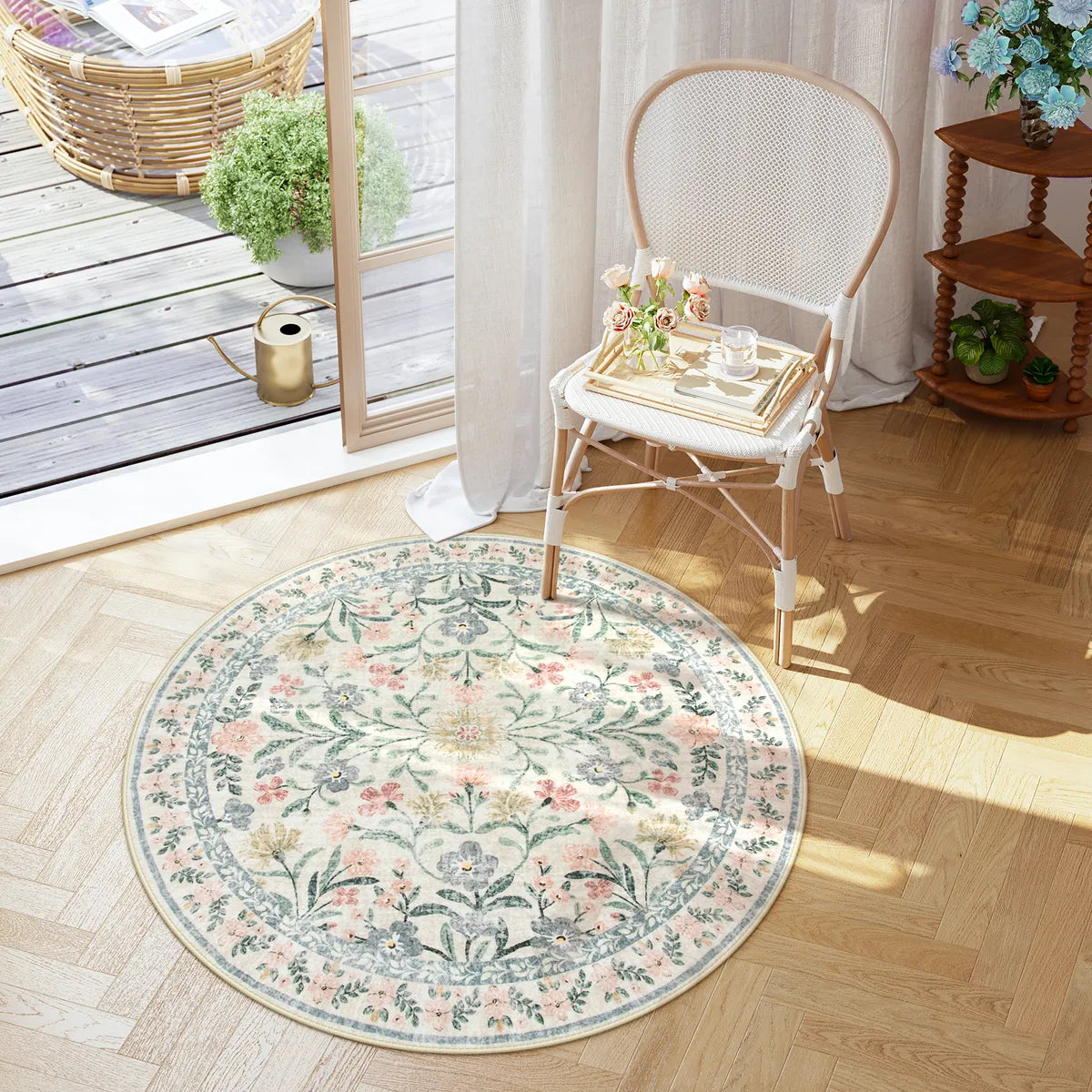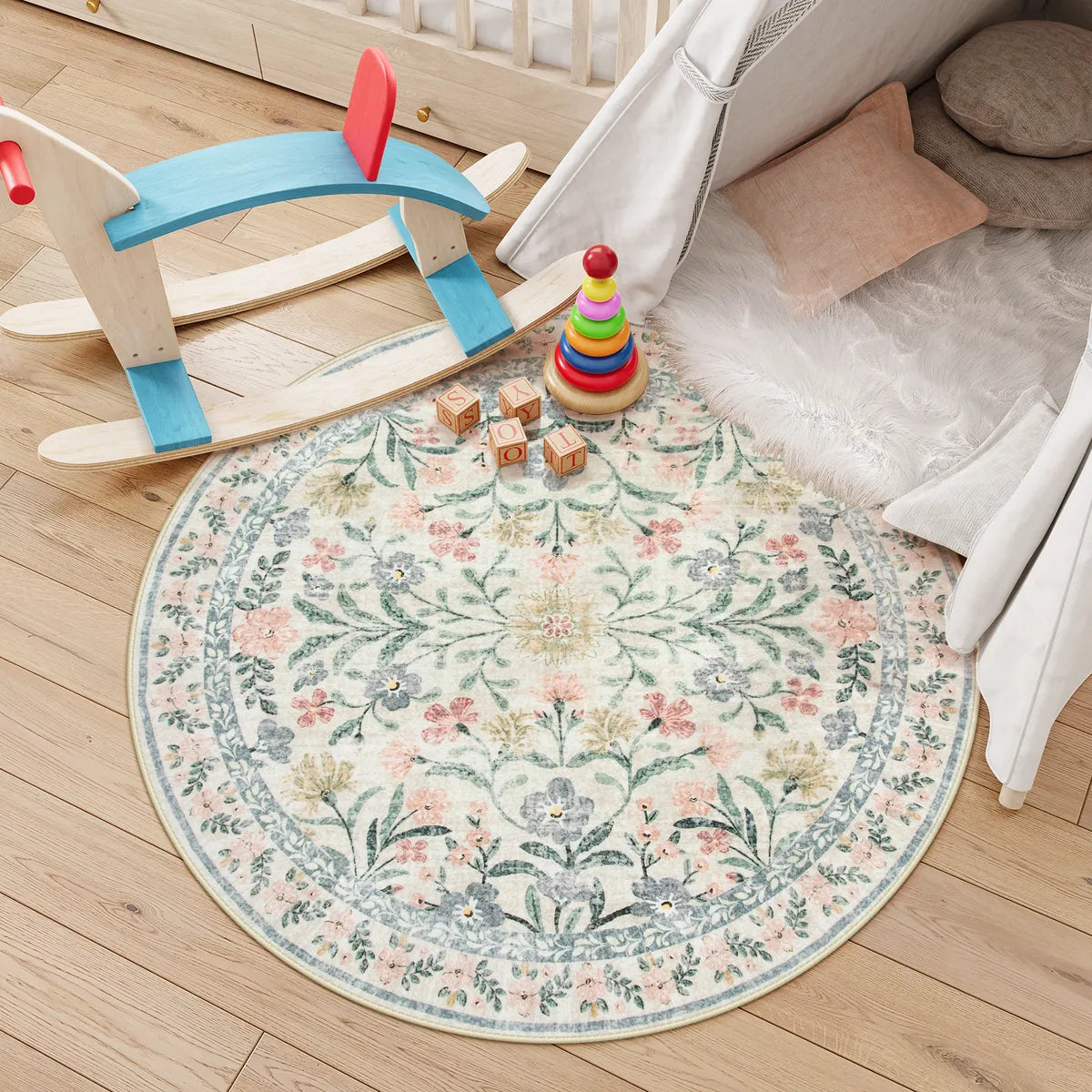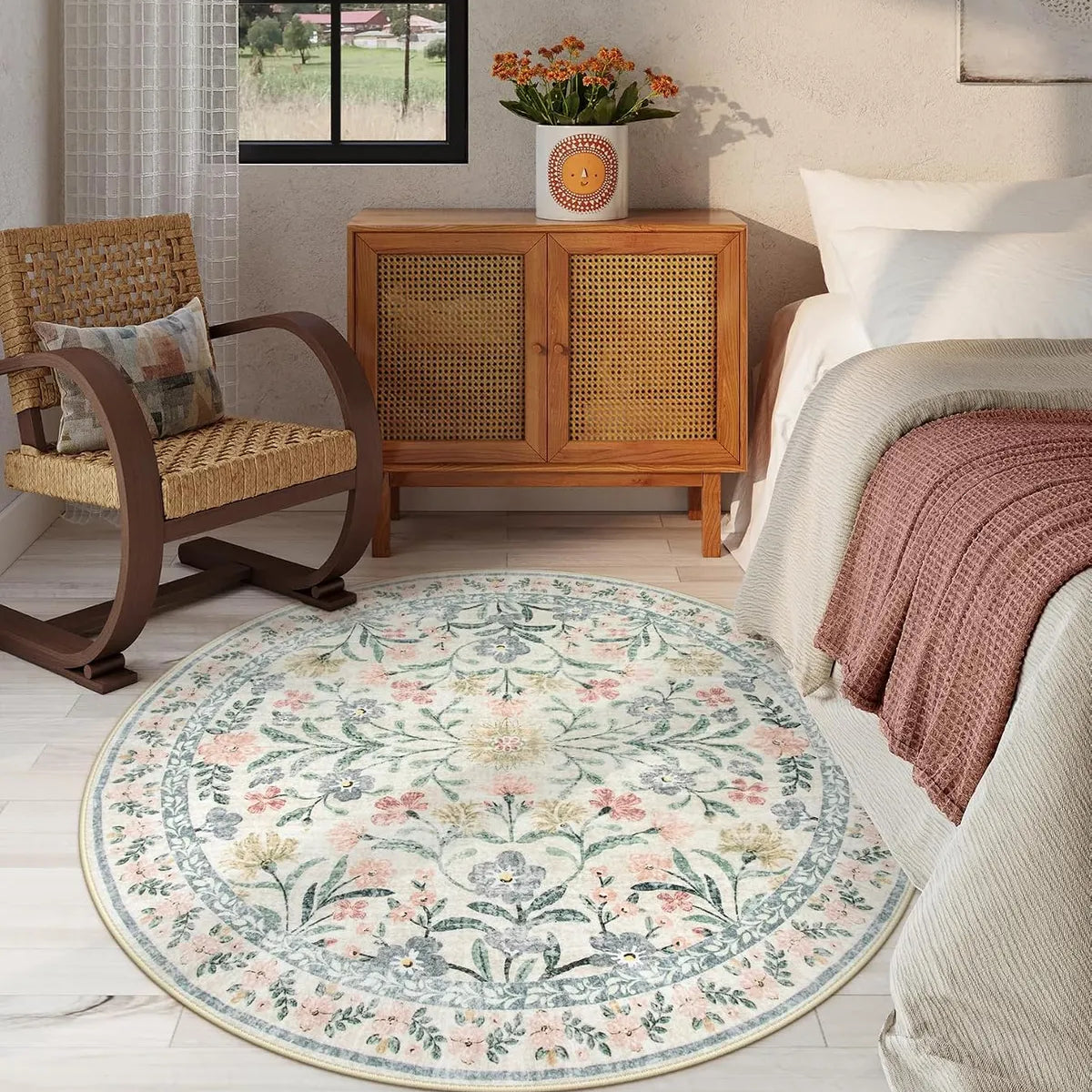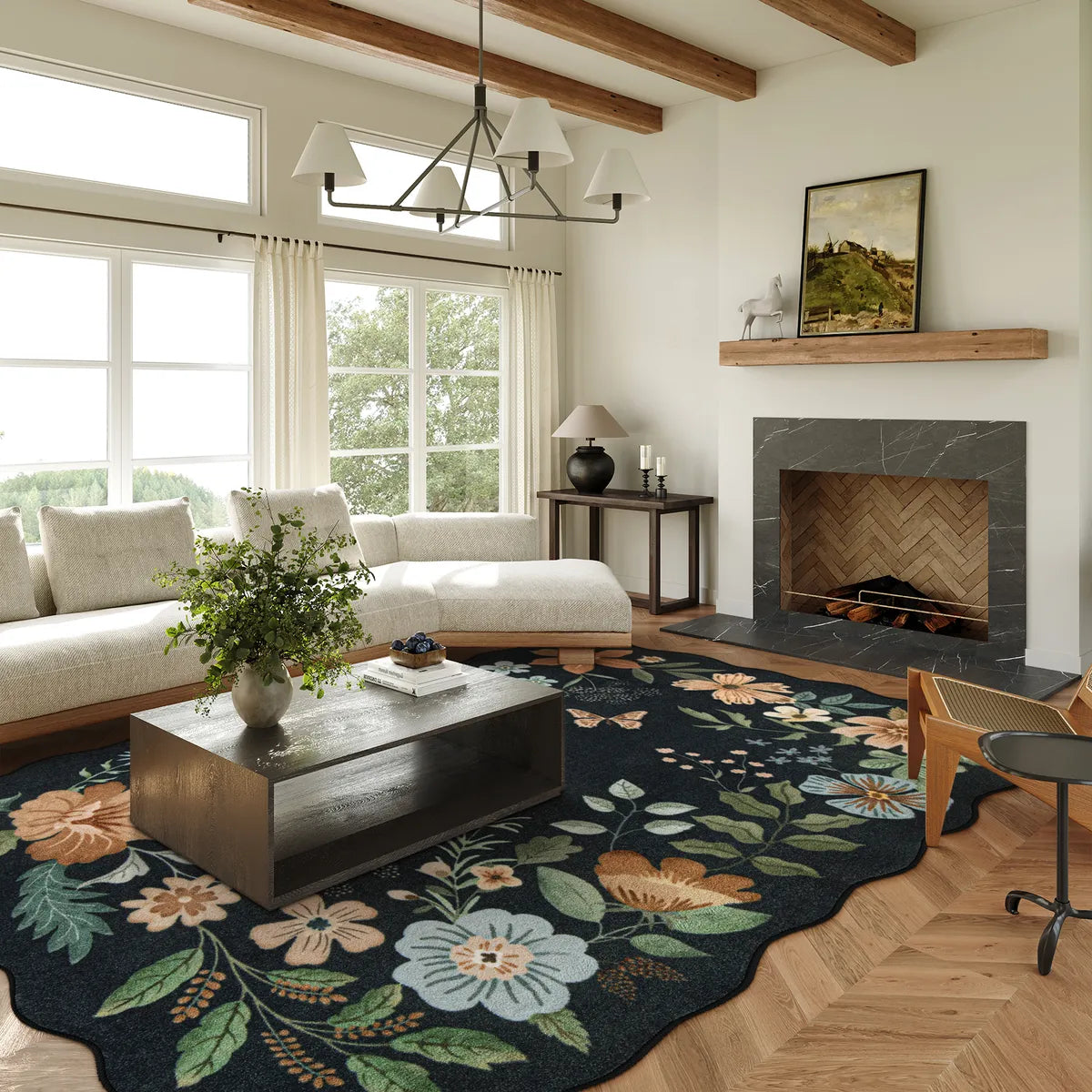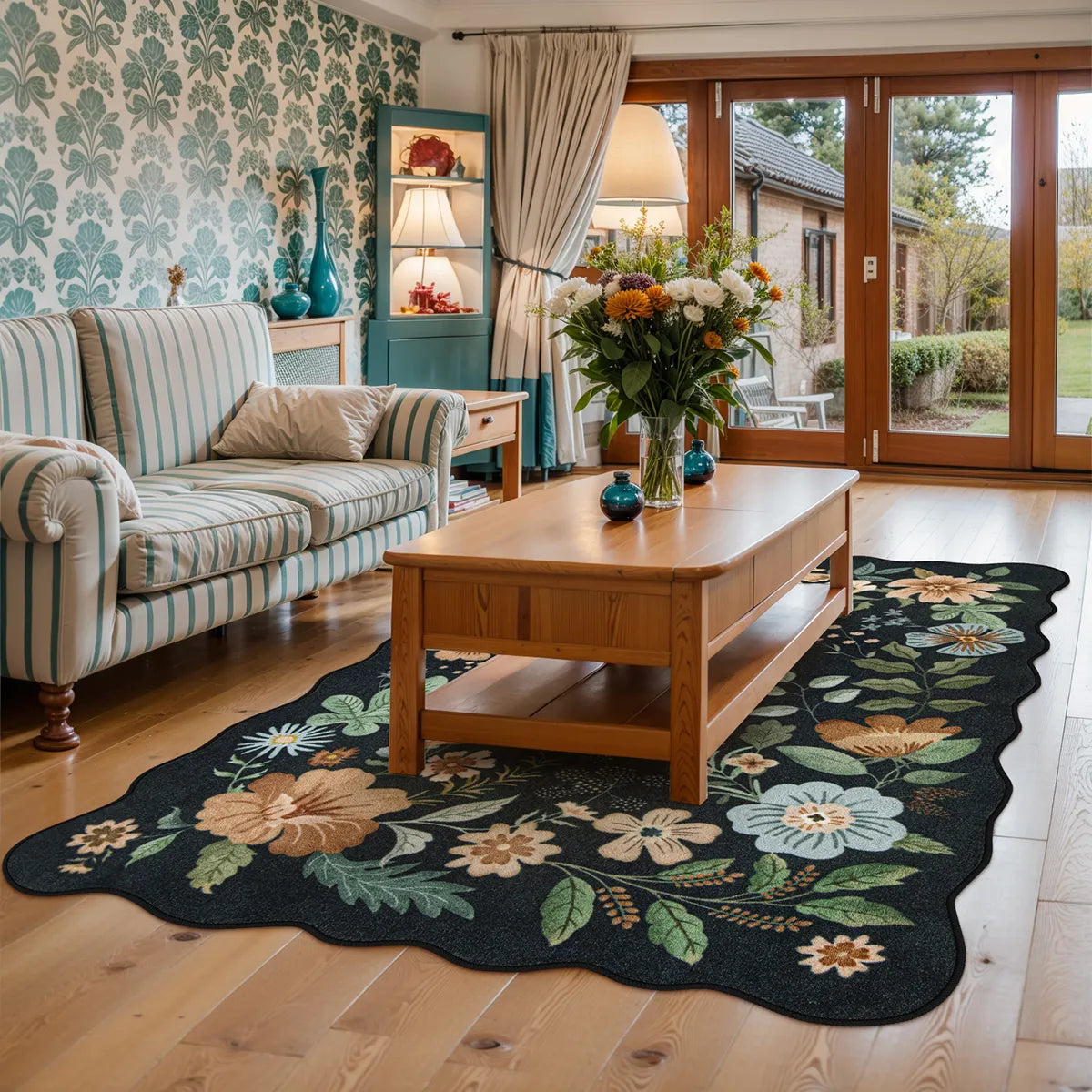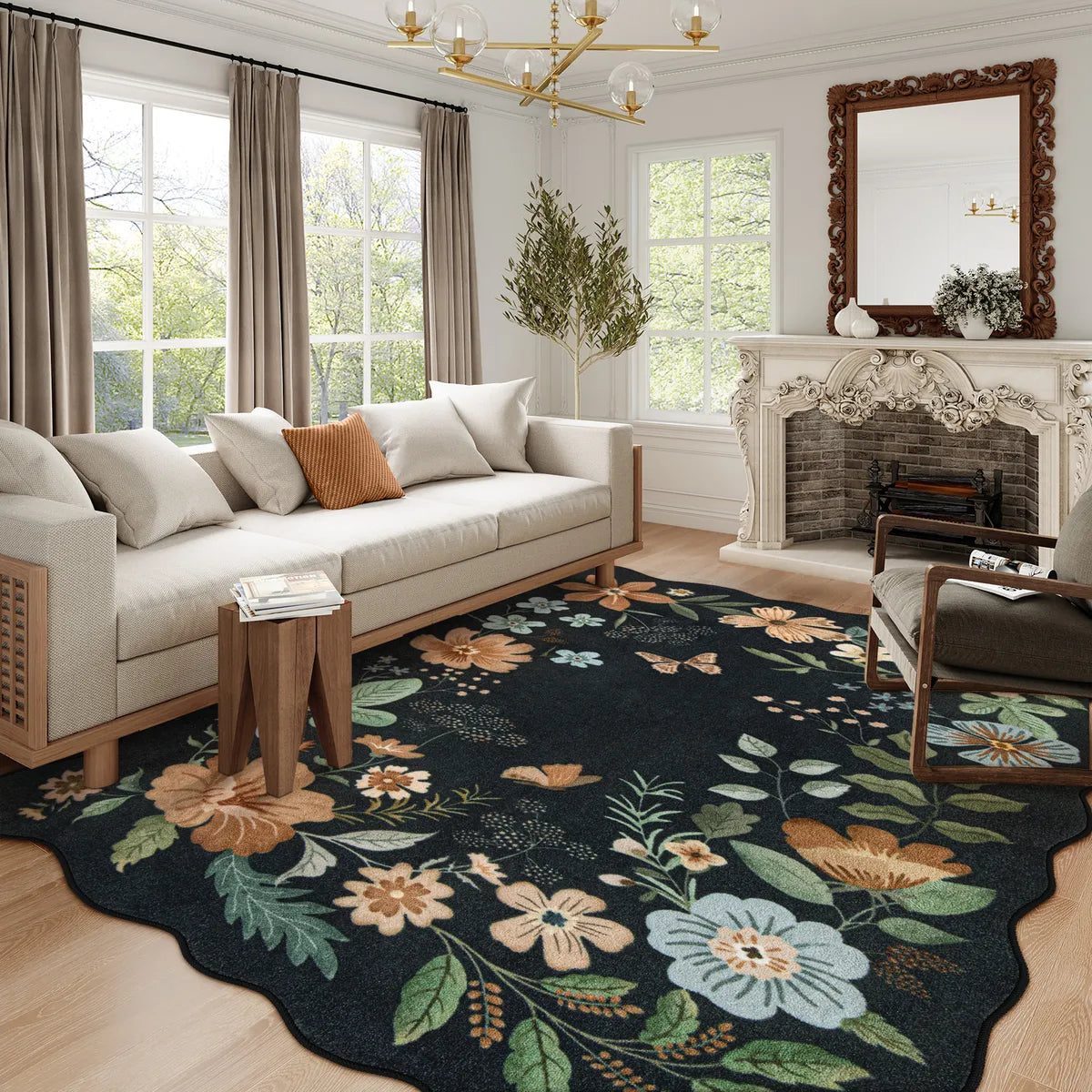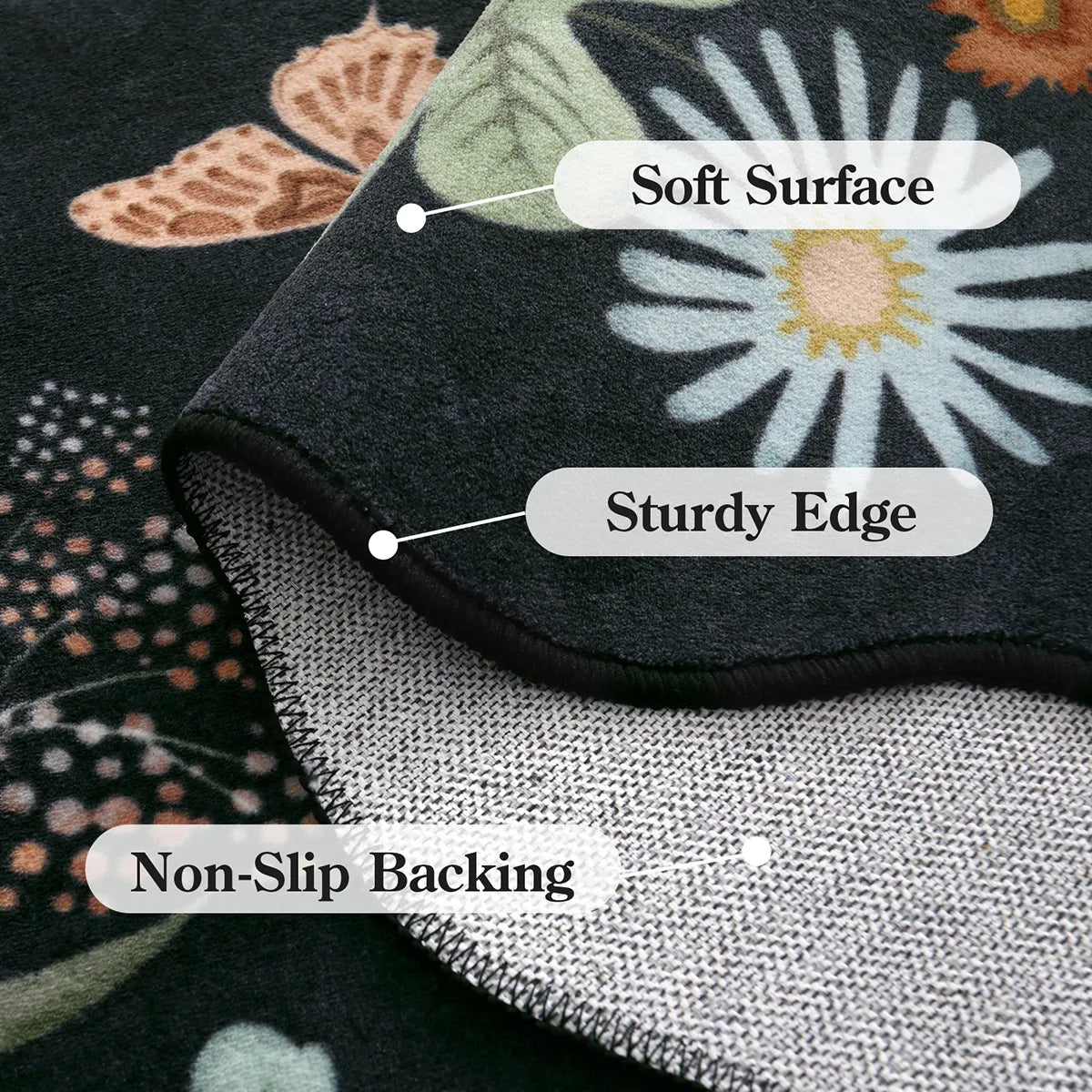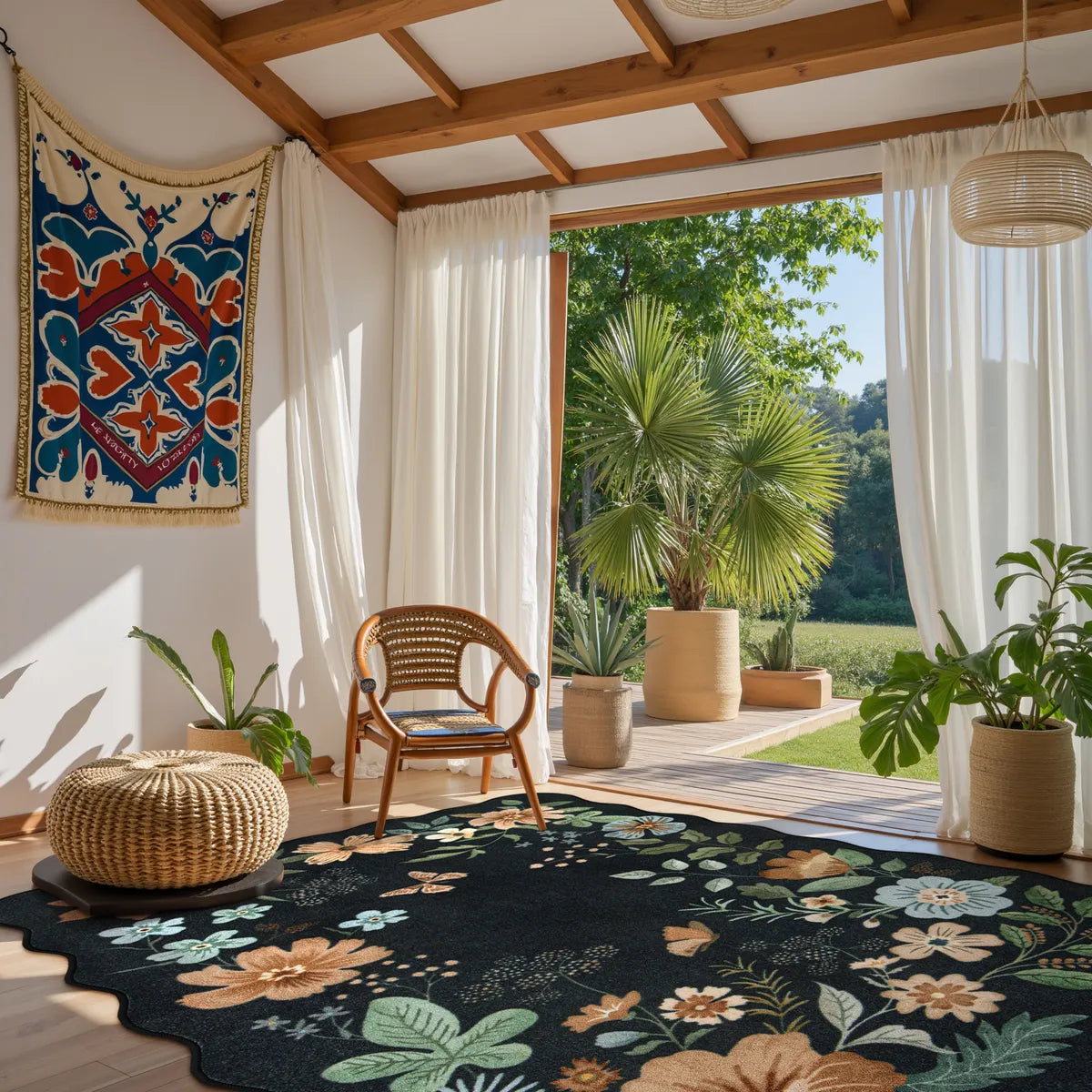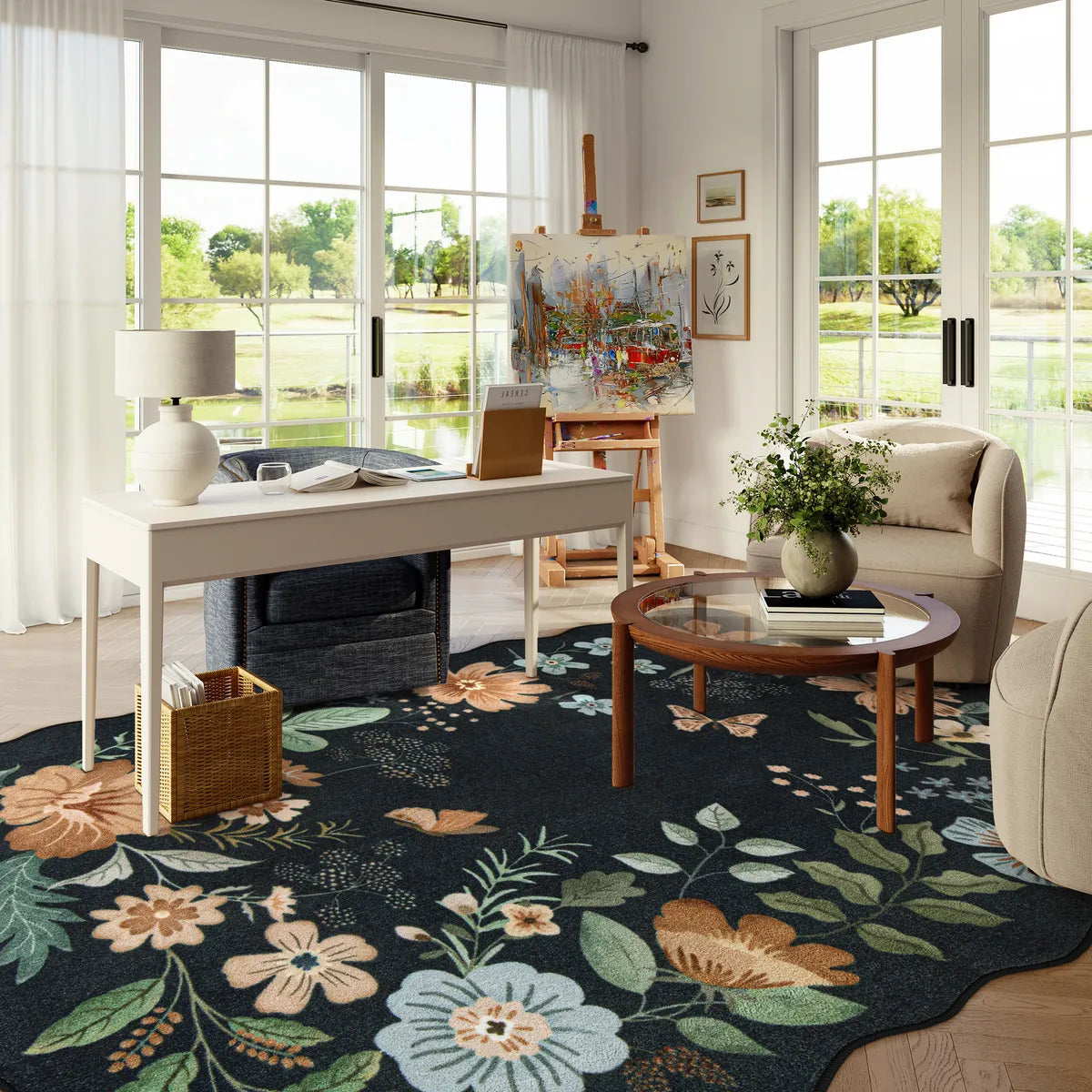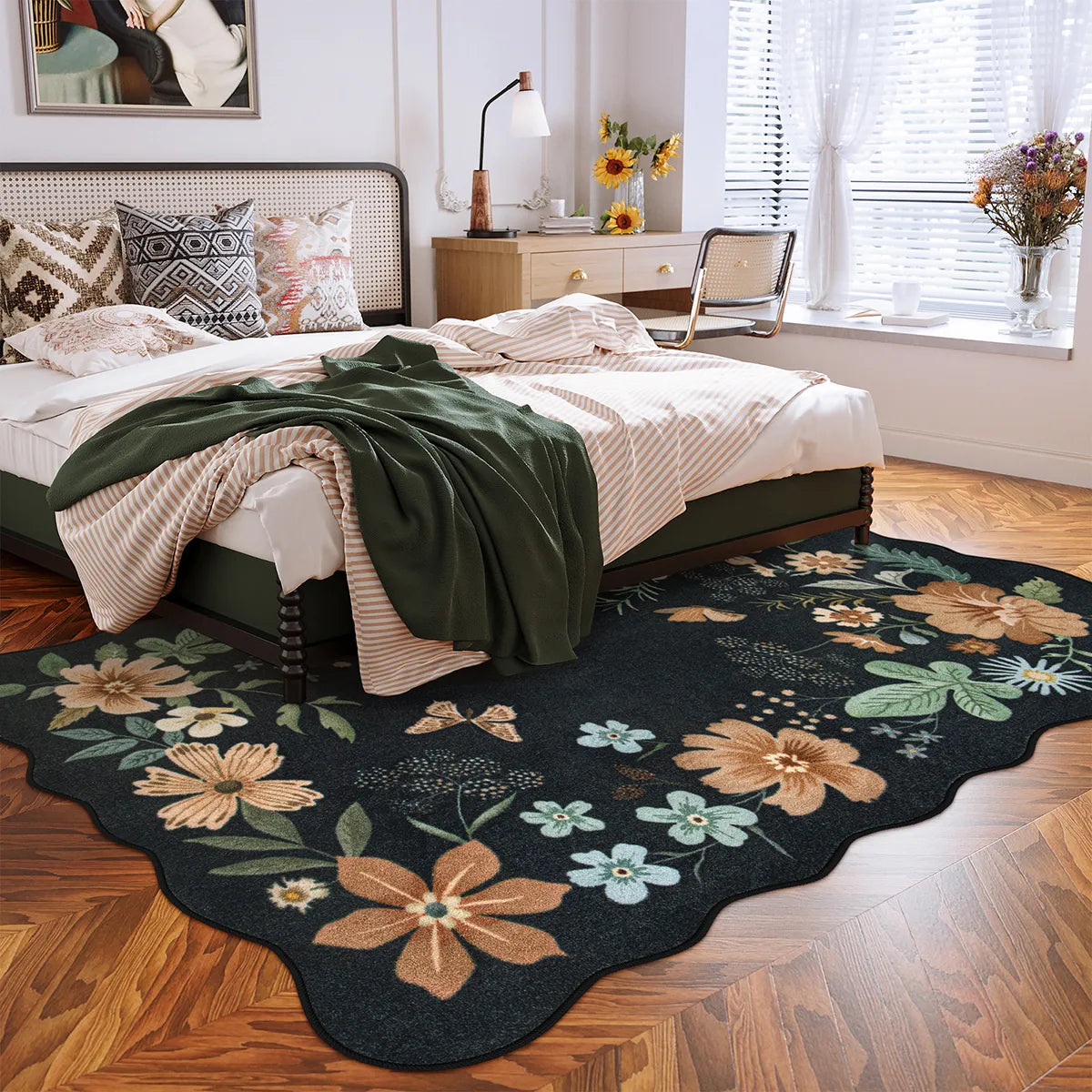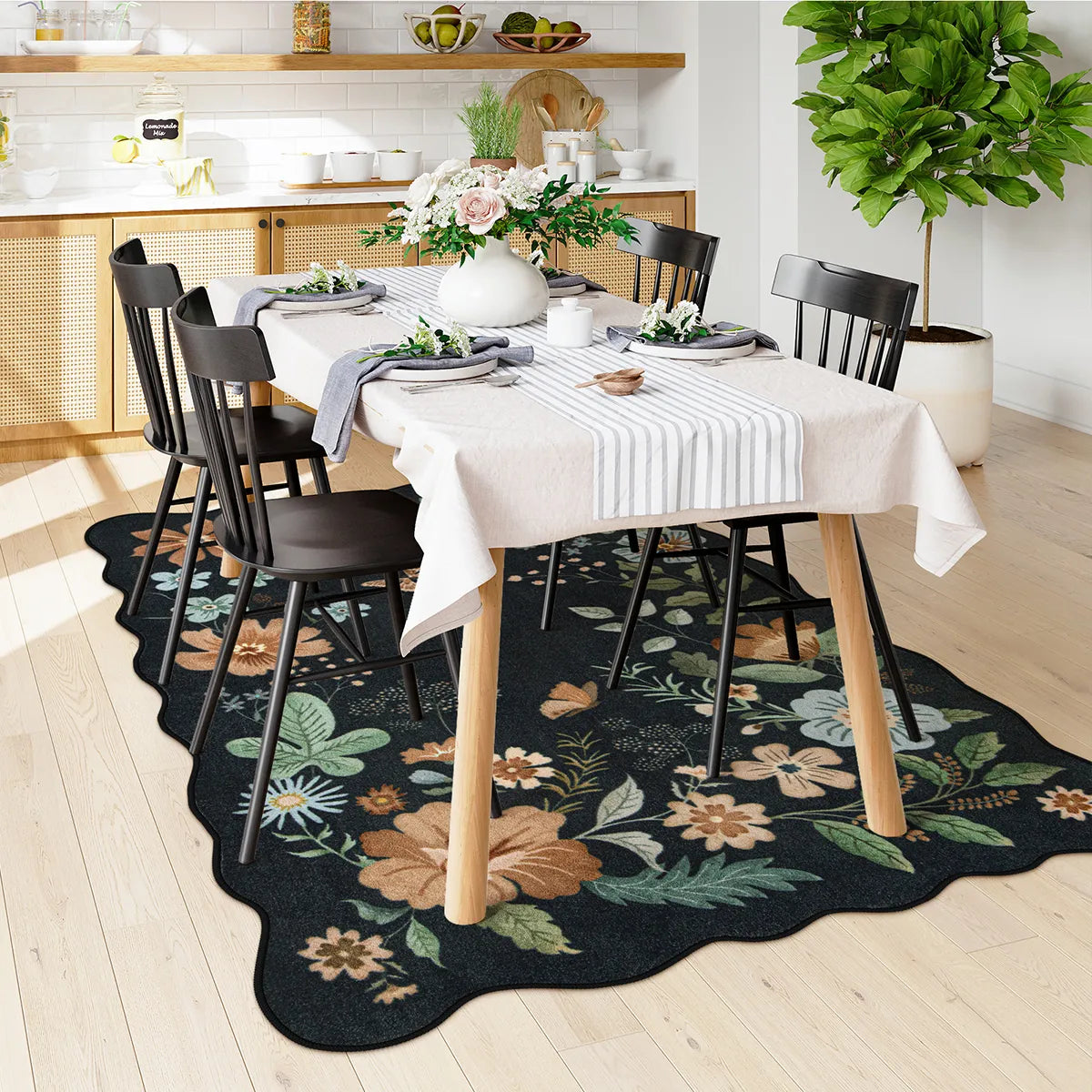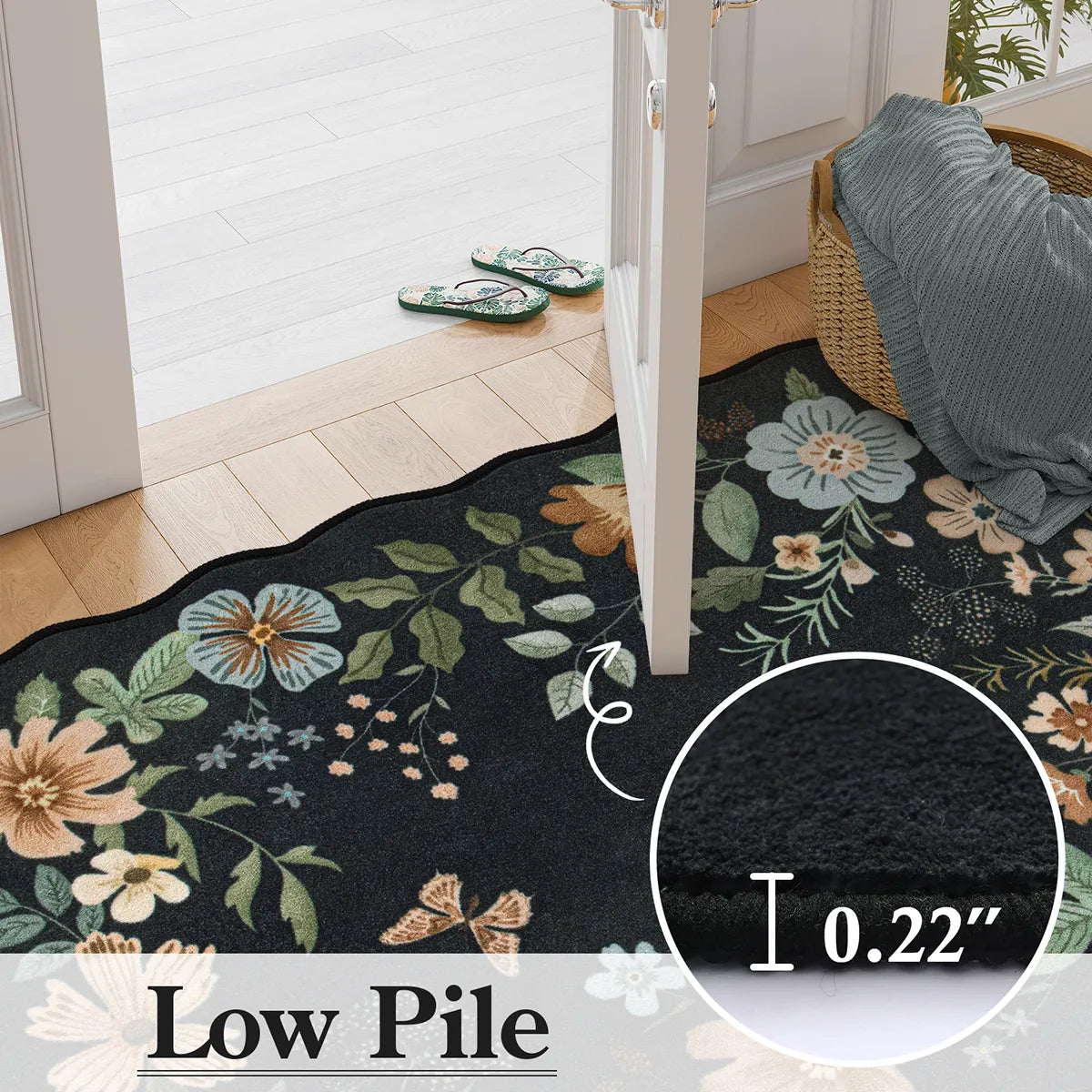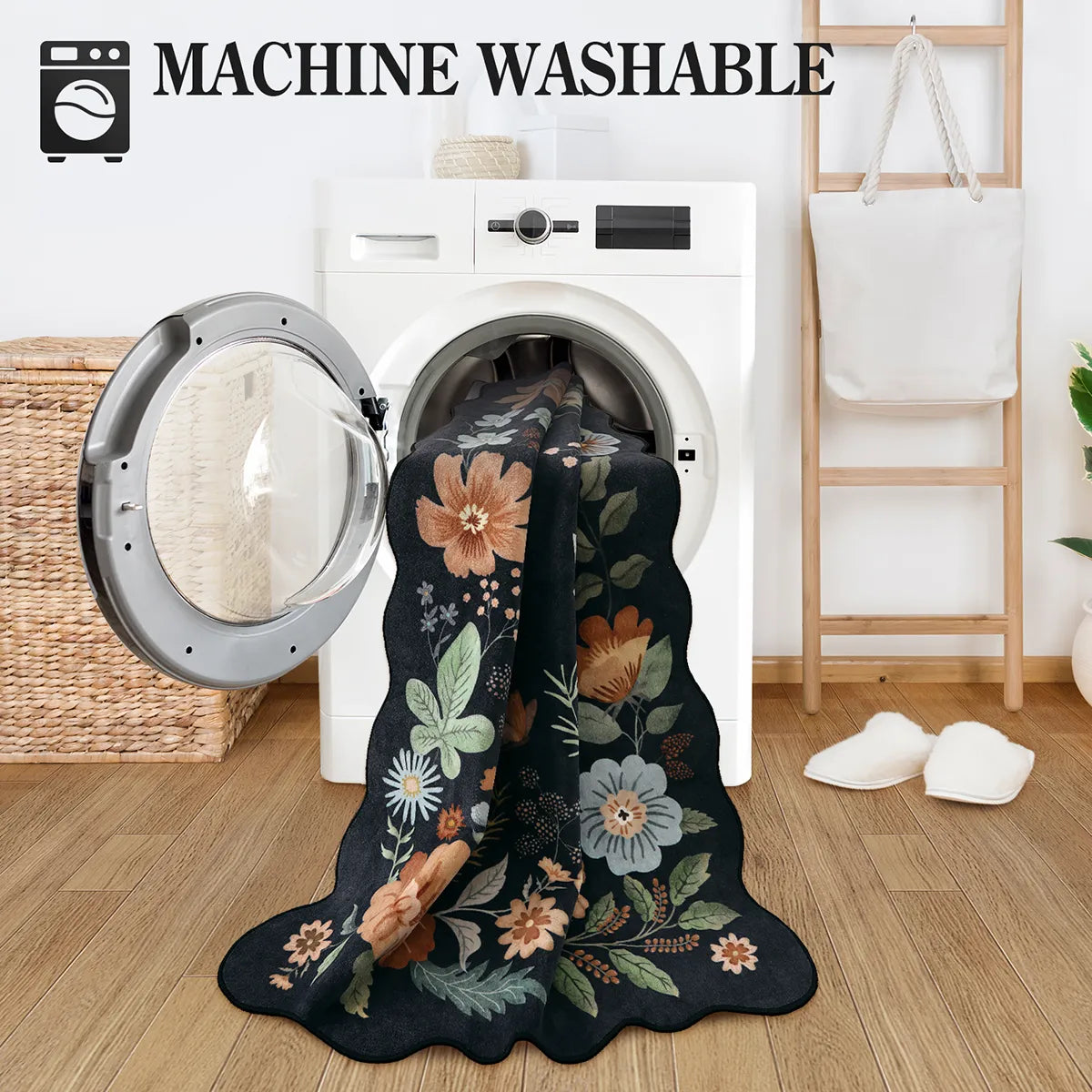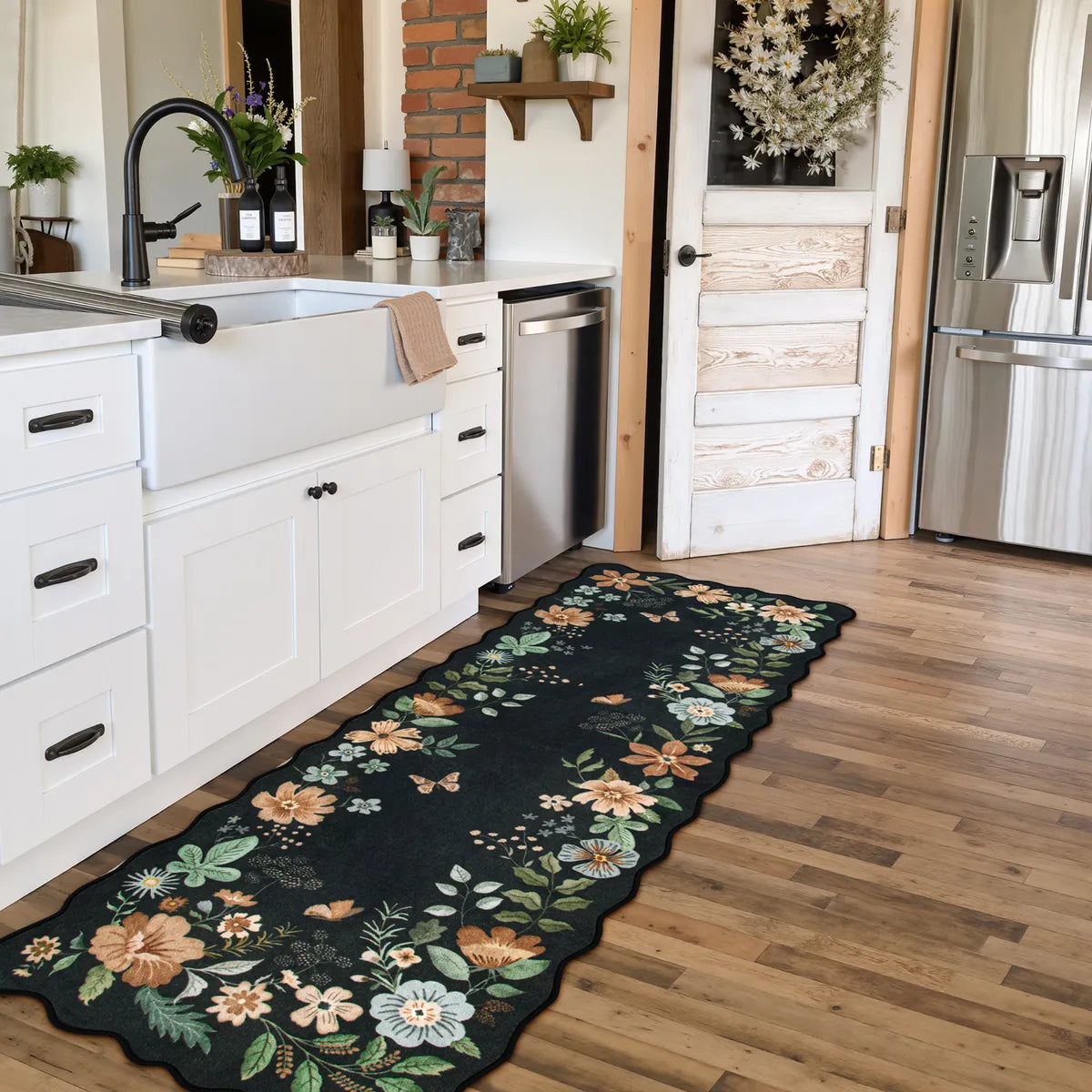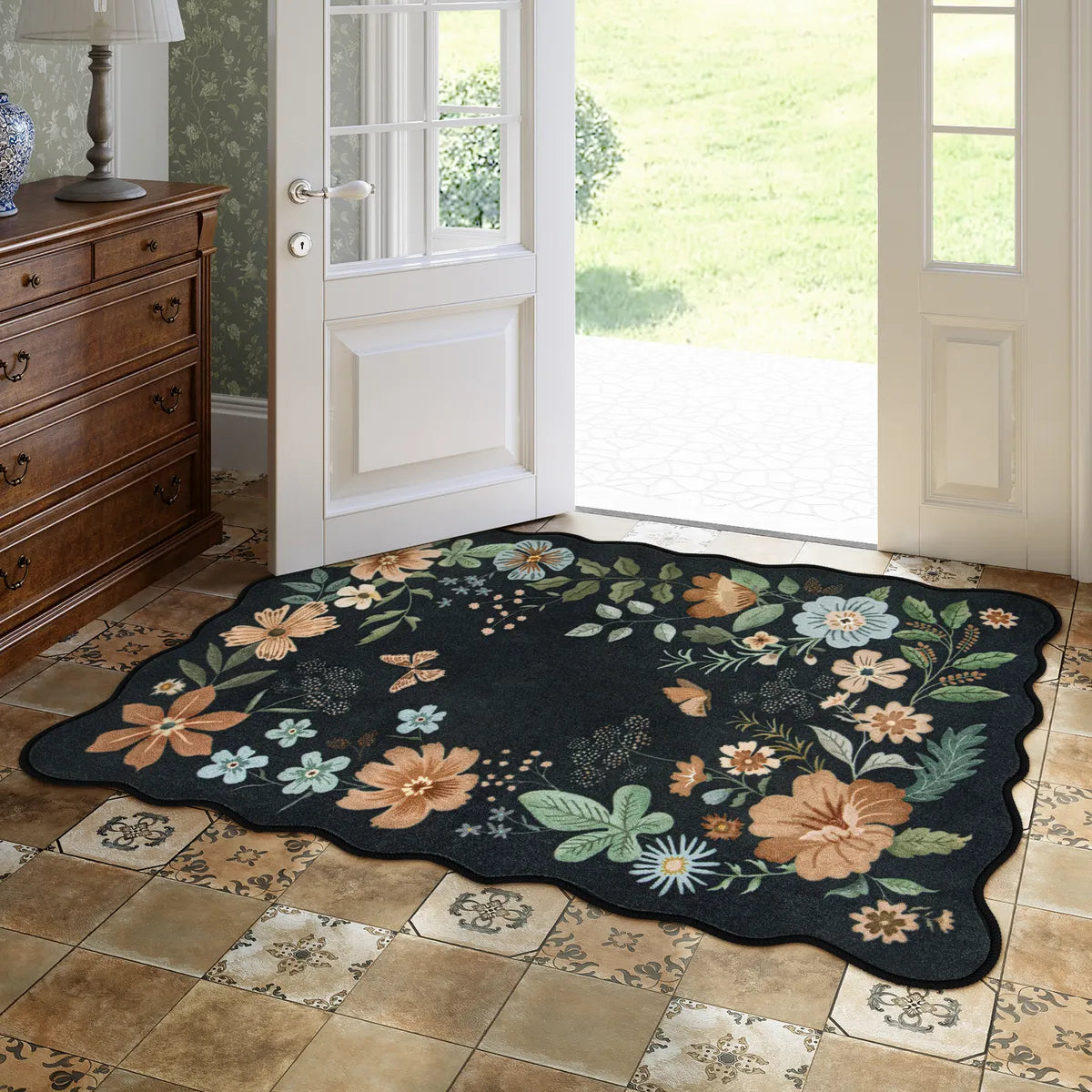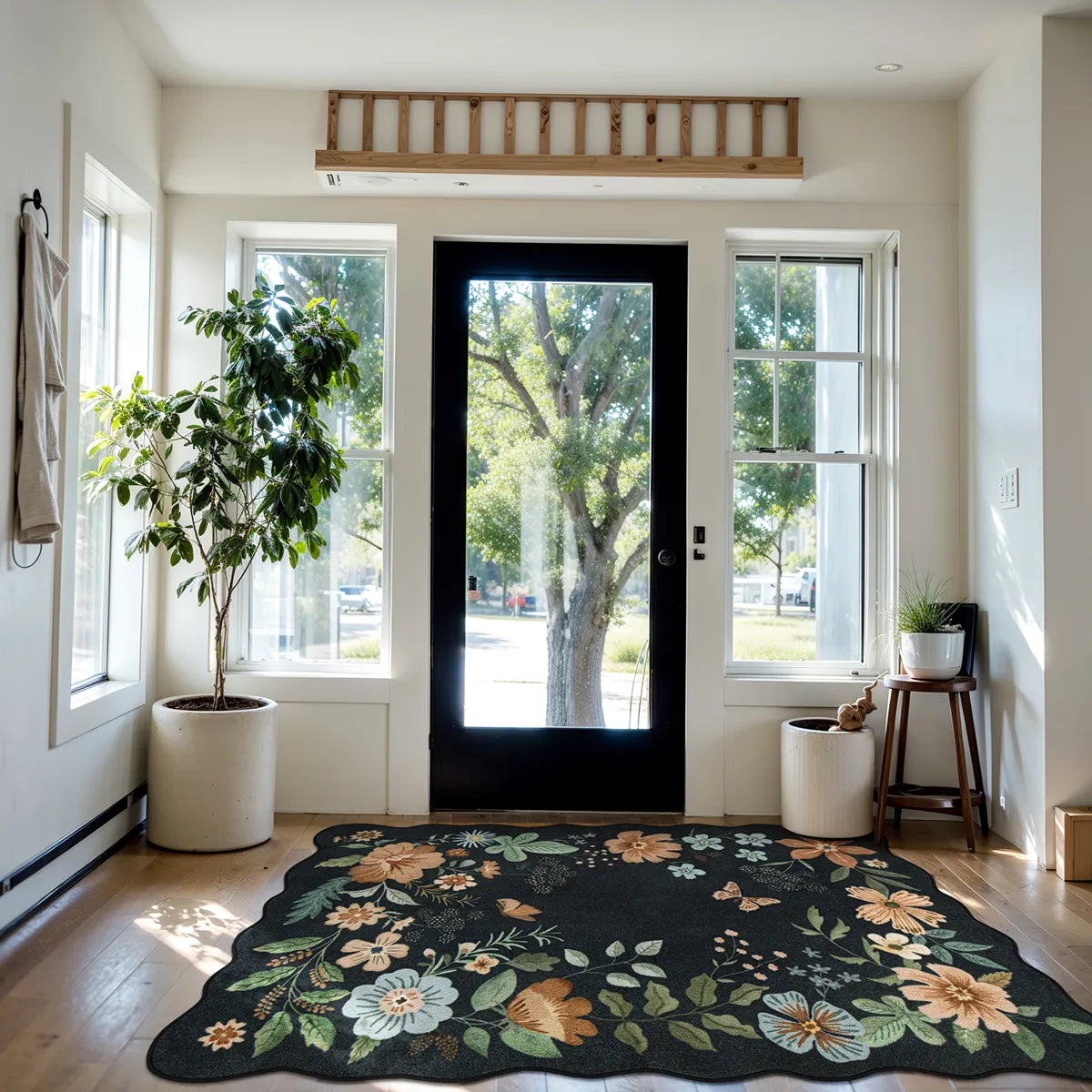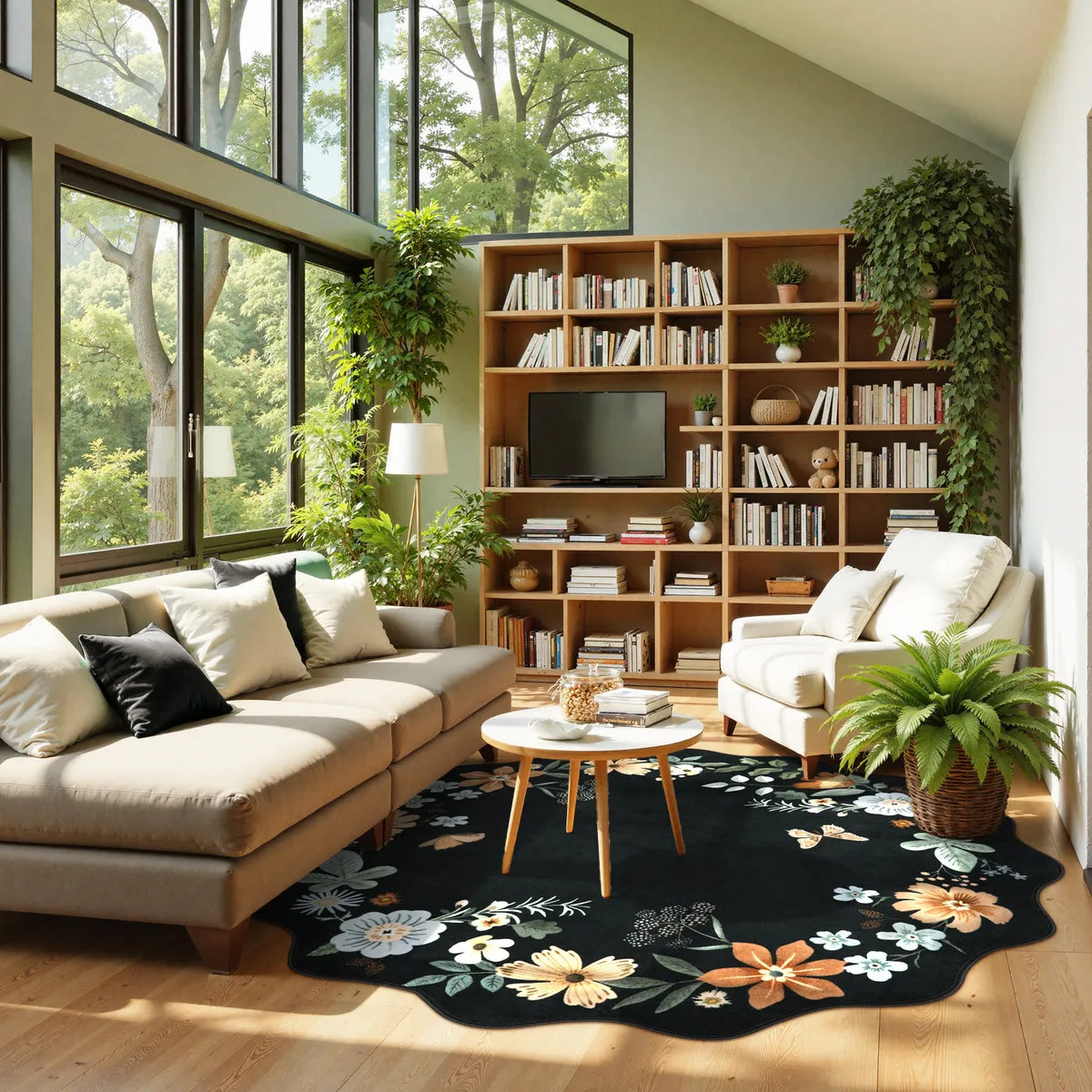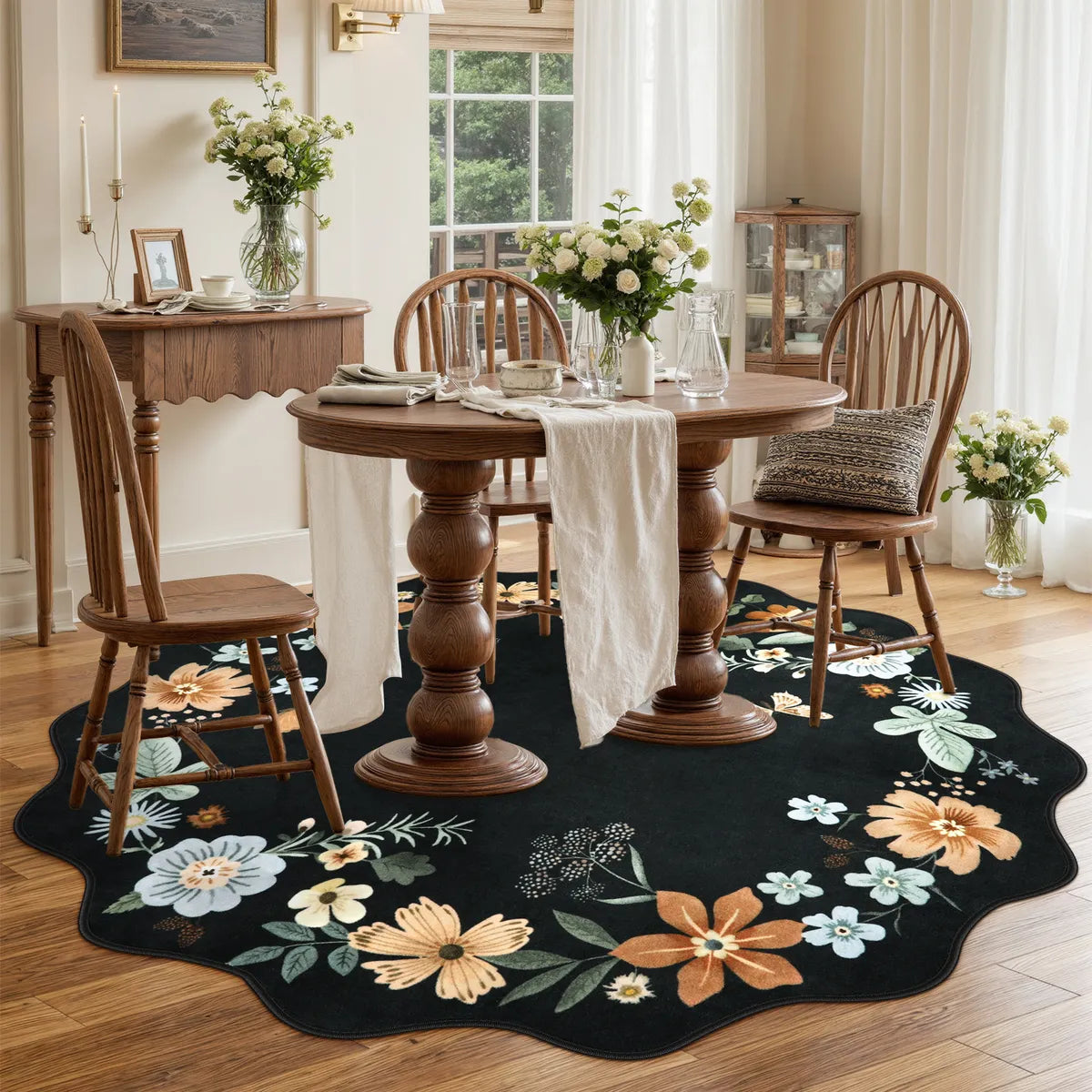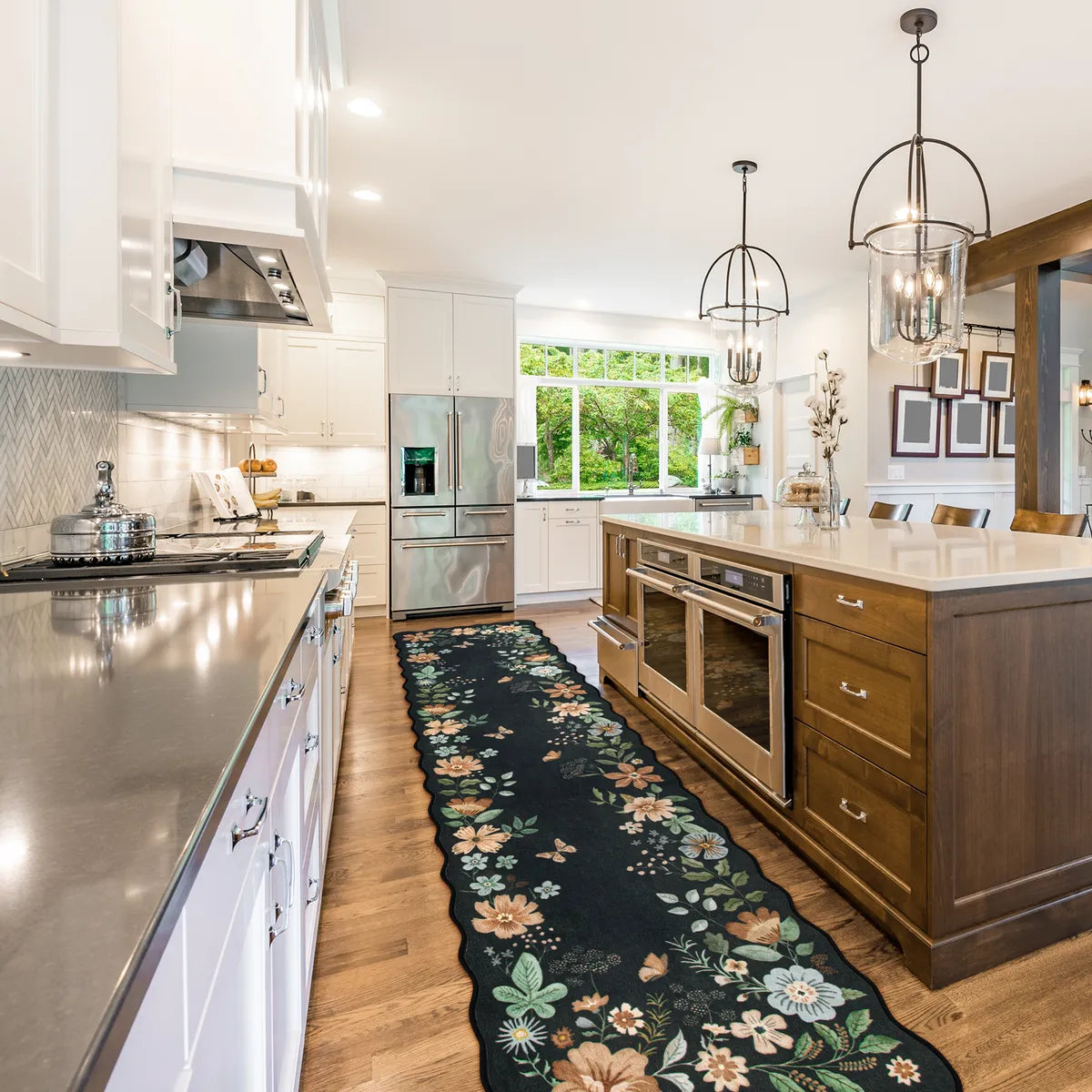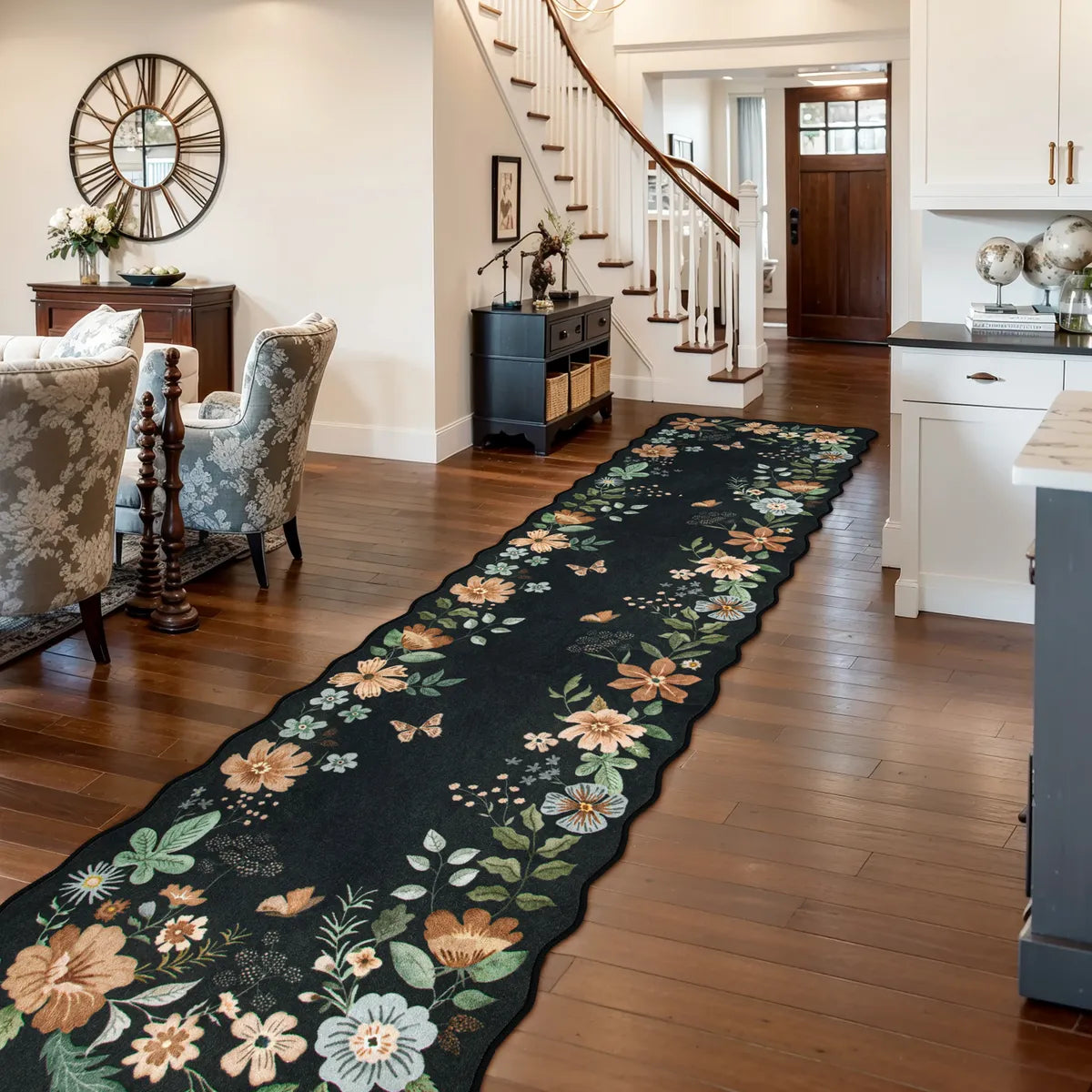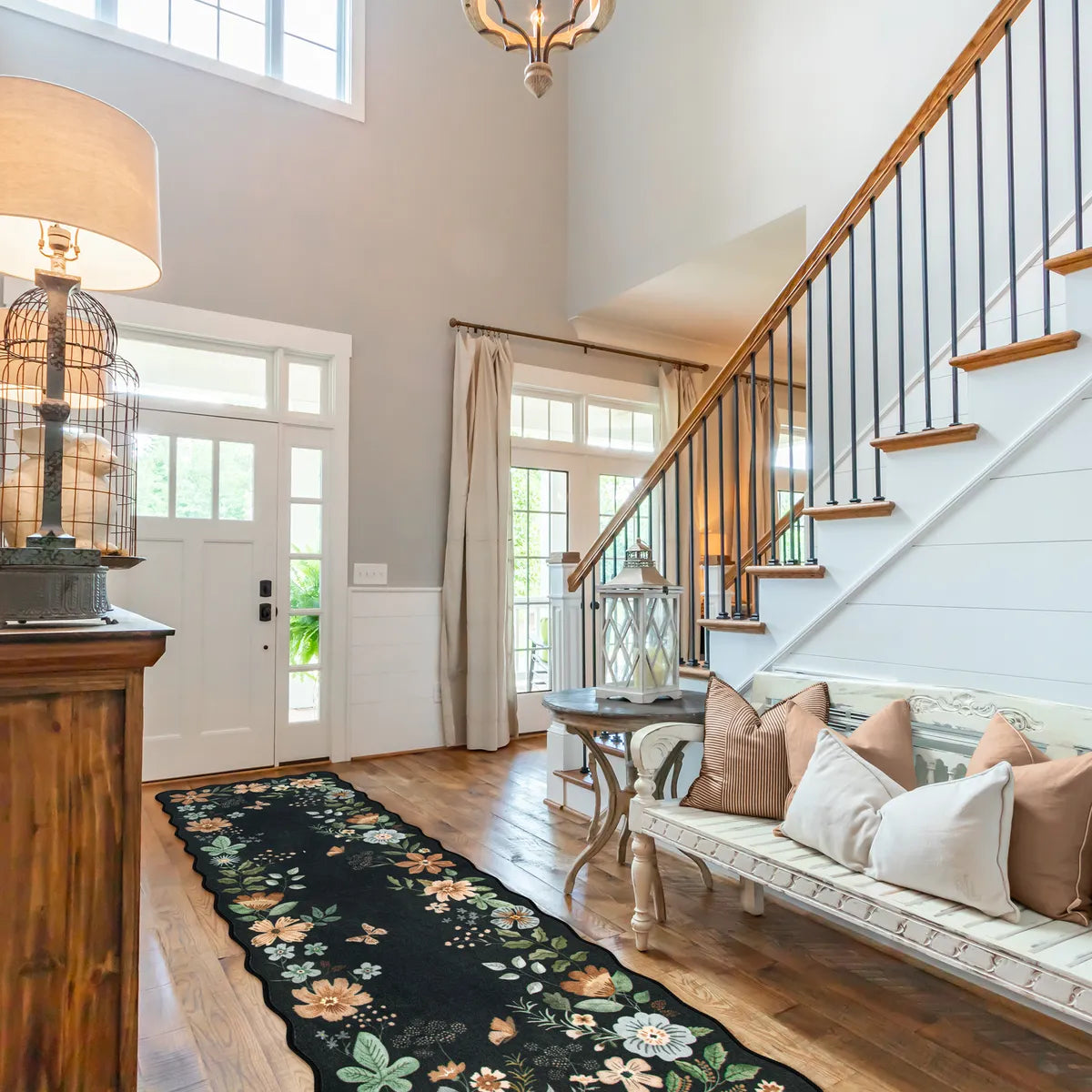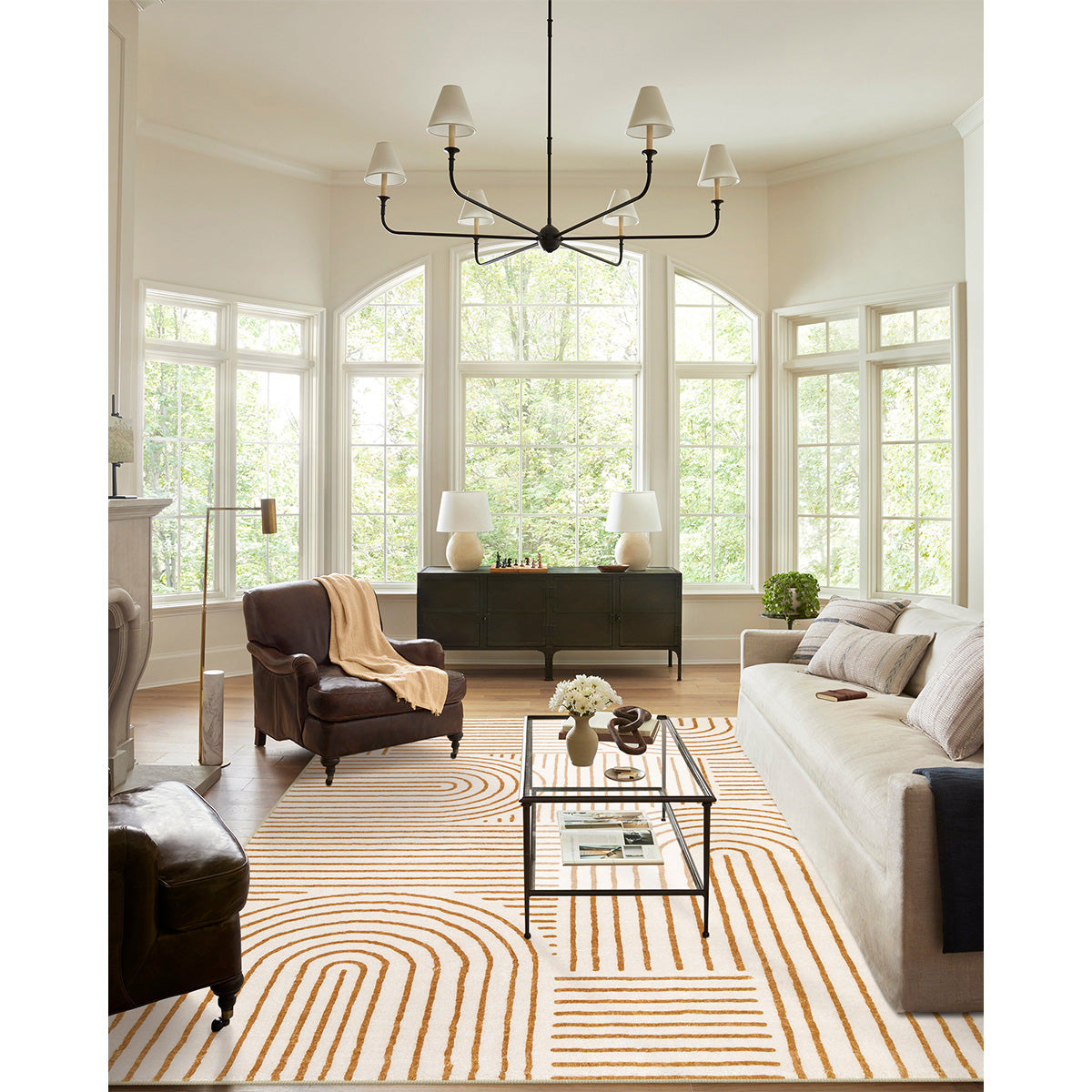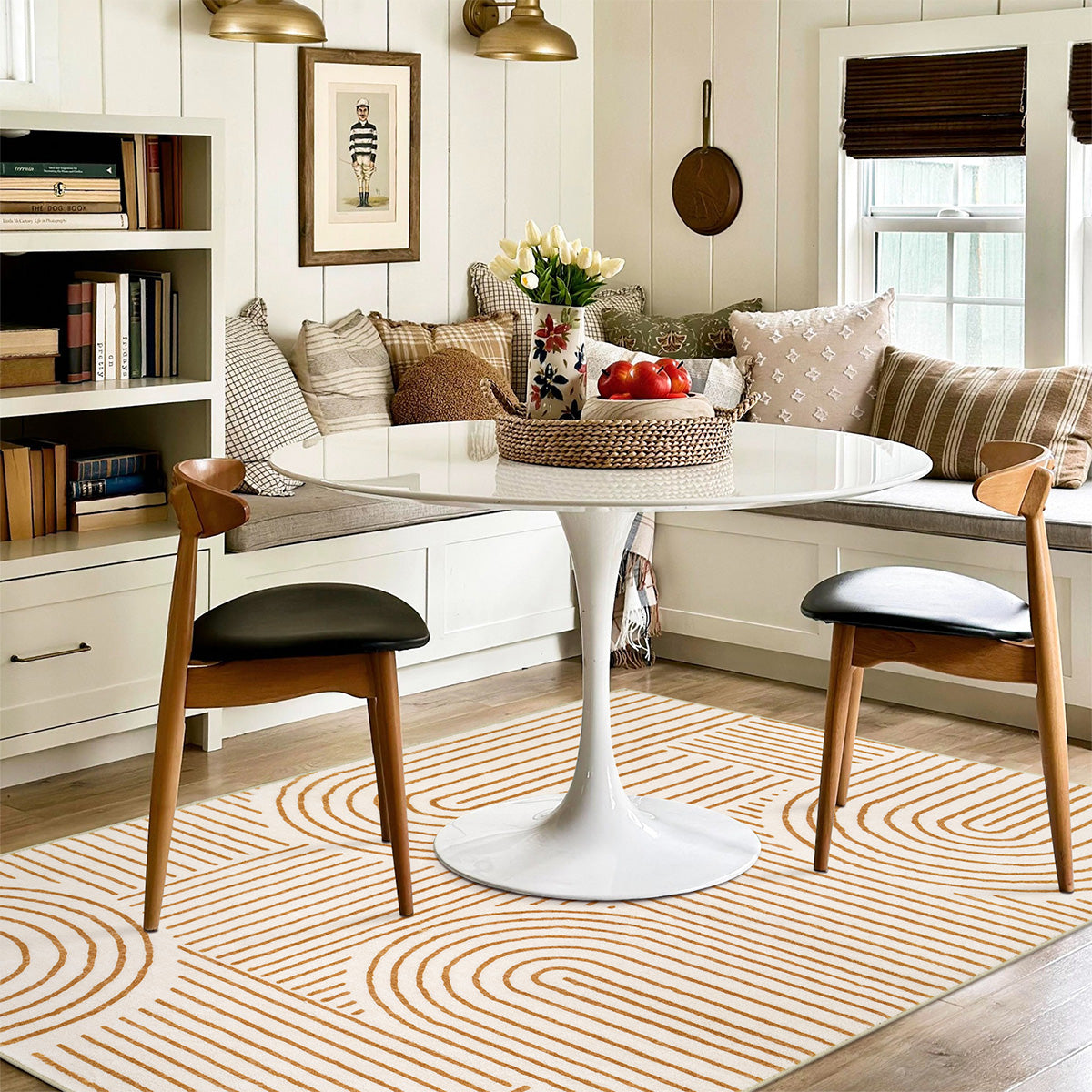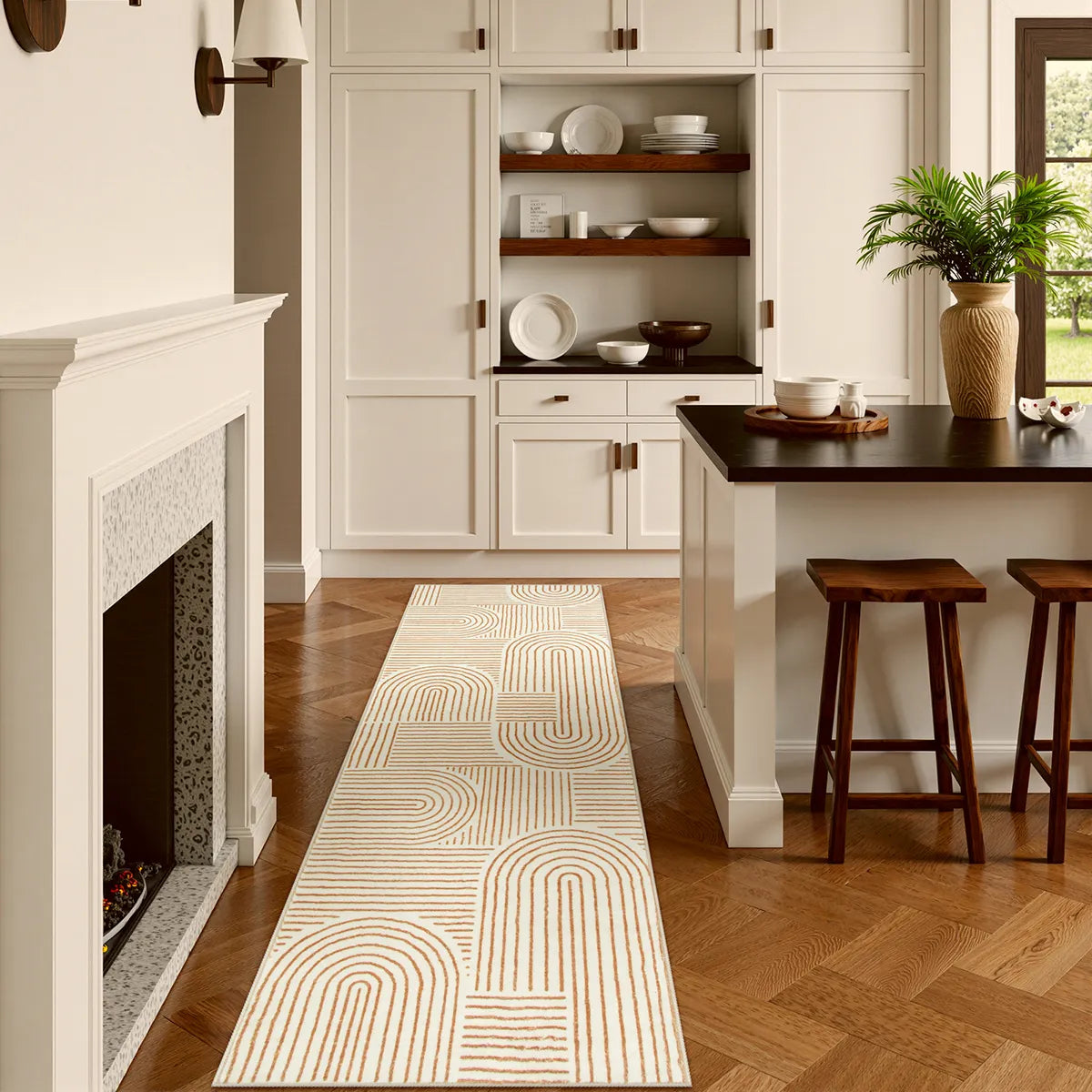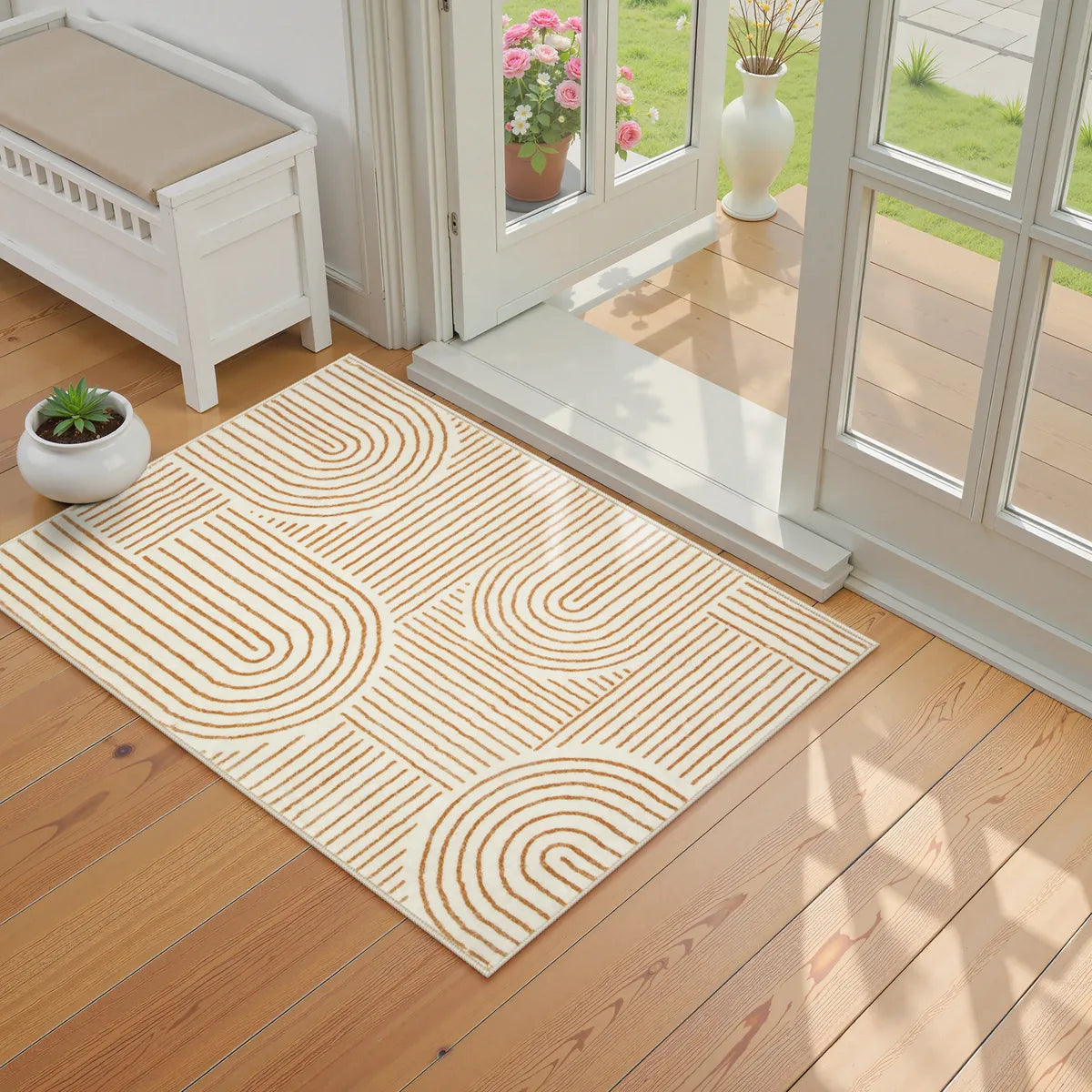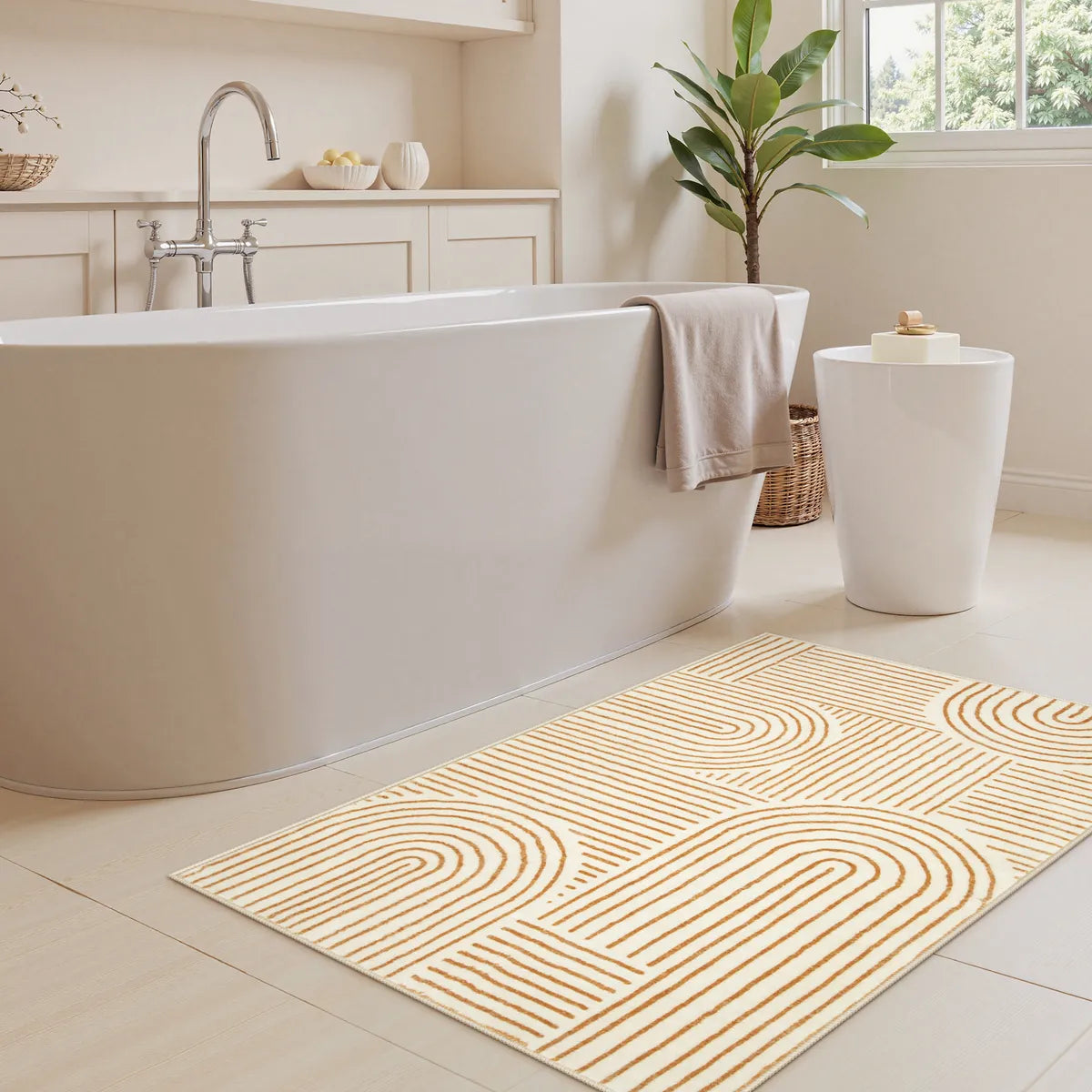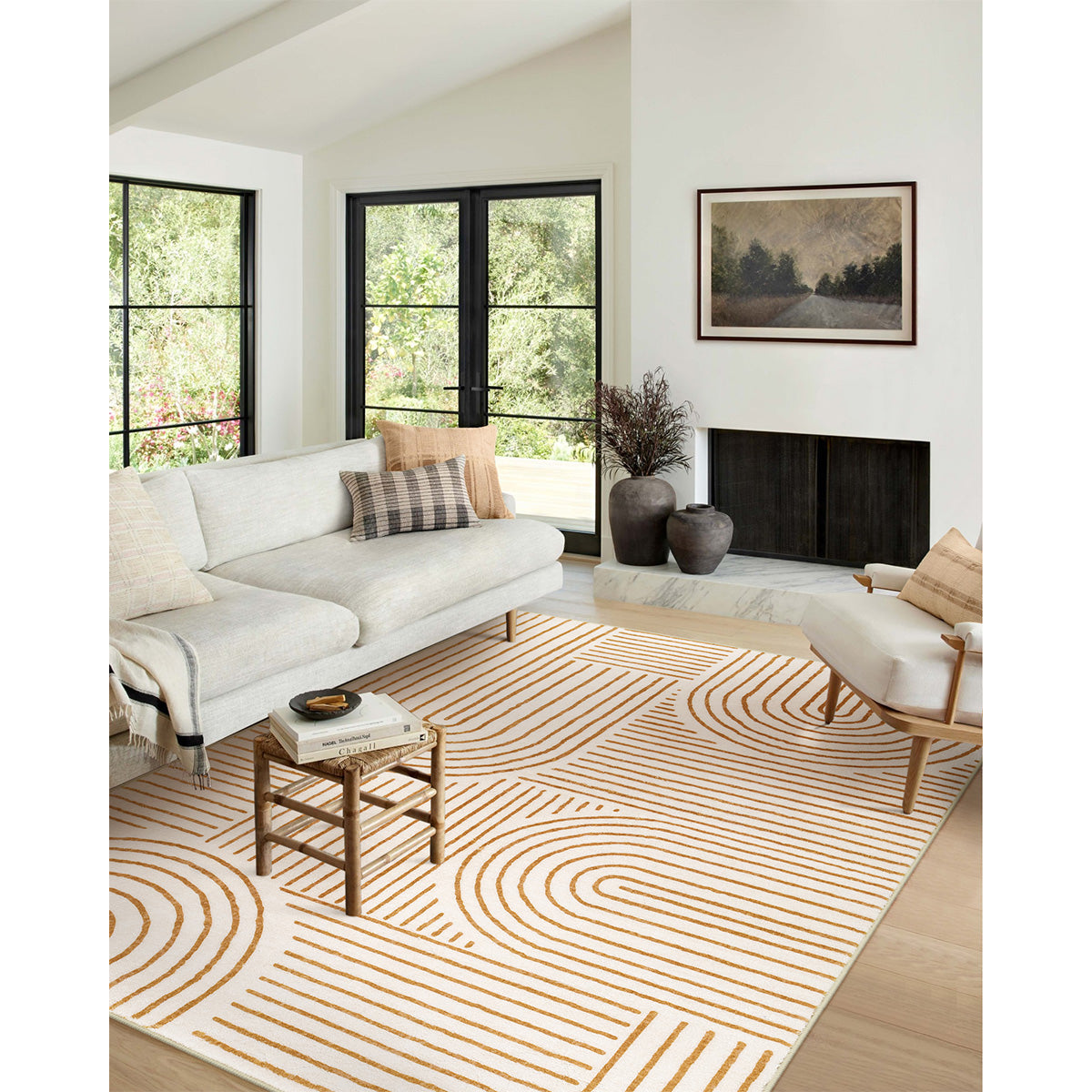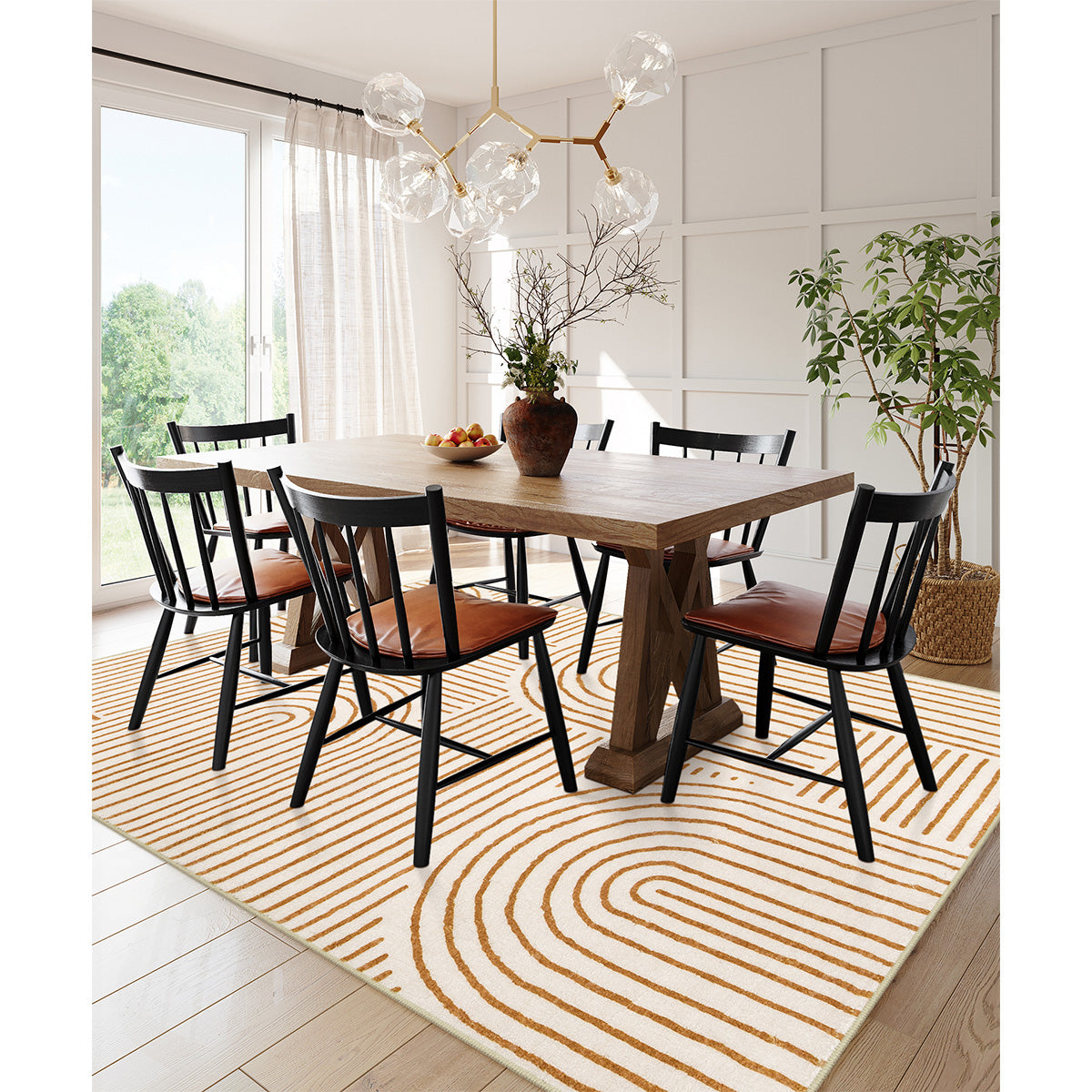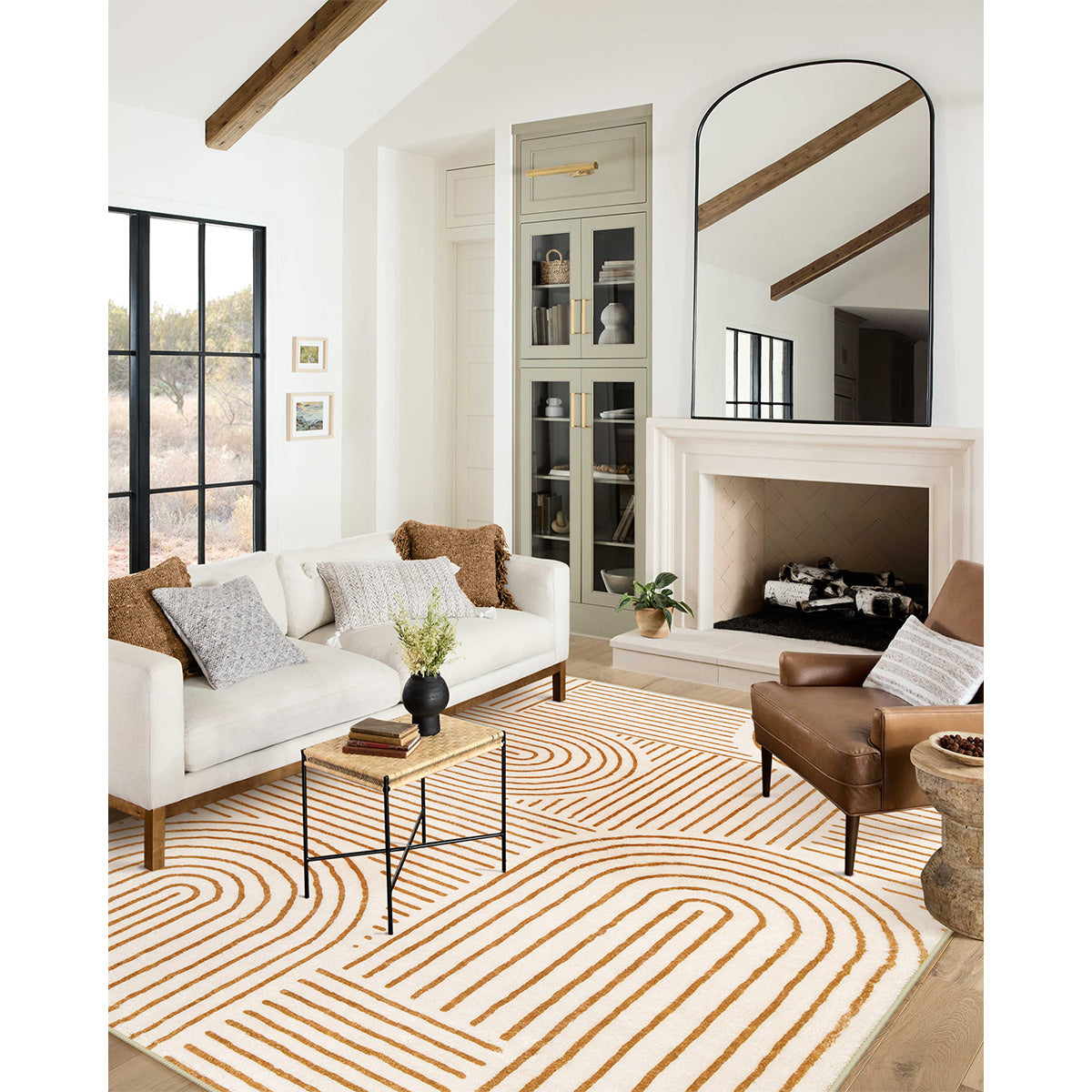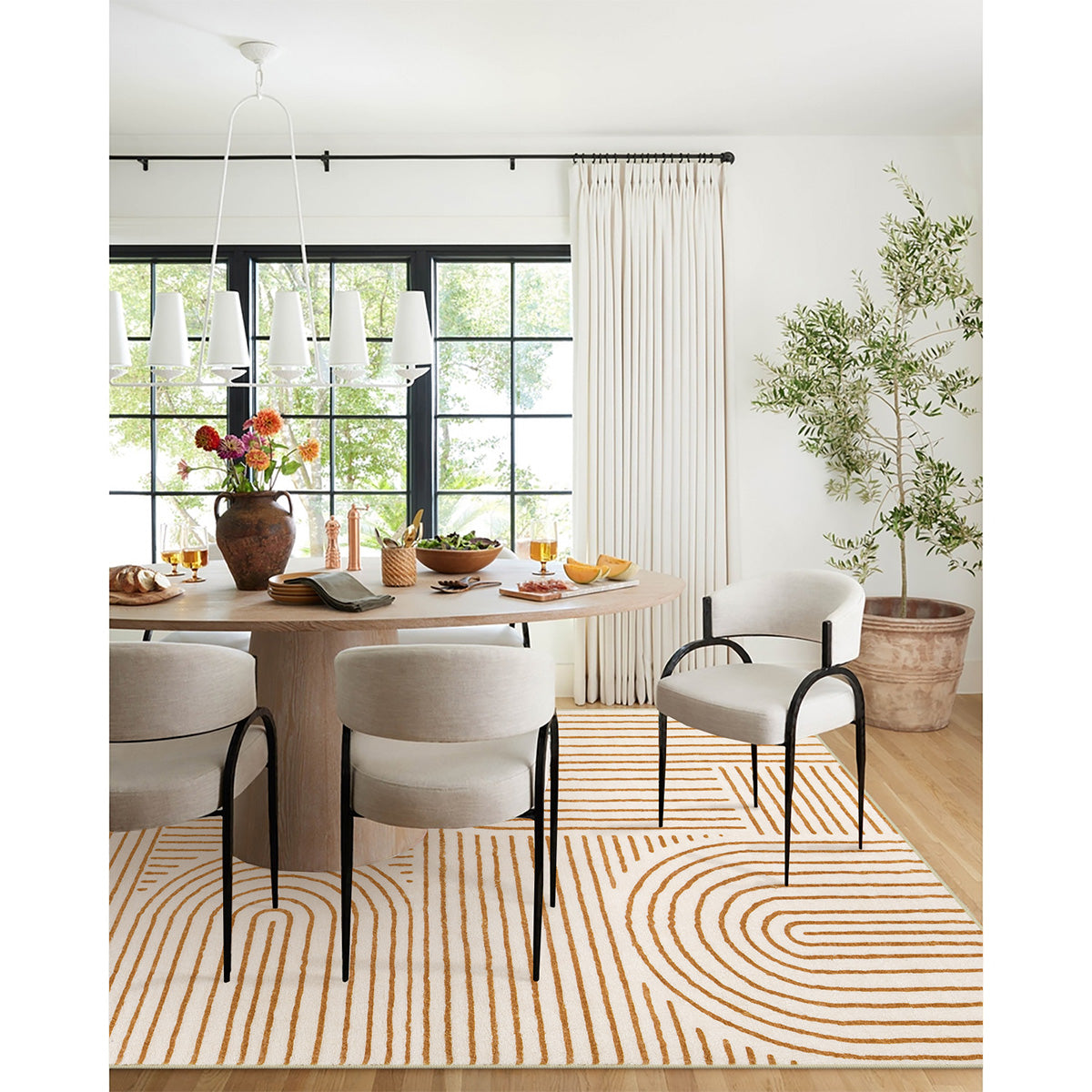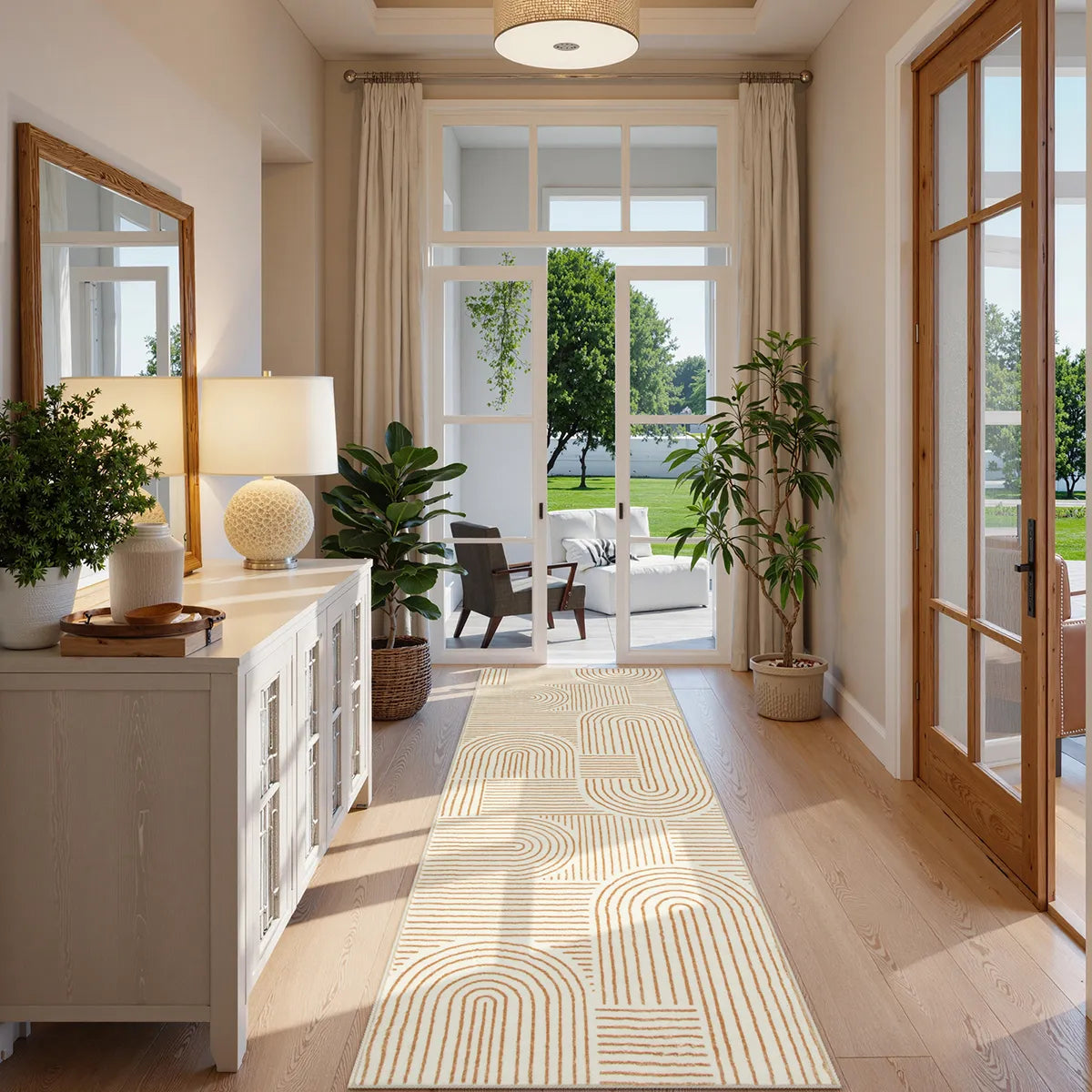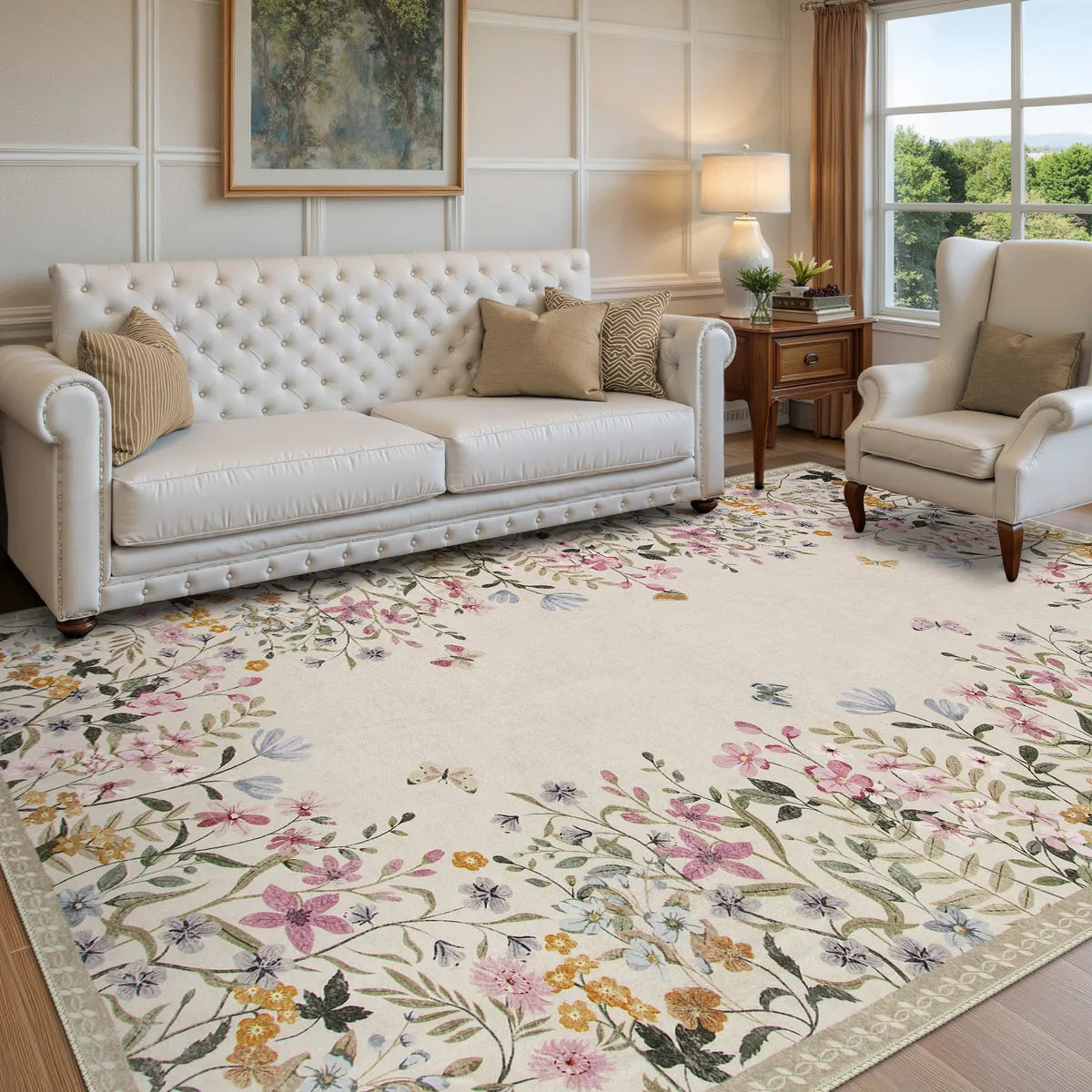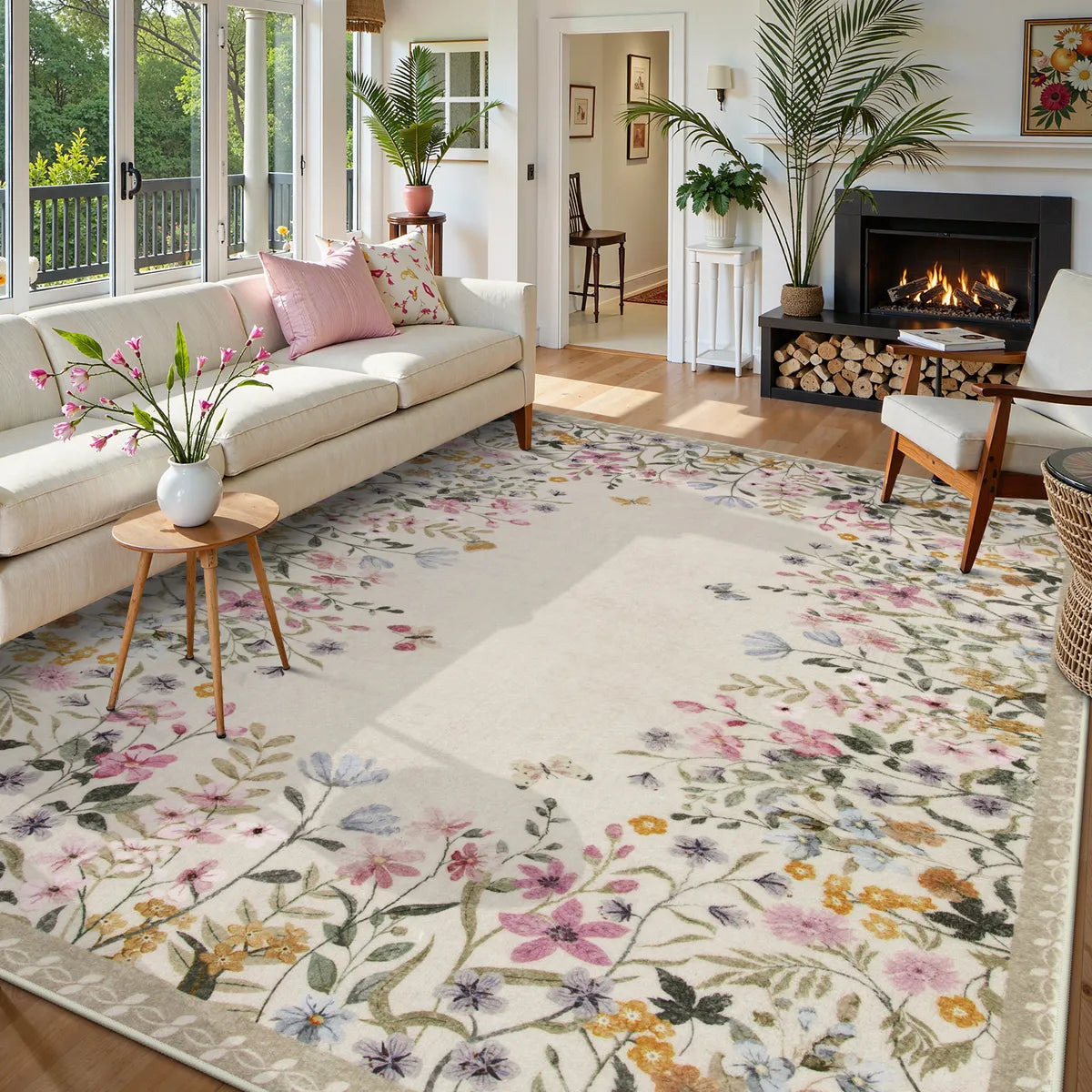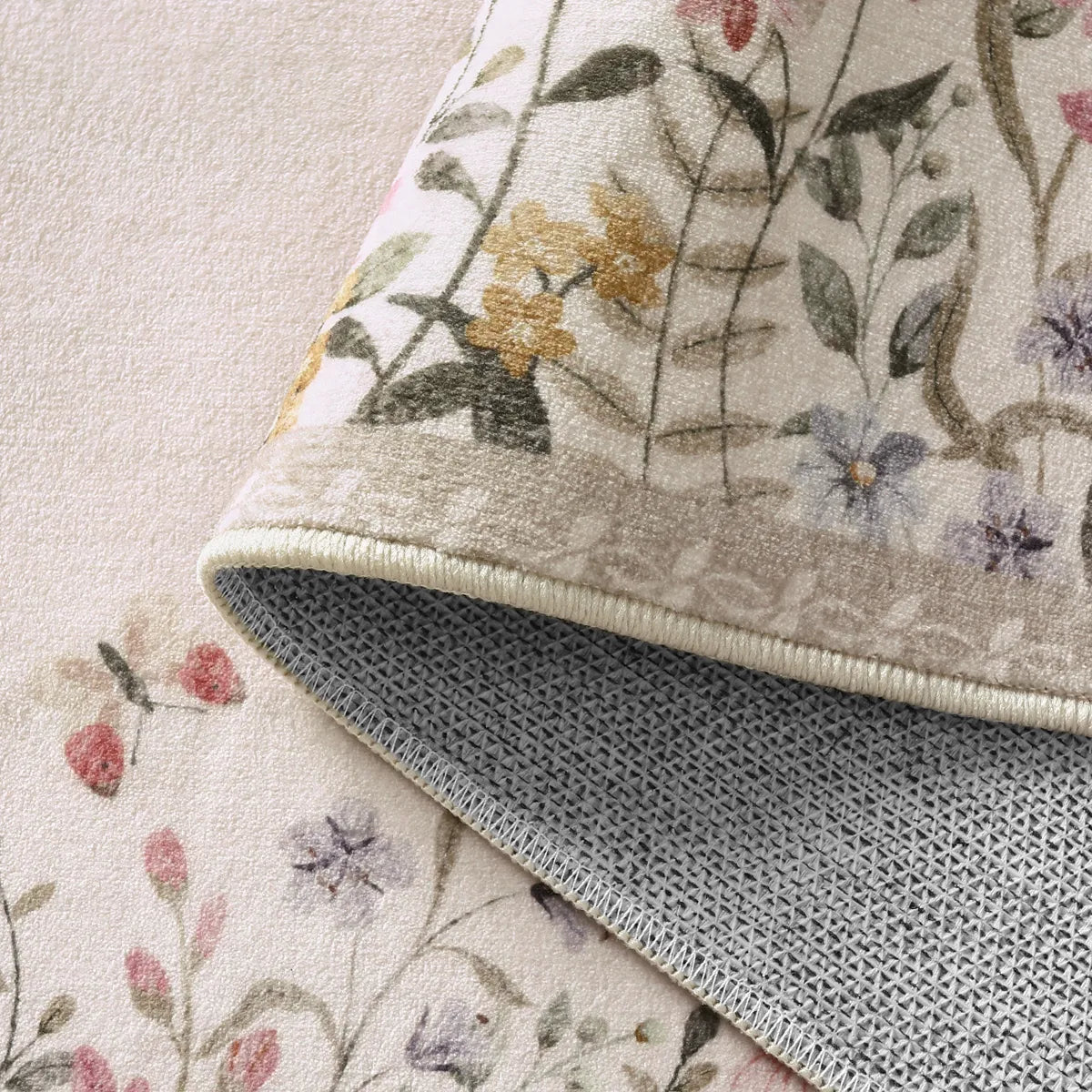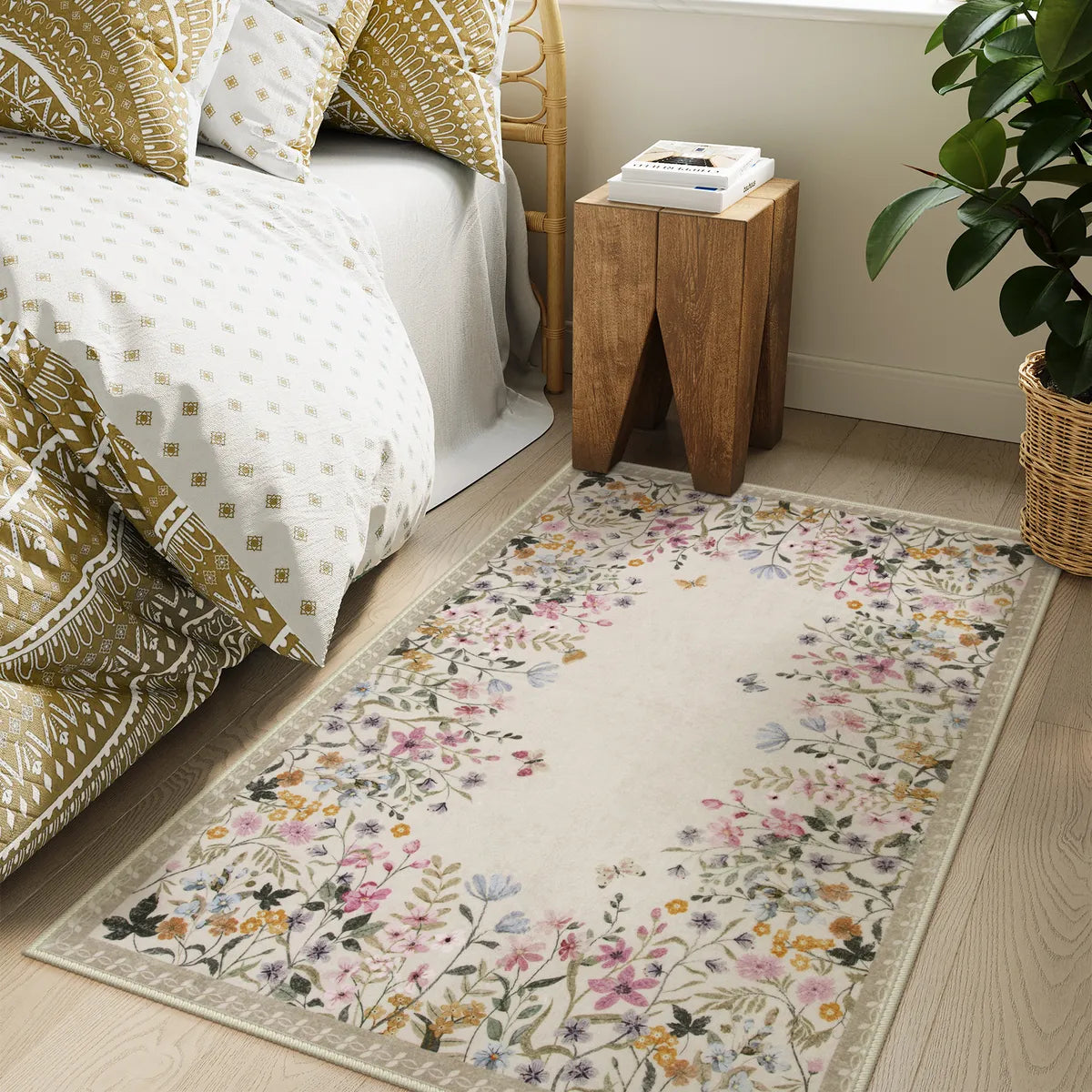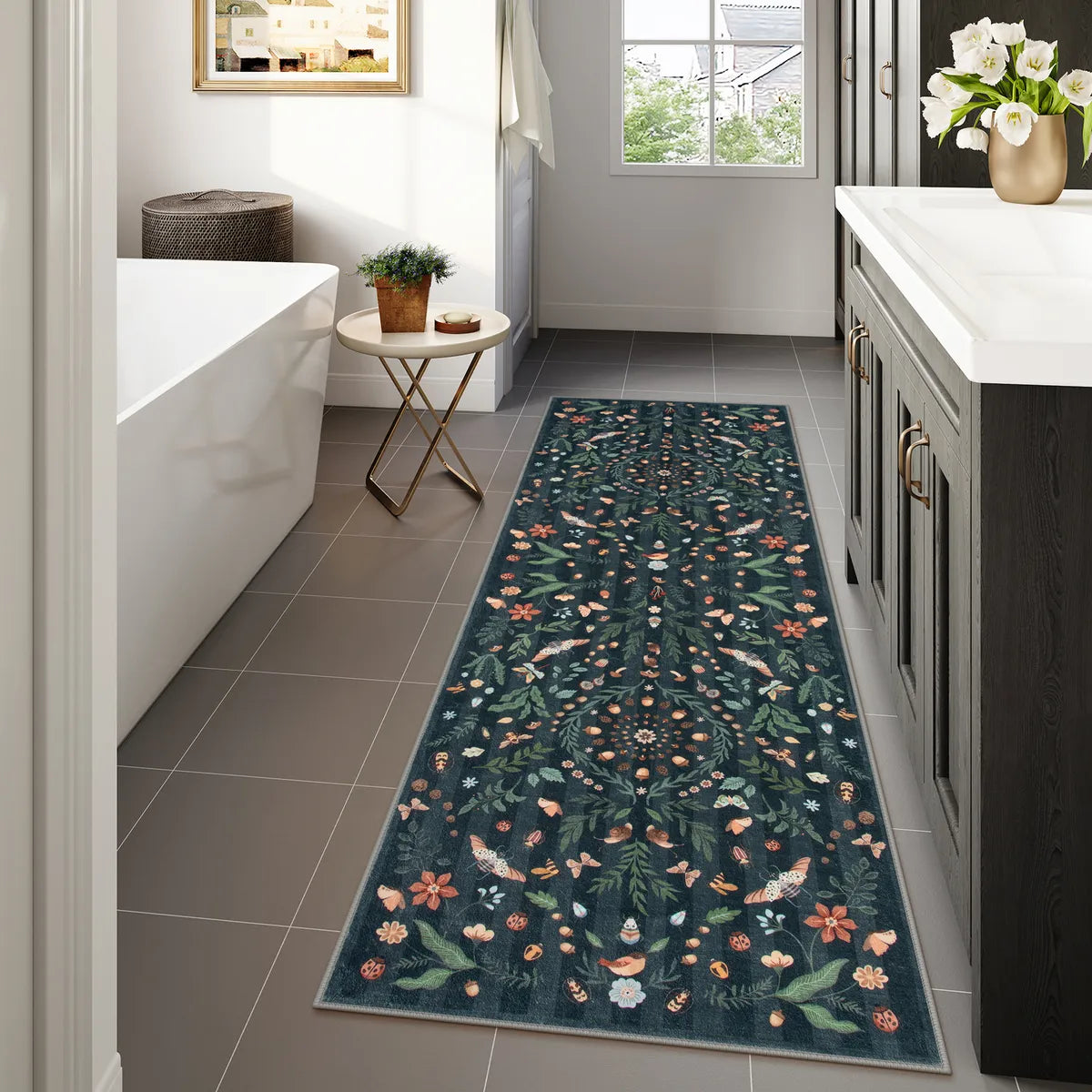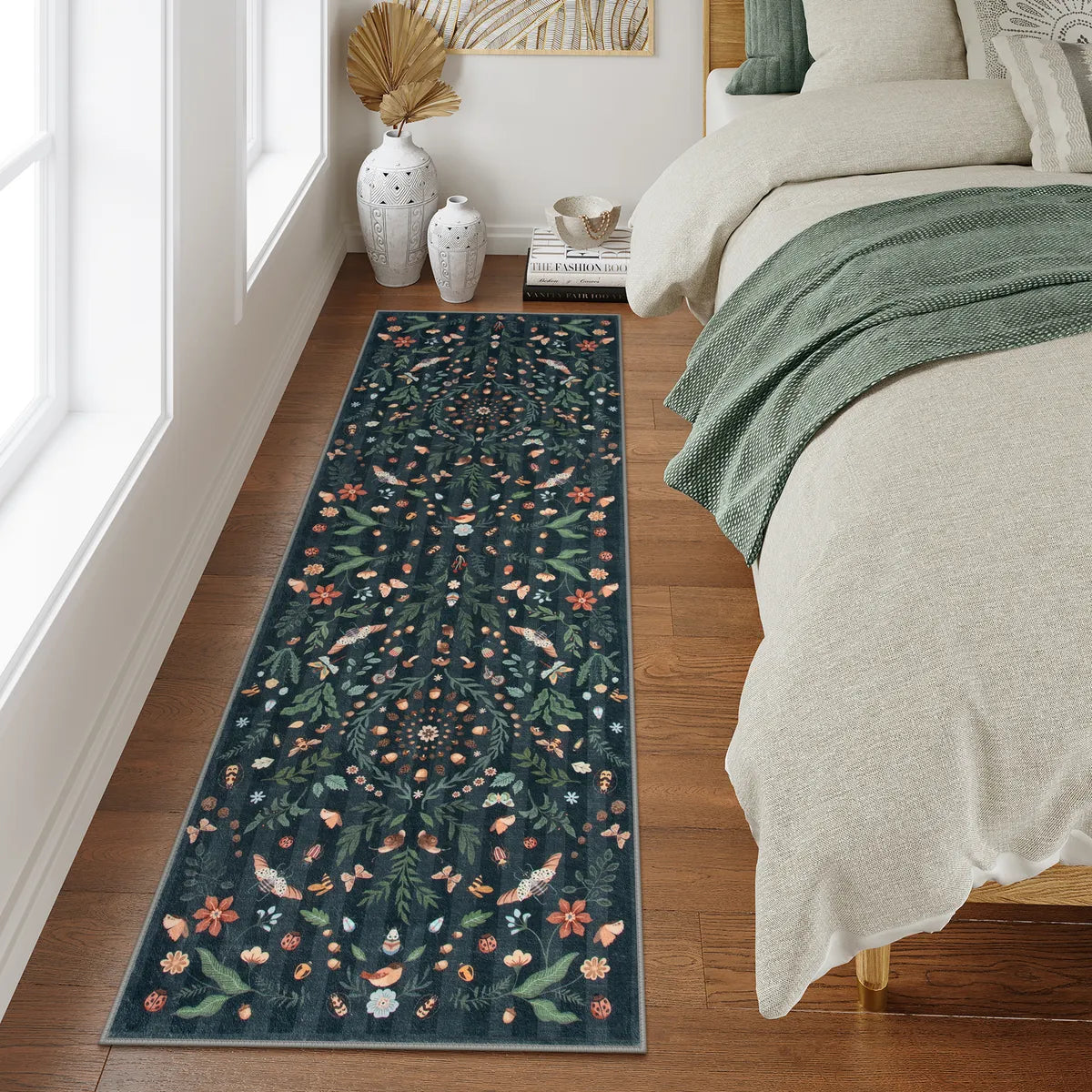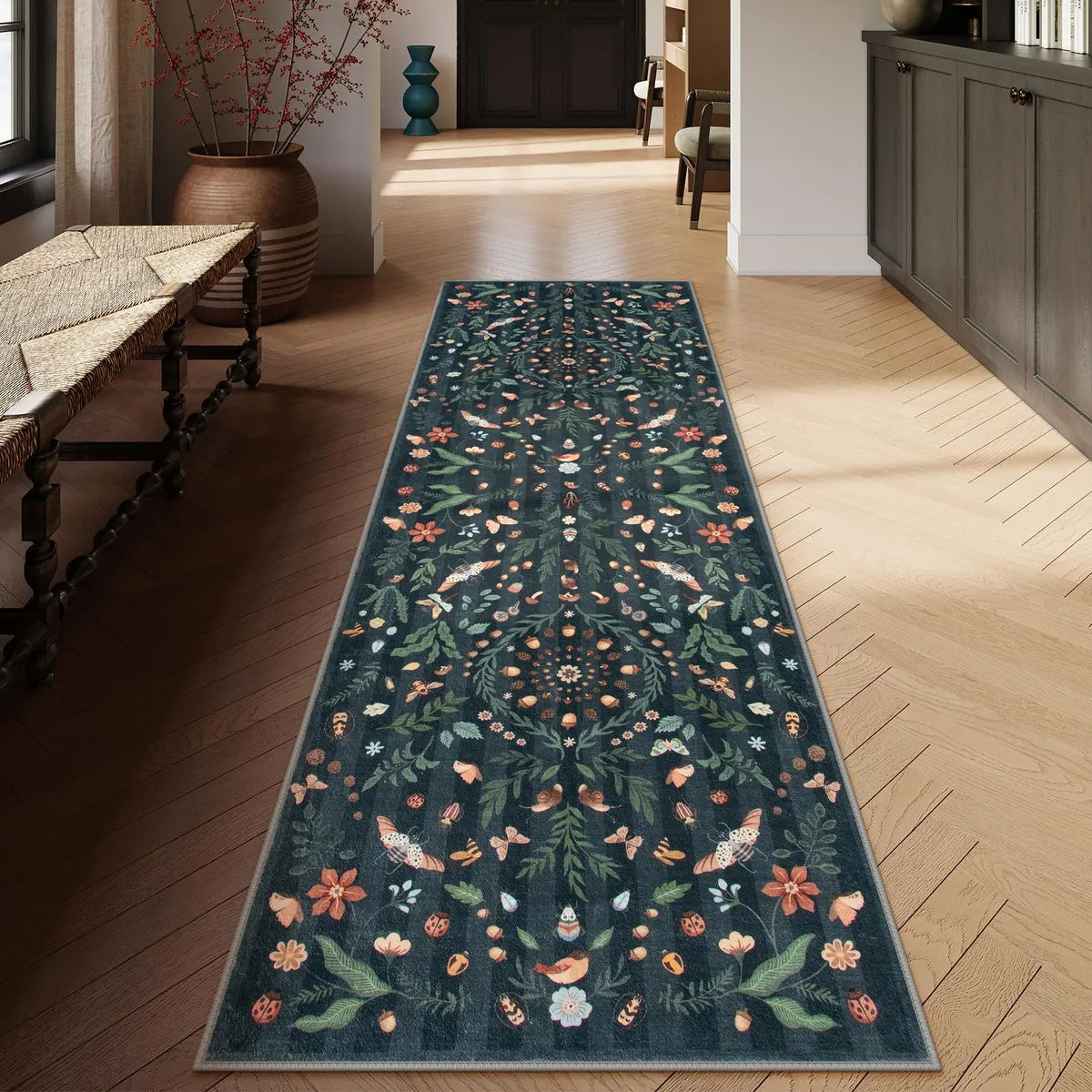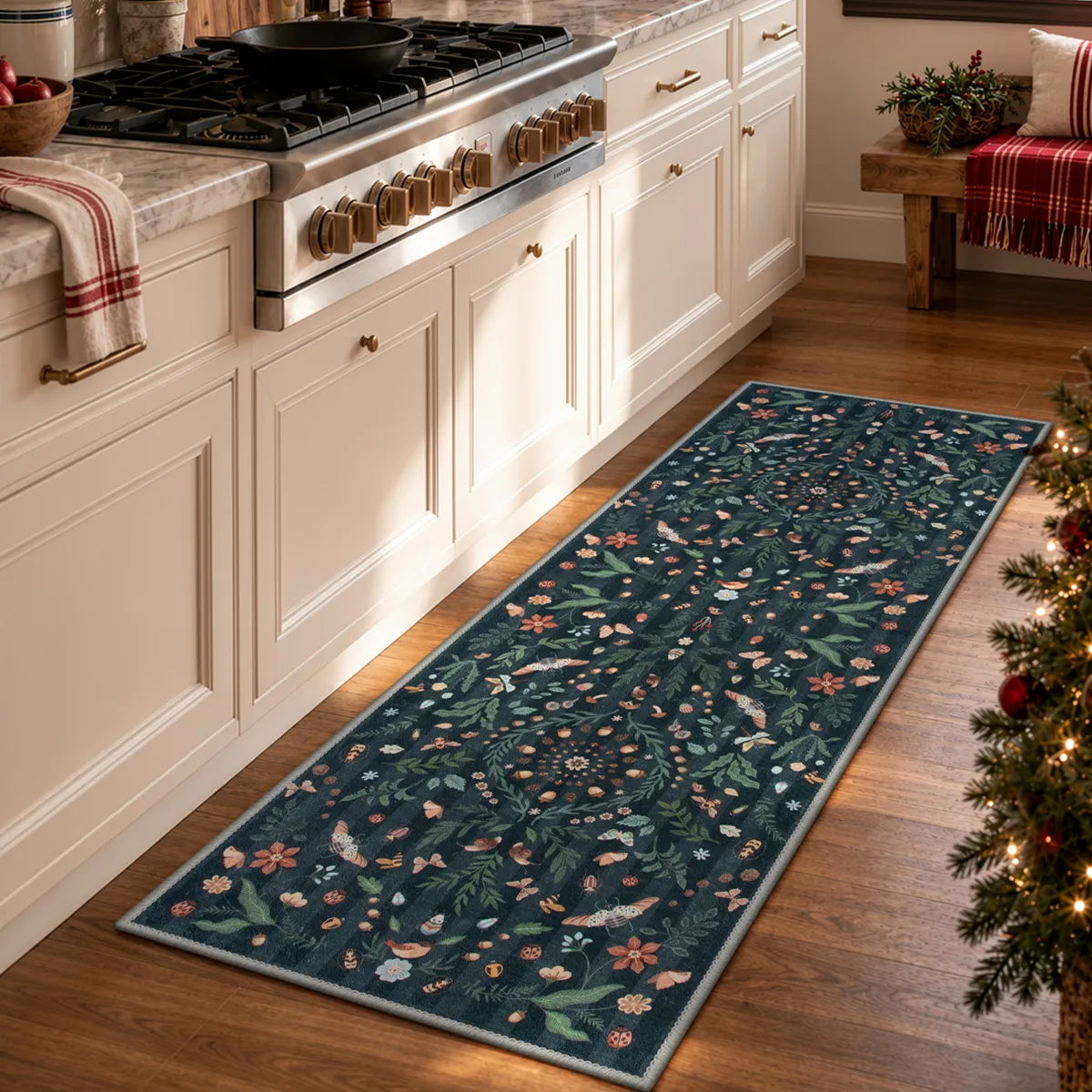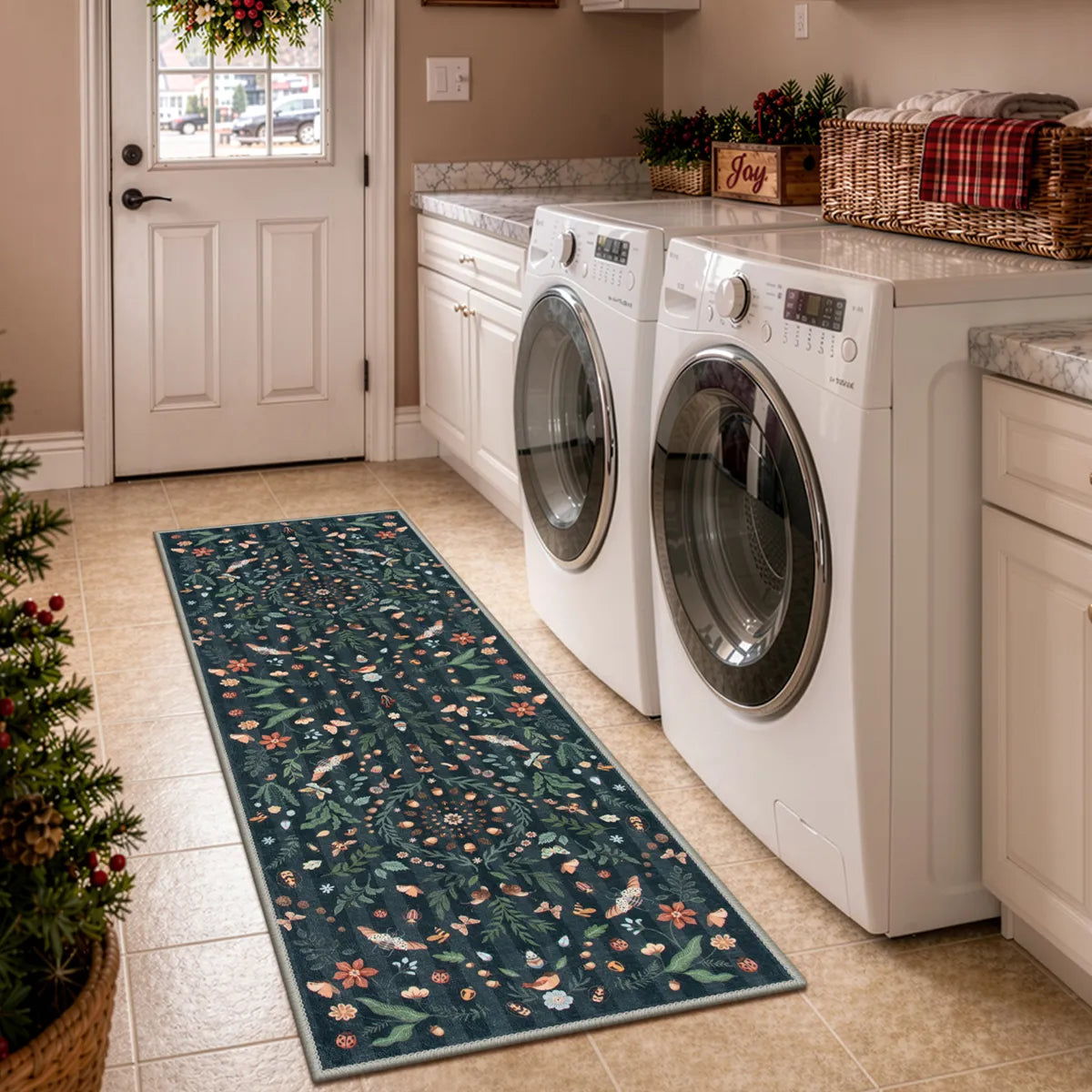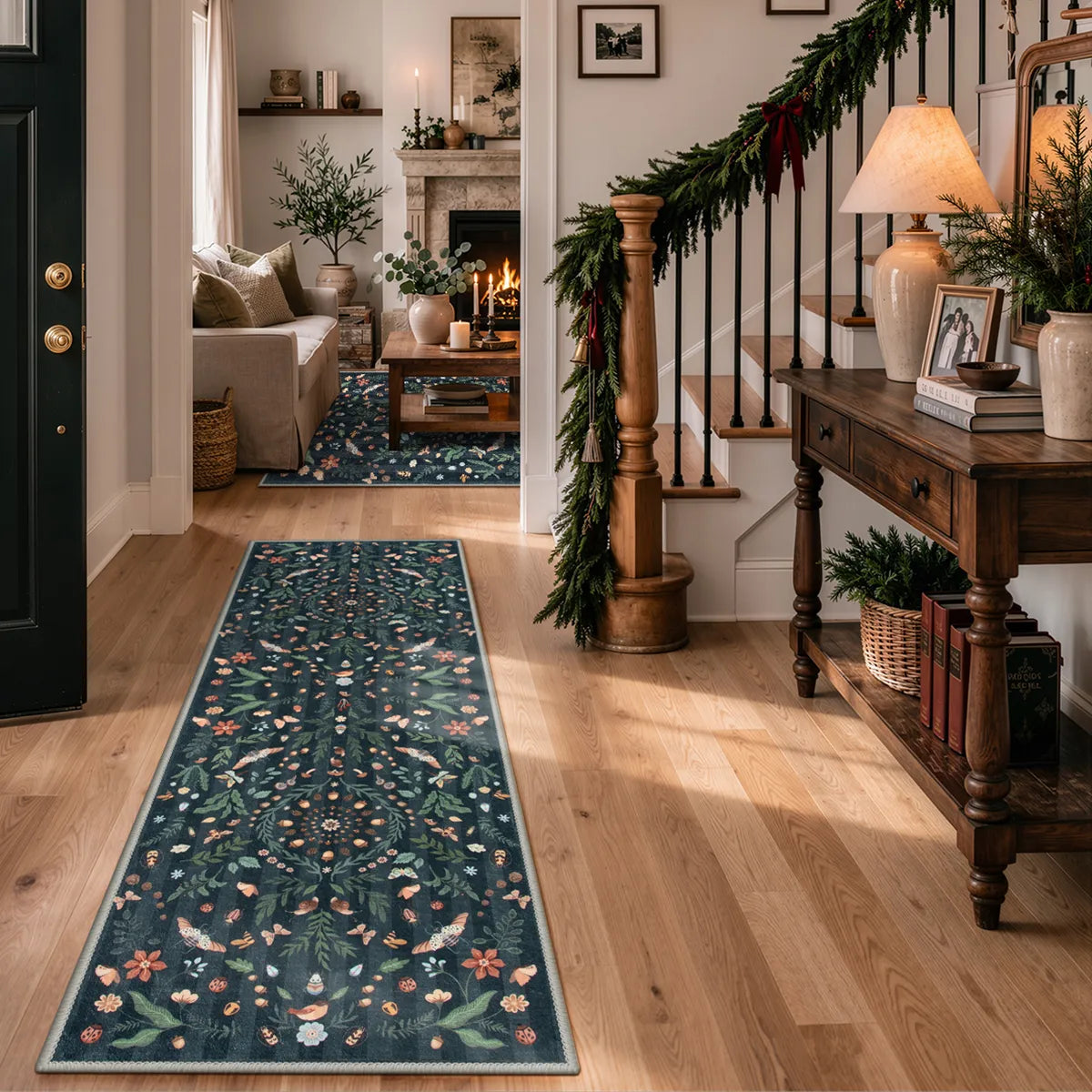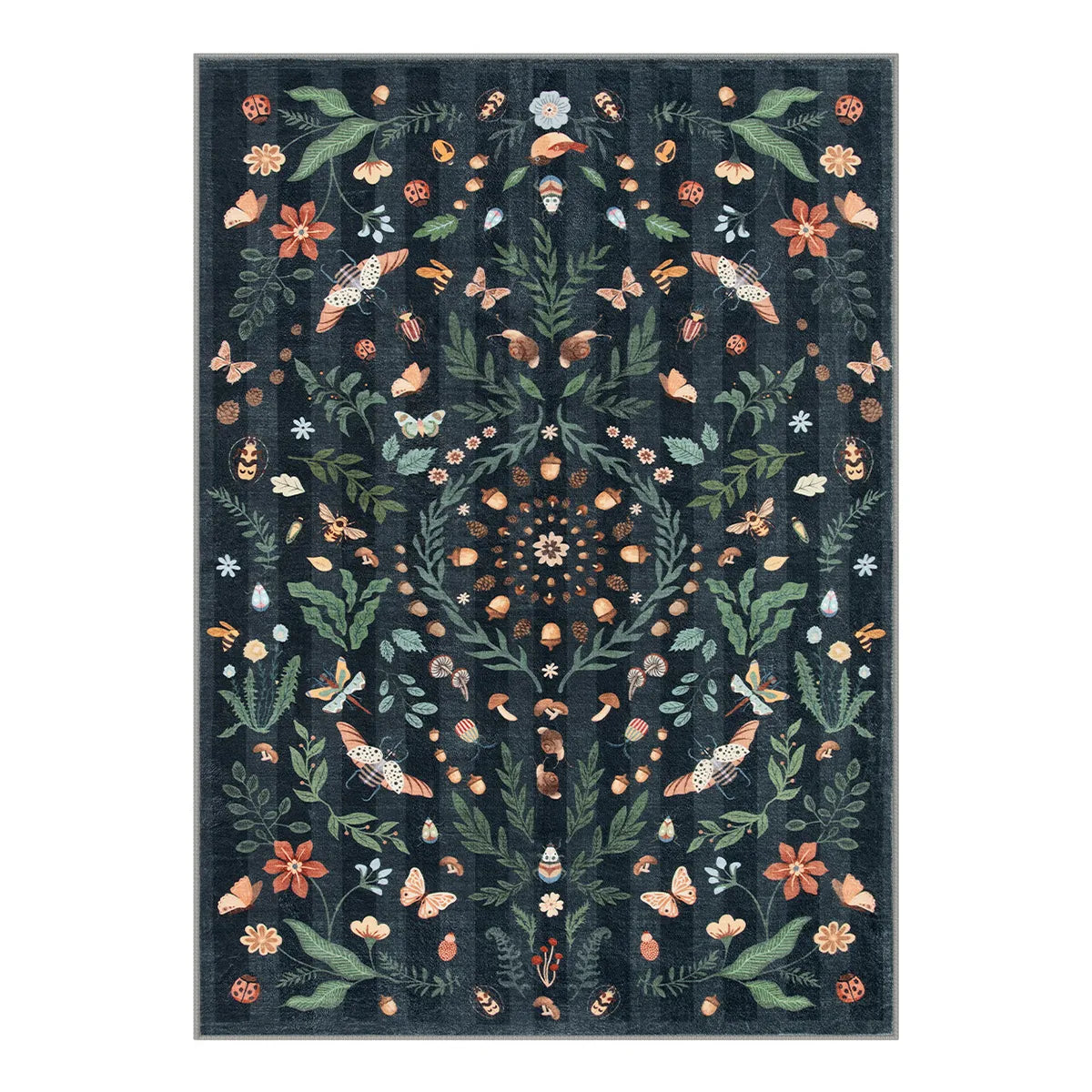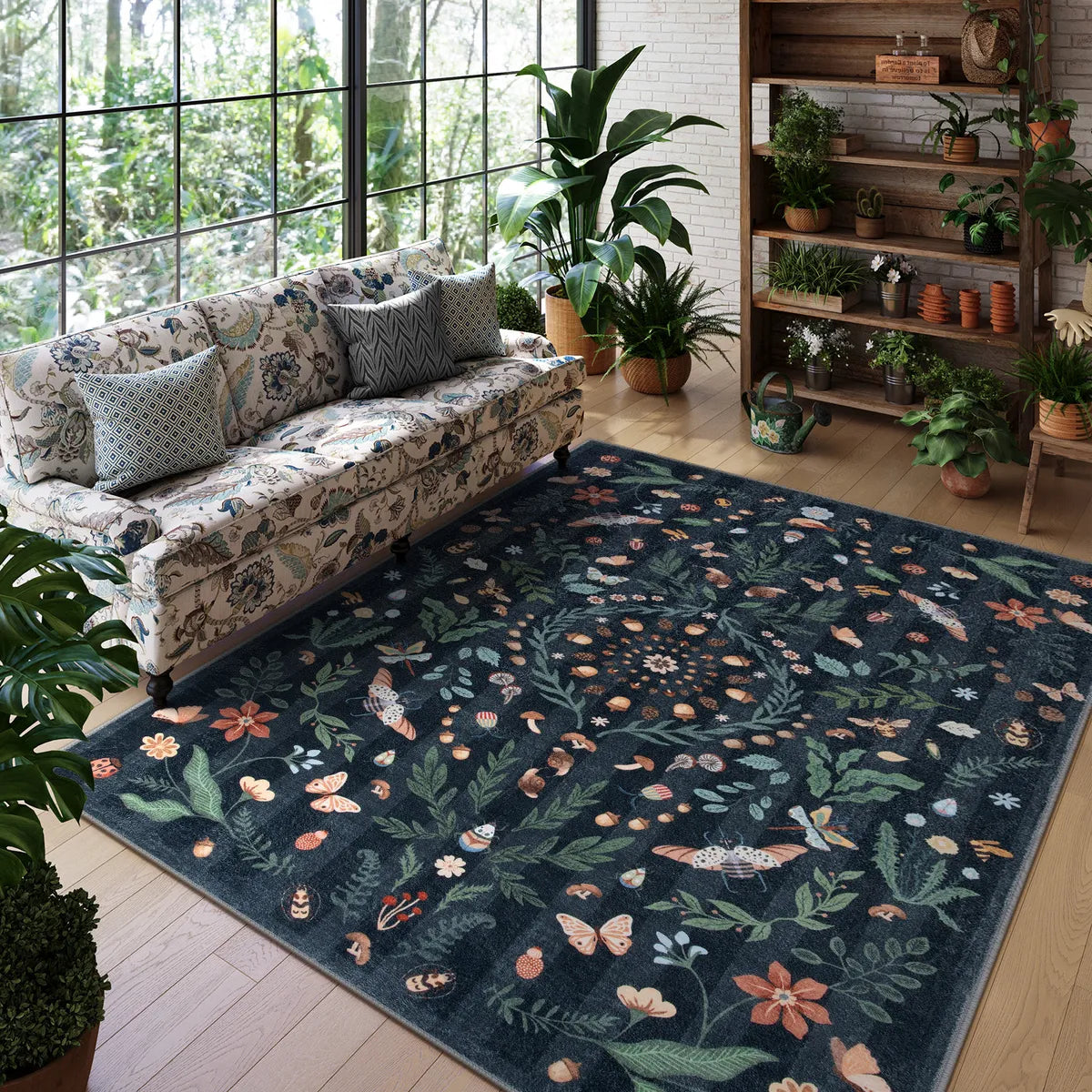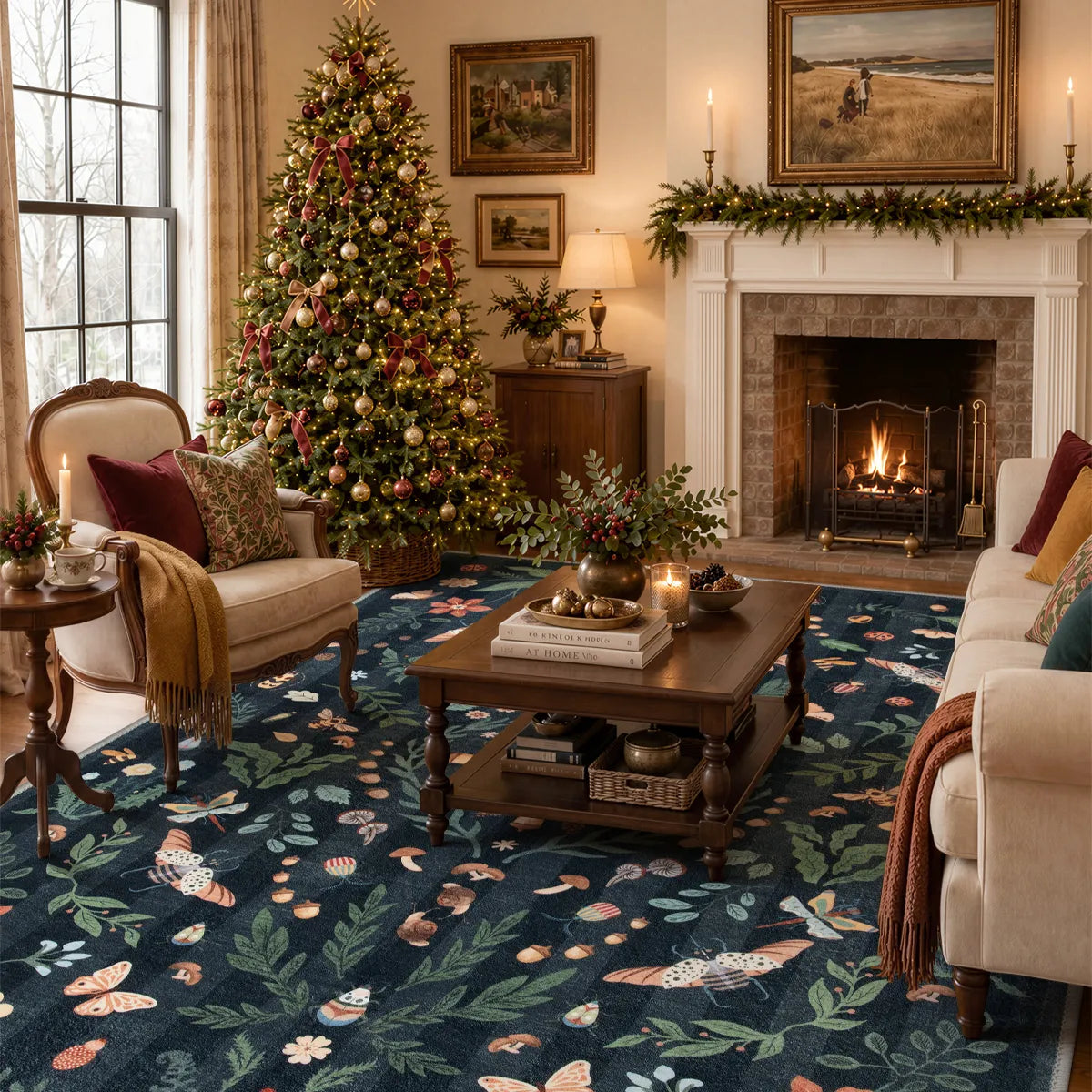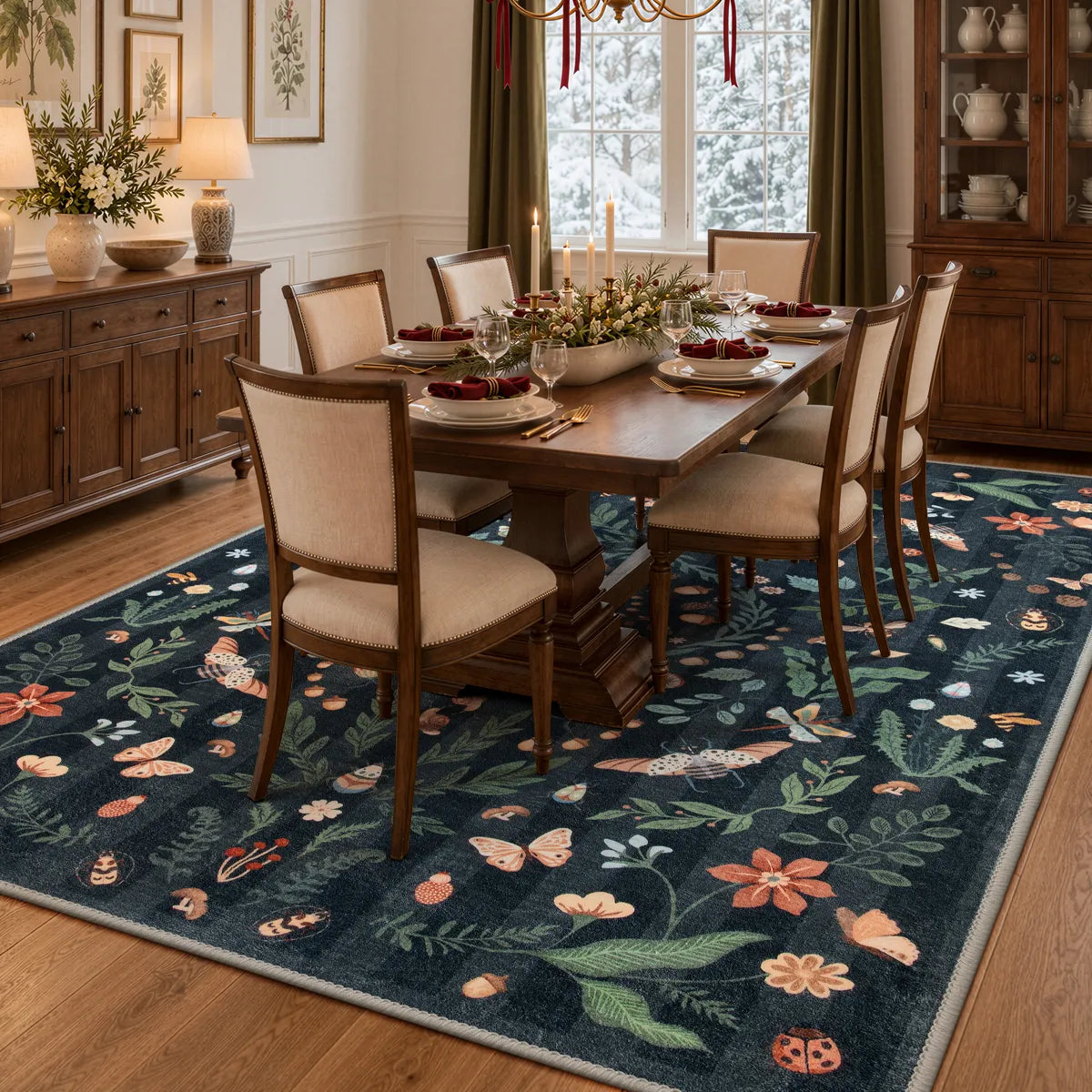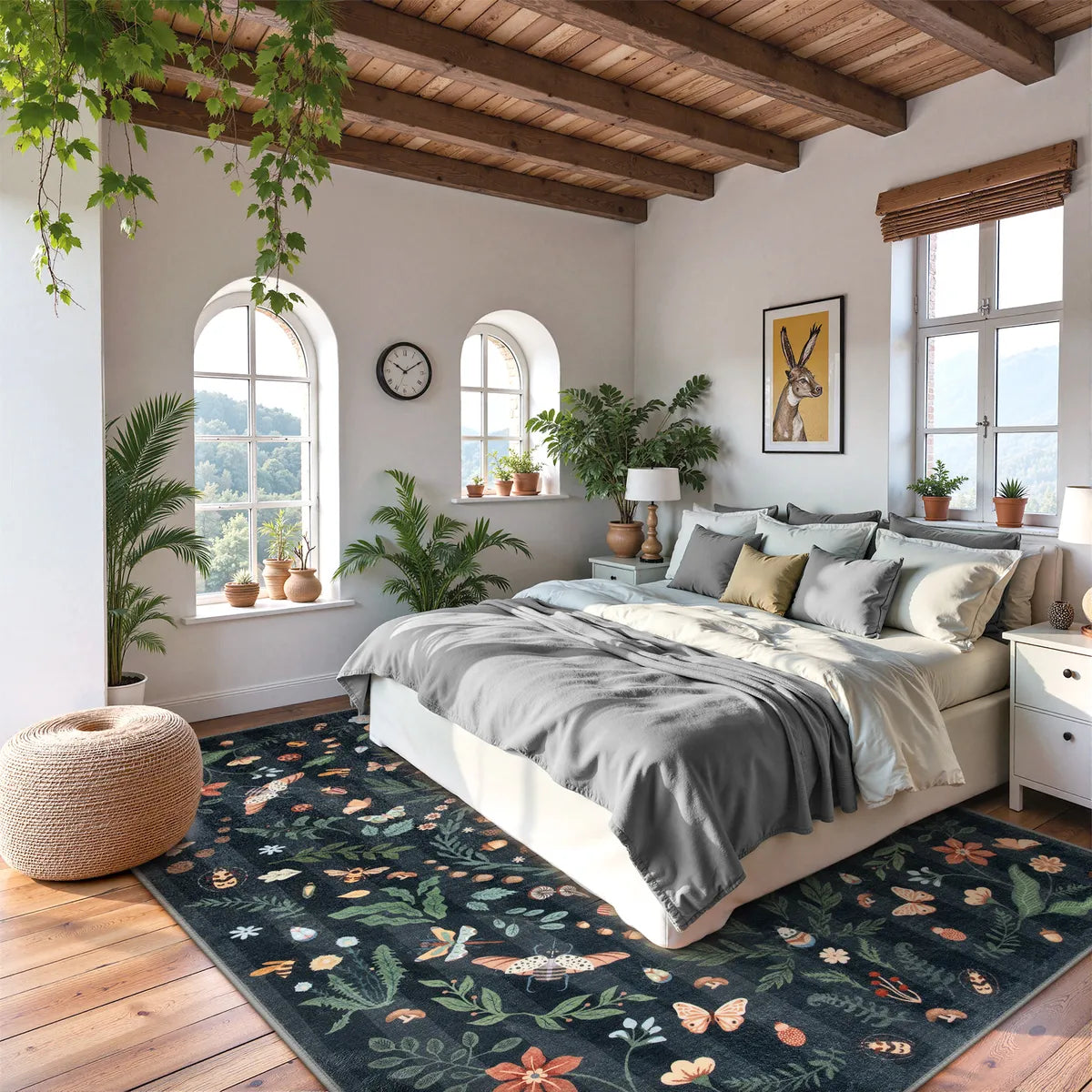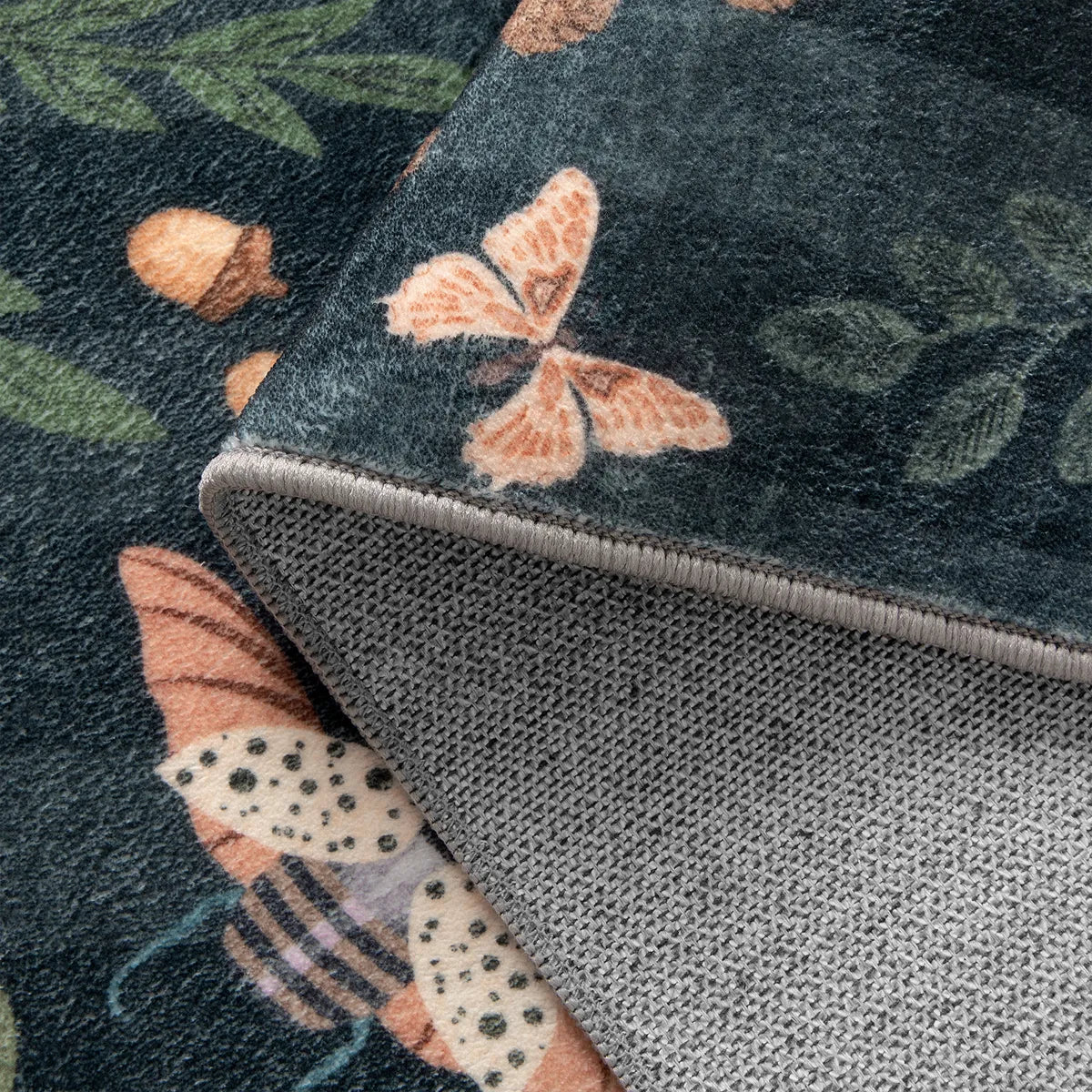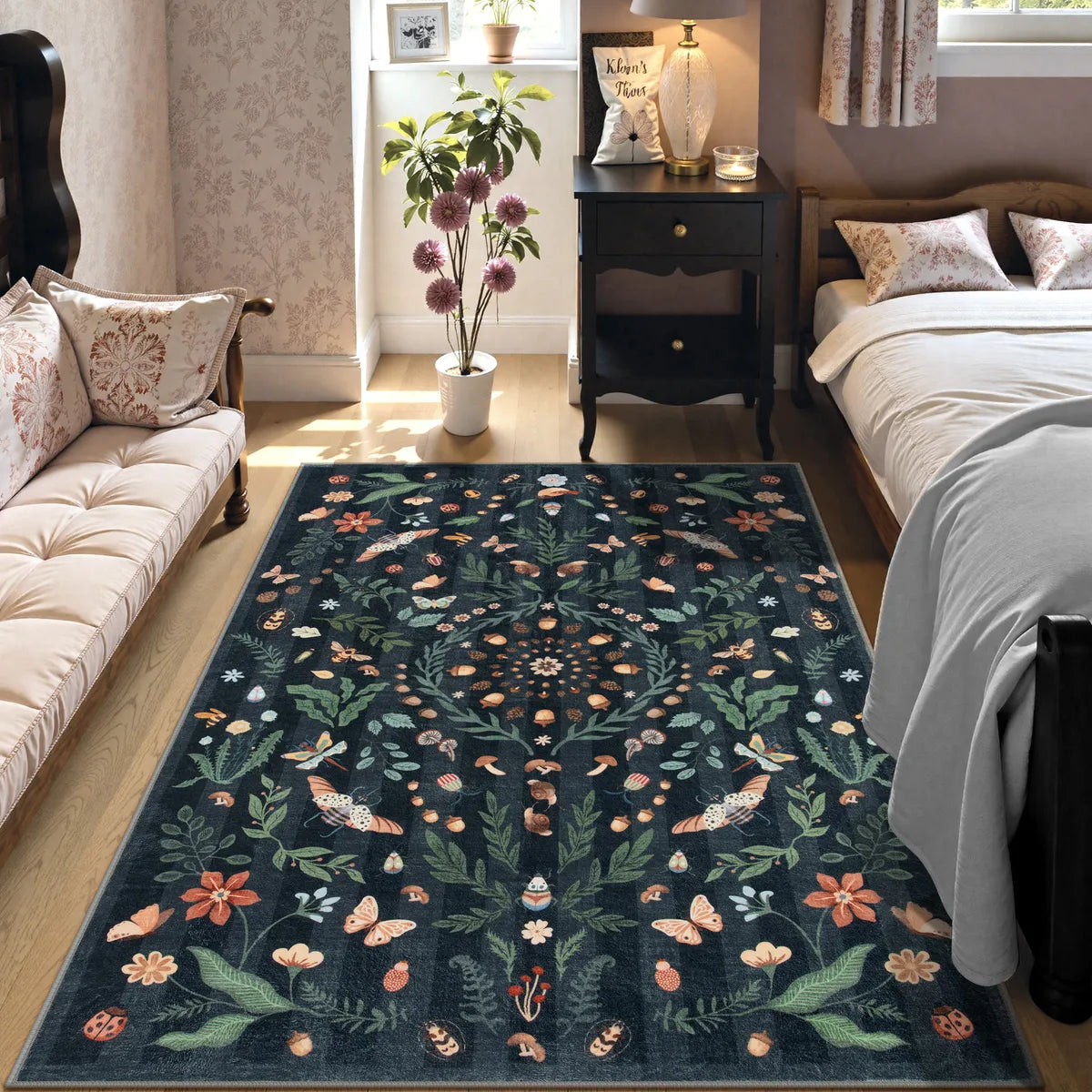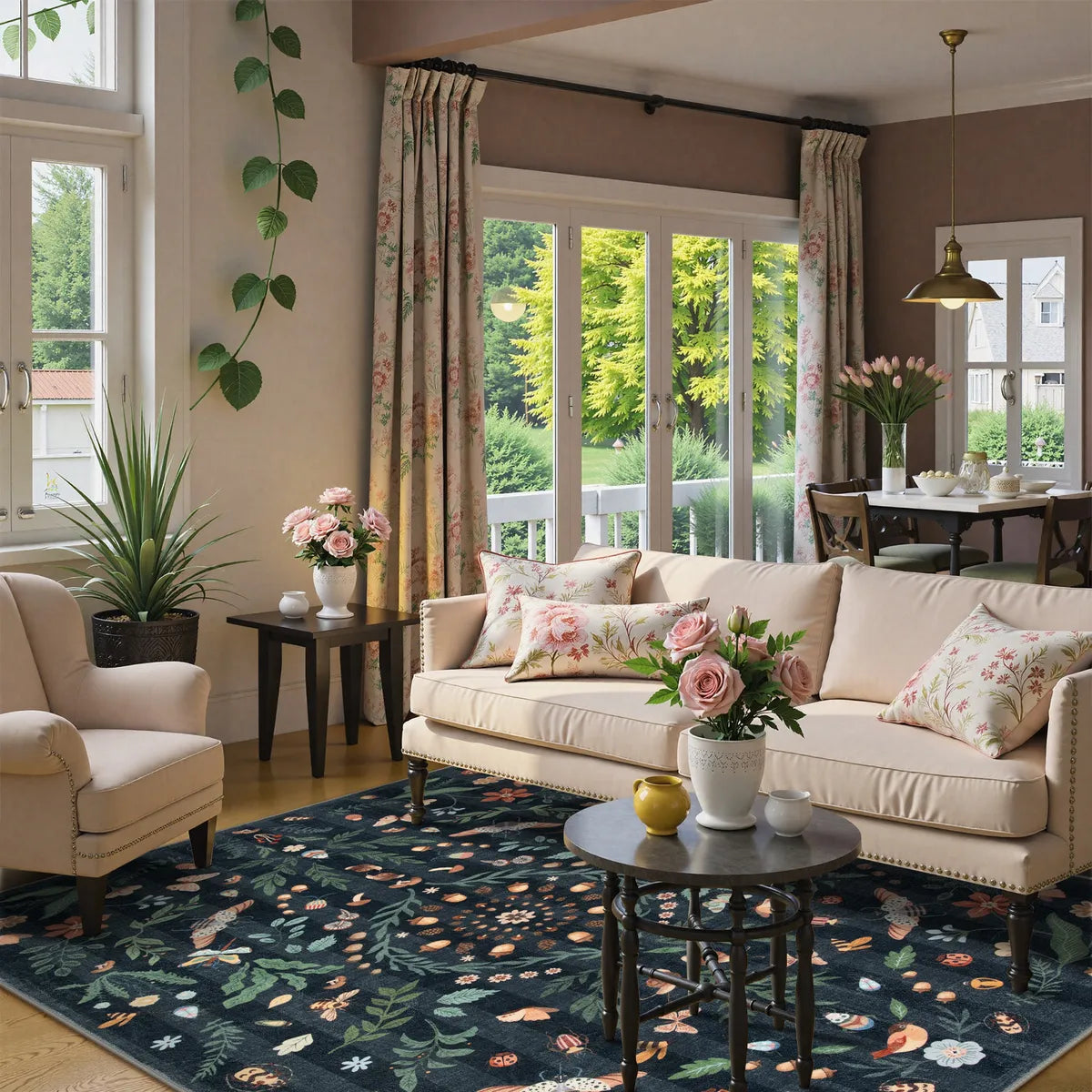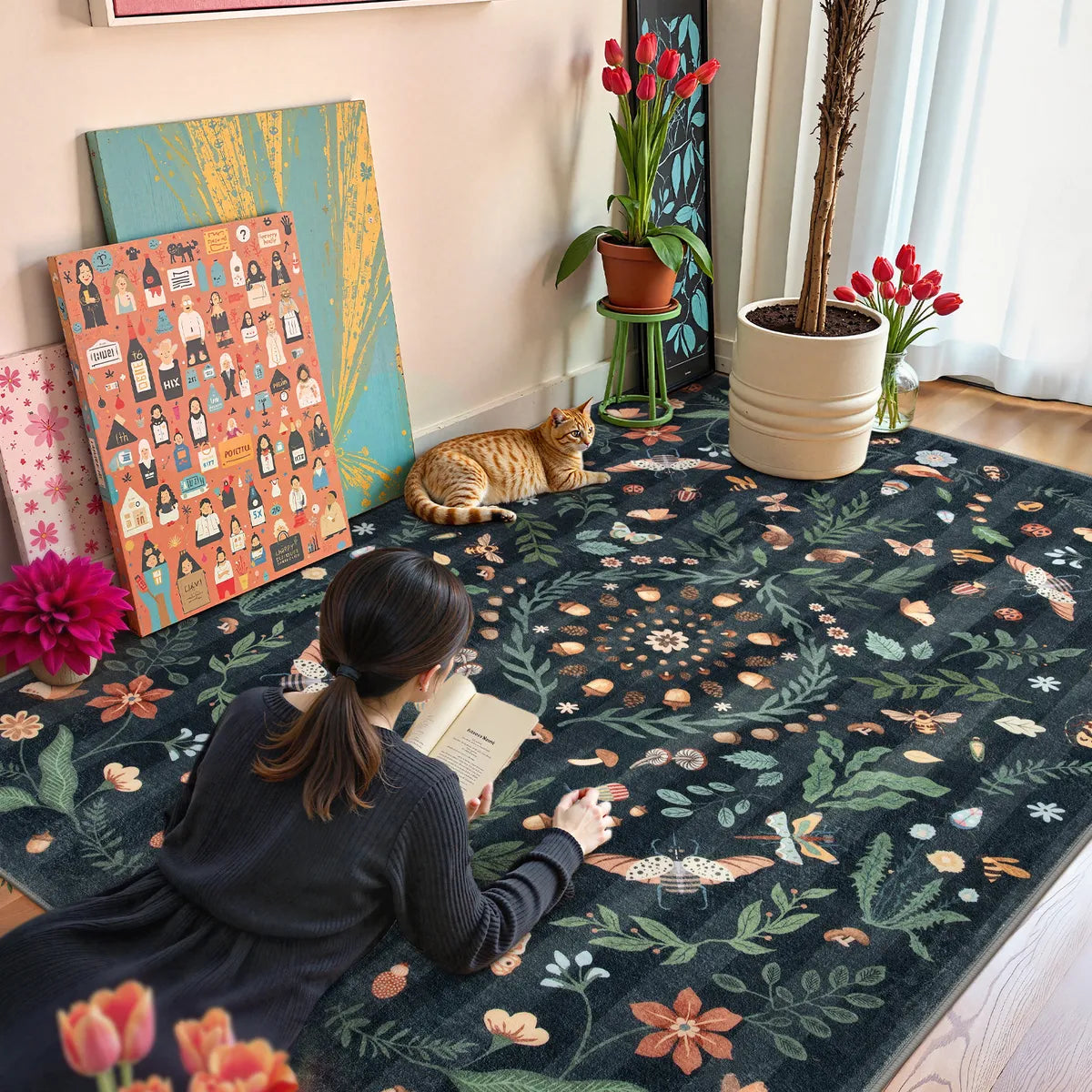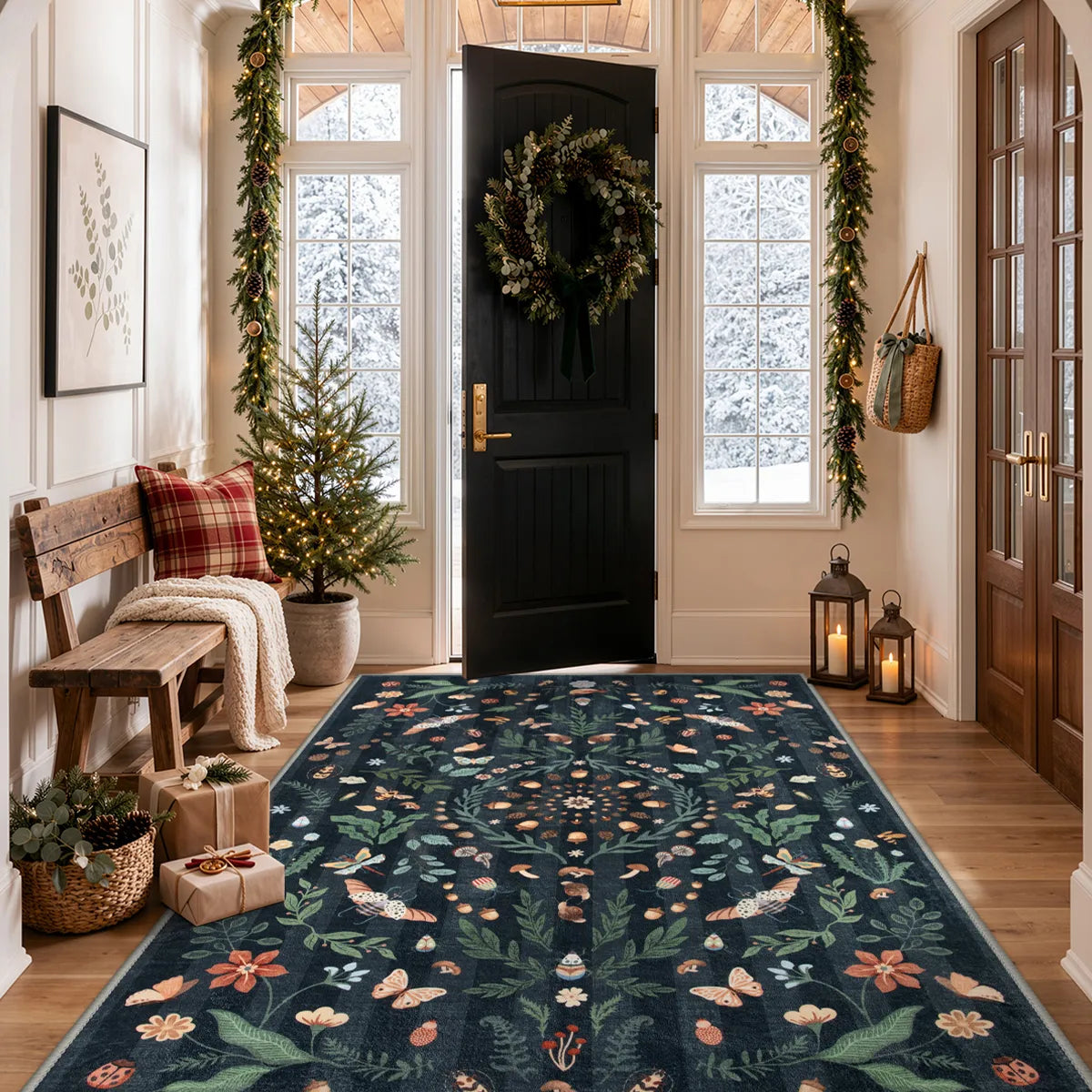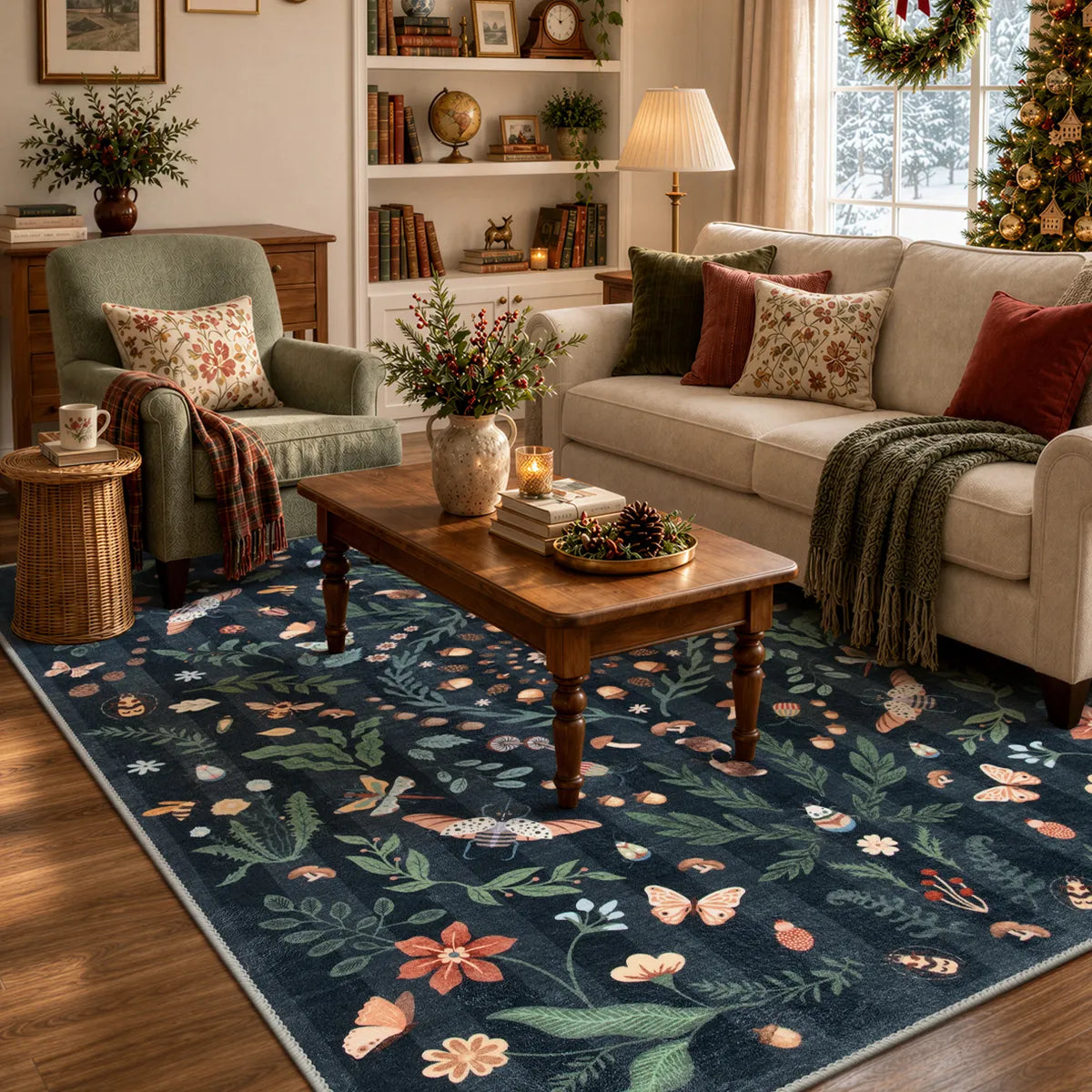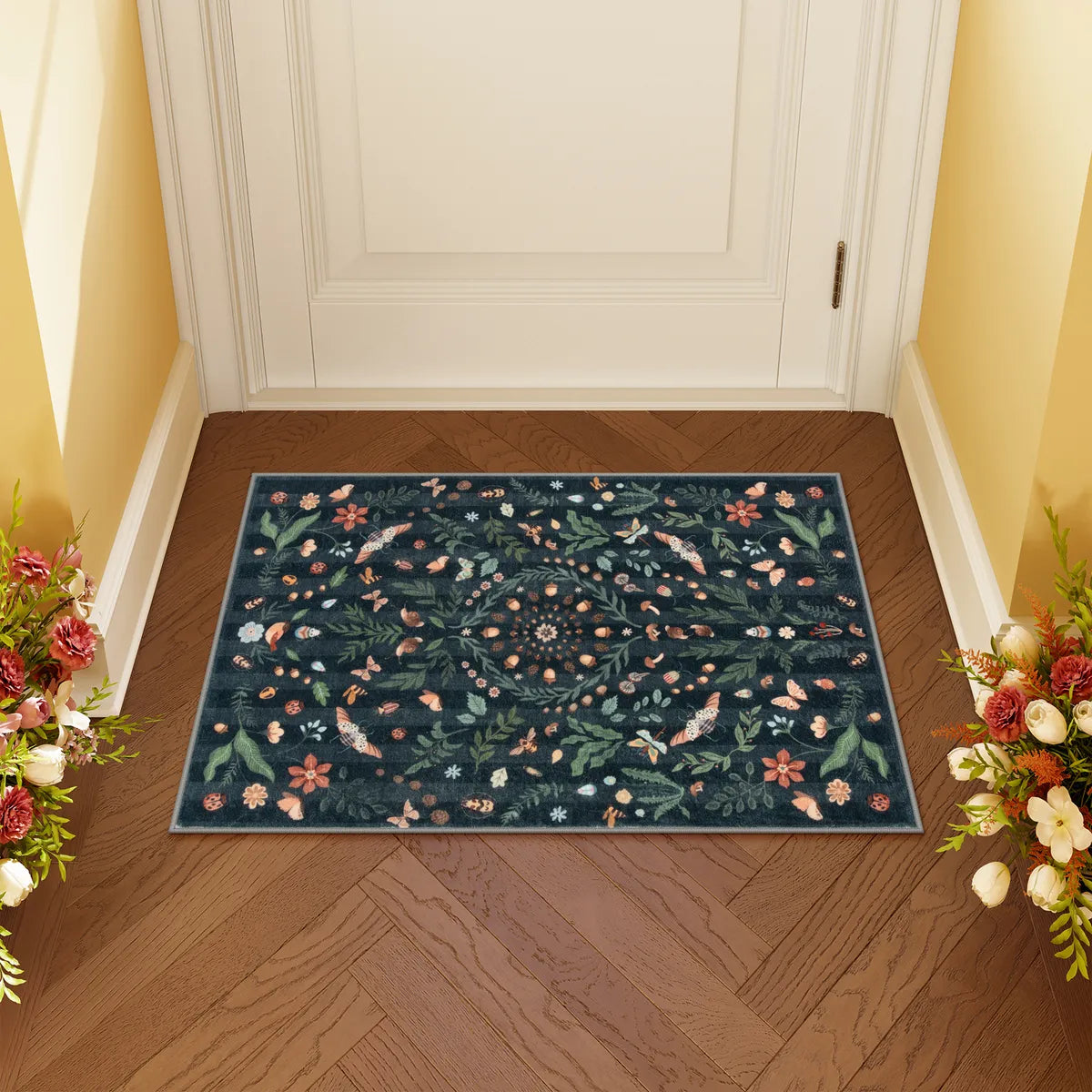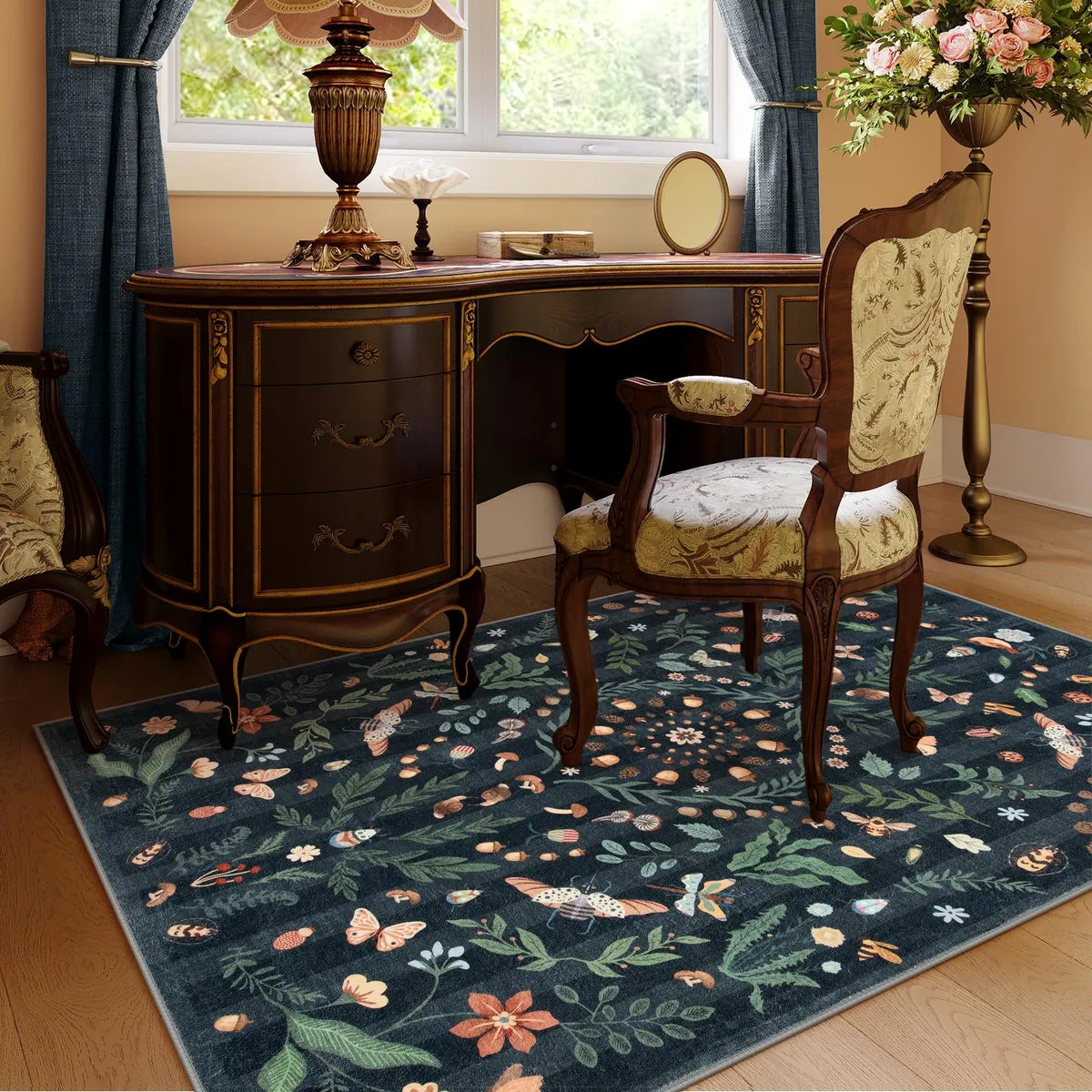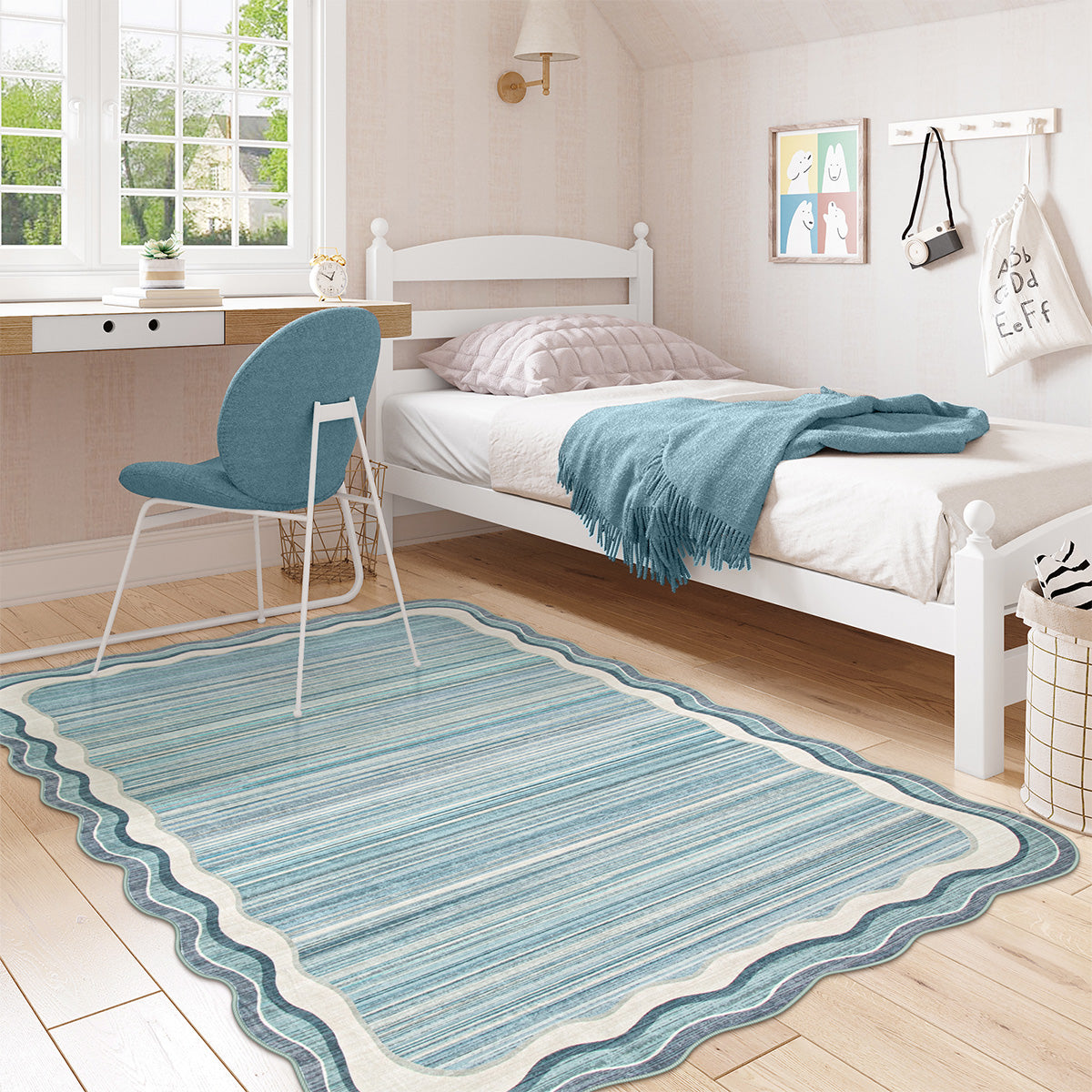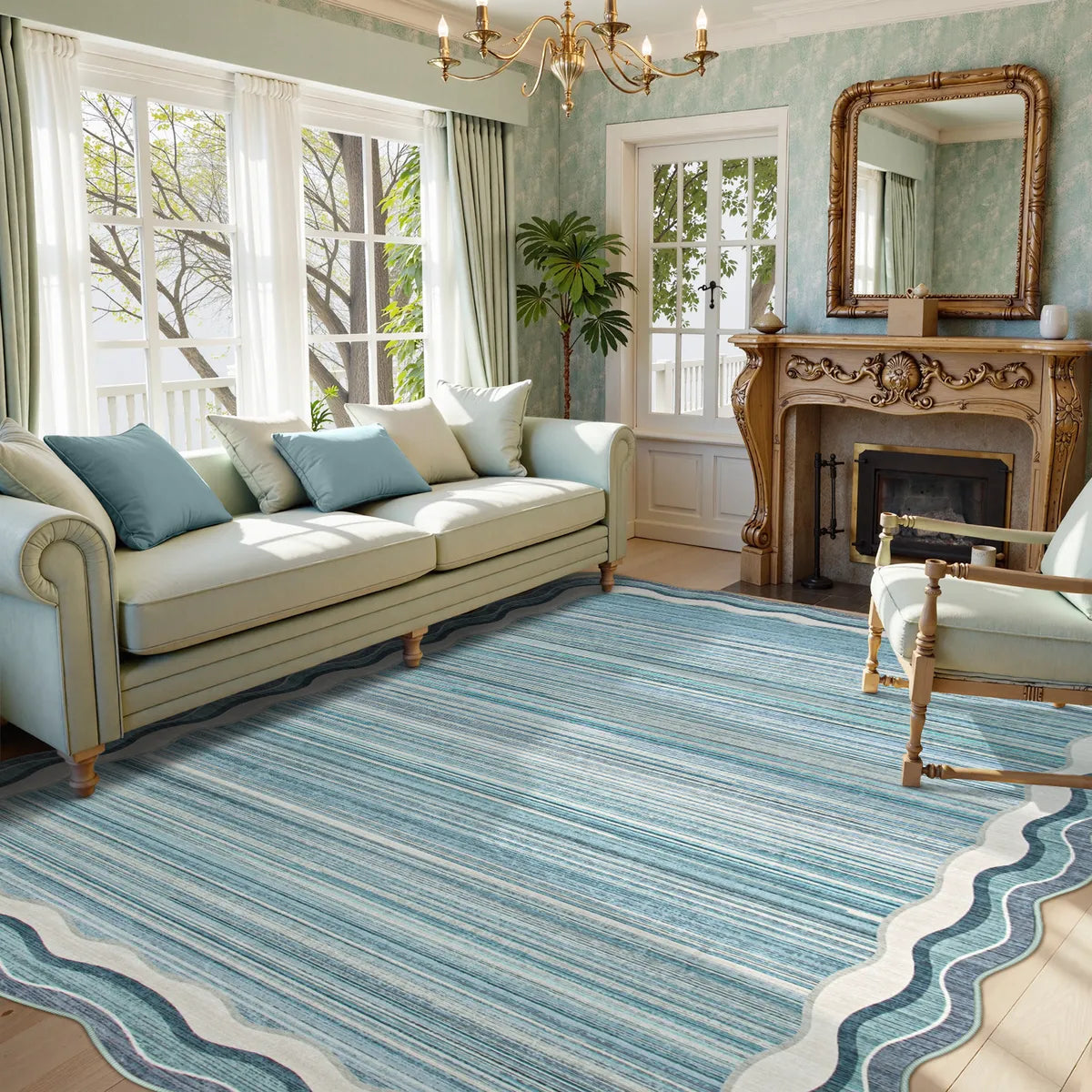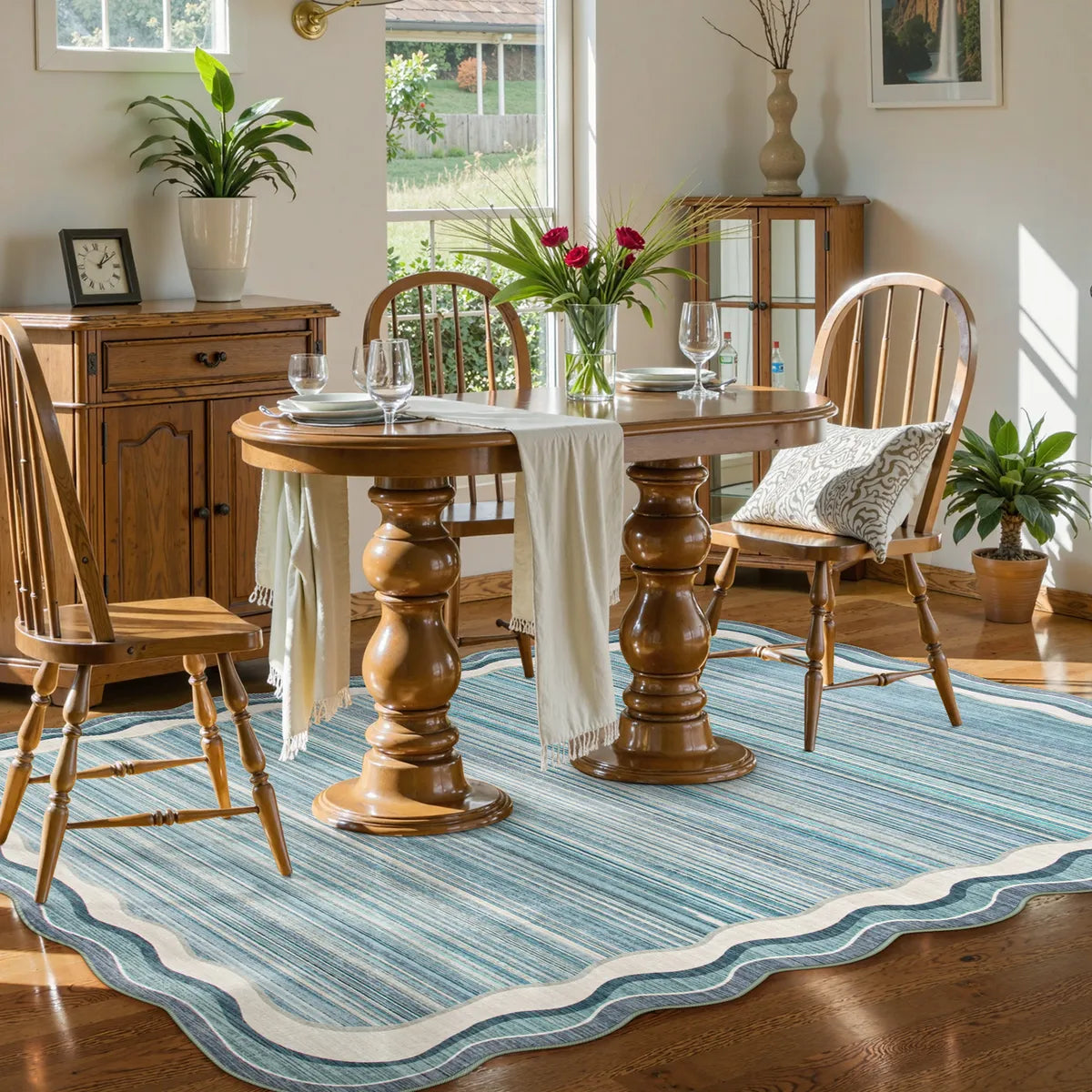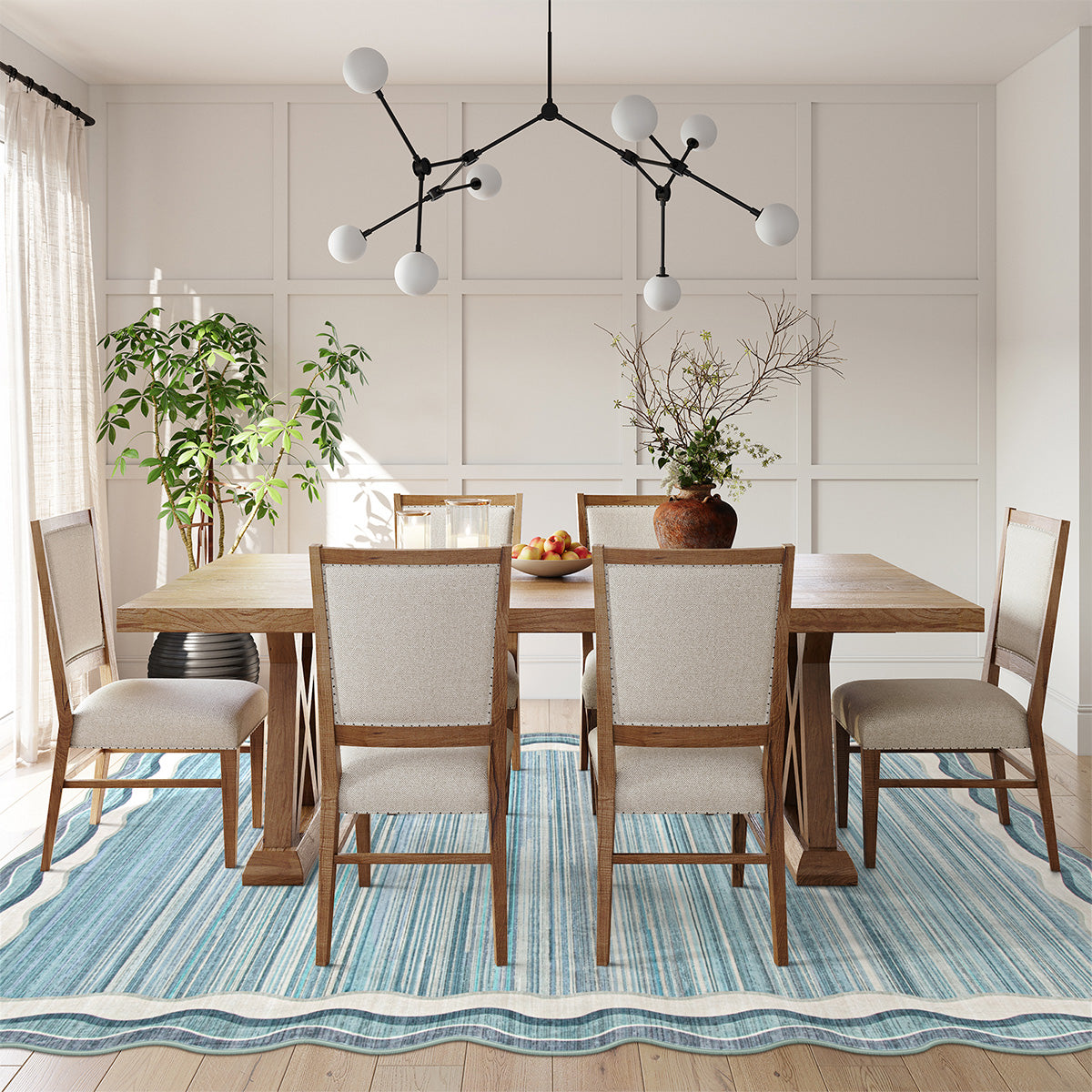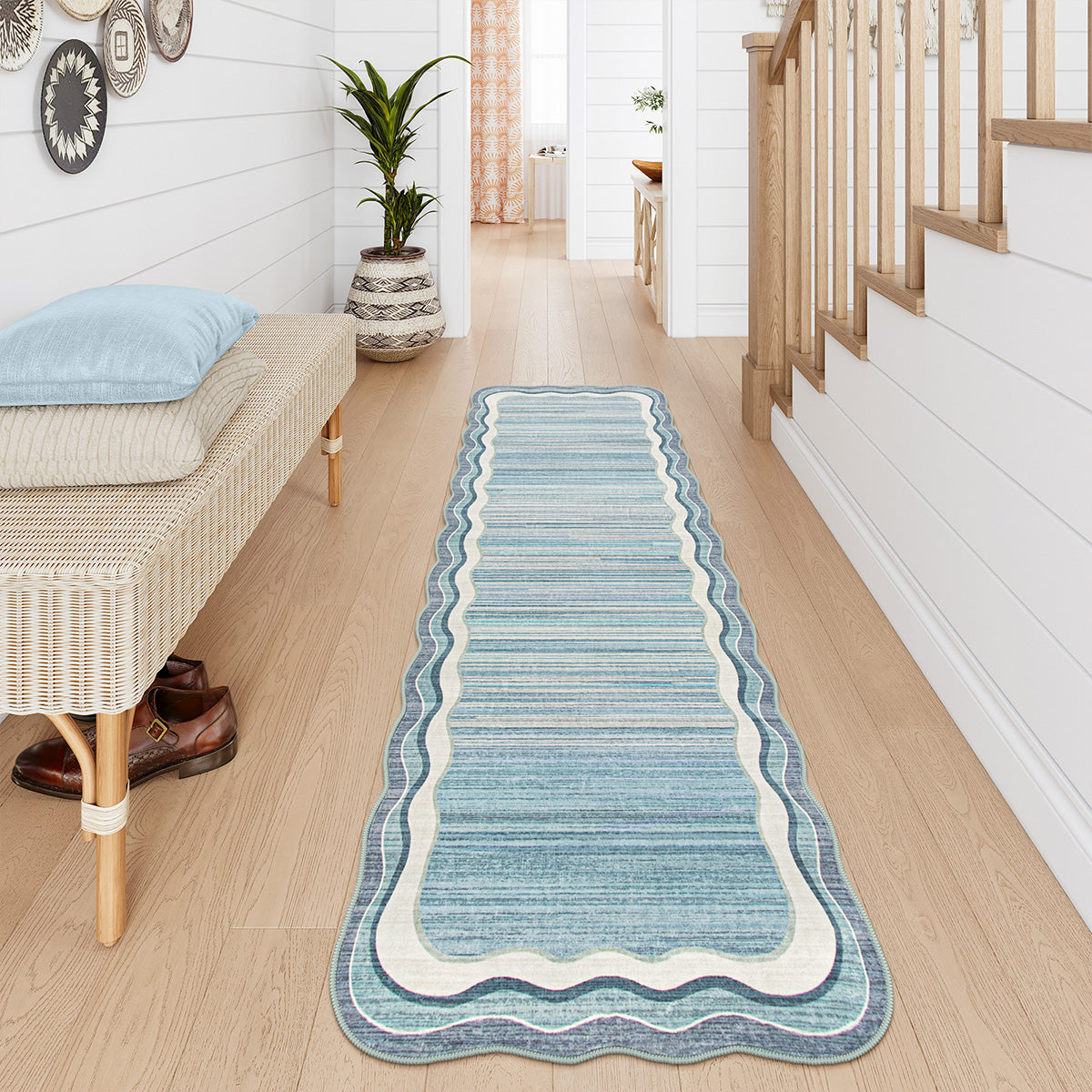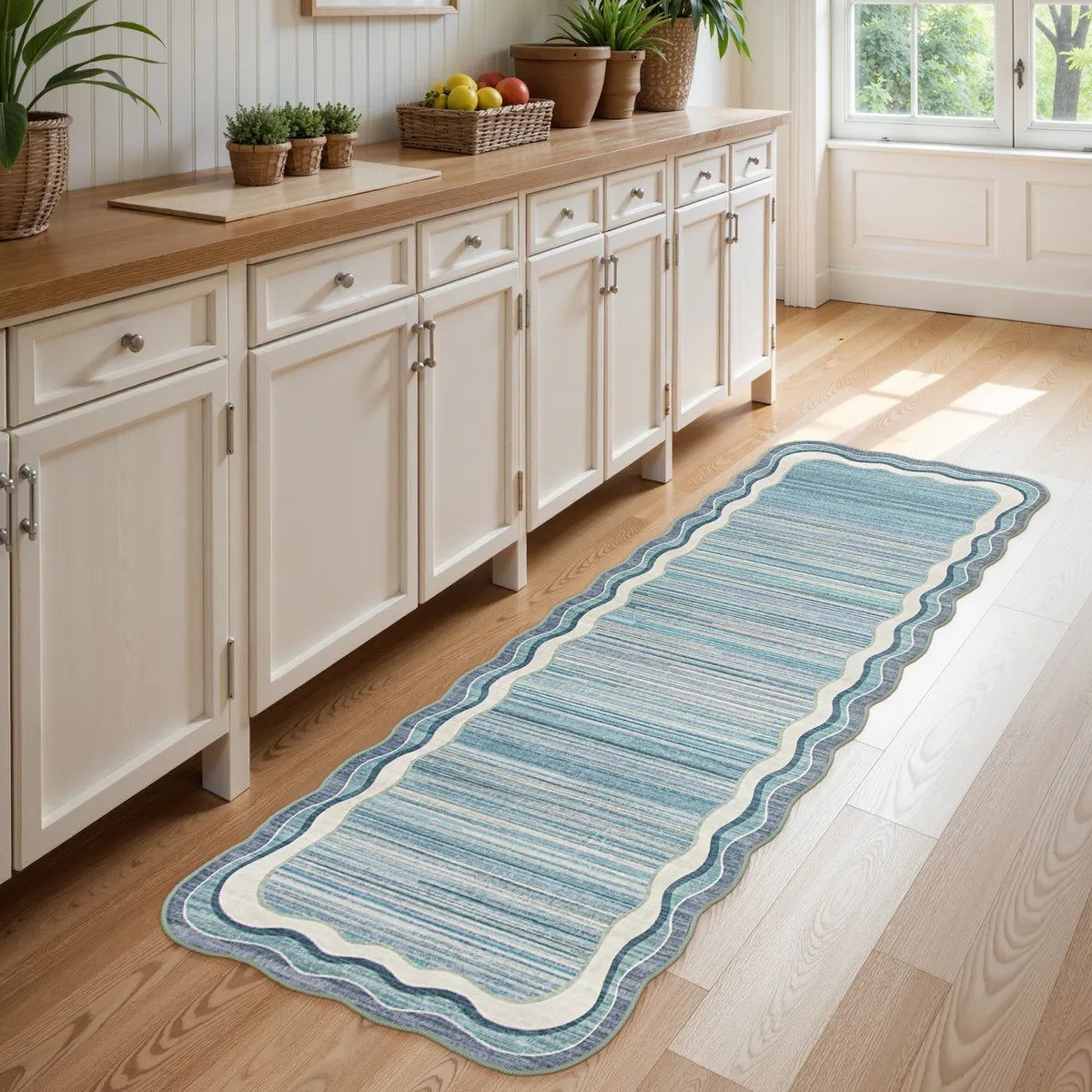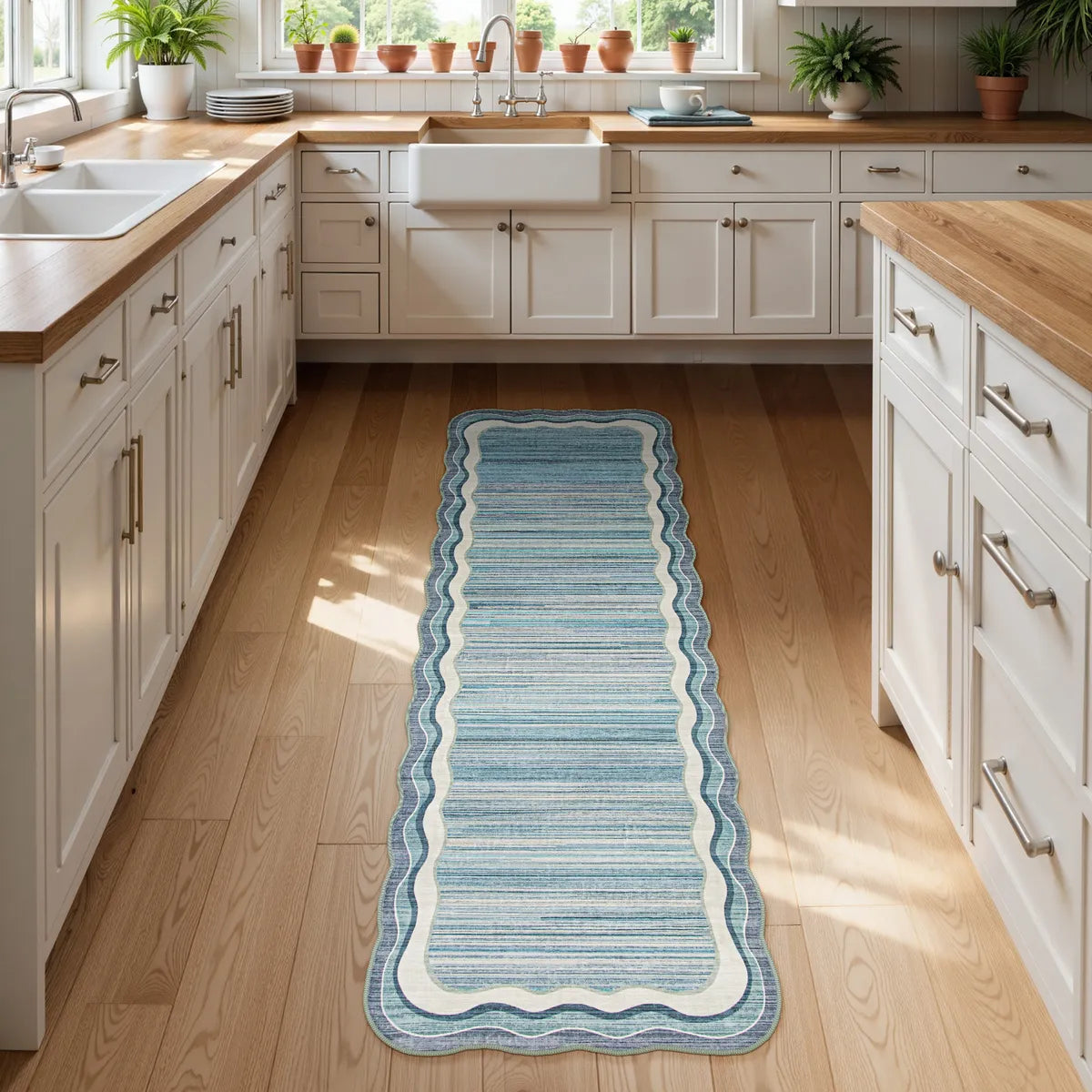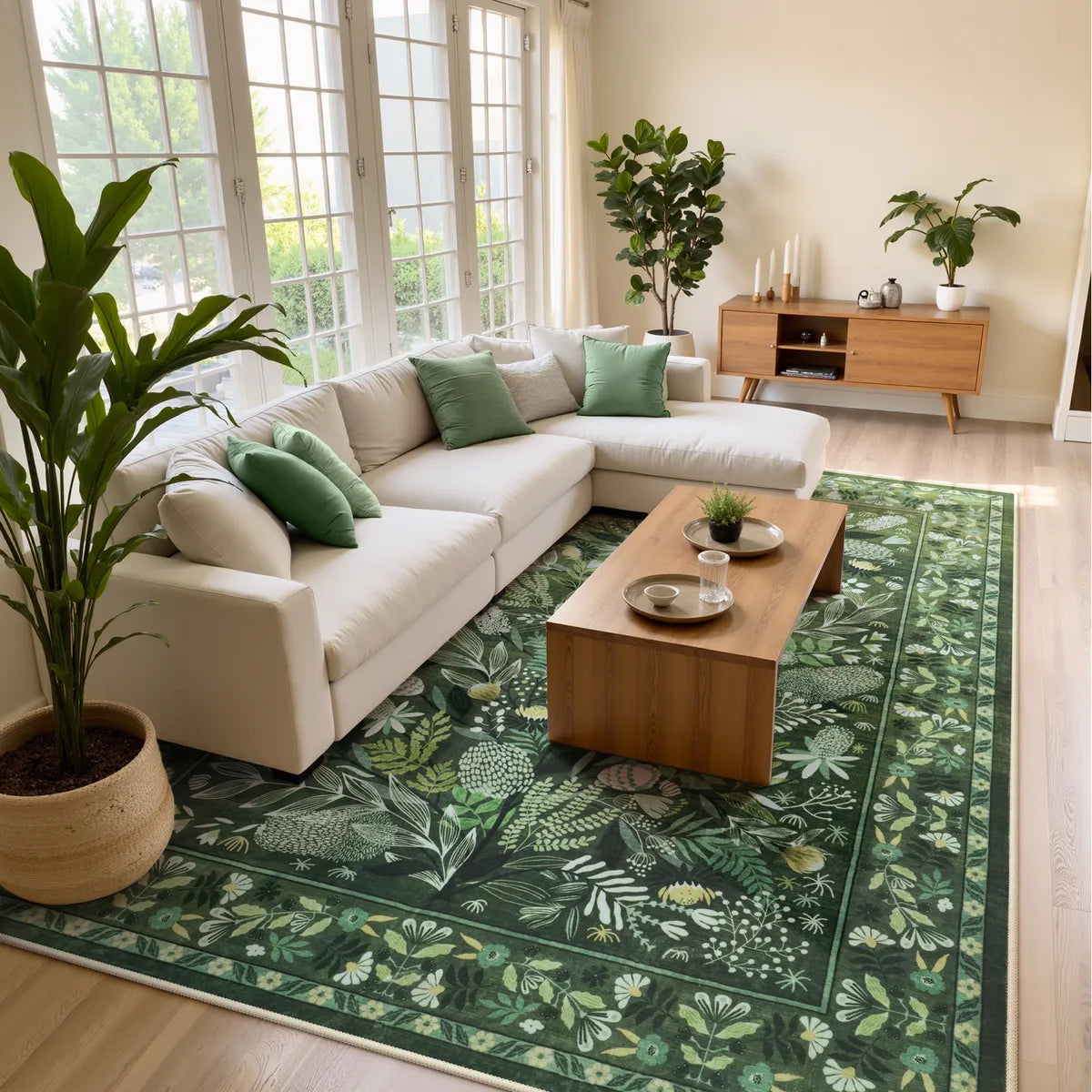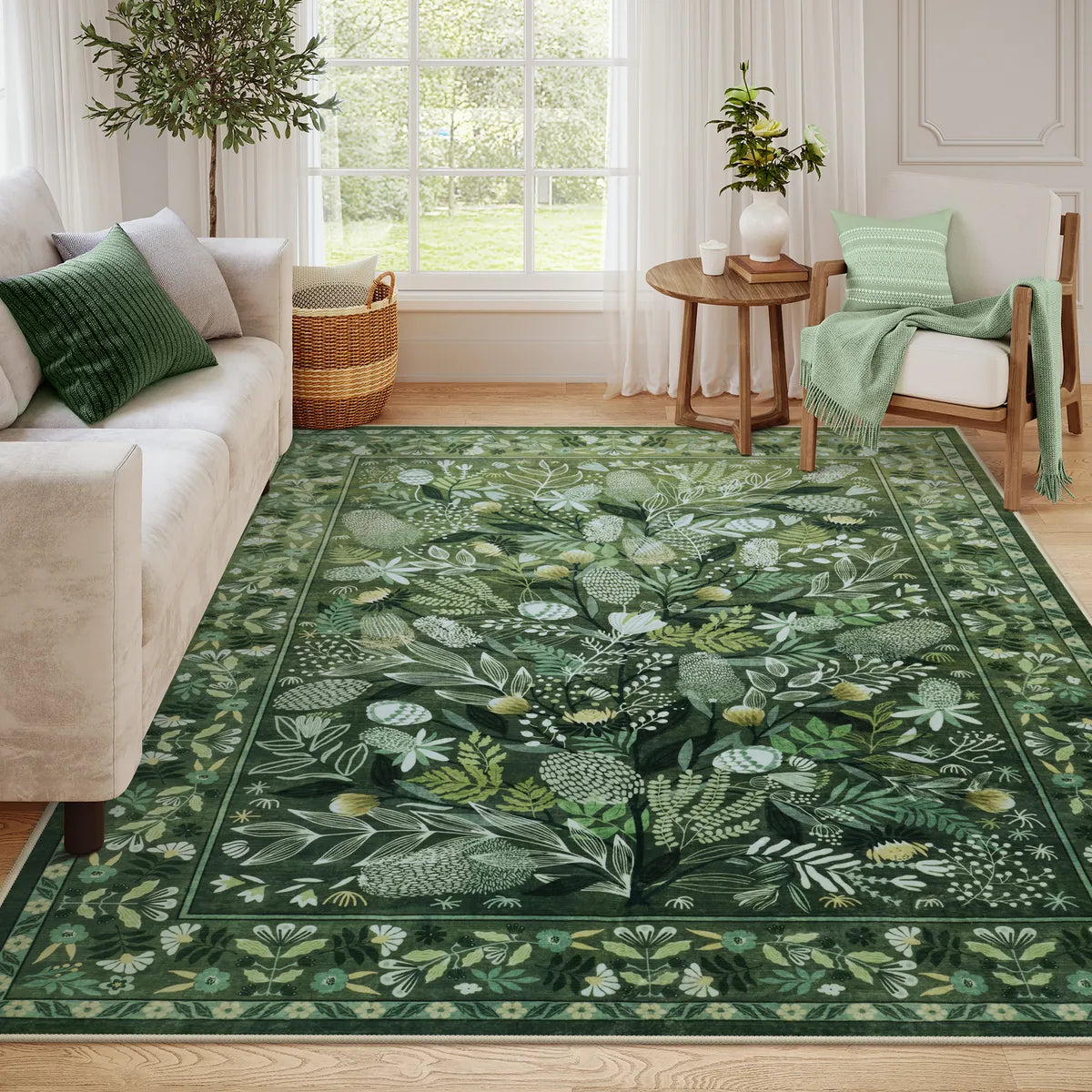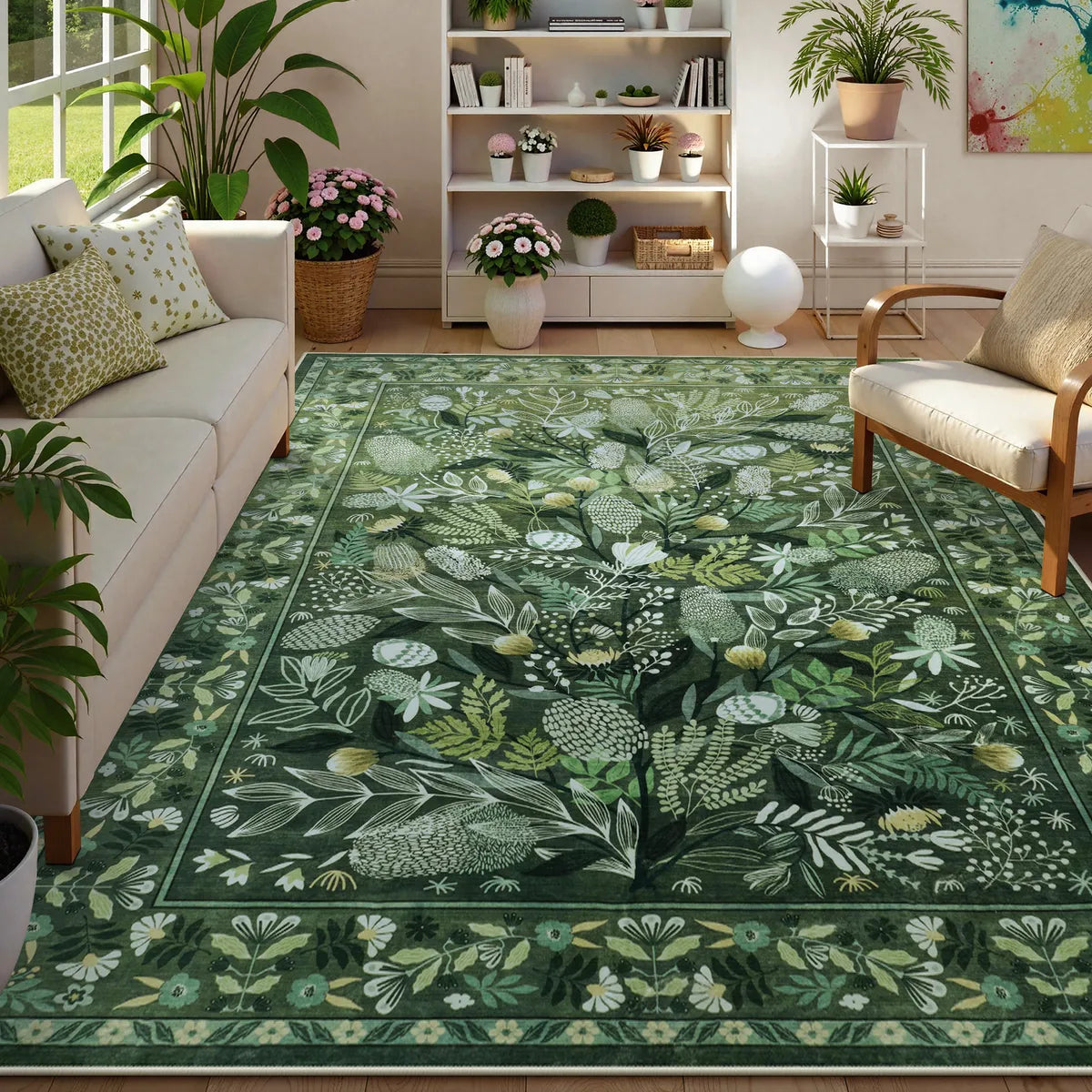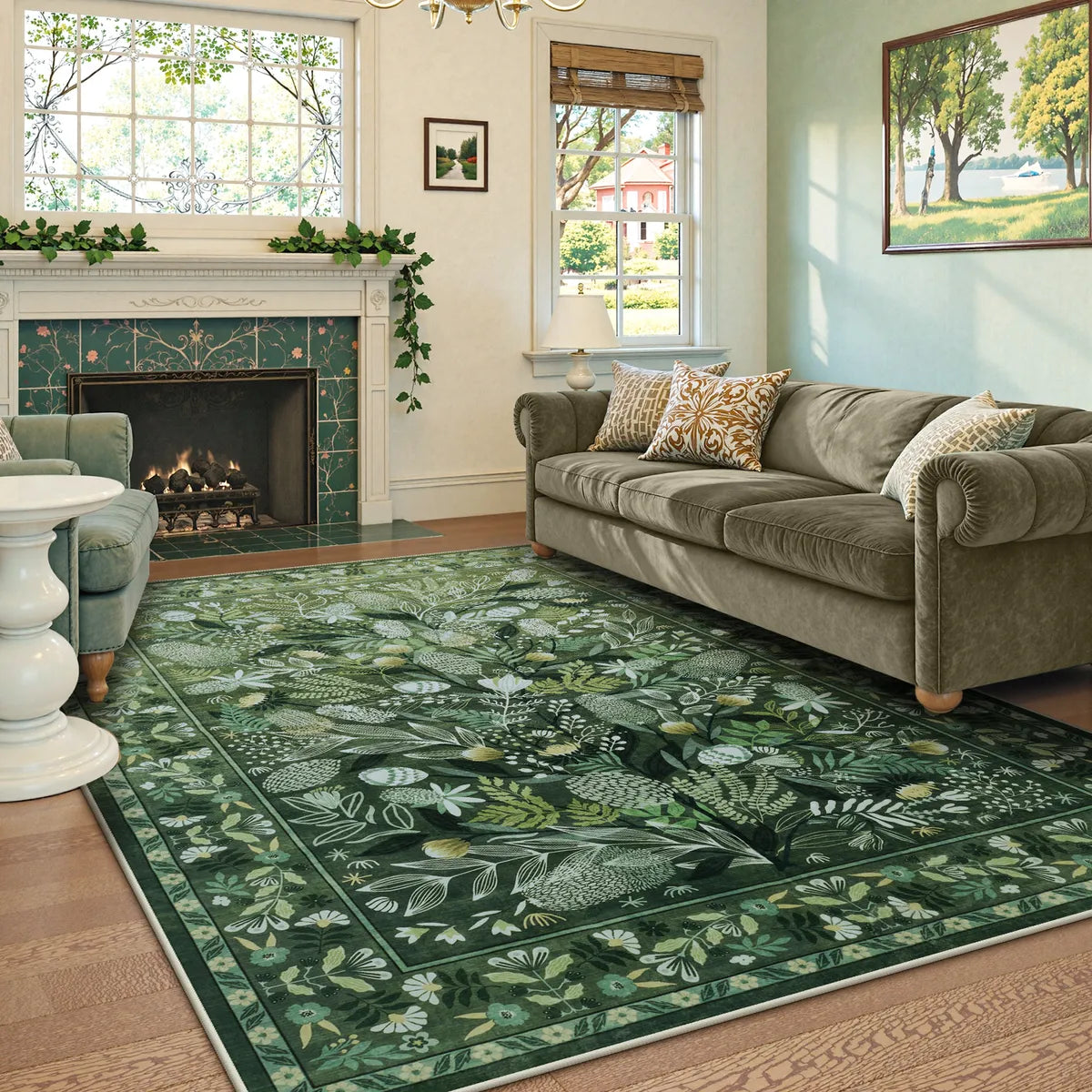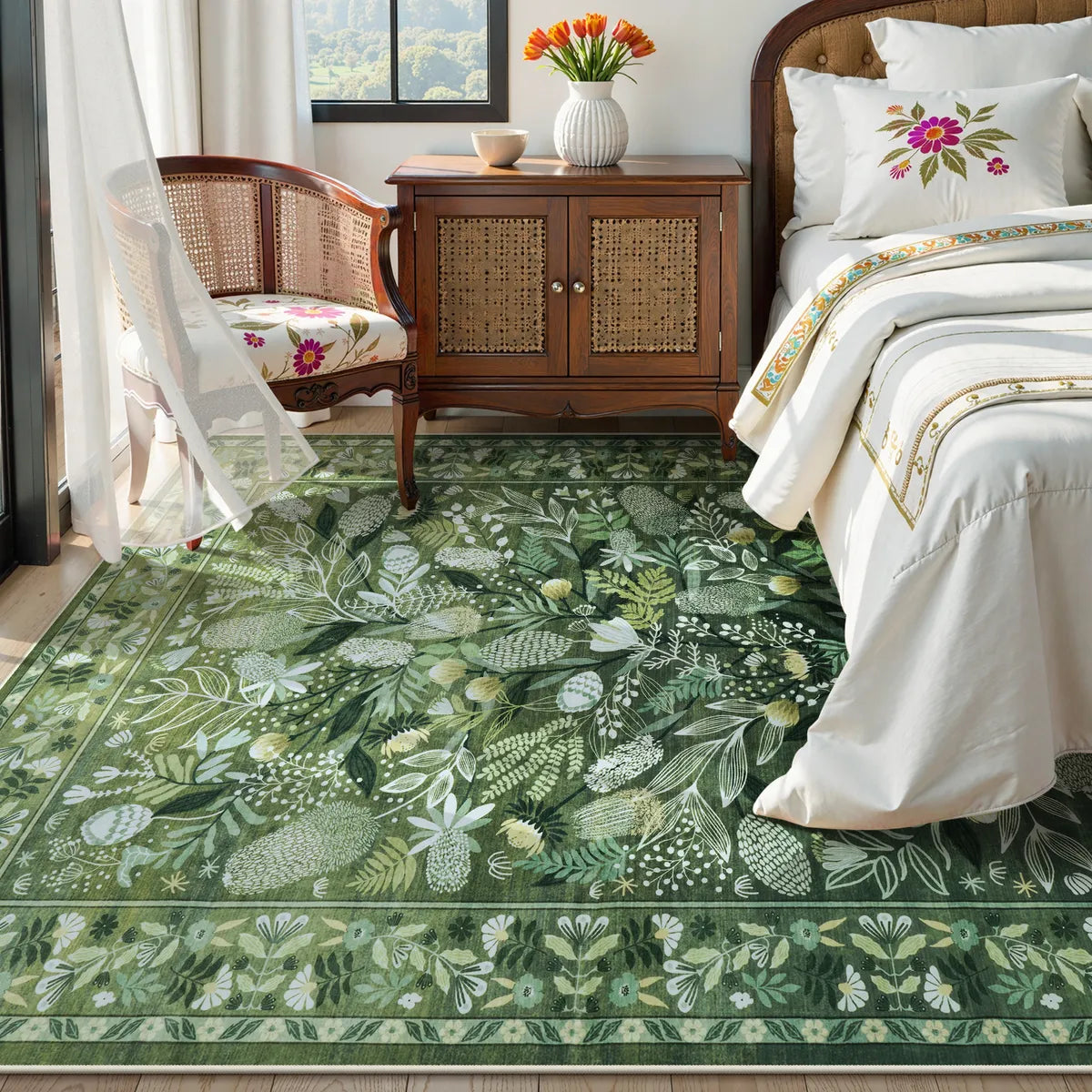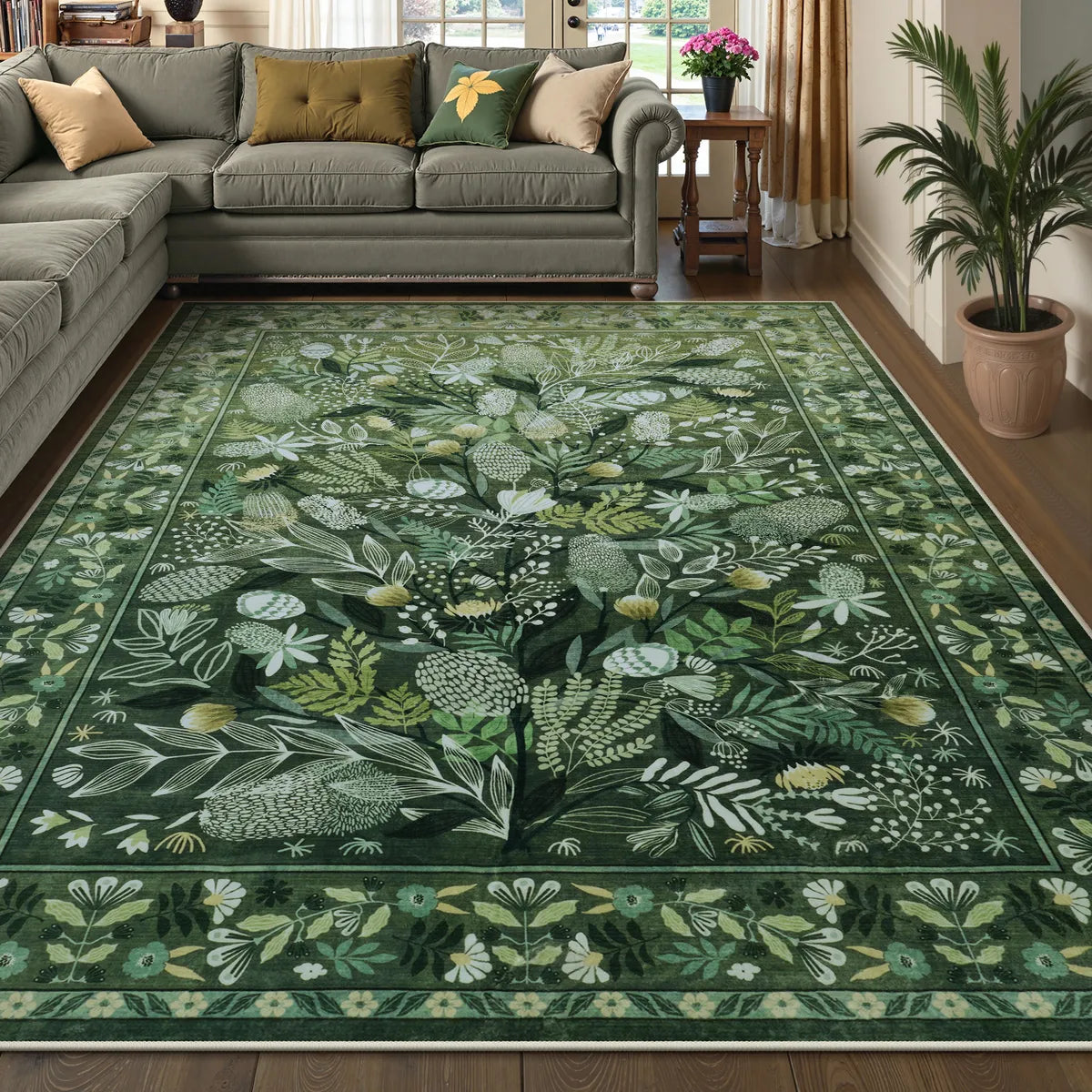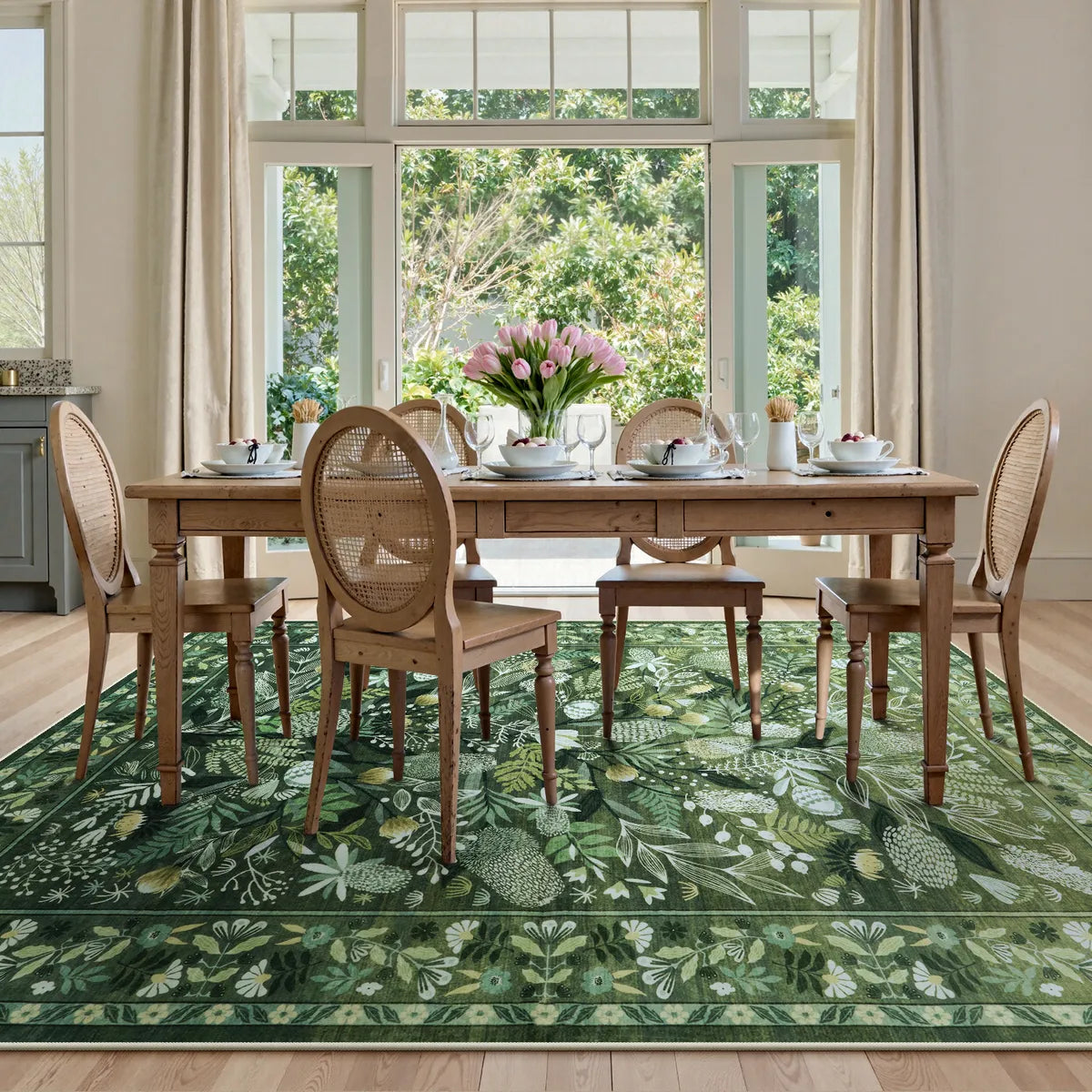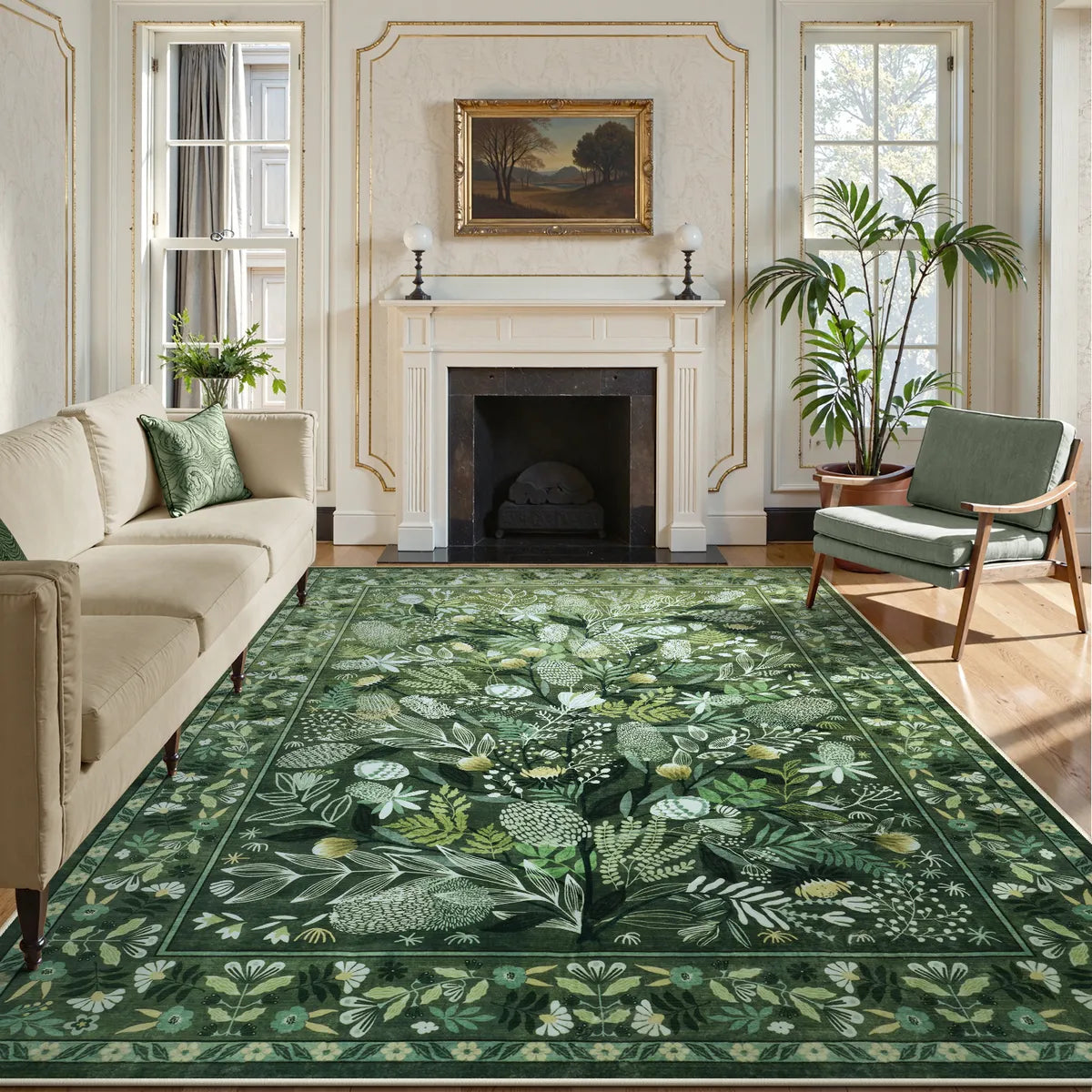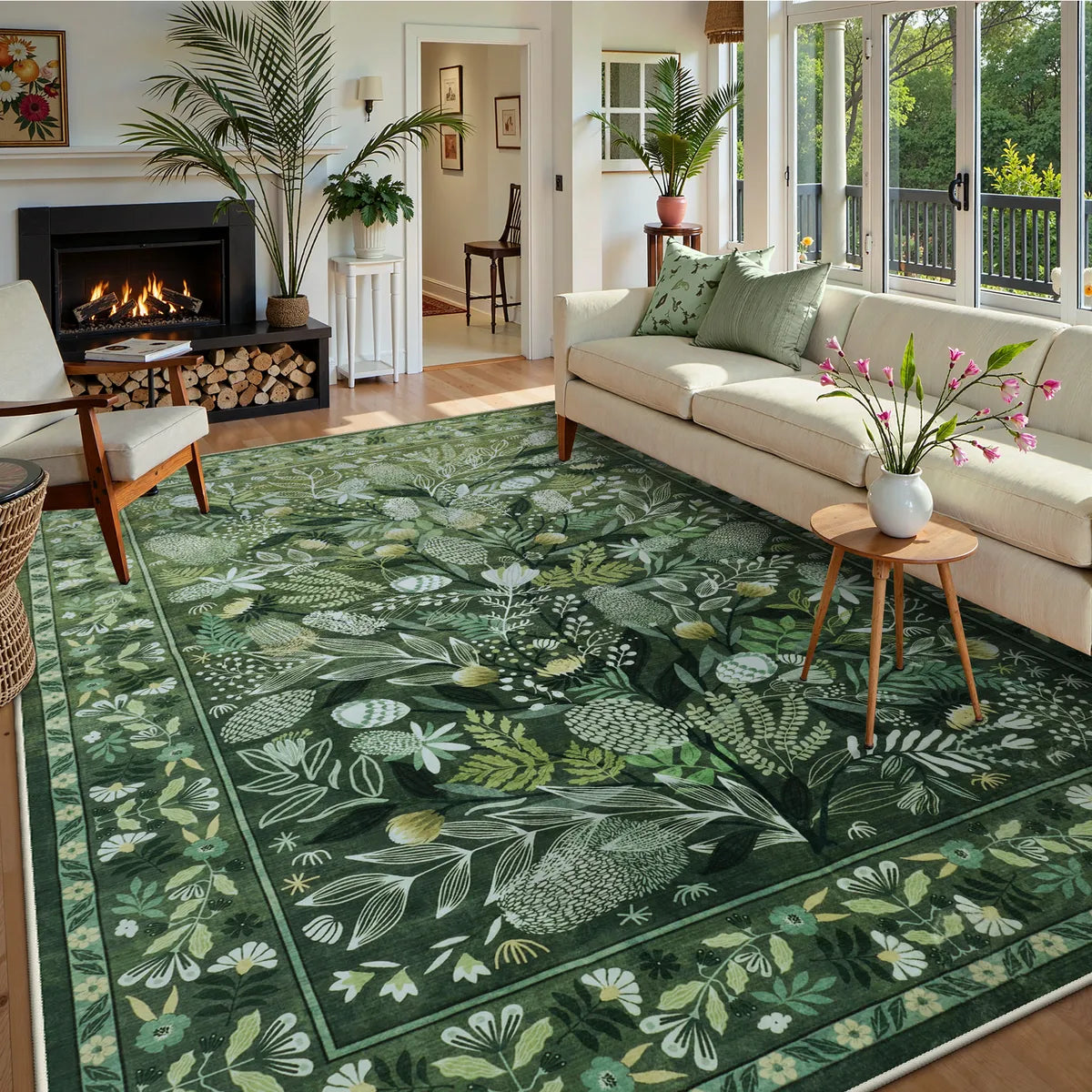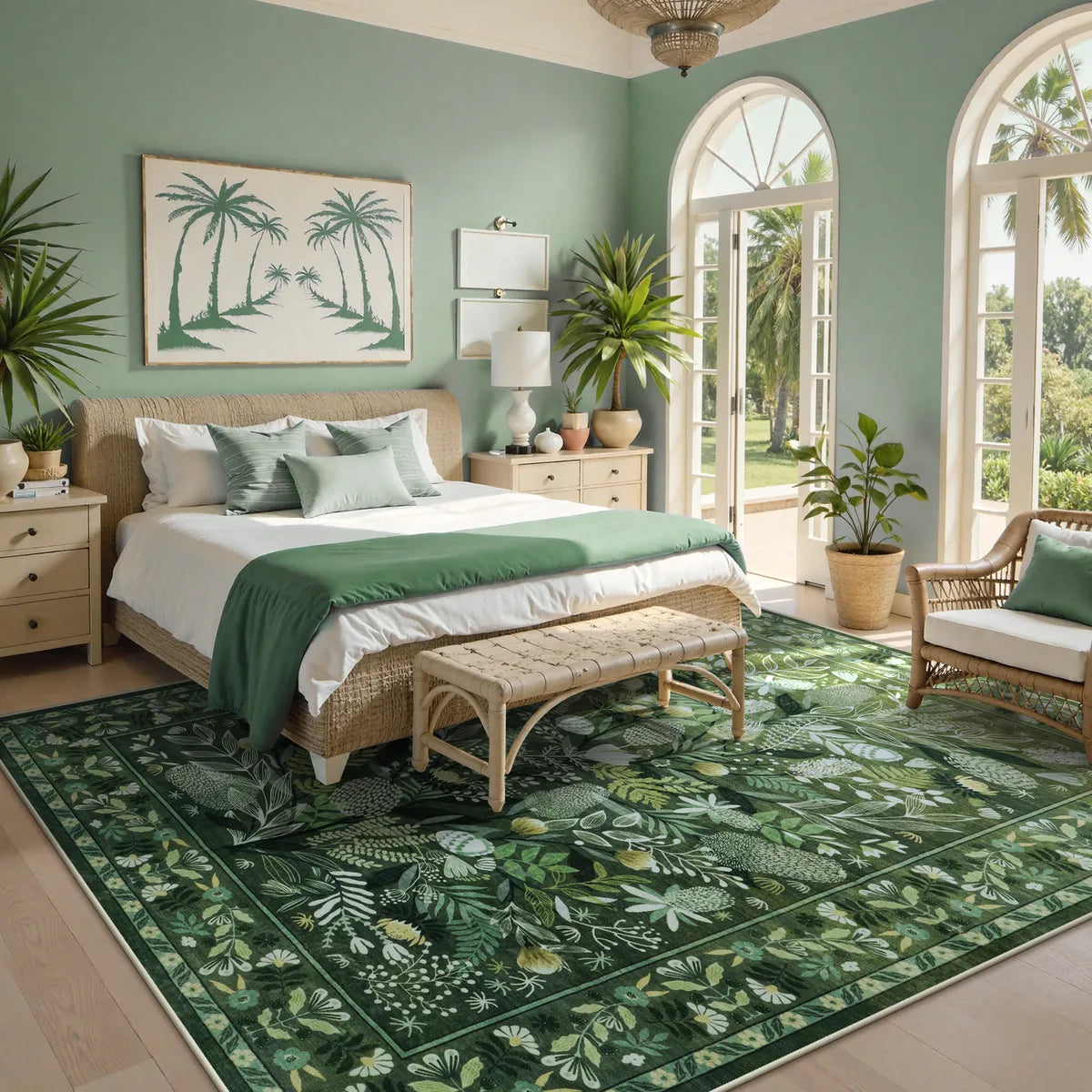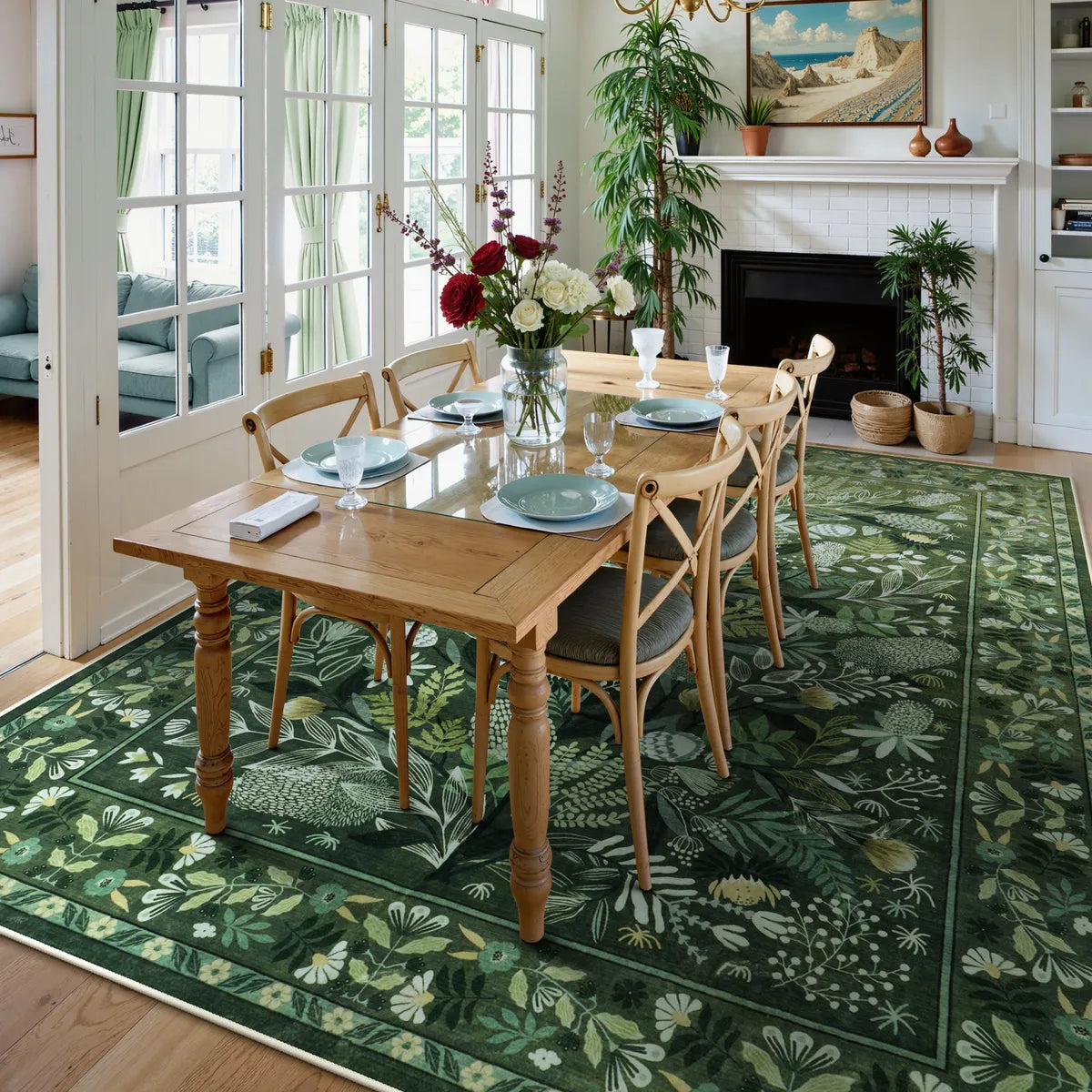


Spring has a way of making everything feel like a fresh start. One of the easiest ways to bring new life into your home is layering in a vintage rug, a piece that carries warmth, texture, and history all at once. Far from feeling dated in a modern setting, vintage rugs add the kind of character that no brand-new decor can replicate. Here is how to make them work beautifully in a light, airy spring interior.
Quick Answer
- Choose the right style. Persian and bohemian patterns work well with modern furniture when surrounding pieces are kept simple and neutral.
- Let the rug lead. Pull one or two tones from the rug and carry them into cushions, throws, or curtains. This keeps the room cohesive without overdoing it.
- Keep it practical. Washable vintage carpet rugs let you enjoy the look without worrying about everyday spills or high-traffic wear.
Why Vintage Rugs Belong in a Modern Spring Home

Many people assume that vintage means old-fashioned. In reality, a well-chosen vintage rug can anchor a modern room just as effectively as any contemporary piece. The key is knowing what to look for and how to balance it with everything else in space.
The Case for Contrast
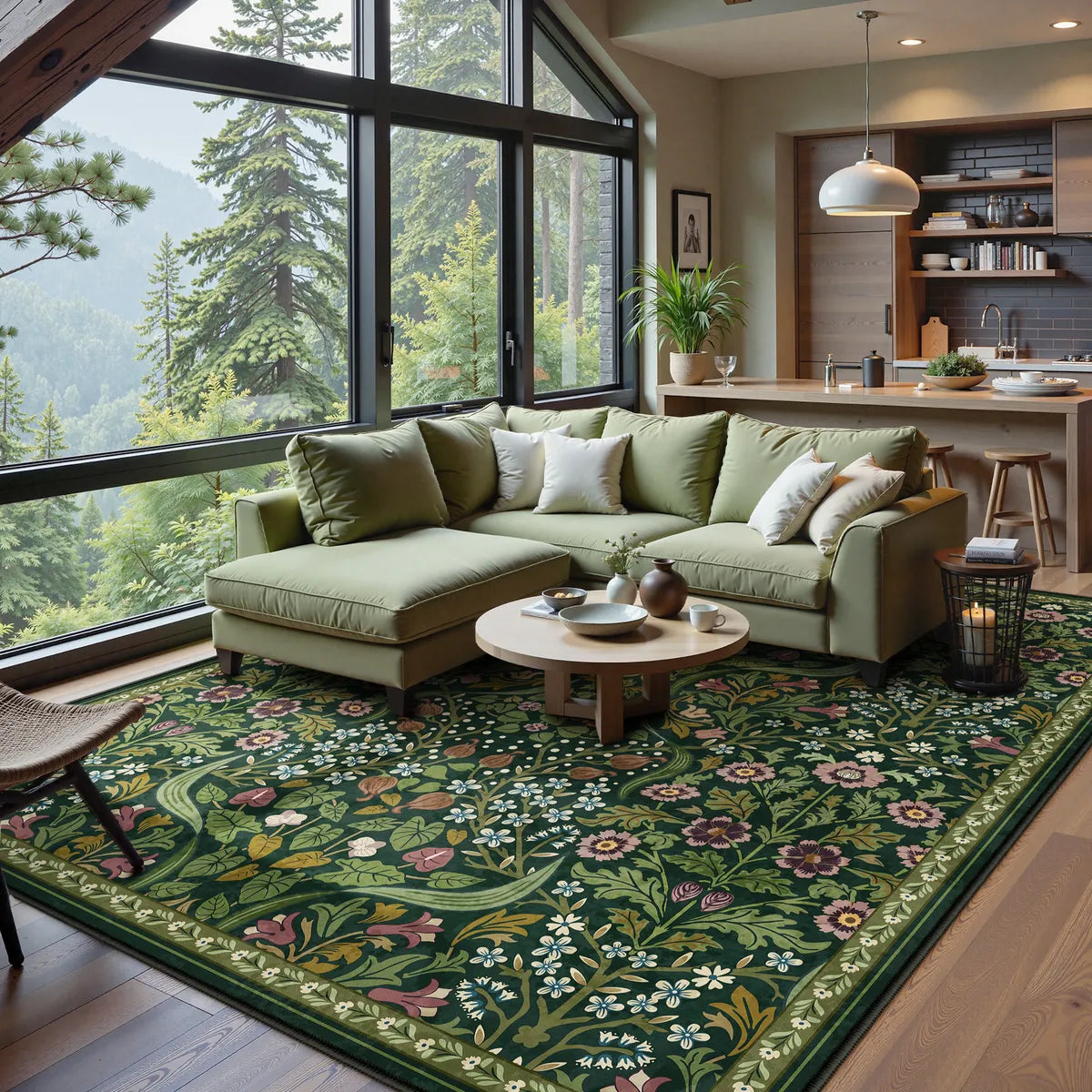
Modern interiors tend to lean toward clean lines, neutral tones, and minimal ornamentation. A vintage rug introduces something that minimalist design often lacks: visual tension. When a richly patterned rug sits beneath a sleek sofa or a simple dining table, it creates a layered look that feels intentional rather than accidental. The rug becomes the focal point, and the modern furniture around it lets it breathe.
Why Spring Is the Right Time to Make the Switch
Spring is a natural reset for interiors. As natural light increases and windows stay open longer, rooms feel brighter and airier. This is the ideal moment to swap out heavier winter textiles and bring in something that adds warmth without visual weight. Vintage rugs, with their faded tones and soft patinas, complement the organic, soft palette that spring naturally calls for.
How to Use a Persian Rug as a Spring Statement Piece

A Persian rug is a style of rug inspired by traditional Iranian weaving patterns, typically featuring intricate medallion or floral motifs in rich, layered color. The look has been widely reproduced in modern rug design, making it accessible for everyday home use.
Let the Rug Lead the Color Story
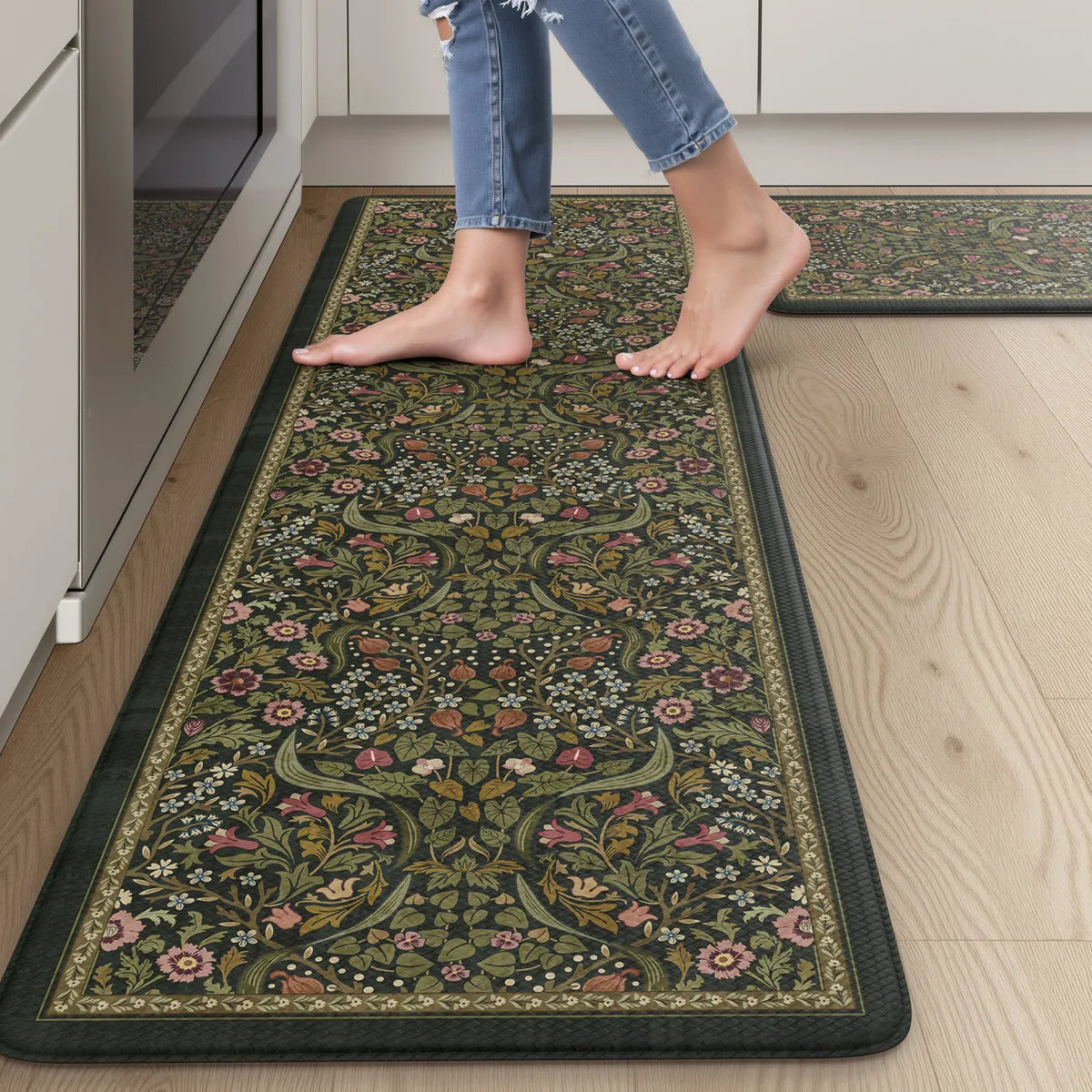
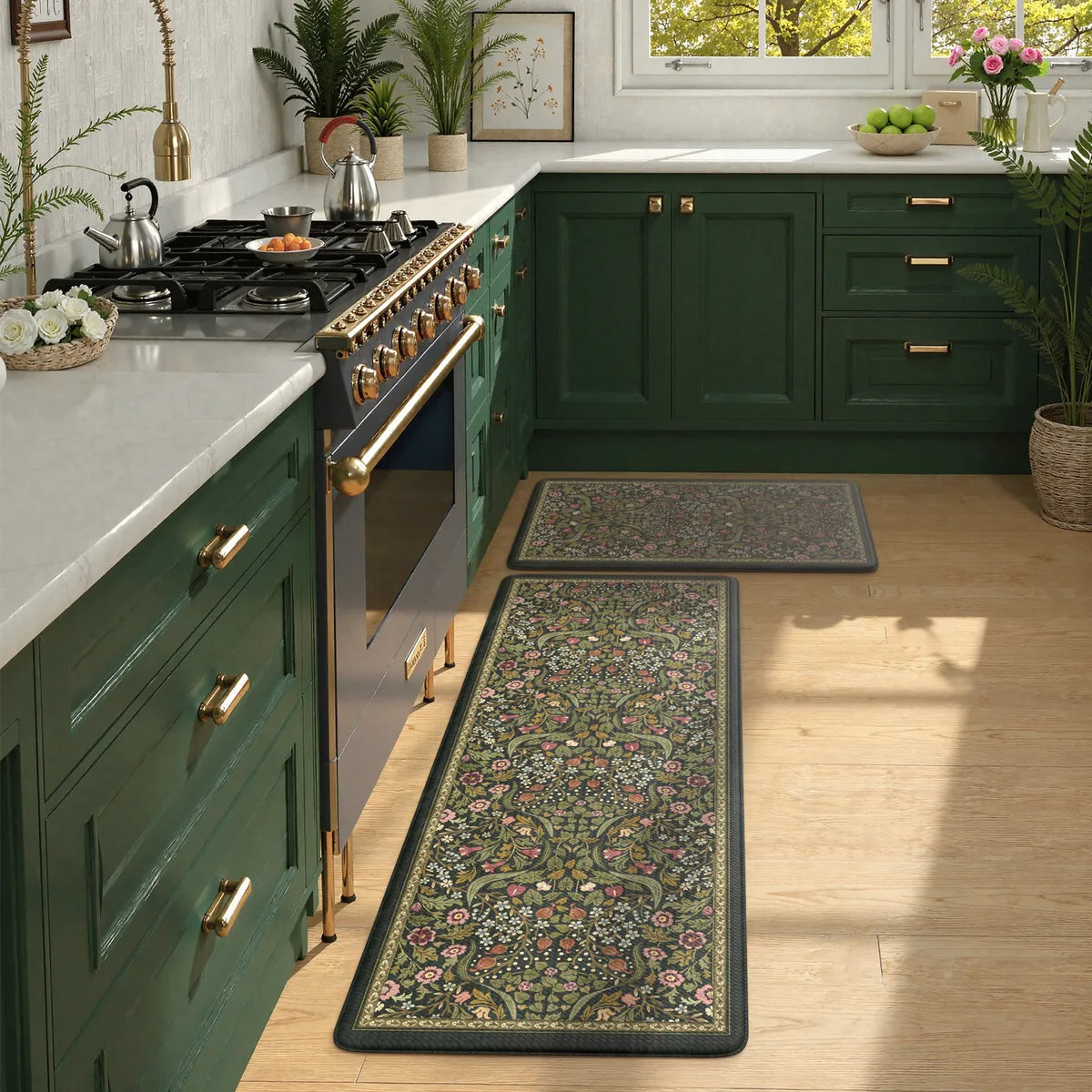
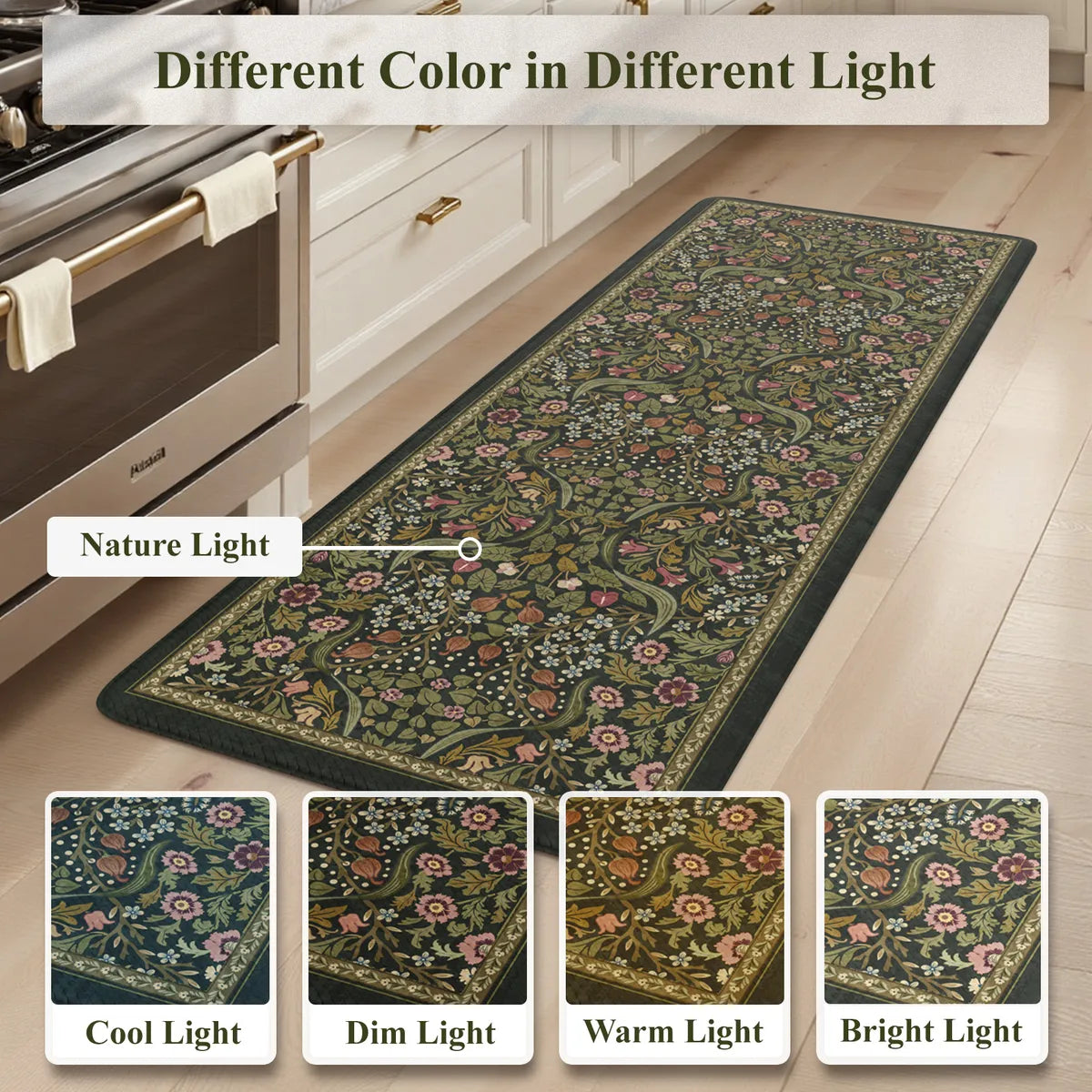
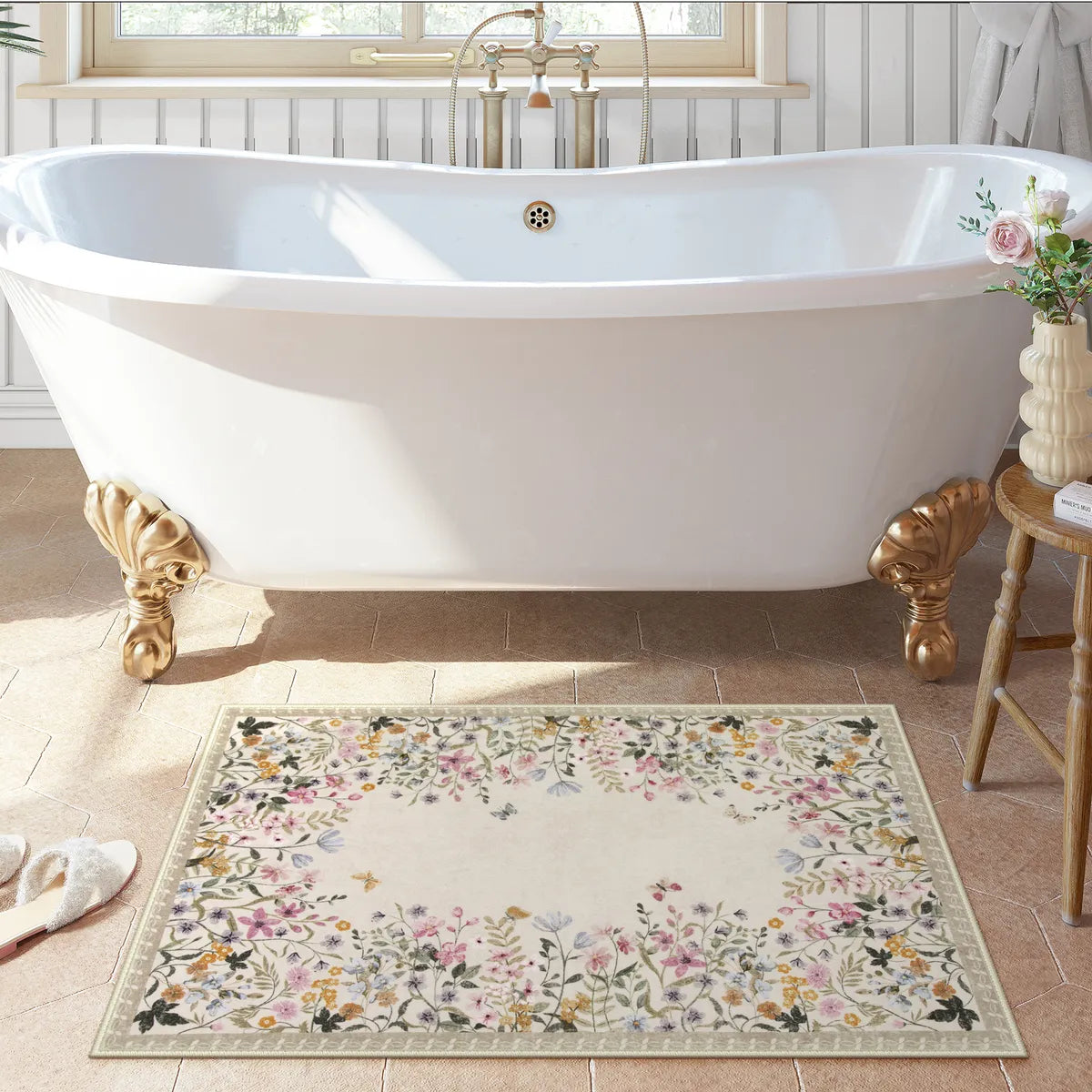
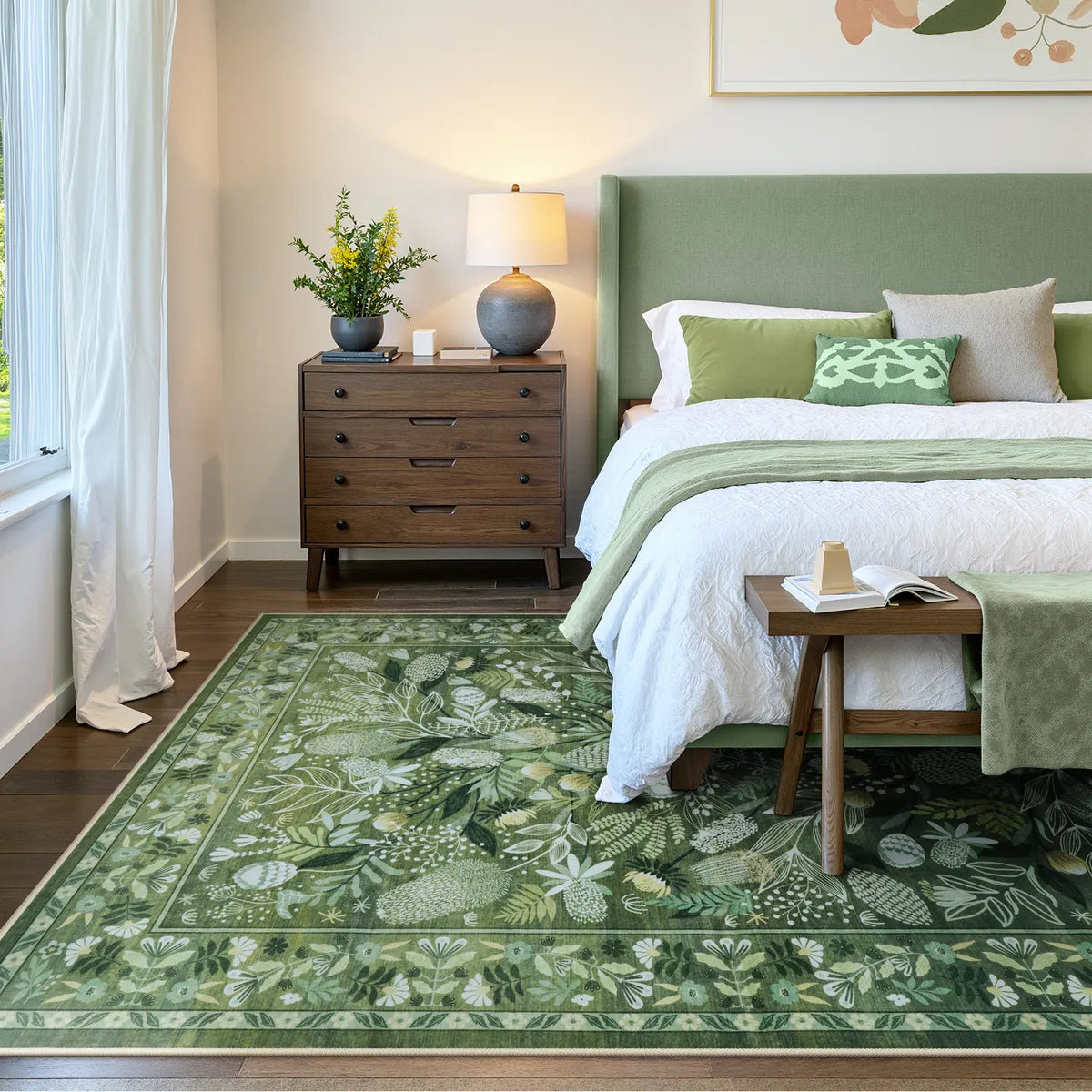
In spring decorating, color plays a central role. Persian rugs often feature dusty rose, sage green, ivory, and terracotta tones. These shades align naturally with the season's softer palette.
Rather than choosing accent pieces first and hunting for a rug to match, try reversing the process:
- Pull one or two tones from the rug
- Carry those tones into cushions, throws, or curtains
- Keep walls and large furniture pieces neutral to avoid visual competition
This approach keeps the room cohesive without making it feel overdone.
Pair Persian Patterns With Modern Furniture
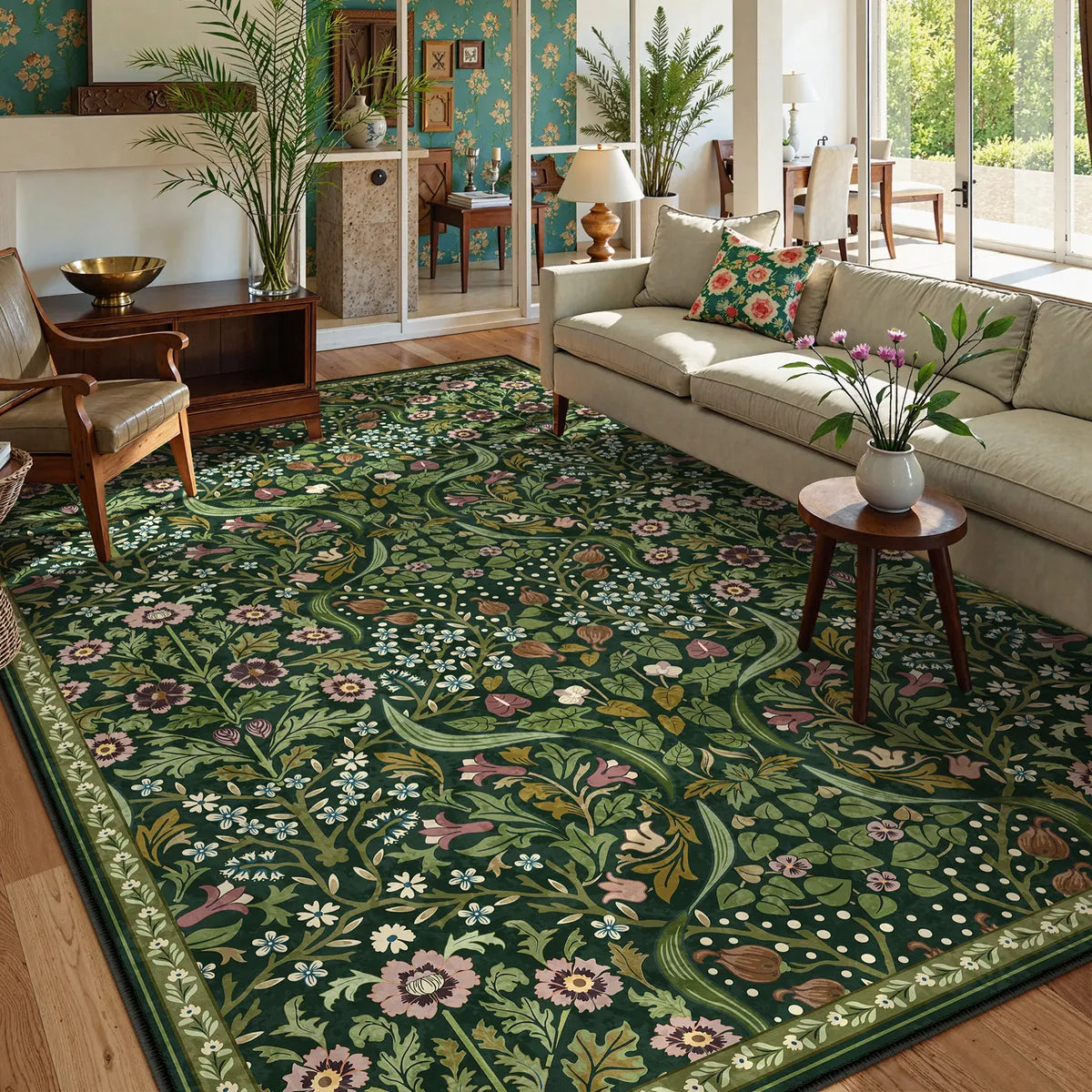
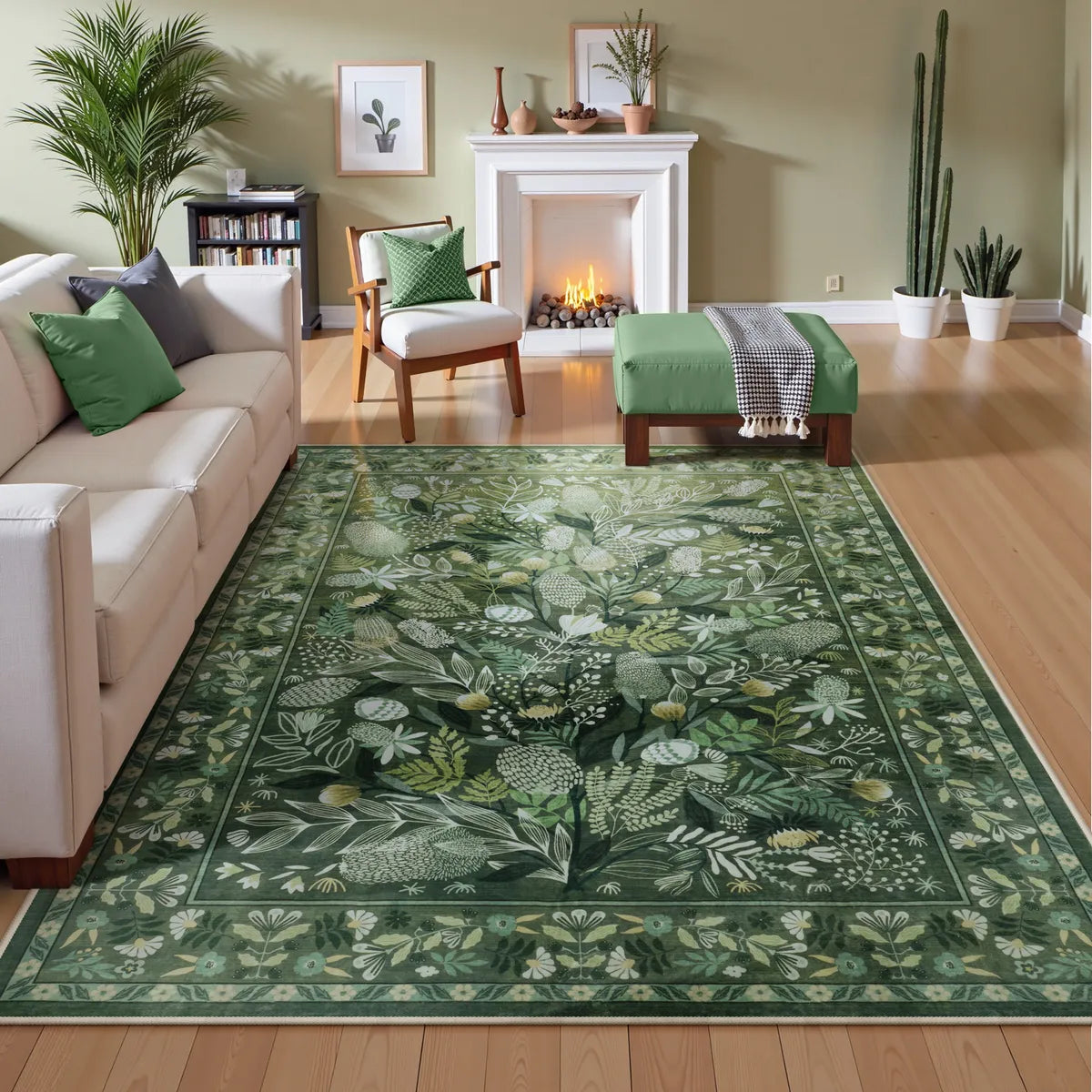
The most common concern is whether an ornate pattern clashes with contemporary furniture. It rarely does. The contrast is actually what makes the combination work. Keep surrounding pieces simple in silhouette and neutral in color, and let the Persian rug handle all the visual detail. A low-profile sofa in linen or cotton gives the rug enough room to be the star of the space.
Bohemian Rug Colors That Refresh Your Space for Spring

A bohemian rug (commonly called a boho rug) draws from a free-spirited, eclectic design tradition that blends global textile influences. Unlike the structured symmetry of Persian rugs, bohemian rugs tend to feature looser patterns, mixed textures, and a deliberately relaxed aesthetic.
Color Palettes That Work in Spring
Spring bohemian styling leans toward warm, sun-baked tones layered with cooler botanical shades. These colors echo what is happening outside the window, making your interior feel connected to the season rather than separate from it.
A few combinations that consistently work well together:
- Terracotta + cream + sage
- Mustard + soft blush + ivory
- Rust + forest green + natural linen
The goal is warmth without heaviness, which is exactly what spring interiors need.
Texture as a Design Tool
Bohemian rugs often combine flat-weave sections with higher-pile areas or fringe details. In a spring interior, this variety of texture keeps a room from feeling visually flat. Layer a boho rug in a reading nook with a woven basket and a simple linen throw to build out the look without overcrowding the space. Less is more here. A single bohemian rug in the right spot does far more work than several competing pieces.
Stain-Resistant Vintage Carpet Rugs for High-Traffic Spring Living
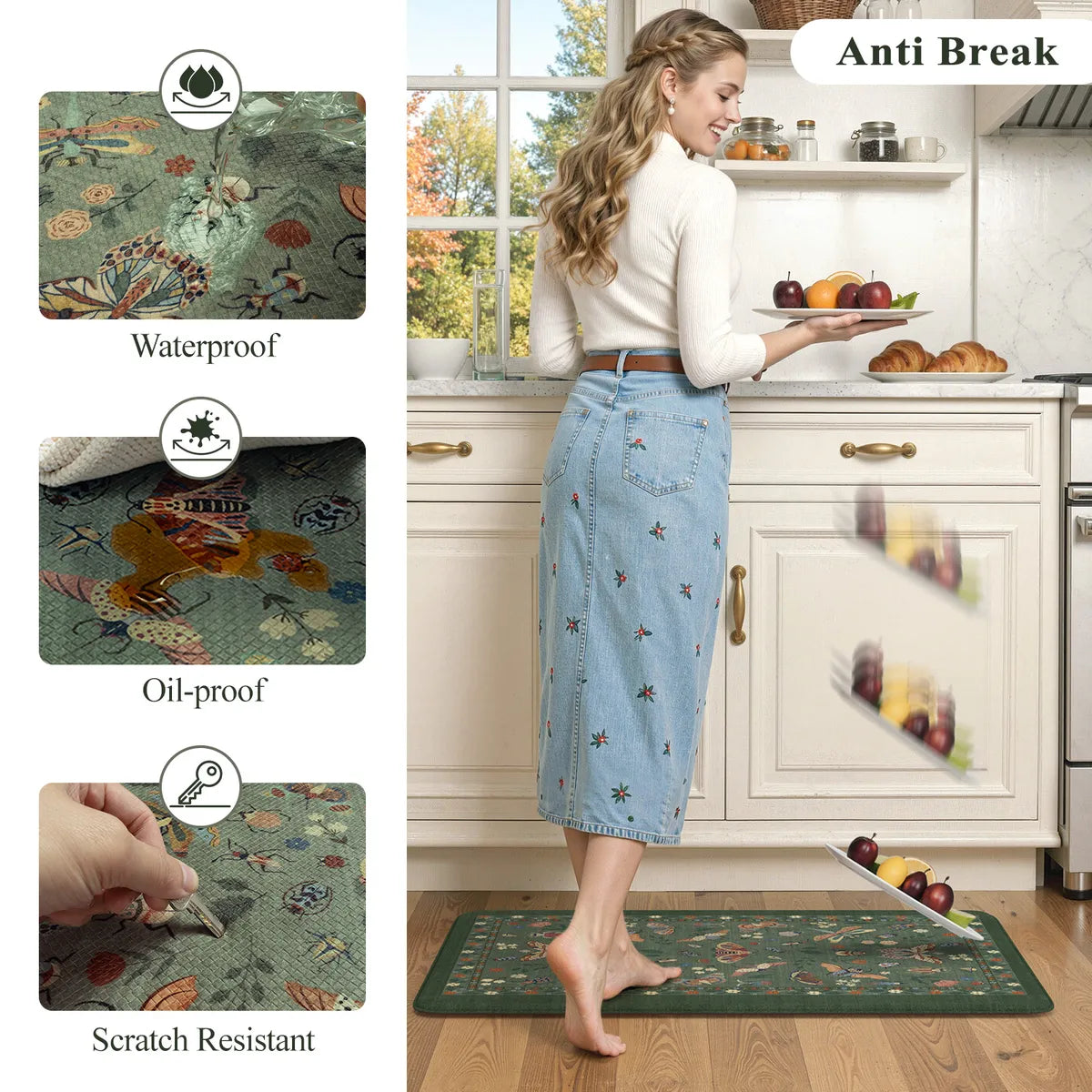
Spring means open doors, kids and pets moving in and out, and more impromptu gatherings at home. It is also the season when people tend to entertain more often. Choosing a stain-resistant vintage carpet rug for the main living areas means you do not have to choose between style and practicality.
What Stain-Resistant Actually Means
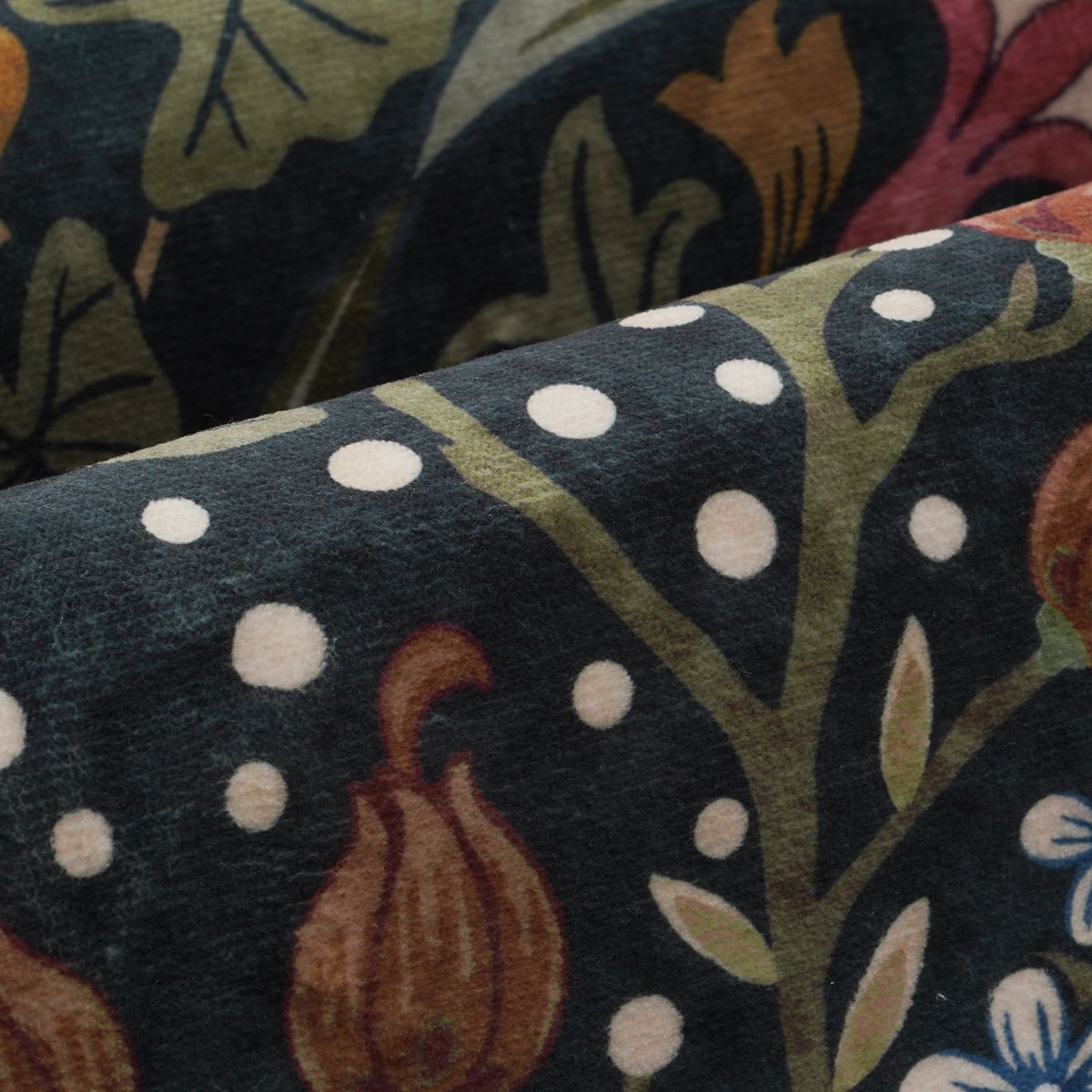
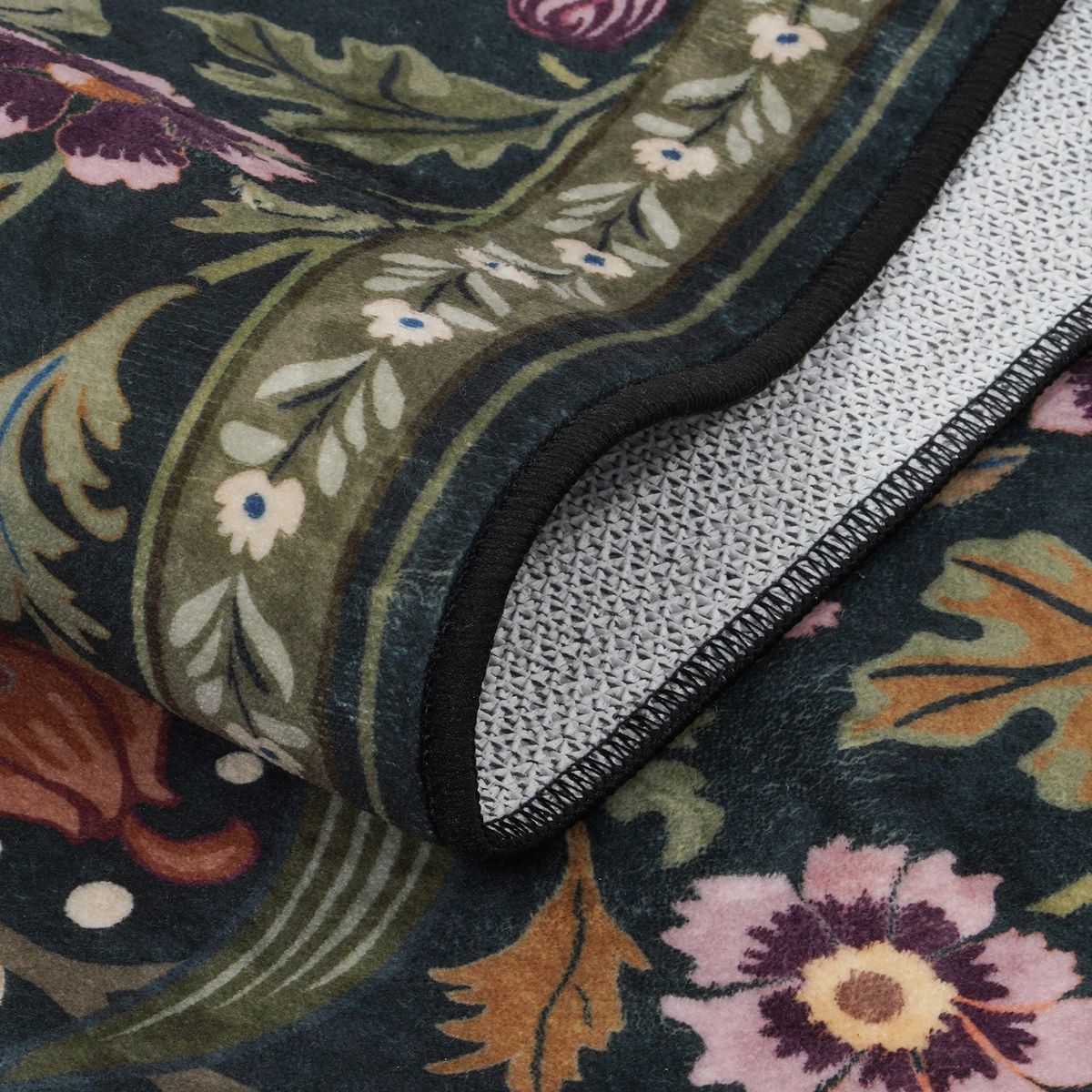
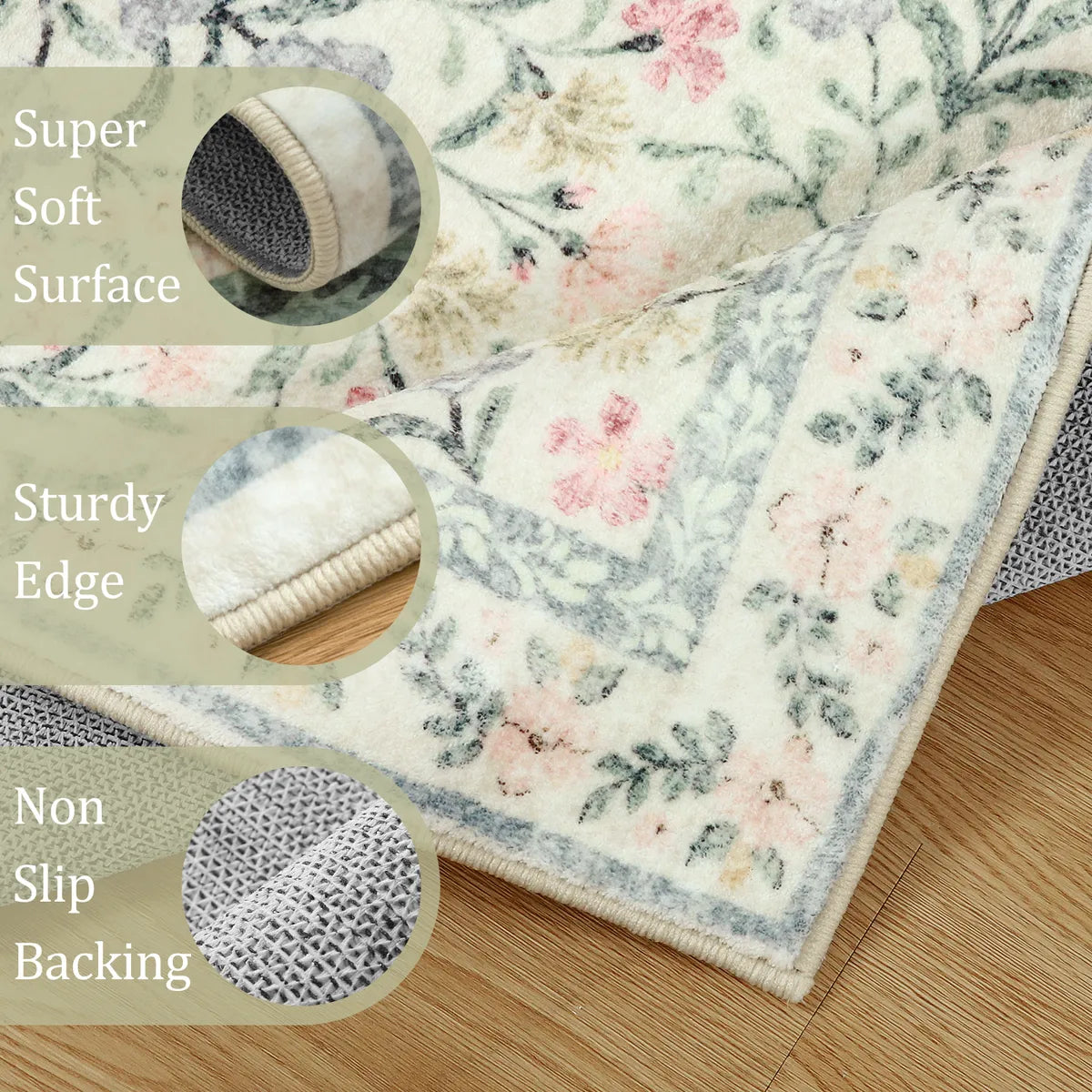
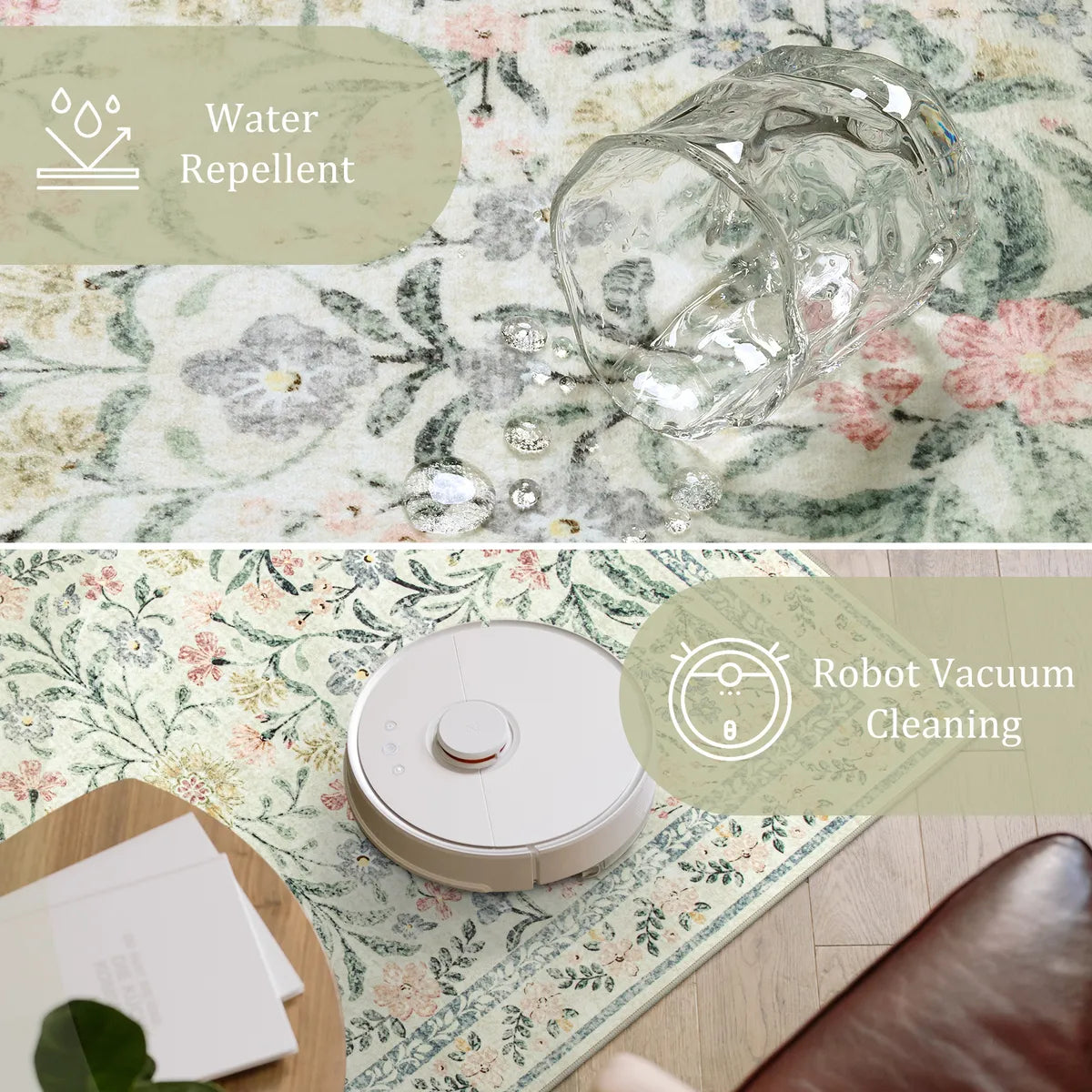
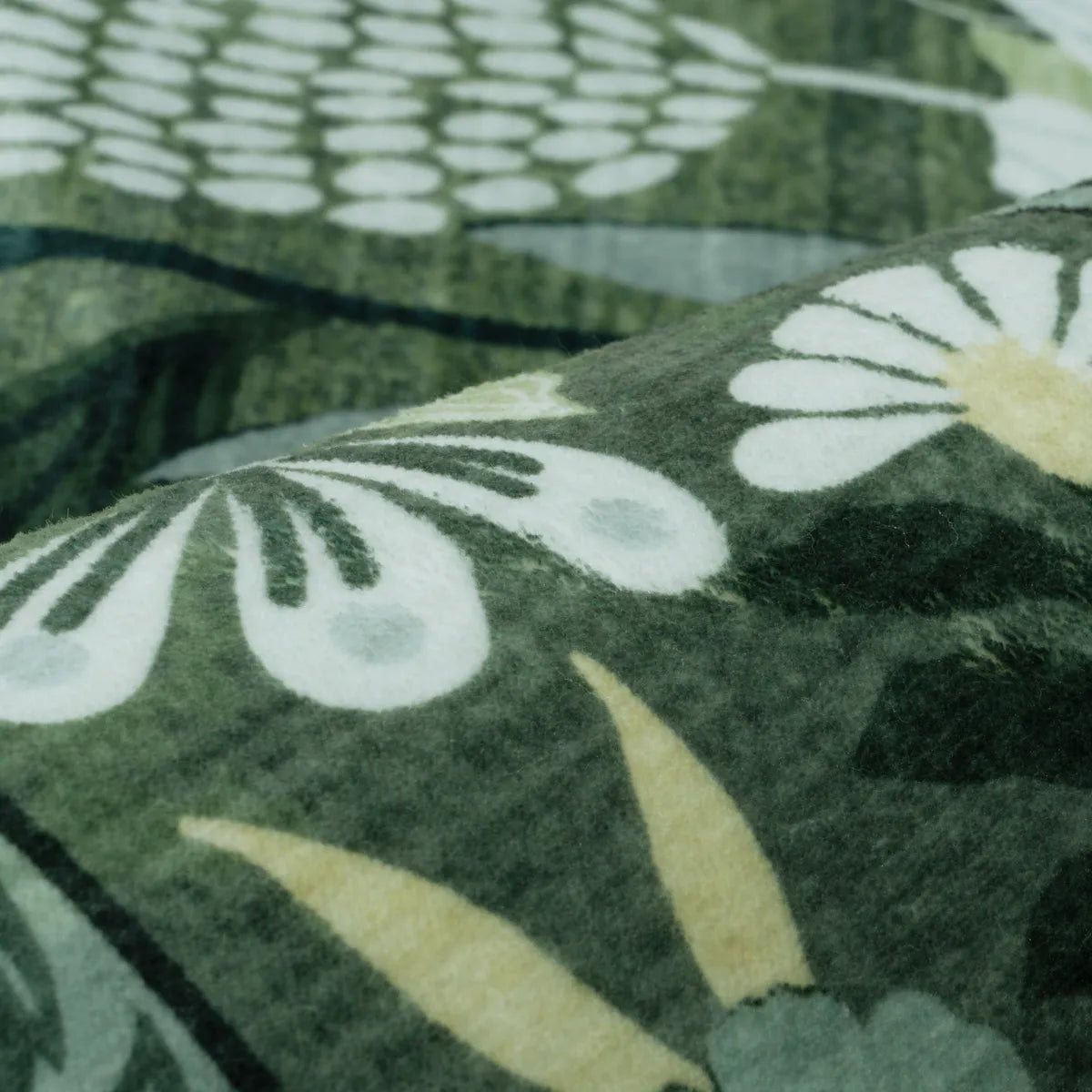
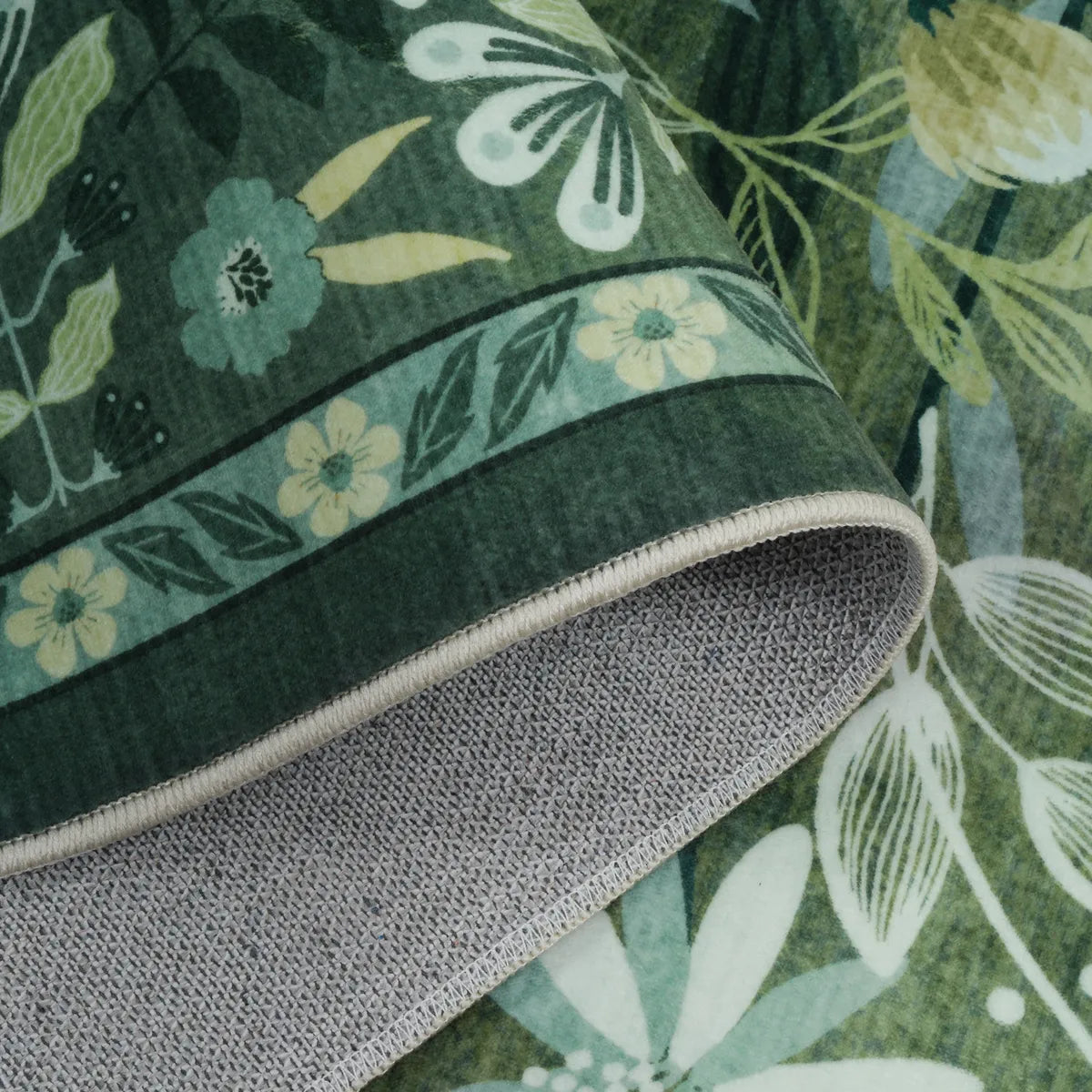
A stain-resistant rug is treated or constructed in a way that slows liquids and dirt from bonding to the fibers. This gives you a window of time to blot and clean a spill before it sets permanently. Many modern vintage-style rugs are built with this feature without sacrificing the faded, antique appearance that makes them so appealing in the first place.
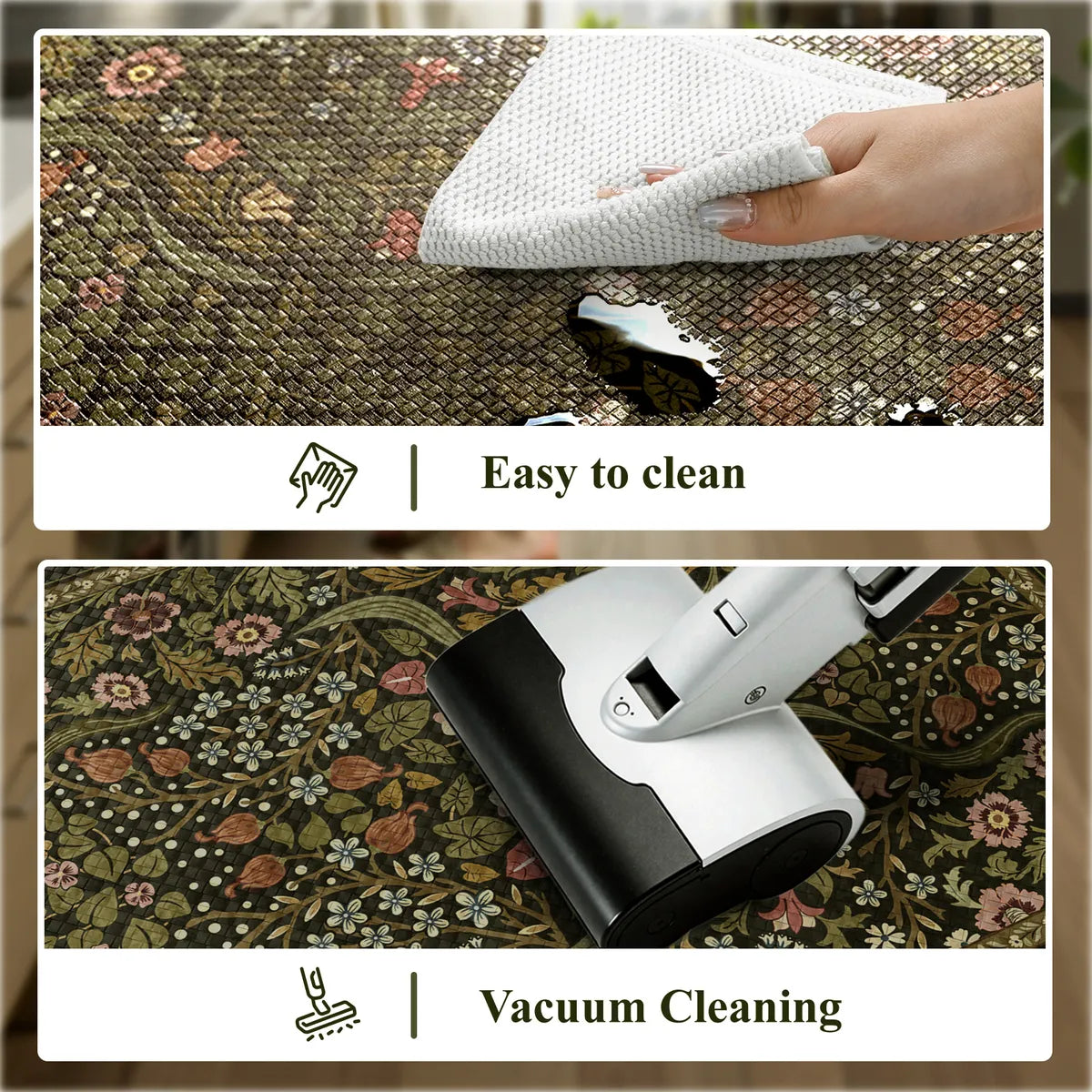
Keeping Vintage Carpet Rugs Clean Day to Day
Routine care is simpler than most people expect. A few habits go a long way:
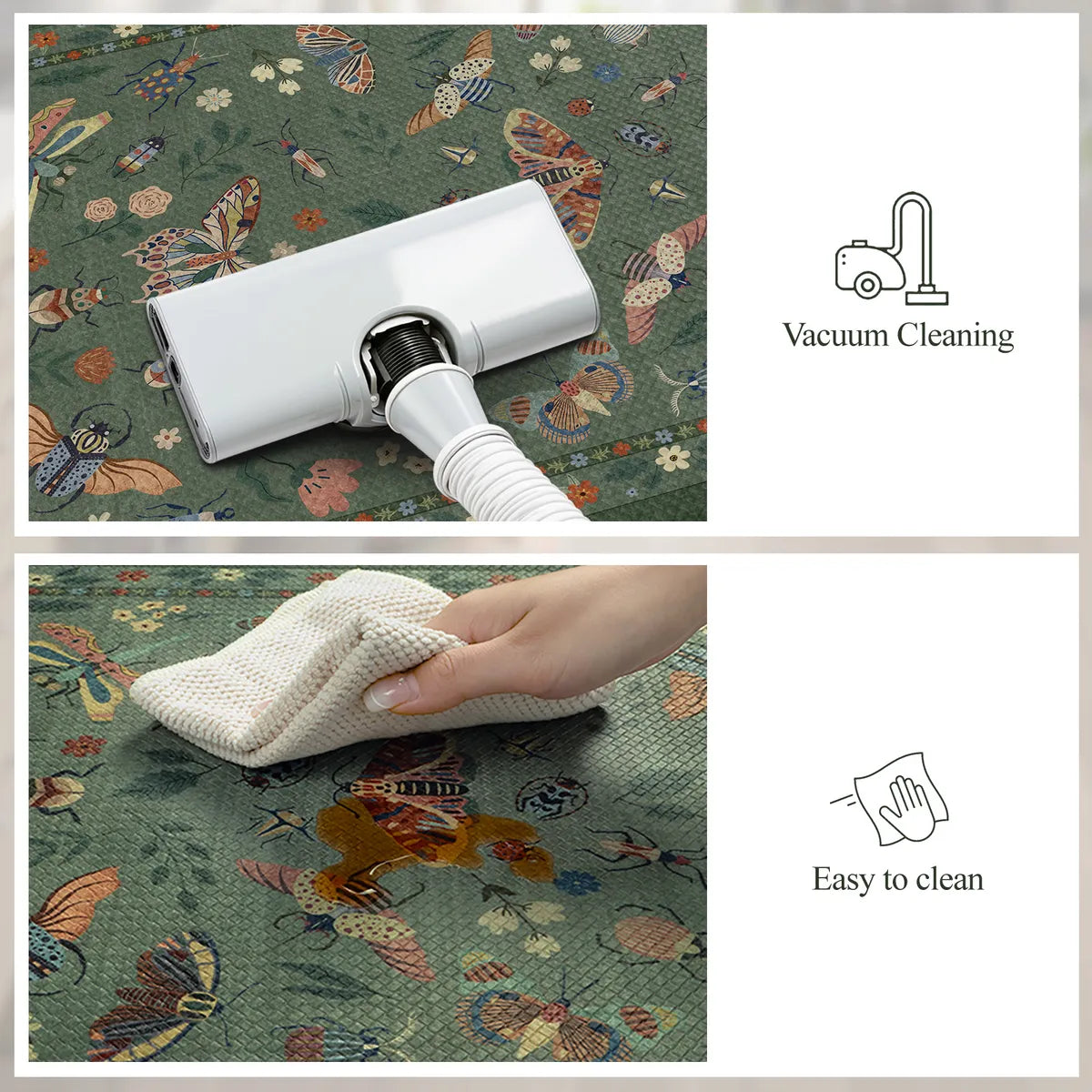
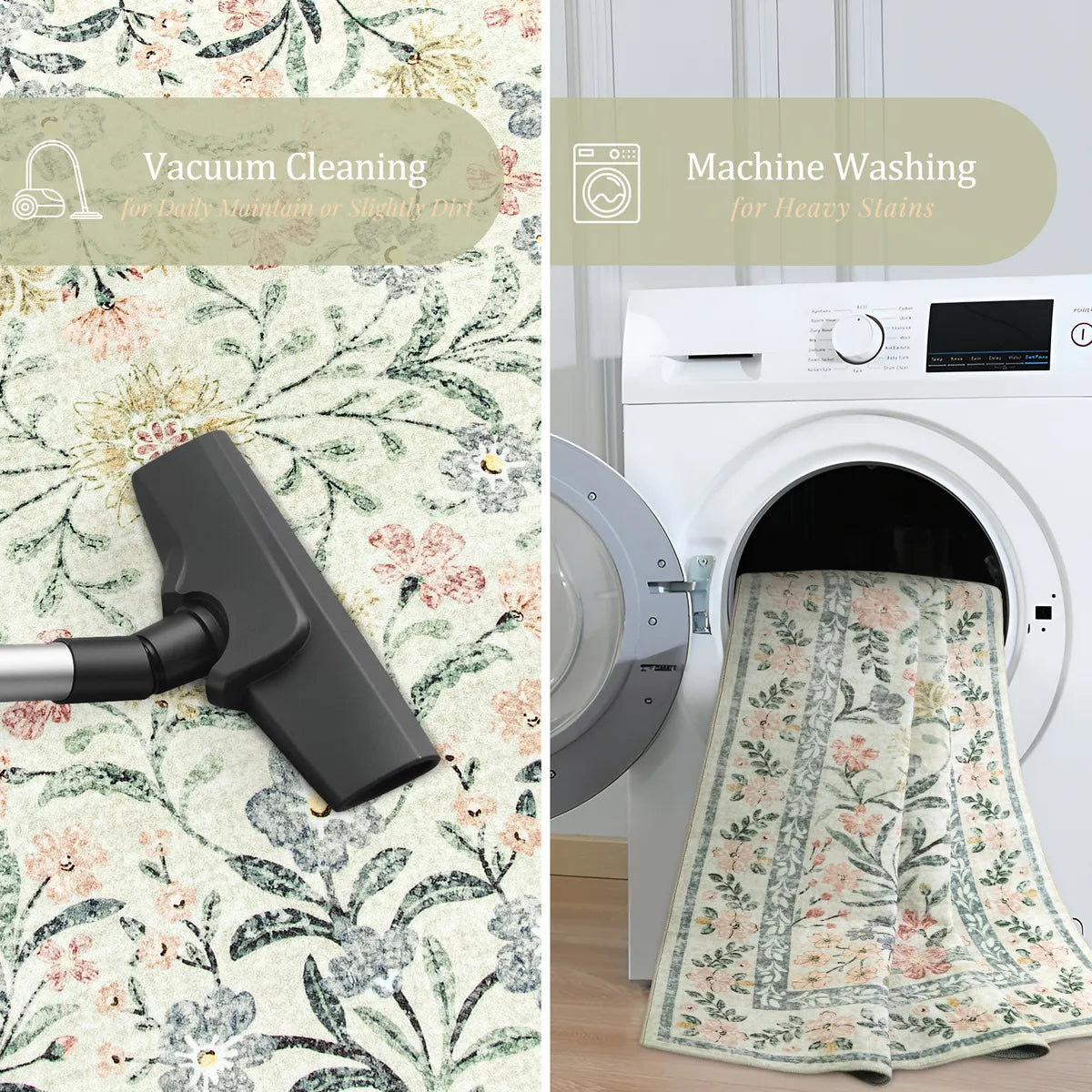
- Vacuum regularly on a low suction setting to remove surface dust without damaging fibers
- Blot spills immediately with a clean cloth rather than rubbing
- Spot clean with a damp cloth and mild soap for most everyday messes
Many stain-resistant options can also be rinsed outdoors, making spring cleaning a much lighter task than it used to be.
Bring Your Spring Interior to Life
Vintage rugs are one of the most versatile additions you can make to a home. Whether you are drawn to the structured elegance of a Persian rug, the free-spirited warmth of a bohemian rug, or the low-maintenance practicality of a stain-resistant vintage carpet rug, there is a style that fits your spring vision. Start with one rug in one room, let it guide the rest of the space, and watch how quickly everything comes together.
FAQs about Vintage Rugs in Homes
Q1. Can Vintage Rugs Work in Small Rooms?
Vintage rugs are just as effective in compact spaces as they are in larger rooms. A smaller rug with a tight, intricate pattern can actually make a small room feel more curated and intentional. The key is choosing a scale that fits the floor area without overwhelming it.
Q2. How Do I Know if a Vintage-Style Rug Will Hold Up Over Time?
Look for even color distribution and a pattern that stays consistent from edge to edge. A well-made rug should also lie flat on the floor without bunching or curling at the corners. For machine-washable options, check whether the care instructions specify washing temperature limits, as this often reflects how thoughtfully the rug was constructed.
Q3. Are Vintage Rugs a Practical Choice for Homes With Pets?
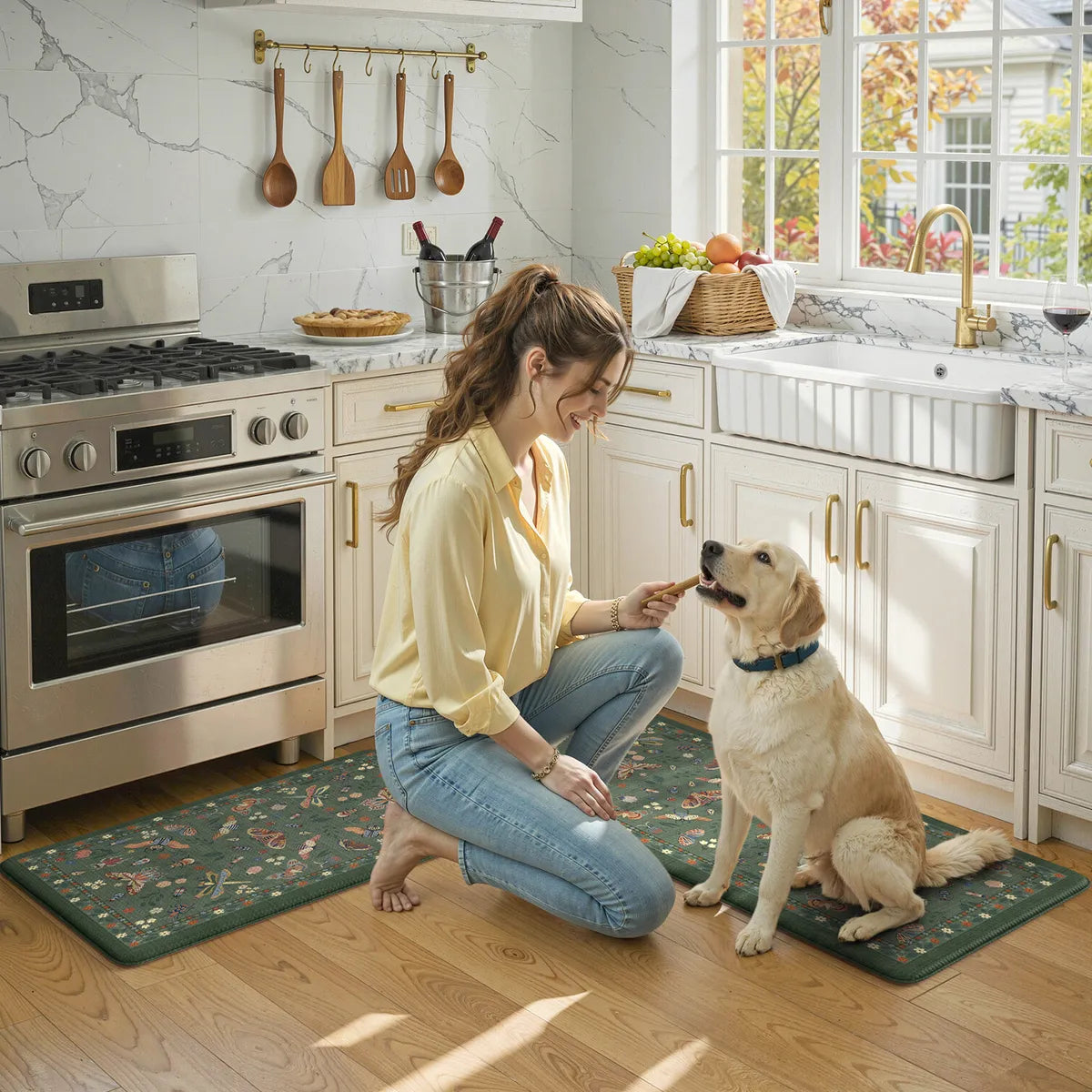
Vintage-style rugs with lower pile heights and stain-resistant construction tend to be a solid choice for pet owners. They are easier to vacuum thoroughly and hold up better against everyday dirt and shedding. Rugs with complex patterns are especially forgiving when it comes to hiding minor messes between cleanings.
Q4. What Is the Best Way to Layer Rugs in a Modern Interior?
Layering works best when the base rug is simple and the top rug carries the pattern. Choose a base with a low, flat texture and a neutral tone so it does not compete with the vintage rug placed on top. Keep the top rug centered within the base layer, and make sure at least a few inches of the base rug are visible on all sides for a clean, finished look.