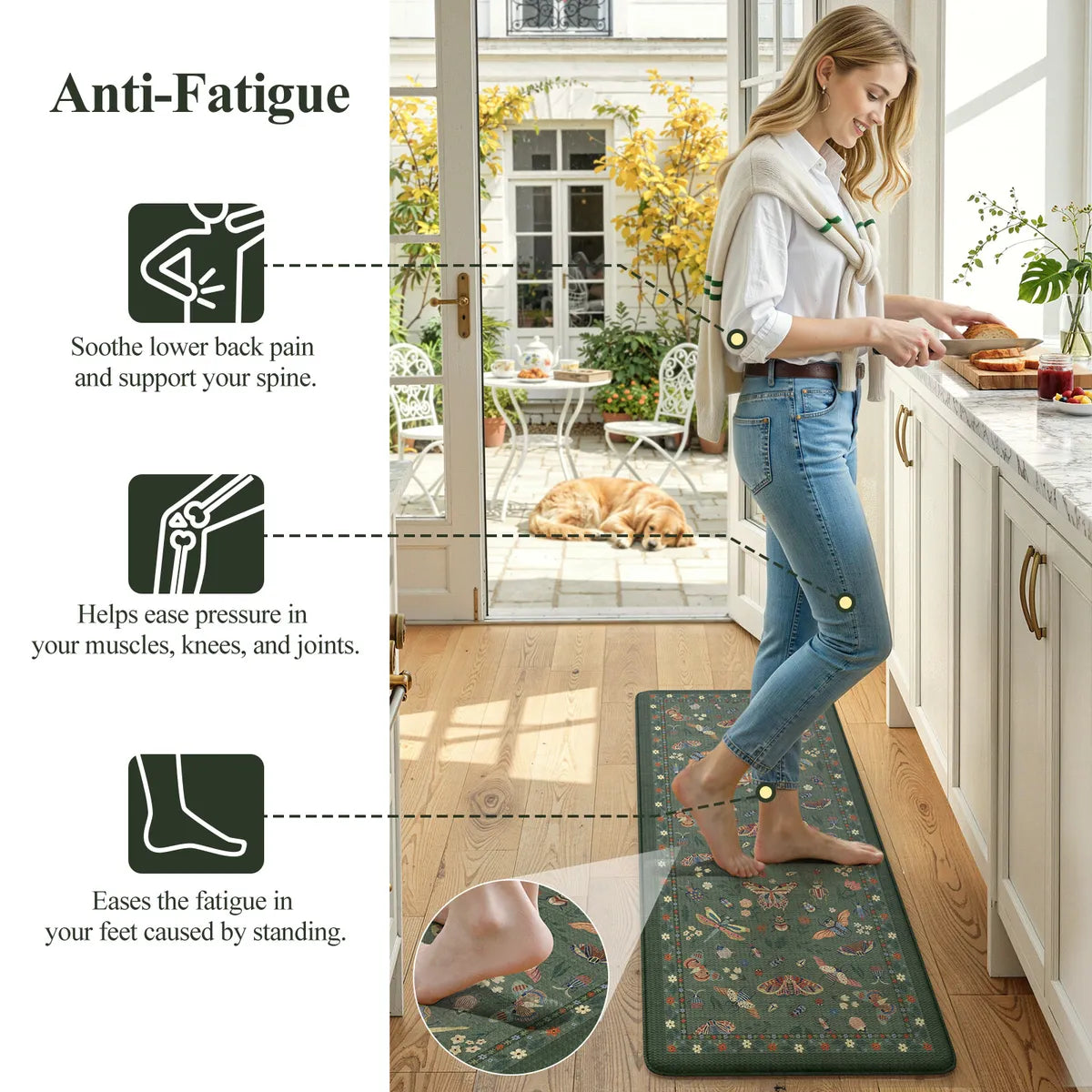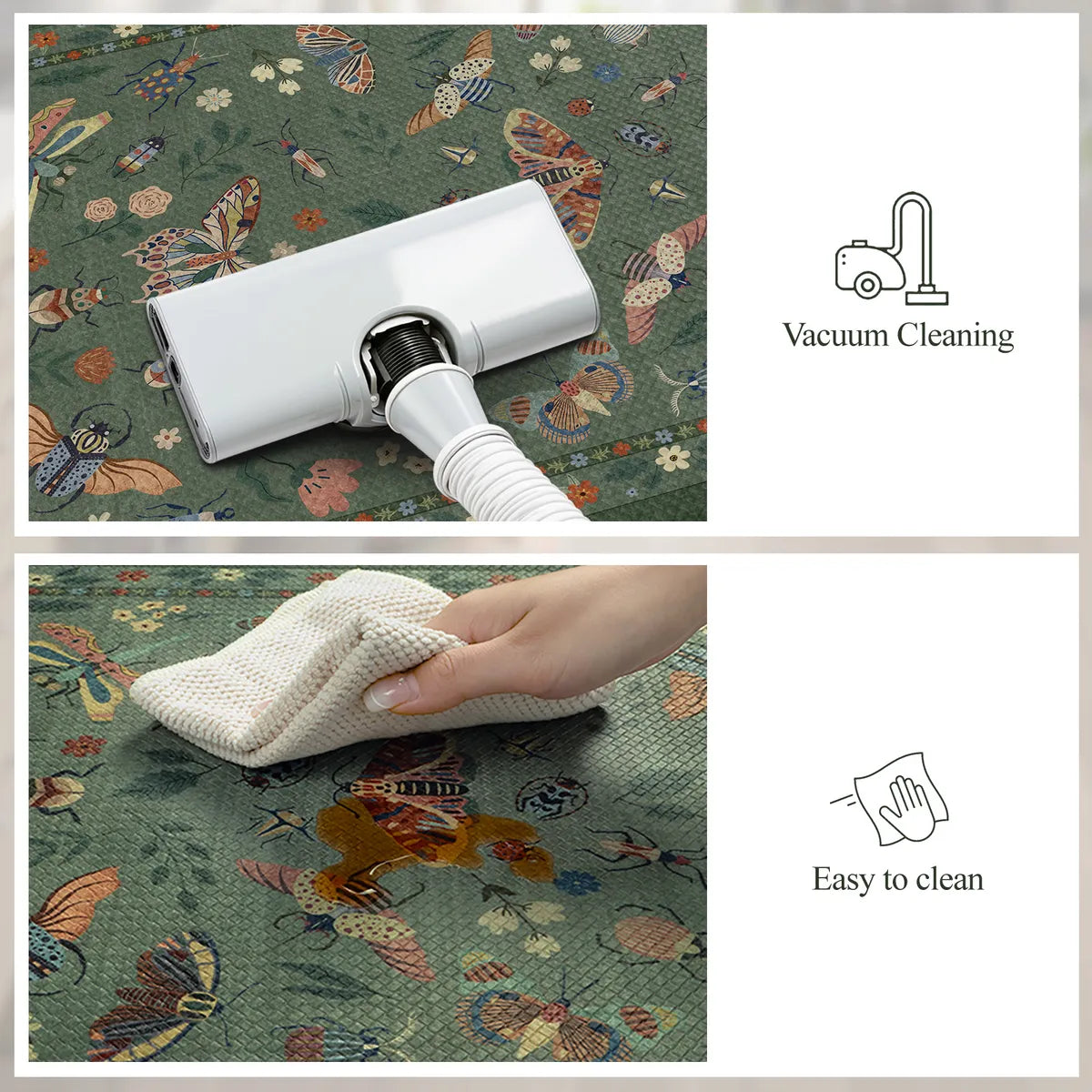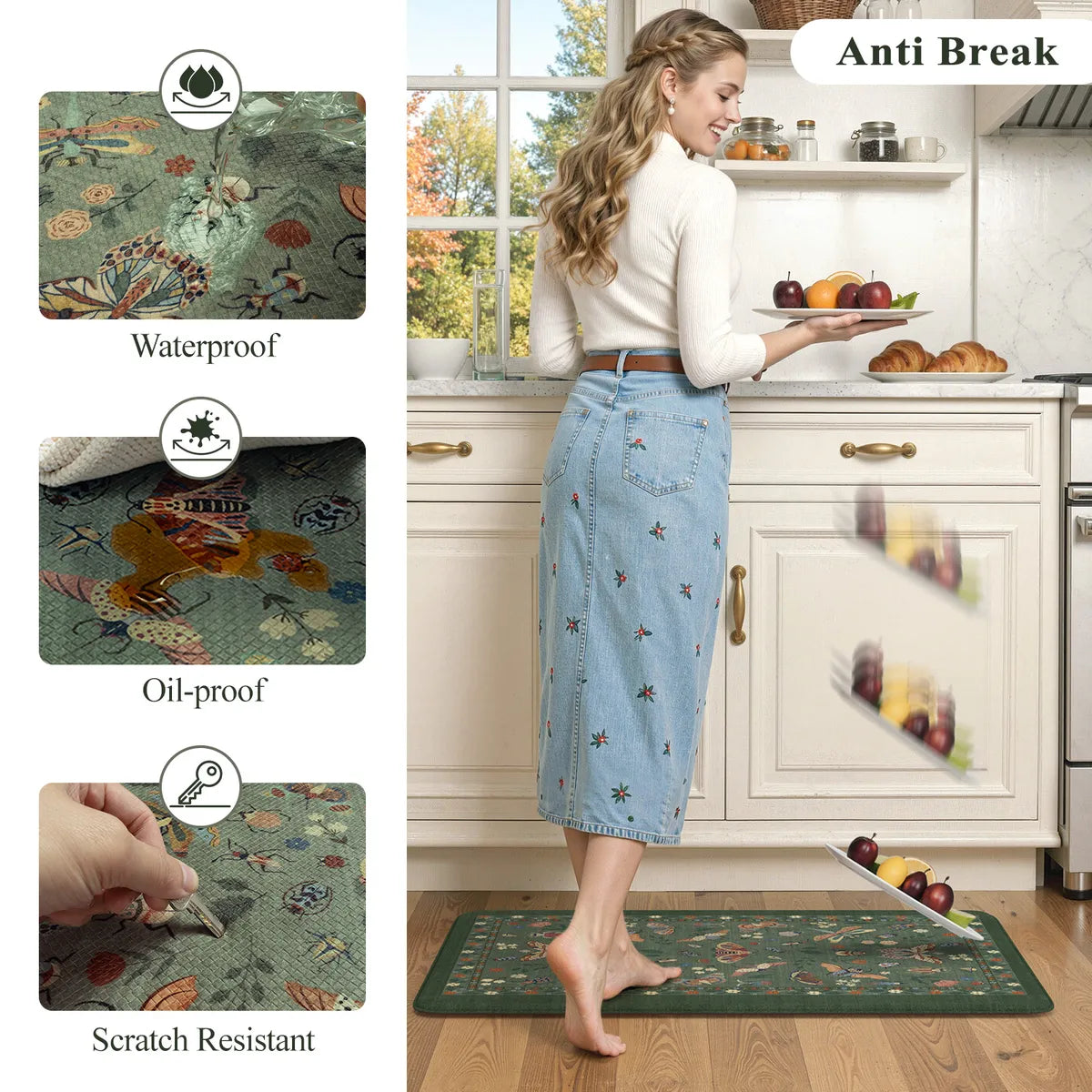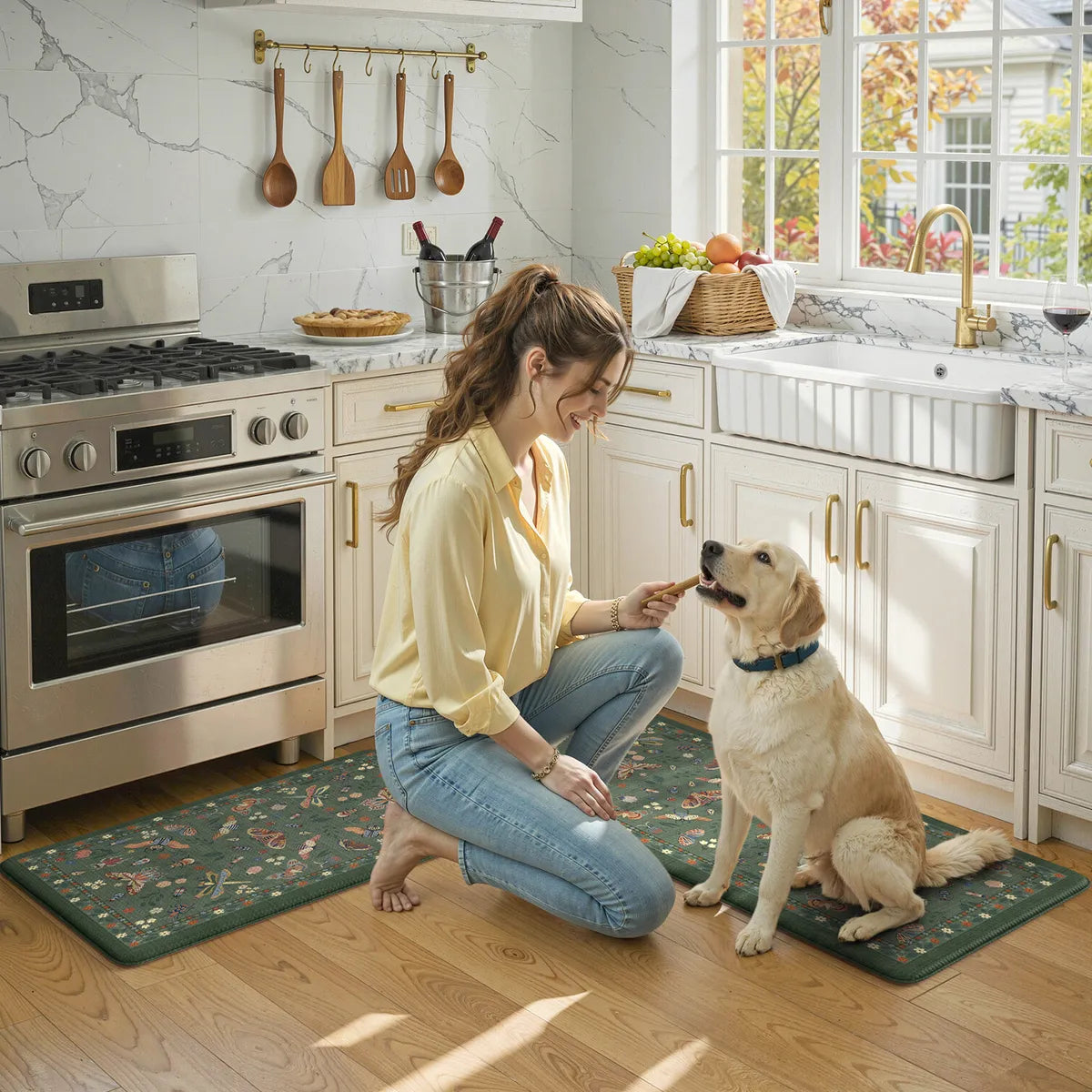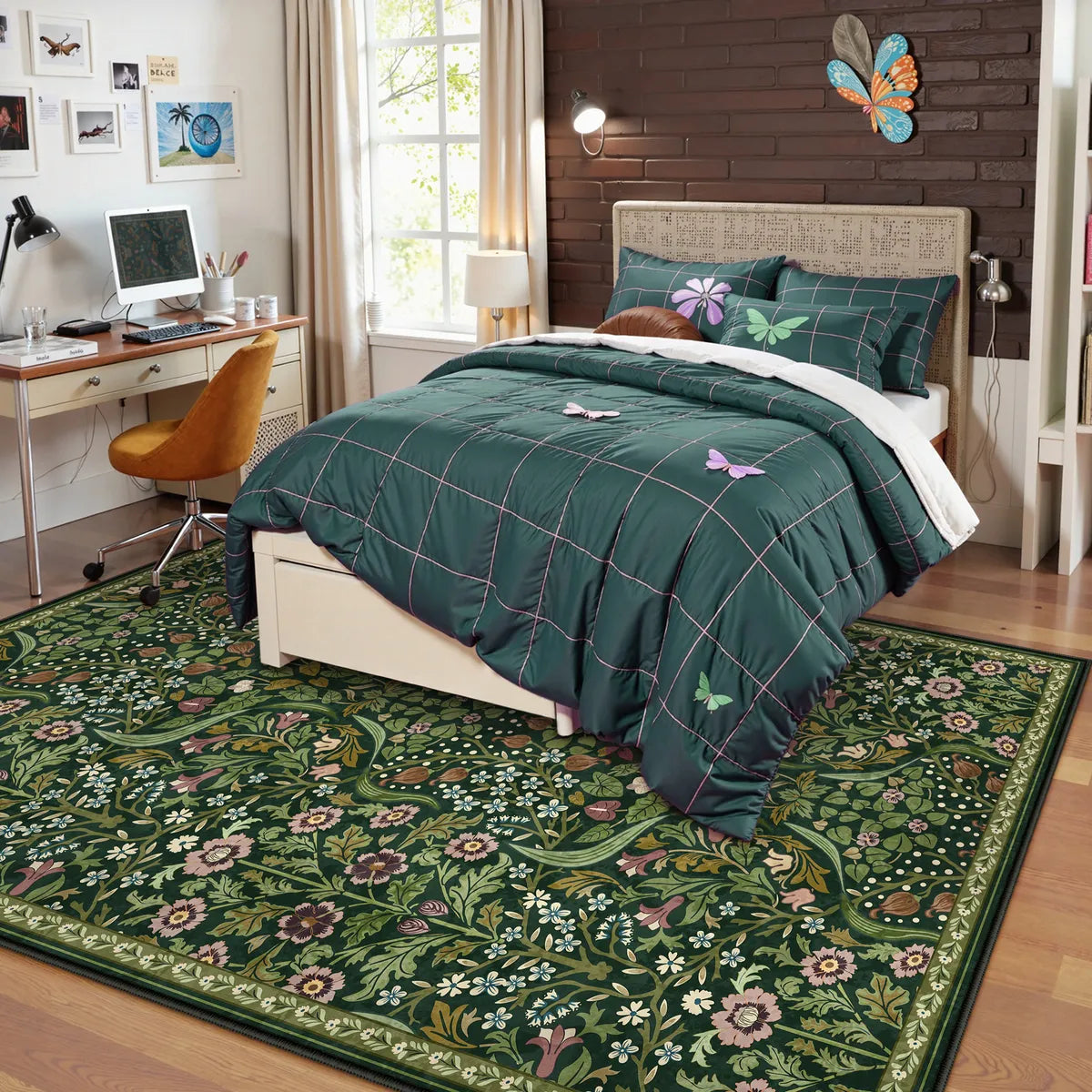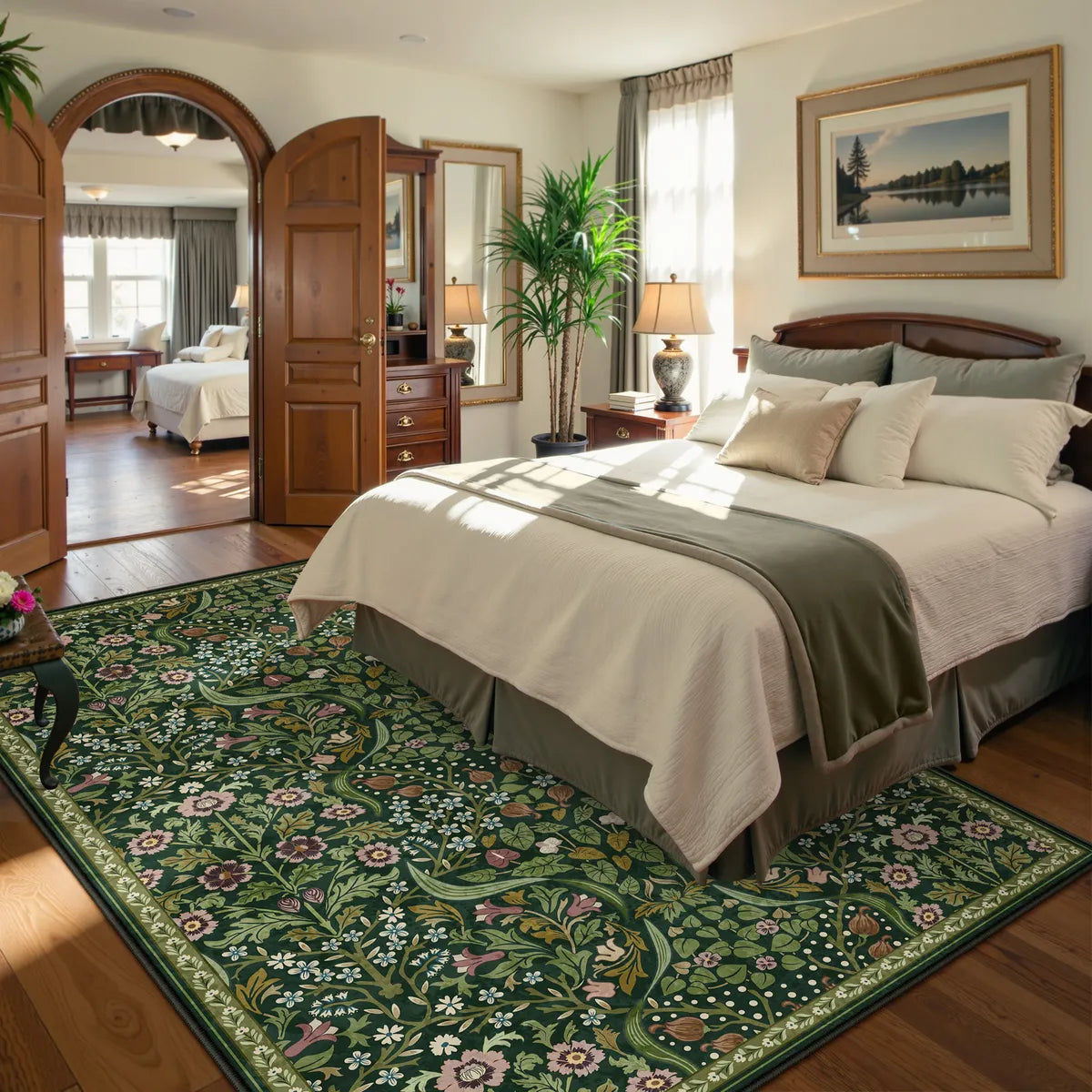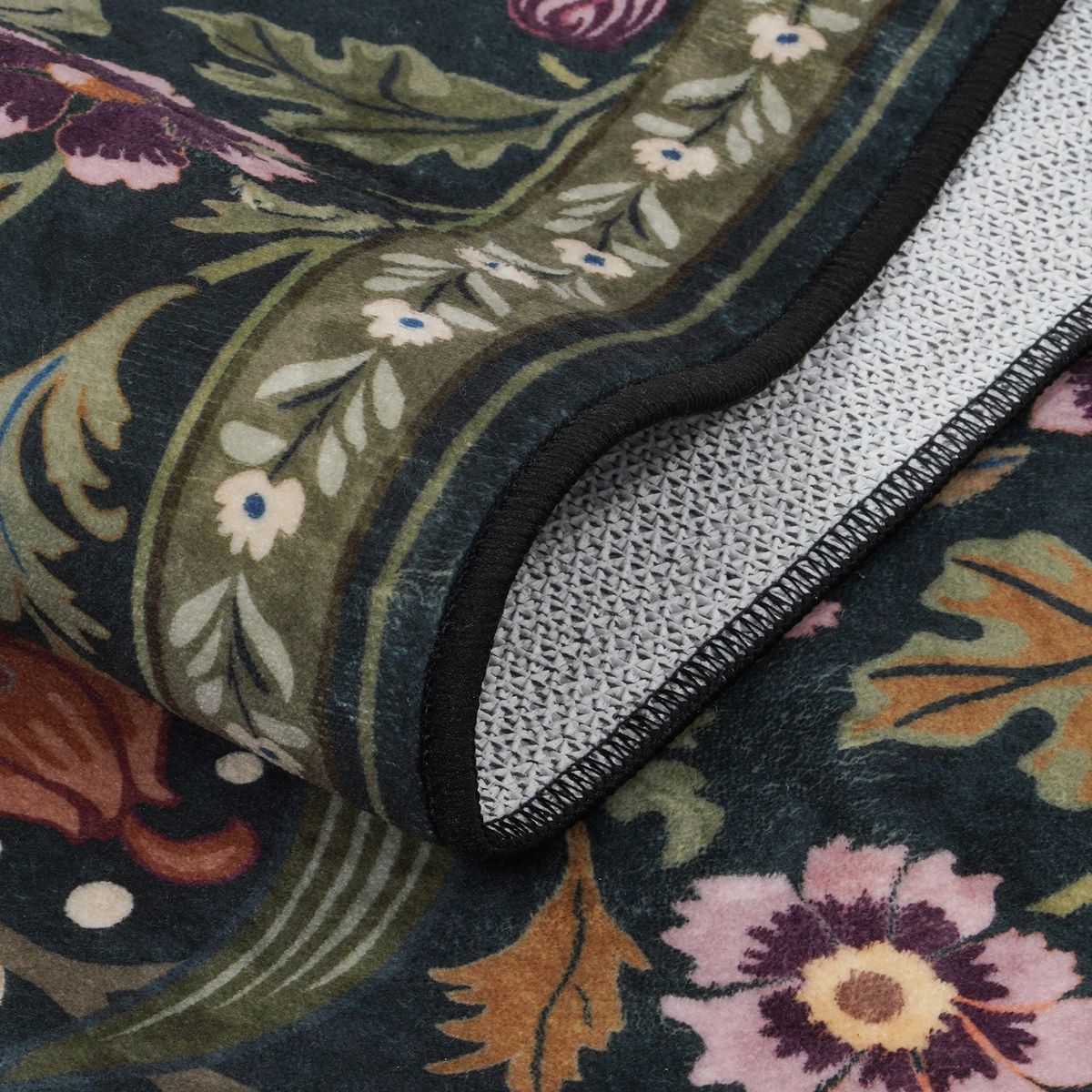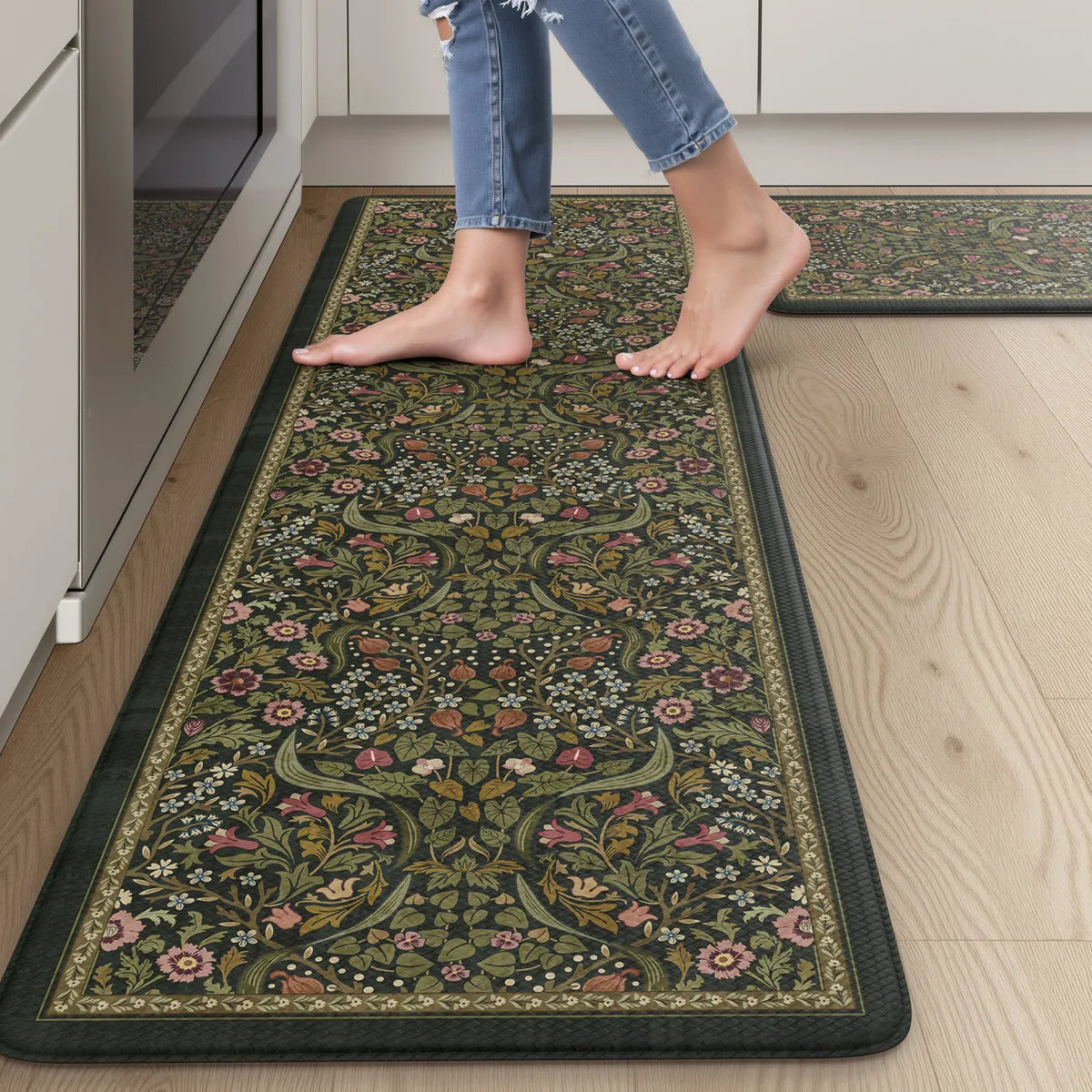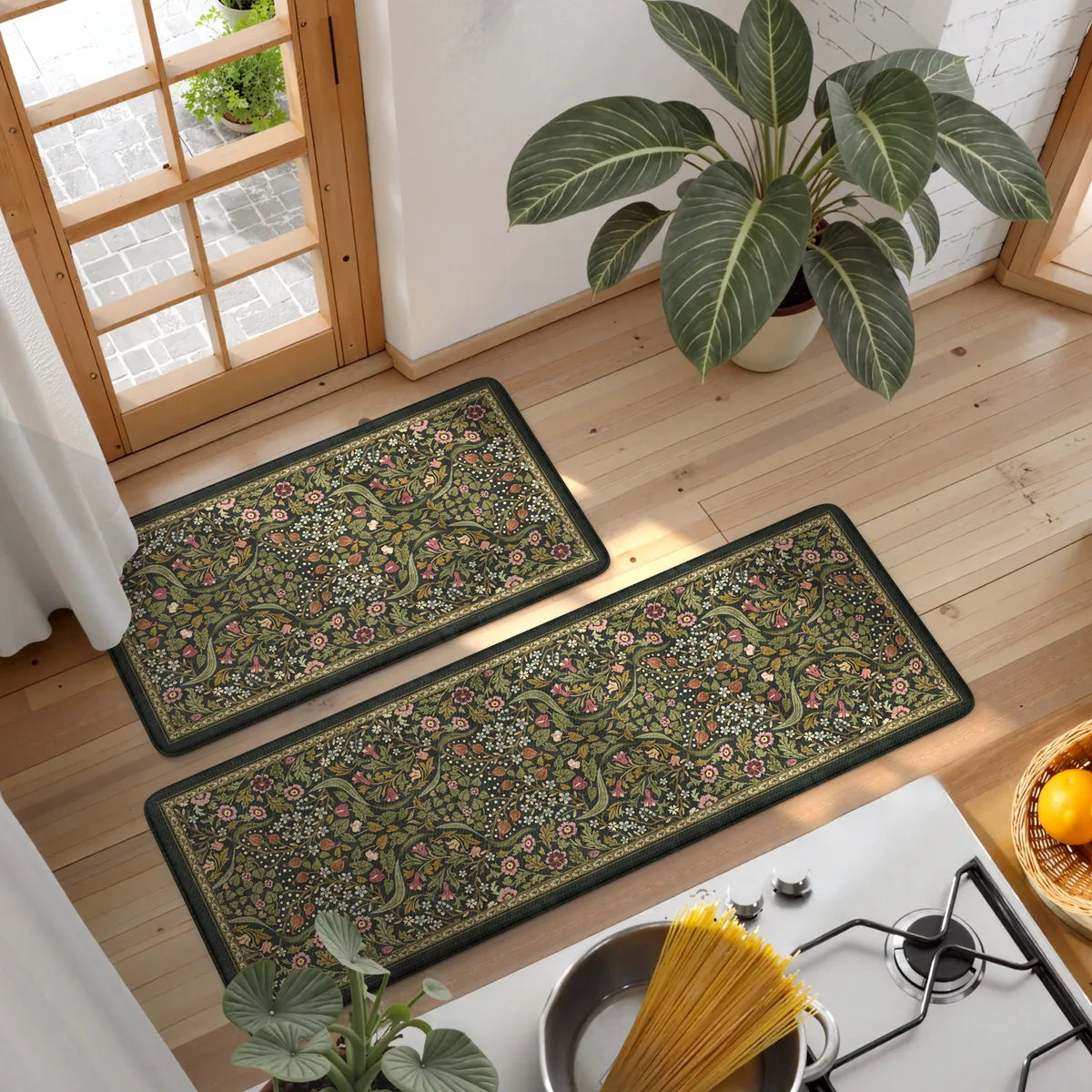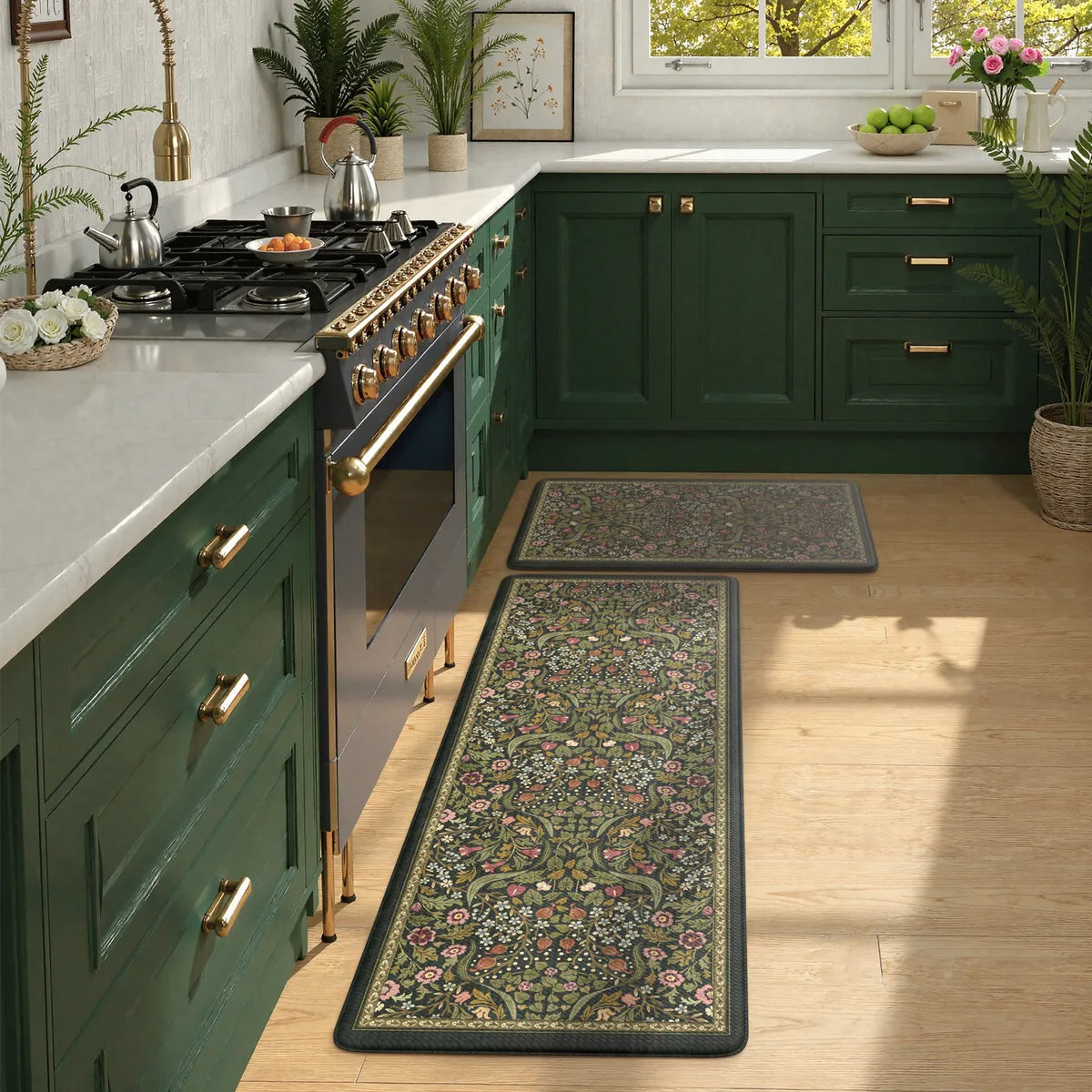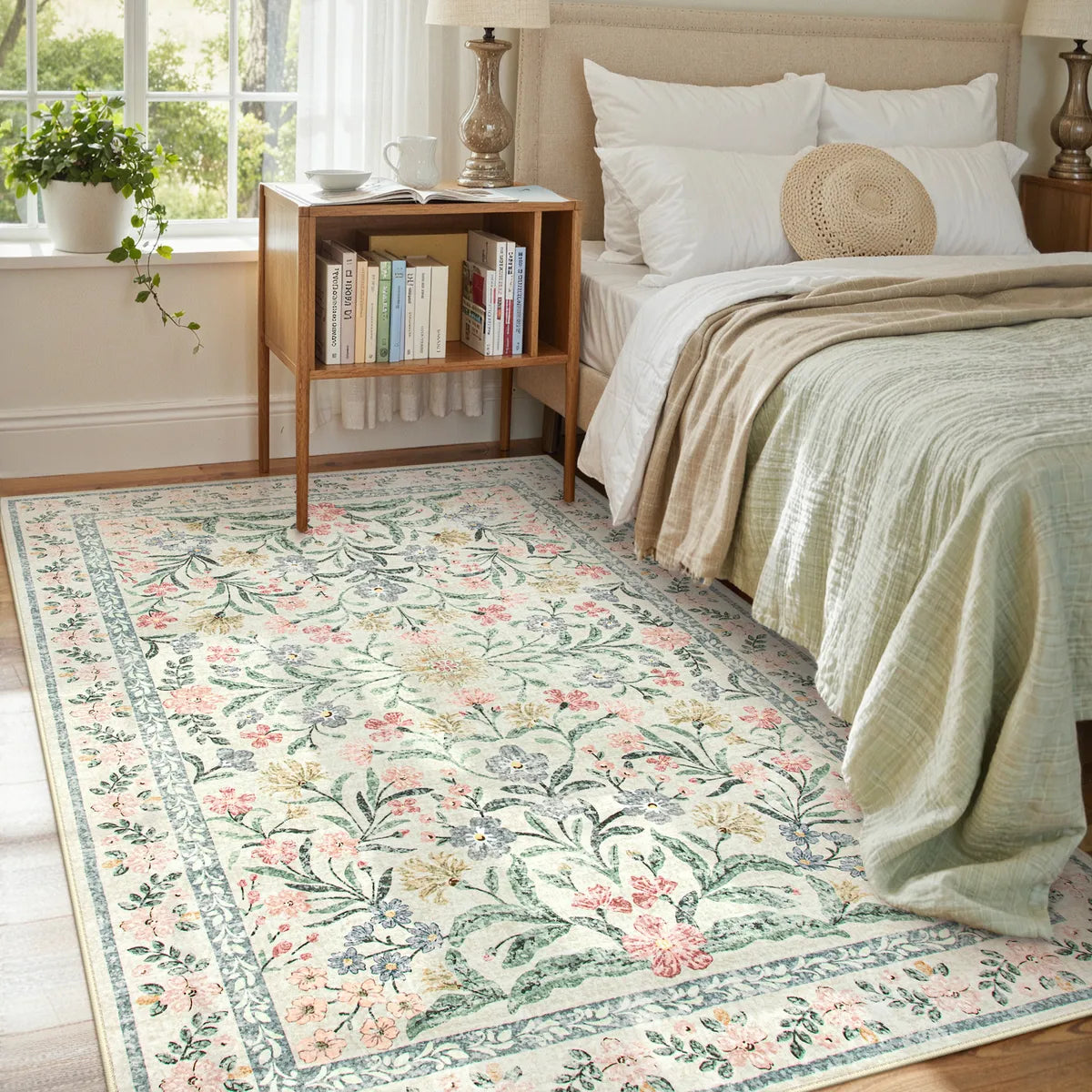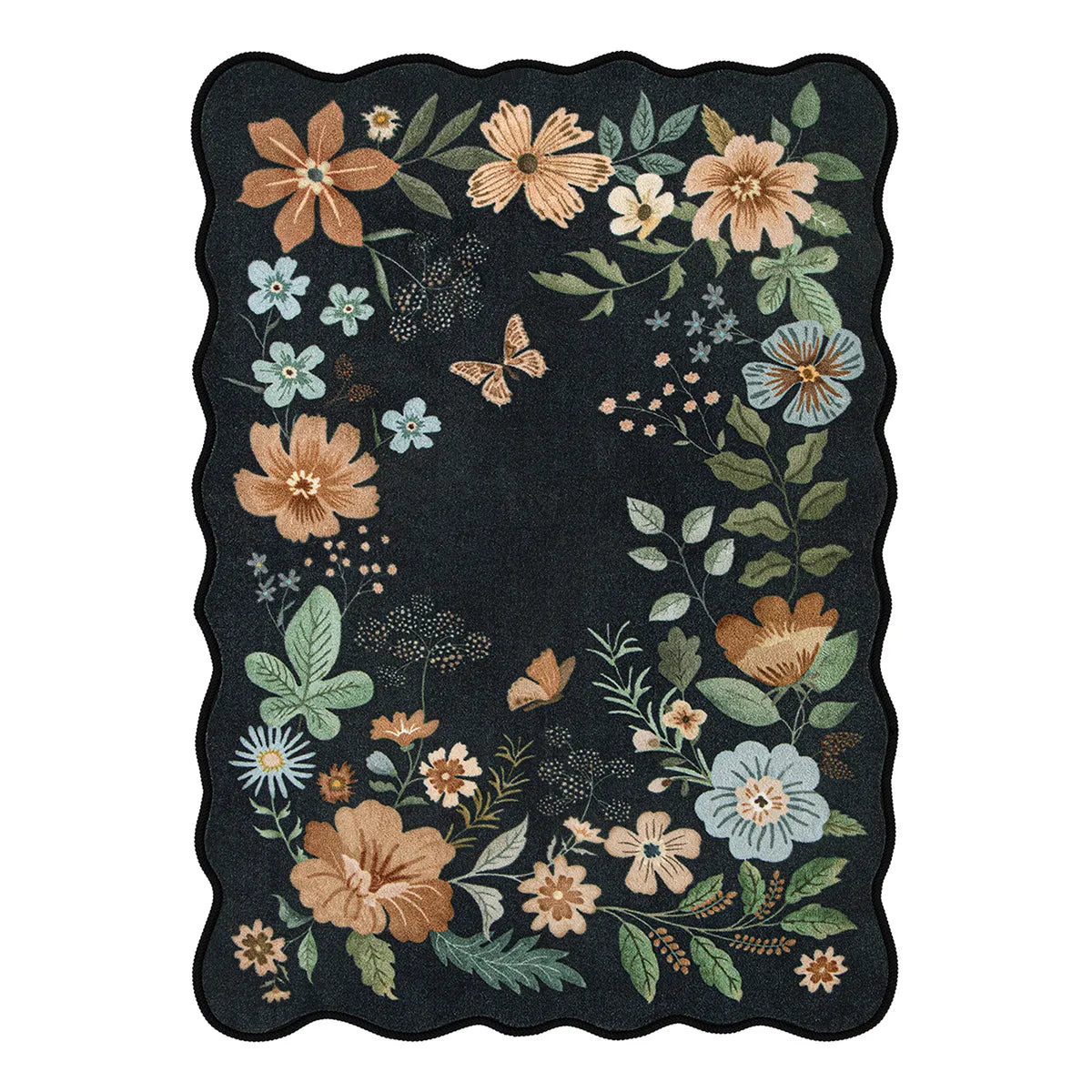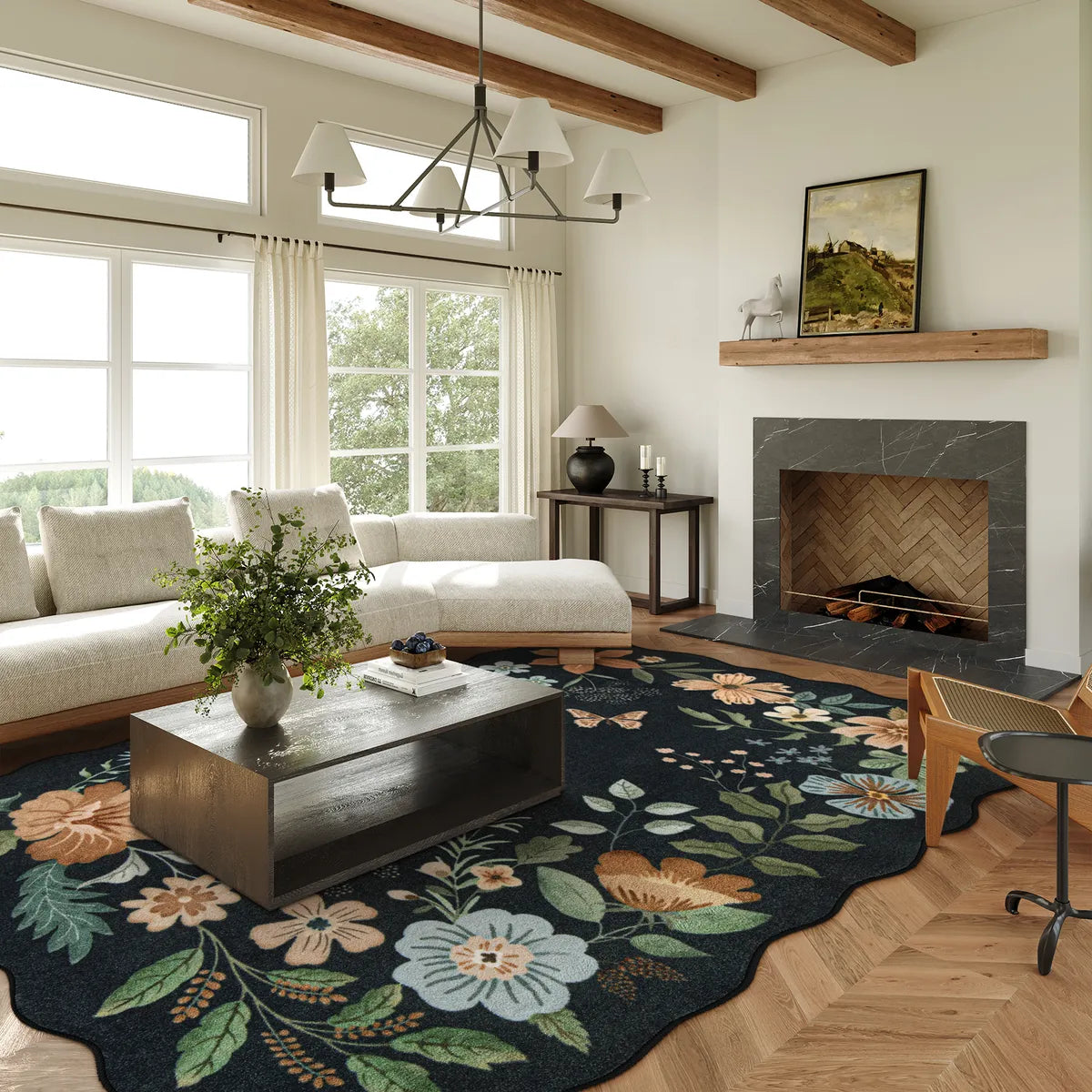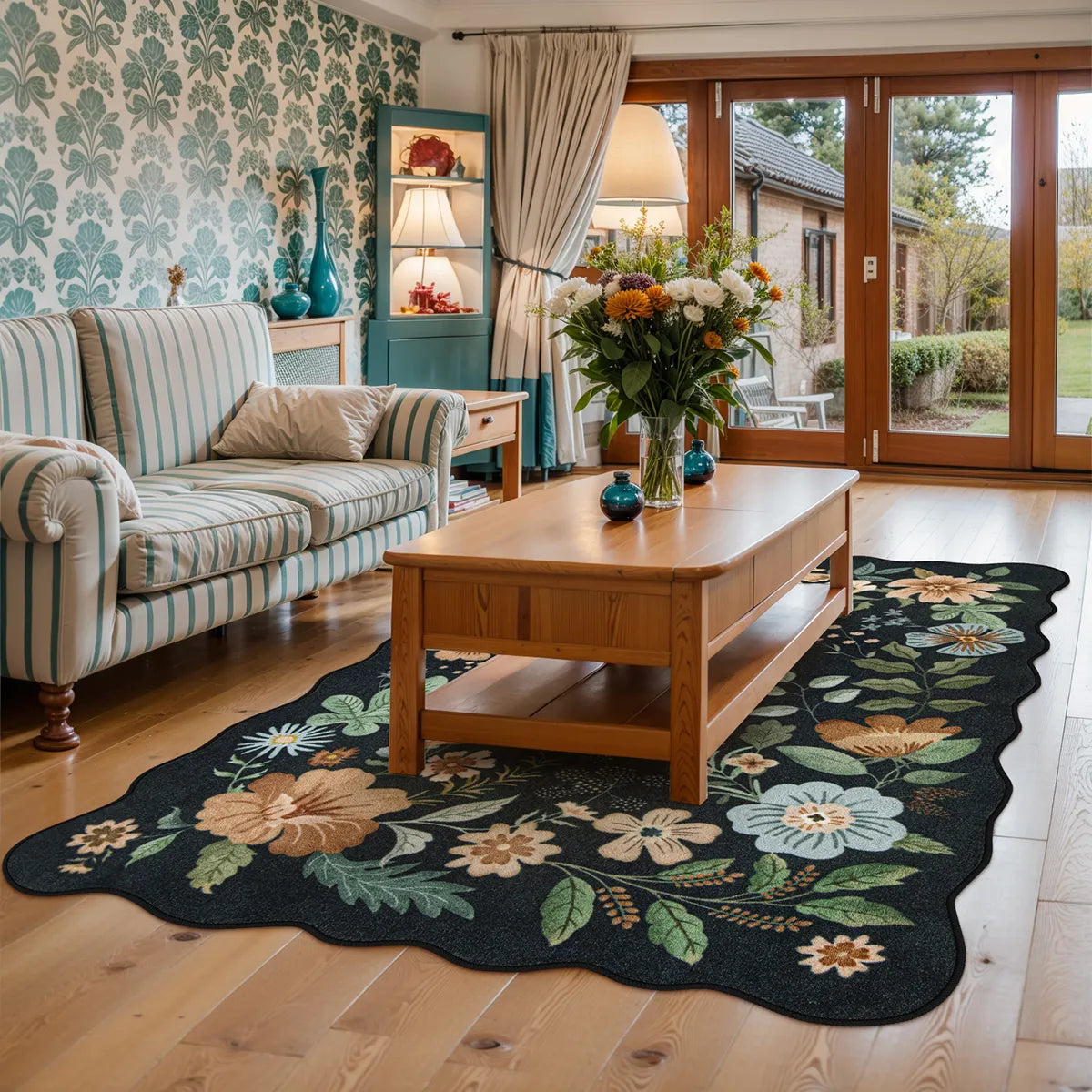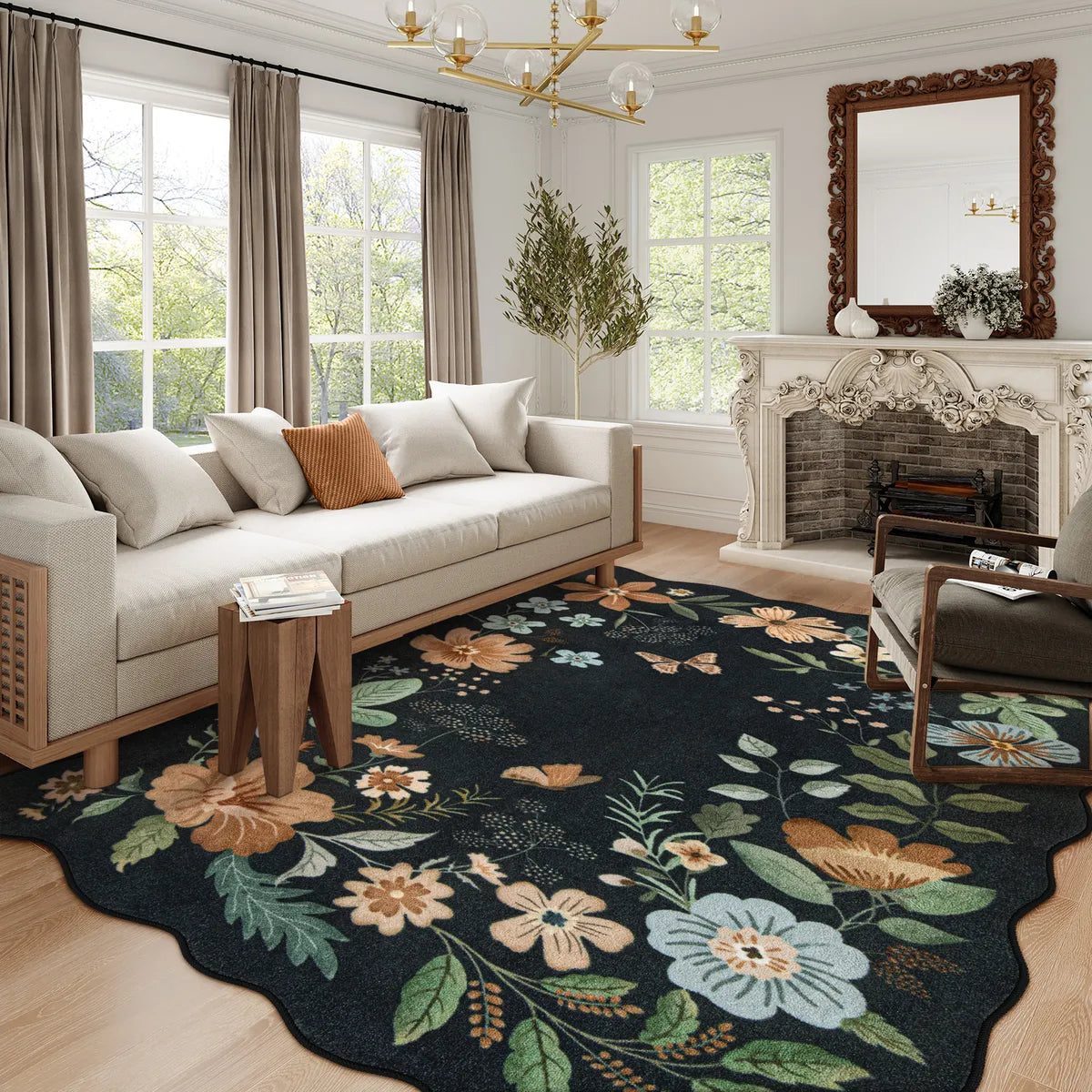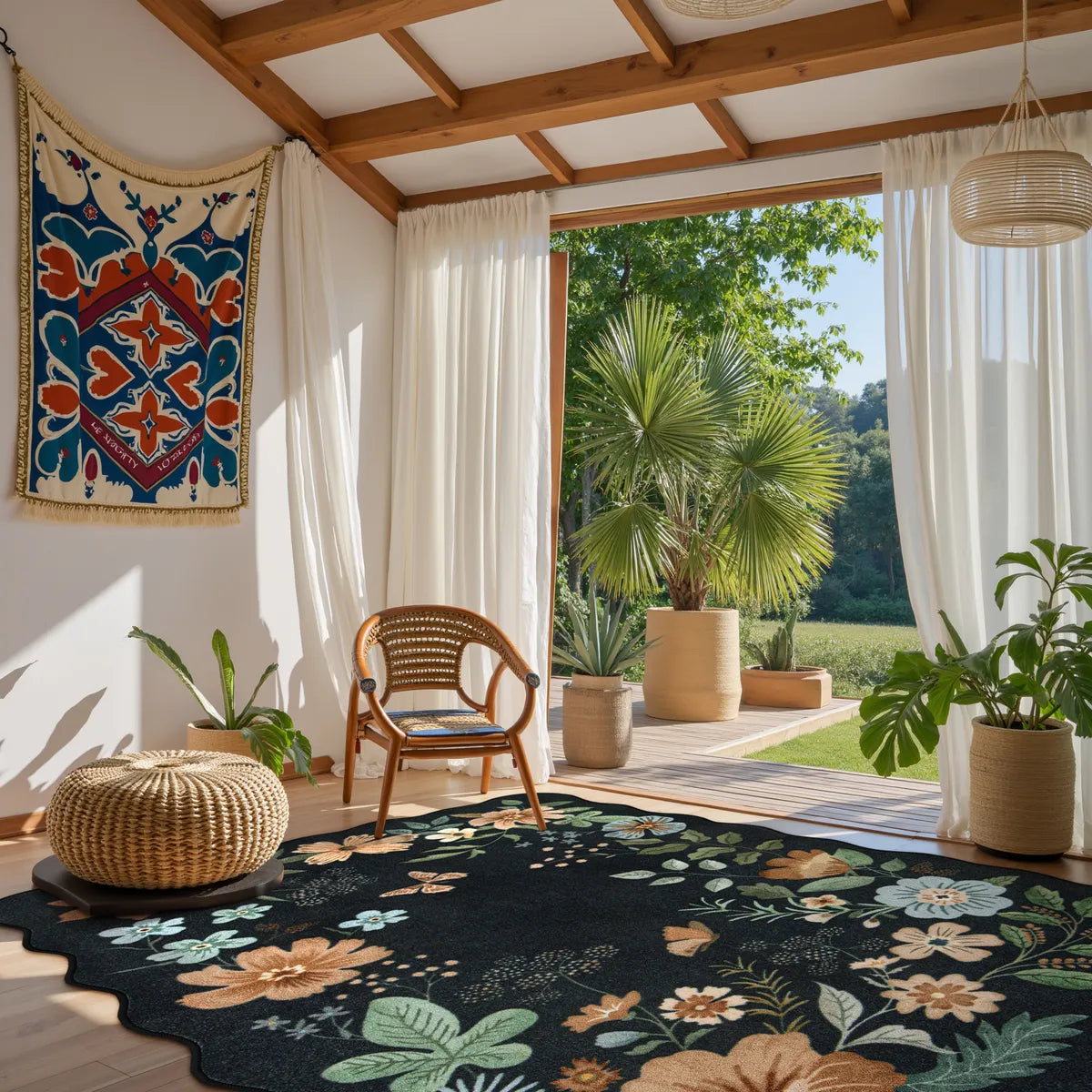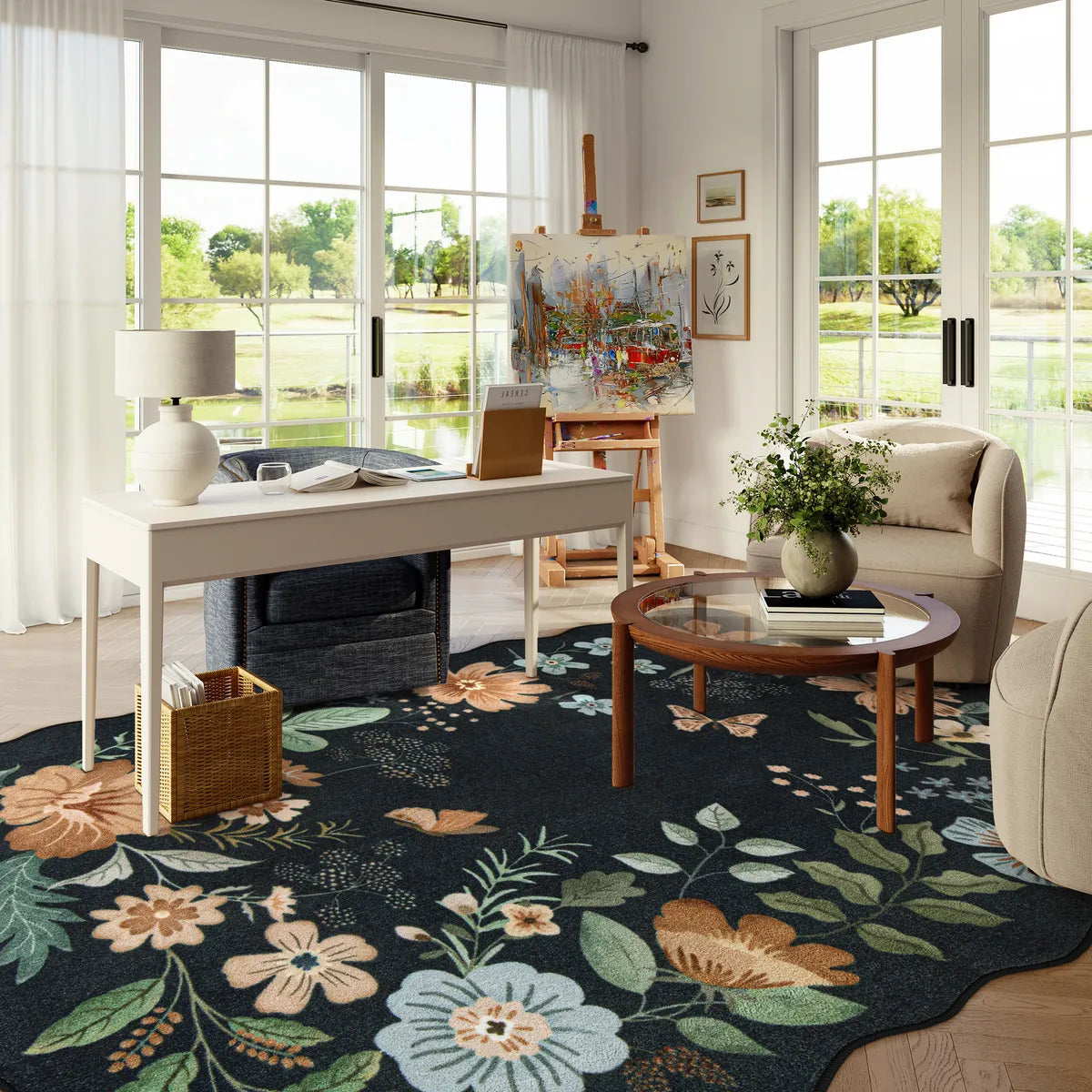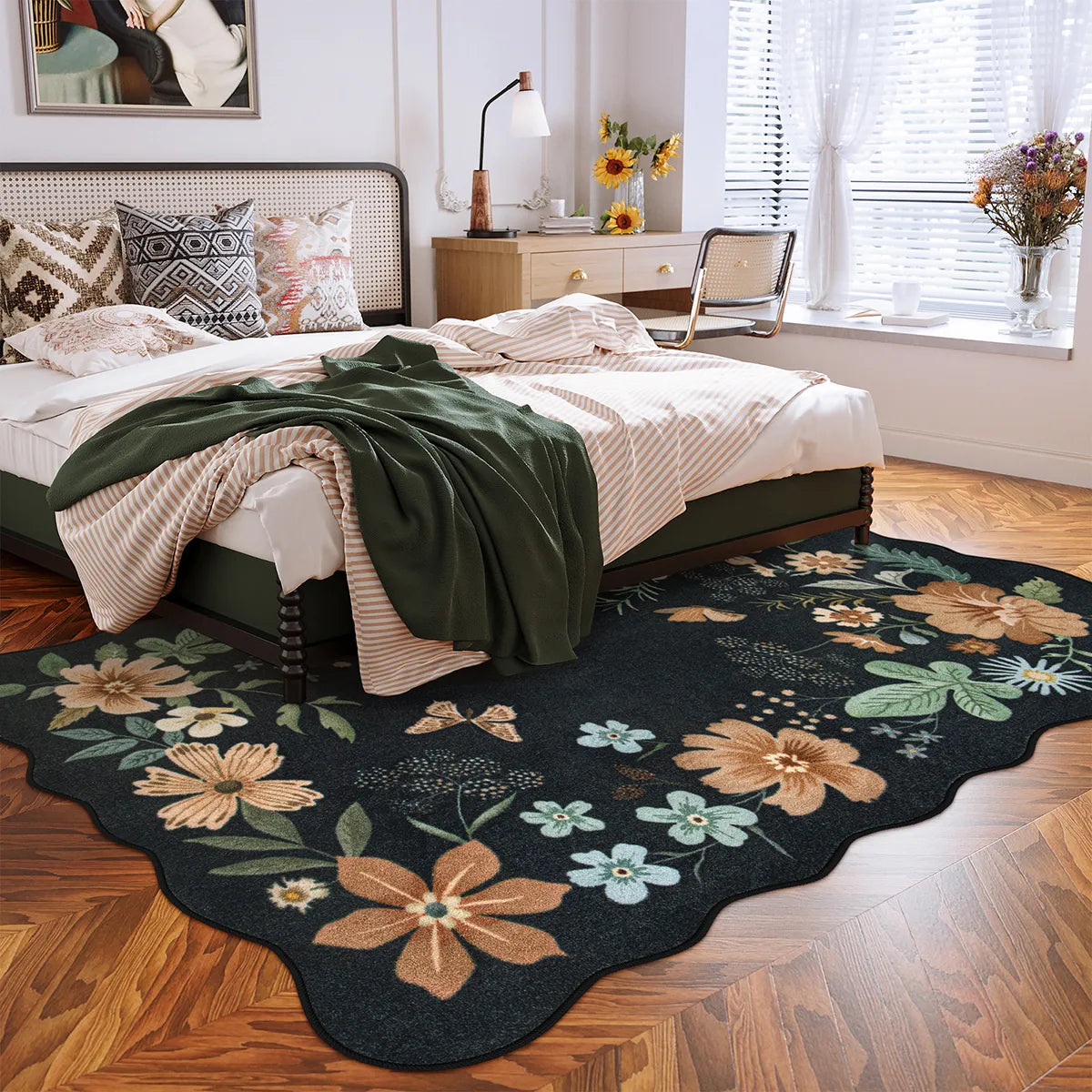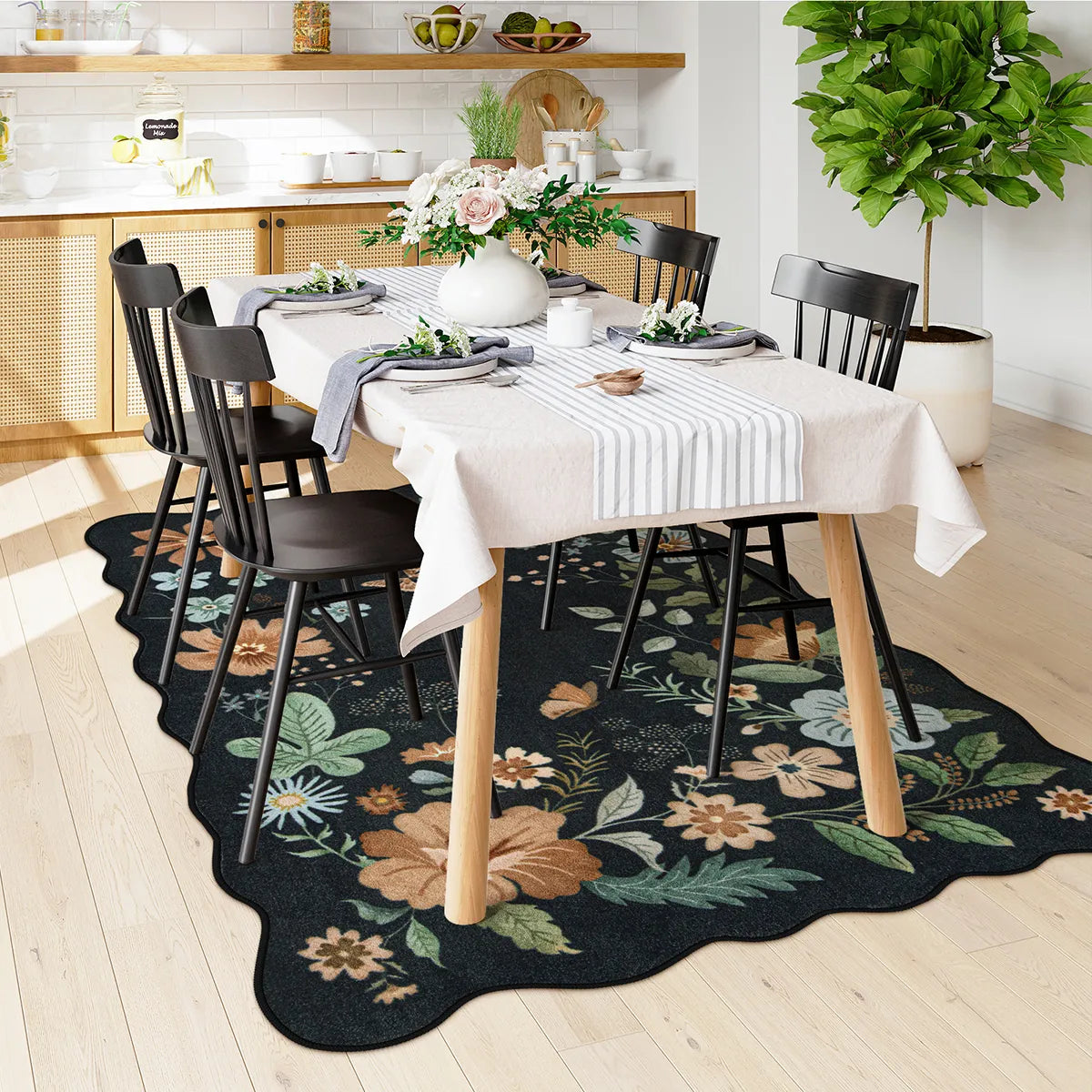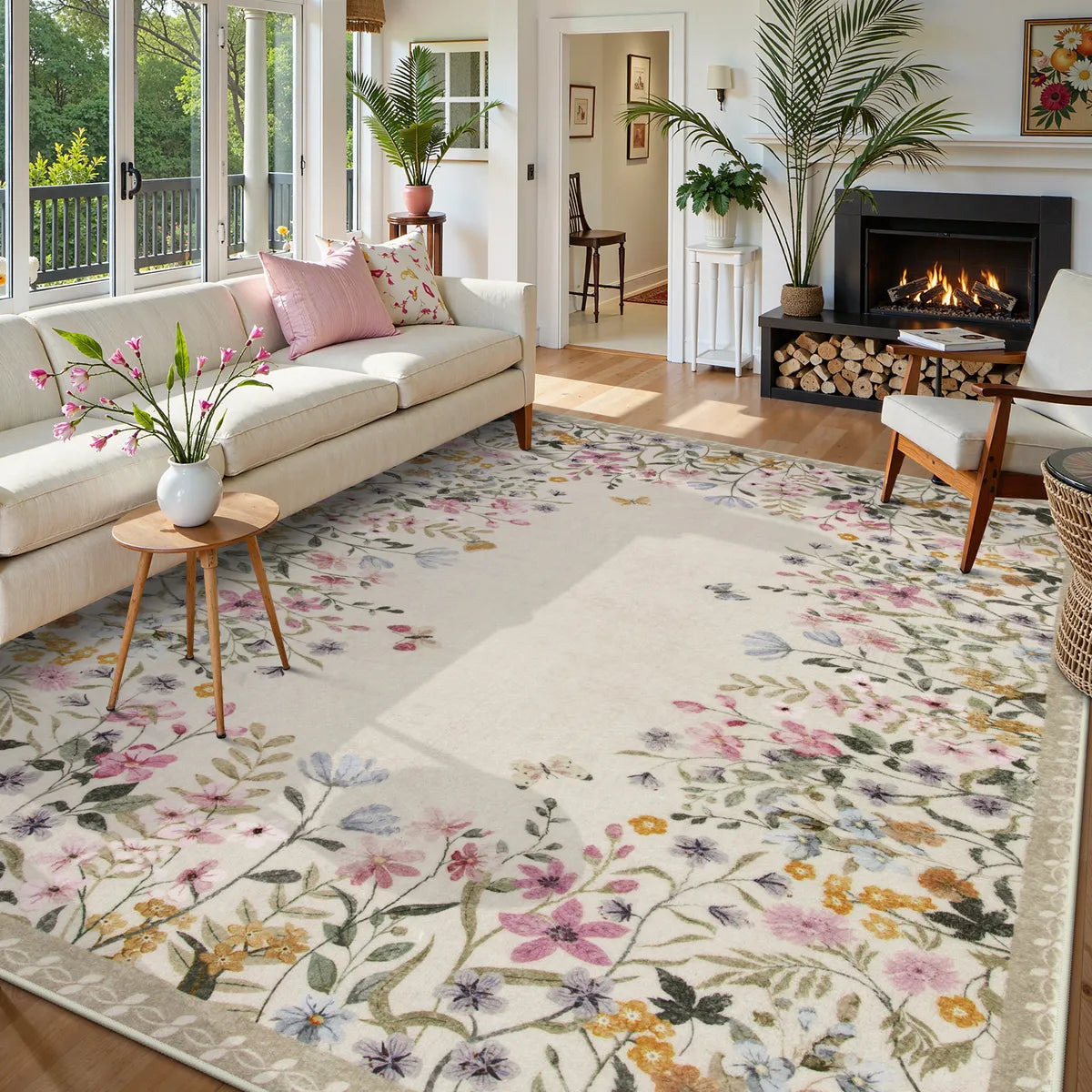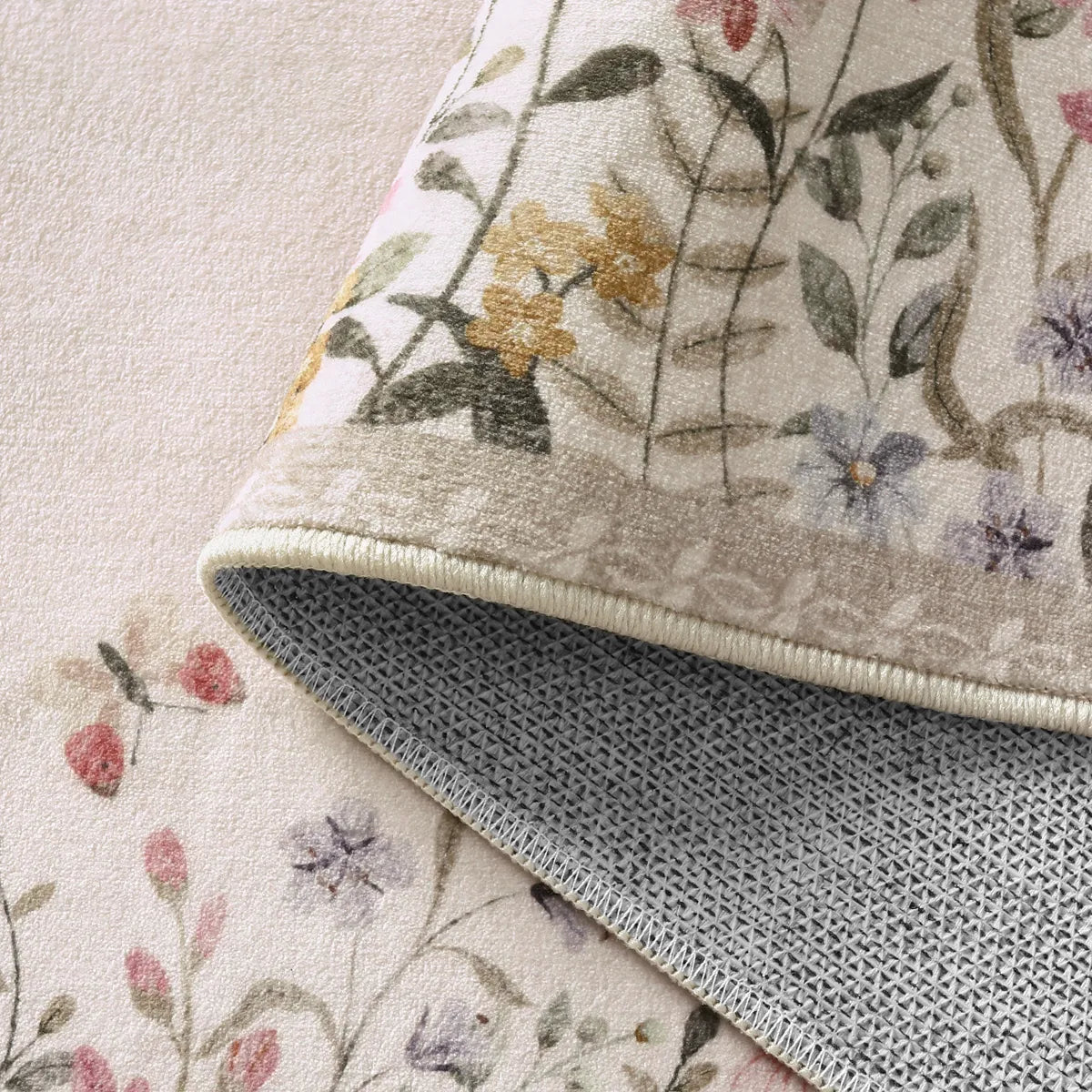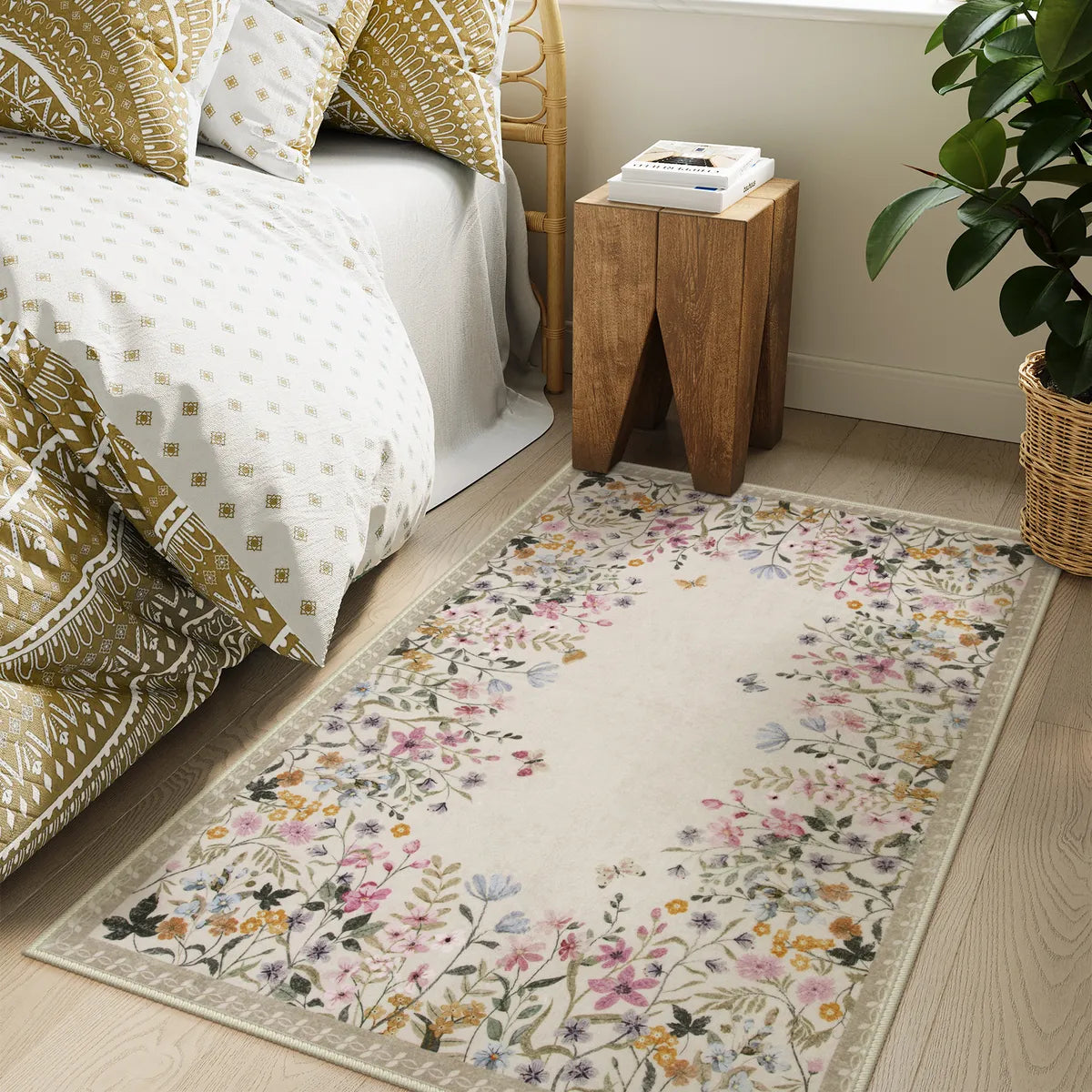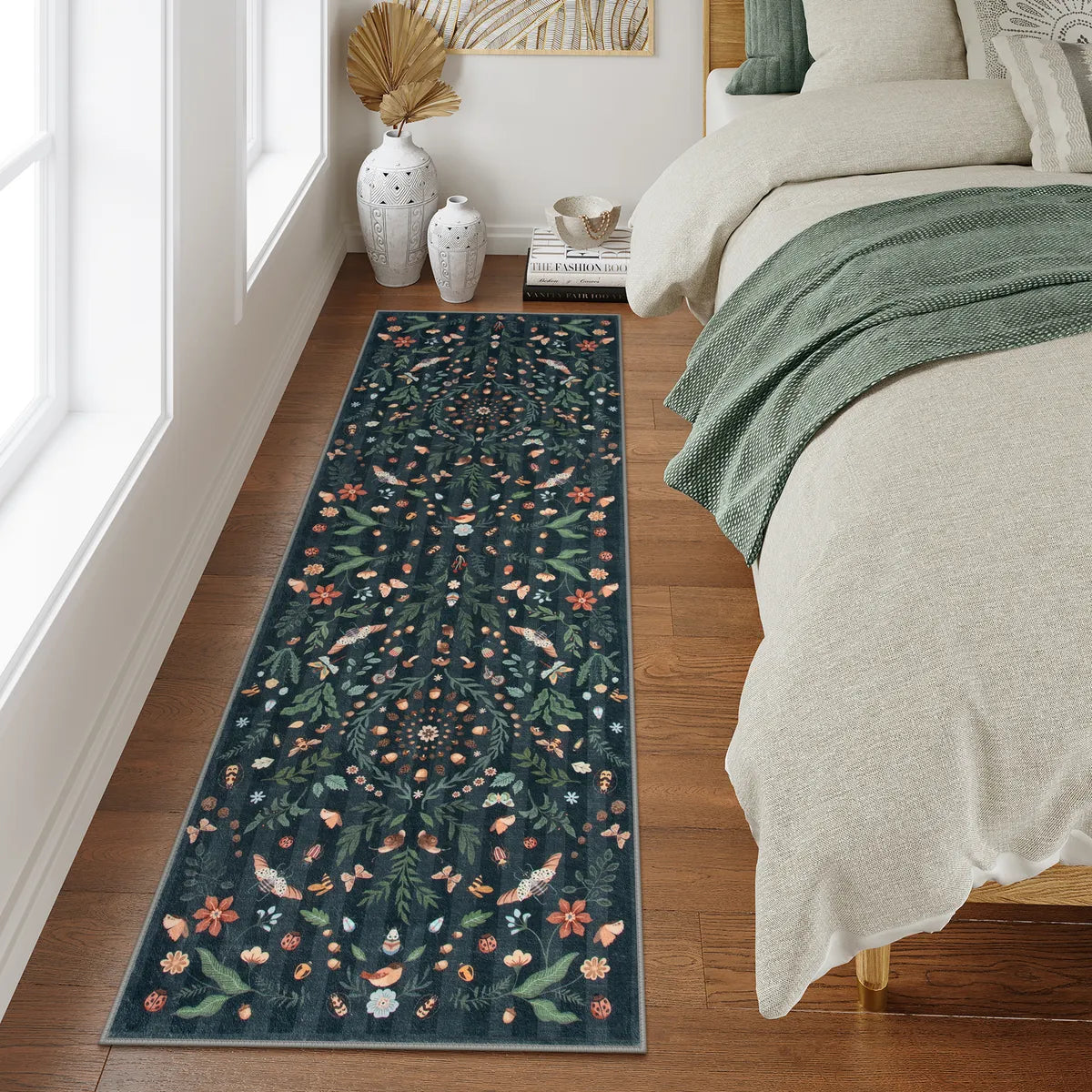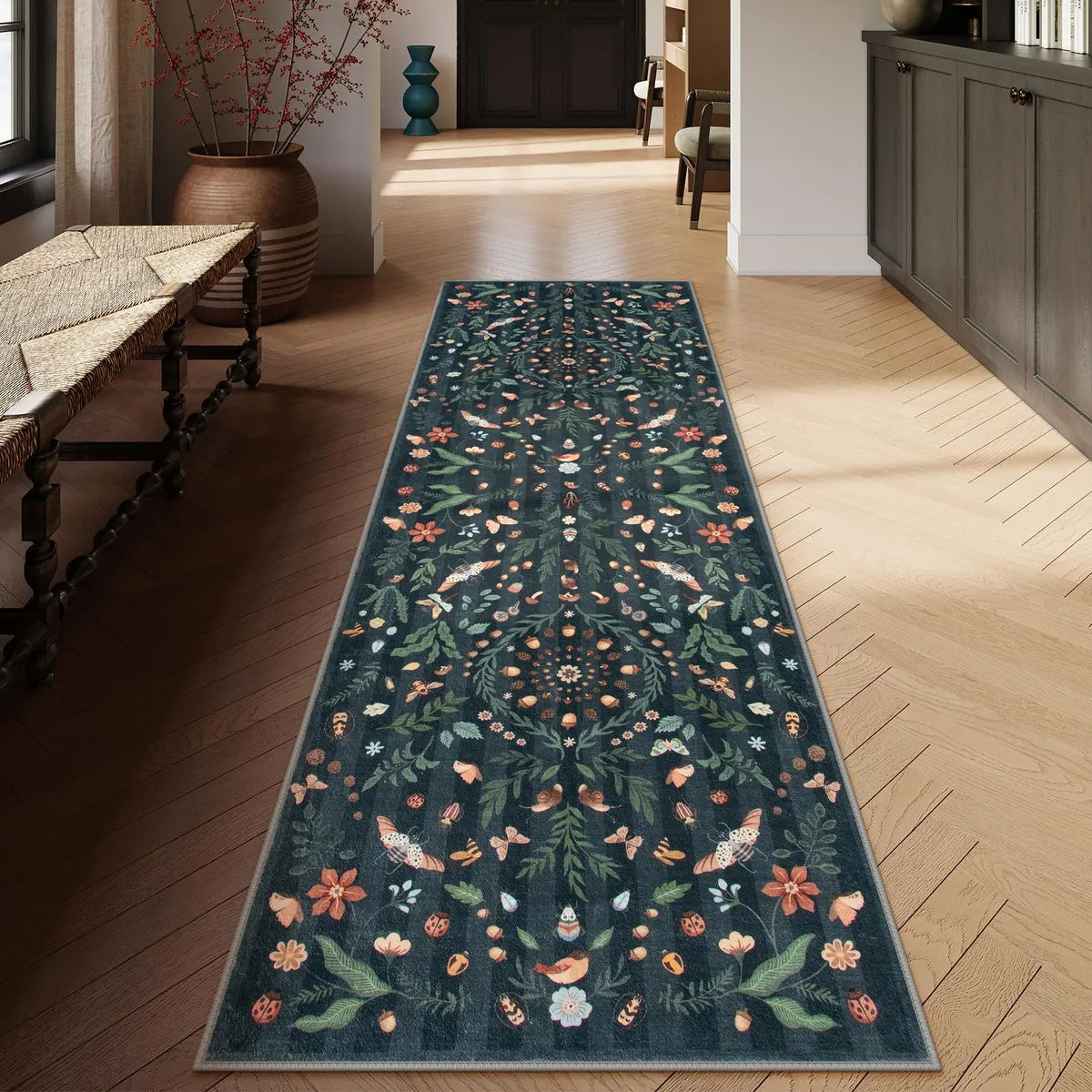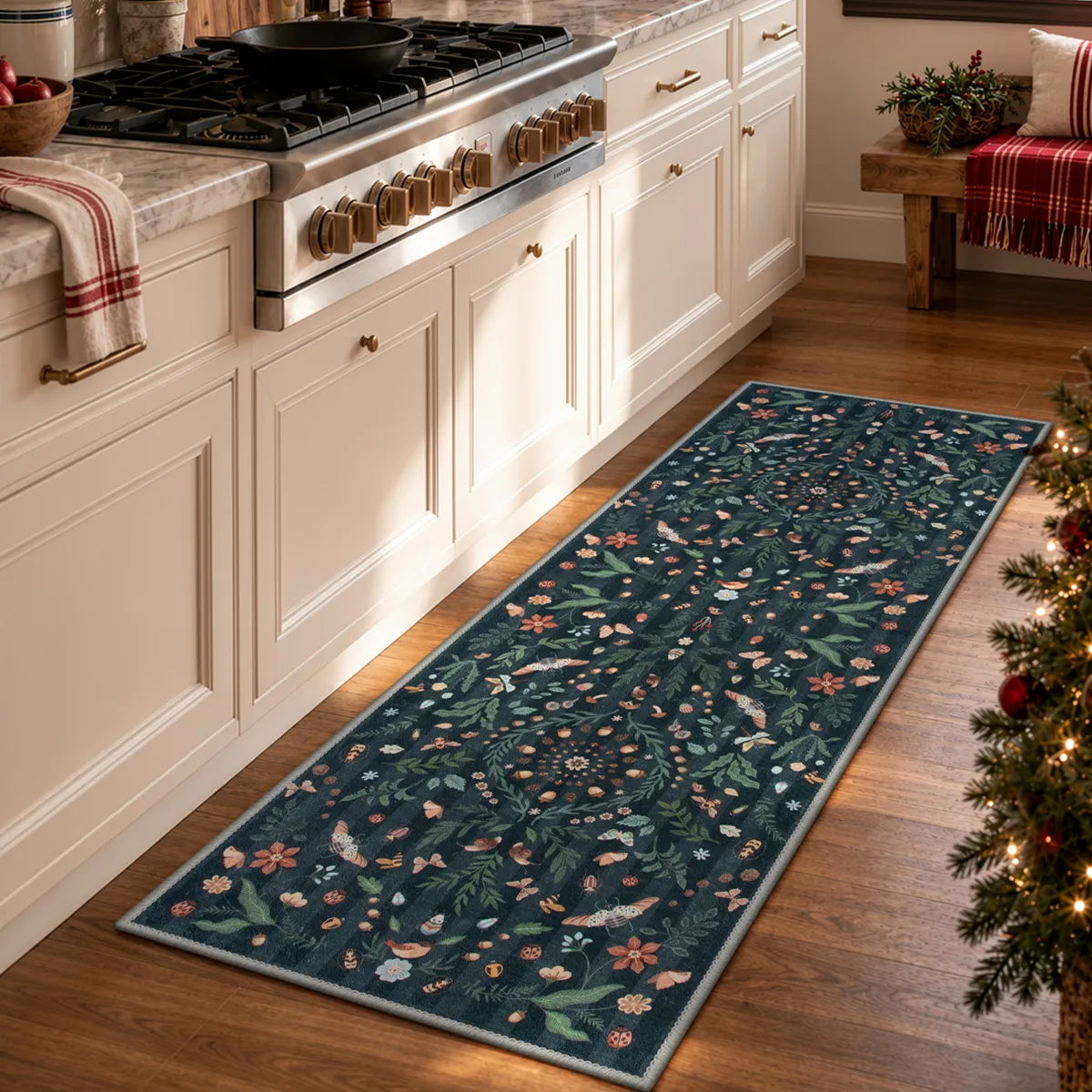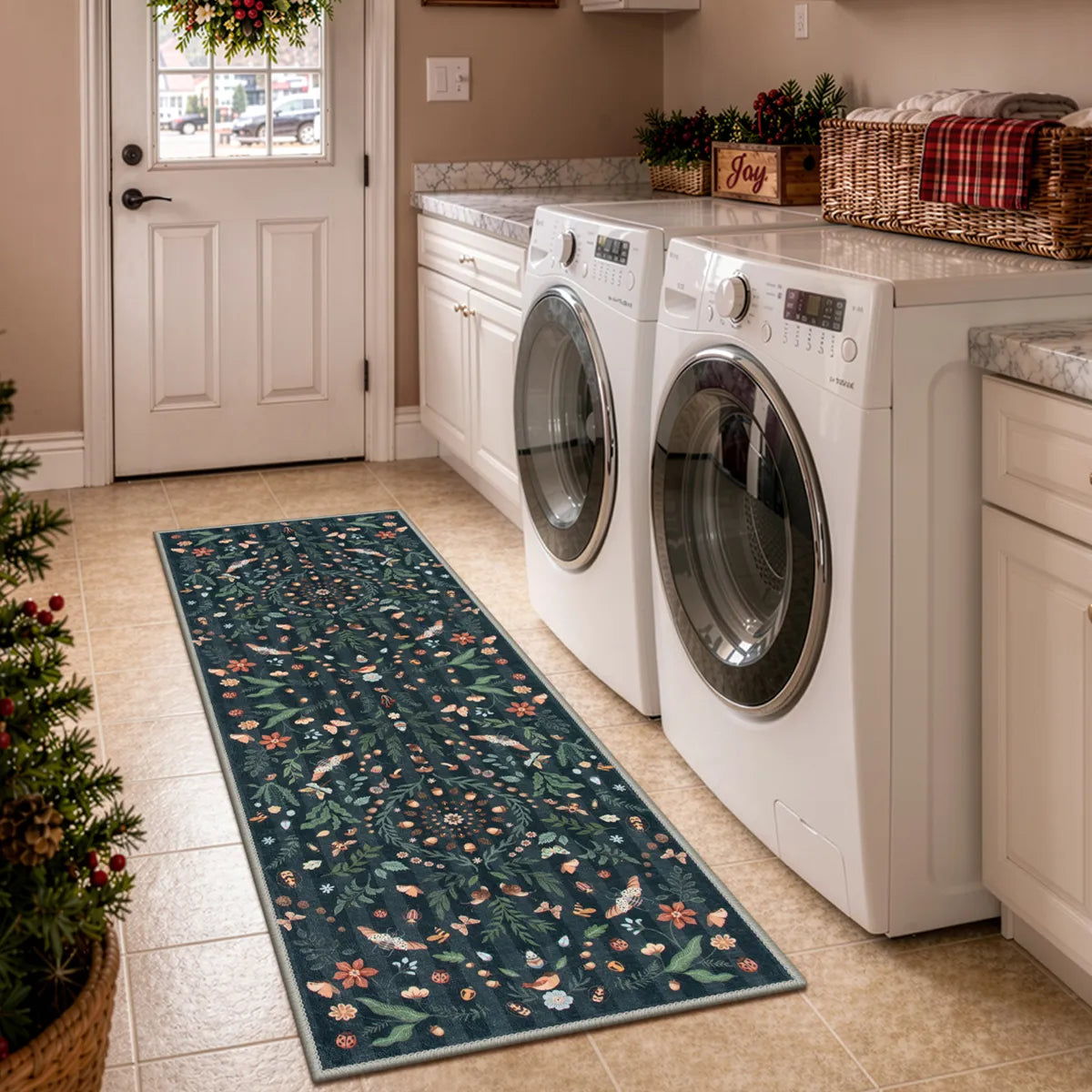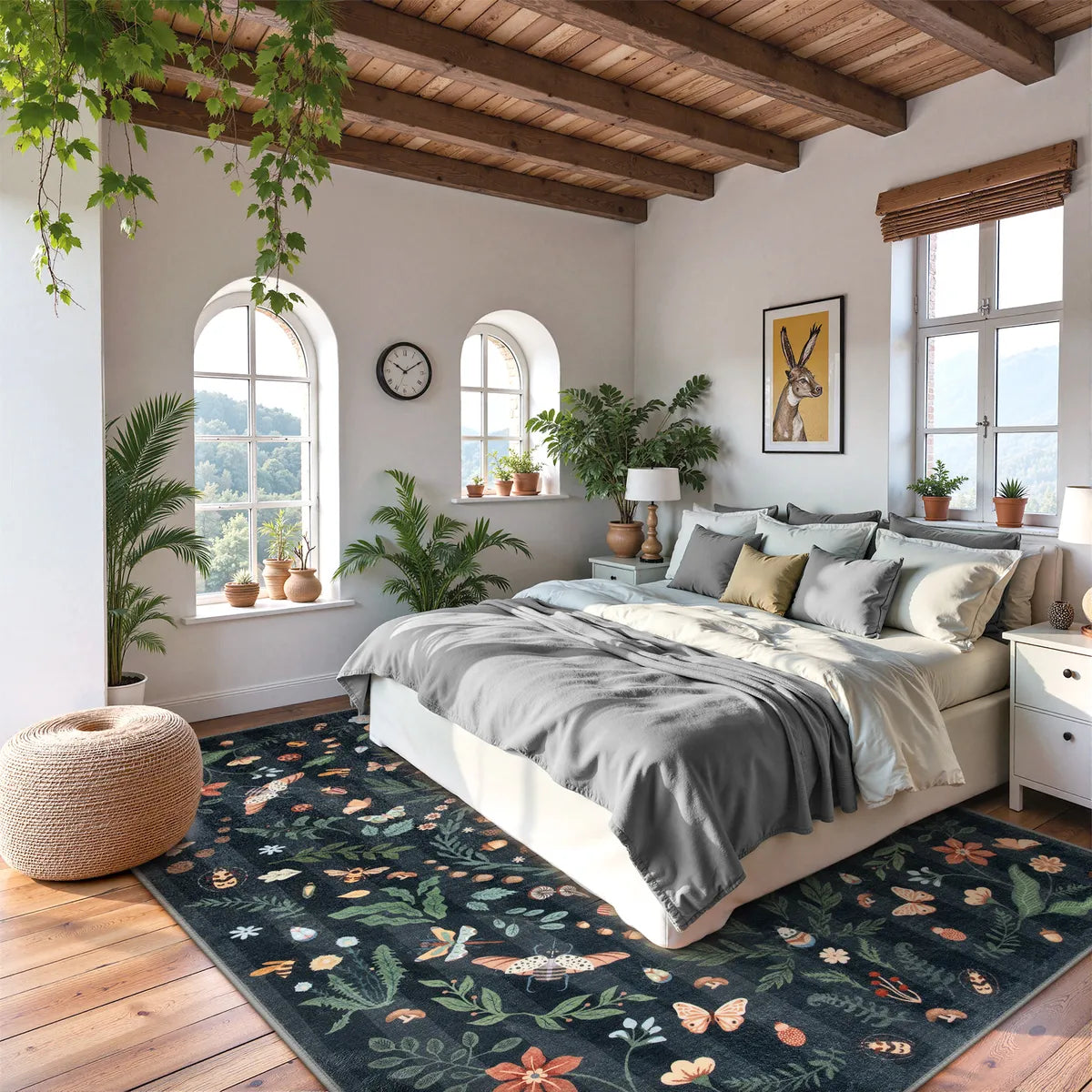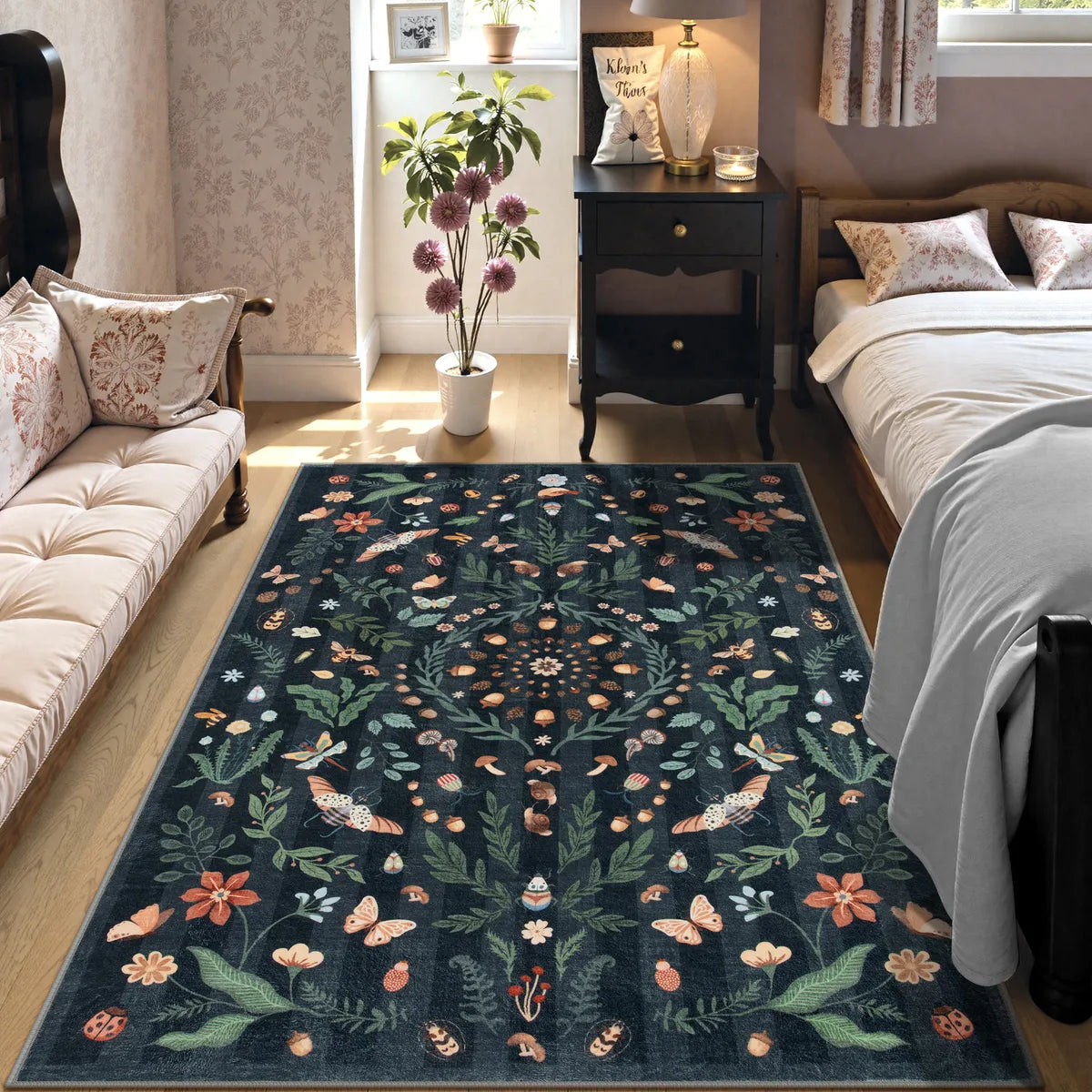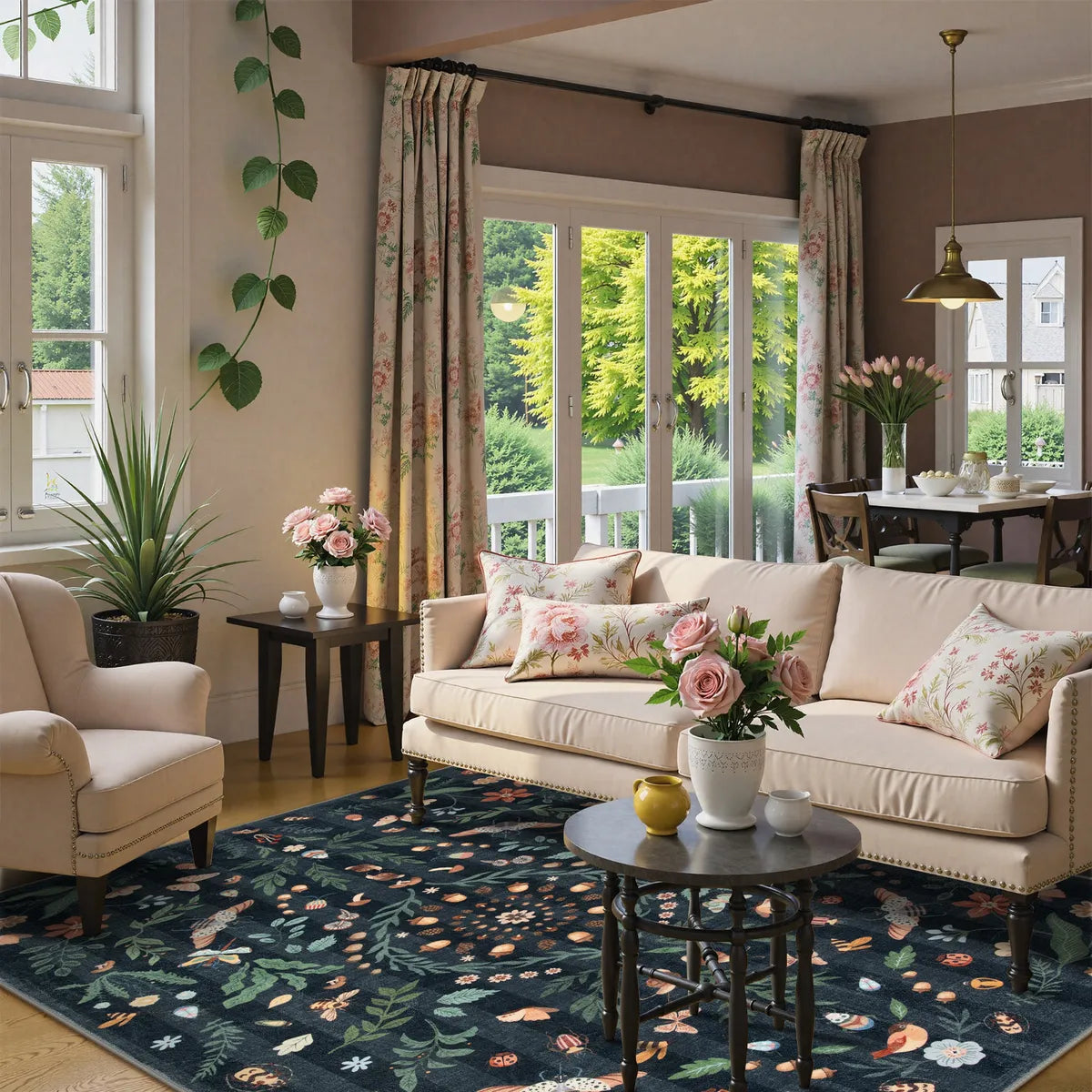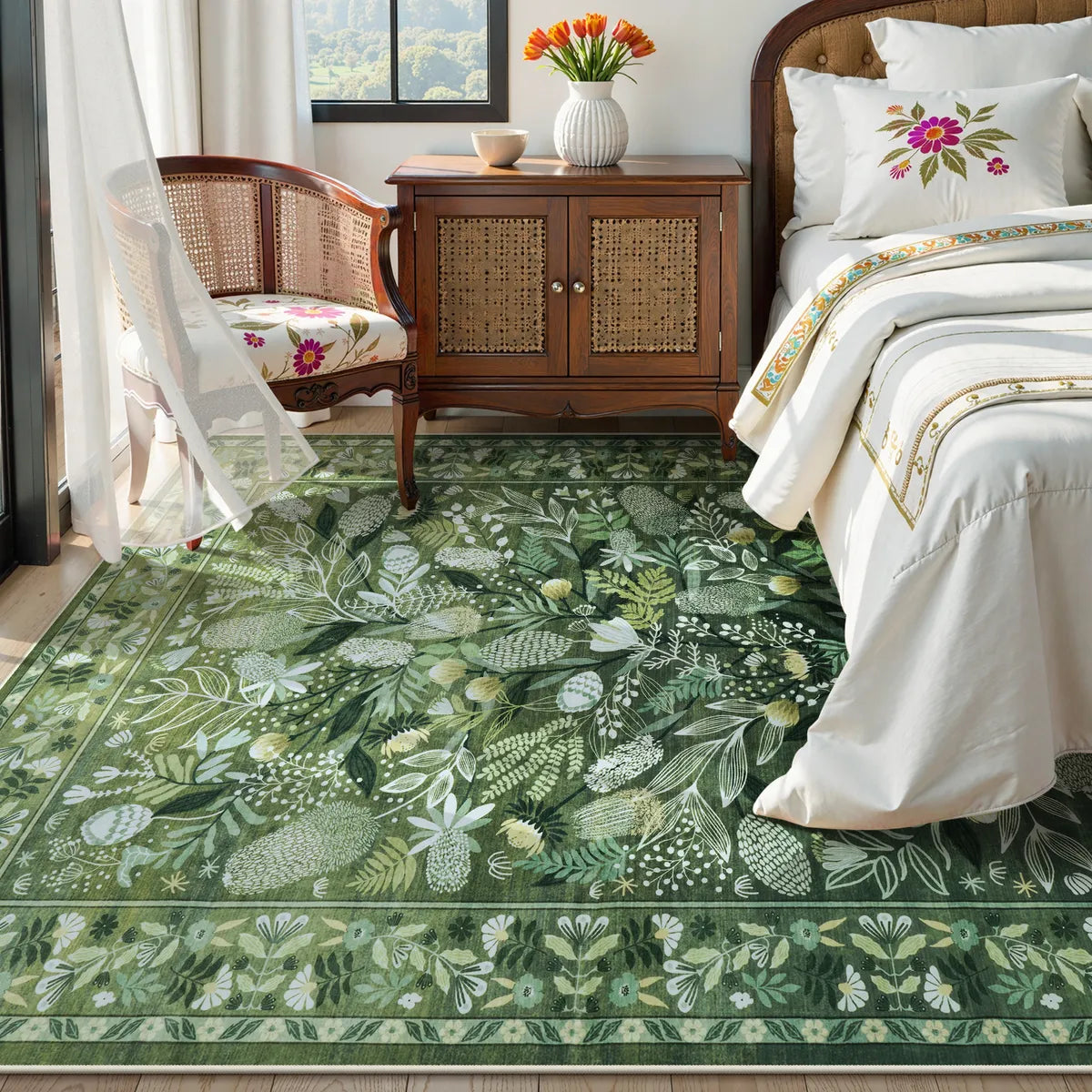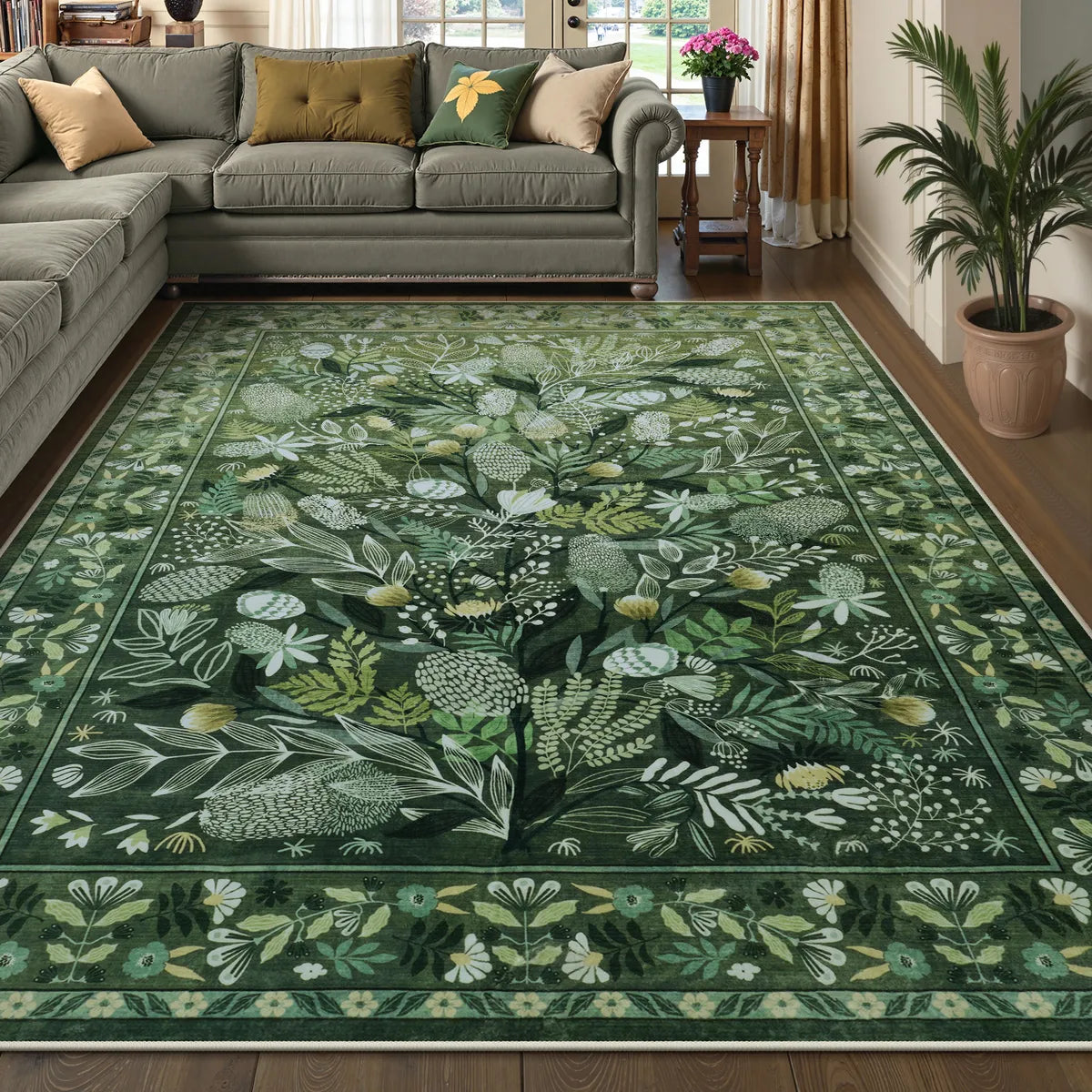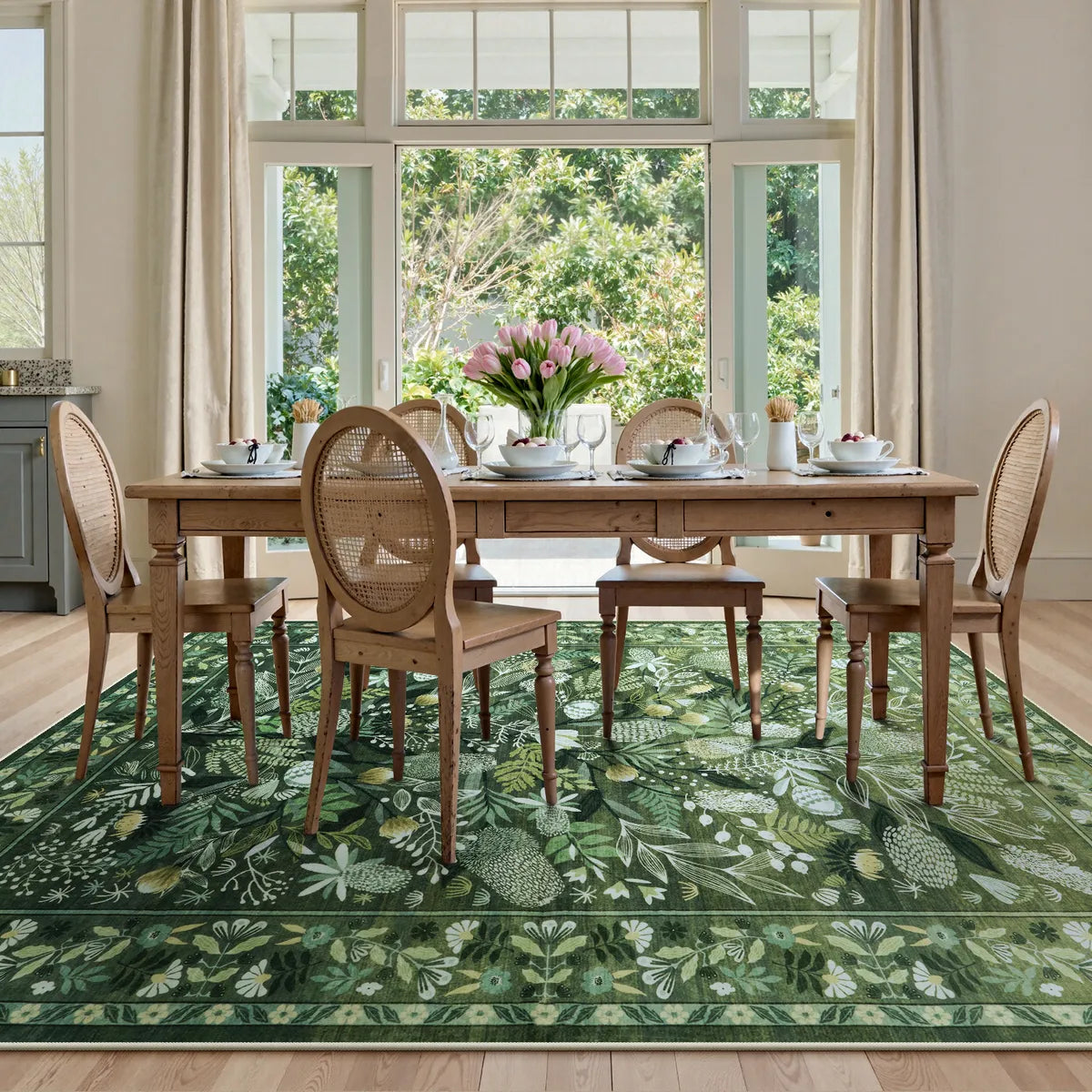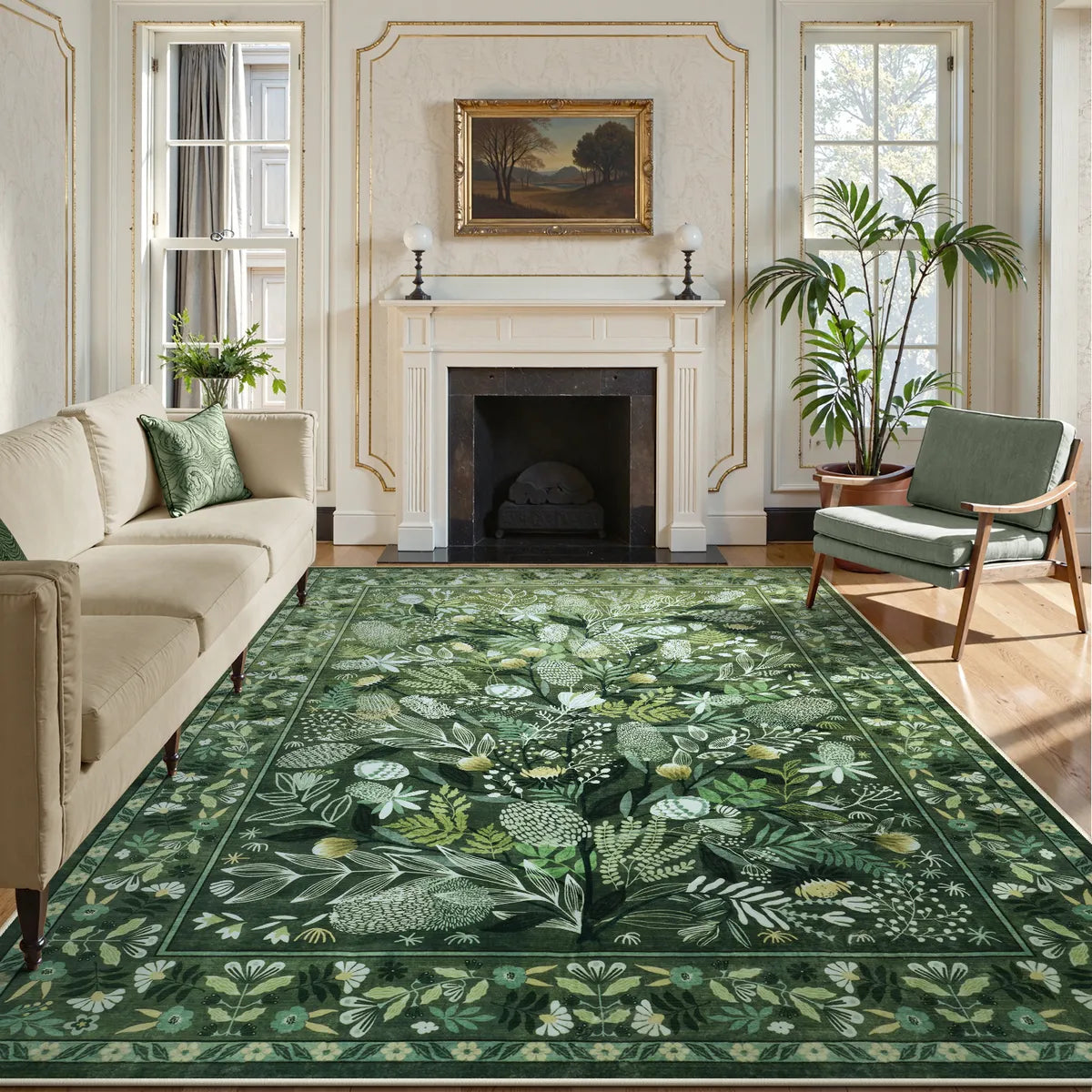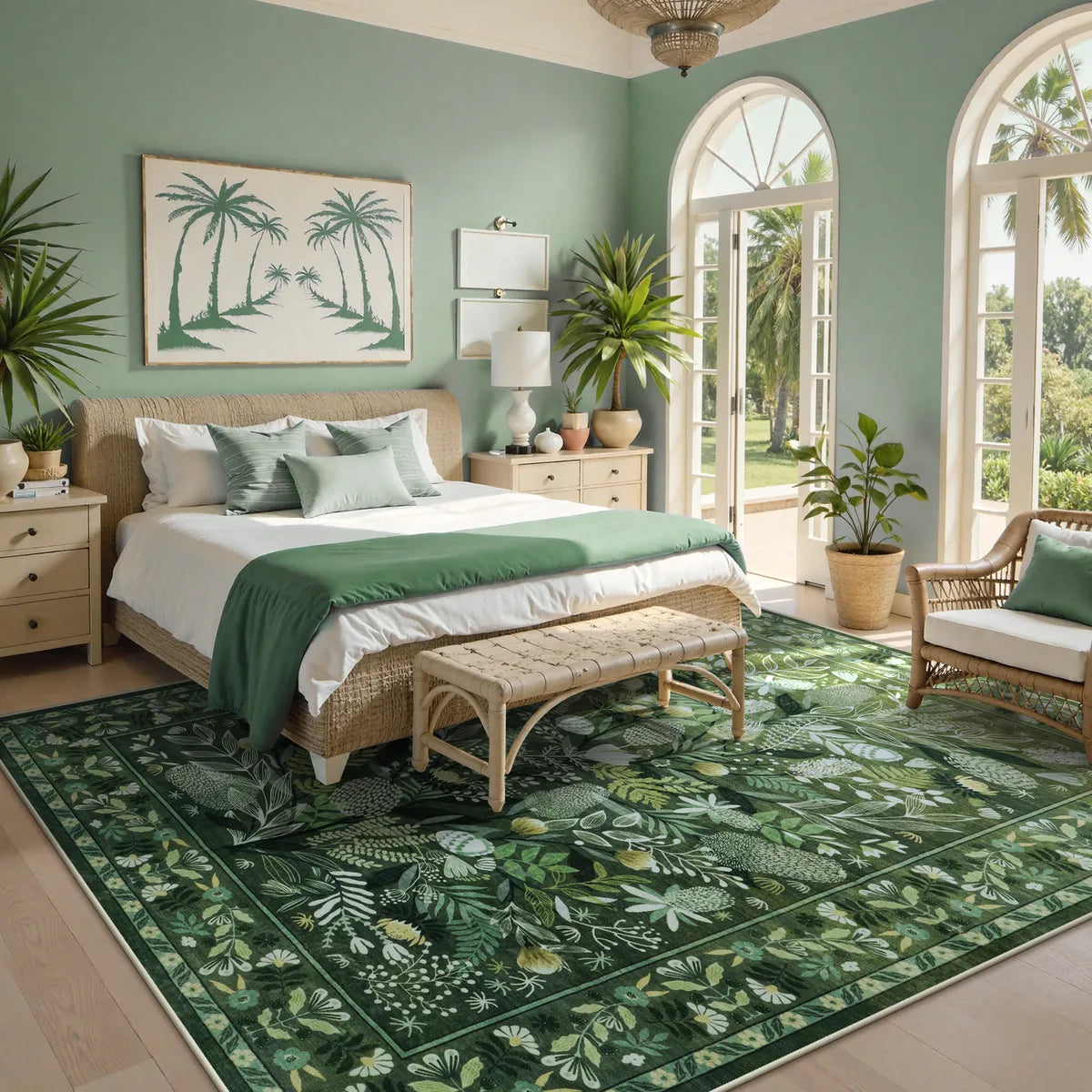


Most people choose a bedroom rug based on how it looks. Fewer think about what it is made of, how it was treated, and whether it is genuinely safe for the people sleeping next to it every night. For households with children, allergy sufferers, or anyone with sensitive skin, those questions matter. The right bedroom rugs do more than add comfort underfoot. They support a healthier sleeping environment from the floor up.
Quick Takeaways
- The bedroom is where people spend the most time in direct contact with their rug, making material safety a priority.
- Hypoallergenic rugs reduce exposure to common allergens but are not the same as allergy-proof.
- OEKO-TEX® certification is one of the most reliable indicators of rug safety for skin and indoor air quality.
- Washable bedroom rugs support long-term hygiene by removing allergens and buildup that vacuuming alone cannot address.
Why Bedroom Rugs Deserve More Safety Attention Than Any Other Room

The bedroom is where people spend the most uninterrupted time in close contact with the floor. Bare feet in the morning, children playing, and eight hours of breathing the same air all add up to a level of exposure that no other room comes close to.
Off-gassing, or the release of chemicals from treated materials into the surrounding air, has a more concentrated effect in a closed sleeping environment than in a well-ventilated living room. The EPA notes that volatile organic compounds can be released as gases from certain solids or liquids, which is why material choice matters in rooms used for long hours of rest.
For infants, toddlers, and anyone with respiratory sensitivity, this distinction is especially important. The materials a bedroom rug is made from, and how it was treated, matter more here than anywhere else in the home.
What Hypoallergenic and Skin-Friendly Bedroom Rugs Actually Mean
"Hypoallergenic" and "skin-friendly" are two of the most common claims on bedroom textiles, but they mean different things in practice. The table below breaks down what each term actually covers.
| Term | What It Means | What It Does Not Mean |
|---|---|---|
| Hypoallergenic | Designed to reduce exposure to common allergen triggers such as dust buildup, harsh fibers, or irritating residues. | It does not mean completely allergy-proof or guaranteed to prevent symptoms for every person. |
| Skin-Friendly | Made with a softer surface and safer material profile for direct skin contact. | It does not automatically prove chemical safety unless backed by a recognized third-party standard. |
| Certified Safe | Verified by an independent testing body against named material safety standards. | It should not be confused with generic marketing phrases like “natural” or “eco-friendly.” |
These terms describe a direction, not an absolute guarantee. A hypoallergenic rug reduces common triggers. A skin-friendly construction minimizes friction and residual irritants. Neither replaces third-party certification, which is where verified safety standards actually come in.
How OEKO-TEX® Certified Rugs Set the Standard for Material Safety
Third-party certification is the most reliable way to verify safety claims on a rug. OEKO-TEX® is an independent international testing and certification system for textiles, and OEKO-TEX® Standard 100 is one of the most widely recognized standards for textiles tested for harmful substances.

When a rug carries an OEKO-TEX® certification, it has been tested at every stage of production, from raw fiber to finished product, for the presence of harmful substances.
What OEKO-TEX® Certification Actually Tests For
An OEKO-TEX® Certified Rug has been evaluated for a broad range of potentially harmful substances, including:
- Heavy metals such as lead and cadmium.
- Formaldehyde and other chemical finishing agents.
- Pesticide residues carried over from fiber production.
- pH levels that could cause skin irritation with prolonged contact.
Passing these tests means every component of the rug, not just the surface fiber, has been verified as safe for skin contact and indoor use.
How to Spot Meaningful Safety Labels When Shopping
Not all safety labels carry the same weight. A few markers of genuine third-party verification worth looking for include:
- OEKO-TEX® Standard 100 is the most commonly applicable certification for finished textile products, including rugs.
- Certifications should reference a specific standard number and issuing body, not just generic claims like "eco-friendly" or "natural."
- Verified certifications can typically be cross-checked on the issuing organization's official database.
Generic marketing language without a named standard and certifying body is not a substitute for actual third-party certification.
What Makes a Bedroom Rug Truly Safe for Kids and Sensitive Skin
Kid safe rugs(rugs designed or verified to be free from substances harmful to children)combine several of the features above into one practical standard. Children spend more time in direct floor contact than adults do, which raises the bar for this category considerably.
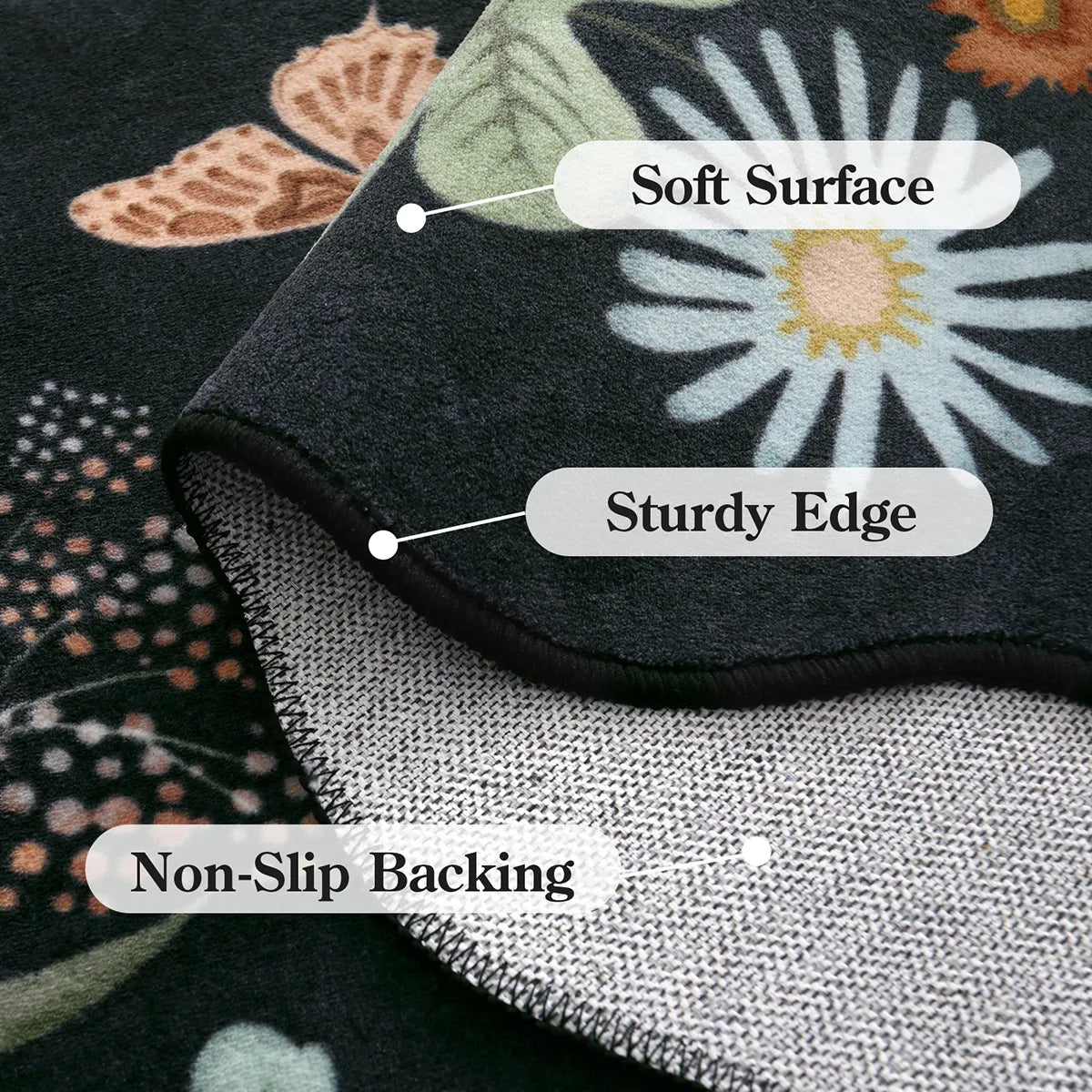
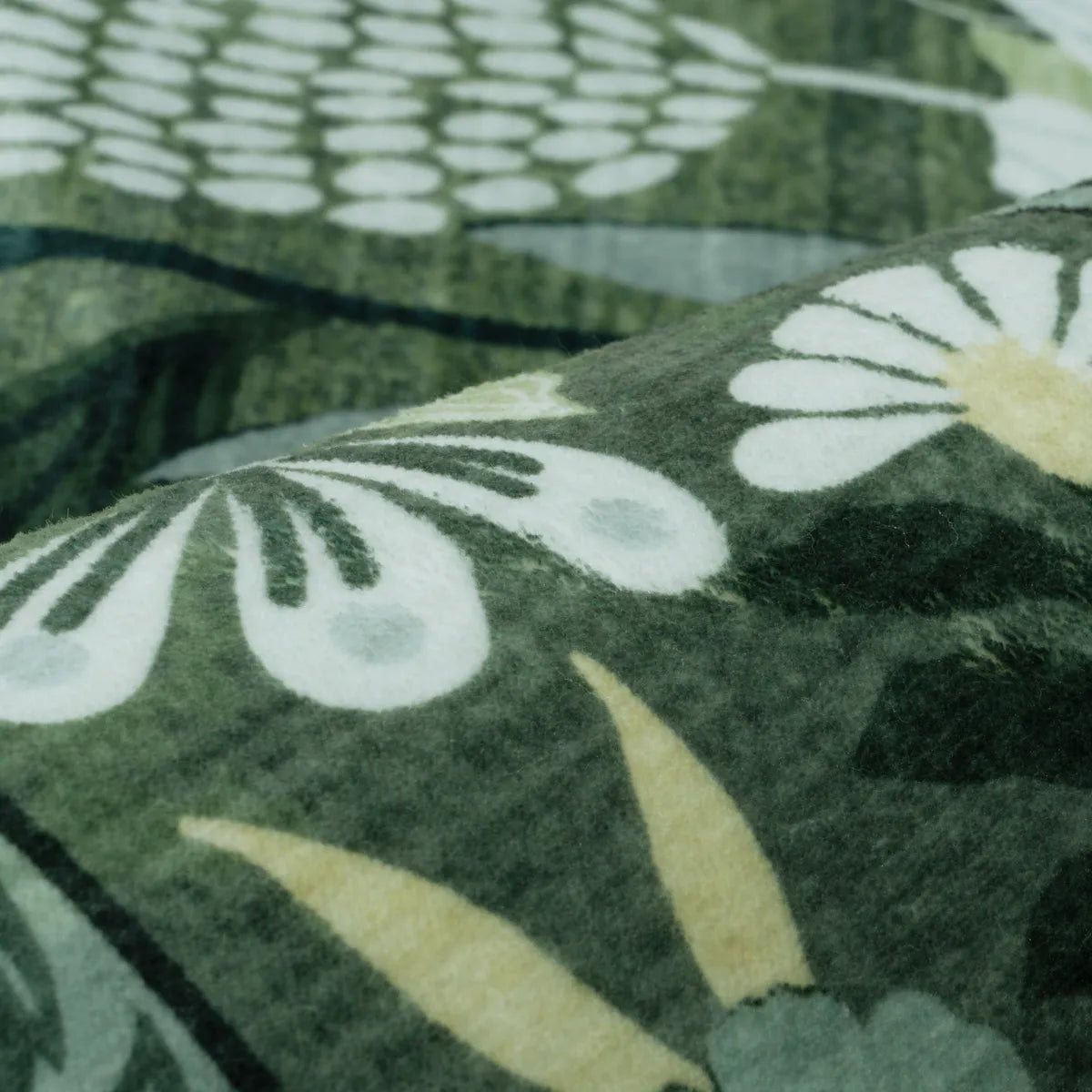
For sensitive skin, the priority is a surface that is both chemically inert and physically comfortable. Soft, dense fiber constructions are gentle on direct skin contact, which matters most in spaces where children and sensitive skin are a consideration. Chemical certification, particularly OEKO-TEX®, adds the assurance that the softness is not compromised by harmful finishing agents.
For children specifically, these features matter most:
- Certified low chemical content verified by a named third-party standard.
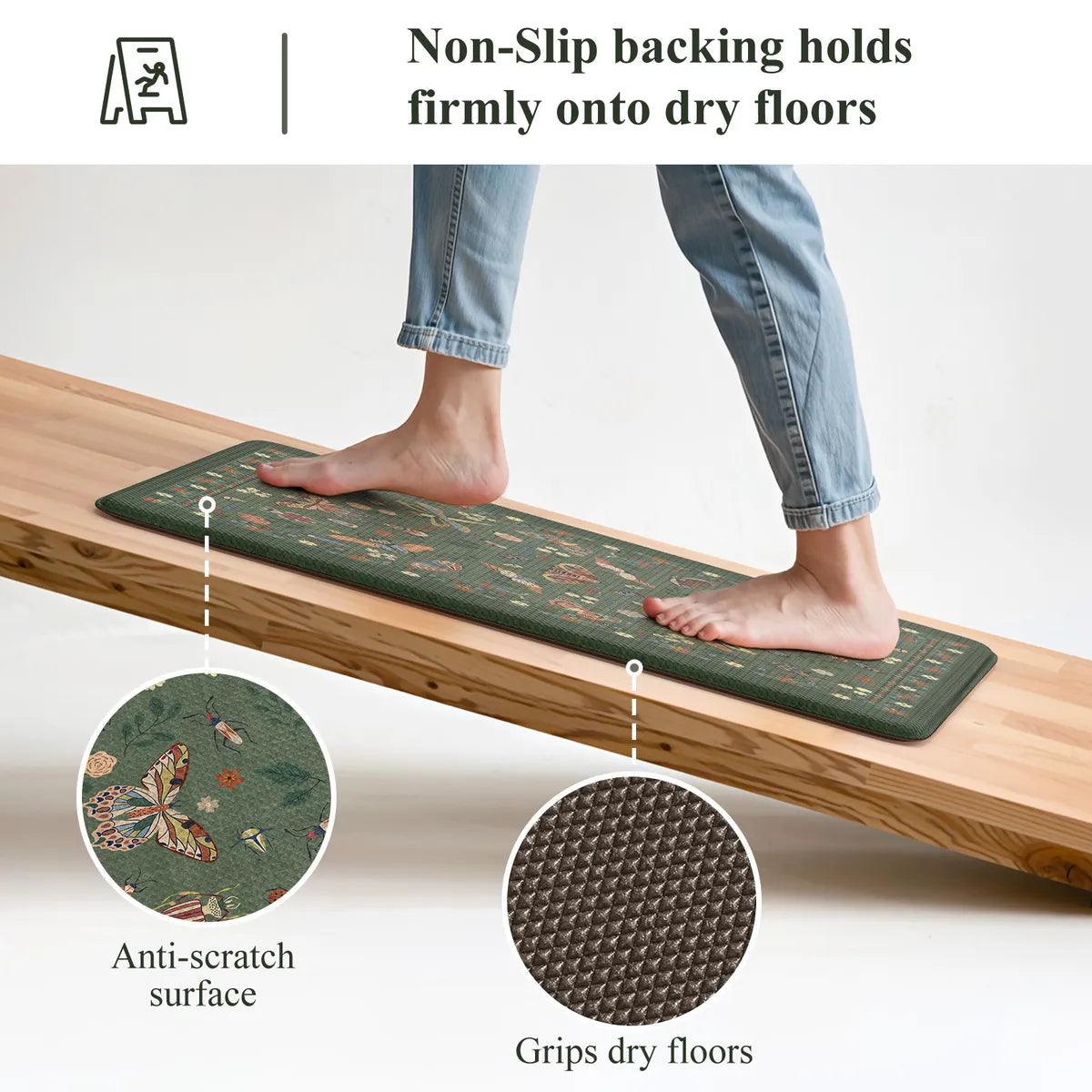
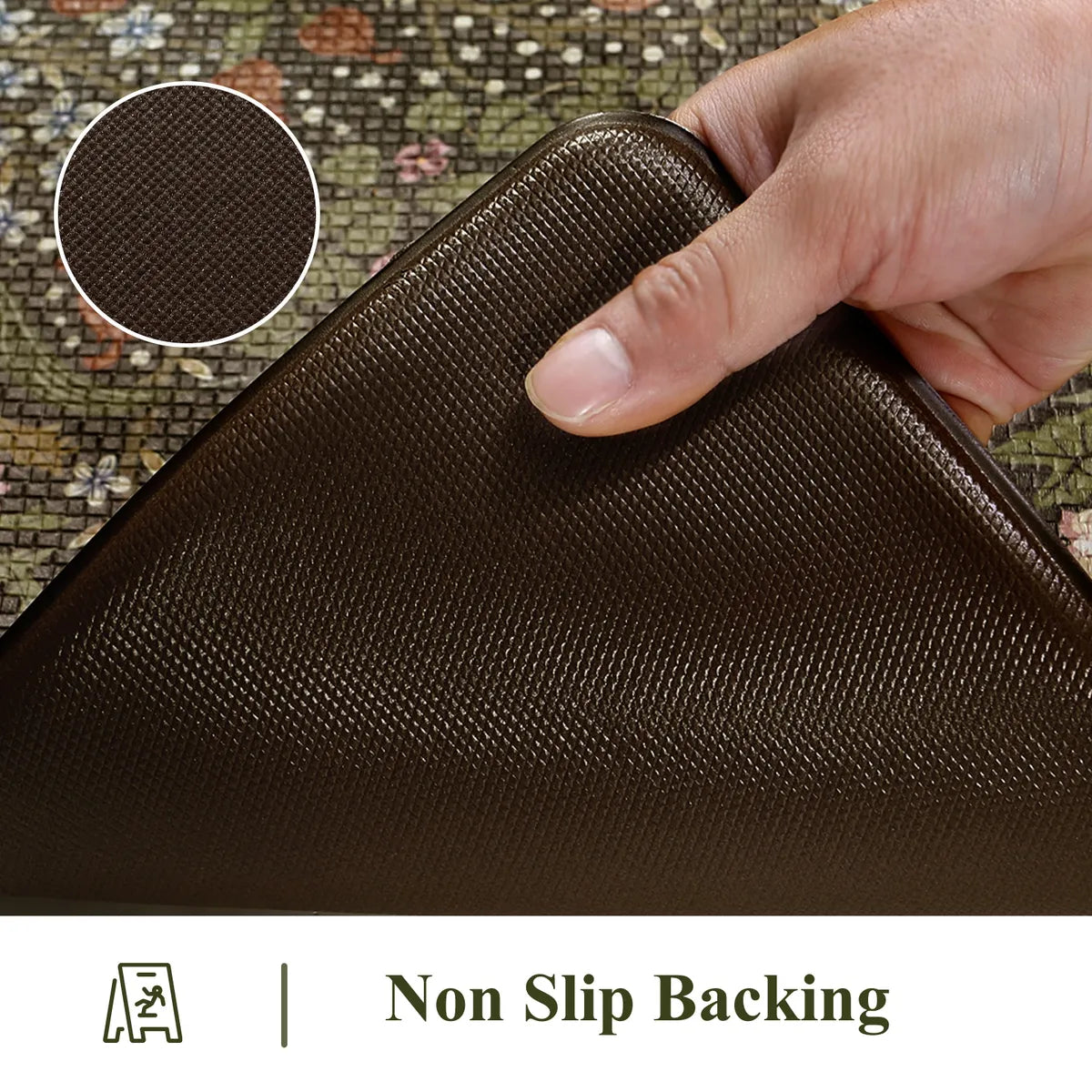
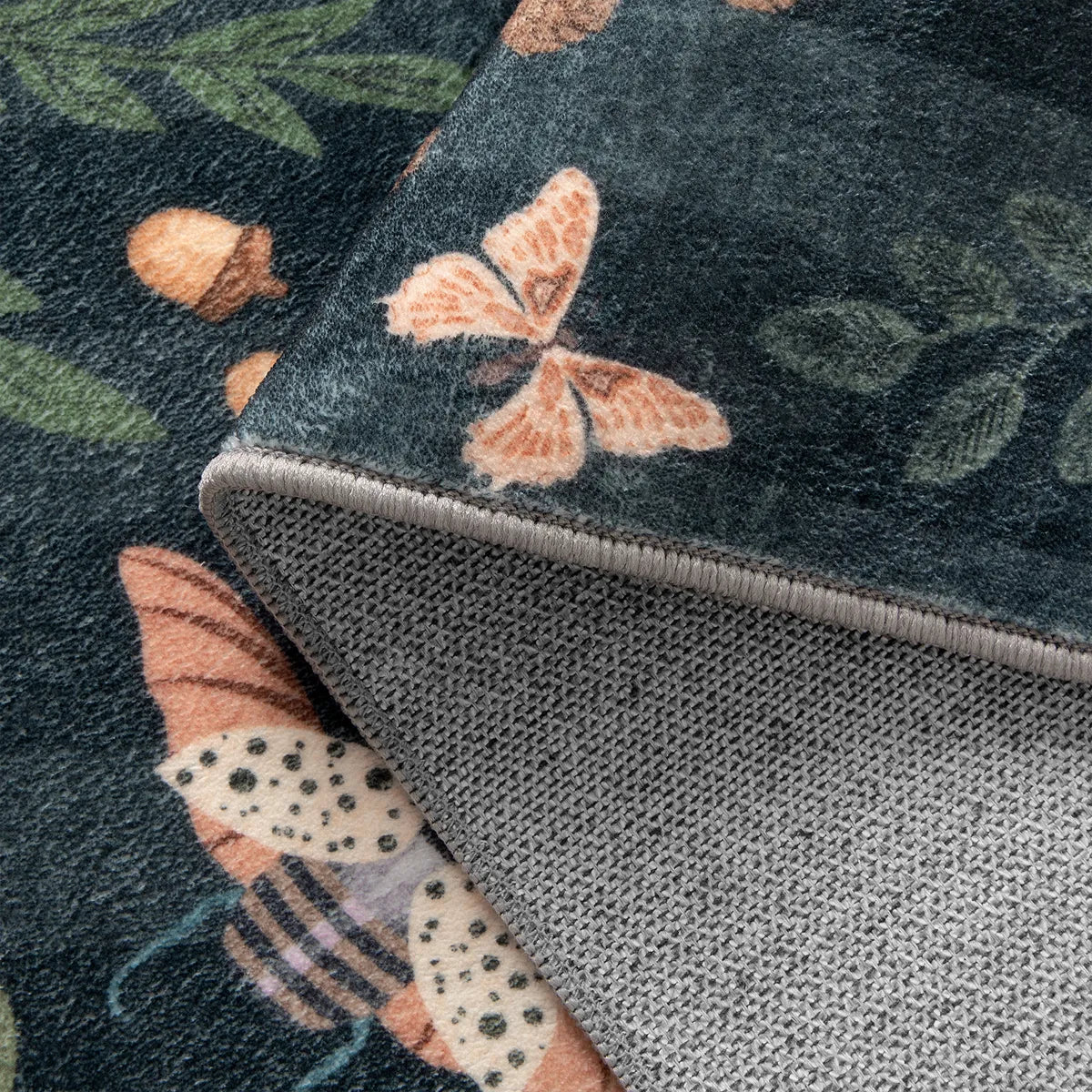
- Non-slip backing to prevent the rug from shifting on hard floors, reducing fall risk during active play.
- Machine washable construction, since children's spaces accumulate dirt, spills, and allergens at a faster rate than adult rooms.
If you are planning a baby room, Lahome’s guide to nursery rugs can help you compare softness, washability, backing, and material safety in one place.
Why Washable Bedroom Rugs Are the Healthiest Long-Term Choice
Material safety at the point of purchase is only part of the equation. A washable bedroom rug maintains its safety profile over time in a way that a non-washable rug cannot.
Rugs accumulate dust mites (microscopic organisms that thrive in fabric surfaces and are among the most common indoor allergen triggers), pet dander, skin cells, and airborne particles over time. Vacuuming addresses surface debris but does not reach the deeper buildup that develops within the fibers.
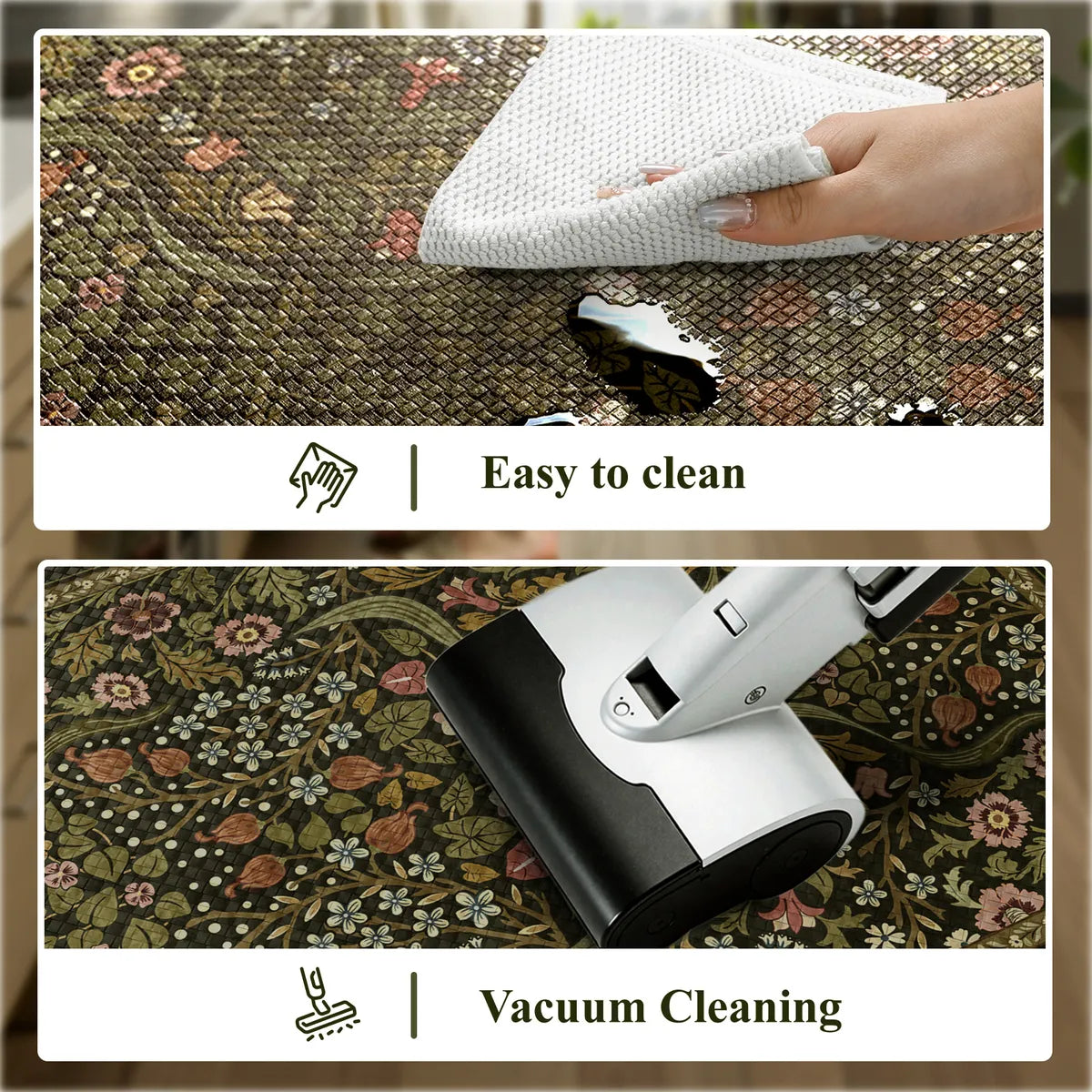
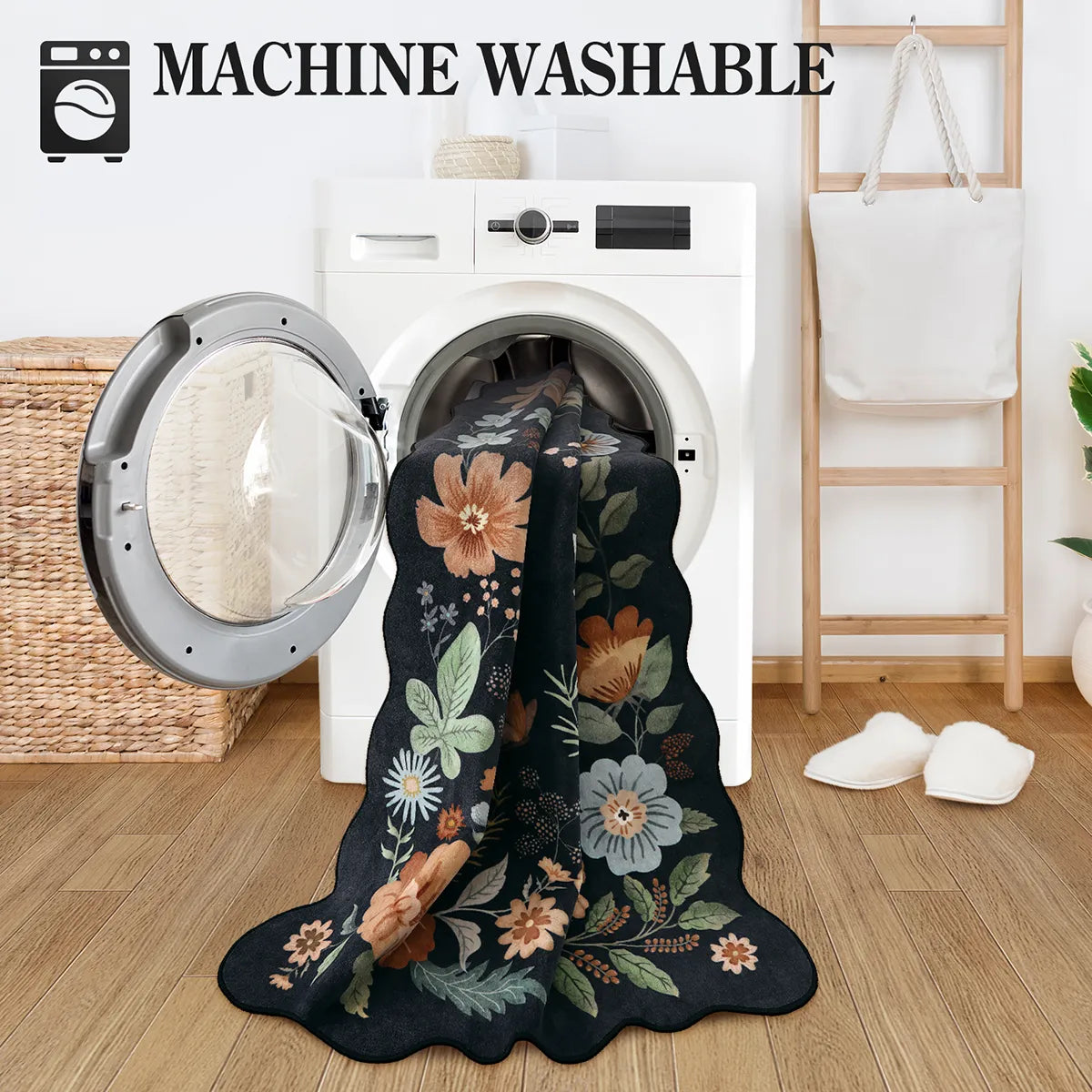
Machine washing does. Regular cycles remove allergen accumulation that contributes to nighttime allergy symptoms and reduces indoor air quality. For routine care between washes, Lahome’s guide on how to vacuum your rug can help reduce pulling, lifting, and edge movement during cleaning.
The practical advantage of washable bedroom rugs is consistent:
- Regular machine washing removes dust mites and allergens that vacuuming leaves behind.
- Washable construction preserves the rug's certified safety profile over its full lifespan.
- A consistently clean rug supports a healthier sleeping environment, which matters most in the room where air quality has the most direct effect on rest and recovery.
Build a Bedroom That Works for Your Health
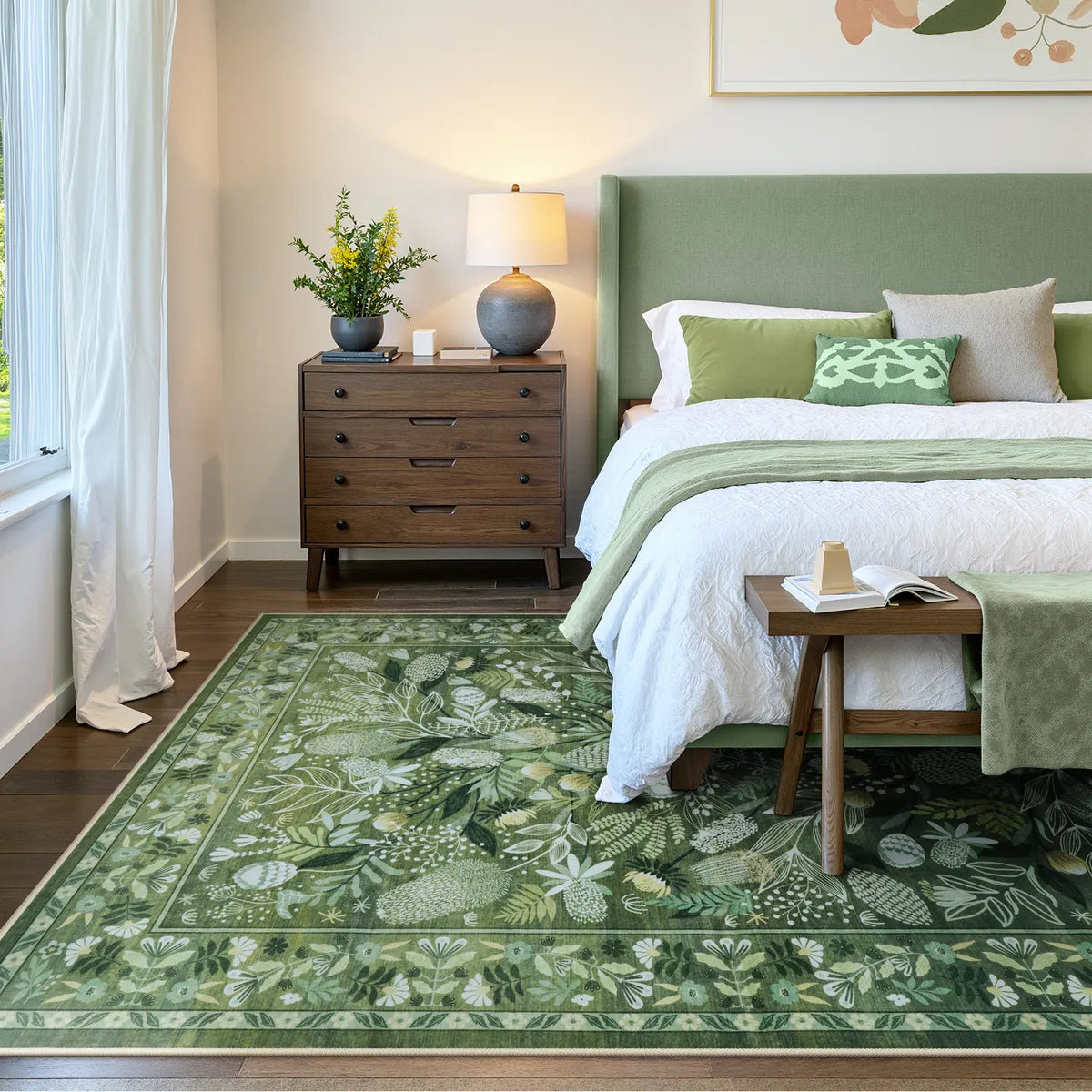
A bedroom rug does more than soften the floor. It contributes to the air you breathe, the surface your skin contacts, and the environment your children spend time in every single day. Prioritize certified materials, look for meaningful safety labels, choose constructions designed for sensitive skin and kids, and keep the rug clean with regular washing.Those four choices together make the difference between a rug that simply looks good and one that actively supports a healthier home.
FAQs
Q1. Can a Hypoallergenic Rug Help With Nighttime Allergy Symptoms?
A hypoallergenic rug reduces the presence of common allergen triggers in the bedroom environment, which can contribute to fewer nighttime symptoms for sensitive individuals. The benefit is most consistent when the rug is also washable, since allergen buildup over time can offset the initial material advantages. Pairing a certified, low-allergen bedroom rug with a regular cleaning routine gives the most reliable long-term results.
Q2. At What Age Is It Safe to Introduce a Rug in a Baby's Room?
A kid safe rug with verified third-party certification, such as OEKO-TEX® Standard 100, can be introduced in an infant's room from the beginning, provided it also has a non-slip backing and is kept clean. The priority for very young children is a bedroom rug free from harsh chemical treatments and with a surface soft enough for direct skin contact. Regular washing is especially important in infant and toddler spaces.
Q3. How to Choose a Rug for a Bedroom?
Start with safety first. Look for bedroom rugs with a recognized certification like OEKO-TEX® Standard 100, which verifies the materials are free from harmful substances. From there, prioritize soft, skin-friendly construction for direct contact, non-slip backing for stability, and washable bedroom rug design so it stays genuinely clean over time. Getting these four things right covers both comfort and long-term health in a sleeping environment.
Q4. What Type of Rug Is Hypoallergenic?
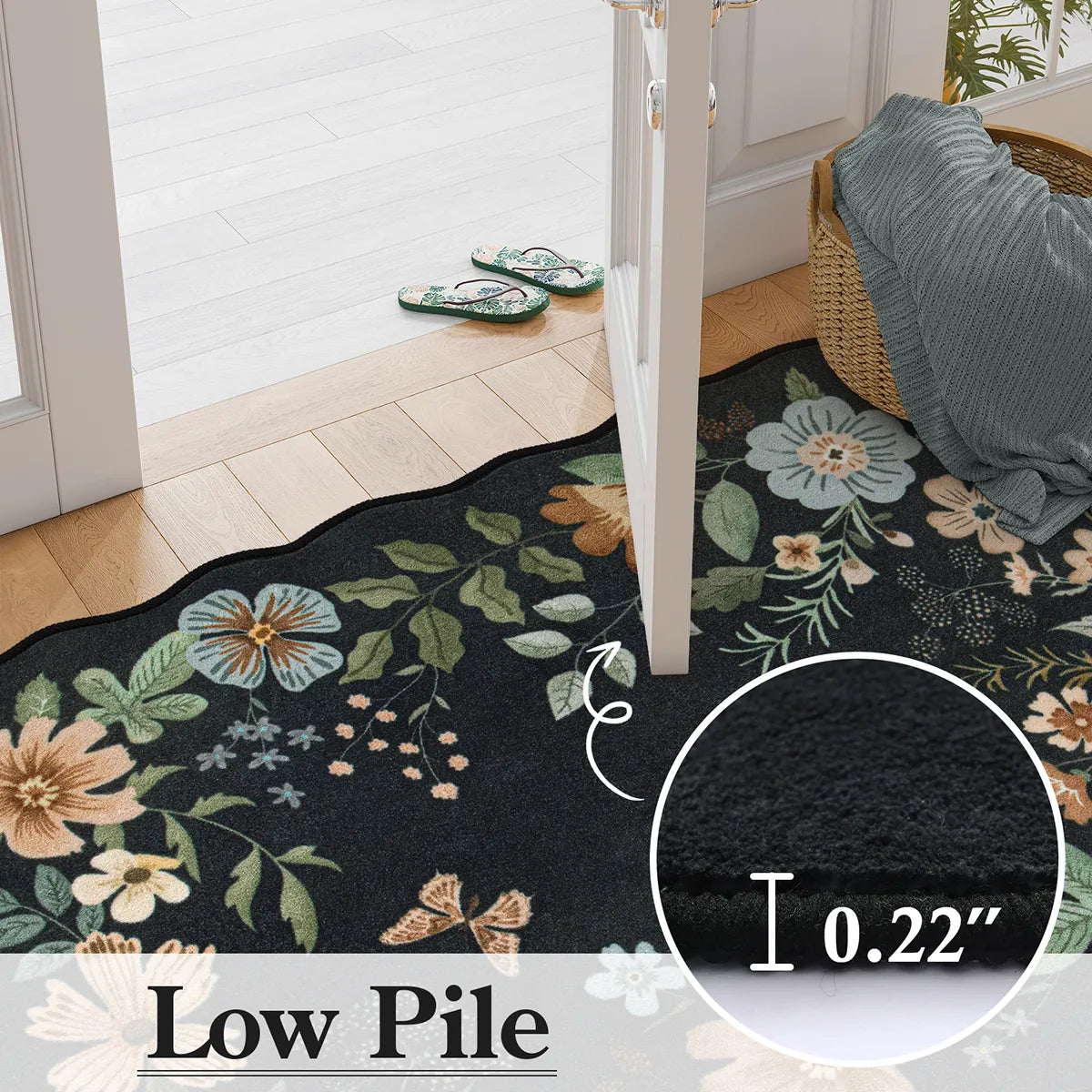
A hypoallergenic rug certified by a recognized third-party standard such as OEKO-TEX® Standard 100 is the most reliably safe option for allergy-sensitive households. Low-pile styles are also easier to keep clean, which reduces allergen accumulation over time. For the most complete protection, look for a washable bedroom rug that combines certified materials with machine washable construction for regular deep cleaning.