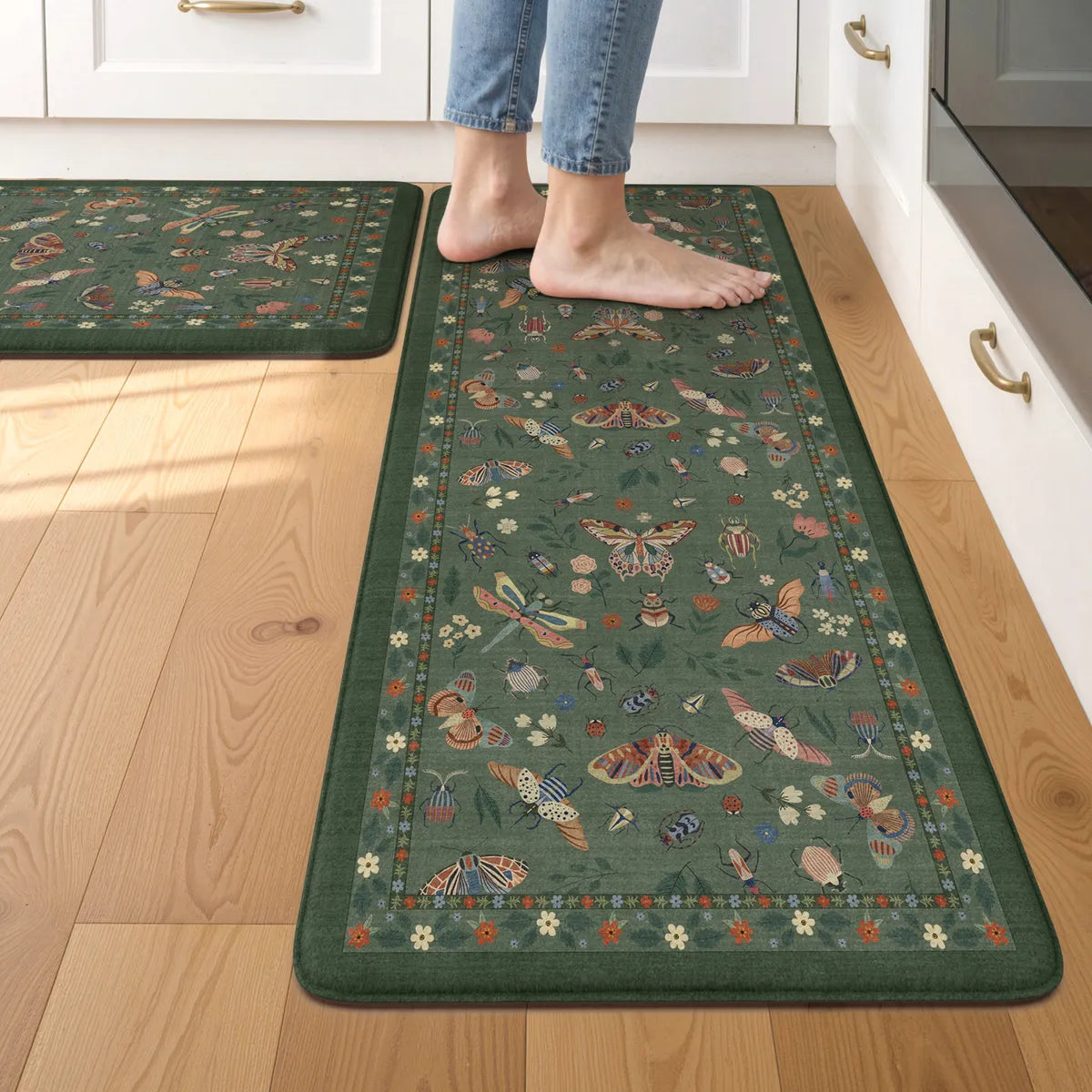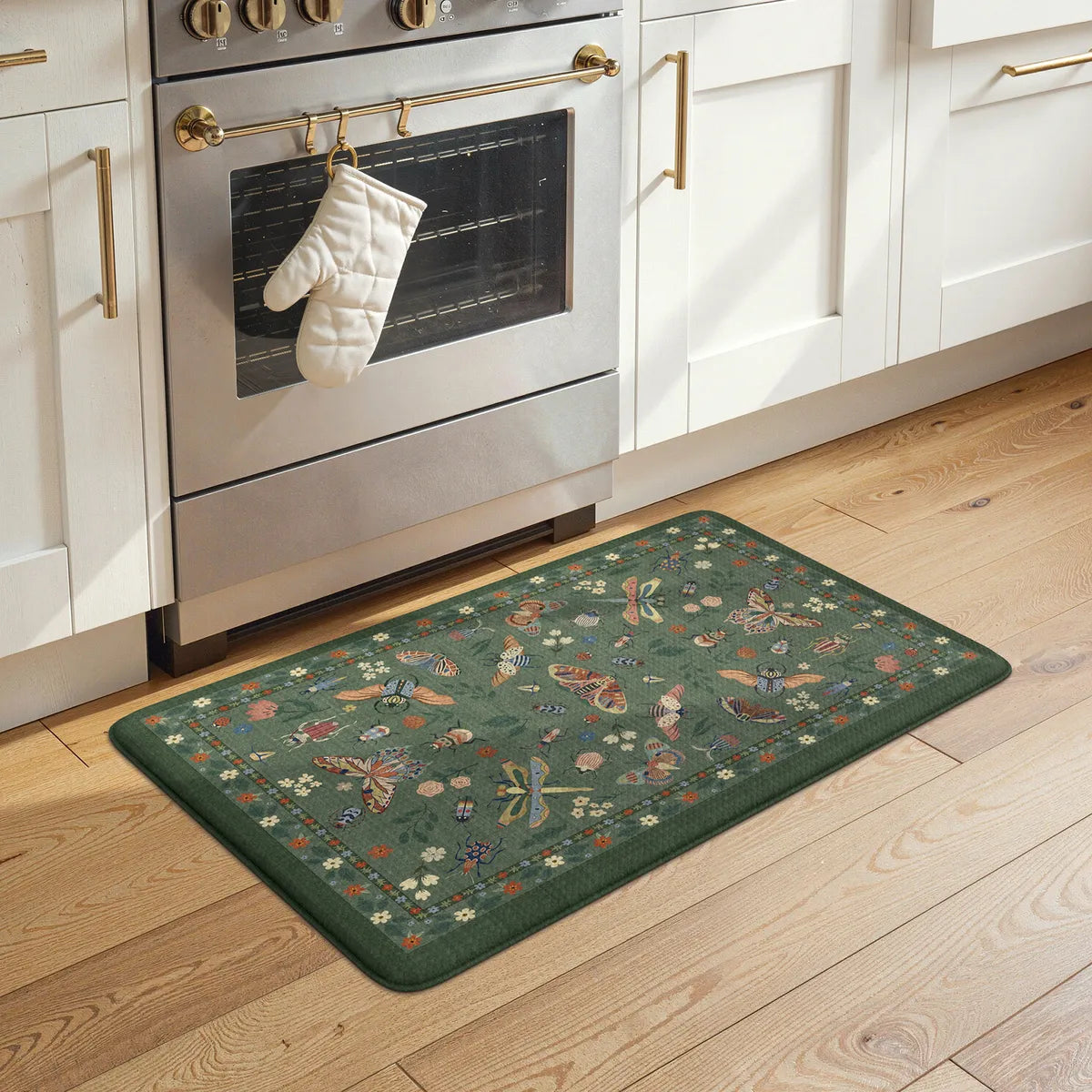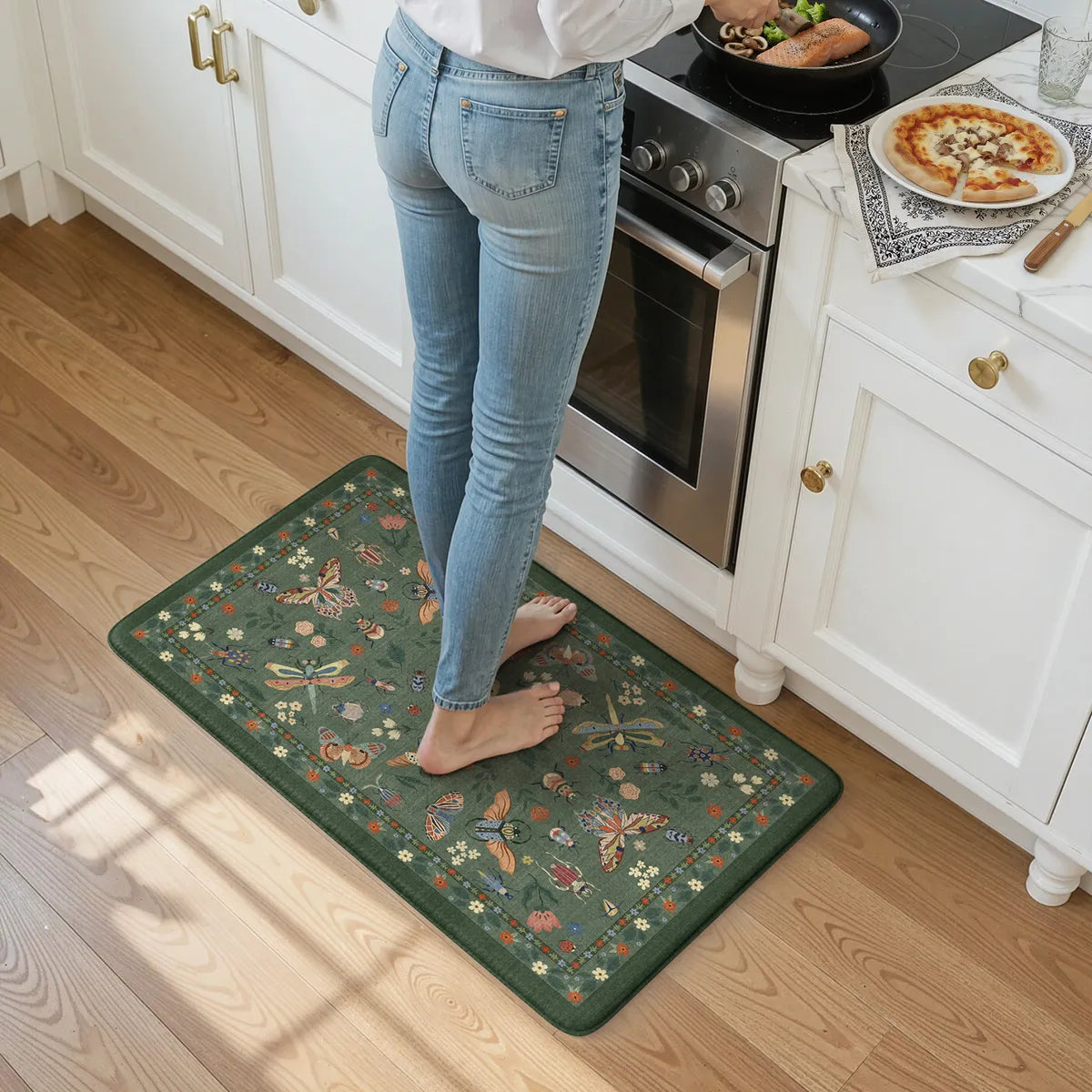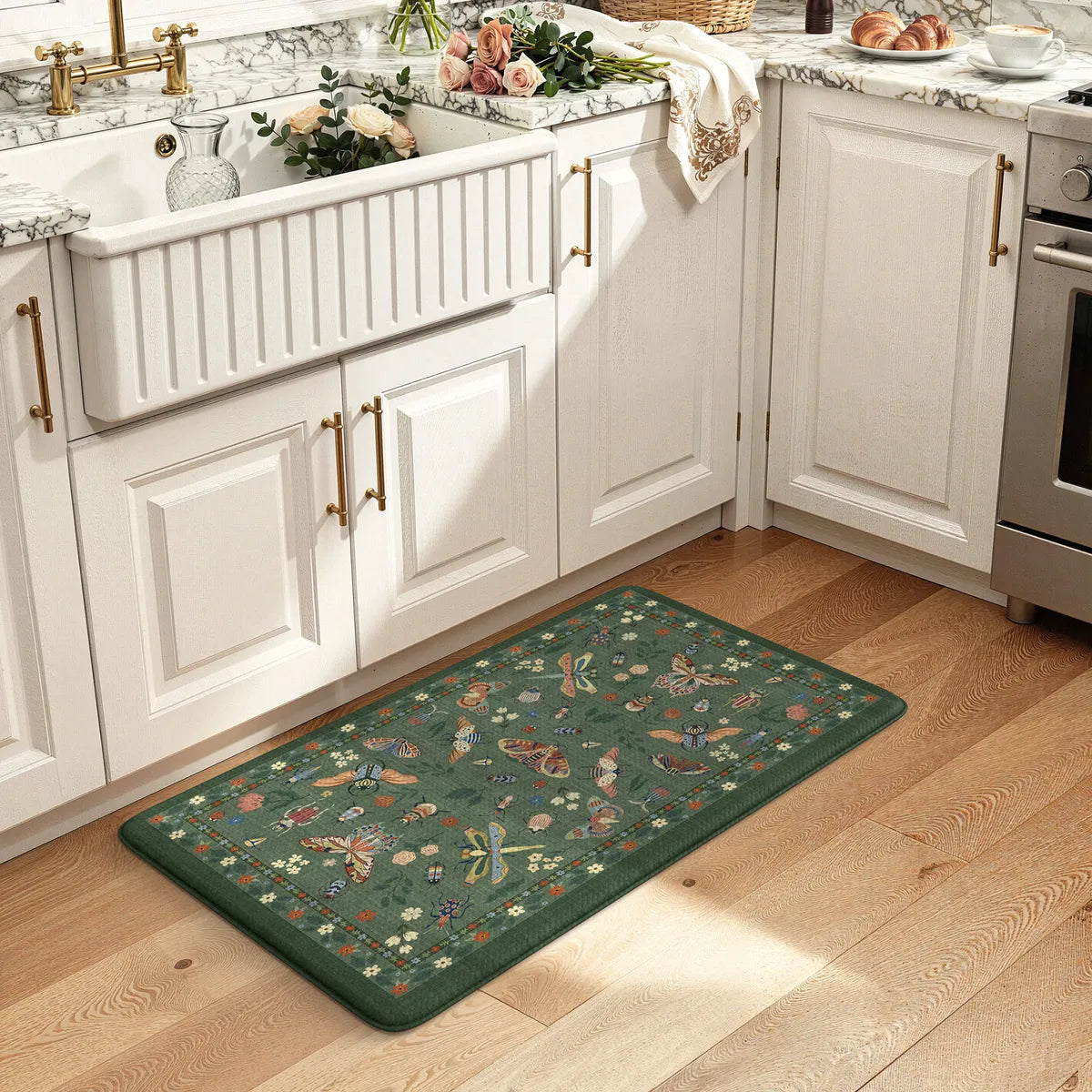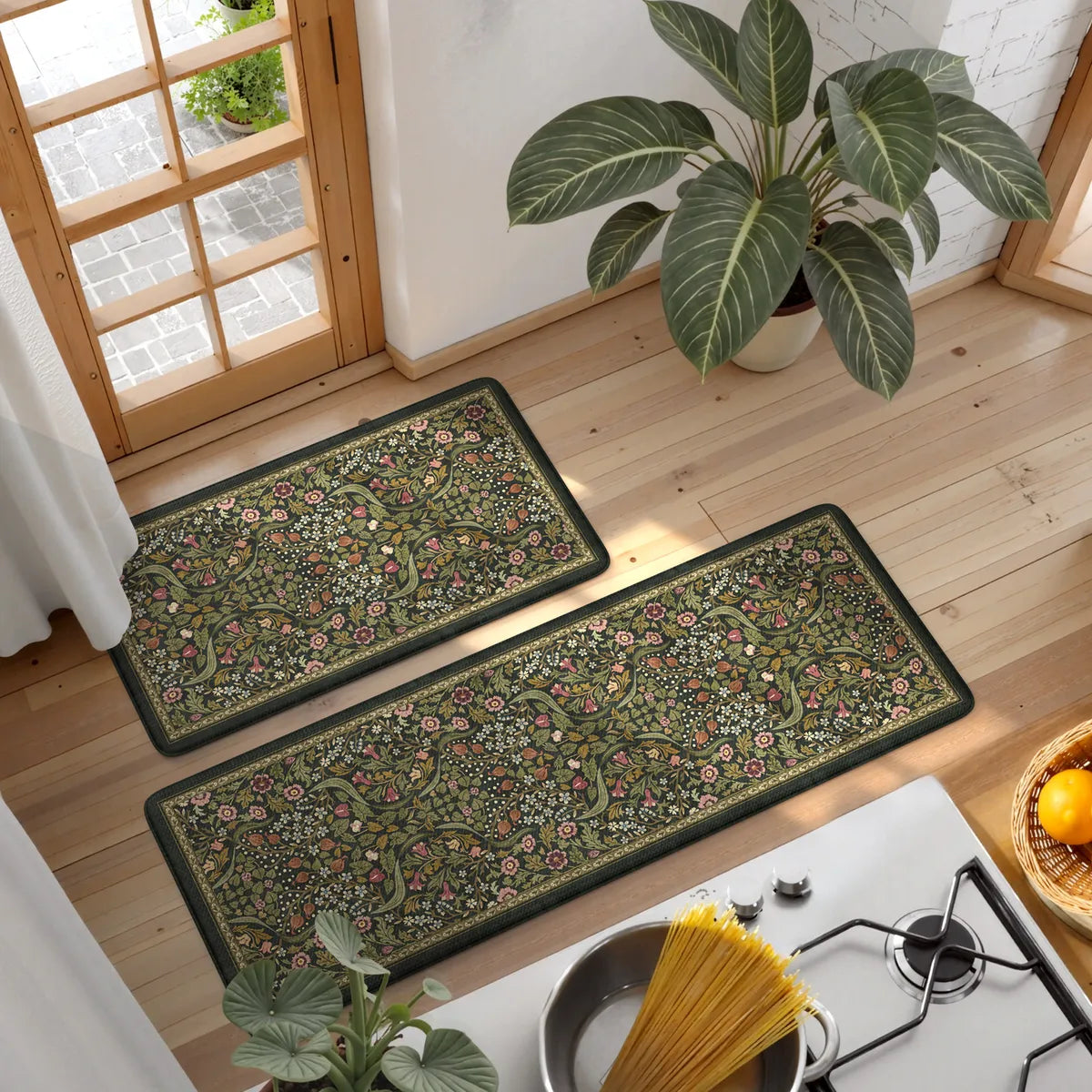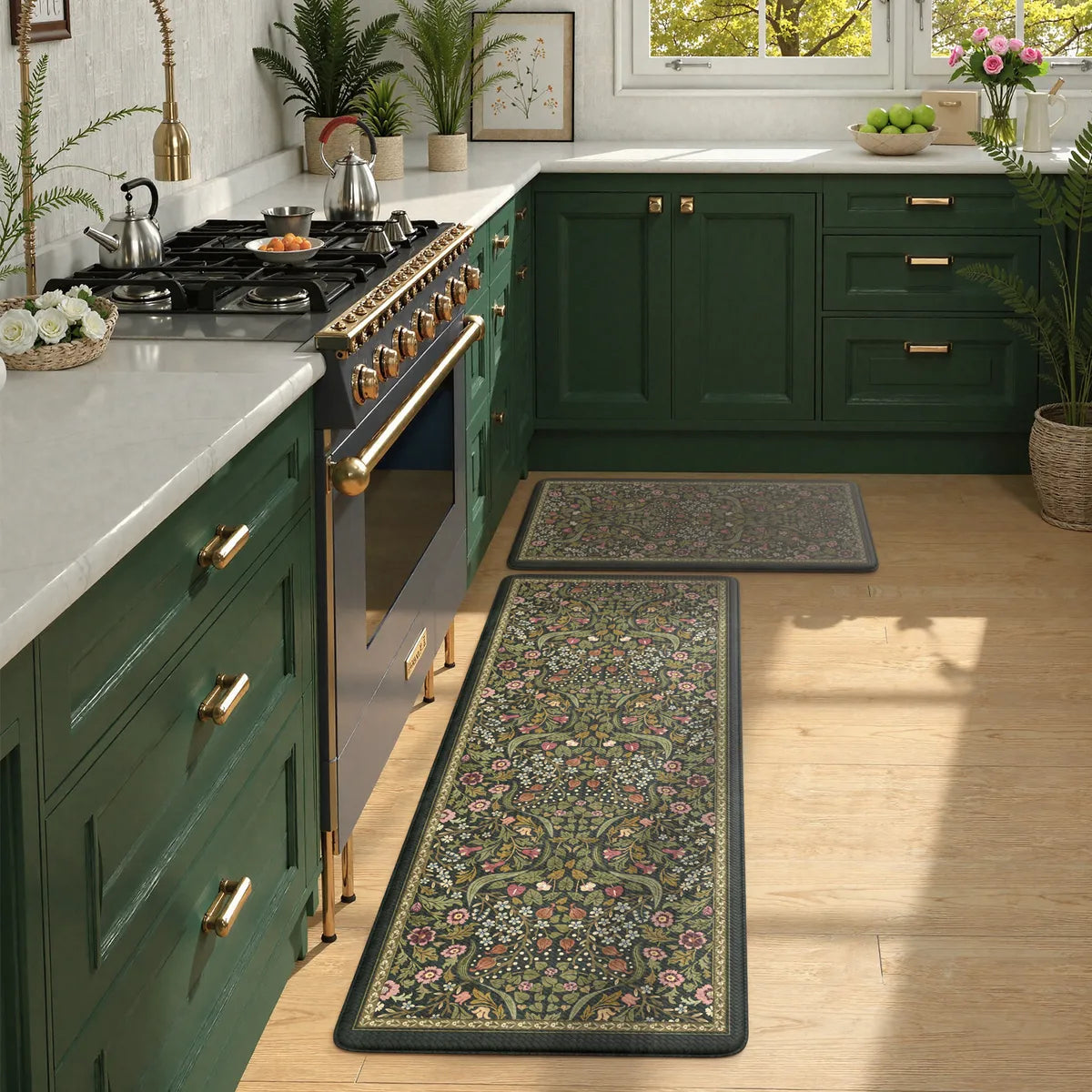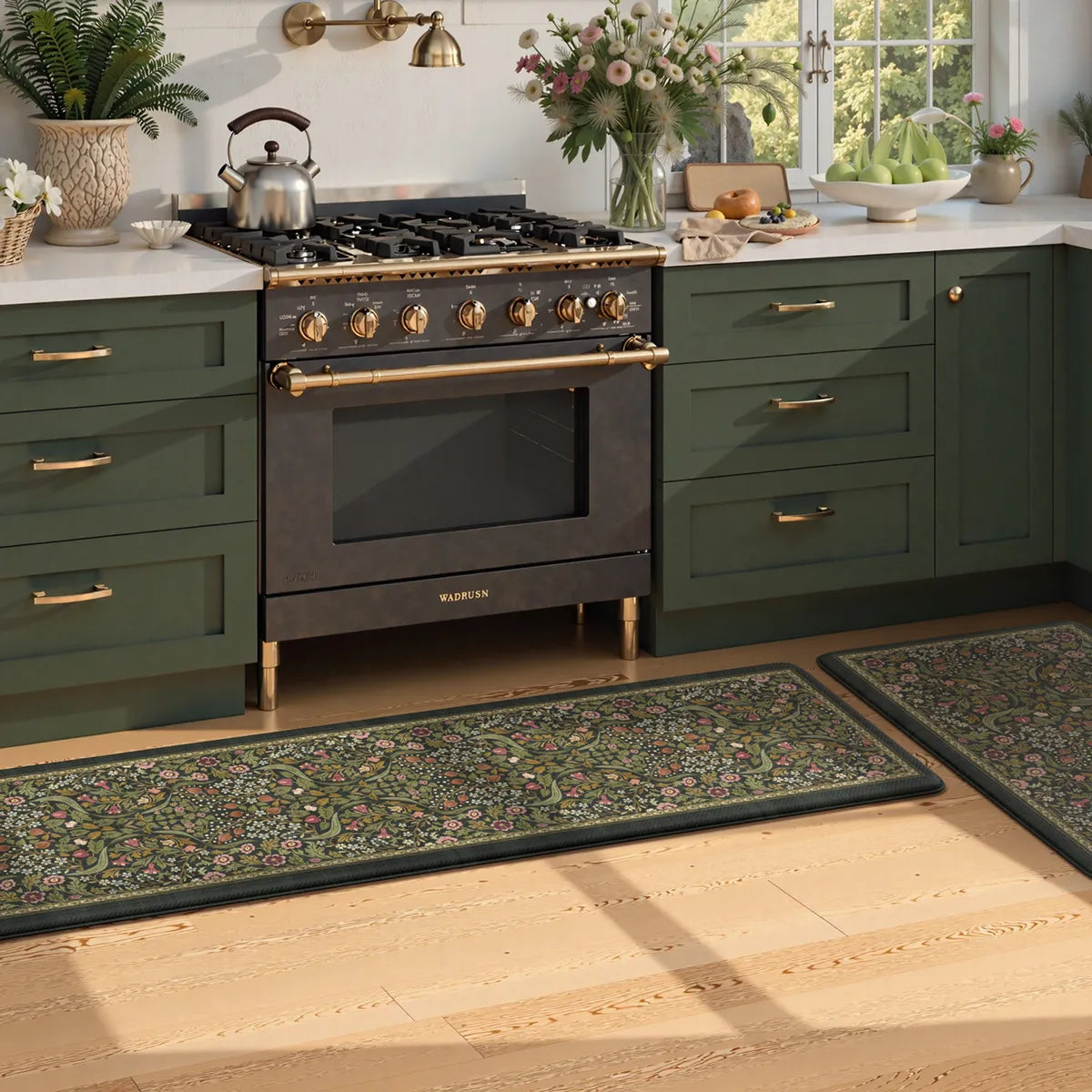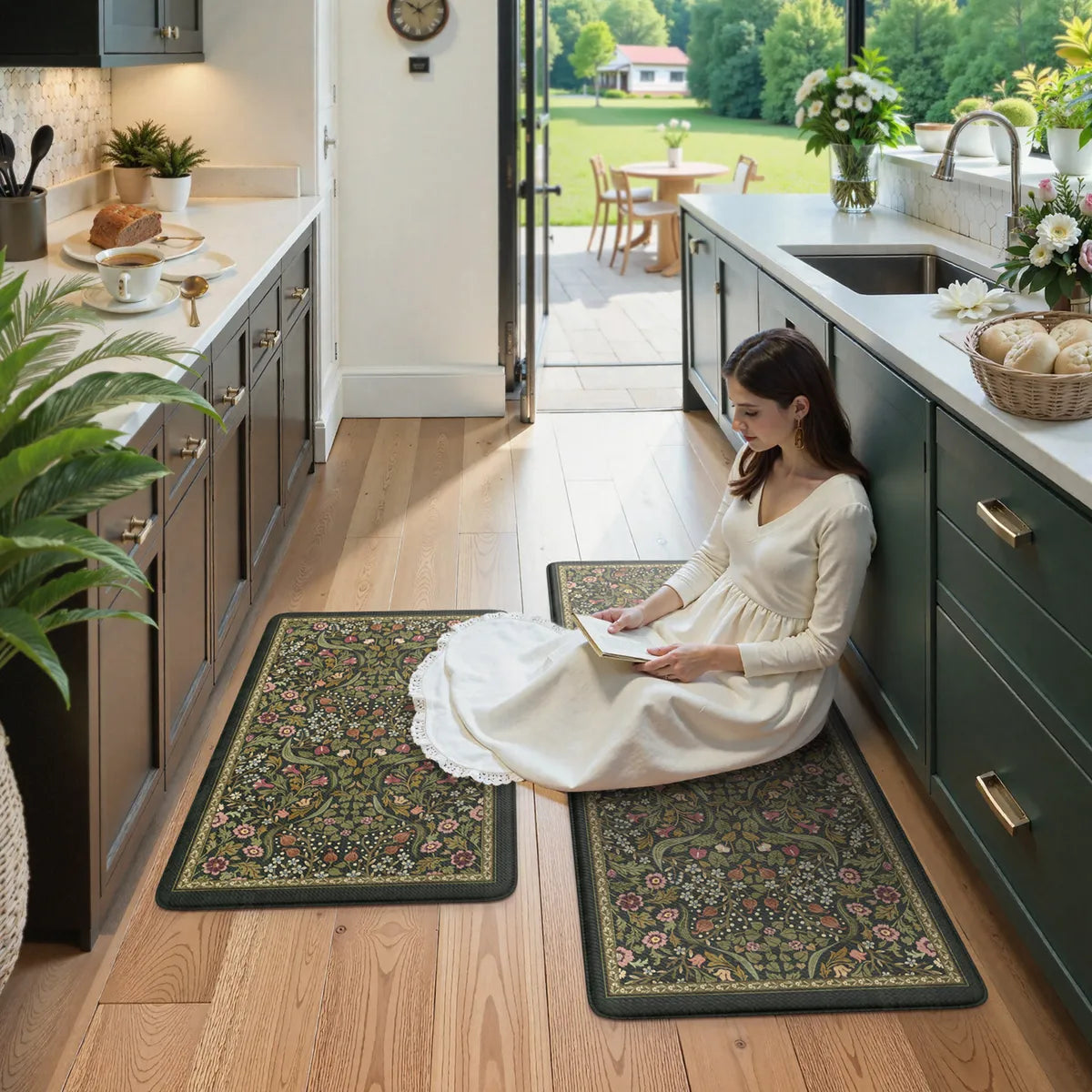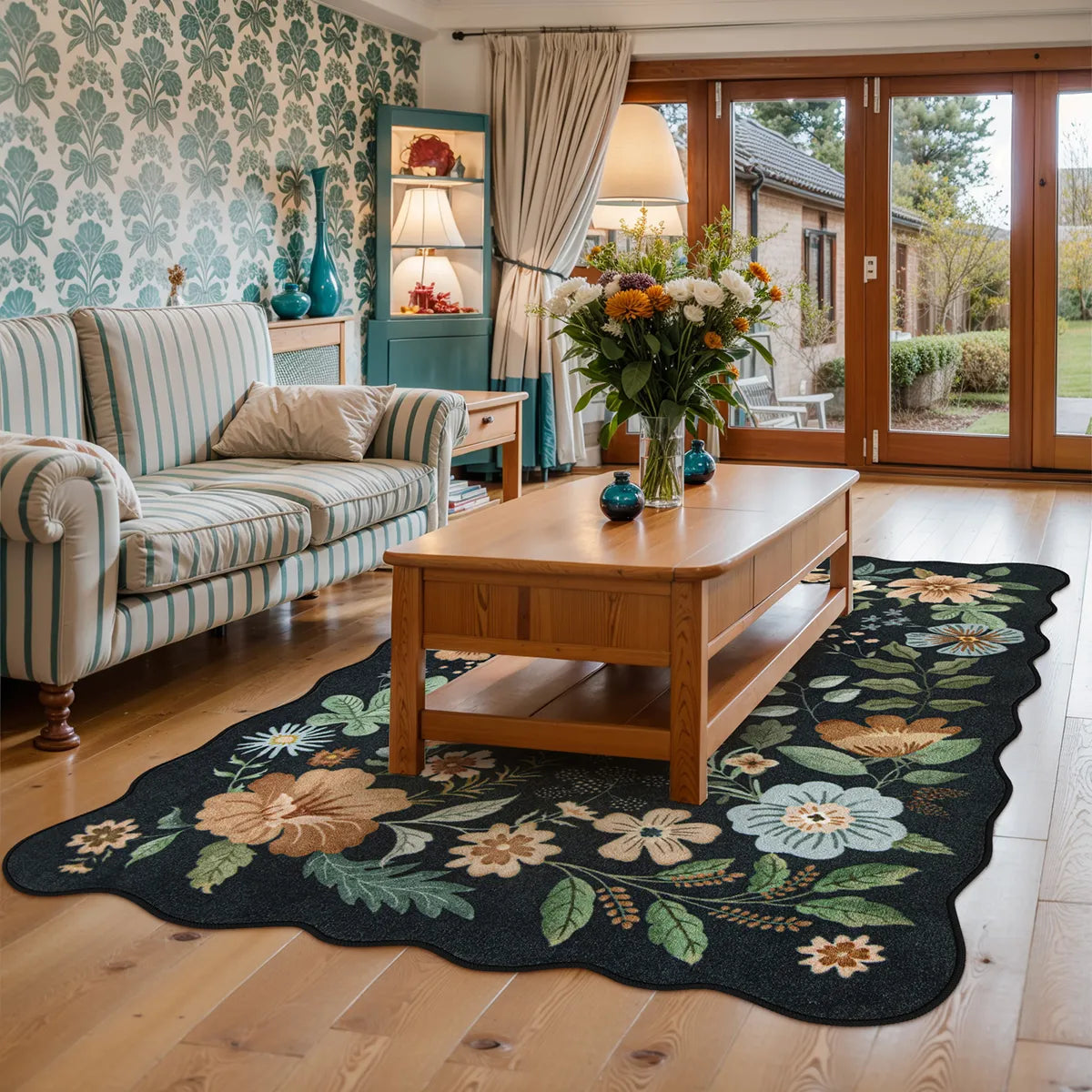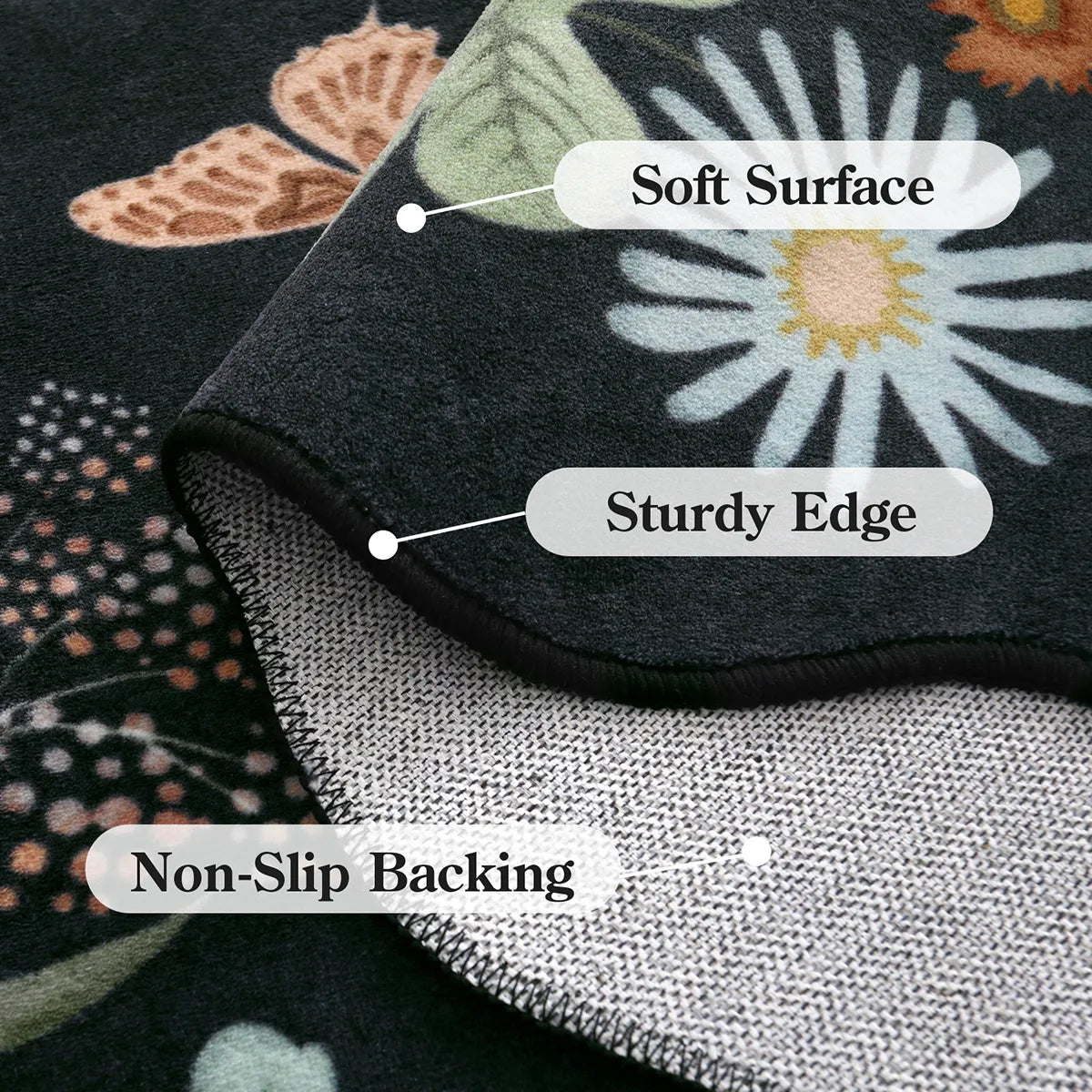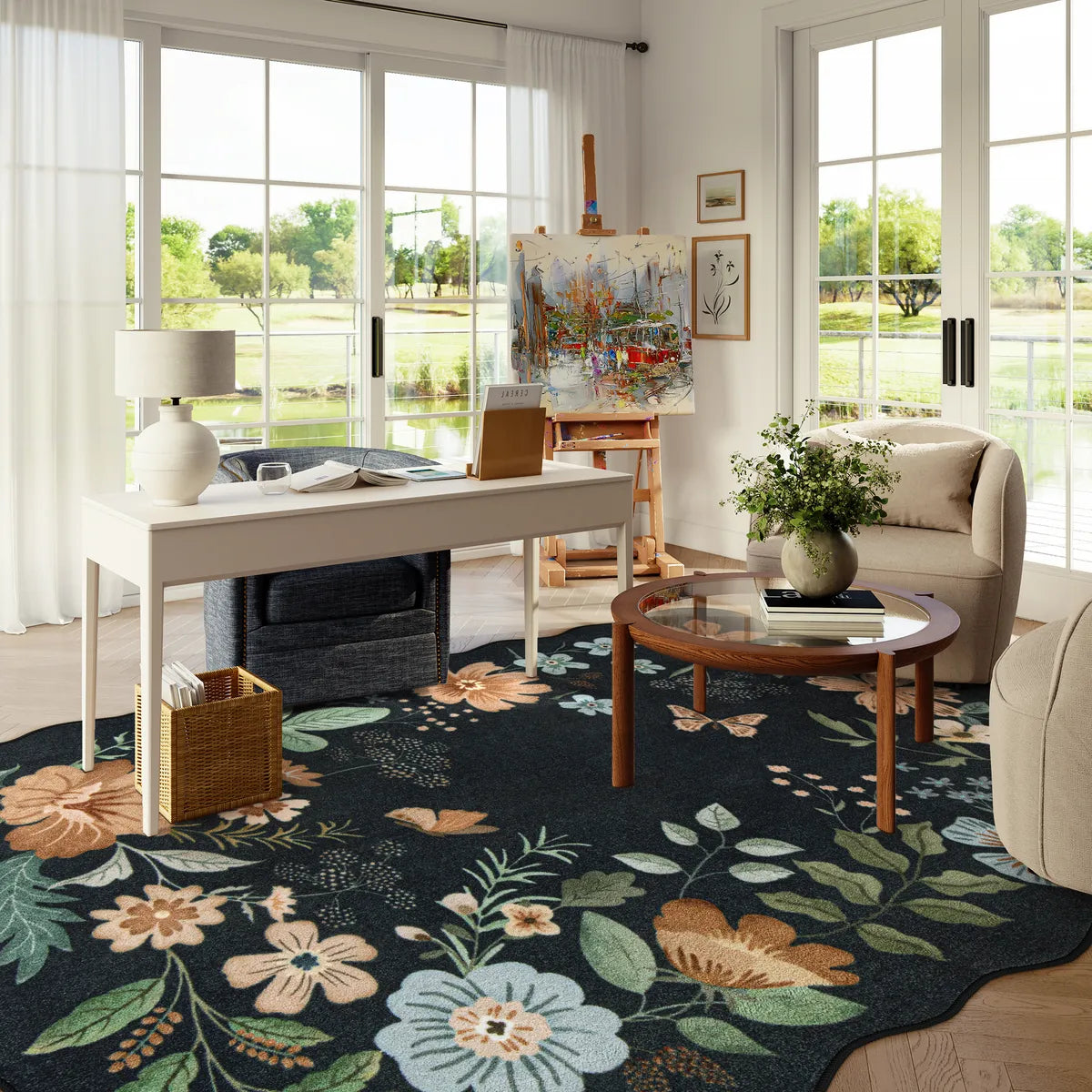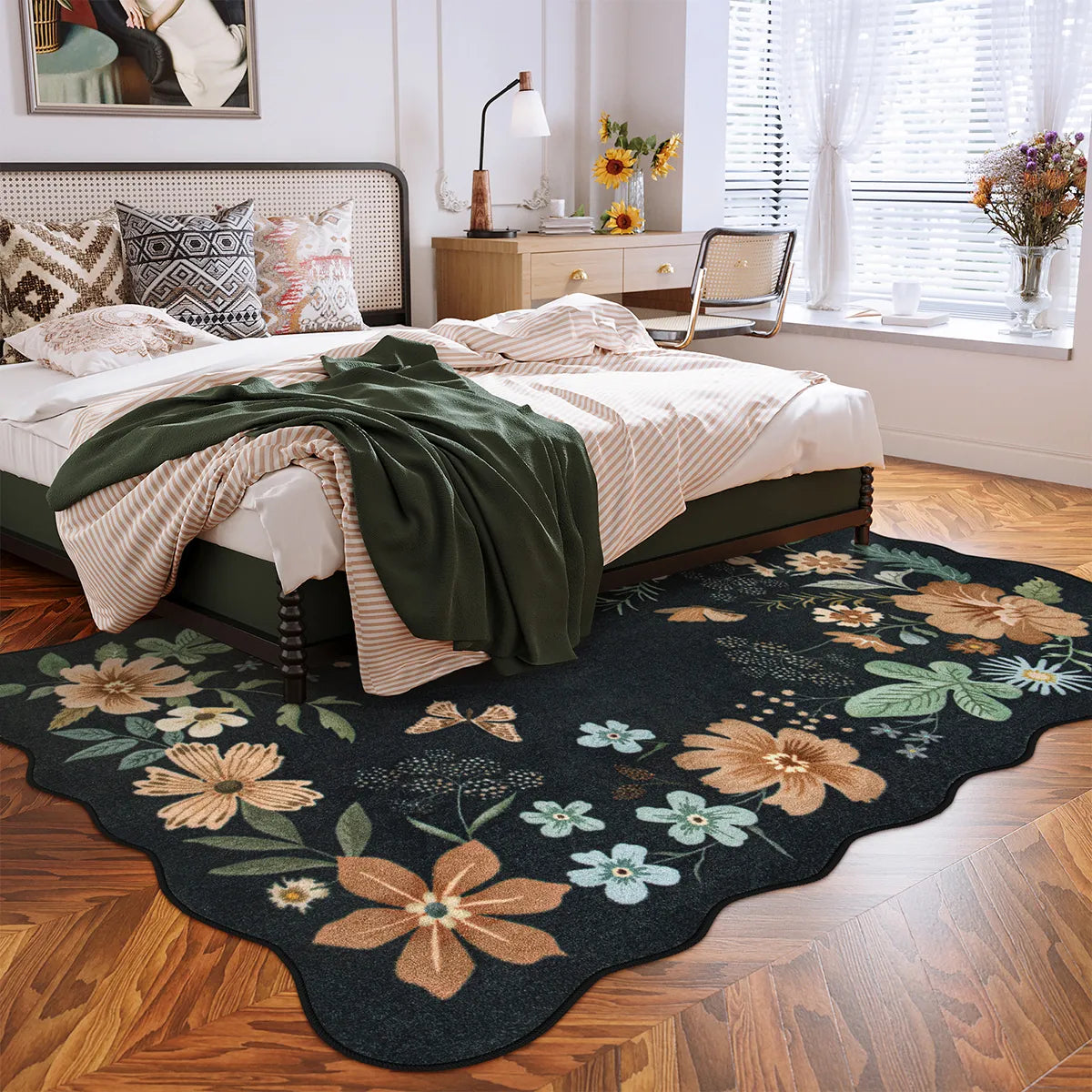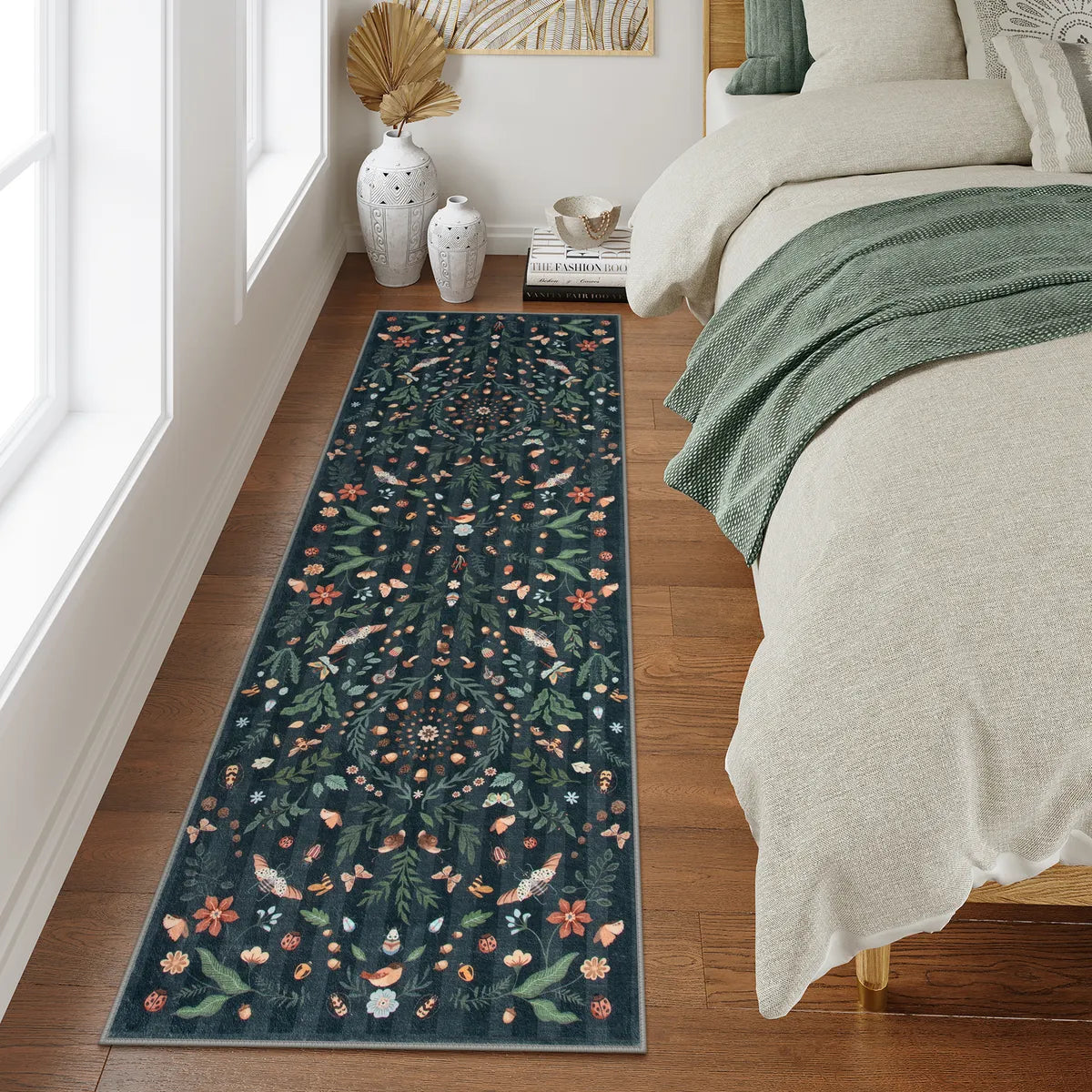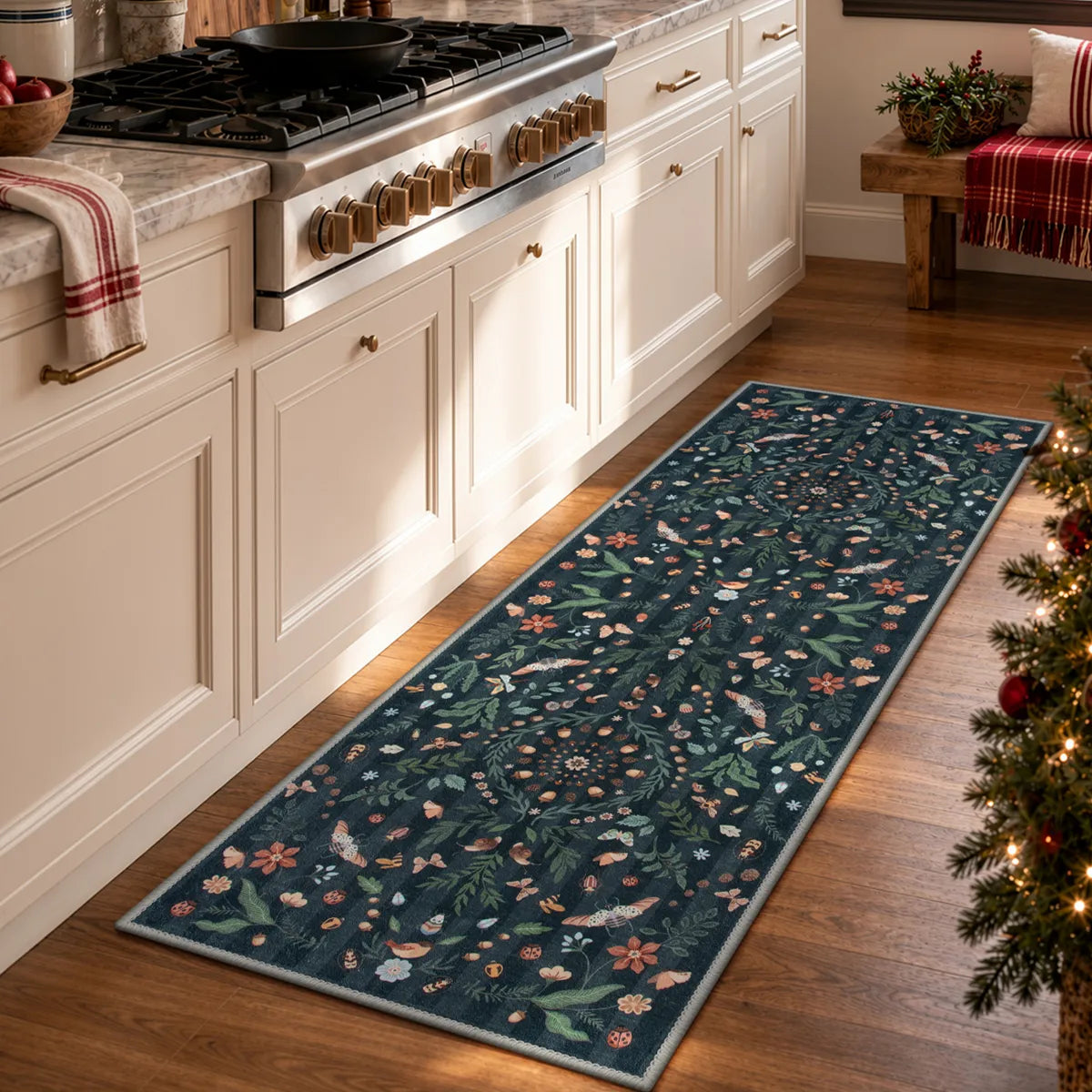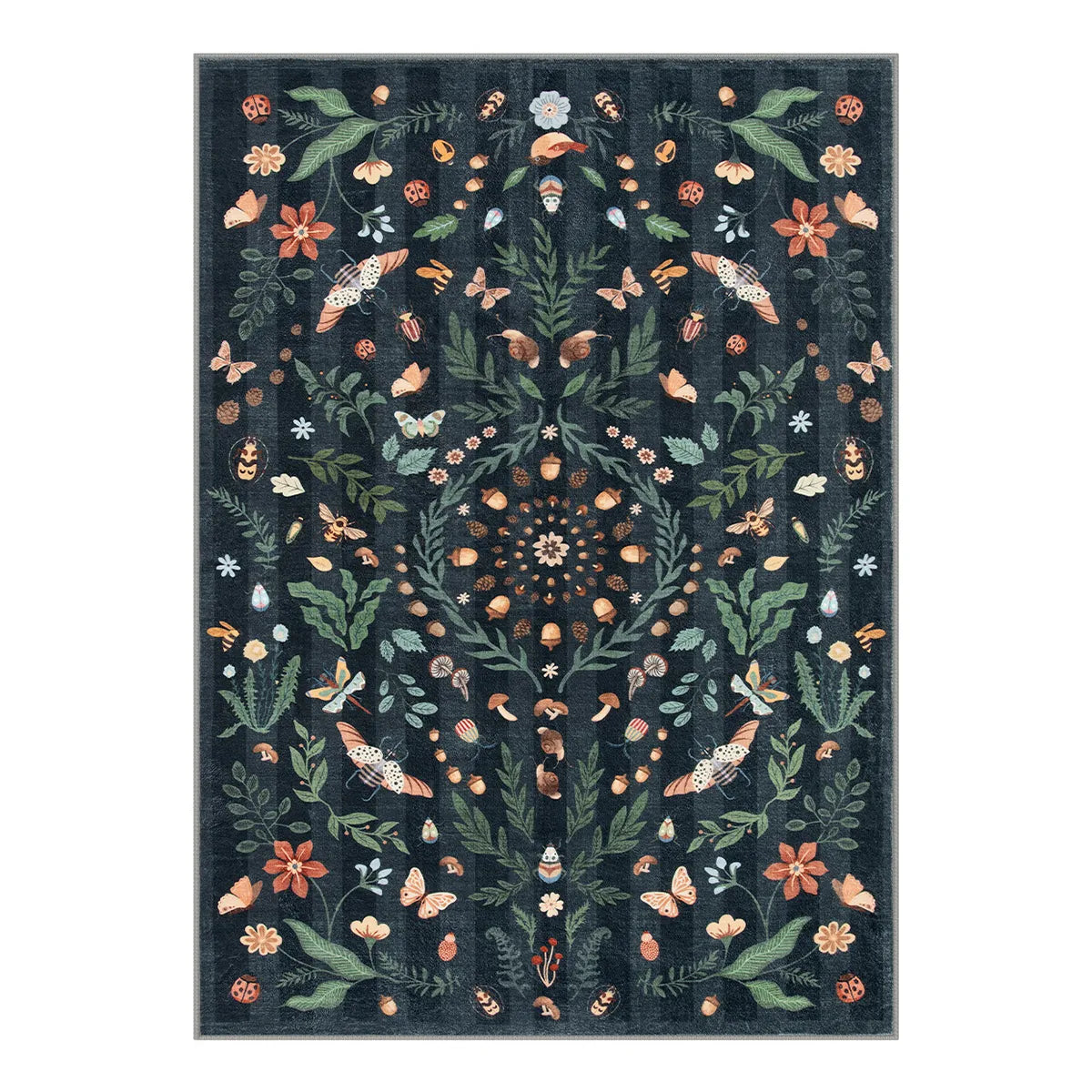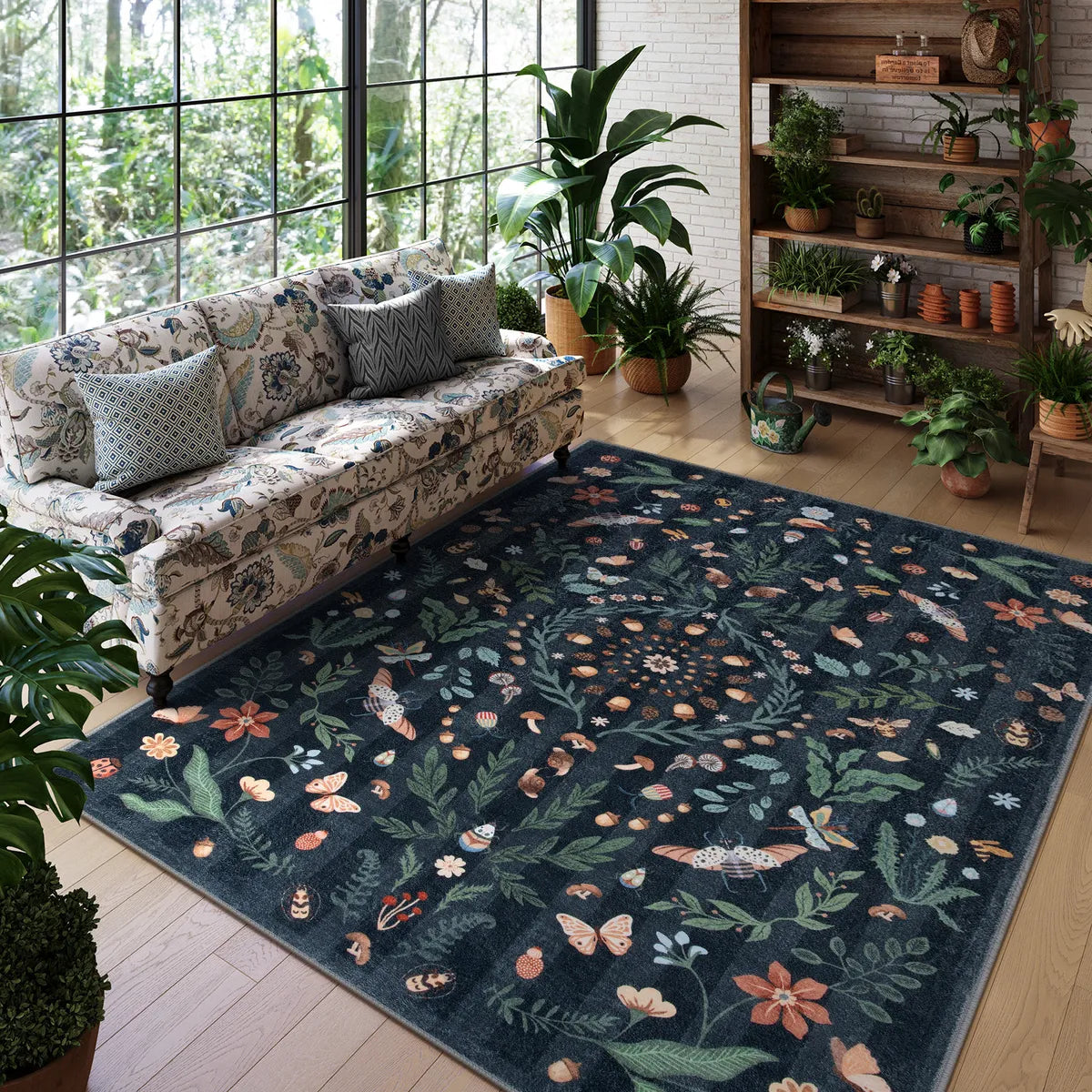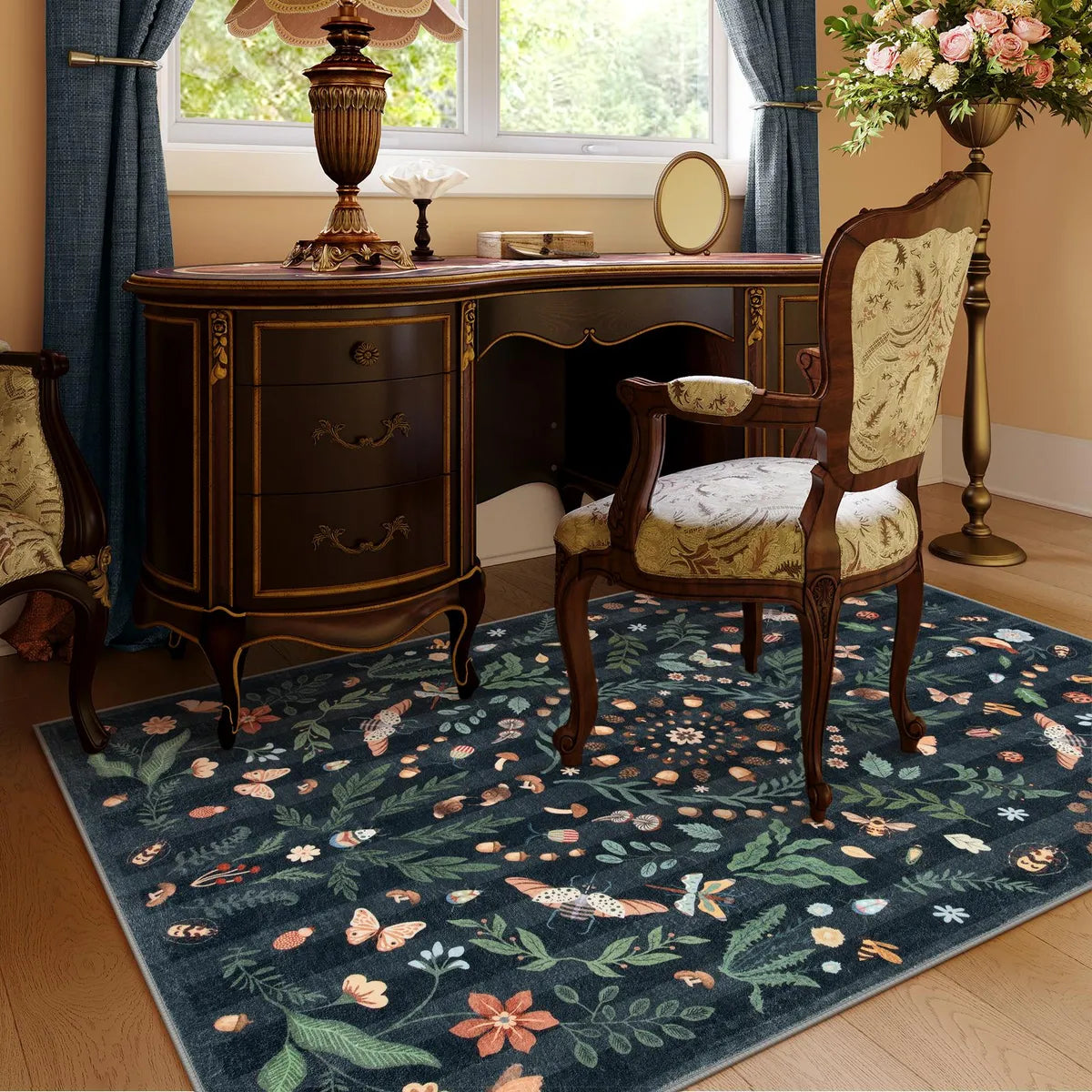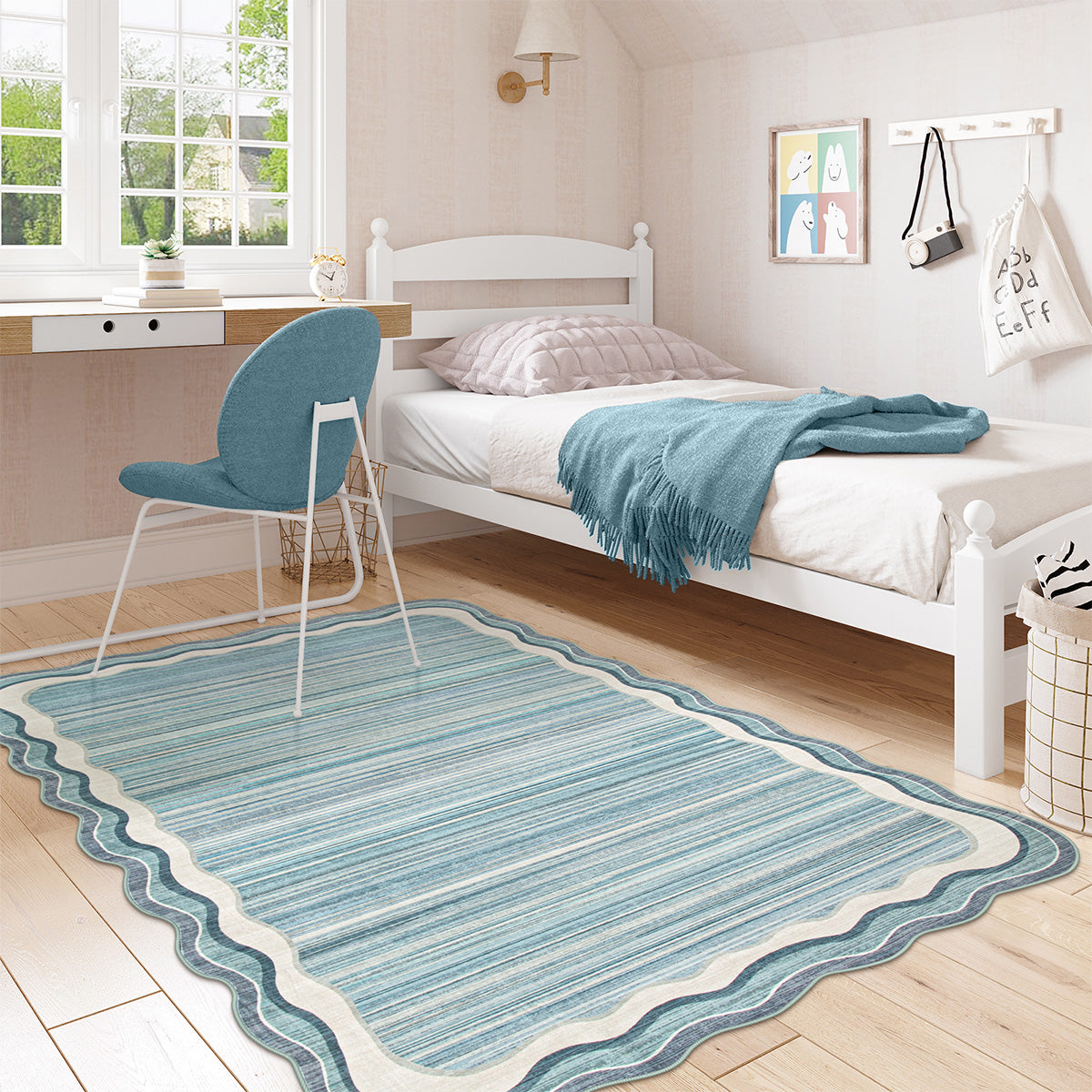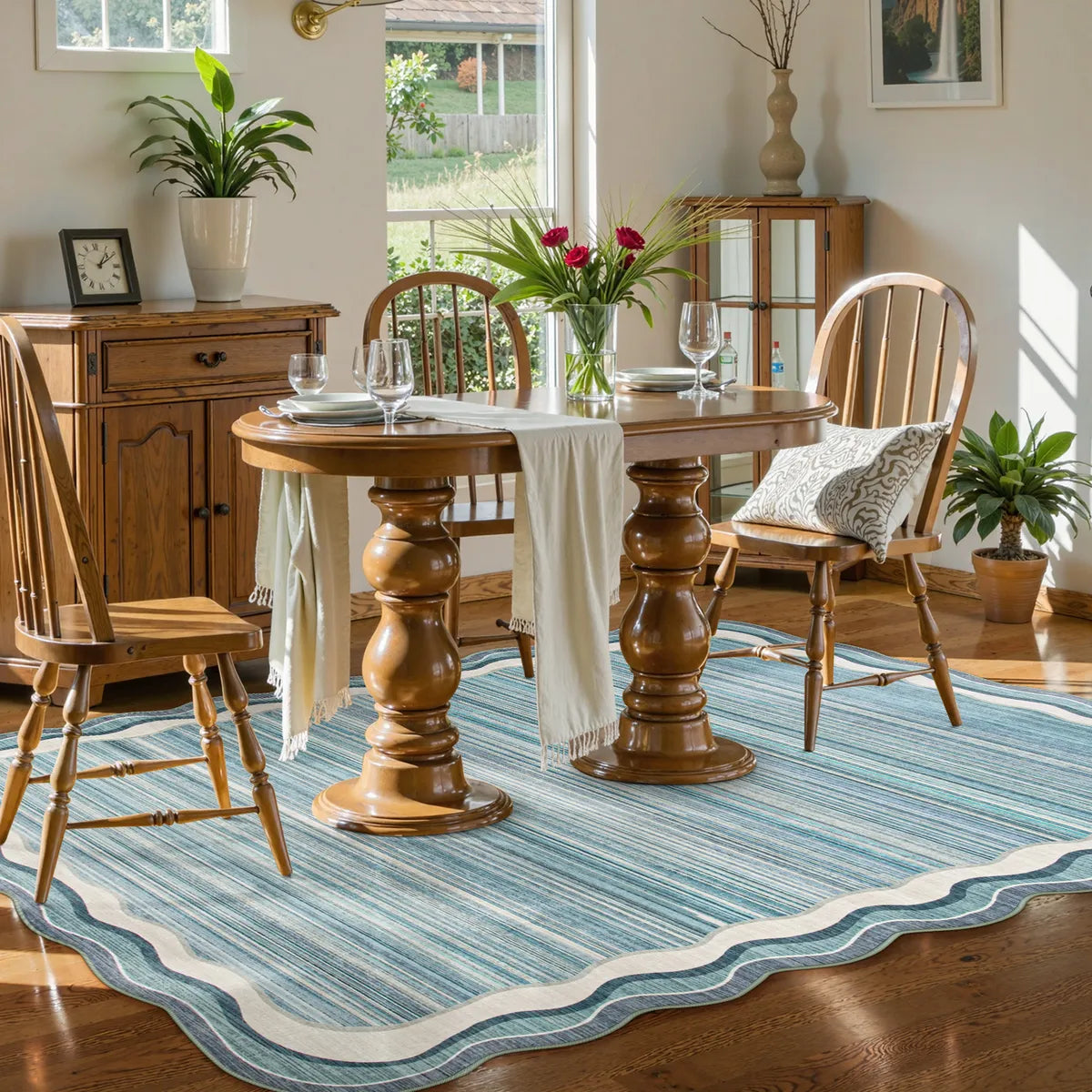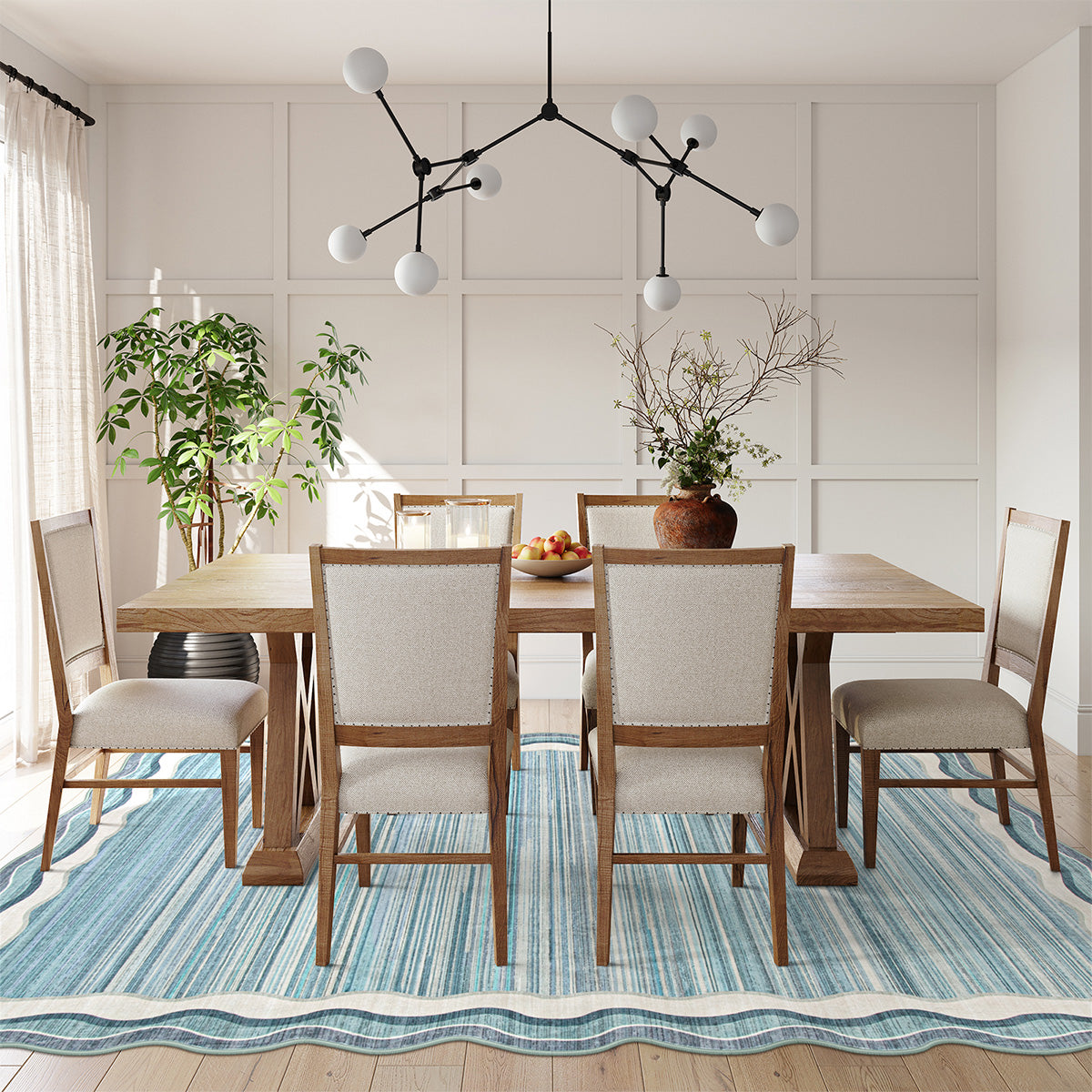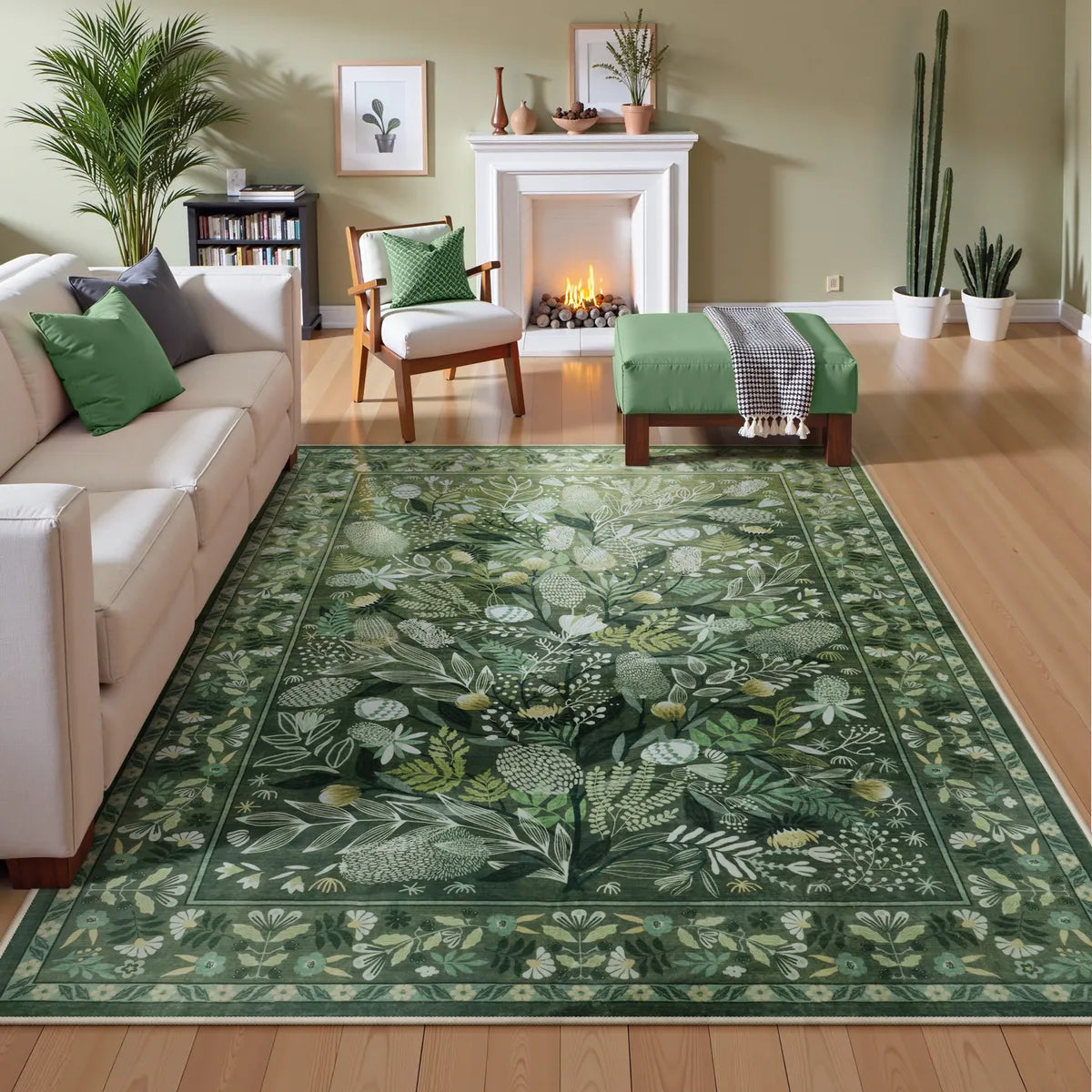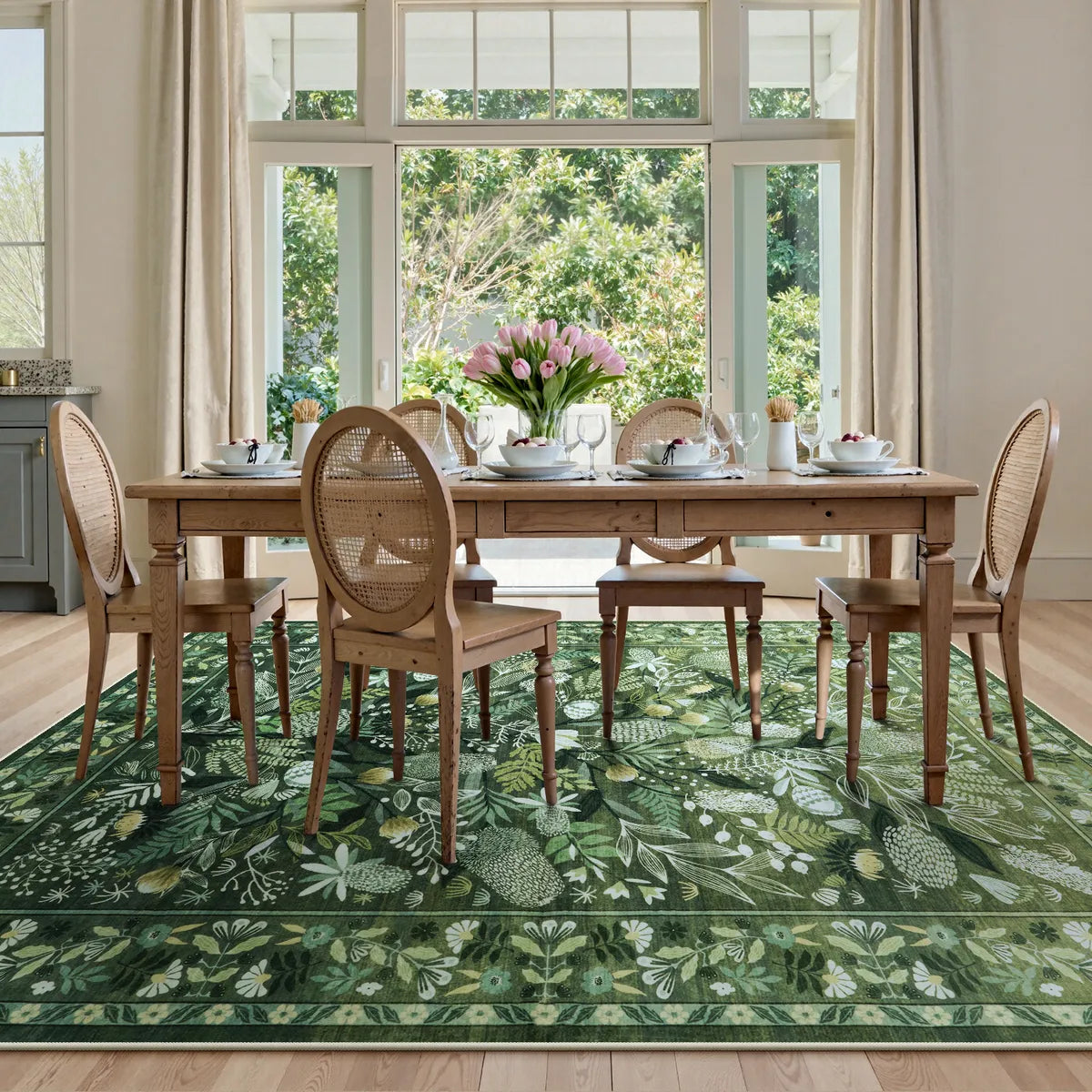


A rug beside your bed gives your feet a softer place to land in the morning and helps connect the bed to the rest of the room. The right arrangement, however, depends on where you walk, how much floor space you have, and what sits around the bed.
You might need just one small rug on the open side of the bed. A larger bedroom may have room for matching runners, a patterned accent at the foot, or an area rug tucked underneath. Each layout solves a slightly different problem, and a perfectly symmetrical room isn't a requirement.
These bedside rug ideas cover different bedroom layouts, along with practical advice on sizing, patterns, texture, and placement. Start with how you use the space, then choose a rug that suits both your routine and your style.
7 Bedside Rug Ideas for Different Bedroom Layouts
Before choosing a color or pattern, decide where the rug needs to work. Use this quick guide to narrow down the arrangement that best fits your bedroom.
Start With Your Layout
Which bedside rug arrangement suits your room?
Match the setup to your available floor space and the path you take when getting in and out of bed.
1. Place a Single Rug Beside the Bed

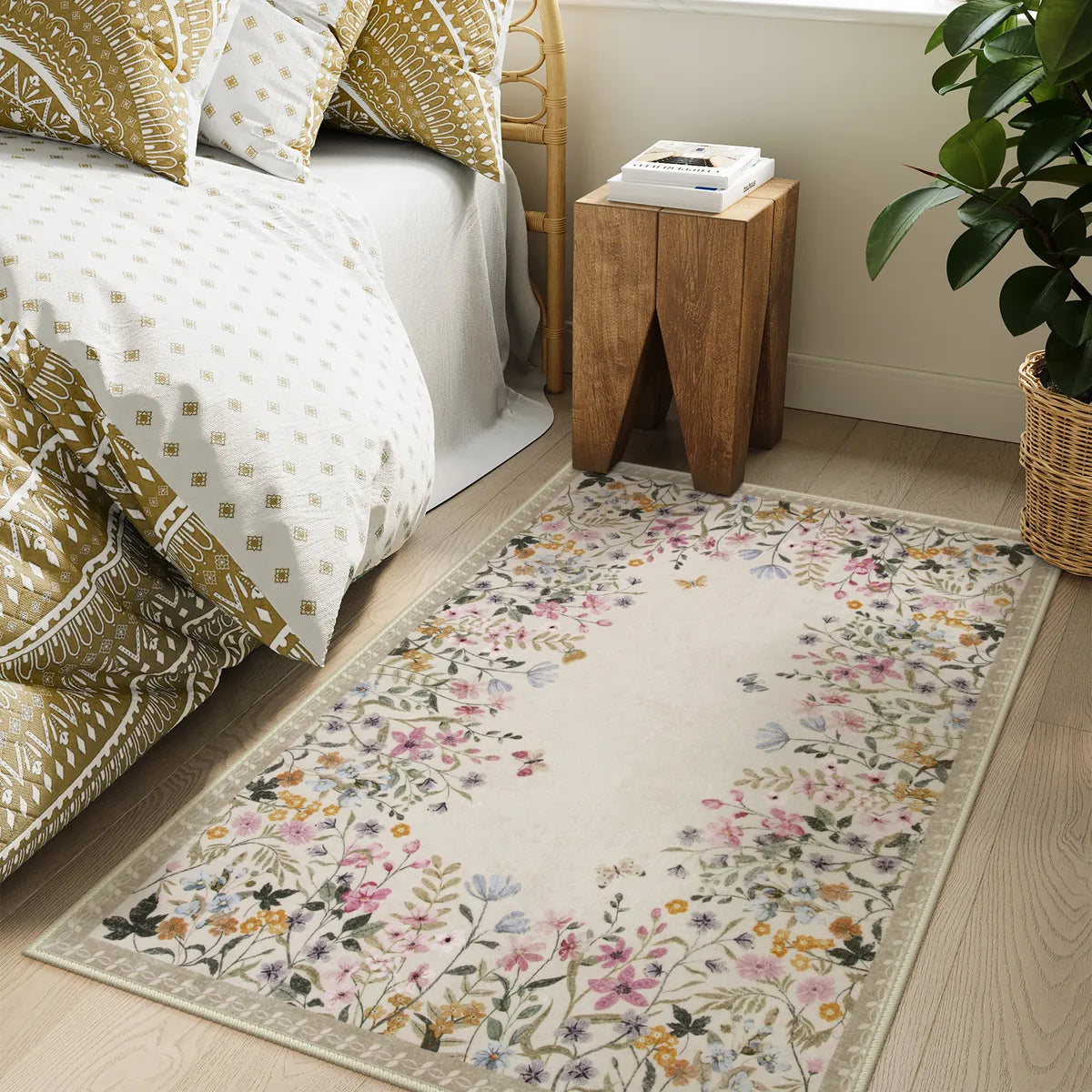
A single bedside rug is a practical choice for a small bedroom, a twin bed, or a bed pushed against the wall. It adds softness where you need it without covering much of the floor.
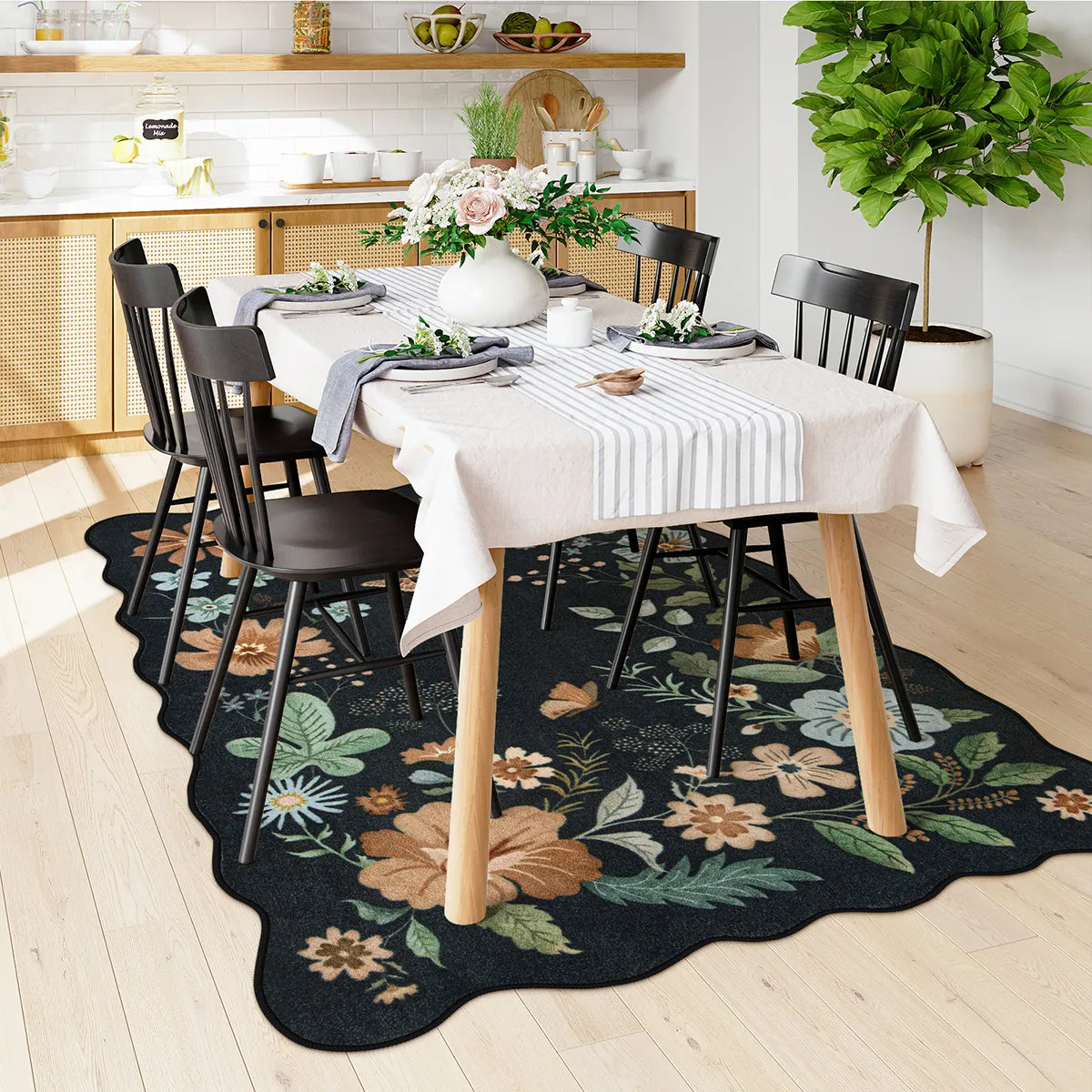
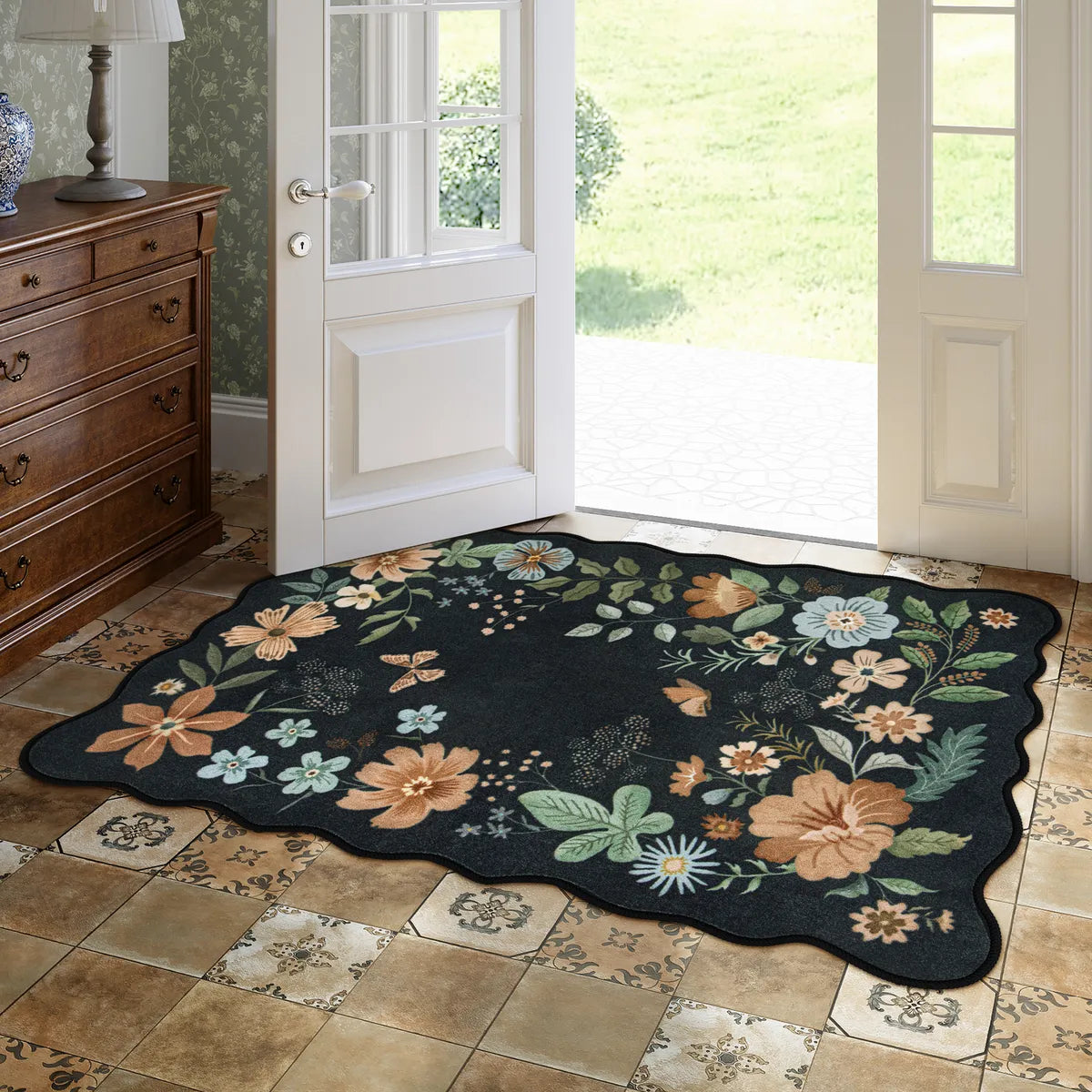
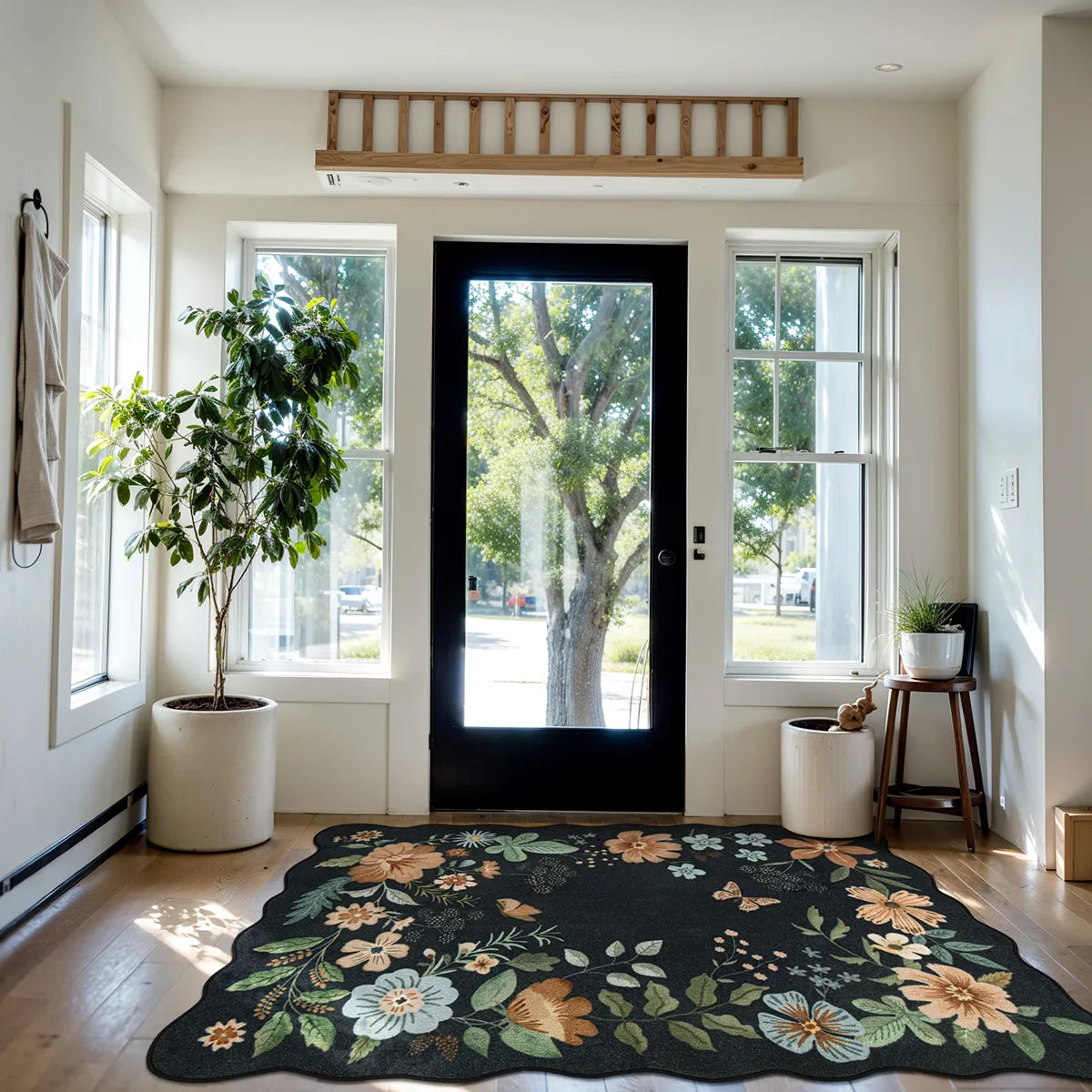
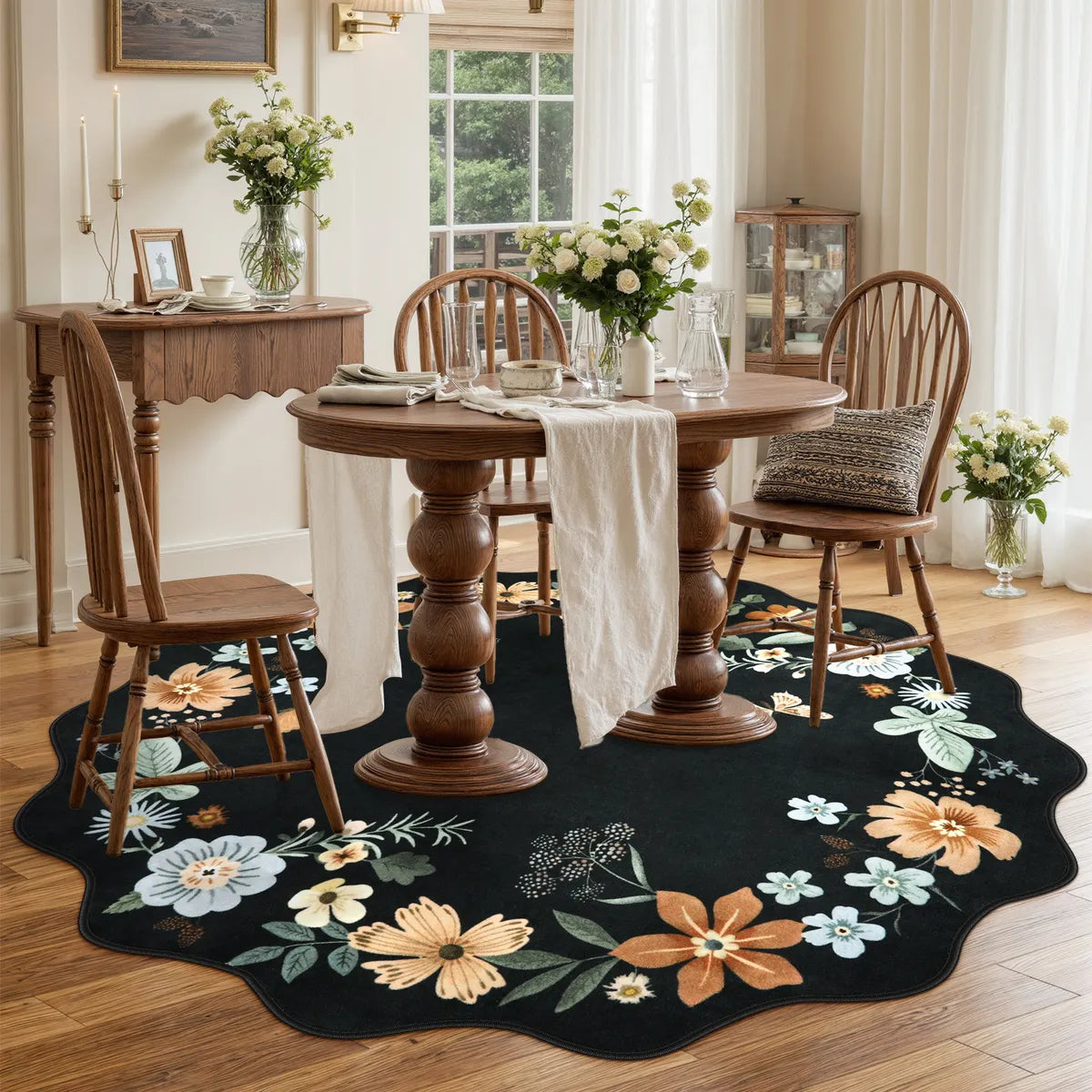
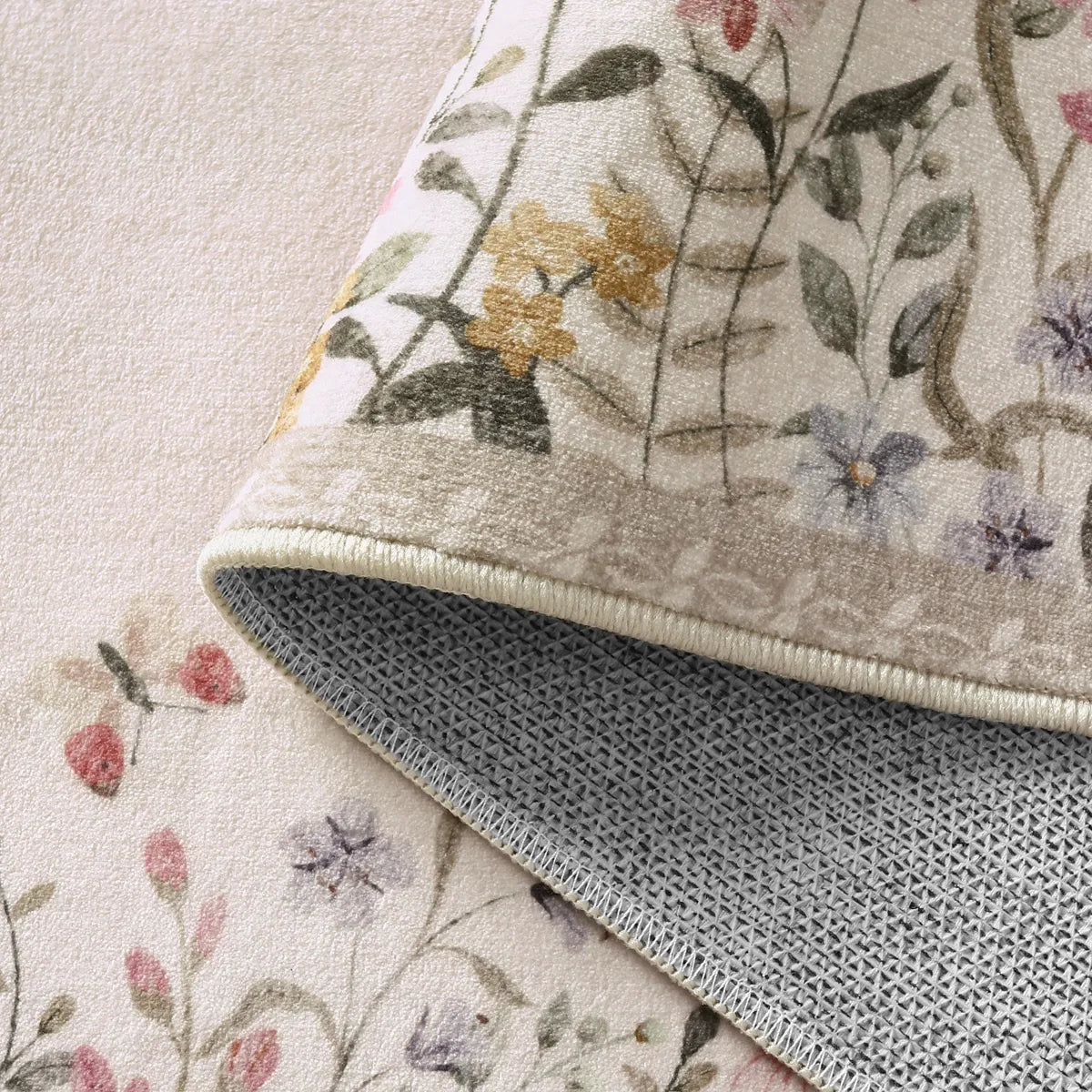
Place it on the side you use most often, with enough of the rug extending into your natural stepping area. A small floral or woodland pattern can add character to a neutral bedroom, while an ivory or beige design keeps the look understated.
This arrangement is also useful when a nightstand, wall, or narrow walkway limits the other side. Rather than squeezing in a second rug, make the available space work comfortably.
2. Use Matching Rugs on Both Sides of the Bed
Two matching rugs create a balanced look in a bedroom with a centered bed and similar space on either side. Each side gets its own soft landing spot, and the repeated pattern helps tie the room together.
Choose a pair that relates to your bedding, curtains, or bed frame. Repeating one or two colors is usually enough; every detail doesn't need to match.
This setup can work well with a queen or king bed when both sides have adequate clearance. If one side is narrower because of a closet or wall, adjust the placement to preserve walking space instead of forcing perfect symmetry.
3. Add a Runner Along Each Side of the Bed

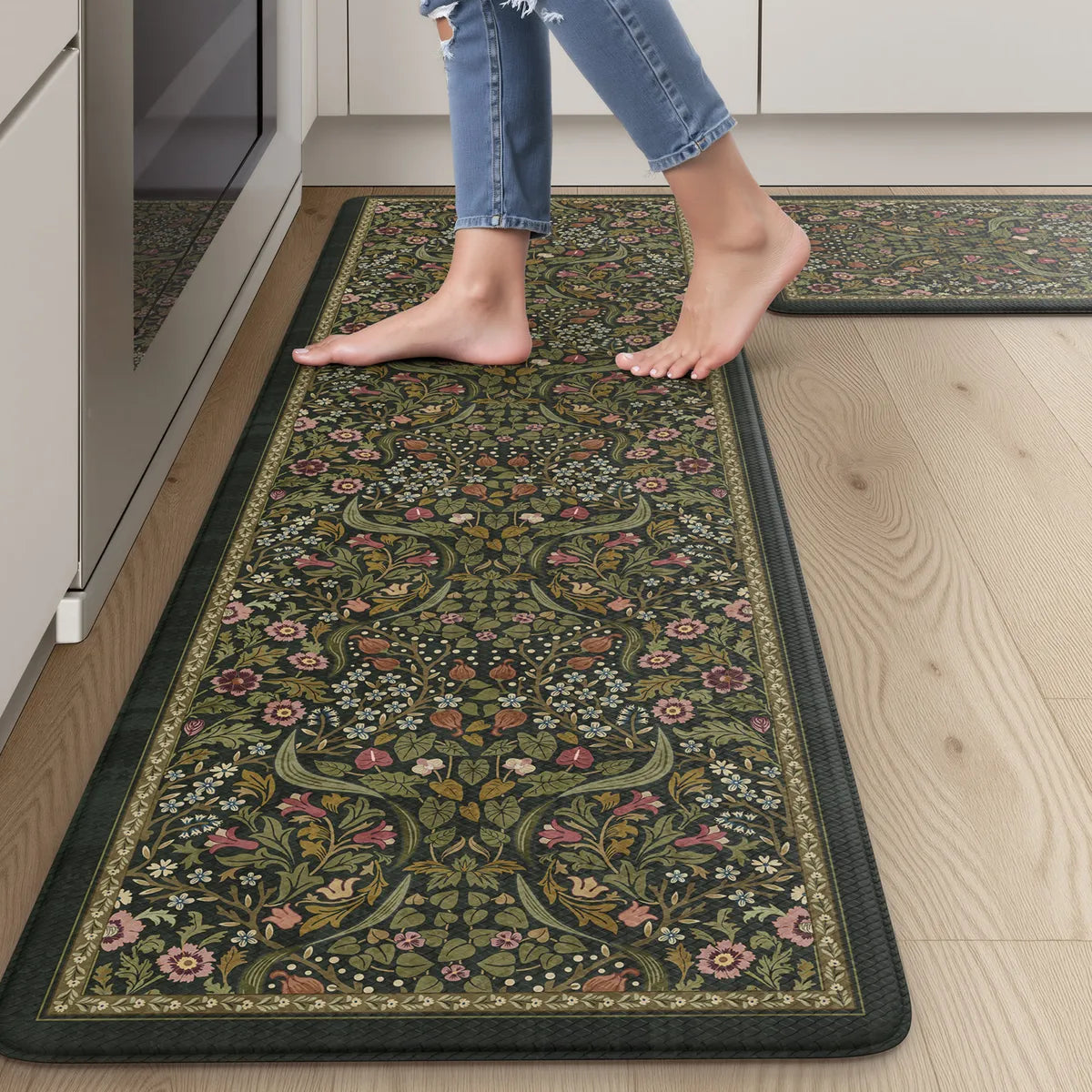
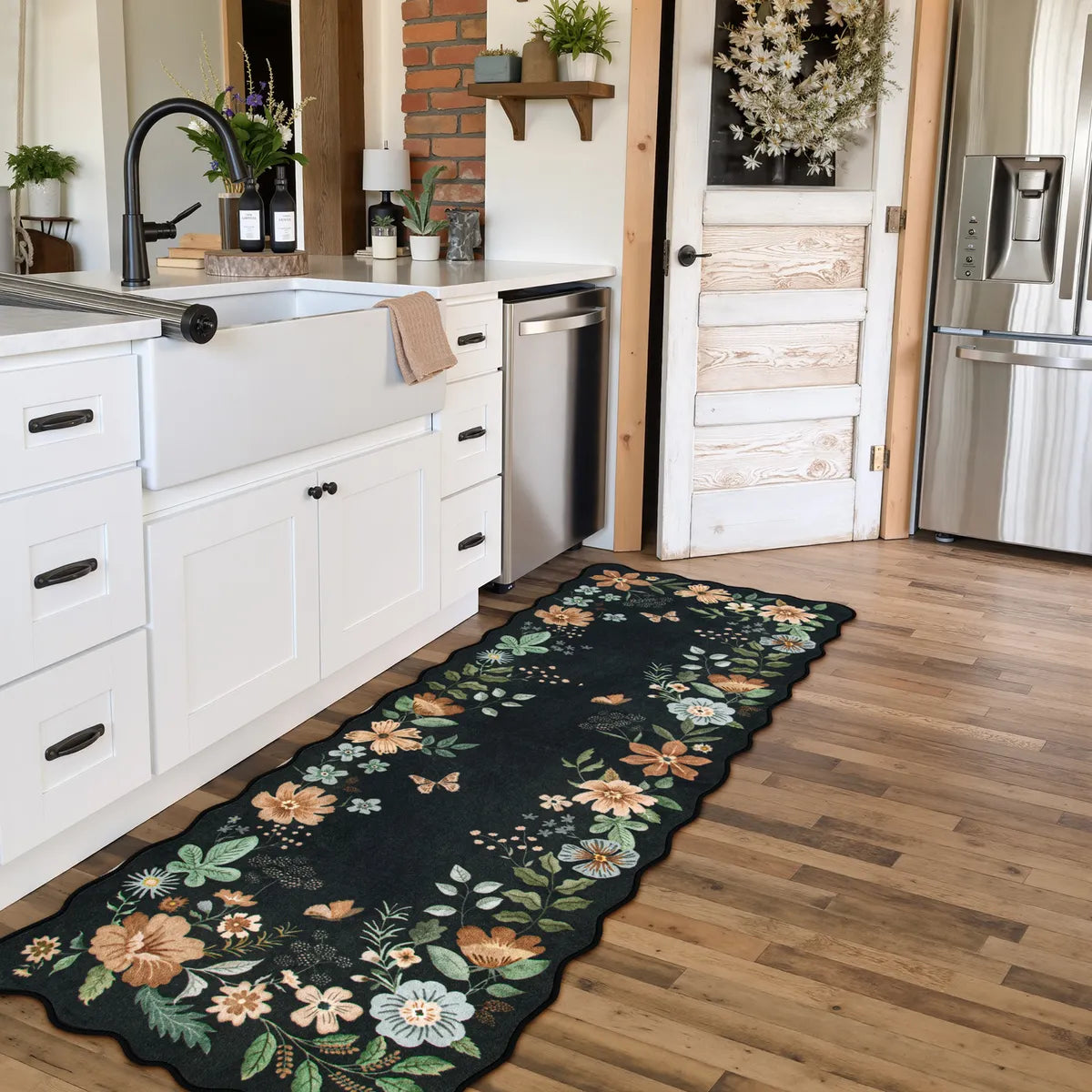
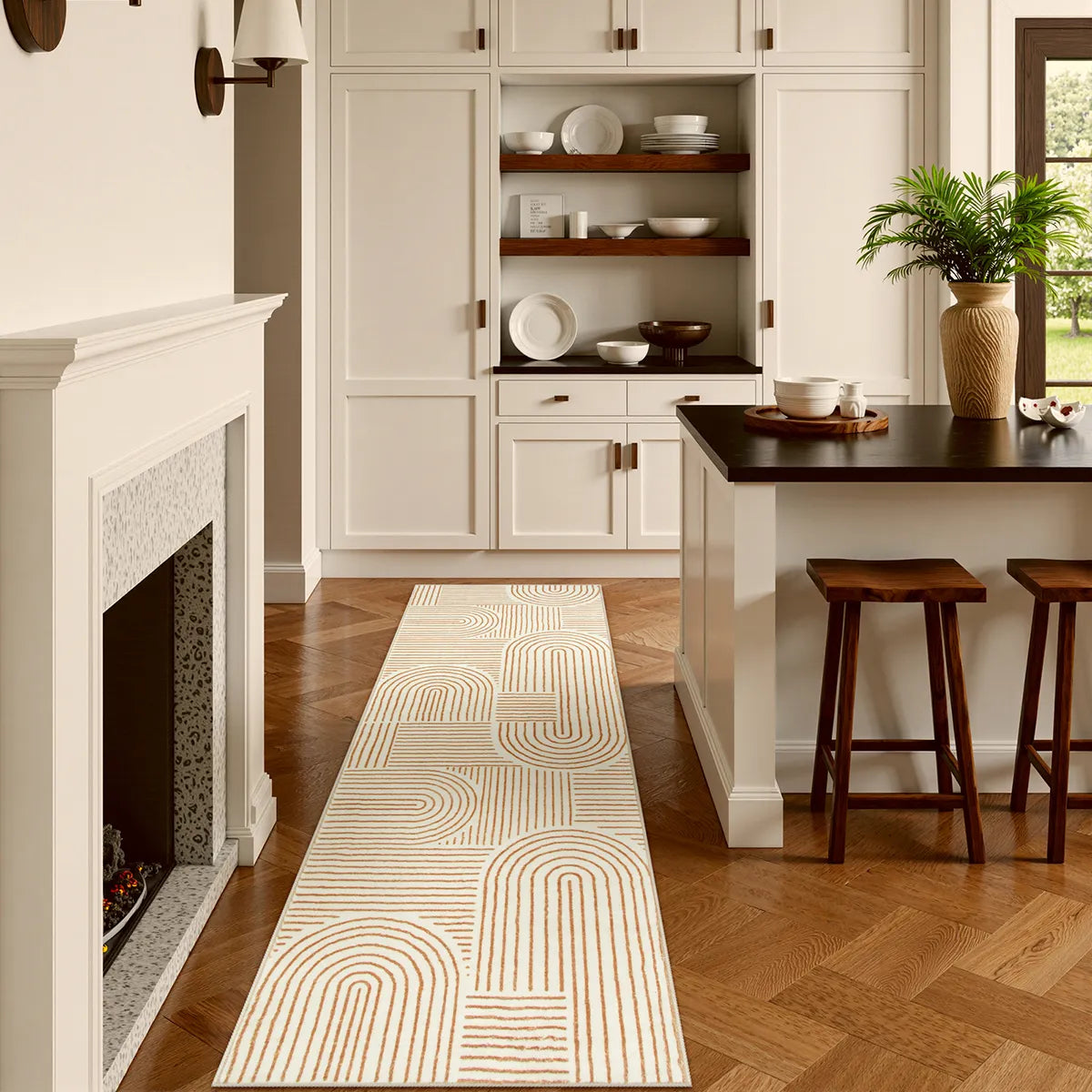
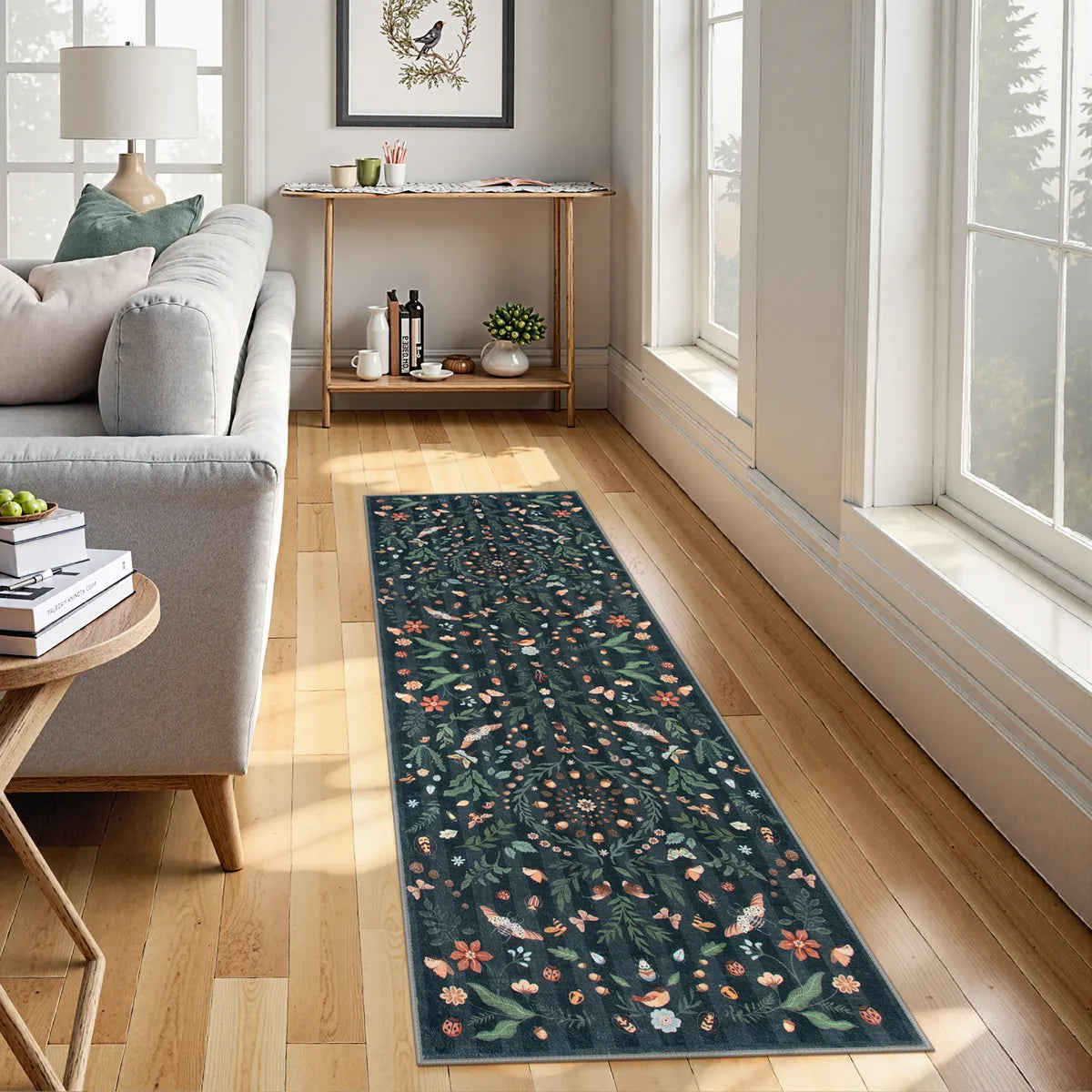
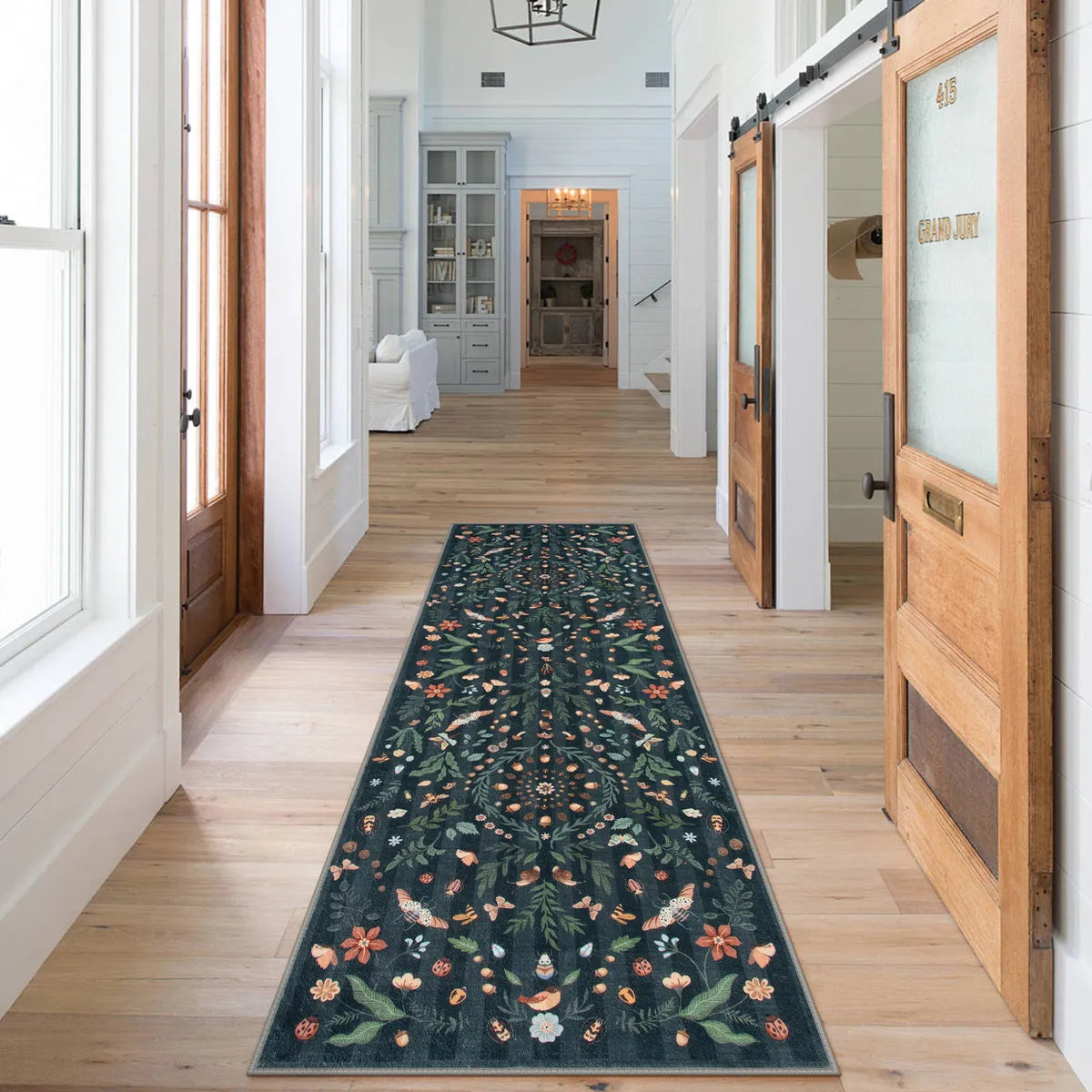
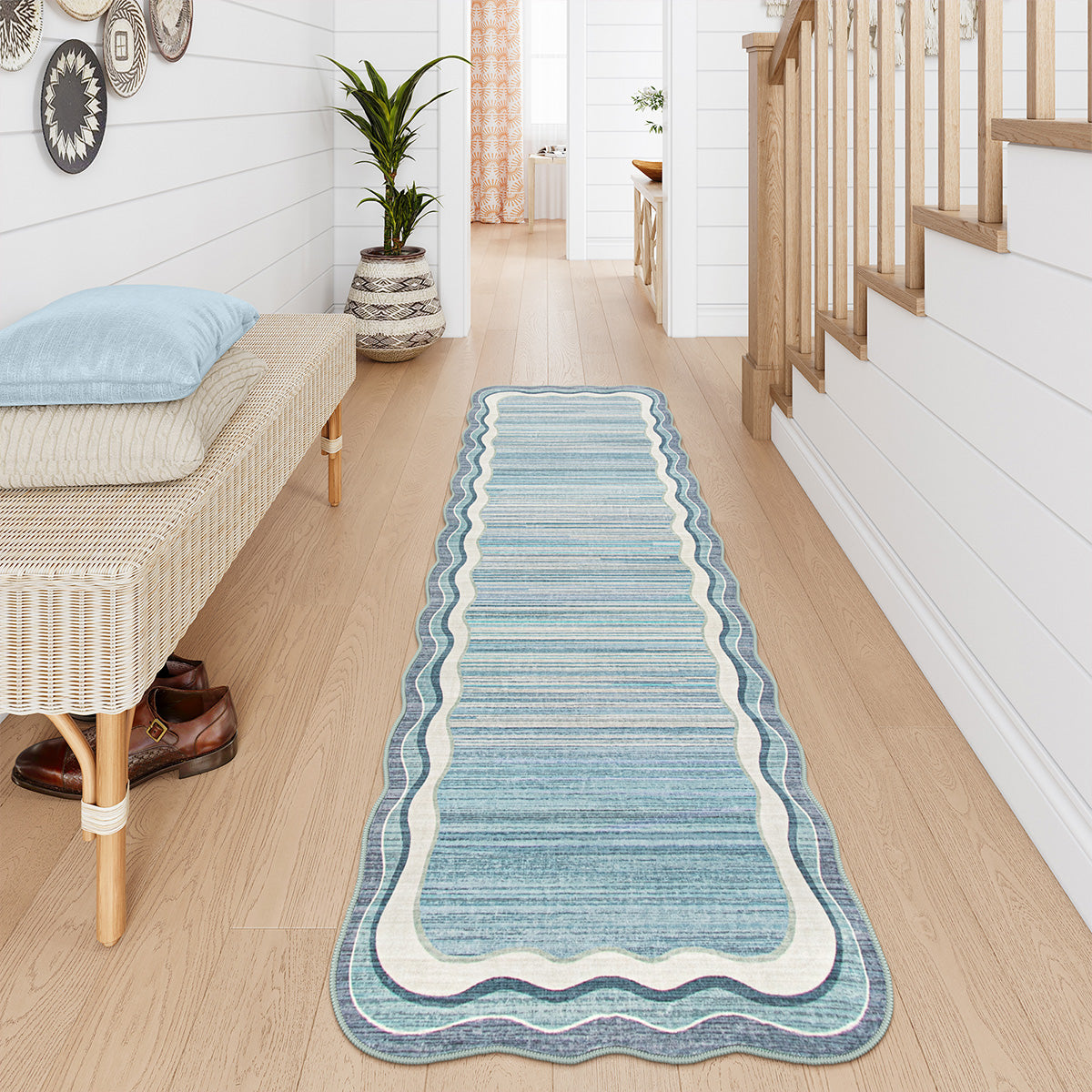
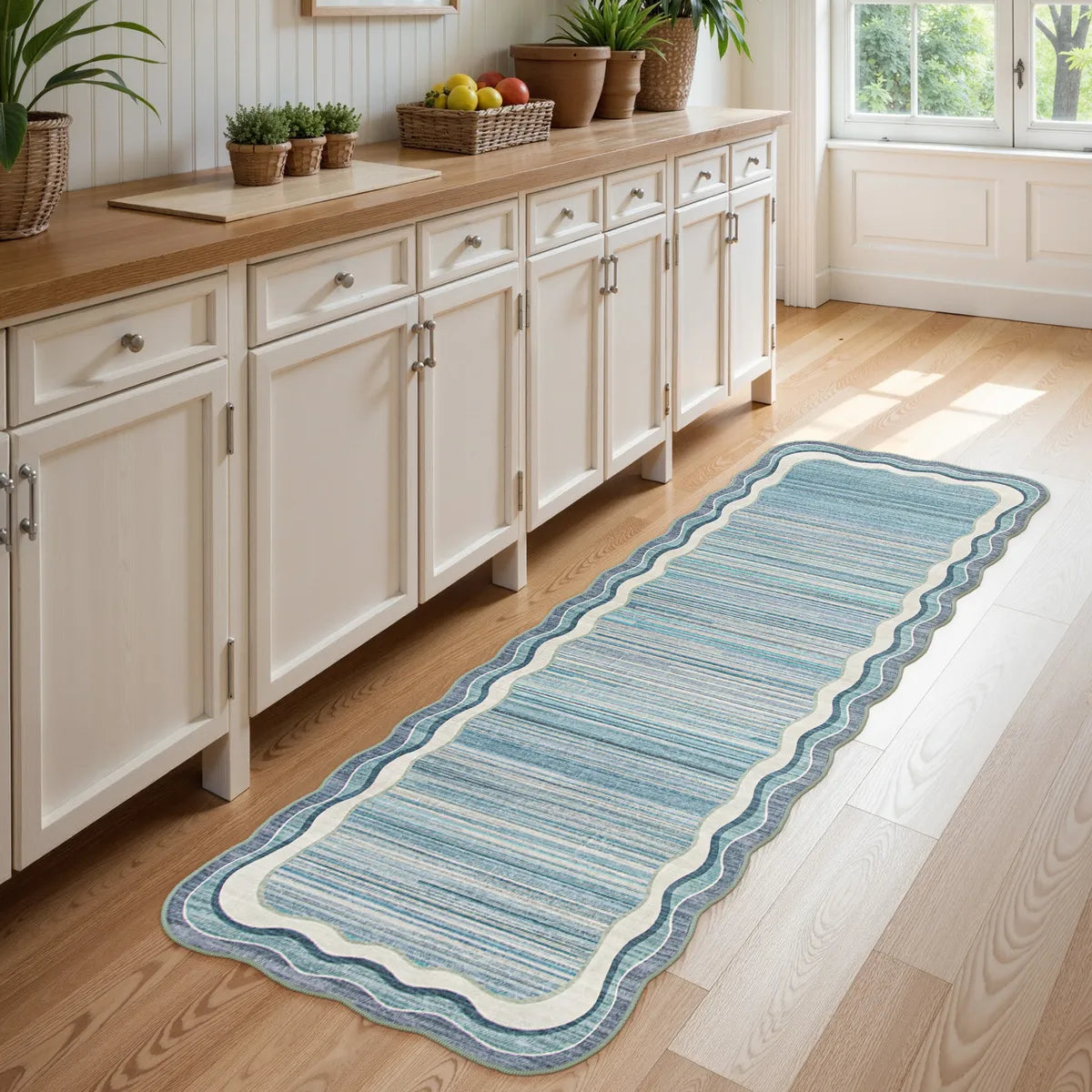
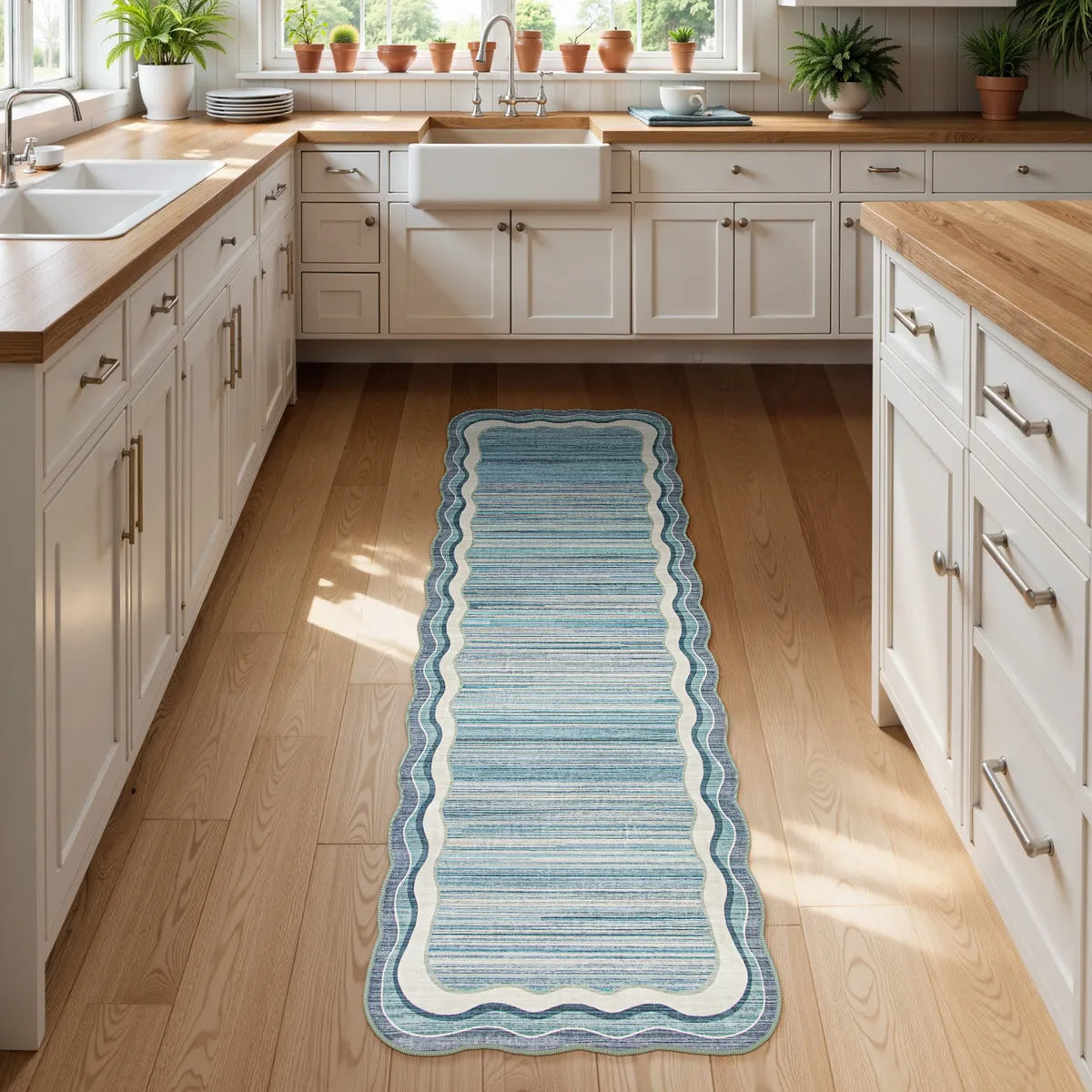
Bedside runners provide a longer strip of coverage along the sides of the bed without requiring the width of an area rug. Their narrow shape is useful in bedrooms with extended walkways or limited space around the nightstands.
Two runners in the same design create a coordinated look. A muted vintage pattern adds detail without overwhelming the room, while a simpler design can balance patterned bedding.
Measure each side separately before buying. Closets, doors, and nightstands can leave different amounts of usable floor space, even when the bed itself is centered.
Browse washable runner rugs if a long, narrow shape suits your bedside layout.
4. Place a Runner at the Foot of the Bed

A runner at the foot of the bed adds a finishing touch without taking up much space along the sides. It can be a useful alternative when the bed sits close to a wall or other furniture.
Choose a runner that relates to the bed's width and the open floor area. A longer design can visually extend the bed, while a smaller accent feels more casual.
This is also a good place to introduce a pattern you love. If your bedding is mostly solid, a botanical print, vintage motif, or geometric design can add interest without competing with other elements in the room.
Before settling on the placement, check the walking route between the bed and the door. A rug should finish the room, not obstruct the way through it.
5. Layer a Bedside Rug Over a Larger Area Rug
Layering adds depth when a single rug doesn't provide the look or coverage you want. A smaller patterned rug can sit over a larger, understated base, creating contrast through color, texture, or pattern.
Keep the combination intentional. A neutral base with a more colorful accent is often easier to balance than two bold designs competing for attention. You can also vary the pattern scale, pairing a larger, quieter motif with a smaller, more detailed one.
Pay attention to thickness and stability. The upper rug should lie securely rather than bunching when you walk across it. A compatible rug pad may help, but check that it suits both rugs and your floor type.
Layering works best when enough of both rugs remains visible. In a narrow bedroom, one well-chosen rug may create a cleaner result.
6. Extend a Larger Rug Partway Under the Bed

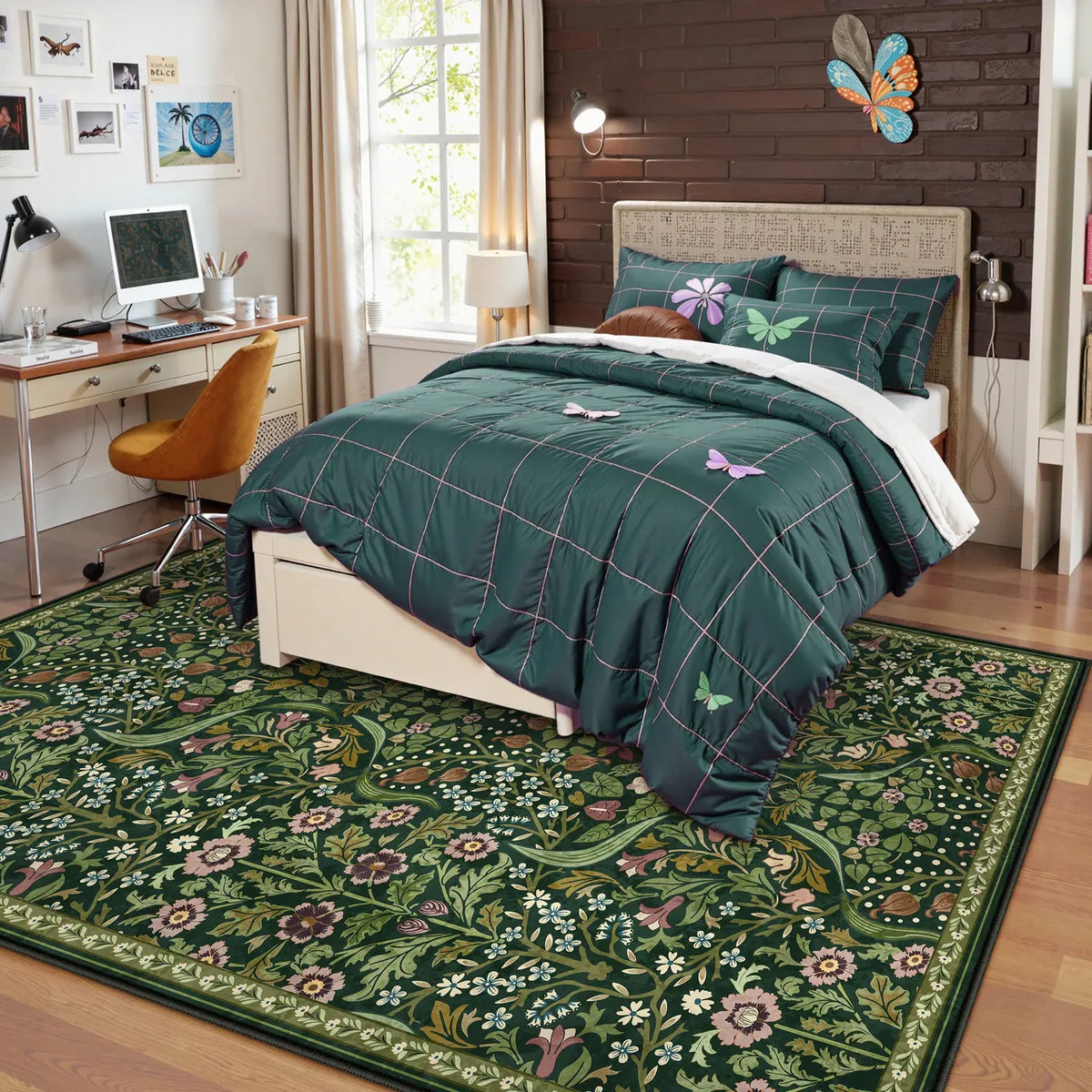
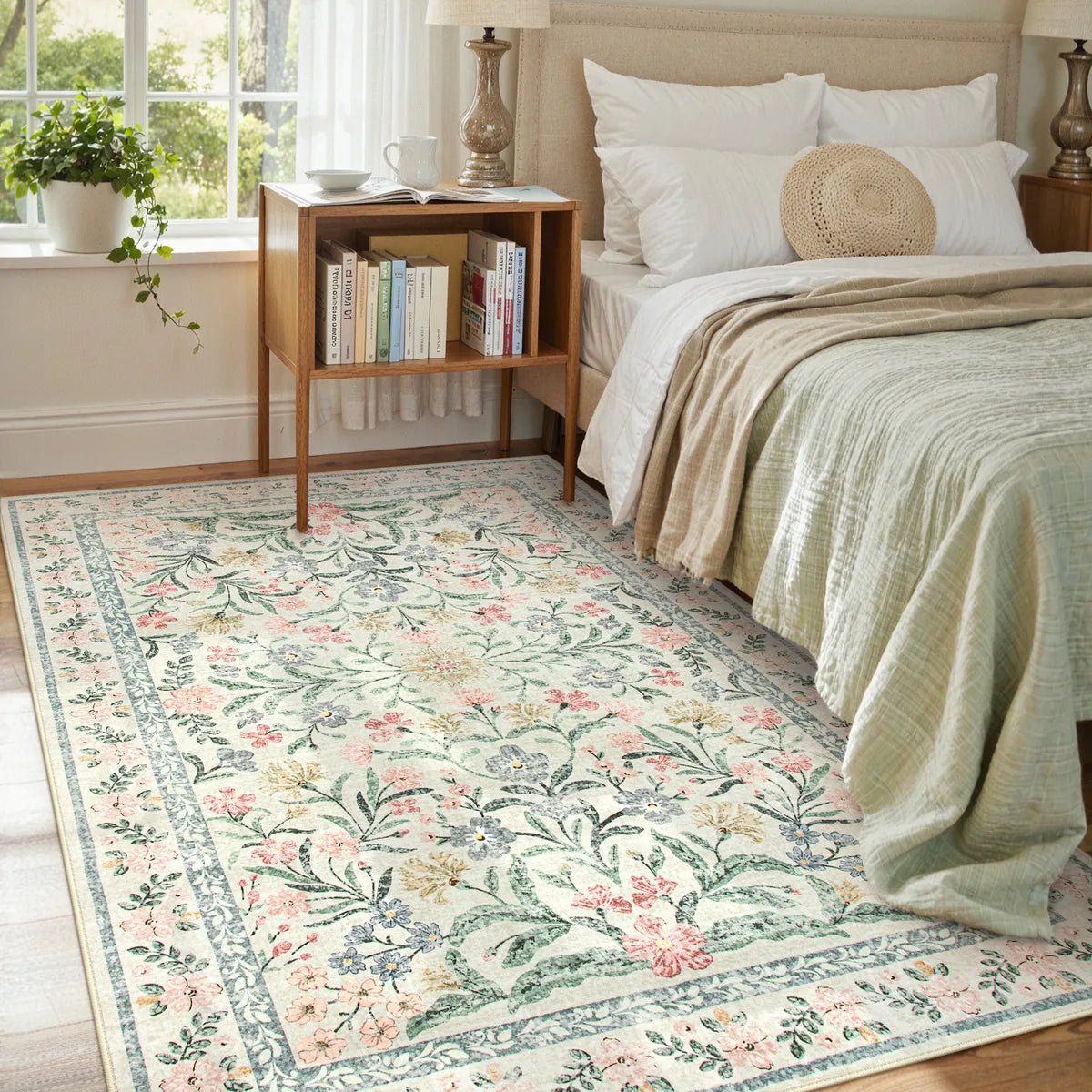
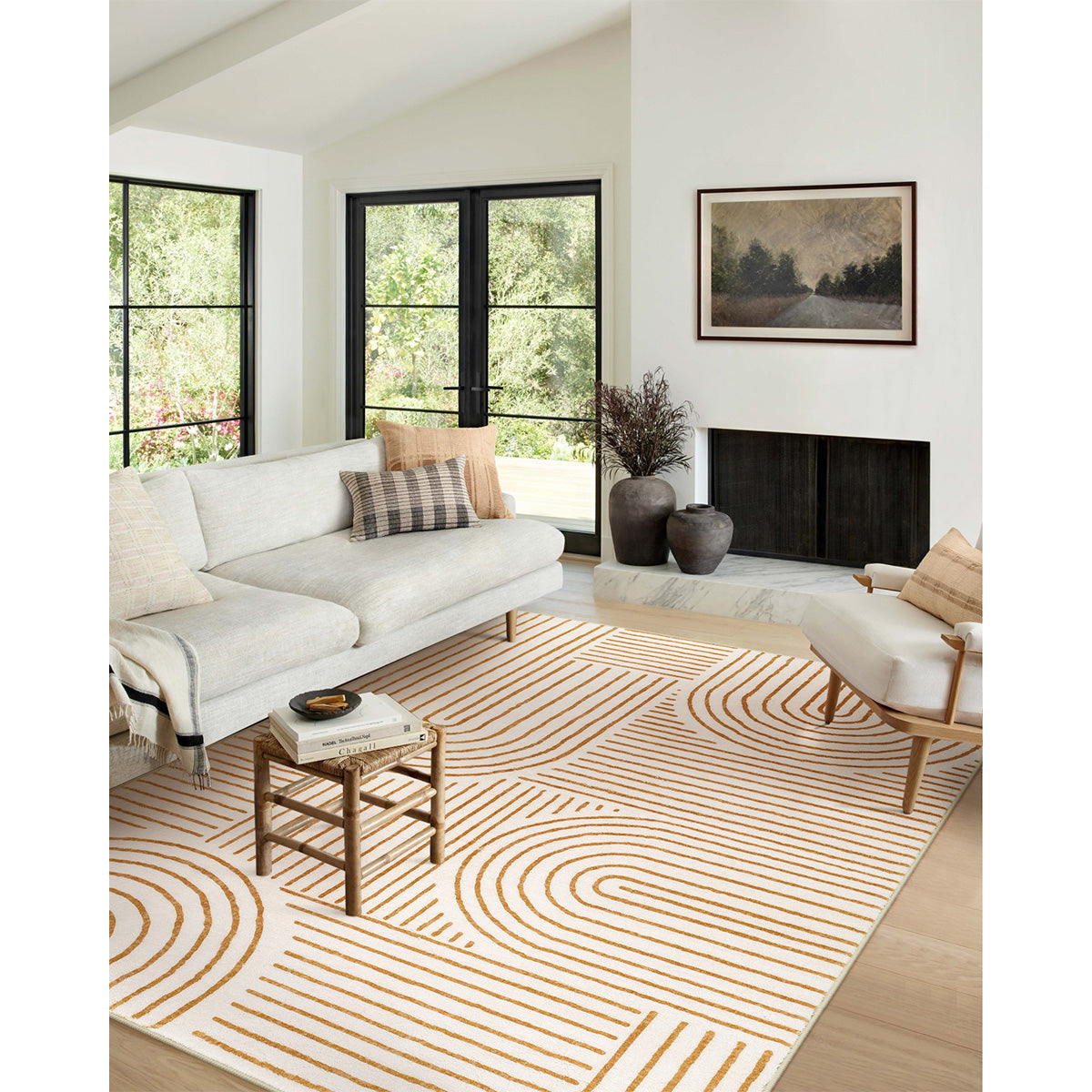
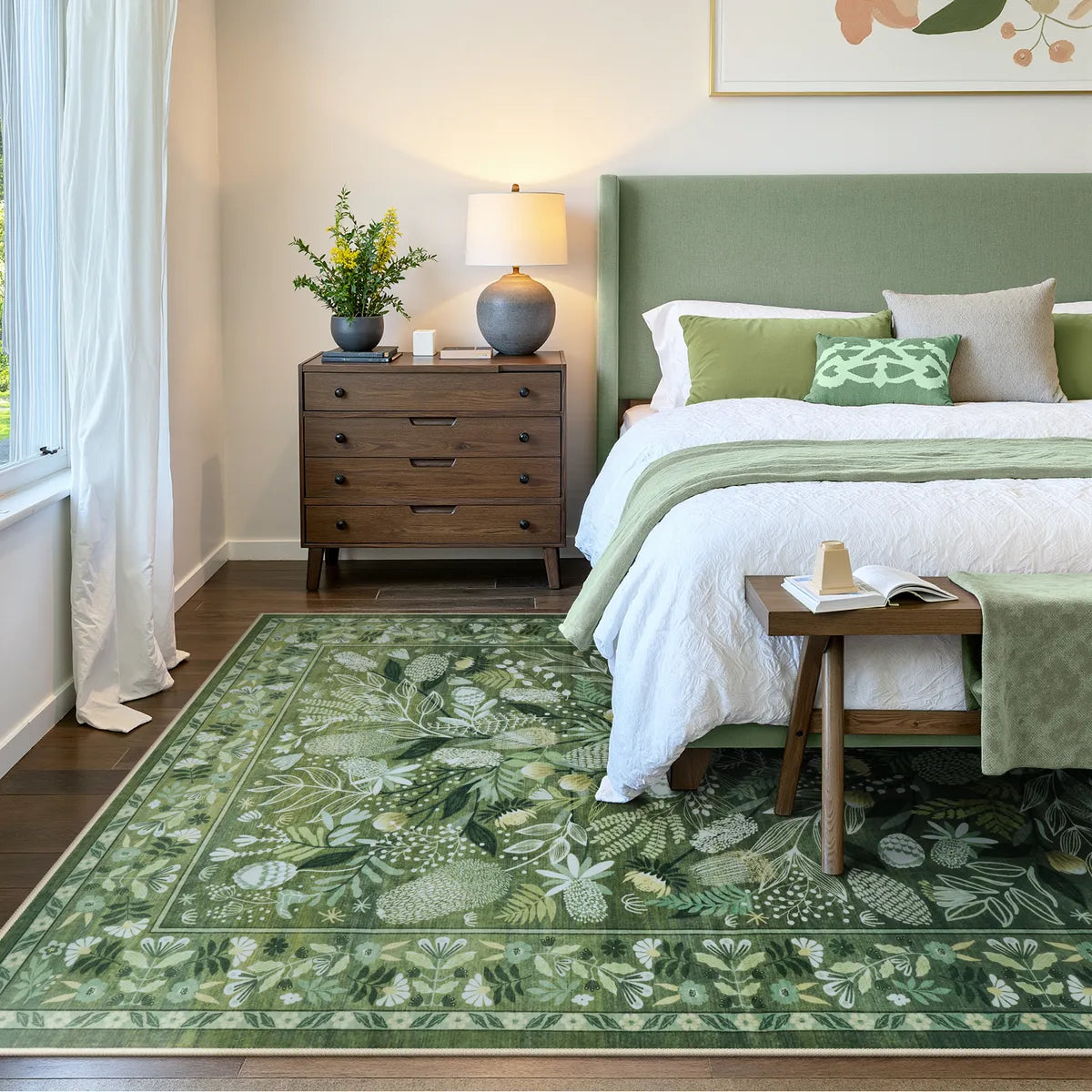
A larger area rug extending underneath the bed creates a more connected look than separate bedside accents. Depending on the layout, it can provide a soft surface along both sides and at the foot of the bed.
This arrangement is useful when you want the rug to feel like part of the room's overall design rather than an individual accessory. A subtle pattern can anchor the bed without drawing too much attention, while a distinctive floral or geometric design can become a focal point.
The amount of rug visible depends on the bed size, nightstand placement, and room dimensions. Measure the entire furniture arrangement, including the space you want to leave around the bed, instead of choosing a rug based on mattress size alone.
7. Choose an Asymmetrical Bedside Rug Arrangement
A bedroom doesn't have to be symmetrical to look thoughtfully styled. If your bed sits against a wall, one side has a closet, or the furniture is arranged unevenly, an asymmetrical rug layout may be the most natural fit.
Try a runner on the open side of the bed and a small accent near the foot. Another option is to use one patterned rug on the side you walk on most, leaving the other side open for easier movement.
To make the arrangement feel deliberate, repeat a color from the rug in a pillow, throw, or piece of artwork. Keeping nearby surfaces relatively uncluttered also helps the rug stand out.
The goal is a layout that works with your room, not one that recreates a perfectly balanced bedroom at the expense of comfort.
How to Choose the Right Size for a Bedside Rug
The right dimensions depend on where the rug will sit and how much floor space you have. A rug can look appealing on its own but feel awkward if it is too short, too narrow, or crowded against nearby furniture.
How Wide and Long Should a Bedside Rug Be?
Start with the area where you actually step out of bed. The rug should offer enough surface for your feet to land comfortably, rather than leaving you balancing on a narrow strip or stepping straight onto bare floor.
Next, consider its proportions in relation to the bed. A very small rug beside a wide bed can look disconnected unless it is clearly intended as an accent. A longer runner is often a more natural fit for an extended walkway.
Before choosing a size, measure the available floor space and mark the proposed dimensions with painter's tape. Walk around the outline, open nearby doors and drawers, and check how the rug will relate to the bed and nightstands.
Before you buy, check these four things:
- Is there enough rug surface where your feet land?
- Does the rug look proportionate beside the bed?
- Can bedroom and closet doors open freely?
- Will the rug leave a comfortable route around the furniture?
Choosing a Bedside Rug for a Queen or Full Bed
Bed size helps you judge proportion, but it doesn't dictate one specific rug arrangement.
With a queen bed, you might choose a single accent rug, two runners, or a larger rug extending underneath the bed. The right option depends on the available space on each side and how much floor coverage you prefer.
A full bed may leave more visible floor space in a smaller bedroom, giving you flexibility to use one rug or a pair of smaller accents. In a narrow room, however, a runner may be more practical than a wider area rug.
If you're comparing rug sizes for a queen bed or wondering what size rug to put under one, consider the entire layout rather than the mattress alone. Our queen bed rug size guide can help you compare common arrangements. The same principle applies to a full bed: measure the room and furniture together before deciding.
How Much Space Should You Leave Around a Bedside Rug?
There isn't one required gap between a bedside rug and the surrounding furniture. What matters is that the layout looks balanced and doesn't interfere with everyday movement.
If the rug sits beside a nightstand, check whether its edge will interfere with the table's legs or make the furniture feel cramped. If it extends into the main walkway, make sure there is still room to move comfortably.
Door clearance deserves particular attention. A thick rug can catch under a door even when its overall dimensions fit the available floor space.
A quick floor plan or a few measurements can help you avoid choosing a rug that looks right on paper but doesn't work once it arrives.
How to Match a Bedside Rug to Your Bedroom Style
The rug doesn't need to match your bedding exactly. It should complement the room's colors, furniture, and textures while adding something the space is missing—whether that's pattern, contrast, warmth, or a softer surface underfoot.
Floral and Vintage Bedside Rug Ideas

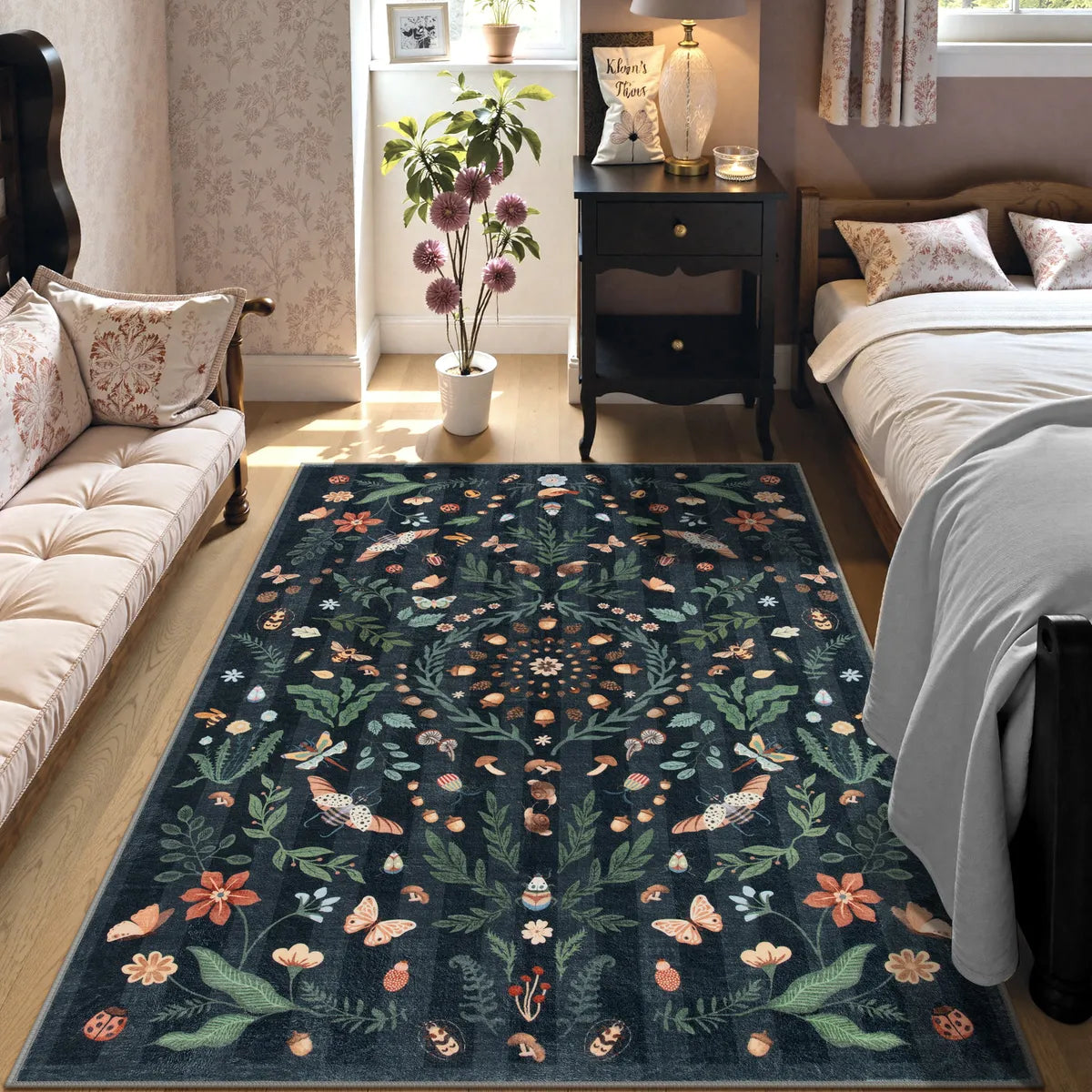
Floral rugs and vintage-inspired rugs bring pattern and character to a bedroom without requiring a full room makeover. They work particularly well when the bed frame and bedding are relatively simple.
Pair a detailed rug with solid bedding or a restrained print. Muted florals, faded motifs, and traditional designs can complement natural wood furniture, upholstered headboards, and warm neutrals.
For a connected look, pick one shade from the rug and repeat it in a pillow, throw, or bedside accessory. That small detail helps the pattern feel integrated rather than isolated.
If your curtains or bedding already feature a strong print, pay attention to pattern scale. Two patterns can work together, but giving one of them a quieter role usually makes the combination easier to balance.
Neutral Bedside Rugs for a Calm Bedroom

Ivory and beige rugs, along with taupe and other soft neutrals, are easy to coordinate with many bedroom styles. They are particularly useful when you want the bed, artwork, or furniture to remain the main focus.
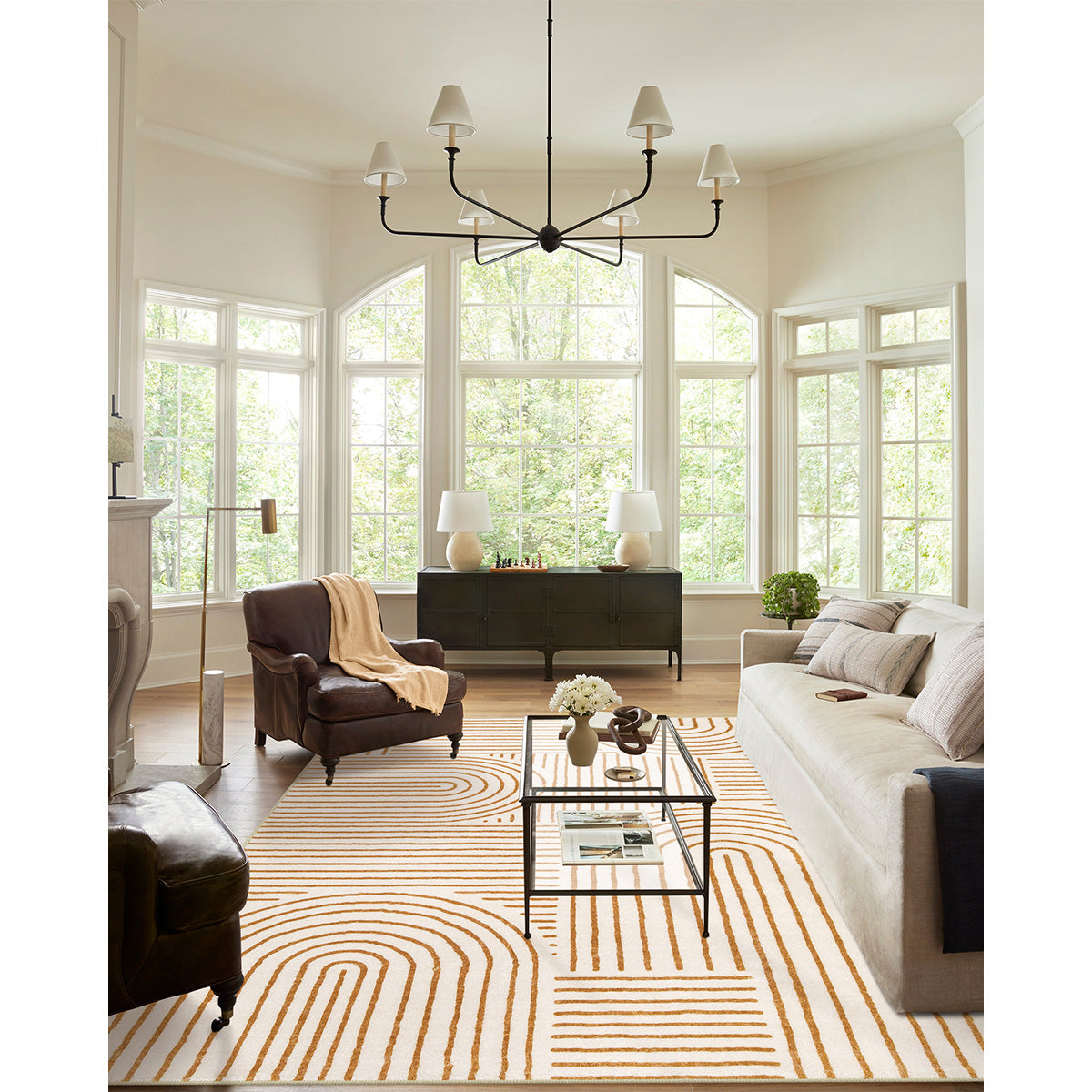
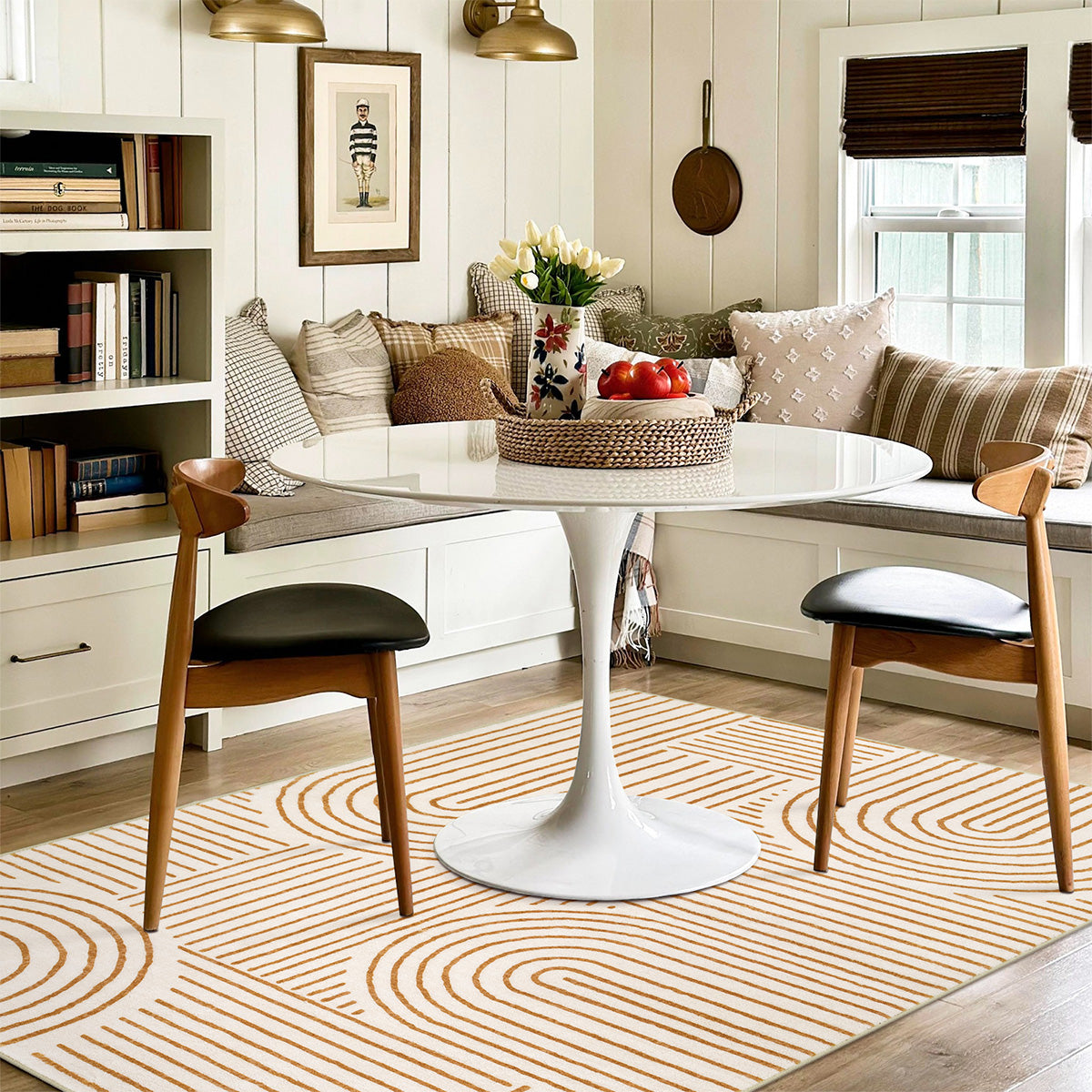
A neutral rug doesn't have to be plain. A subtle geometric design, faded botanical pattern, or textured surface can add interest without introducing a strong new color.
Consider the floor tone, too. An ivory rug can stand out against dark wood, while beige or taupe may blend more naturally with a warm-toned floor. If your walls, bedding, and furniture are all light, a slightly deeper rug can help define the bedside area.
The aim is not to make every surface the same color. A little variation keeps the room from feeling flat.
Bold Colors and Patterned Bedroom Rugs

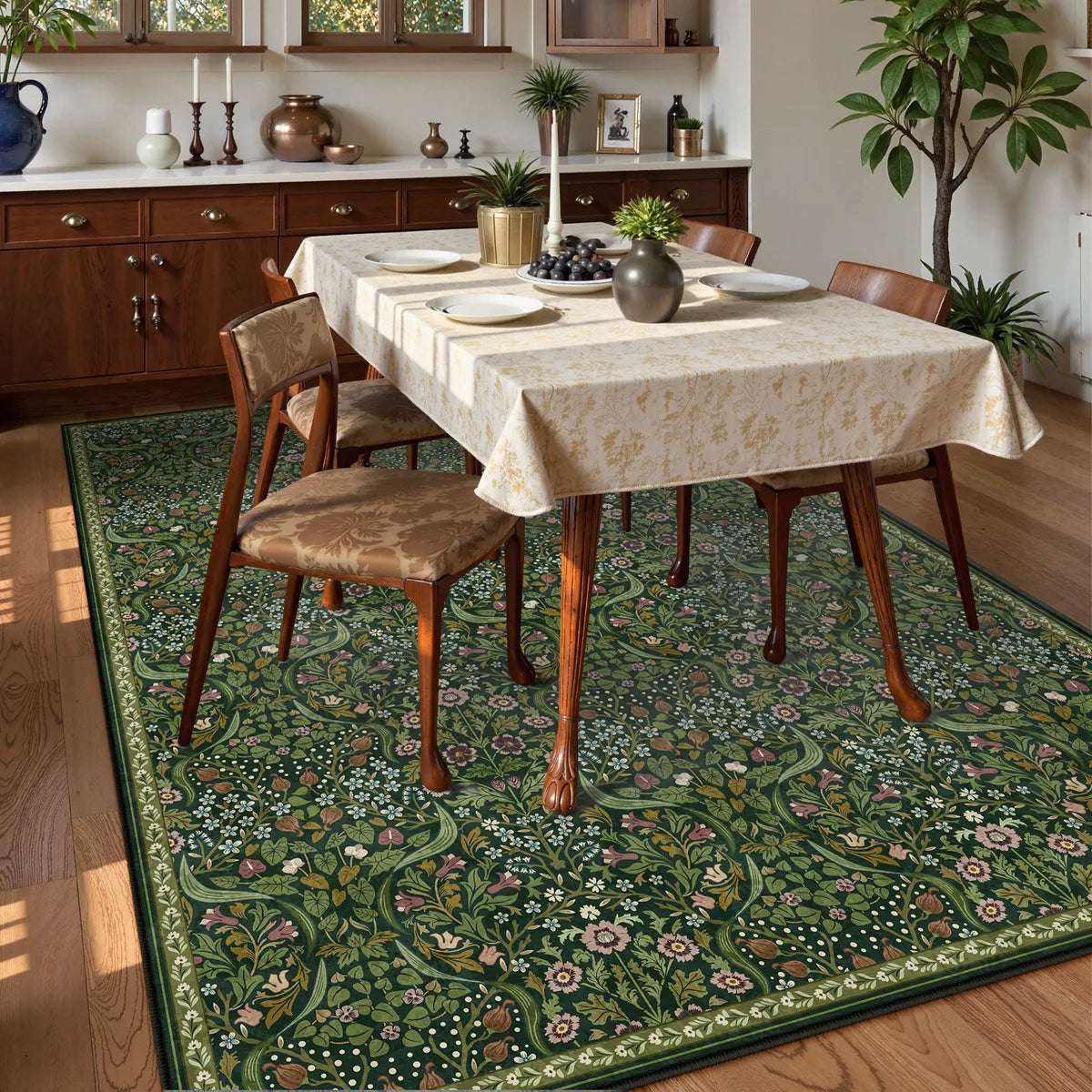
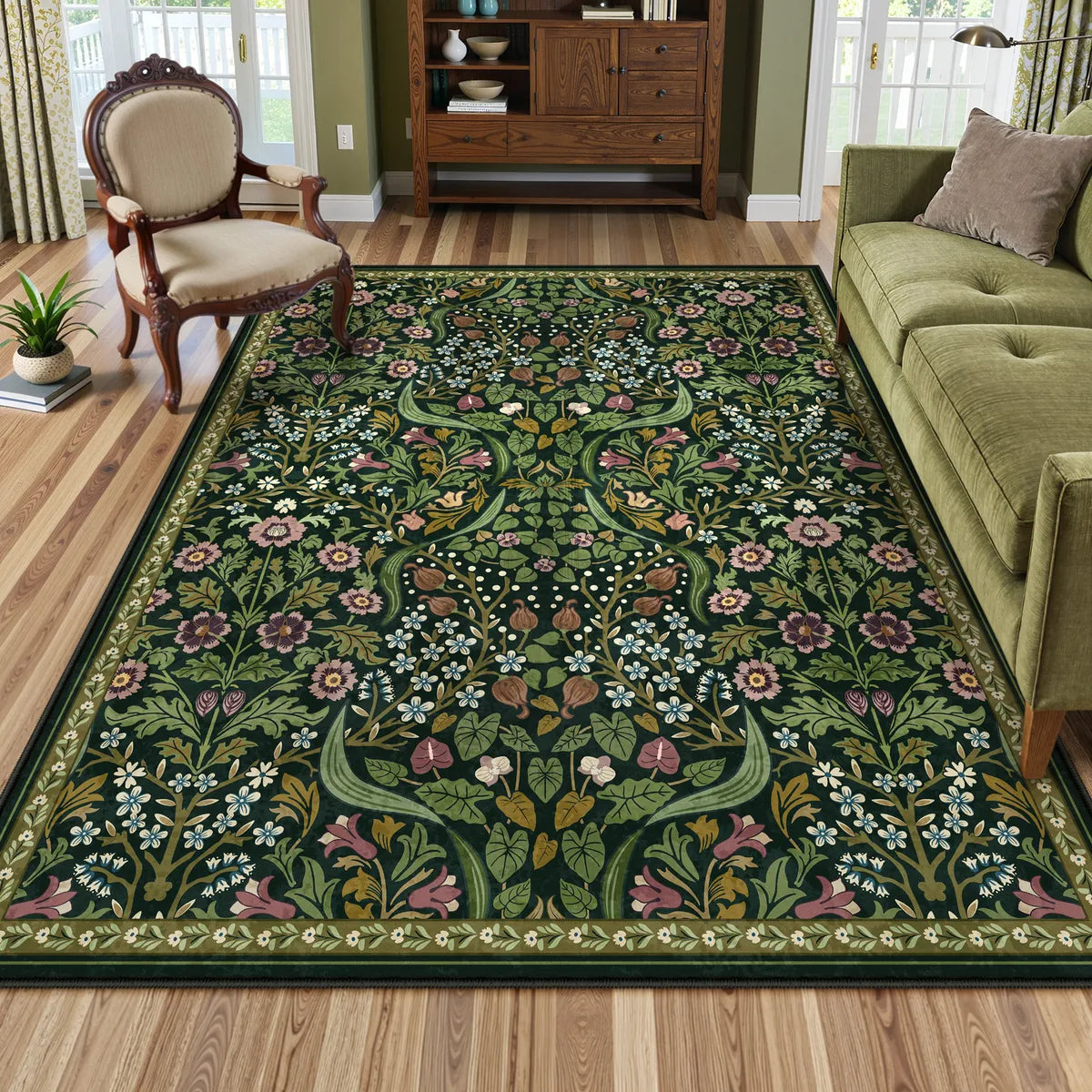
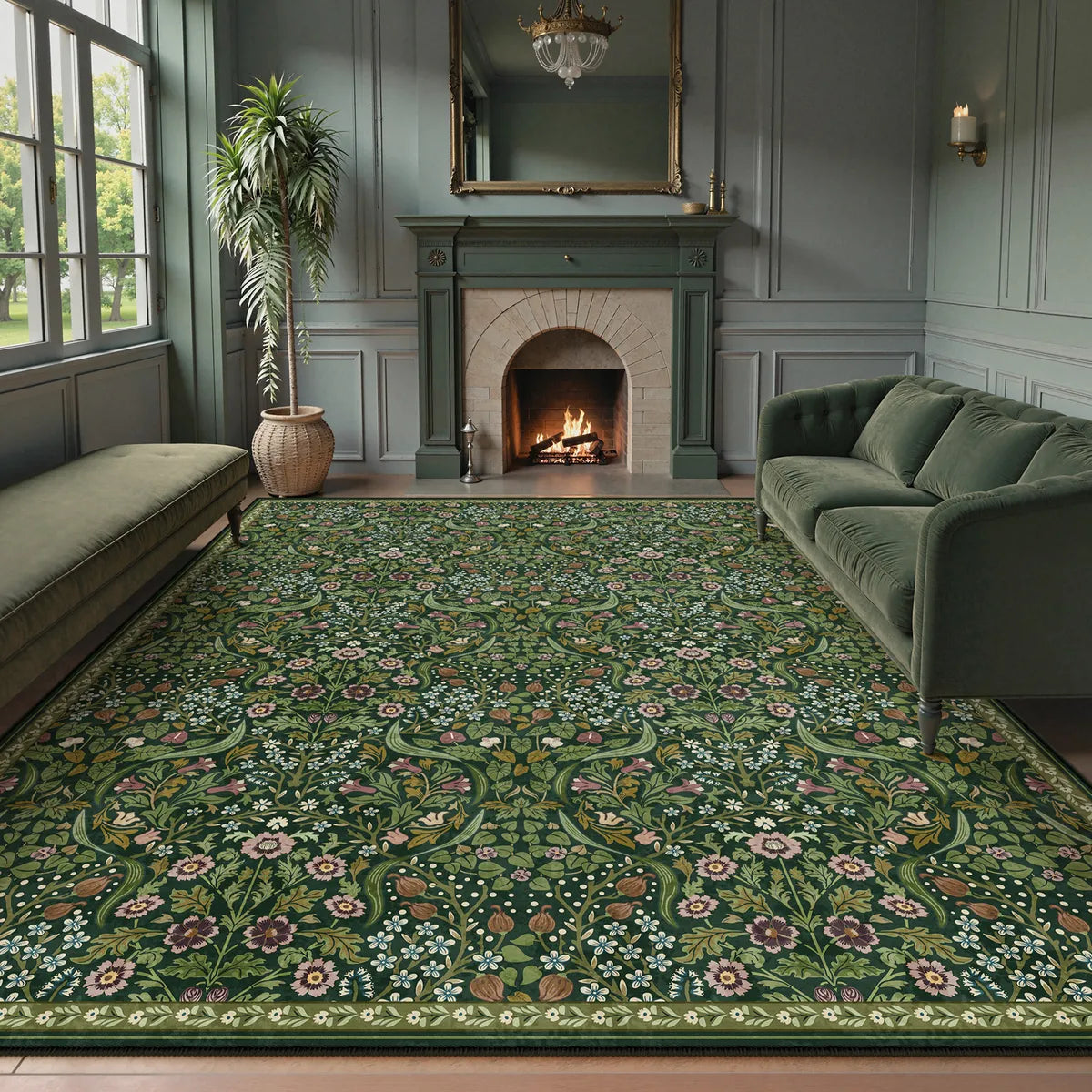
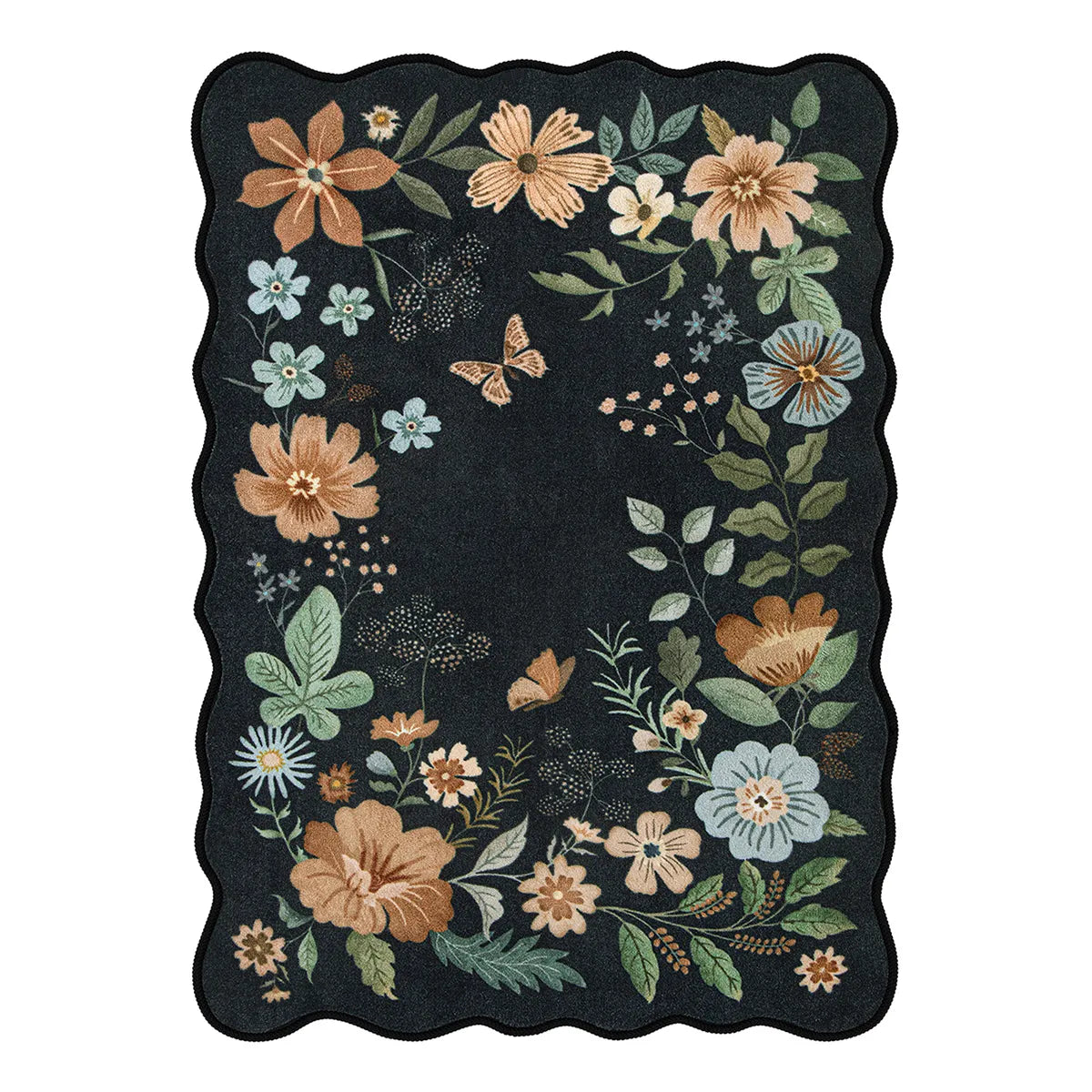
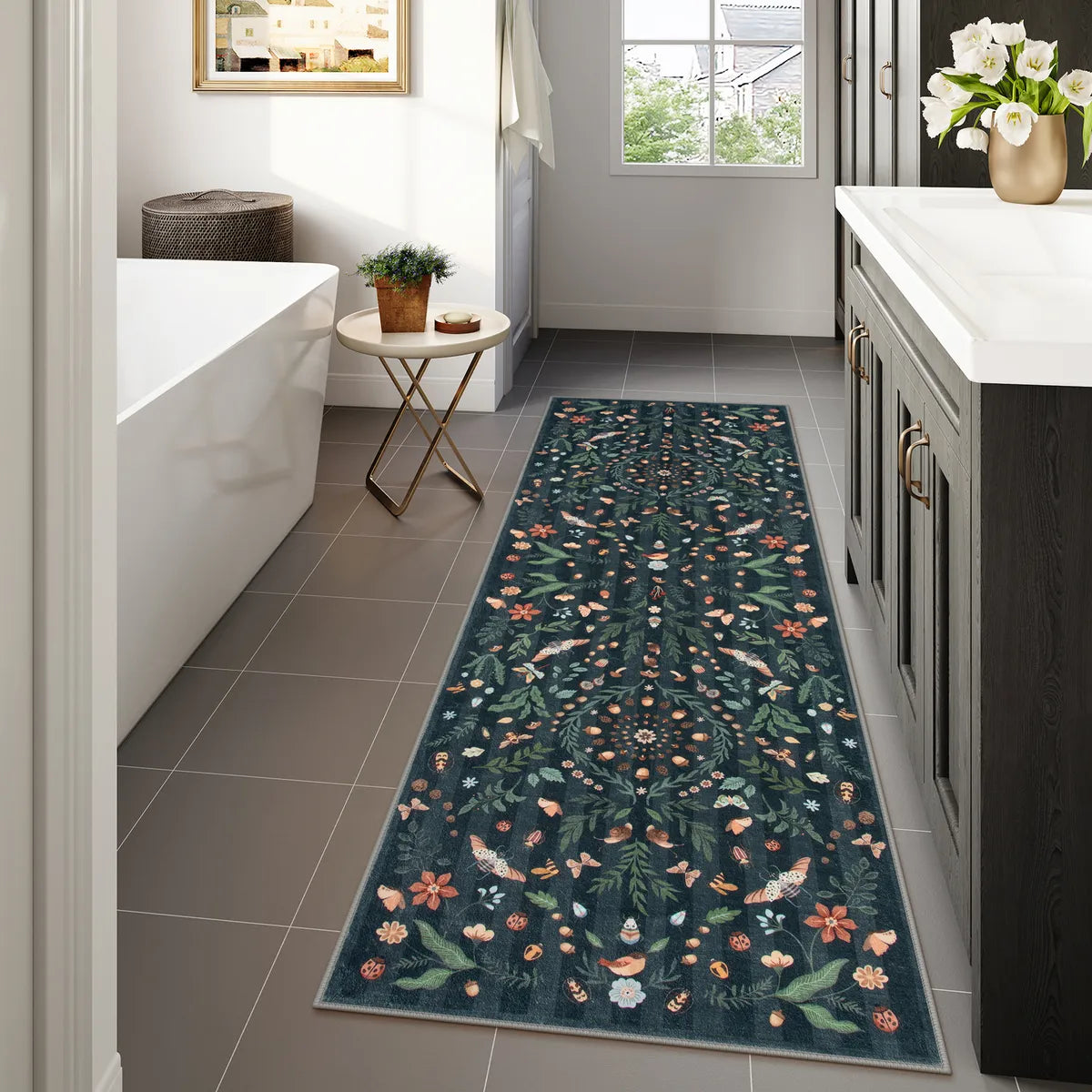
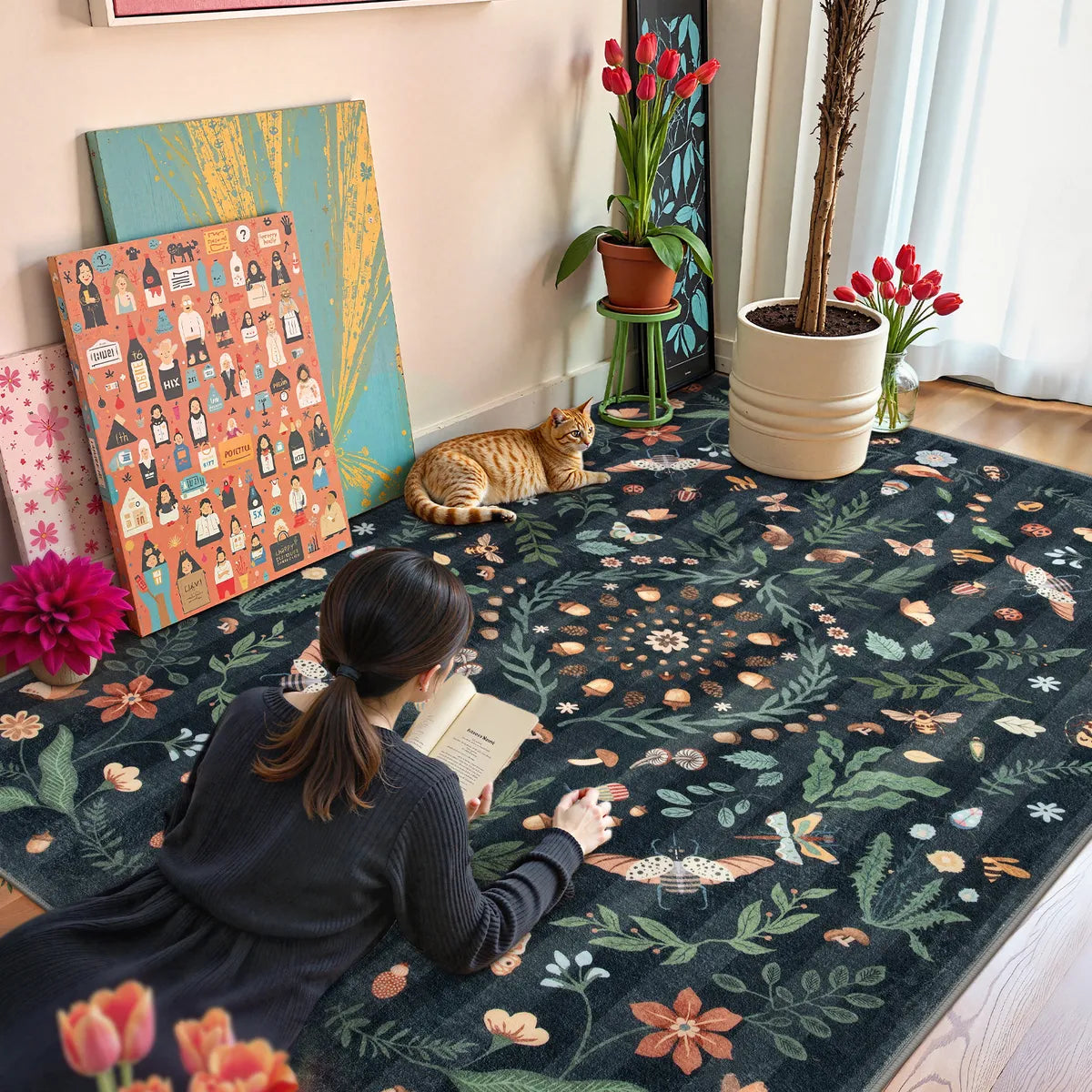
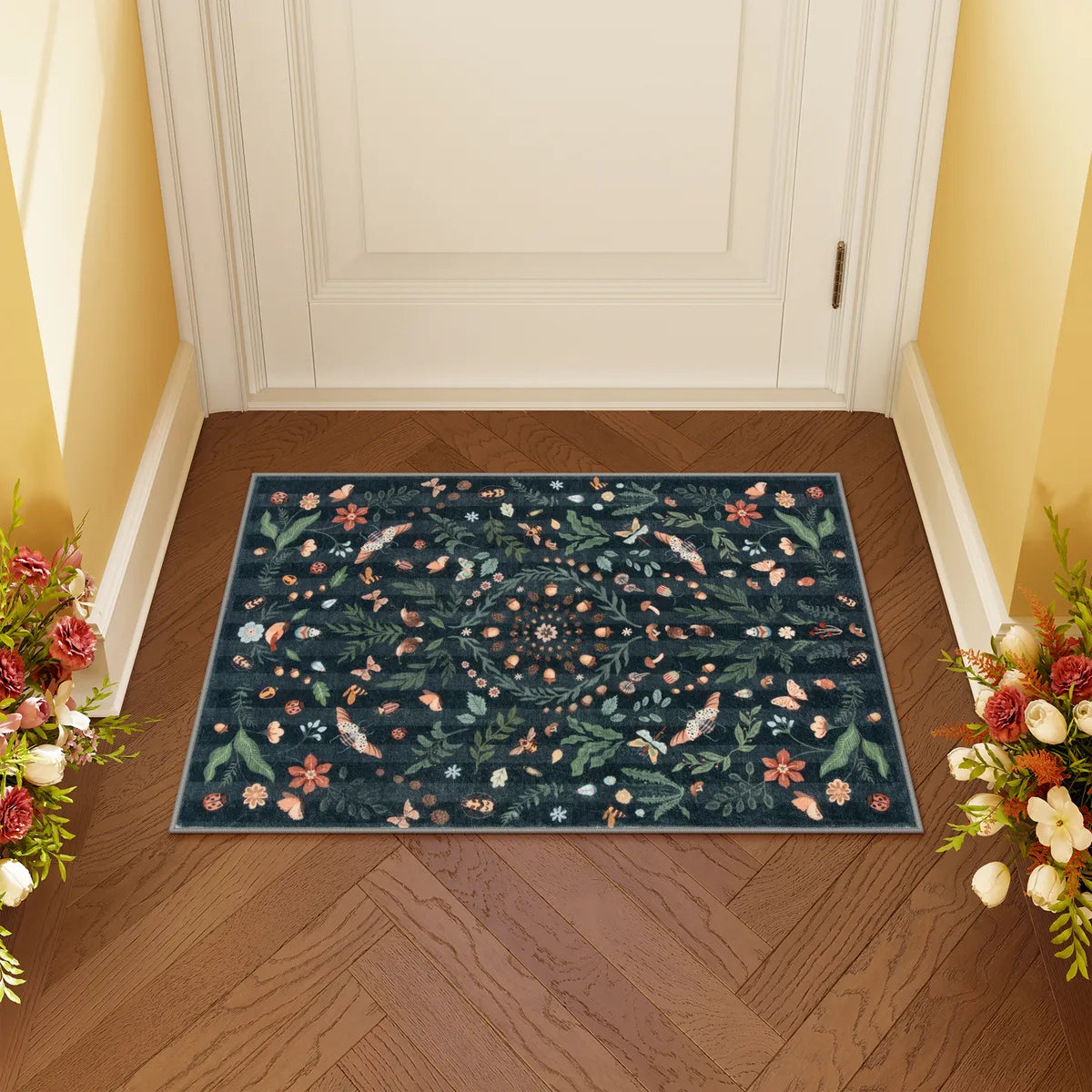
A colorful rug can bring energy to a bedroom with simple furniture and understated bedding. Deep green, navy, terracotta, or contrasting patterns can create a focal point without requiring changes to everything else in the room.
When the rug has a strong pattern, let it do most of the visual work. Solid bedding and simpler accessories can balance the design, especially when the rug occupies only a small area of the floor.
Repeating one color elsewhere can bring the look together. A green detail in a pillow or a warm accent in a throw may be enough.
Pattern scale matters as well. Large, high-contrast motifs can dominate a narrow bedside area, while smaller or more muted patterns may feel more subtle in a compact room.
Soft Textures for a Comfortable Bedside

Texture matters just as much as color beside the bed. Since you'll likely walk on the rug barefoot, think about how the surface feels and how much maintenance it requires.
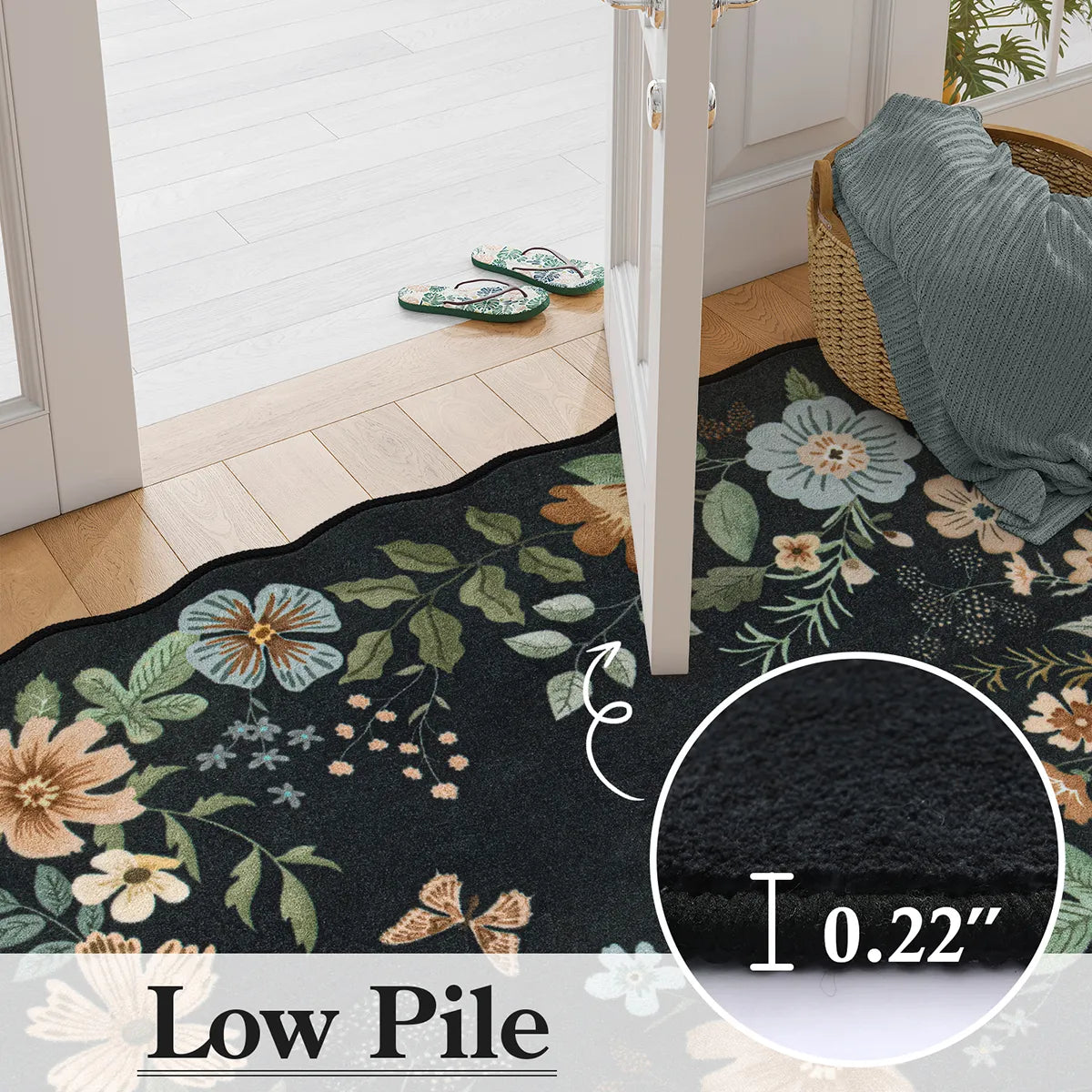
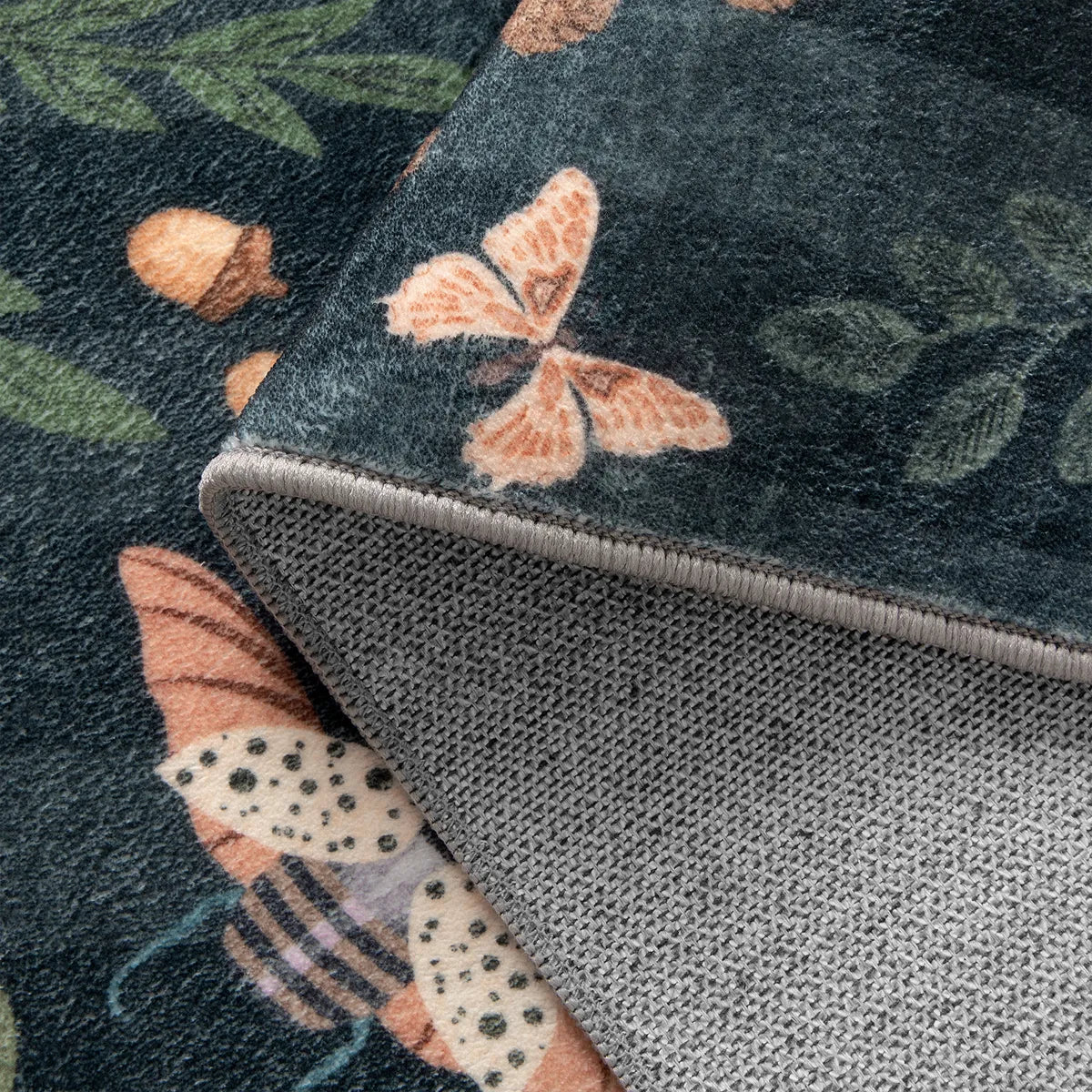
Flatwoven rugs have a relatively low profile and can be practical around furniture. Low-pile rugs offer a balance of softness and easier upkeep, while plush rugs provide a more cushioned feel underfoot.
Thicker rugs aren't automatically better. They may interfere with doors or furniture, and some surfaces can be harder to vacuum or keep free of debris.
Think about your daily routine before deciding. If you prefer simple cleaning and easy movement, a lower-profile rug may be the better fit. If softness is your priority and the layout allows it, a plusher option may suit your bedroom.
What Is the Best Rug to Put Beside a Bed?
The best bedside rug is one that feels comfortable, fits the available space, and suits the way you use your bedroom. Rather than choosing by appearance alone, consider comfort, stability, and cleaning before settling on a design.
Choose a Rug for Comfort and Daily Use
Think about what you want to feel when you first get out of bed. A soft surface may be a priority, but you'll also want enough room to place your feet without stepping over a rug edge.
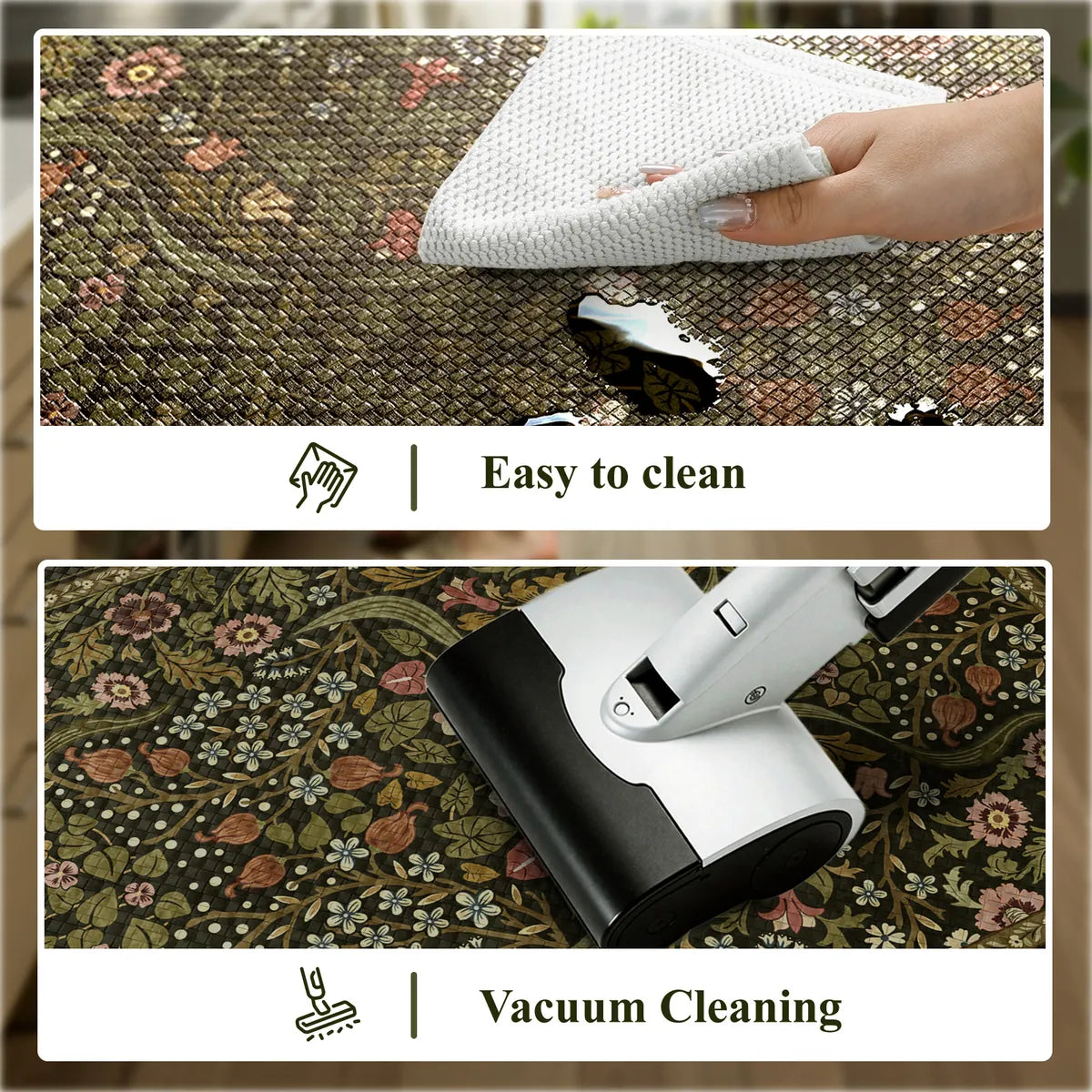
Low-pile rugs can be convenient around furniture and during regular vacuuming. Washable rugs may appeal to households looking for a more convenient cleaning routine, but care requirements vary by product.
If you rarely walk along one side of the bed, you may not need a rug there at all. Start with the areas you use every day instead of adding coverage simply for symmetry.
Consider Slip Resistance and Rug Placement

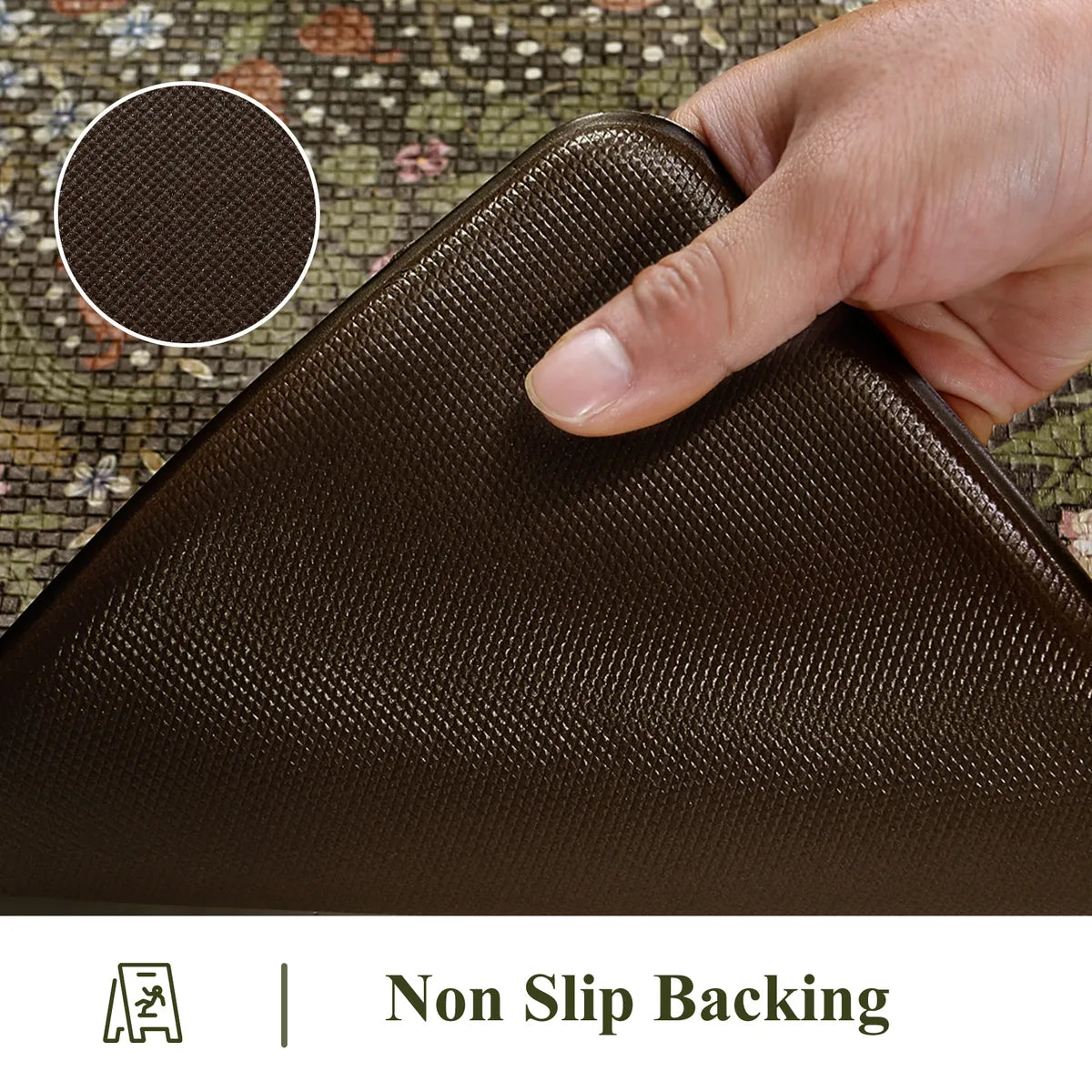
A bedside rug should stay in place when you step onto it. If it slides across a smooth floor, it can become inconvenient and create a trip hazard.
Check whether the rug is compatible with a rug pad, and choose one suited to both the rug backing and your flooring. Don't assume every rug has built-in non-slip properties, or that the same pad is appropriate for every floor surface.
Check the edges as well. A rug that curls, bunches, or sits in the path of a door can be more trouble than it's worth. Proper placement and a suitable pad can help keep the area more stable.
Match Rug Material and Maintenance to Your Needs
Your cleaning preferences can help narrow down the options. Washable rugs may appeal to households that want a convenient way to handle everyday messes, while other area rugs offer a wide range of textures, constructions, and decorative styles.
Consider how much traffic the bedside area gets, whether you have pets, and how often you're willing to clean the rug. A lower-pile surface may be easier to maintain in some bedrooms, while a softer texture may be worth the extra care in others.
Always check the specific rug's care instructions before buying. Cleaning requirements vary by material and construction, so don't assume that every rug can be machine-washed or cleaned in the same way.
Common Bedside Rug Placement Mistakes to Avoid
A rug can look great in a product photo but feel out of place in your bedroom. These checks can help you spot common layout problems before buying.
1. Choosing a Rug That Looks Too Small
A small rug can work as a deliberate accent, but it may look disconnected beside a large bed if it has no clear role in the arrangement.
Consider its width and length in relation to the bed and open floor area. If you want it to serve as a comfortable stepping surface, make sure there is enough room for your feet to land naturally.
If you prefer a small decorative rug, give it a clear purpose. A compact rug looks more intentional when its position and pattern relate to the surrounding furniture.
2. Placing the Rug Too Far From the Bed
When a rug sits too far away, the gap can make the arrangement feel disconnected. It may also mean the rug isn't where you need it when you get out of bed.
Position it near your natural stepping area, allowing for the bed frame and nearby furniture. If the rug sits beside a nightstand, check how the two elements relate instead of judging the placement from the doorway alone.
3. Overlooking Doors, Drawers, and Walking Space
A rug should make the room more comfortable, not harder to move around in. Check the full swing of bedroom and closet doors, along with the clearance needed to open drawers.
Pay particular attention to thicker rugs. Even a small difference in pile height can affect how easily a door moves across the floor.
If the room is narrow, keep the main walkway clear. A smaller rug in the right position is often more useful than a larger one that obstructs everyday movement.
4. Using Too Many Competing Patterns
A floral rug, patterned bedding, printed curtains, and several decorative pillows can quickly make a small bedroom feel visually busy.
You don't need everything to match, but it helps to give the eye somewhere to rest. If your bedside rug has a bold motif, consider simpler bedding. If the bedding already has a strong print, a neutral rug with subtle texture may provide a better balance.
Color repetition and pattern scale are more useful guides than trying to make every item identical.
How to Style a Bedside Rug With the Rest of Your Room
Once the layout and size are settled, look at the bedroom as a whole. A few thoughtful connections between the rug, bed, and furniture can make the arrangement feel complete without adding unnecessary accessories.
Coordinate Your Rug With Bedding and Bed Frames
Start with the colors already in your room. Repeating one or two shades from your bedding, bed frame, curtains, or artwork can help the rug fit naturally into the space.
A light rug can create contrast against a dark wood bed frame, while a deeper shade may ground a room with pale furniture. If your bedding is already colorful or patterned, a more restrained rug can balance it out.
You don't need to match every color exactly. Similar tones and complementary patterns can create a coordinated look without making the room feel overly planned.
Balance the Rug With Nightstands and Bedroom Furniture
Consider how the rug sits in relation to the bed and nightstands. Matching runners can reinforce a symmetrical layout, while a single rug may make more sense when the furniture or walking space is uneven.
Keep the rug clear of places where people regularly walk or open drawers. If the bedside area is narrow, avoid crowding it with extra decorative pieces simply to fill the space.
Leaving some floor visible can help the room feel more open. The rug should complement the furniture, not make the bedroom feel packed.
Choose a Rug That Fits Your Bedroom's Practical Needs
The right bedside rug balances appearance with everyday use. Think about how much space you have, how soft you want the surface to feel, and how much time you want to spend cleaning it.
A washable bedside rug may suit a household that values convenient maintenance. A larger area rug may be a better fit if you want more coverage around the bed and a more connected look across the room.
Once you've decided on the layout and practical requirements, you can compare patterns, colors, and textures more confidently. Browse Lahome's bedroom rugs collection to compare designs for your space and style.
Frequently Asked Questions About Bedside Rugs
1. What Is the Rule for Rugs in a Bedroom?
There is no single mandatory rule for bedroom rug placement. Focus on proportion, comfortable walking space, and clearance around furniture and doors. Use general sizing guidance as a starting point, then adjust the layout to suit your room.
2. Is It Good to Put a Rug Under Your Bed?
Yes. A rug under the bed can visually connect the bed and surrounding furniture while providing a soft surface along the sides and at the foot. If your room is narrow or you prefer less coverage, bedside runners or one accent rug can work just as well.
3. What Kind of Rug Is Best for a Bedroom?
The best bedroom rug depends on your comfort preferences, cleaning routine, and layout. Low-pile rugs can be practical around furniture, while plush options offer a softer feel. Washable designs may suit households that prioritize convenient maintenance. Check the specific product's construction and care instructions before choosing.
4. Can You Put a Rug Only on One Side of the Bed?
Absolutely. A single rug works well when the bed is against a wall, one side has limited clearance, or you mainly use one side to get in and out of bed. Position it near your natural stepping area and choose a size that relates to the bed.
5. Should You Use a Runner or an Area Rug Beside a Bed?
A runner is useful for a narrow, elongated walkway because it provides coverage without taking up as much floor space. An area rug offers broader coverage and may suit a larger bedroom or a layout that extends underneath the bed. Measure the available space before deciding.
Seasonal Inspiration: Style Your Bedroom for Christmas
Bedside rugs don't have to be replaced every season to give a bedroom a festive feel. A traditional red pattern, a woodland motif, or a soft neutral design can complement Christmas bedding, greenery, and warm lighting while still working with your everyday decor.

Seasonal Inspiration
Bring a Little Christmas Warmth to Your Home
Looking for ways to bring seasonal color and pattern into your space? Get inspired by festive rug designs, cozy color palettes, and holiday decorating ideas for the home.
EXPLORE HOLIDAY IDEASReady to shop? Browse Lahome Christmas rugs for seasonal patterns and colors.
Find the Right Bedside Rug for Your Space
A bedside rug can be a single accent, a pair of runners, a design at the foot of the bed, or part of a larger arrangement underneath it. The best choice starts with your available floor space and the place where you want a softer surface underfoot.
Measure the area, check the clearance around furniture and doors, and then narrow down the colors, patterns, and textures that suit your room. A thoughtful layout will do more for the space than choosing a rug based on appearance alone.
Find Your Bedroom Style
Shop Rugs for Your Bedroom
From subtle neutrals to vintage florals and colorful patterns, find a rug that complements your bedroom and fits your everyday routine.
SHOP BEDROOM RUGS SHOP RUNNER RUGS