

Pinterest can show you hundreds of beautiful Christmas trees in a few minutes. The harder part is figuring out how to recreate that feeling on your own tree. Which decorations should go on first? How should ribbon be placed? Where do larger ornaments belong? And how do you make the finished tree look full without simply adding more?
This guide is designed for that part of the process. Instead of giving you another long list of Christmas tree decorating ideas, we’ll break down the order that actually works, from lights and ribbon to ornaments, greenery, and the topper. You’ll also learn how to build depth, balance visual weight, and make a tree look more professionally decorated. Before you start decorating, though, there’s one decision to make first: the overall style and color palette.
Before You Decorate a Christmas Tree: Choose Your Style
Before you hang the first ornament, decide what you want the finished tree to look and feel like. A clear direction makes every decorating decision easier, from the colors you choose to the ribbon, ornaments, and greenery you add later.

1. Choose a Christmas Tree Color Palette
Start with two or three main colors rather than choosing each decoration on its own. Repeat those colors at different heights and in different types of decorations so the tree feels connected from top to bottom.
- Red, green, and gold: A classic choice for a traditional Christmas tree.
- Ivory, white, and metallics: A quieter palette for an elegant Christmas tree.
- Green, wood, and natural tones: Create a warm, woodland feel with earthy colors and natural textures.
- Bright, varied colors: A playful option for family spaces.
2. Decide What You Want Your Christmas Tree to Feel Like
Think about the mood before you shop for Christmas tree decorations. Traditional, elegant, natural, and playful styles can all work beautifully, but each calls for different colors, materials, and ornament shapes.
3. Match Your Christmas Tree to the Room
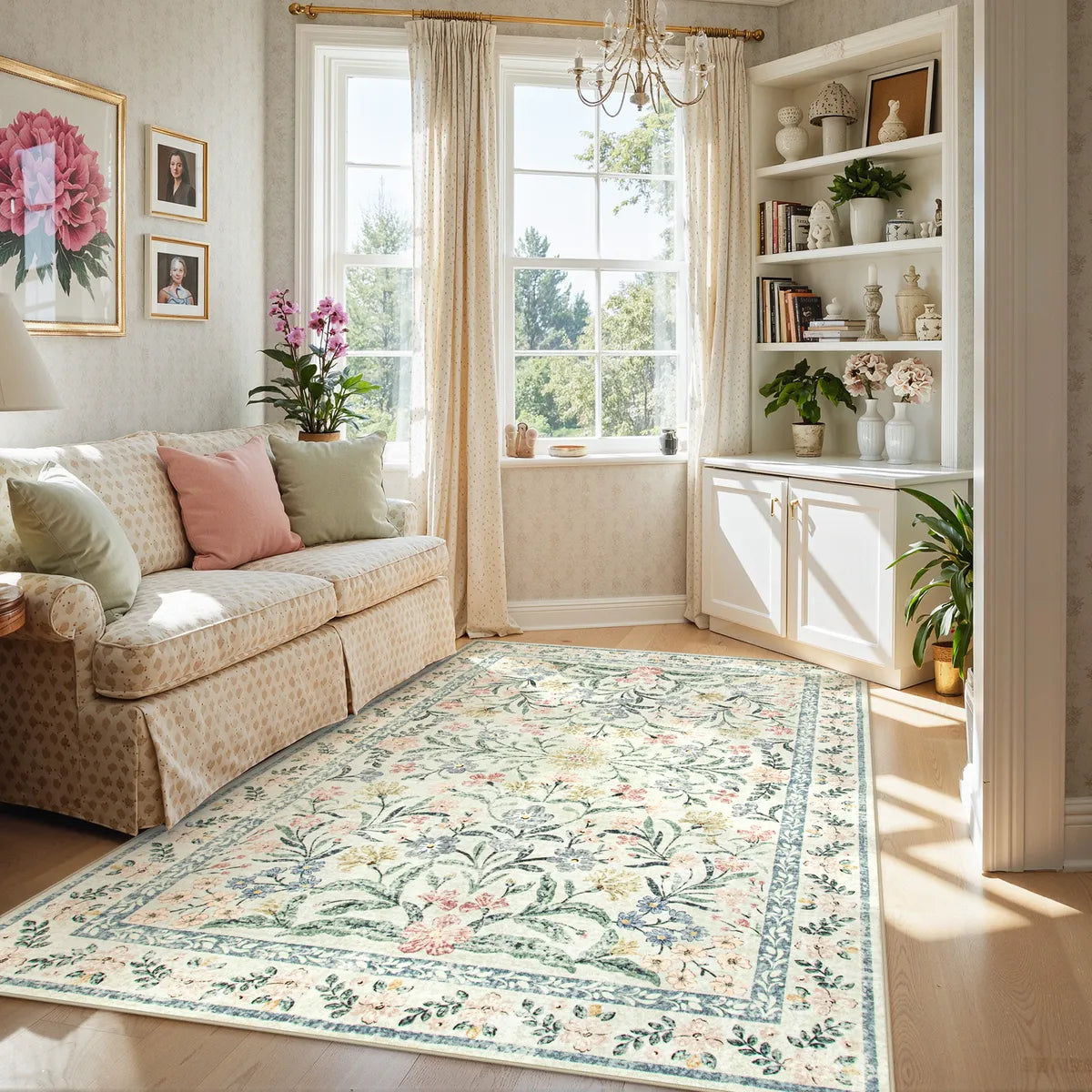
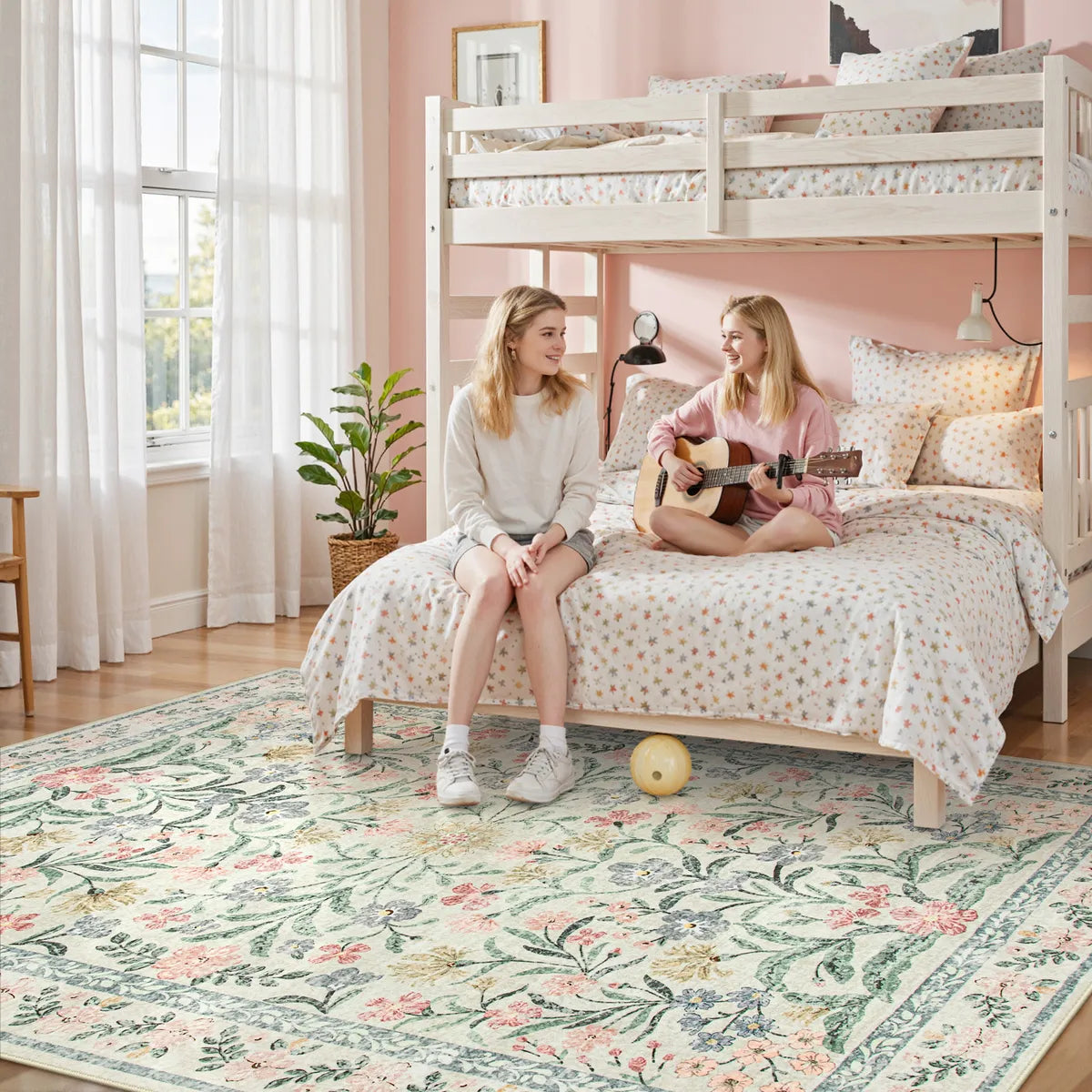
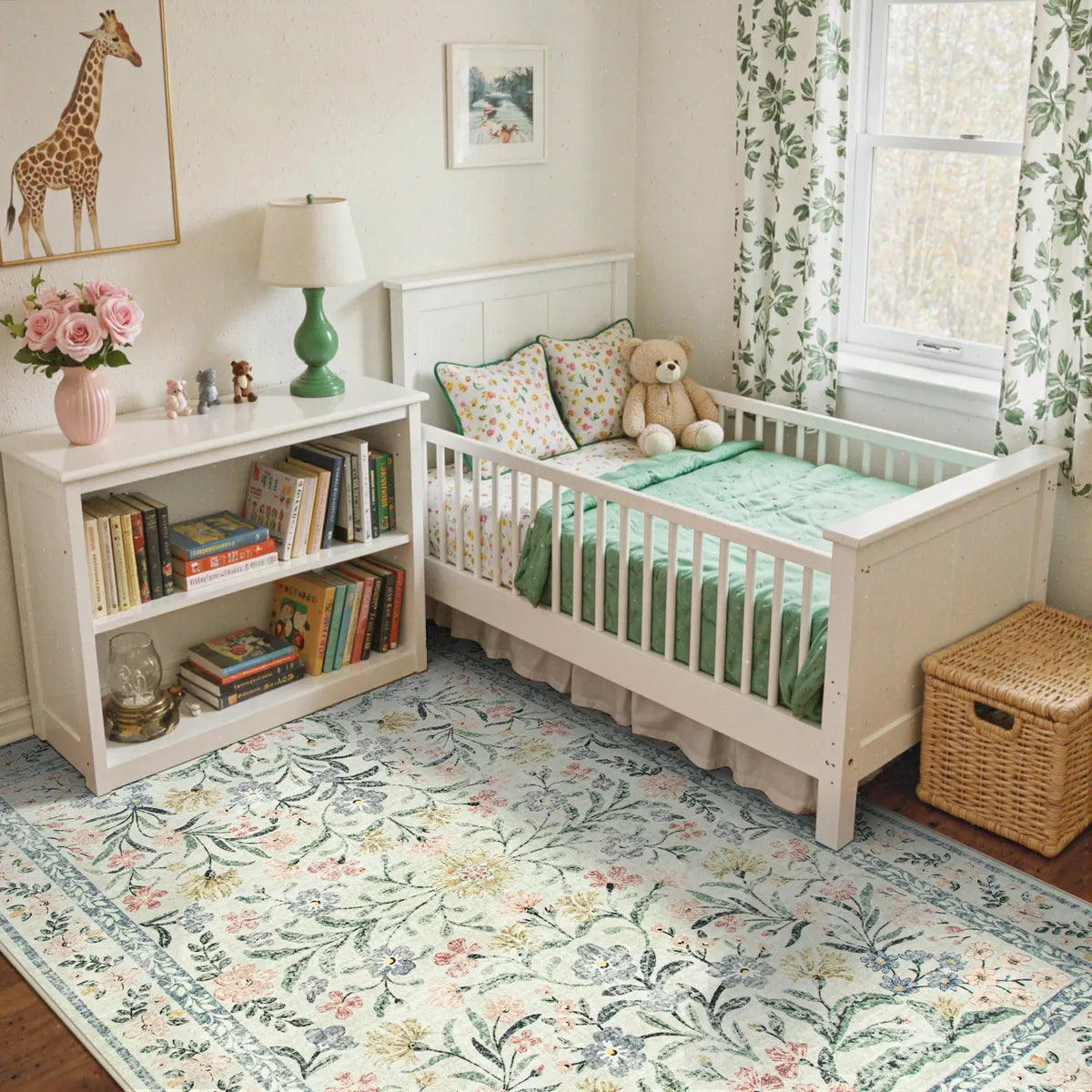
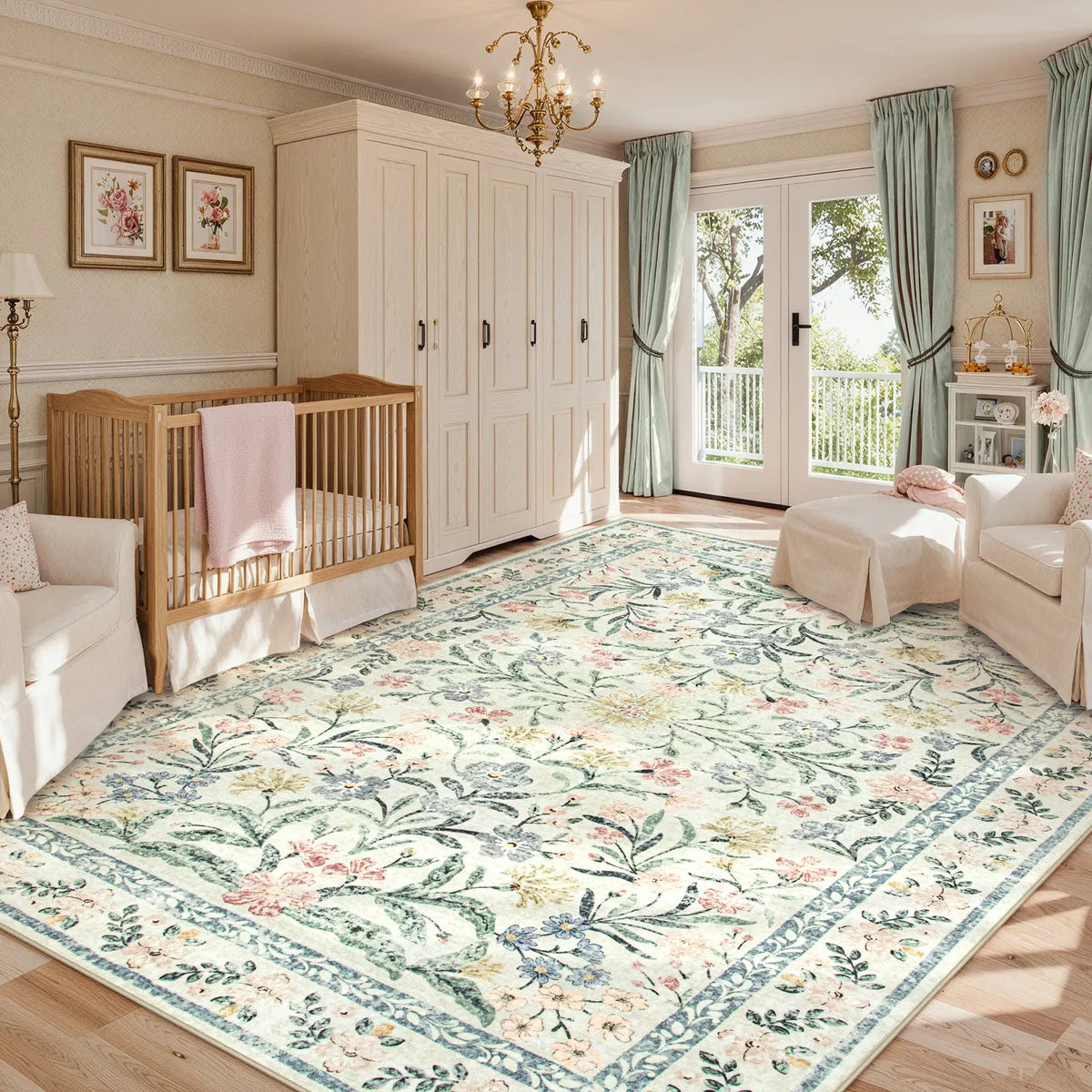
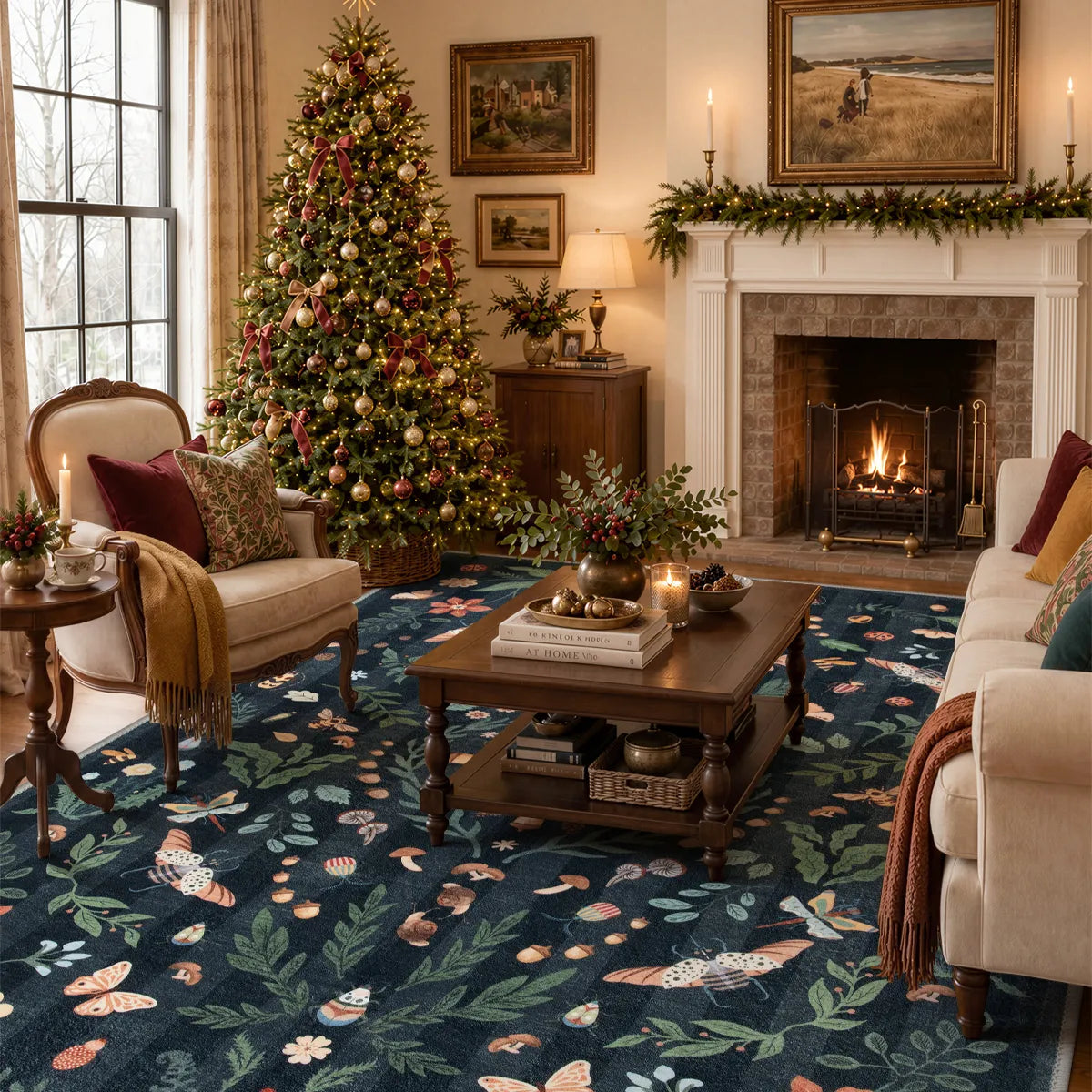
Your tree should work with the room around it. Look at the colors already in your furniture, textiles, artwork, and rug. Repeating one or two of those colors in the tree can make the entire space feel more connected, rather than making the tree look like a separate display.
How to Decorate a Christmas Tree Step by Step
If you're decorating a Christmas tree for the first time, the order matters more than it may seem. The easiest approach is to build from the inside out and from the largest visual elements to the smallest: lights → ribbon → large ornaments → medium and small ornaments → picks and greenery → topper. Finish the base with a tree skirt once the decorating is done. This gives you room to reach the branches, correct uneven areas, and see how each layer changes the tree.
1 Put the Lights on First
Put the lights on first, before any other Christmas tree decorations. Begin near the trunk and work outward so light reaches both the inner branches and the outer tips.
Rather than wrapping the entire tree in one continuous circle, move up and down through different sections. Check the tree from across the room as you work. If you see a dark area now, it will be harder to fix once the ornaments are in place.
Warm white lights are a natural fit for traditional and elegant trees. For a playful Christmas tree, colored lights can become part of the overall palette.
2 Add Ribbon for Movement and Depth
Ribbon comes next because it is much easier to place before the branches are filled with ornaments.
Work with manageable sections instead of trying to create one perfect spiral. Let the ribbon move diagonally or vertically through the tree, and tuck some sections deeper into the branches.
The goal is not perfect symmetry. Ribbon should help carry color through the tree while creating movement and a sense of depth.
3 Place Your Largest Christmas Tree Ornaments First
Start With Visual Weight, Not Empty Spaces
Begin with your largest ornaments. Think about the tree as a whole and spread them across different heights and sides.
Place some near the outer branches and others farther inside. Larger pieces placed deeper in the tree can make the finished arrangement feel more layered.
Do not start by filling every visible gap. The larger ornaments establish the structure; the smaller pieces will handle the spaces that remain.
4 Fill In With Medium and Small Ornaments
Once the larger pieces are in place, add medium and small ornaments around them.
Mix sizes rather than creating one uniform layer. Repeat your main colors throughout the tree, and place a few smaller decorations inside the branches for extra depth.
Keep checking the tree from a distance. If one section looks noticeably heavier than another, move a decoration before adding more.
5 Add Picks, Florals, or Greenery
Use picks and greenery selectively. They can add texture, height, and shape to areas that still feel flat.
You do not need the same number of picks on every side. Vary their placement and repeat the same materials in different areas so the tree feels connected without looking overly arranged.
6 Finish With the Christmas Tree Topper
The topper is the final layer and the natural focal point at the top of the tree. Choose a size that suits the height and shape of your tree, and keep its color and material consistent with the rest of your decorations.
After adding it, take one final step back. A finished tree should have variation in size, depth, and texture without every branch being equally full.
How to Make a Christmas Tree Look Full
A full Christmas tree is not simply a tree with more decorations. The fuller look comes from what happens between the branches: different depths, varied ornament sizes, and layers that give the eye more to see. Instead of adding more pieces to the outside, build volume from the inside out.
Create Depth Inside the Tree
One of the easiest ways to make a Christmas tree look fuller is to stop treating the outer tips as the only decorating space. Place some ornaments closer to the trunk and others toward the front of the branches.
Layering lights, ribbon, and ornaments at different depths gives the tree more dimension. It also keeps the decorations from looking like a single layer sitting on top of the branches.
Mix Ornament Sizes
Using one ornament size throughout the tree can make it look flat. A better approach is to give each size a different role.
- Large ornaments create visual weight and establish the main structure.
- Medium ornaments connect the larger pieces.
- Small ornaments fill smaller spaces and add detail.
Vary the sizes throughout the tree rather than keeping each size in a separate area.
Fill Gaps Without Overfilling the Tree
Step back often while decorating. Look at the tree from across the room and from different angles instead of judging it branch by branch.
Fill noticeable gaps, but leave some negative space around larger decorations. If every inch is equally packed, the individual pieces become harder to see and the tree can start to look crowded rather than full.
Use Ribbon and Picks to Add Volume
Ribbon can make the tree appear wider and more layered by creating movement through the branches. Picks and greenery can extend slightly beyond the natural silhouette, adding shape and texture.
Use them where the tree needs more visual volume rather than adding more ornaments everywhere. A few well-placed layers can make a bigger difference than a much larger collection of decorations.
How to Decorate a Christmas Tree Professionally
What makes a Christmas tree look professionally decorated? It is usually not the number of decorations. A polished tree has variation in size, shape, color, and texture, but the different elements still feel connected.
Balance the Visual Weight
Look at the whole tree rather than decorating one branch at a time. Spread larger ornaments, stronger colors, and statement pieces across different areas. If one side feels noticeably heavier, move a few pieces before adding more.
Repeat Colors Throughout the Tree
Repeat your main colors at different heights instead of creating separate red, gold, or green sections. Repetition helps the eye move naturally around the tree and makes different decorations feel like part of the same composition.
Mix Scale, Shape, and Texture
Combine round, elongated, flat, and textured ornaments with ribbon and greenery. Different shapes keep the tree from looking repetitive, while changes in texture add visual interest.
Leave Some Negative Space
Full does not mean crowded. Leave a little breathing room around larger ornaments and statement pieces so they remain visible. A tree with every branch equally covered can be harder to read.
Edit Before You Finish
This is one of the easiest steps to skip. Step back, look at the tree from several angles, and remove or move anything that feels repetitive, heavy, or out of place. Professional-looking decorating often comes from knowing when to stop.
A polished tree has variation, but the elements still feel connected.
If the written steps are difficult to visualize or you’d like to see the decorating process in action, video tutorials can be a helpful next step. Try searching YouTube for phrases such as “how to decorate a Christmas tree,” “Christmas tree decorating ideas,” “Christmas tree themes,” or “Christmas tree decoration ideas.” These searches can help you find more hands-on demonstrations, styling techniques, and step-by-step inspiration to follow along with at home.

Complete the Tree with a Tree Skirt
A tree skirt hides the stand and gives the base of the tree a finished look. Choose one that picks up a color or pattern already used on the tree.
Shop the Christmas Tree SkirtChristmas Tree Decorating Ideas and Themes

For 2026, try moving beyond perfectly matched ornament sets. Mix nostalgic details with richer color, unexpected textures, and more personality. Instead of choosing a theme where everything matches, think about the mood you want, the style & pattern you like and the pieces that can build it.
Old-World Christmas Tree
Traditional Christmas decorating works especially well with a more collected feel. Think deep red, forest green, antique gold, and warm brown rather than bright primary colors.
Layer in vintage-style ornaments, plaid or velvet ribbon, brass-toned accents, and warm lights. Mix in pieces that look collected over time instead of making every ornament part of the same set.
Best for: Classic interiors, traditional homes, and anyone who wants a nostalgic Christmas tree with more depth.
Moody & Romantic Christmas Tree
For a richer, more dramatic Christmas tree, move beyond the usual bright holiday palette.
Try burgundy, oxblood, deep green, chocolate brown, antique gold, and ivory. Velvet ribbon, aged metallics, glass ornaments, and warm lighting add depth while keeping the palette refined.
Collected & Eclectic Christmas Tree
Instead of choosing one matching ornament collection, combine pieces that feel as though they were gathered over time.
Mix vintage-inspired ornaments, handmade decorations, unusual shapes, natural materials, and a few sentimental pieces. Keep one or two colors repeating throughout the tree so the mix still feels connected.
Playful Maximalist Christmas Tree
If understated decorating is not your thing, go bigger. Playful Christmas tree ideas can lean into bright color, oversized ornaments, candy-inspired details, bows, and unexpected shapes.
Try combining red, pink, green, blue, or other unexpected holiday colors with colorful ribbon and statement ornaments. The trick is to repeat the strongest colors so the abundance still feels connected.
Best for: Family rooms, creative spaces, and anyone who wants the tree to be part of the holiday fun rather than a perfectly polished display.
How to Make Your Christmas Tree Work With the Rest of Your Home
A Christmas tree can look beautiful on its own and still feel slightly out of place once you see it in the room. The difference often comes down to what surrounds it. Instead of treating the tree as a separate holiday display, look for a few ways to connect it with the colors, textures, and furniture already in the space.
Repeat Colors From Your Room
Start with colors that are already in the room. Pick one or two from your rug, pillows, curtains, artwork, or furniture and bring them into the tree.
They do not need to match exactly. A muted red in a throw pillow can connect with deeper red ornaments. Warm wood tones can work with natural ornaments or brown ribbon. Repeating a few familiar colors helps the tree sit naturally within the room rather than introducing an entirely unrelated palette.
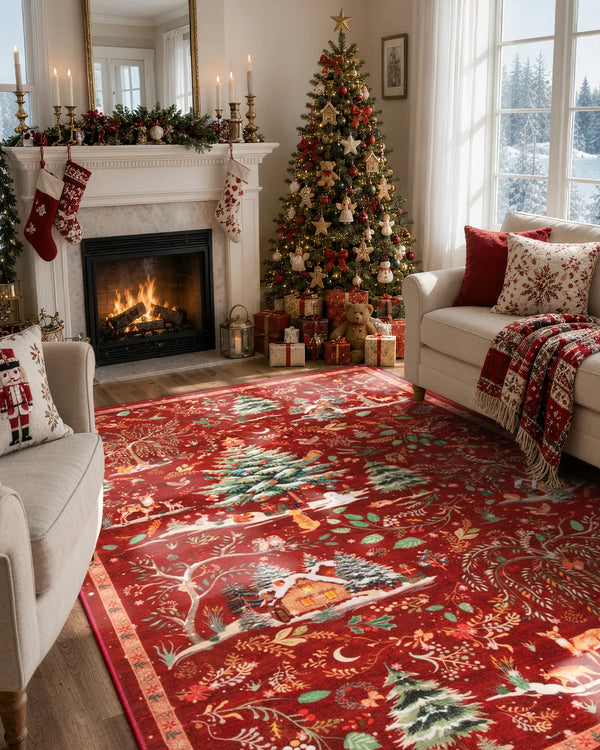
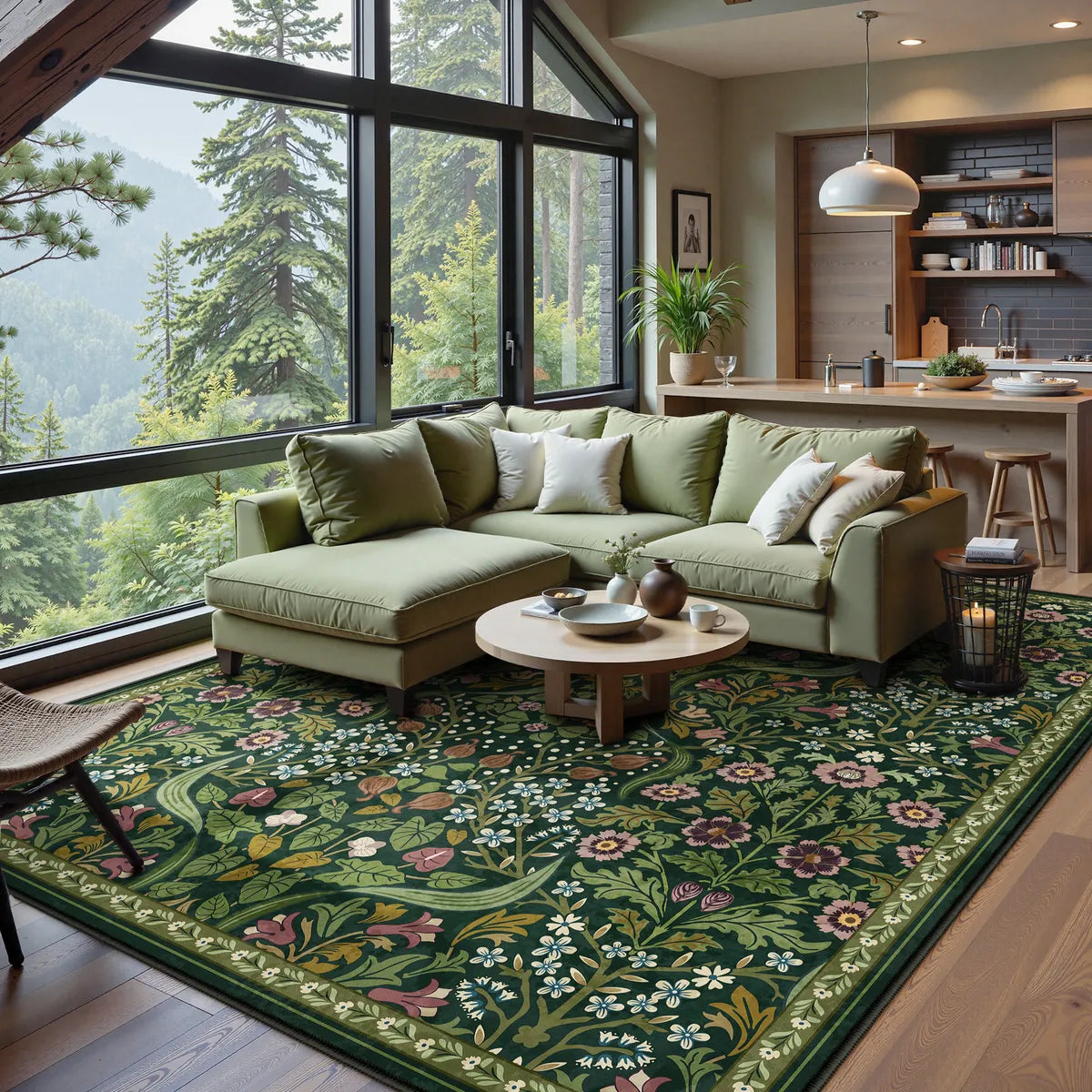
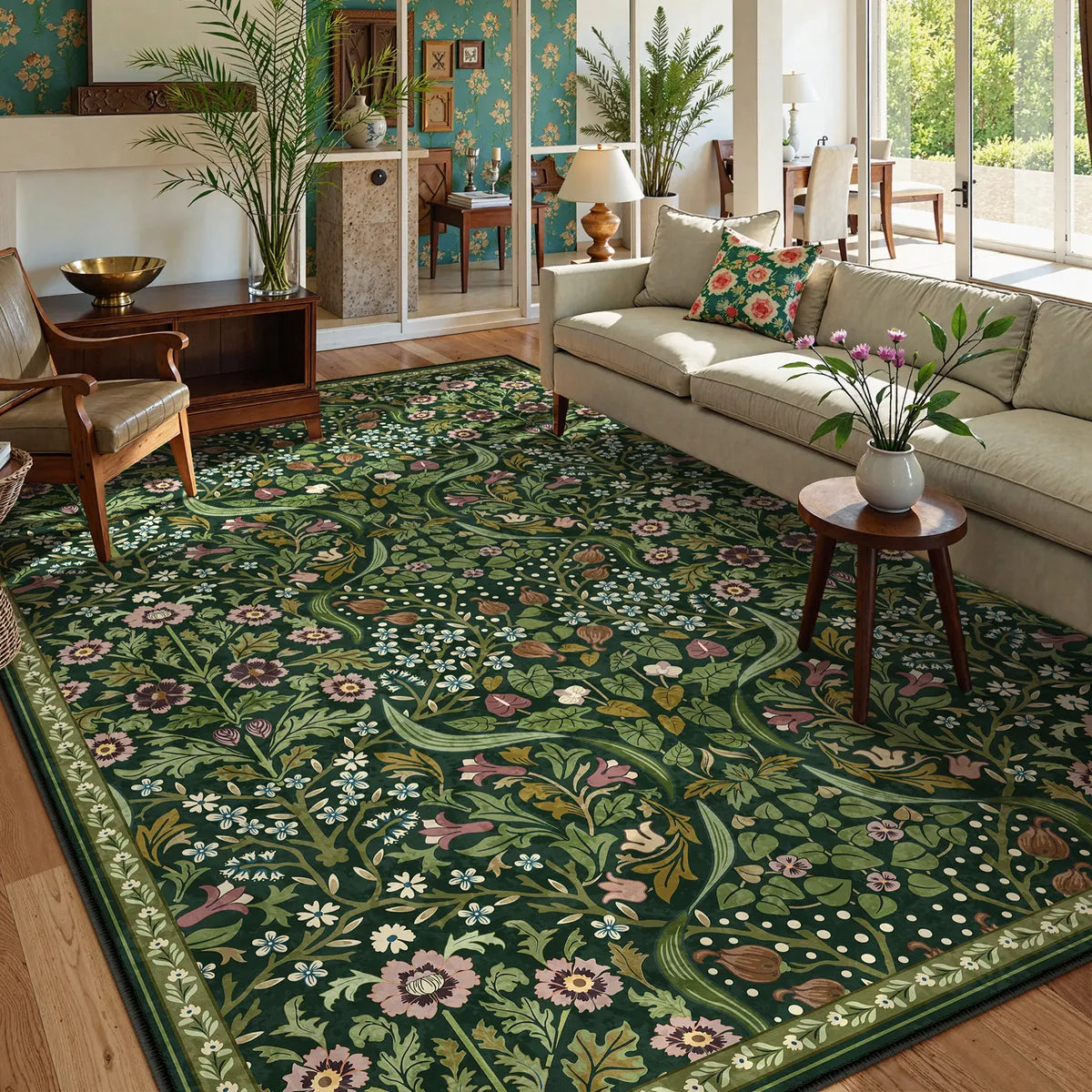
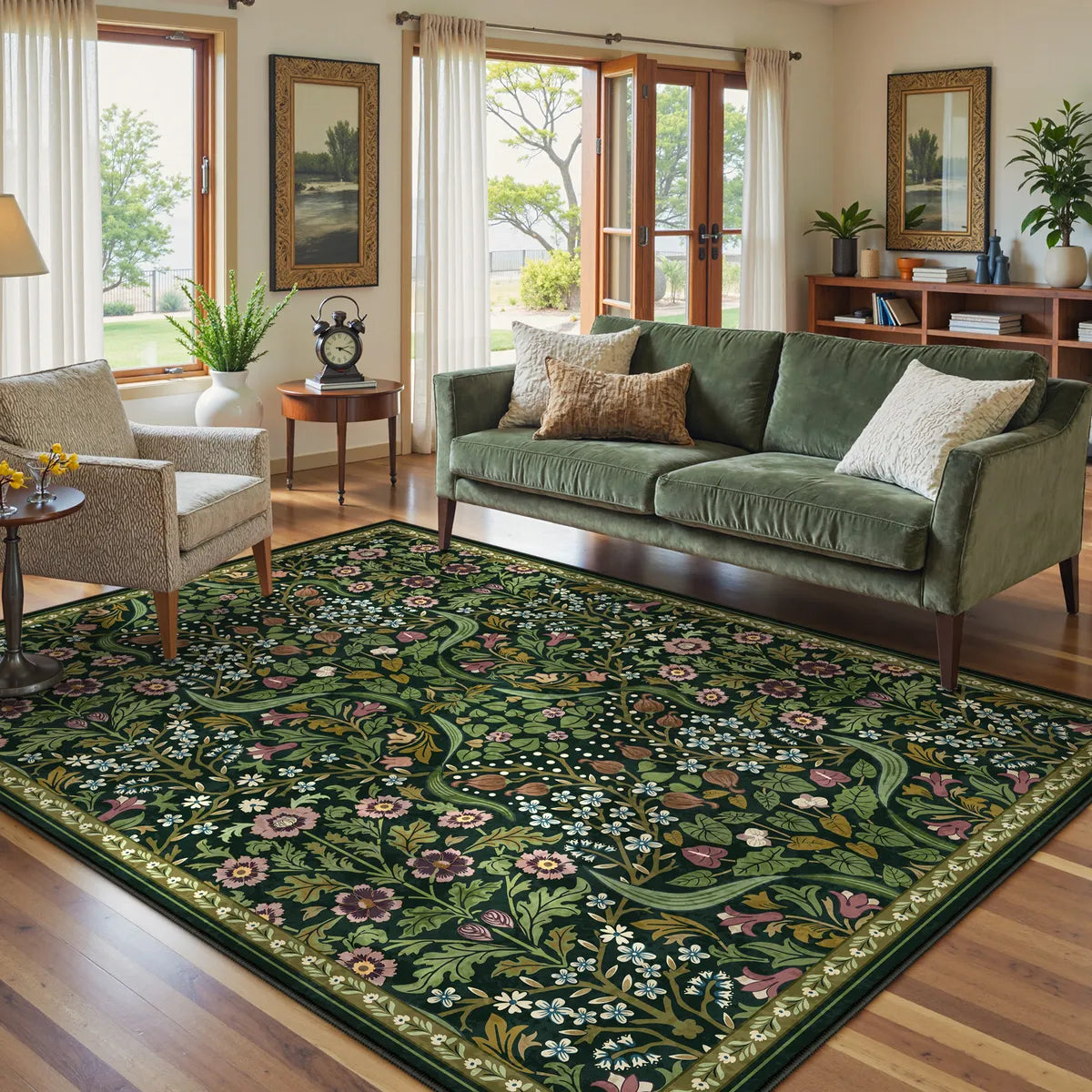
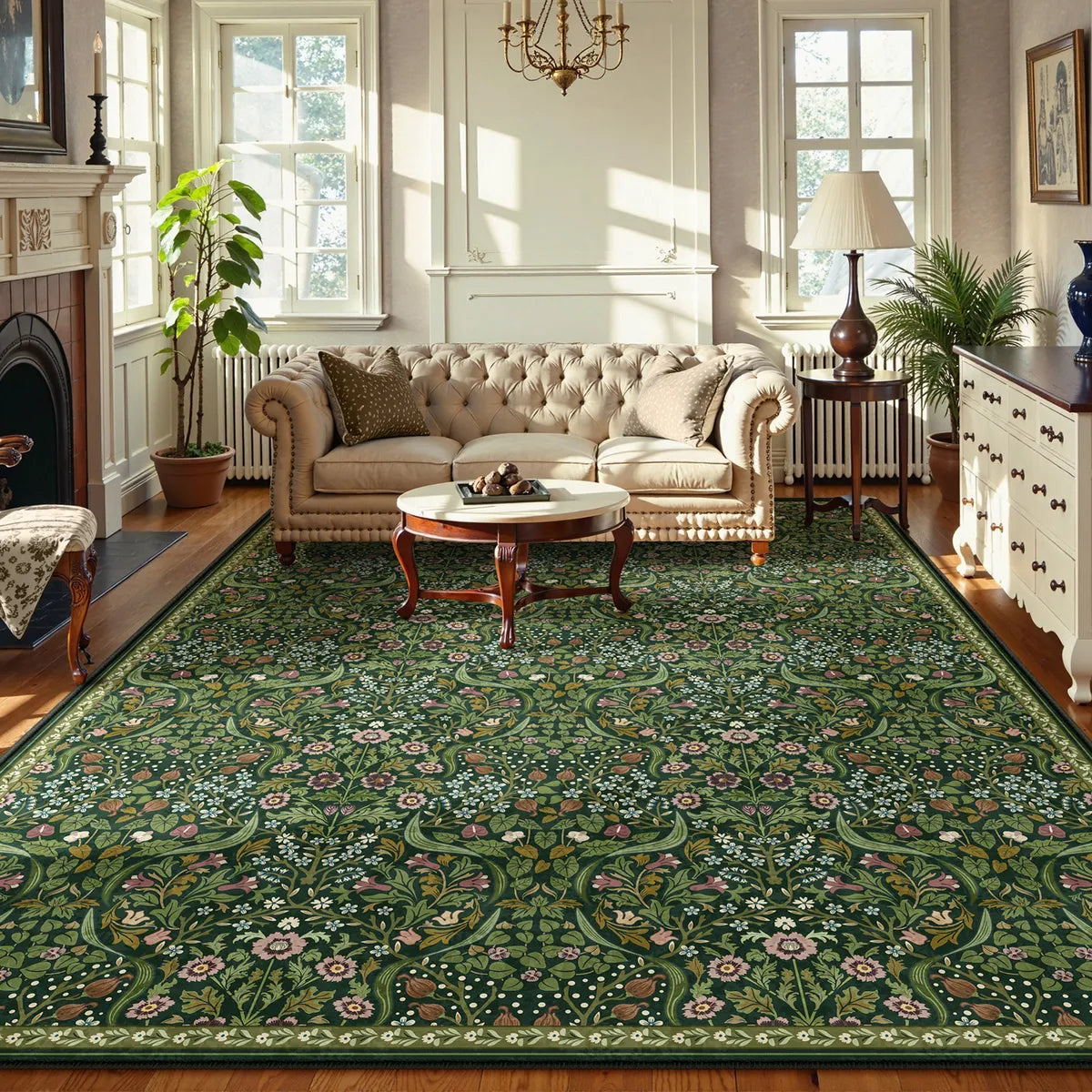
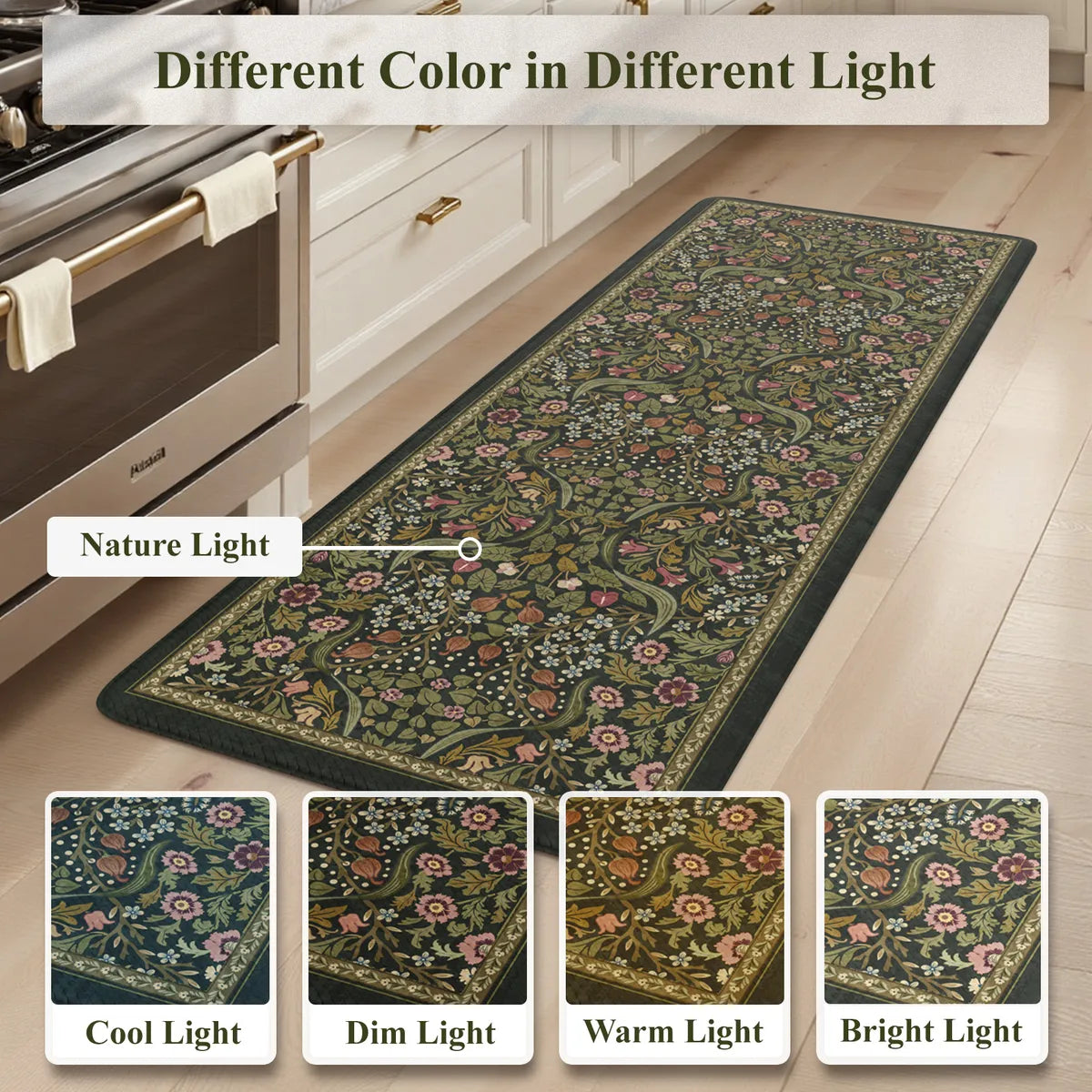
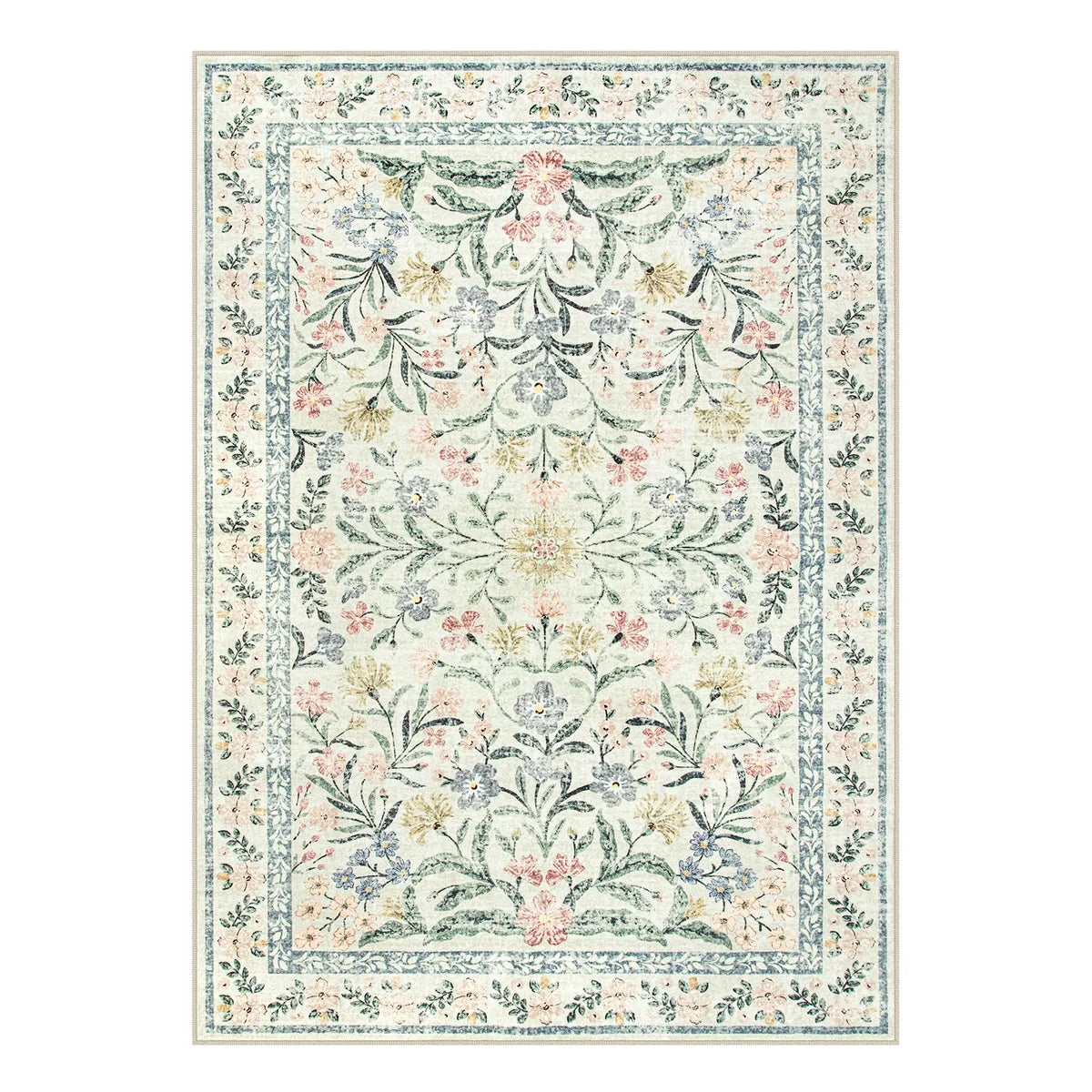
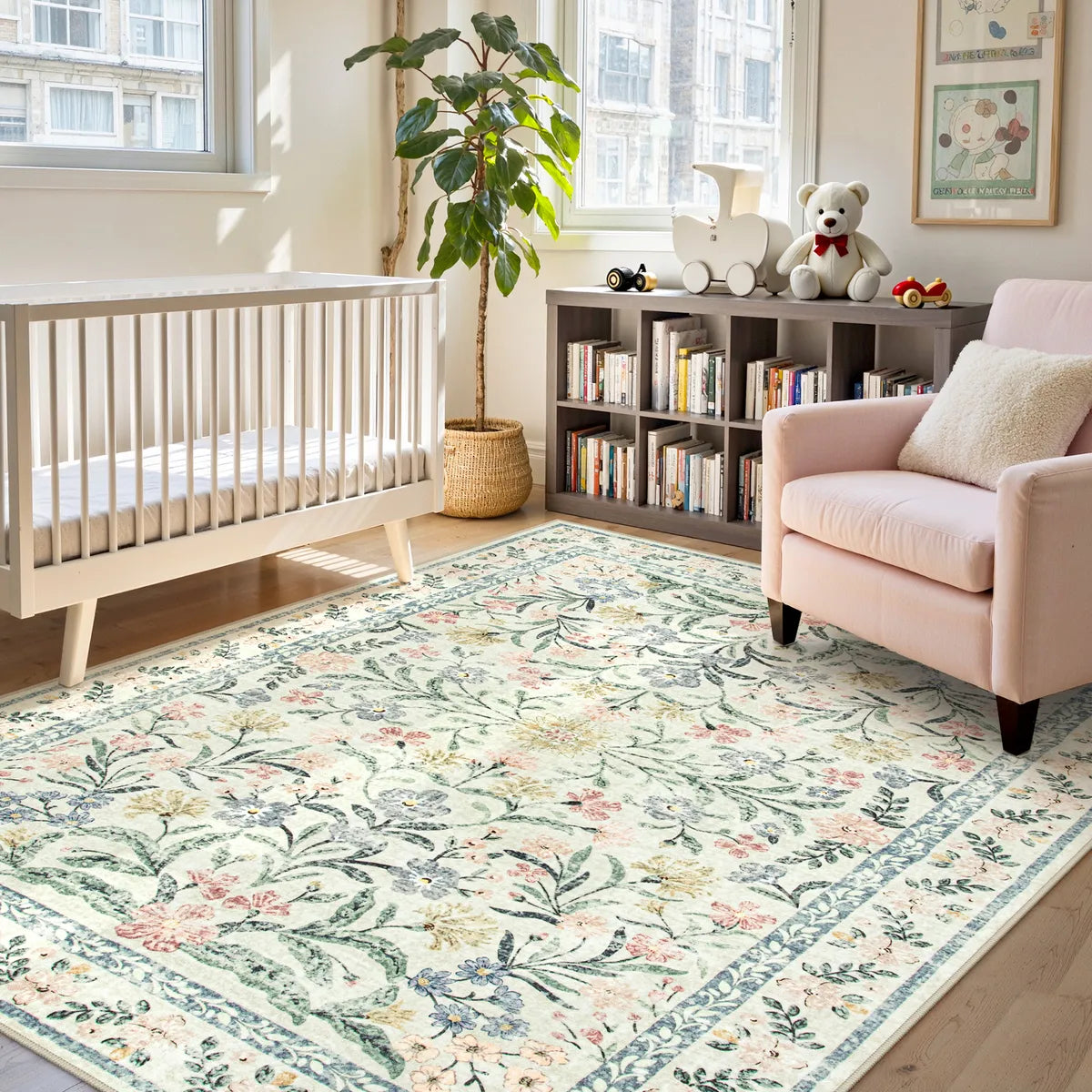
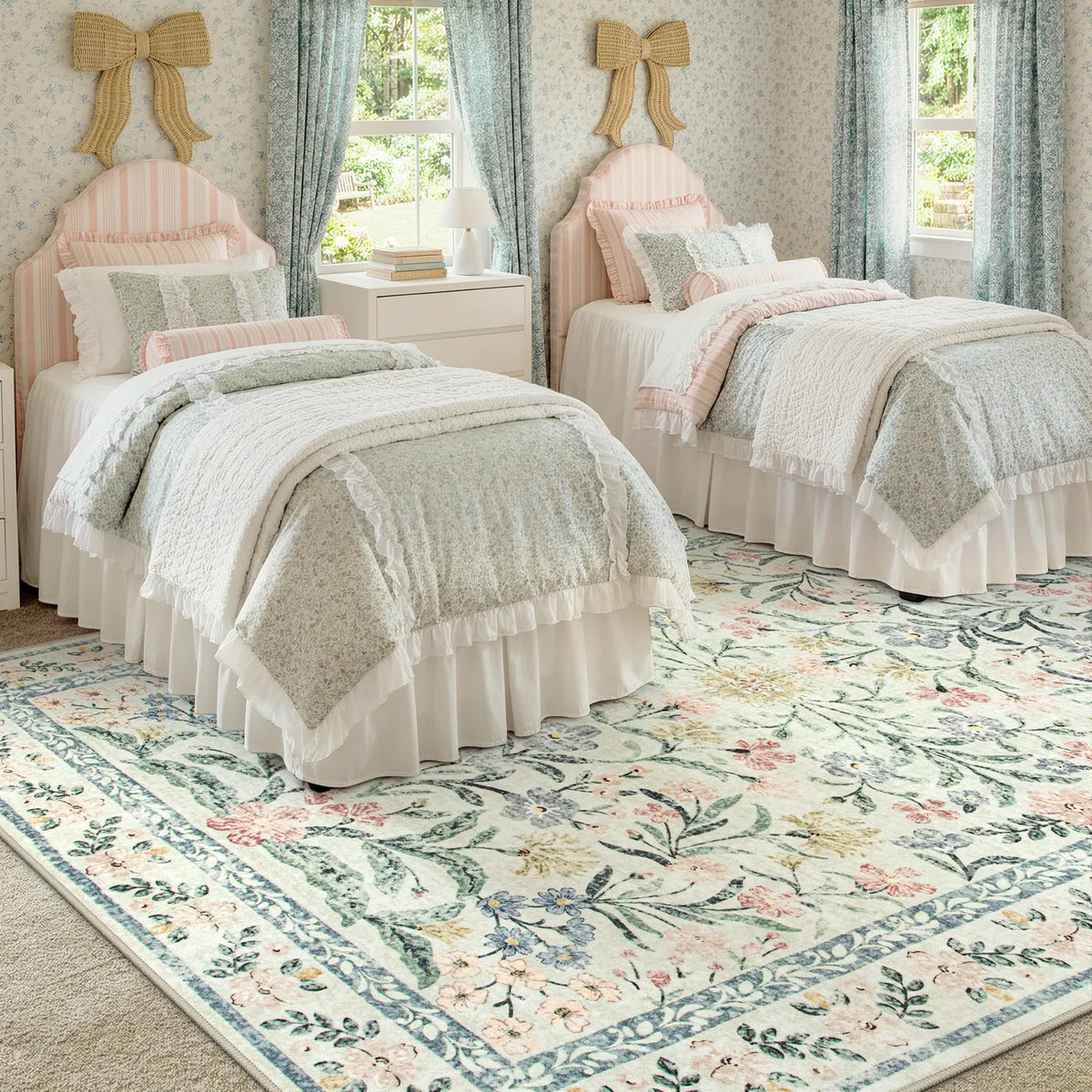
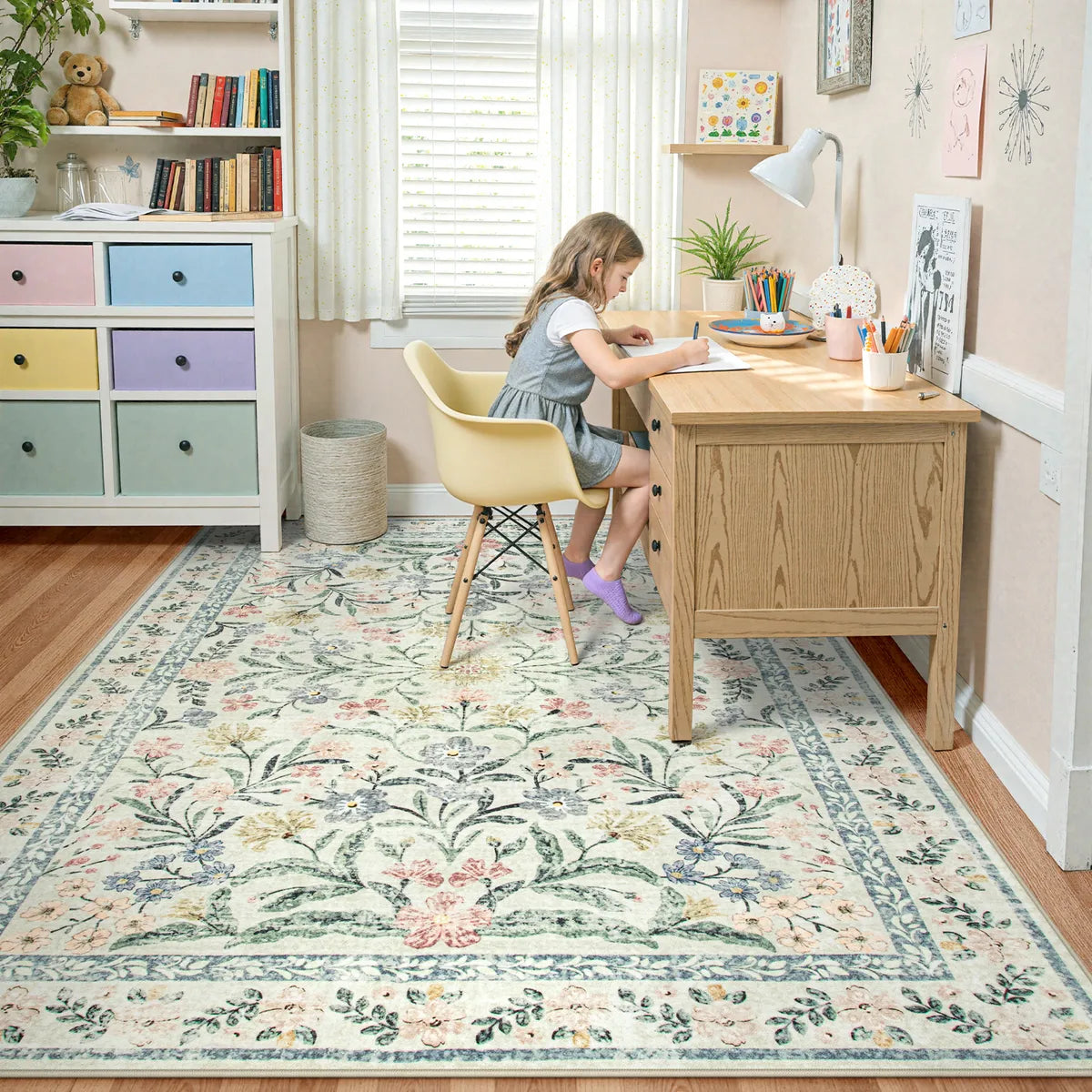
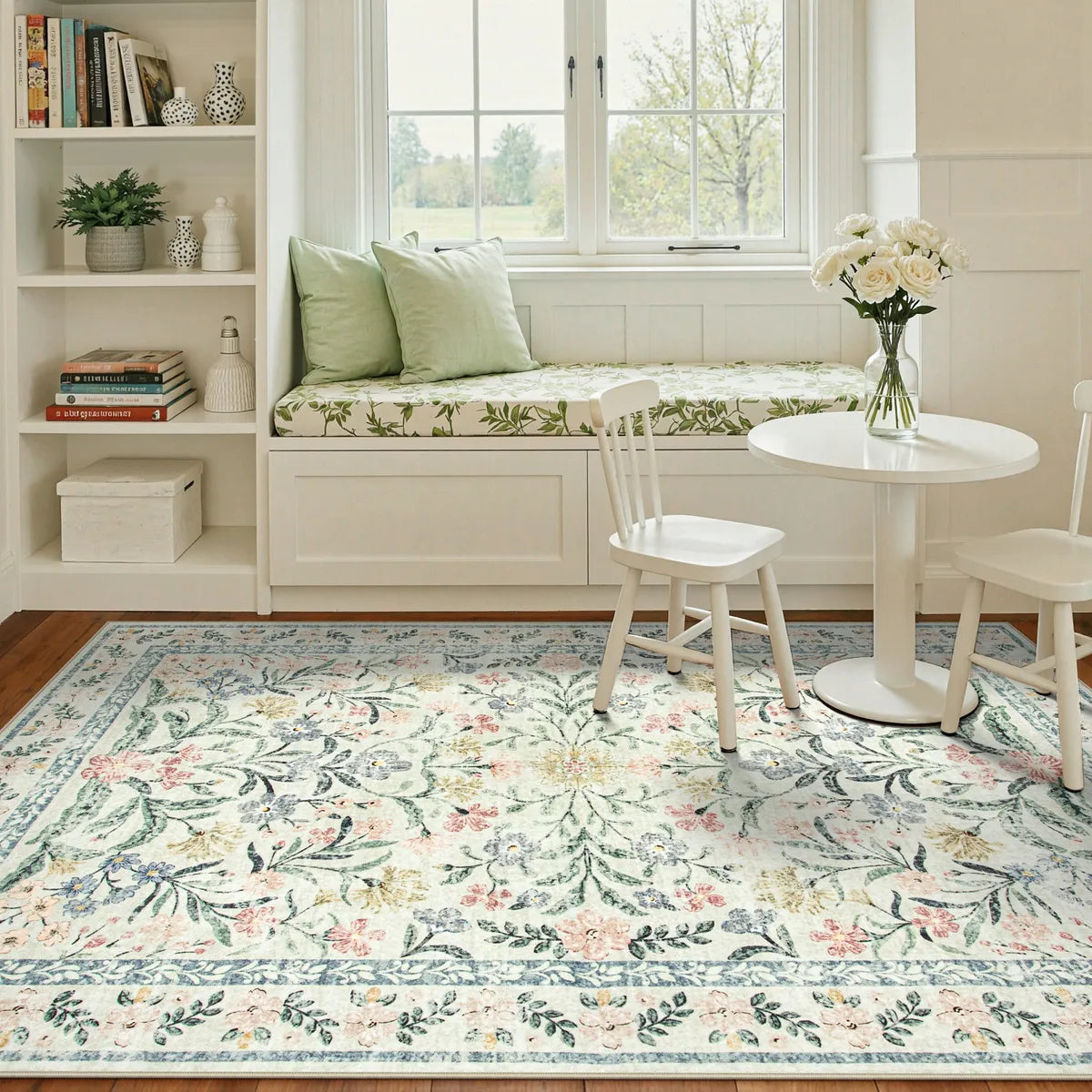
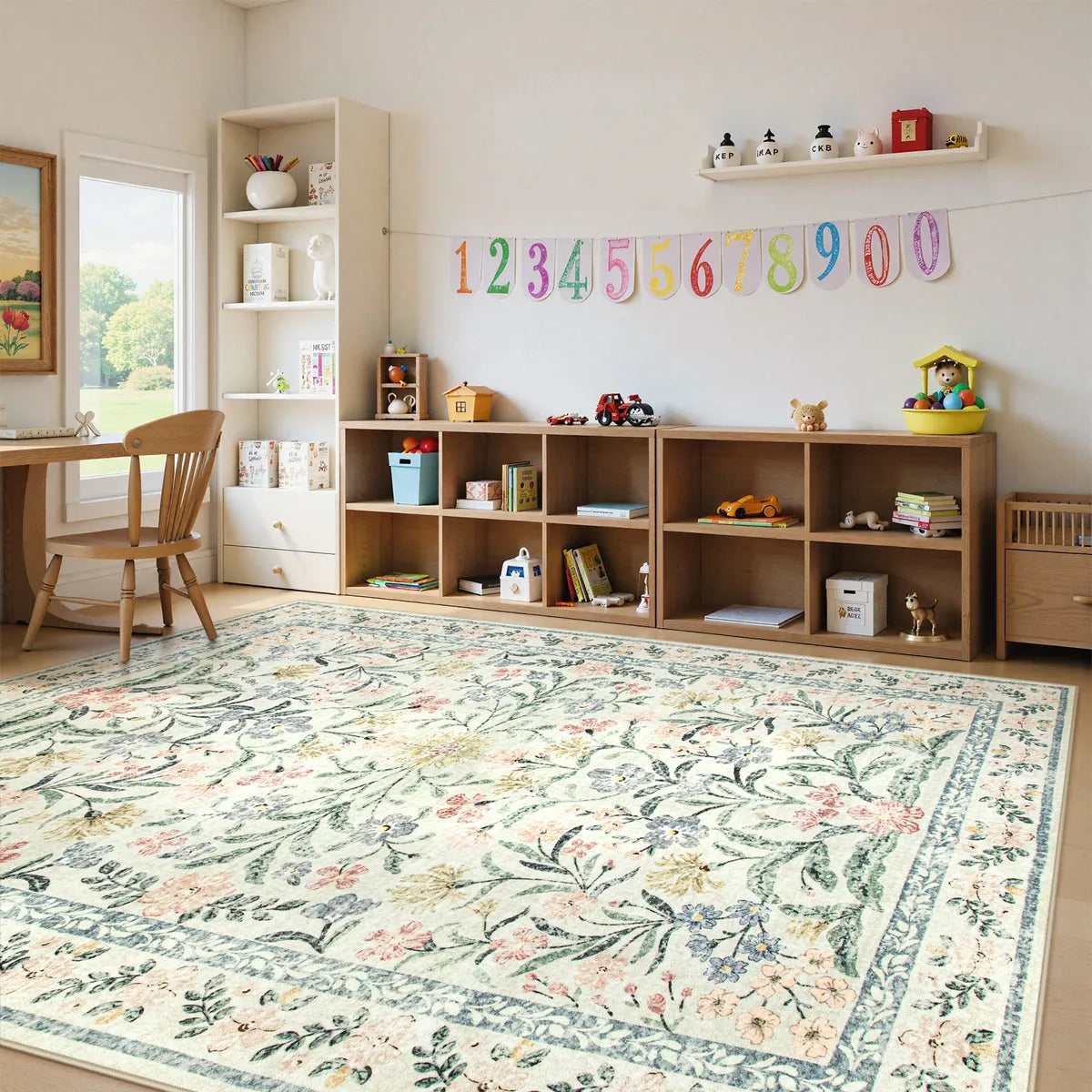
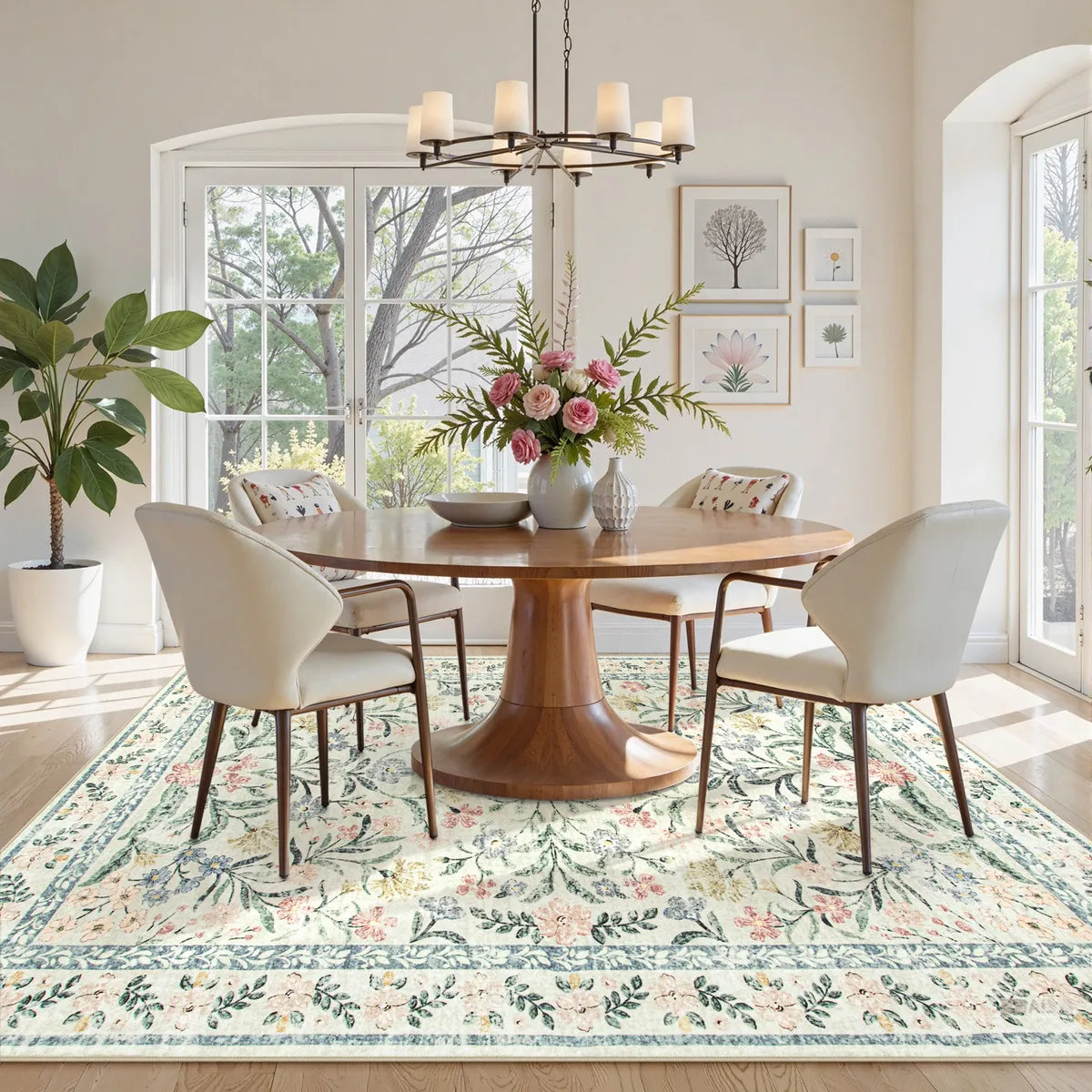
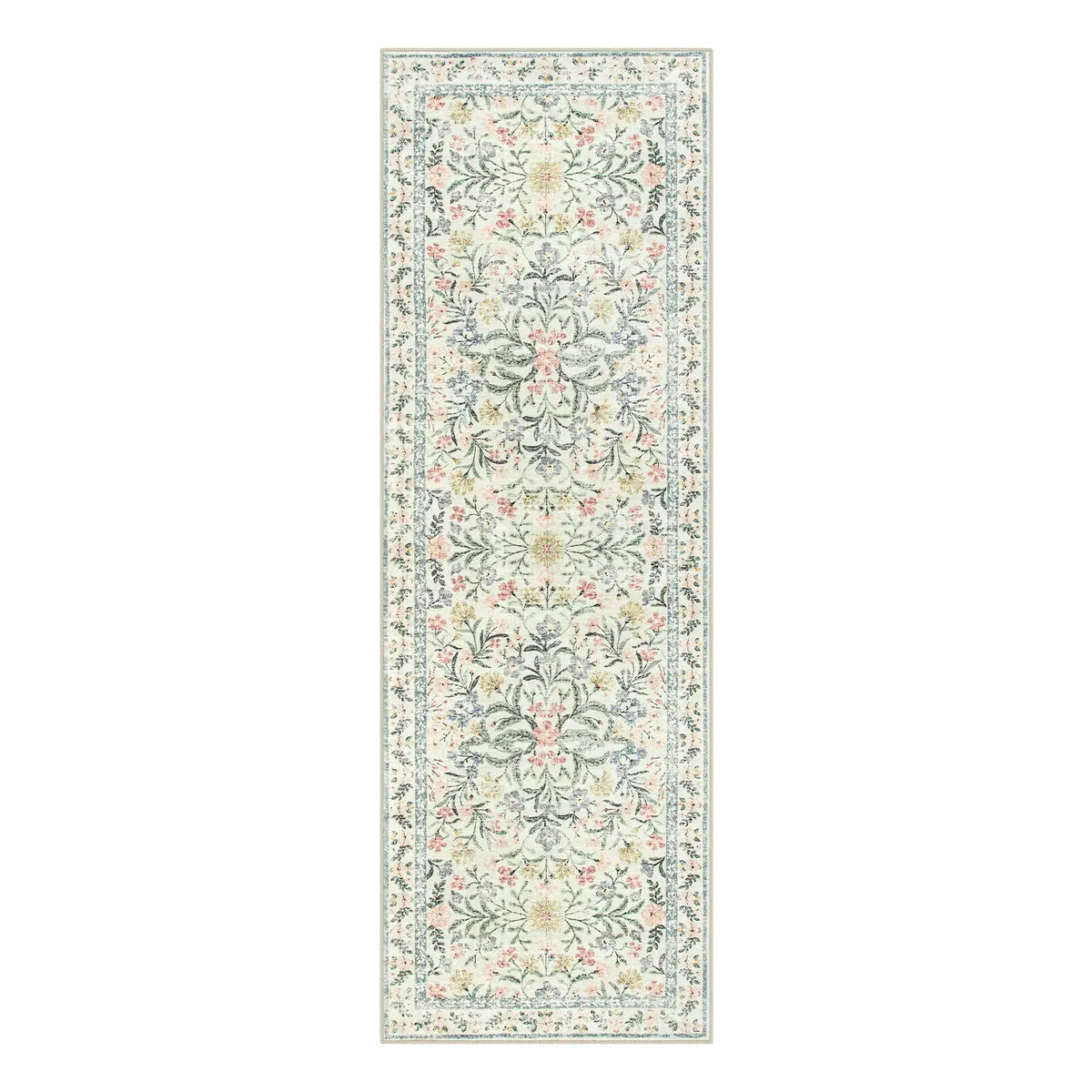
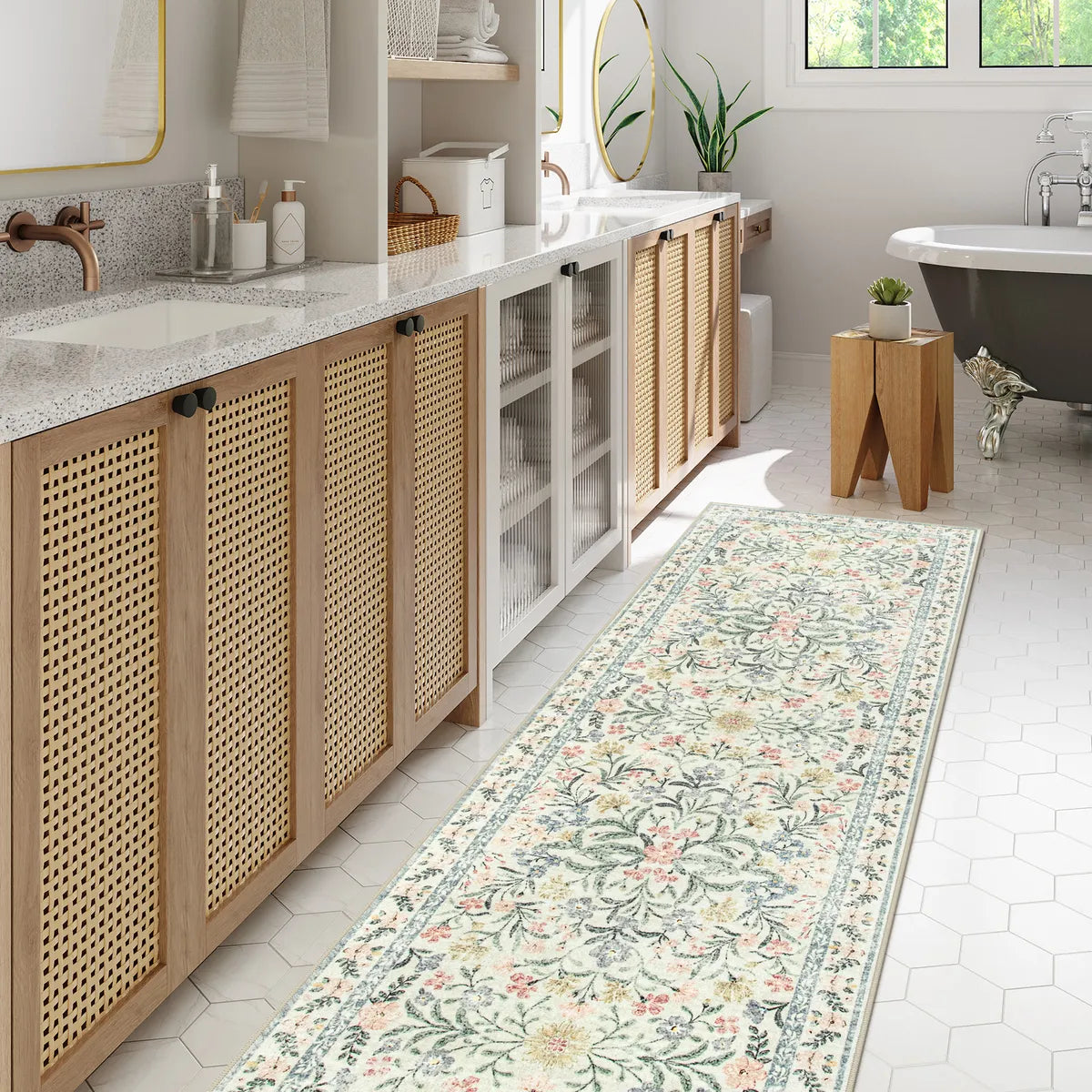
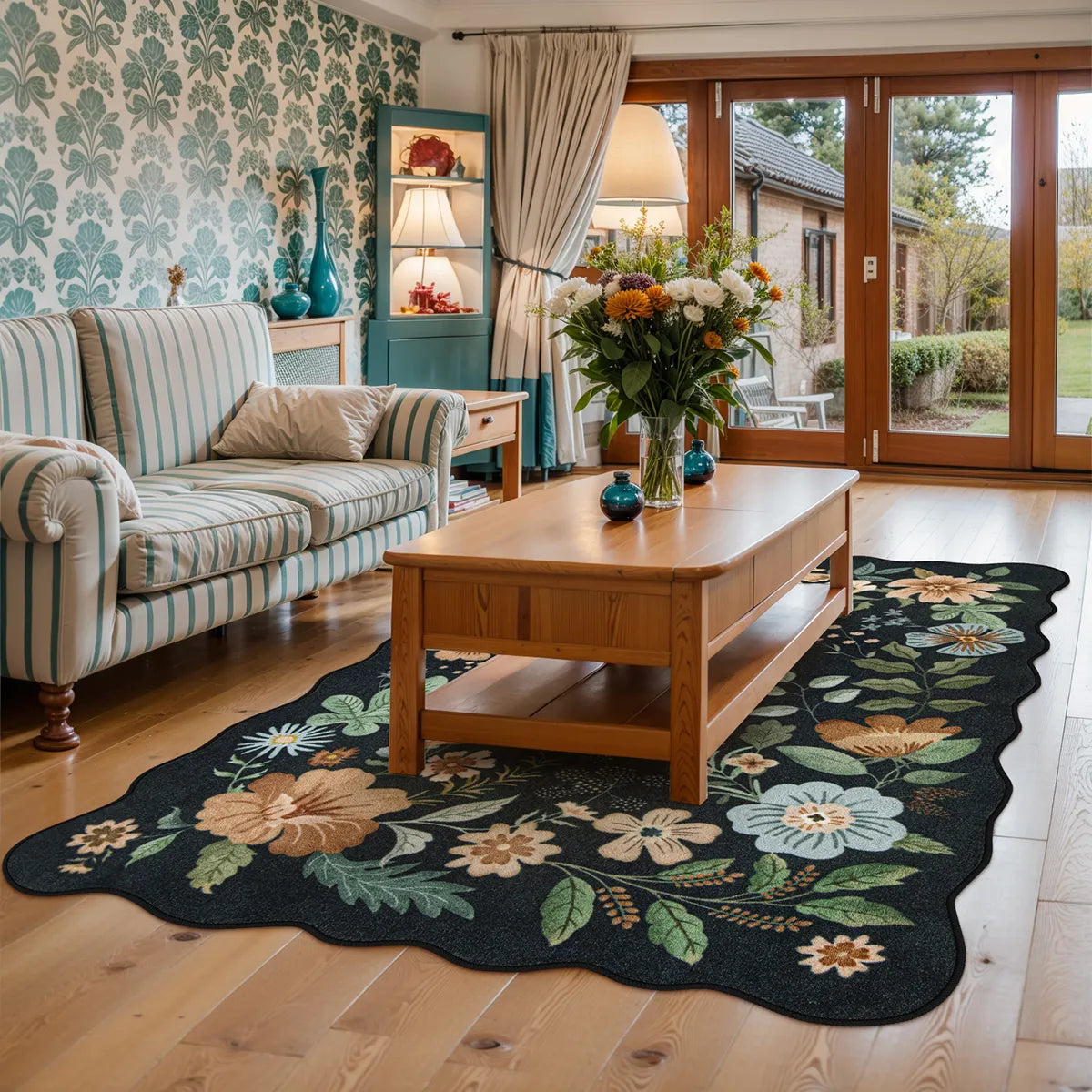
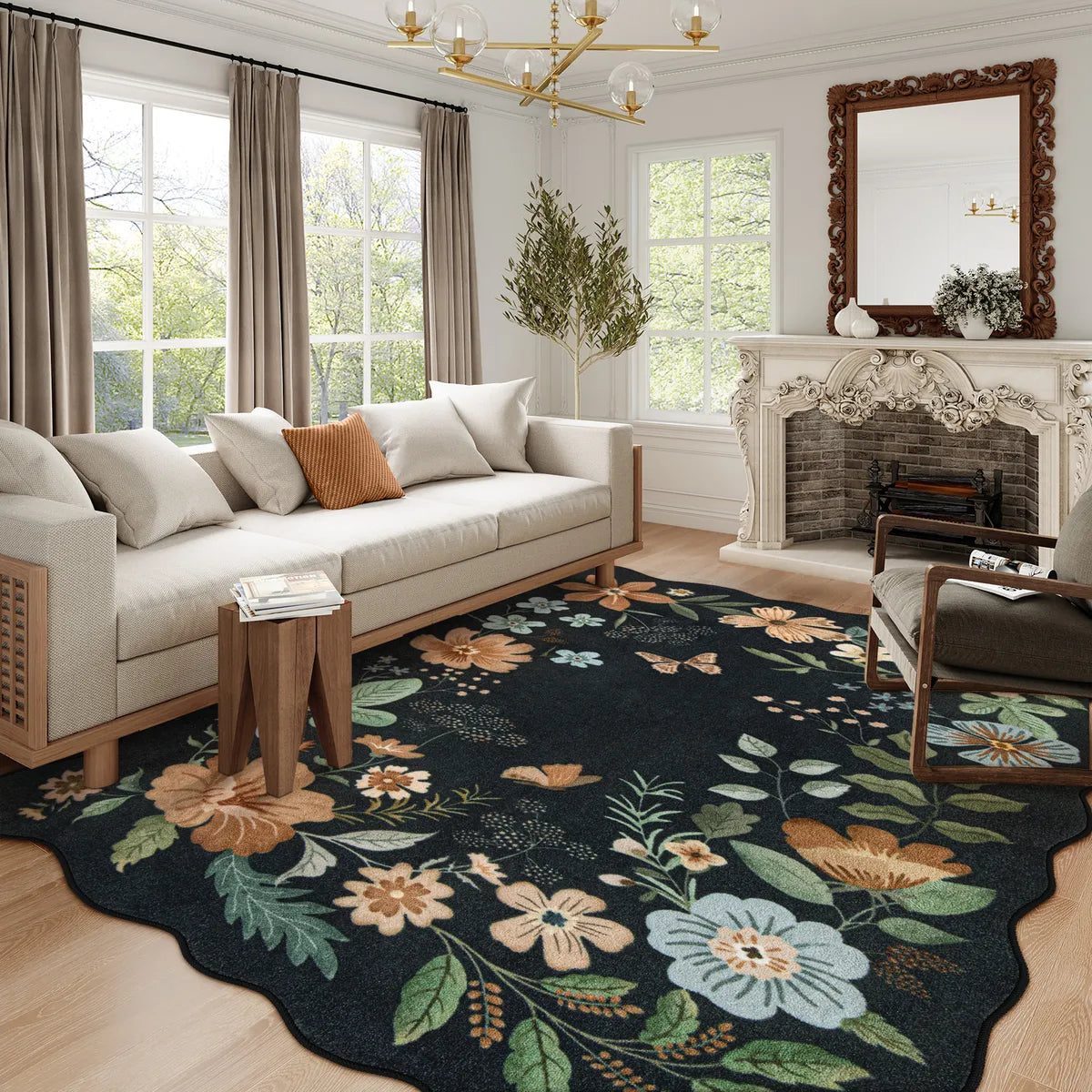
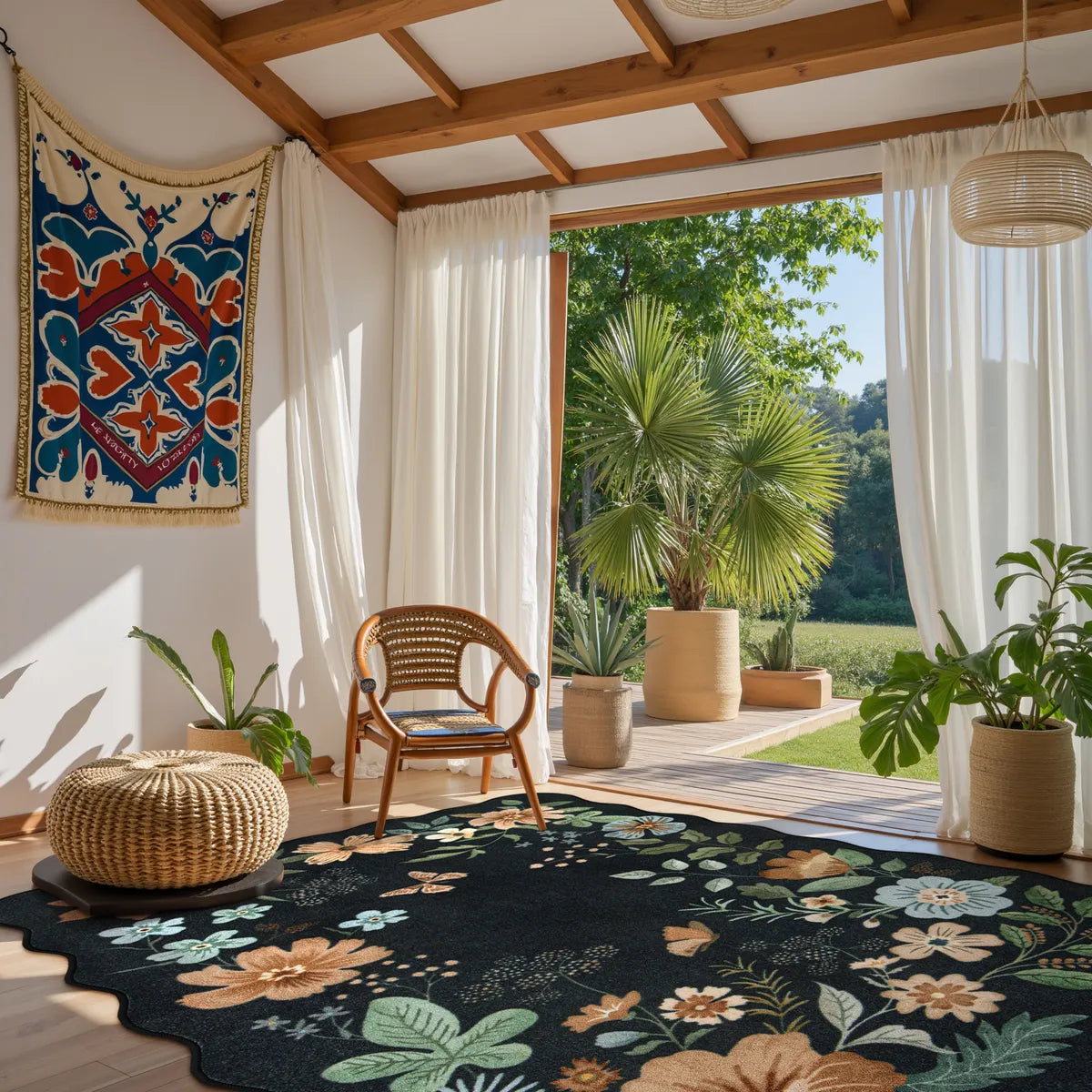
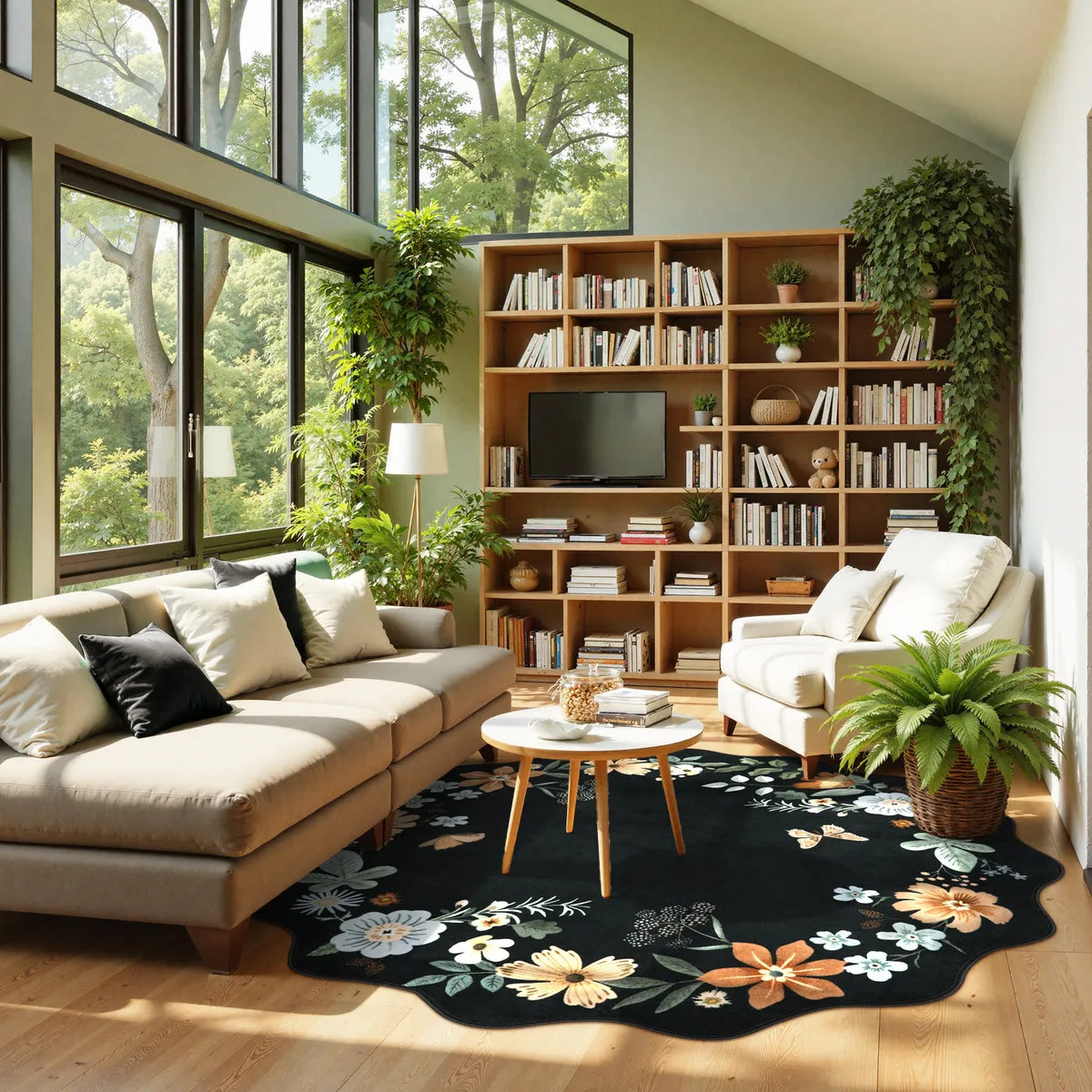
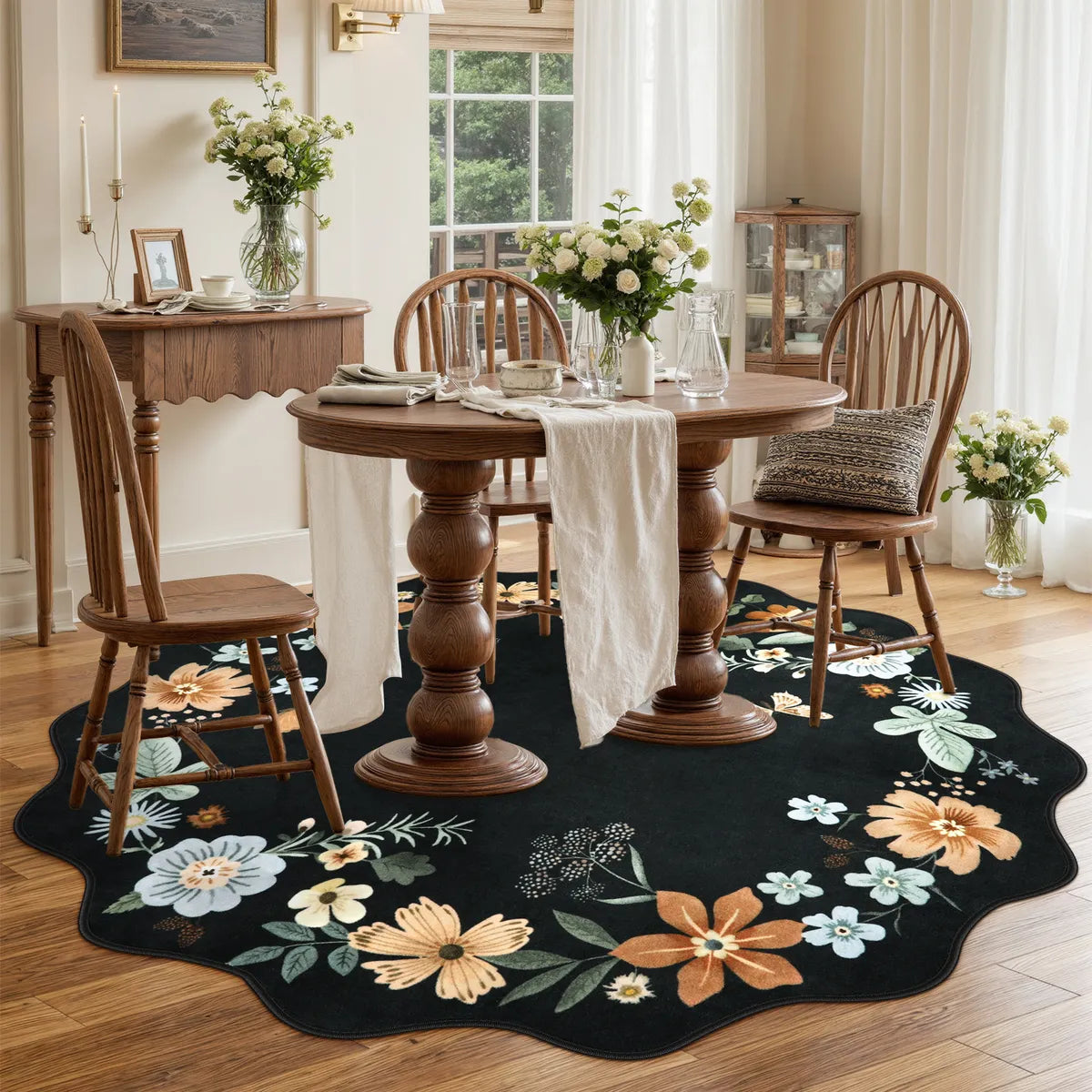
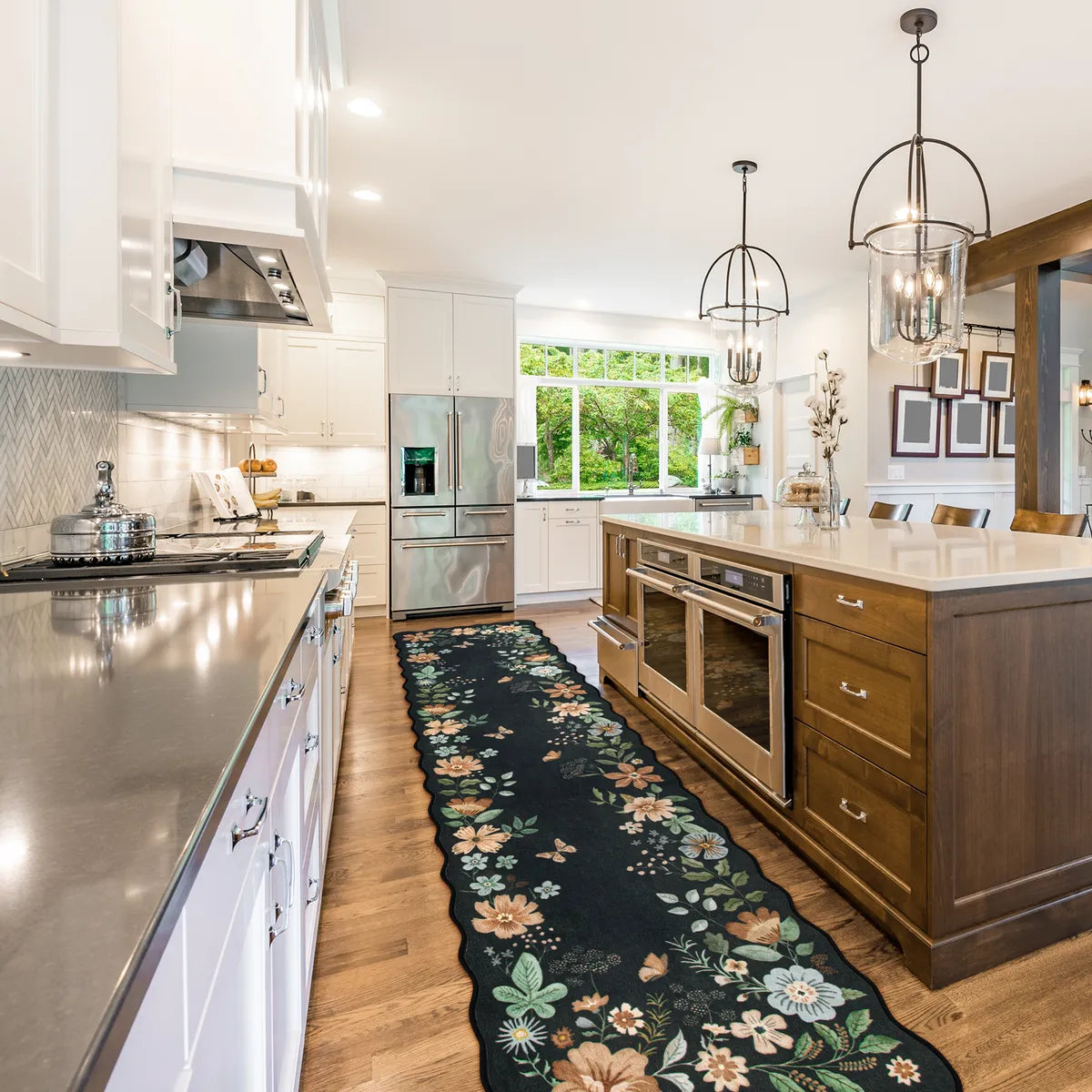
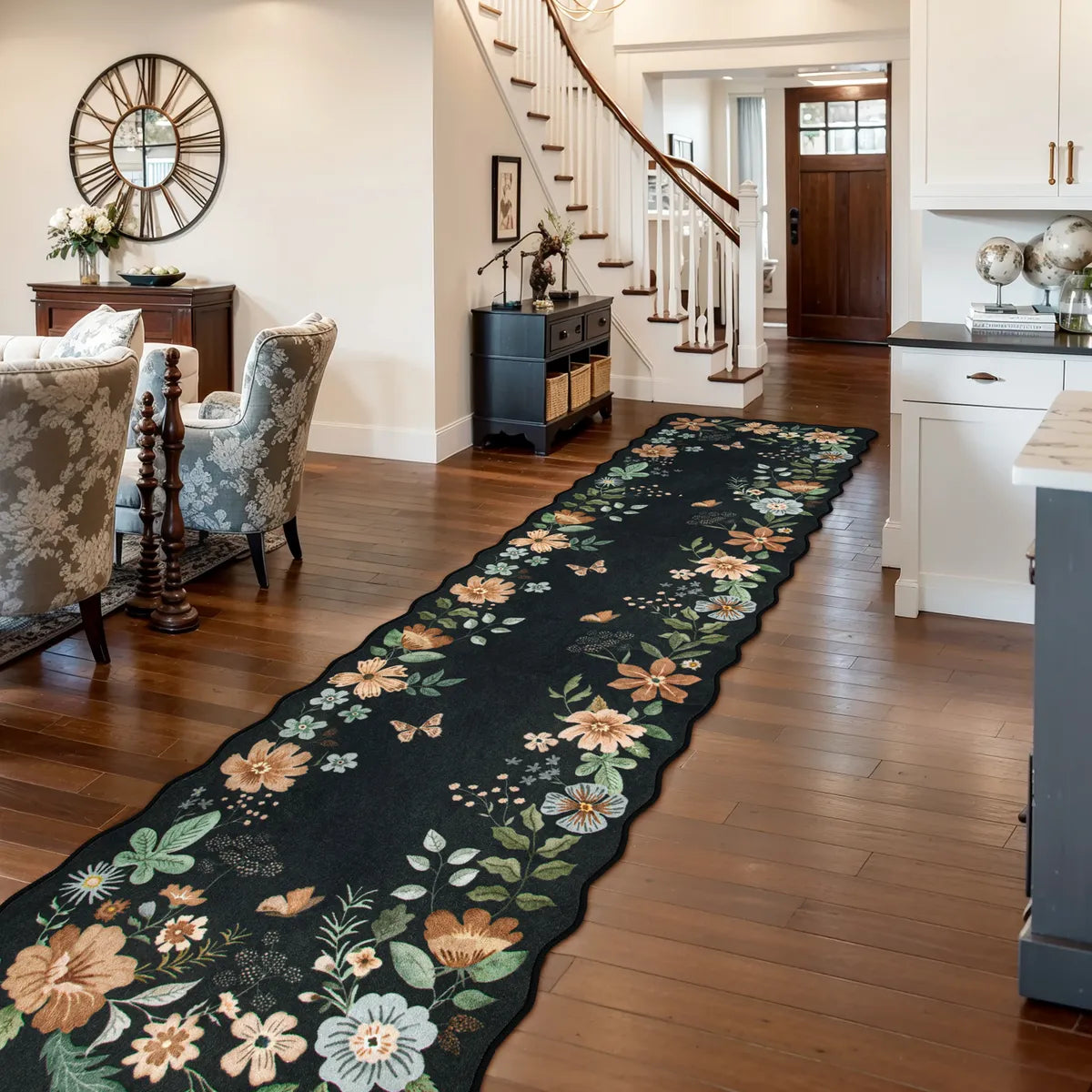
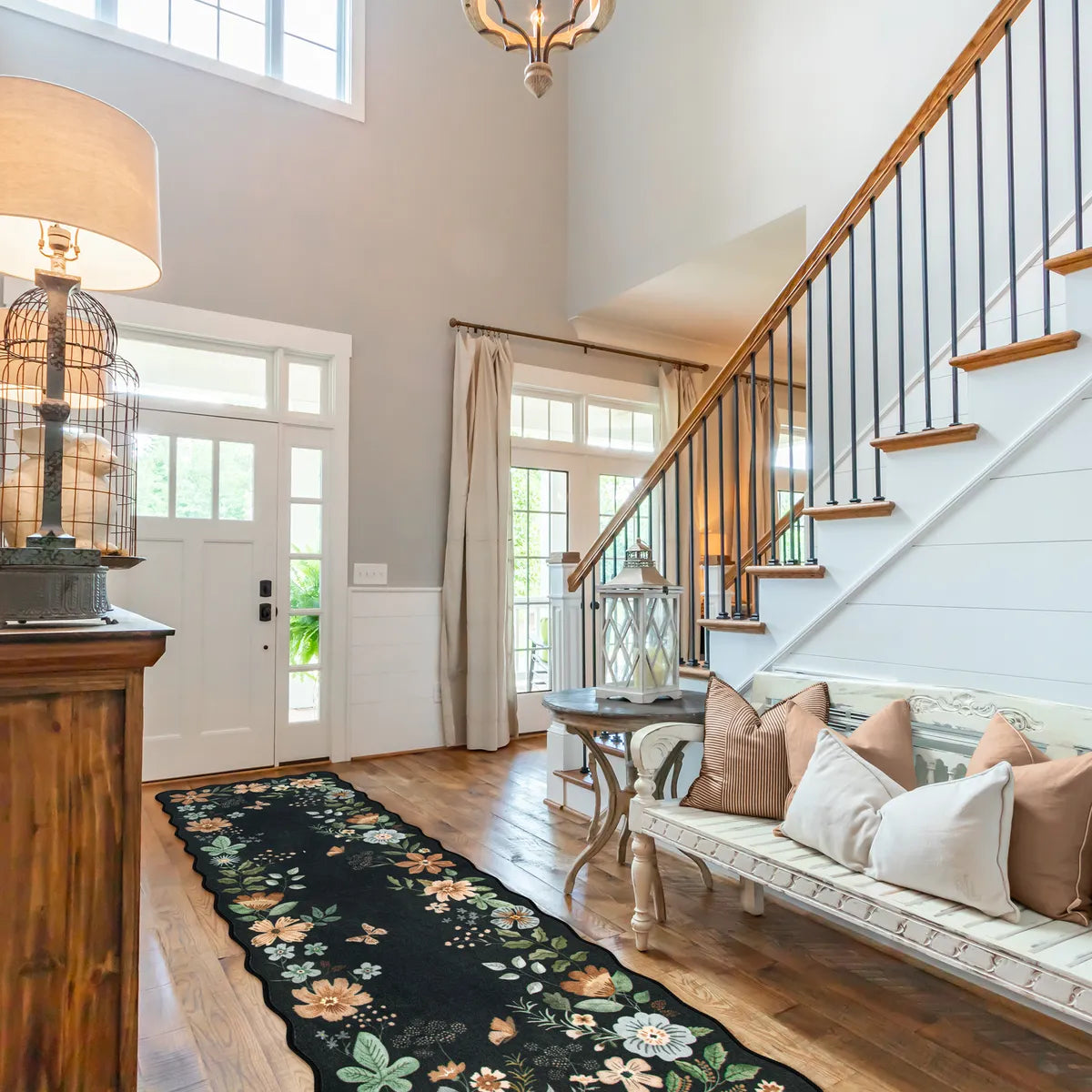
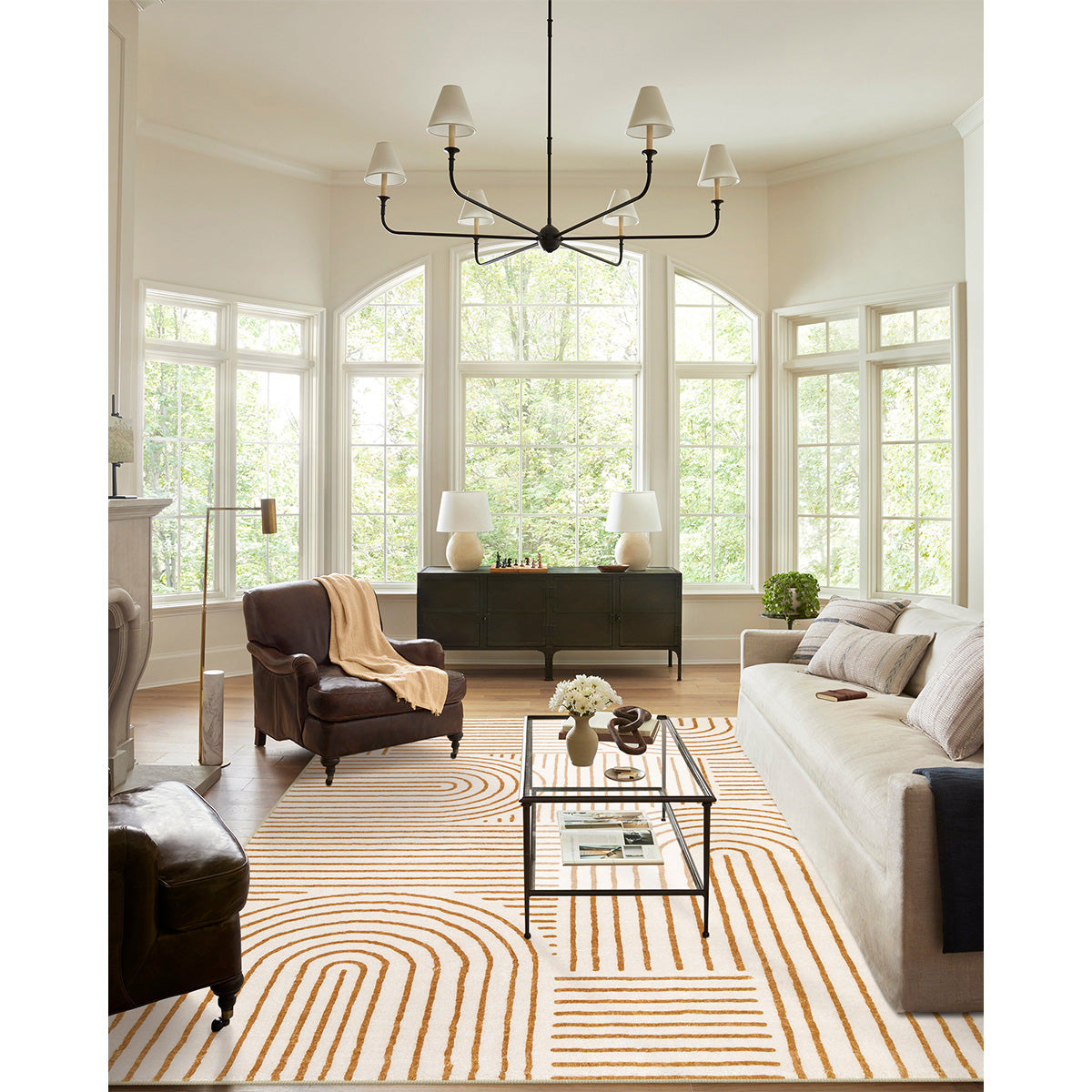
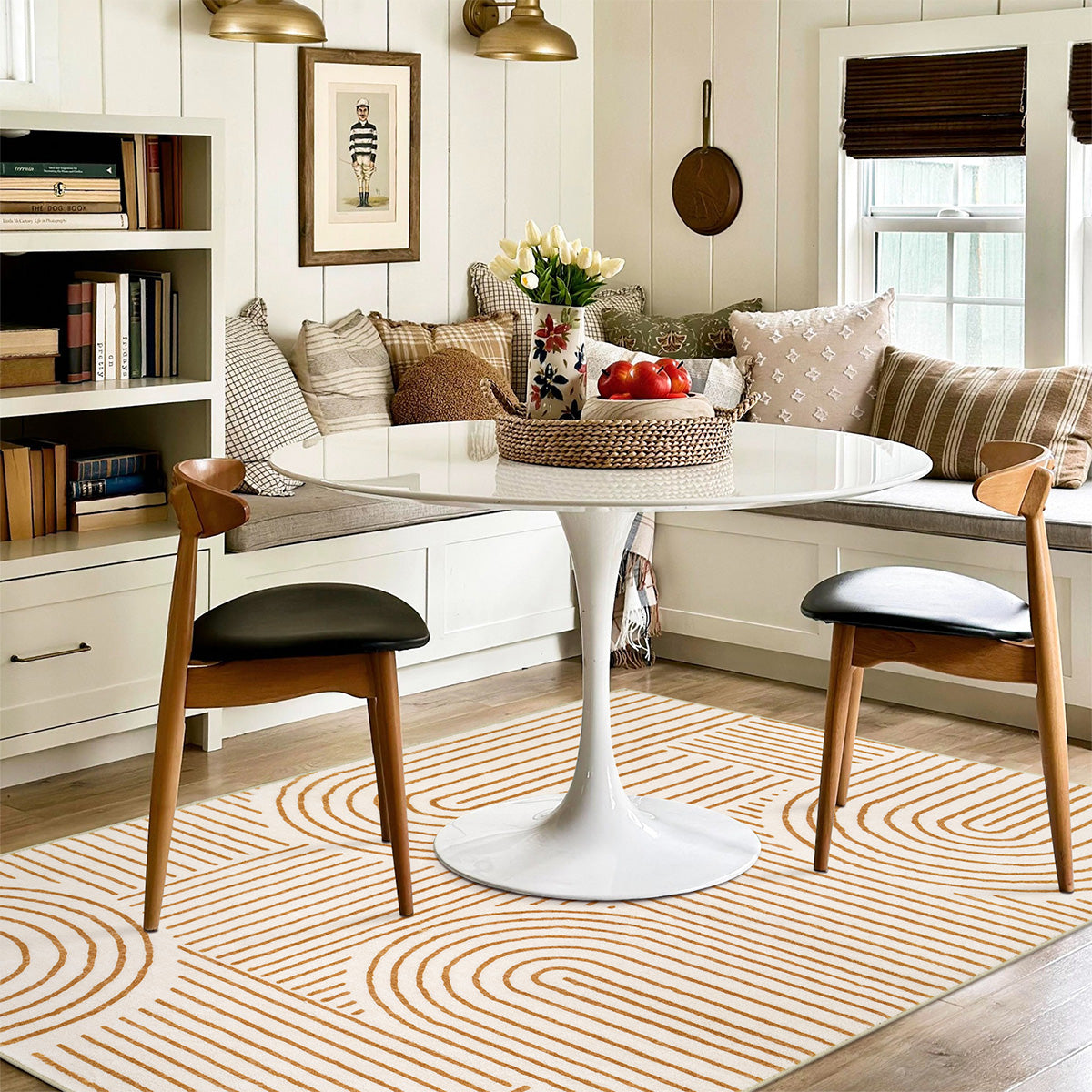
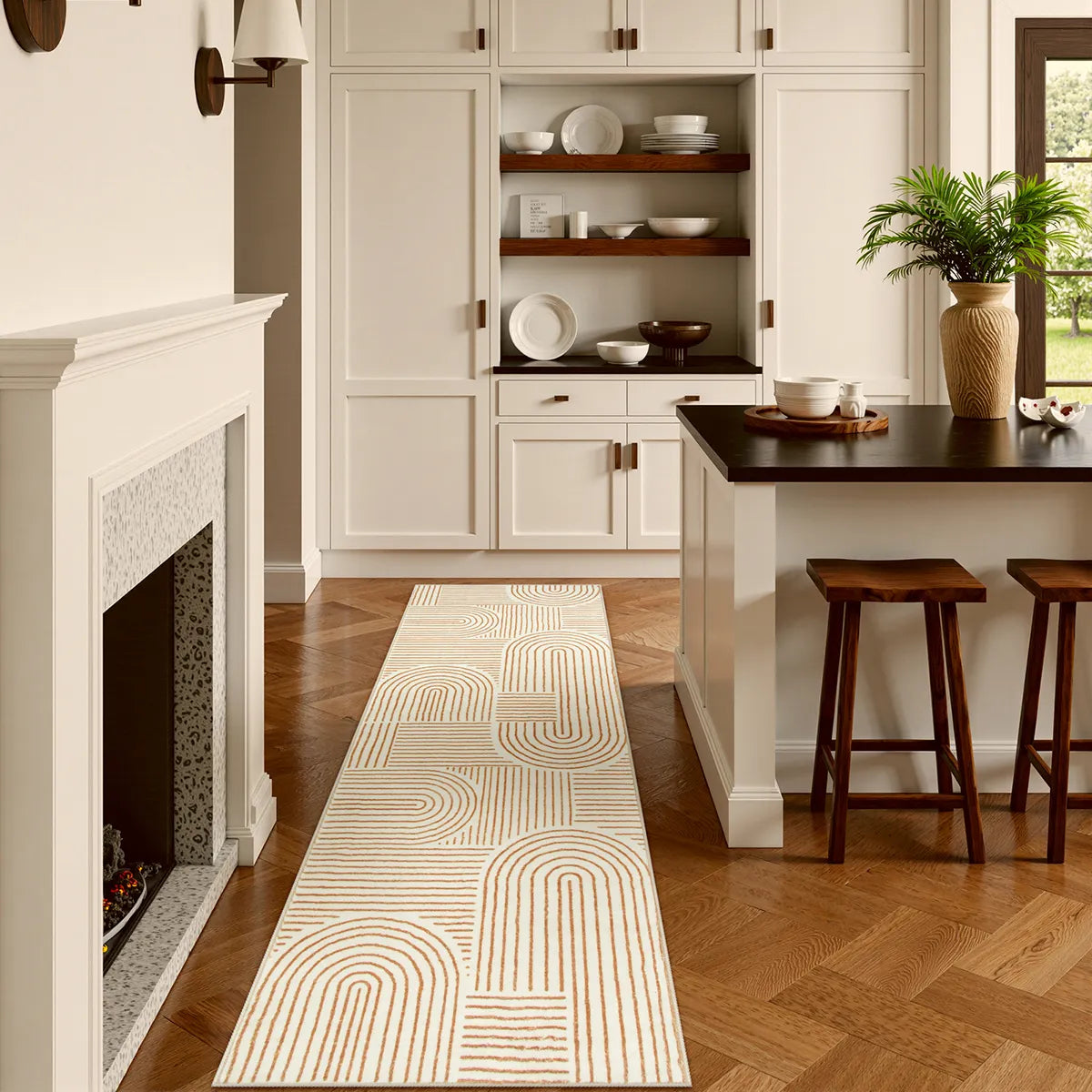
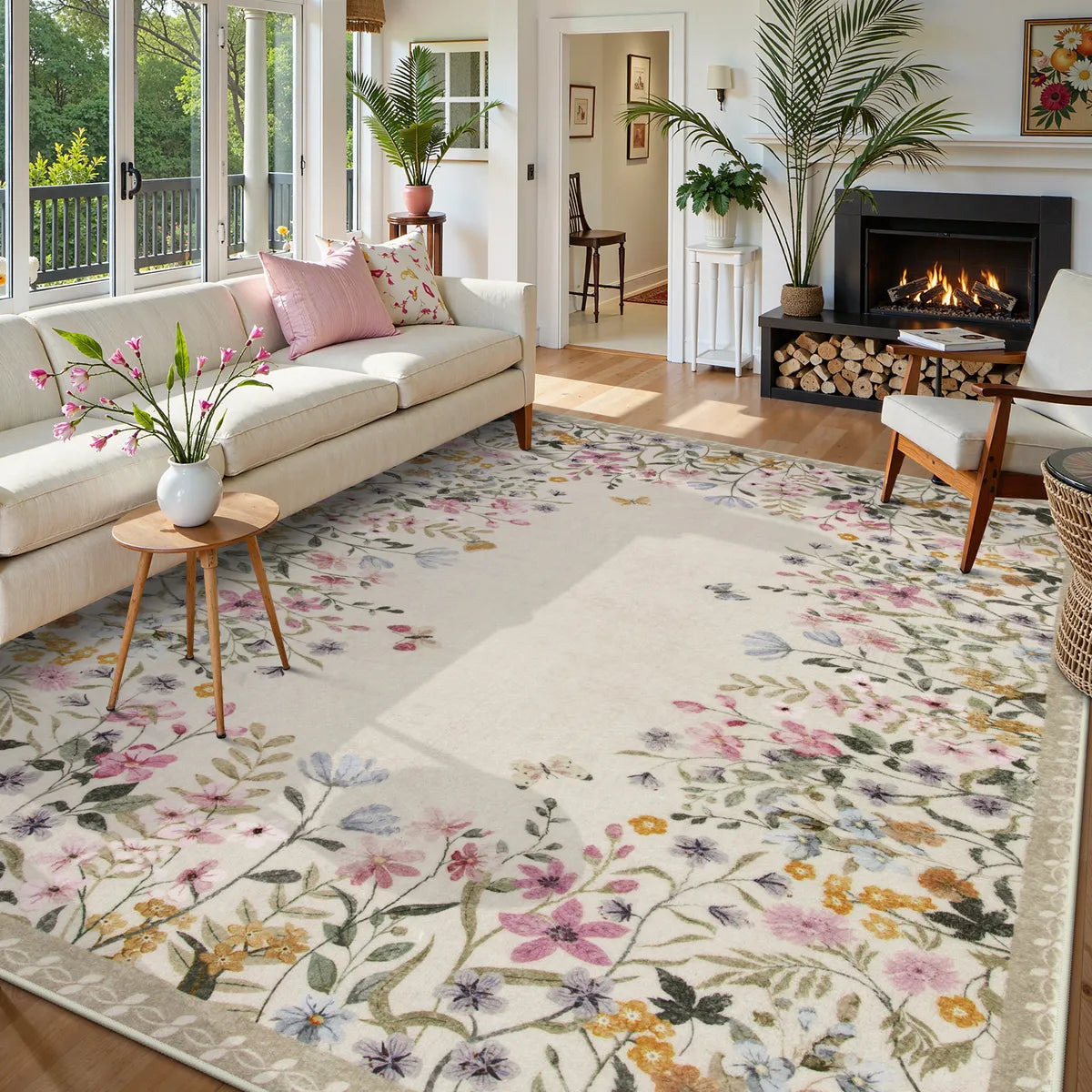
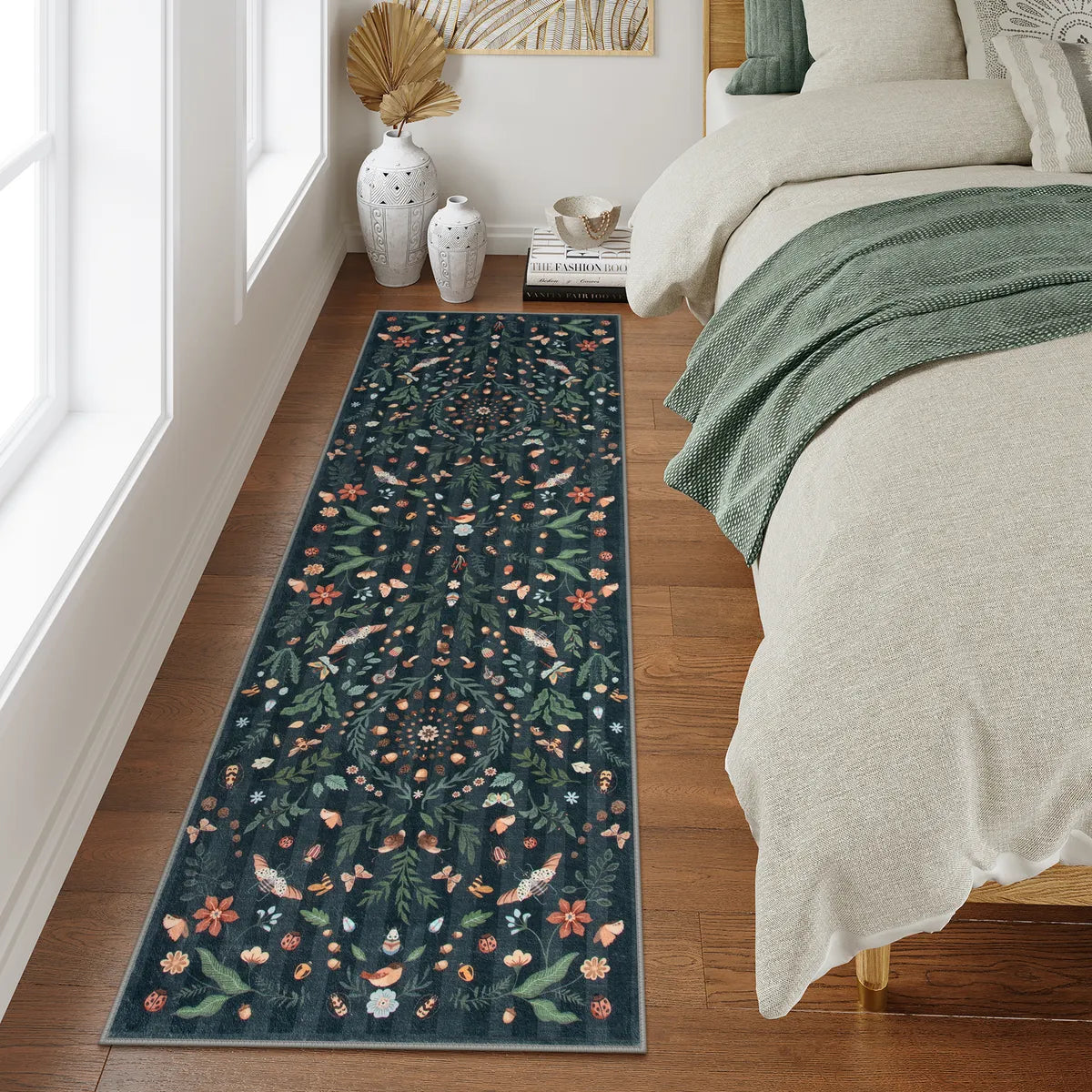
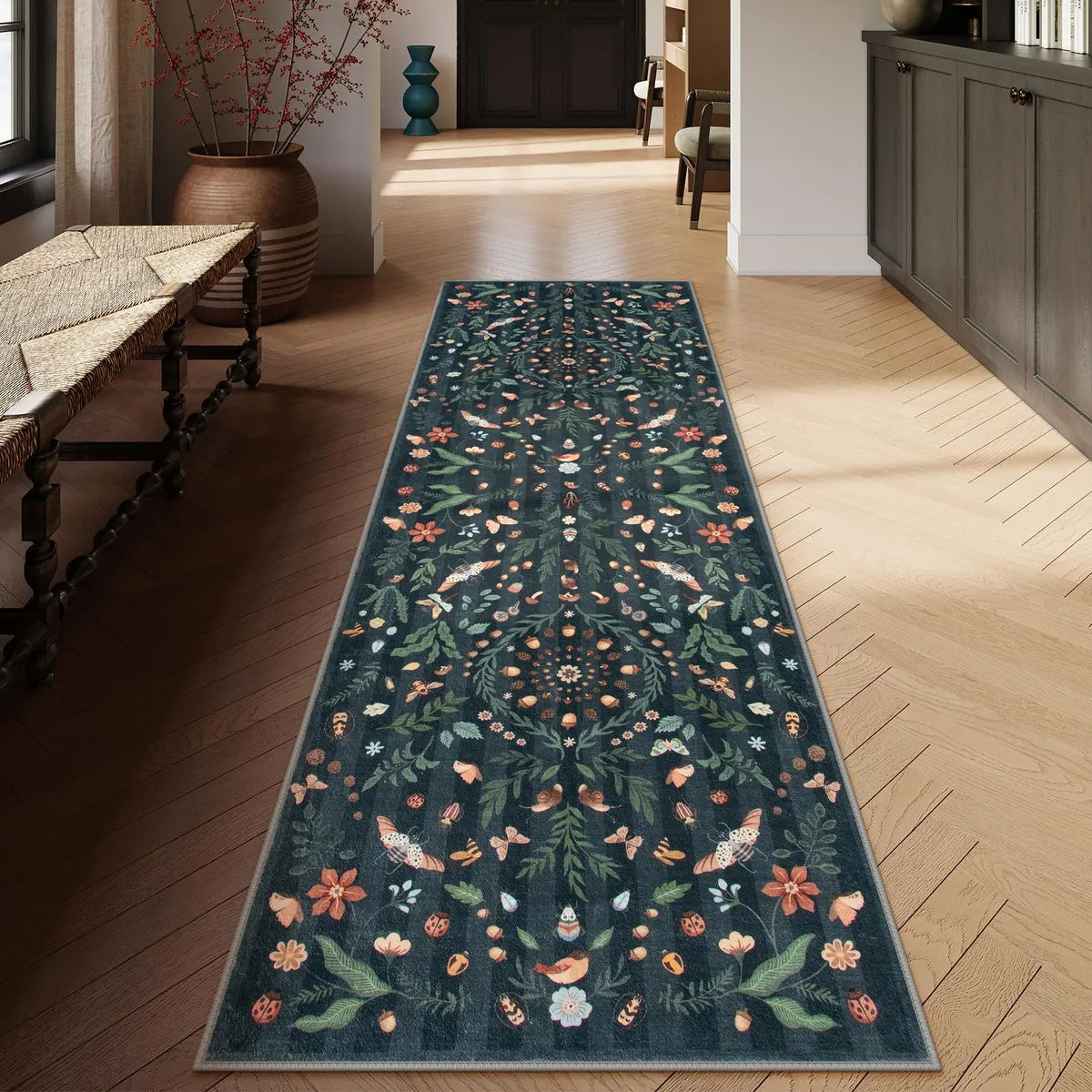
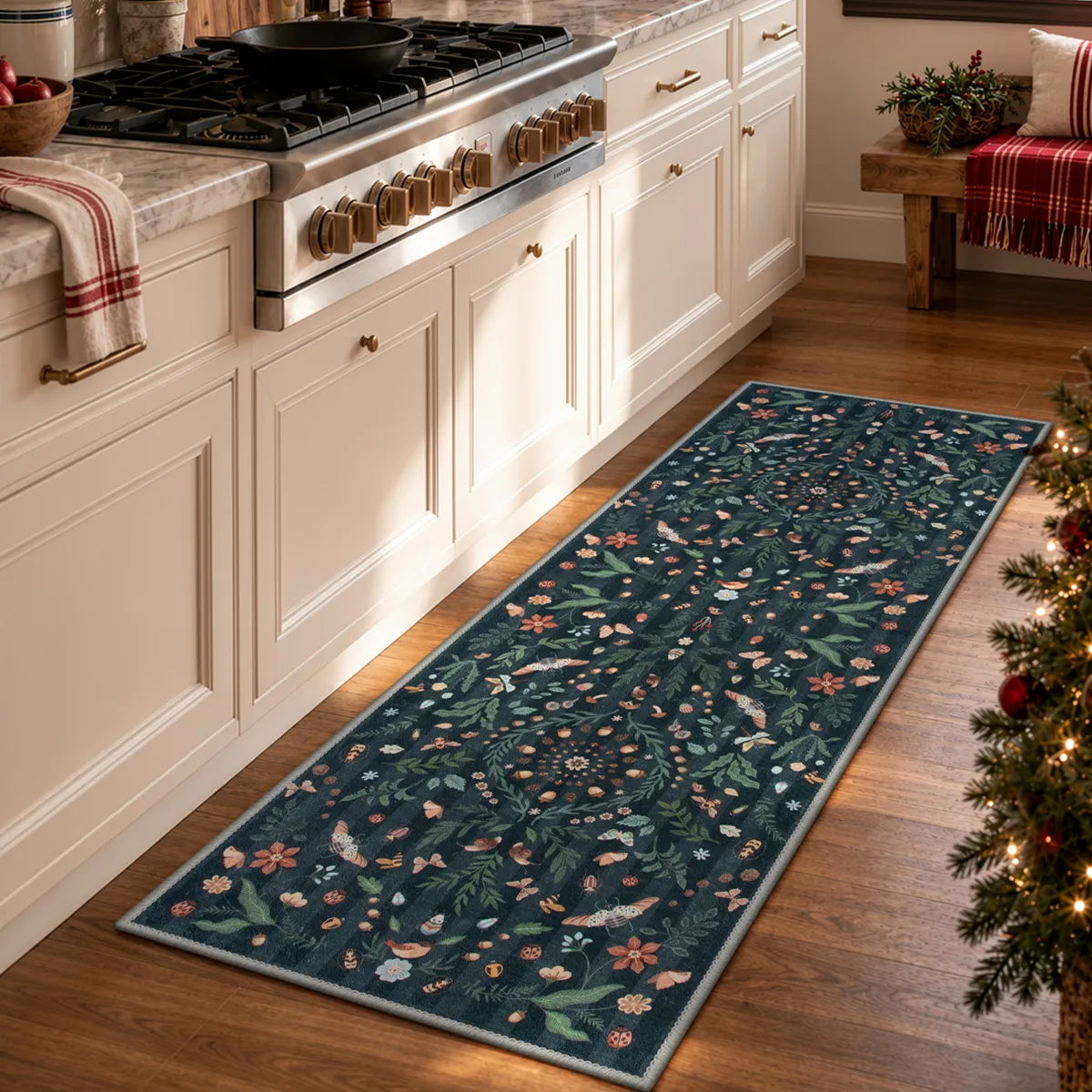
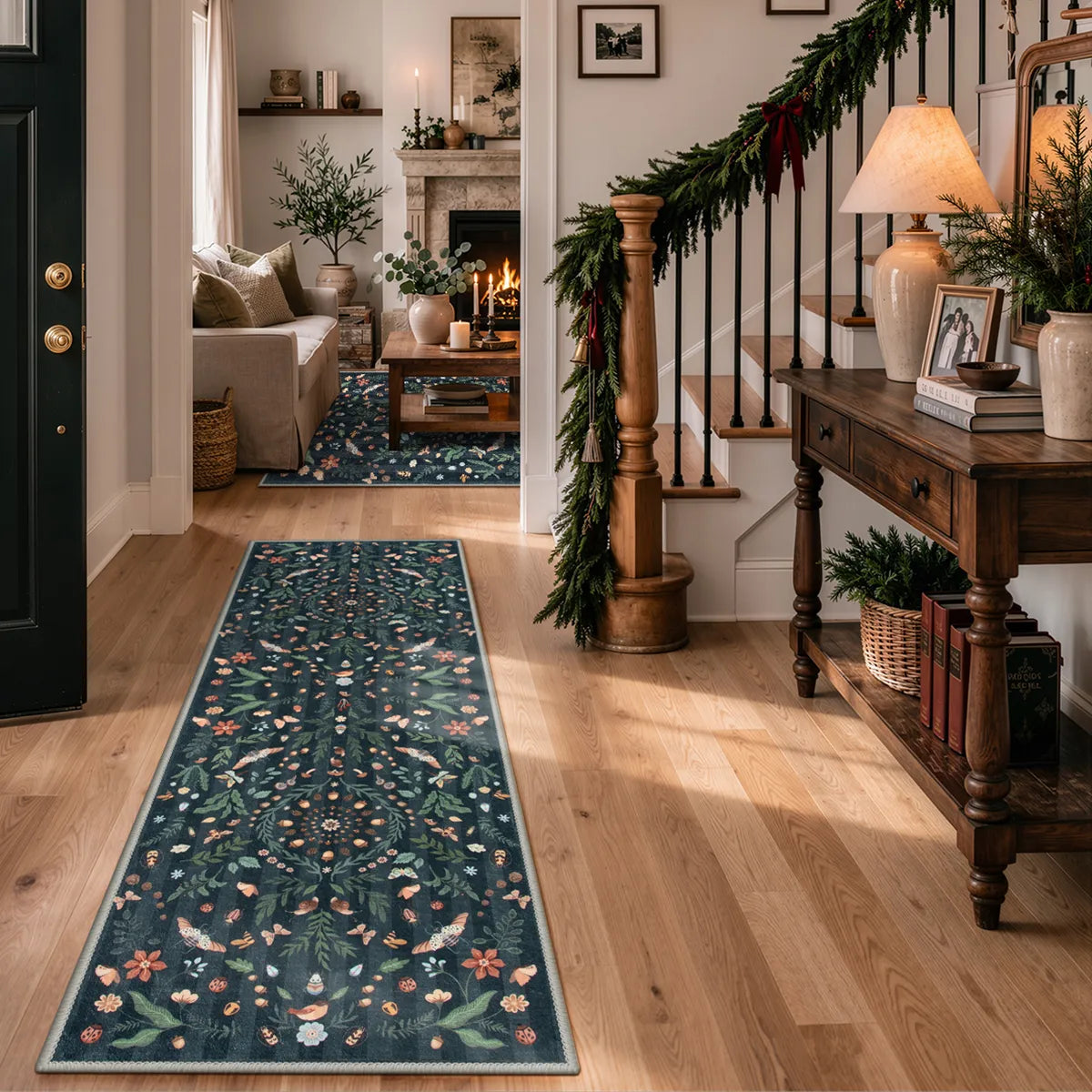
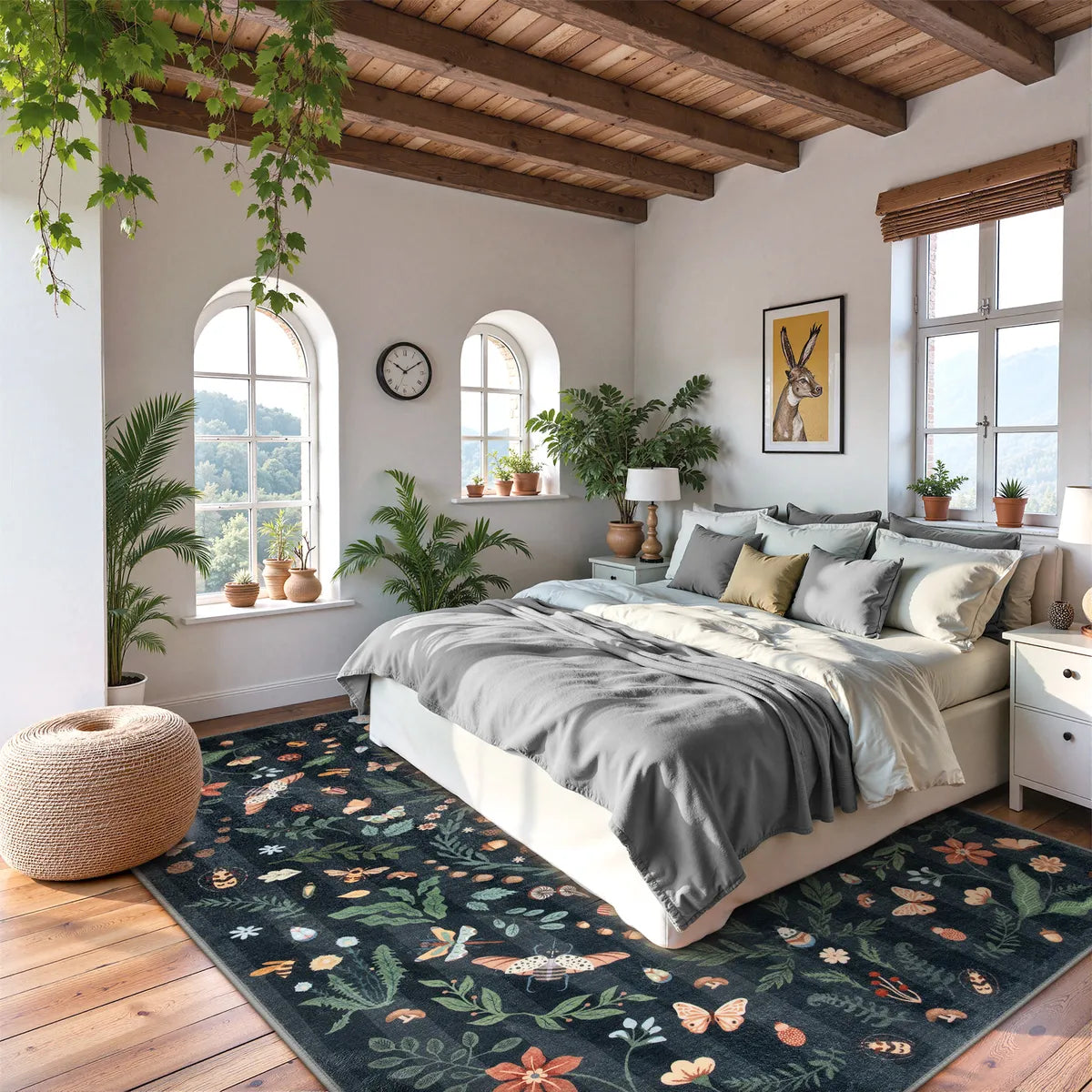
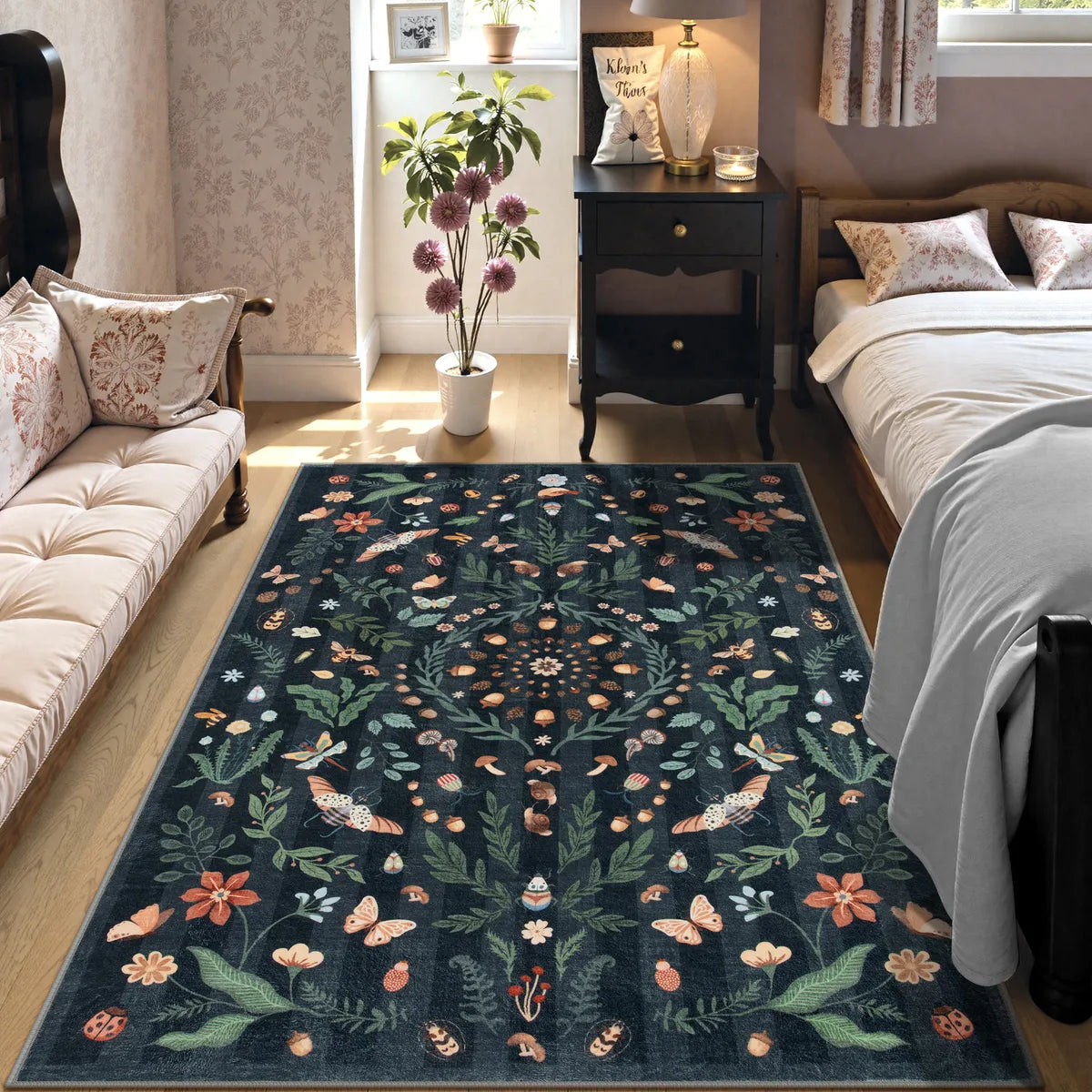
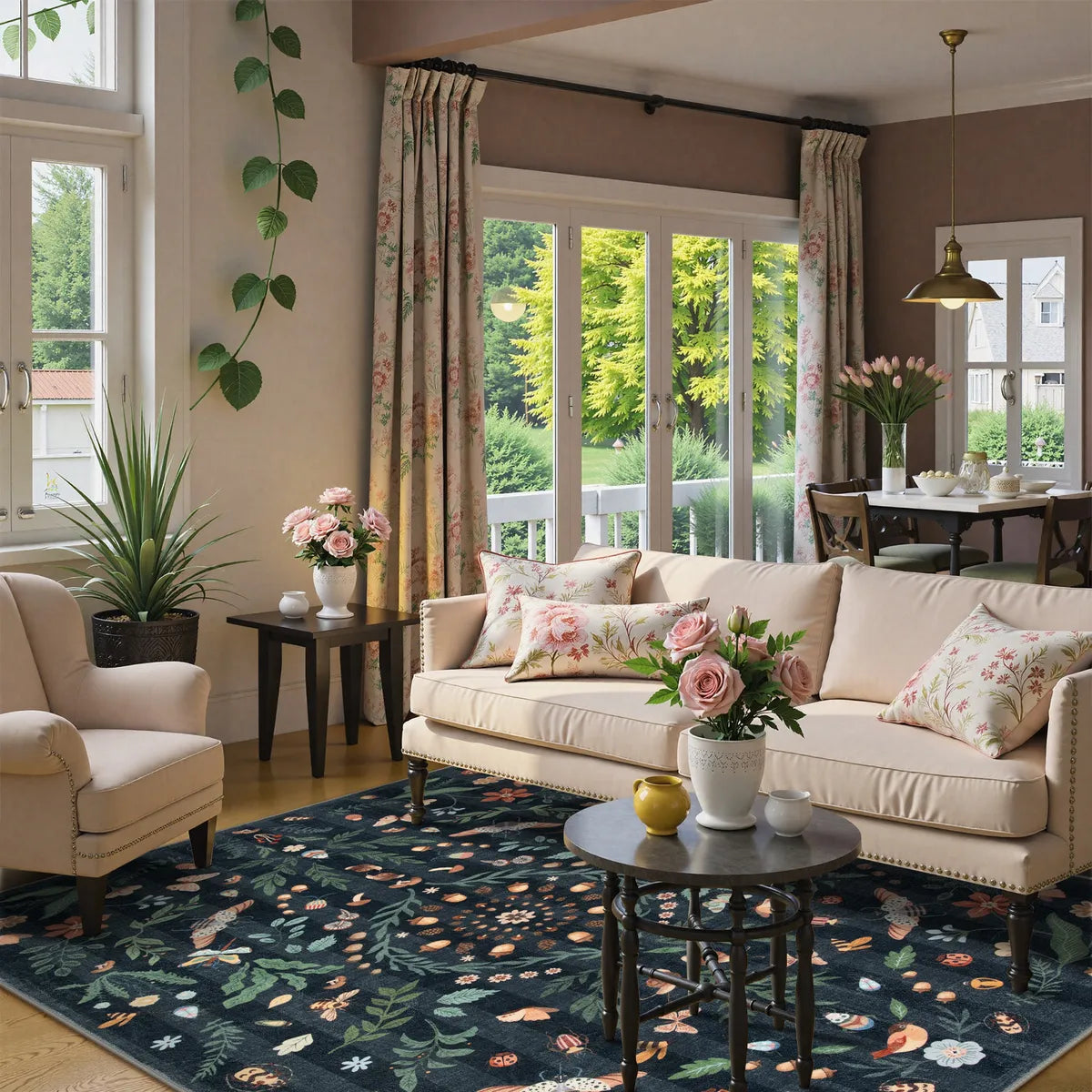
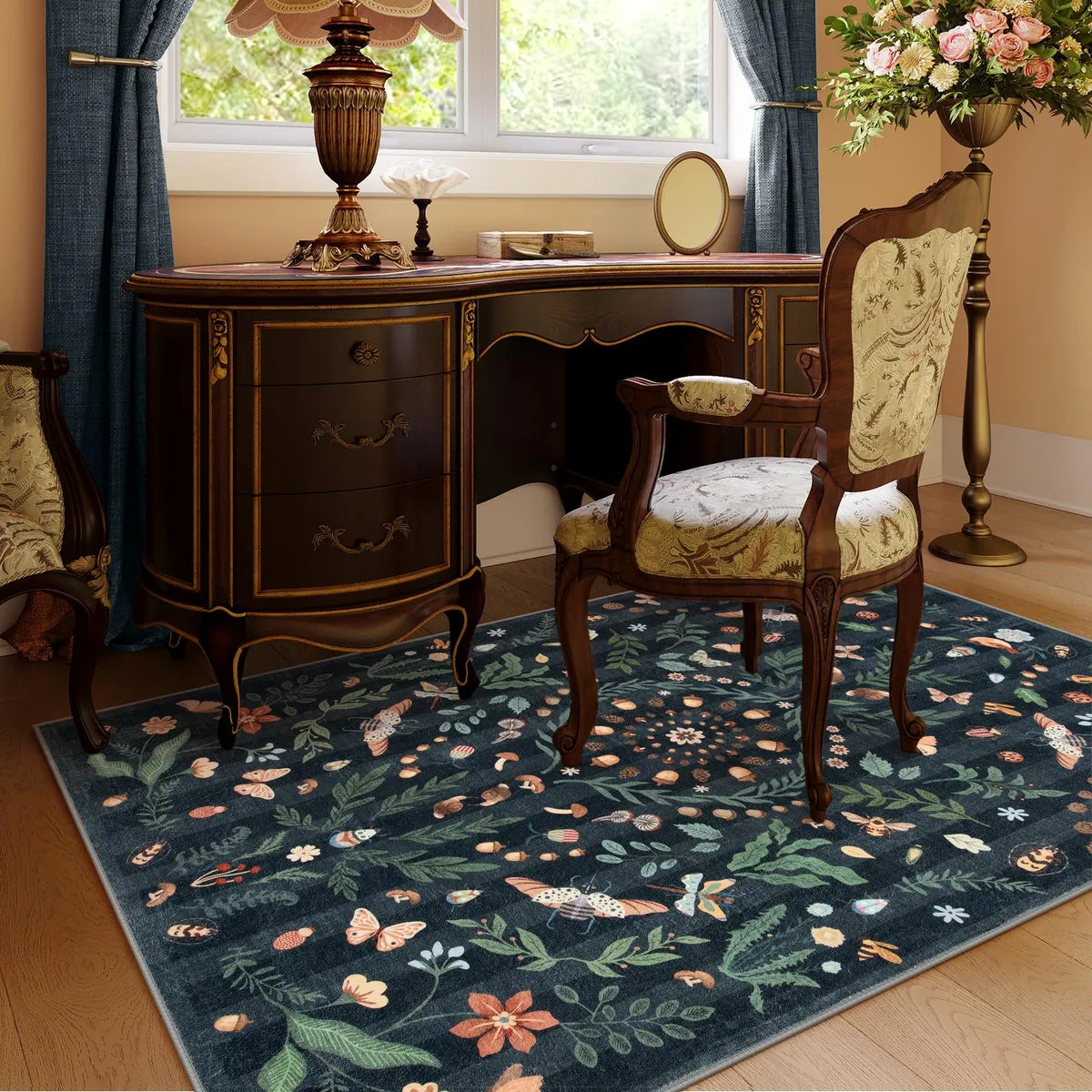
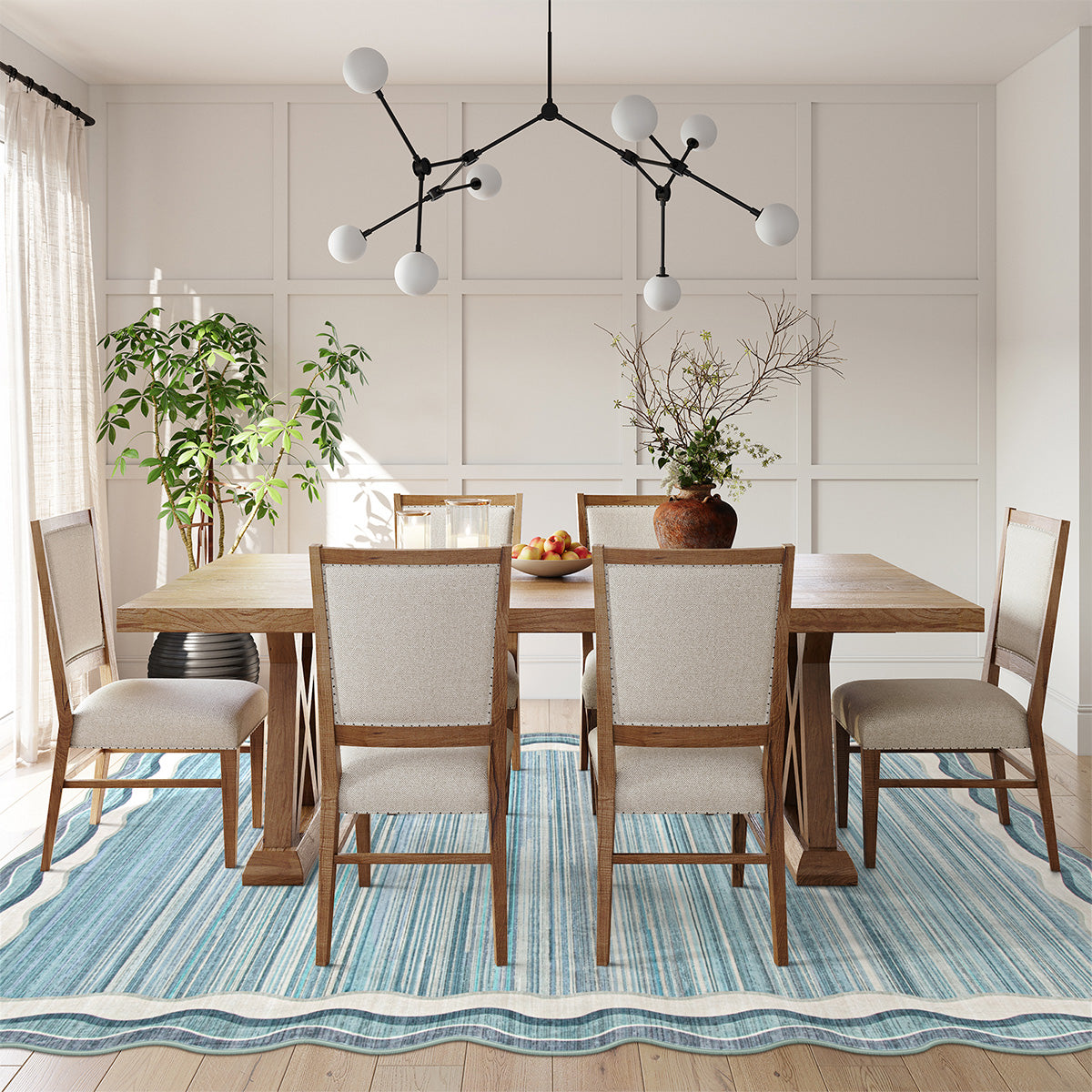
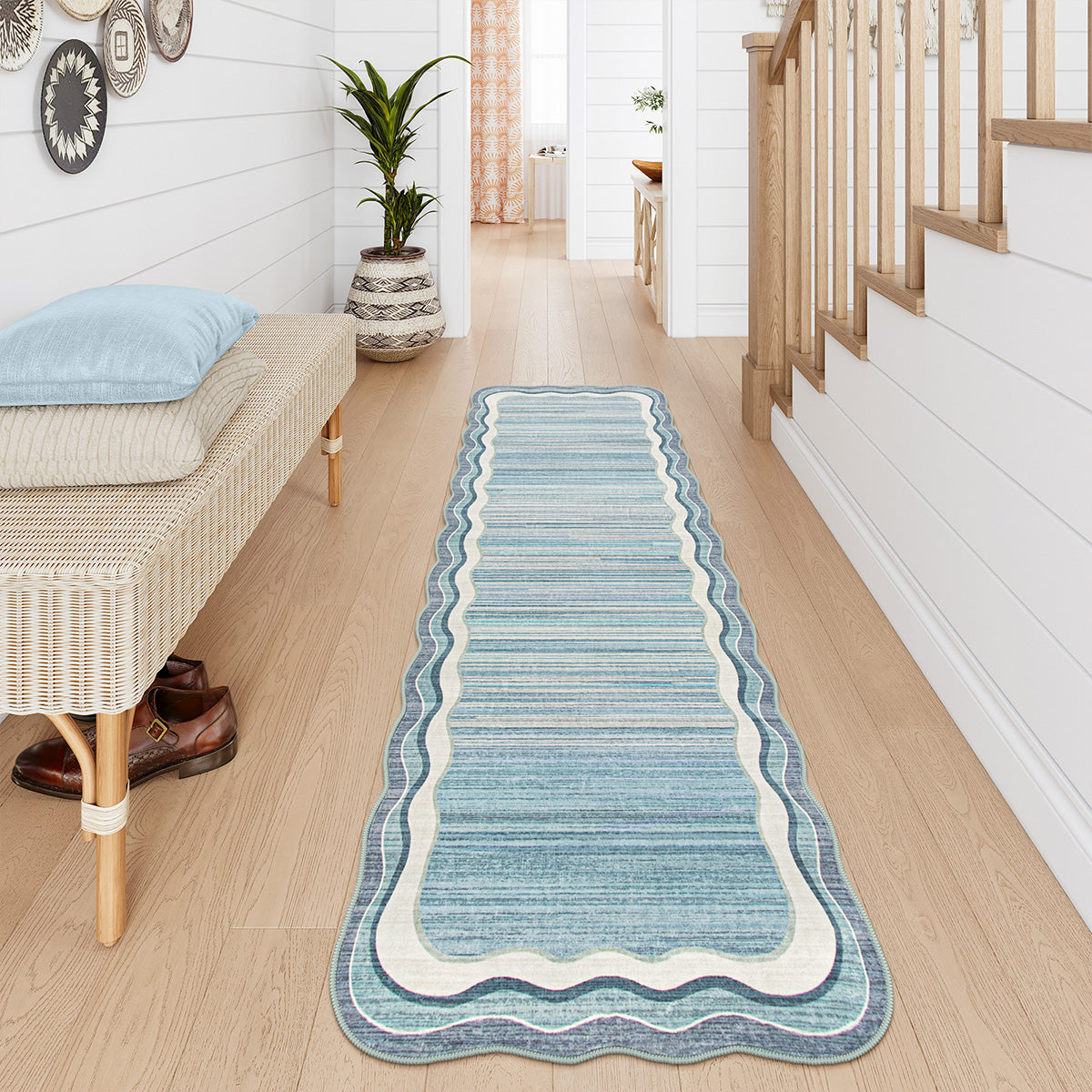
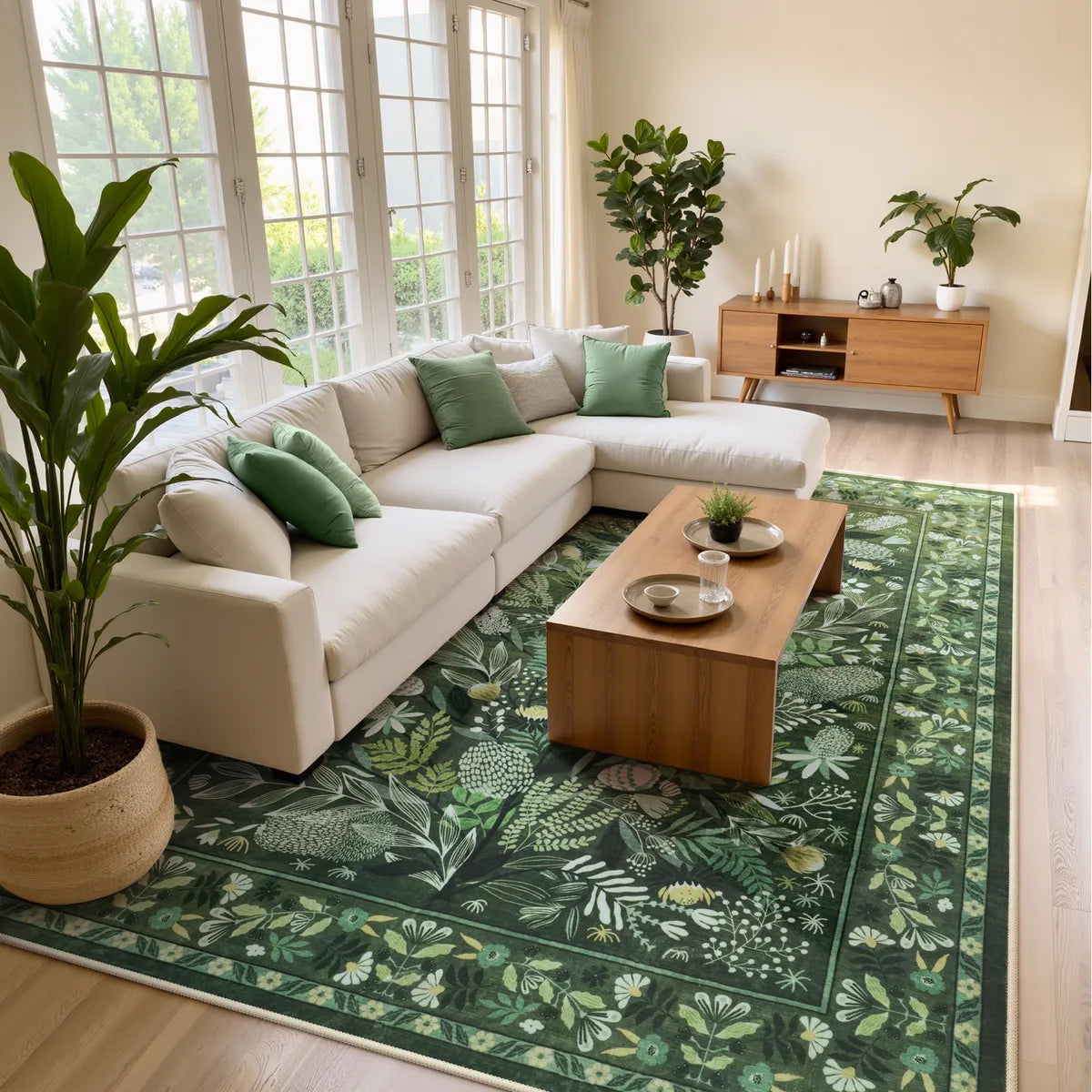
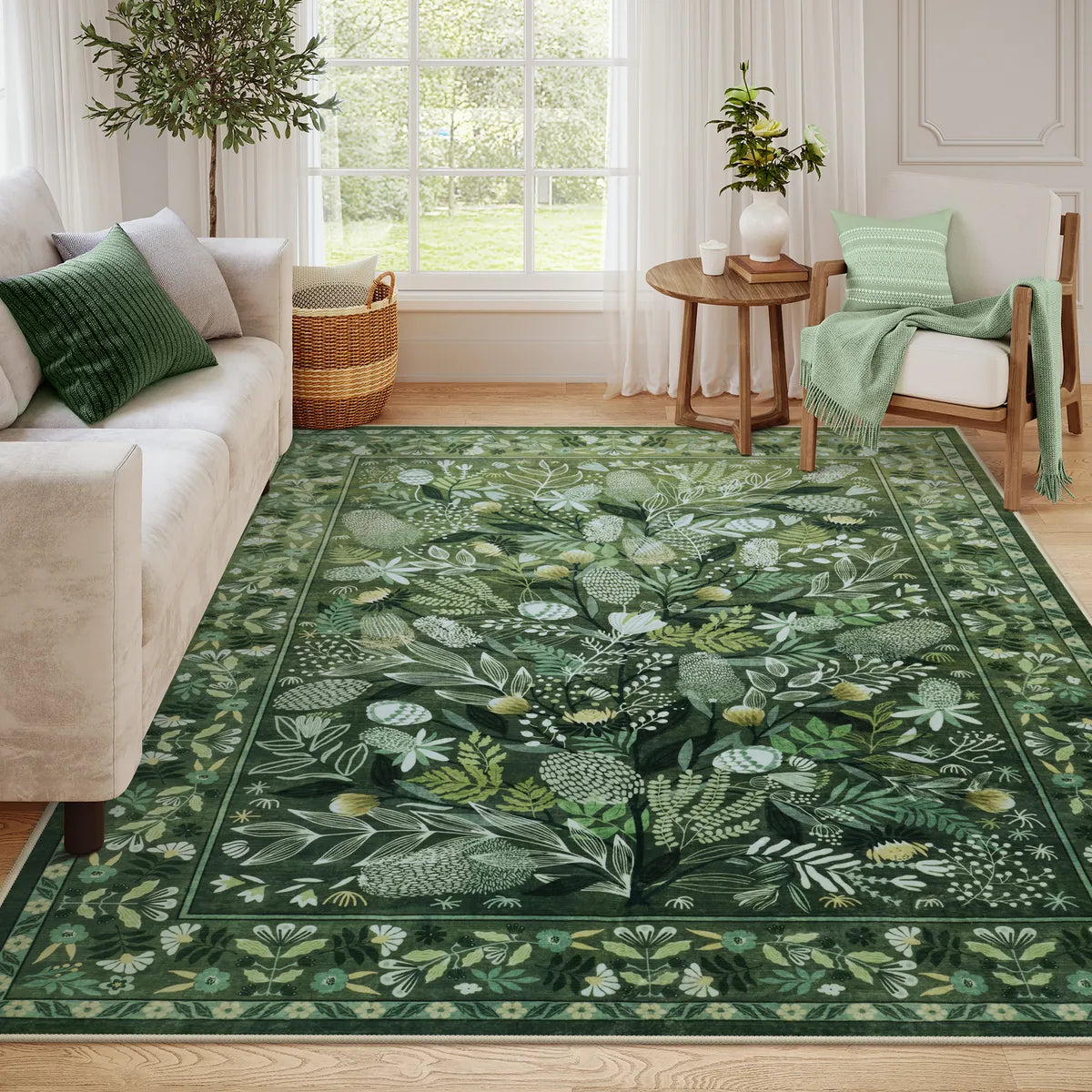
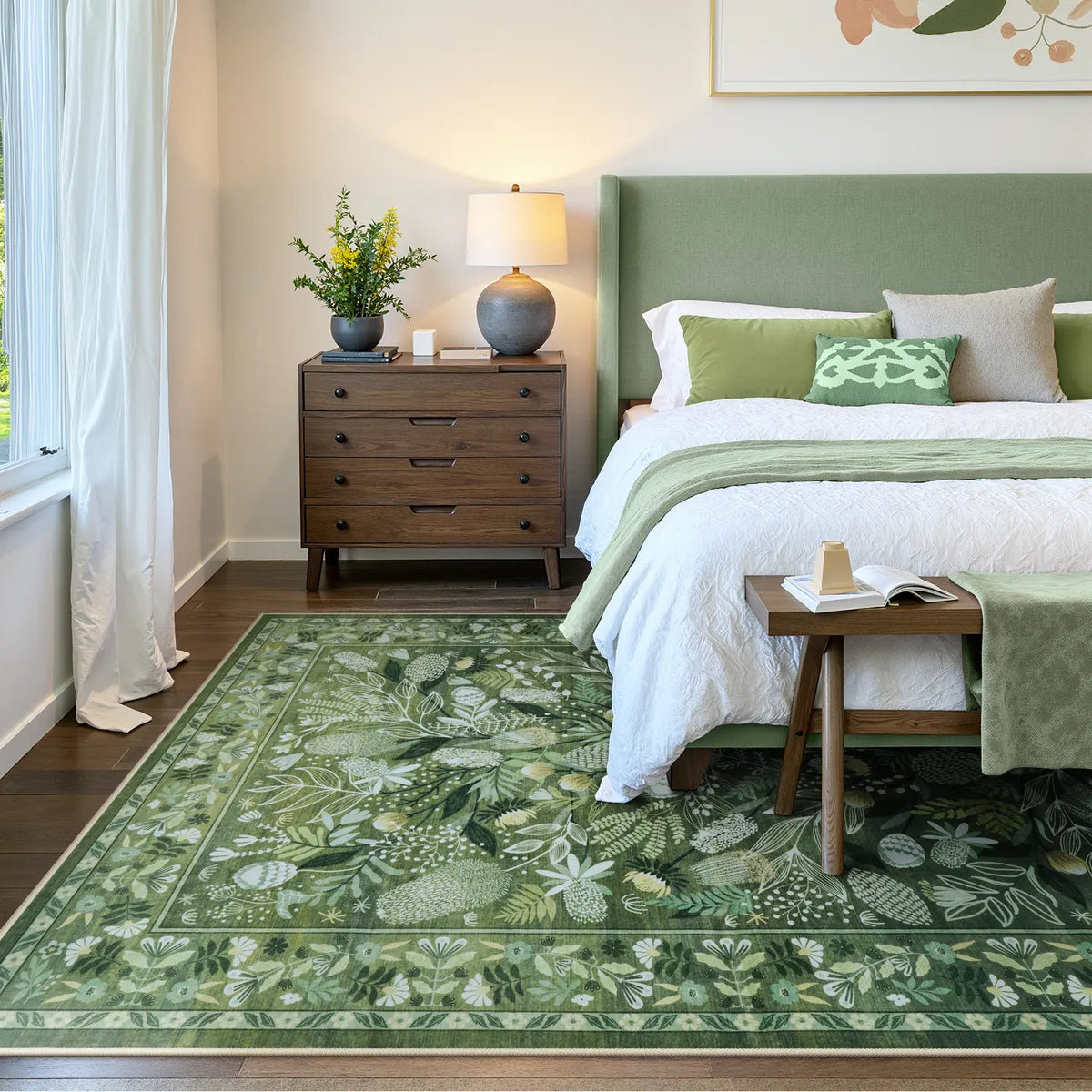
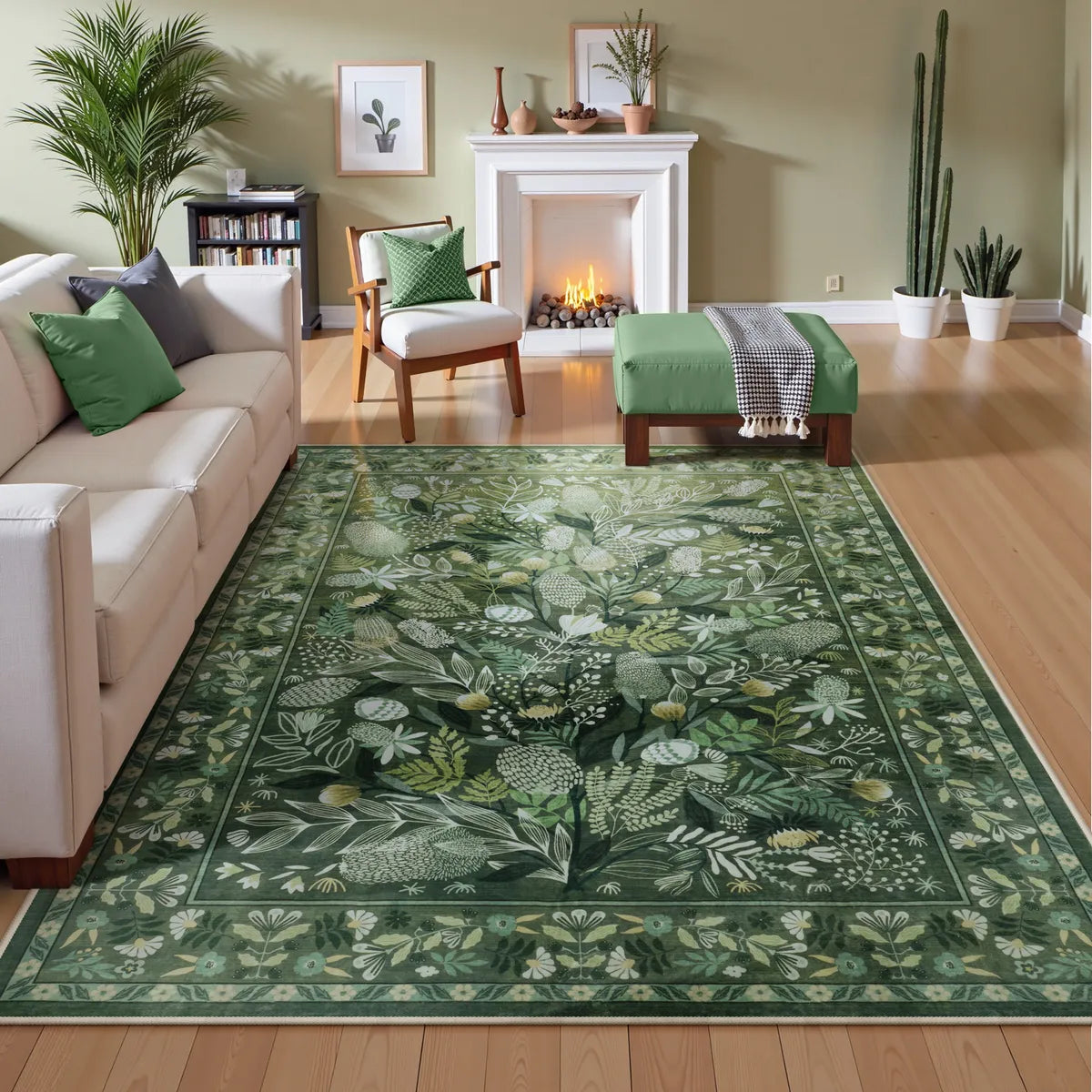
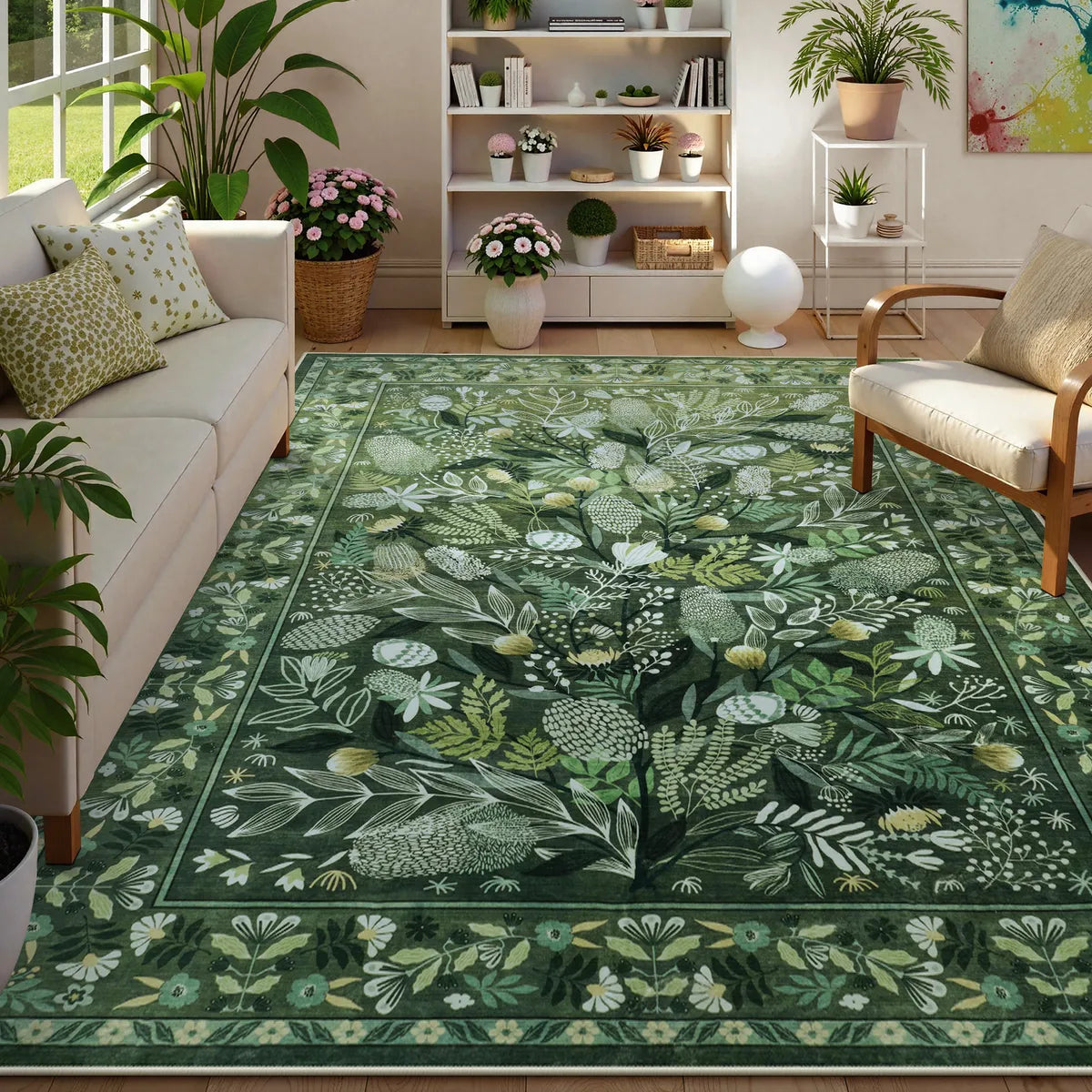
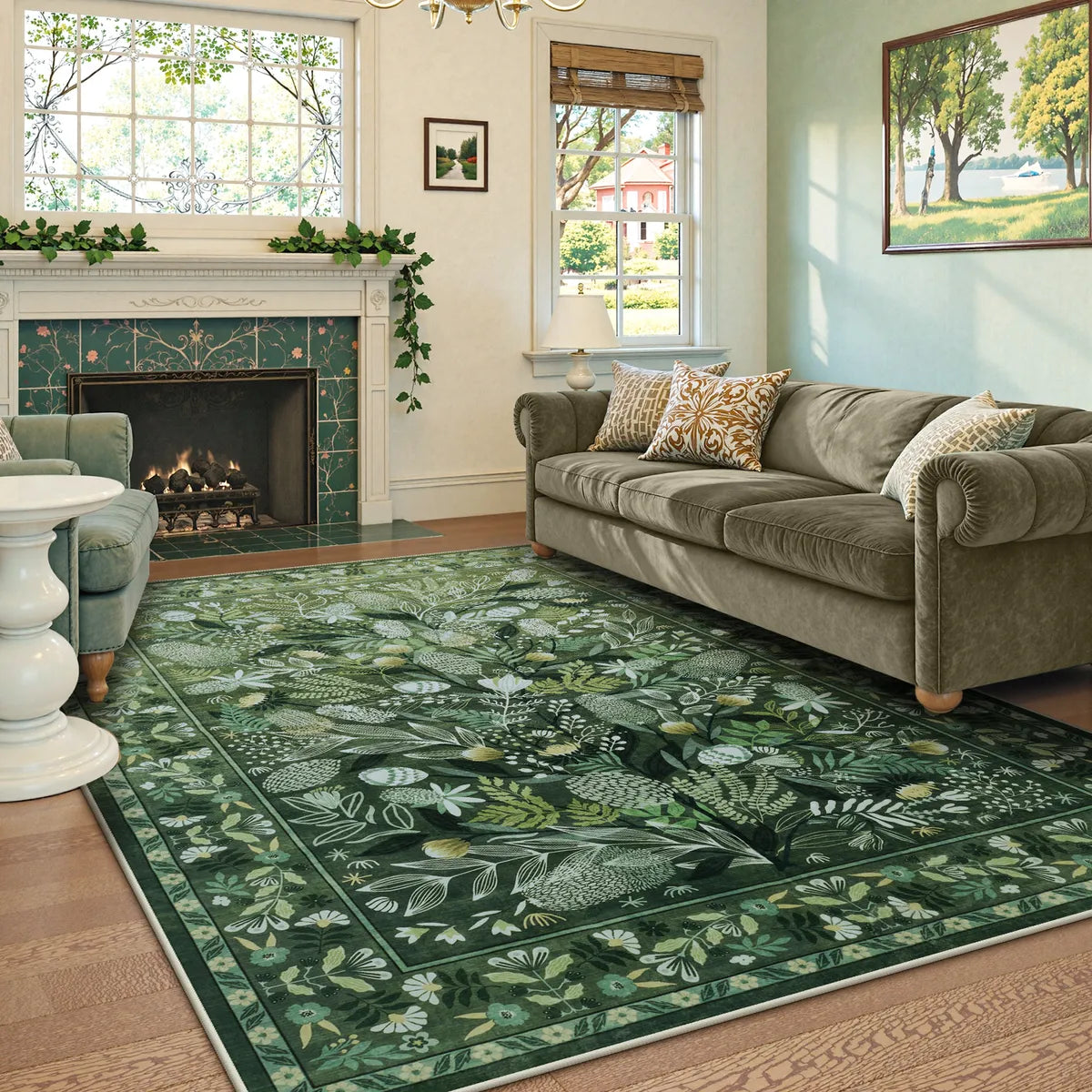
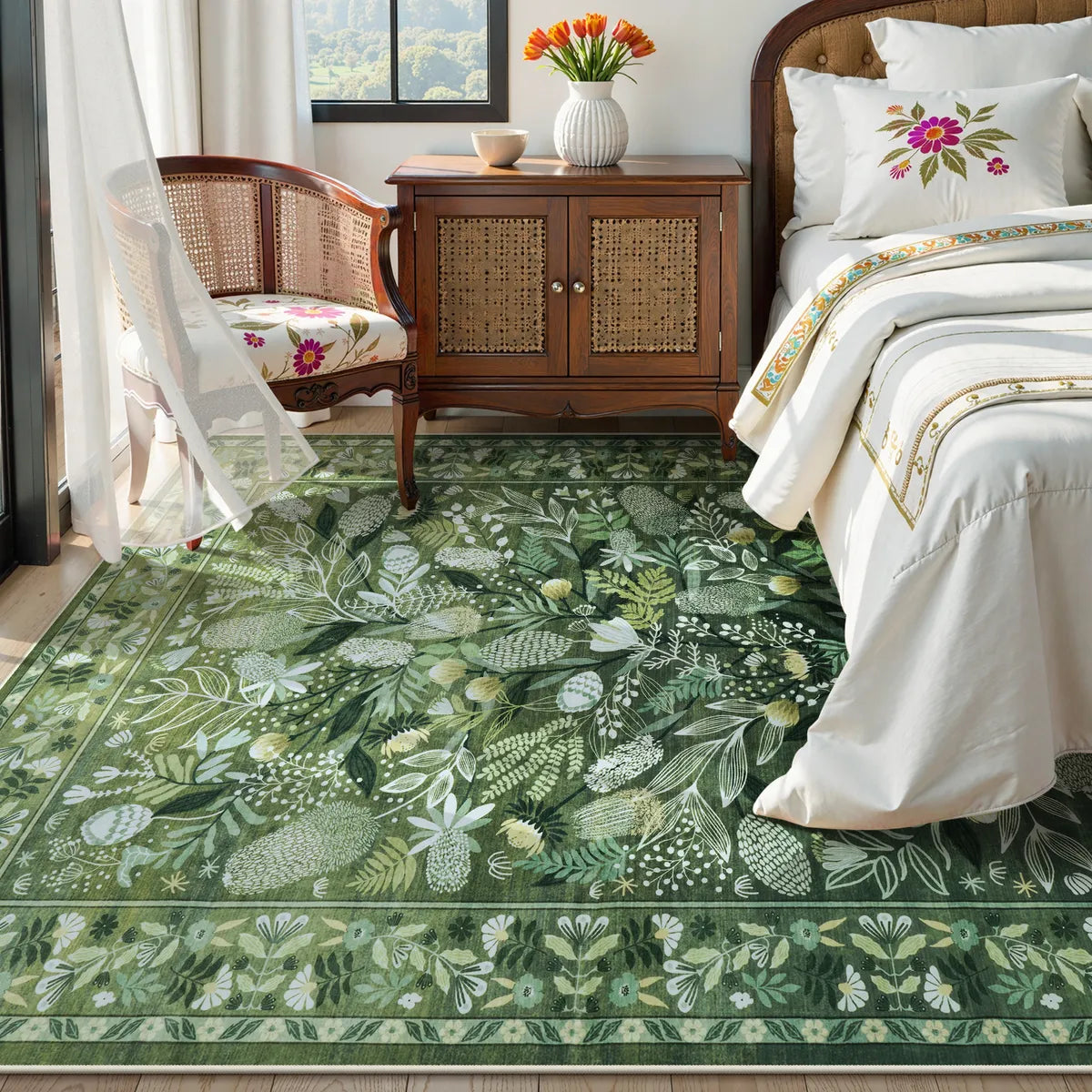
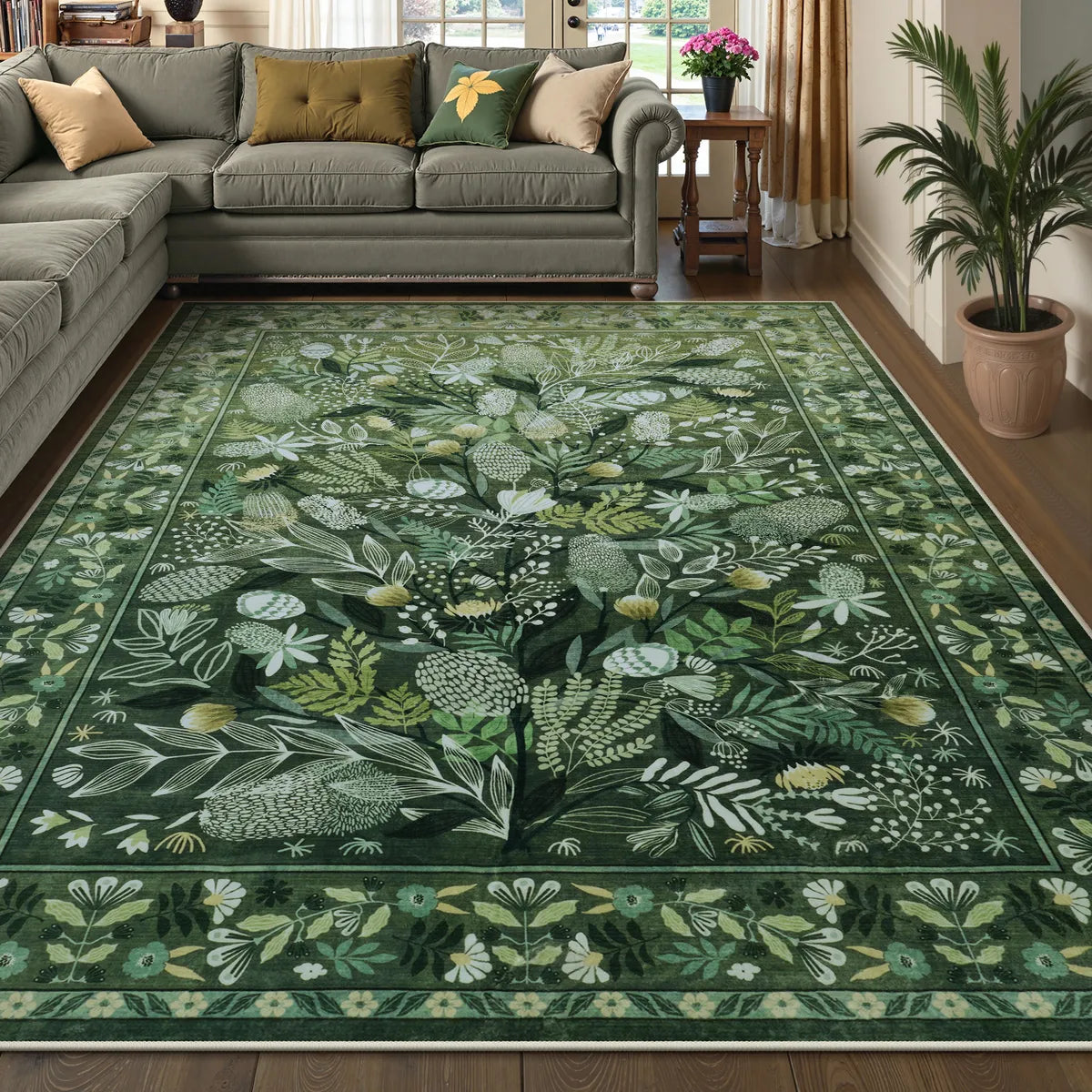
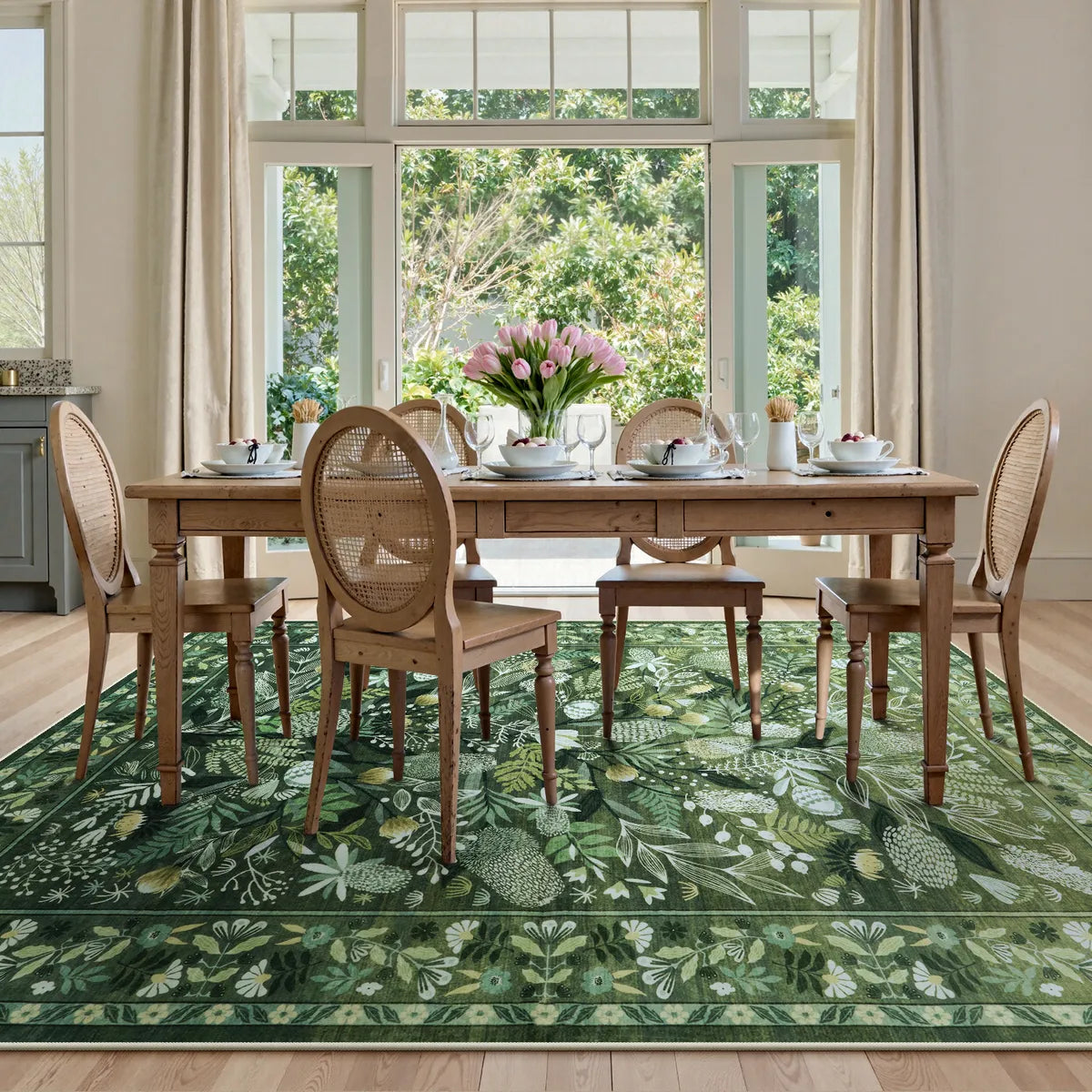
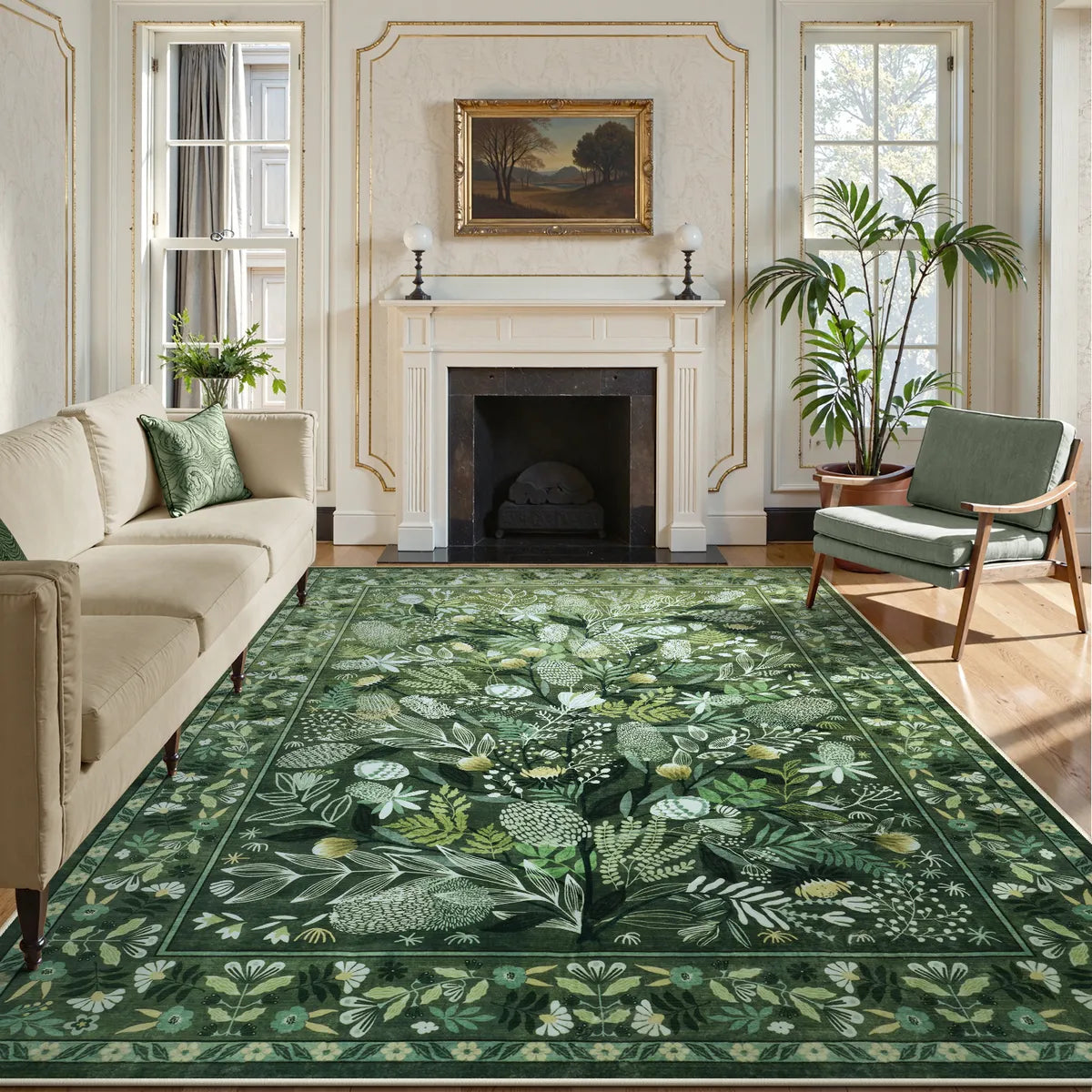
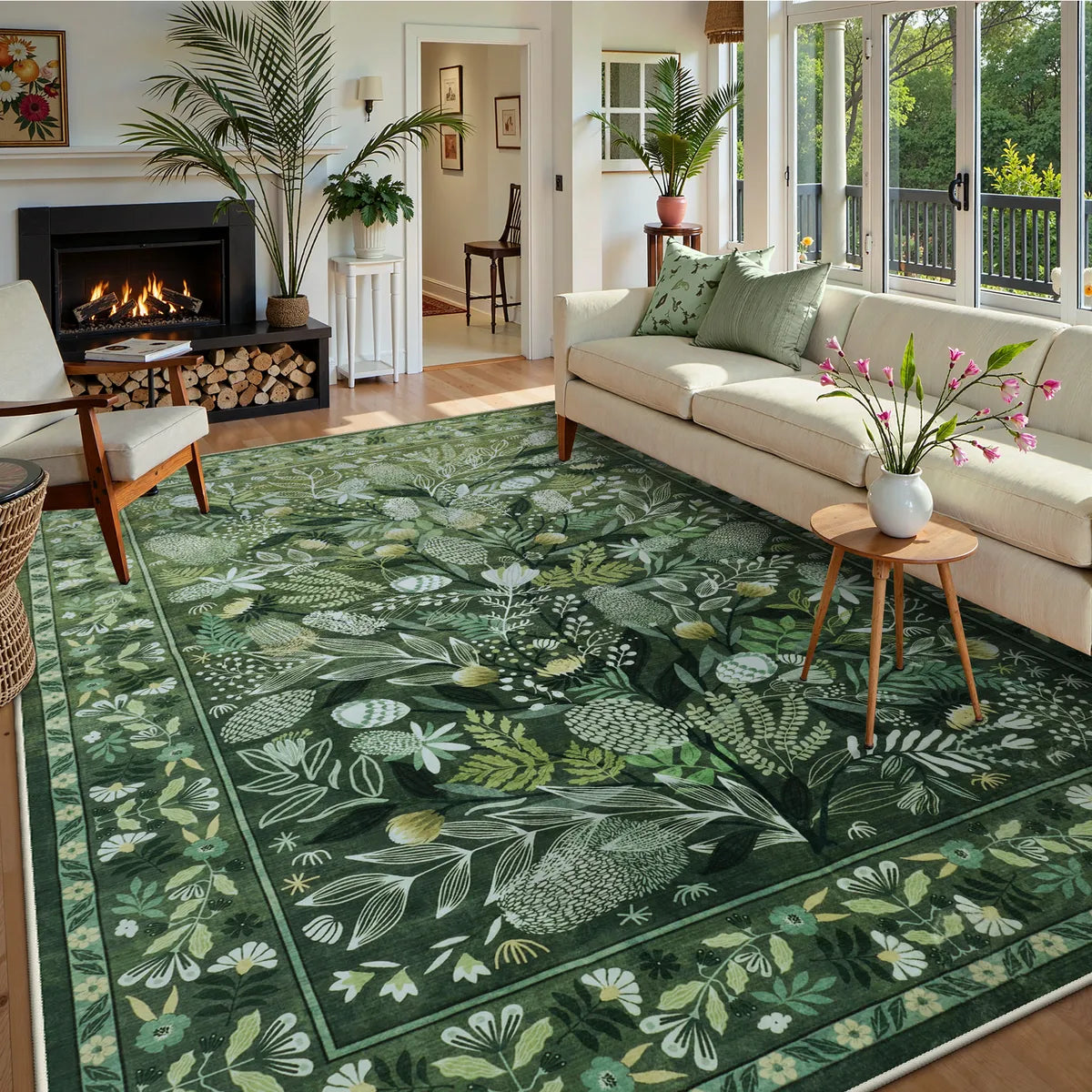
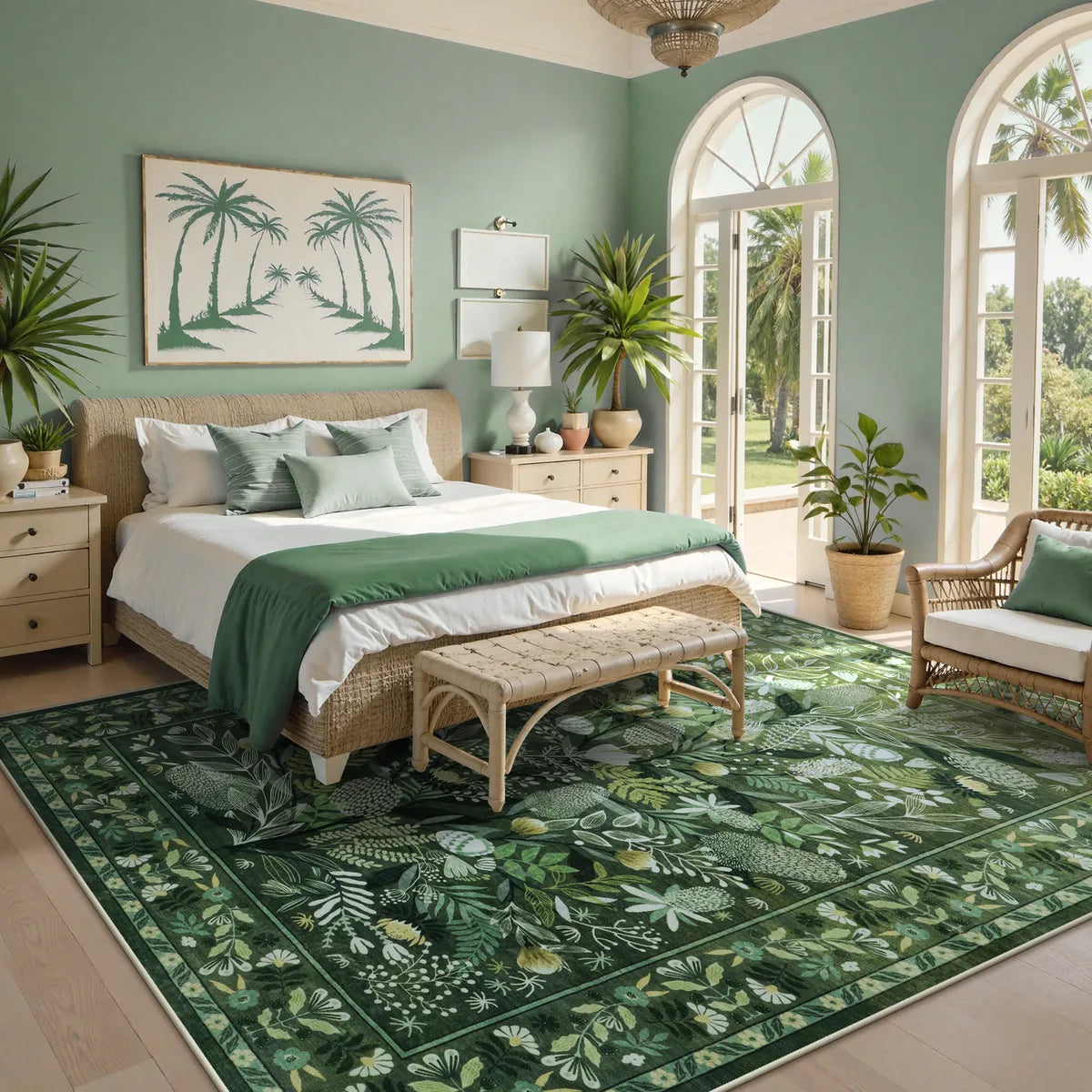
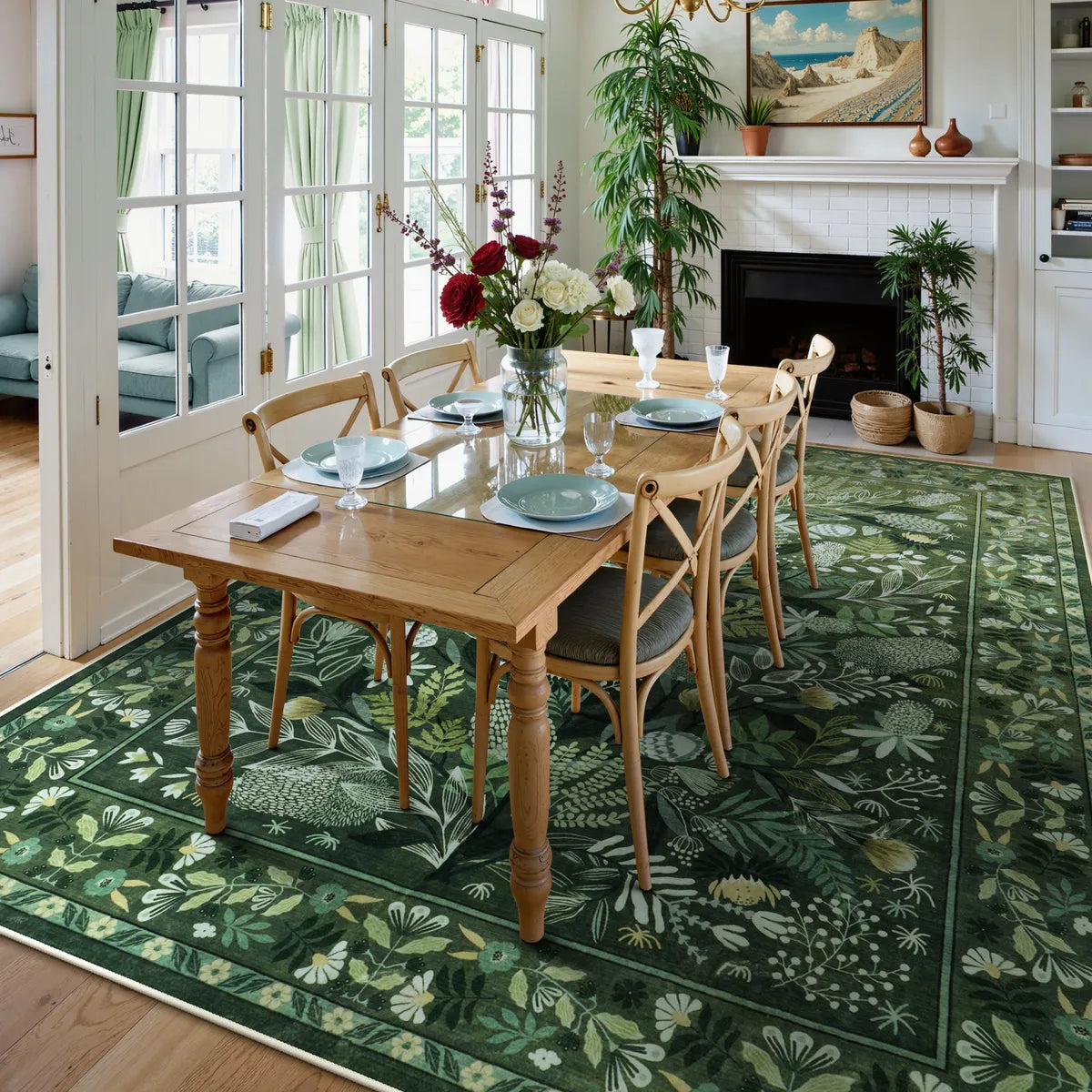
Coordinate Your Christmas Tree With Your Rug
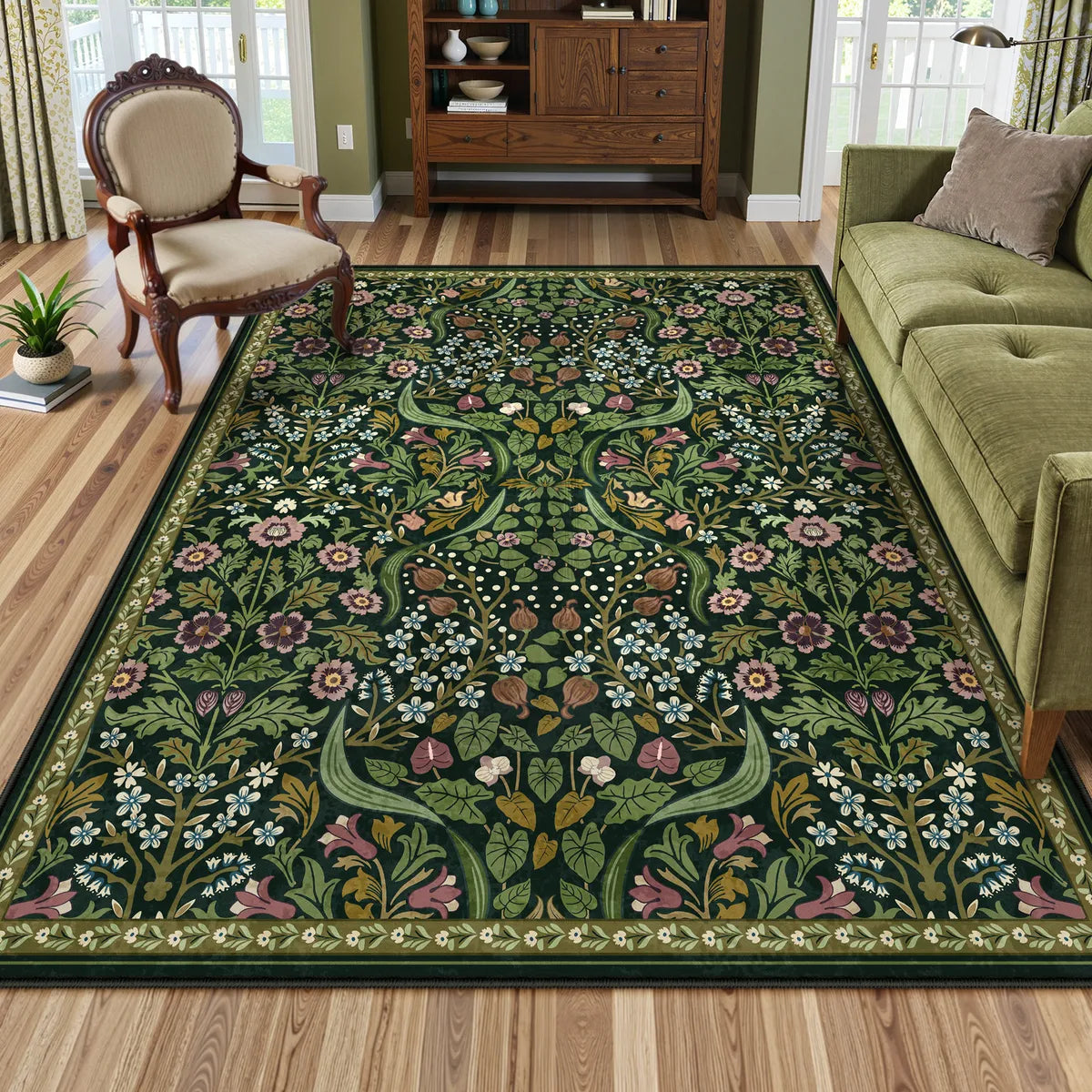
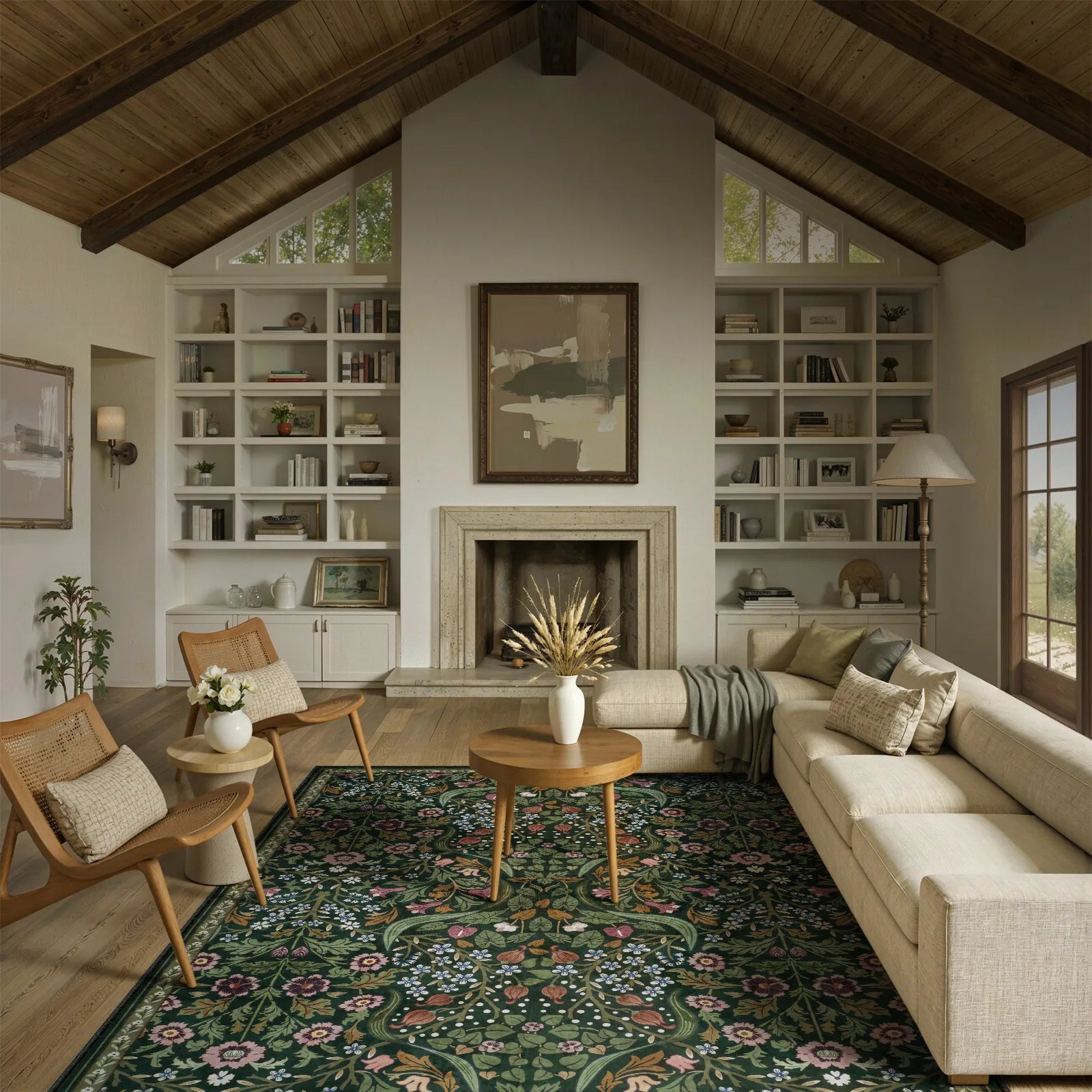
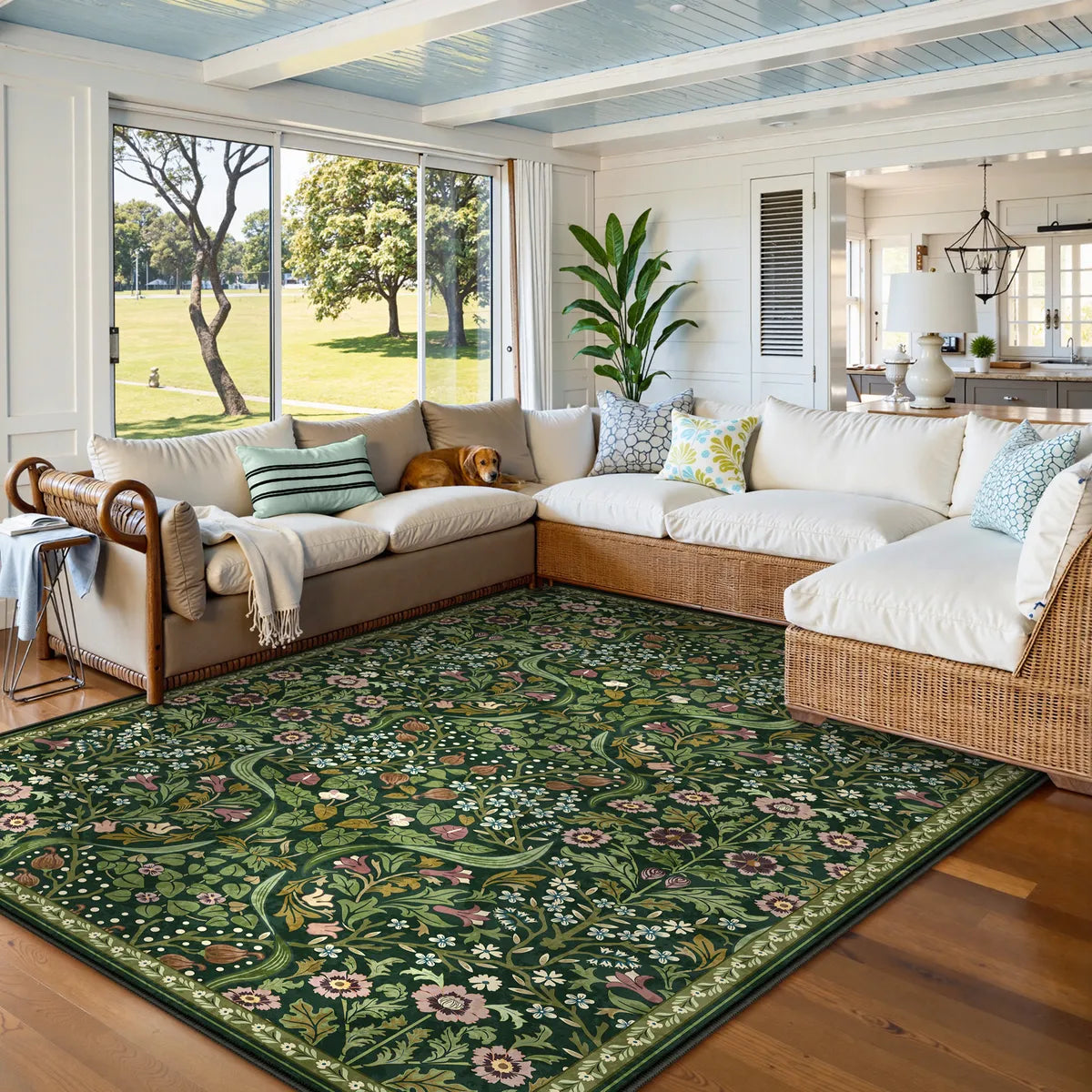
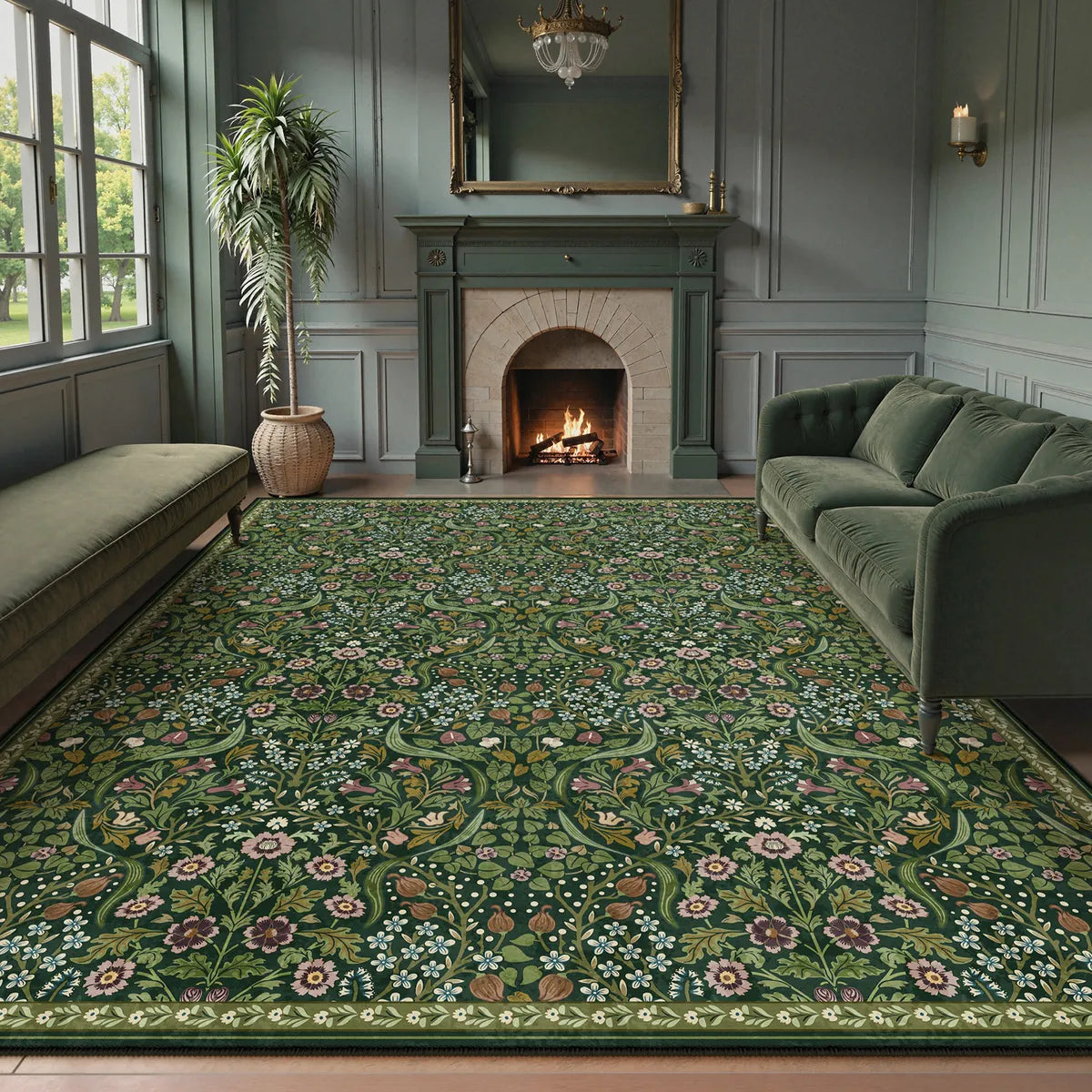
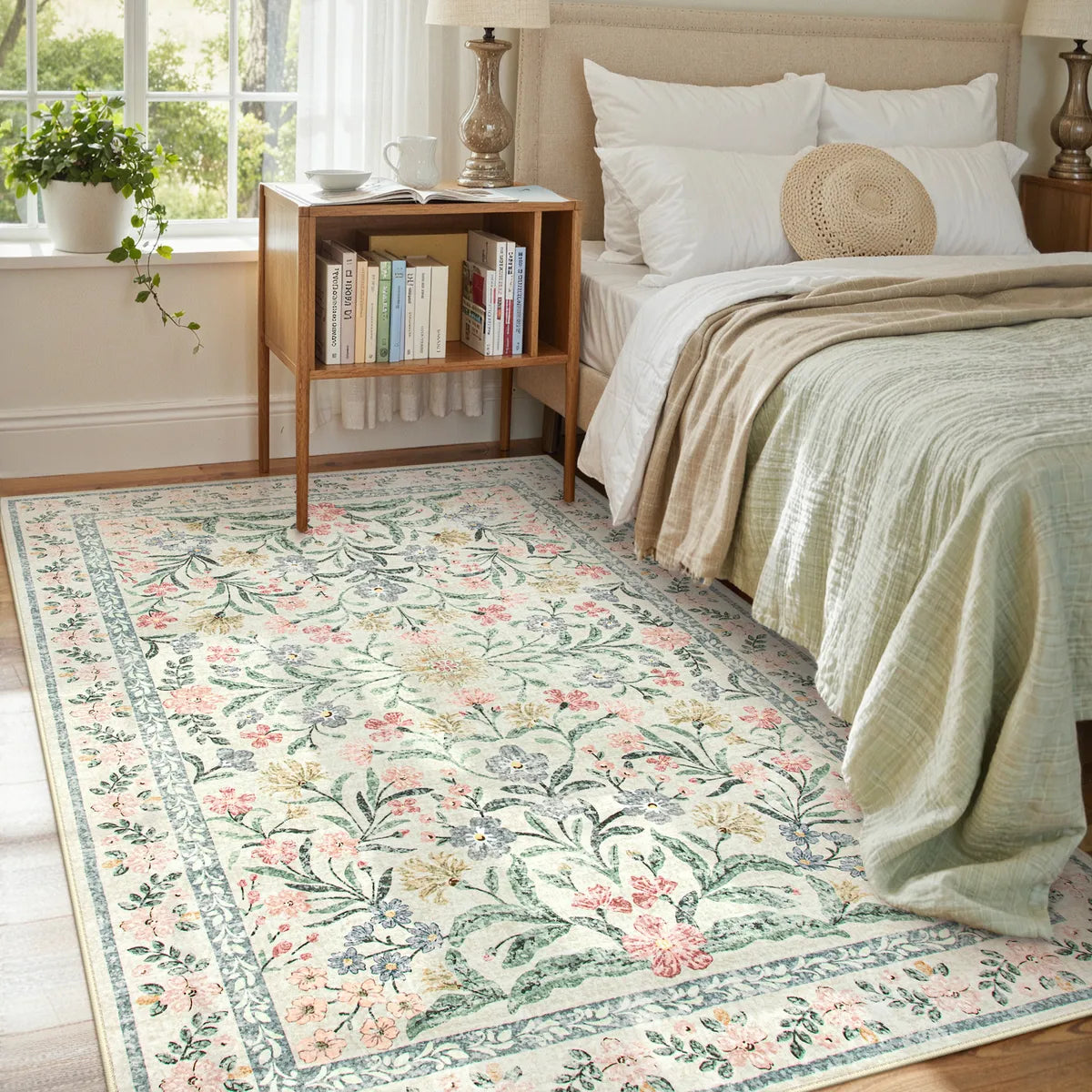
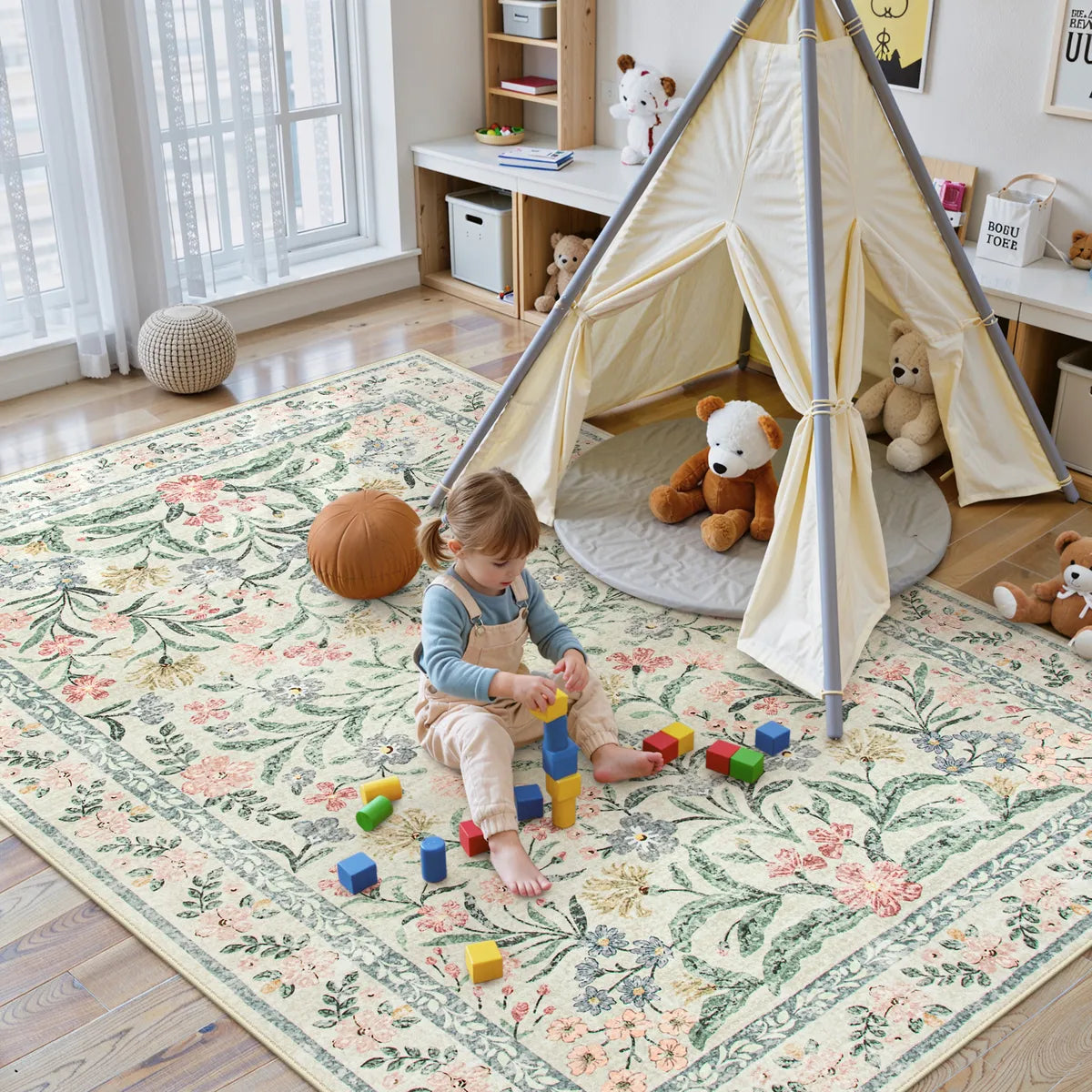
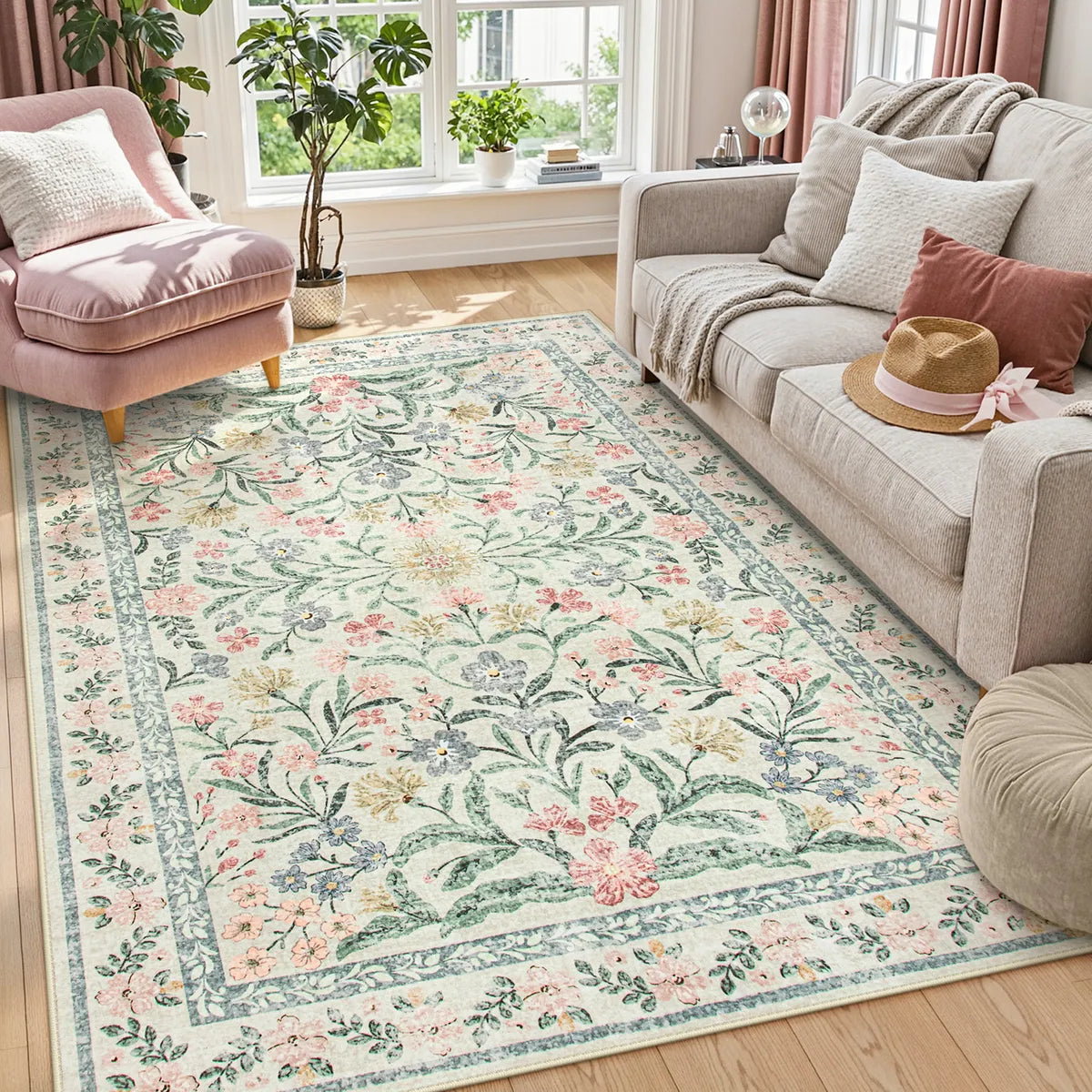
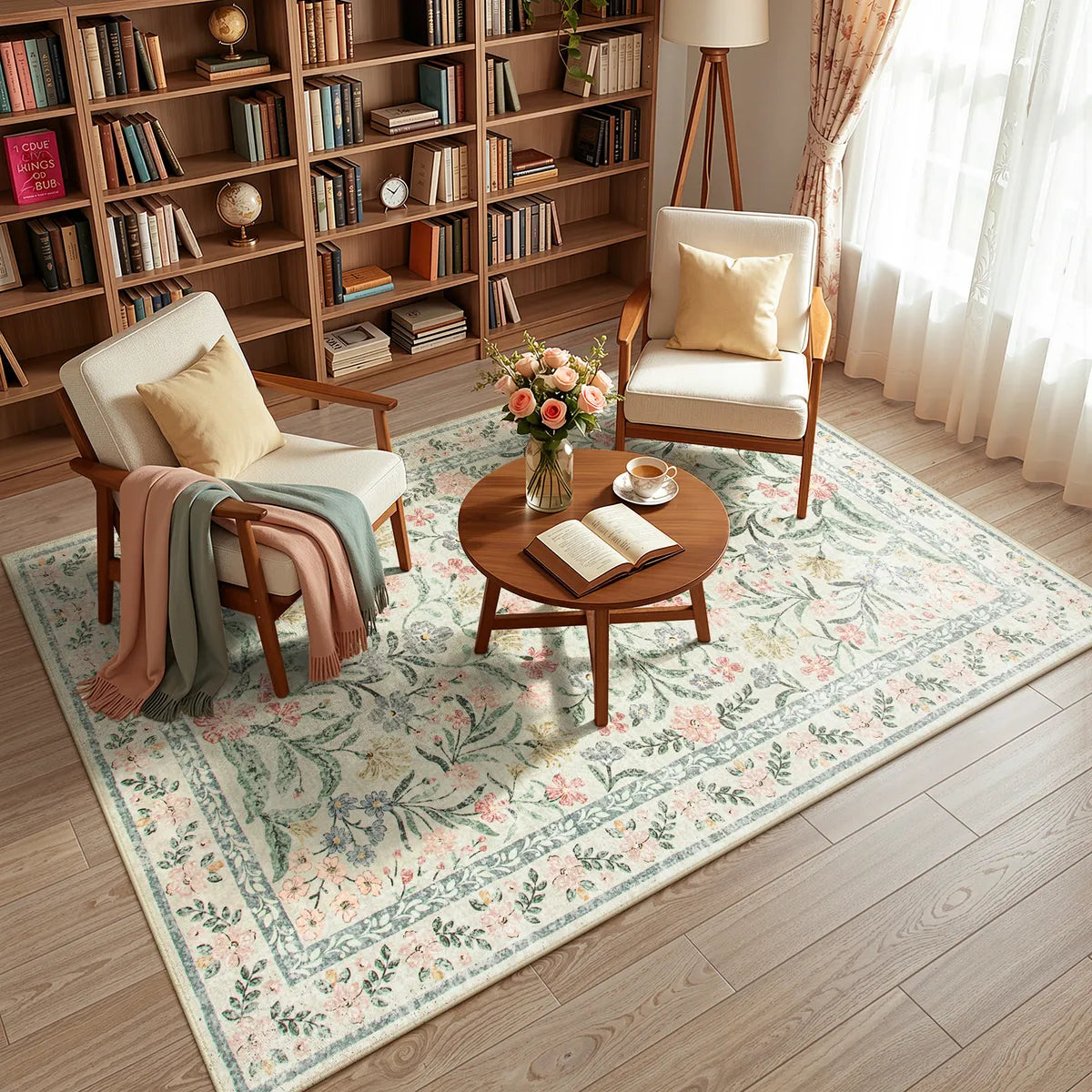
The rug has a large visual footprint, so it can help anchor the area around the tree.
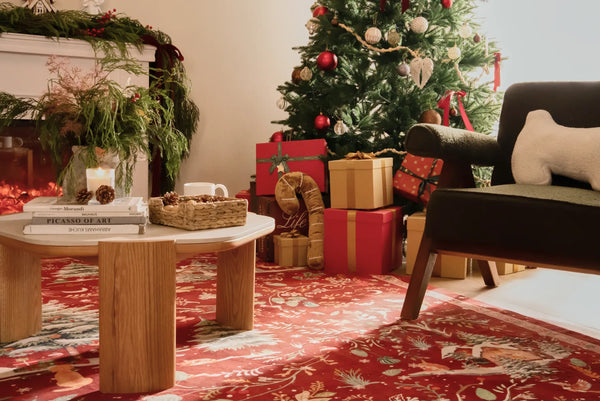
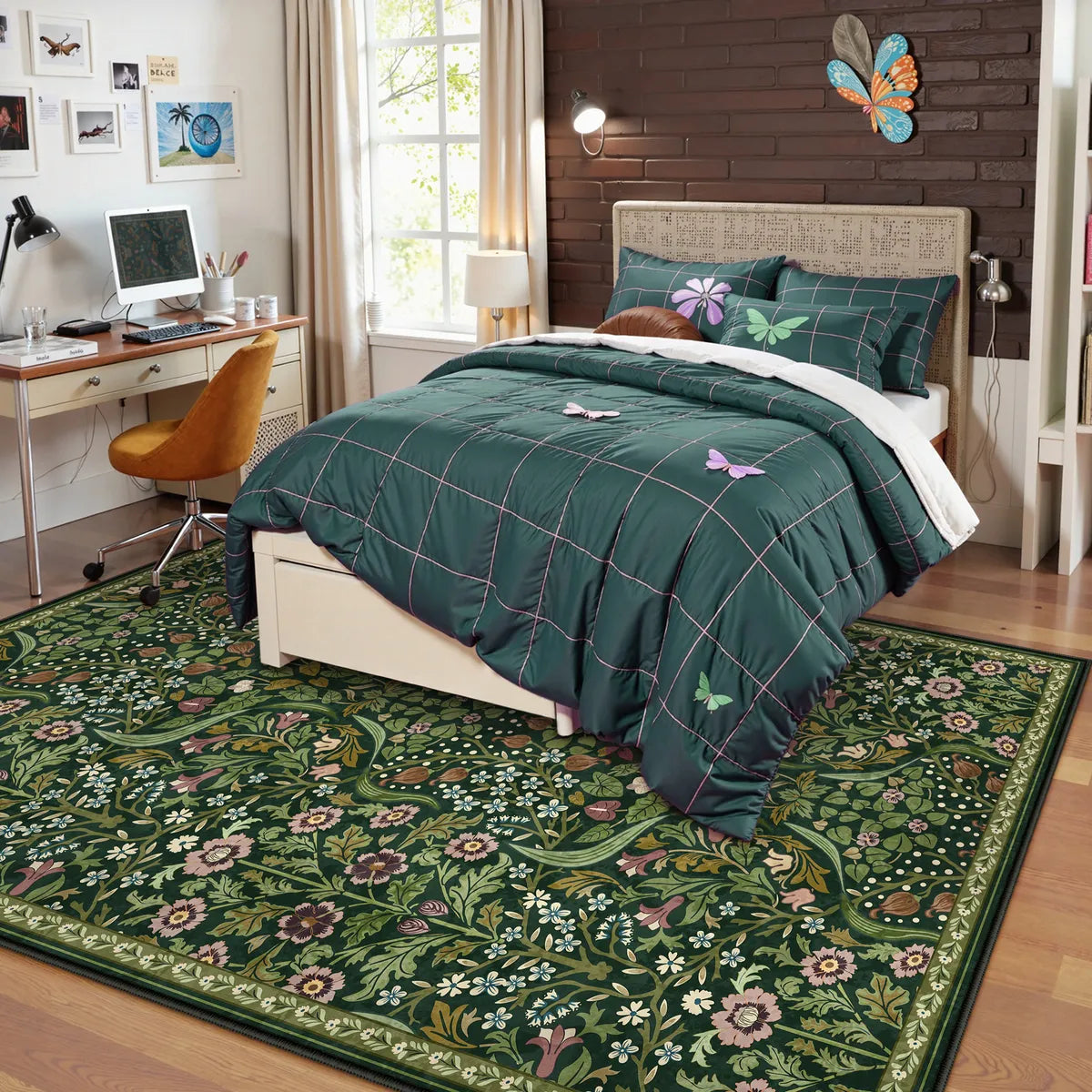
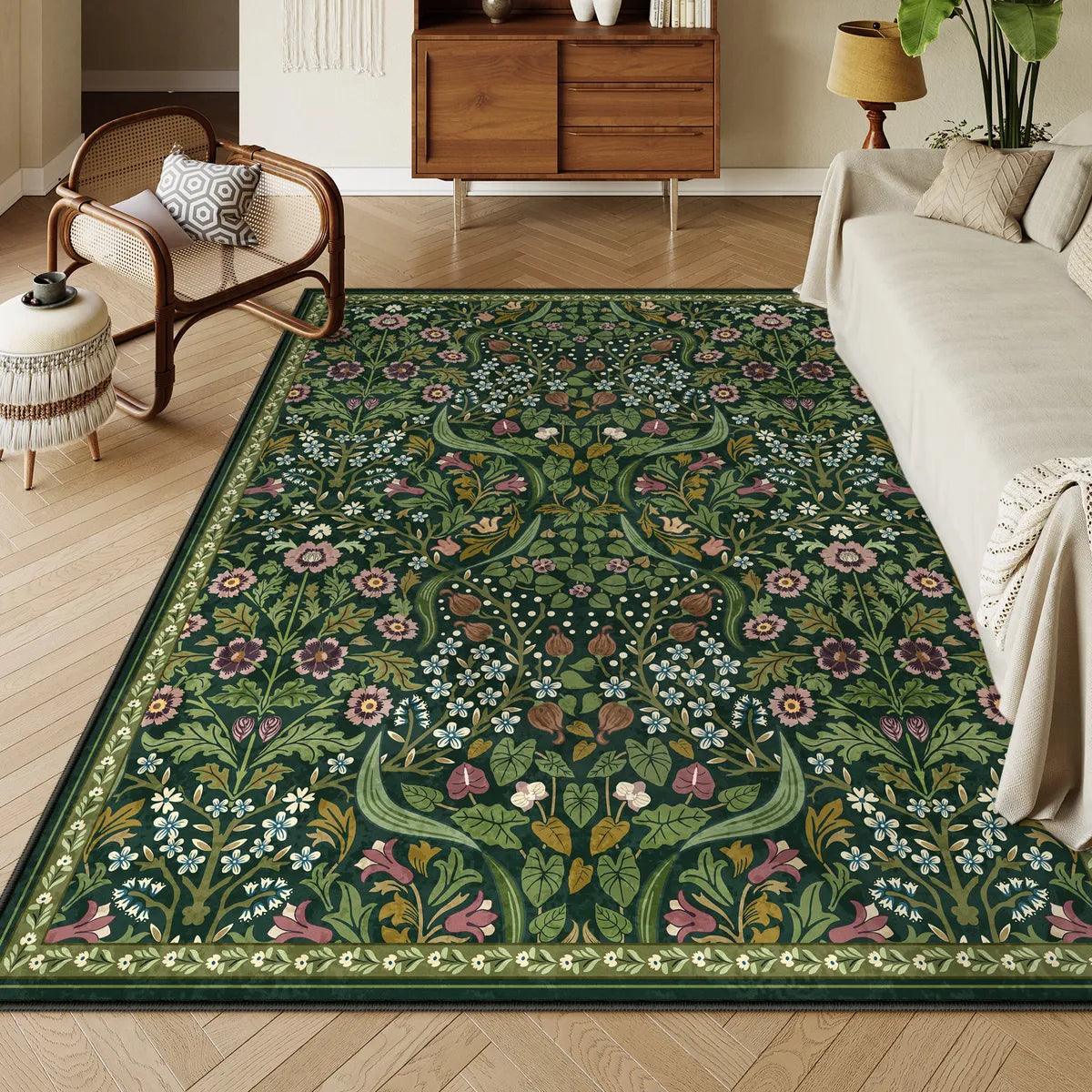
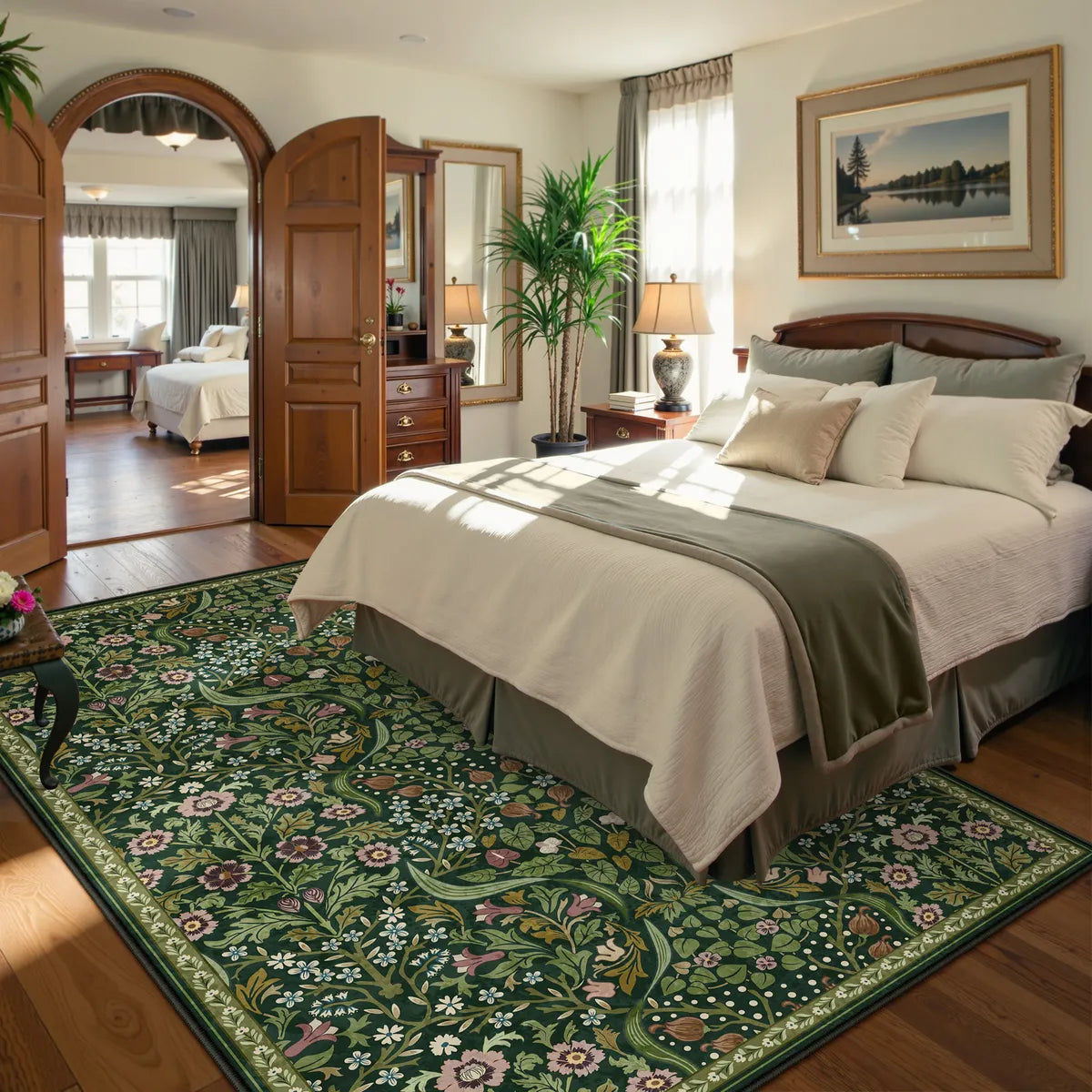
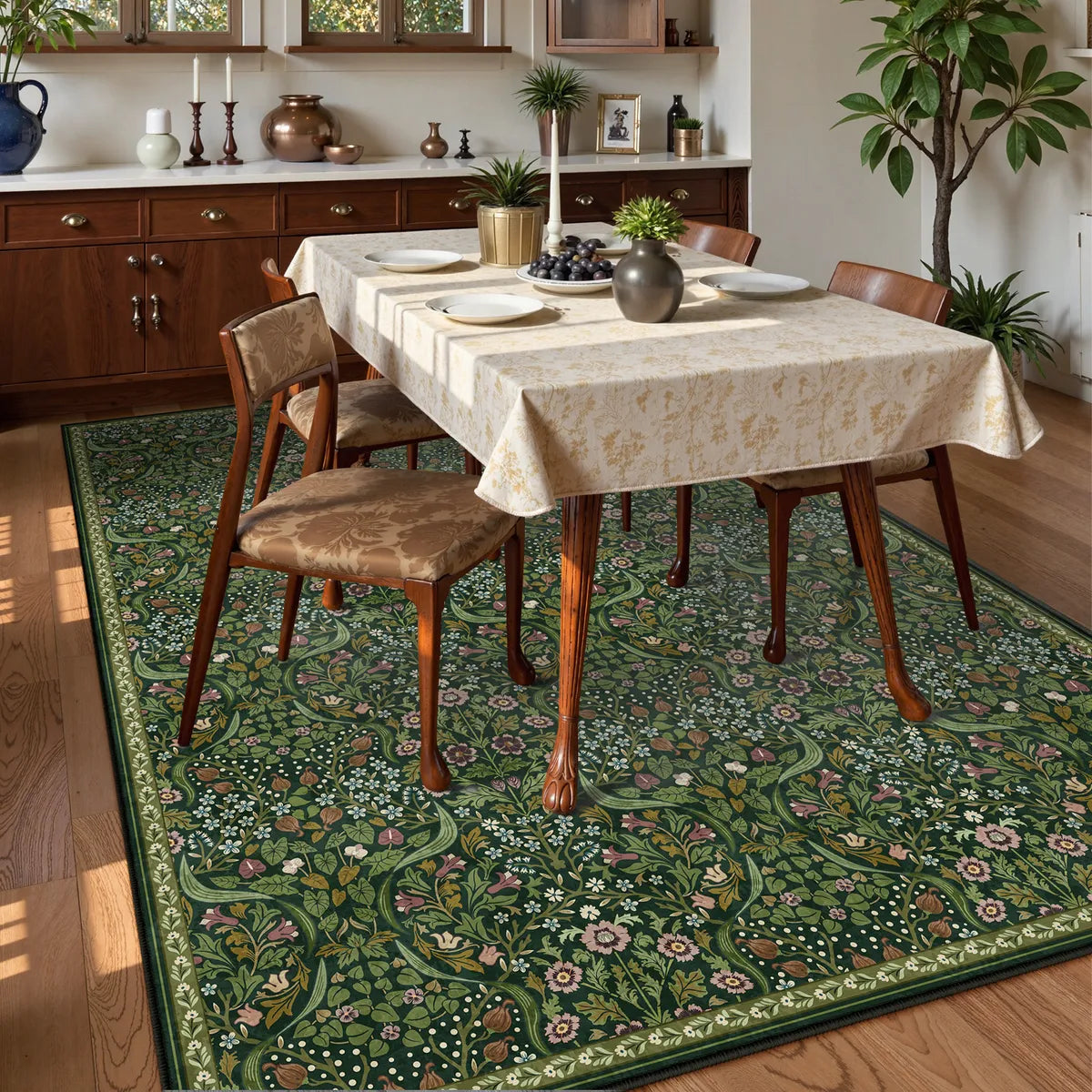
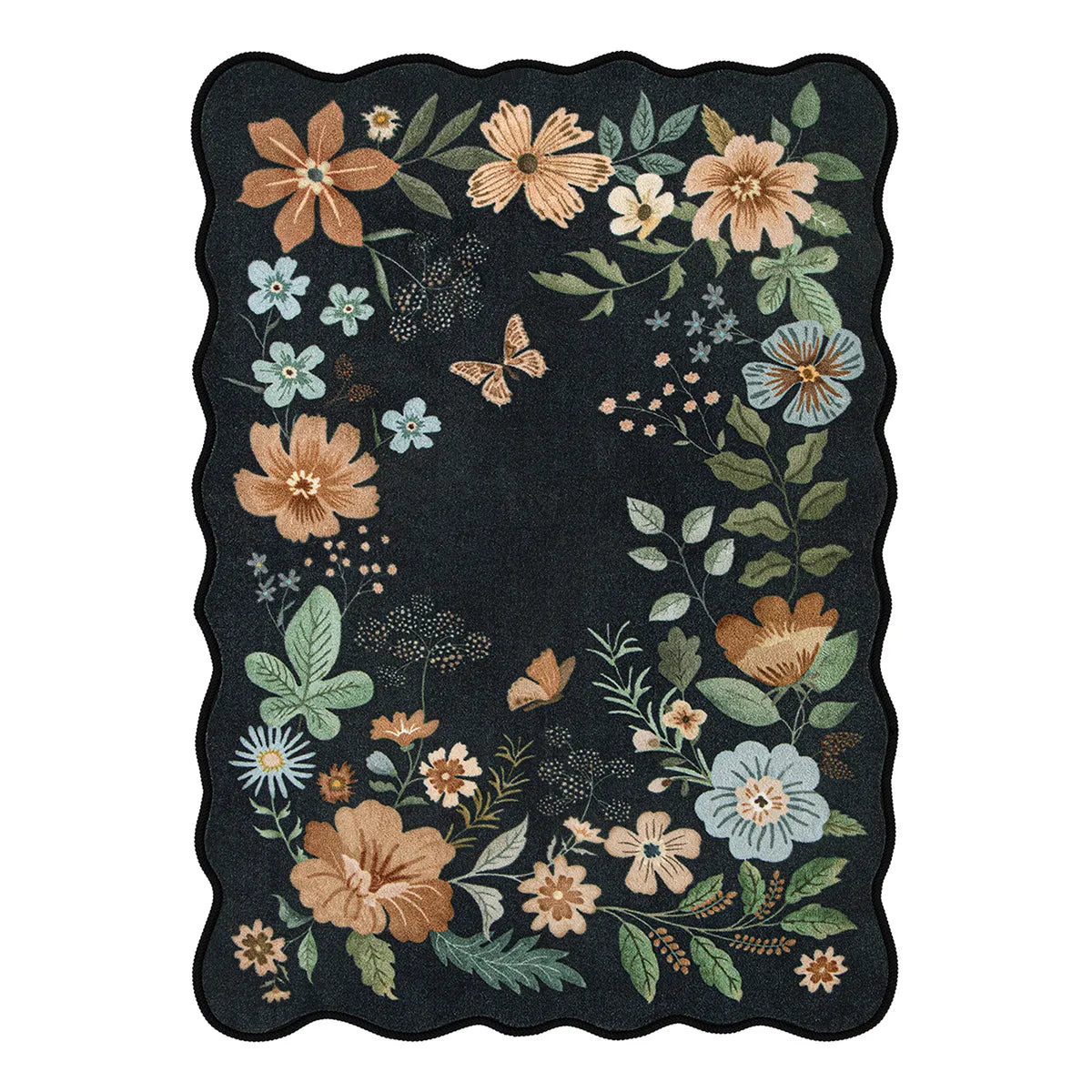
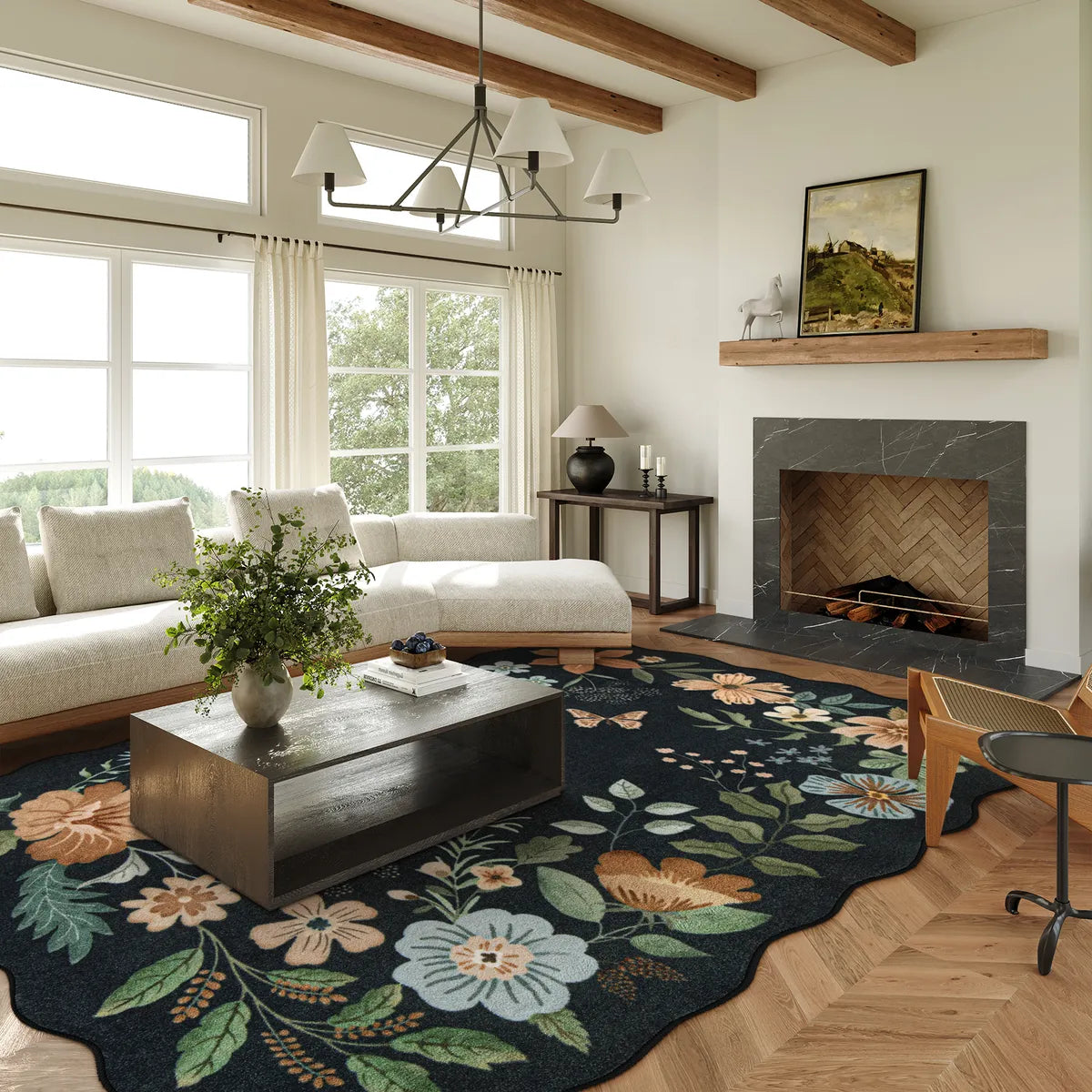
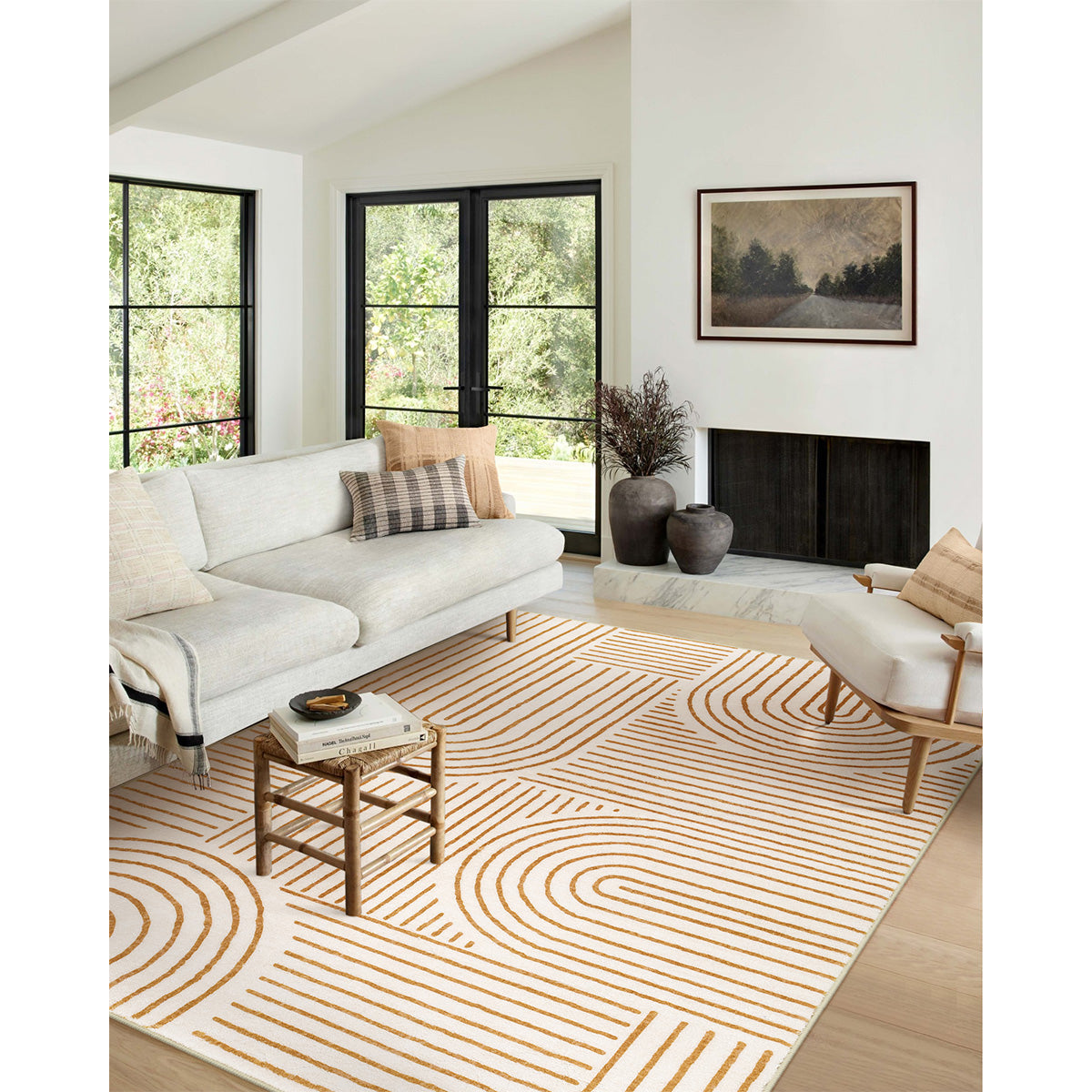
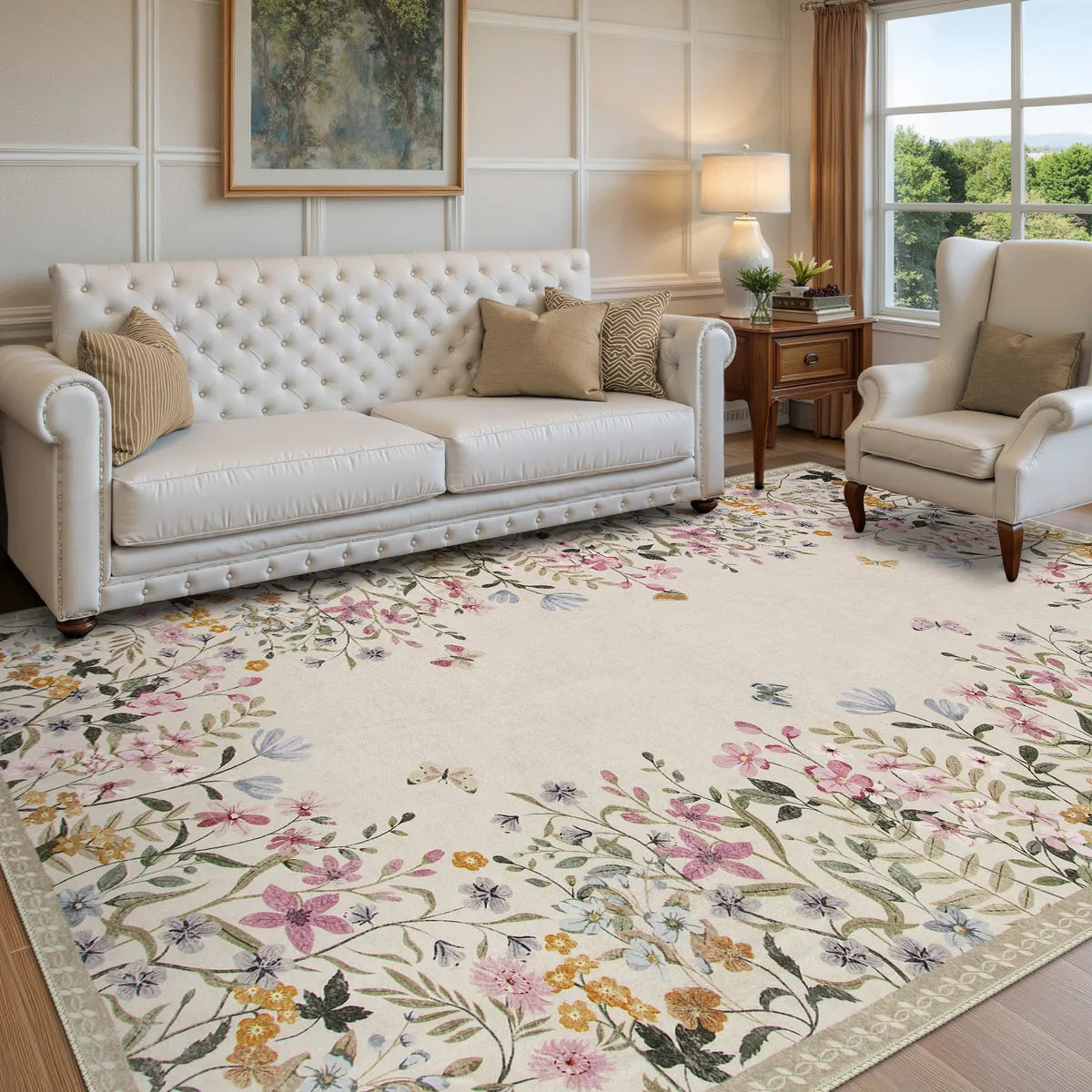
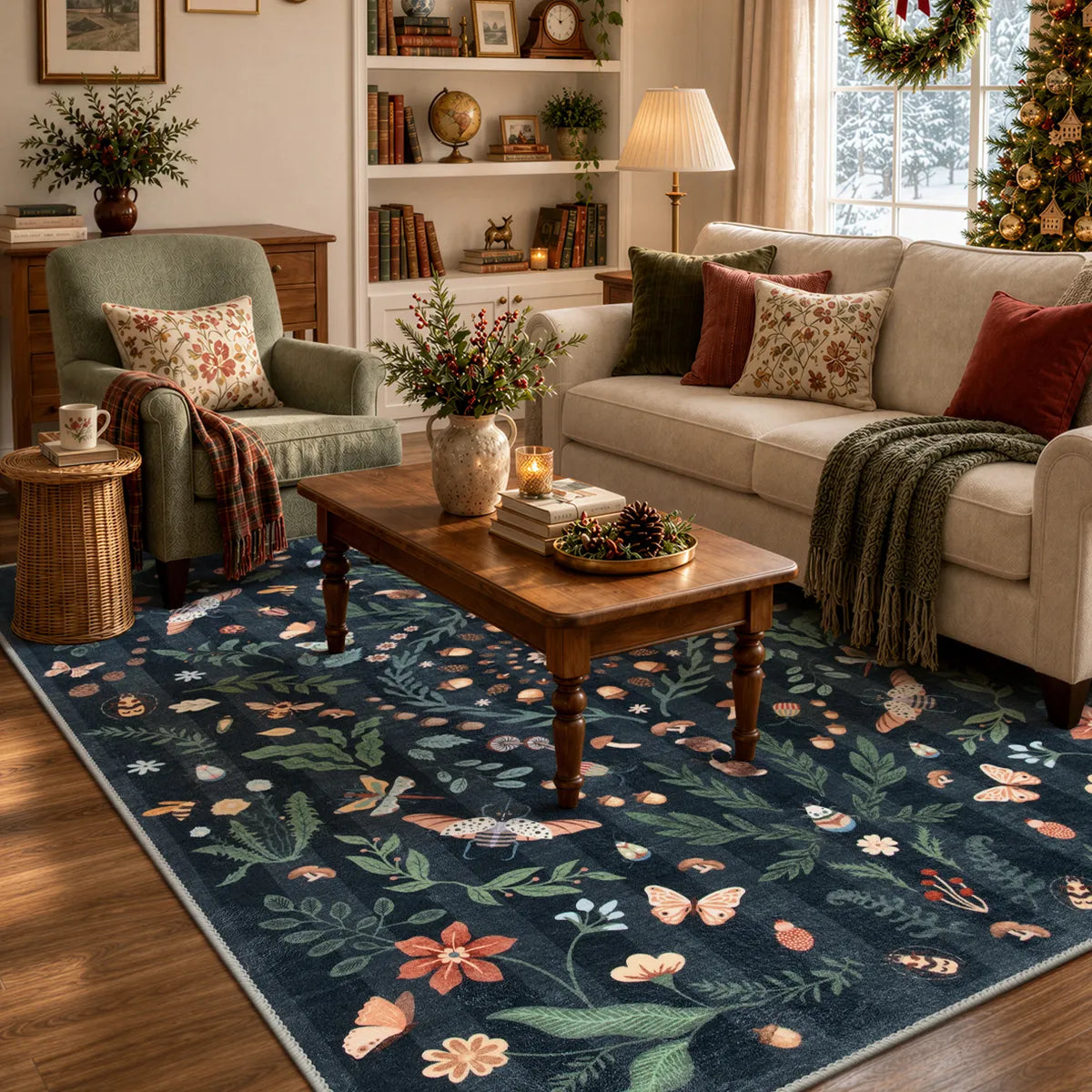
Look for one color that appears in both the rug and the tree. A red-accent rug can reinforce a tree decorated with red ornaments, while a neutral tree can work beautifully with a patterned rug that adds color underneath it.
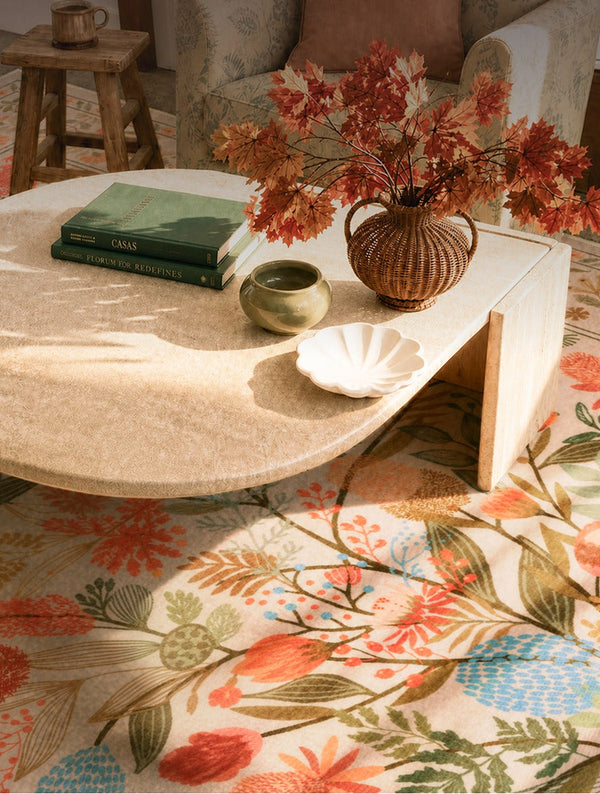
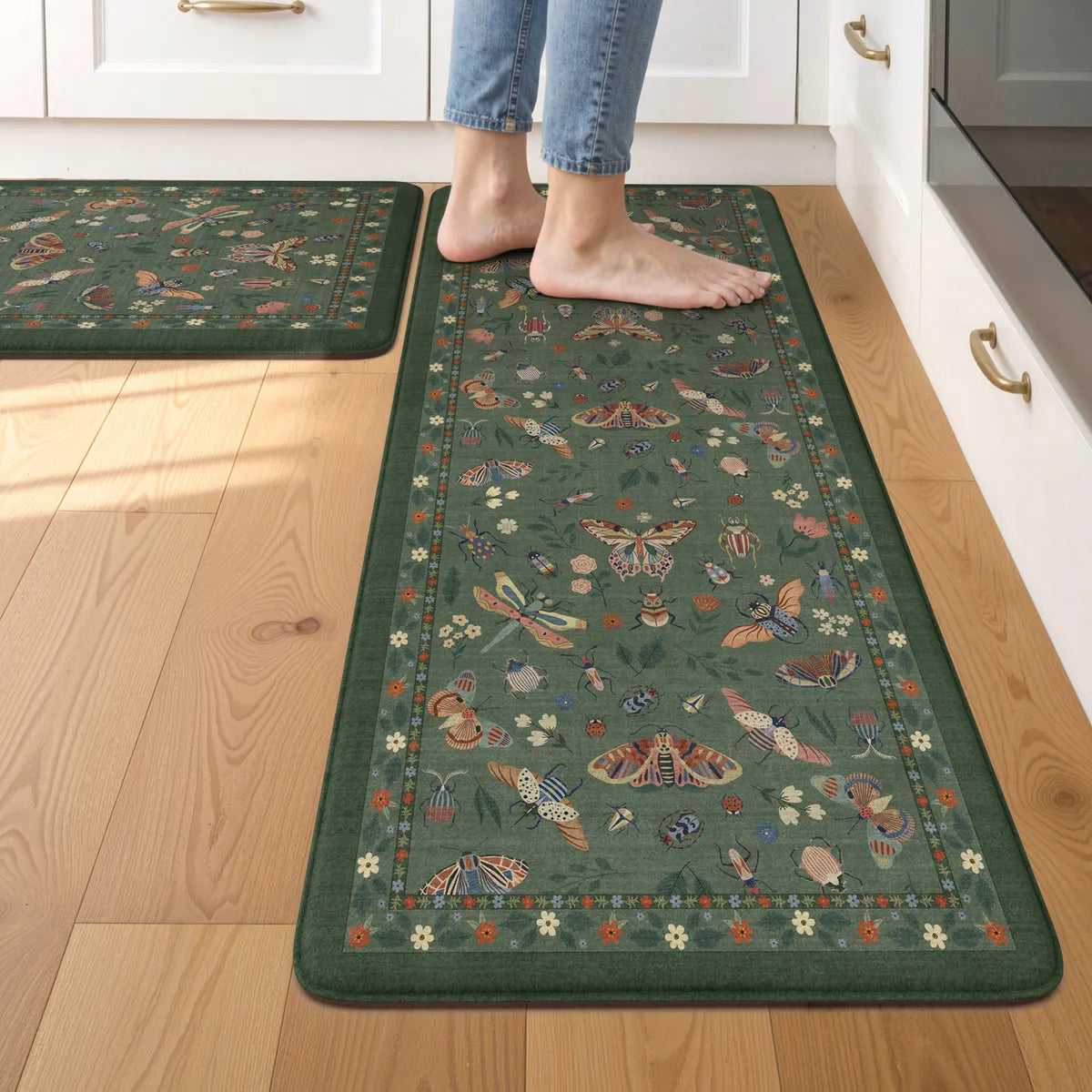
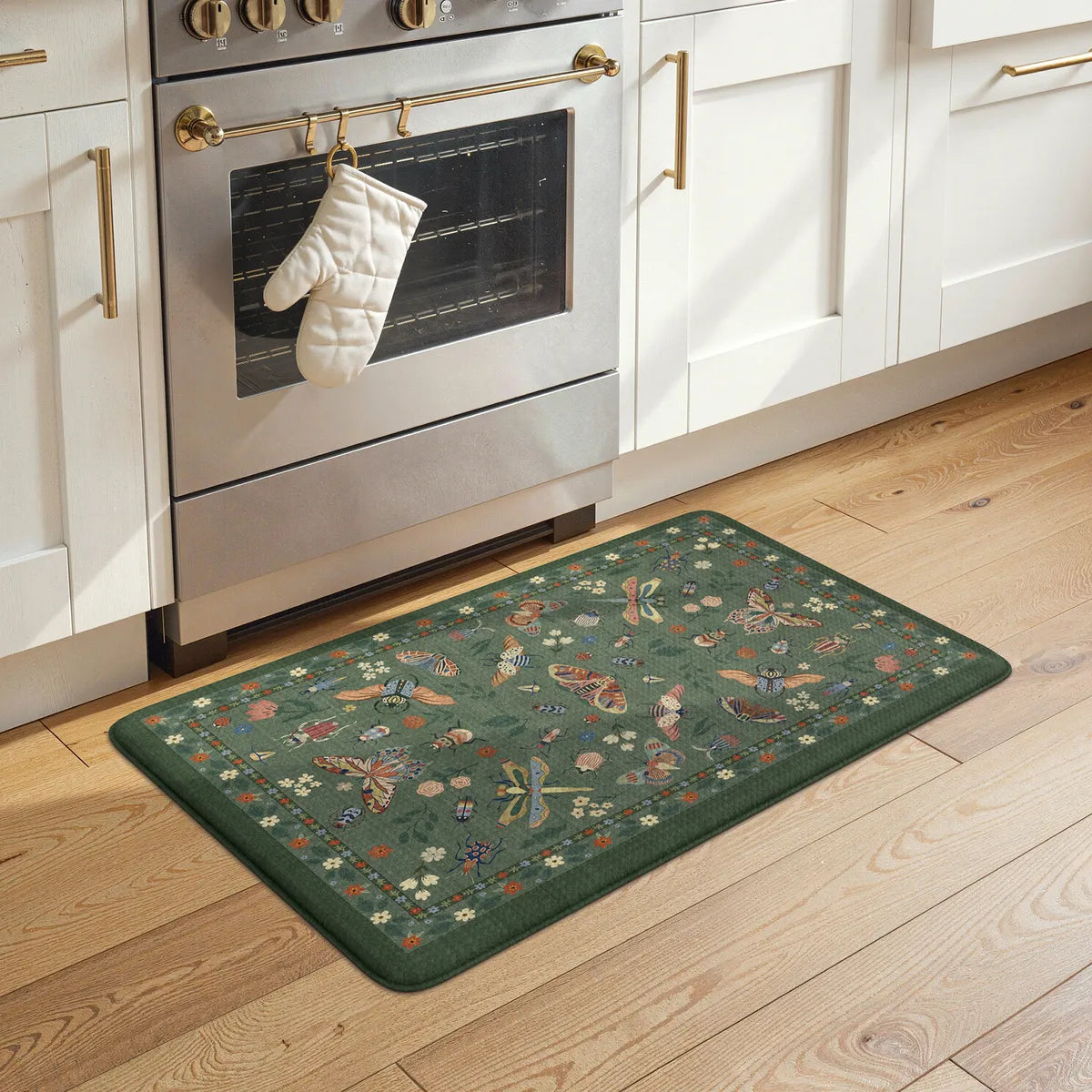
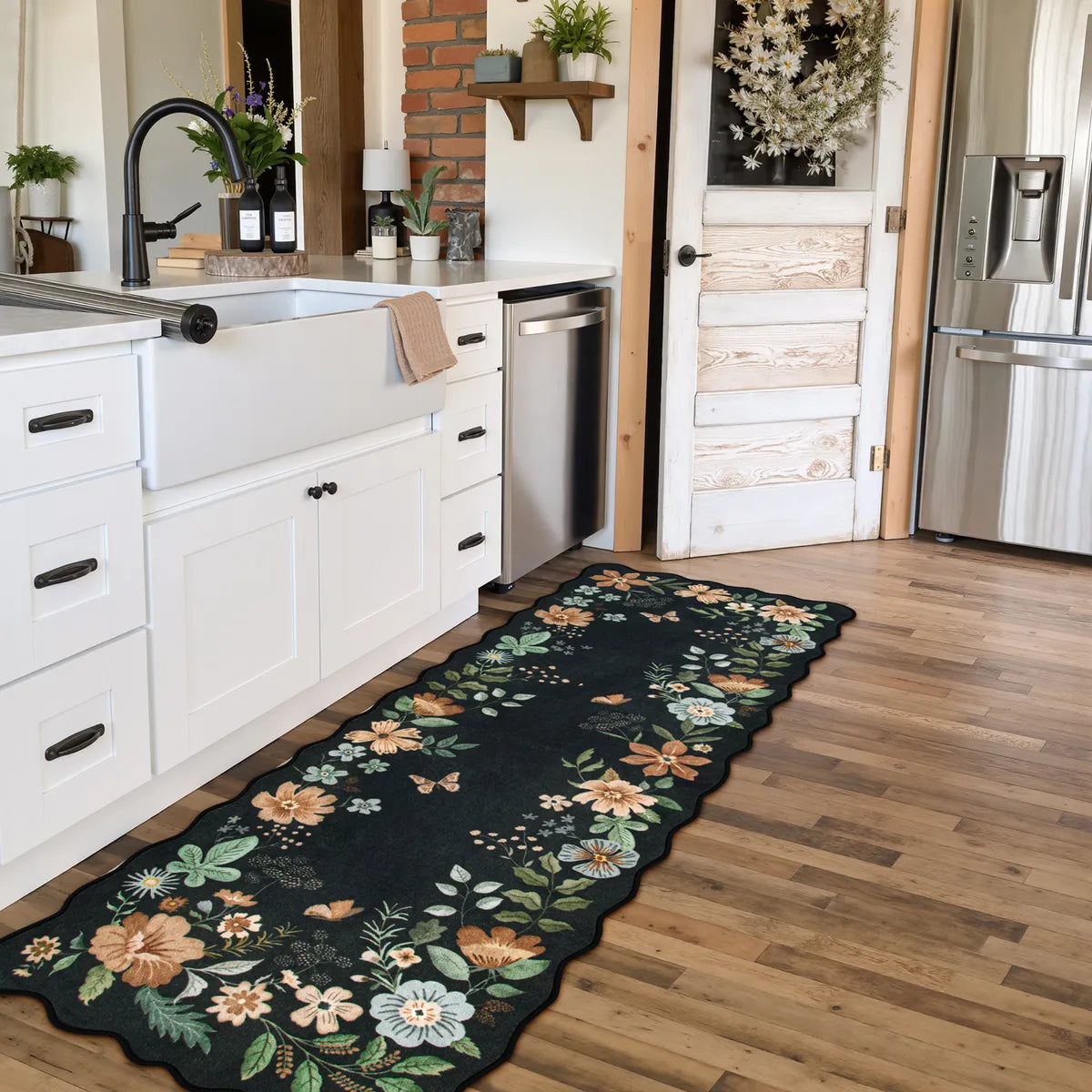
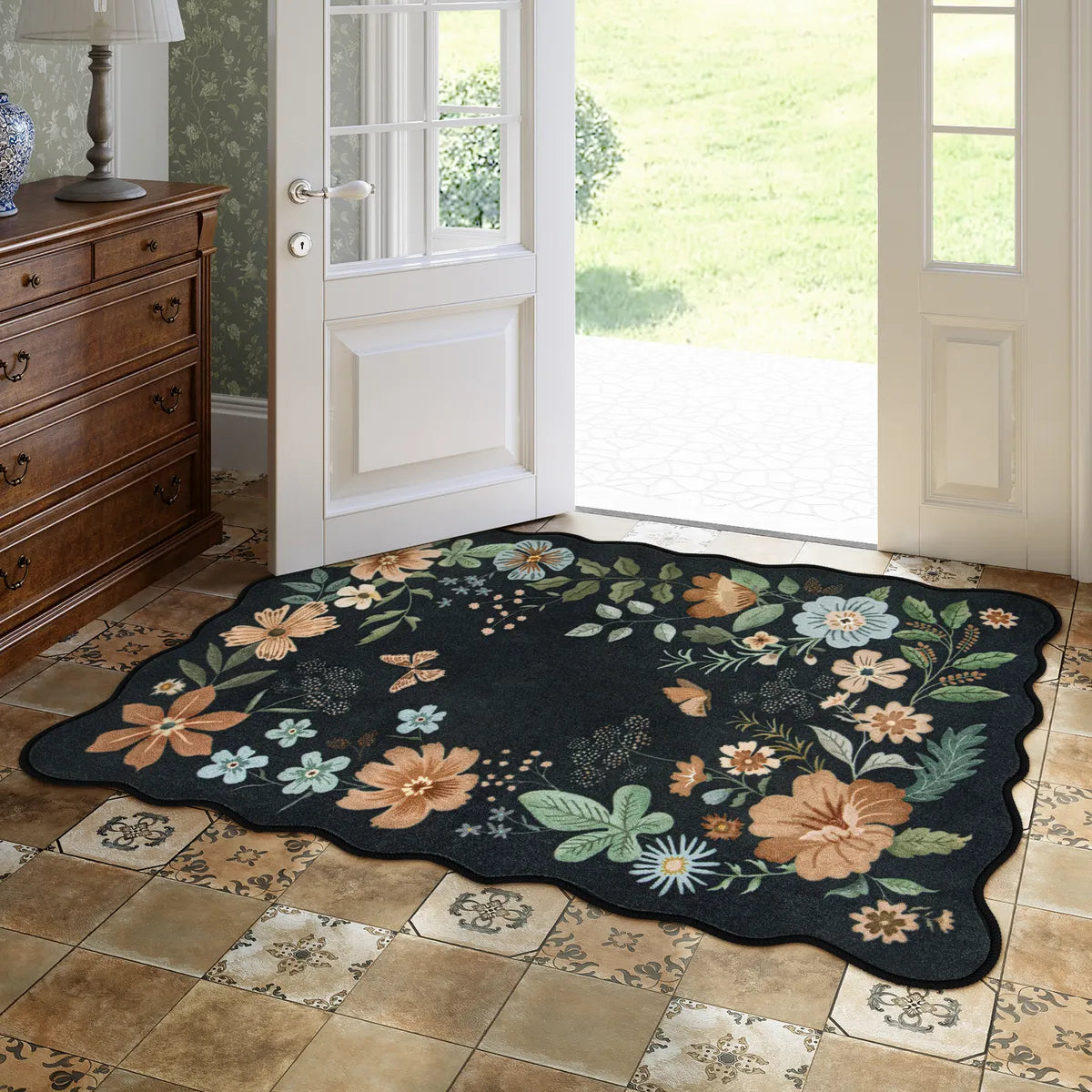
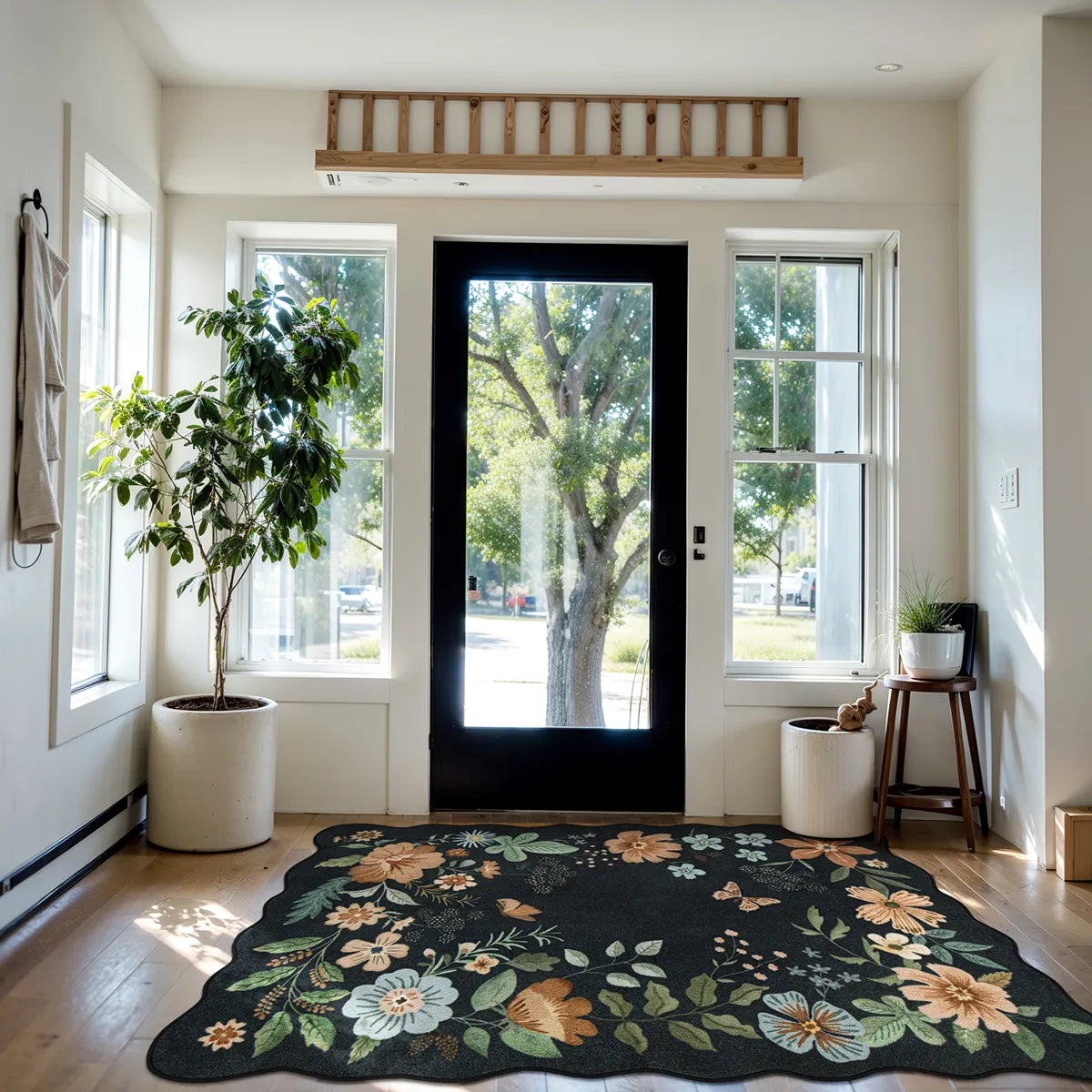
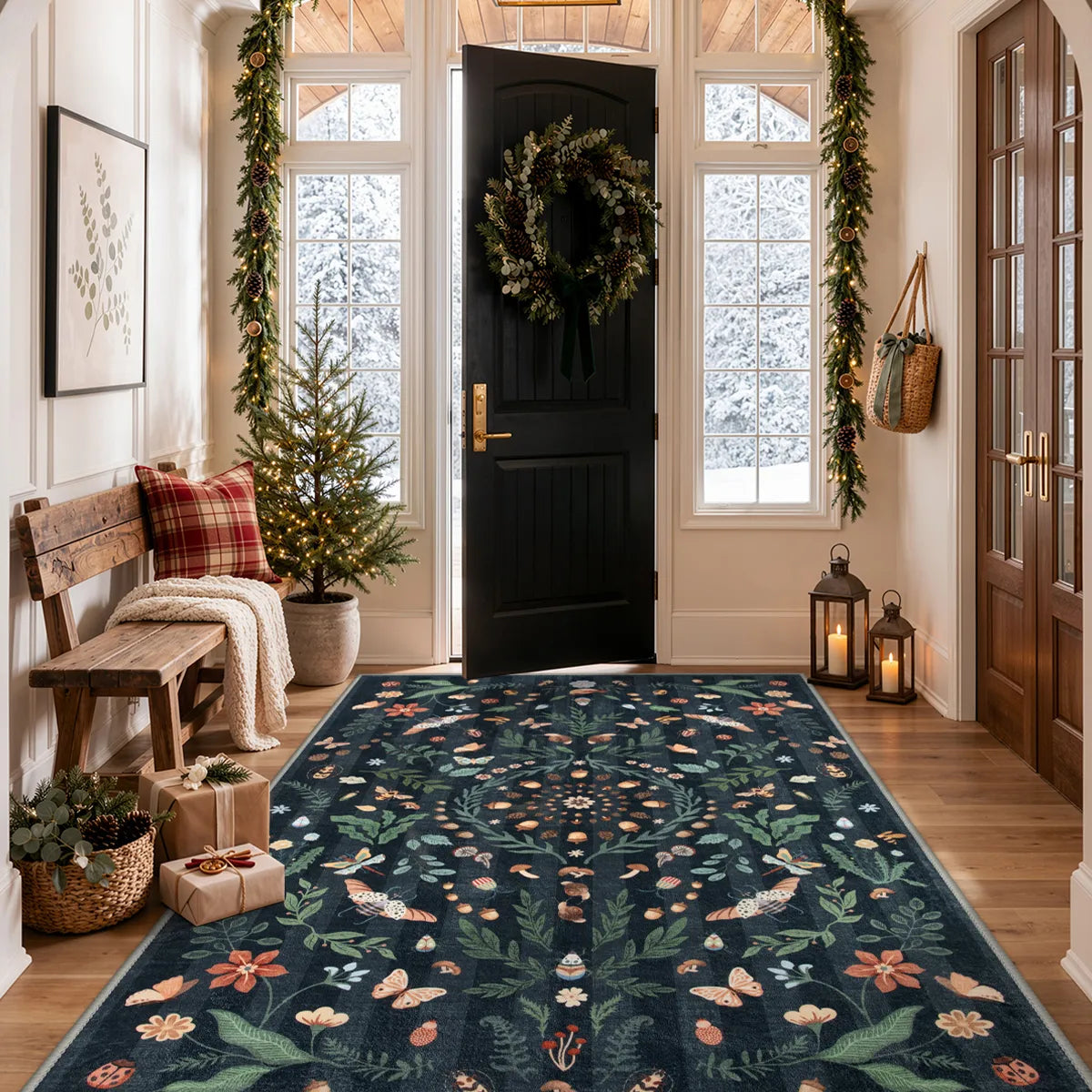
The rug does not need to have Christmas motifs, either. A traditional pattern, vintage-inspired design, or understated neutral rug can give the tree a visual base while keeping the room cohesive.
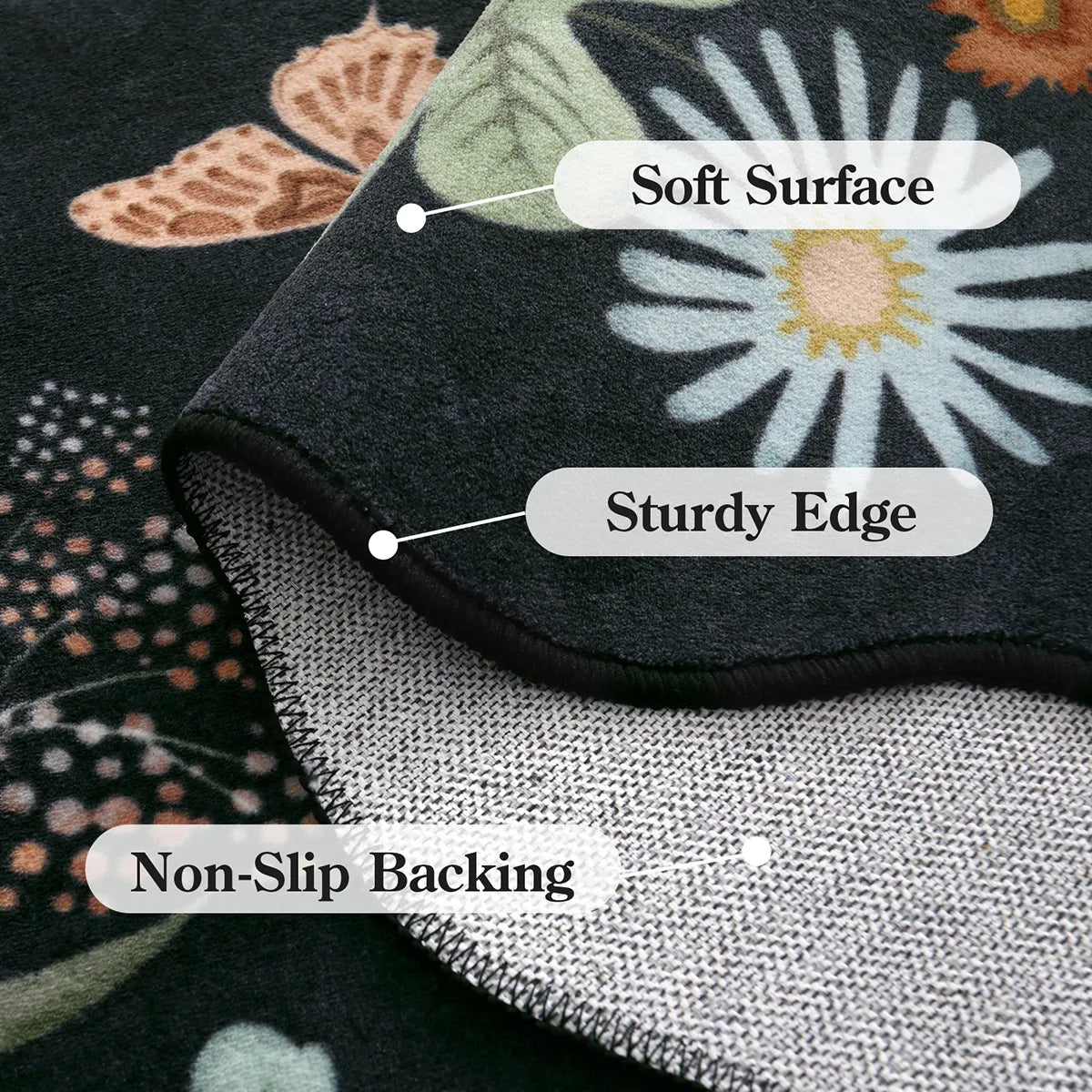
If you are looking for a rug specifically for the holiday season, see Lahome's Christmas Rugs.


Extend the Christmas Look Beyond the Tree
The tree should not be the only place where the holiday palette appears. Small details around the room can carry the same colors and materials outward.
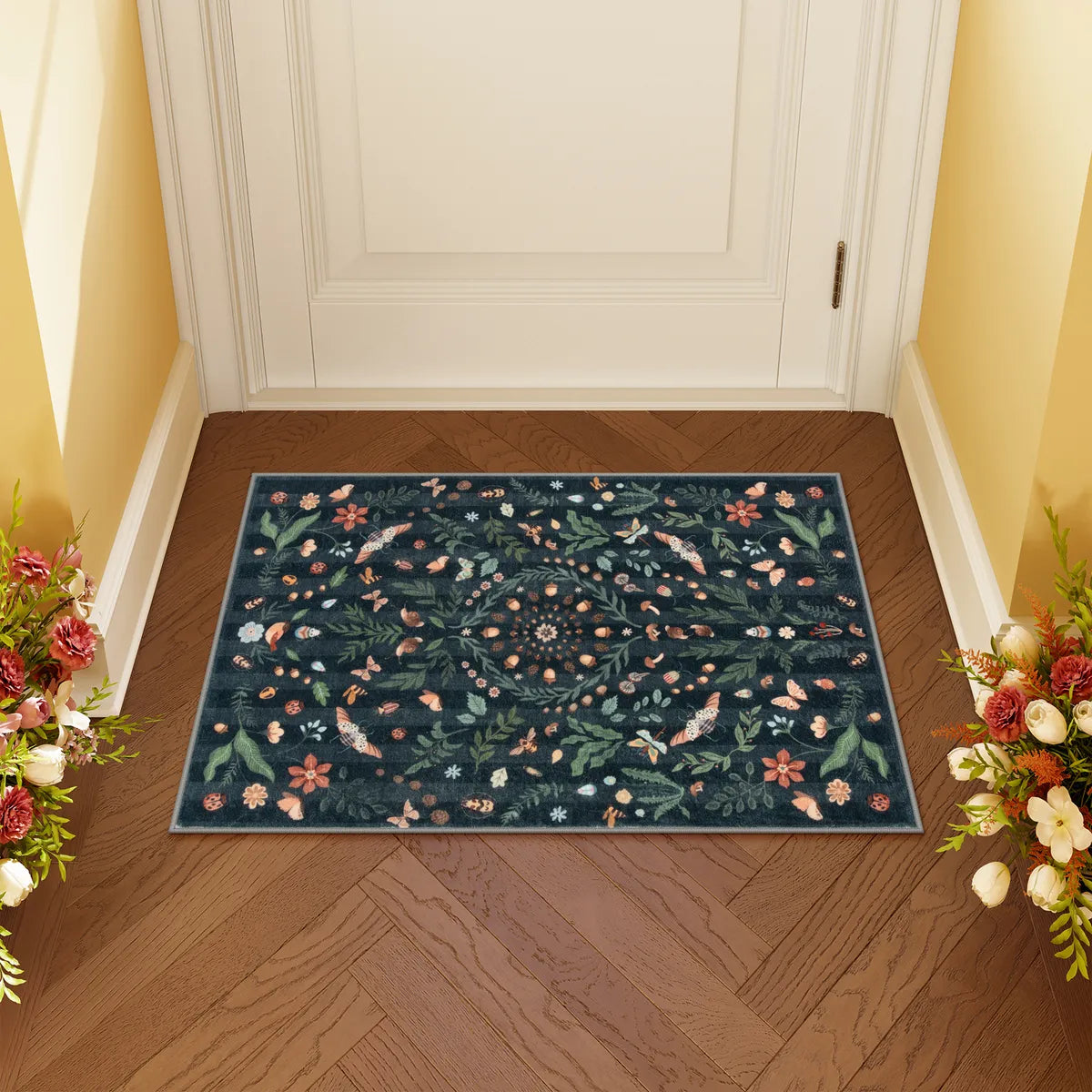
A tree skirt, throw pillows, mantel decorations, an entryway rug, or a few tabletop pieces can repeat the colors already established on the tree. You do not need to decorate every surface. A few connections are usually enough.
For more ideas on bringing the same approach into different rooms, see Lahome Holiday Inspiration.

Looking for More Christmas Tree Decorating Ideas?

Sometimes you need a step-by-step guide. Sometimes you just want to see what other people are doing.
For Visual Inspiration
Pinterest is useful when you want to browse a wide range of Christmas tree styles, color combinations, and decorating ideas.
Use Pinterest when you want to see a wide range of possibilities. Use this guide when you are ready to decide what goes where and actually decorate your tree.
And if you are planning more than the tree, Lahome Holiday Inspiration brings the same thinking into the rest of the home, from the living room to the entryway and other holiday spaces.
Each resource serves a different purpose: Pinterest for inspiration, this guide for the decorating process, and Lahome Holiday for whole-home Christmas ideas.
Christmas Tree Decorating Checklist
Use this quick checklist before, during, and after decorating your Christmas tree.
Decorating Order
-
Lights Start from the inside of the tree and work outward.
-
Ribbon Let it move naturally through the branches.
-
Large ornaments Spread the larger pieces across the tree first.
-
Medium and small ornaments Work them around the larger pieces, mixing sizes as you go.
-
Picks and greenery Add them where the tree still needs shape or texture.
-
Tree topper Finish the top with a piece that feels at home with the rest of the tree.
-
Tree skirt Finish the base and tie the whole look together.
Before You Start
Final Check
If the answer is yes to most of these, you are probably done. Step back before adding anything else—sometimes the last thing a tree needs is one more decoration.
Frequently Asked Questions
1. What Is the Correct Order to Decorate a Christmas Tree?
The best order is lights → ribbon → large ornaments → medium and small ornaments → picks and greenery → tree topper → tree skirt. Start with the layers that are harder to adjust later, then work outward. The tree skirt comes at the end because it finishes the base of the display rather than the branches.
2. How Do You Decorate a Christmas Tree for Beginners?
Start with a simple palette of 2–3 main colors and choose a decorating style before you begin. Follow the basic decorating order rather than placing decorations randomly. Use three ornament sizes to create variation, and step back regularly to see the whole tree. You do not need to fill every branch. Some open space helps larger decorations stand out.
3. How Do You Decorate a Christmas Tree With Lights?
Add lights before the other decorations. Start deeper inside the branches and work toward the outer tips, distributing the lights throughout the tree rather than keeping them only on the surface. Move around the tree as you work and check for dark areas before adding ribbon or ornaments.
4. How Do You Decorate a Christmas Tree With Ribbon?
Add ribbon after the lights. Instead of wrapping one rigid spiral from top to bottom, work in smaller sections and vary where the ribbon sits within the branches. Tuck some sections deeper into the tree and leave others closer to the front. Keep the movement loose and natural rather than trying to make every section identical.
5. How Do You Decorate a Christmas Tree to Look Full?
A full-looking tree depends more on depth, scale, and layering than on the number of decorations. Place some ornaments deeper inside the branches, mix large, medium, and small pieces, and use ribbon or greenery to add volume. Fill obvious gaps selectively rather than covering every open space.
6. How Do You Decorate a Christmas Tree Professionally?
A professionally decorated tree usually has balanced visual weight, varied scale, repeated colors, depth, texture, and a clear focal point. Negative space matters too. Step back often and adjust pieces that feel too heavy, repetitive, or disconnected from the rest of the tree.
7. How Do You Decorate an Outdoor Christmas Tree?
Keep an outdoor Christmas tree simpler and choose decorations designed for outdoor conditions. Use outdoor-rated lights, secure lightweight decorations so they can handle wind, and choose materials that can withstand moisture and temperature changes. Focus on a few larger elements rather than using the same level of detail as an indoor tree.
A well-decorated Christmas tree is rarely about having more decorations. Start with a clear palette, build your layers in order, and use different sizes, textures, and depths to give the tree dimension. Then step back and edit. Keep what adds something, move what feels heavy, and leave room for the tree to breathe.
The same idea applies to the rest of the room. Your Christmas tree should feel connected to the rug, textiles, furniture, and other holiday details around it rather than standing alone.