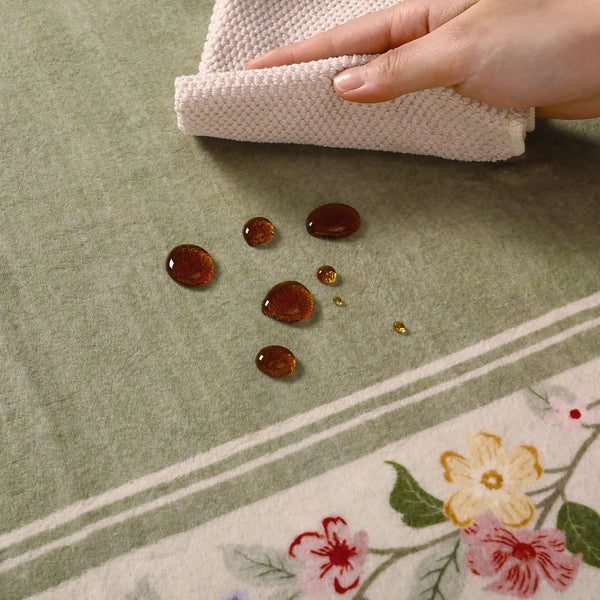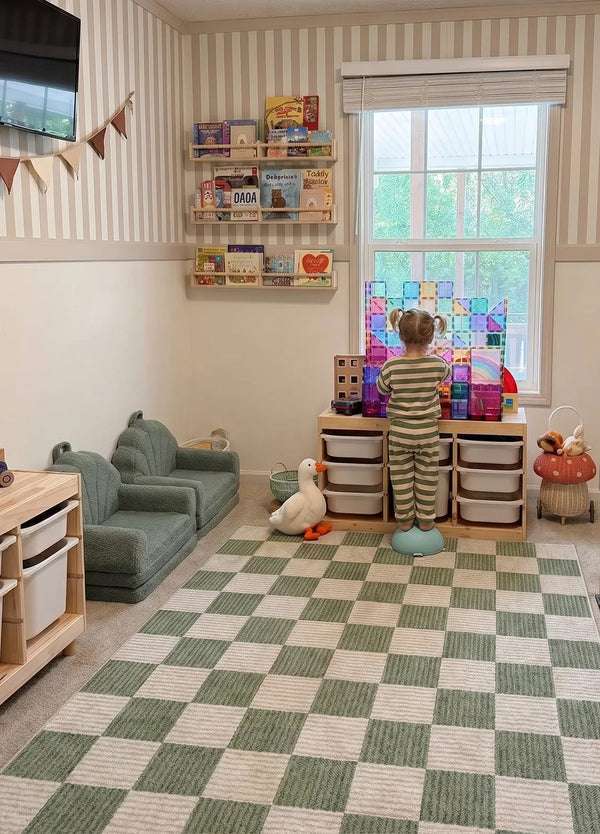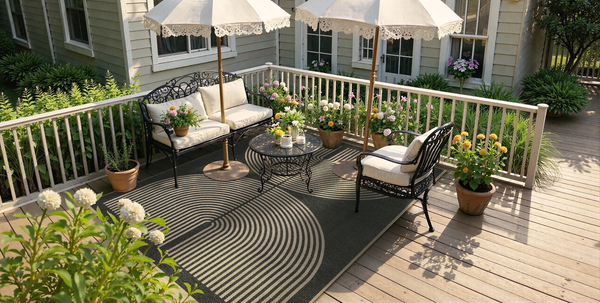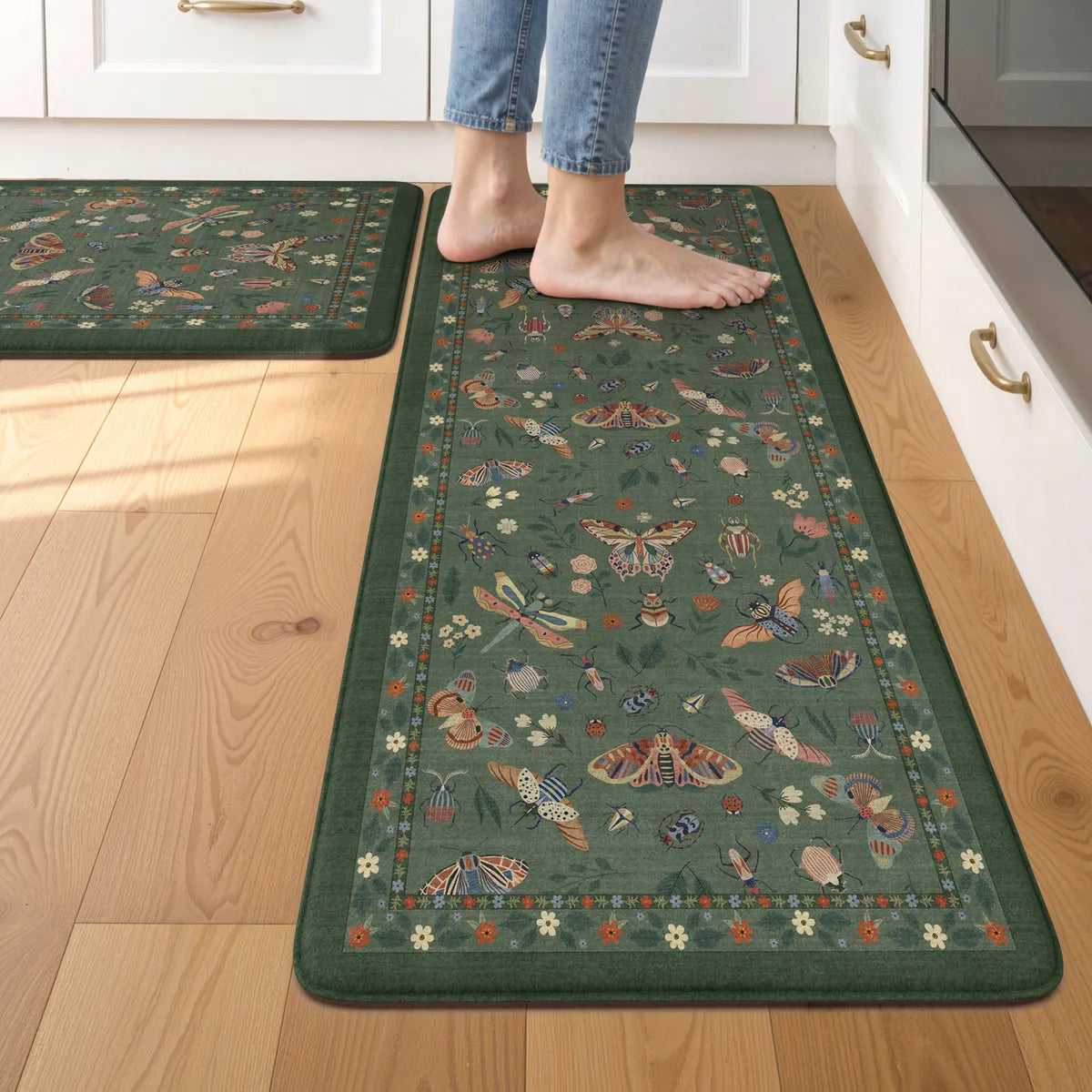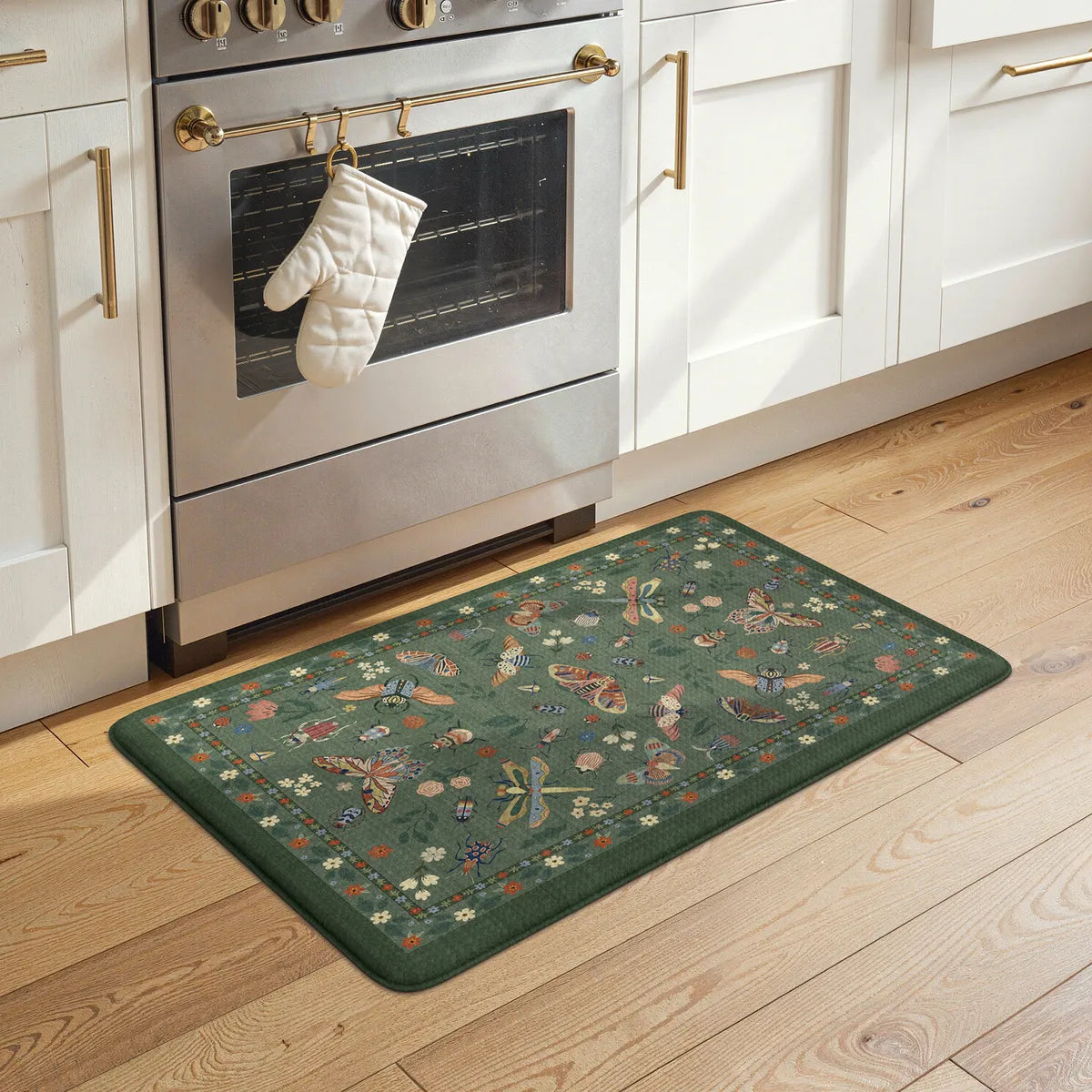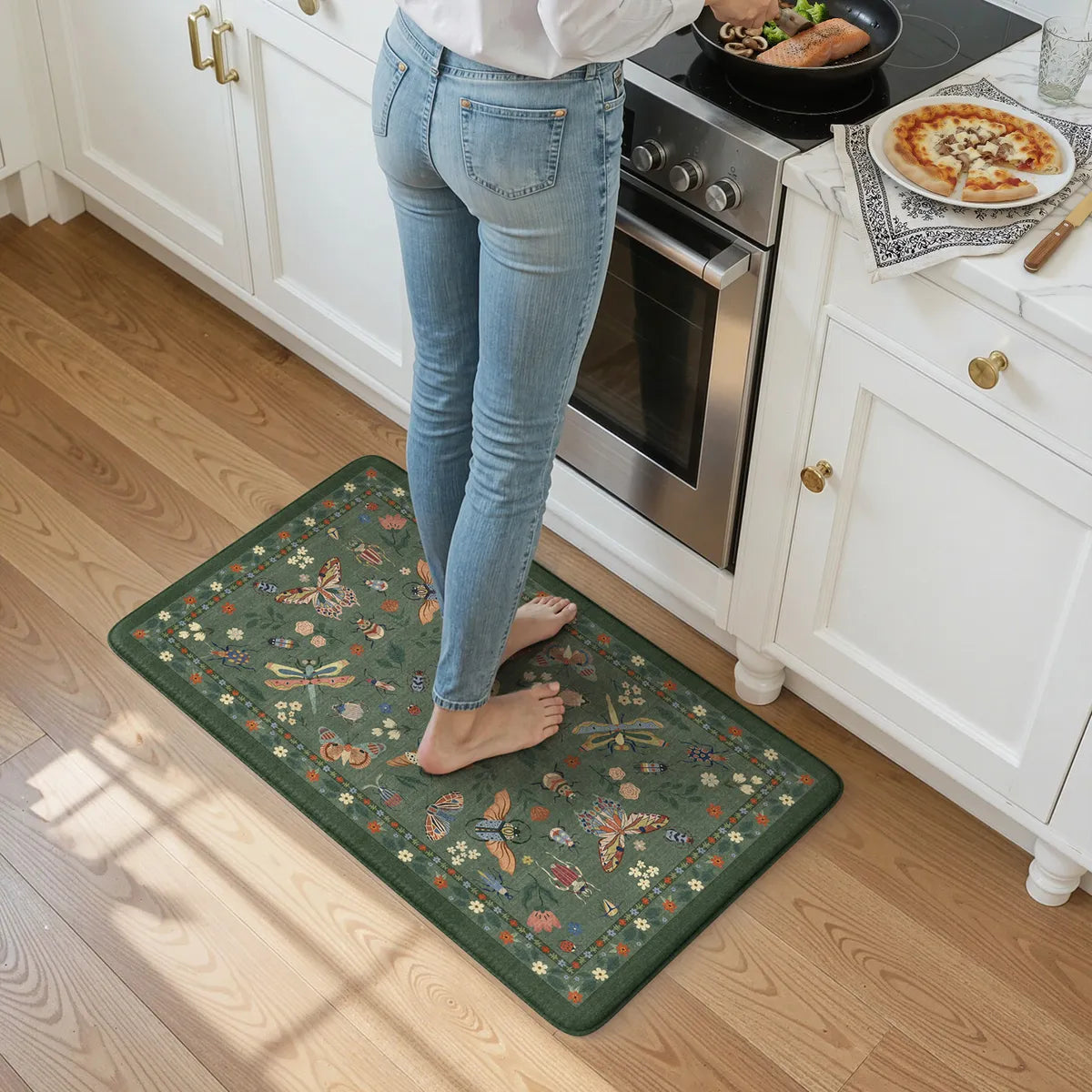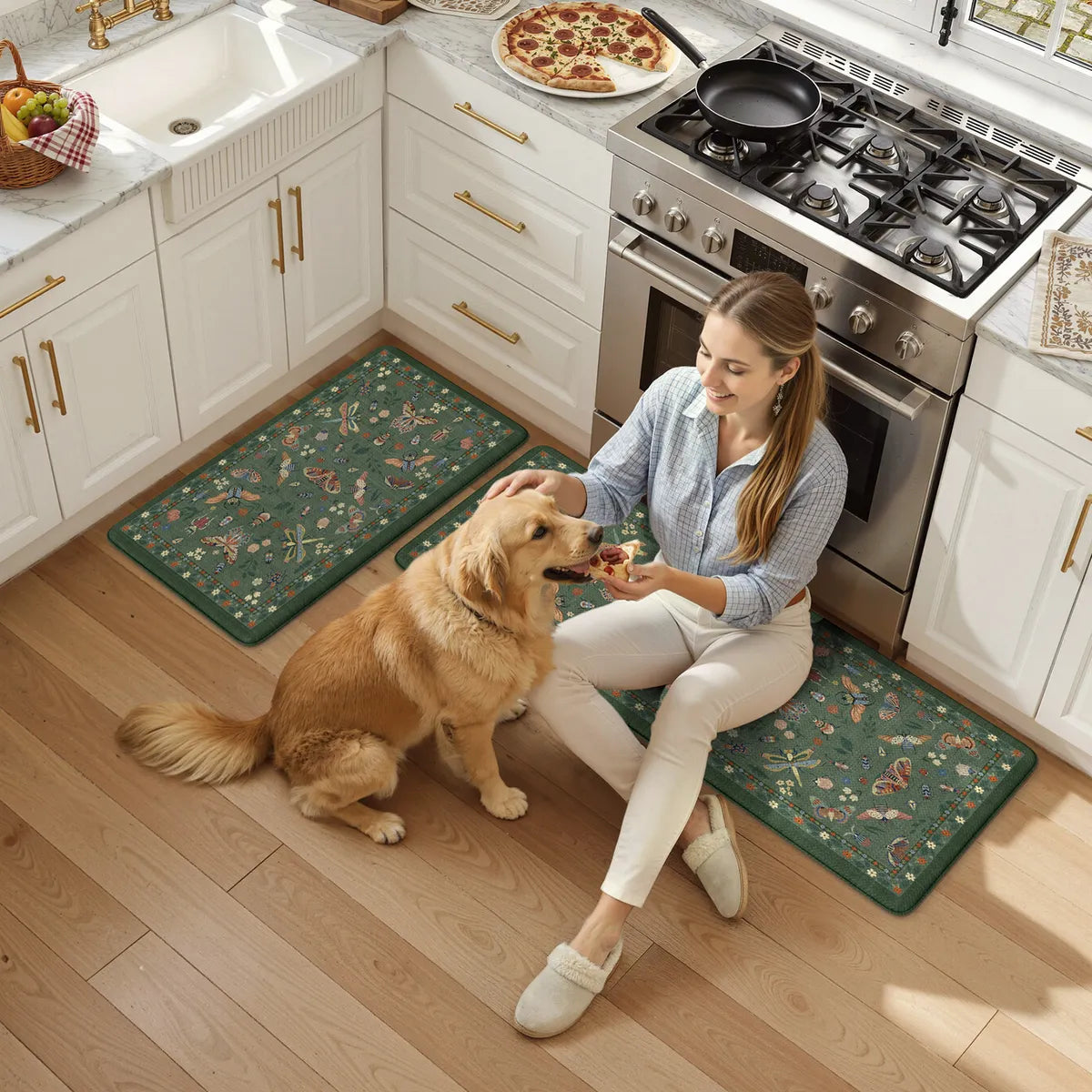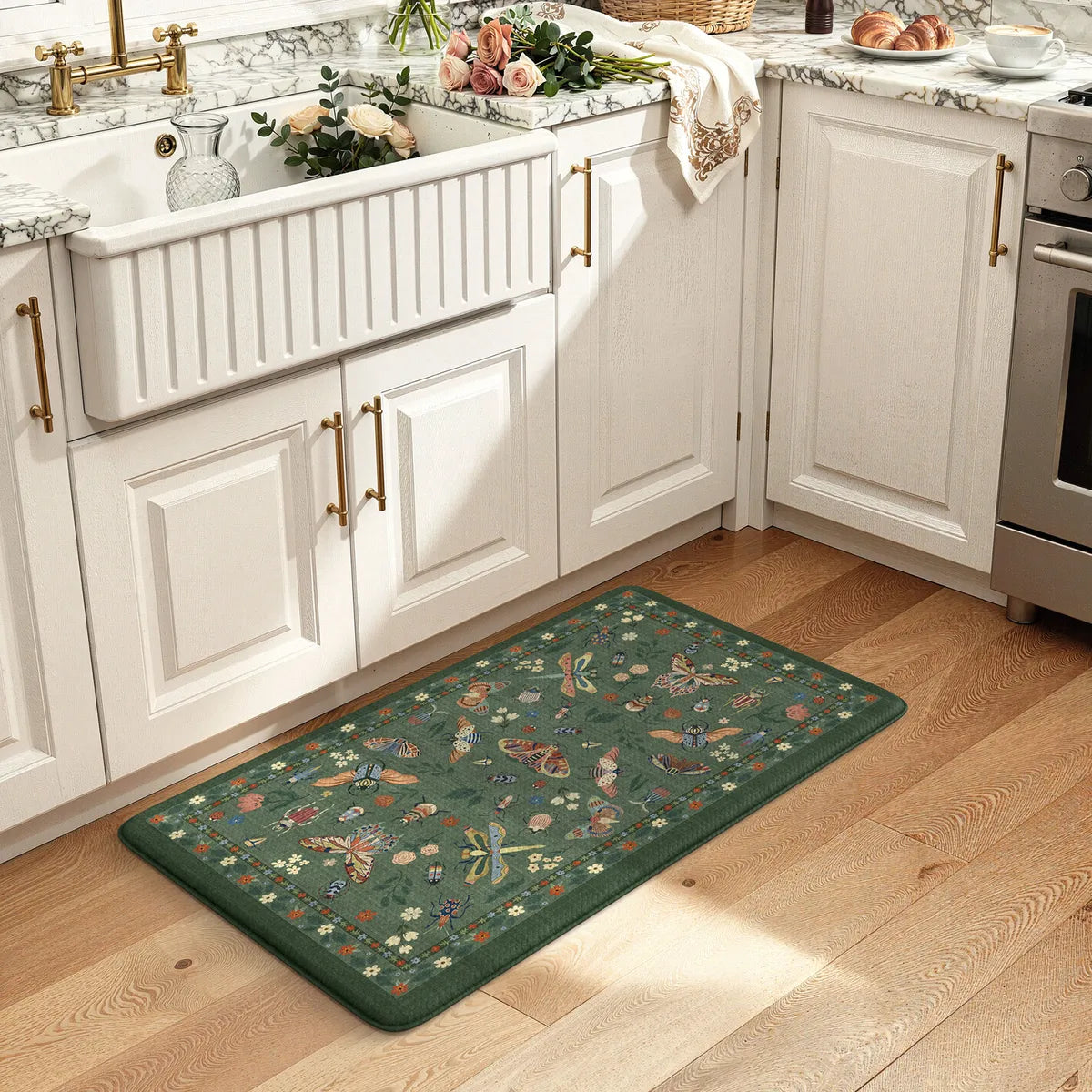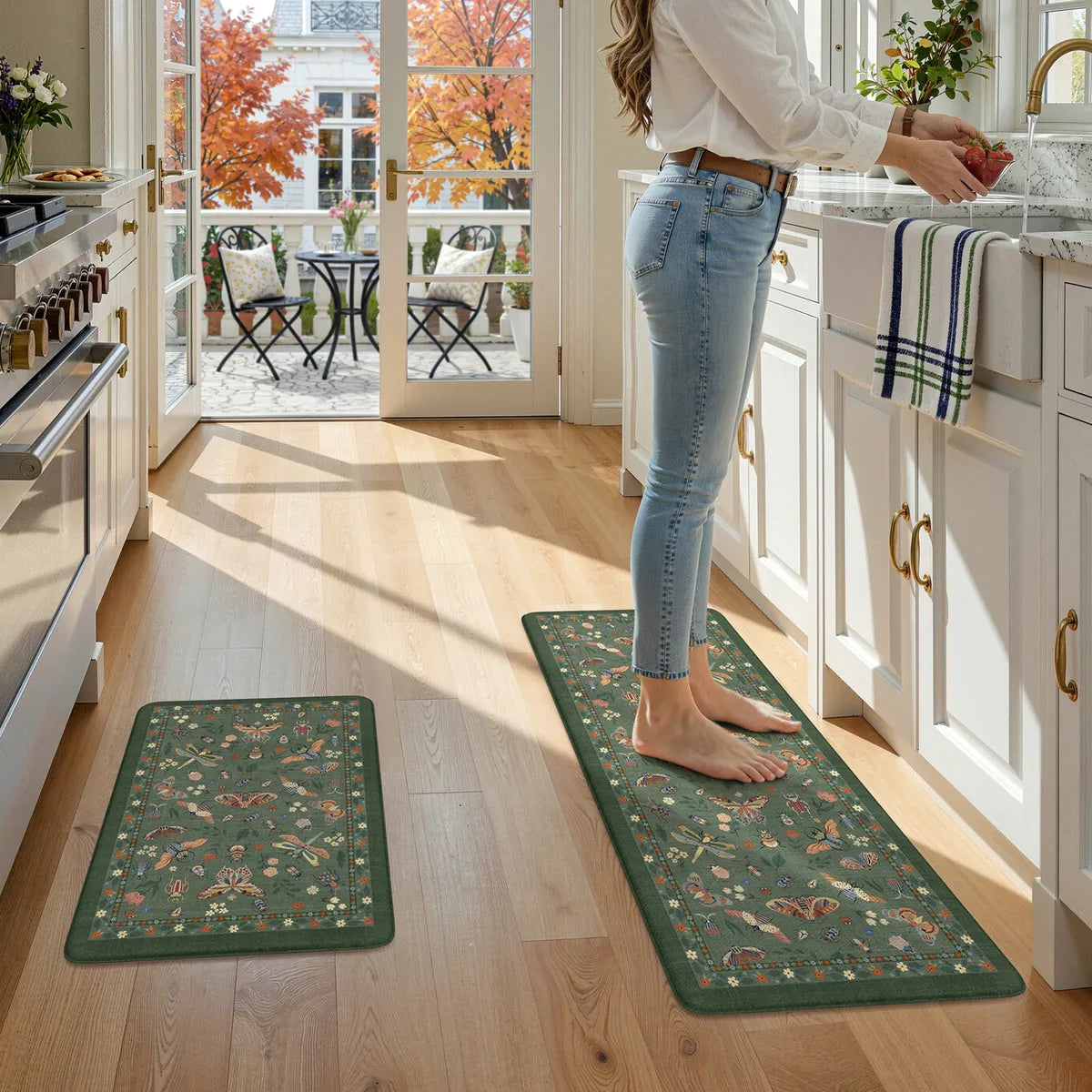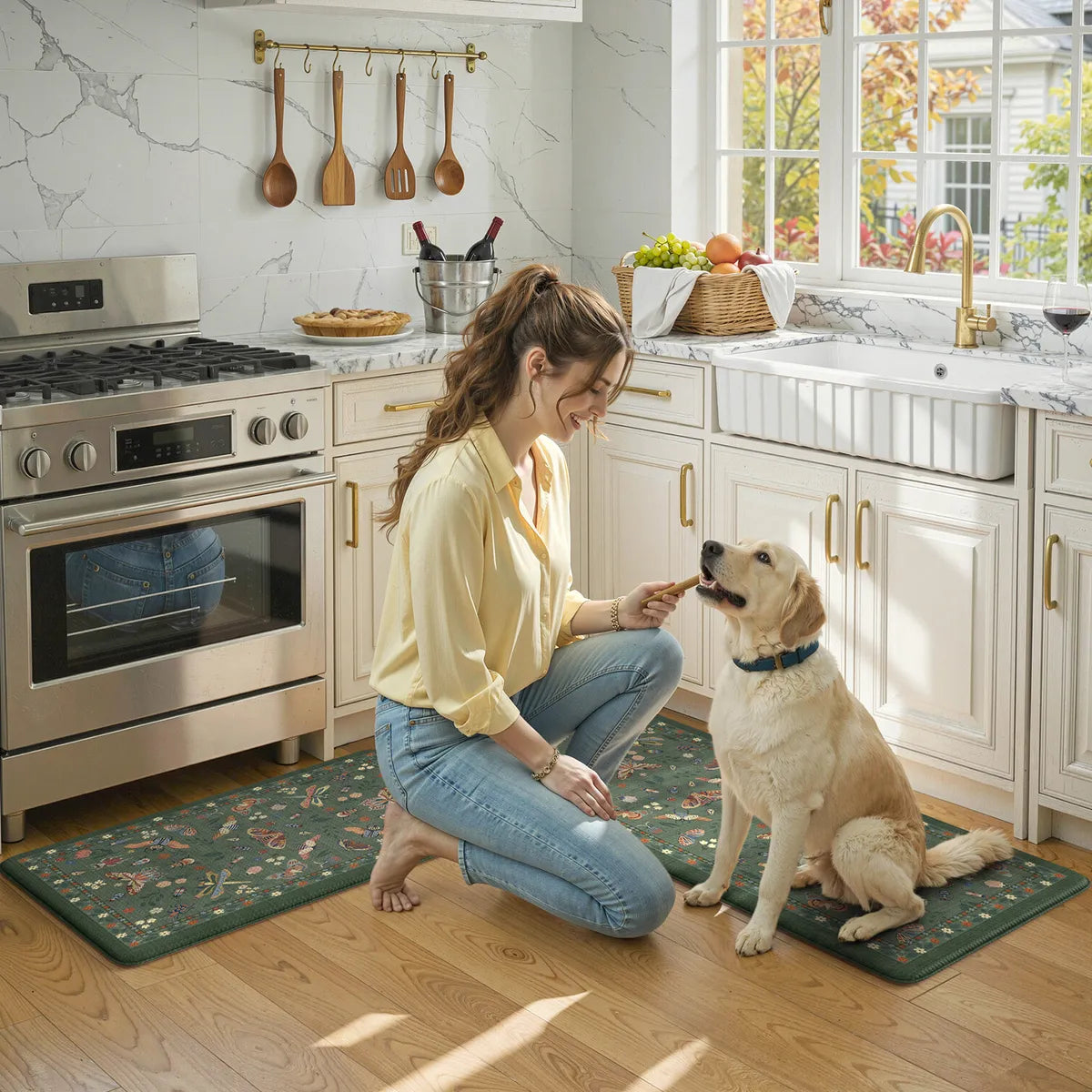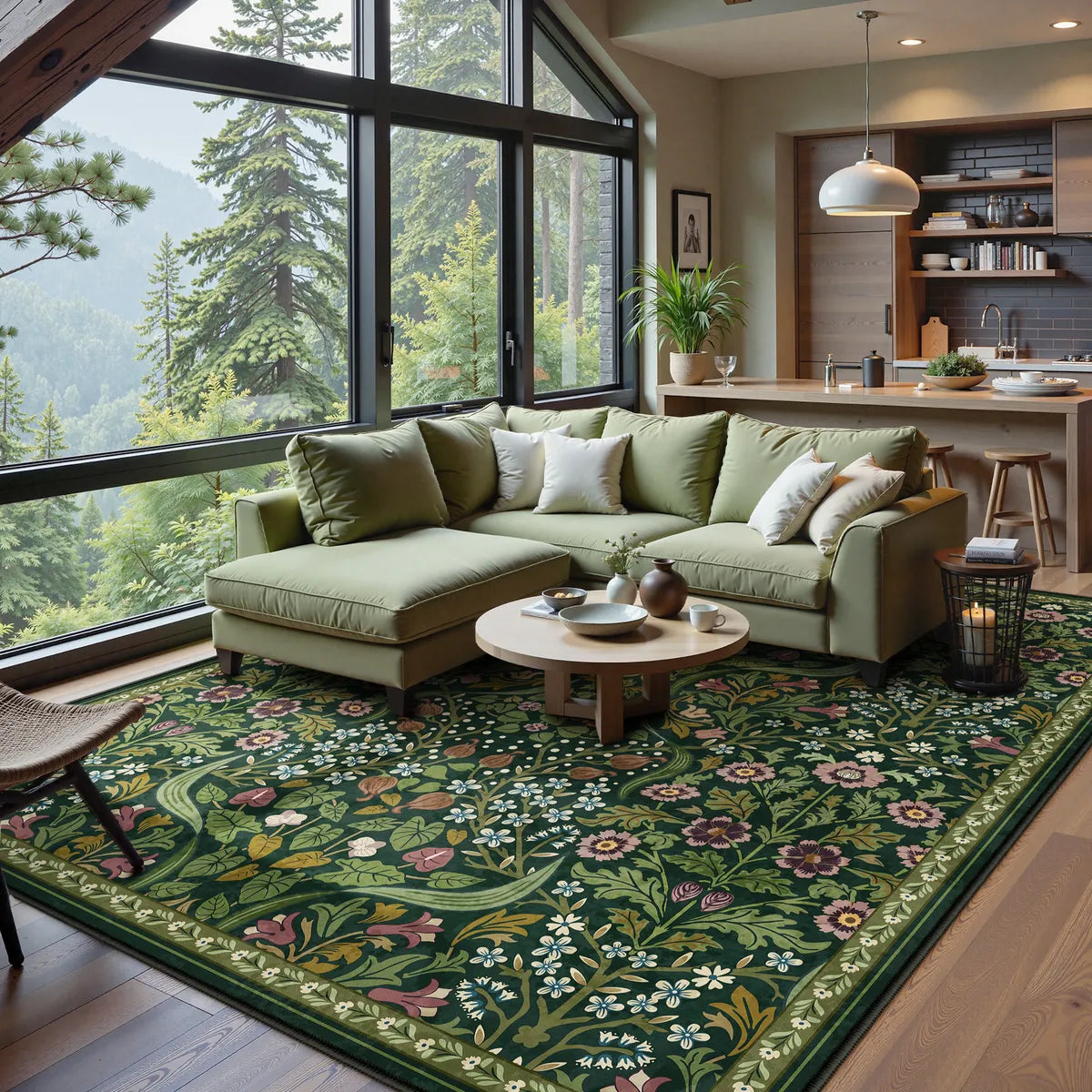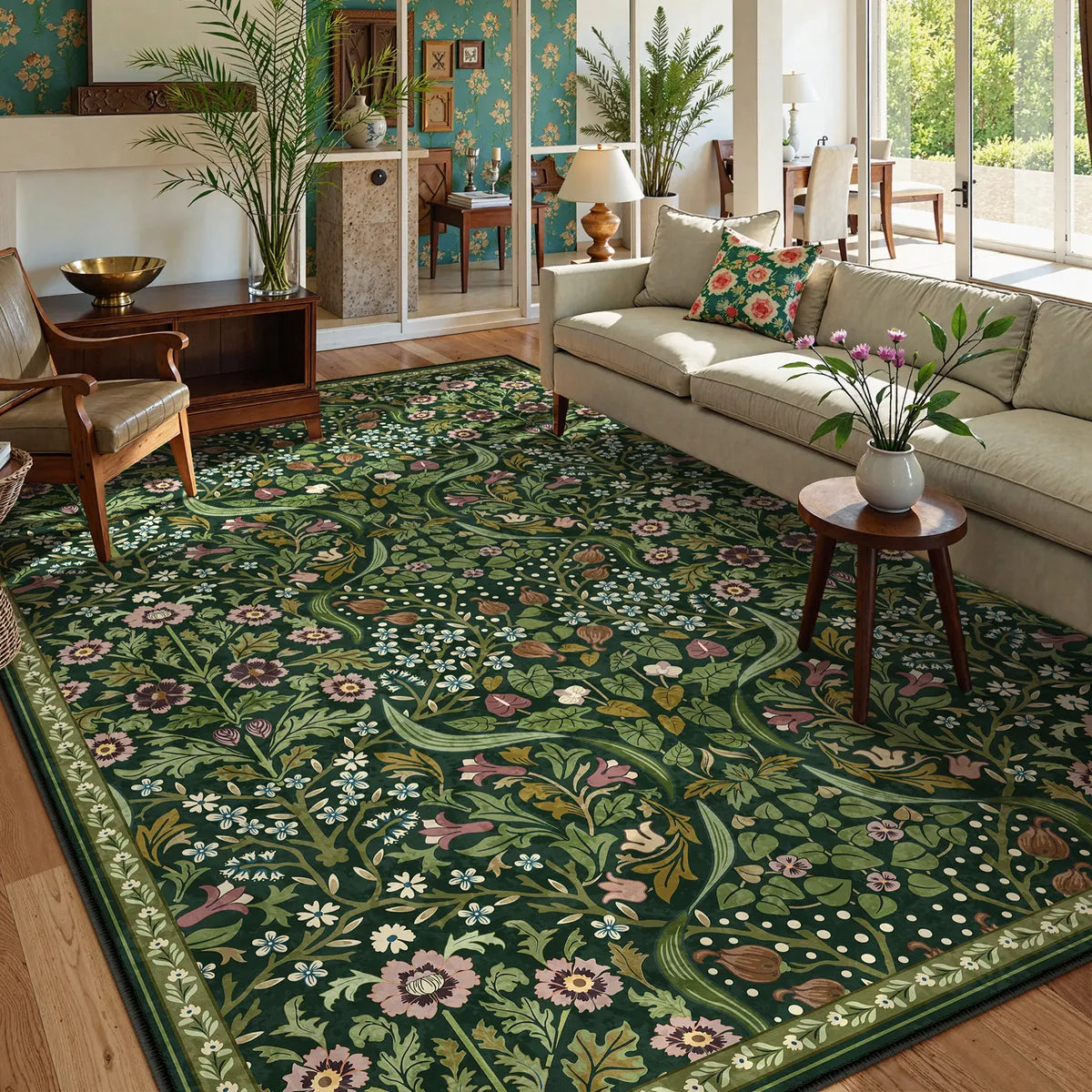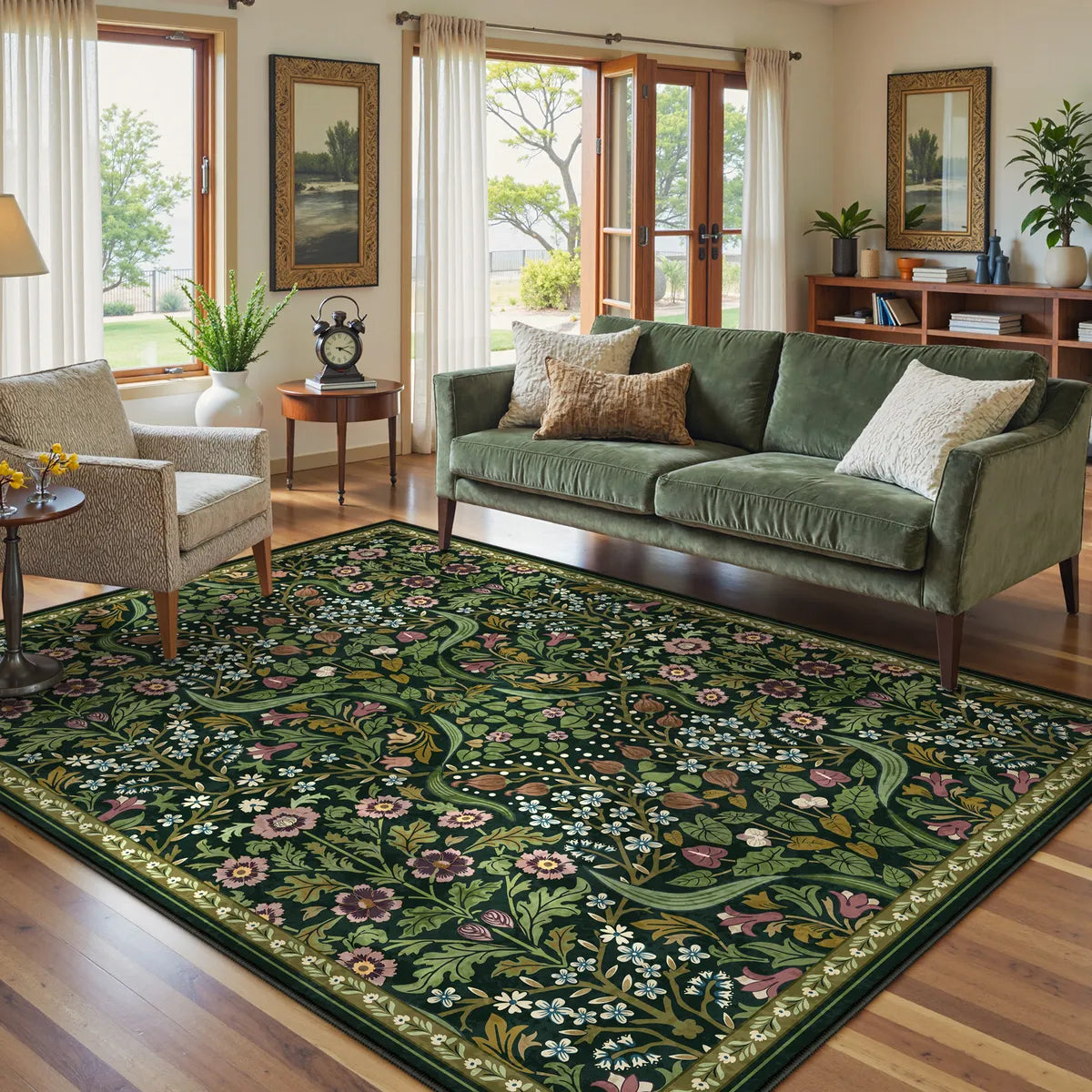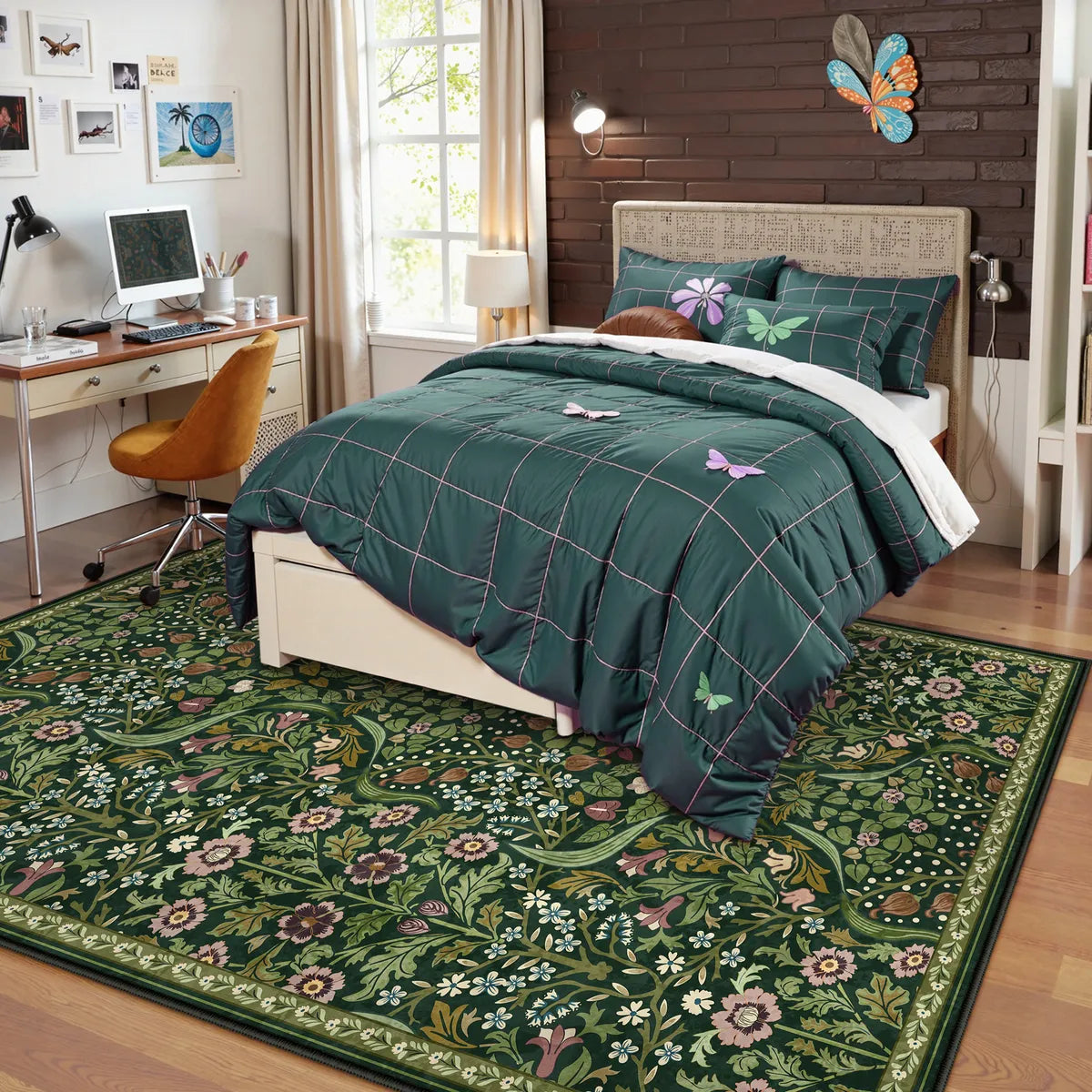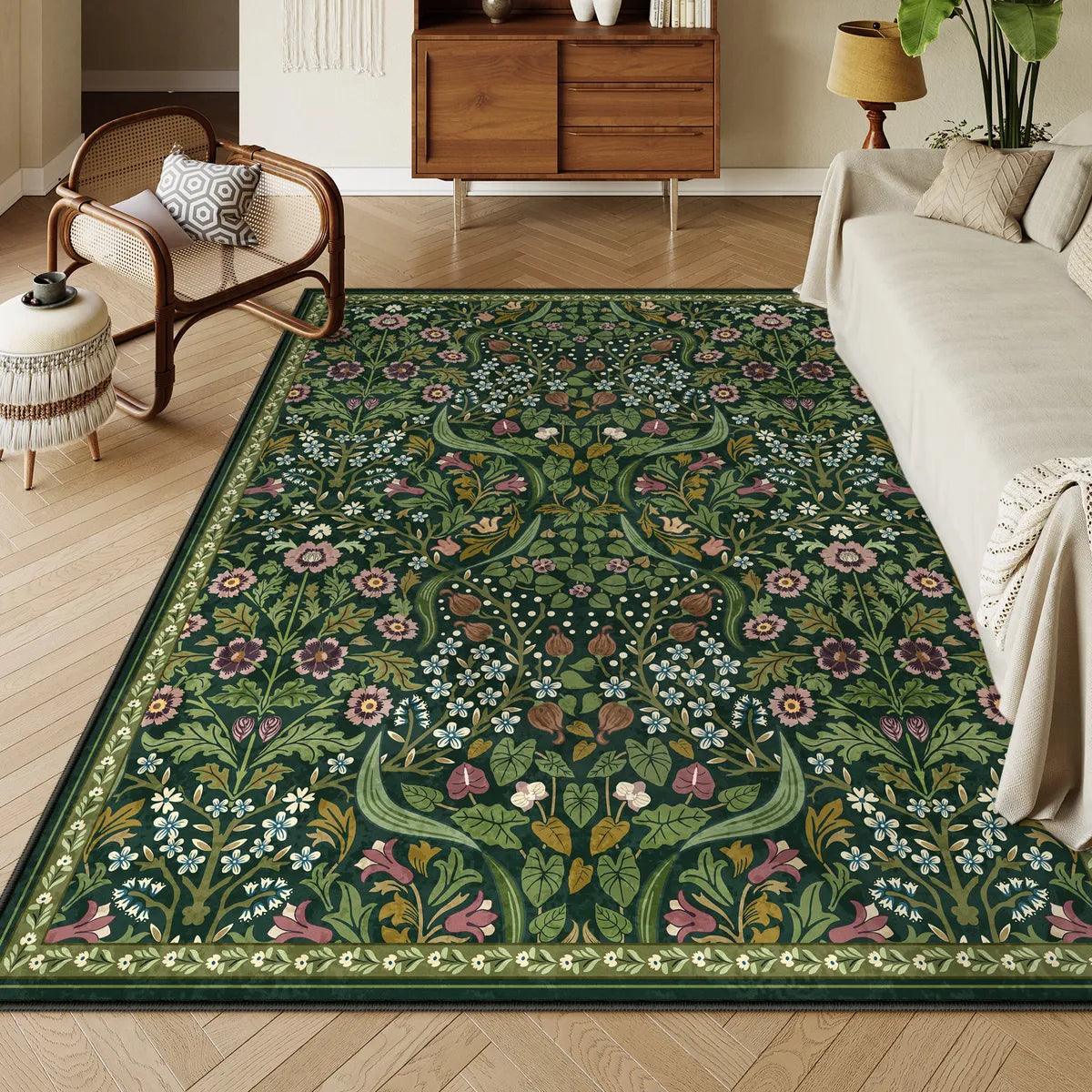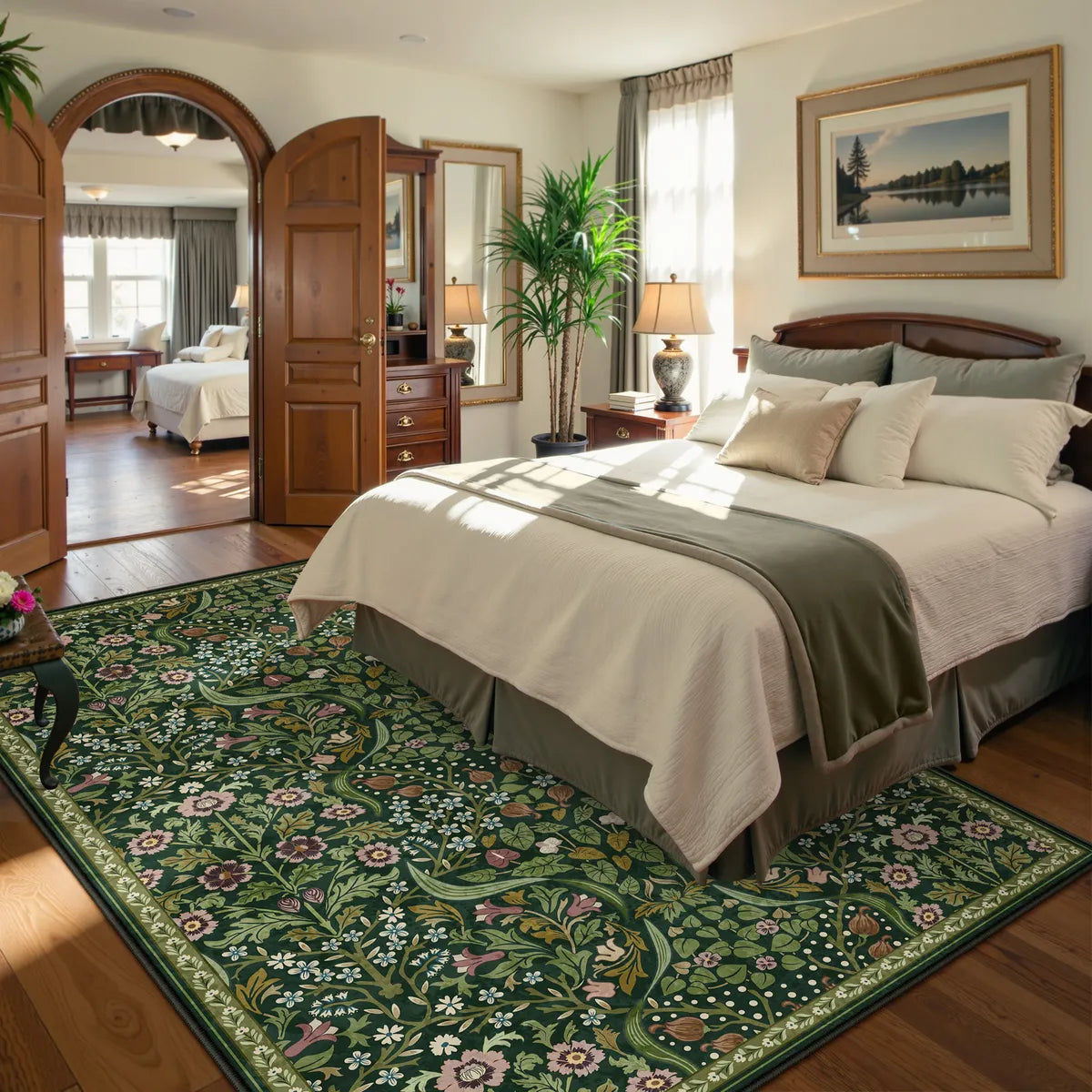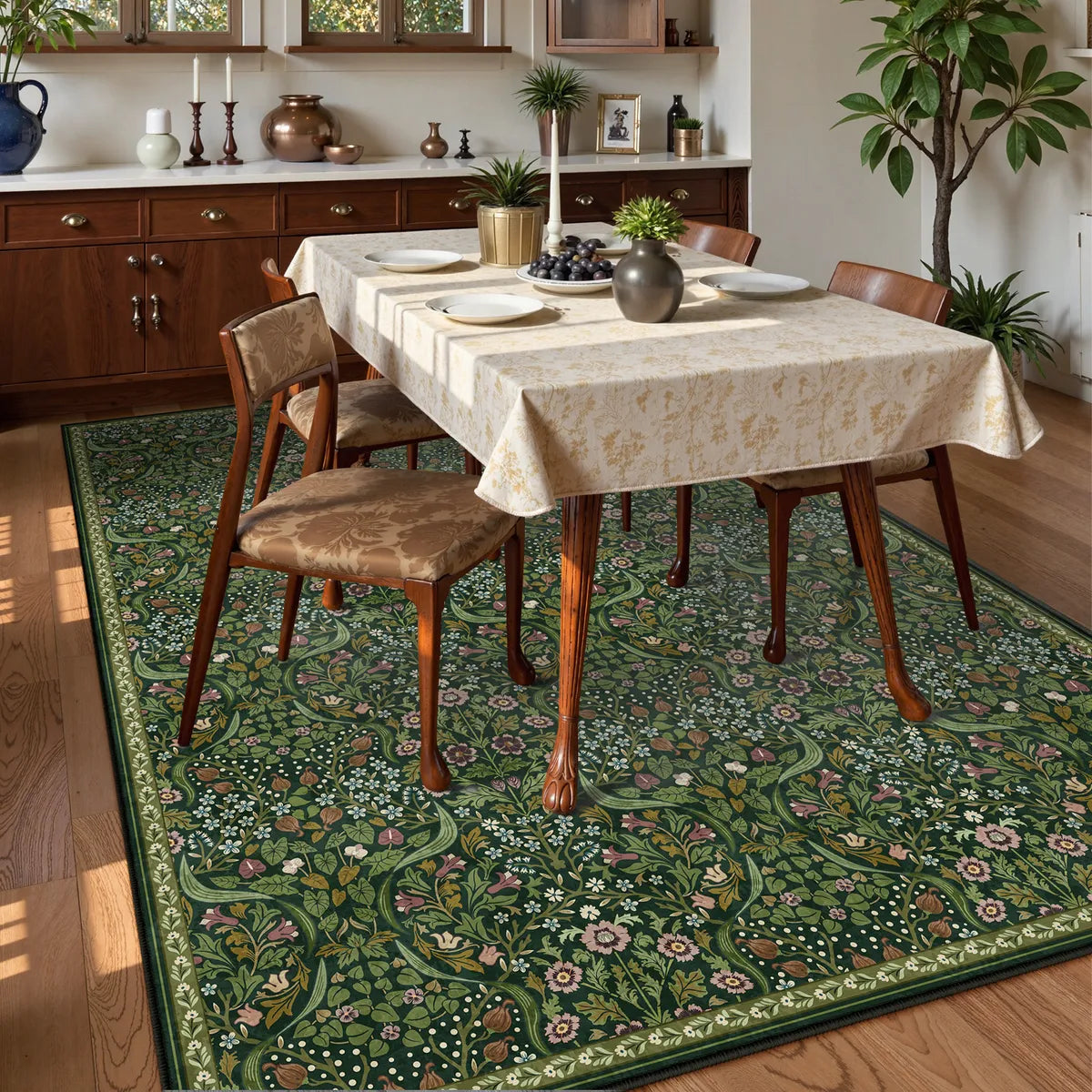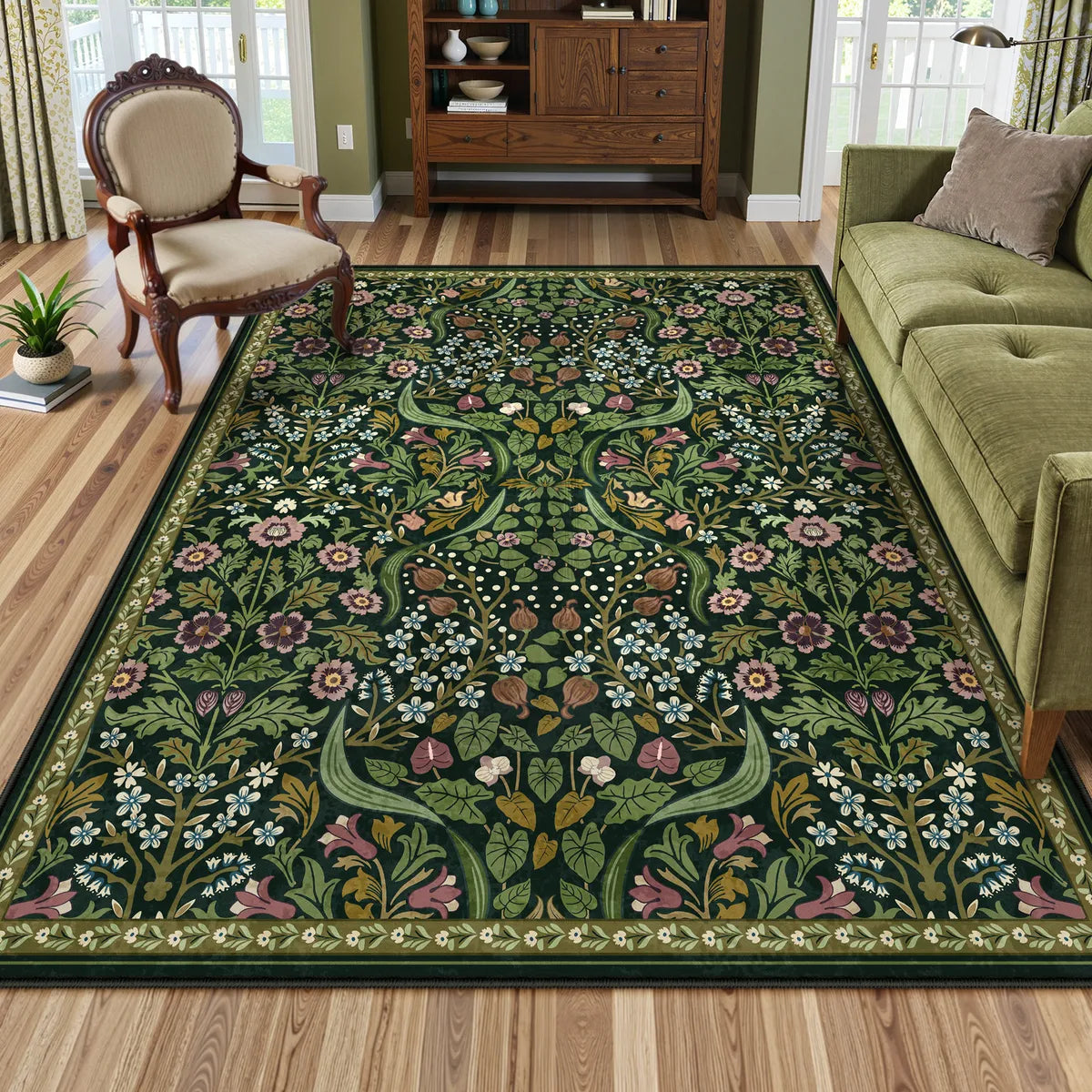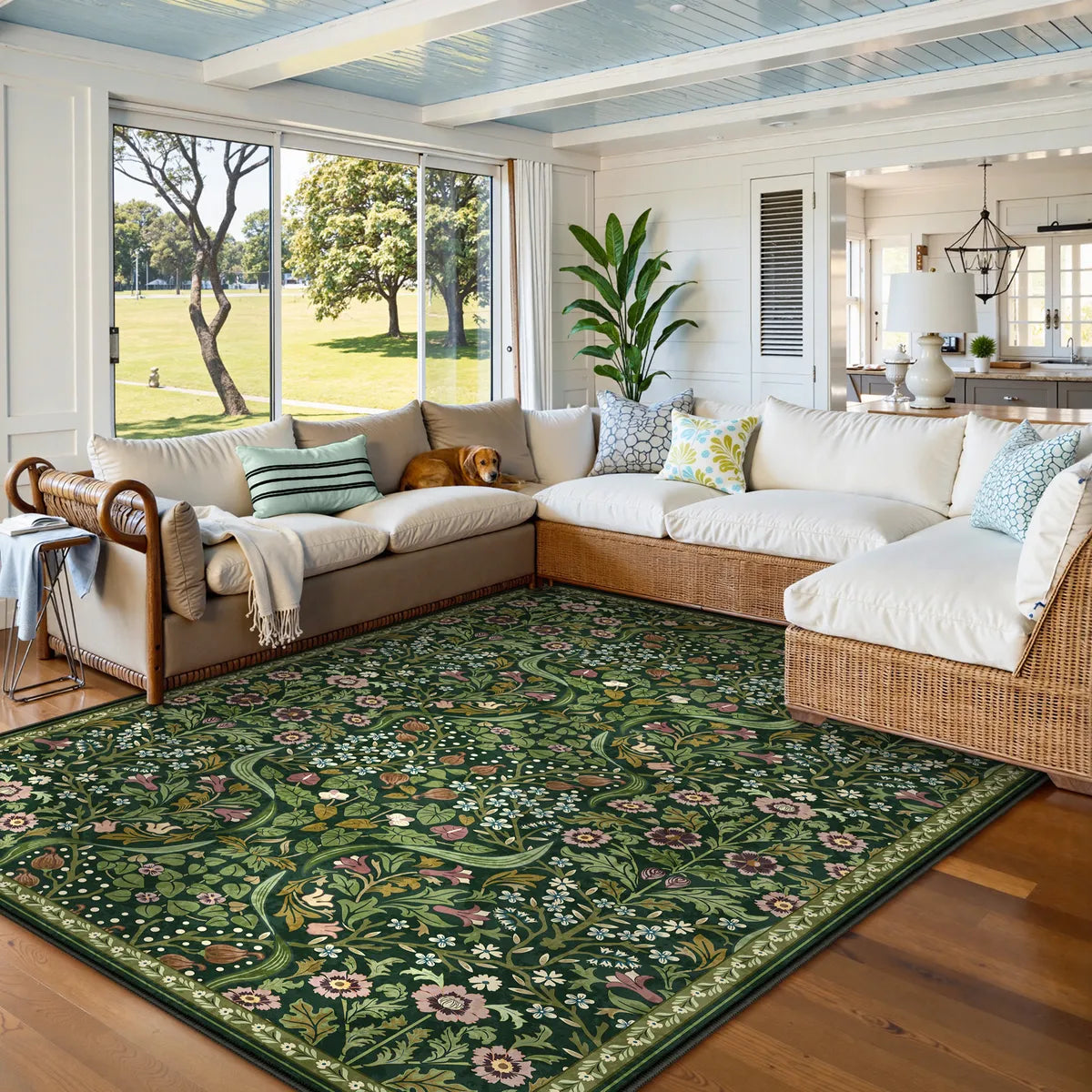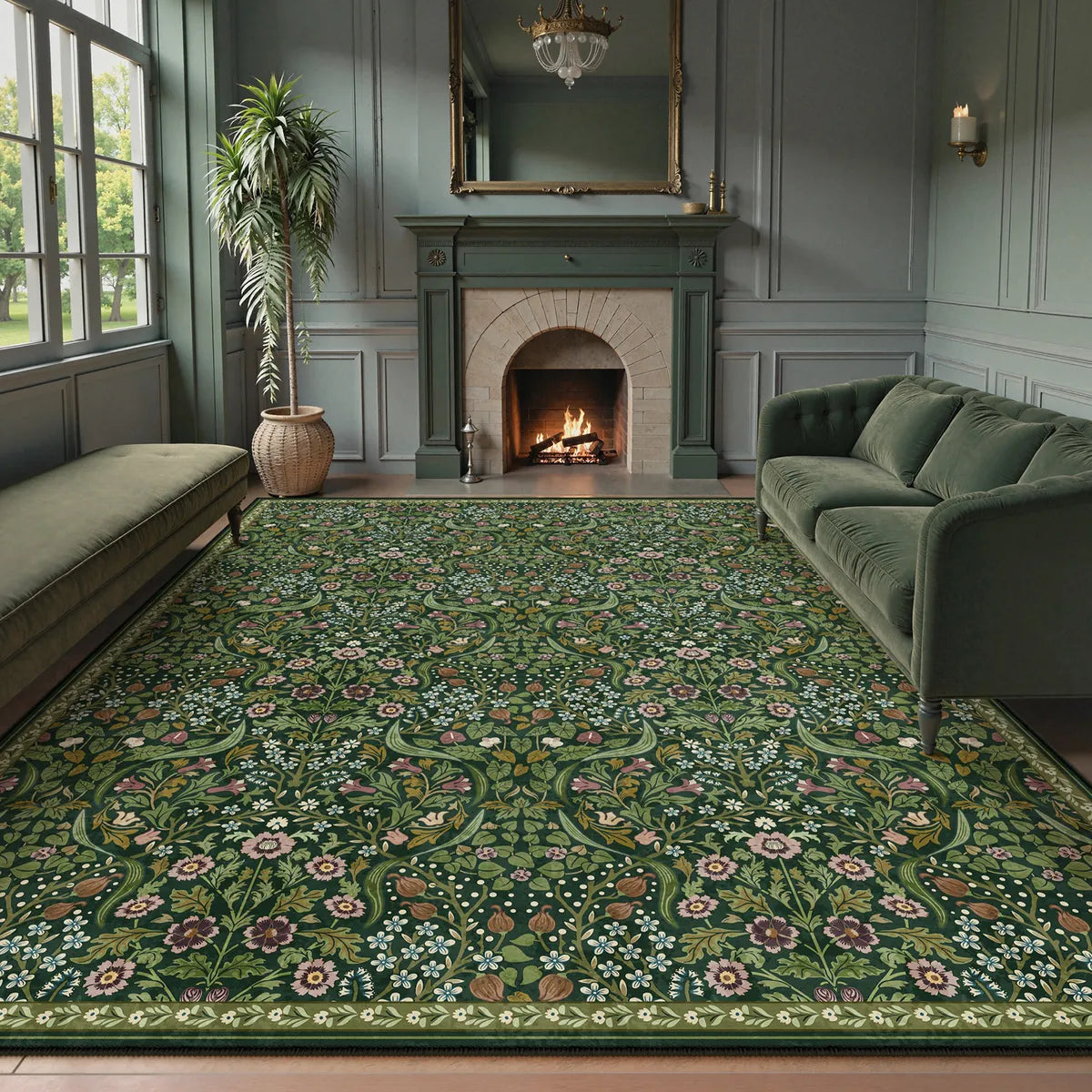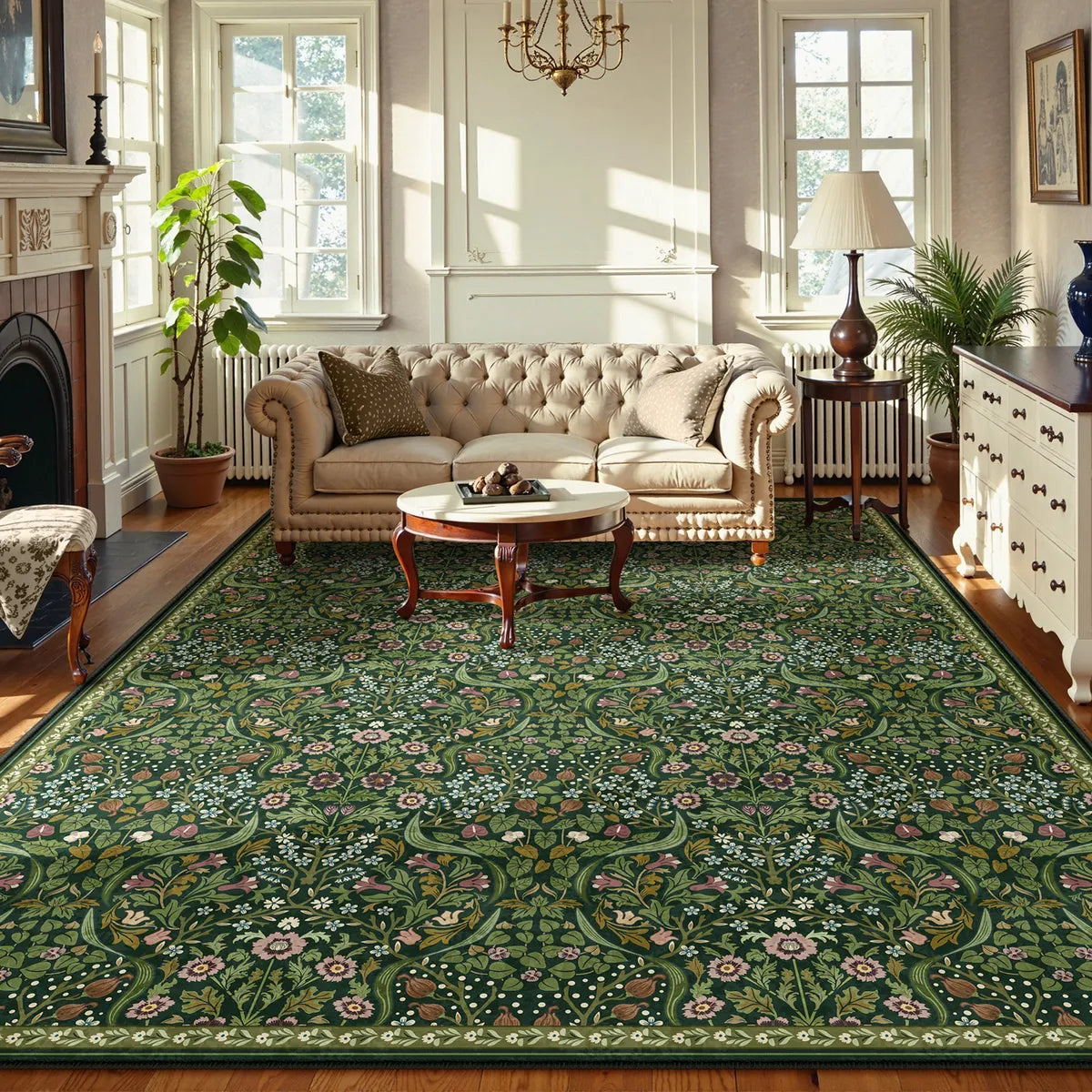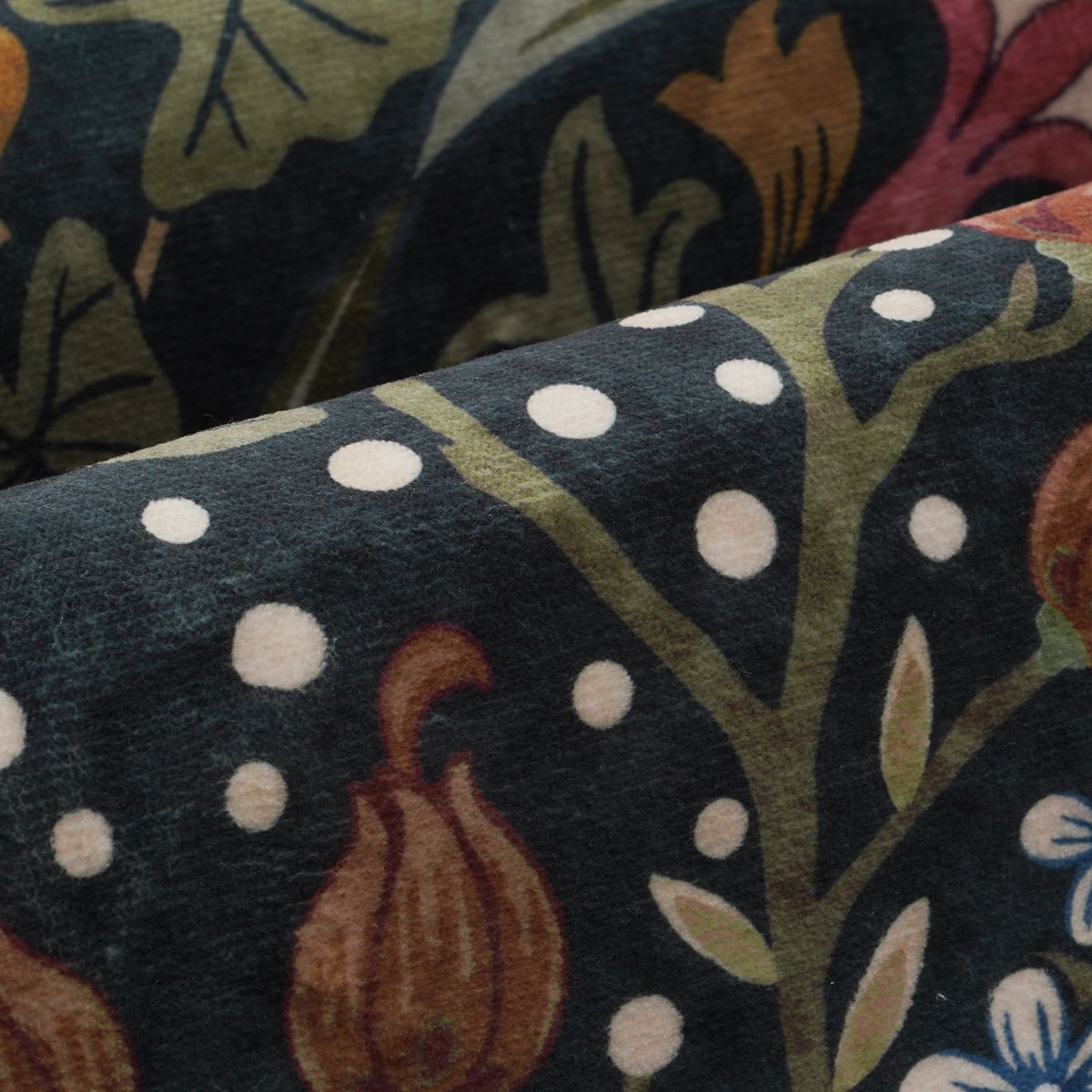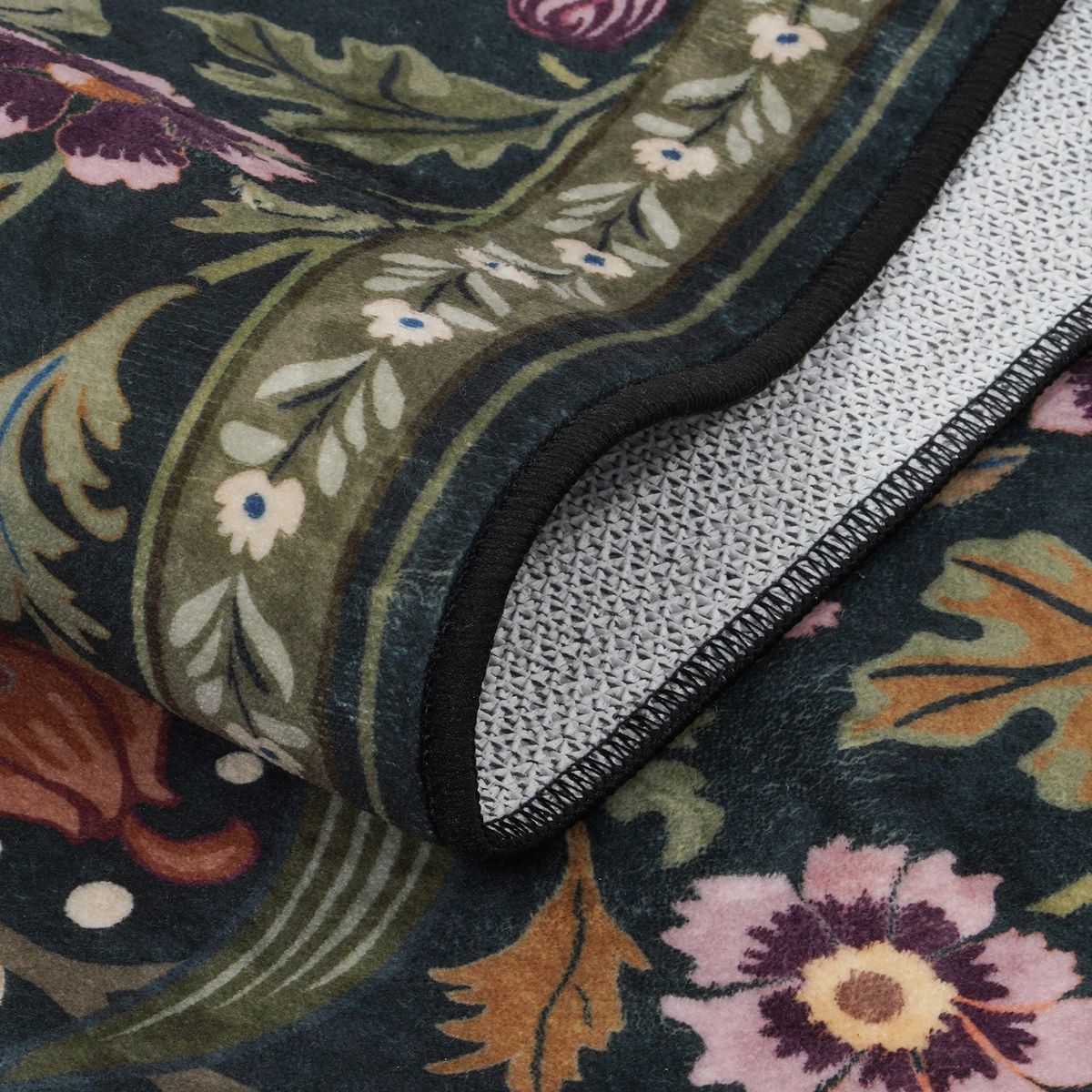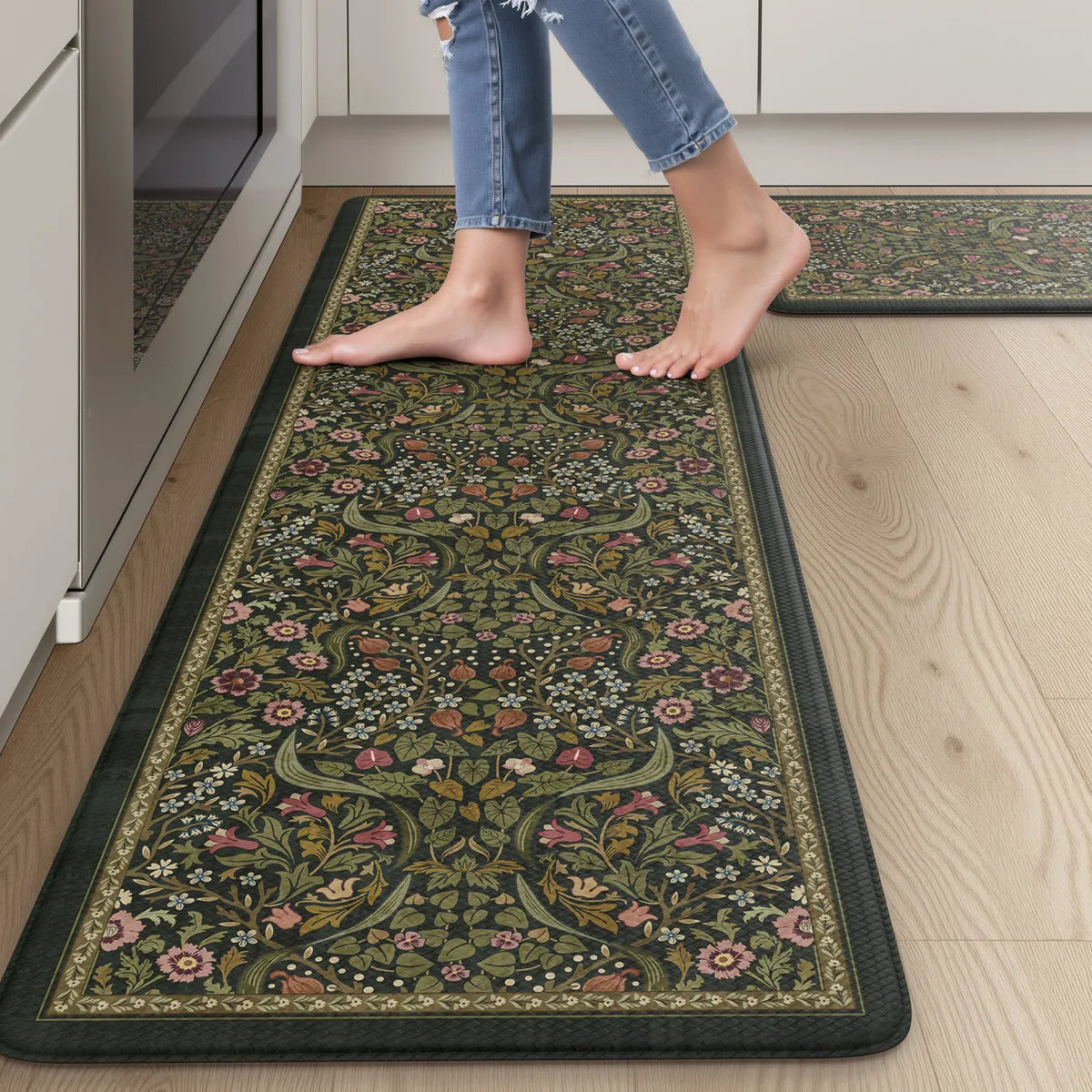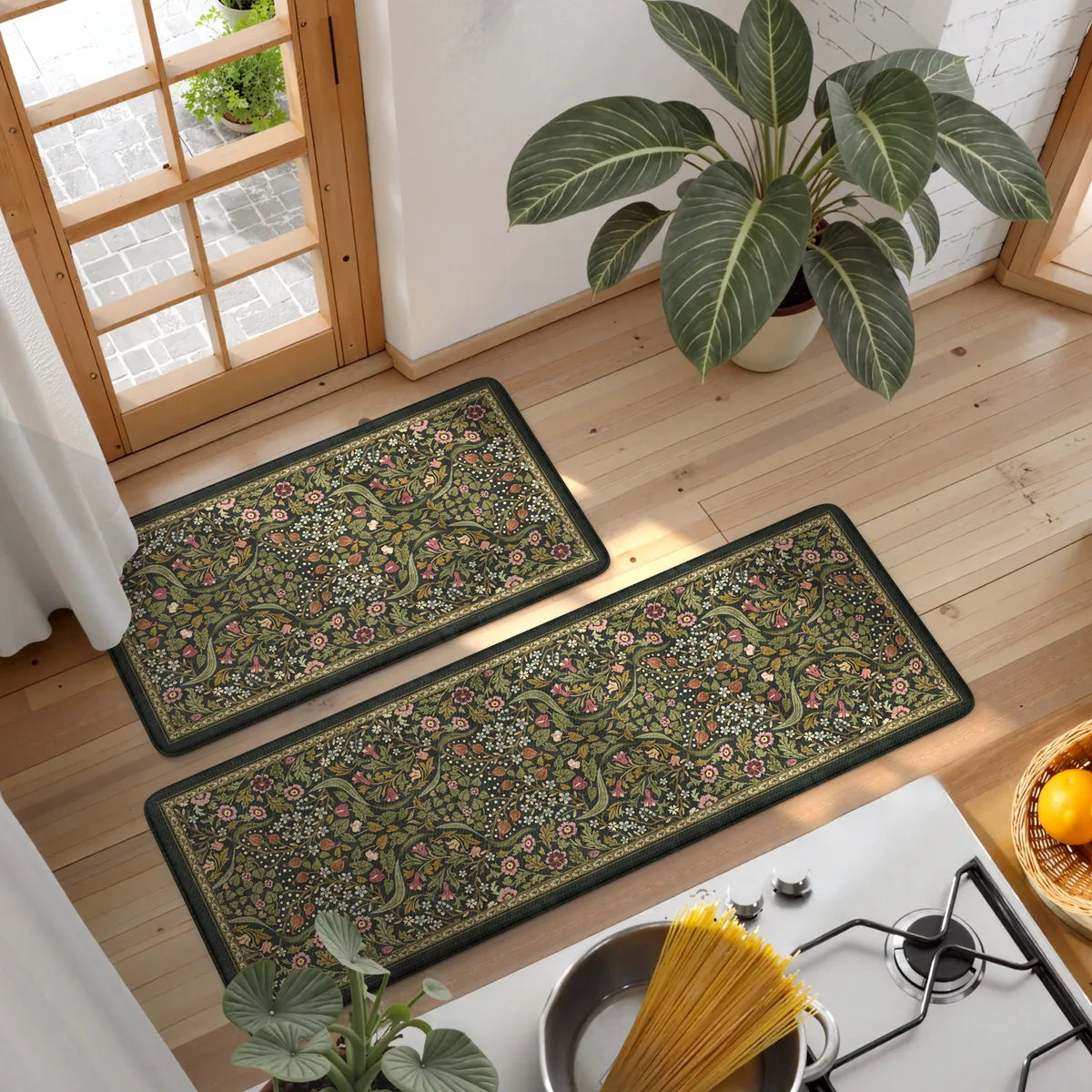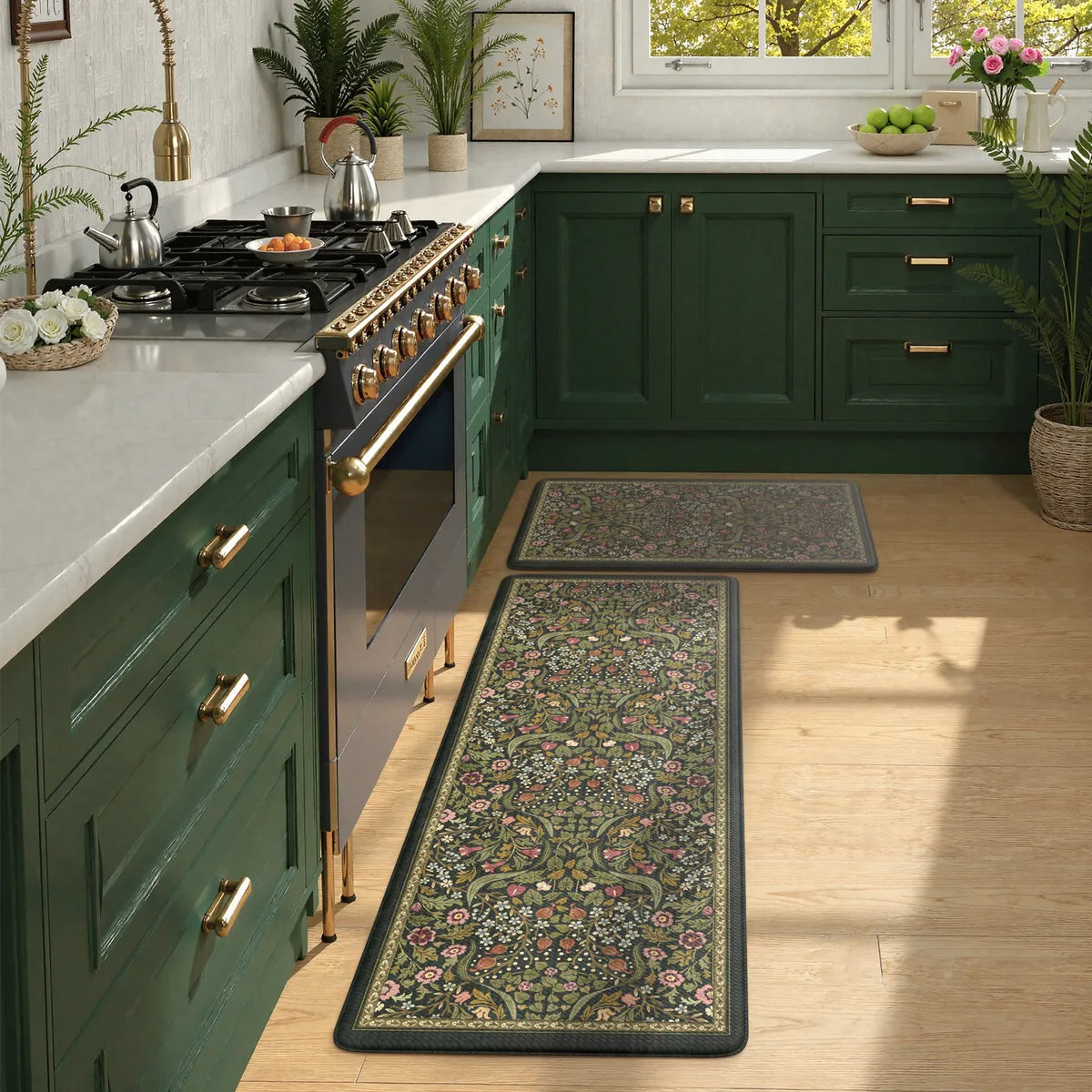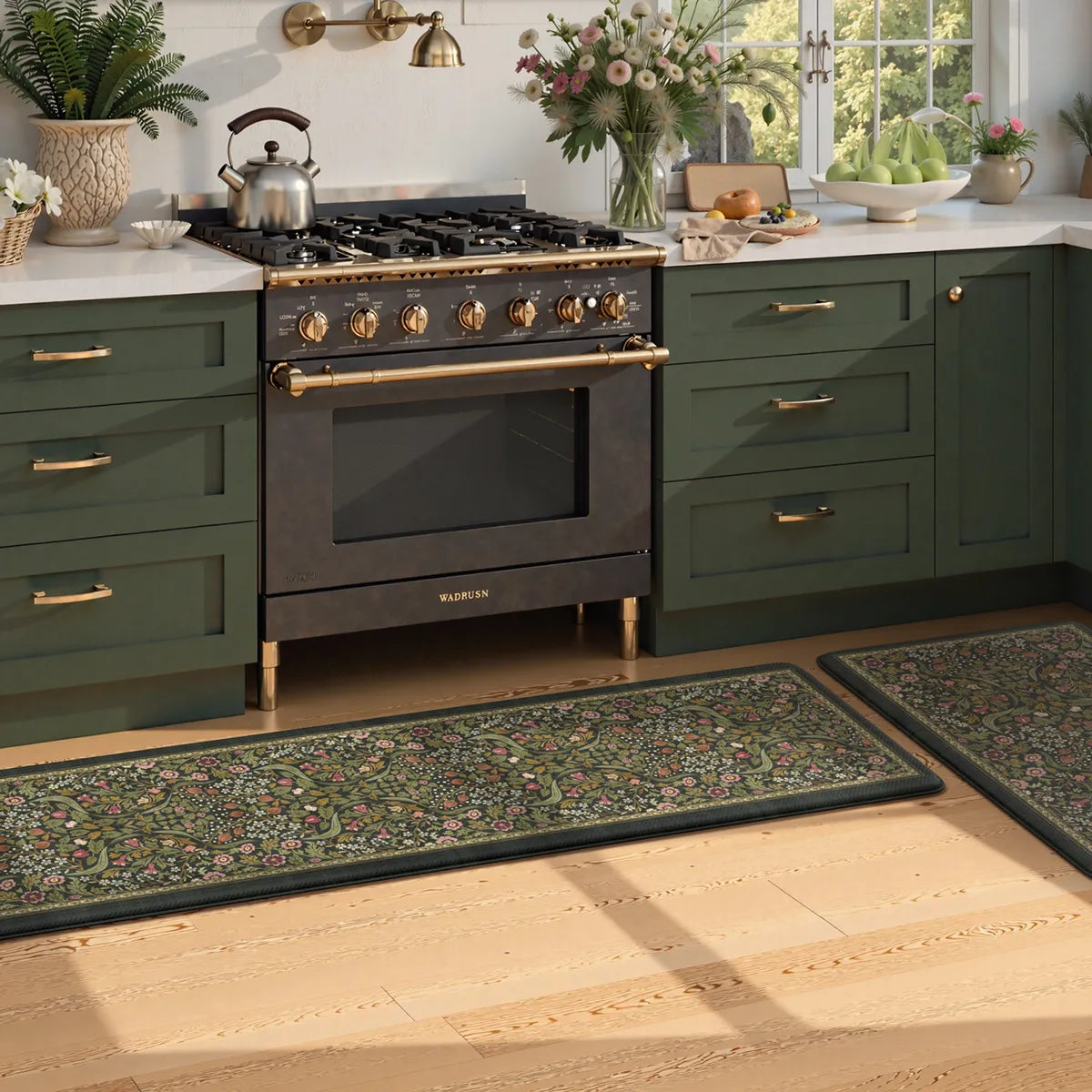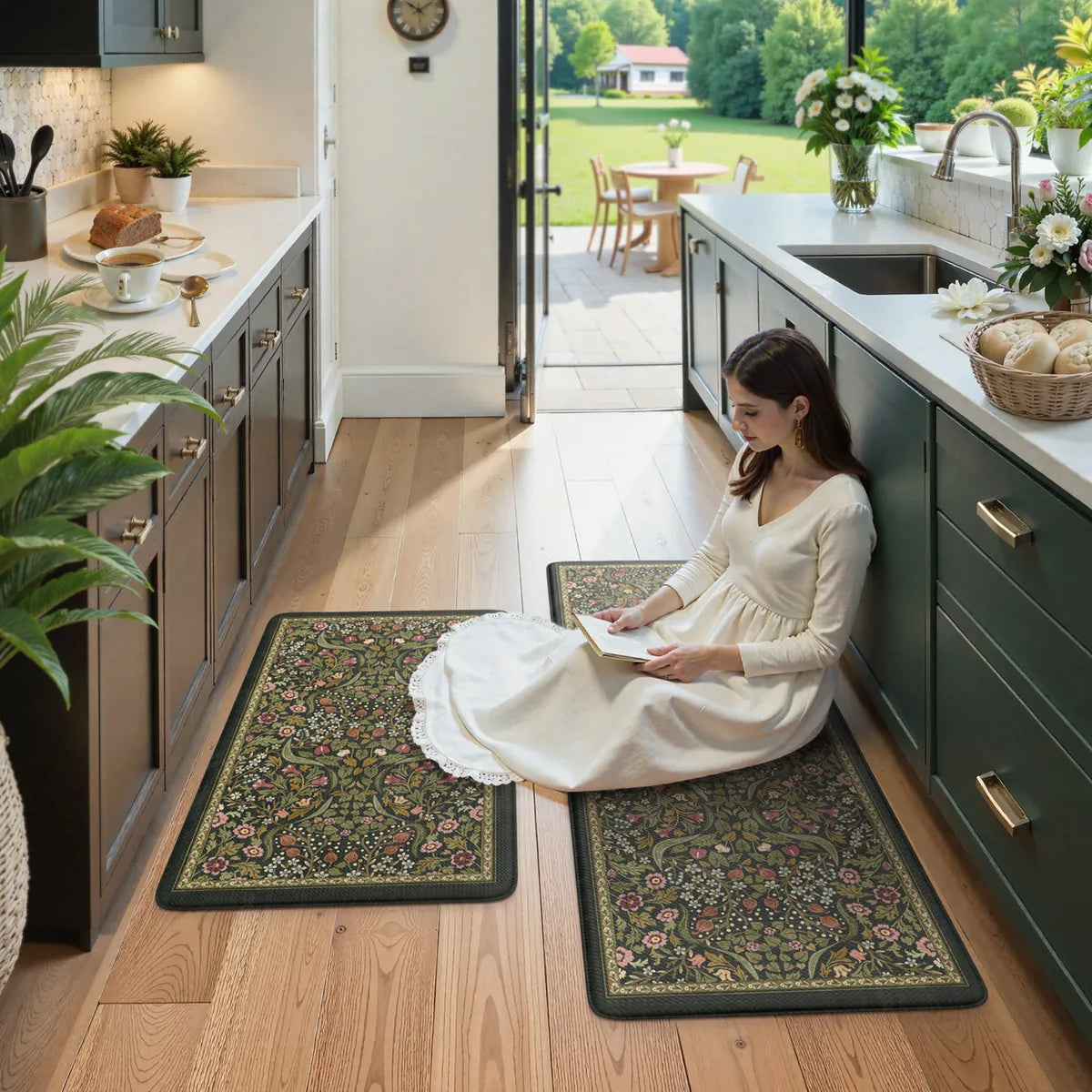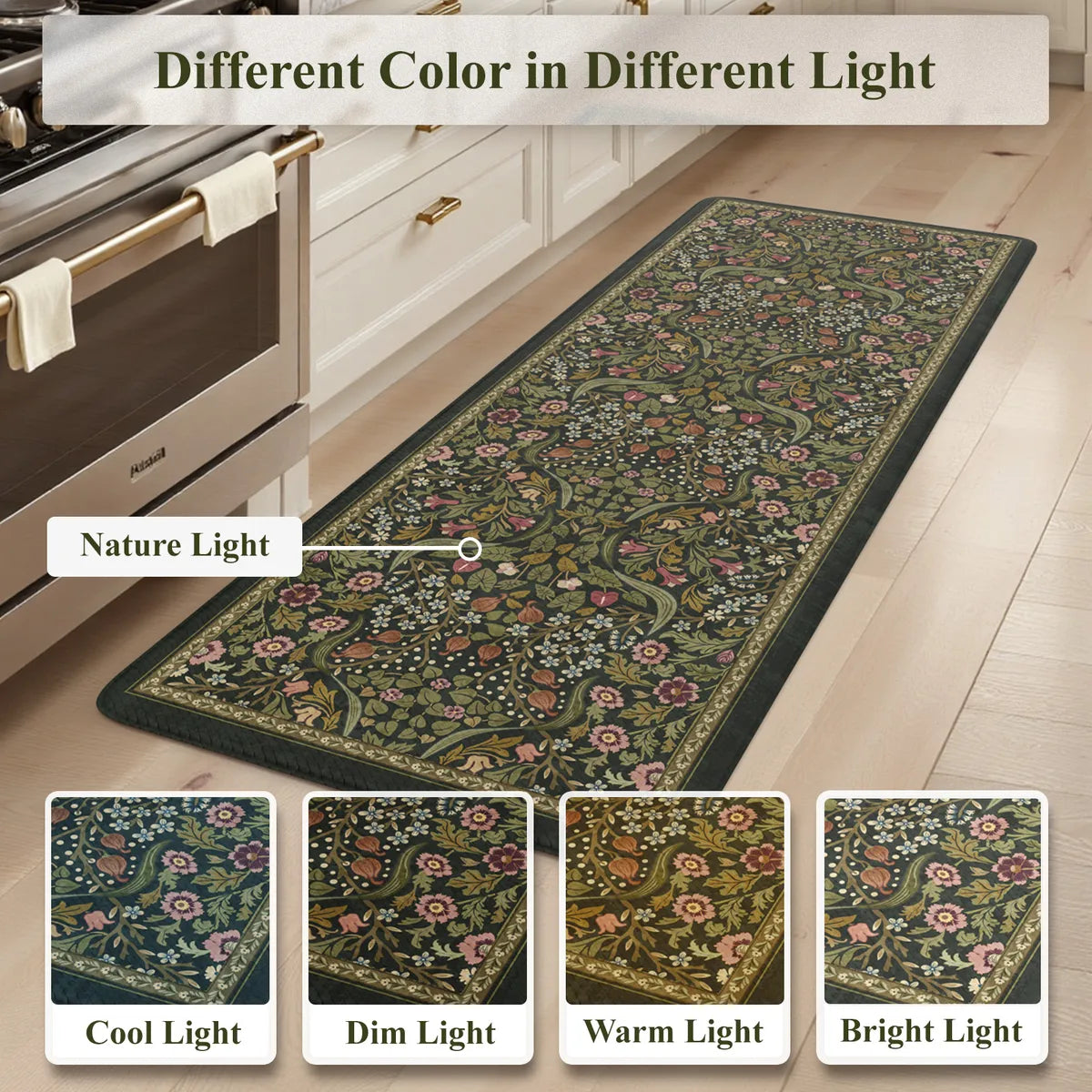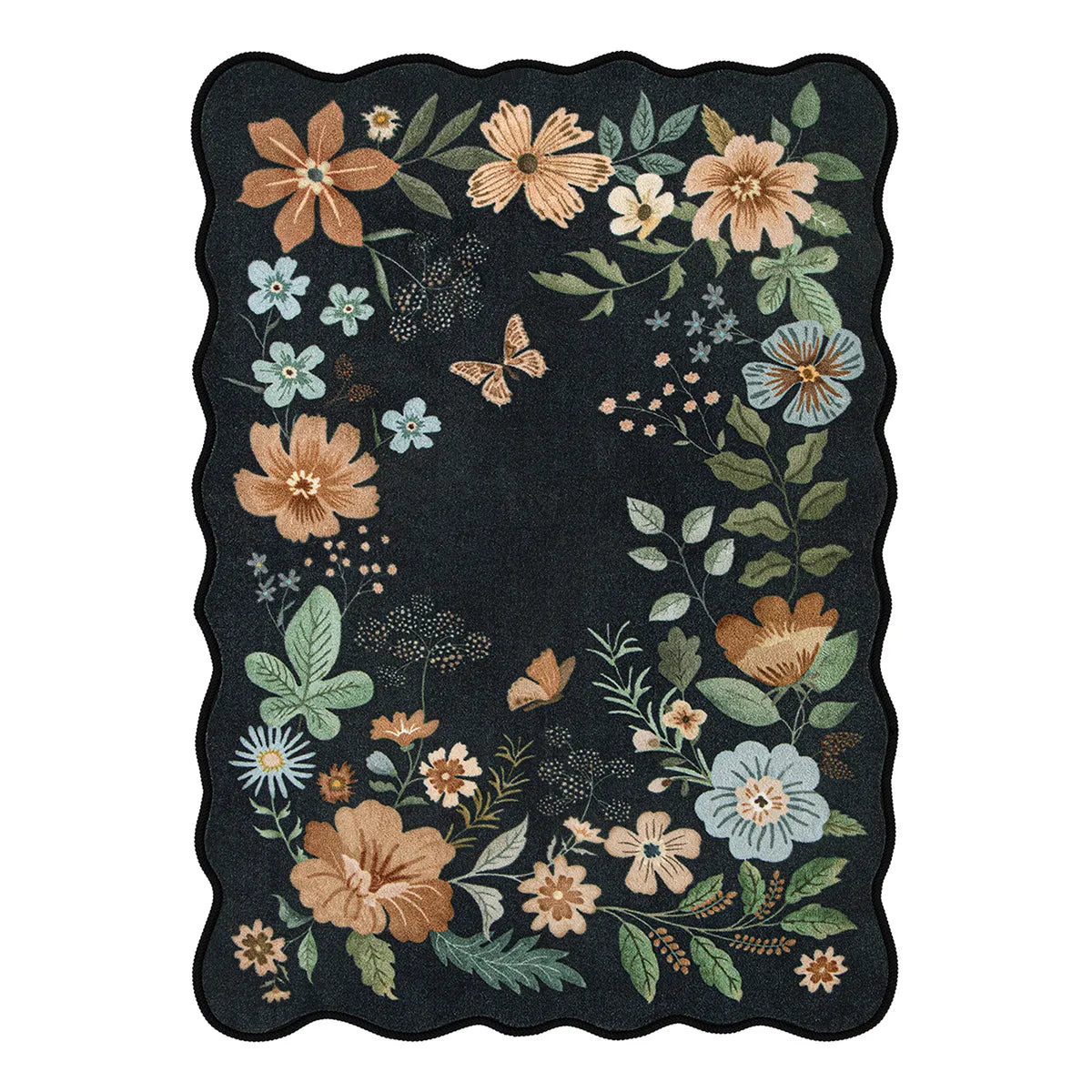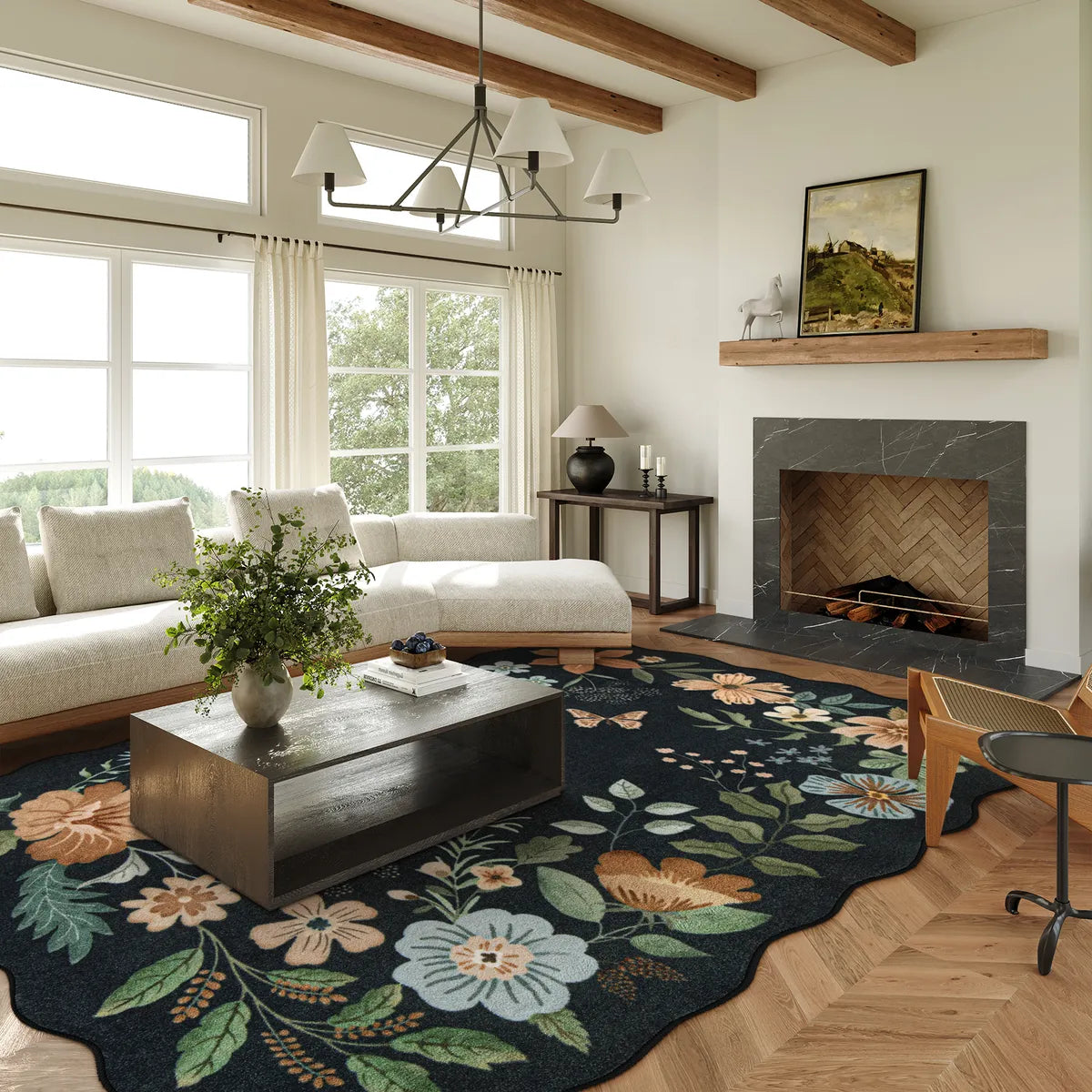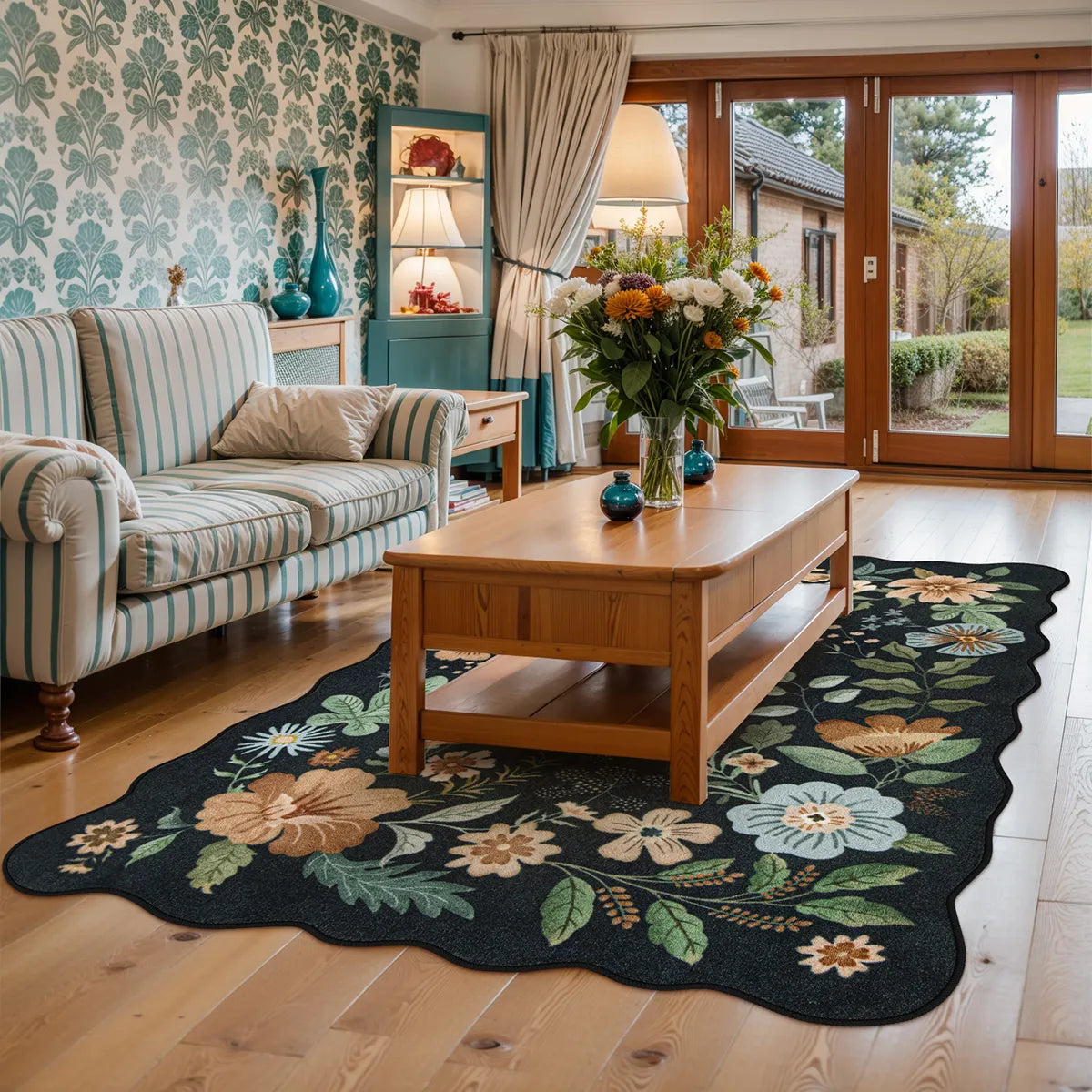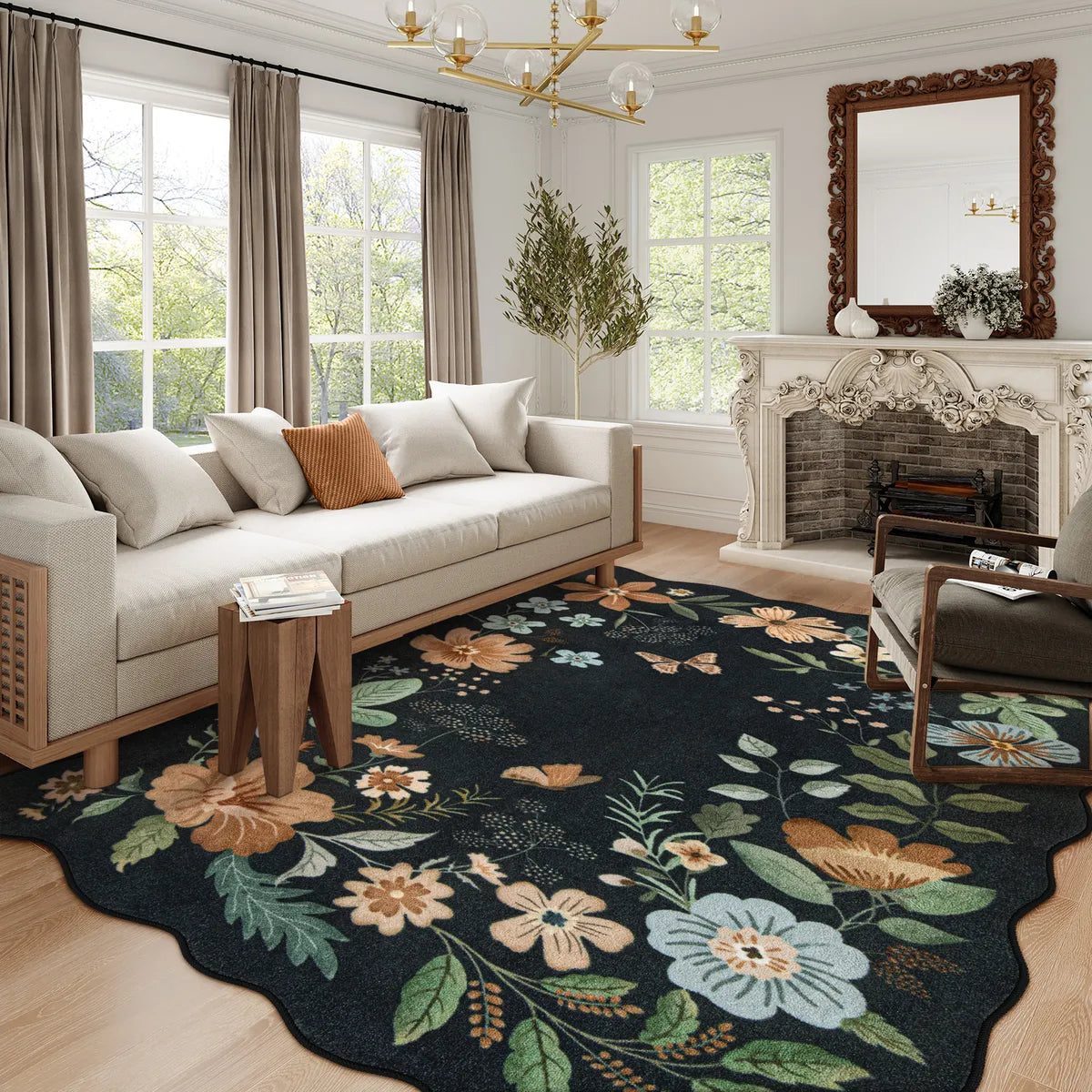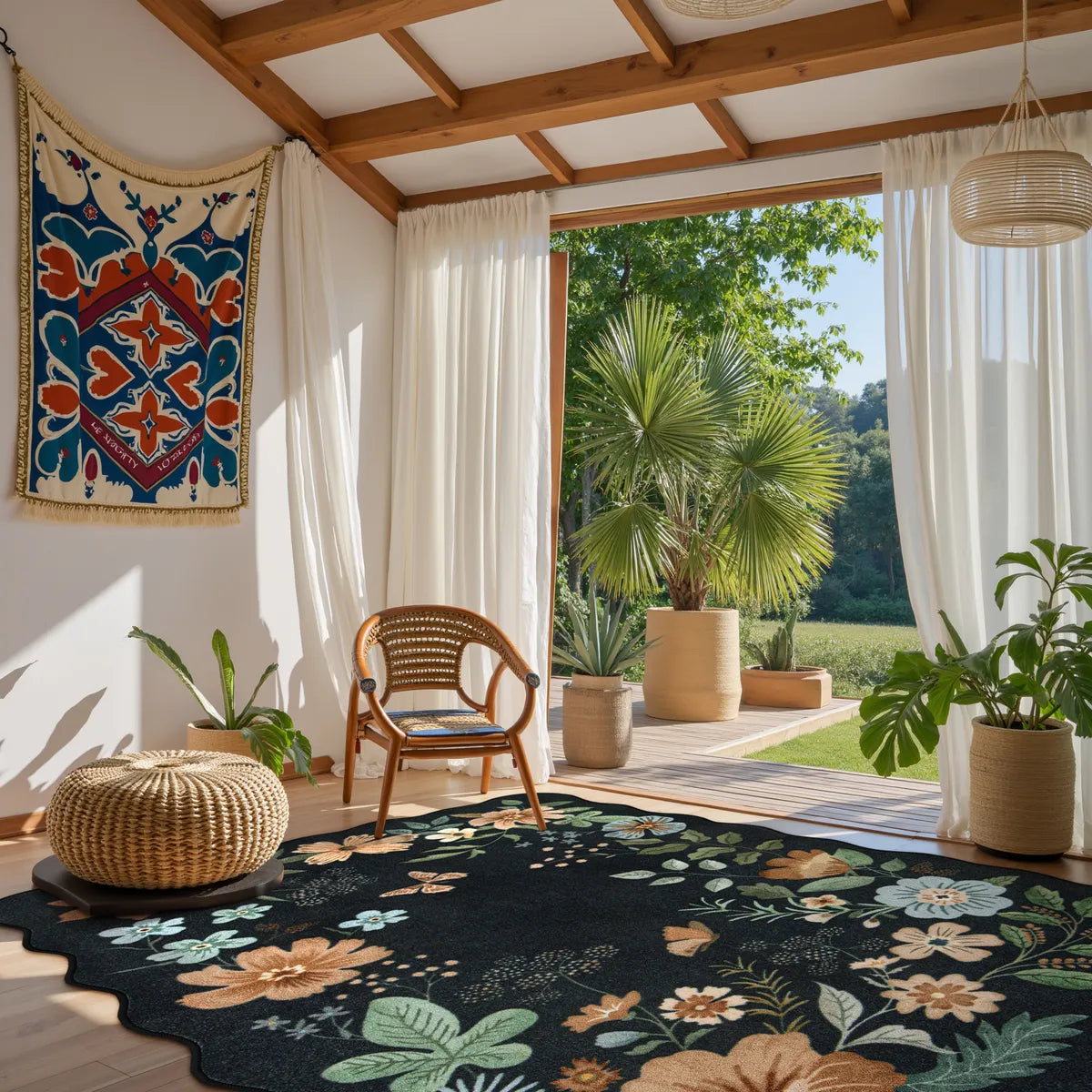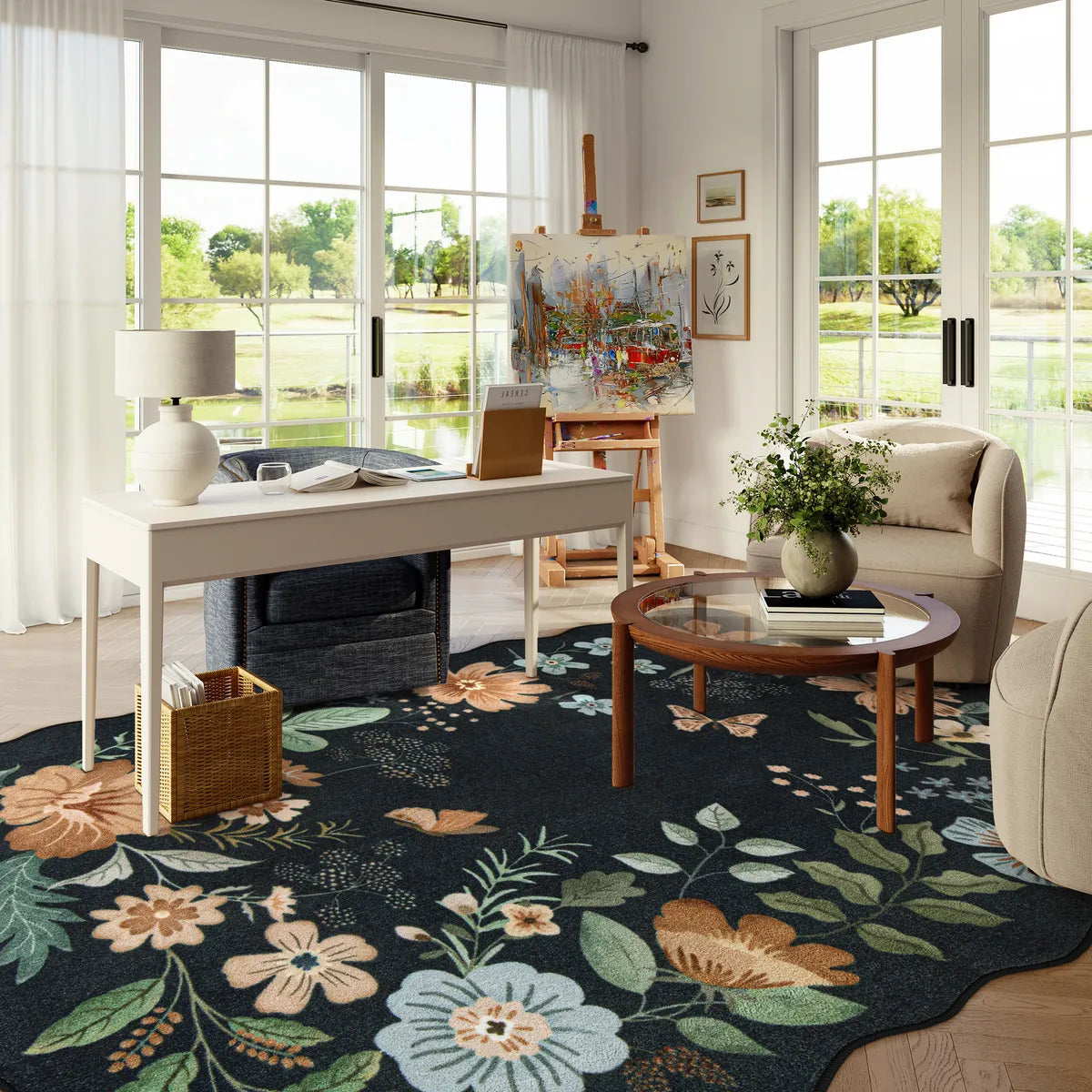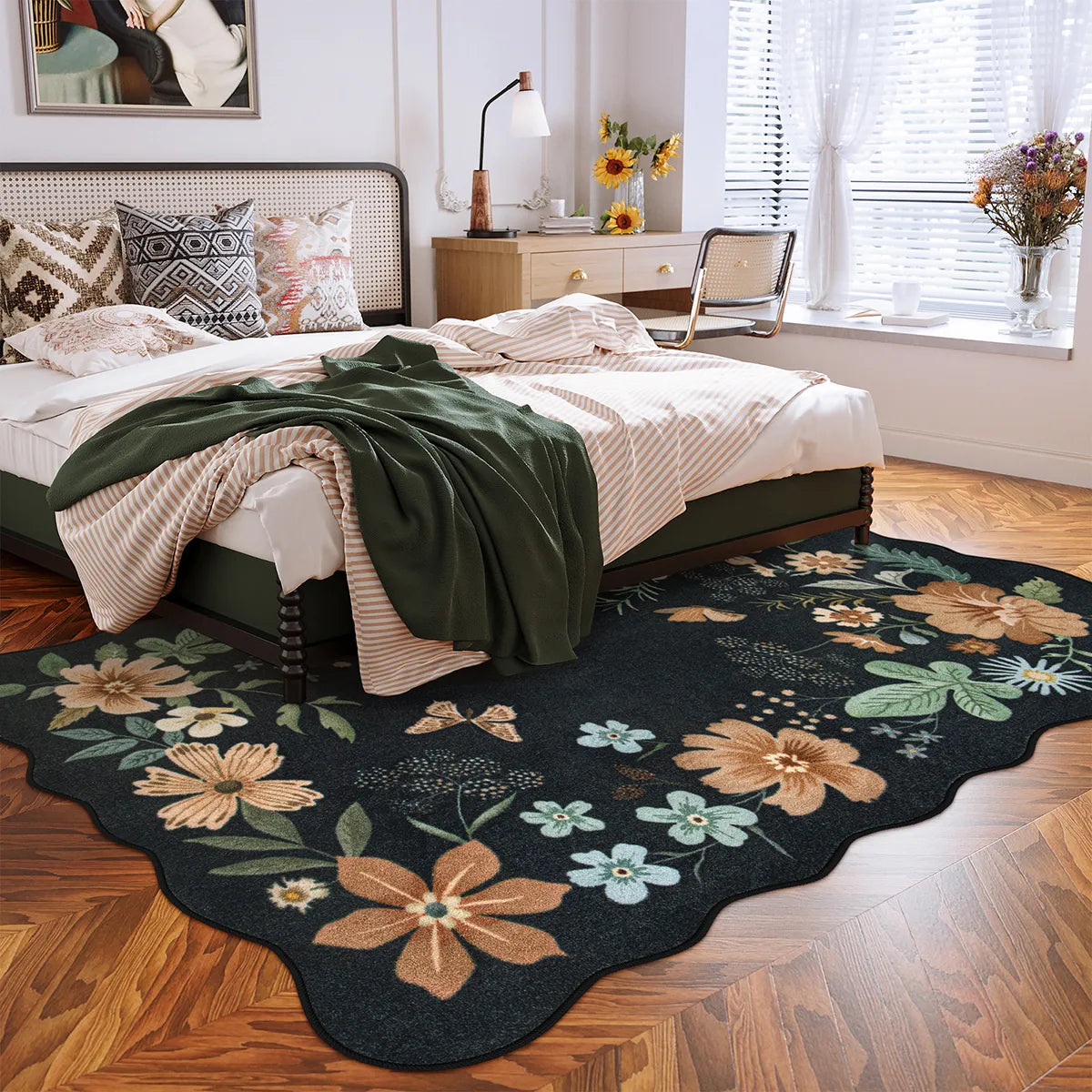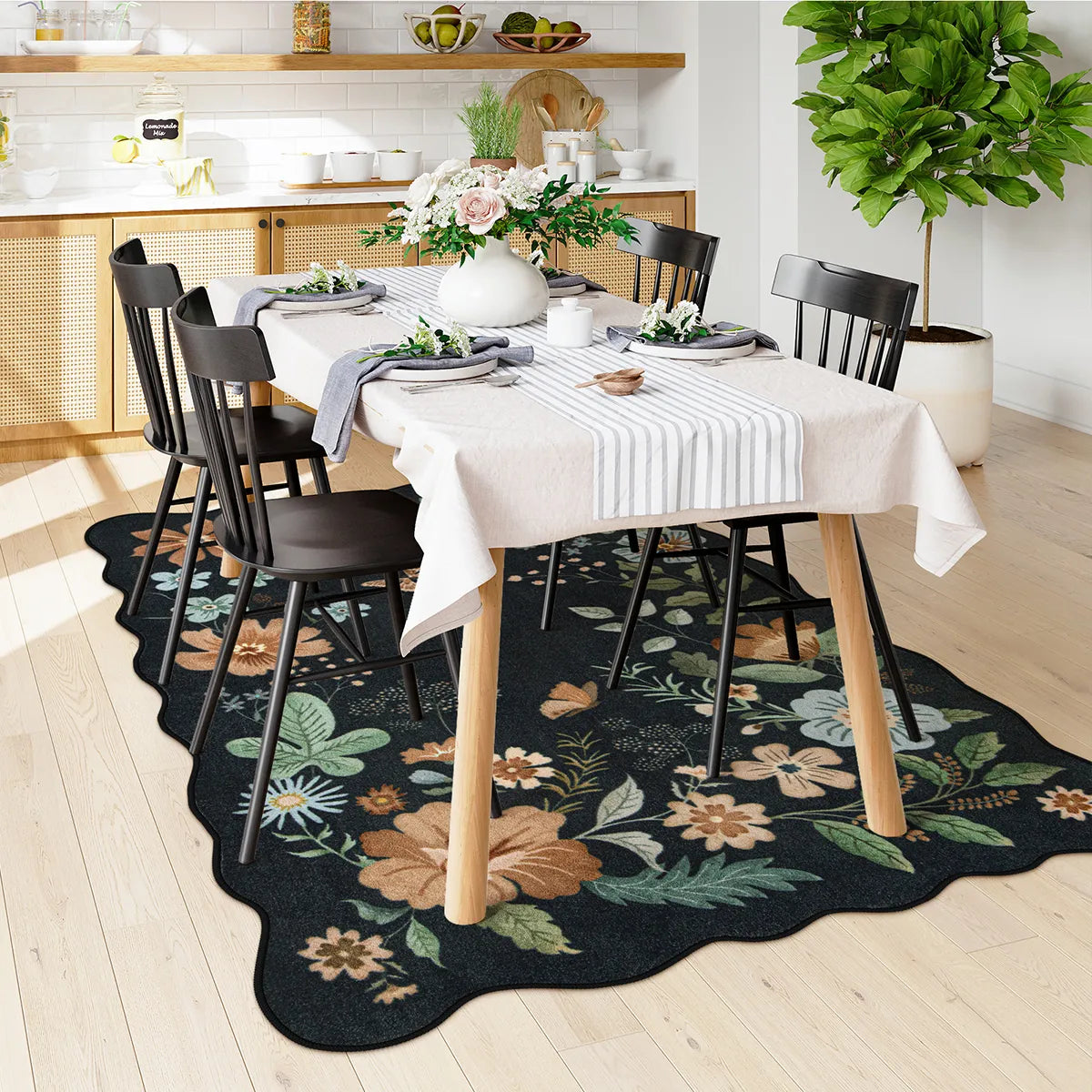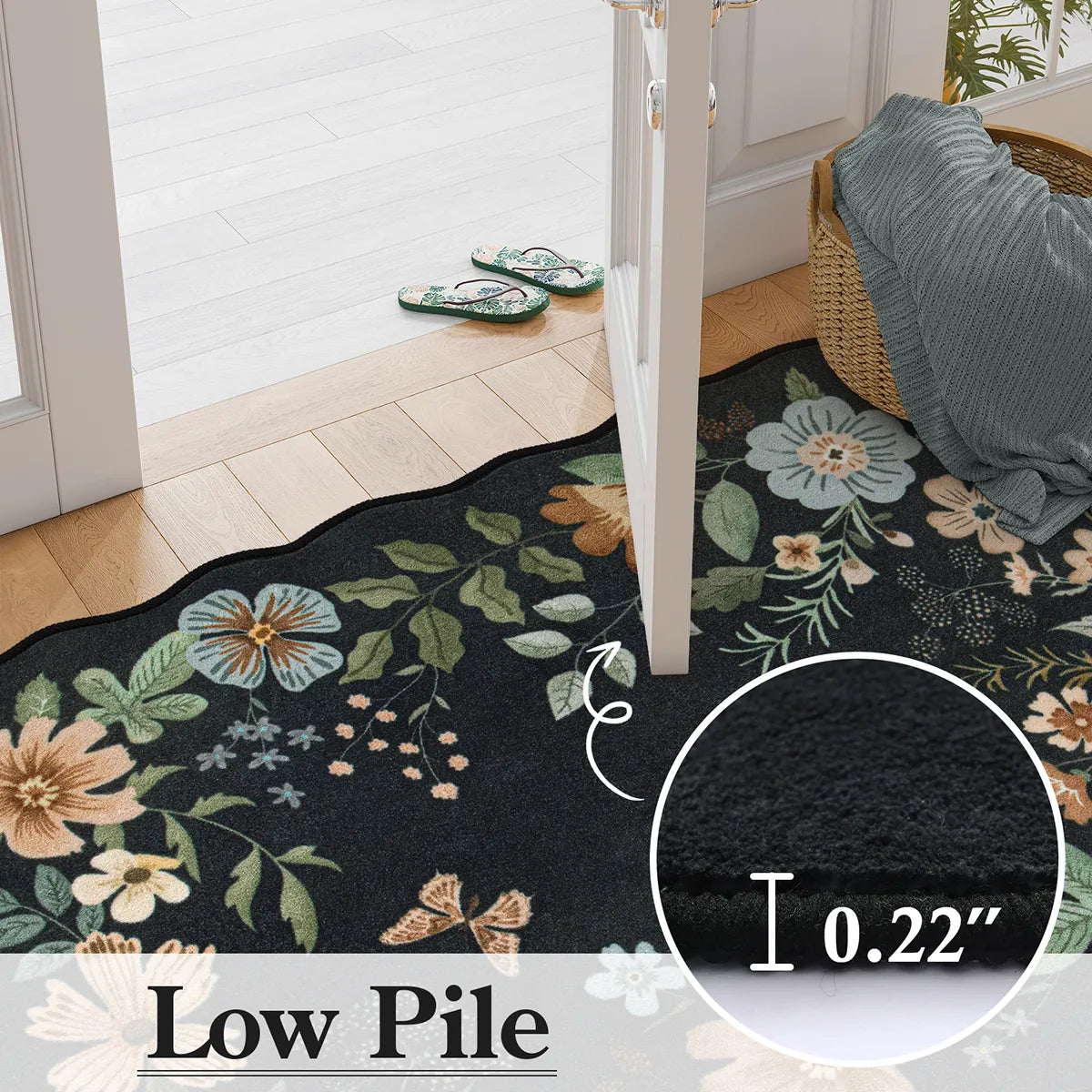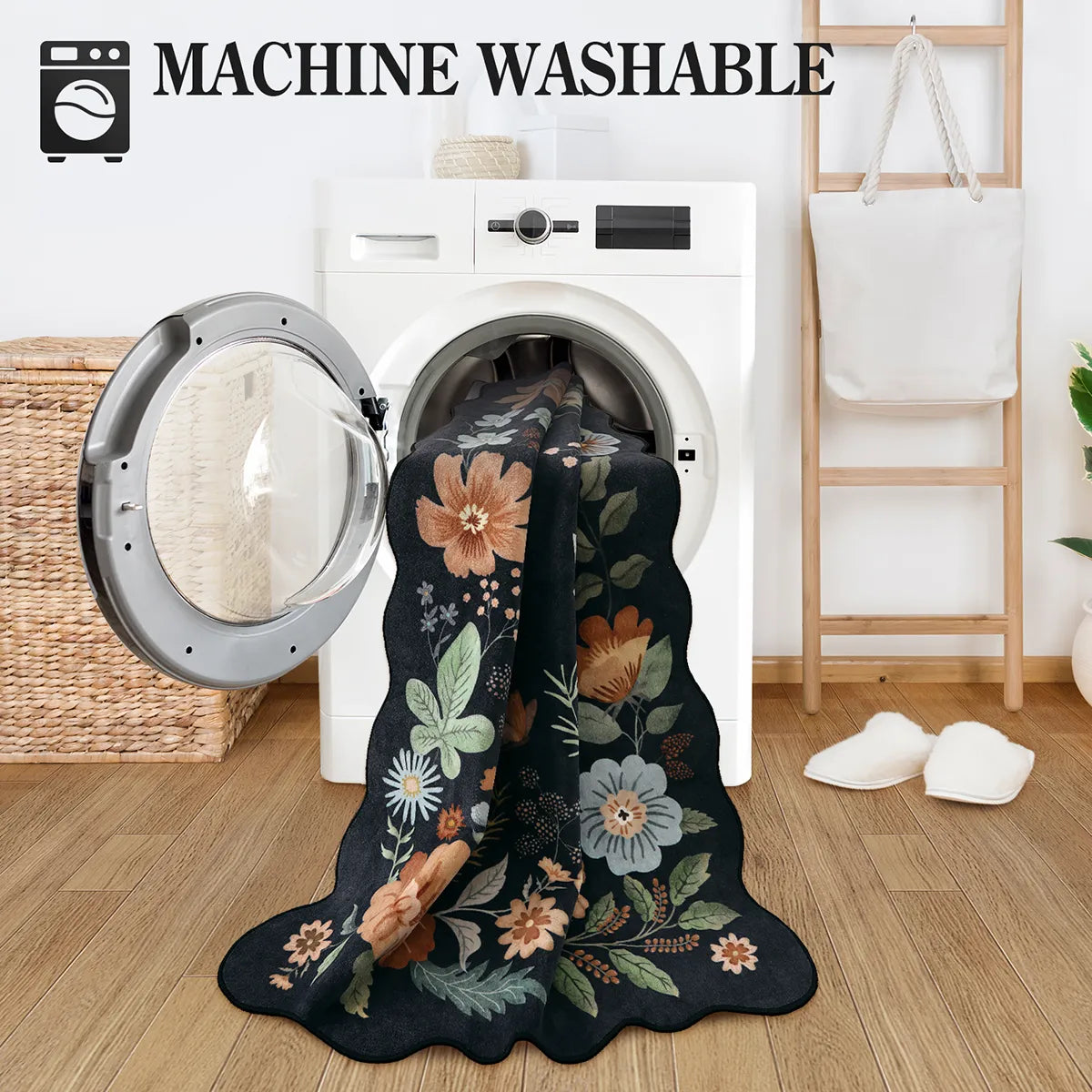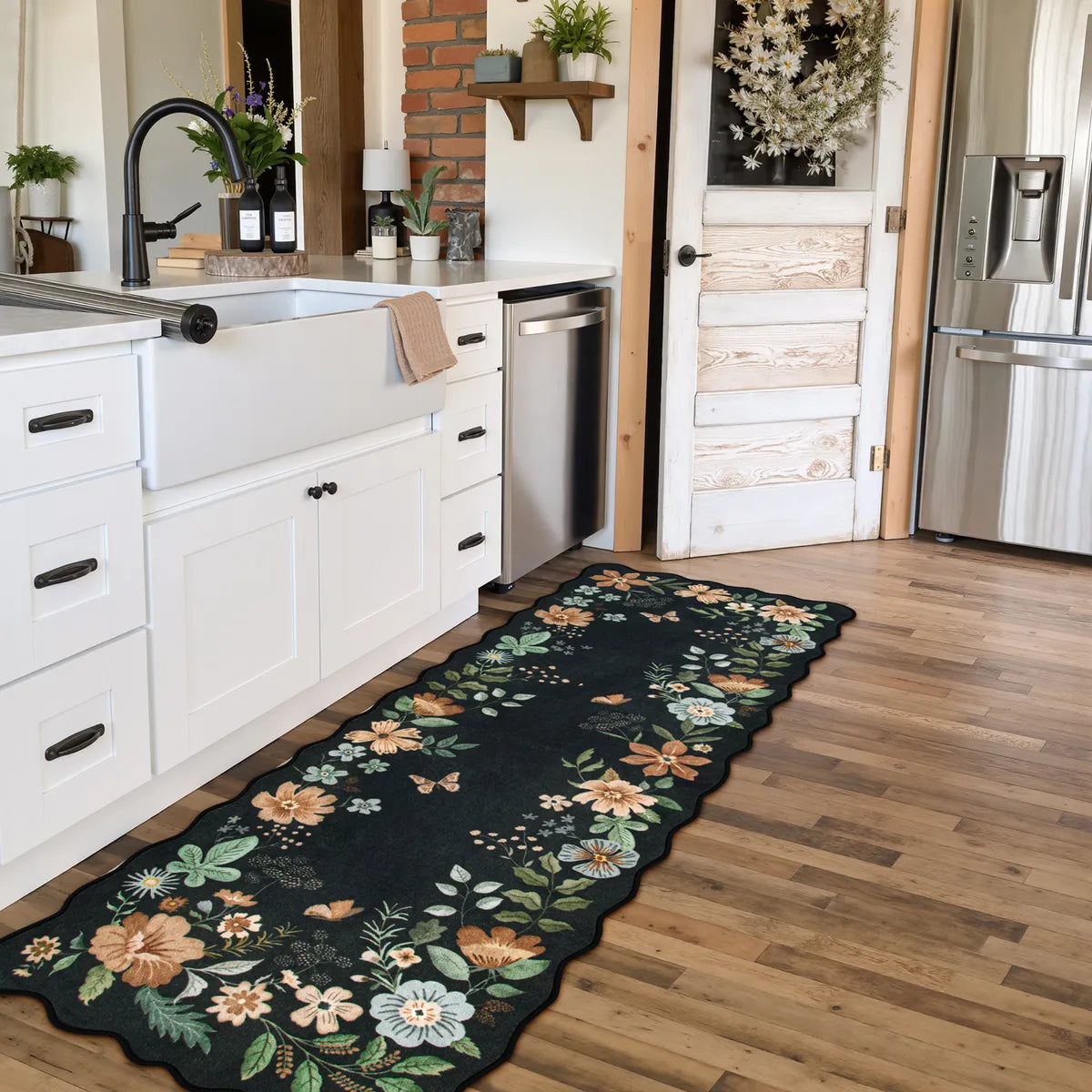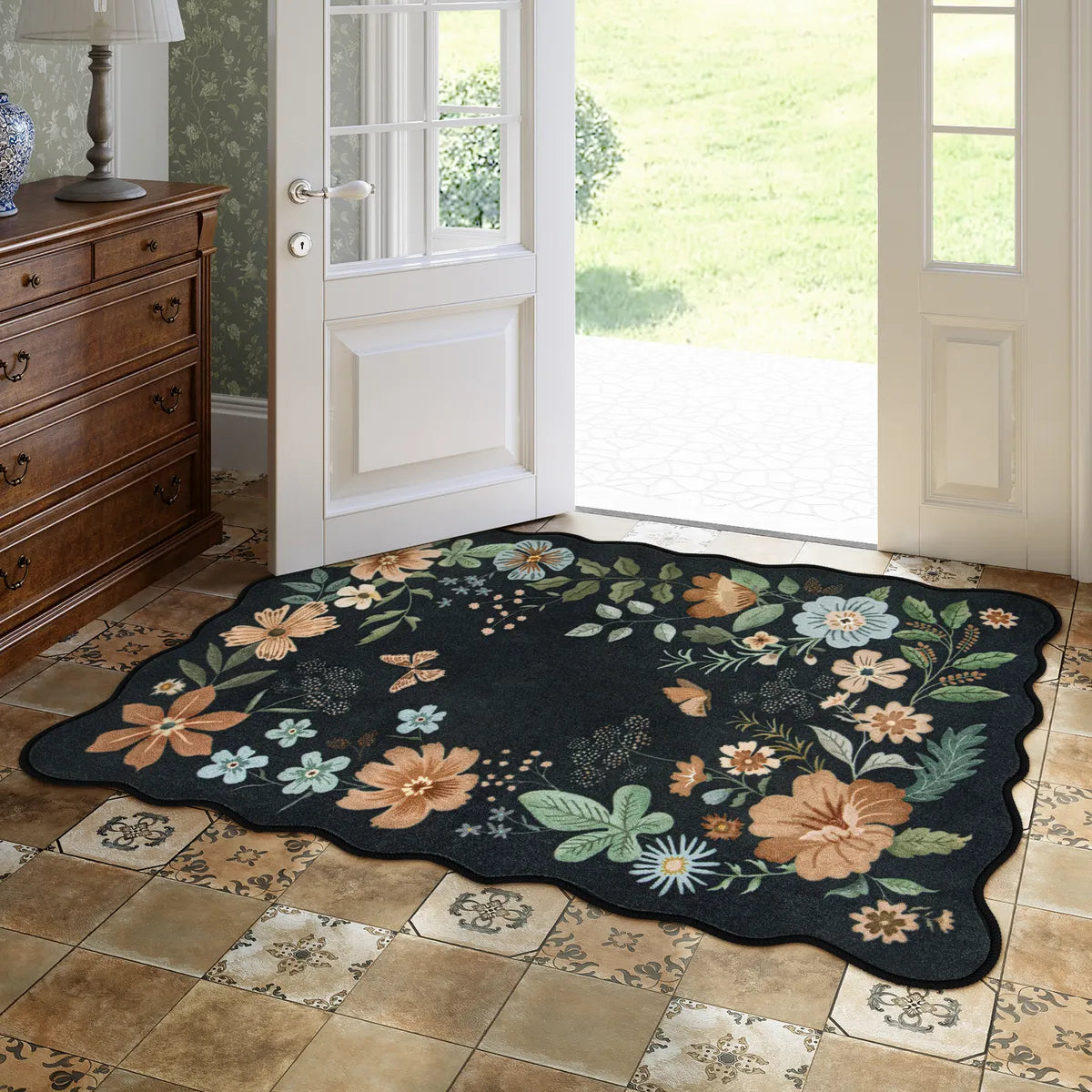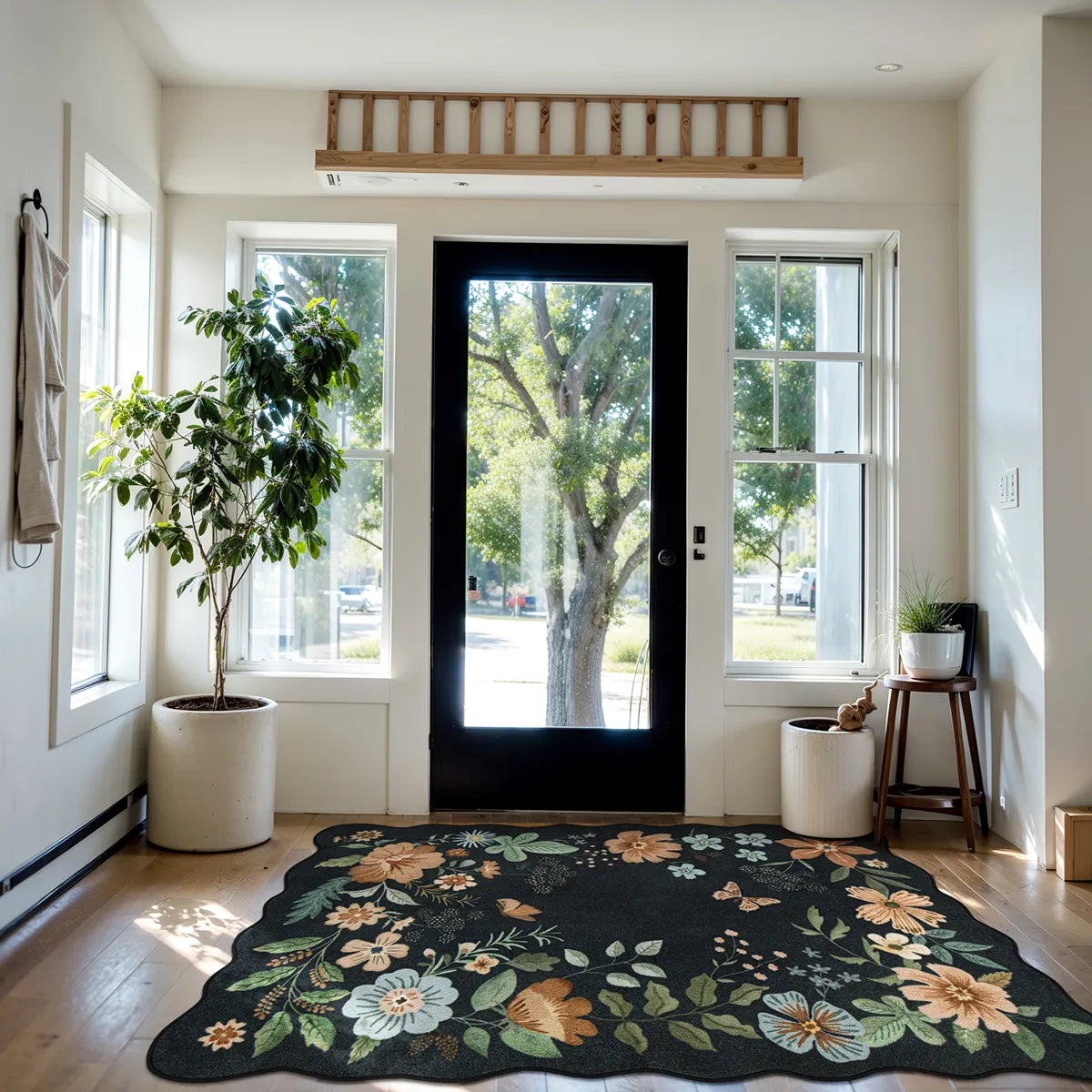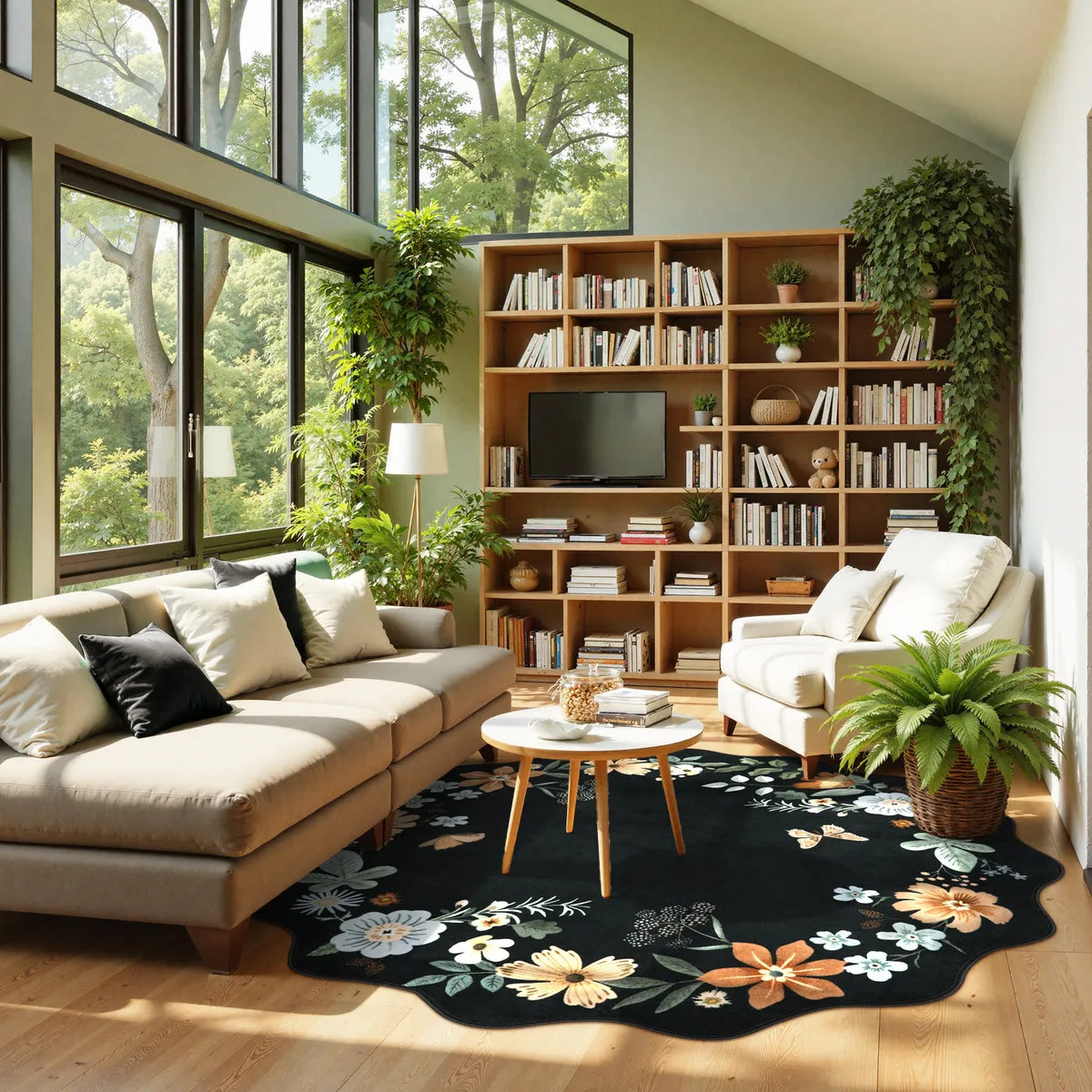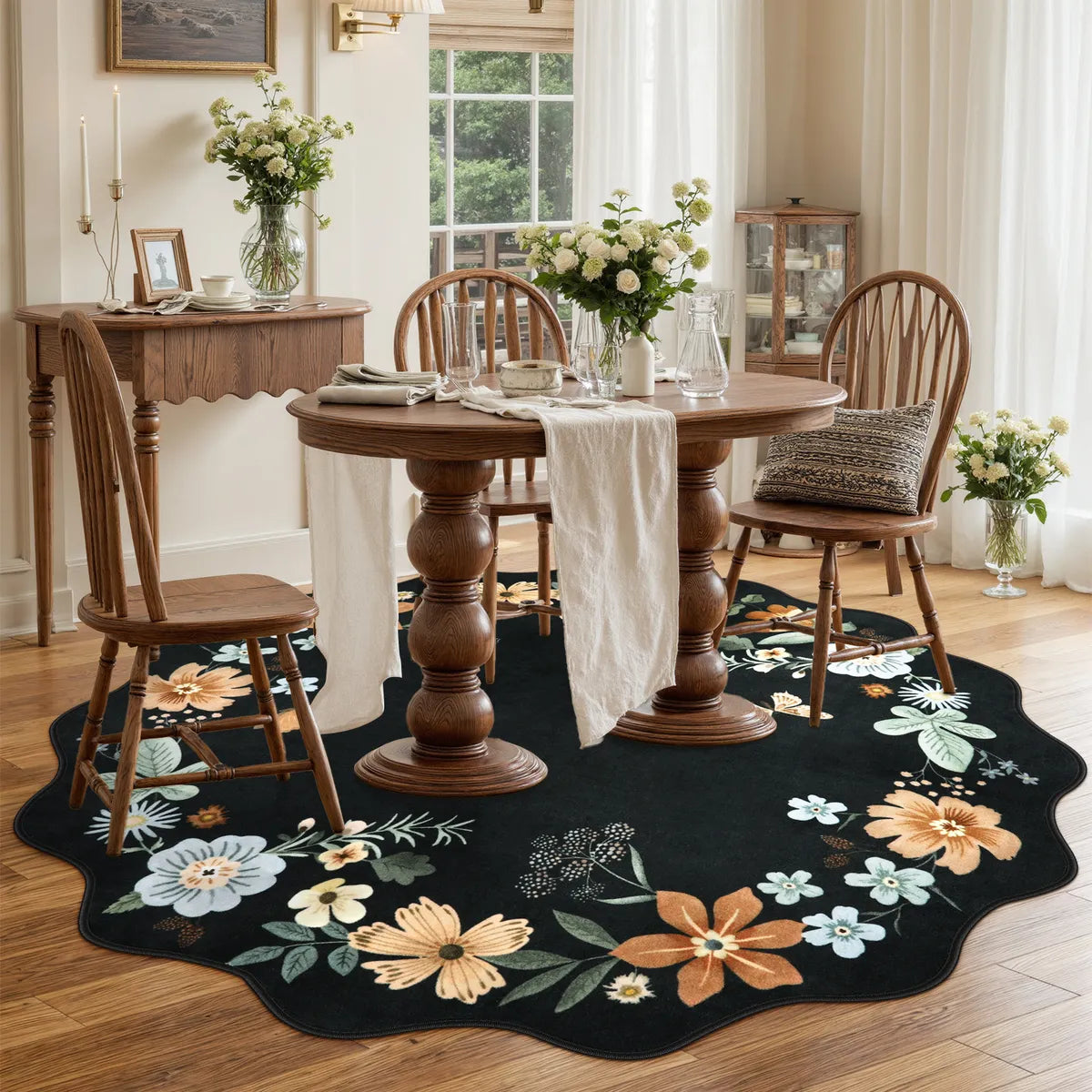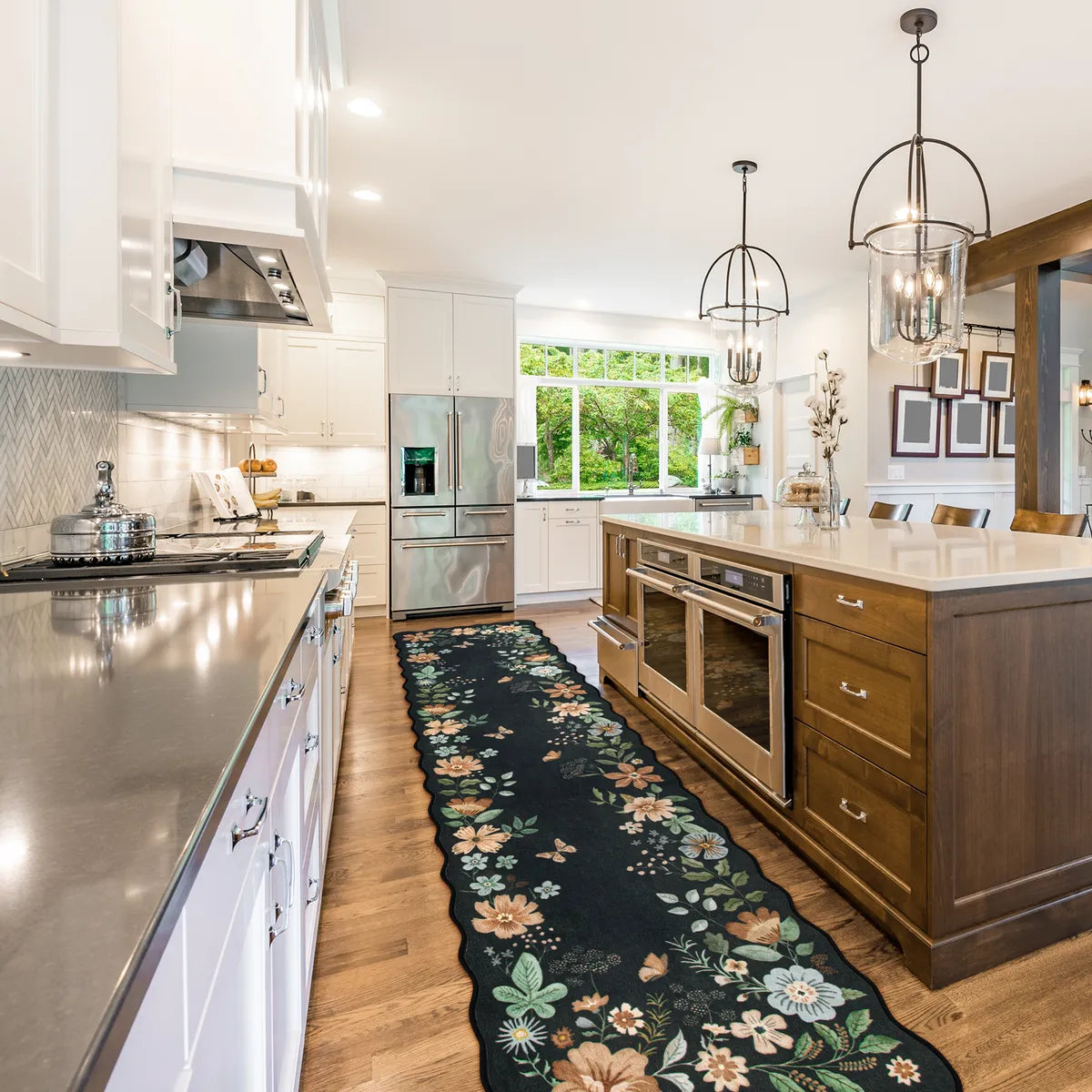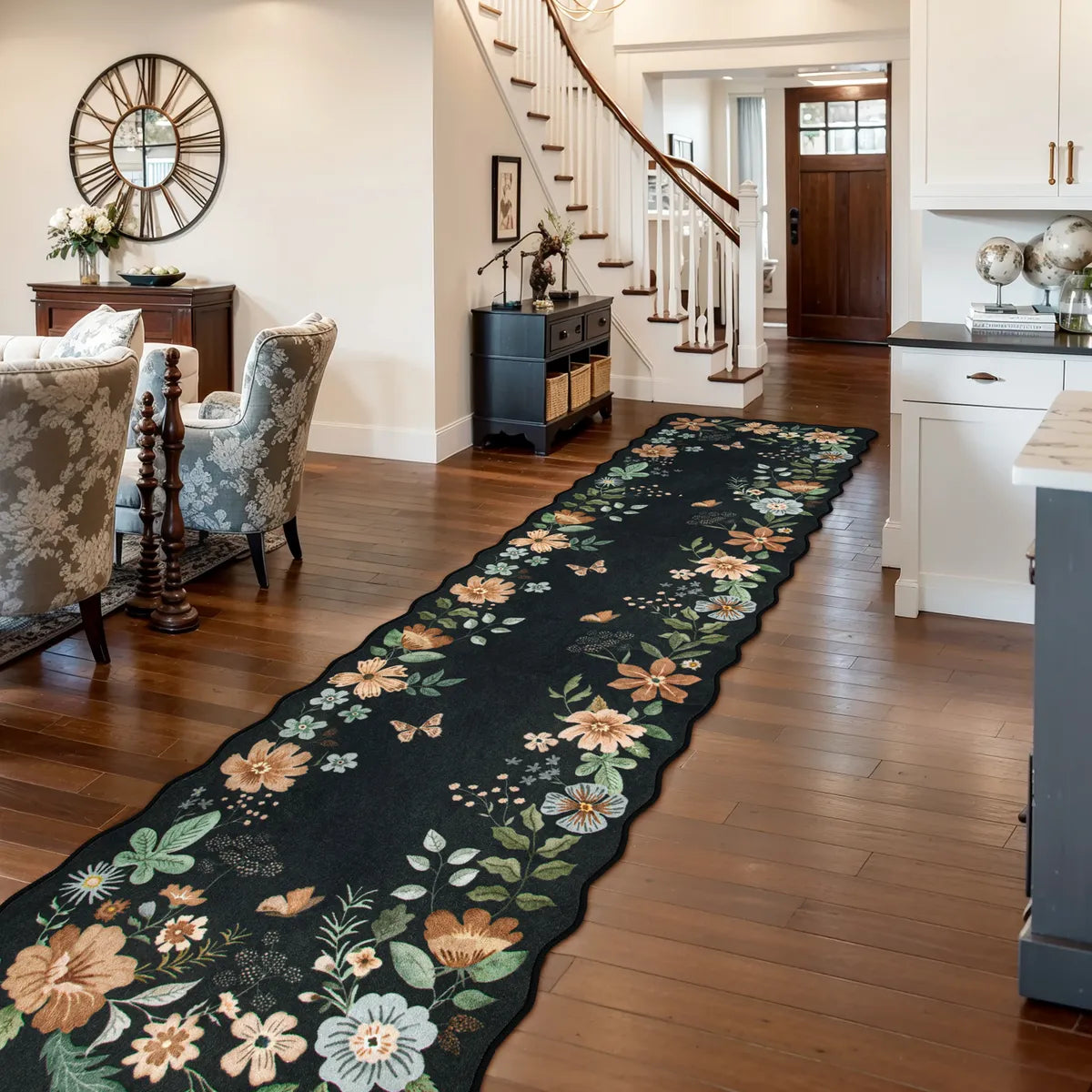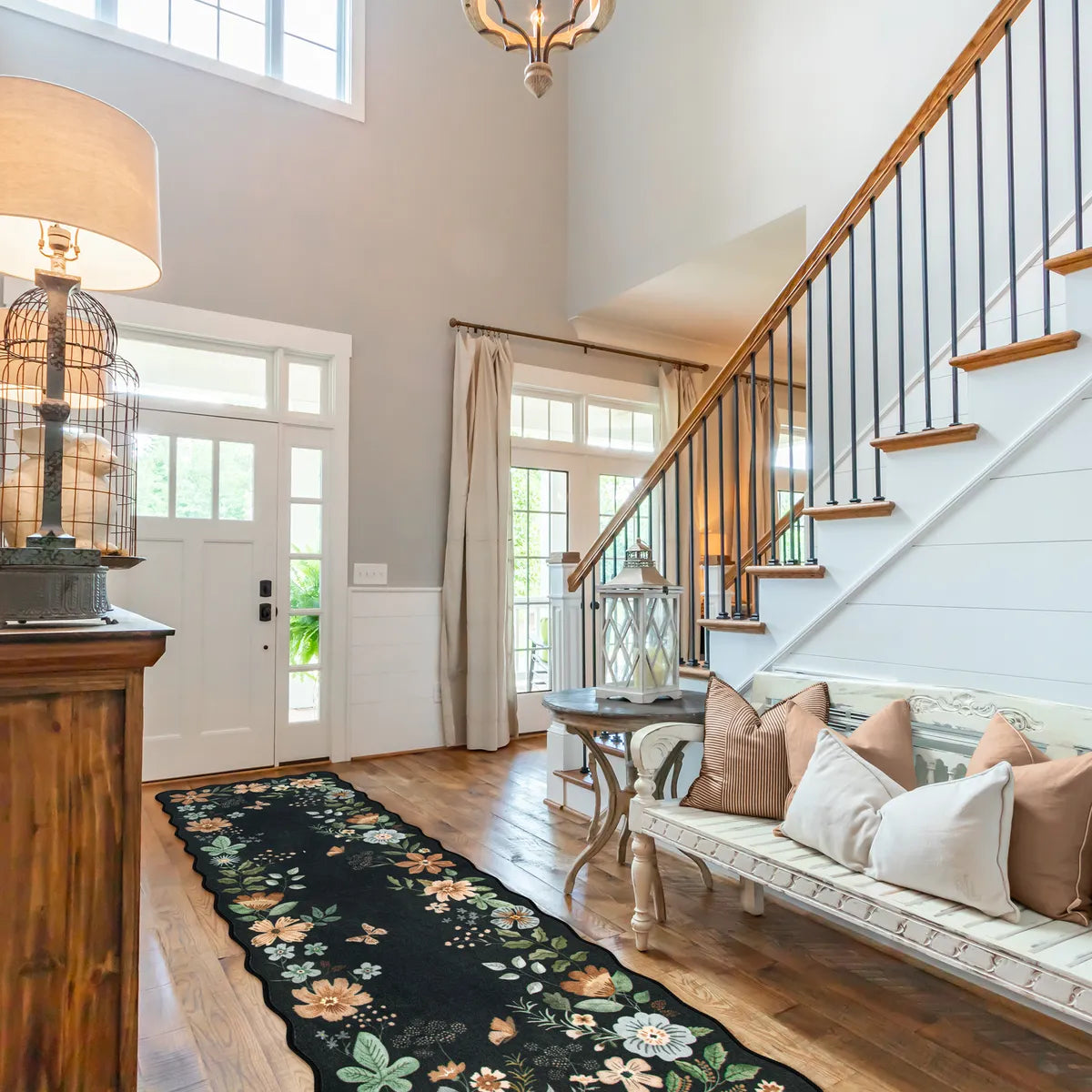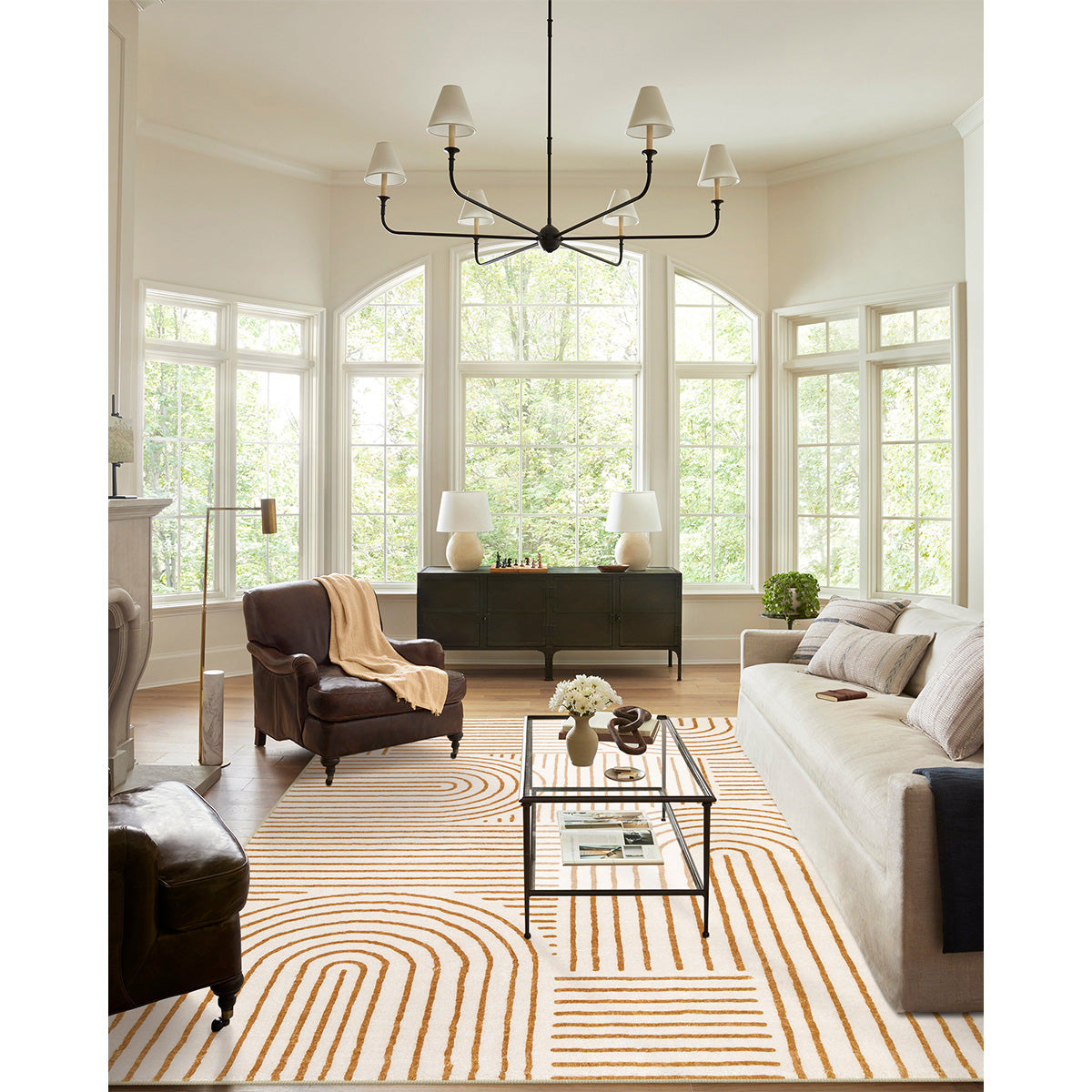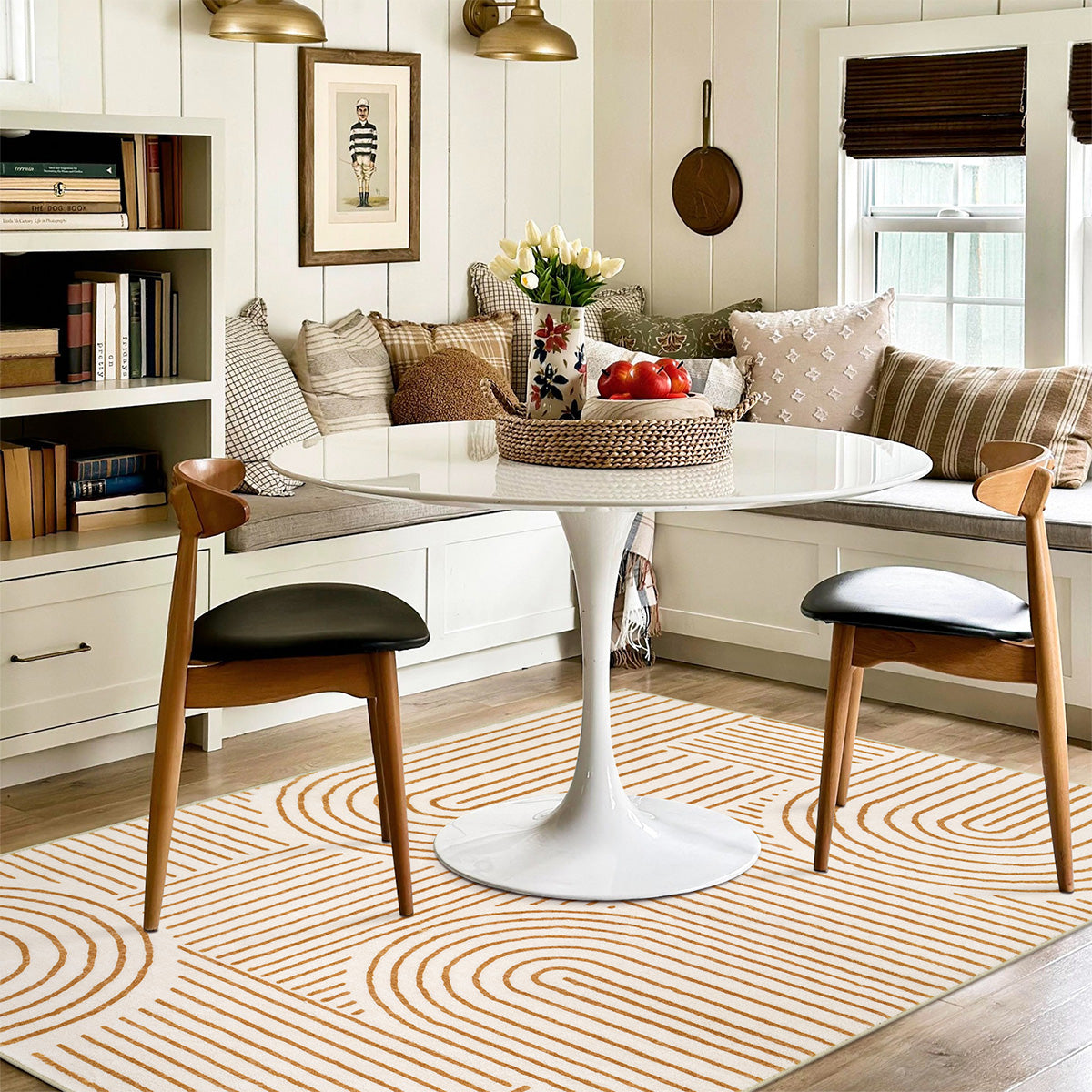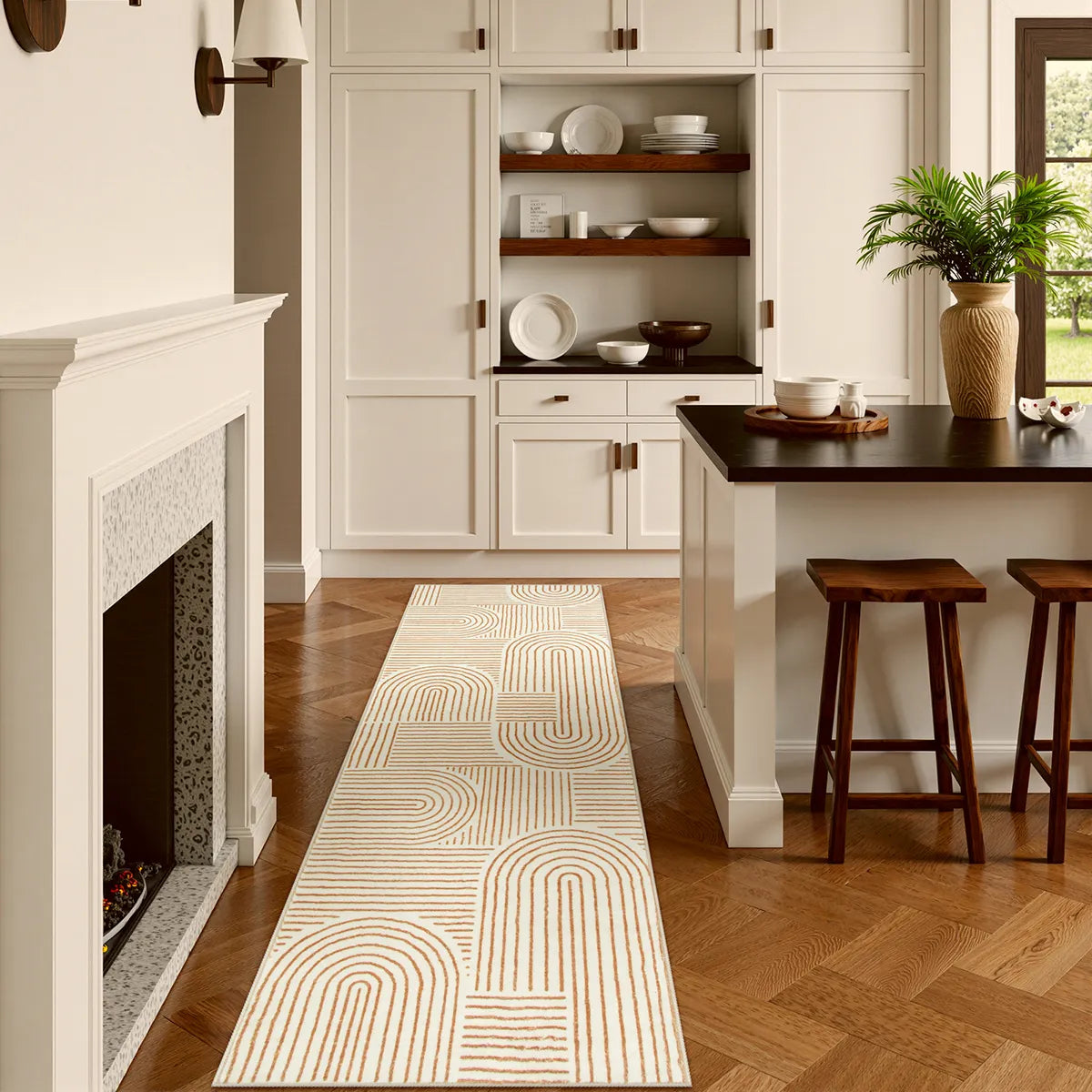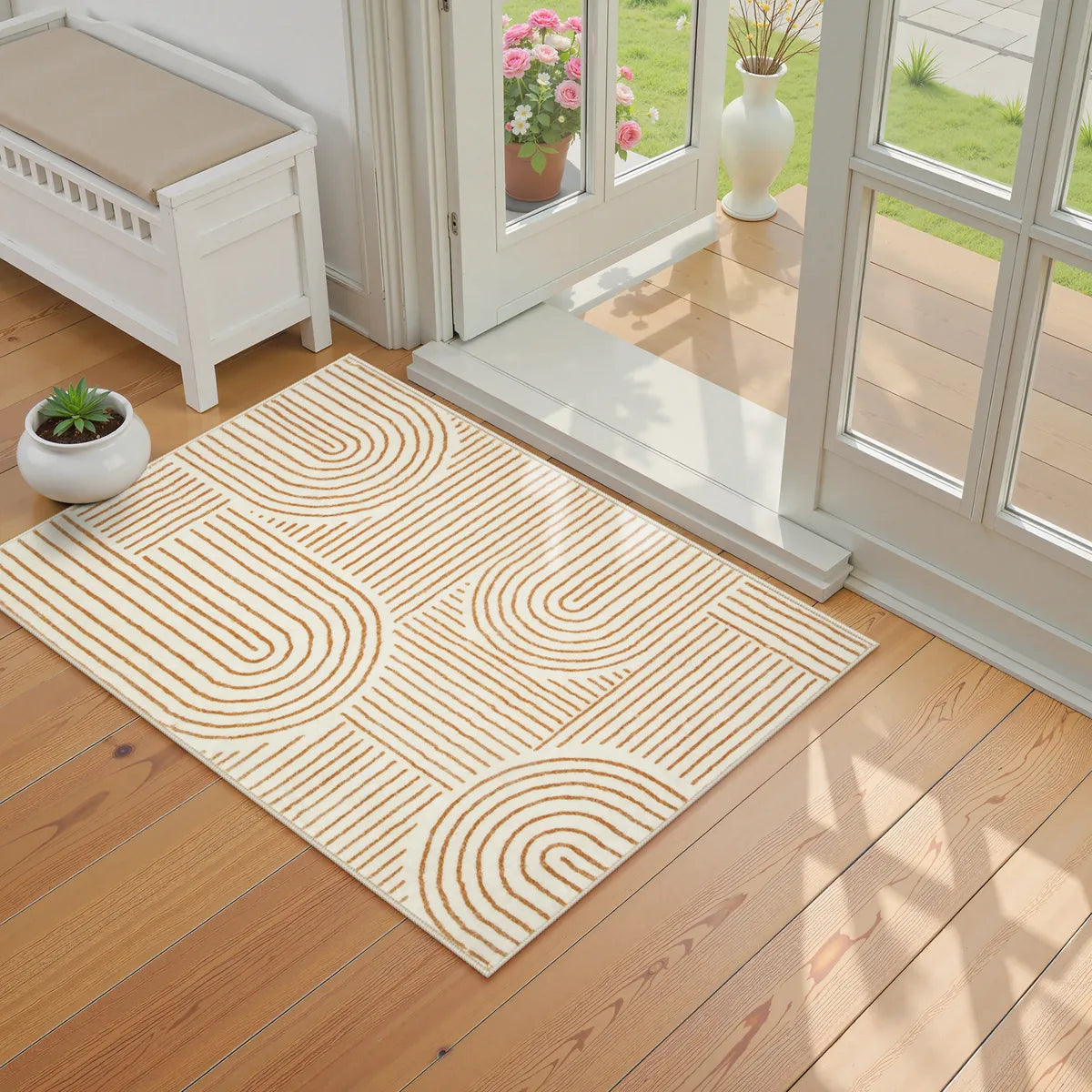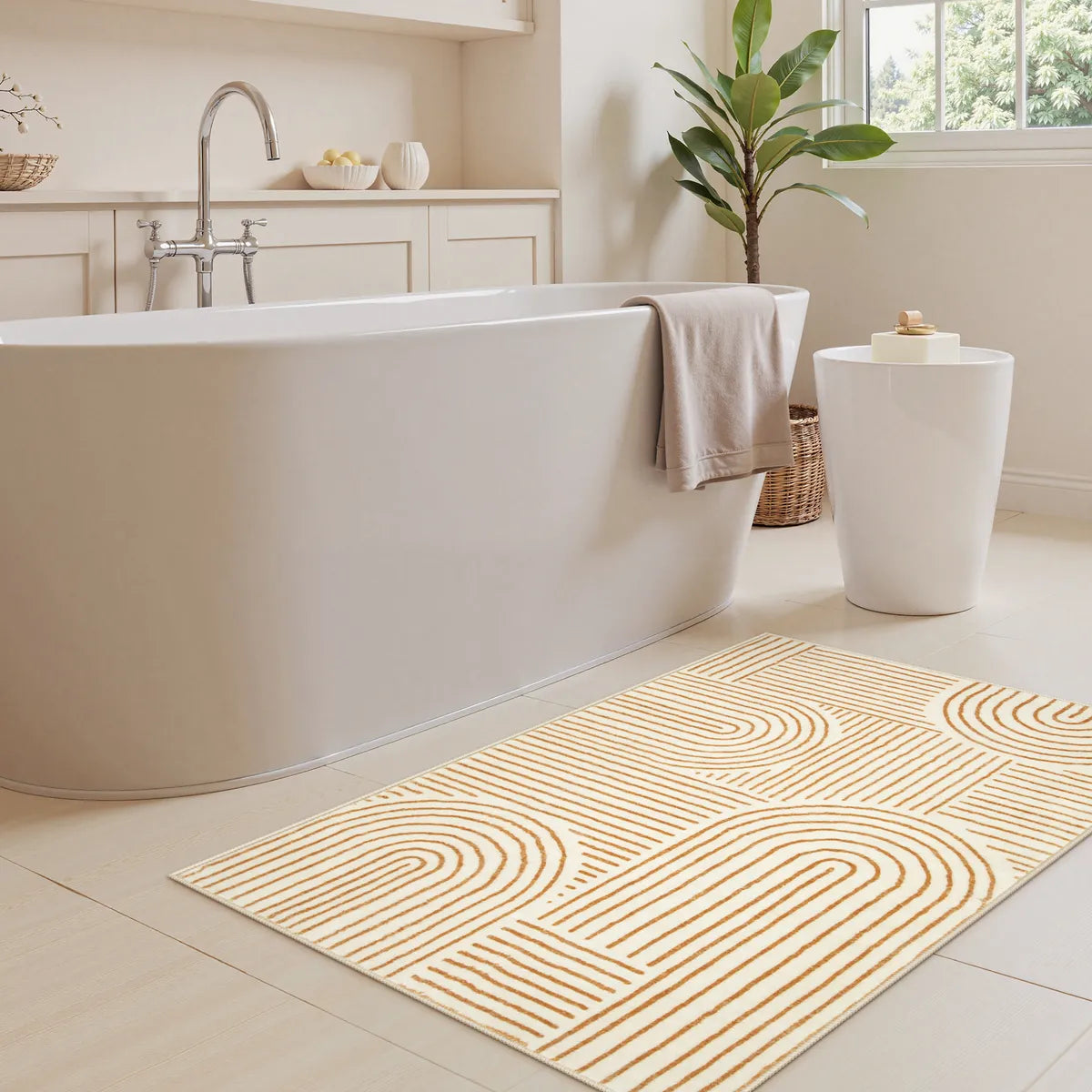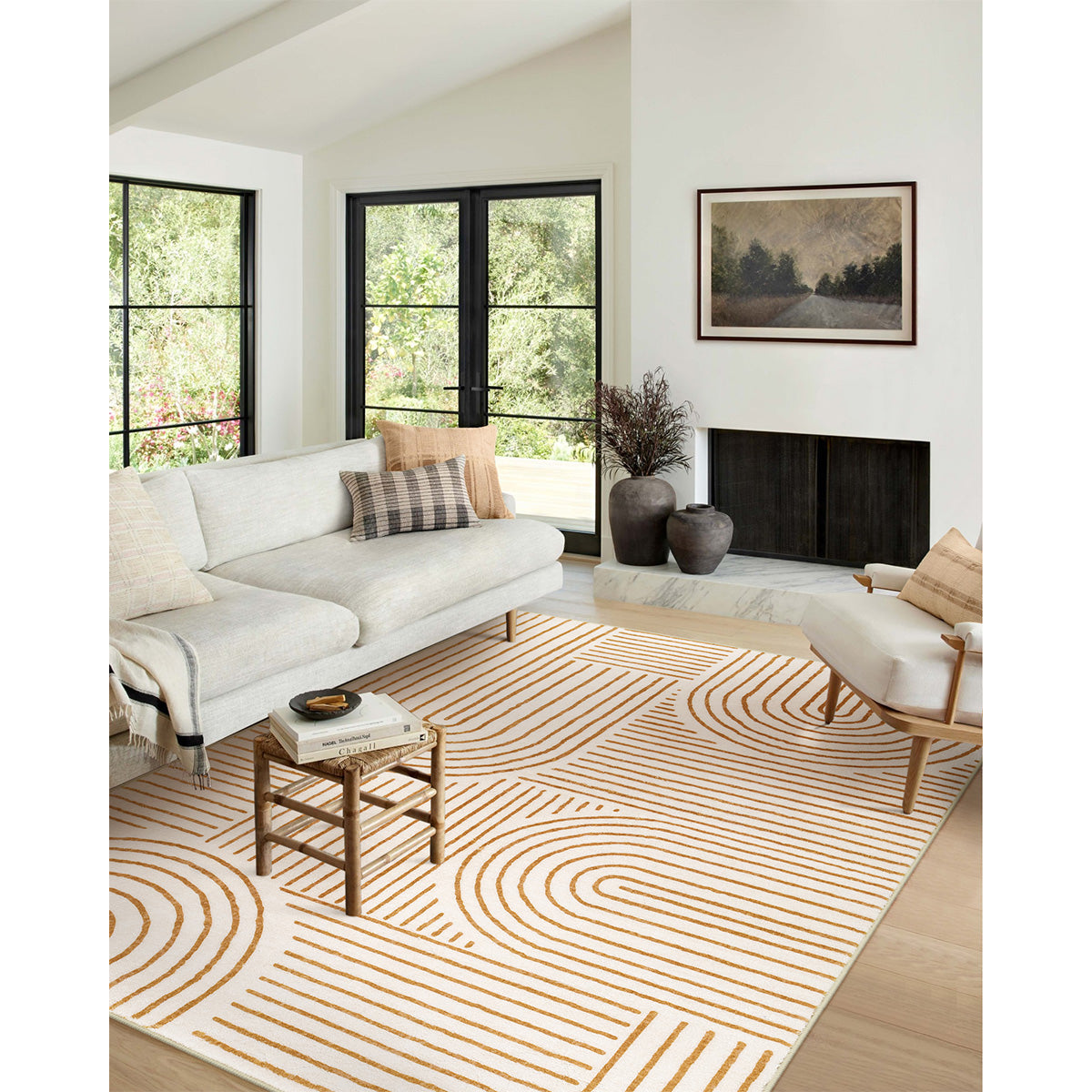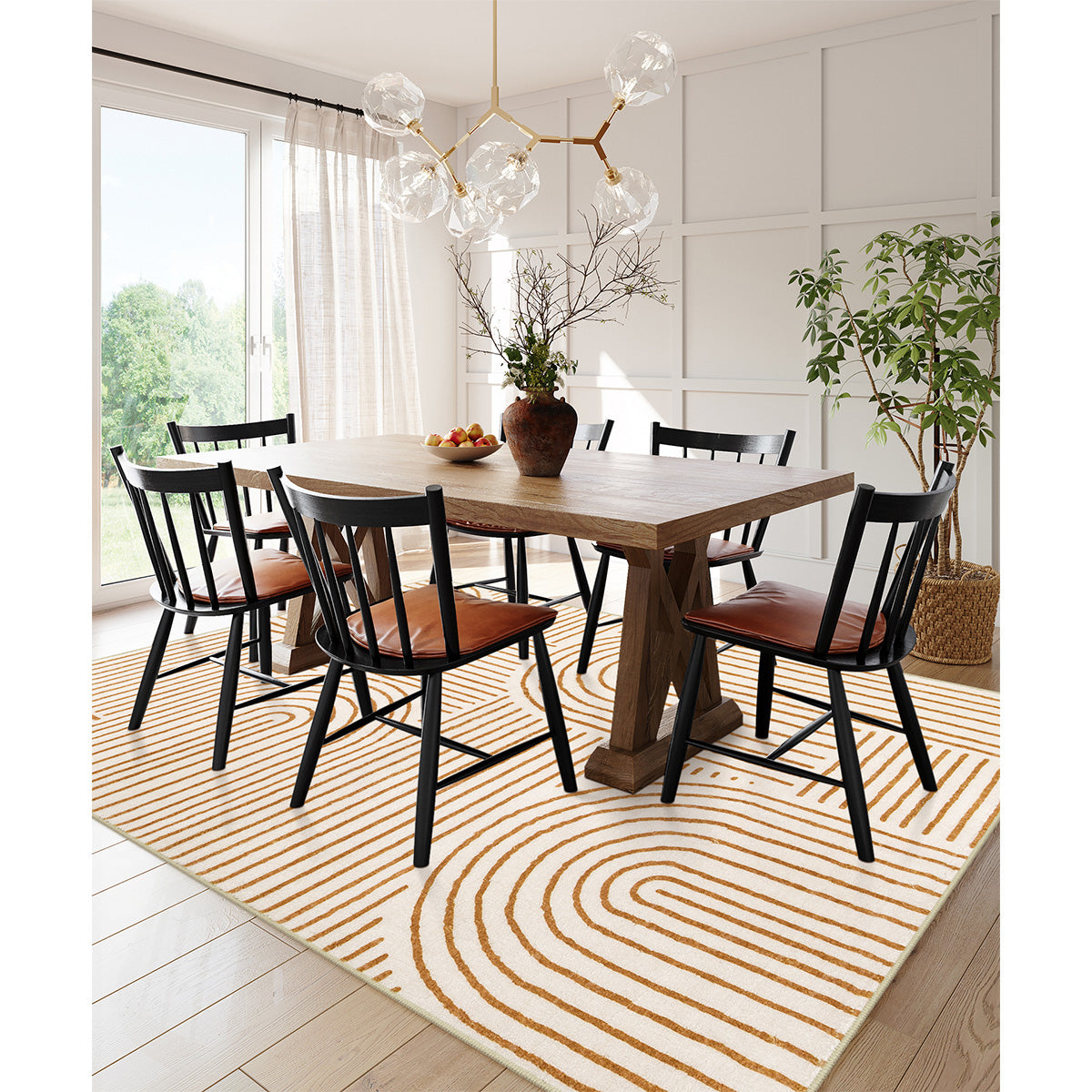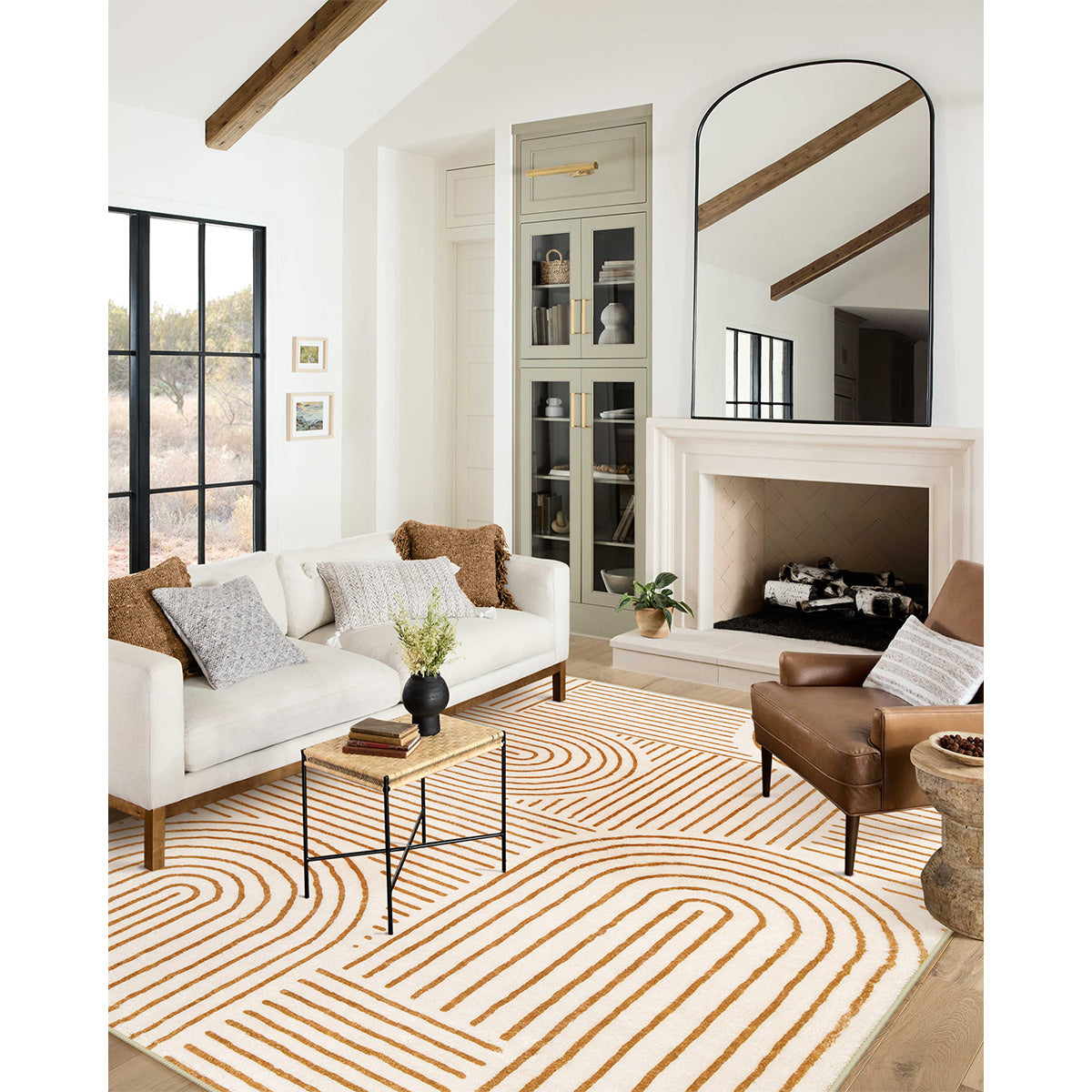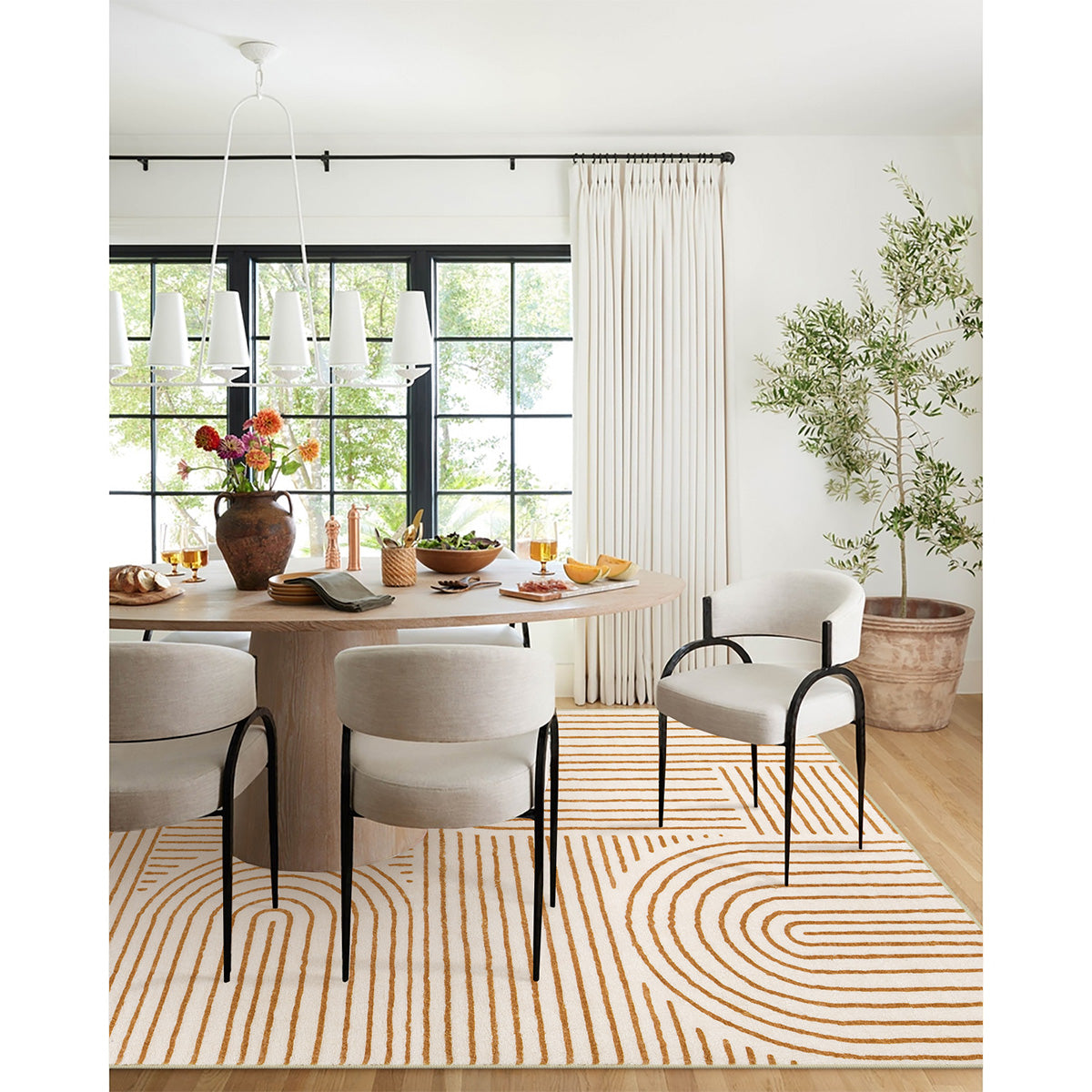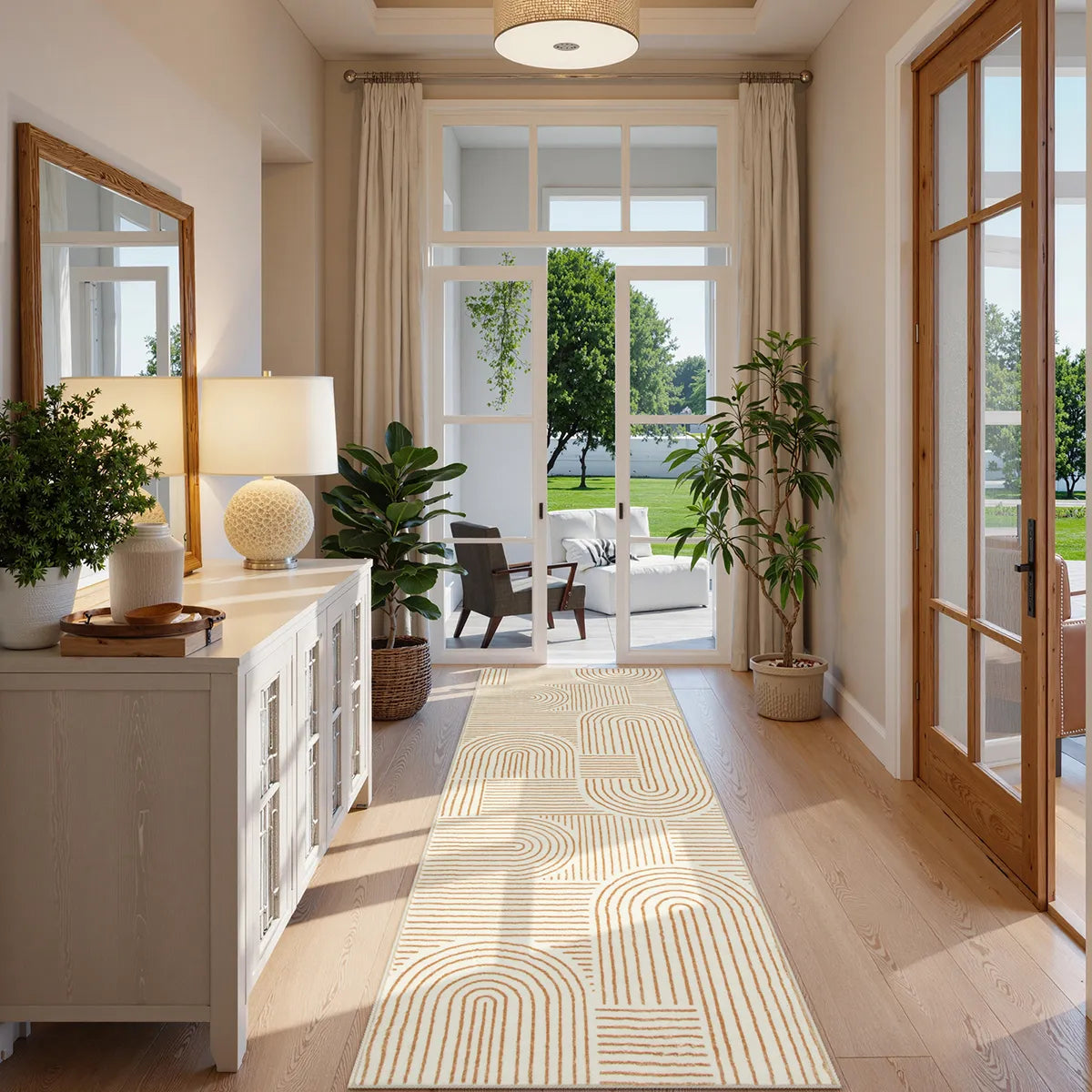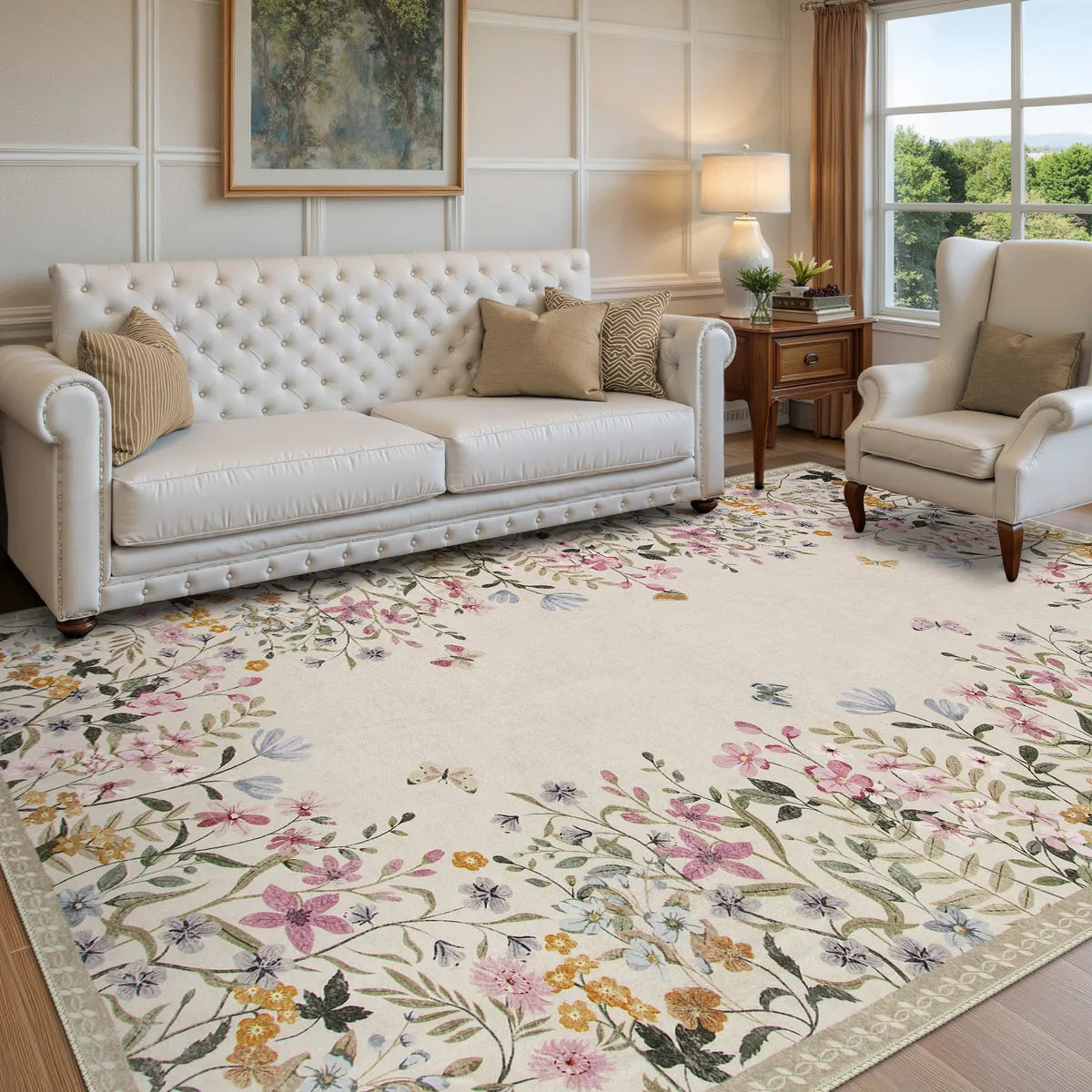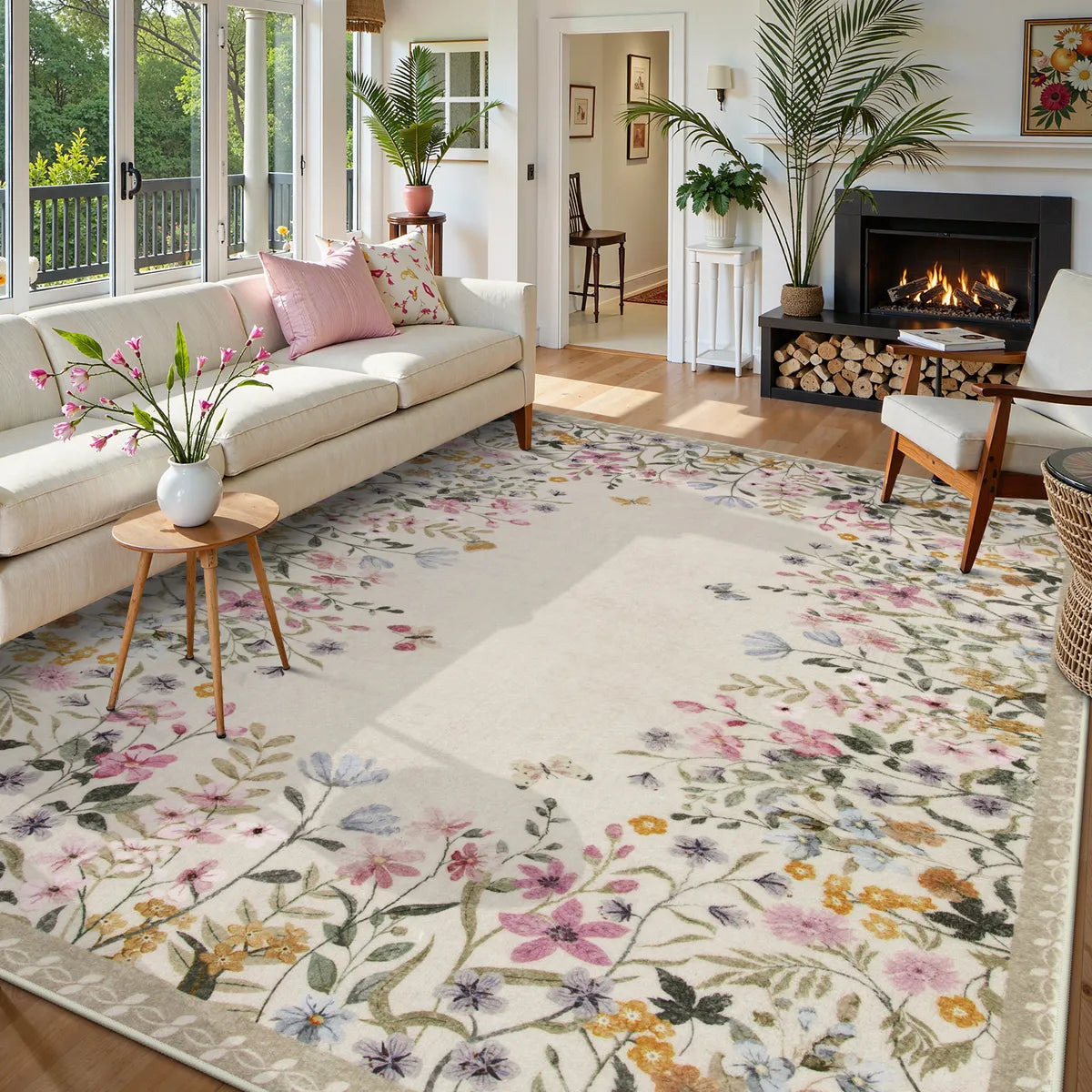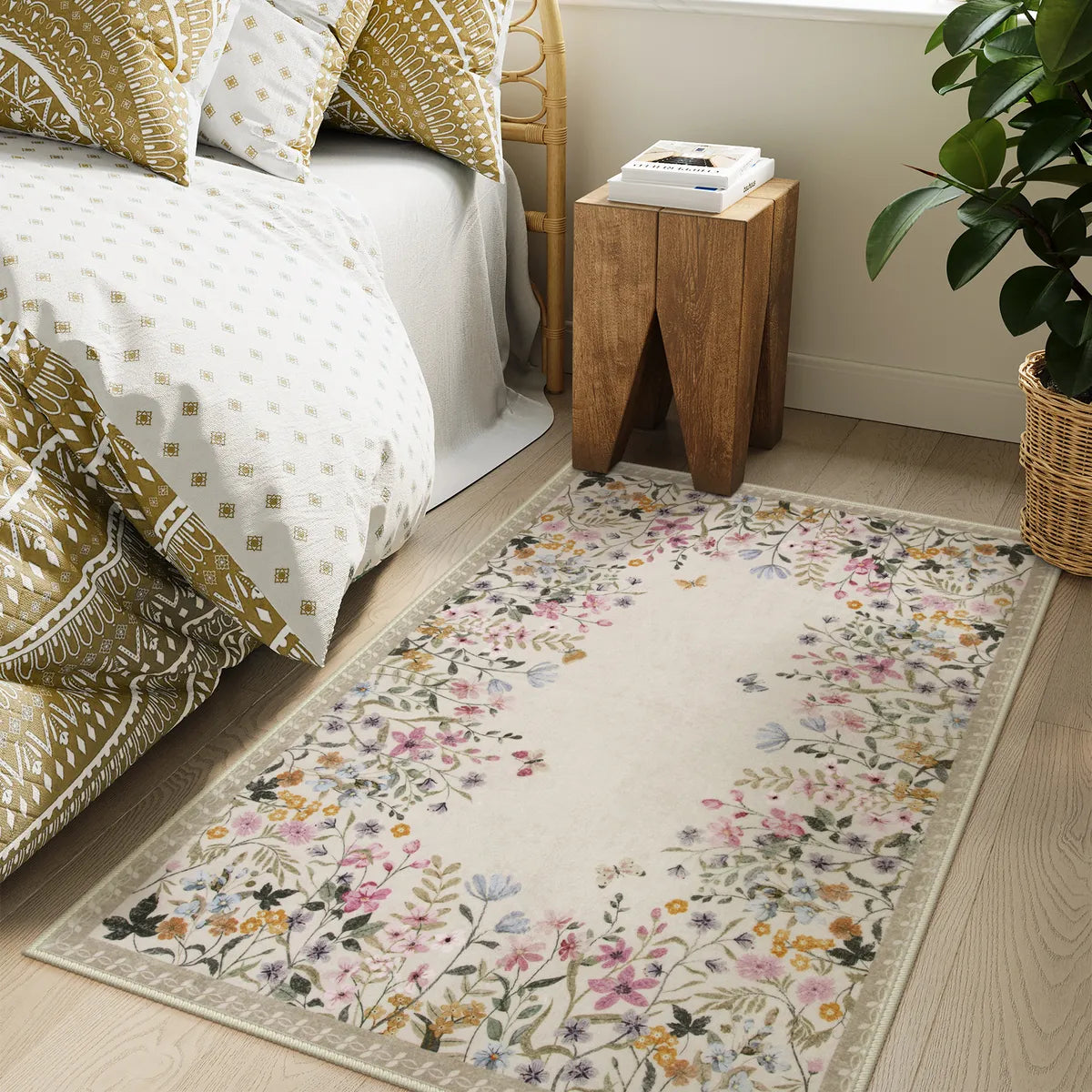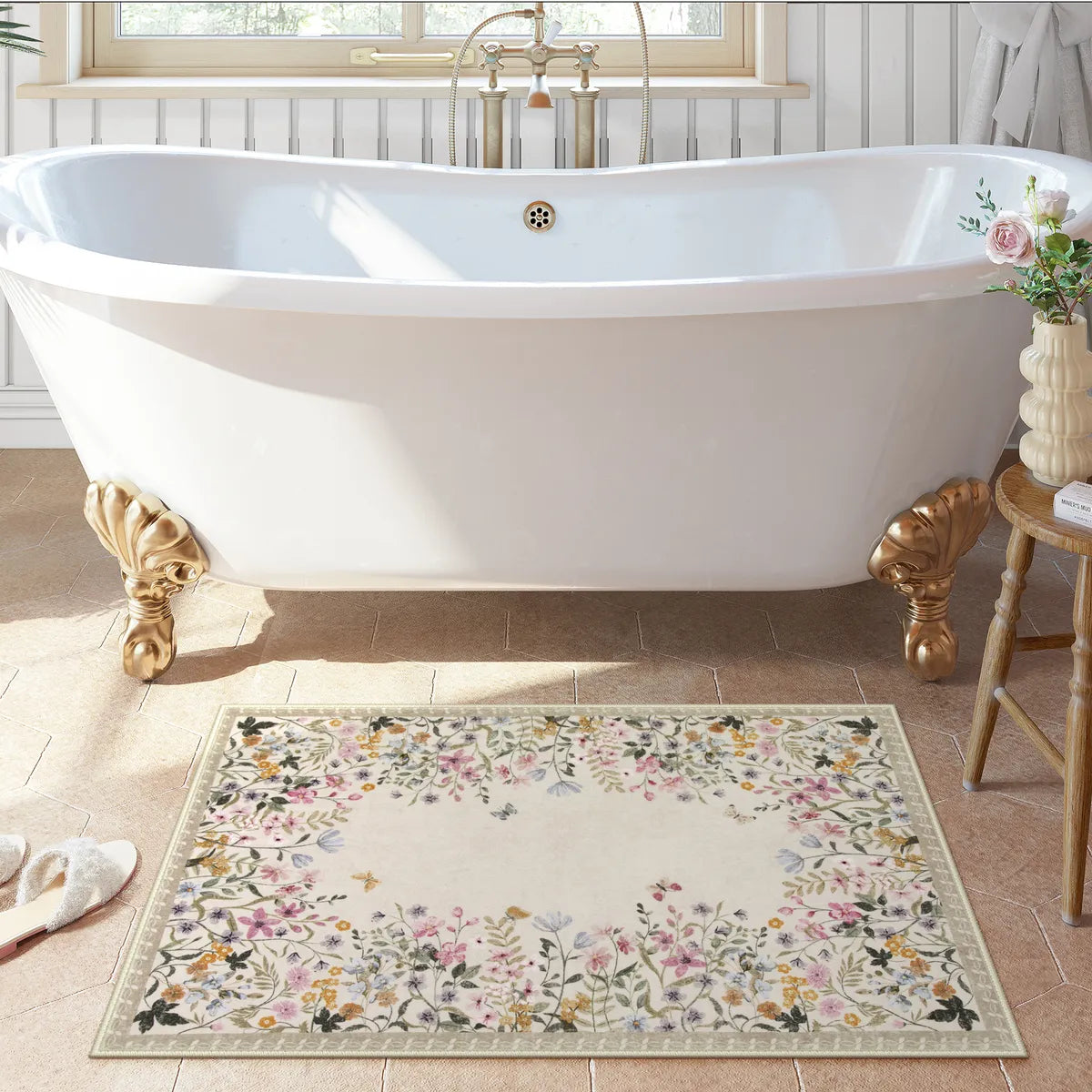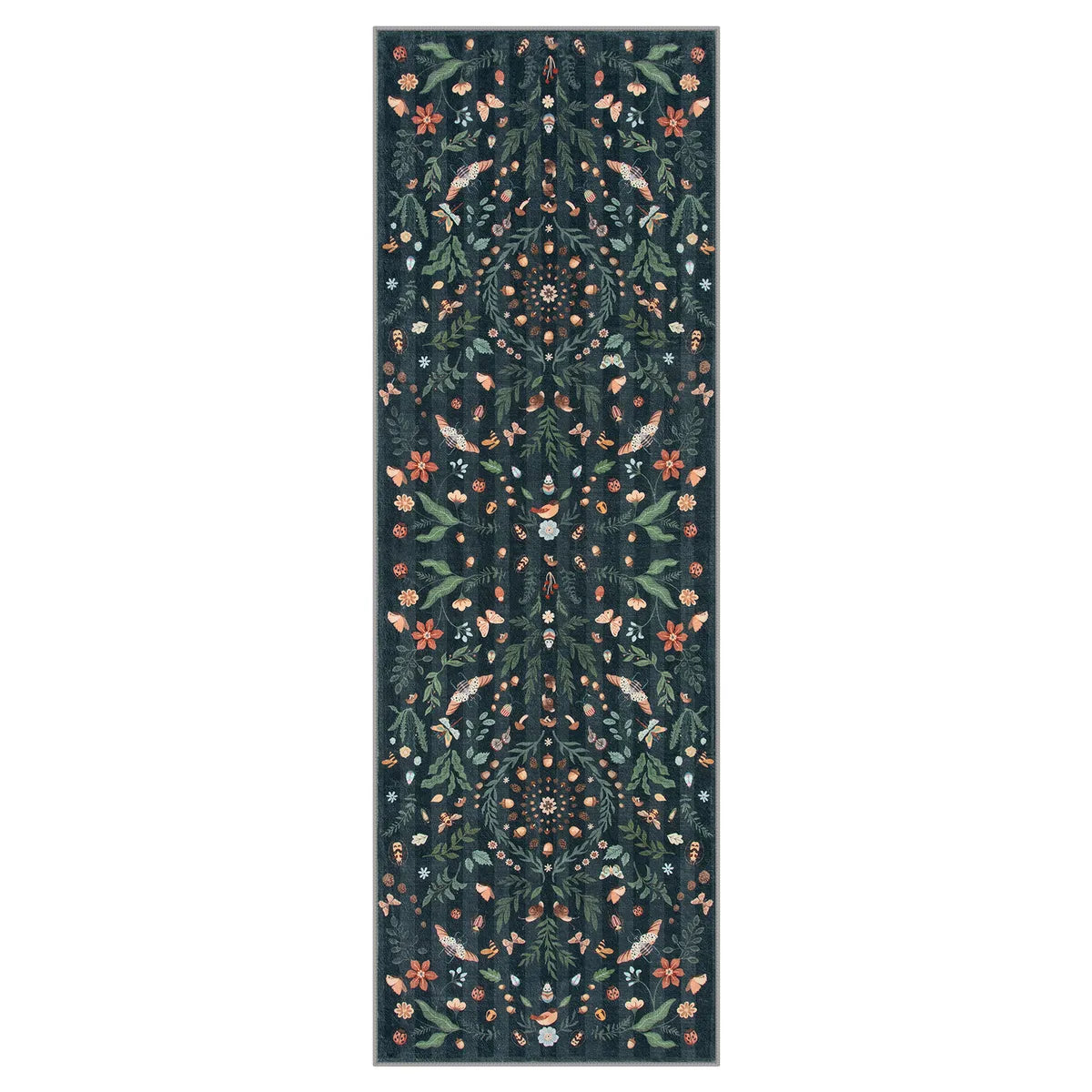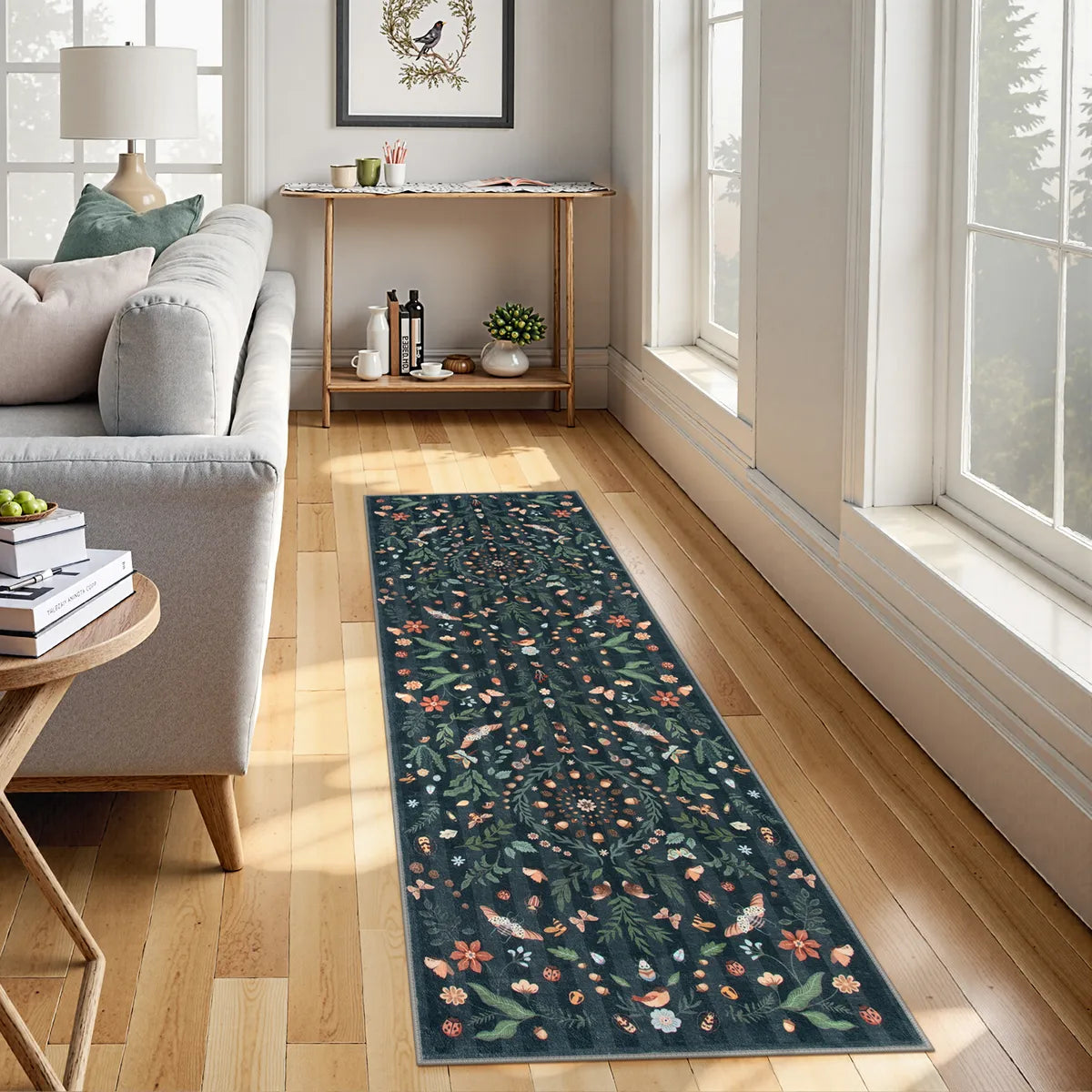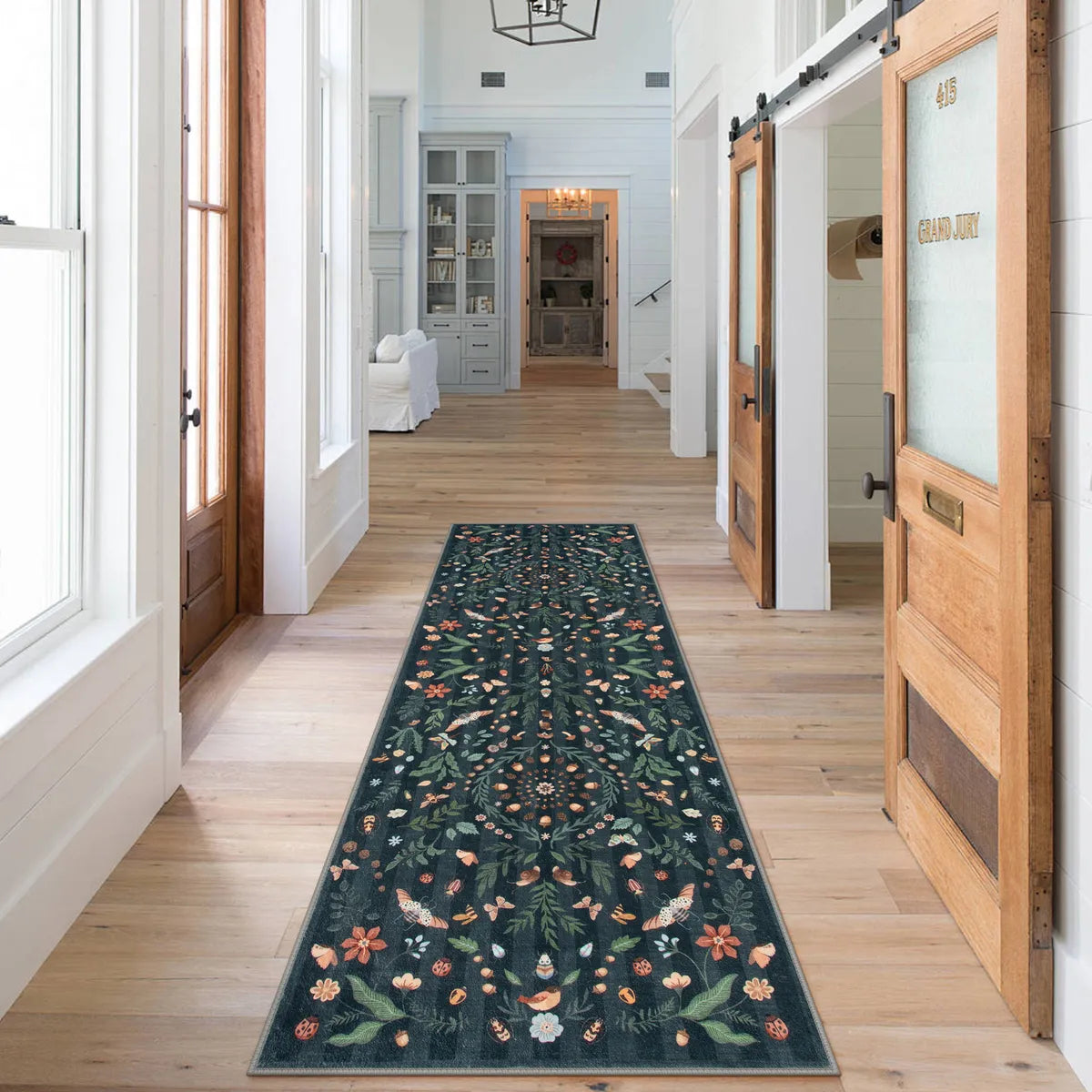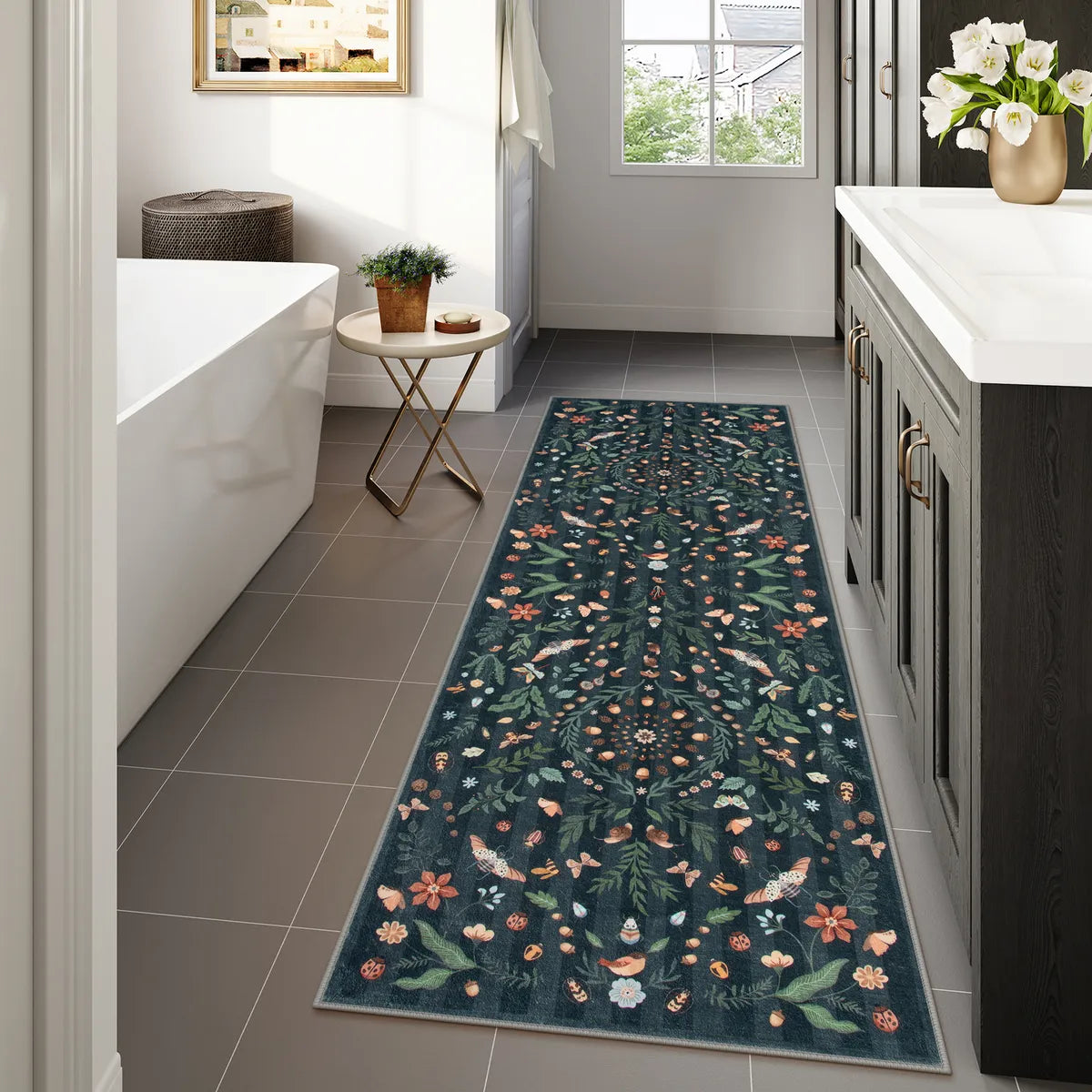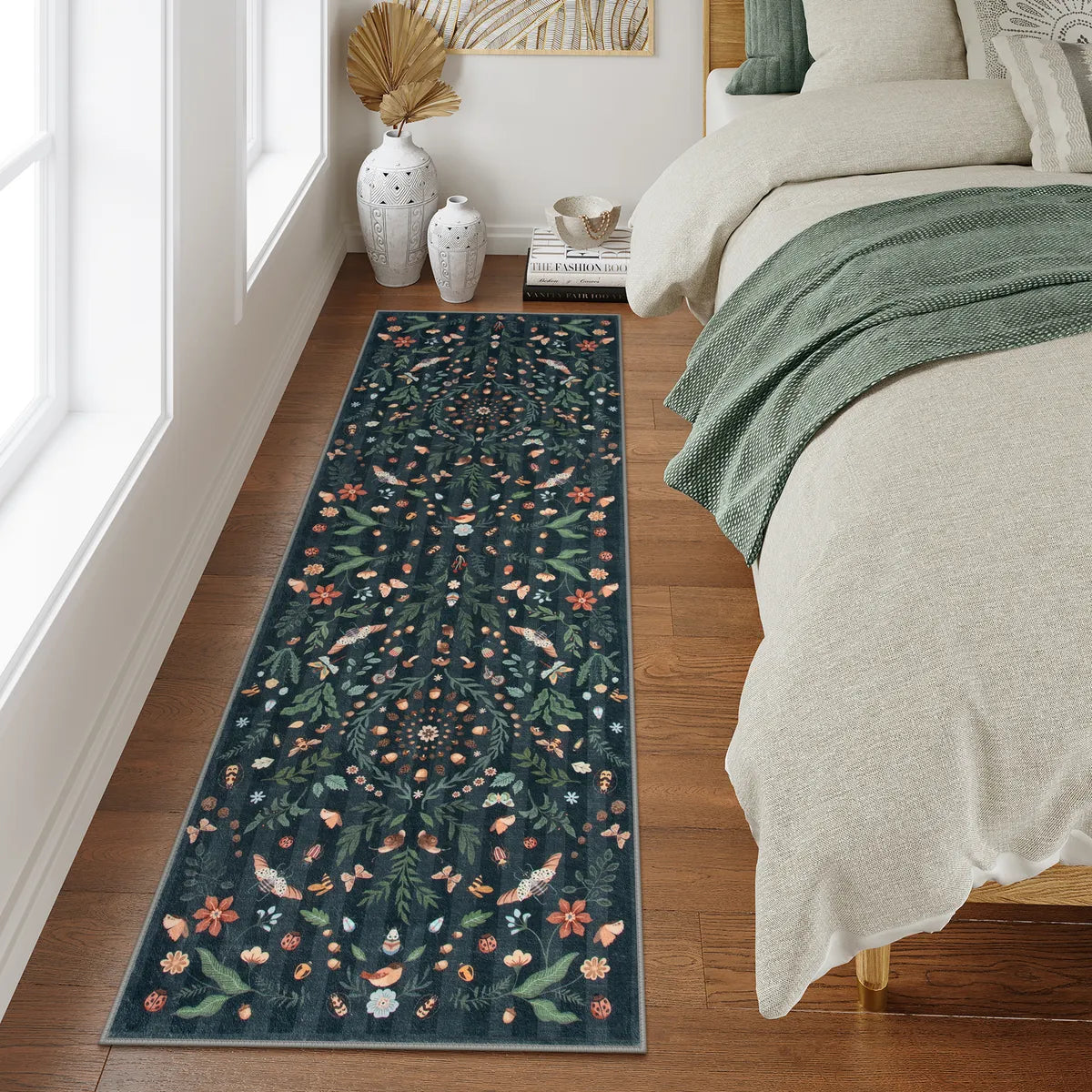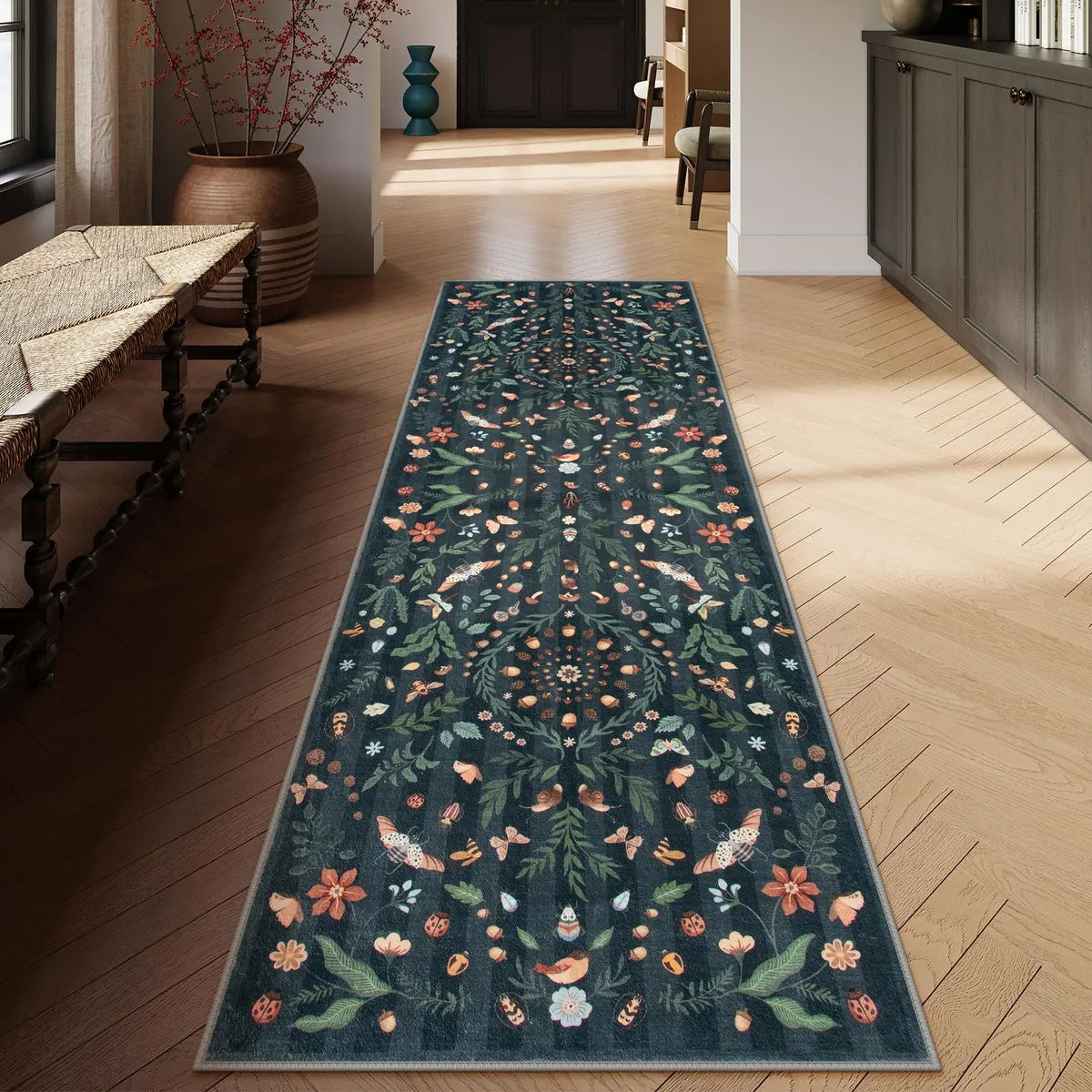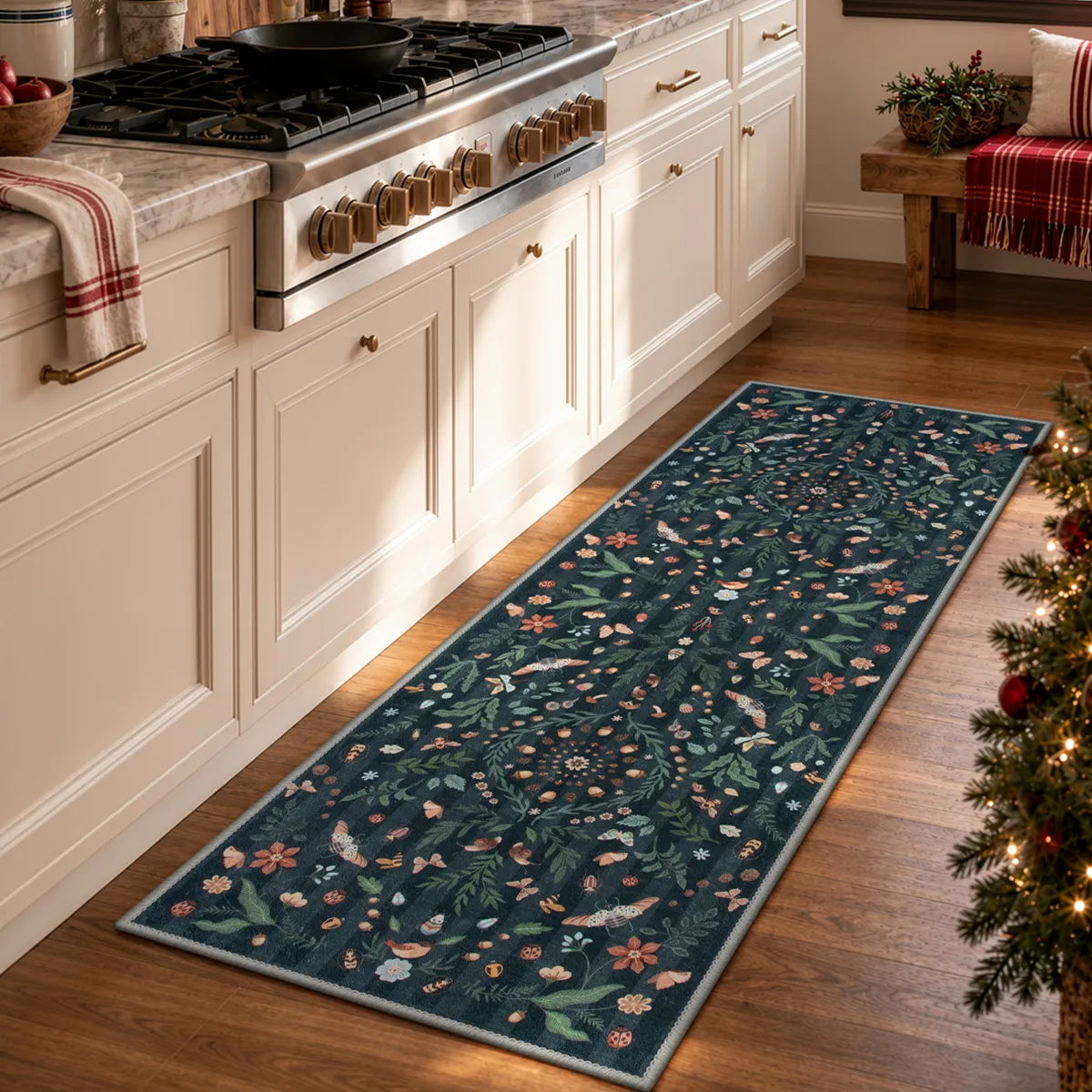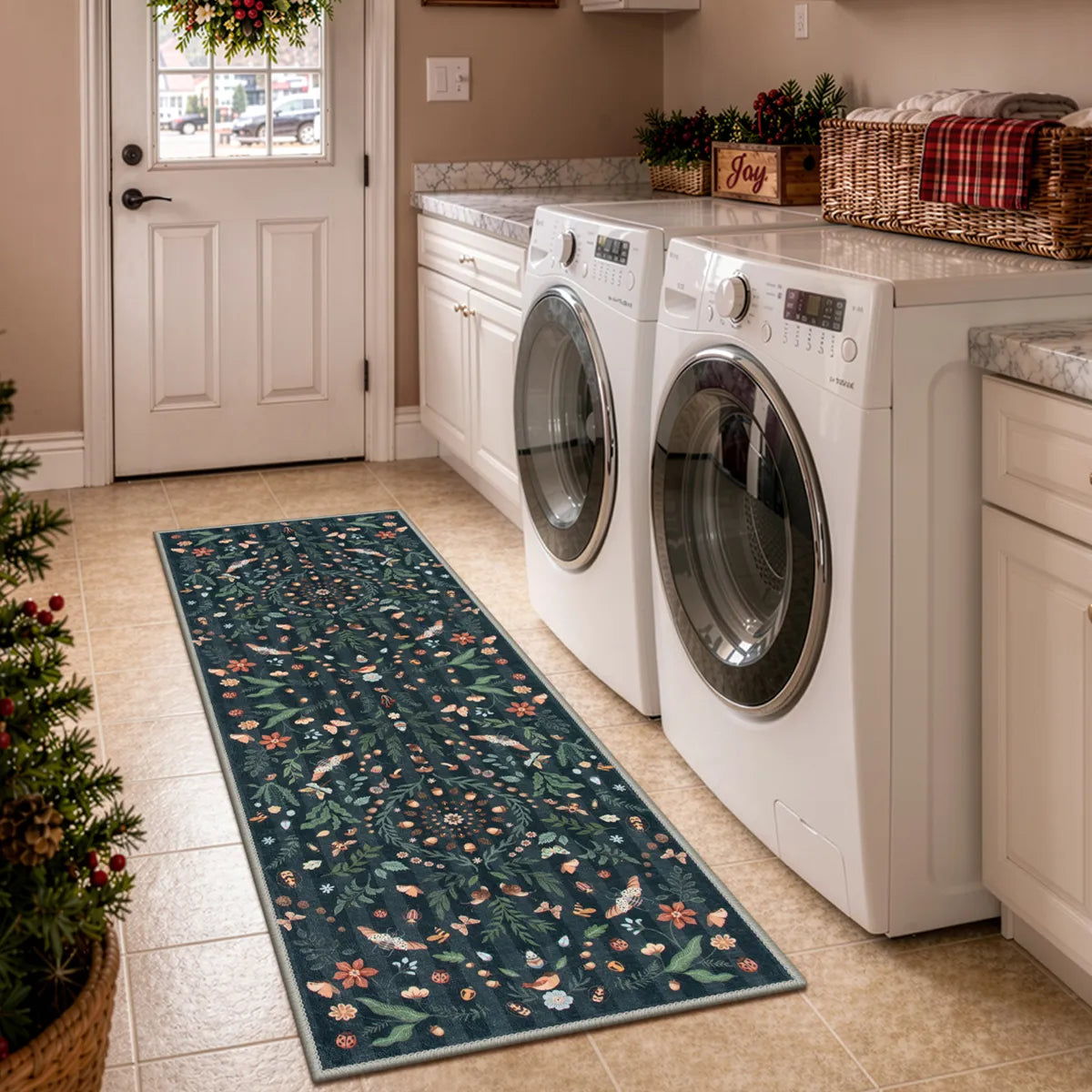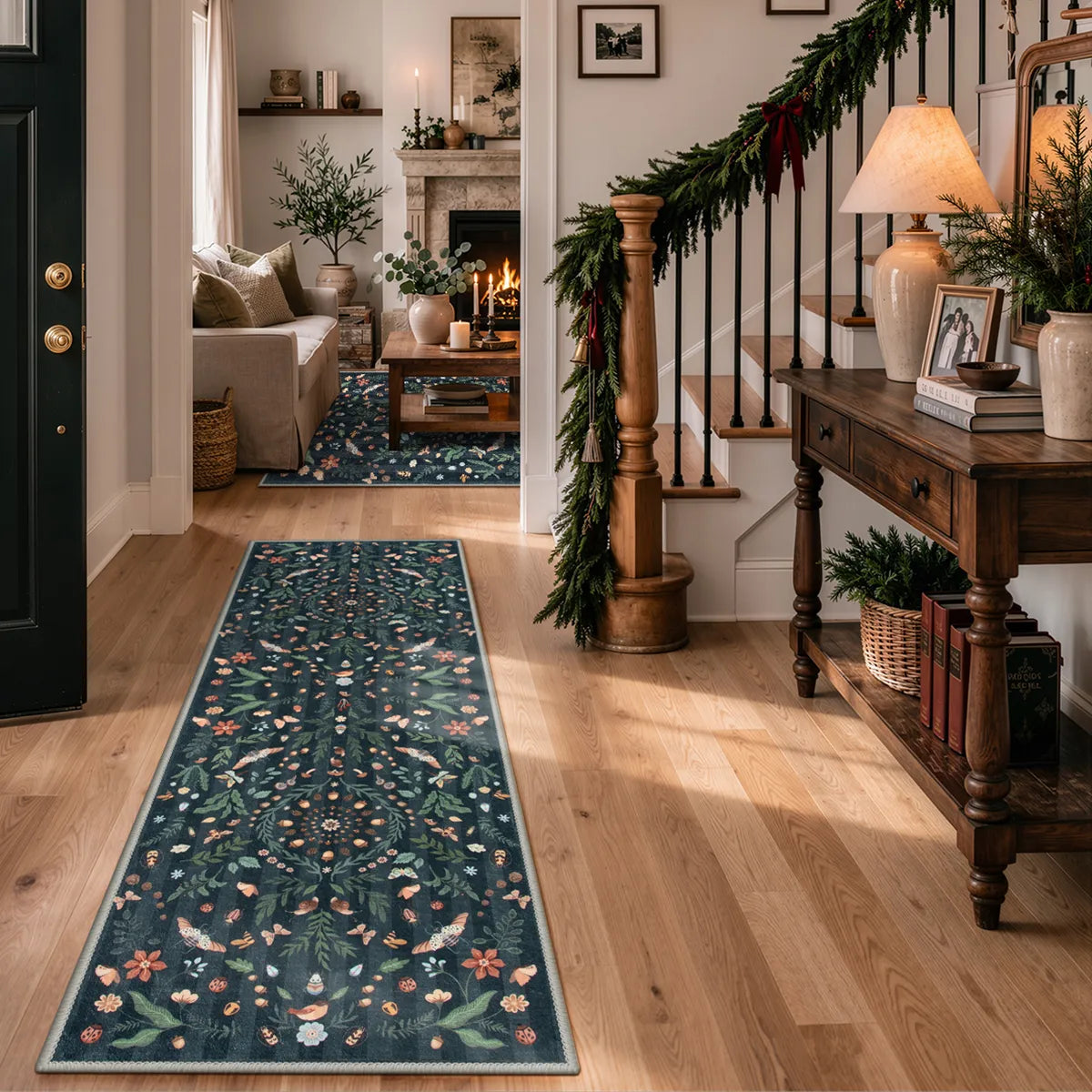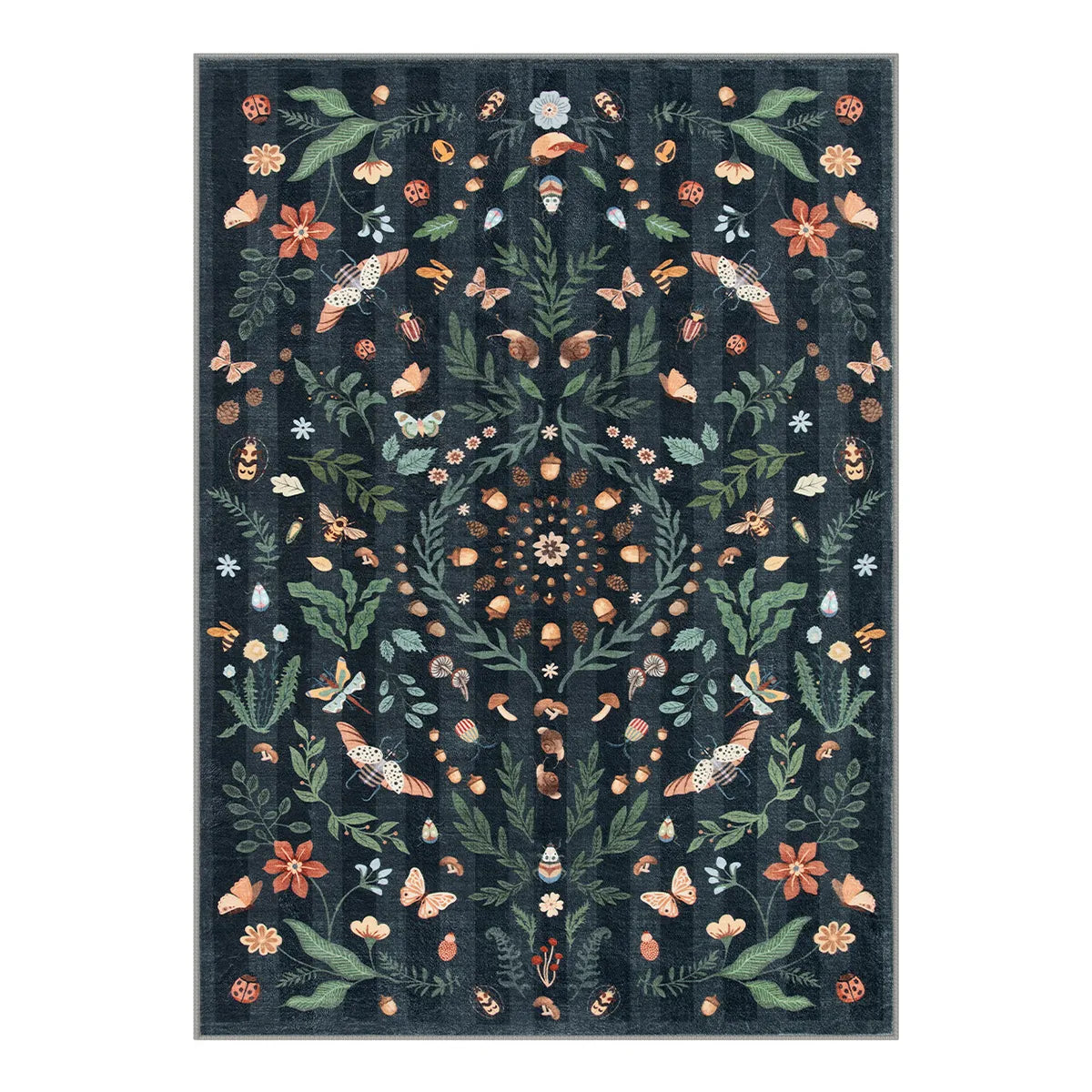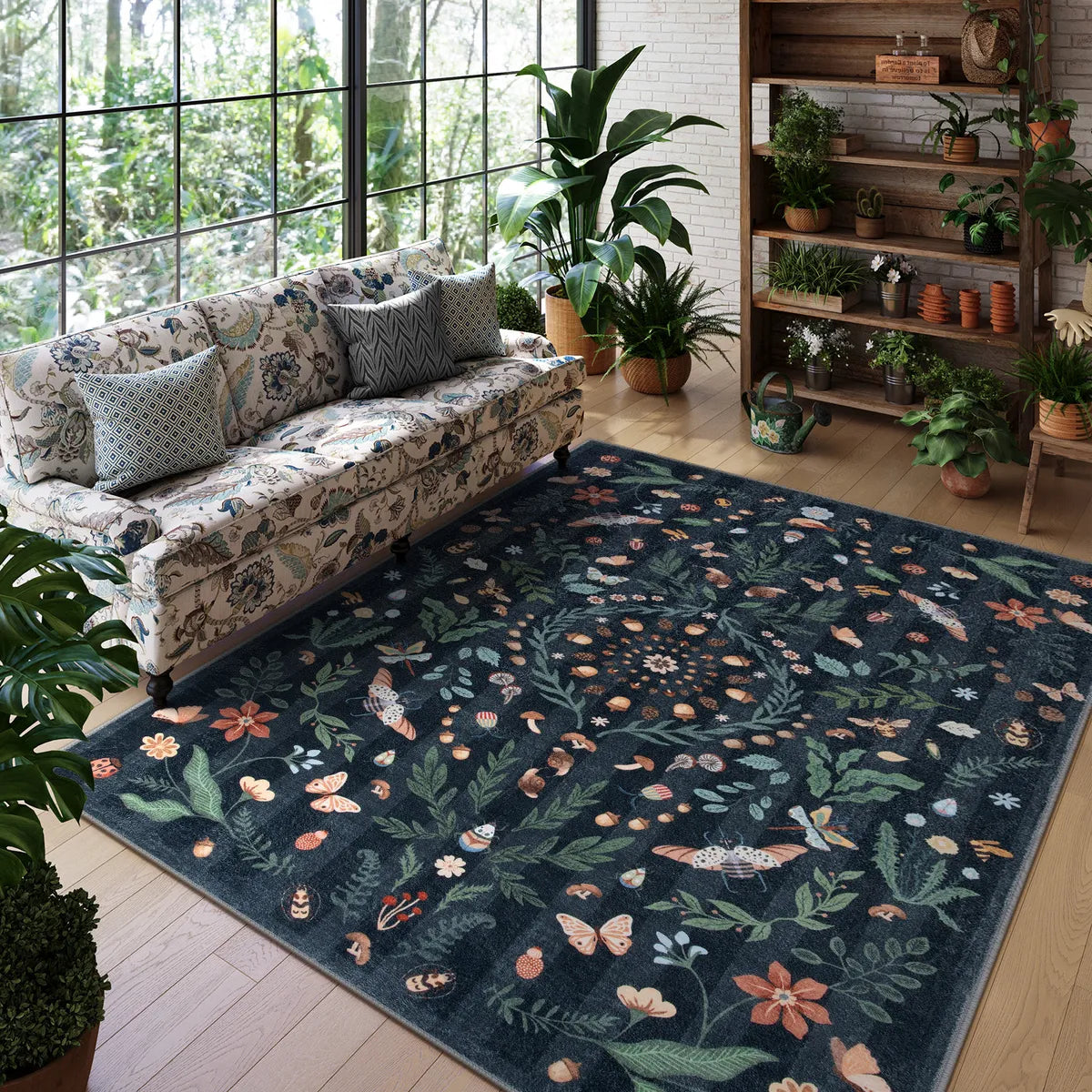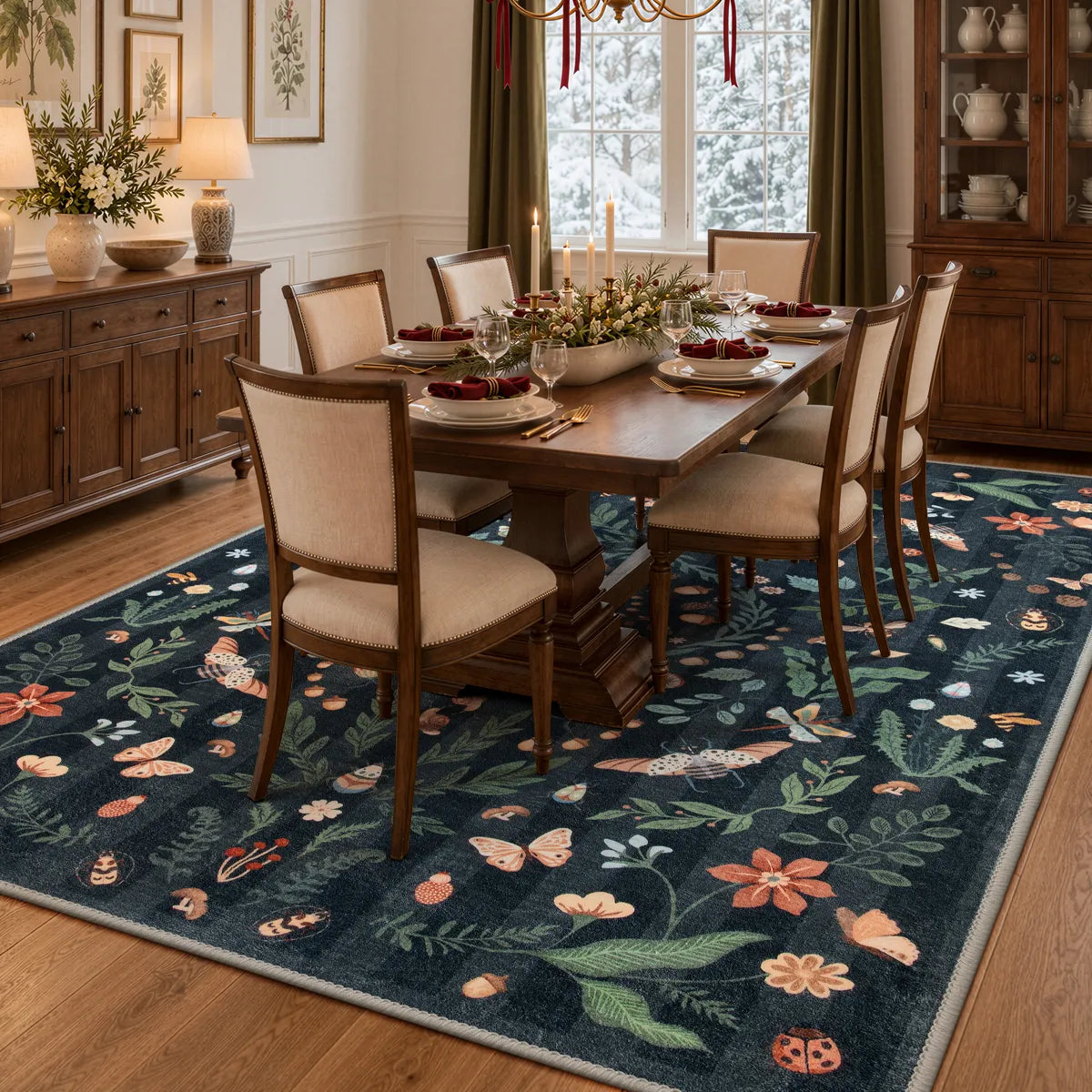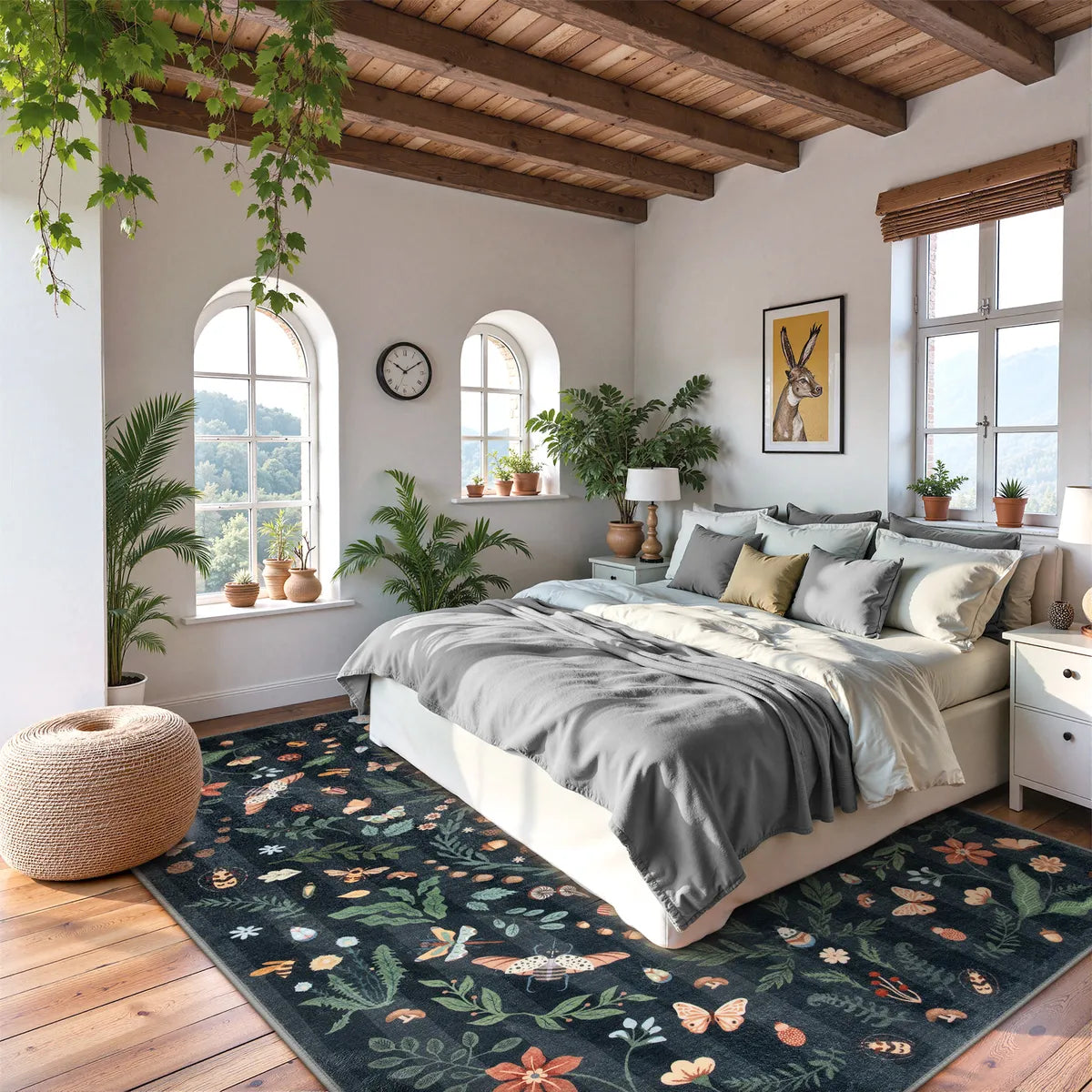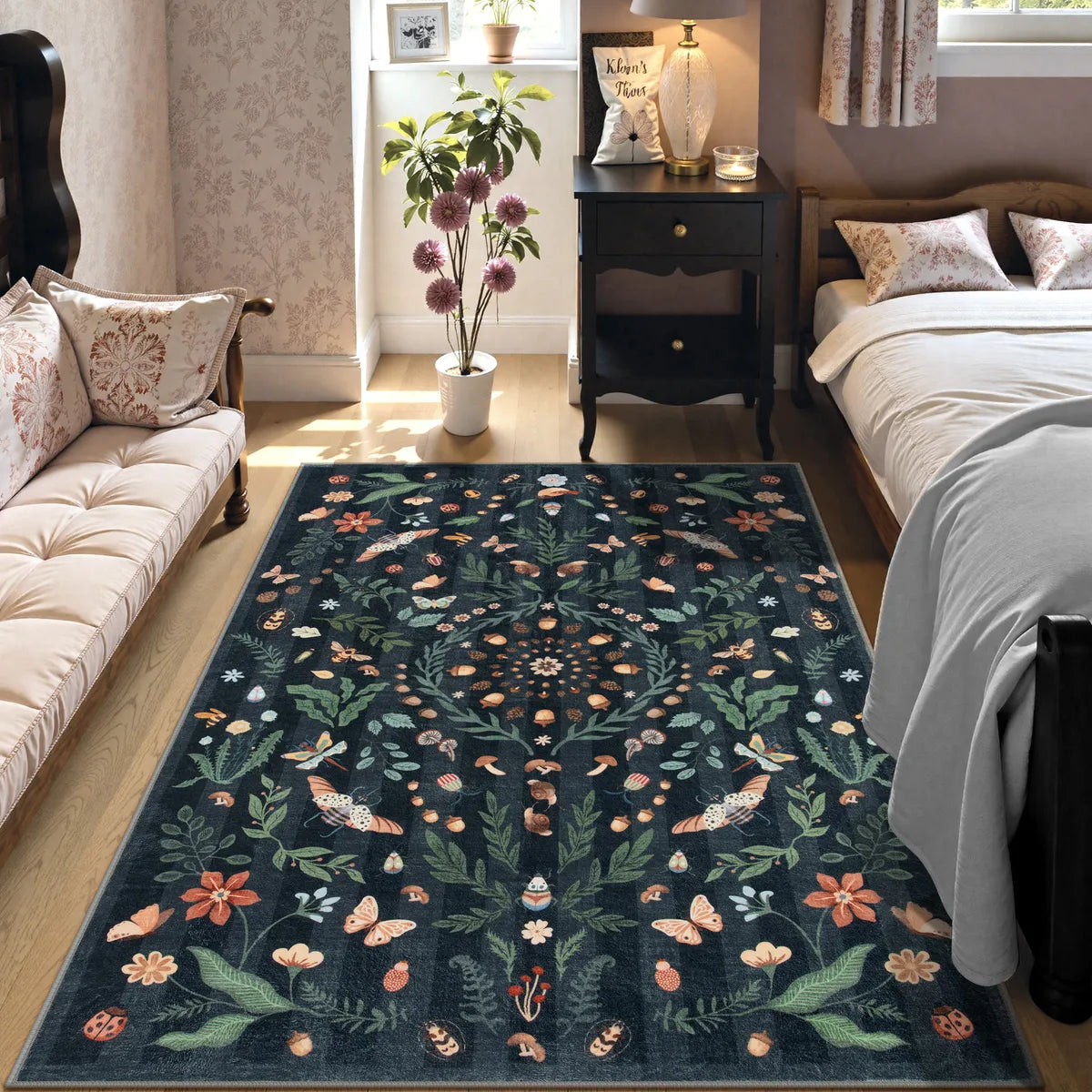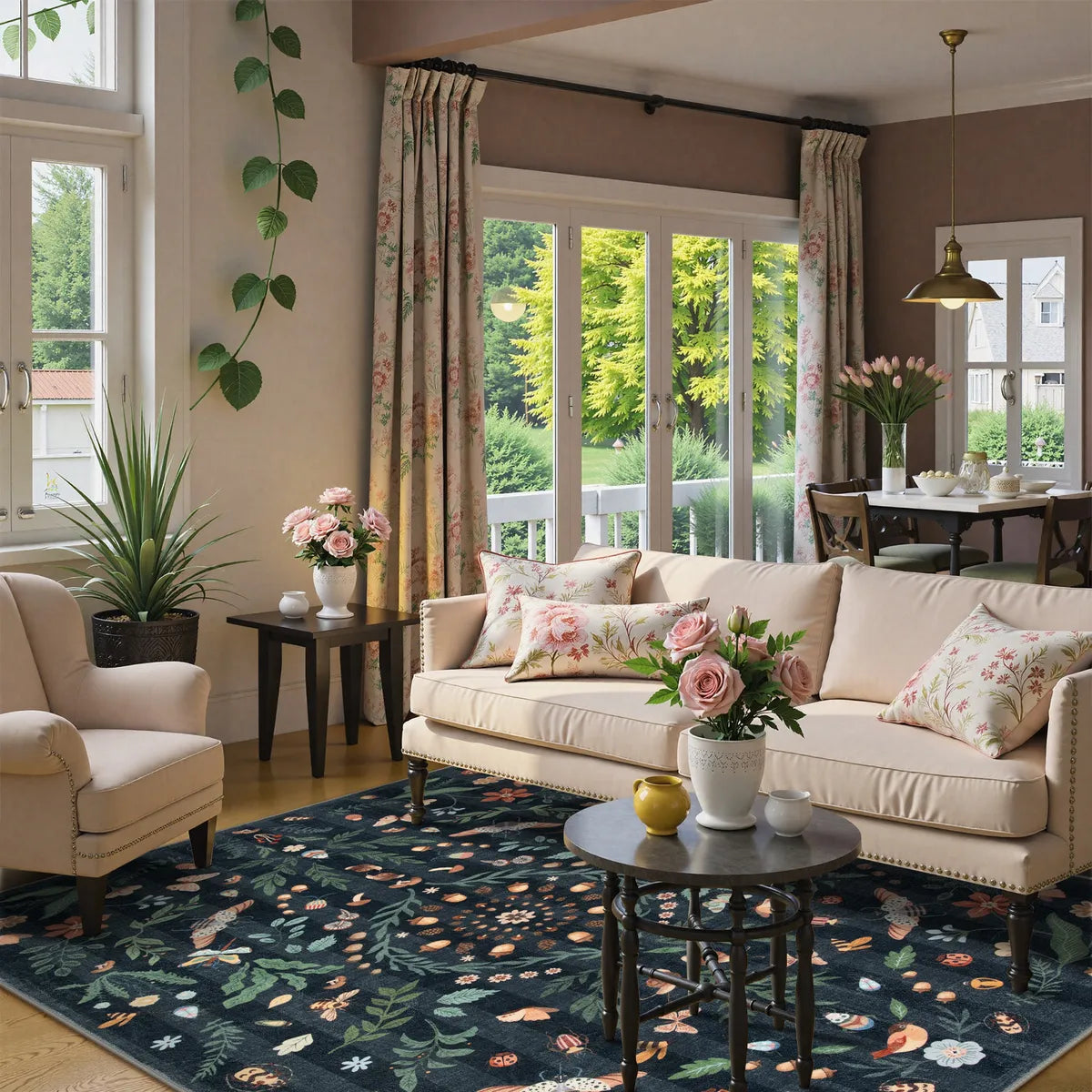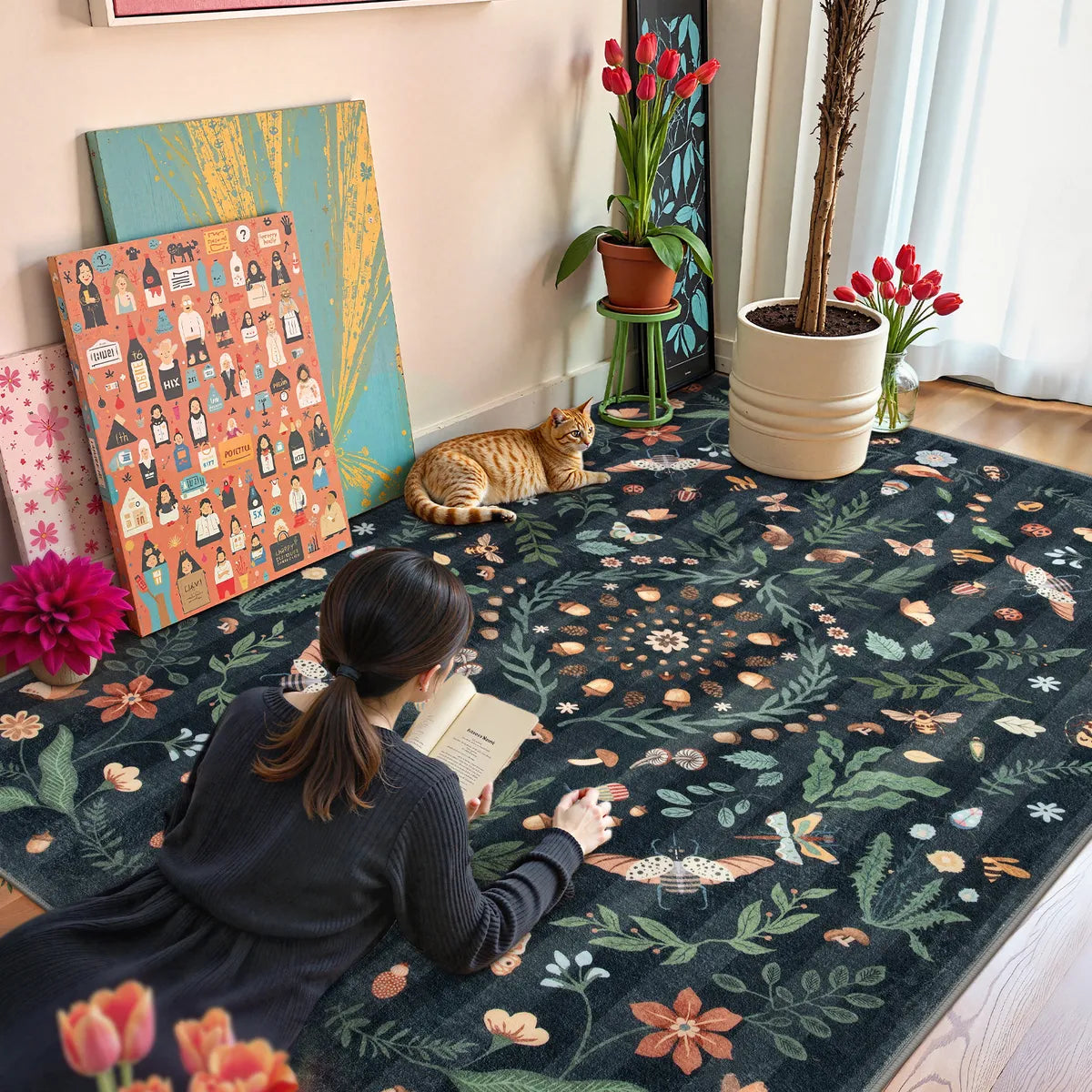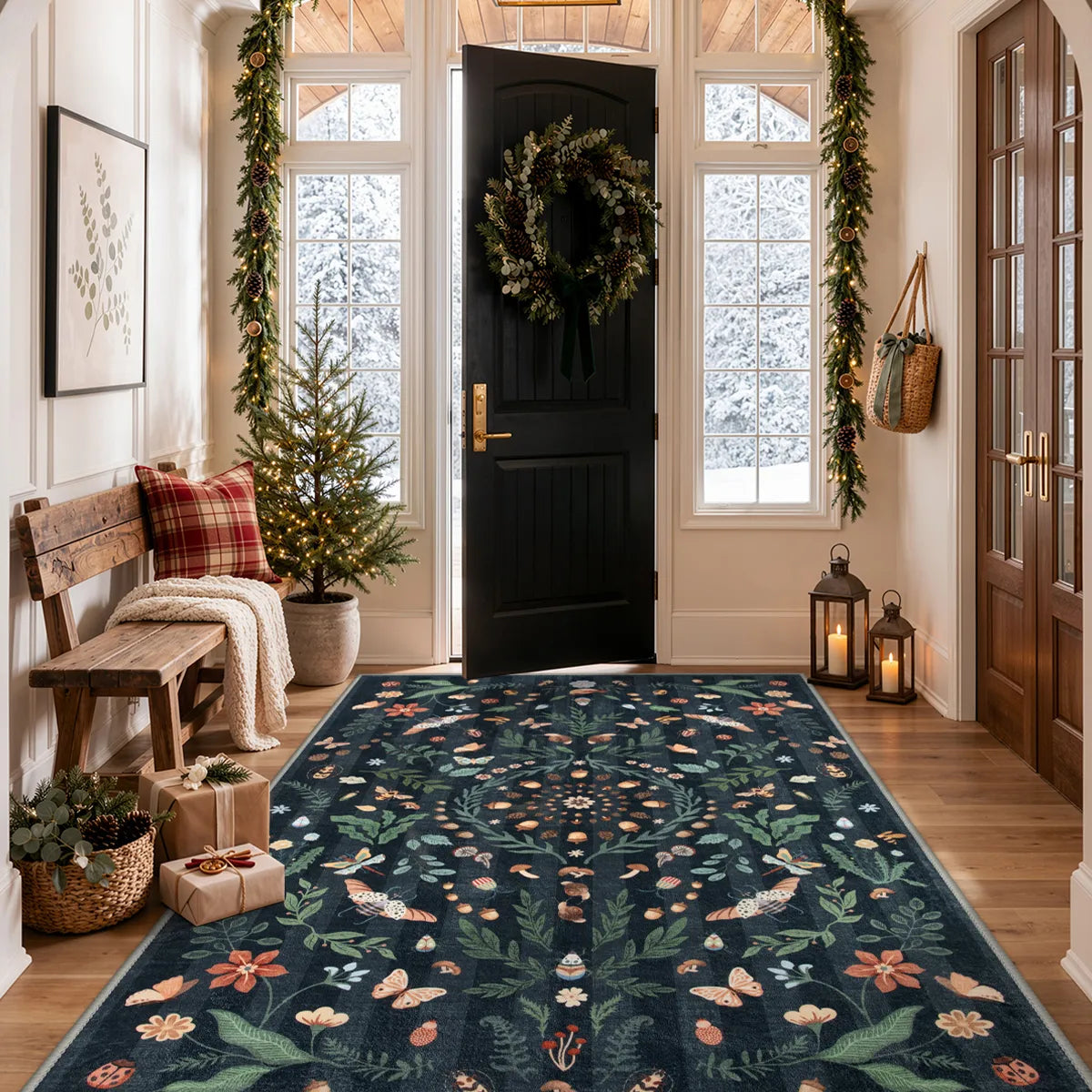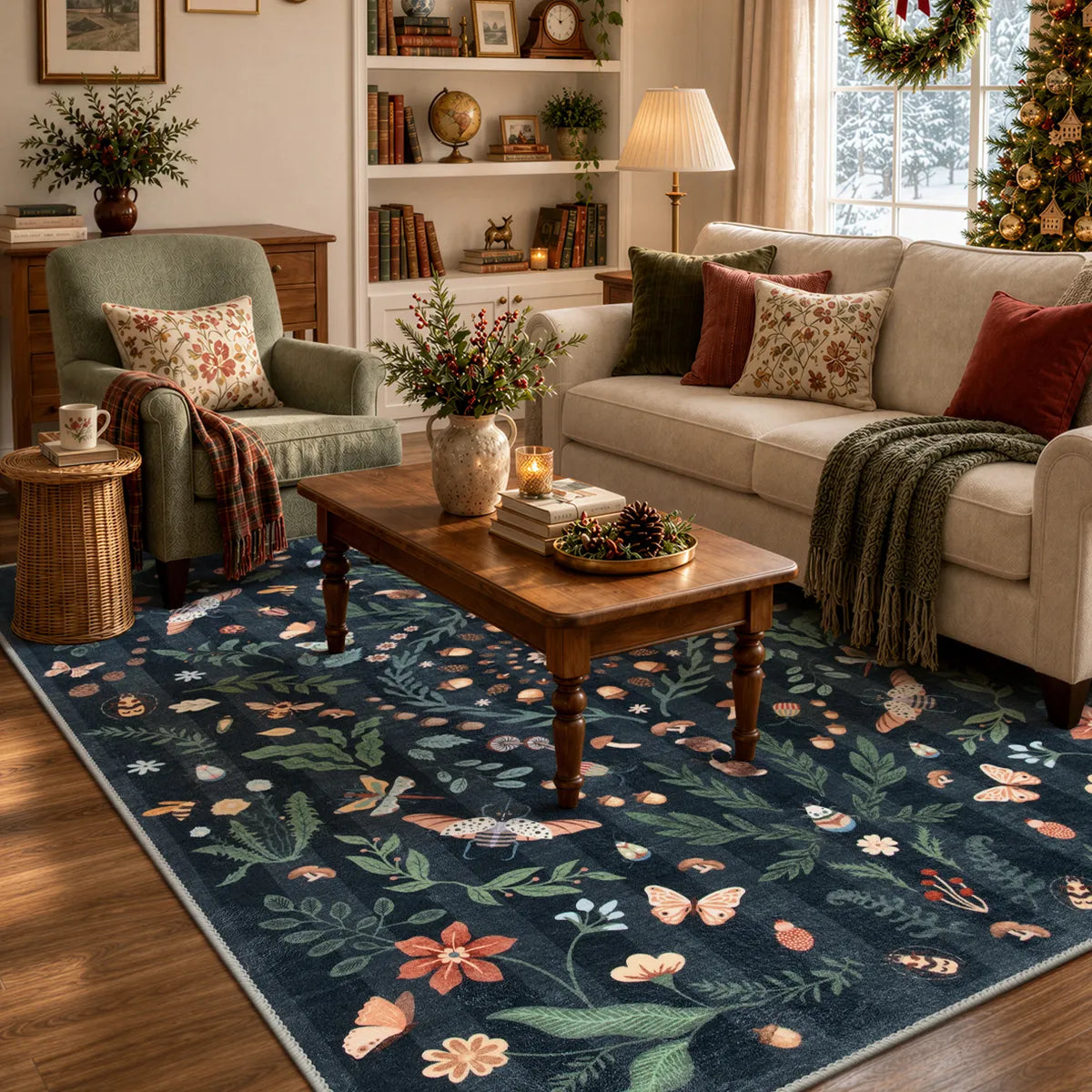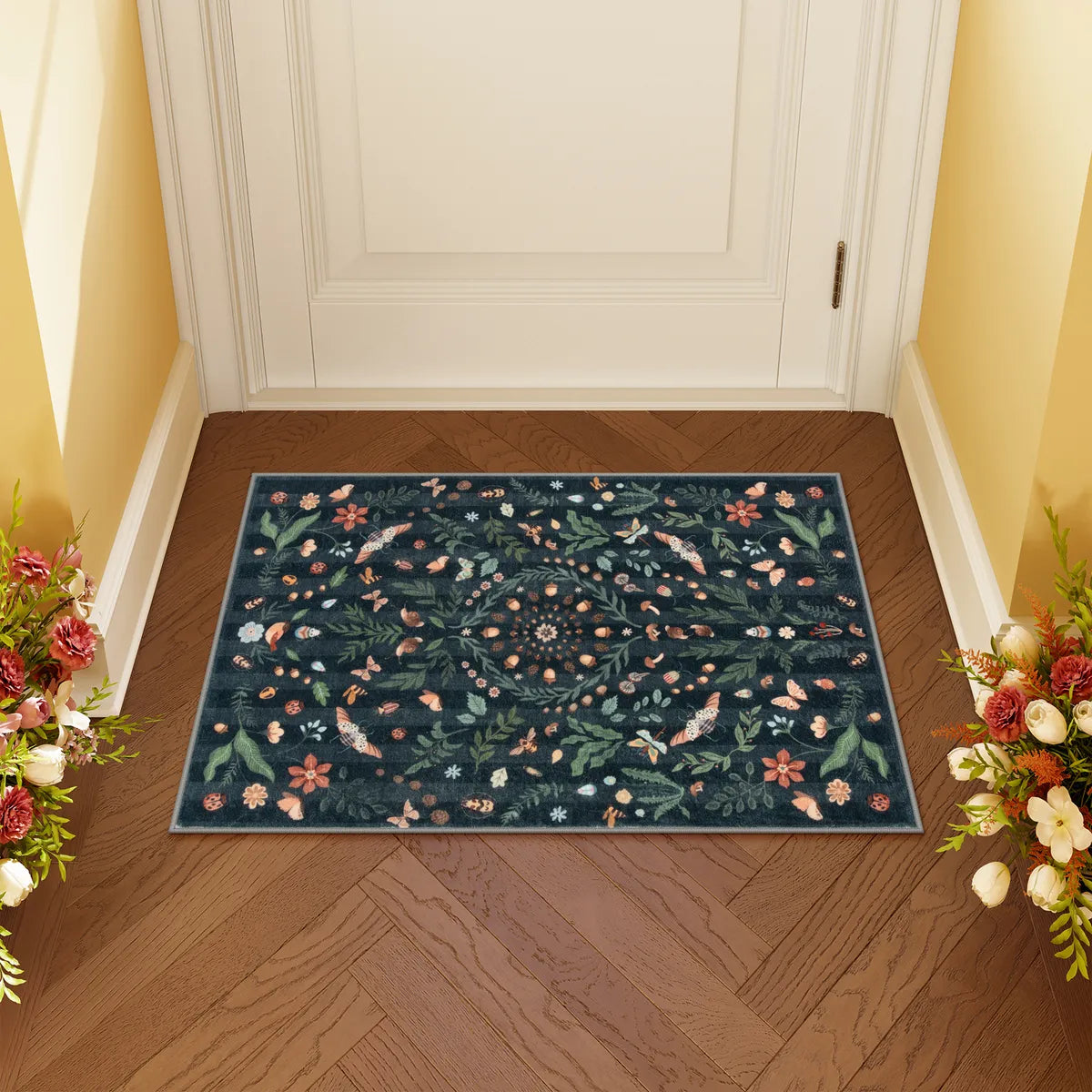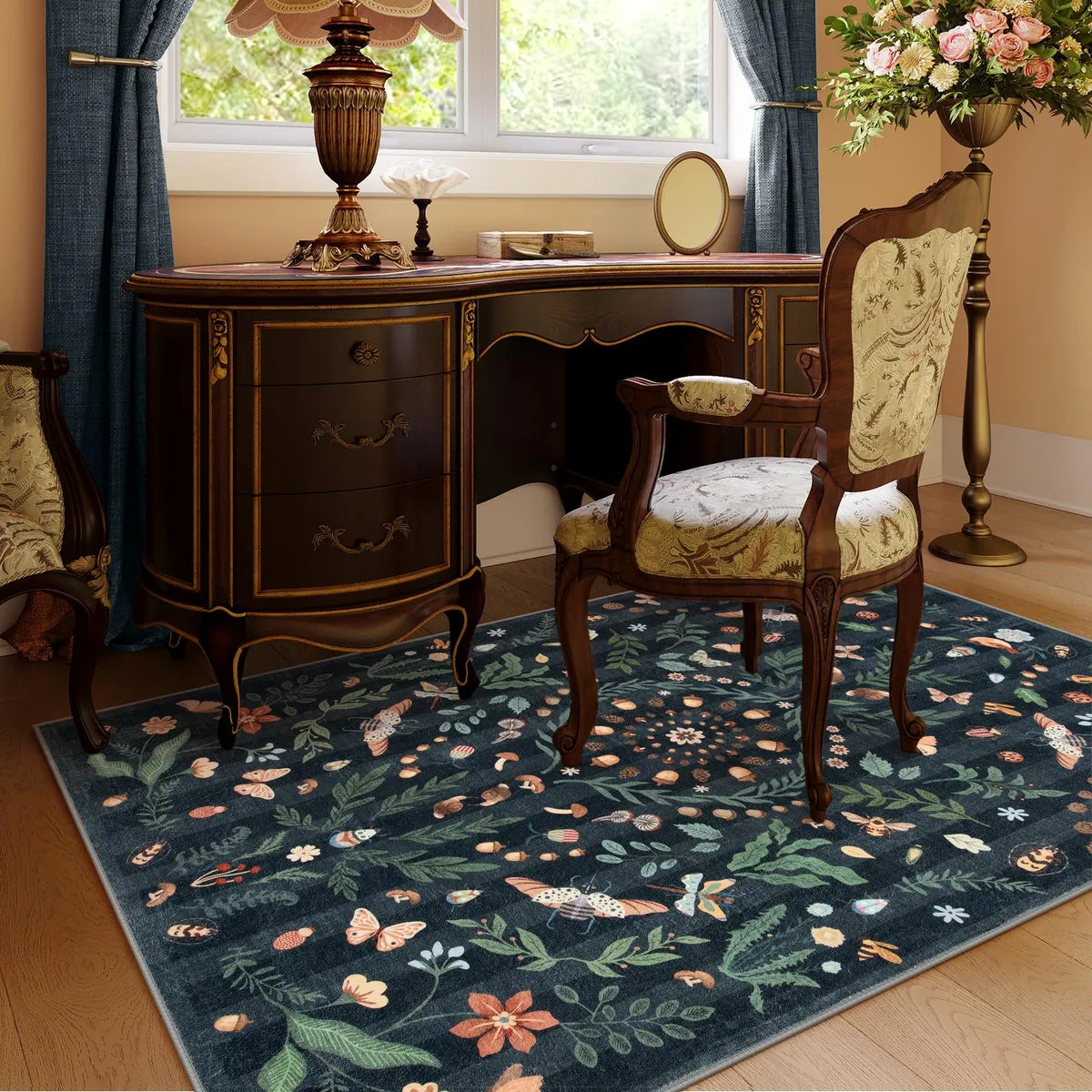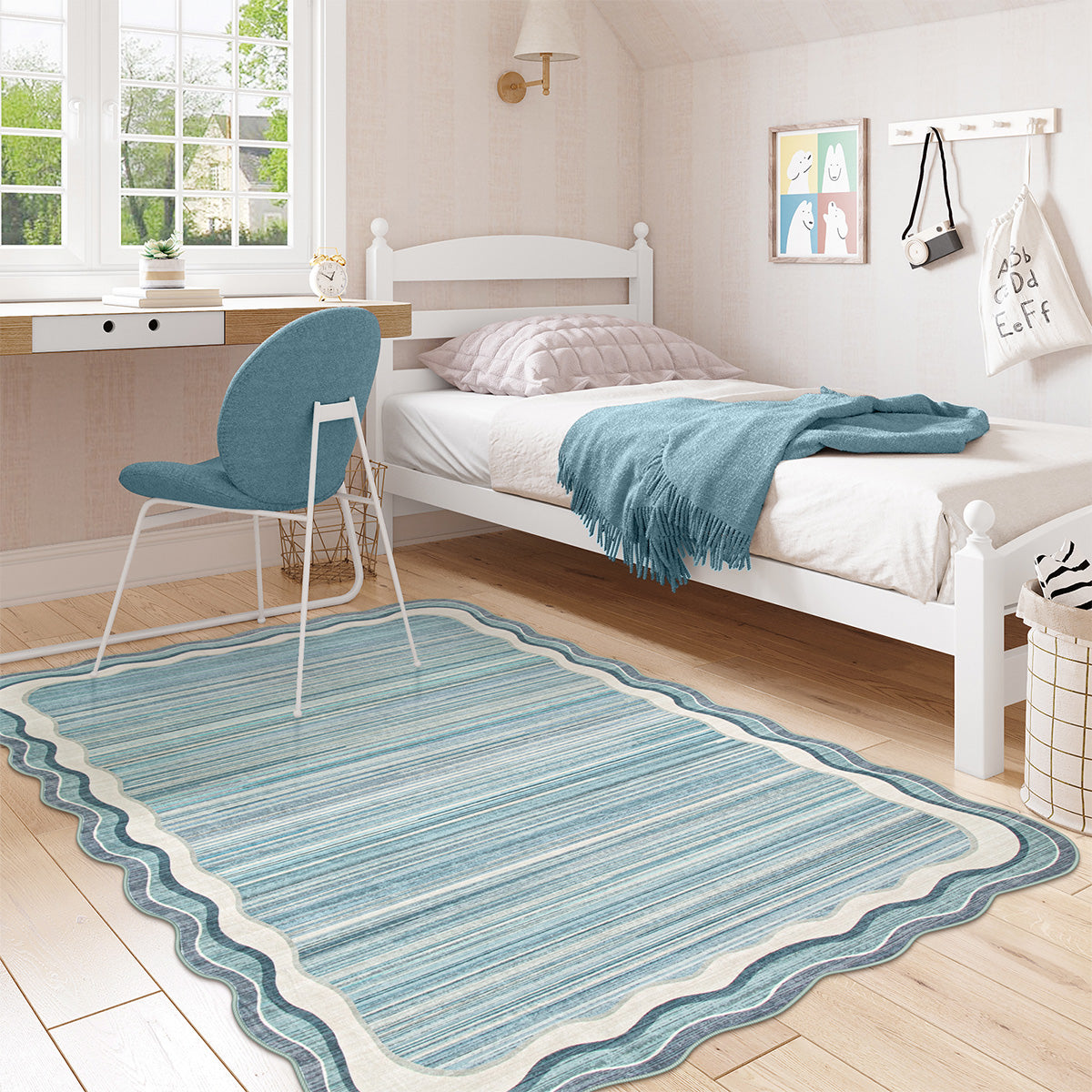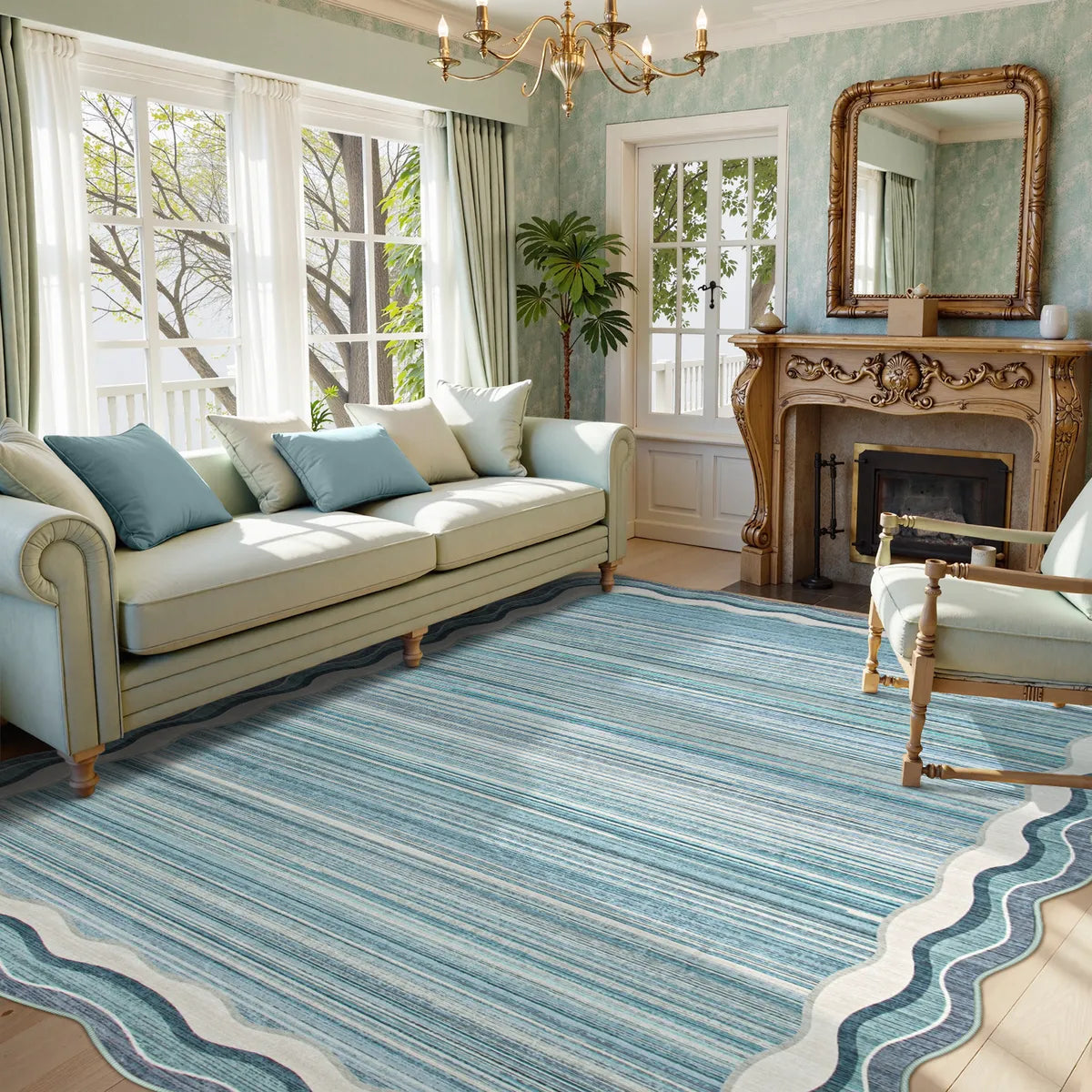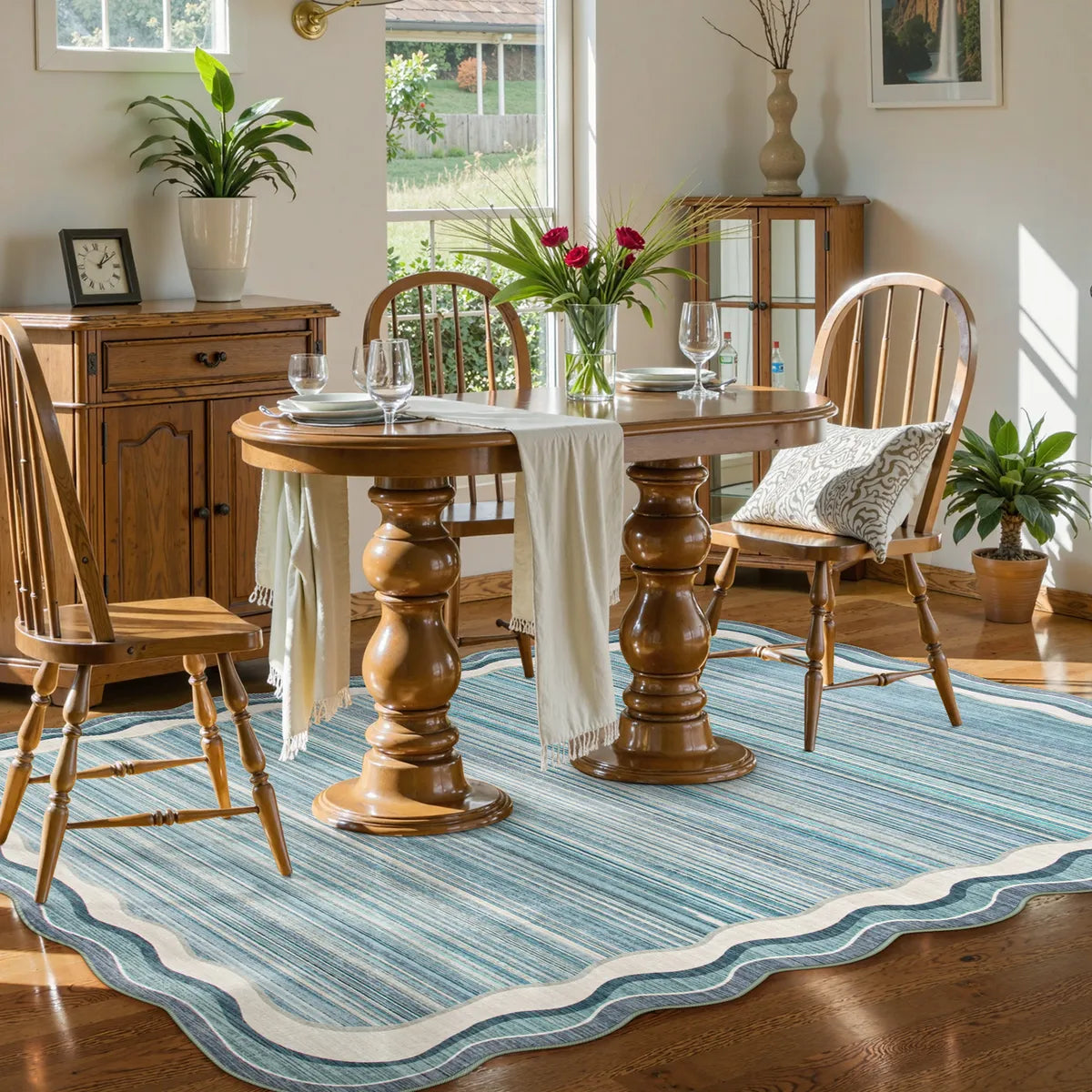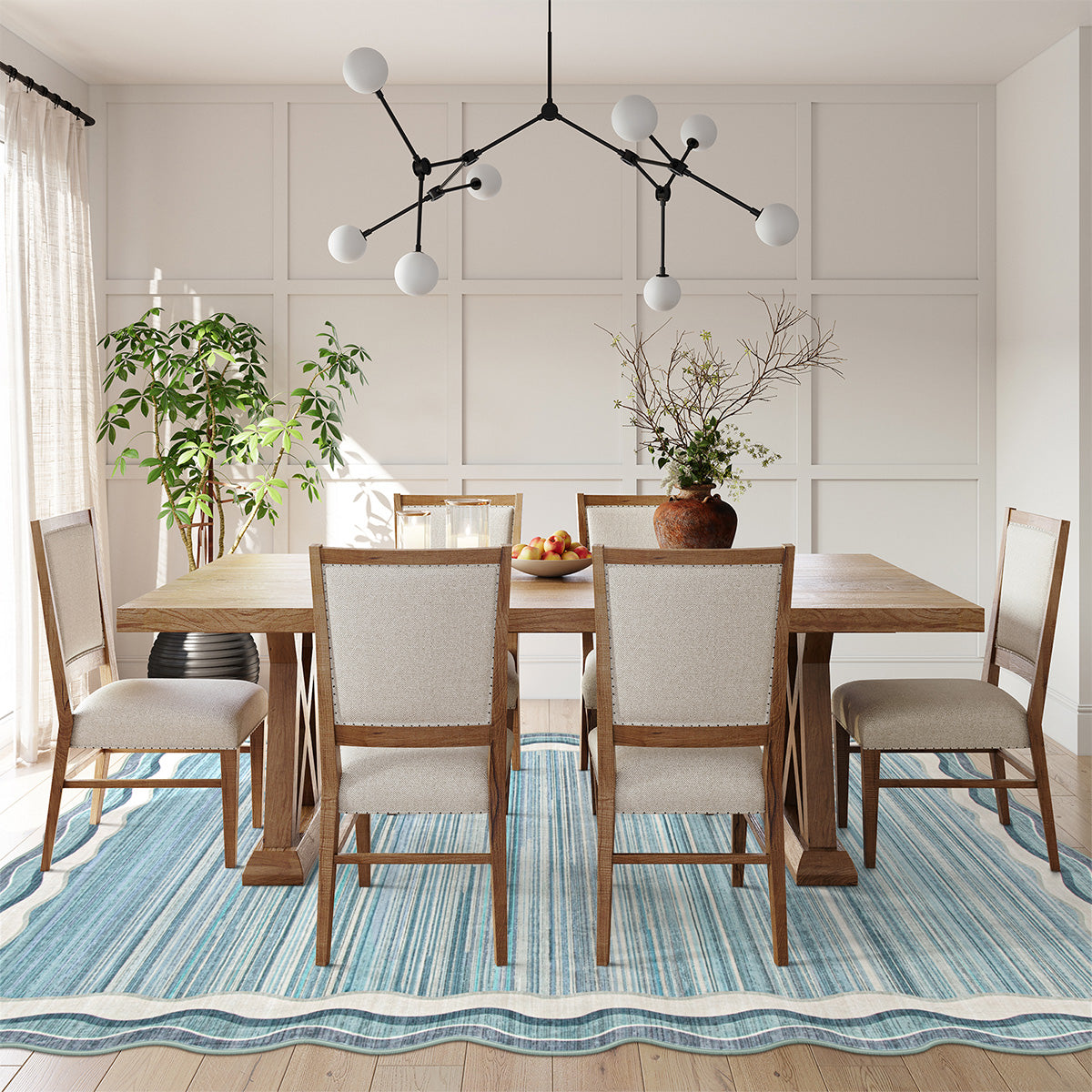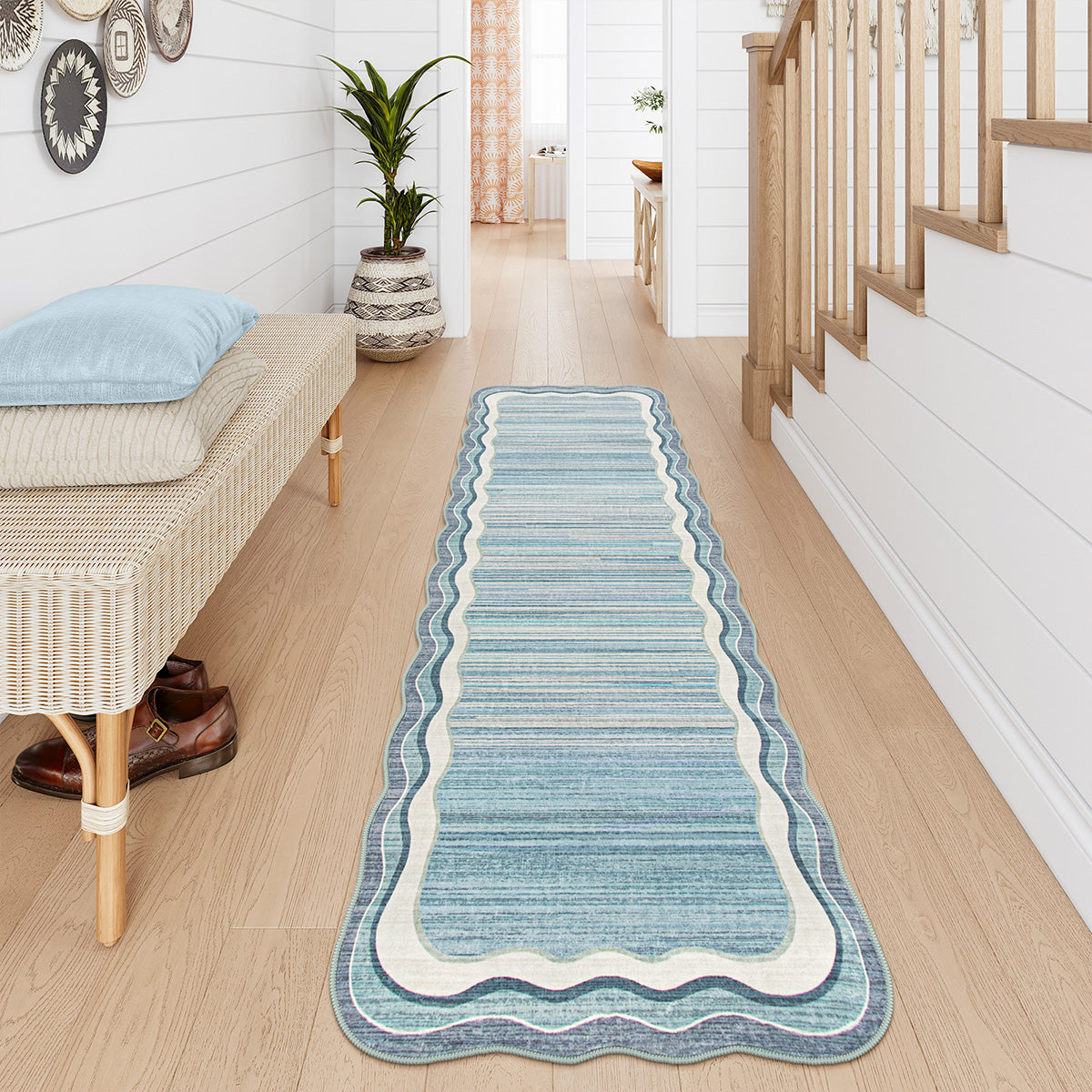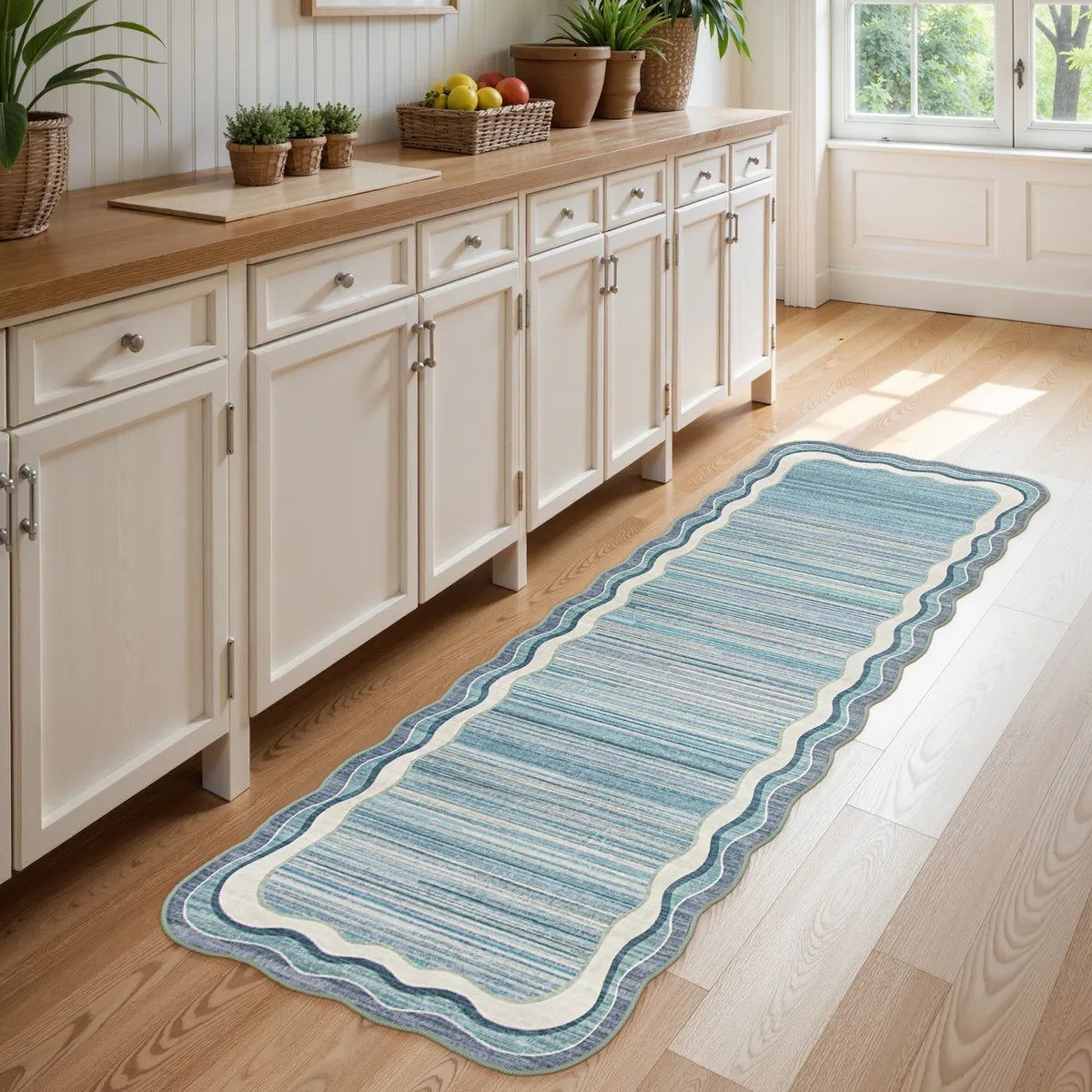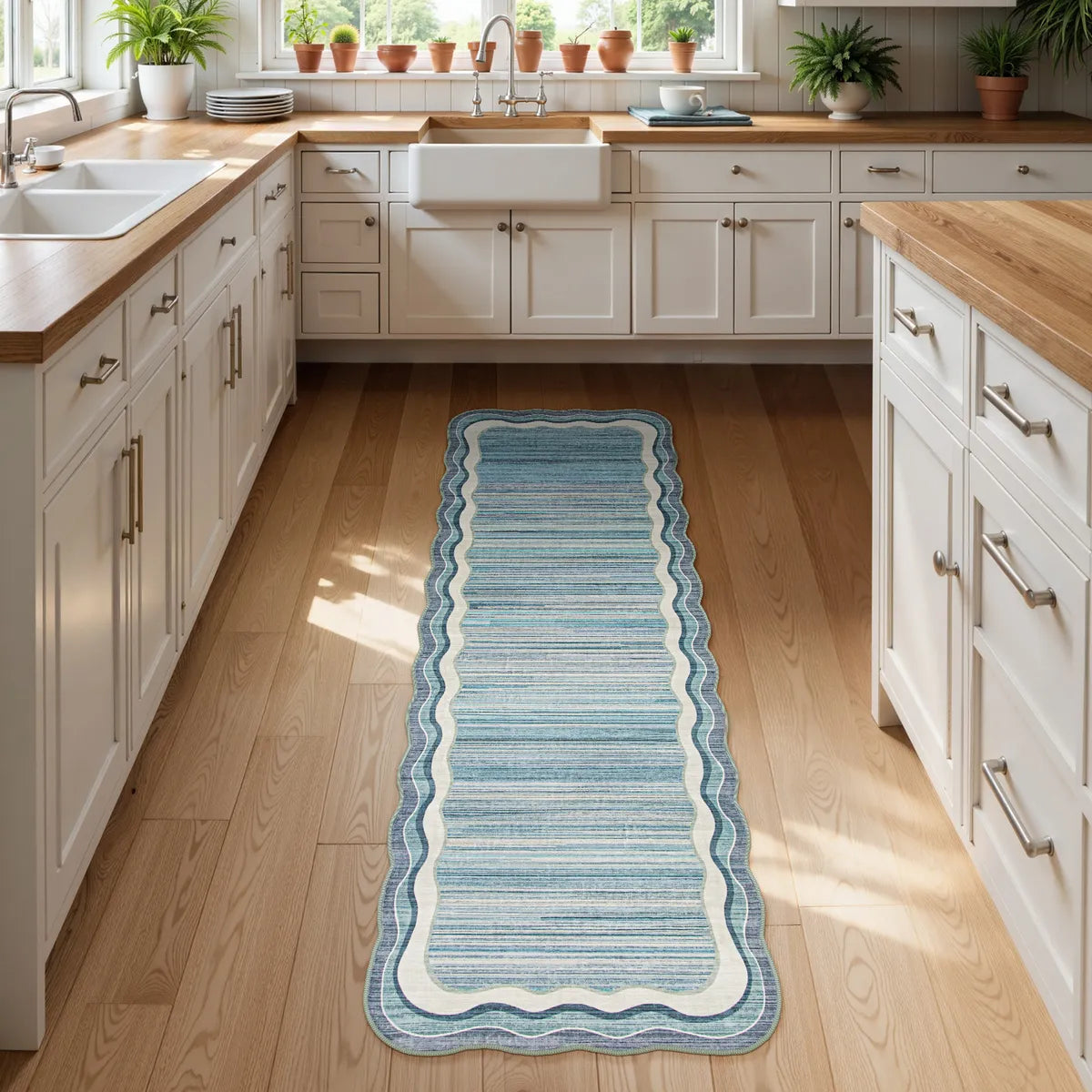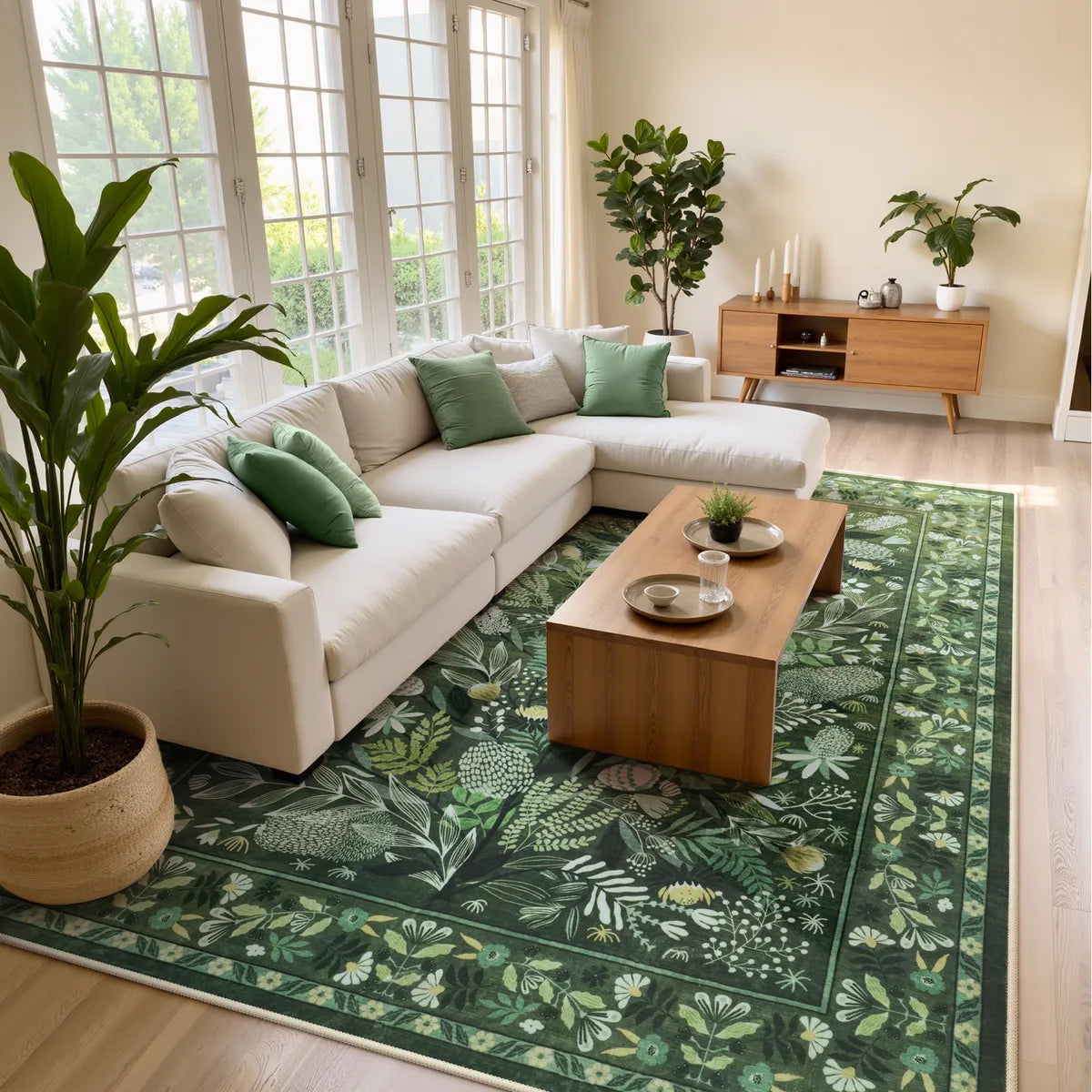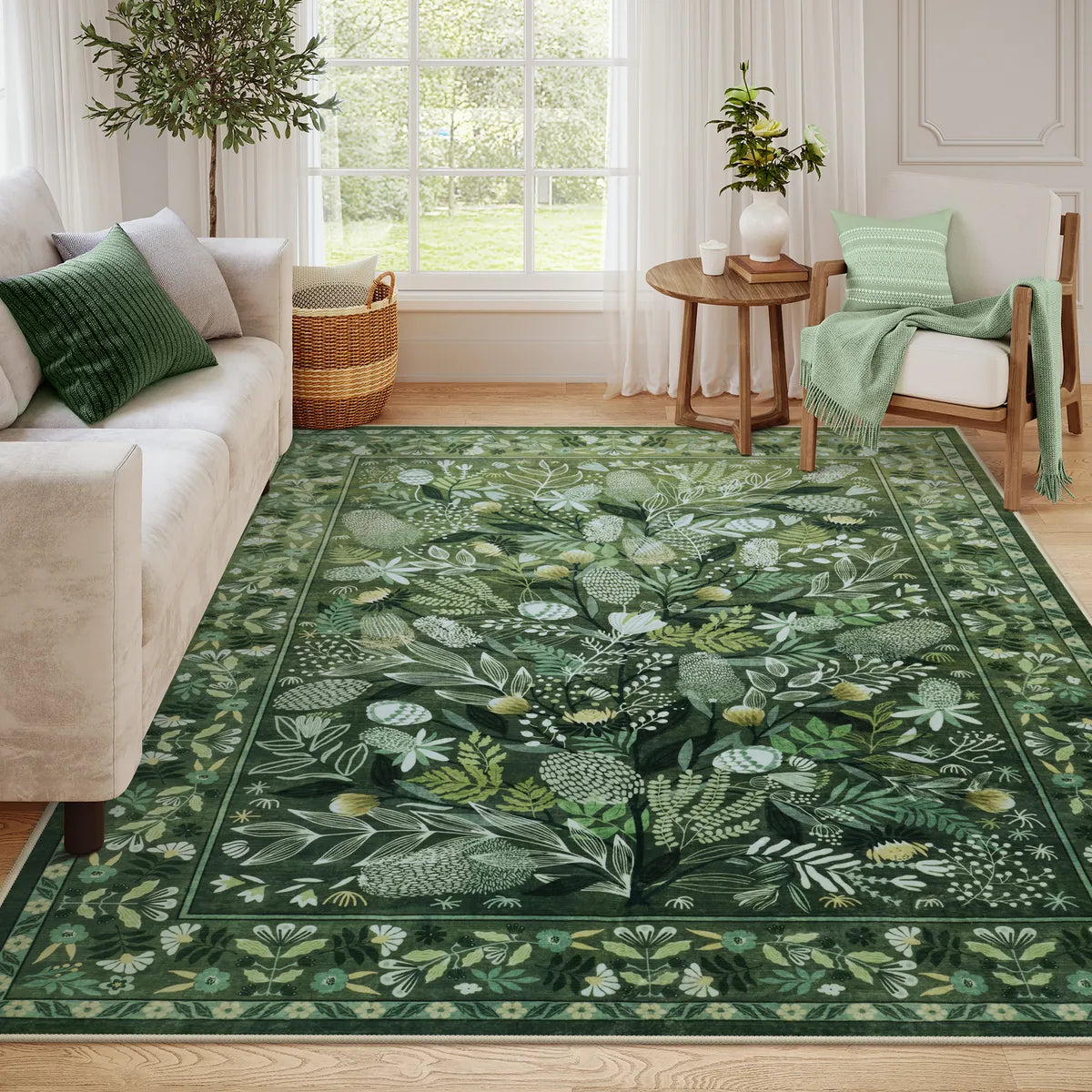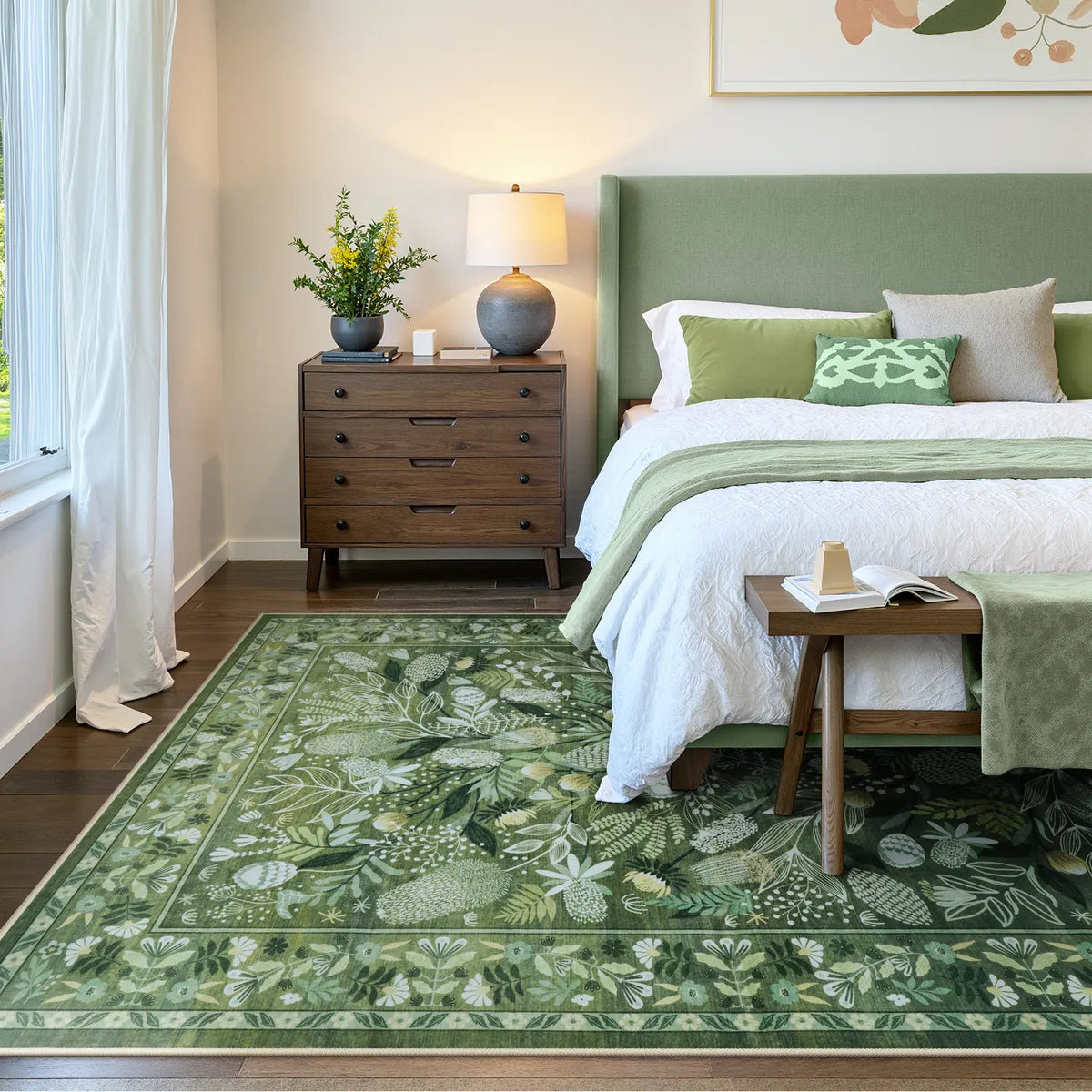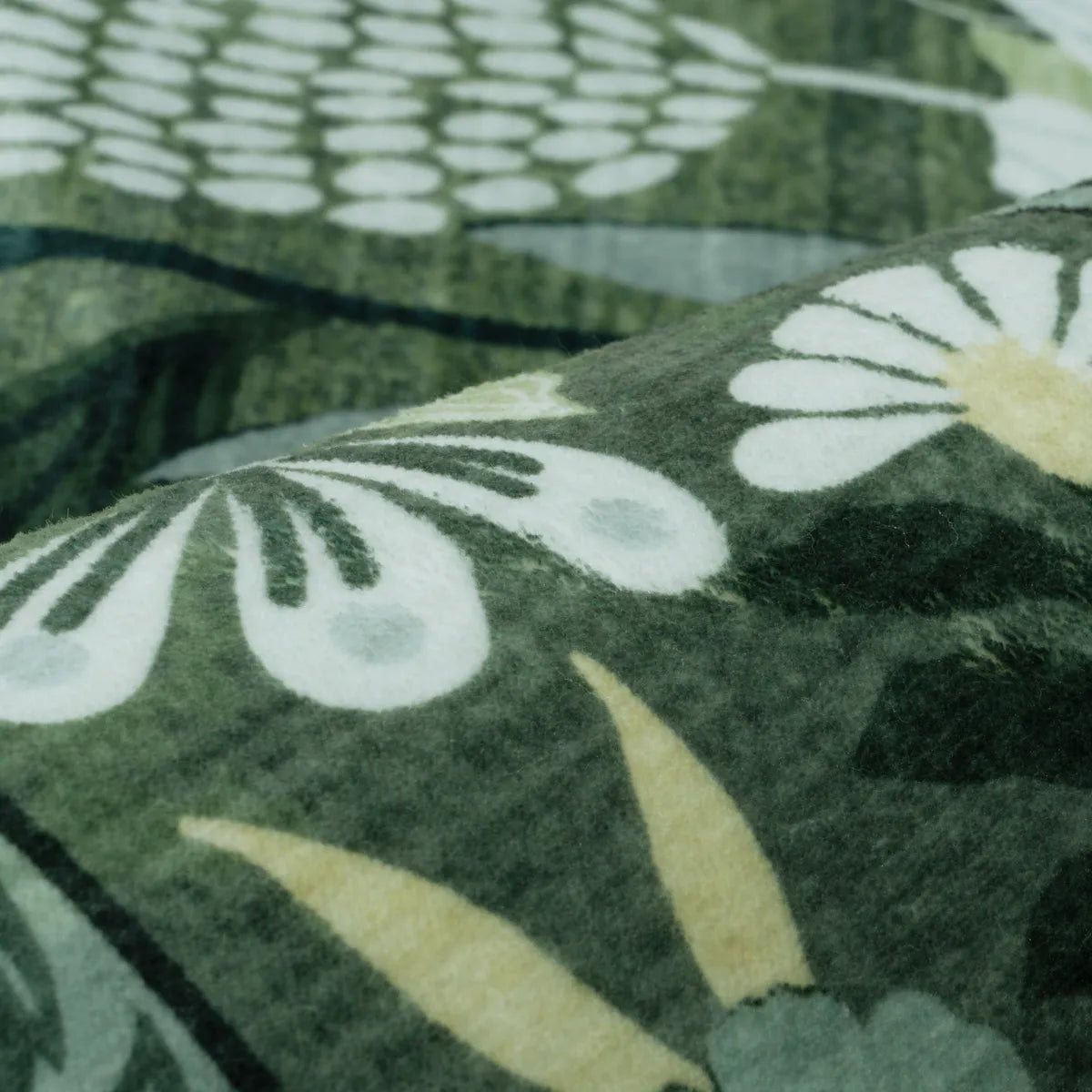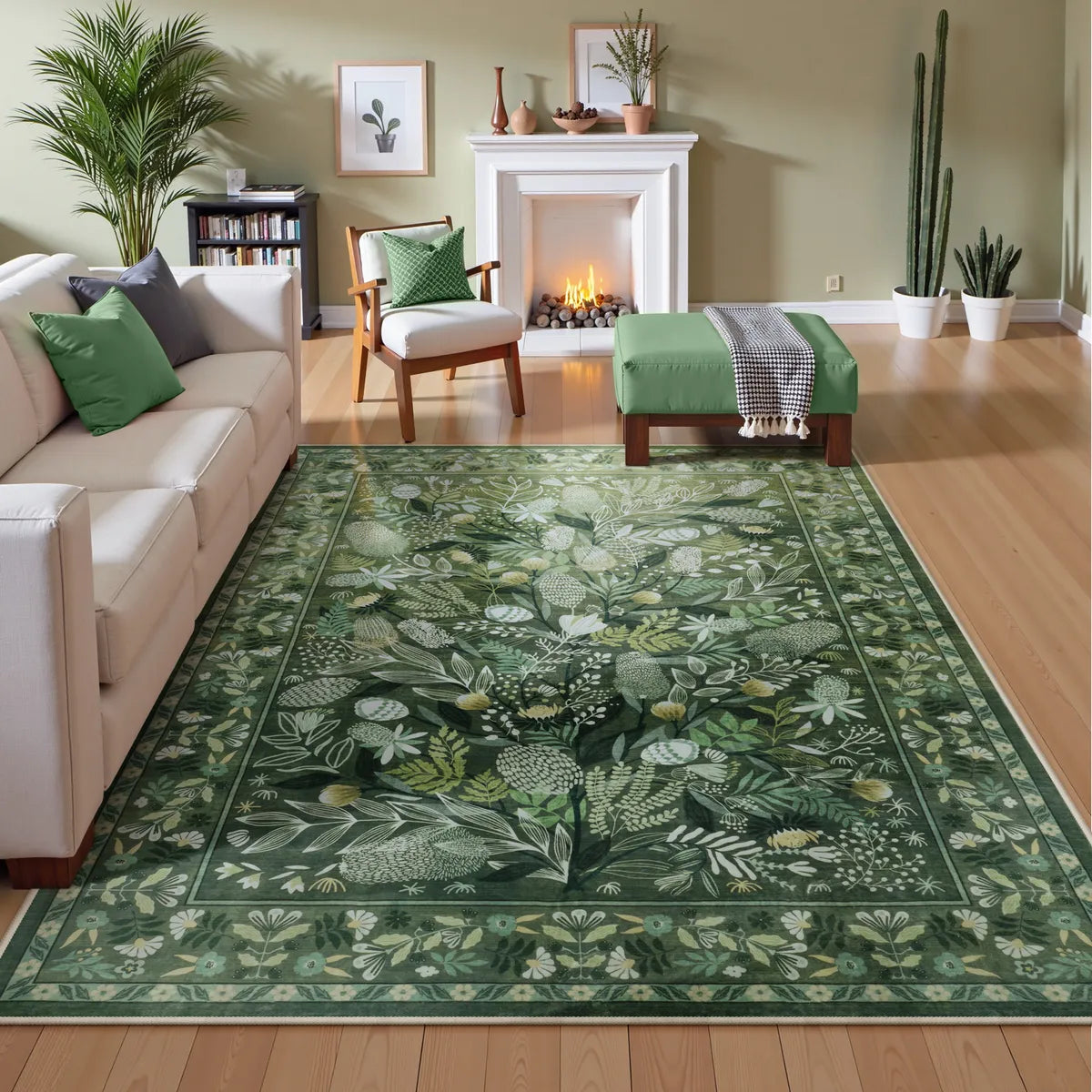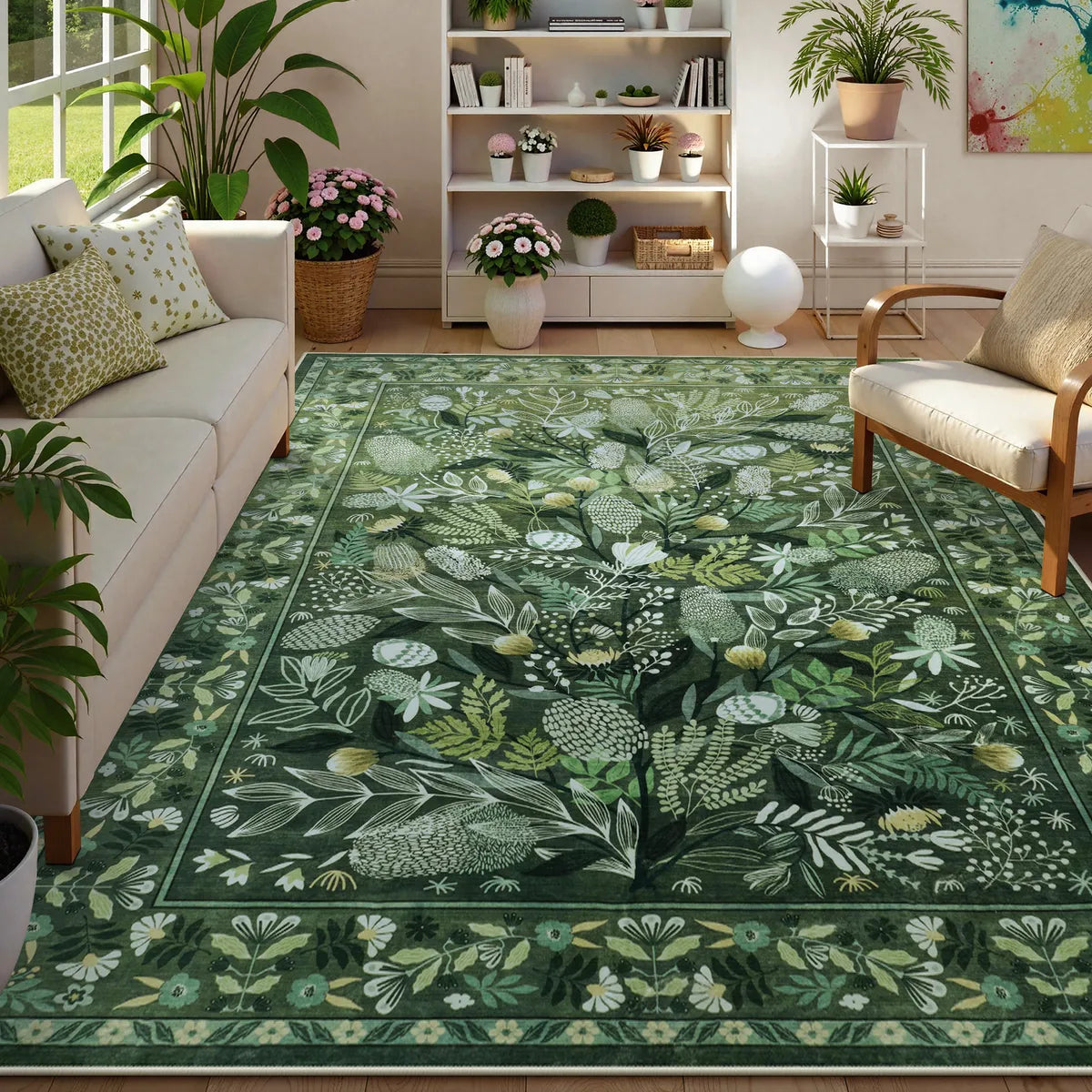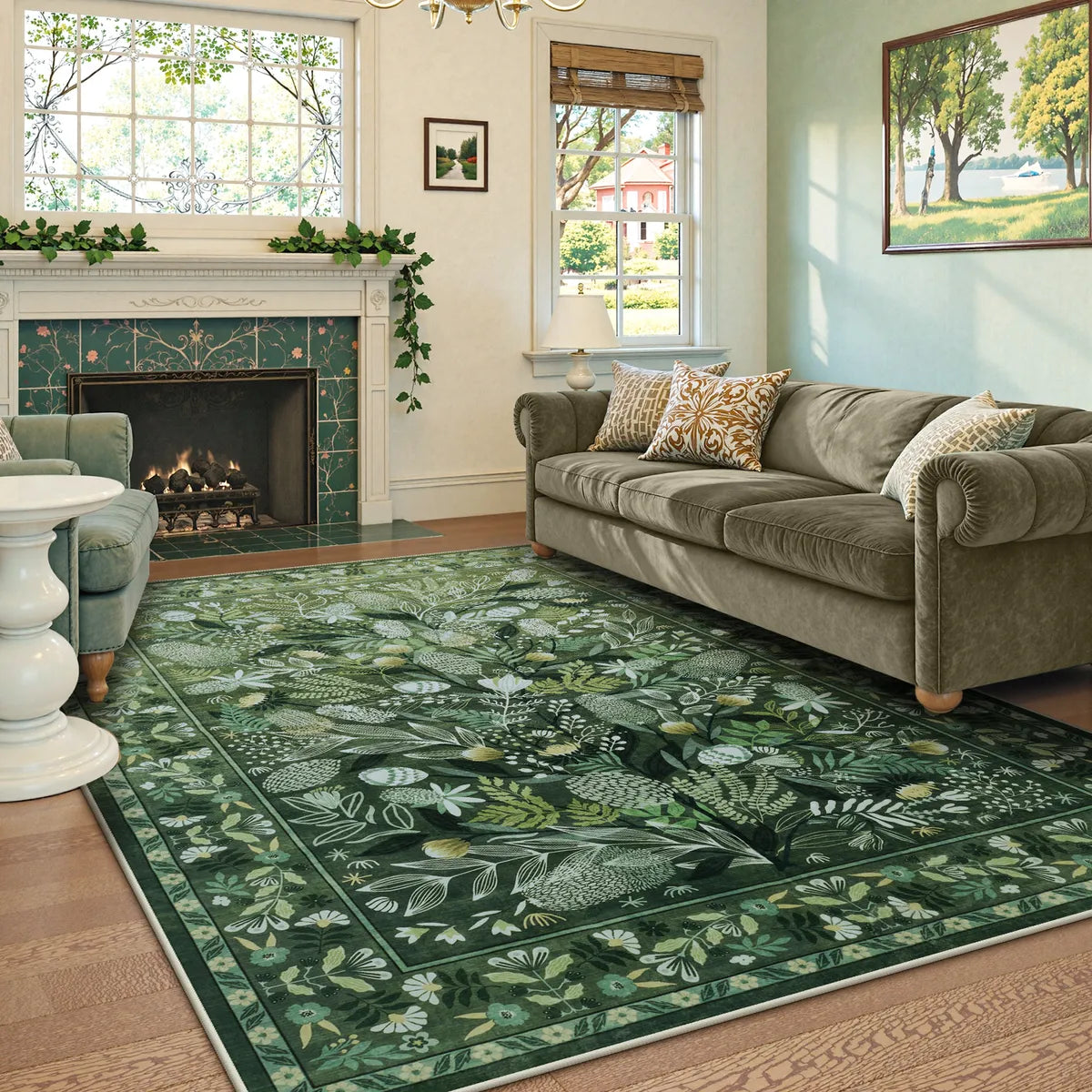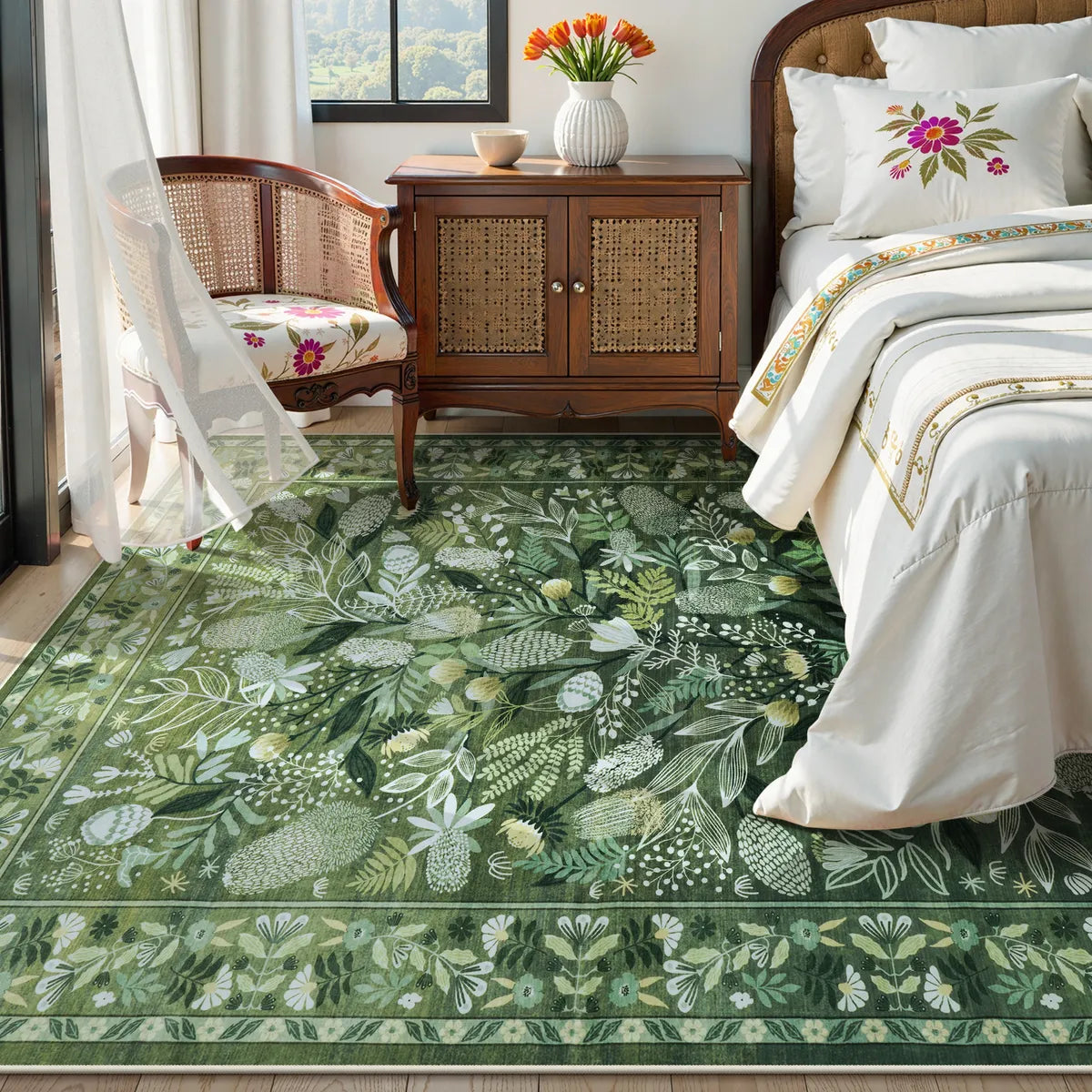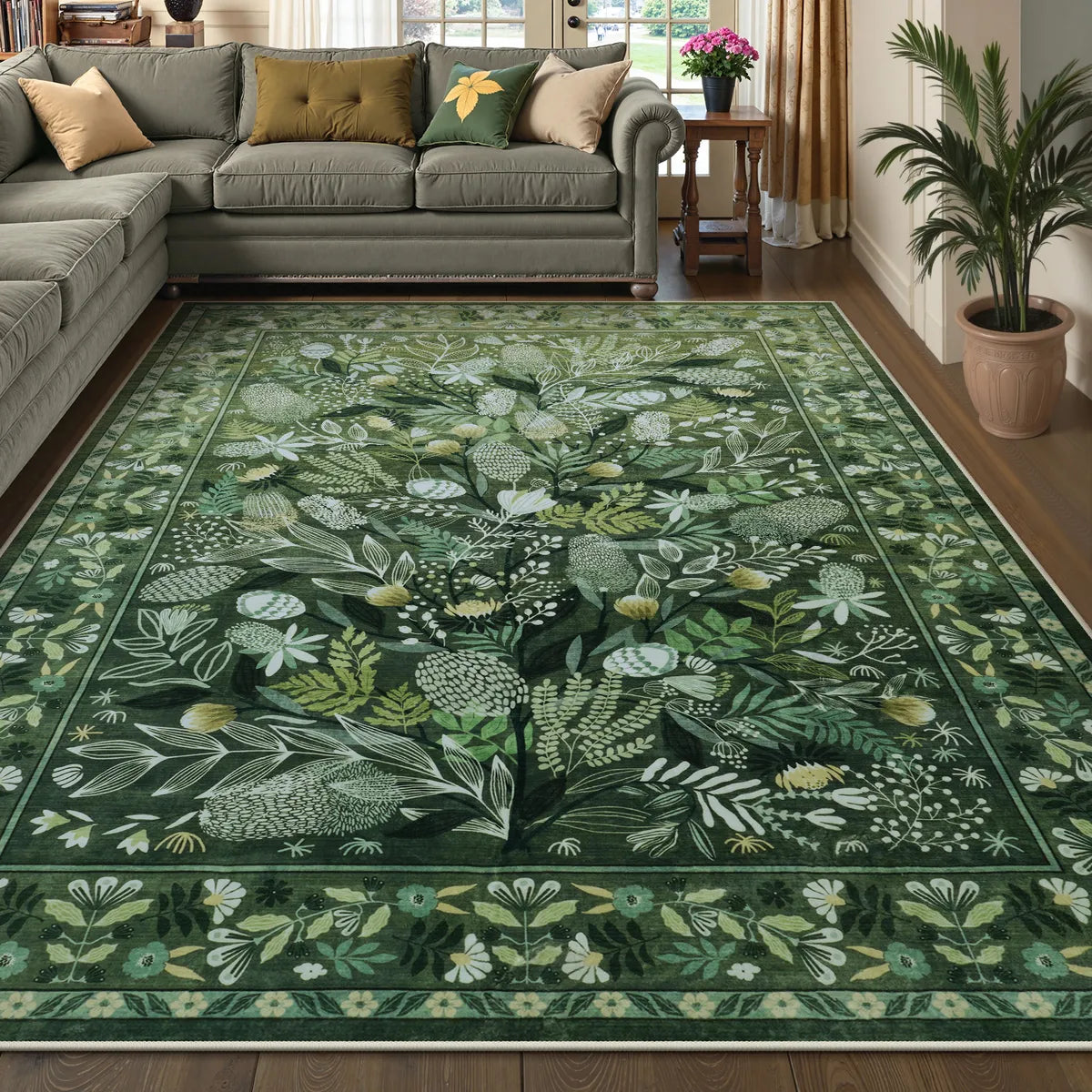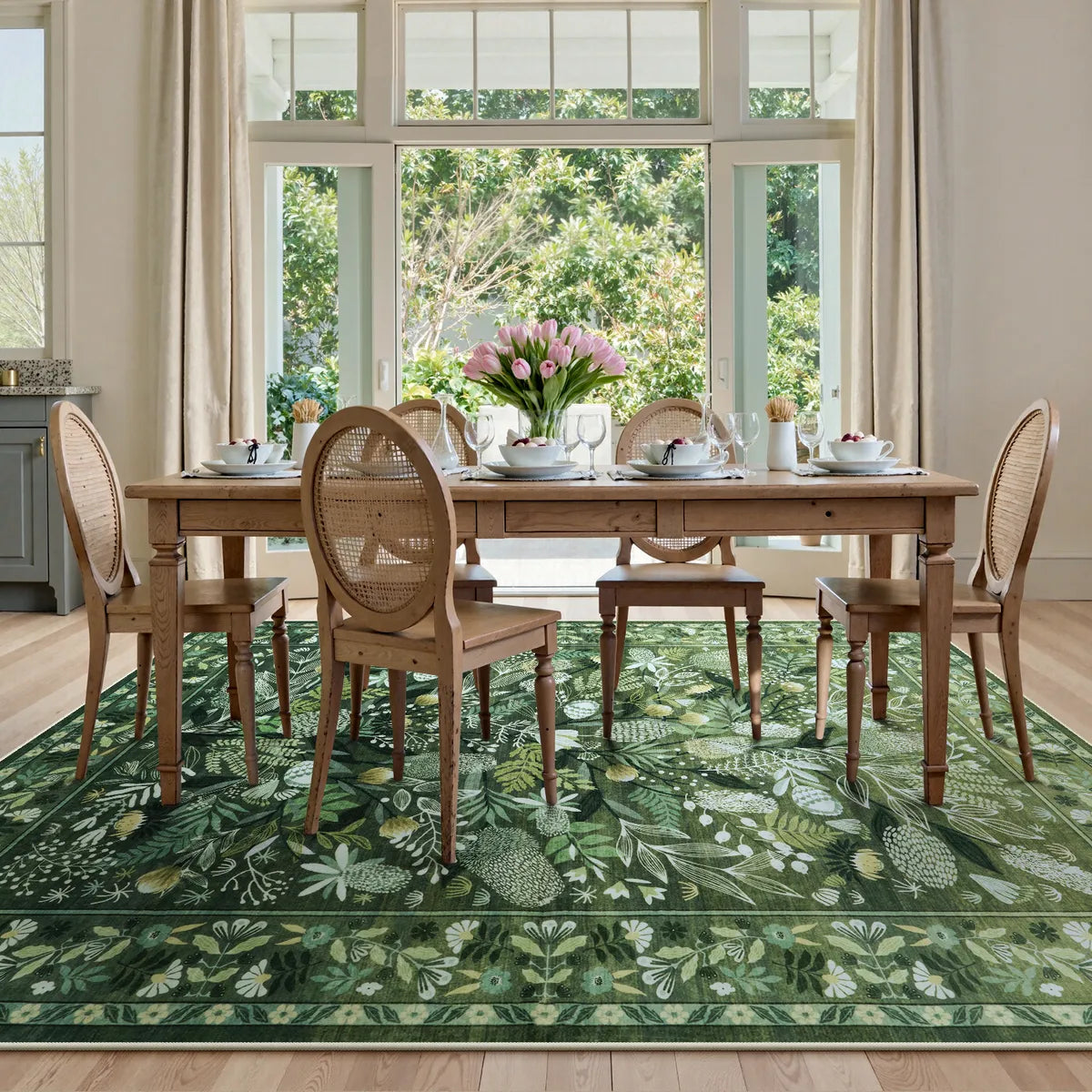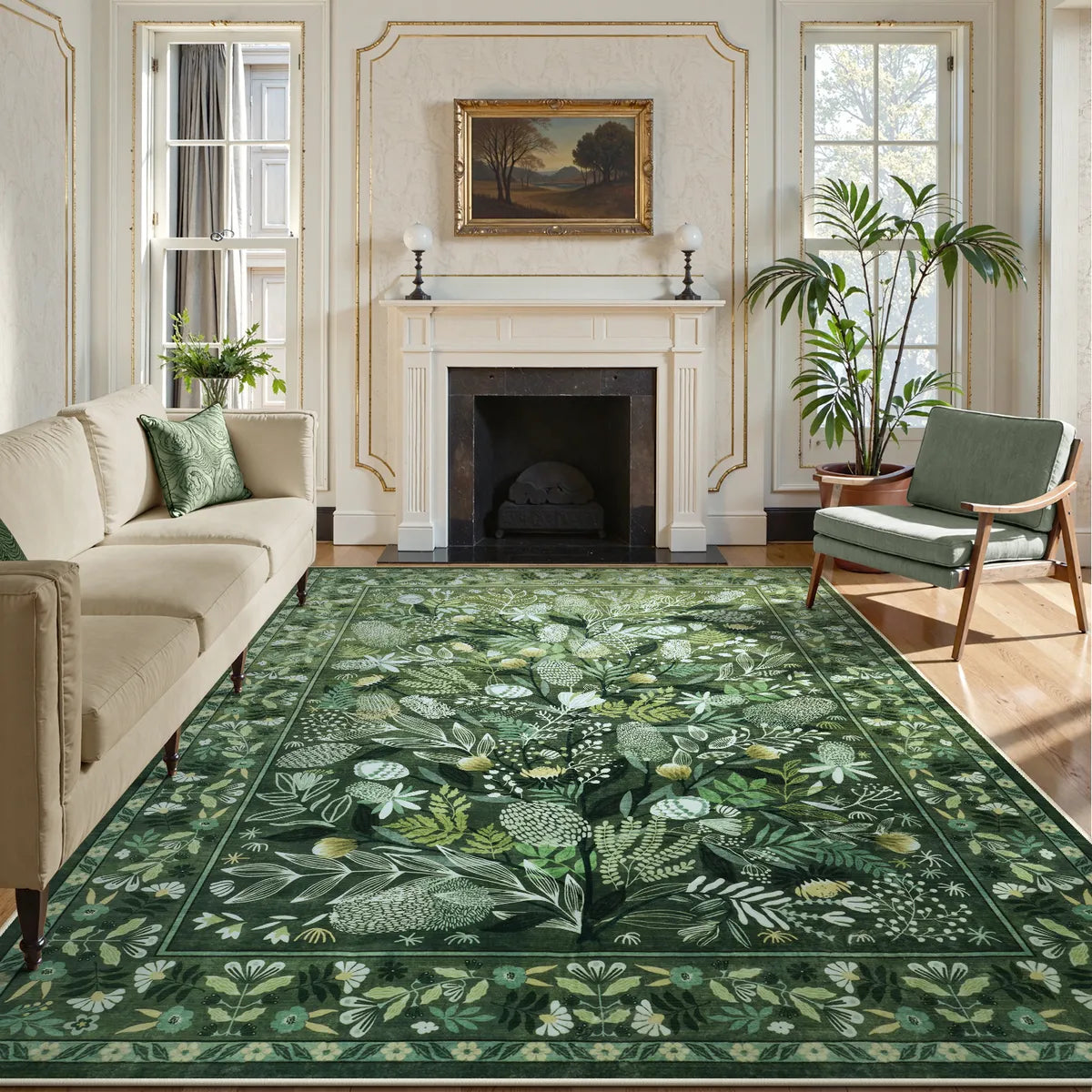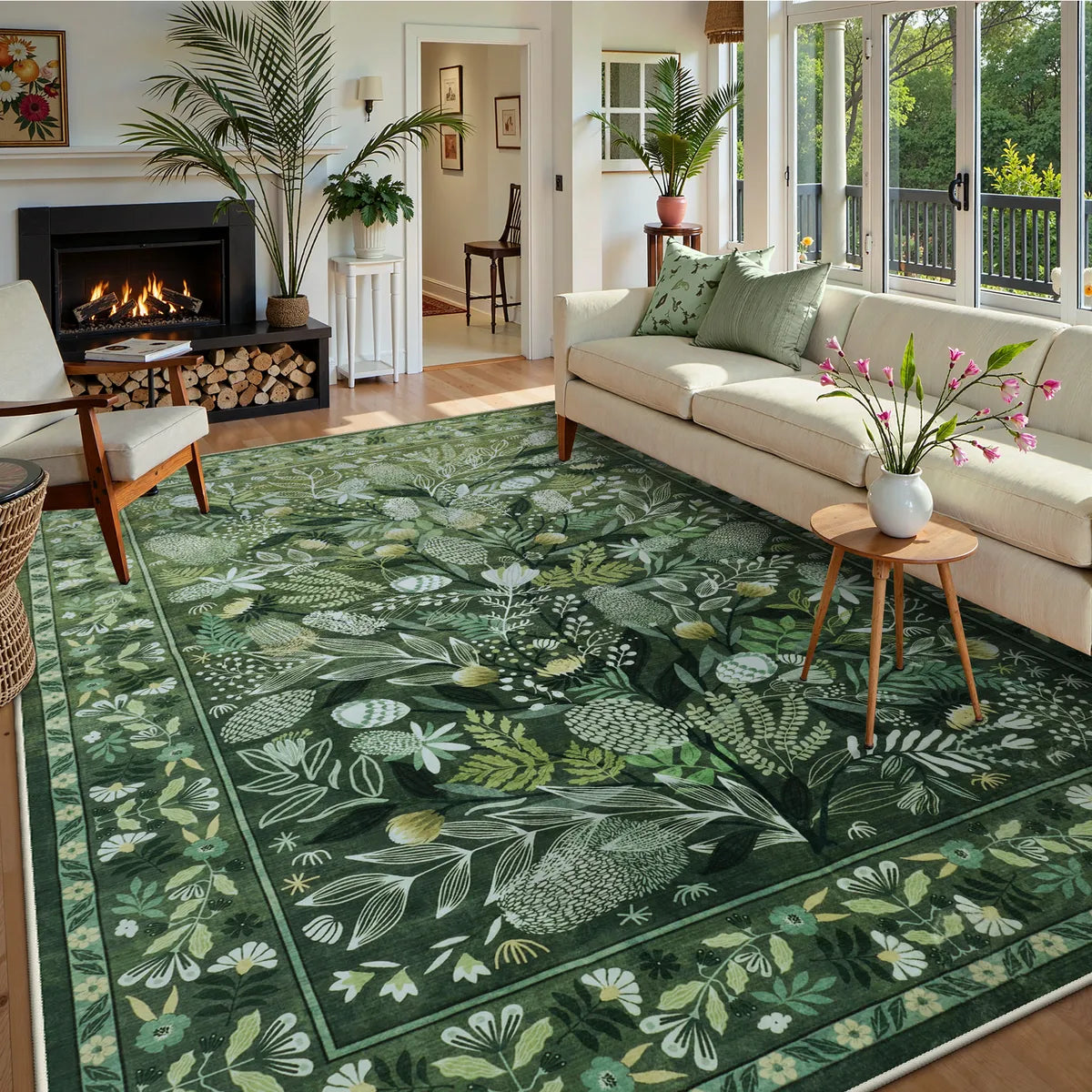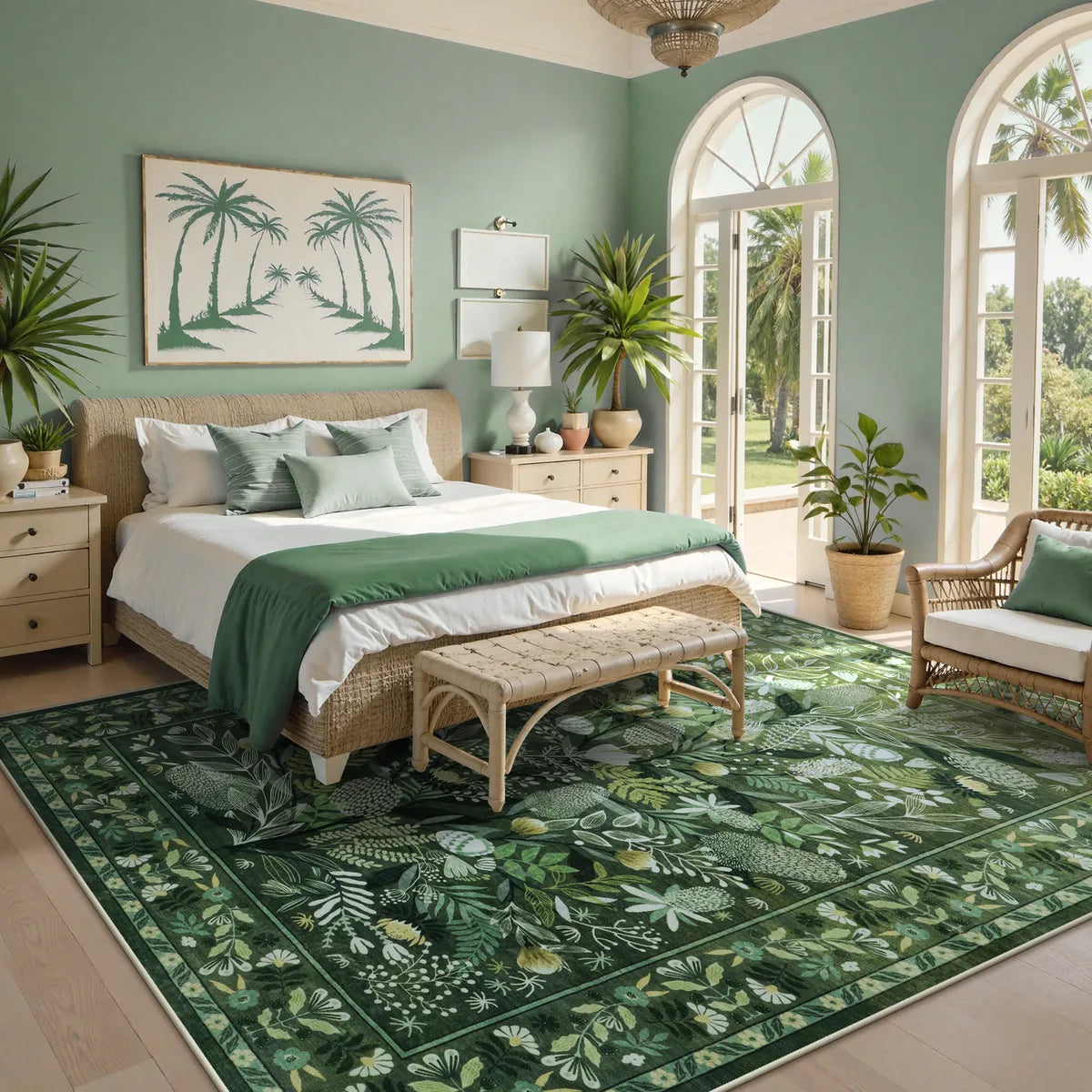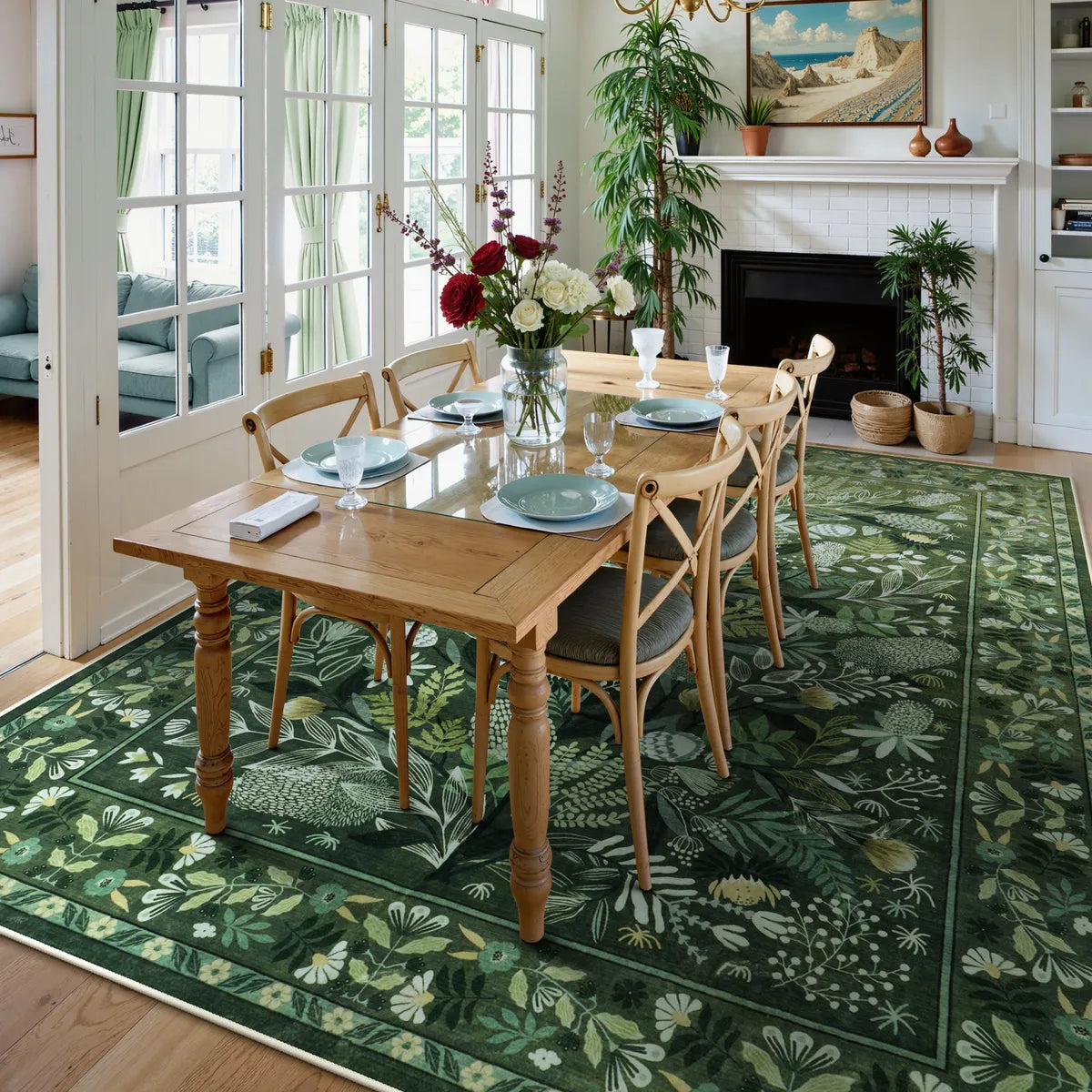


Your living room takes more daily abuse than any other space in your home: foot traffic, pet paws, spilled drinks, and dragged furniture. Most rugs simply give up. But washable area rugs are built differently, designed to handle real life without falling apart. The secret to making them last isn't magic; it's knowing how to choose, place, and care for them the right way. Here's what actually works.
Why Washable Area Rugs Last Longer in High Traffic Living Rooms

Most people assume all rugs wear out at the same rate. They don't. In a busy living room, dirt, grit, and debris get ground into rug fibers with every step. Those particles act like sandpaper, slowly cutting and weakening the fibers from the inside out. A rug that can't be properly cleaned keeps accumulating that damage. A washable living room rug removes the problem at the source.
What sets machine washable rugs apart comes down to a few key construction choices:
- Fiber type: Most use synthetic fibers like polyester or faux wool blends, which resist moisture absorption and dry faster than natural fibers like wool or cotton. These materials hold their structure better after repeated cleaning.
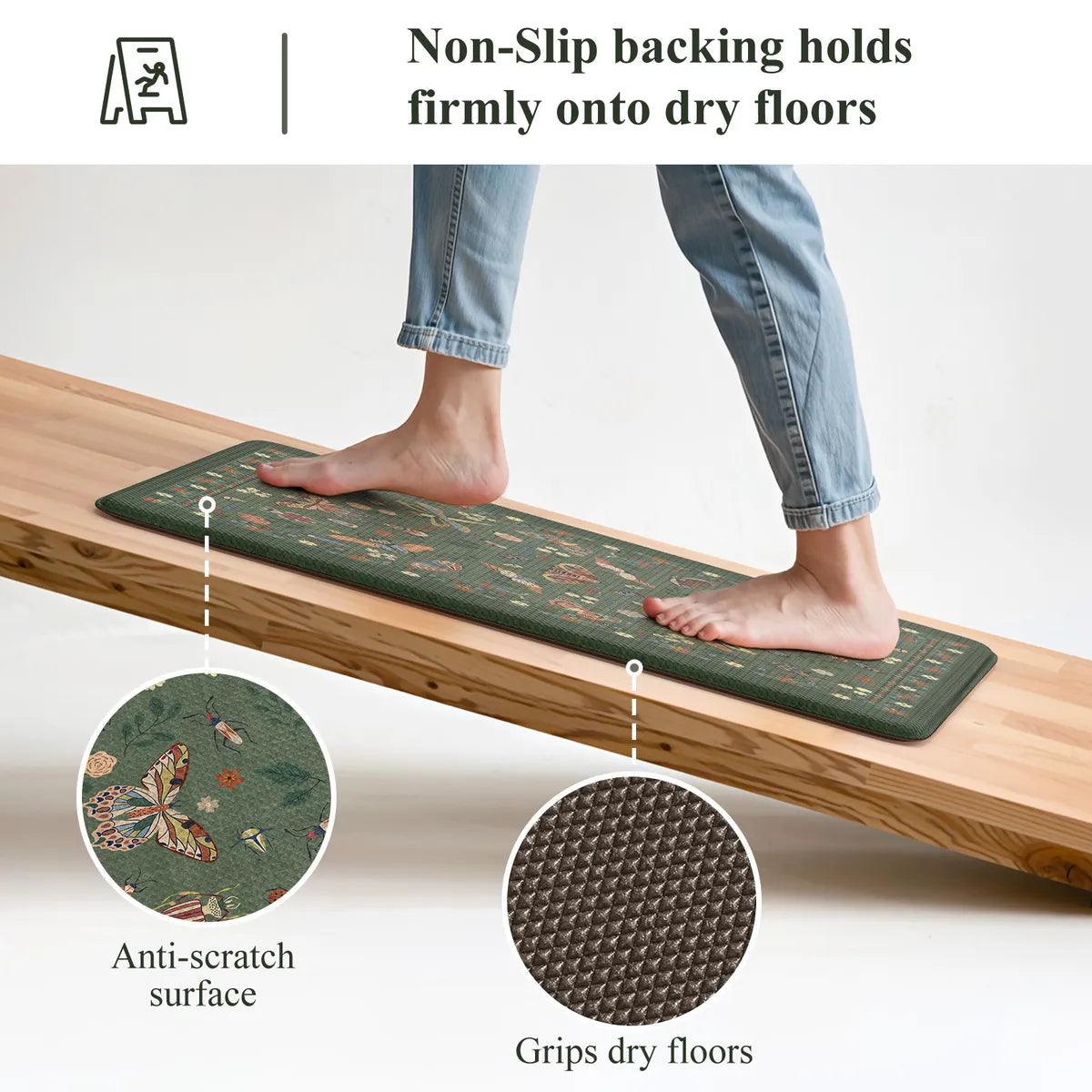
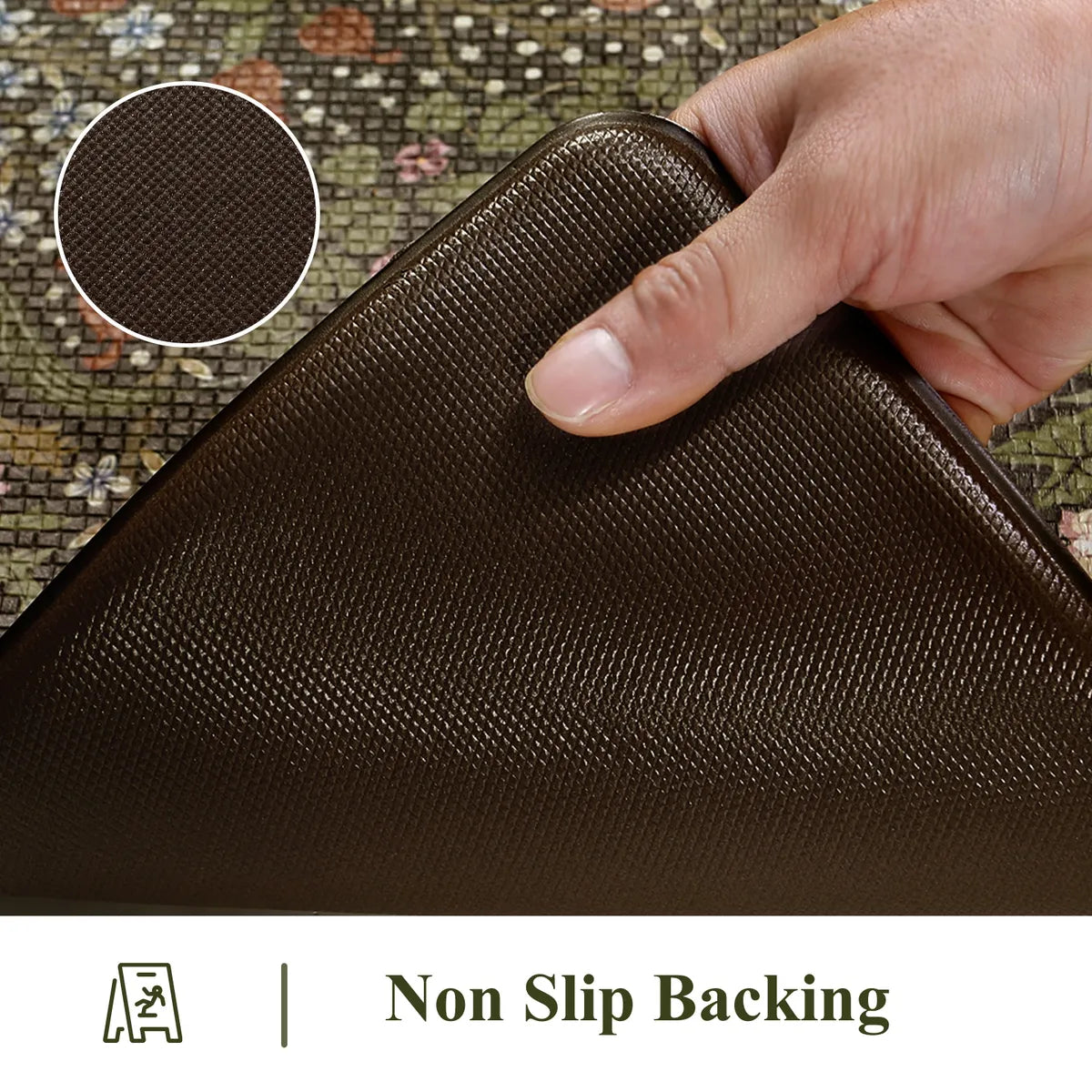
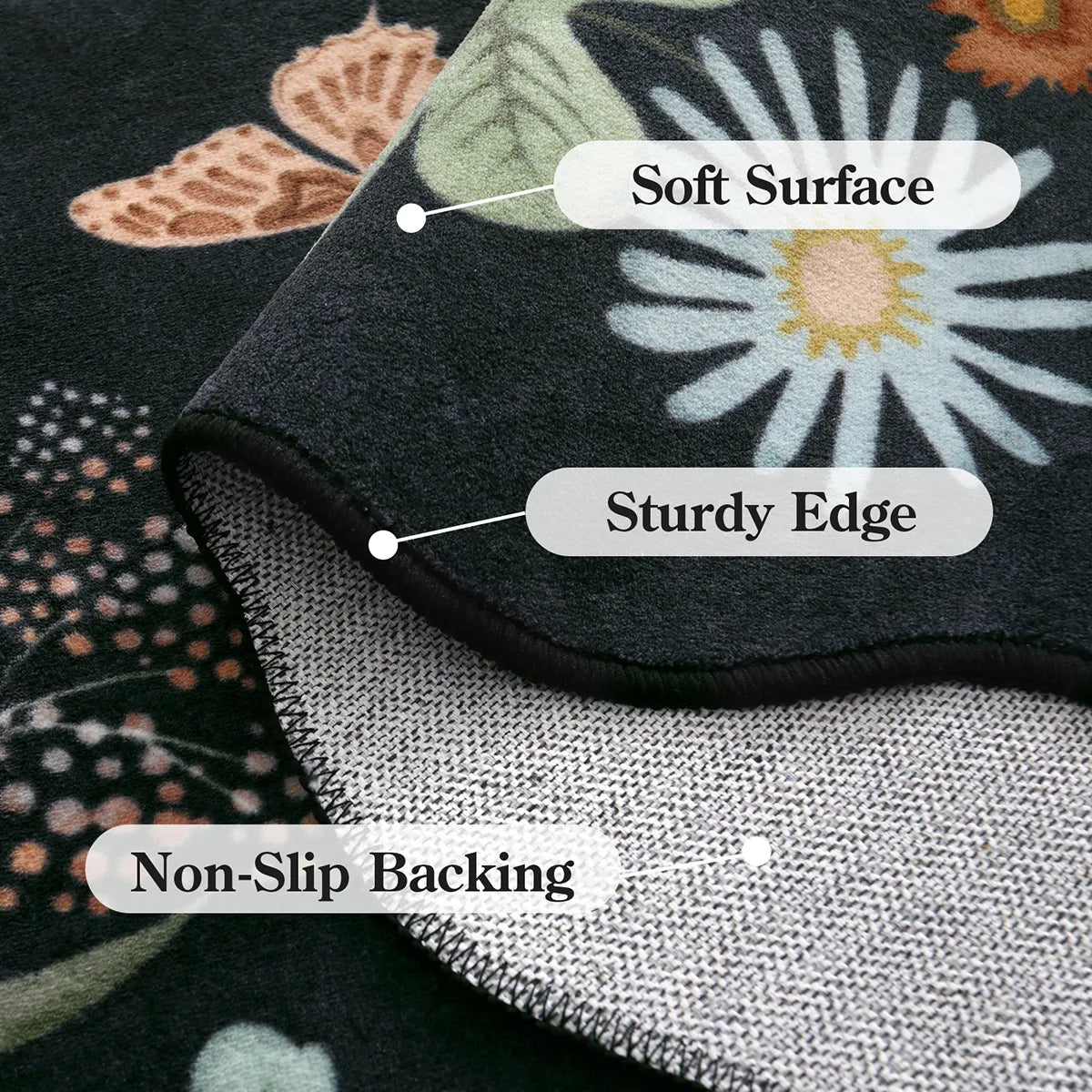
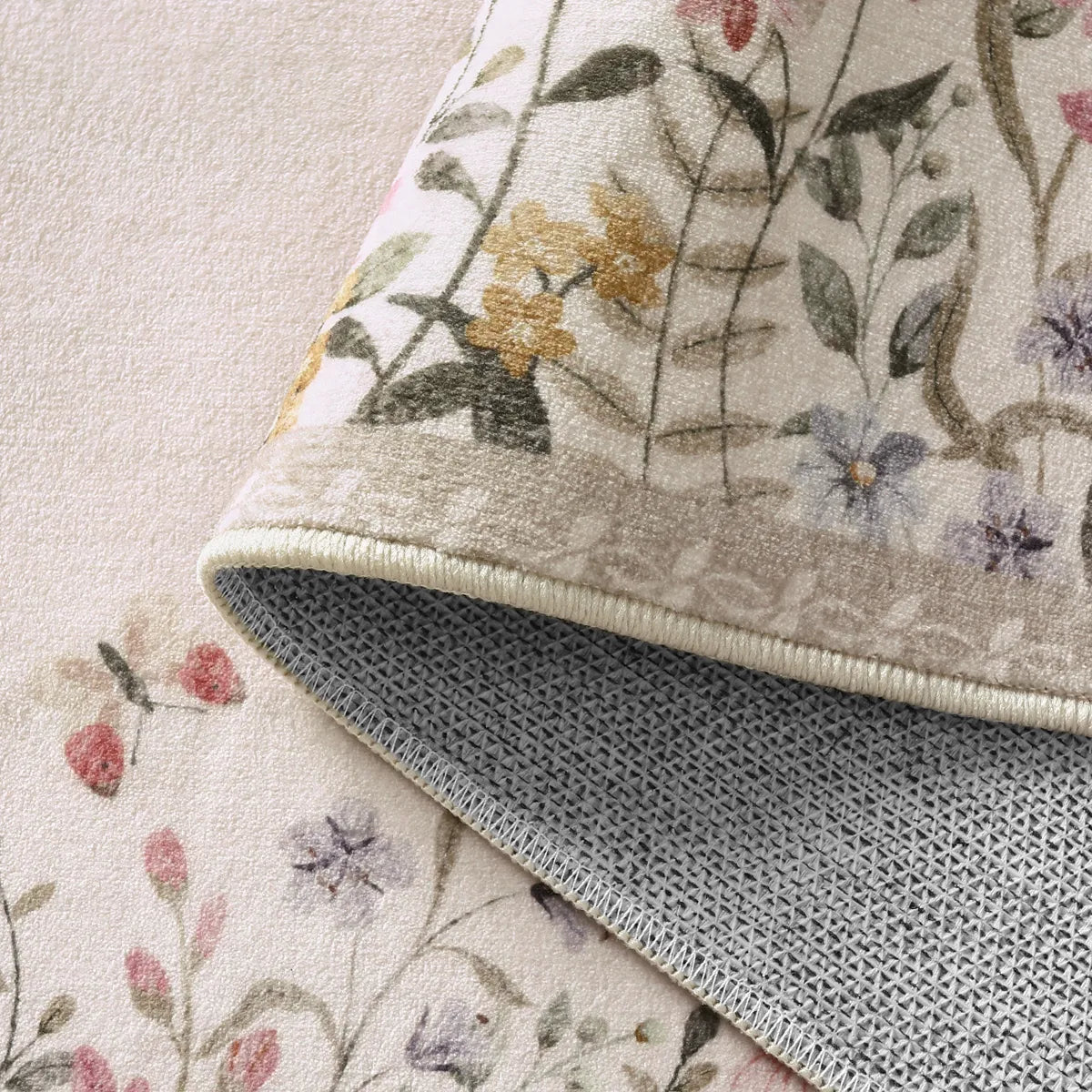
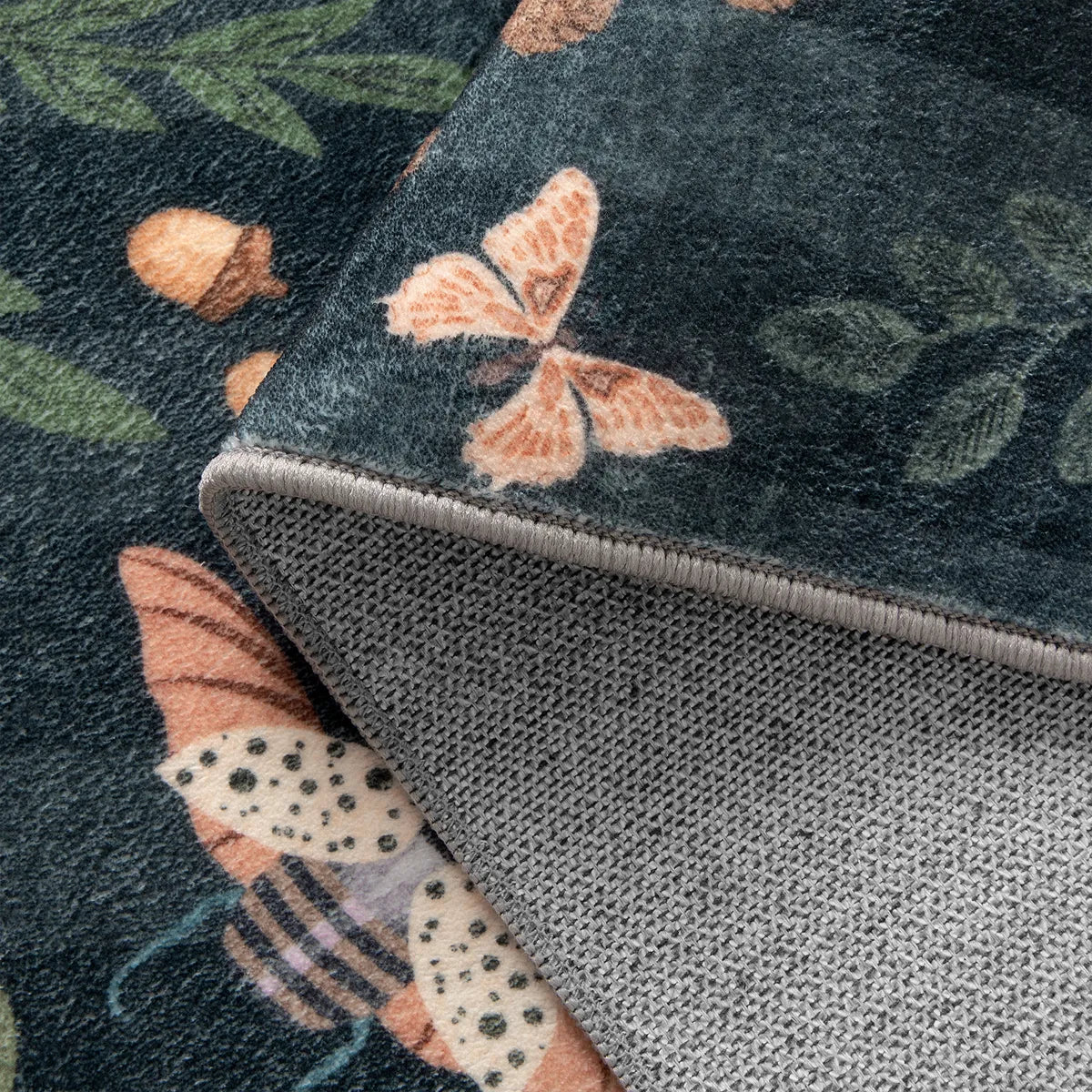
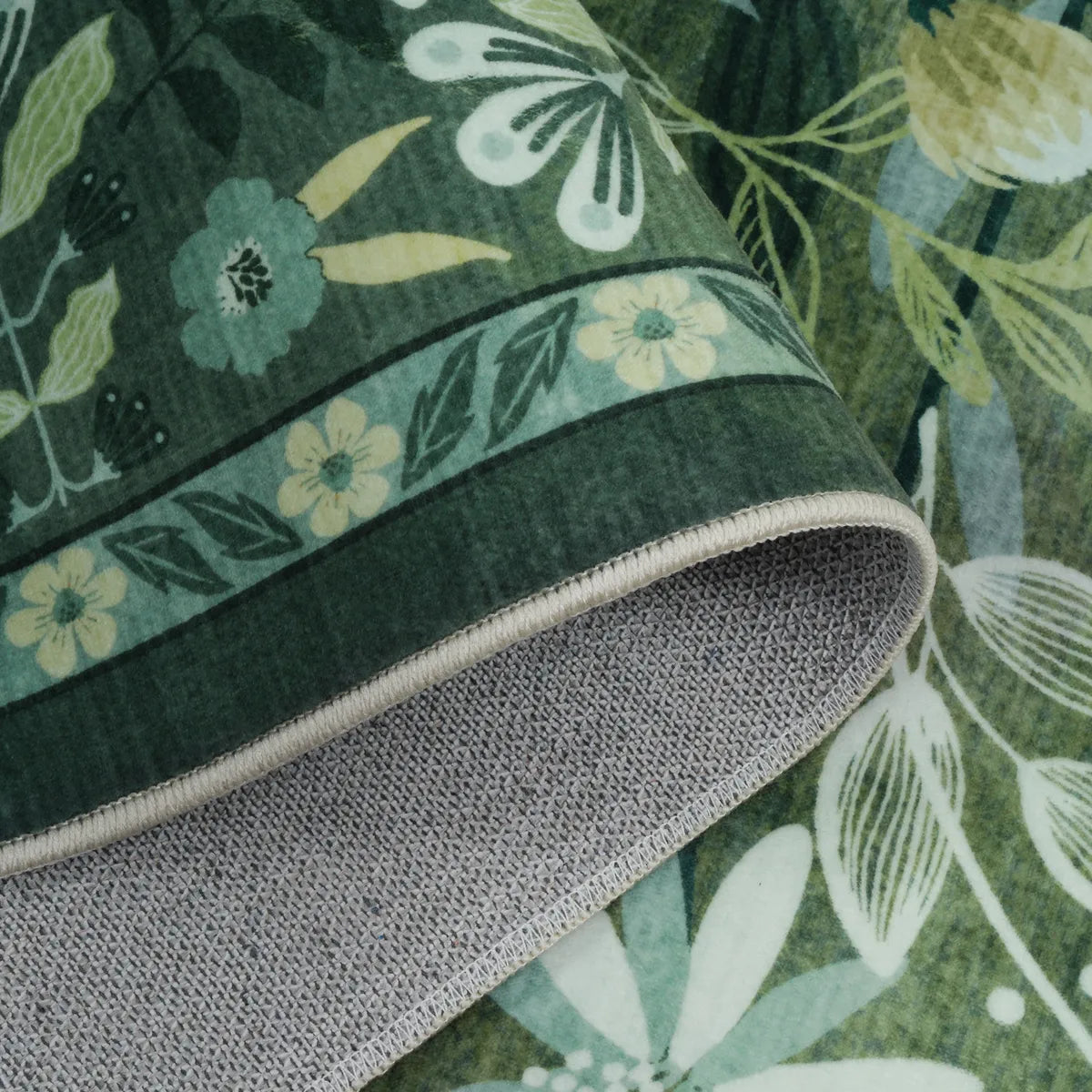
- Built-in non-slip backing: A layer bonded to the underside of the rug prevents sliding and reduces friction wear on the floor beneath, eliminating the need for a separate rug pad.
- Digital printing: Rather than dyed yarn, many washable rugs use digitally printed patterns that stay color-stable through many wash cycles.
- Washability as a longevity tool: Regular washing removes abrasive particles before they cause permanent fiber damage. The core logic is simple: clean more often, damage less, last longer.
These aren't just convenience features. Each one directly contributes to how long the rug holds up under daily use.
How to Choose the Right Size Washable Living Room Rug for Heavy Use

Size isn't just a style decision; it's a durability decision. A rug that's too small for the furniture arrangement it sits under will experience concentrated wear in just a few spots, leading to uneven breakdown. Getting the size right distributes foot traffic more evenly across the rug's surface.
Size Recommendations for Living Room Area Rugs
The right size depends on your room dimensions and how your furniture is arranged. Here's a practical overview of the most common options for living room area rugs:
Below is a quick reference to help match rug size to room scale. Use it as a starting point, then adjust based on your specific layout.
| Size | Best For | Typical Furniture Coverage |
| 5x7 rug | Small living rooms or defined accent zones | Front legs of one sofa on the rug |
| 8x10 rug | Medium living rooms | Front legs of sofa and chairs on the rug |
| 9x12 rug | Large or open-plan living rooms | All furniture legs fully on the rug |
As a general rule, a larger rug almost always performs better in high-traffic rooms. More surface area means wear is spread across a wider zone rather than concentrated in a few high-contact spots.
Furniture Placement Rules That Reduce Wear on Living Room Area Rugs
Improper furniture placement creates pressure points: areas of the rug that bear far more weight and friction than the rest of the surface. Over time, these spots flatten, thin out, and discolor faster than the surrounding area.
Follow these placement principles to spread wear evenly:
- All-legs-on: Place all furniture legs fully on the rug. This distributes weight across a larger surface area.
- Front-legs-on: If the rug is smaller, keep at least the front legs of seating on the rug. Avoid having furniture positioned with back legs only, as this creates an uneven stress pattern.
- Avoid dragging: Always lift furniture when repositioning. Dragging across the rug surface causes localized fiber damage that is difficult to reverse.
How to Keep Machine Washable Rugs Clean and Fresh Long-Term
Washing is the main maintenance tool for machine washable rugs, but doing it correctly matters as much as doing it regularly. Improper washing can cause shrinkage, color bleeding, or backing separation, all of which shorten the rug's useful life.
How Often Should You Wash a High-Traffic Living Room Rug
Washing frequency depends on how much activity the rug sees. A general guideline for high-traffic areas:
- Light household traffic (1 to 2 people, no pets): Wash every two to three months.
- Moderate traffic (family with kids or one pet): Wash monthly.
- Heavy traffic (multiple pets, toddlers, frequent guests): Every two to three weeks, or as needed after spills.
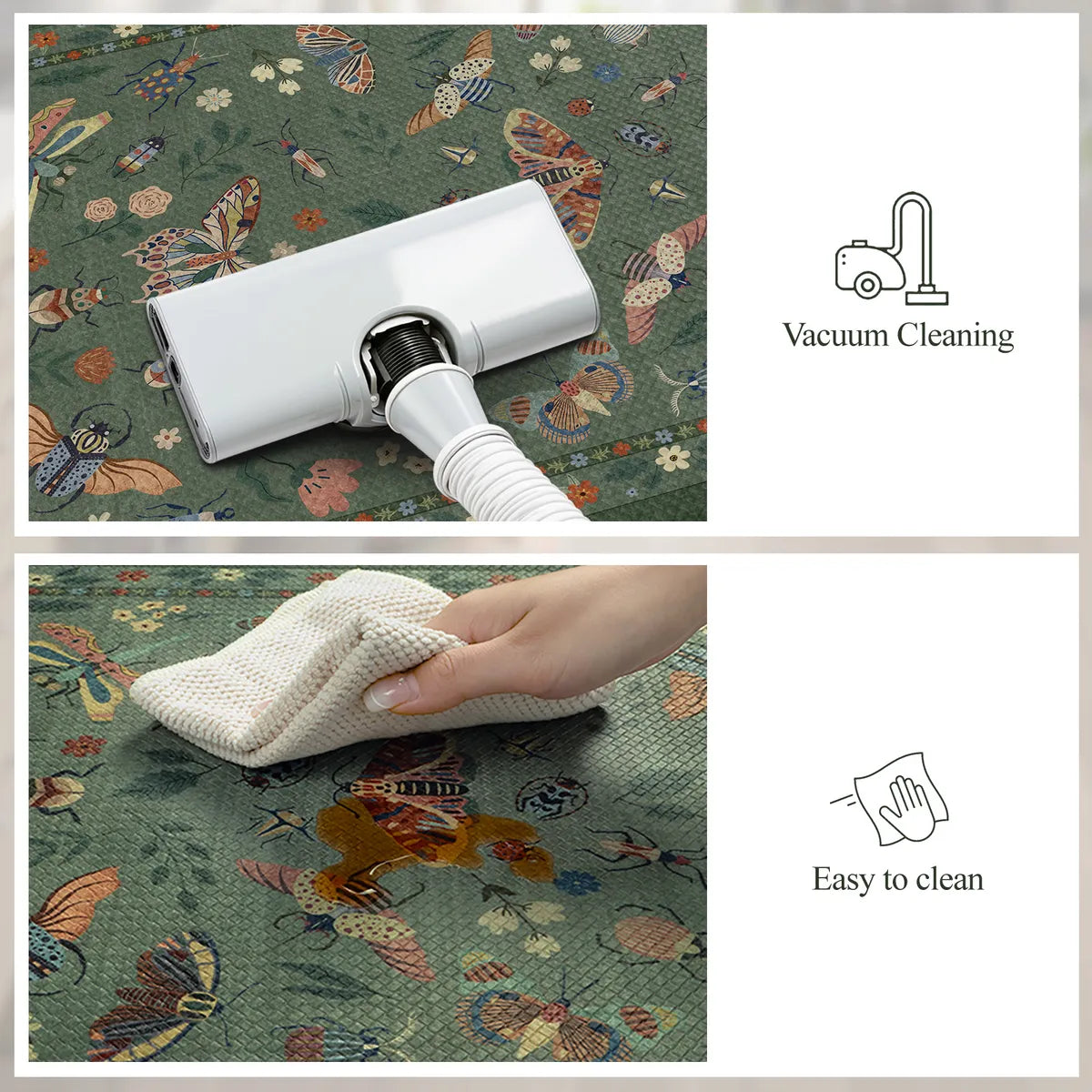
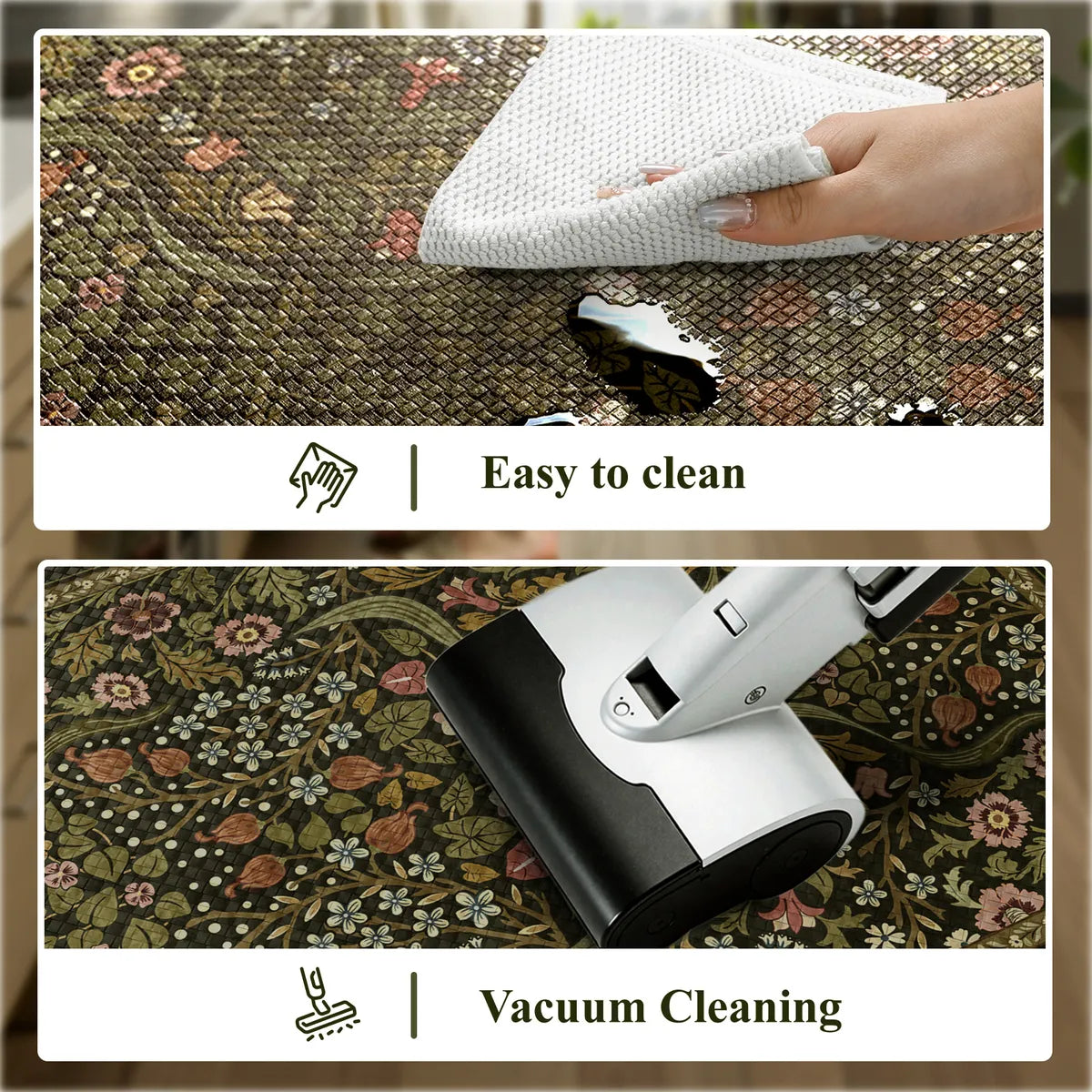
Between washes, vacuum regularly, at least once a week in high-traffic zones. Vacuuming removes loose debris before it works its way into the fibers.
Washing and Drying Tips to Prevent Shrinkage and Fading
How you wash is as important as how often. A few non-negotiable rules:
- Use cold water. Hot water causes synthetic fibers to contract, leading to shrinkage and backing distortion.
- Choose a gentle cycle. High-agitation settings stress the rug's construction, especially at the seams and backing.
- Use mild detergent. Harsh formulas can strip color and weaken fibers over time.
- Air-dry flat or hang-dry. Tumble drying, even on low heat, can warp the backing or shrink the pile. Lay the rug flat or drape it over a railing in a shaded, ventilated area until fully dry before placing it back on the floor.
Following these steps consistently keeps the rug looking and feeling like new through many more wash cycles than a rug that's cleaned carelessly.
Daily Habits That Extend the Life of Washable Area Rugs
Washing takes care of deep cleaning, but daily habits fill in the gaps. A washable area rug that's well-maintained between washes will outlast one that's only addressed when visibly dirty.
Two habits make the biggest difference.
- Rotate your rug every few months. Rotation means turning the rug 180 degrees to alternate which sections face the highest-traffic zones. In a living room with a primary entry point, one end of the rug will always see more foot traffic. Rotating distributes that wear more evenly across the full surface.
- Protect the backing and the floor beneath. Even rugs with built-in non-slip backing benefit from being lifted occasionally to check that the backing isn't sticking to hardwood or causing surface discoloration. Allow airflow beneath the rug periodically to prevent moisture buildup, which can damage both the rug and the floor over time.
Small, consistent attention adds up. Large area rugs for living rooms are an investment, and these habits protect that investment without requiring much effort.
Make Your Washable Area Rug Work Harder and Last Longer
The right size prevents uneven wear. Regular washing removes the grit that silently breaks down fibers. Proper furniture placement eliminates pressure points. Small daily habits, including rotating, protecting the backing, and vacuuming consistently, keep everything working together. Whether you're working with an 8x10 rug in a mid-sized space or a 9x12 rug anchoring a larger open layout, washable living room rugs deliver style and practicality in one package. Put these habits into practice, and your rug will stay looking great for years to come.
FAQs about washable rug care and sizing
Q1. Can You Not Vacuum Washable Rugs?
You can and should vacuum washable rugs regularly. Vacuuming removes loose dirt and debris before it works deeper into the fibers, which helps the rug stay cleaner between washes and reduces long-term wear. Use a suction-only setting without a beater bar if possible, as rotating brush attachments can pull at the fibers over time.
Q2. Can You Wash an 8x10 Rug in a Washing Machine Top Load?
An 8x10 rug is generally too large for a standard top-load washing machine, as the agitator (the central rotating post inside most top-loaders) can put uneven stress on the rug and damage the backing. A front-load washer or a large-capacity commercial machine at a laundromat is a better fit for this size. Always check the care label on your specific rug before washing.
Q3. How Do I Know When It's Time to Replace a Washable Living Room Rug?
A well-maintained washable area rug can last many years with proper care. If you notice fiber thinning concentrated in one area, try rotating the rug to redistribute wear. Persistent odors after a full wash cycle usually respond better to a second wash with a baking soda pre-treatment than to any structural issue with the rug itself.
Q4. Is an 8x10 Rug or a 9x12 Rug Better for Homes With Kids and Pets?
Both sizes work well in family households; the right choice depends on room size rather than household activity level. The more important factor is ensuring furniture legs sit properly on the rug, which prevents edge curling and tripping hazards. A well-fitted rug of either size will hold up better than an ill-fitting one, regardless of how much traffic it sees.