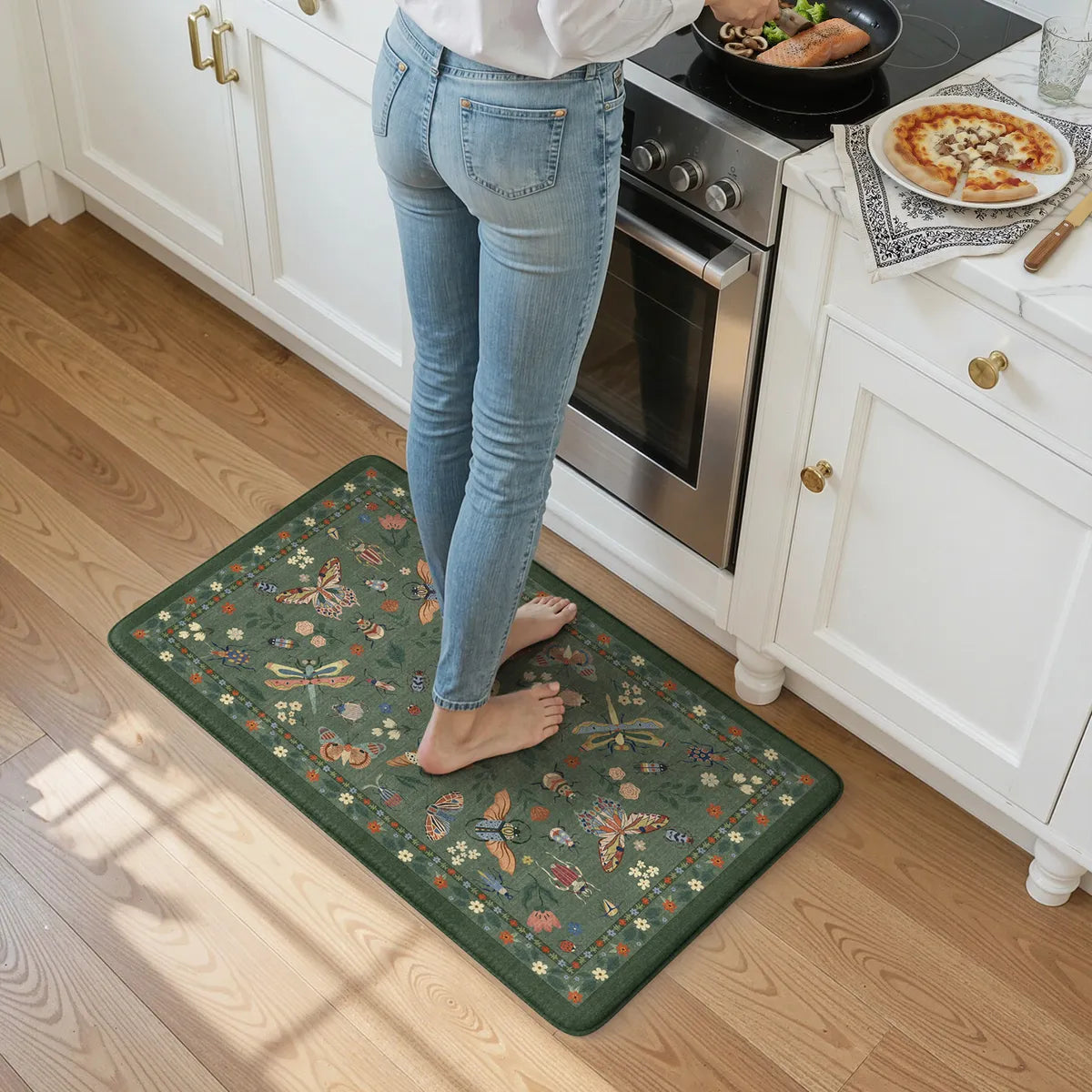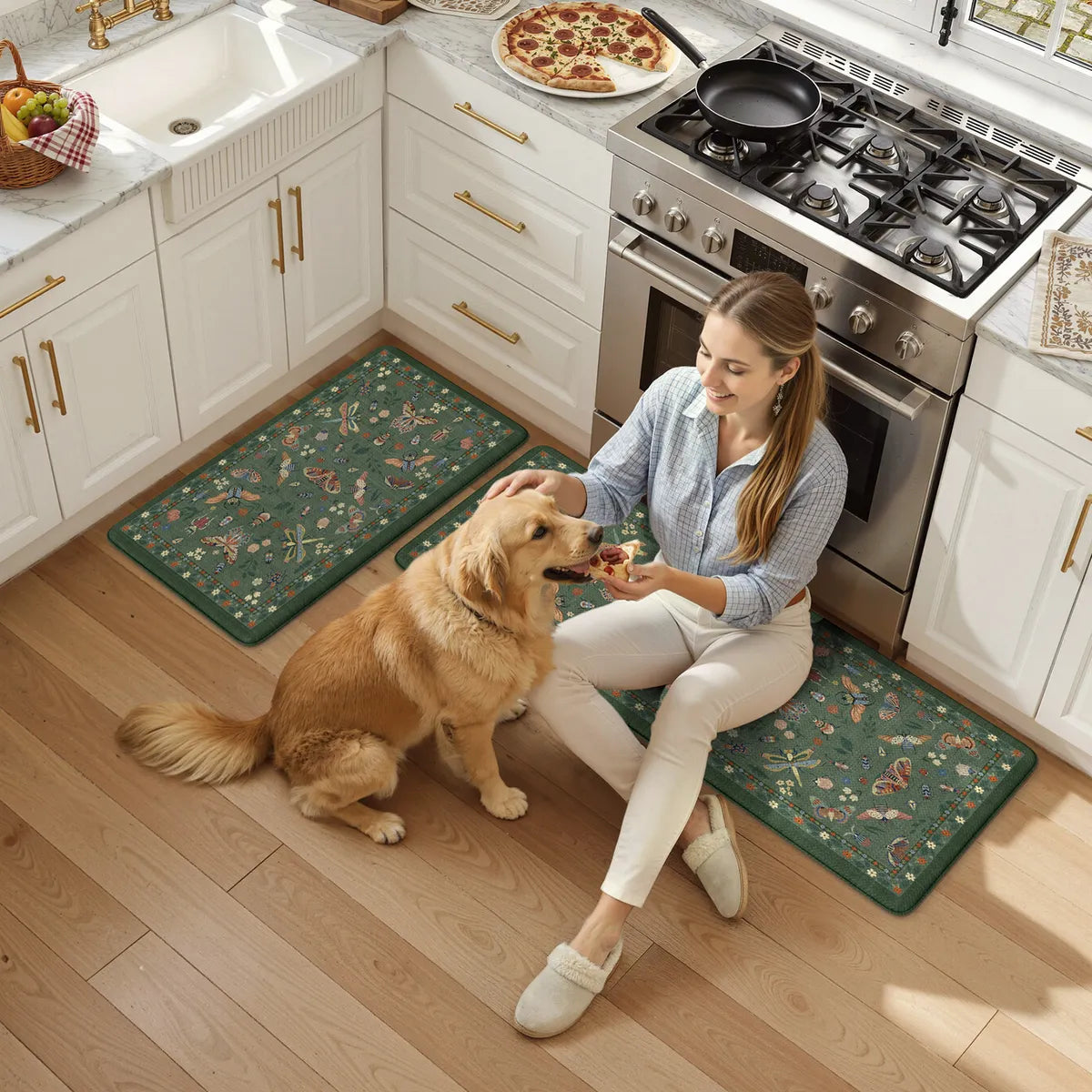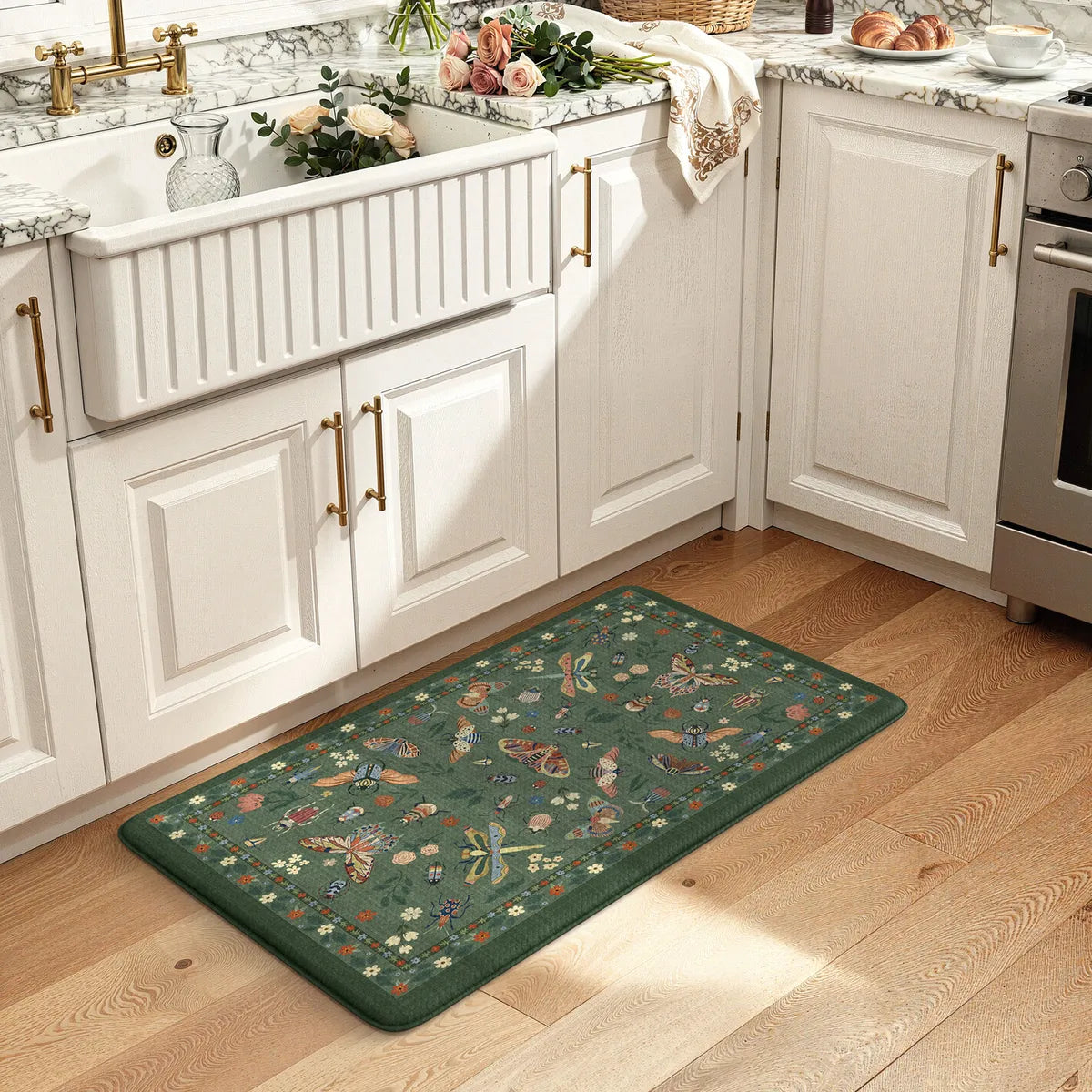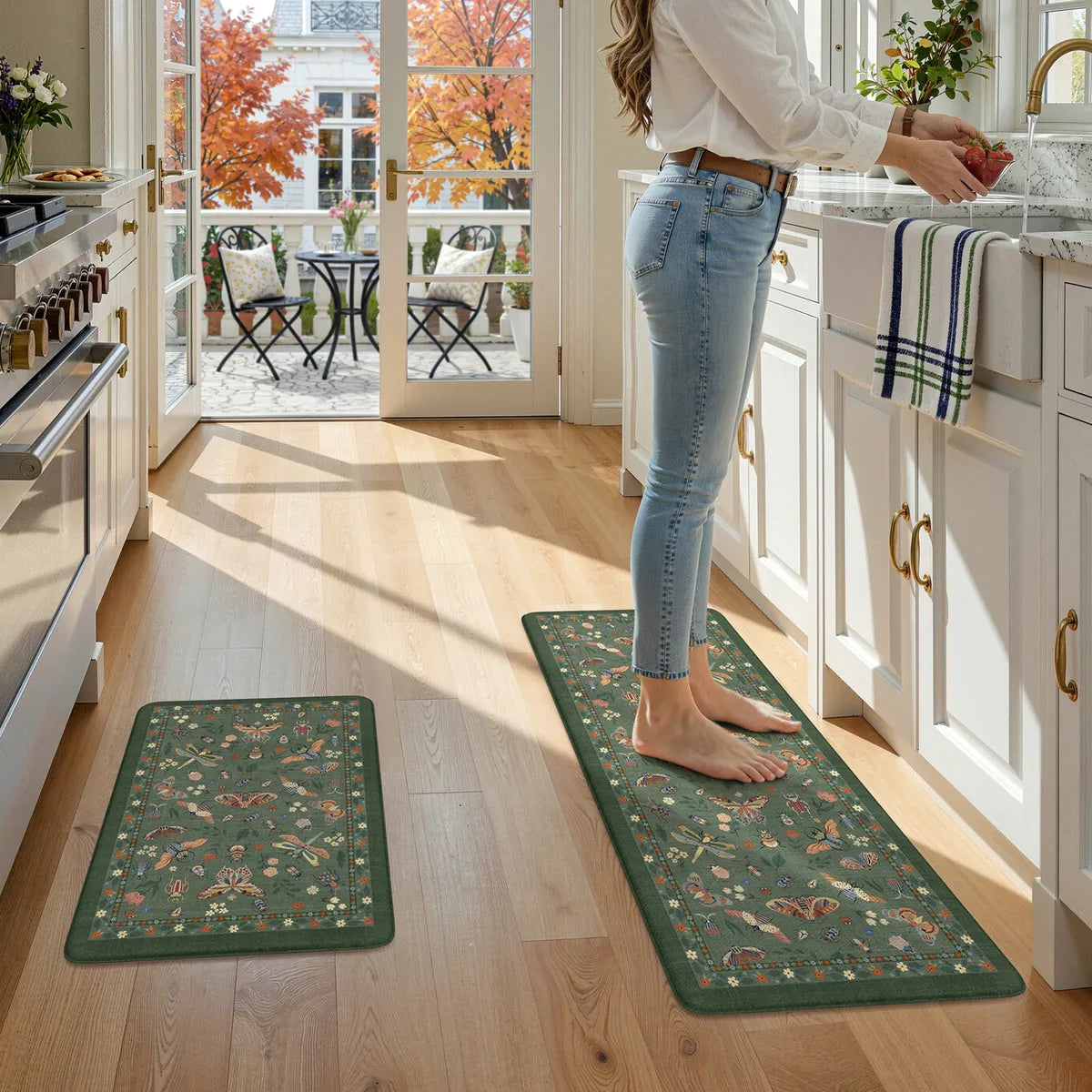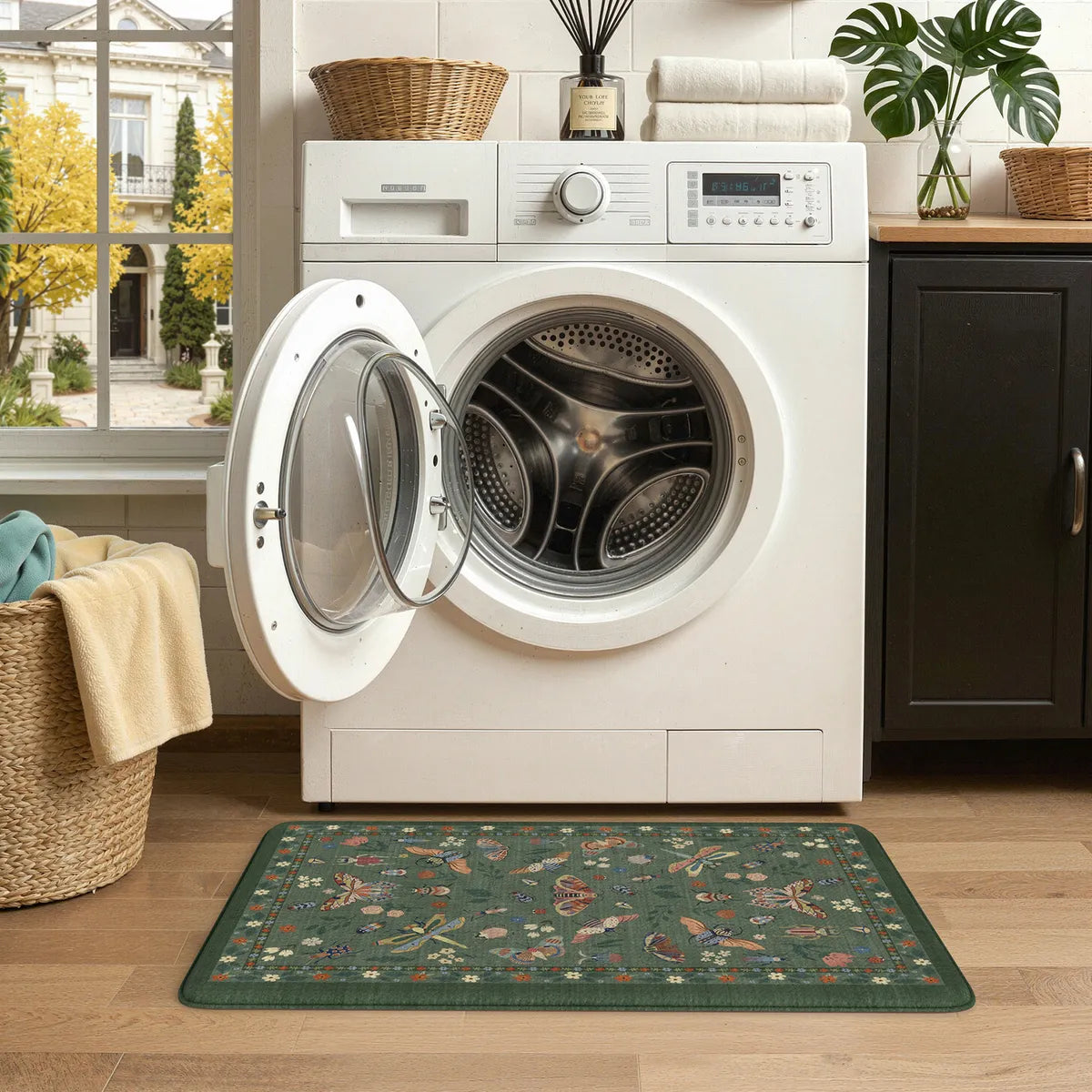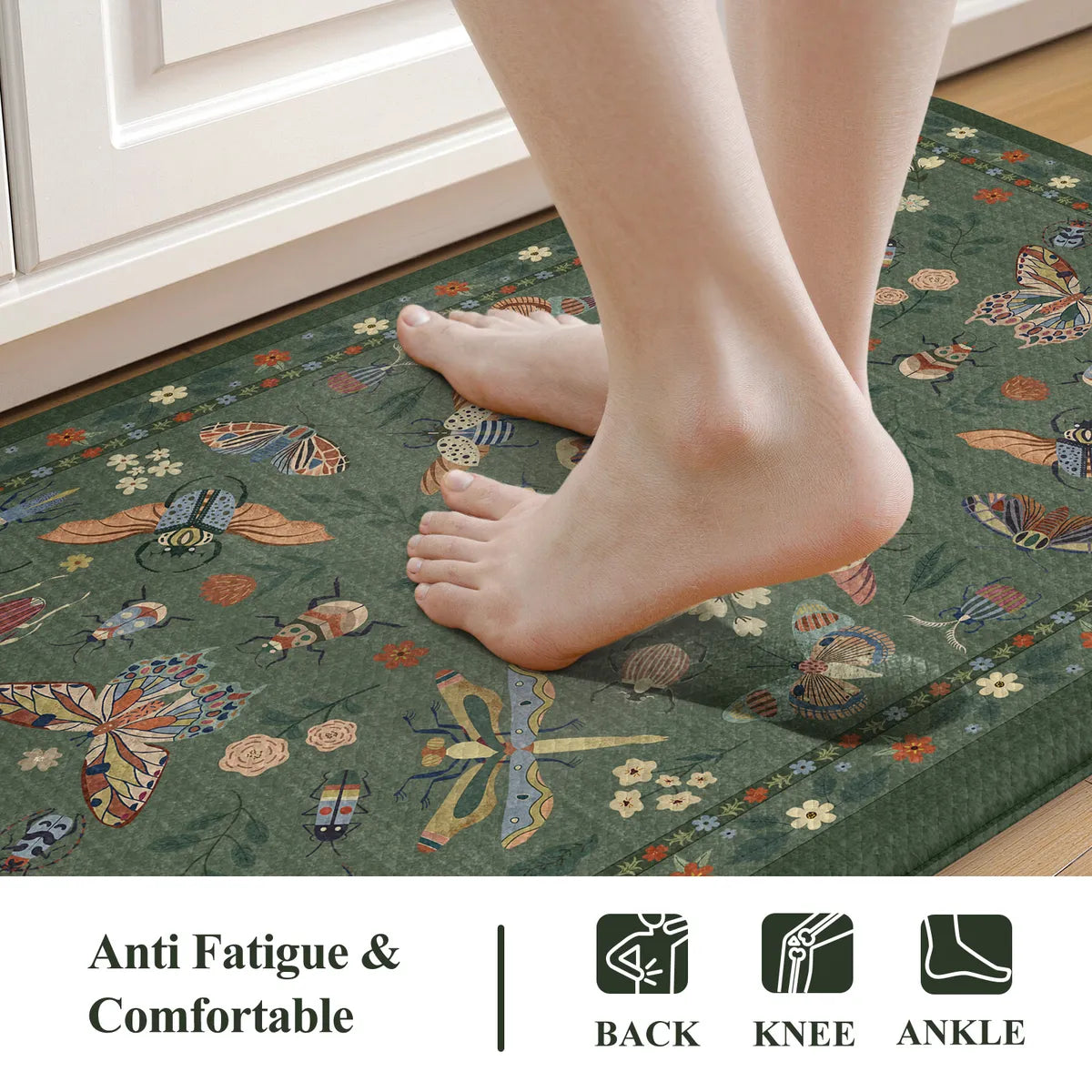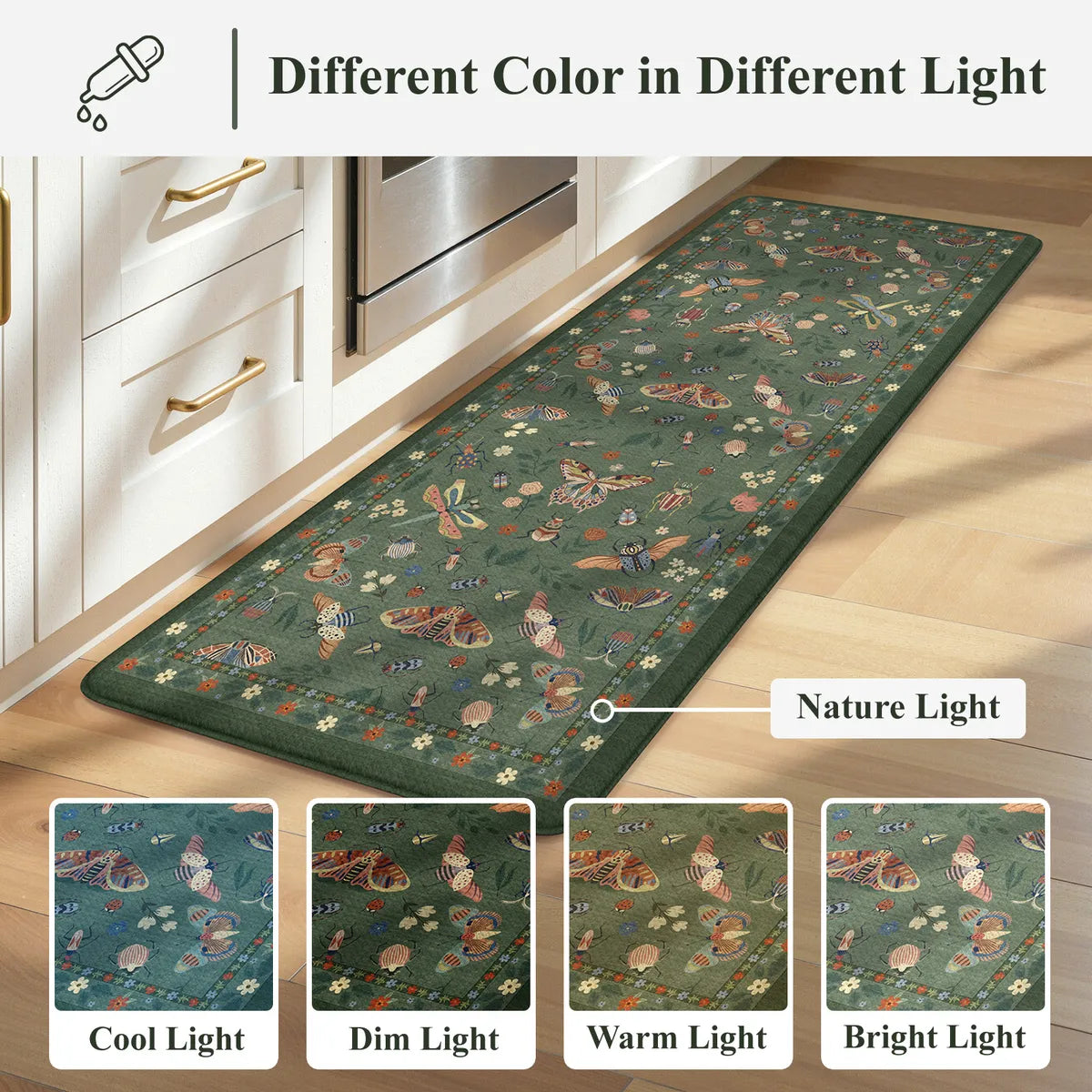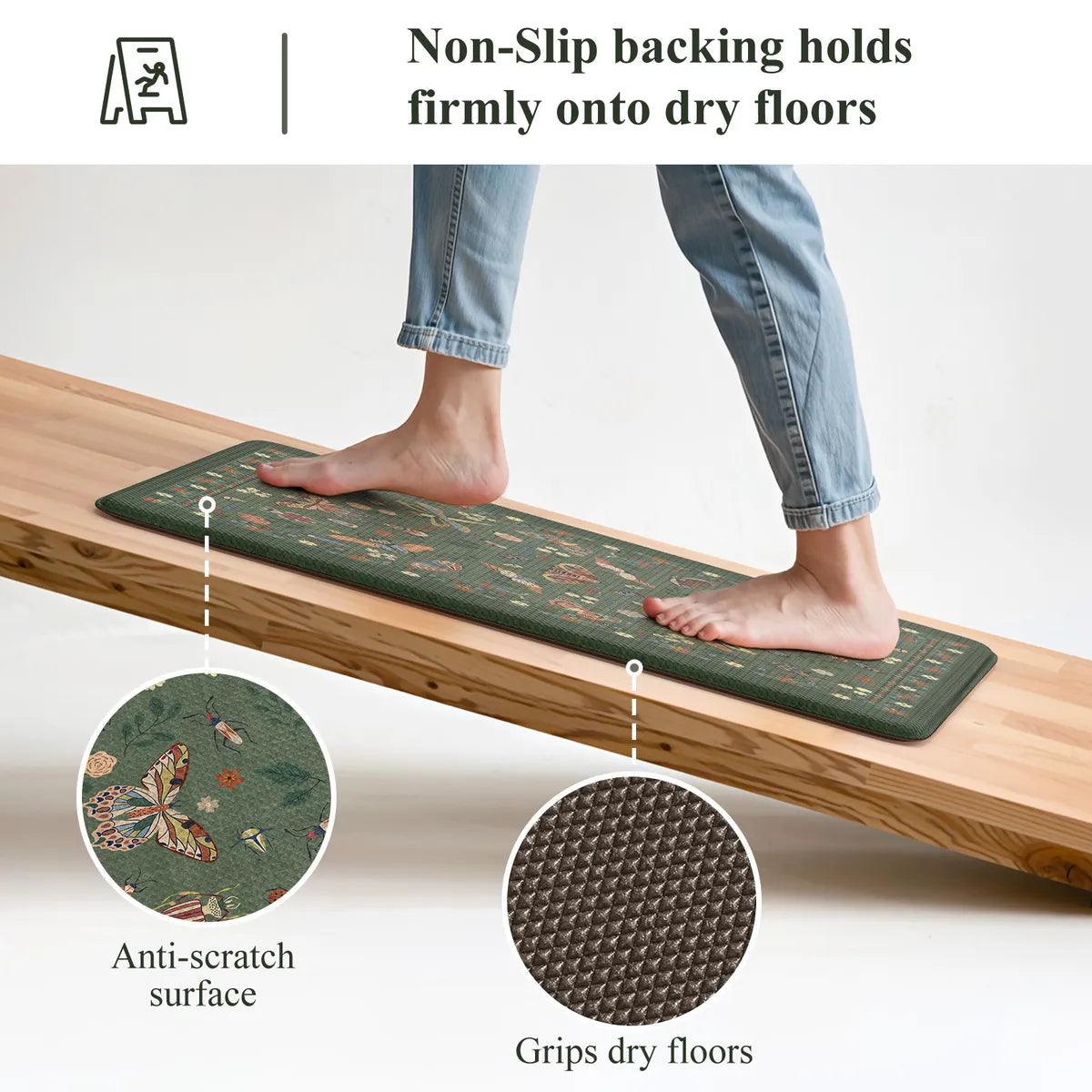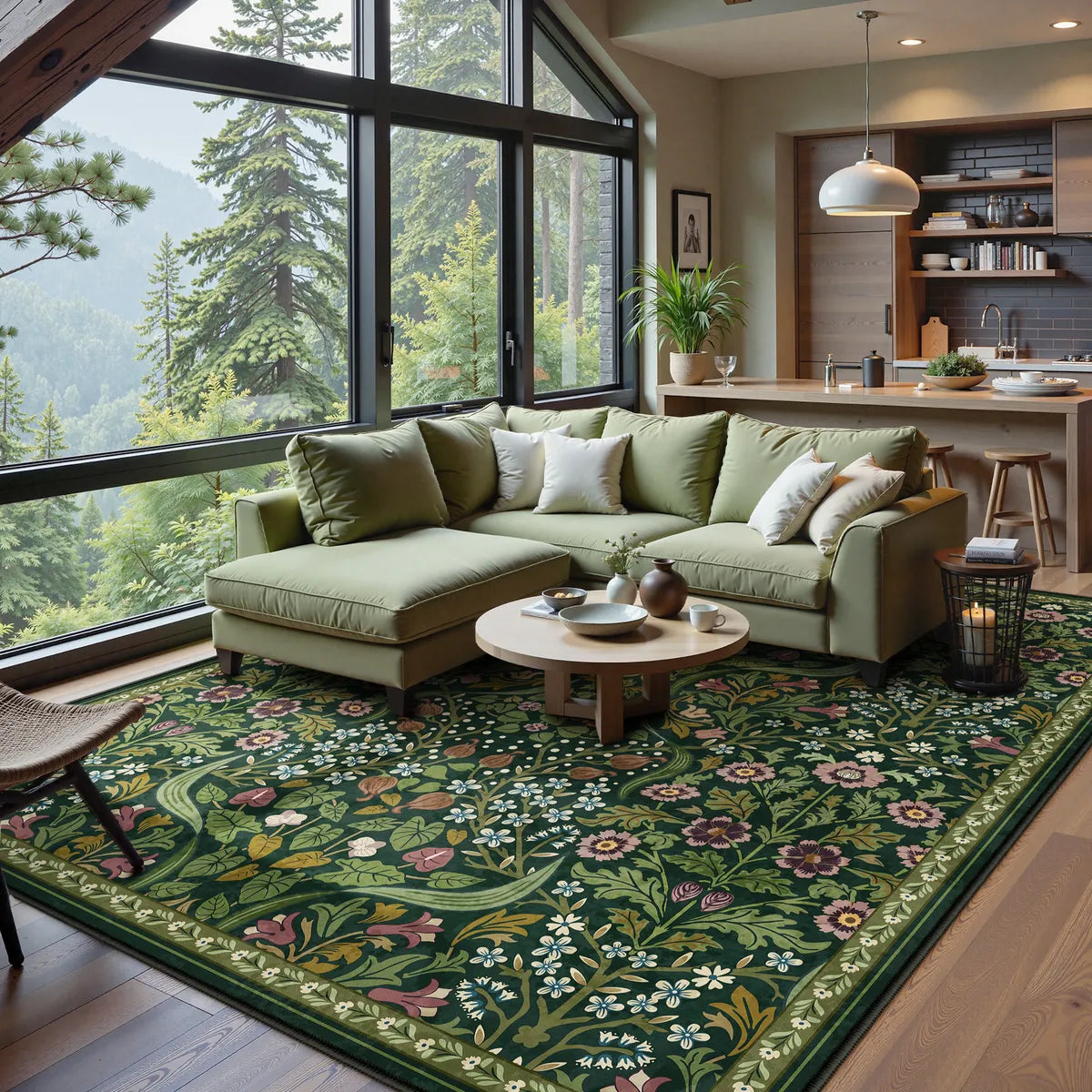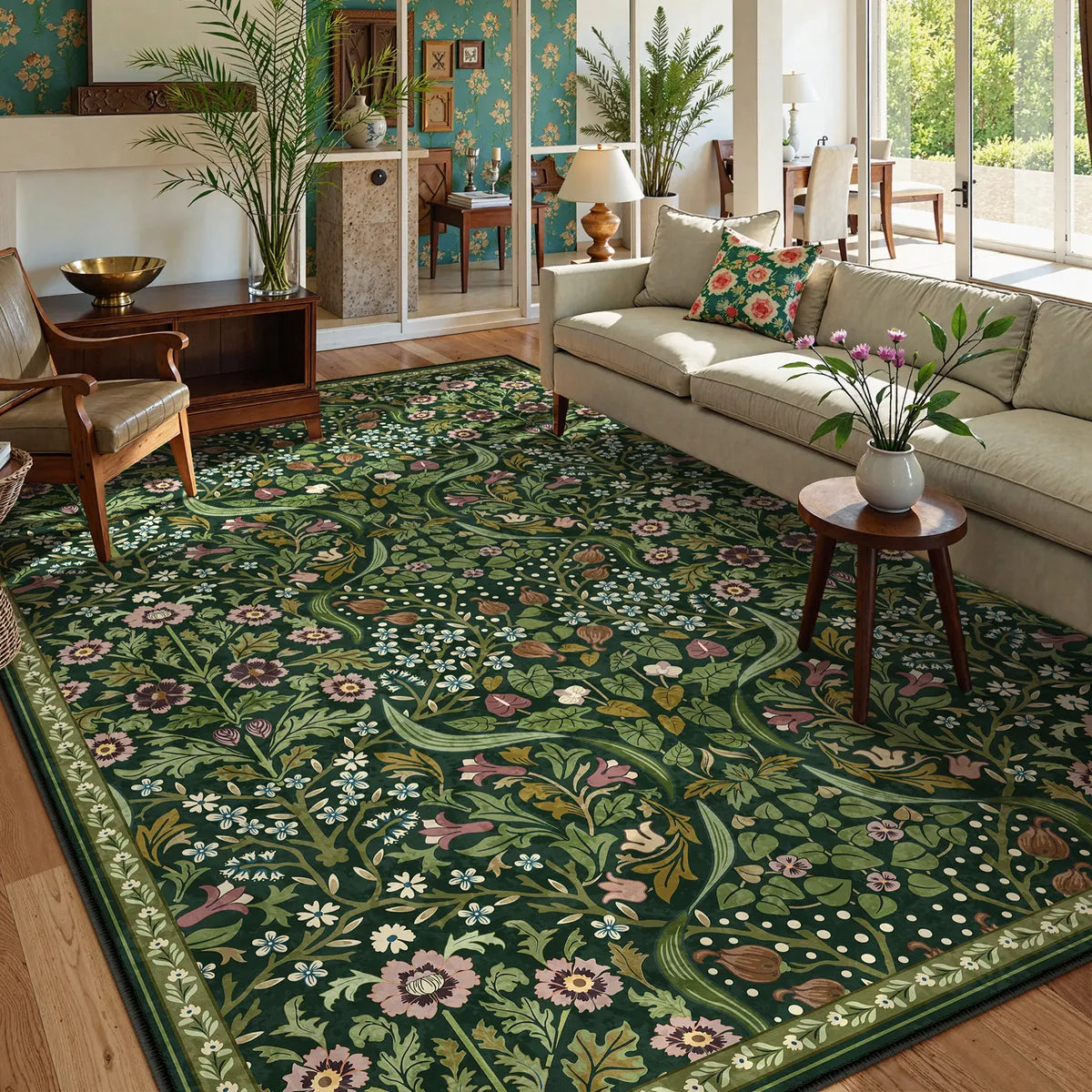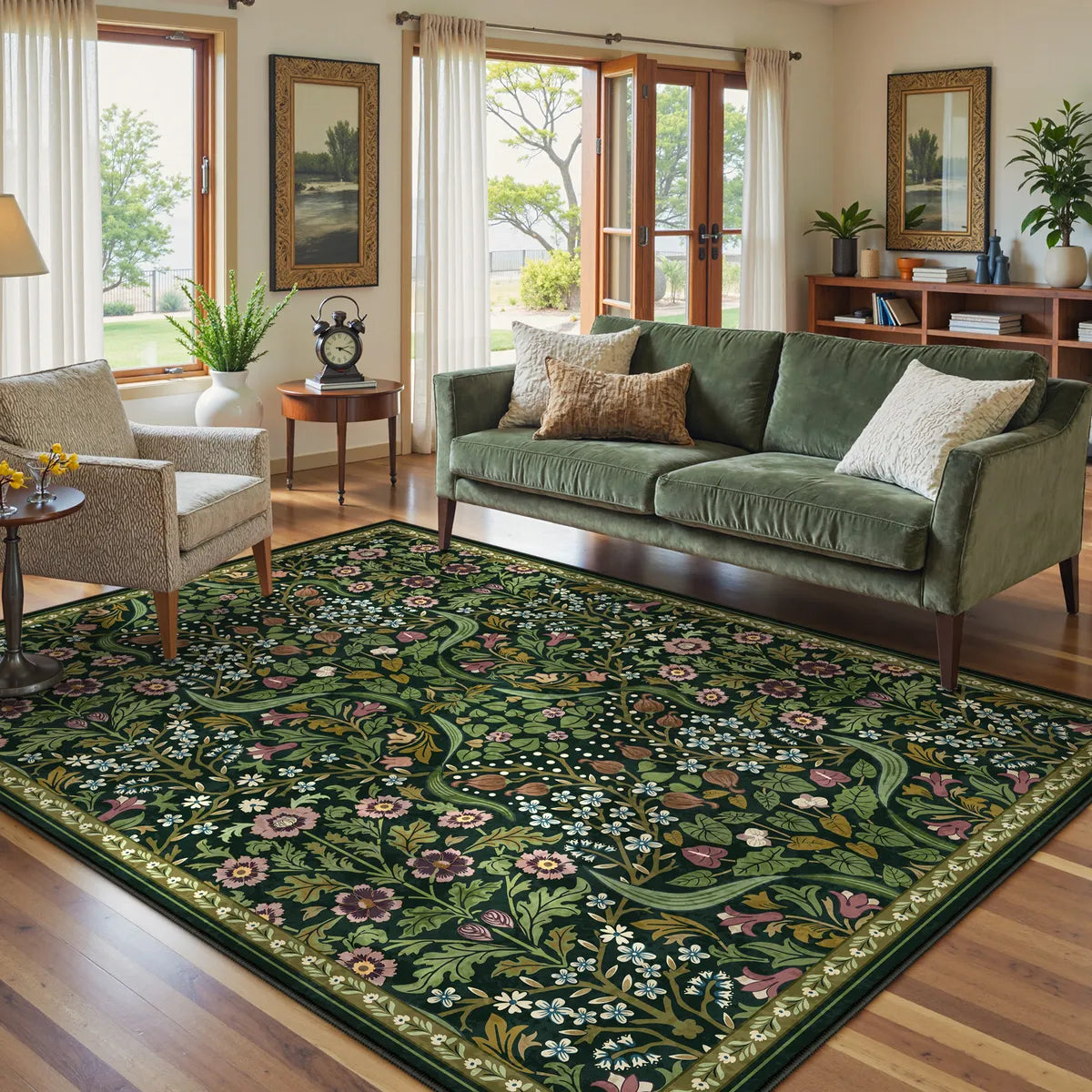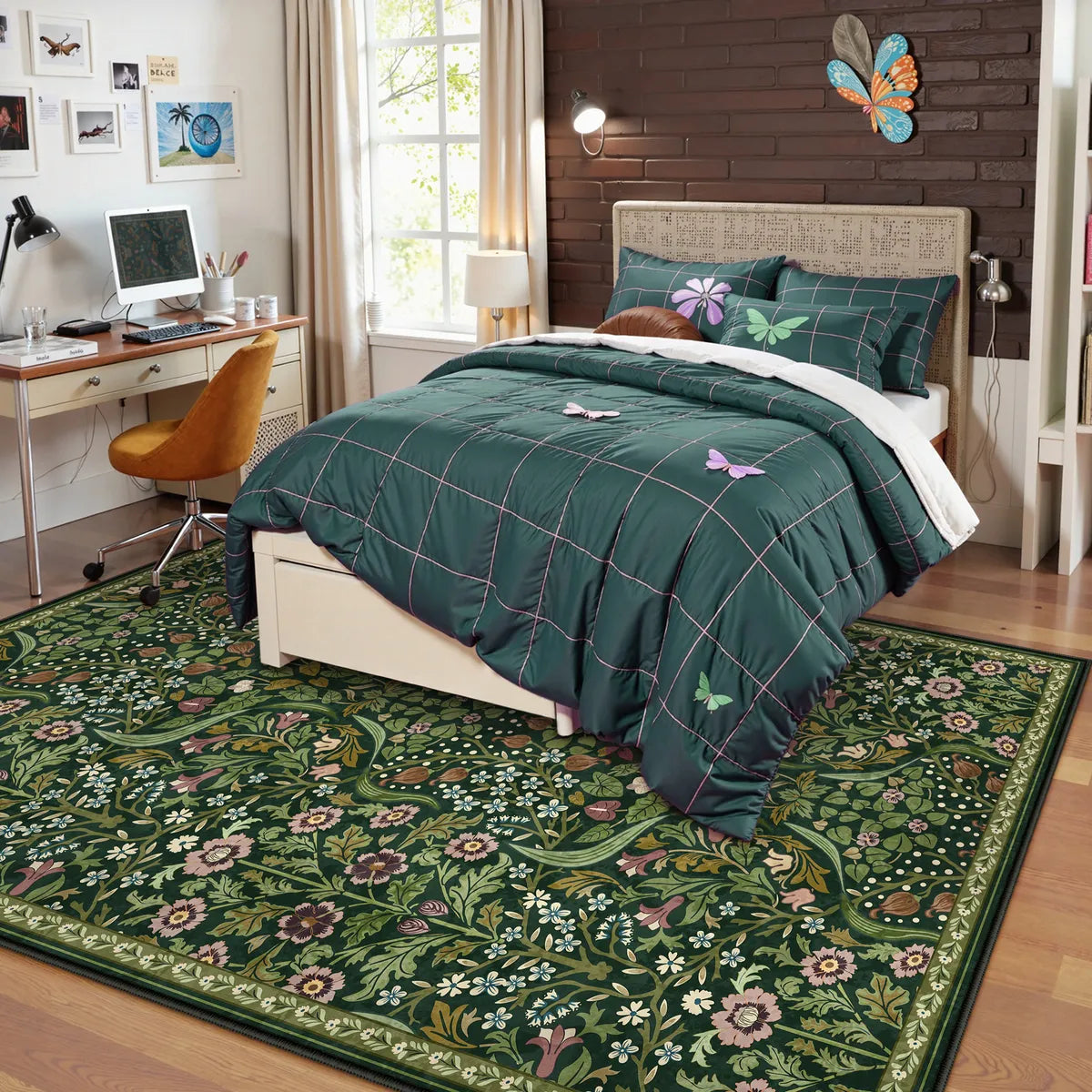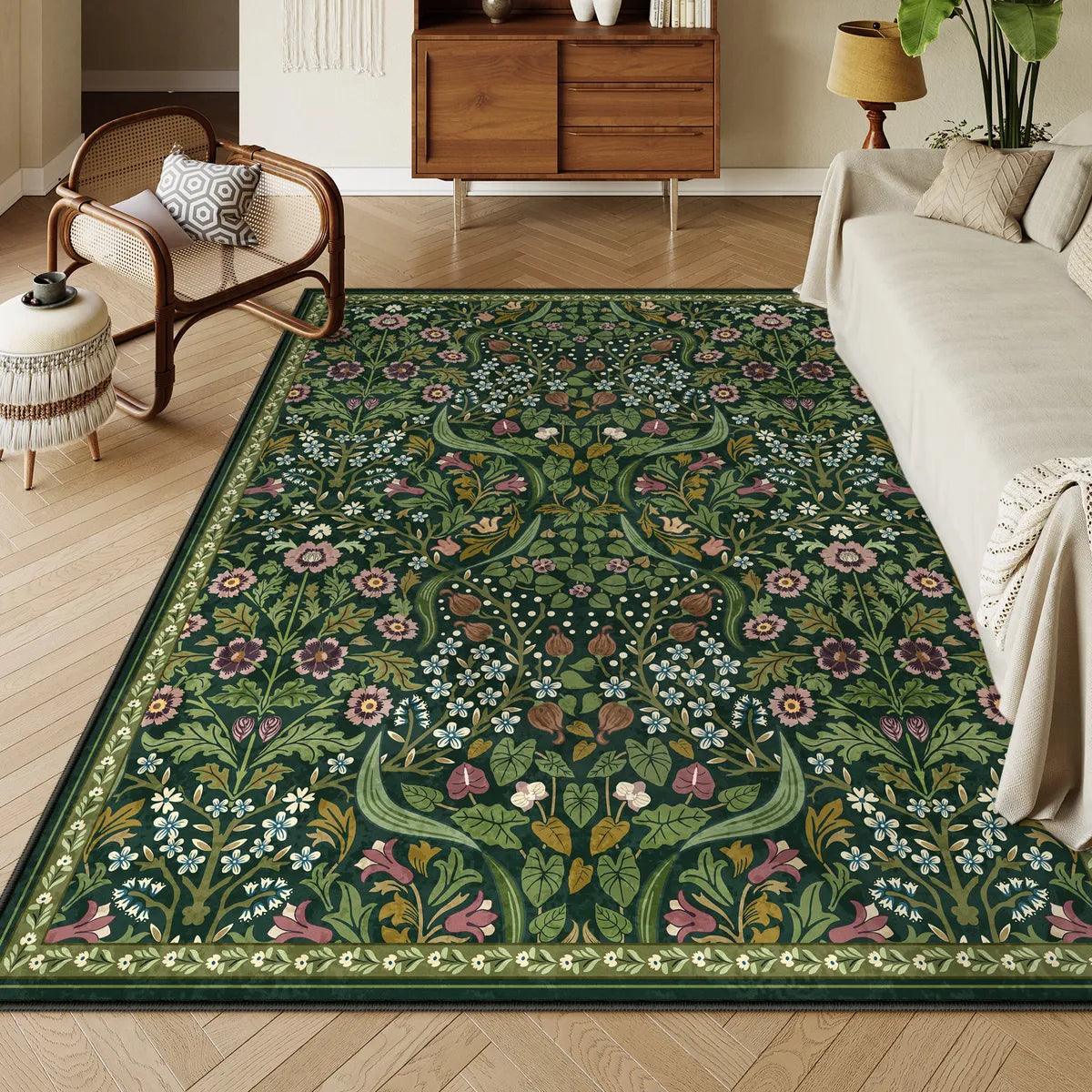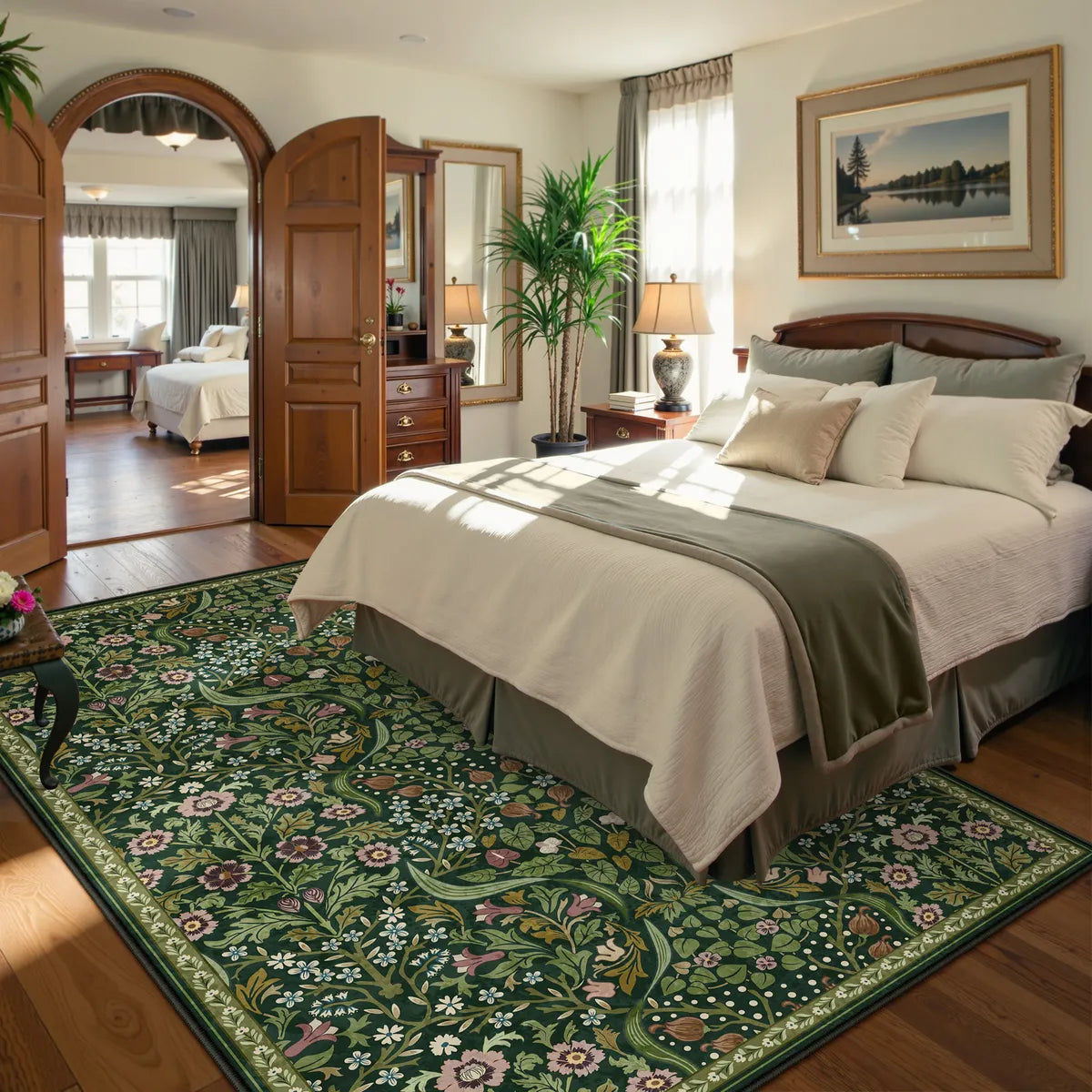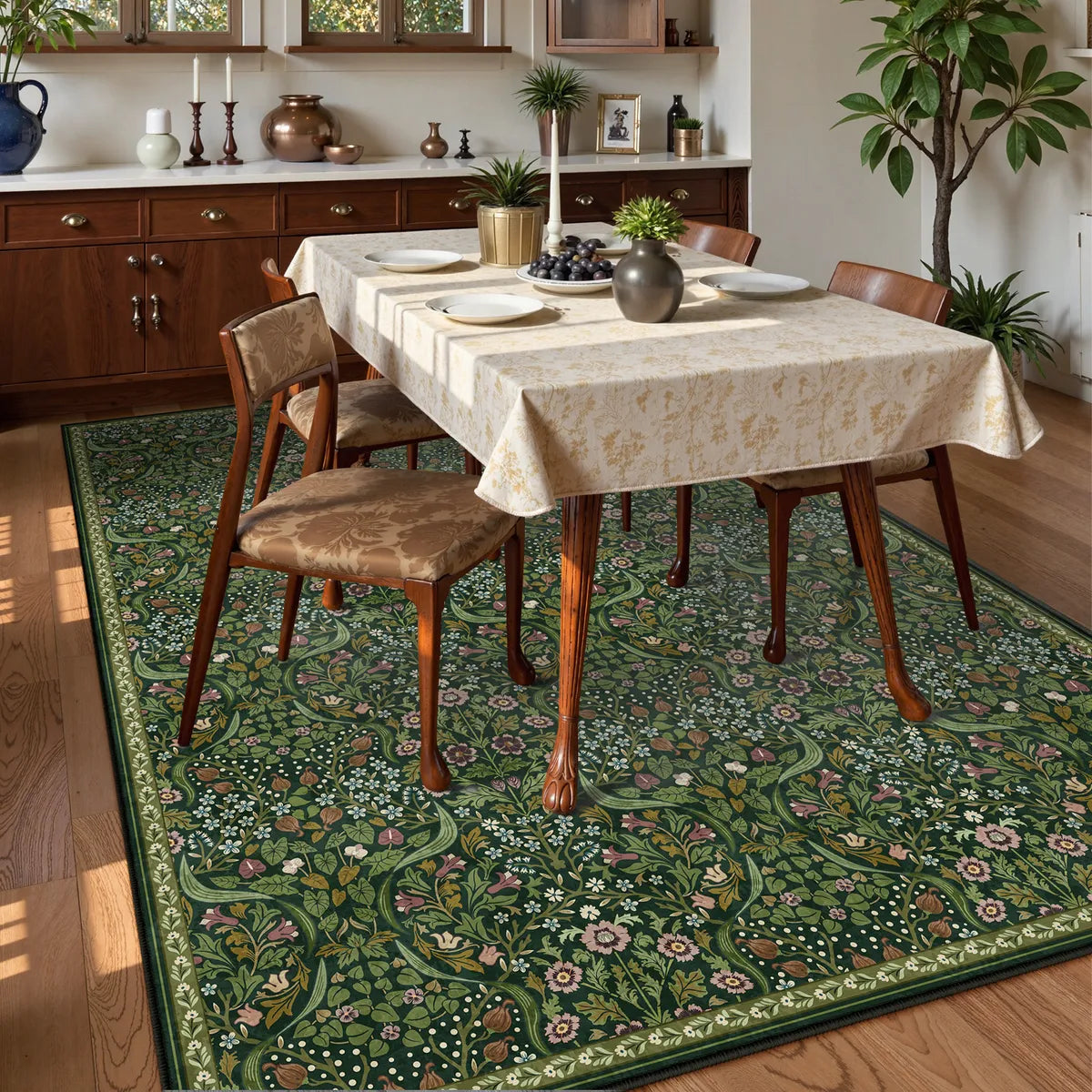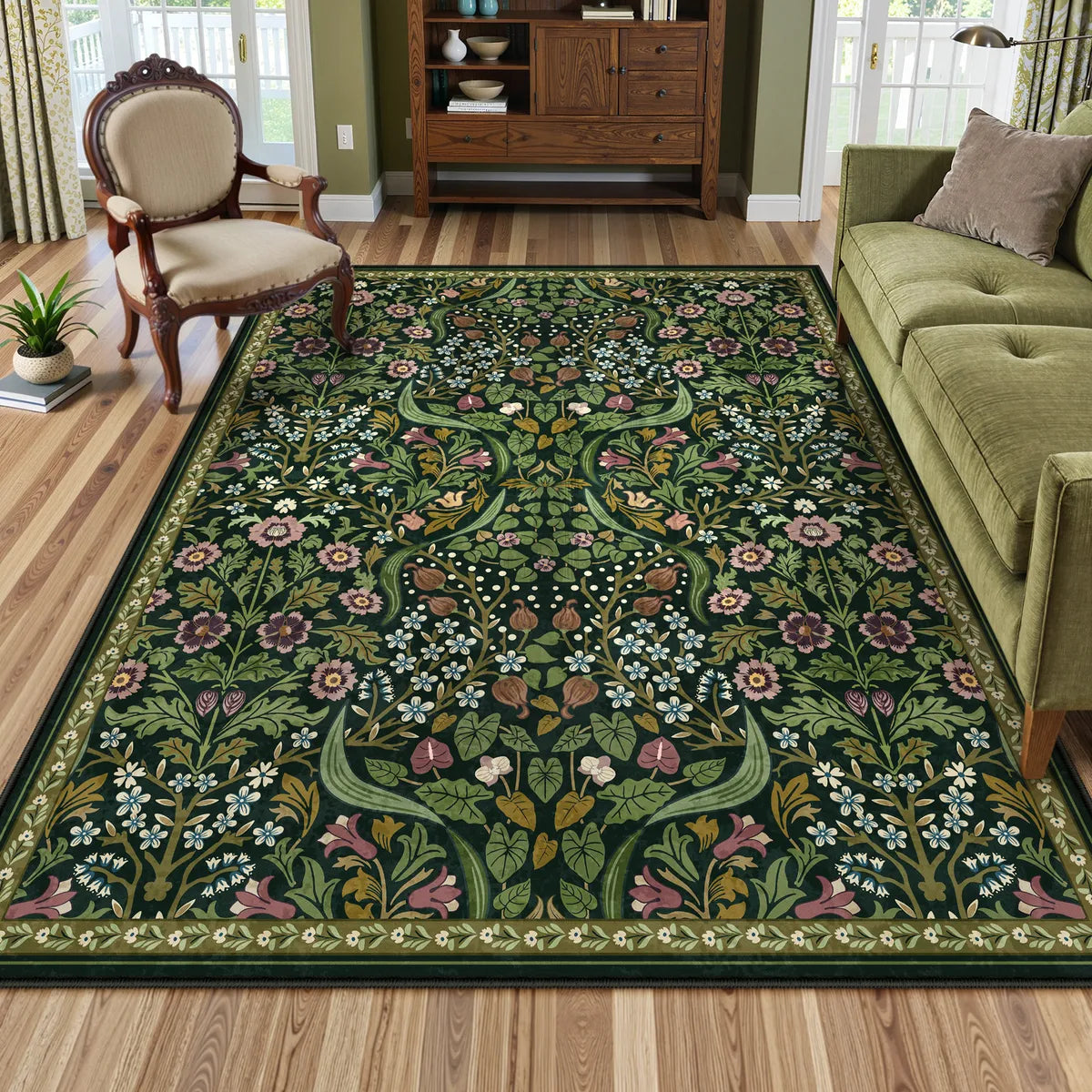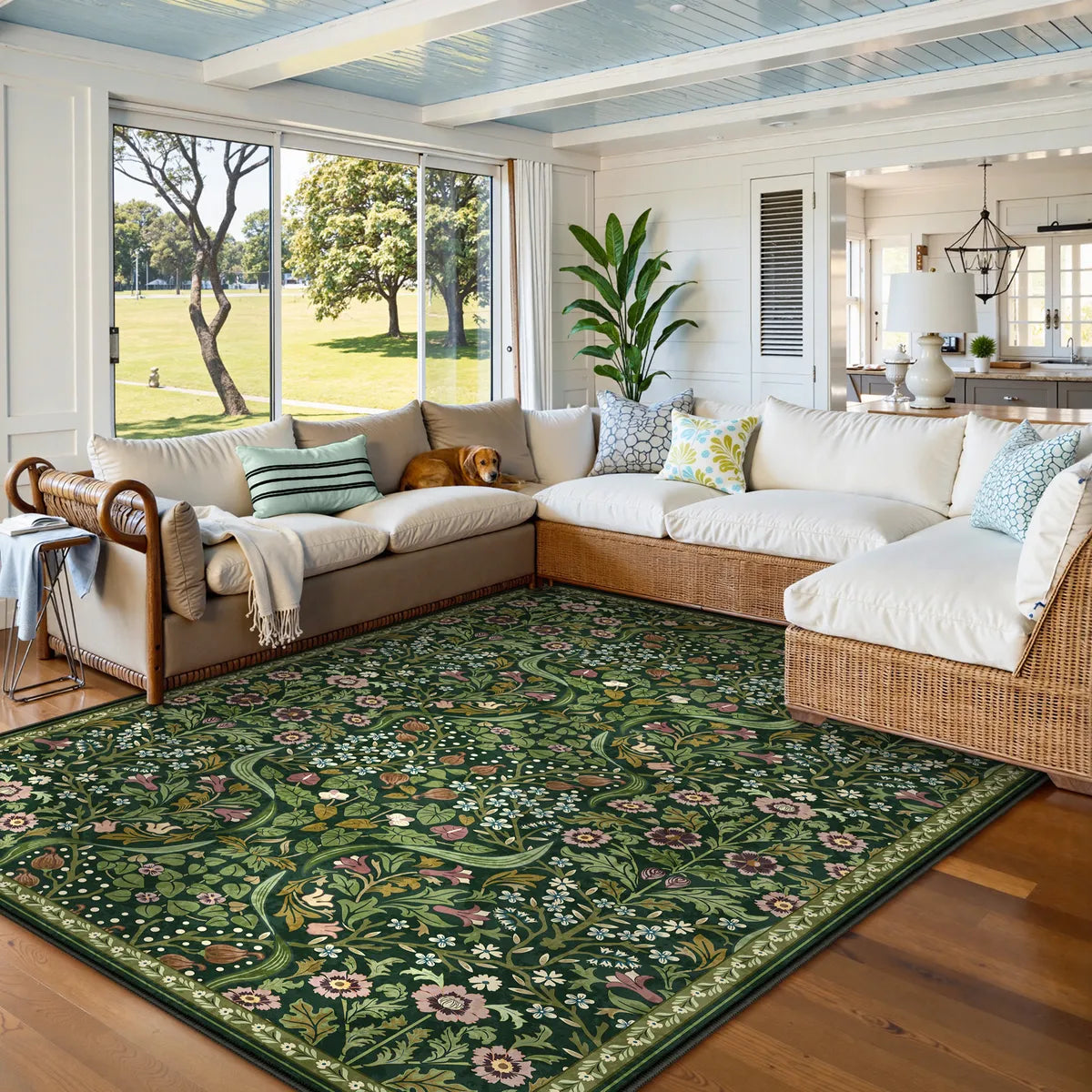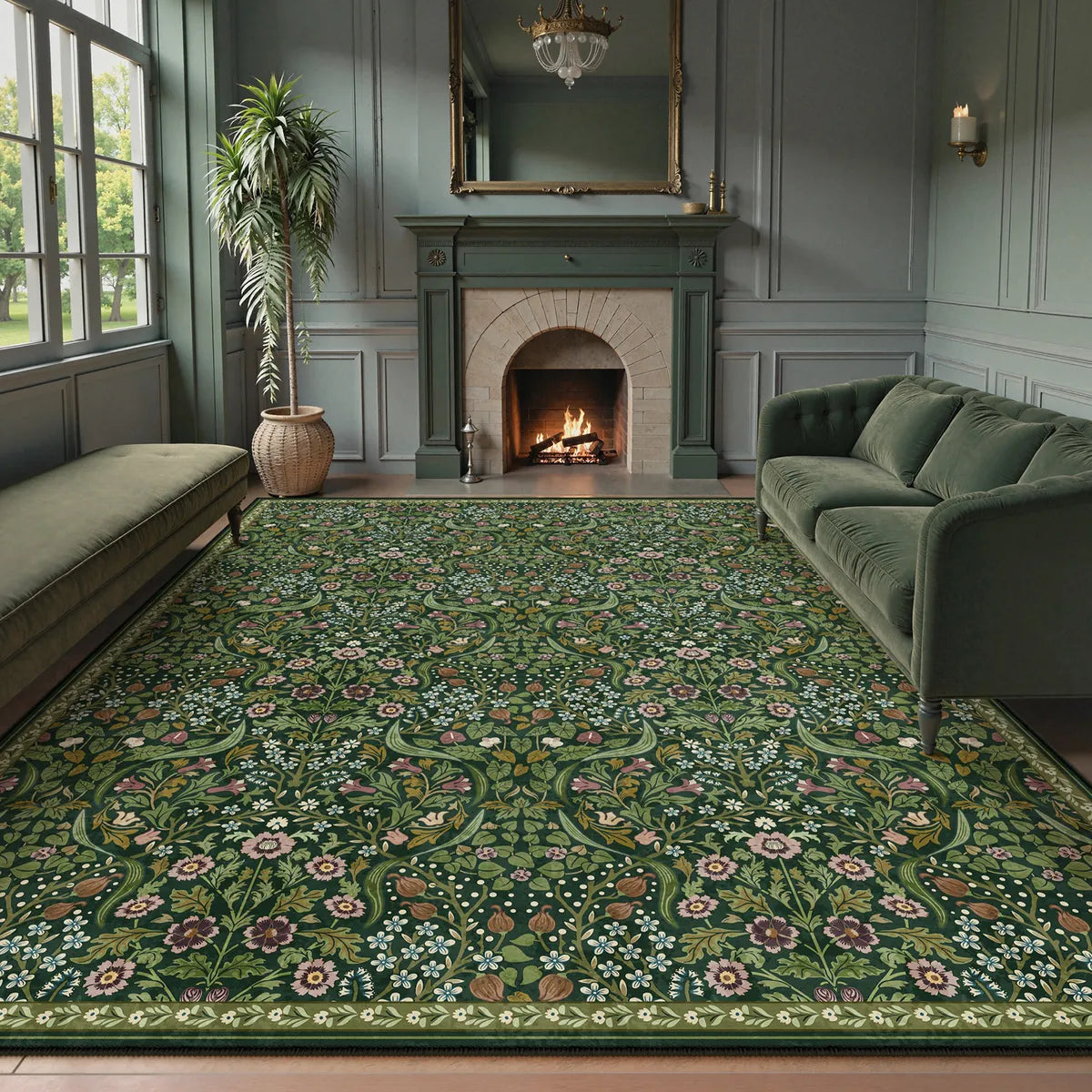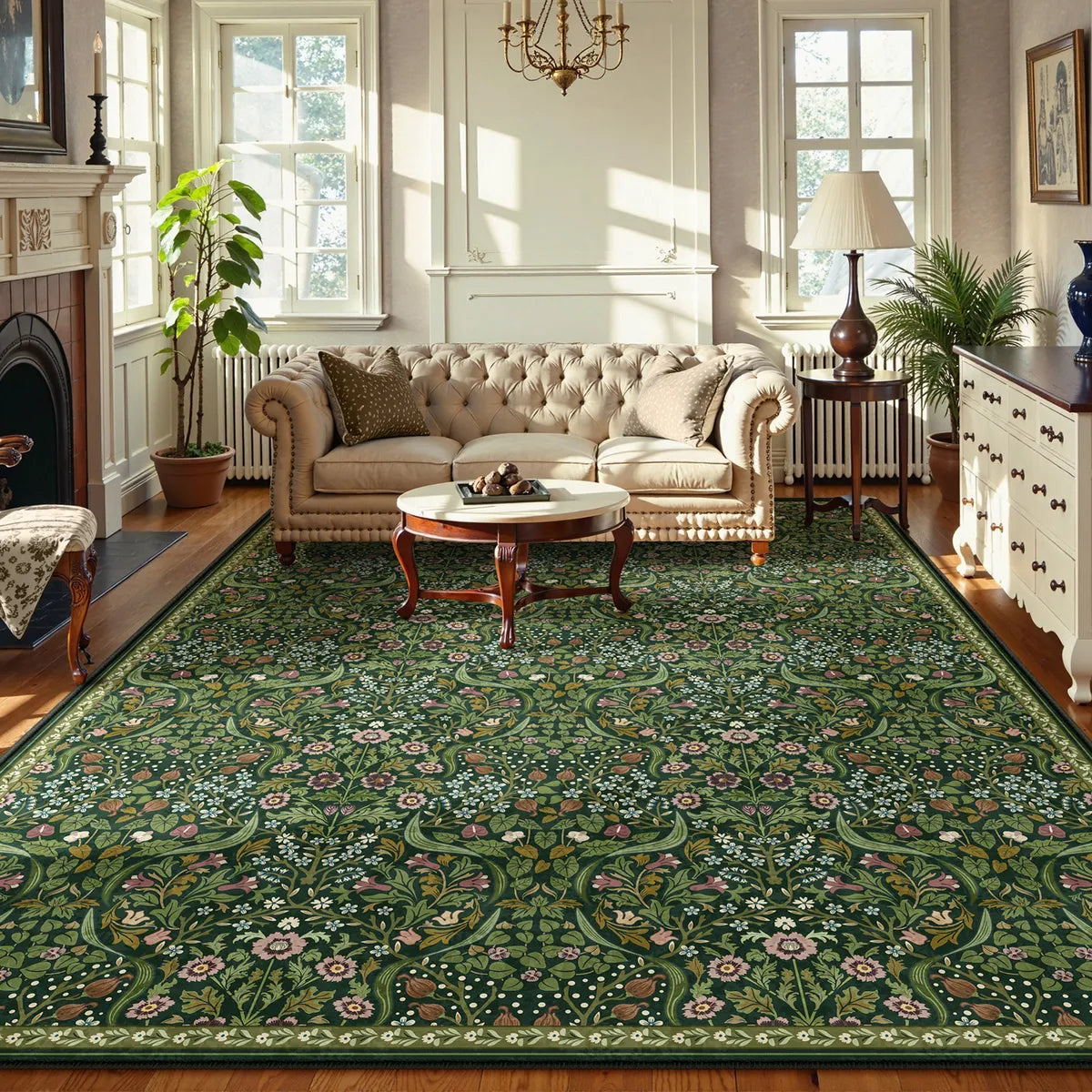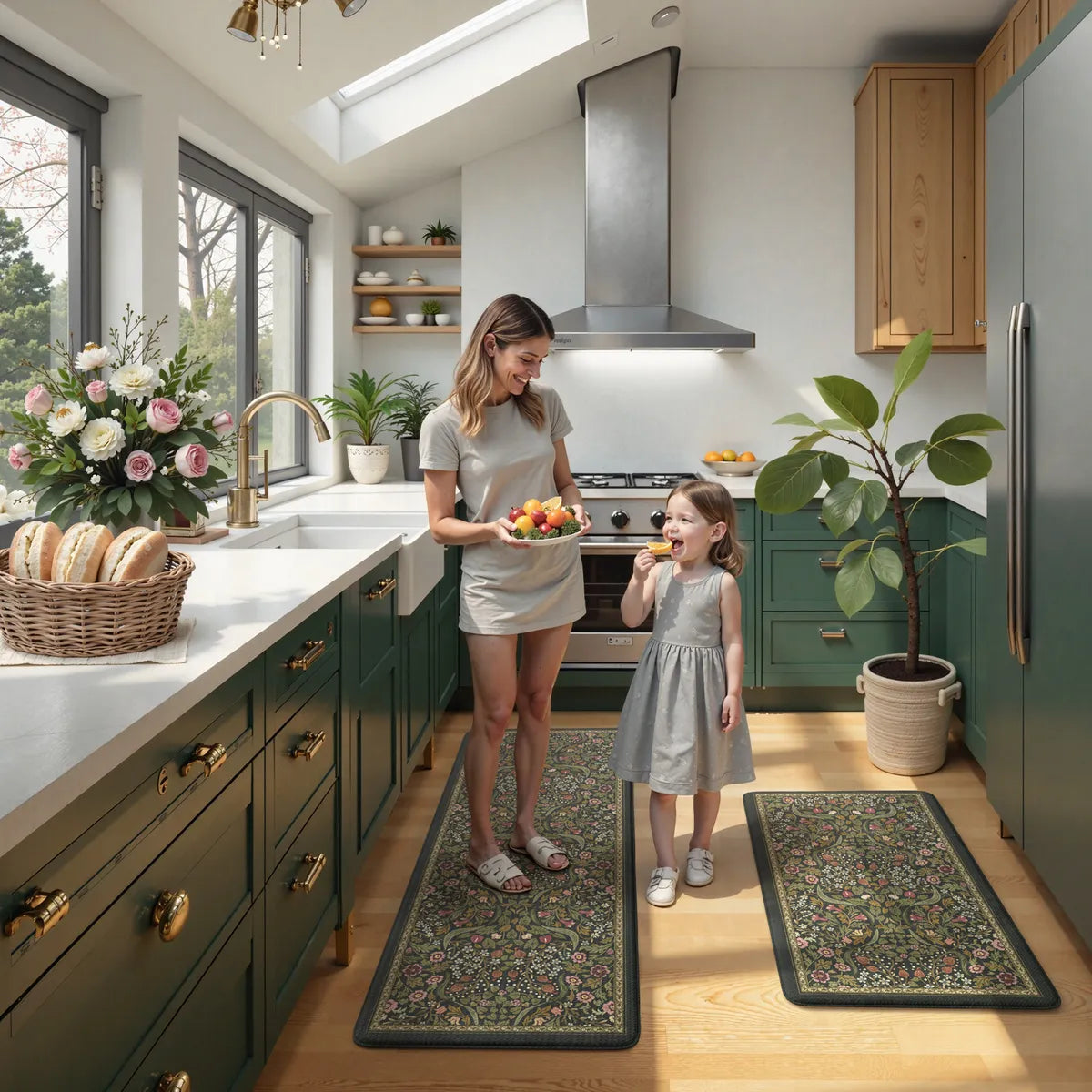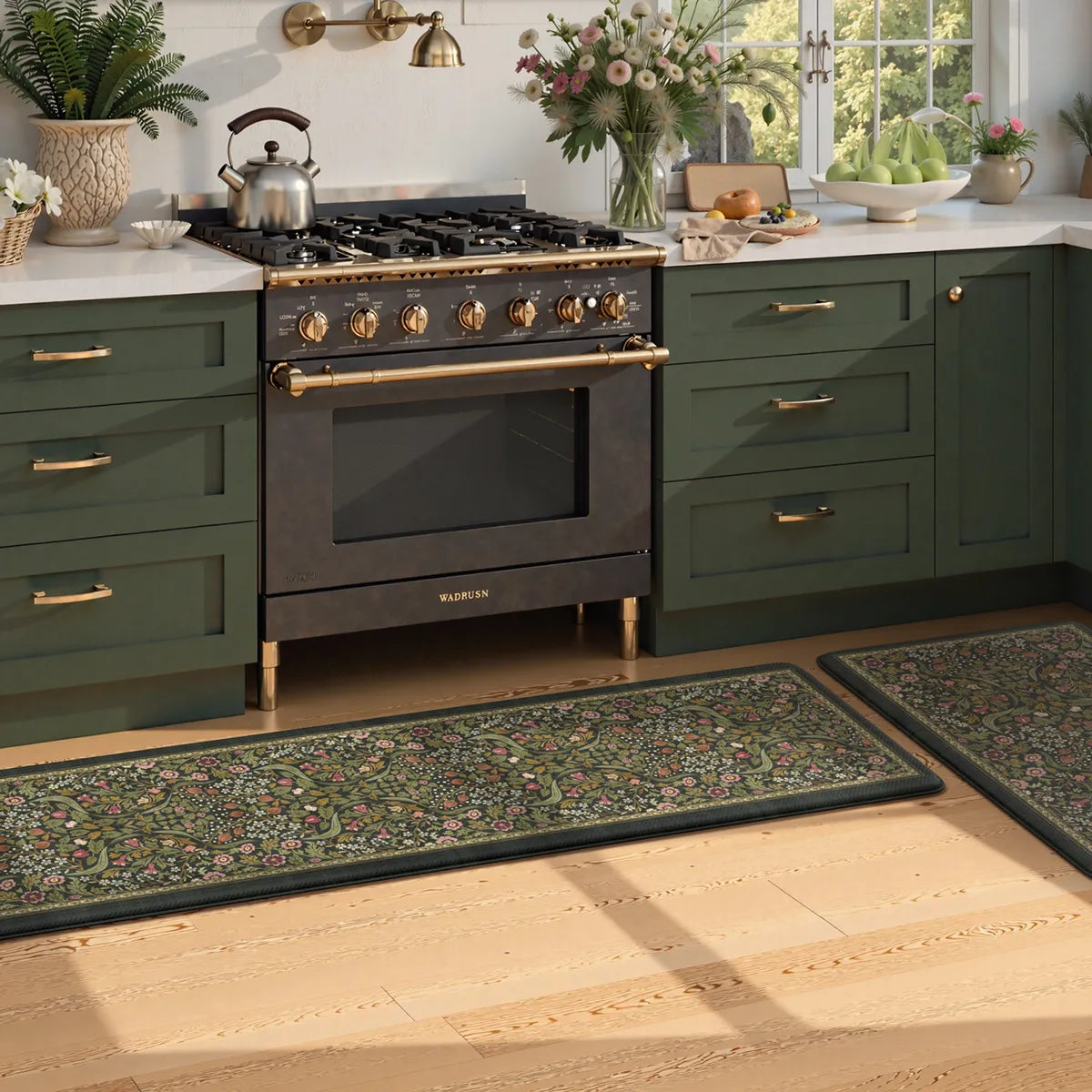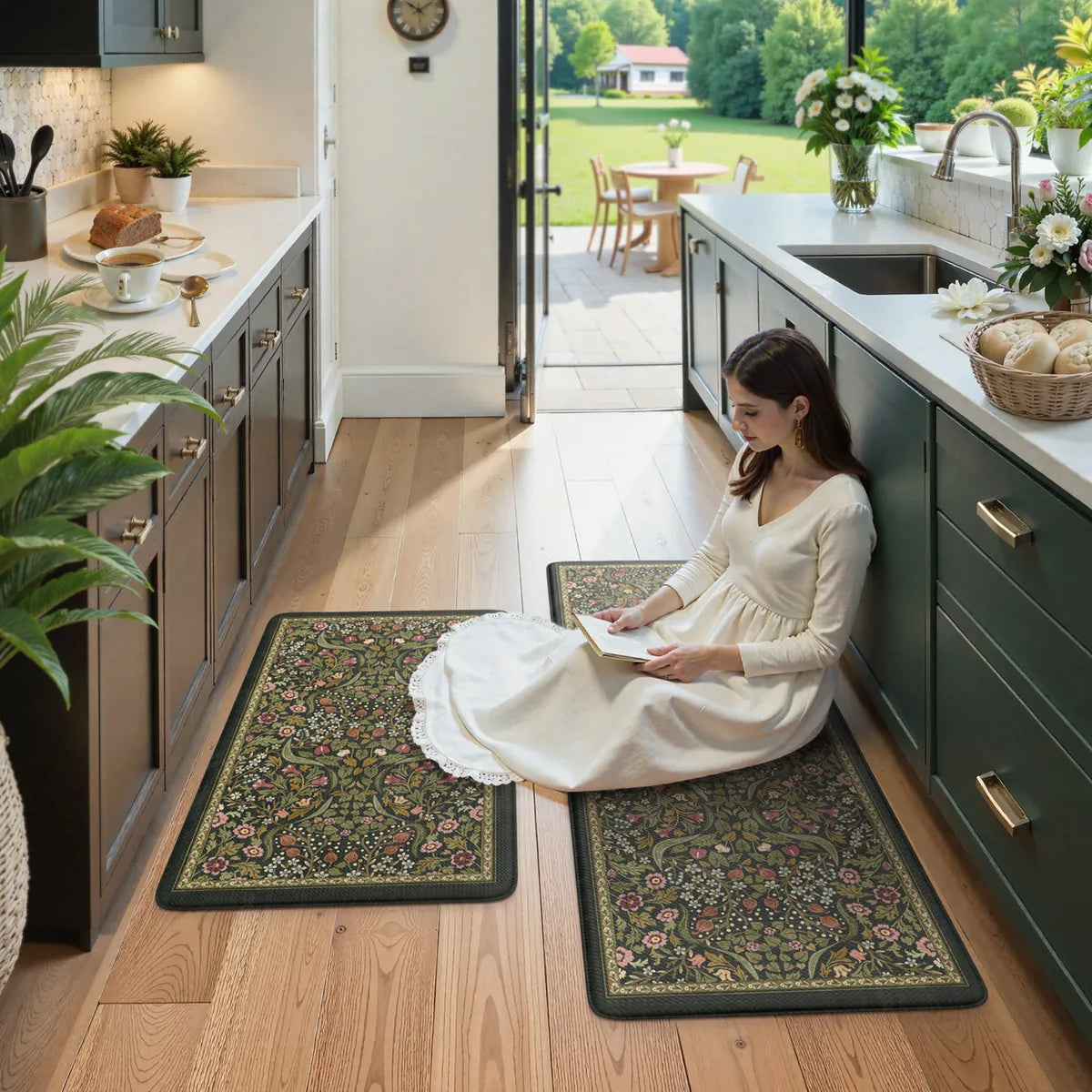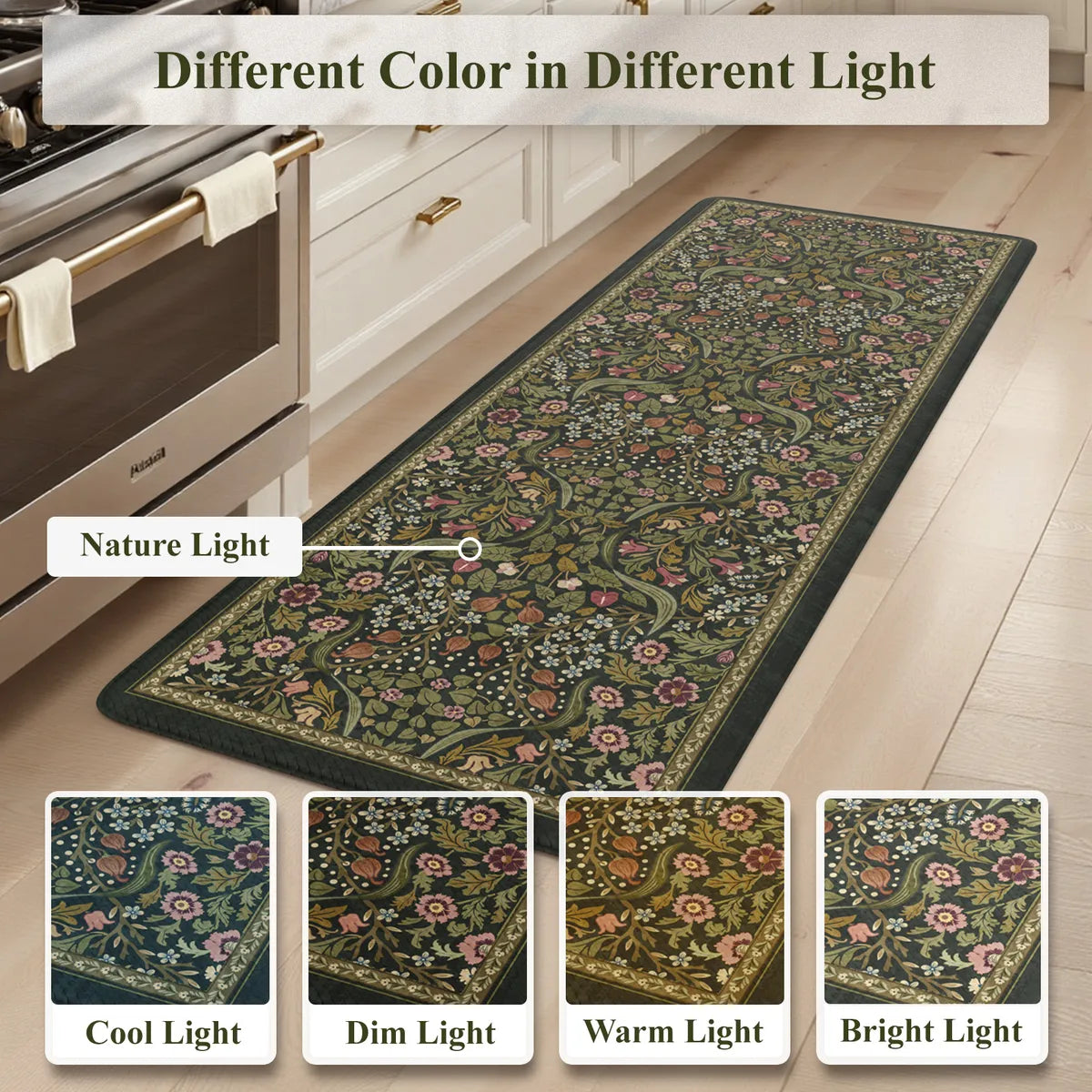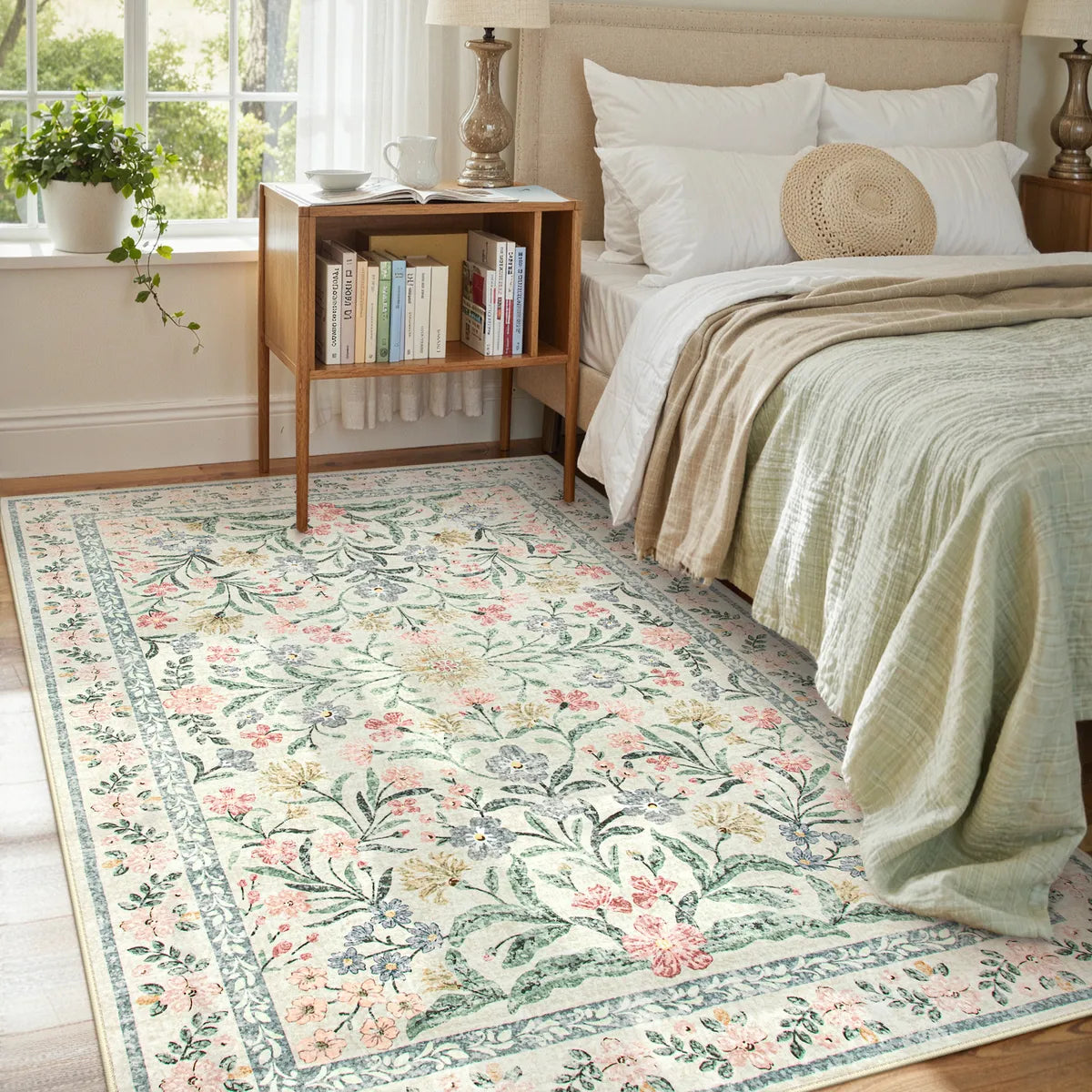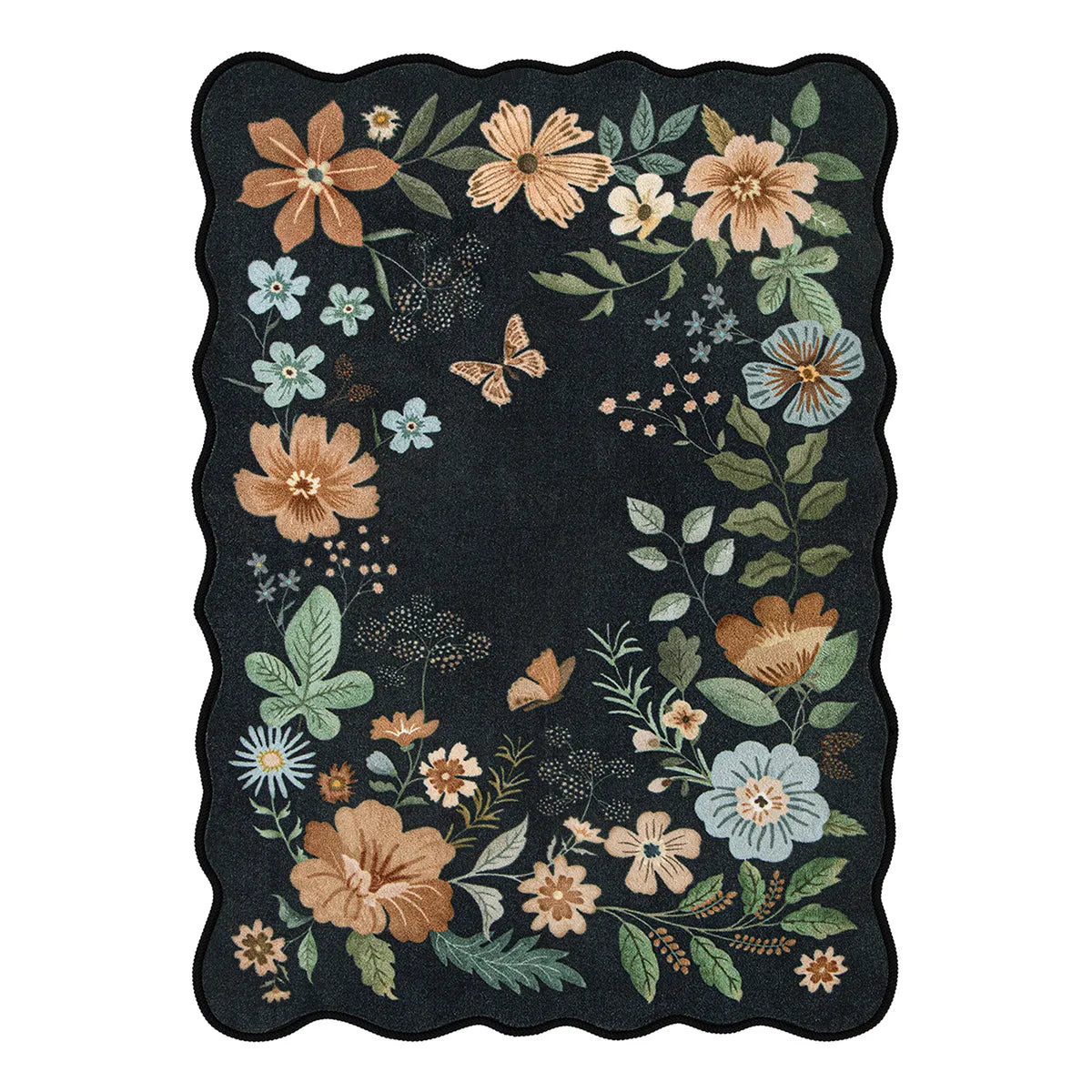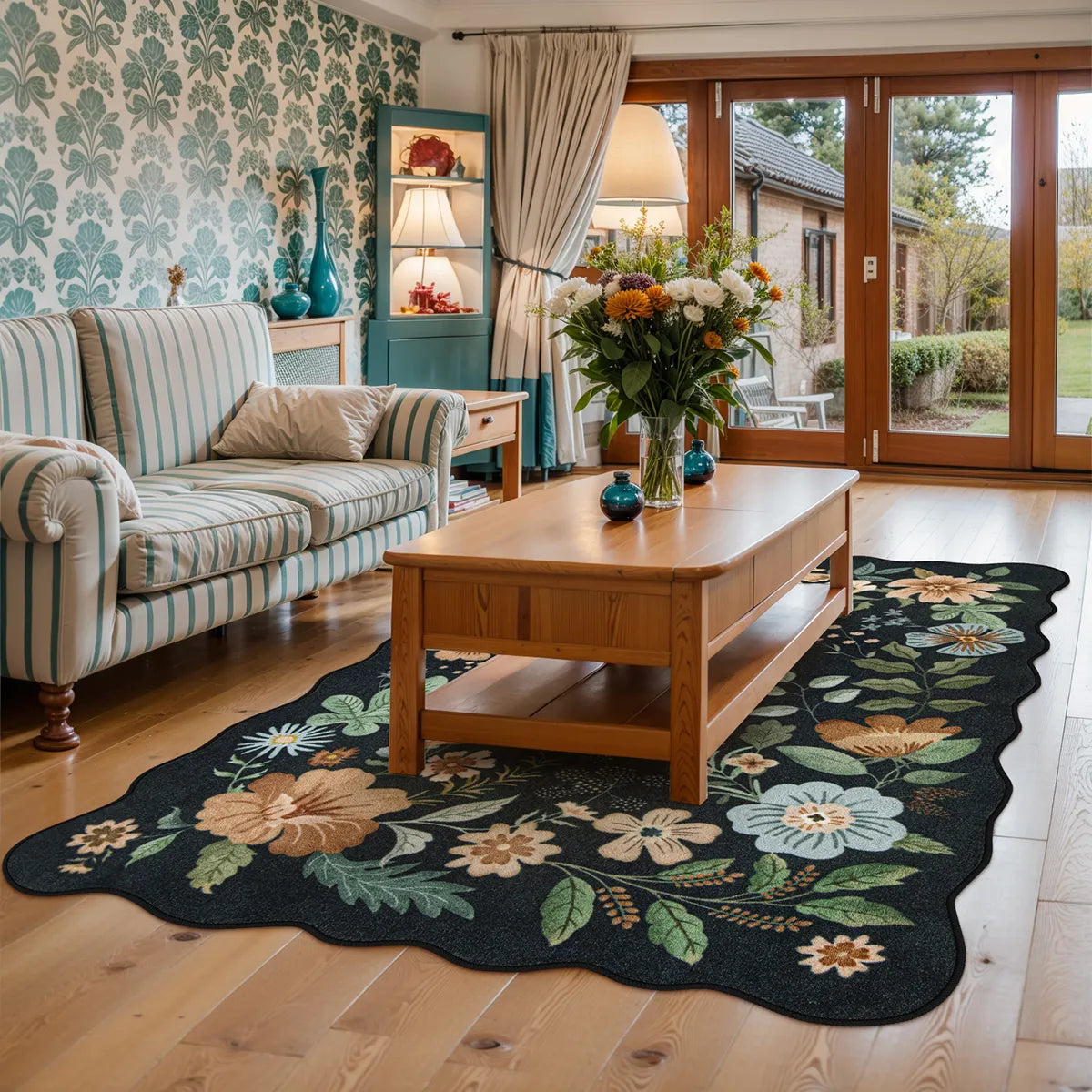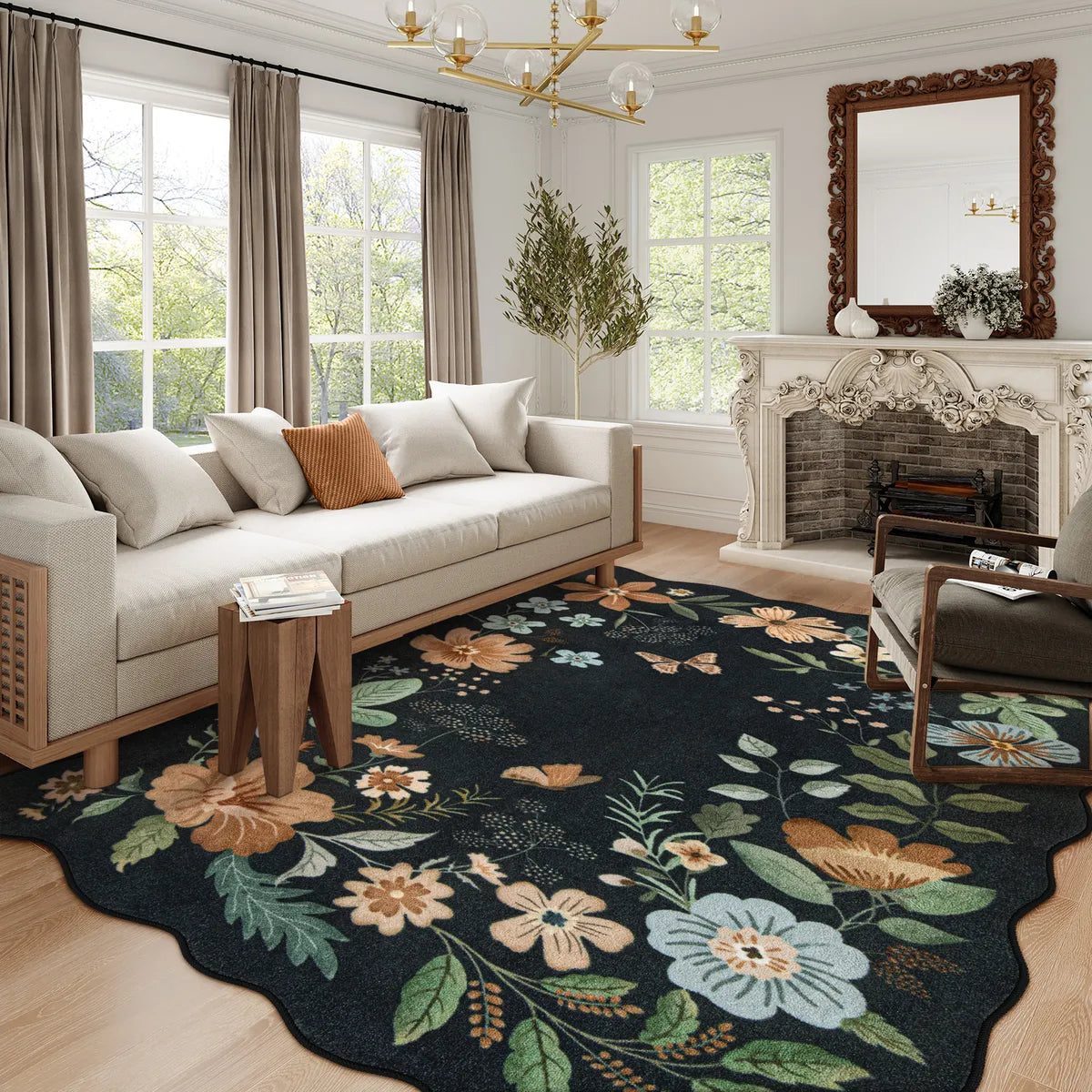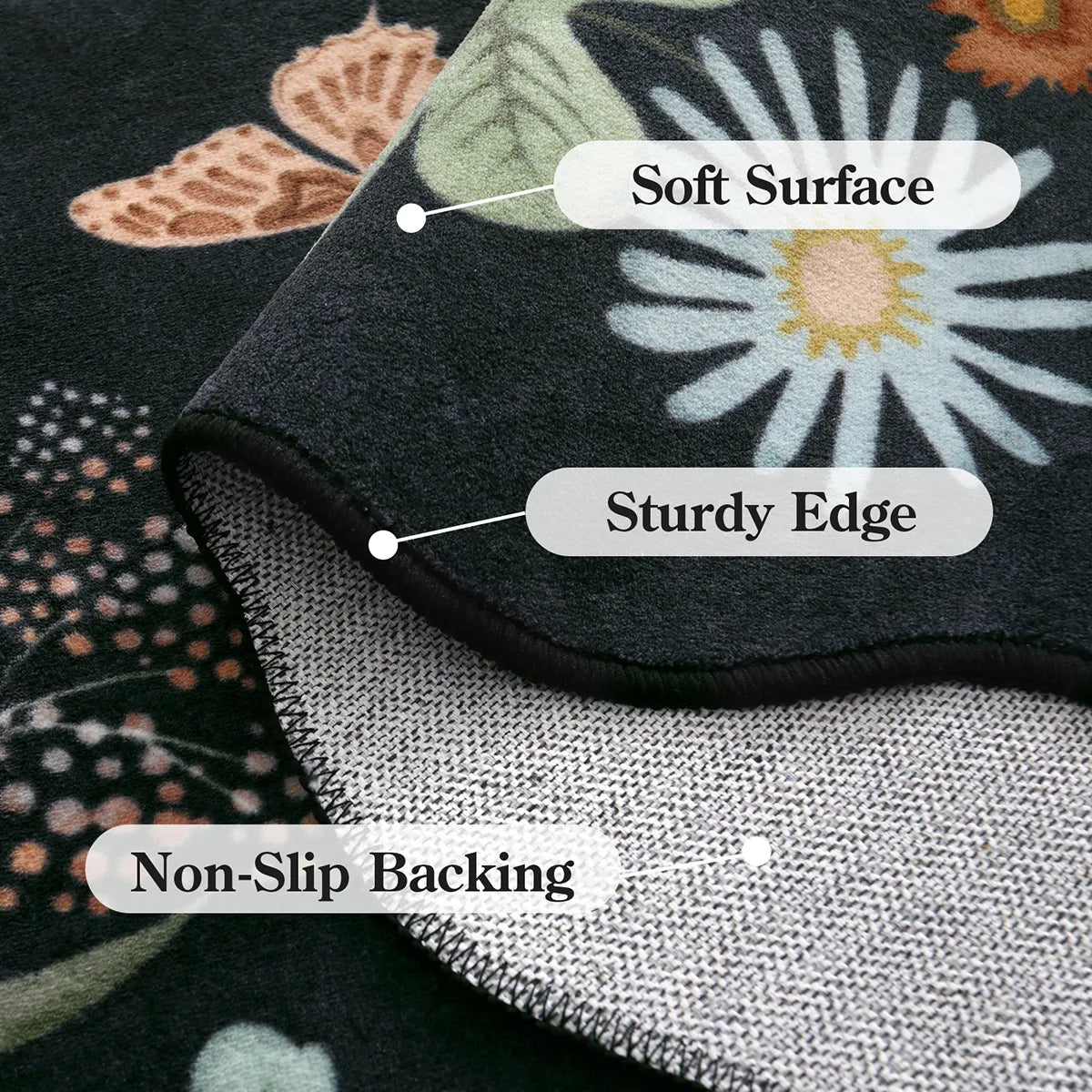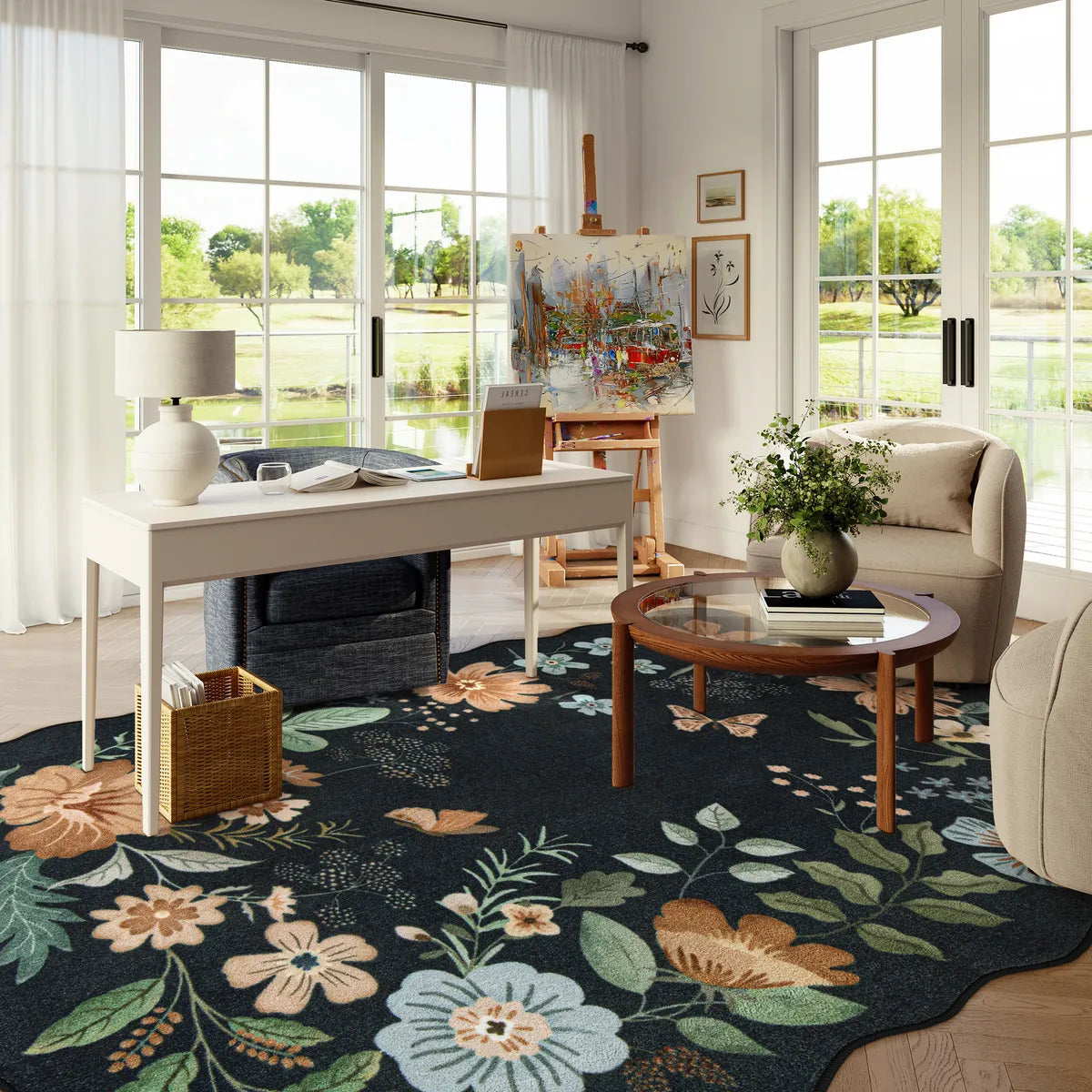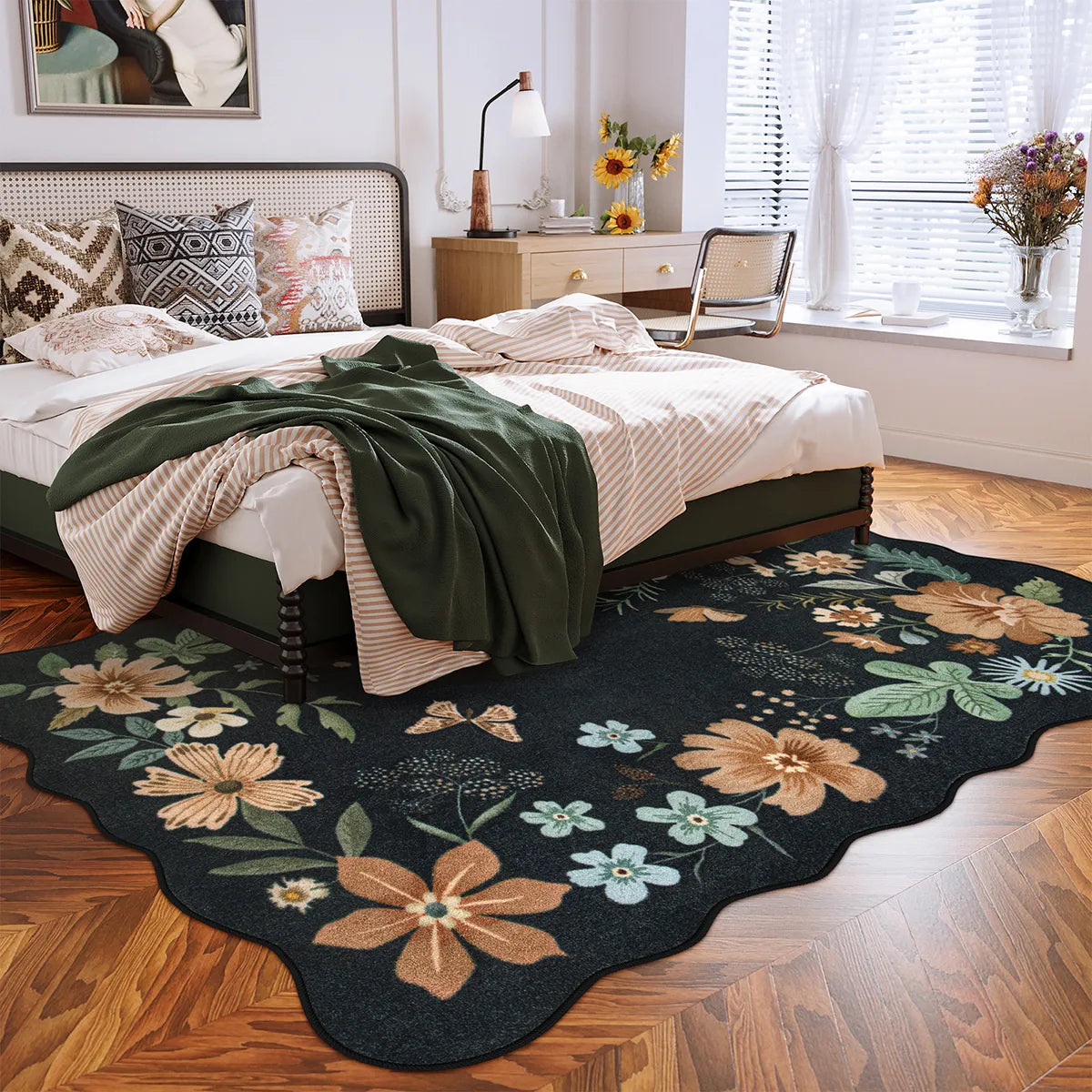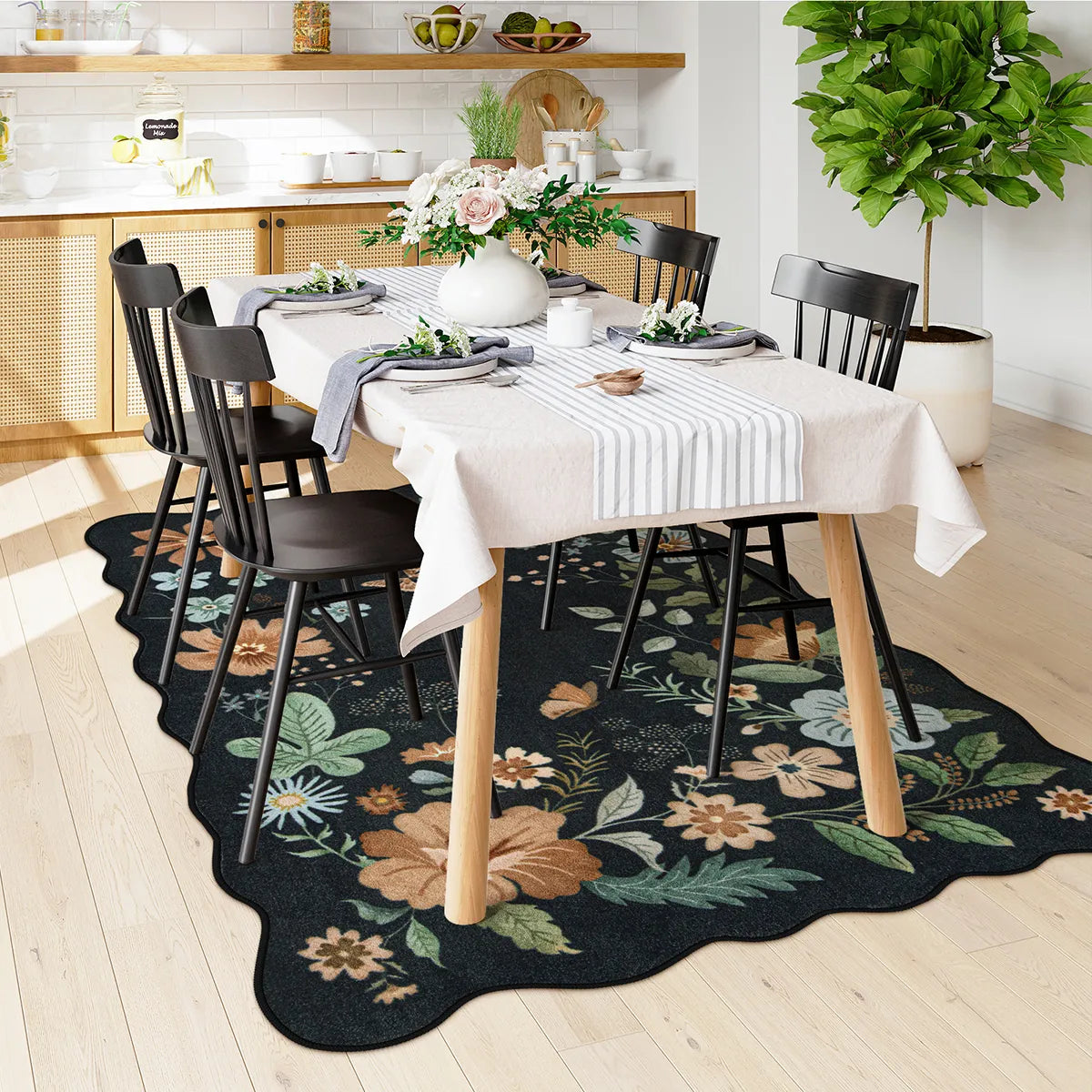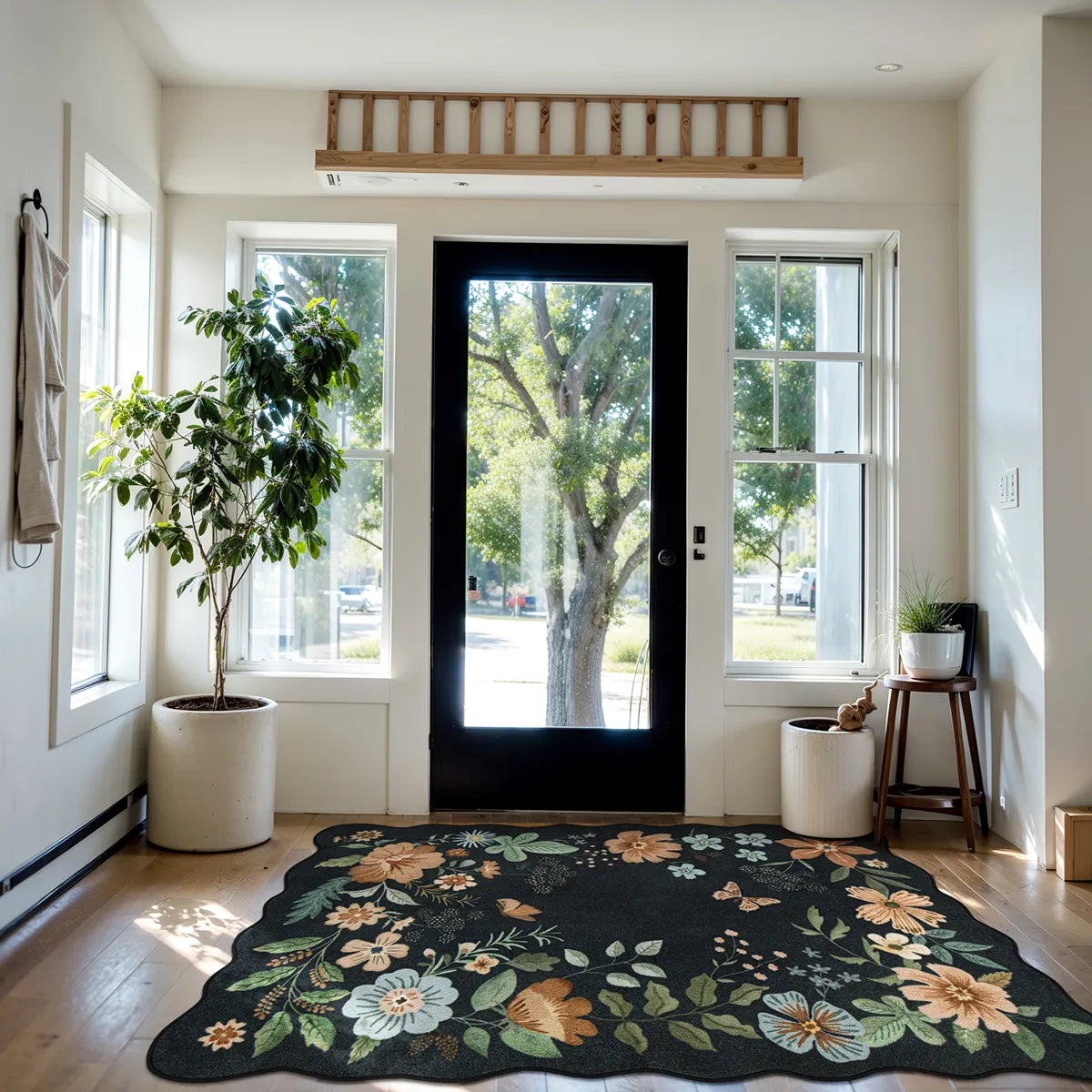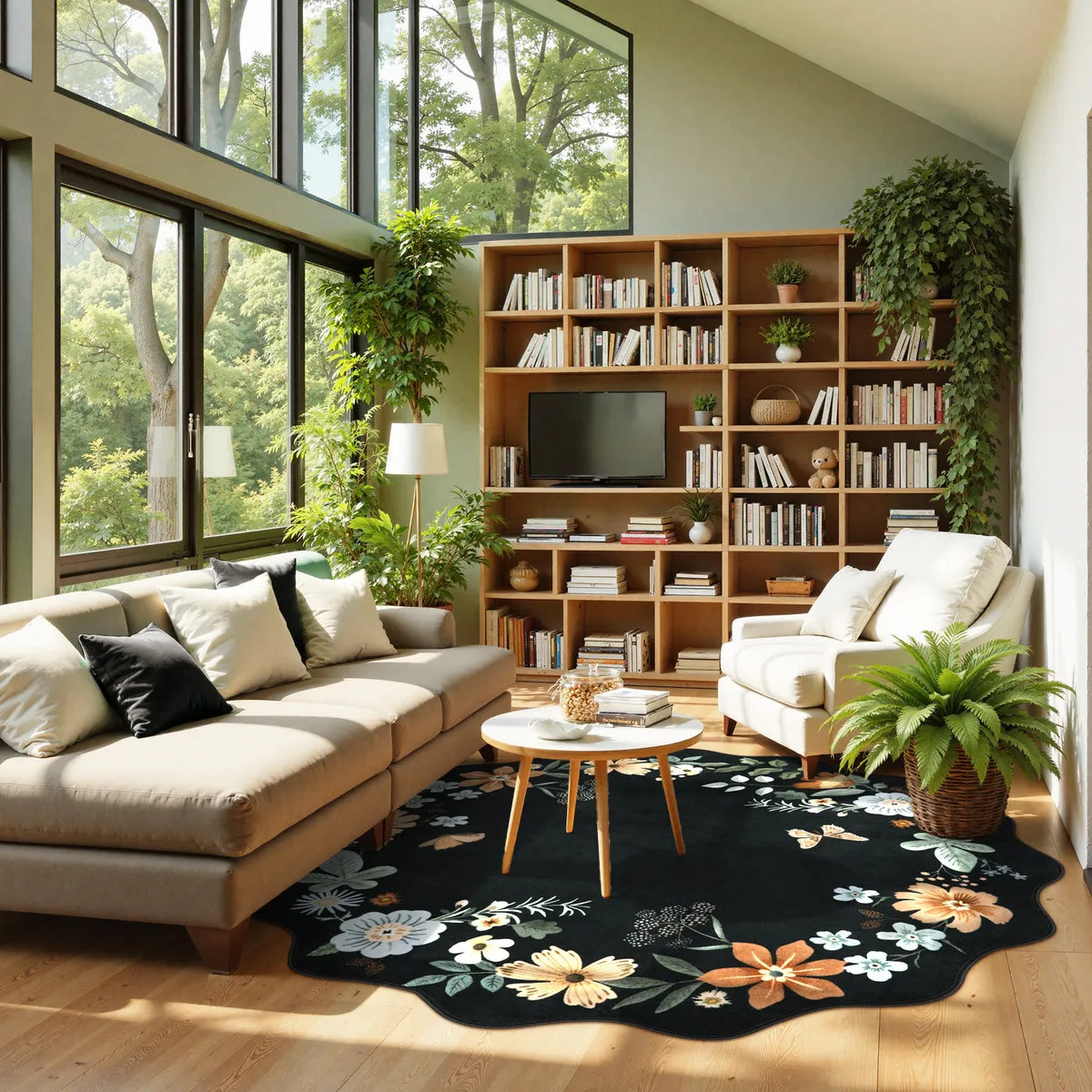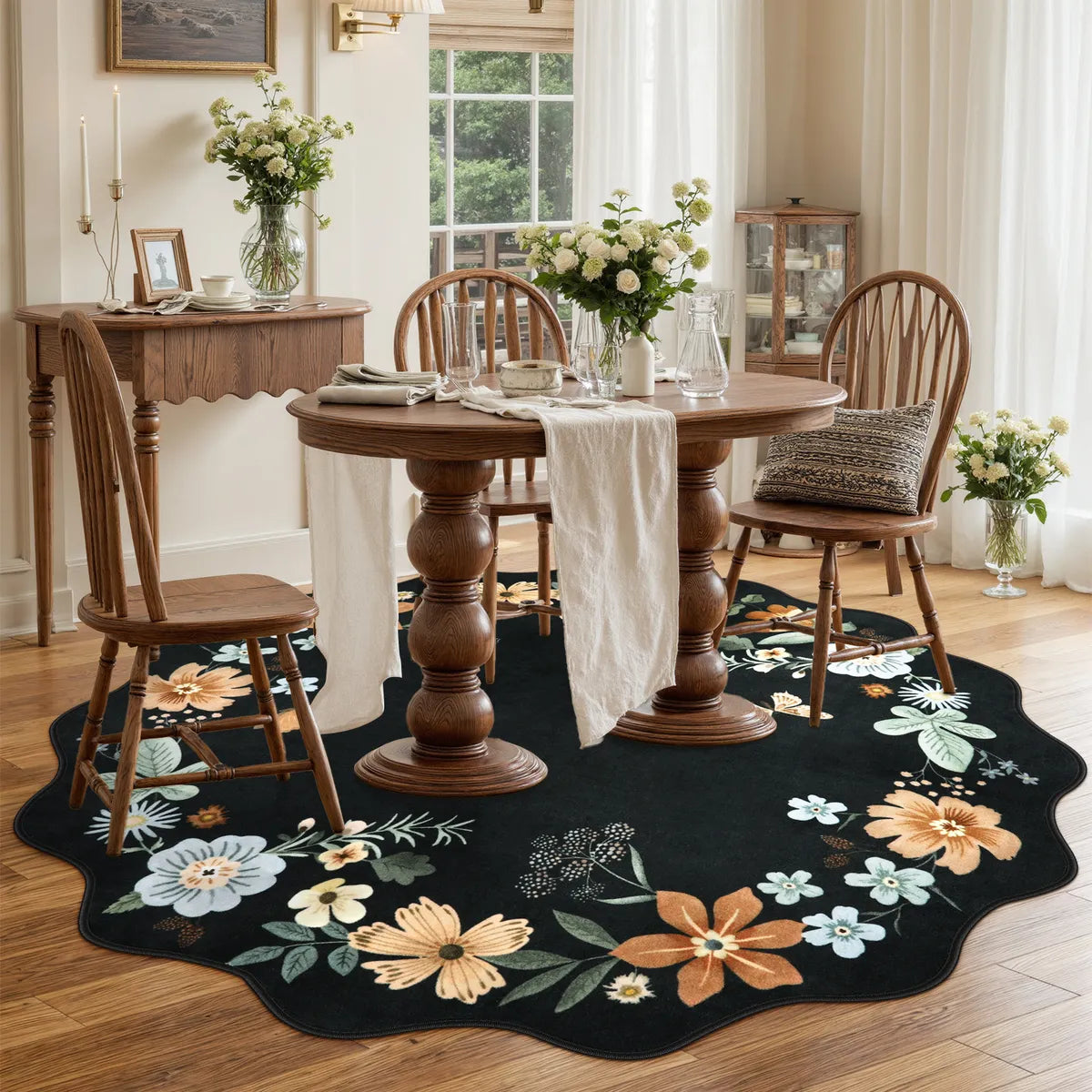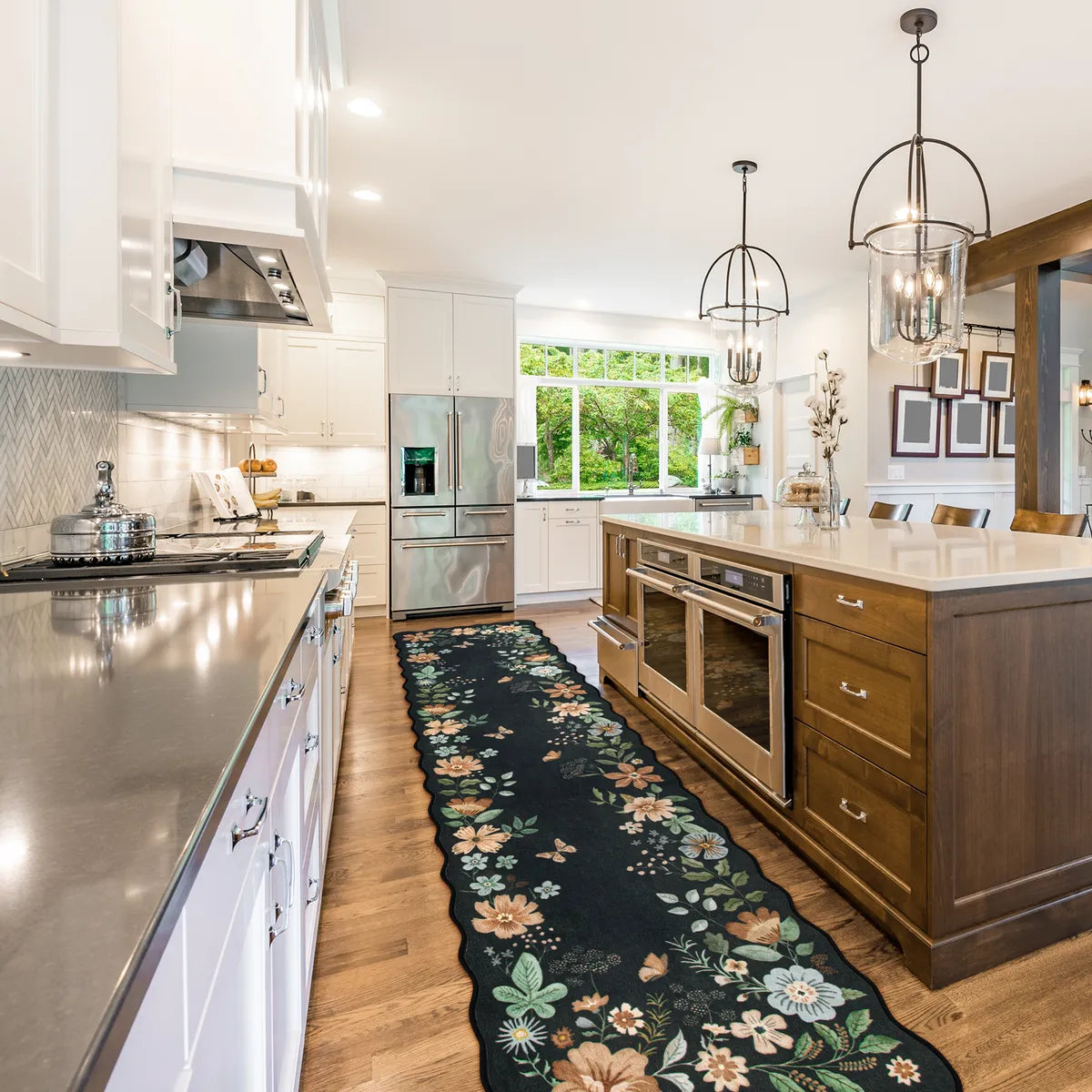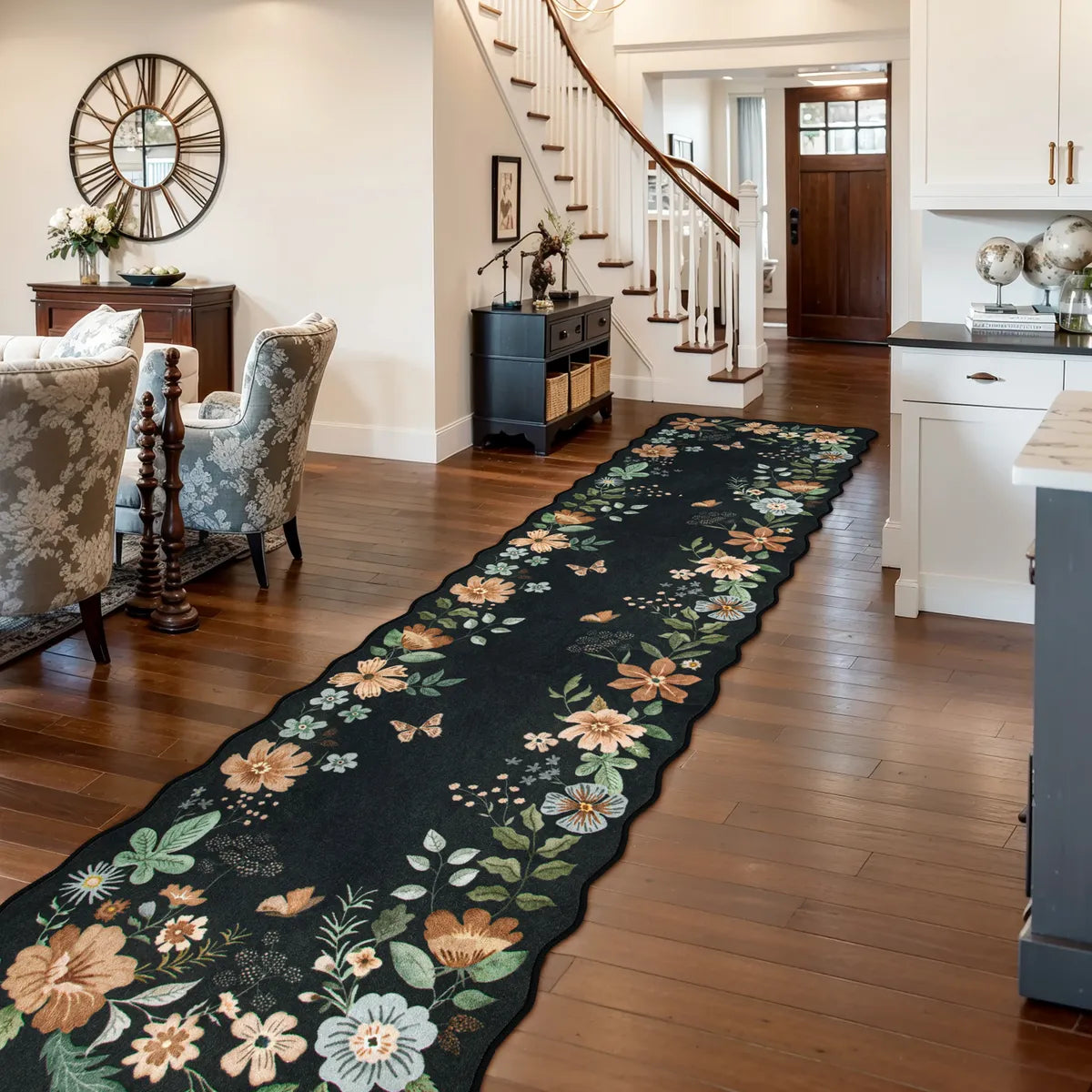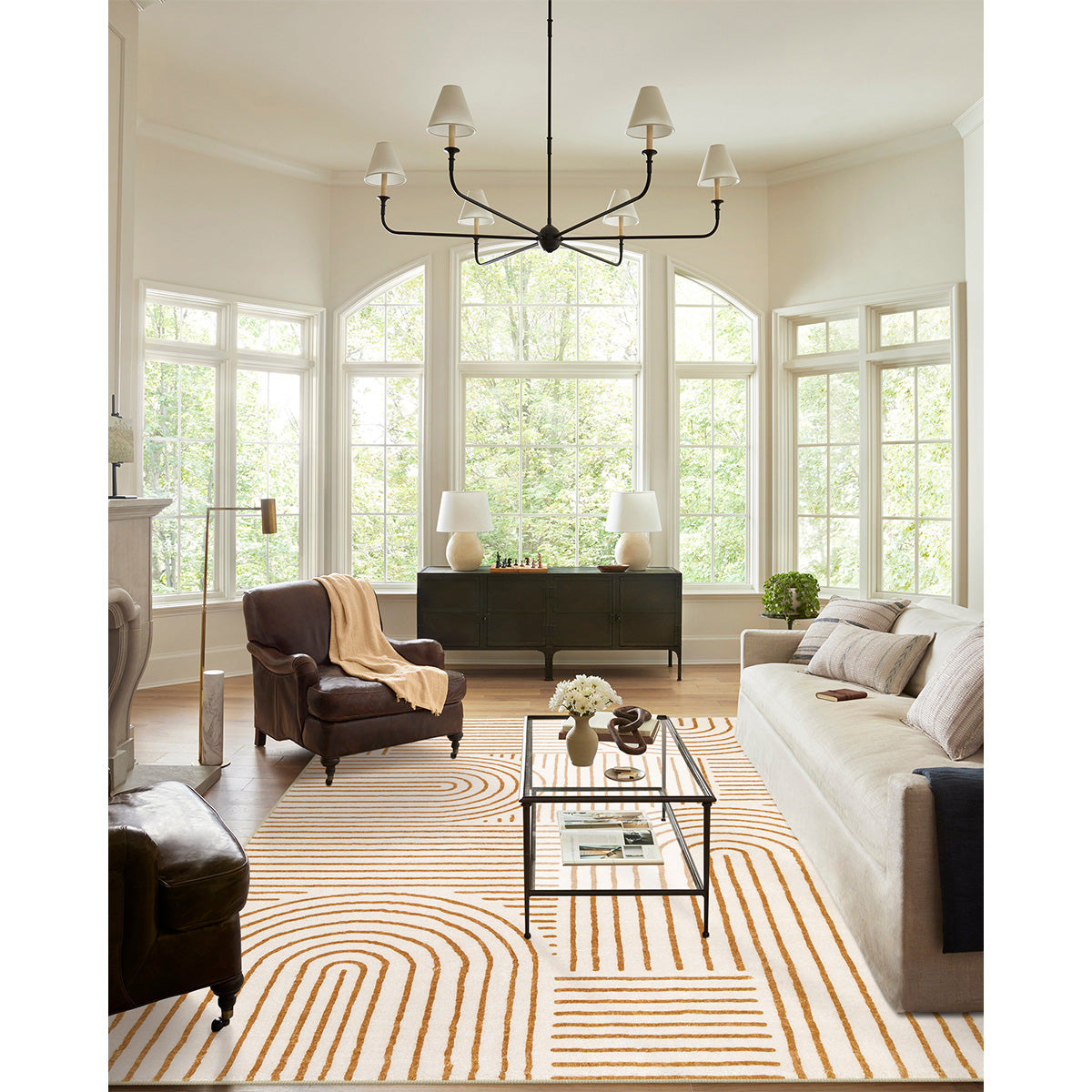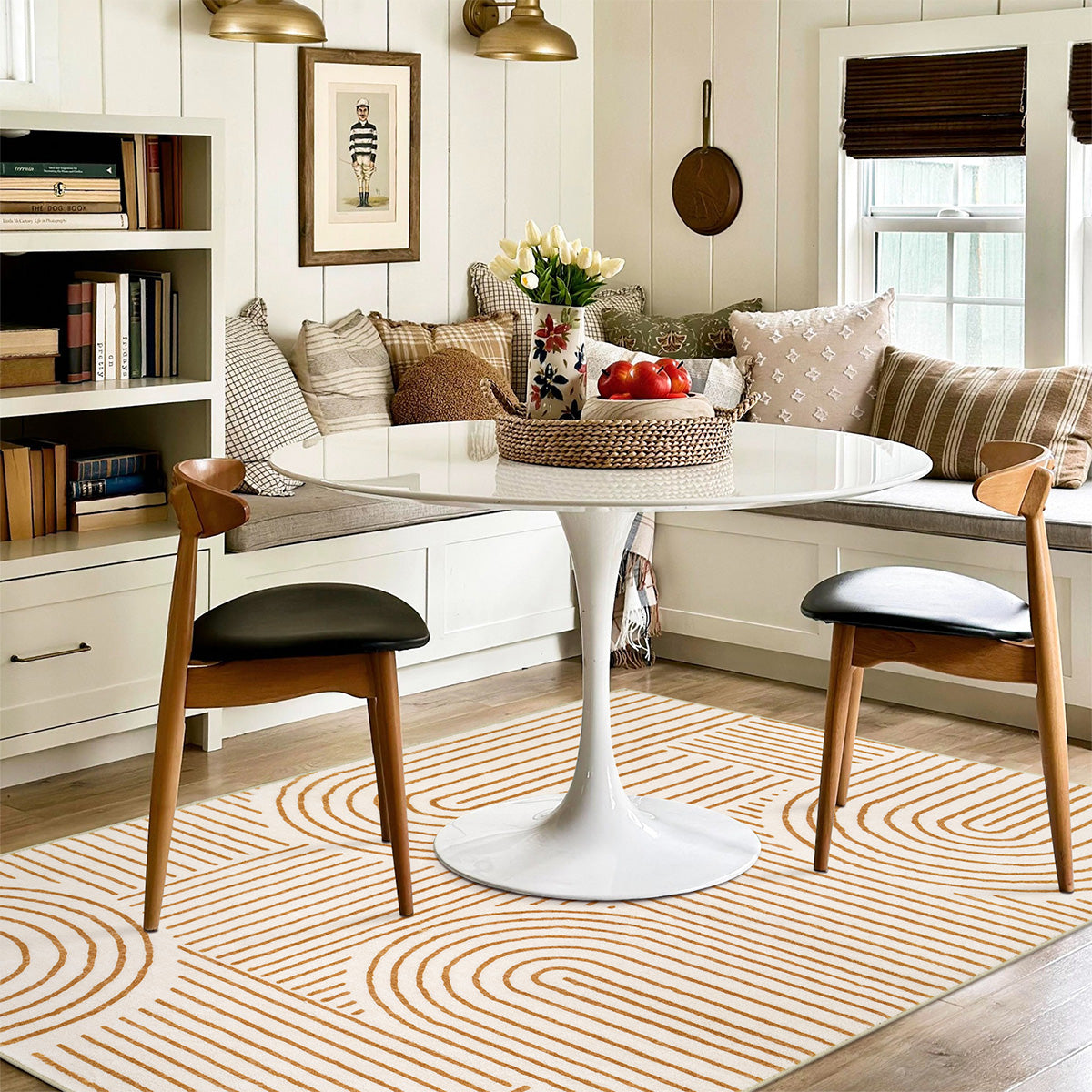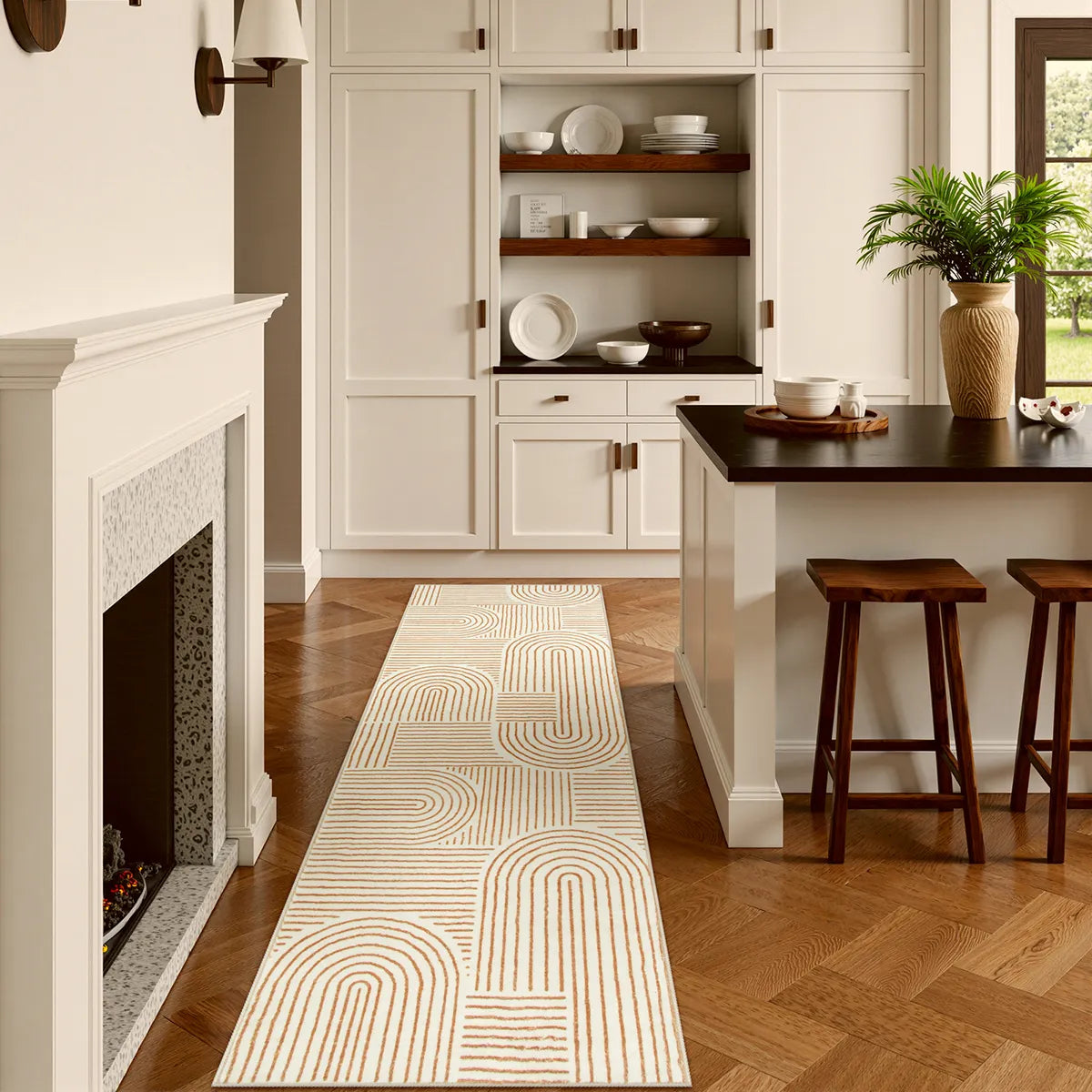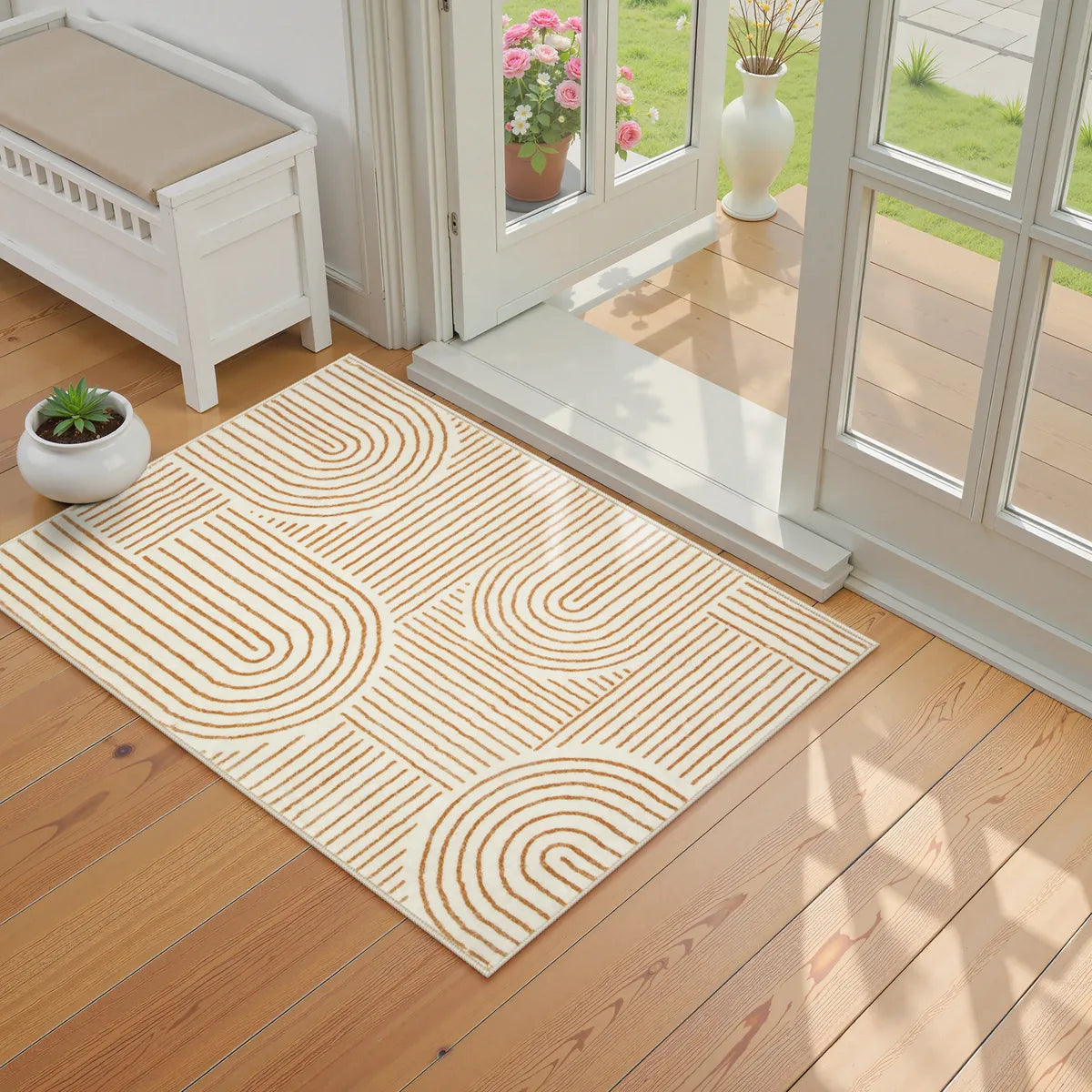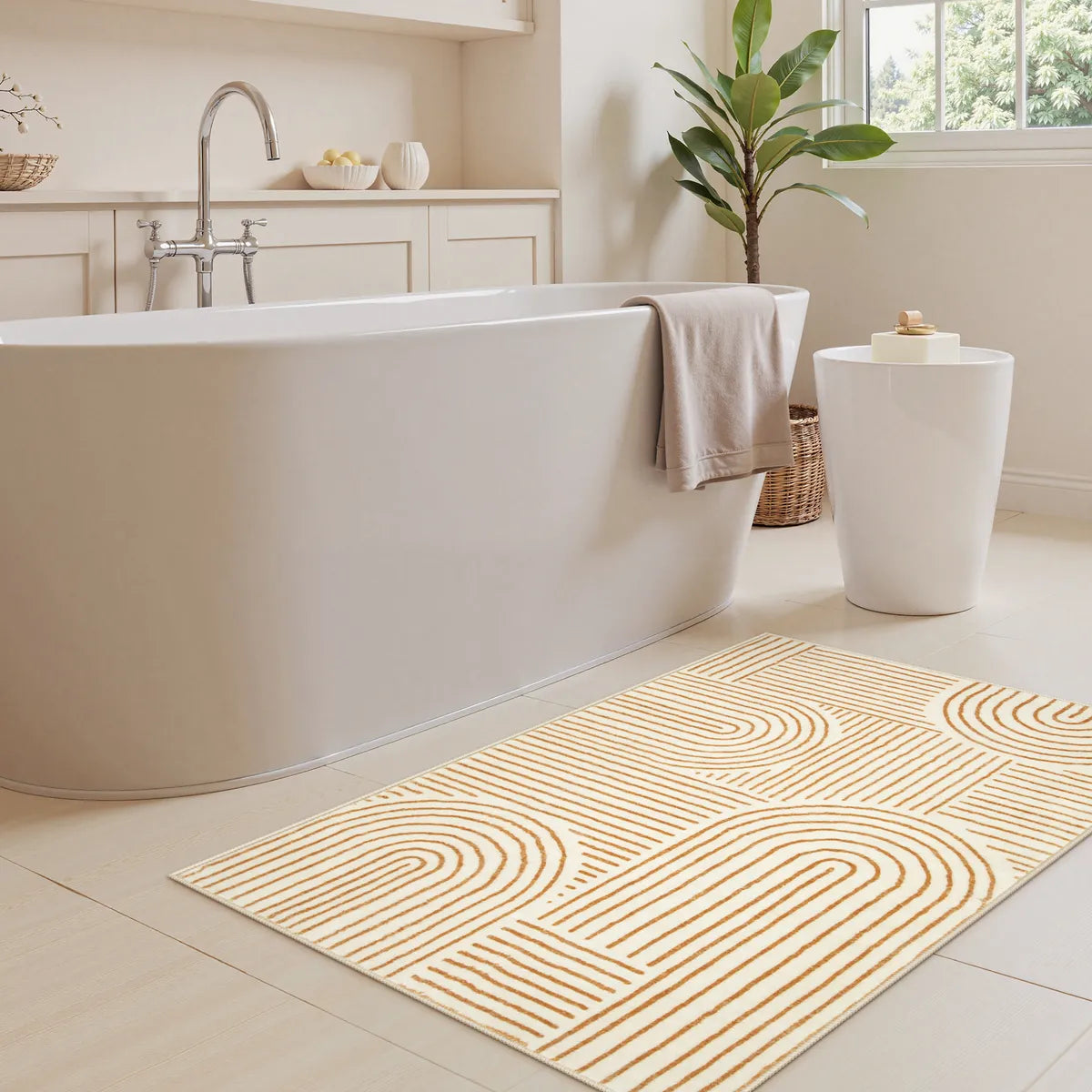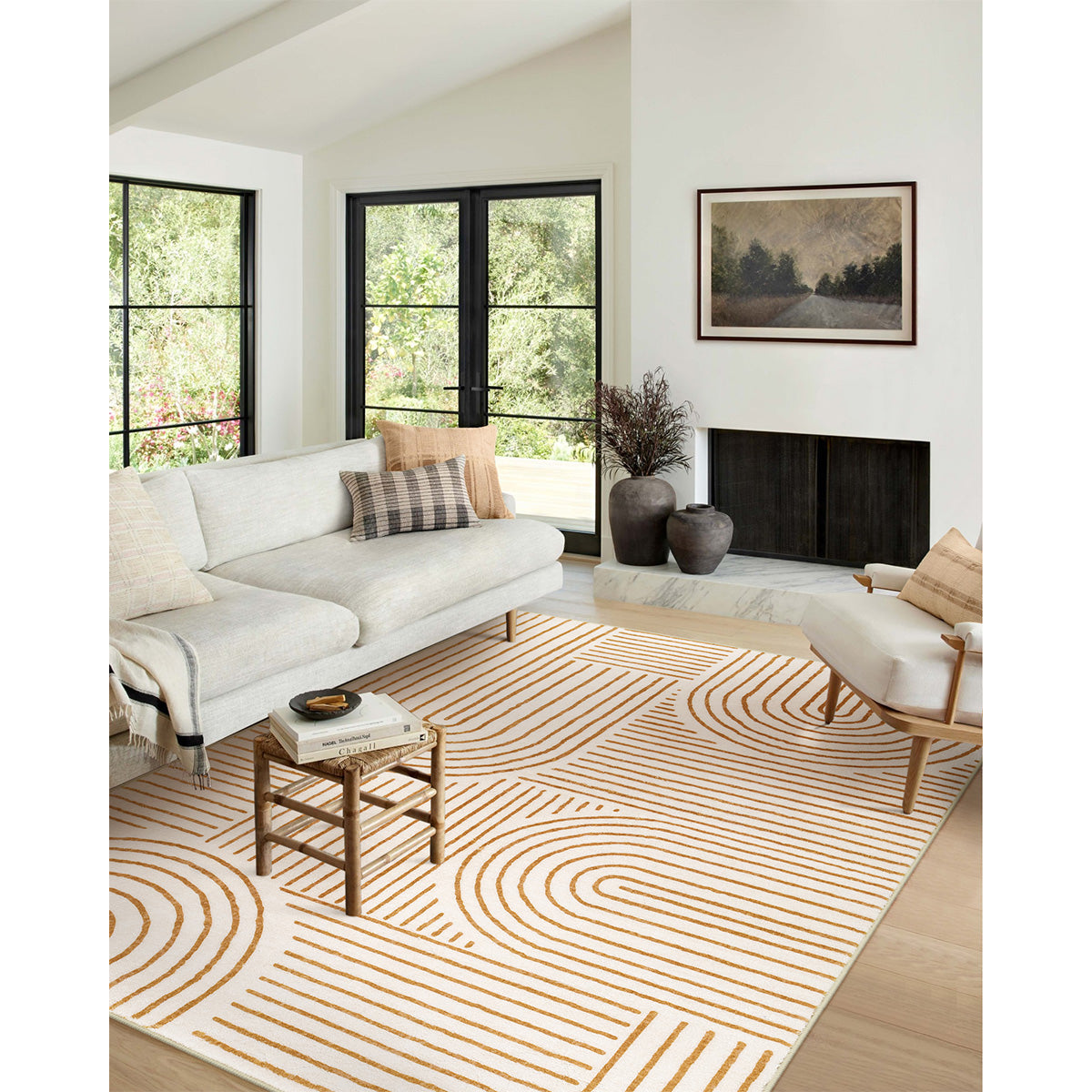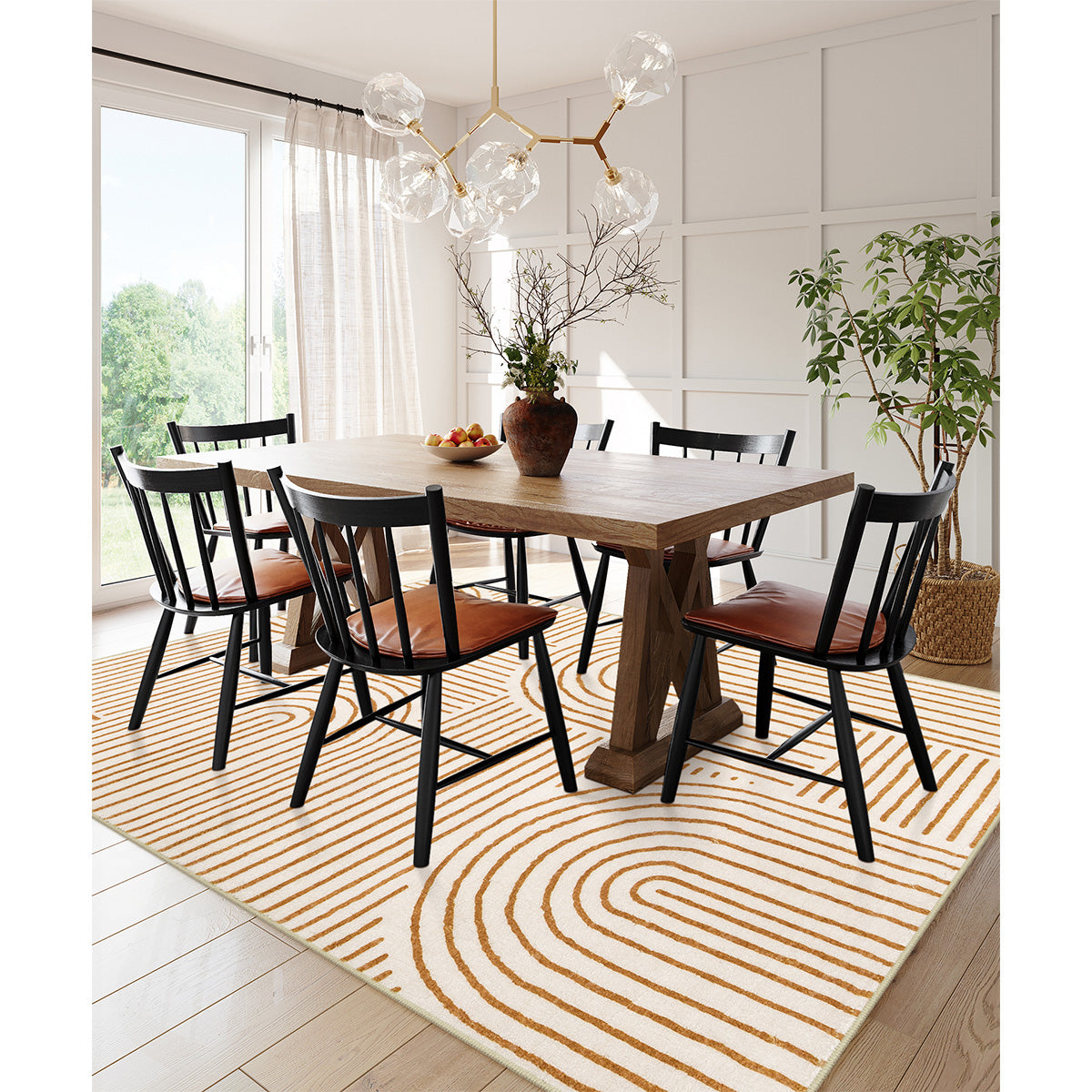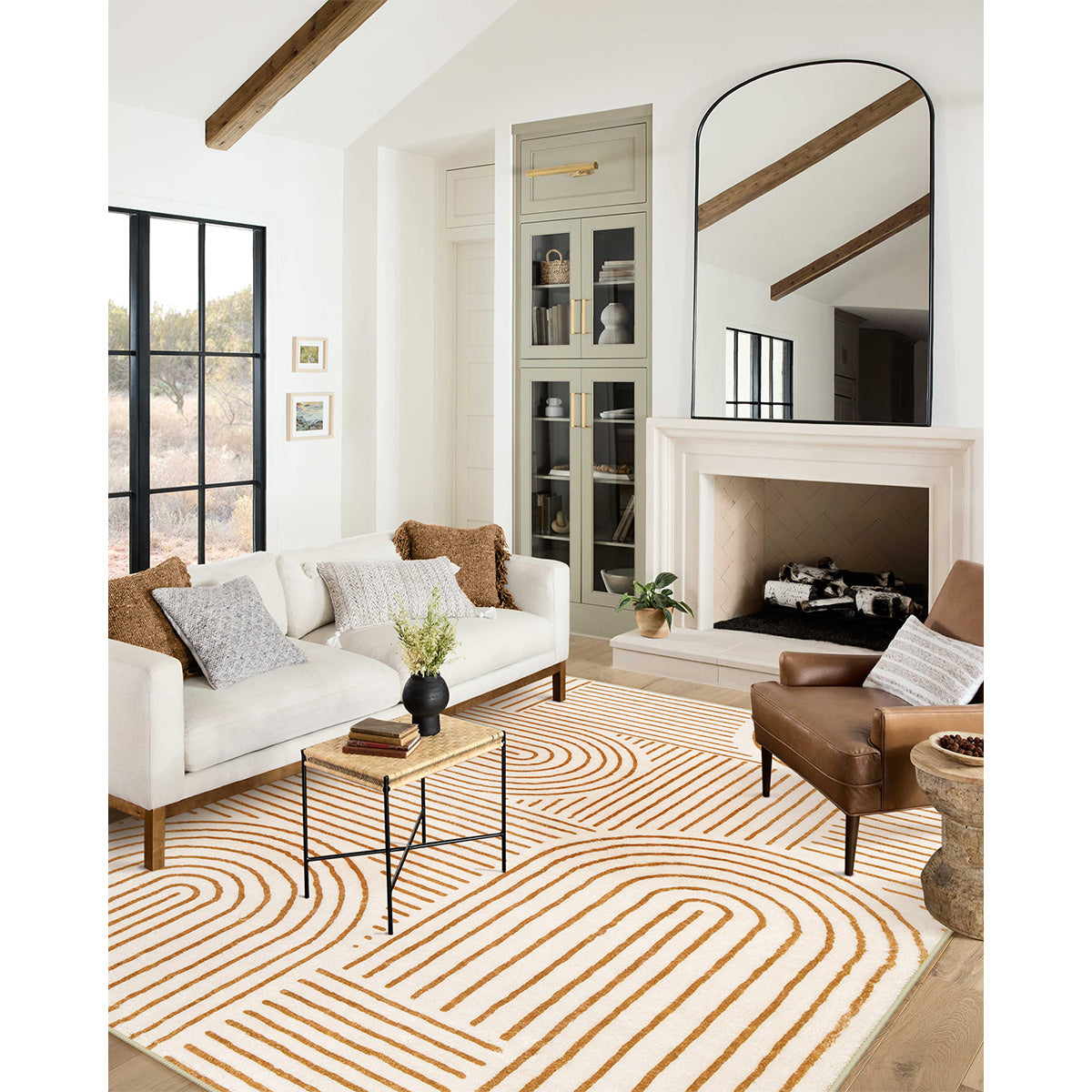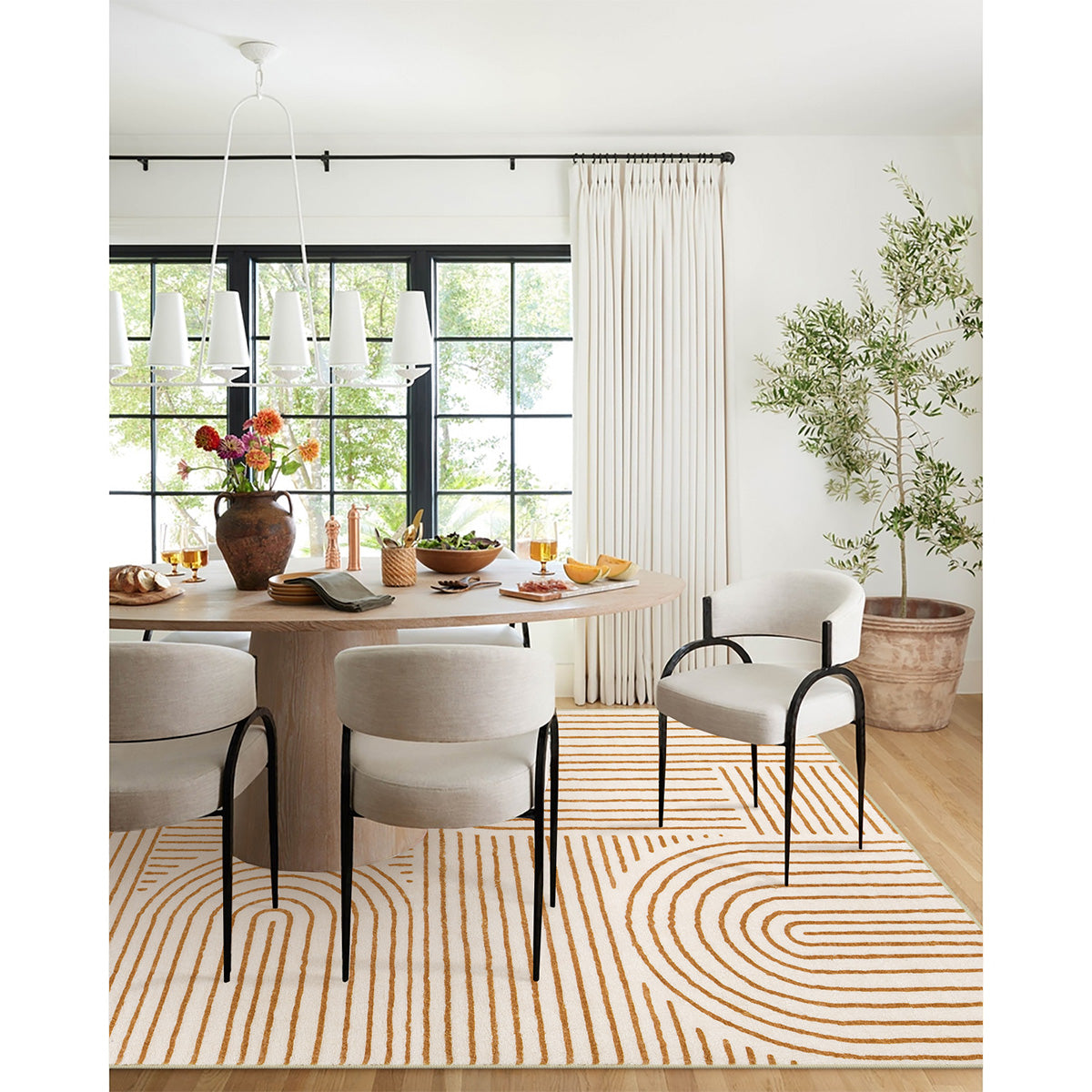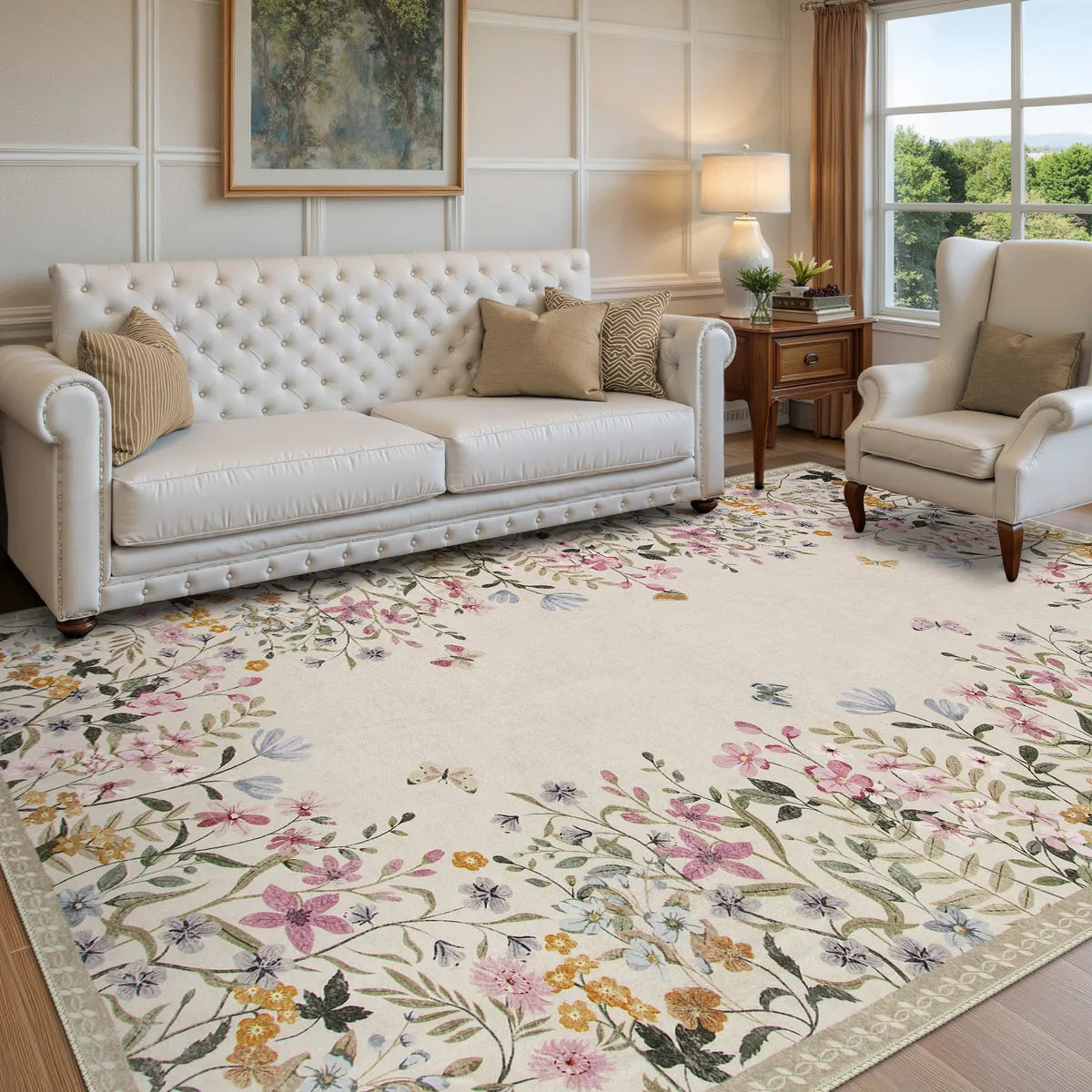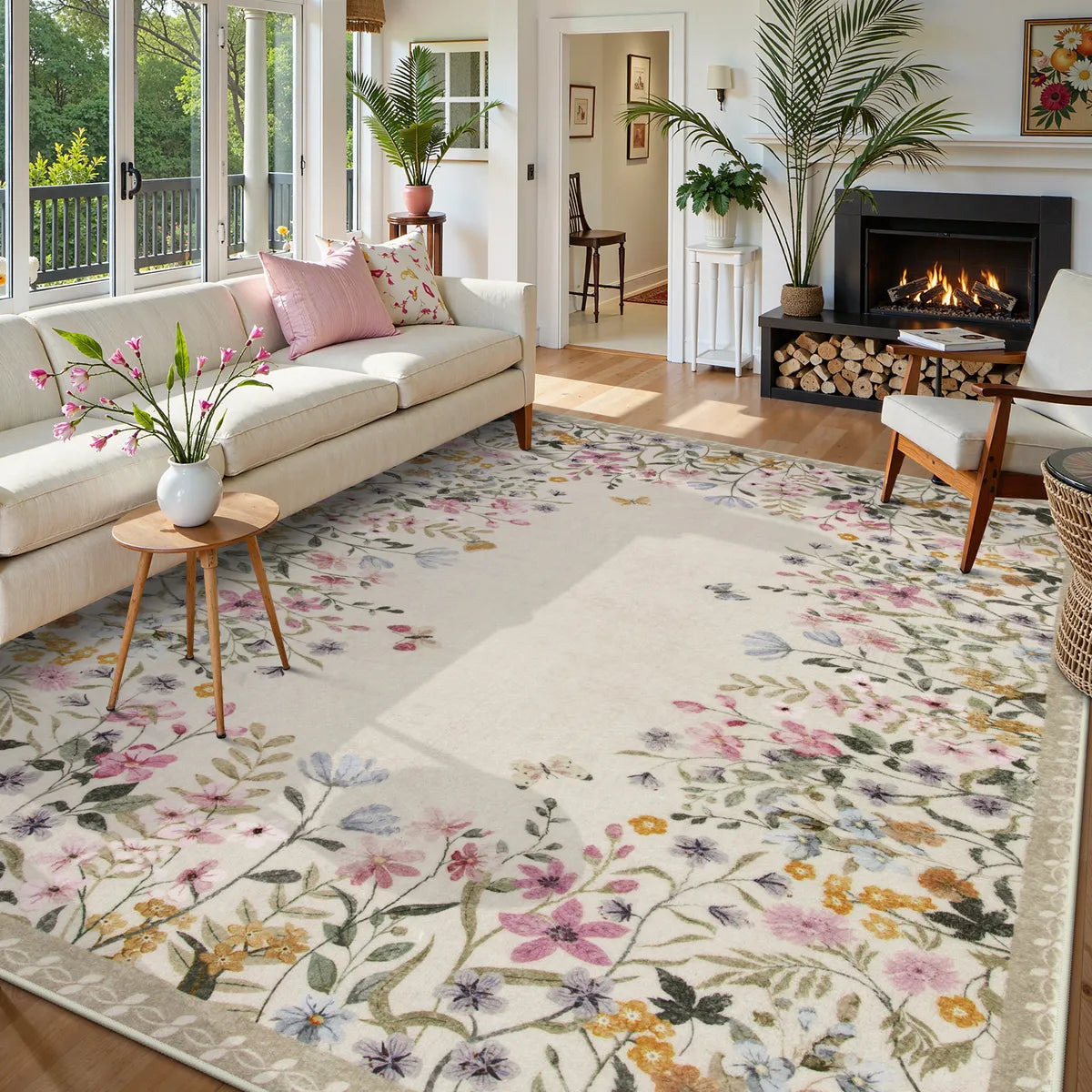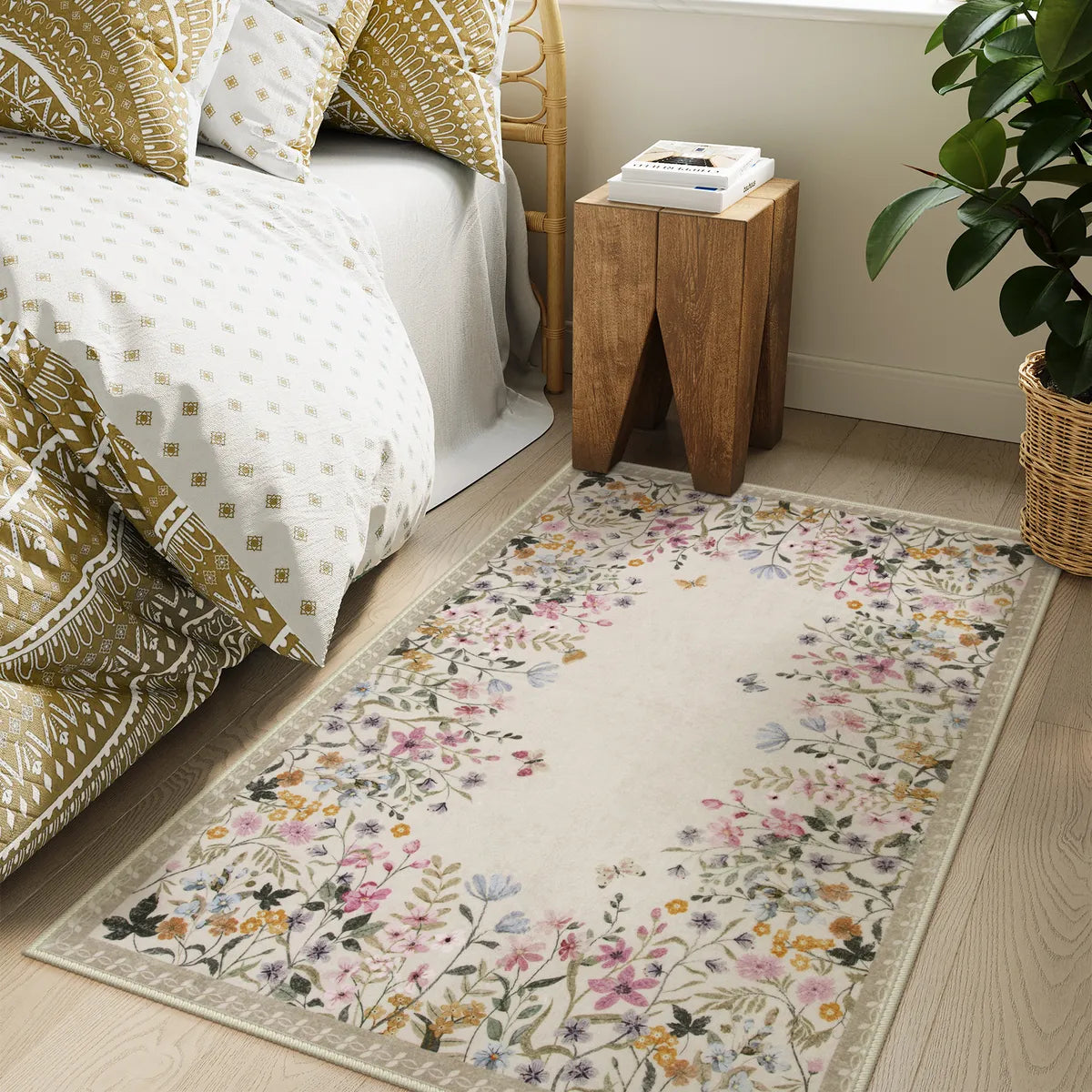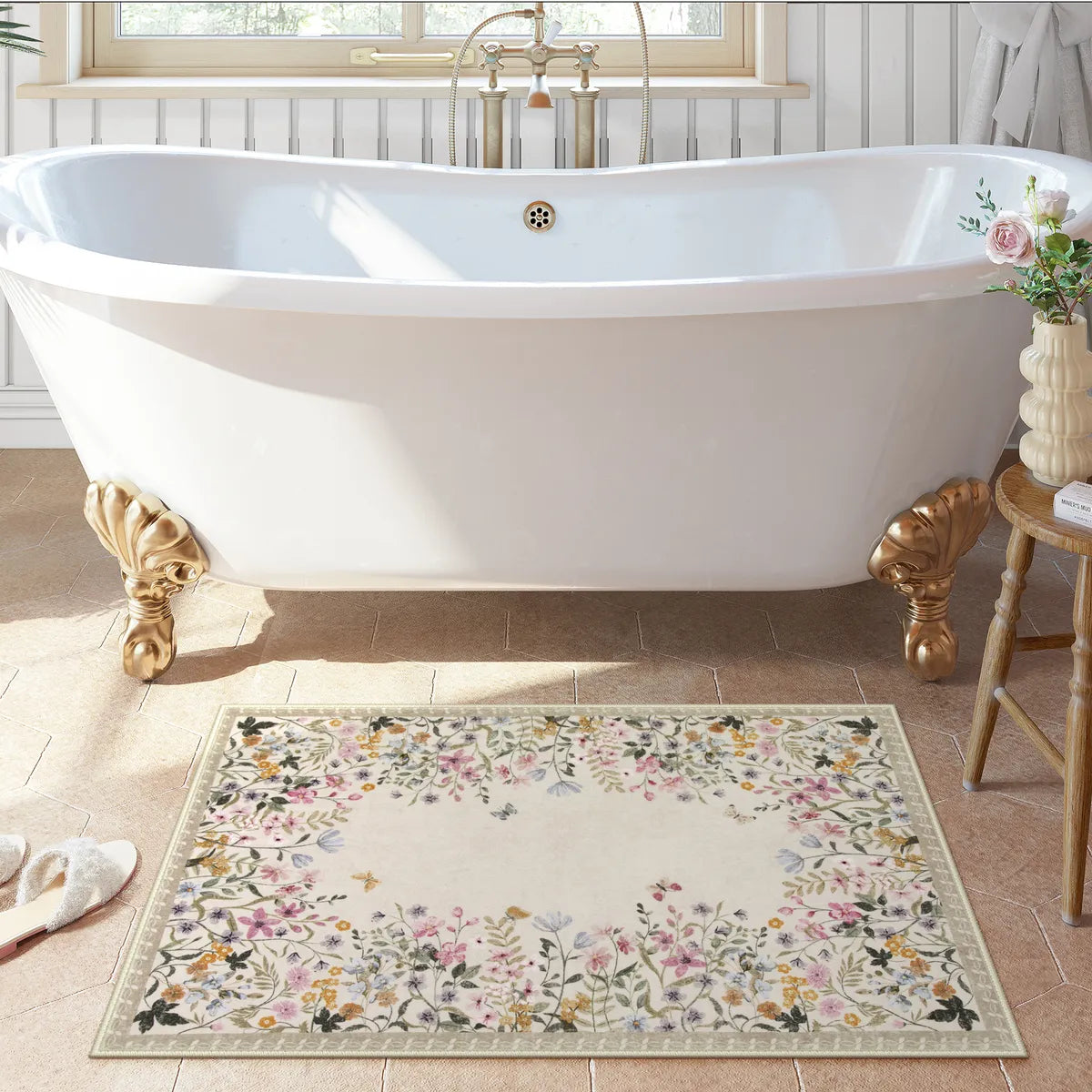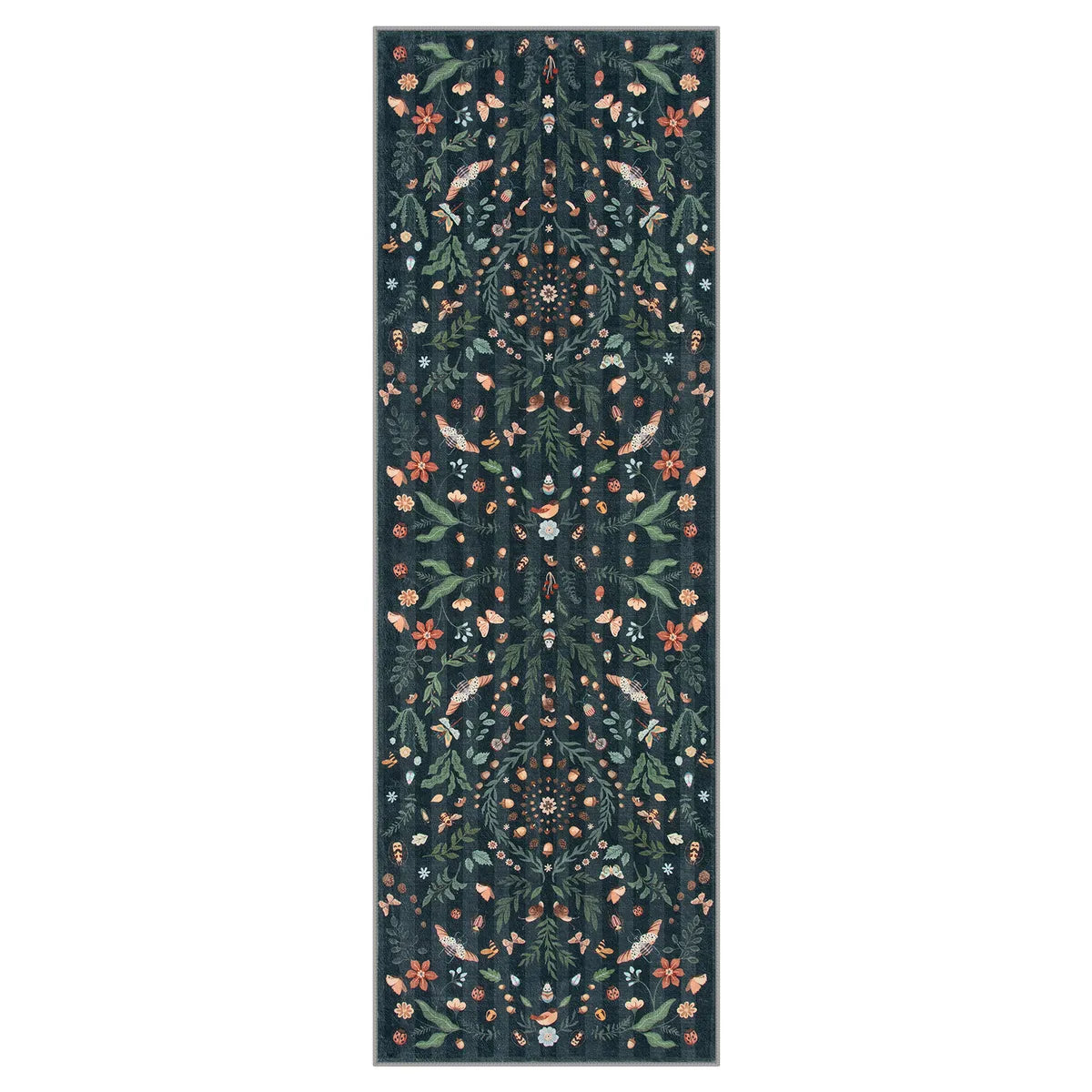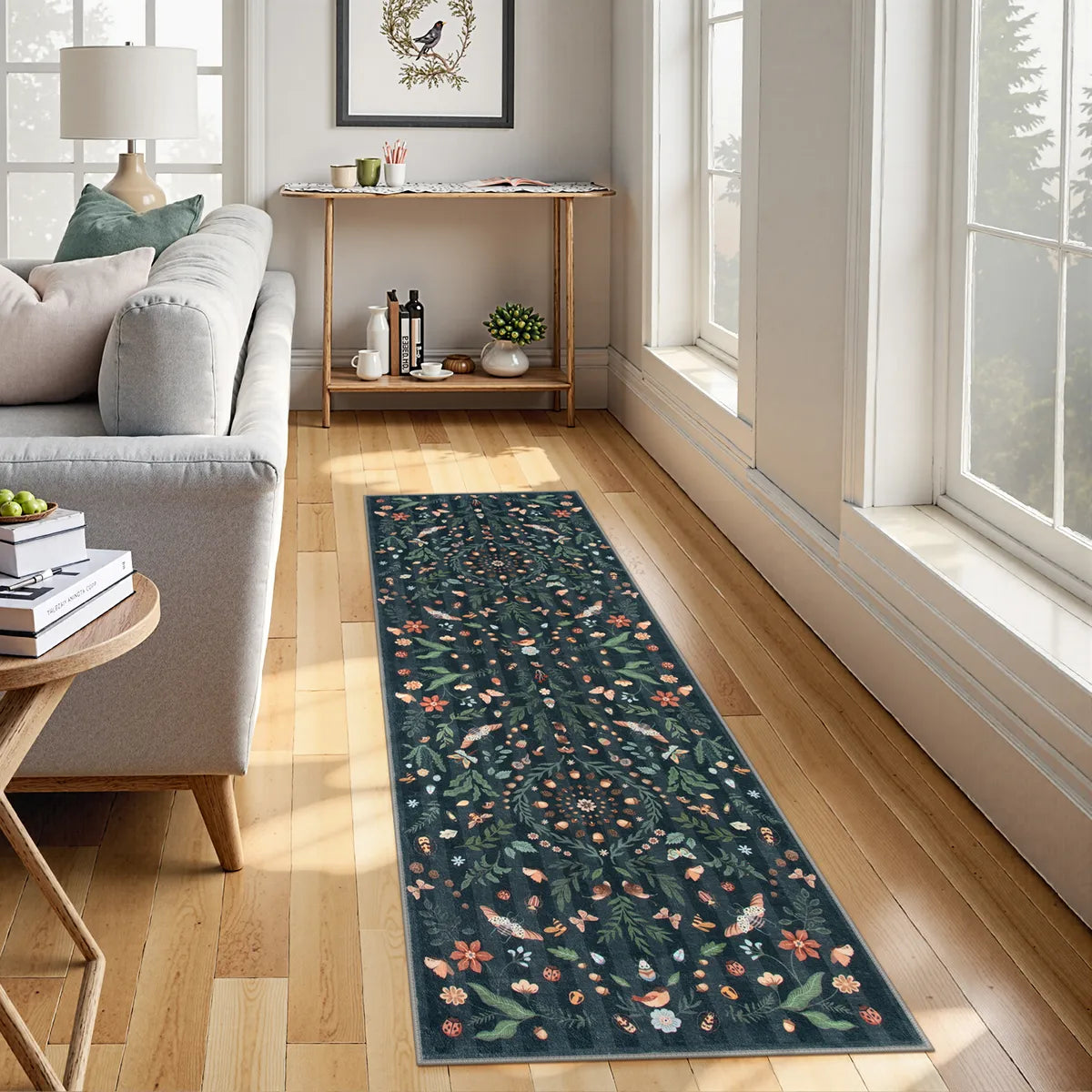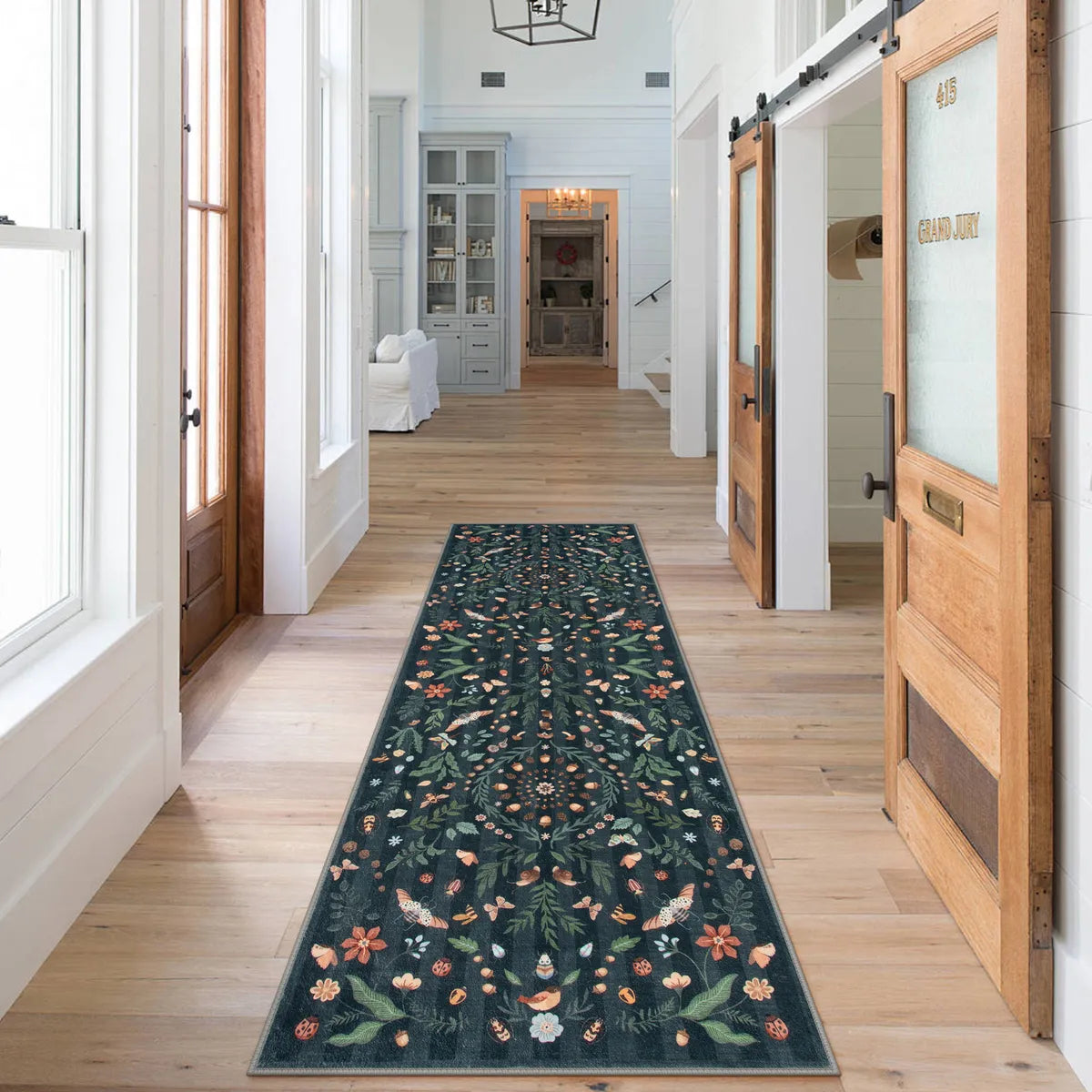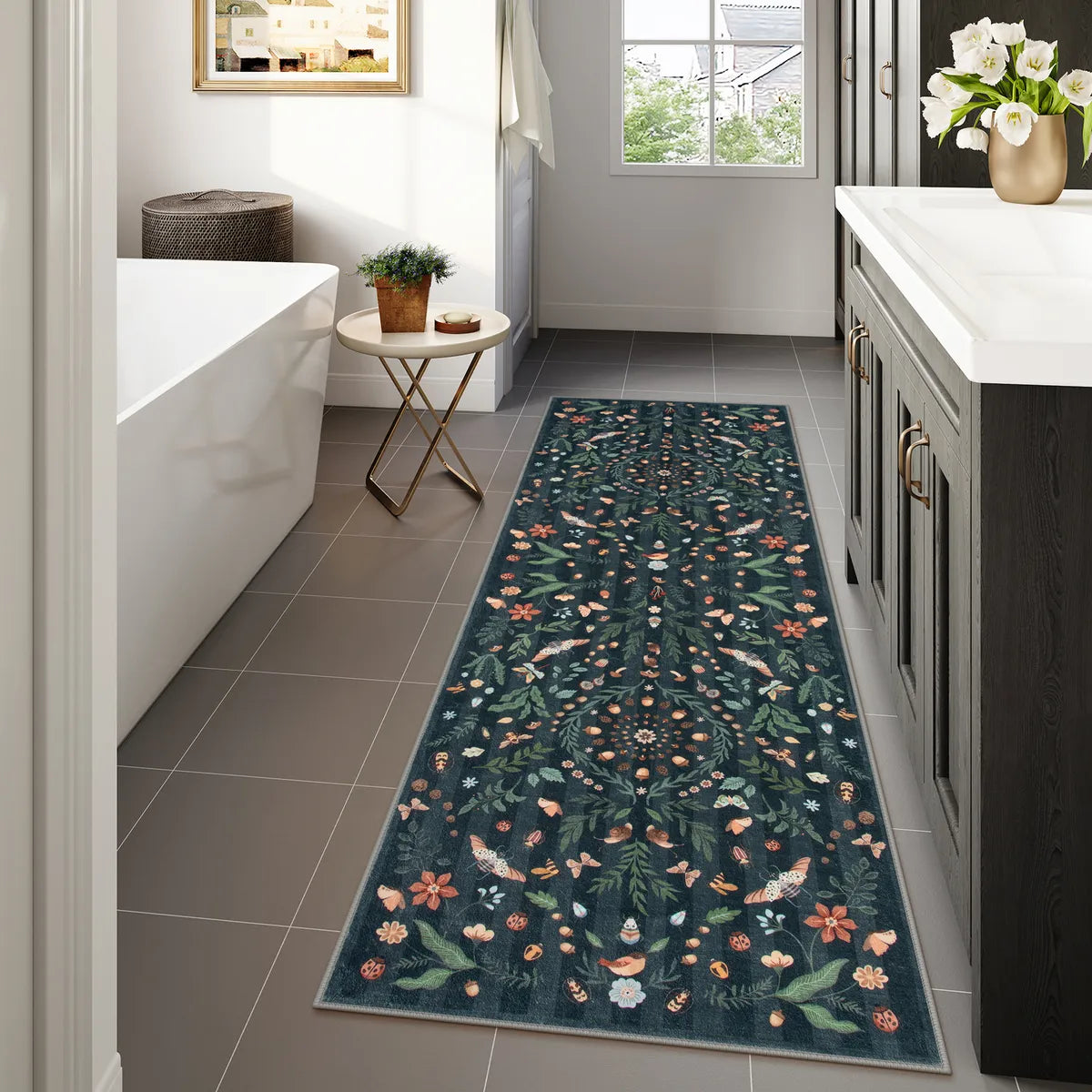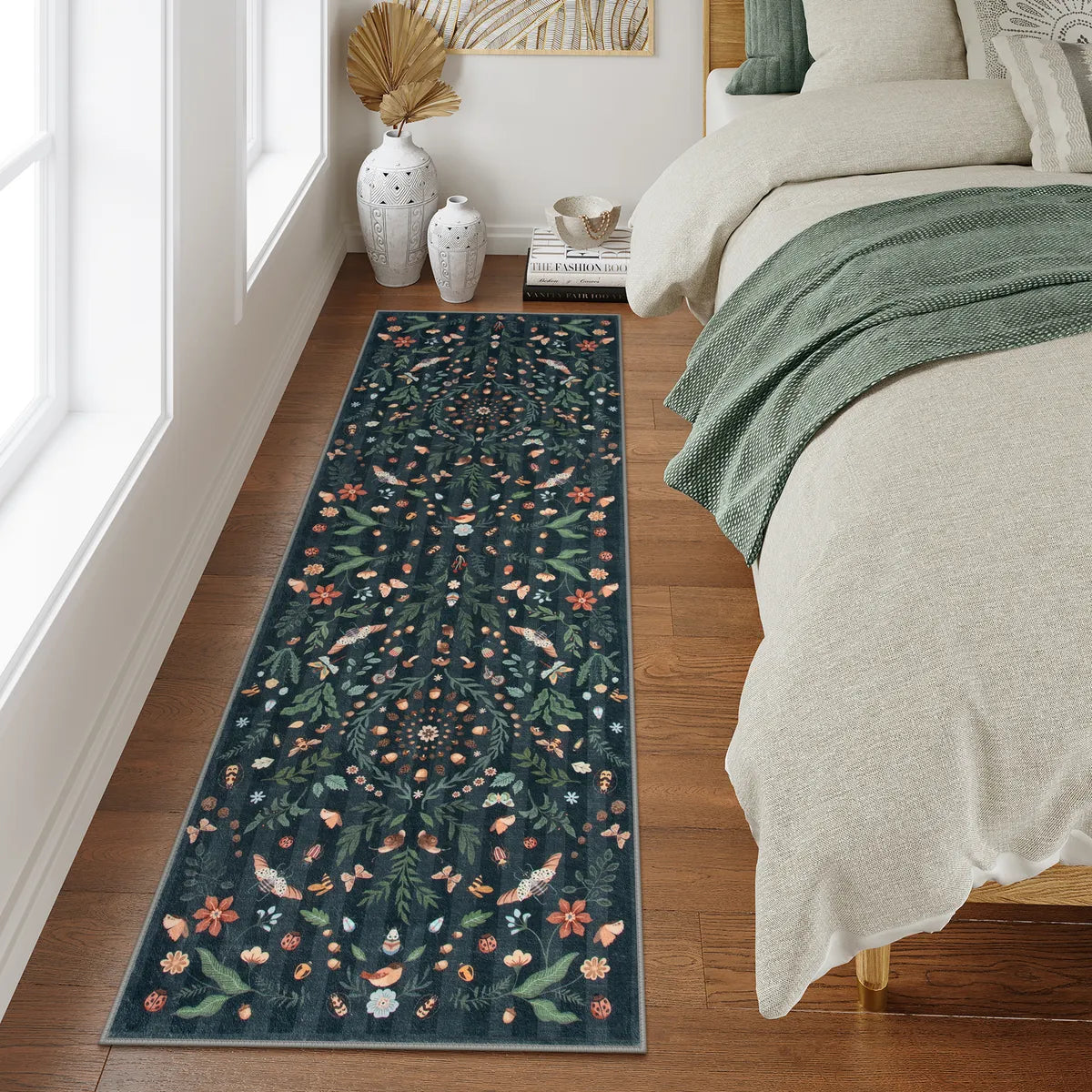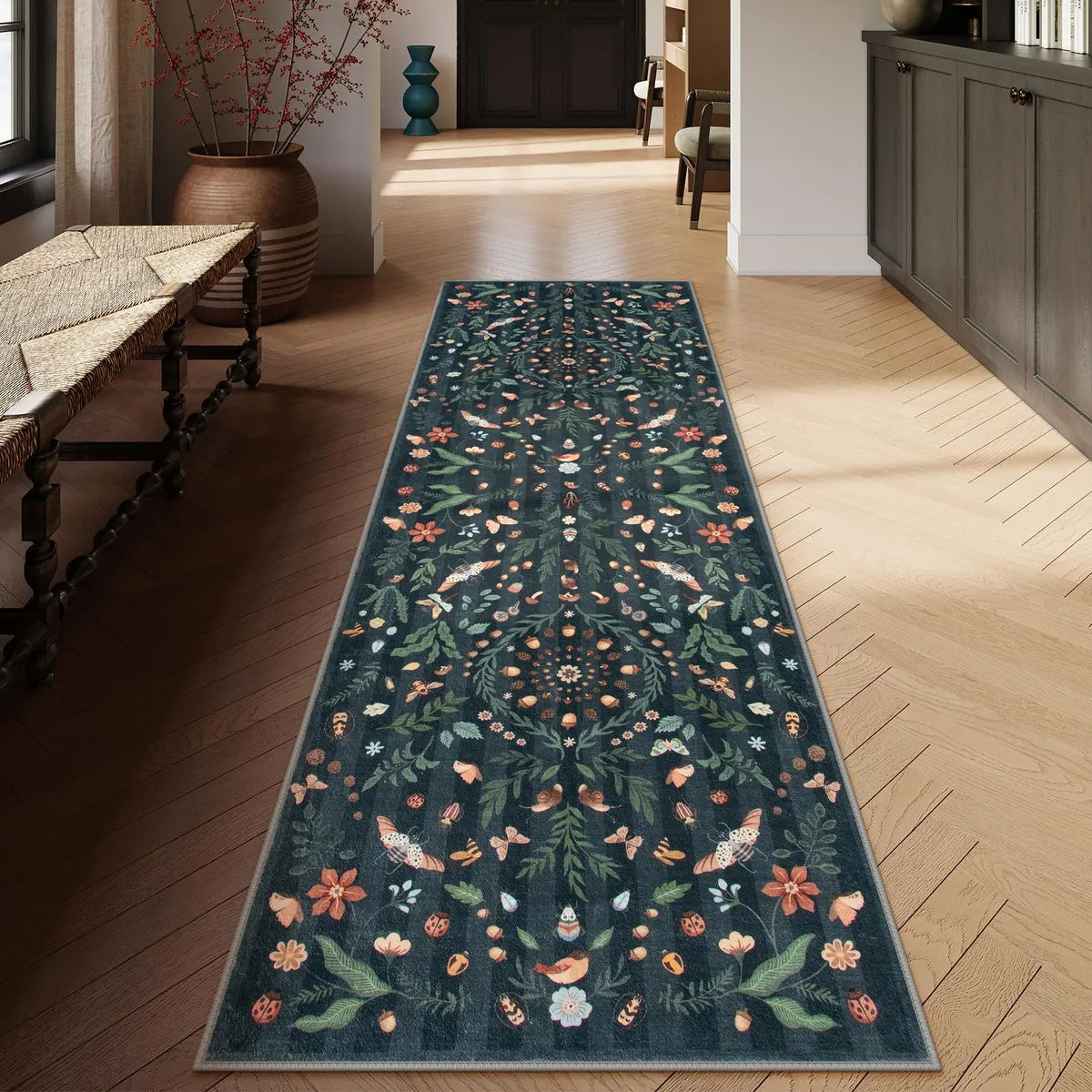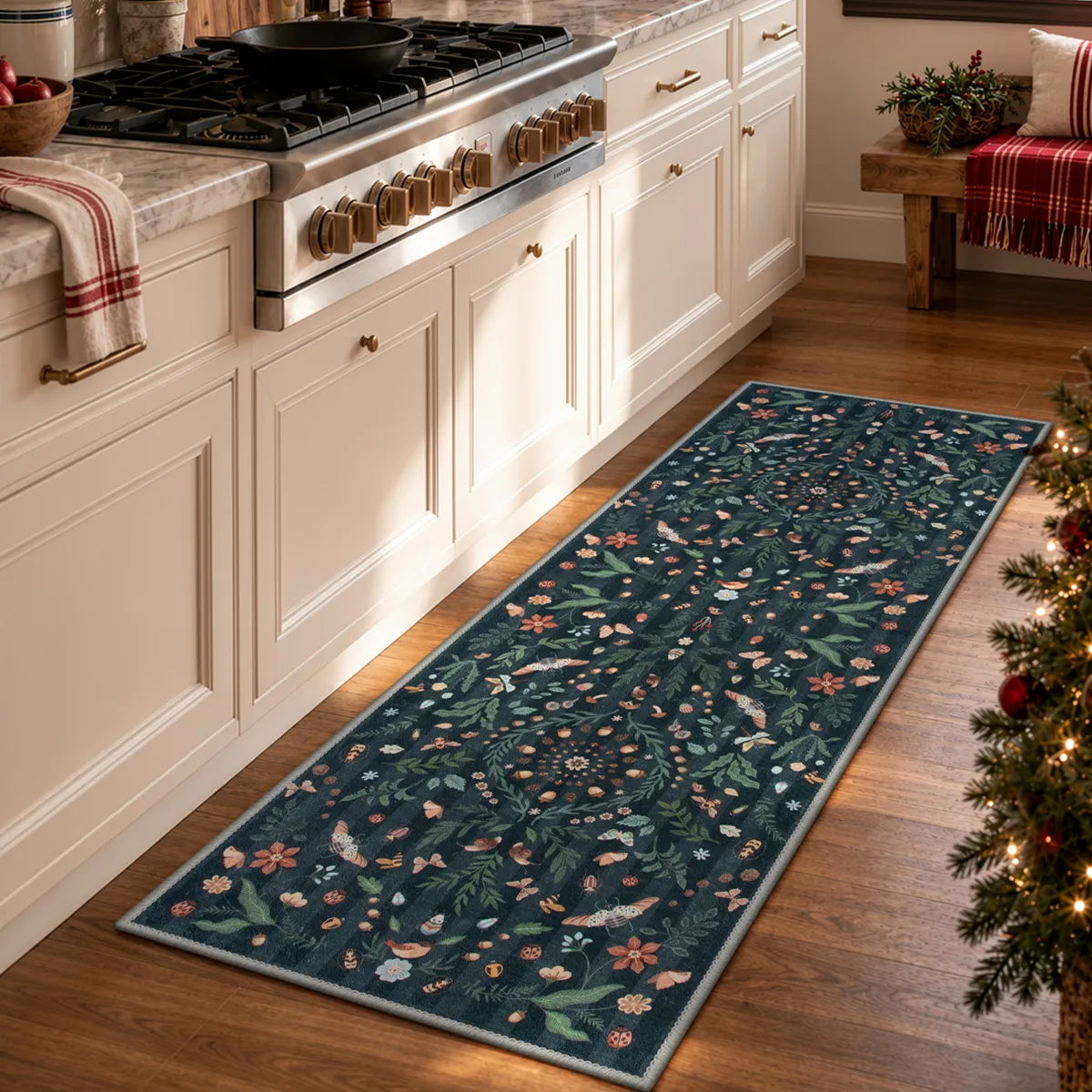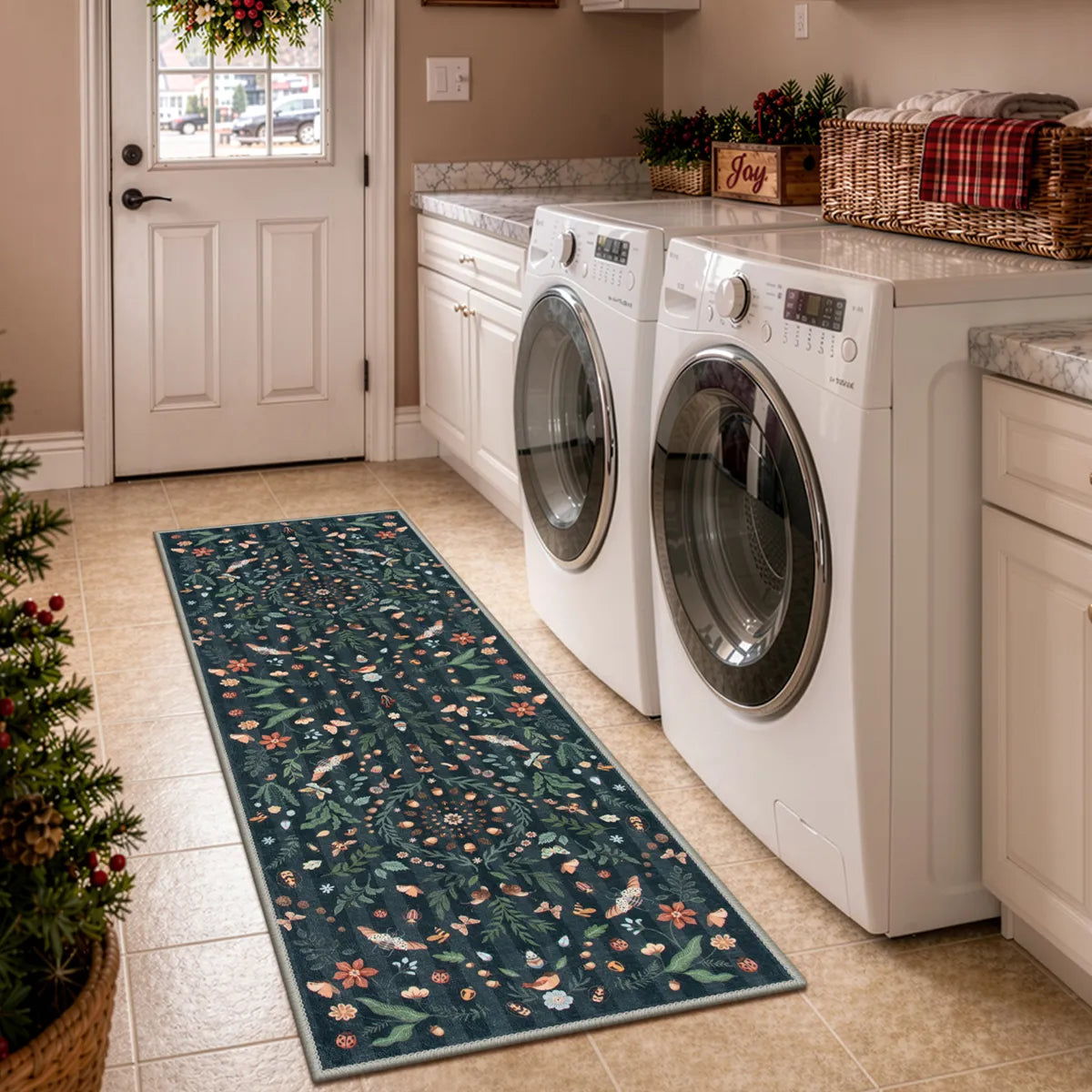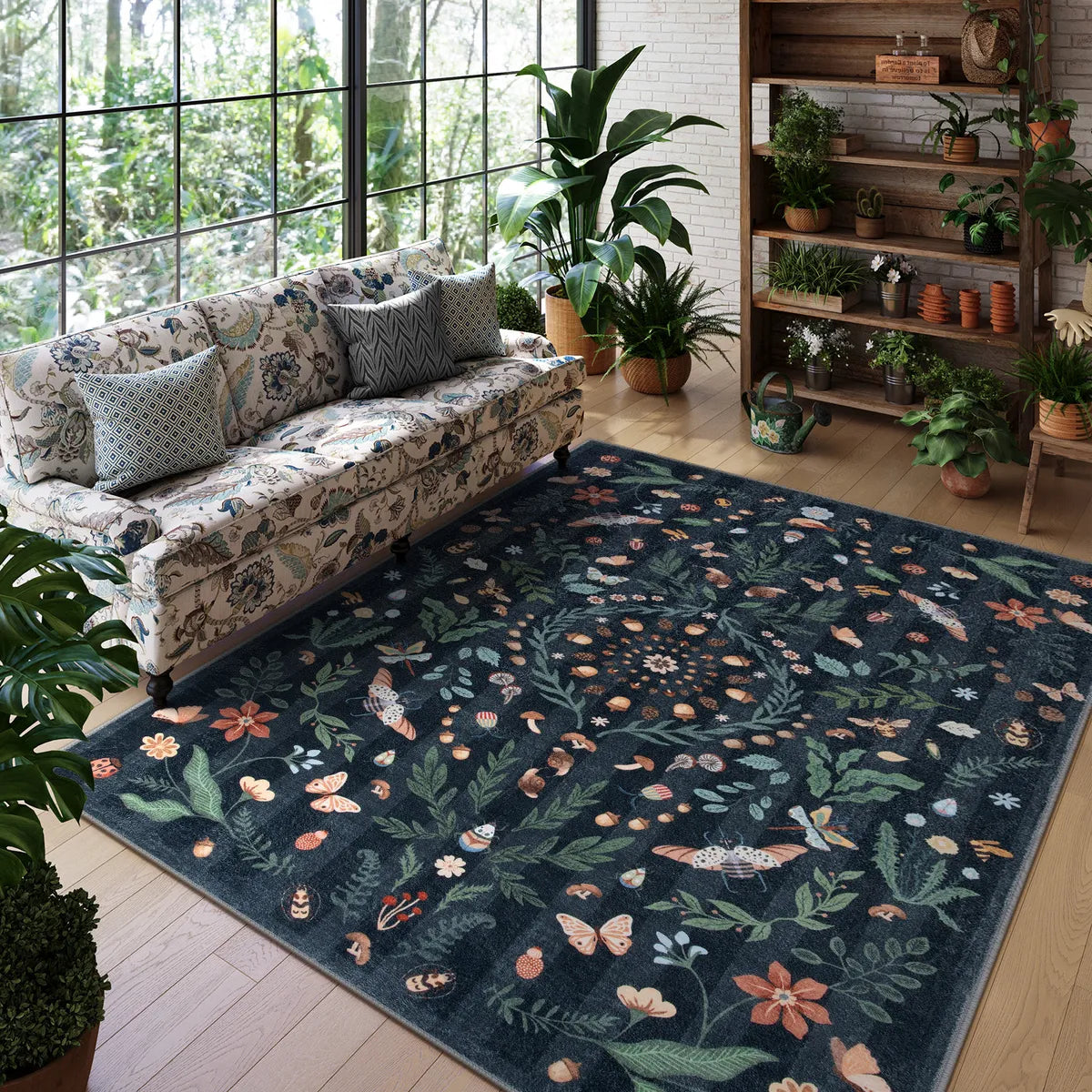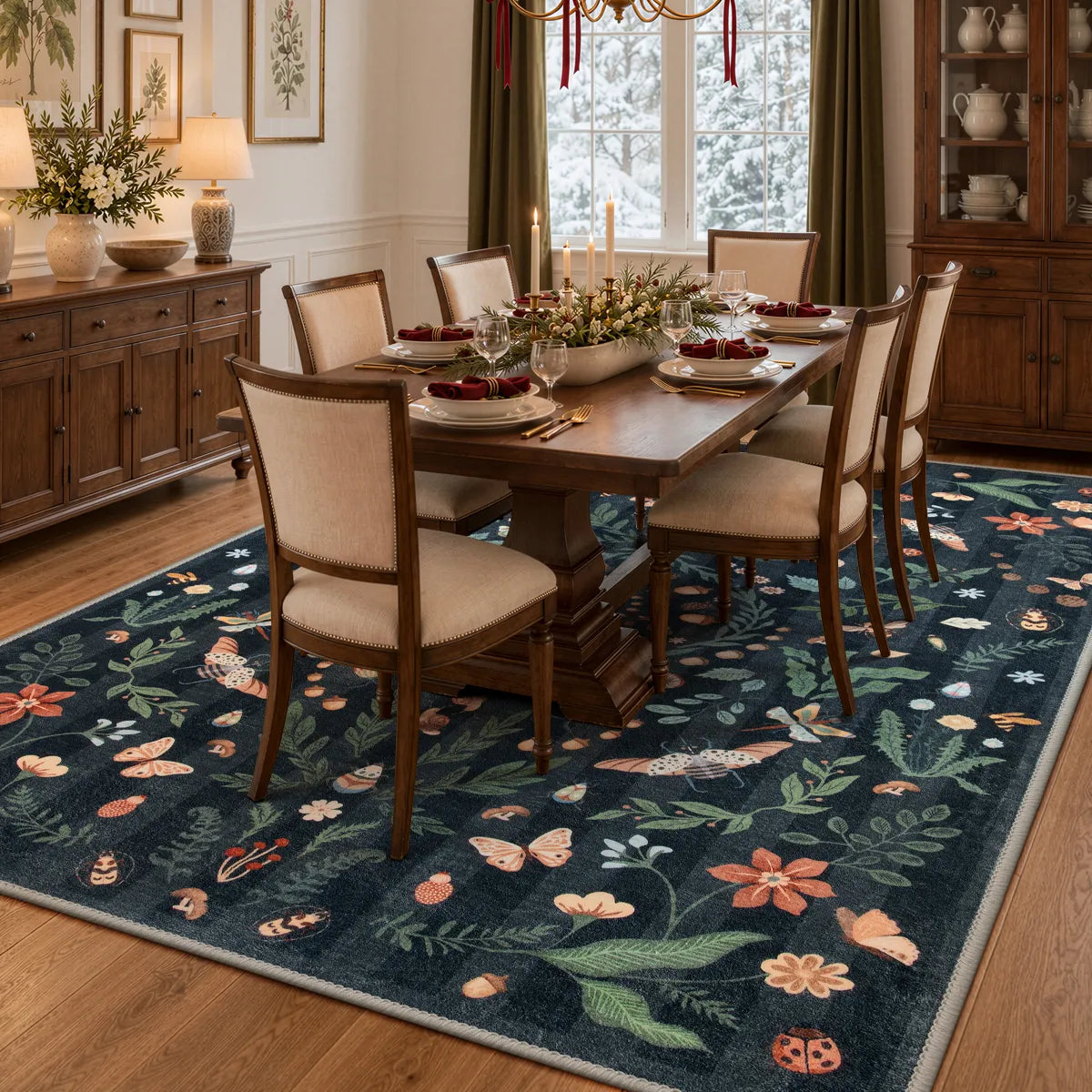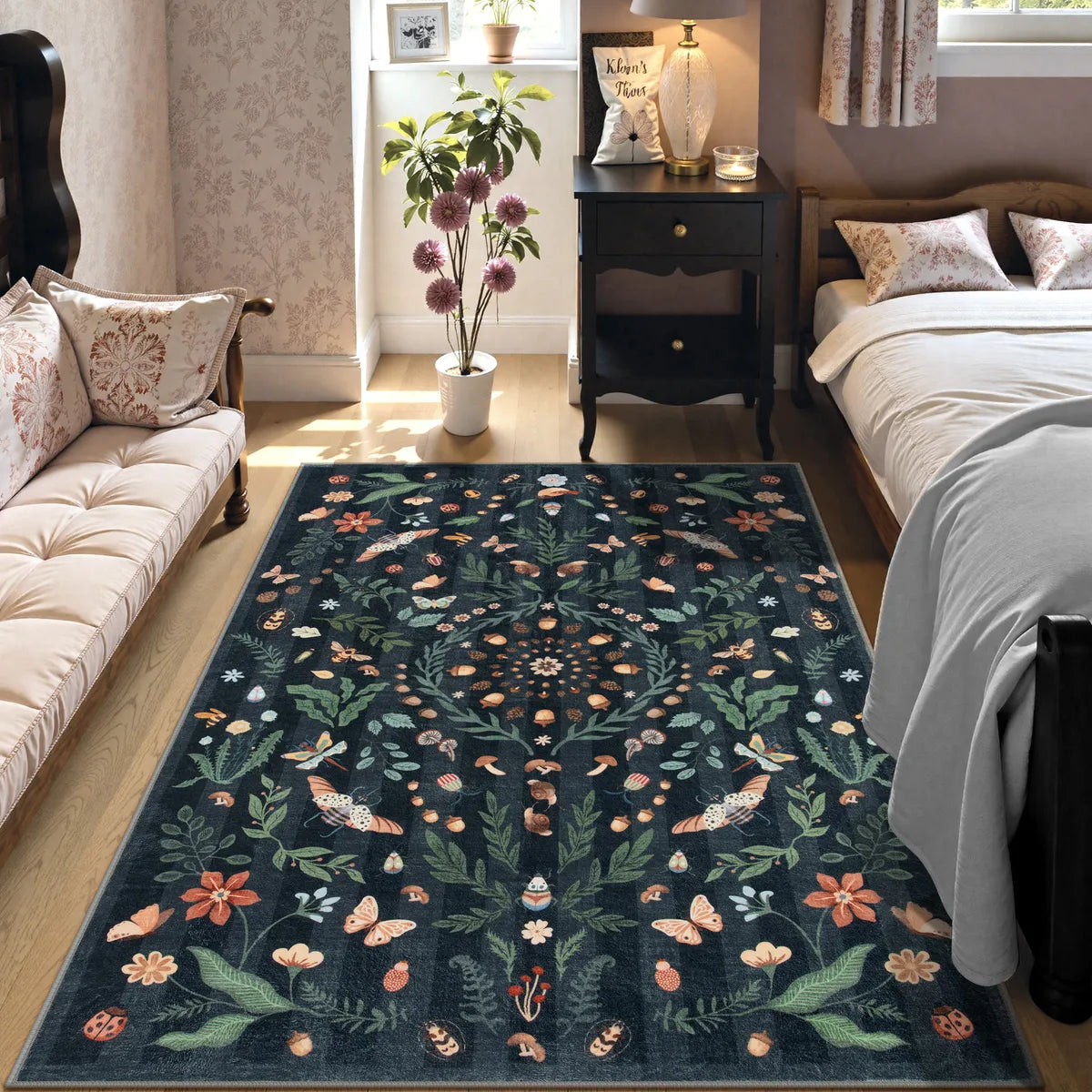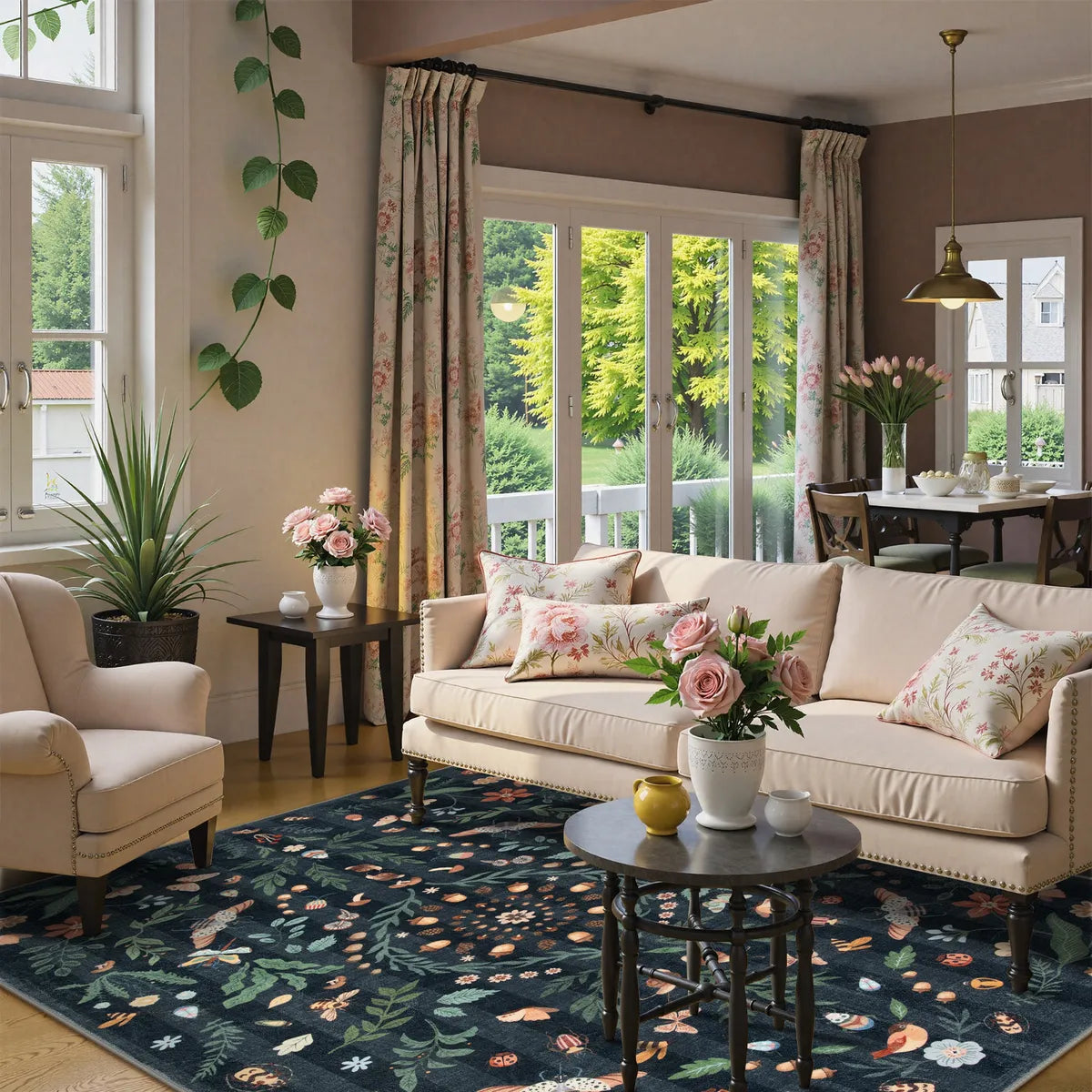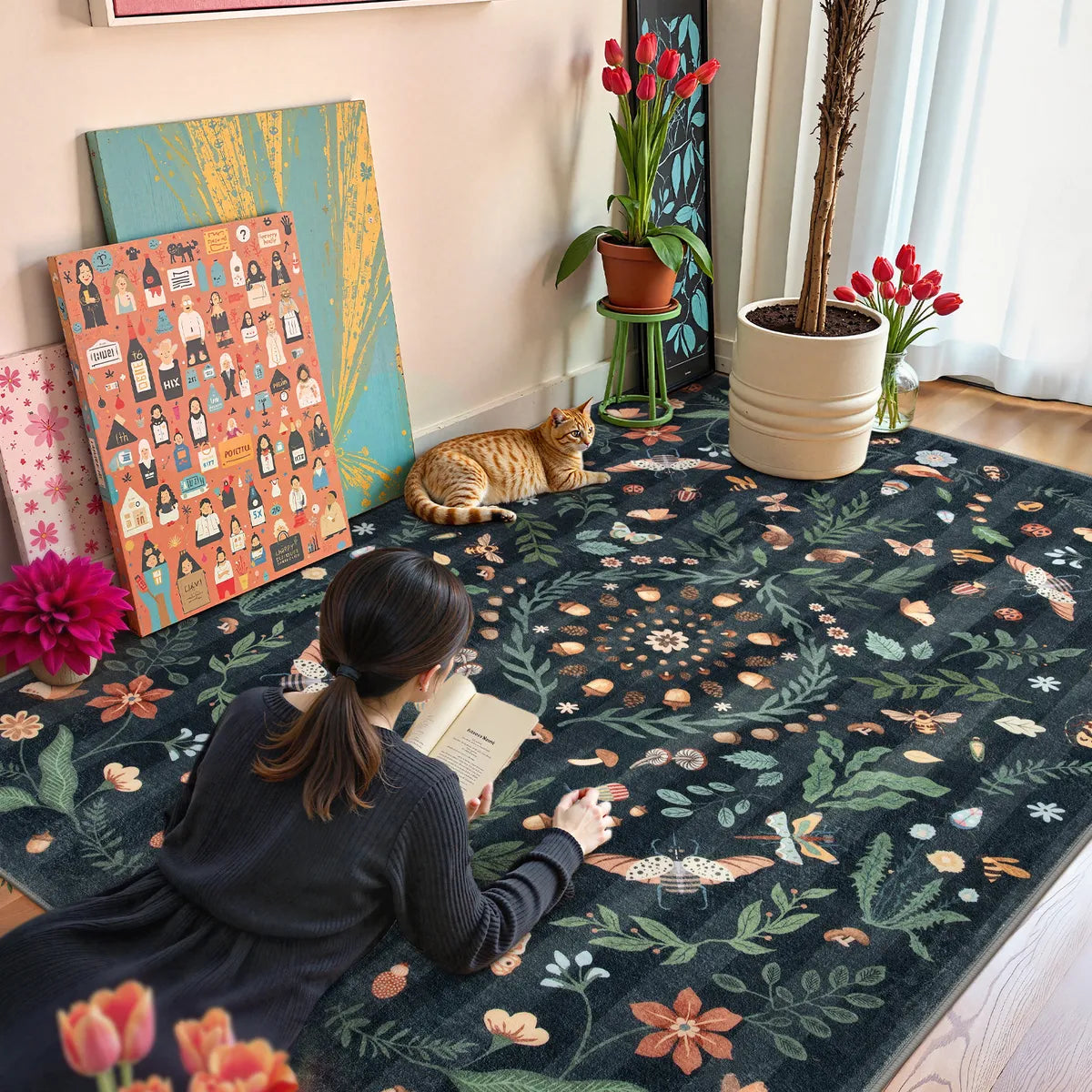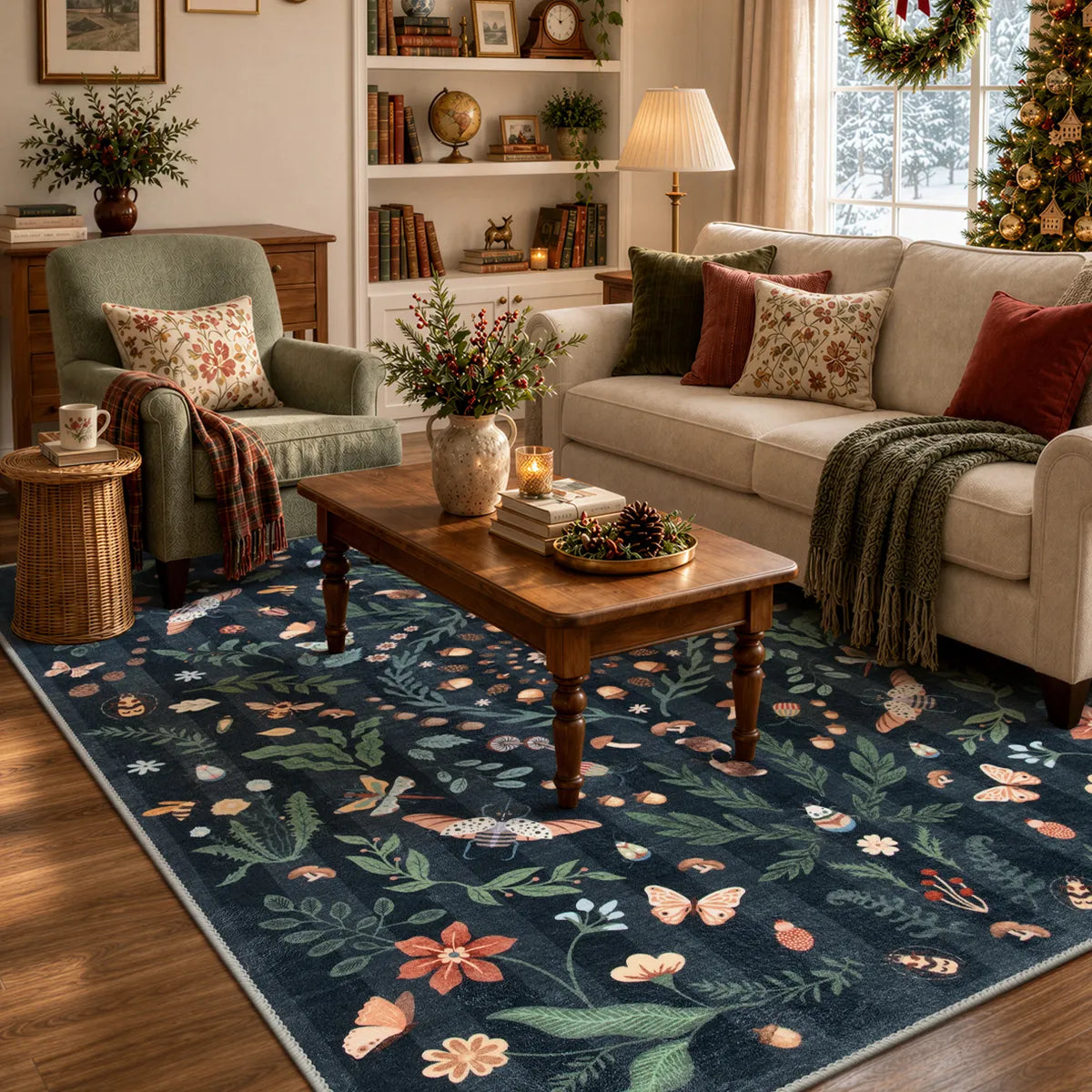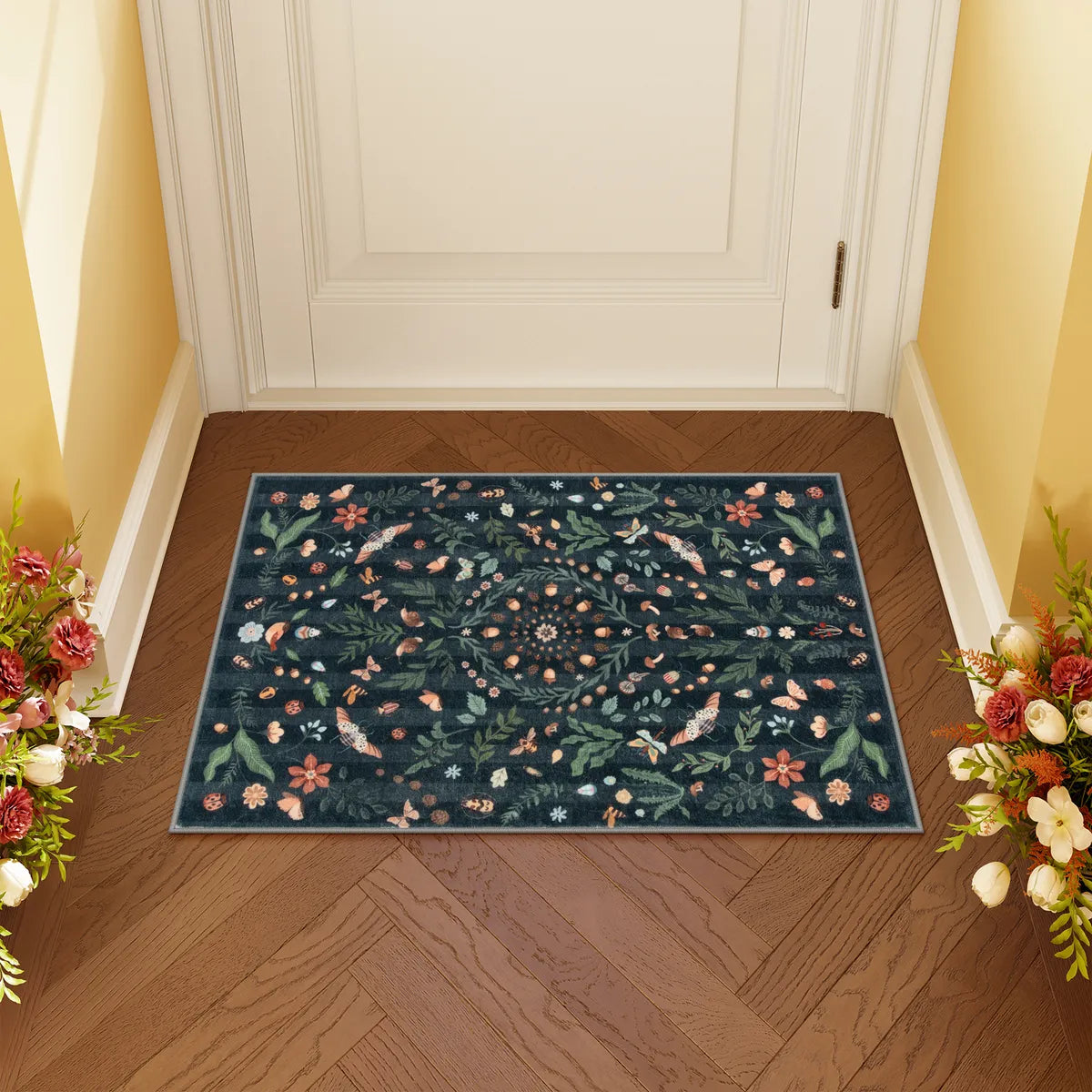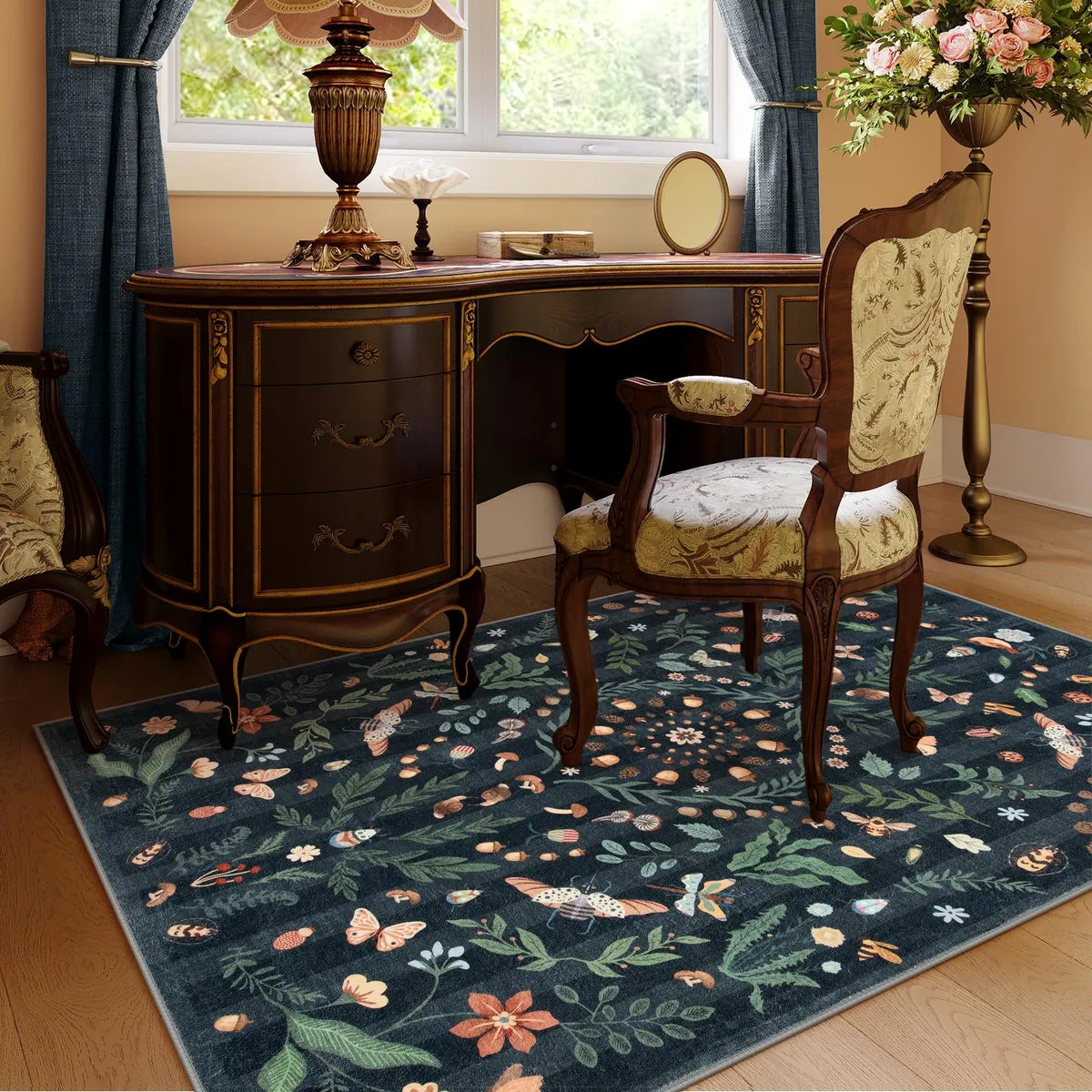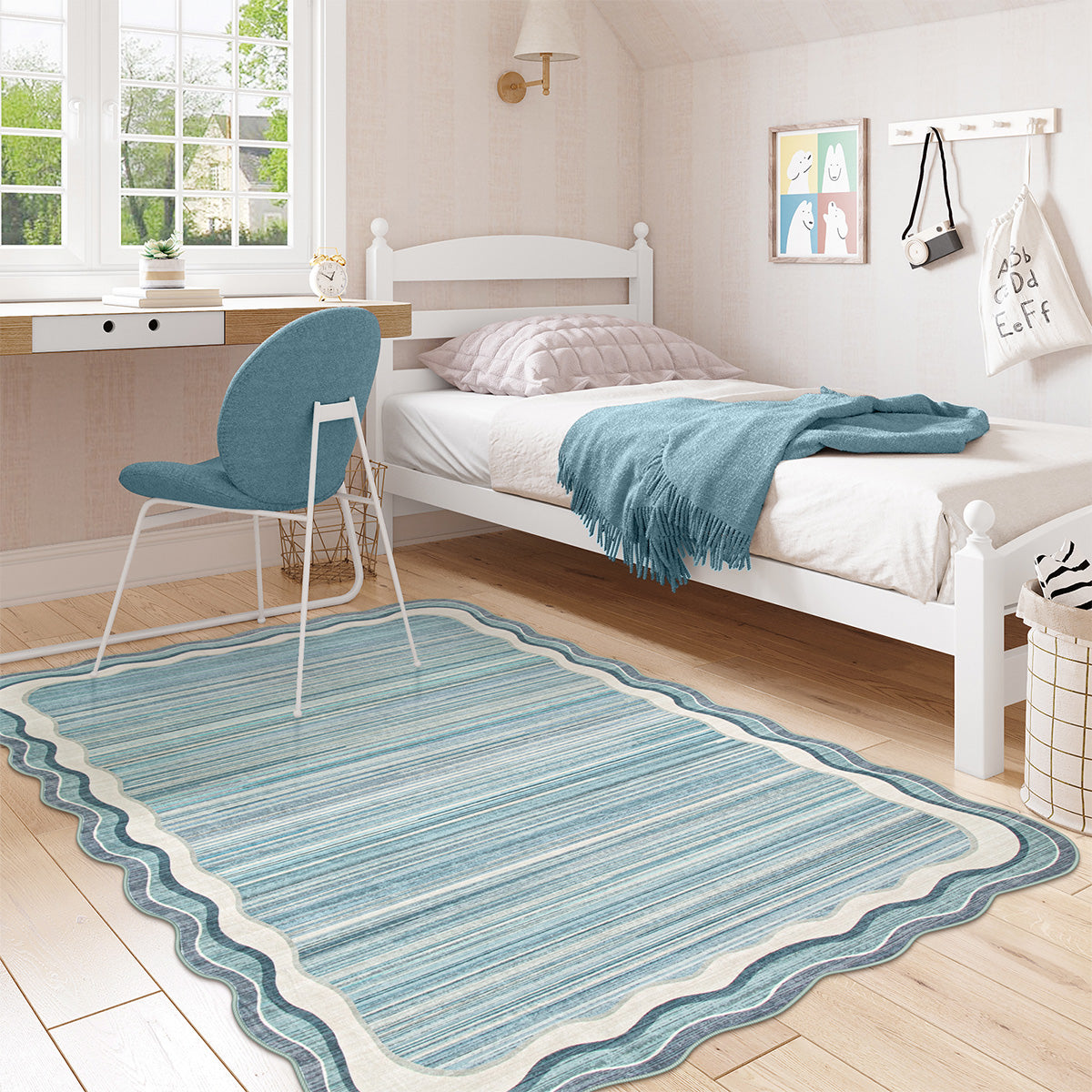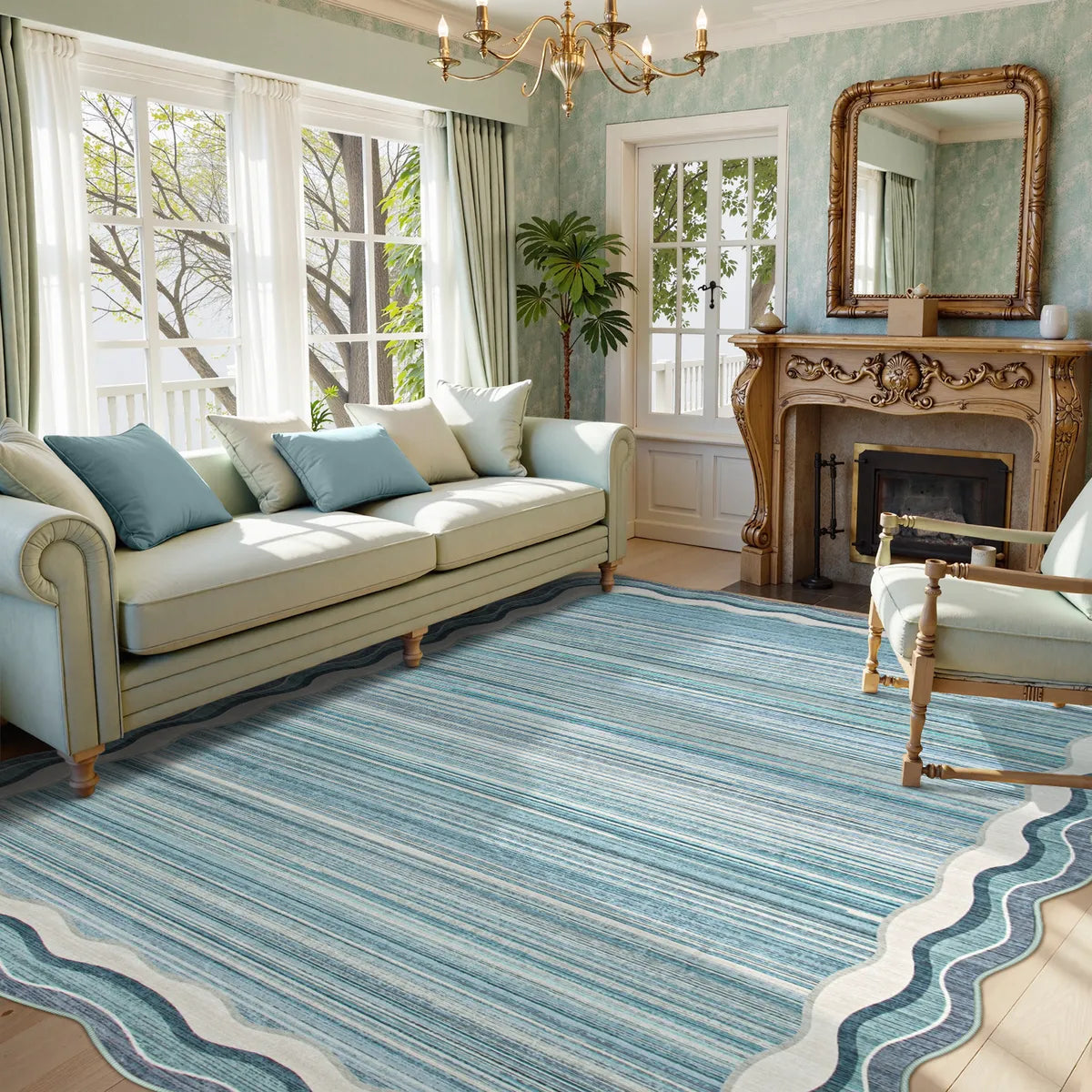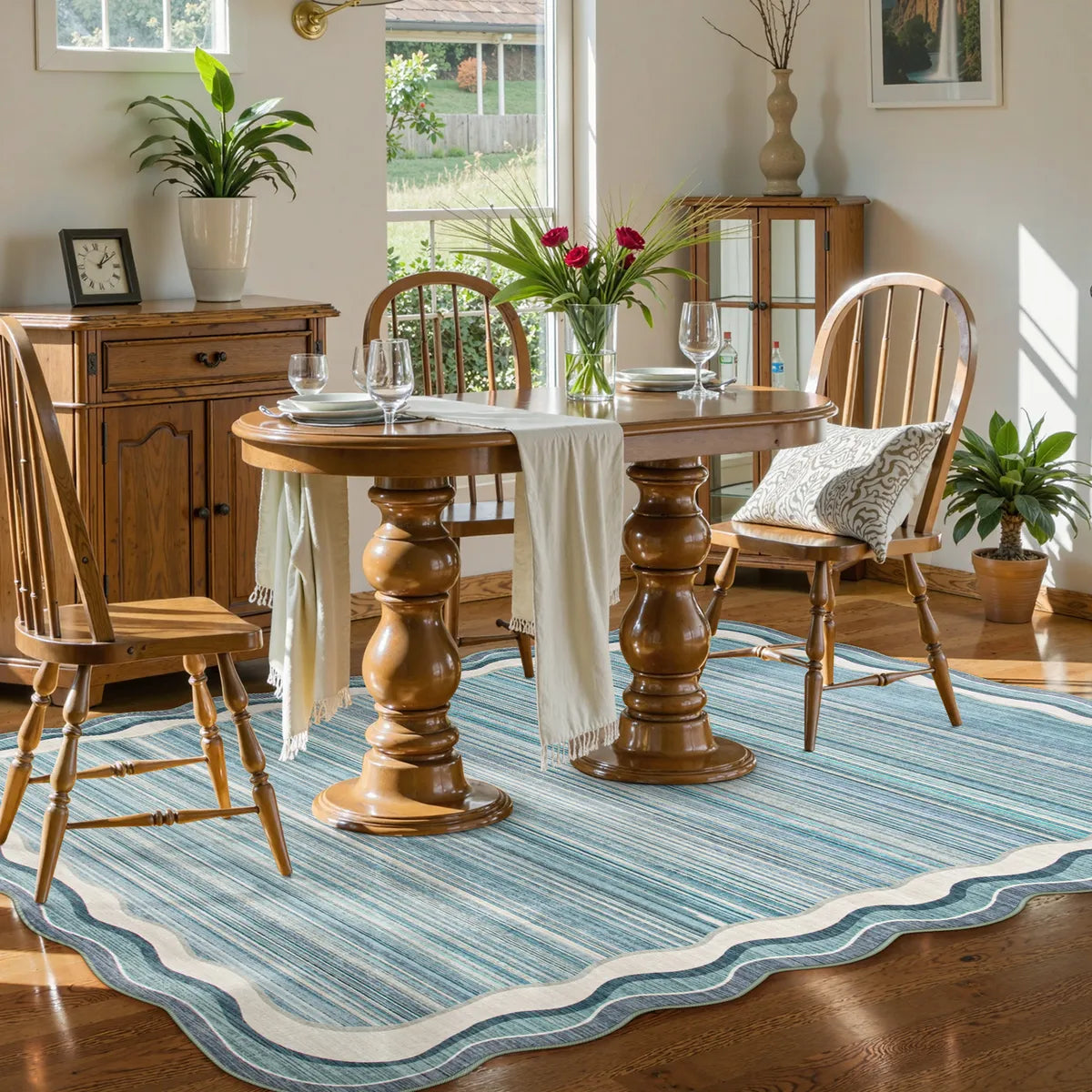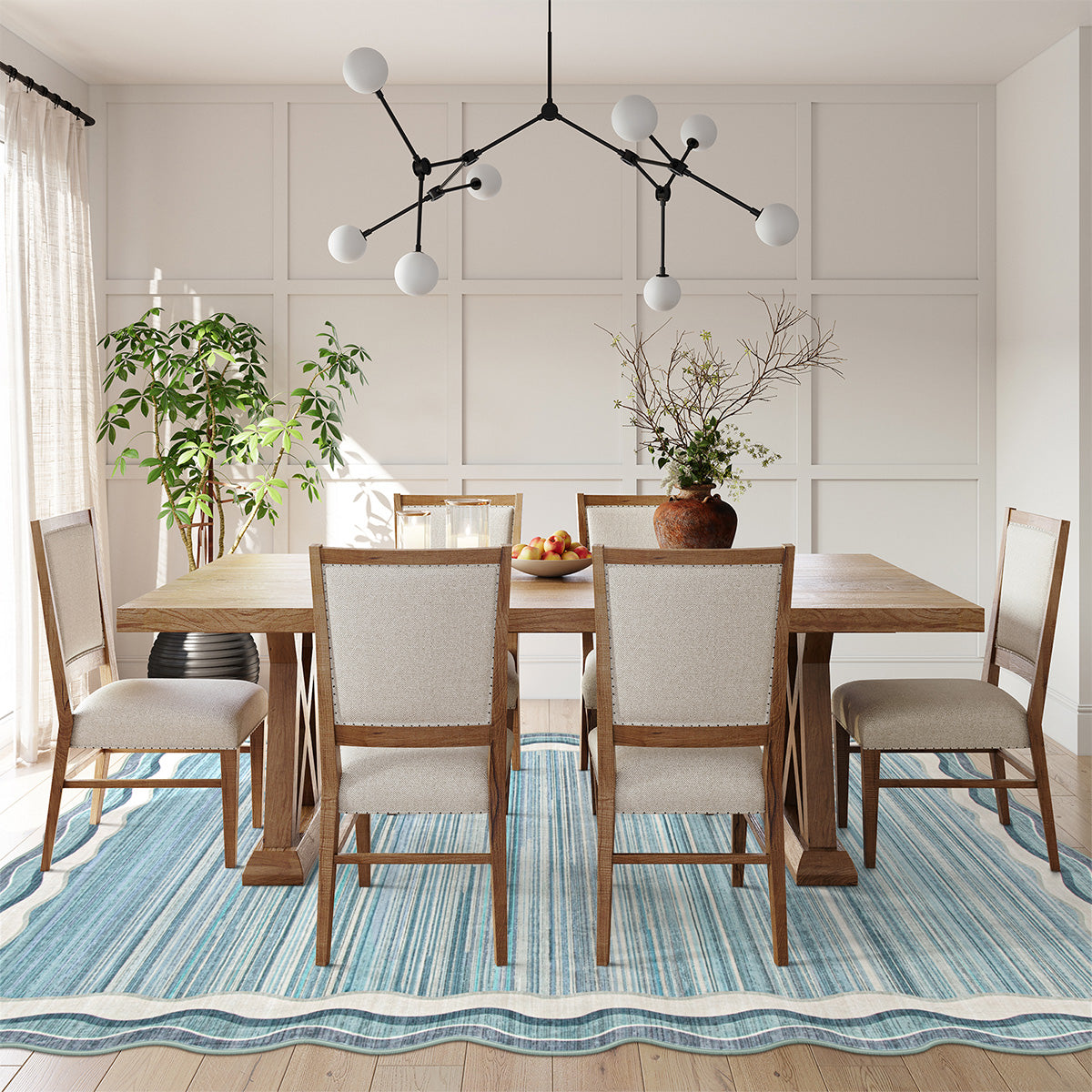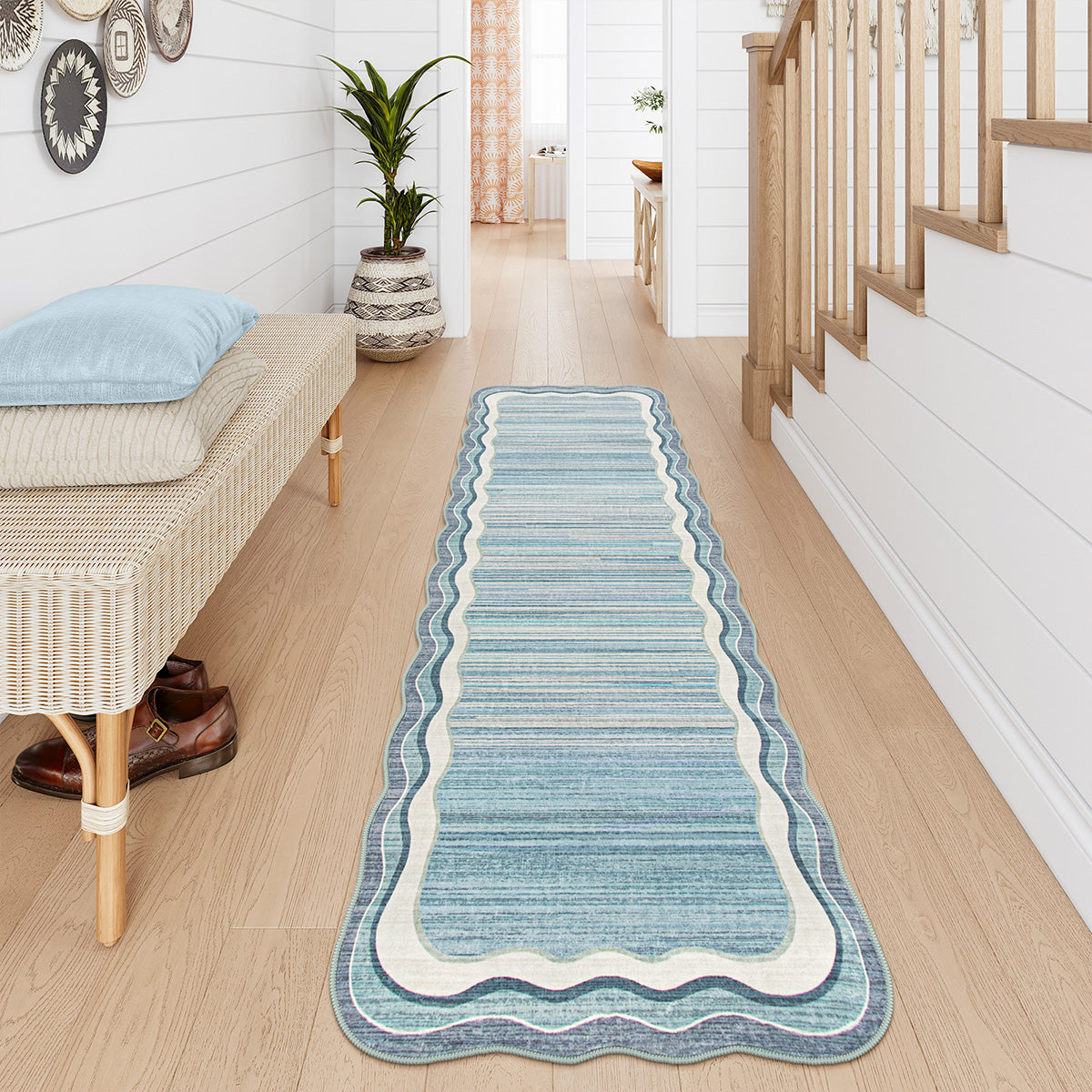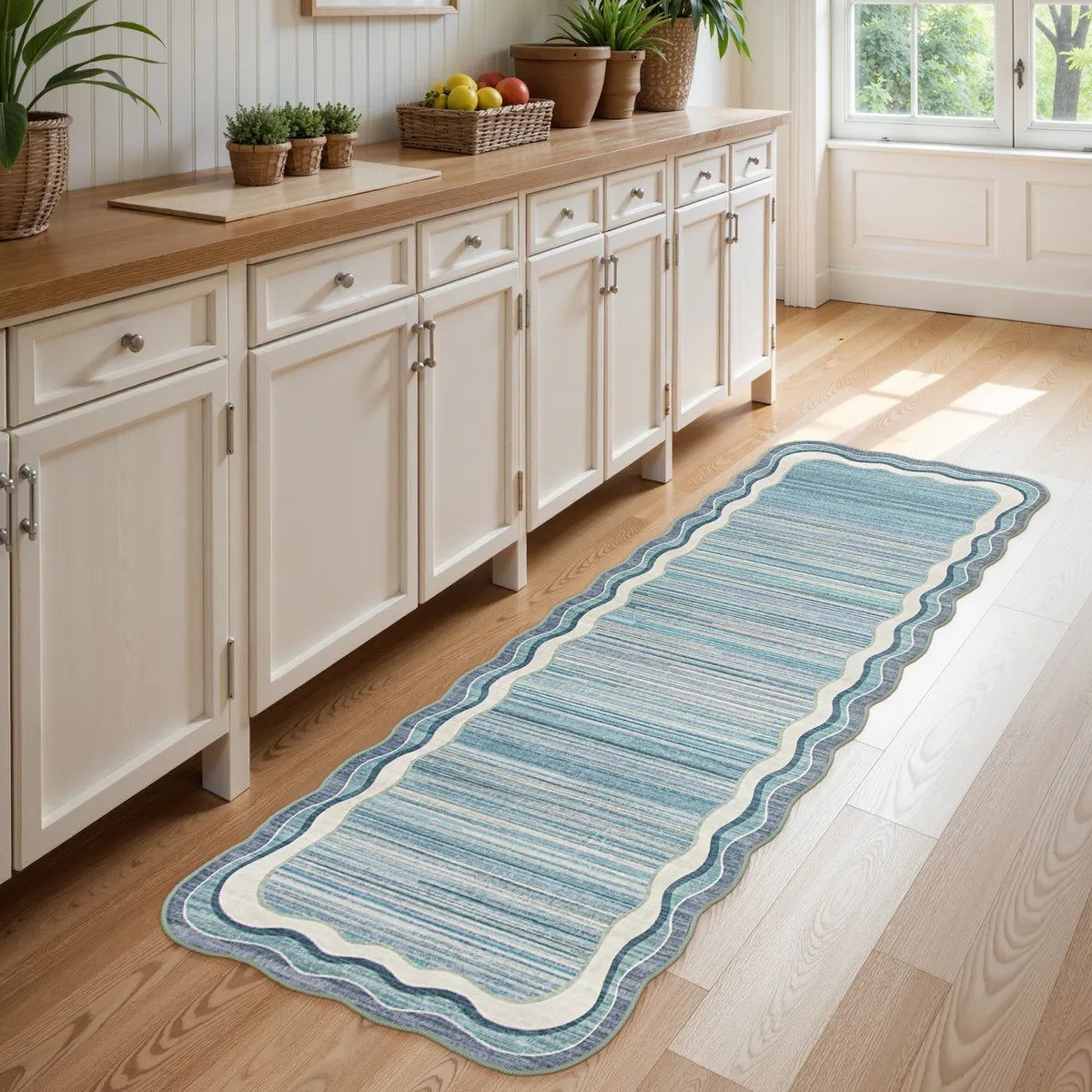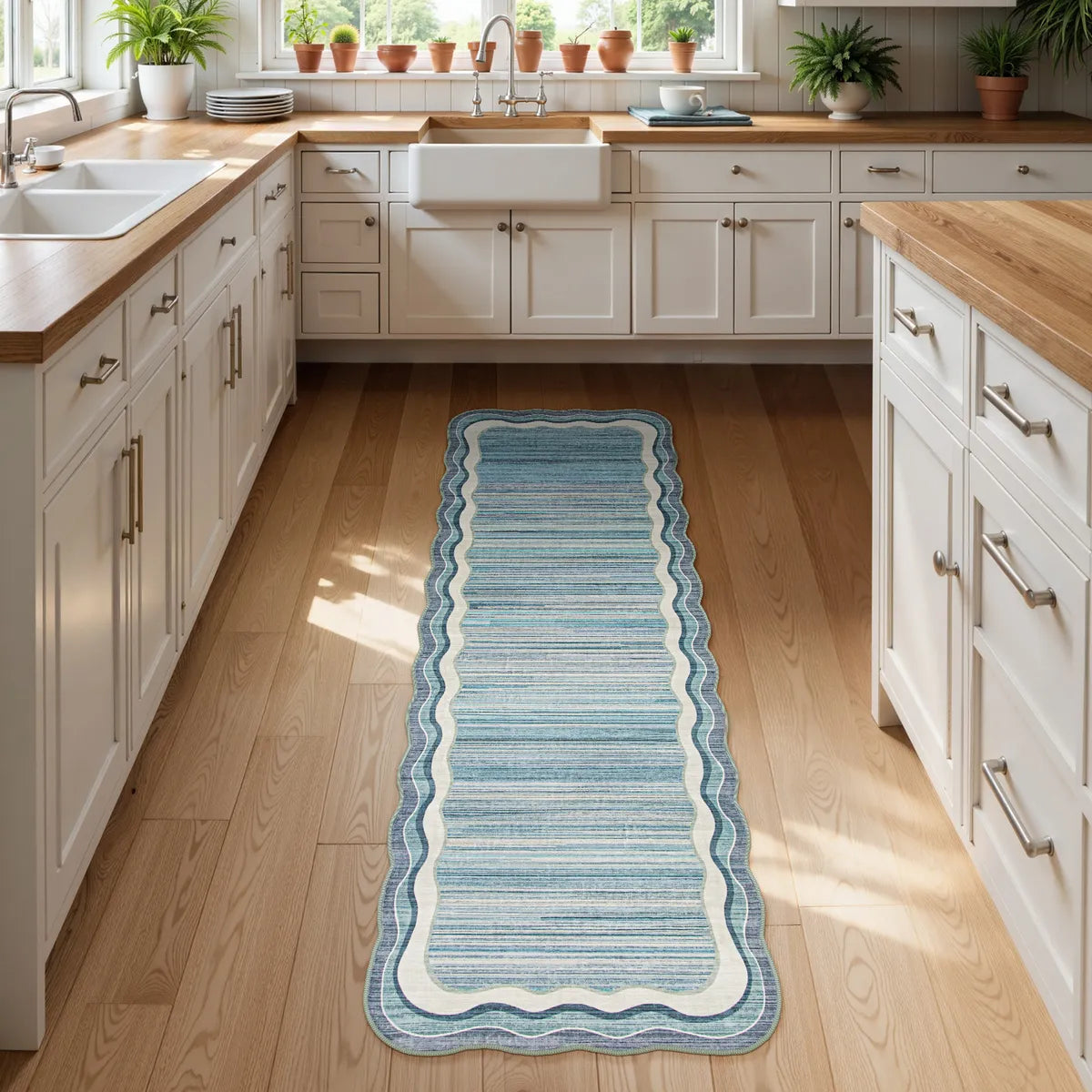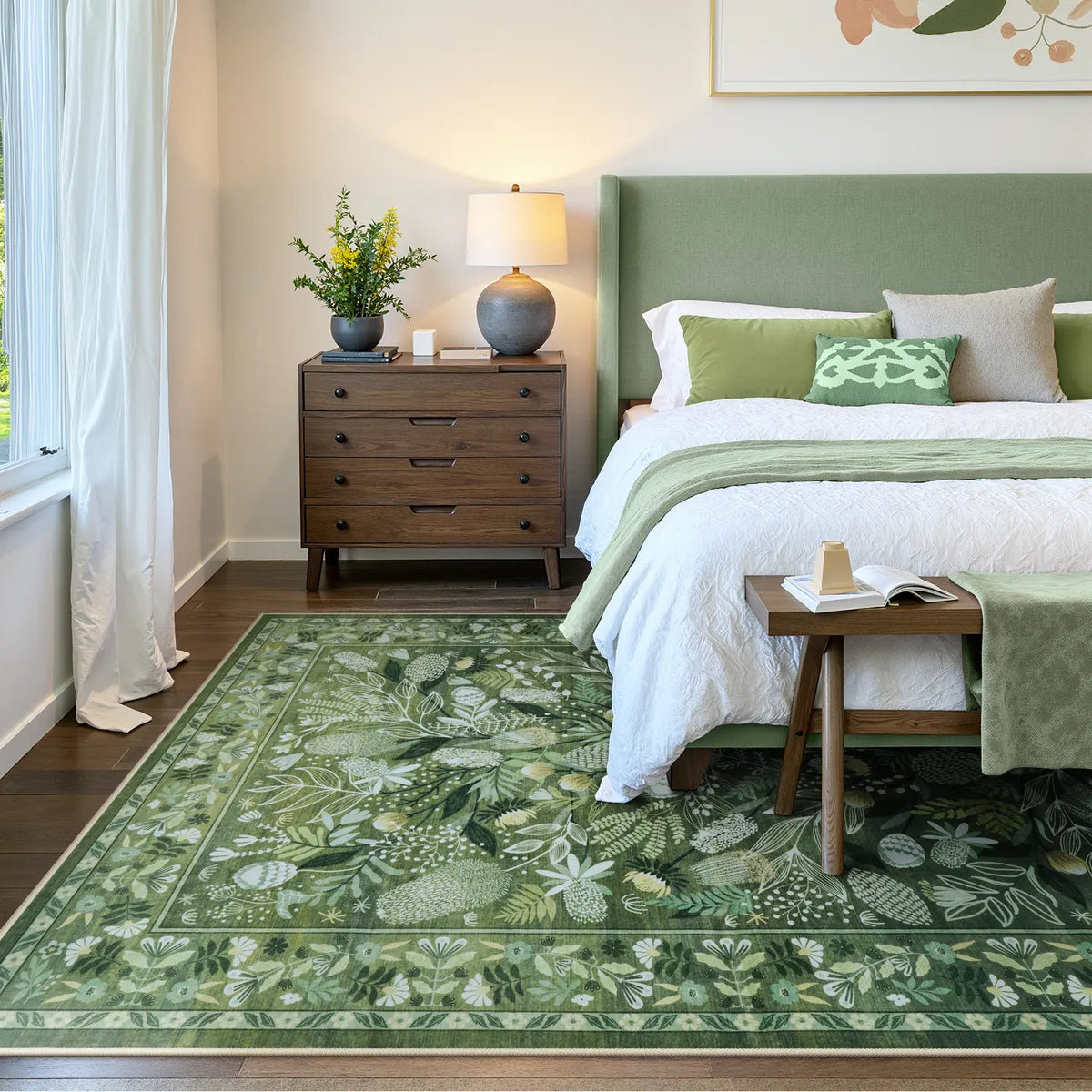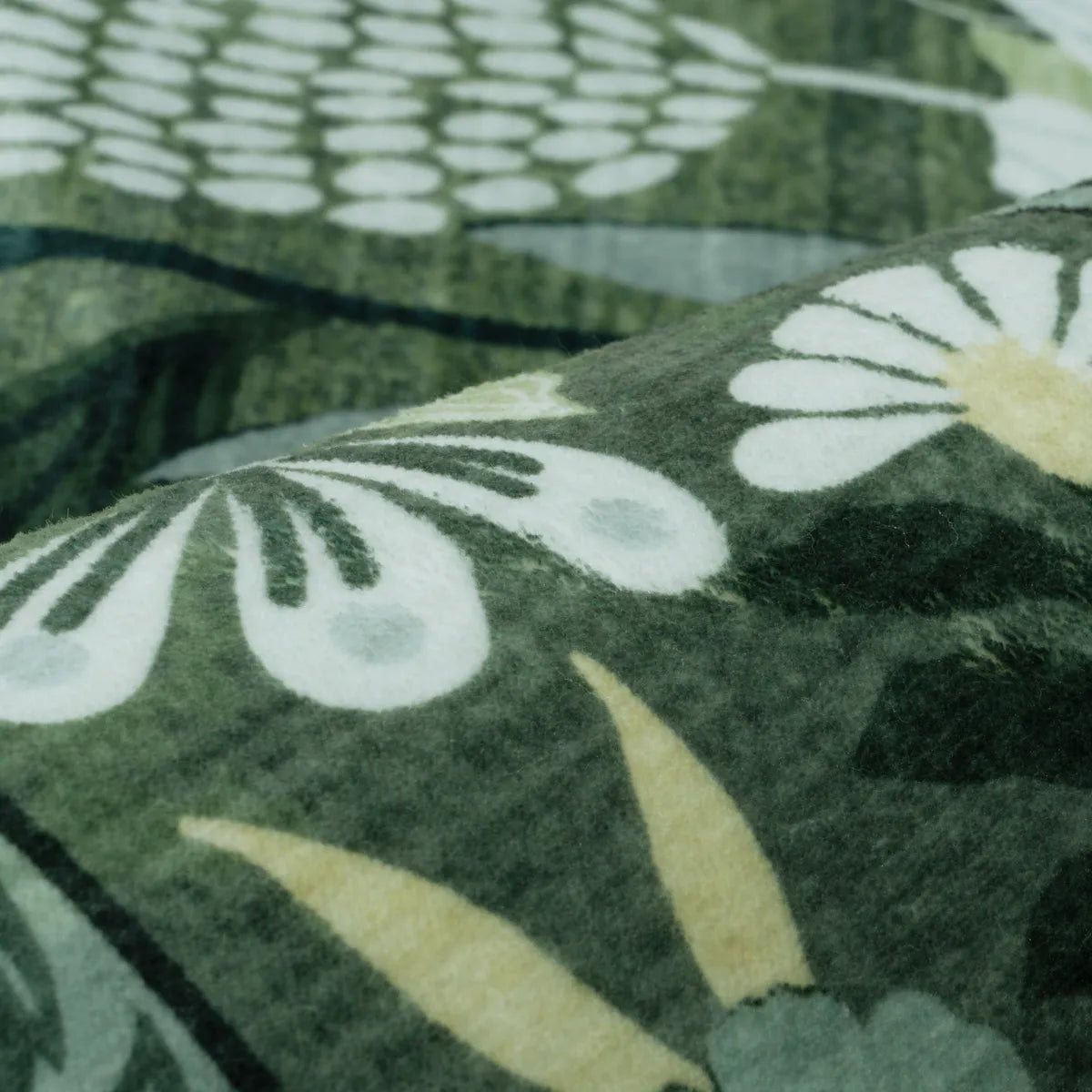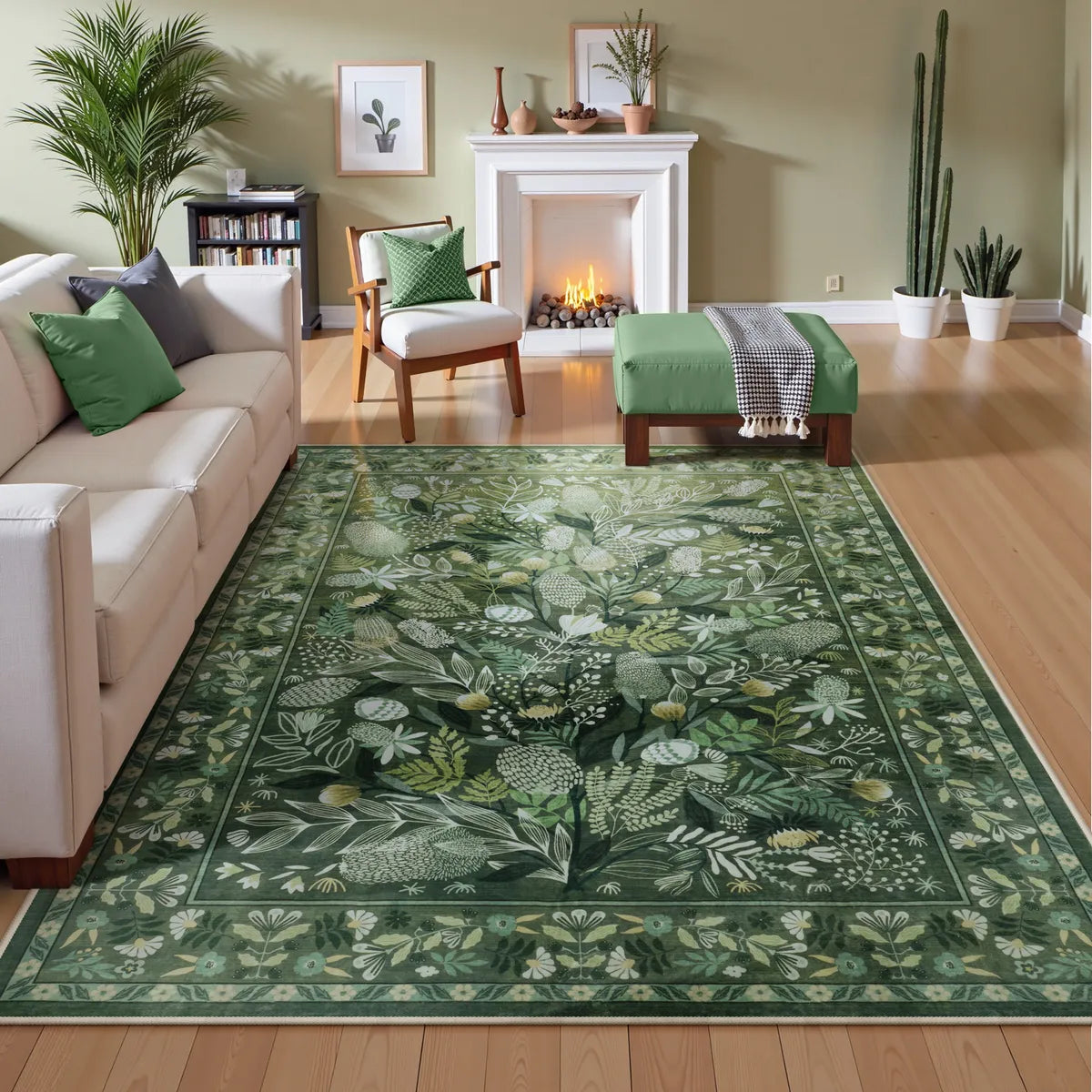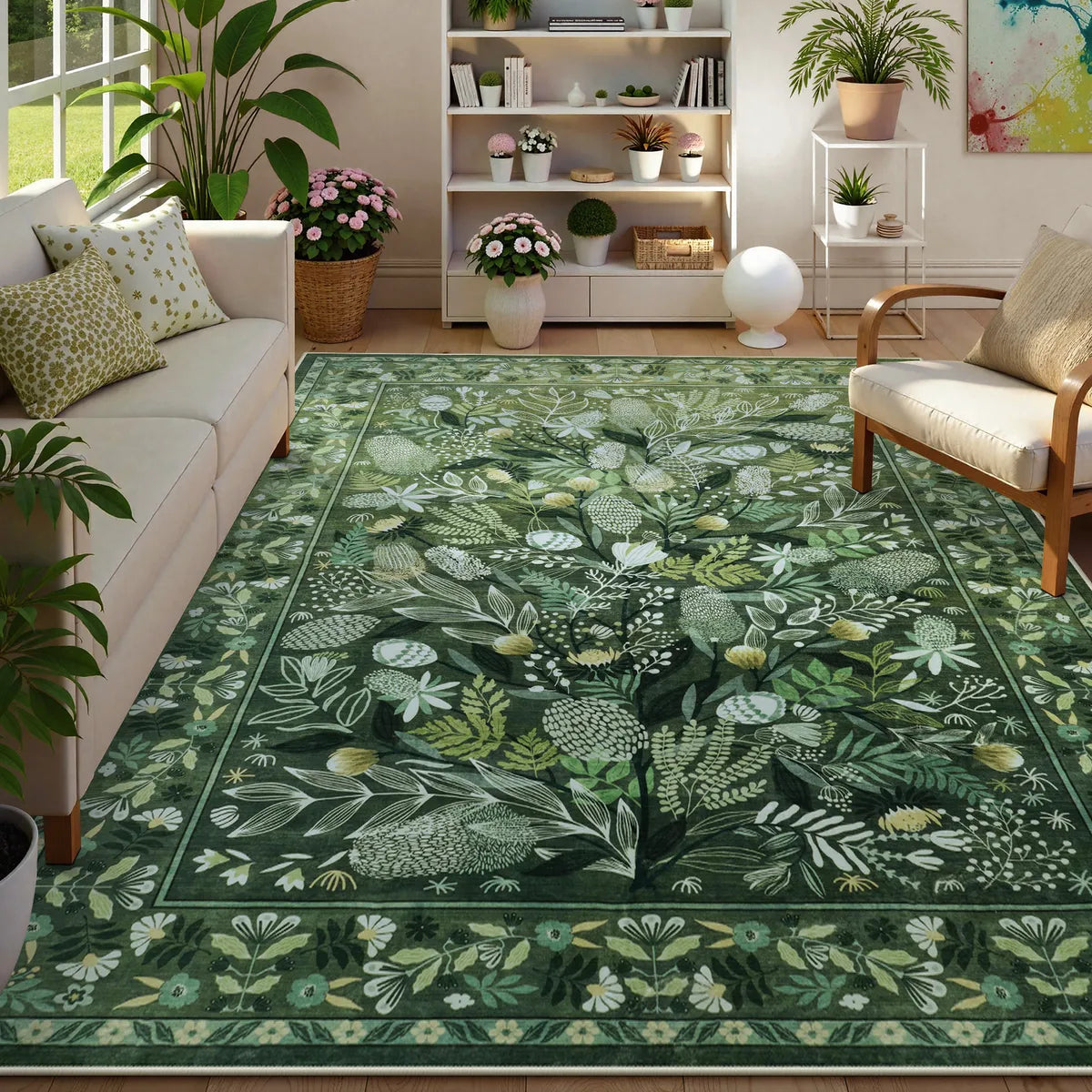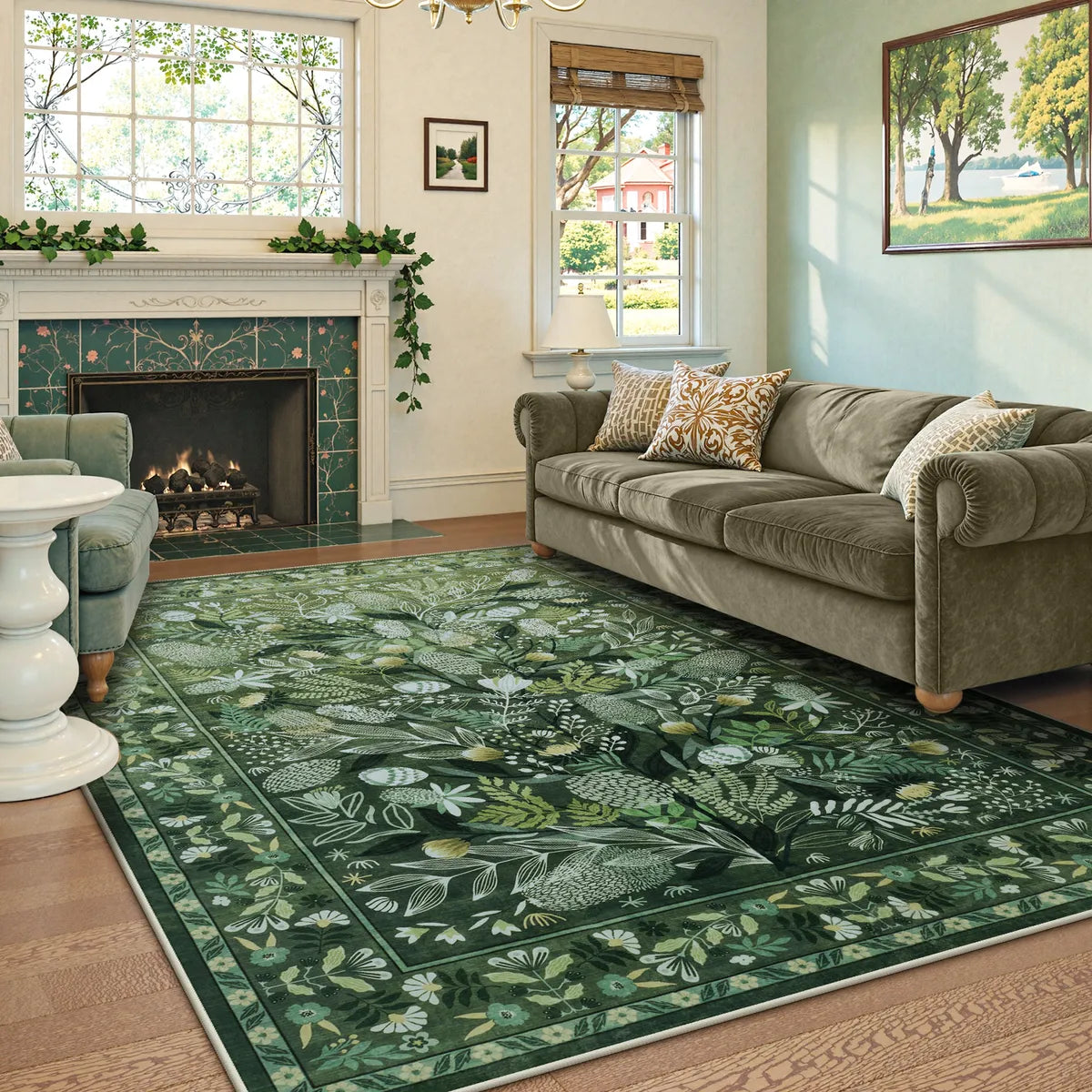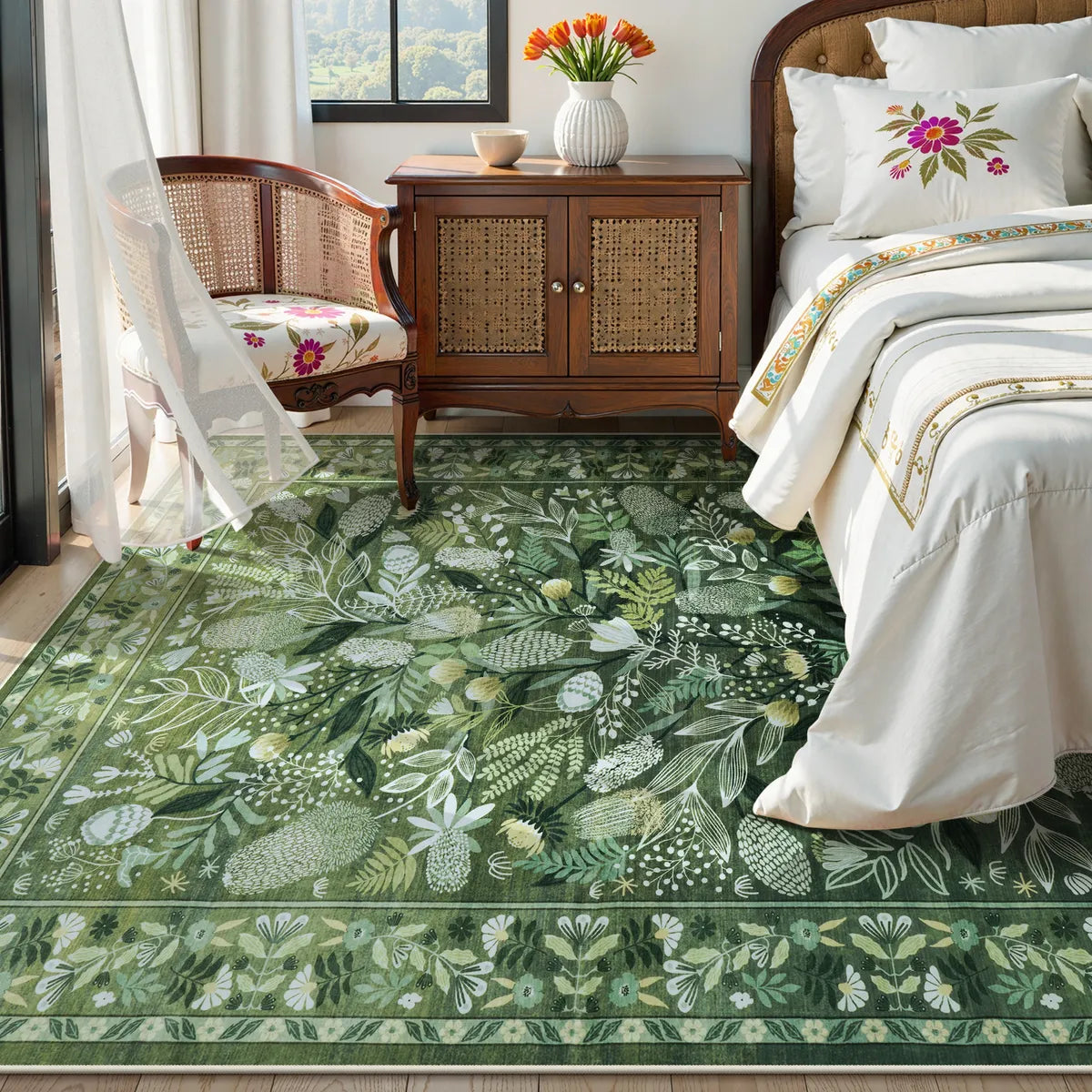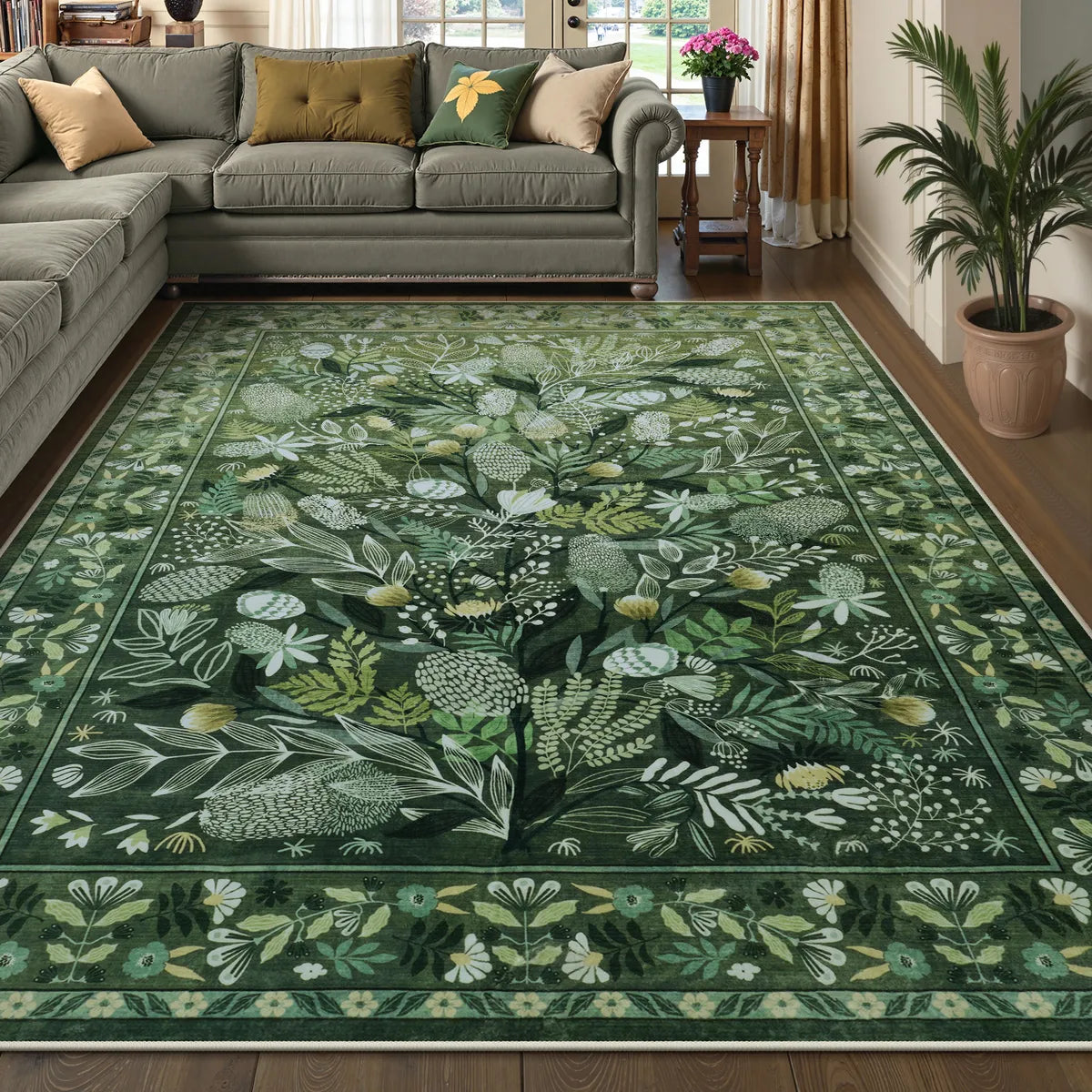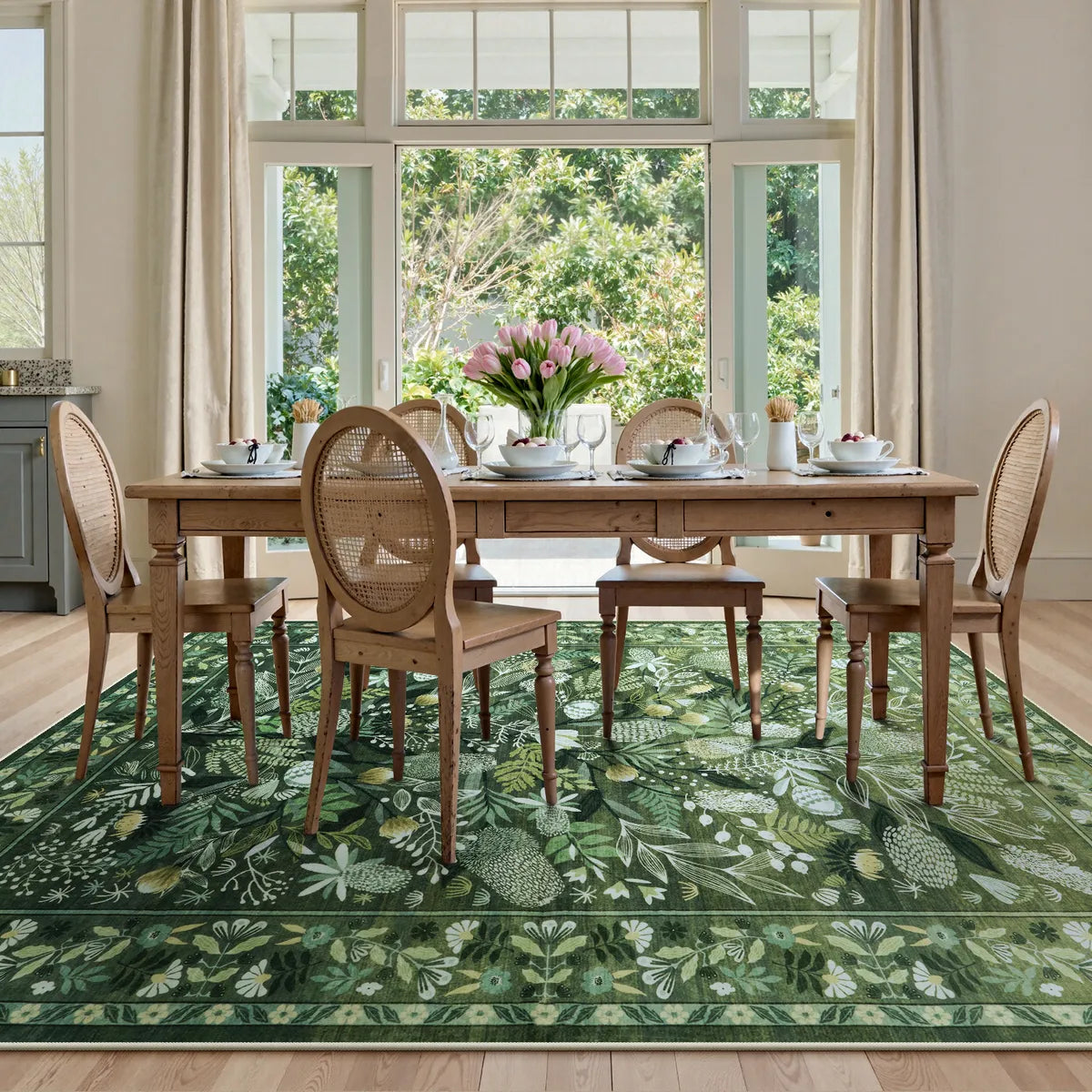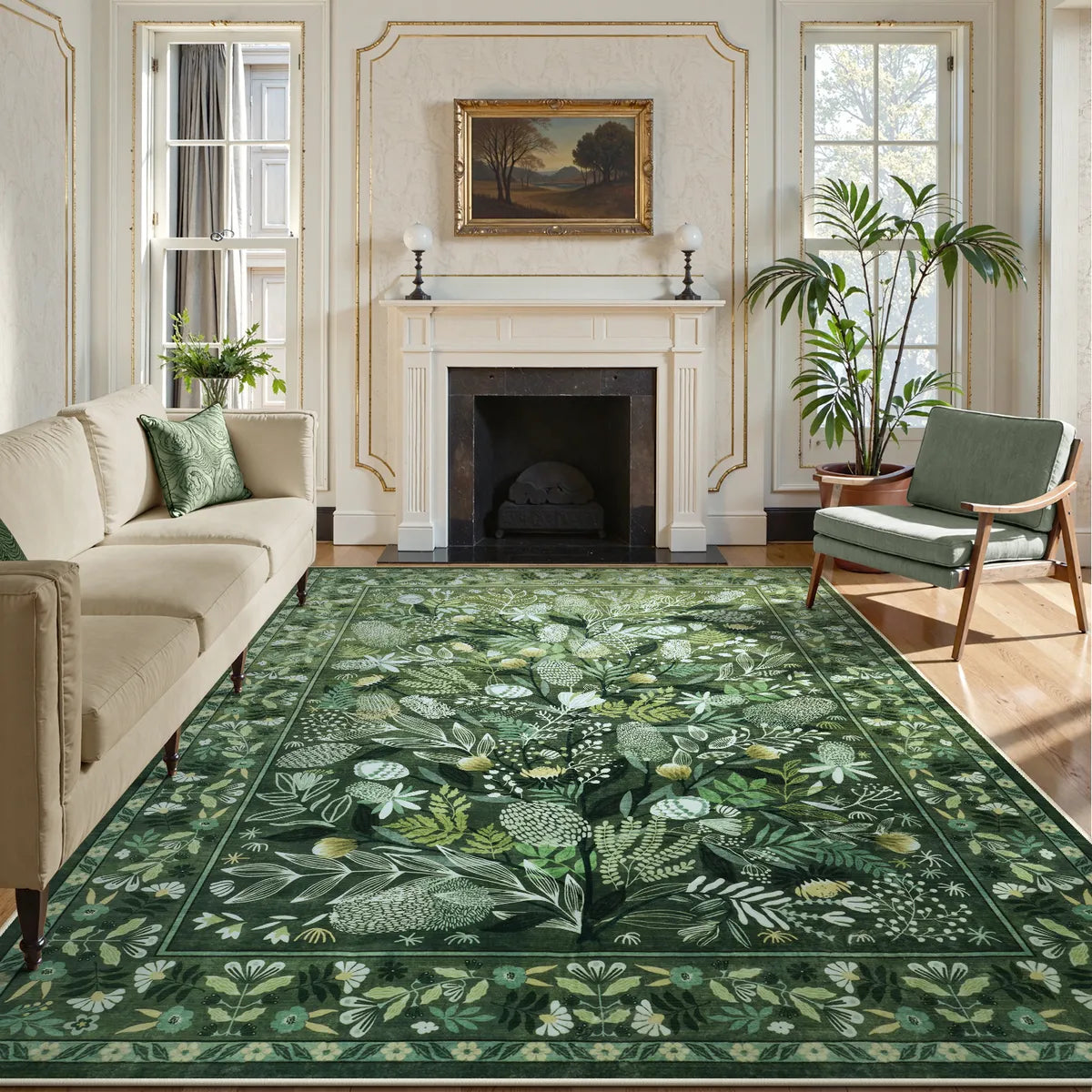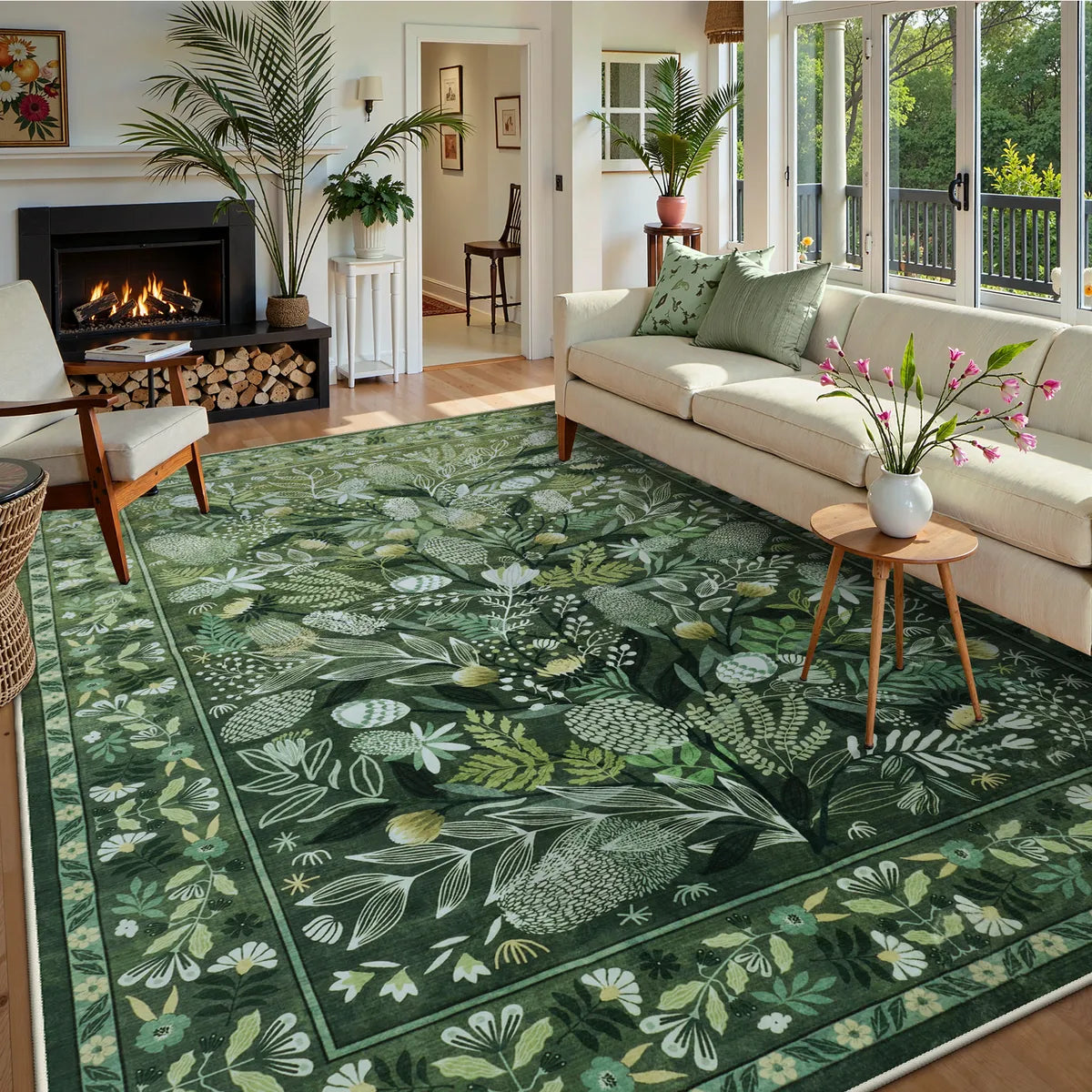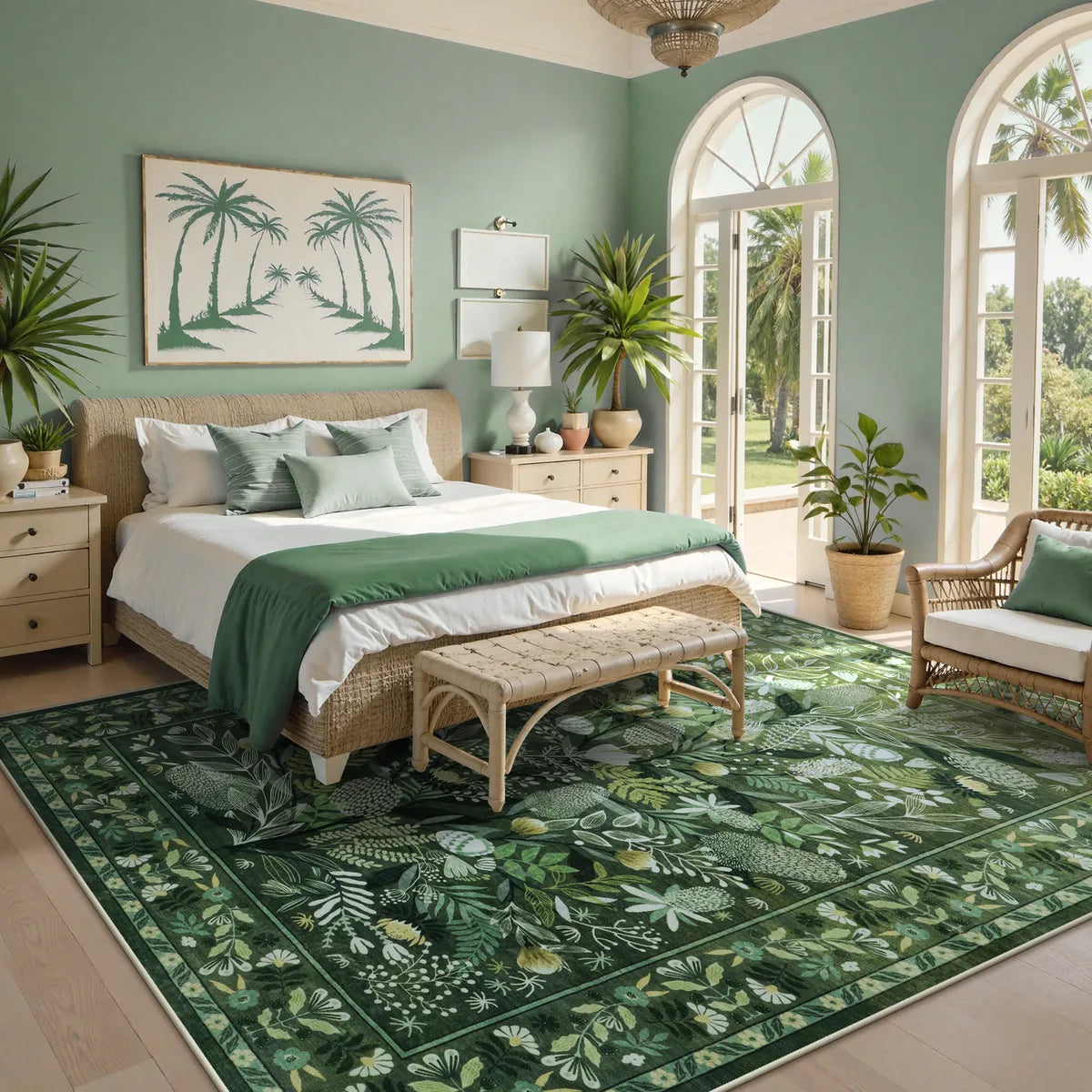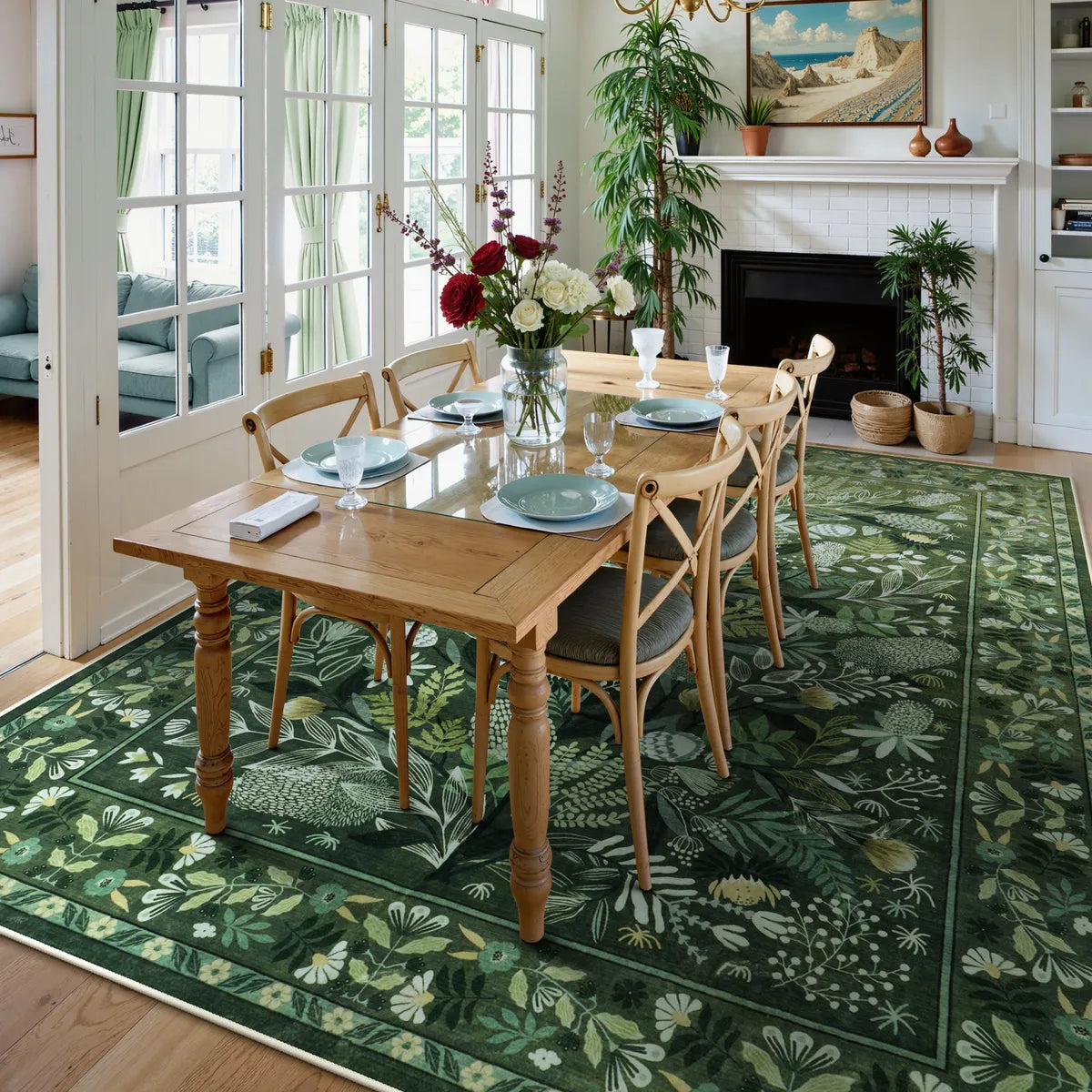


The kitchen is the one room in the house that never really rests. Between morning coffee spills, midday meal prep, and dinner splatter, the floor takes a beating every single day. Washable kitchen rugs solve a problem that standard rugs never could: they look great, protect your floors, and go straight into the washing machine when things get messy. For anyone who actually uses their kitchen, that changes everything.
What Makes Washable Kitchen Rugs Essential for Busy Households?

The kitchen rugs, designed to be washed regularly, use a very different construction from decorative rugs, and that difference shows up in everyday use, in how they hold up after spills, repeated washing, and heavy foot traffic.
Built to Handle the Mess
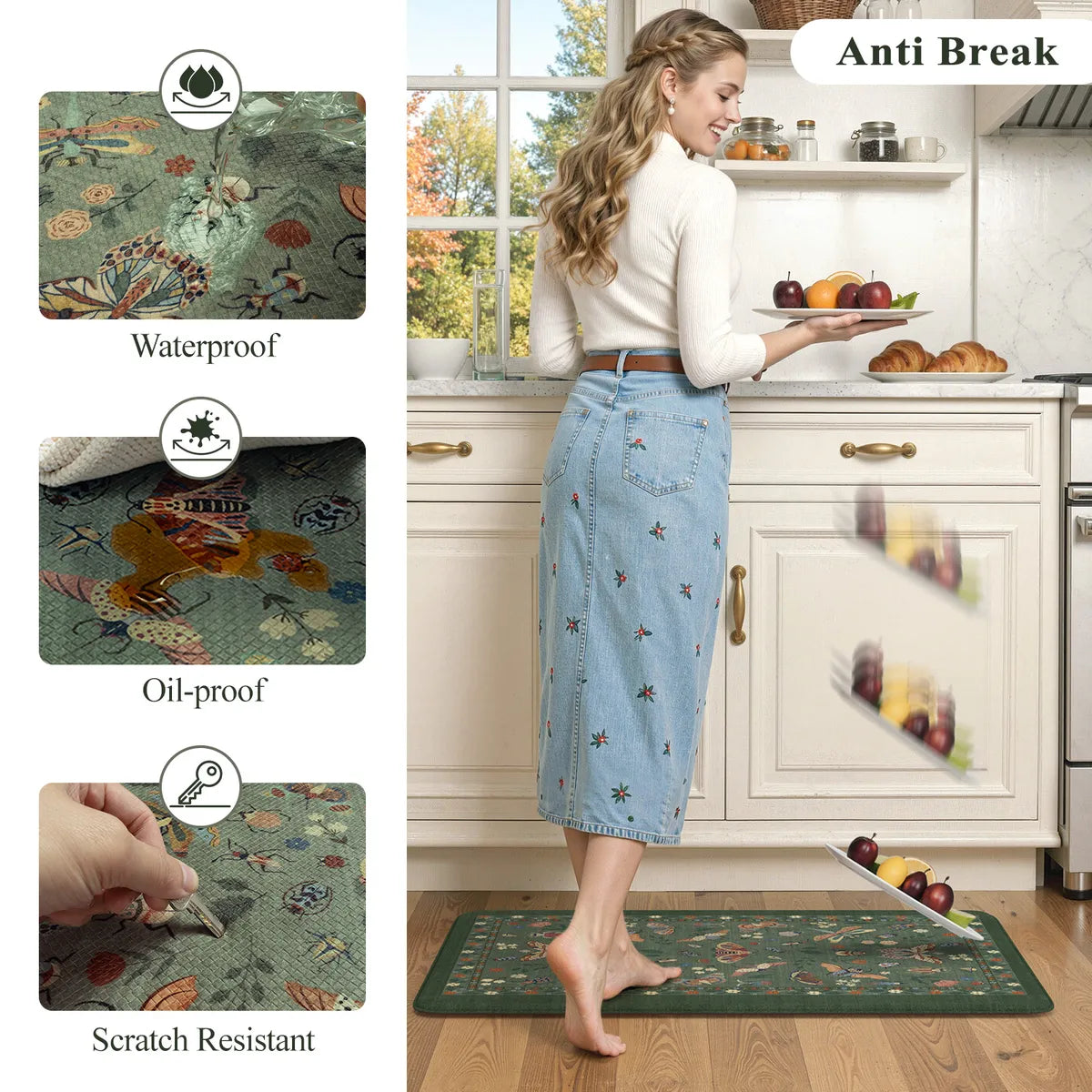
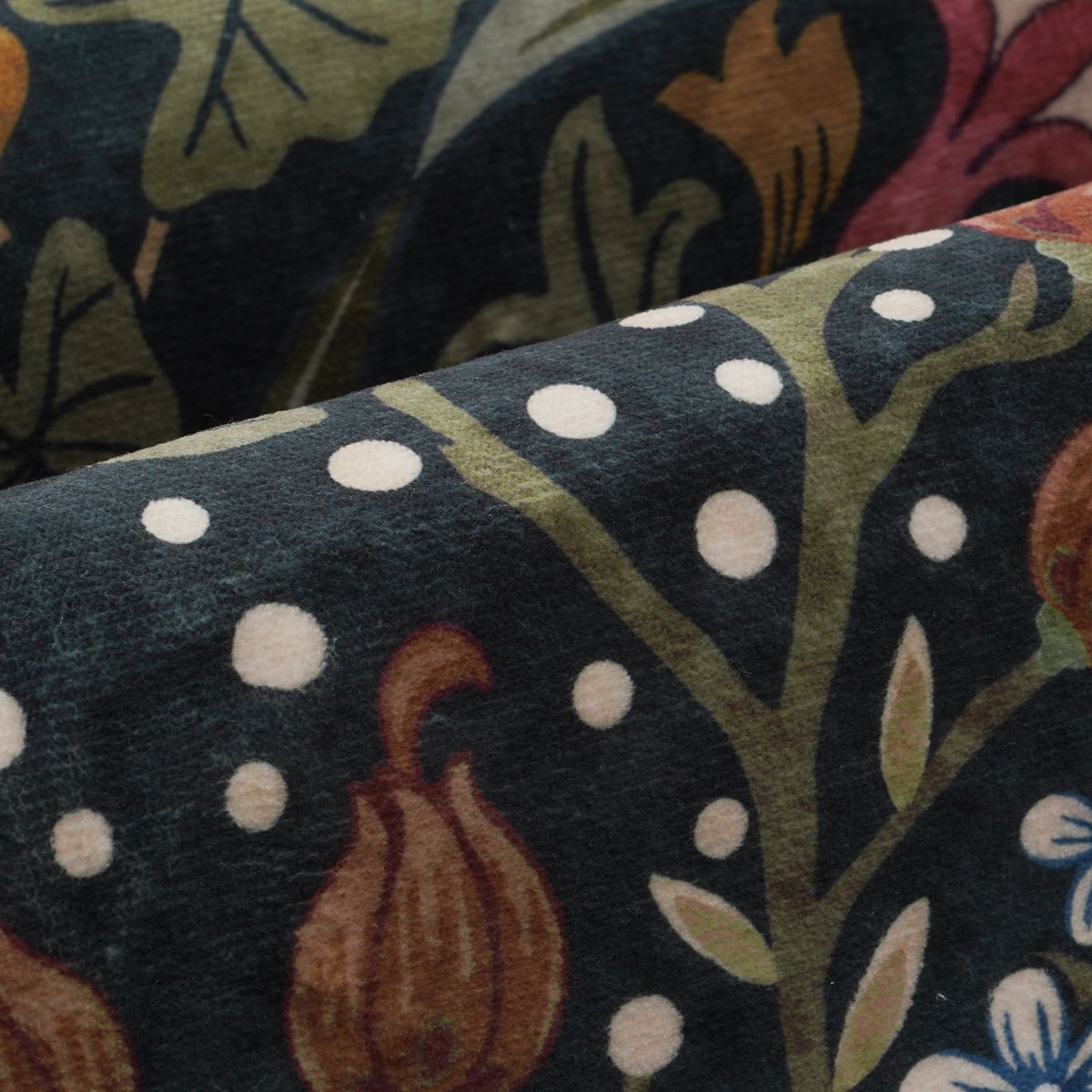
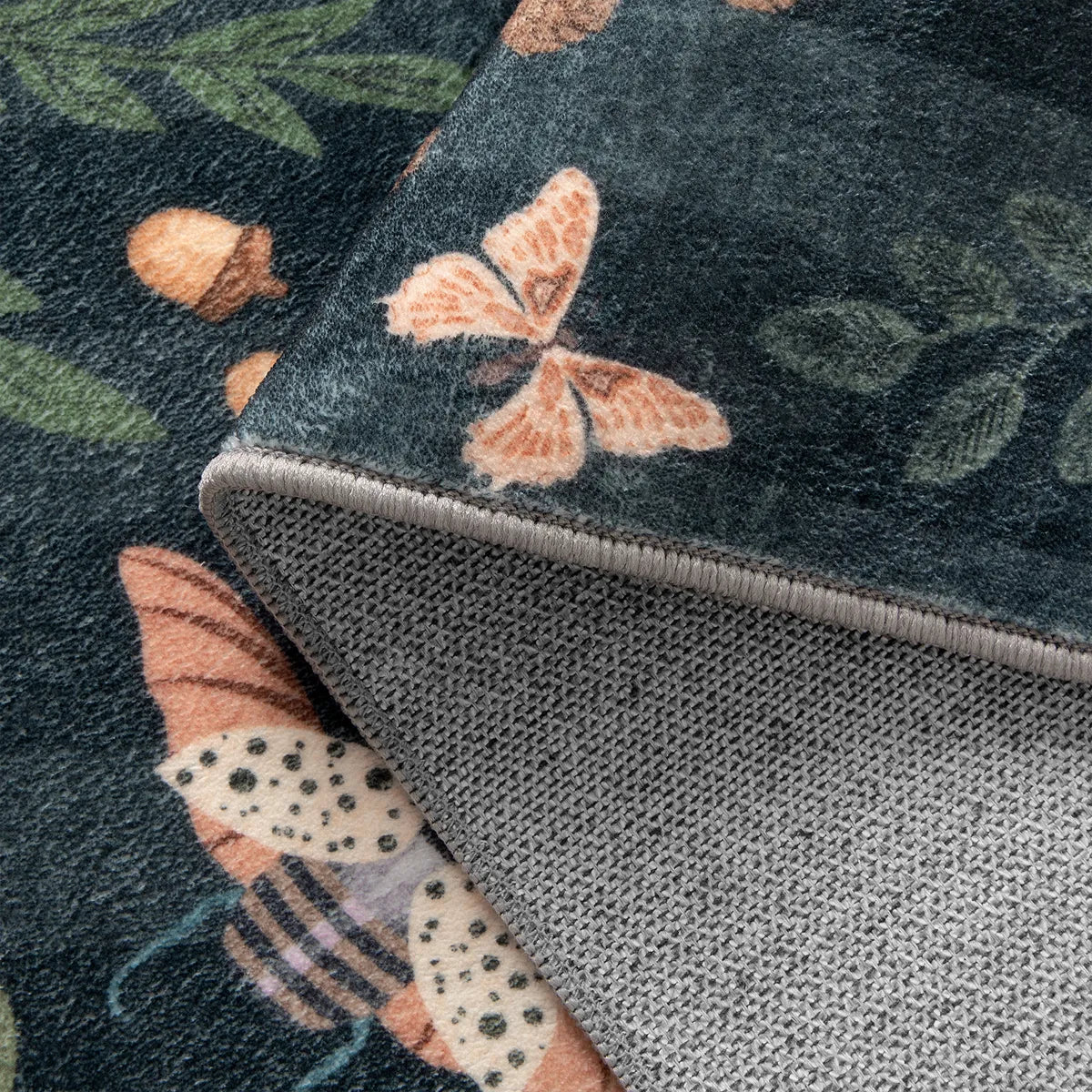
Most washable kitchen rugs are made from synthetic fibers like polypropylene or polyester. These materials resist moisture and dry quickly, which matters when the floor gets wet several times a day. The weave is typically tight enough to prevent deep absorption, so the liquid sits on the surface long enough for you to wipe it up rather than soaking straight through.
Durability is built into the design from the start. These rugs are meant to be used hard, washed often, and put back down without losing their shape or softness.
Stain-Resistant Rug Technology That Actually Works
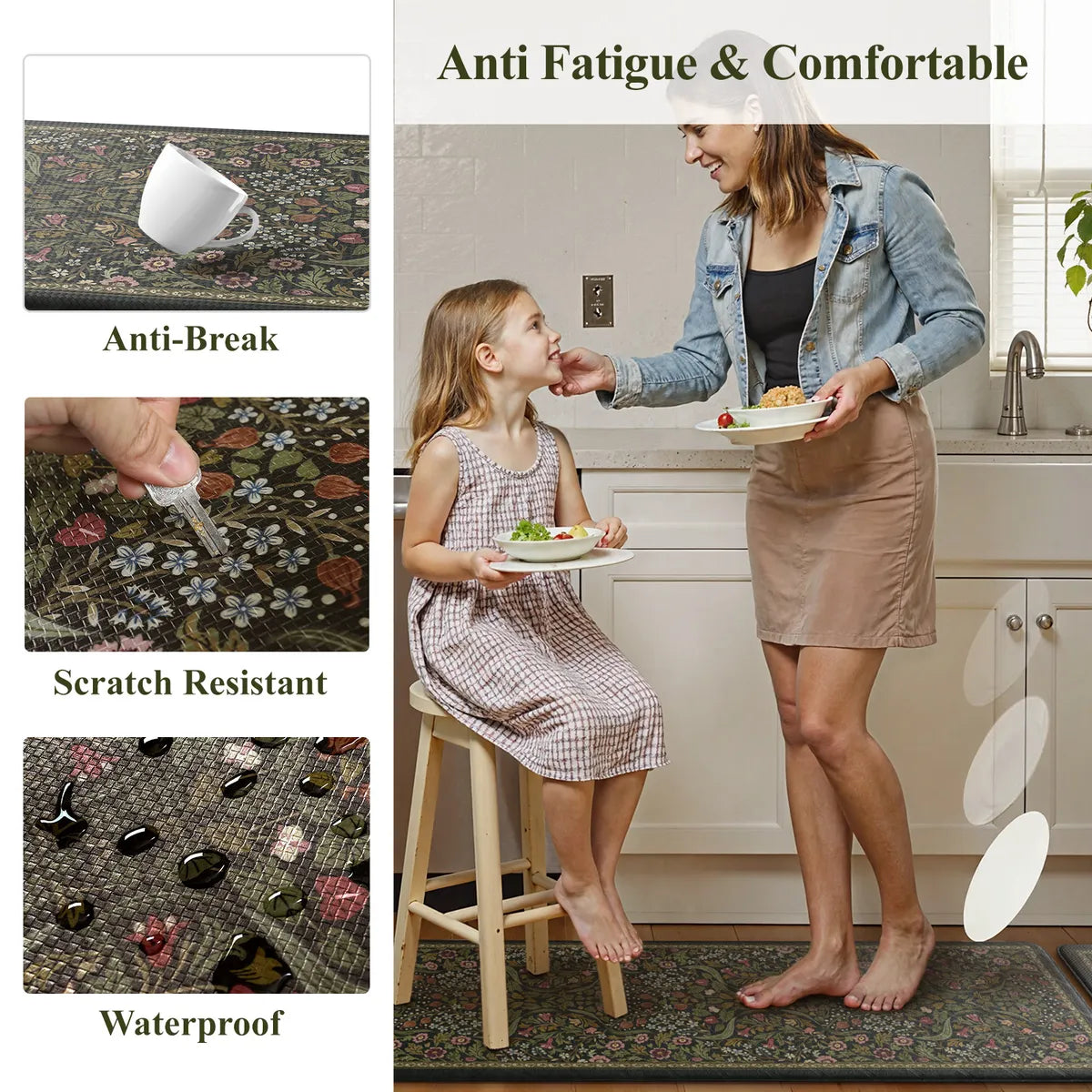
A stain-resistant rug is a rug treated or woven with materials that repel liquids and prevent staining from setting in. That takes the stress out of cooking. Whether it is tomato sauce, cooking oil, or a dropped egg, the surface resists immediate absorption and buys you time to clean up before the mess becomes permanent.
Some stain resistance is built into the fiber itself. Others come from a surface treatment applied during manufacturing. Either way, the result is a rug that stays looking newer for longer.
Safety Standards of Non-Slip Kitchen Rugs Near High-Traffic Cooking Zones

The kitchen is one of the most accident-prone rooms in the home. Wet floors, quick pivots, and kids running through all increase the risk of slipping. Non-slip kitchen rugs, meaning rugs with a textured or rubberized backing designed to grip the floor and stay in place, are built specifically to reduce that risk in the most active cooking areas.
How Non-Slip Backing Keeps Everyone Safer
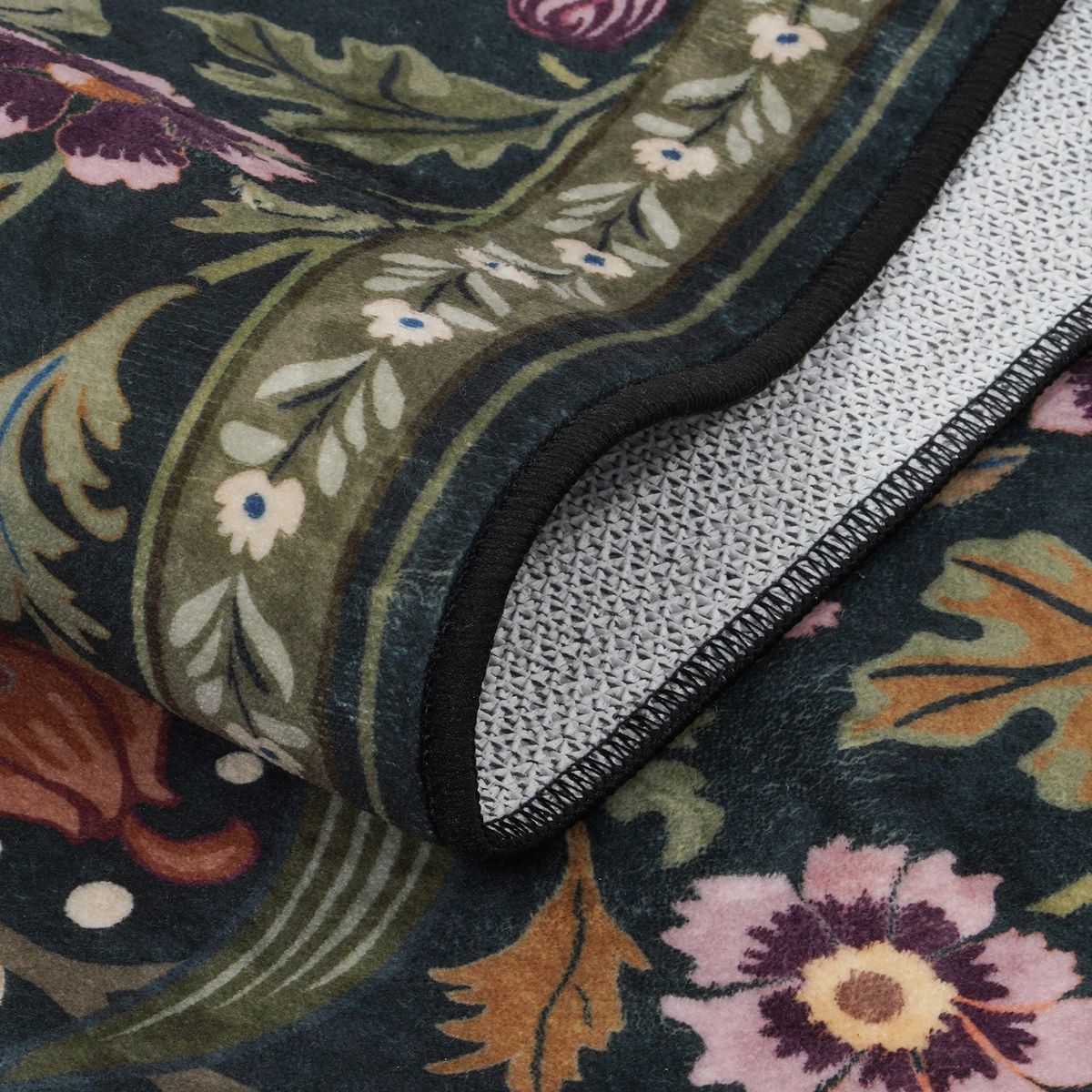
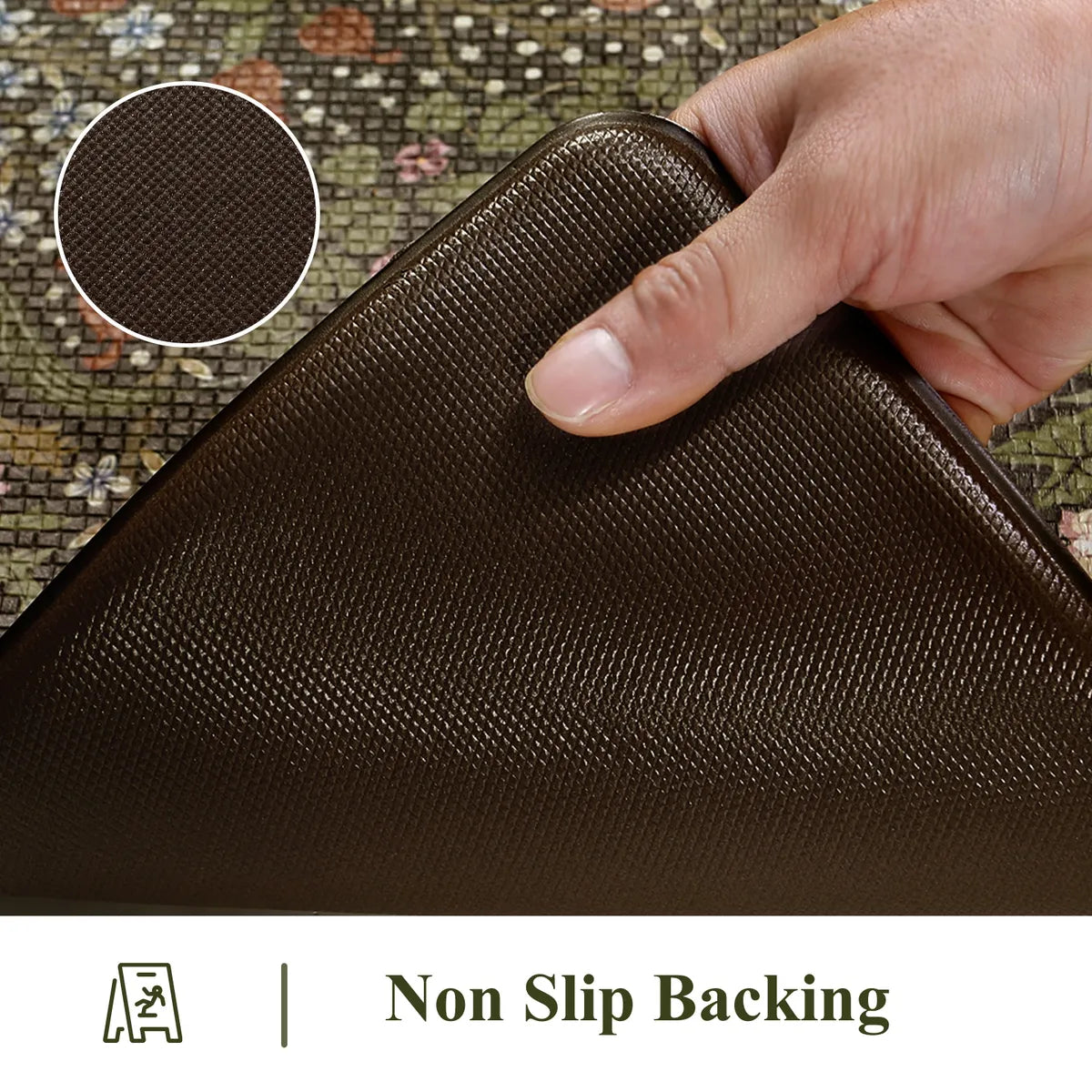
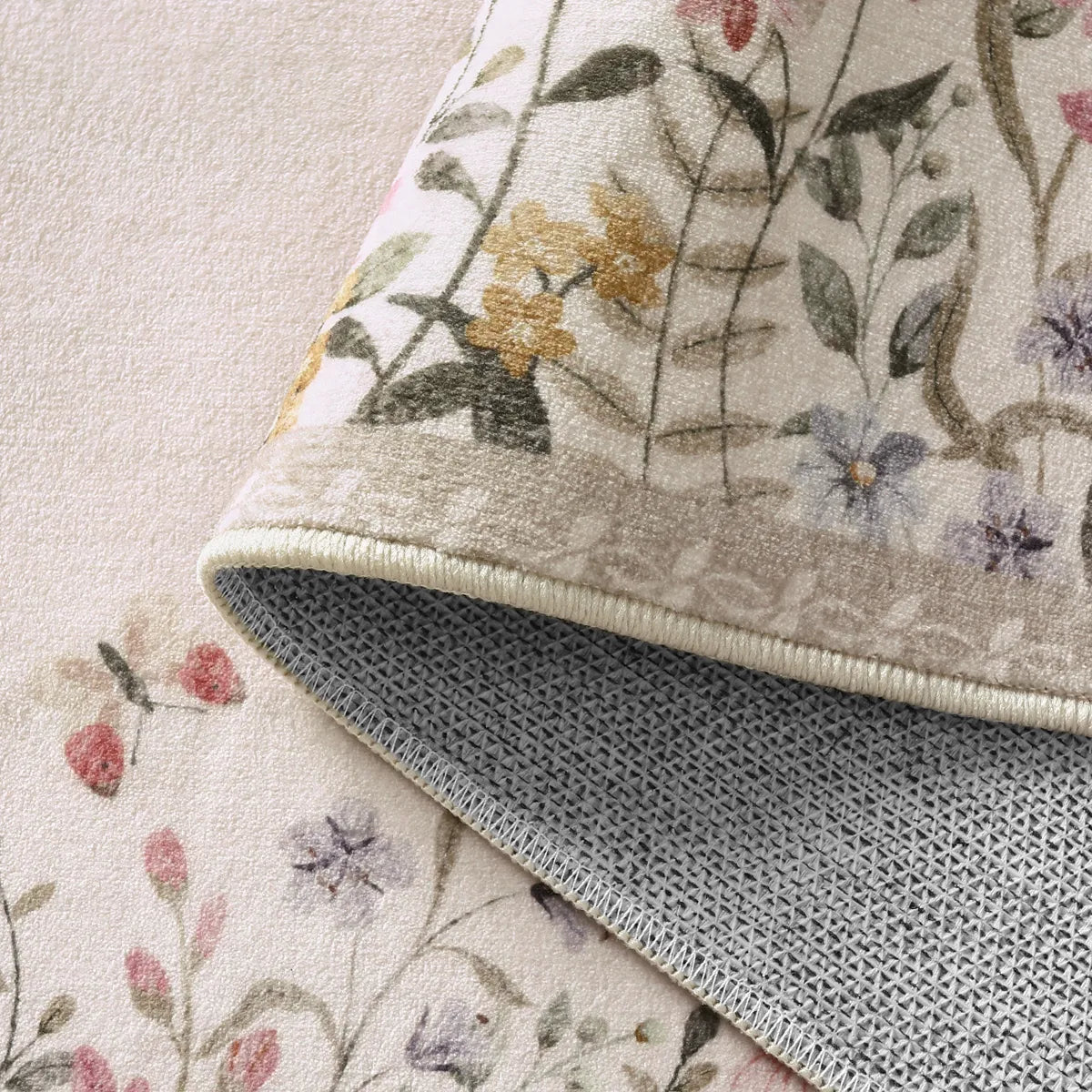
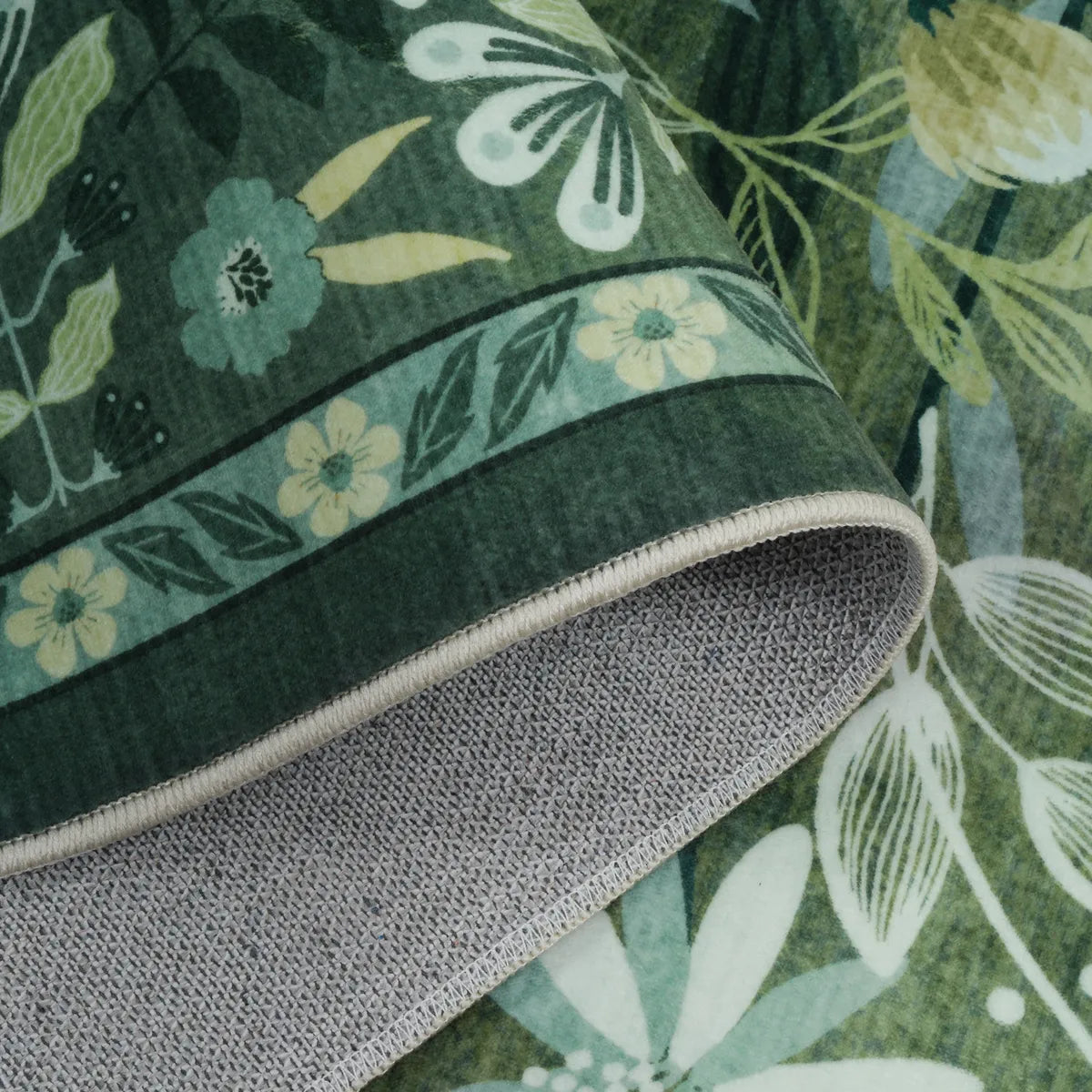
The backing on a non-slip kitchen rug is what does the real work. It creates friction between the rug and the floor surface, preventing the rug from sliding when someone steps on it or moves across it quickly. Backing materials vary by brand, but the most effective ones, like thermoplastic elastomer (TPE), create strong, consistent contact with the floor surface without requiring any extra rug pad.
For tile and hardwood floors, which are naturally slick surfaces, a strong rubber backing makes the most difference. A full-coverage backing provides more consistent traction across the whole surface than a few scattered grip dots.
Pile Height and Trip Hazard Prevention
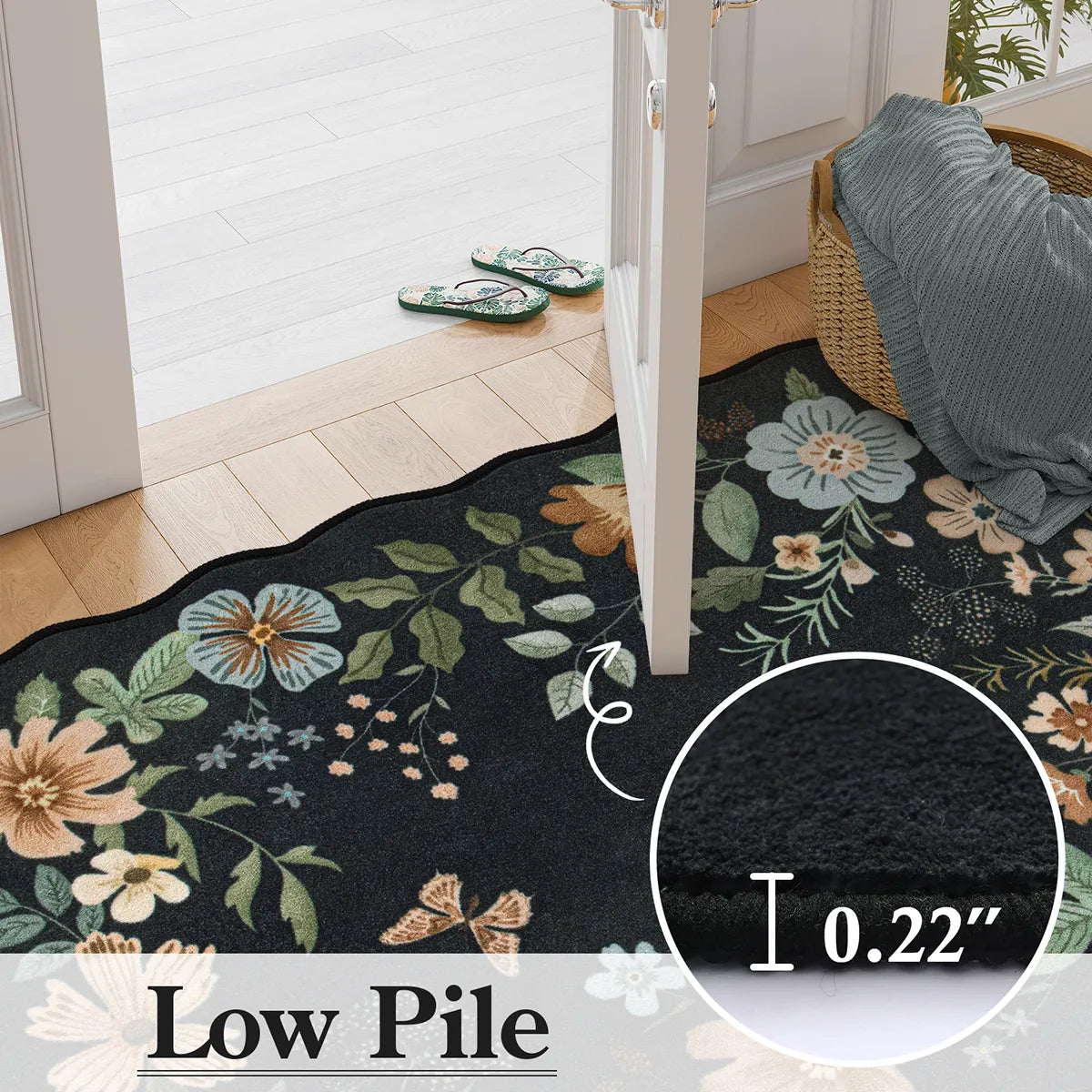
Pile height refers to how tall the rug fibers stand above the backing. In a kitchen, low-pile rugs with a short fiber height are generally the safer choice for a few key reasons:
- Flat or low-profile edges reduce the risk of tripping near counters or appliances
- Thin profiles sit flush with the floor, making it easier to open cabinet doors
- Short fibers are easier to clean and less likely to trap food debris
High-pile rugs can add warmth and softness, but they are better suited for lower-traffic rooms. In a kitchen where safety and practicality come first, keeping the profile low is the smarter move.
Daily Maintenance Advantages of a Spill-Proof Rug for Home Cooks
For home cooks, the floor around the stove and sink is essentially a splash zone. A spill-proof rug, one designed so that liquids bead up on the surface rather than soaking through, makes cleanup a routine task rather than a stressful one.
Here is what daily maintenance looks like with the right rug in place:
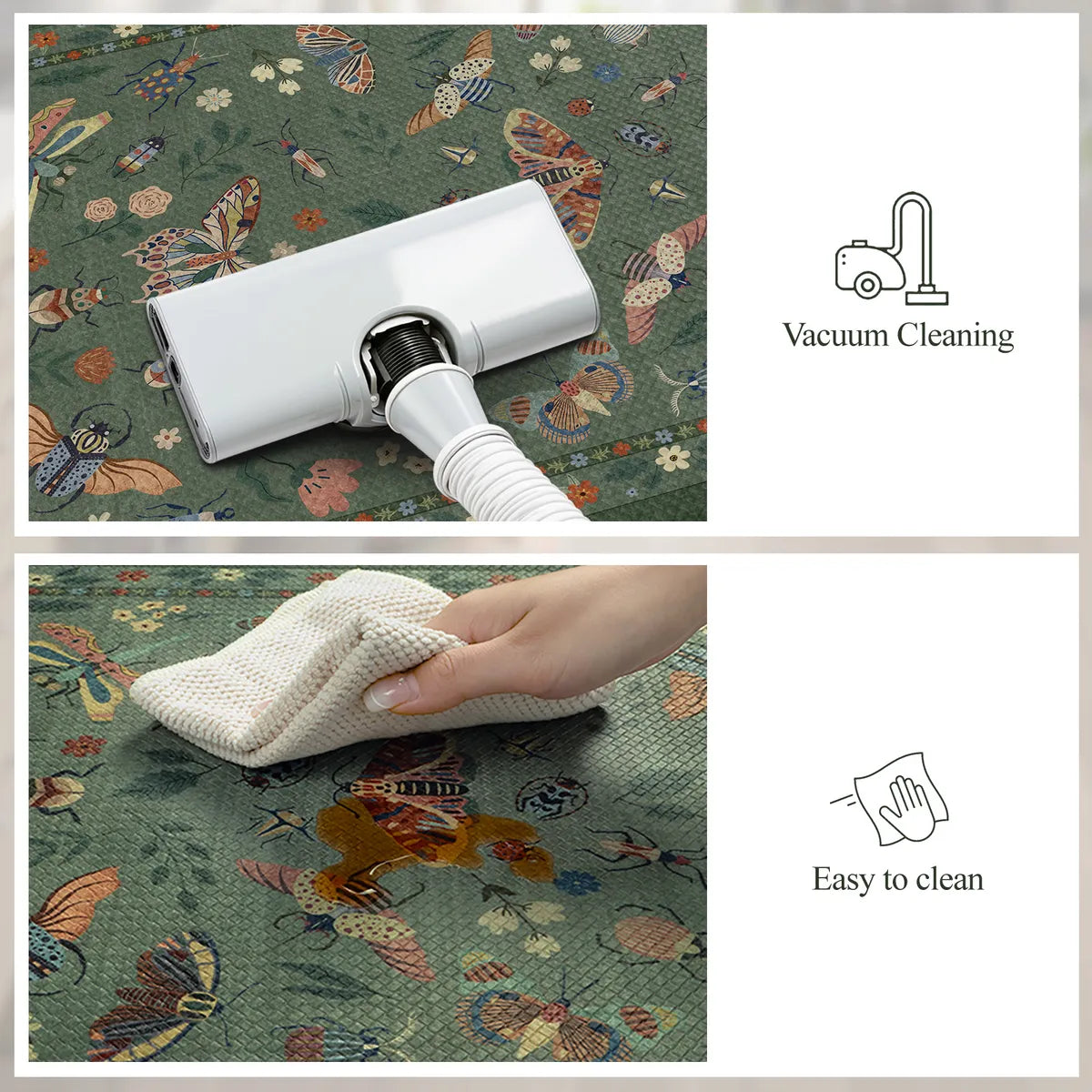
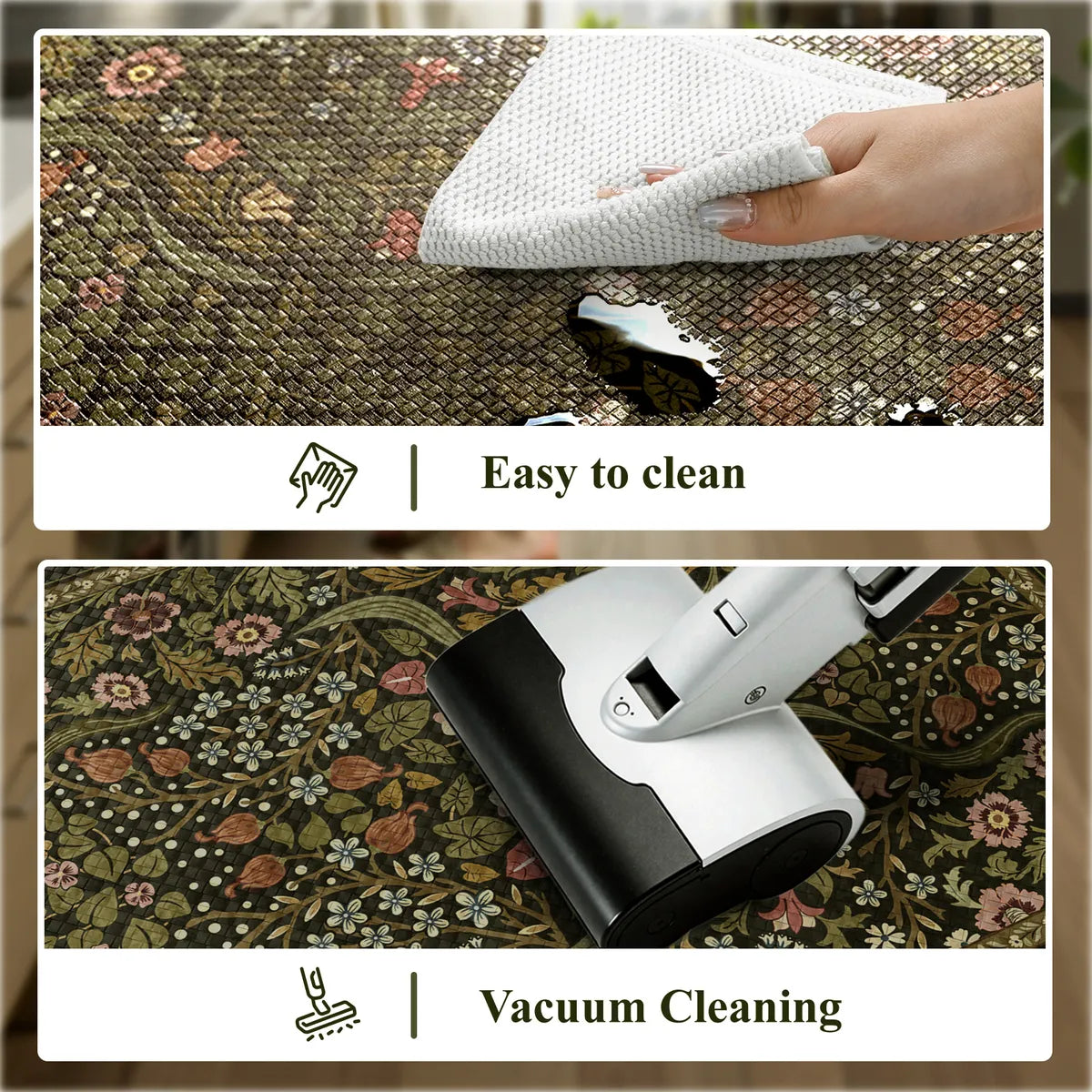
- Spot cleaning: Most spills wipe away with a damp cloth or paper towel. The stain-resistant surface keeps liquid from bonding with the fibers.
- Vacuuming: A quick pass every few days keeps crumbs and fine debris from building up in the pile.
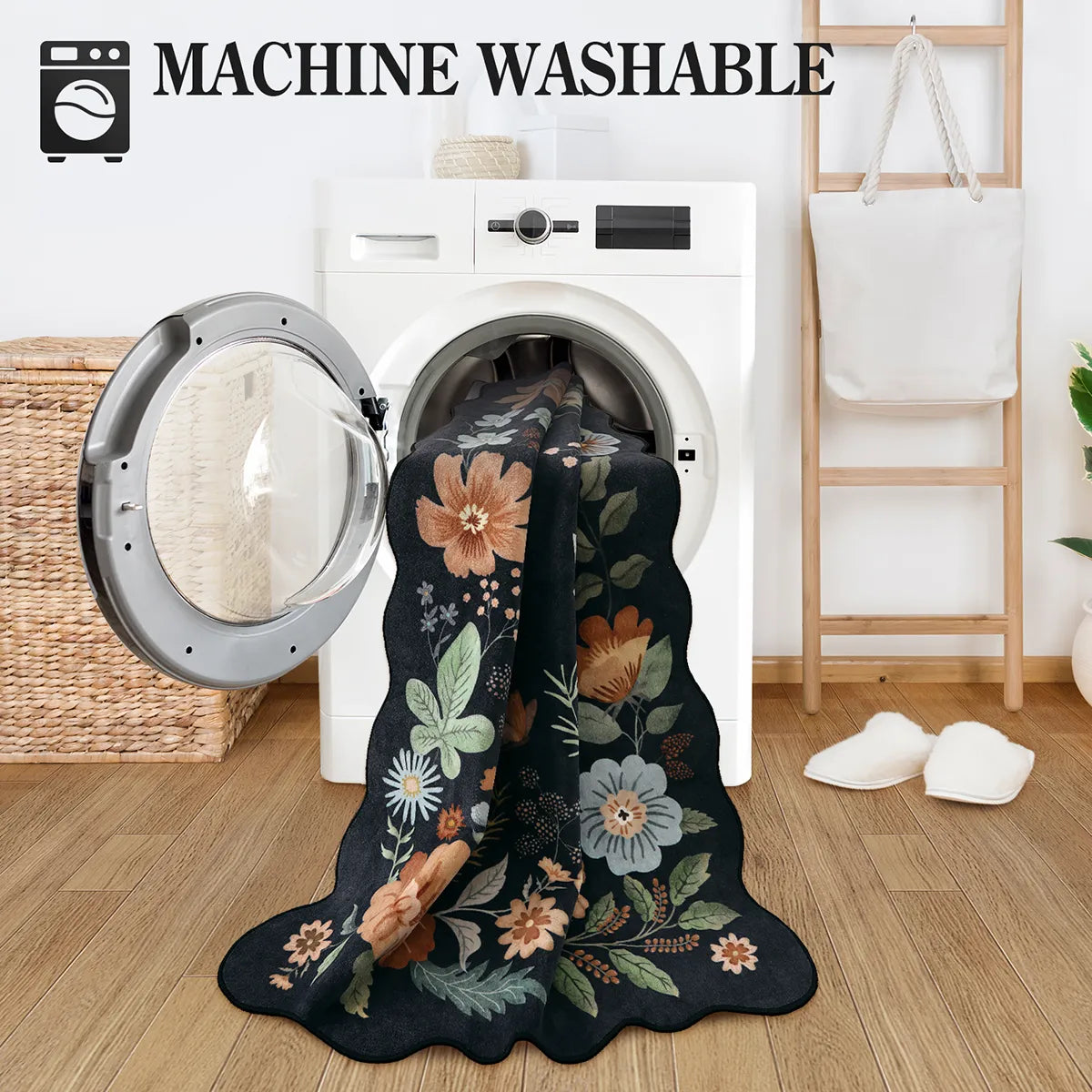
- Machine washing: When the rug needs a deeper clean, it goes into the washing machine like any household item, typically on a gentle cycle with cold water.
- Air drying: Most washable kitchen rugs are made from polyester or polyester-blend fibers. These materials are soft underfoot, moisture-resistant, and hold up well through repeated washing.
The key advantage is predictability. You always know how to clean it, and it always comes out looking the same. That kind of low-maintenance routine fits naturally into a busy cooking schedule without adding extra effort.
Versatile Design Options for Washable Runner Rugs in Hallway Kitchens
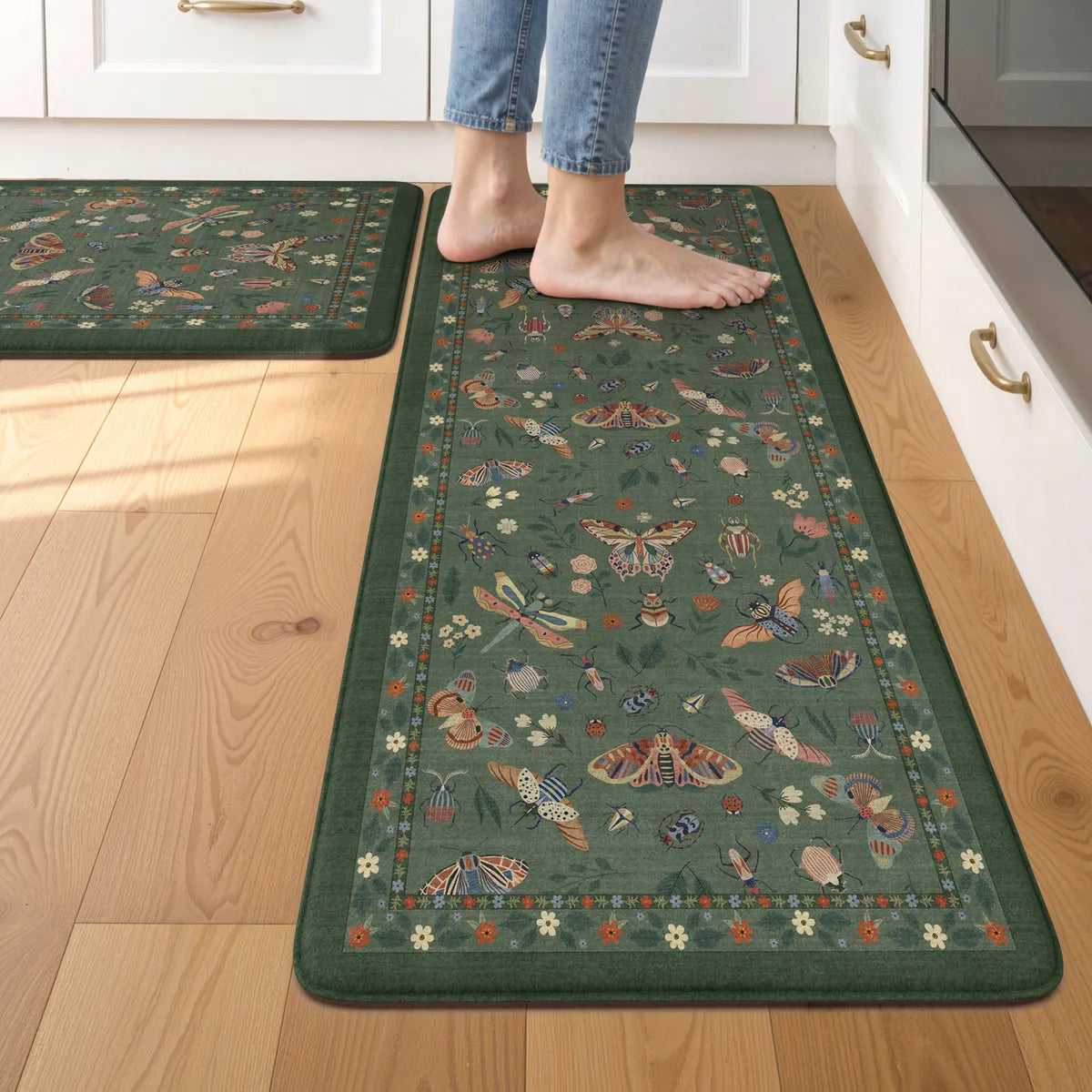
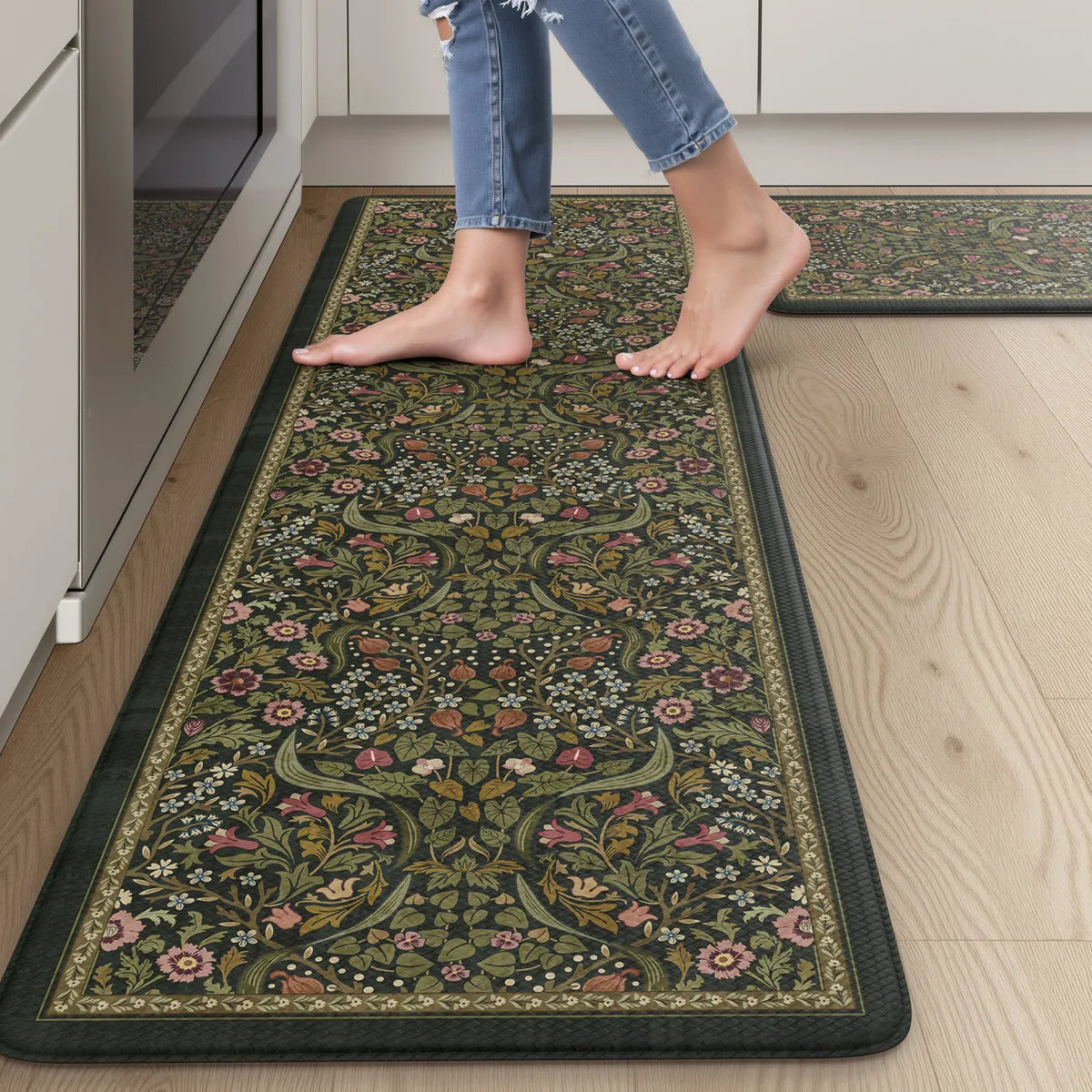
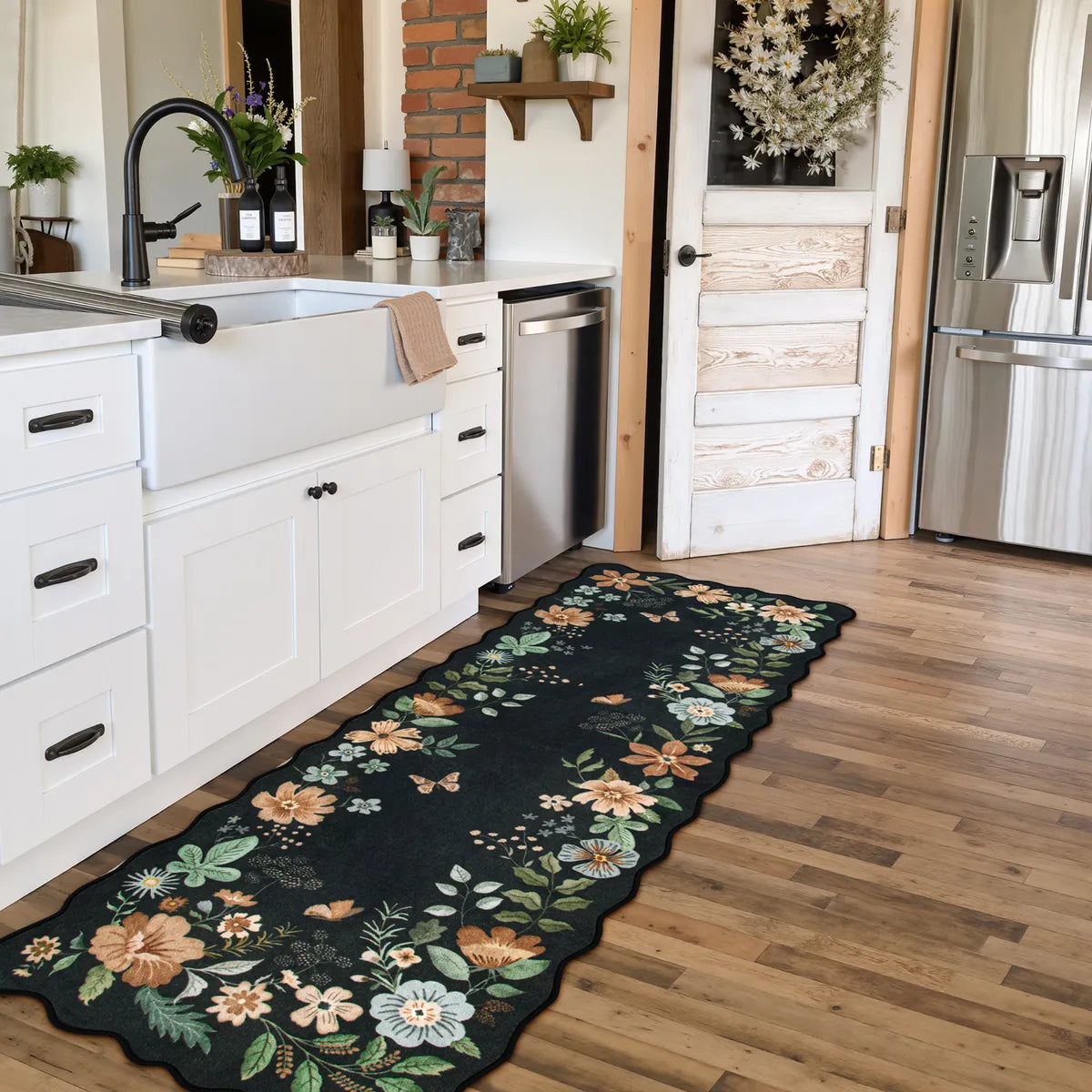
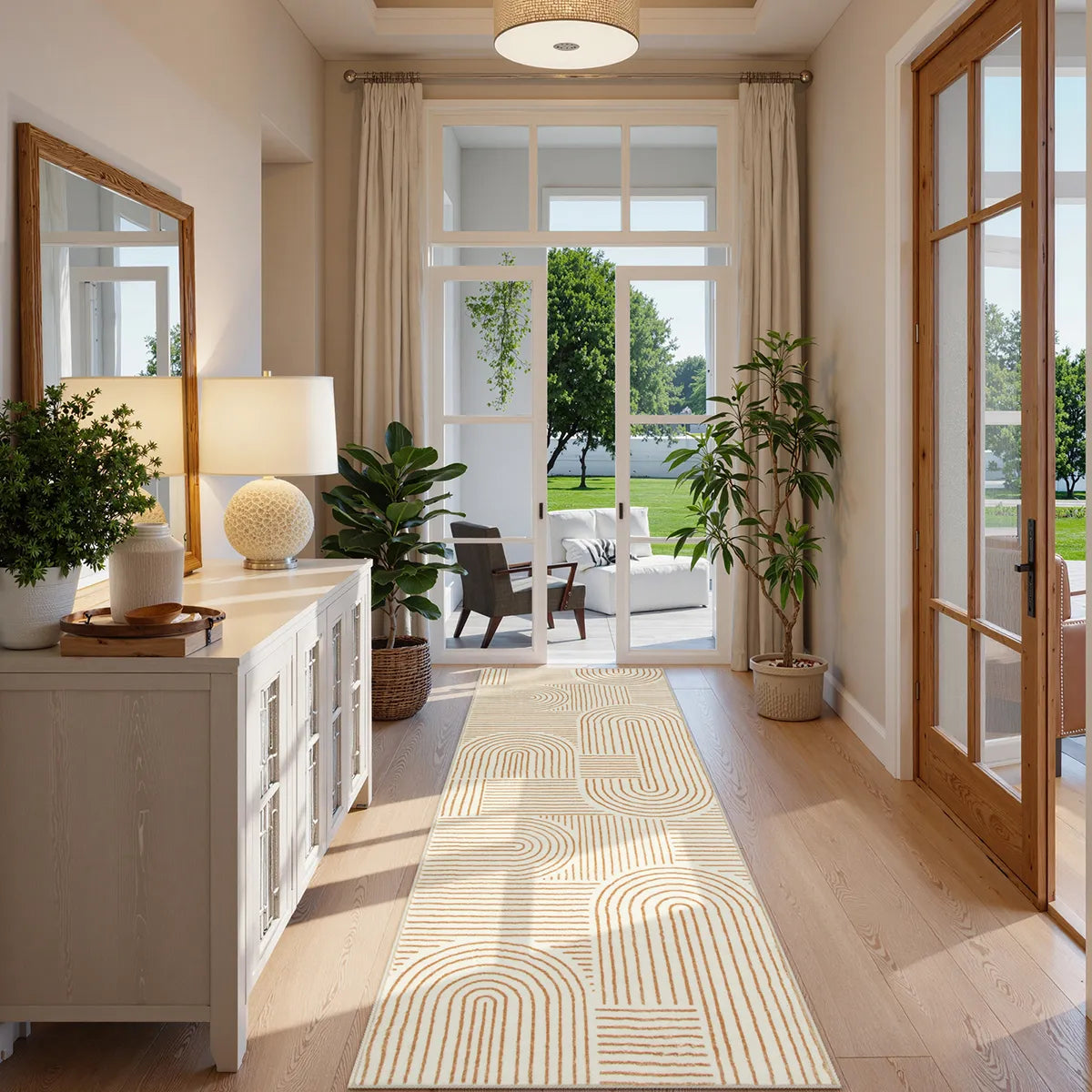
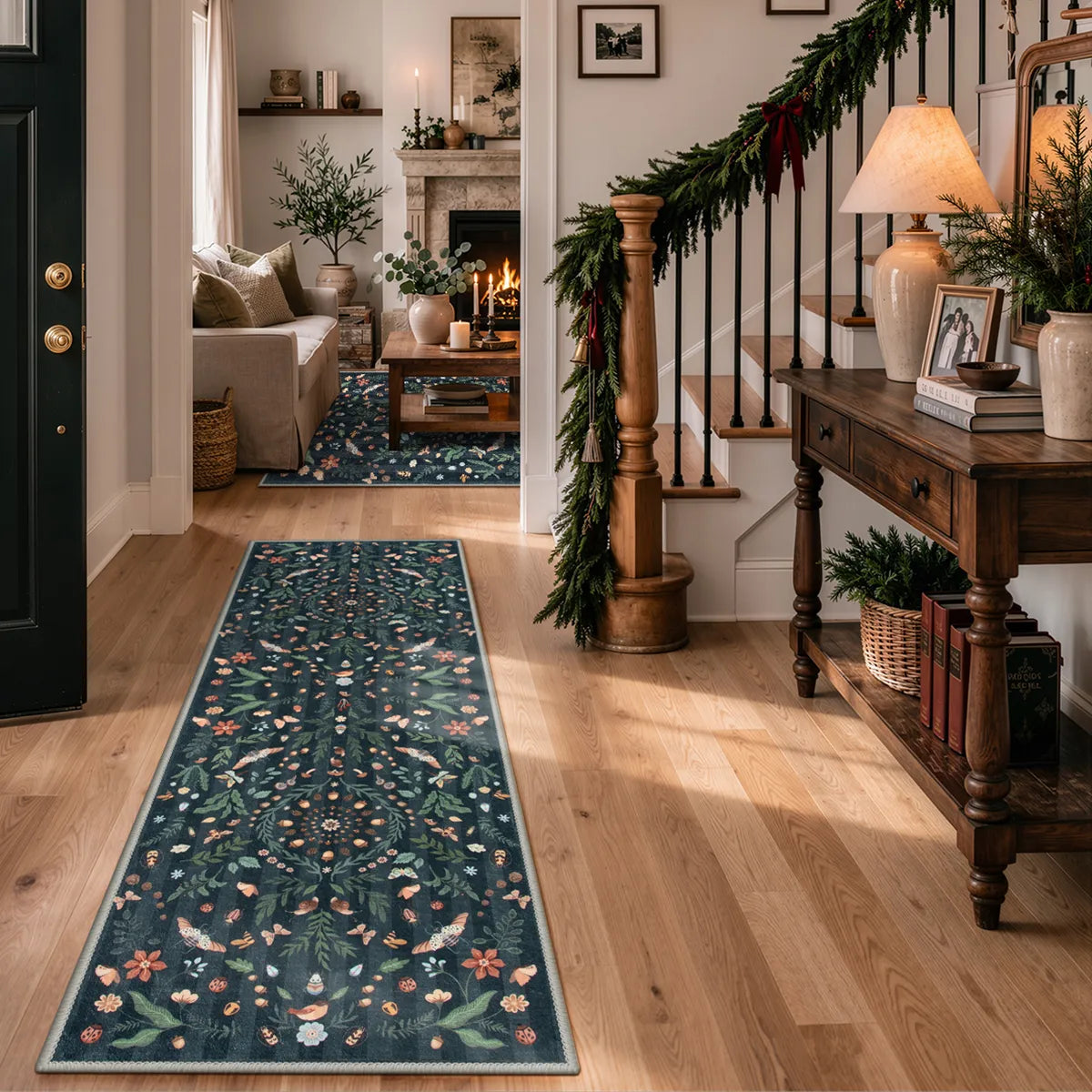
Washable runner rugs, which are long, narrow rugs designed to cover a stretch of floor in a galley or hallway-style kitchen, have come a long way in terms of design. They no longer look like a purely practical choice. Today’s options span a wide range of colors, patterns, and styles that can complement or anchor a kitchen’s overall look.
Sizing Your Kitchen Runner Rug Right
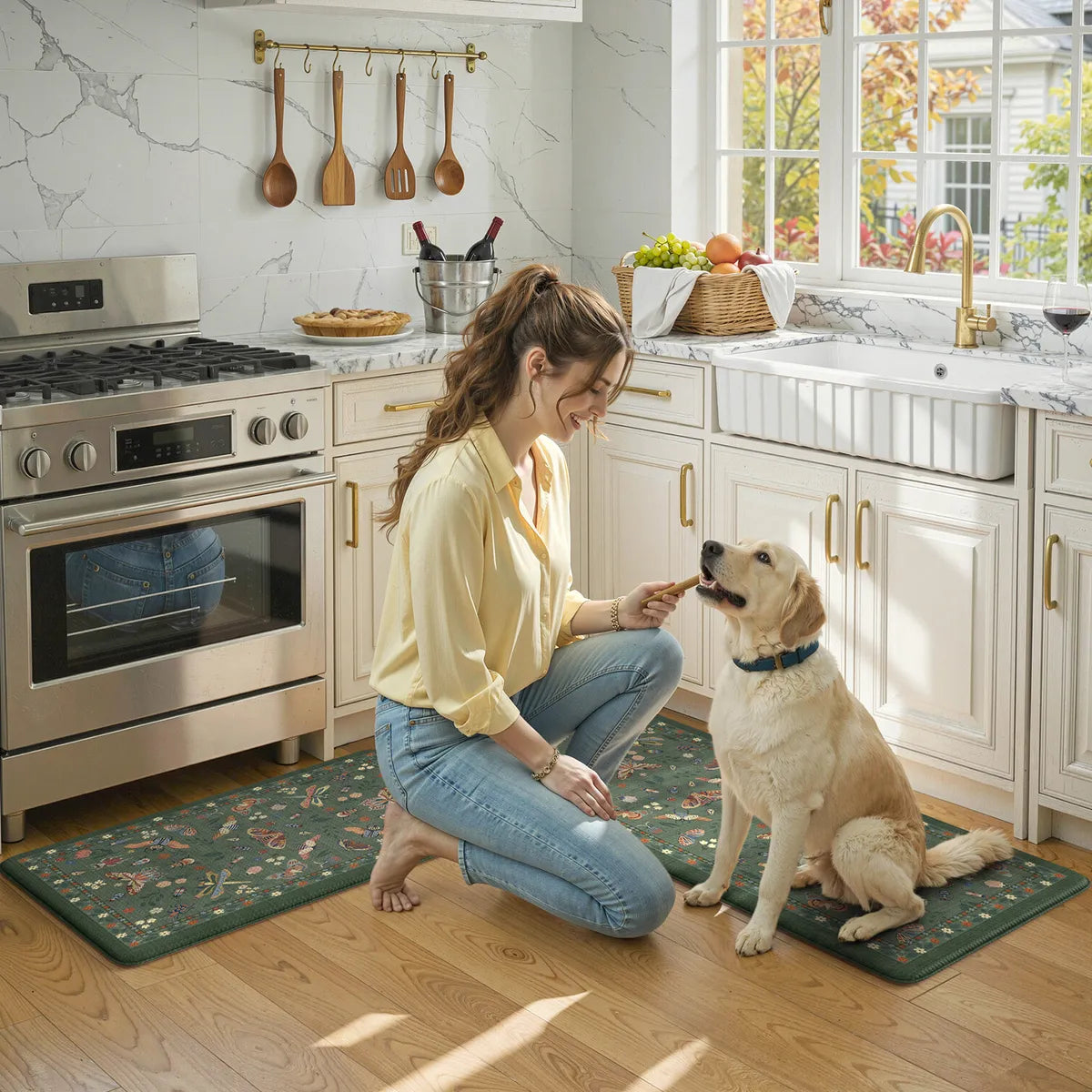
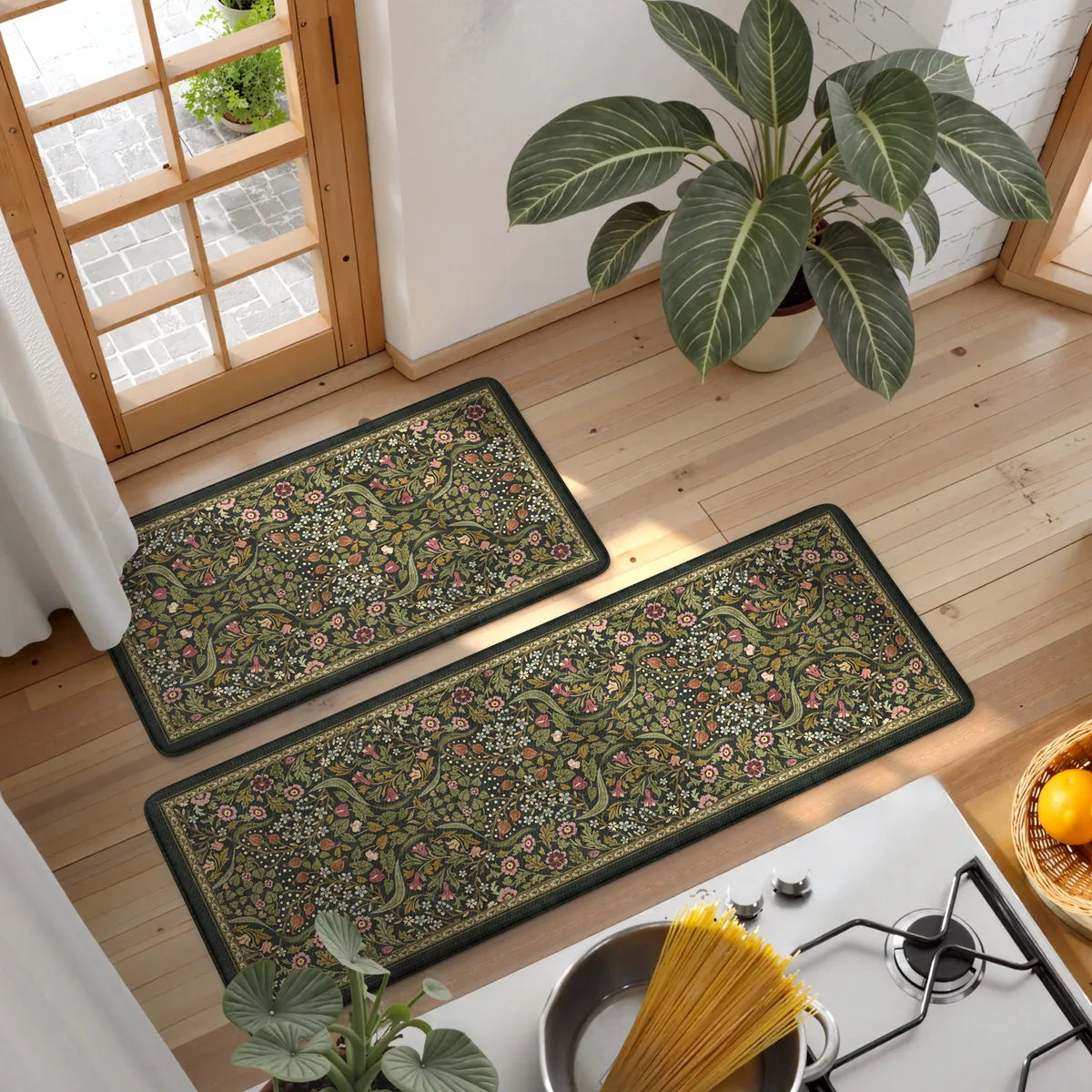
Getting the right size is the first design decision. A kitchen runner rug should cover the area where you stand most often, whether that is in front of the sink, the stove, or the prep counter, without blocking cabinet doors or creating awkward overlaps near appliances.
A few general sizing tips to keep in mind:
- Leave a few inches of bare floor visible on each side of the runner for a balanced, intentional look
- In galley kitchens, a single long runner works better than multiple short rugs placed end to end
- Make sure the rug does not extend under appliances that need ventilation clearance
A well-sized runner defines the kitchen workspace visually while staying practical enough to function well in a high-use area.
Patterns, Colors, and Coordinating Styles
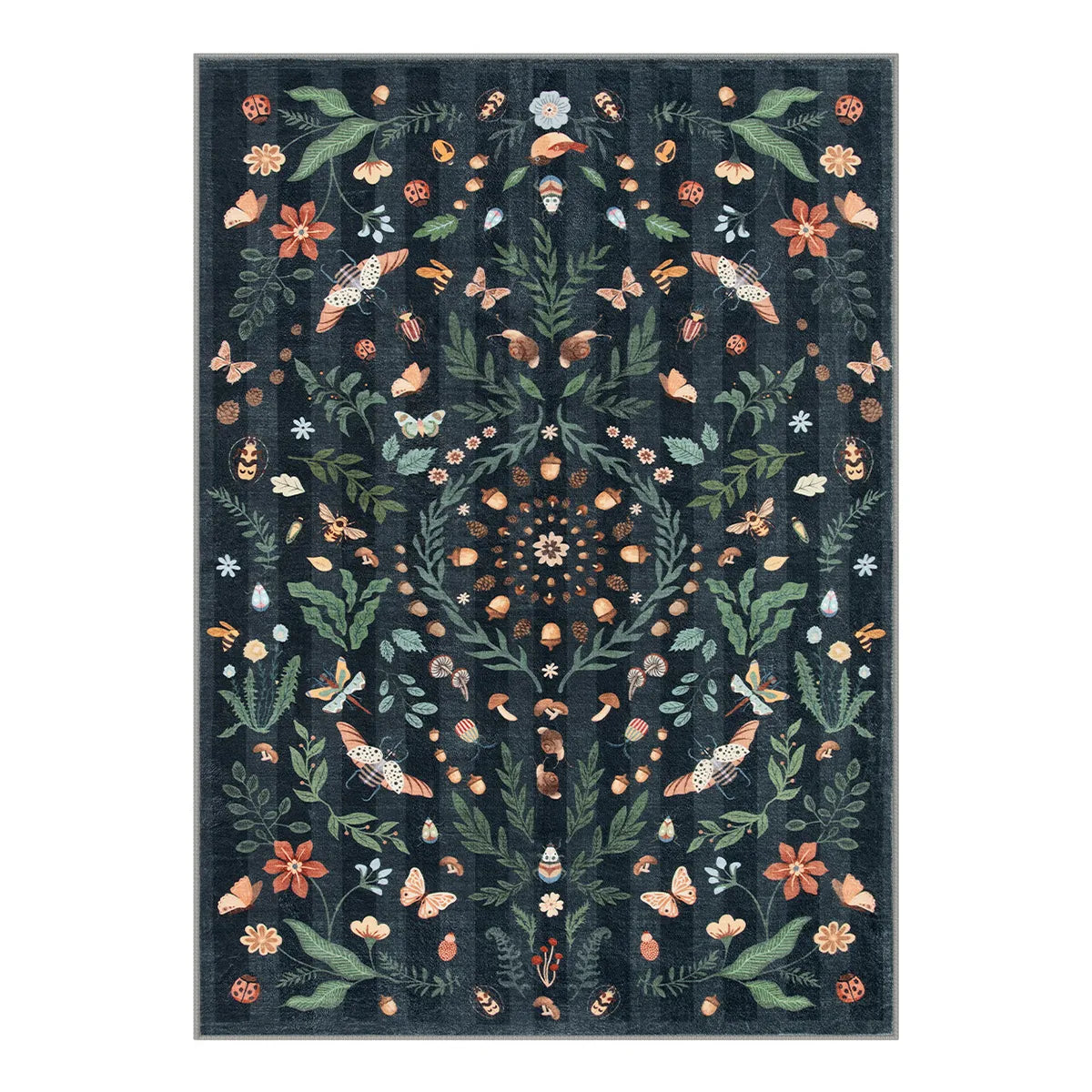
Washable runner rugs for kitchens come in everything from solid neutrals to bold geometric prints. The right choice depends on the existing kitchen palette and how much visual weight you want the rug to carry.
A few practical design notes:
- Darker colors and busy patterns hide everyday soiling better between washes
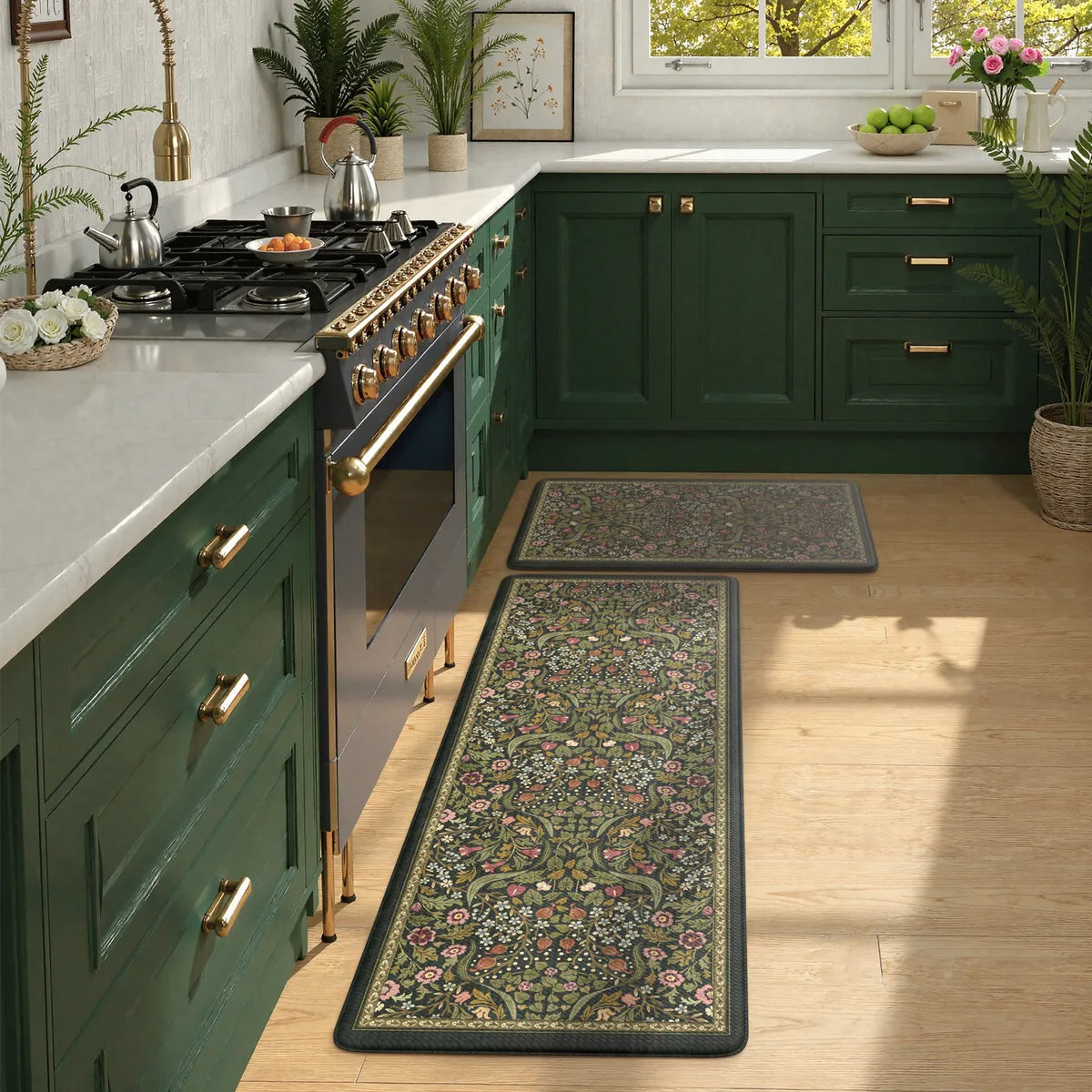
- Solid colors and light tones create a cleaner, more open look and pair well with darker cabinetry or countertops
- Geometric or abstract prints work well in modern and transitional kitchens
- Striped runners can make a narrow kitchen feel longer and more open
The great thing about washable runner rugs is that refreshing your kitchen look is easy. Since they wash and dry quickly, you can rotate between a few styles based on the season or simply refresh the space whenever you want a change.
Give Your Kitchen Floor the Upgrade It Deserves
Washable kitchen rugs have changed what it means to have a beautiful floor in the most-used room in the house. They handle spills without stress, stay in place without a separate pad, and hold their look through repeated washing. Whether you need a non-slip kitchen rug near the stove, a washable runner rug for a long galley kitchen, or a stain-resistant rug that can keep up with a busy household, there is a right fit for every layout and every cooking style. Your kitchen floor works hard, and it deserves a rug that can keep up.
FAQs about kitchen rug placement and care
Q1. Does a Kitchen Rug Go in Front of the Sink or Stove?
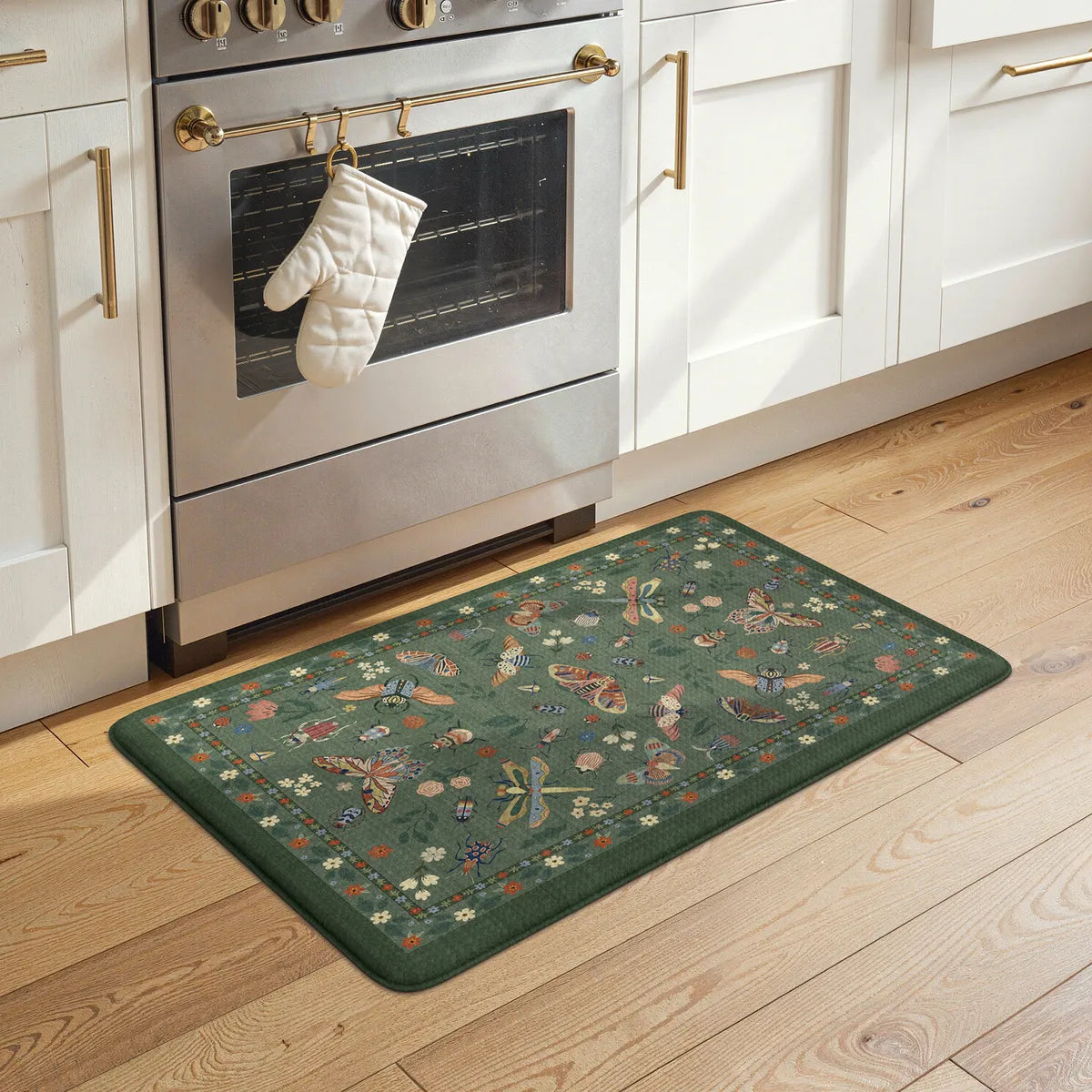
Both spots are great places for a kitchen rug, and many home cooks use one in each area. In front of the sink is the most popular placement because that is where you tend to stand the longest, whether washing dishes or prepping ingredients. In front of the stove makes sense too, especially to catch drips and protect the floor from heat-related spills. If your layout allows it, a kitchen runner rug can cover both zones at once.
Q2. Should You Put a Rug in Front of the Kitchen Sink?
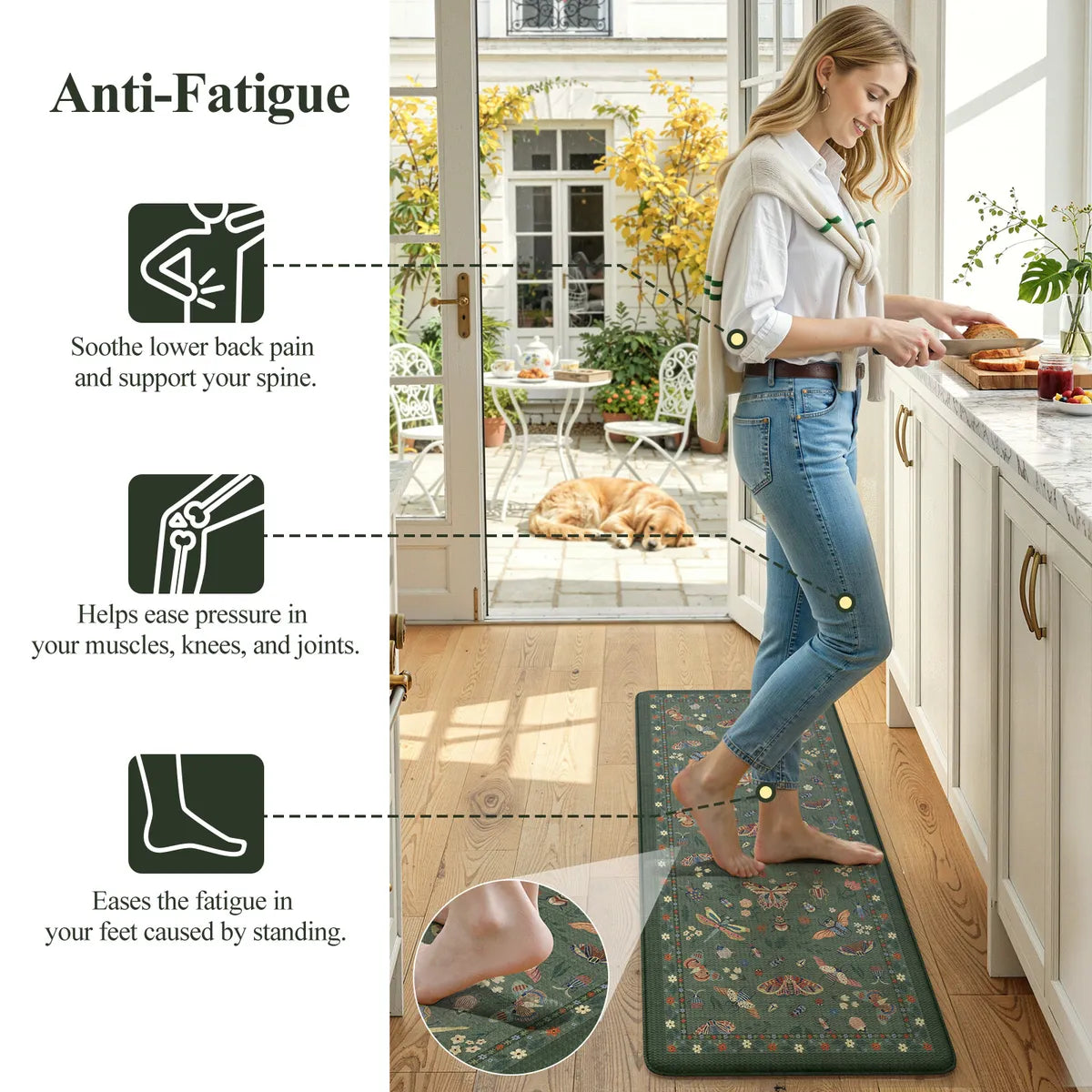
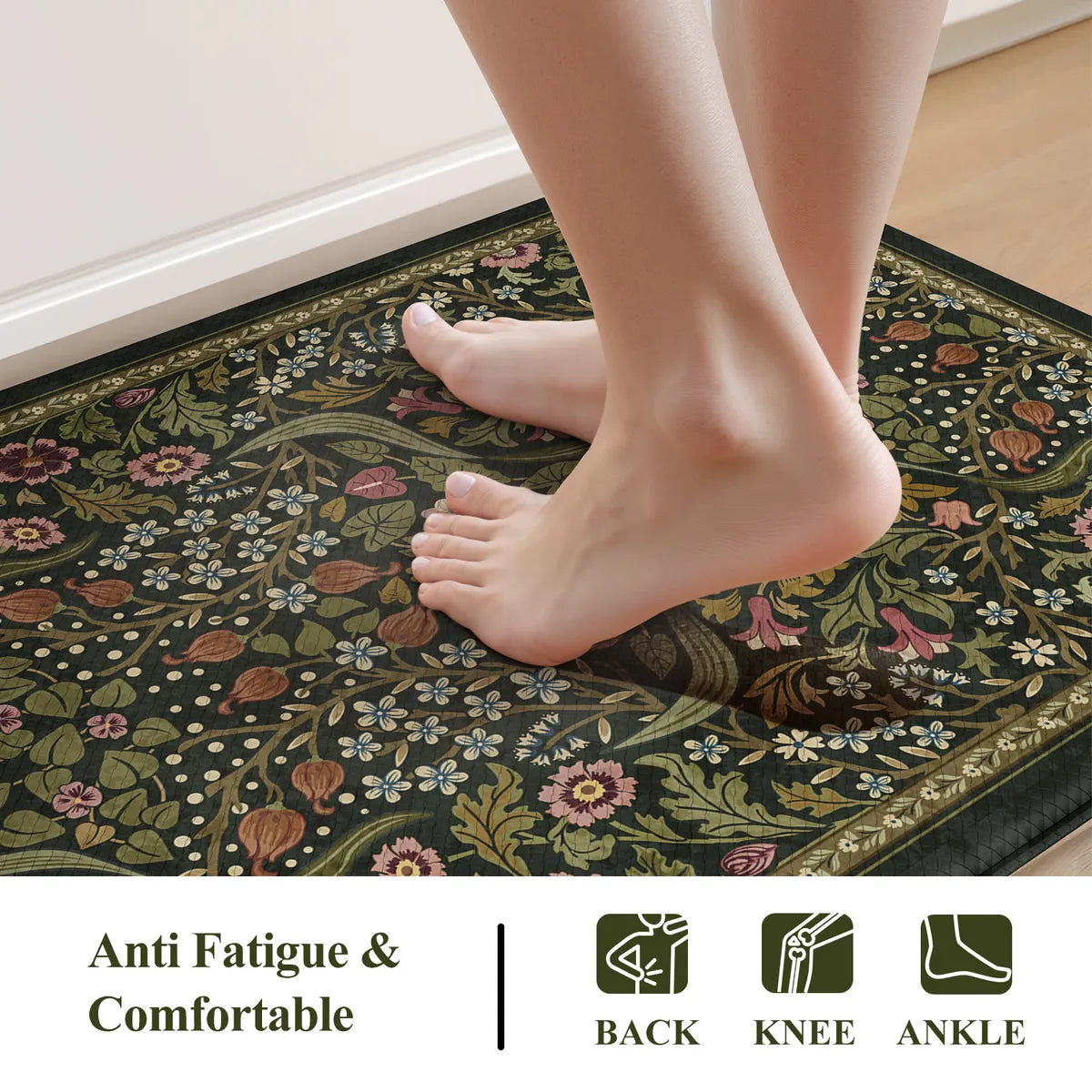
Yes, and it is one of the most practical spots in the whole kitchen. Standing on a hard floor for extended periods can cause fatigue in your feet, legs, and lower back. A rug in front of the sink adds cushioning that makes a real difference during longer tasks. It also catches water drips before they spread across the floor, which is a simple way to keep the kitchen safer and drier throughout the day.
Q3. Should the Kitchen Floor Be Lighter or Darker Than the Countertop?
There is no strict rule, but contrast tends to create a more visually interesting space. A lighter floor opens up the room and makes it feel larger, while a darker floor grounds the space and hides everyday dirt more effectively. A kitchen rug is actually a great way to bridge the two, since you can pull accent colors from either the floor or the countertop to tie the whole look together.
Q4. Do People Still Put Rugs in Their Kitchen?
Yes, and kitchen rugs have become more popular than ever. The main reason people hesitated in the past was the cleaning challenge, but washable kitchen rugs have removed that barrier entirely. They add comfort underfoot during long cooking sessions, help reduce fatigue from standing on hard floors, and give the kitchen a finished, pulled-together look without any permanent commitment.