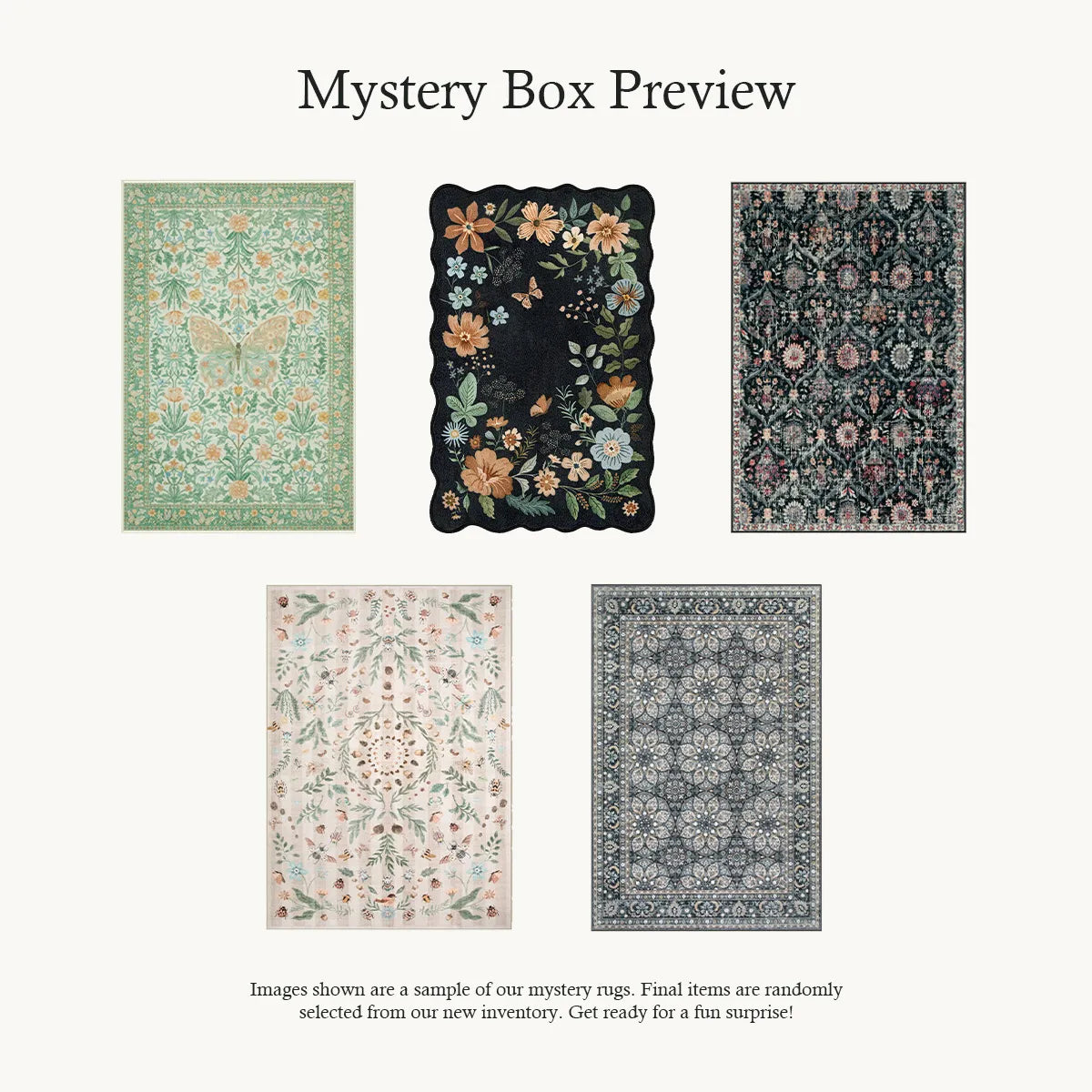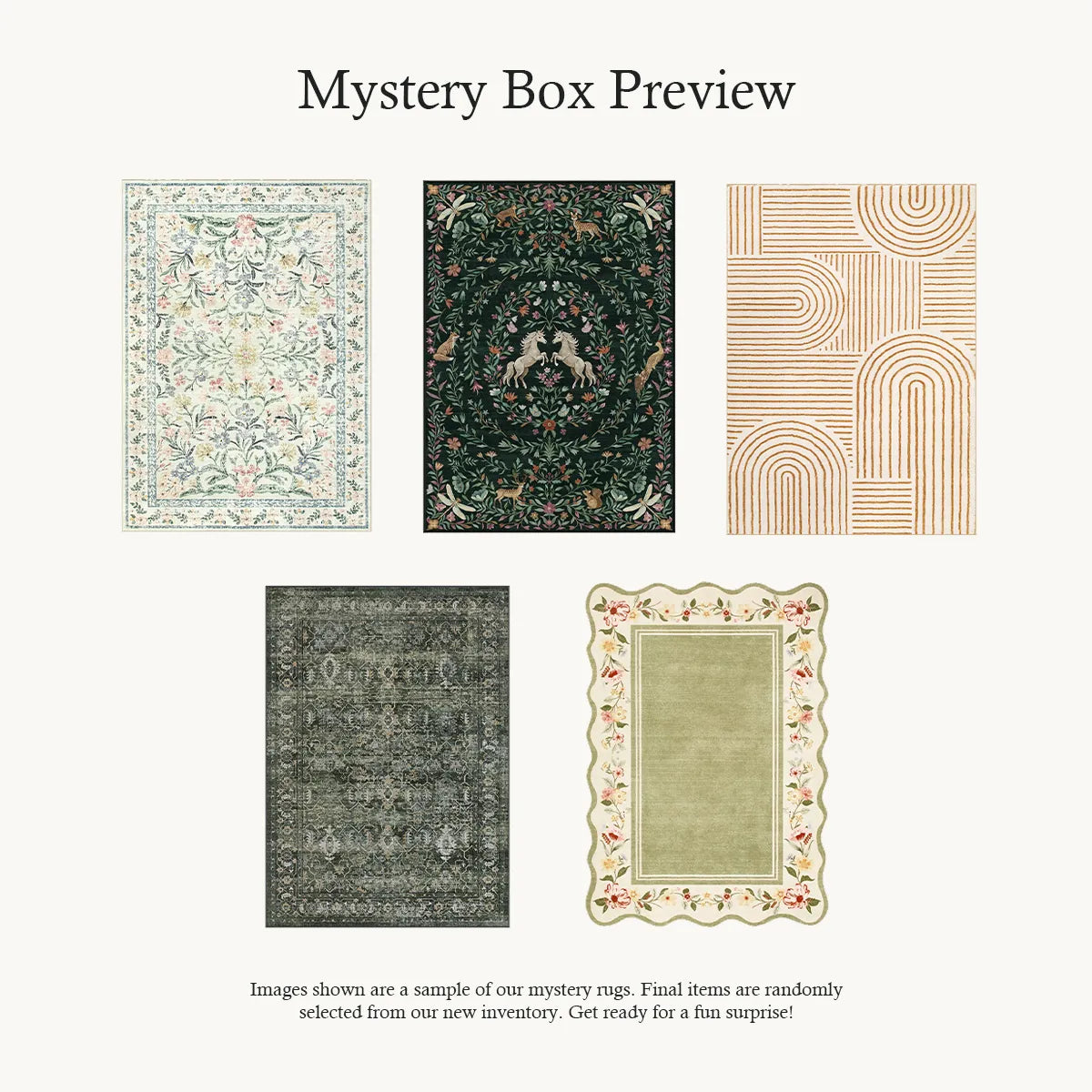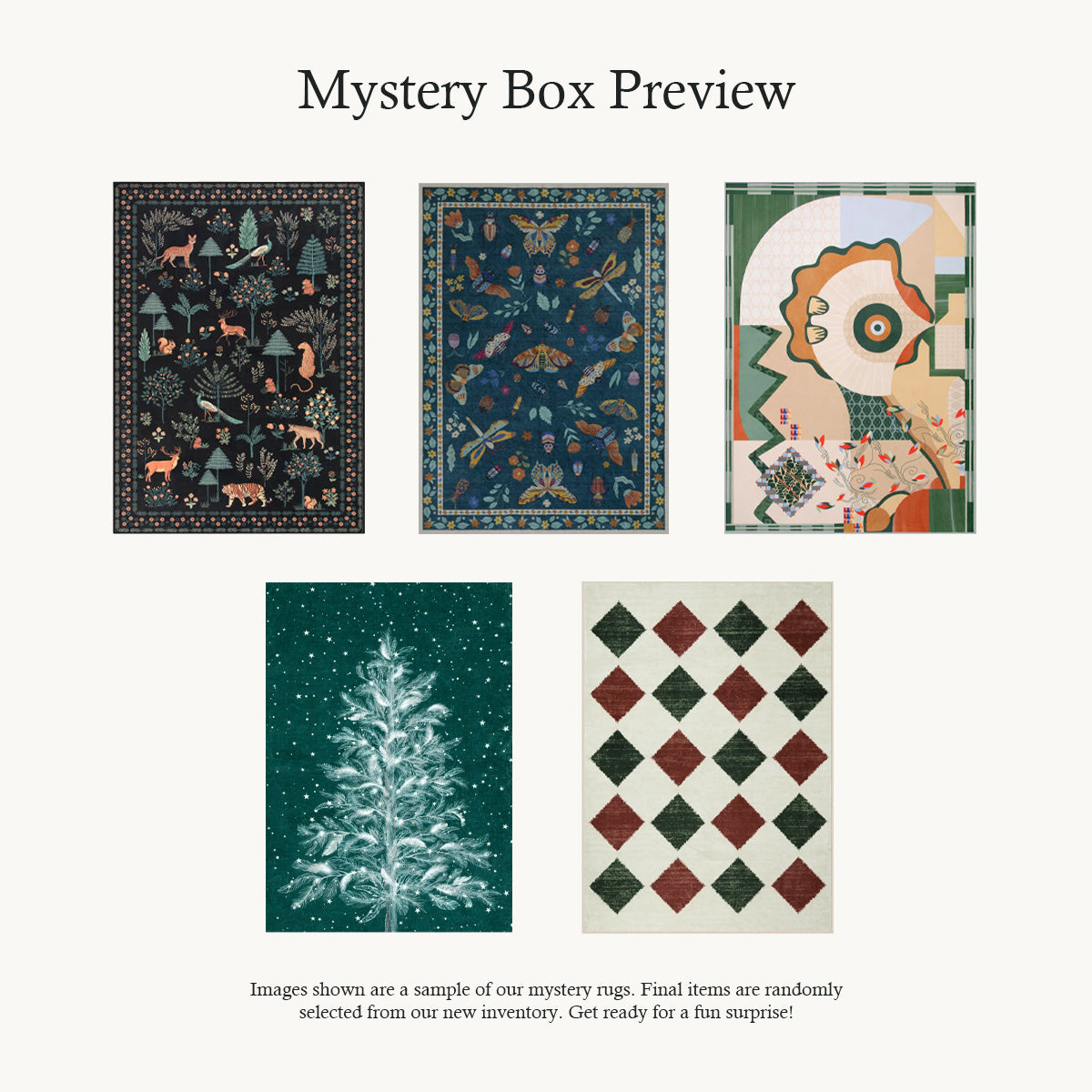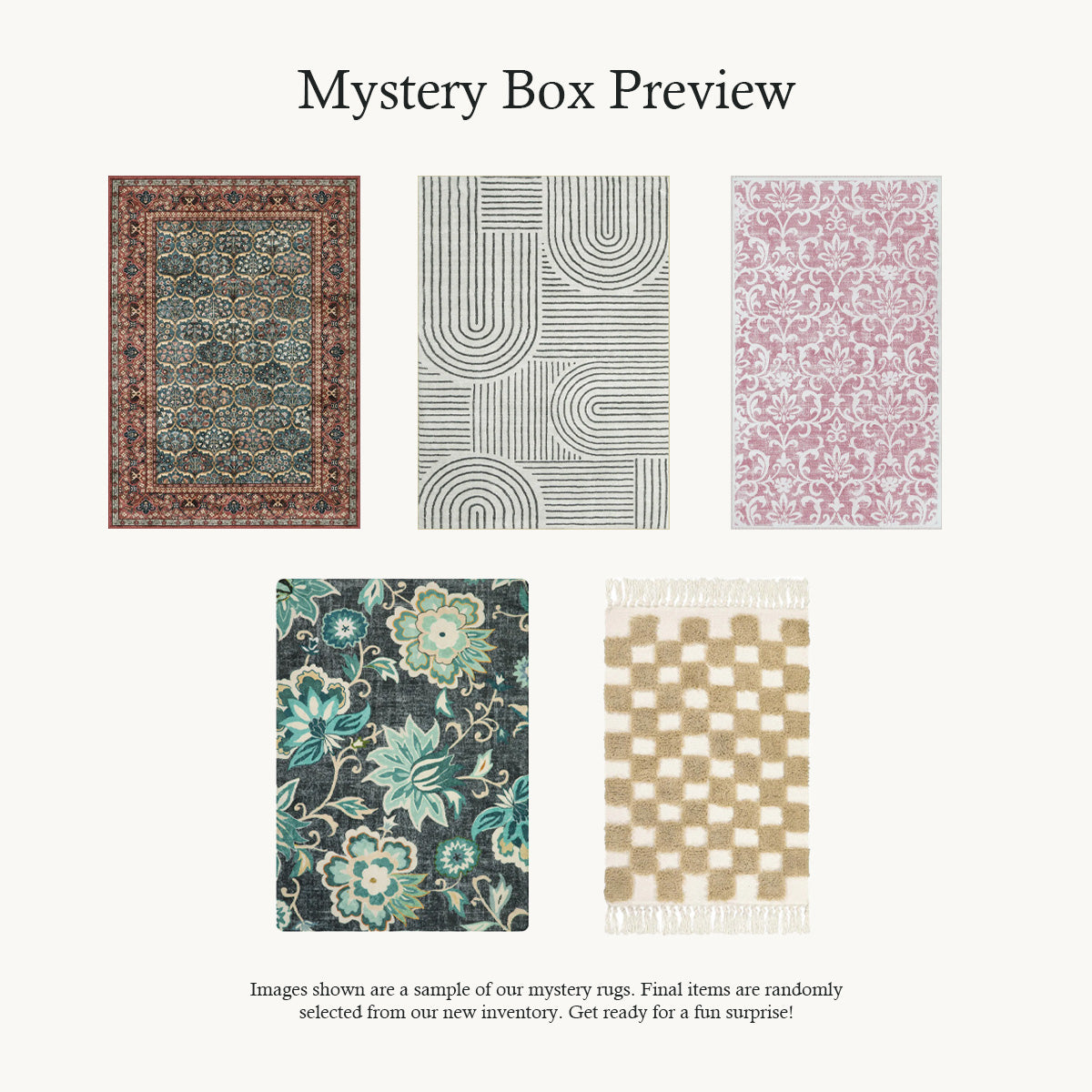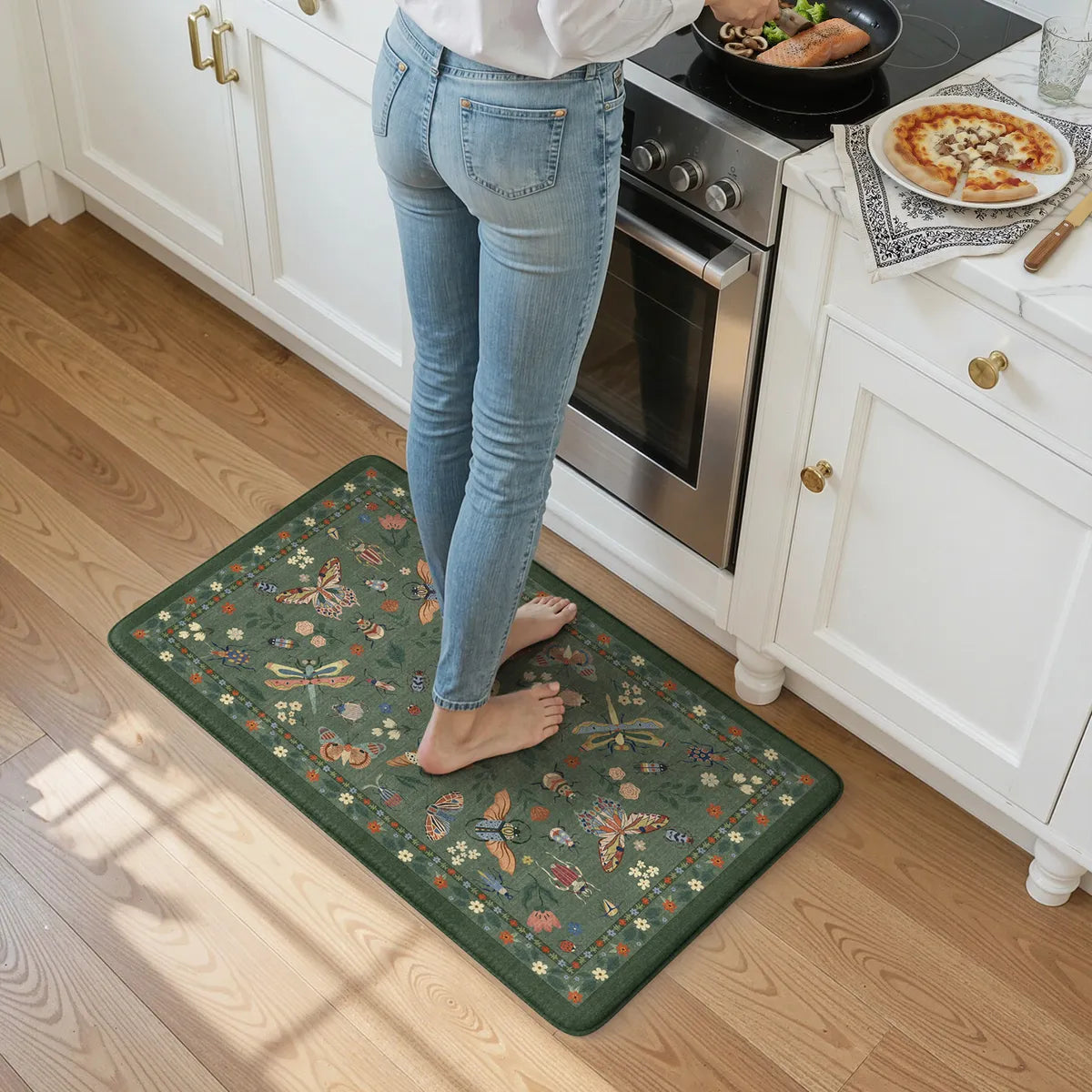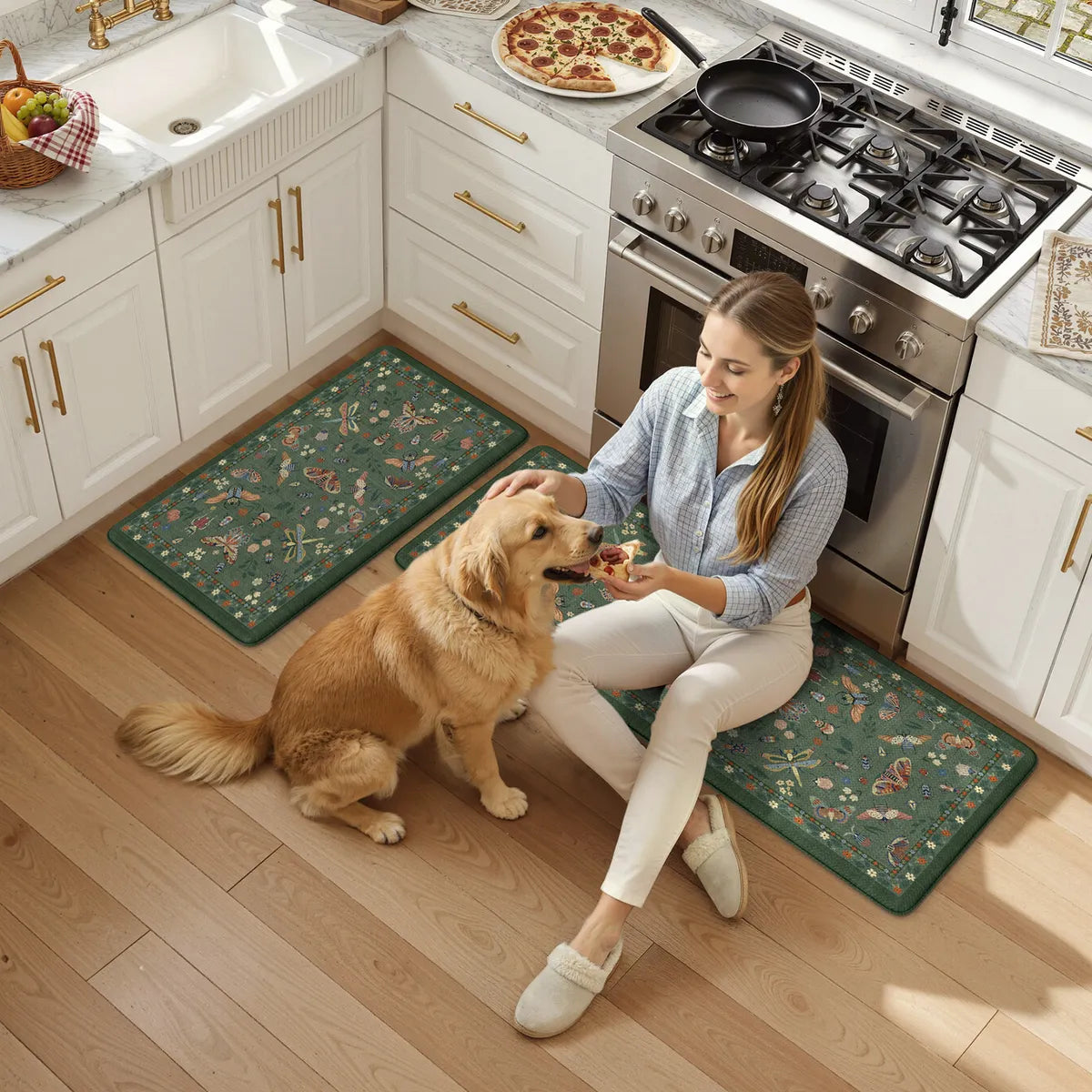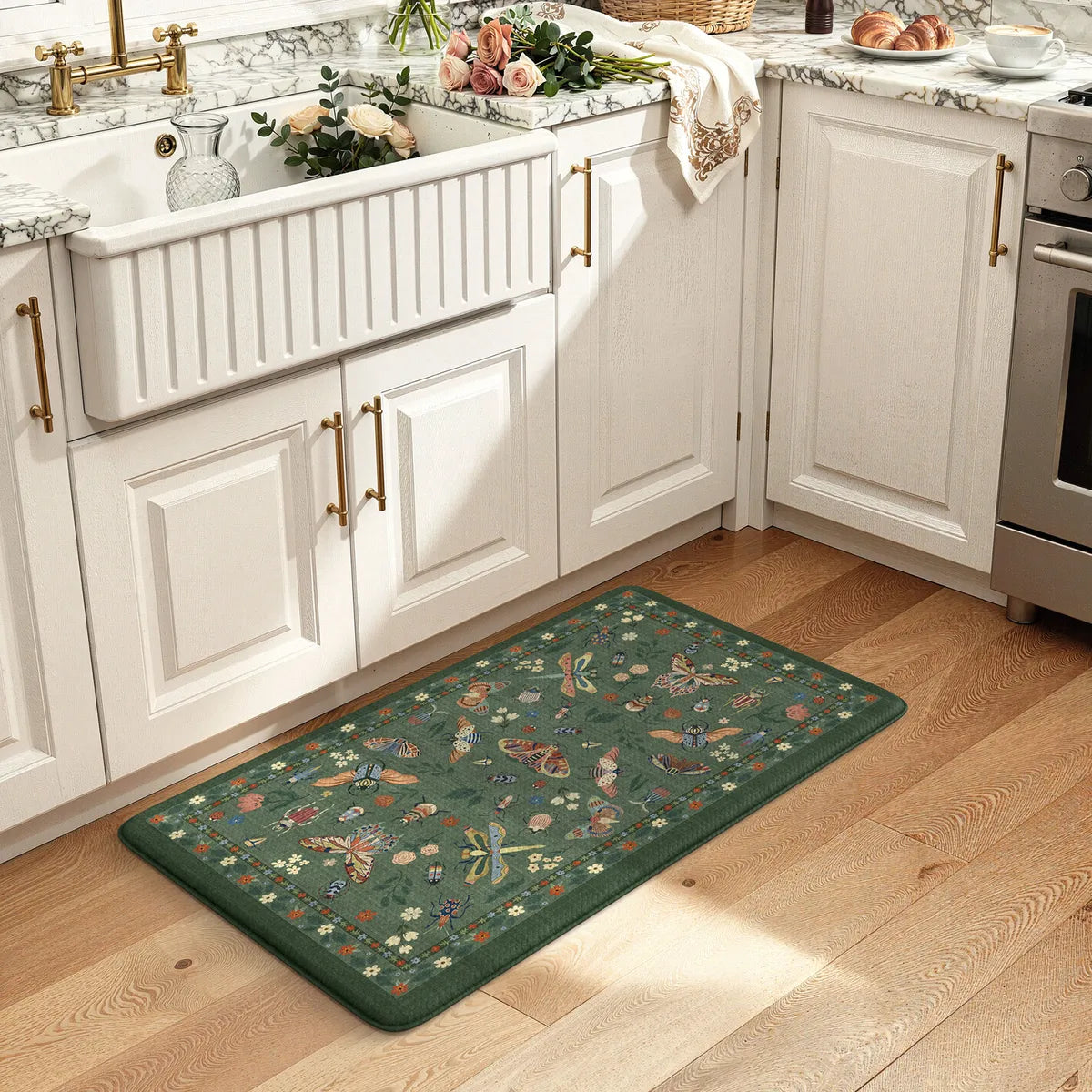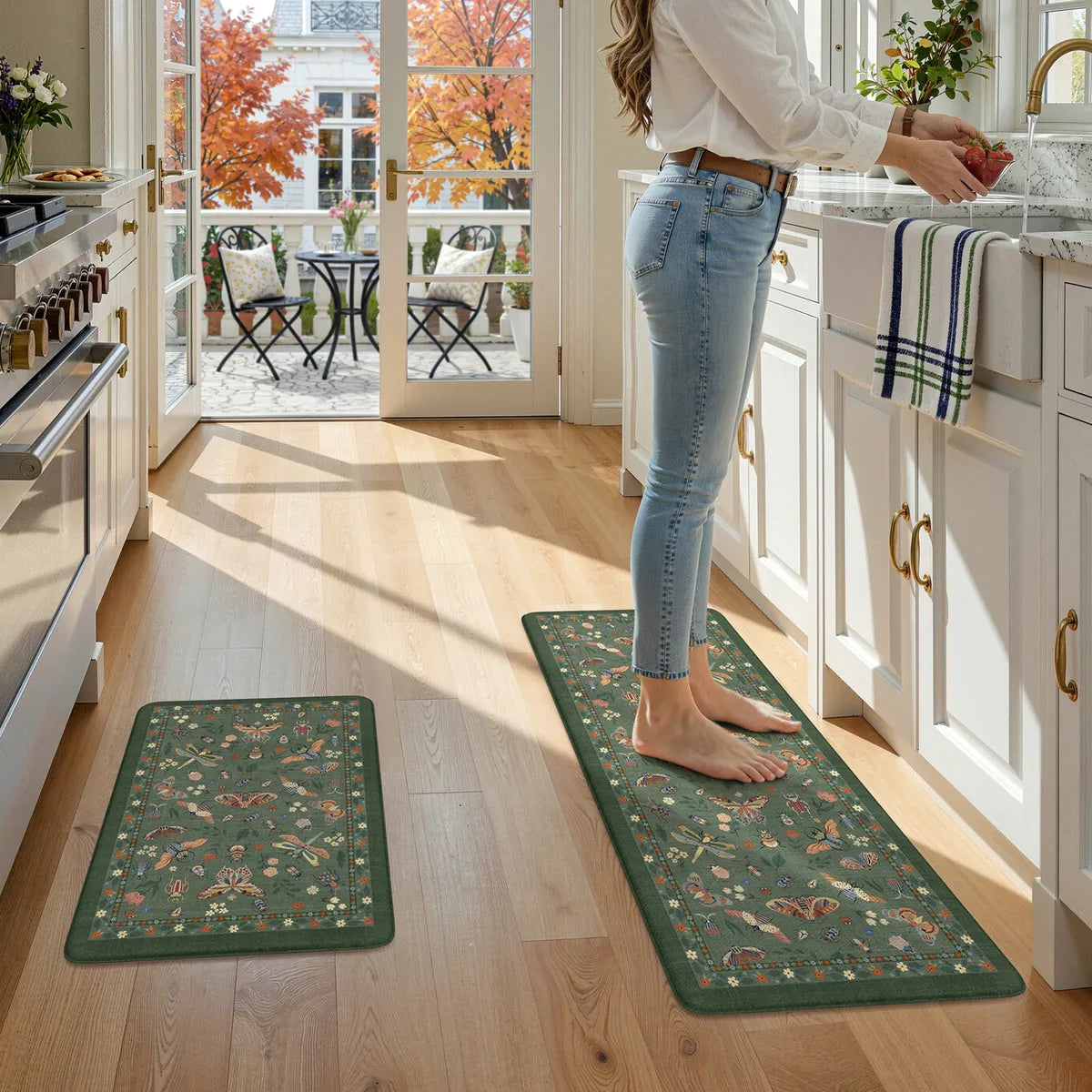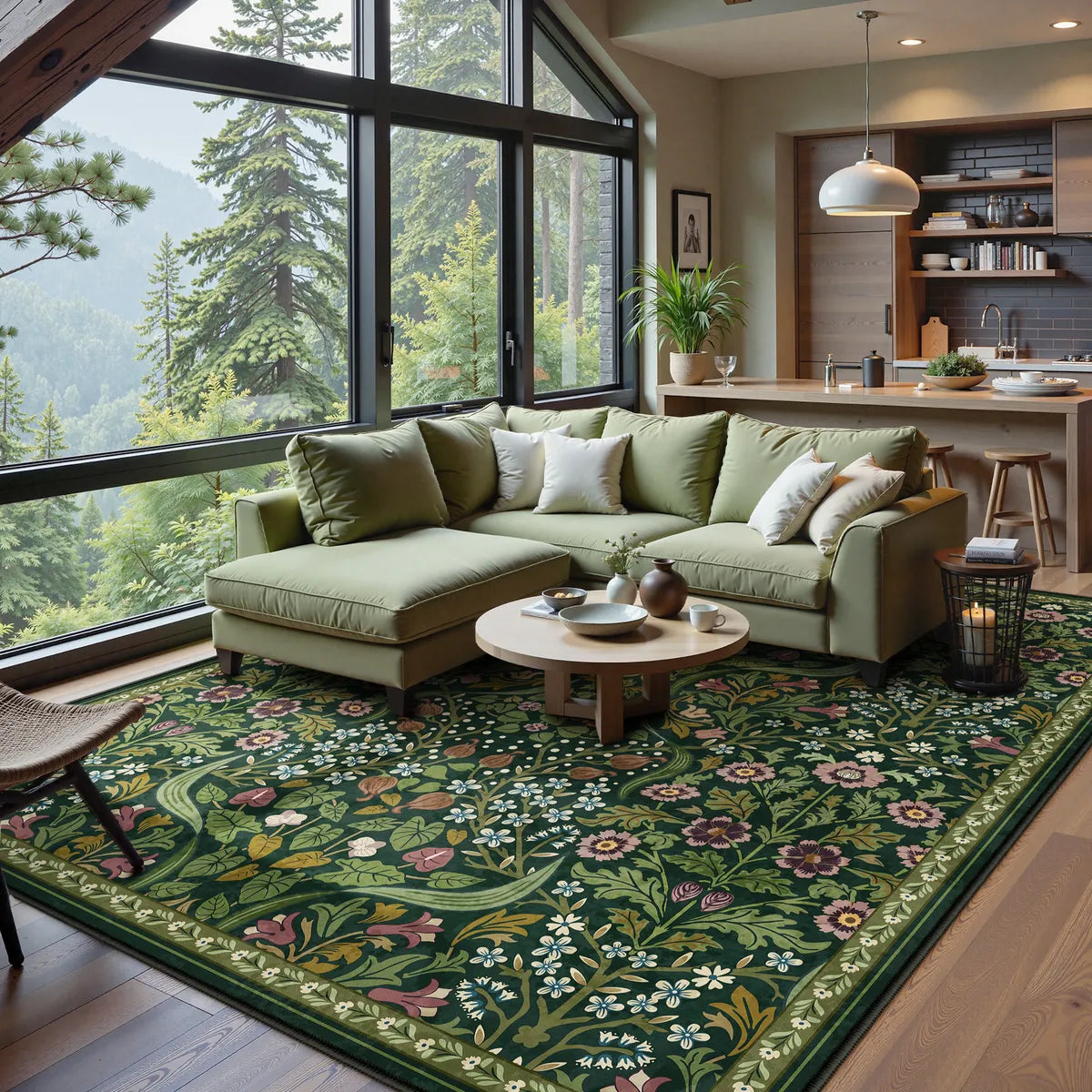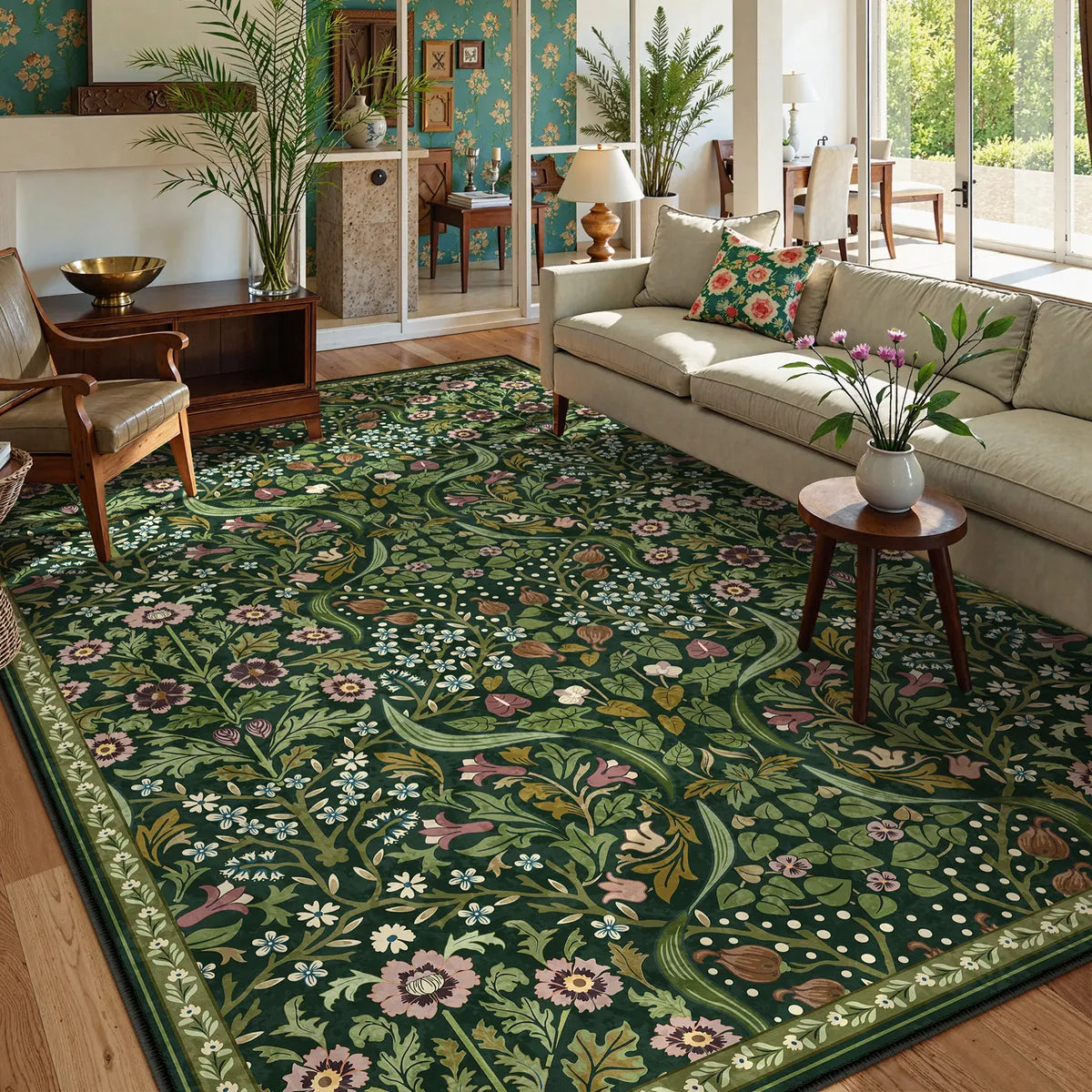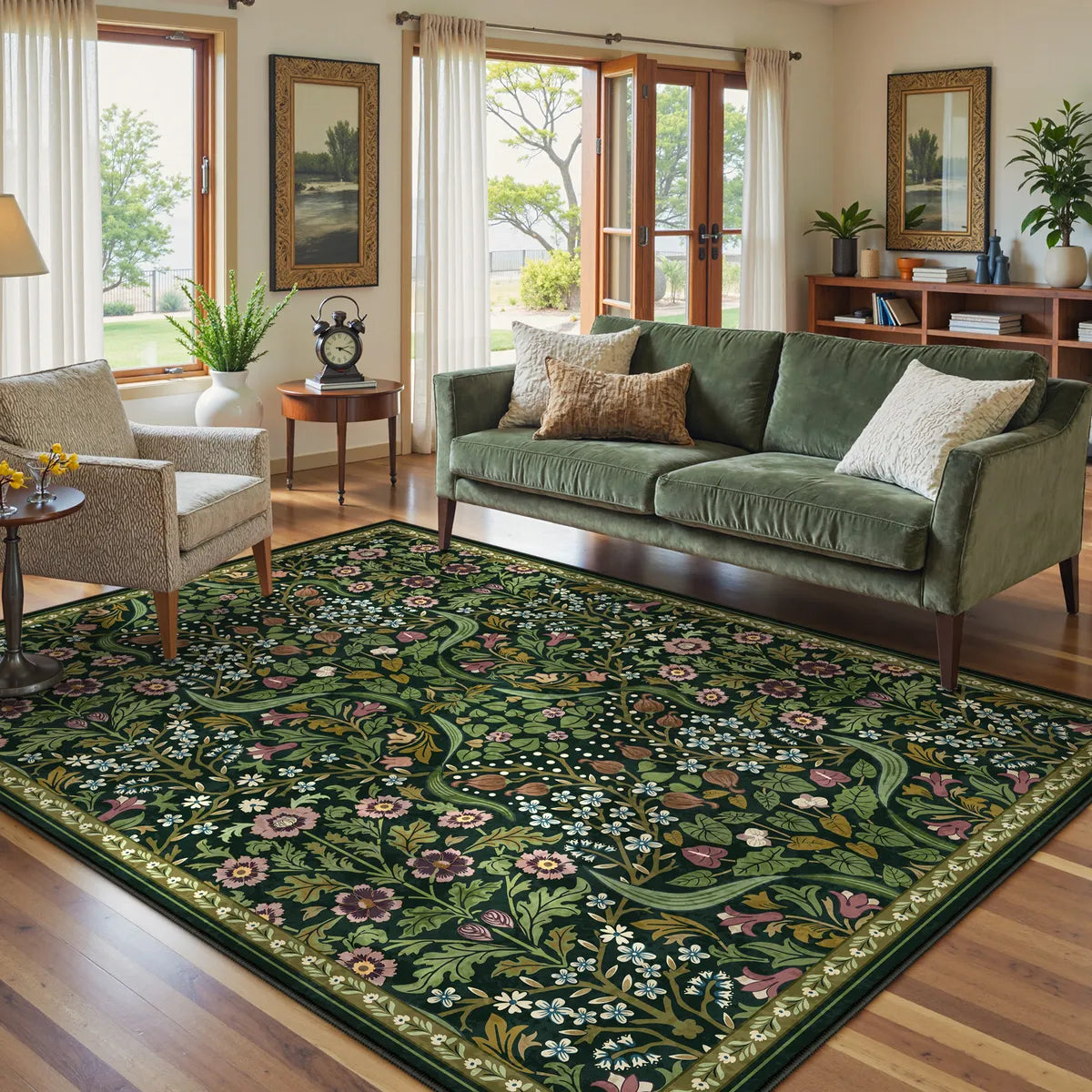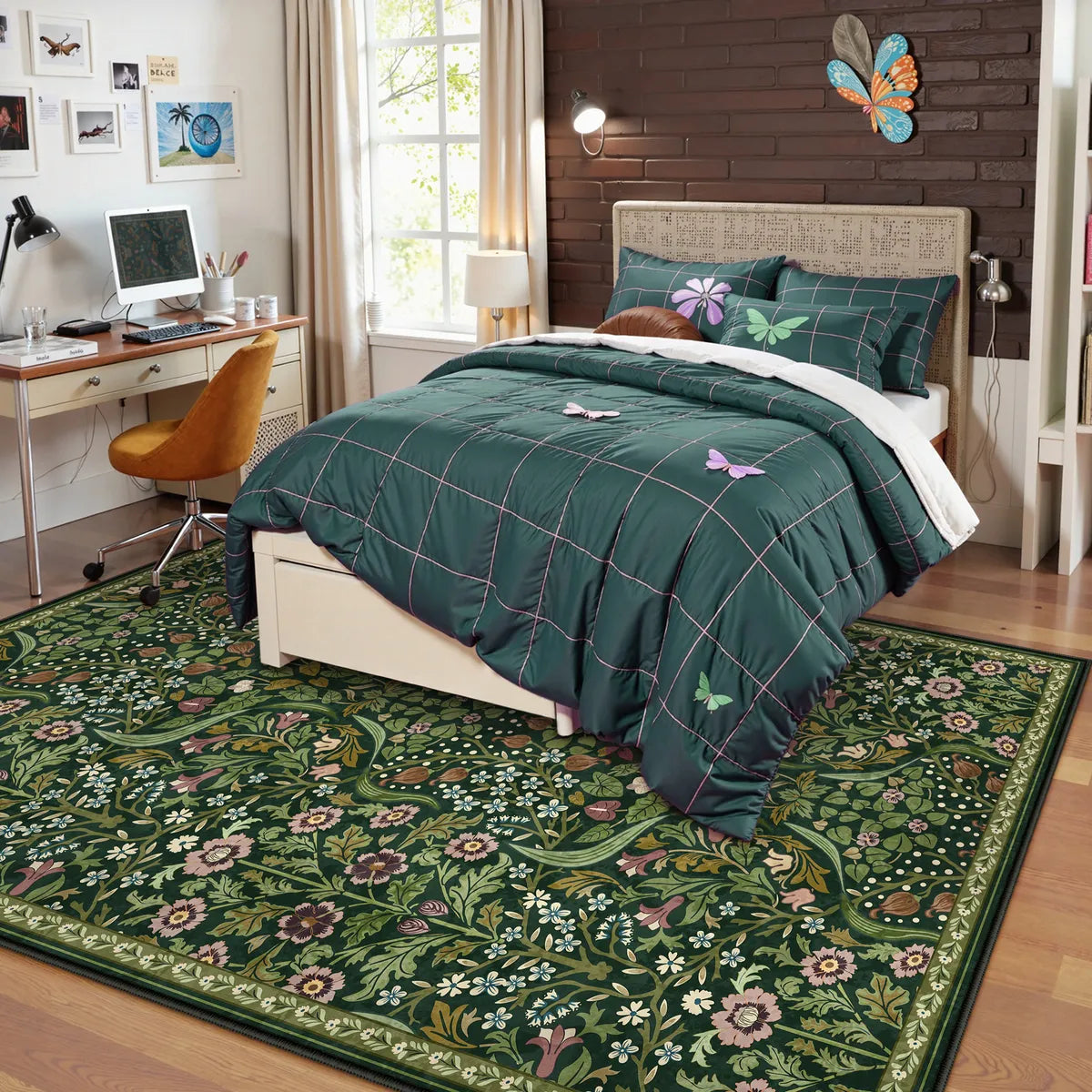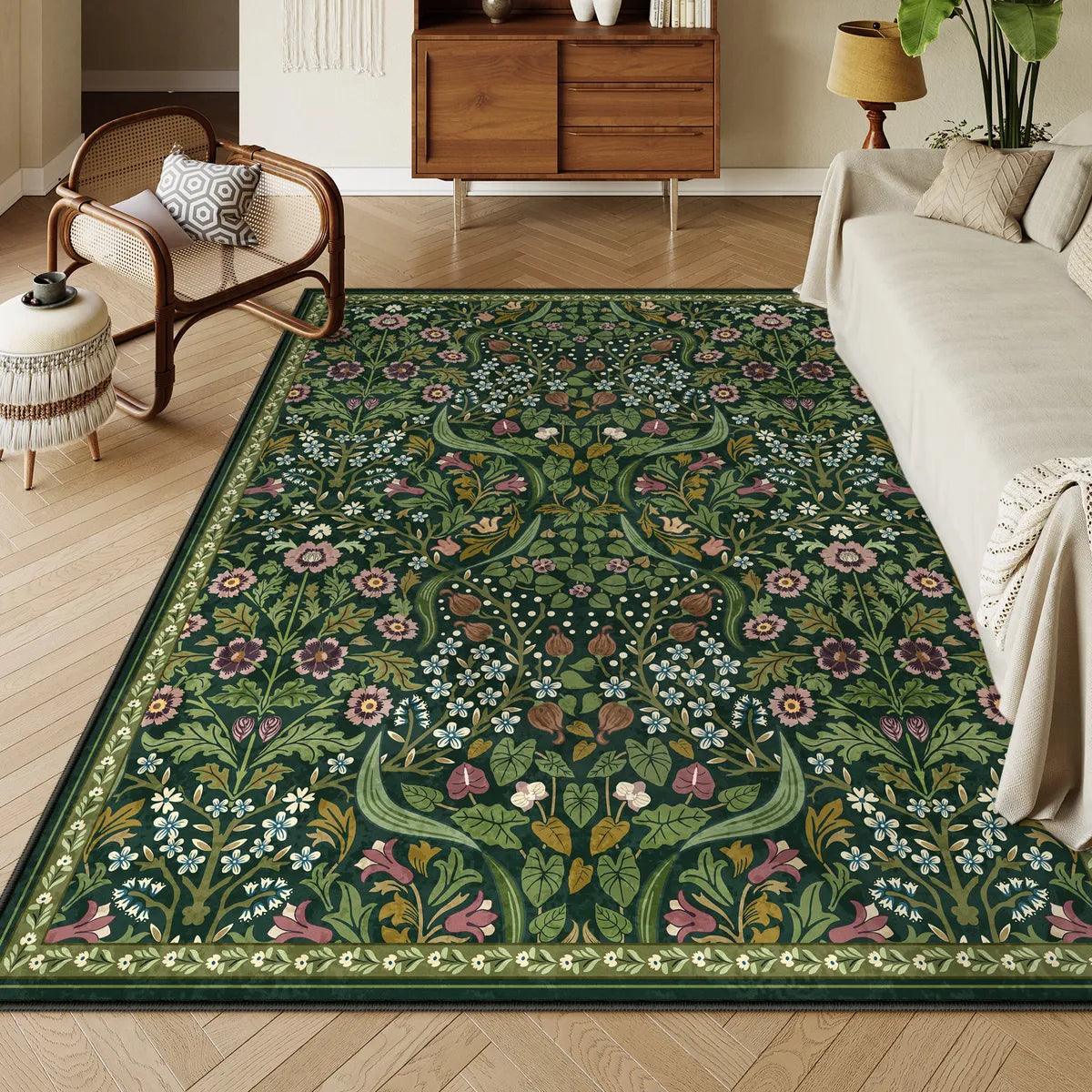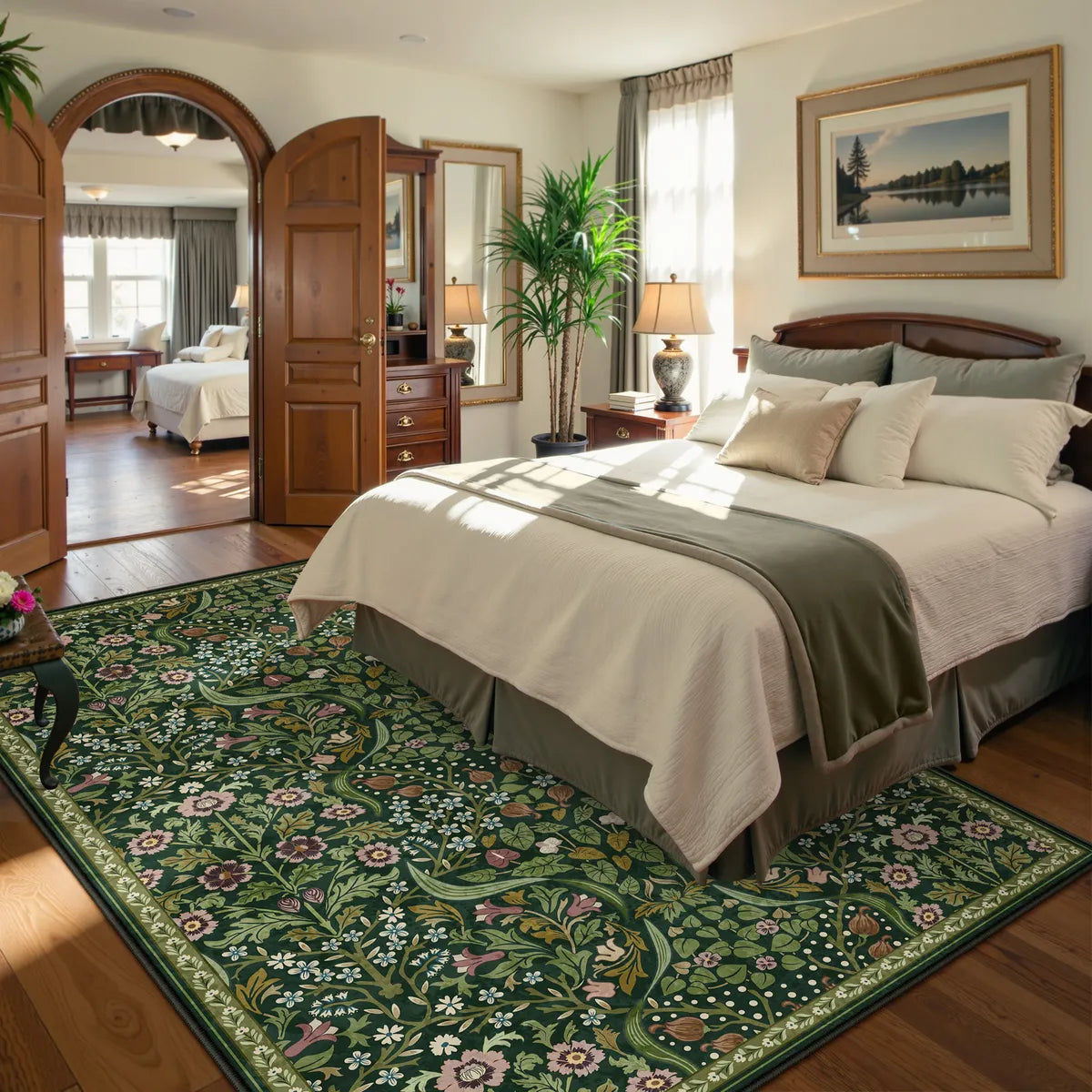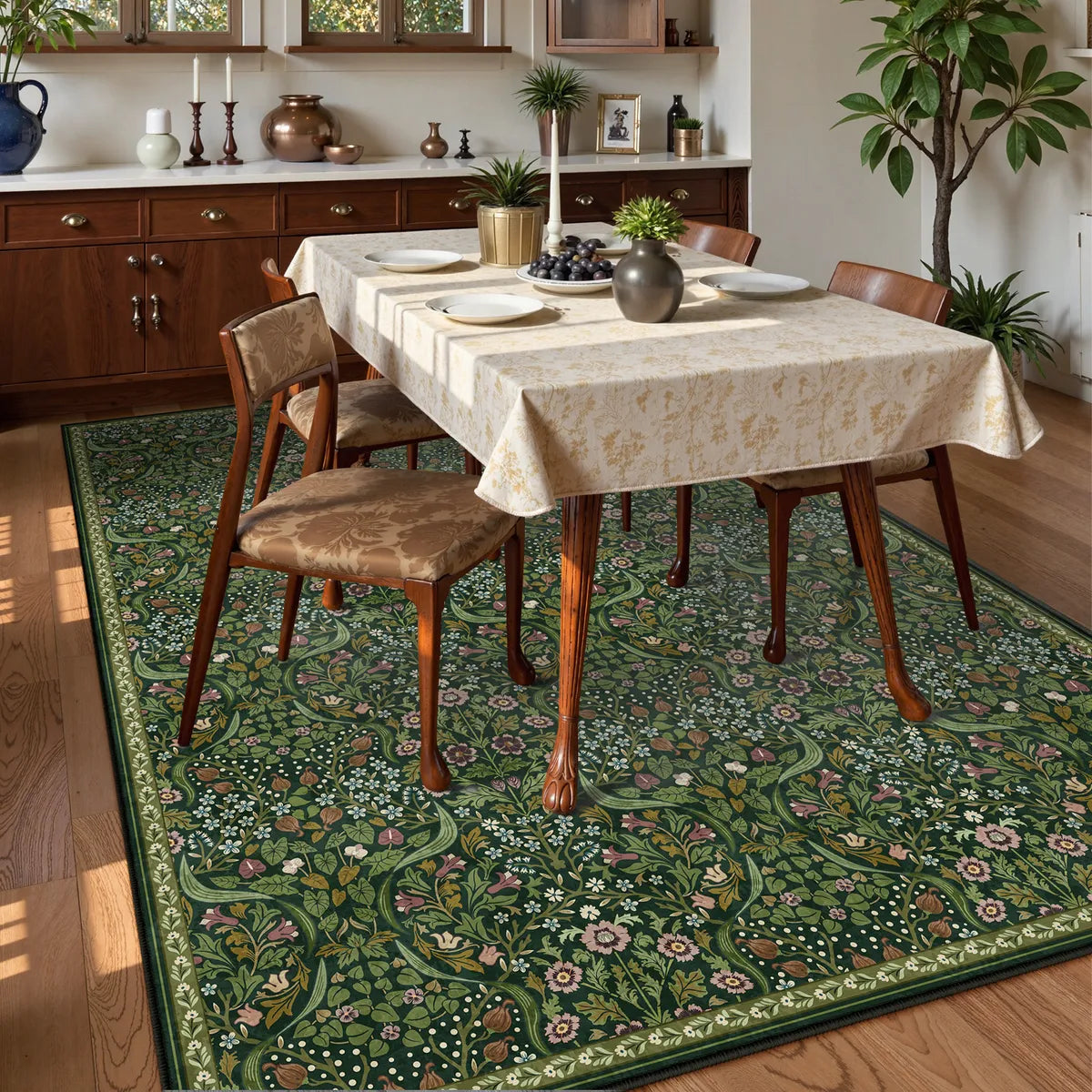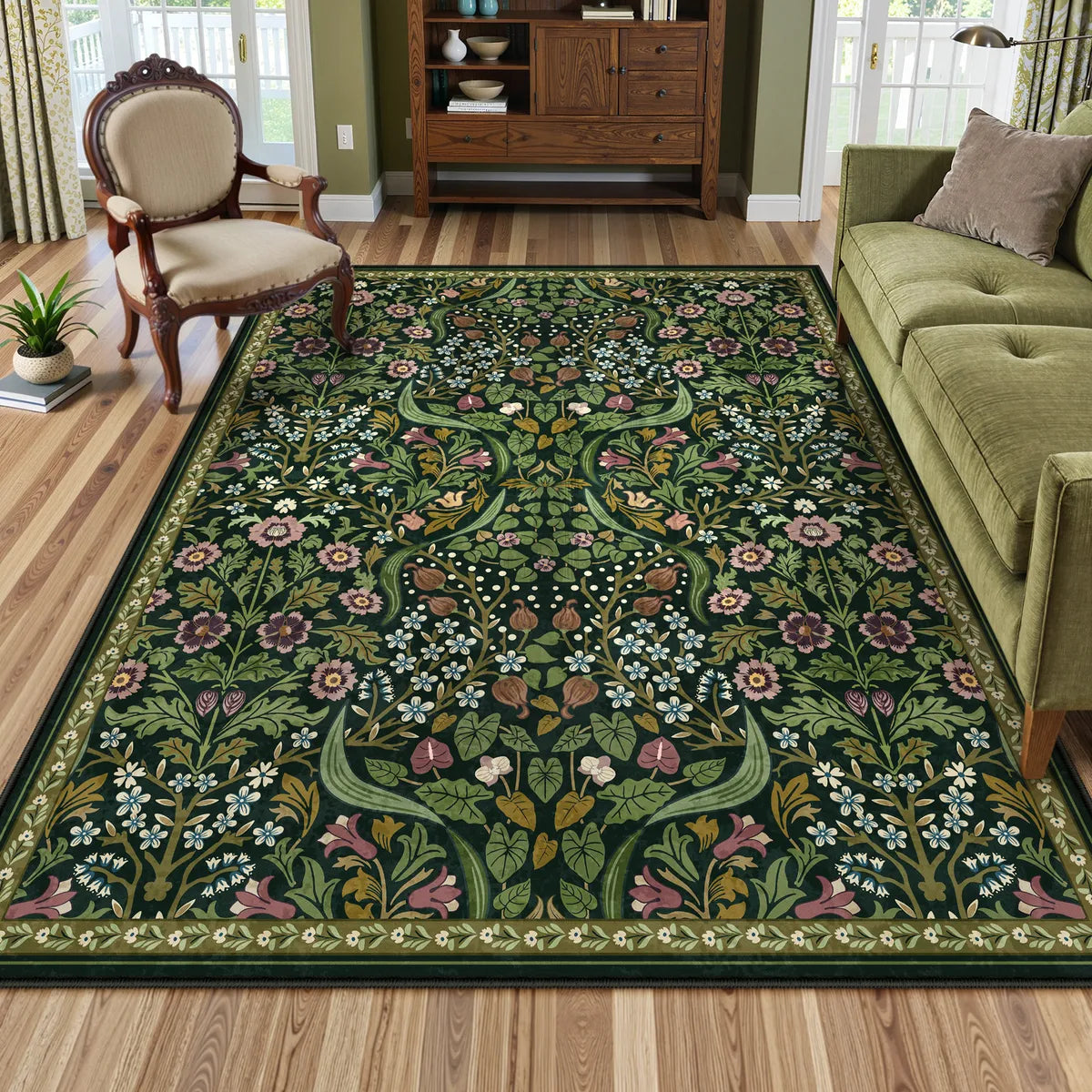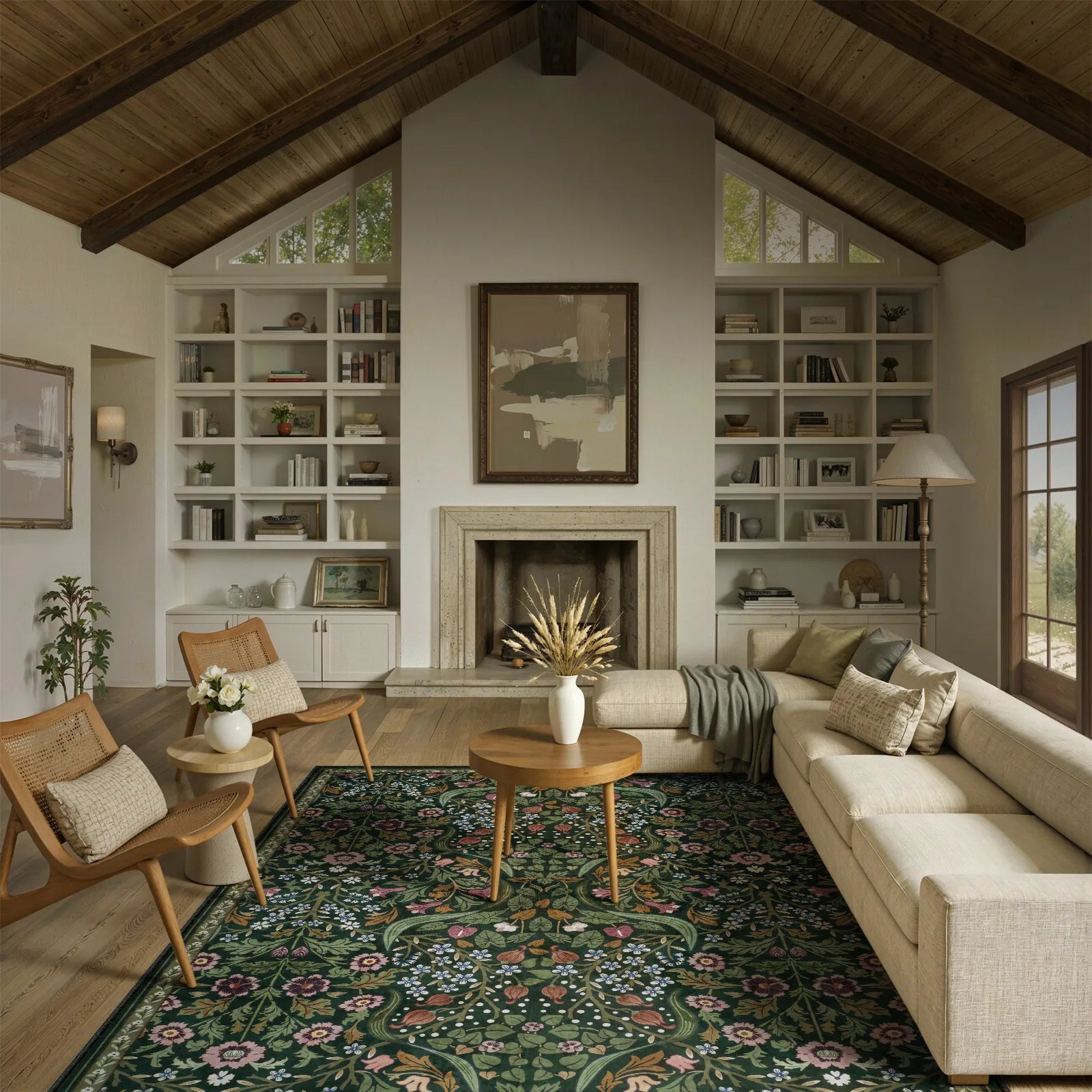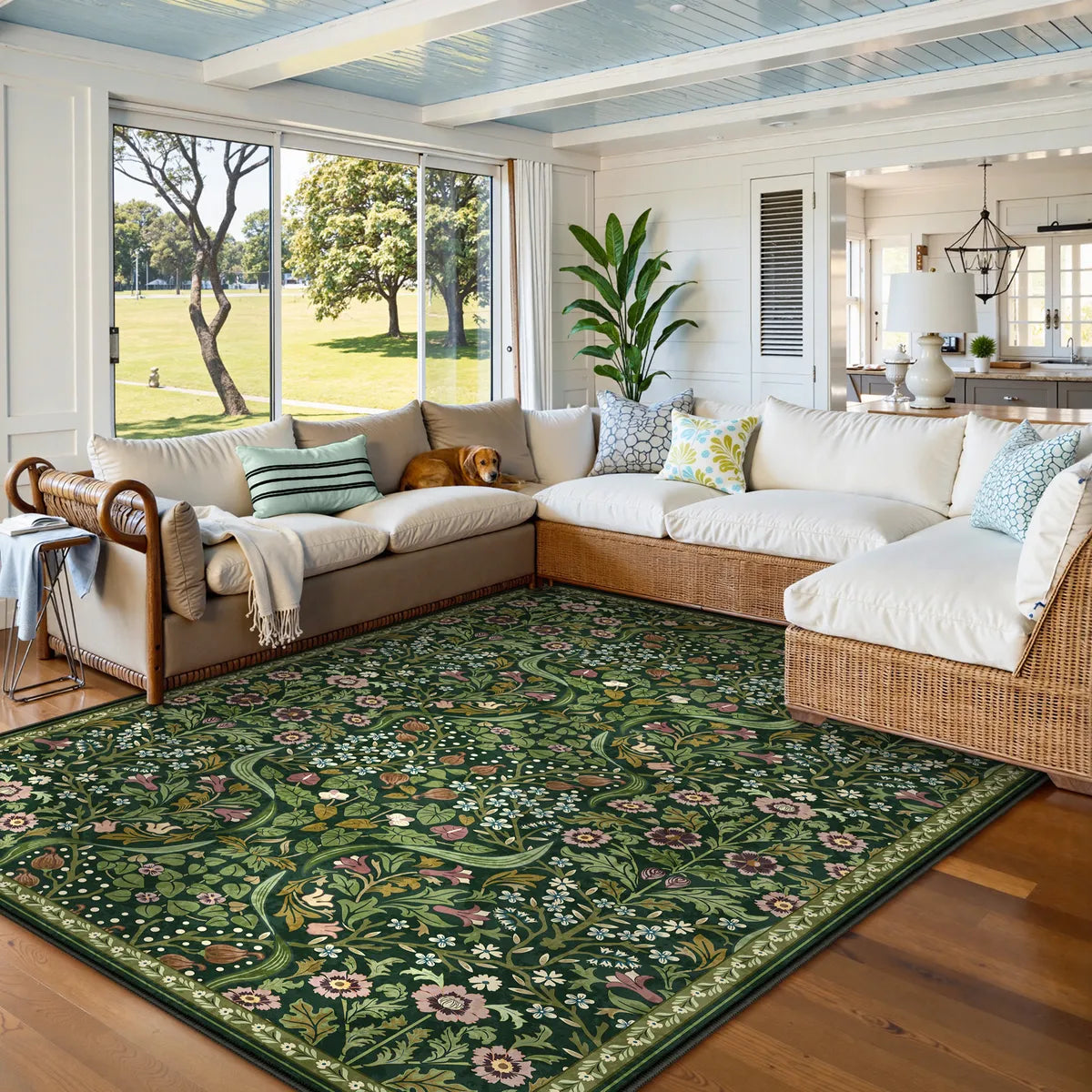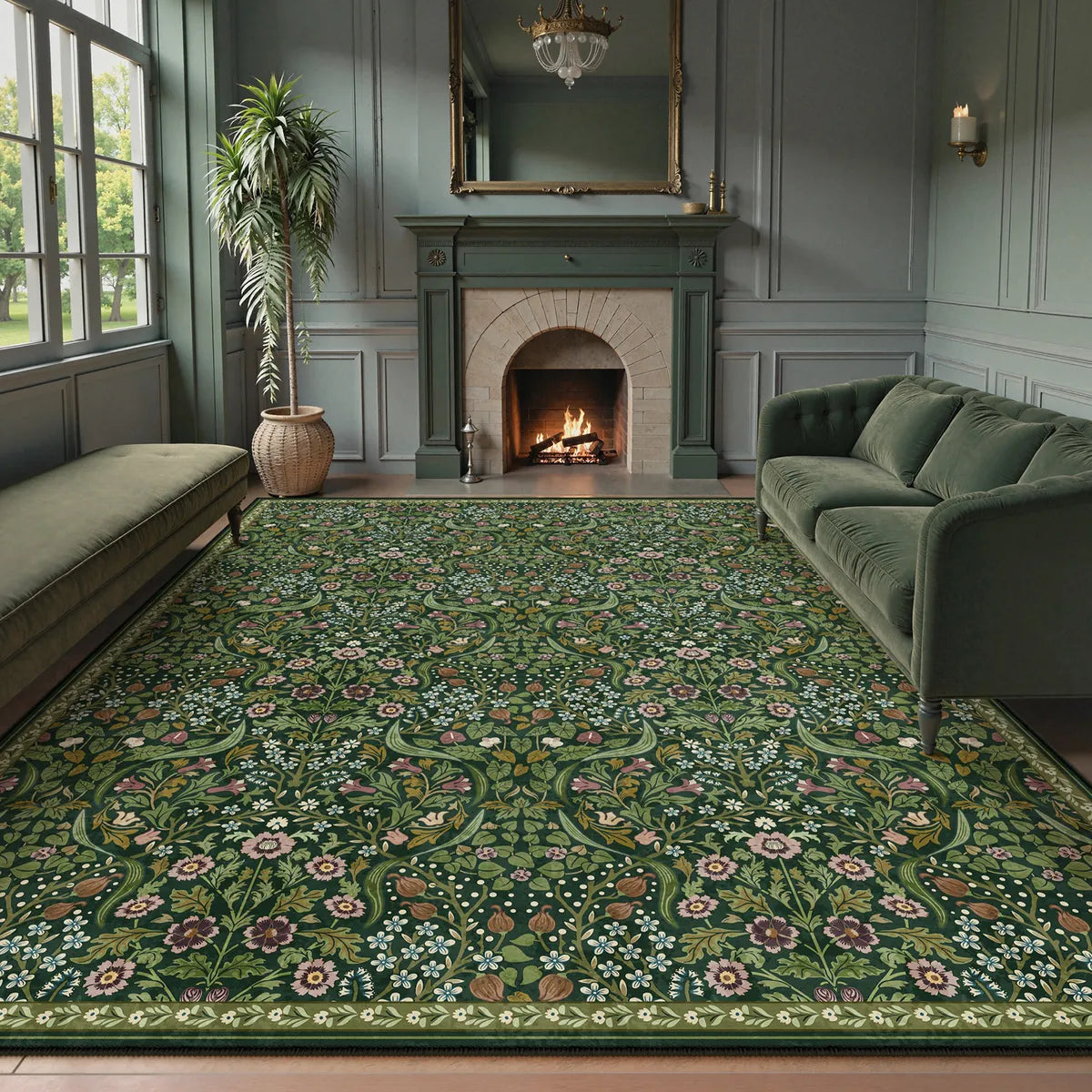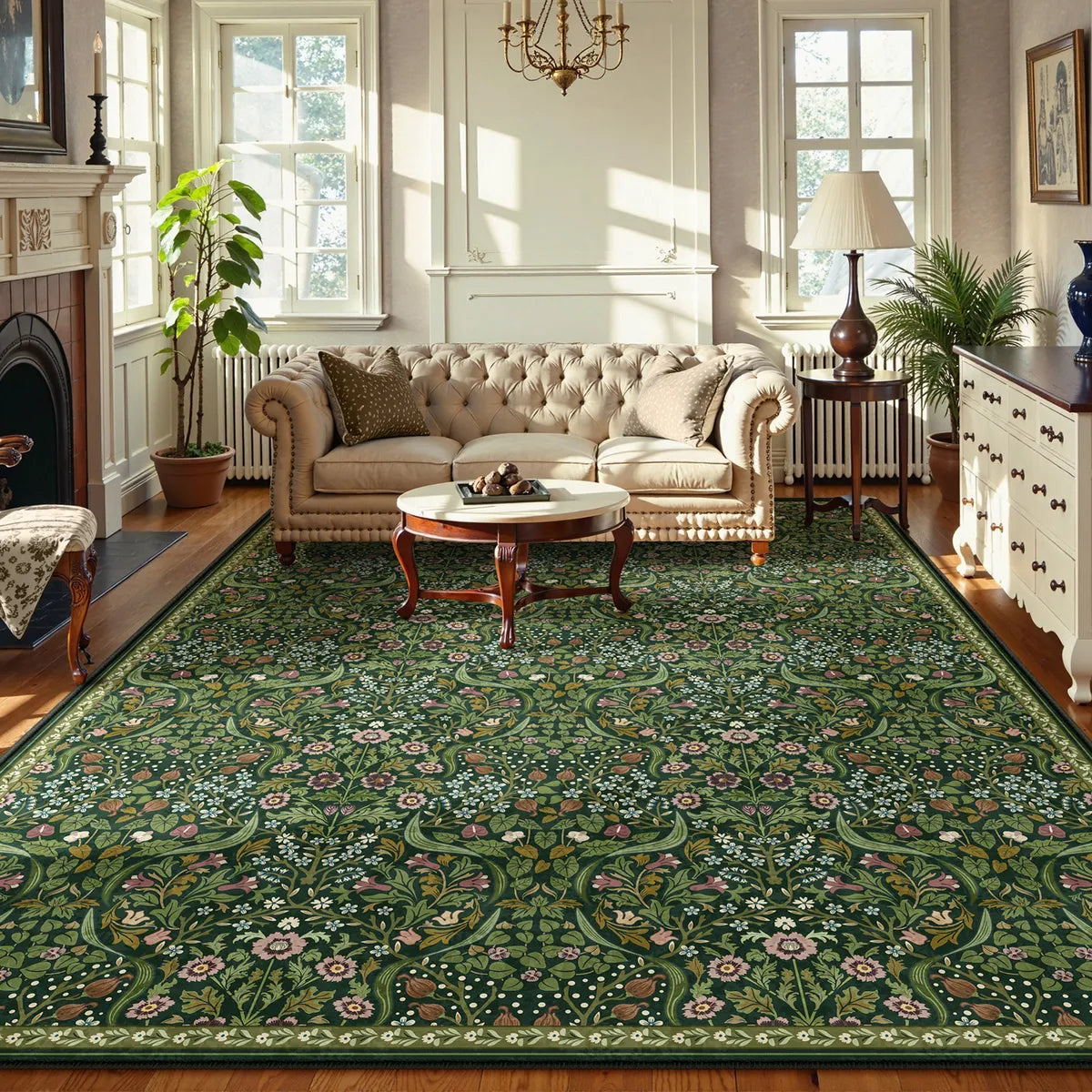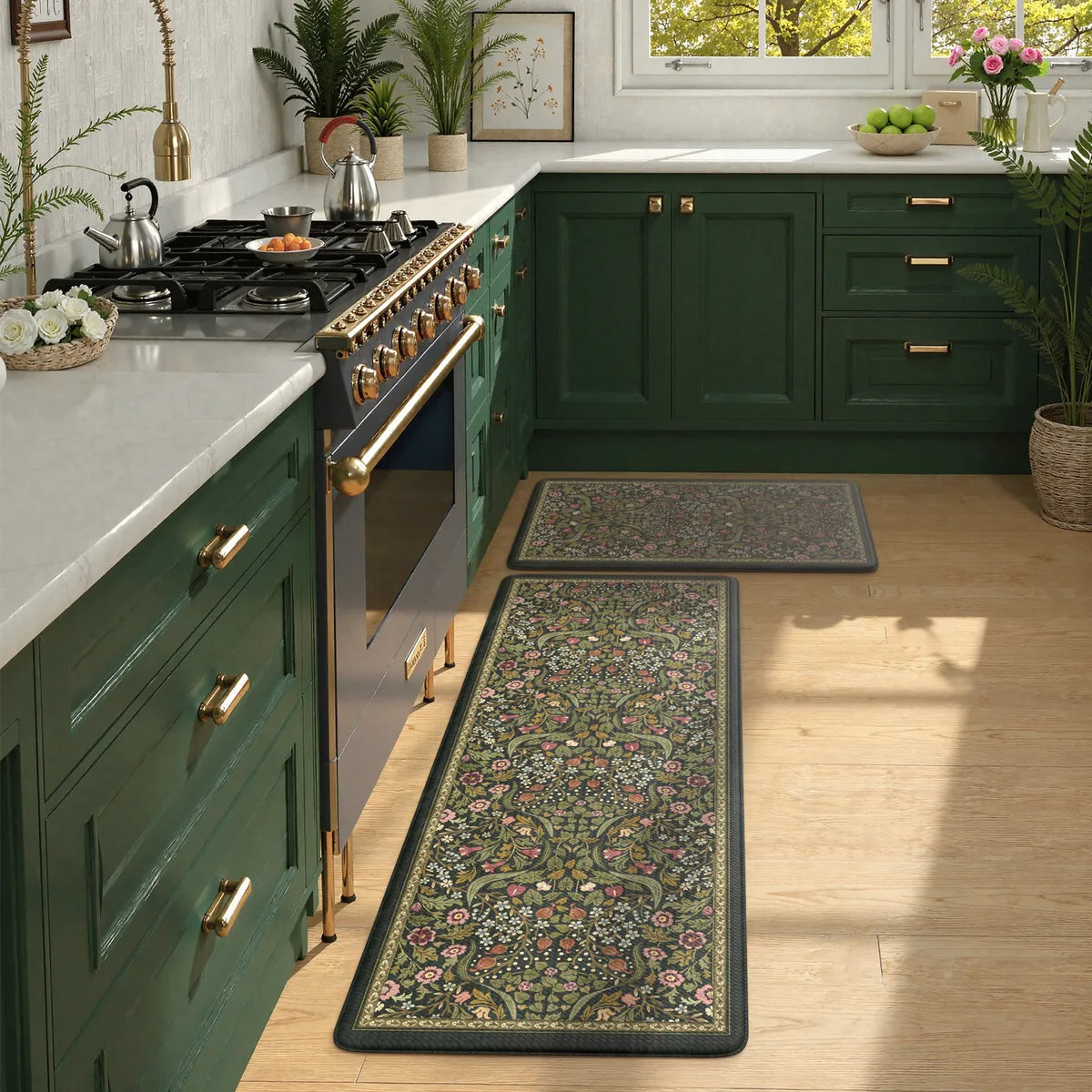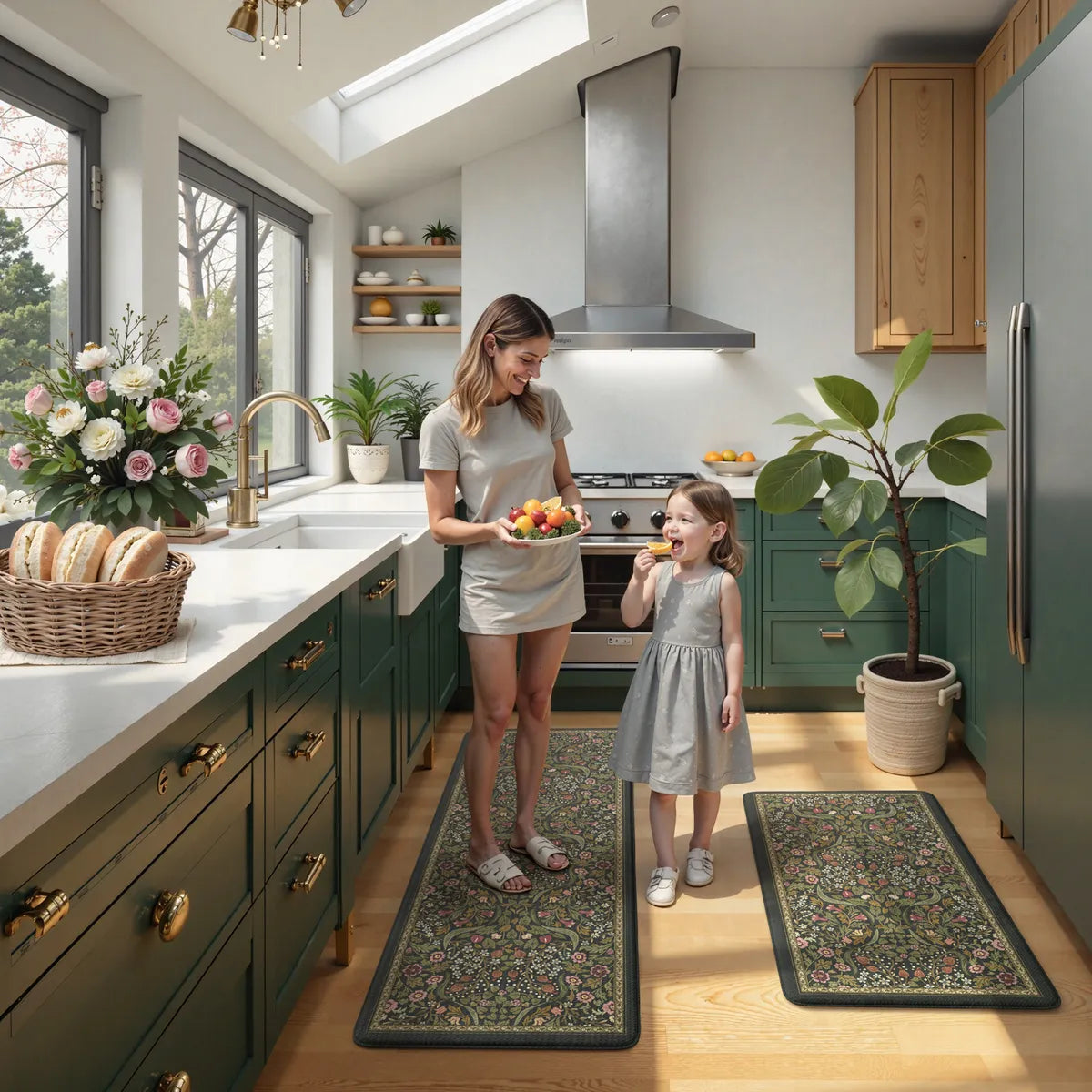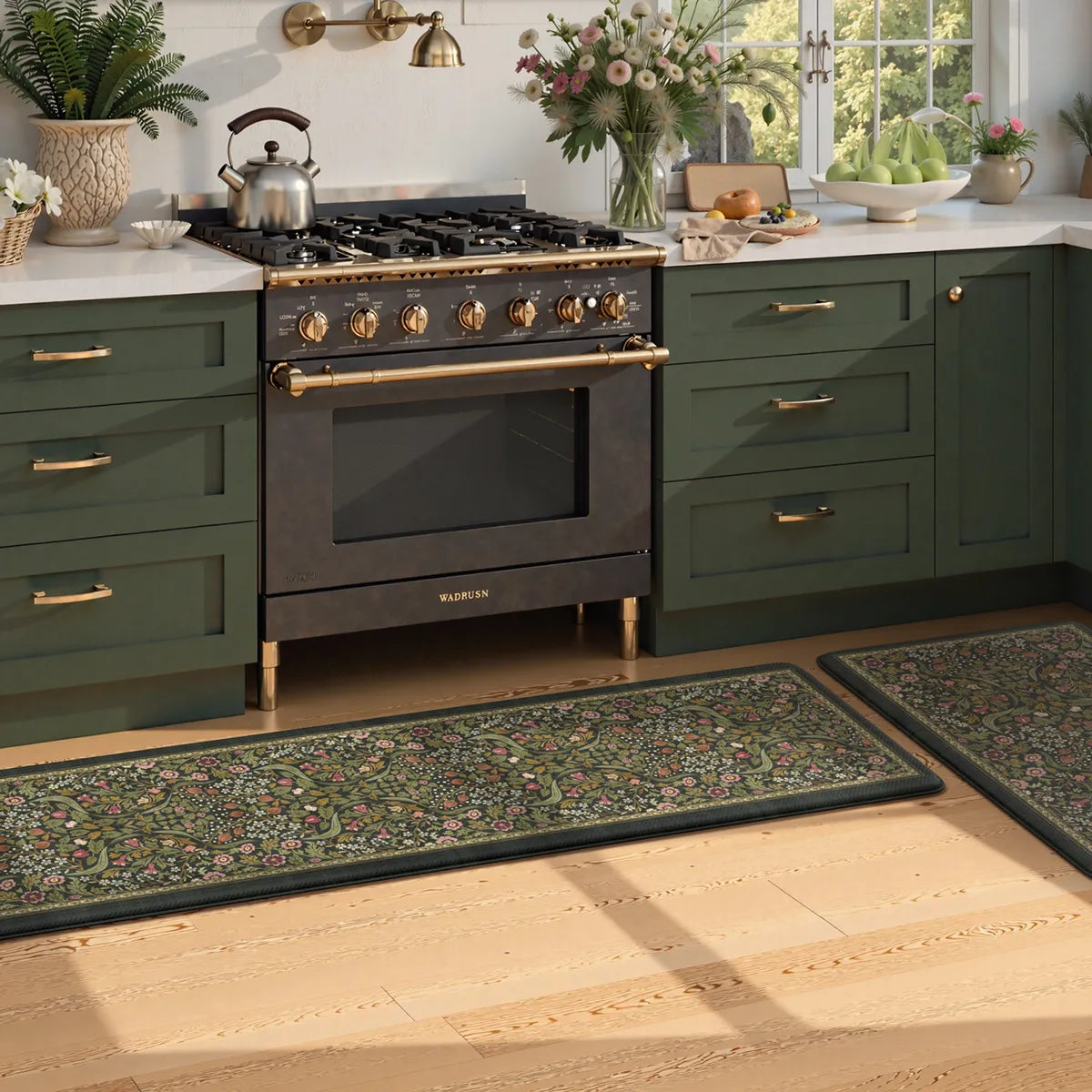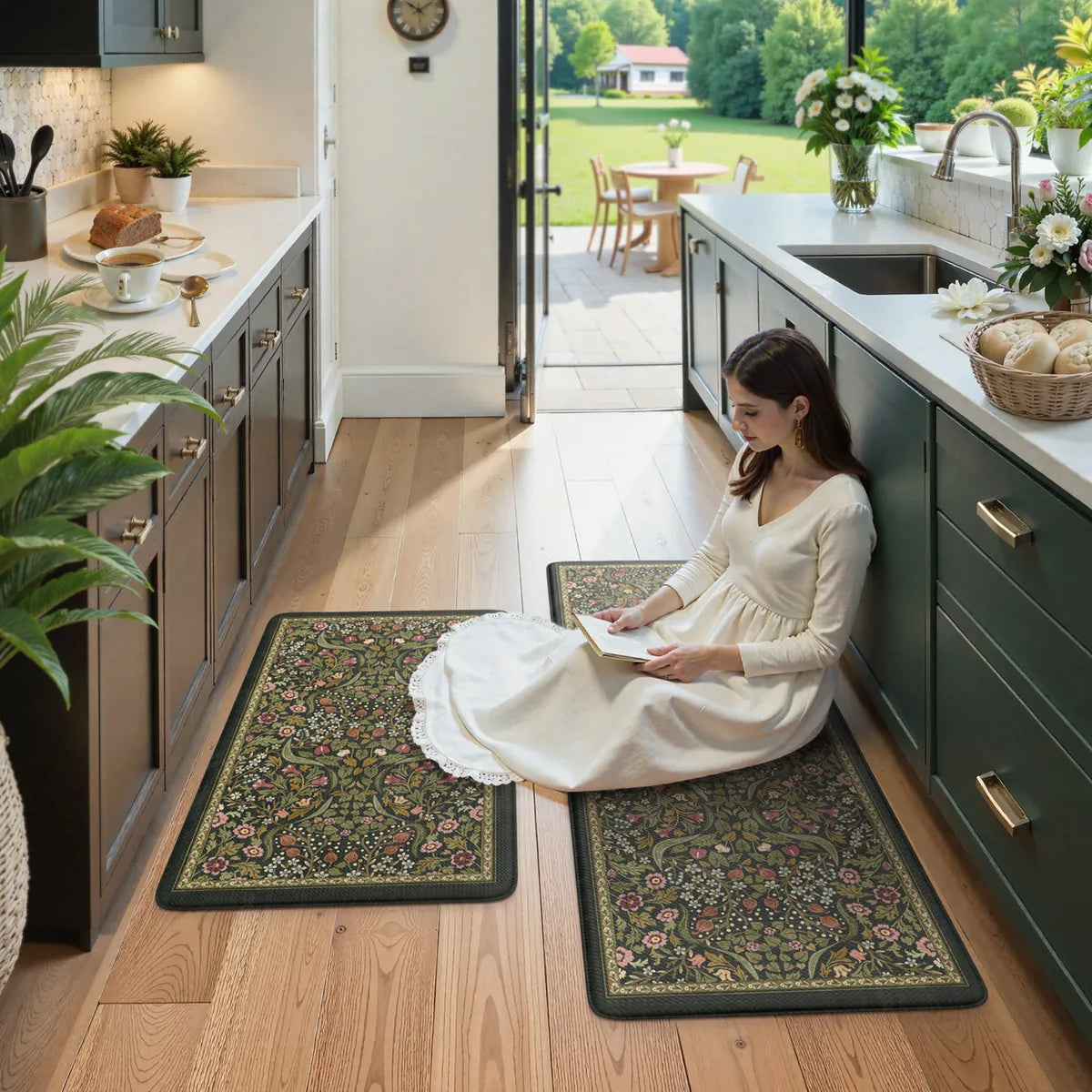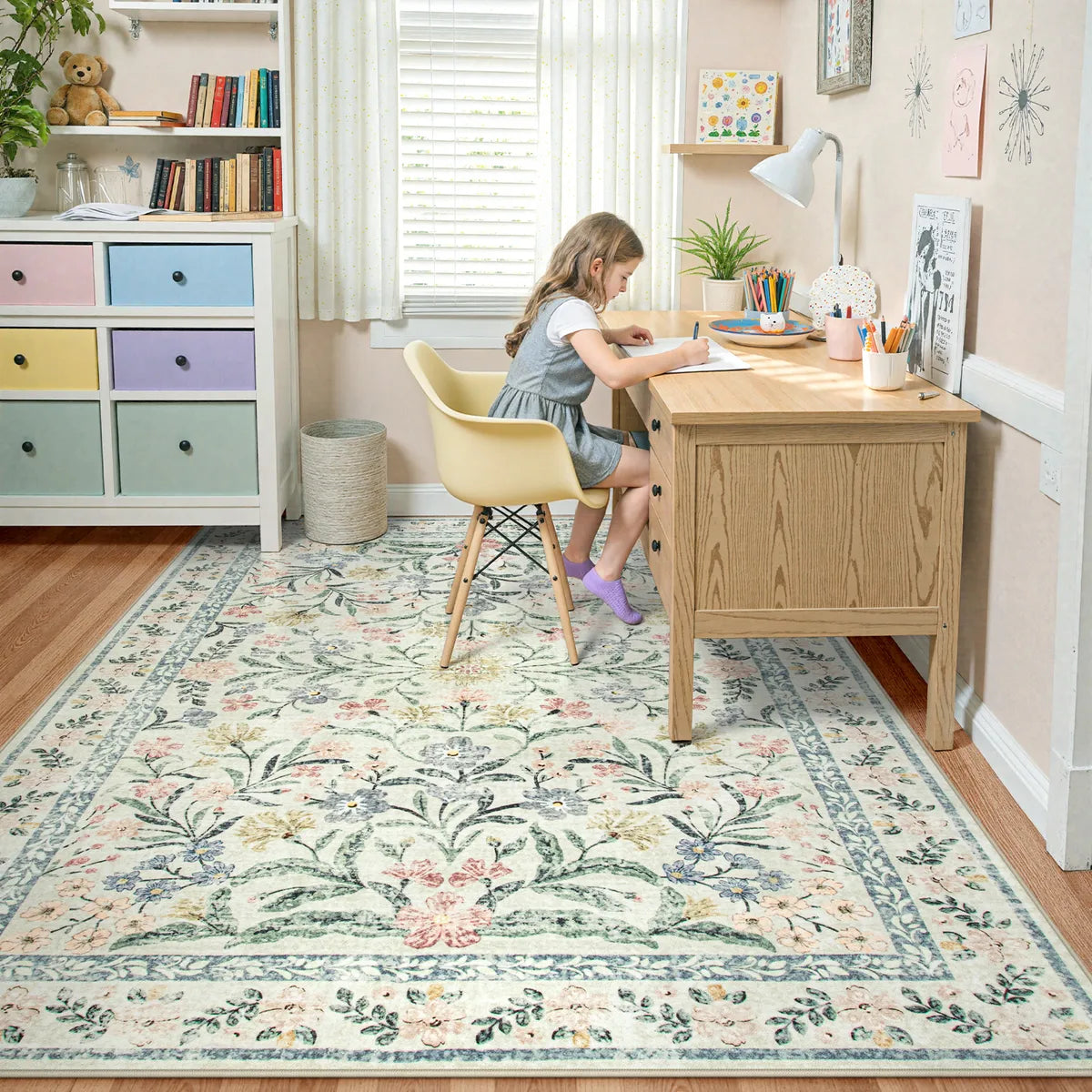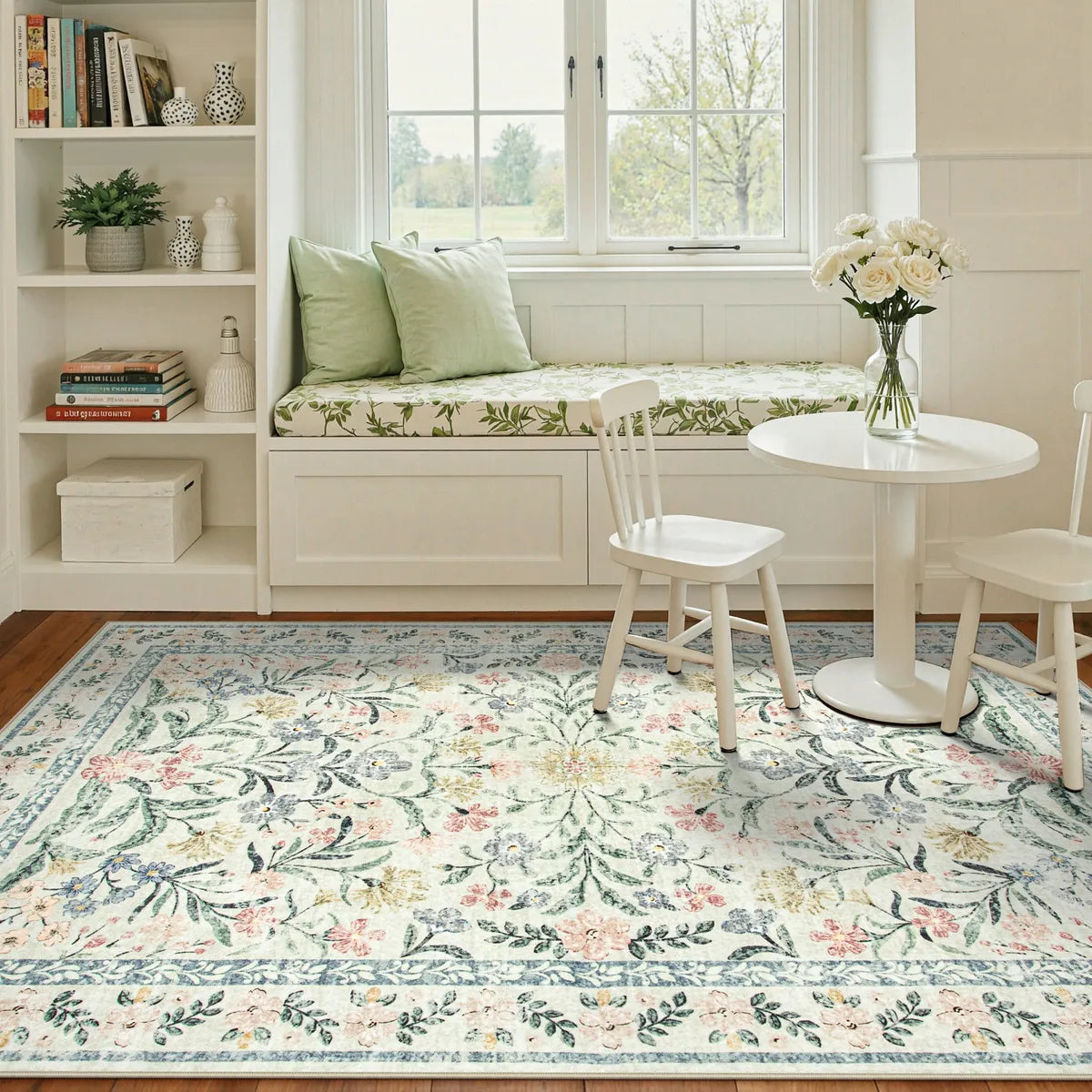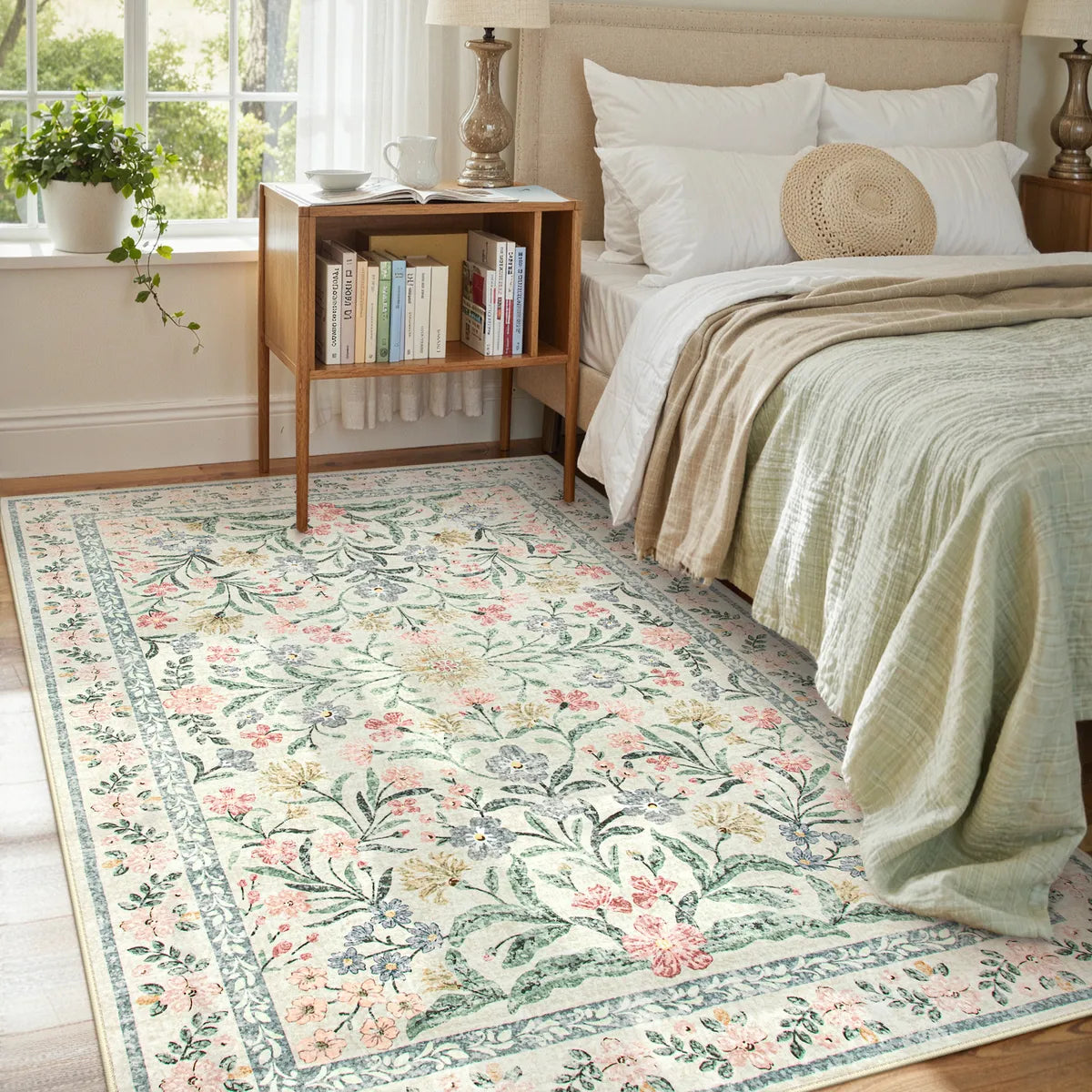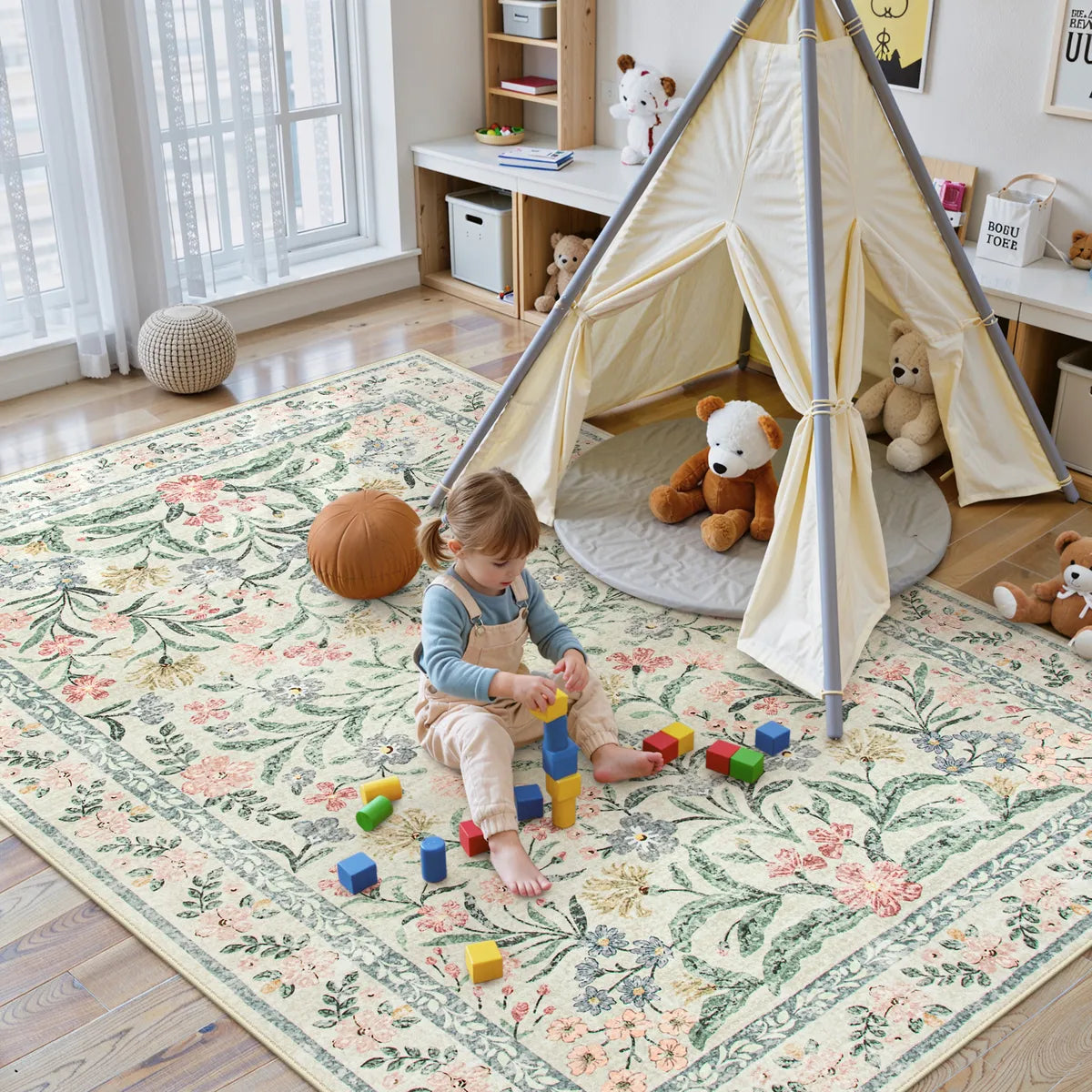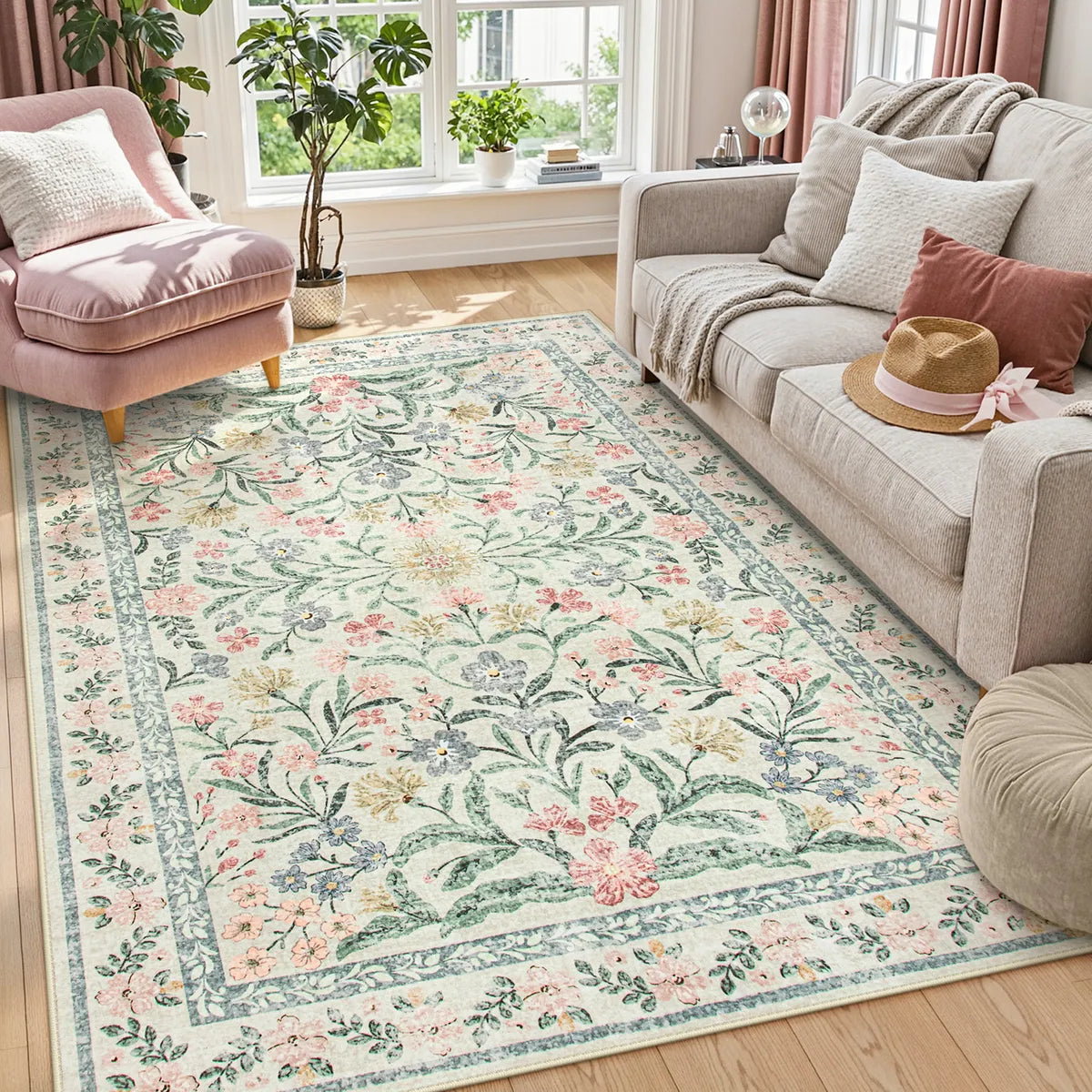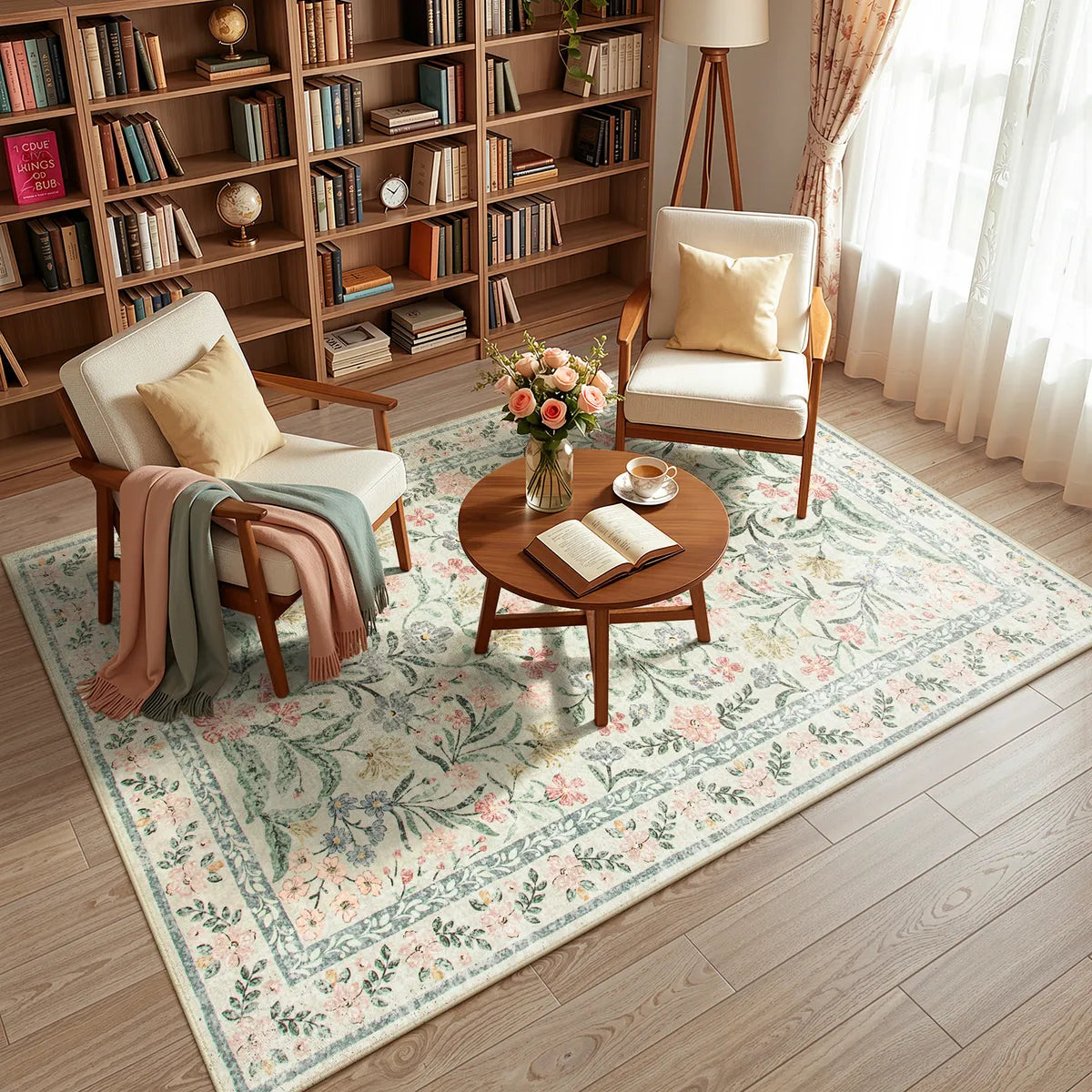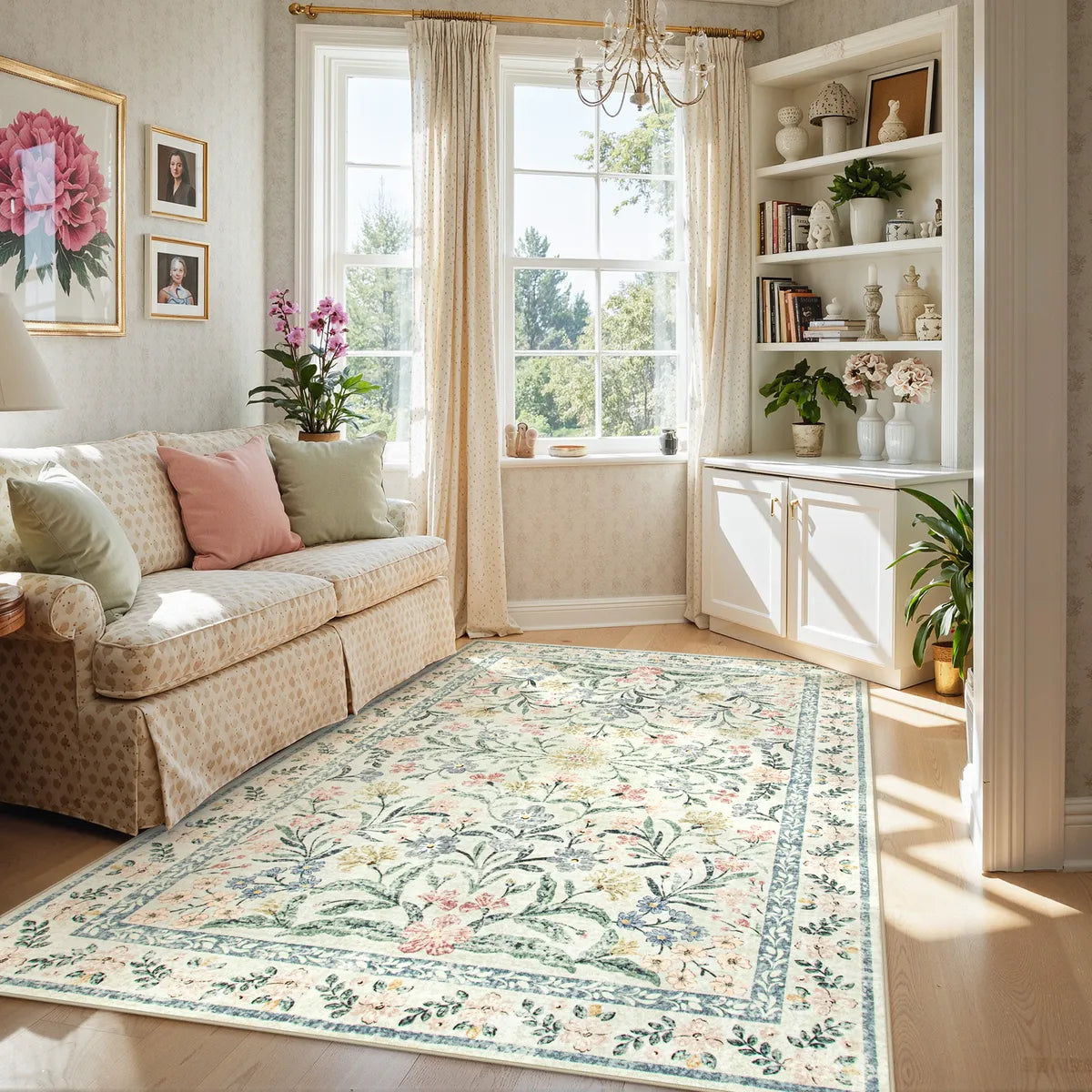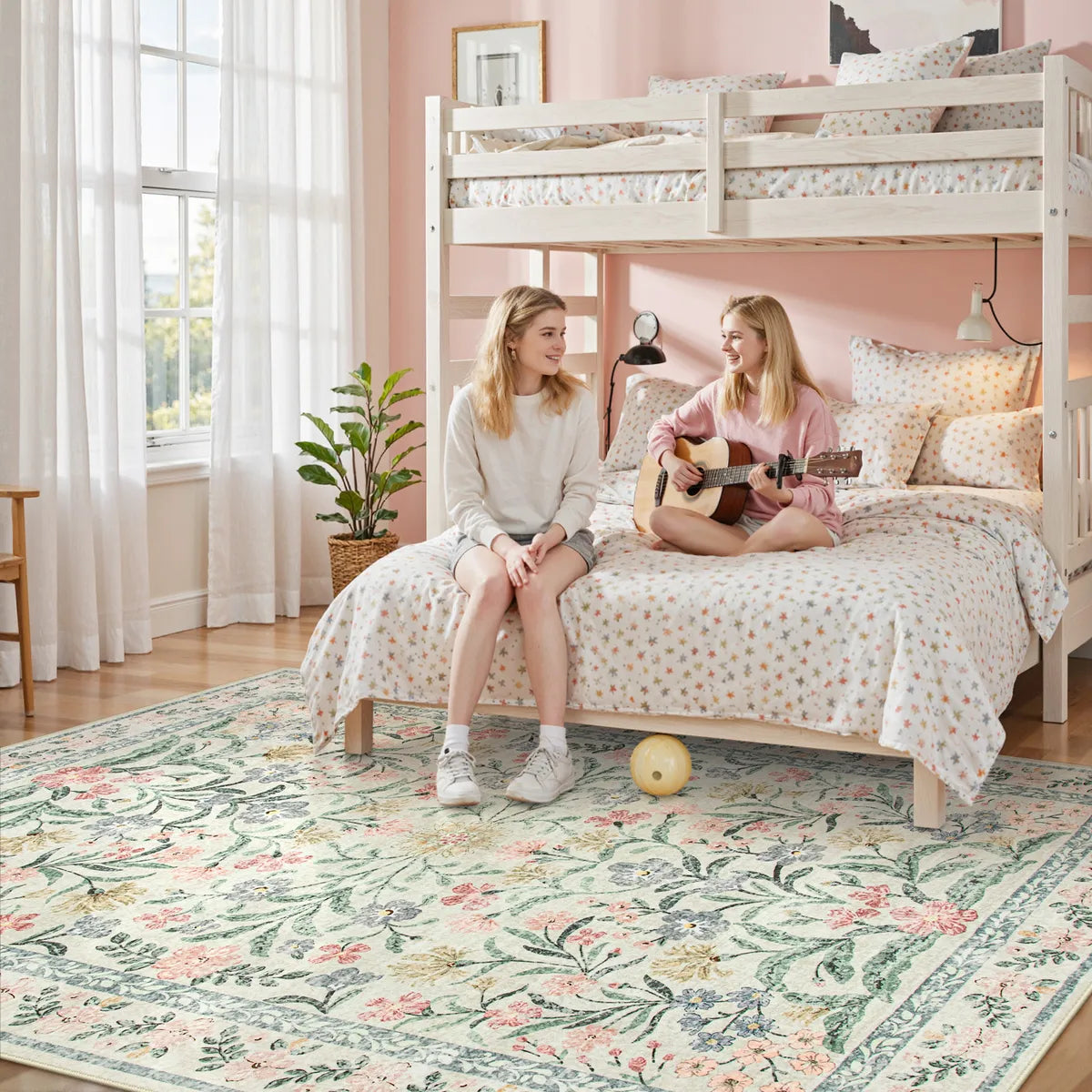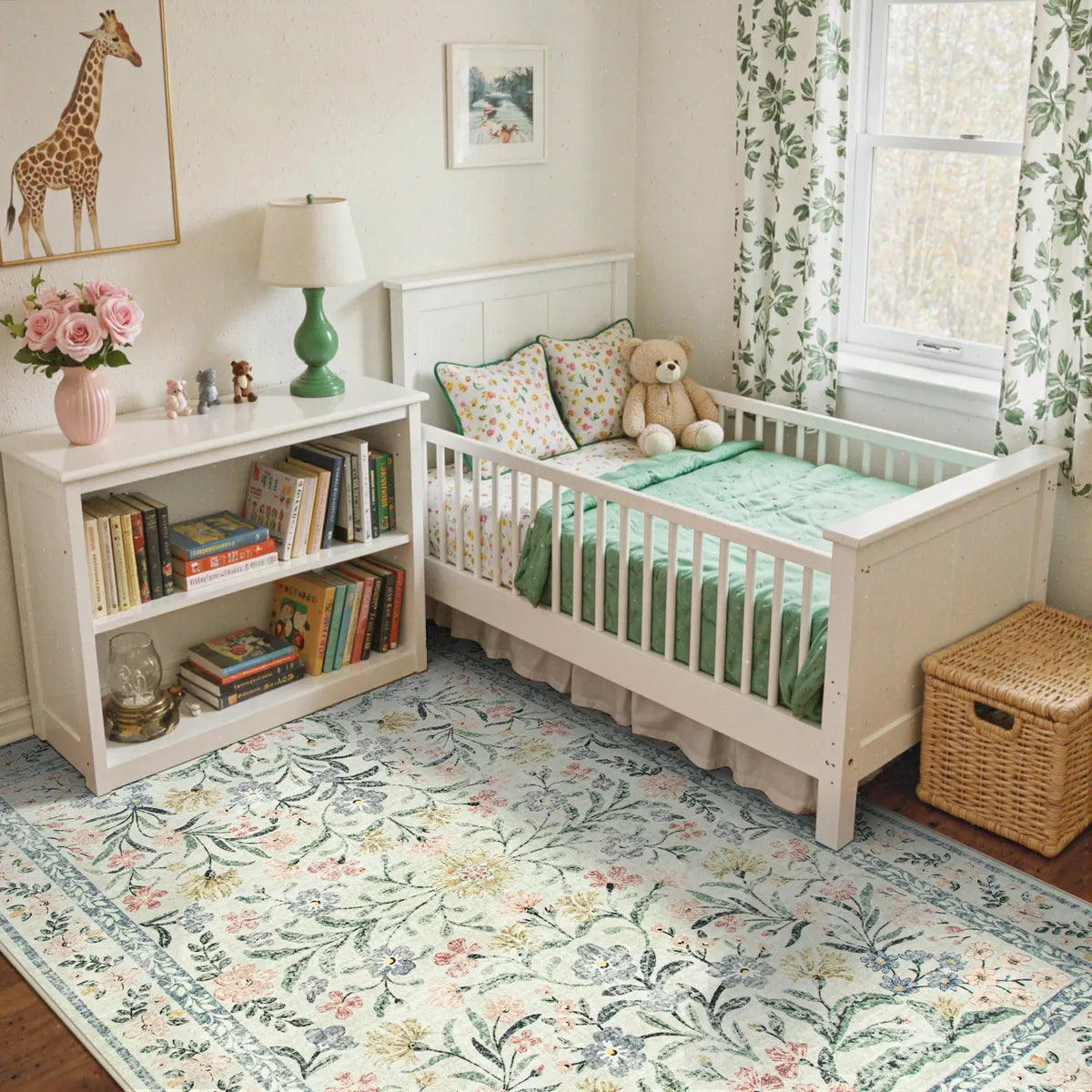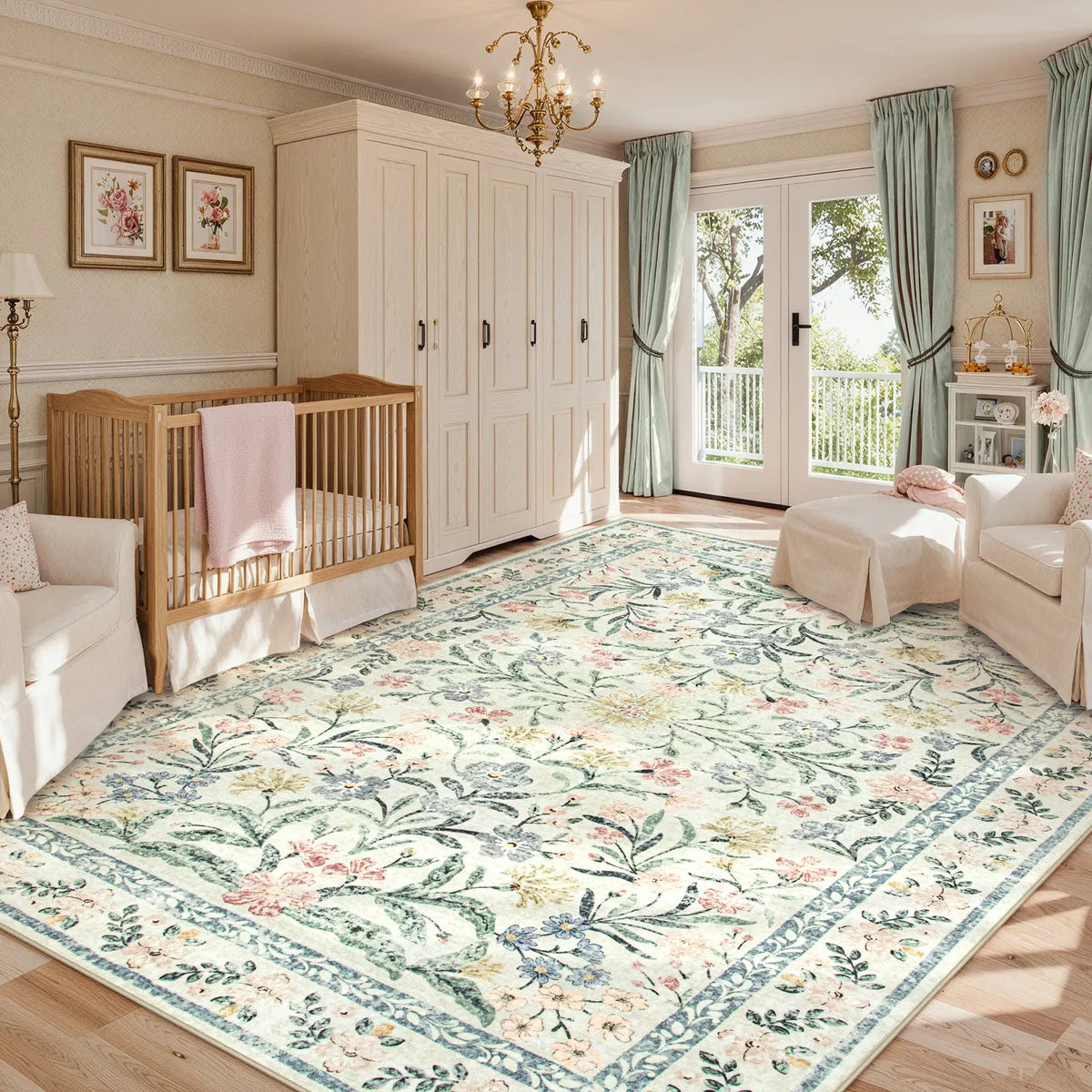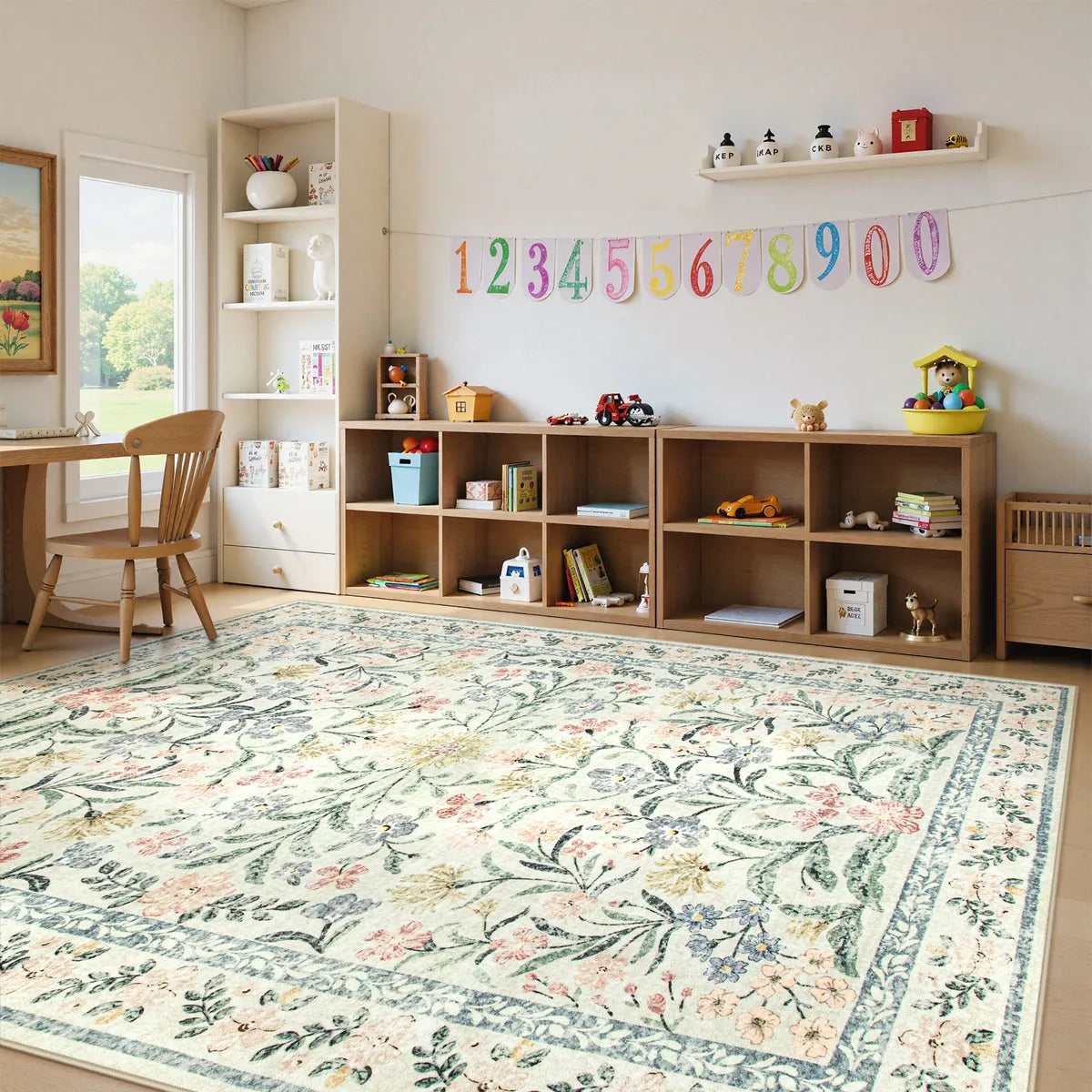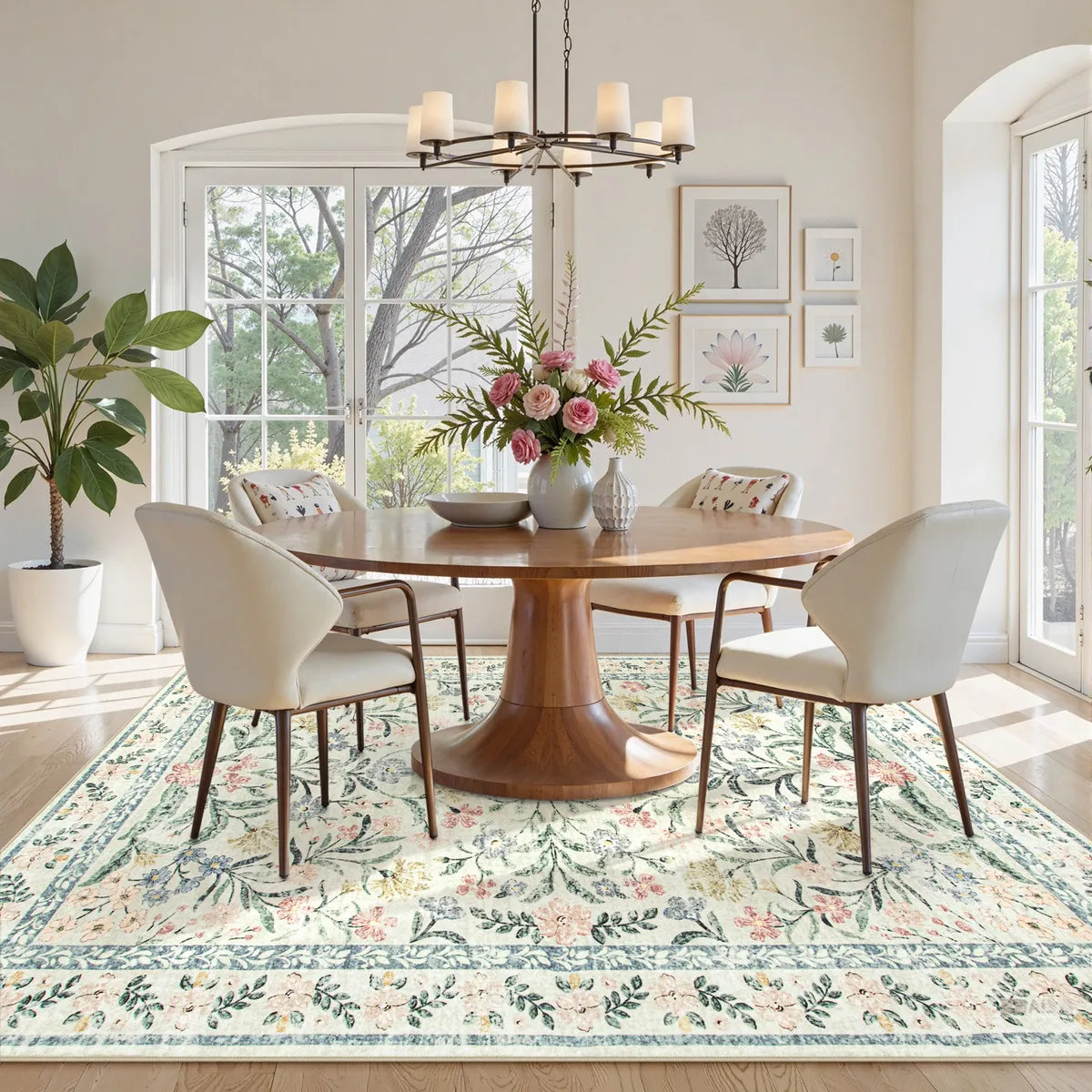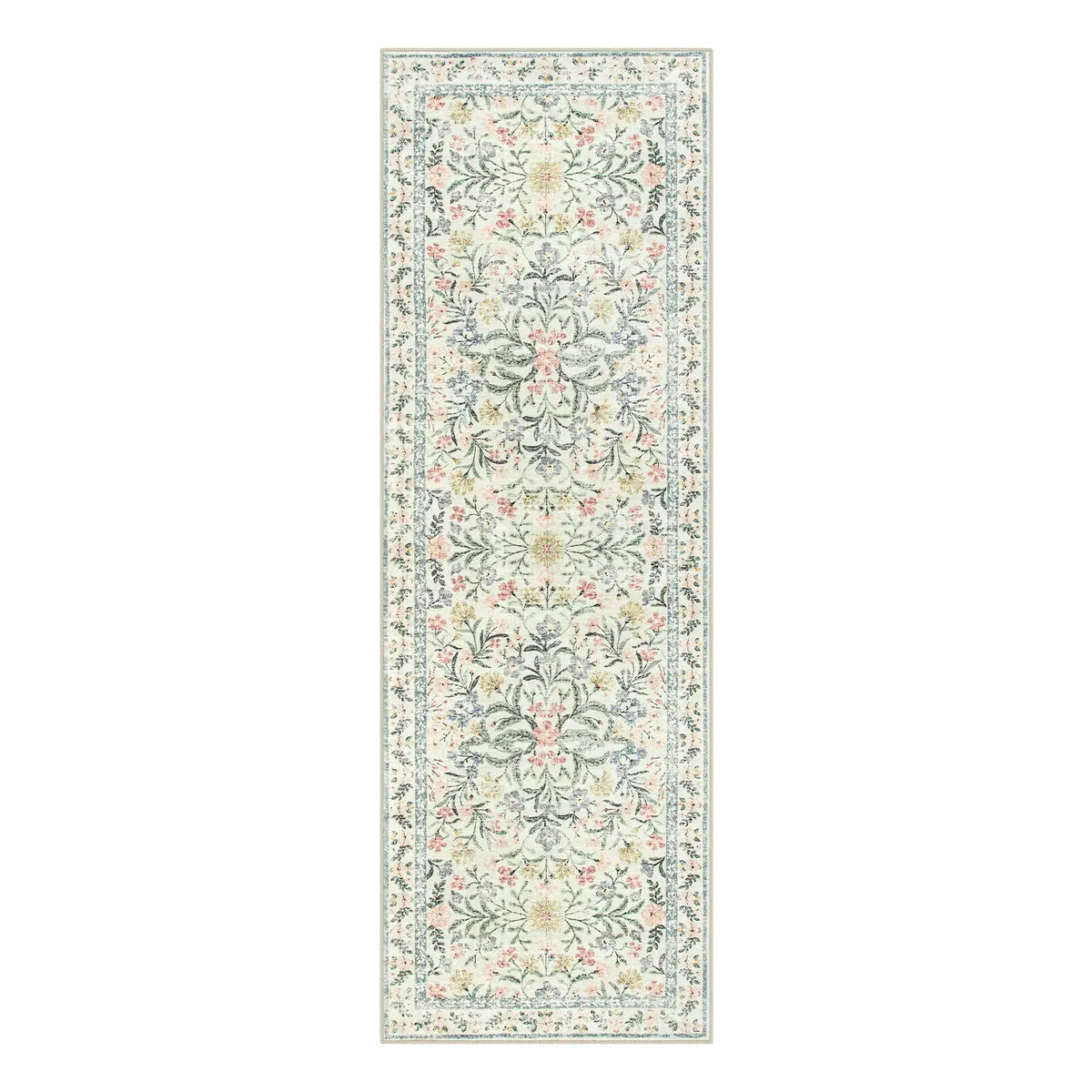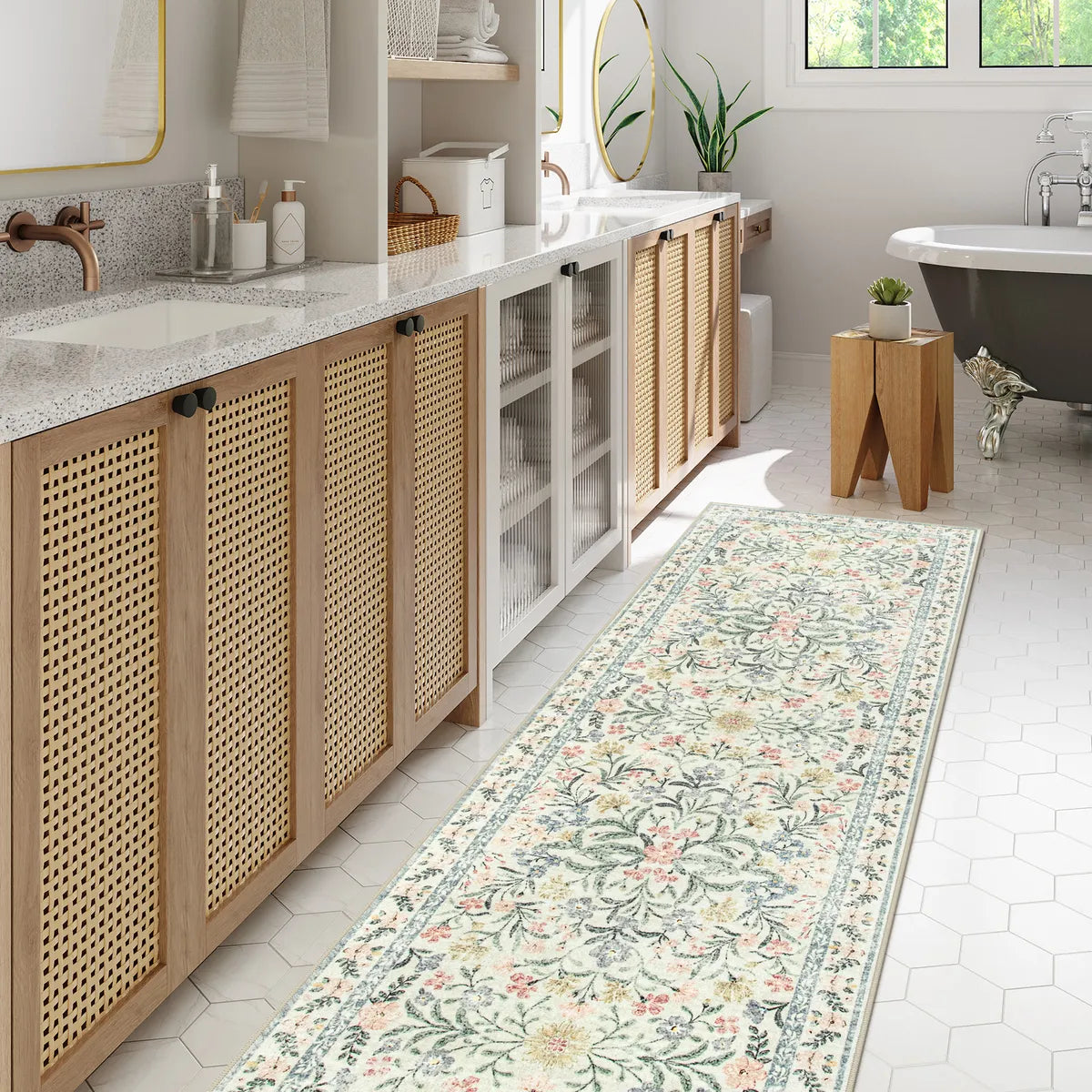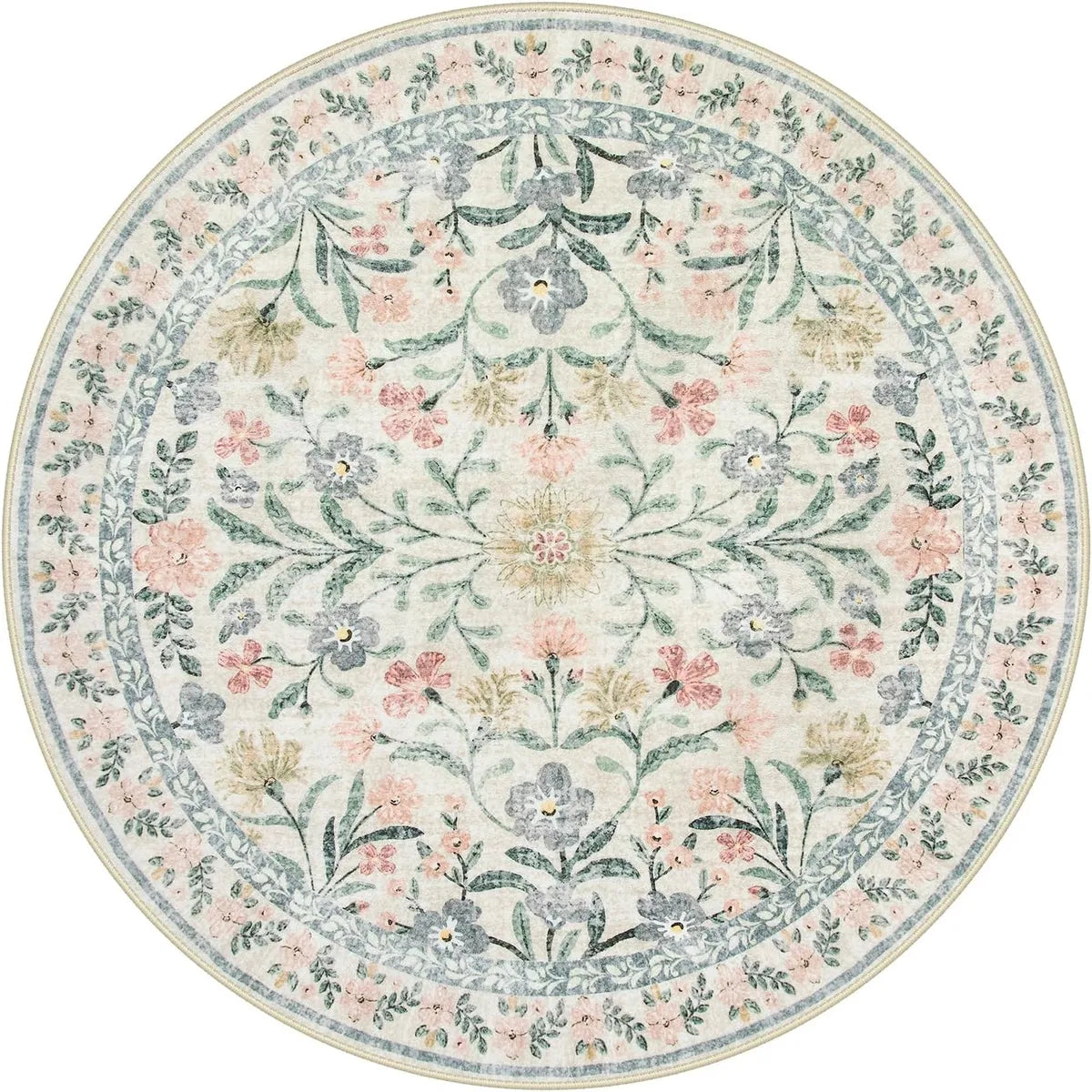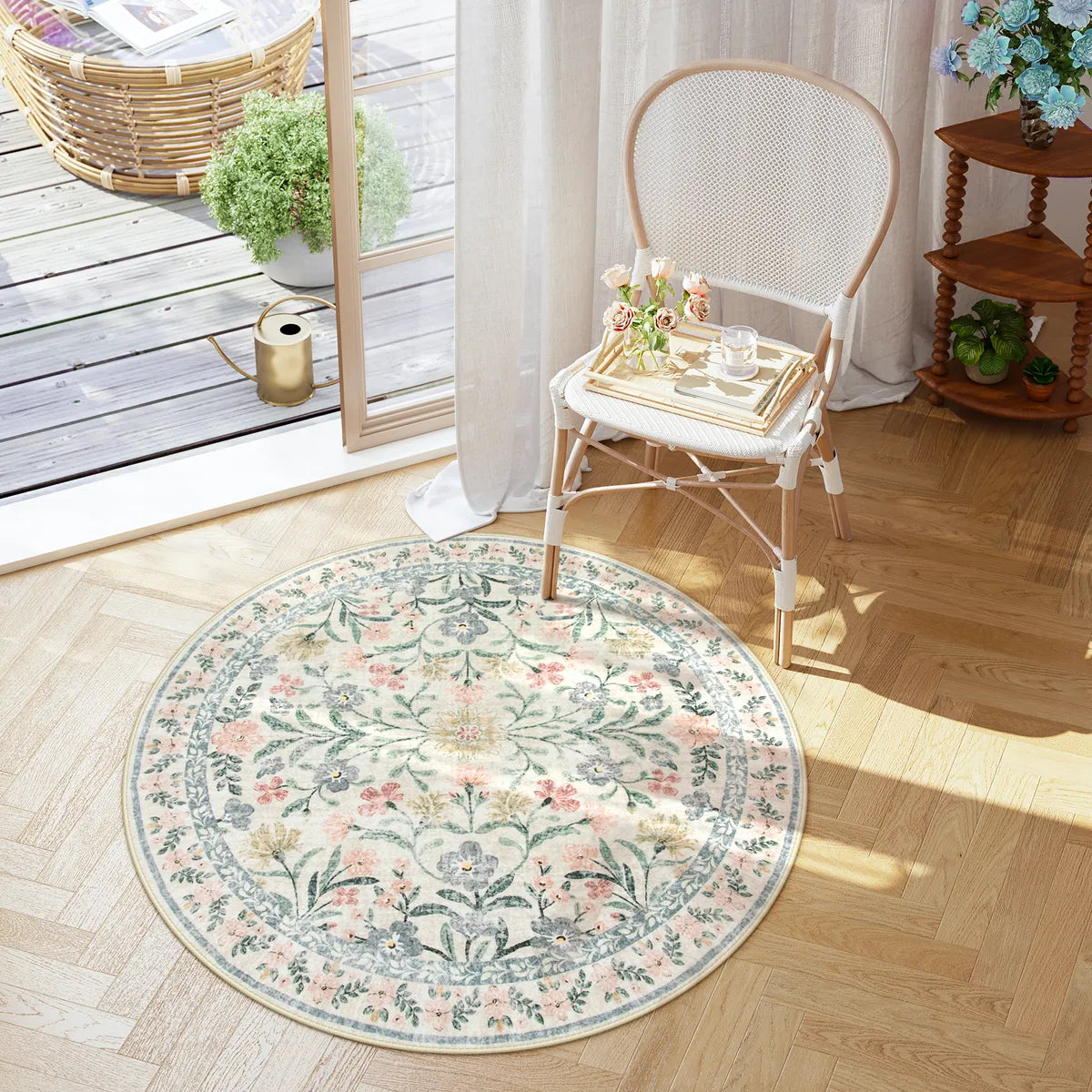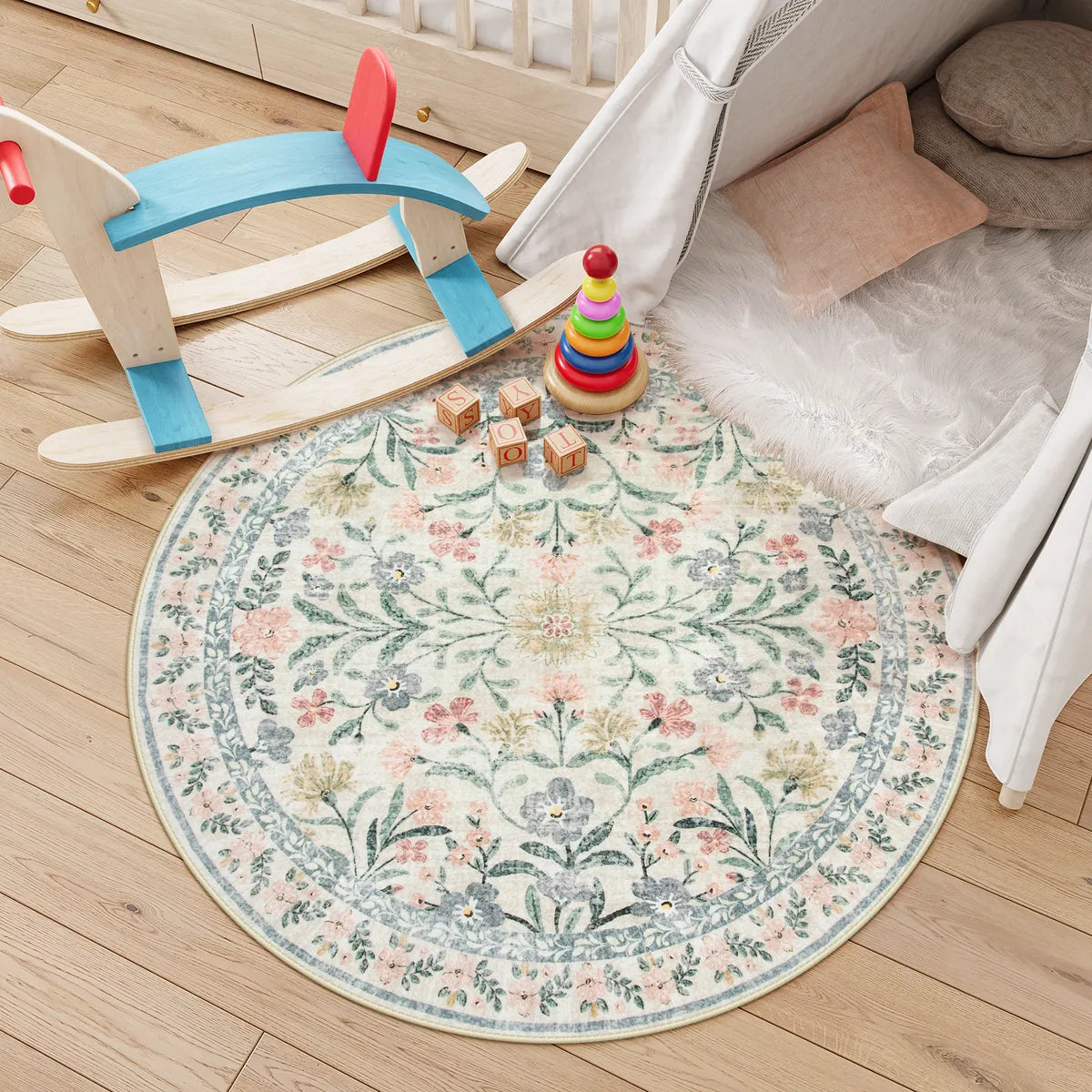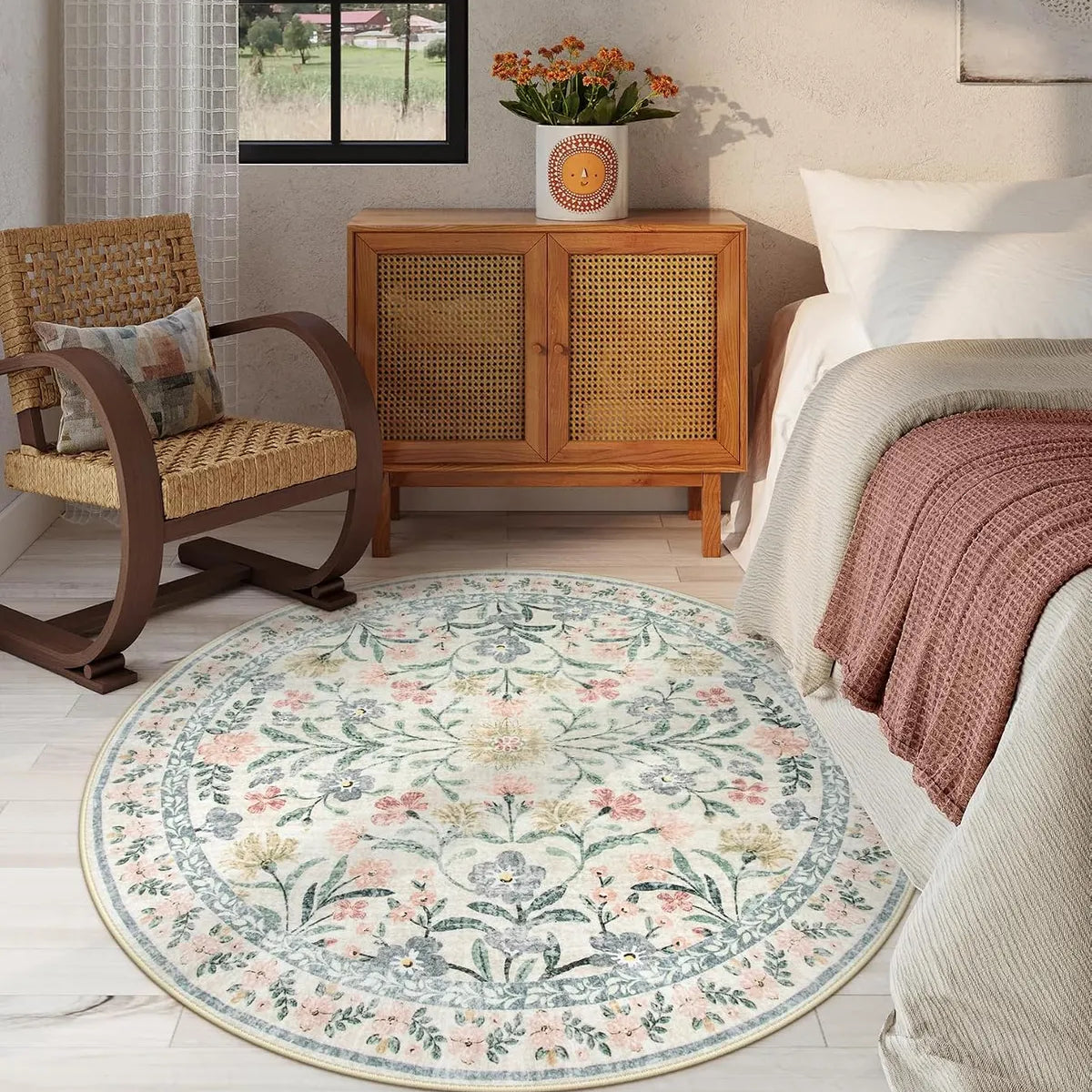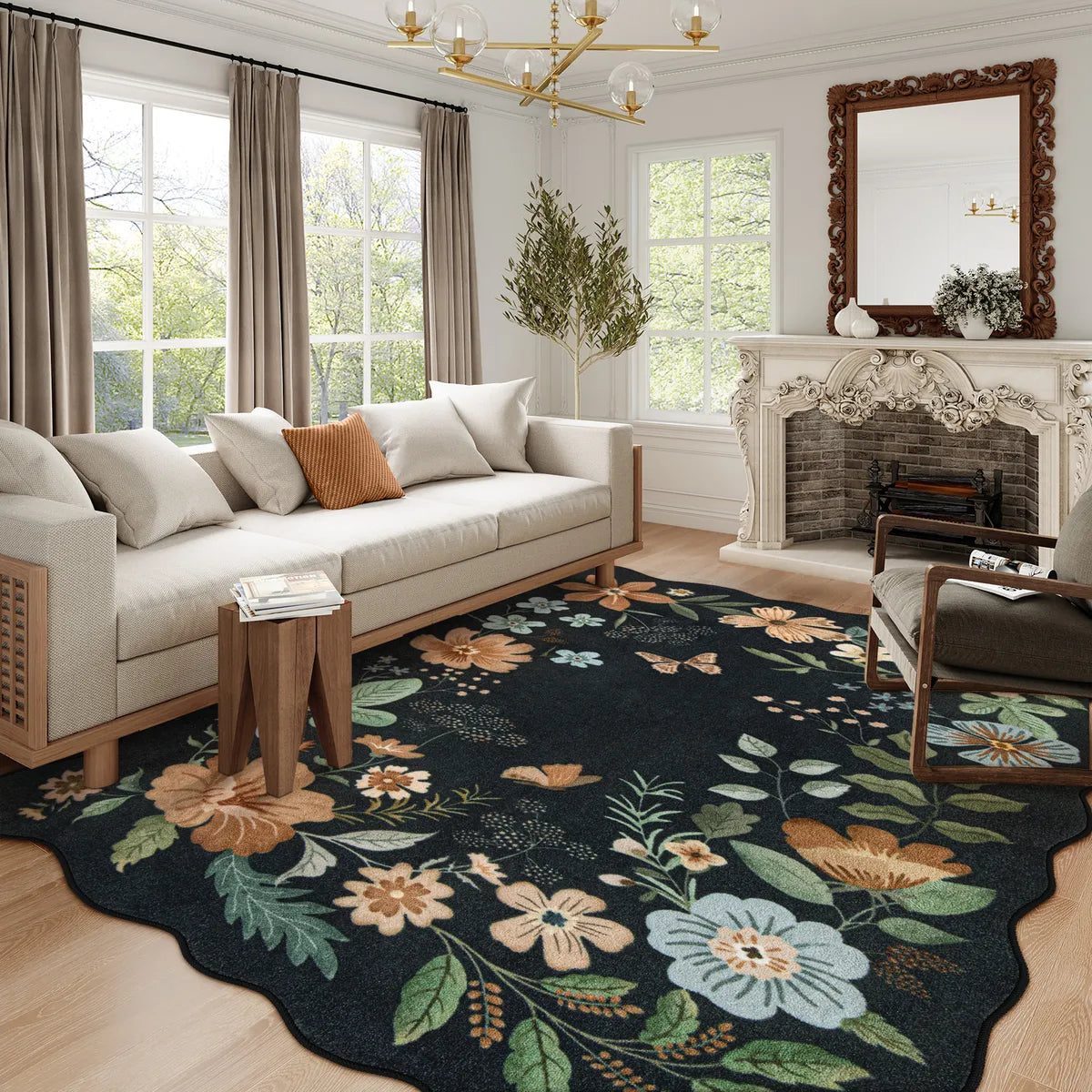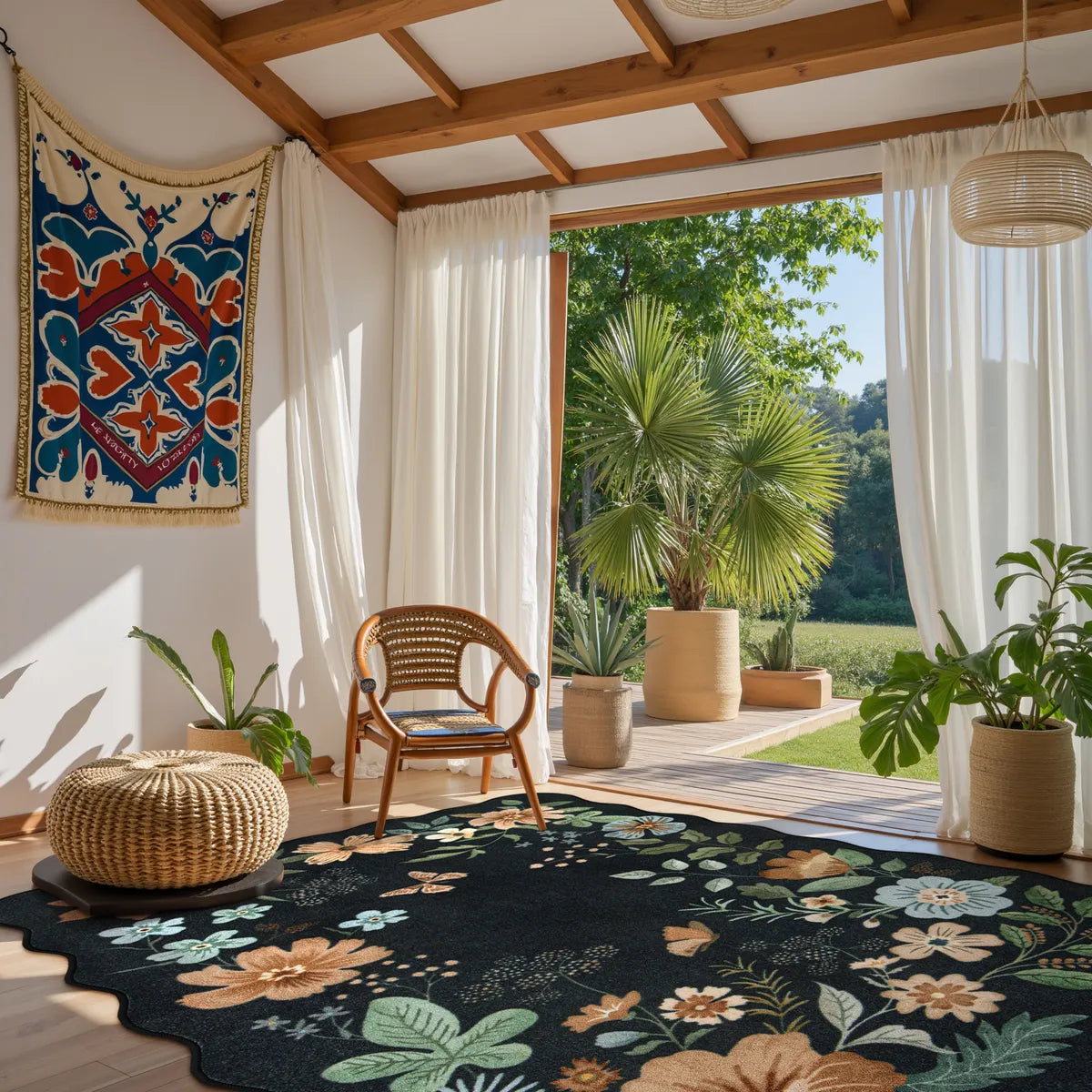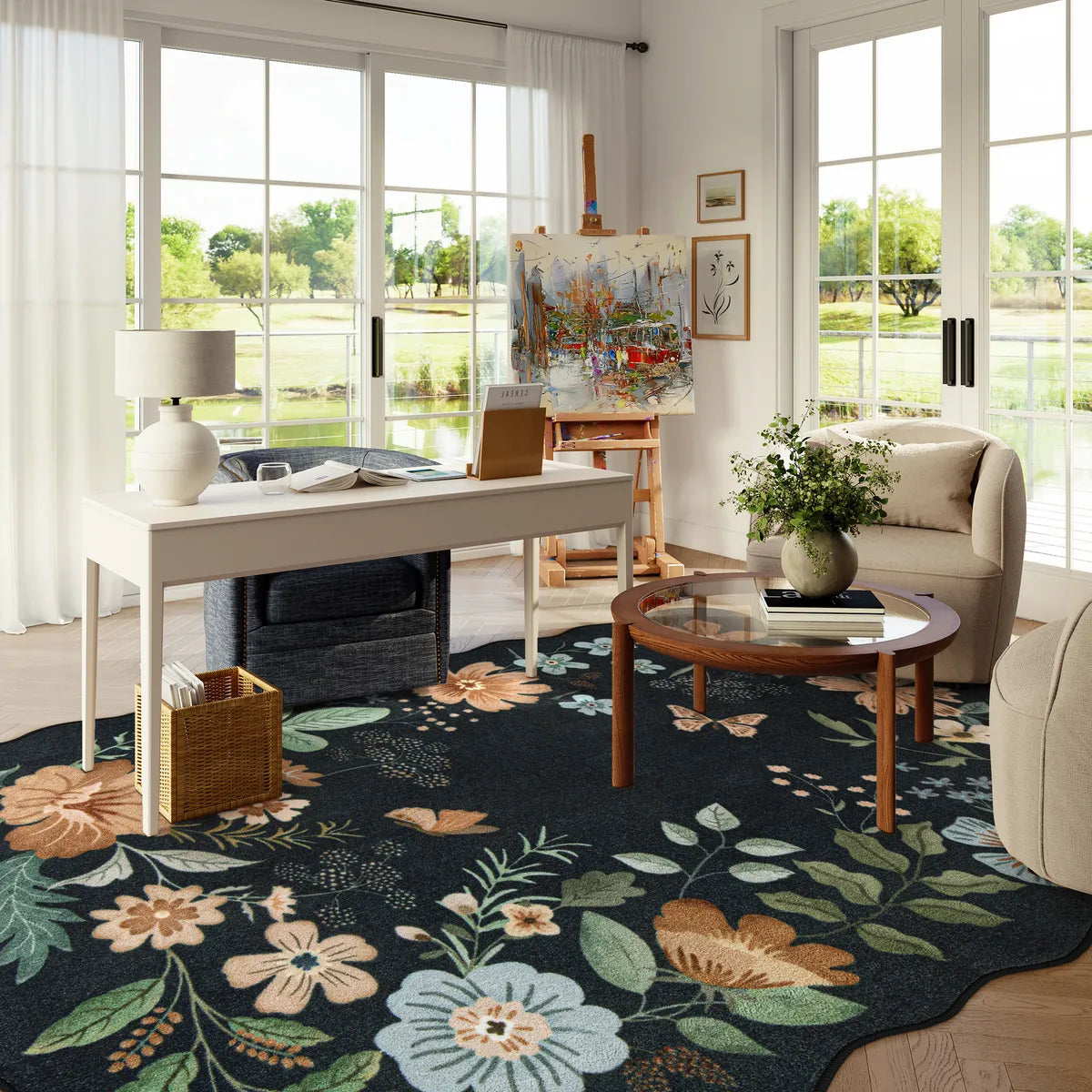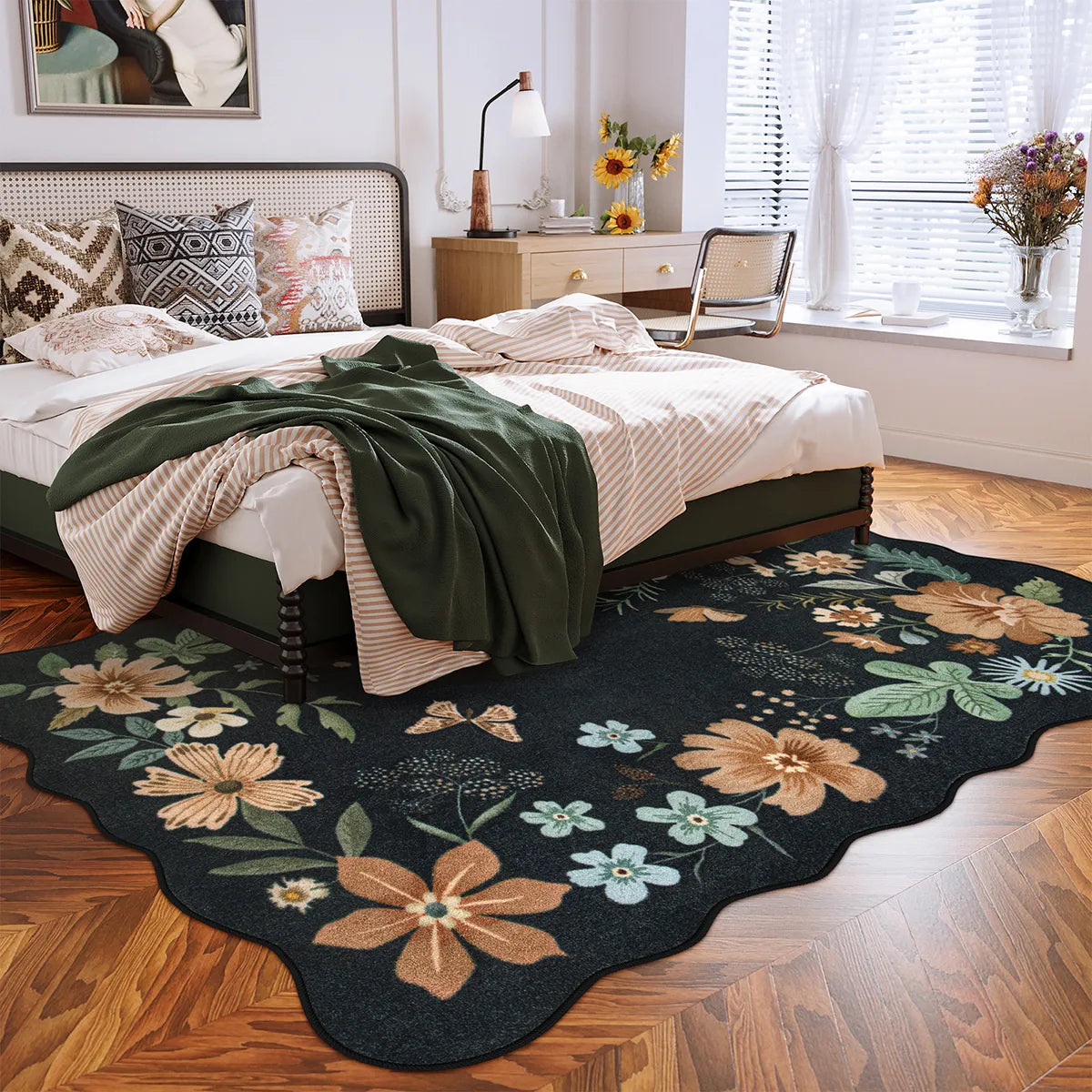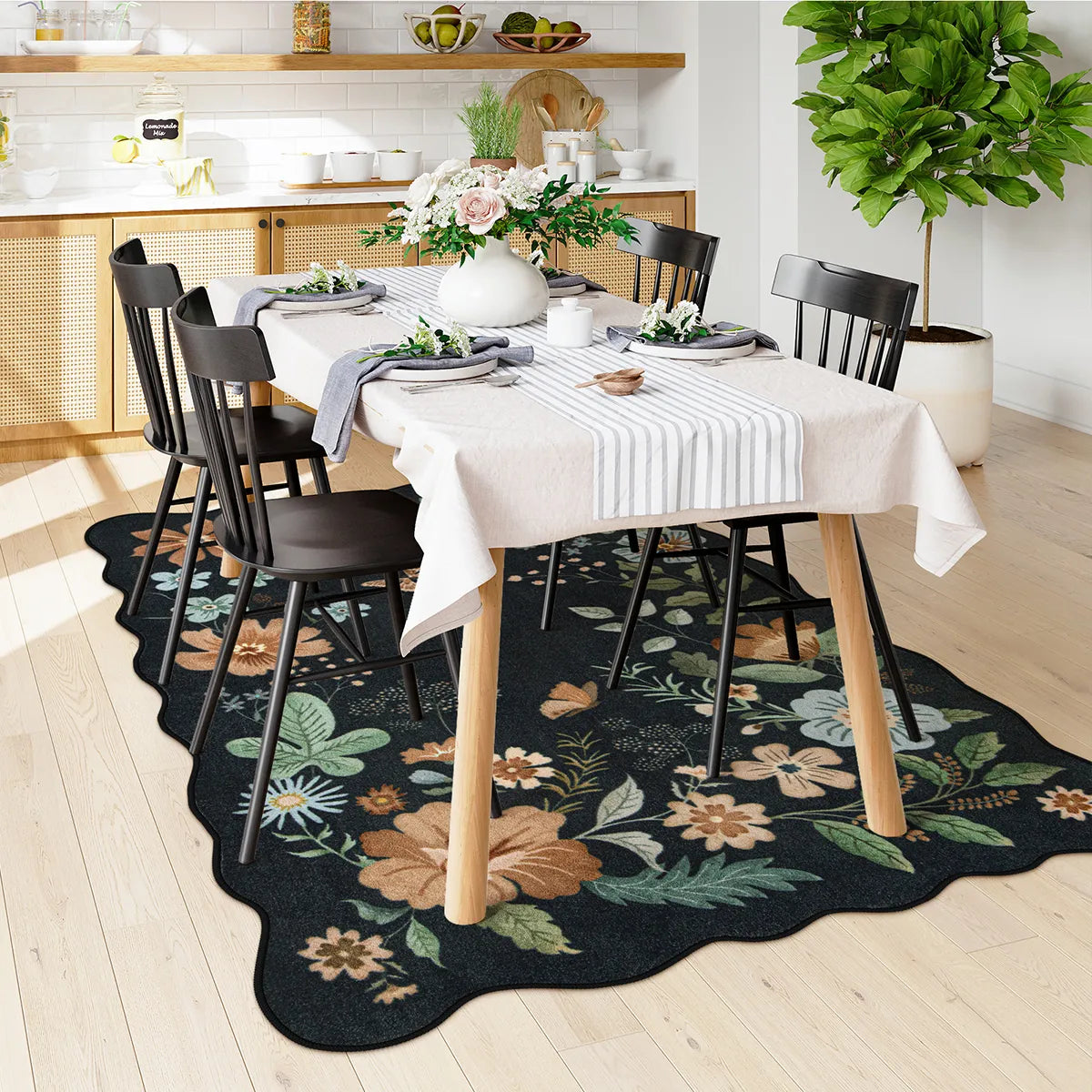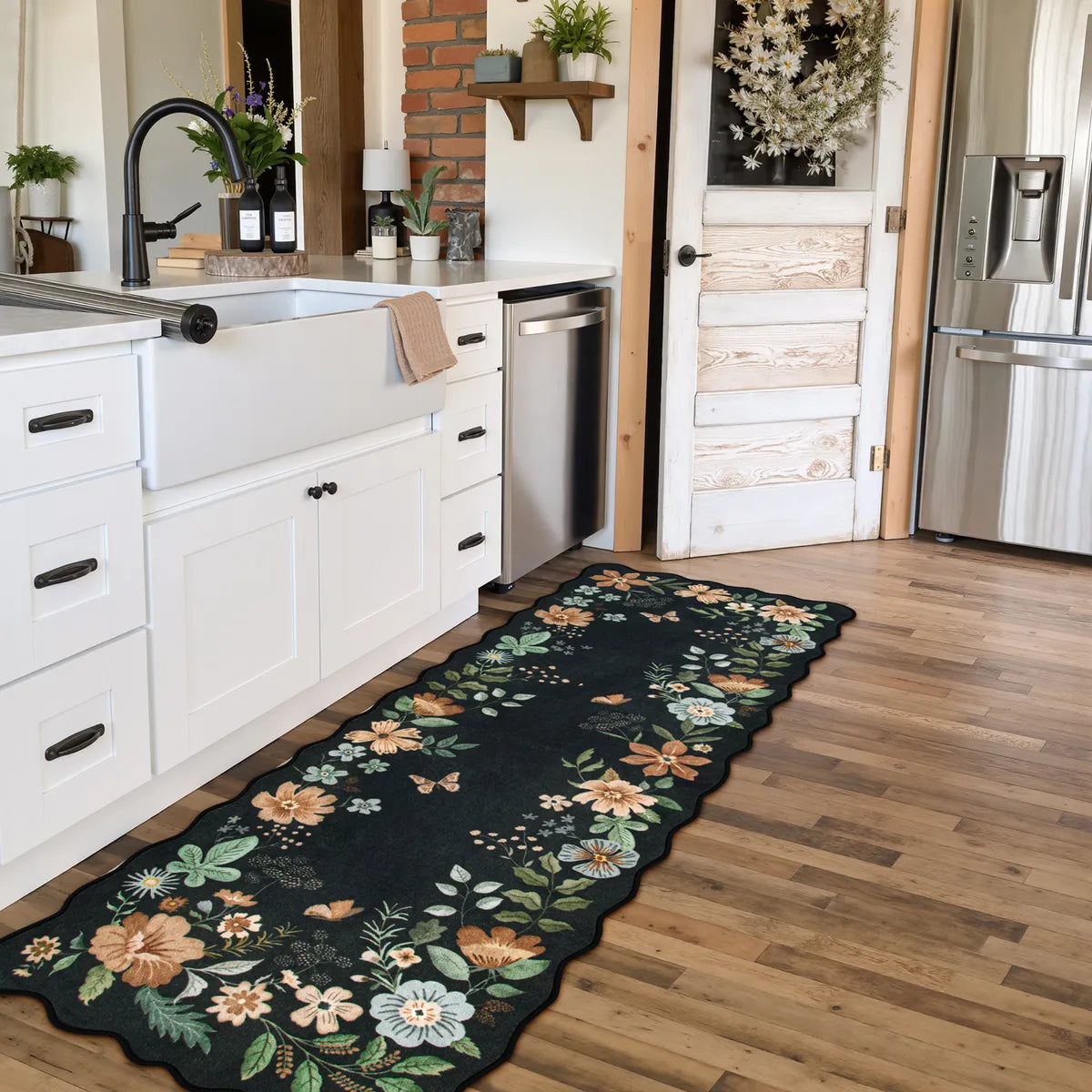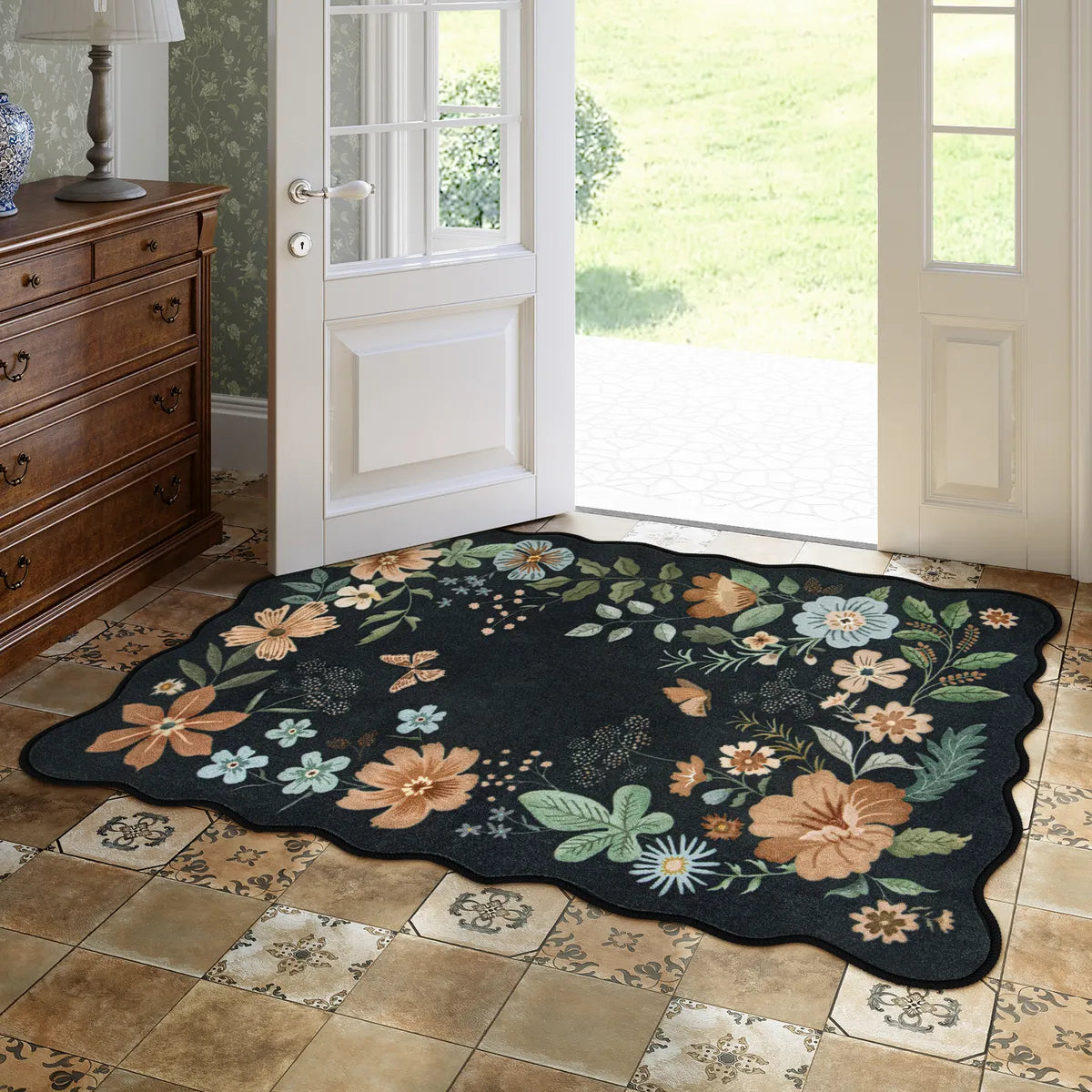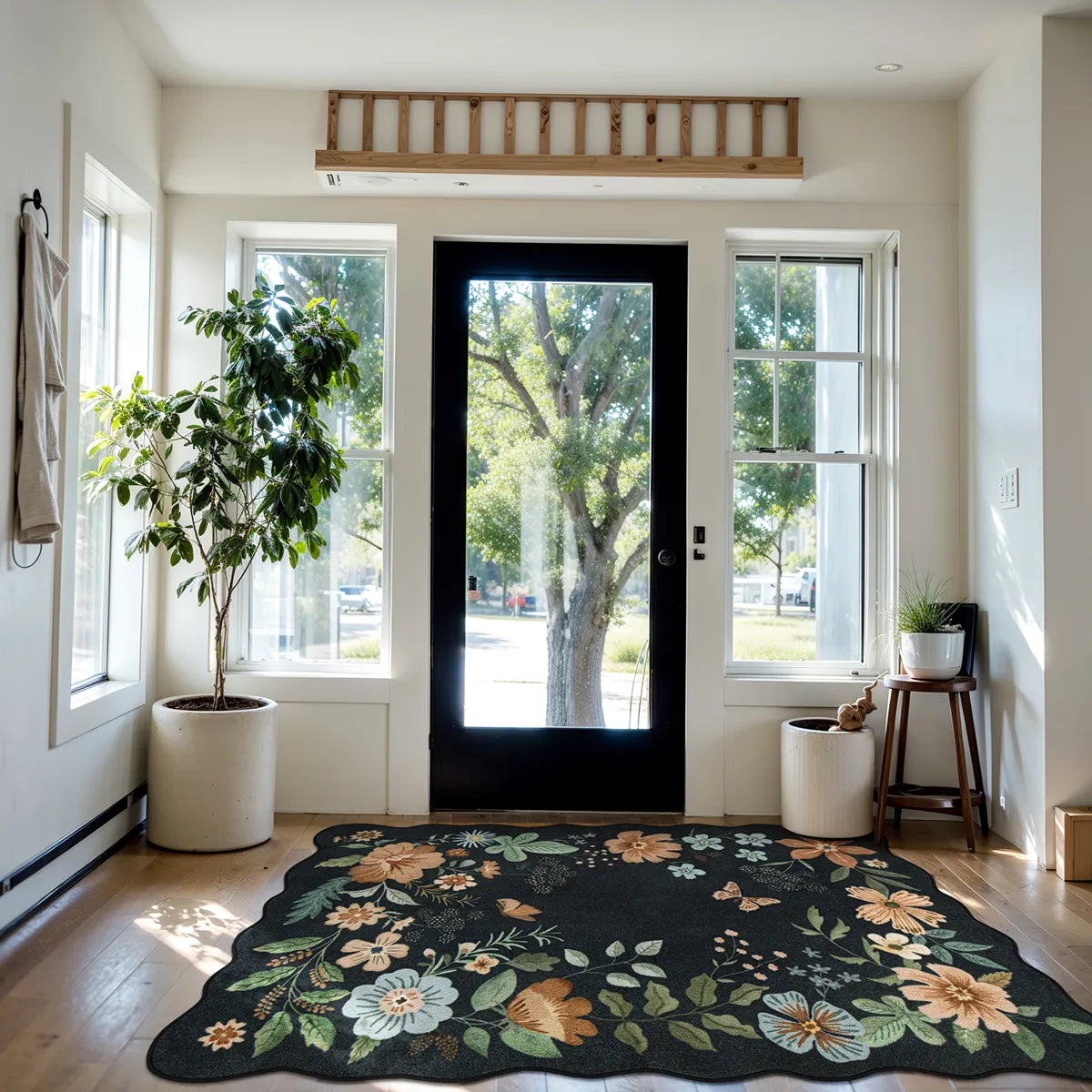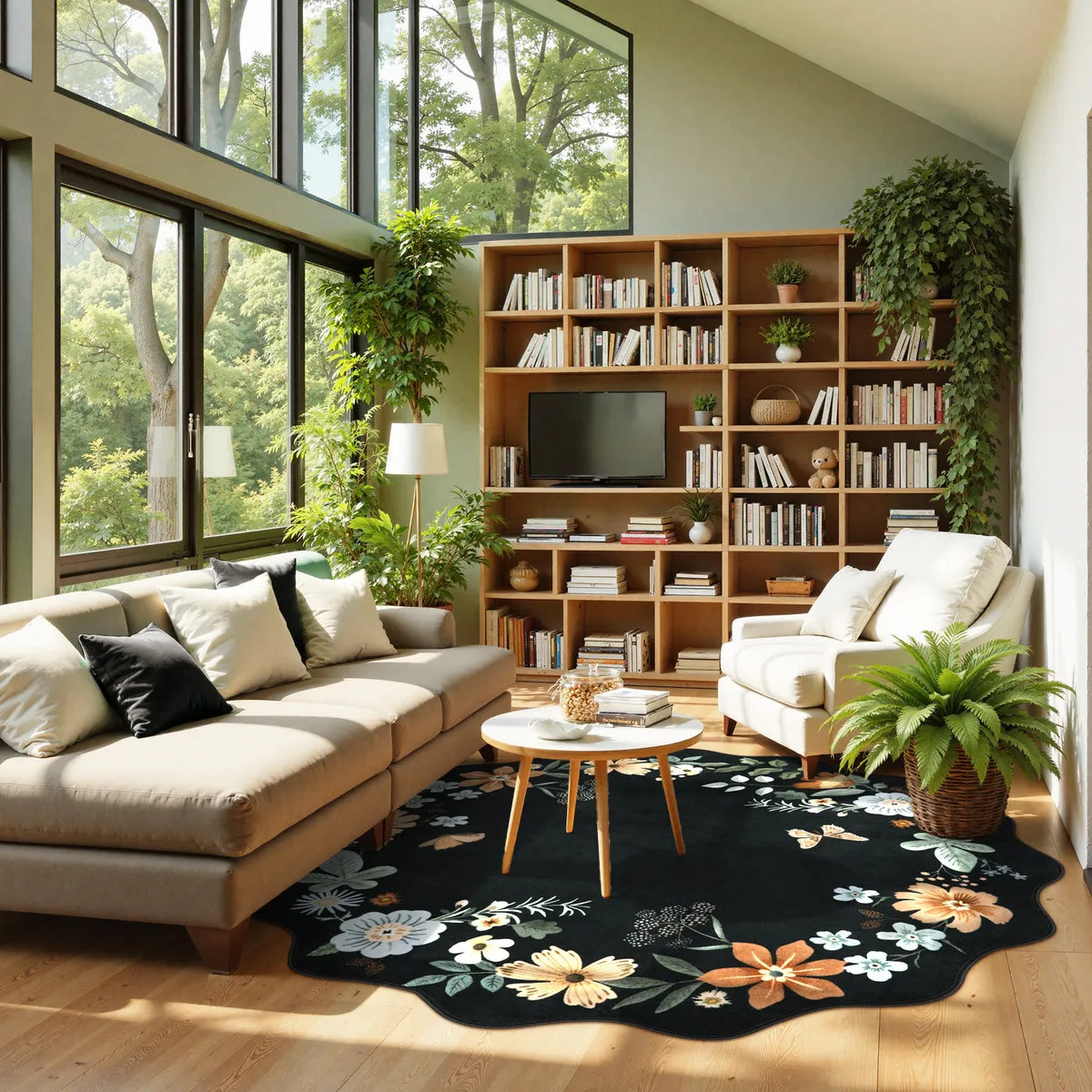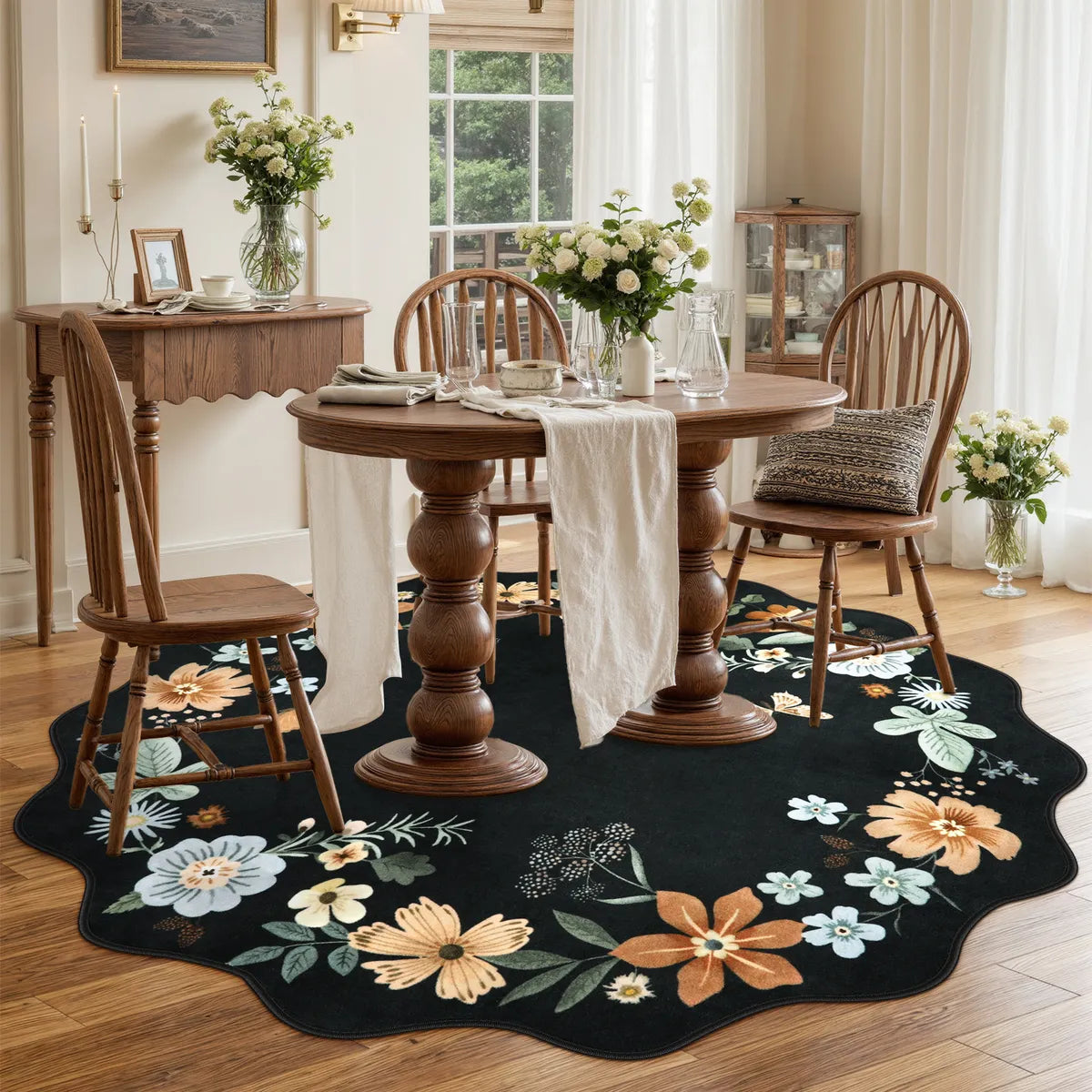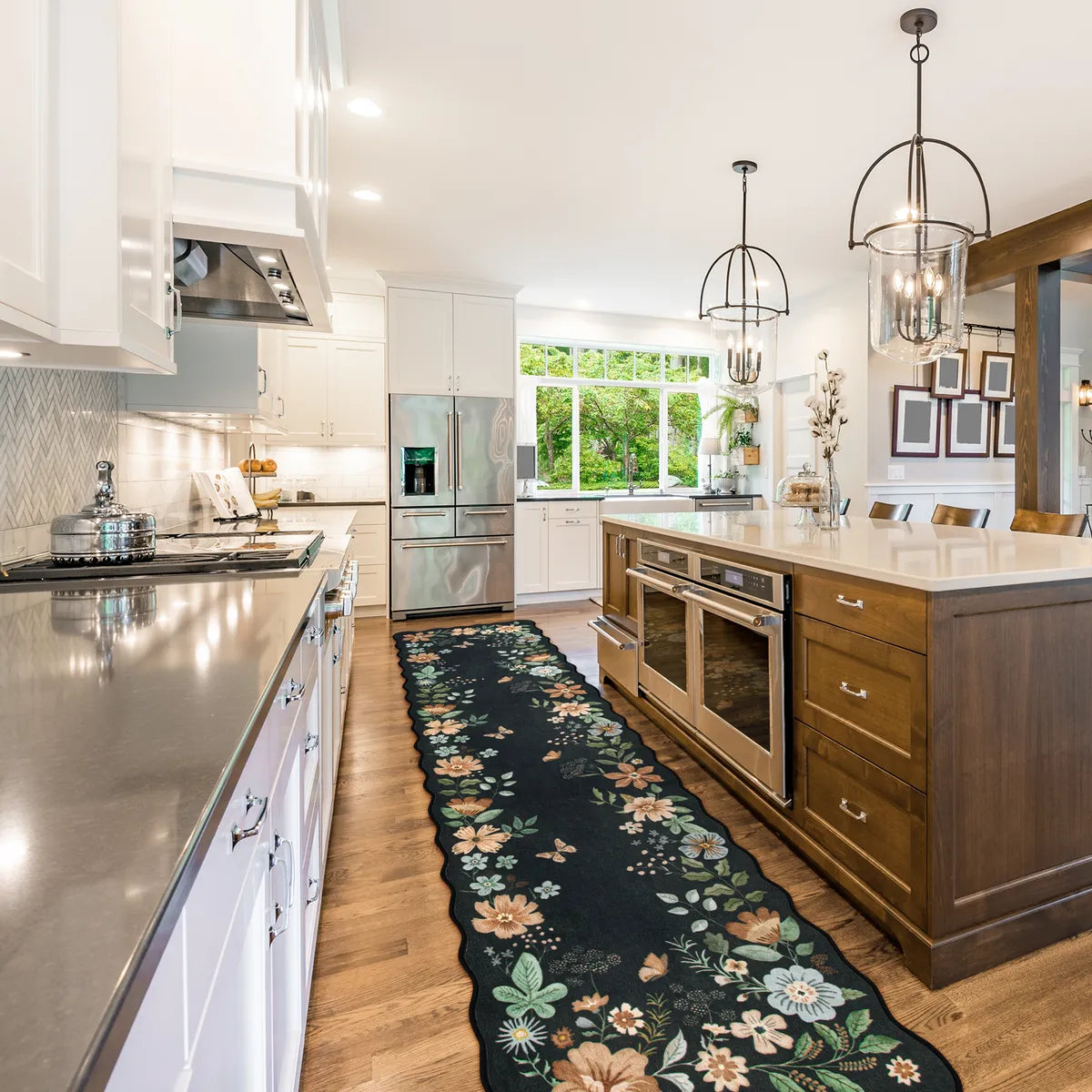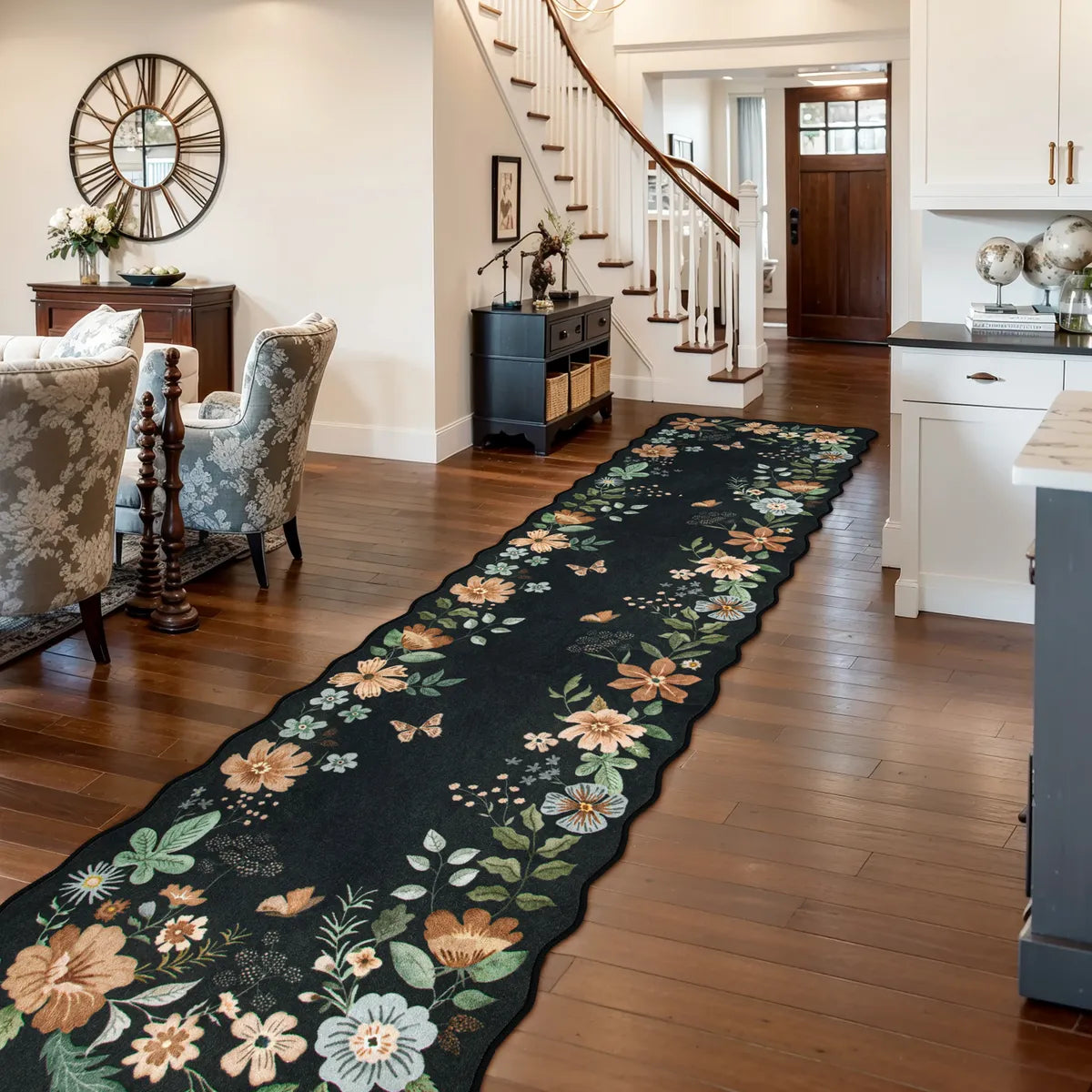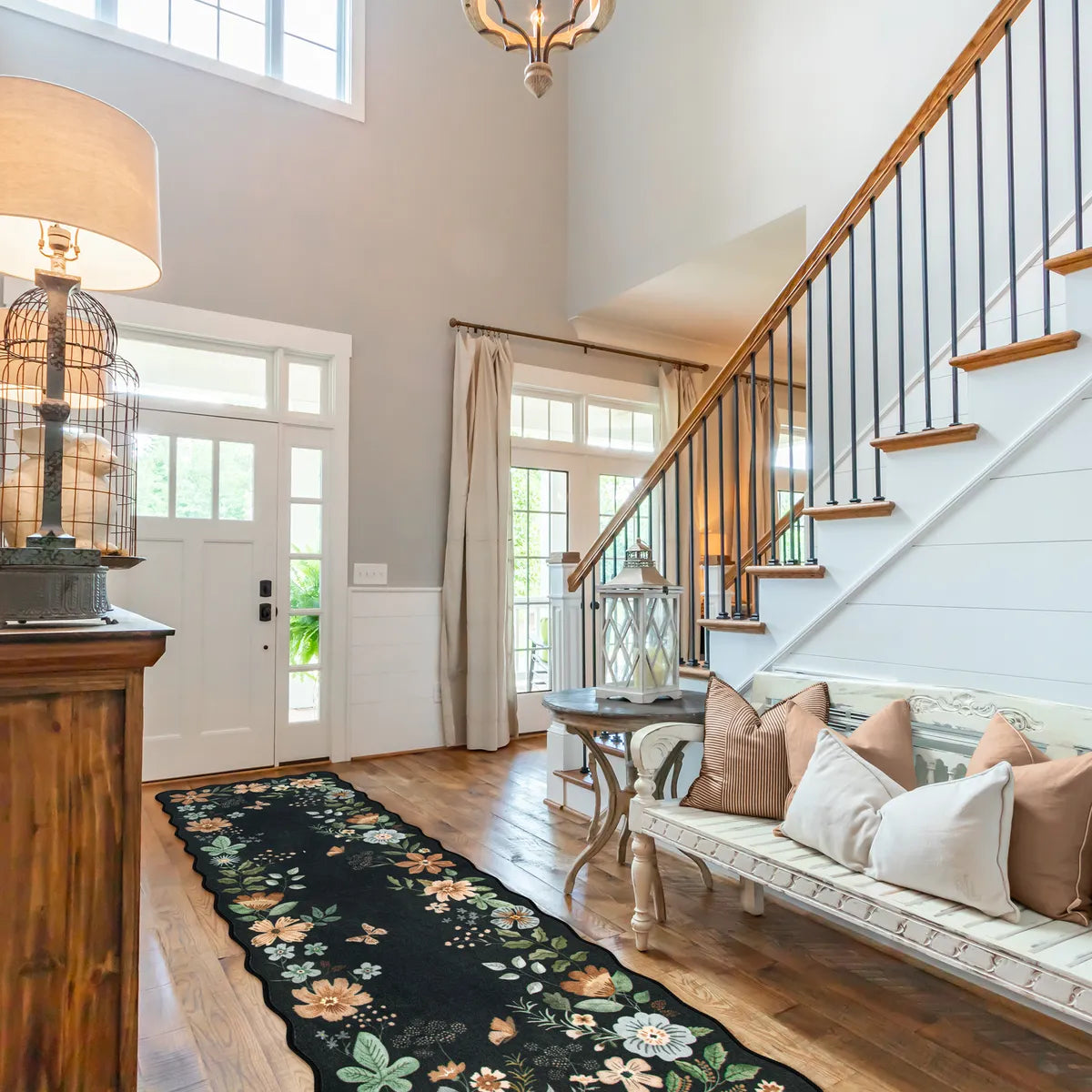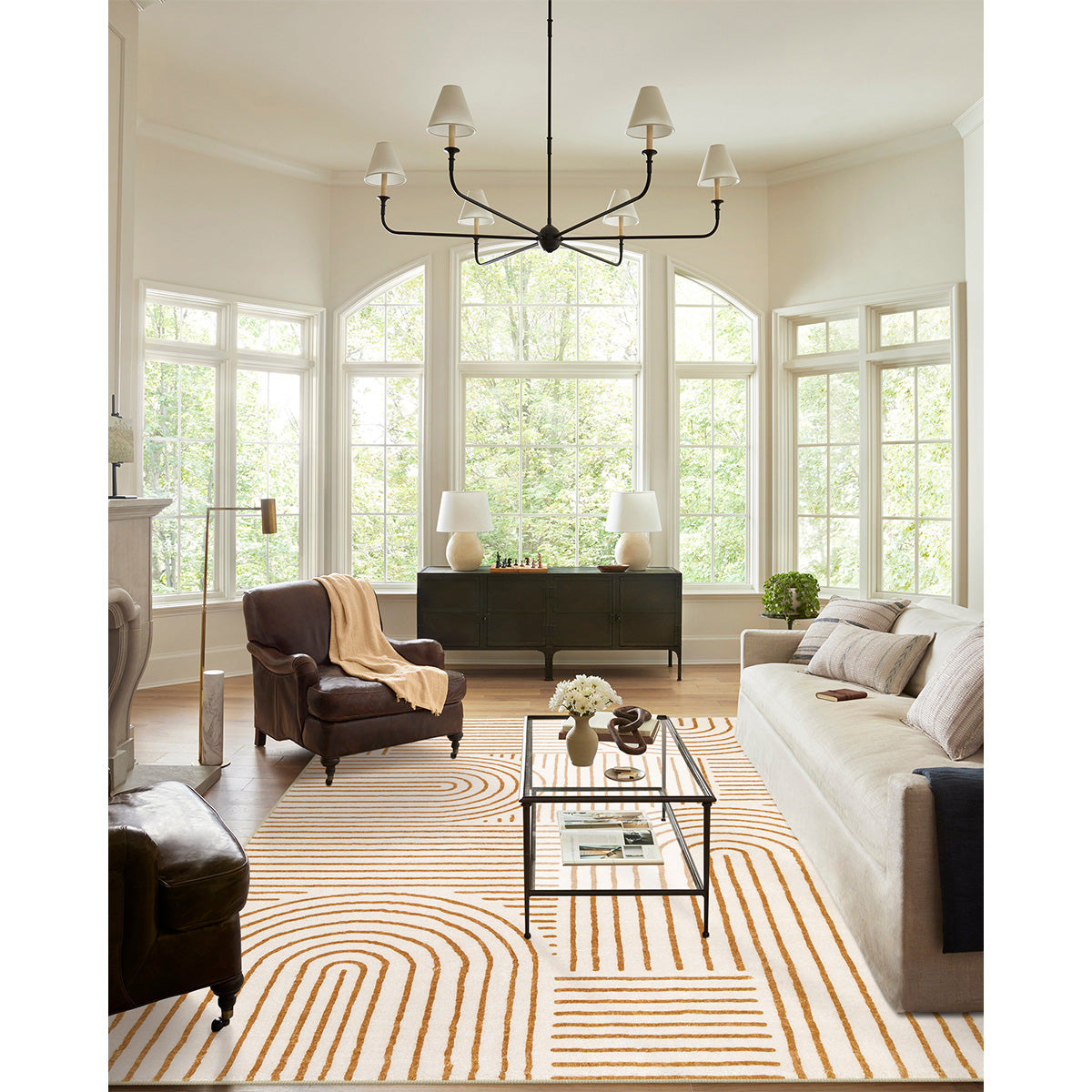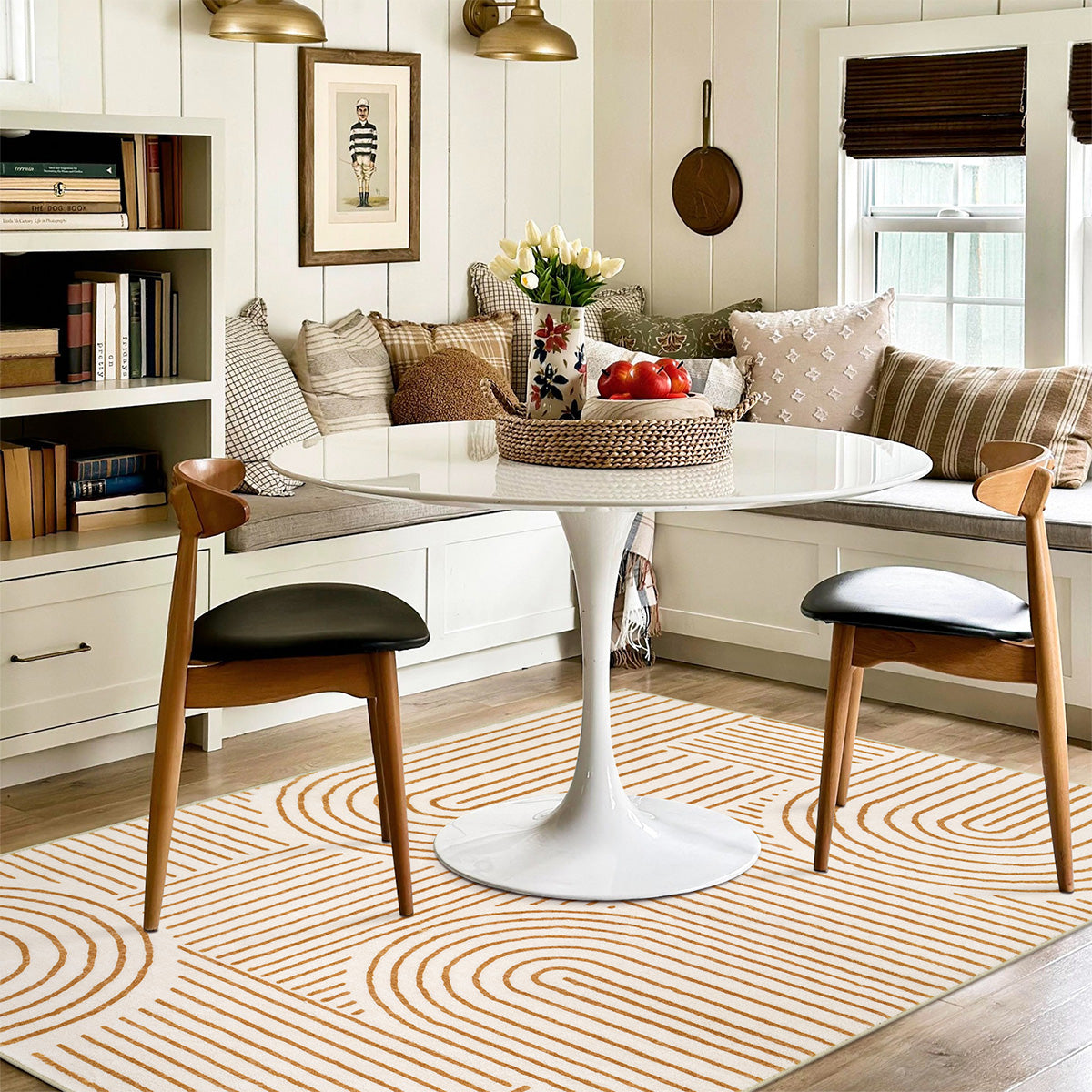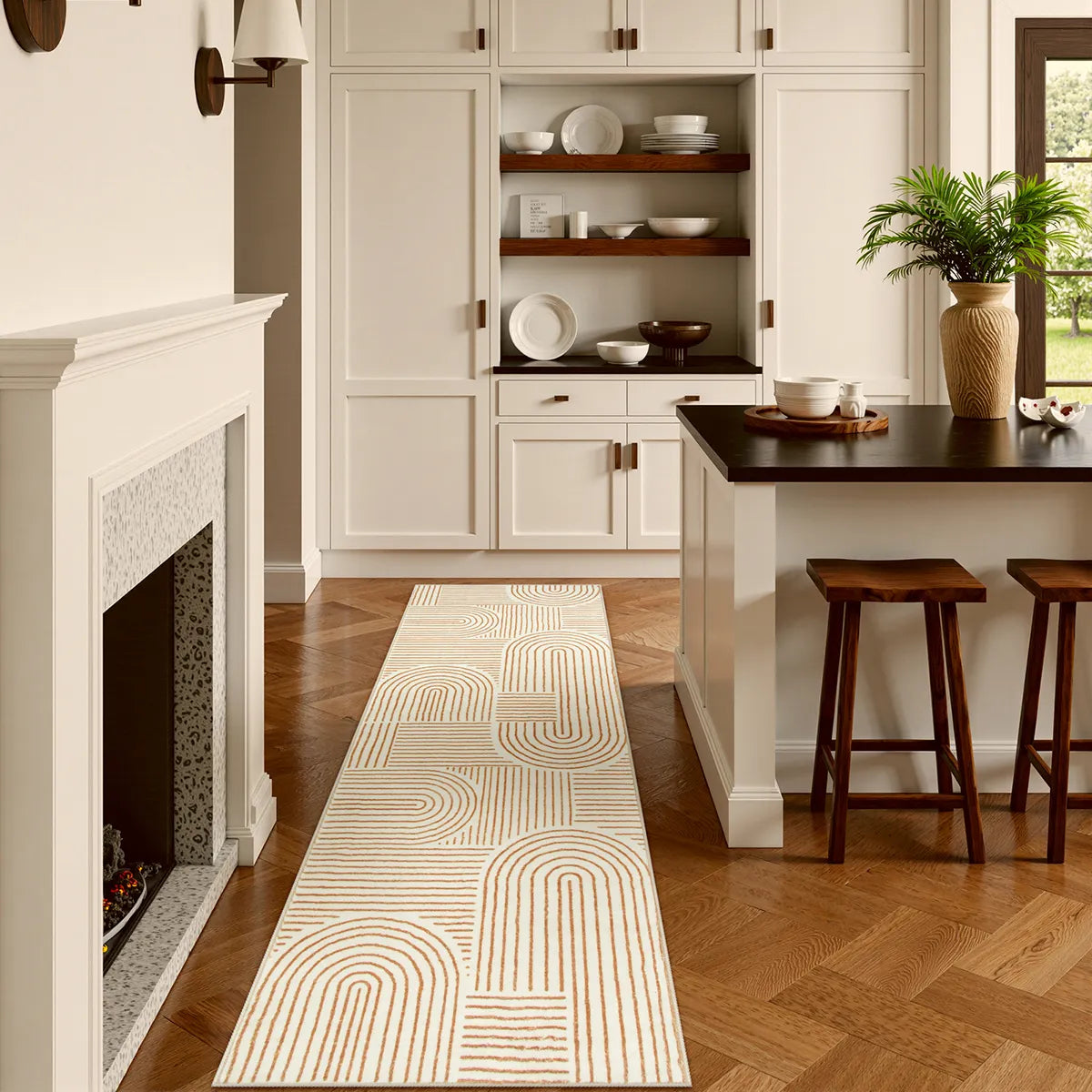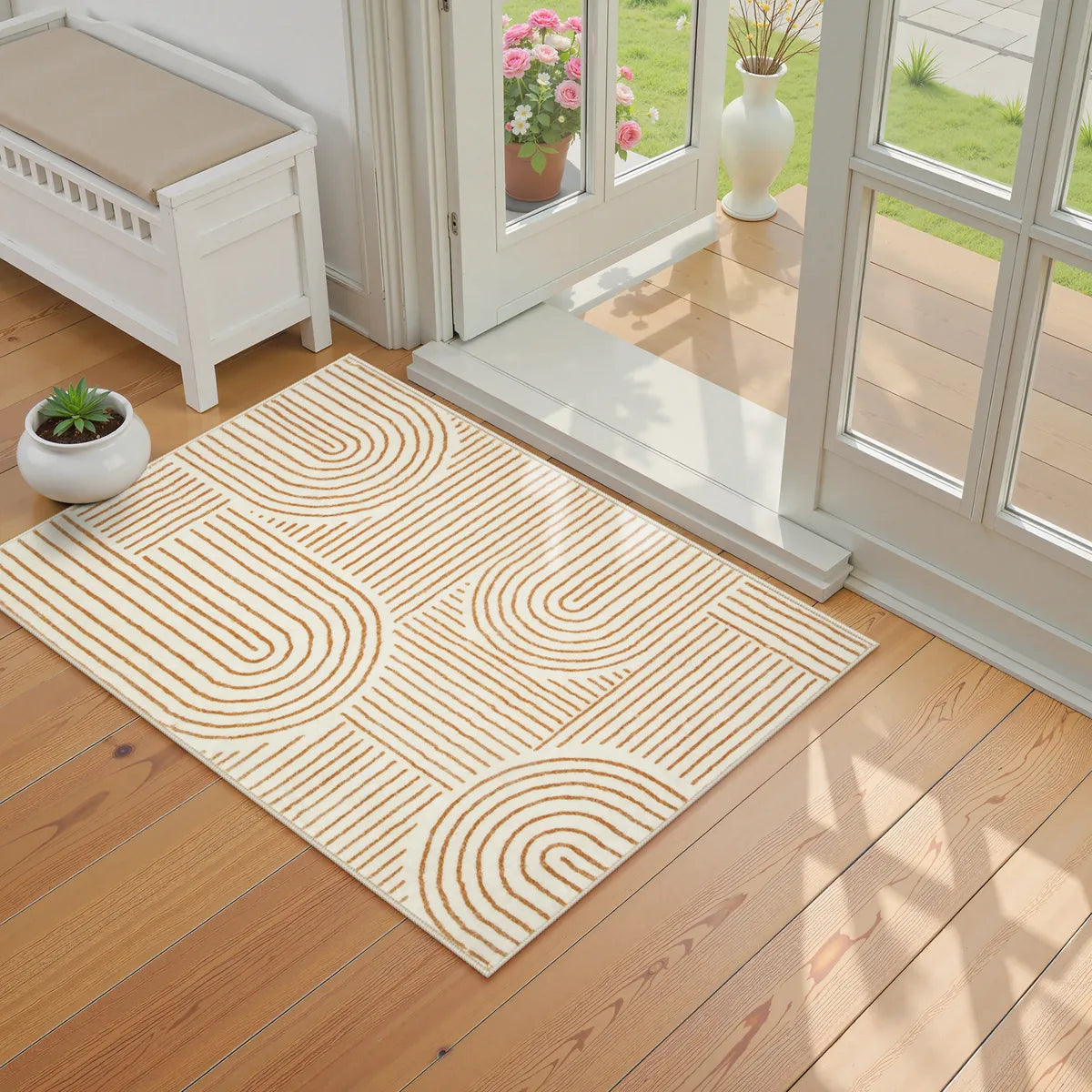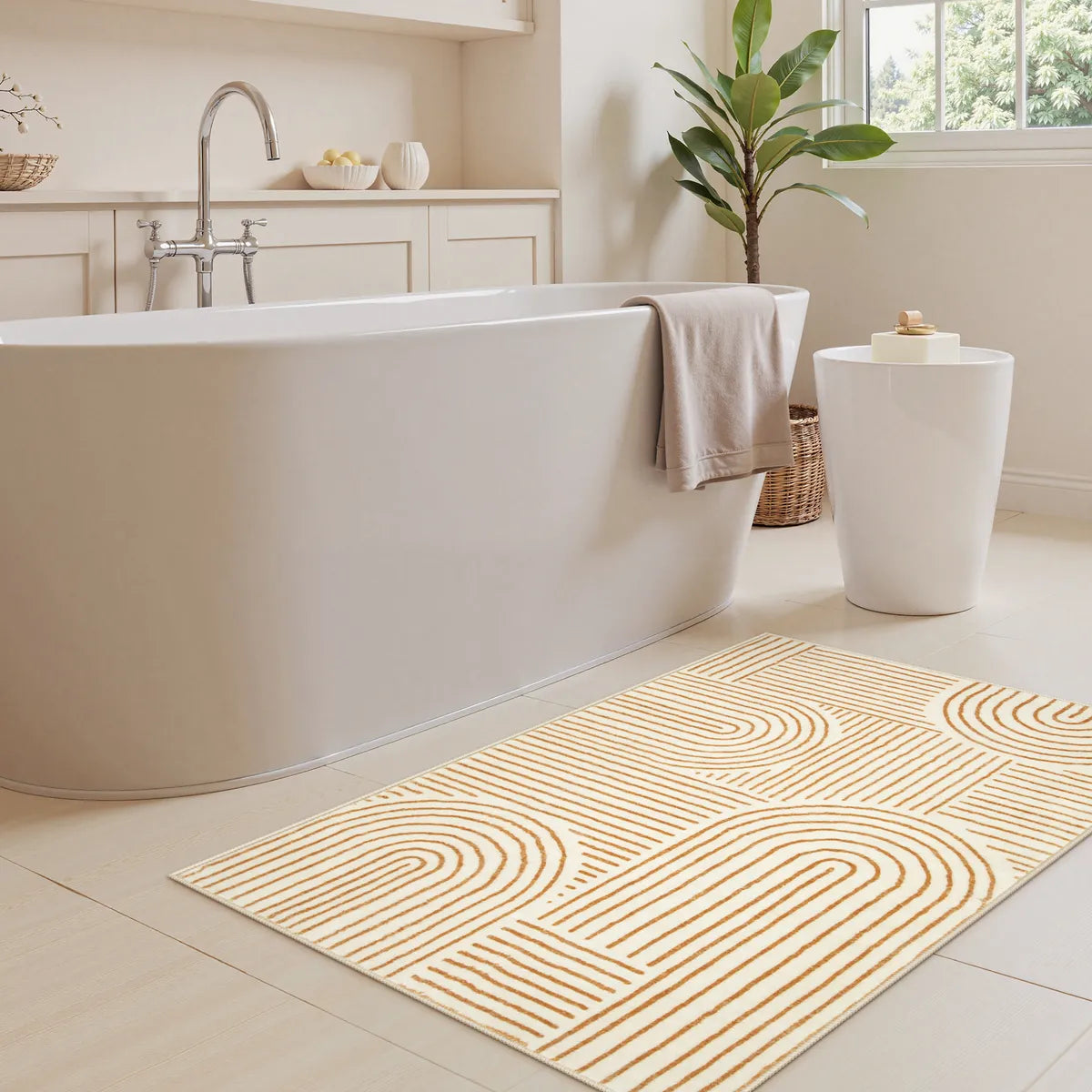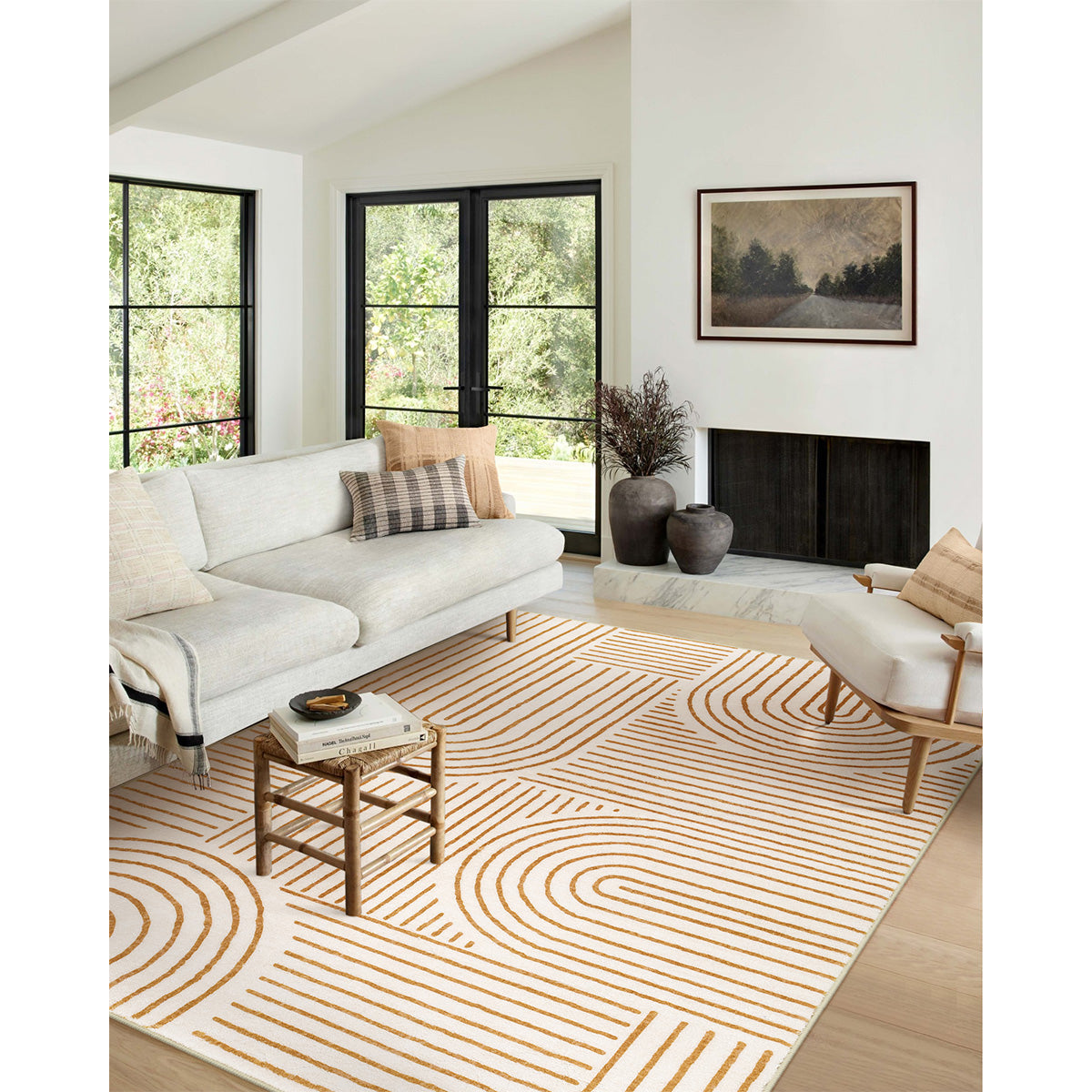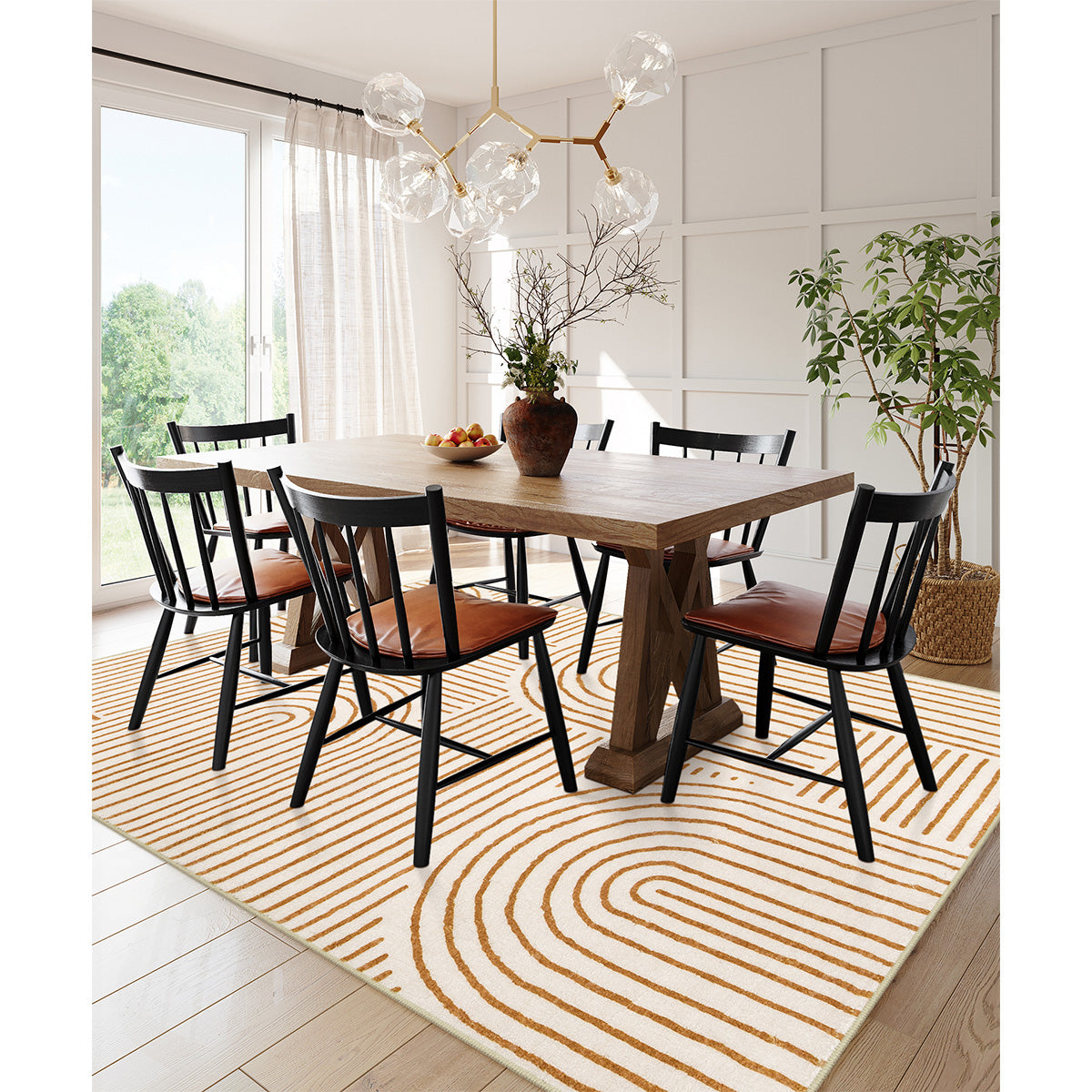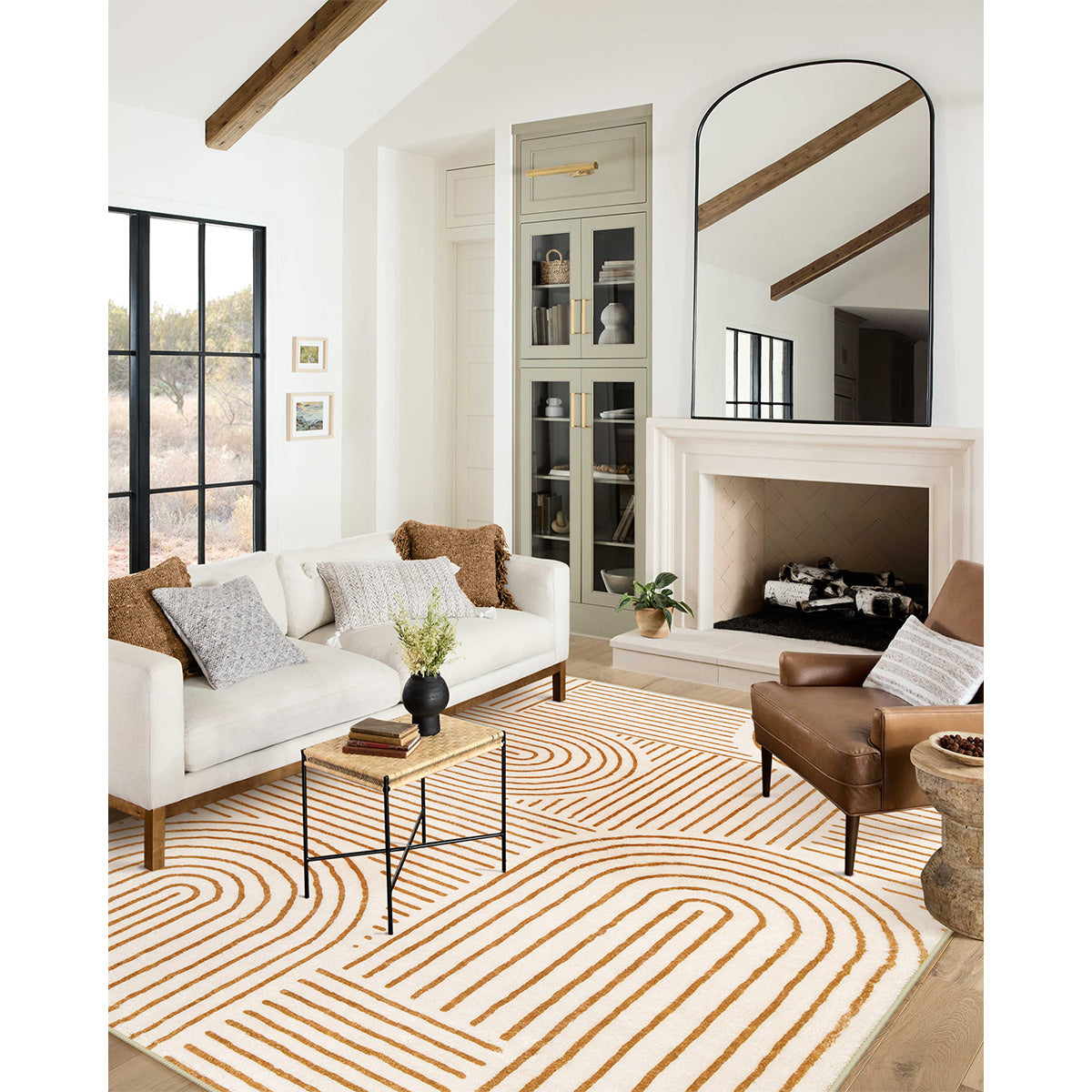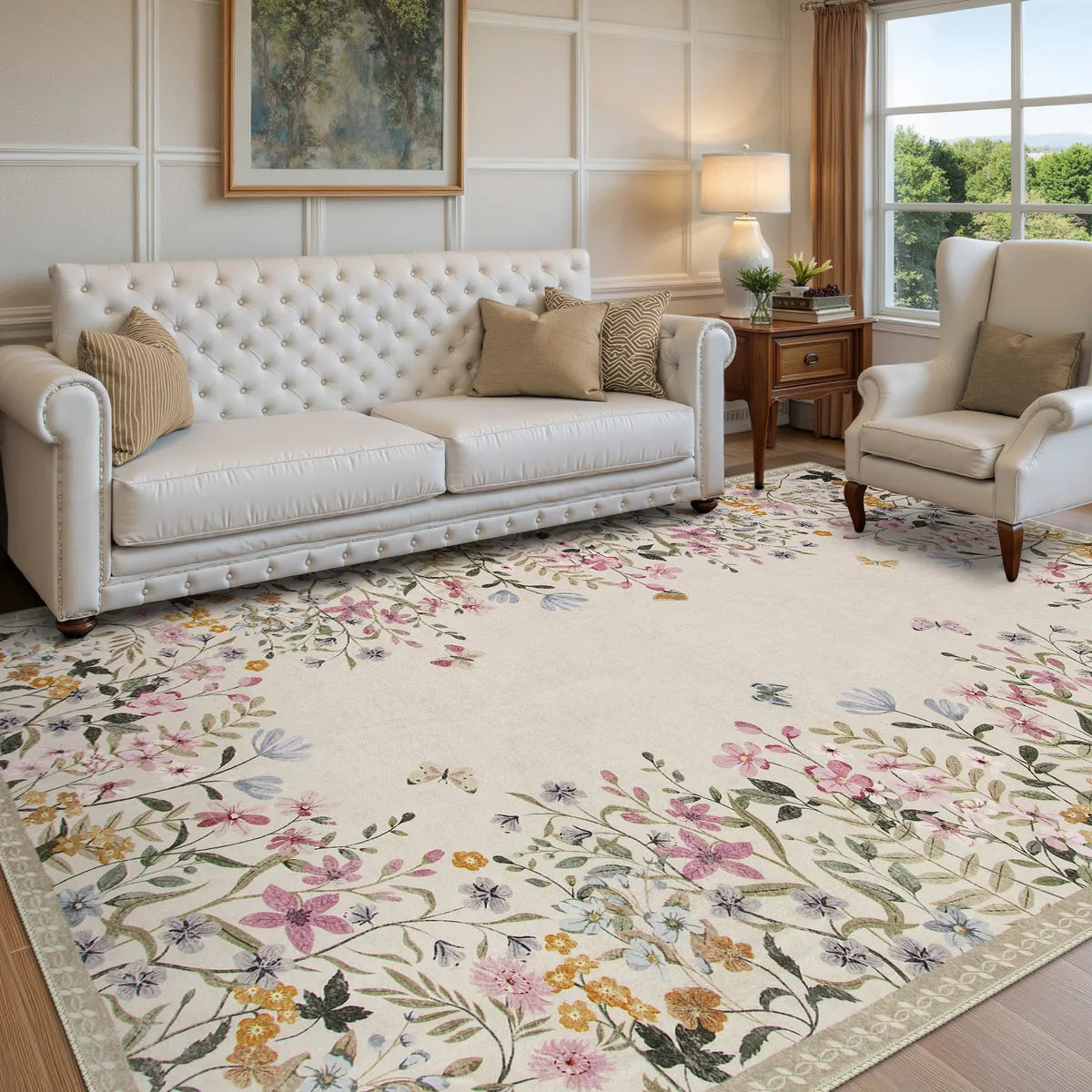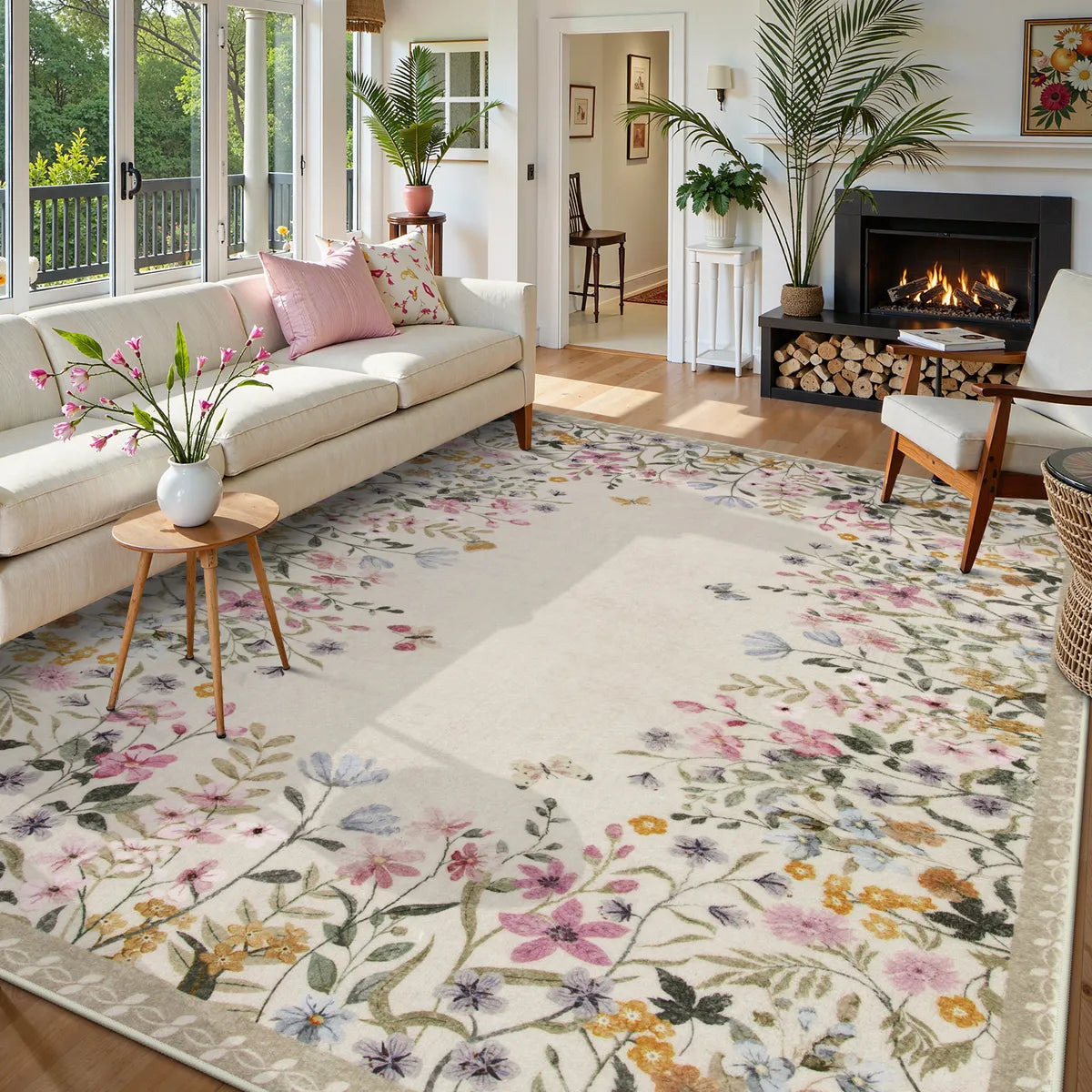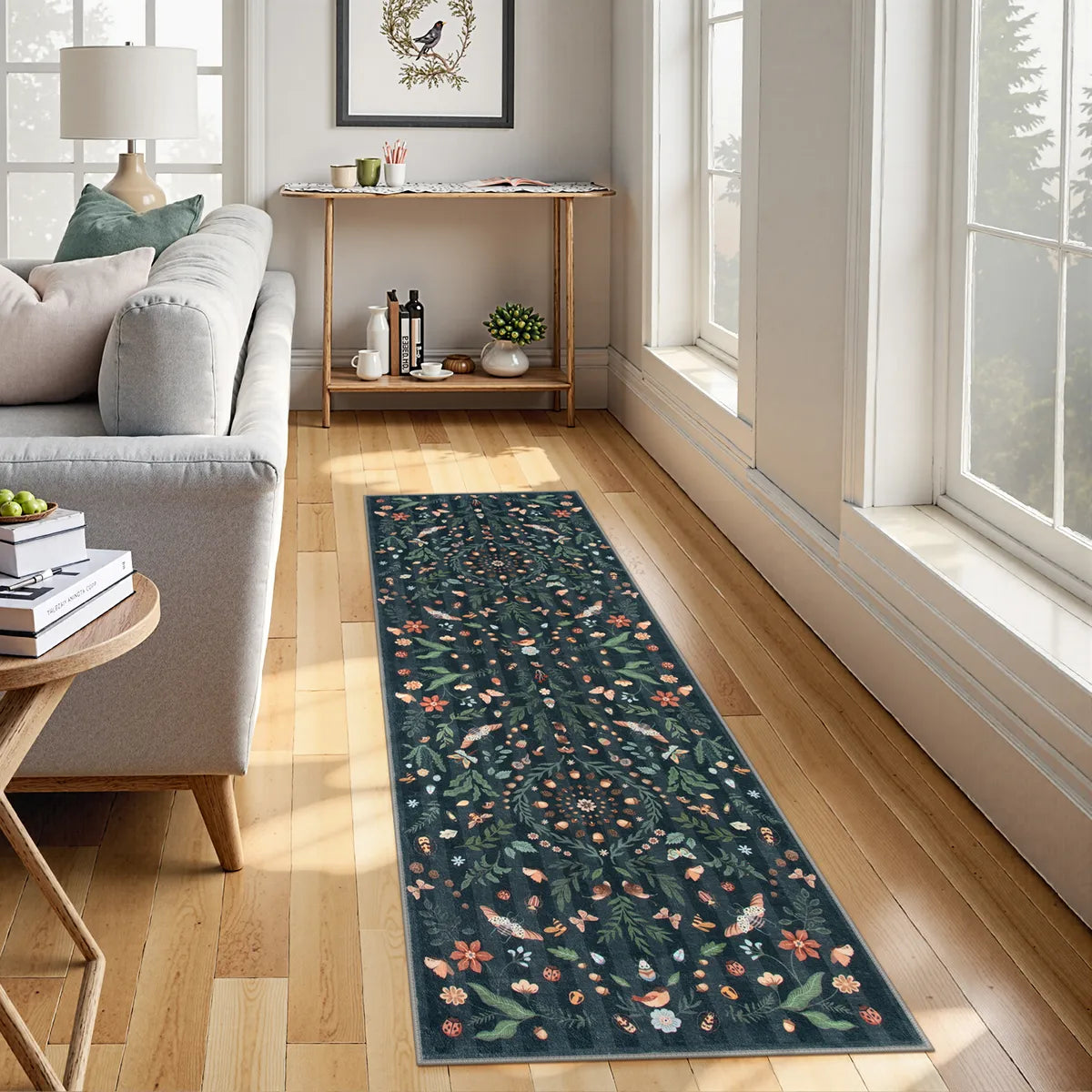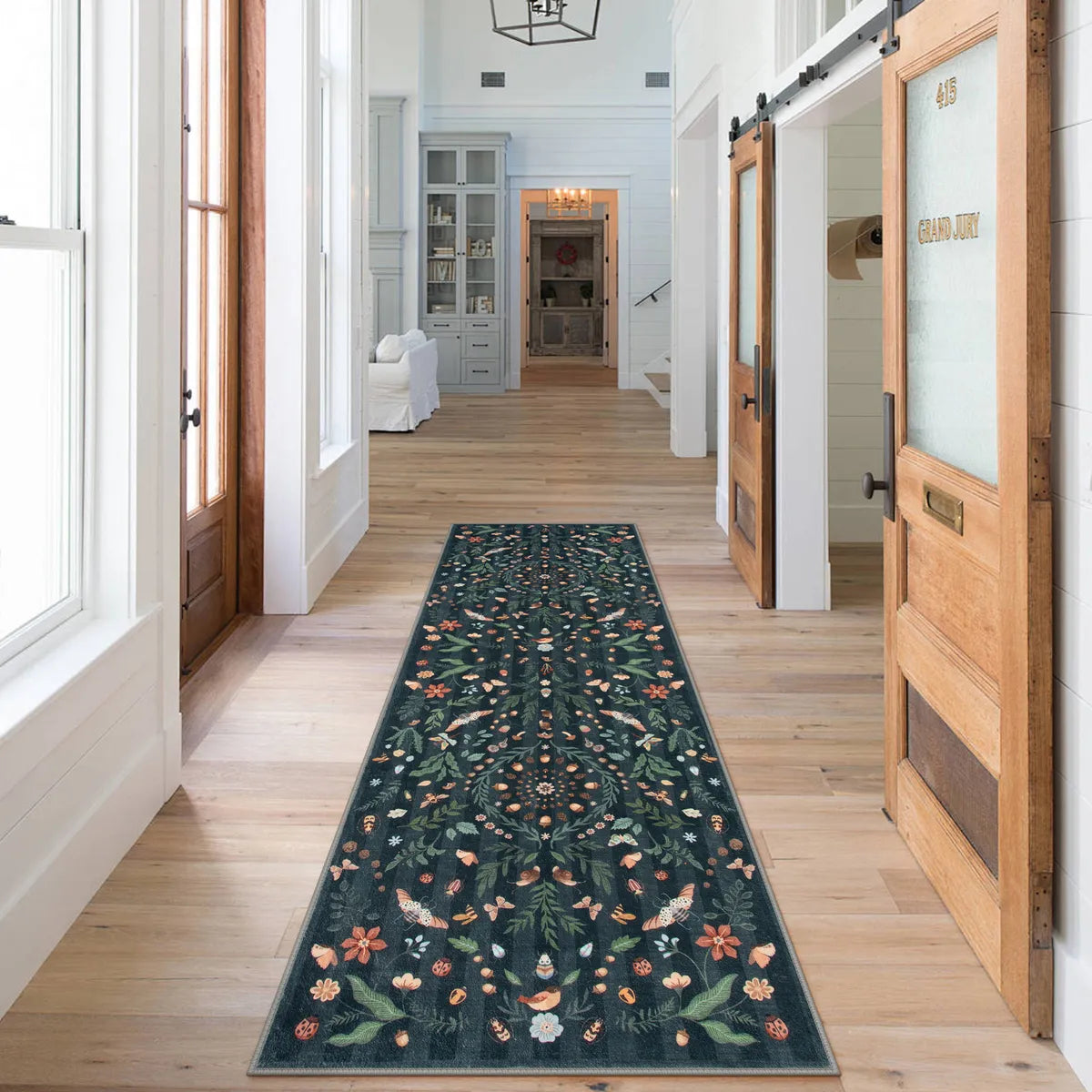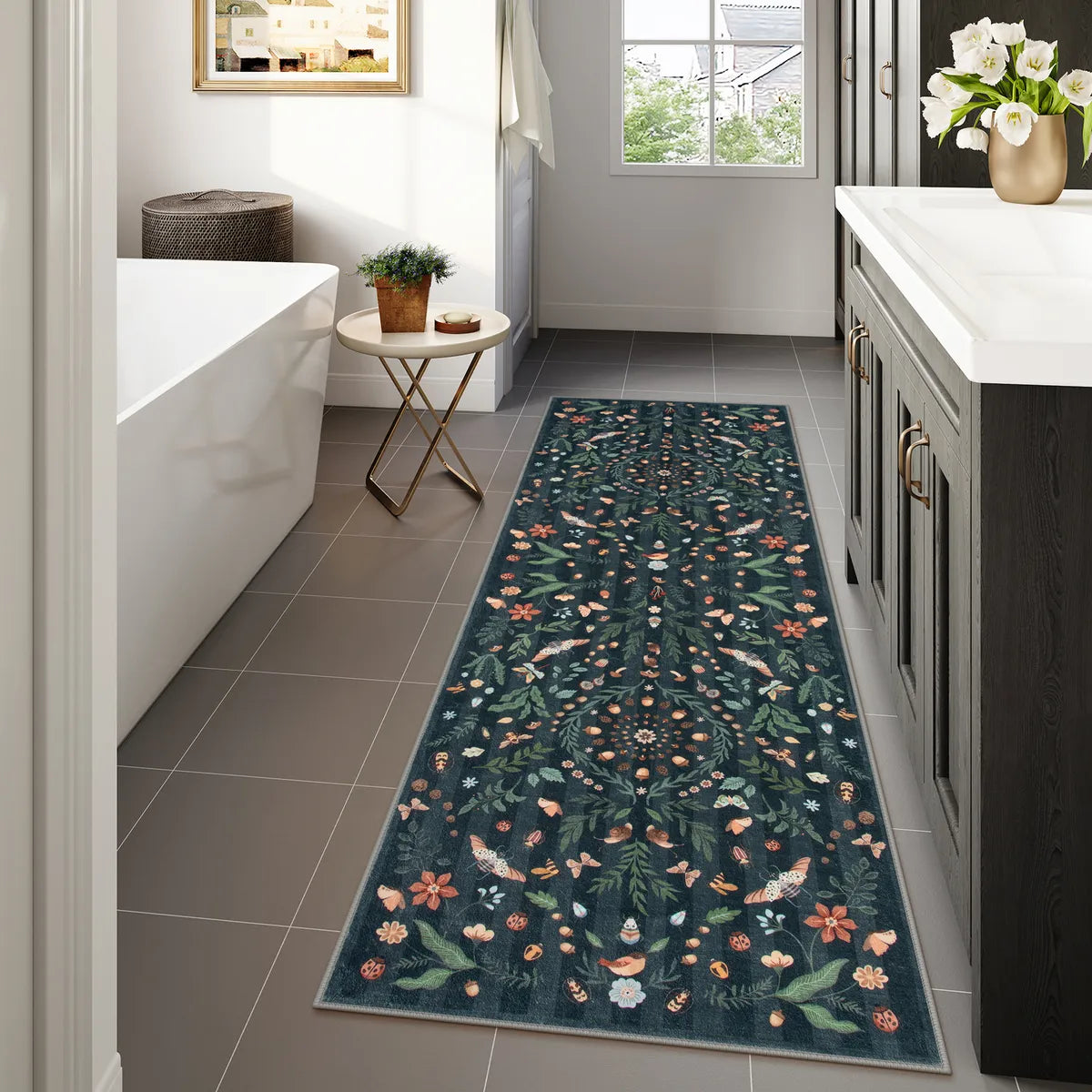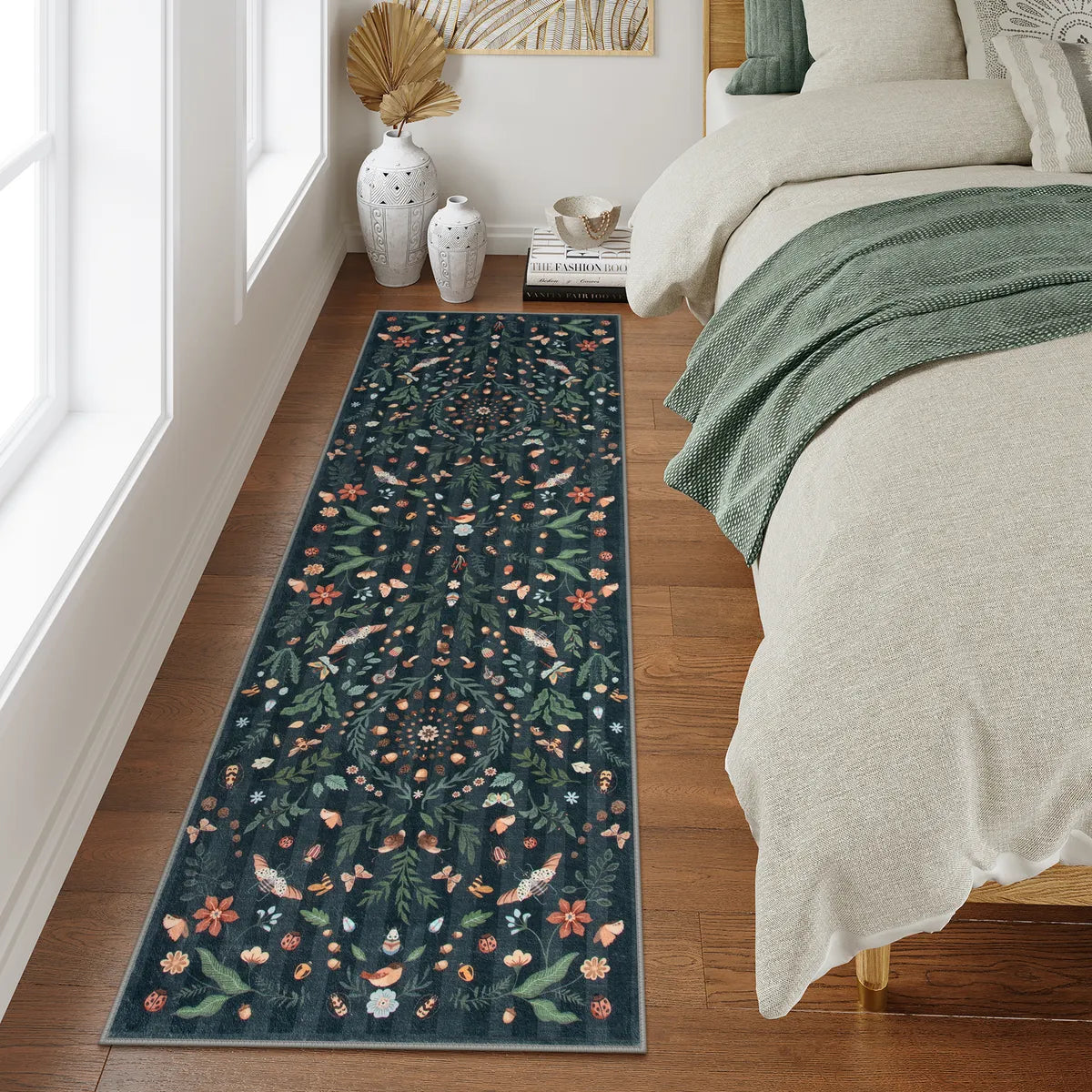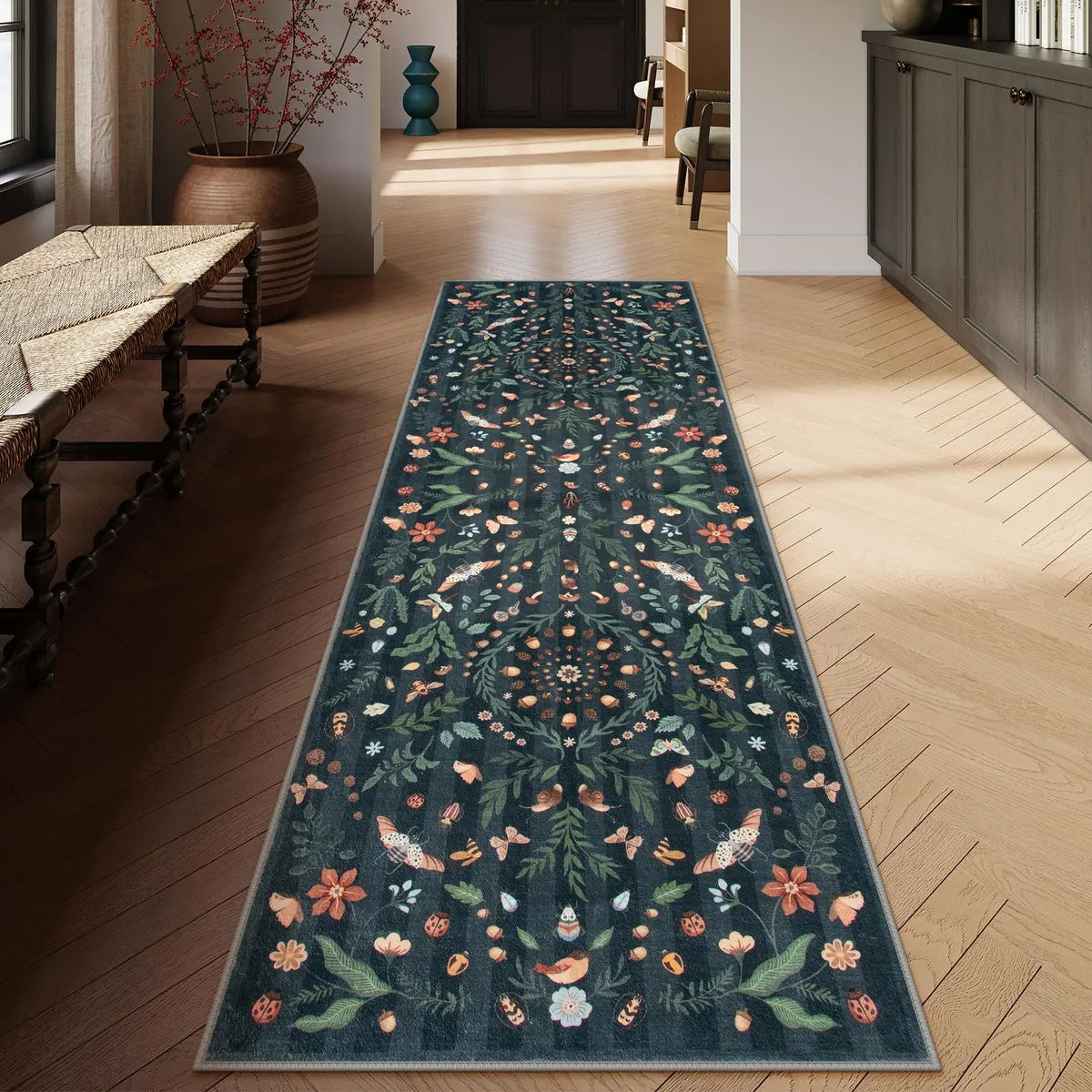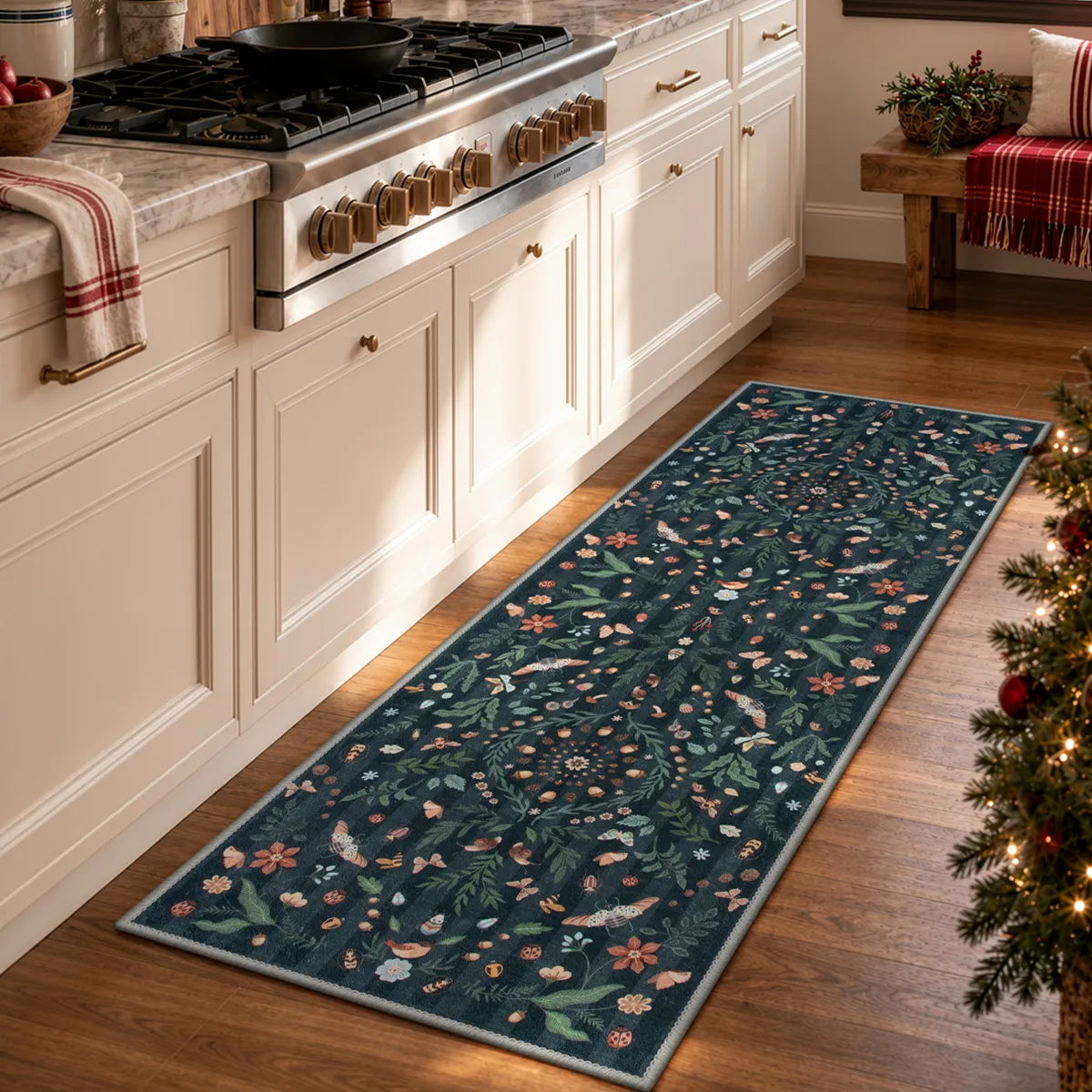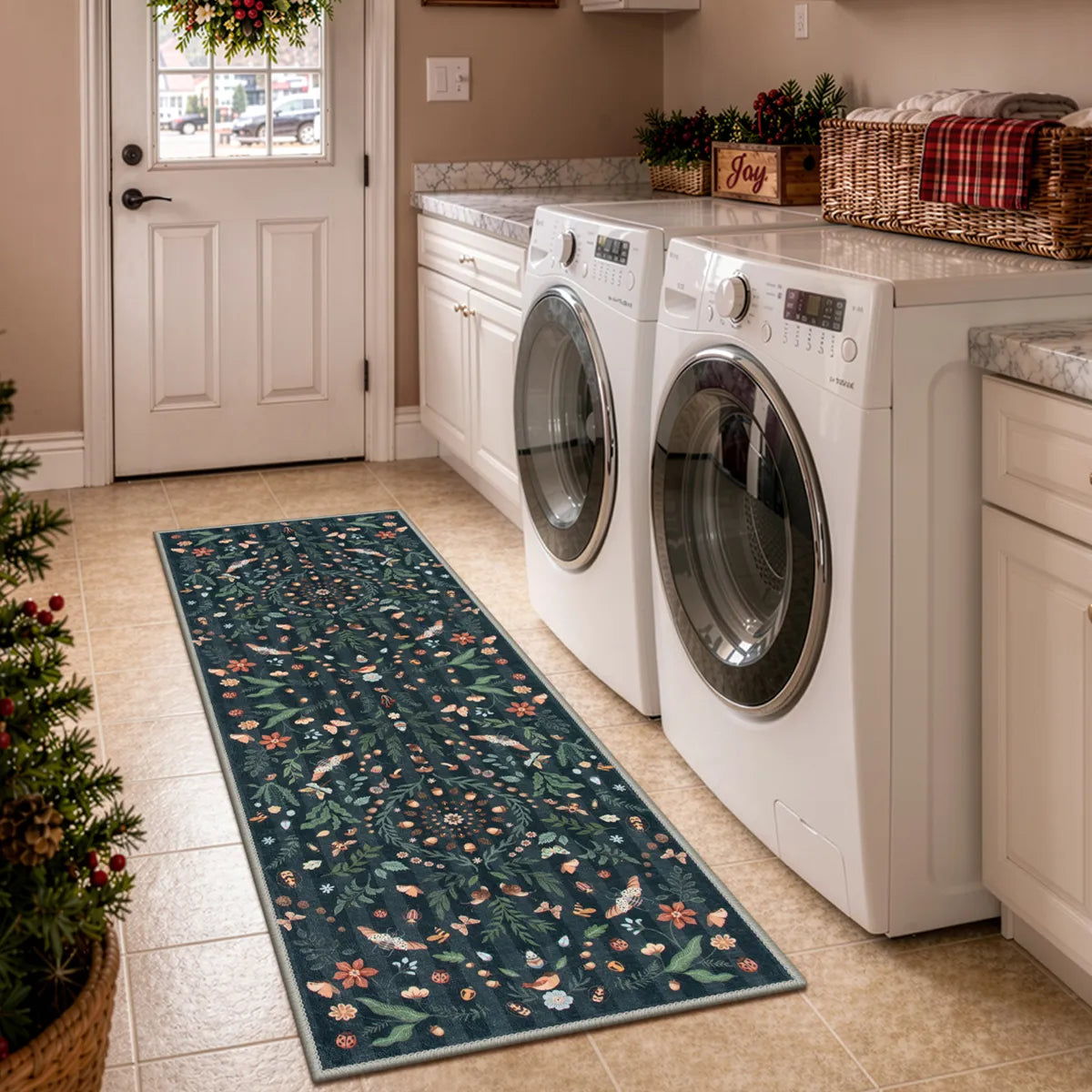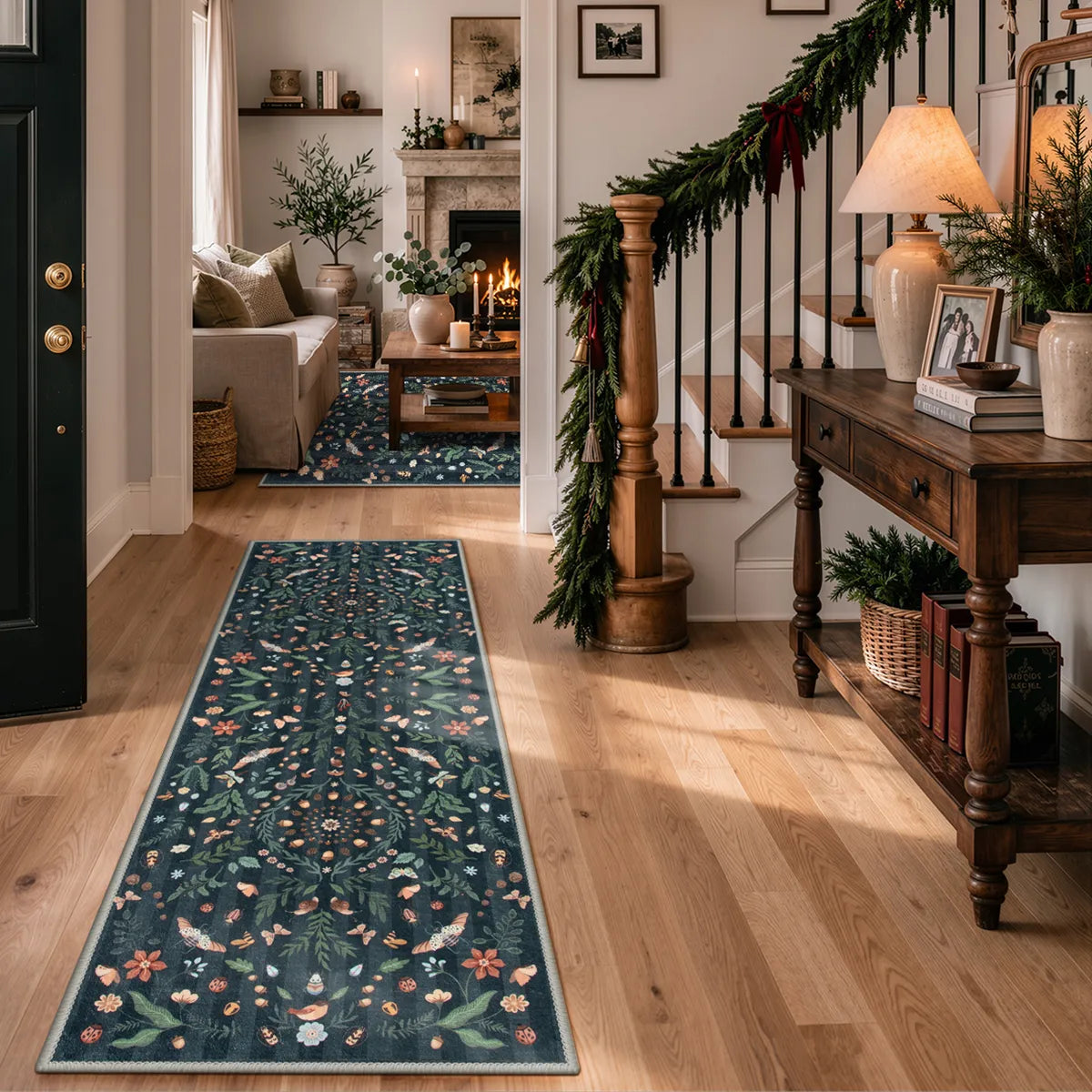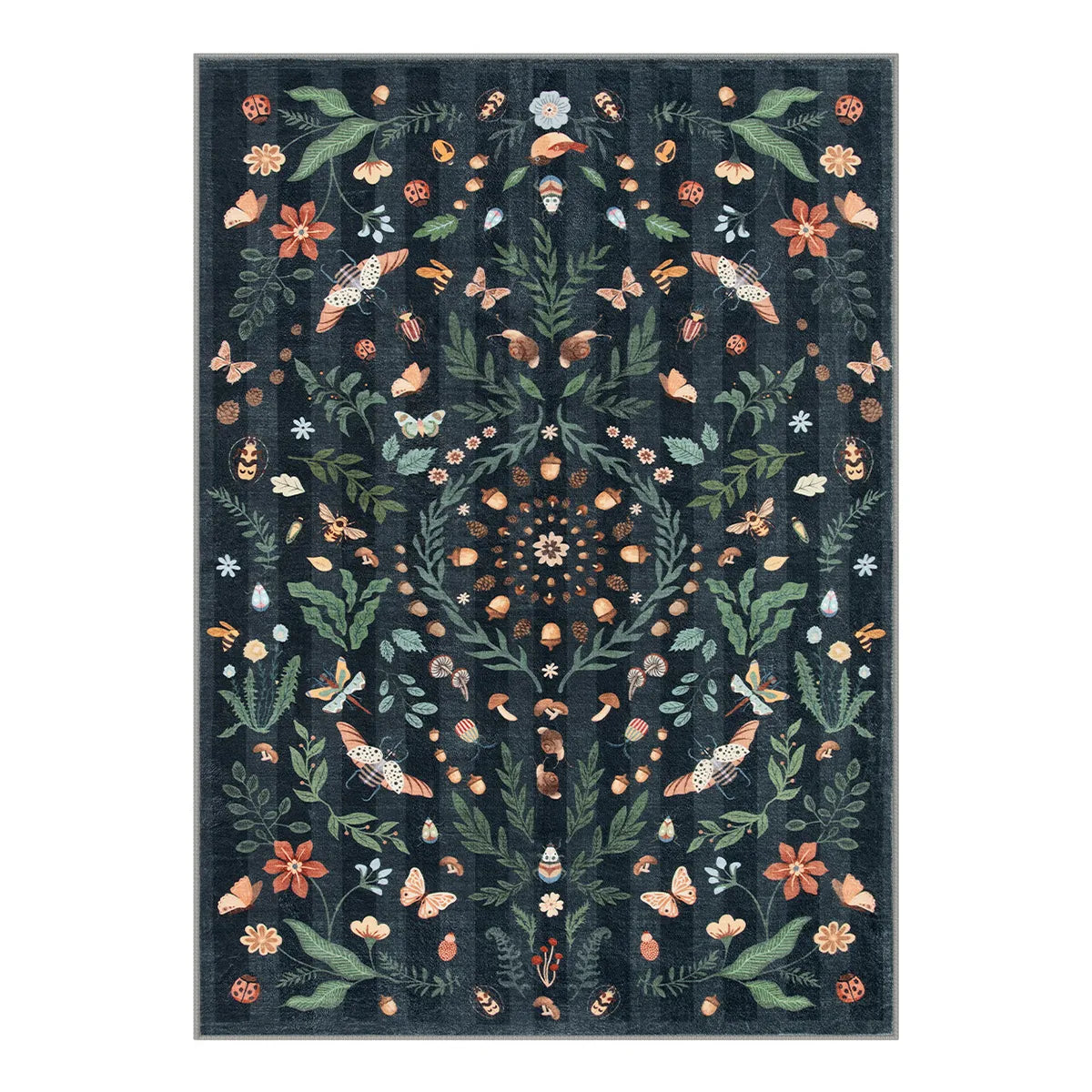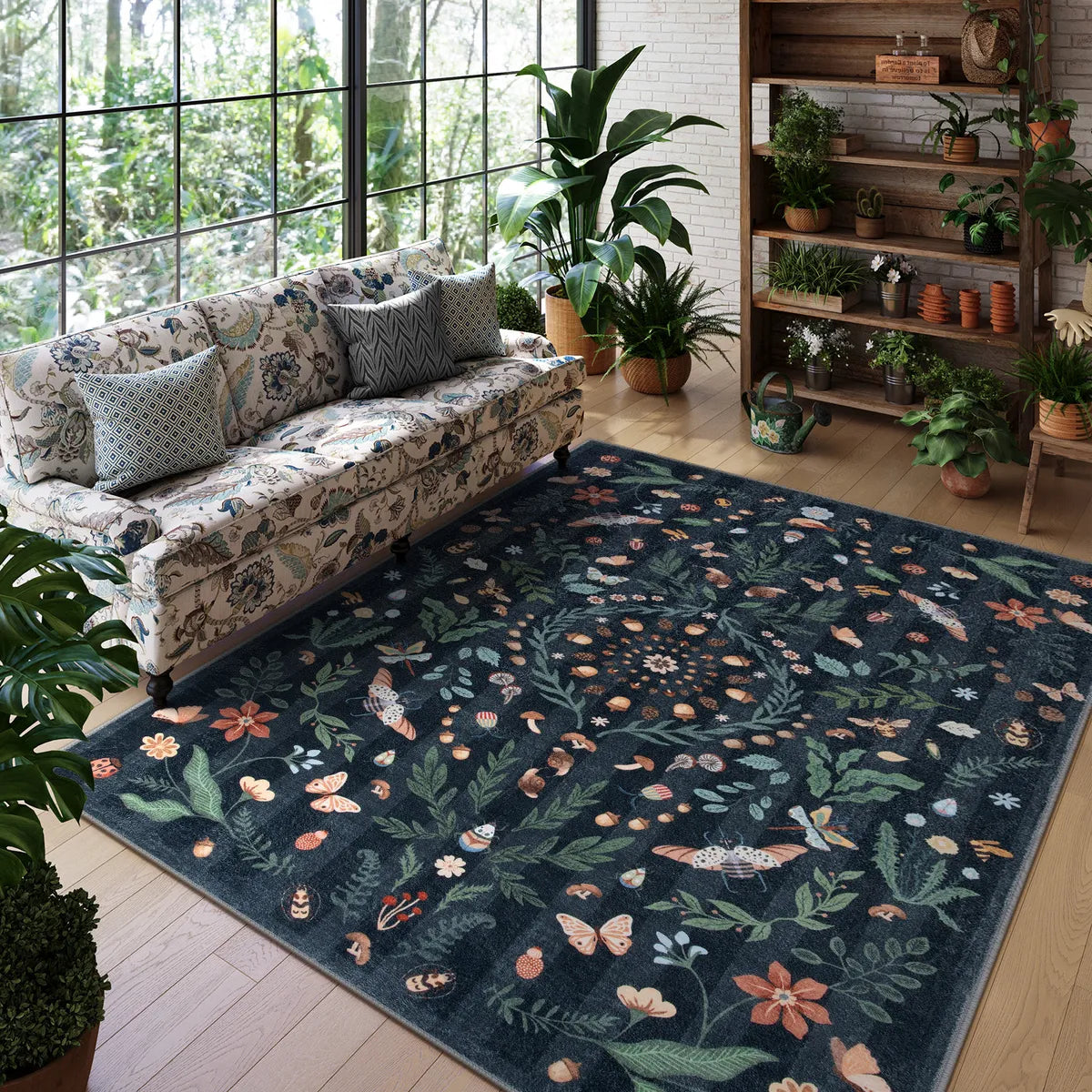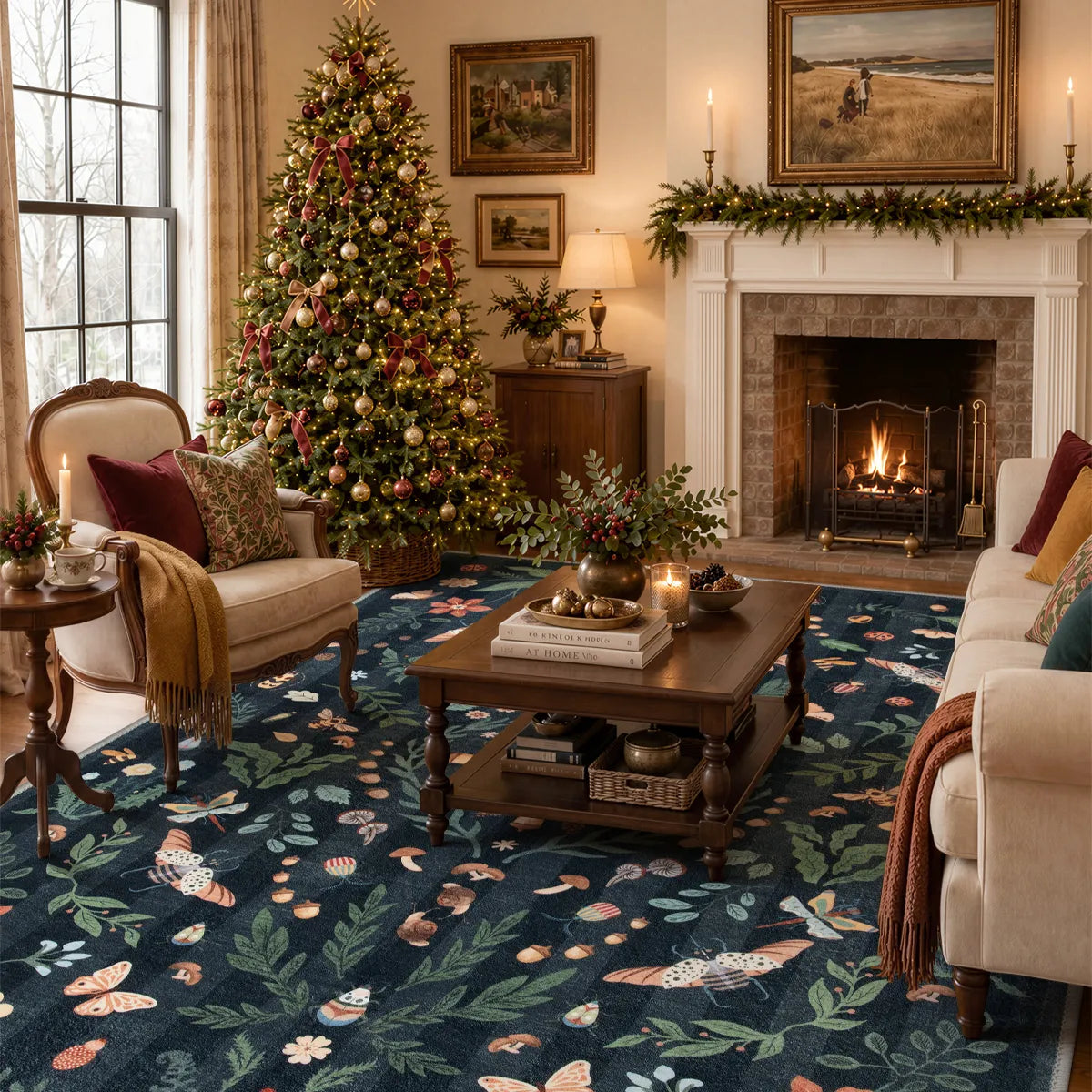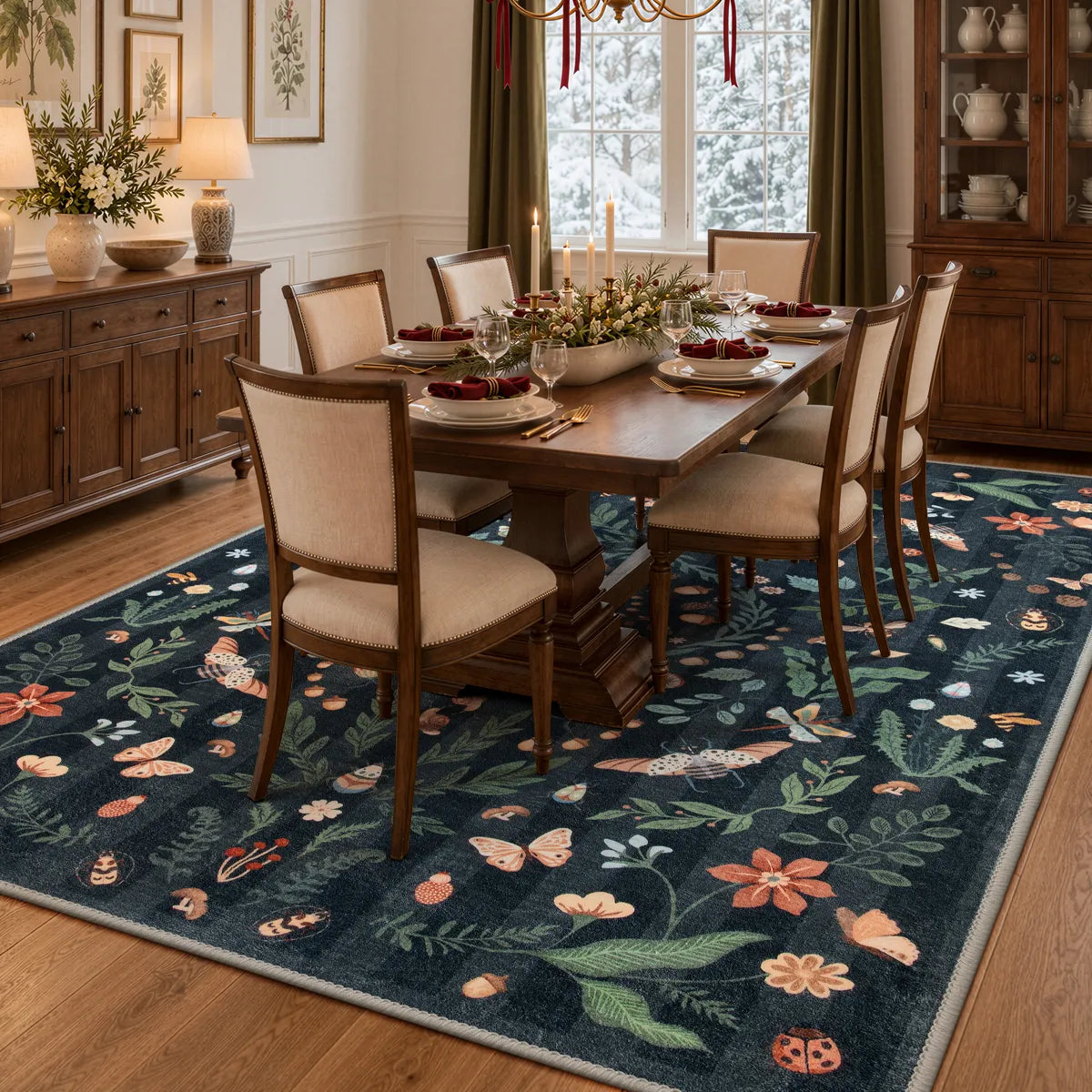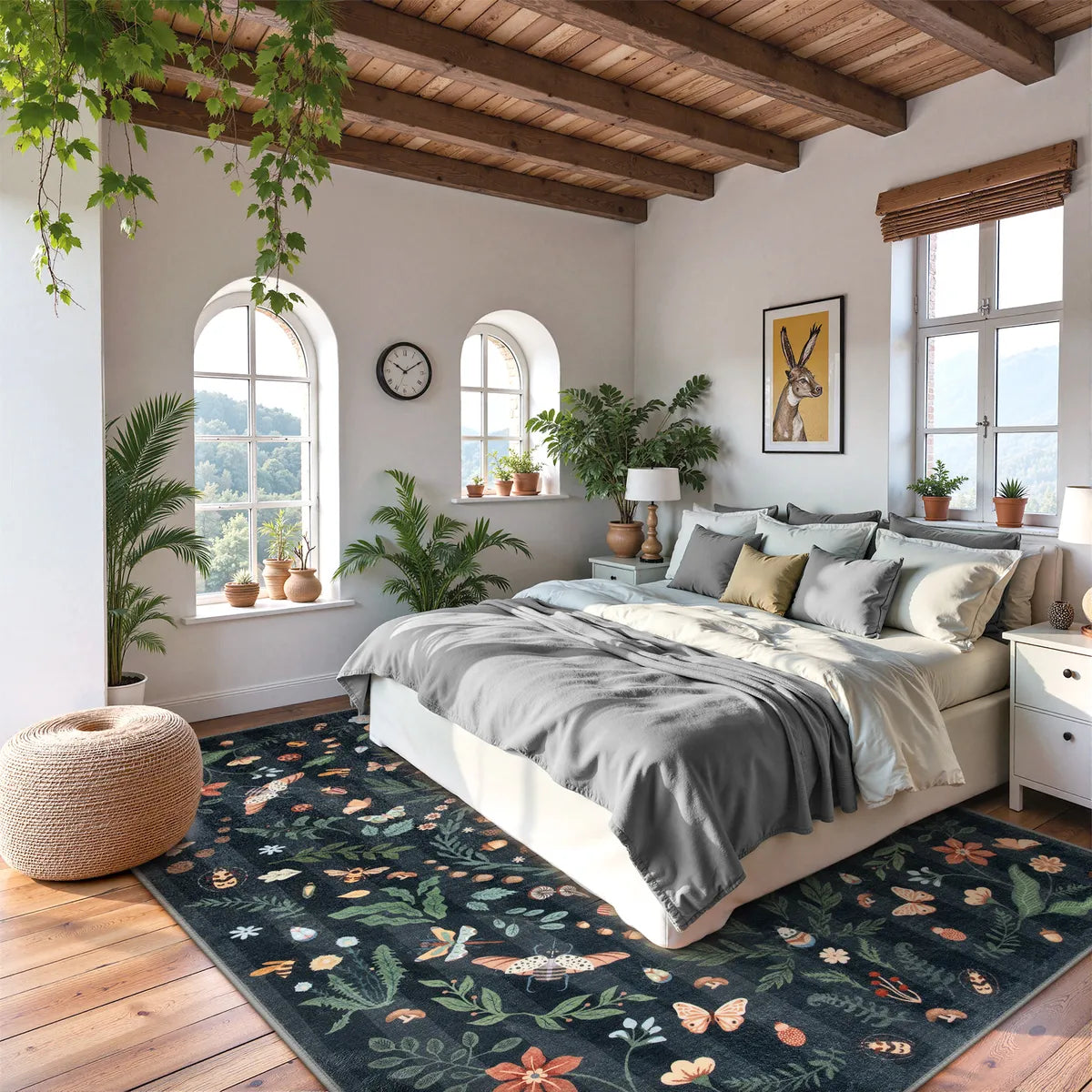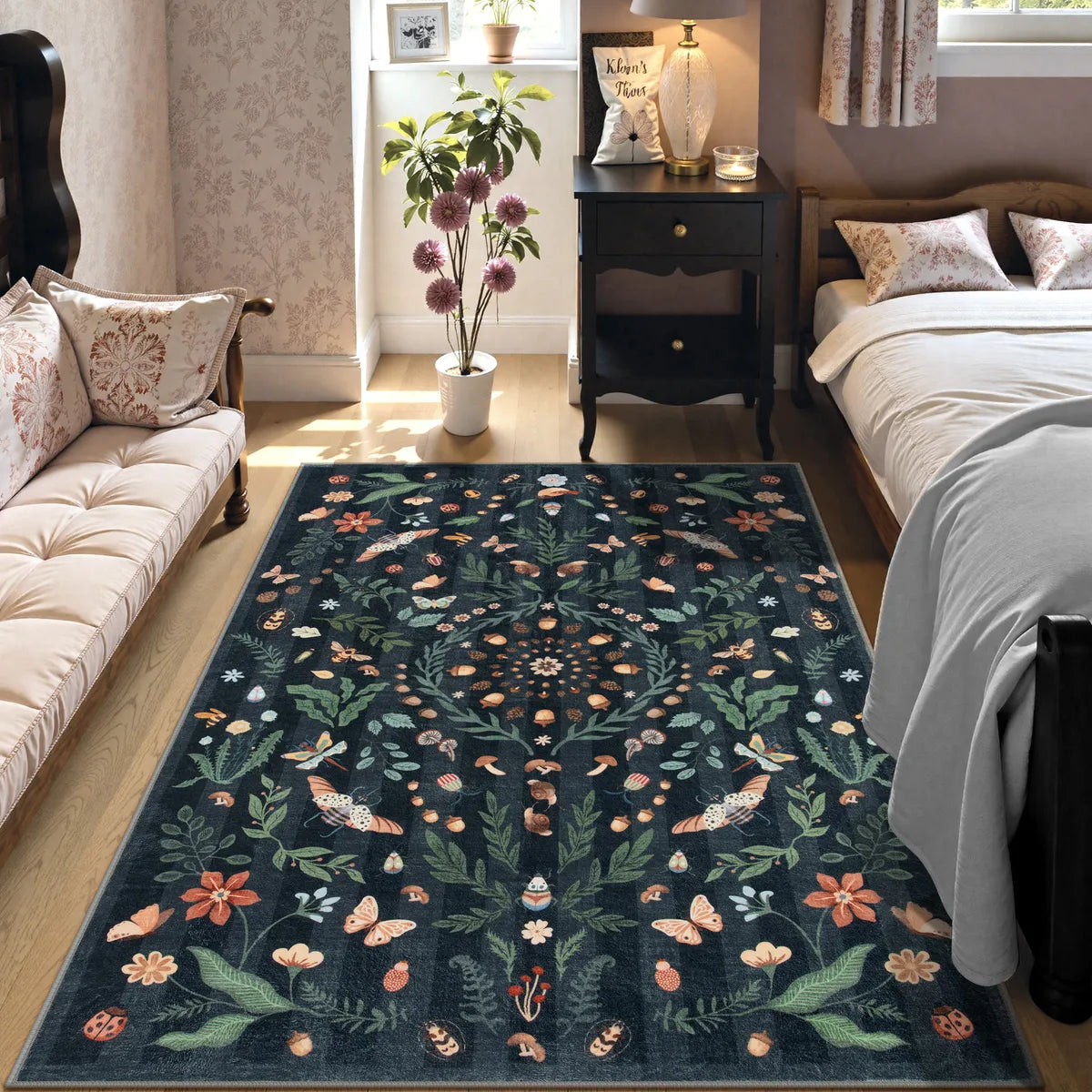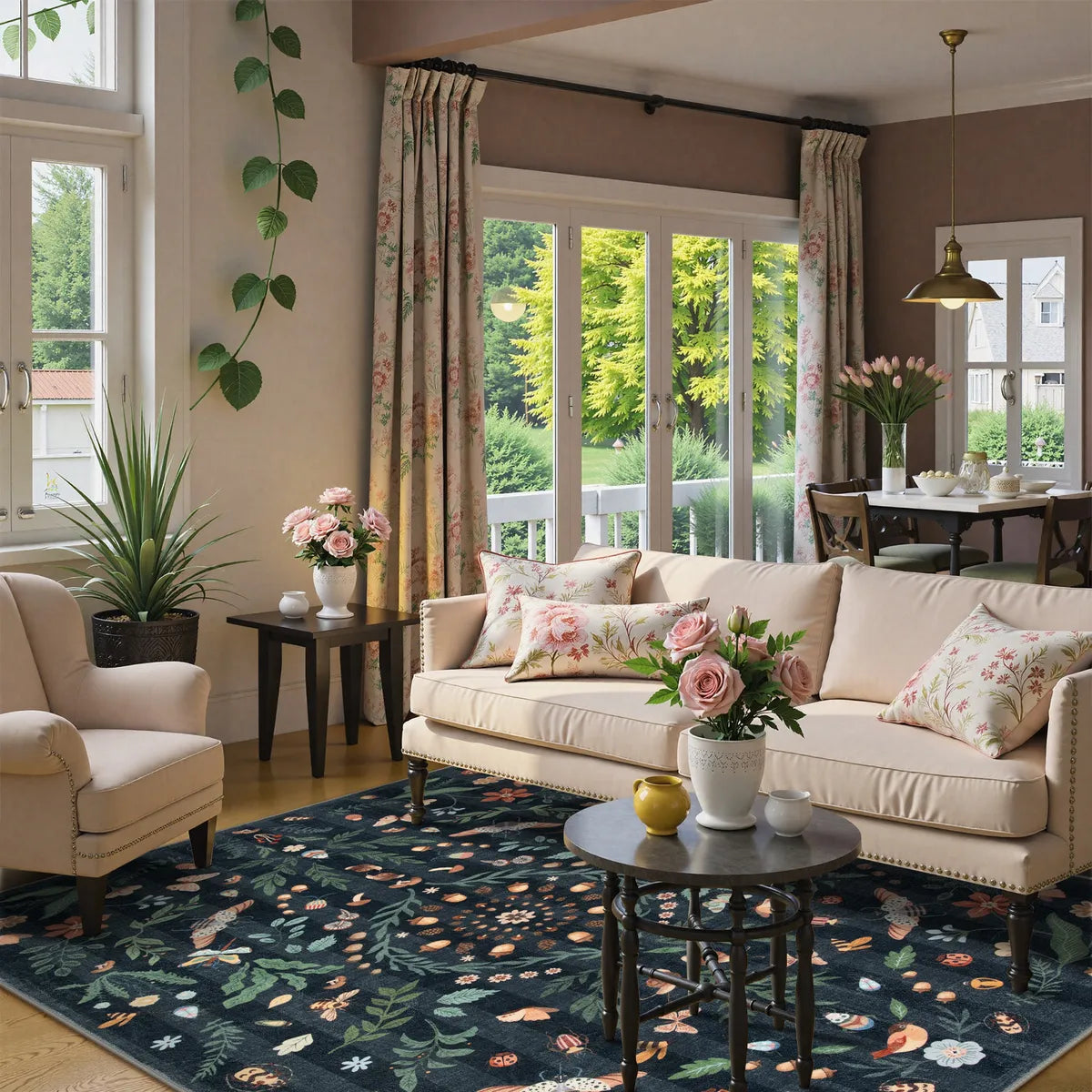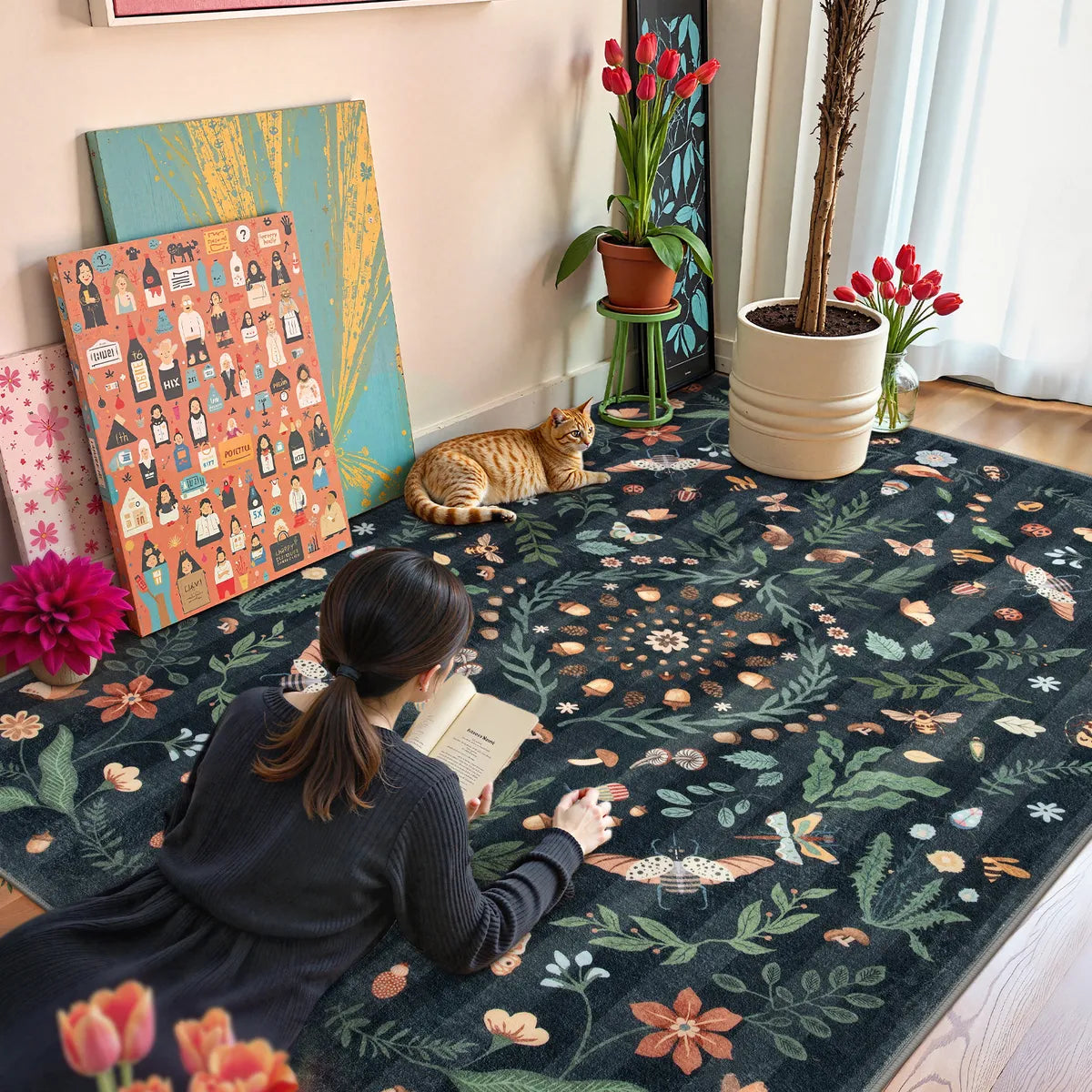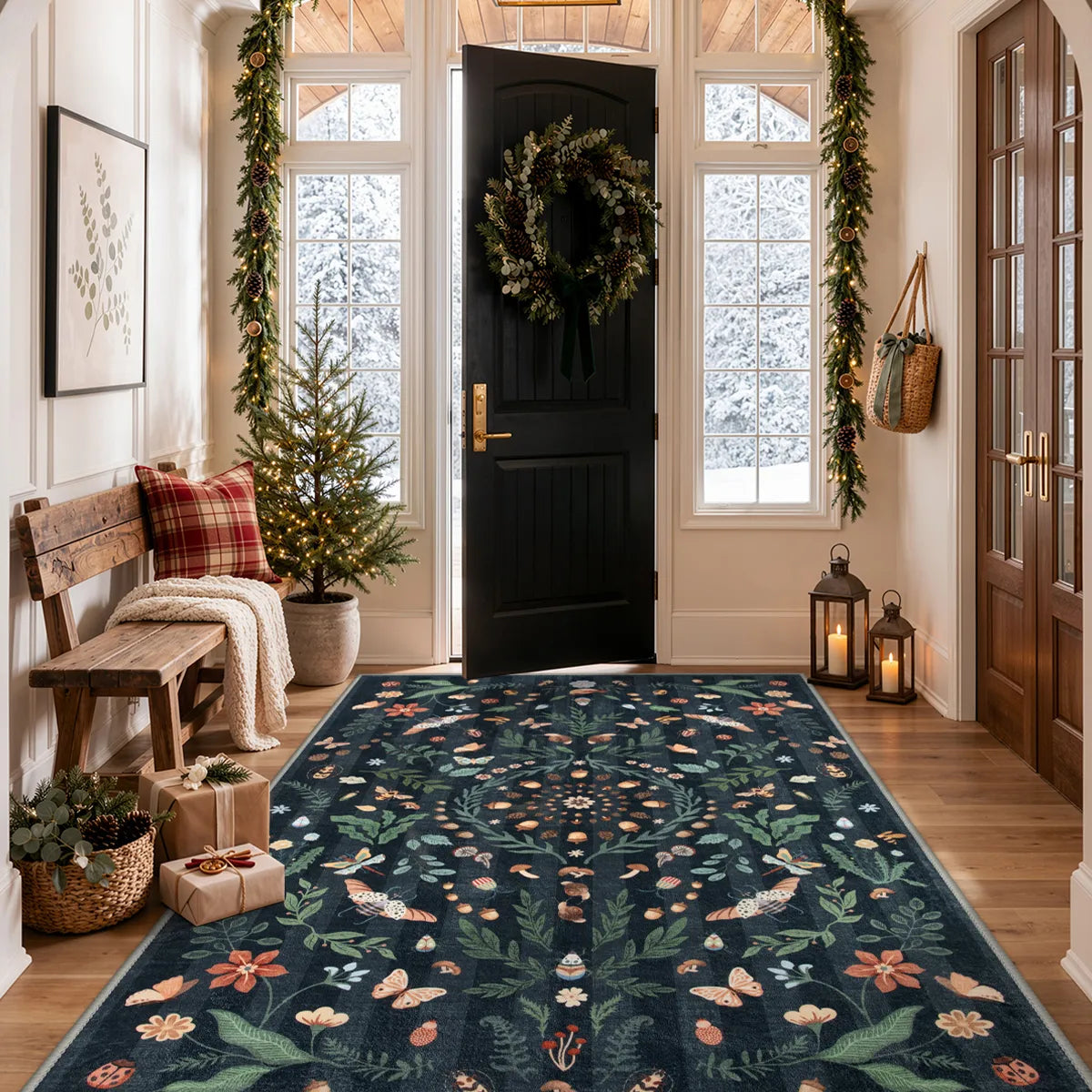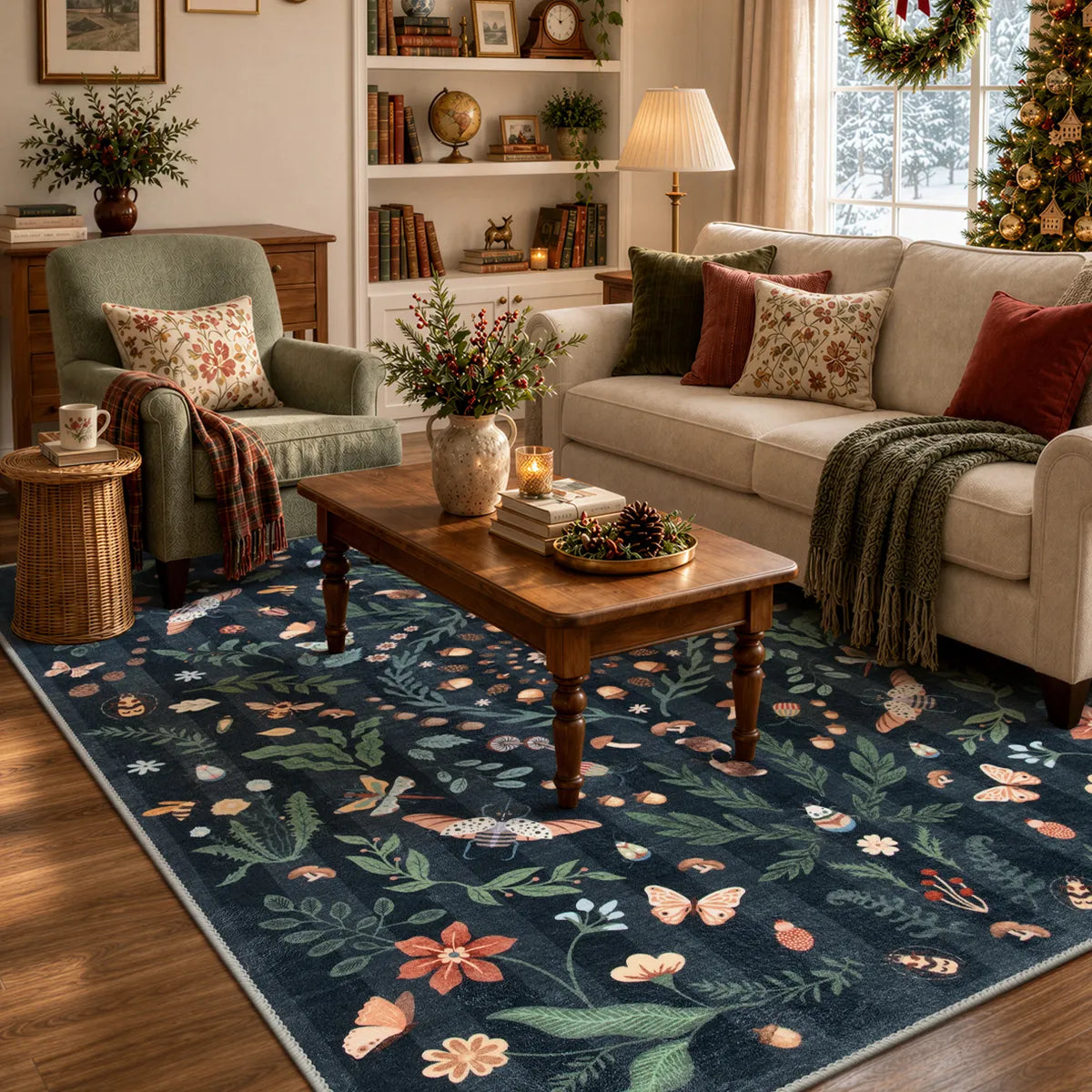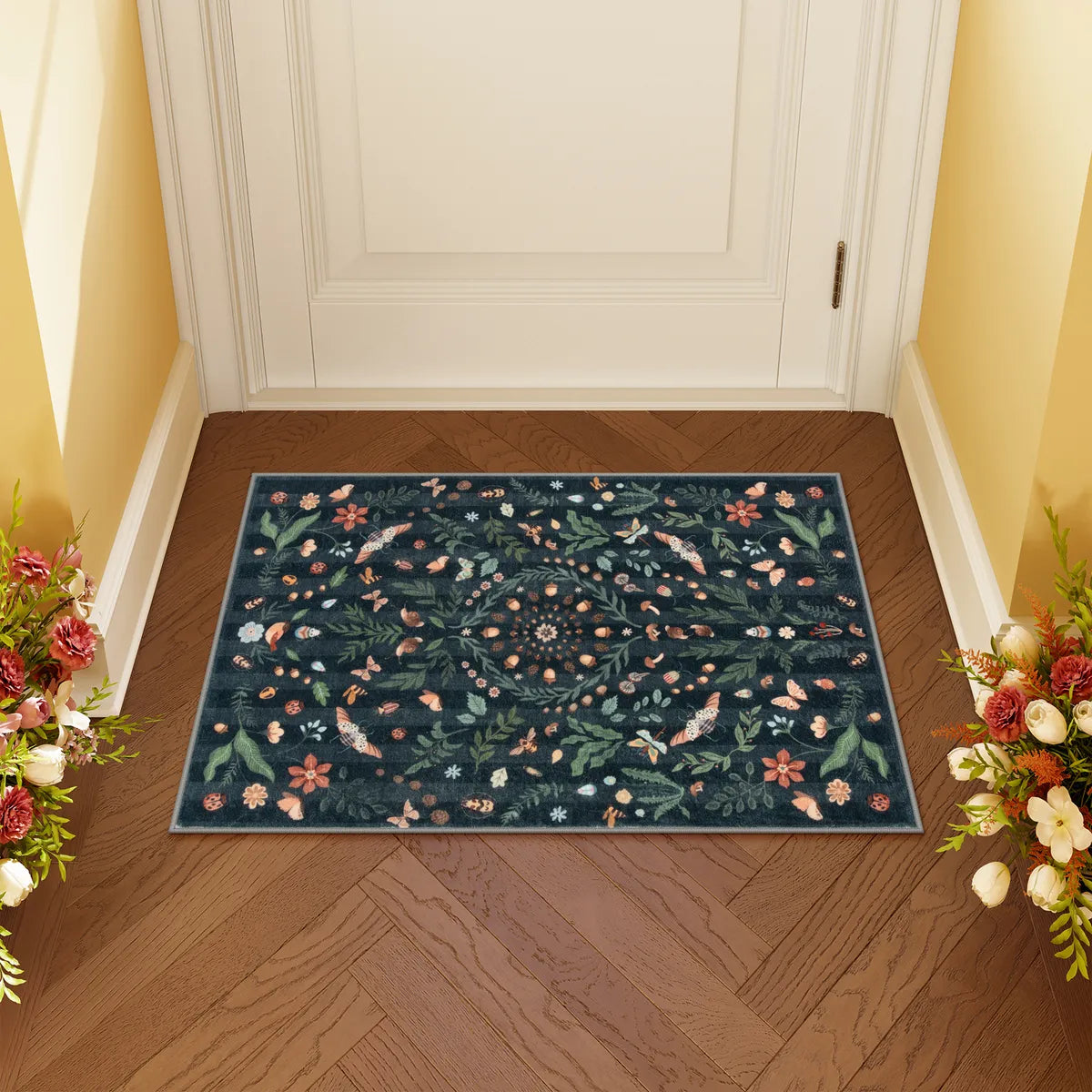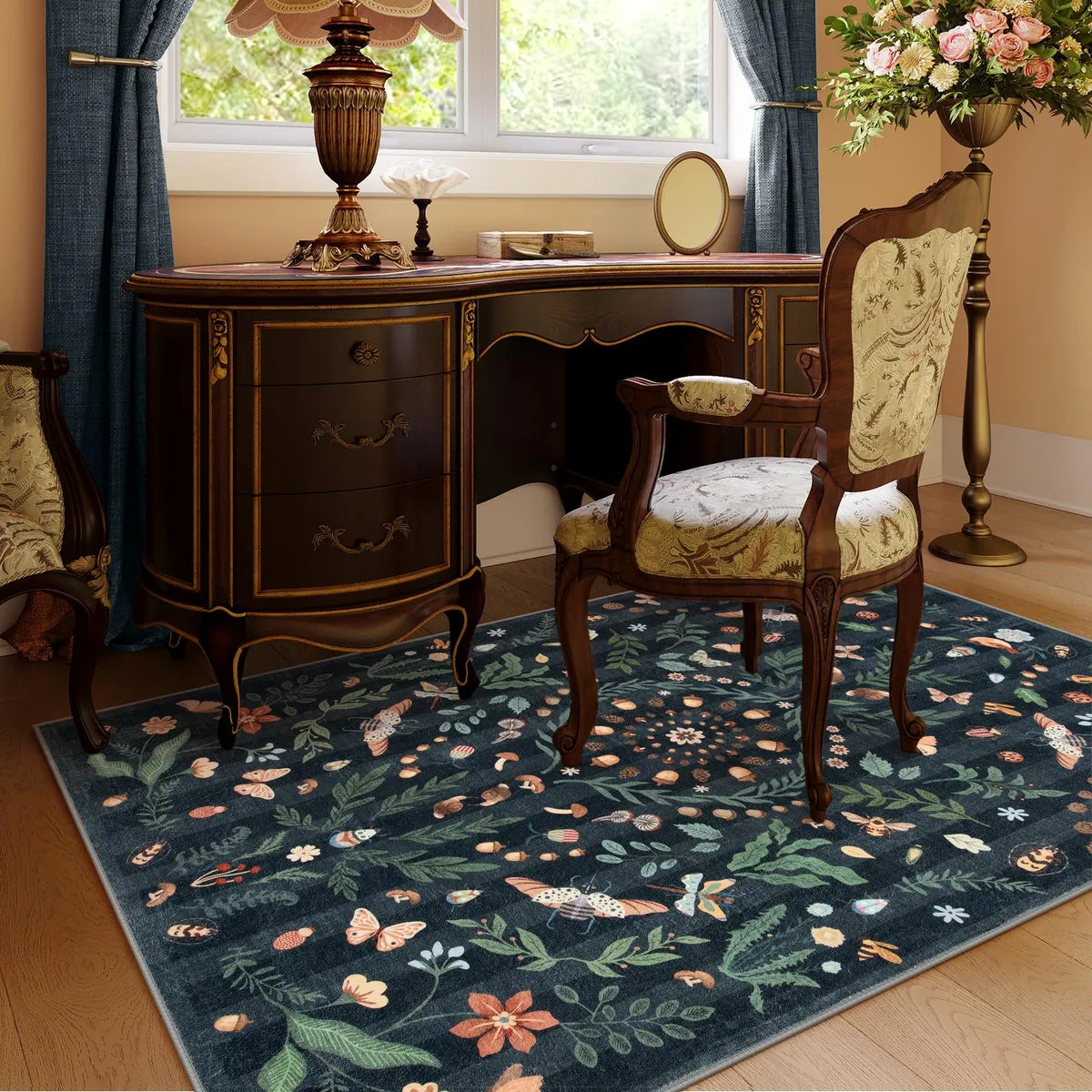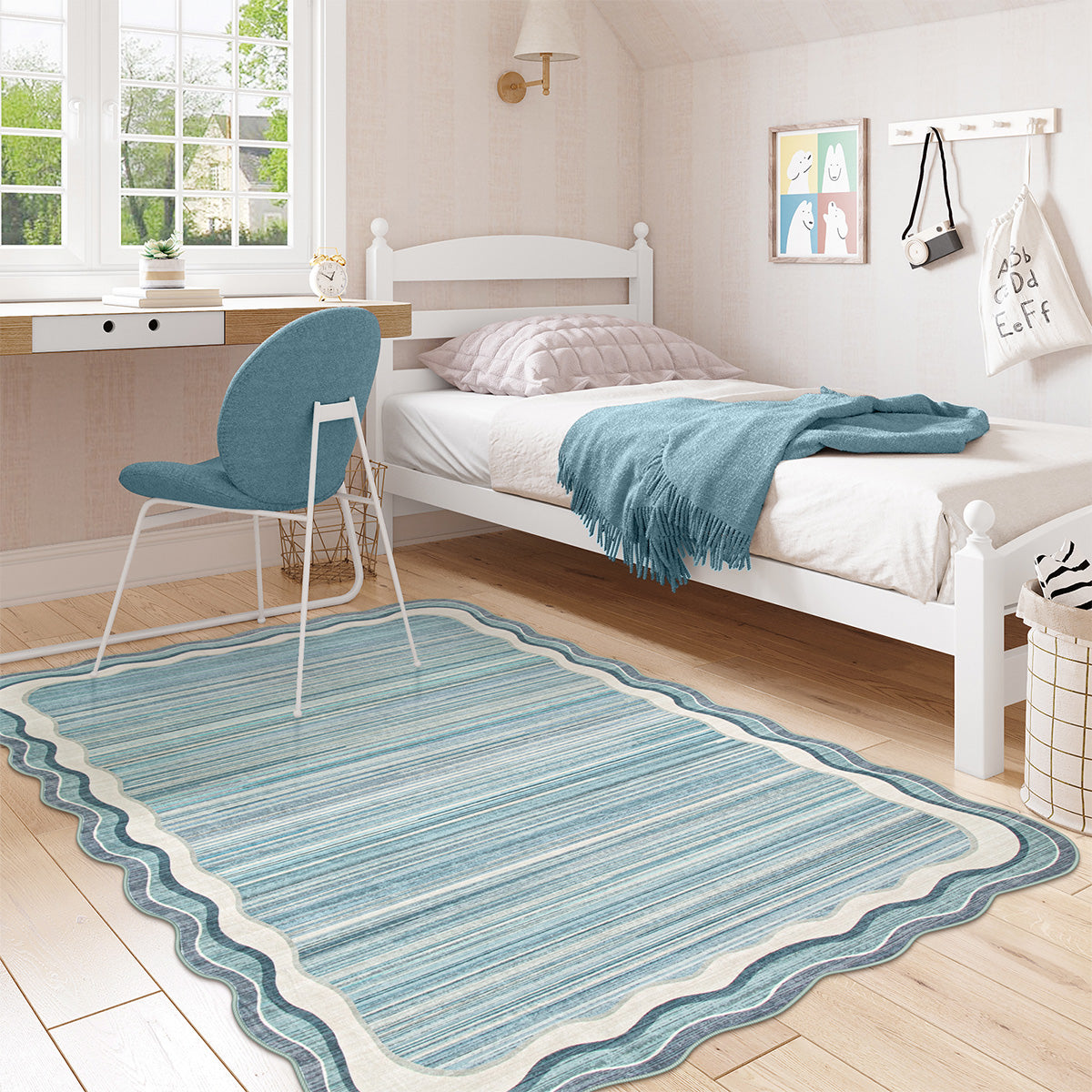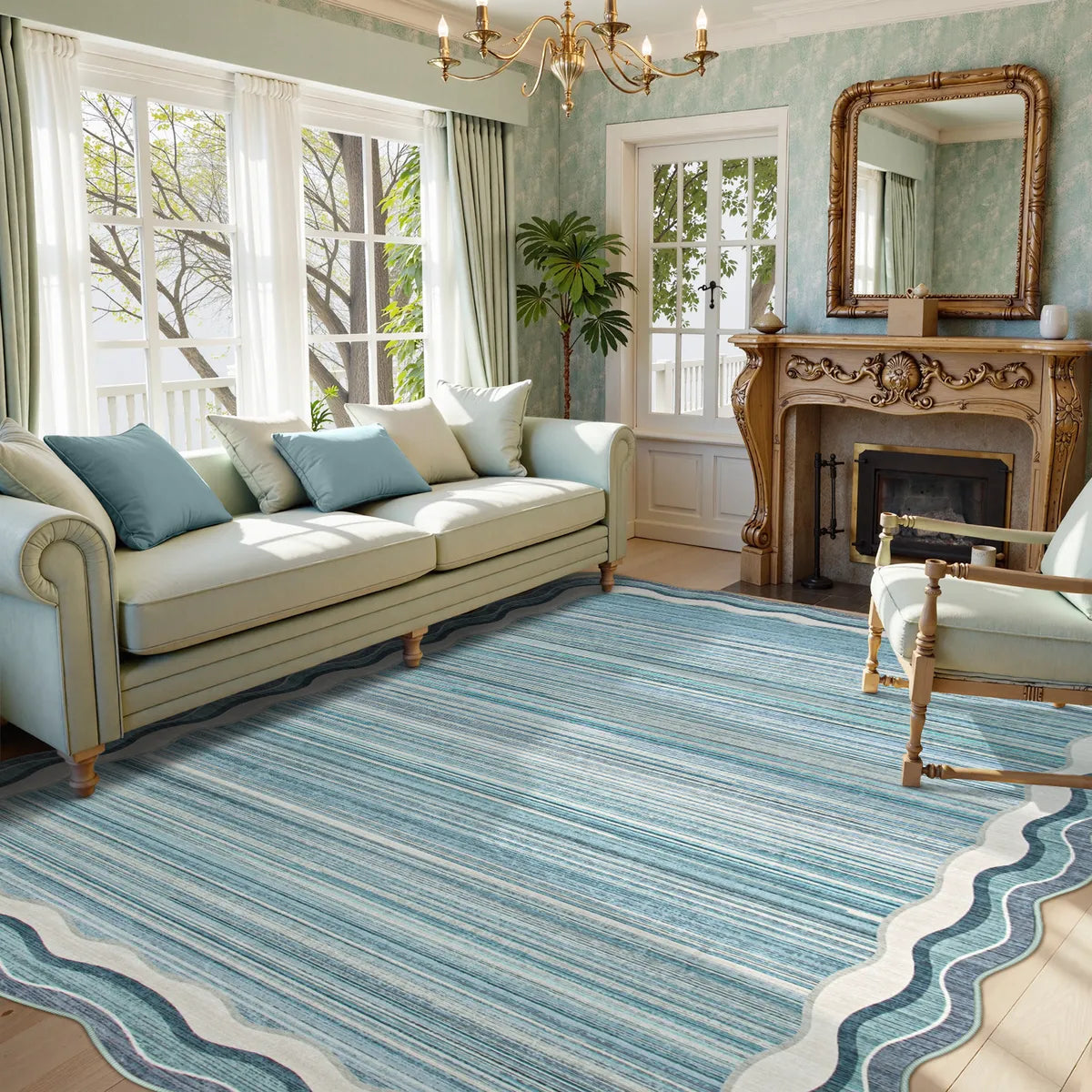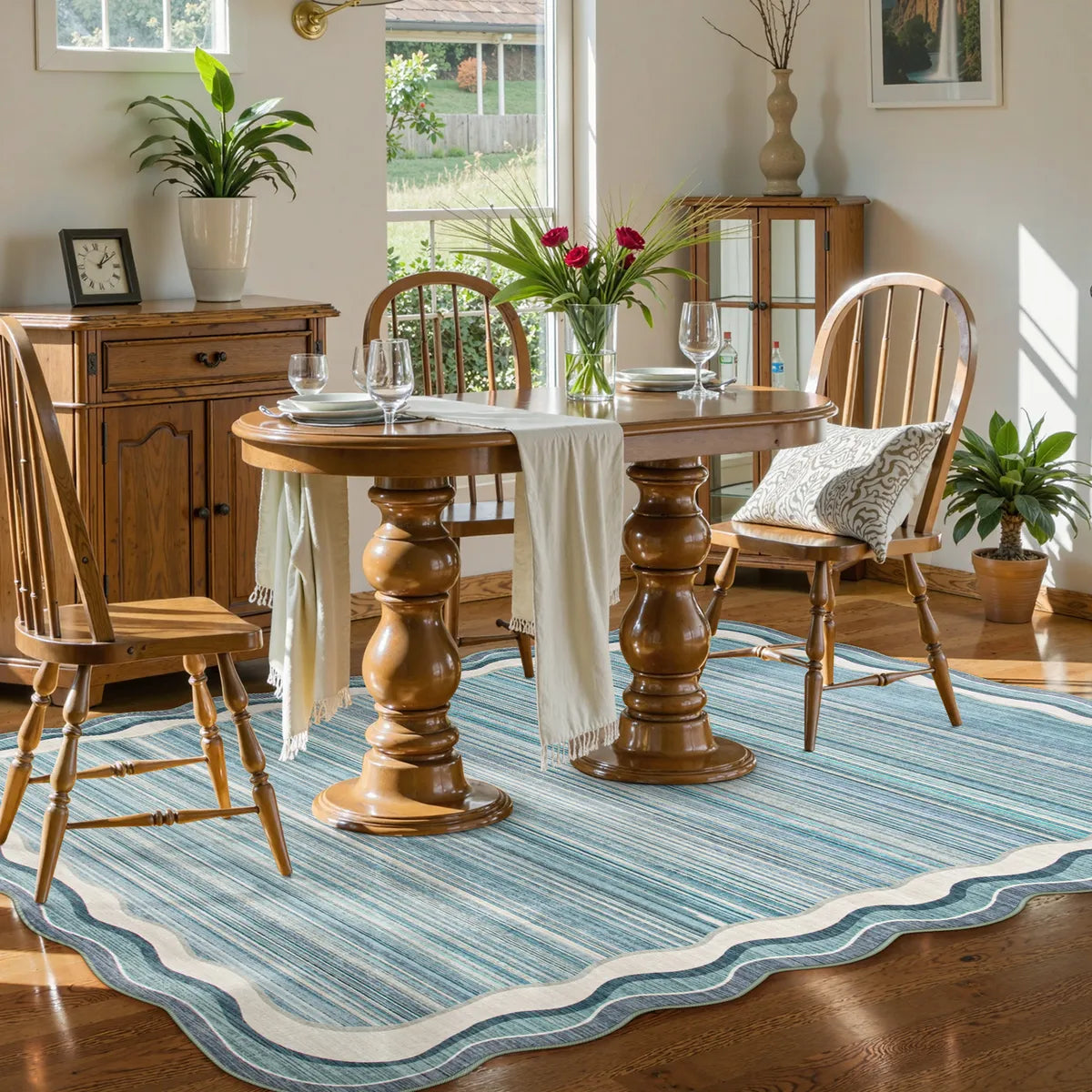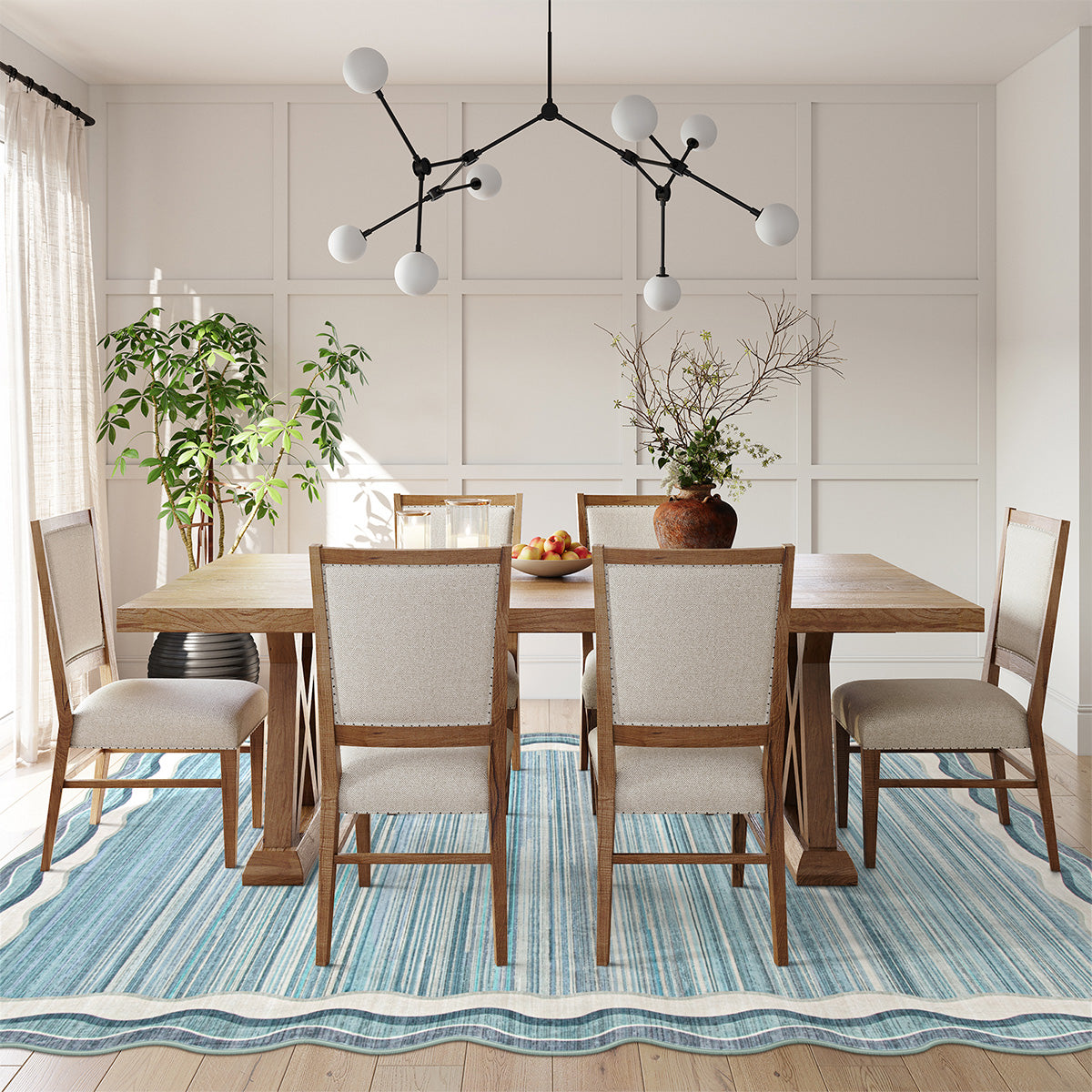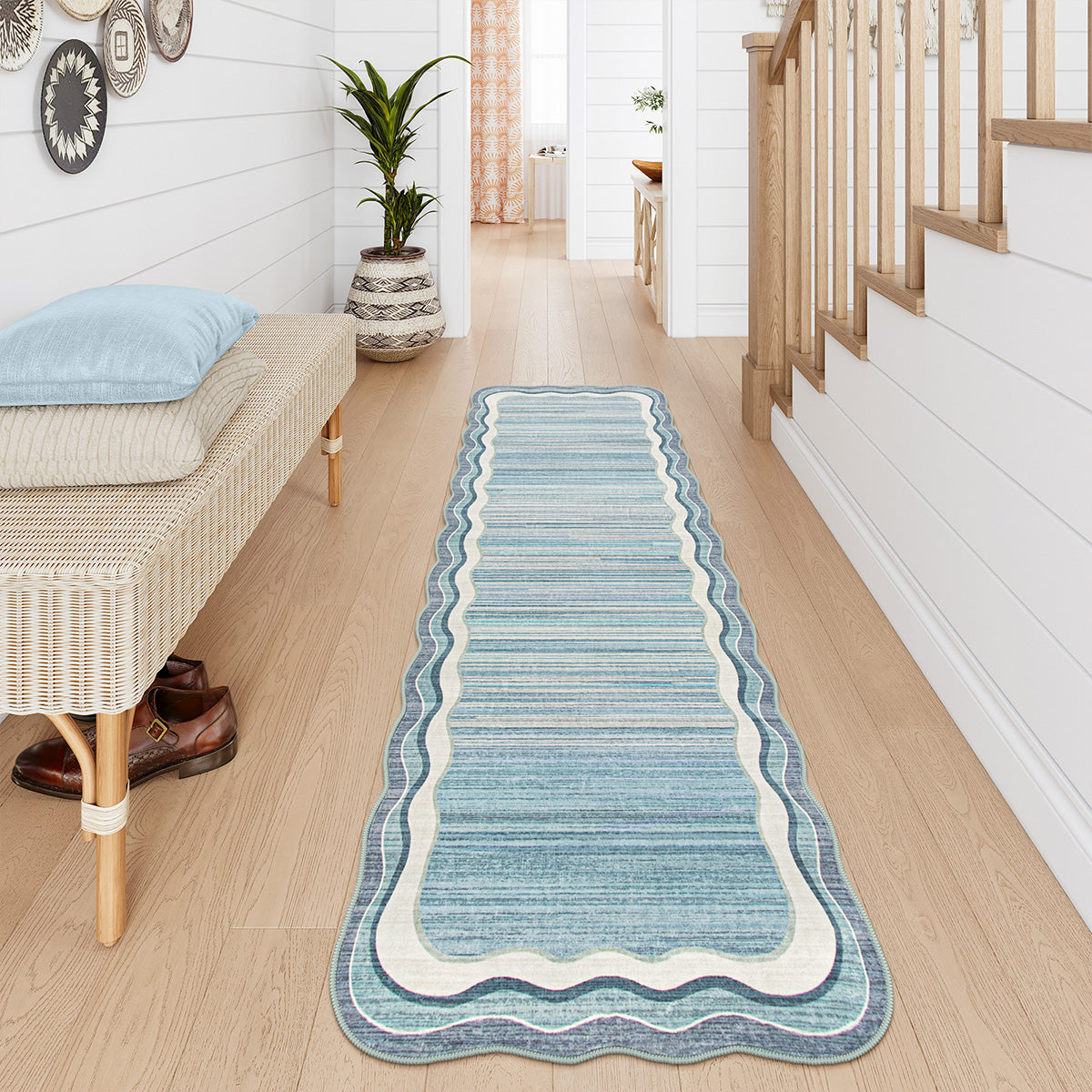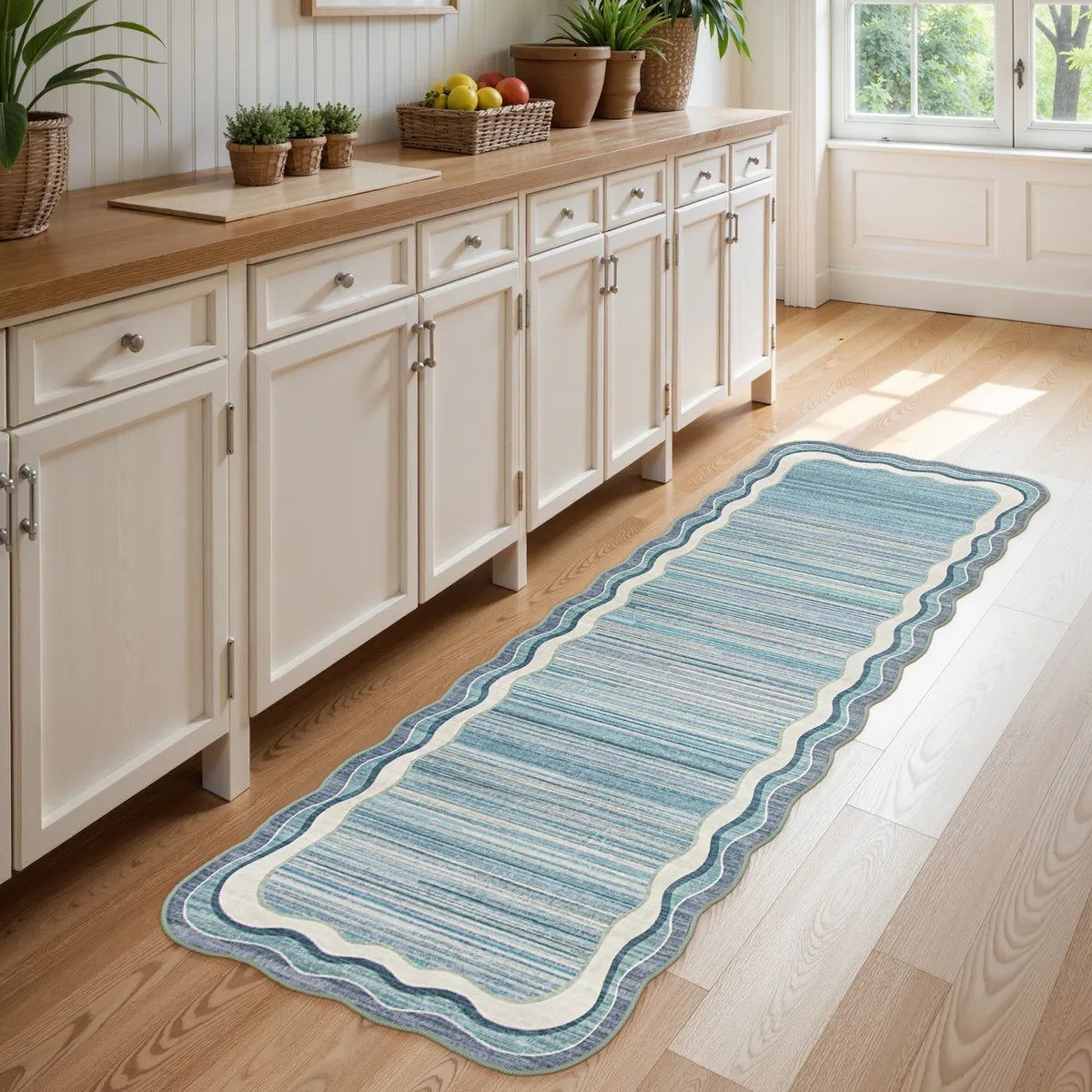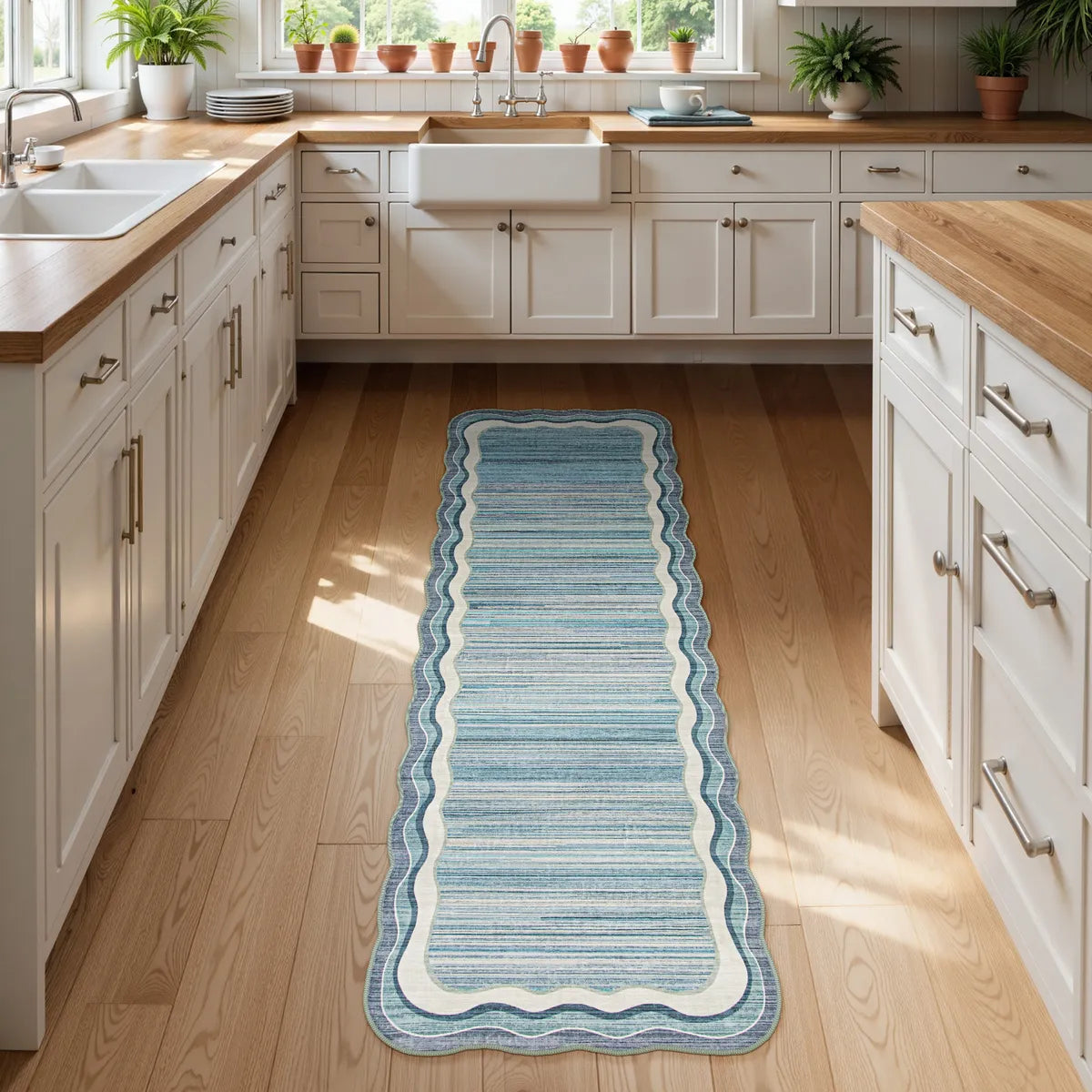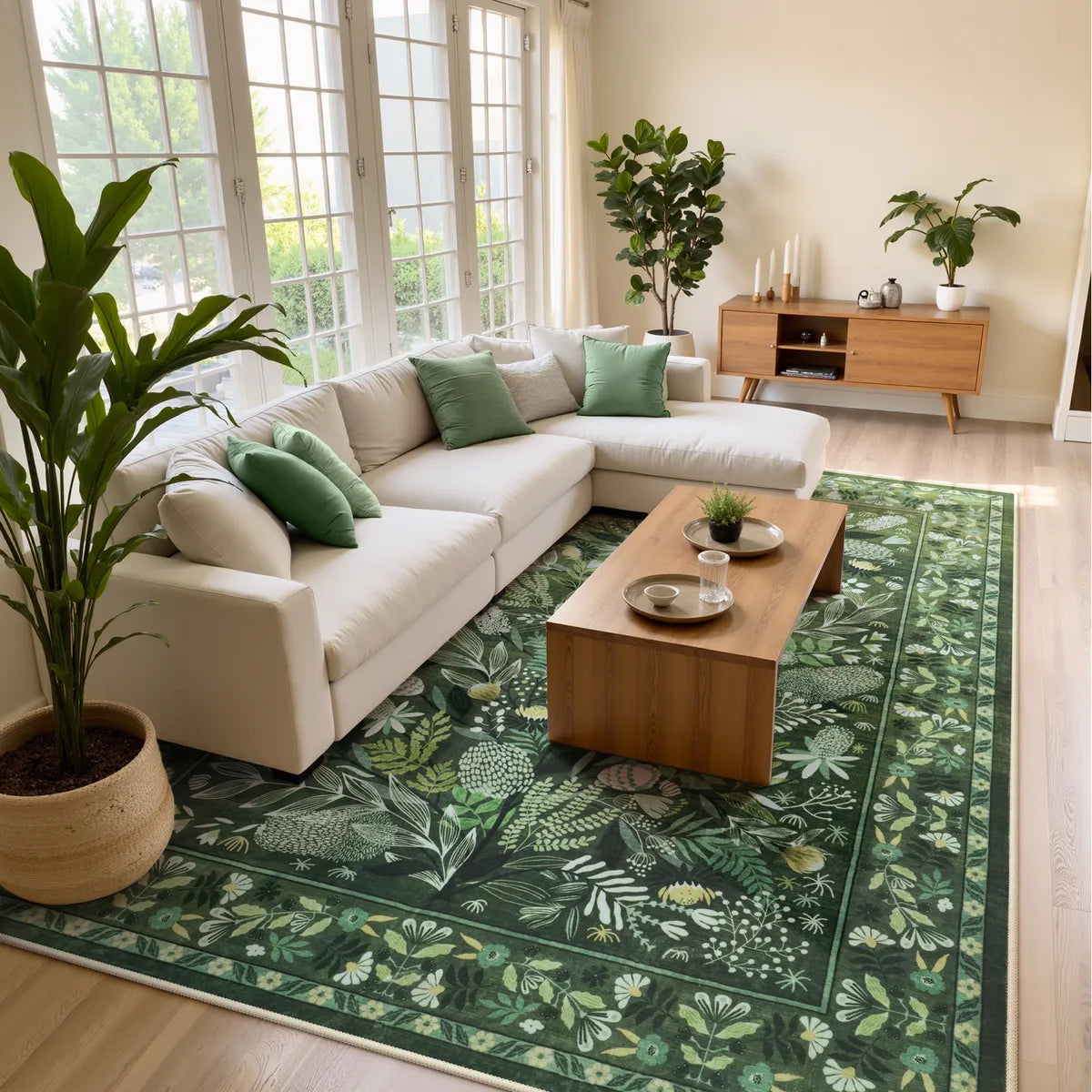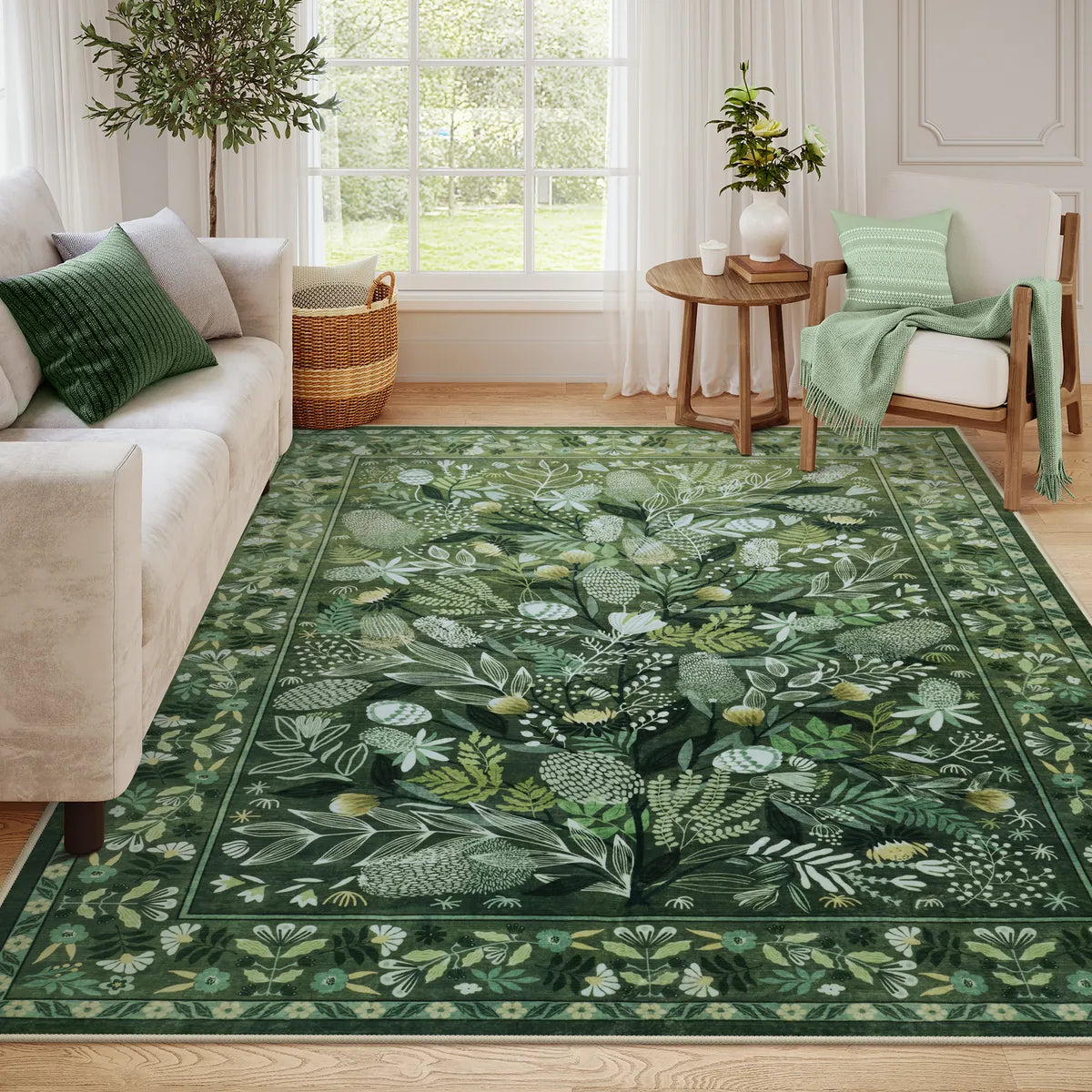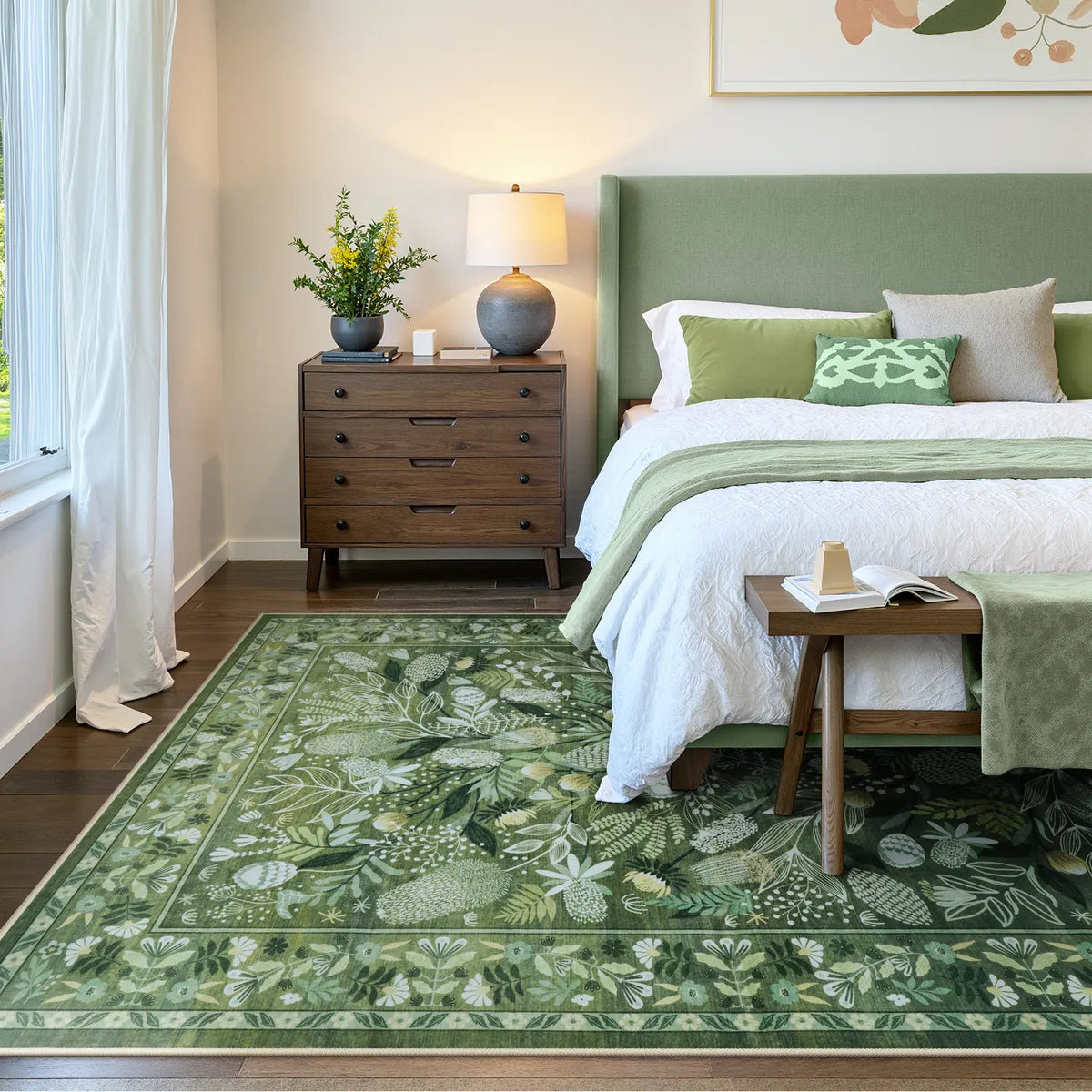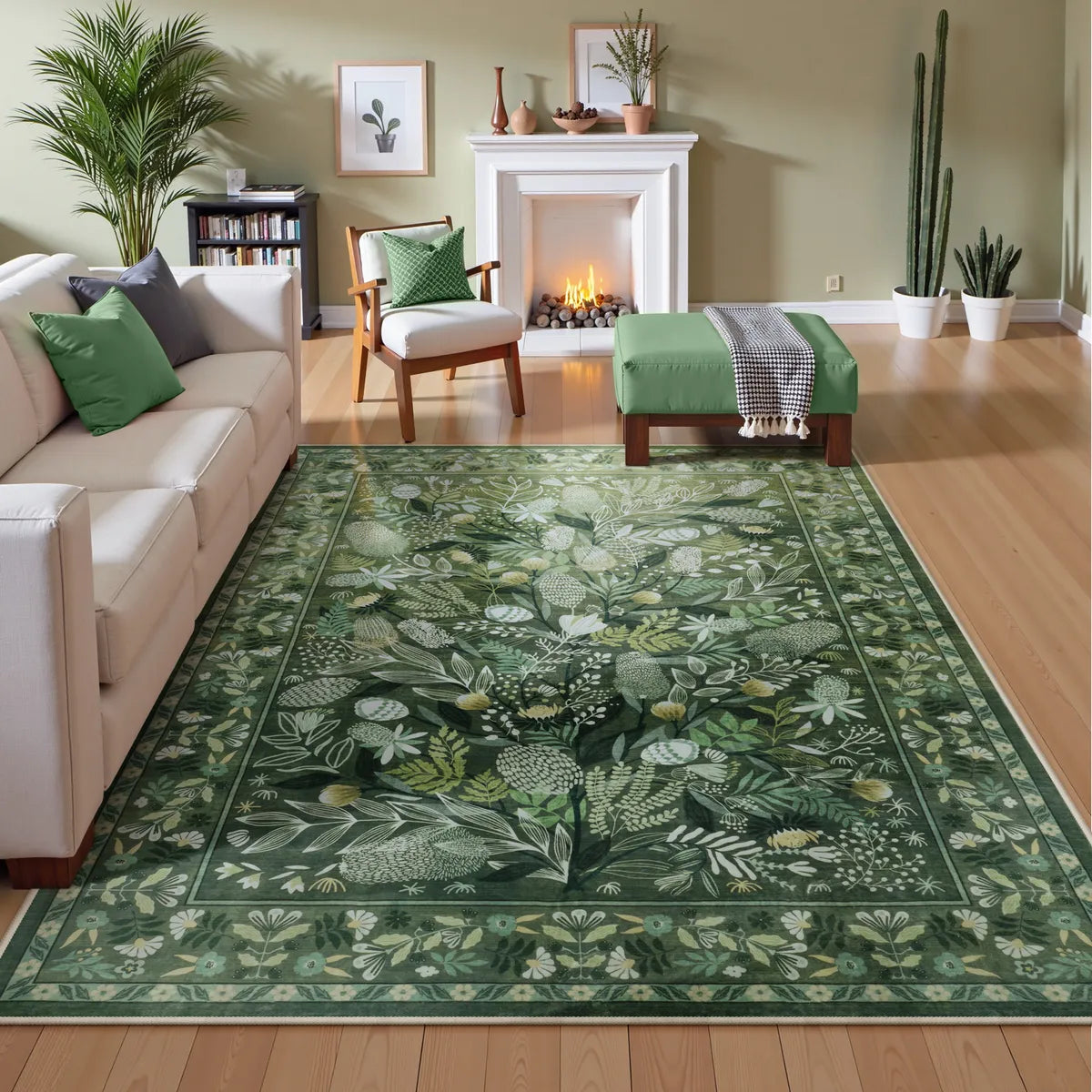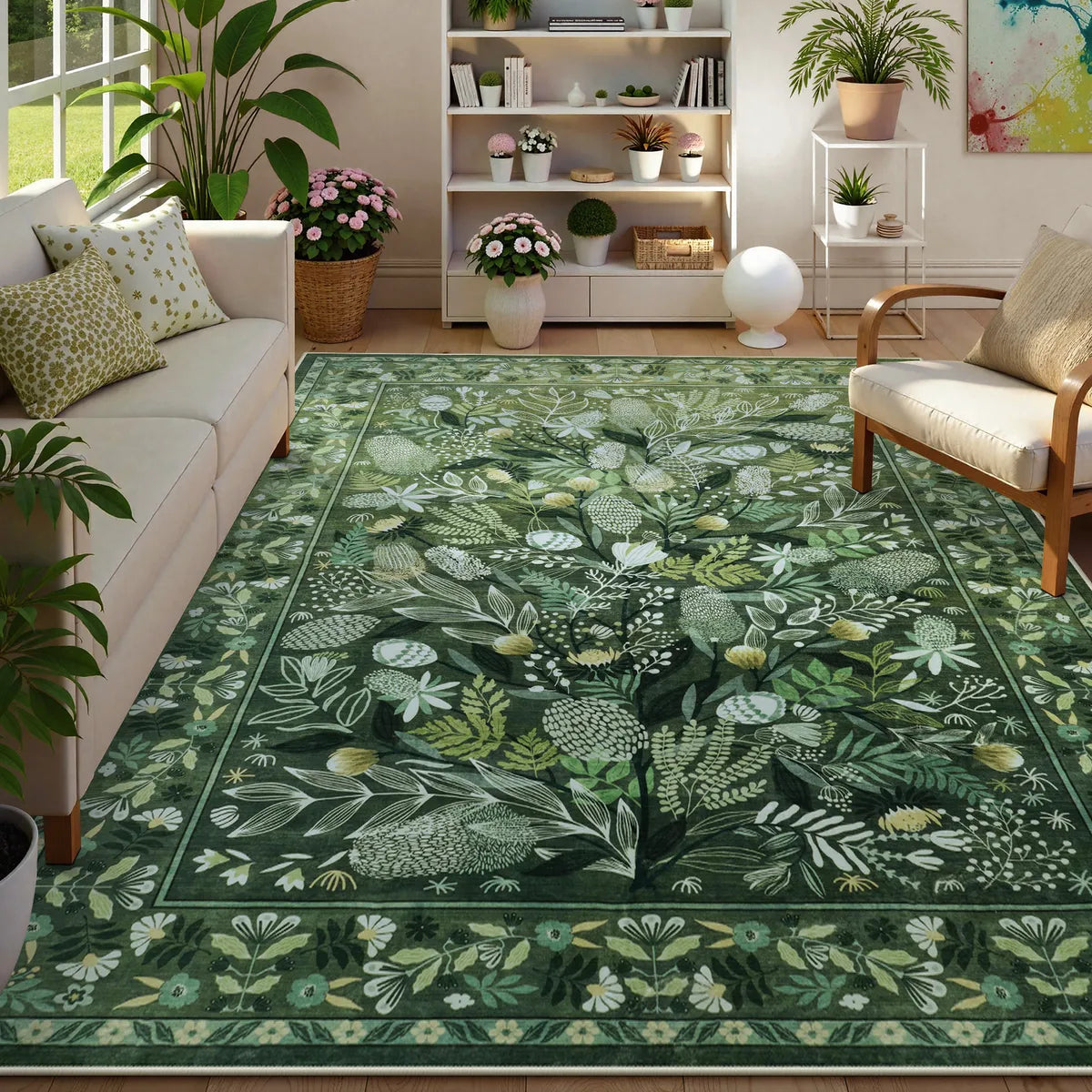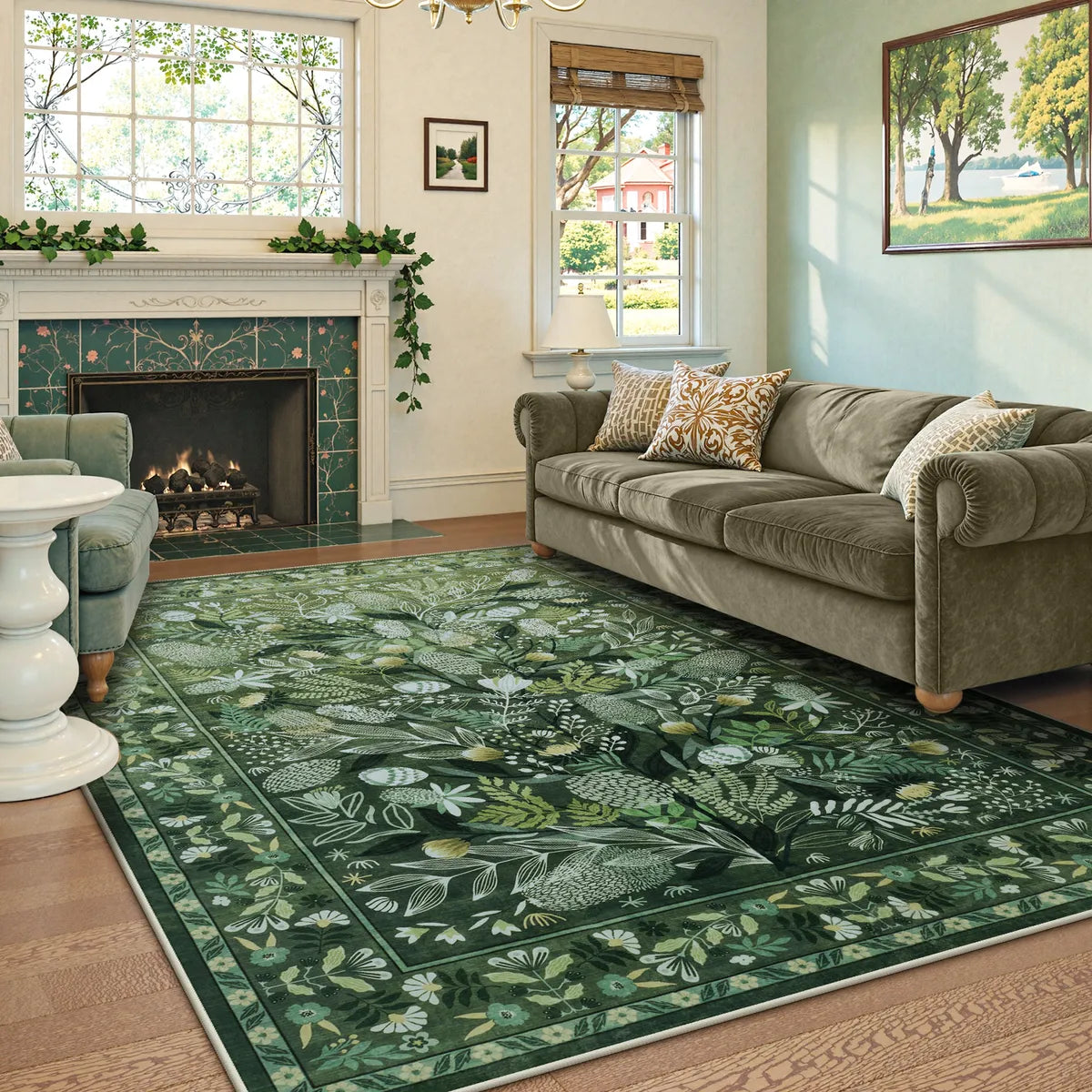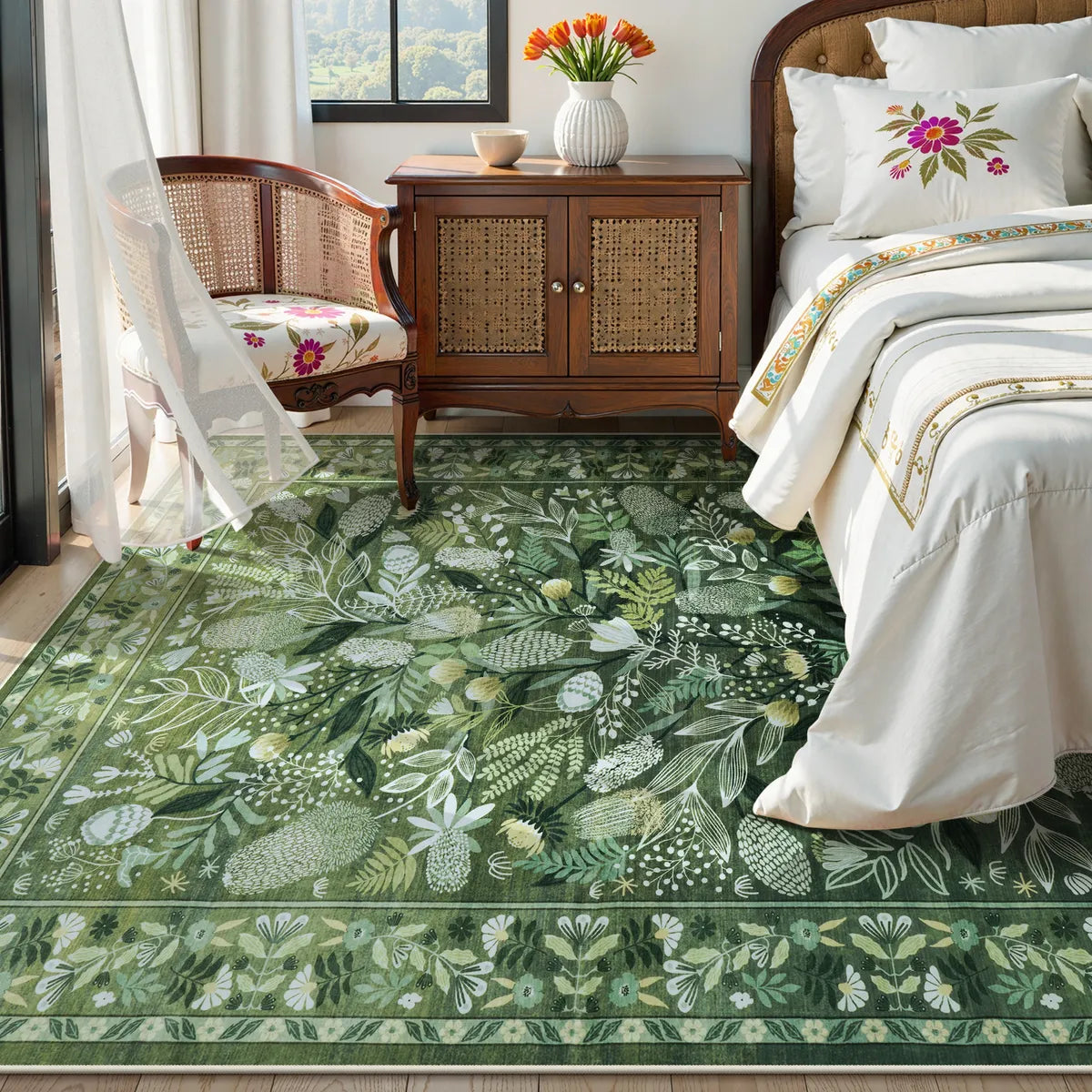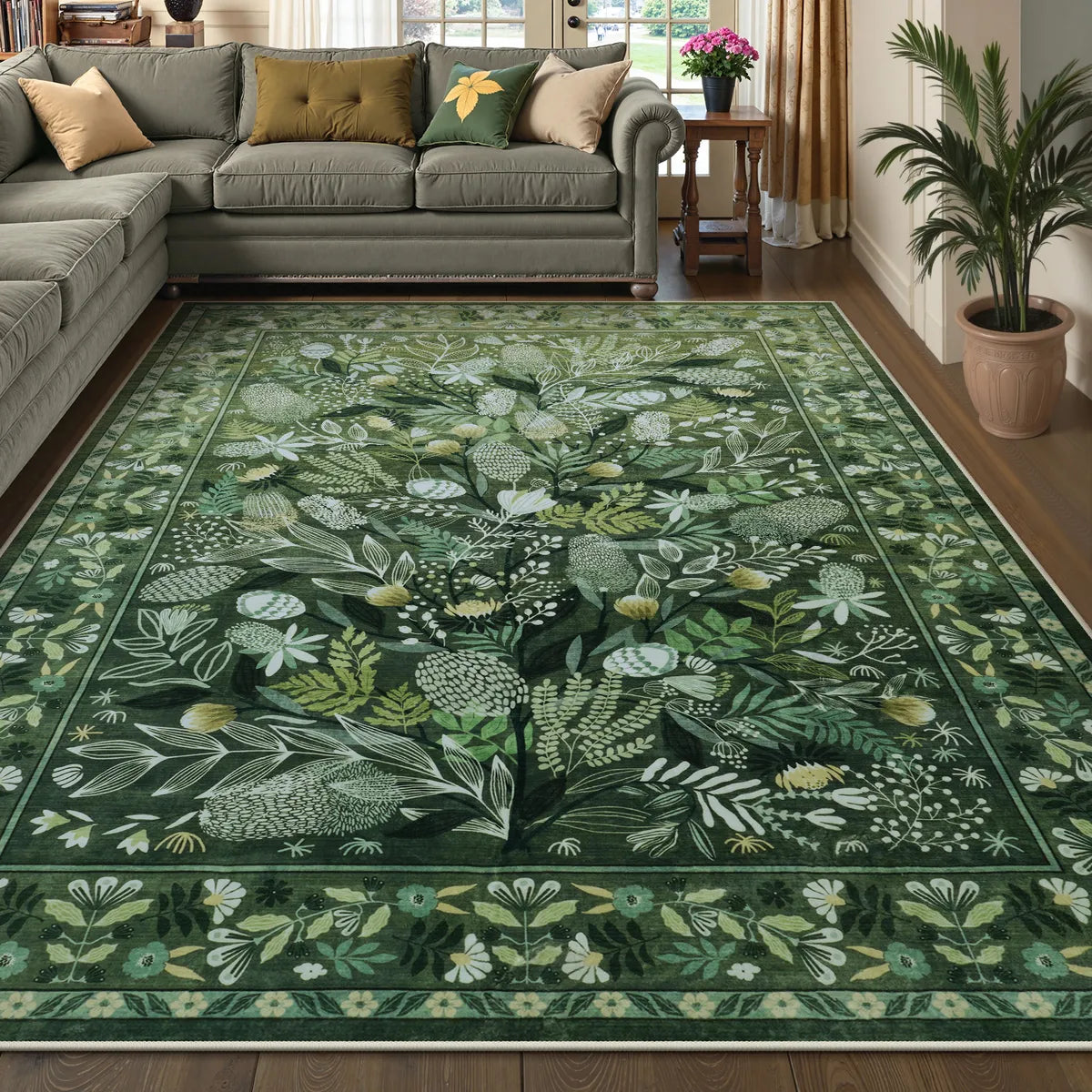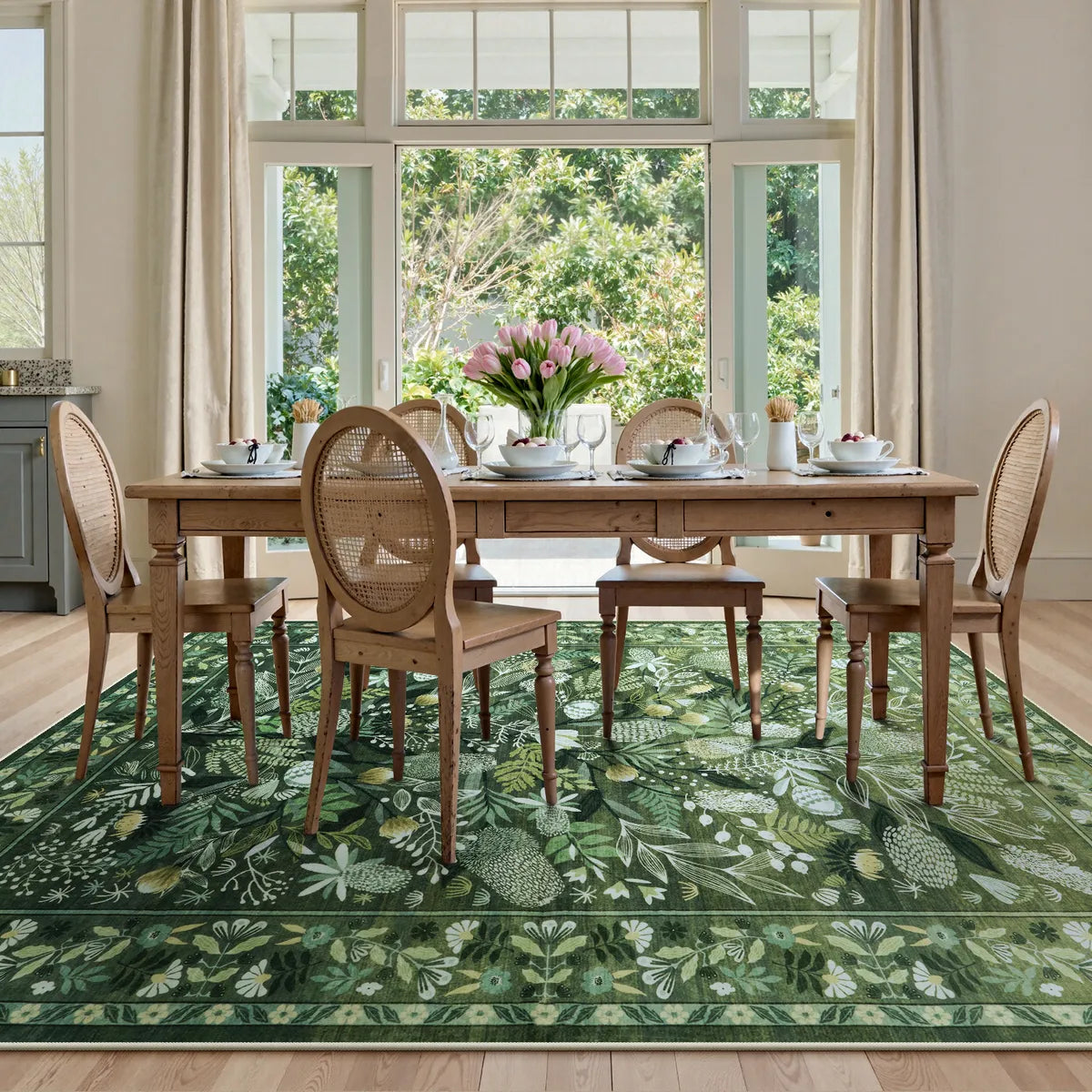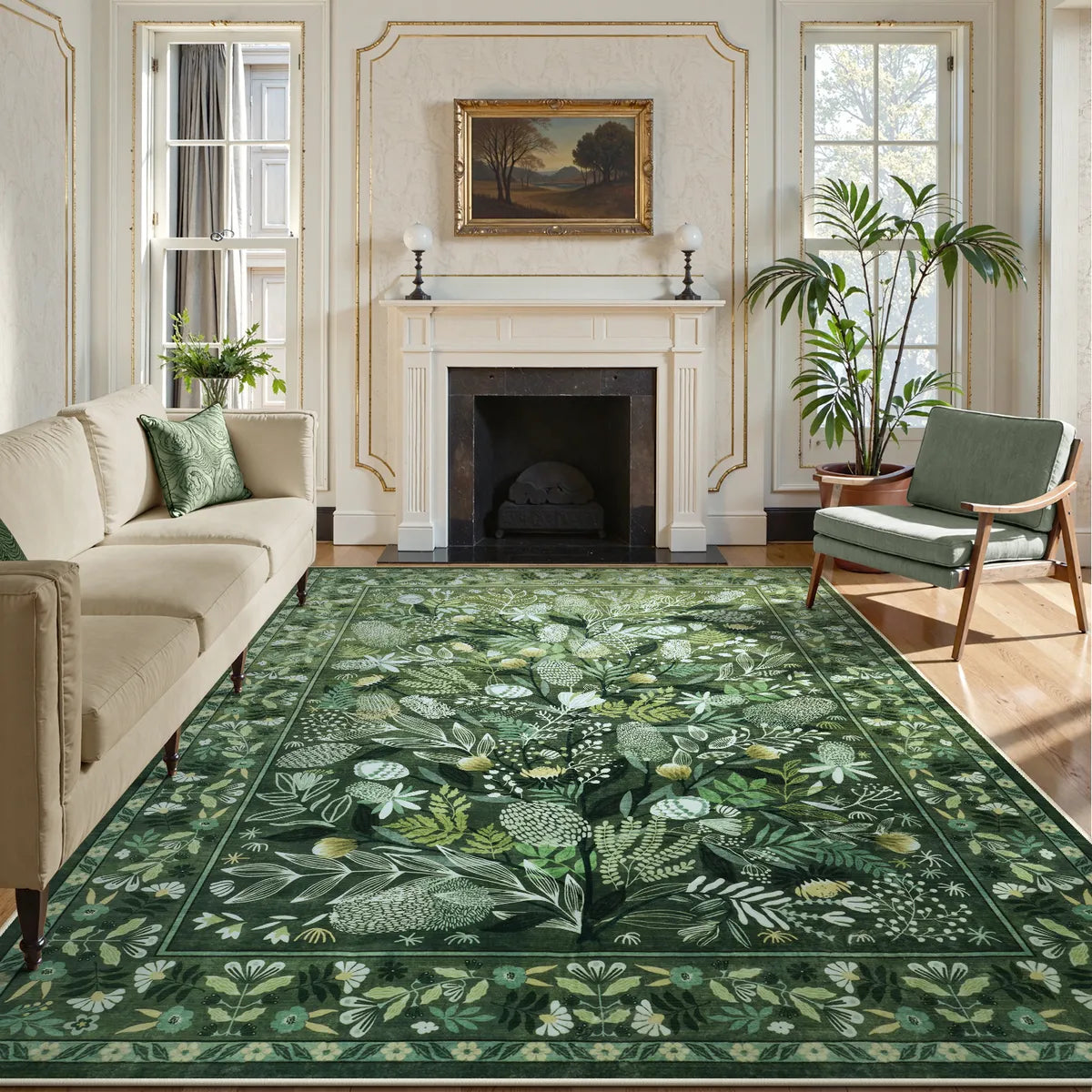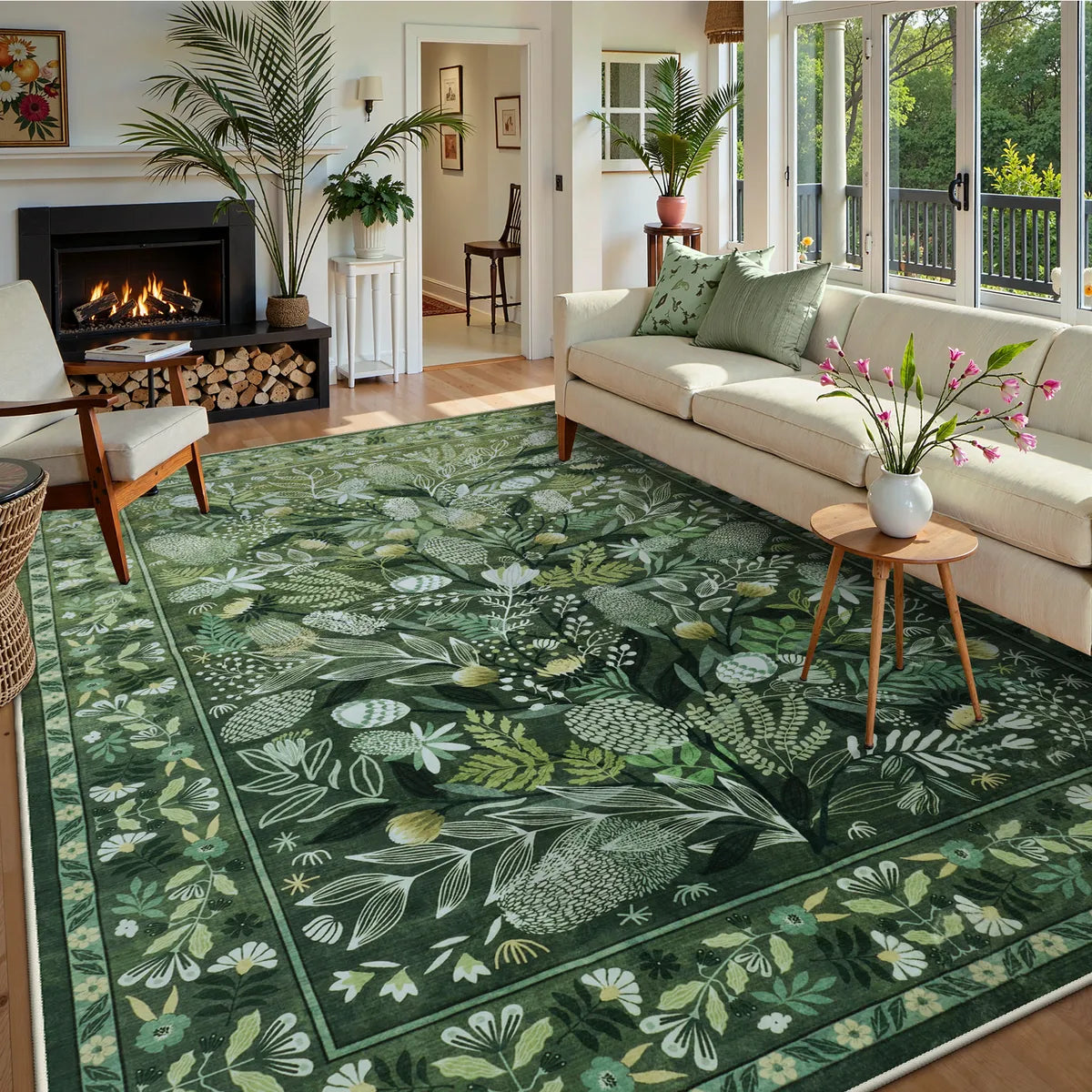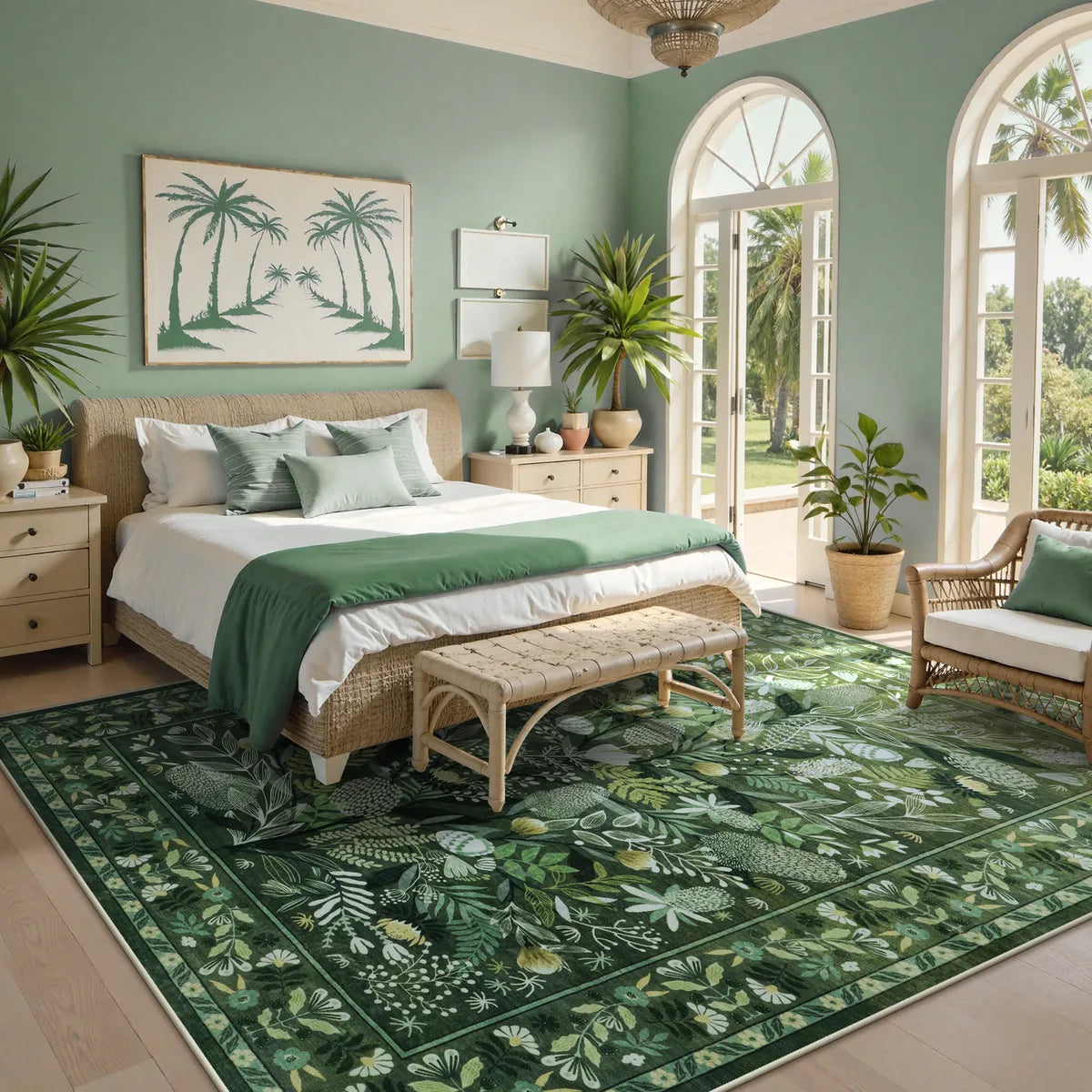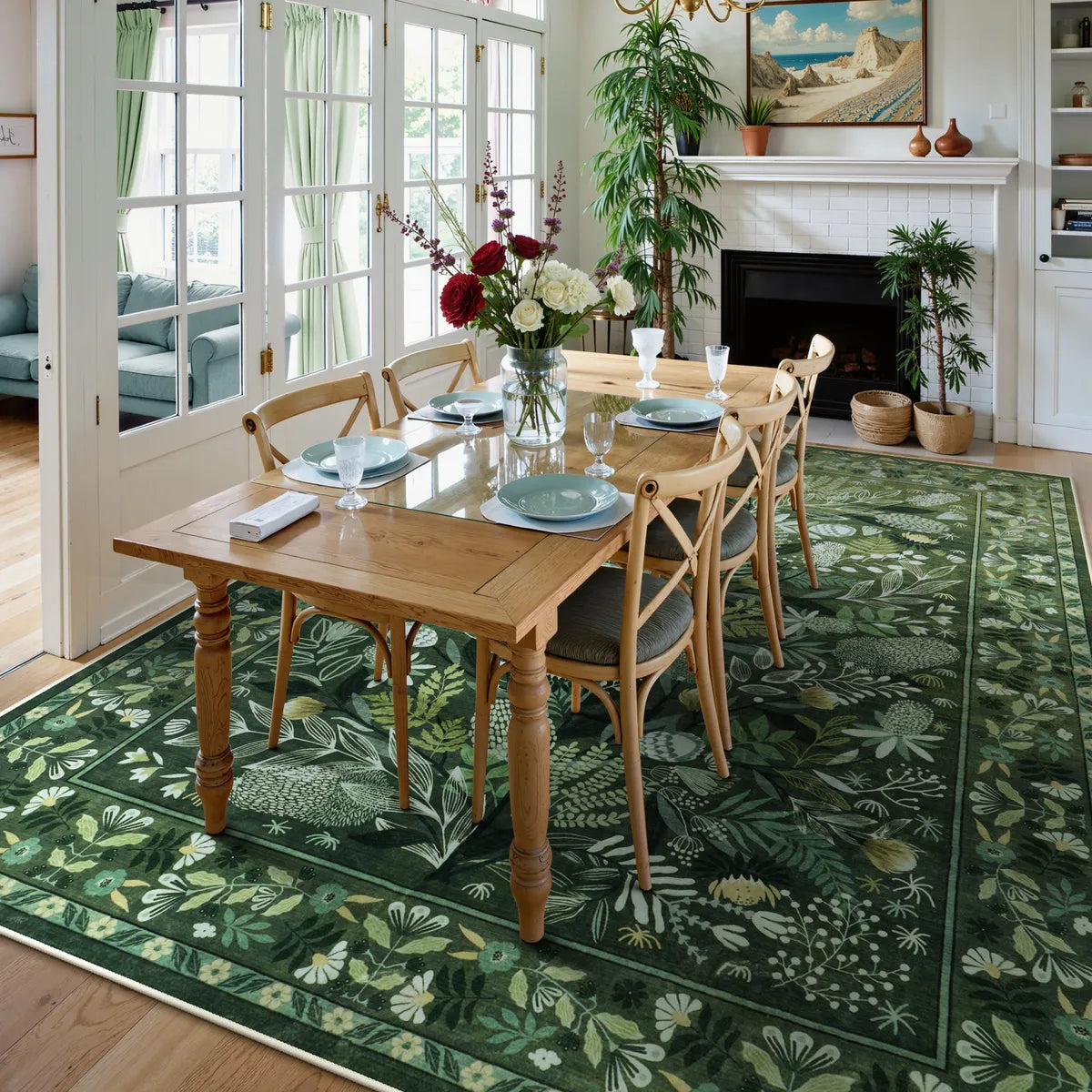


Floral patterns have decorated homes for centuries, and they show no sign of stepping back. Today, the vintage floral rug occupies a particularly interesting space in interior design: old-world beauty expressed through materials built for how we actually live. From cottagecore living rooms to sleek urban apartments, floral rugs are finding their place across wildly different spaces. This piece explores why that appeal endures and what makes vintage botanical patterns so surprisingly versatile.
Why Do Floral Patterns Remain a Classic Choice for Home Decor?

Floral motifs are one of the oldest recurring themes in decorative art. Their staying power comes from a mix of cultural history, psychological resonance, and the fact that nature-inspired design simply ages well.
A Brief History of Floral Motifs in Textile Design
Floral patterns in rugs trace back thousands of years, rooted in Persian carpet-making traditions where garden imagery carried deep symbolic meaning. The paradise garden, a concept representing abundance and the natural world brought indoors, was a recurring inspiration for weavers across Central Asia and the Middle East.
By the 18th and 19th centuries, elaborate botanical designs had become a marker of refined taste across England, France, and beyond. What began as cultural symbolism evolved into a design language that crossed borders and time periods alike.
The Emotional Pull of Nature-Inspired Patterns
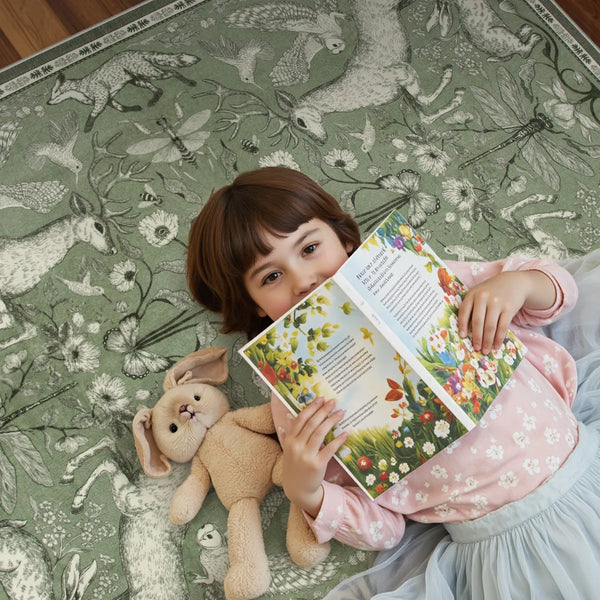
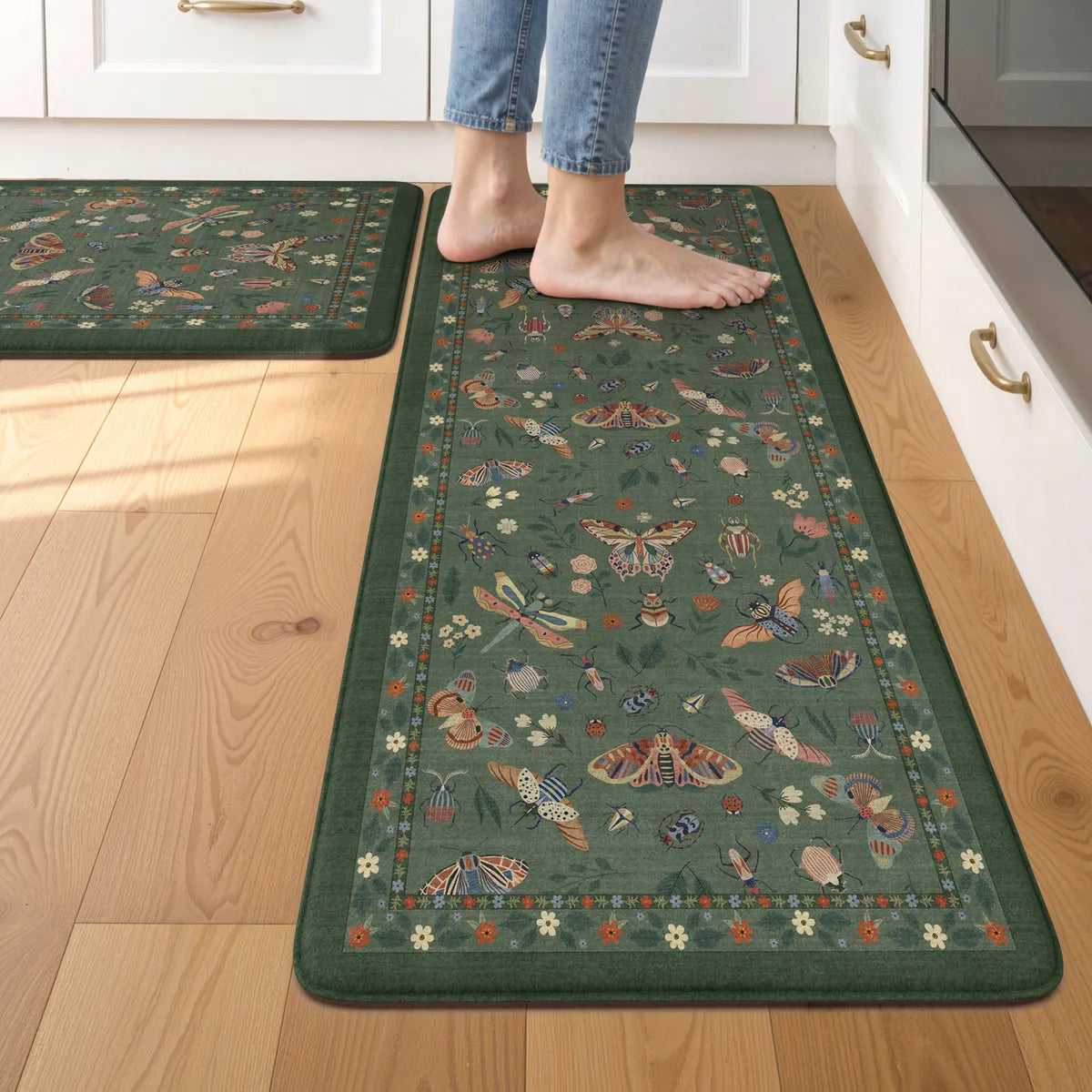
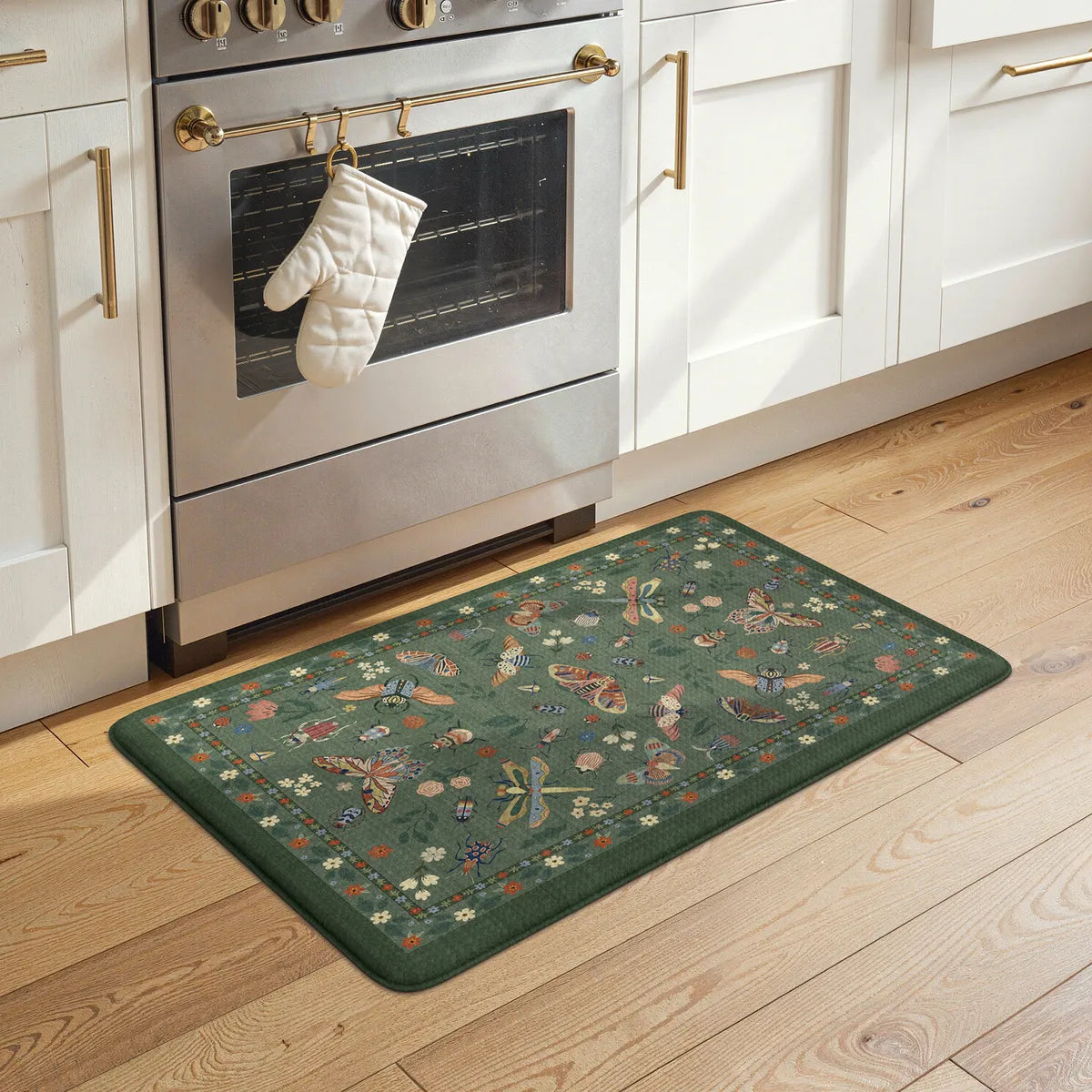
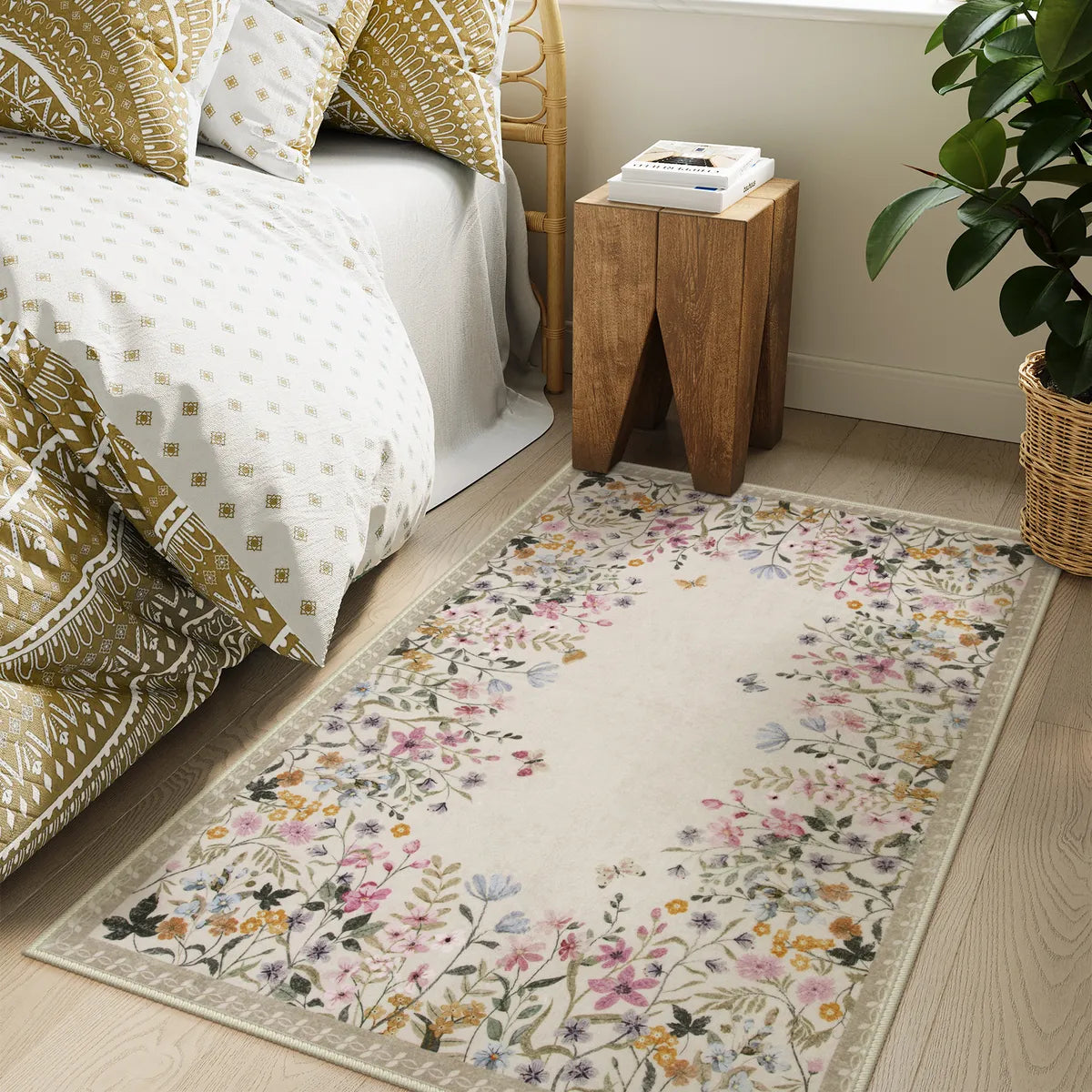
Natural imagery has a calming effect on the mind, and a botanical rug featuring detailed plant and flower motifs drawn from naturalistic illustration traditions brings that quality directly into a living space.
Floral rugs also hold visual interest without demanding attention. A well-chosen pattern draws the eye in gently, rewards a closer look, and still lets the rest of the room breathe. That balance is rare in home decor, and it explains why these designs stay relevant across so many different interior styles.
Essential Elements of the Cottagecore Aesthetic in Textile Design

Cottagecore is both a design movement and a broader cultural mood that romanticizes slow living, handmade craftsmanship, and the visual language of the countryside. In textile design, it shows up in warm, earthy tones, organic prints, and a deliberate preference for pieces that feel personal and storied rather than generic.
The vintage floral rug fits naturally into this aesthetic because it carries the visual vocabulary of the style without any extra styling effort. A few defining elements of cottagecore textile design are worth knowing:
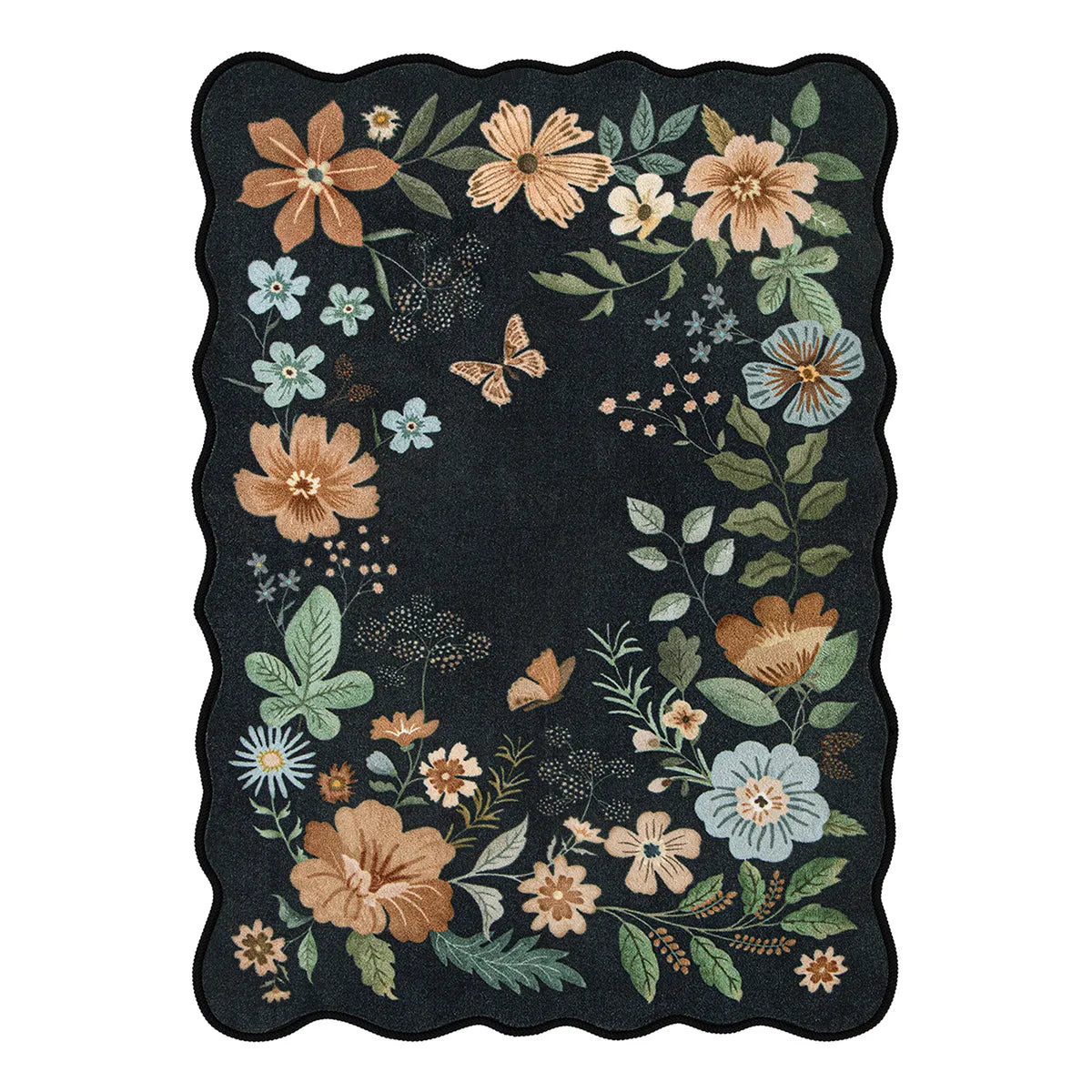
- Soft, nature-inspired color palettes: Dusty rose, sage green, warm ivory, and terracotta are all tones that look gently weathered by time rather than freshly printed
- Organic, garden-like layouts: Unlike geometric prints, cottagecore florals often feel unplanned and growing, as if the pattern developed naturally rather than by rigid design
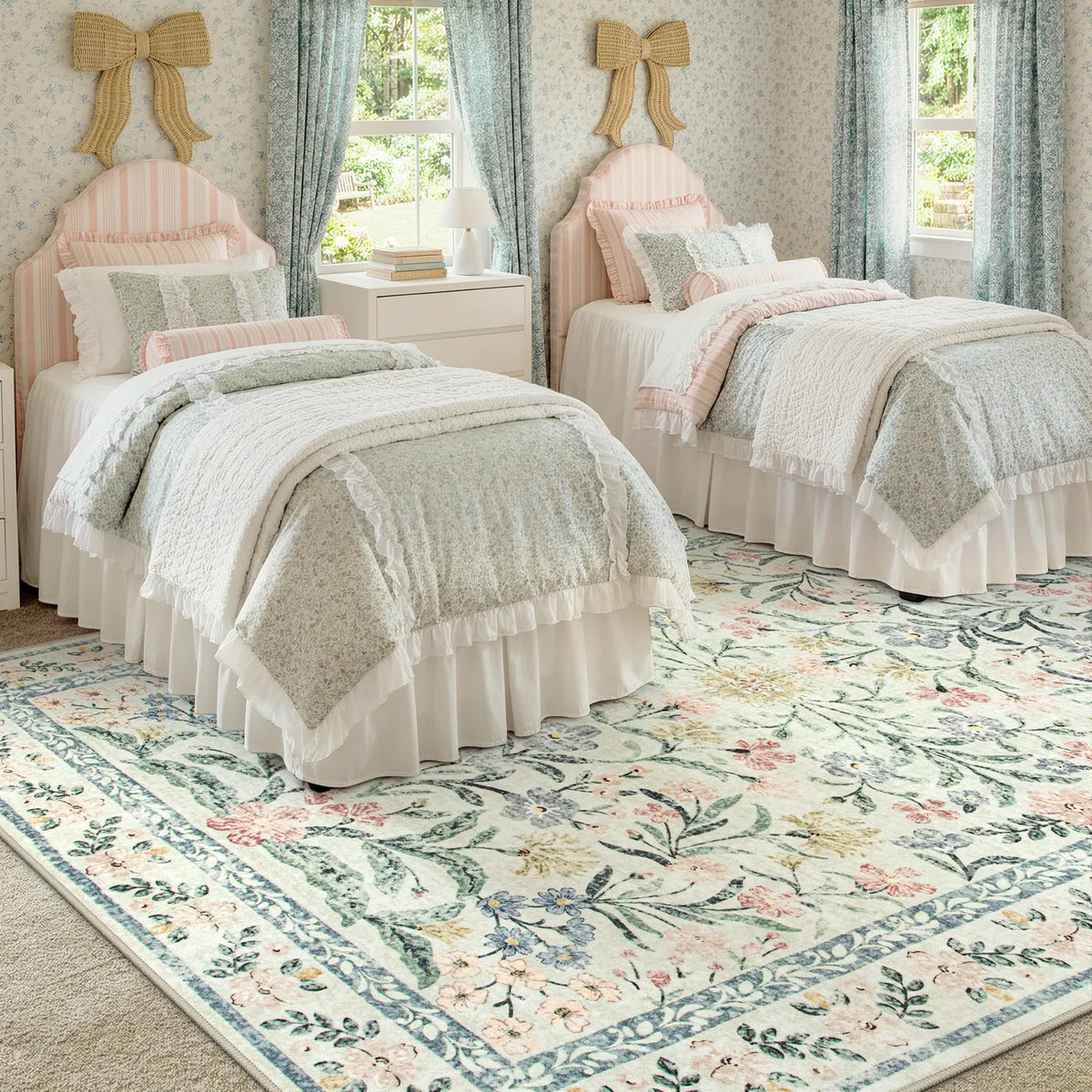
- Layered textures: Cottagecore interiors typically mix materials such as linen curtains, wooden furniture, and woven throws, and a low-pile floral rug adds another layer of softness and warmth to that mix
- A lived-in, personal quality: The aesthetic values imperfection and patina over newness, which is why vintage-style rugs feel immediately at home in these spaces, even when brand new
The connection between vintage carpet rugs and the cottagecore movement is not purely visual. Both draw from the same underlying desire: to create spaces that feel personal, unhurried, and grounded in something beyond seasonal trend cycles. A well-chosen floral rug can carry the entire mood of a cottagecore room almost by itself.
Visual Harmony Between a Vintage Floral Rug and Modern Furniture

One of the more common concerns about vintage floral rugs is how they interact with contemporary furniture. Some people worry that an ornate, nature-inspired pattern will clash with clean-lined modern pieces. In practice, the opposite tends to be true. When handled well, the pairing creates balance rather than tension.
Layering Patterns Without Overwhelming the Room
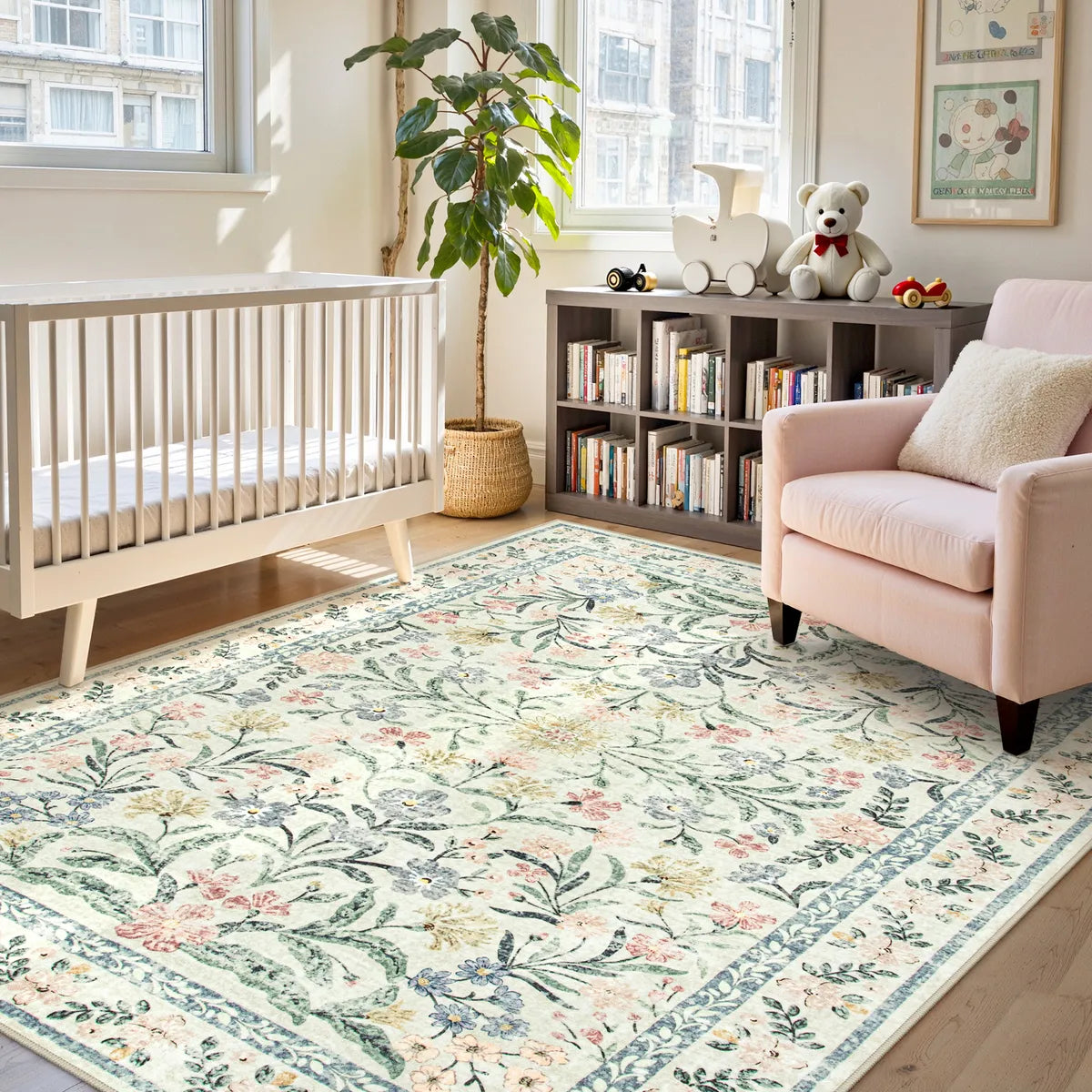
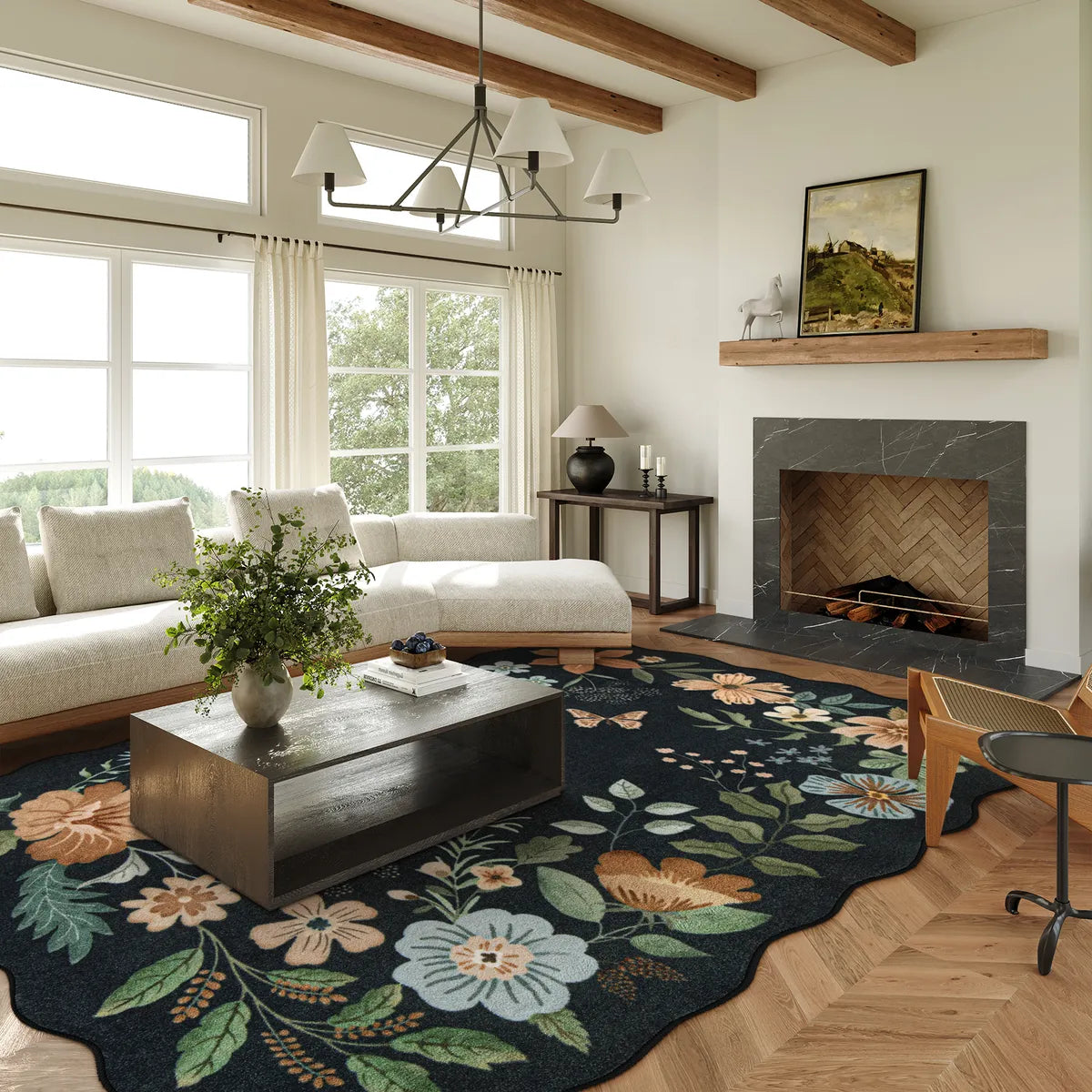
The key to mixing a vintage floral rug with modern furniture is scale and restraint. When the rug carries the visual complexity, the furniture around it should be relatively simple. A bold botanical rug pairs well with solid upholstery, neutral walls, and pieces with clean silhouettes.
A practical approach to pattern layering in mixed-style interiors:
- Keep large upholstered pieces (sofas, armchairs) in solid or subtly textured fabrics that let the rug speak
- Let the floral rug be the room’s main pattern statement rather than competing with curtains or throw pillows that also carry heavy print
- Use the rug’s dominant colors to guide accent choices in other parts of the room
When the floral rug is the anchor, the rest of the room can afford to be quieter. That balance is what makes the combination feel considered rather than chaotic.
Color Bridging With Botanical Prints
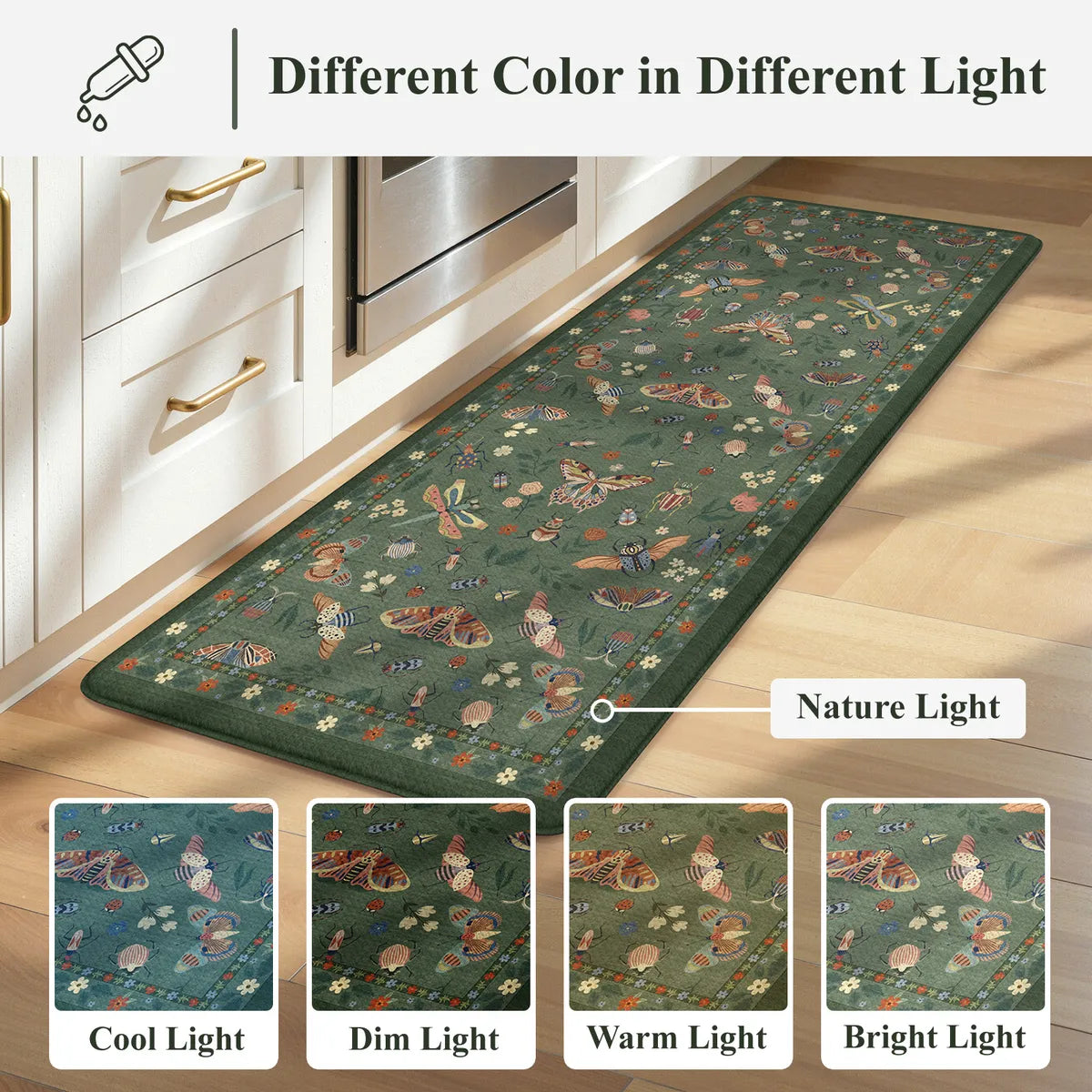
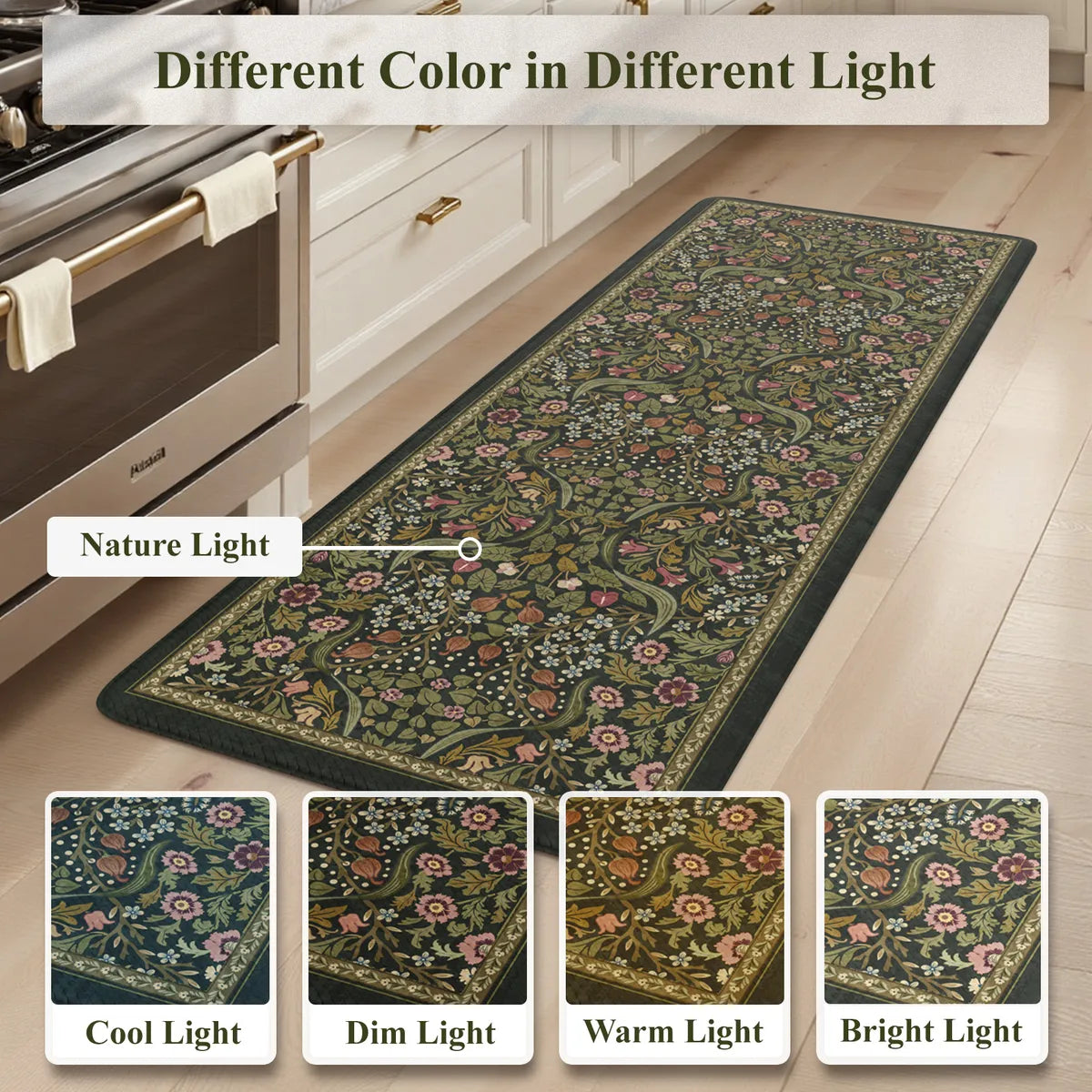
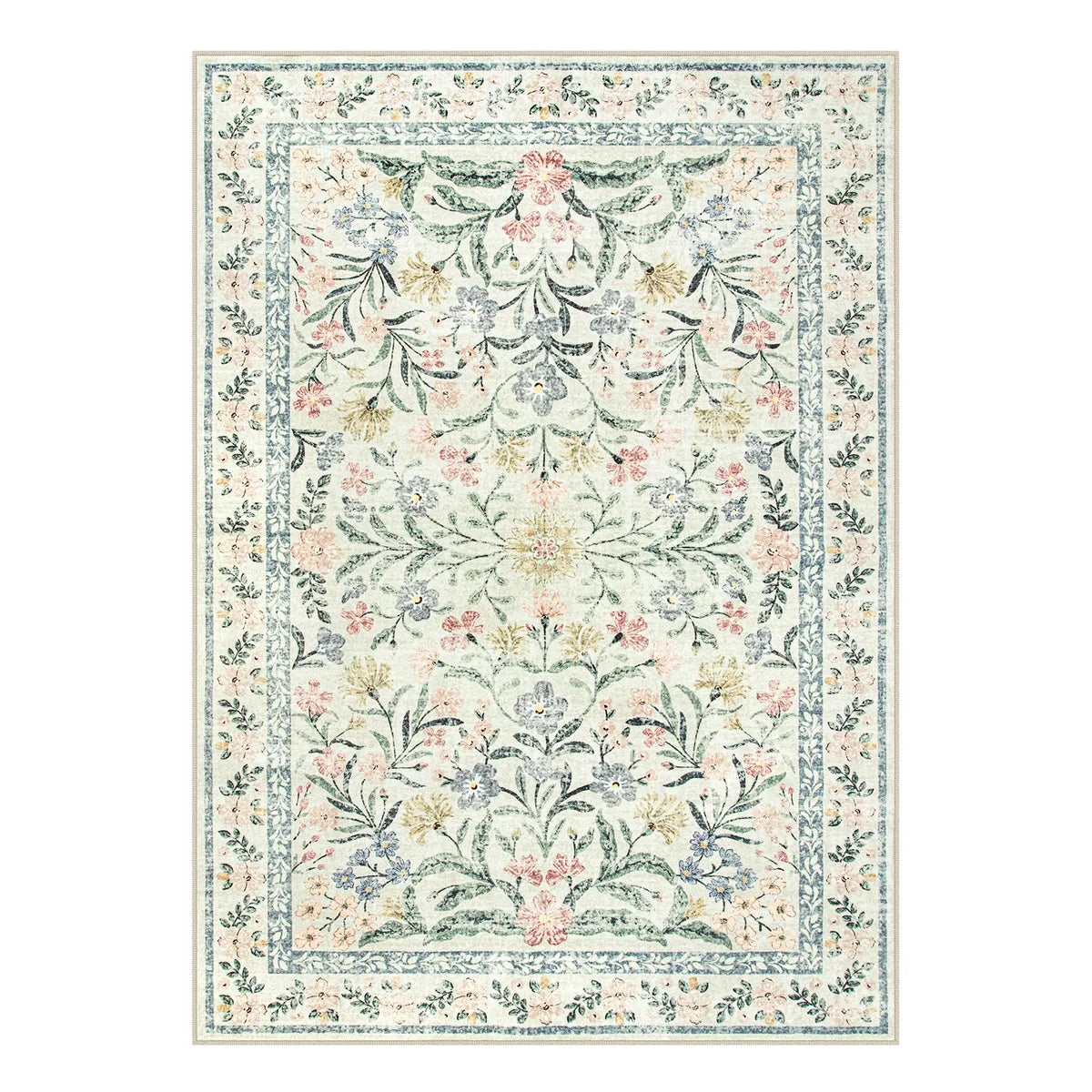
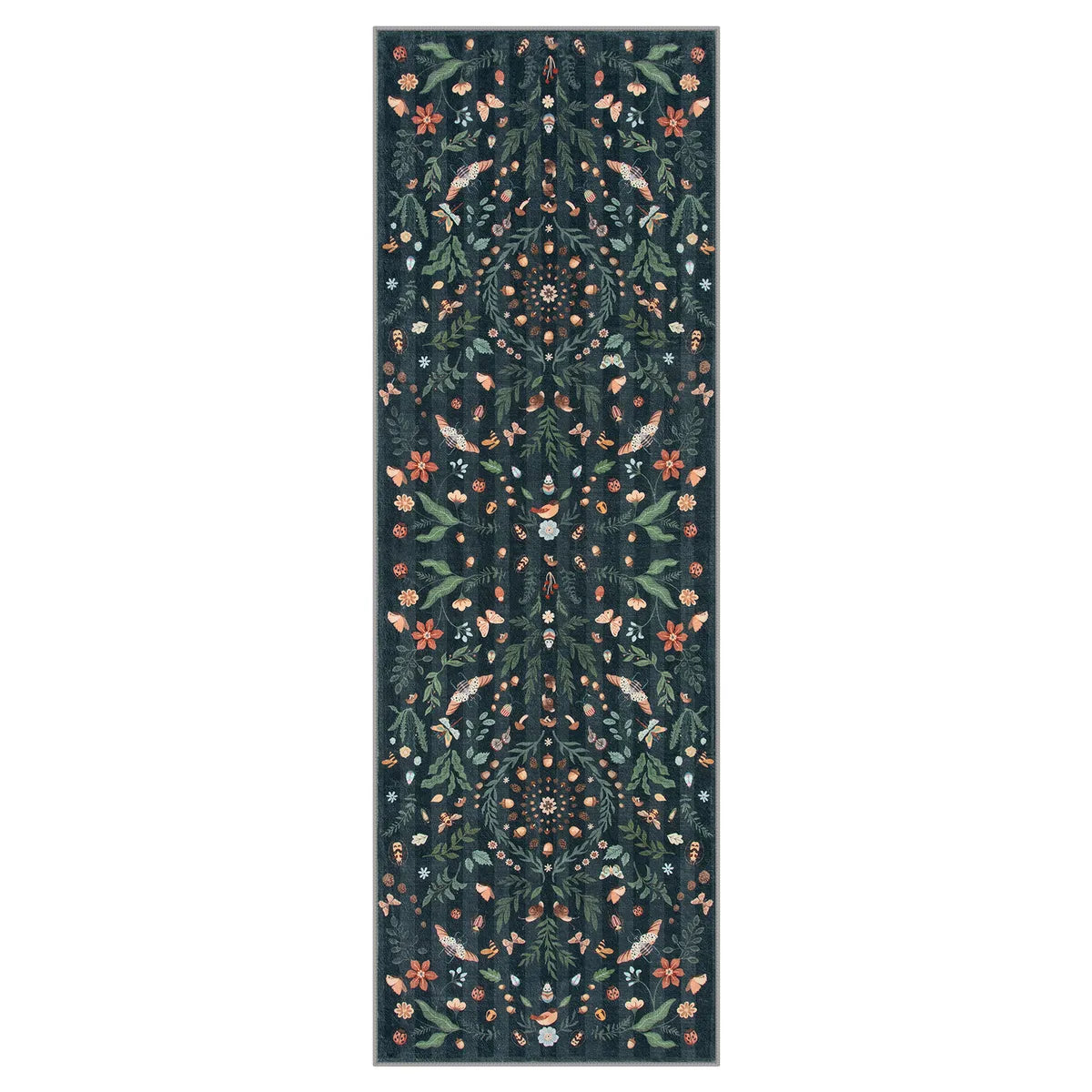
Botanical rugs are particularly useful in mixed-period interiors because their color palettes tend to be rich and layered. A single vintage floral rug might carry five or six distinct tones: dusty greens, warm reds, soft blues, and cream, and each of those can be pulled forward in other elements of the room.
This quality makes a vintage floral rug one of the most flexible tools in interior design. Rather than forcing you to match a single color, it gives you a wide palette to work with. A mid-century chair in rust, a modern lamp in sage, a throw in warm ivory: they can all find their visual justification in the rug’s design. The rug does not compete with the room. It connects it.
Evolution of Durable Materials in Traditional Botanical Patterns
Traditionally, hand-knotted wool rugs were the primary vehicle for floral patterns. Beautiful and long-lasting, but demanding to care for: professional cleaning and careful maintenance were simply part of ownership.
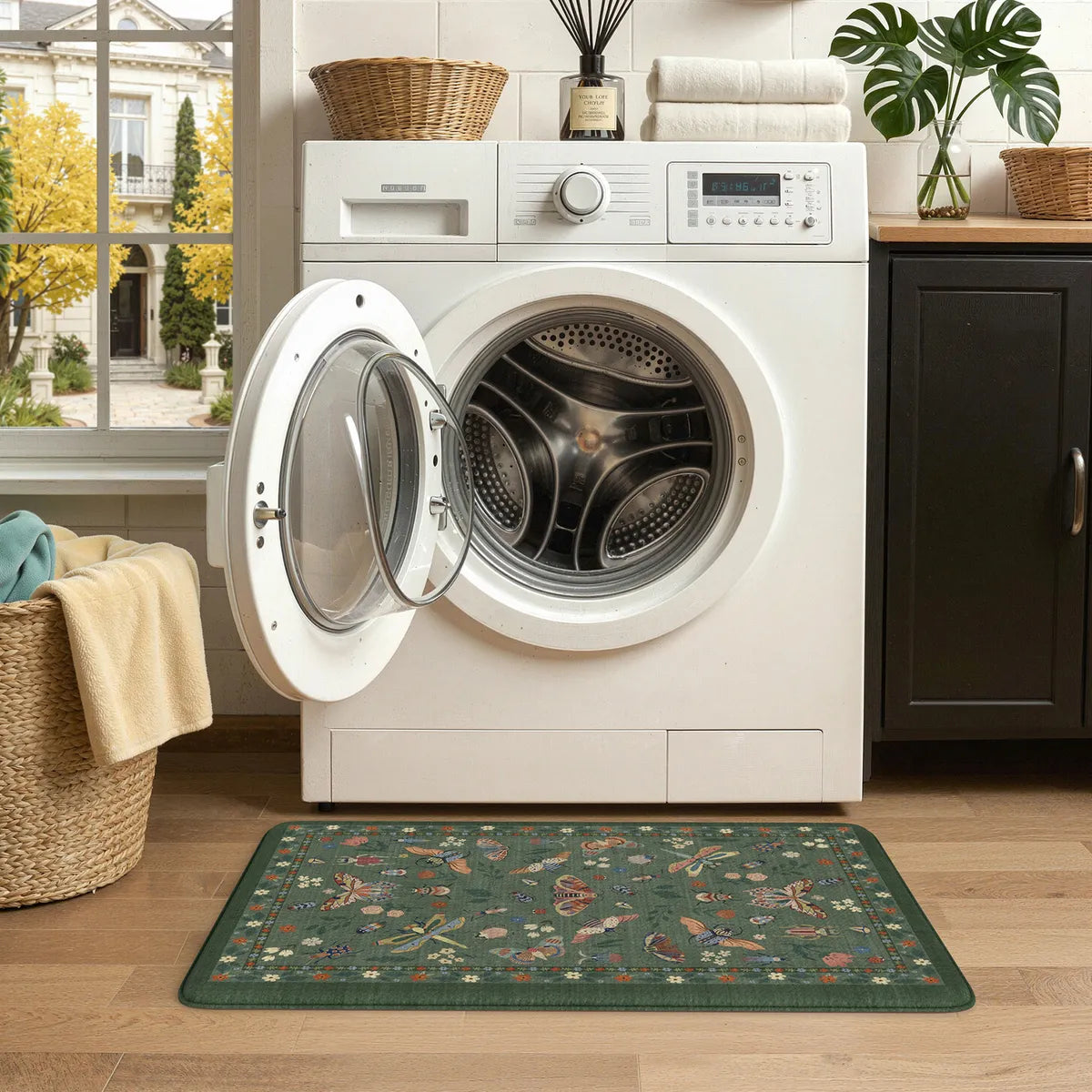
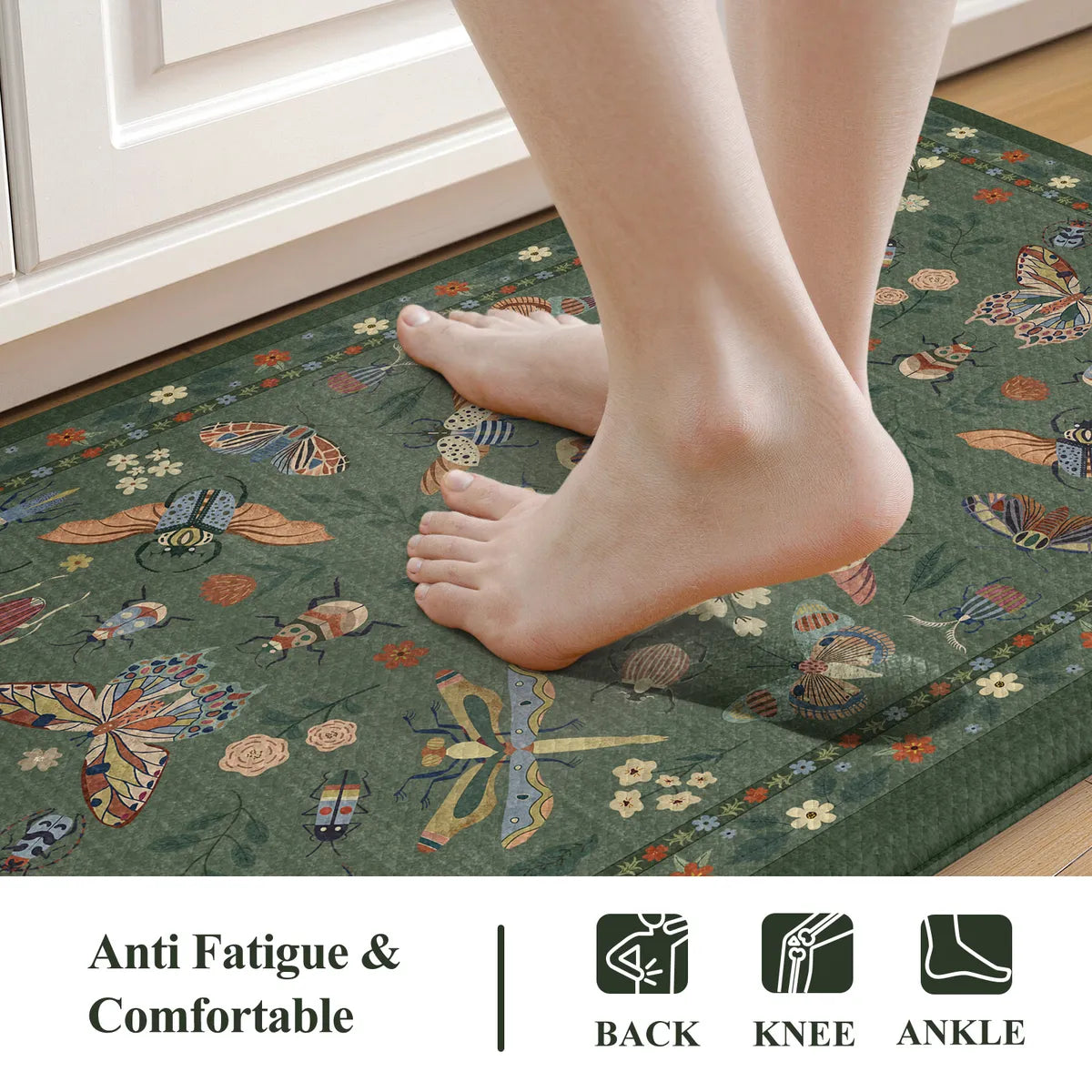
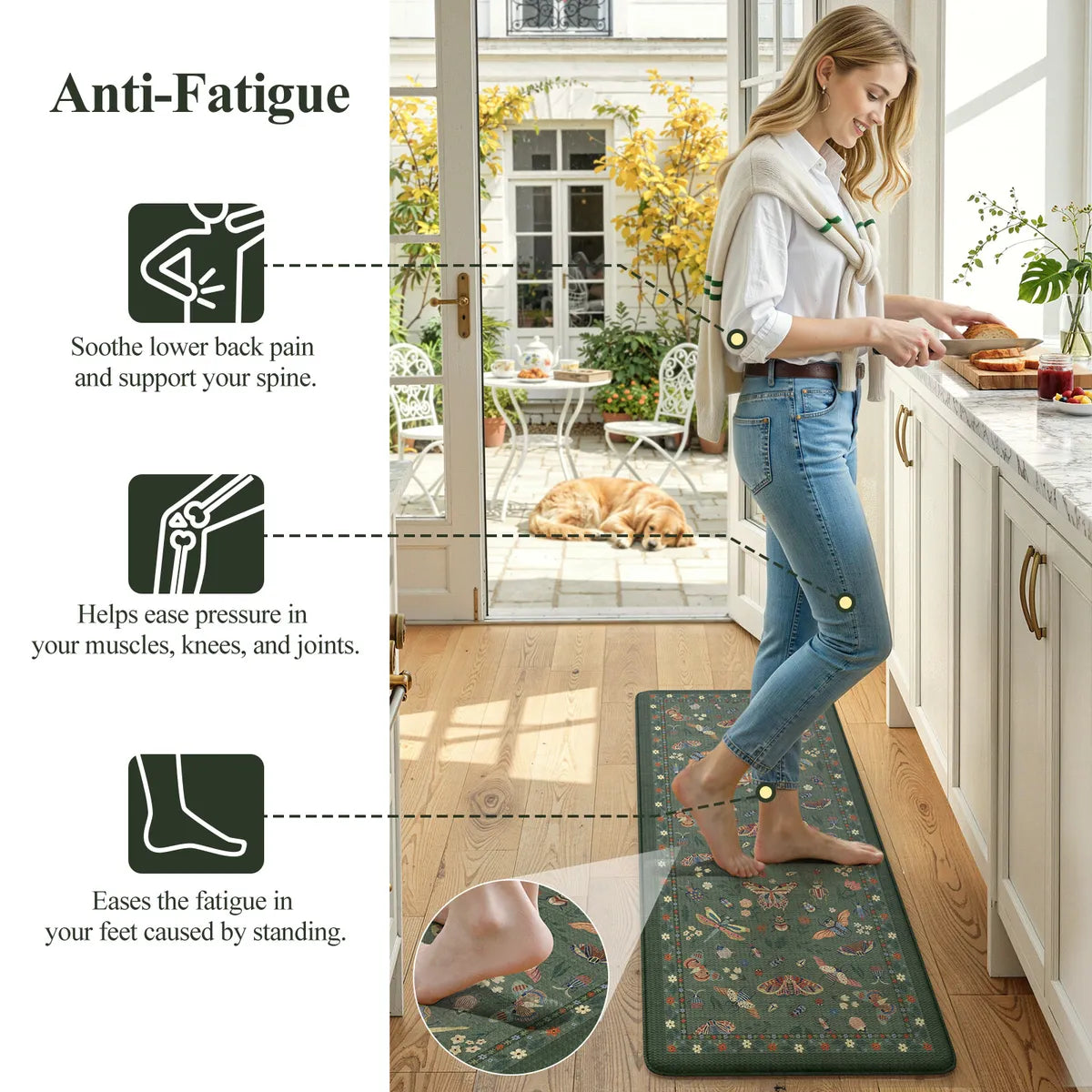
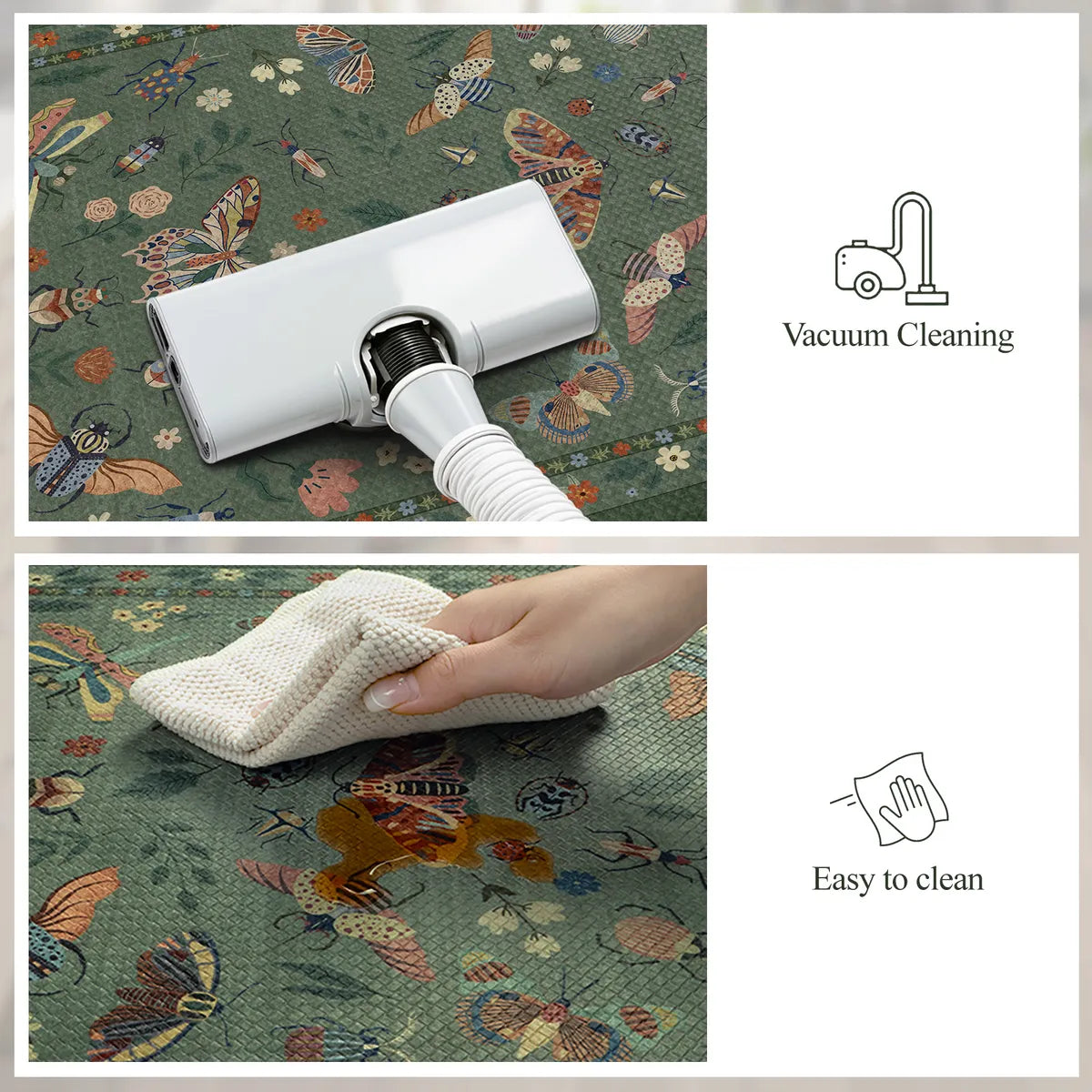
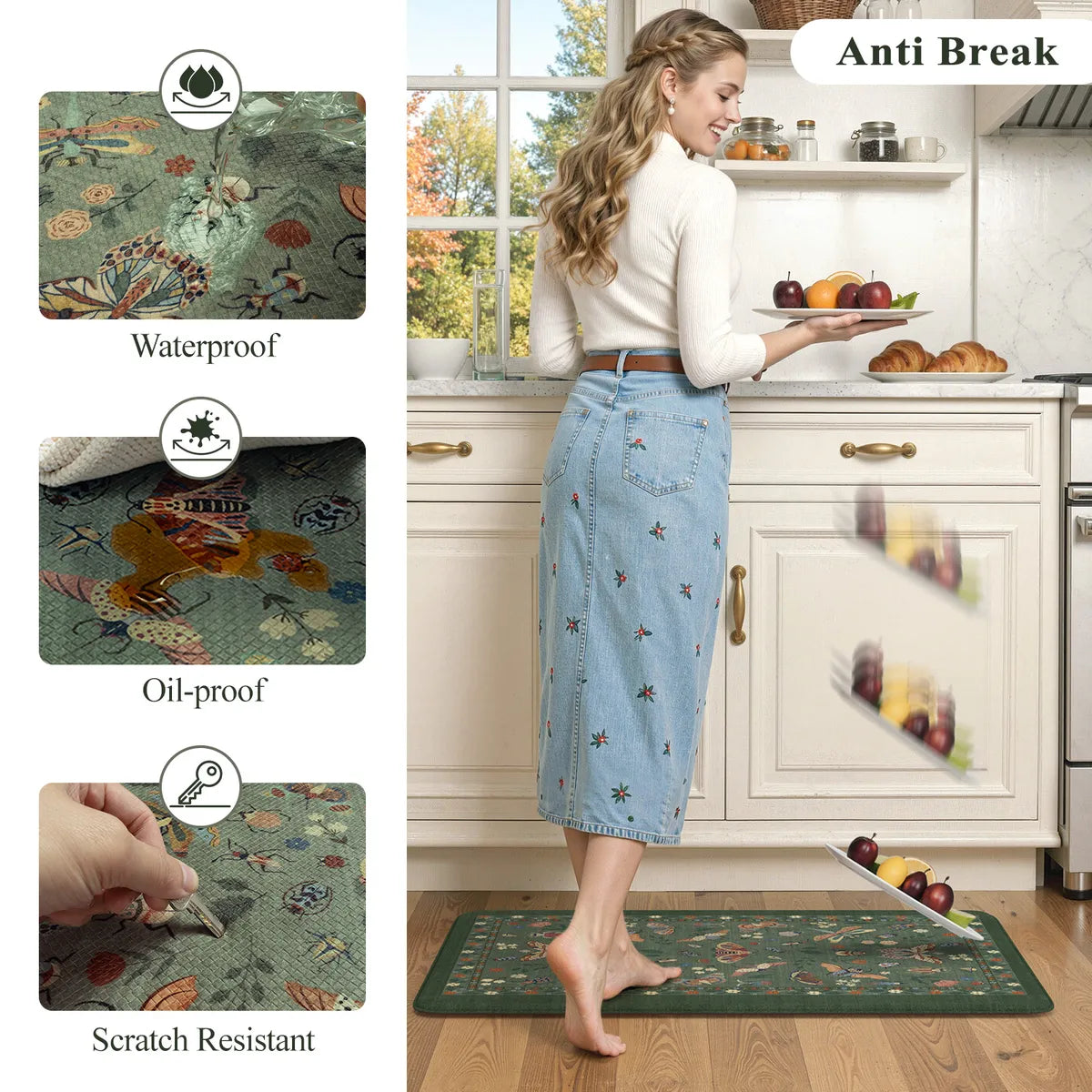
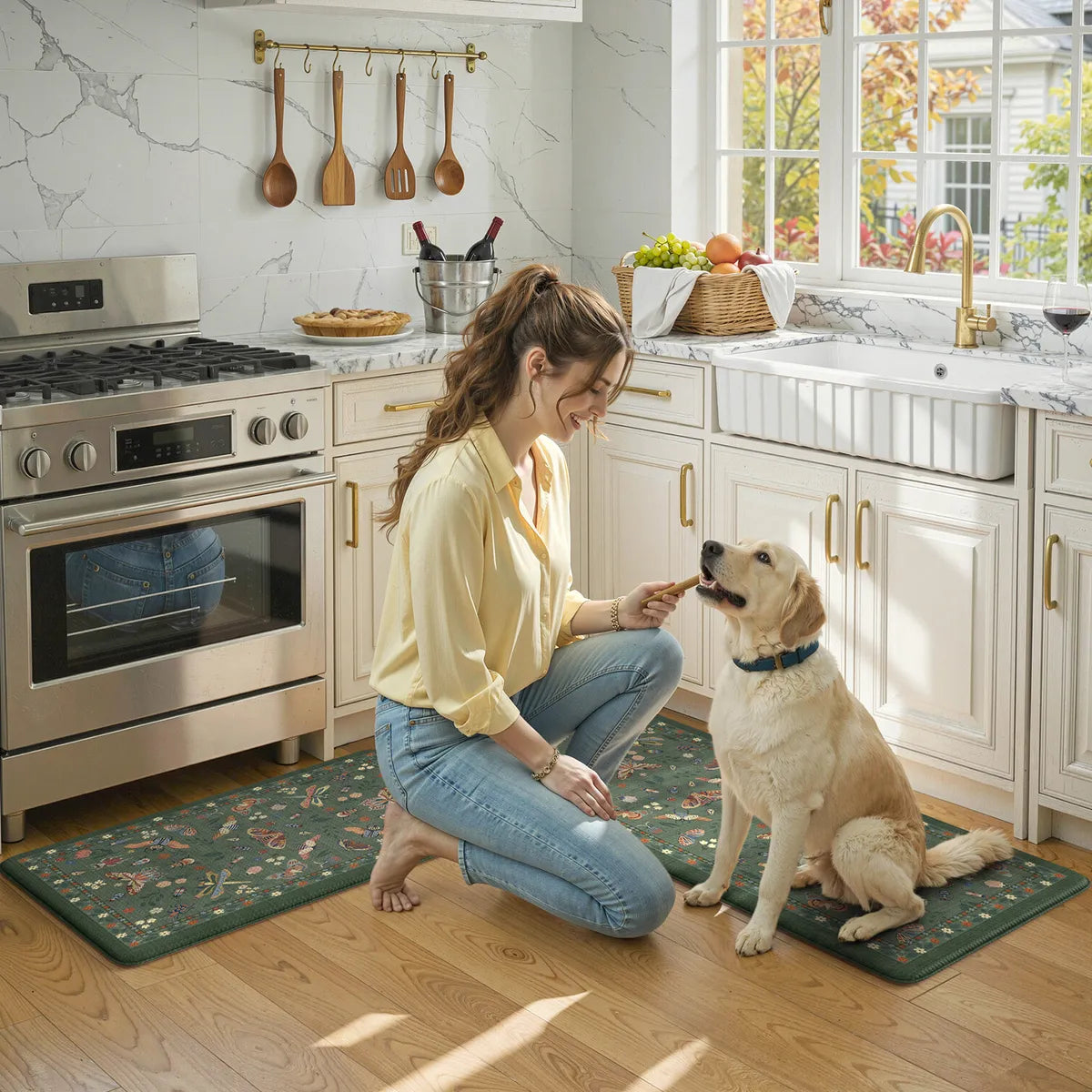
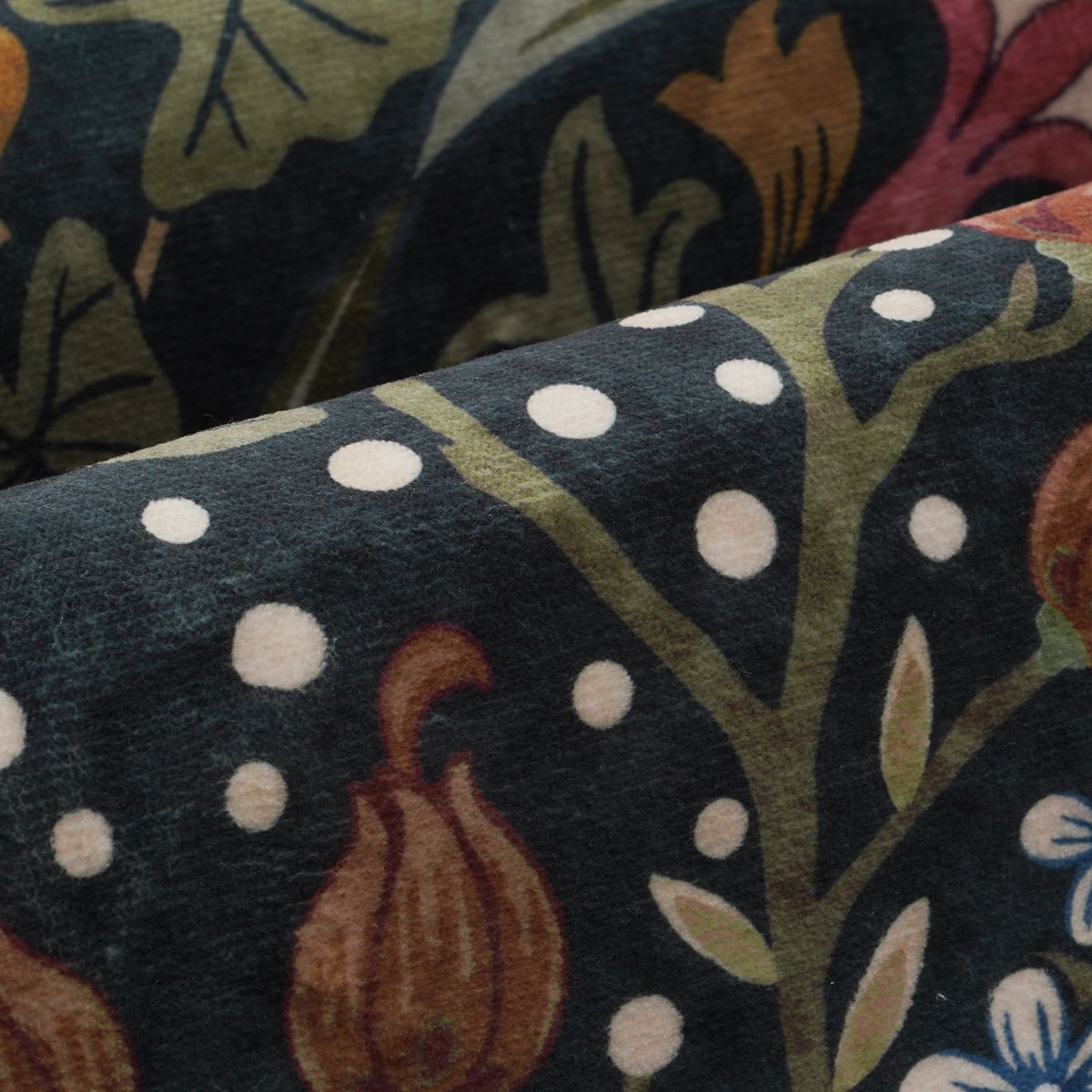
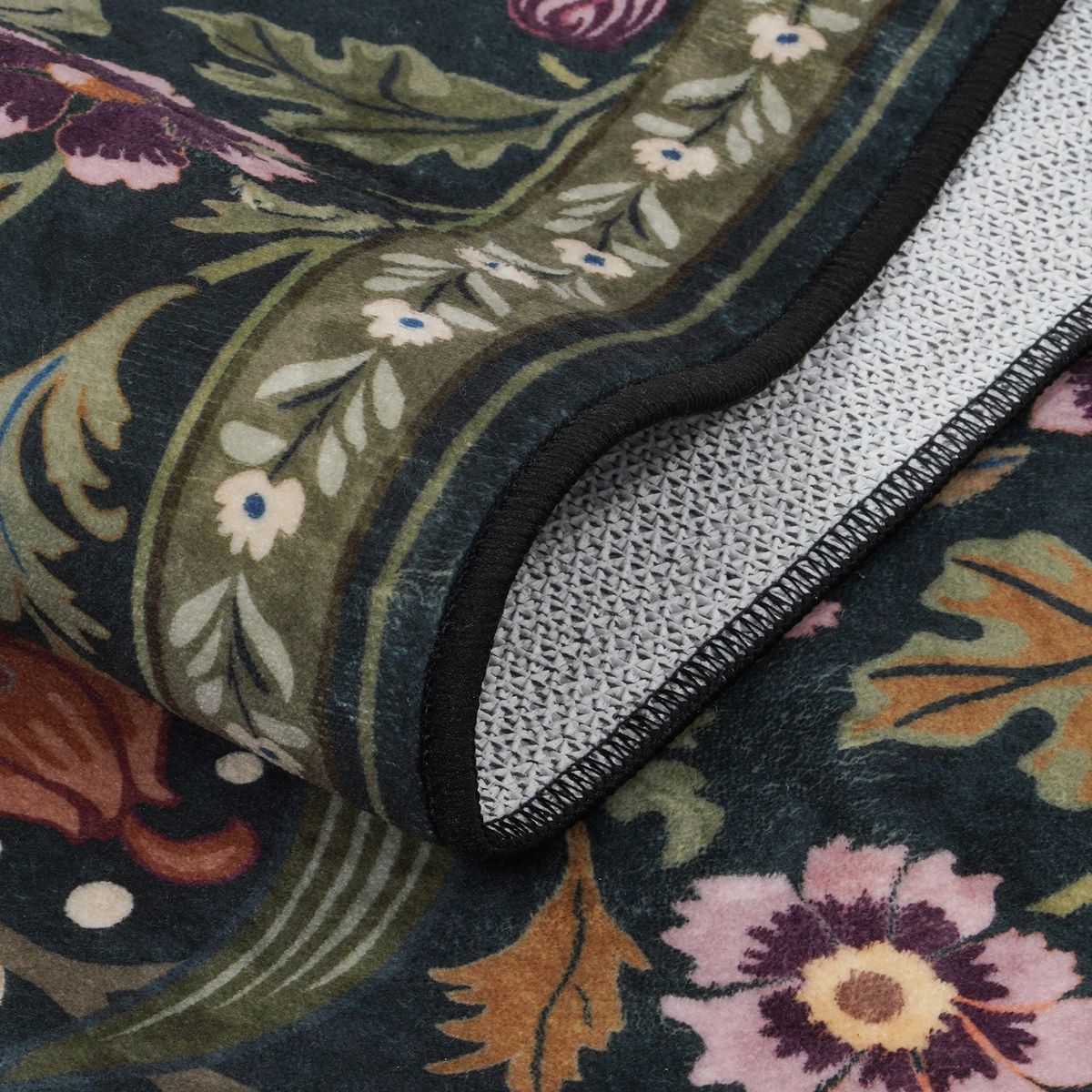
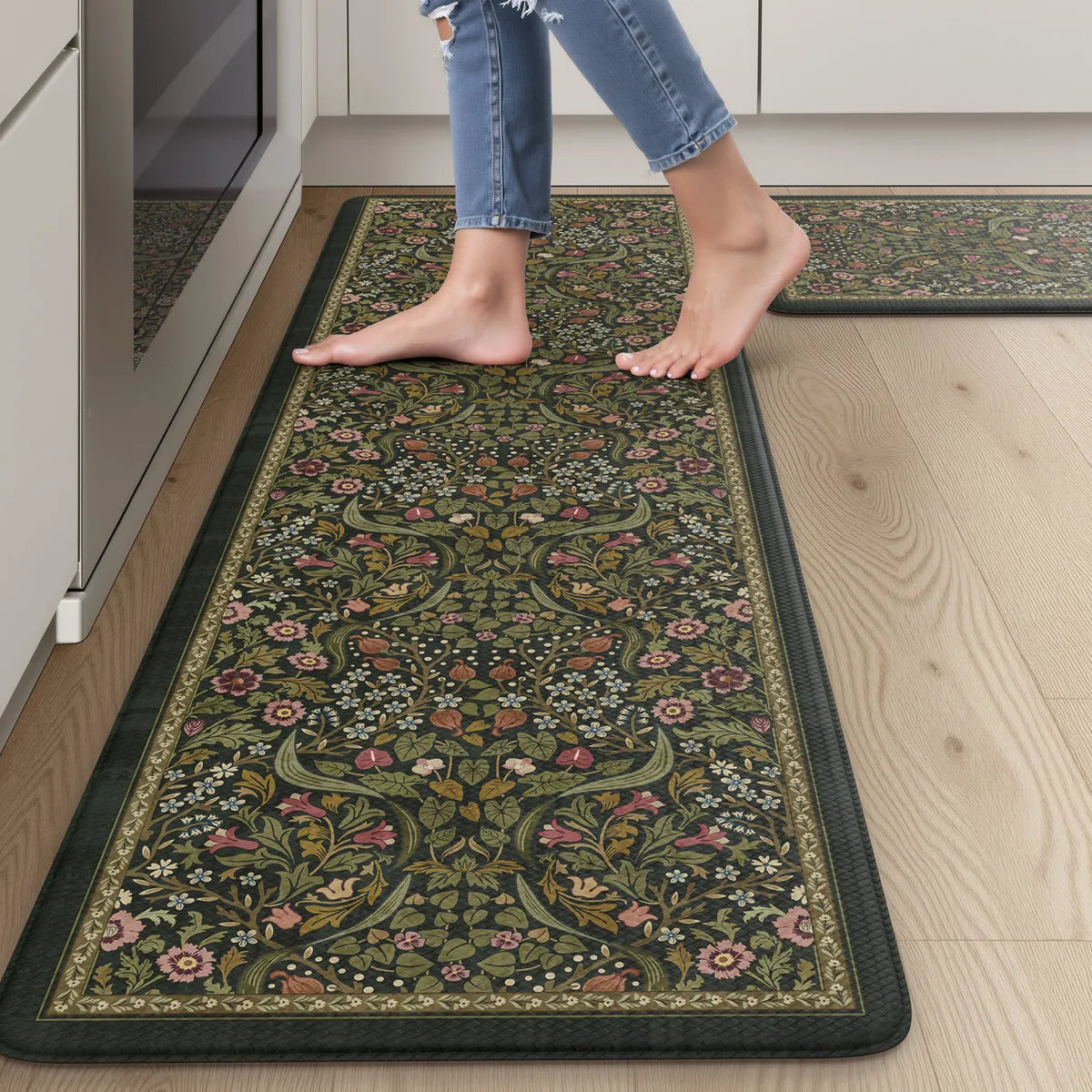
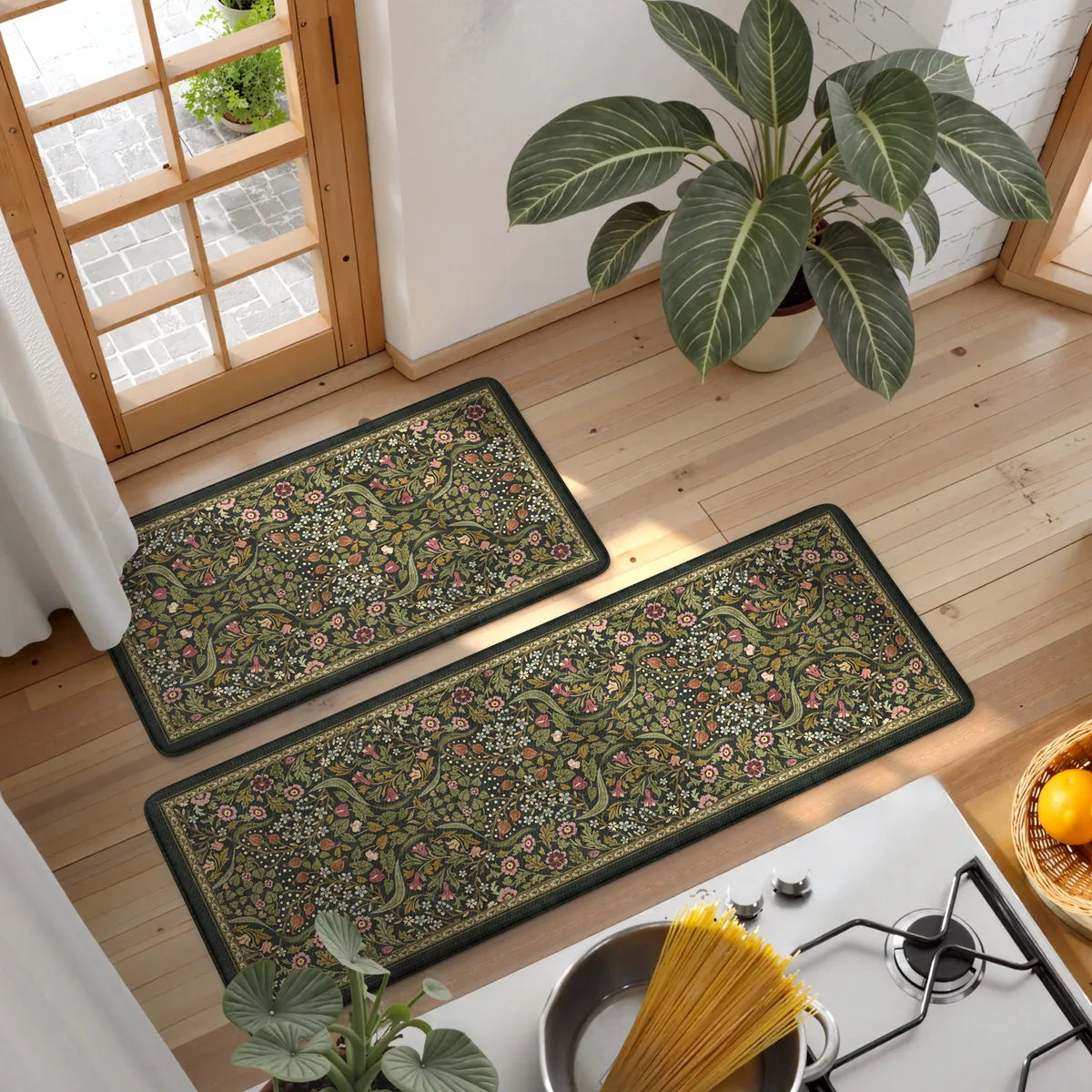
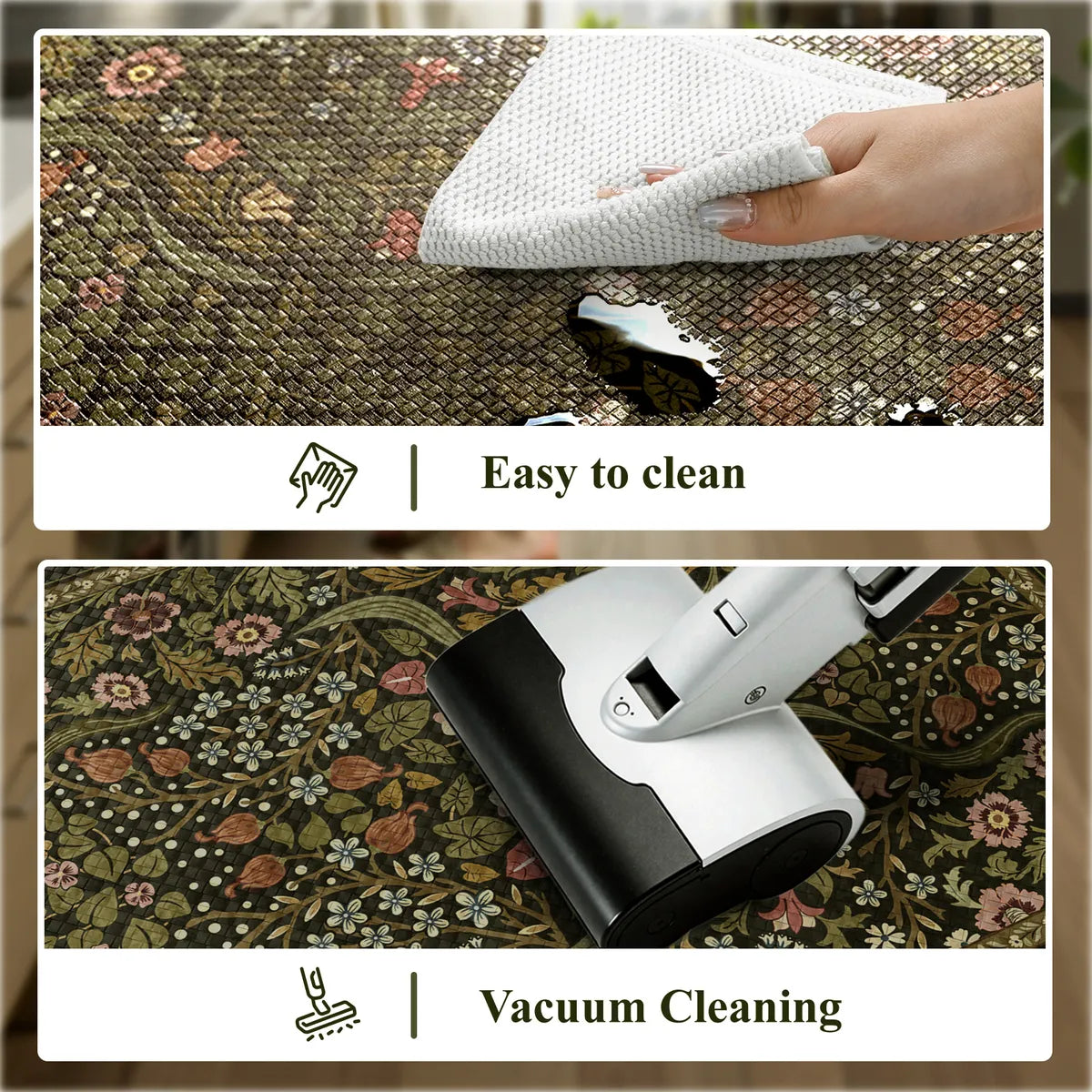
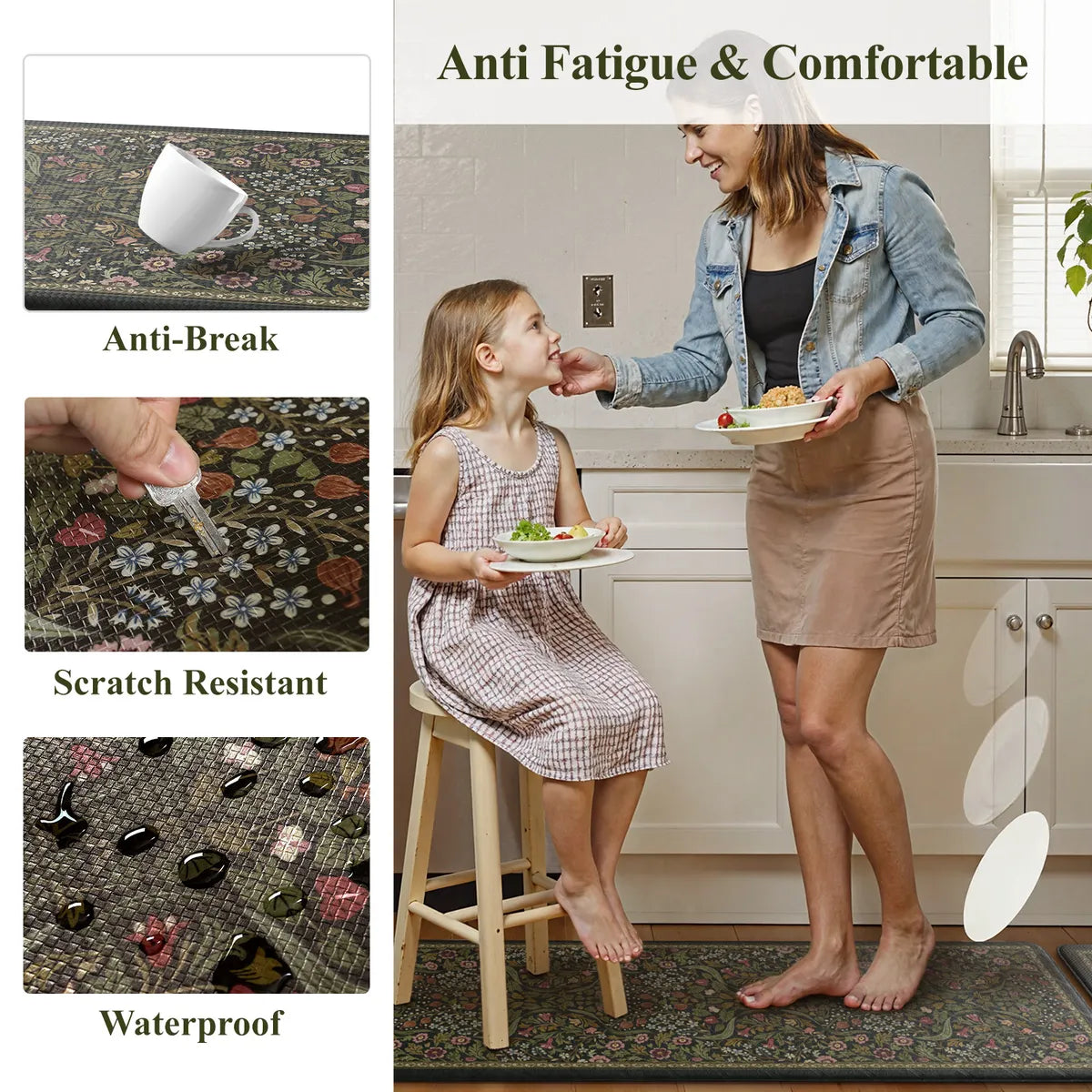
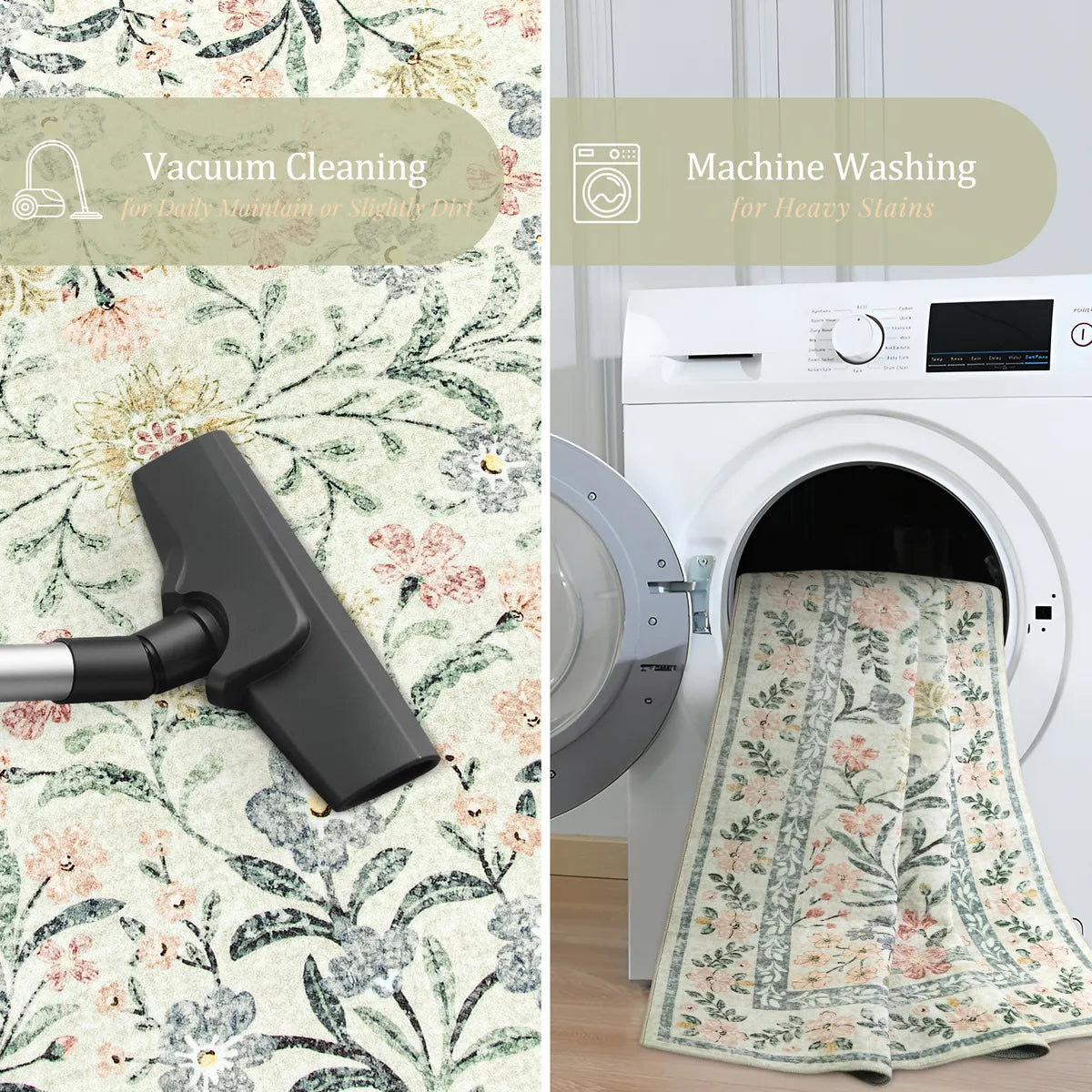
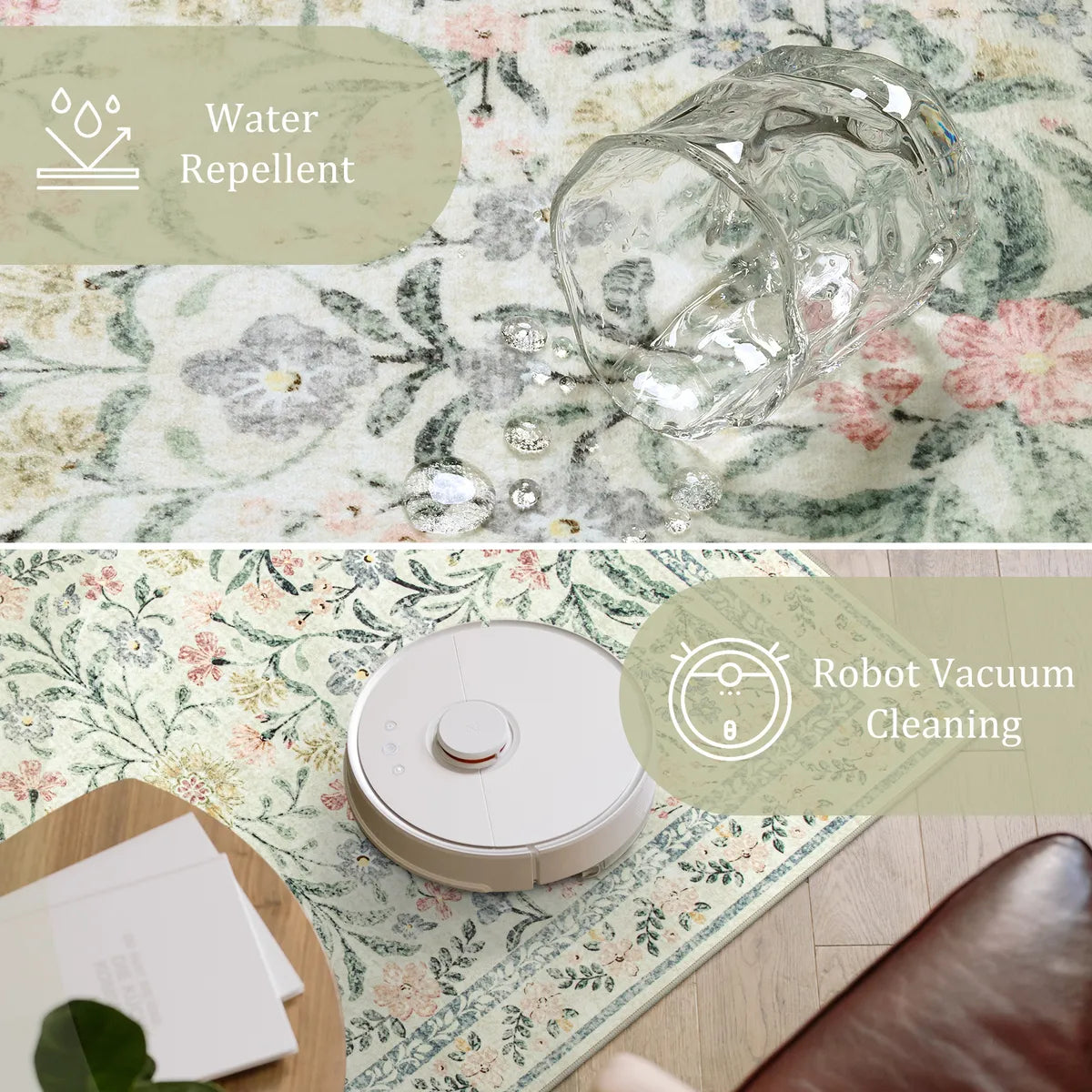
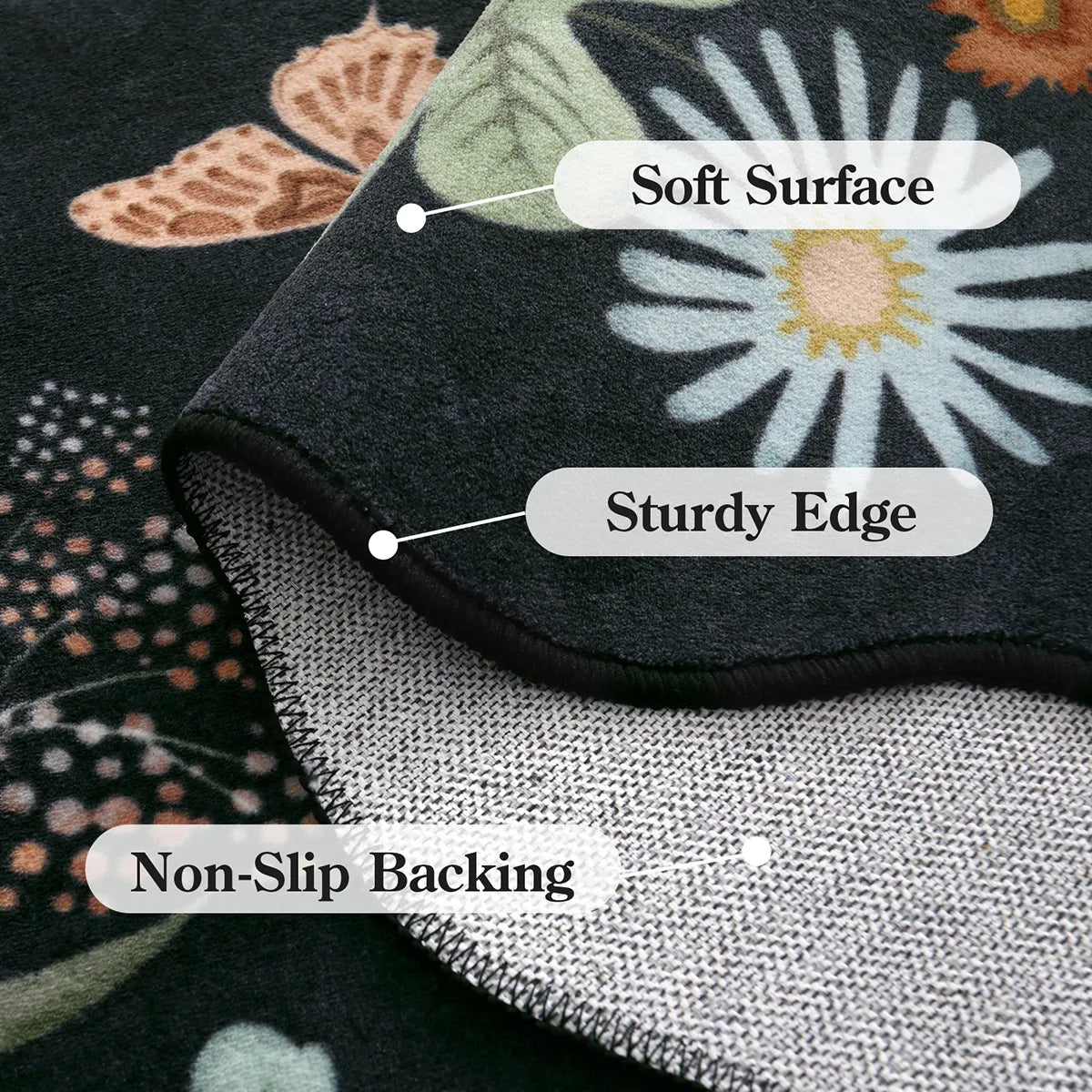
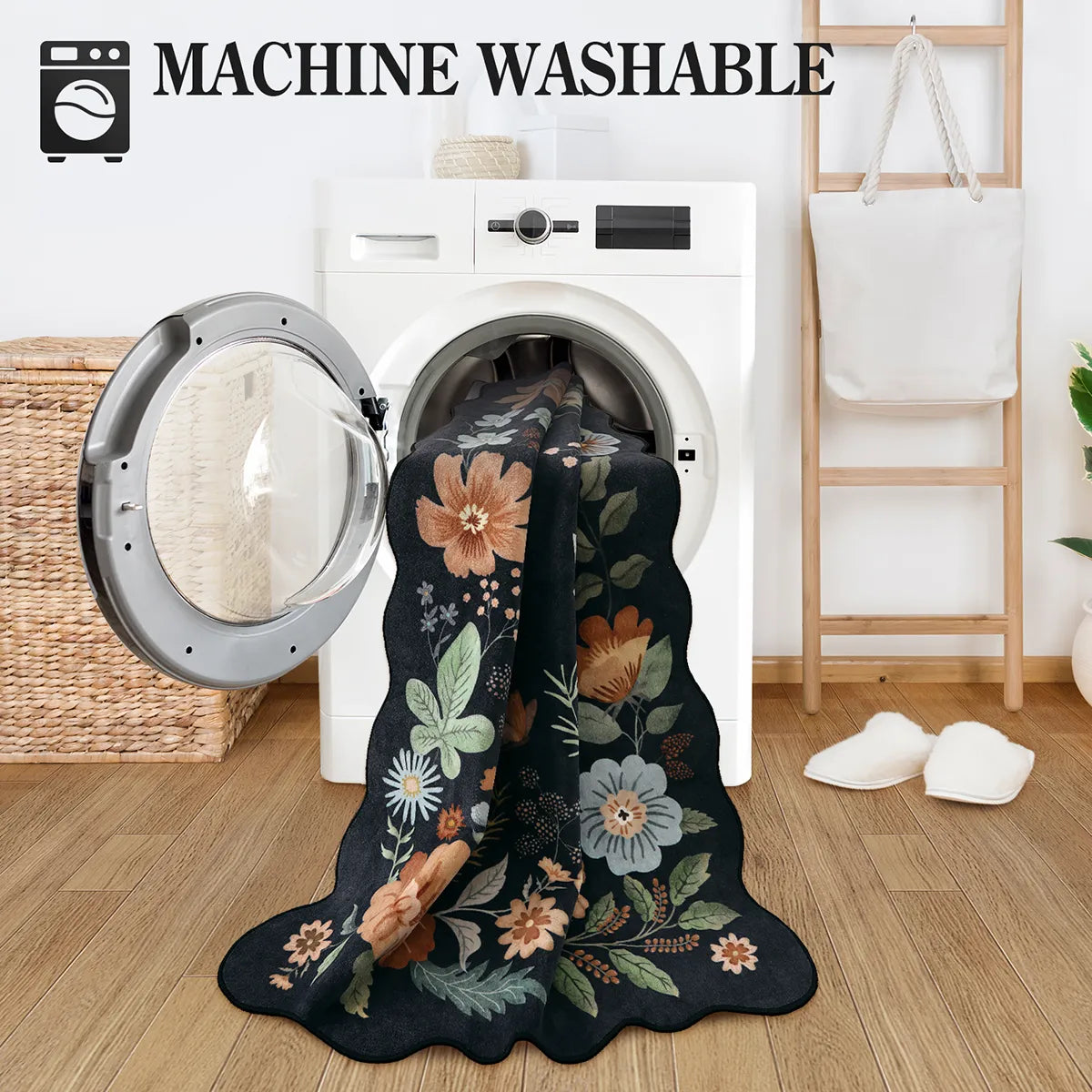
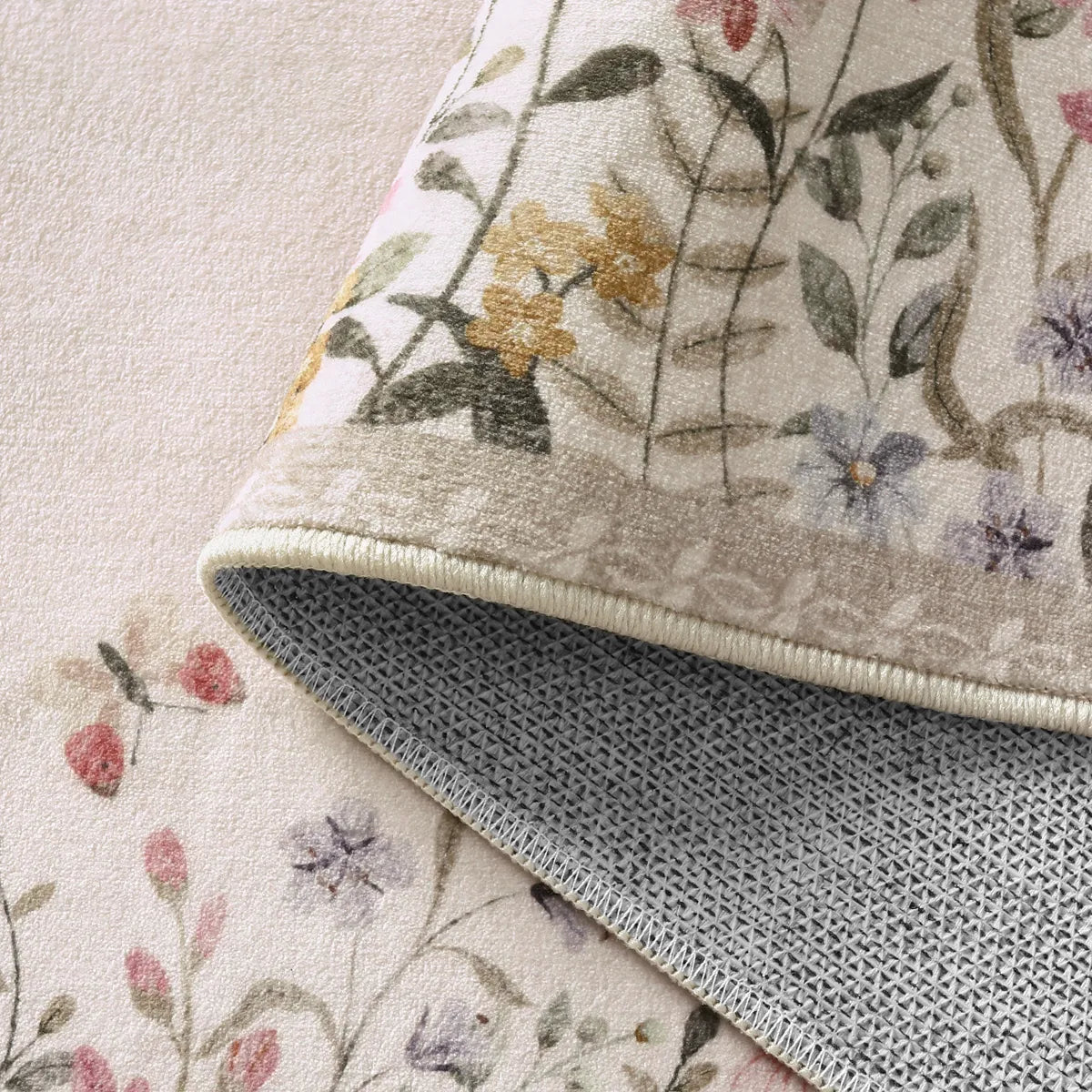
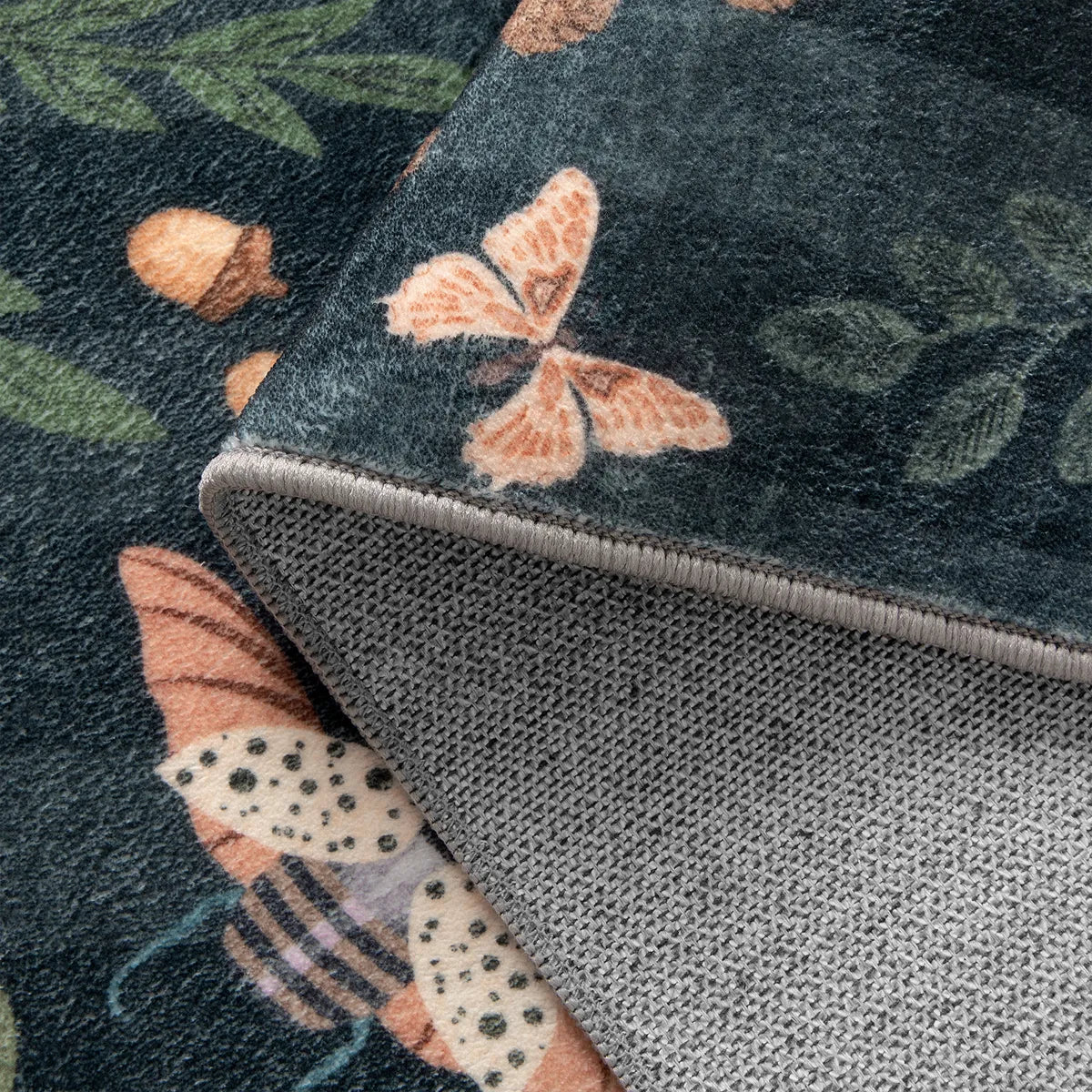
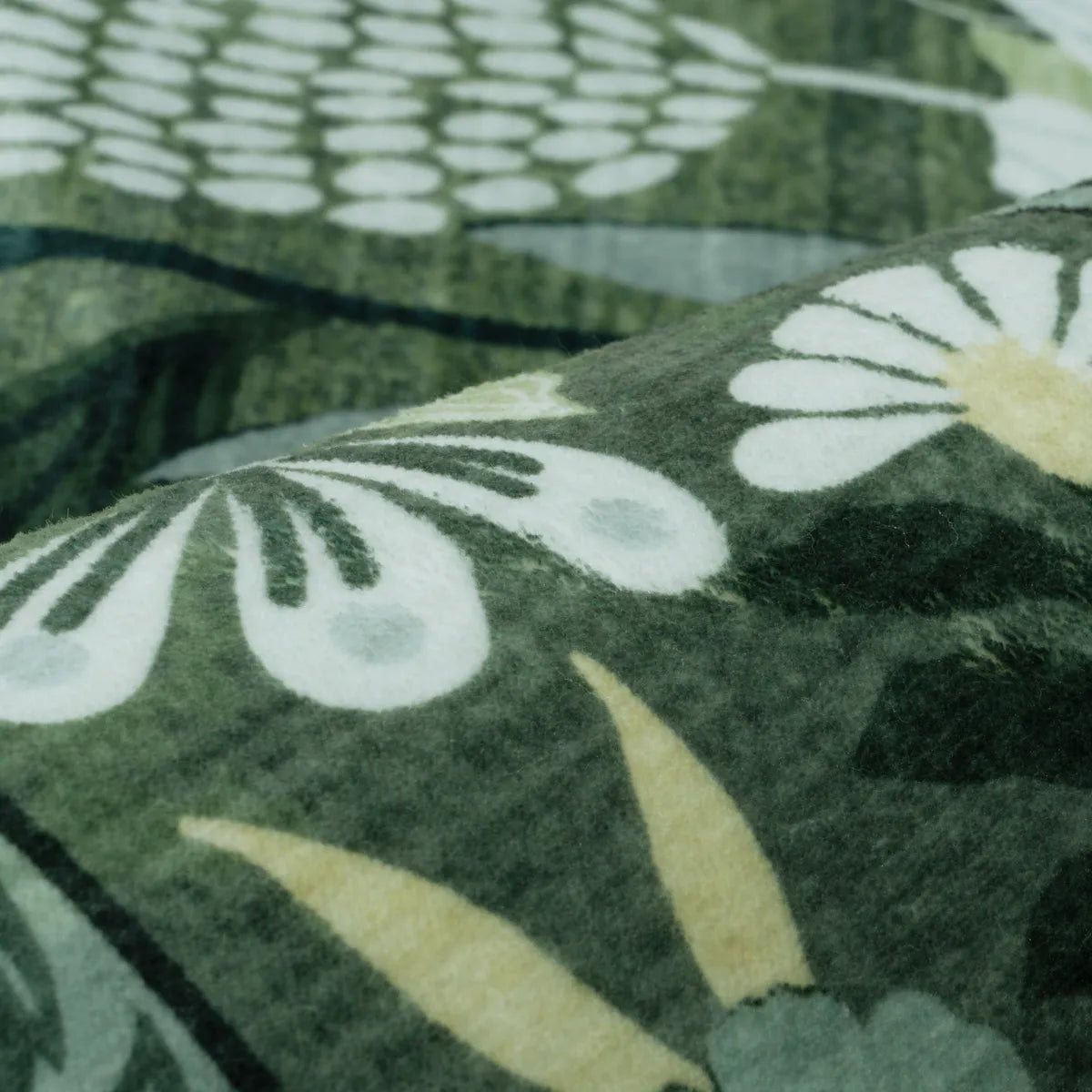
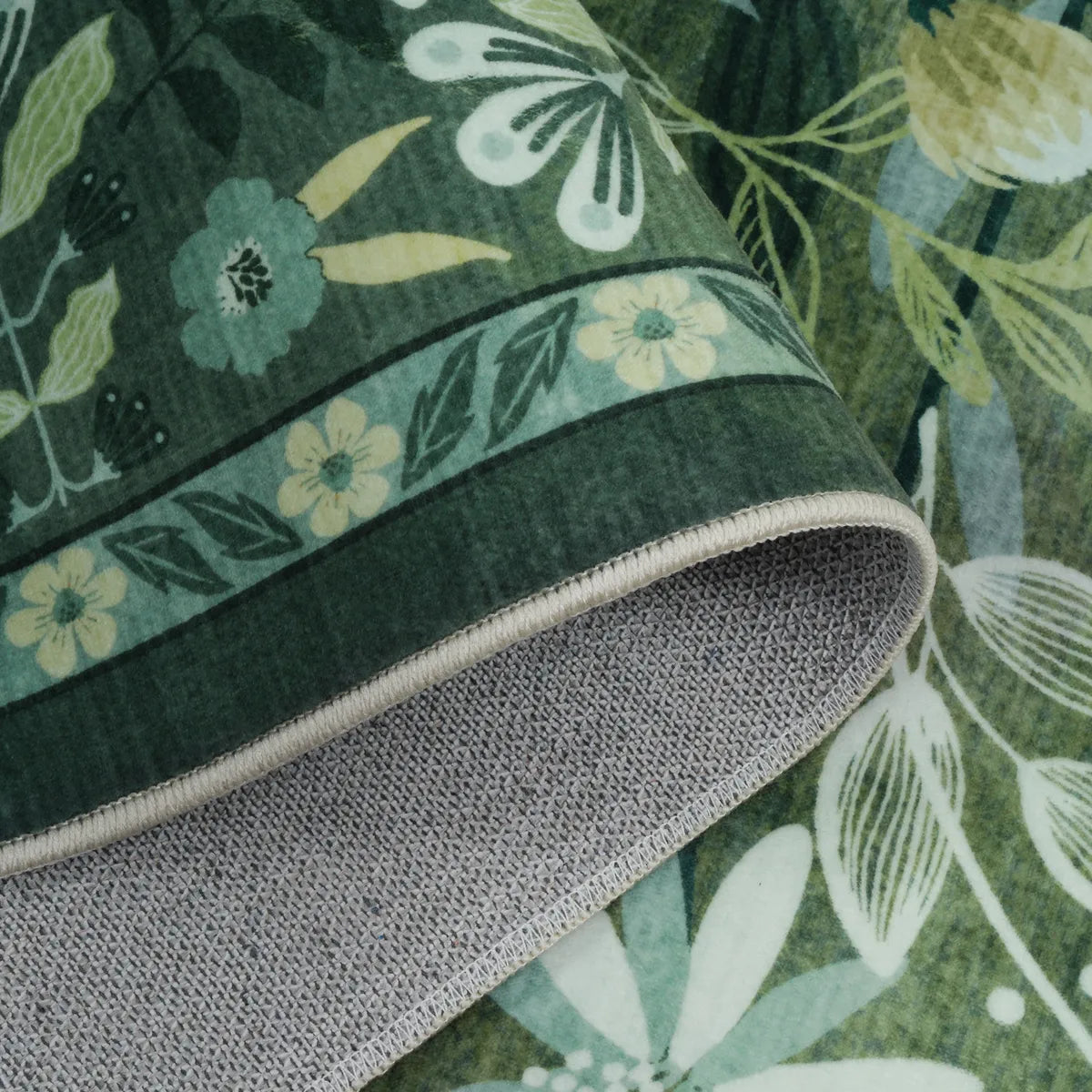
Today’s floral rugs, including digitally printed versions that replicate traditional botanical motifs, are made from polyester and faux wool blends. They offer genuine softness and rich color vibrancy with a fraction of the upkeep. Machine washability removes the hesitation that once came with placing a beautiful rug anywhere the floor actually gets used. Kitchens, hallways, and living rooms with children and pets all become viable spaces for the patterns you love.
A few things modern materials do particularly well for botanical rug designs:
- Color retention: Polyester and faux wool blends hold dye consistently, meaning the rich, layered tones of a vintage floral pattern stay vibrant through repeated washing without fading or bleeding
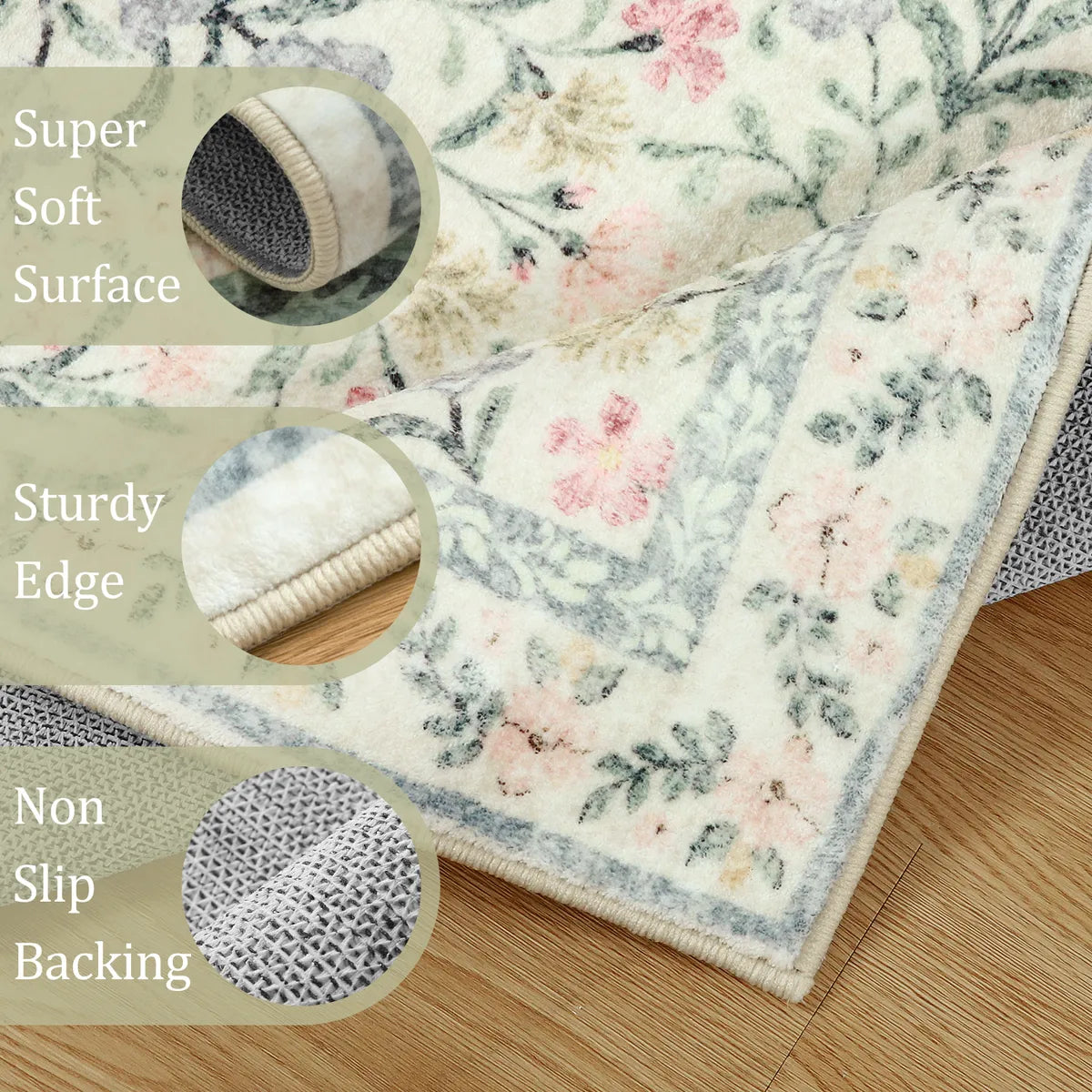
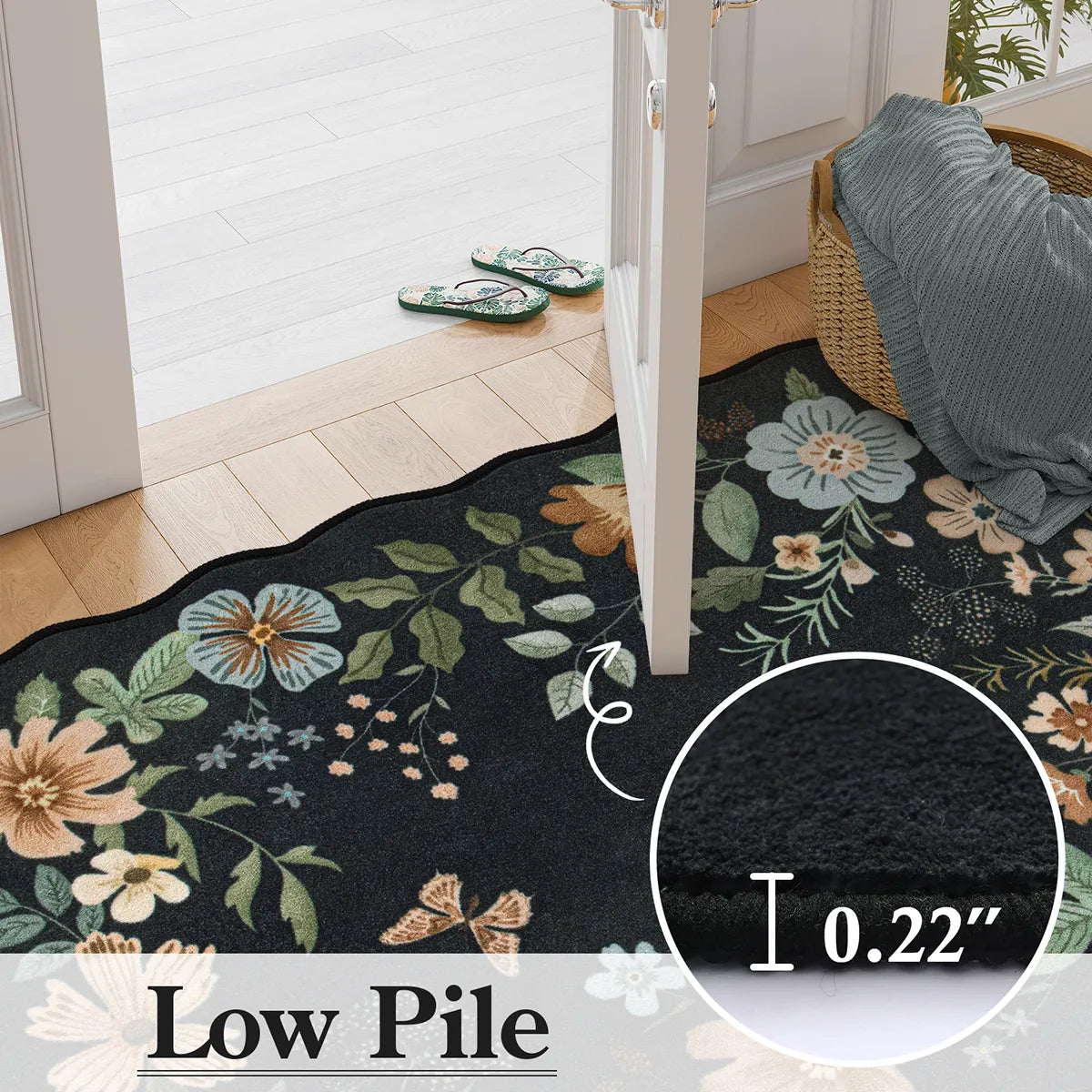
- Pile consistency: Low-pile constructions keep the fine detail of a complex botanical design sharp and legible over time, preserving the visual precision that makes vintage patterns so distinctive
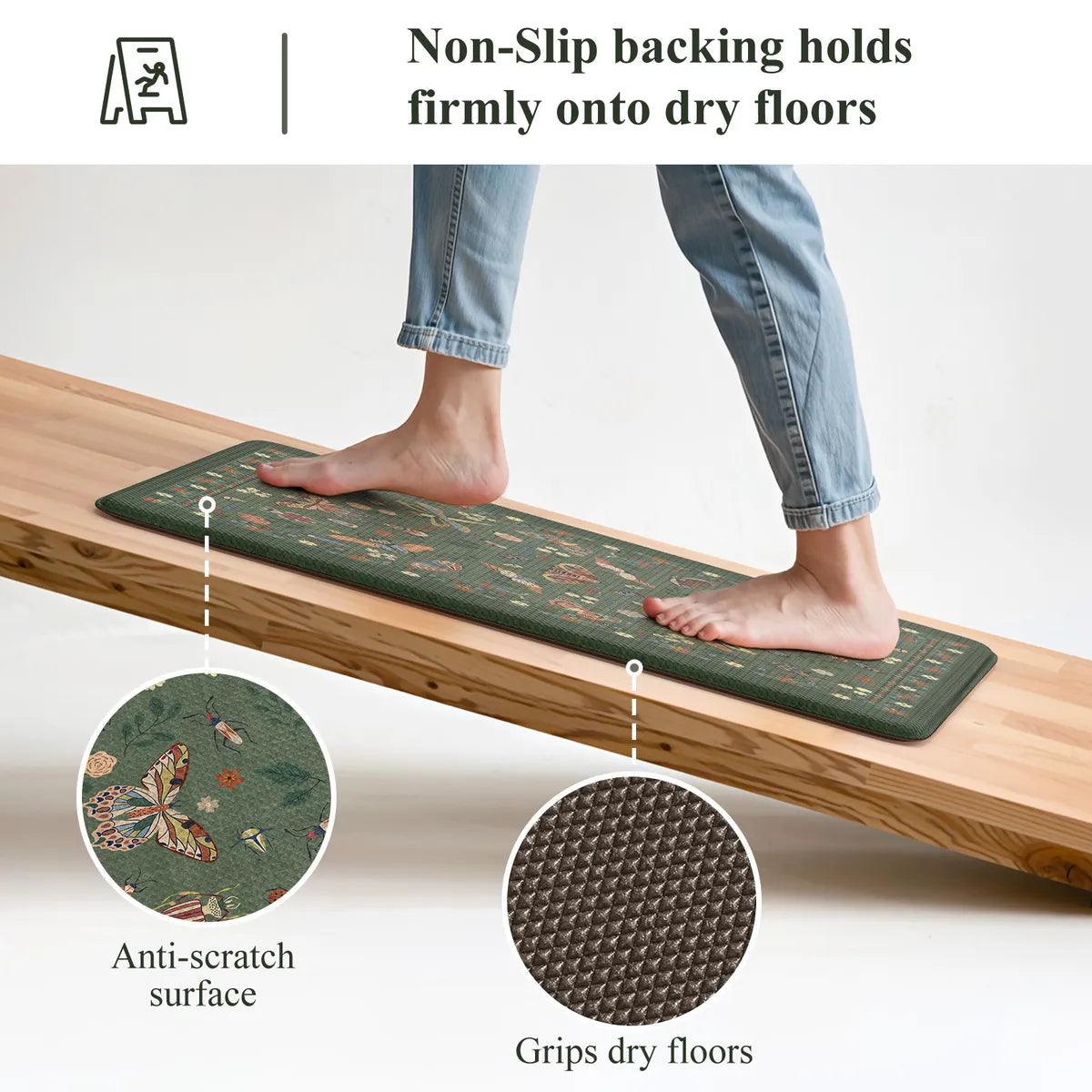
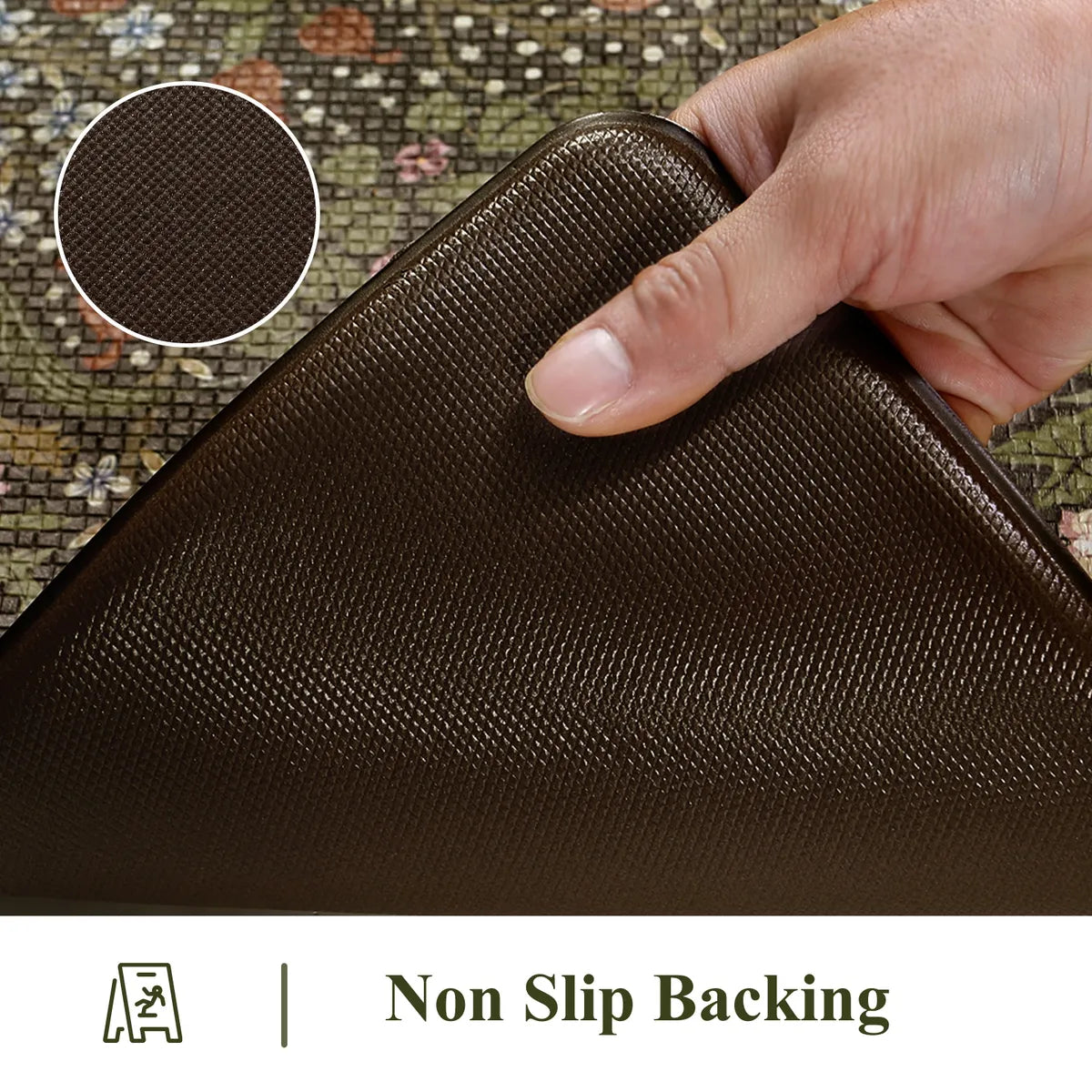
- Built-in safety: Modern non-slip backing integrated directly into the rug construction means no separate rug pad is needed, and the rug stays placed exactly where it is set down
The materials have changed. The aesthetic has not. Enduring design in a format built for modern life is exactly what has made the vintage floral rug relevant across centuries of shifting style and continuing into interiors today.
Find the Floral Rug That Feels Like Home
Vintage floral rugs have earned their place in interior design not by chasing trends, but by creating something trends cannot manufacture: warmth, depth, and a genuine connection to the natural world. With soft, washable materials that bring that enduring beauty into everyday life, the right floral rug is out there for every space and every style. Find yours.
FAQs about rug age and color
Q1. What Is the Difference Between a Vintage Rug and an Antique Rug?
The terms are related but not interchangeable. An antique rug is generally defined as one that is at least one hundred years old, while a vintage rug typically refers to pieces that are several decades old but not yet a century. In modern retail and decor, “vintage-style” or “vintage-inspired” rugs are newer pieces designed to replicate the look of aged originals, including their color palettes, worn-in tones, and classic botanical or floral motifs.
Q2. Should Your Rug Be Lighter or Darker Than Your Furniture?
Neither approach is universally better; it depends on the contrast you want and how the room is lit. A rug that is lighter than your furniture tends to open up the space and make it feel airier. A darker rug grounds the room and makes the furniture feel more anchored. With a vintage floral rug, this choice is often made for you by the pattern itself: a rich, multi-toned botanical design typically bridges the gap, containing both light and dark values that work alongside almost any furniture tone.
Q3. What Color Rug Goes With Everything?
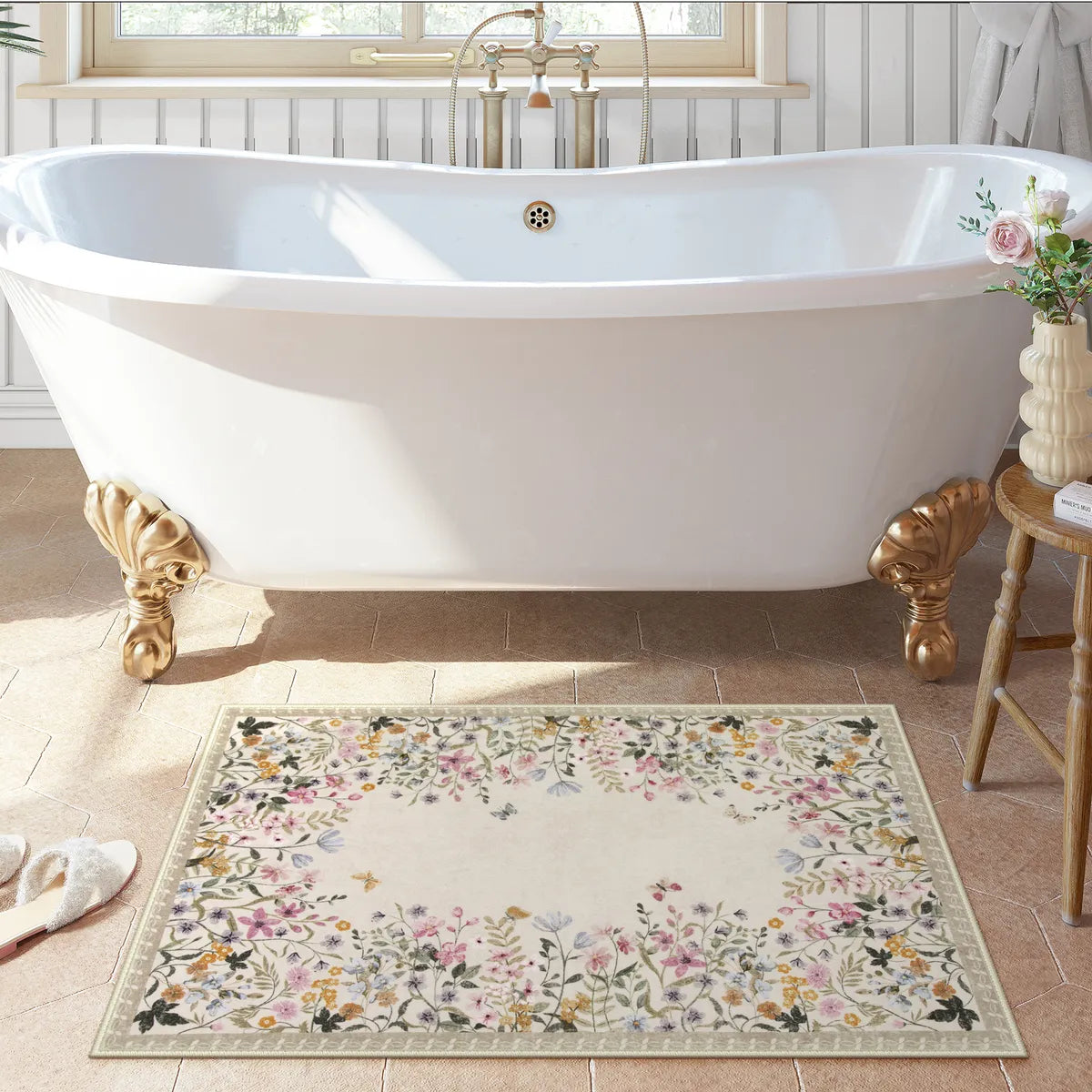
Neutral tones such as warm beige, soft ivory, and muted sage are the most universally versatile rug colors. Within the world of vintage floral rugs, designs built on a cream or warm beige base tend to be the most adaptable, as the background recedes while the floral pattern adds visual interest without committing to a dominant color. A well-chosen botanical print with a neutral ground can shift across decor styles and seasons without feeling out of place.
Q4. What Floor Color Never Goes Out of Style?
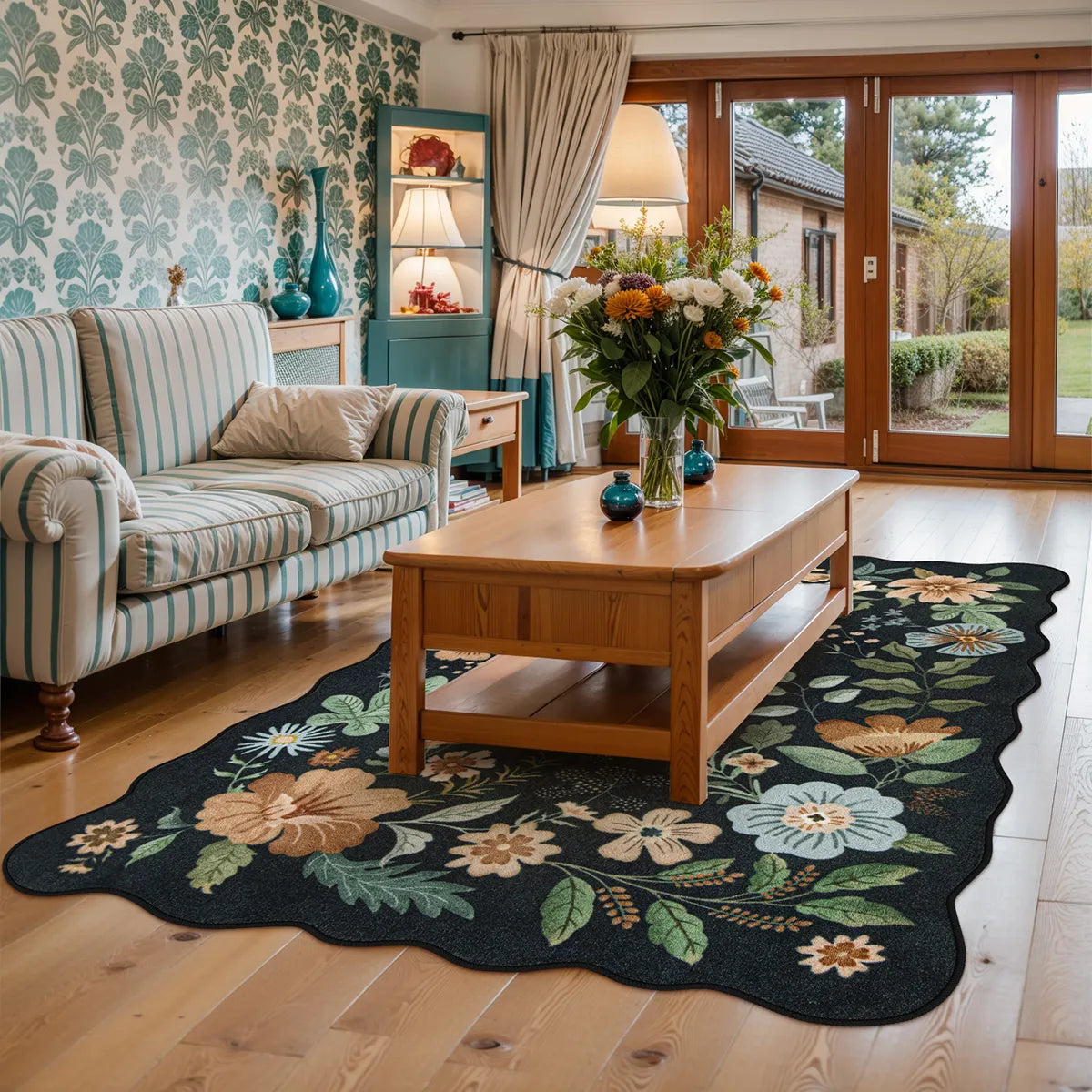
Warm wood tones have proven to be the most enduring floor color across interior design trends. Their natural variation and warmth pair well with virtually every style, from traditional to contemporary. For rug placement, warm wood floors are particularly forgiving: they complement both light and dark rug palettes, and the organic texture of a vintage floral design echoes the natural quality of the wood grain in a way that feels cohesive rather than deliberate.