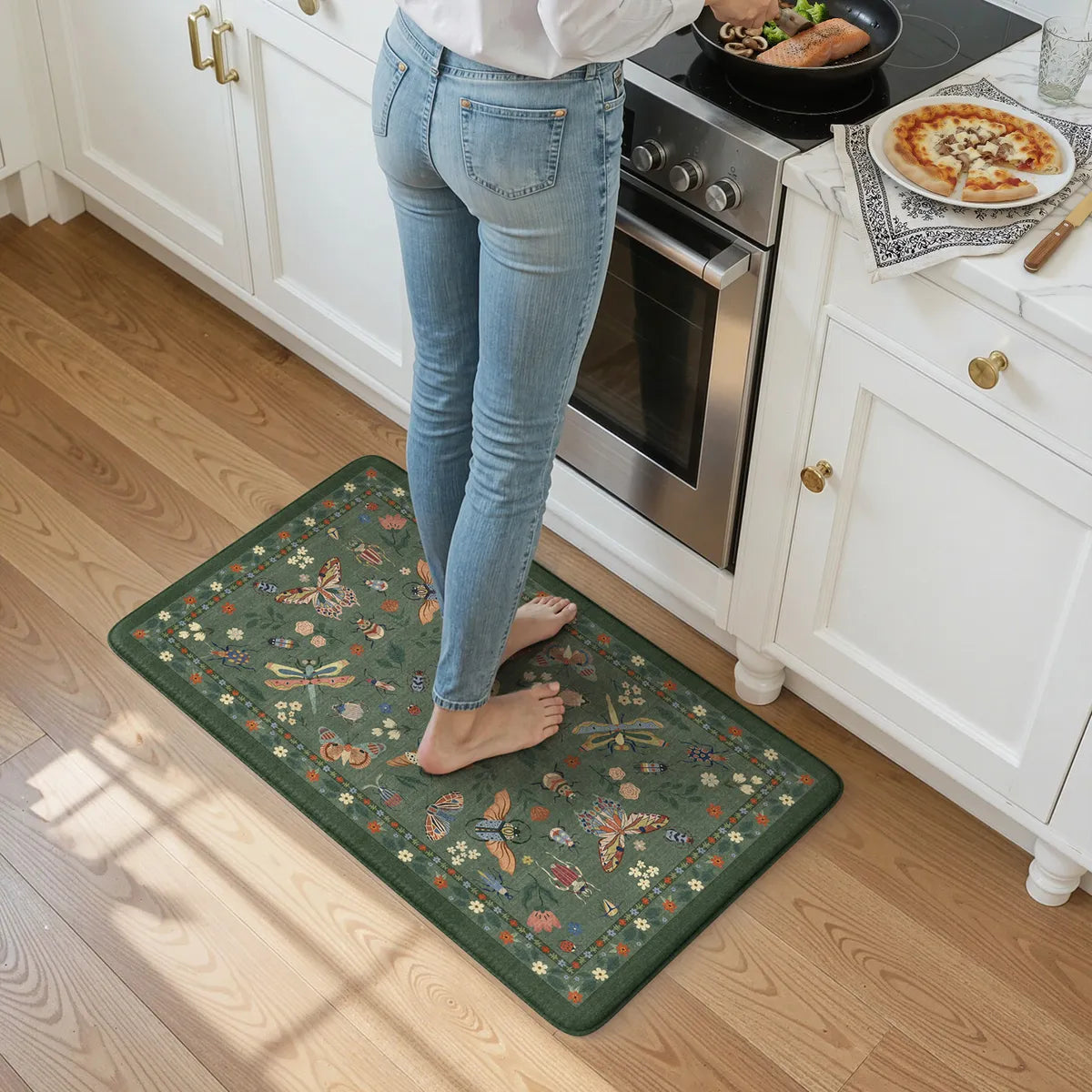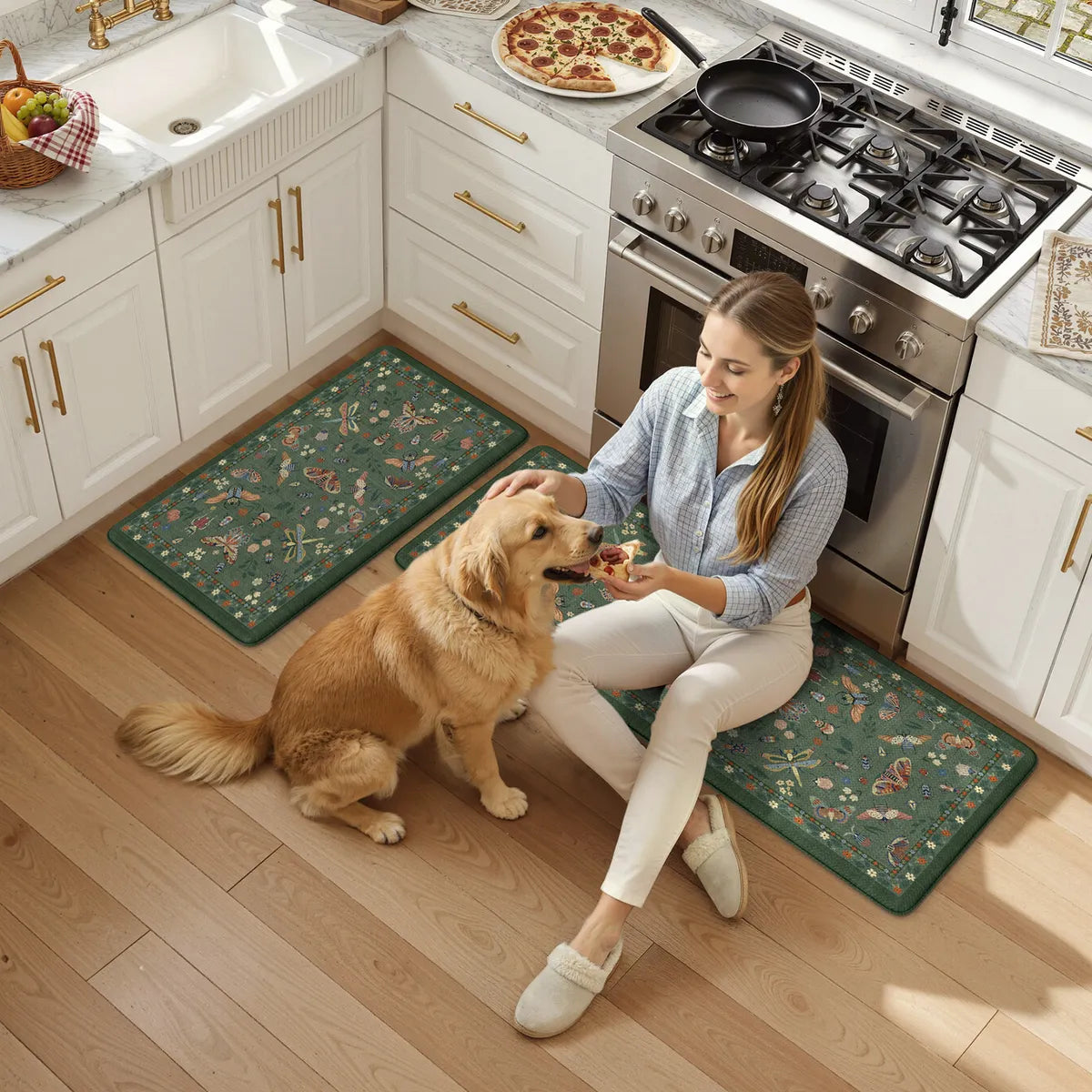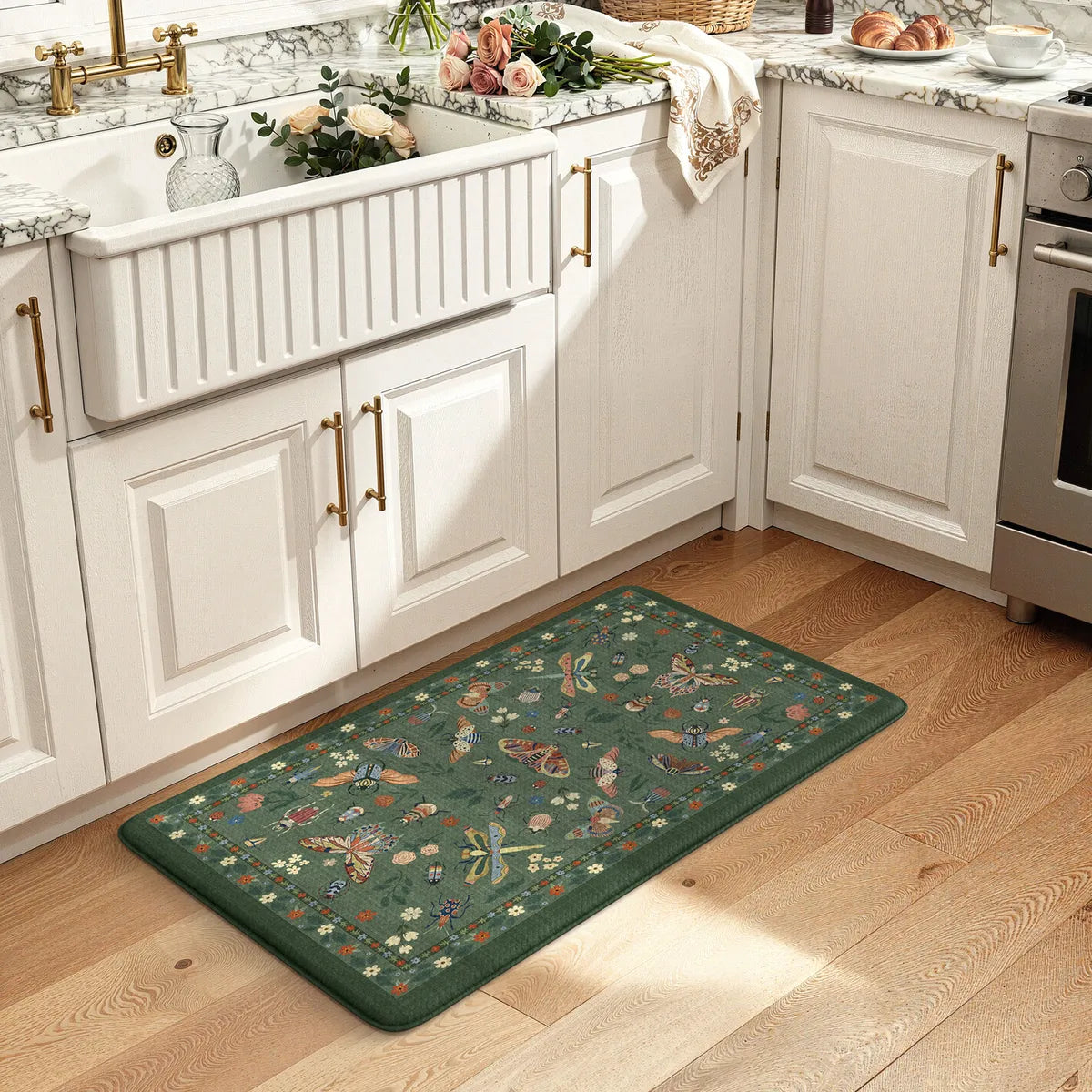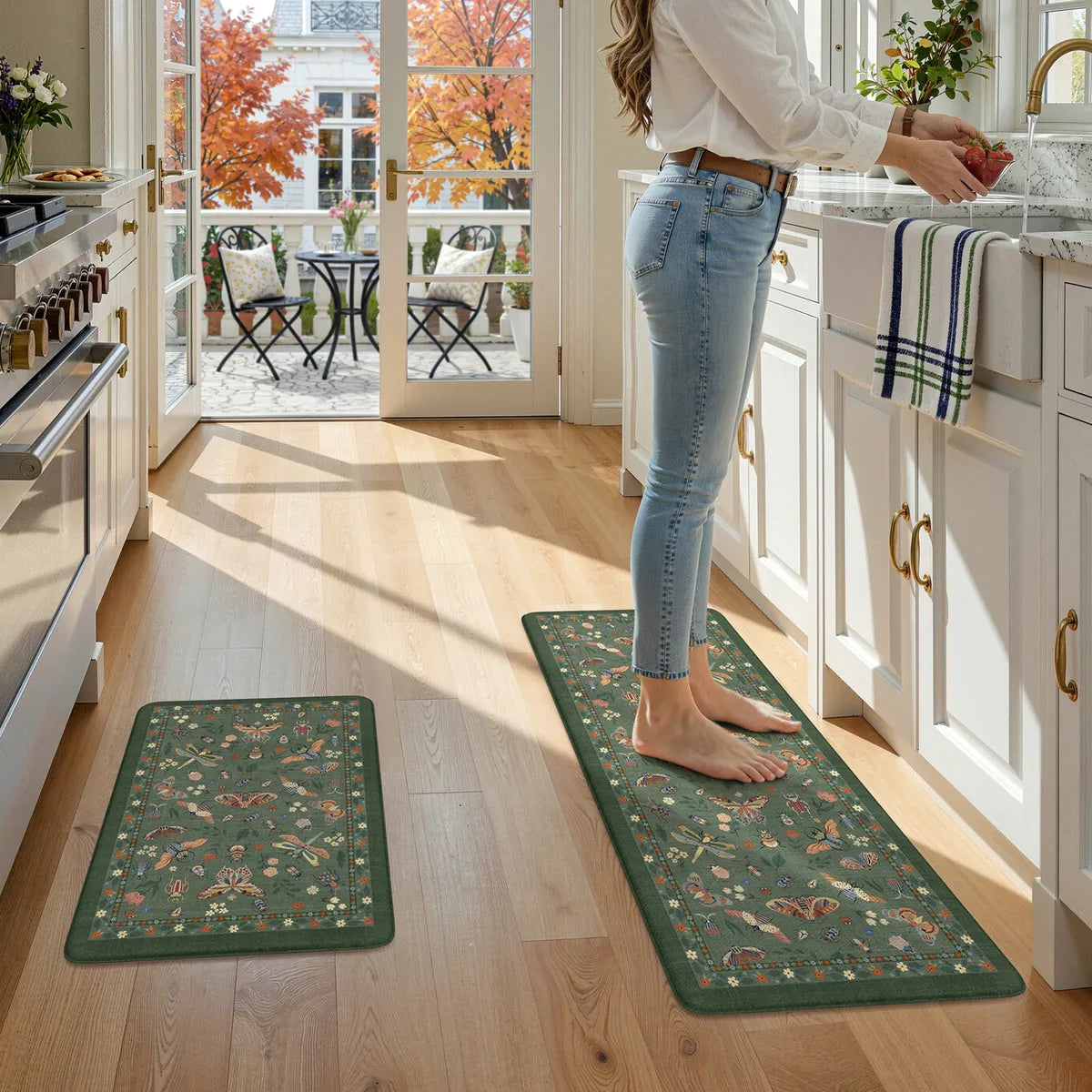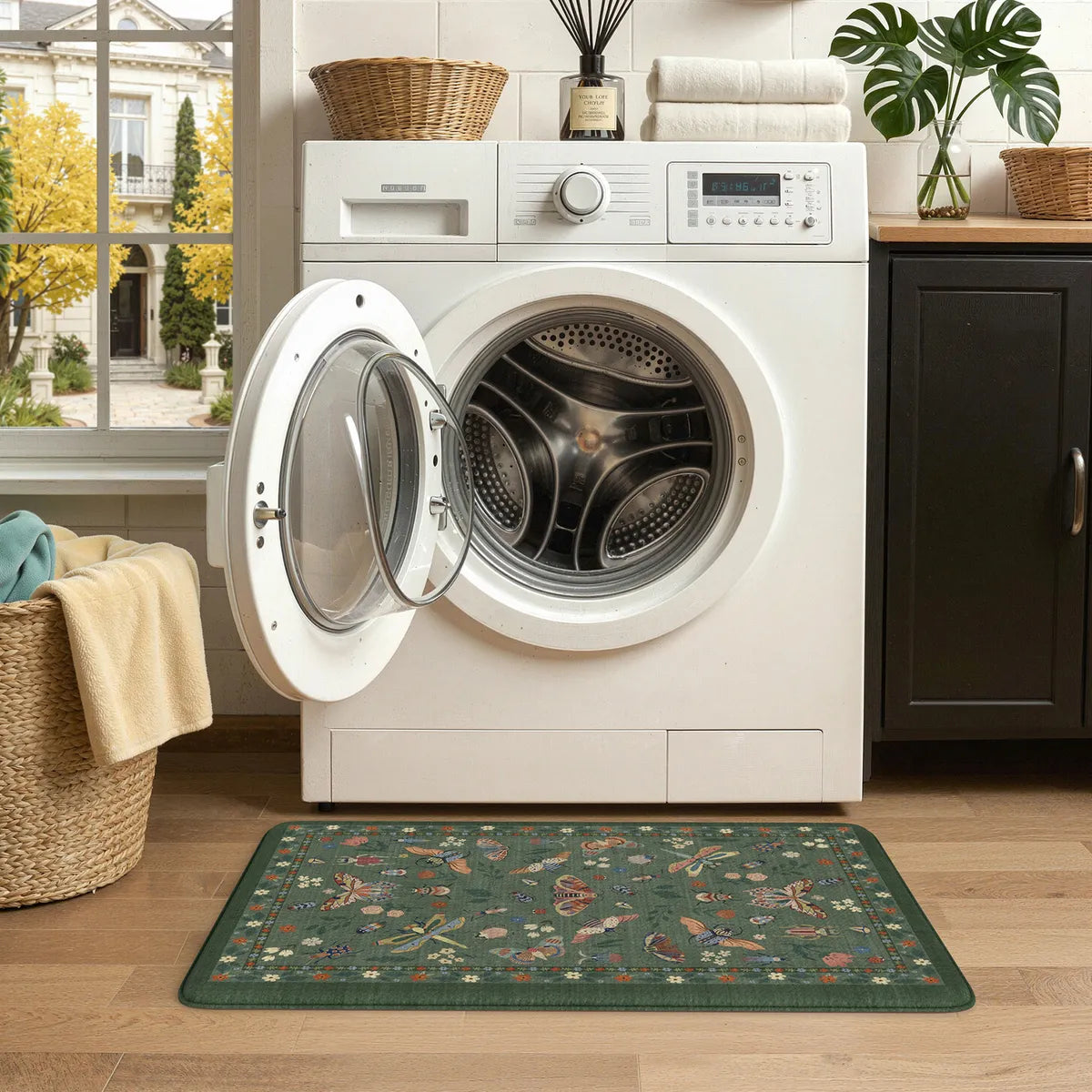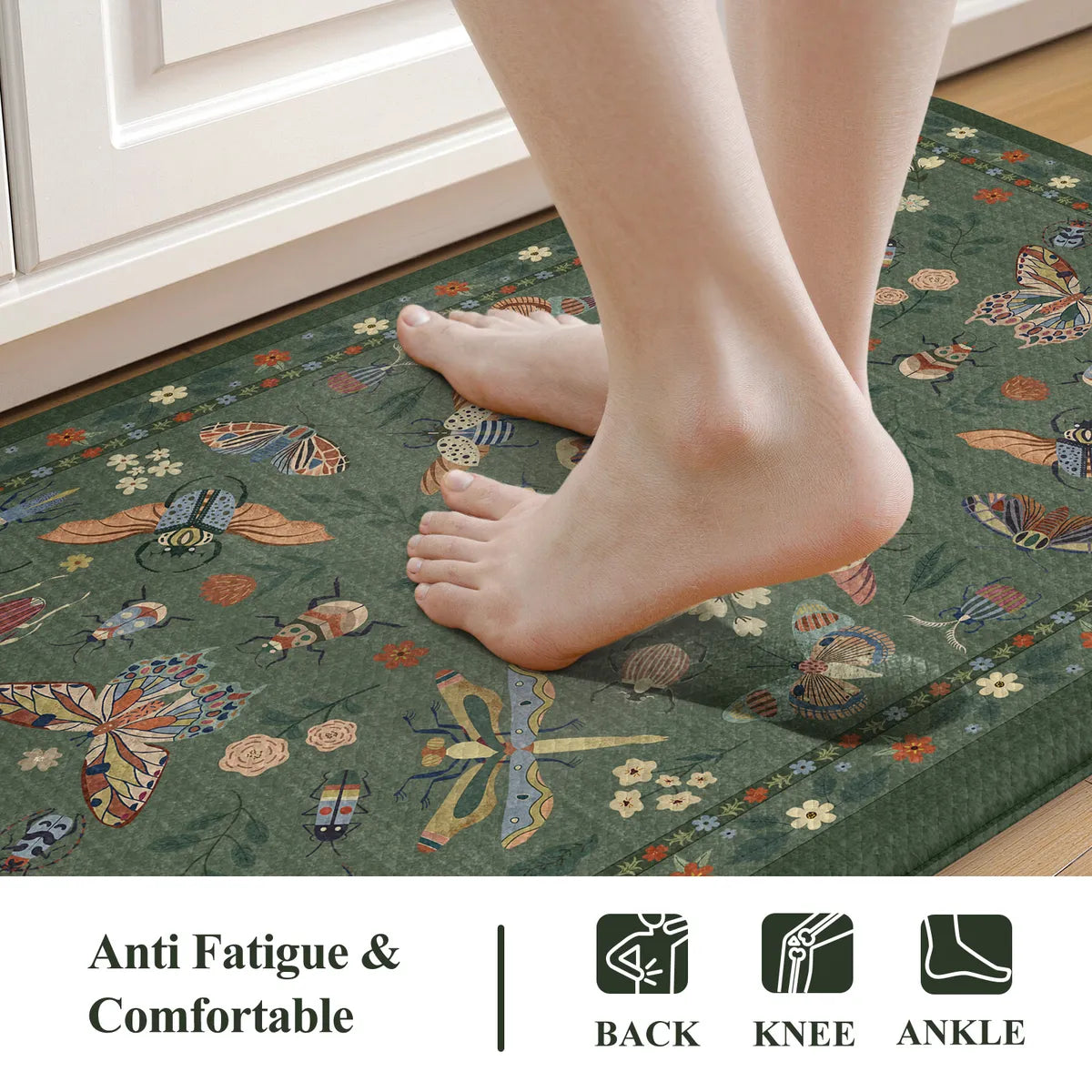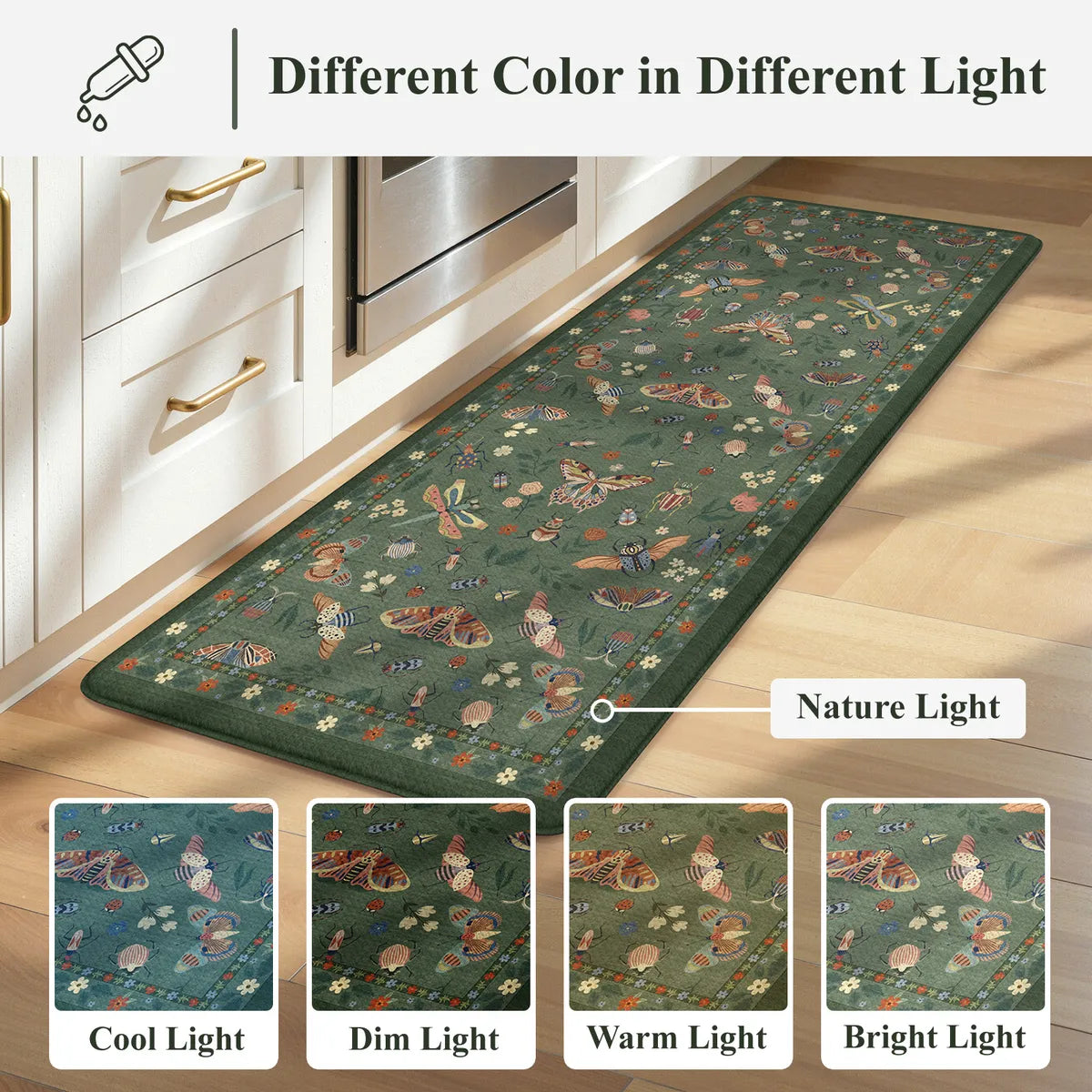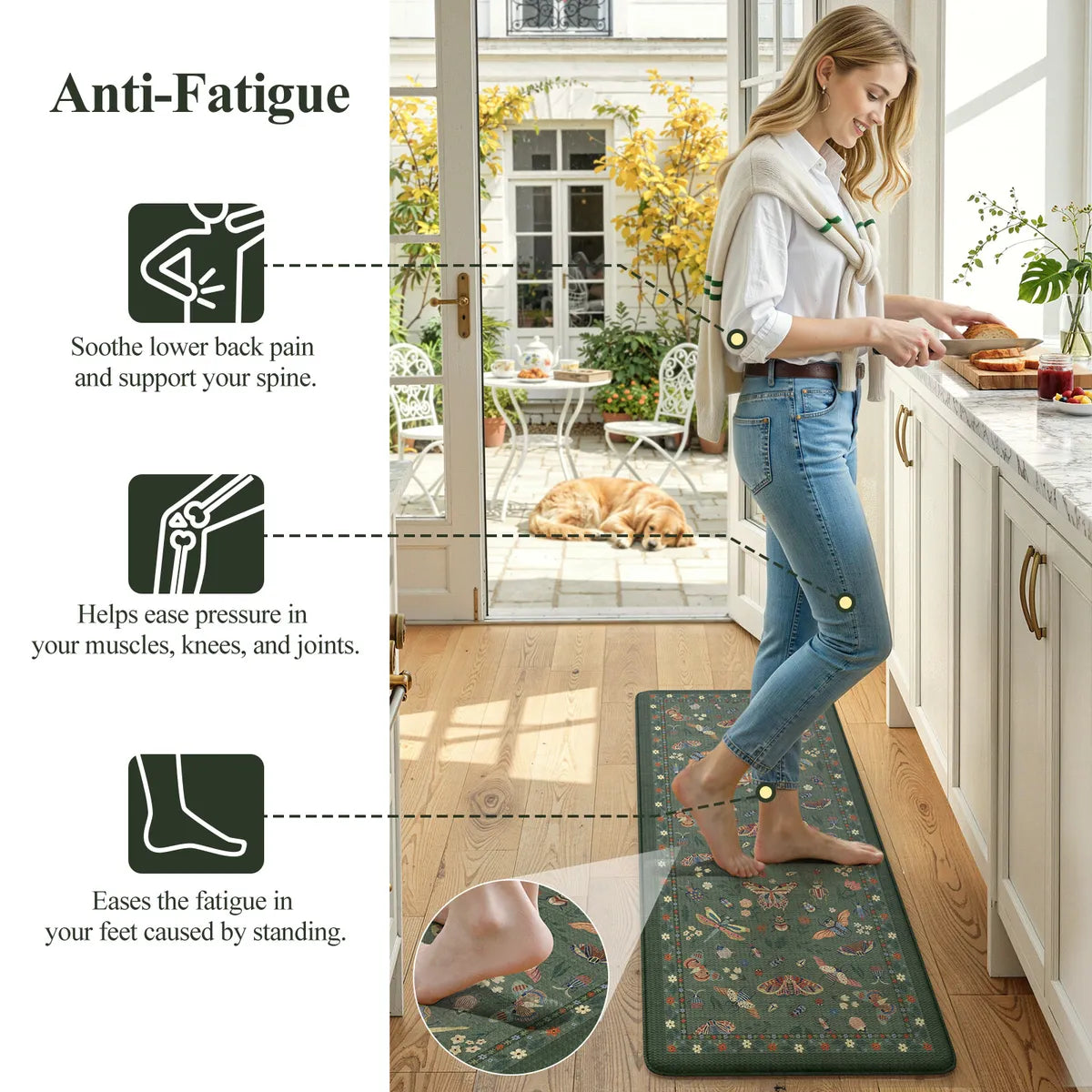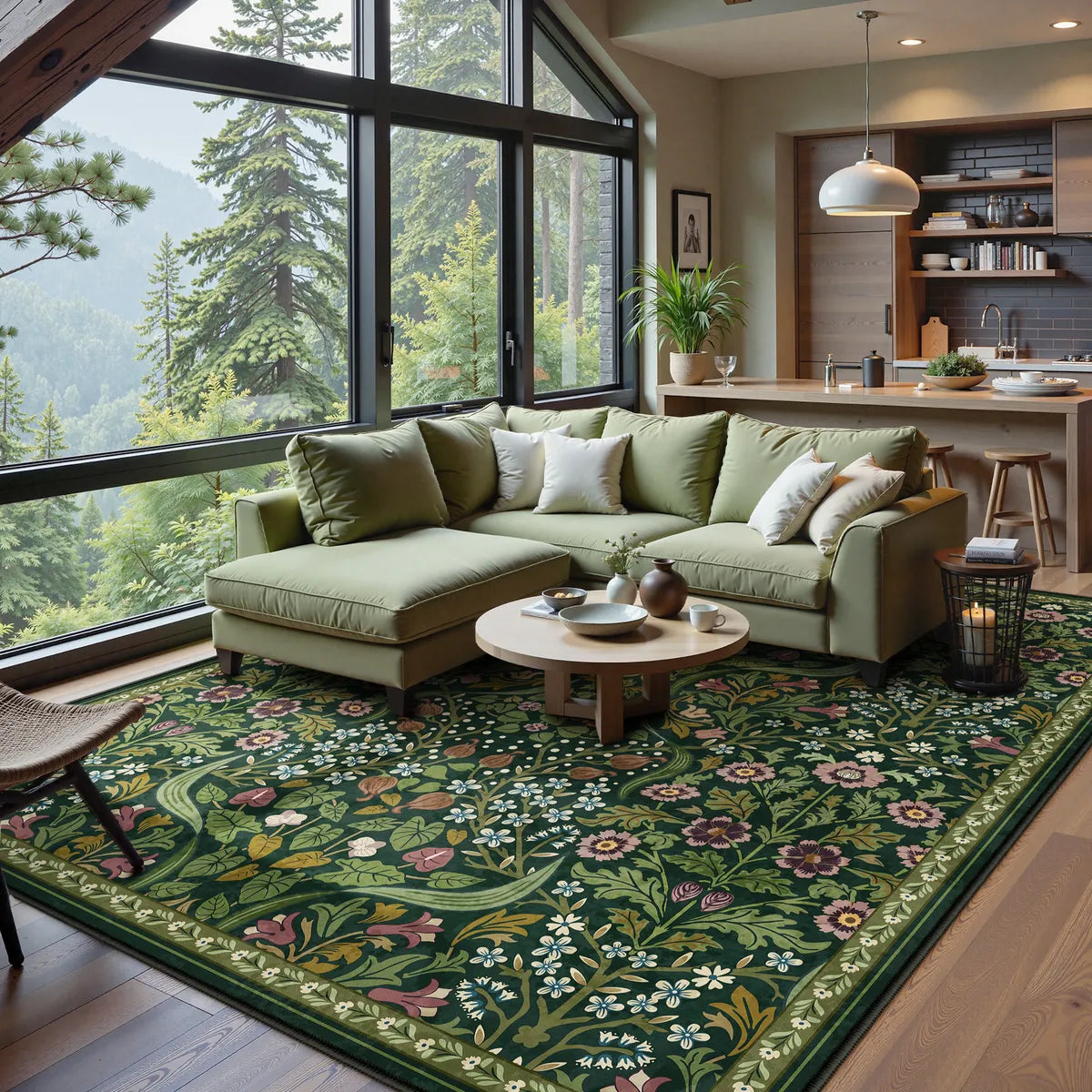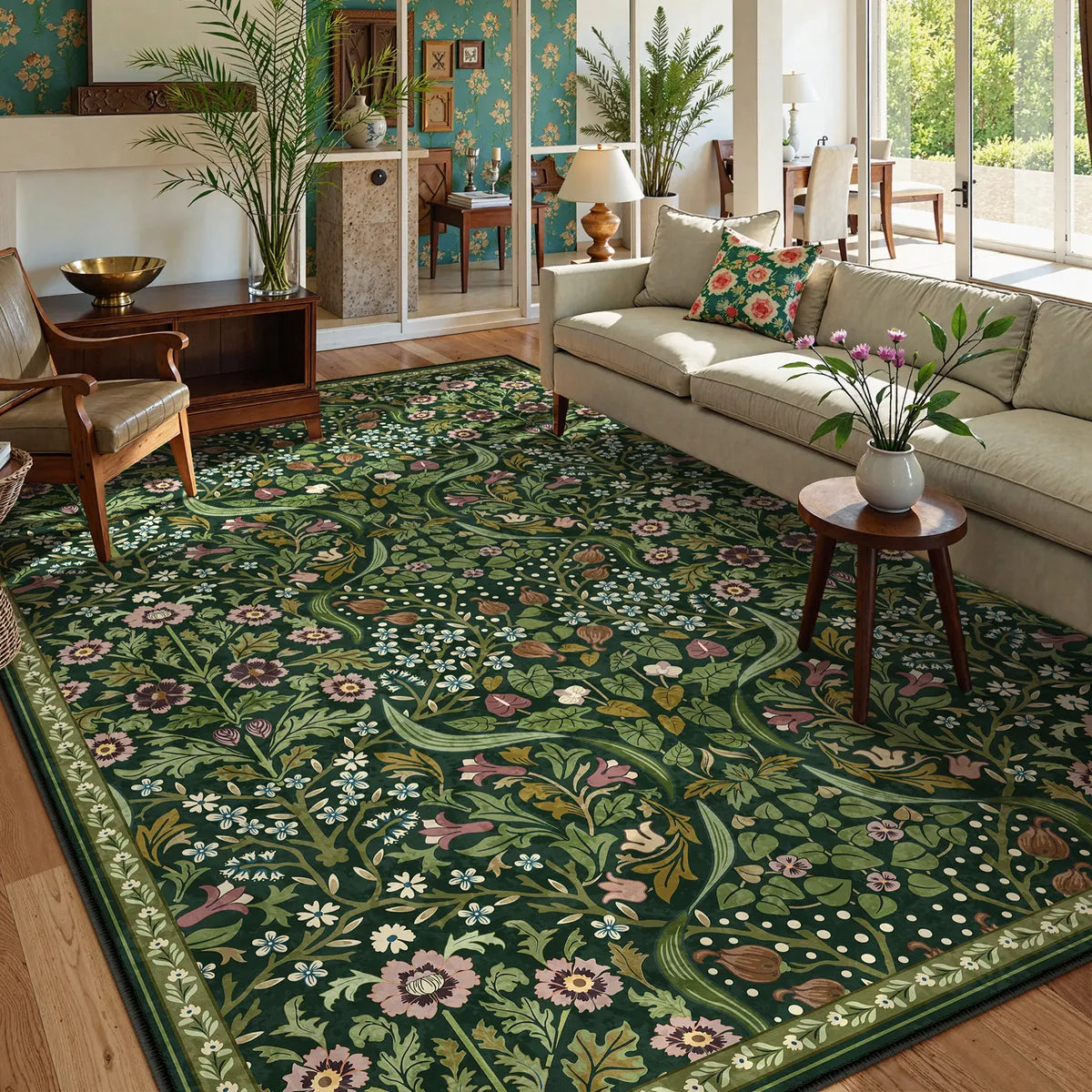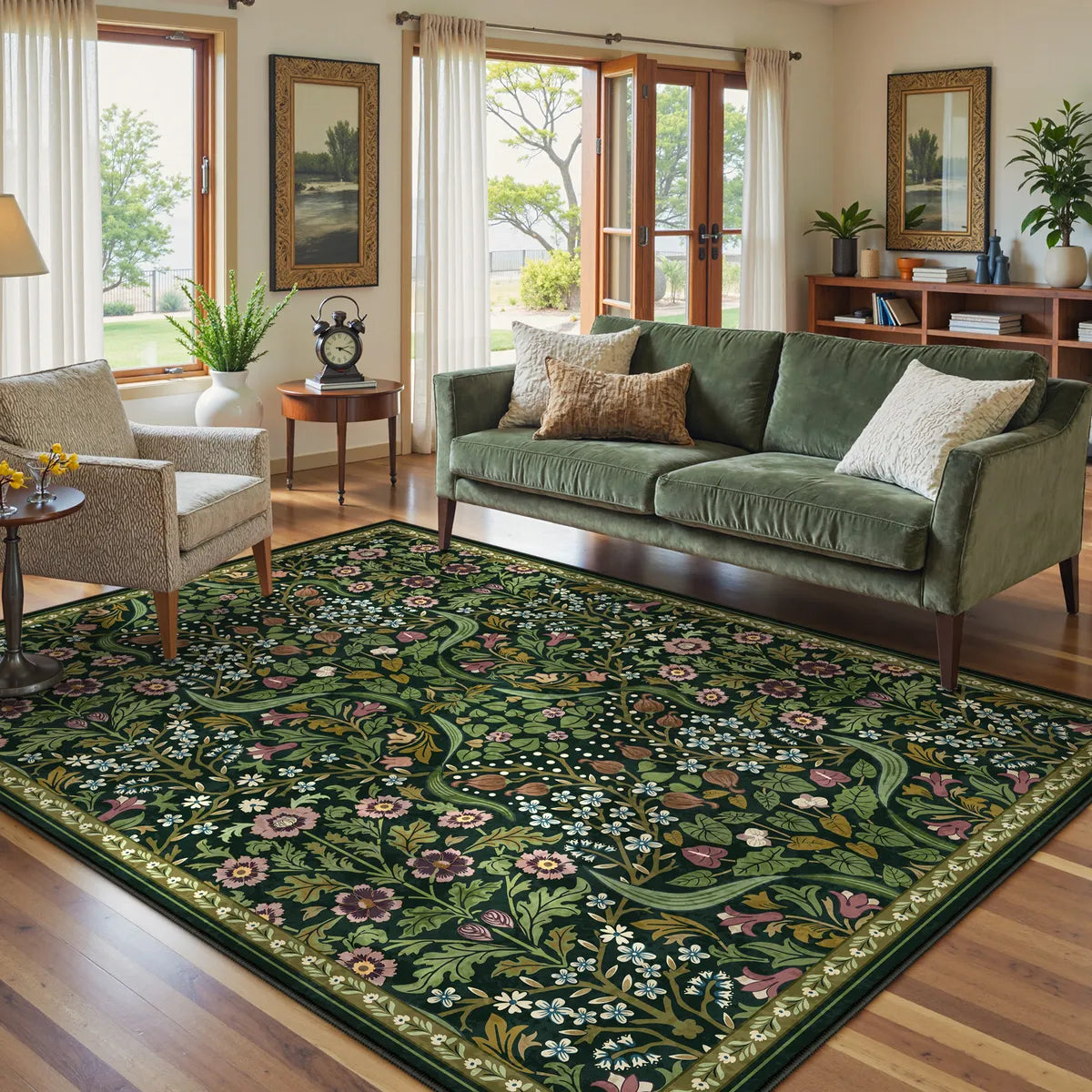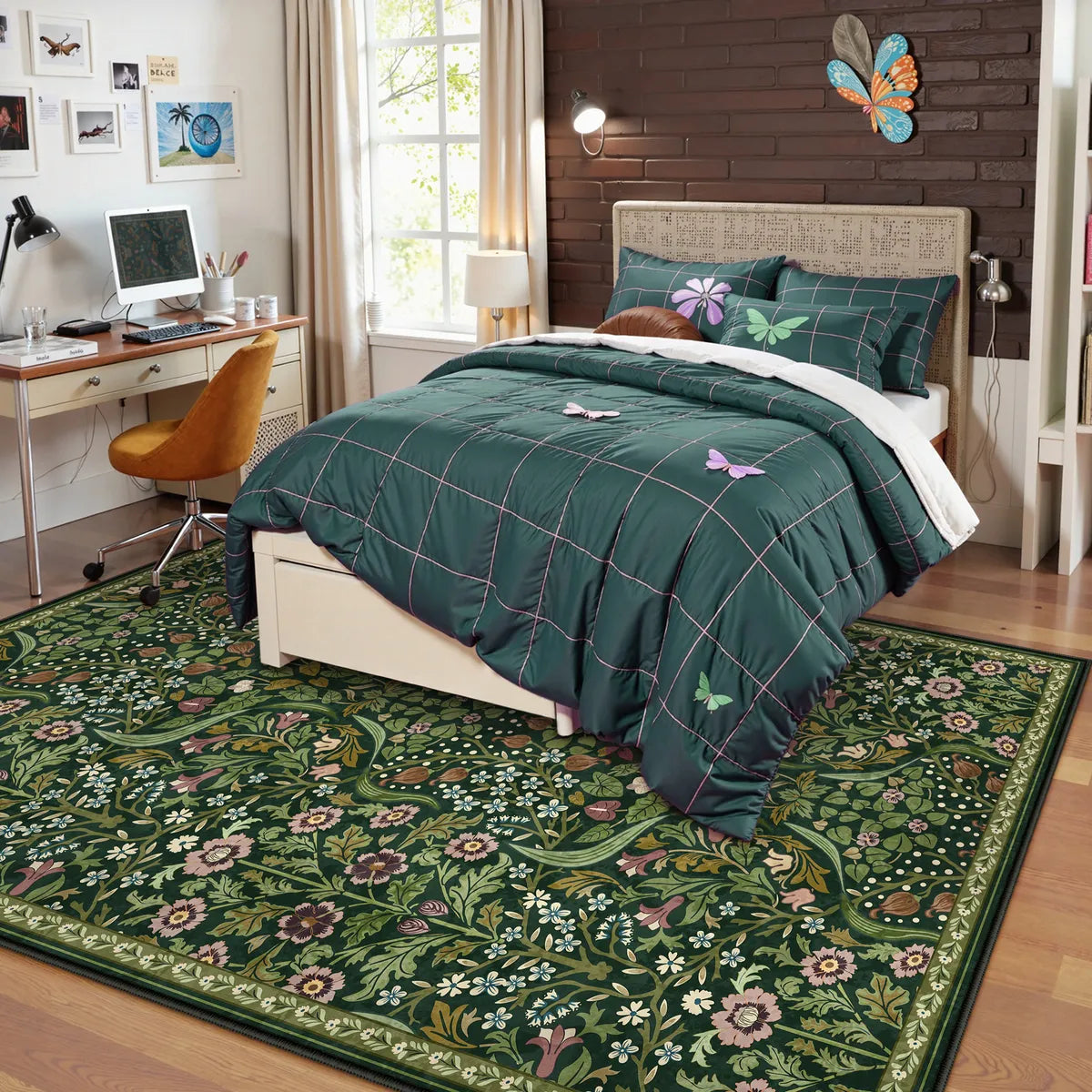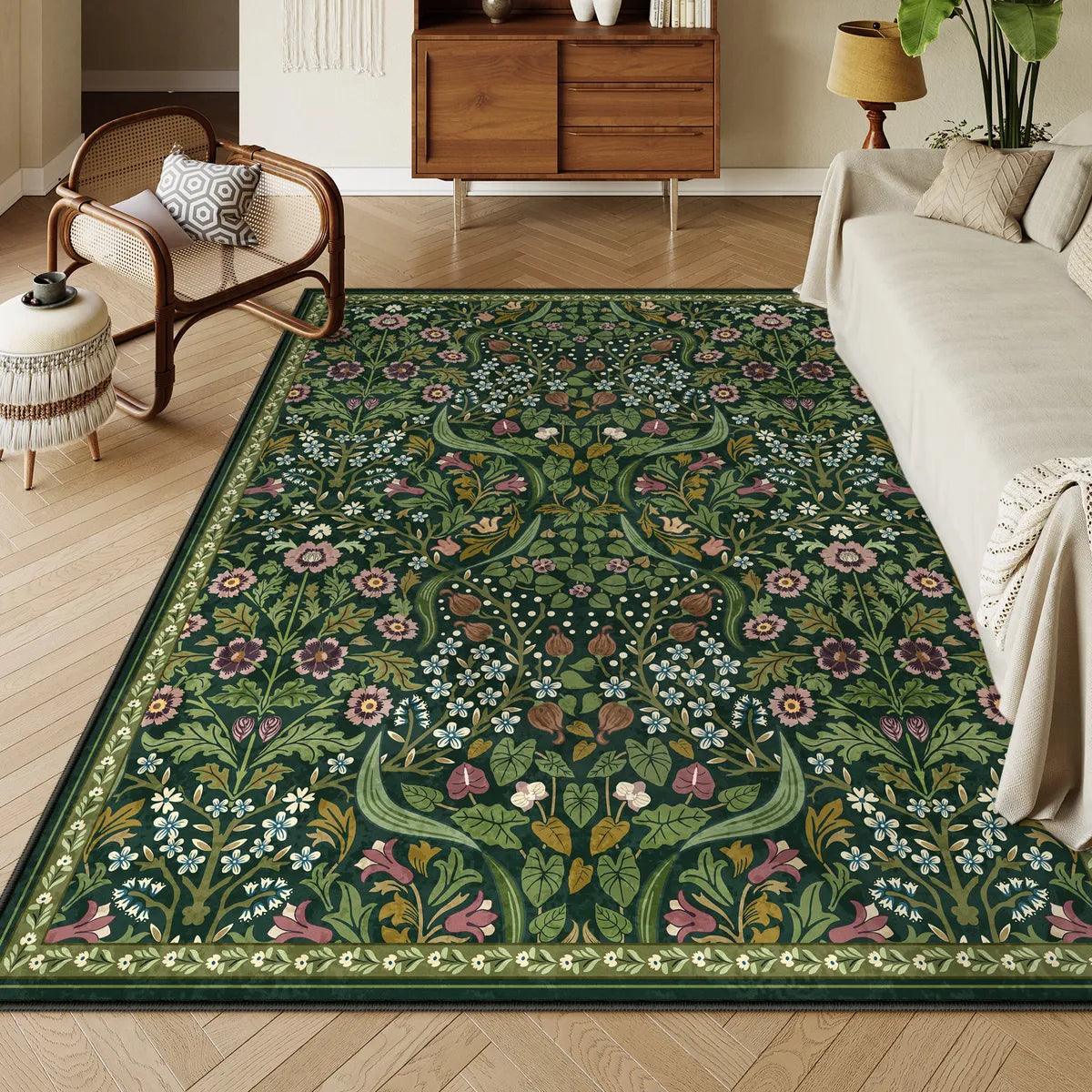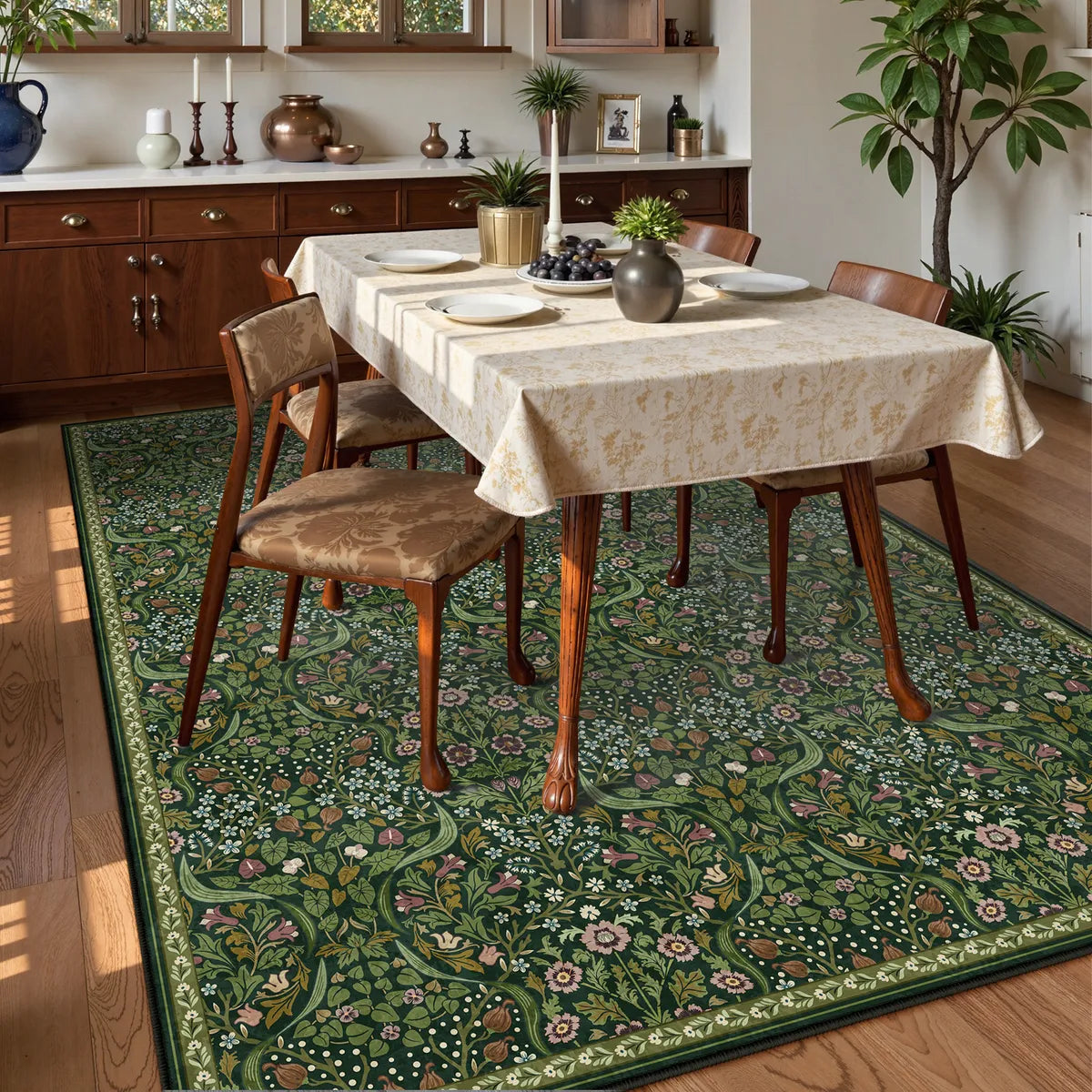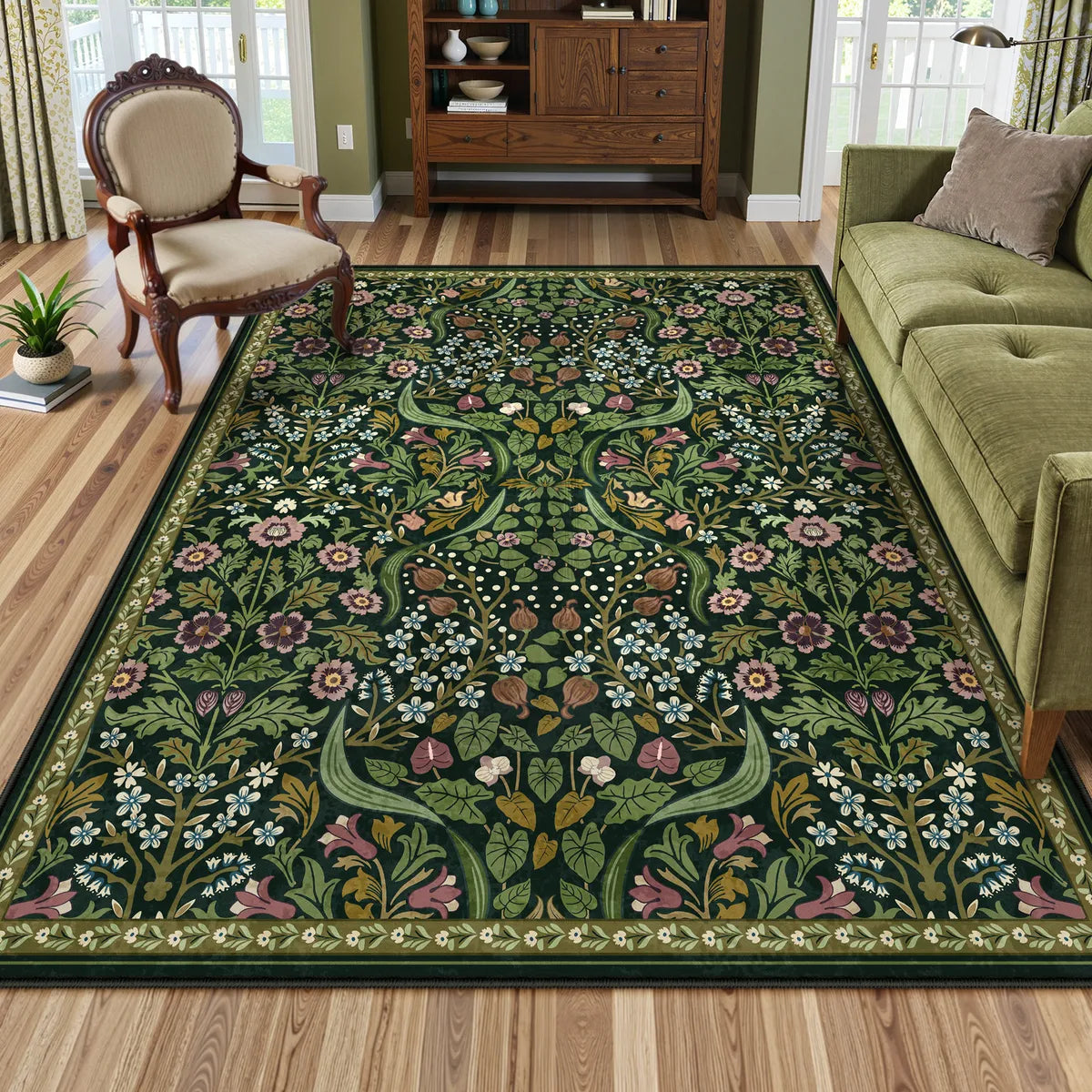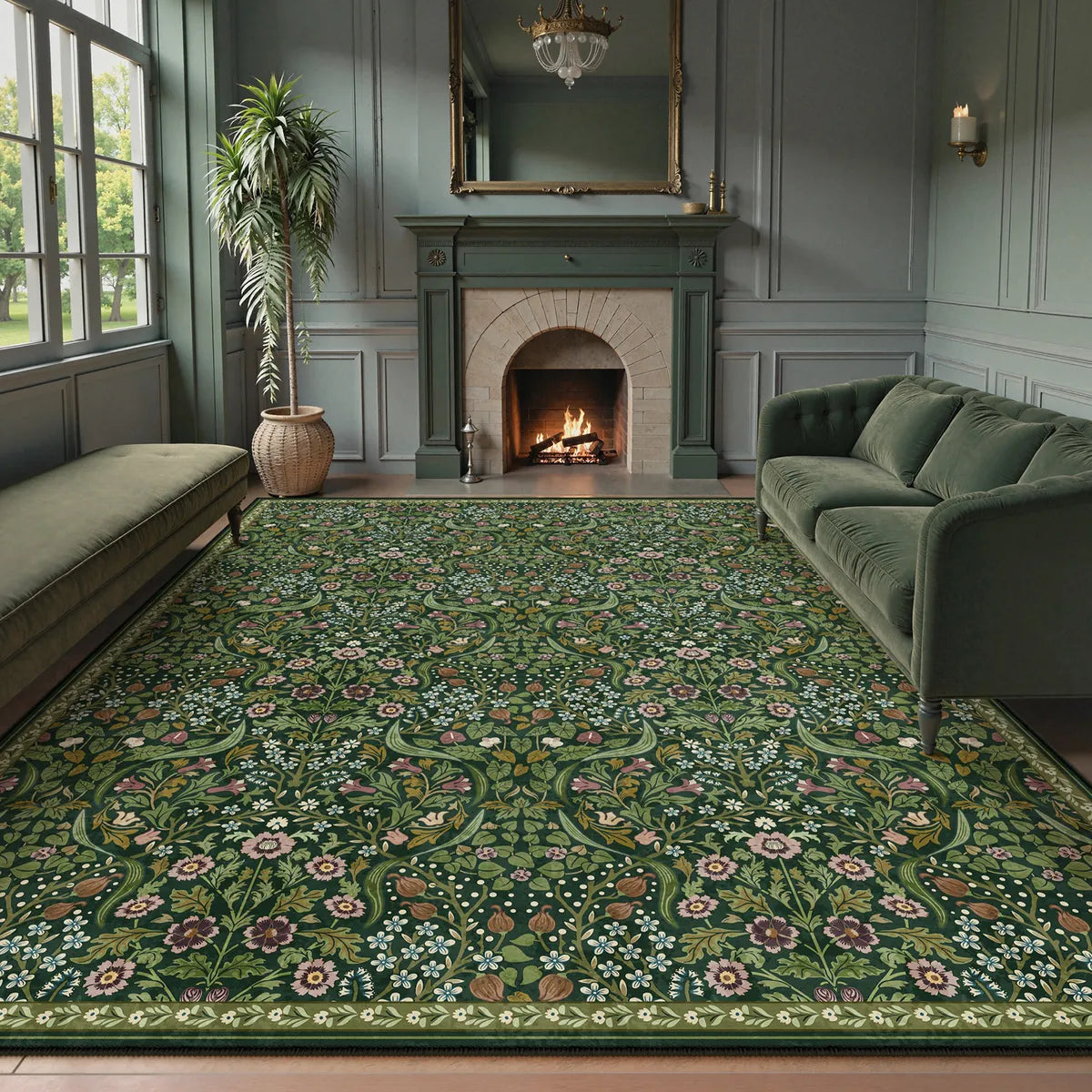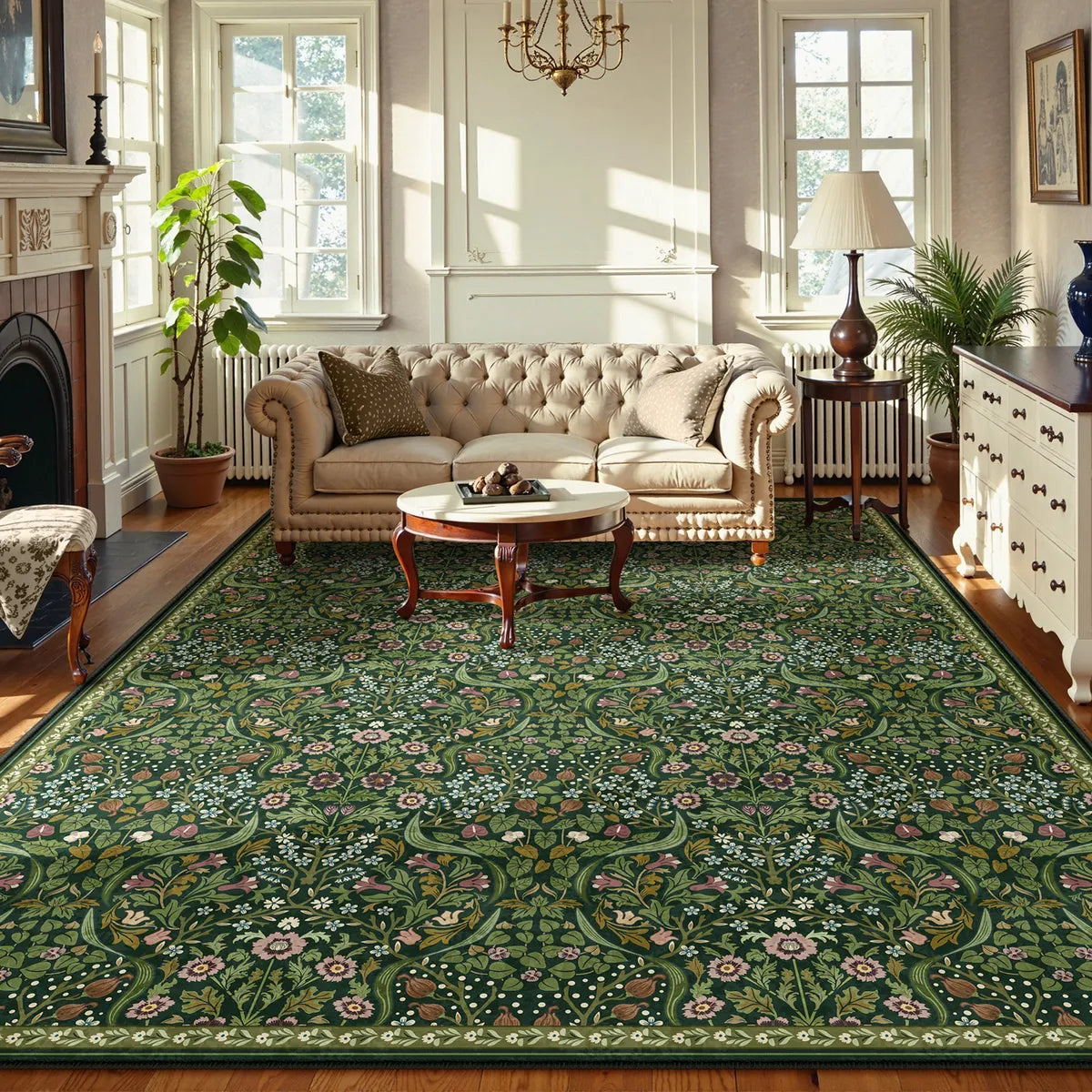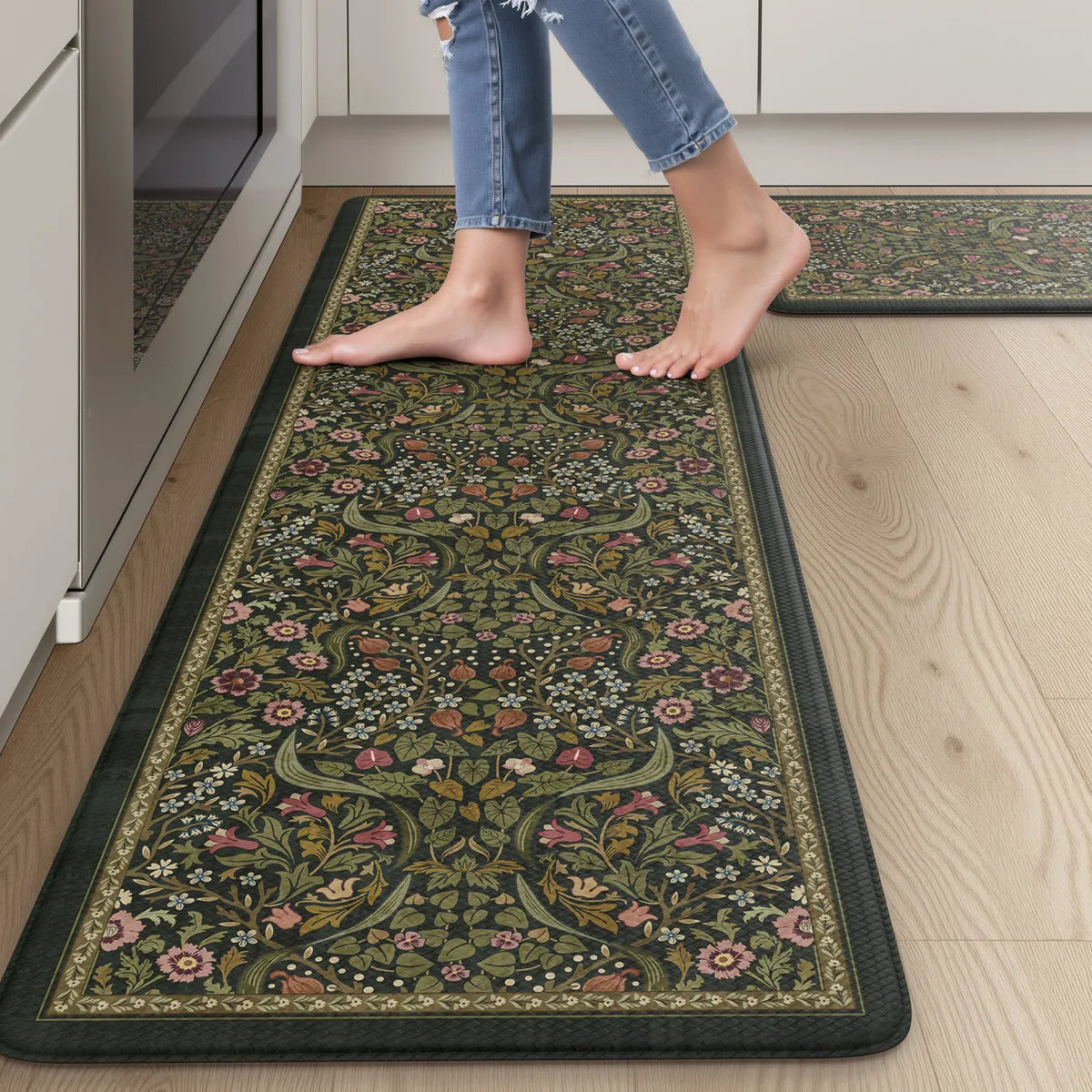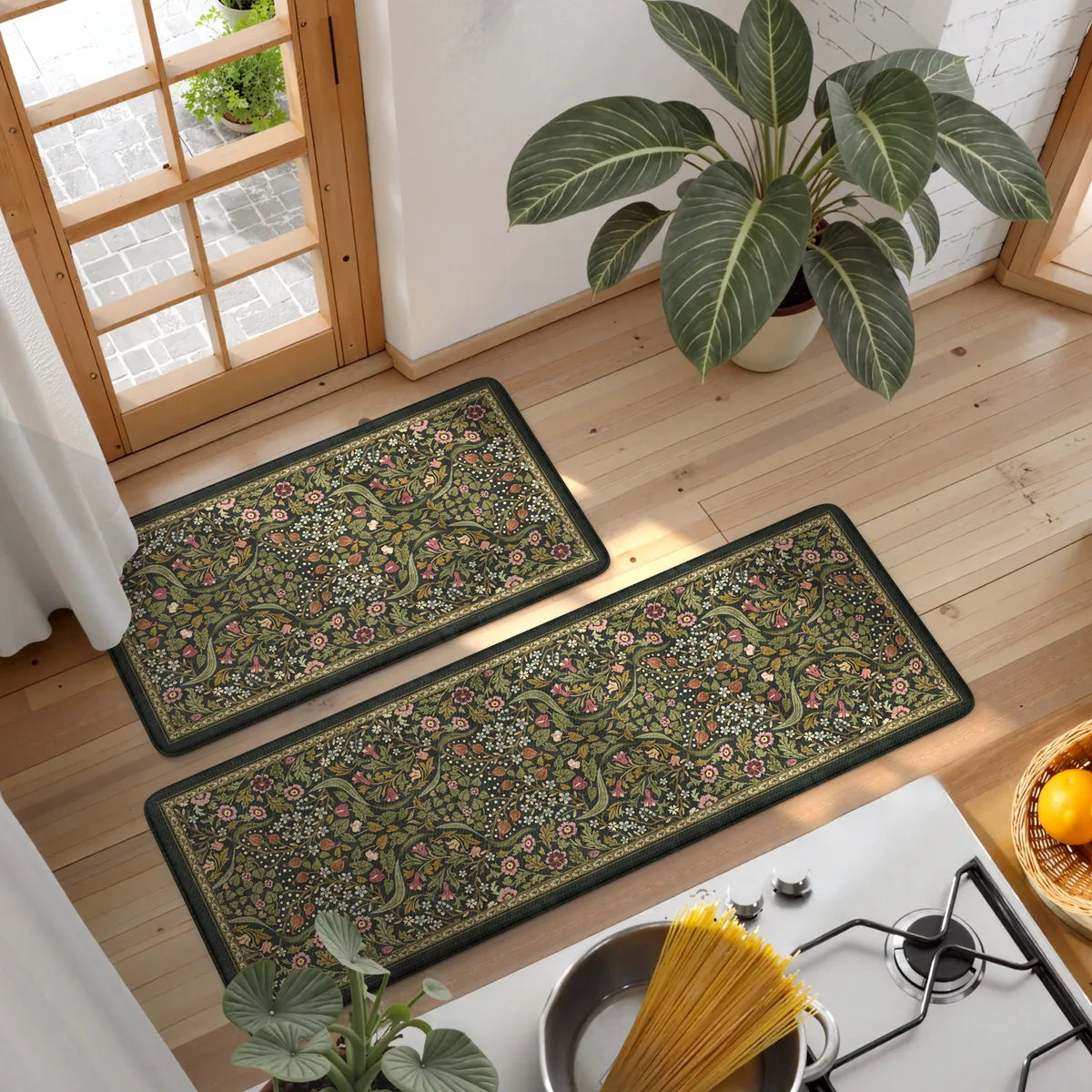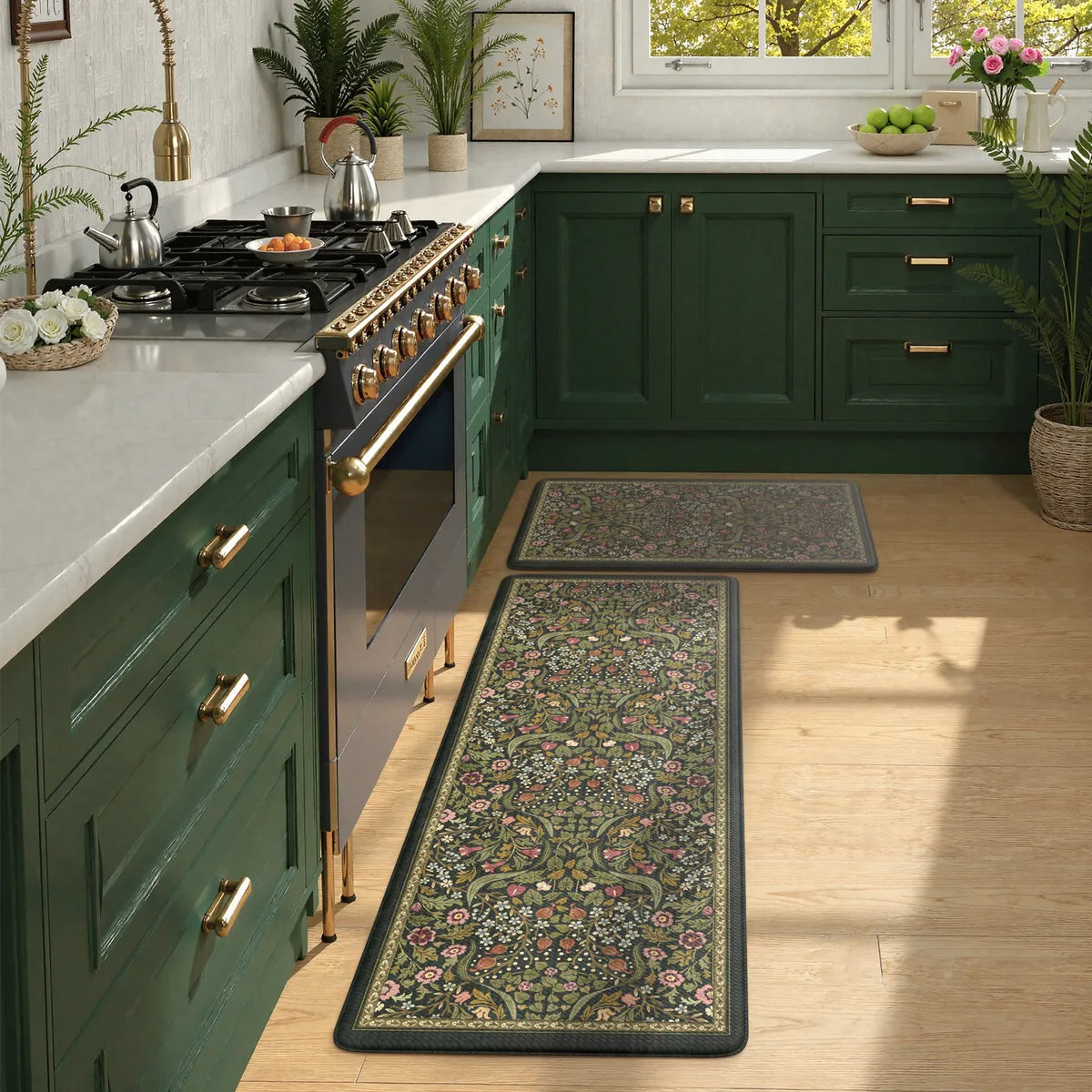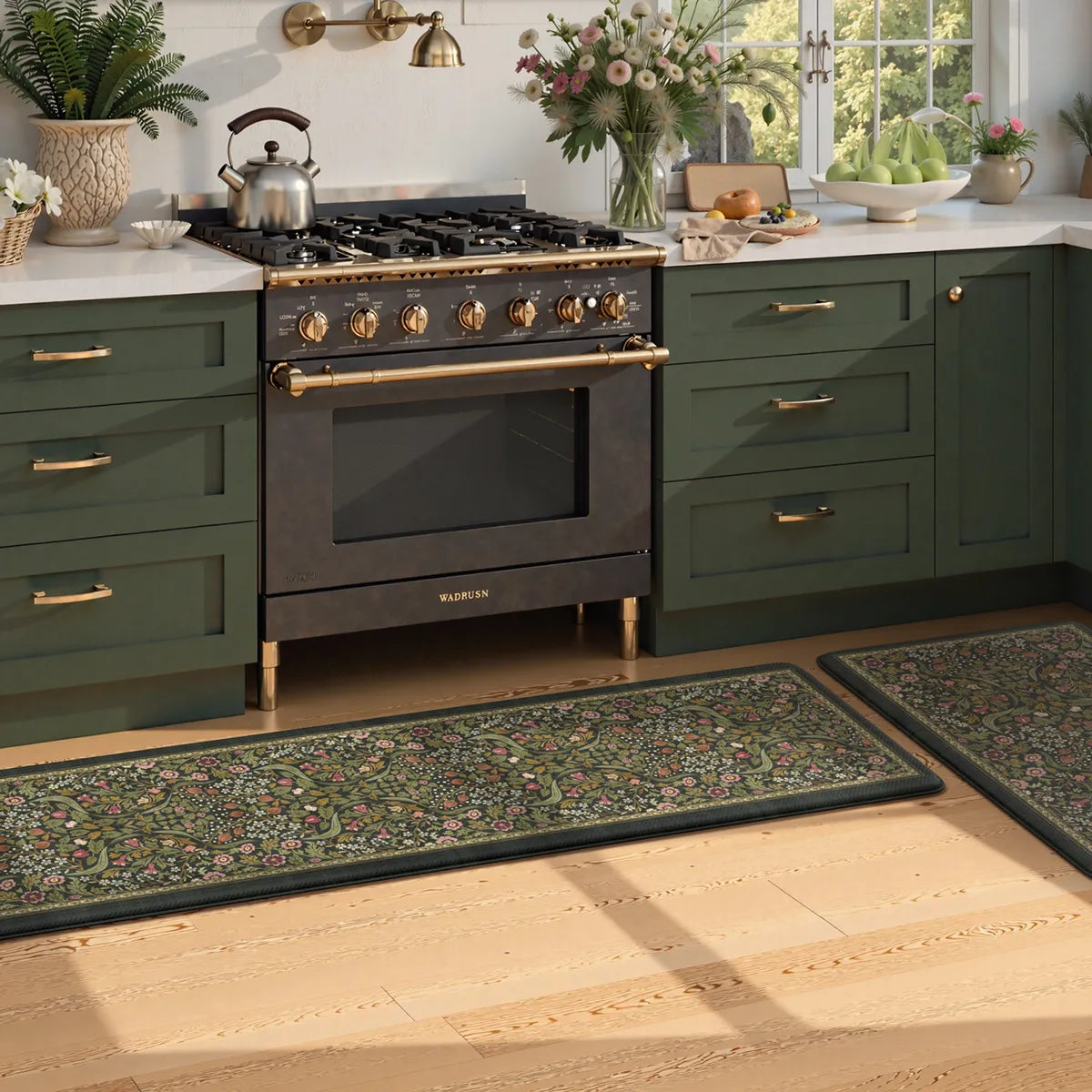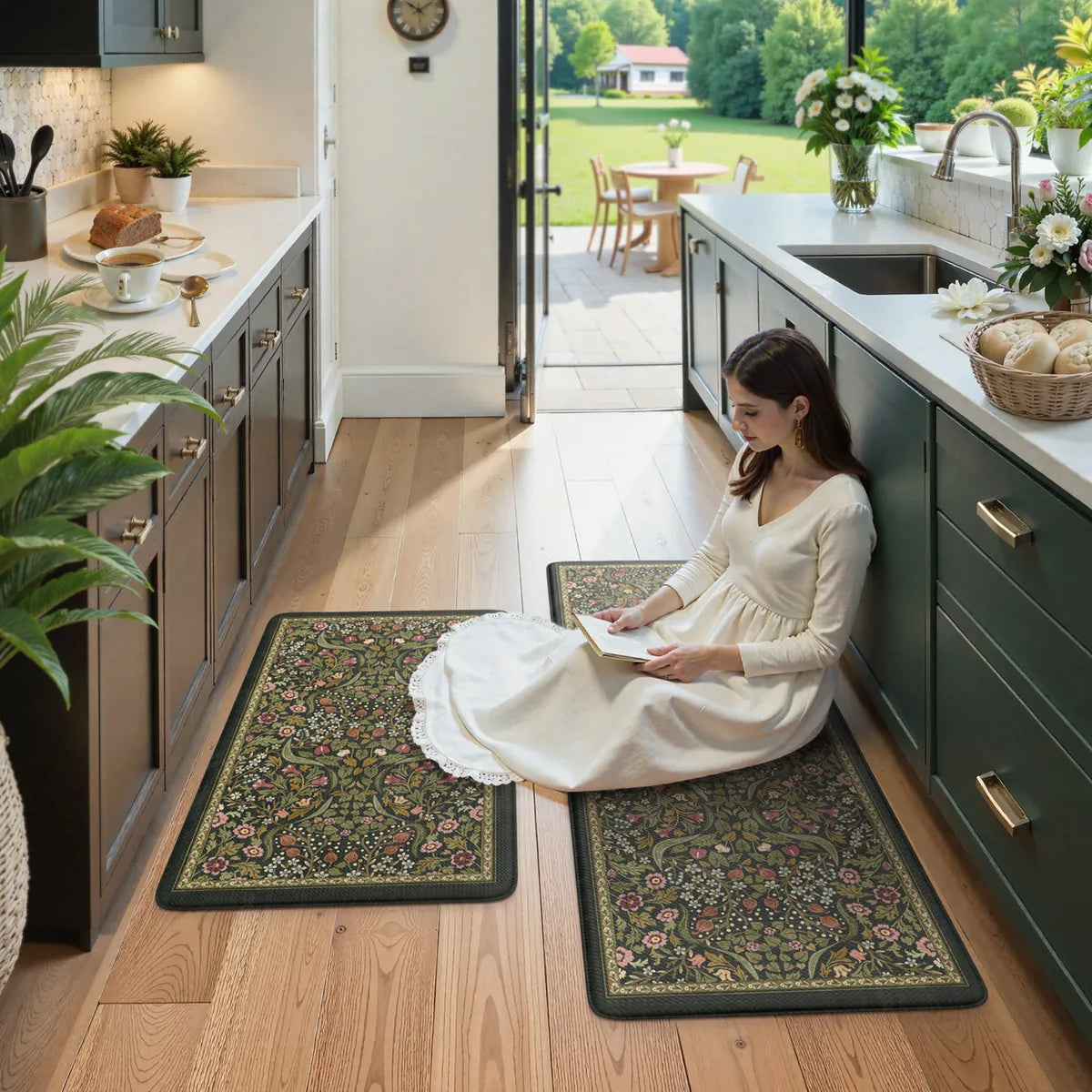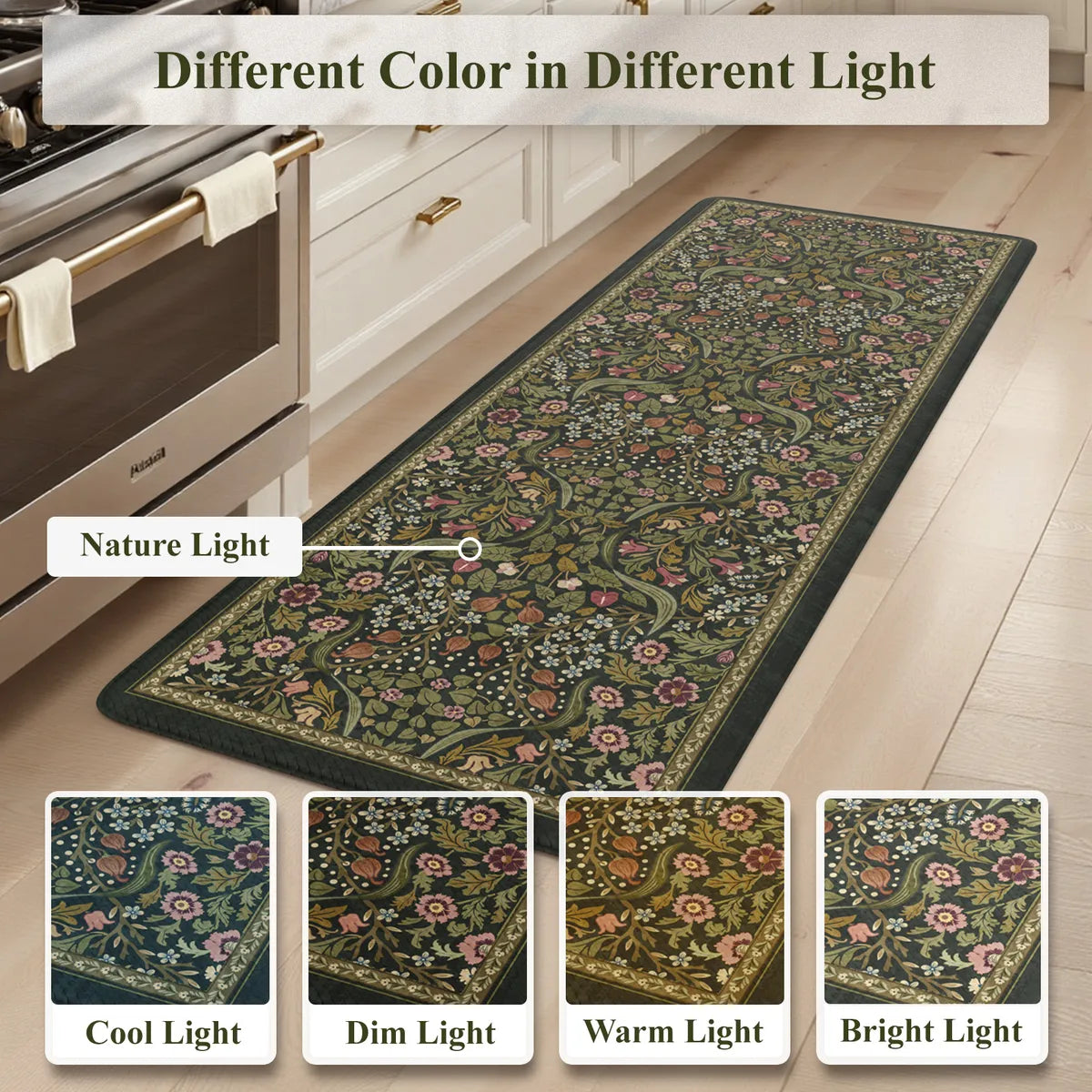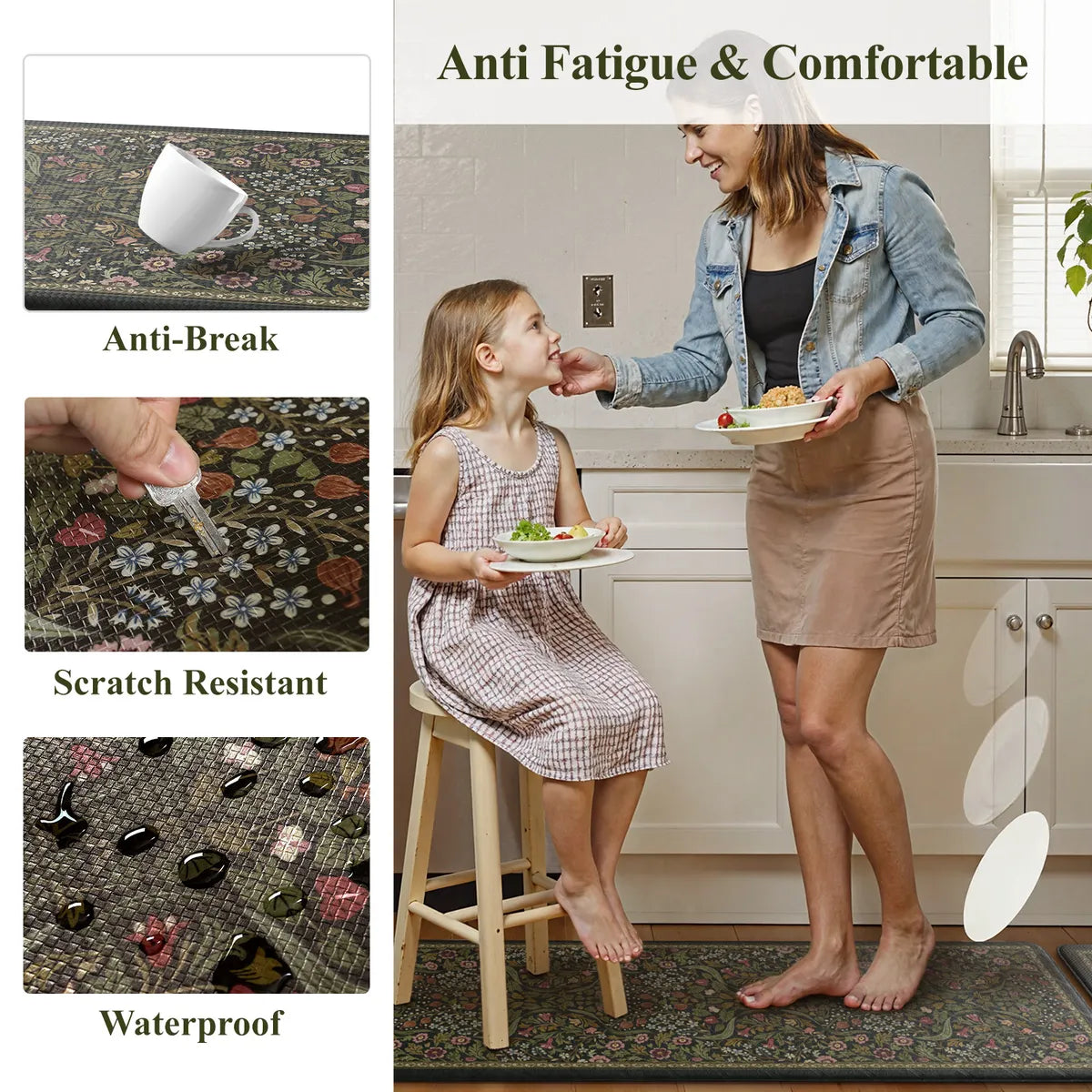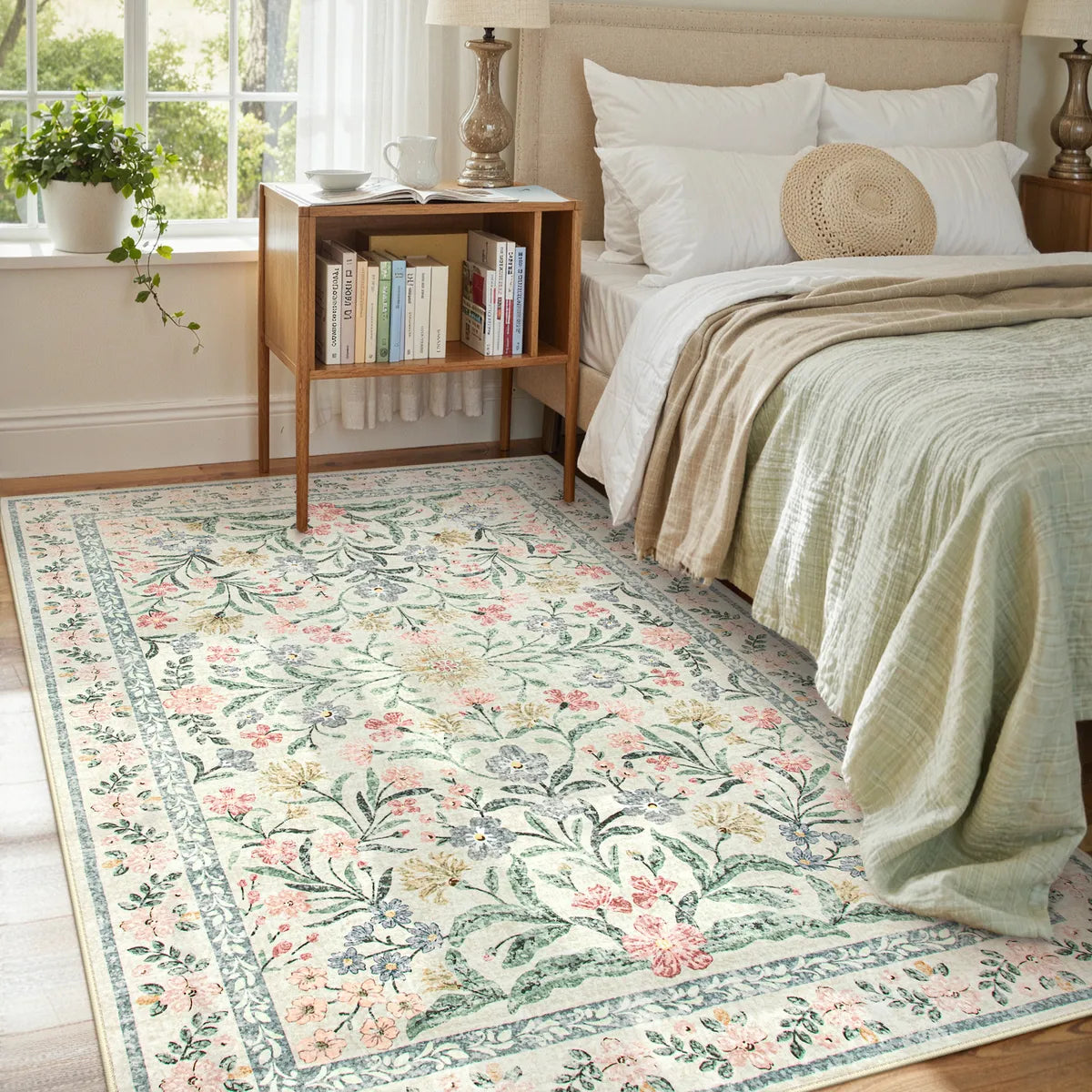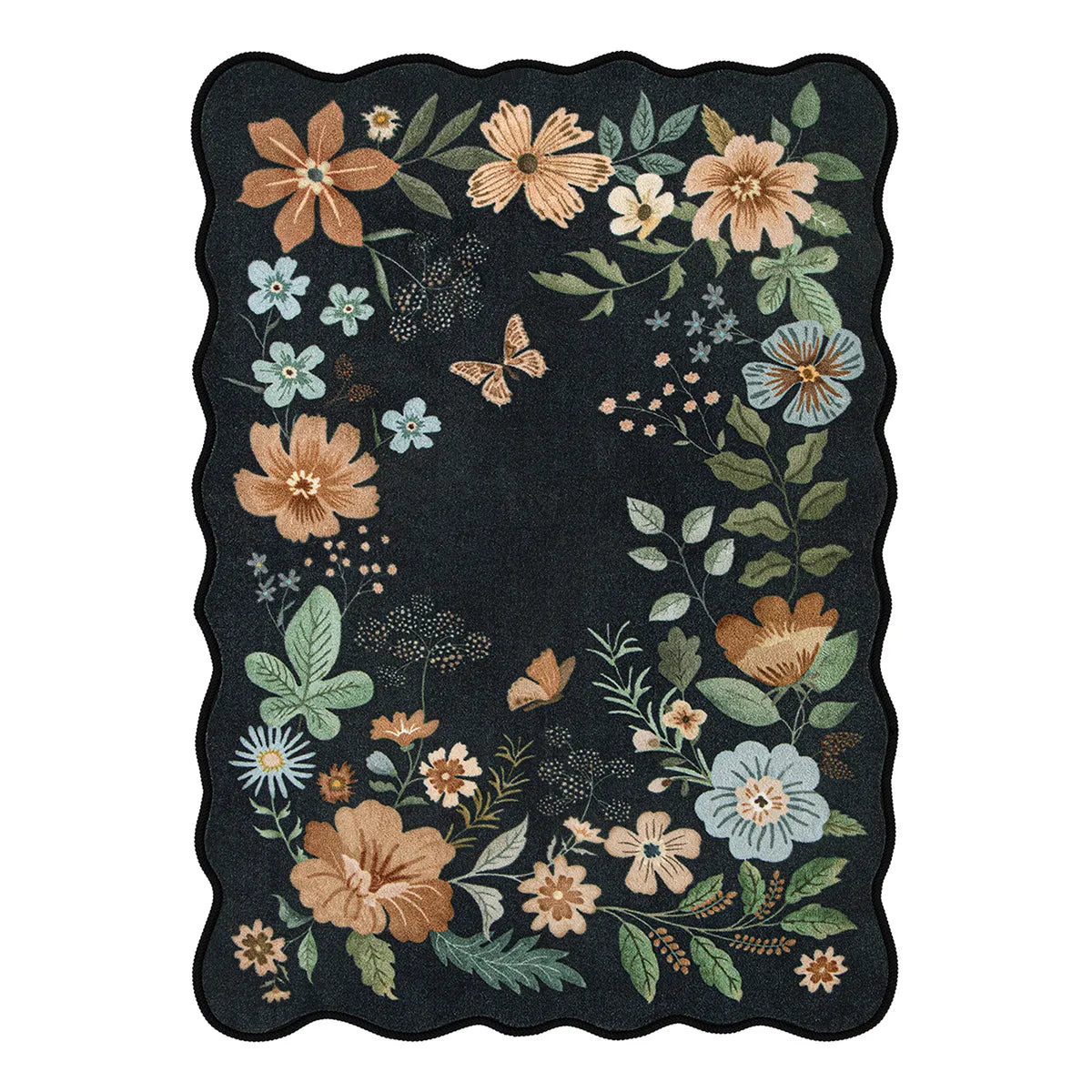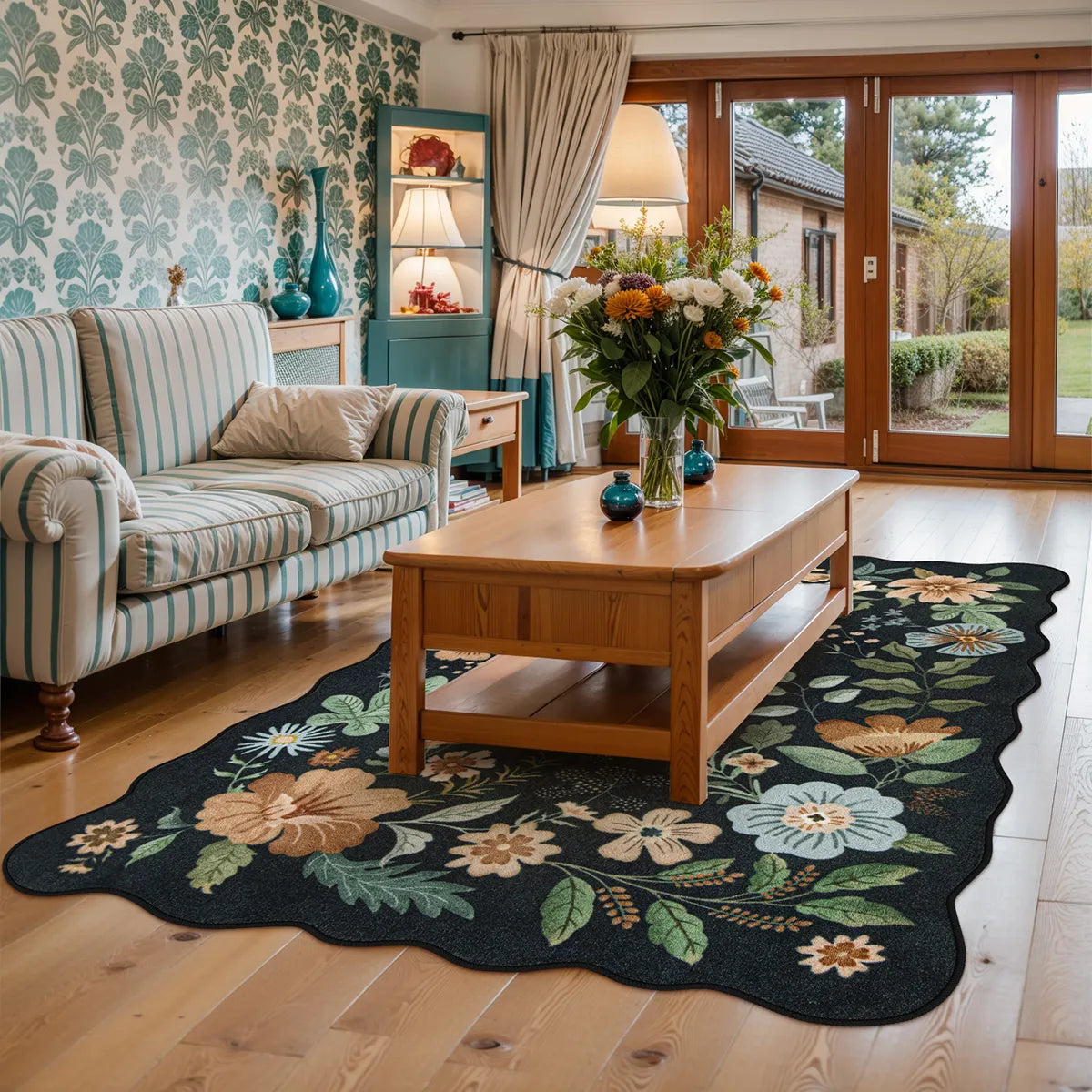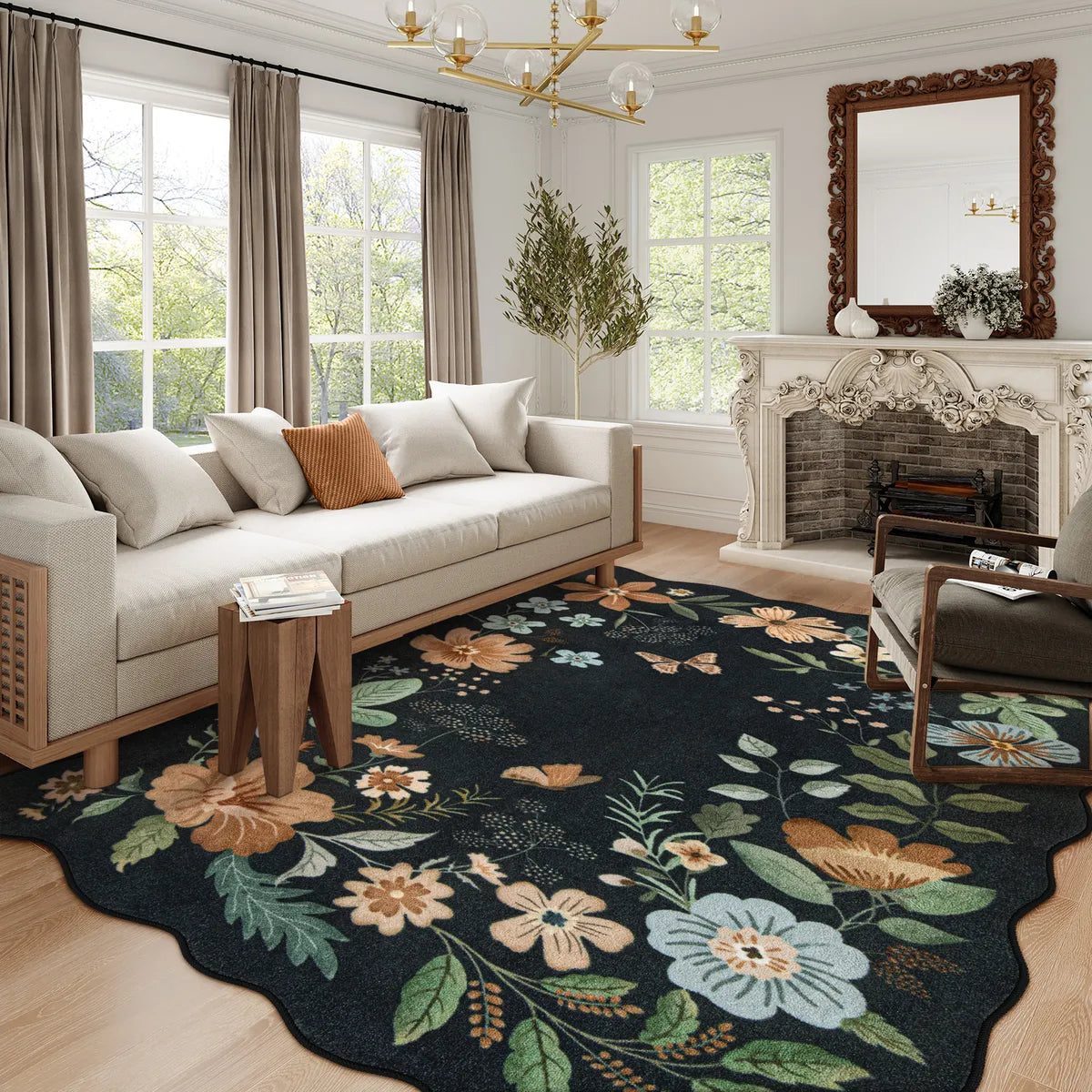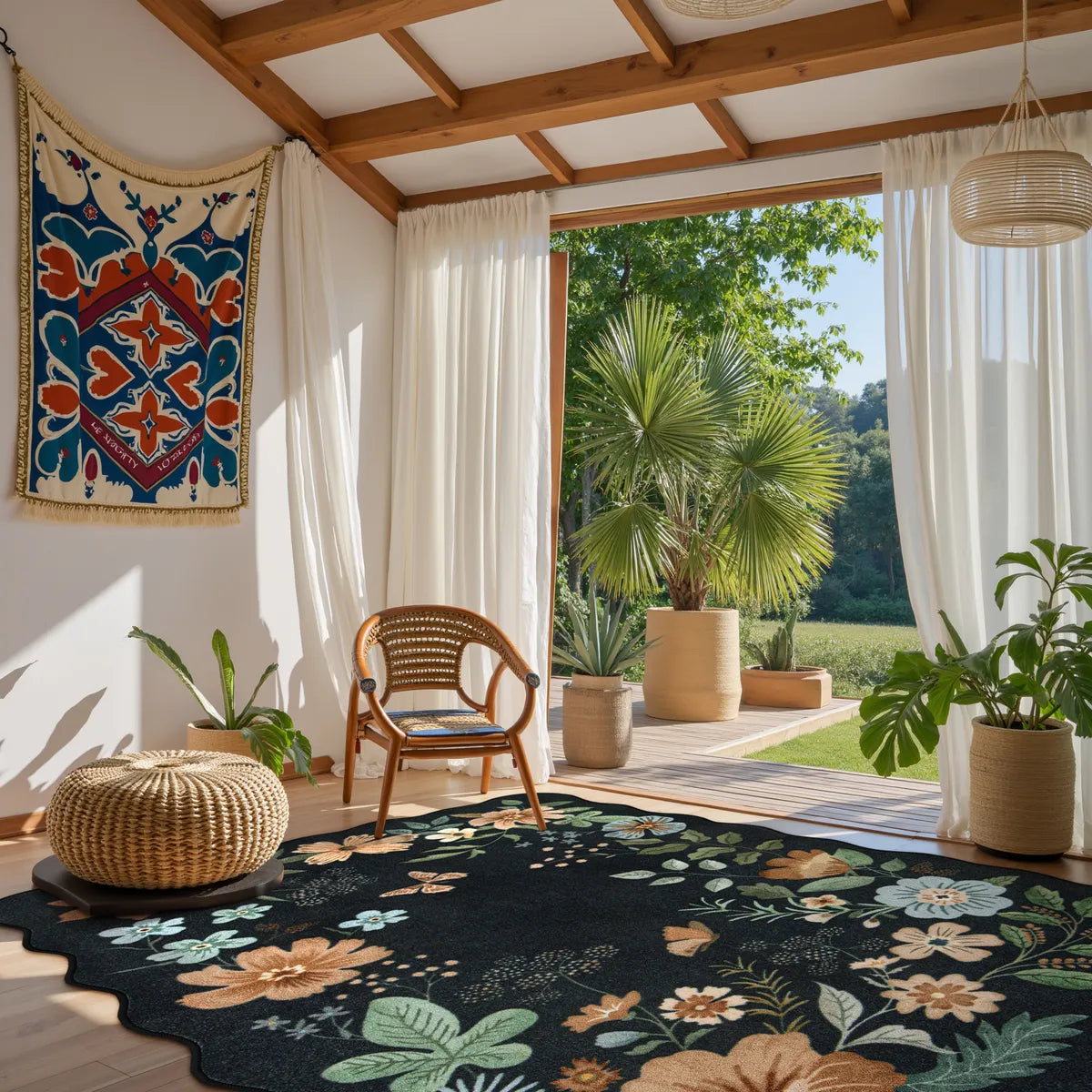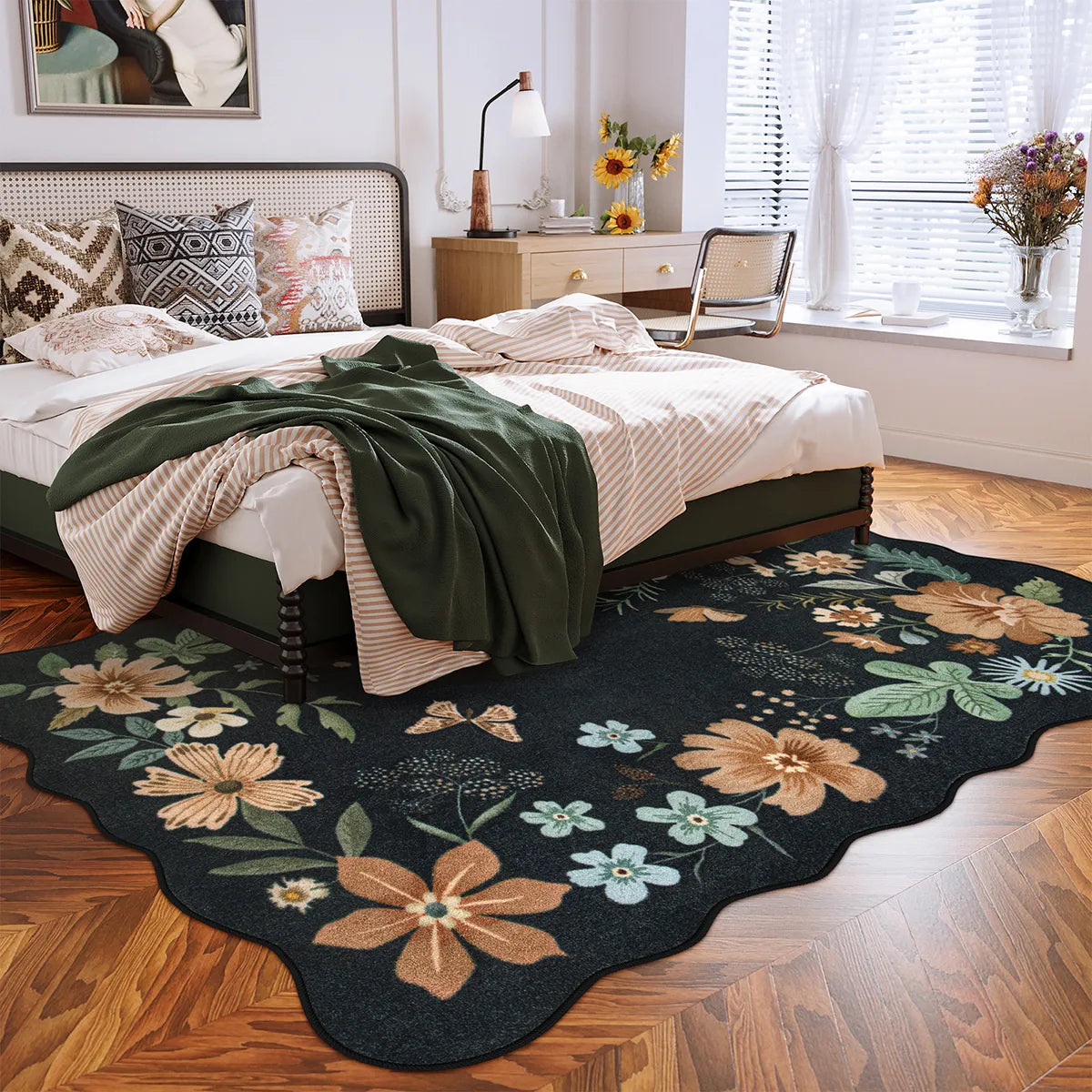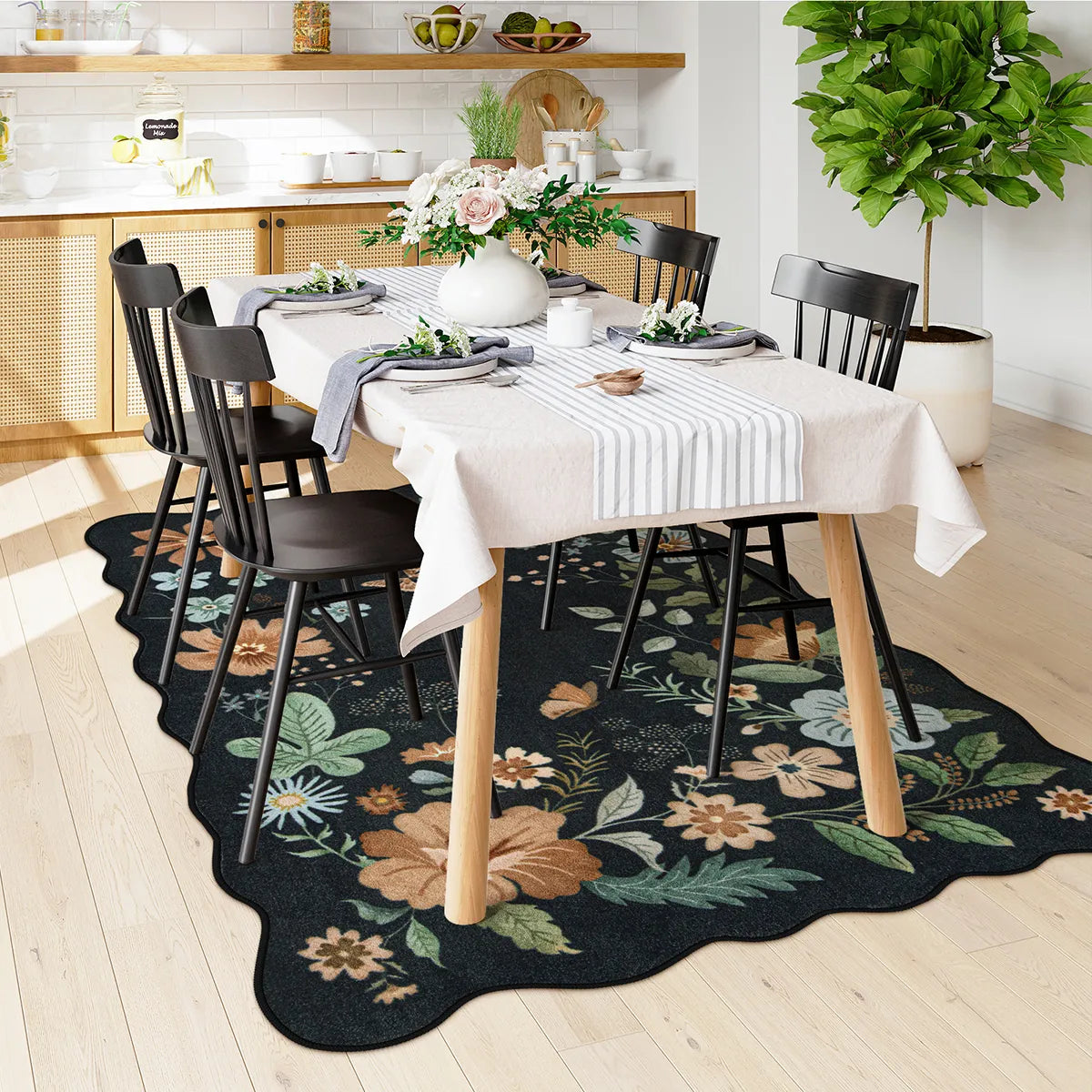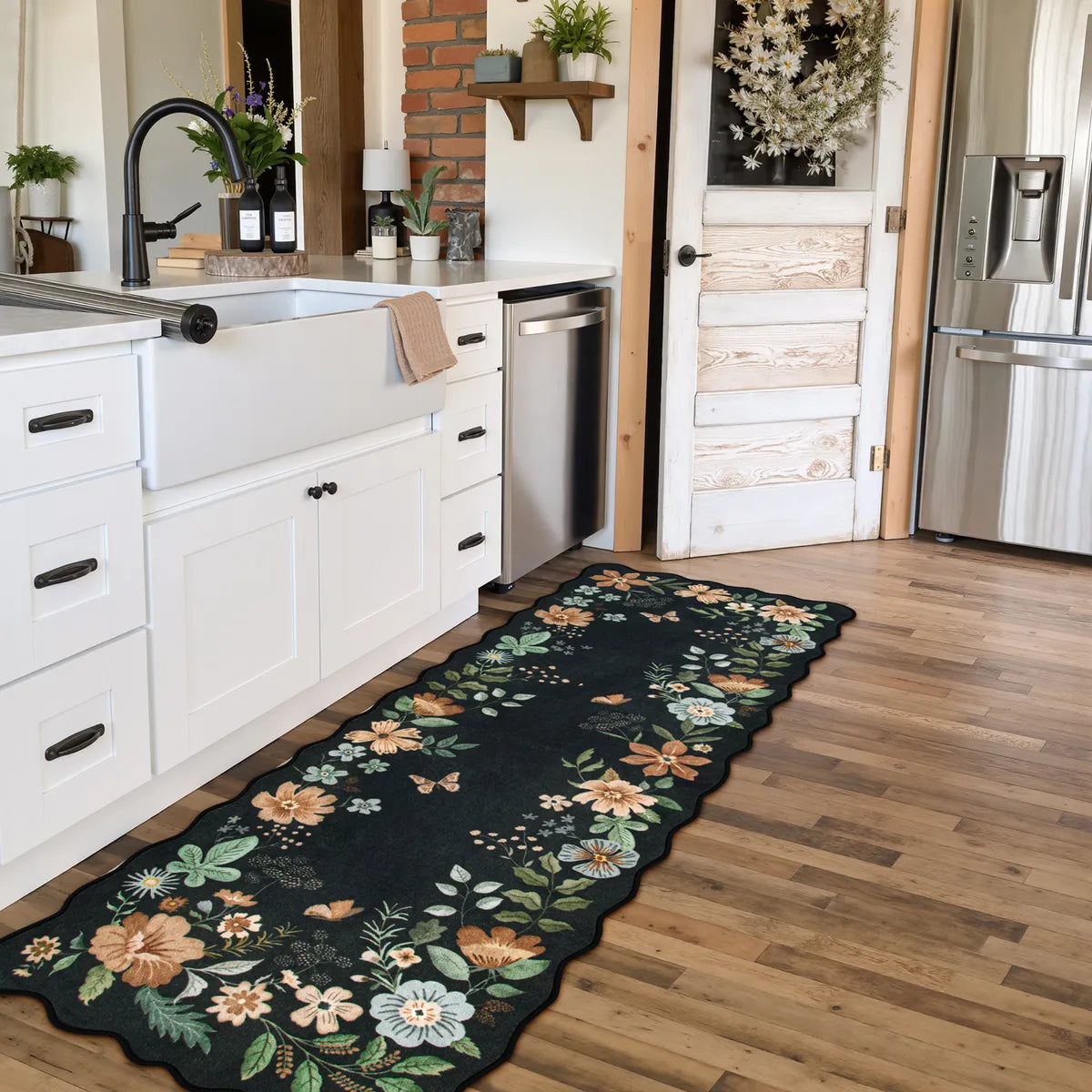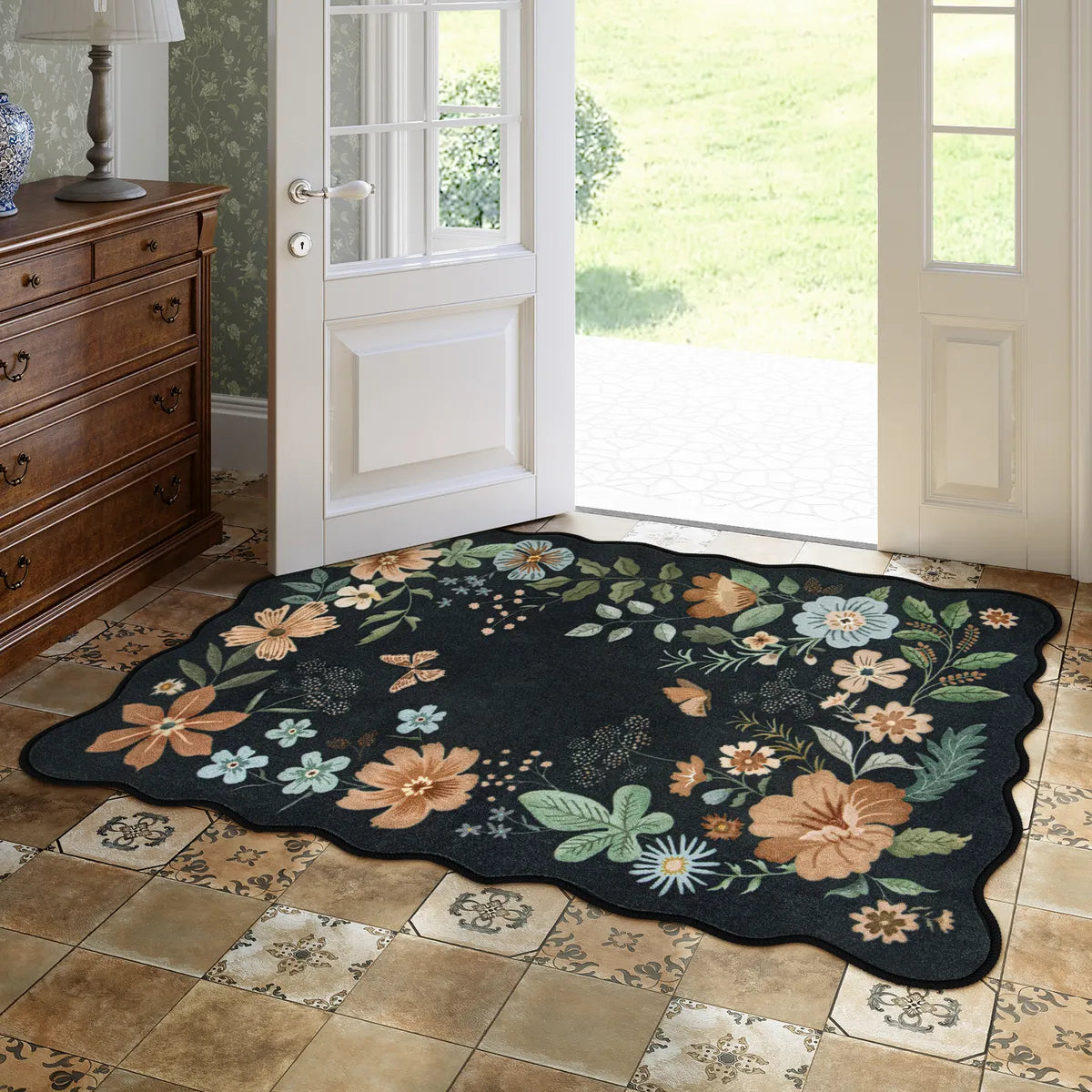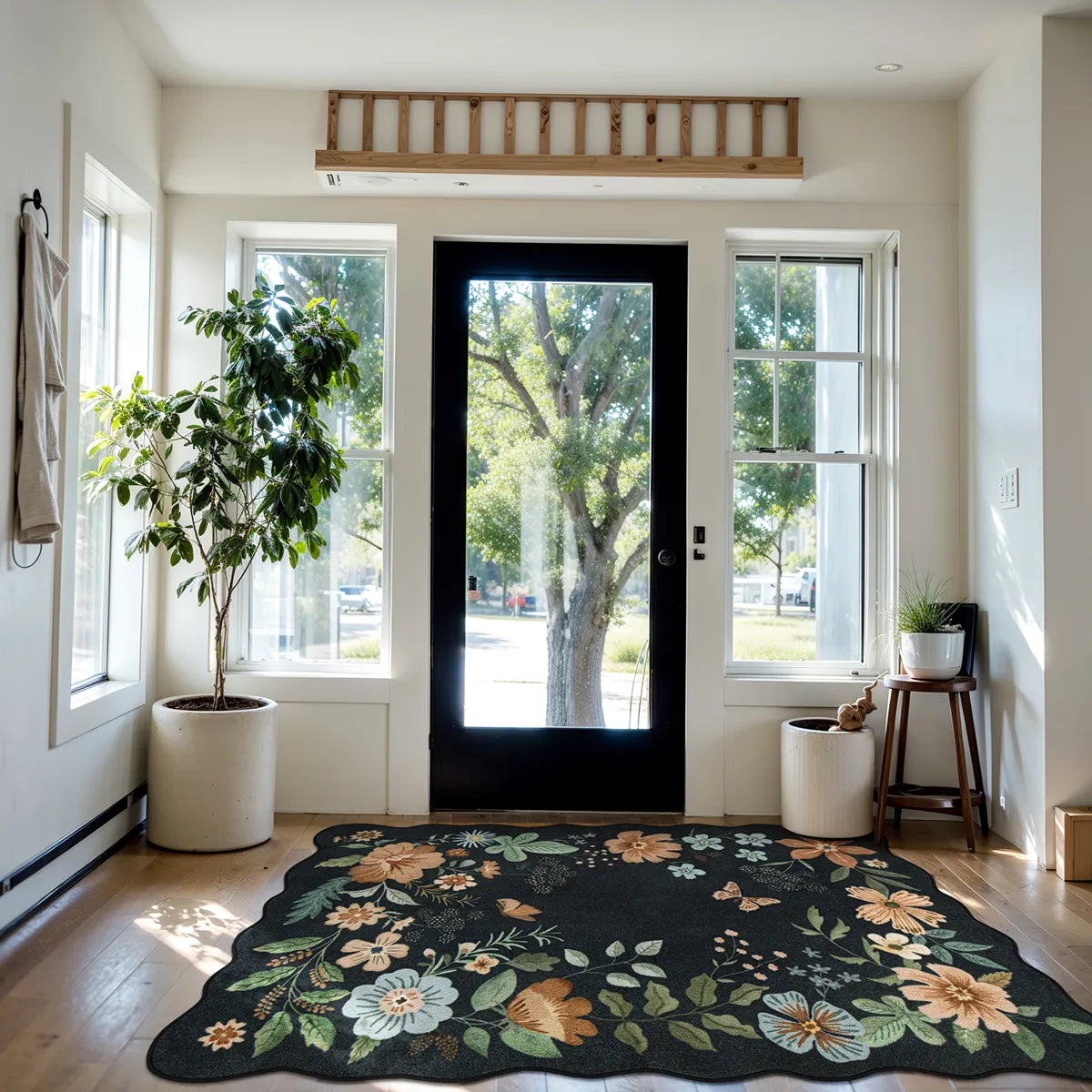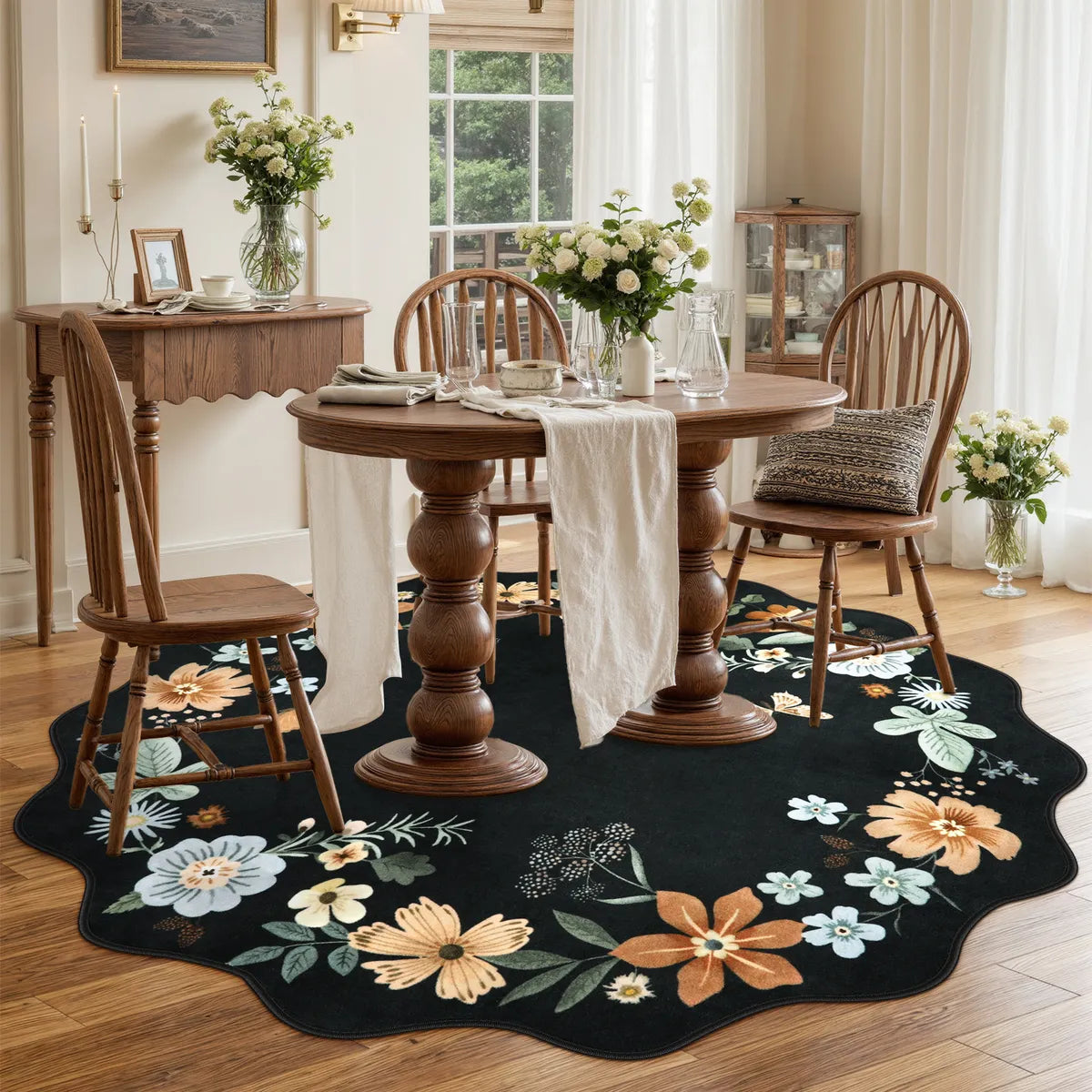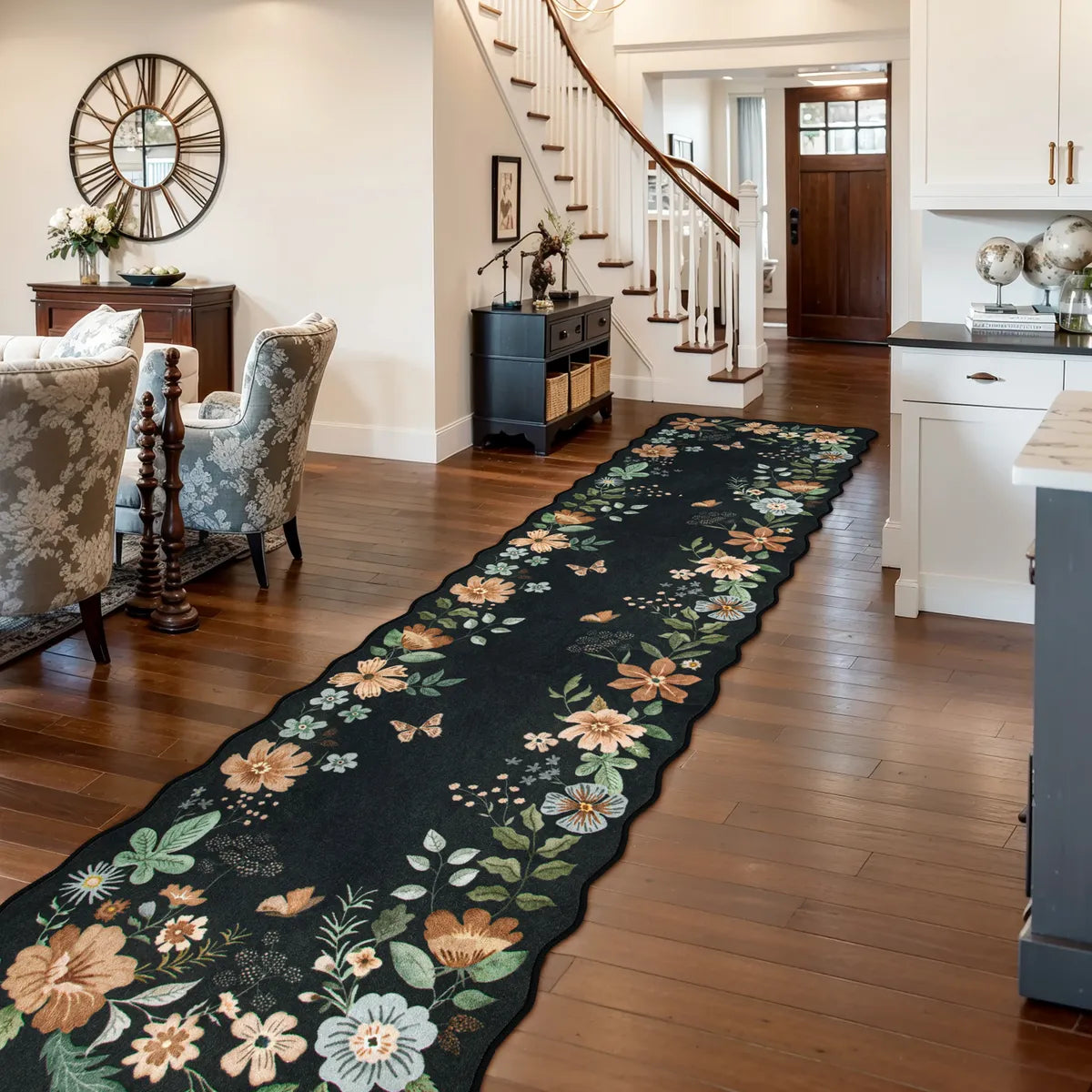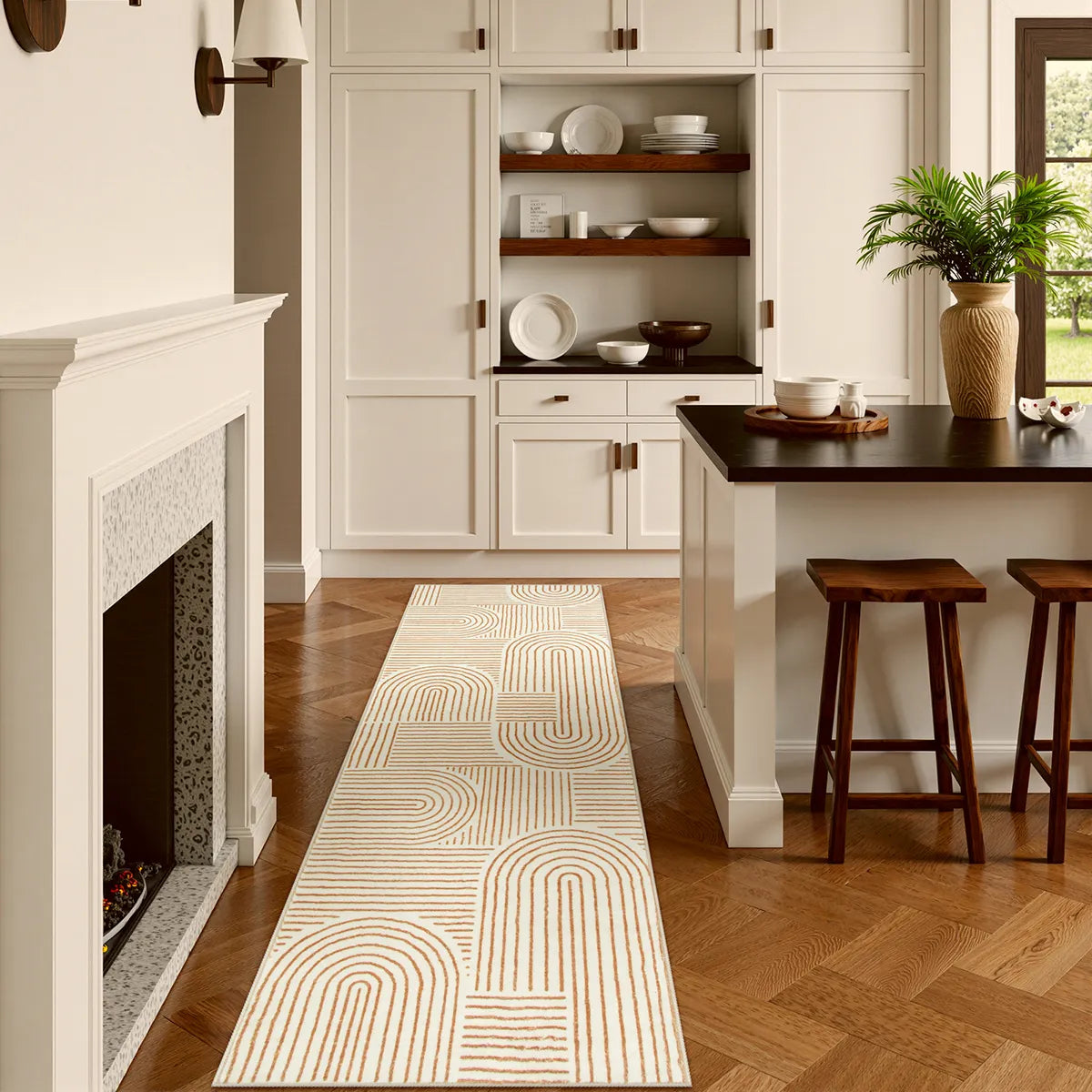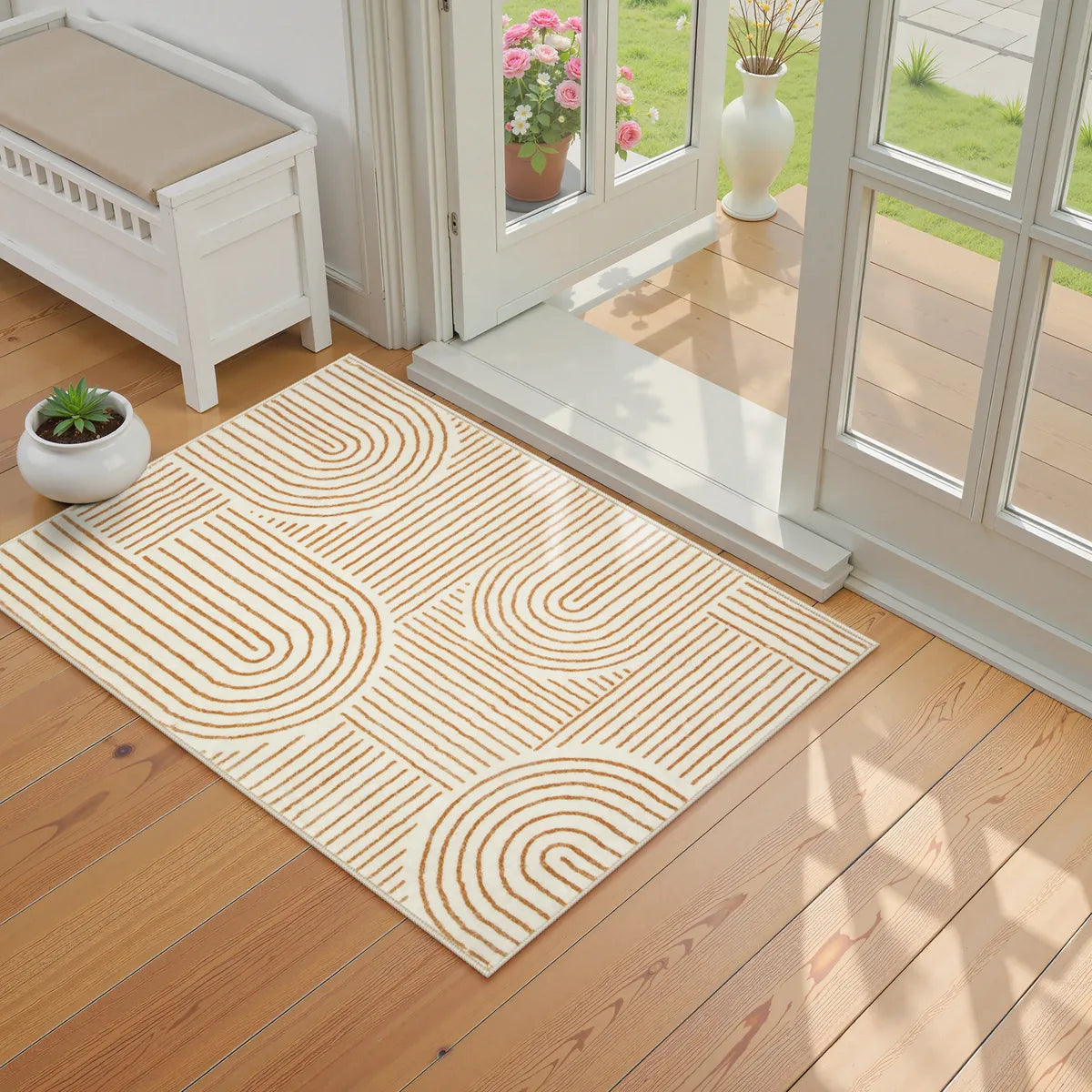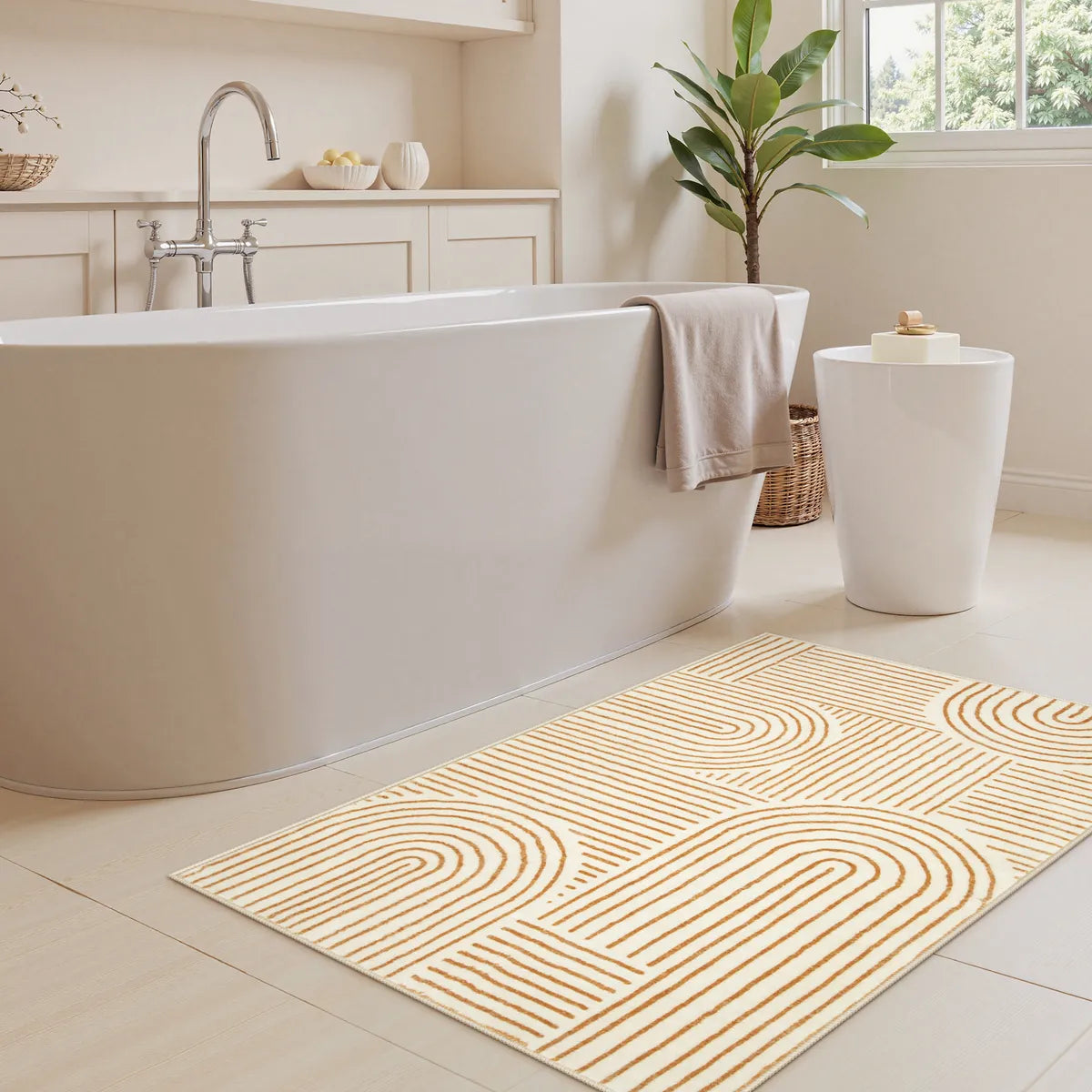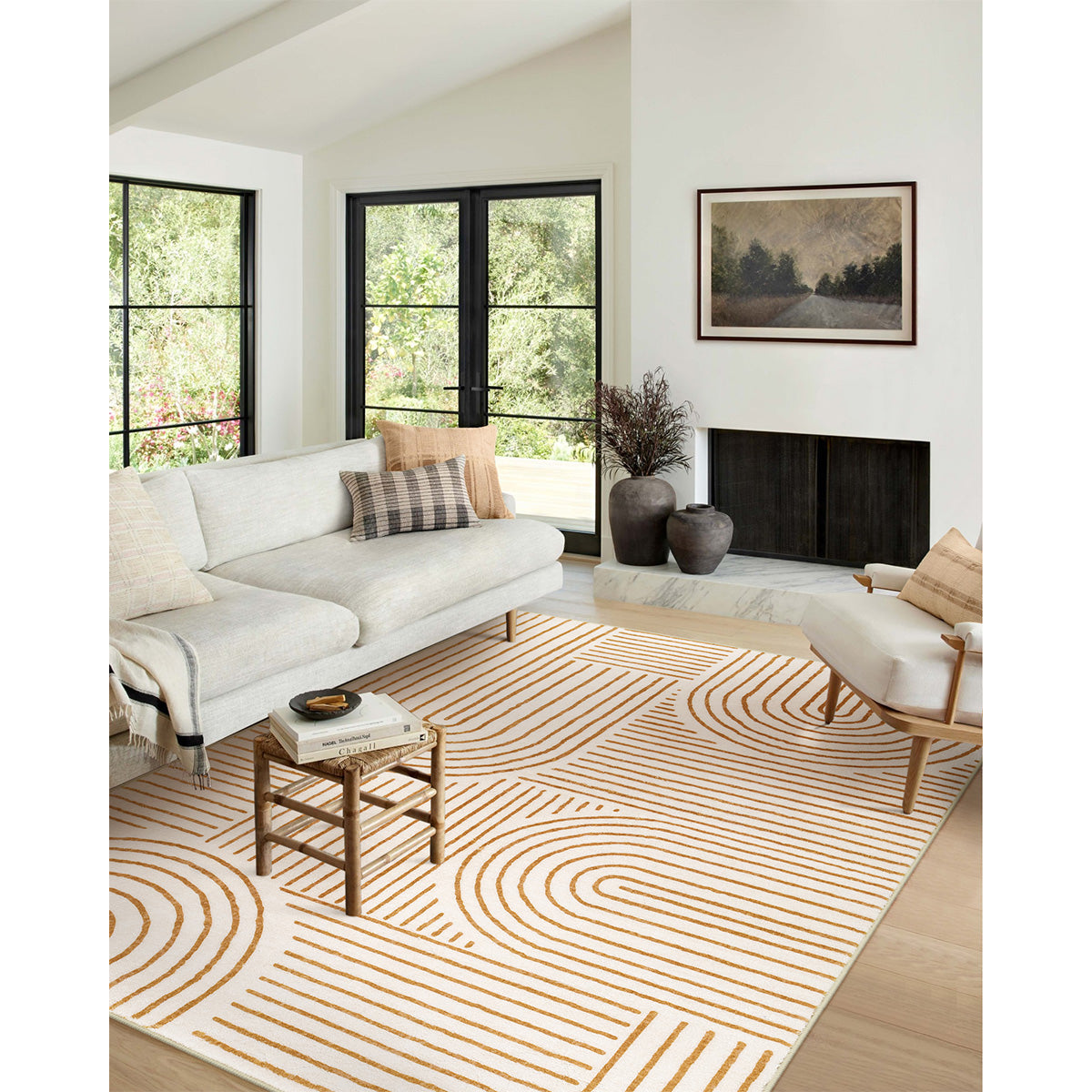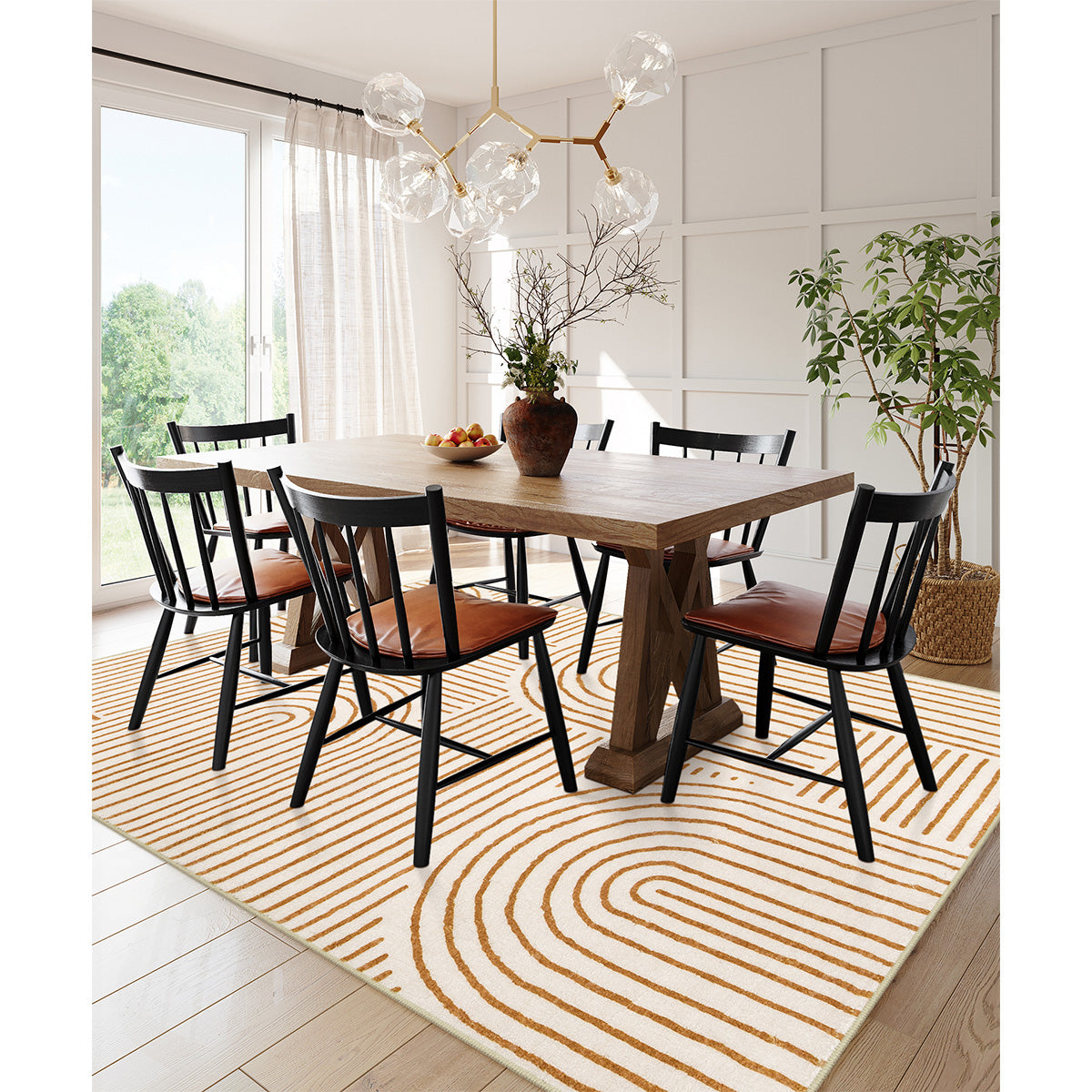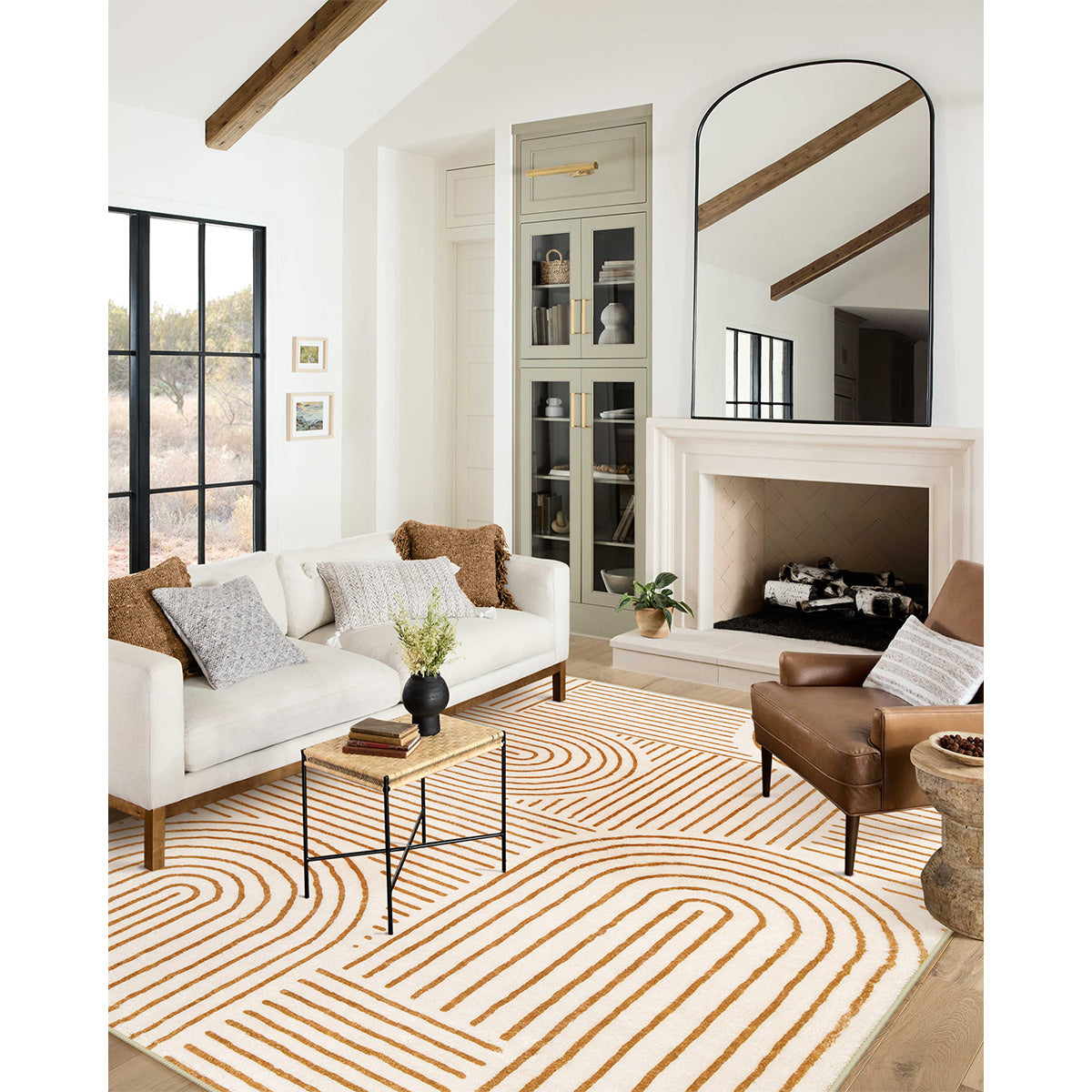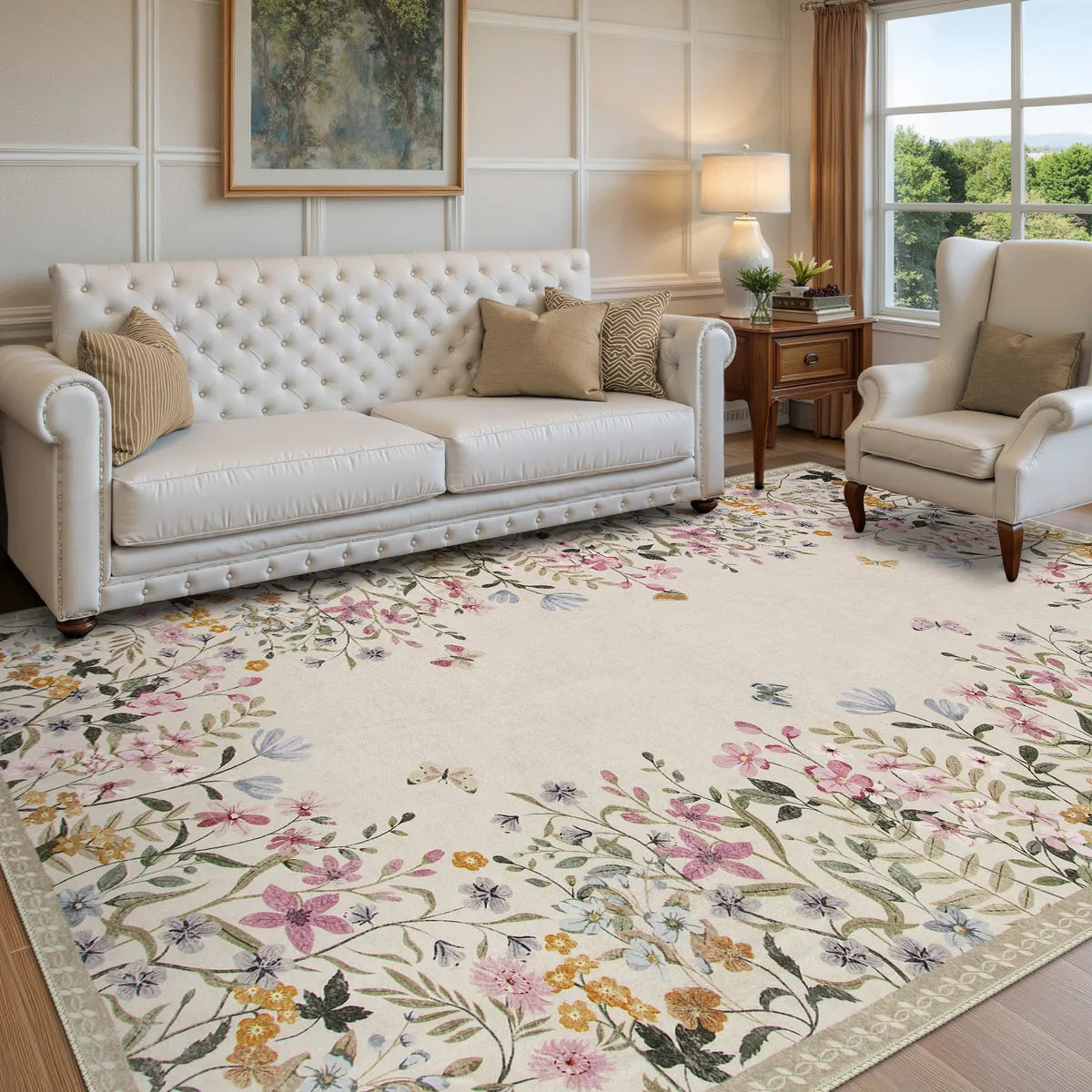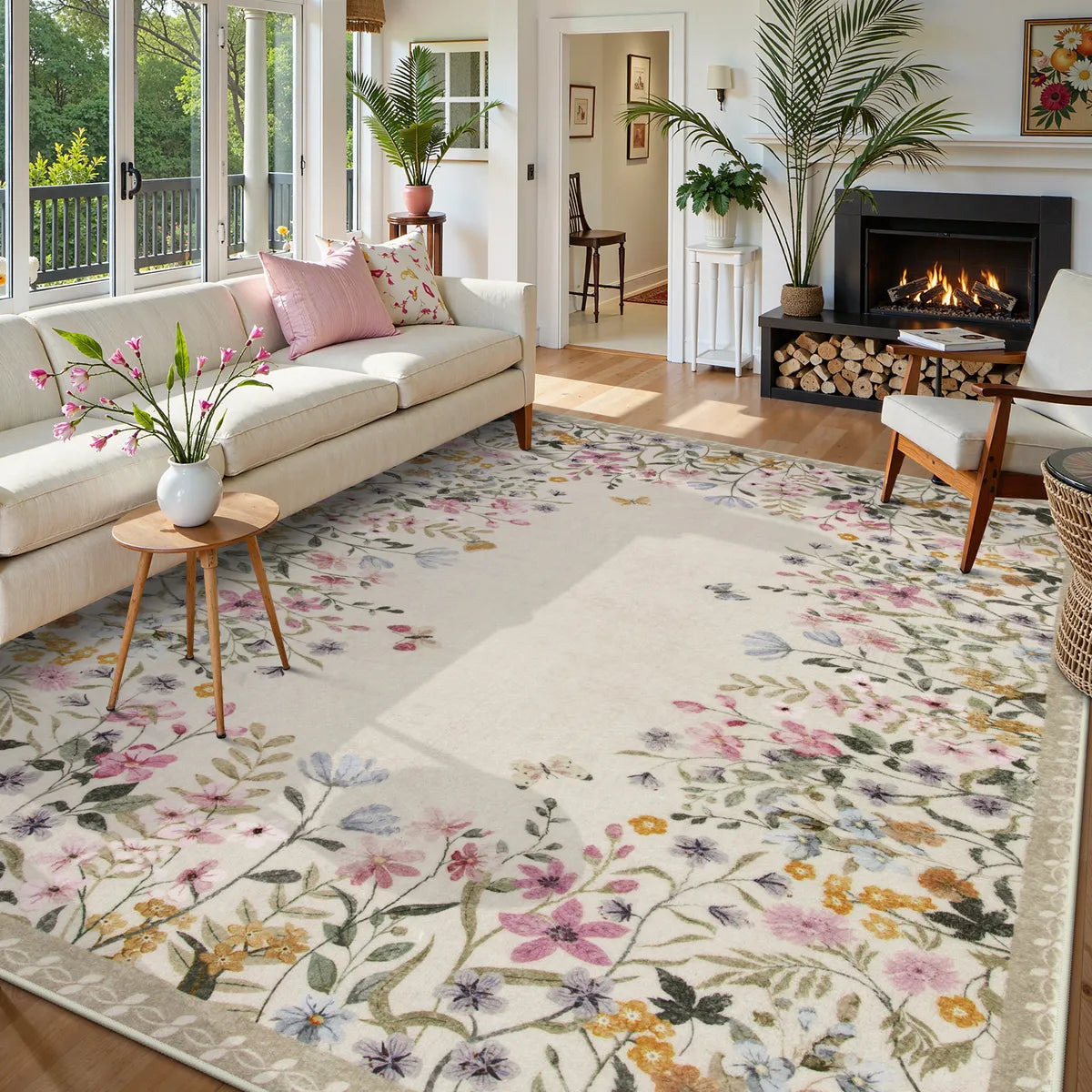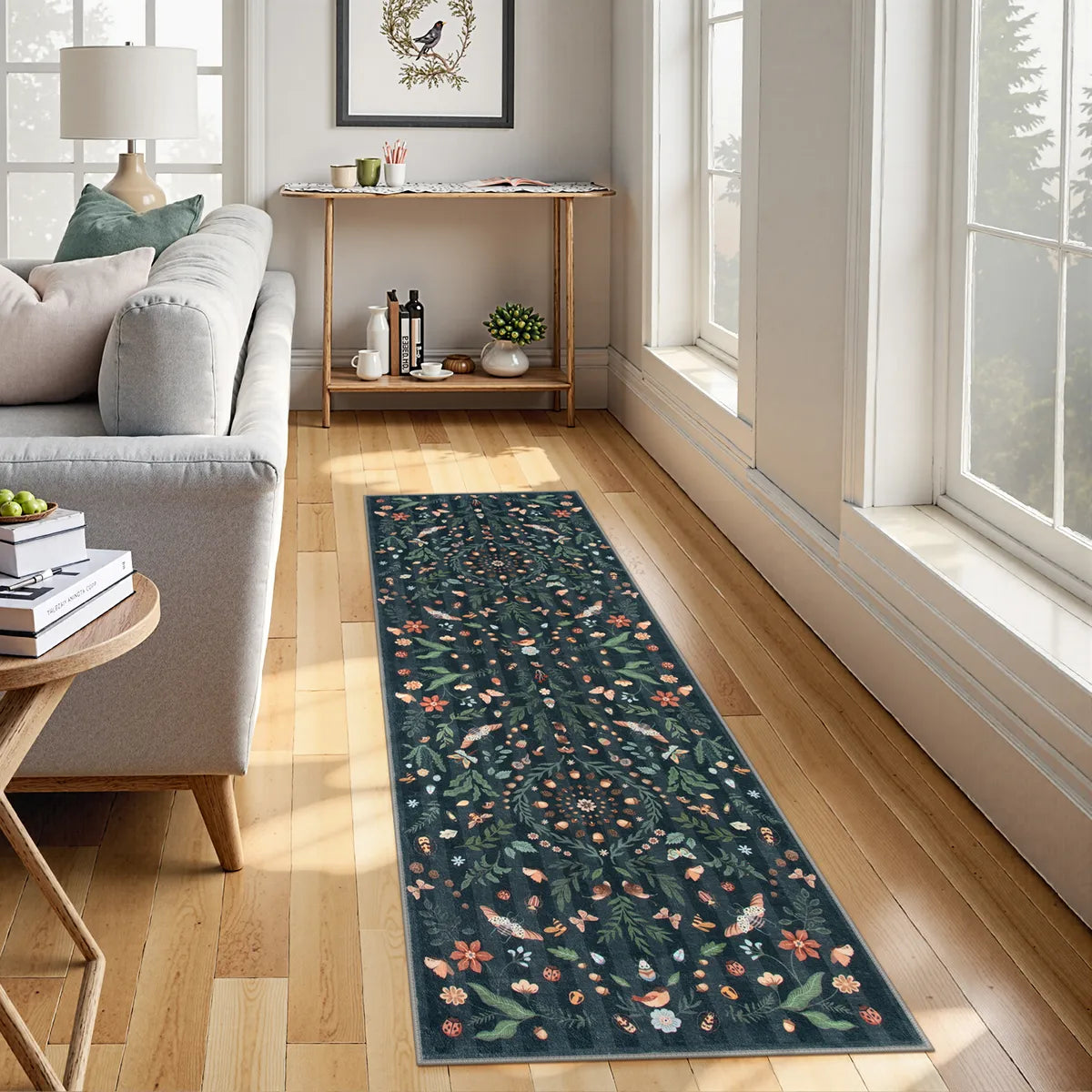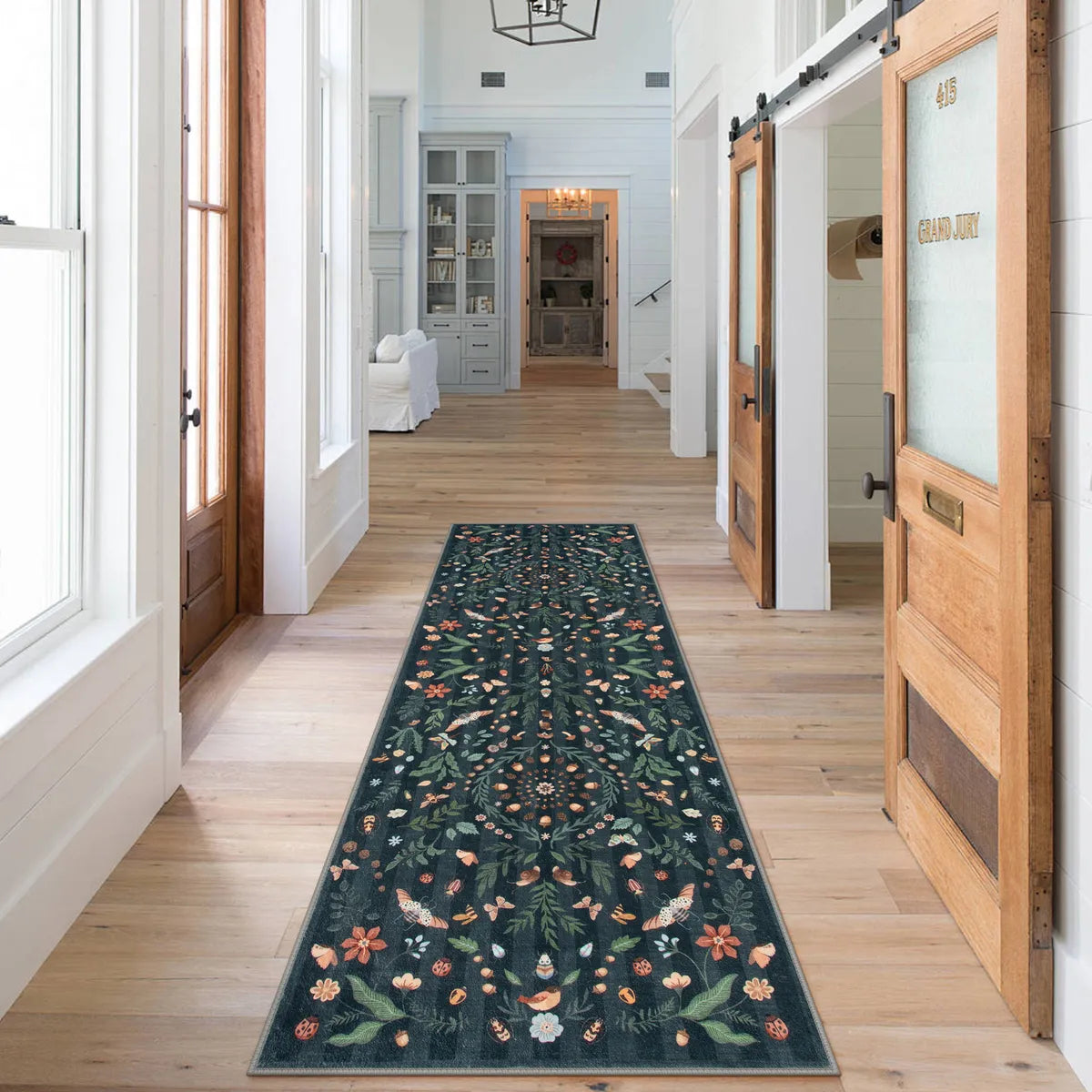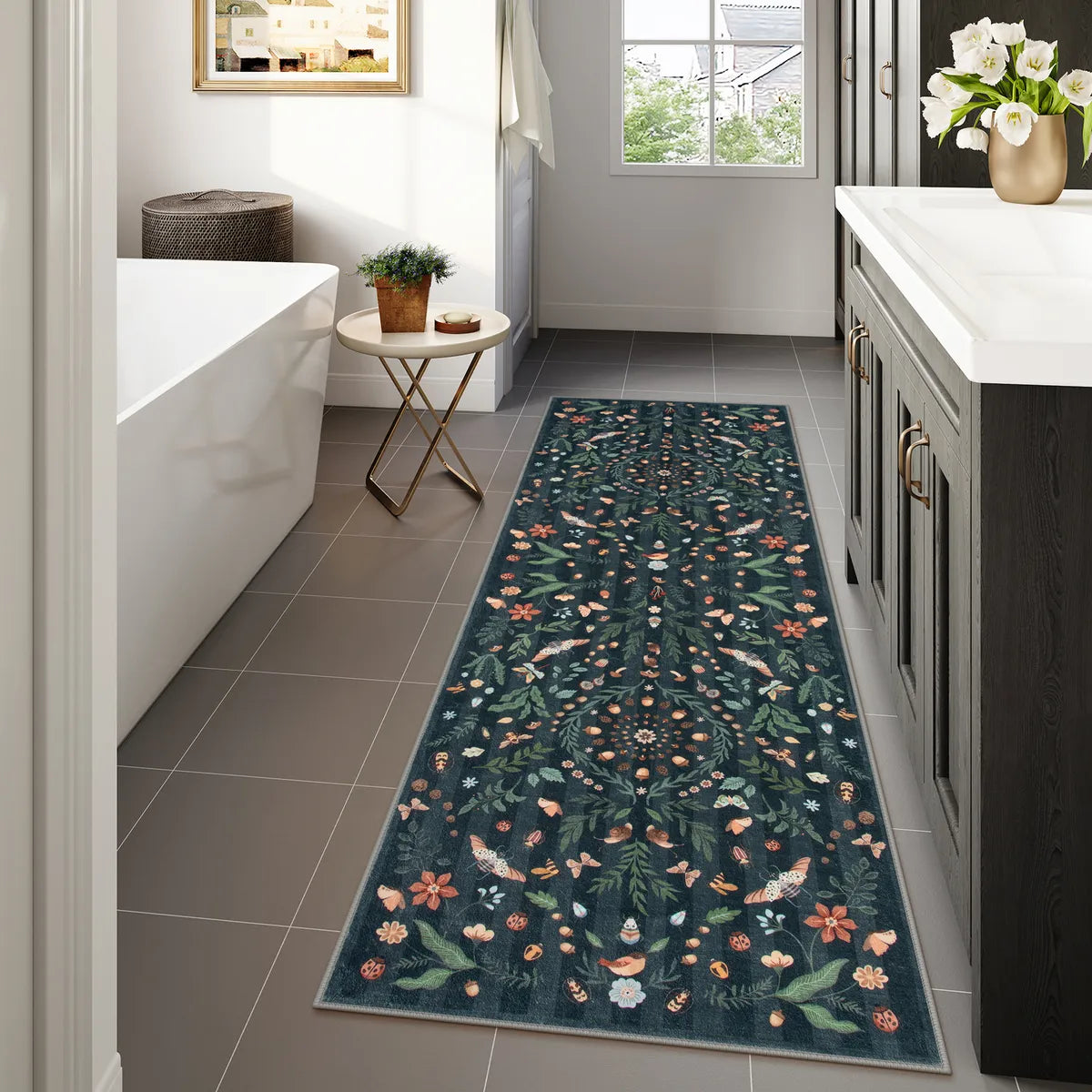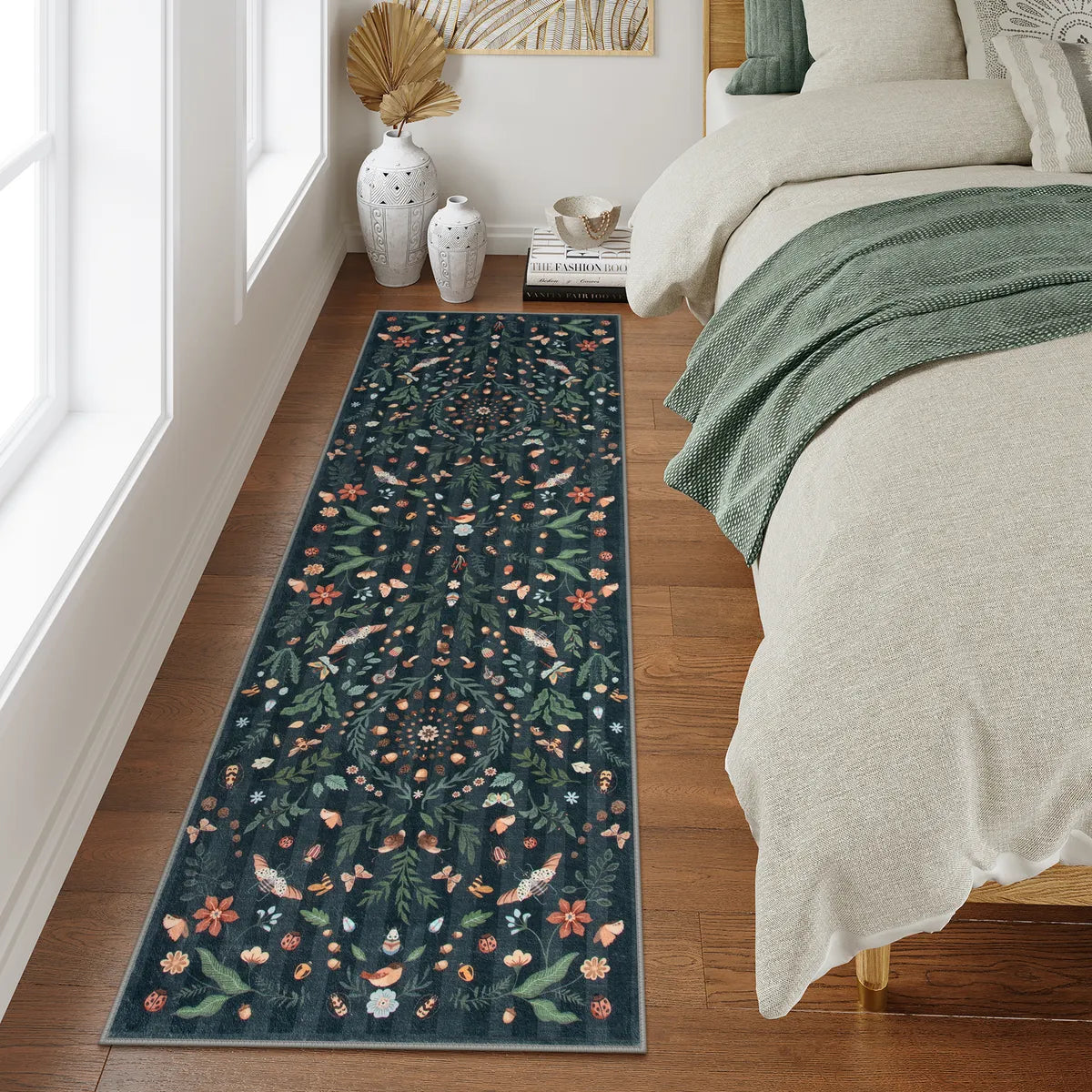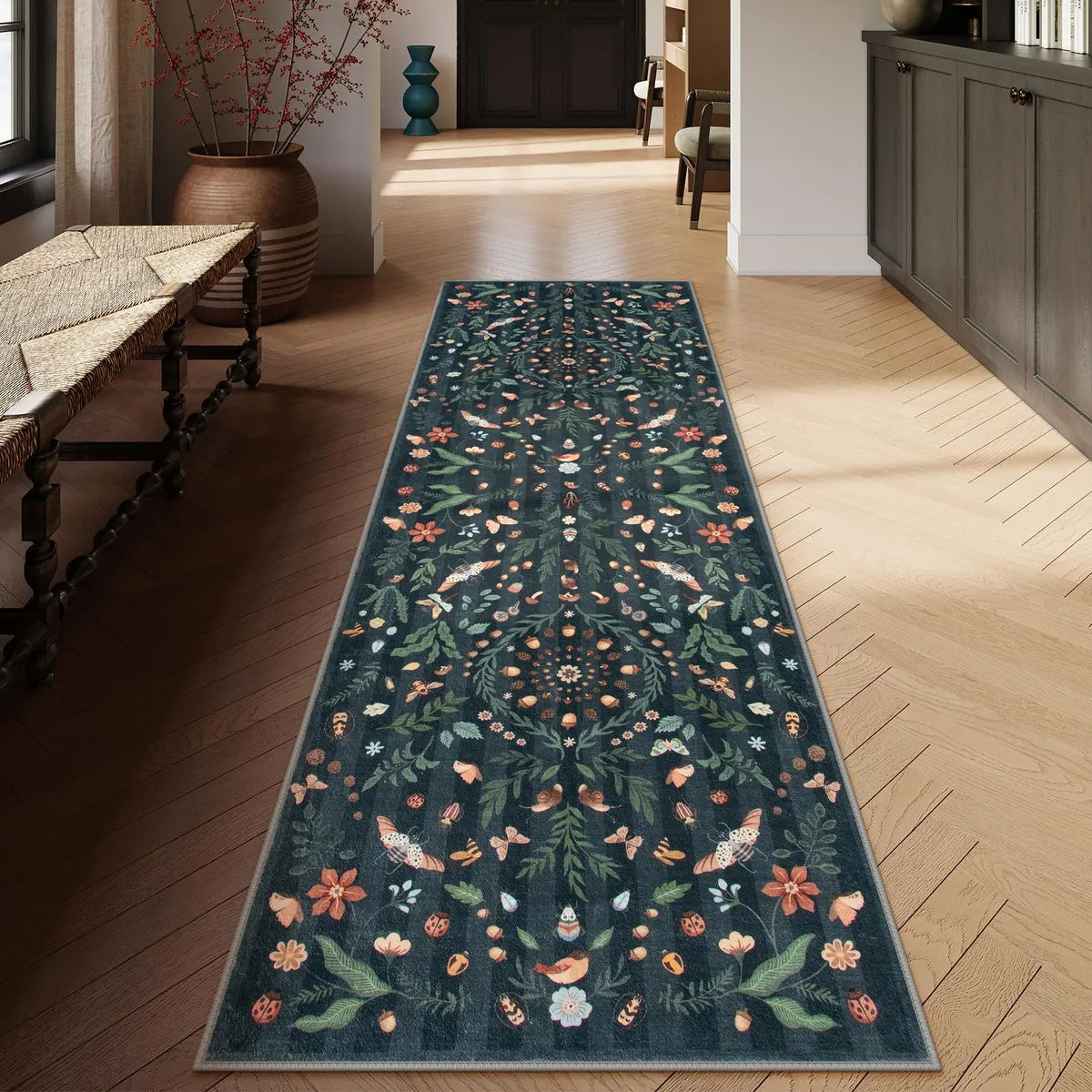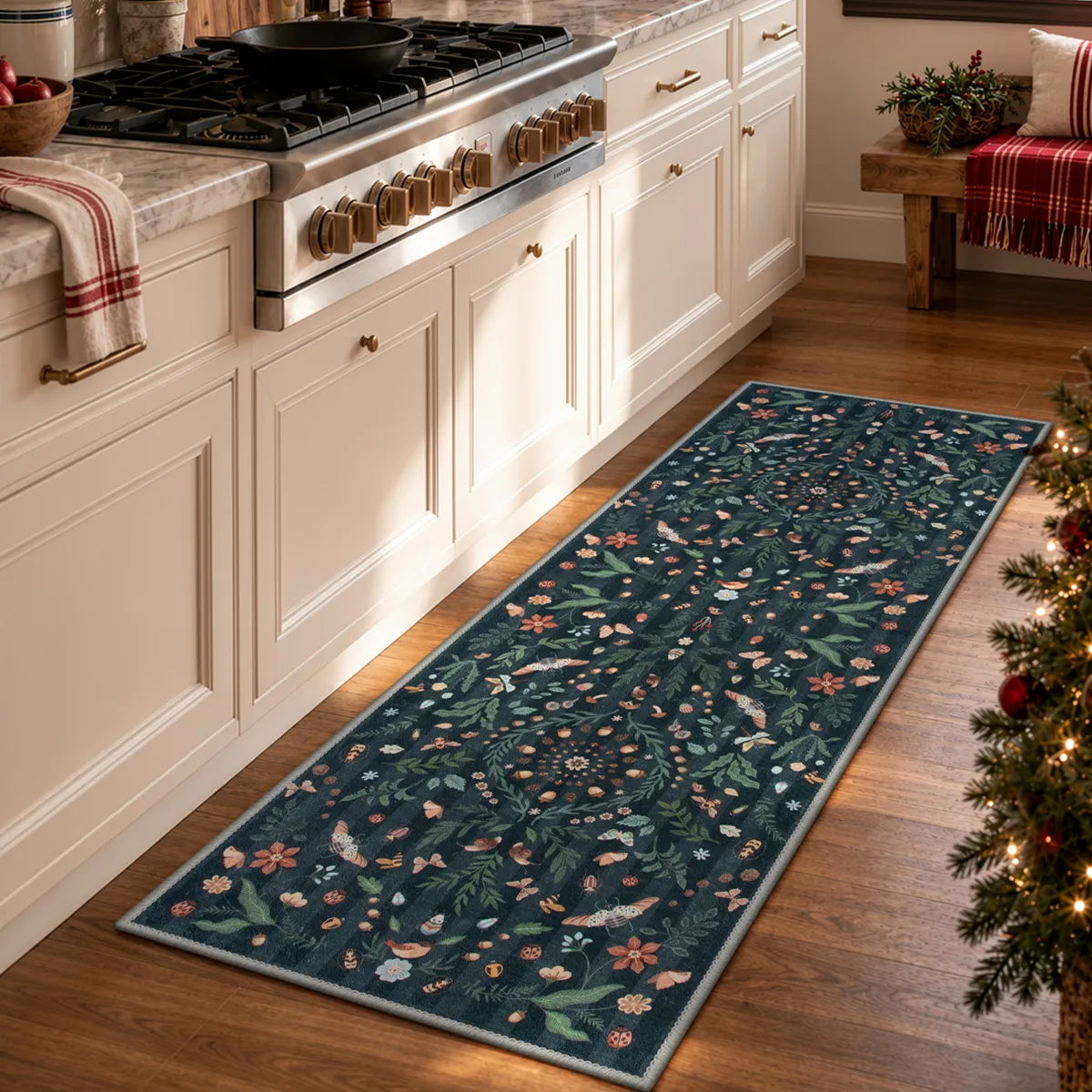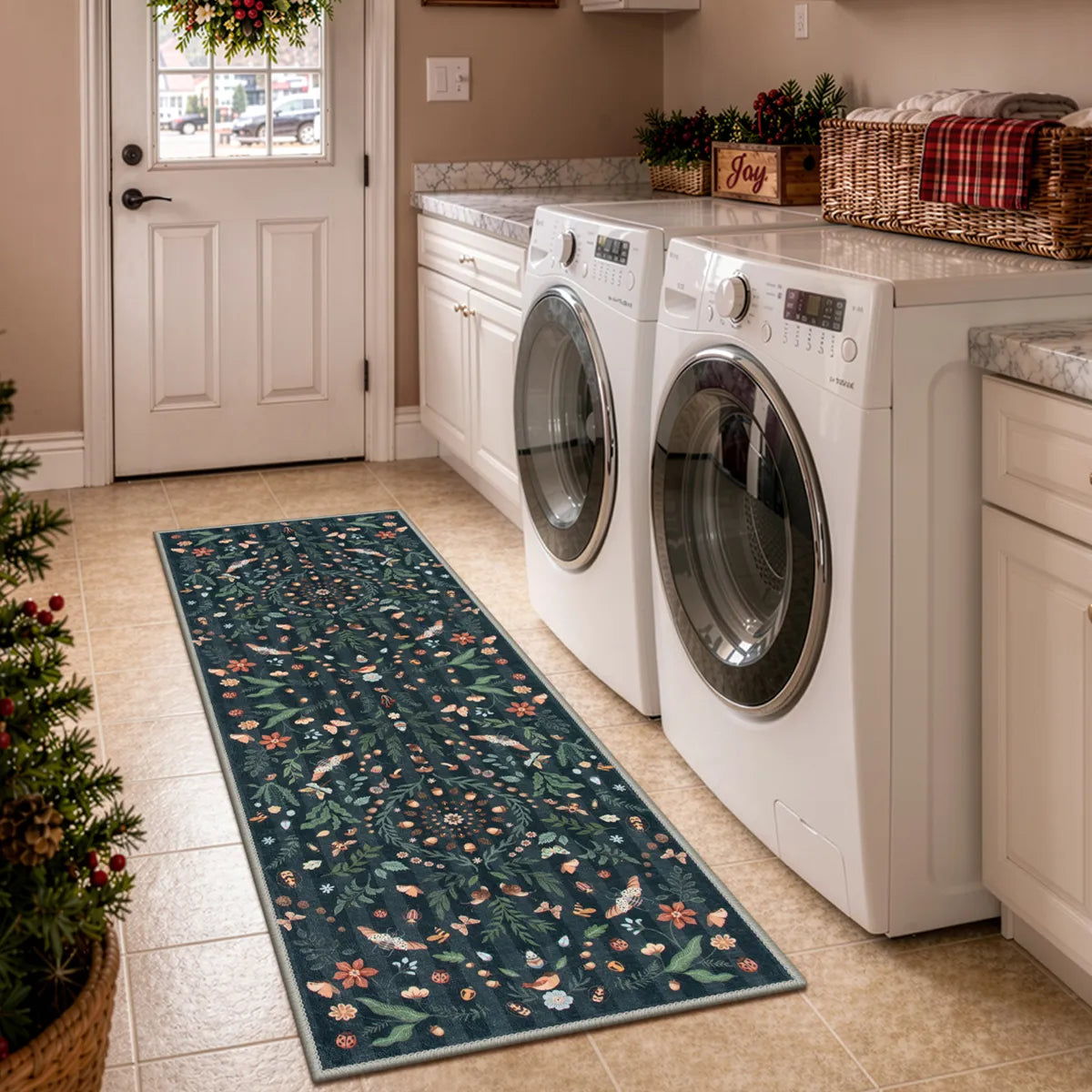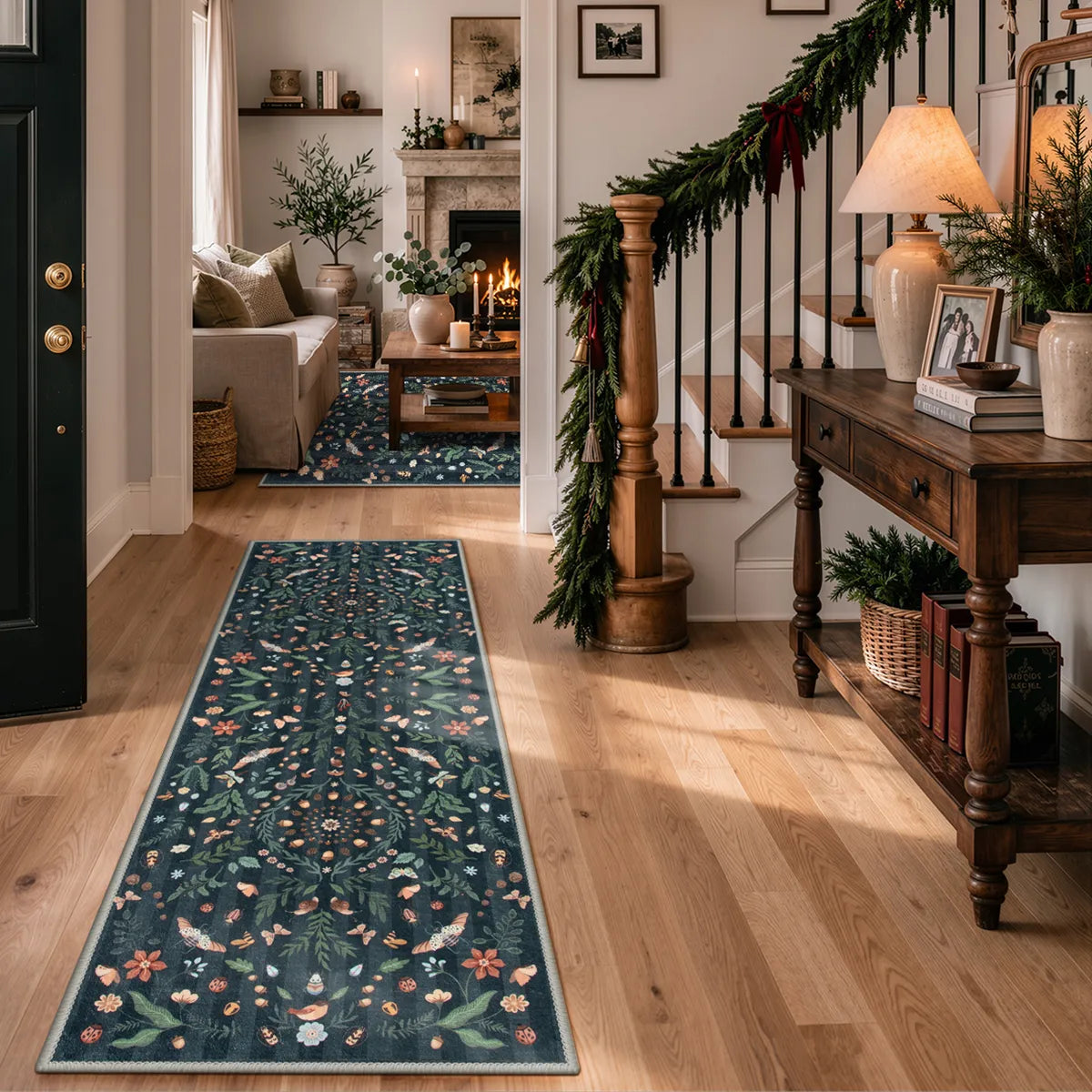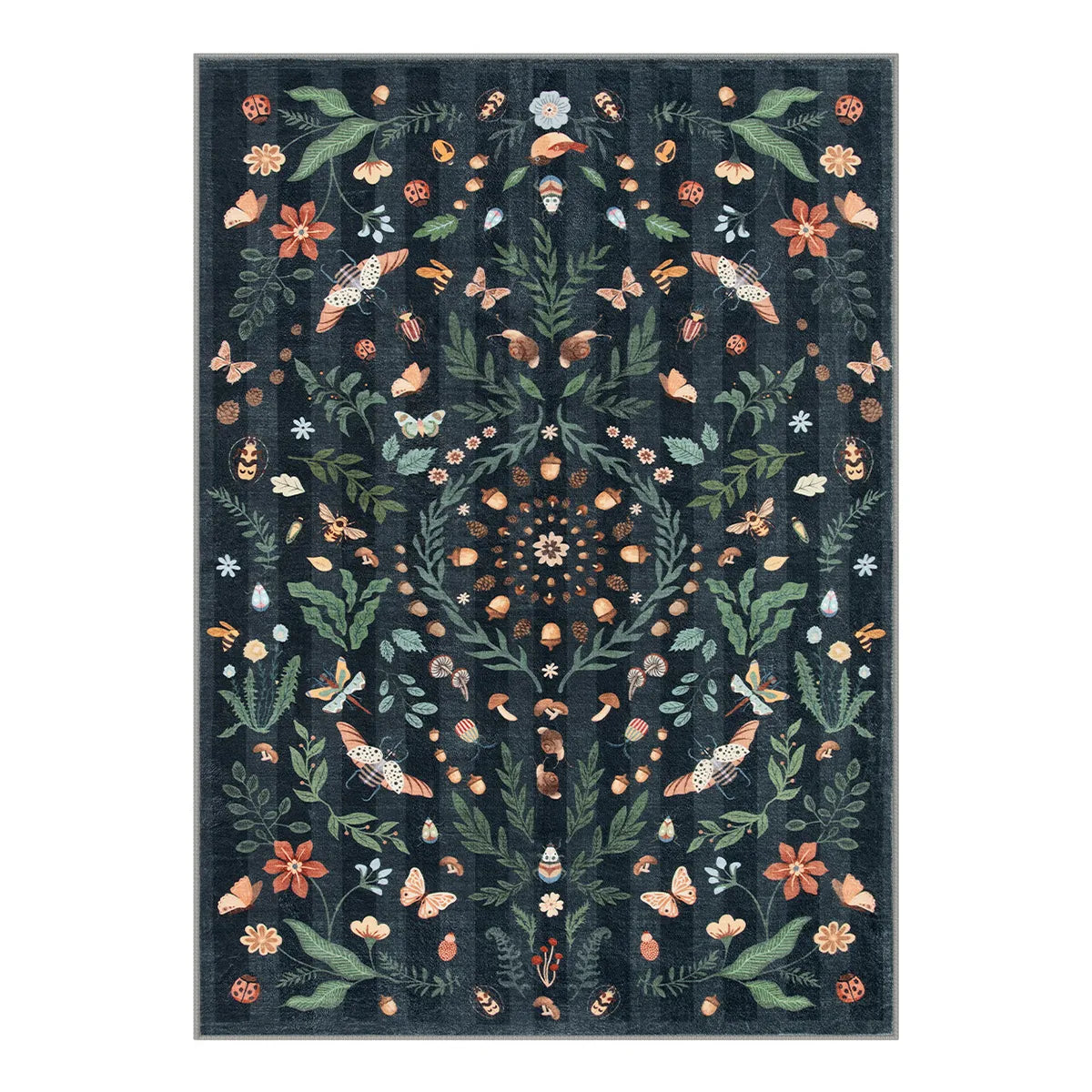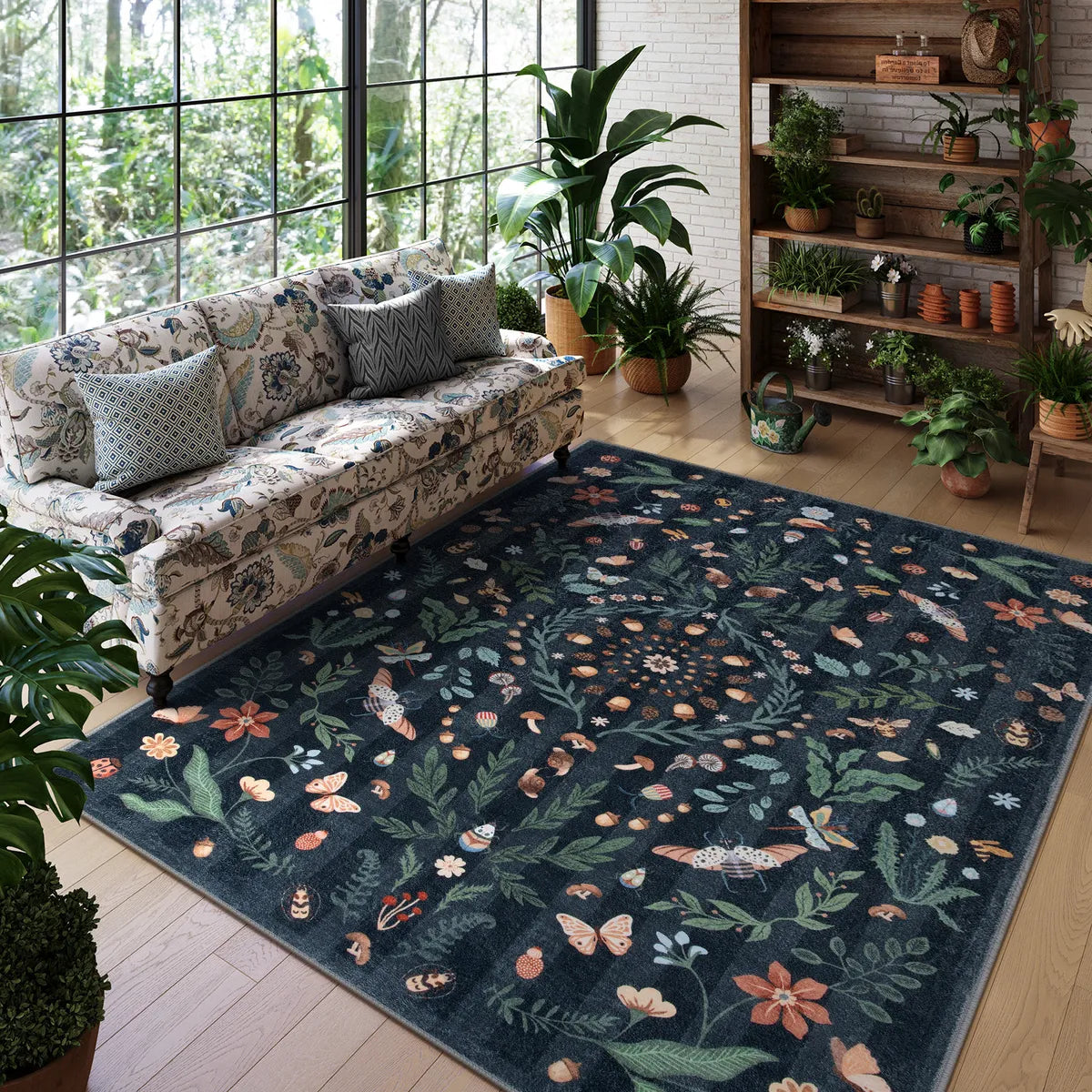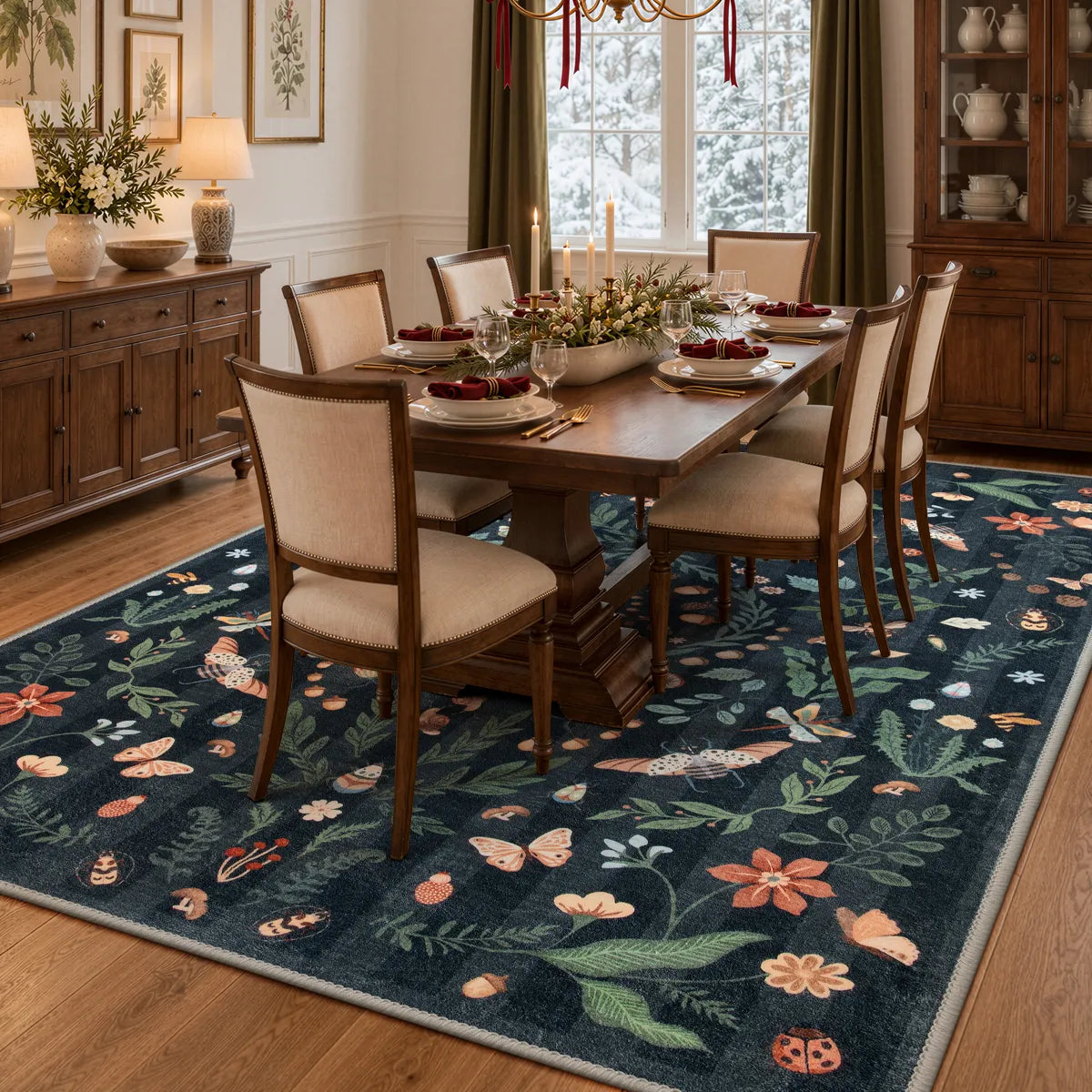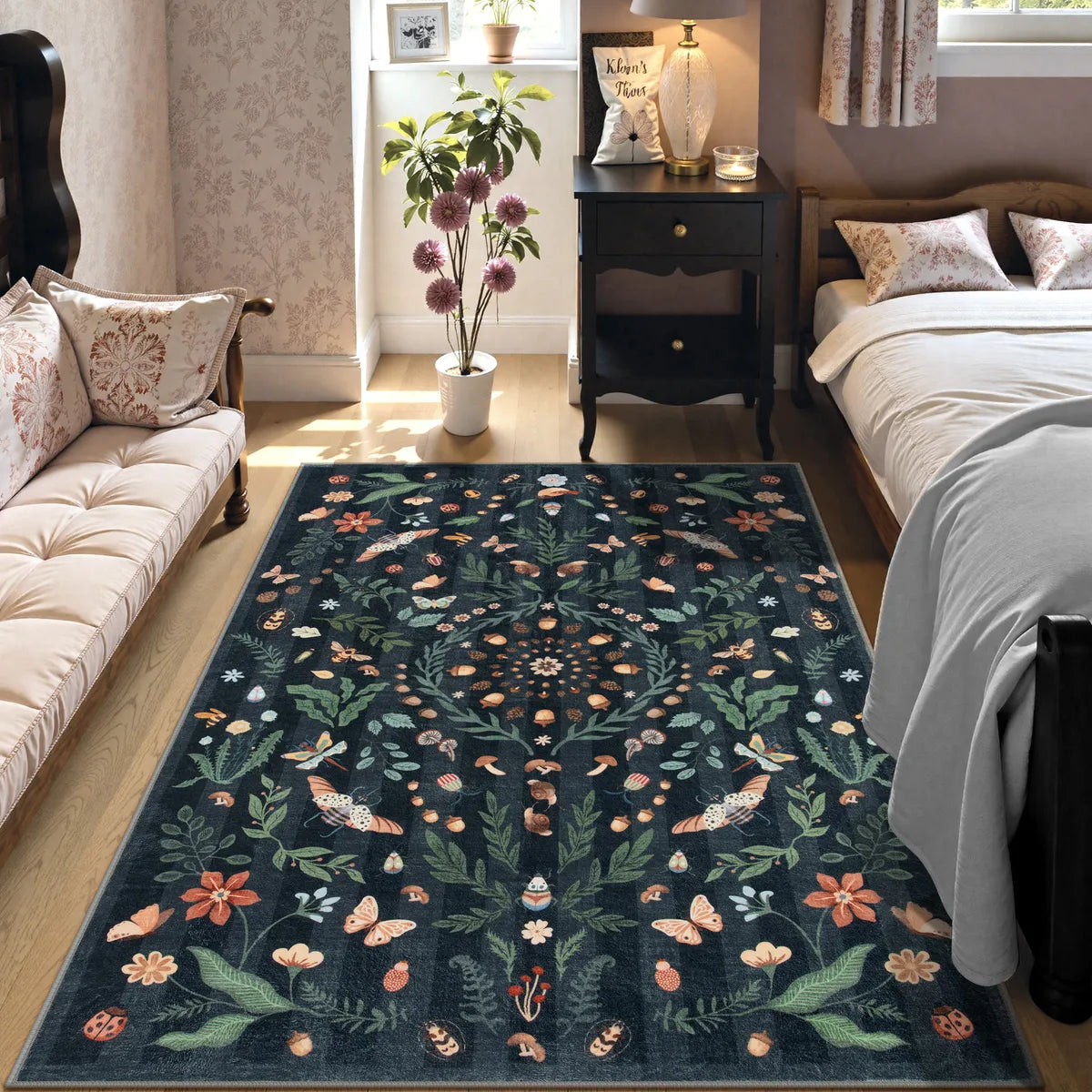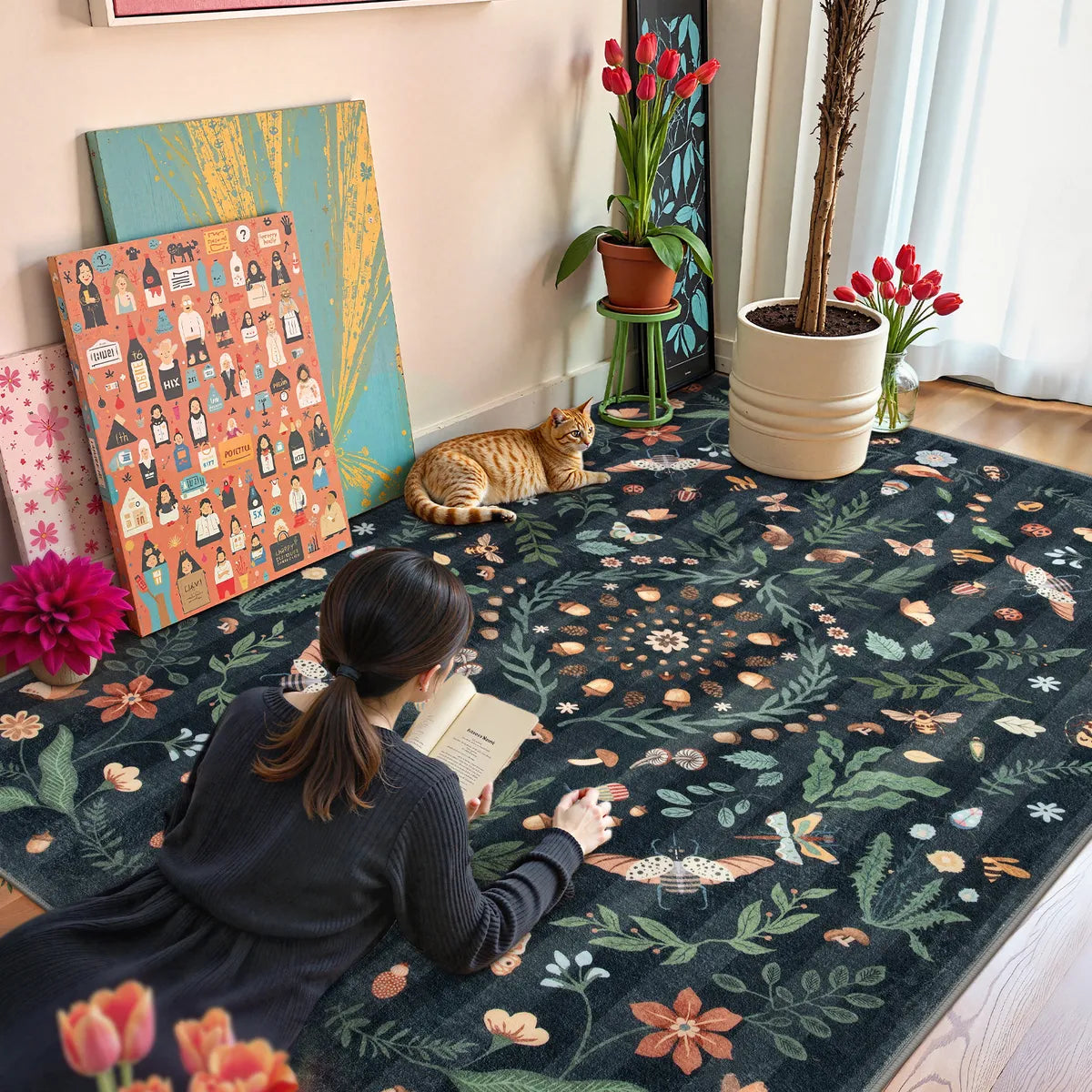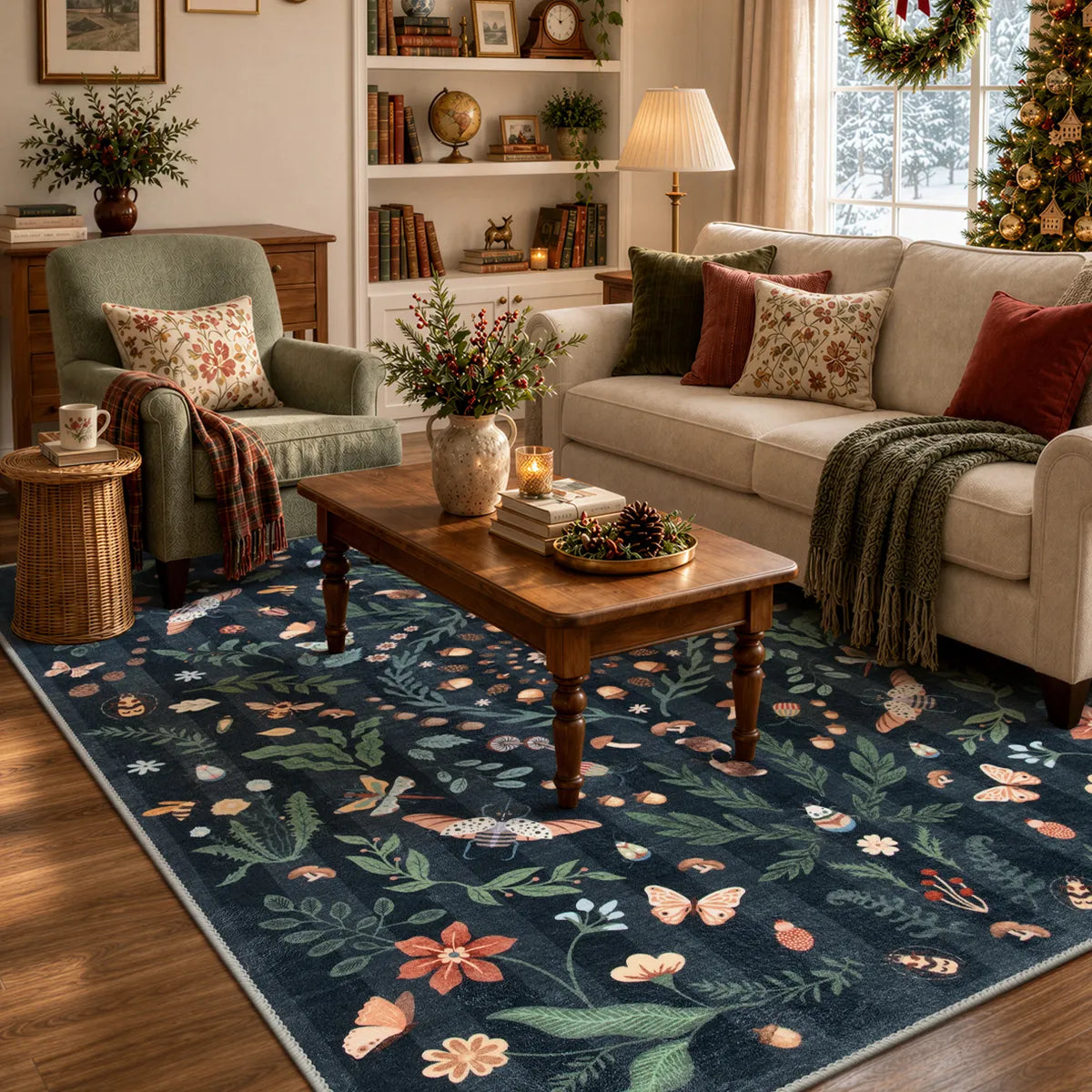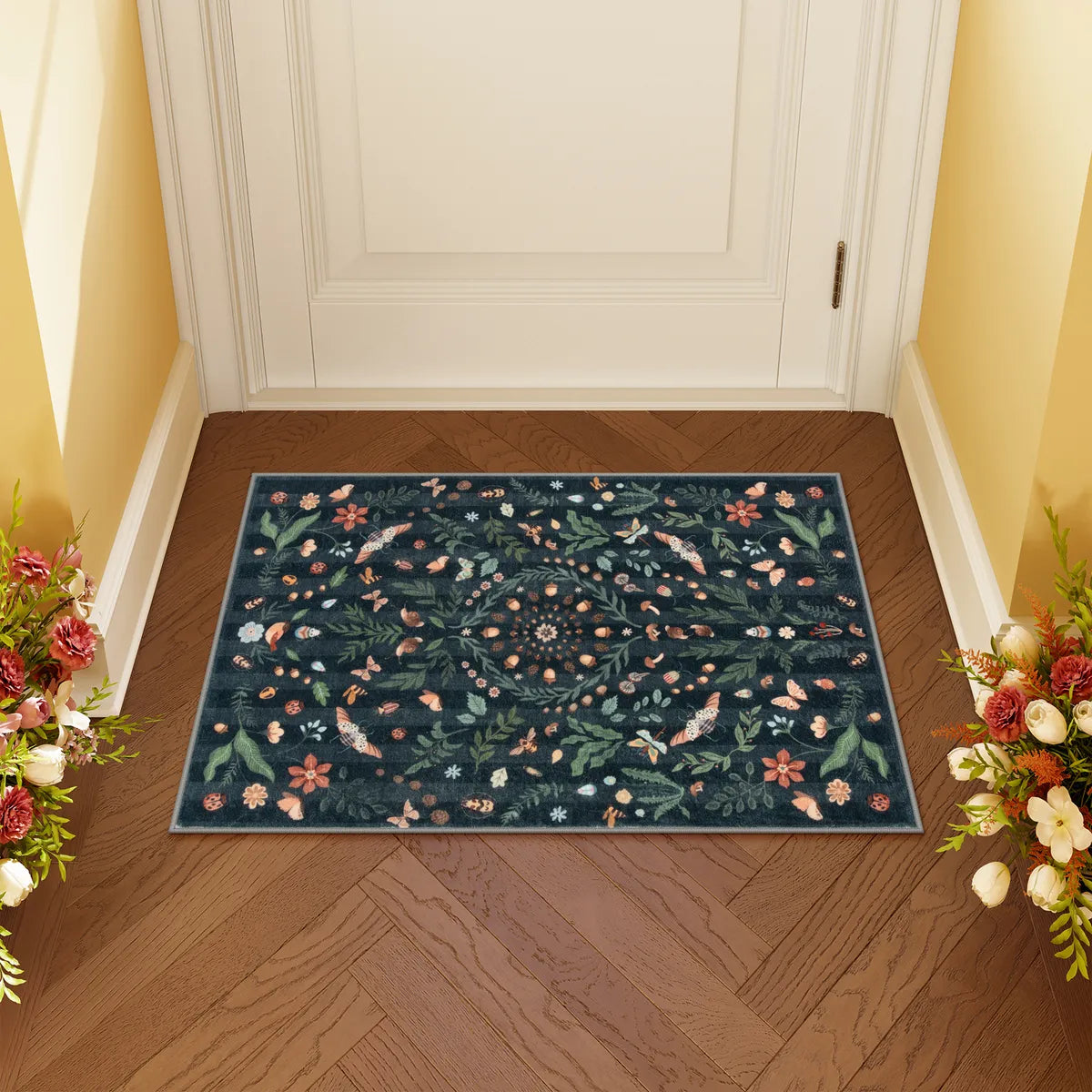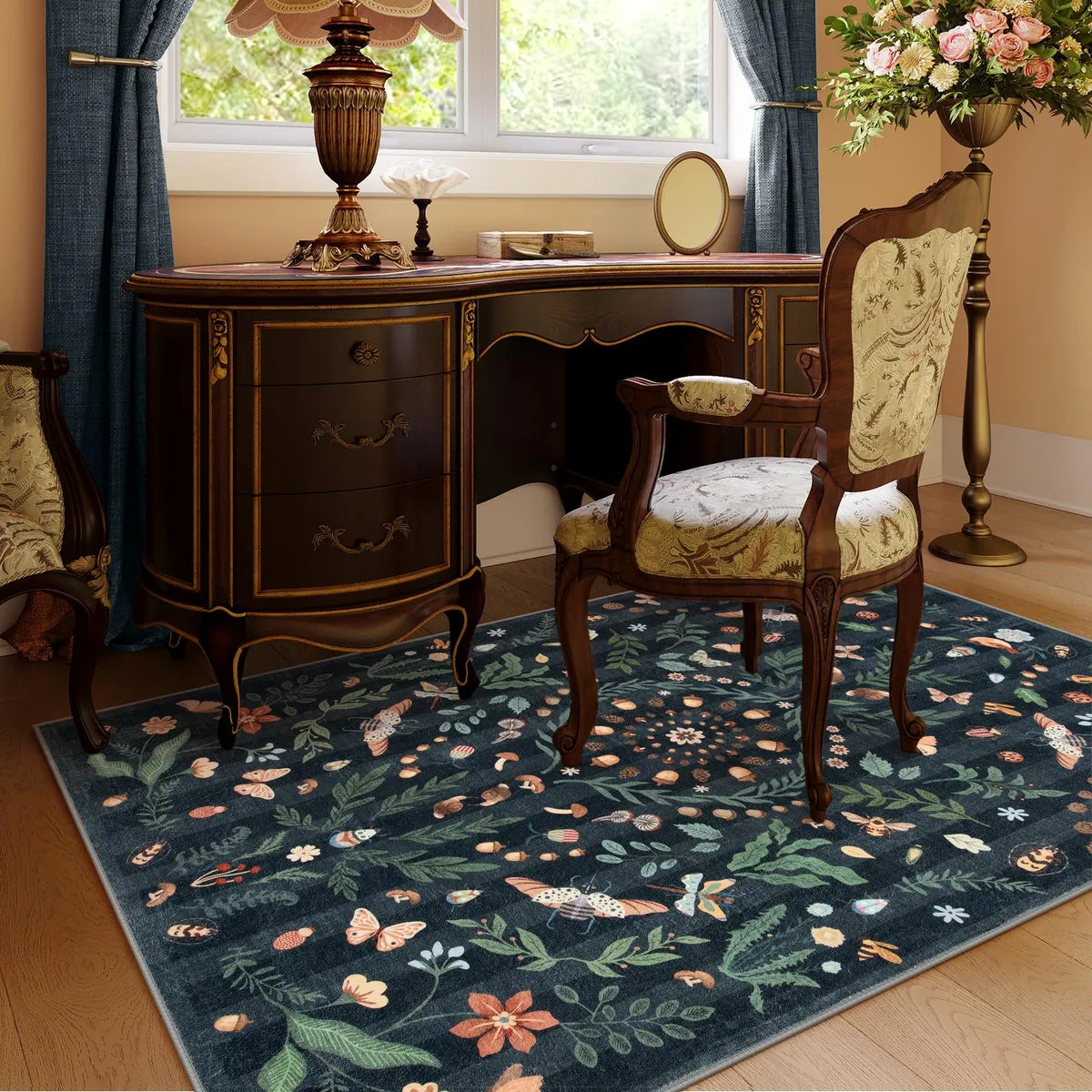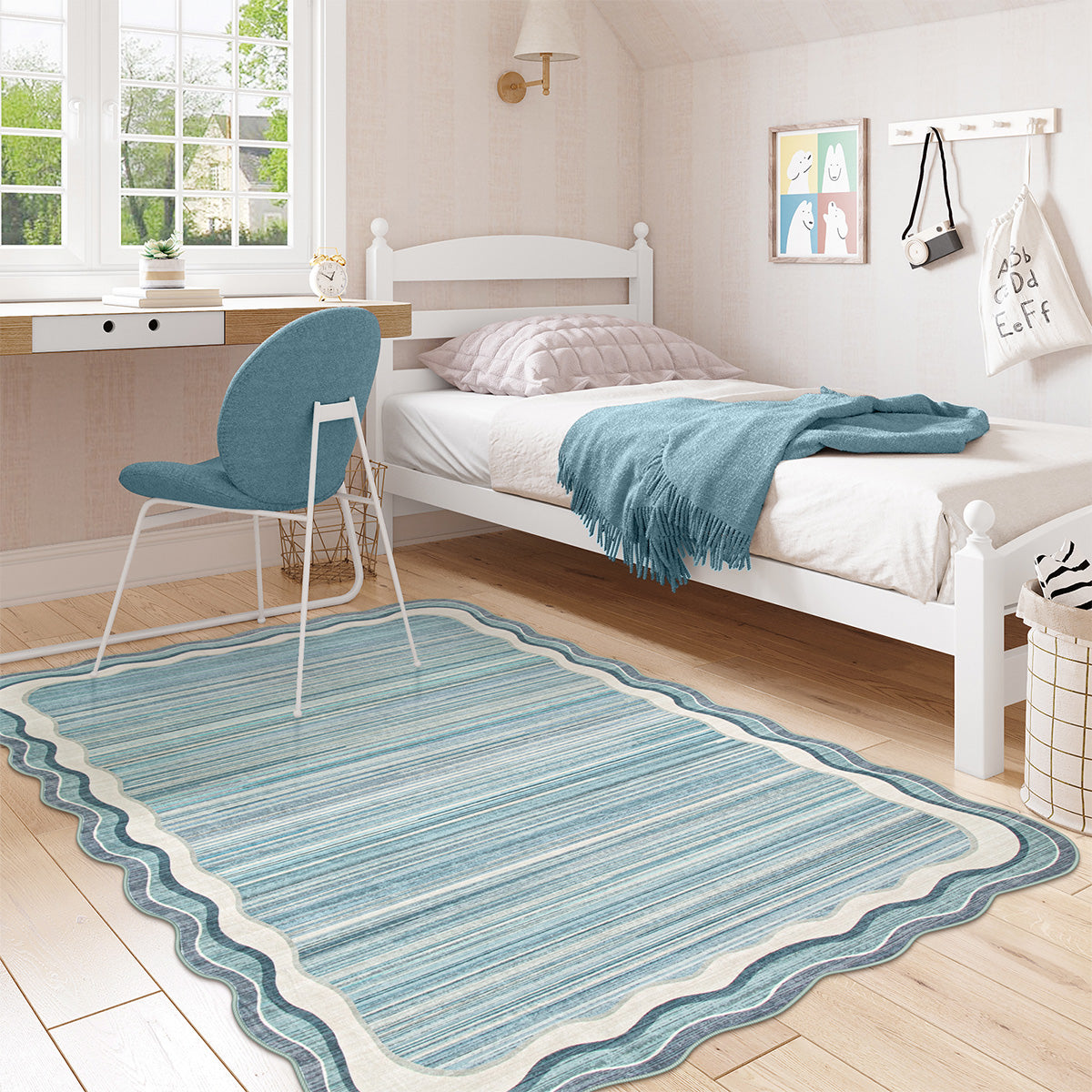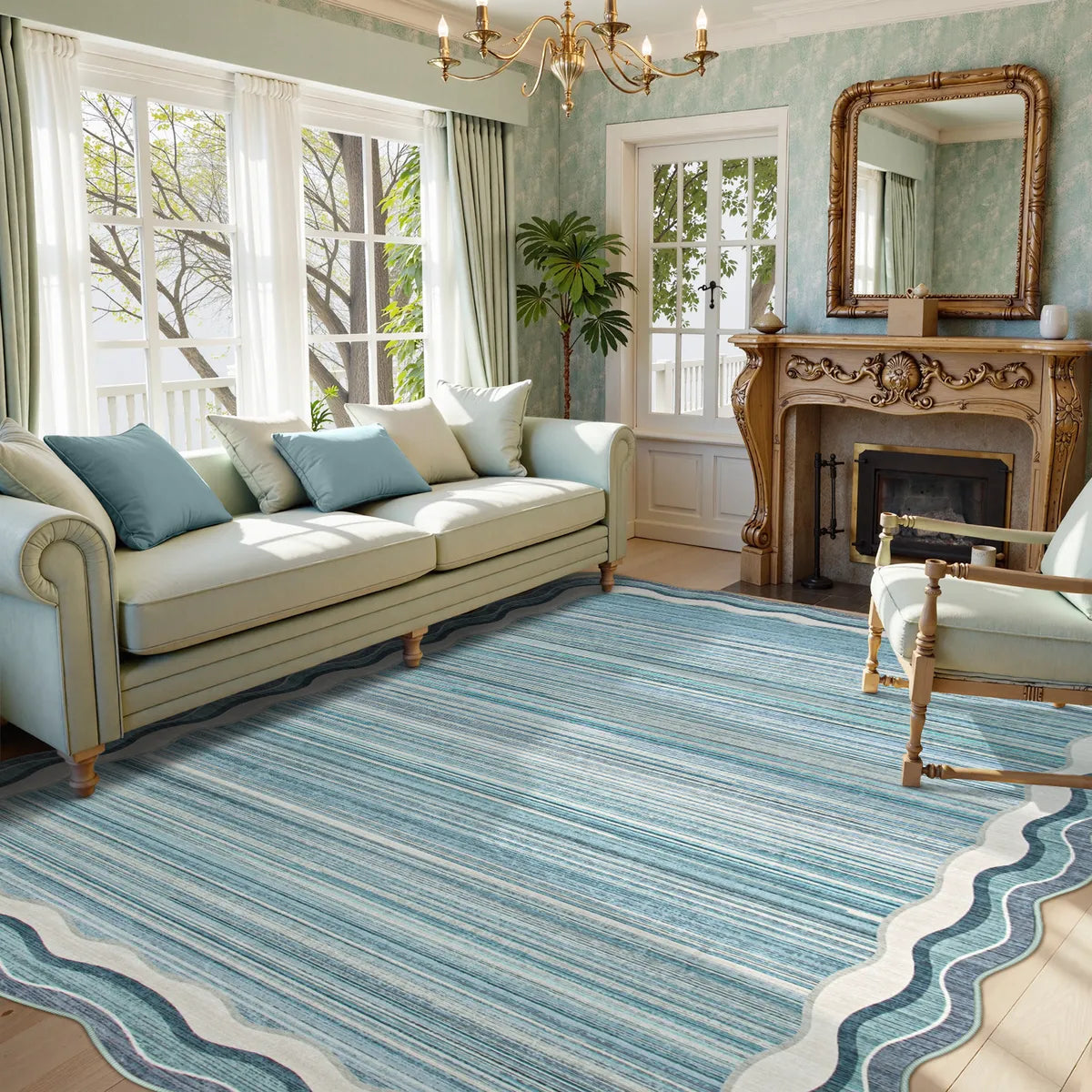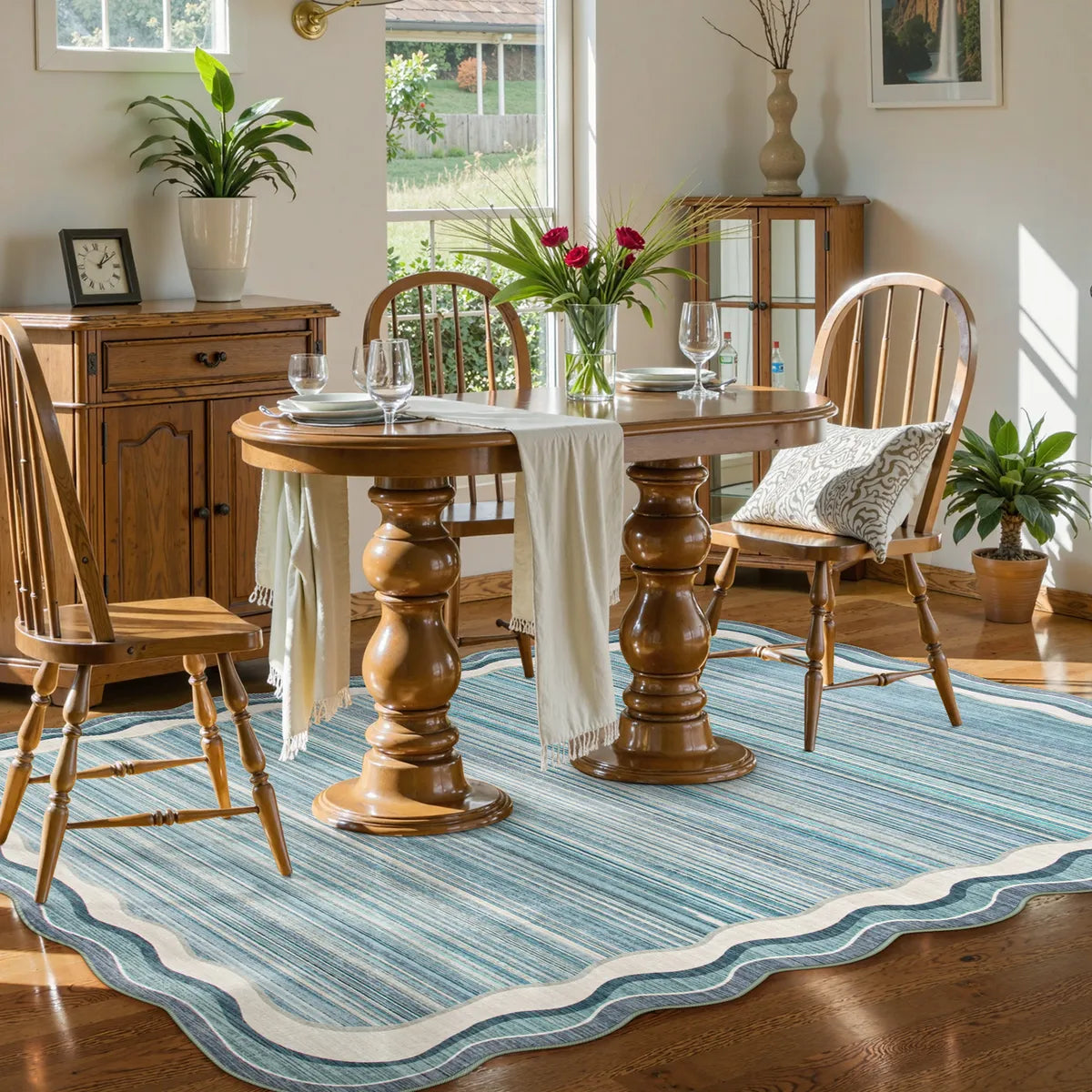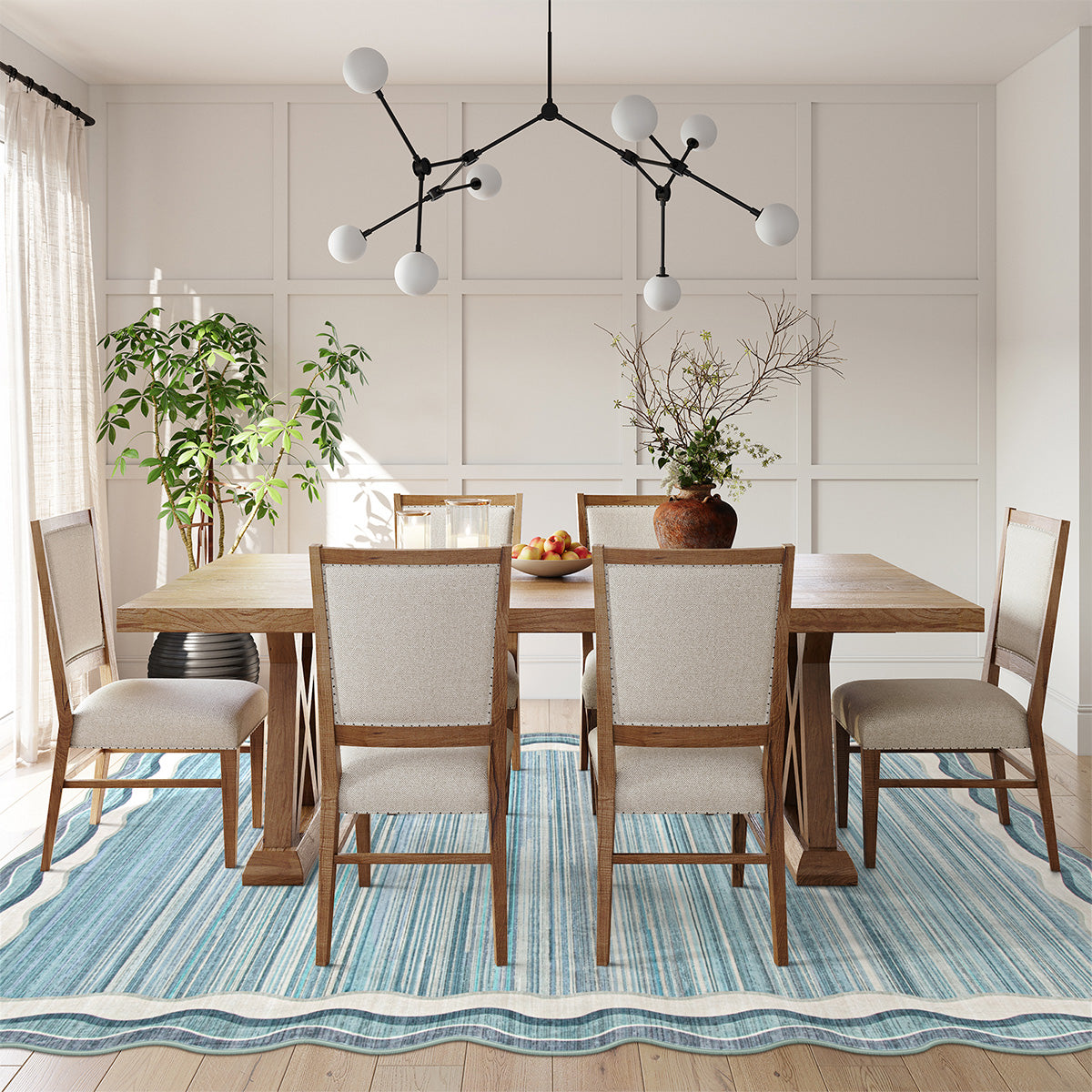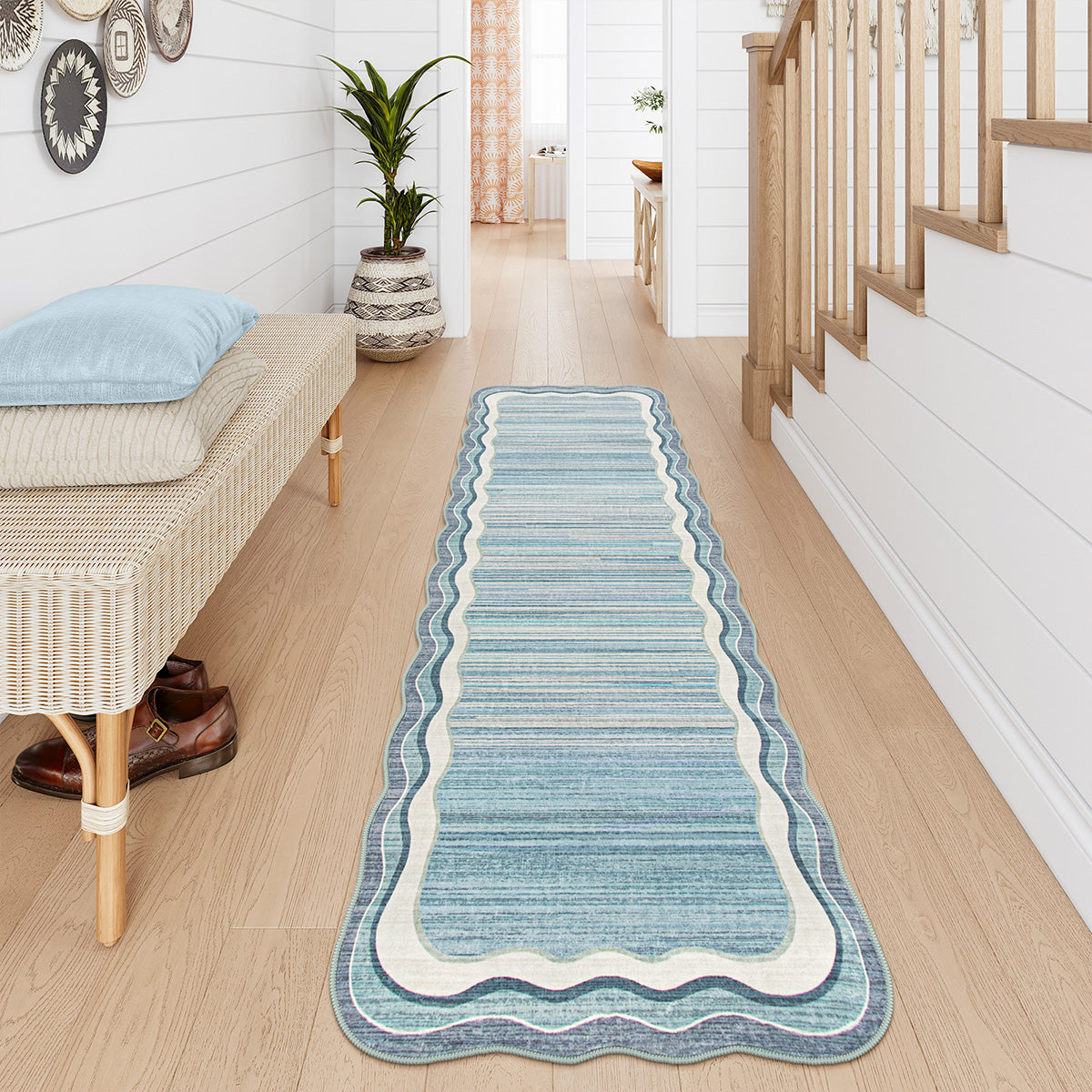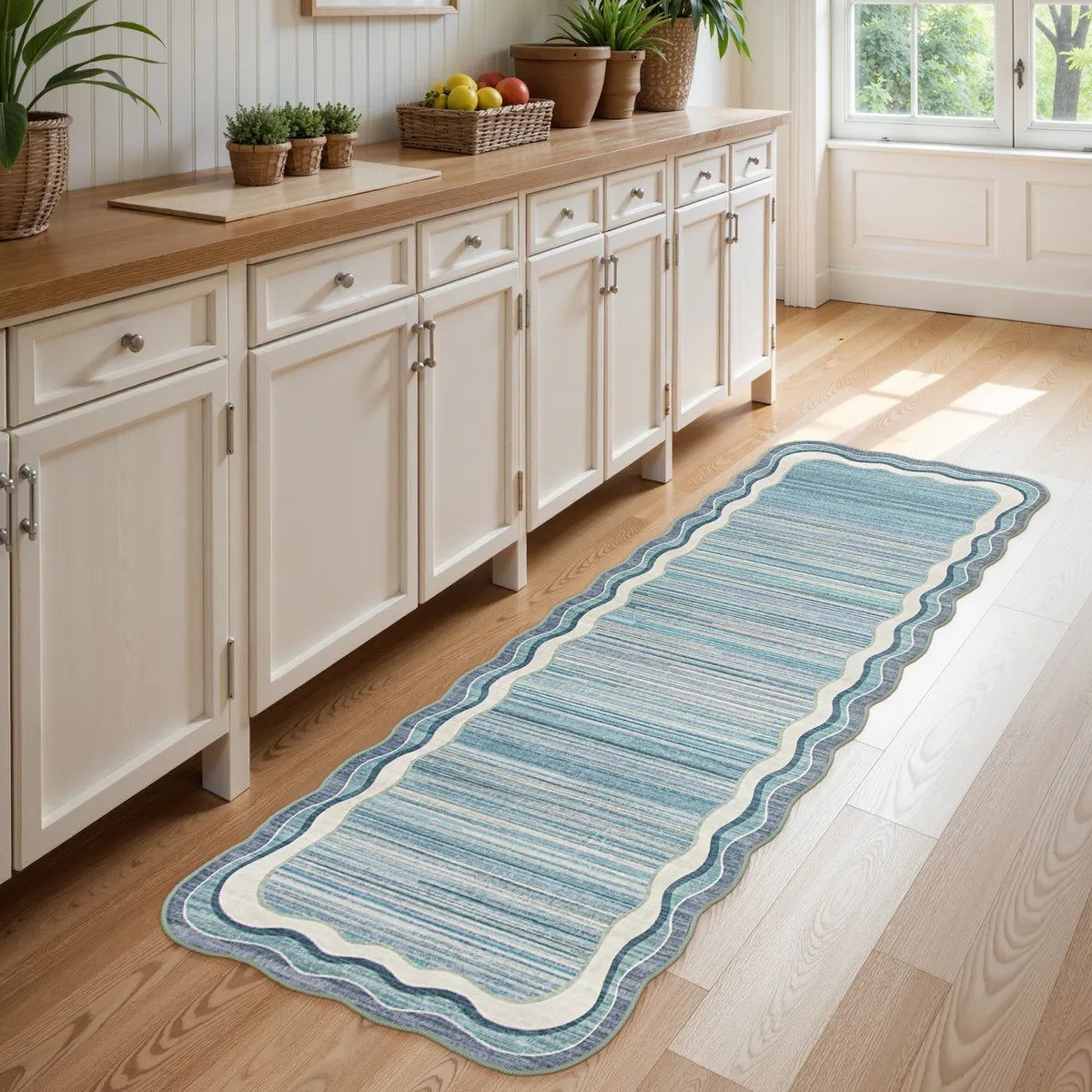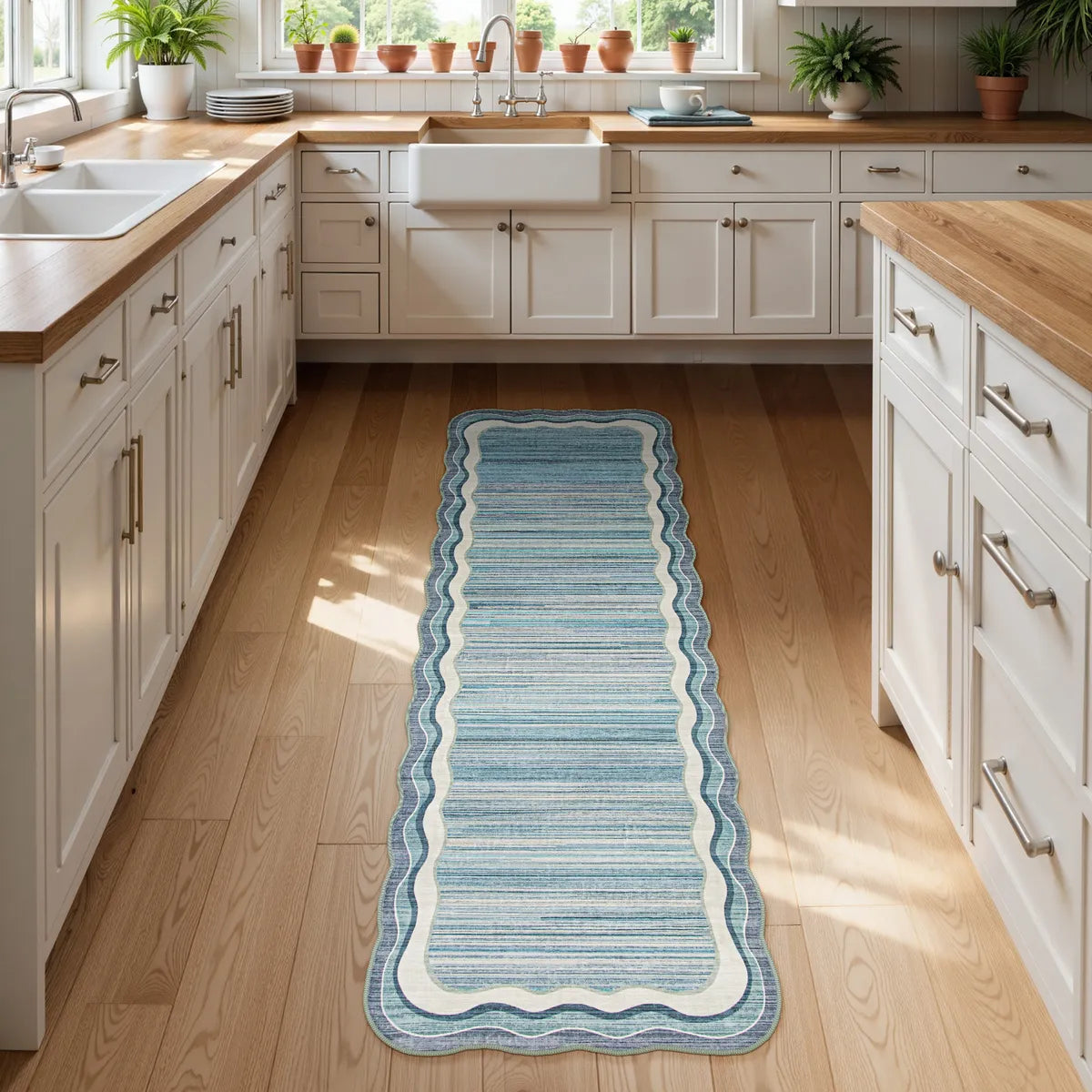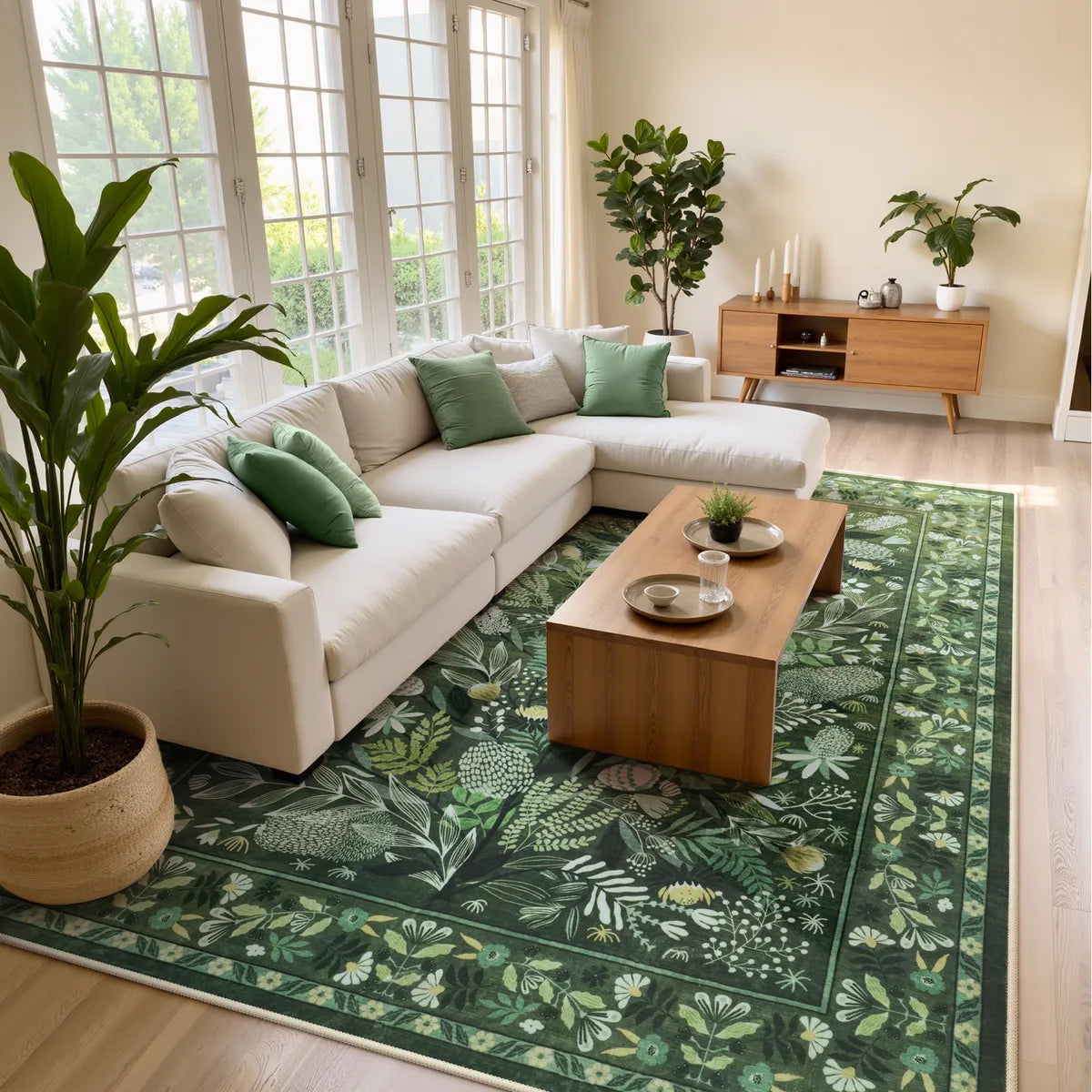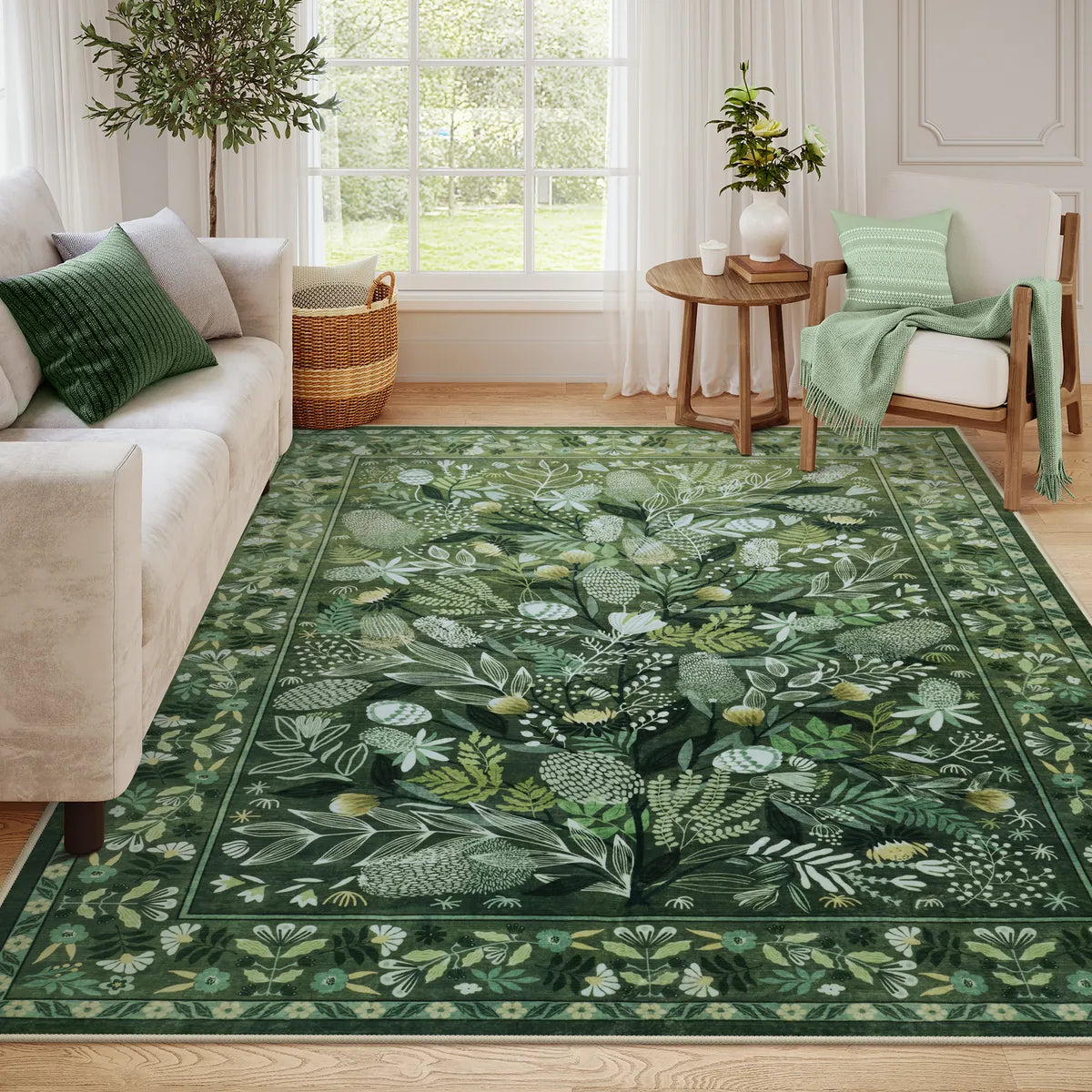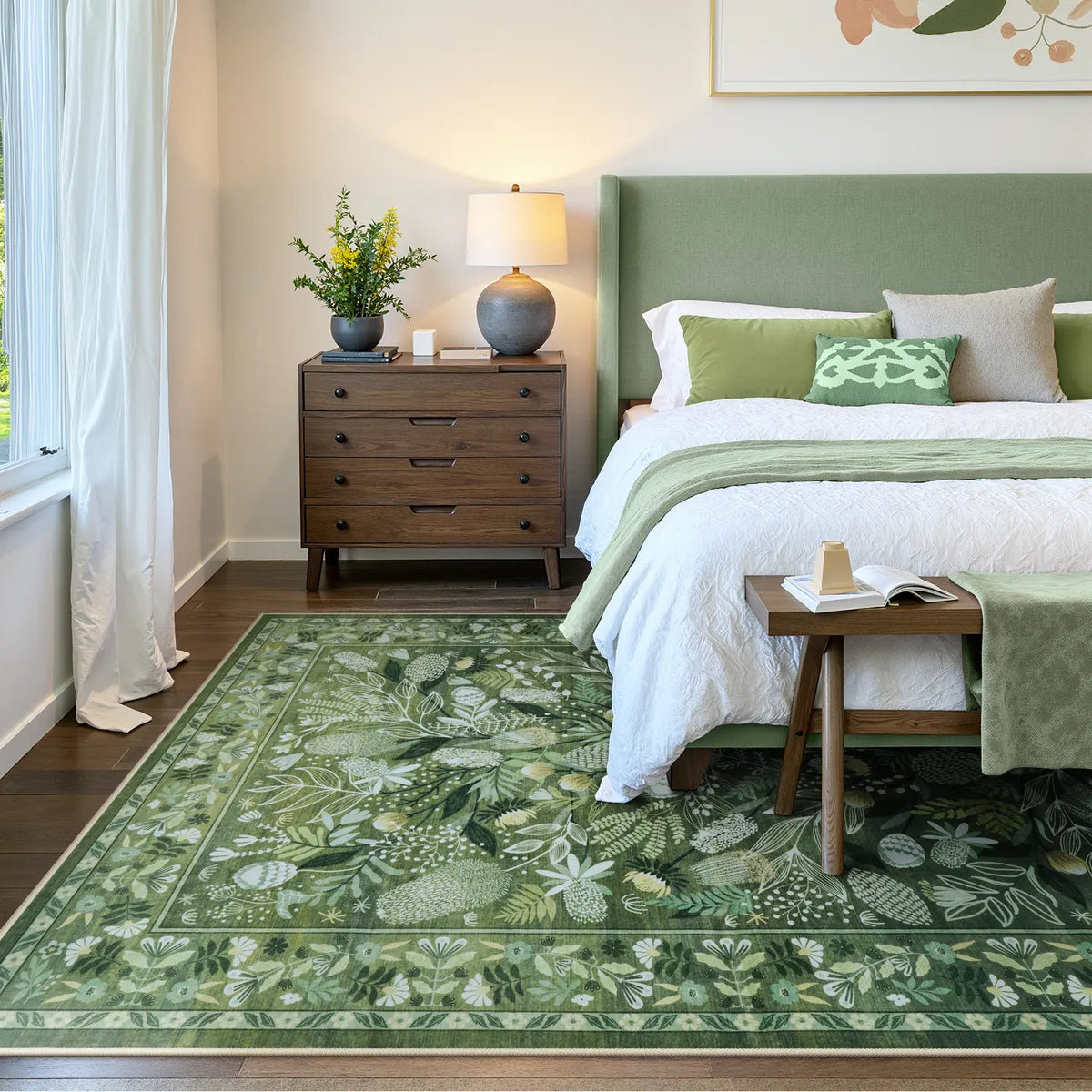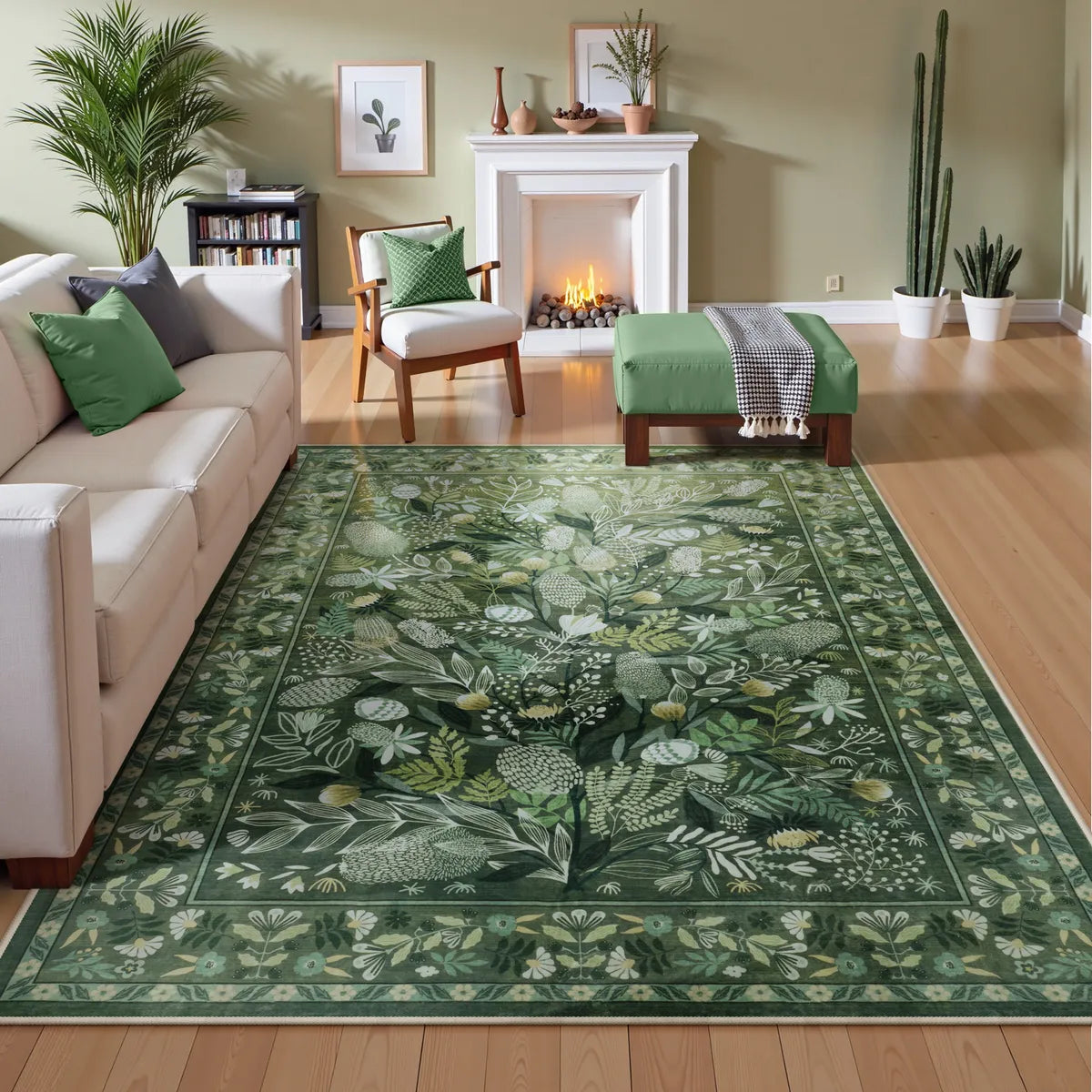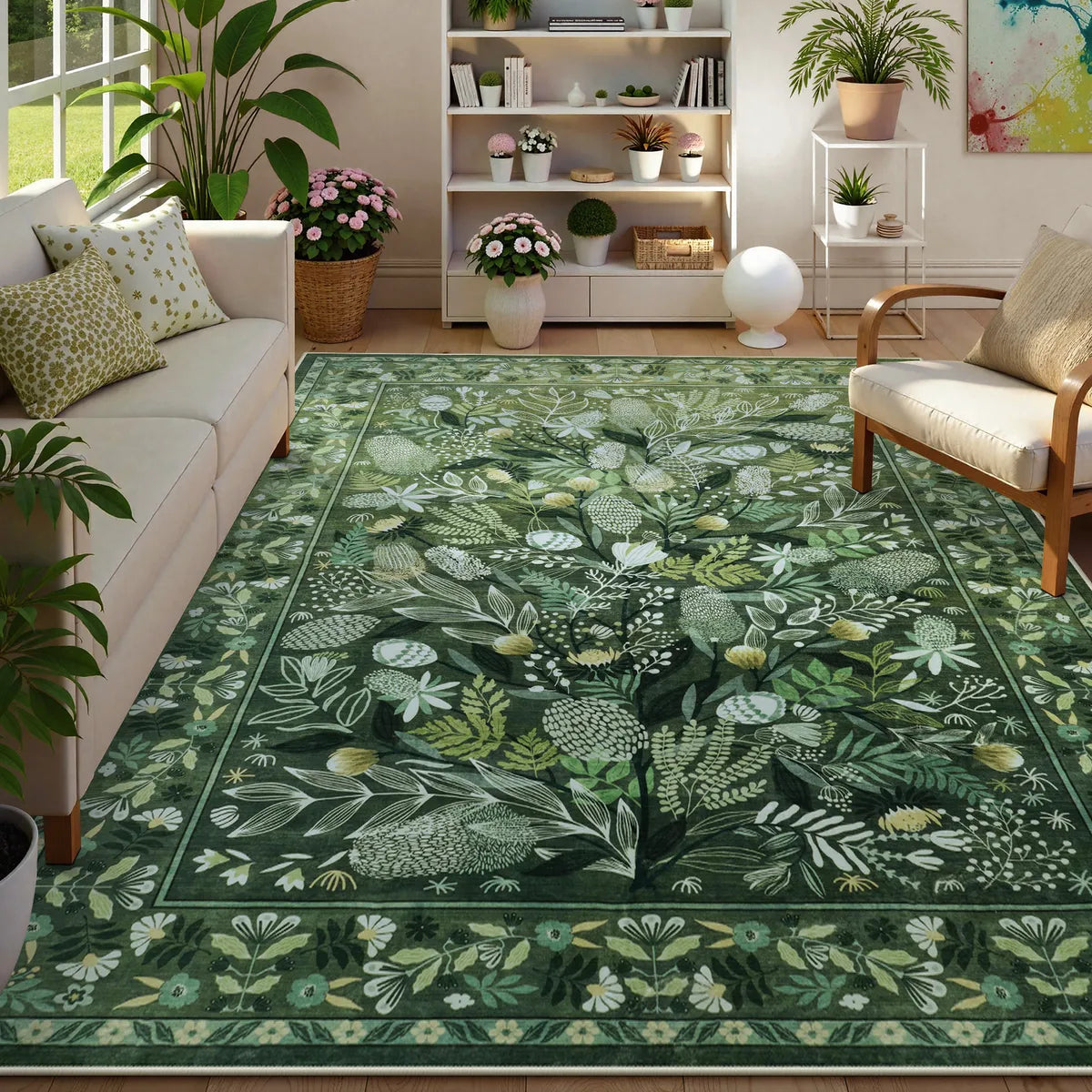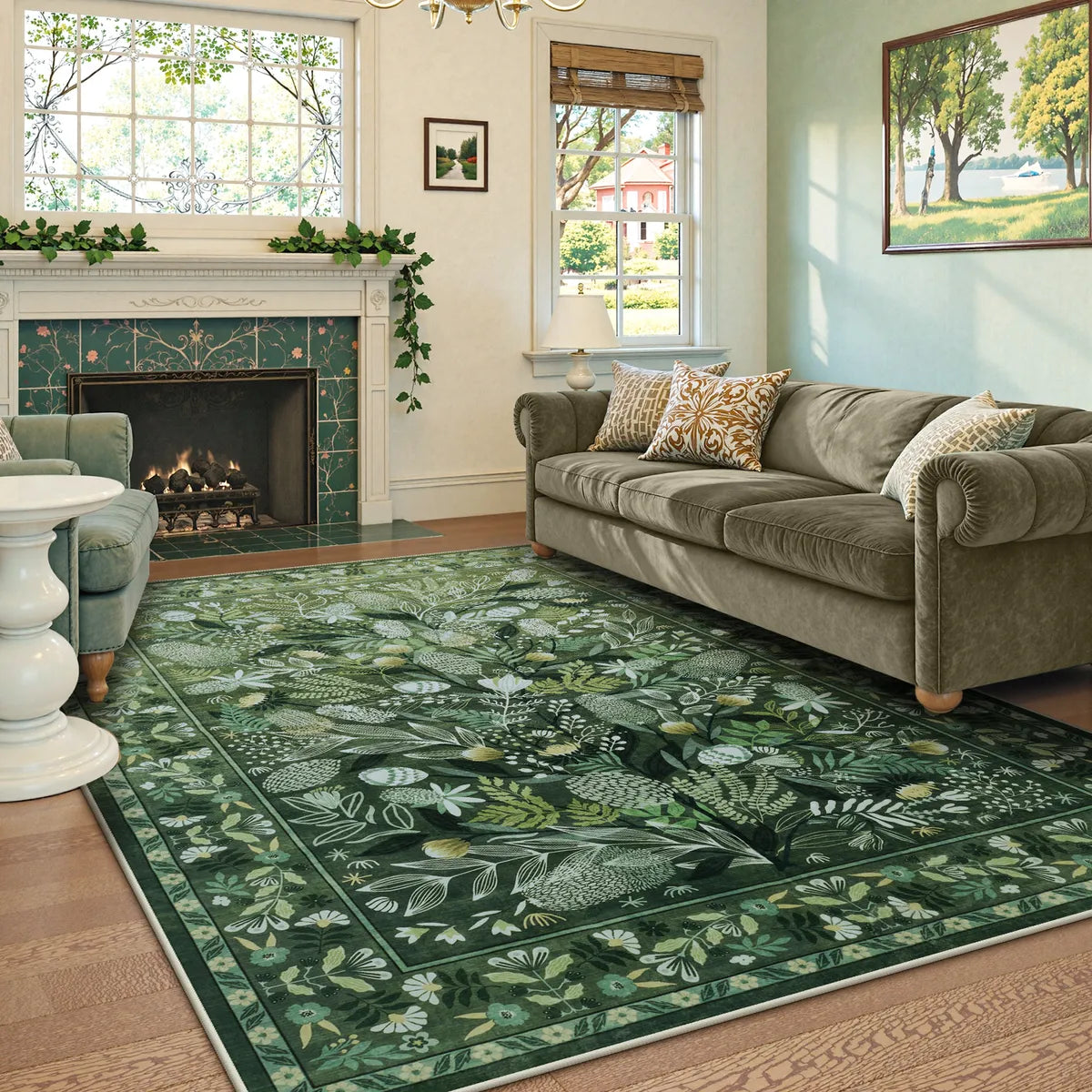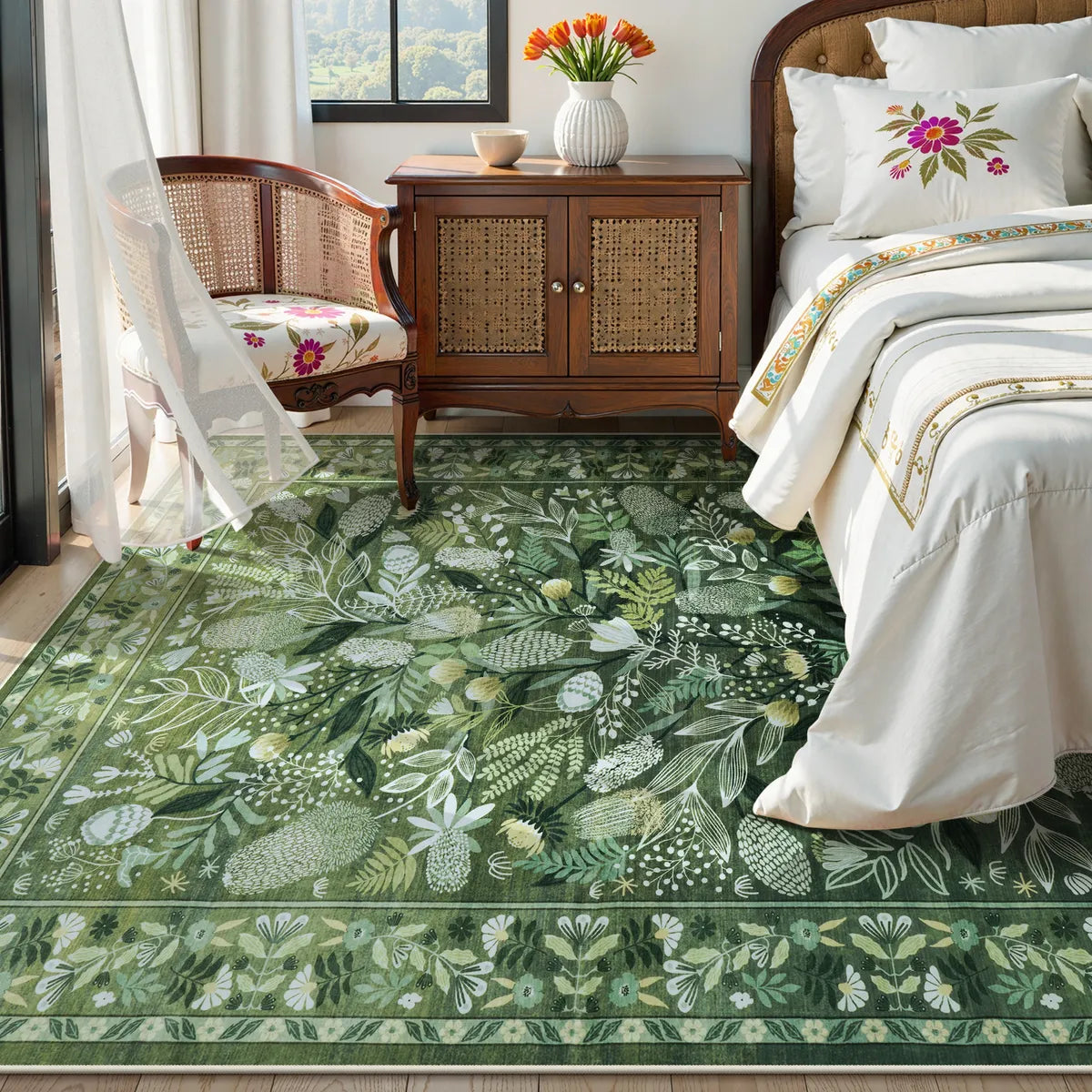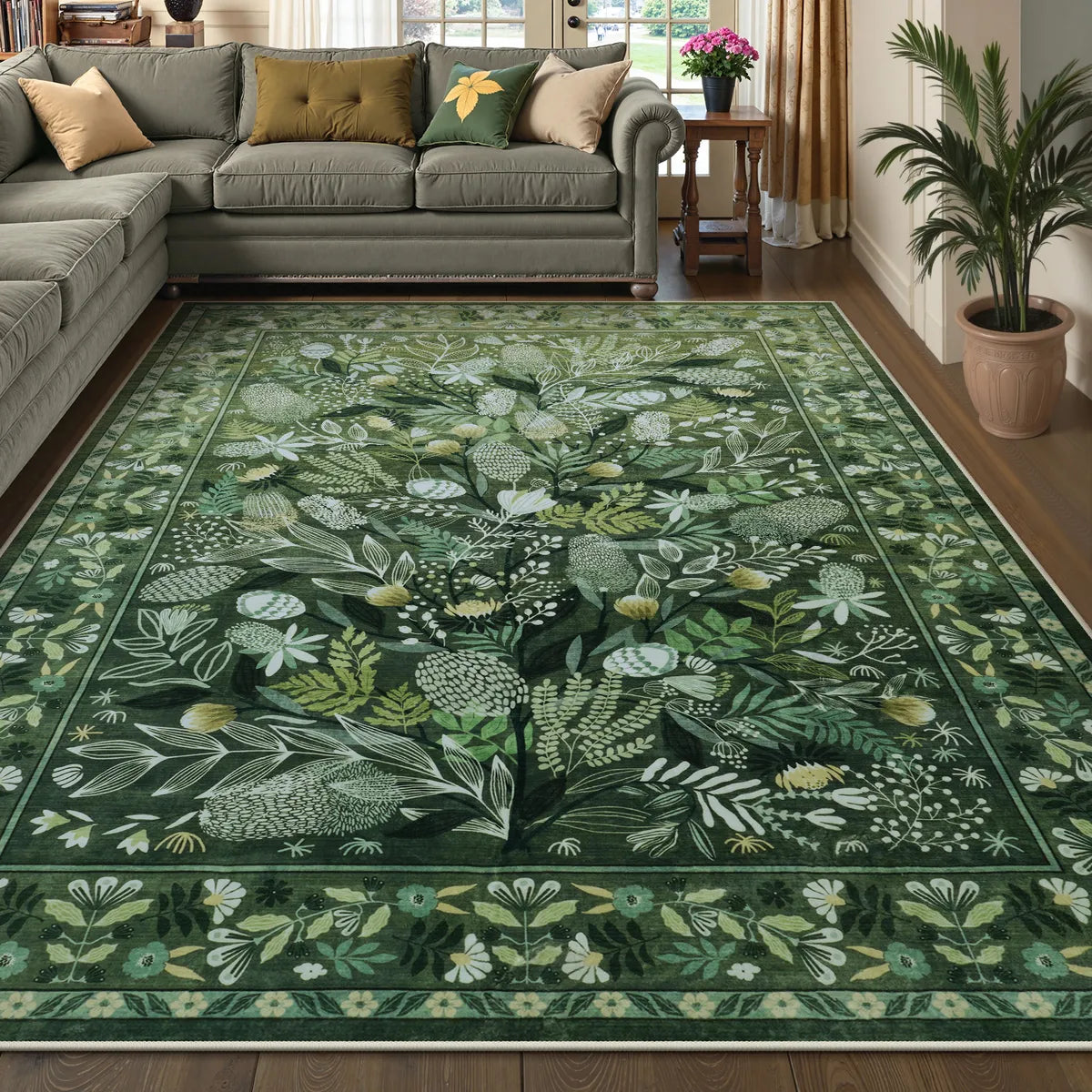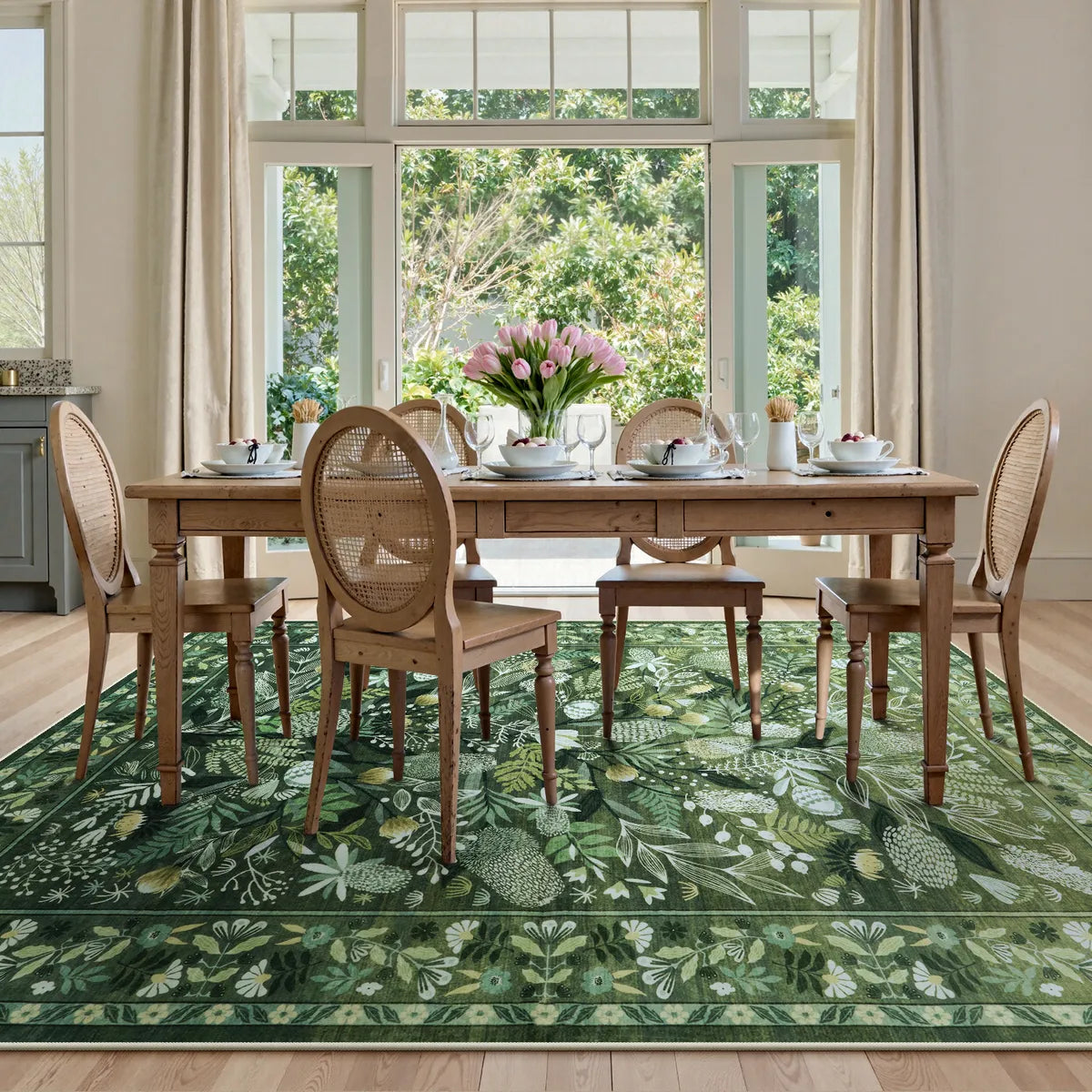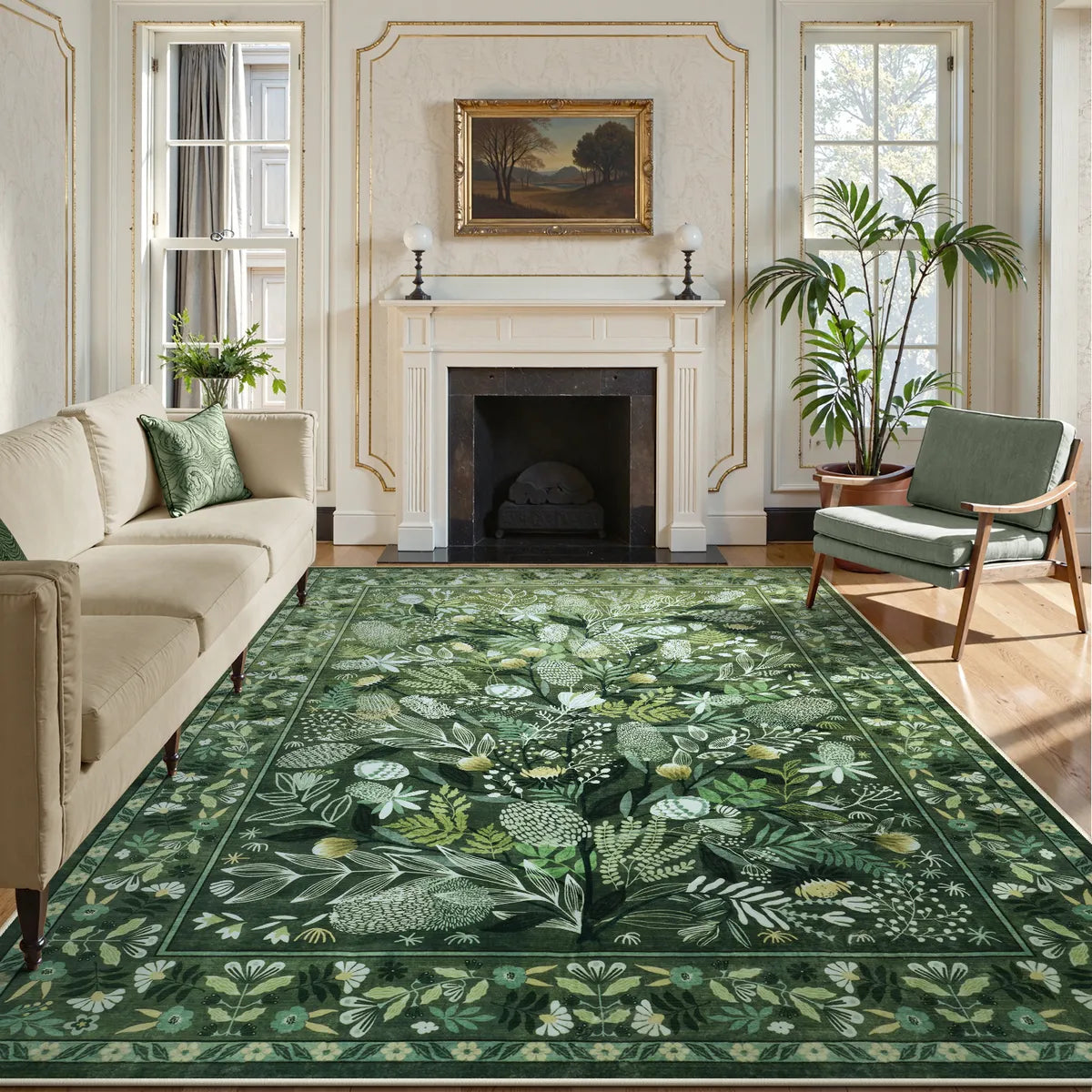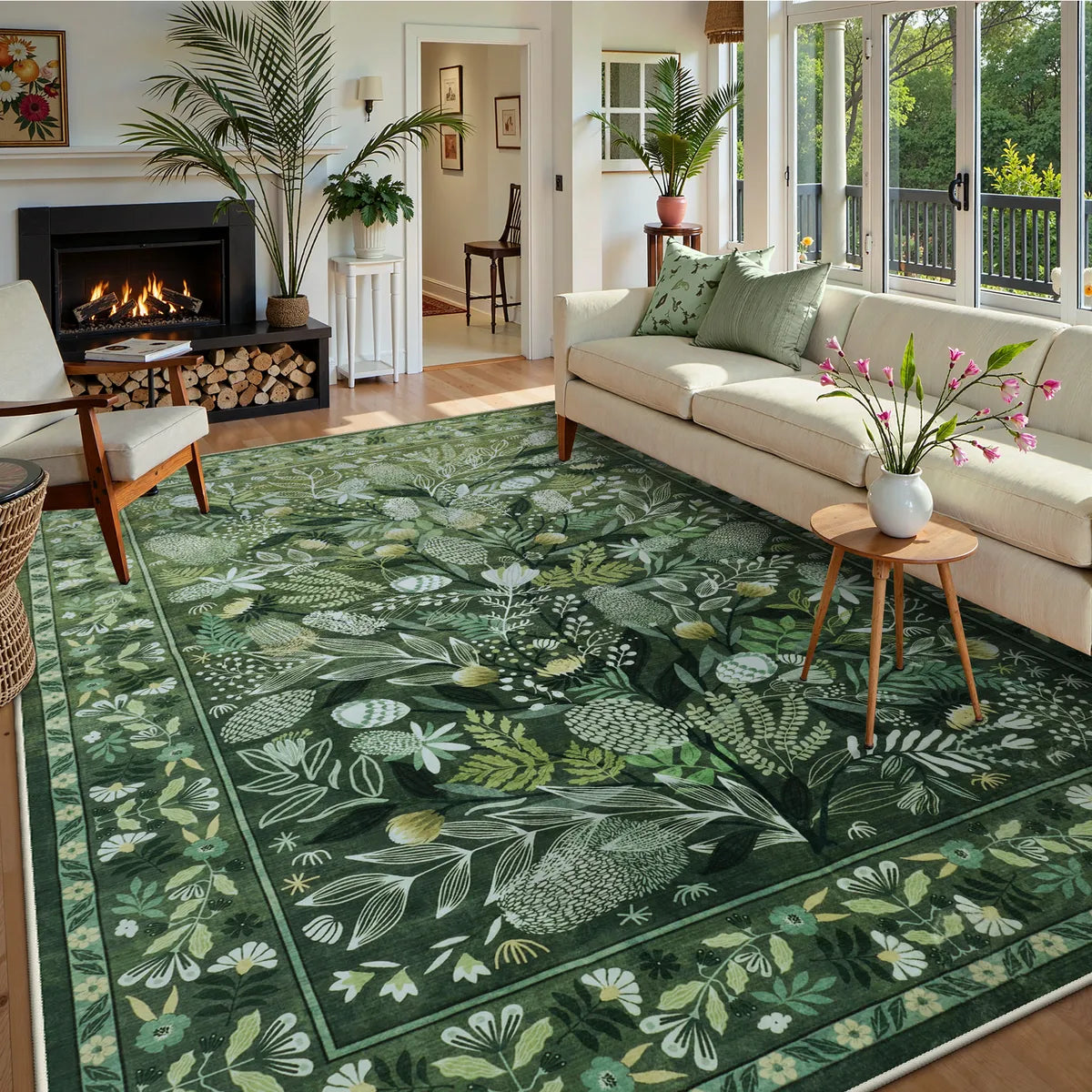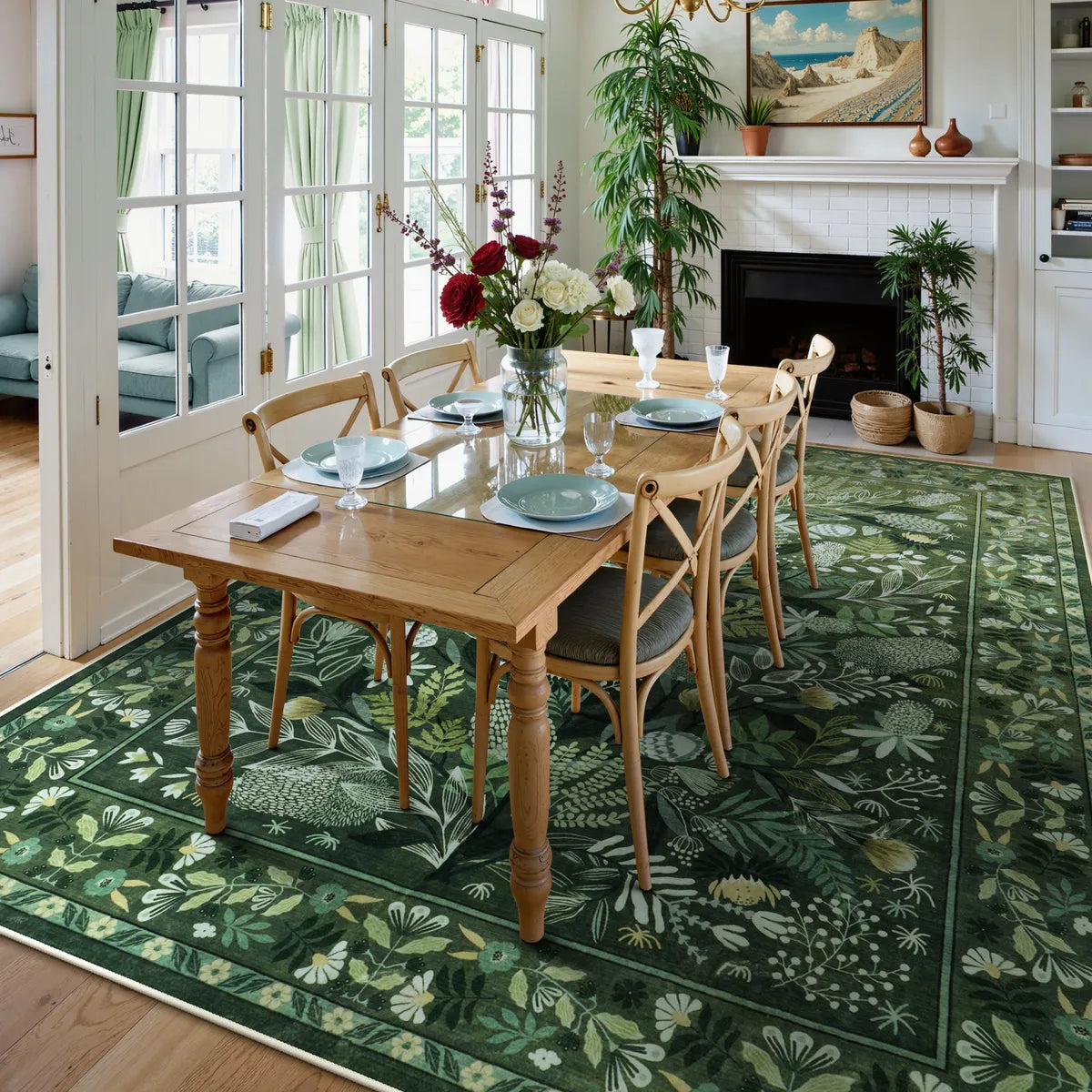


Barefoot walks across a natural floor should feel soothing rather than gritty. Many homeowners find that their beloved jute rugs leave behind a trail of fine dust that seems impossible to stop. This debris is not actually hair but tiny plant particles breaking down underfoot. Transitioning to a smarter textile choice or maintenance routine keeps your home clean while maintaining that earthy aesthetic you love.
Why Do Jute Rugs Shed? Fiber Dusting Explained

Natural materials behave differently than factory-made synthetics because of their organic composition. The fine powder you see is a result of the plant fibers breaking down over time.
Jute comes from the Corchorus plant, which contains lignin. Lignin is a complex organic polymer that provides structural support to plants, making them woody and stiff. Friction from walking causes these stiff fibers to snap and release microscopic particles. This process is distinct from the shedding seen in wool or shag carpets.
The following table clarifies the differences between common rug issues to help you identify what is happening on your floor.
| Issue | What You See | Cause |
| Fiber Dusting | Fine, sand-like brown powder | Breakdown of woody lignin due to friction |
| Shedding | Clumps of fuzzy "hair" or yarn | Loose fibers pulling away from the backing |
| Fraying | Unraveling edges or "sprouts" | Snagging or excessive wear on the weave |
Once you understand that the mess is caused by friction and brittle strands, you can take specific actions to stabilize the material.
5 Easy Steps to Stop Your New Jute Rugs from Spilling

Proper care during the first few weeks of ownership is essential for stabilizing the weave. Modern high-quality options that are machine washable require less labor, but these steps still help maintain a pristine environment.
Step 1: Vacuum Using Suction Only
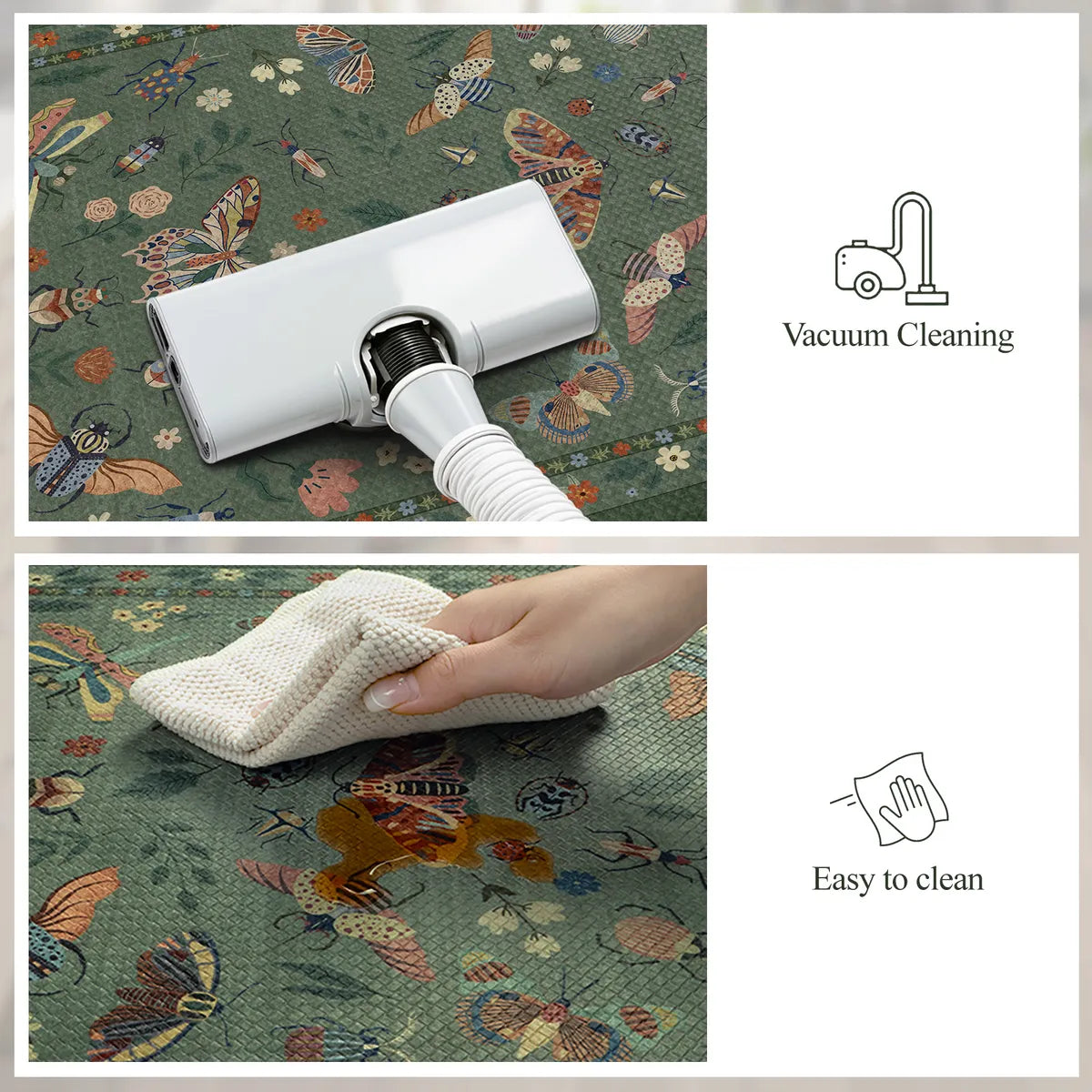
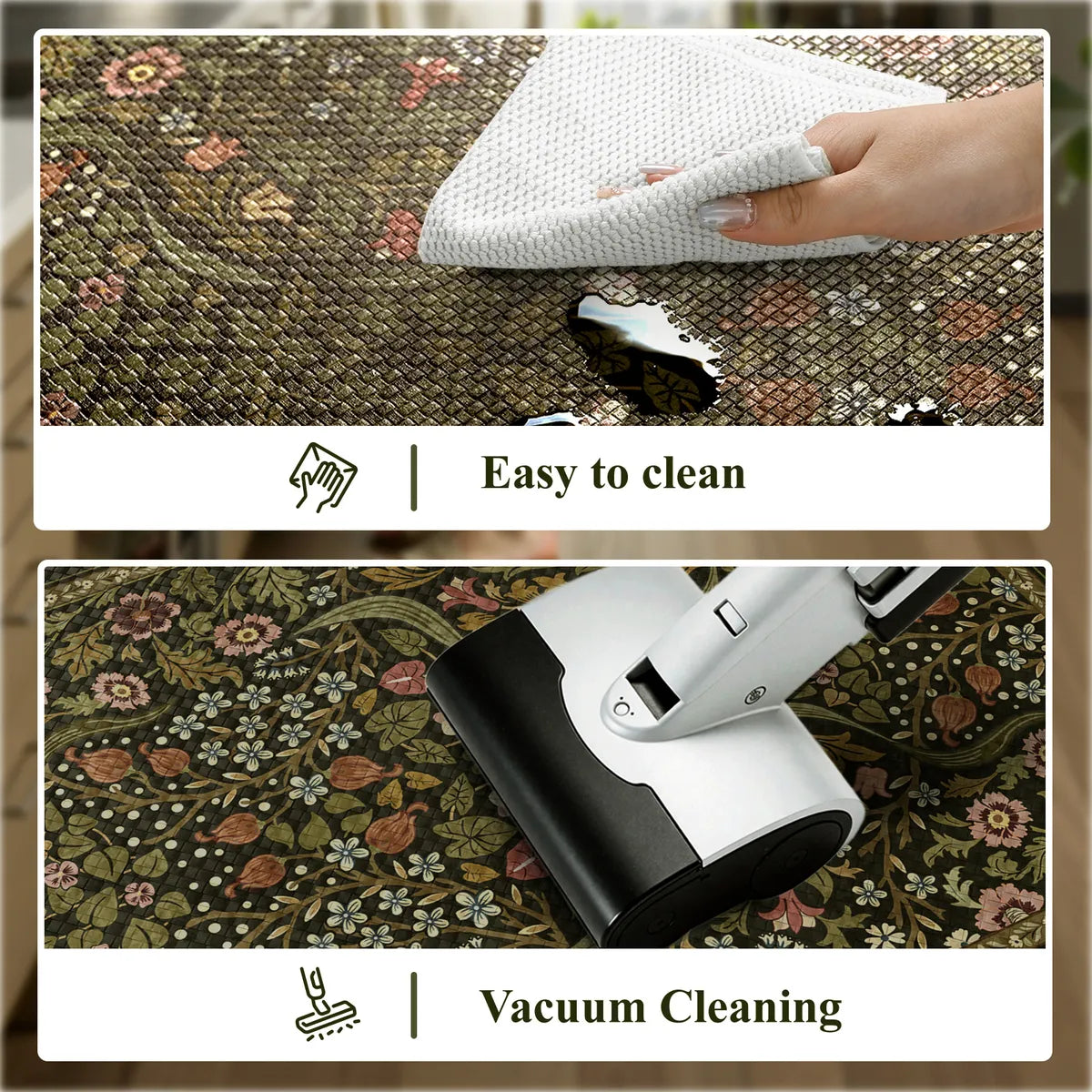
Regular vacuuming is the best defense against plant dust. You must disable the beater bar, as stiff rotating bristles will tear the fibers and cause more spilling. Using a suction-only setting lifts the debris without harming the structural integrity of the braids.
Step 2: Utilize the Power of Shaking
Taking the rug outside for a vigorous shake is a classic technique for traditional fibers. Gravity helps release the silt trapped deep within the woven layers. However, the most convenient solution for modern homes is a machine-washable design that eliminates the need for manual beating entirely.
Step 3: Implement Immediate Spot Cleaning
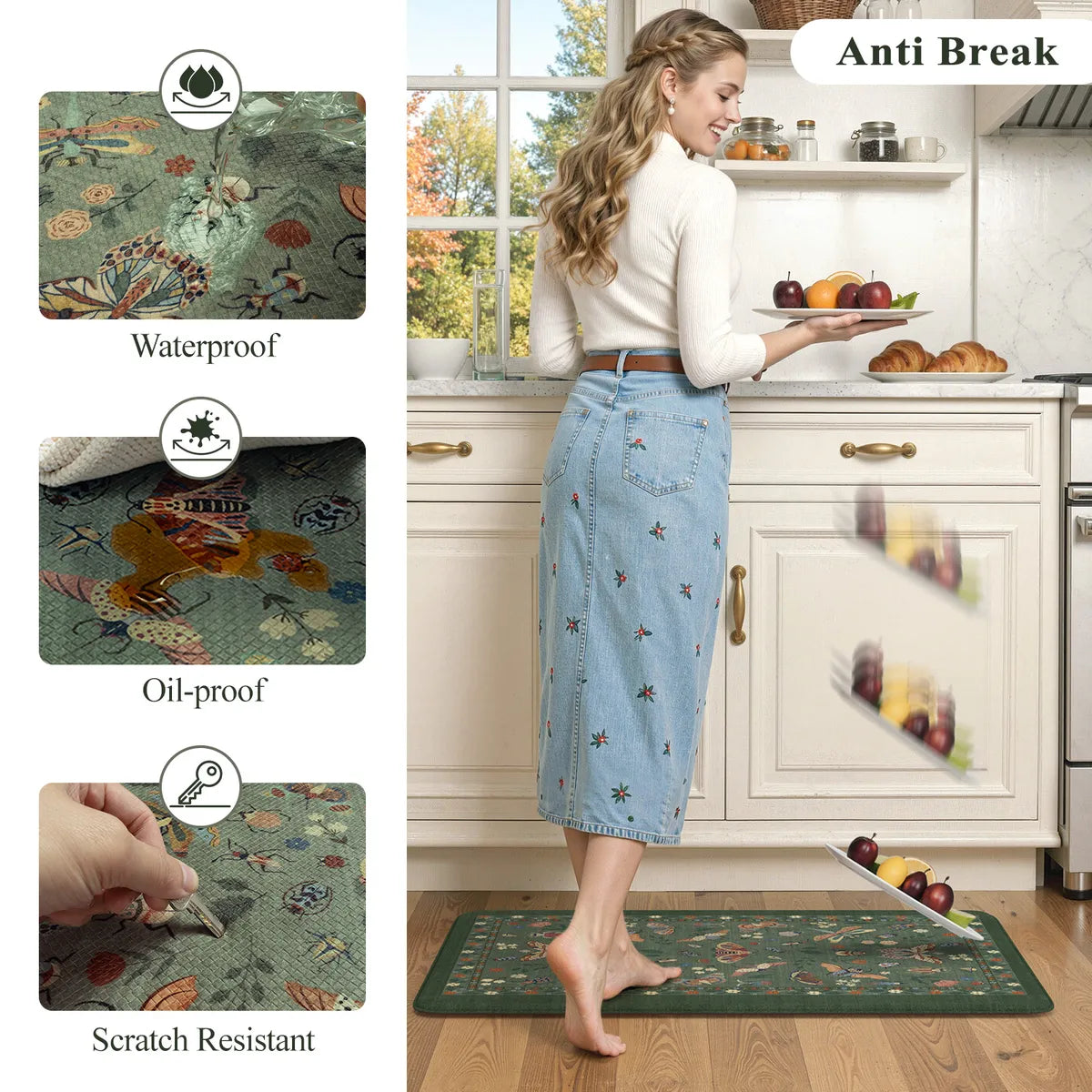
Liquids cause natural fibers to swell and eventually become brittle. If a spill happens, you should blot the area immediately with a dry cloth. Modern stain resistant rug make this easier because the liquid stays on the surface longer, preventing the fibers from breaking into powder.
Step 4: Rotate for Even Wear
Shifting the position of your floor covering every six months helps prevent one area from bearing all the foot traffic. High-traffic zones are where the most dusting occurs because of constant friction. Rotating the rug ensures that the fibers wear down at an even rate, extending the life of the piece.
Step 5: Choose a Soft Washable Alternative
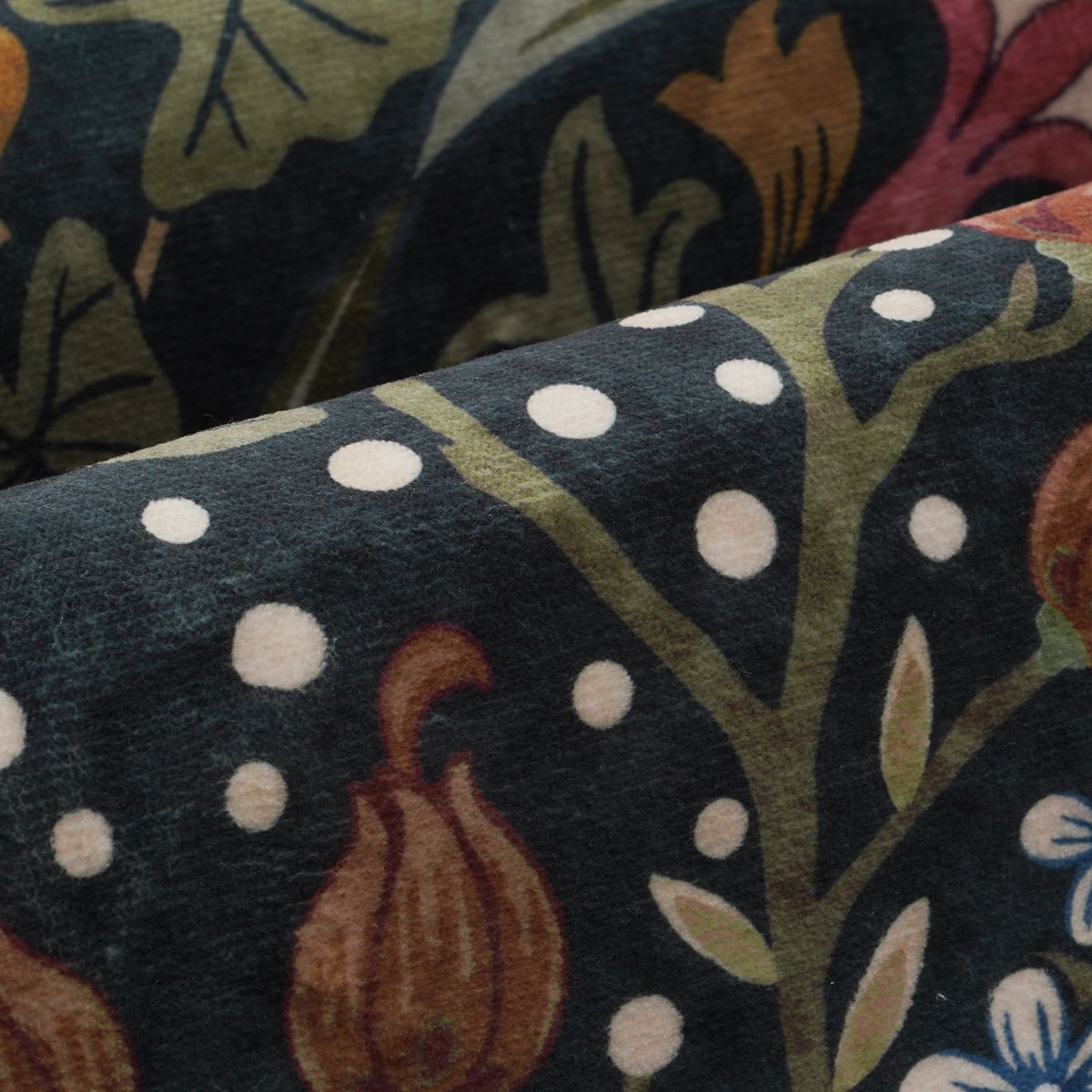
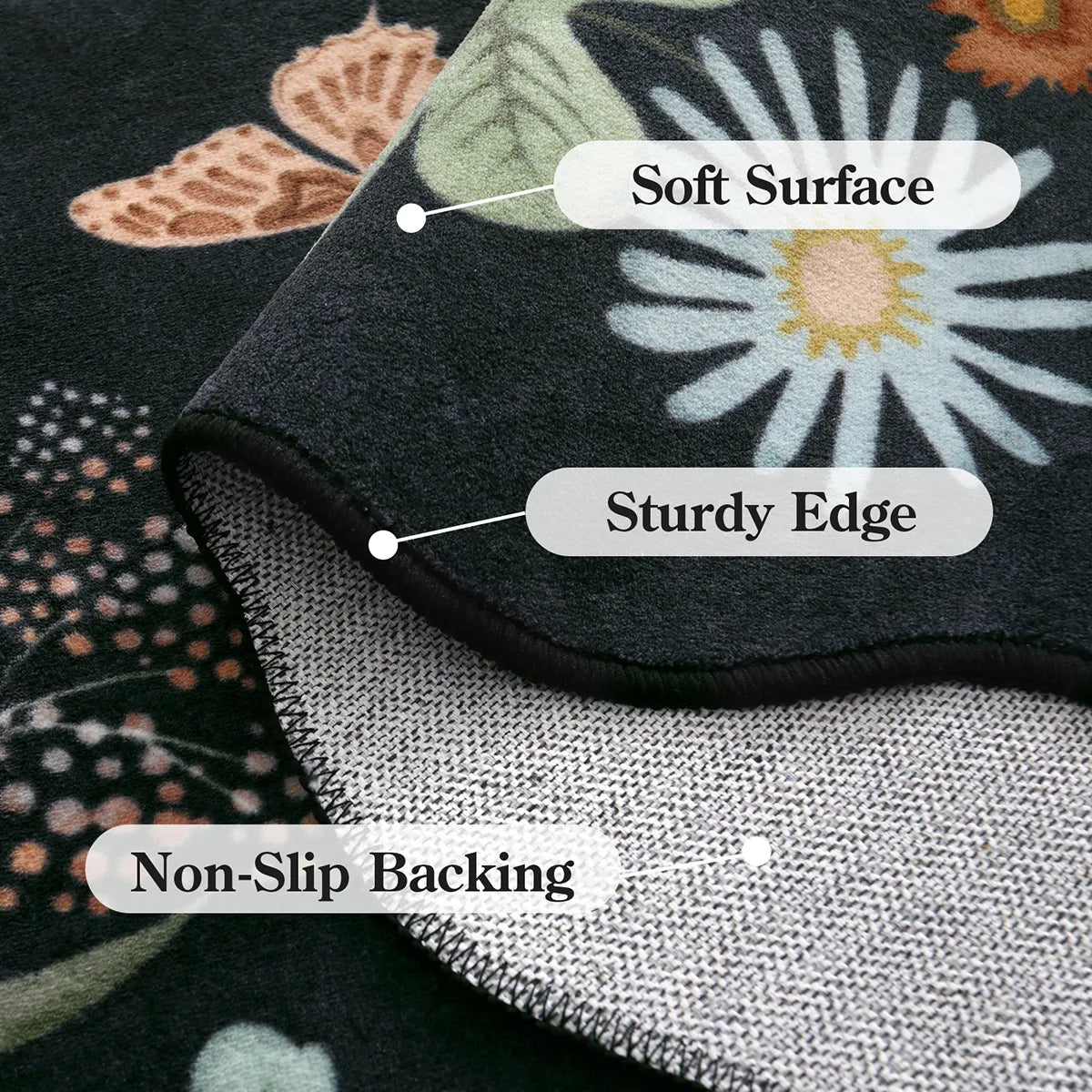
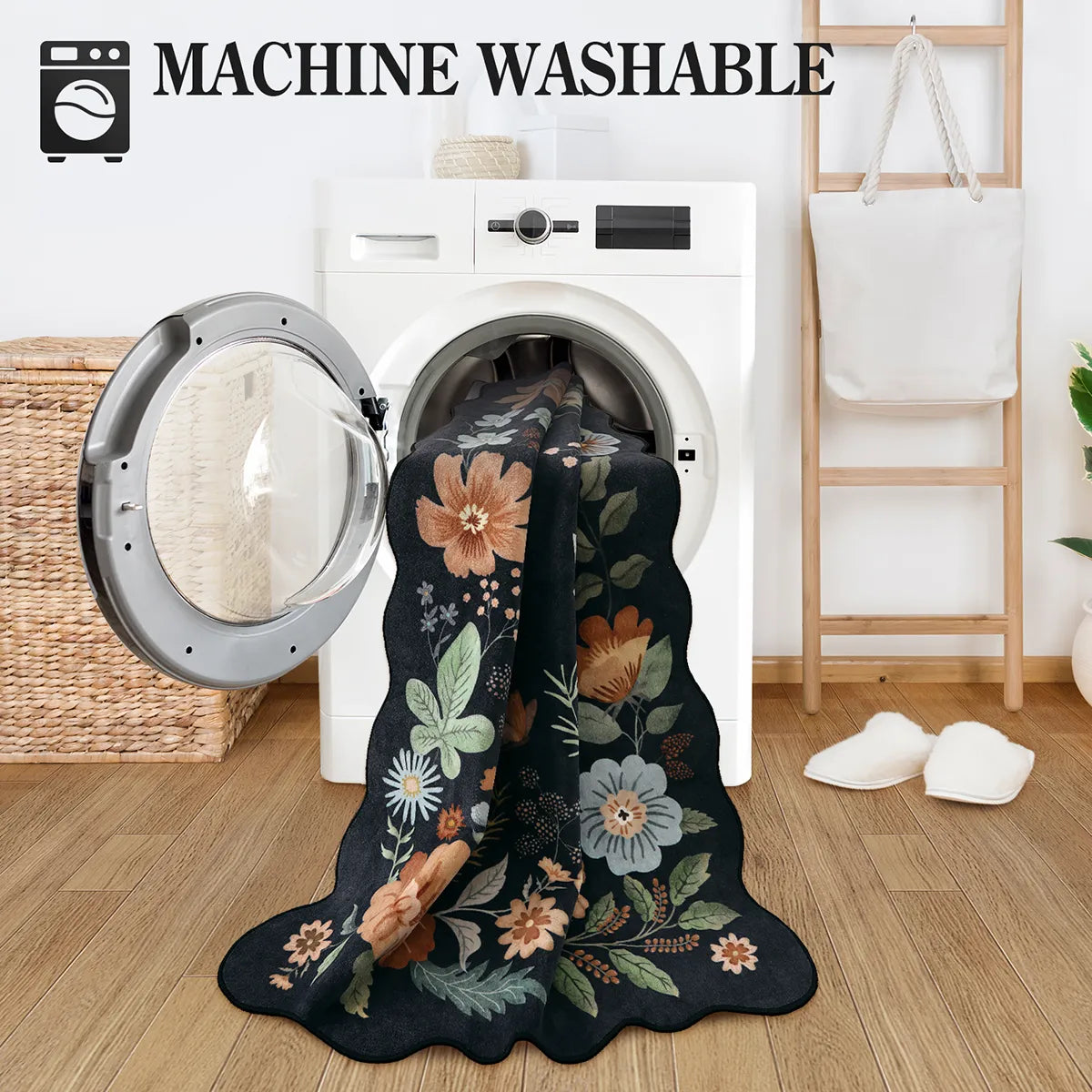
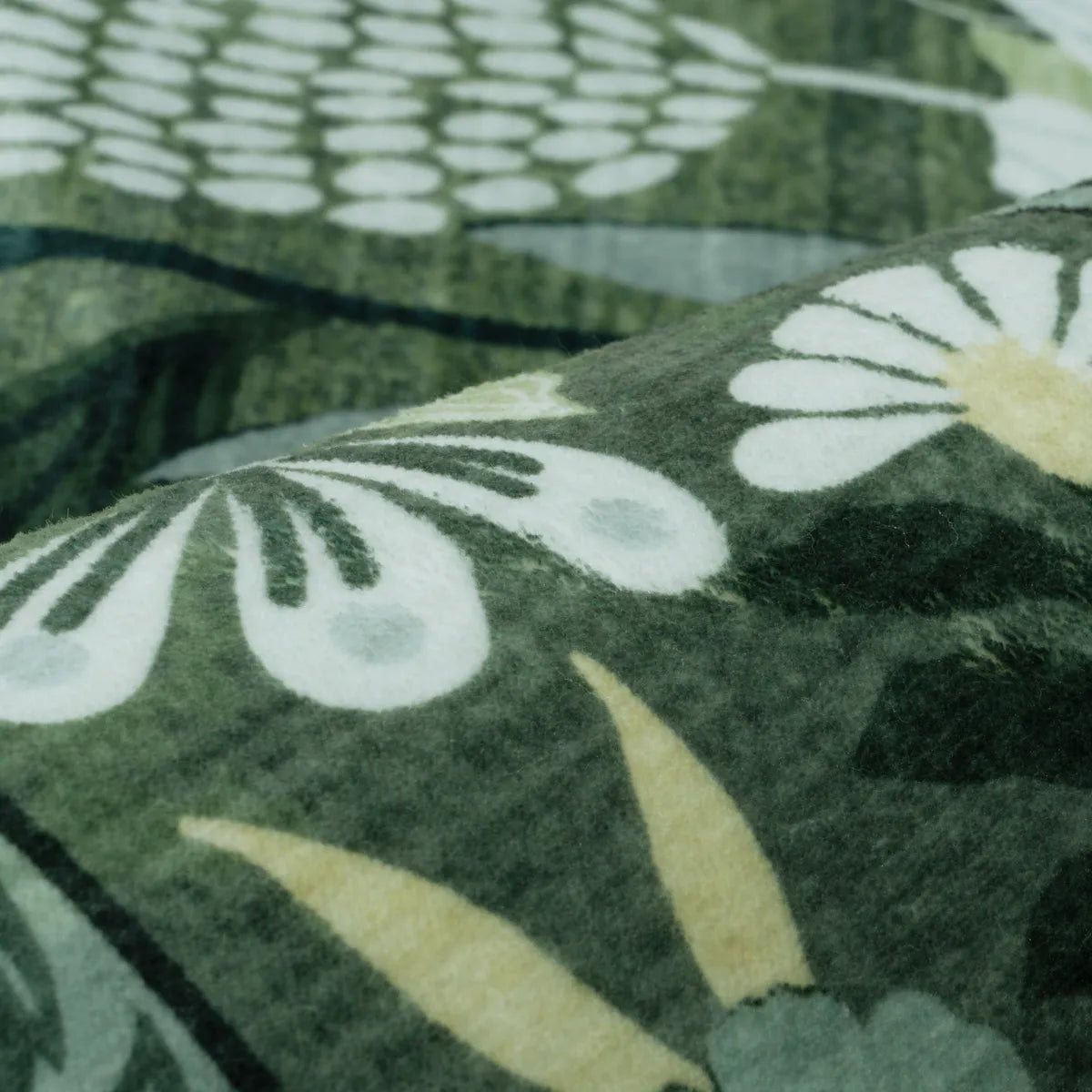
Selecting a rug designed to be machine washable eliminates most shedding concerns. These versions are often crafted to be skin-friendly and soft, unlike the scratchy texture of traditional grass. These modern products can go in the laundry, you can wash away loose particles easily.
How to Clean and Maintain Jute Area Rugs Properly

Effective maintenance keeps your home healthy and your flooring beautiful. Modern jute area rugs offer much more flexibility in cleaning than old-fashioned versions.
- Use a washing machine for deep cleaning as modern designs are built to be washable.
- Ensure the rug is completely dry after any liquid contact to help prevent odors.
- Apply a mild detergent that is safe for delicate fabrics when treating spots.
- Maintain a comfortable indoor humidity level so the fibers do not become overly dry and brittle.
- Trim any small "sprouts" or loose threads with scissors to stop them from snagging.
These routines ensure that your living space remains free of the fine dust typically associated with natural fibers. Following a consistent schedule helps mitigate small issues from becoming permanent damage.
Why Every Jute Rug Needs a Quality Foundation
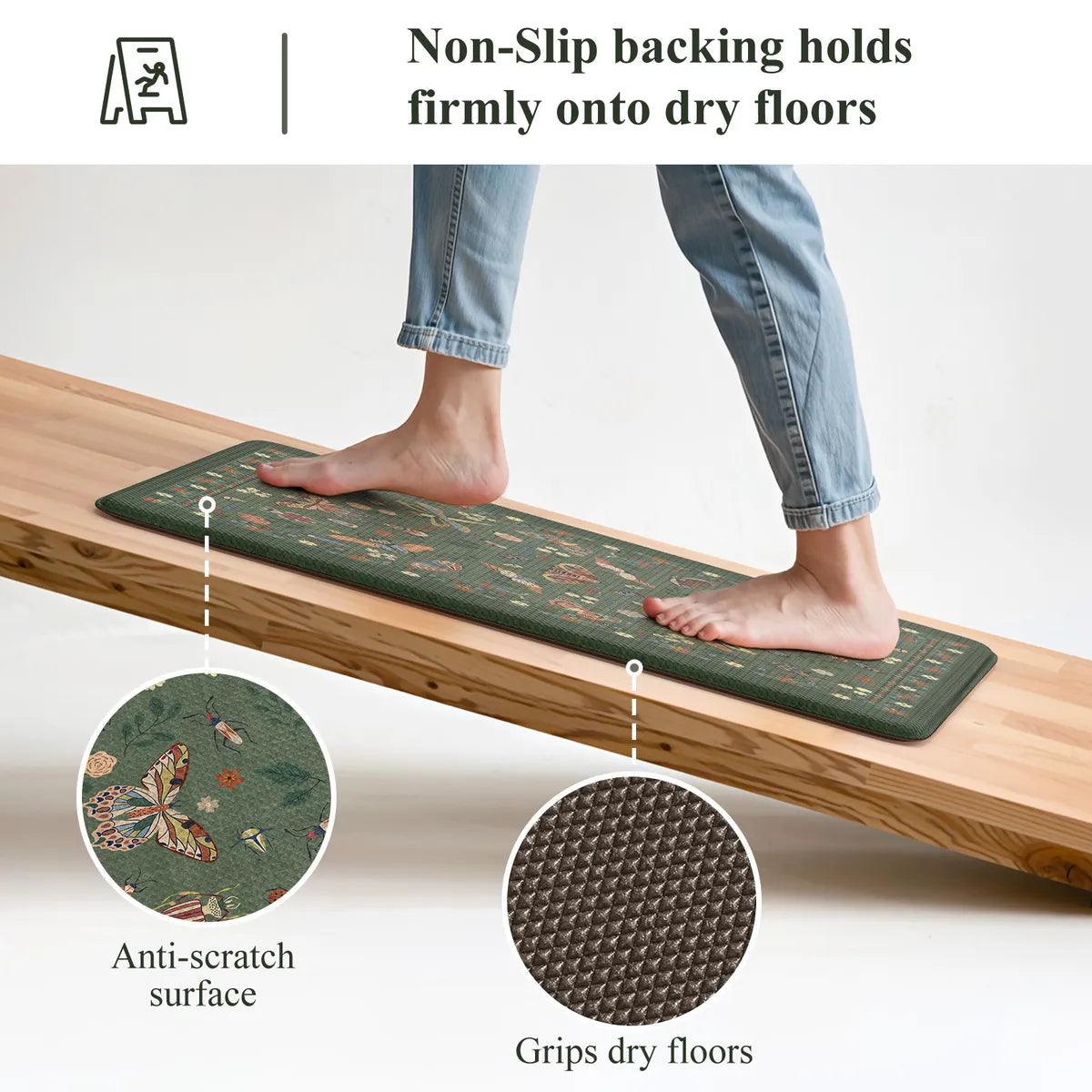
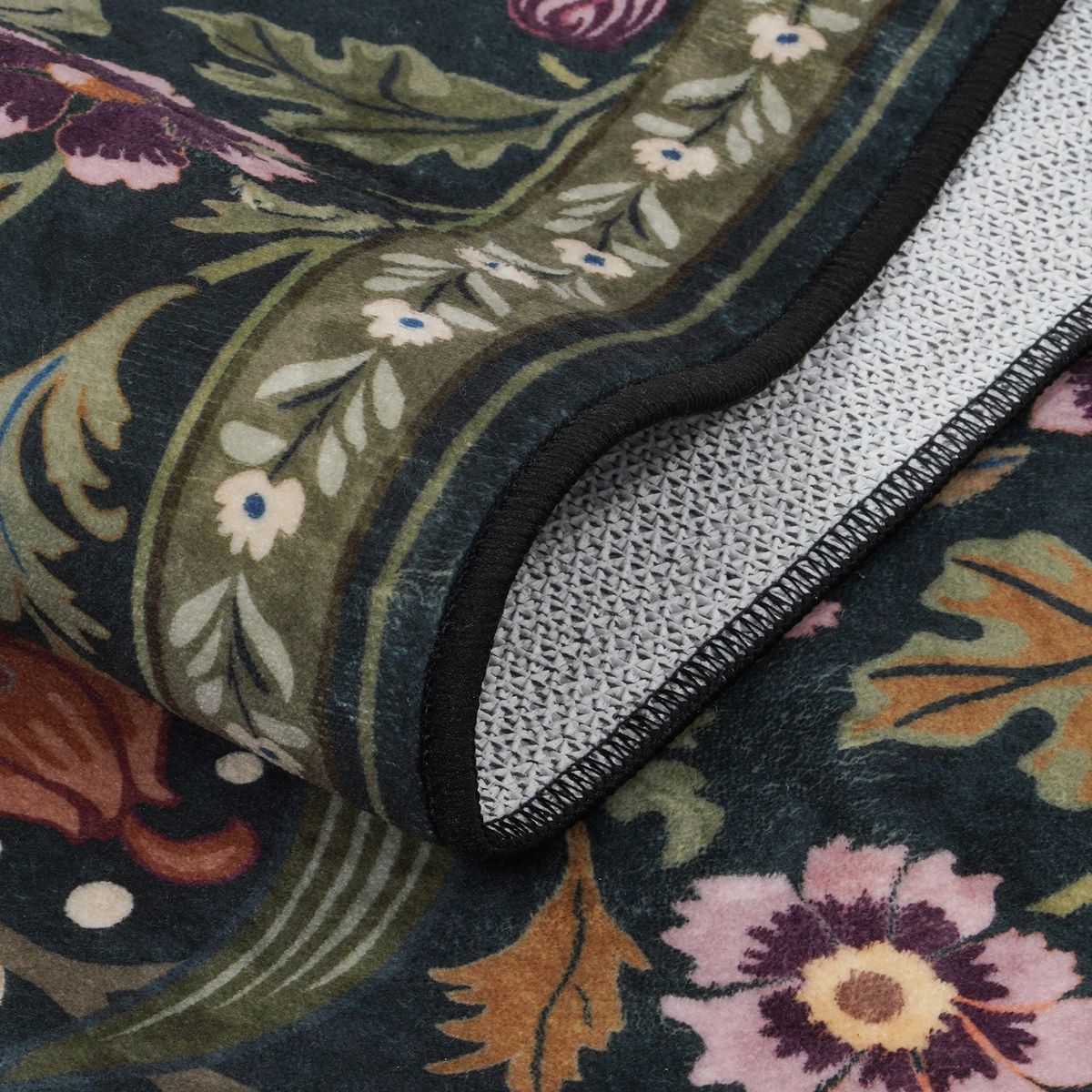
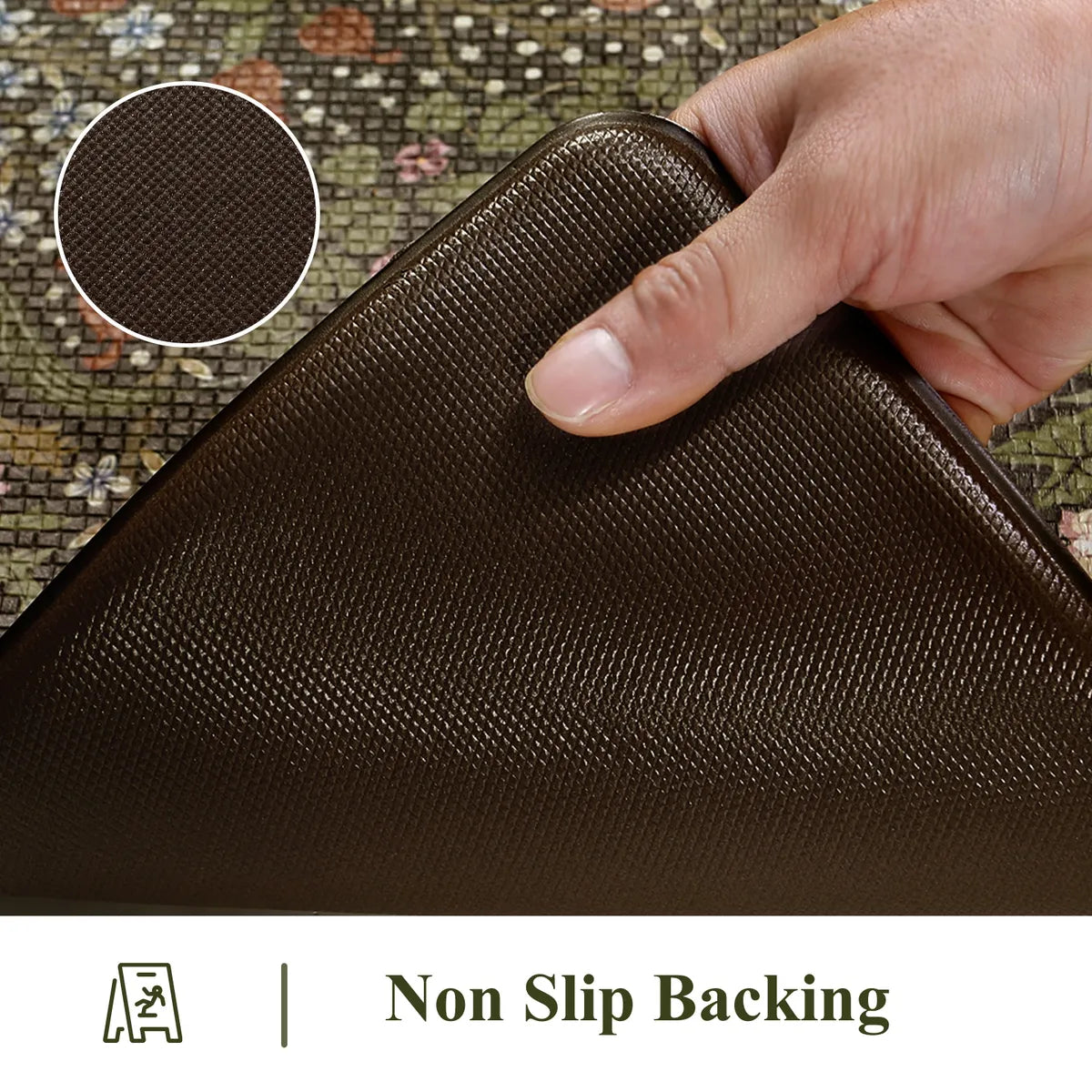
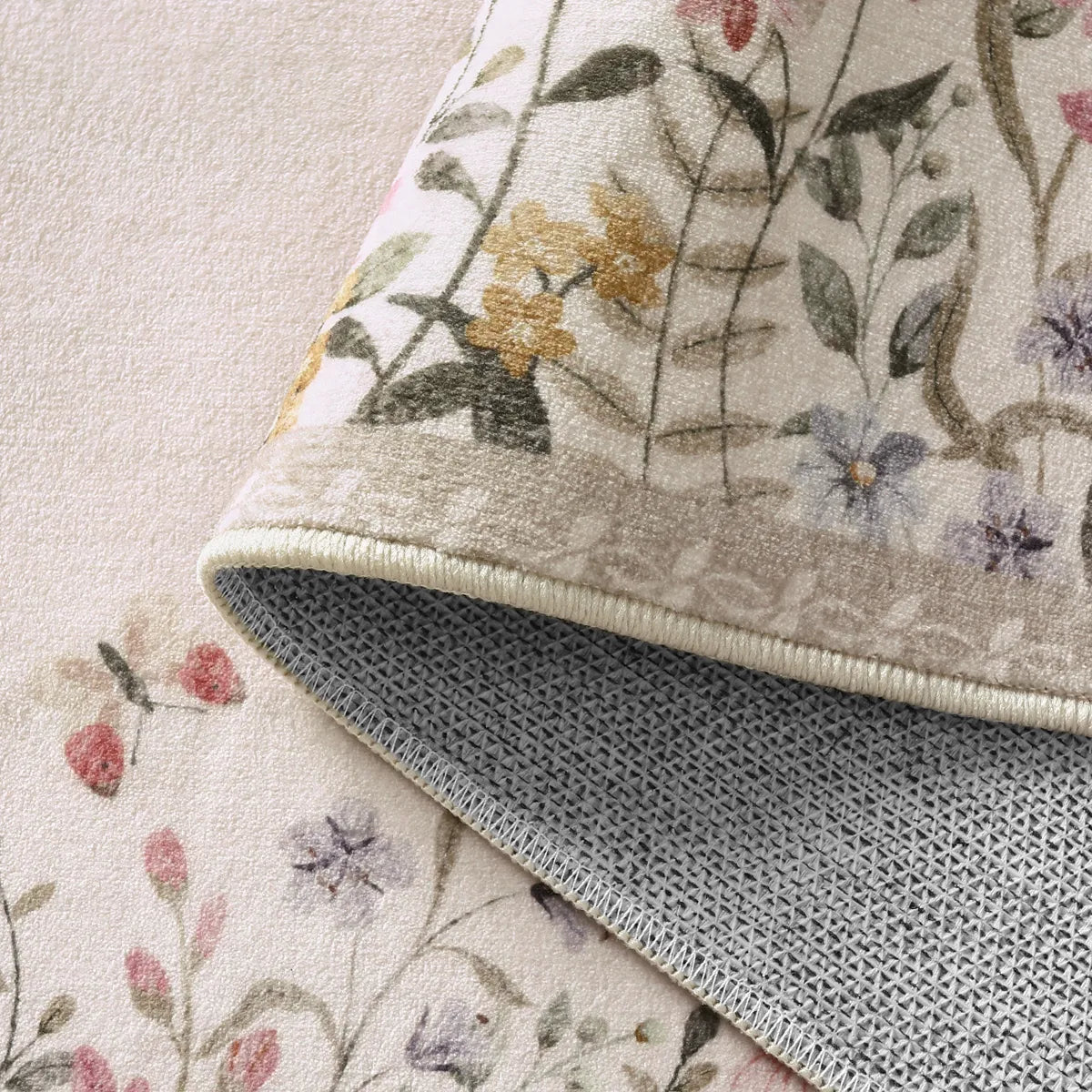
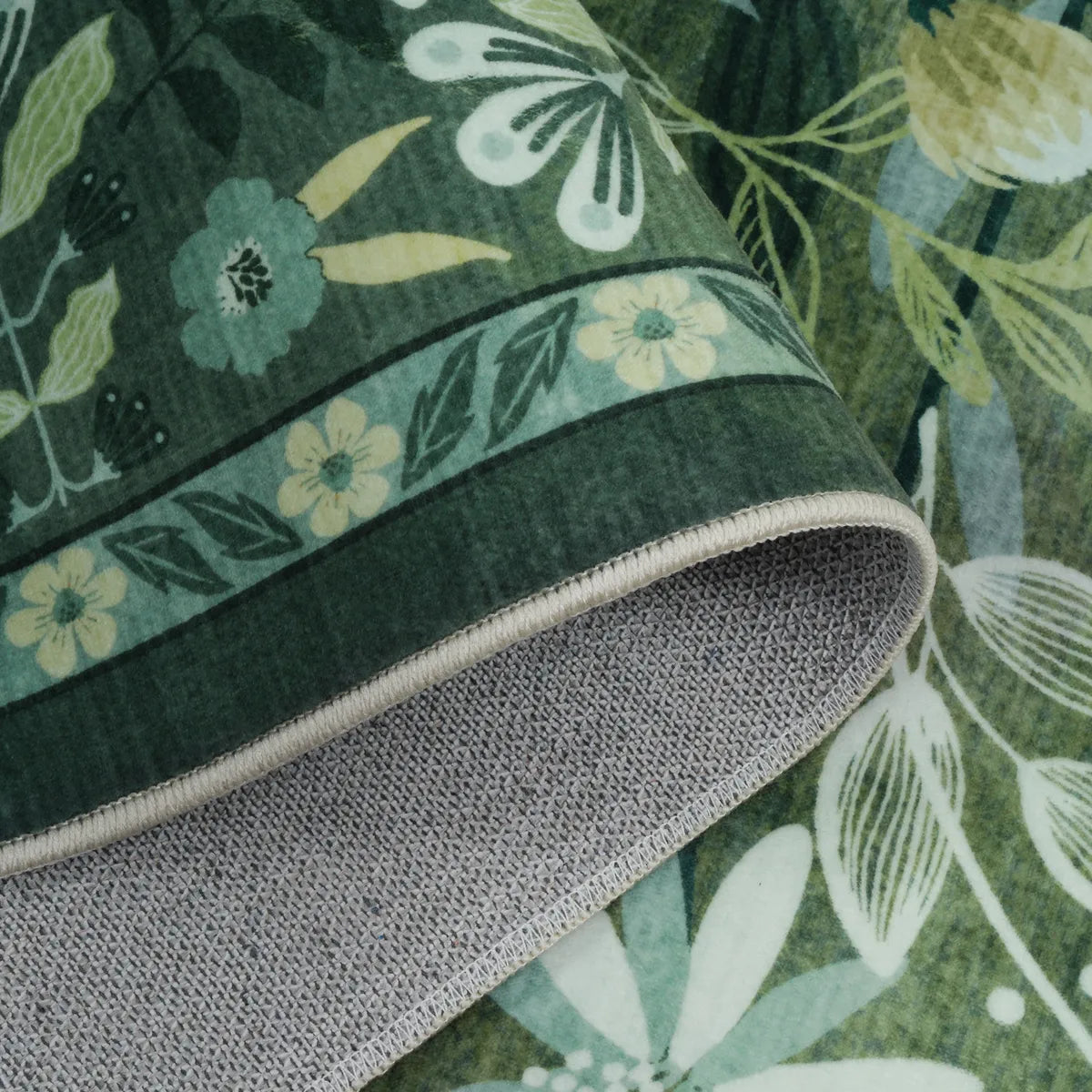
The material sitting beneath your rug is just as important as the rug itself. A proper base helps protect the weave by reducing sliding and grinding against hard floor surfaces.
The table below outlines the benefits of different backing options for your rugs.
| Feature | Built-in Non-Slip Backing | Separate Rug Pad |
| Convenience | High; built into the design | Low; requires trimming |
| Stability | Excellent for high traffic | Varies by material |
| Cleaning | Washable as one piece | Must be cleaned separately |
| Softness | Adds consistent comfort | Can feel bulky |
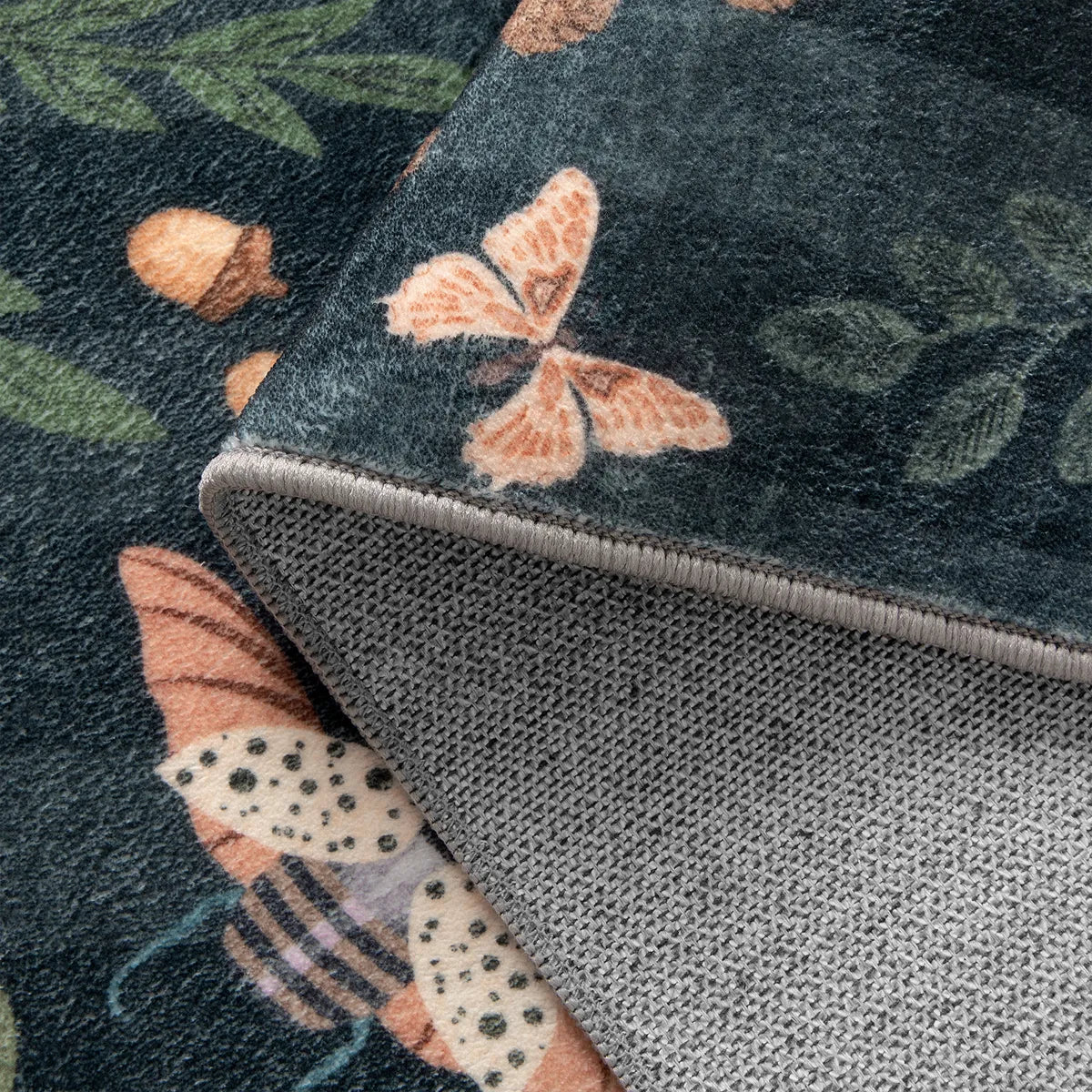
Integrated non-slip designs are generally superior for busy households. They provide a sleek, low-profile look while ensuring the rug stays safely in place during vacuuming or playing.
How to Choose Jute Rugs That Don't Dust or Fray
Prevention is the most effective way to handle shedding issues. Choosing a product with specific technical features can save you from future cleaning headaches.
- Select rugs that are OEKO-TEX certified to ensure they are free from harmful chemicals.
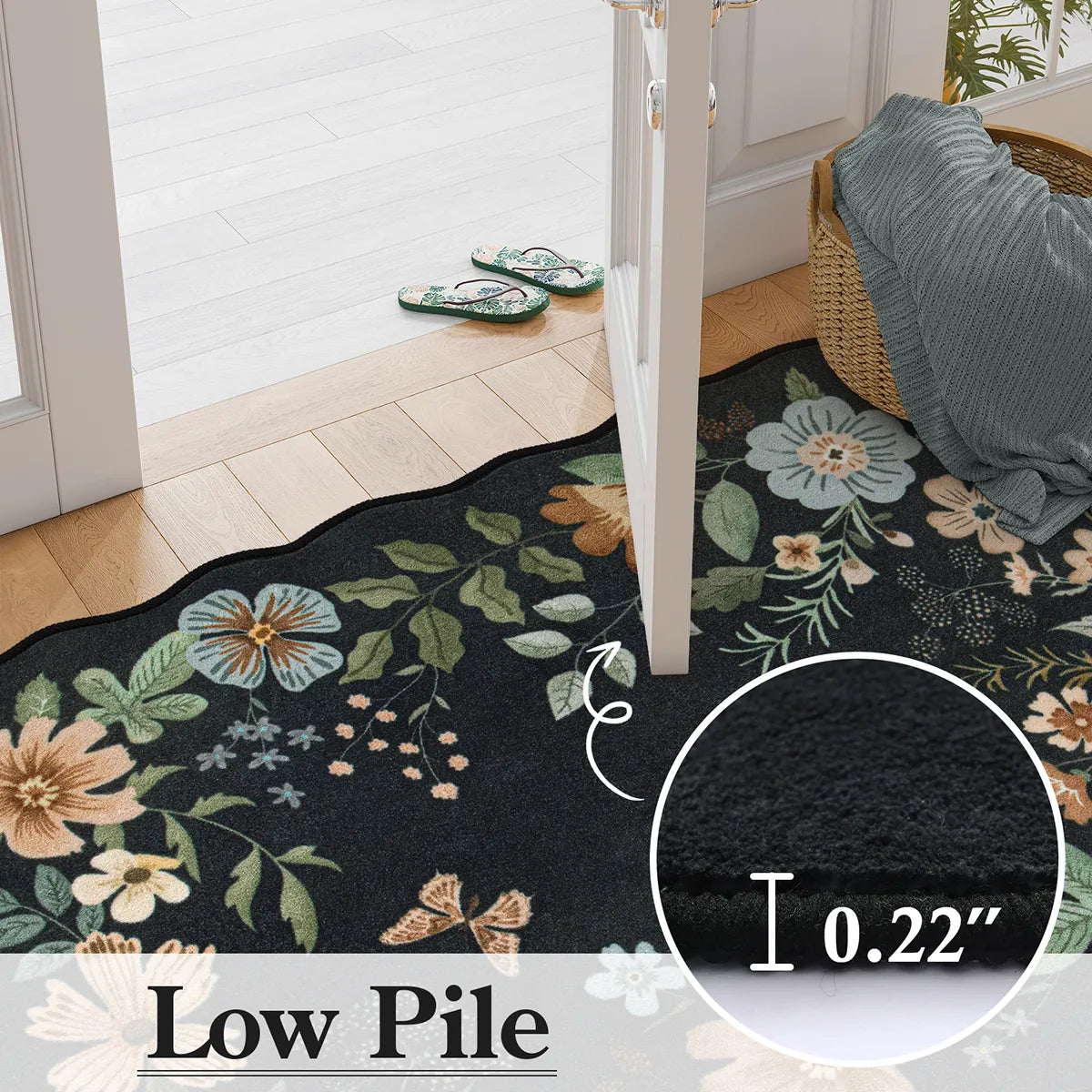
- Look for low-pile designs that do not trap as much dust or allergens.
- Choose machine-washable rugs for the ultimate ease in managing plant debris.
- Verify that the material is described as soft and skin-friendly for maximum comfort.
- Seek out stain-resistant treatments that help shield the core by slowing the absorption of spills.
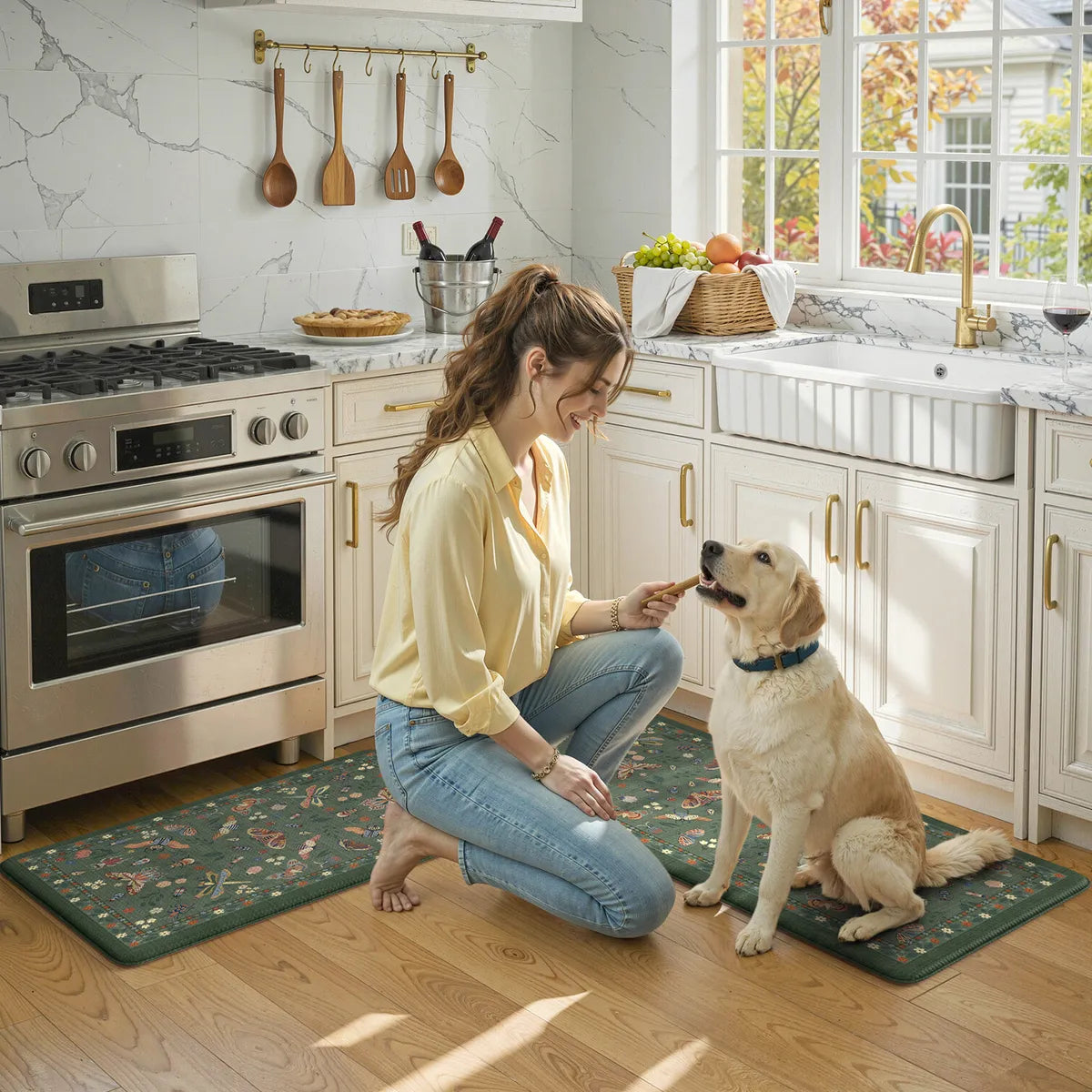
Investing in a high-quality, eco-friendly design ensures that your floor covering is both durable and safe for kids and pets. These smarter choices provide the aesthetic of natural grass without the annoying cleanup.
Experience Stress-Free Natural Style
Embracing the warmth of organic textures should not mean constant sweeping and dusting. By selecting modern, washable alternatives and following a simple vacuuming routine, you can enjoy a beautiful home. Your jute rugs should serve as a comfortable foundation for your life rather than a source of chores. Take the first step toward a cleaner home by upgrading to a soft, low-pile design that handles daily wear with ease.
FAQs
Q1. Can I Put My Jute Rugs in the Washing Machine?
Yes, many modern versions are specifically designed to be machine washable for easy care. You should always check the care label to confirm that the specific weave and backing are safe for laundry cycles.
Q2. Are These Rugs Safe for Homes With Pets and Children?
Yes, choosing a version that is hypoallergenic and OEKO-TEX certified ensures a safe environment. These rugs are often skin-friendly and soft, making them perfect for little ones to crawl on without irritation.
Q3. Will a Non-Slip Backing Help Reduce Fiber Dusting?
Yes, an integrated non-slip backing reduces the friction between the rug and the floor. By preventing the rug from sliding, you stop the fibers on the bottom from grinding into fine powder.
Q4. How Do I Fix Fraying Edges on My Area Rugs?
You can gently trim any loose fibers with sharp scissors to keep the edges looking tidy. To minimize further fraying, choose a rug with a reinforced border or one that is durable enough for high-traffic areas.
Q5. What Is the Best Material for a Rug That Doesn't Shed?
The best option is a low-pile, machine-washable rug designed with integrated backing. Unlike traditional thick grass fibers, these modern versions are engineered to be soft and durable without breaking into dust. This construction gives you the natural look you want without the typical cleanup.