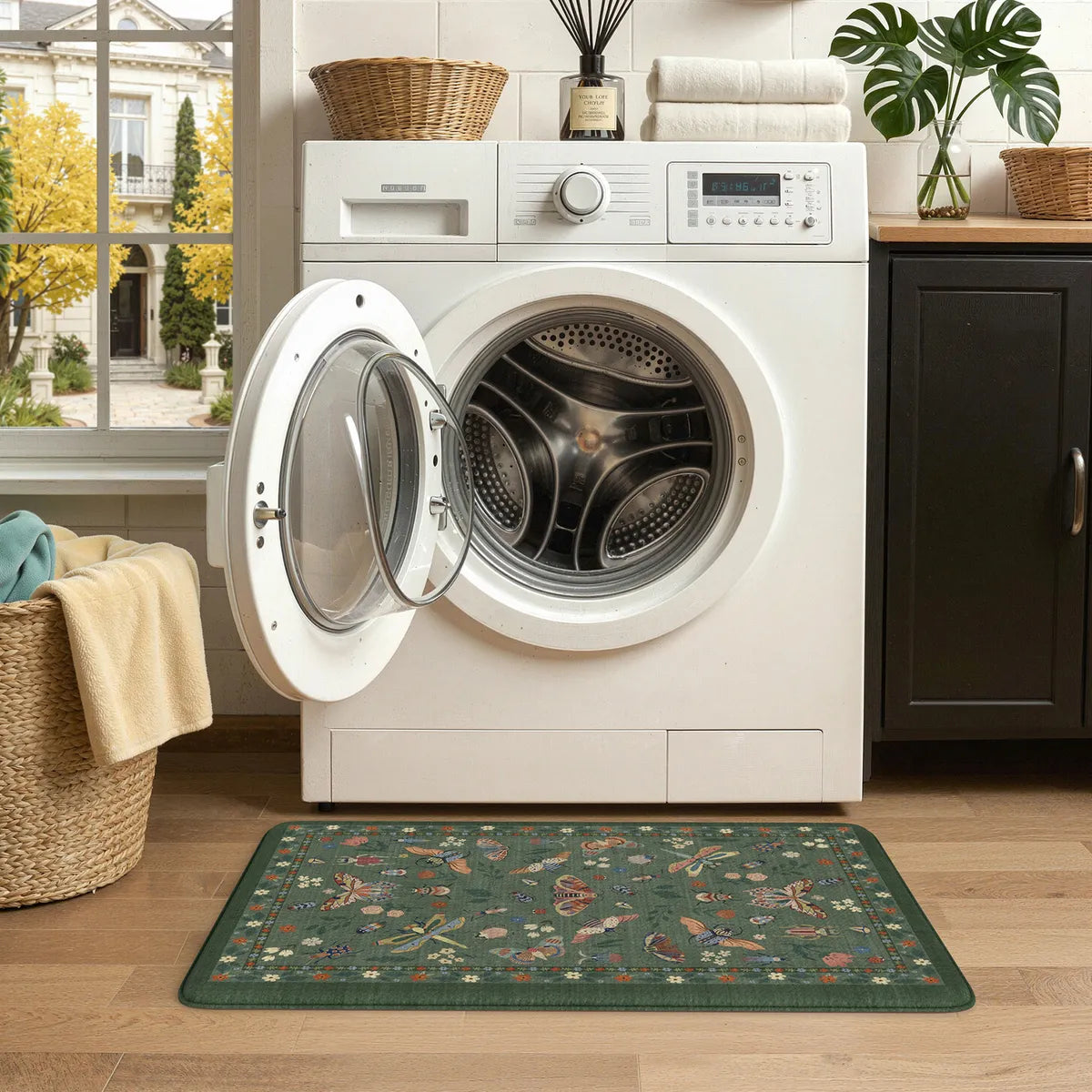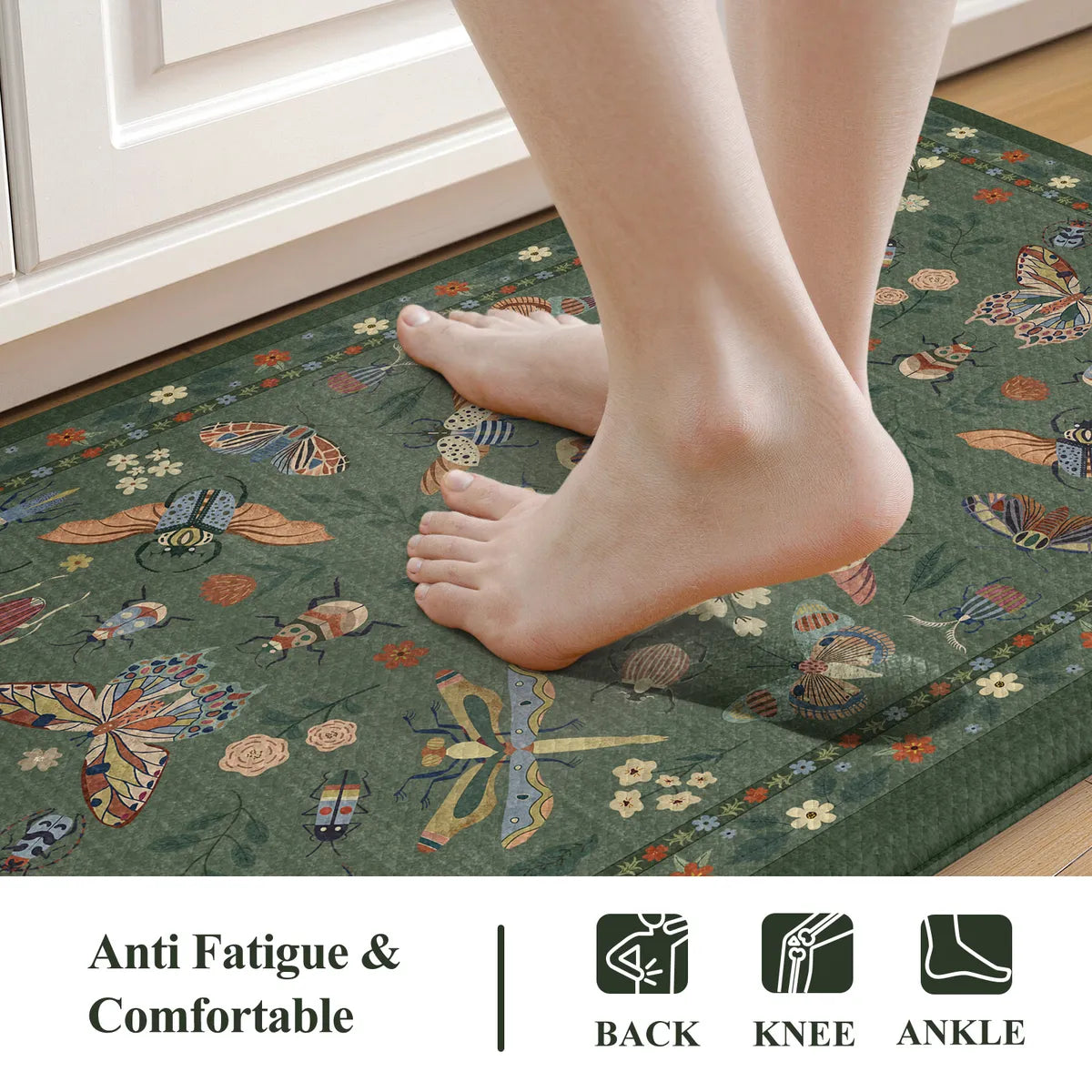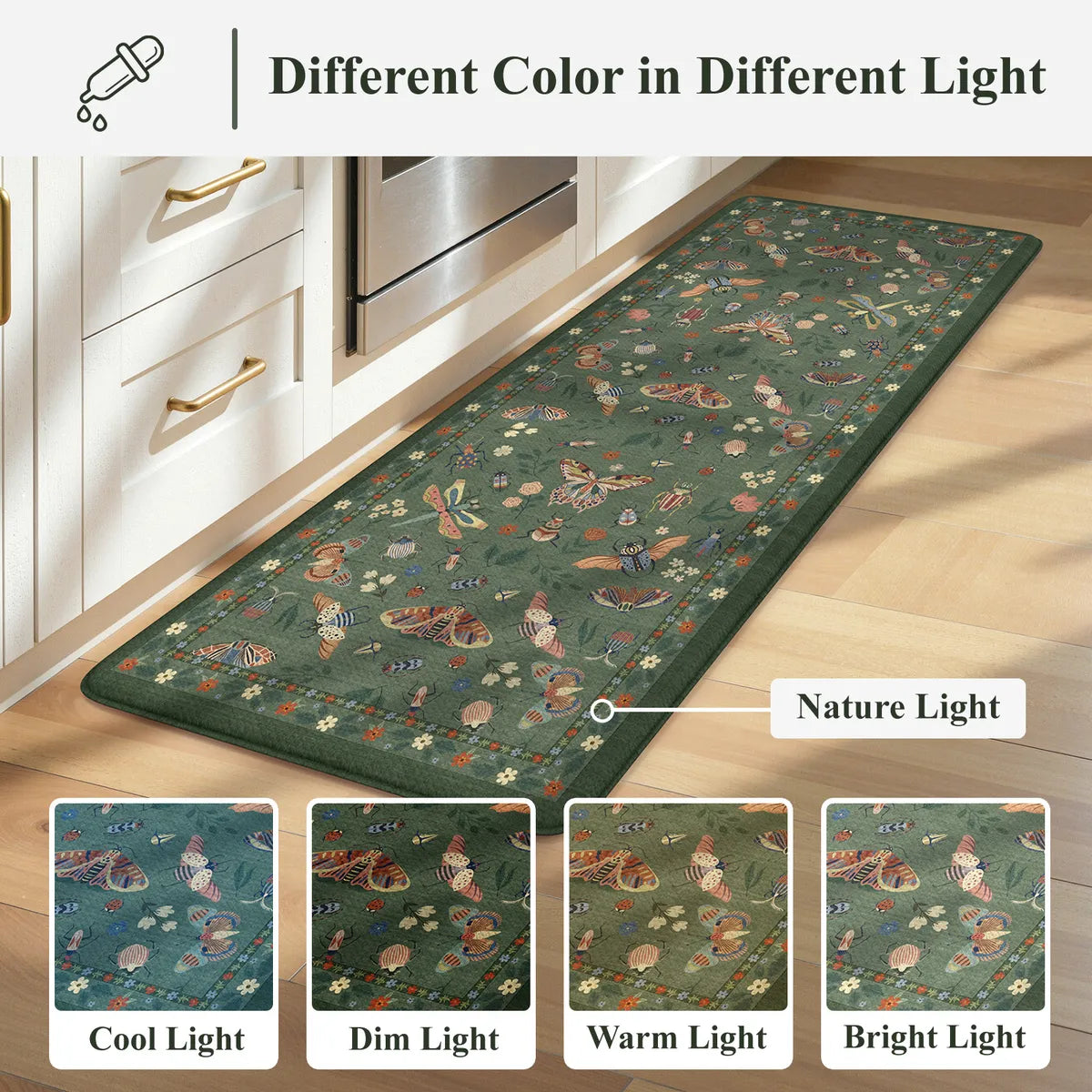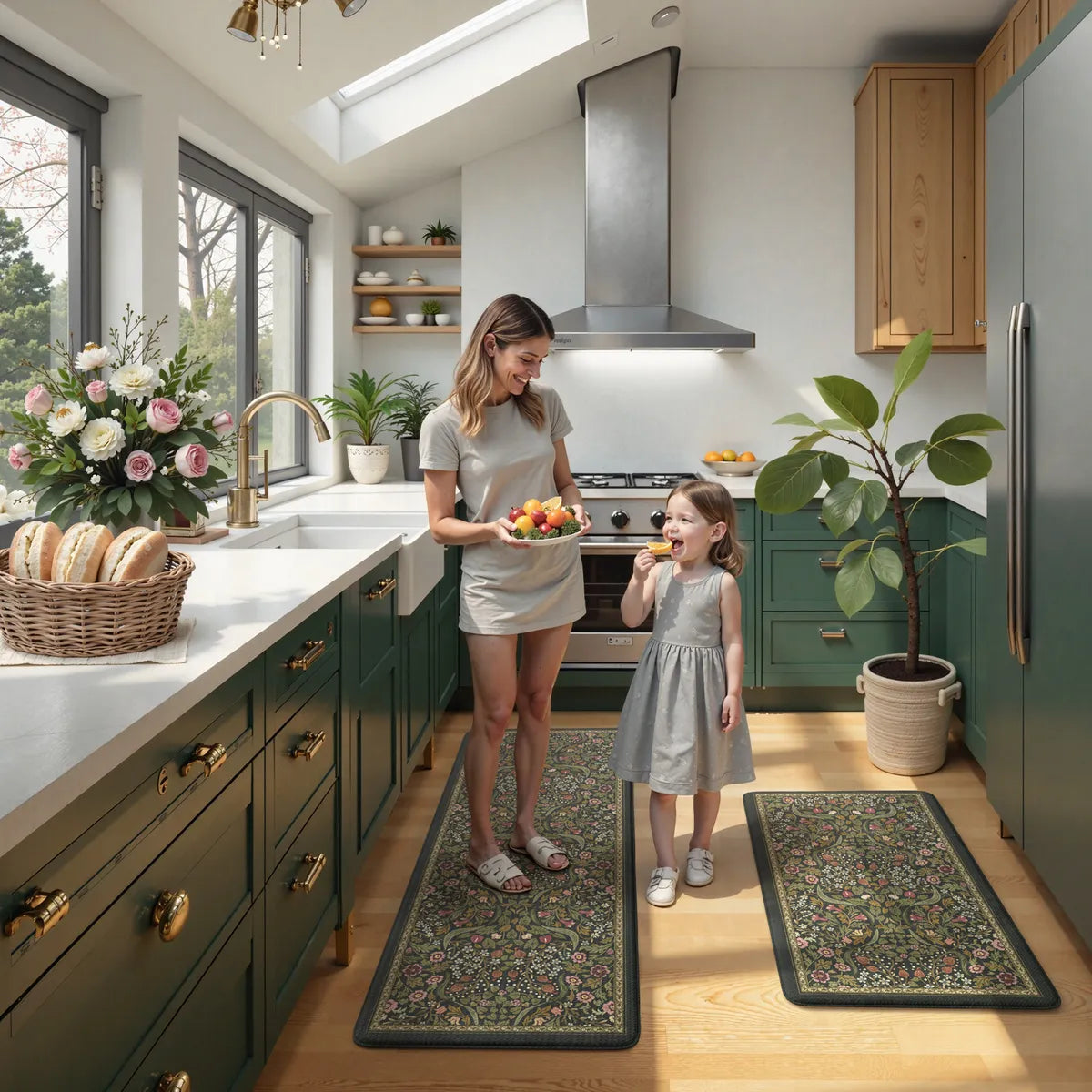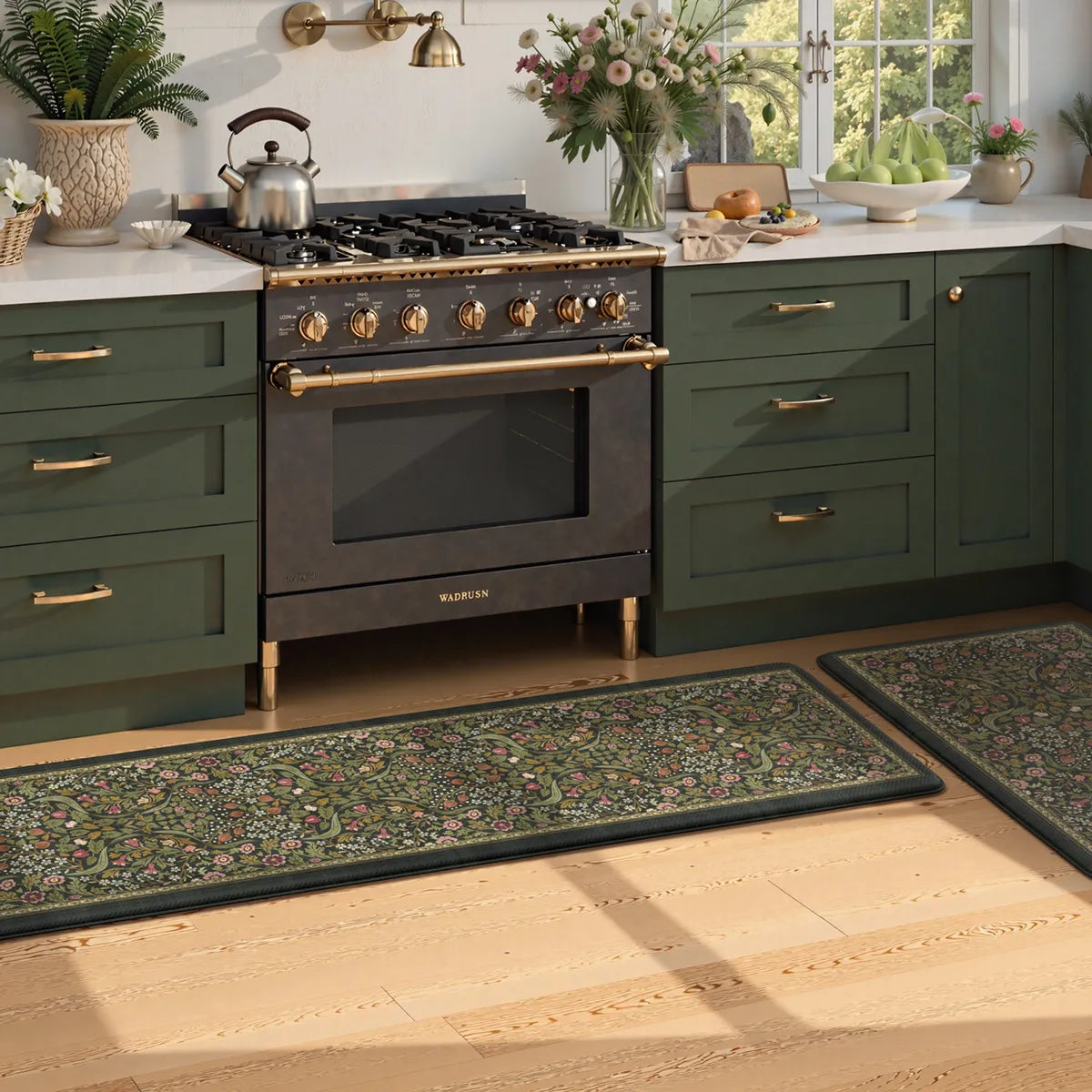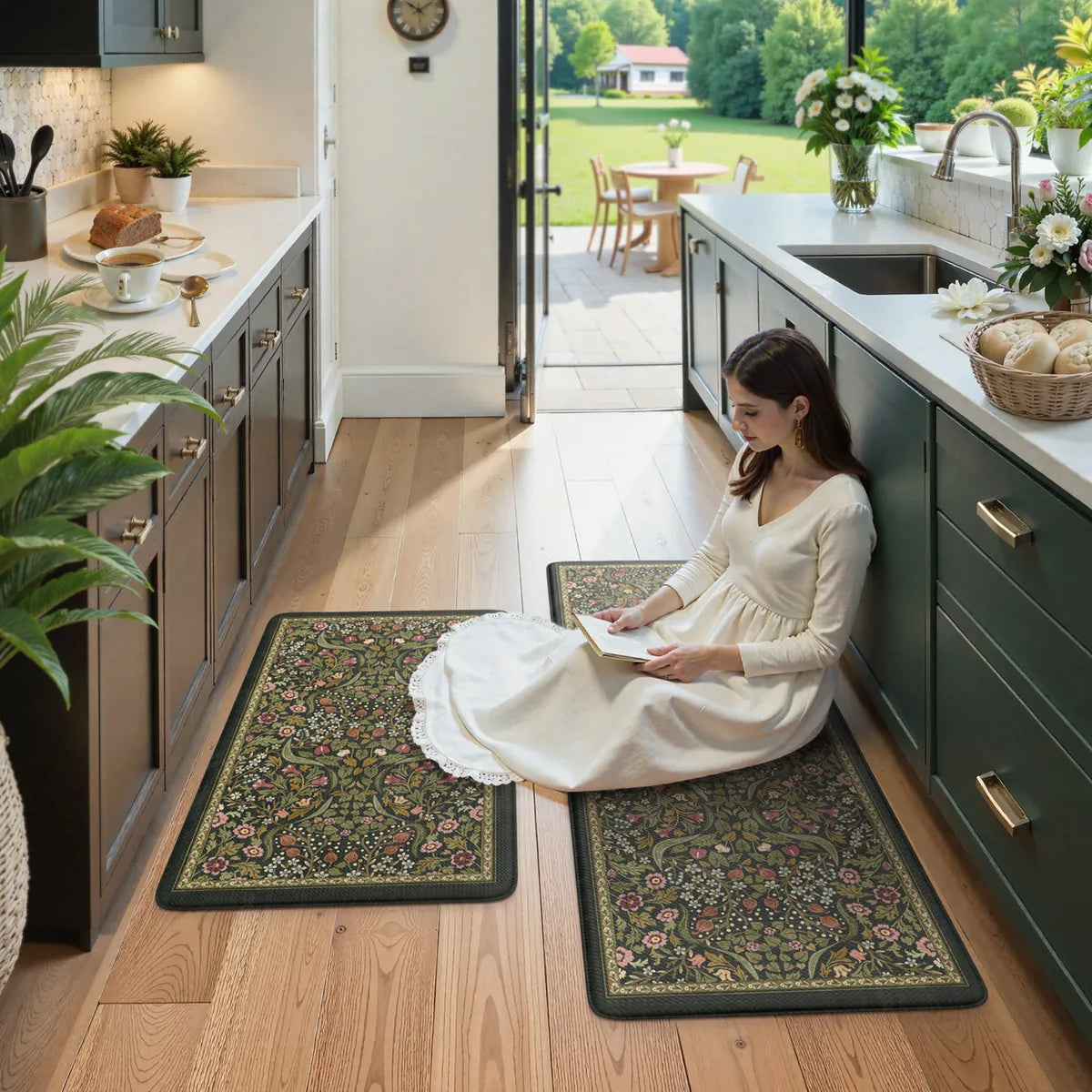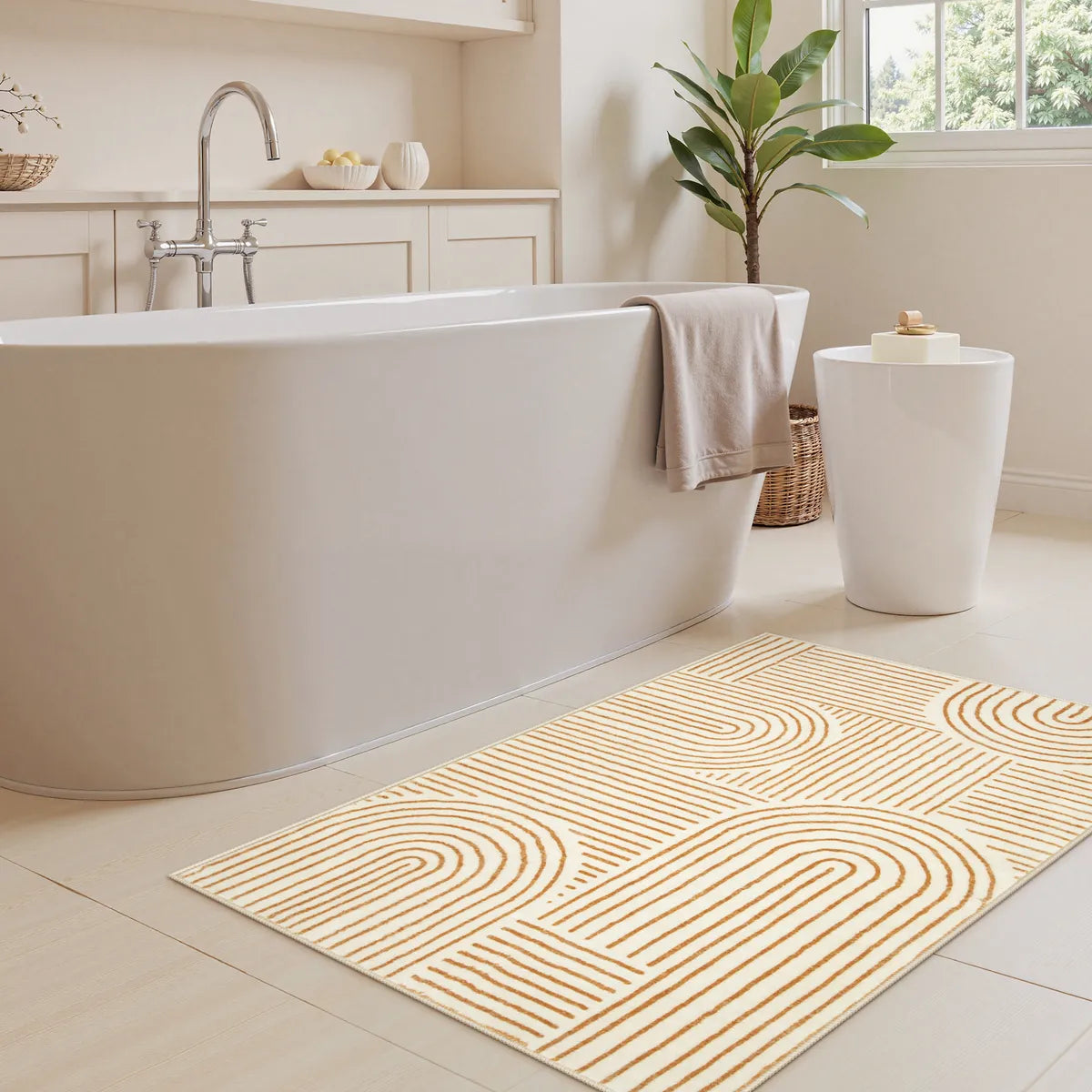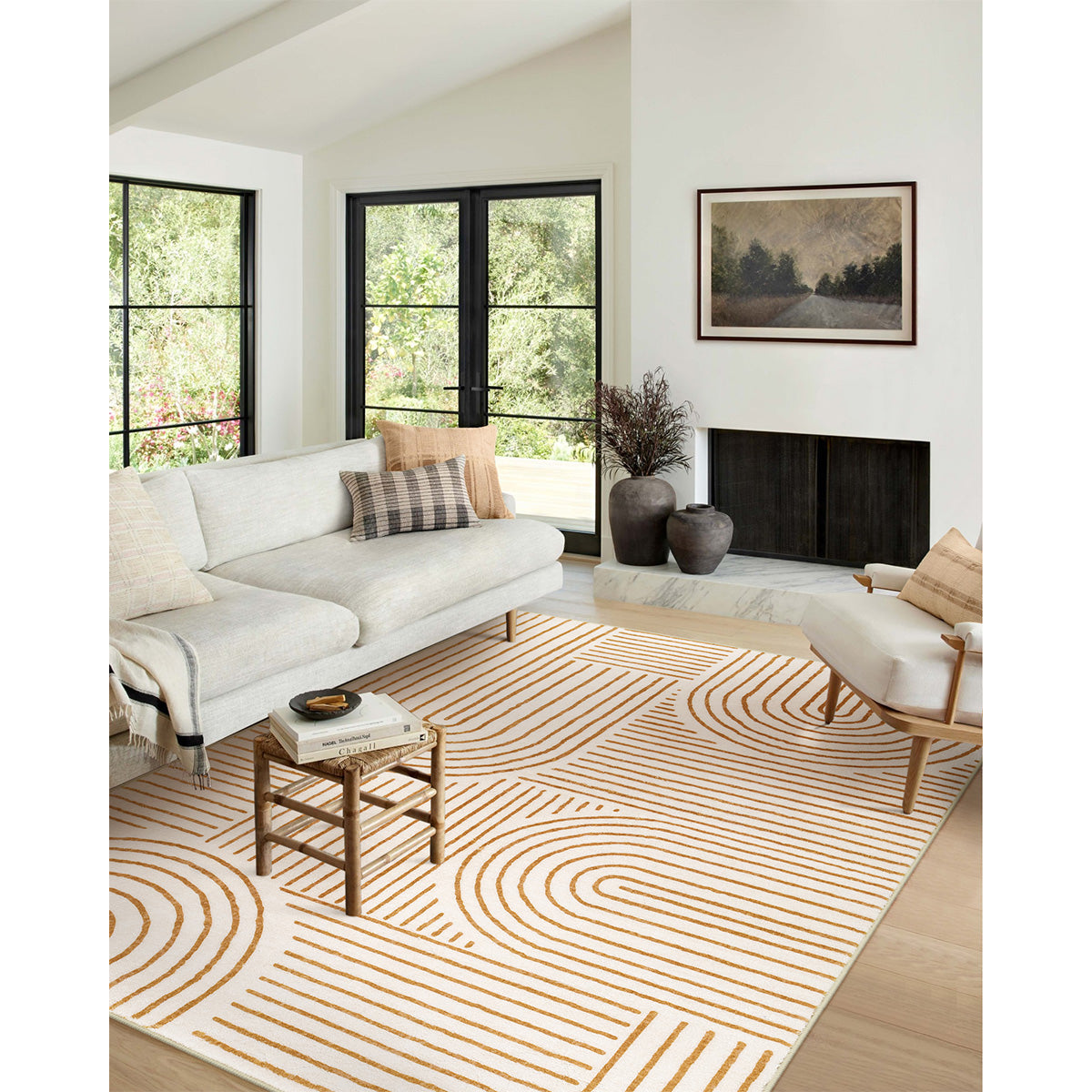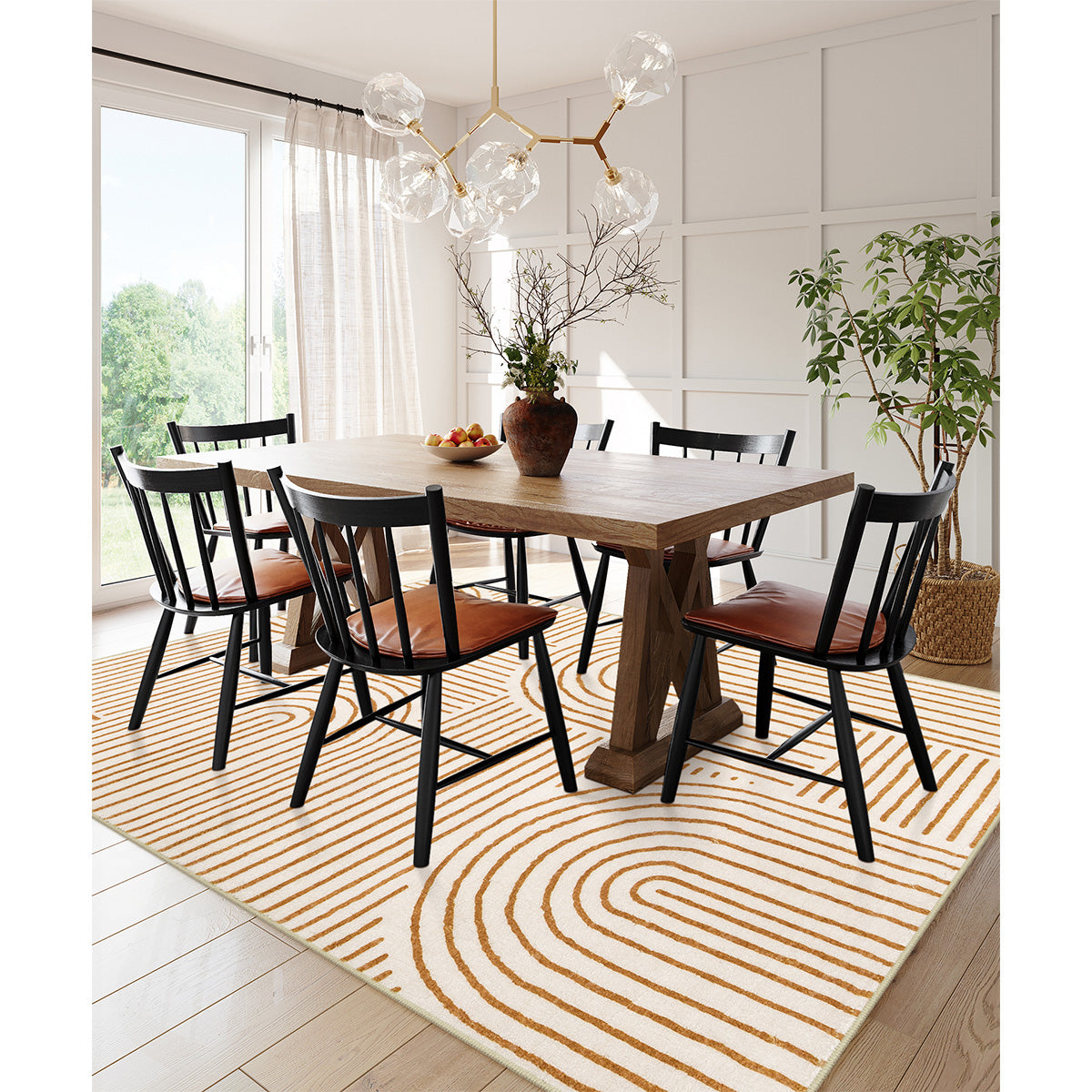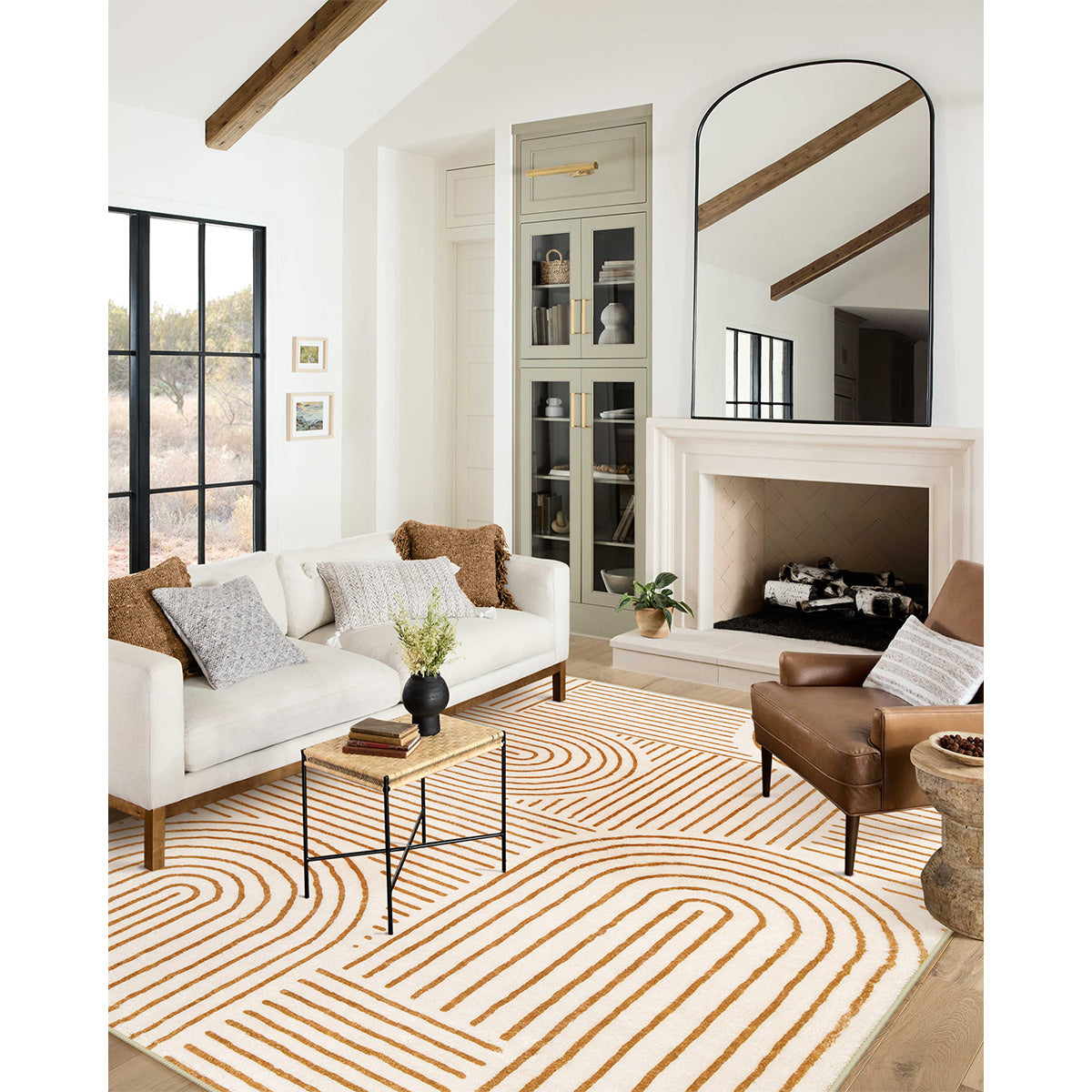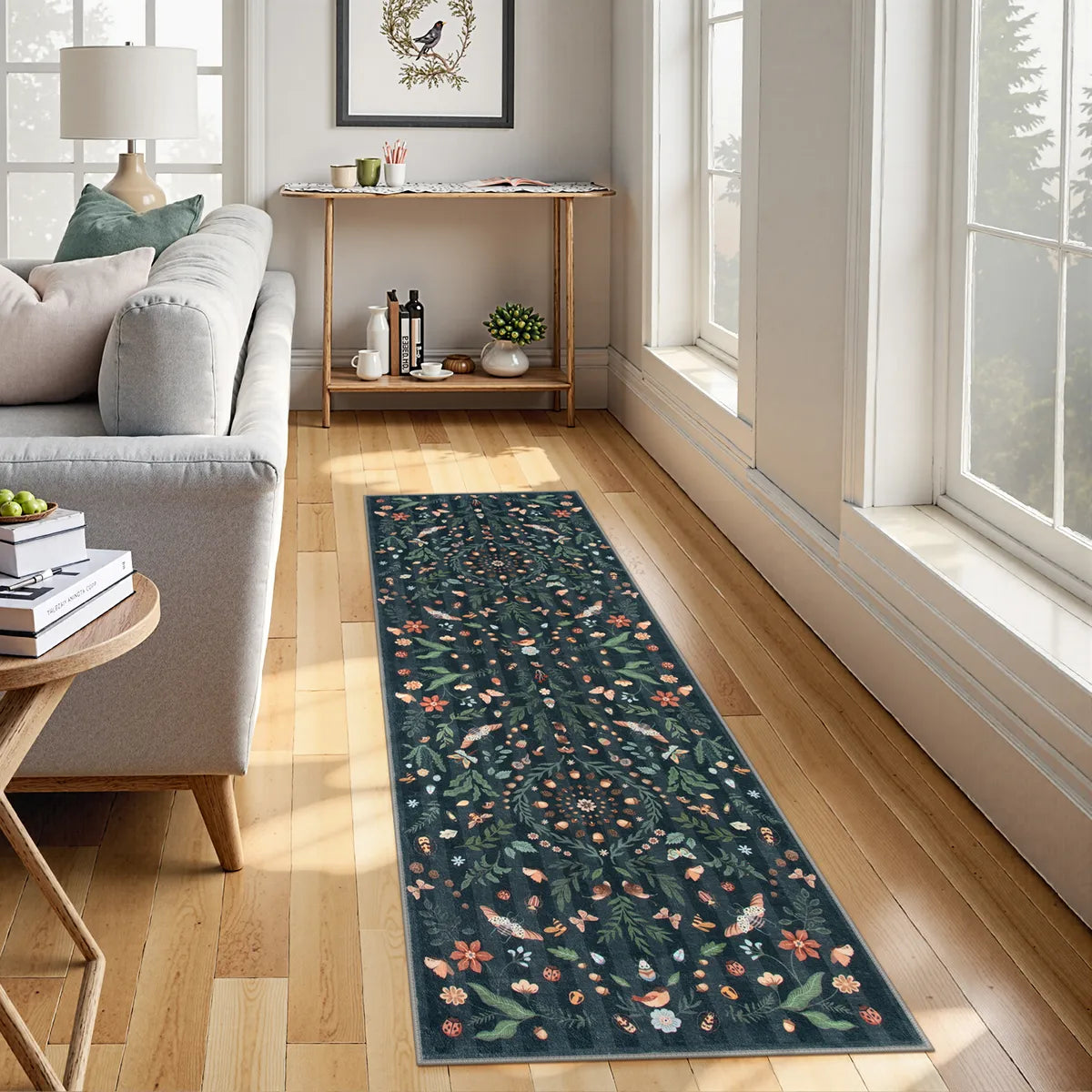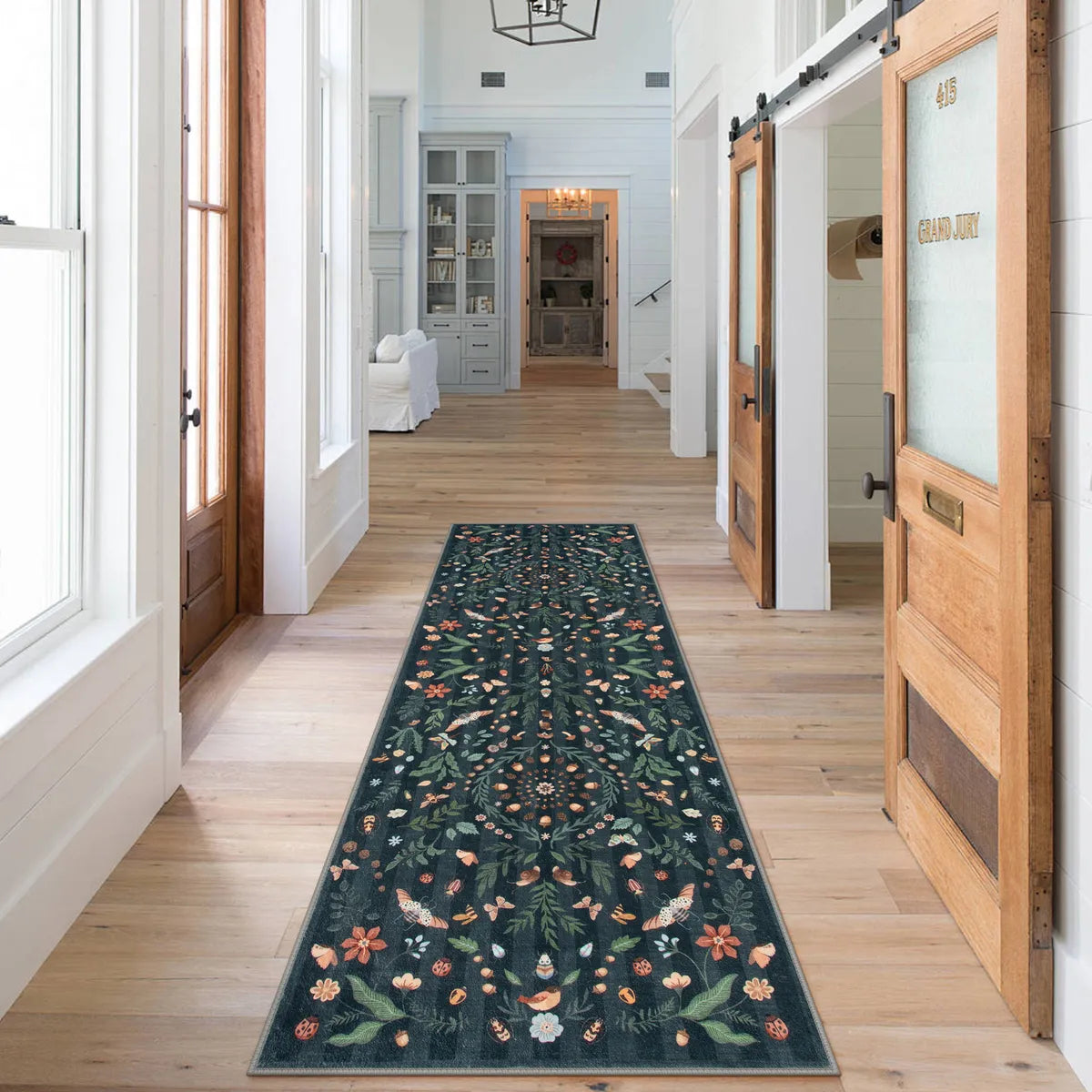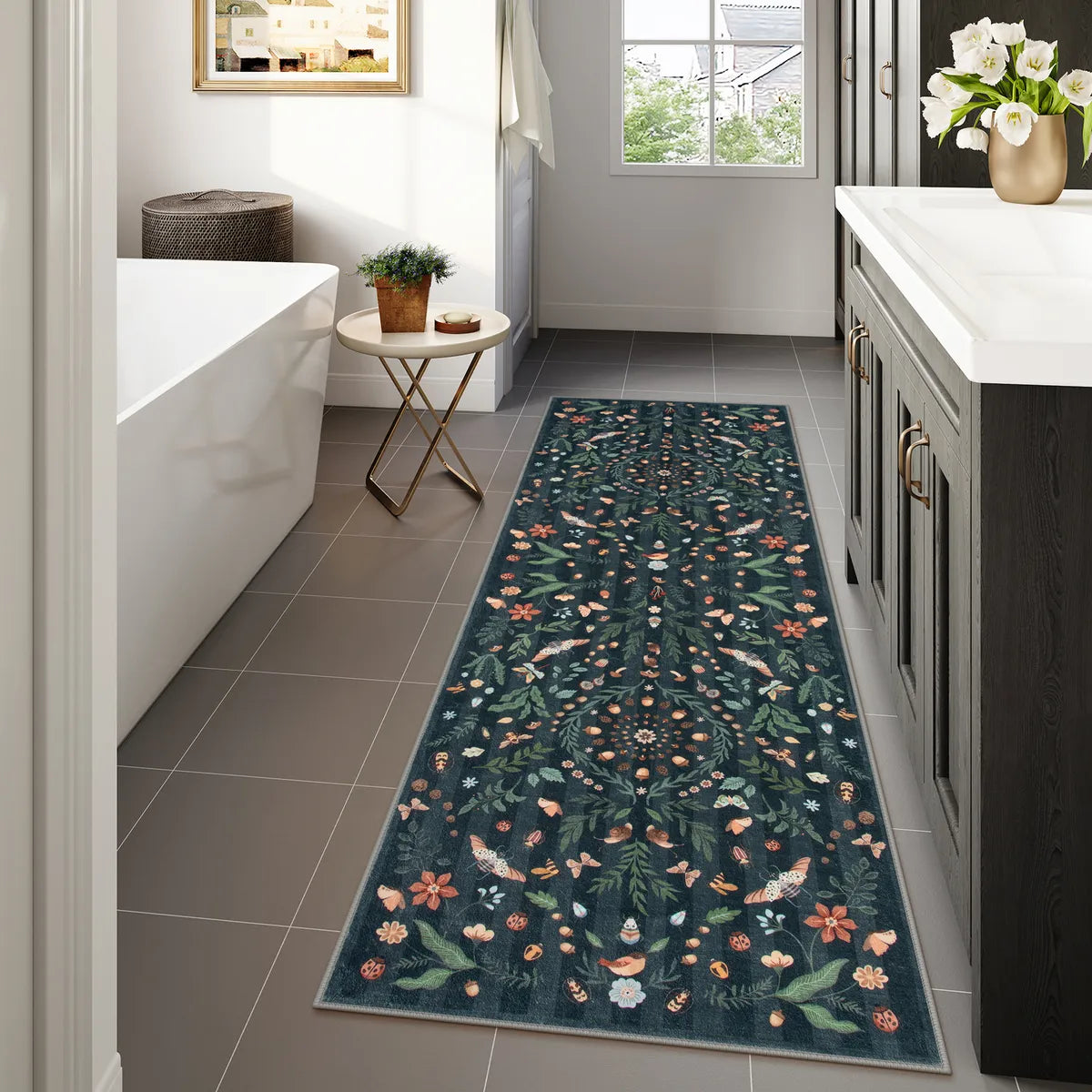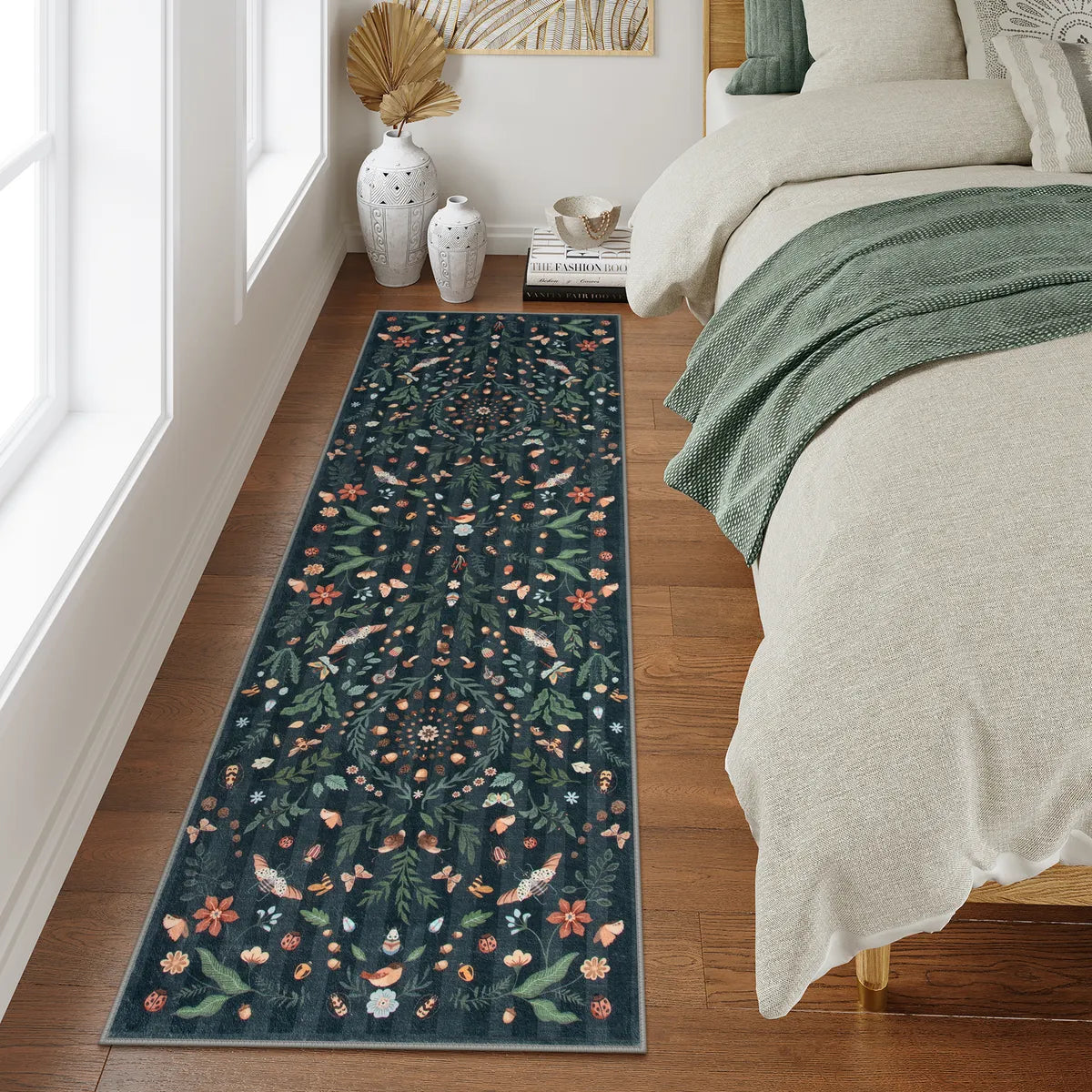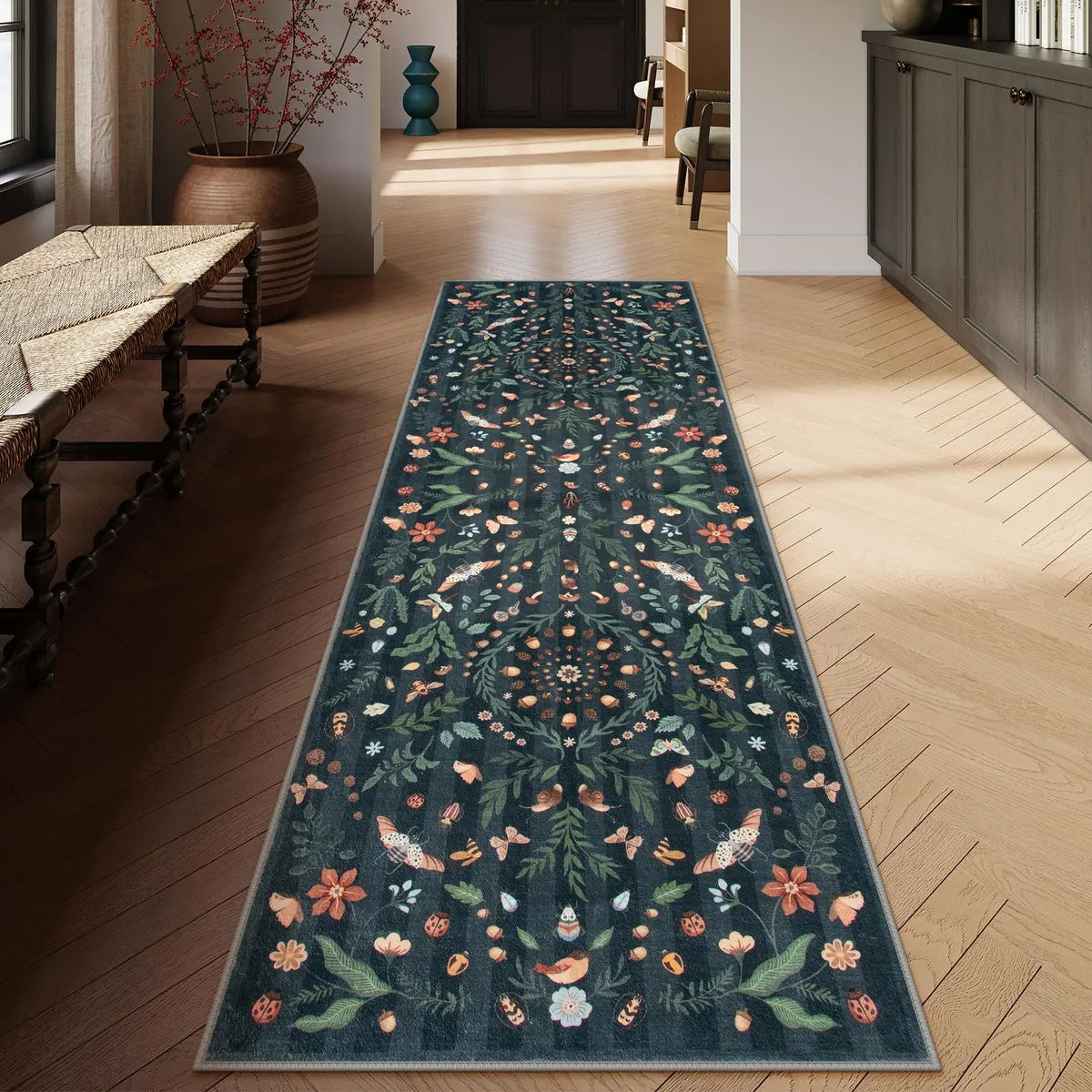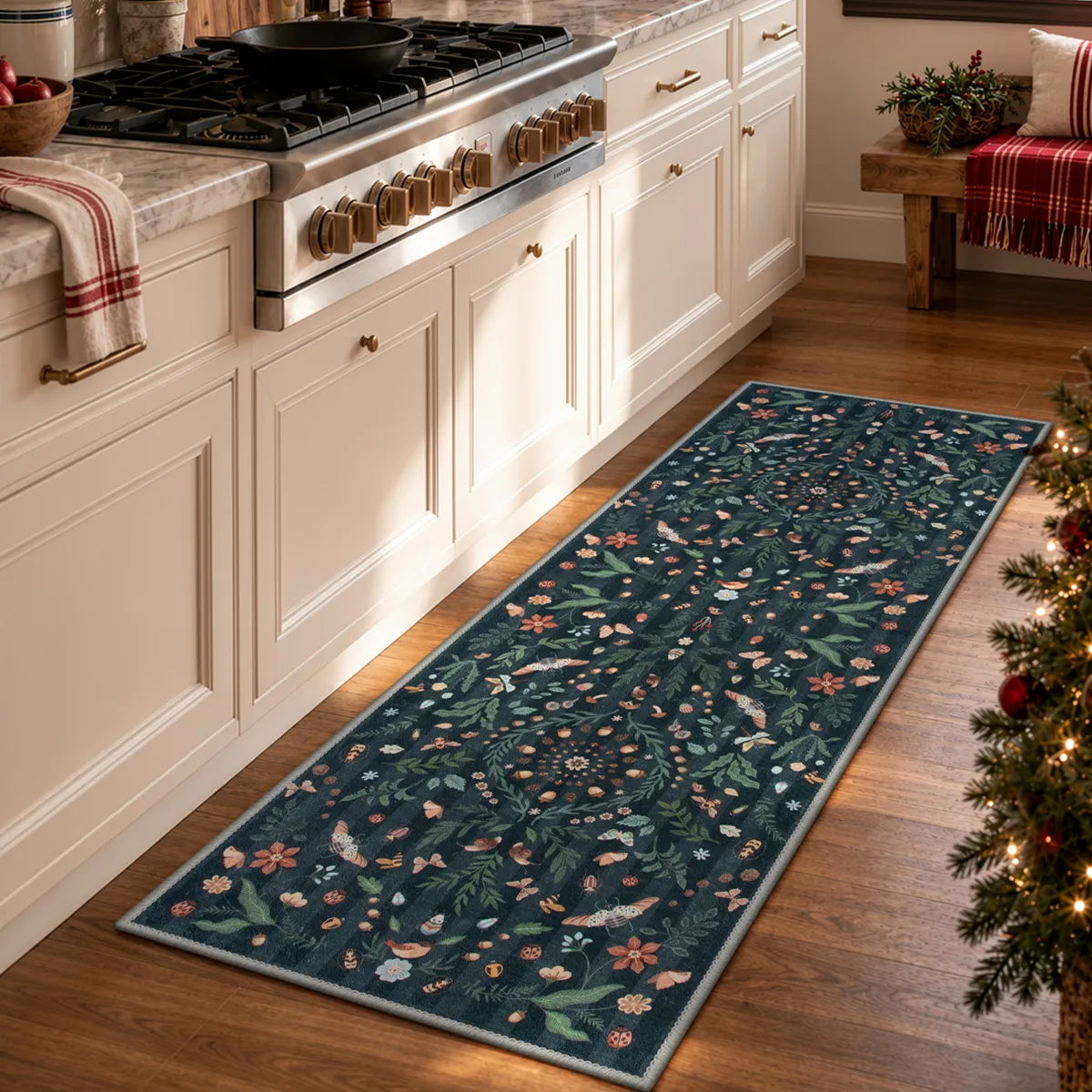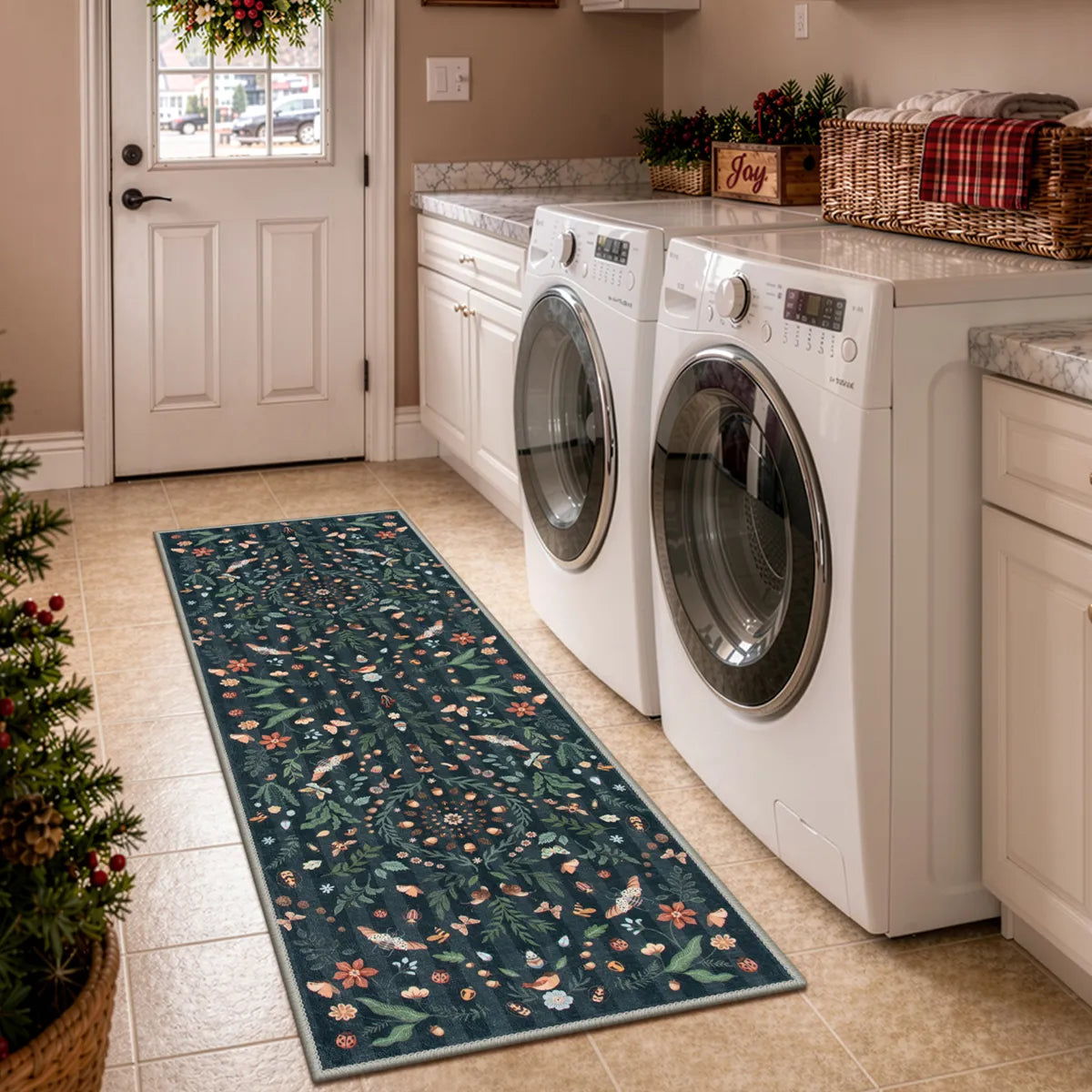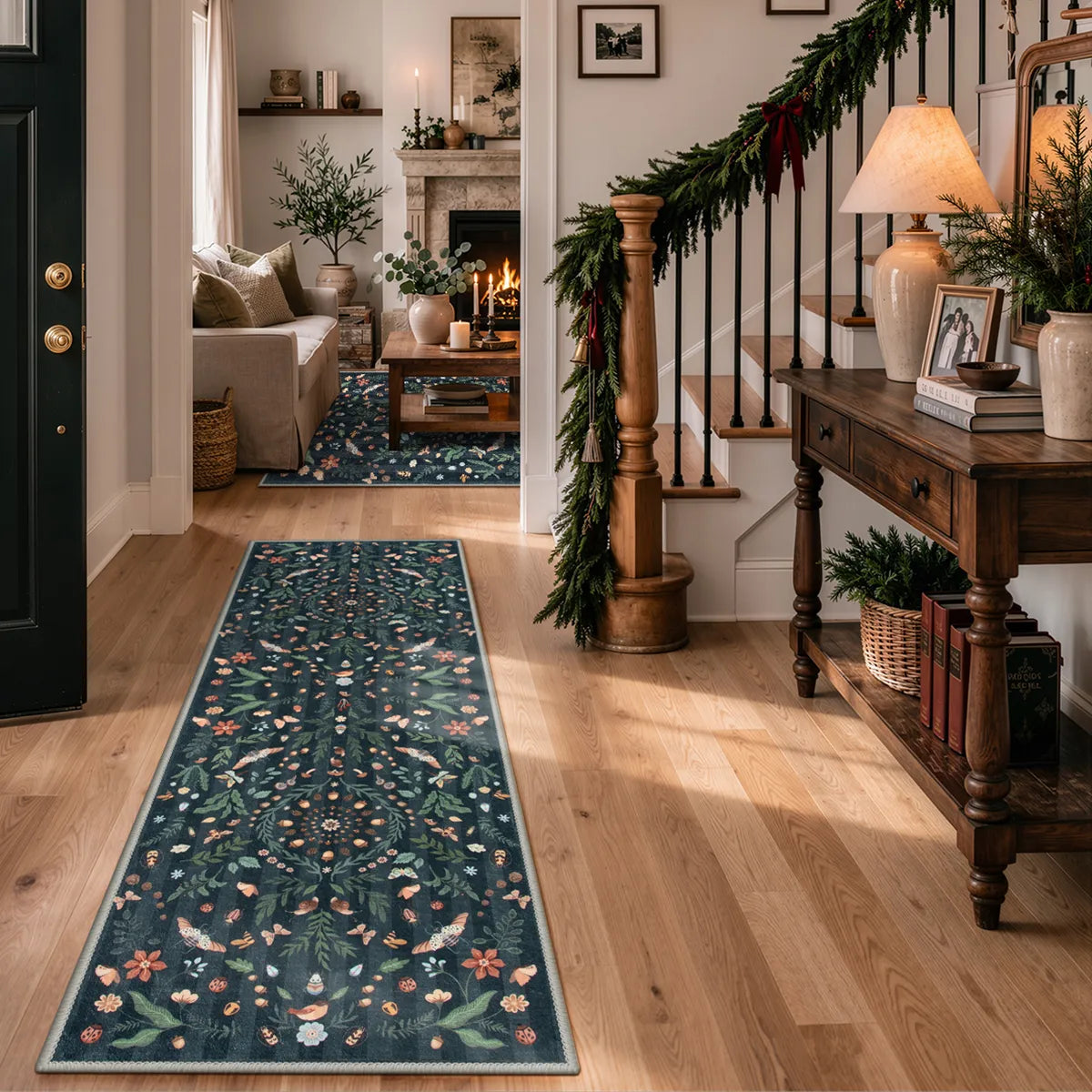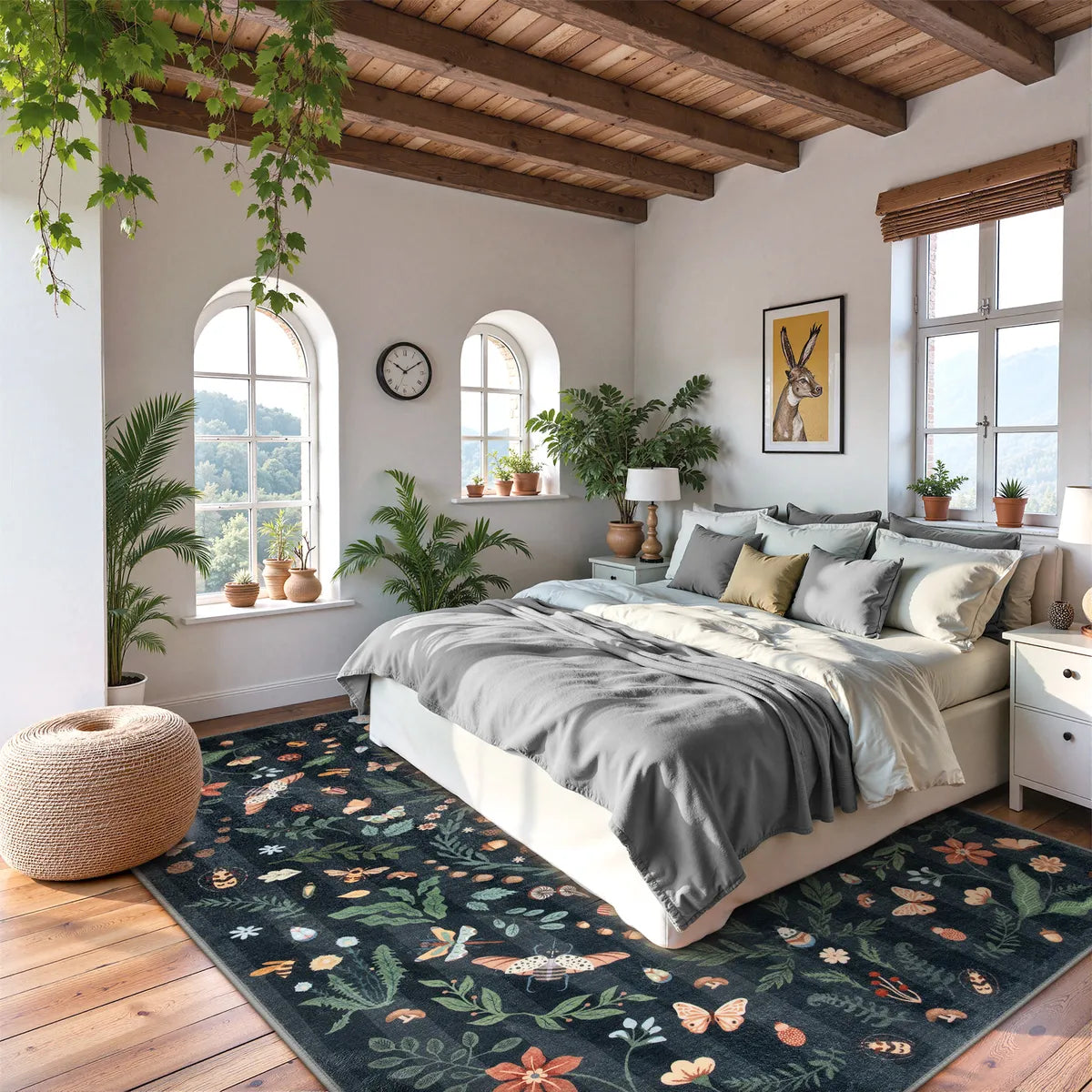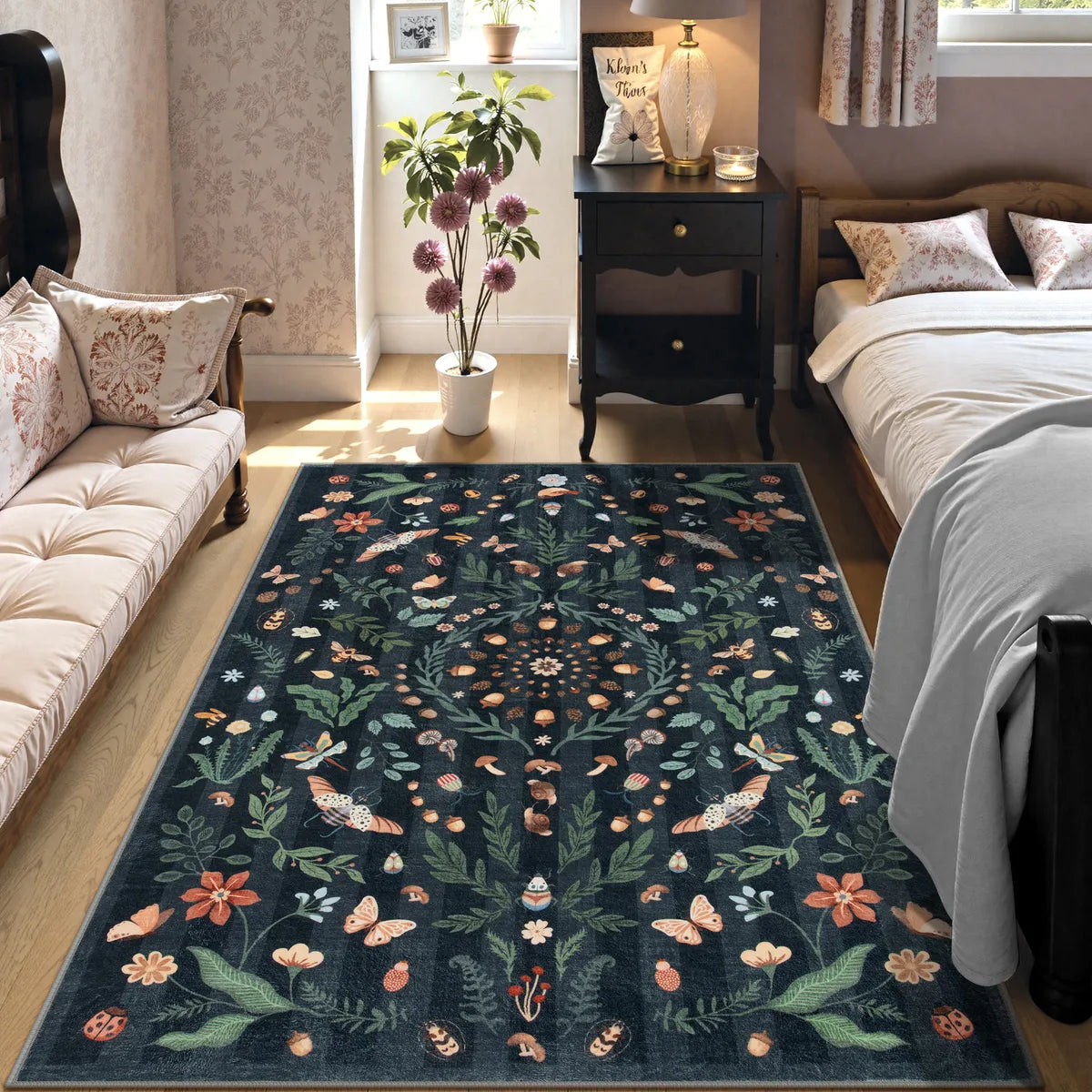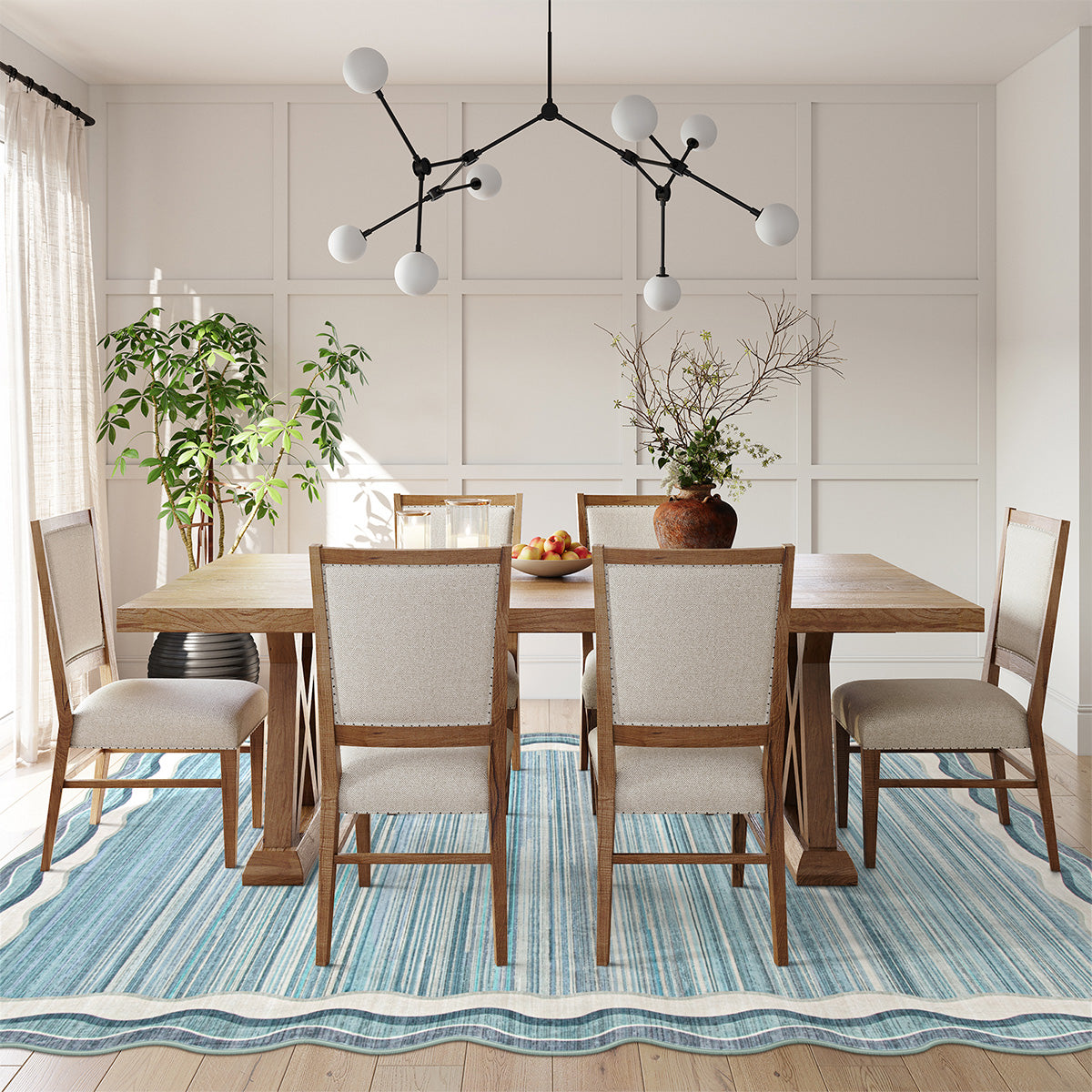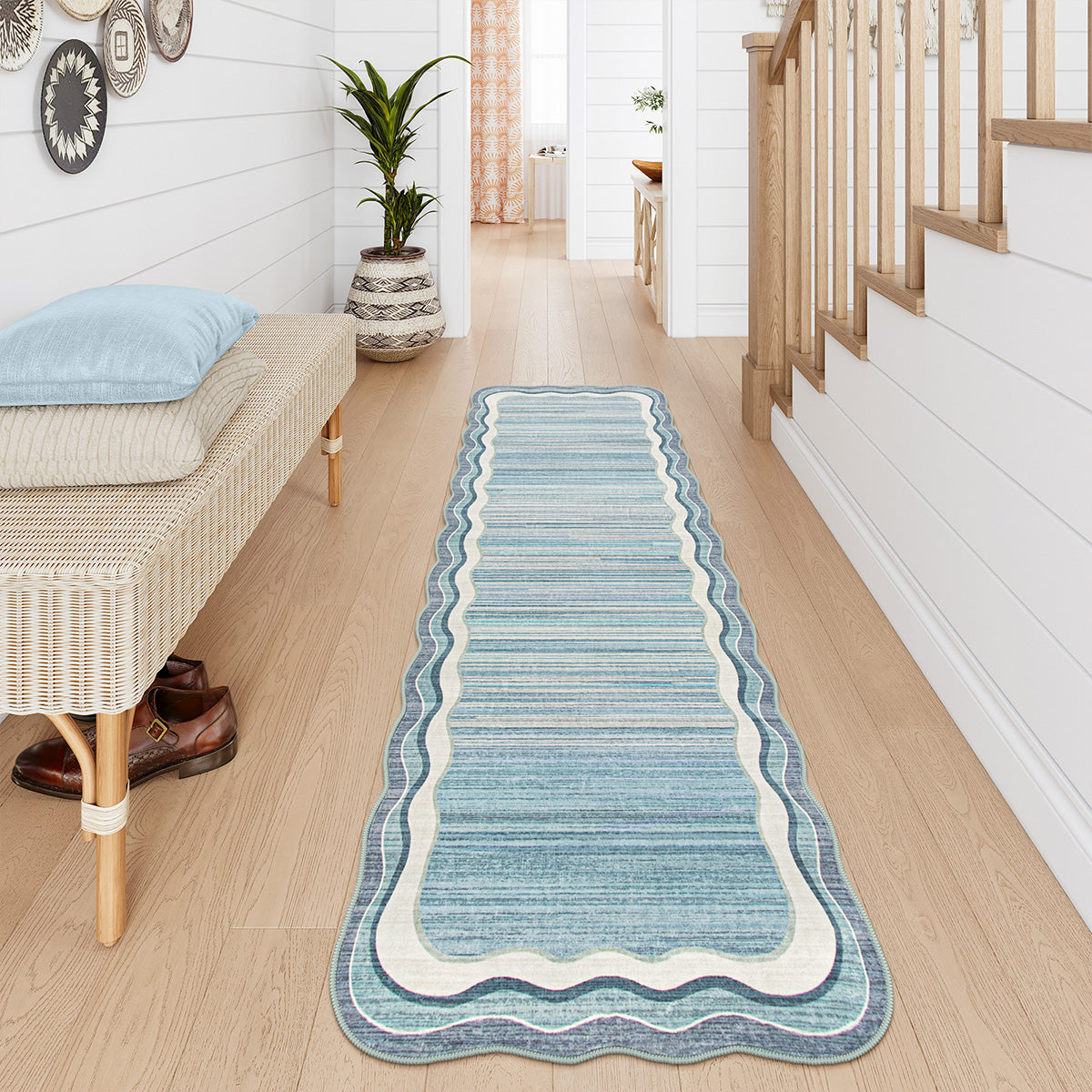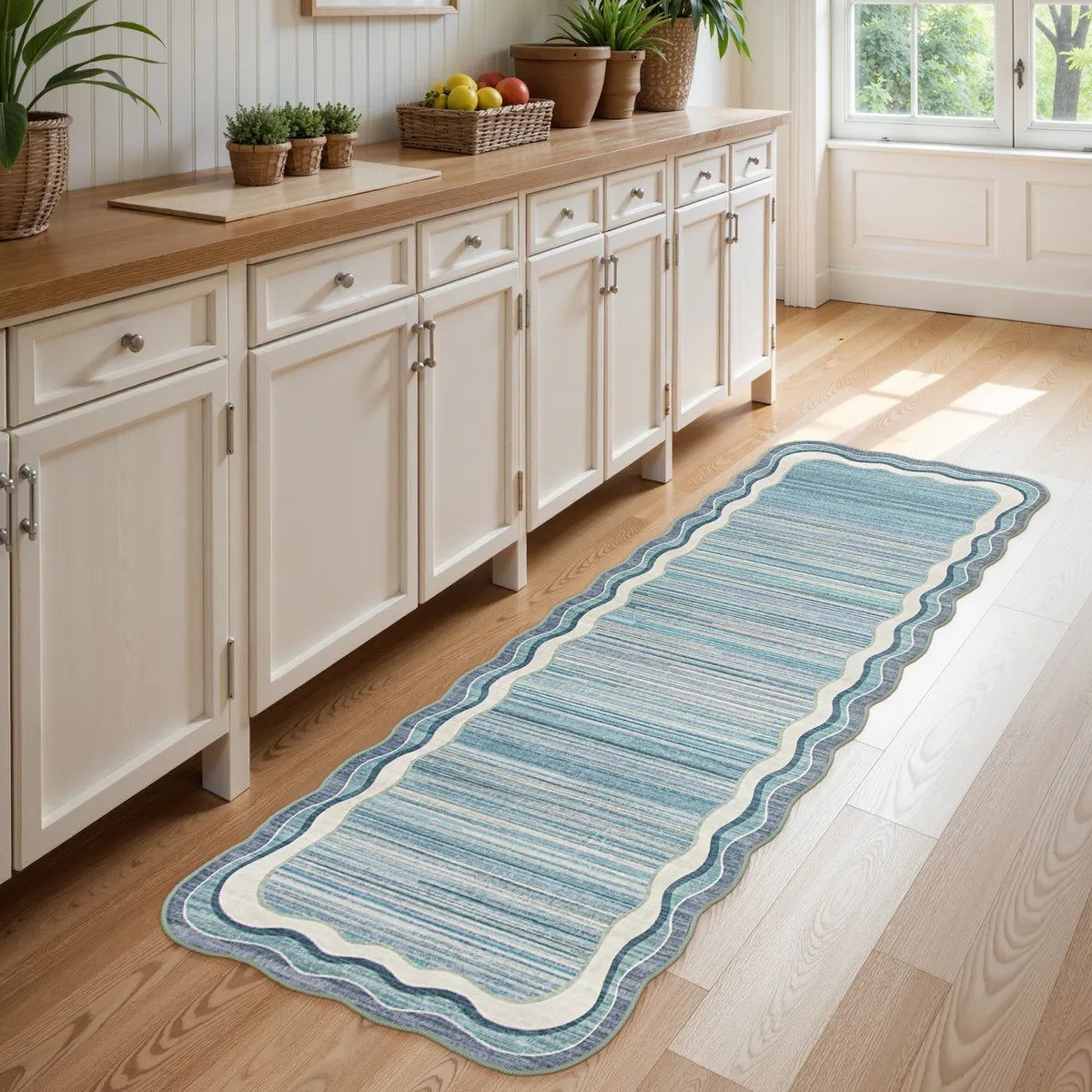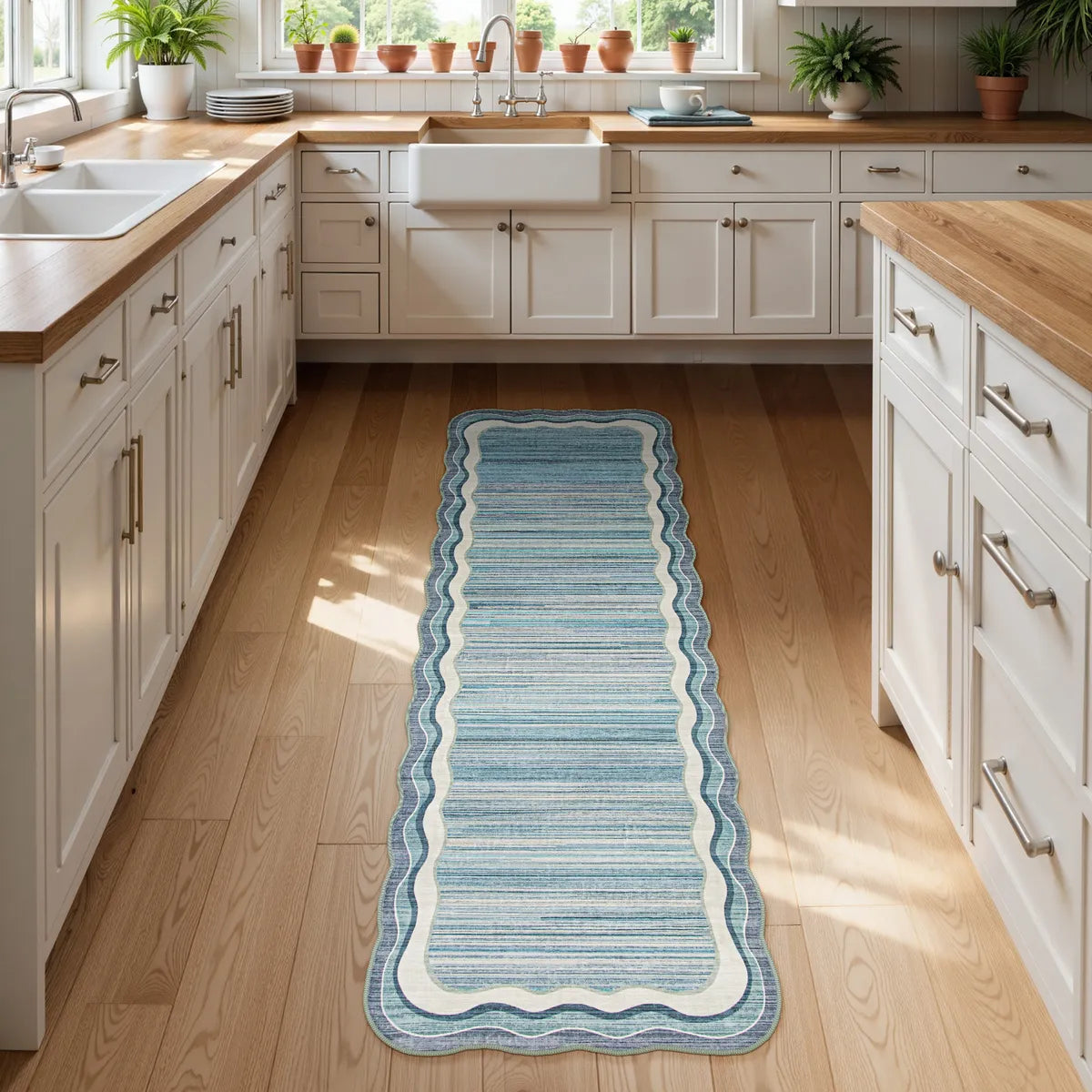


Hallways are the most walked-through spaces in any home, yet they're often the most overlooked. A bare floor in a busy corridor is a slip waiting to happen, a scuff magnet, and a missed opportunity to make a real design statement. One solution handles all three problems at once: a non-slip runner rug. Here's why it belongs in every high-traffic hallway, and how to make it work harder for your home.
Why a Non-Slip Runner Rug Is Essential for Family Home Safety

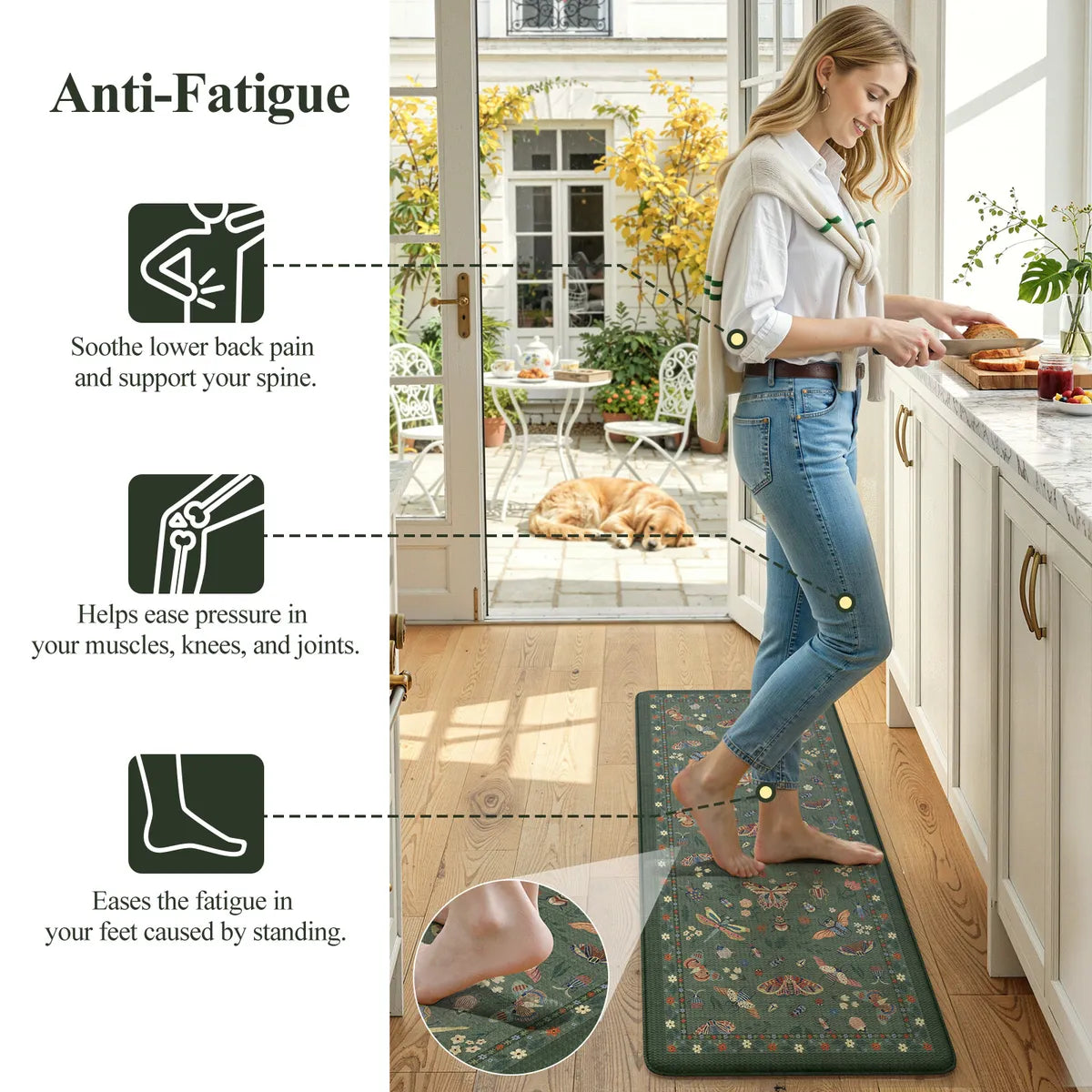
Safety is the most urgent reason to put a runner rug in a hallway, and it's the one most people underestimate until something goes wrong. Hard flooring surfaces like hardwood, tile, and laminate offer almost no traction when wet or when socks are involved. A hallway is exactly the kind of high-speed, low-attention zone where slips happen.
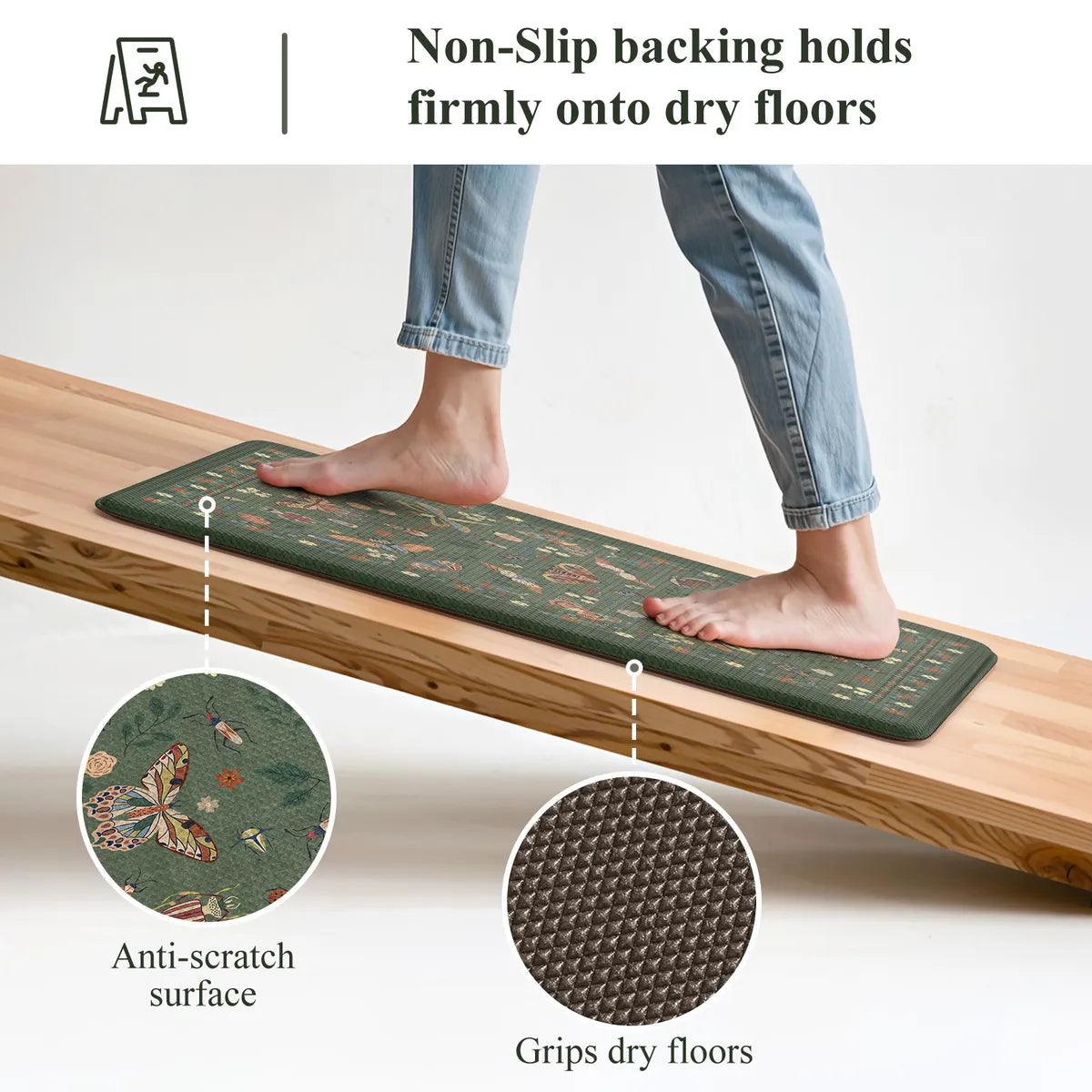
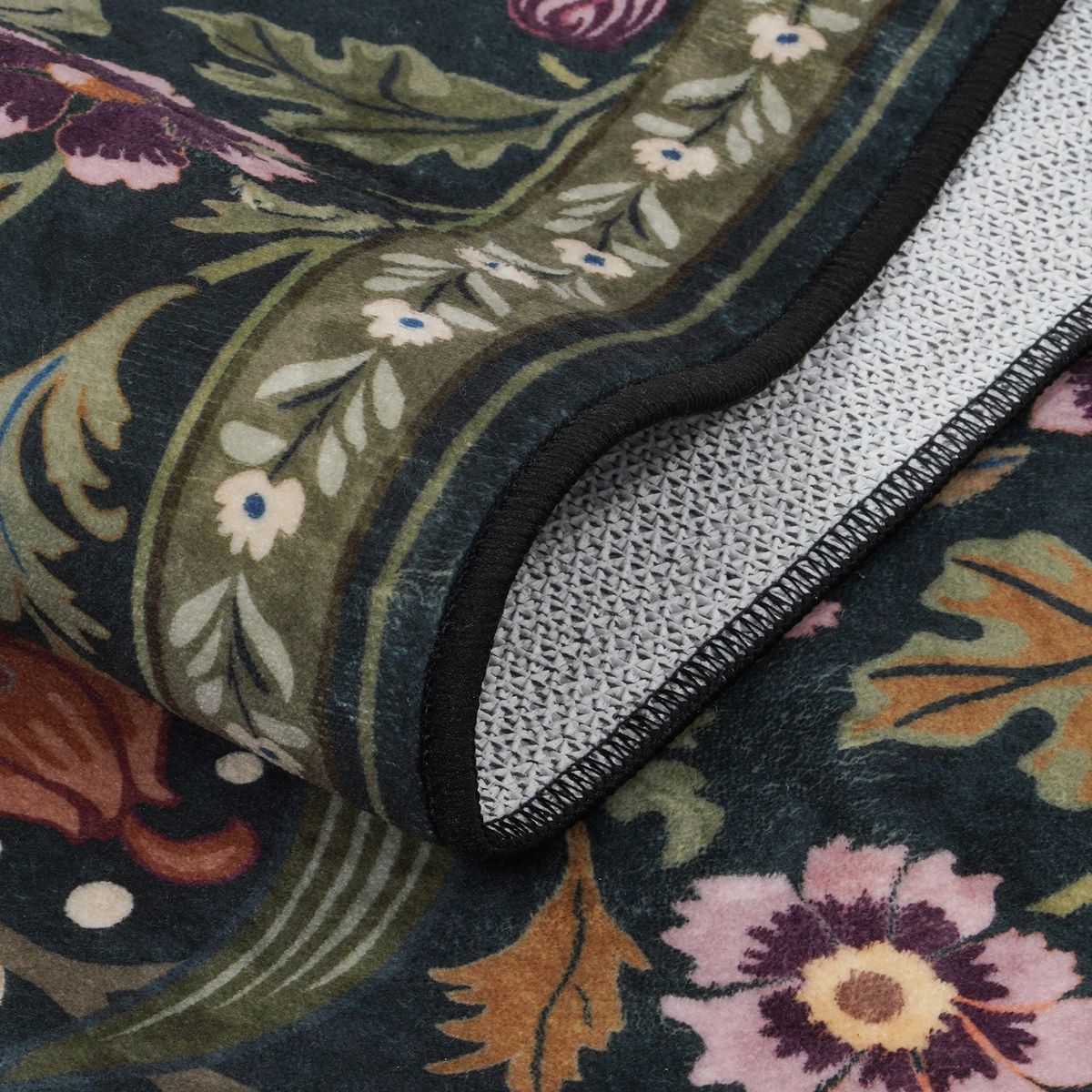
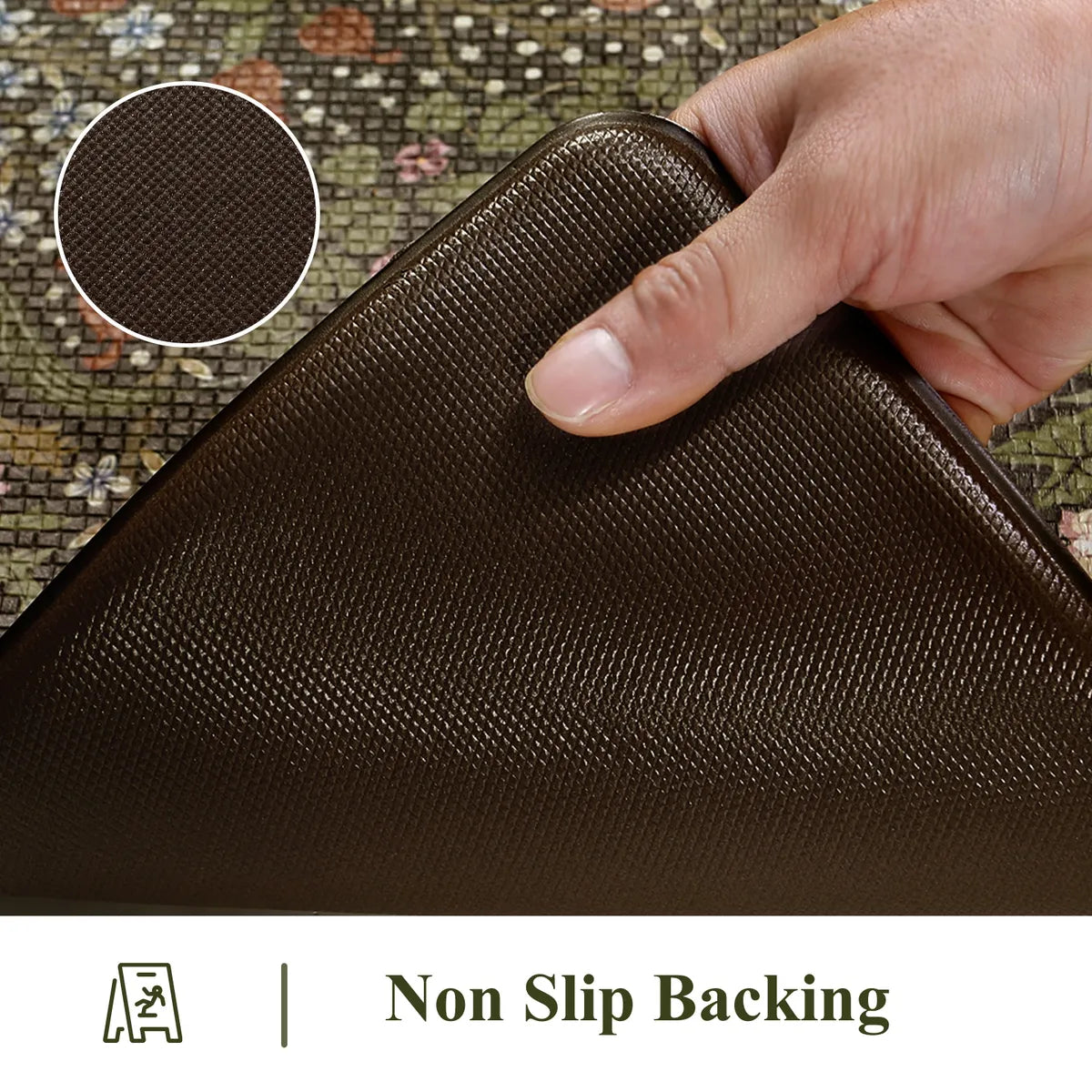
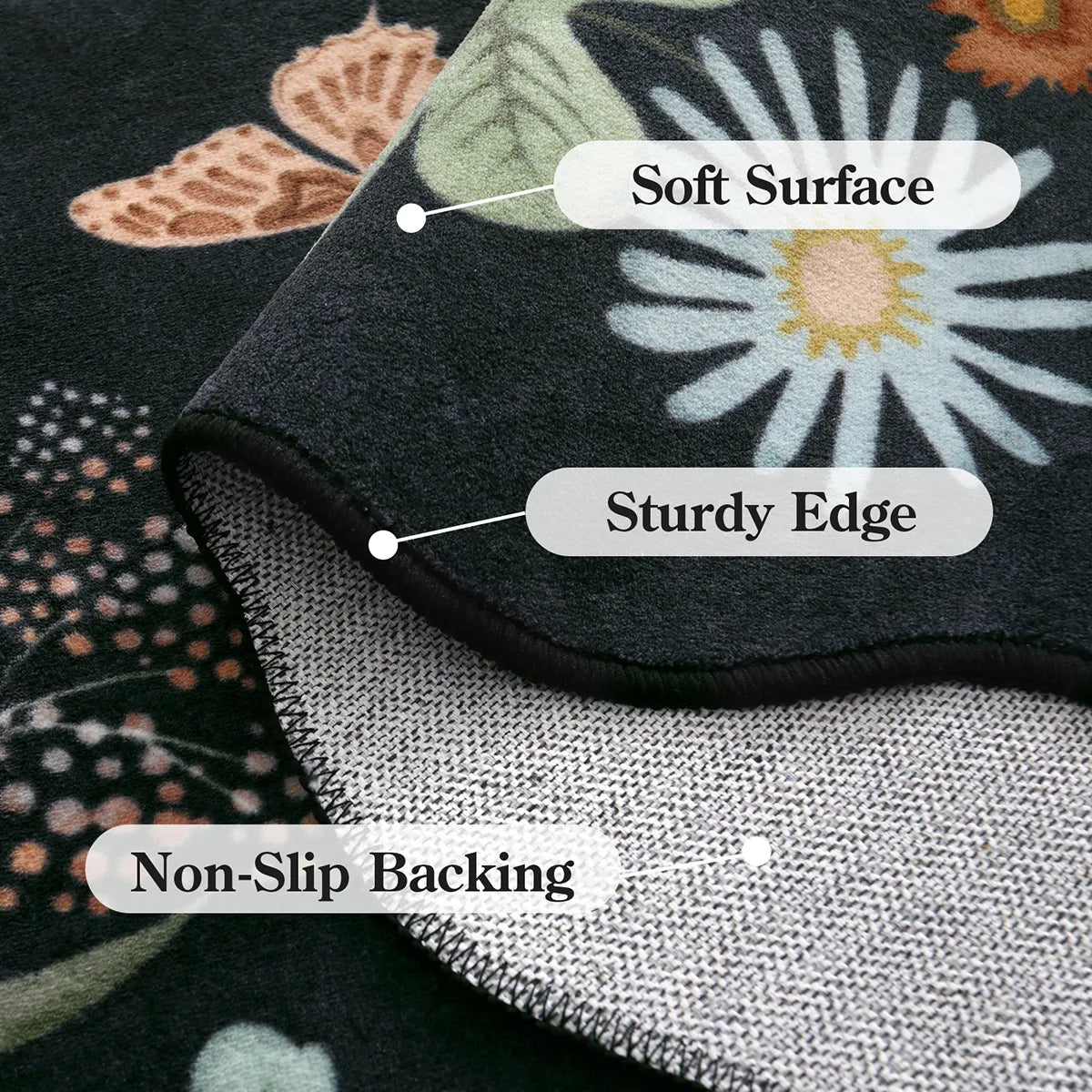
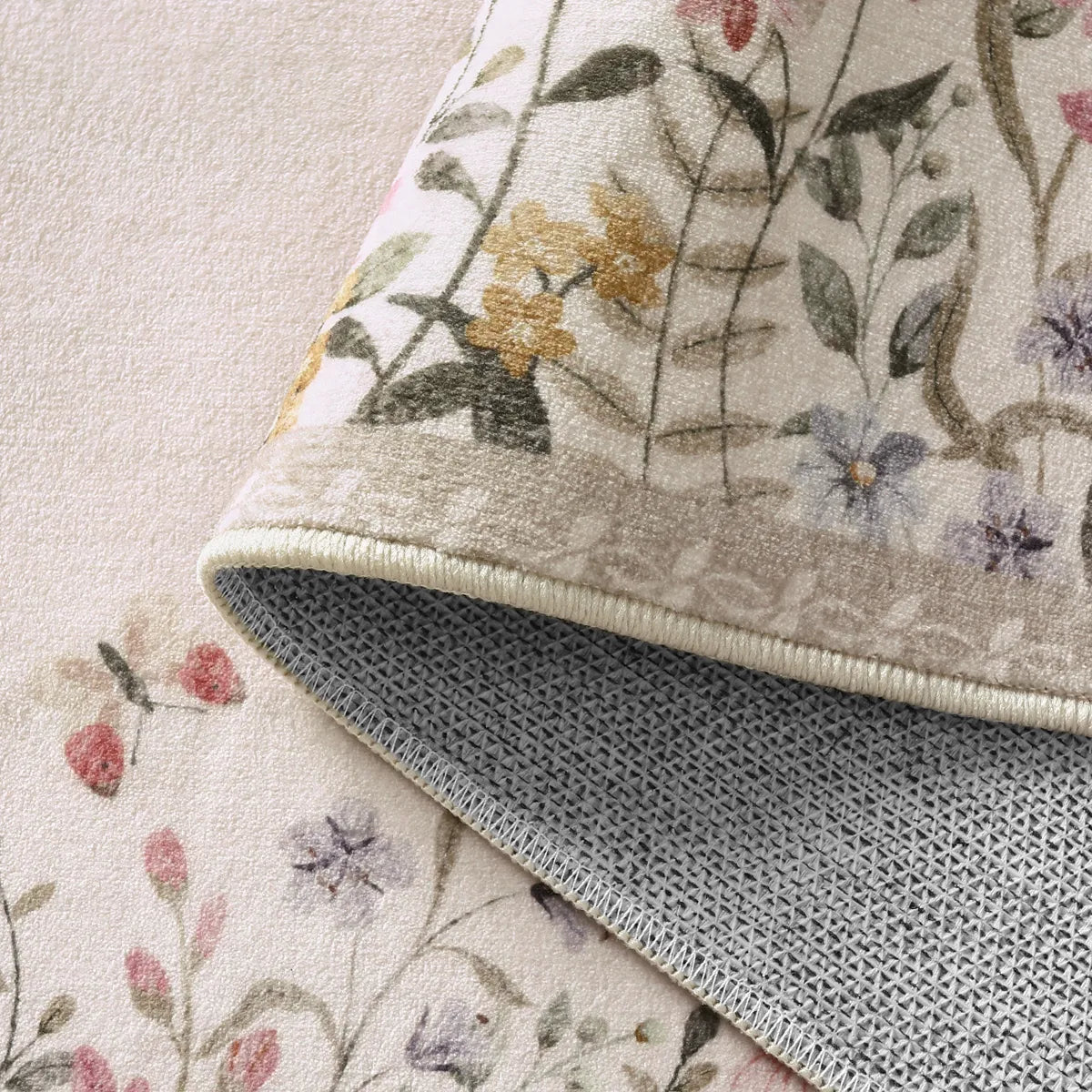
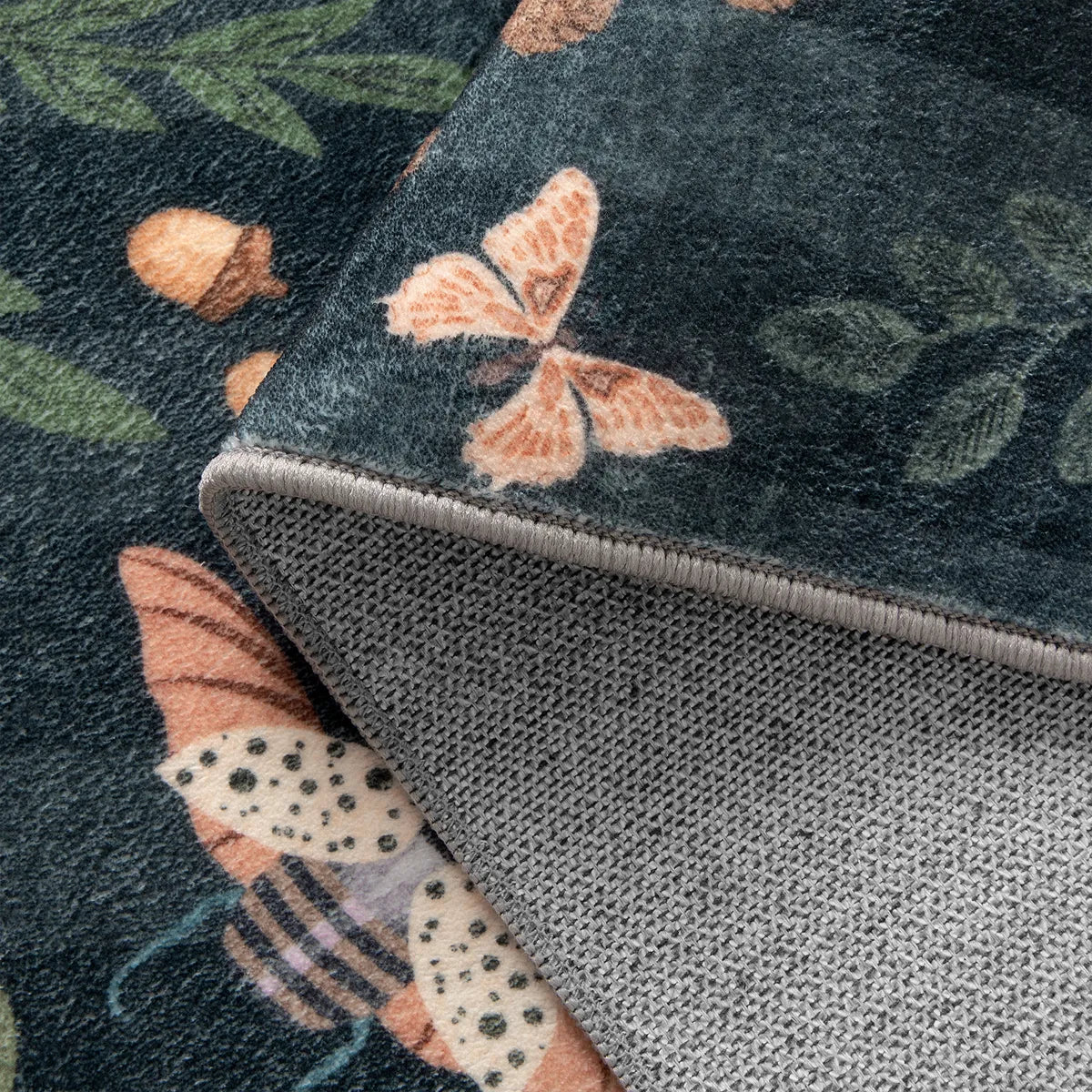
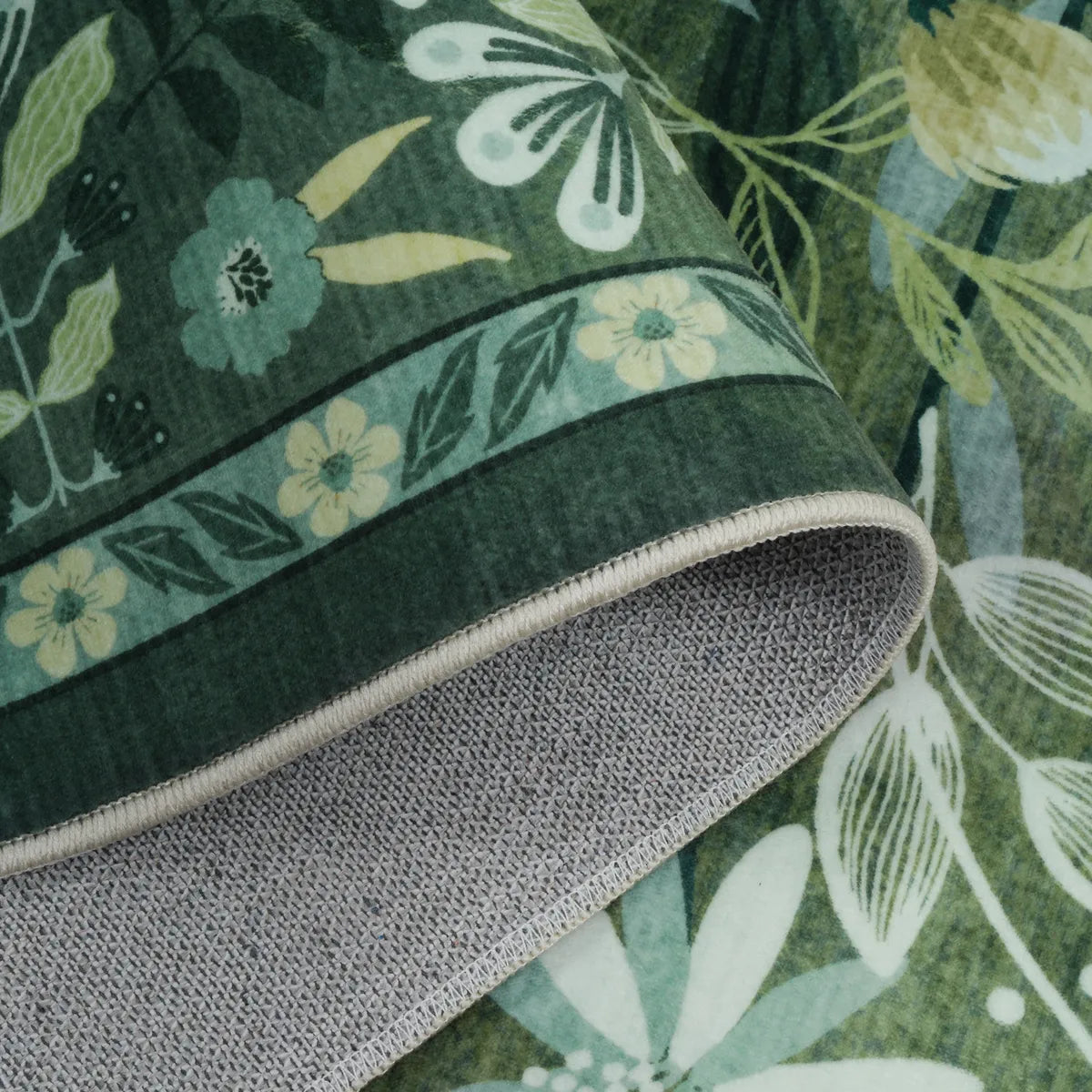
A non-slip runner rug addresses this directly. The non-slip backing (a textured or rubberized layer bonded to the underside of the rug) creates friction between the rug and the floor, preventing the rug itself from sliding. This matters as much as the rug's surface grip, because a rug that shifts underfoot is its own hazard.
Households with the highest safety stakes benefit most:
- Young children who run between rooms without looking down
- Elderly family members whose balance and reaction time make falls more serious
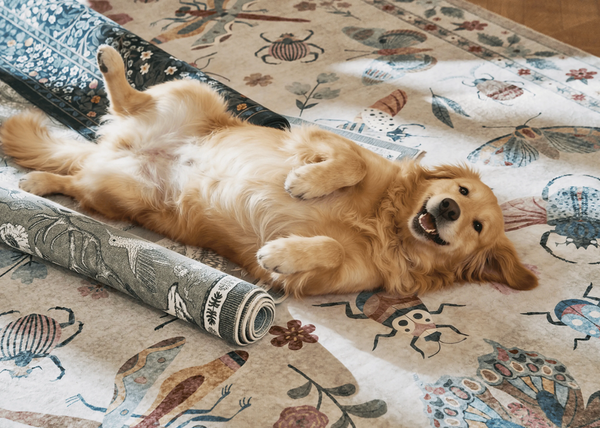
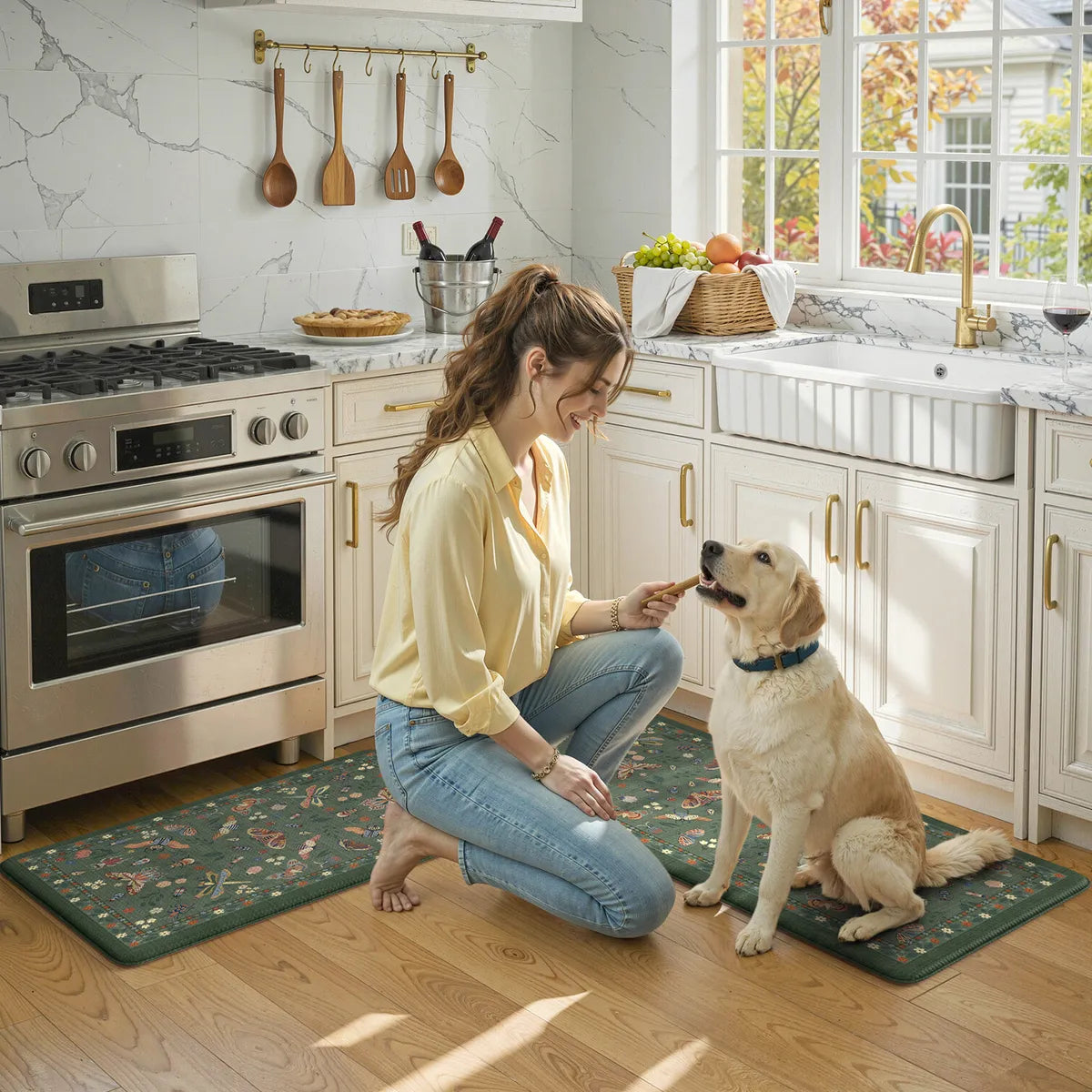
- Pets whose paws struggle to find traction on smooth floors, especially when rounding corners at speed
A hallway runner rug with a reliable non-slip backing doesn't just reduce the risk of falls; it removes the conditions that make falls likely in the first place.
Hallway Runner Rugs Do More Than Cover Your Floor

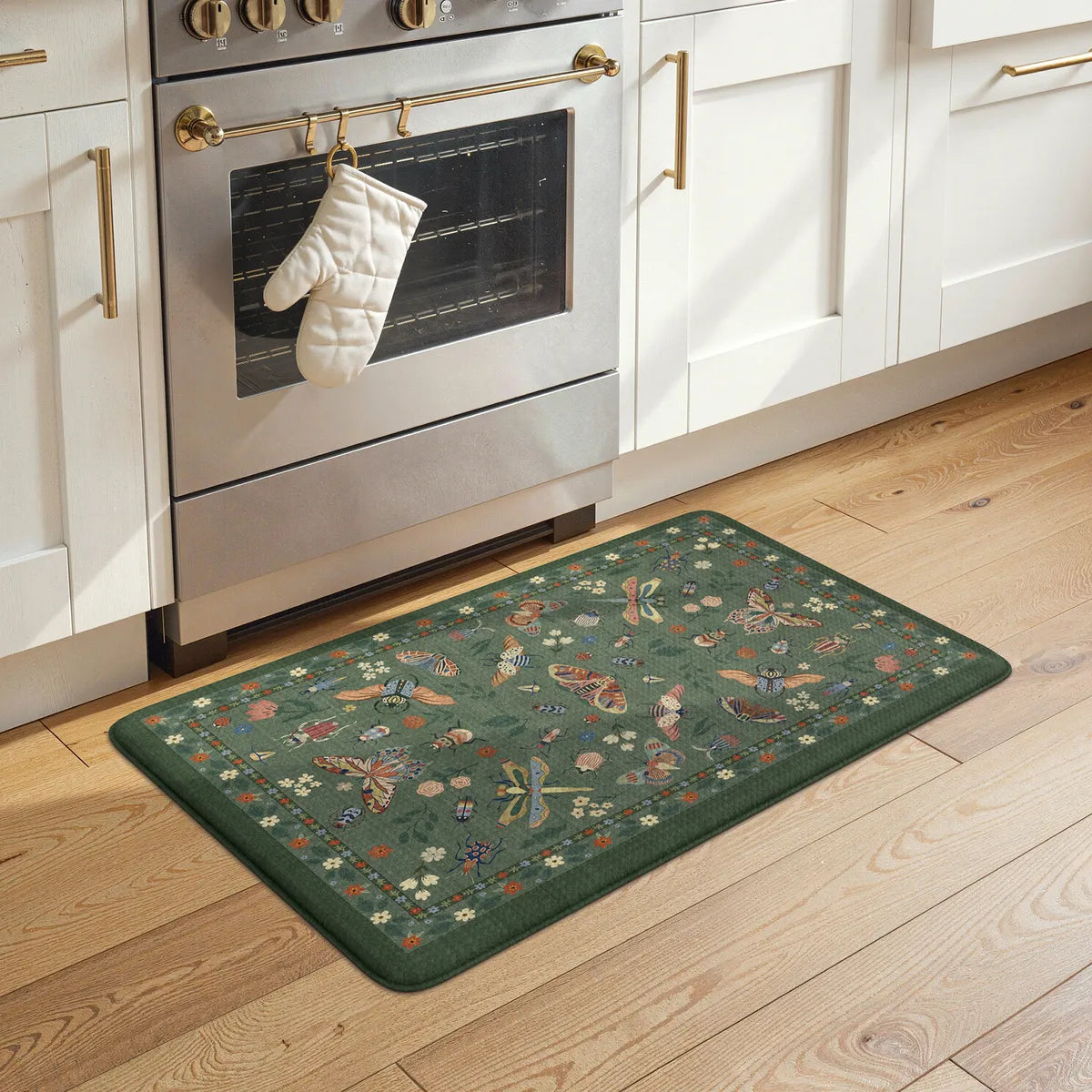
The floor protection benefit of a hallway runner rug is easy to overlook because it works quietly in the background. Every step taken on a bare hardwood or tile floor leaves a small amount of wear. Multiply that by hundreds of daily crossings, and the cumulative damage adds up faster than most homeowners expect.
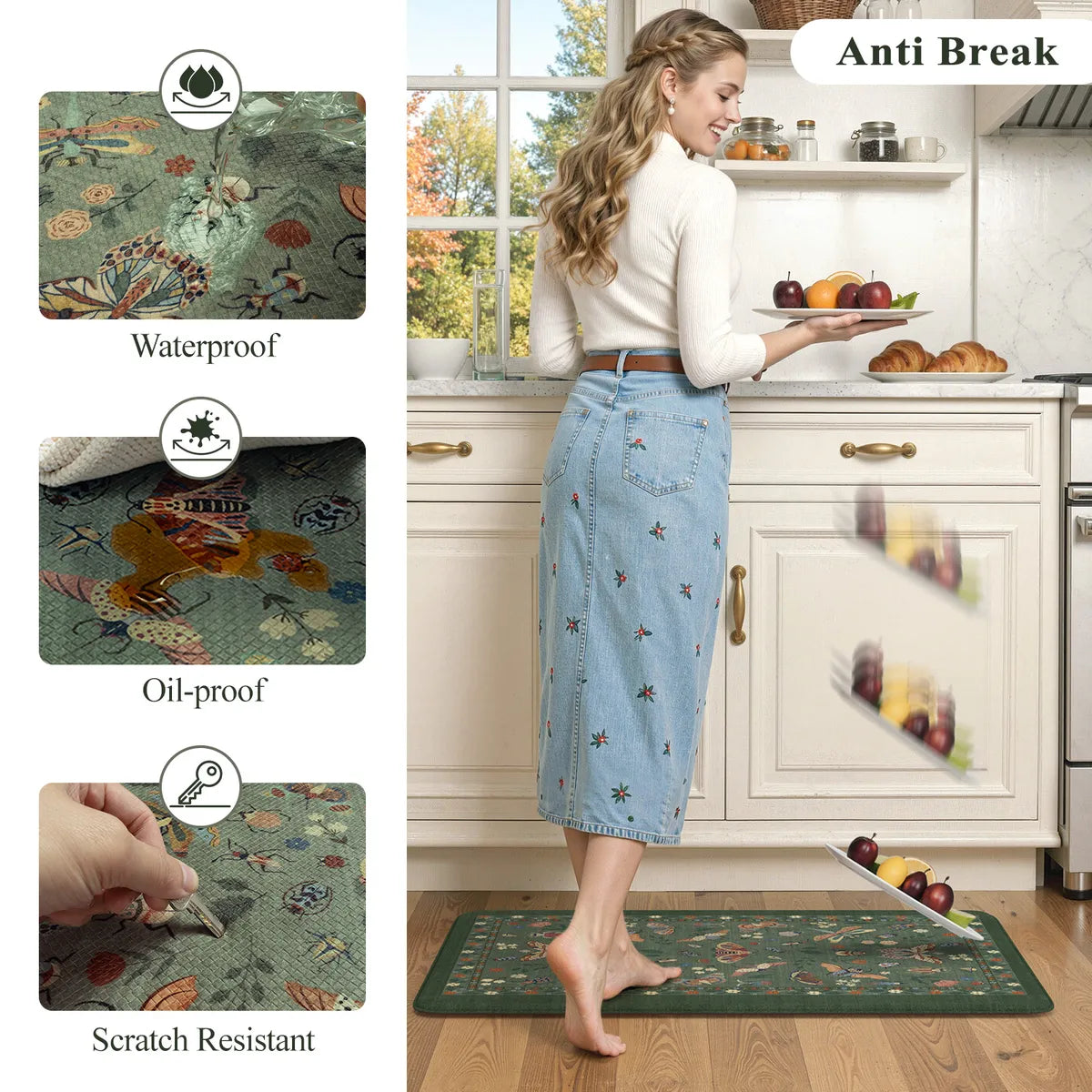
Runner rugs act as a sacrificial layer (a surface designed to absorb wear so the floor beneath doesn't have to). The rug has the daily impact of foot traffic, grit tracked in from outside, and friction from shoes and pet claws. The floor underneath stays protected.
The specific types of floor damage a hallway runner rug helps prevent include:
- Surface scratches from grit and debris carried in on shoe soles
- Finish dulling caused by repeated friction in high-contact zones
- Scuff marks from rubber-soled shoes, particularly near entry points
- Moisture damage in entryway-adjacent hallways where wet shoes are common
For homeowners with hardwood floors, this protection is especially valuable. Refinishing hardwood is a significant expense, and a well-placed runner rug extends the time between refinishing cycles considerably.
Keeping Runner Rugs Clean in High-Traffic Hallways

A hallway runner rug earns its keep through daily use, which means it also collects more dirt, debris, and moisture than rugs in lower-traffic rooms. Staying on top of cleaning isn't just about appearance; it's about preserving the rug's structure and extending its useful life.
How Often to Clean a Hallway Runner Rug
Cleaning frequency should match traffic volume. A practical baseline:
- Low traffic (1 to 2 person household): Vacuum twice a week, wash every six to eight weeks.
- Moderate traffic (family of three to four, one pet): Vacuum every other day, wash every three to four weeks.
- Heavy traffic (large family, multiple pets, or entryway-adjacent hallway): Vacuum daily, wash every two weeks or after visible soiling.
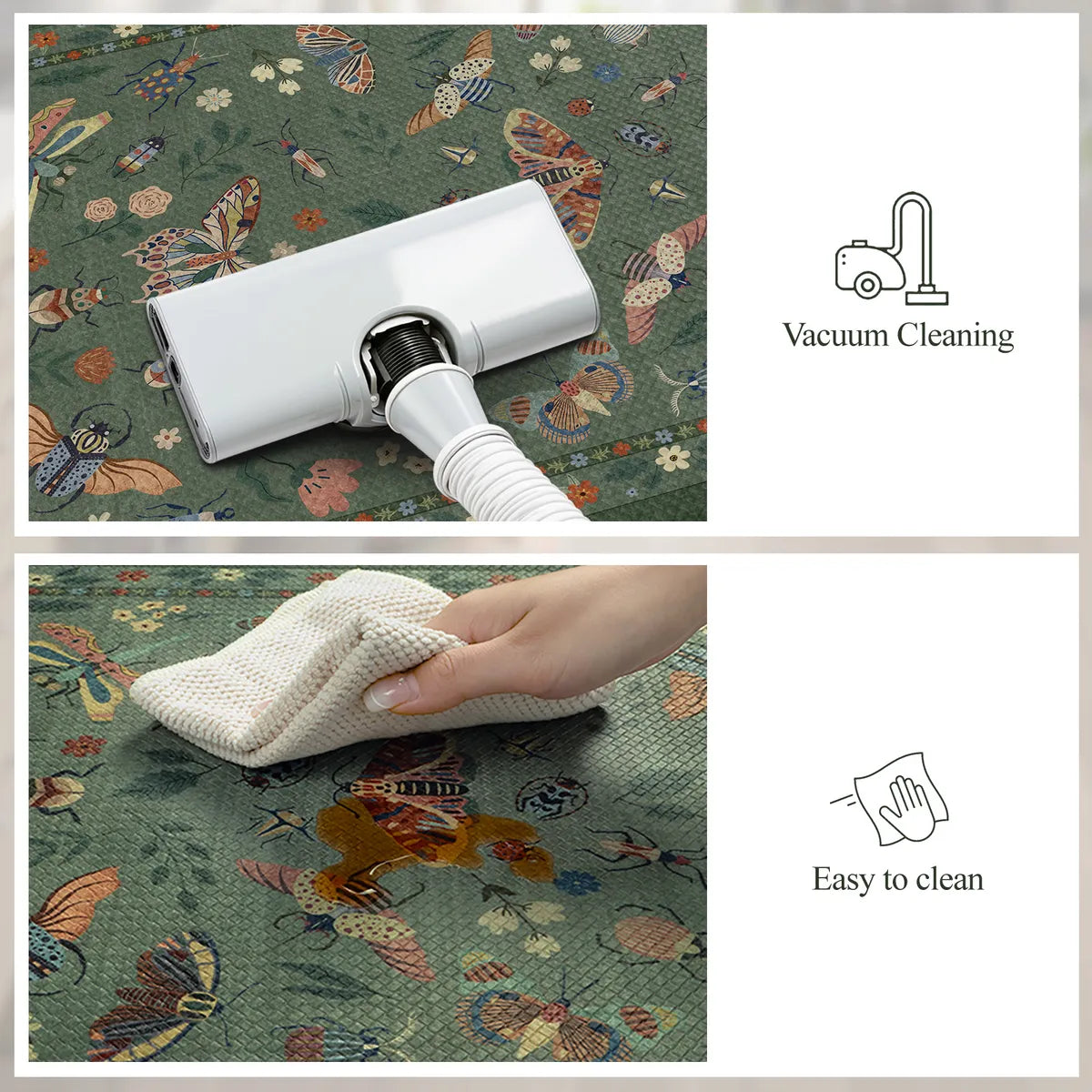
Vacuuming (using a suction-based device to remove loose surface debris) is the first line of defense. It prevents grit from working its way into the fibers, where it causes abrasive damage with every footstep.
Washing and Spot-Cleaning Tips for Runner Rugs
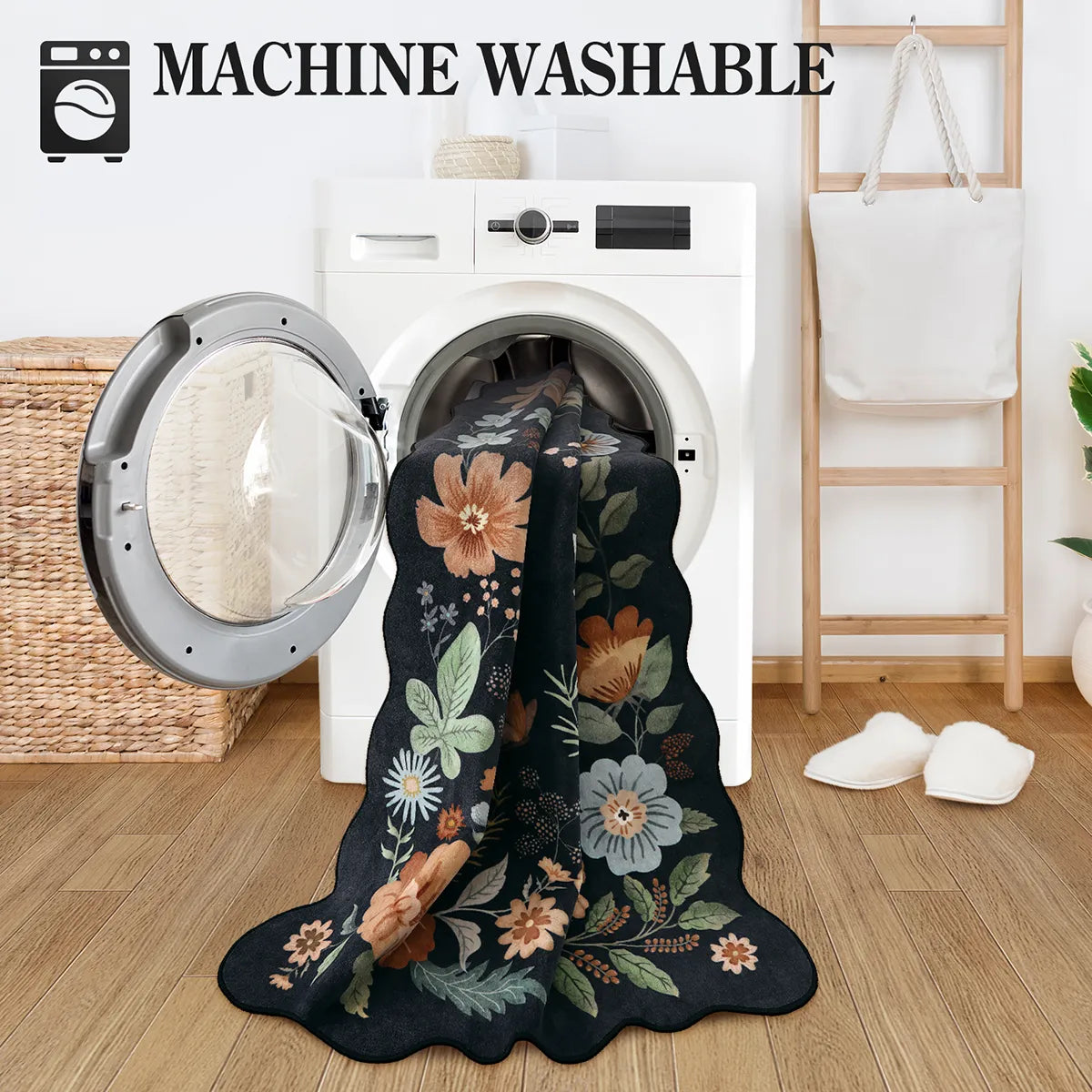
For machine washable runner rugs, the same core rules apply as with any washable rug:
- Wash in cold water on a gentle cycle to prevent shrinkage and backing distortion.
- Use mild detergent; harsh formulas weaken fibers and strip color over time.
- Air-dry flat or hang over a railing in a shaded, ventilated space. Avoid tumble drying, which can warp the backing.
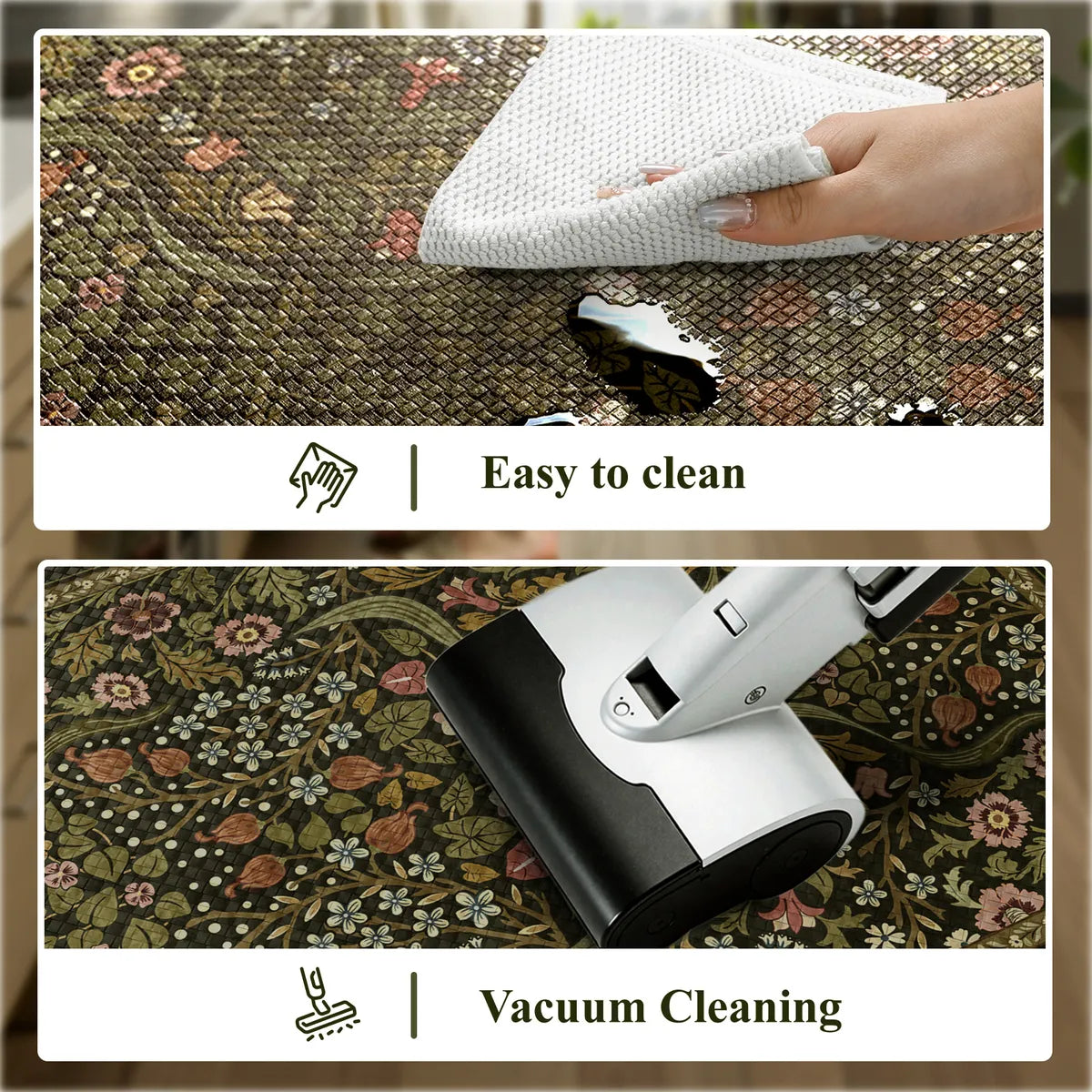
For spot cleaning between washes, blot (press a clean cloth firmly onto the stain to absorb it) rather than rub (which spreads the stain and pushes it deeper into the fibers). A mixture of cold water and mild dish soap handles most common hallway stains effectively.
Aesthetic Impact of Different Rug Styles
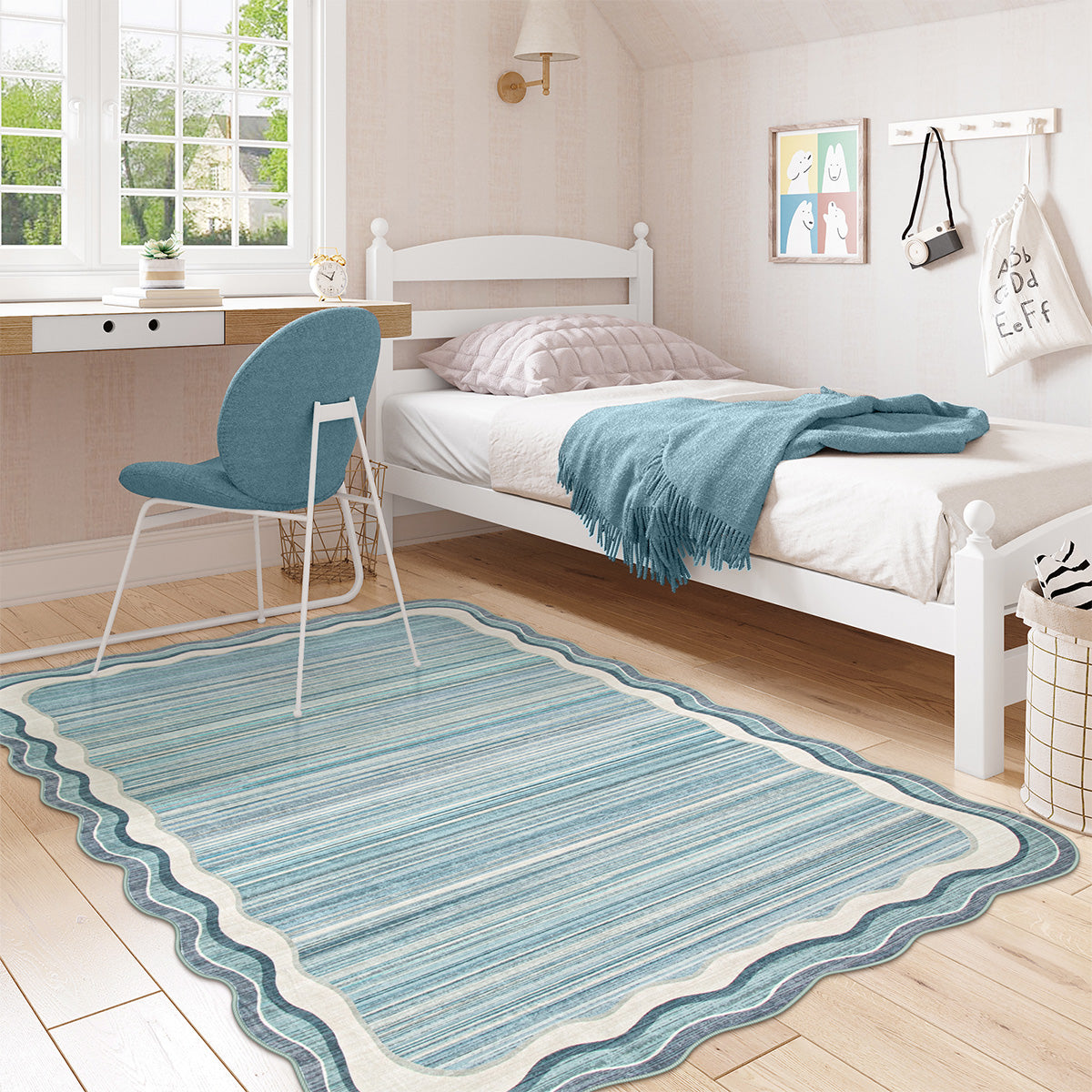
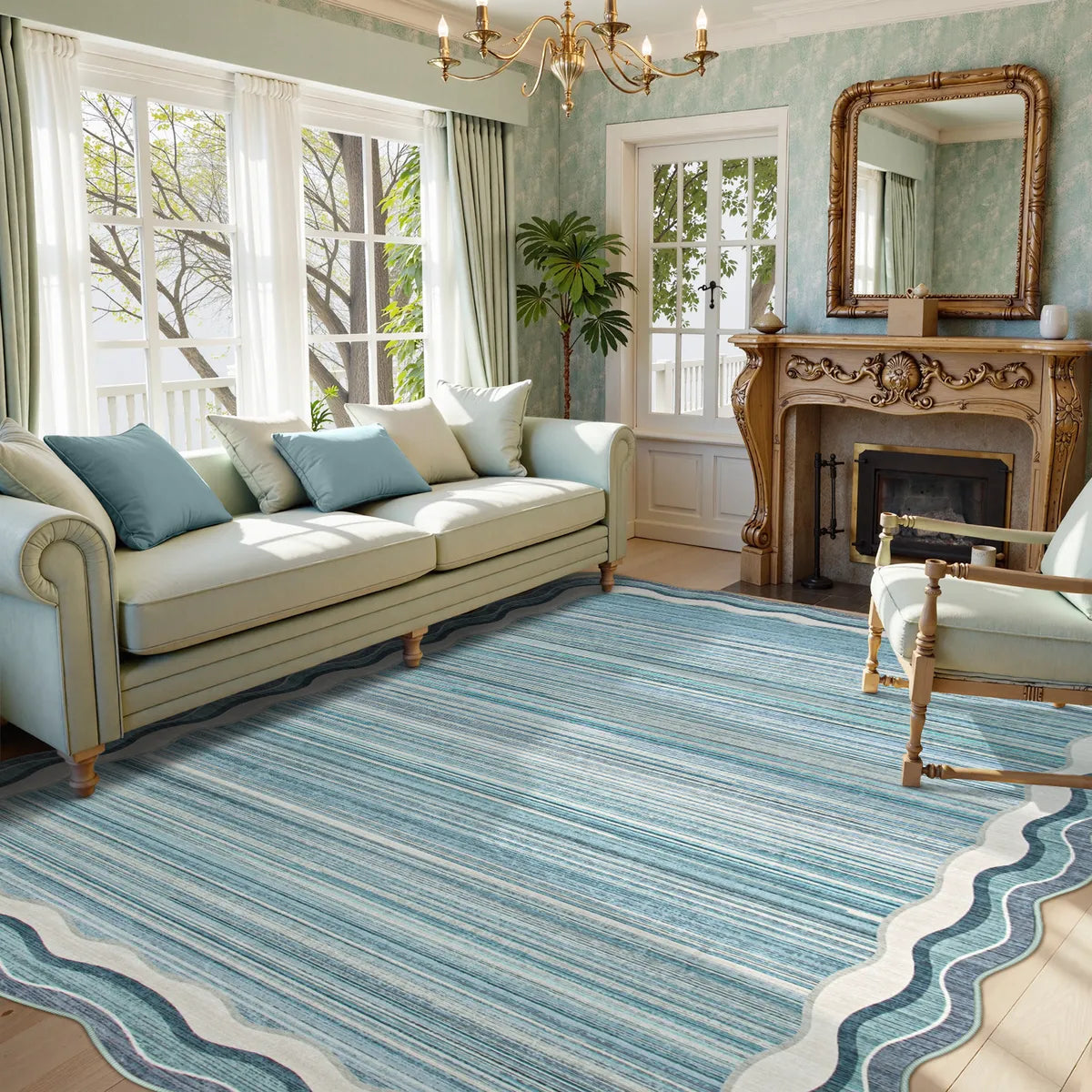
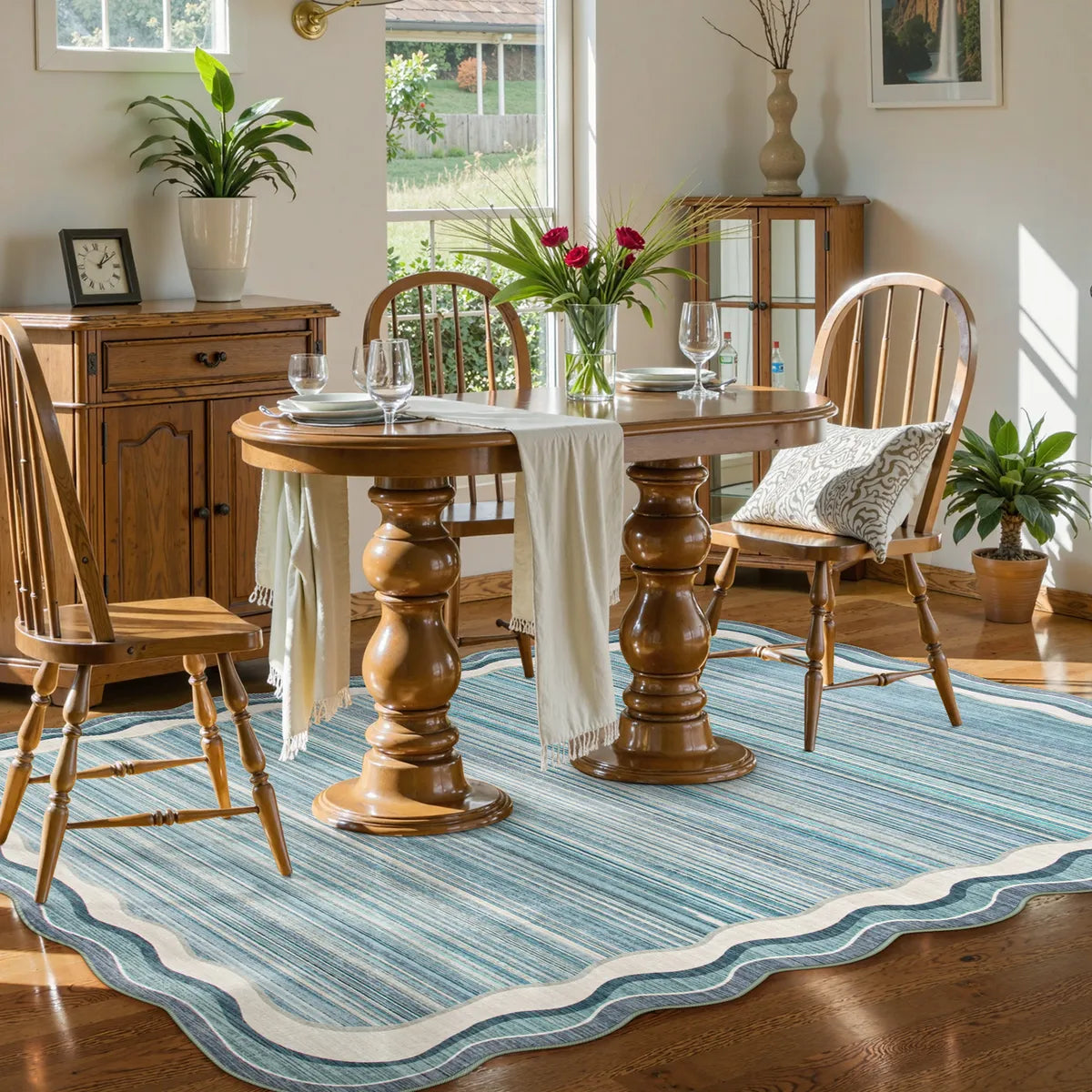
Function brings the runner rug into the hallway. Style is what makes it feel intentional. Hallways are transitional spaces that connect rooms, guide movement, and set the tone for what's ahead. The right pattern and color can make a short hallway feel longer, a dark corridor feel brighter, and an otherwise forgettable passageway feels like a deliberate part of the home's design.
Not every rug style suits a high-traffic hallway equally well. These four translate particularly well into narrow, busy corridors:
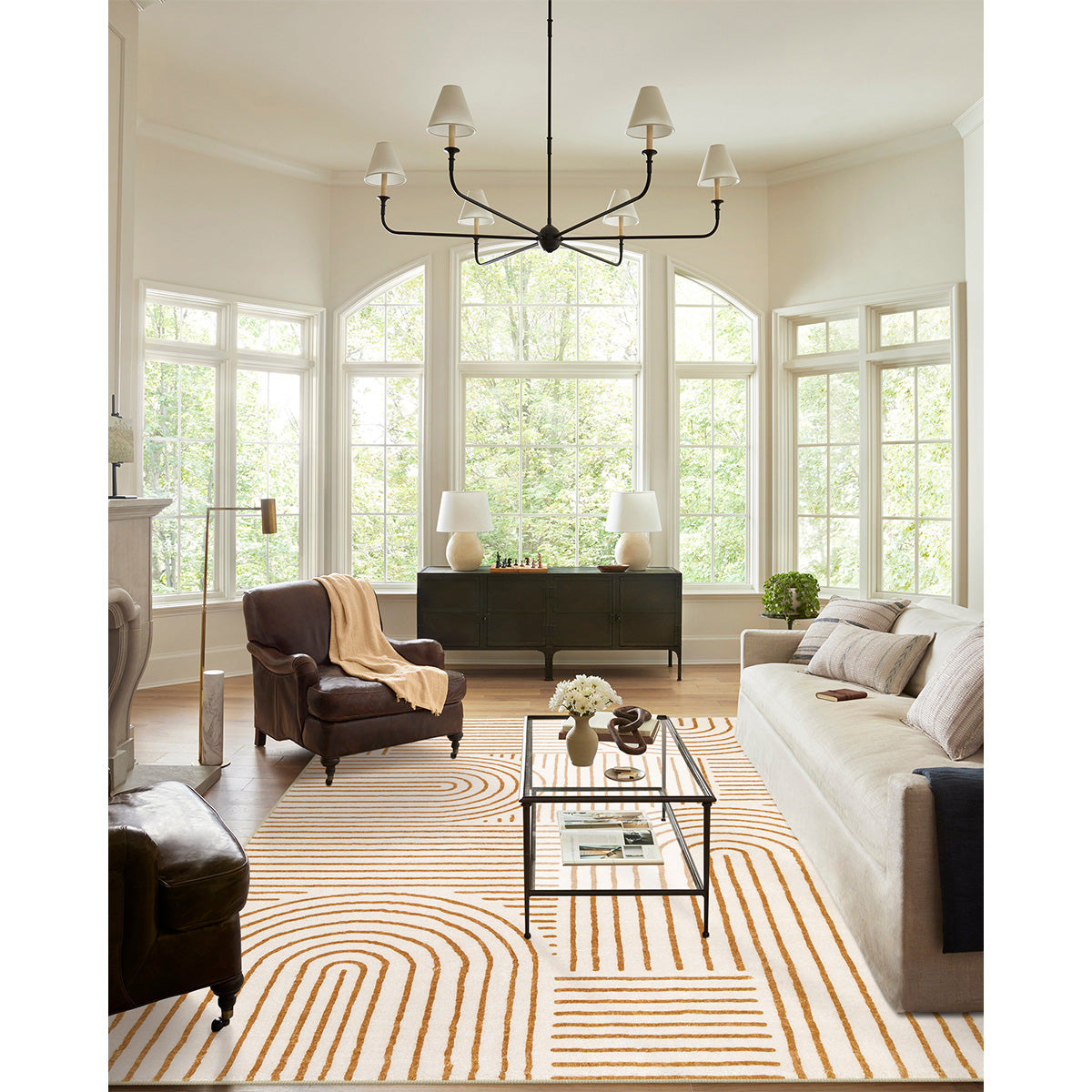
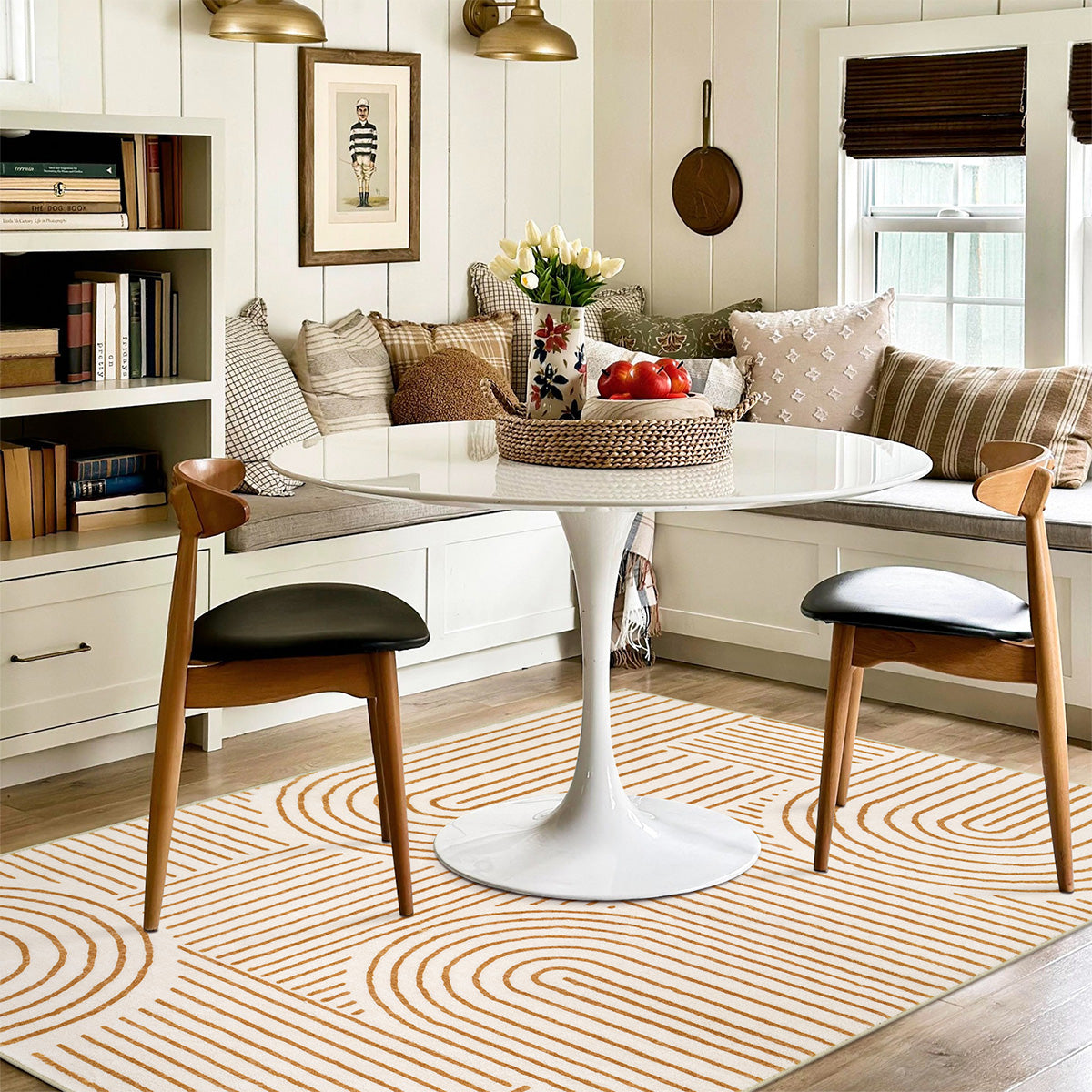
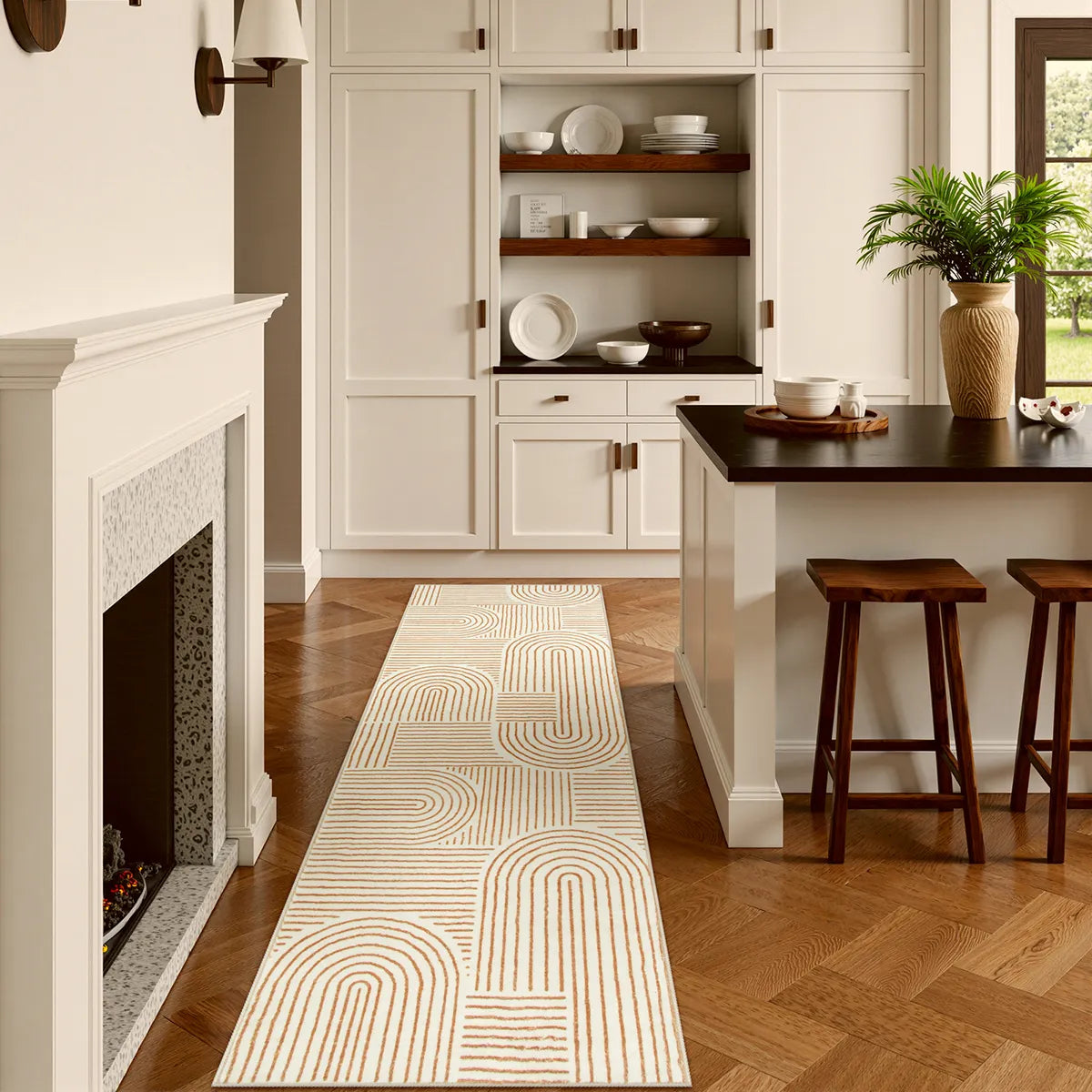
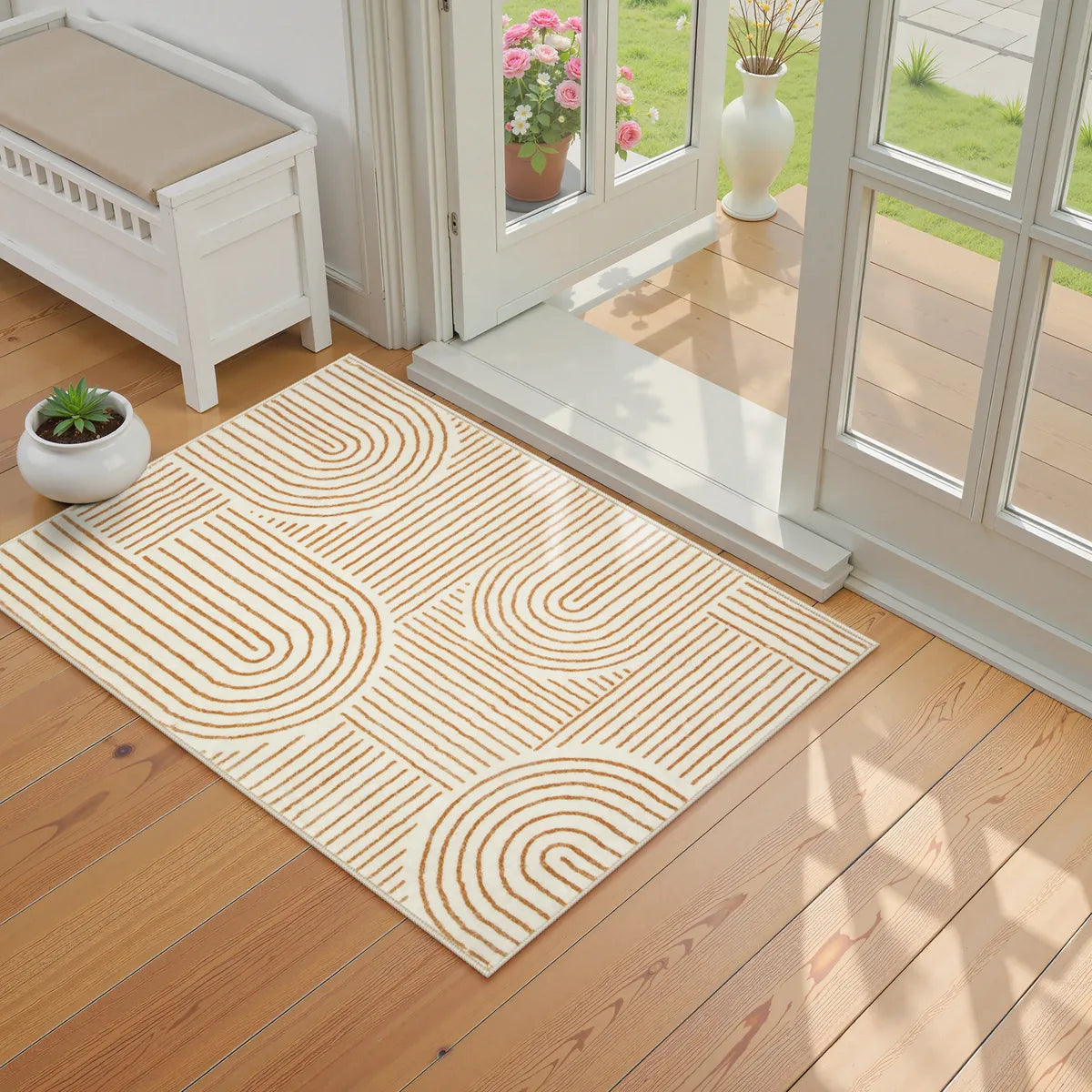
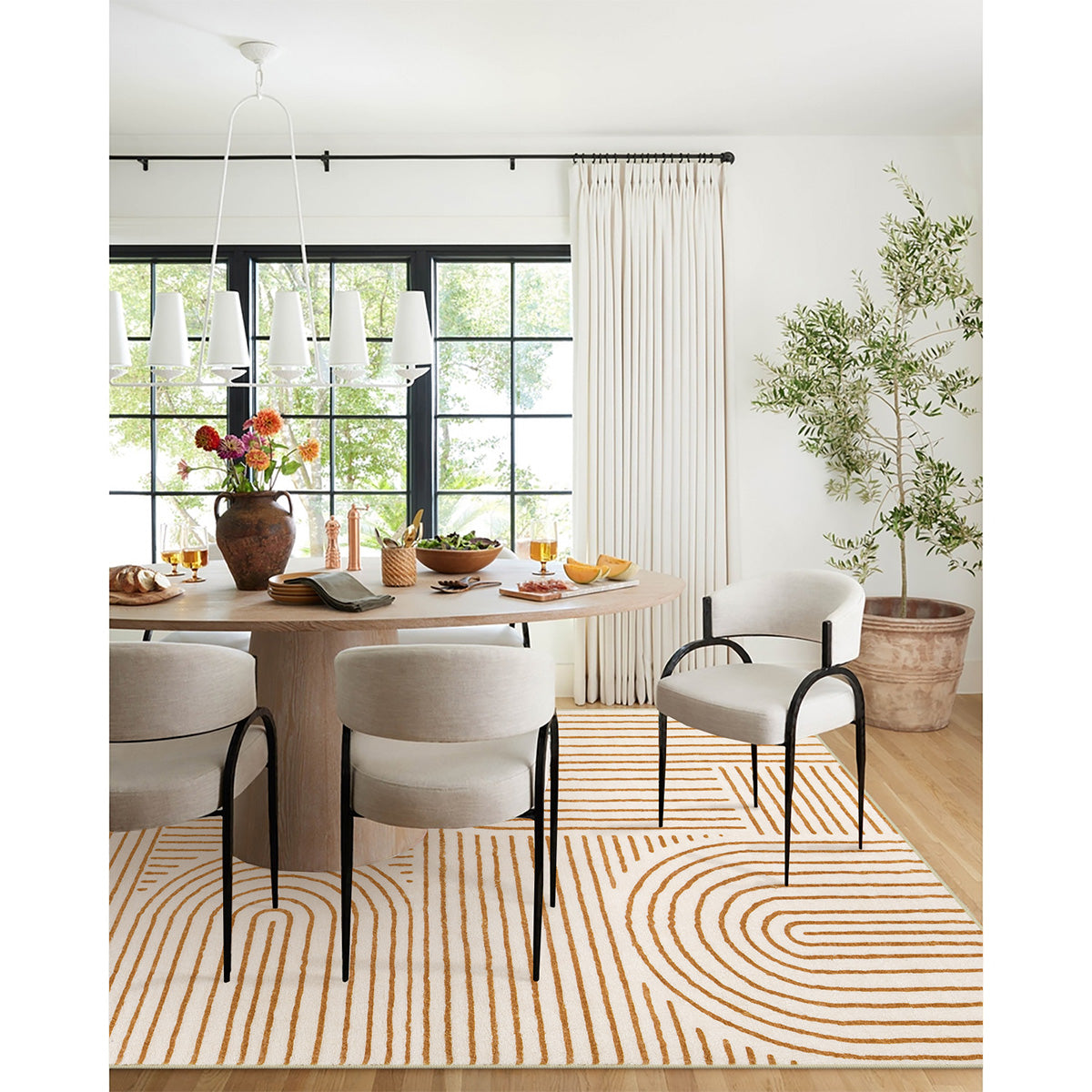
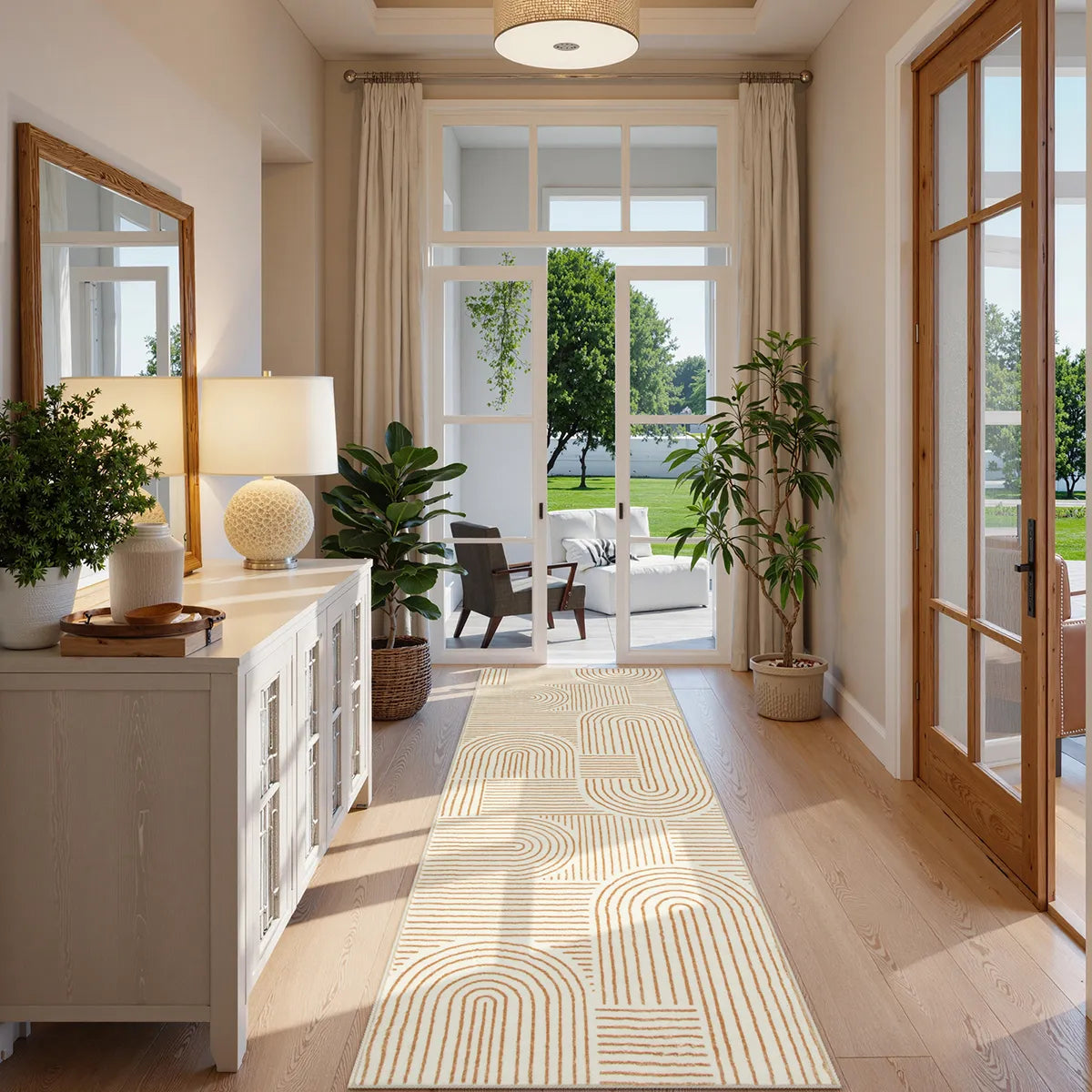
- Geometric Rugs: Clean lines and repeating shapes draw the eye along the length of the corridor, creating a natural lengthening effect. Bold geometric patterns also do a good job of visually minimizing everyday dirt and foot traffic marks between cleaning sessions.
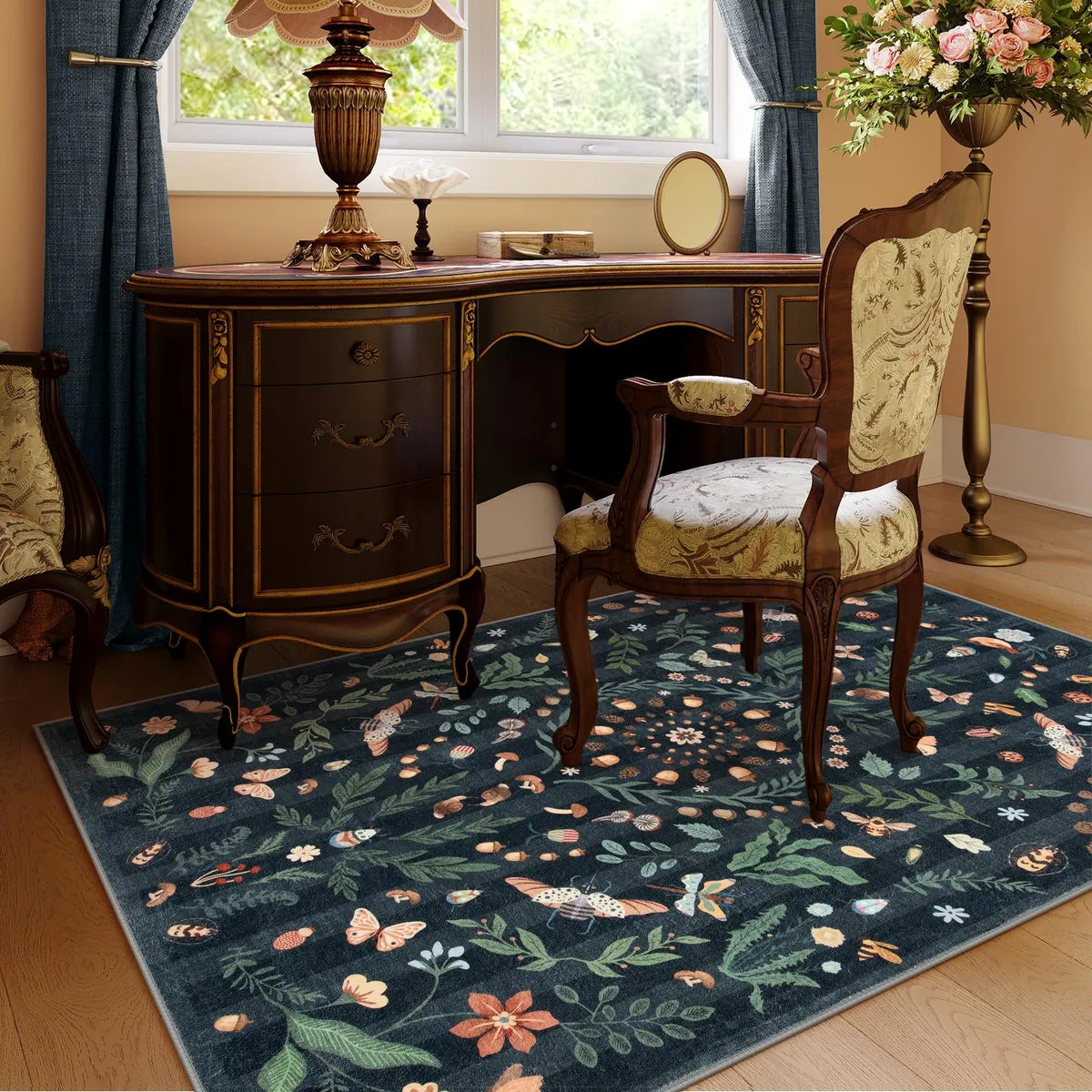
- Vintage Rugs: Vintage-style rugs feature faded, worn-in color palettes and distressed pattern detailing that evoke an aged, well-traveled look. The softened tones and dense repeat patterns are highly forgiving of daily wear, making light soiling far less visible than on plain surfaces.
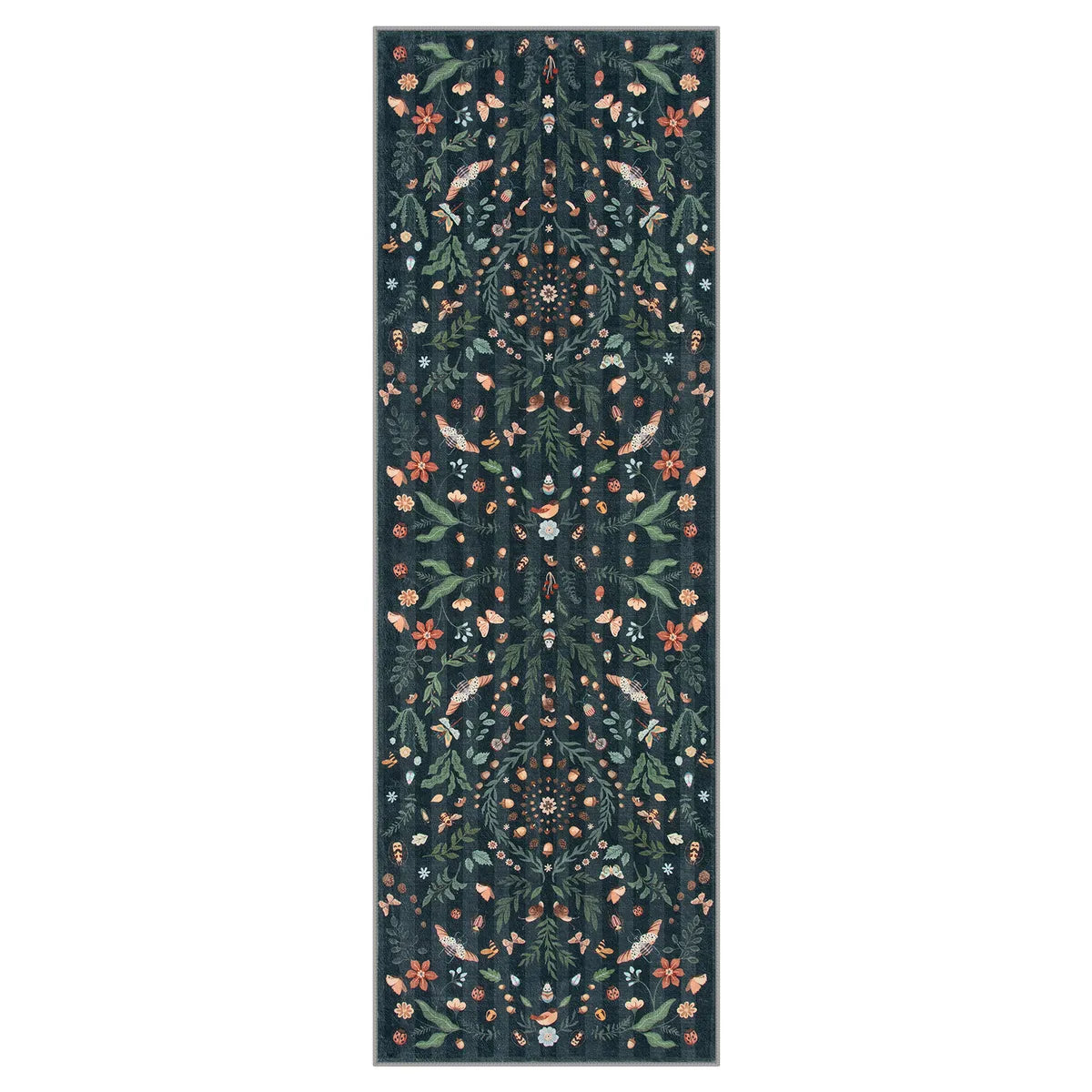
- Bohemian Rugs: Also called boho rugs, these are characterized by layered patterns and rich earthy or jewel-toned color palettes. The visual complexity naturally disguises surface wear that accumulates in busy corridors, while adding depth and energy to the space.
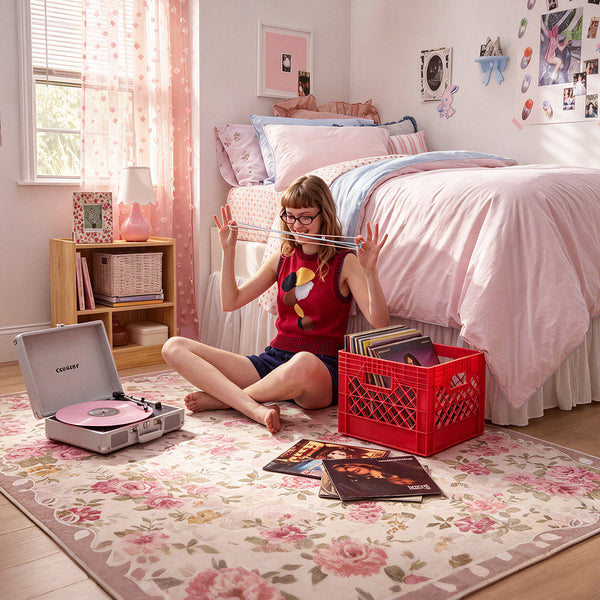
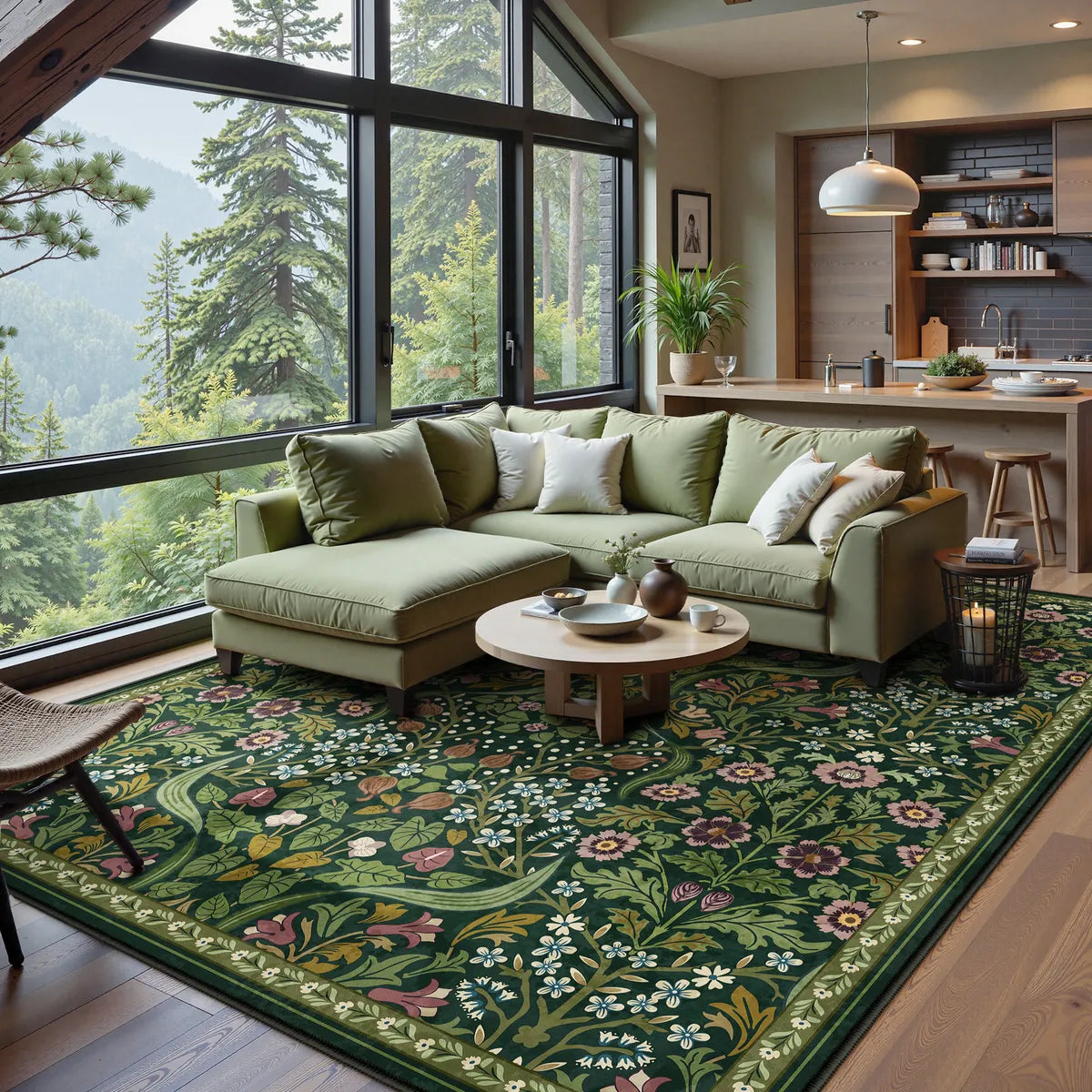
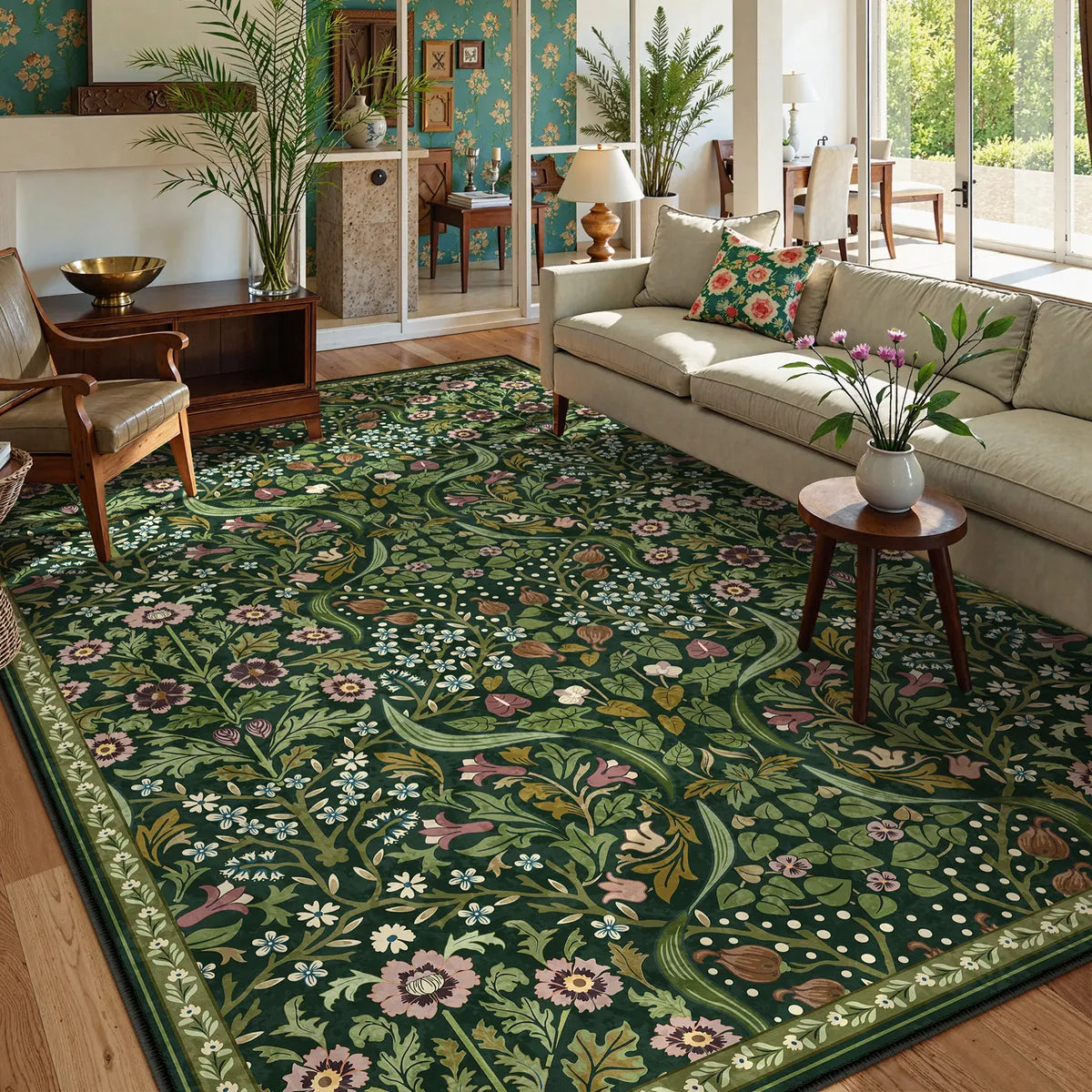
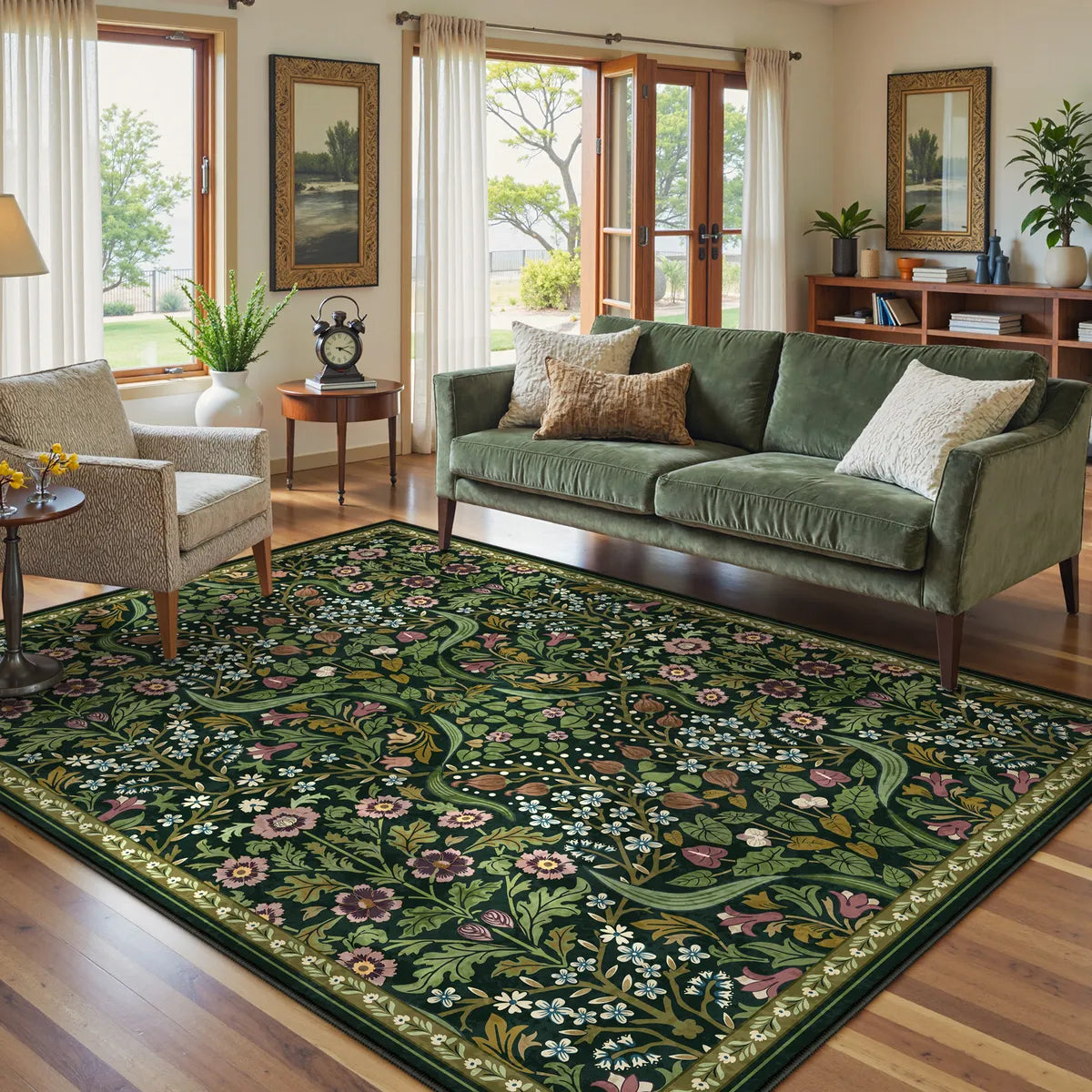
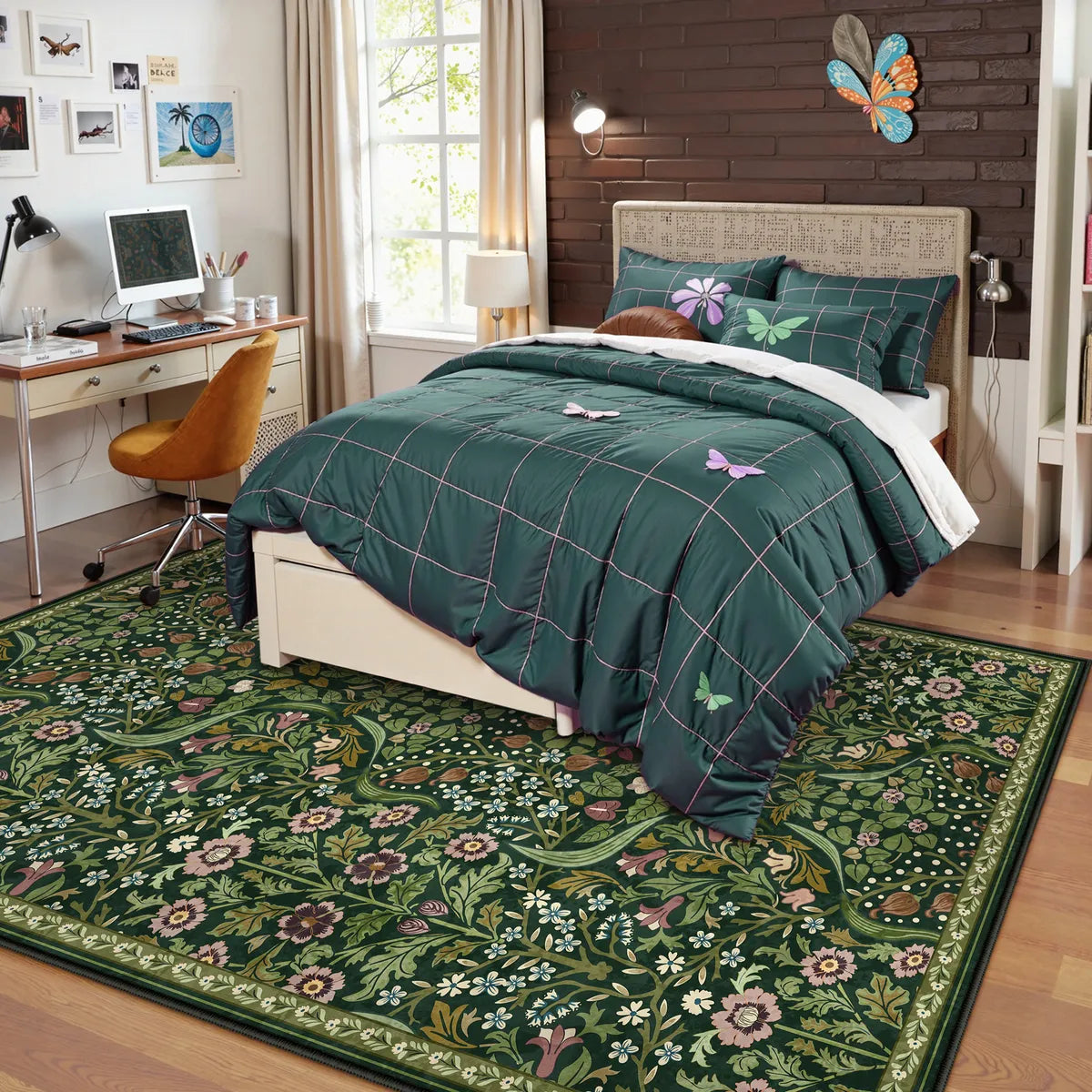
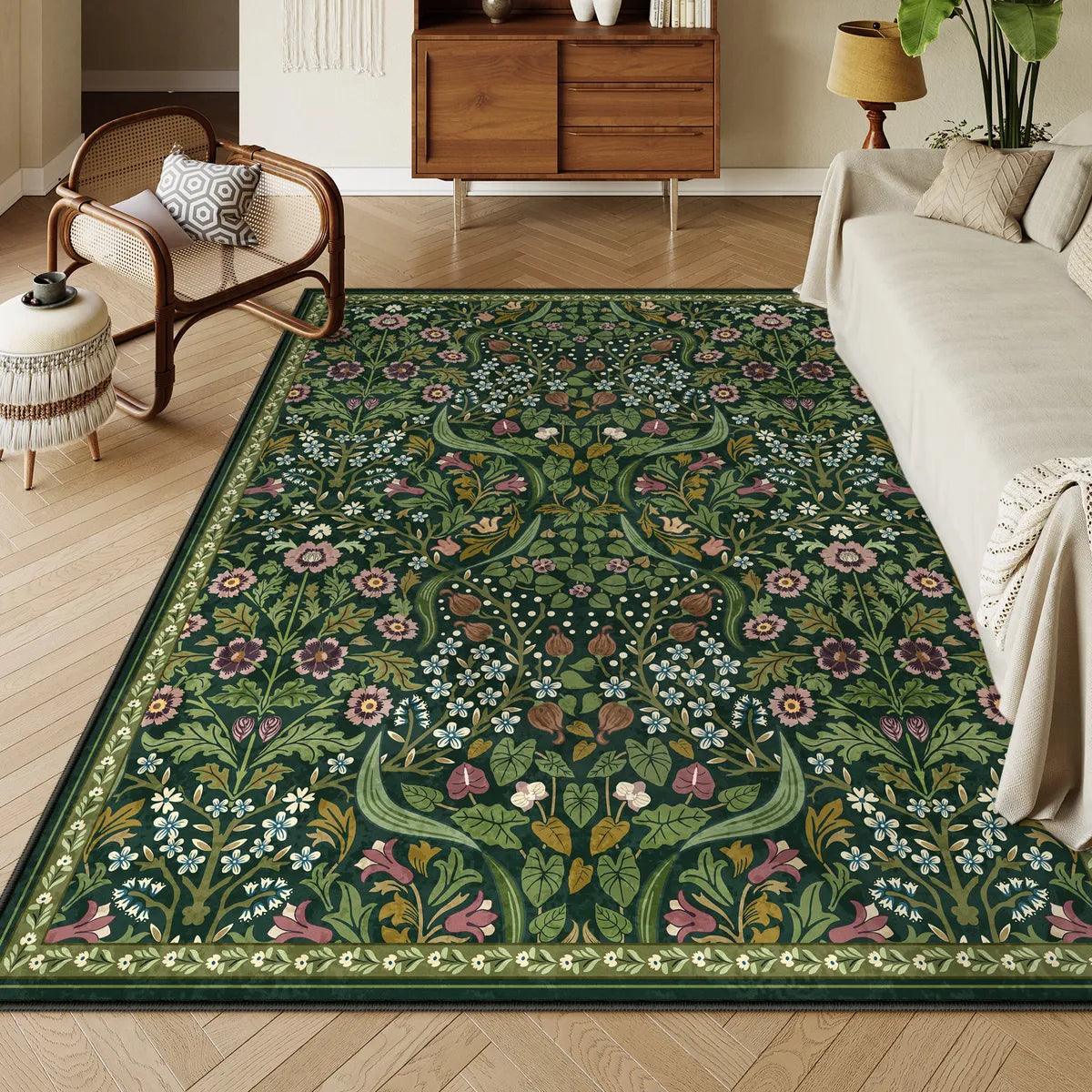
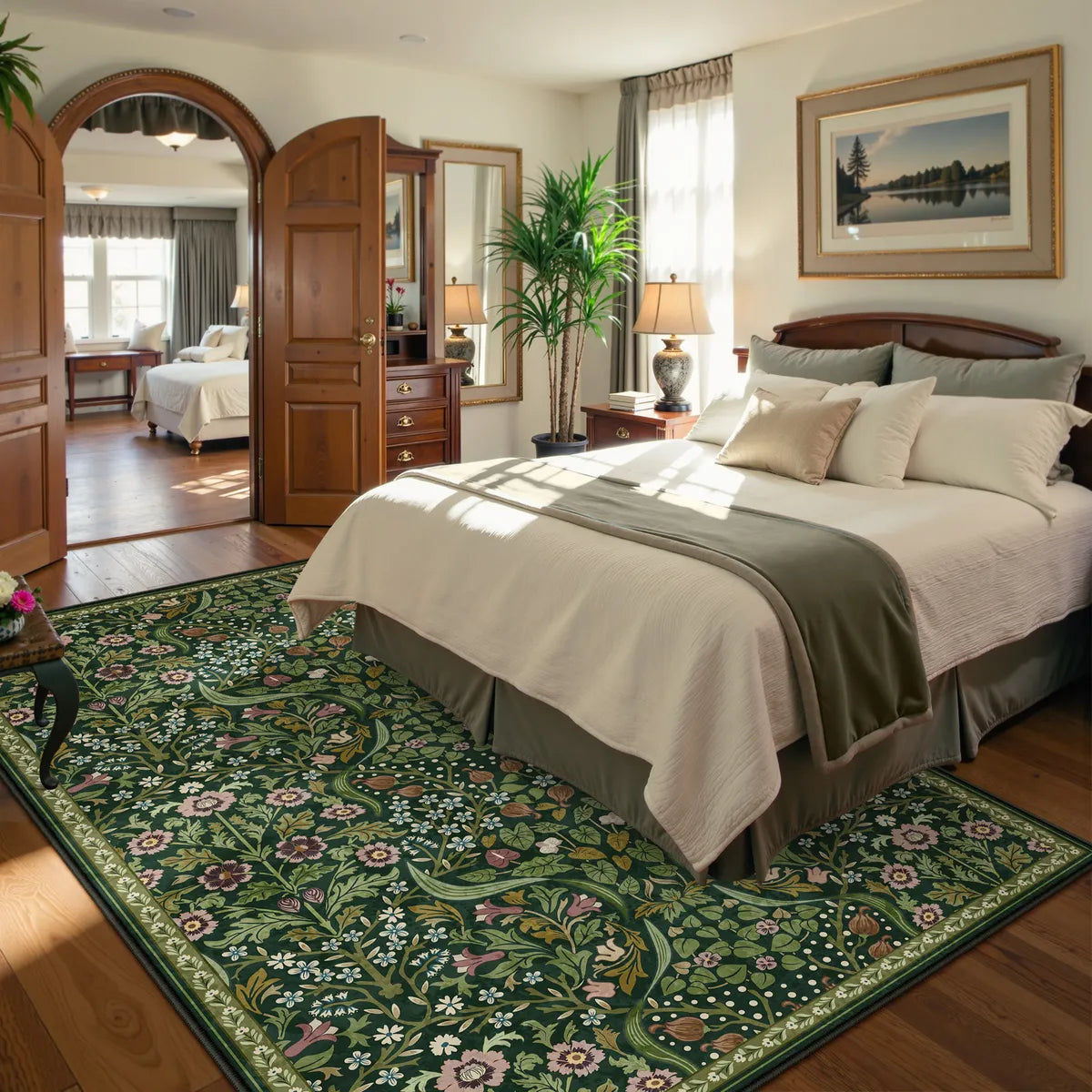
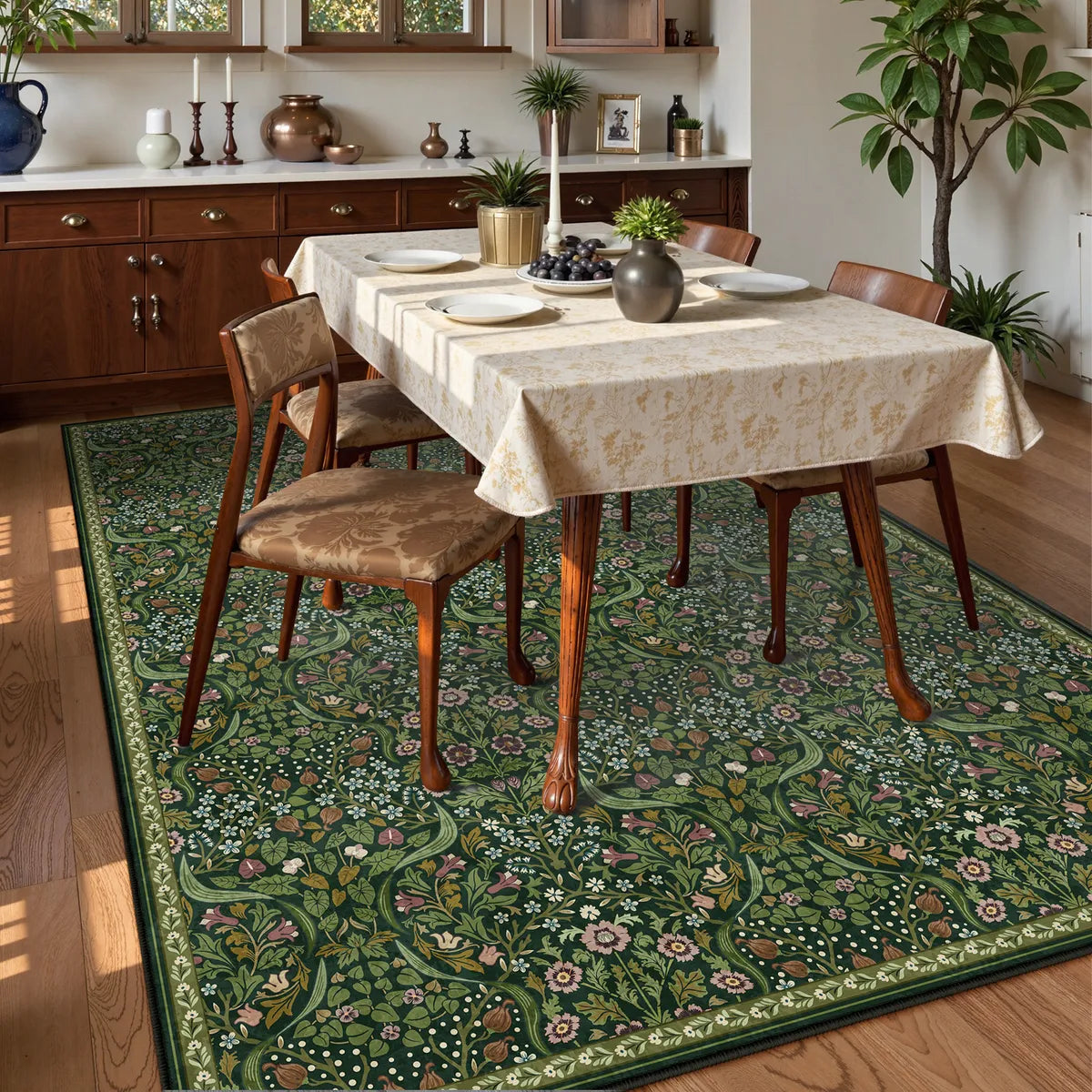
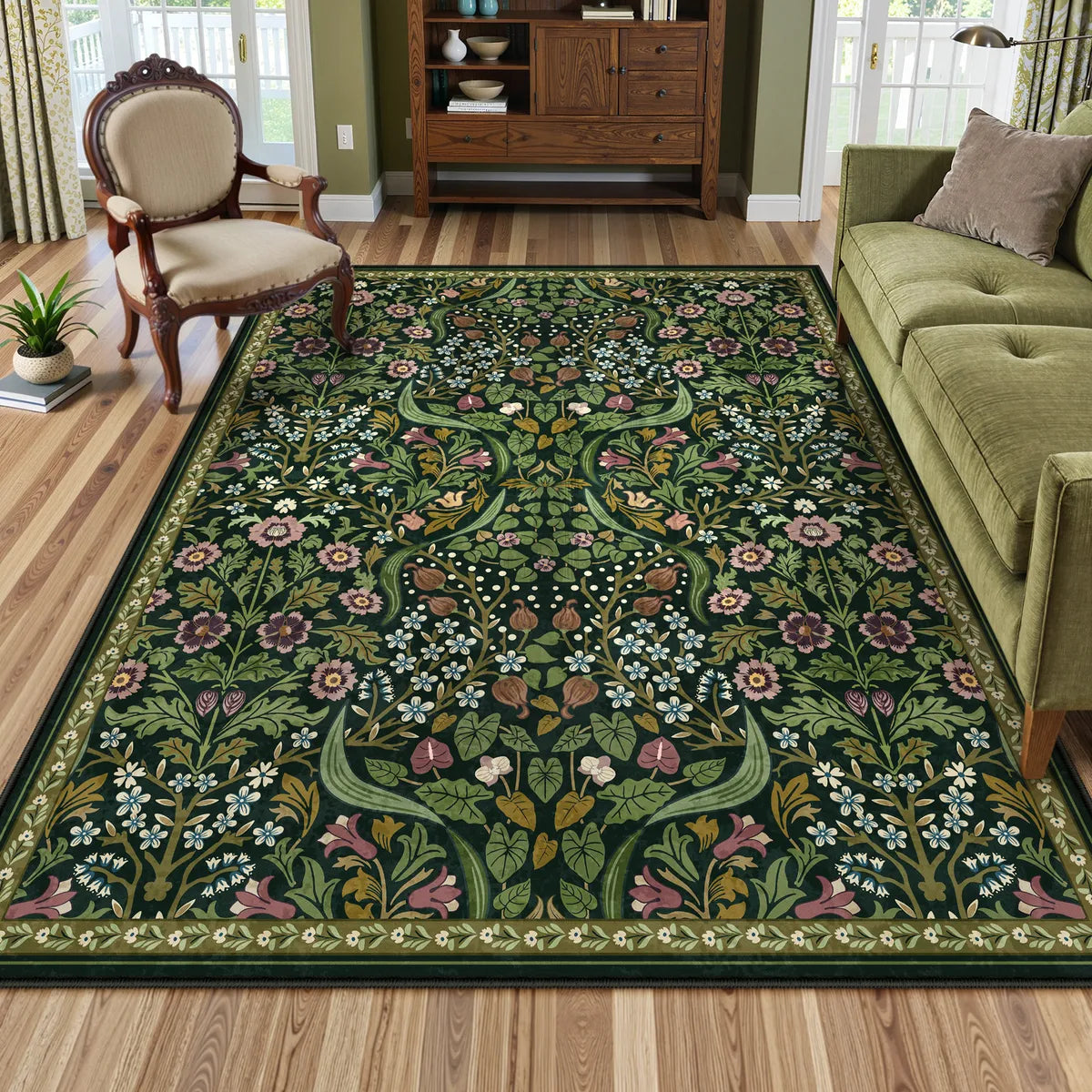
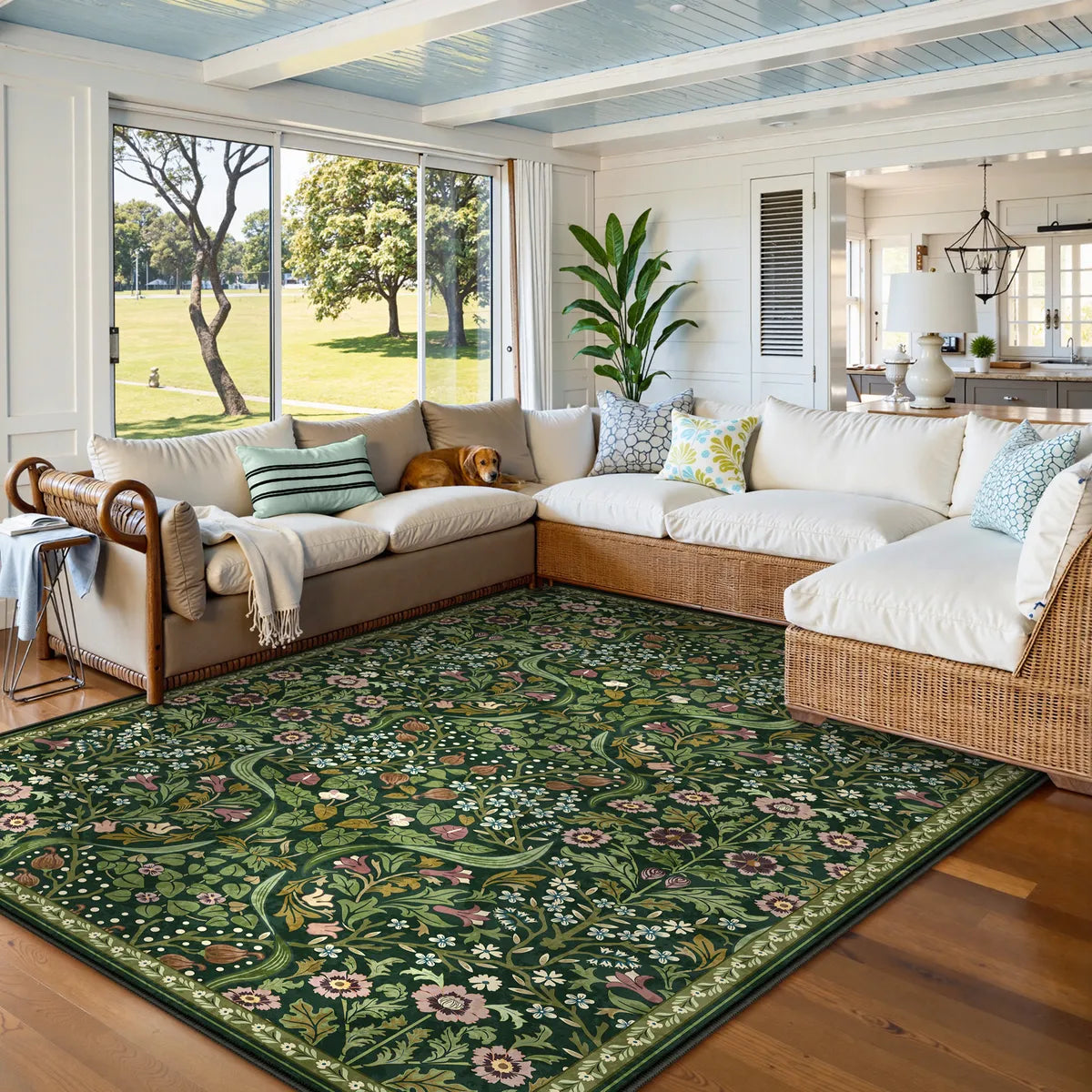
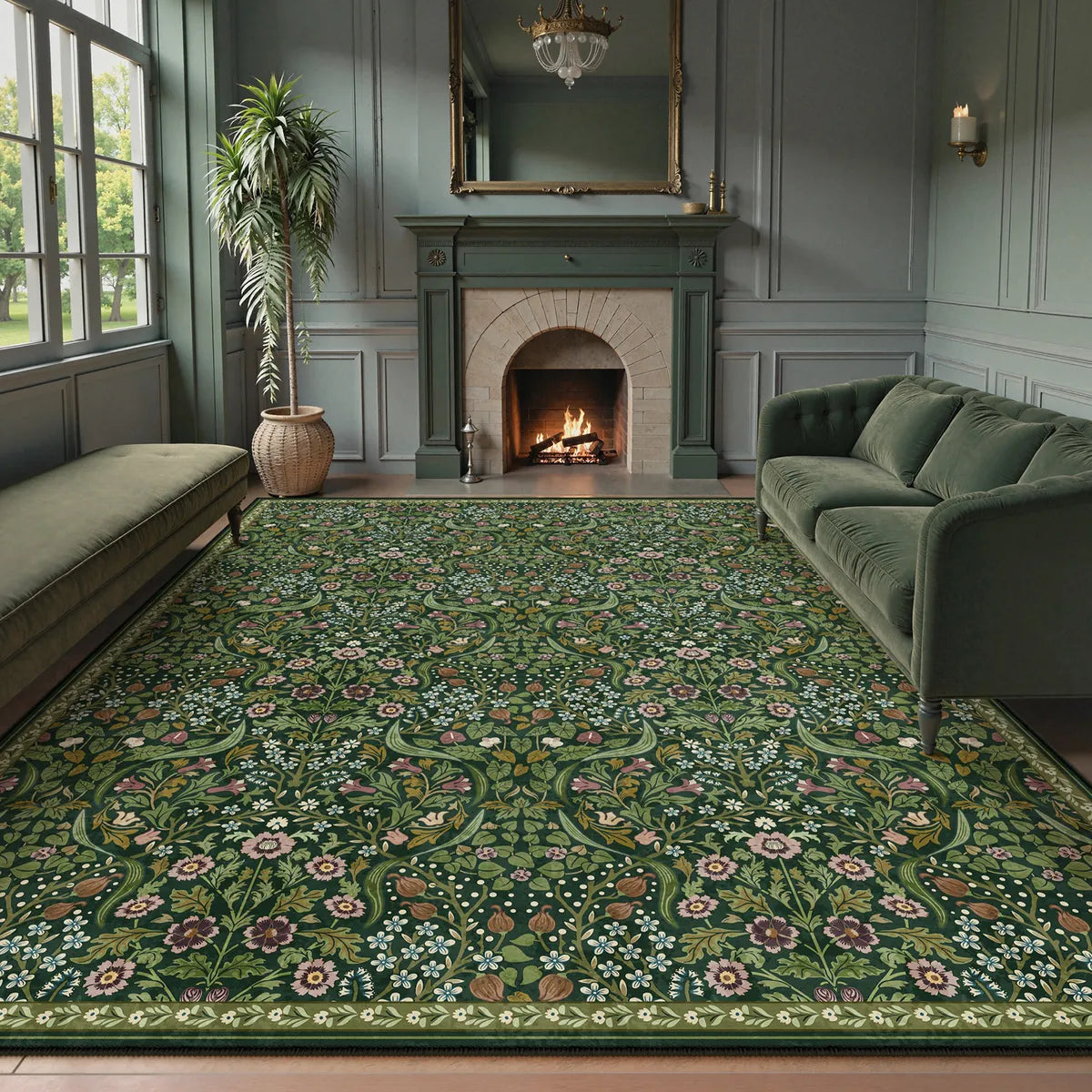
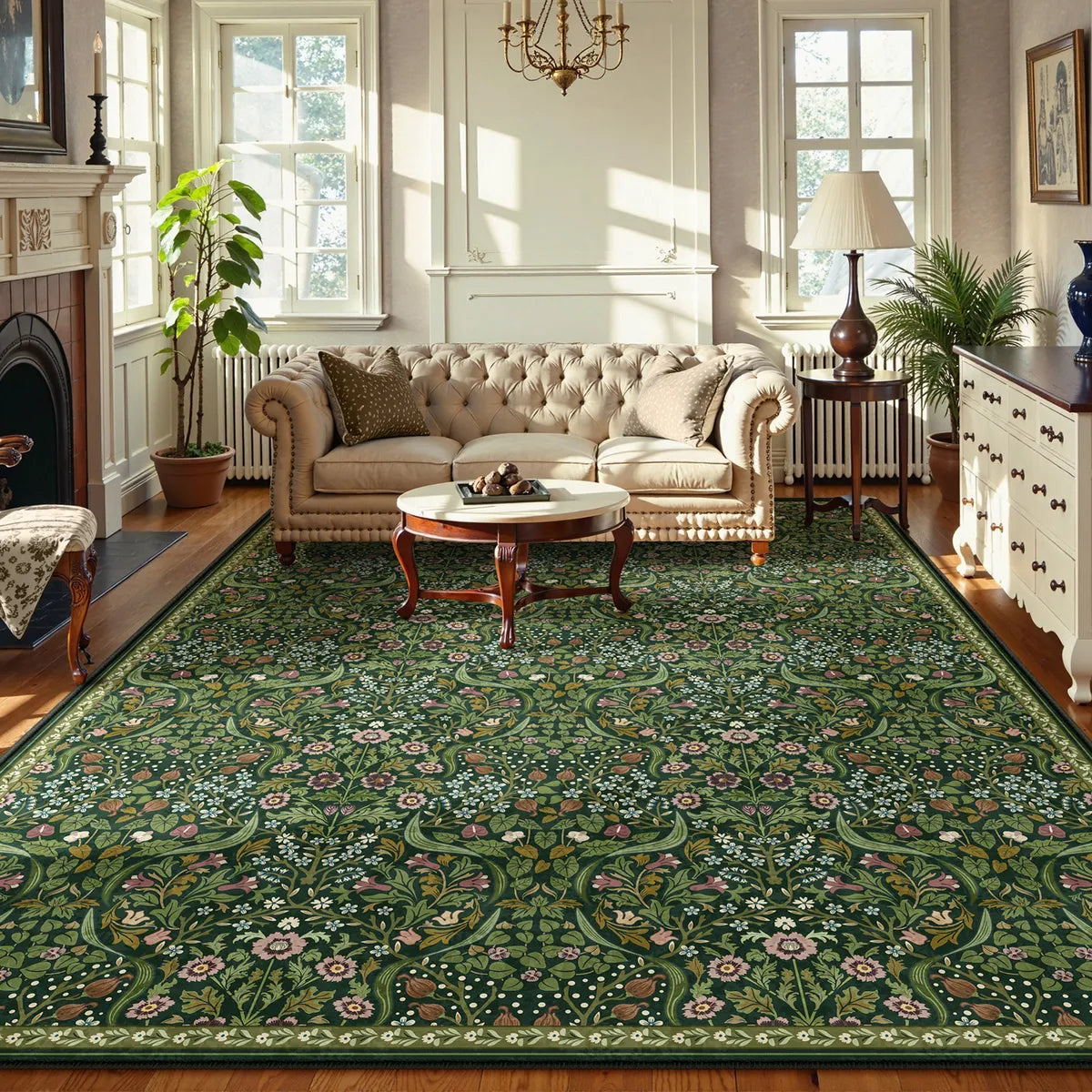
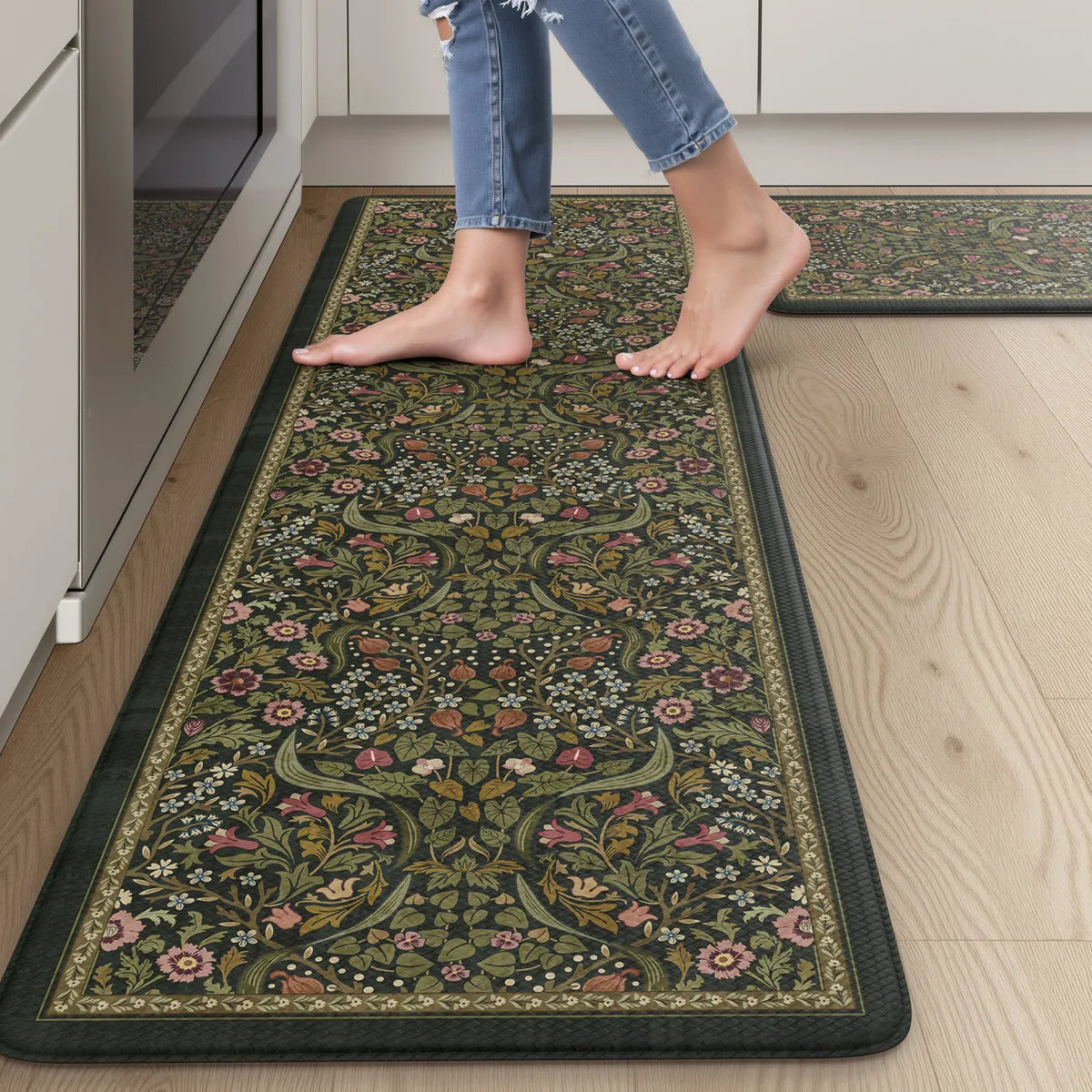
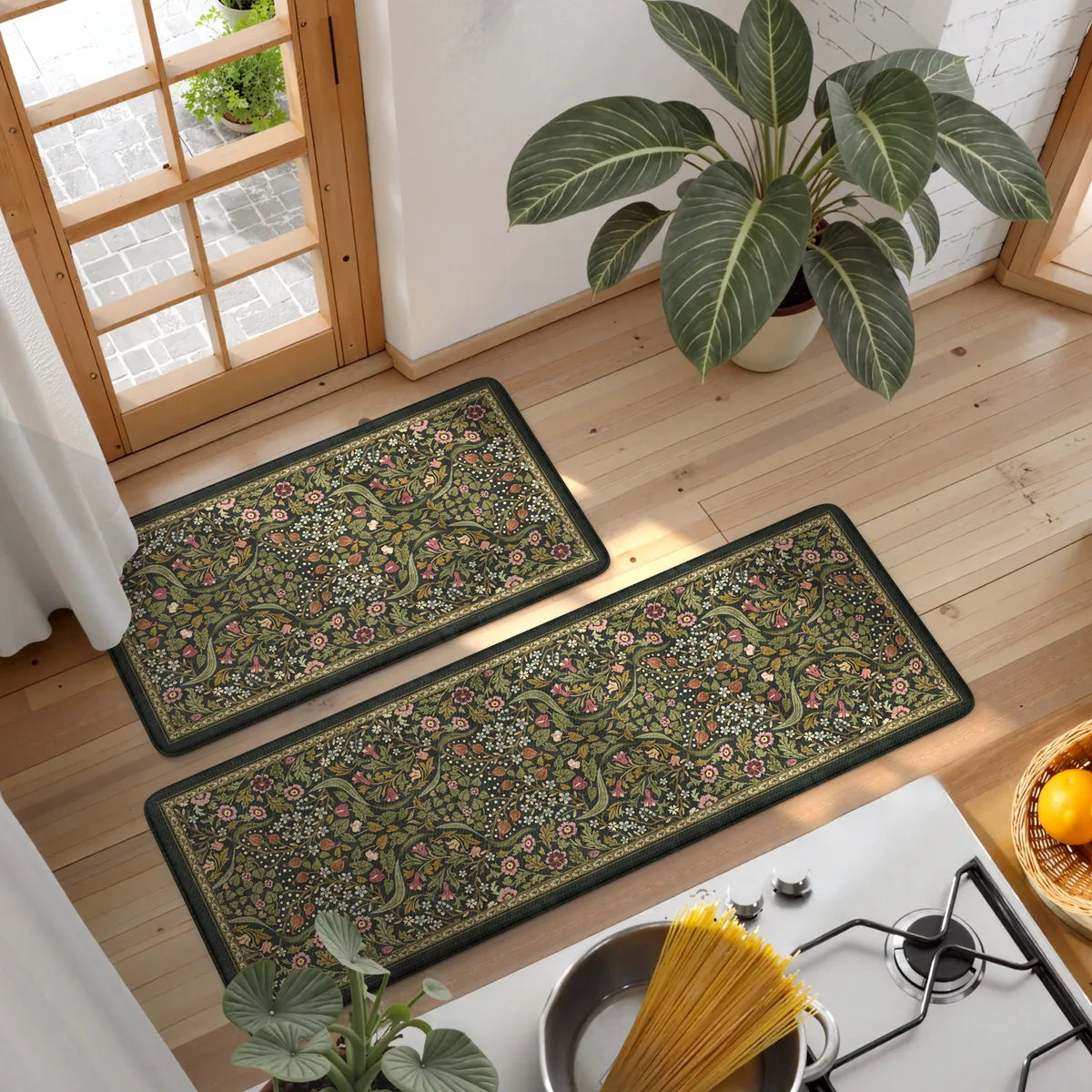
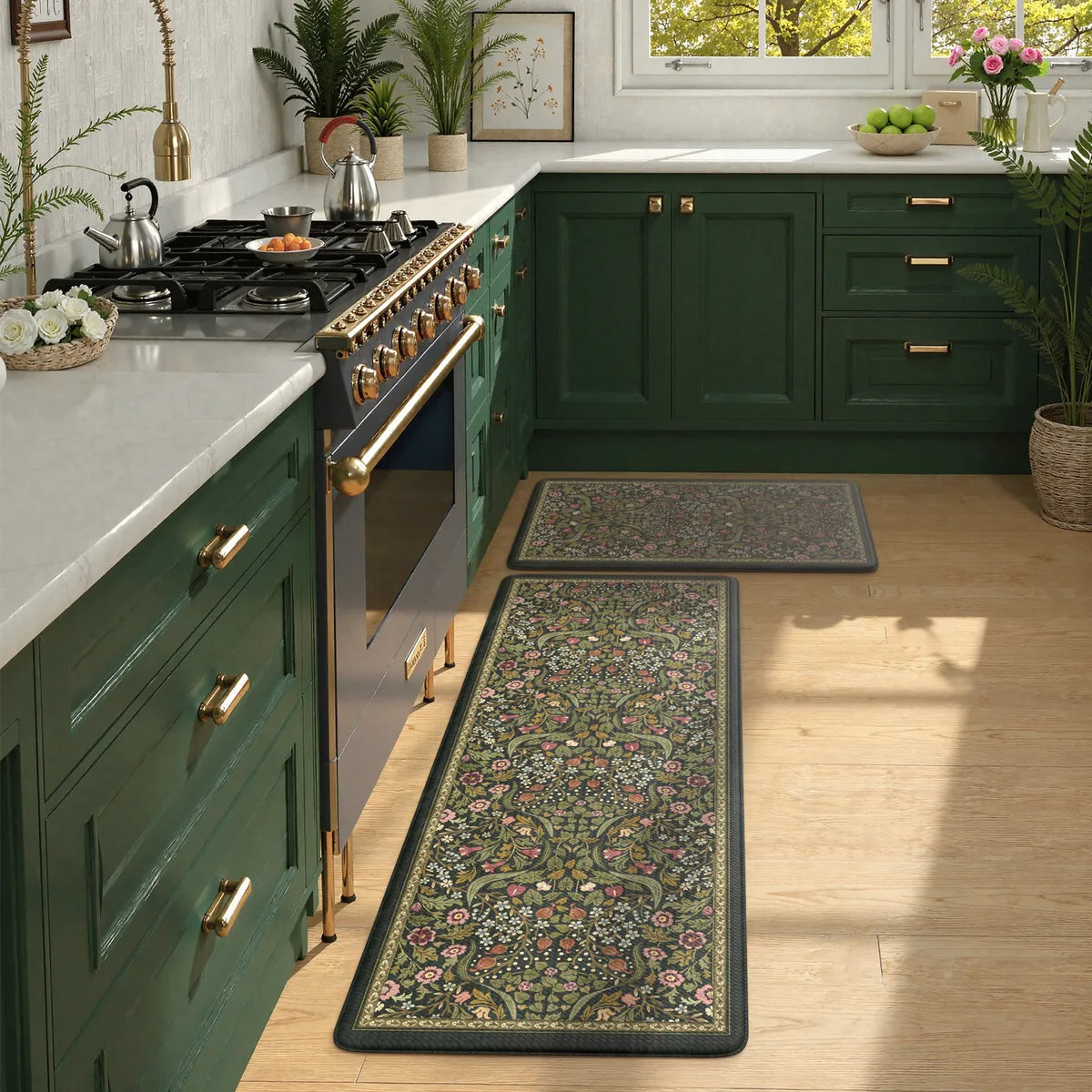
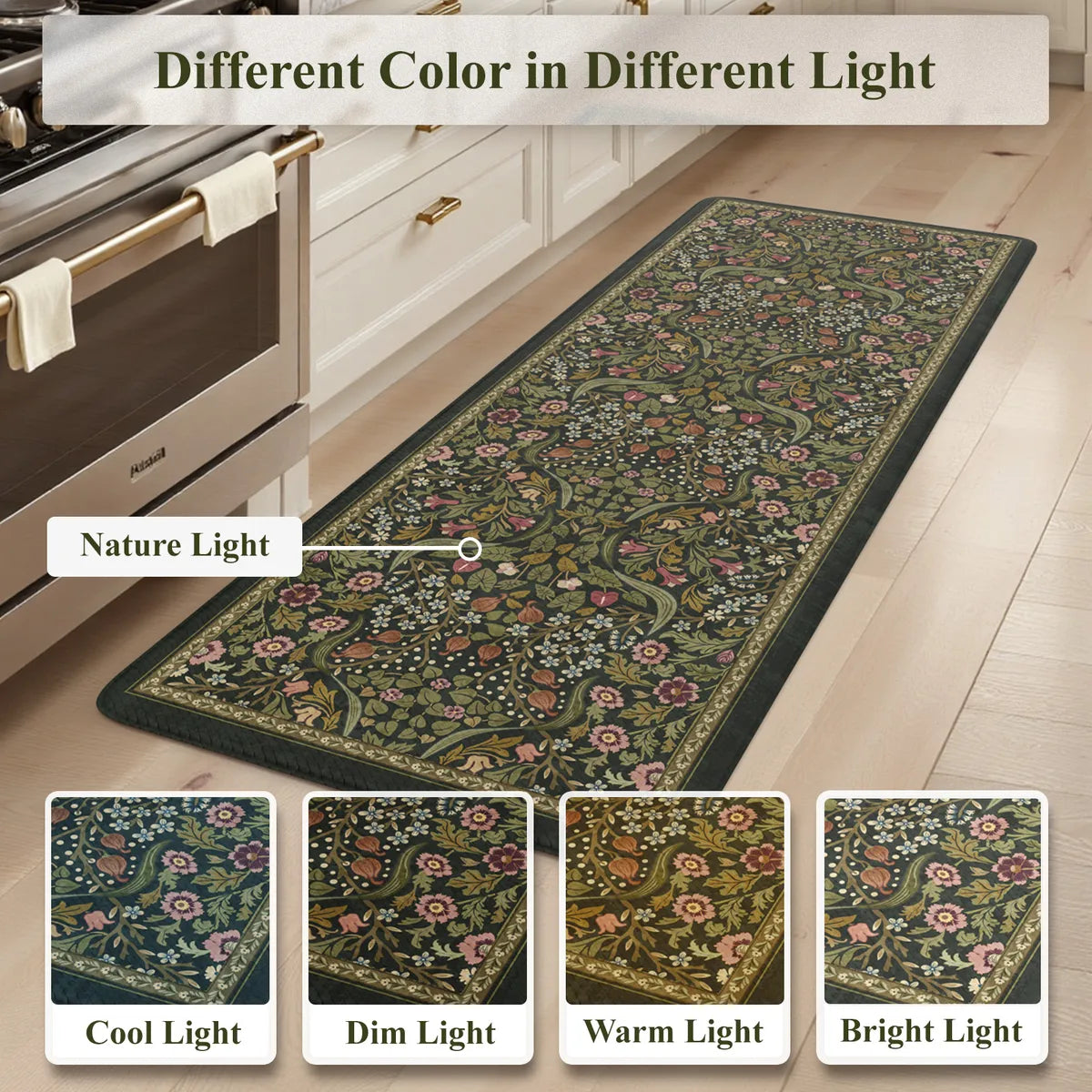
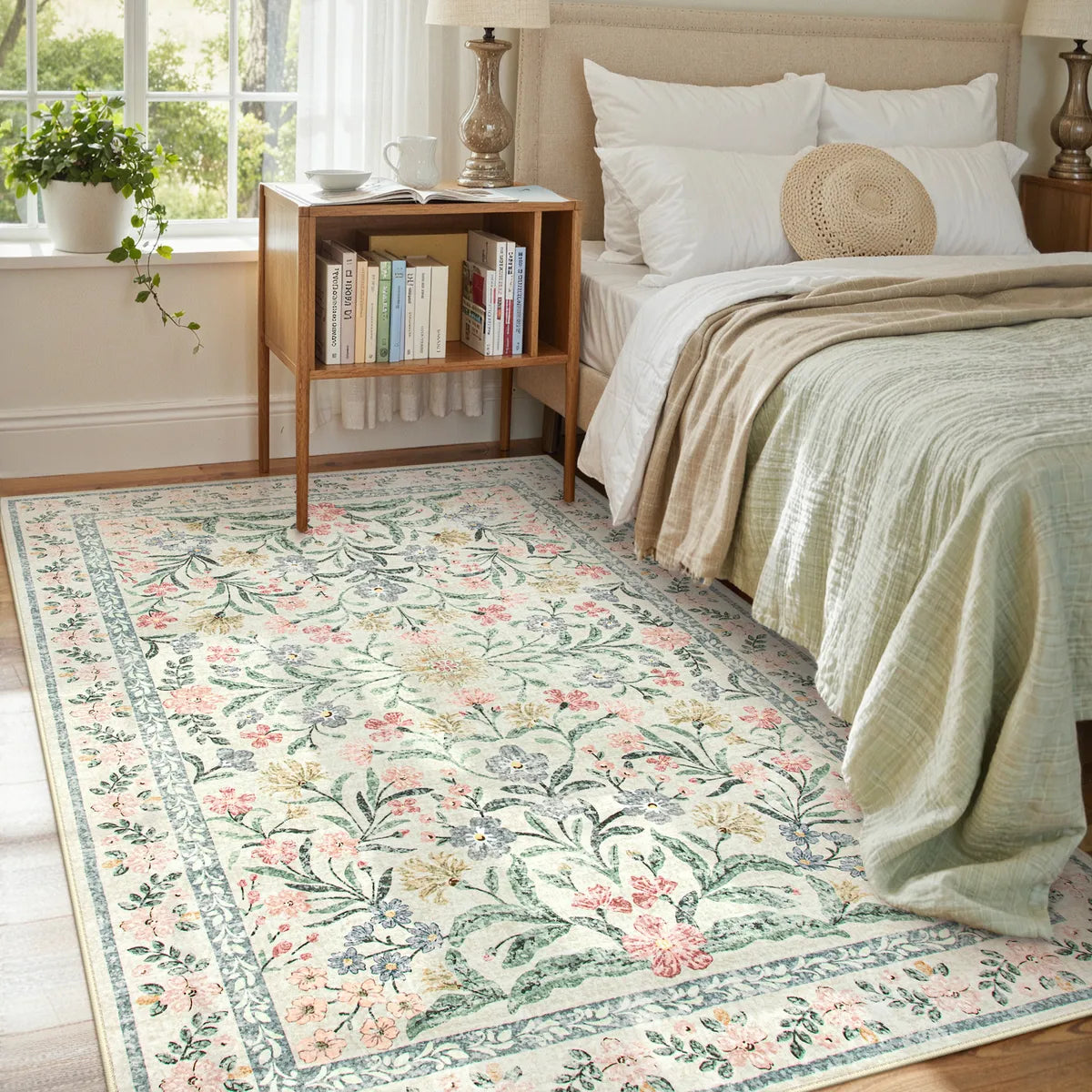
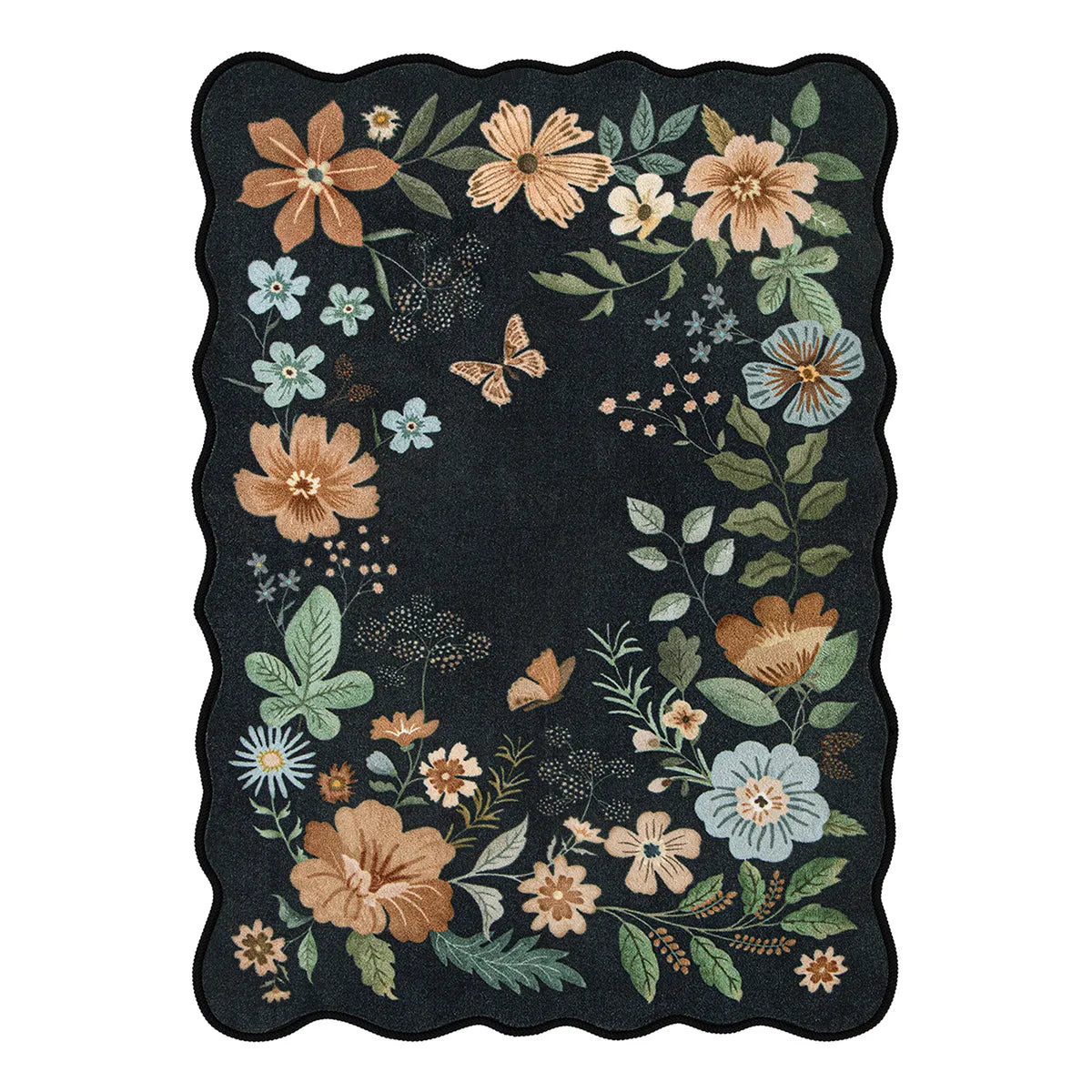
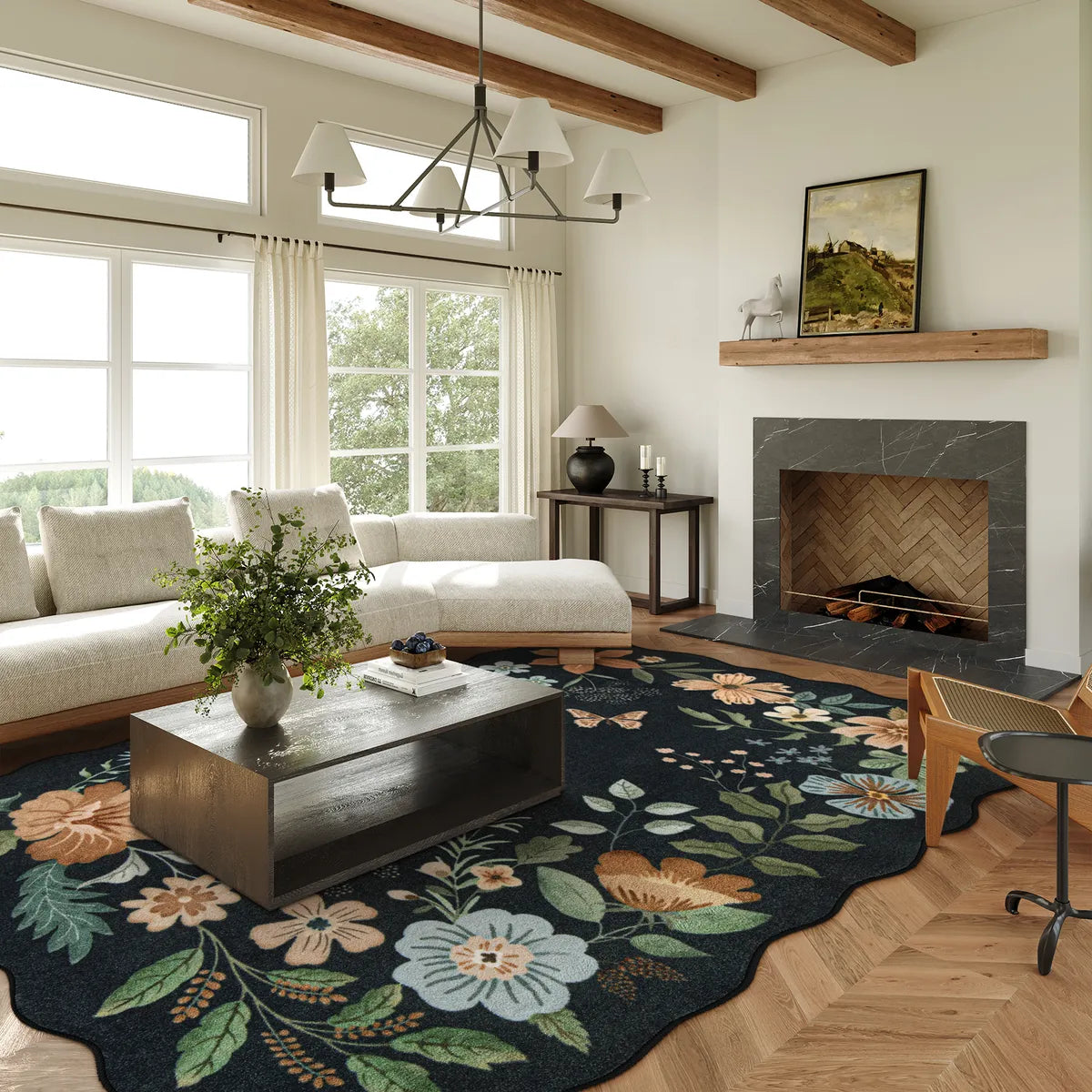
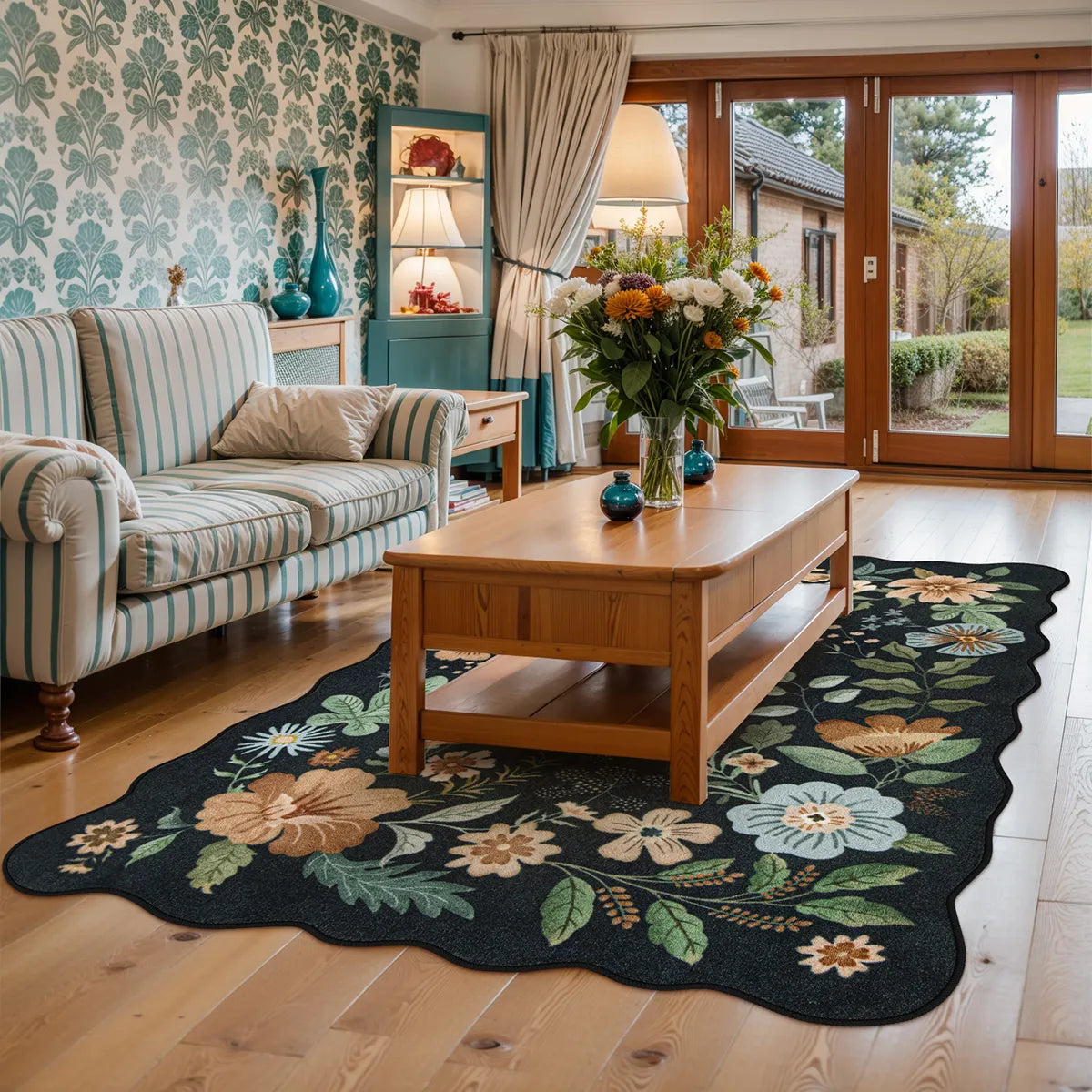
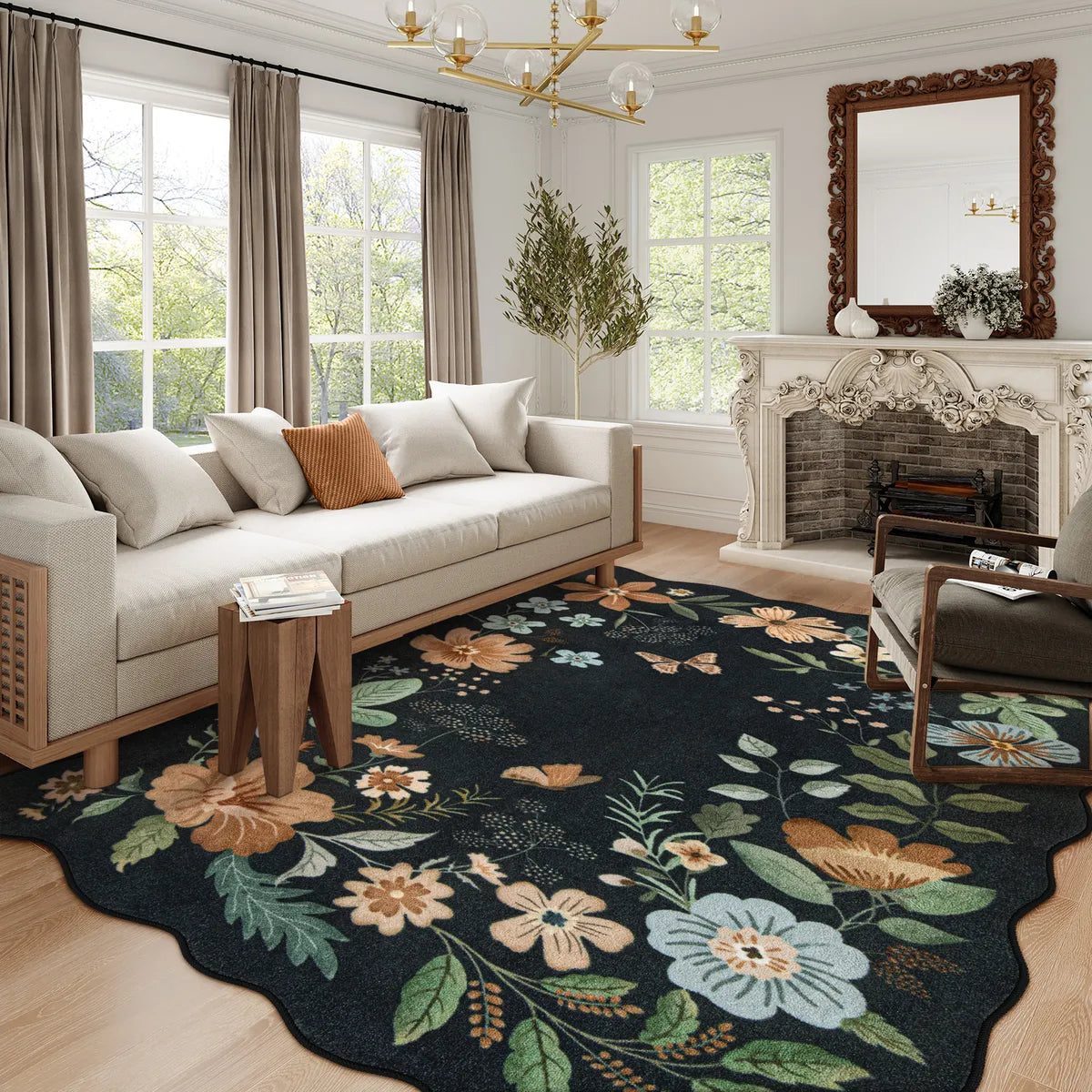
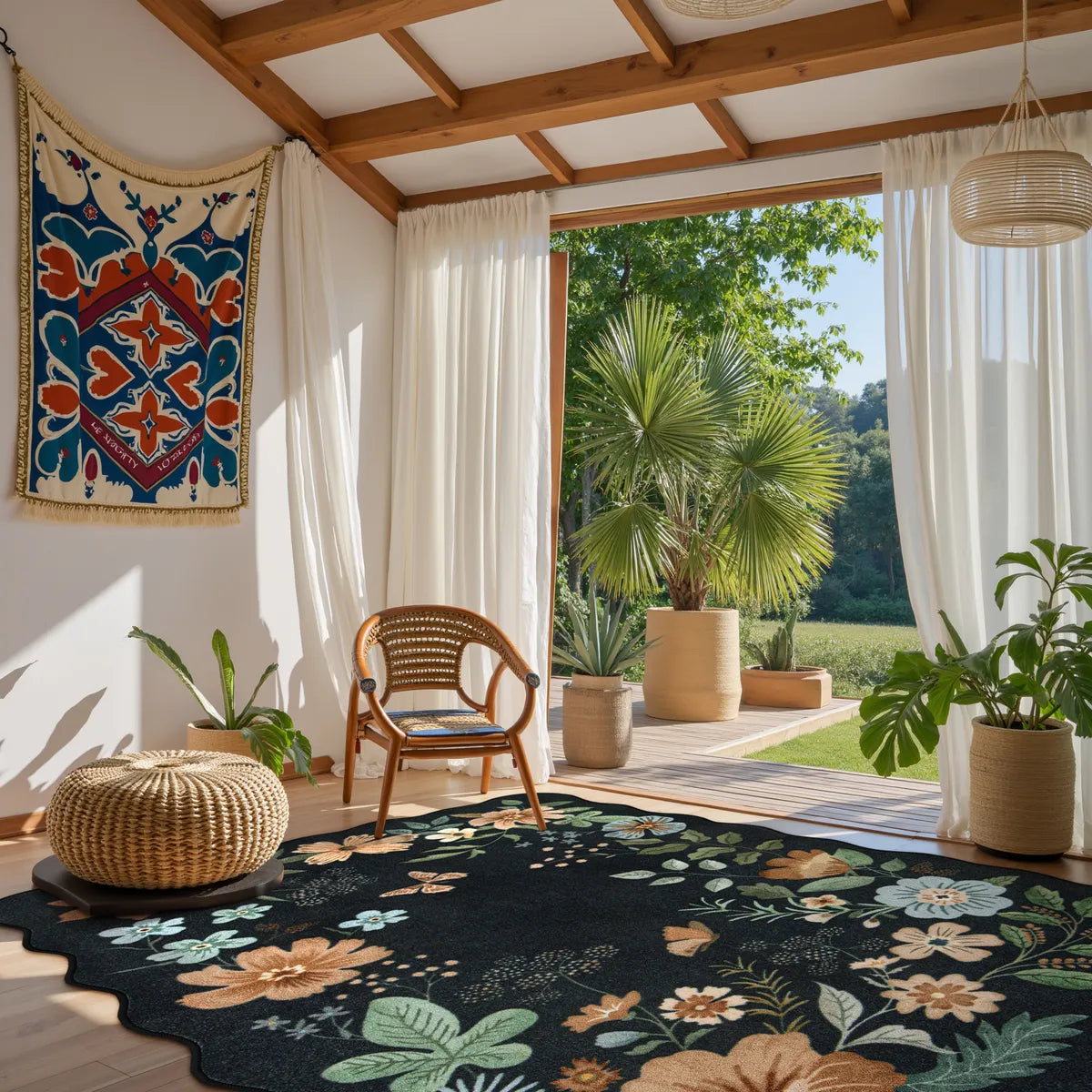
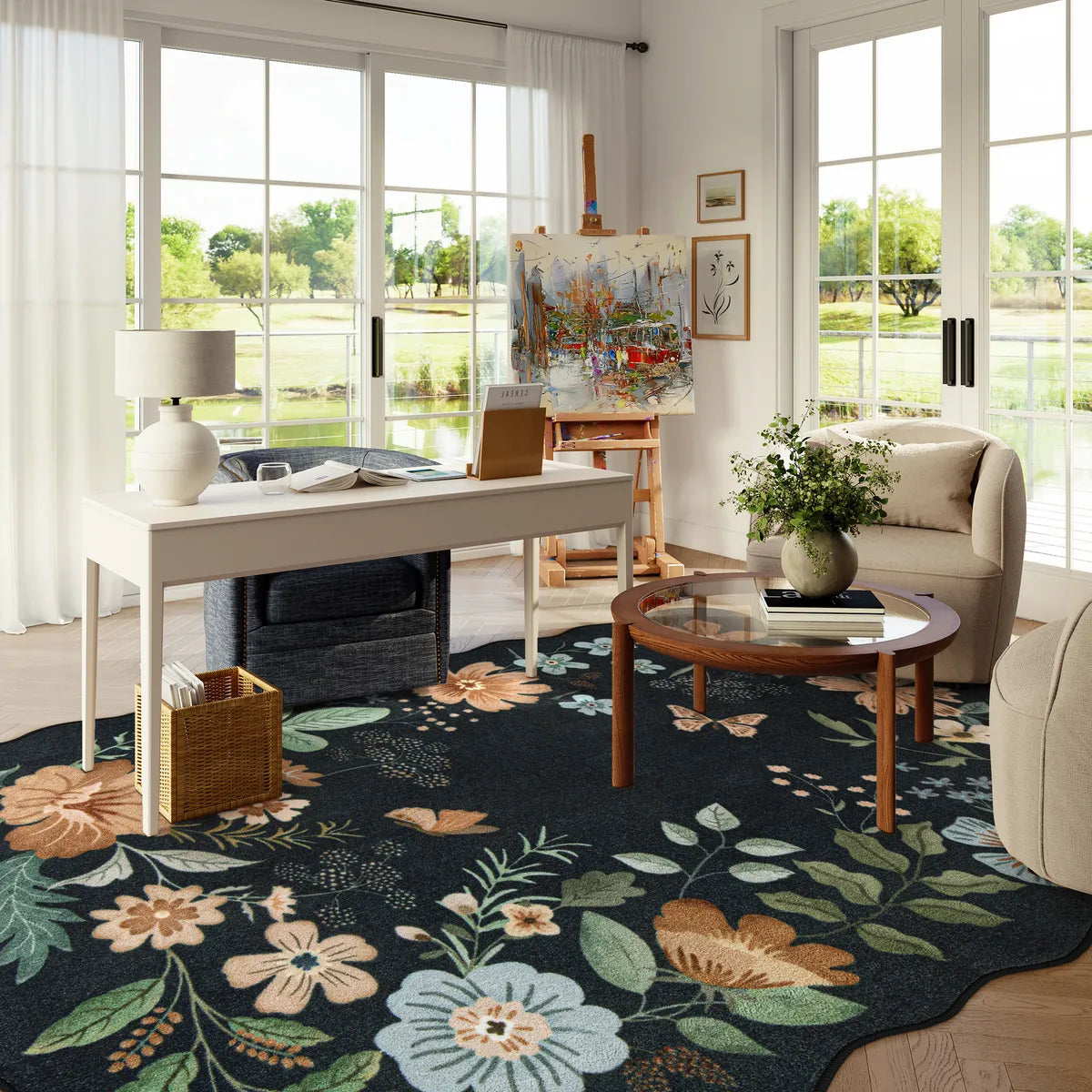
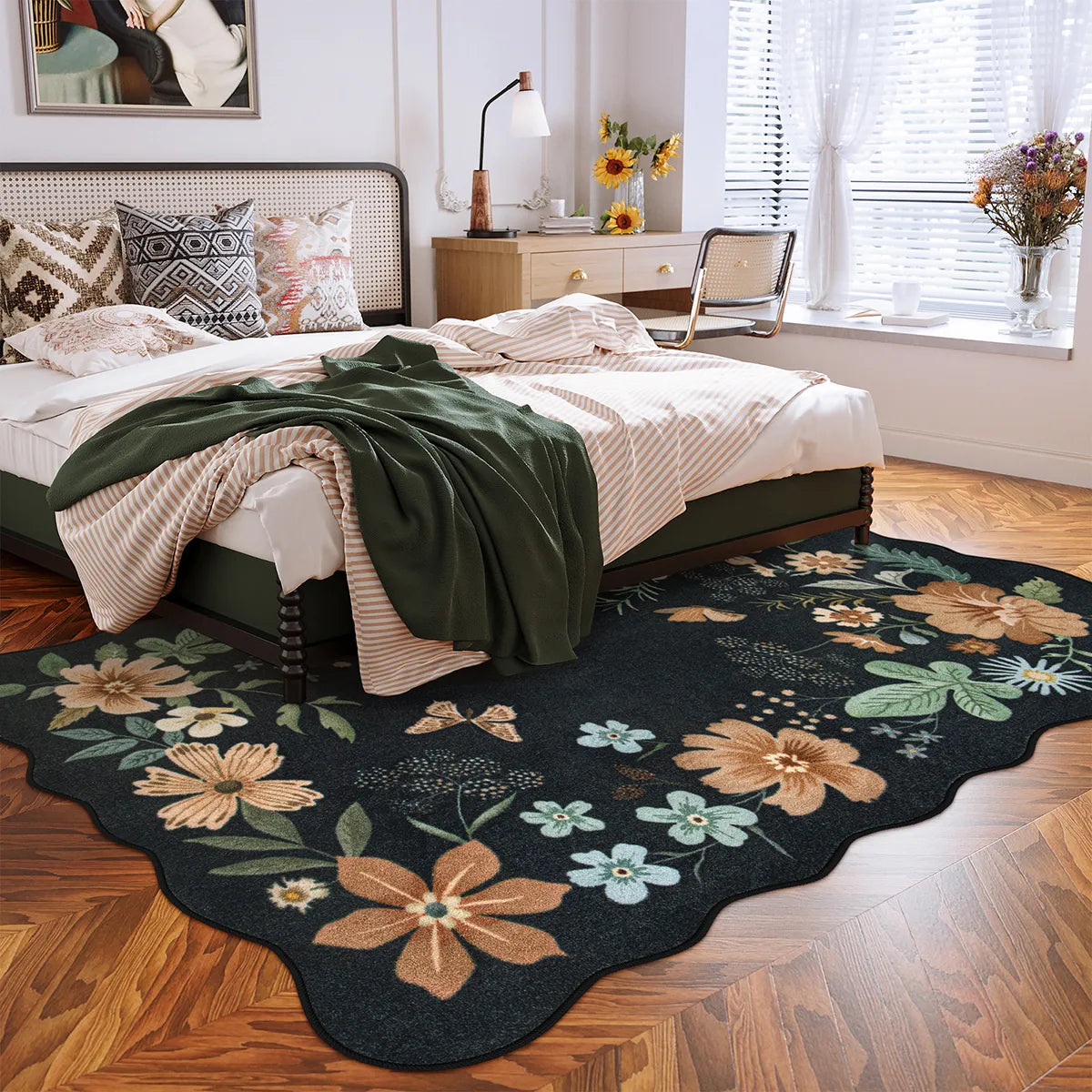
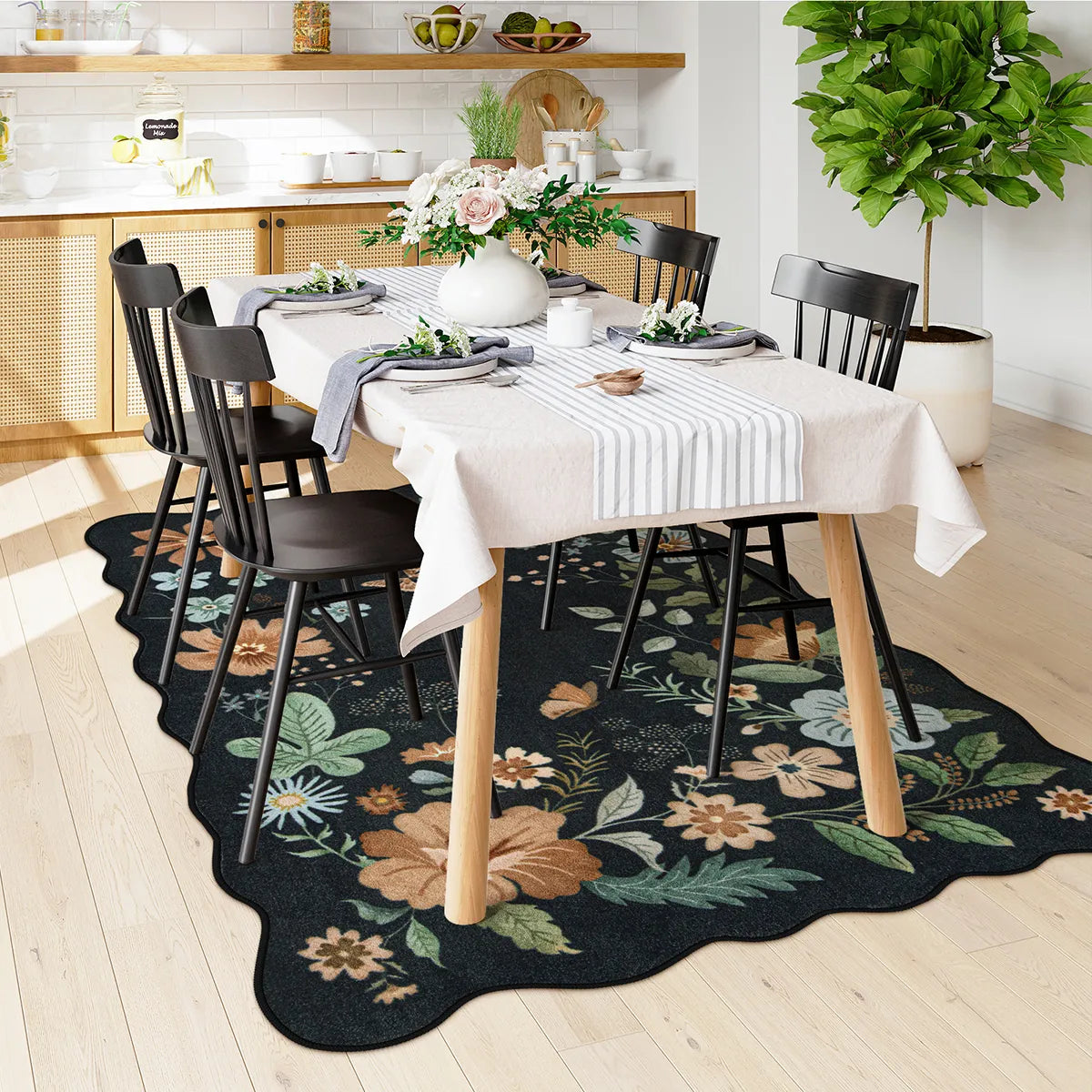
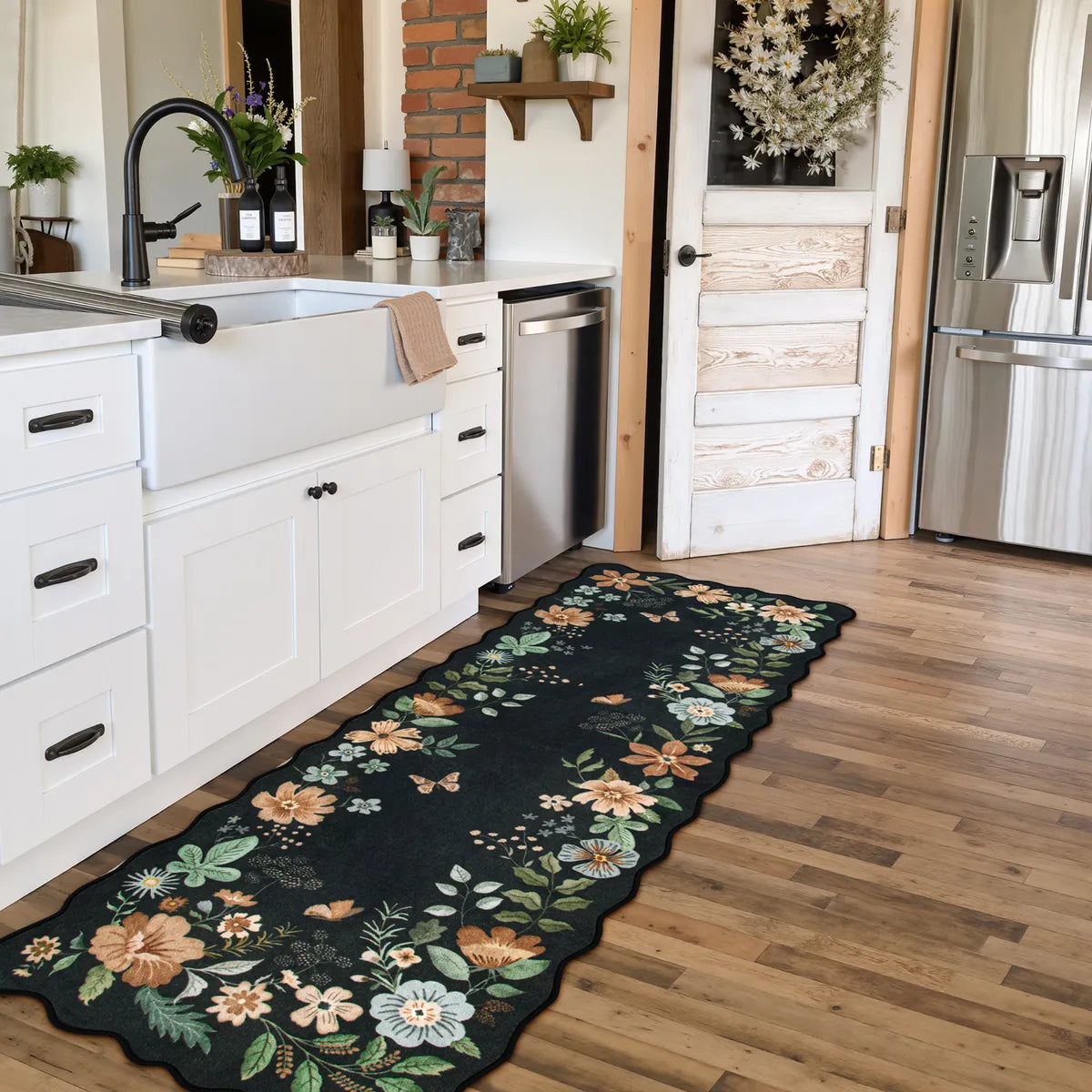
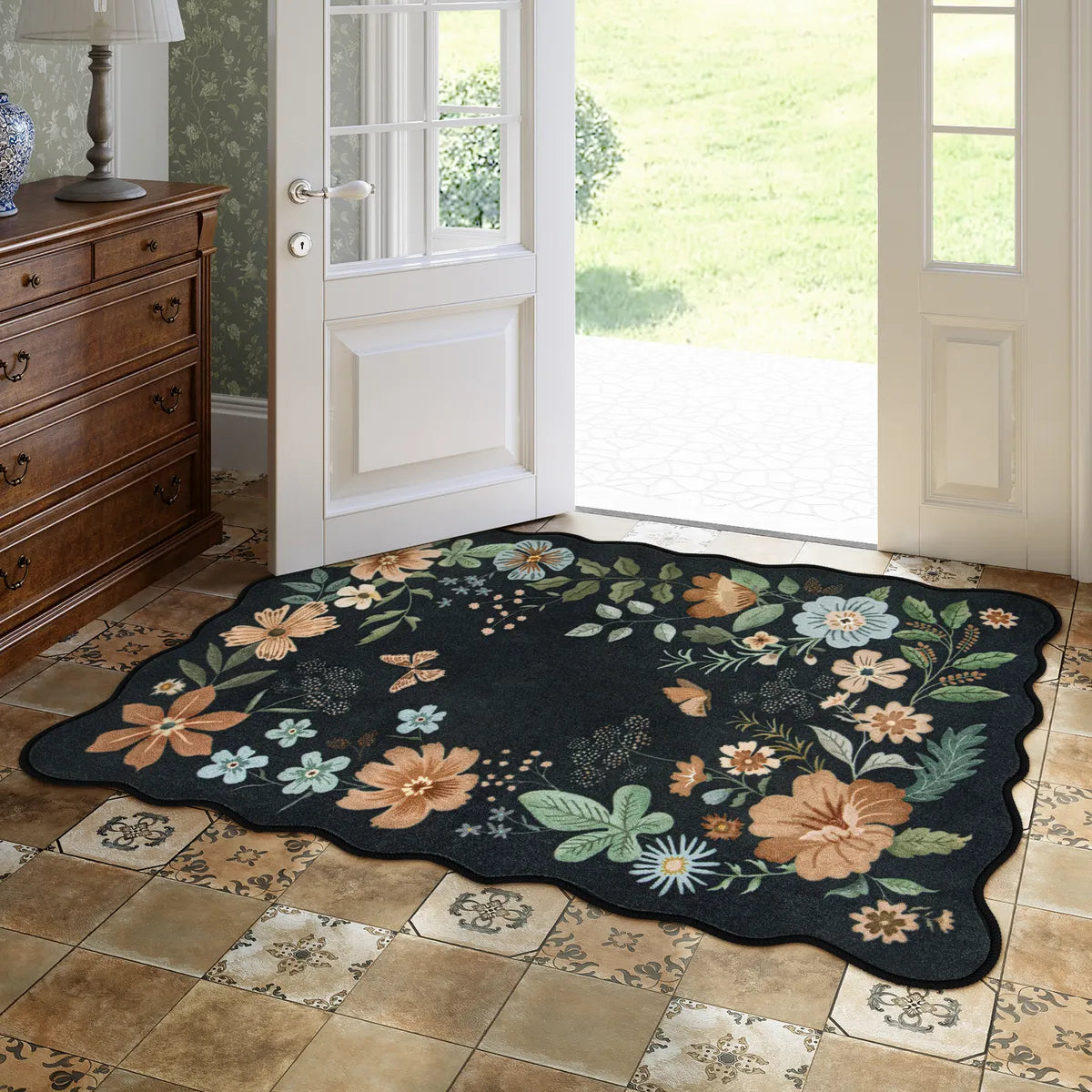
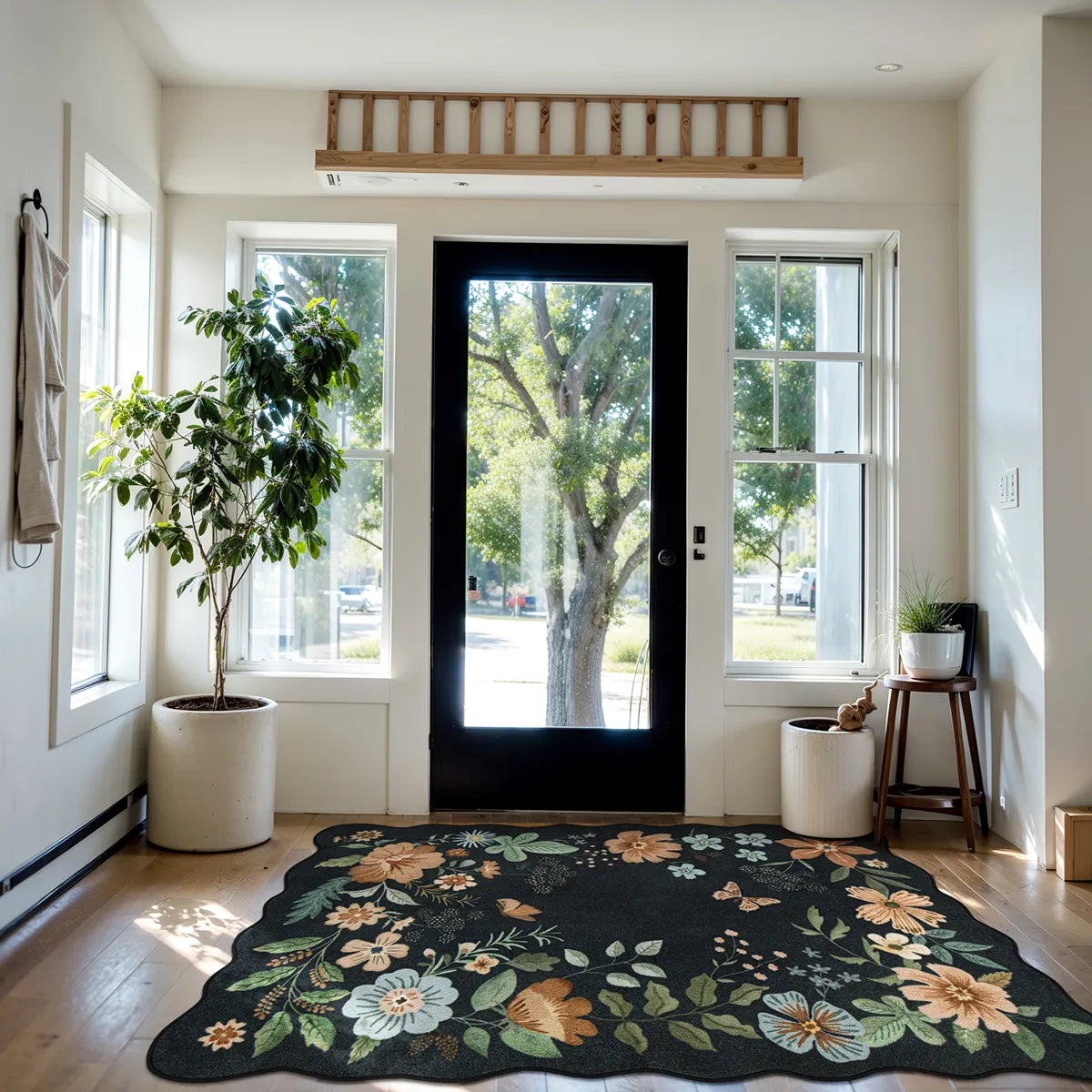
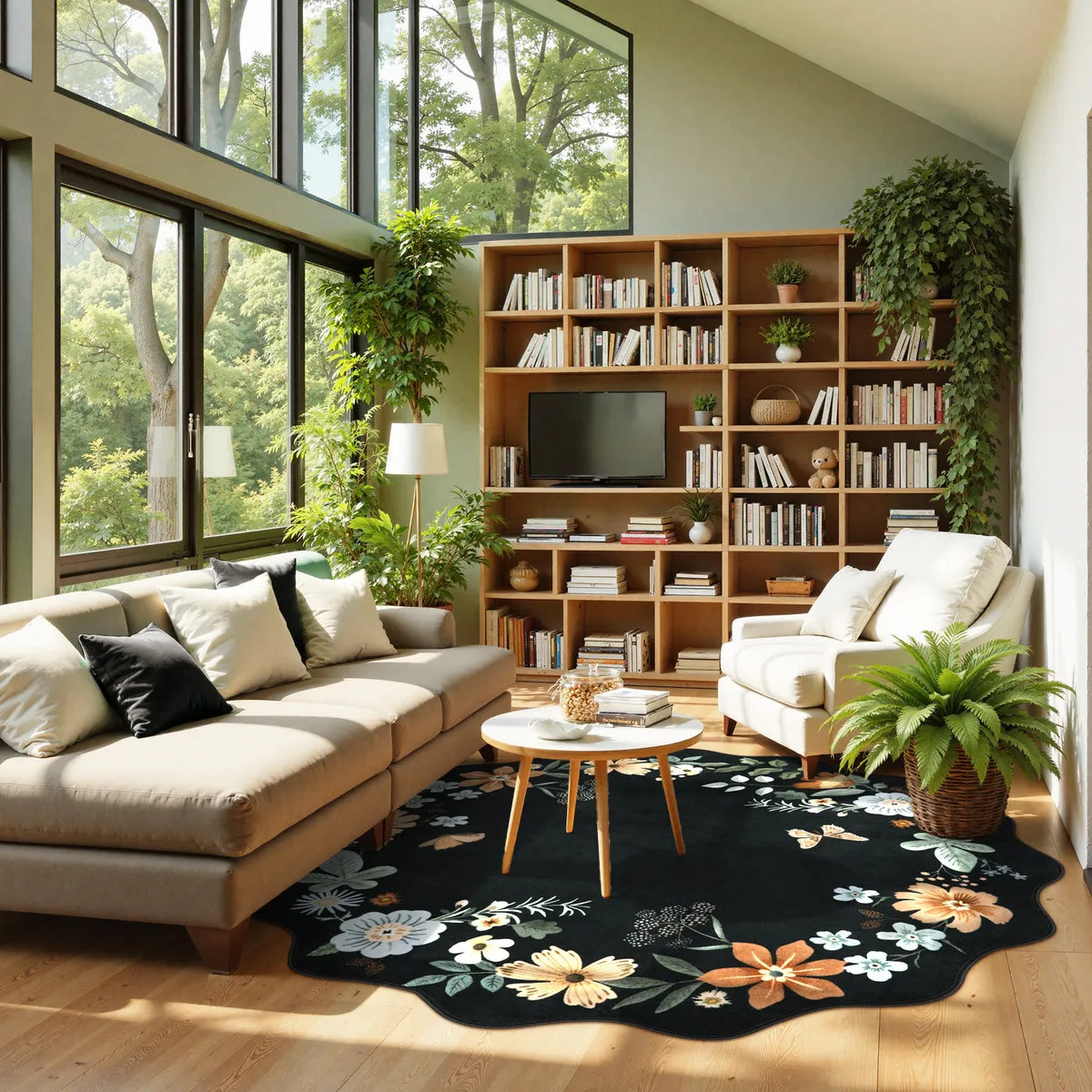
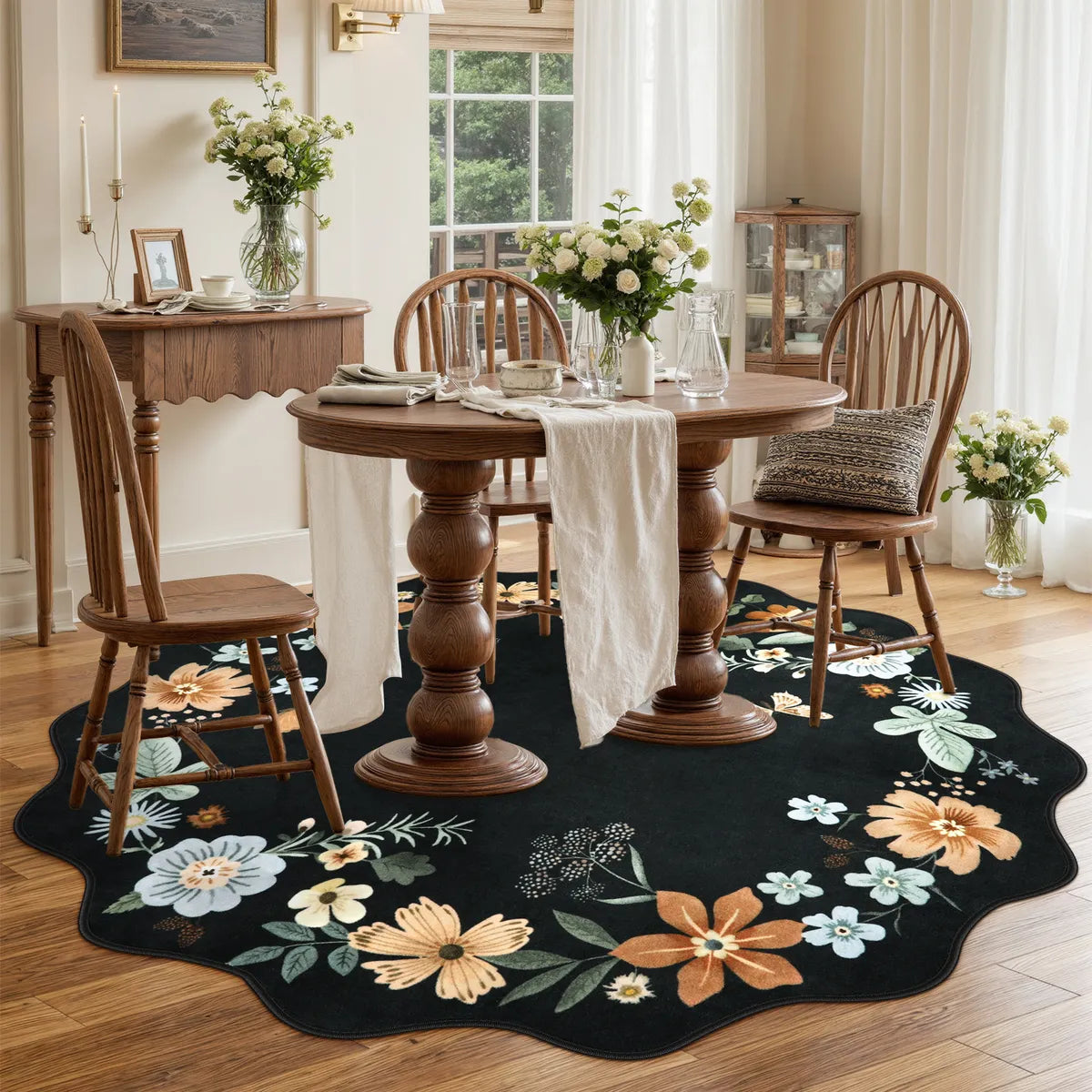
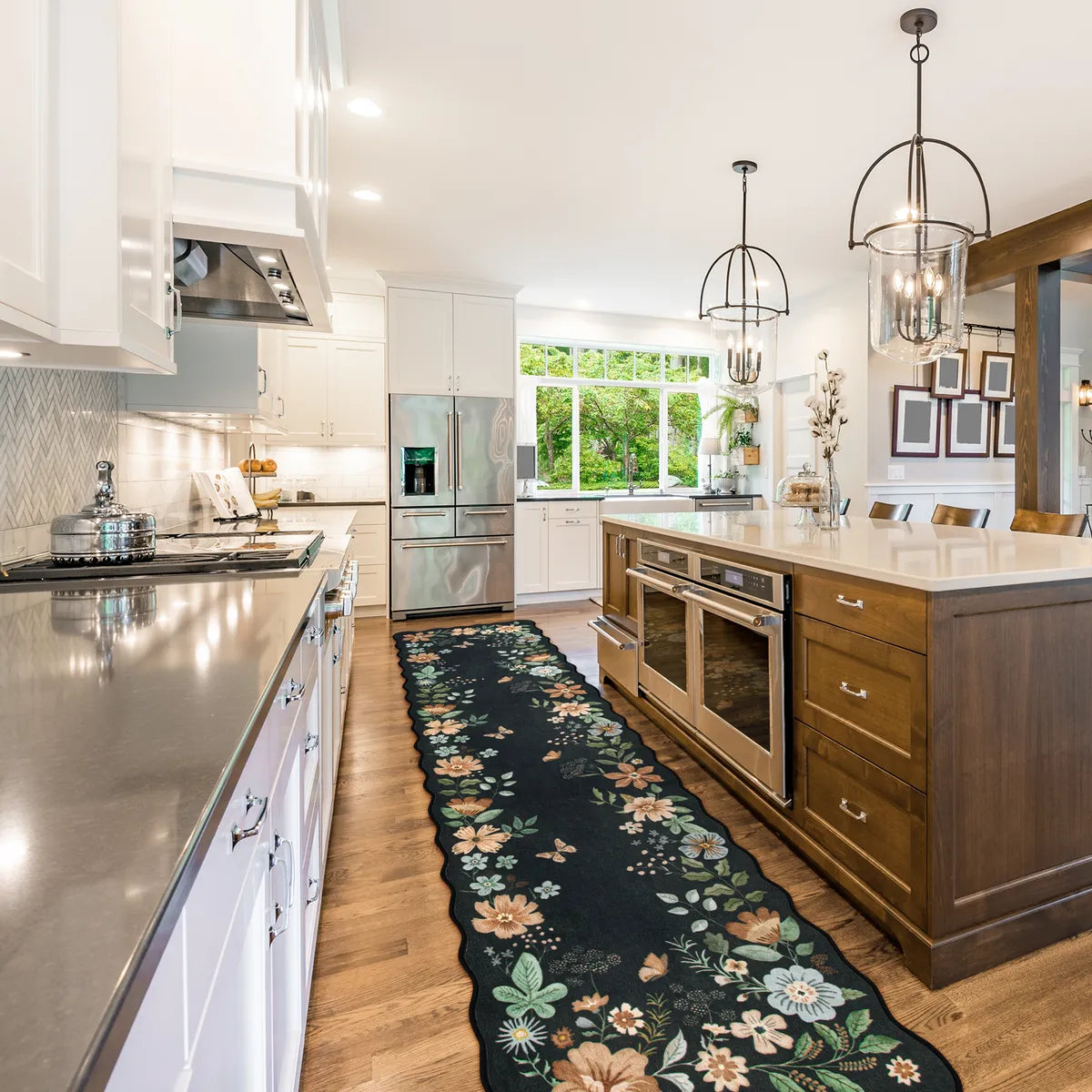
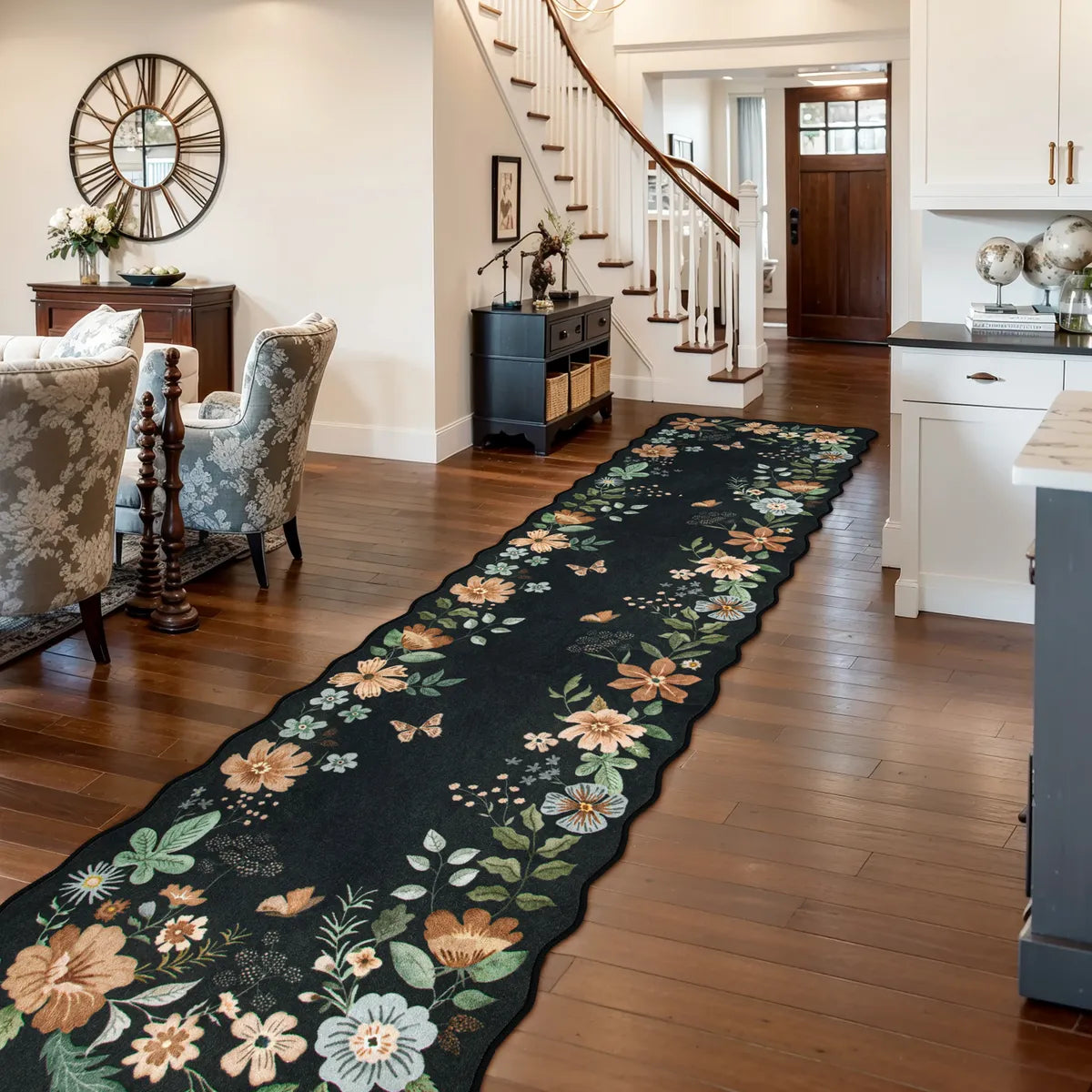
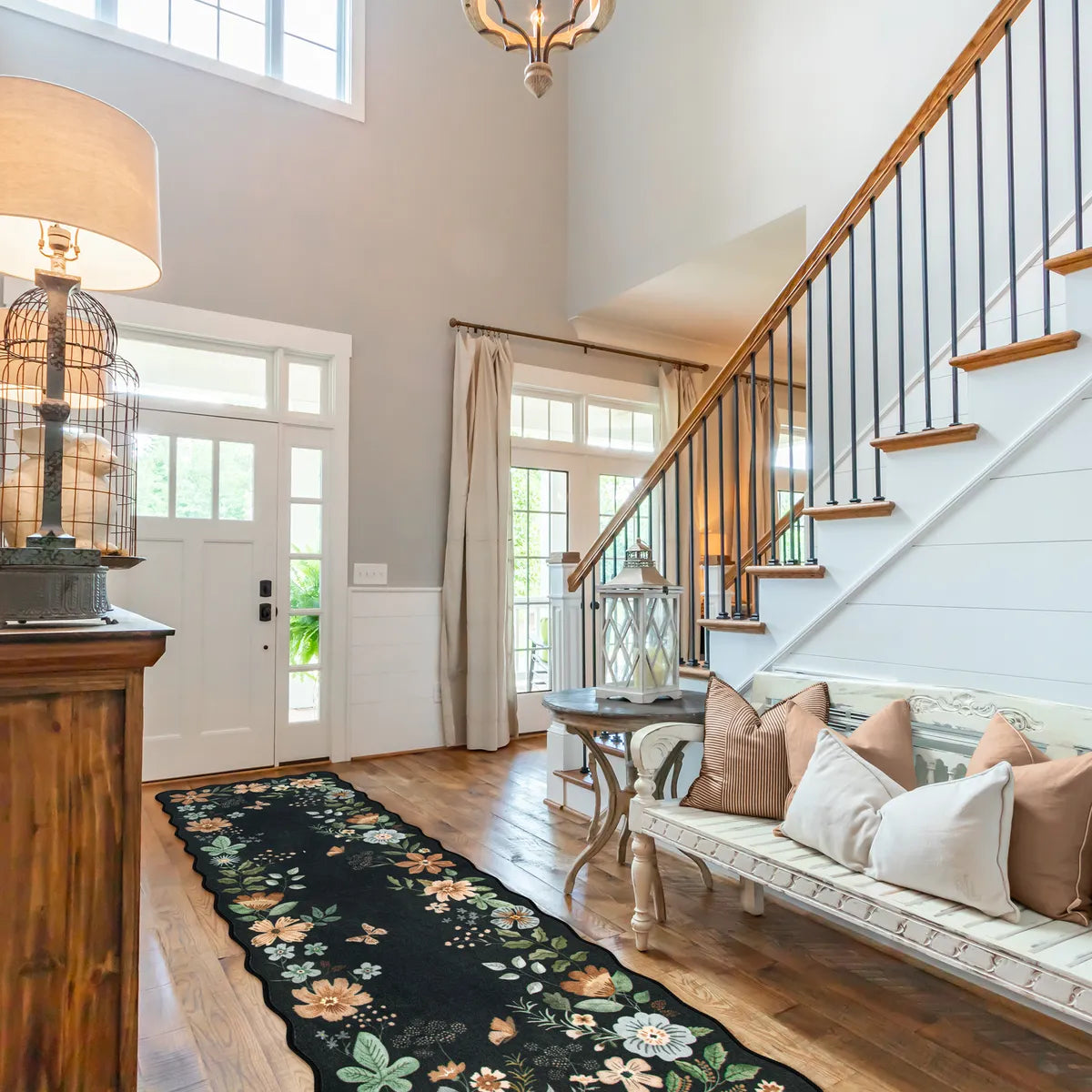
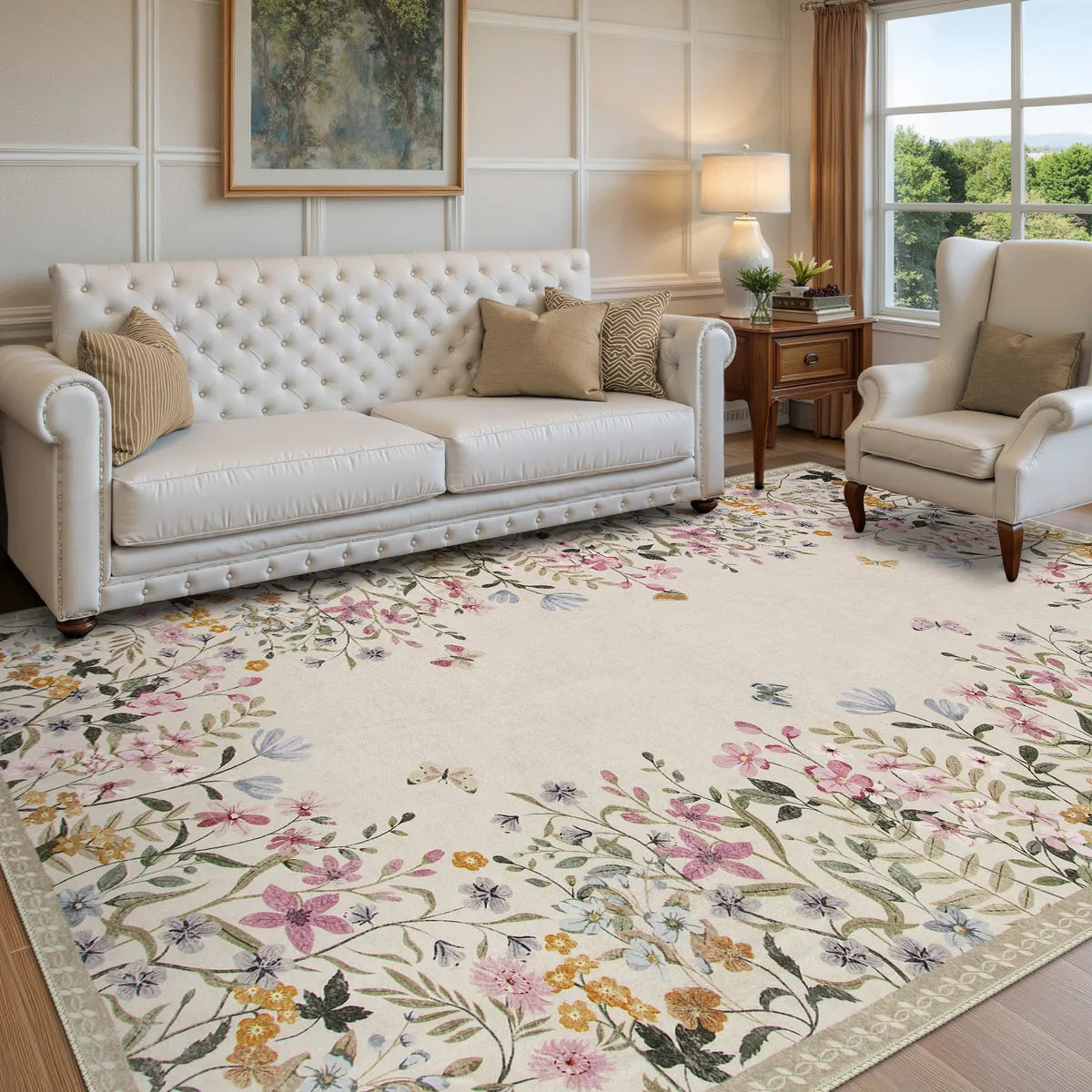
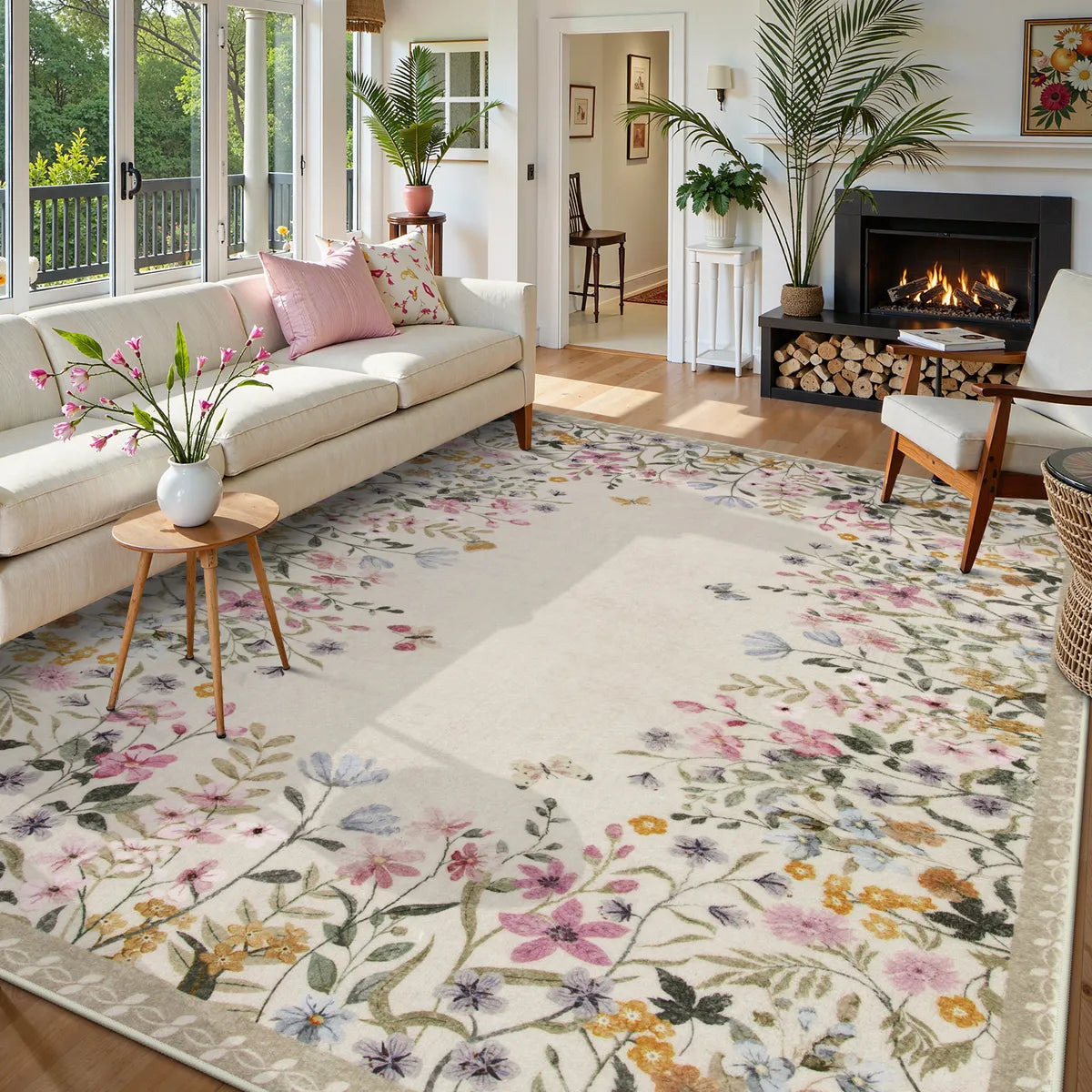
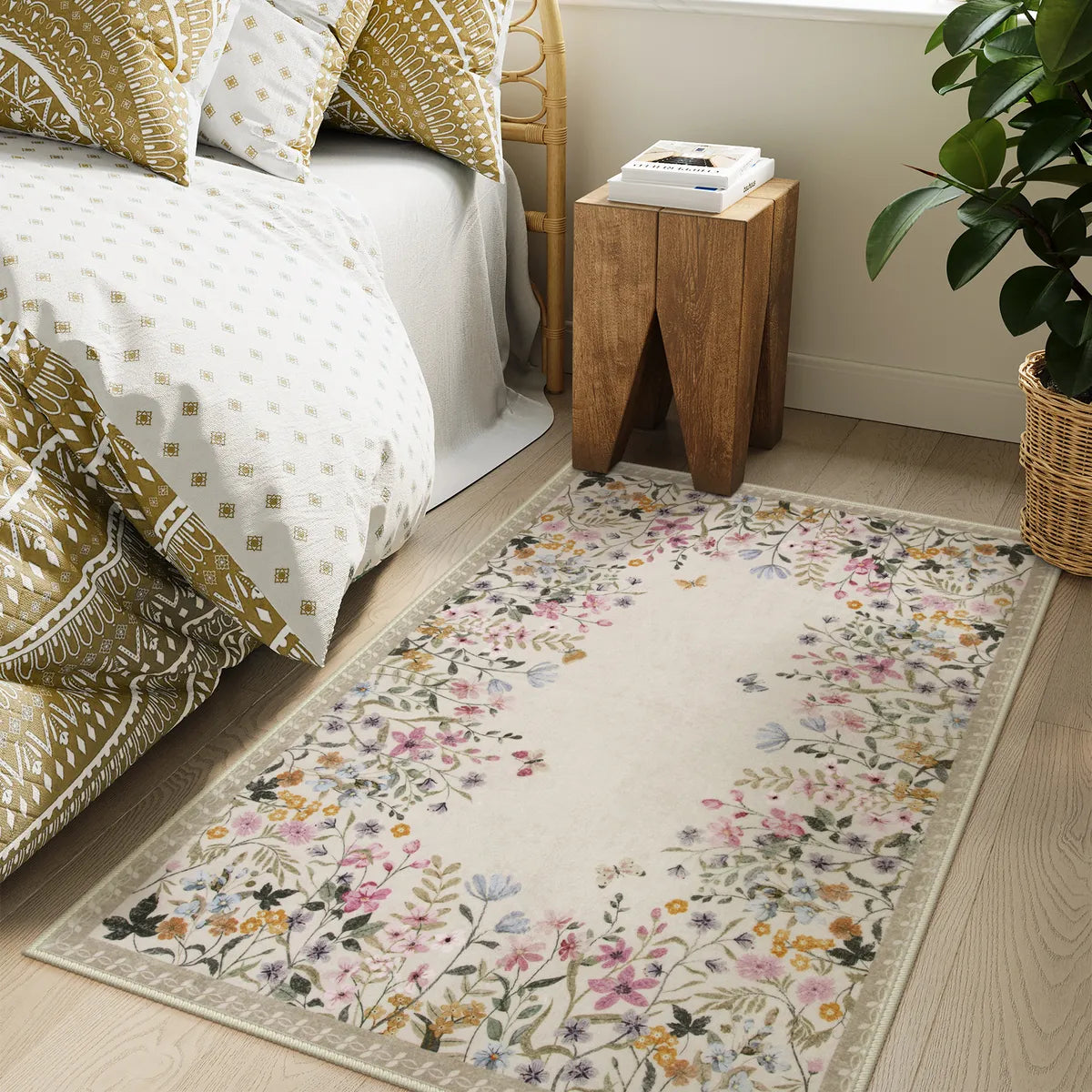
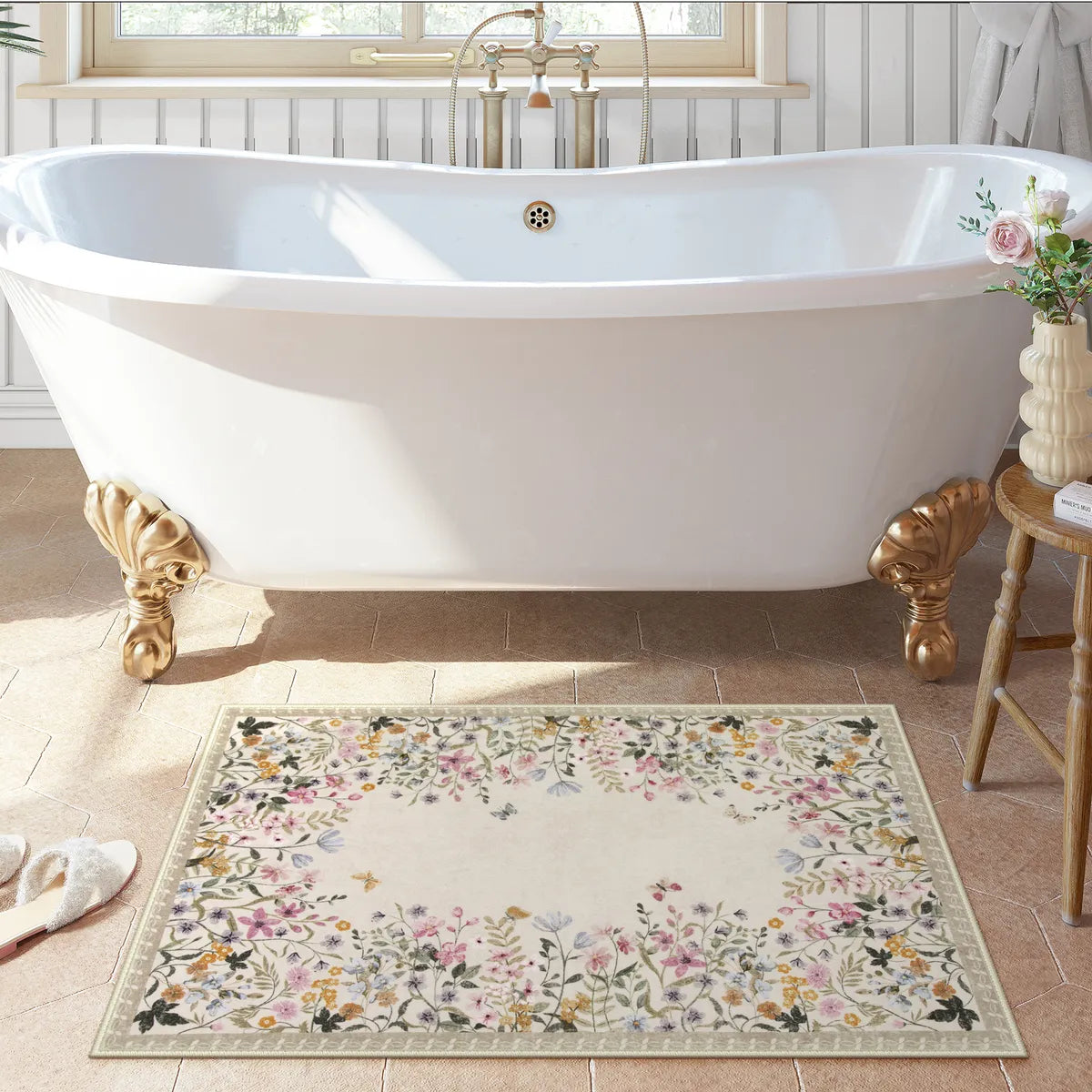
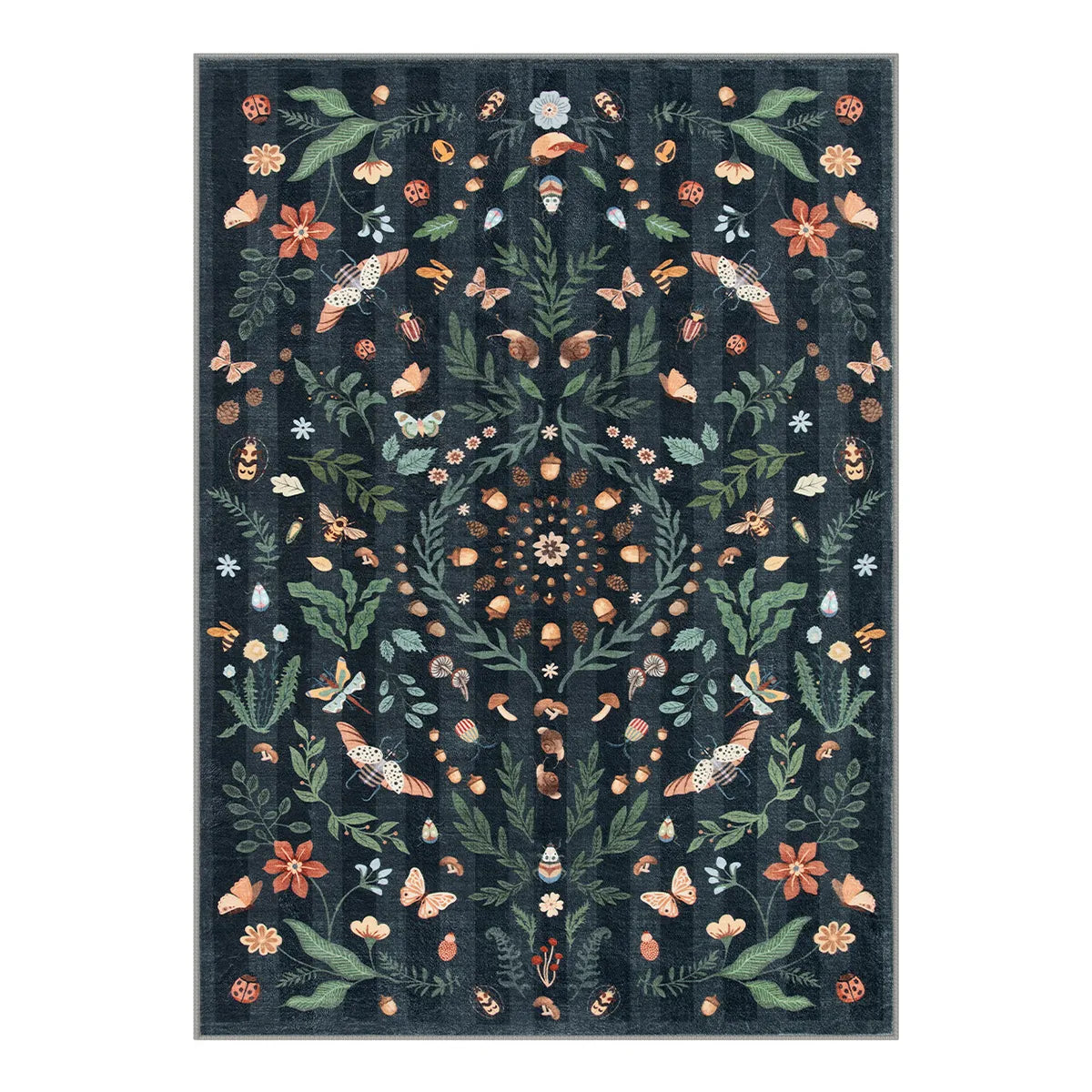
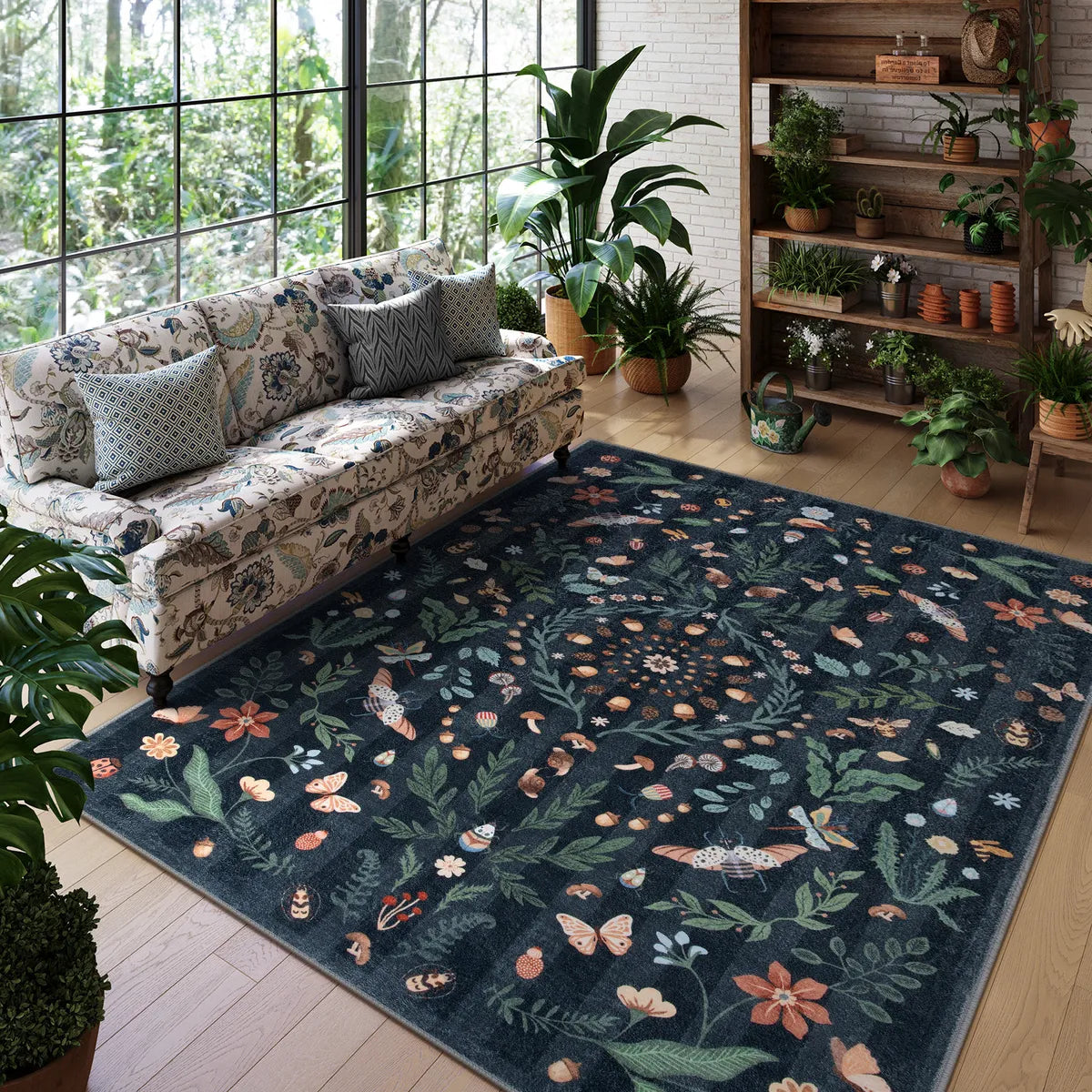
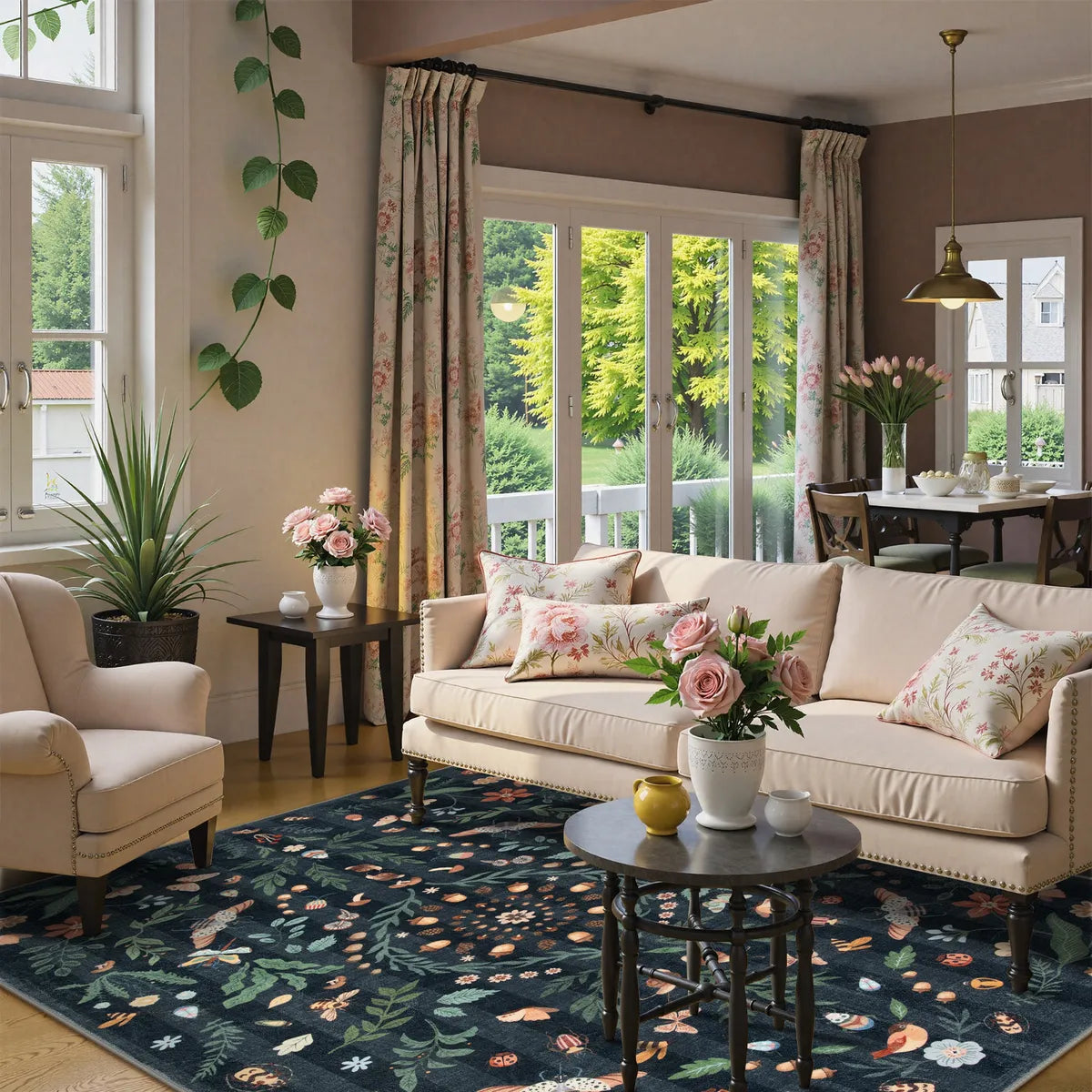
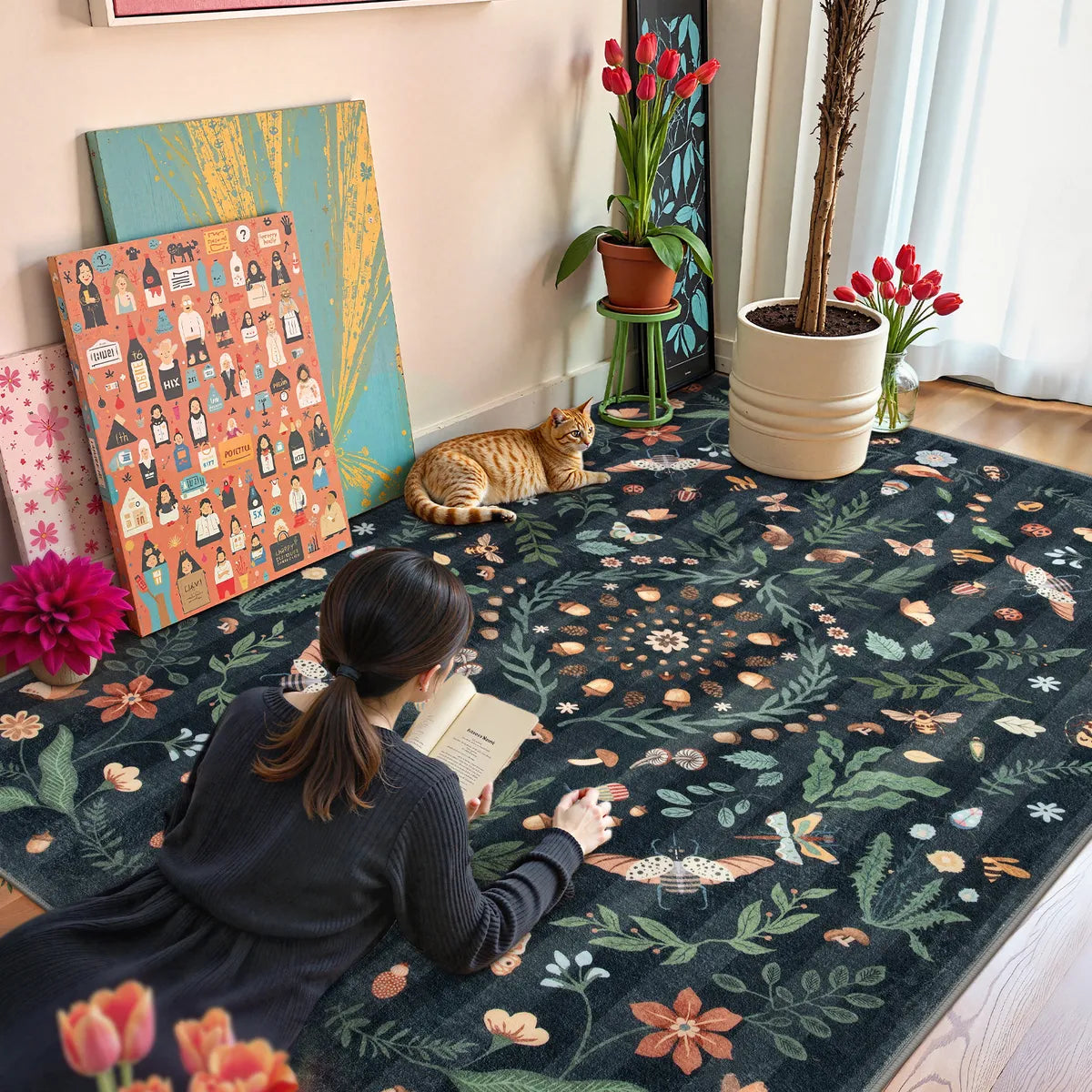
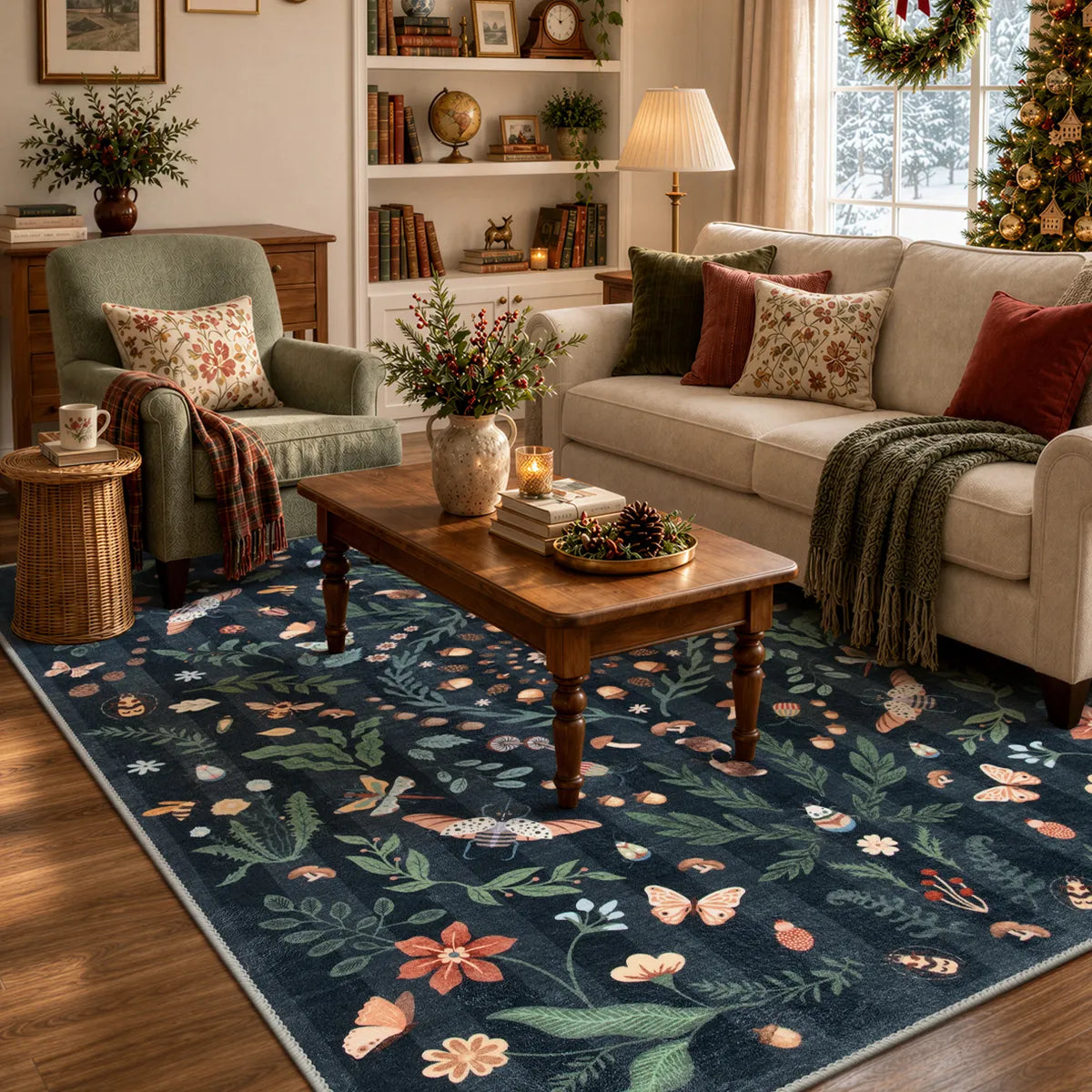
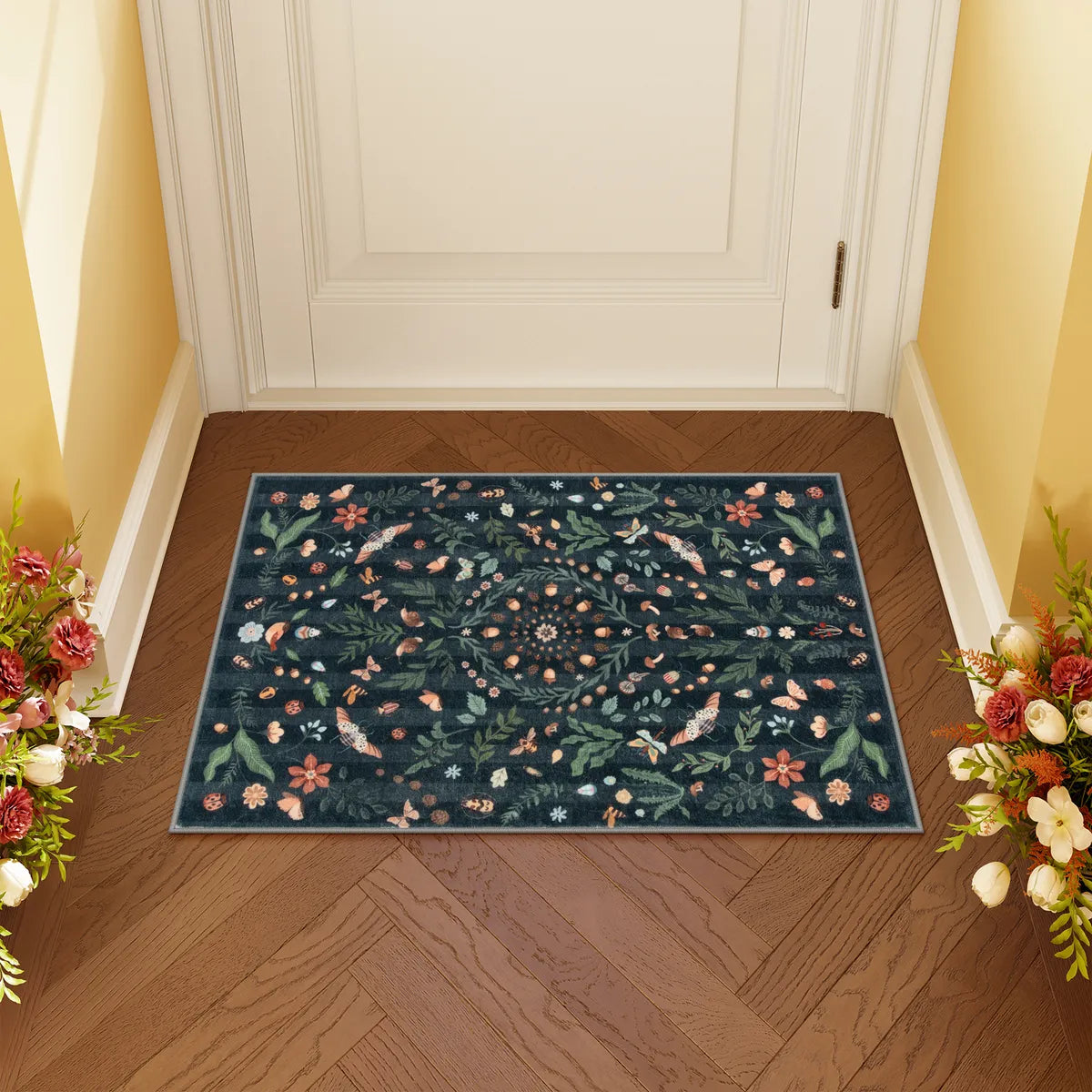
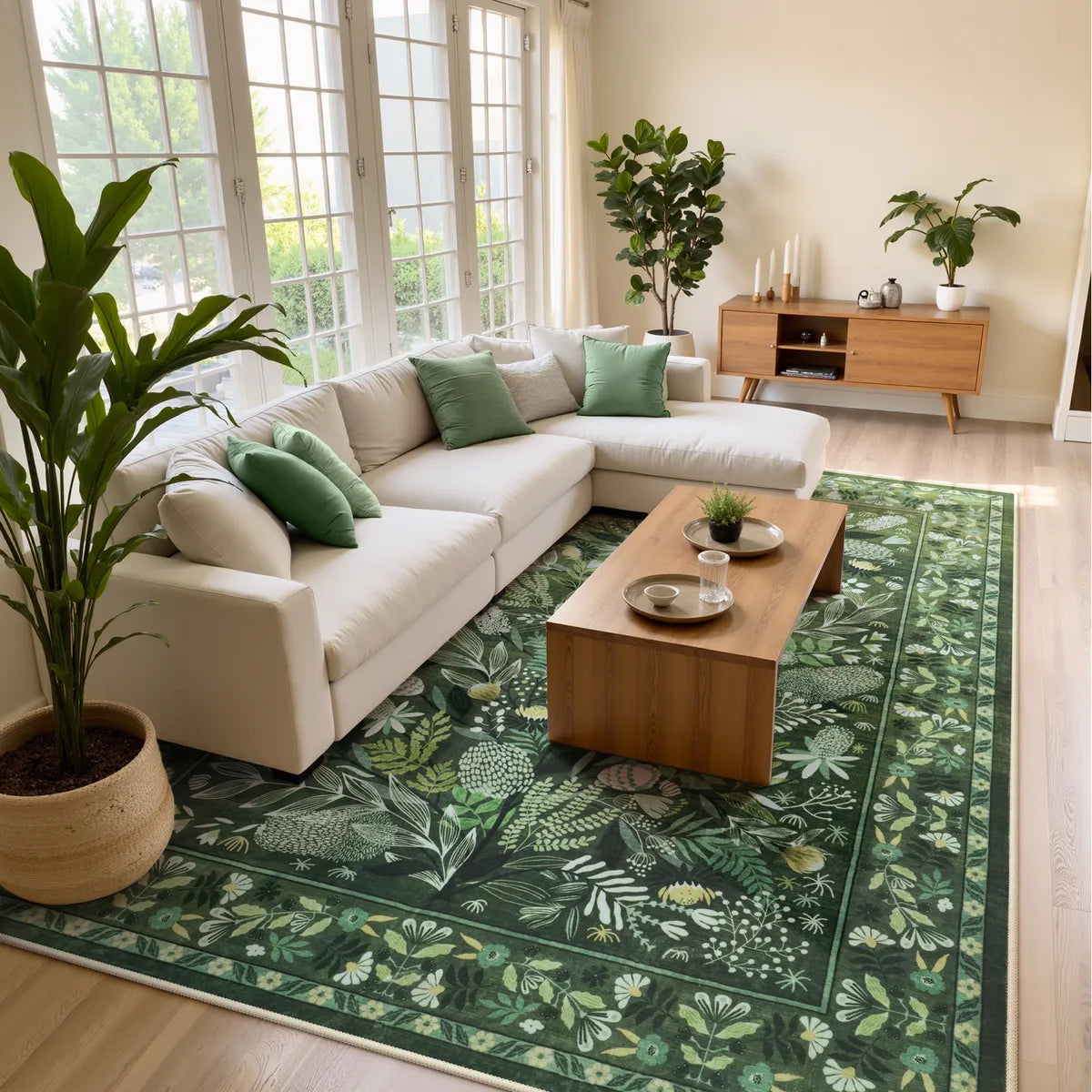
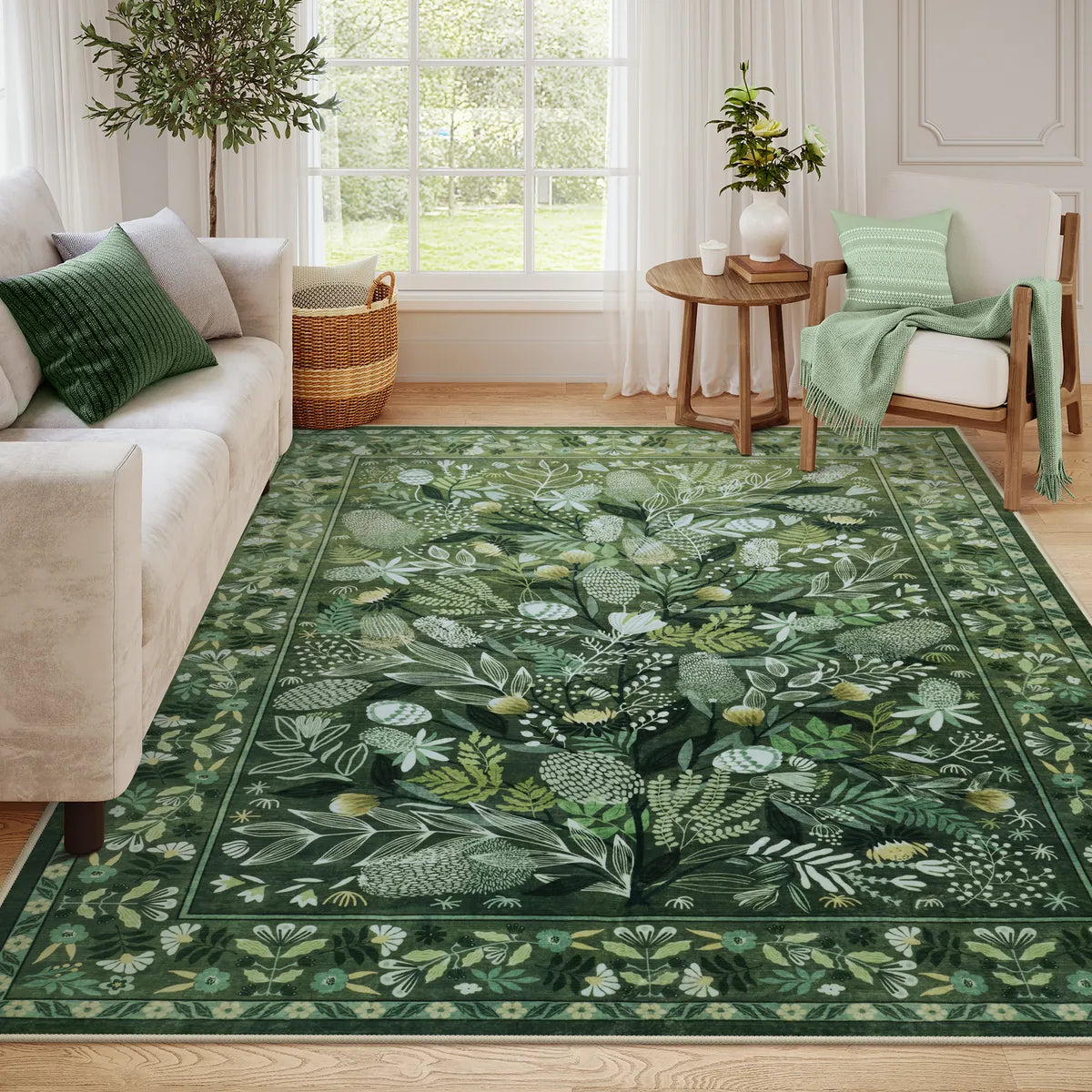
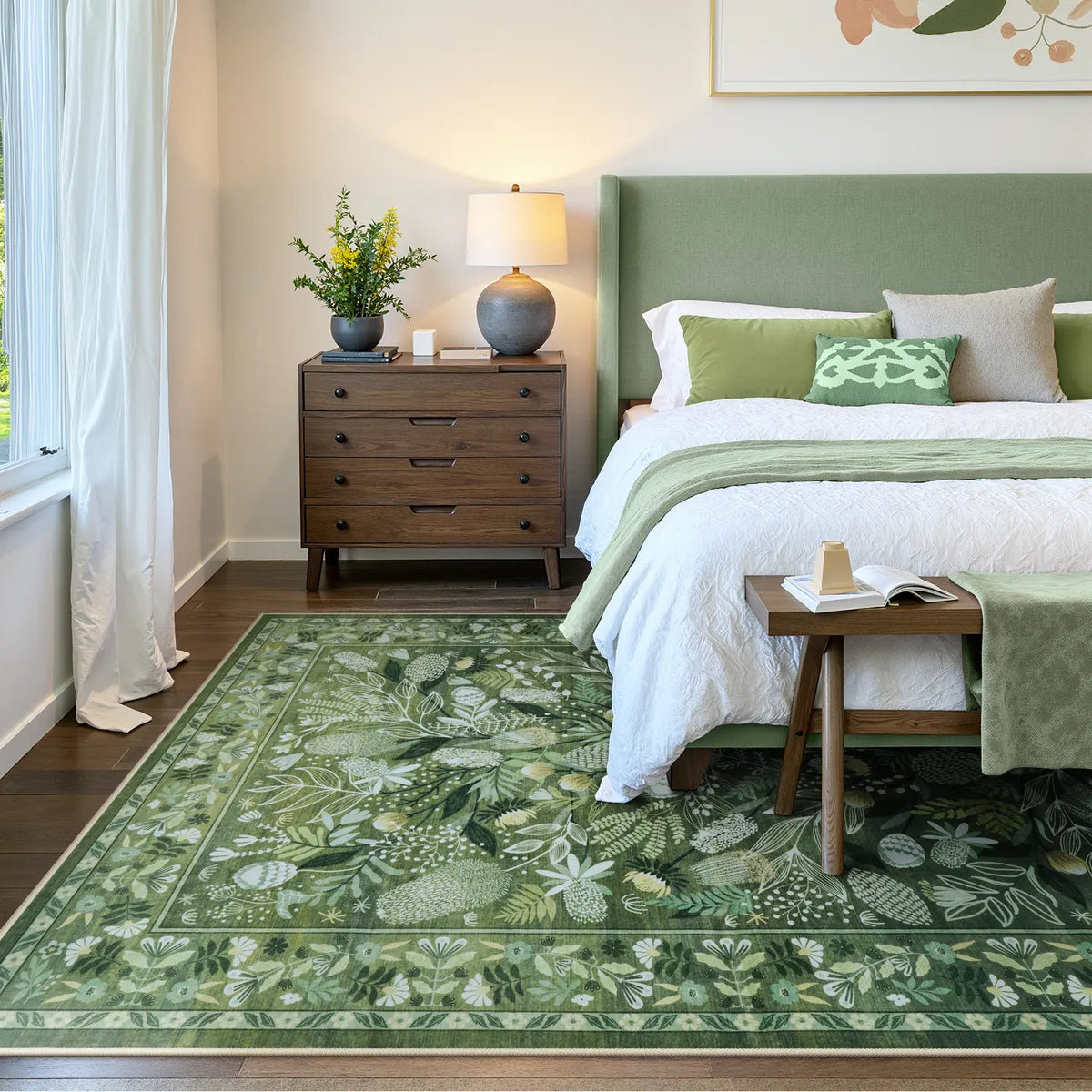
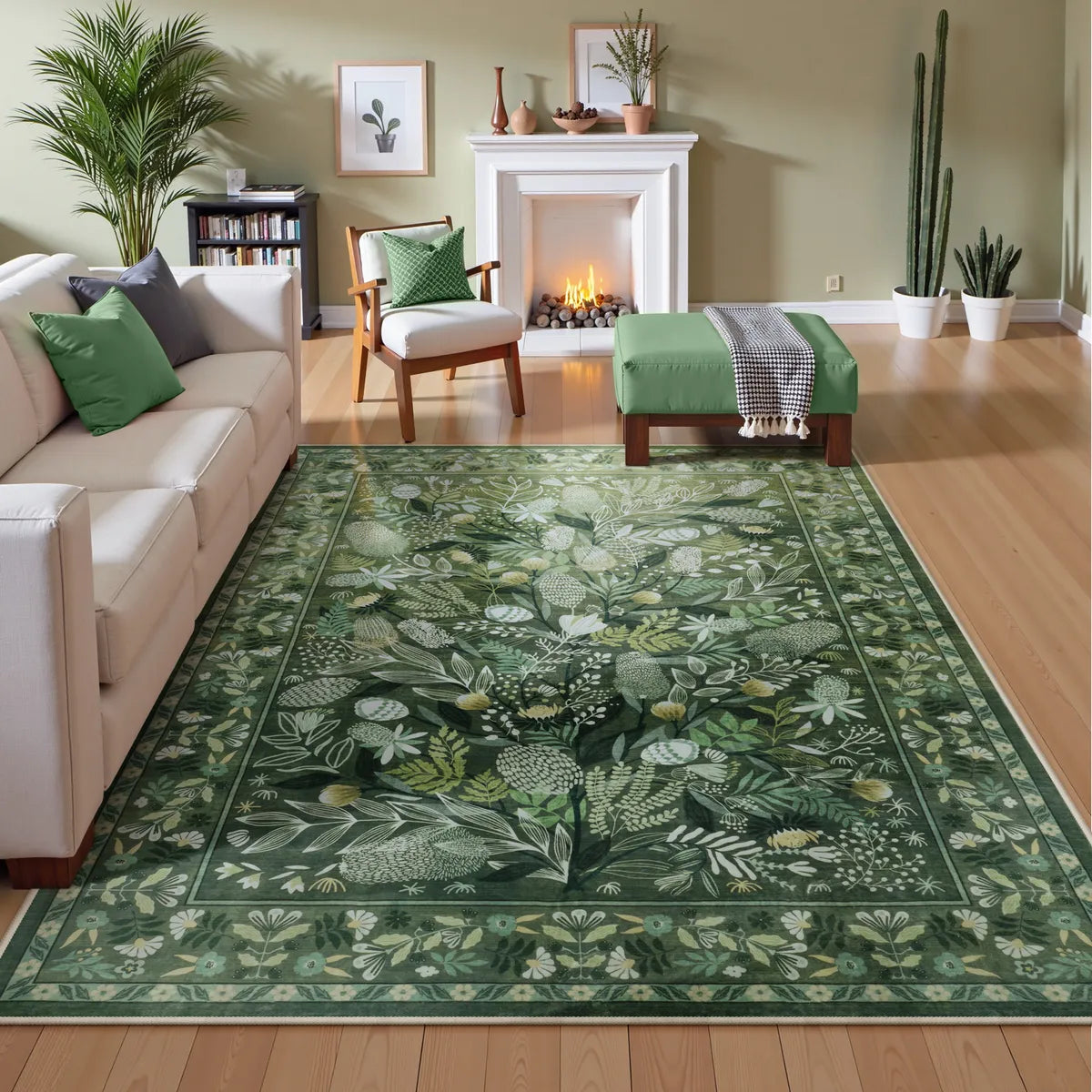
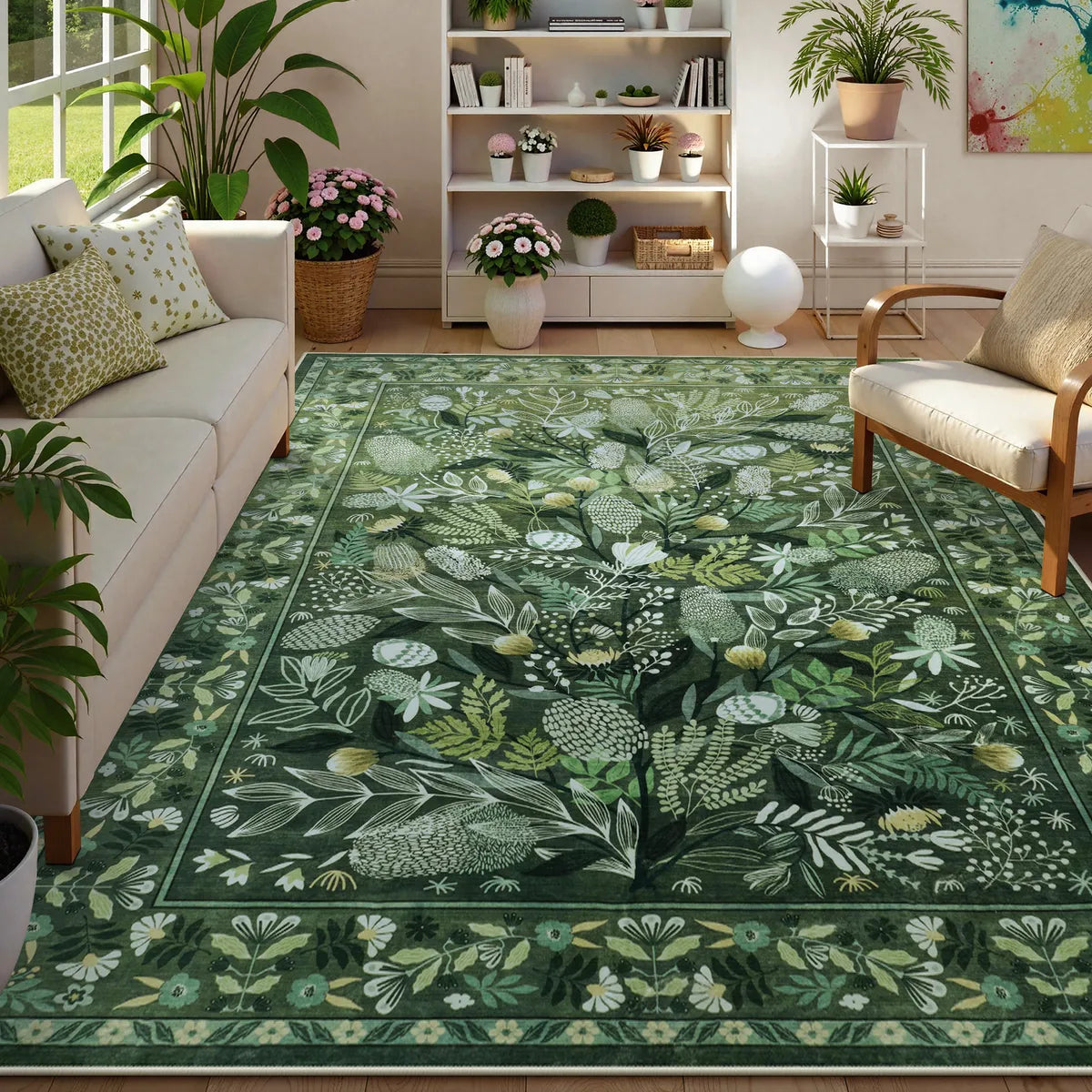
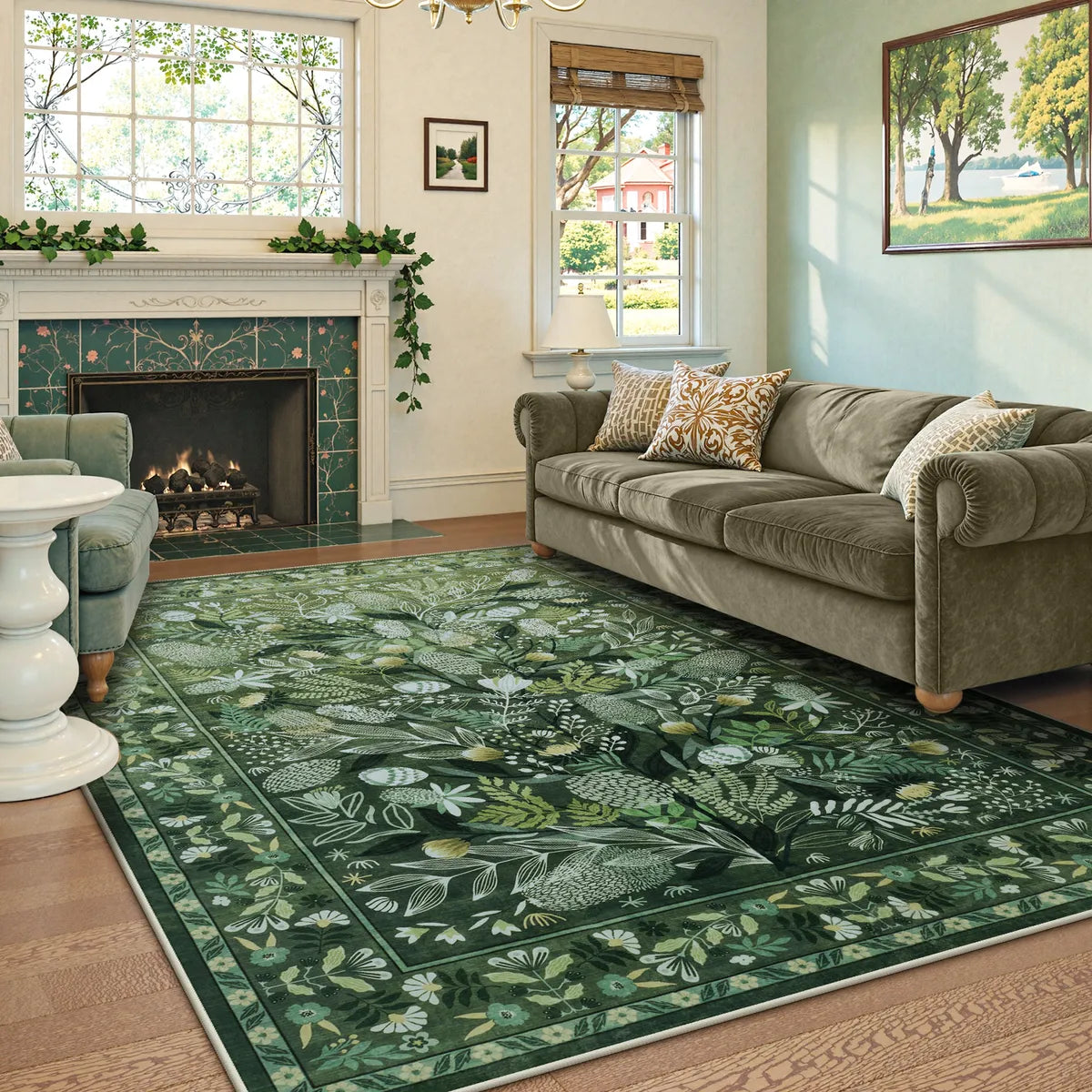
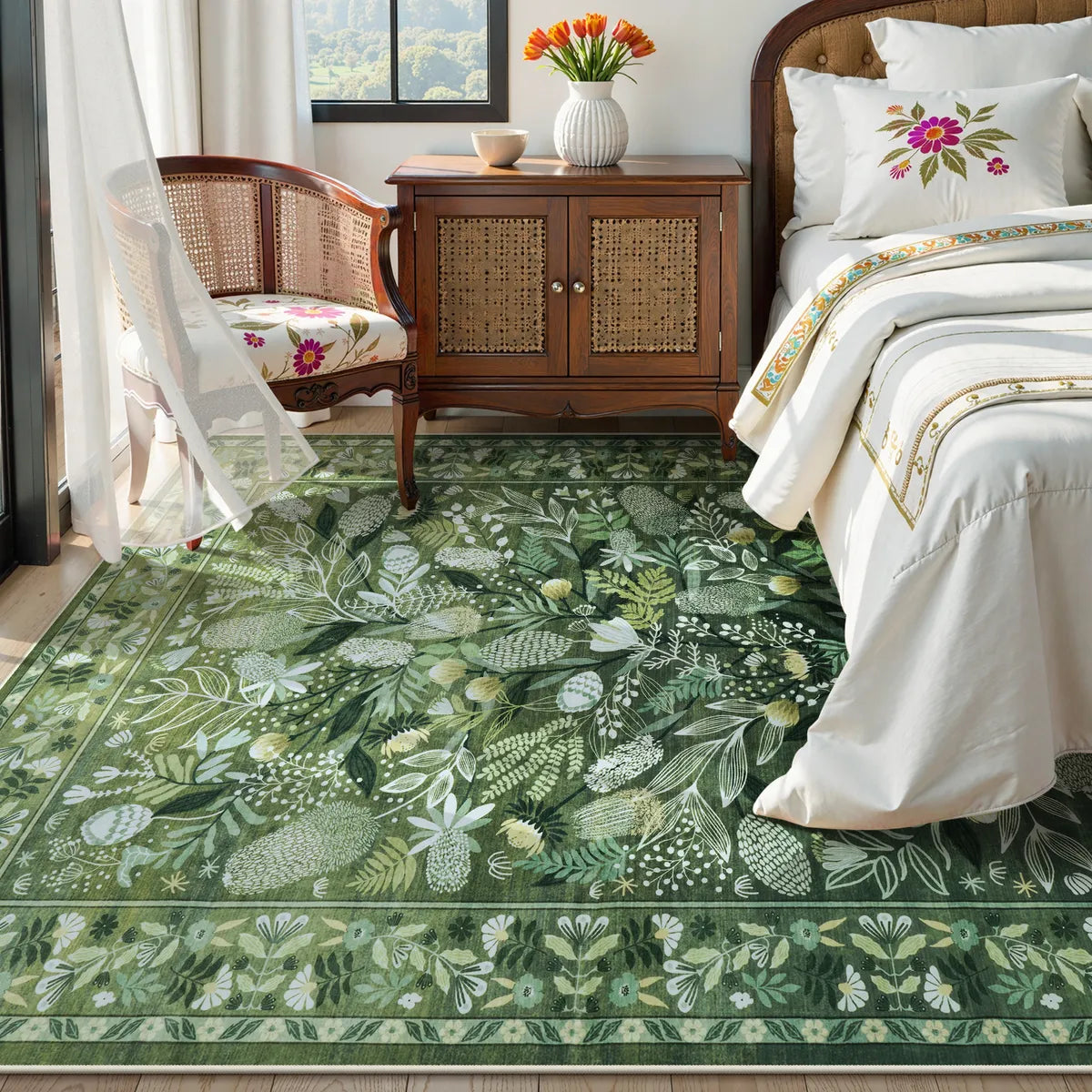
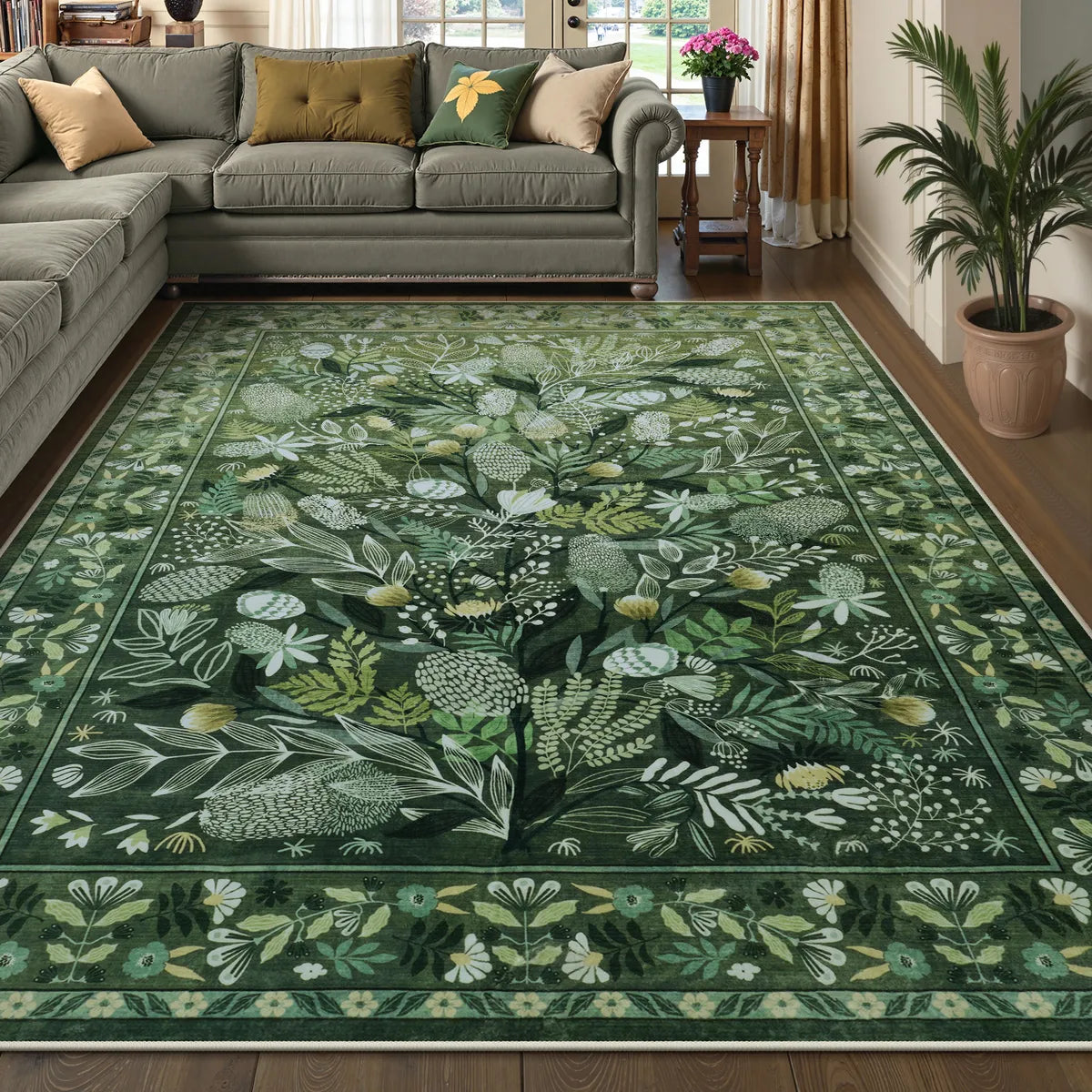
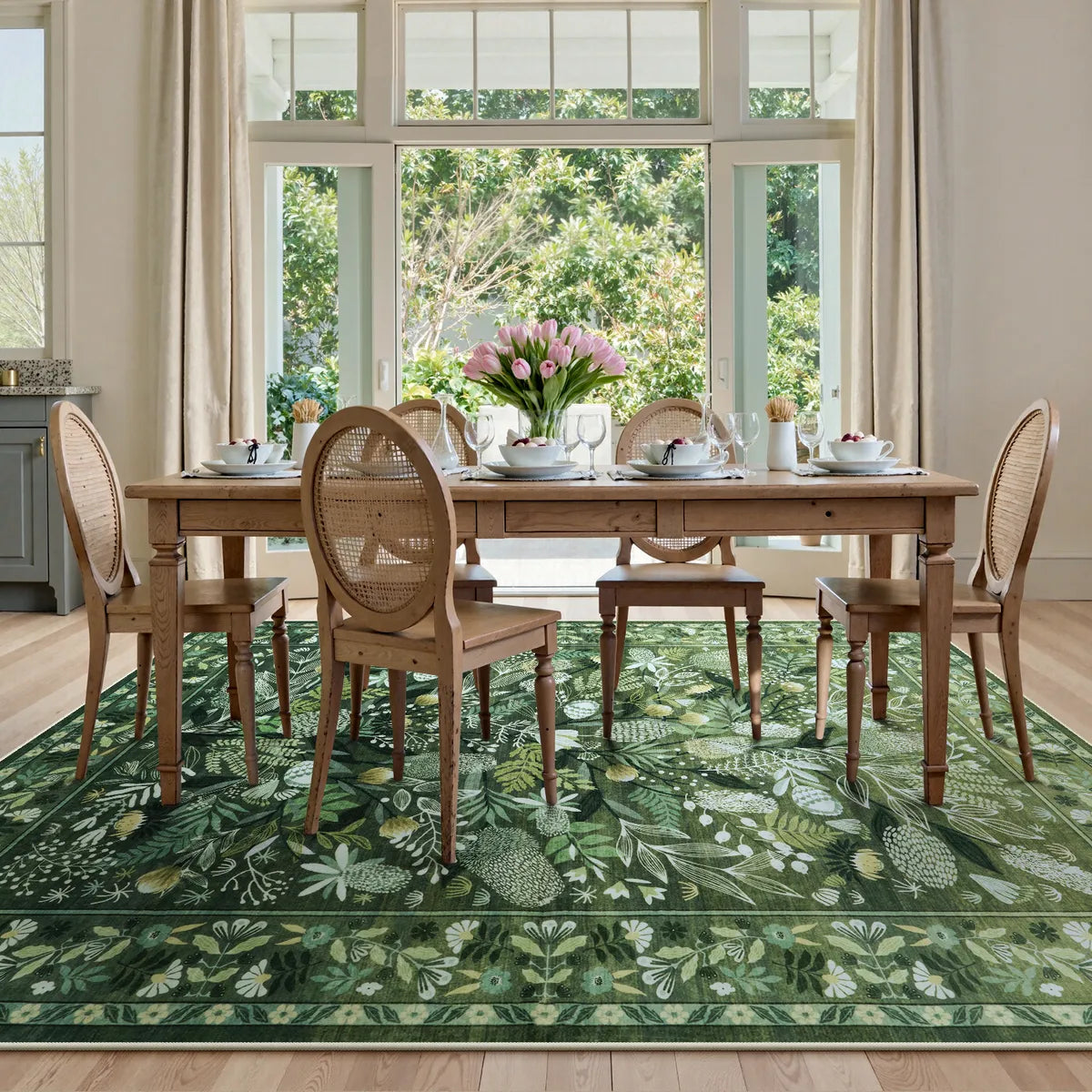
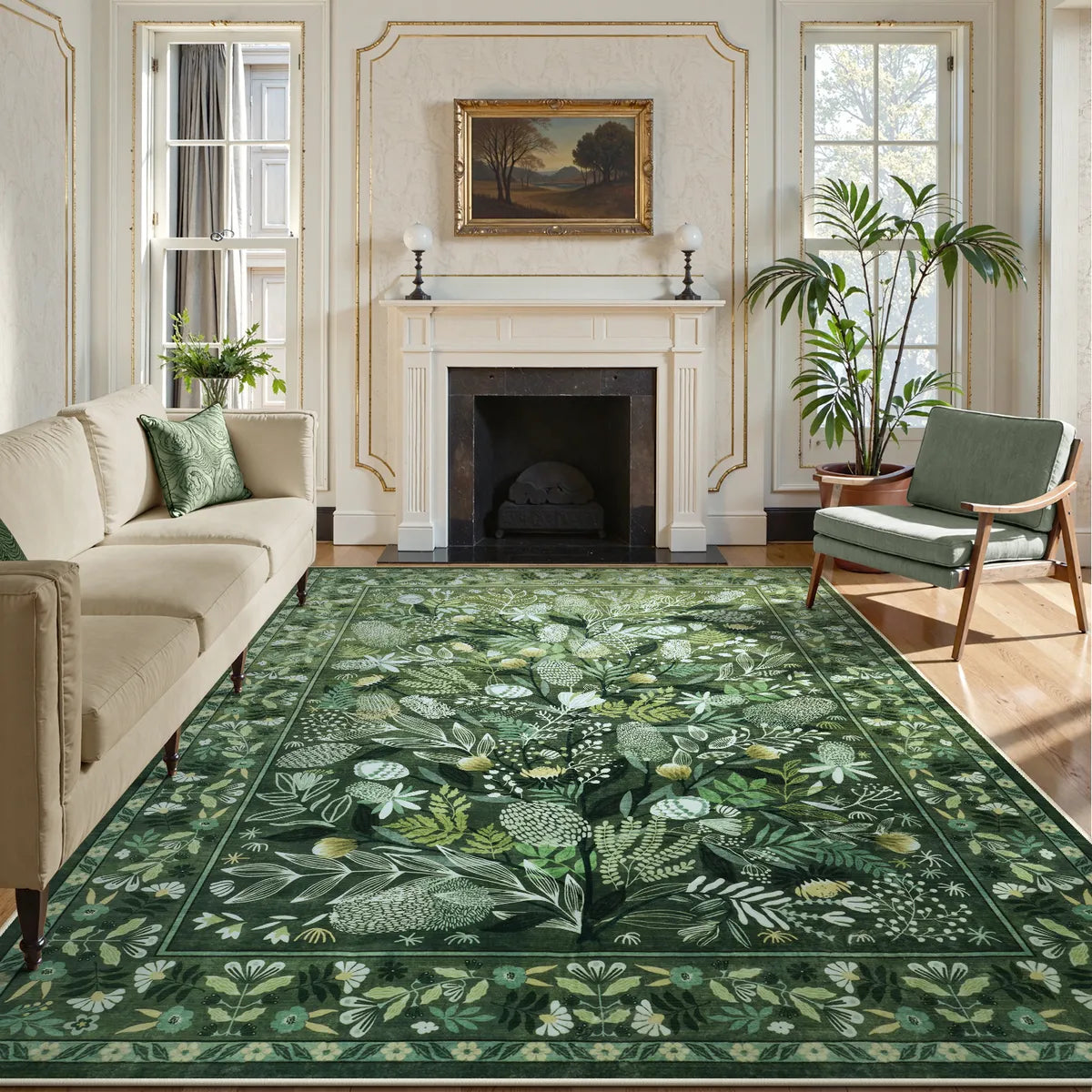
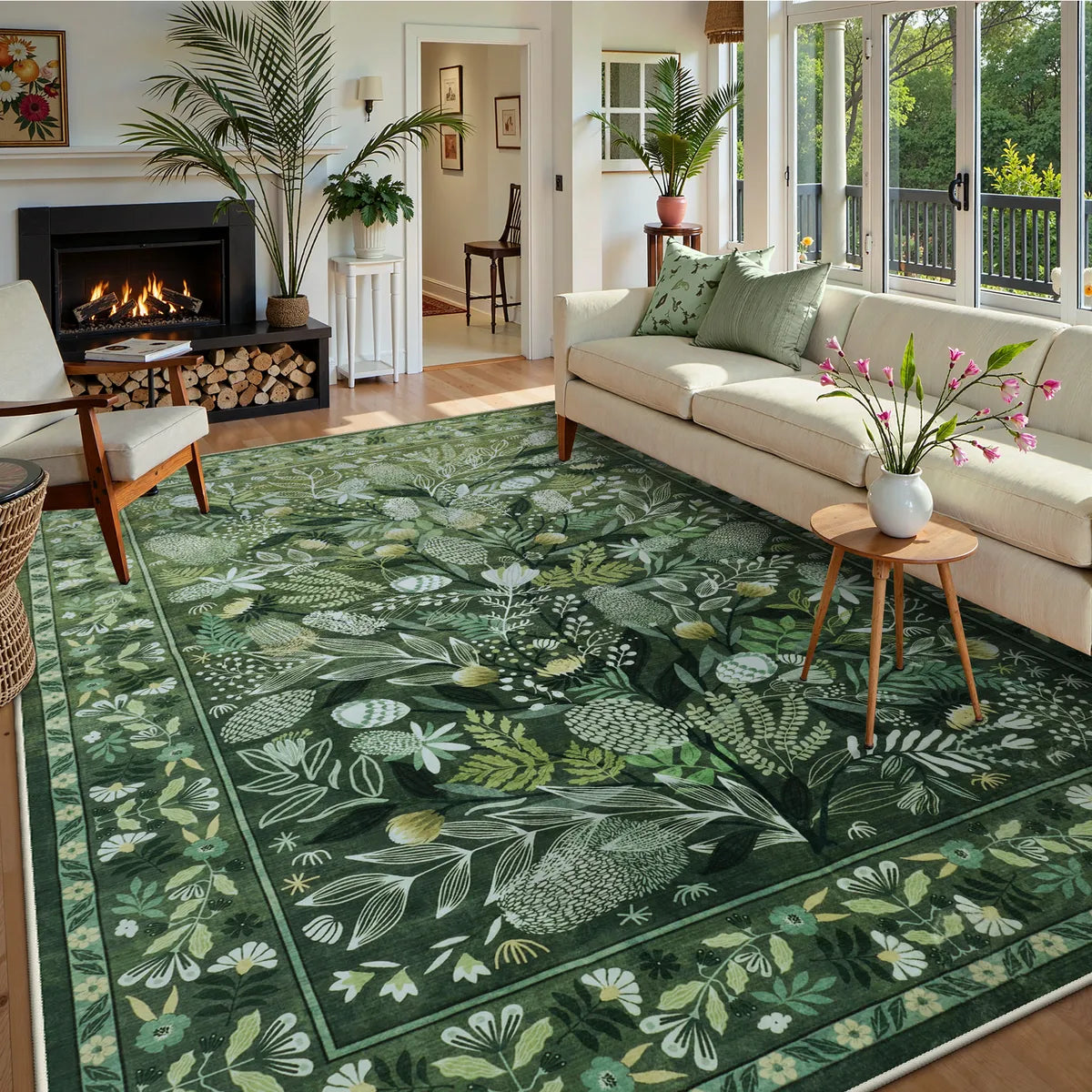
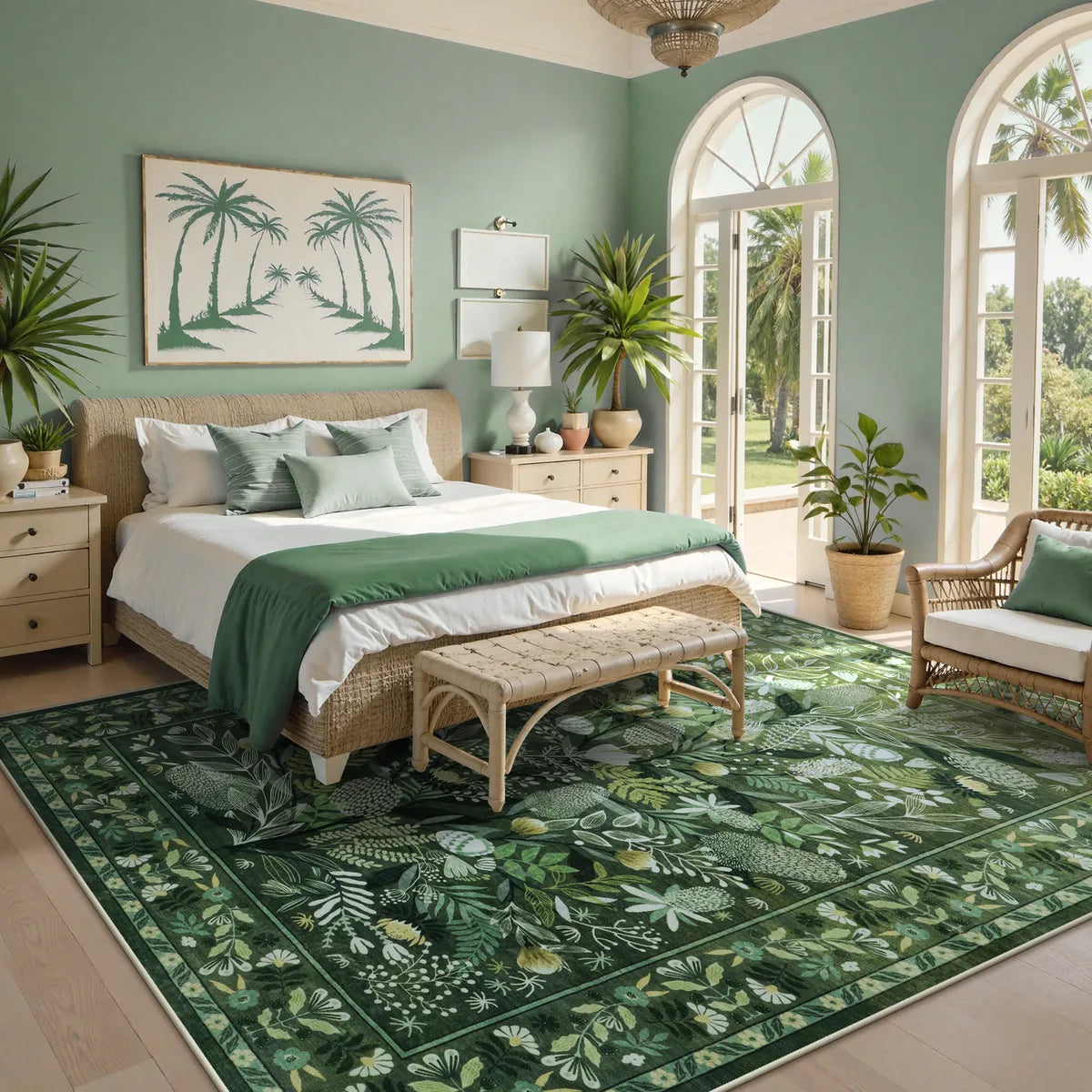
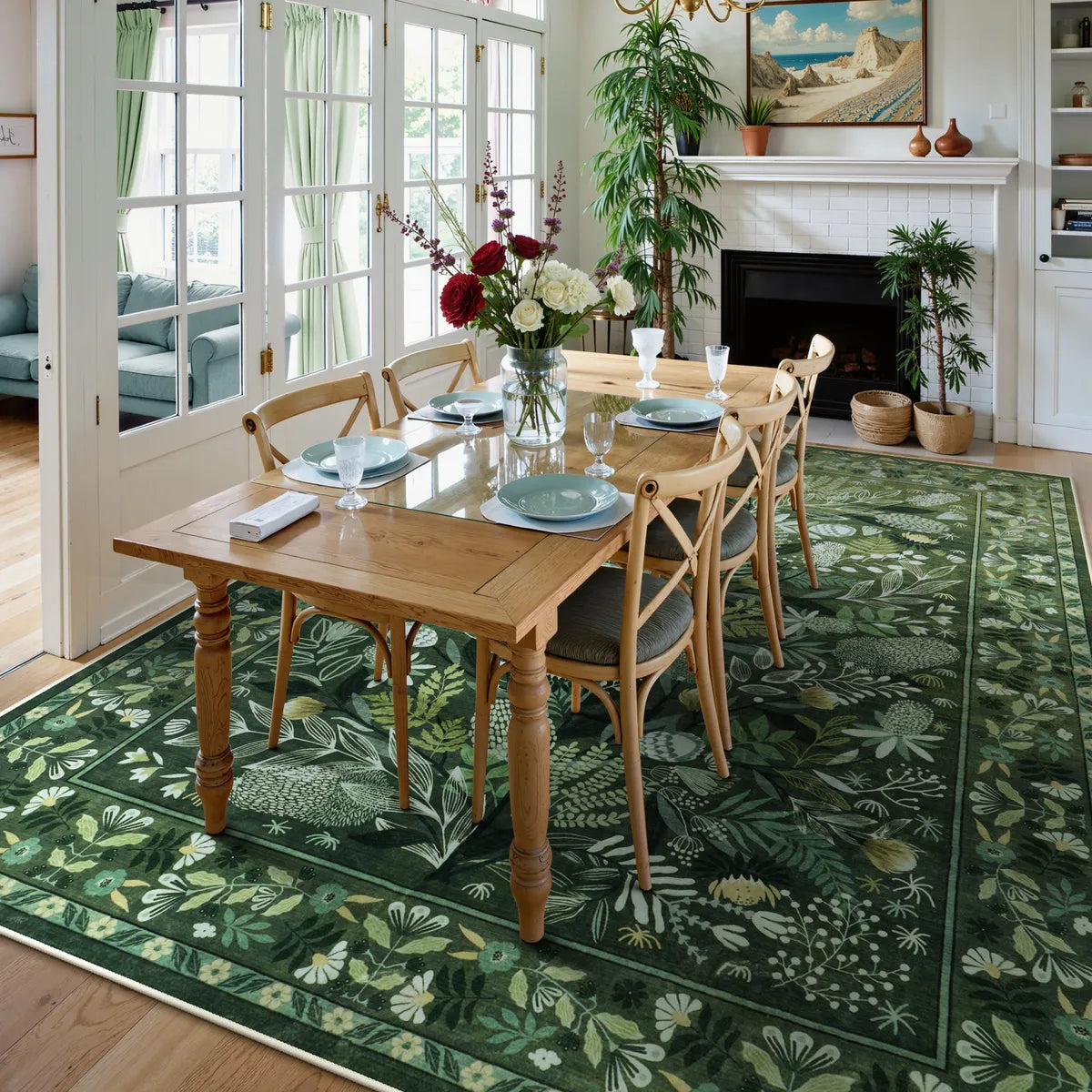
- Floral Rugs: Organic, flowing patterns soften the hard, linear quality of a hallway and break up the tunnel-like feel of narrow corridors. Densely patterned florals handle high-traffic conditions especially well, as the visual business of the design conceals everyday marks effectively.
The style of runner rug chosen signals the overall design language of the home. The most important thing is that the choice feels deliberate rather than accidental.
Start With the Right Runner Rug
Every high-traffic hallway needs a non-slip runner rug. It prevents slips, protects the floor, simplifies cleaning, and pulls the space together visually. These aren't trade-offs; a good runner rug delivers all four at once. Pick the right size for your hallway length, choose a style that connects to the rest of your home, and build a simple cleaning routine around it. The hallway is the first and last space everyone passes through. It deserves a rug that works as hard as the people walking across it.
FAQs about hallway runner rugs
Q1. What Size Should a Runner Rug Be for a Hallway?
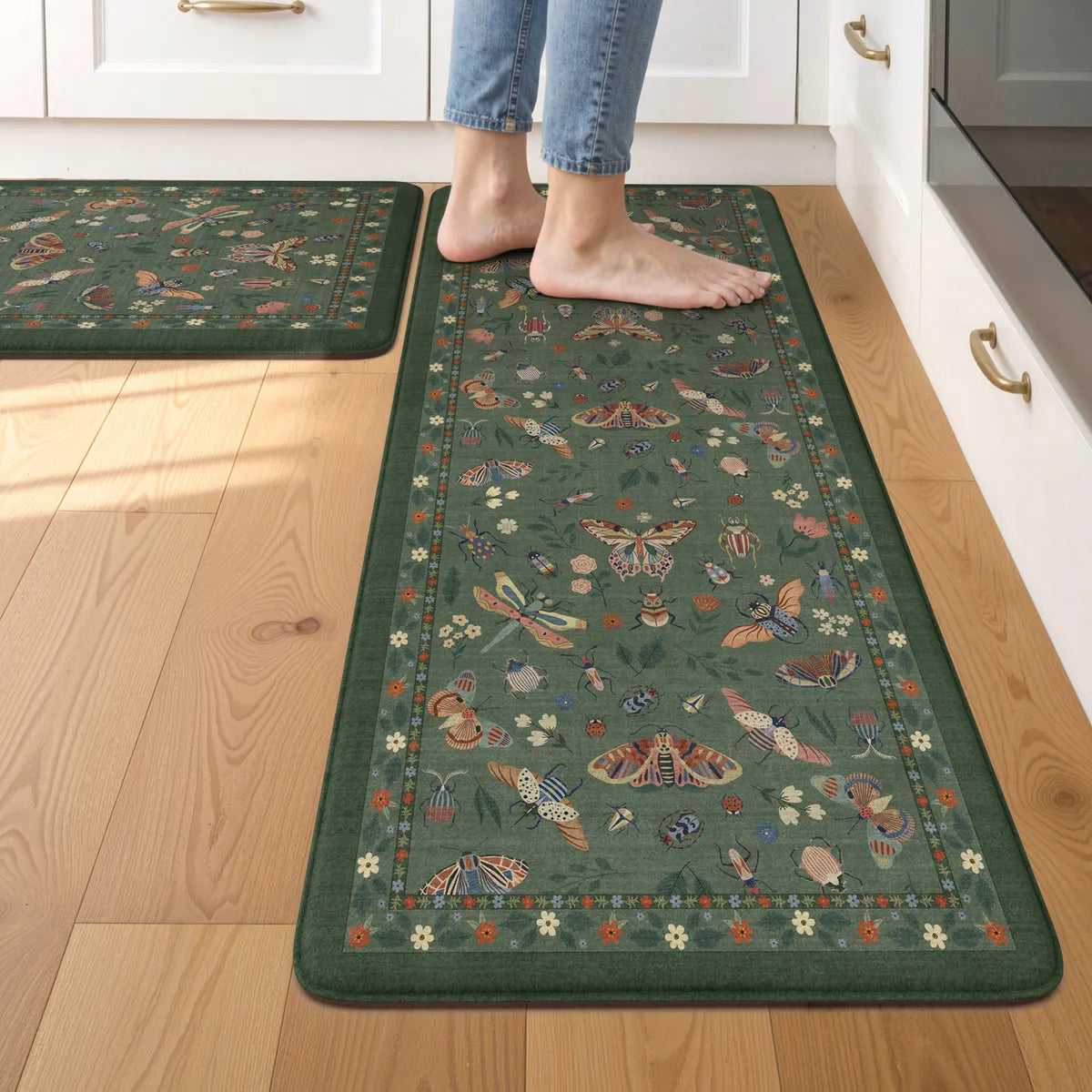
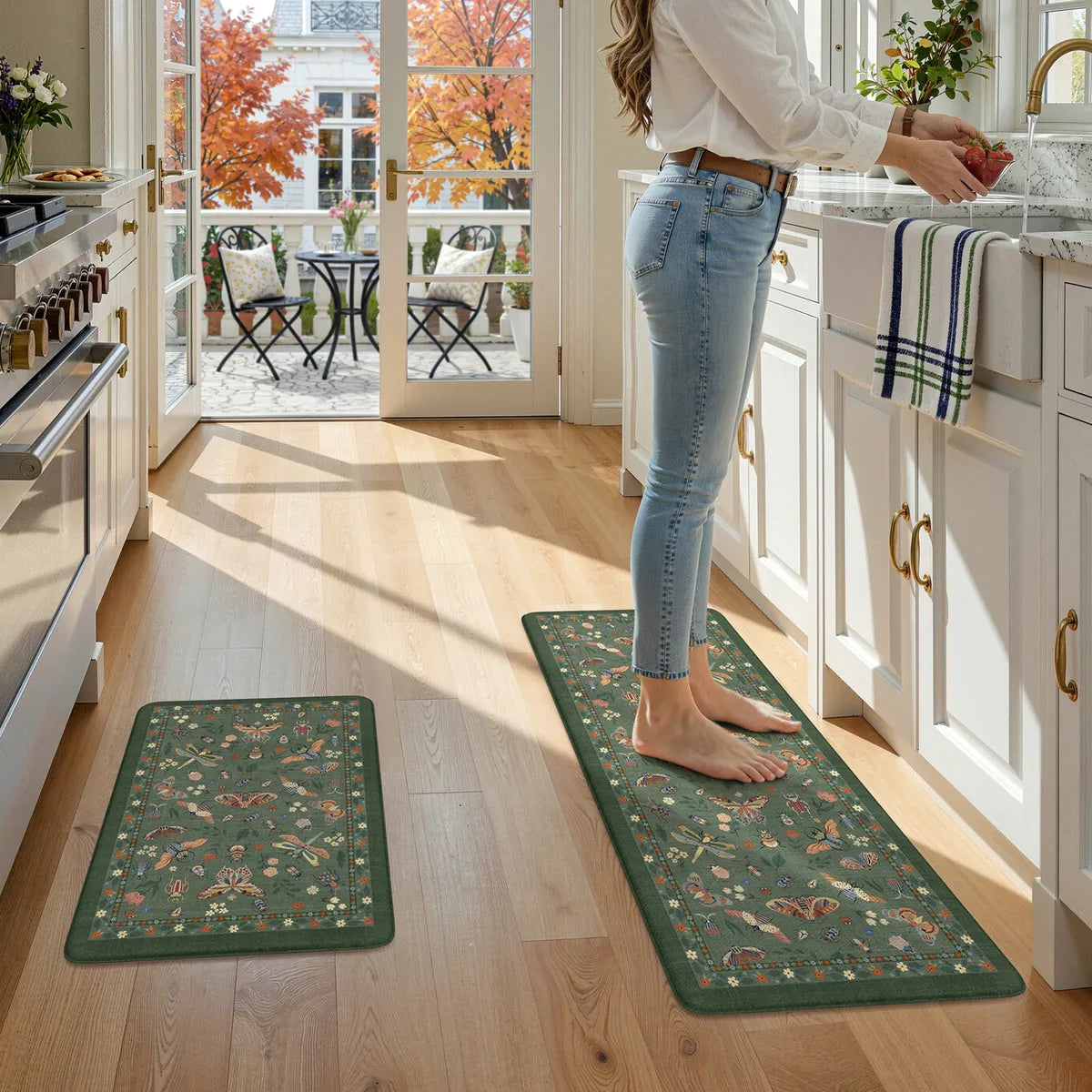
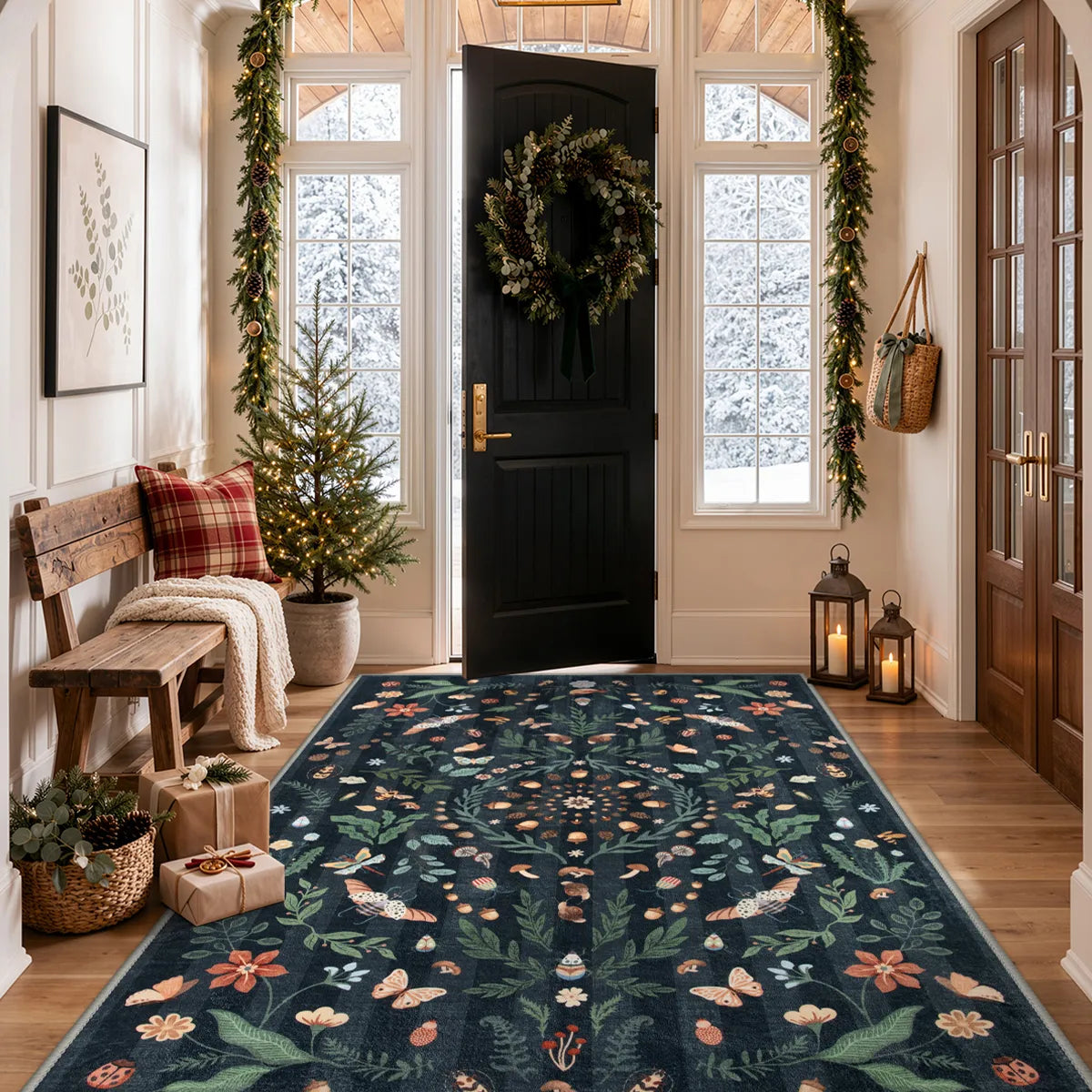
A hallway runner rug should leave two to four inches of bare floor visible on each side, and six to twelve inches of floor exposed at each end. For most standard hallways, a 2x6 or 2x8 runner covers the main walking zone without overwhelming the space. For longer corridors, a 2.5x10 runner provides fuller coverage, or two shorter runners placed end to end with a small gap between them works just as well.
Q2. Are Runner Rugs Still in Style?
Runner rugs are very much still in style and have seen consistent popularity in interior design in recent years. The shift toward more lived-in, layered home aesthetics has made hallway runner rugs a standard feature rather than an afterthought. Styles ranging from vintage and bohemian to geometric and floral all translate well into current design trends, making it easy to find an option that fits almost any home interior.
Q3. What Type of Rug Is Best for a Hallway?
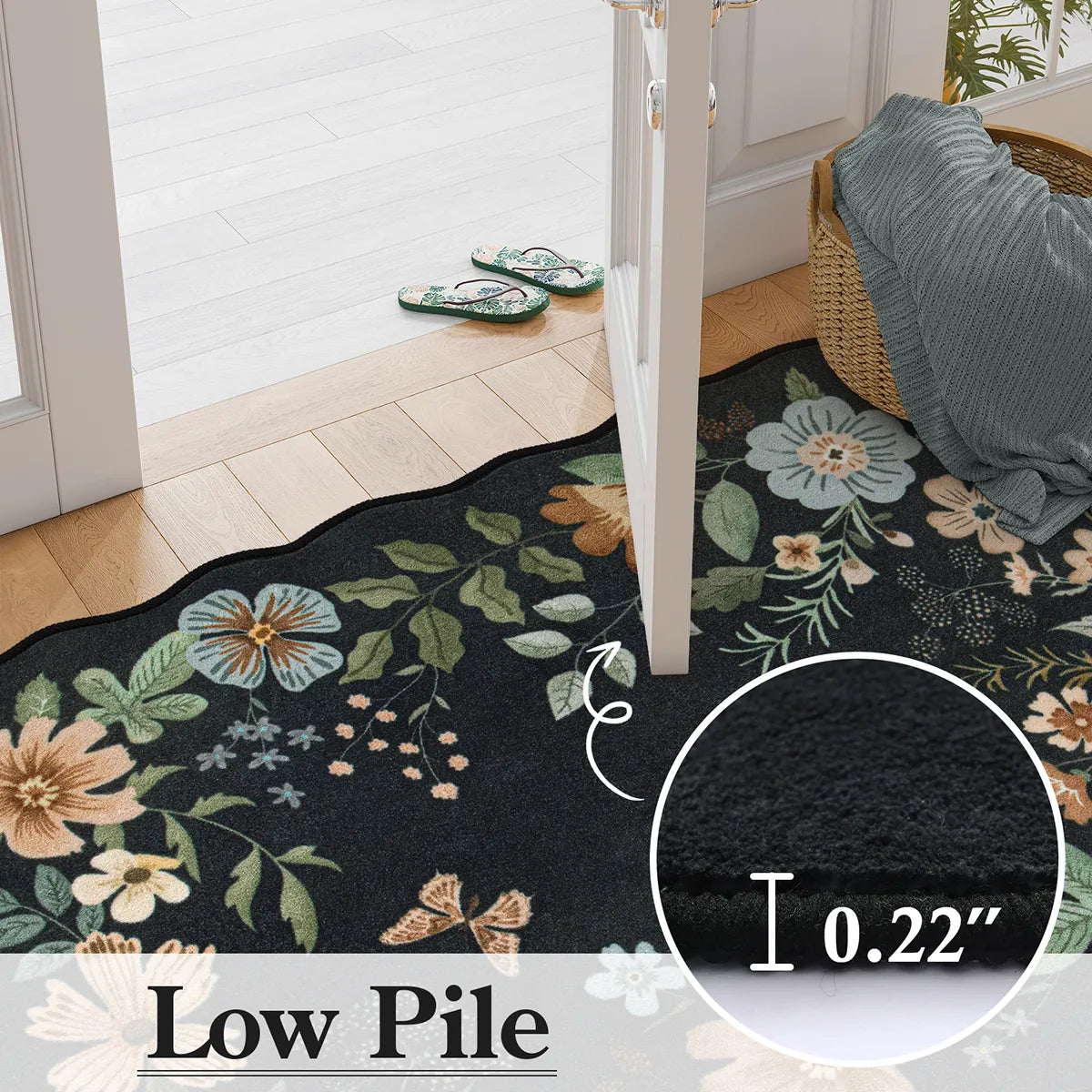
A low-pile, machine washable runner rug with a built-in non-slip backing is the most practical choice for a hallway. Low-pile construction (a rug with short, densely packed fibers) holds up better under heavy foot traffic and is easier to vacuum and clean than high-pile options. The non-slip backing prevents shifting on hard floors, and machine washability makes regular cleaning straightforward in one of the busiest areas of the home.
Q4. Do Runner Rugs Work on Carpet?
Runner rugs can be placed on carpet, but standard non-slip backings designed for hard floors are less effective on soft surfaces. A rug-on-carpet grip pad (a thinner, open-weave pad designed specifically for carpet-to-rug layering) provides better stability. Keep in mind that layering rugs on carpet adds height, which can create a tripping edge if the transition is abrupt.