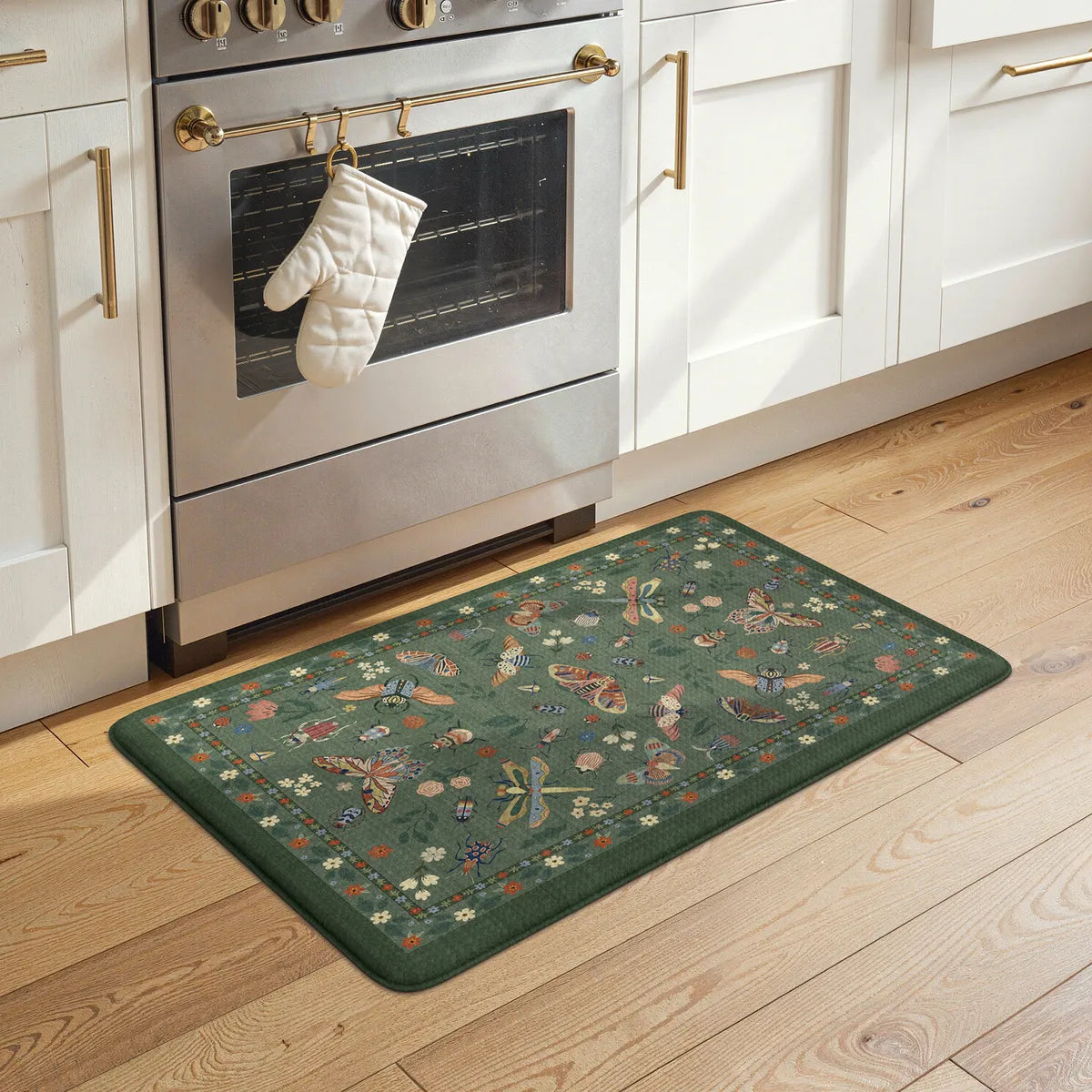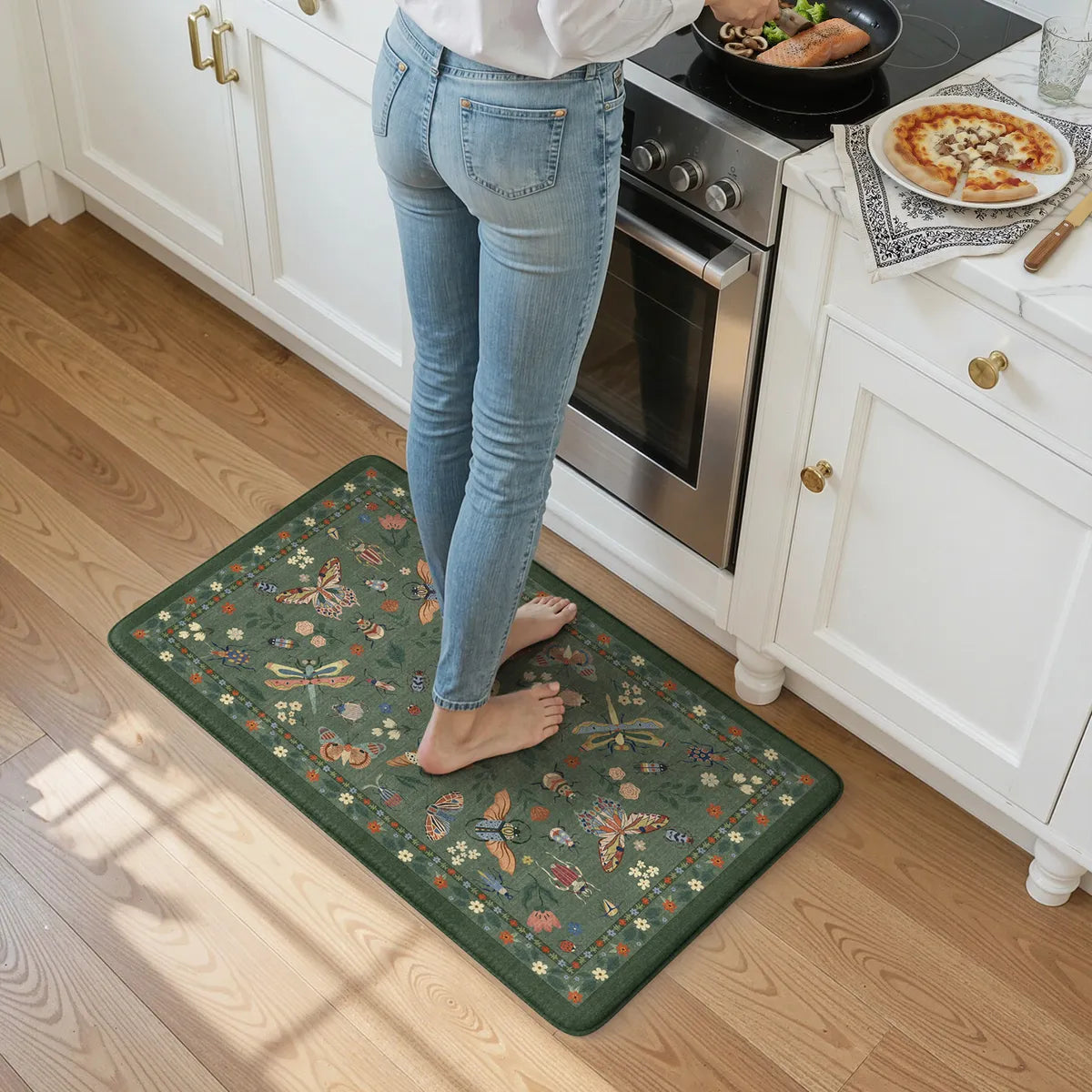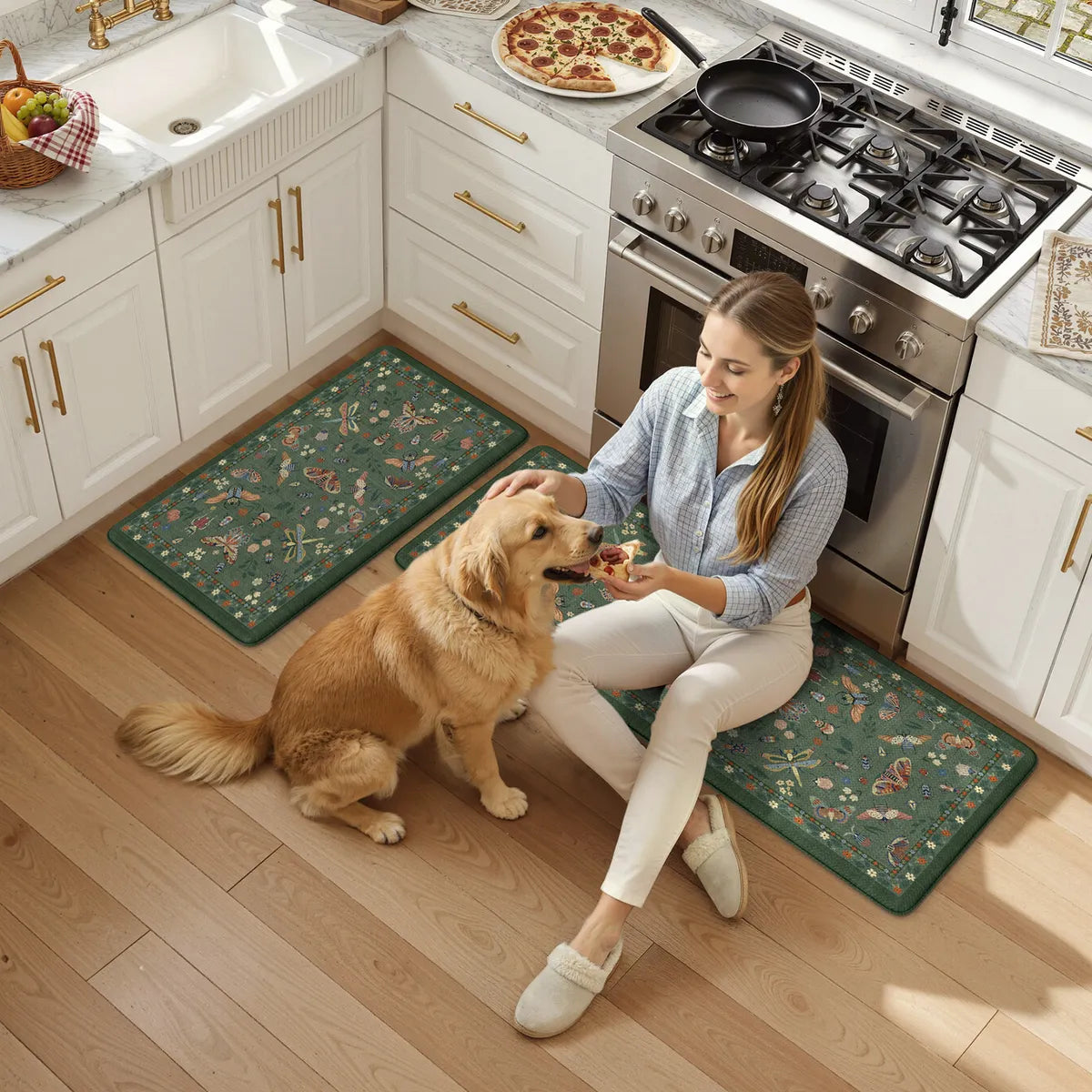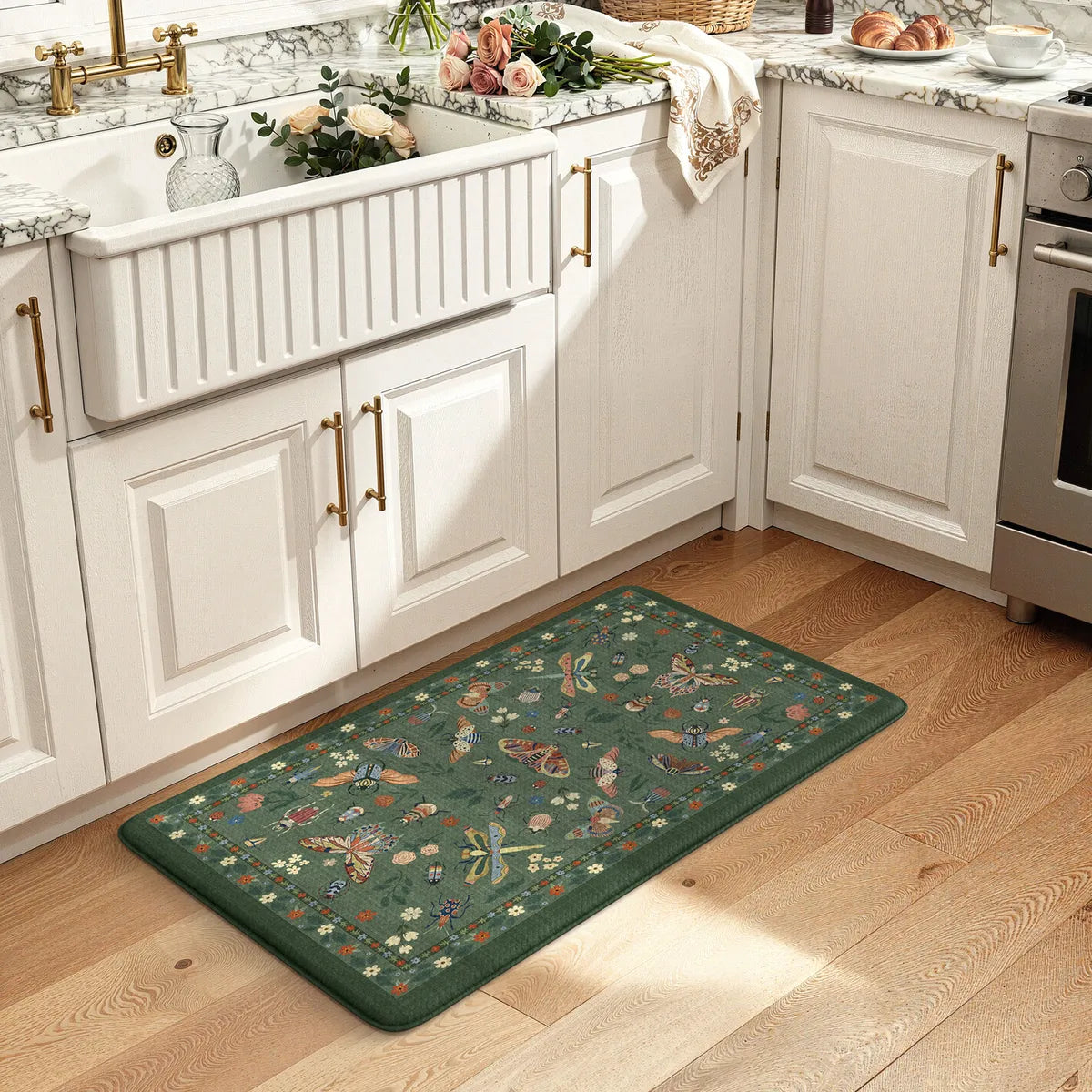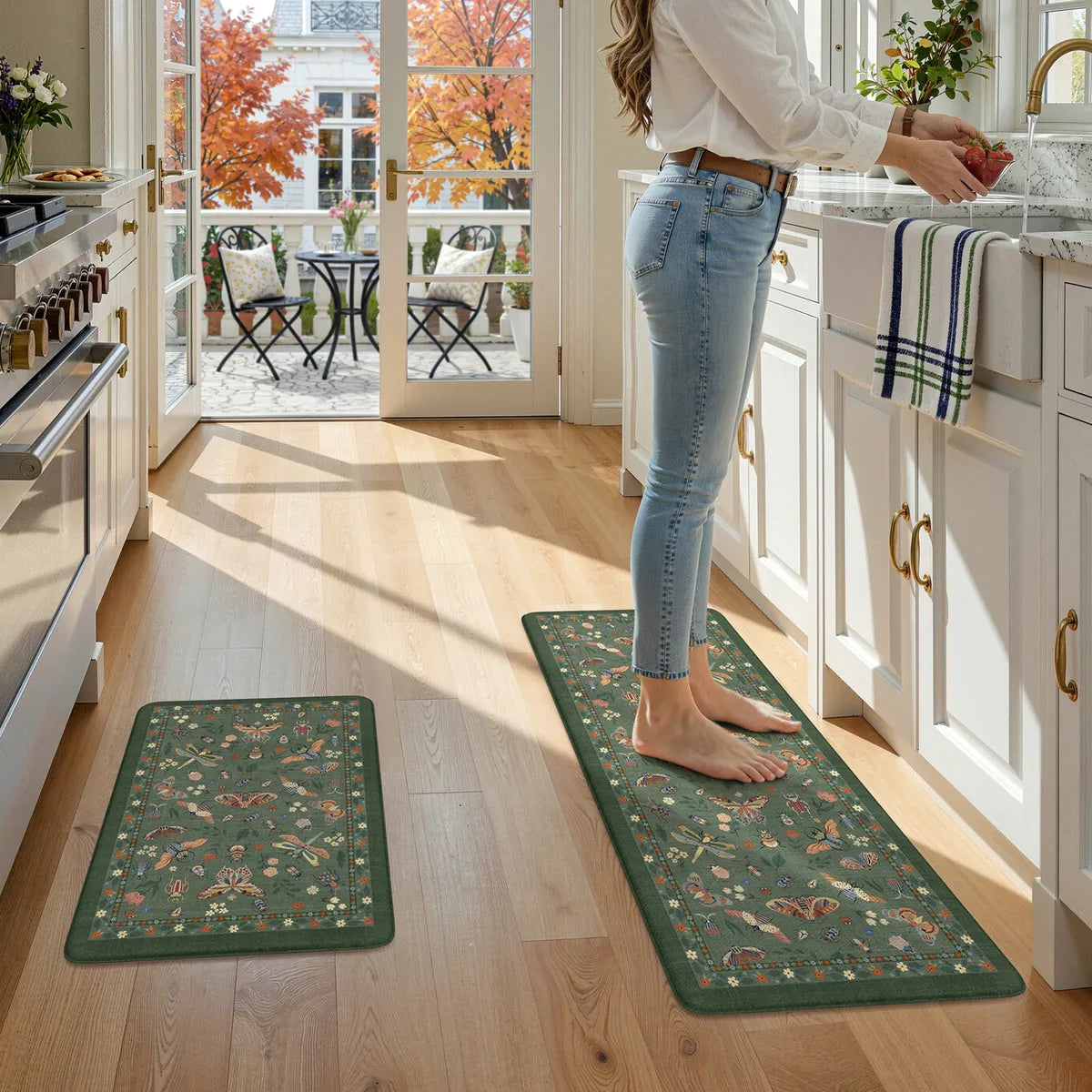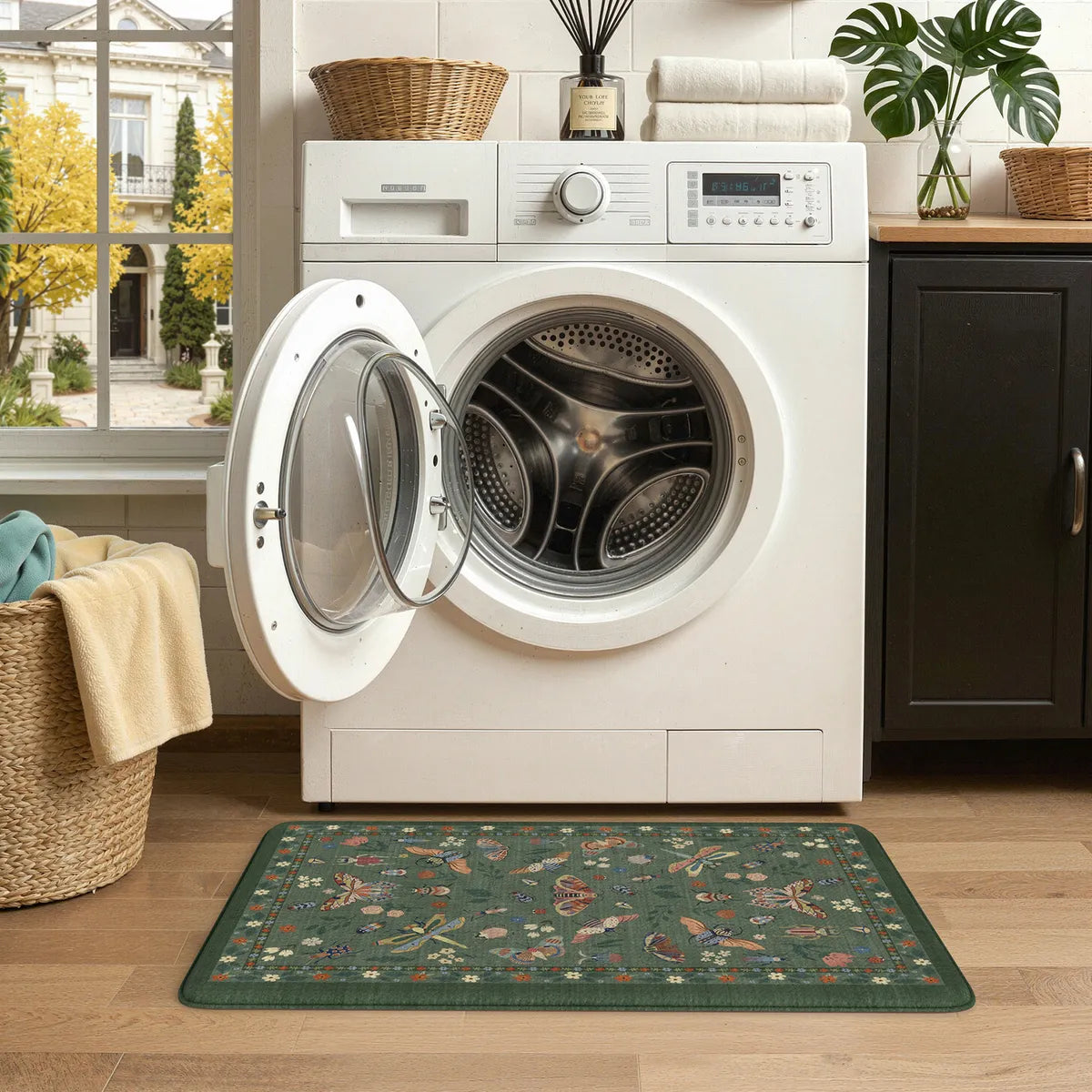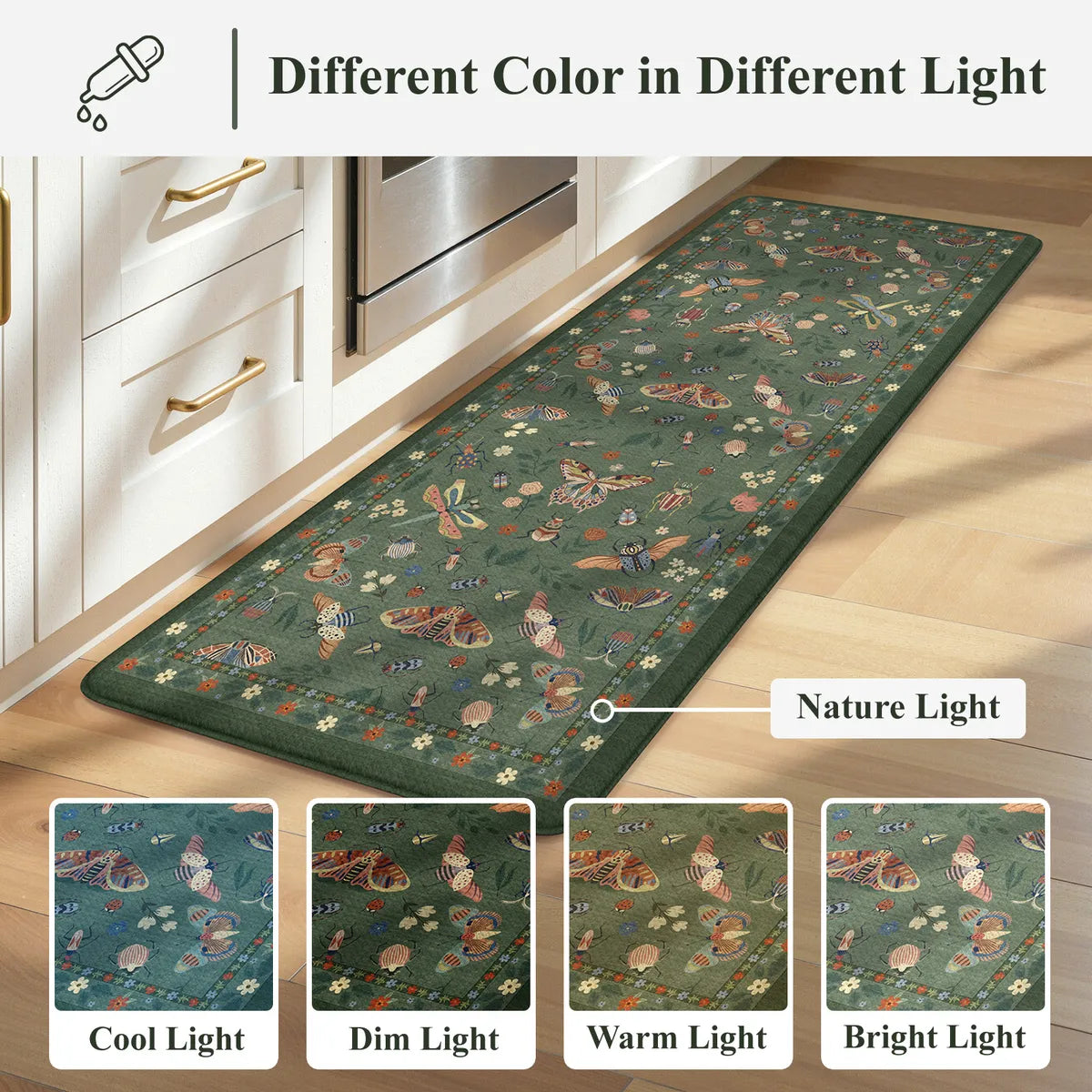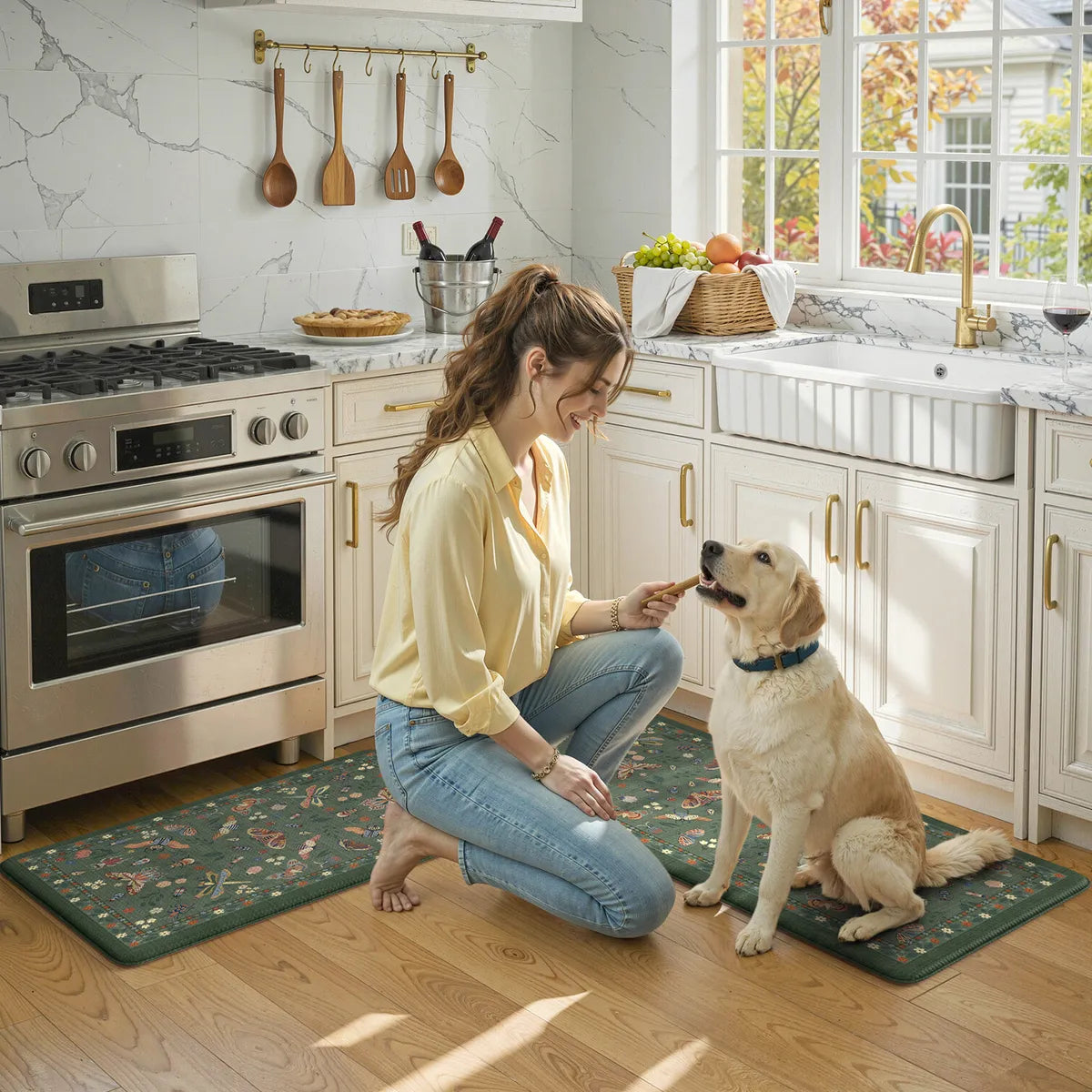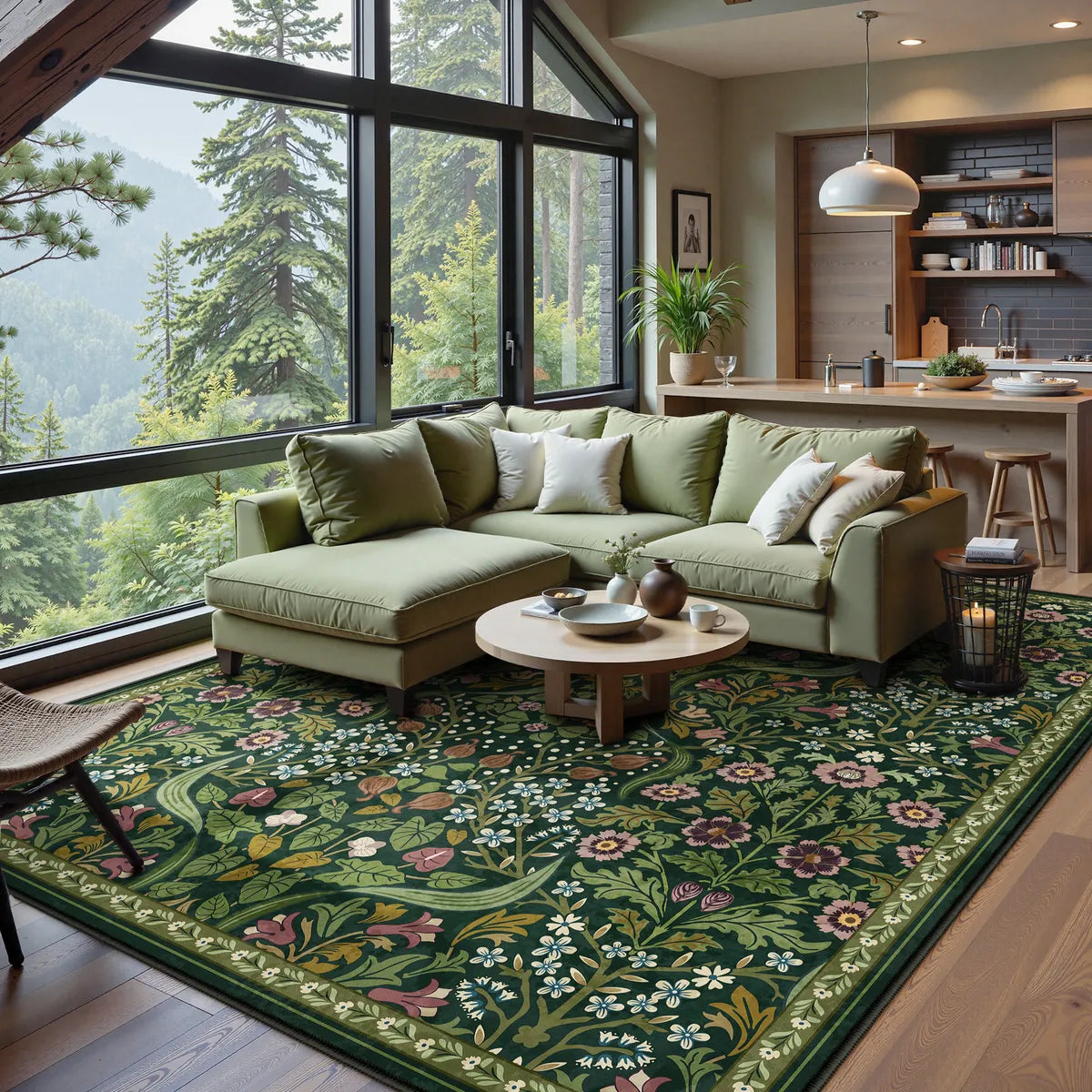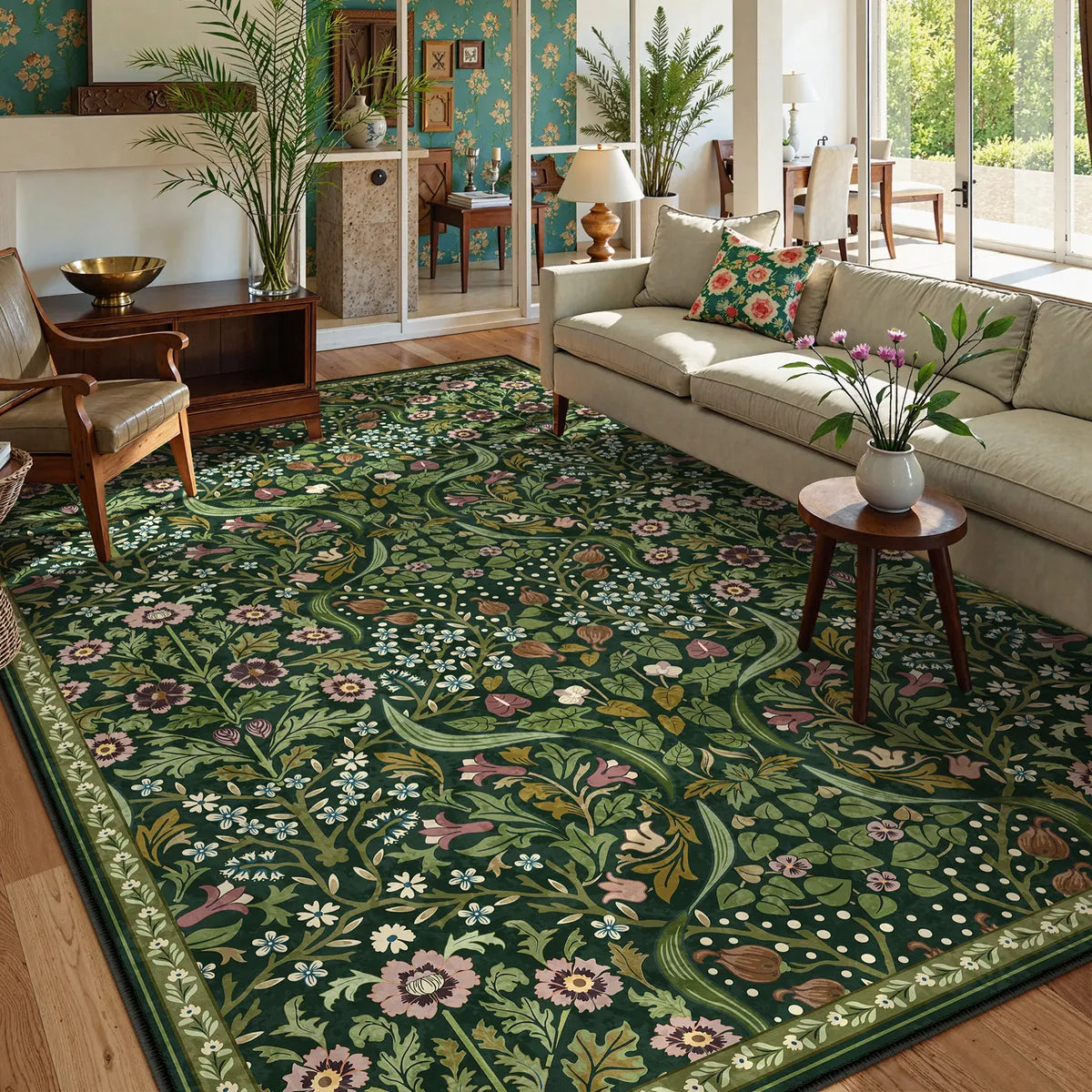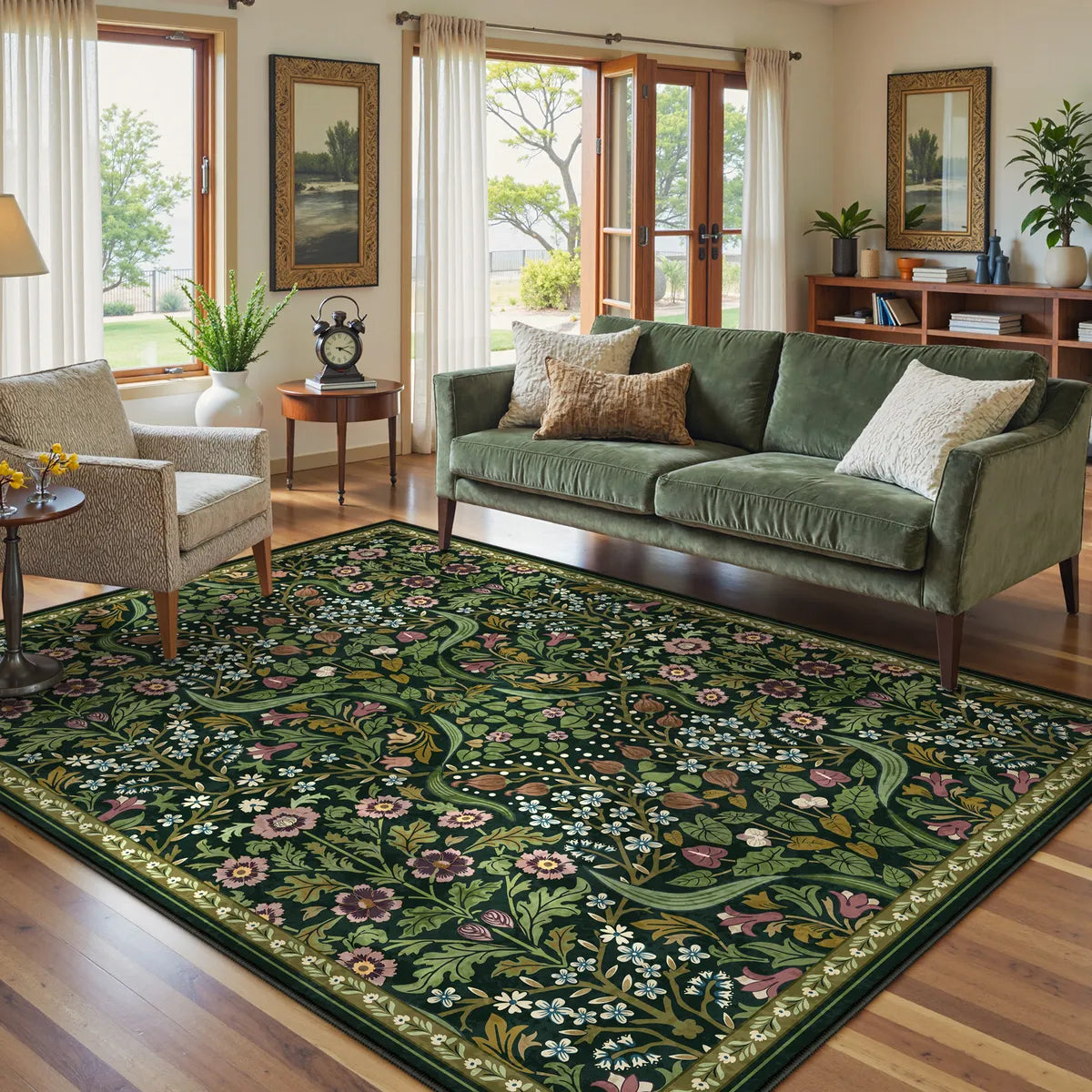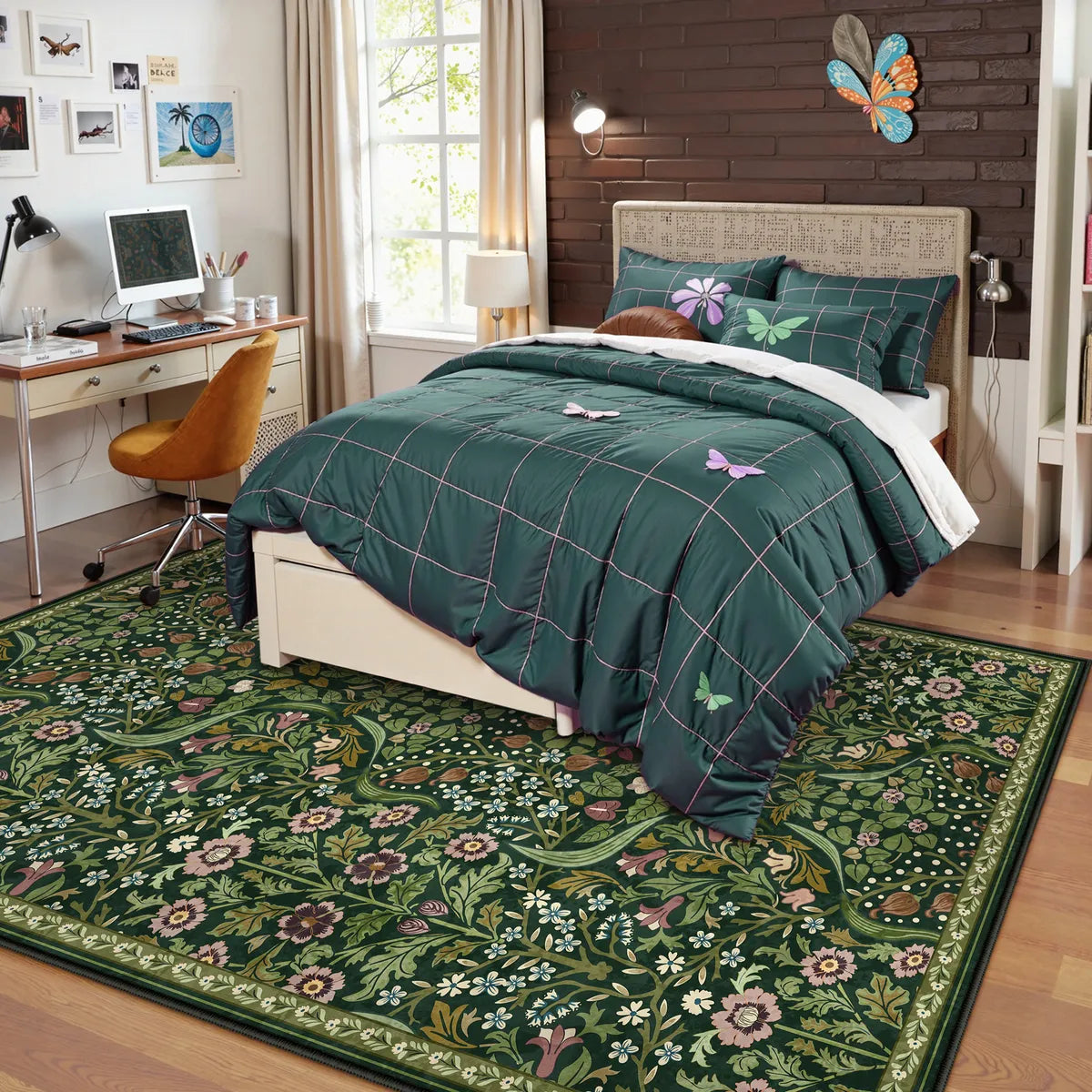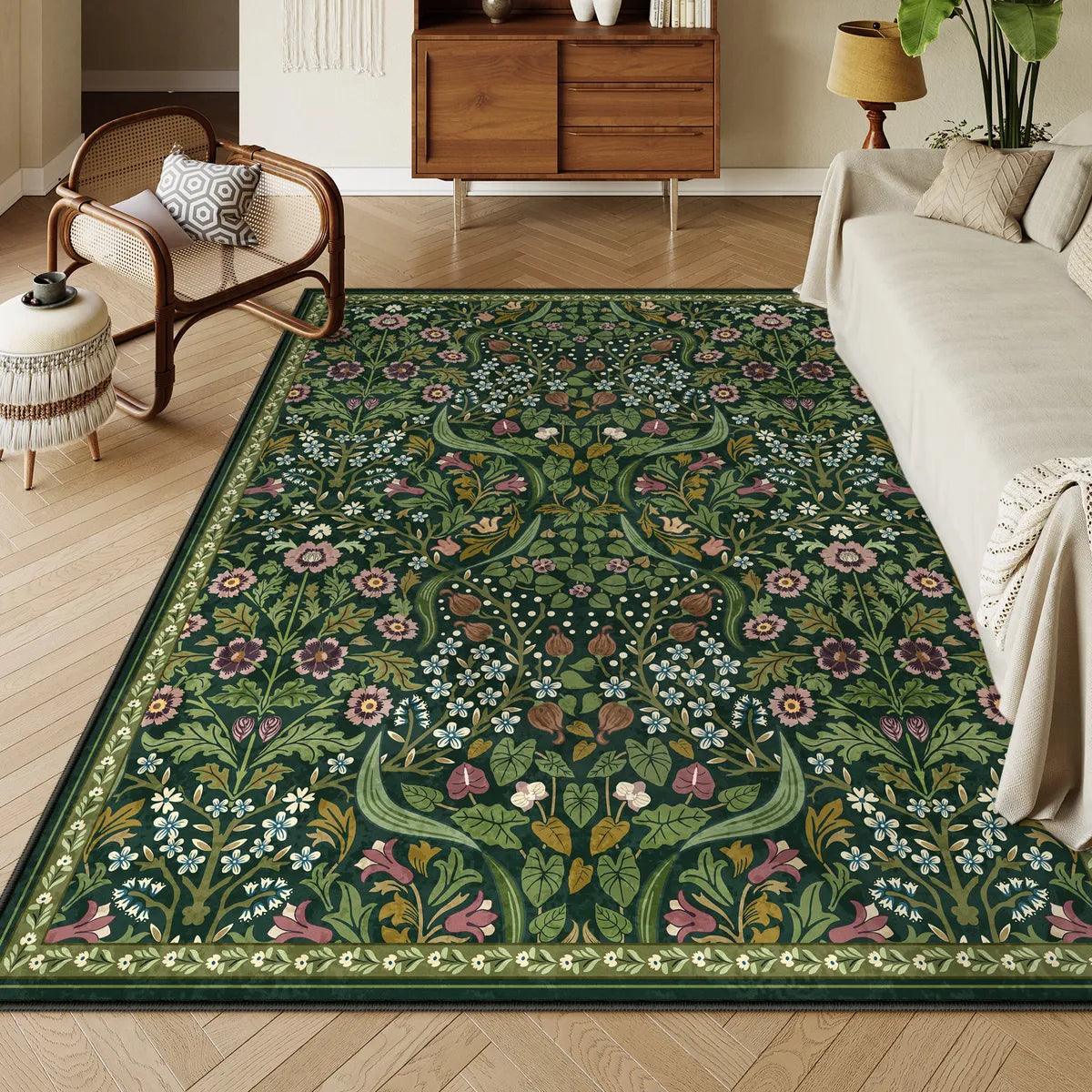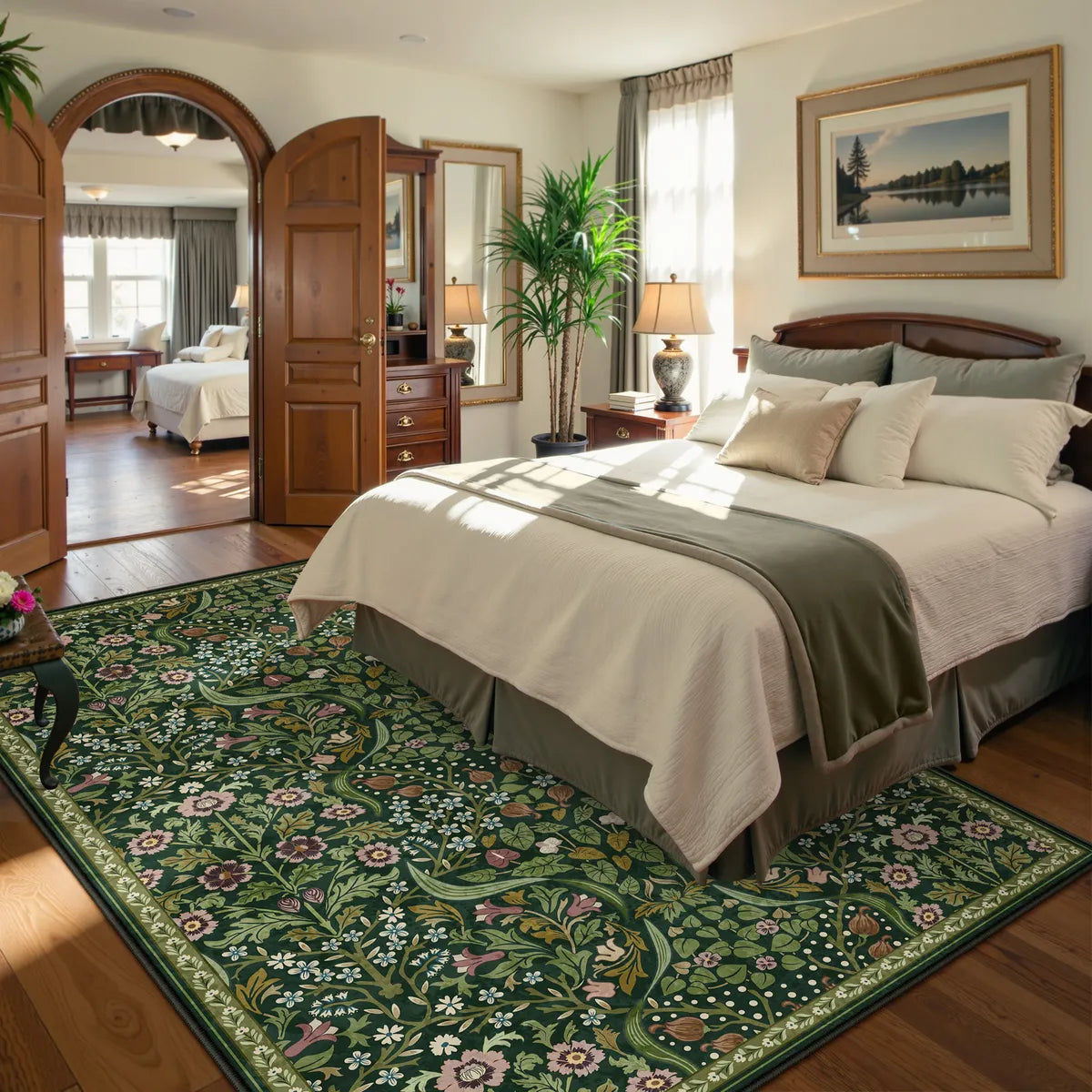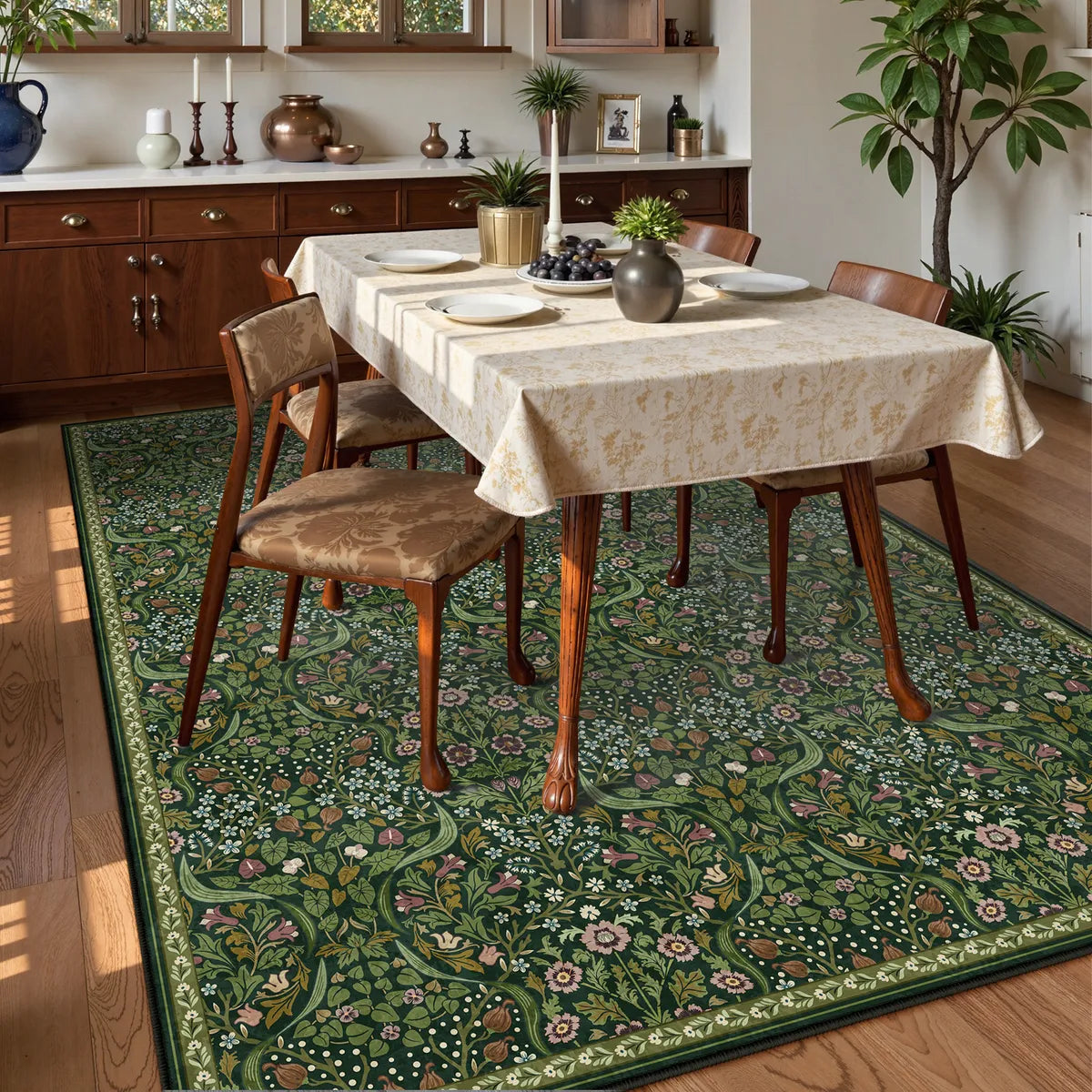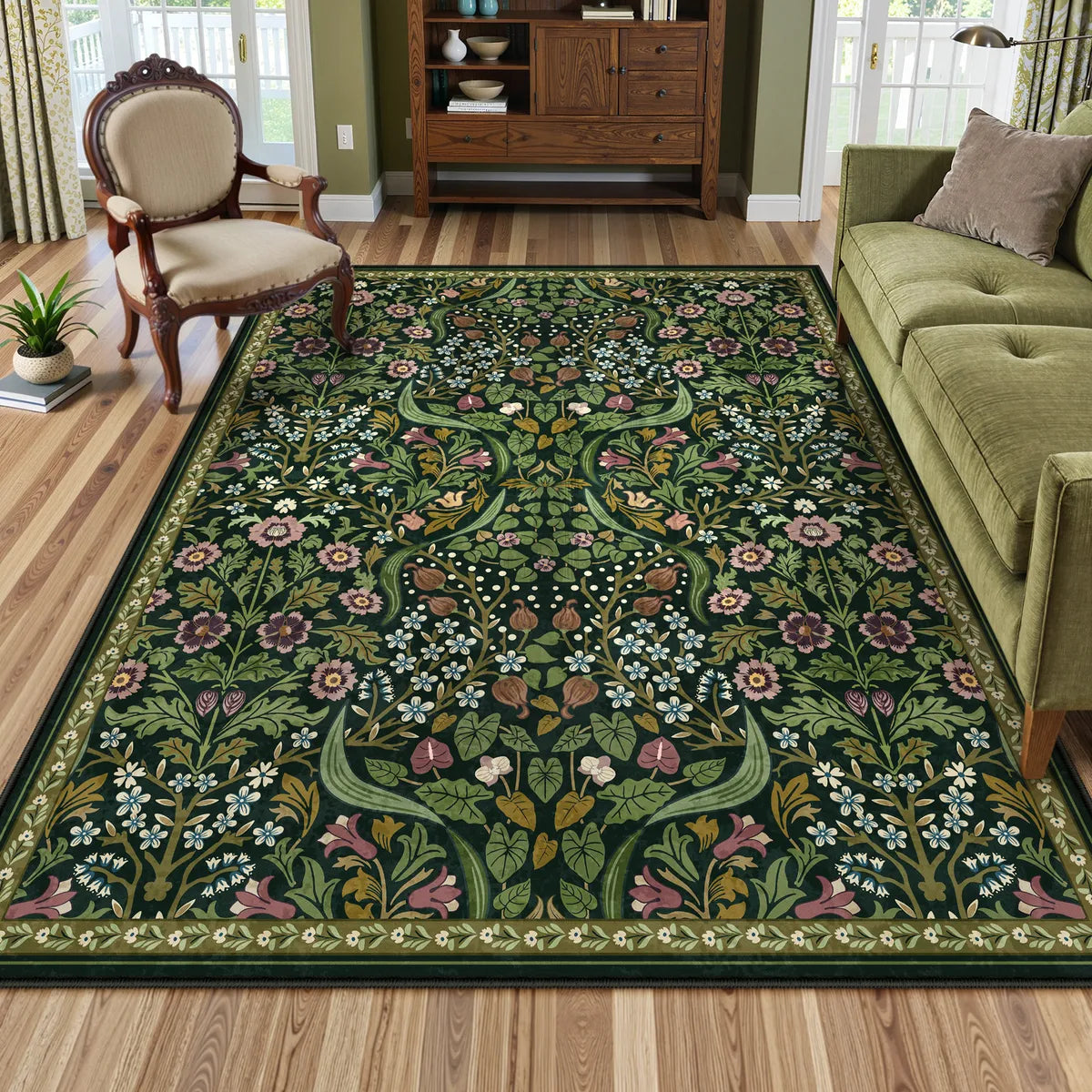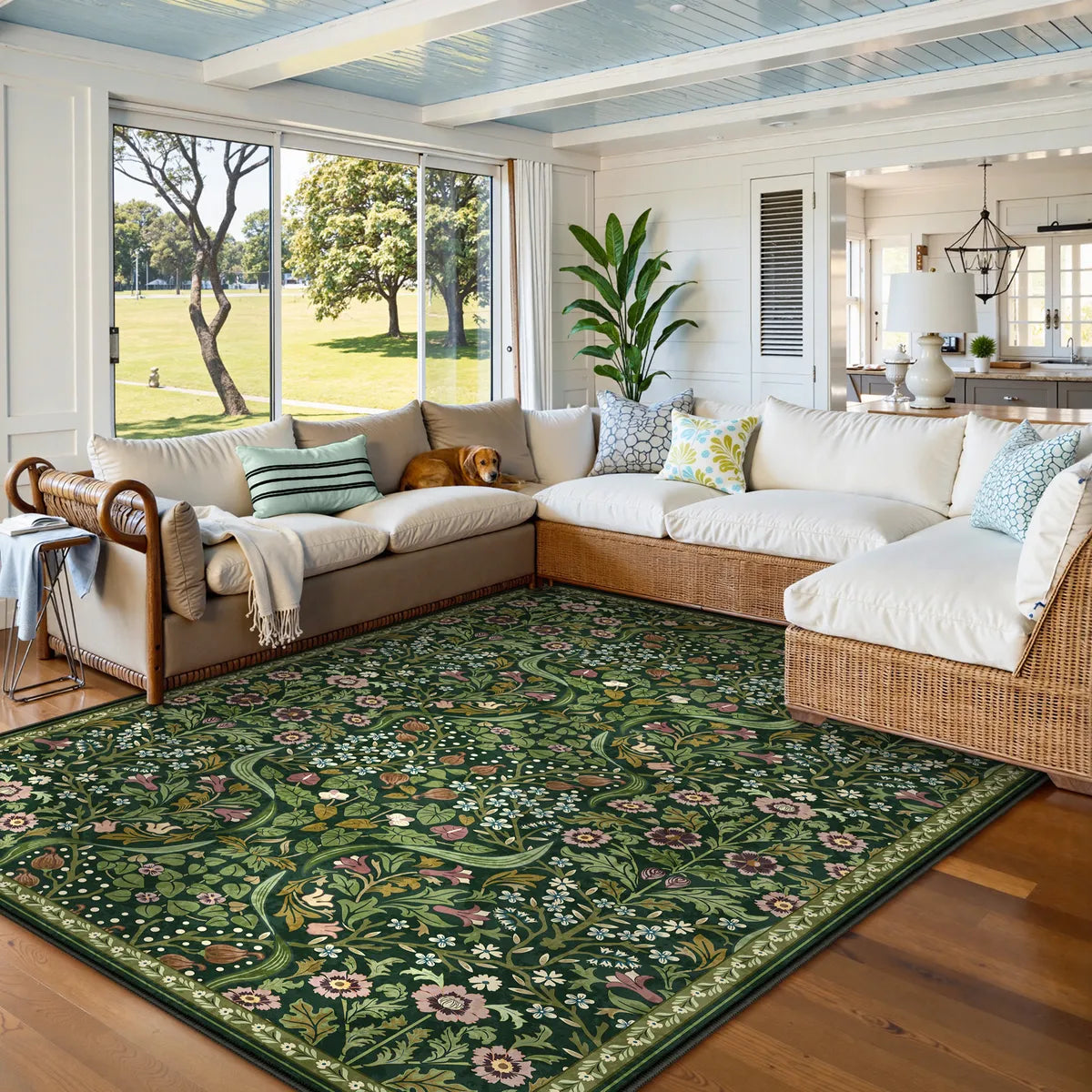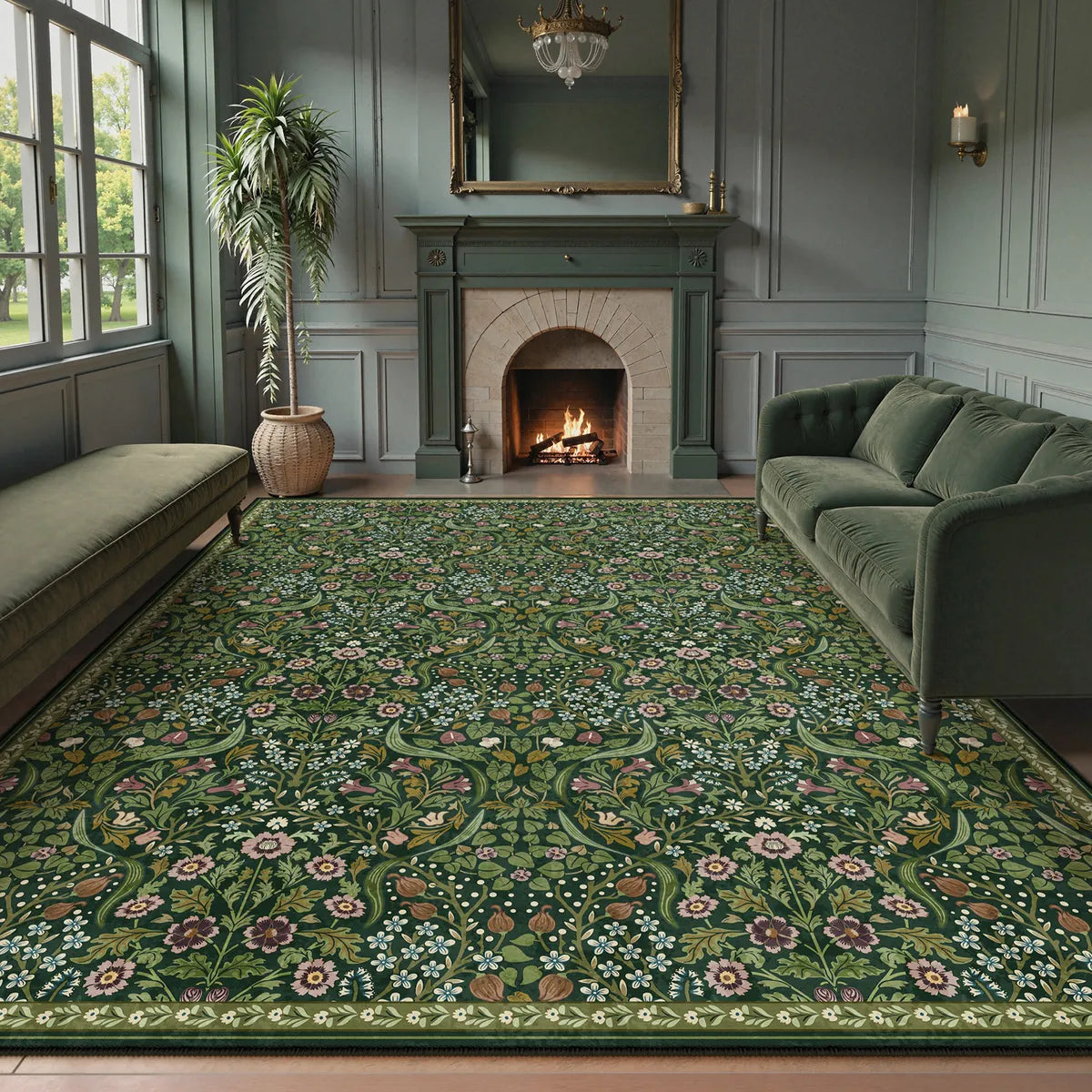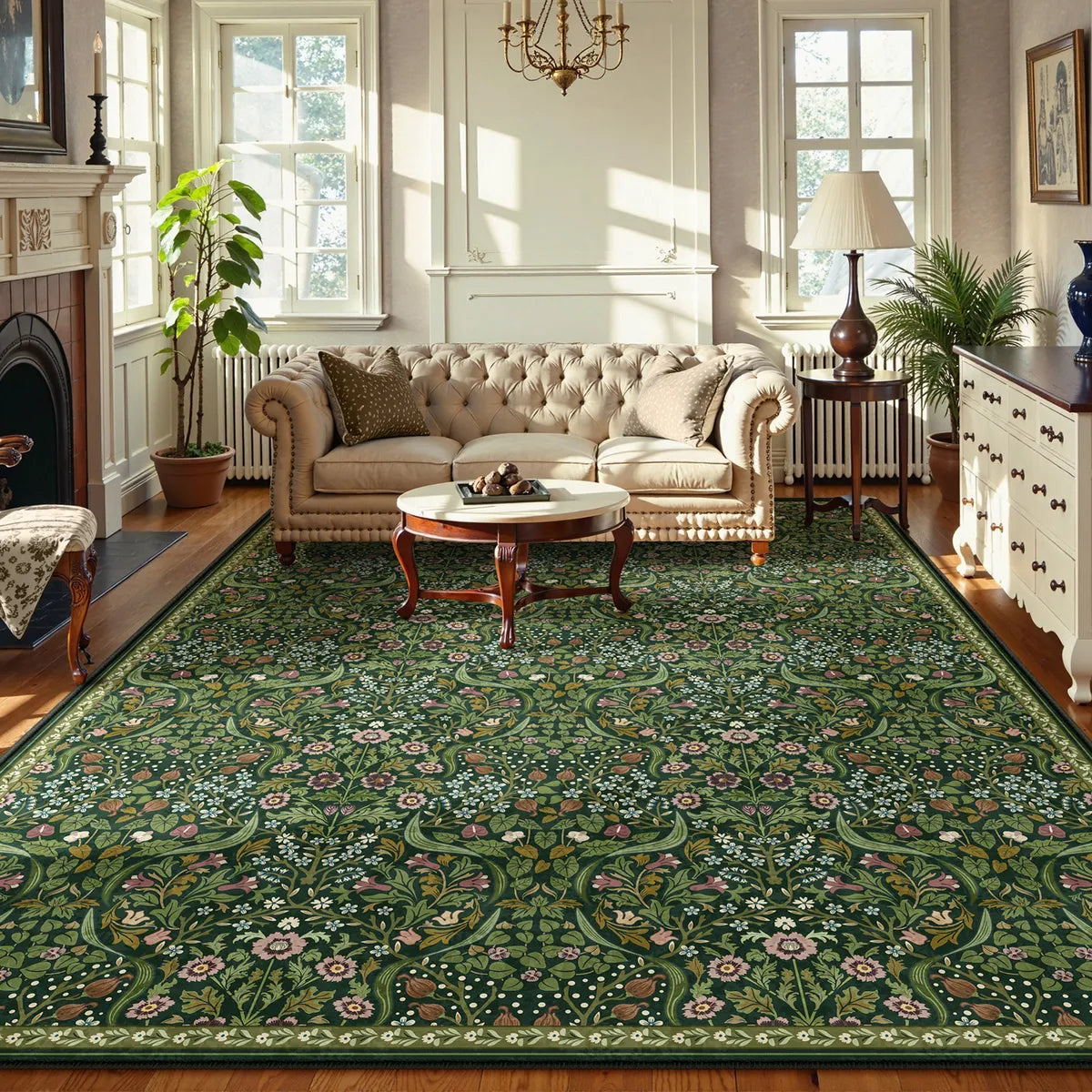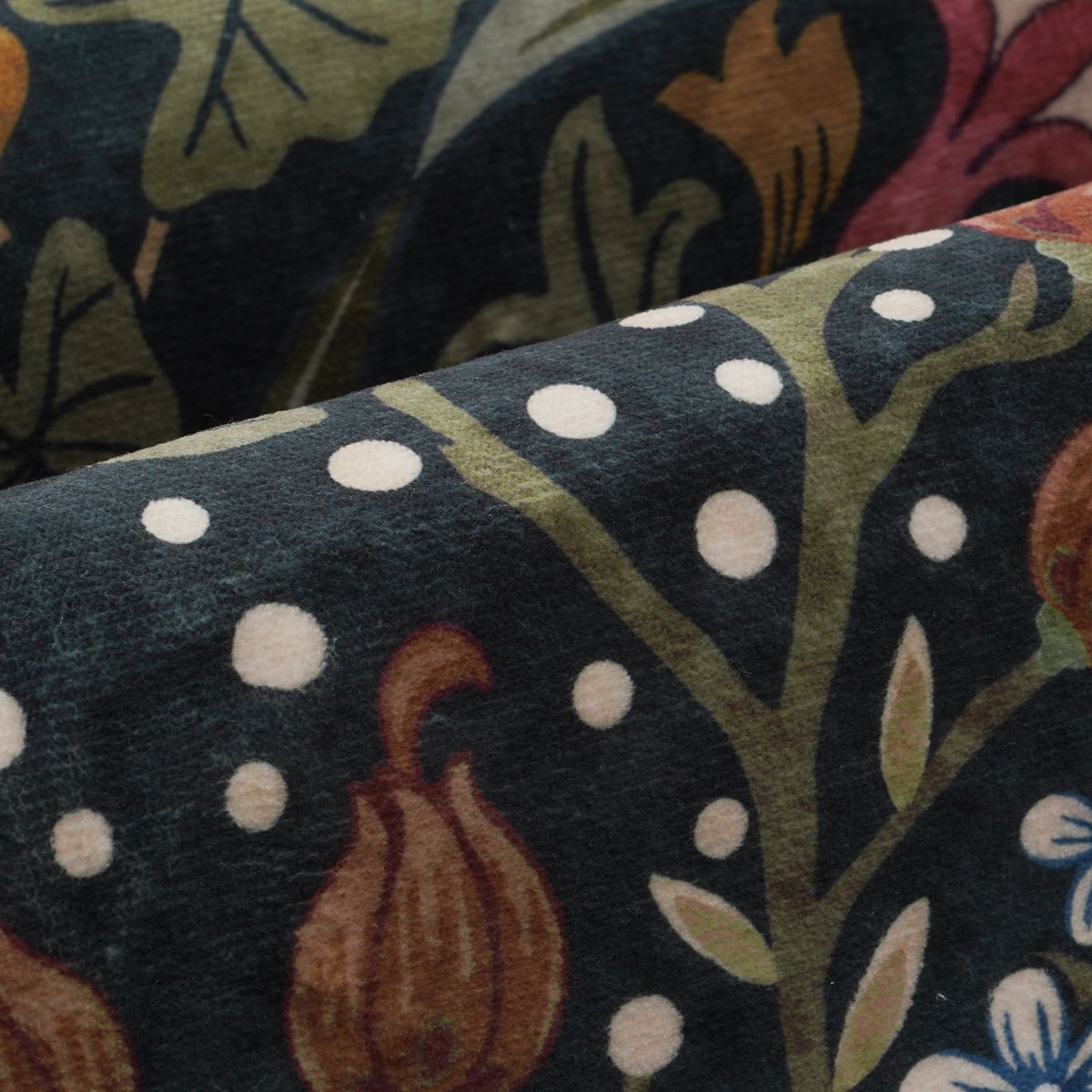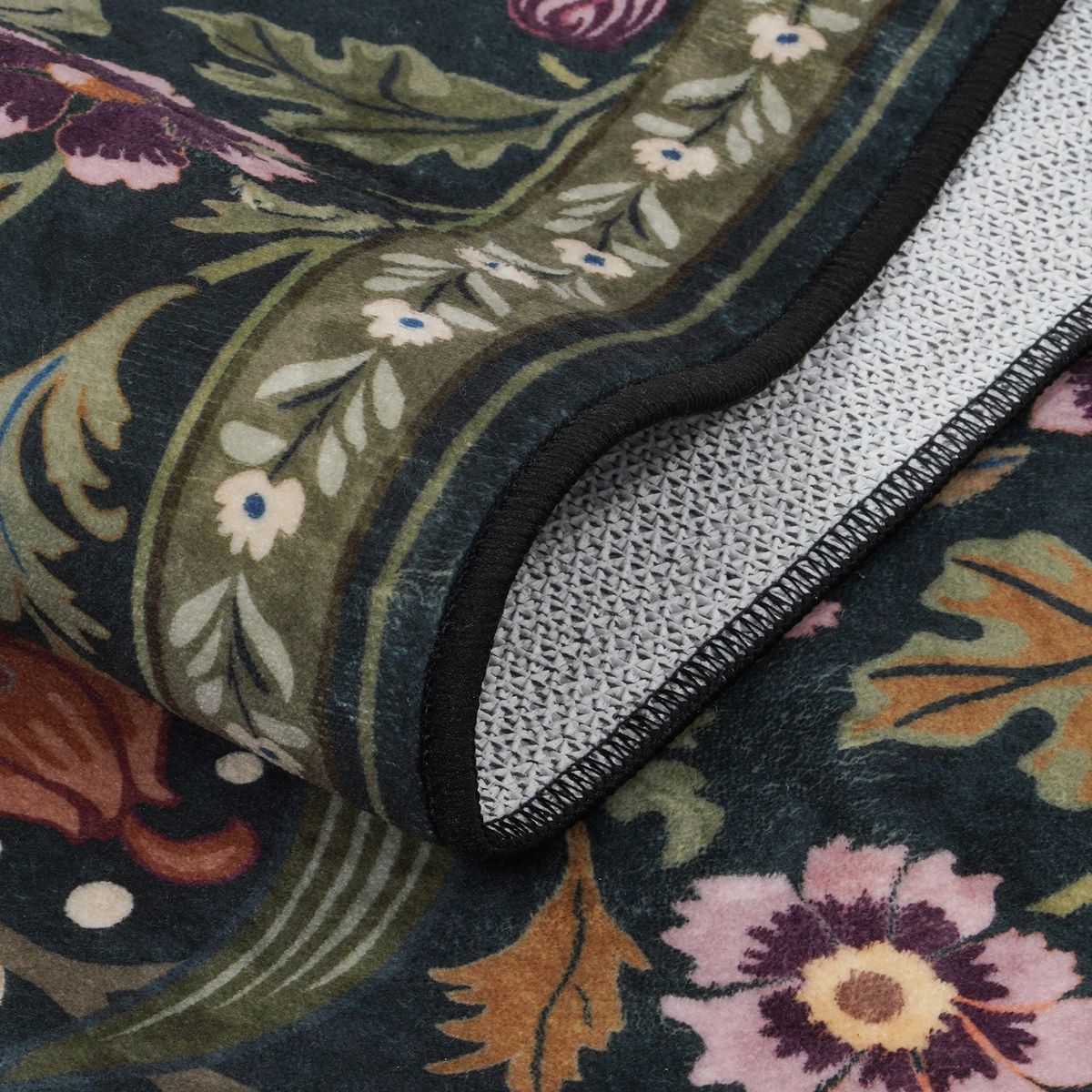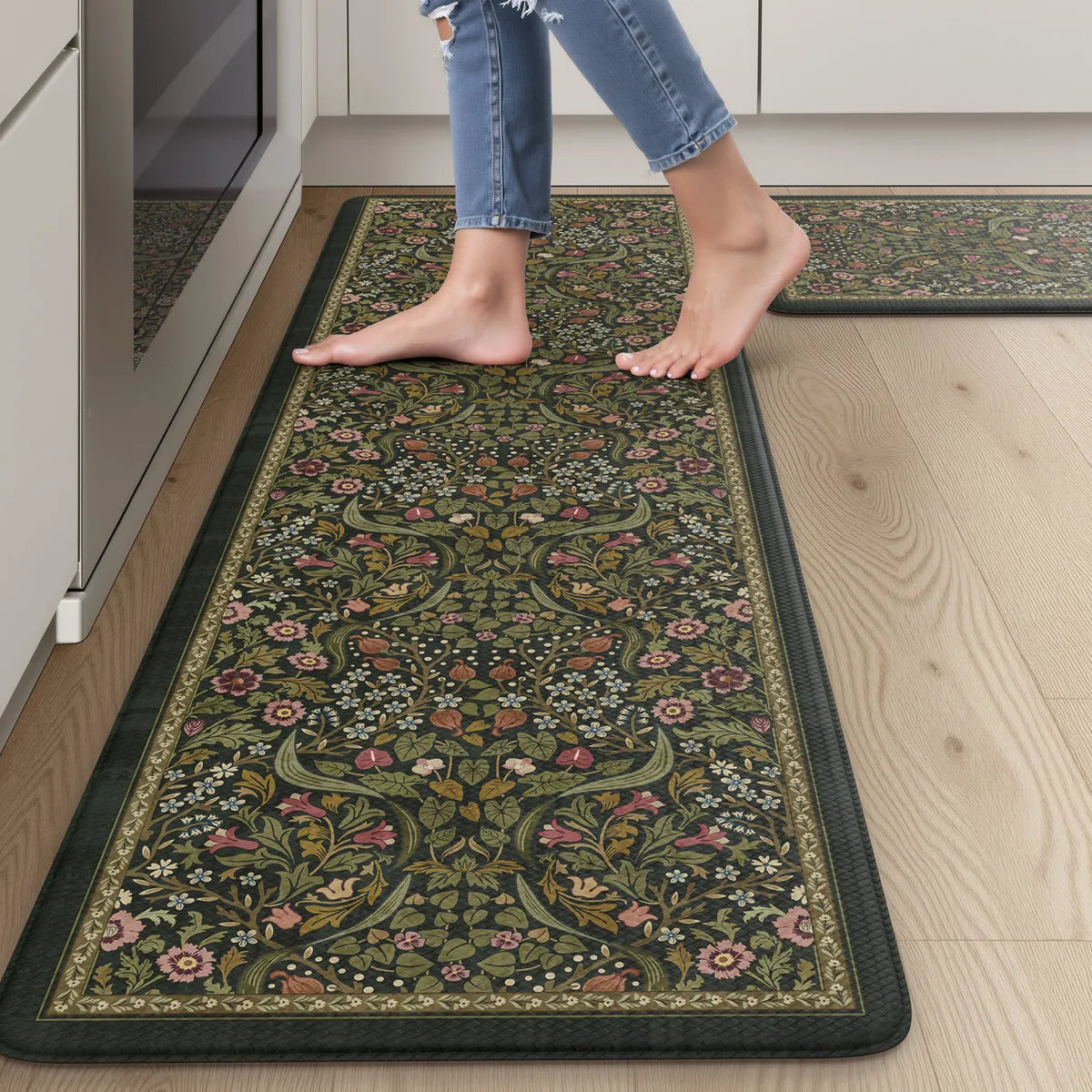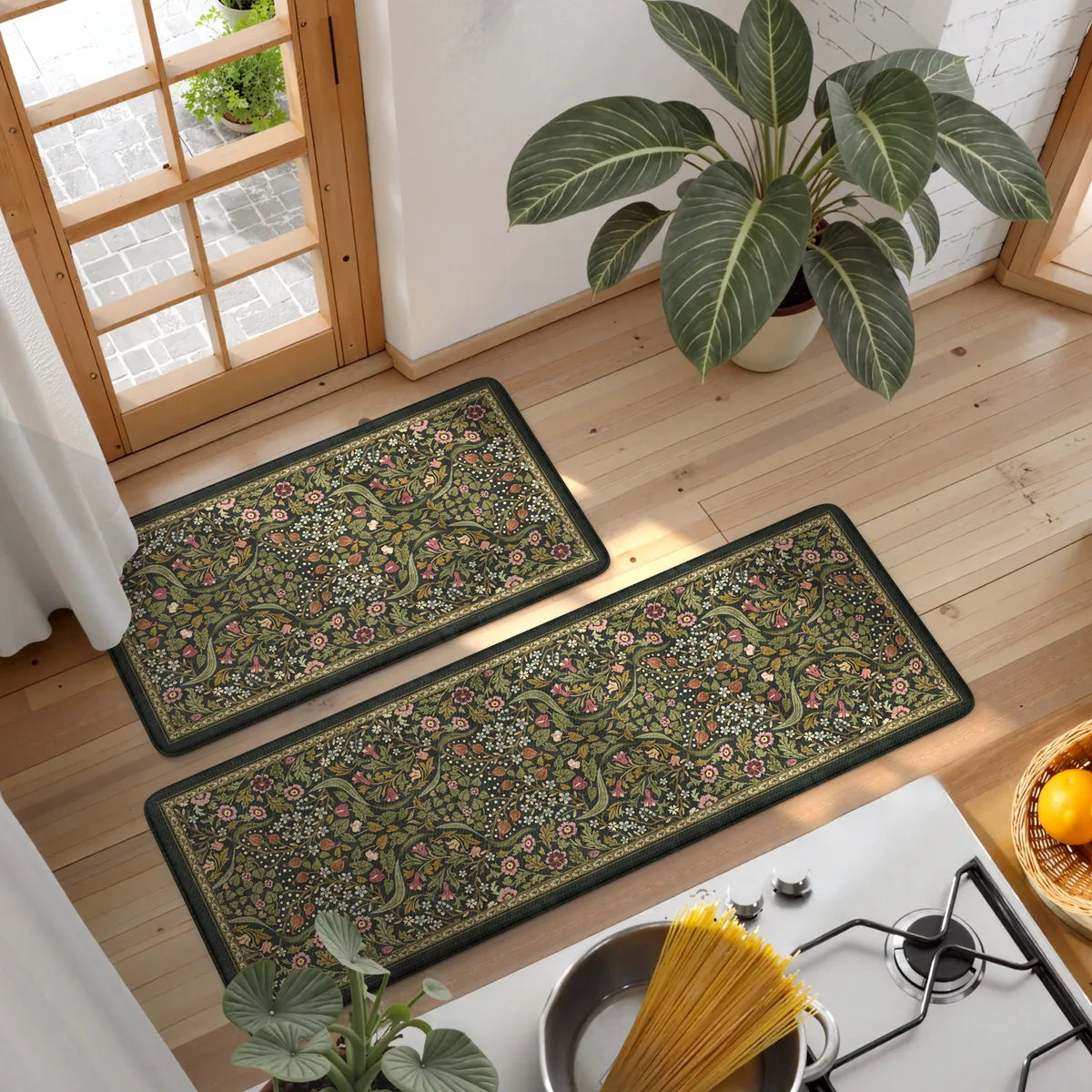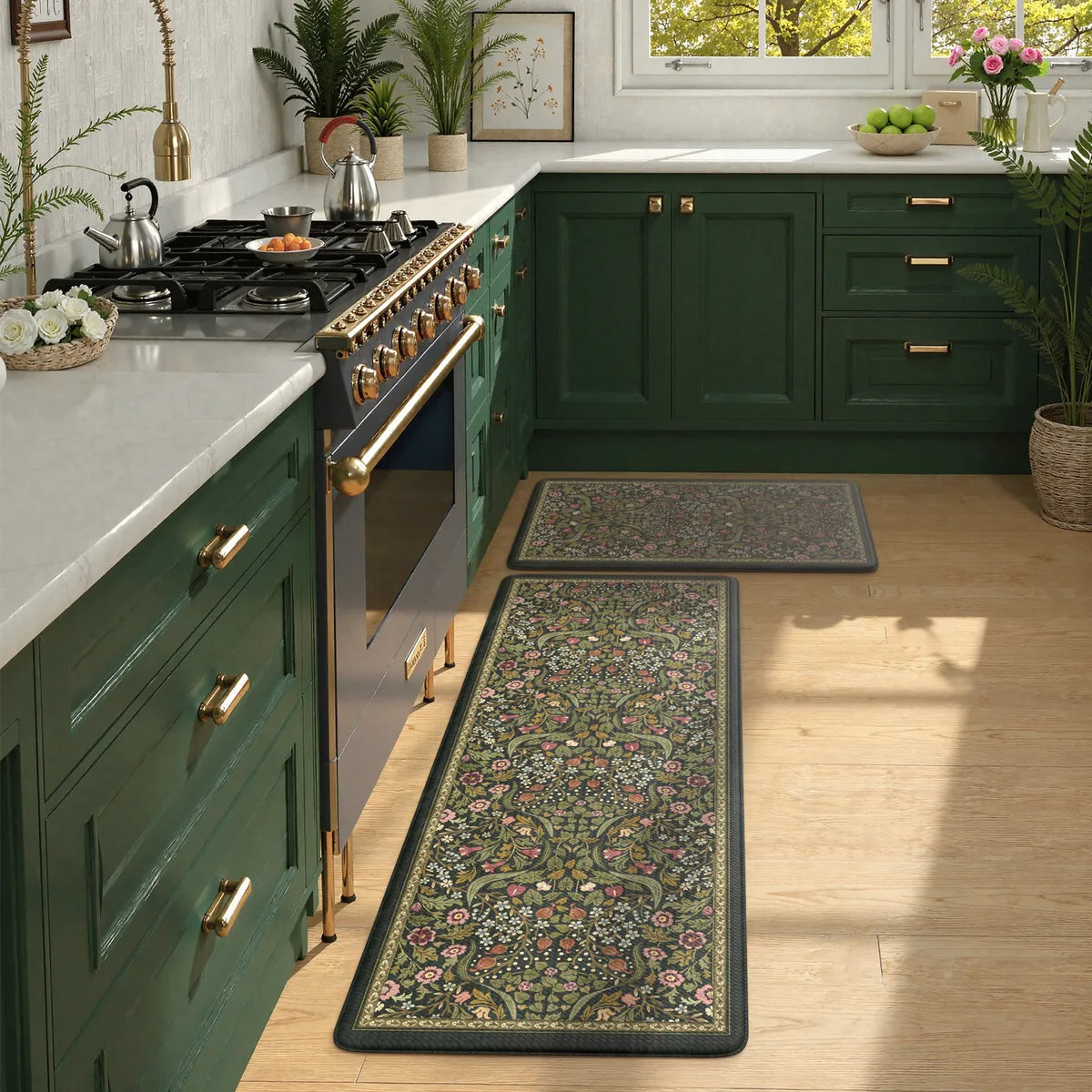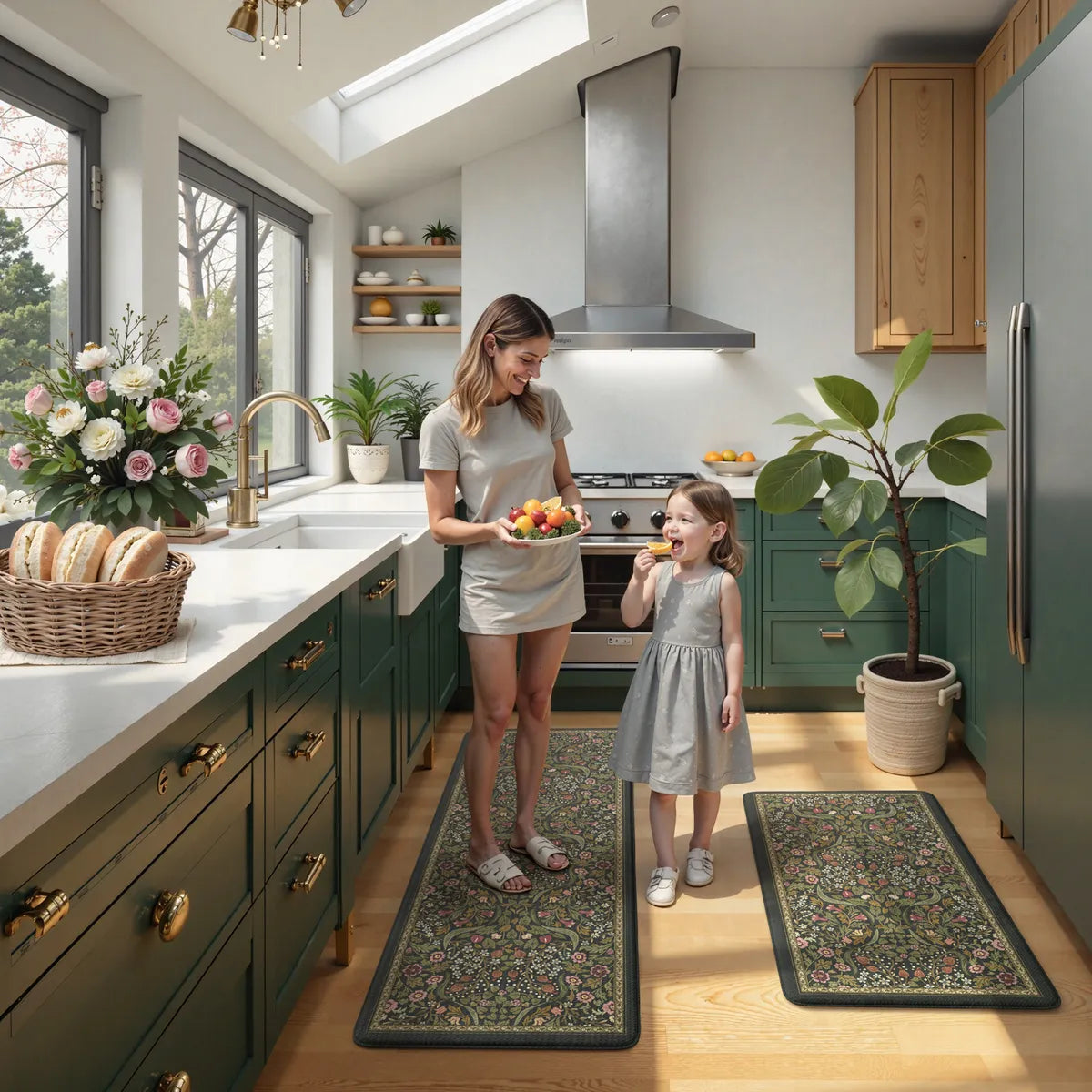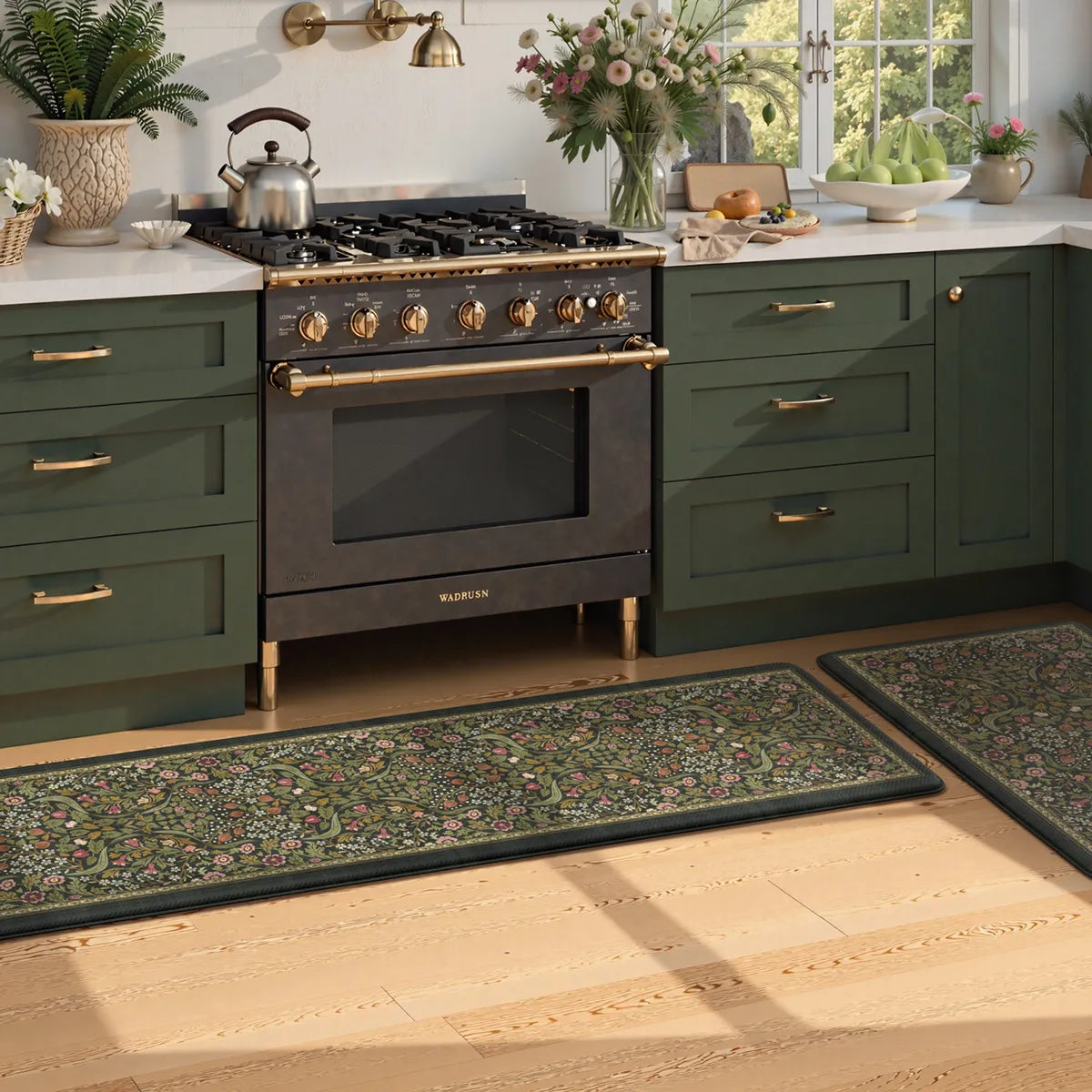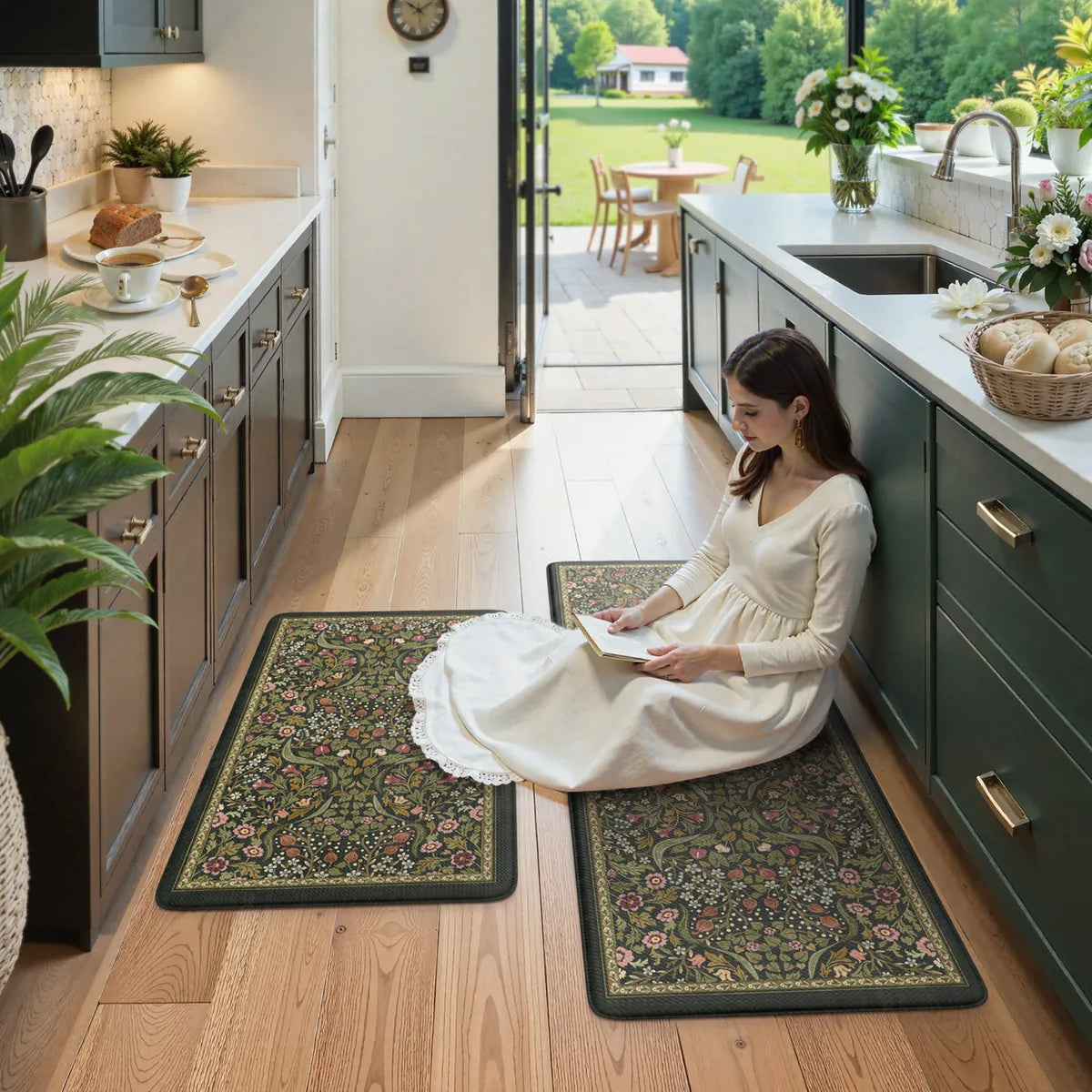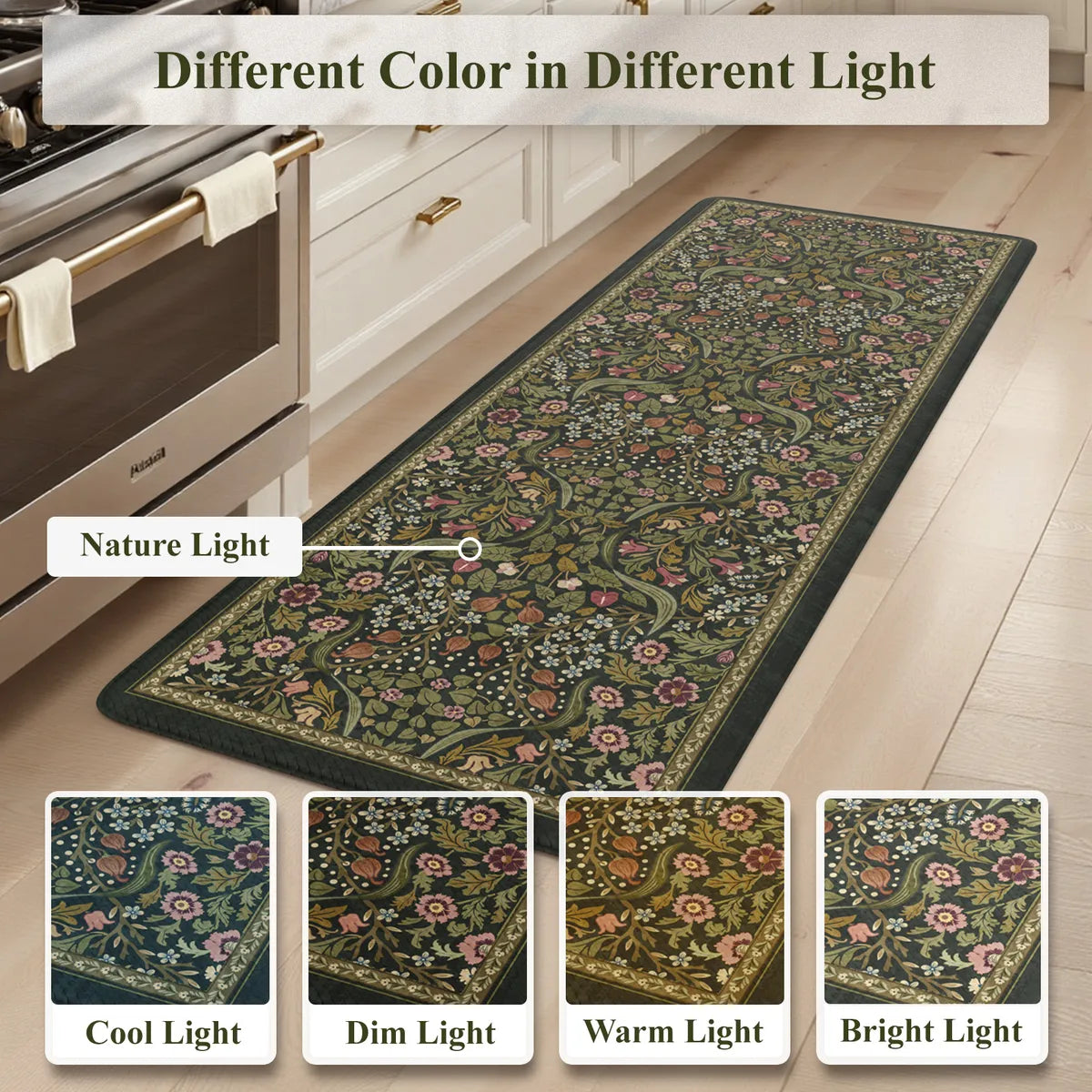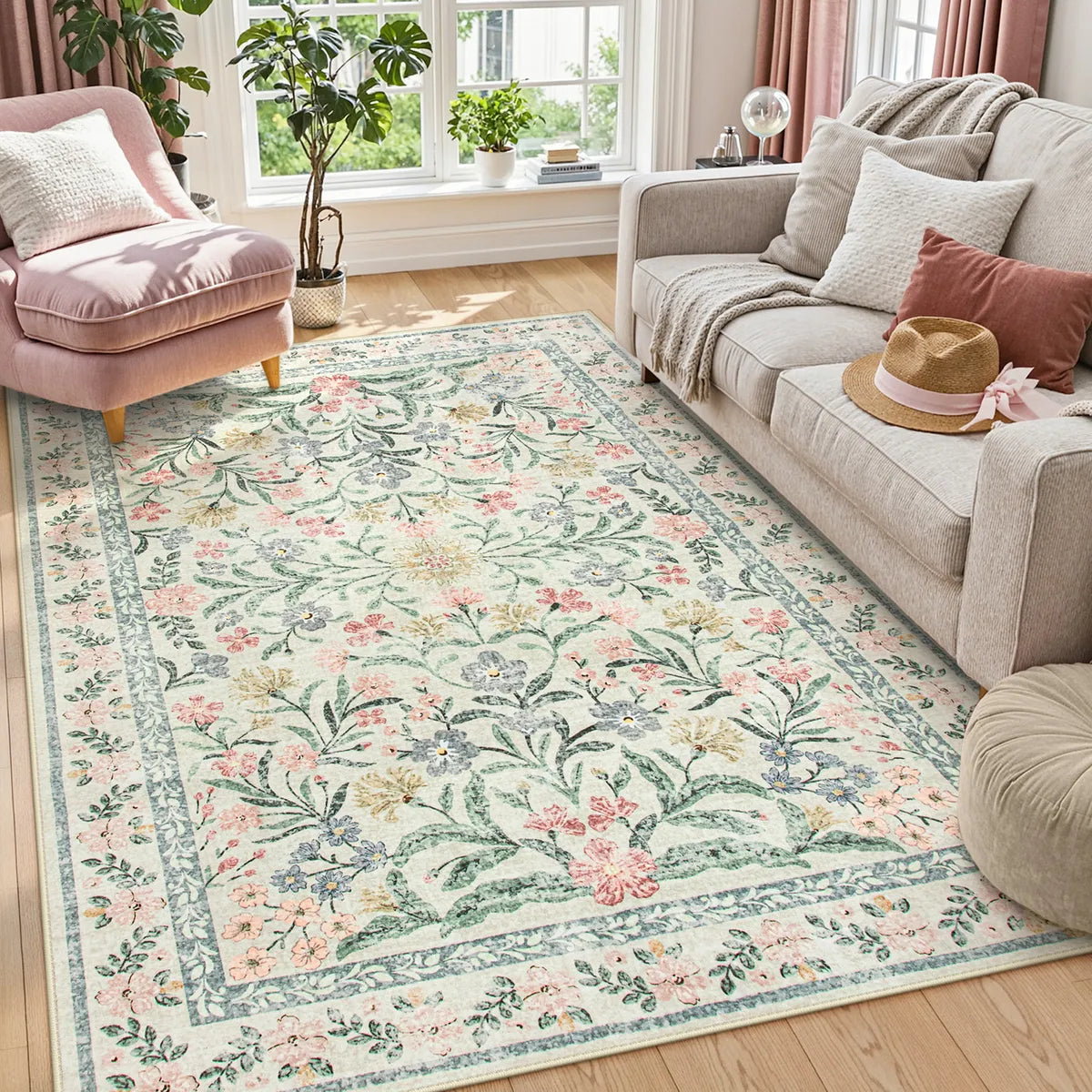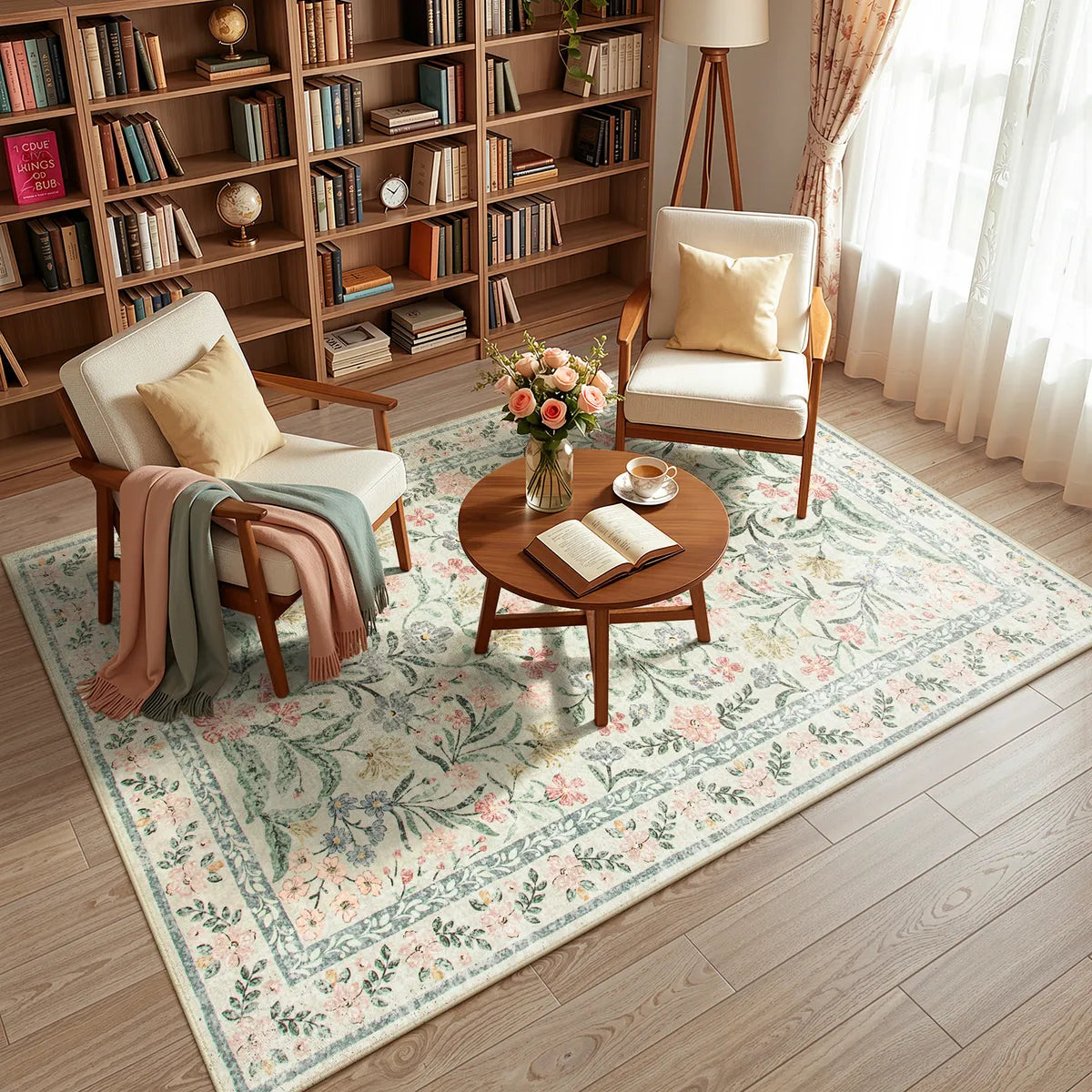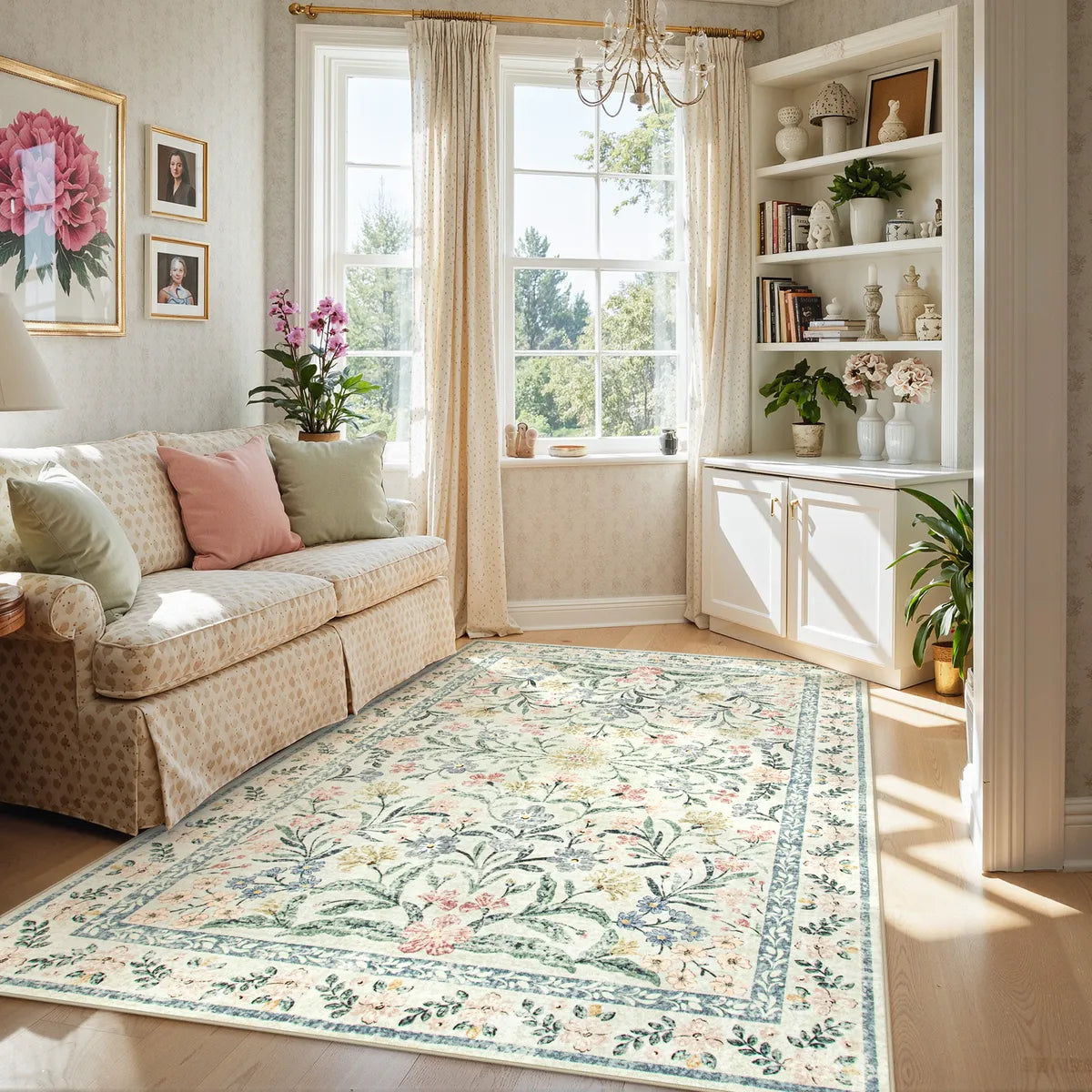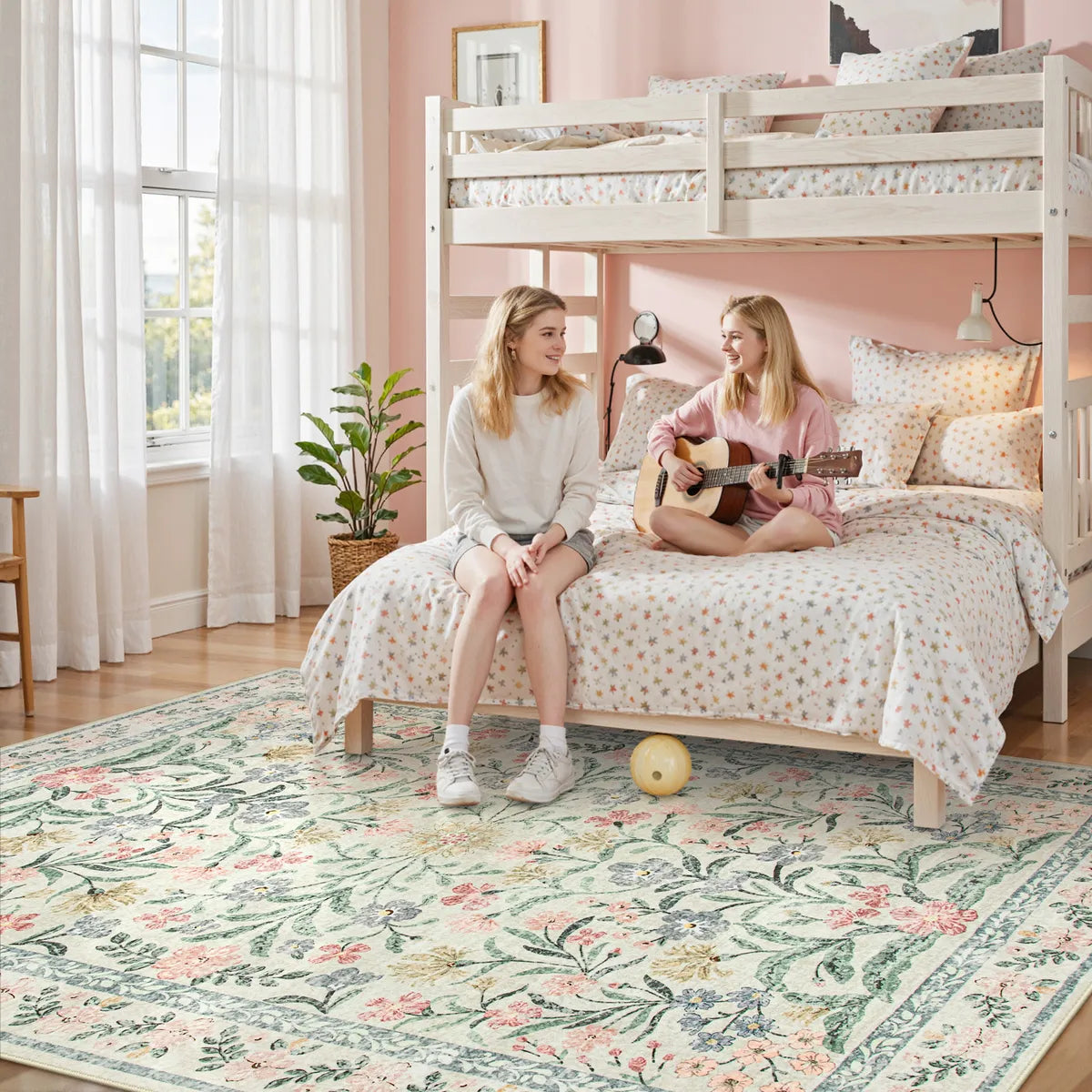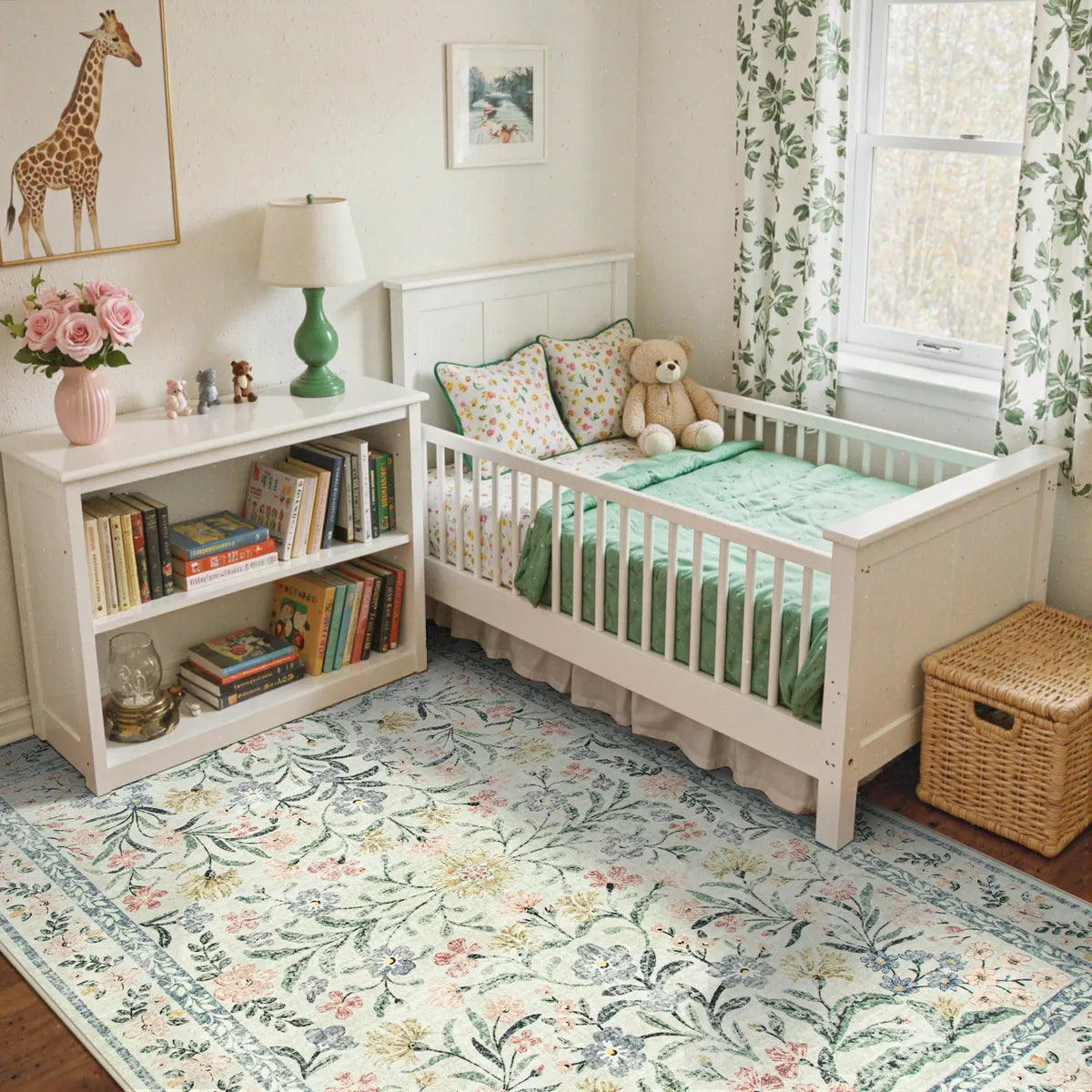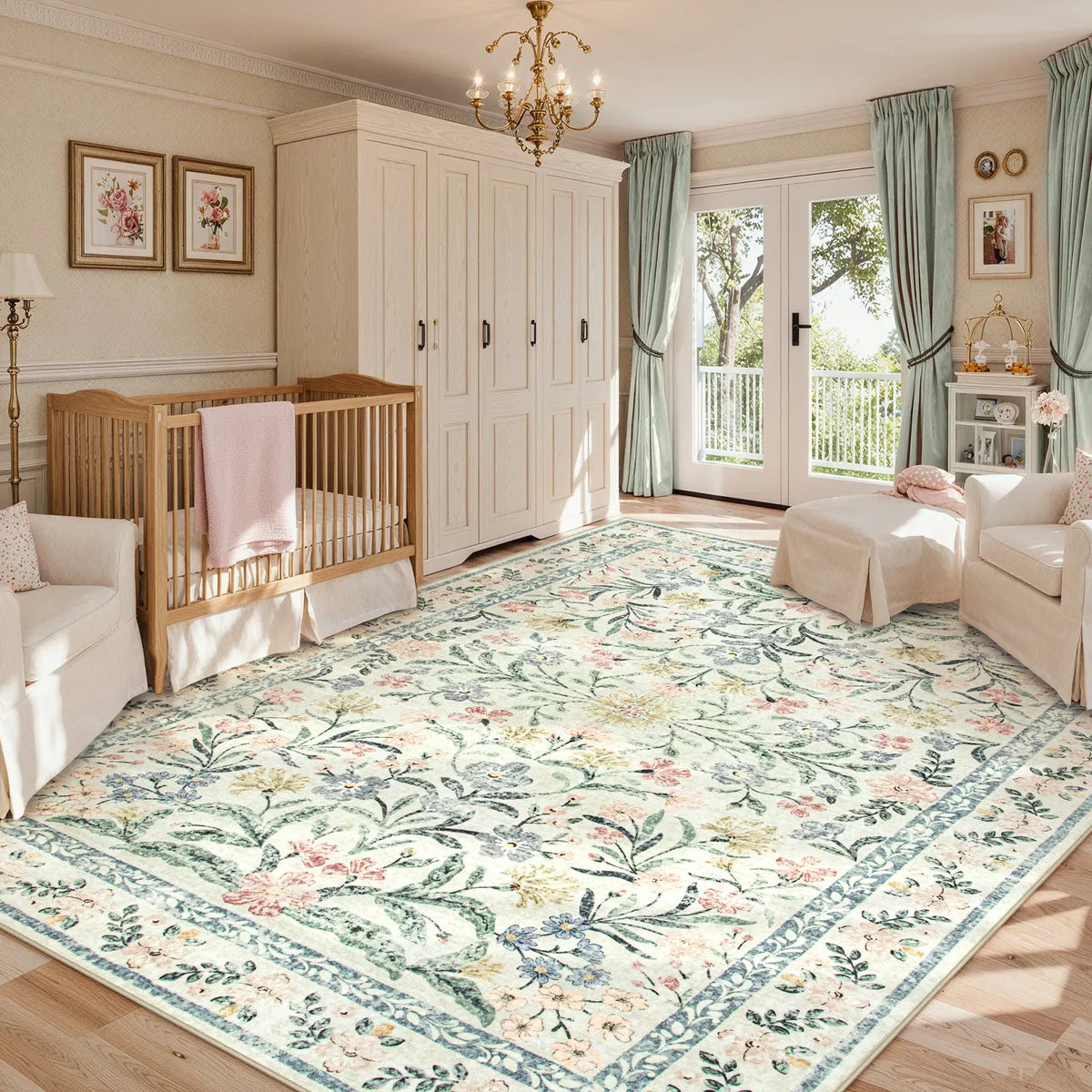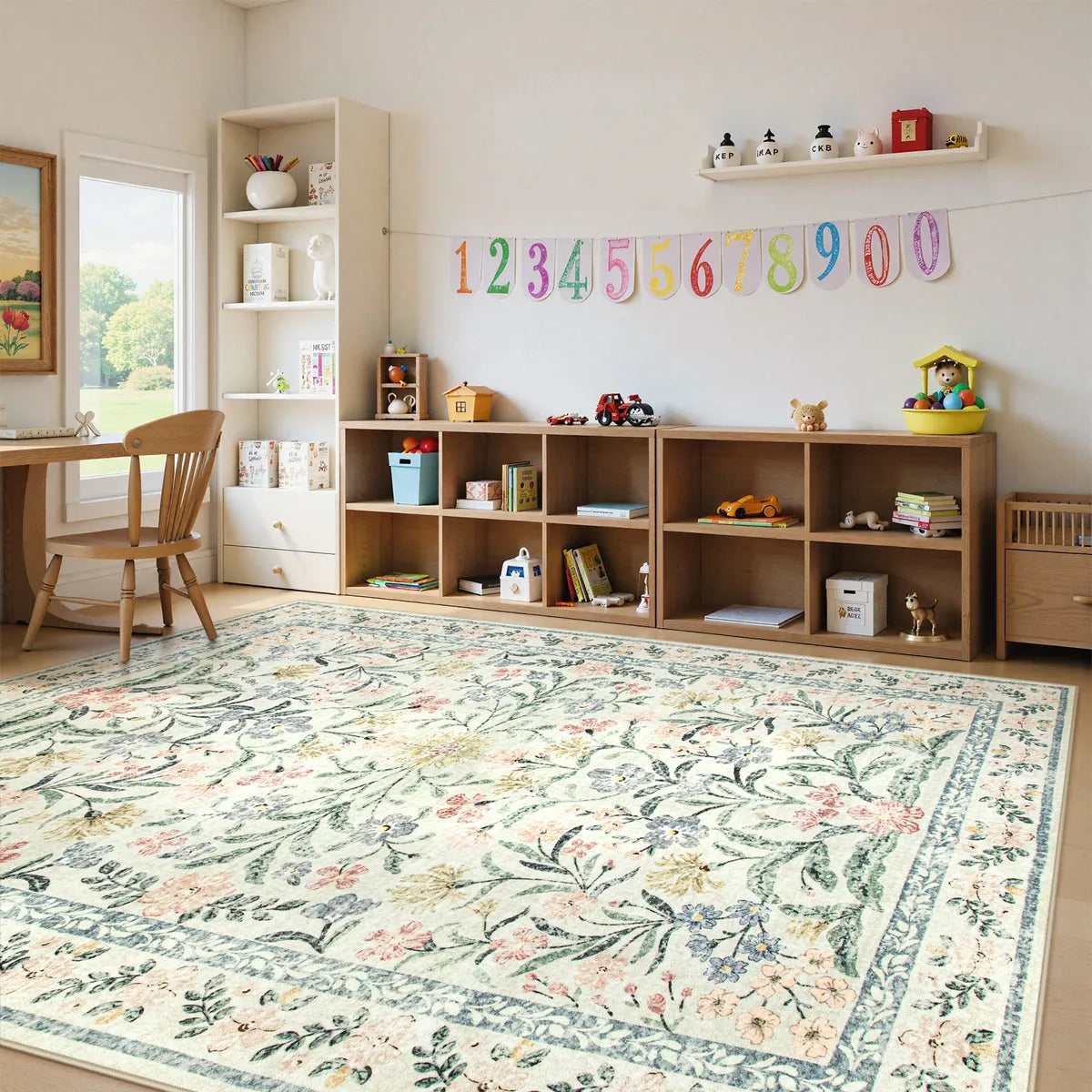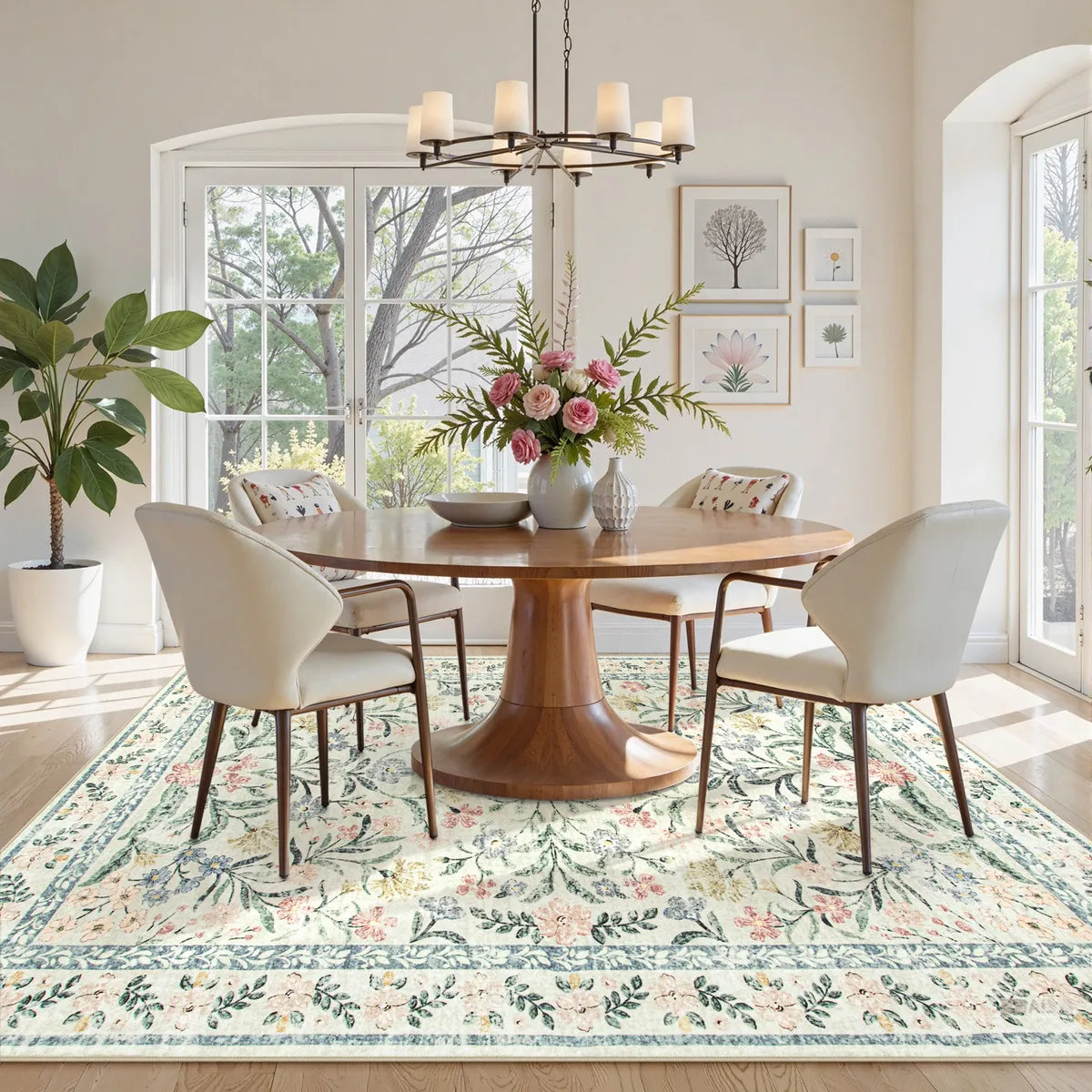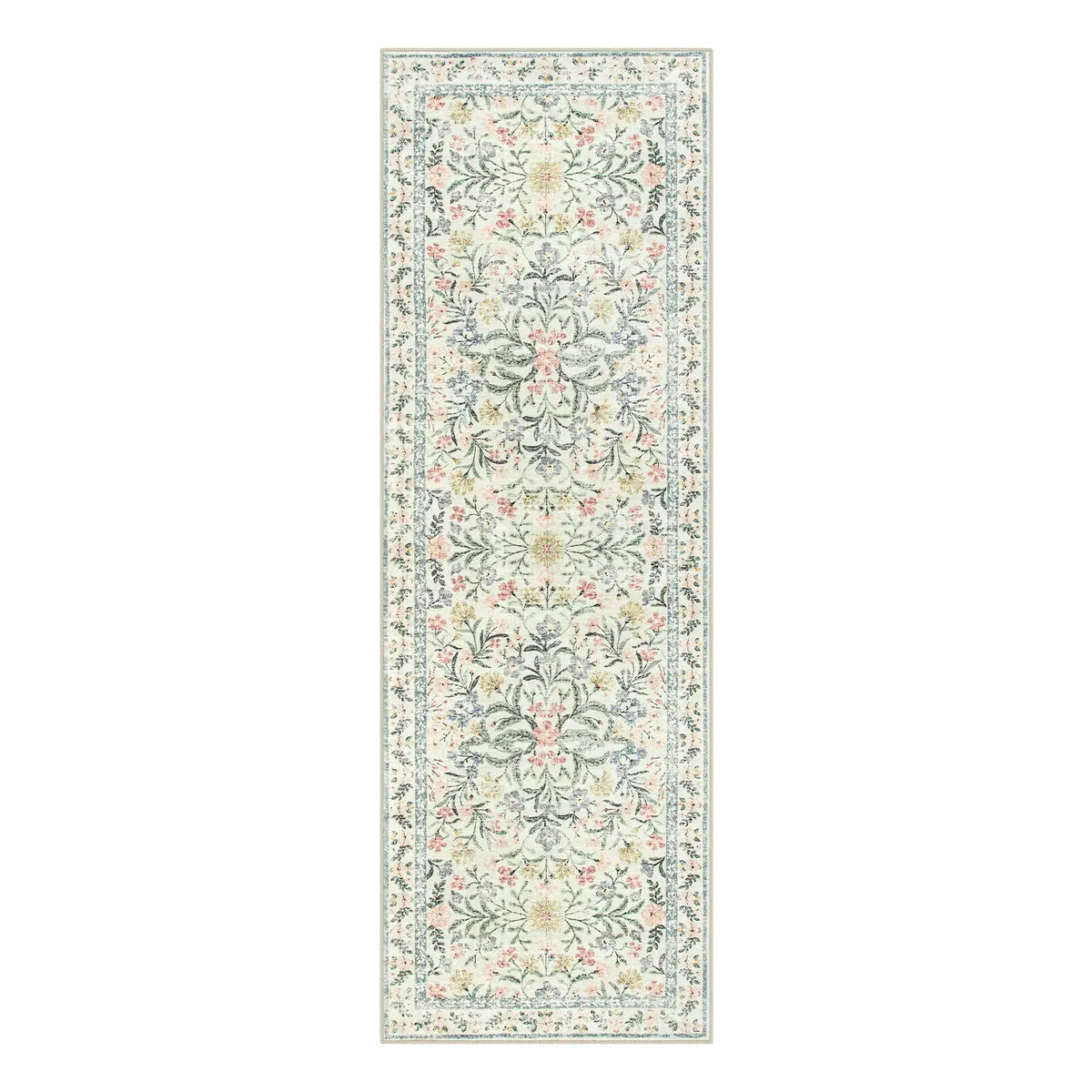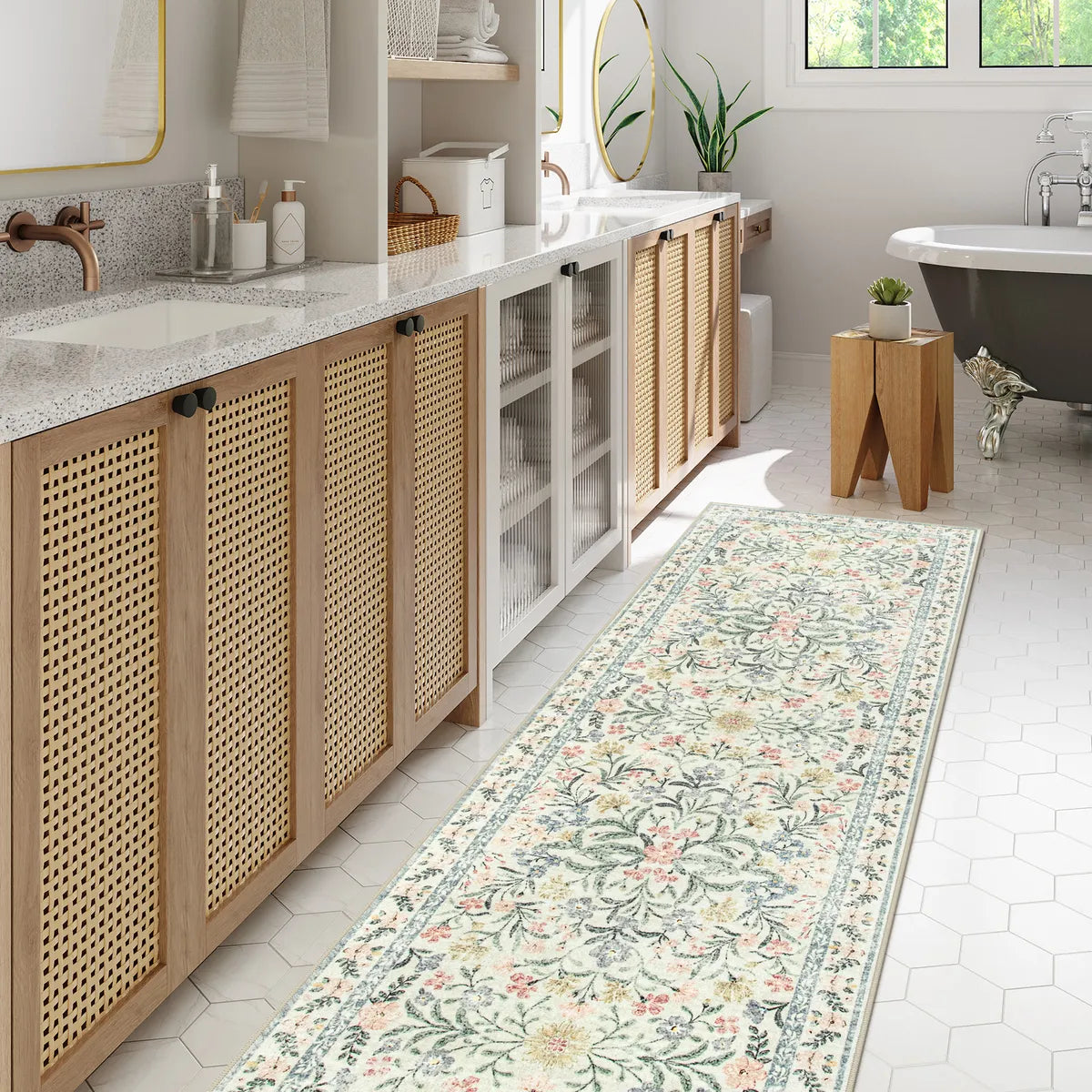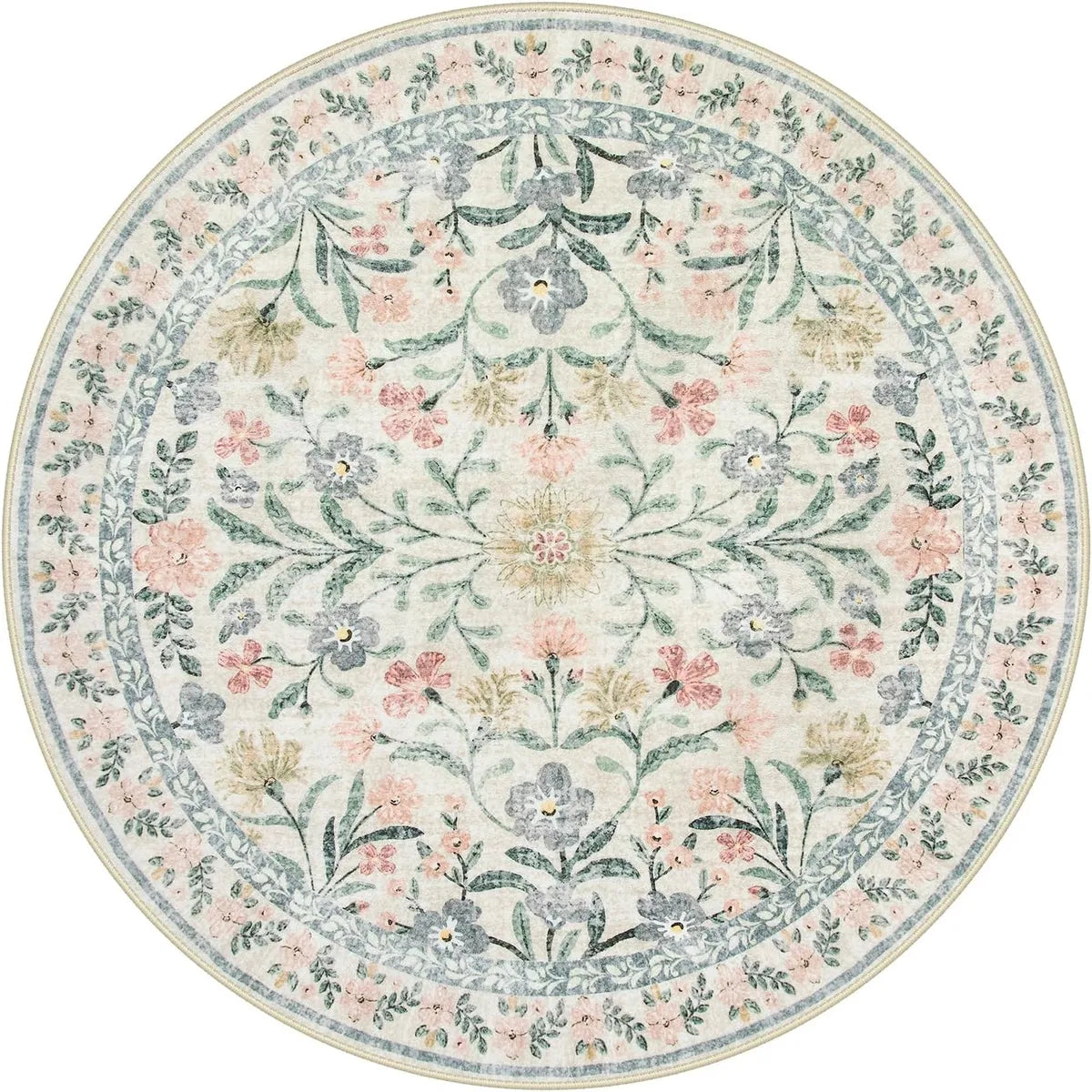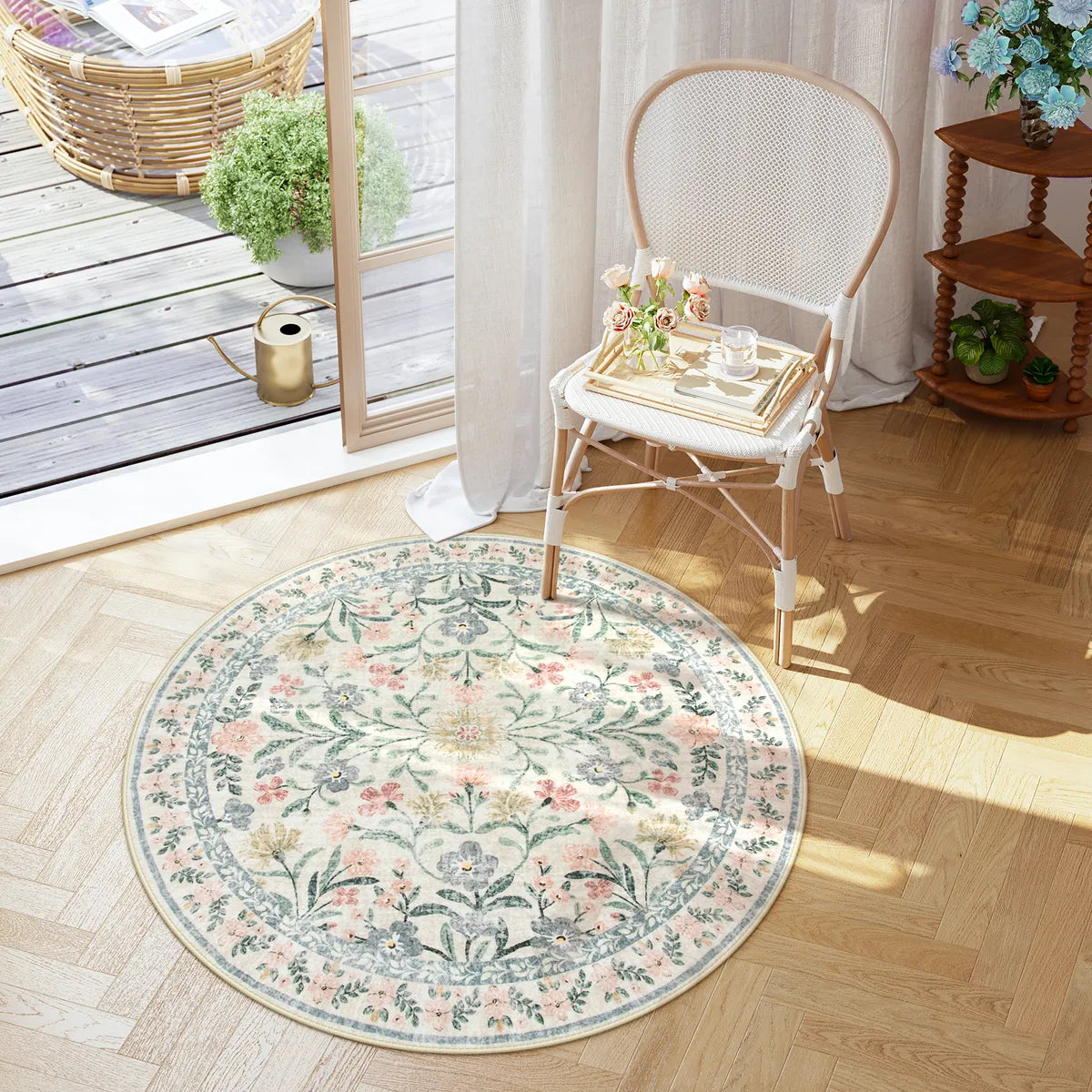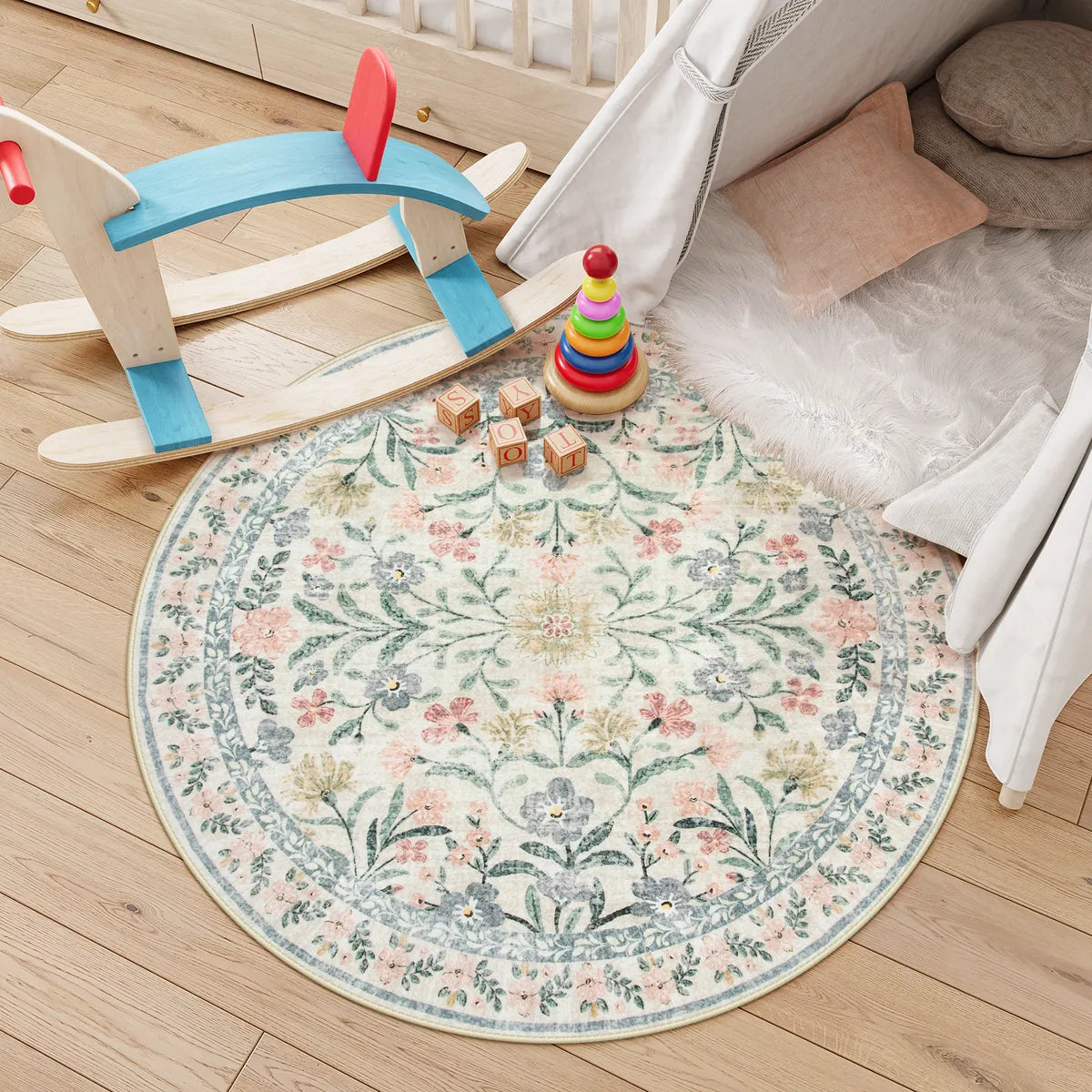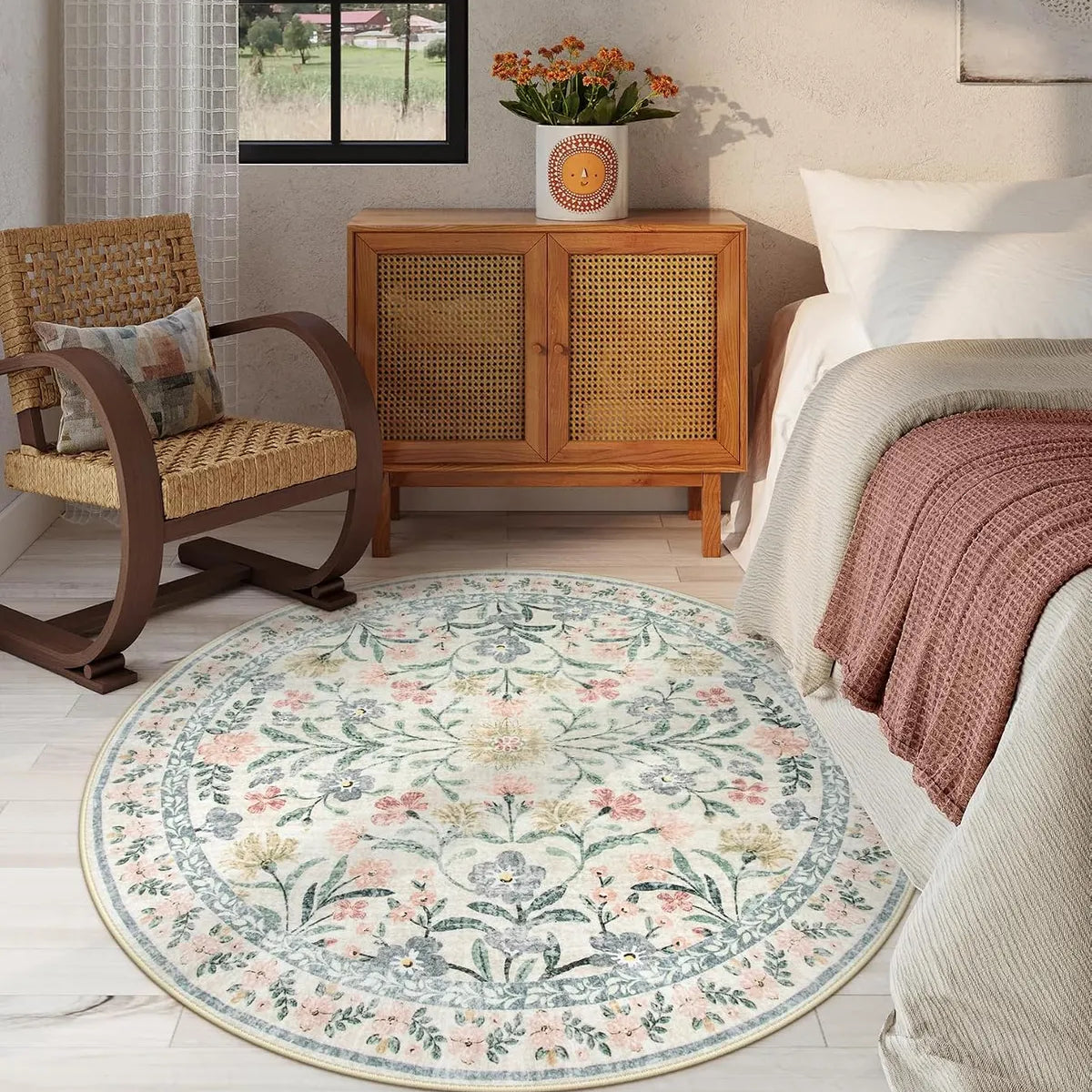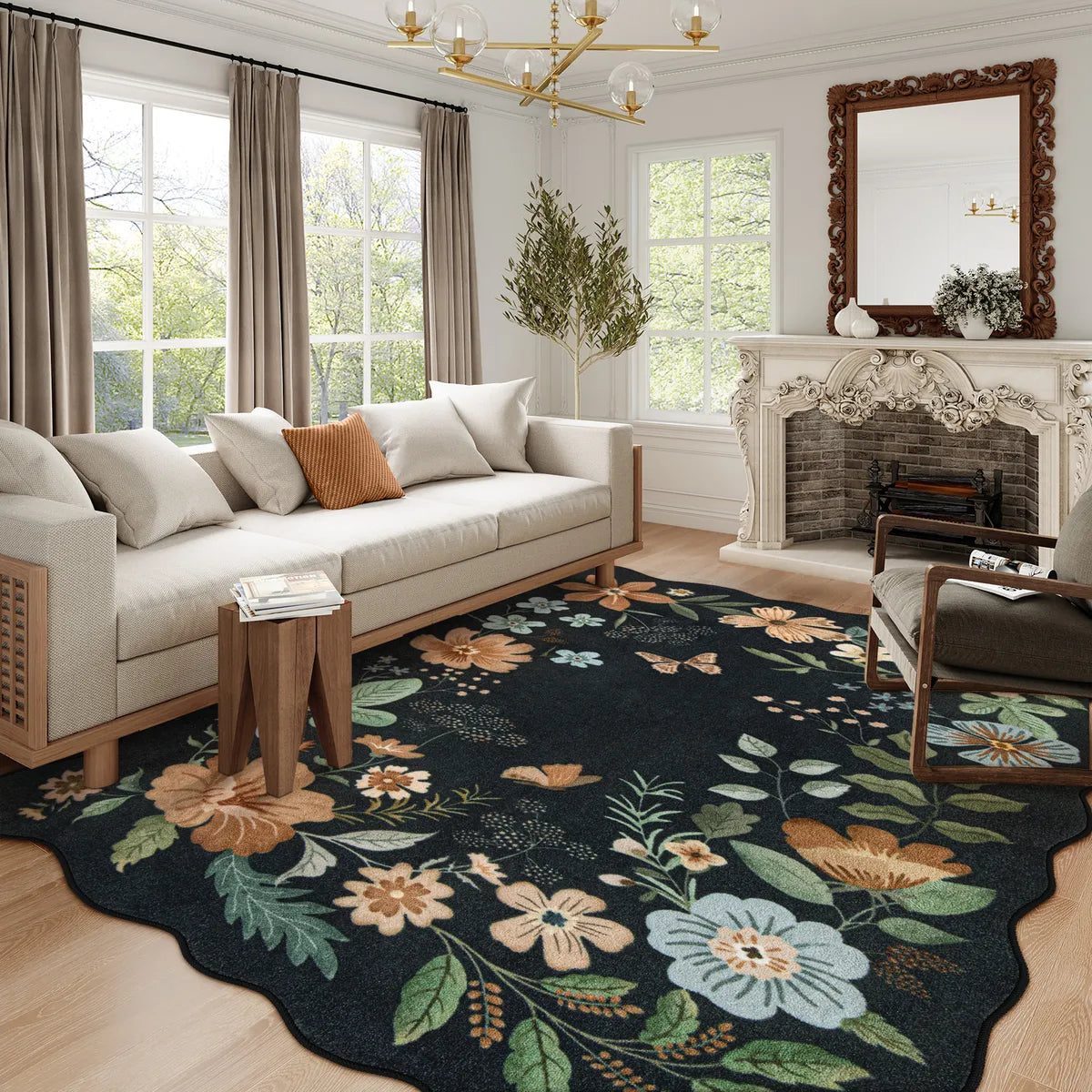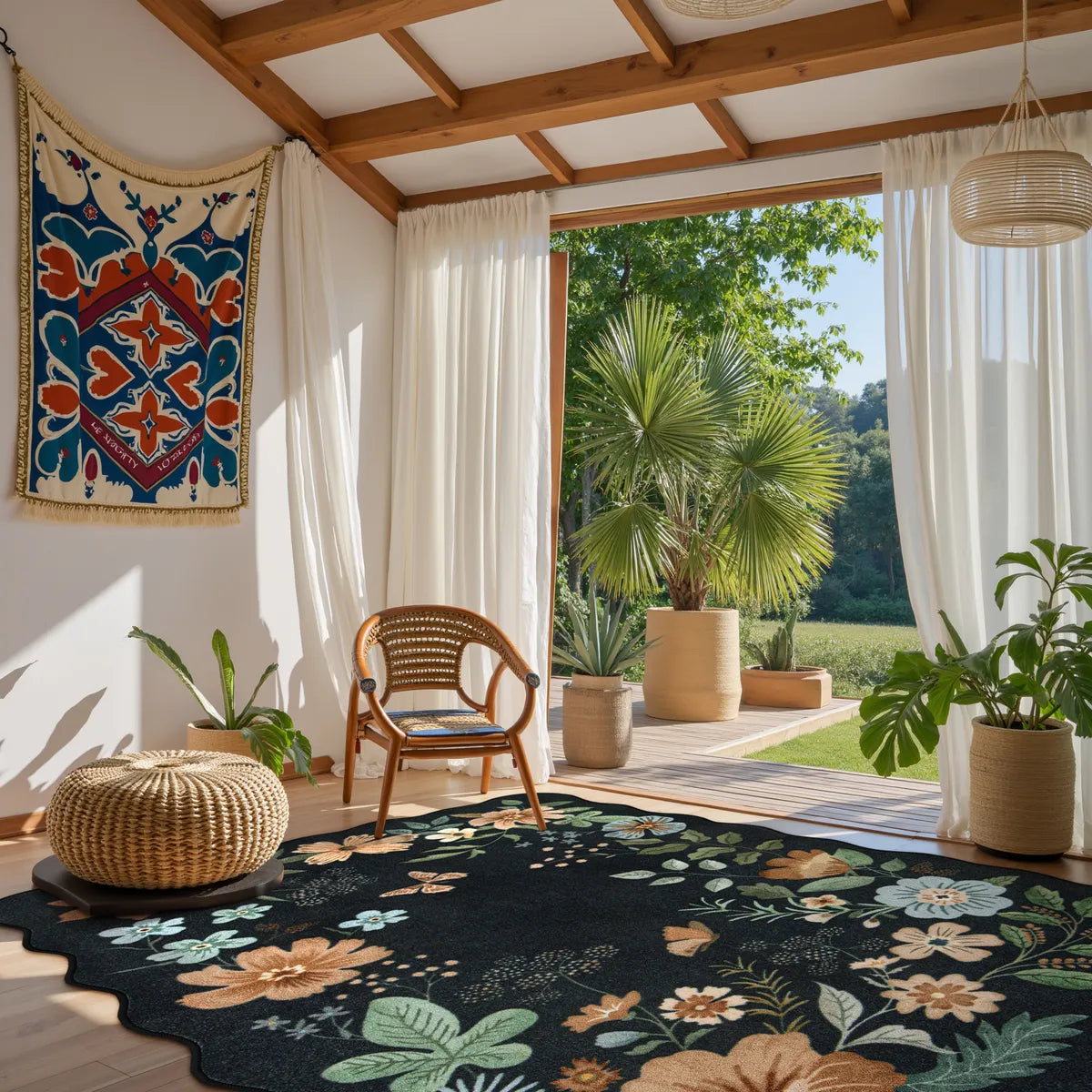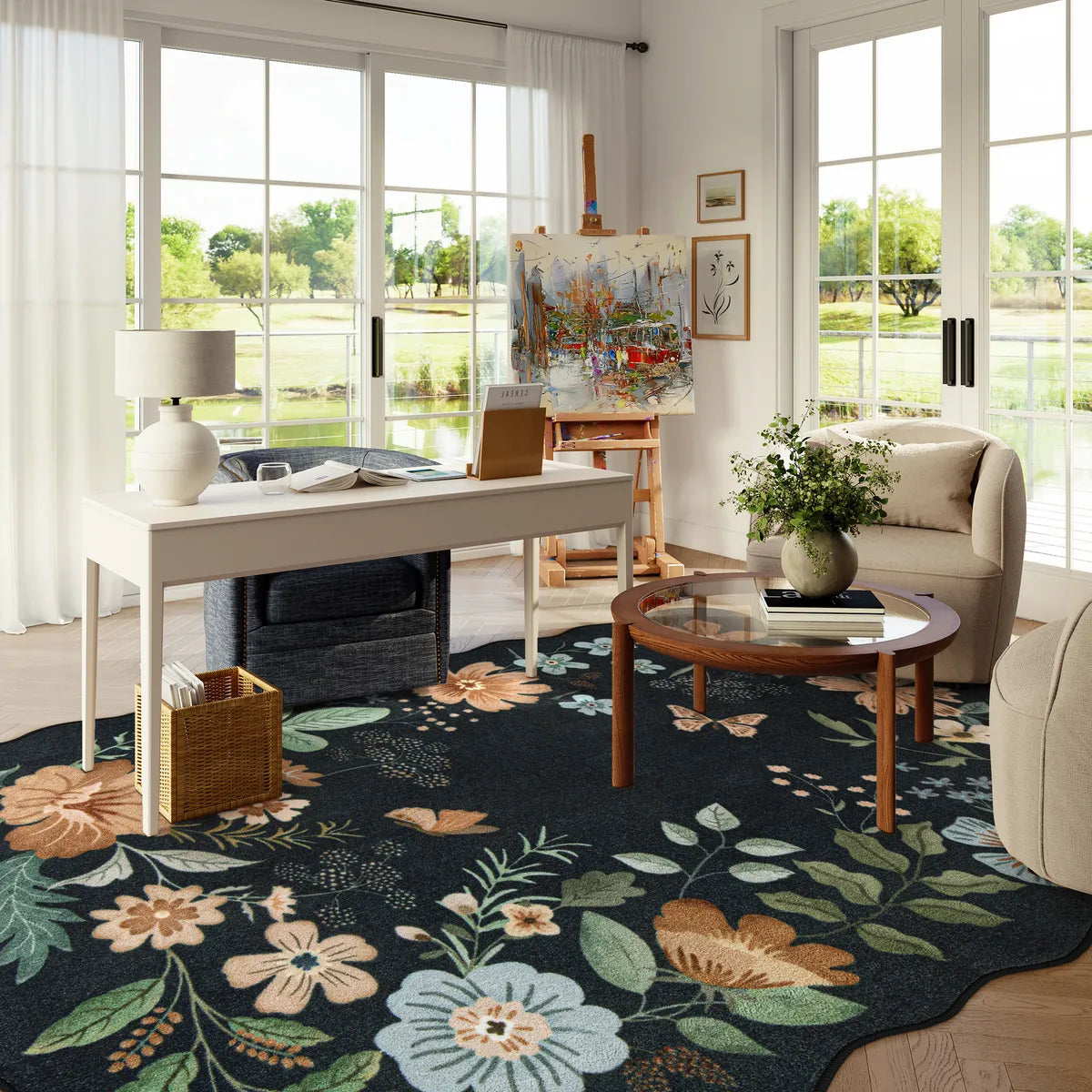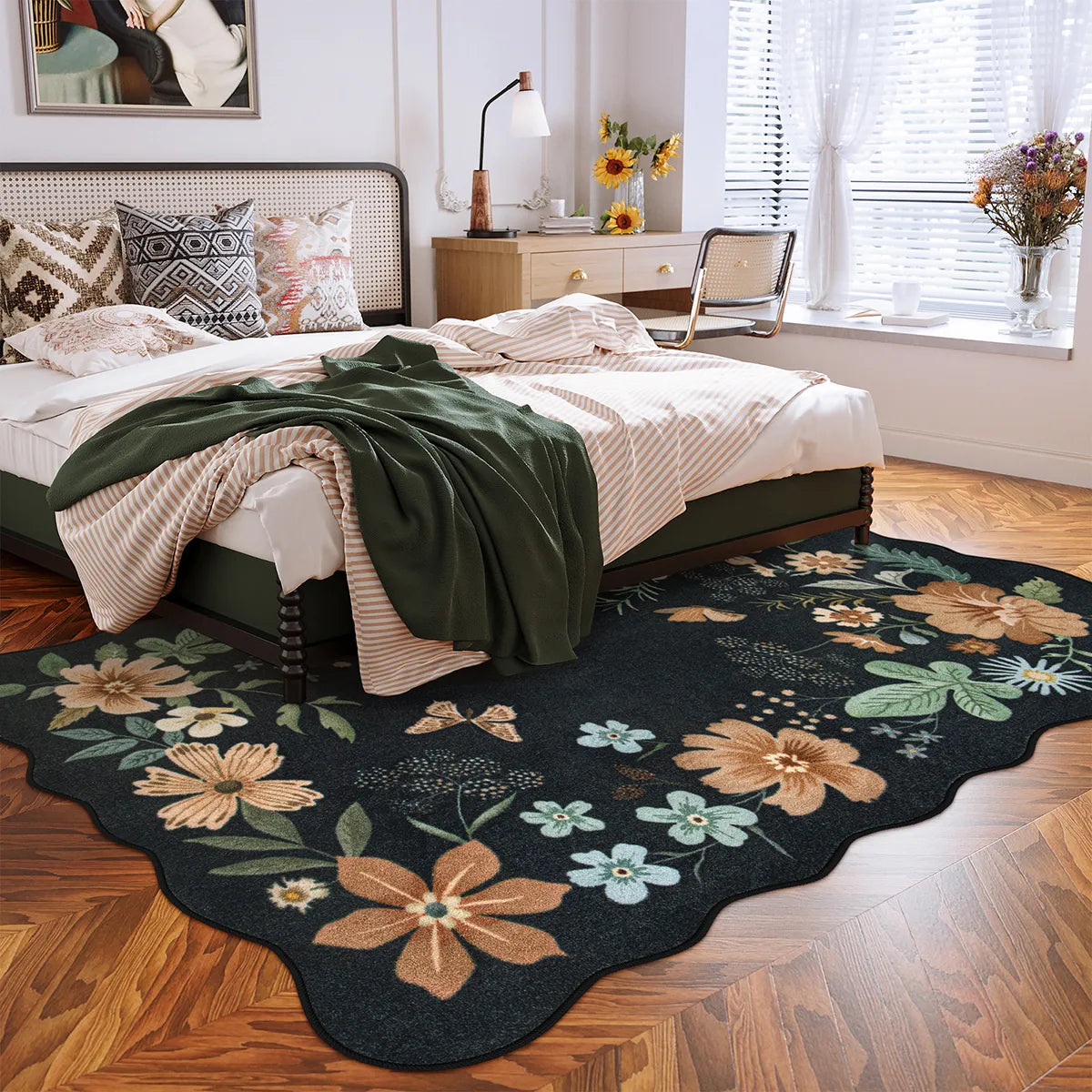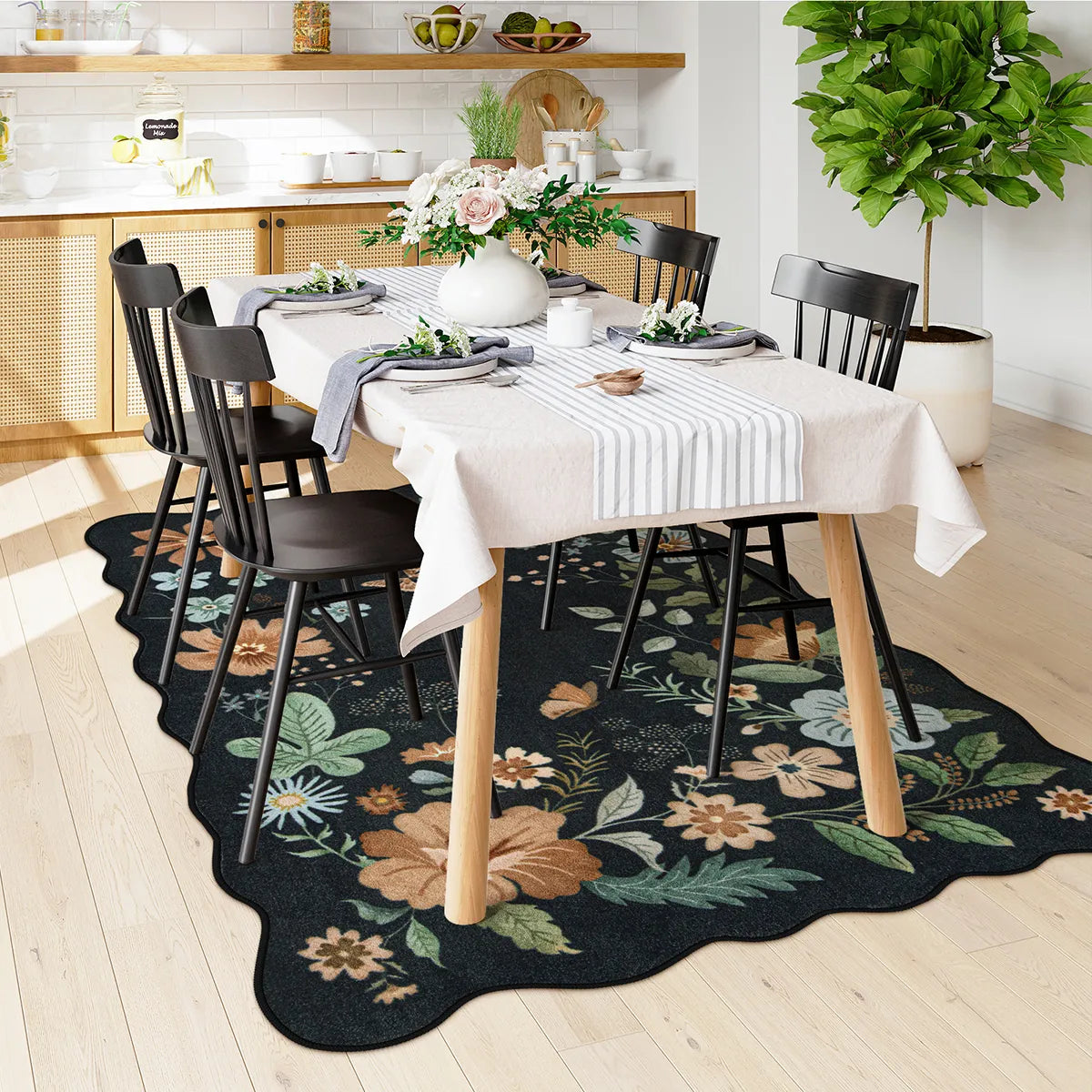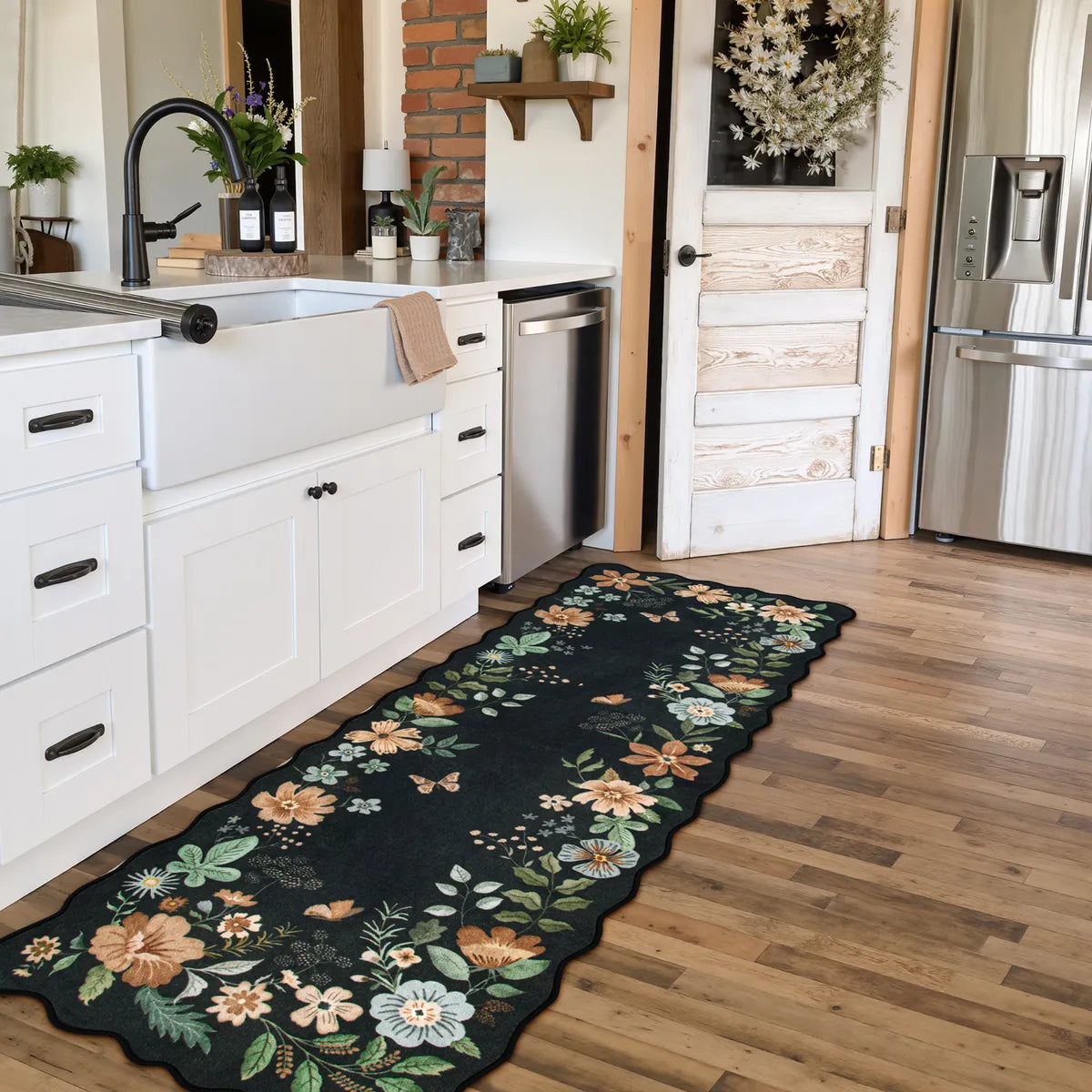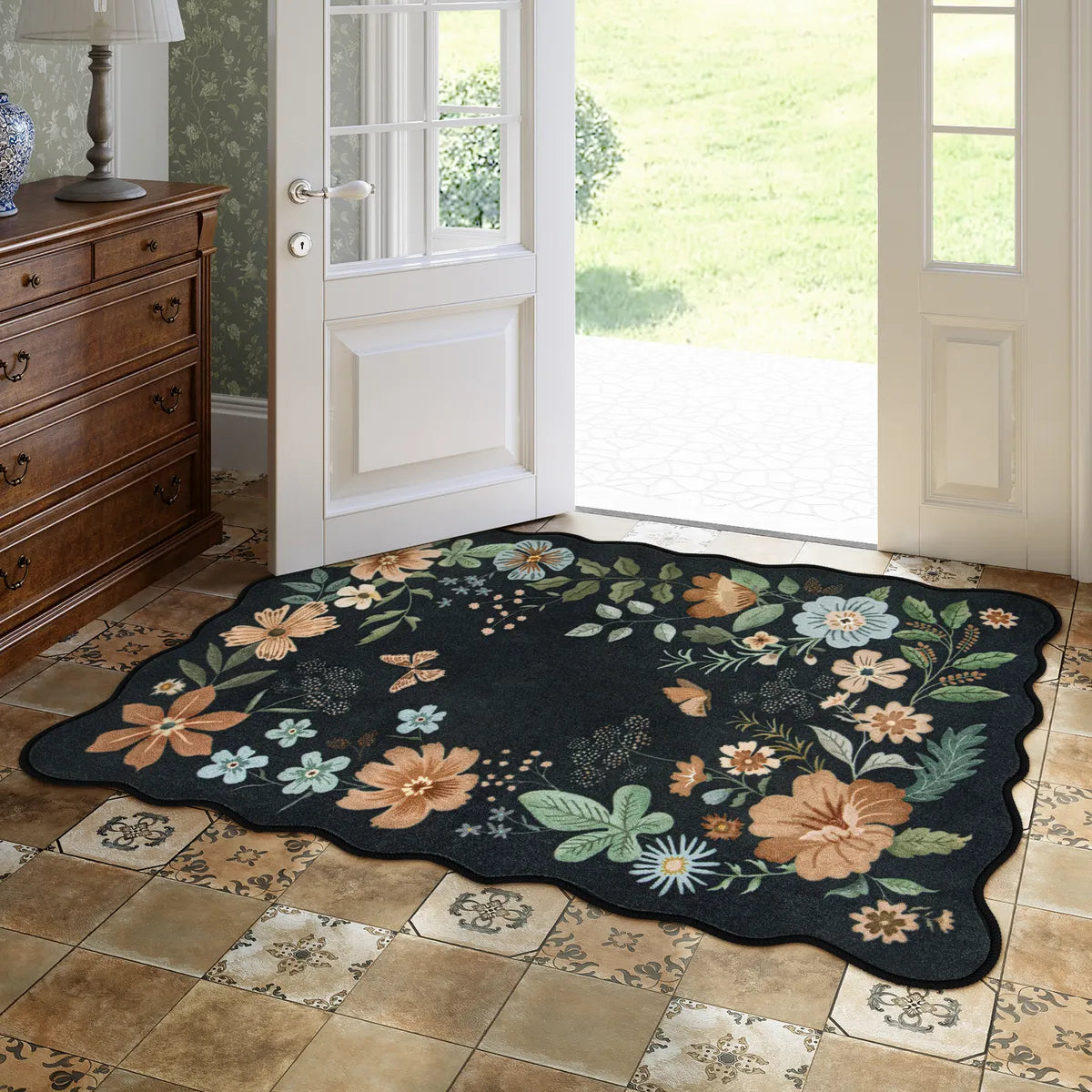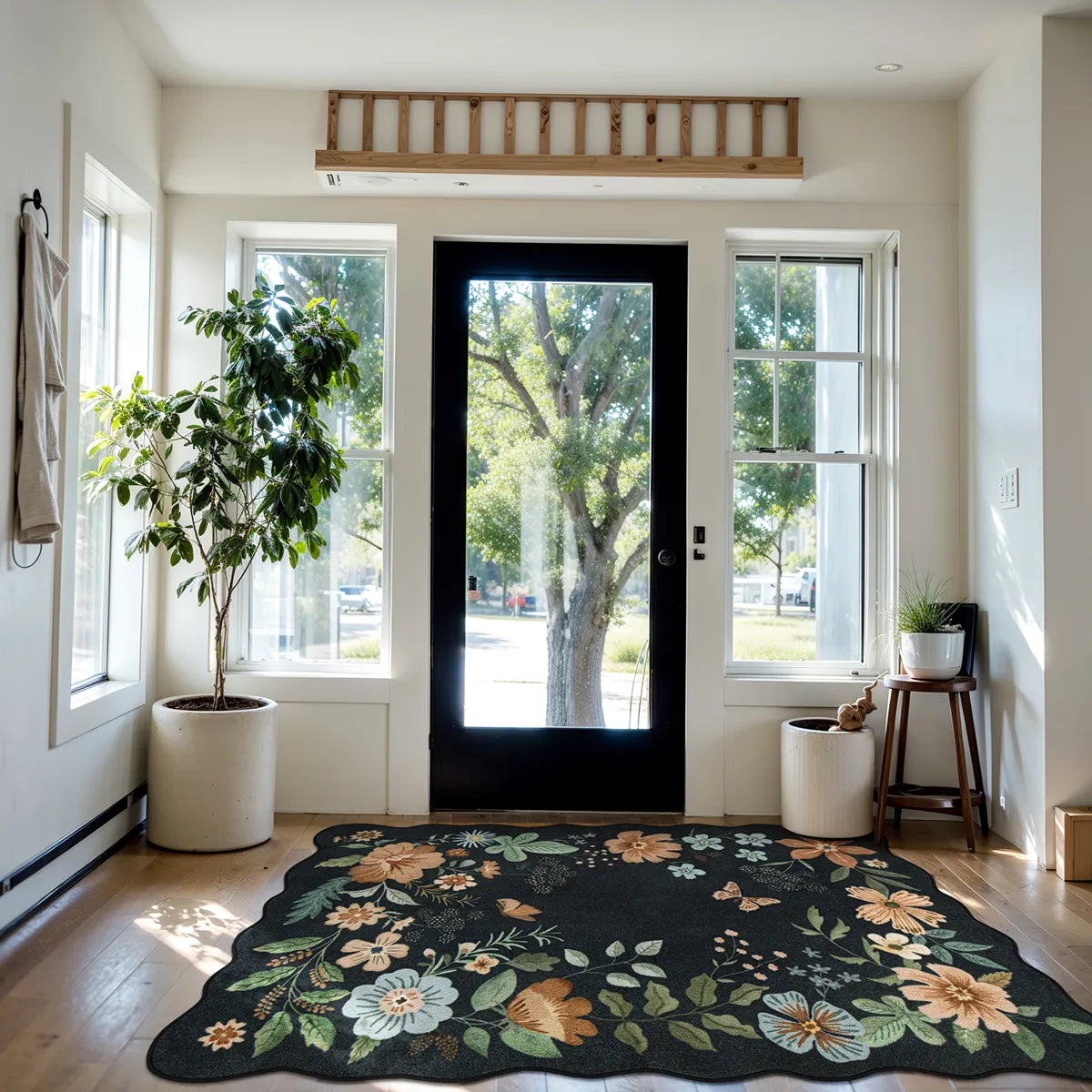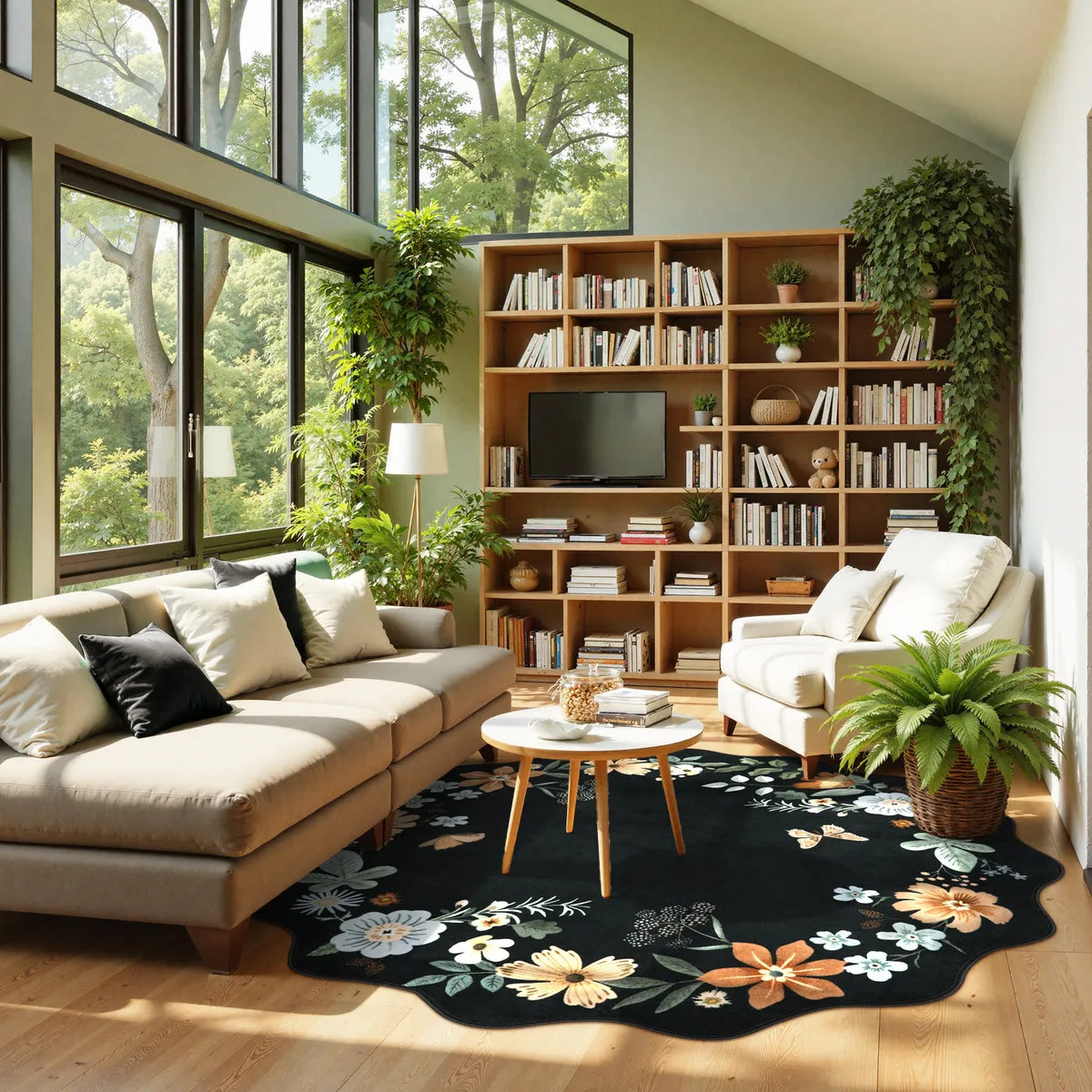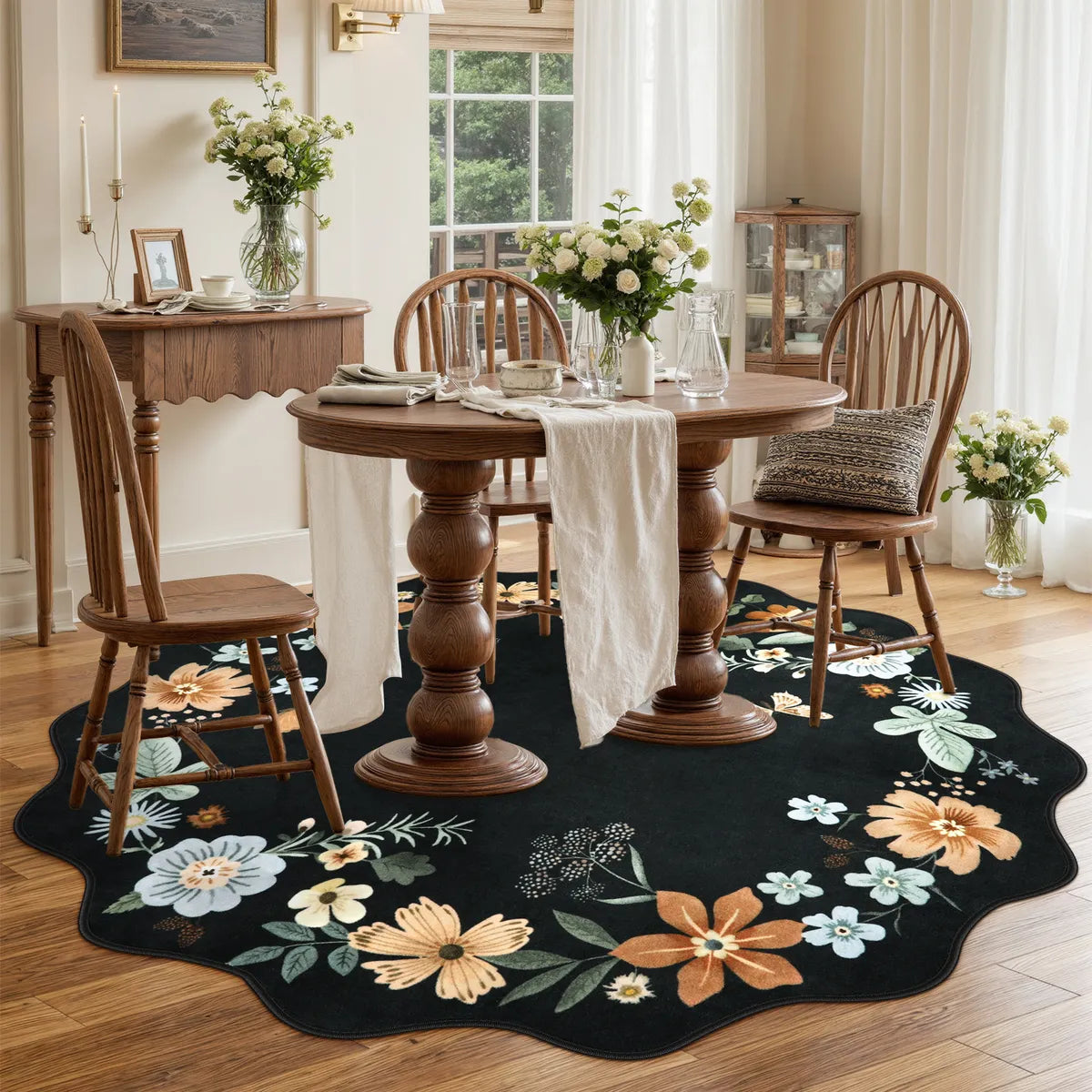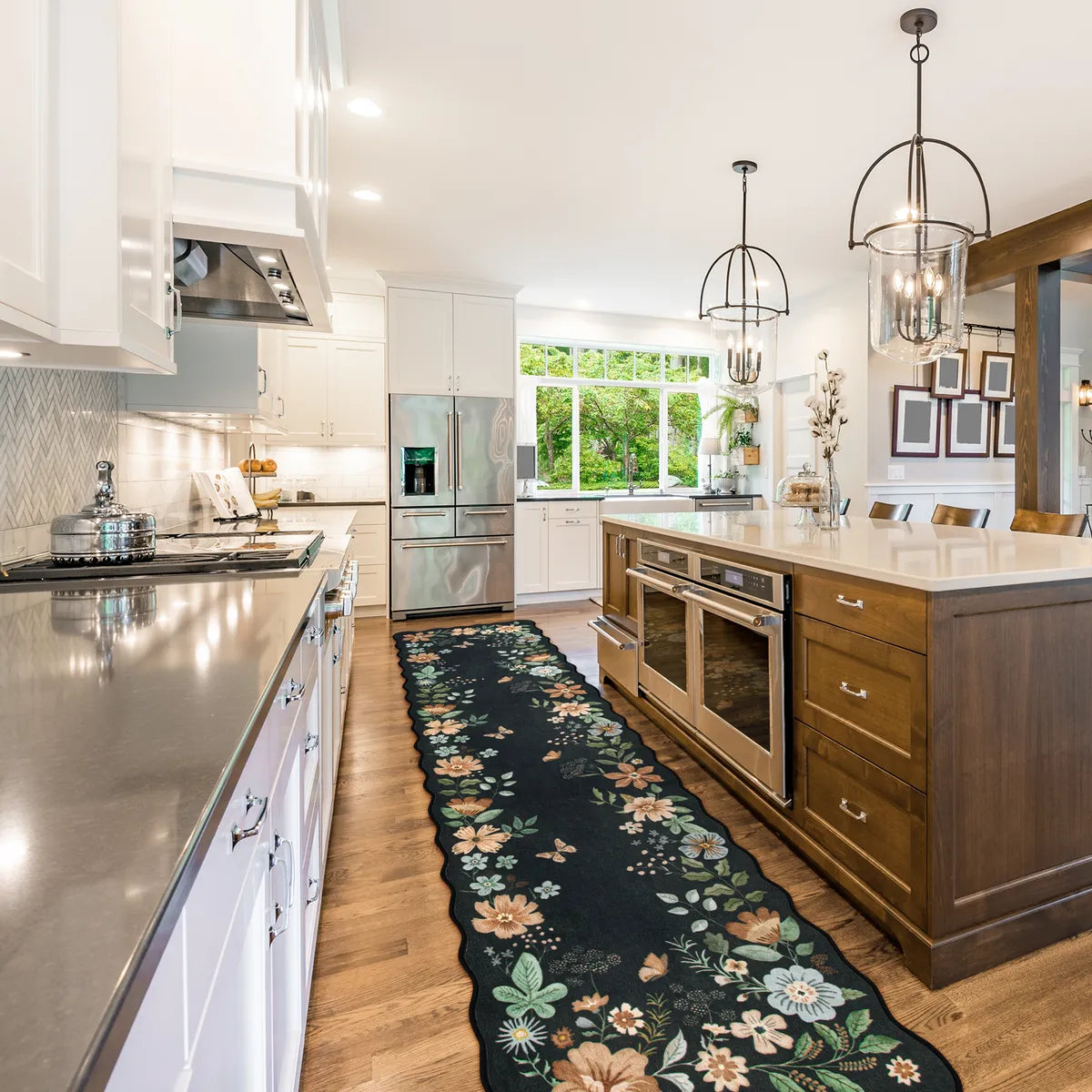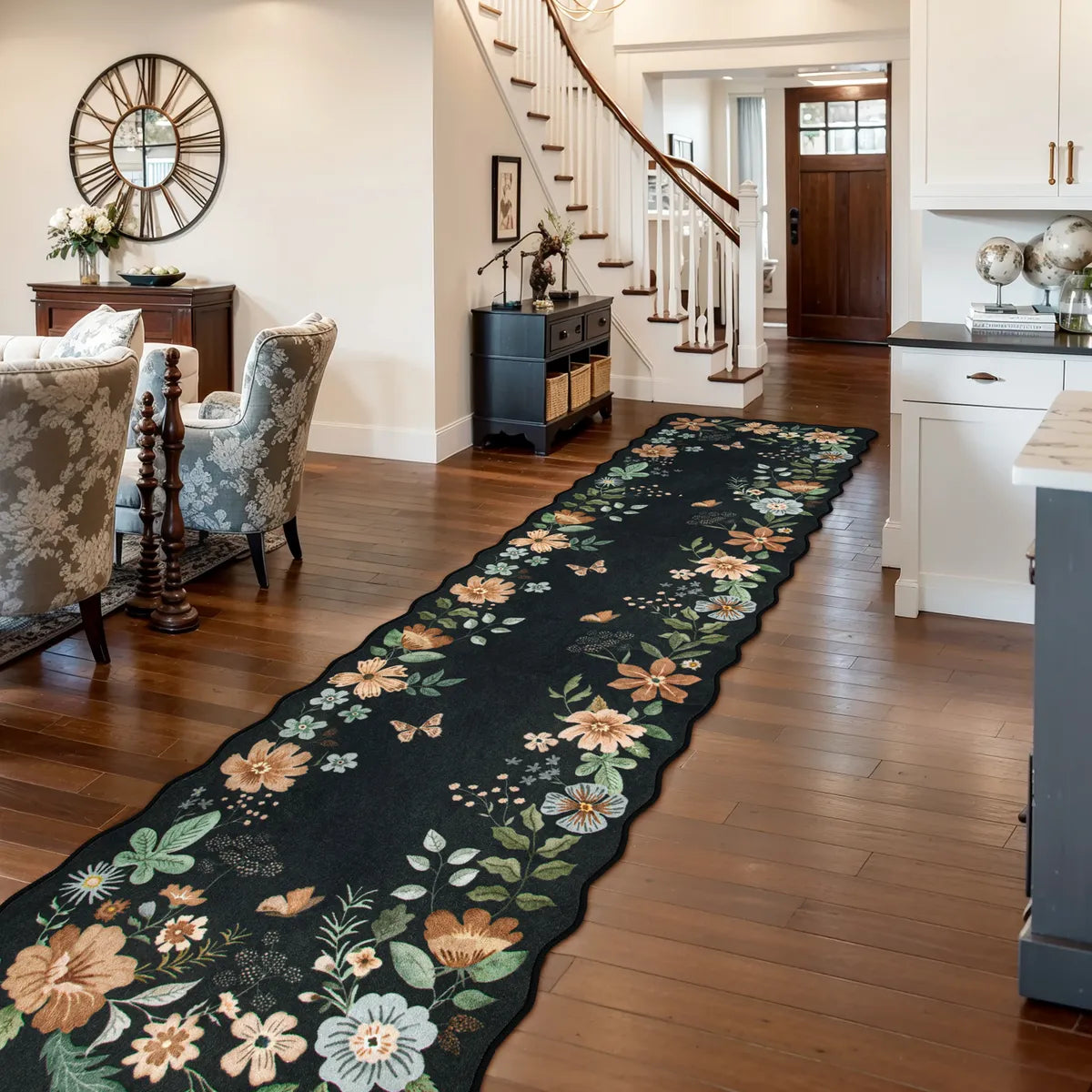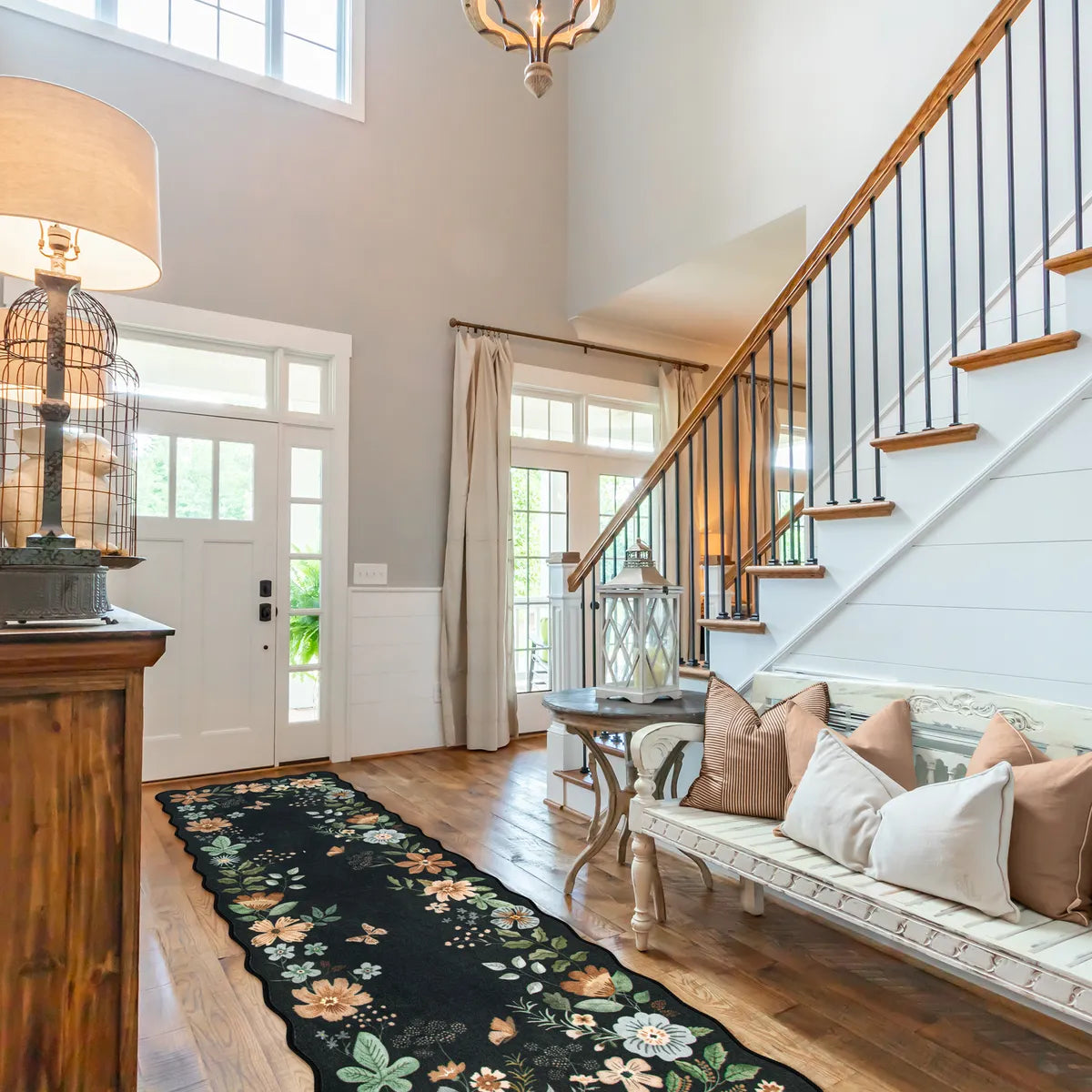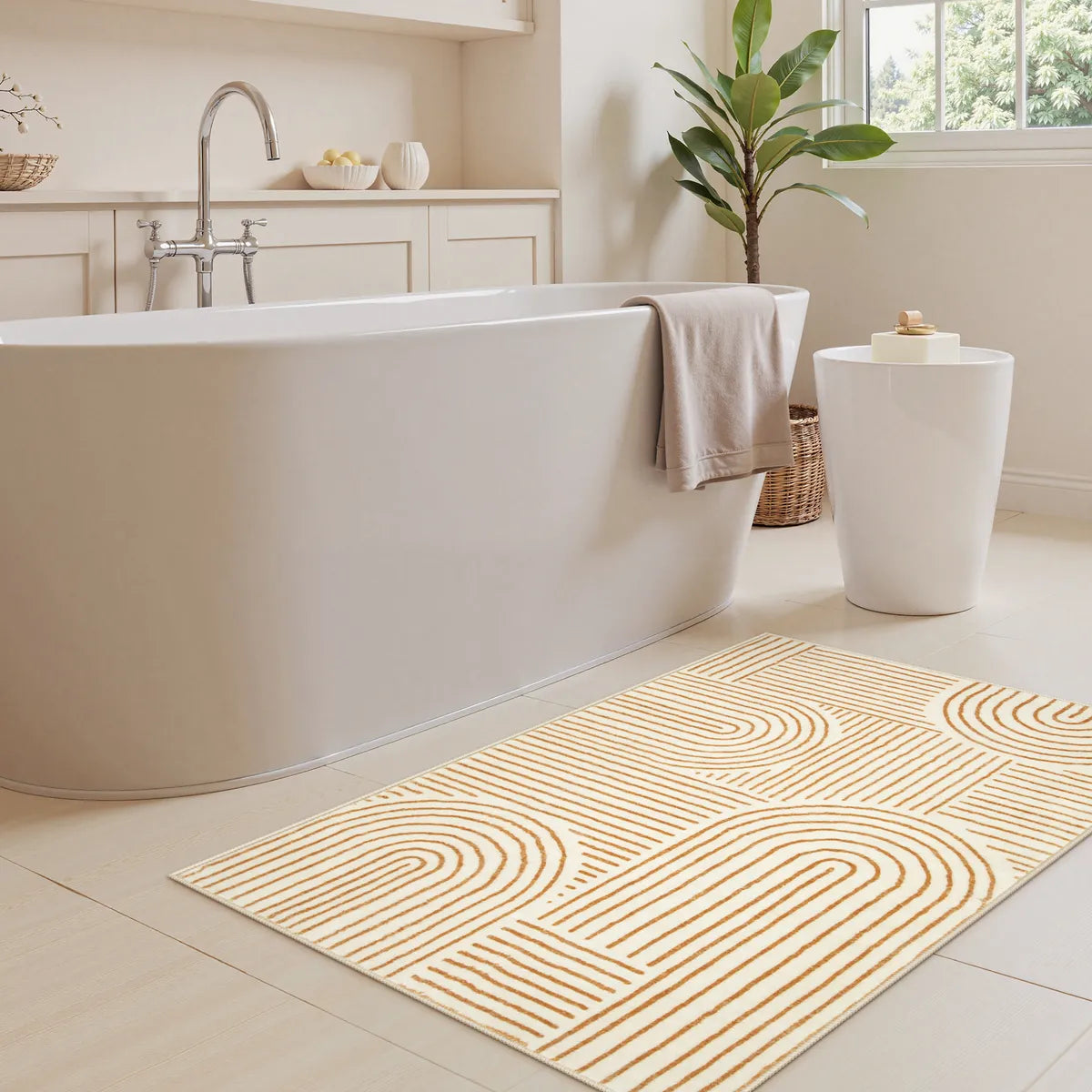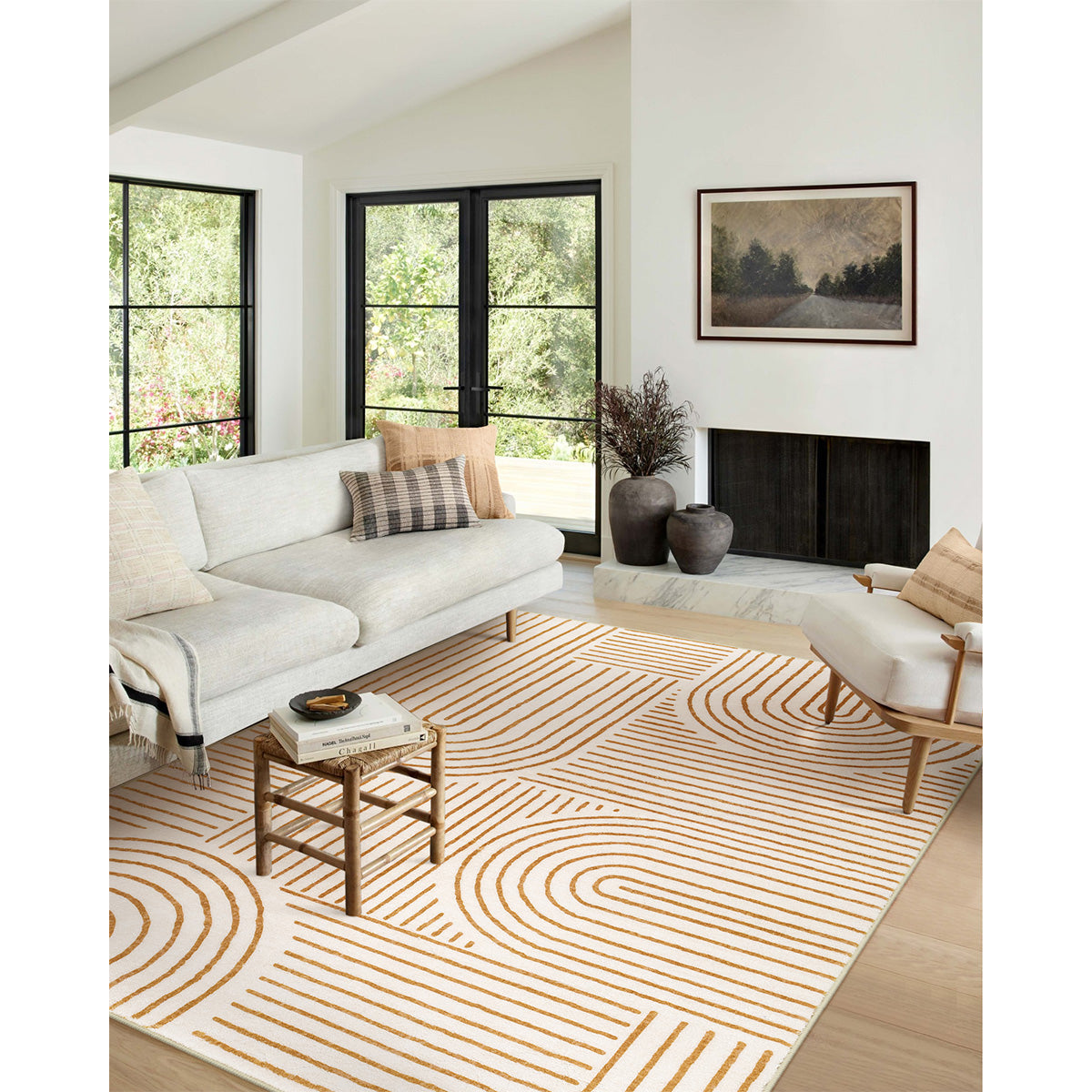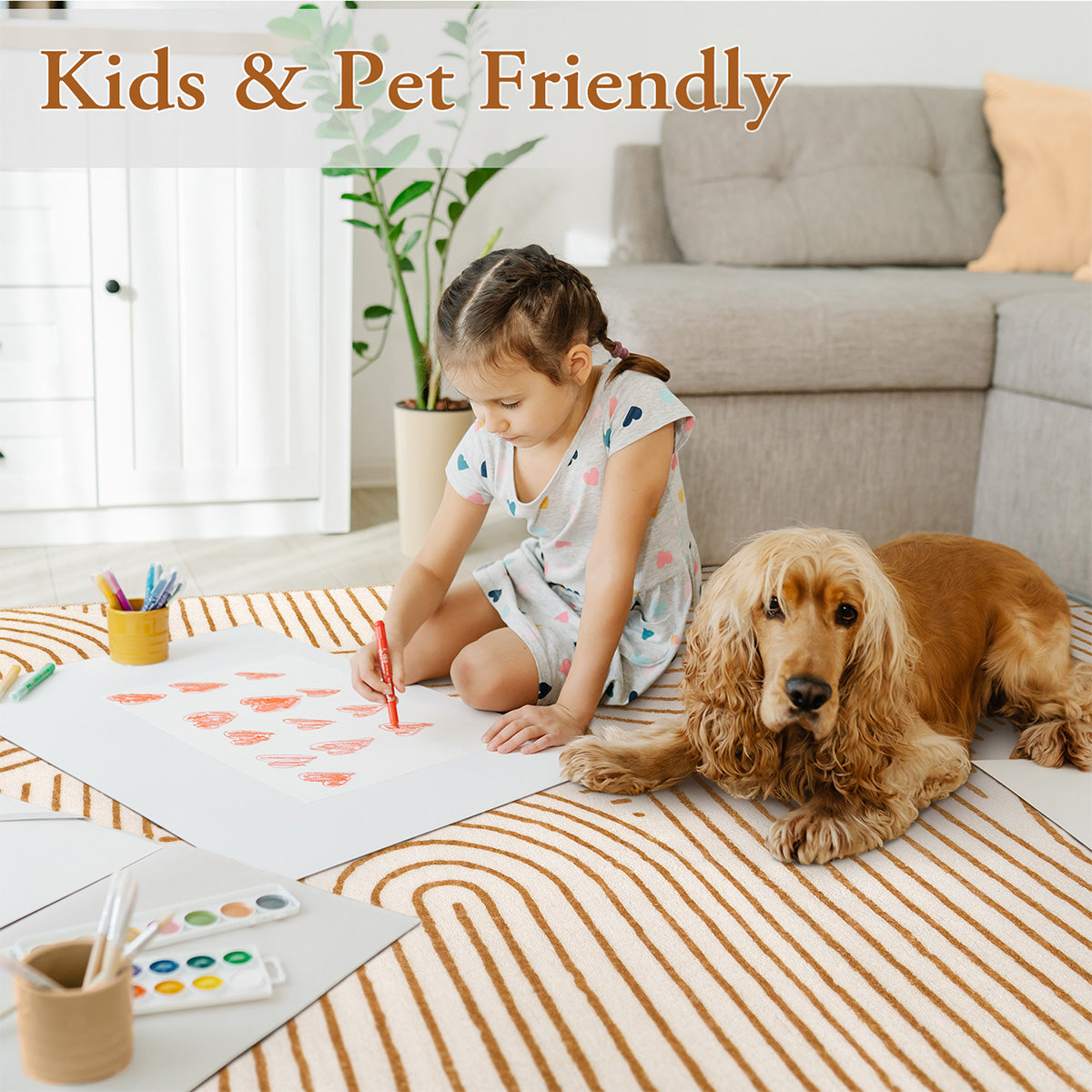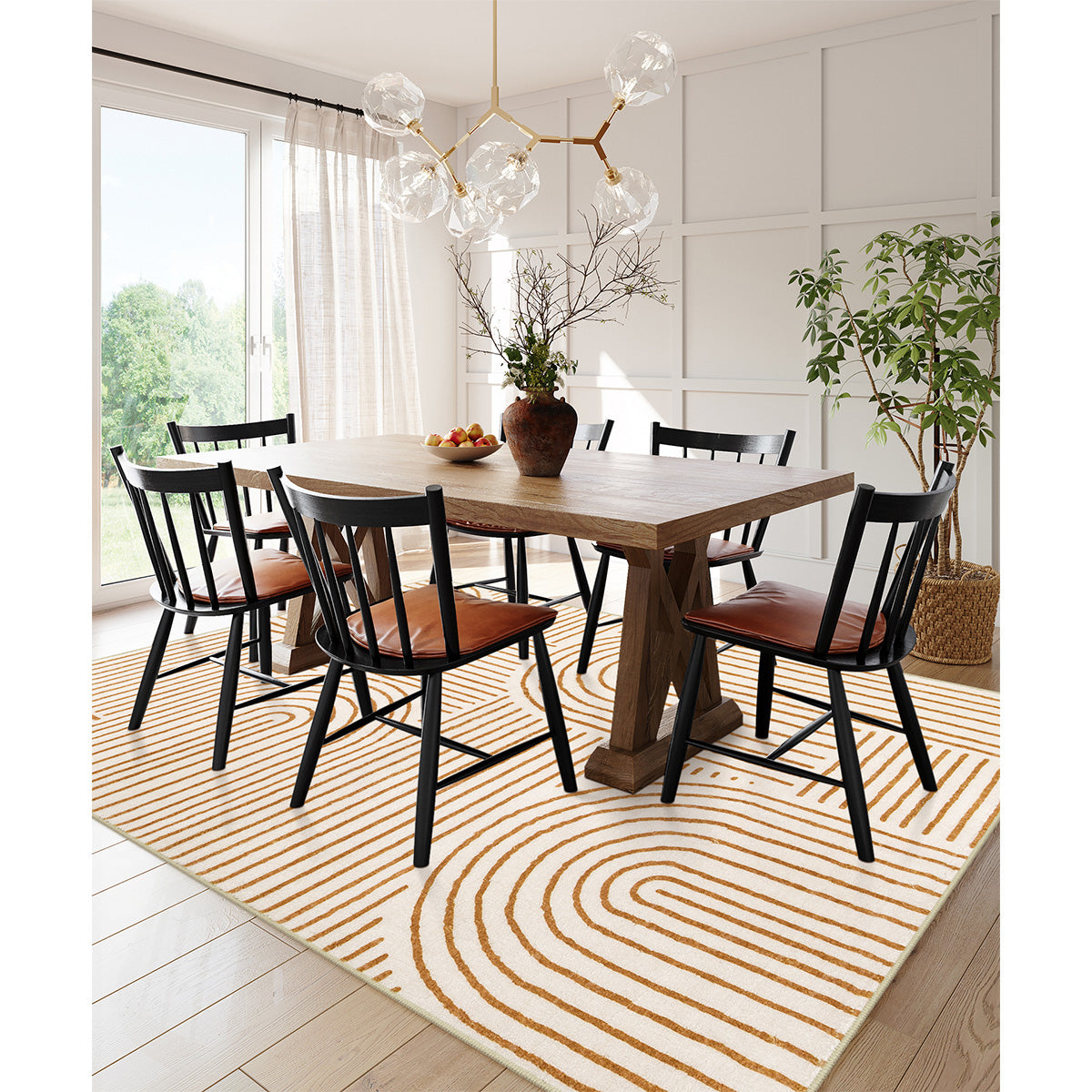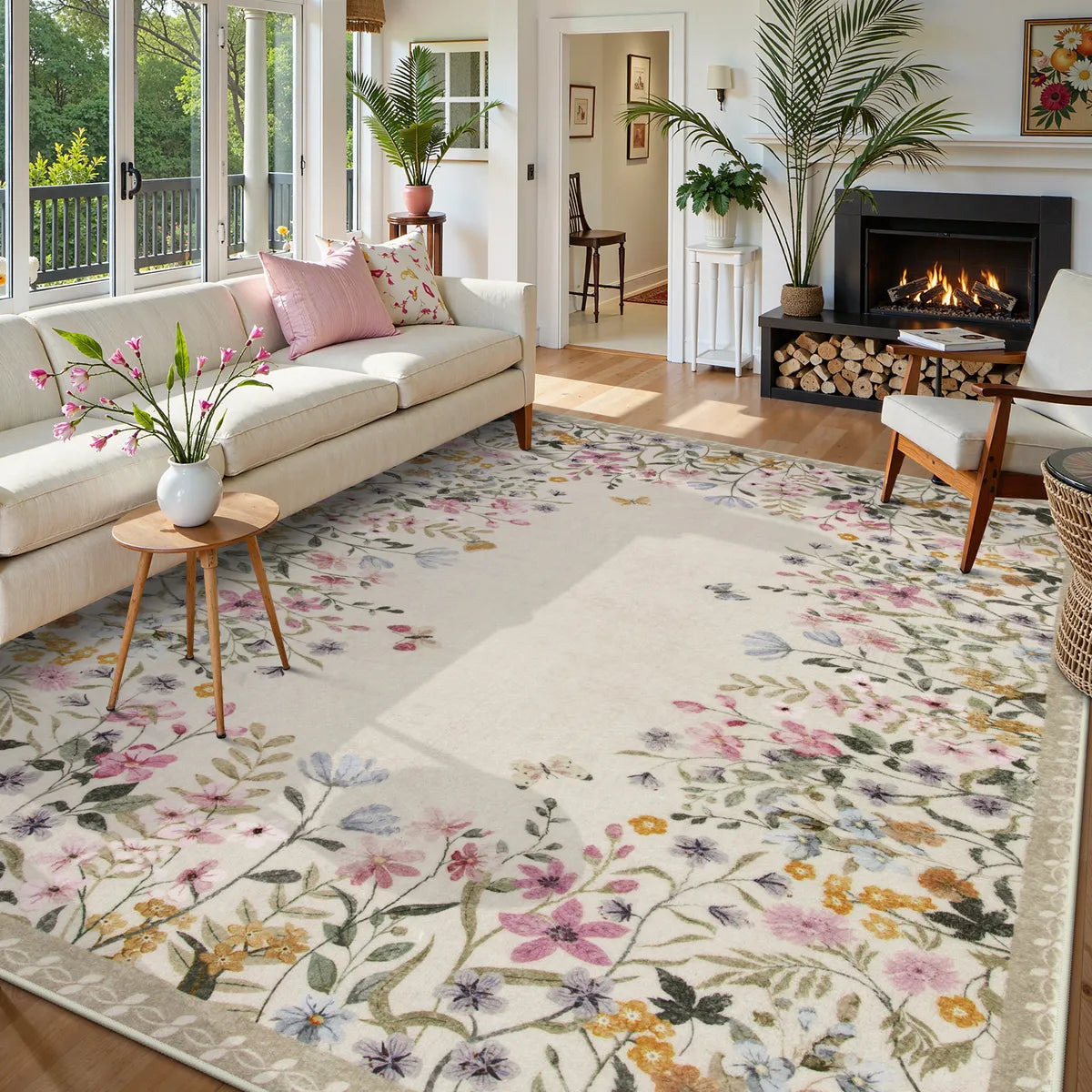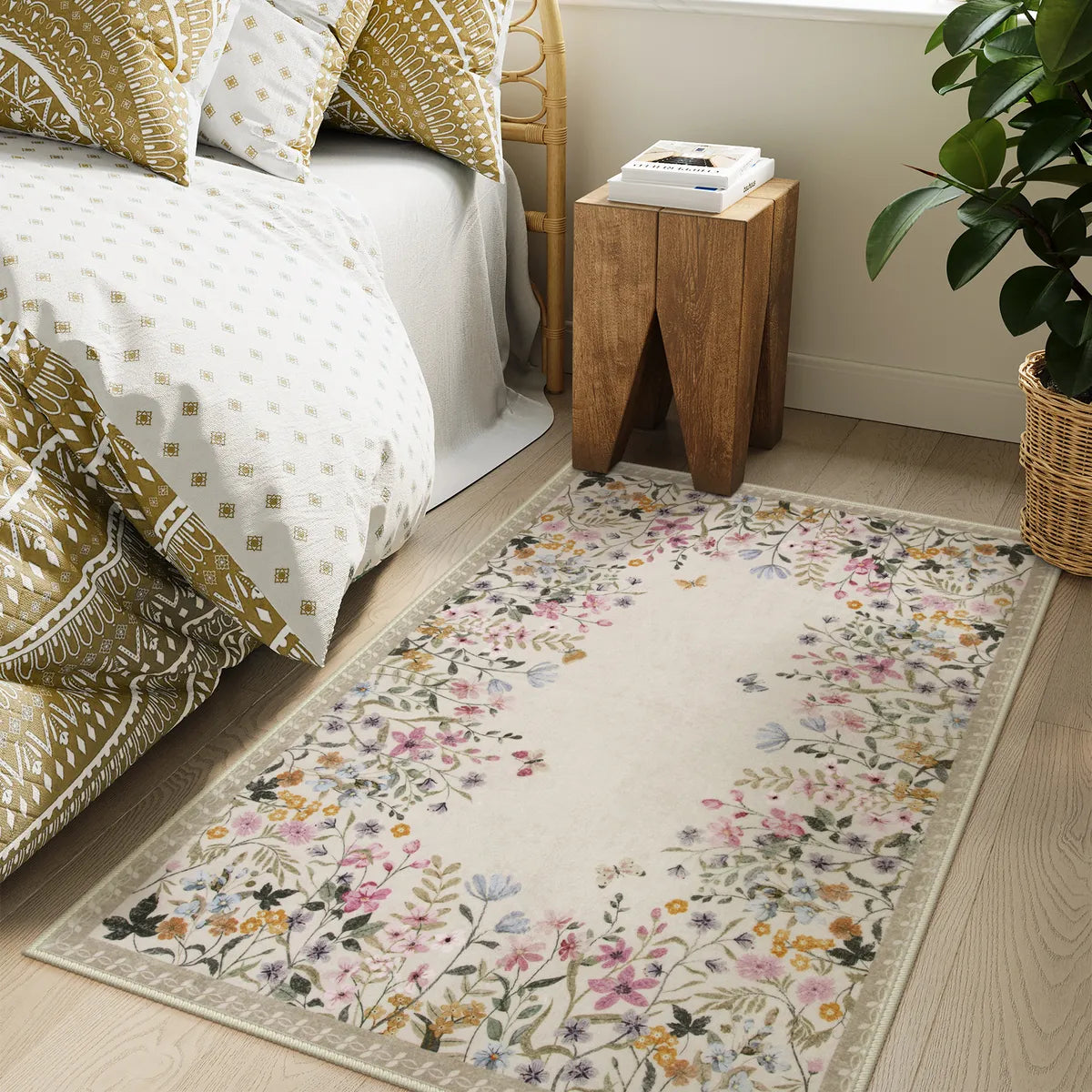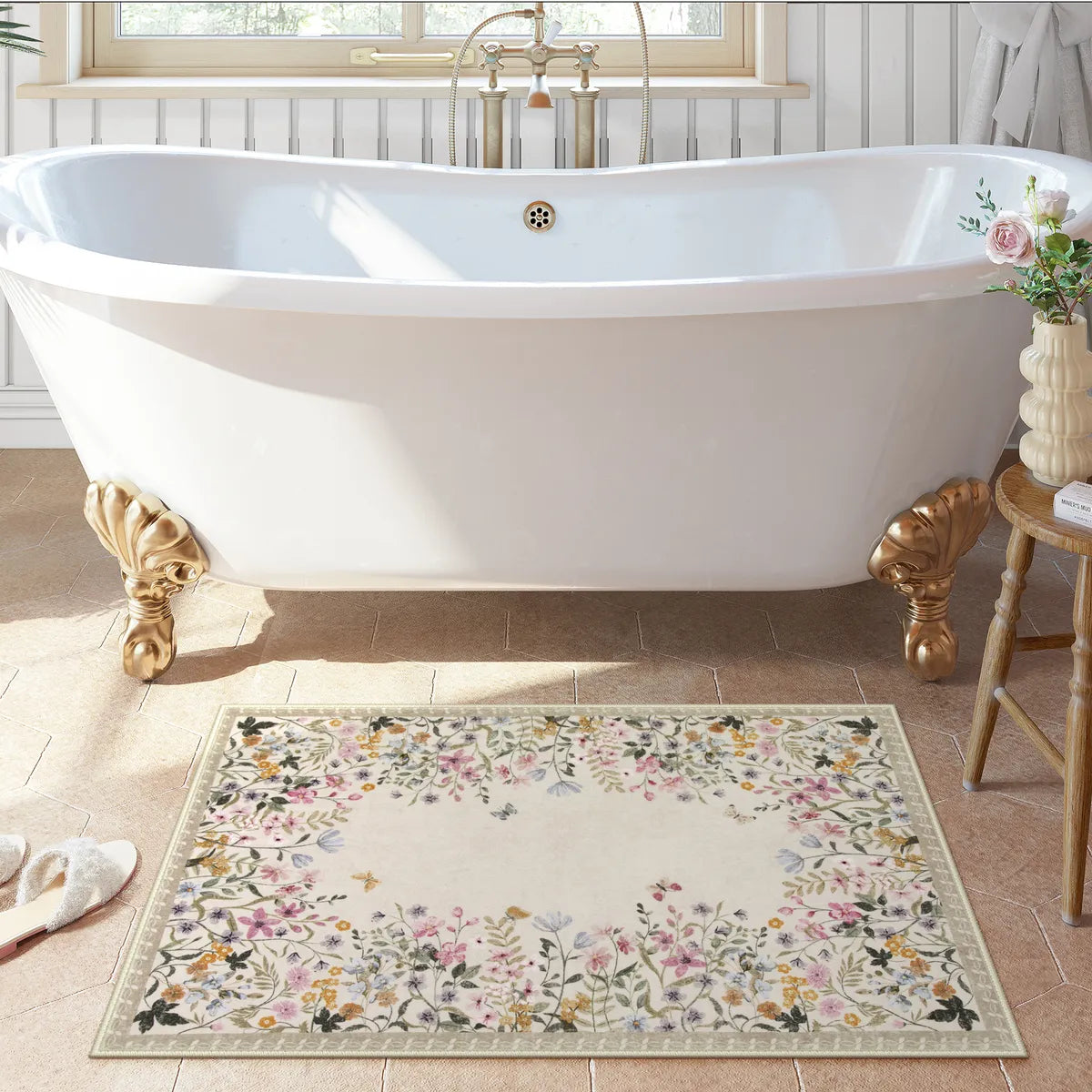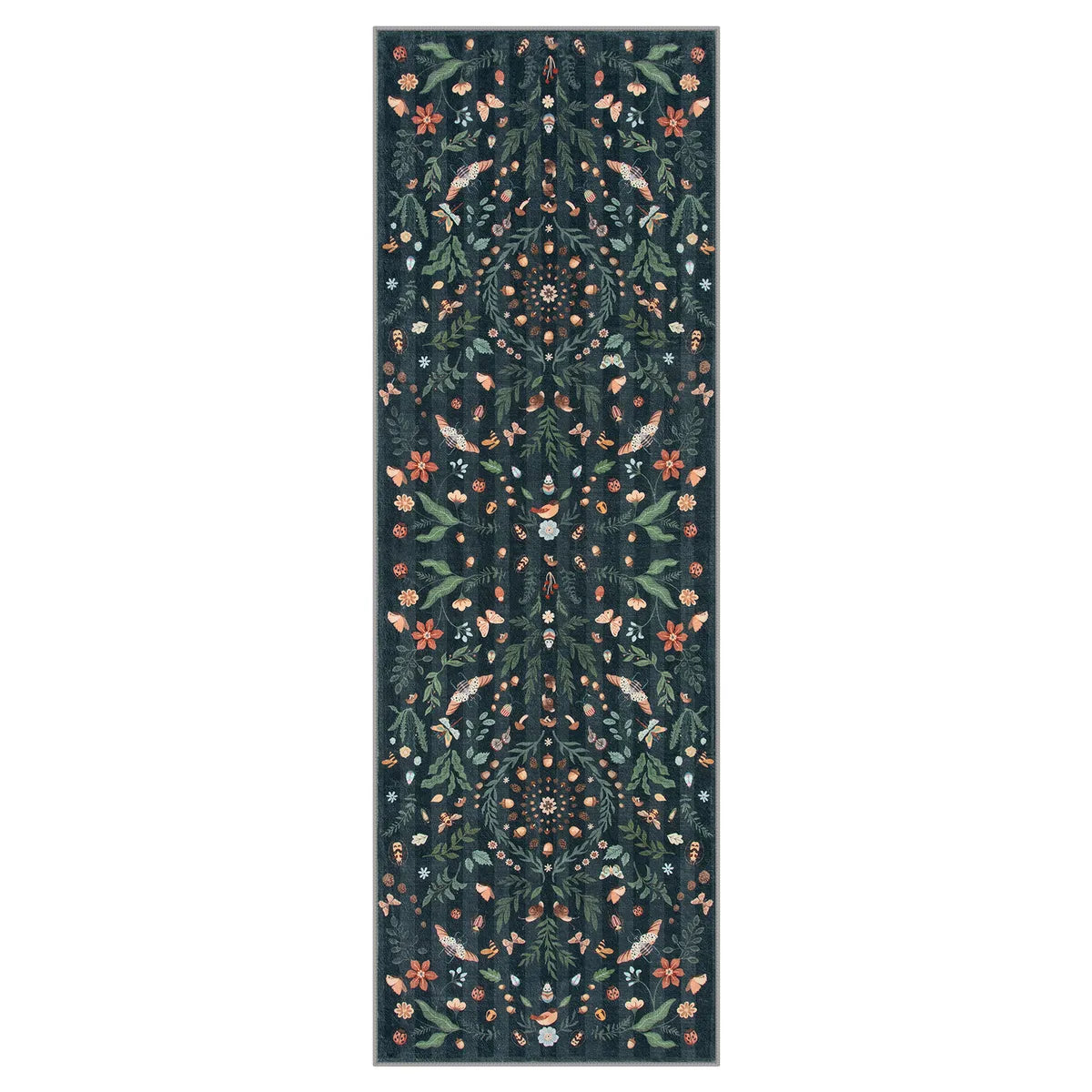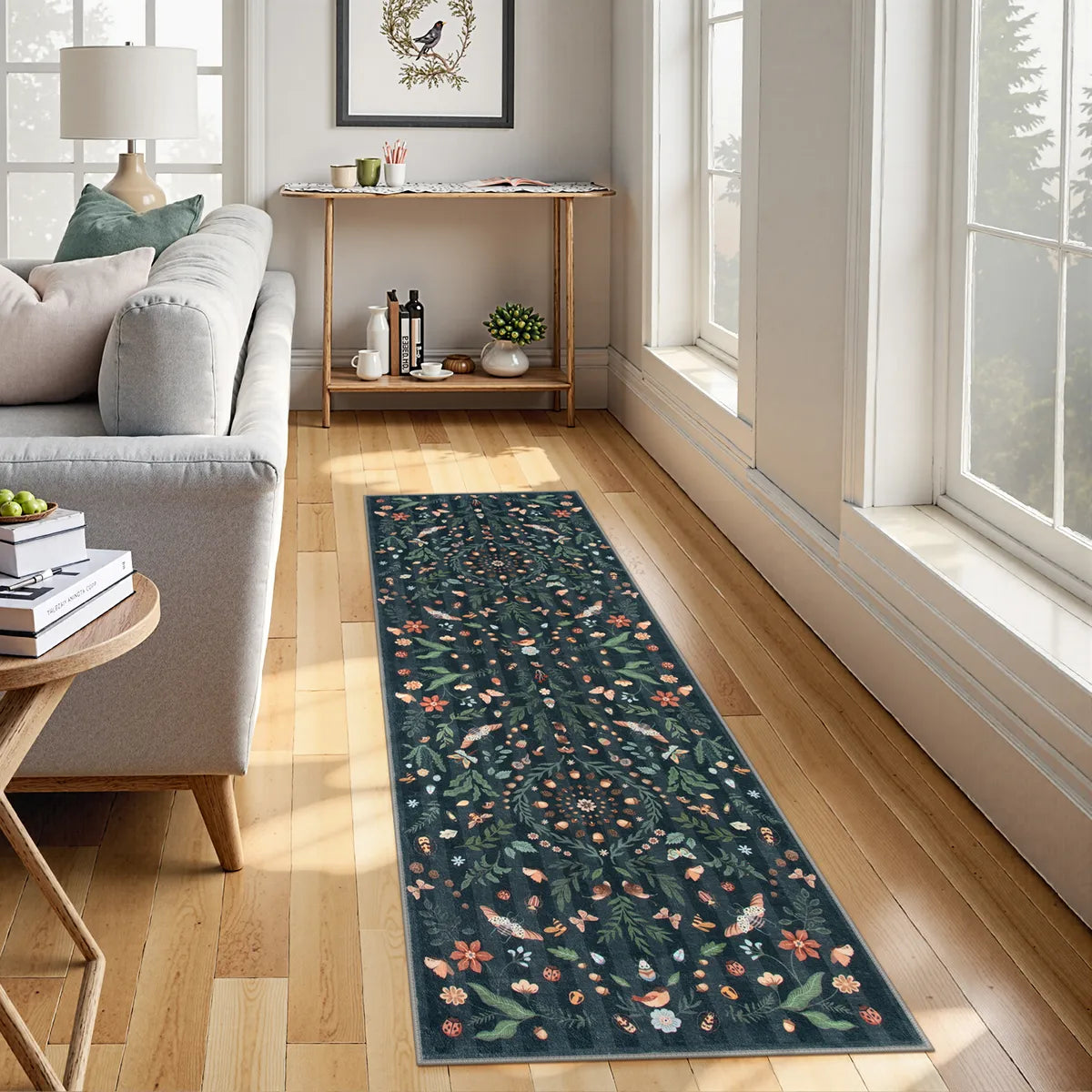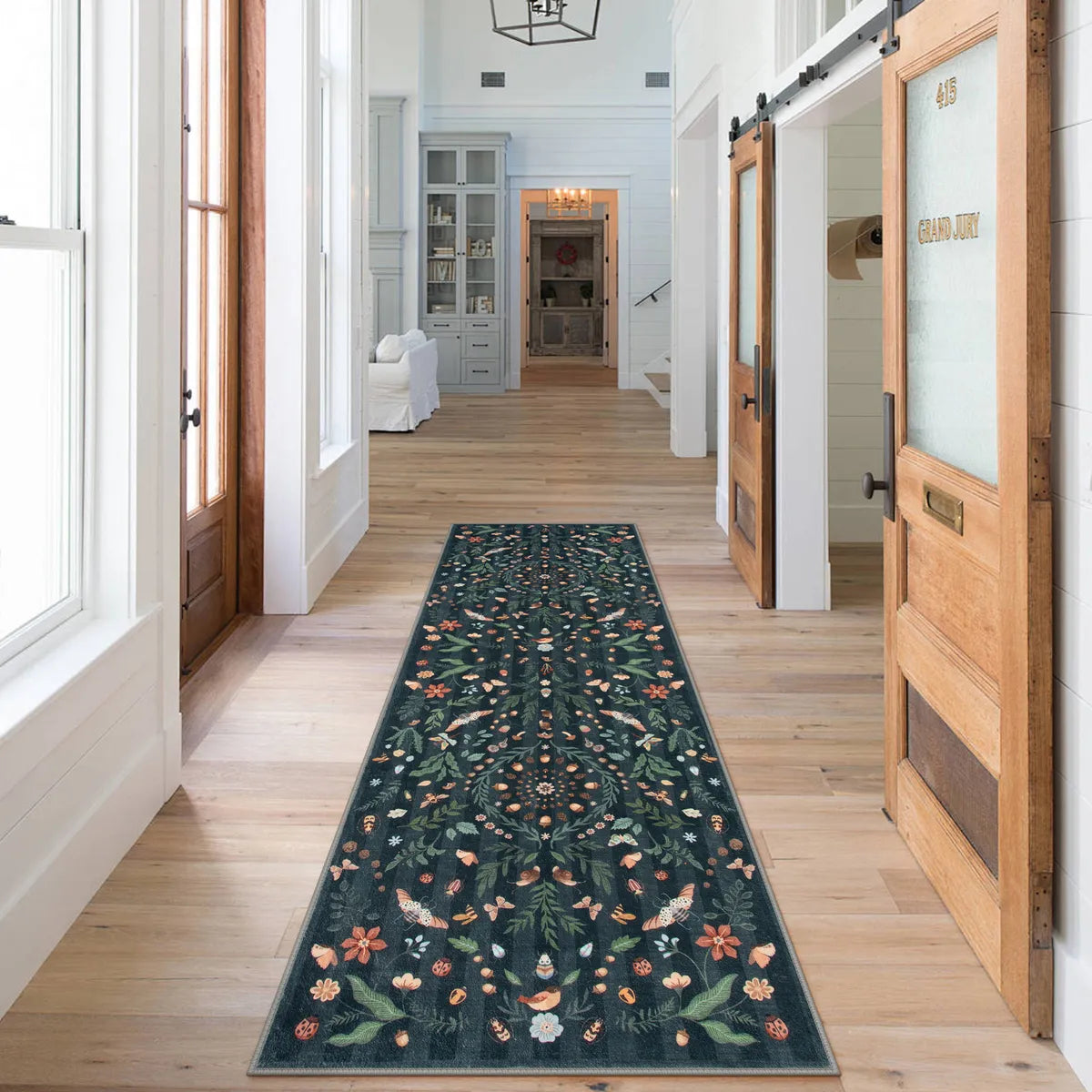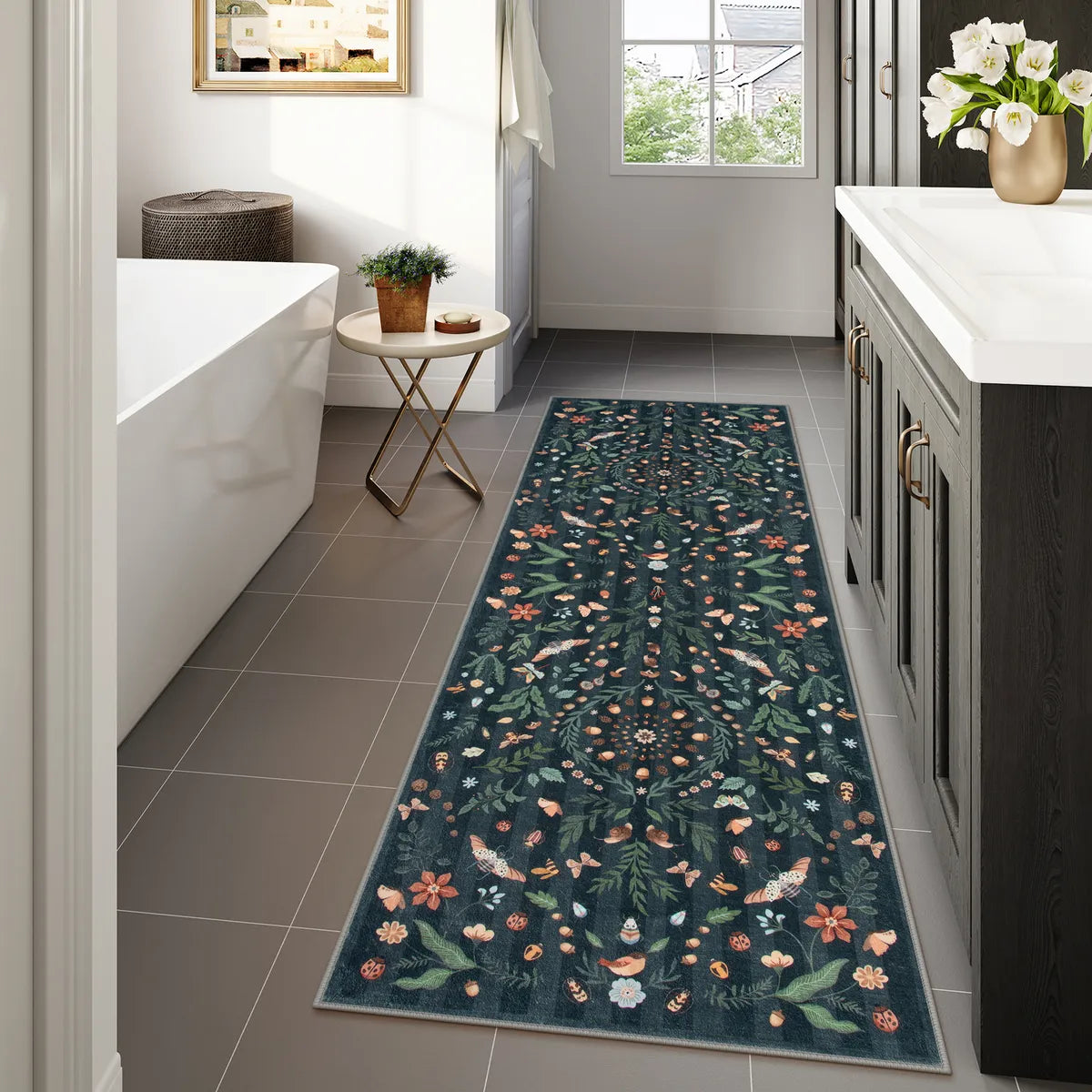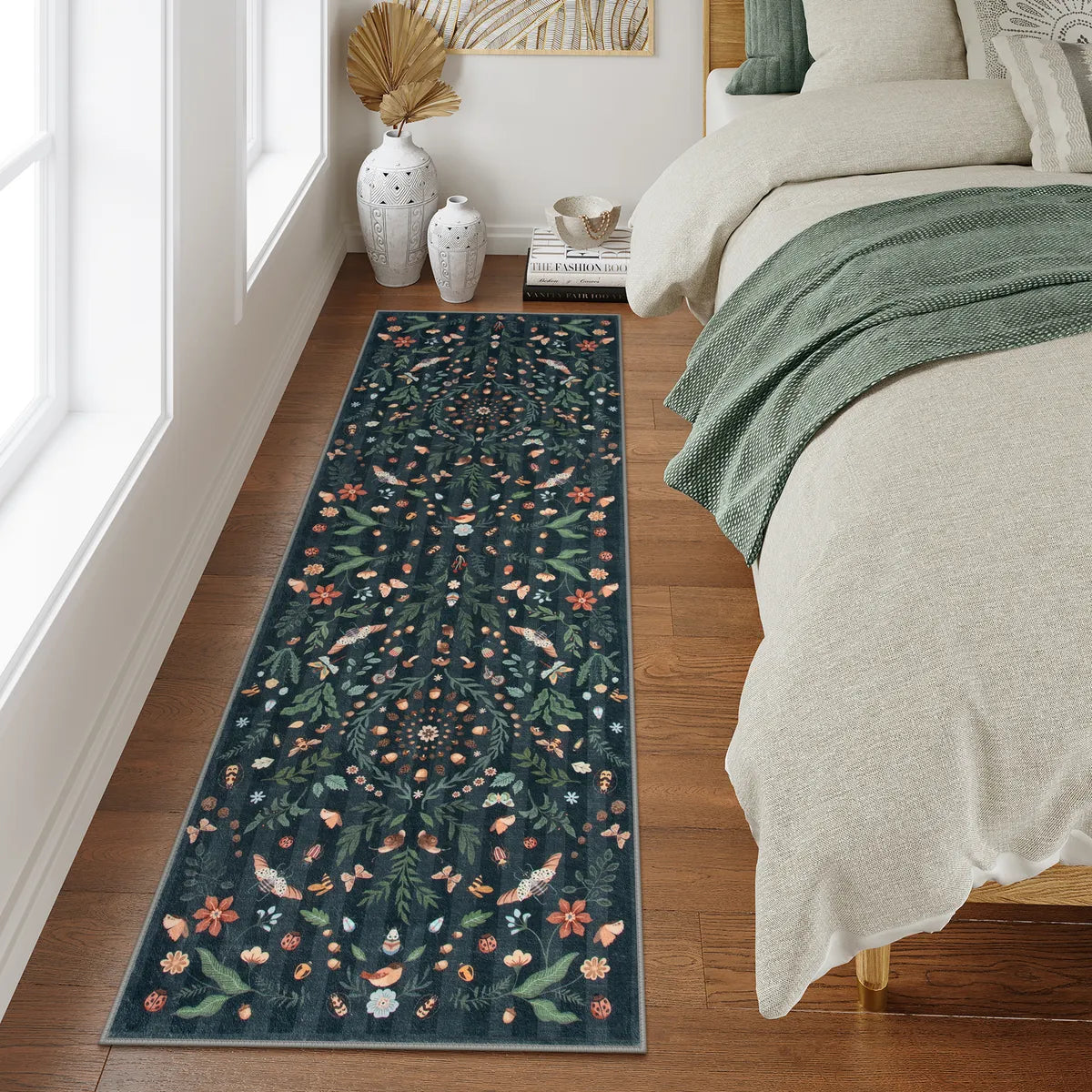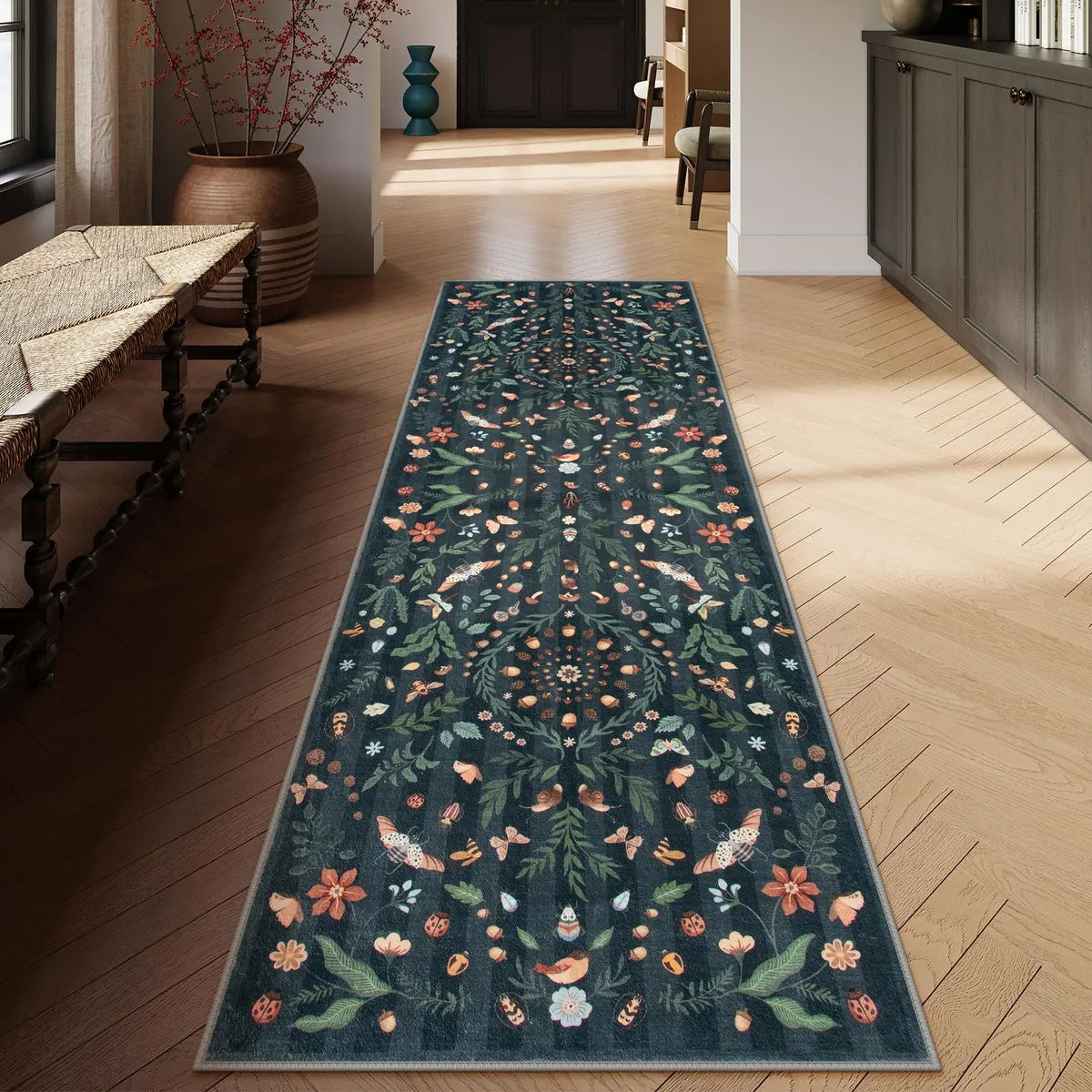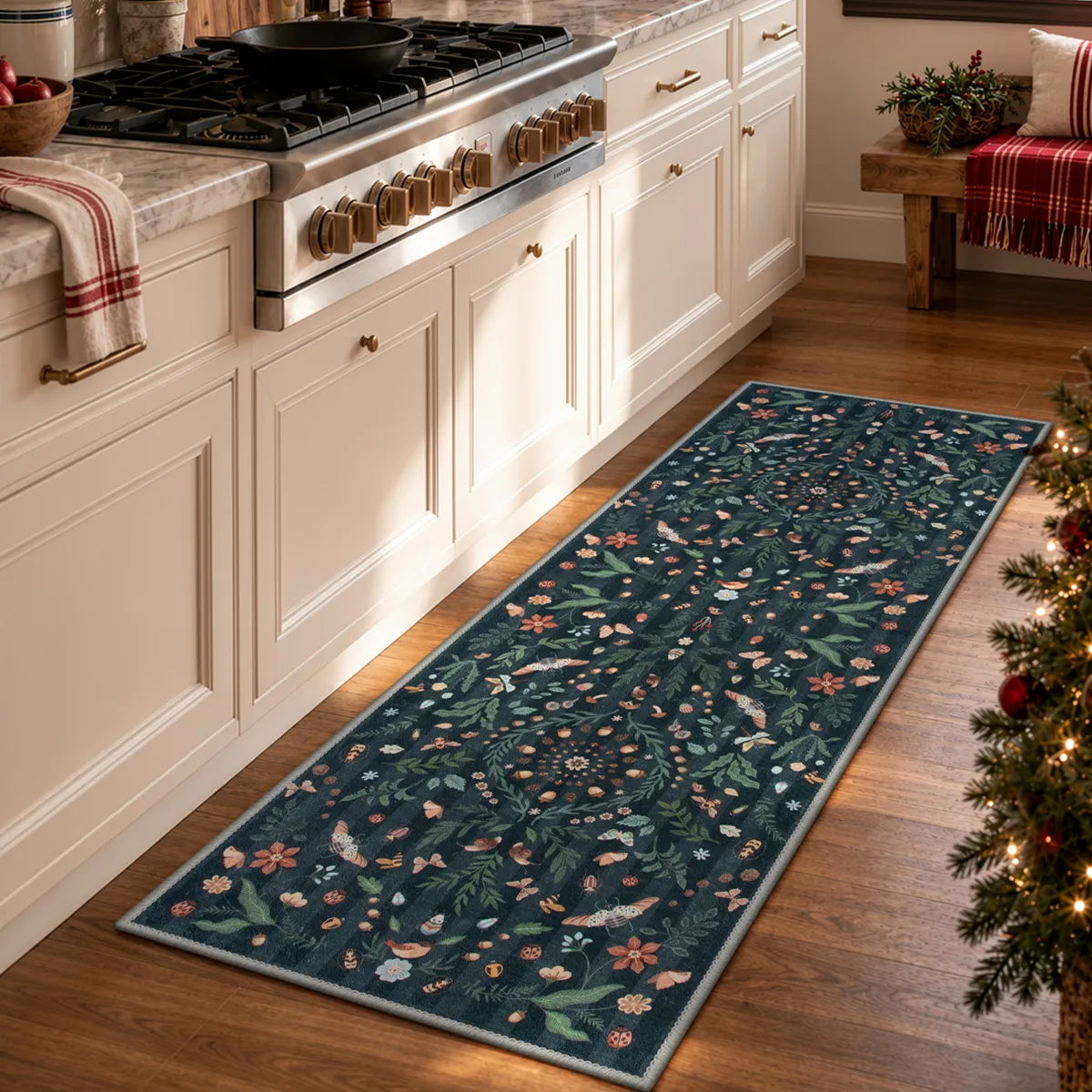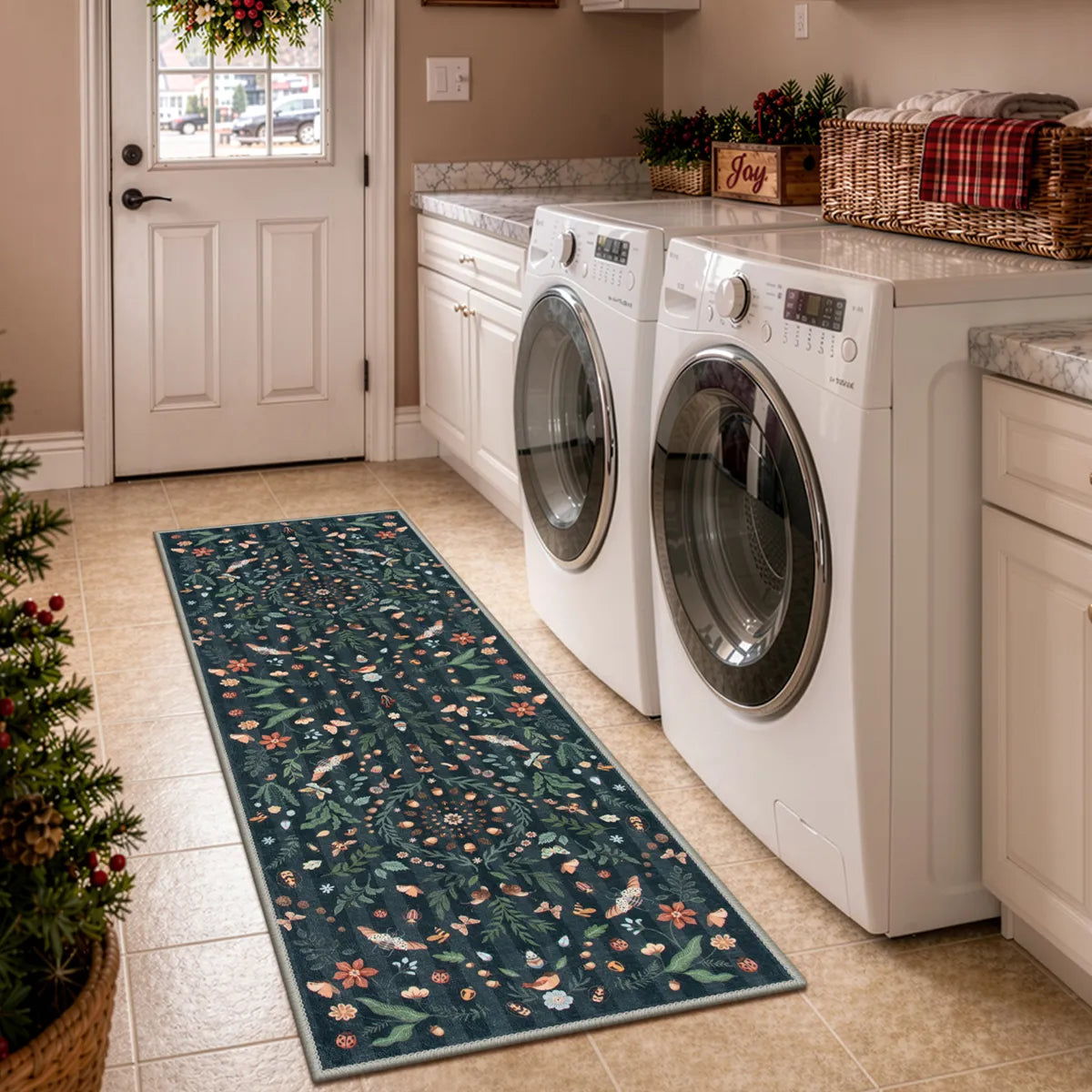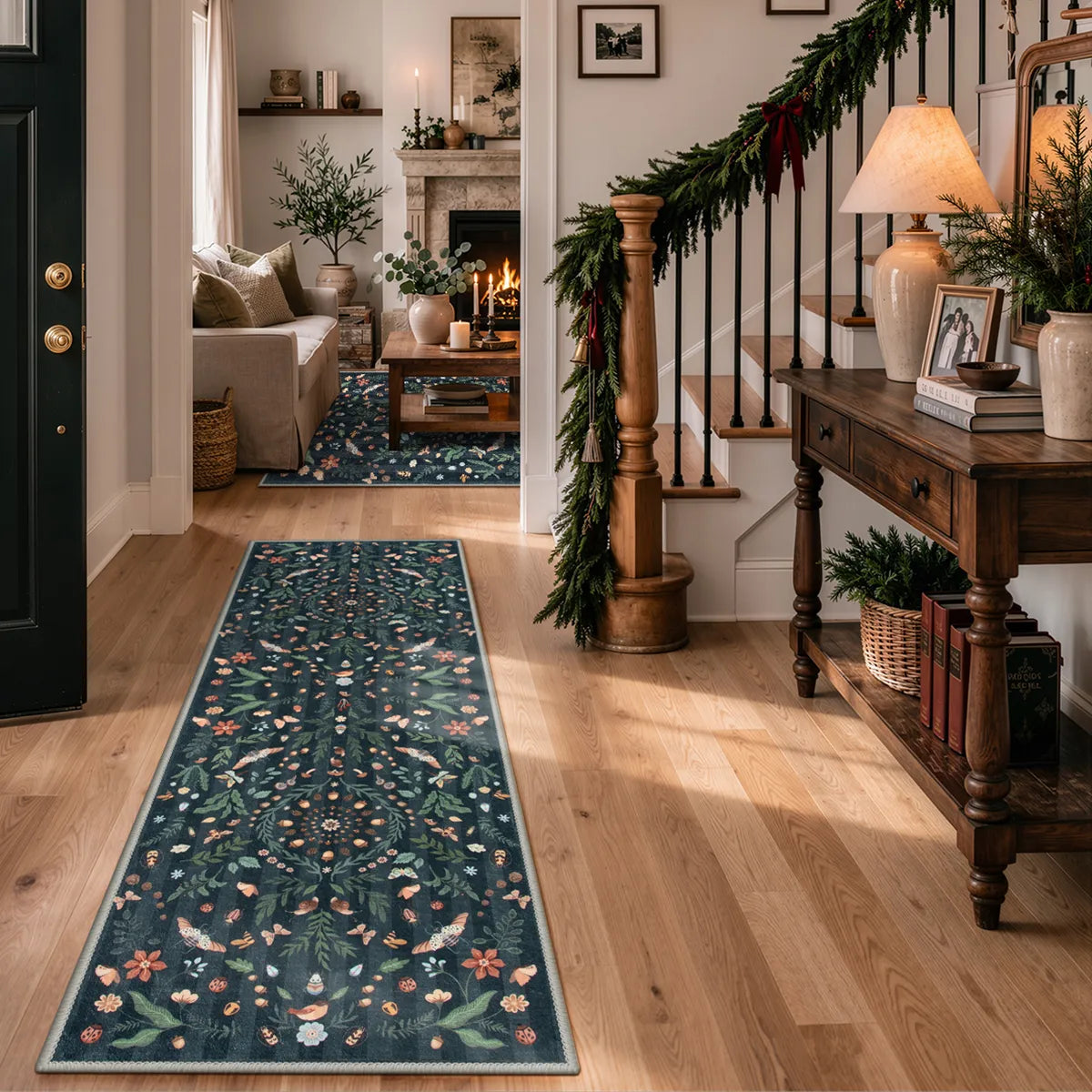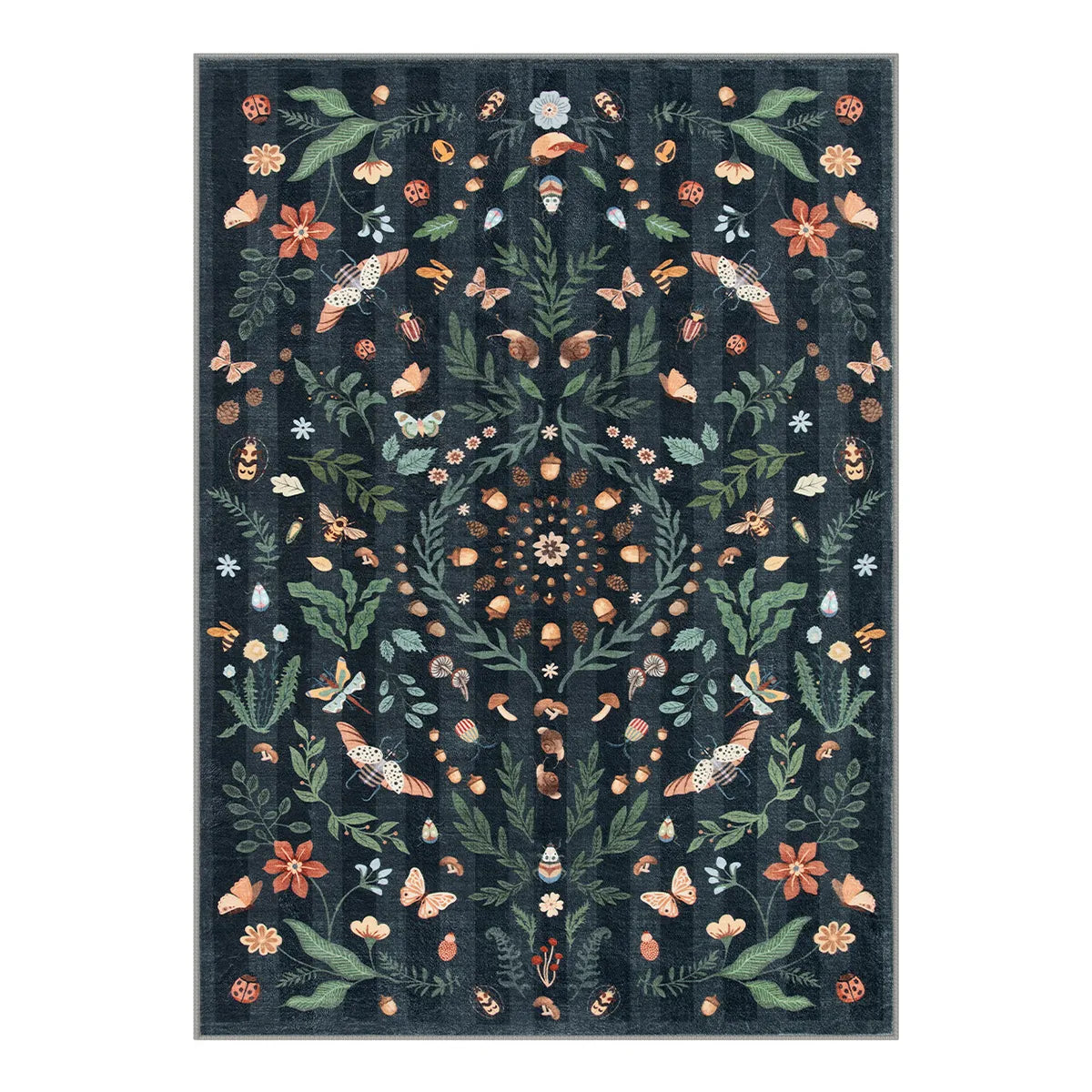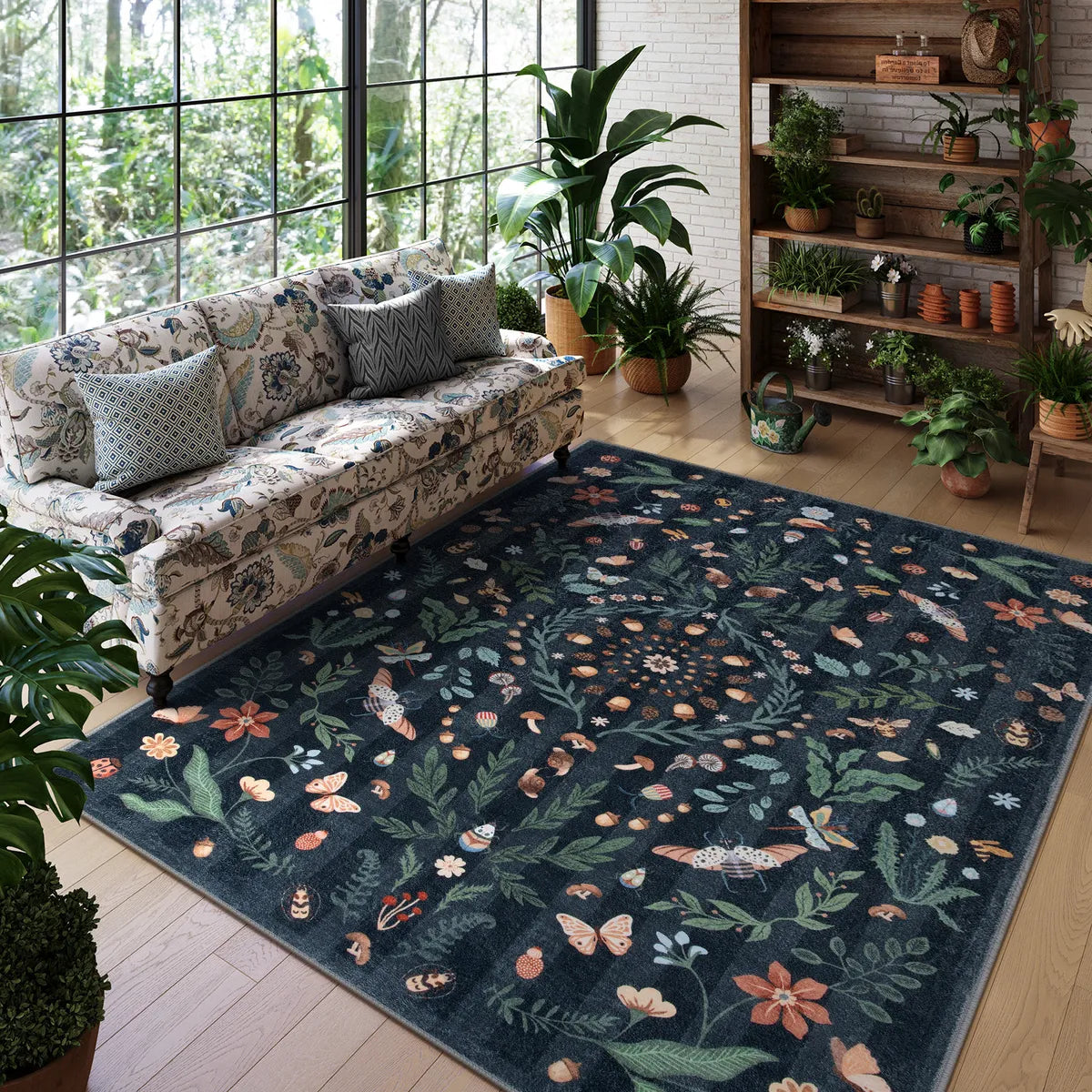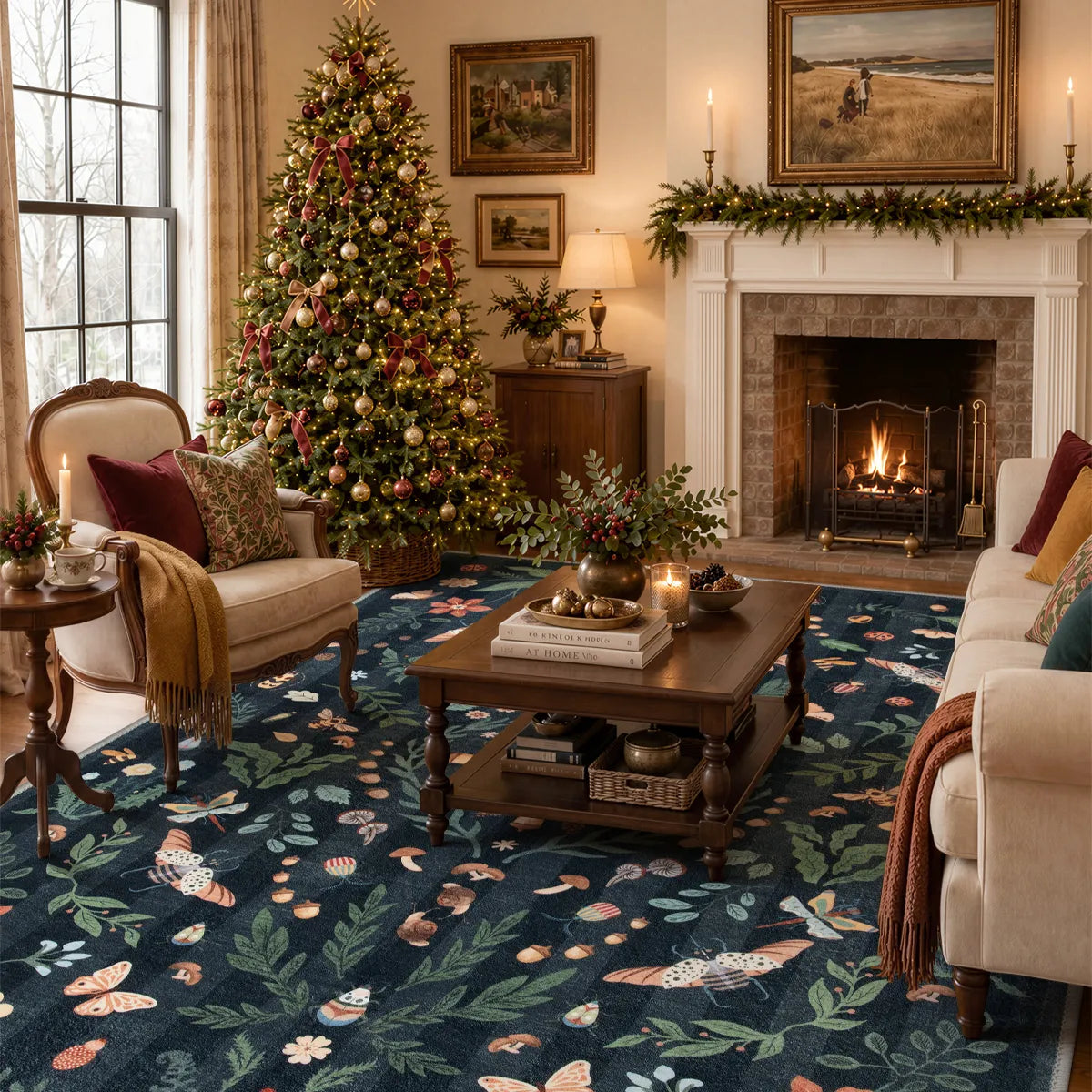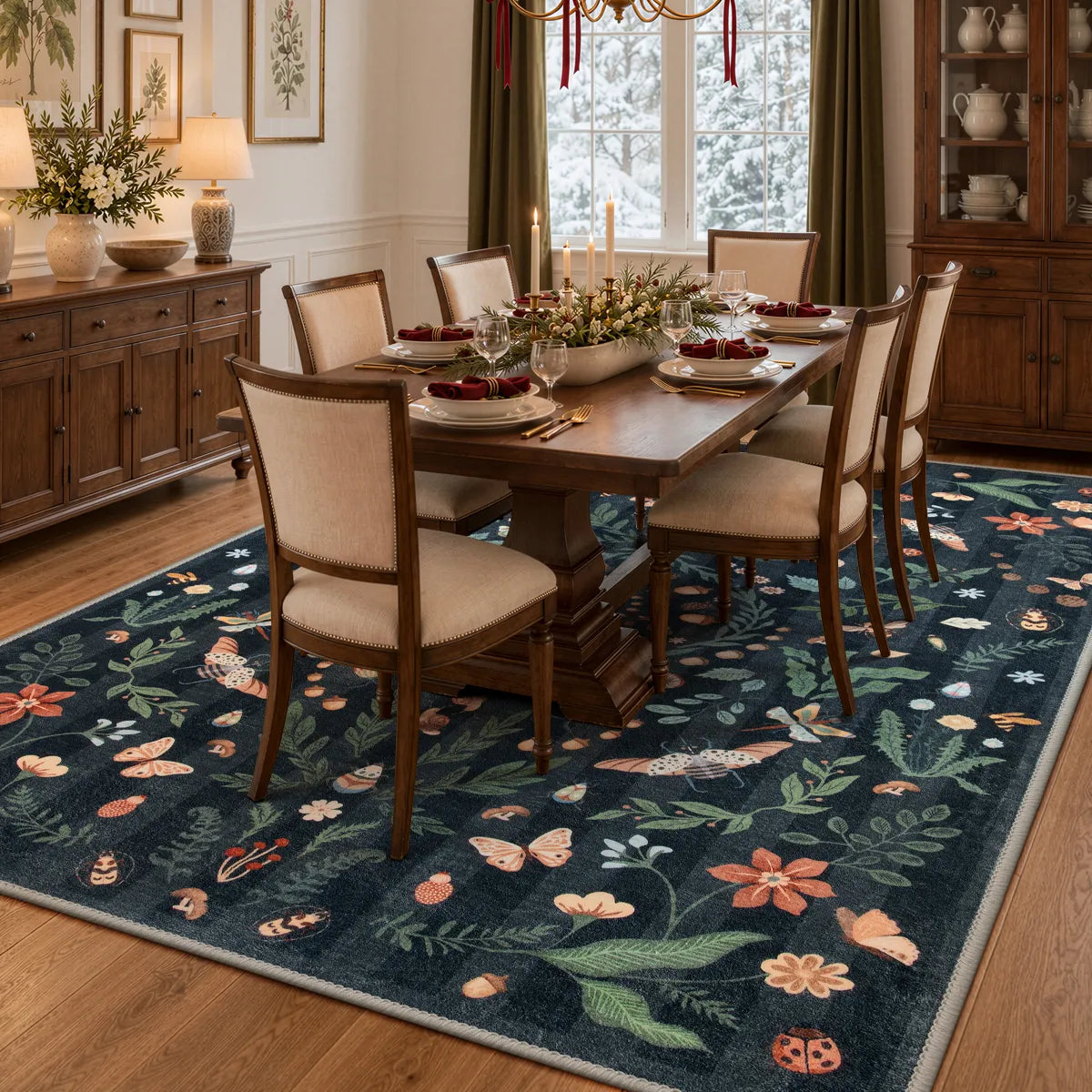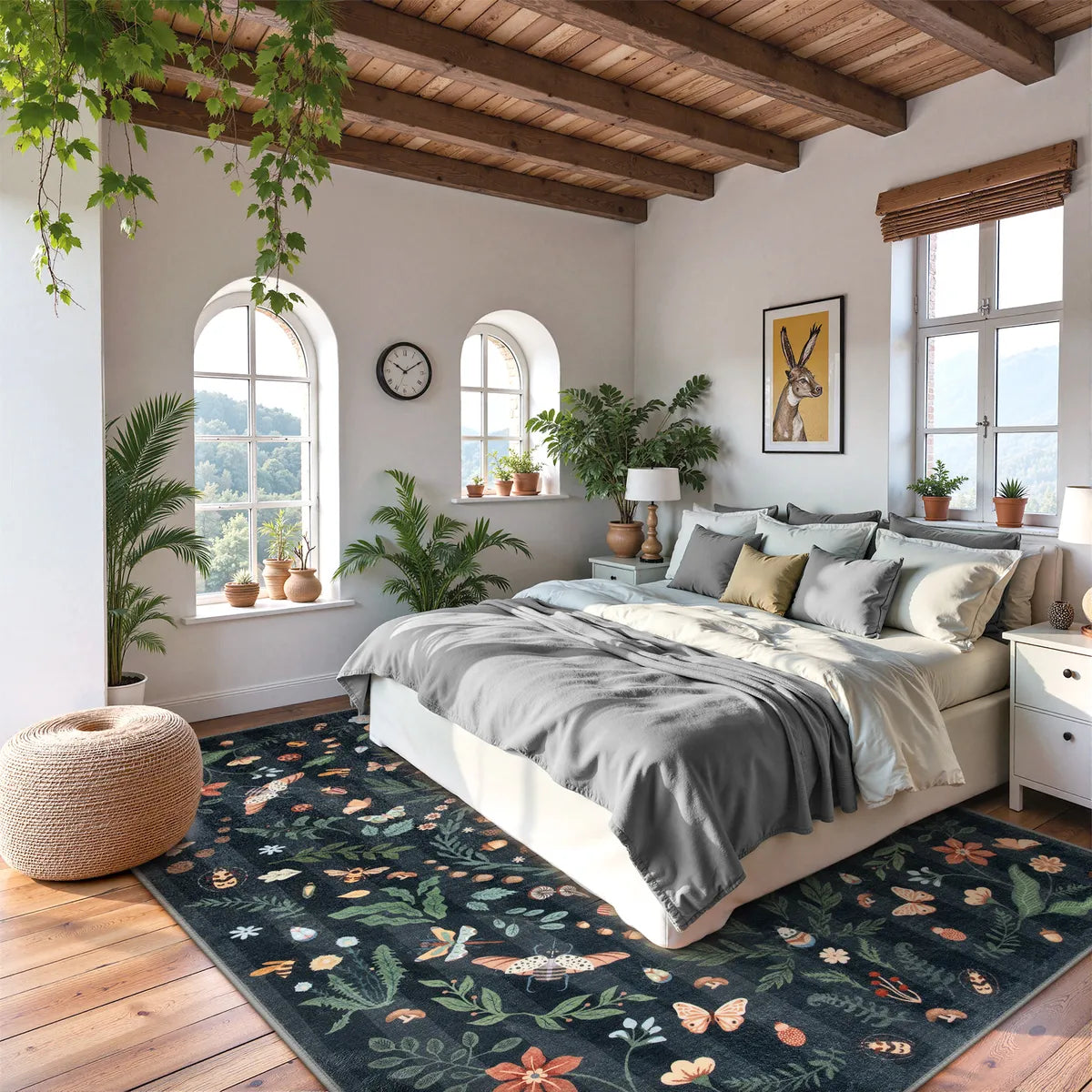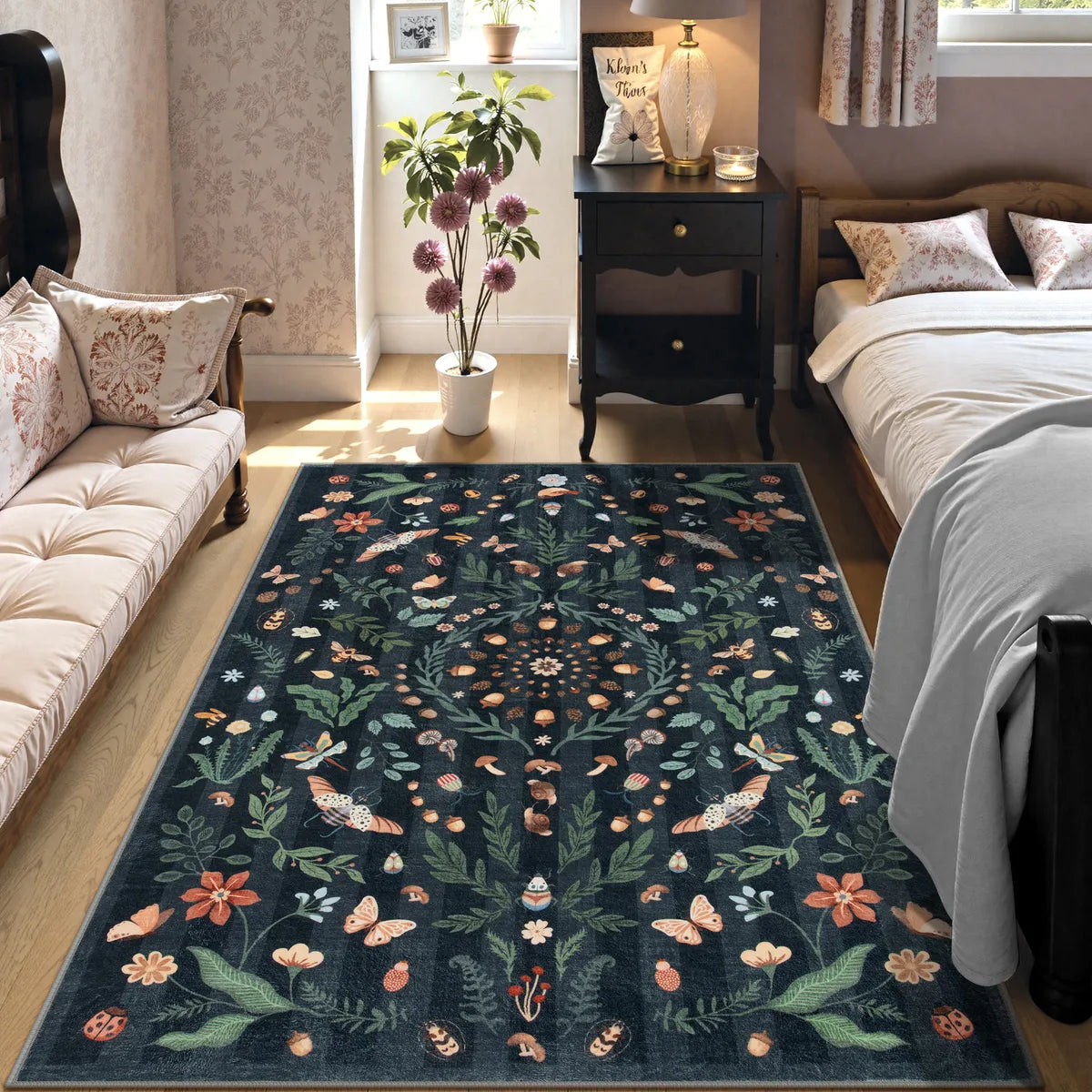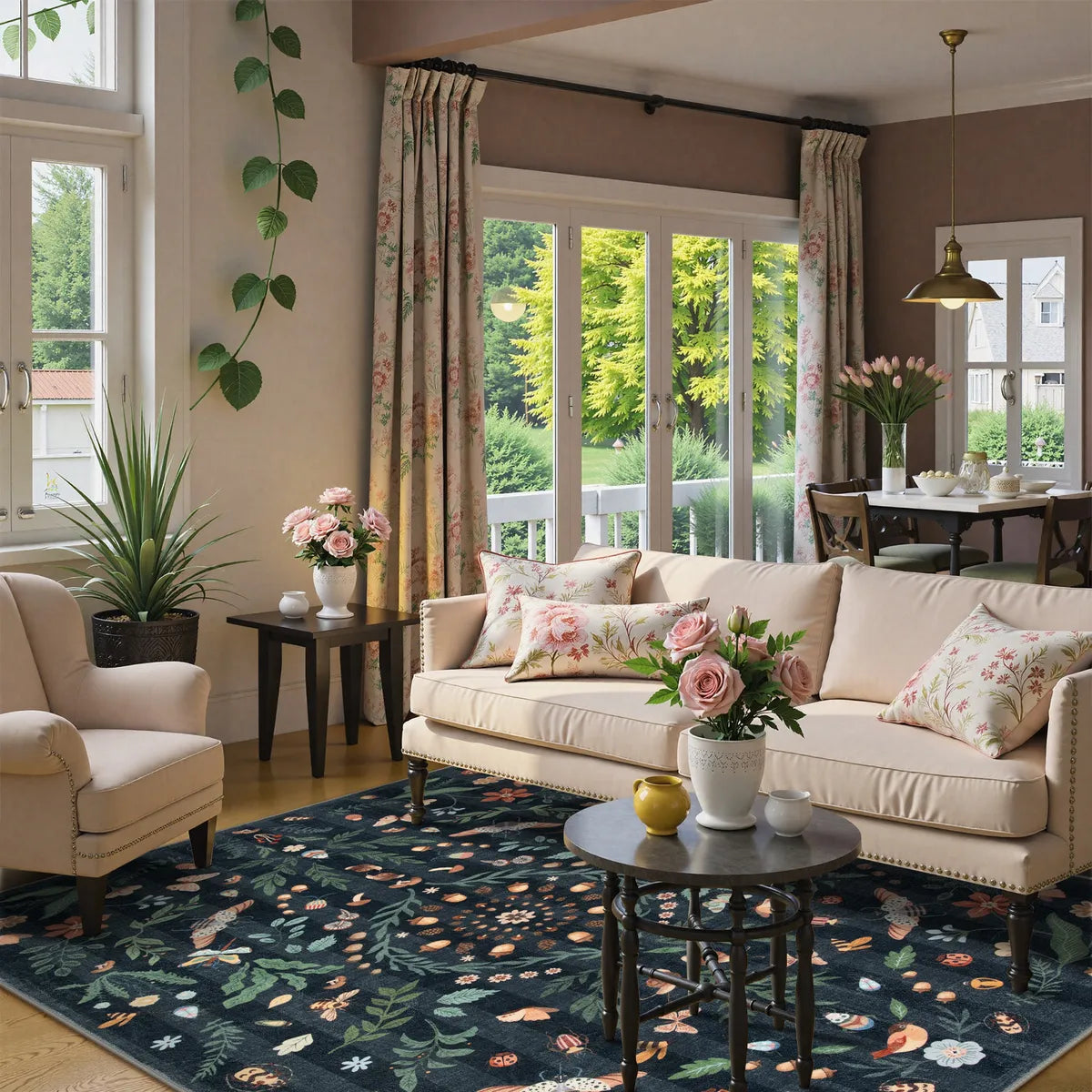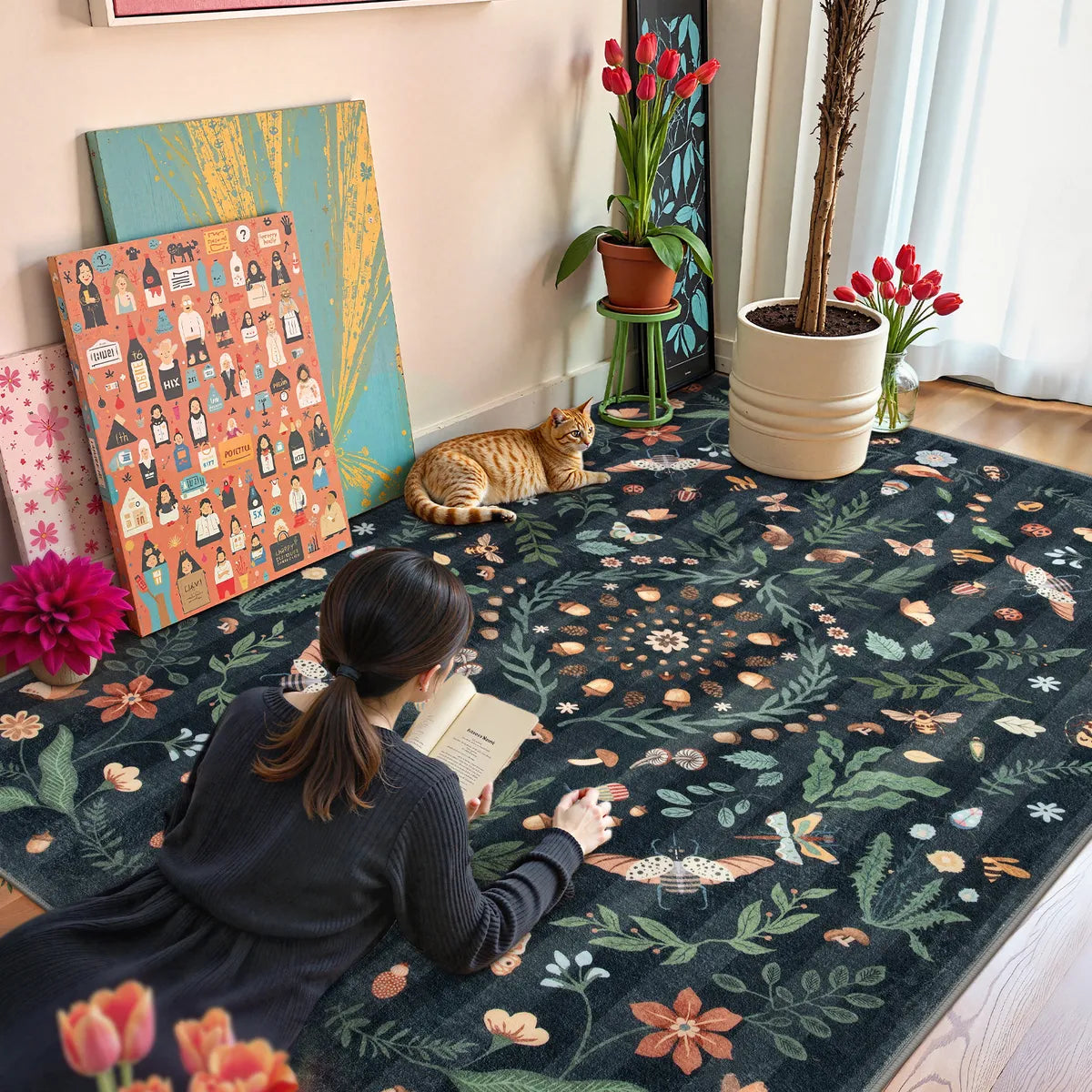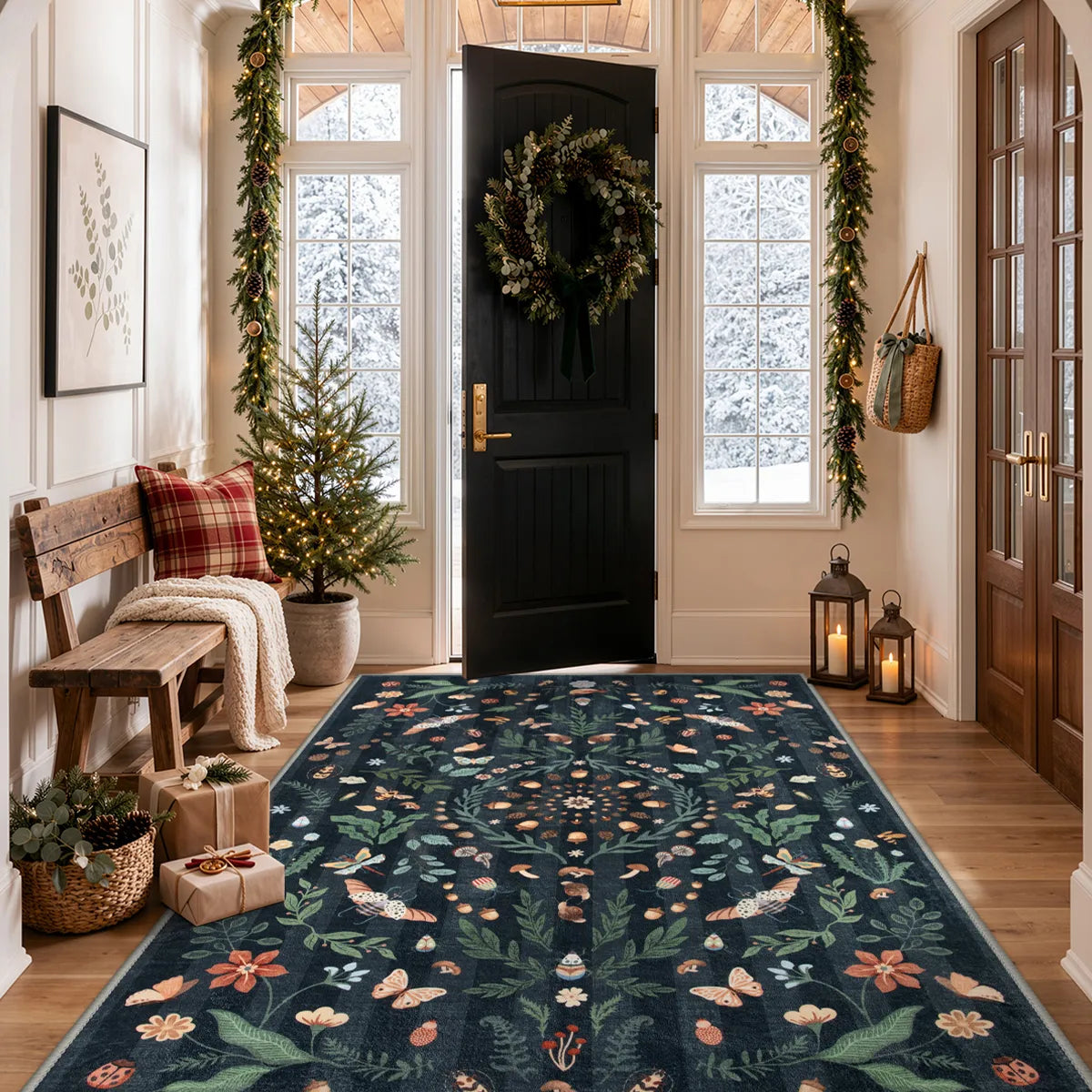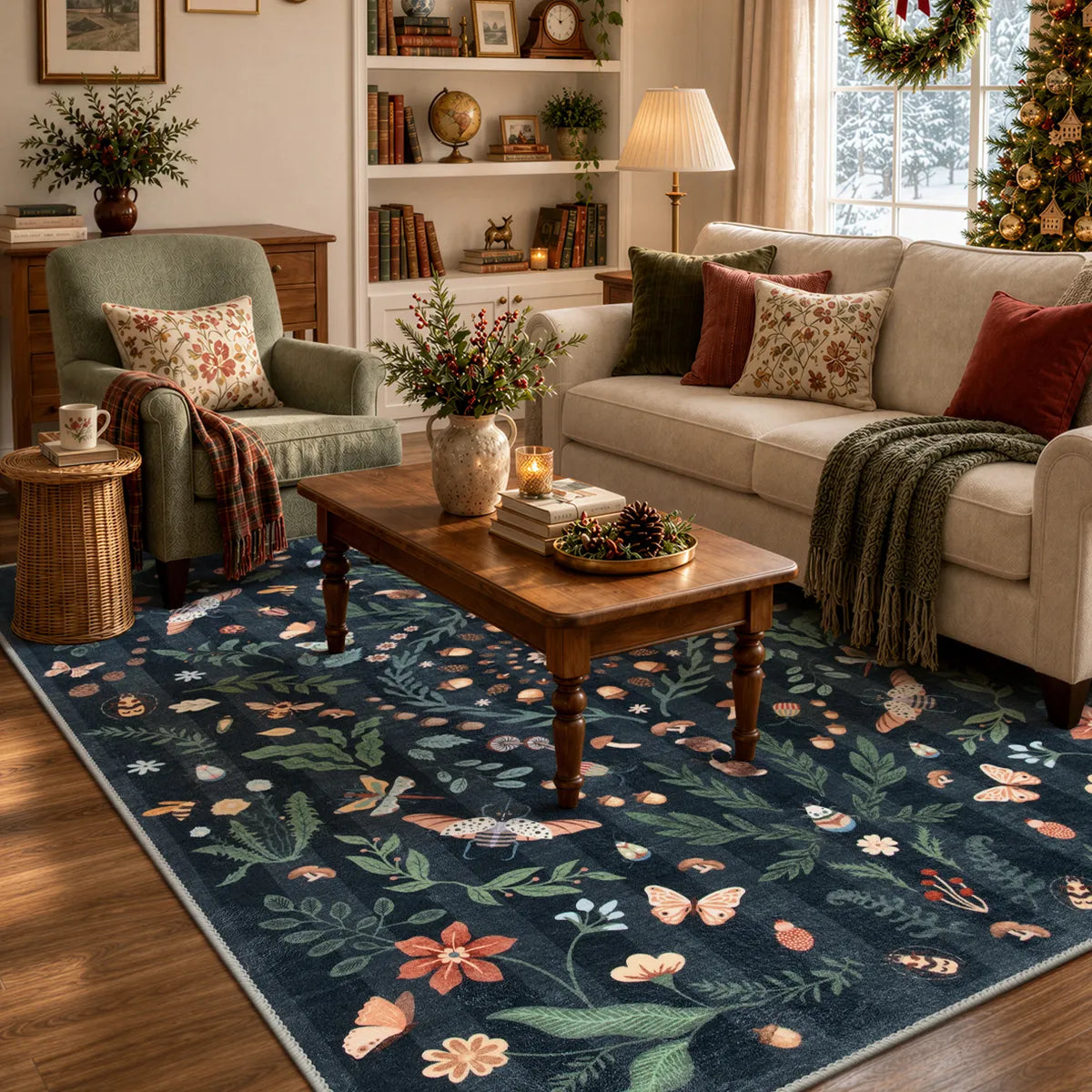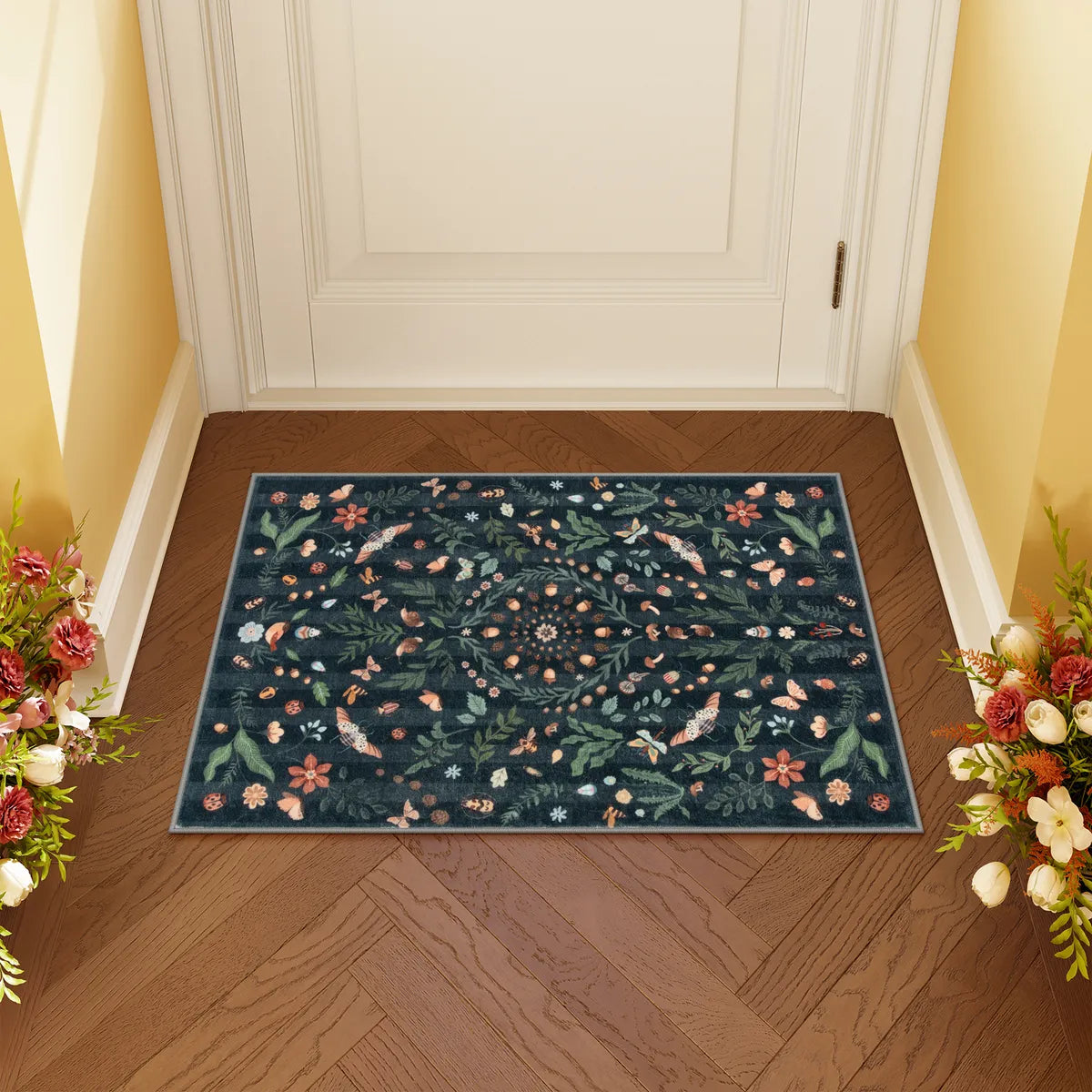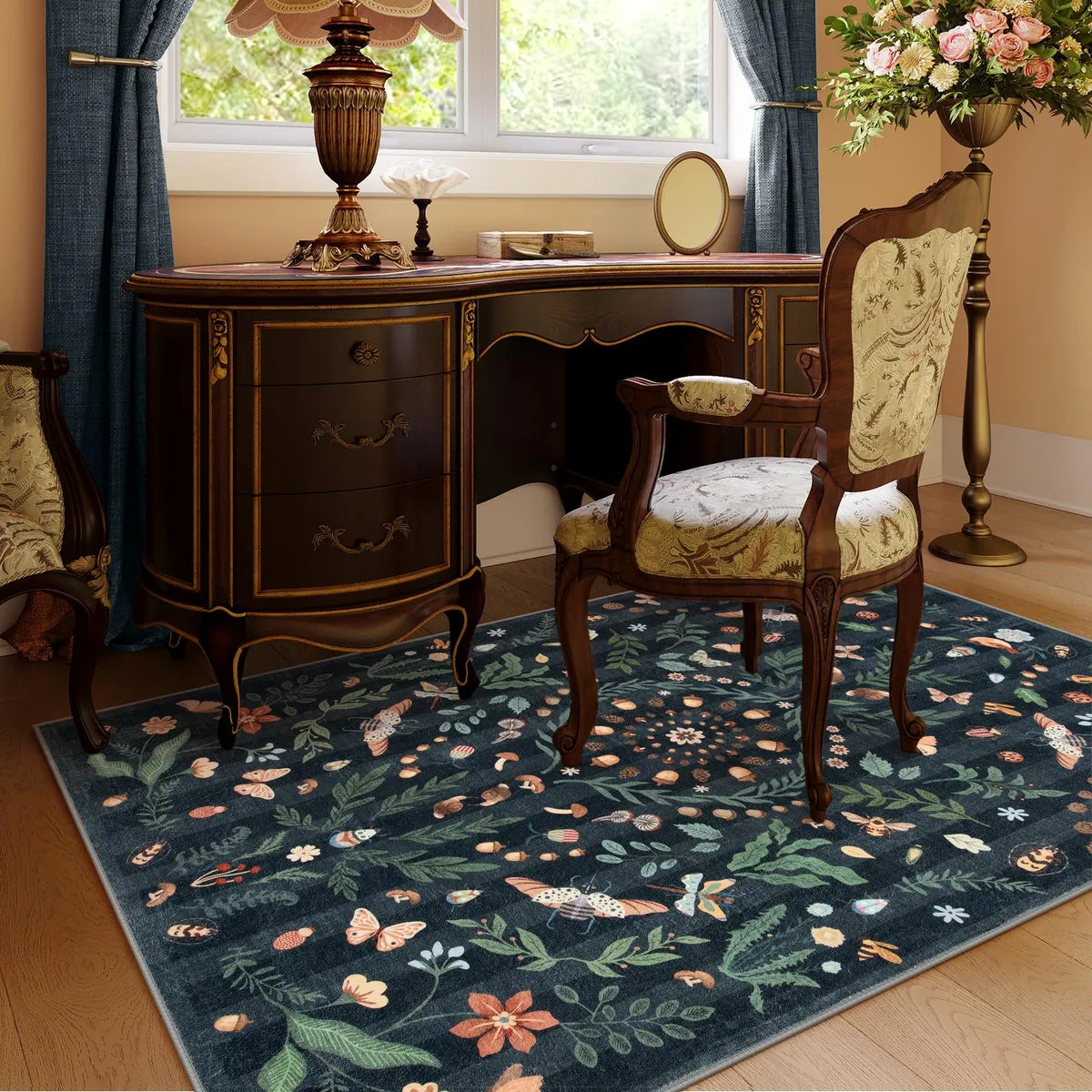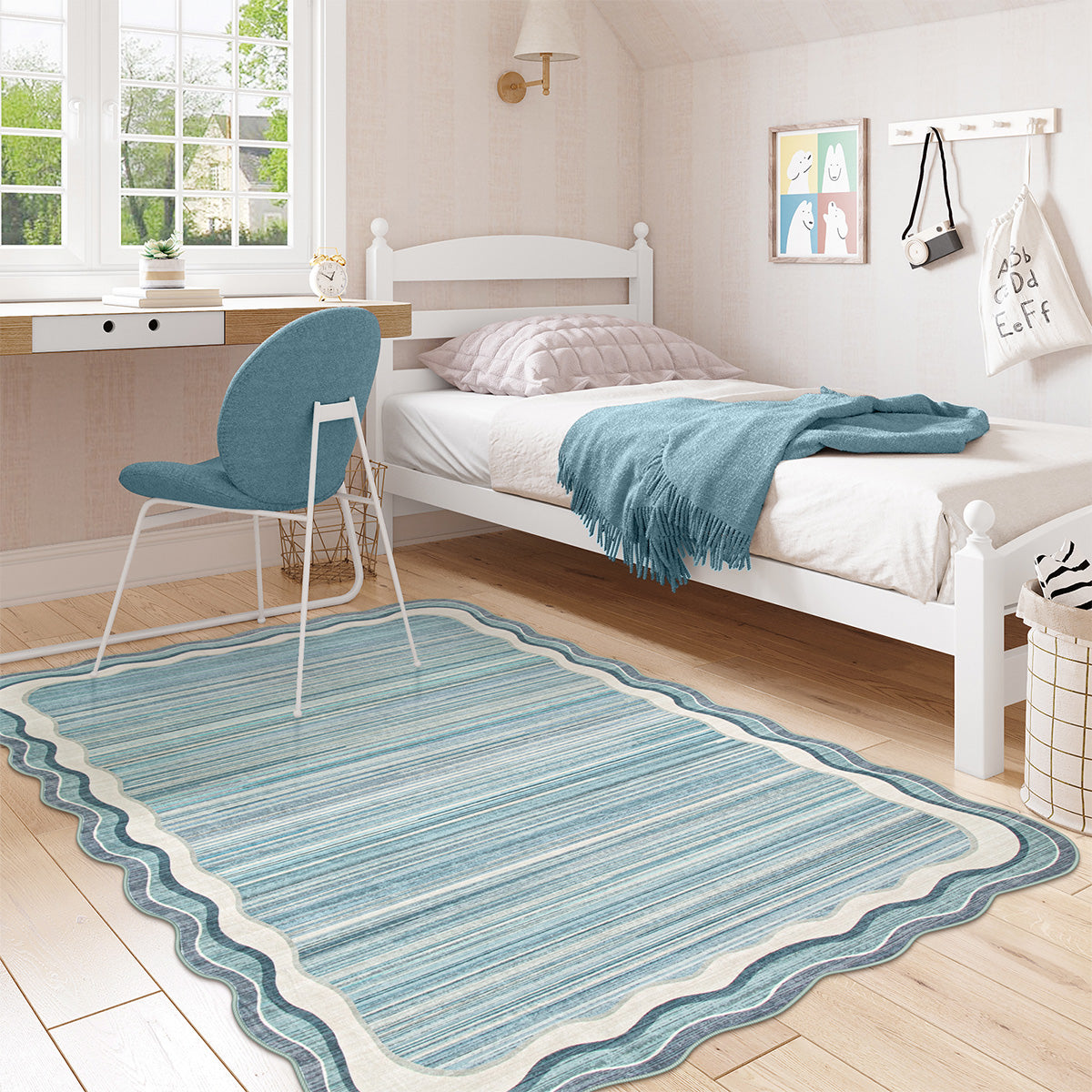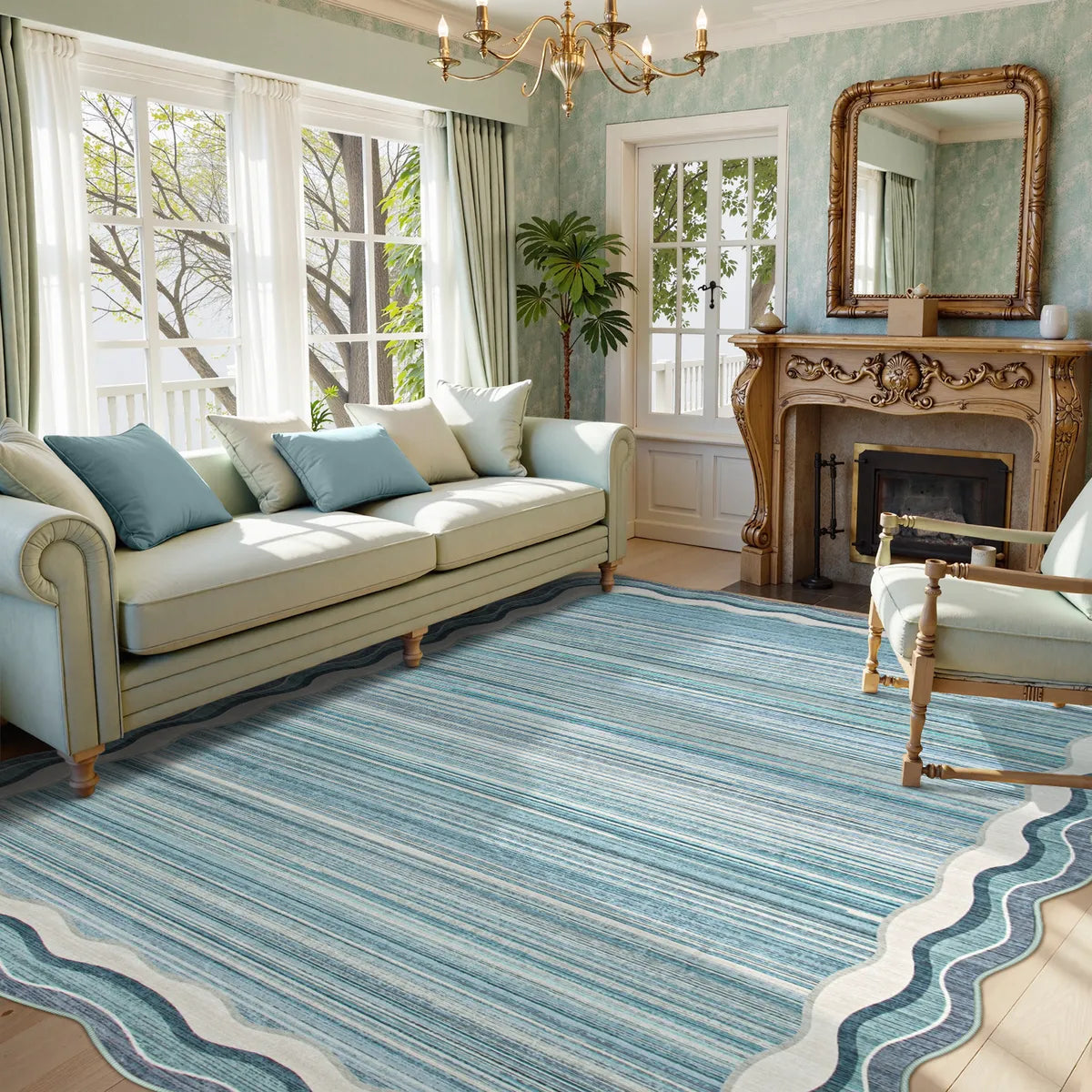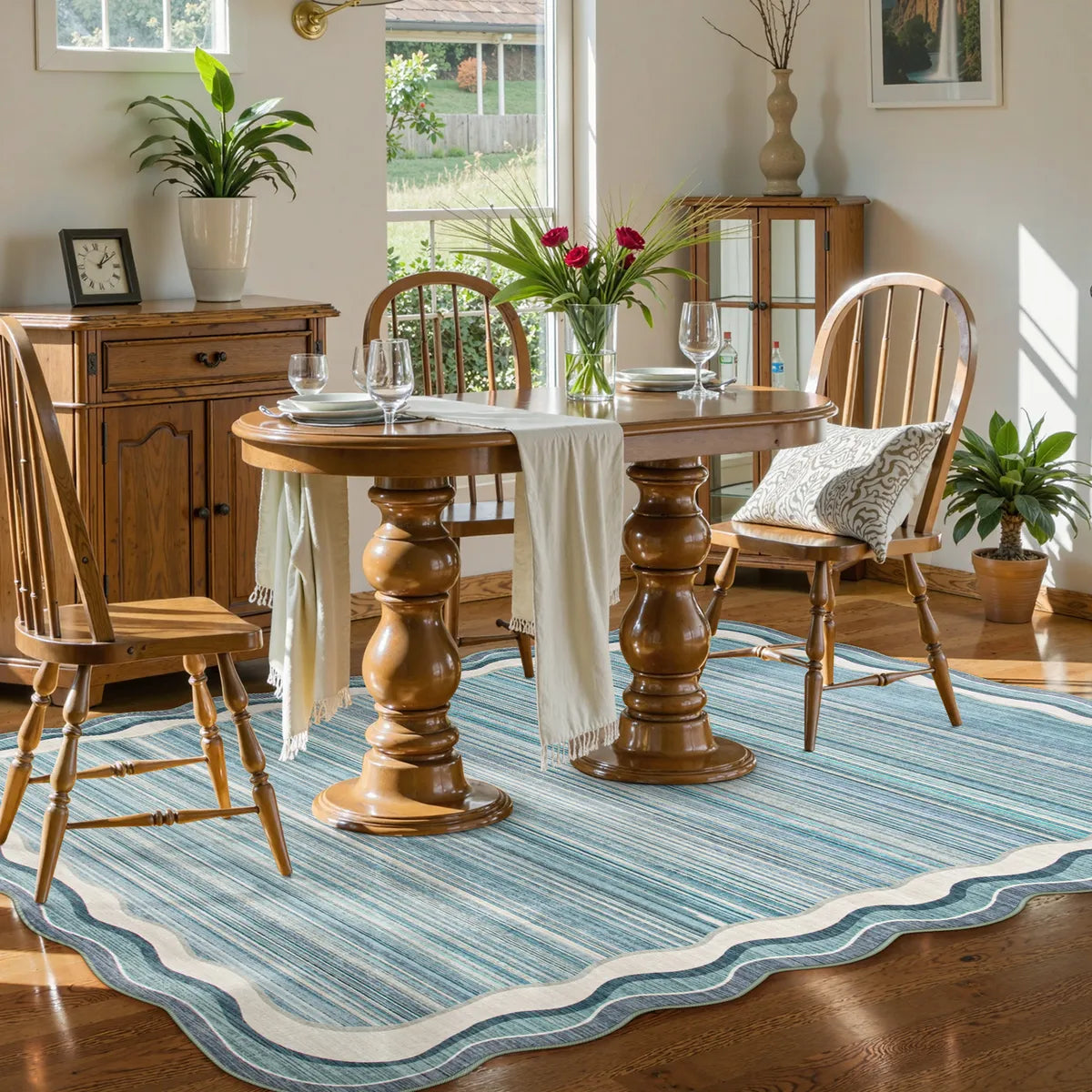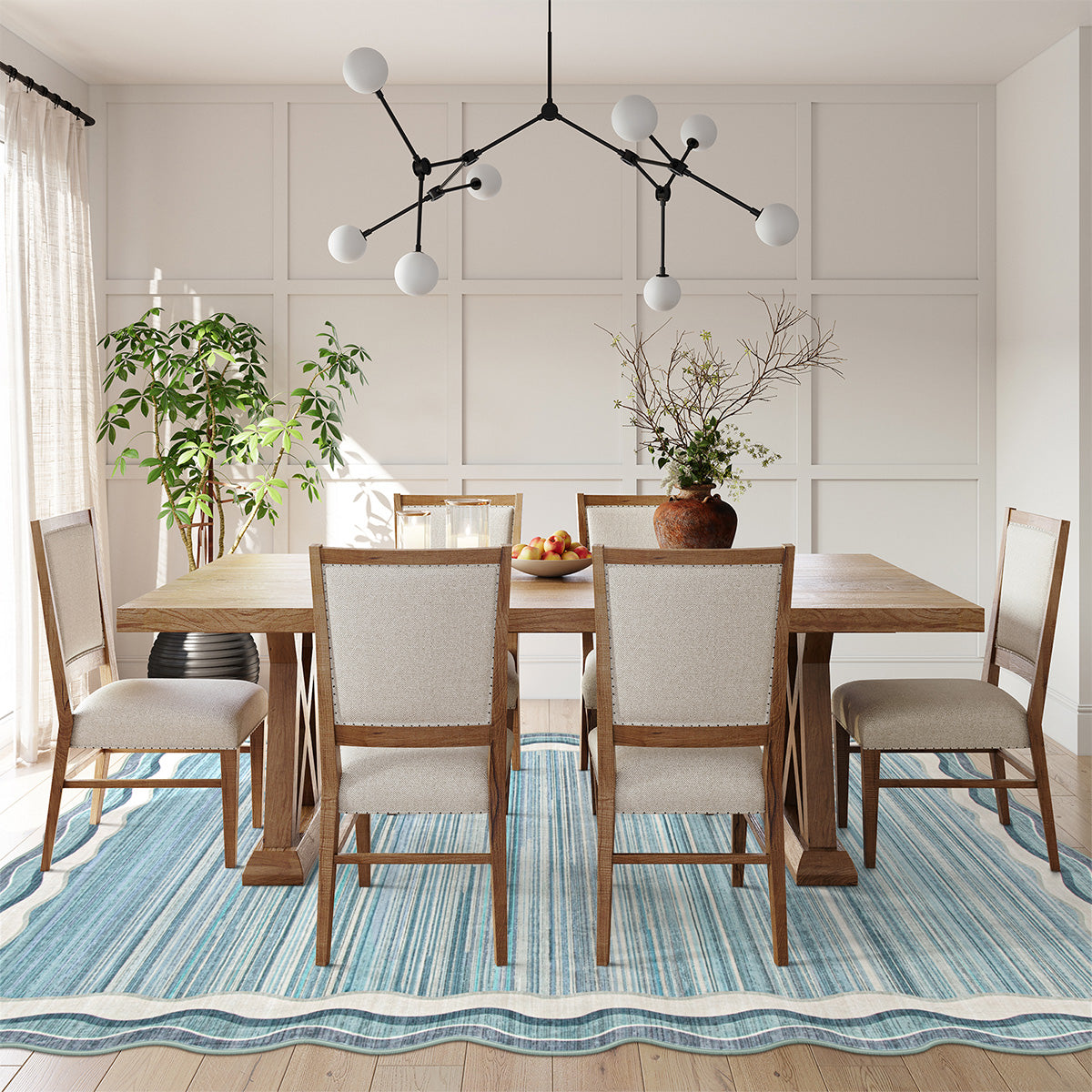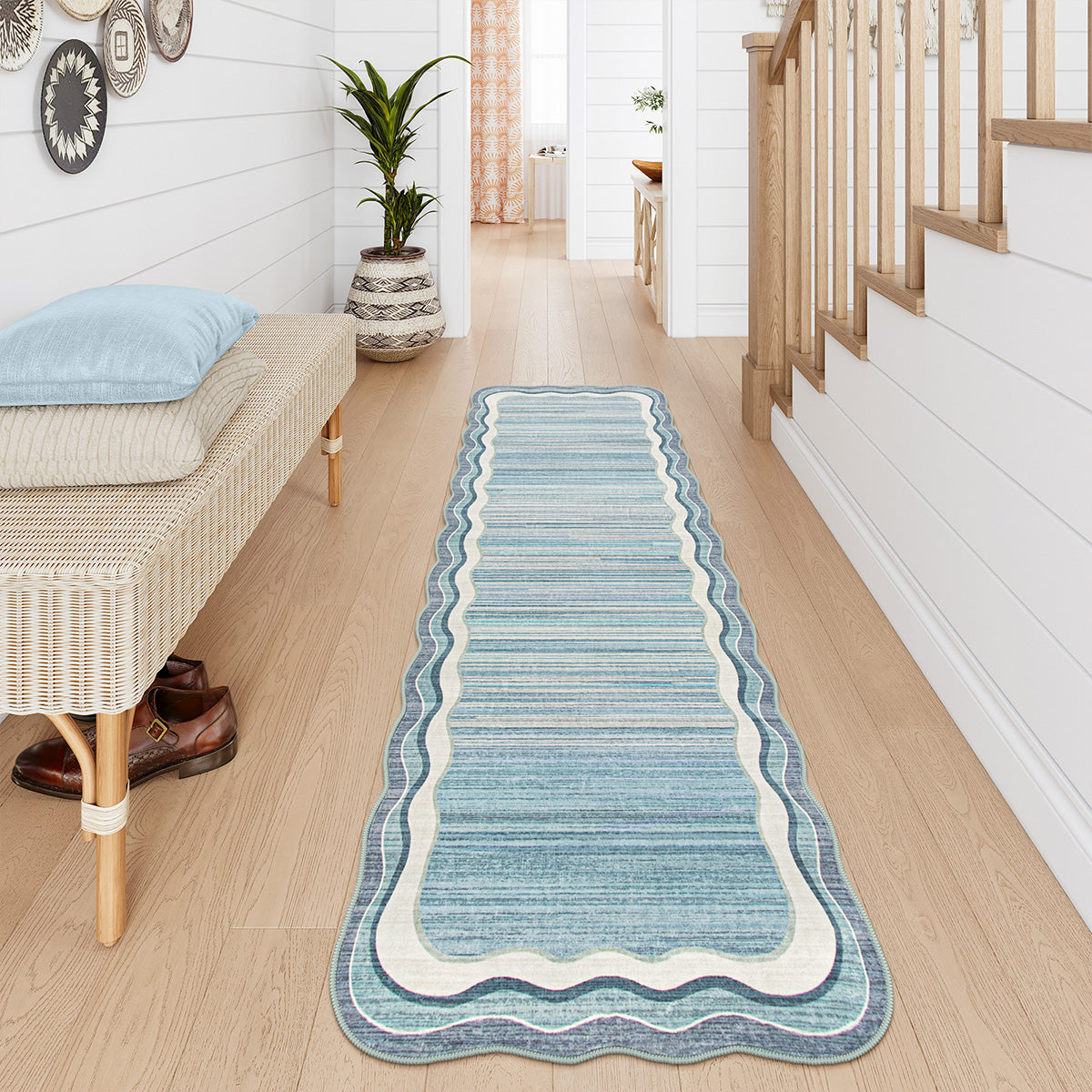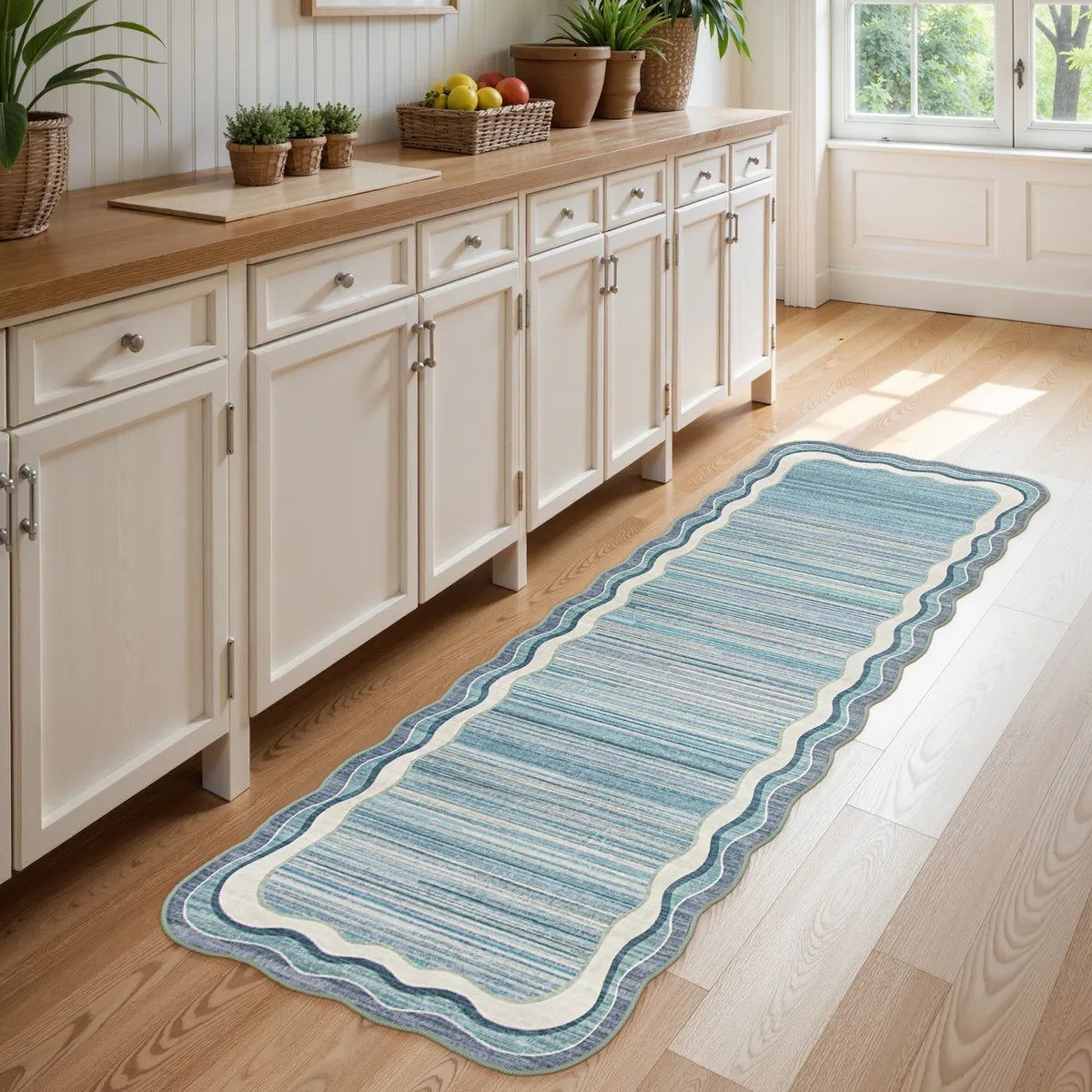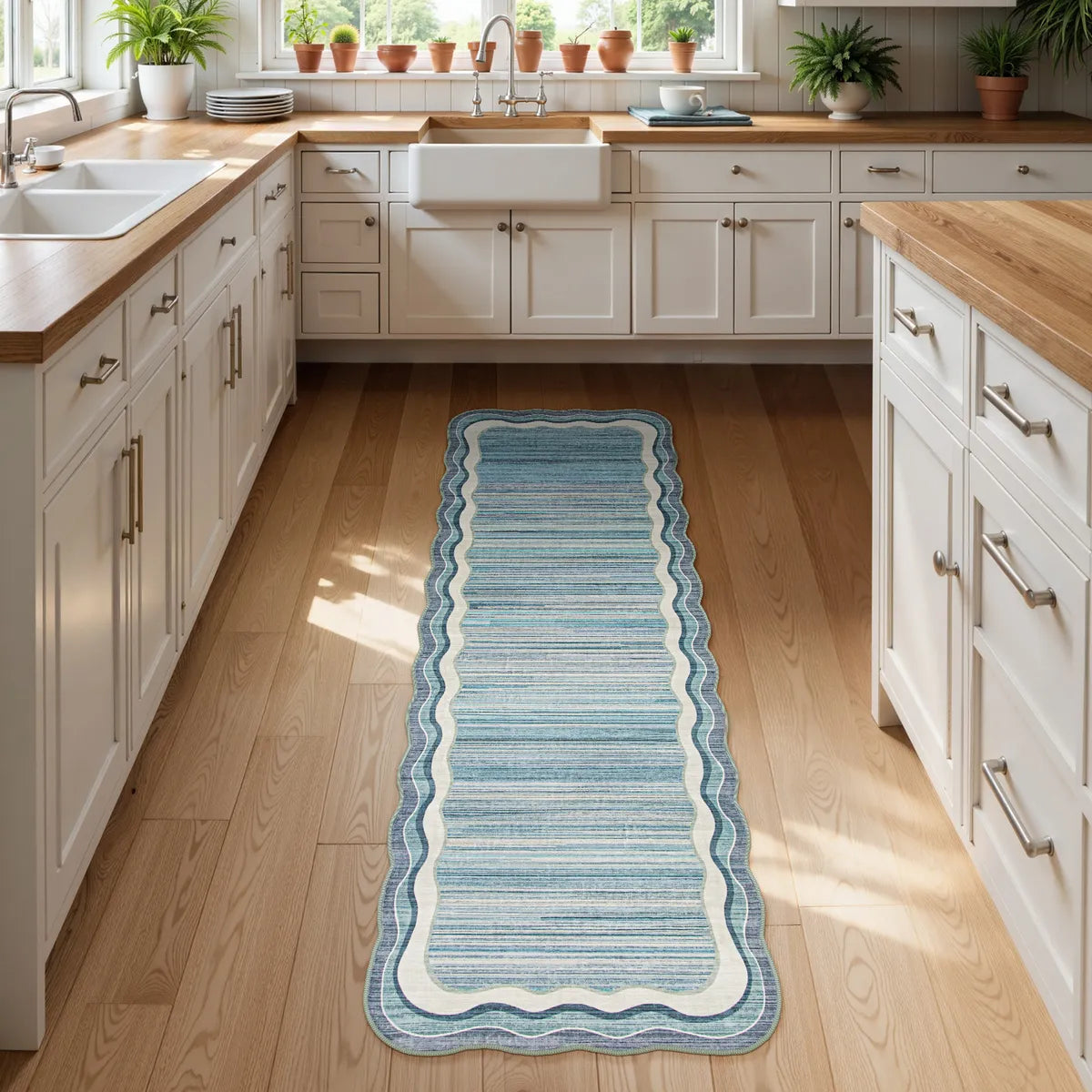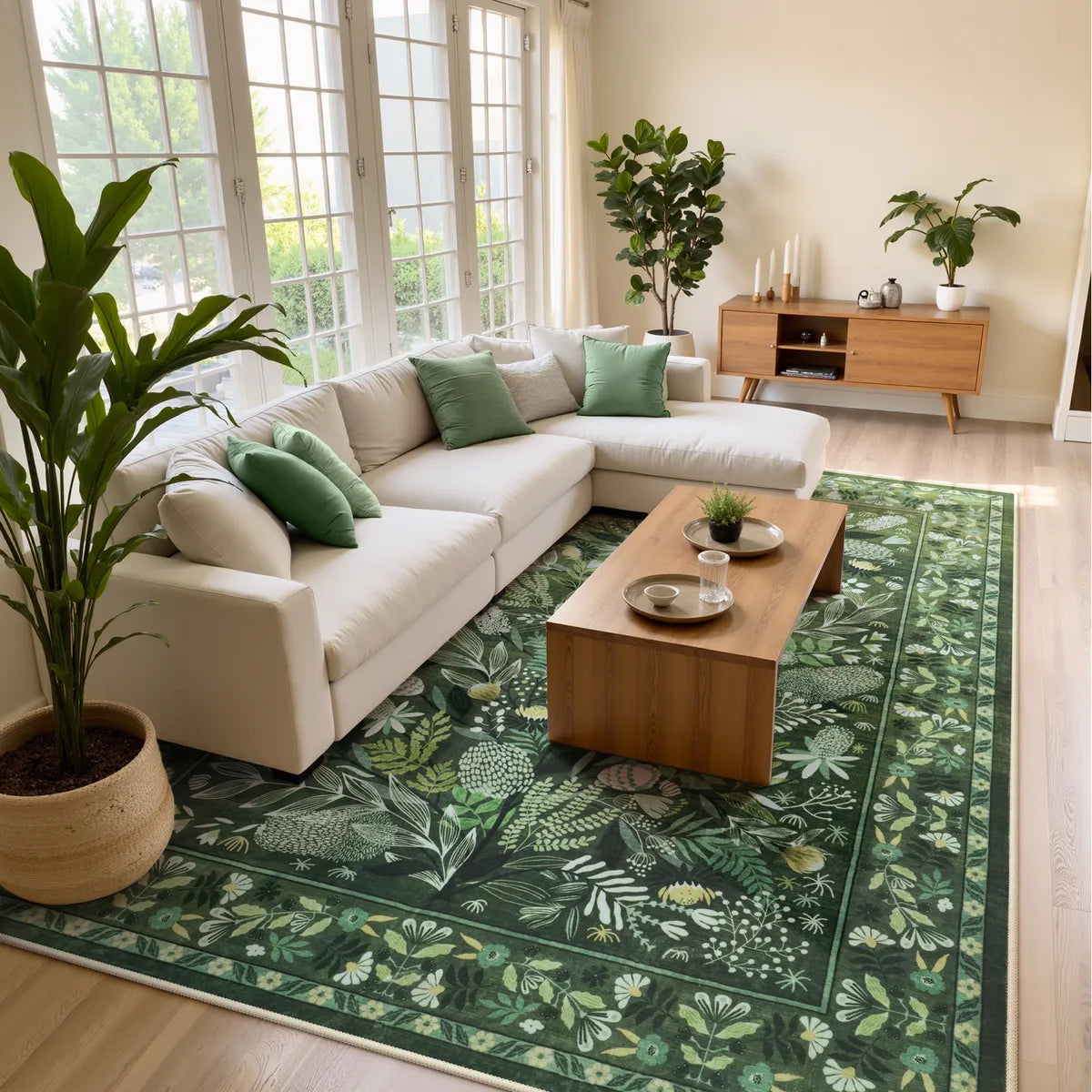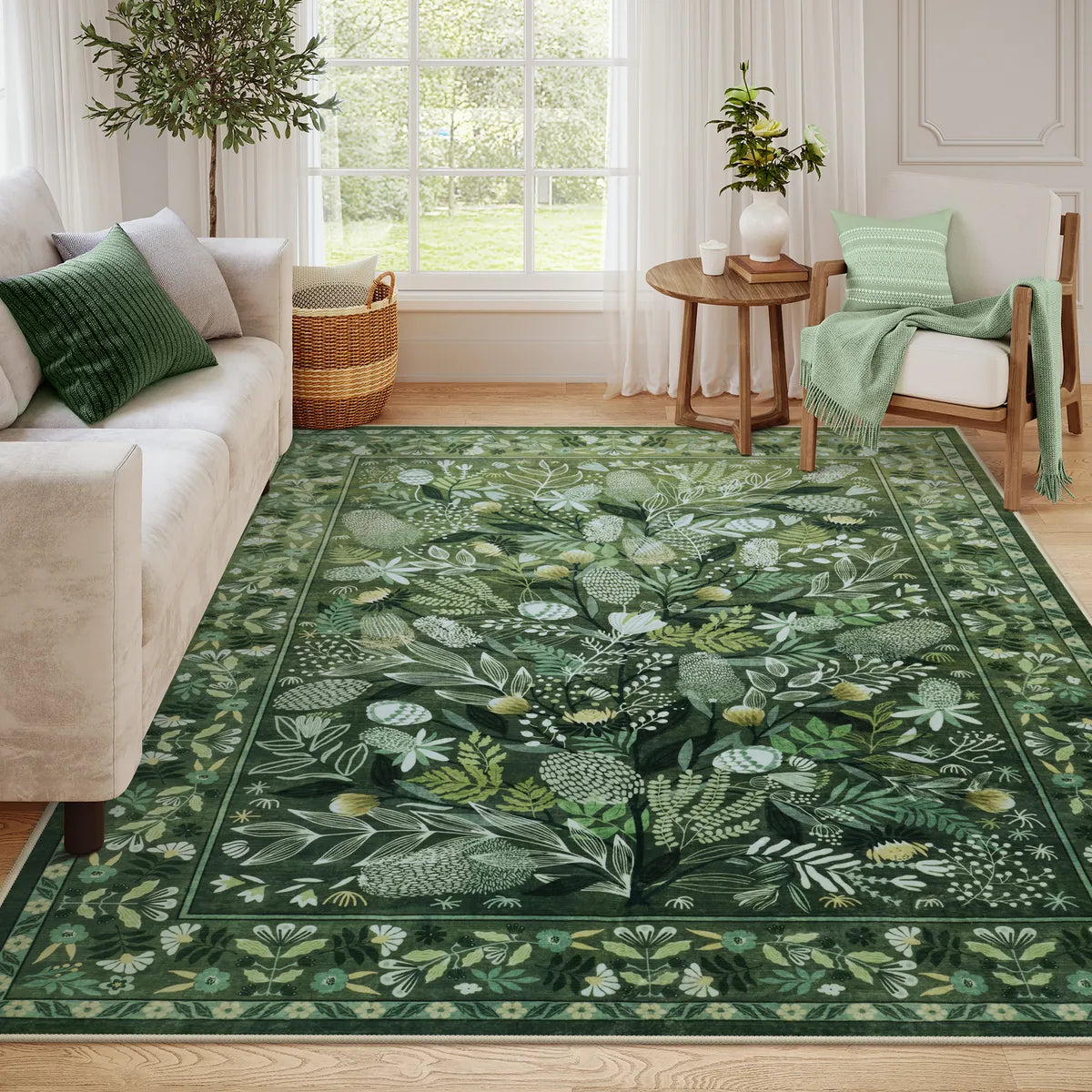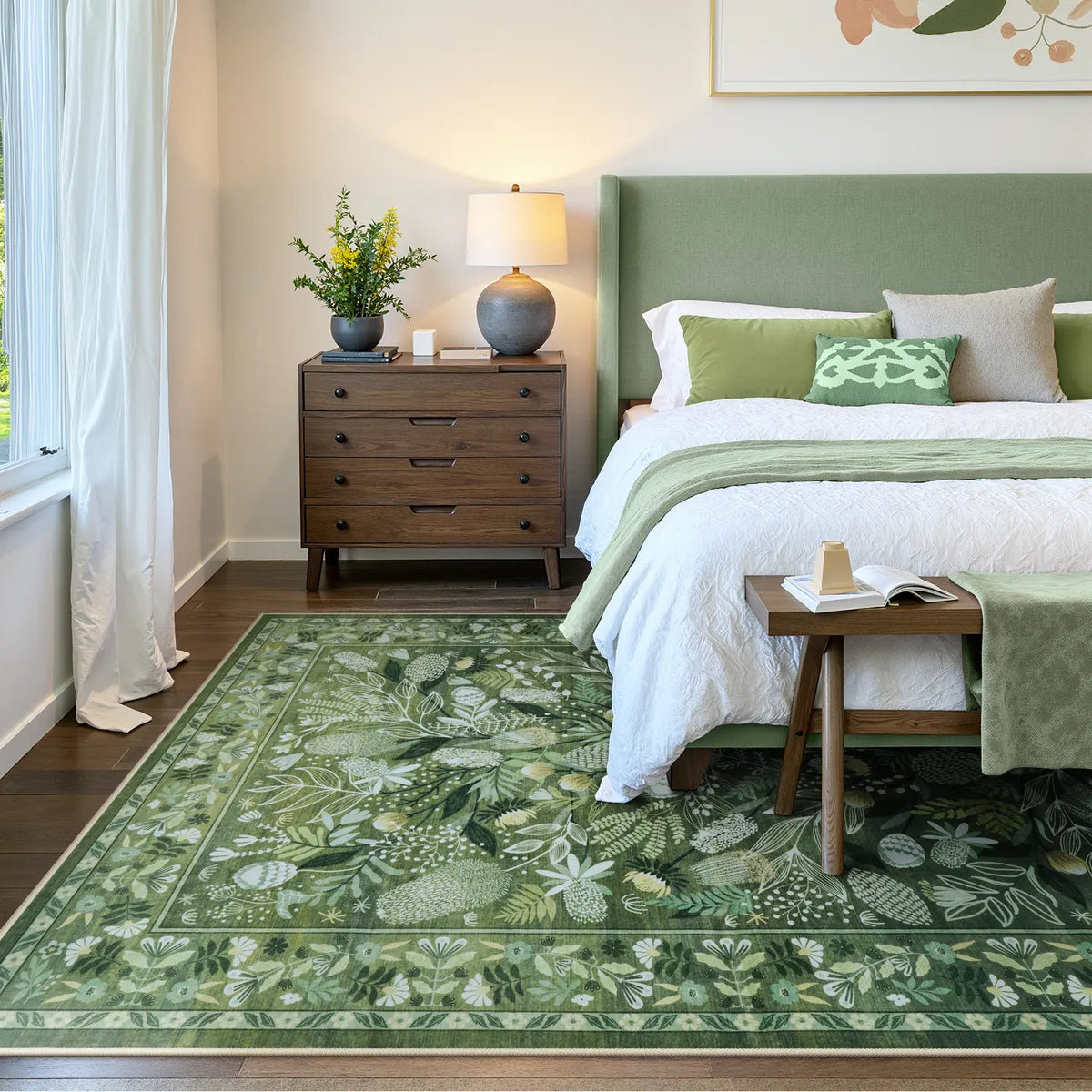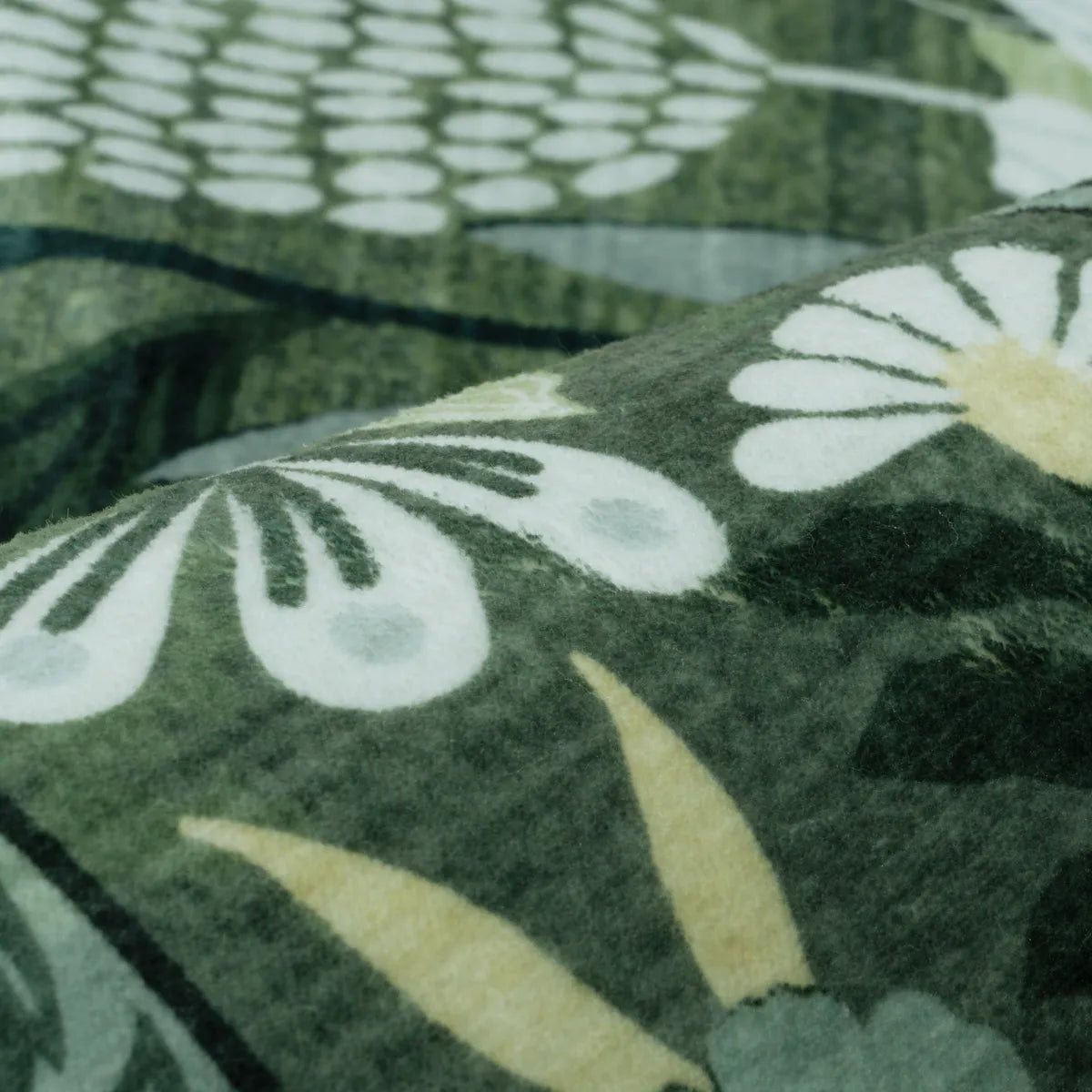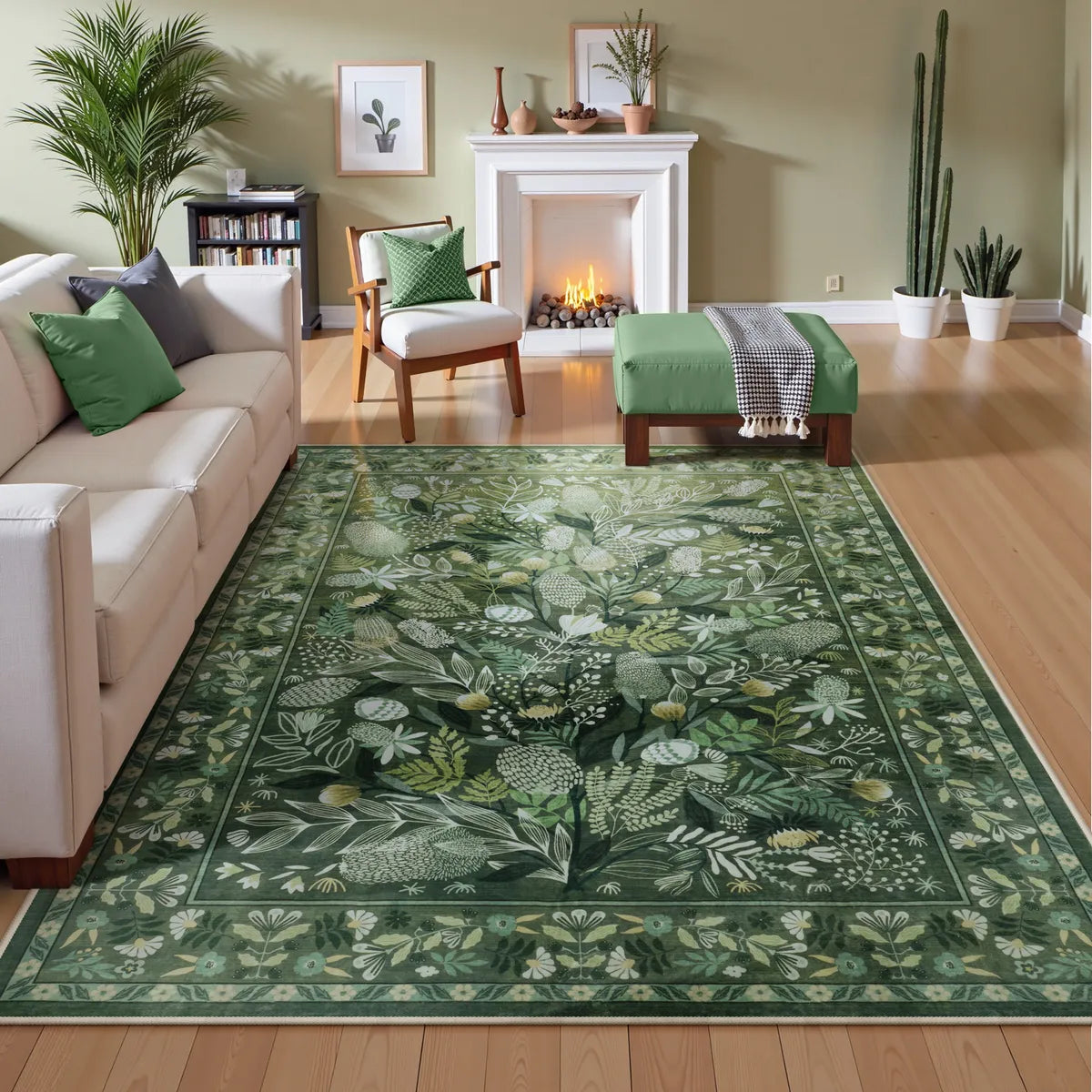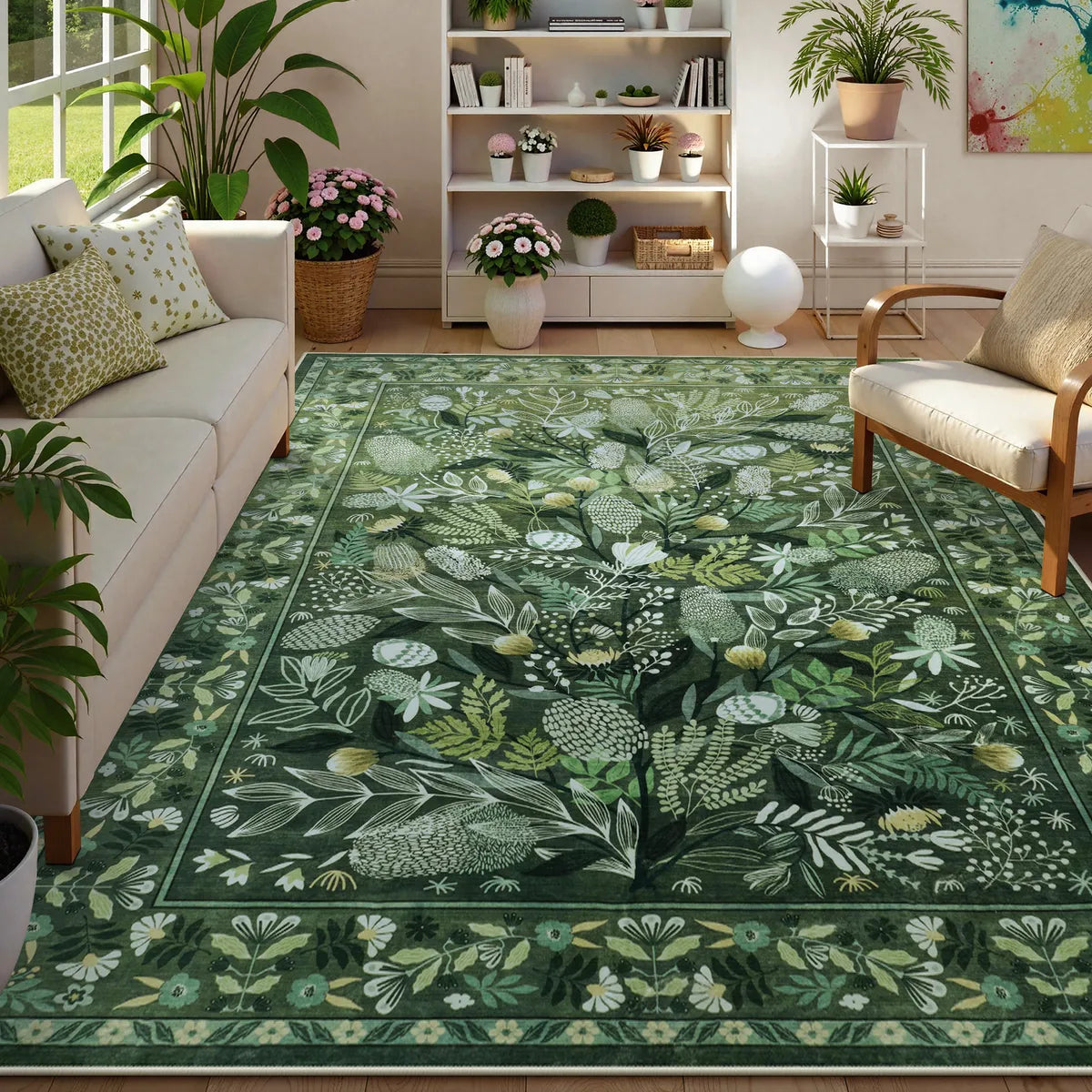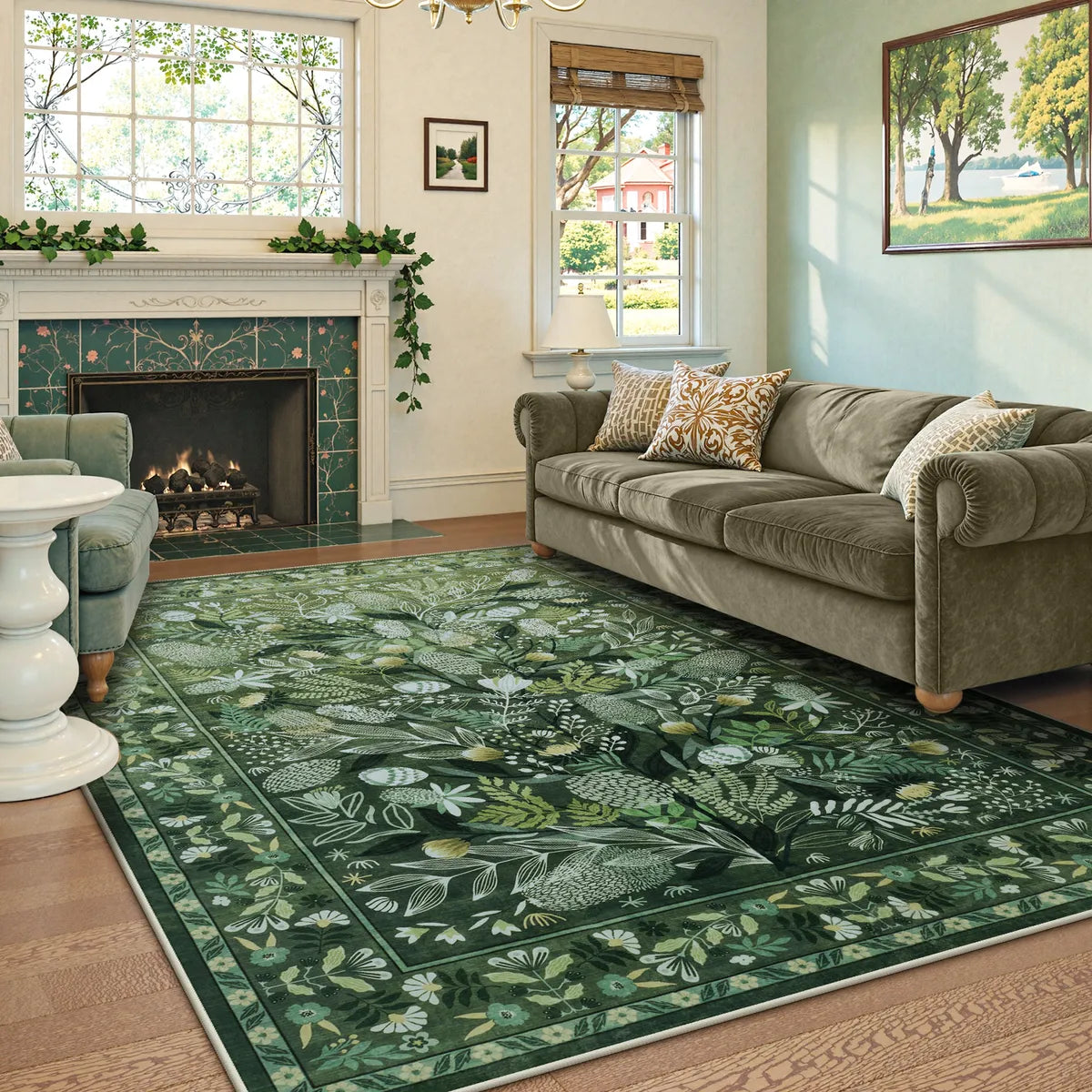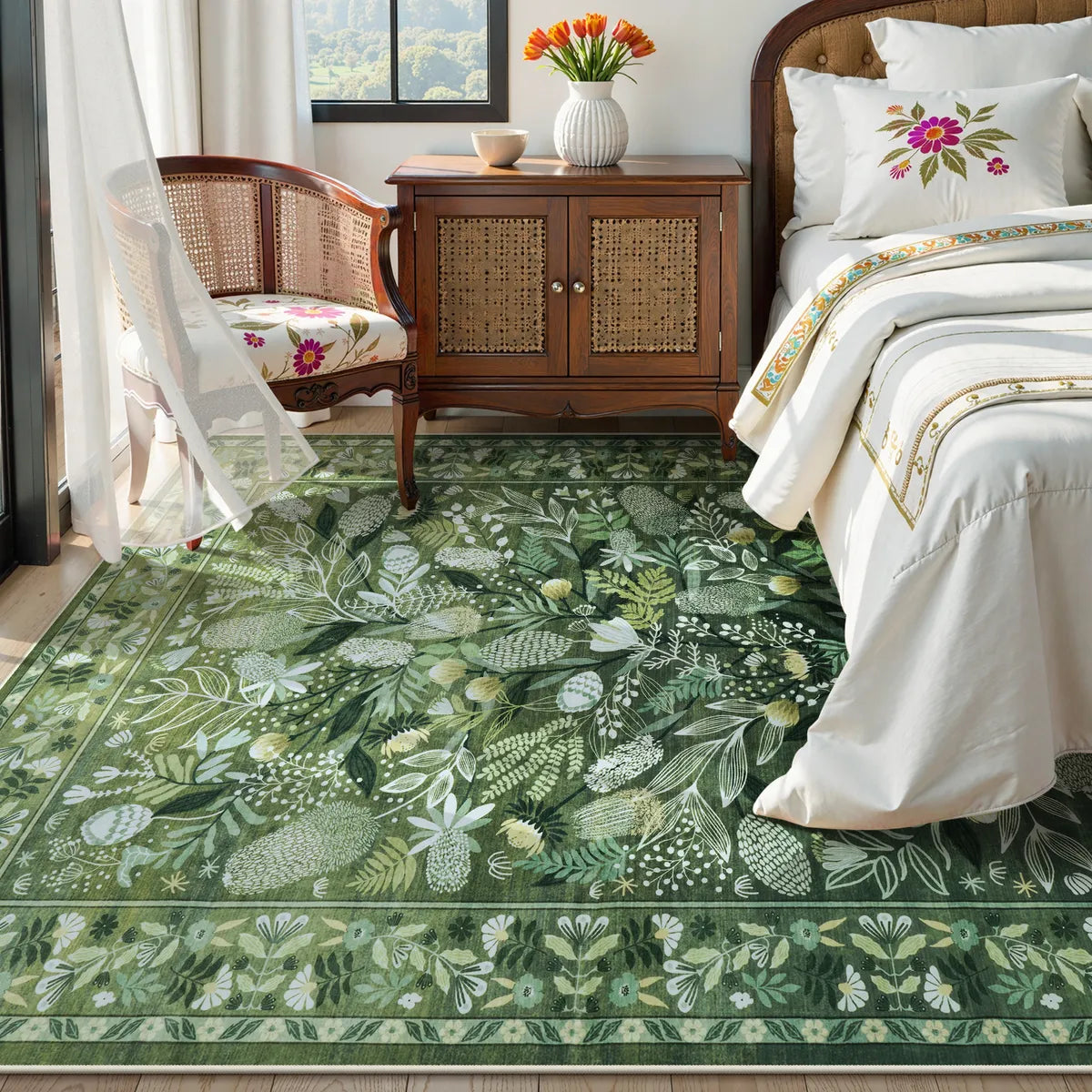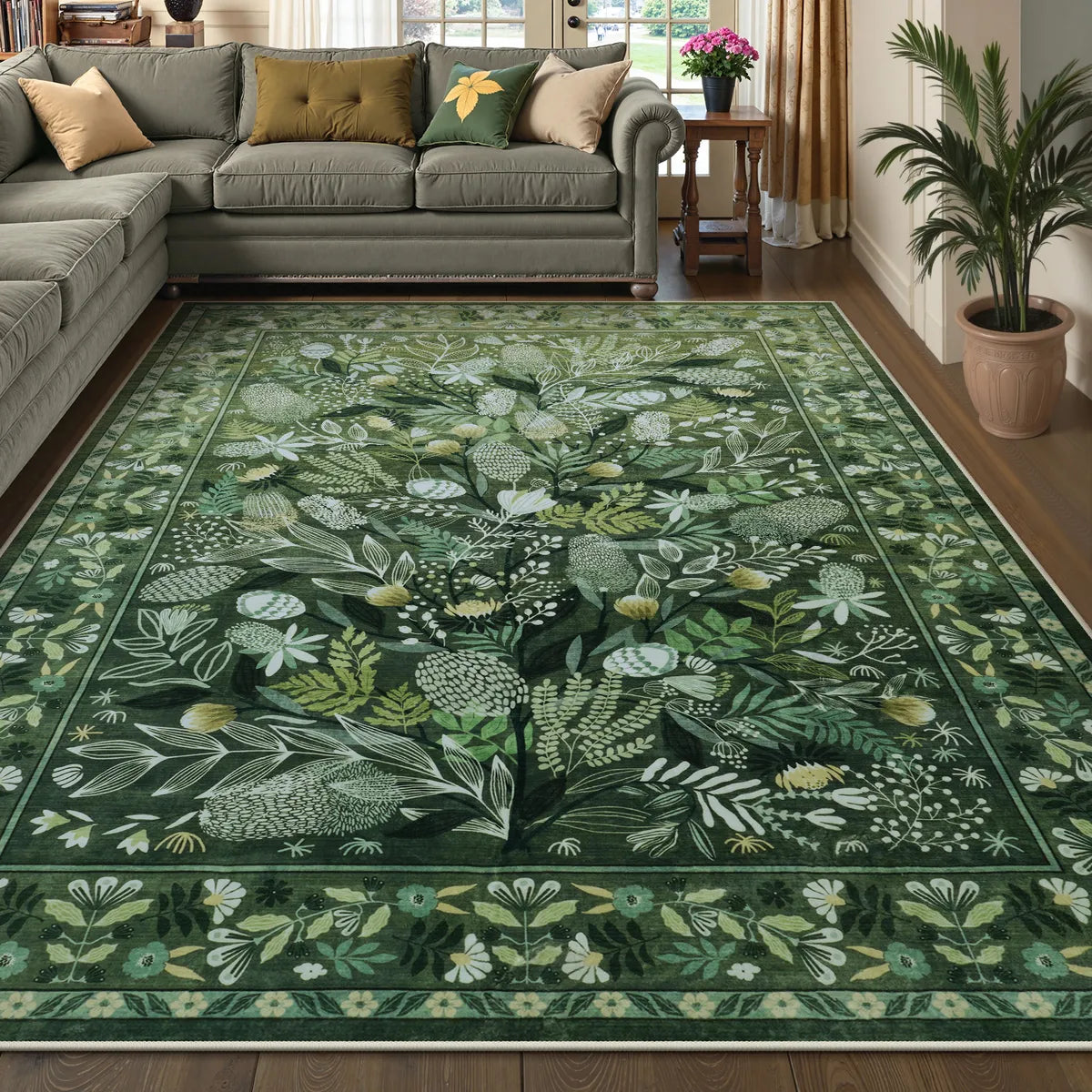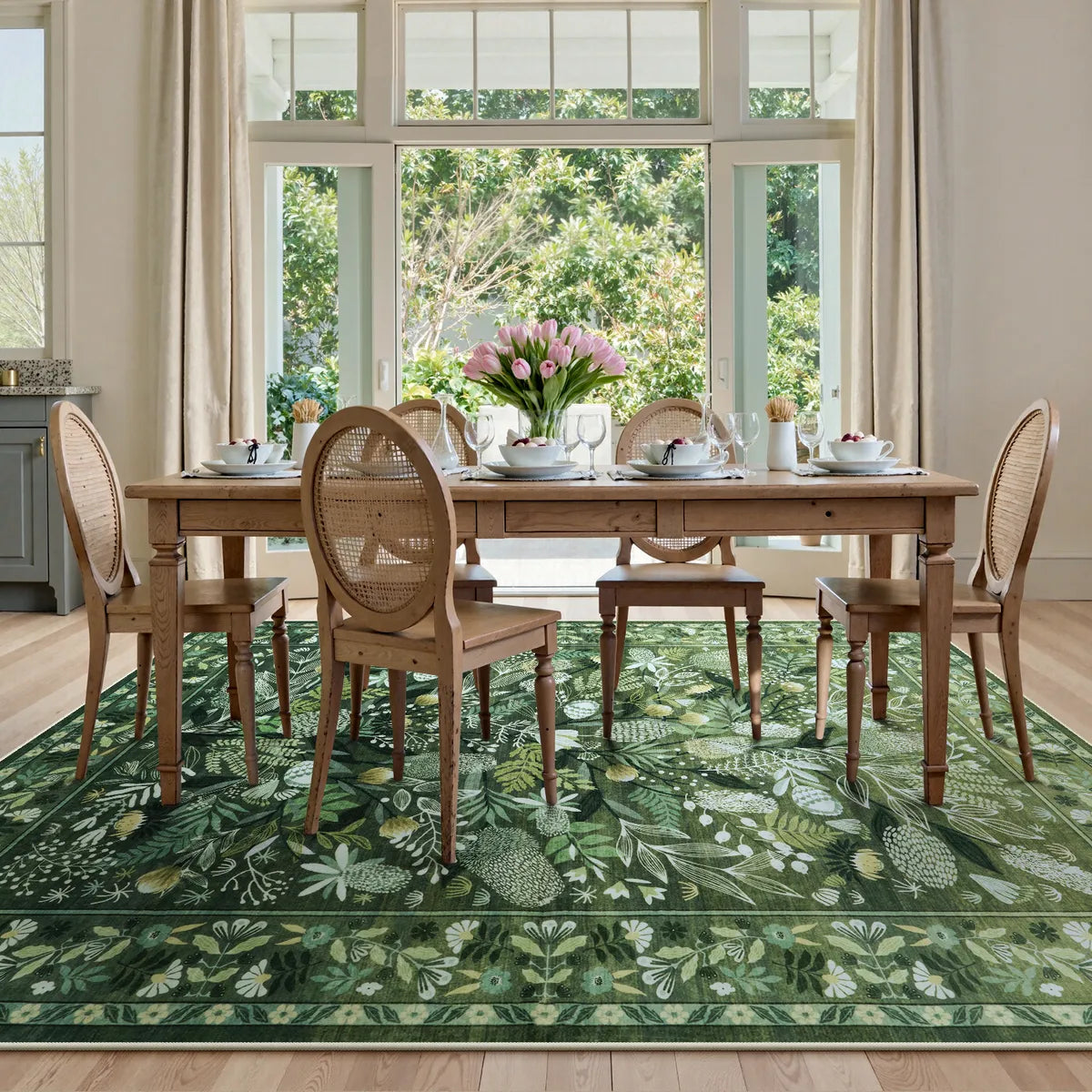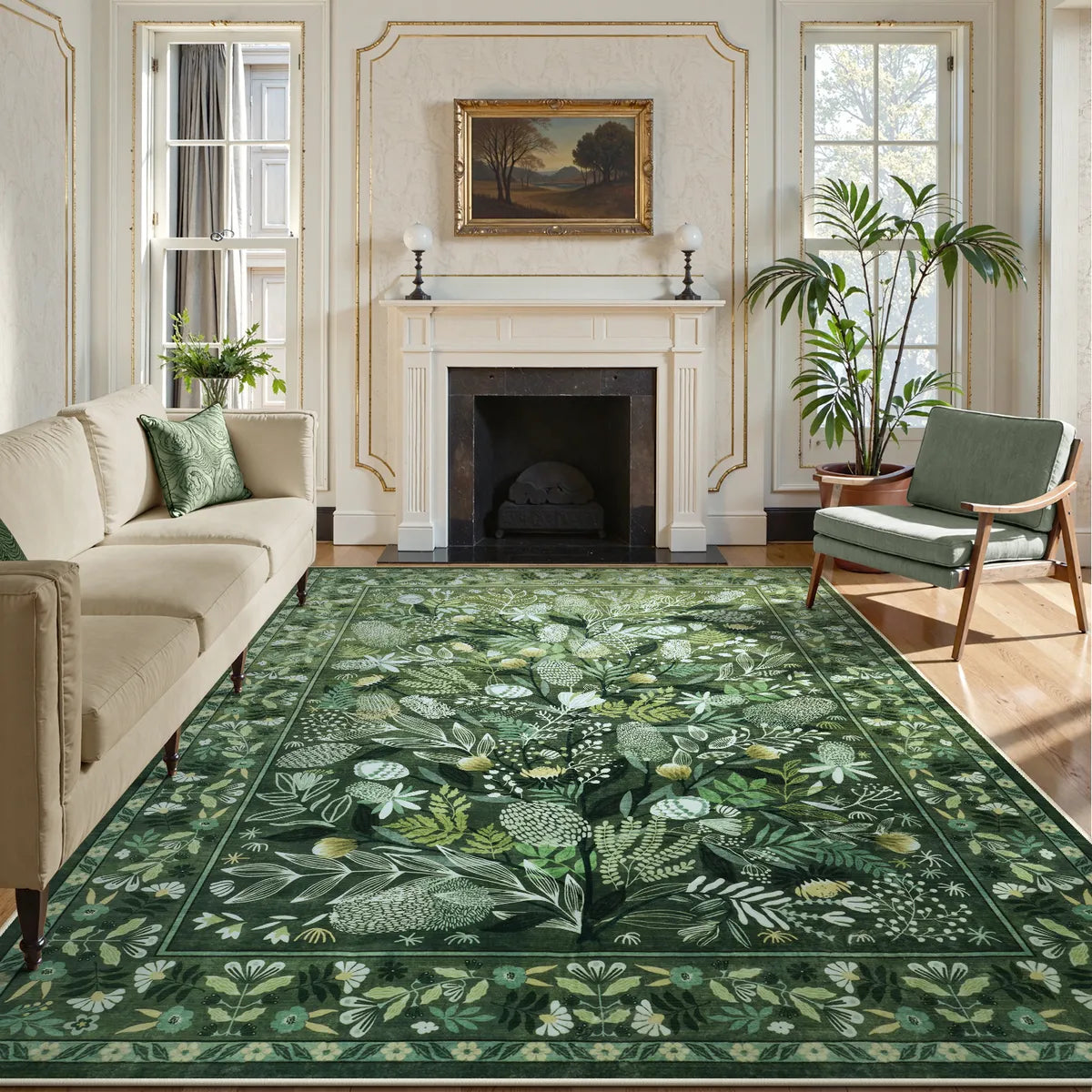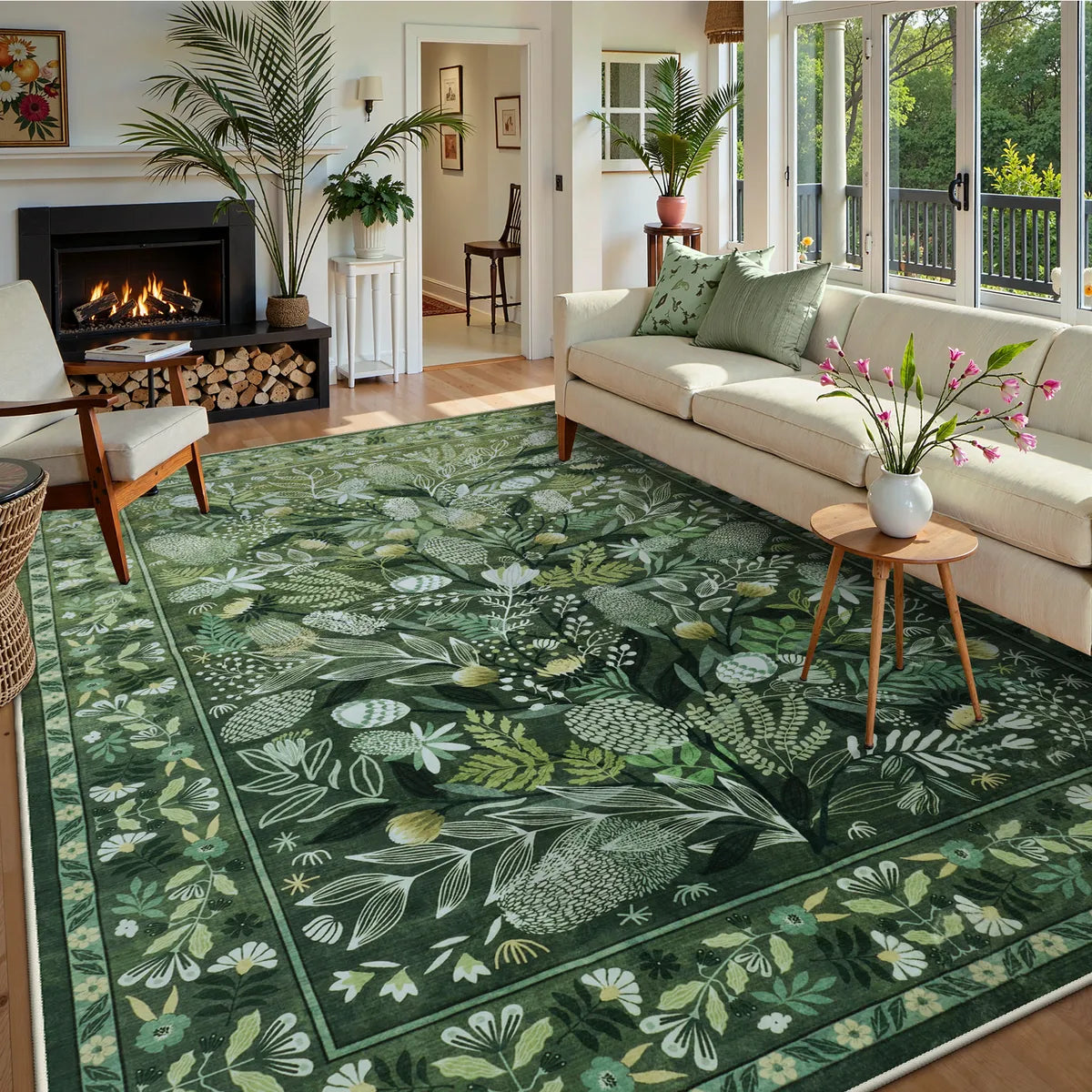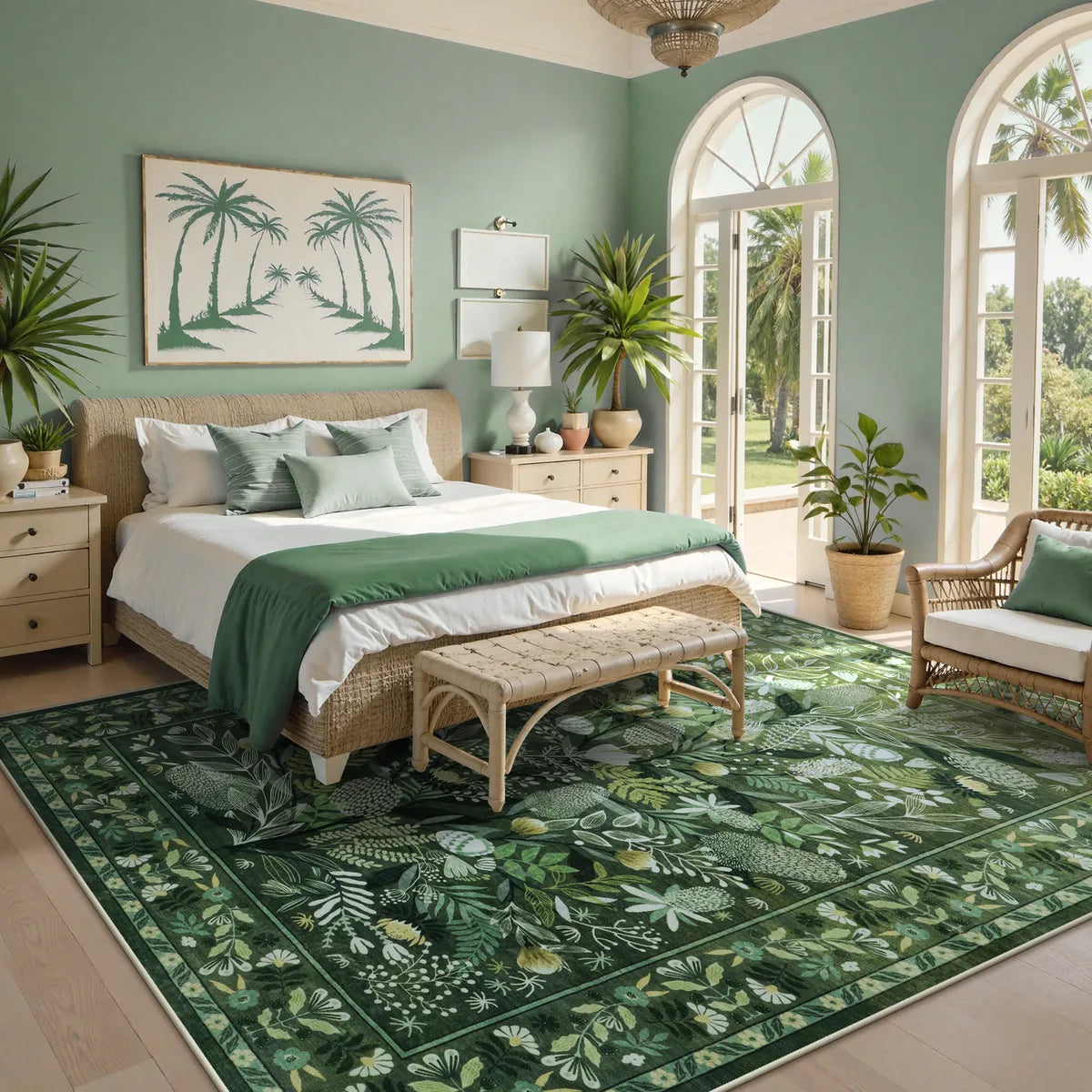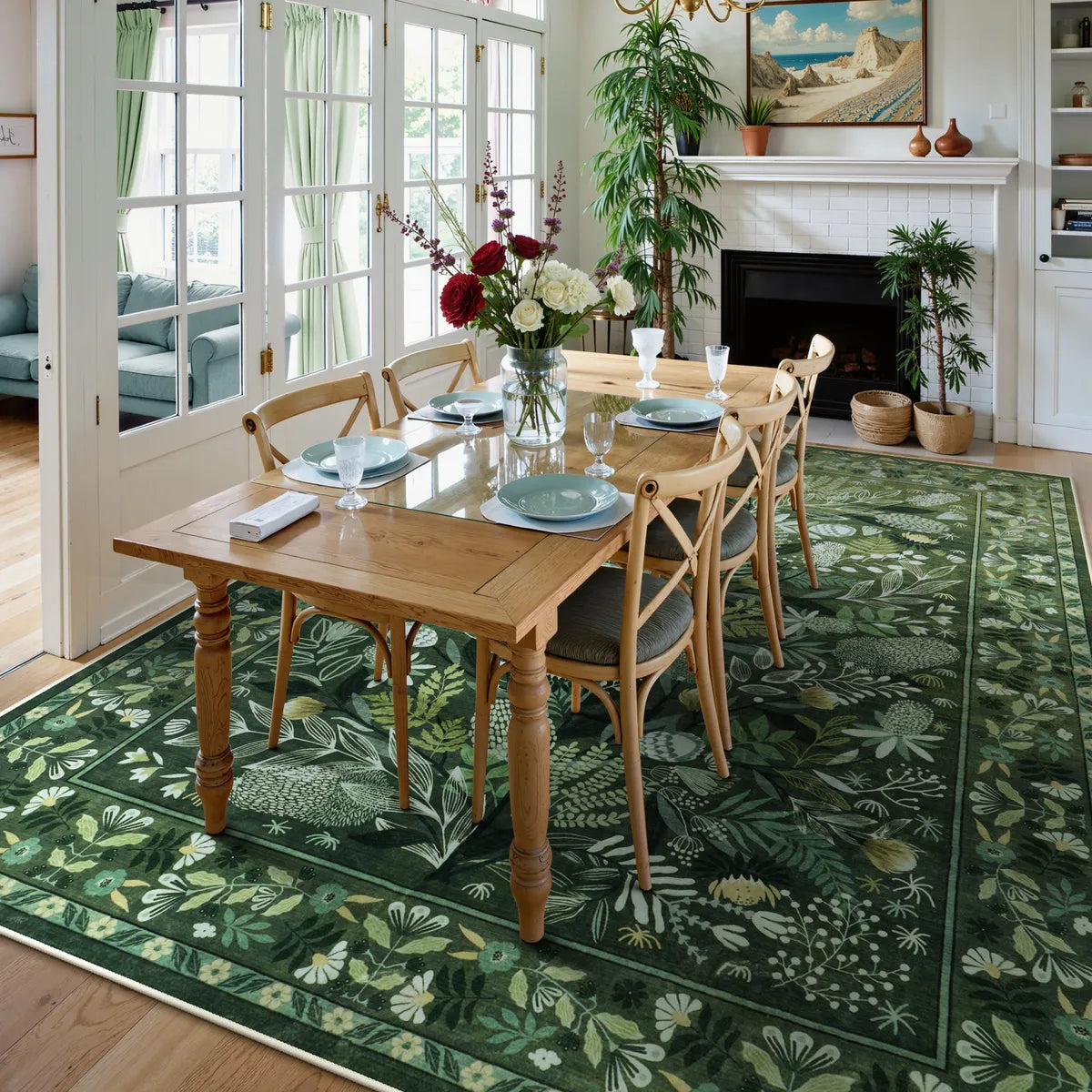


The kitchen is the most accident-prone room in the home. Wet floors near the sink, grease splatter by the stove, and constant foot traffic create conditions where slips happen fast. A non-slip kitchen rug addresses all of these at once: it anchors itself to the floor, cushions the surface underfoot, and protects against spills before they cause damage. Here's why it belongs in every kitchen.
Why Non-Slip Kitchen Rugs Are a Must-Have for Home Safety

Kitchen floors are among the most hazardous surfaces in any home. Unlike living rooms or bedrooms, kitchens combine hard flooring with near-constant exposure to water, oil, and food debris. A non-slip kitchen rug reduces that risk at the source, creating a stable and gripped surface in the zones where slipping is most likely.
Preventing Slips Near Sinks and Stoves
The two highest-risk zones in any kitchen are directly in front of the sink and the stove. Both involve prolonged standing, repeated reaching, and near-constant exposure to water or grease.
In front of the sink, water drips from hands, dishes, and produce onto the floor during virtually every use. On smooth tile or hardwood, that moisture creates an invisible slip hazard that's easy to step into without noticing. A kitchen rug placed in this zone absorbs surface moisture and provides grip underfoot.
The stove zone presents a different but equally serious risk. Grease and cooking oils that land on hard flooring are extremely slippery and harder to detect than water. A rug in this area catches those droplets before they reach the floor surface beneath.
Key placement principles for maximum safety:
- Place a rug directly in front of the sink to capture water drips and provide standing grip.
- Position a second rug or runner in front of the stove to manage grease and provide cushioning during cooking.
- Ensure both rugs lie completely flat with no curling edges, which are tripping hazards in their own right.
How Rubber Backing Keeps Kitchen Rugs Firmly in Place

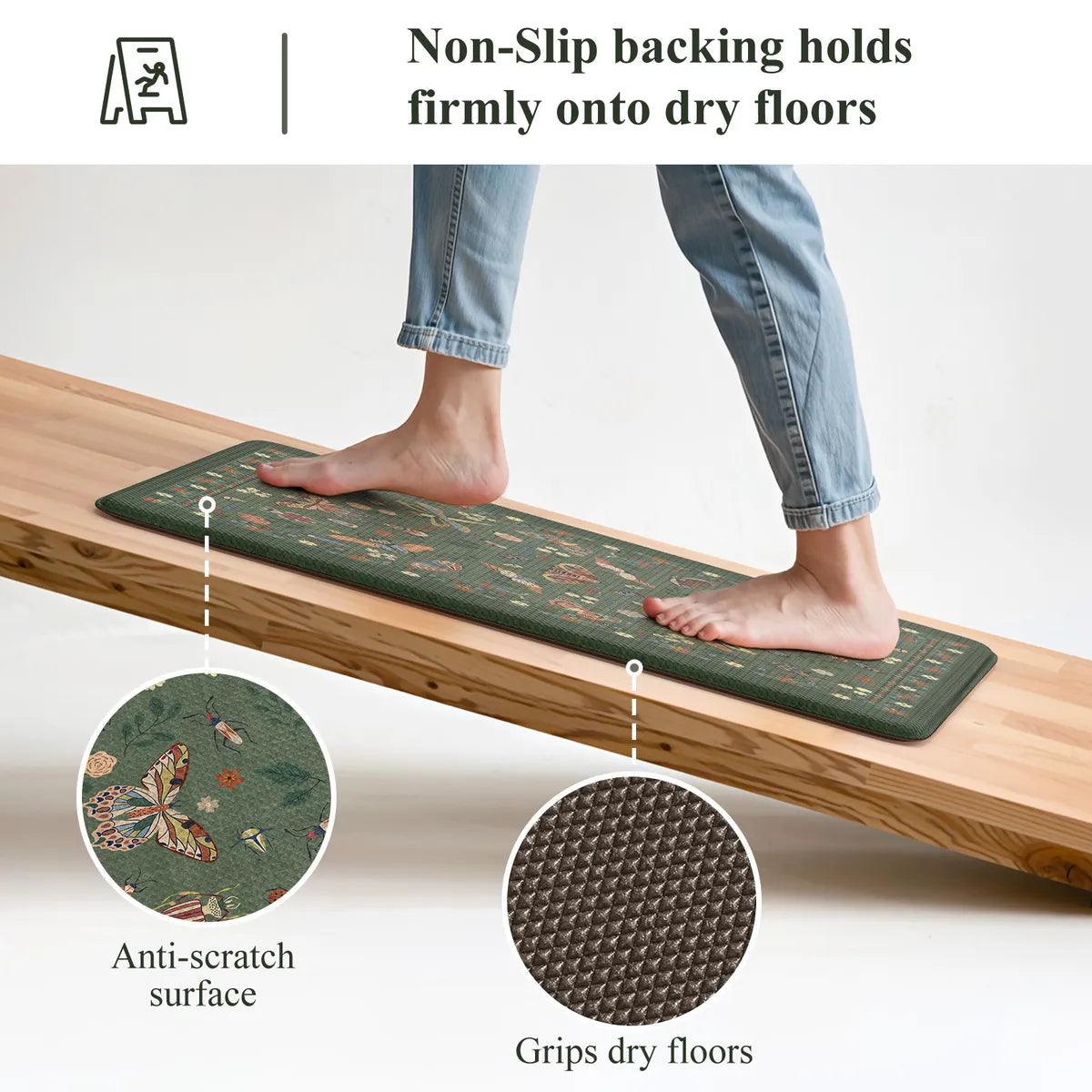
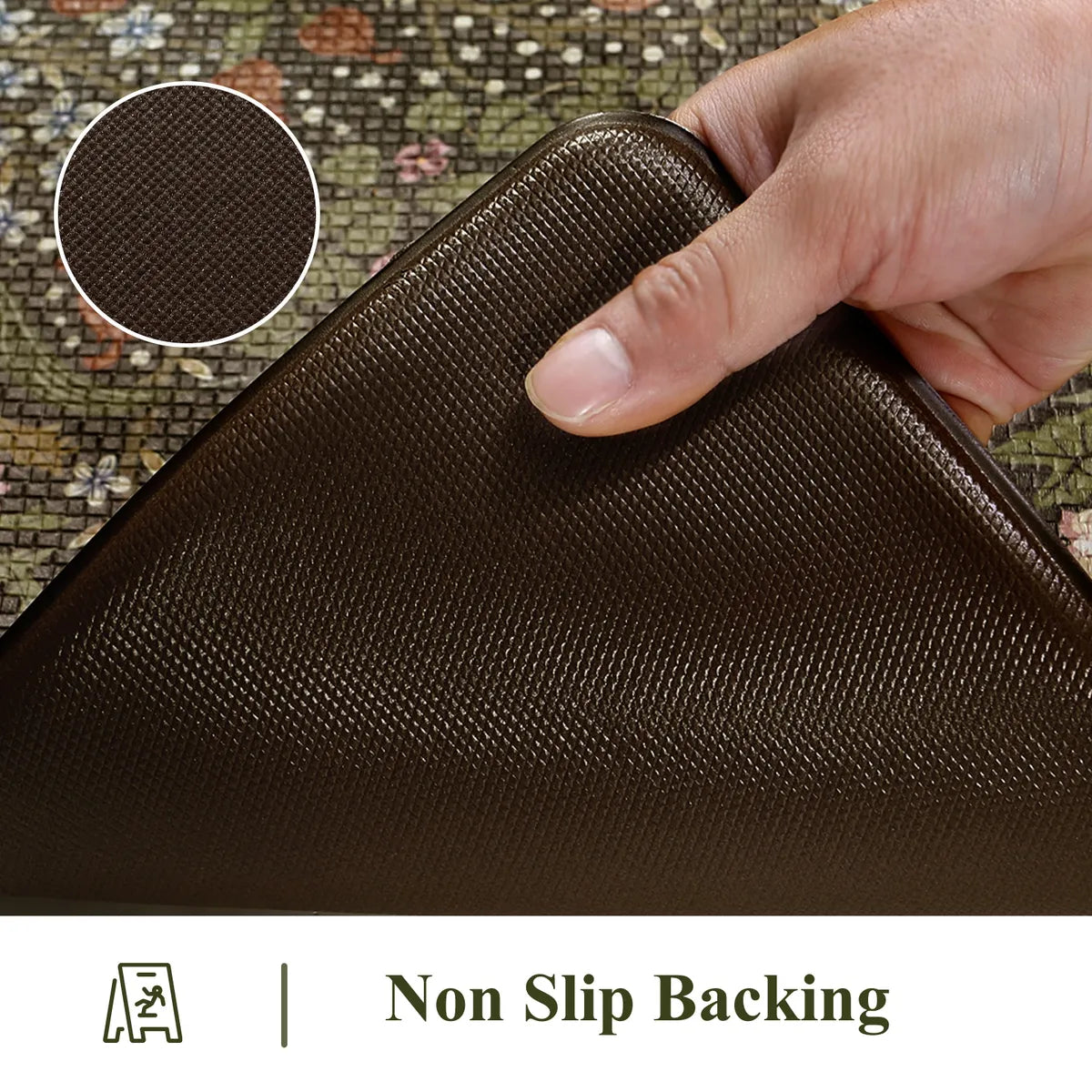
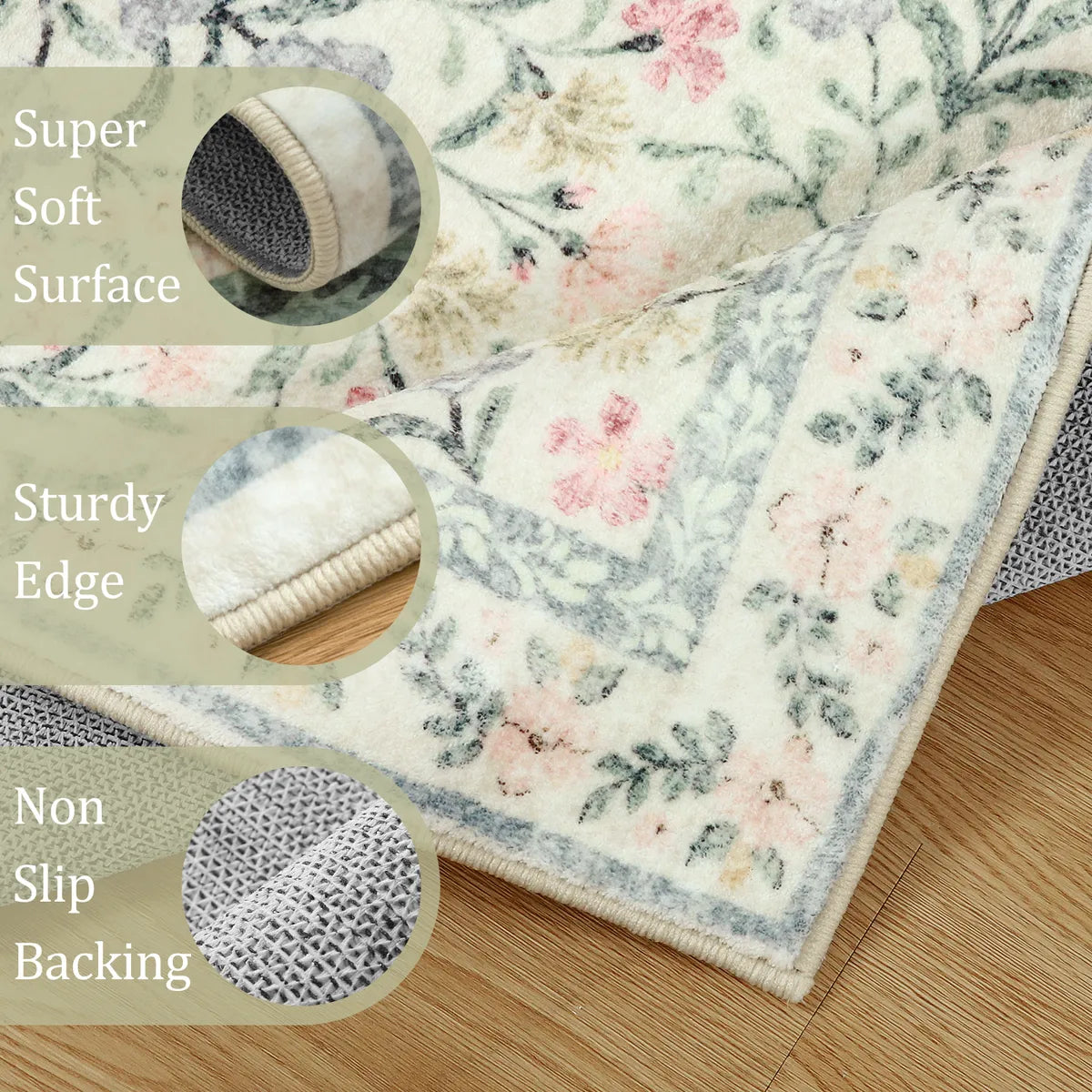
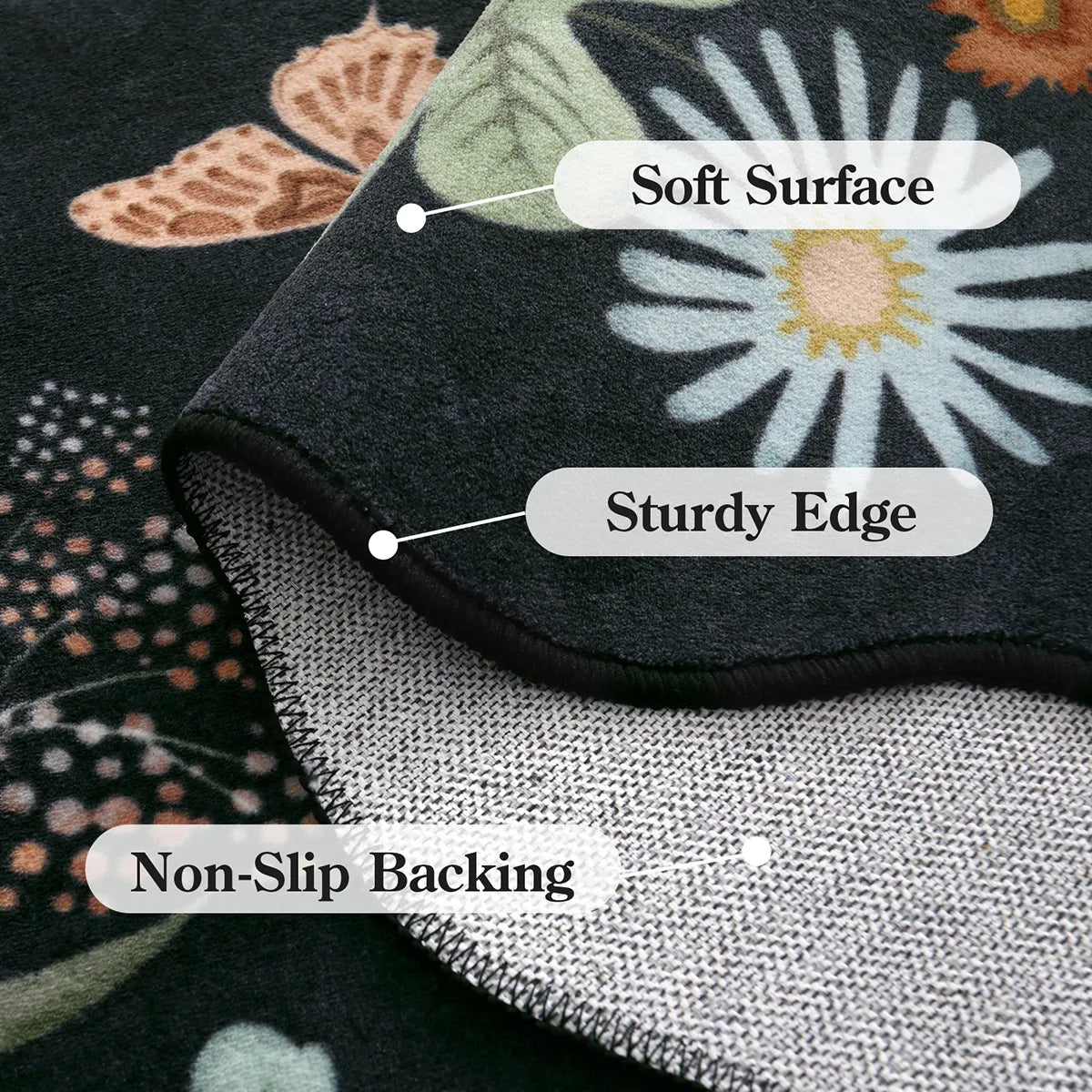
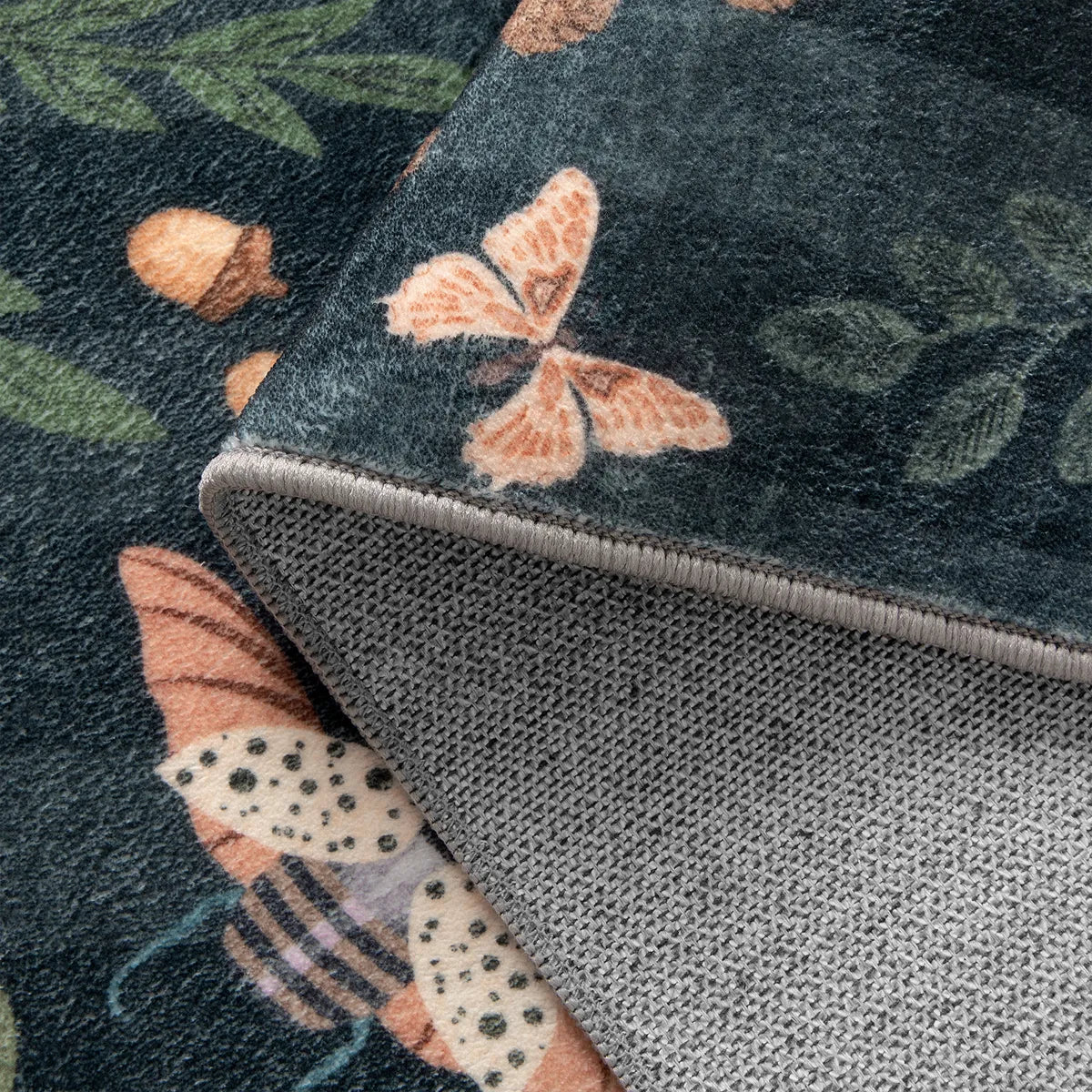
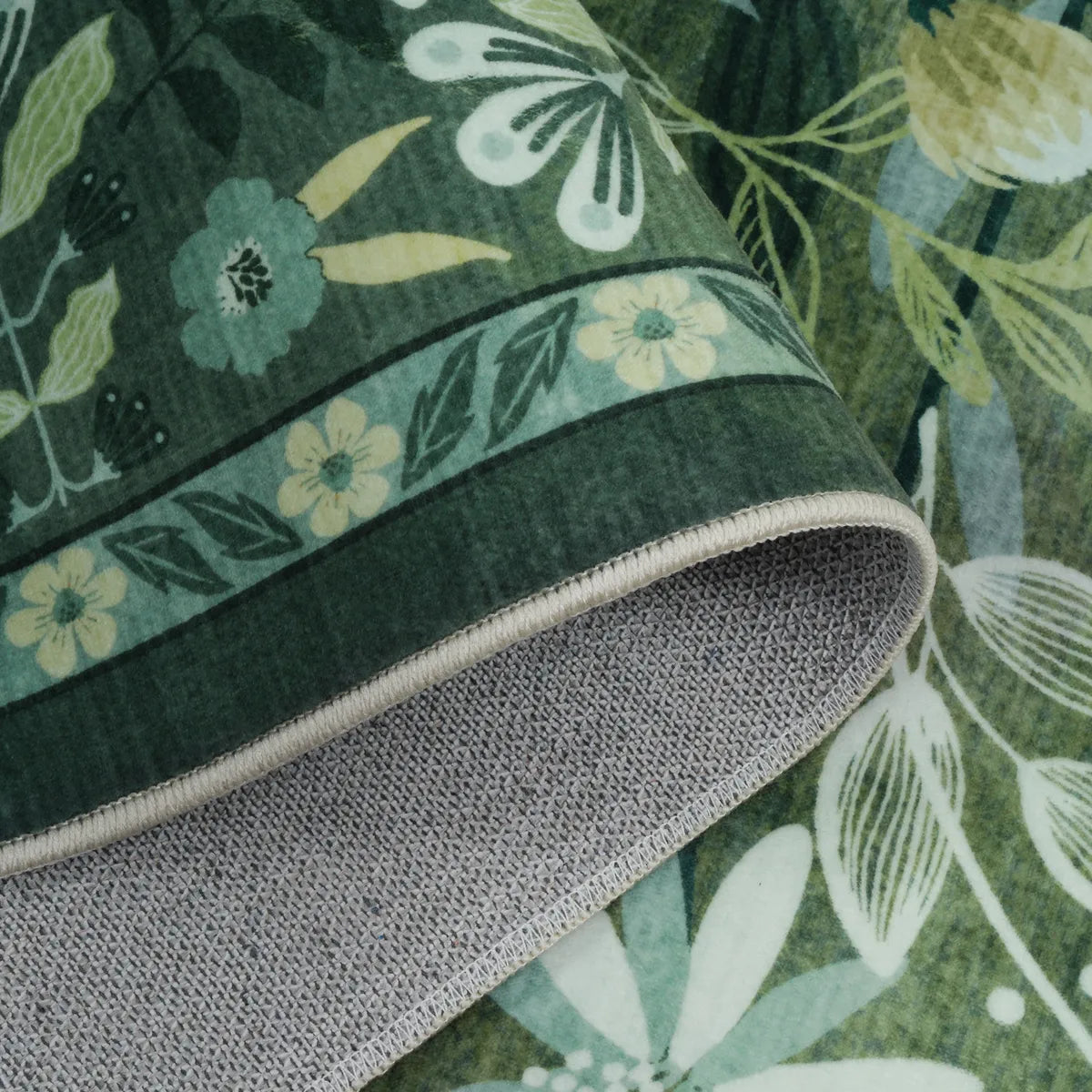
A kitchen rug that slides is more dangerous than no rug at all. The non-slip backing (a rubberized or TPE layer bonded to the underside of the rug) is what separates a functional safety tool from a decorative hazard.
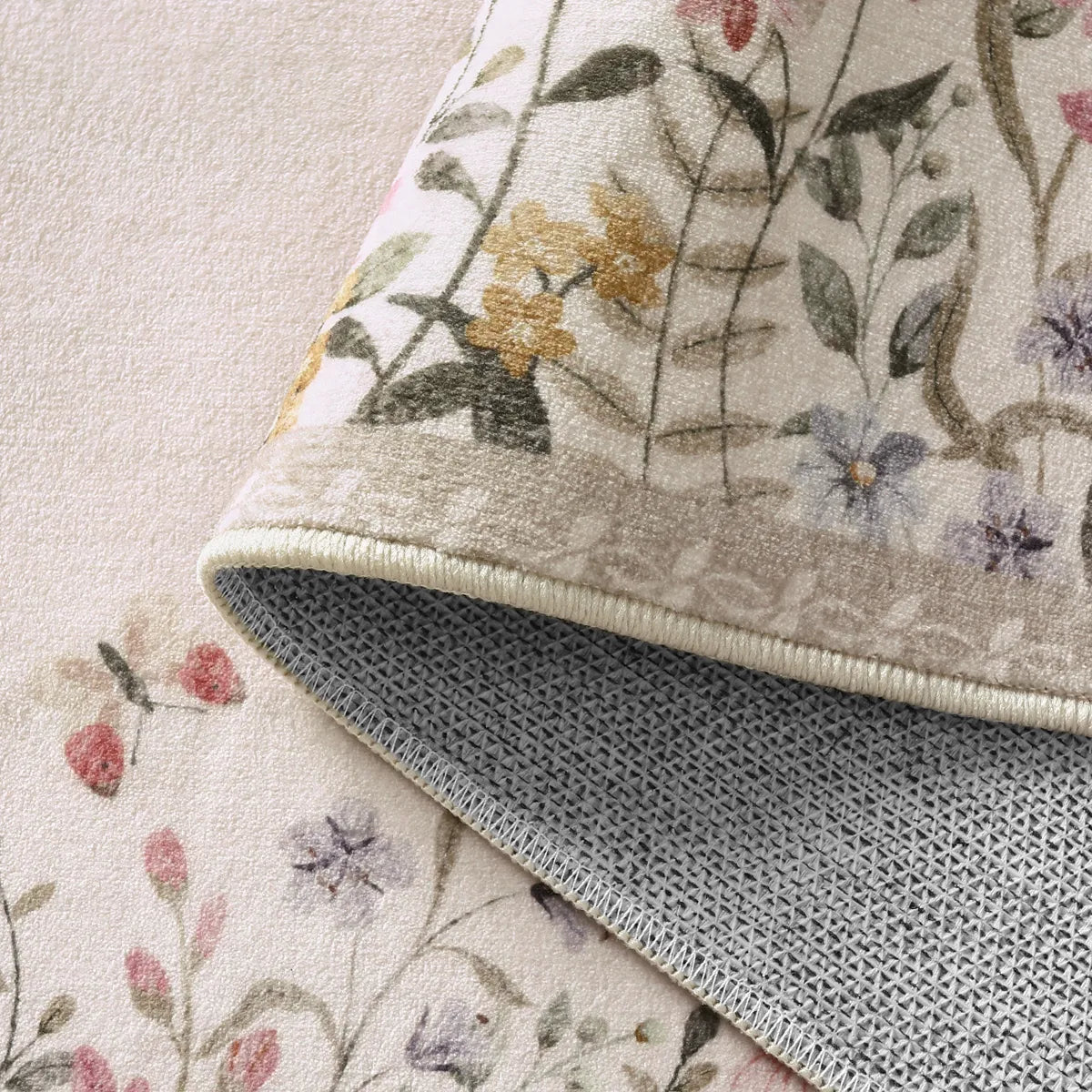
TPE backing (thermoplastic elastomer, a flexible rubber-like material that grips hard flooring without scratching or staining it) is one of the most effective options for kitchen use. It holds the rug flat under repeated foot traffic, resists compression from prolonged standing, and maintains its grip even when the surrounding floor is damp.
What makes built-in non-slip backing particularly valuable in a kitchen:
- No rug pad required: A built-in backing eliminates the need for a separate pad, keeping the rug profile low and reducing tripping risk.
- Full-surface grip: Unlike adhesive strips or corner grippers, a full-surface backing holds every part of the rug in place, not just the edges.
- Floor-safe material: Quality TPE backing does not leave residue, discolor hardwood finishes, or react with tile grout over time.
Combining Comfort and Utility with Kitchen Runner Rugs

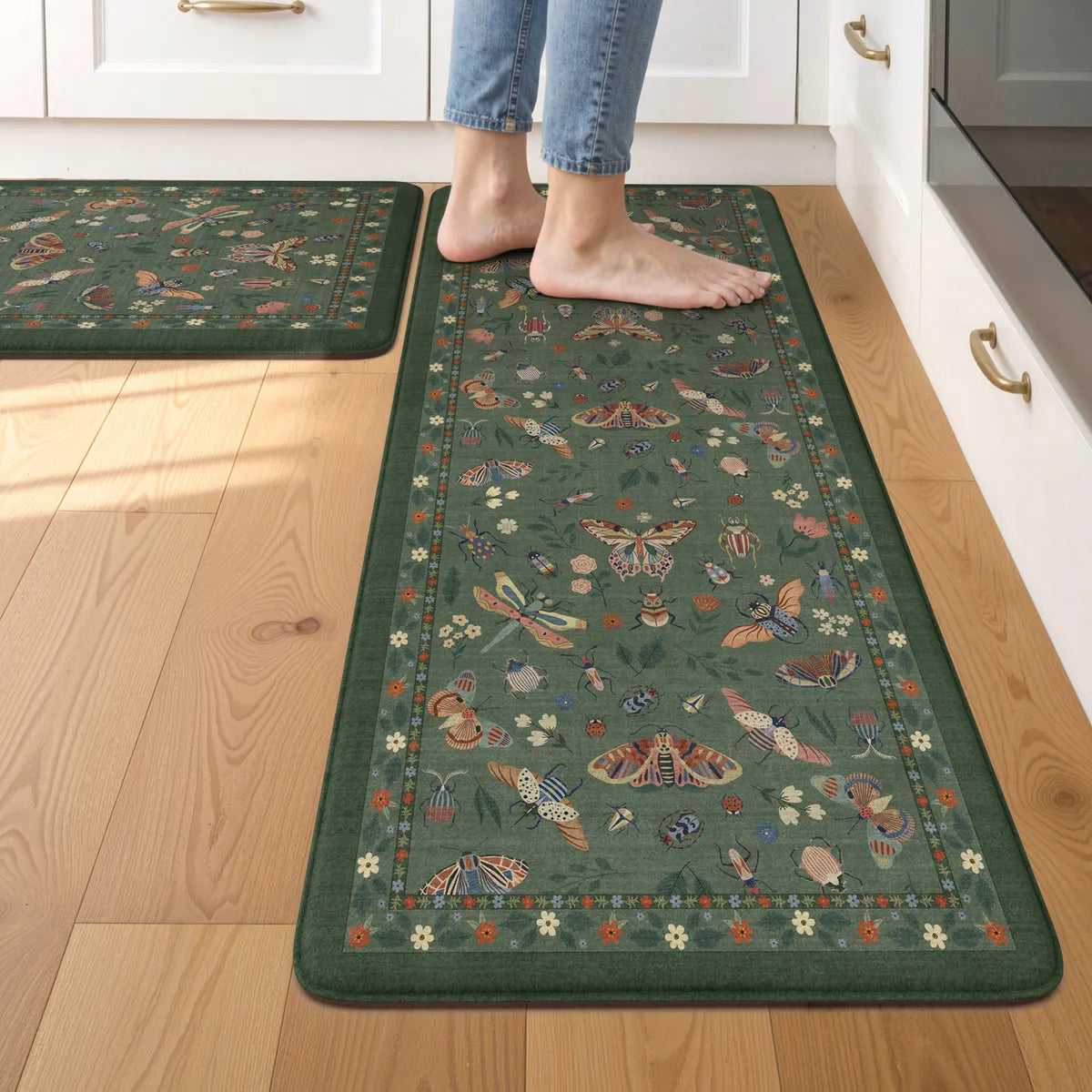
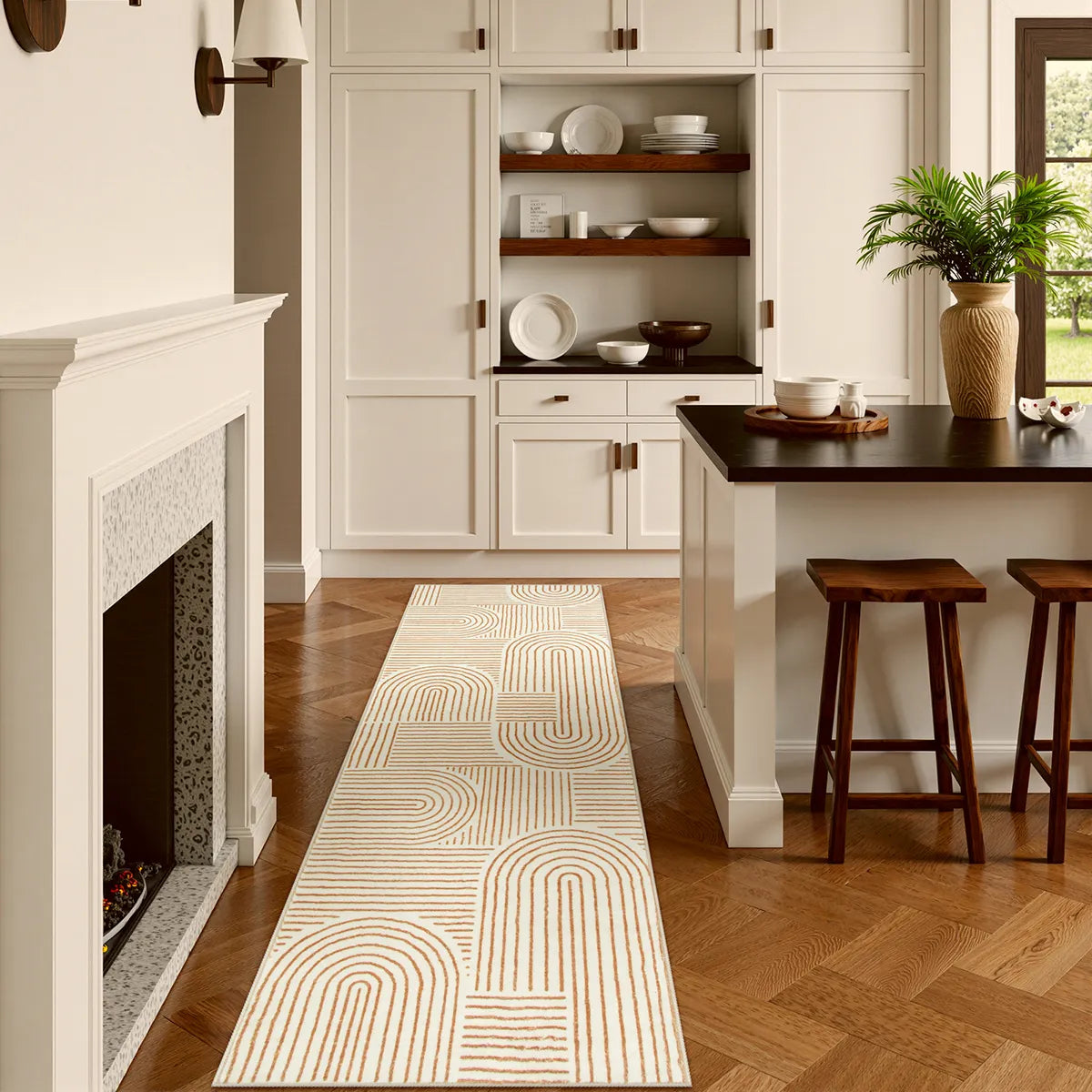
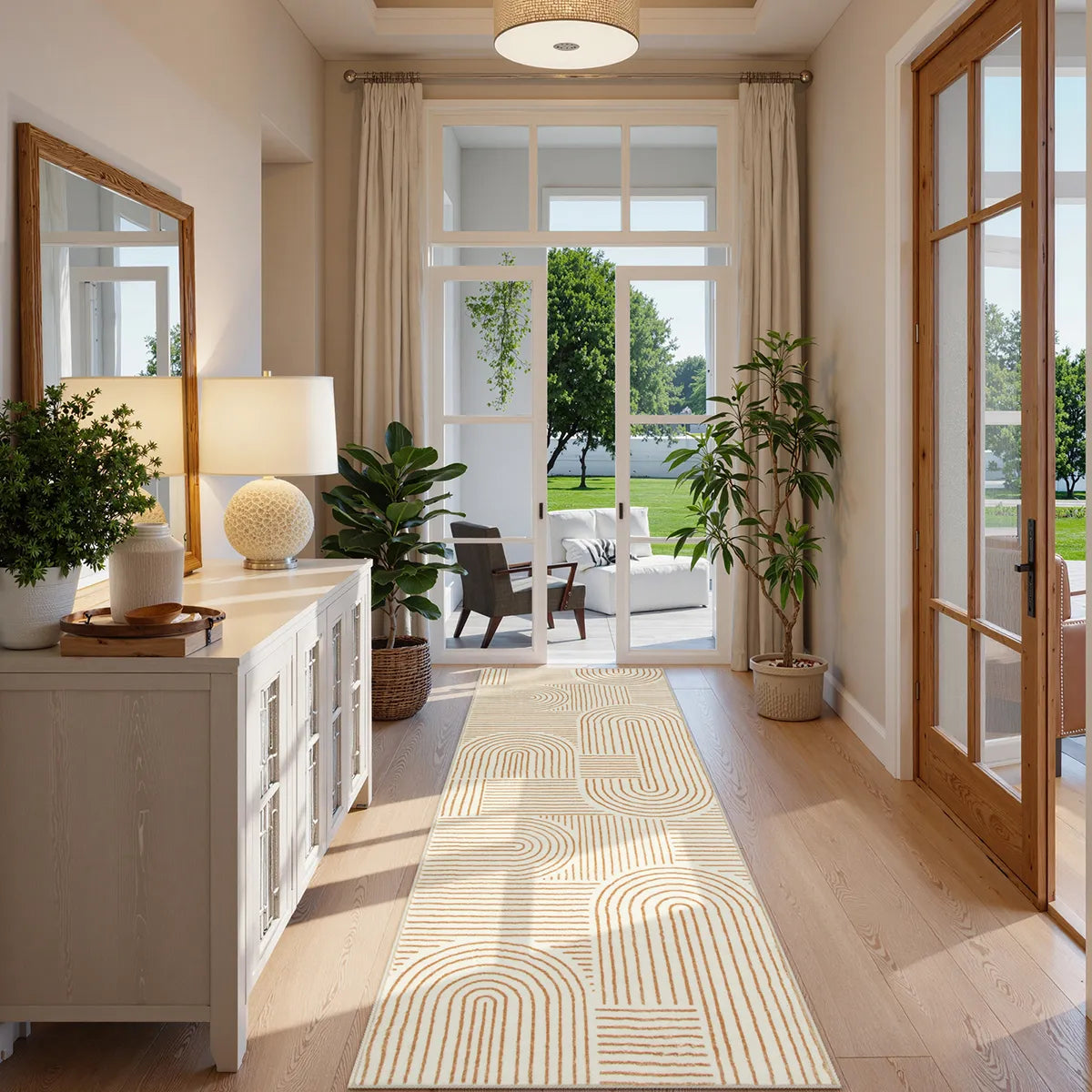
Safety is the foundation, but comfort is what makes a kitchen rug worth standing on all day. Kitchen runner rugs (long, narrow rugs sized to fit the length of a countertop run, island, or galley-style layout) serve both functions at once.
Ergonomic Support for Long Hours of Standing
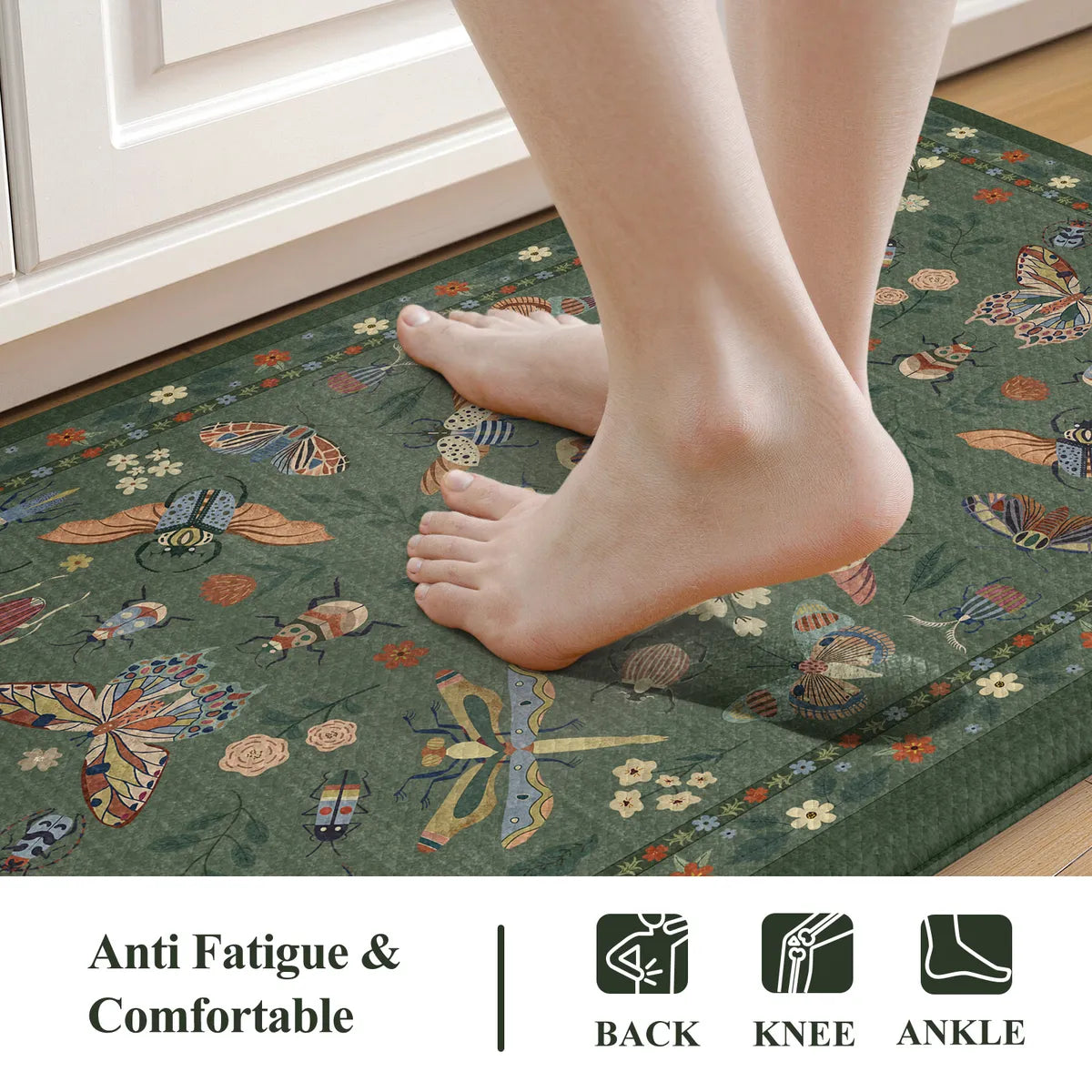
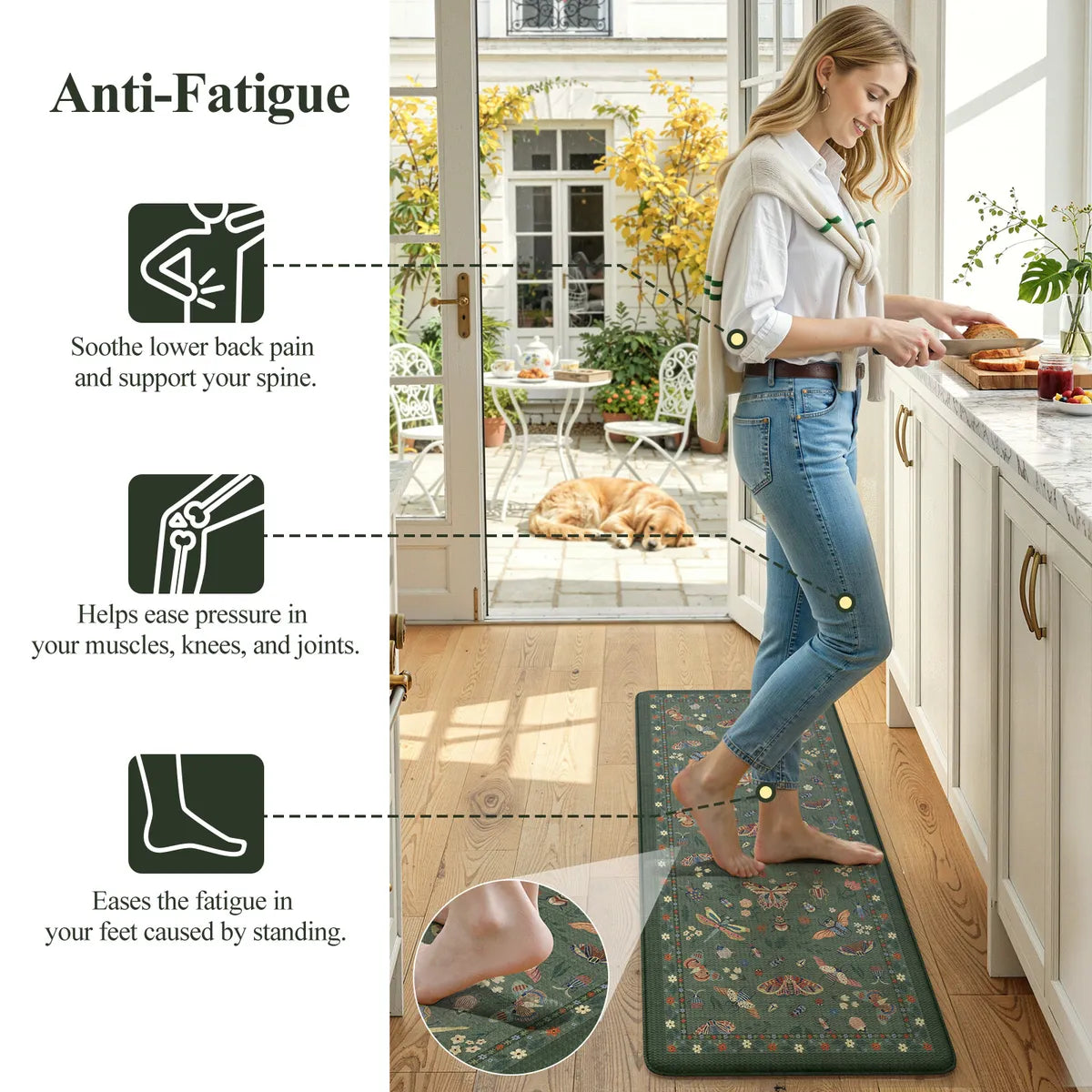
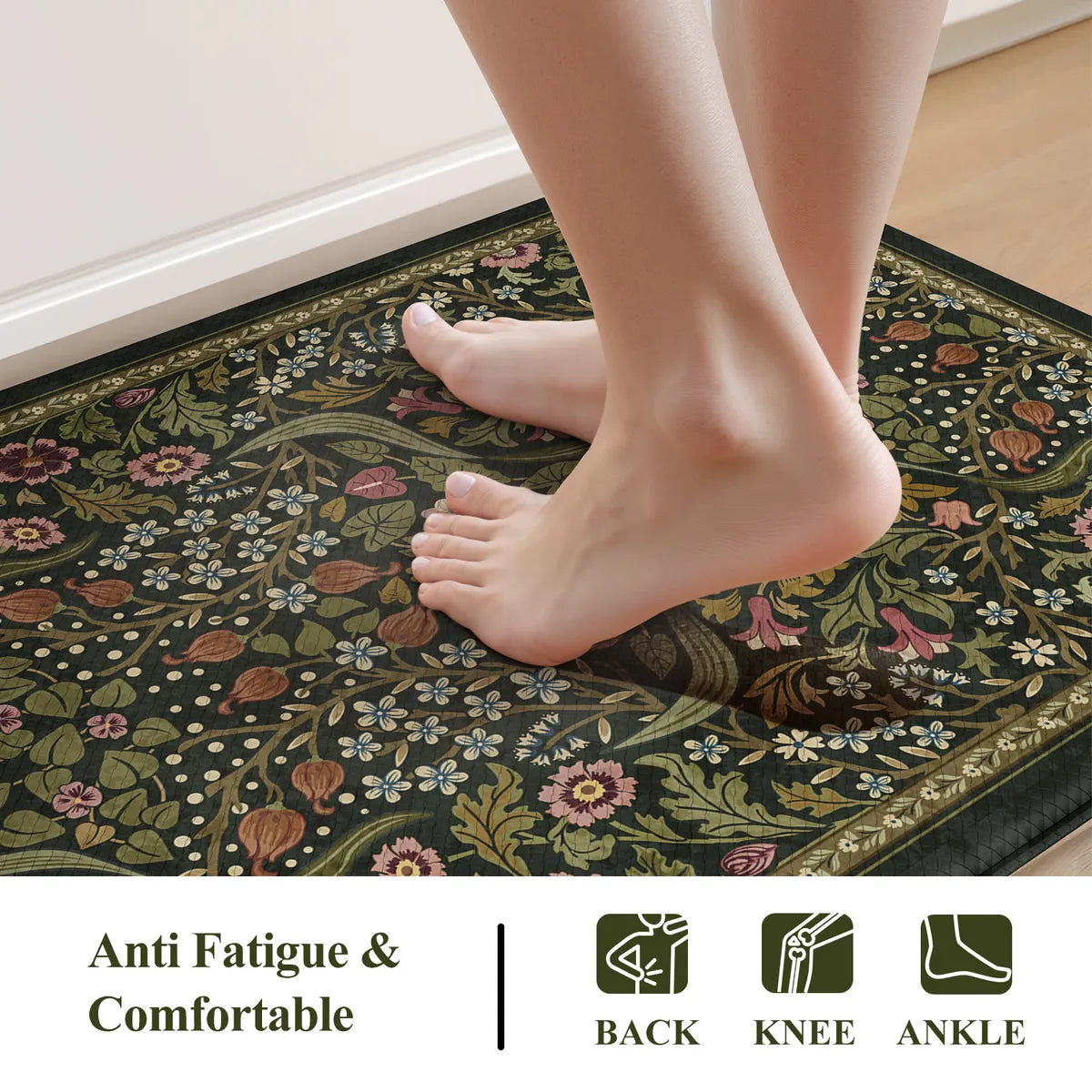
Hard surfaces like tile and hardwood offer no energy absorption, meaning every minute of standing transfers directly to the feet, knees, and lower back. A kitchen runner rug with adequate cushioning acts as an anti-fatigue surface (a layer that absorbs some of the pressure of standing and reduces muscle fatigue over time).
Fiber and construction features that contribute to standing comfort:
- Soft pile surface: A rug with a soft, dense fiber surface provides a noticeably more comfortable standing experience than a thin, flat weave.
- Supportive backing: A well-constructed TPE backing has enough give to add meaningful underfoot support alongside its grip function.
- Consistent thickness: A runner that maintains even thickness along its full length prevents pressure points from developing during extended standing sessions.
How Kitchen Runner Rugs Define and Improve Narrow Layouts
In galley kitchens and narrow layouts, a runner rug does more than protect the floor. It visually defines the workspace and makes the layout feel more intentional.
Practical layout benefits worth knowing:
- Pathway definition: A runner naturally marks the working zone, which is useful in kitchens shared by multiple people at the same time.
- Visual lengthening: Long, linear patterns or solid-color runners draw the eye along the kitchen's length, making narrow spaces feel more open.
- Zone separation: In open-plan kitchens, a kitchen runner rug helps visually separate the cooking area from adjacent dining or living spaces.
For sizing, a runner should cover the main standing and walking zone without interfering with cabinet or appliance doors. Leaving a few inches of clearance at each end keeps the layout clean and avoids edge bunching near doorways.
What a Spillproof Rug Actually Does for Your Kitchen Floor
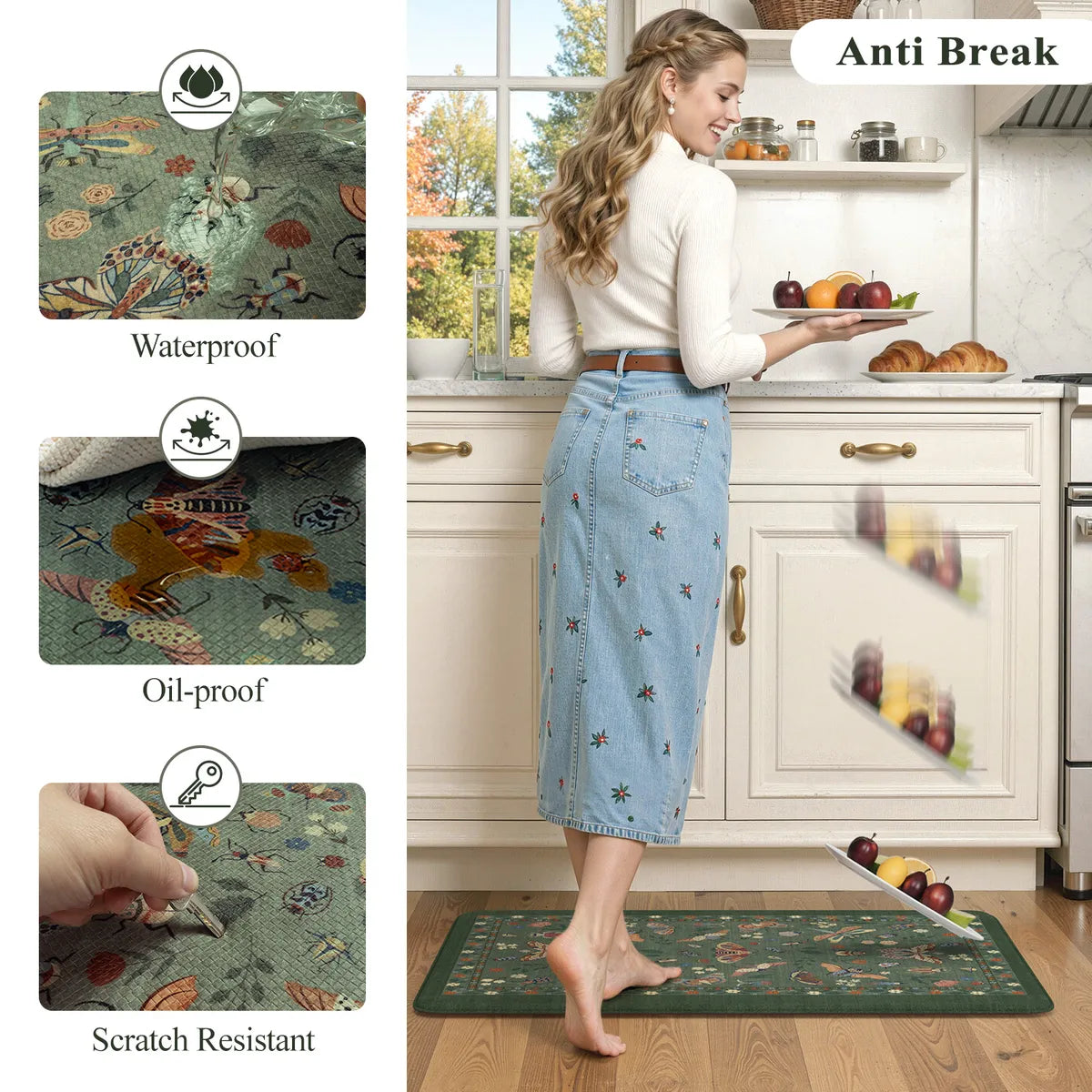
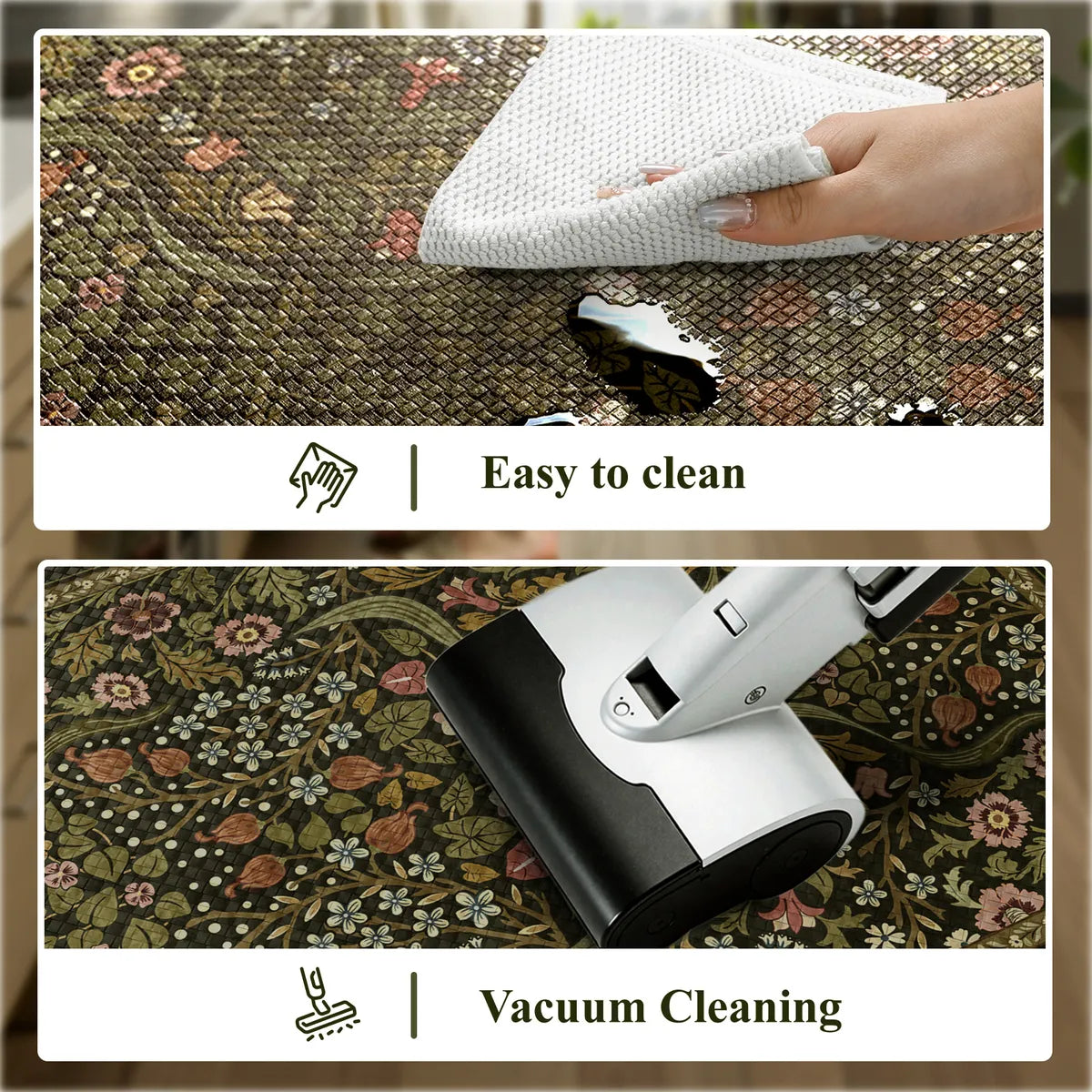
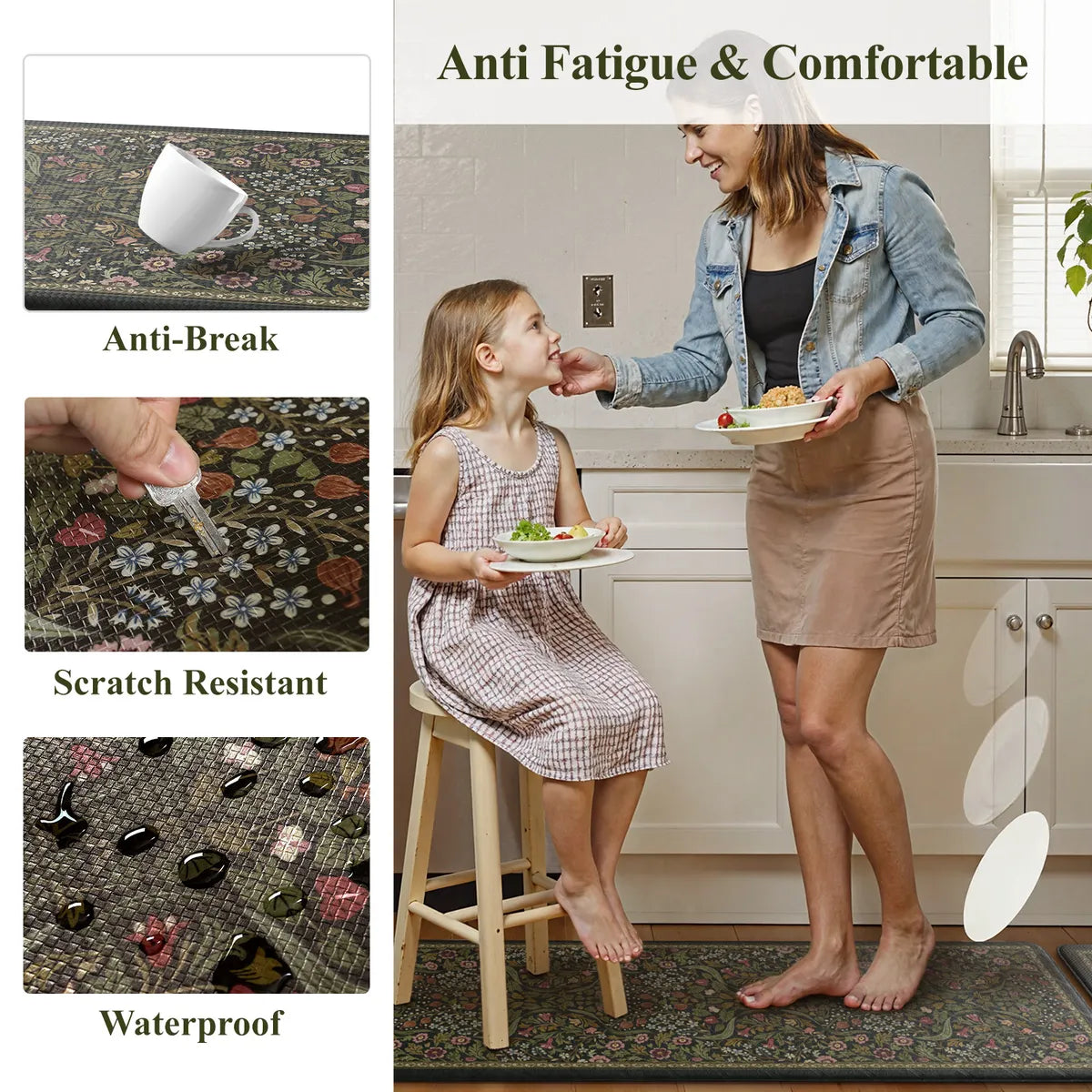
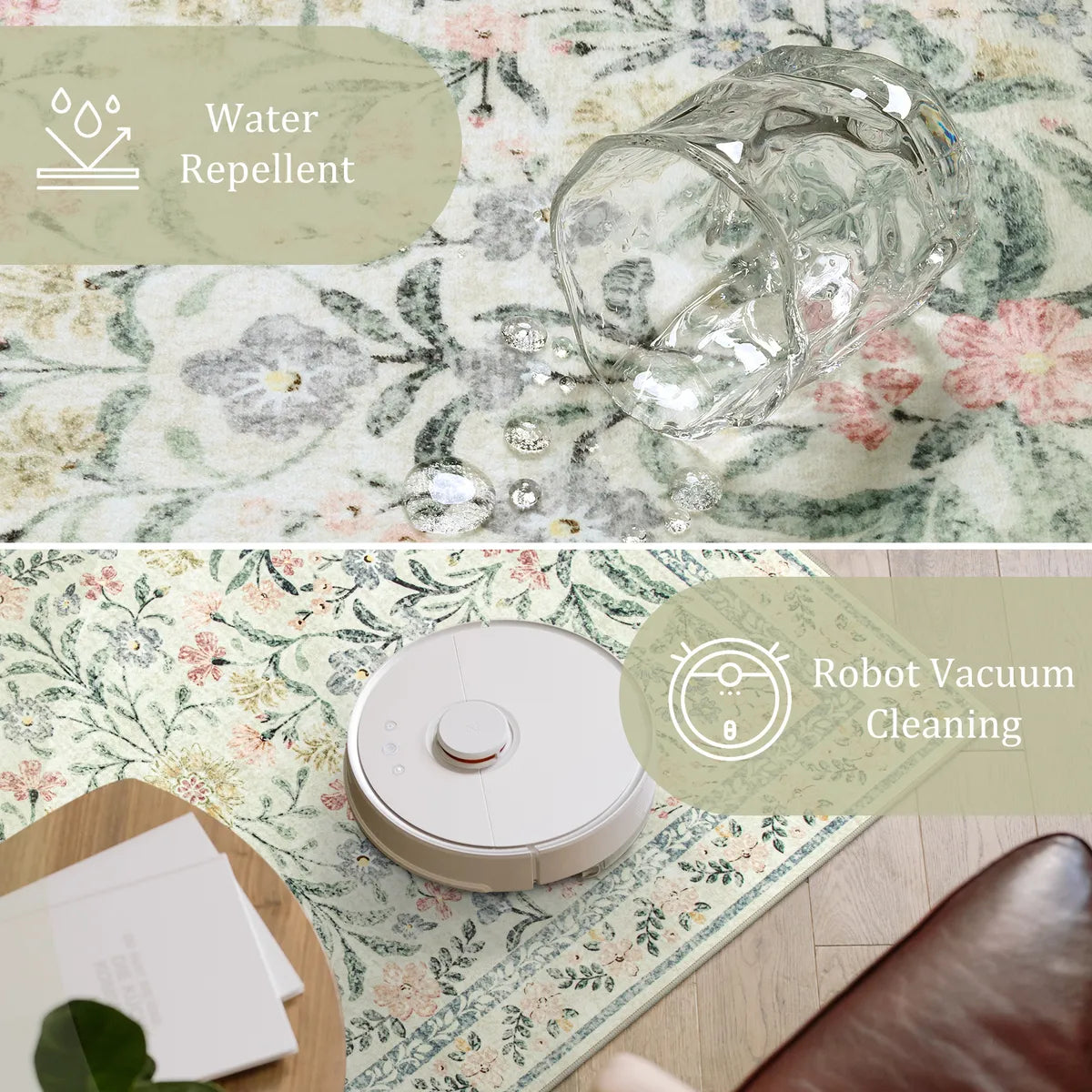
A spillproof rug (a rug constructed with fibers and surface treatments that resist liquid absorption) prevents spills from soaking through to the floor beneath. In a kitchen, this is one of the most practical features a rug can have.
Hard kitchen floors, particularly hardwood, are vulnerable to moisture damage. Water that sits on or seeps into hardwood causes warping, staining, and finish degradation over time. A spillproof kitchen rug interrupts this process directly:
- Surface resistance: Spillproof fibers repel liquids at the surface level, giving enough time to wipe up a spill before it penetrates the rug or reaches the floor below.
- Floor protection: The rug acts as a barrier layer, shielding hardwood and tile from the cumulative damage of daily kitchen spills.
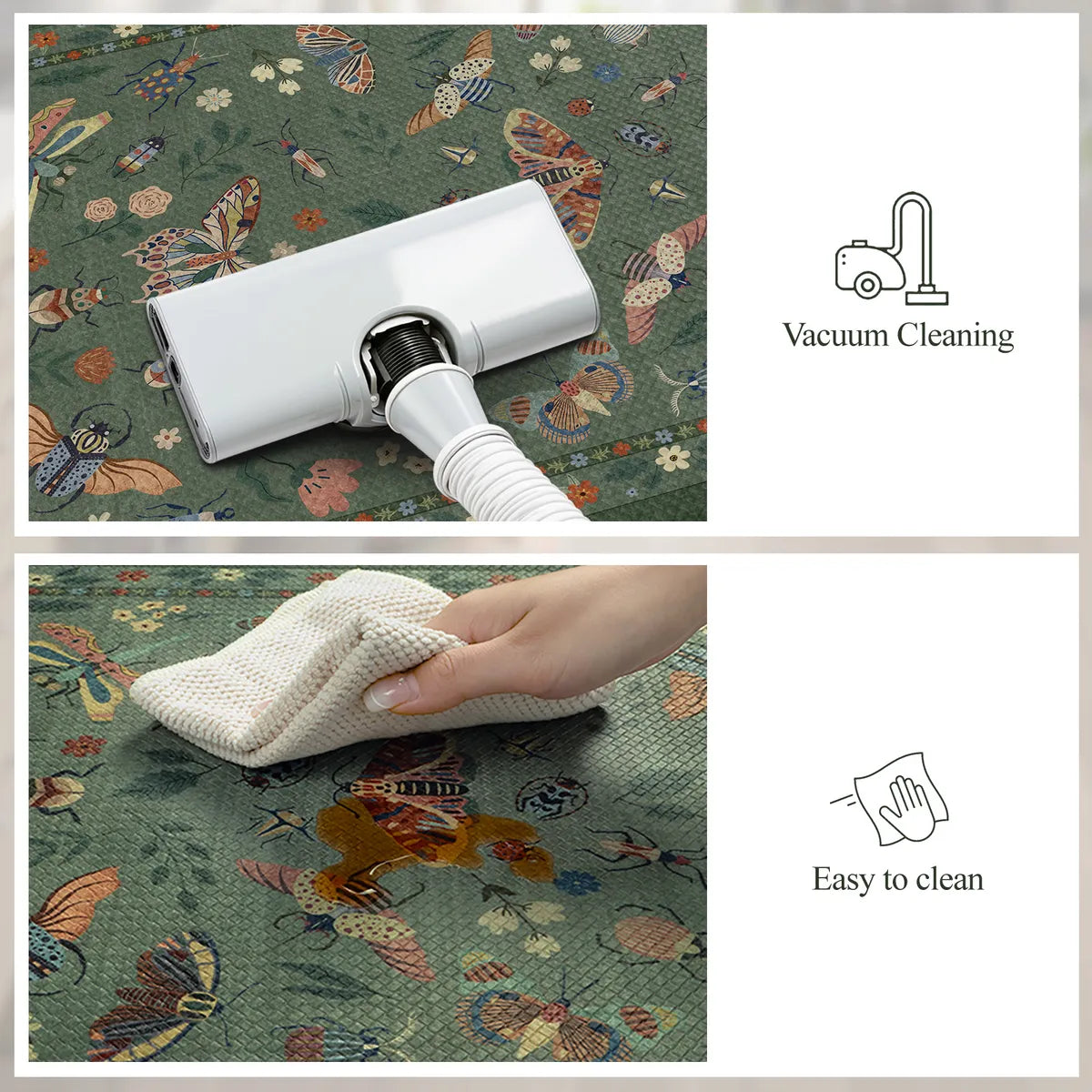
- Easier cleanup: Liquids that bead on the surface rather than absorbing into the fibers are significantly easier to blot and remove.
Spillproof construction also benefits the rug's long-term appearance. A rug that resists staining stays cleaner between washes, which matters in open-plan kitchens where the rug is visible from adjoining living areas.
Start Cooking on a Safer, Smarter Kitchen Floor
A non-slip kitchen rug is not just a comfort choice; it is a practical safety investment. The right rug prevents slips in the zones where they are most likely, supports the body during long periods of standing, defines the kitchen layout, and protects the floor from daily spill damage. Non-slip backing, spillproof fibers, and the right runner length work together to cover every need a kitchen floor has. Take a look at your kitchen floor right now: if there's a bare stretch in front of the sink or stove, that's exactly where a non-slip kitchen rug belongs.
FAQs about kitchen rug selection and care
Q1. What Is a Good Kitchen Rug?
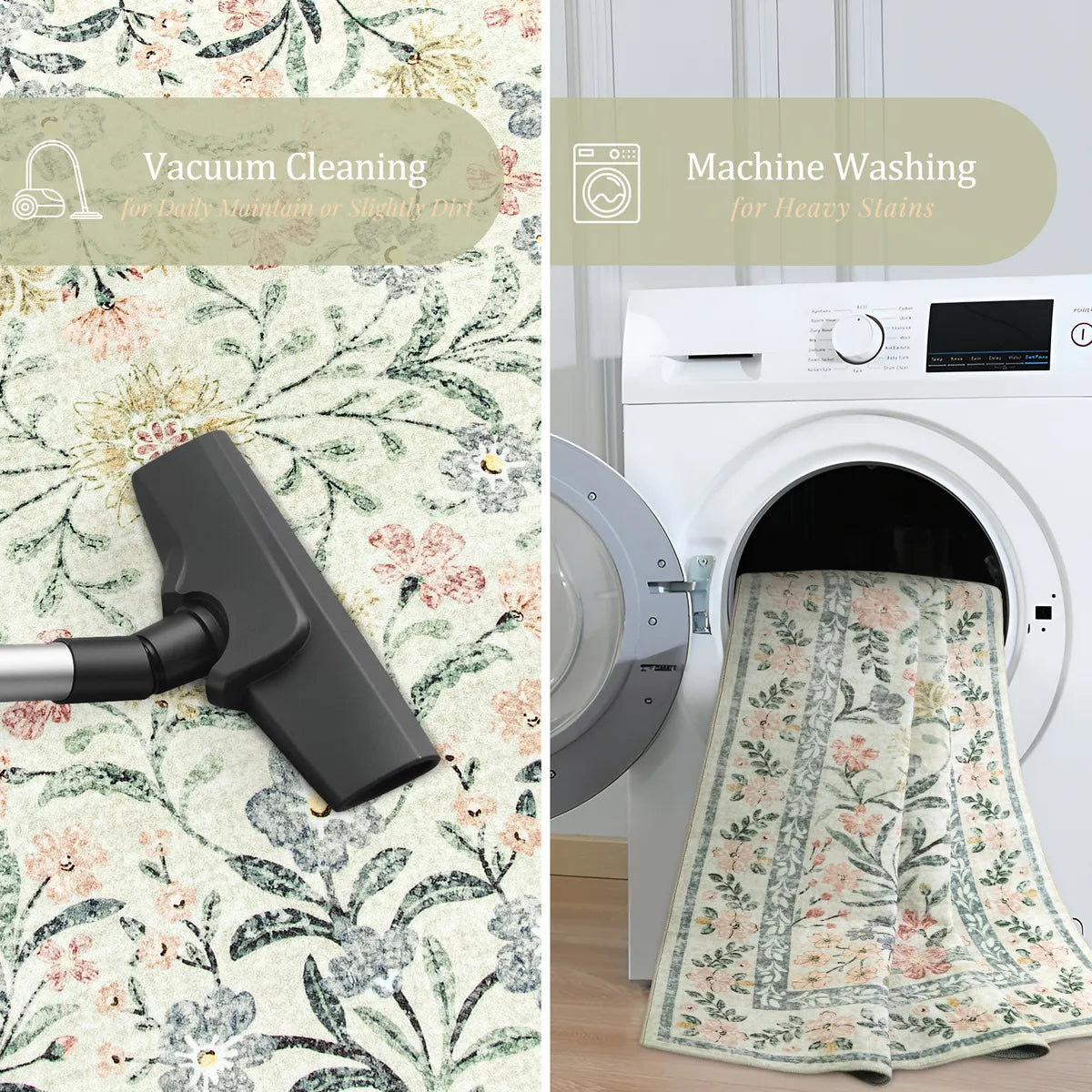
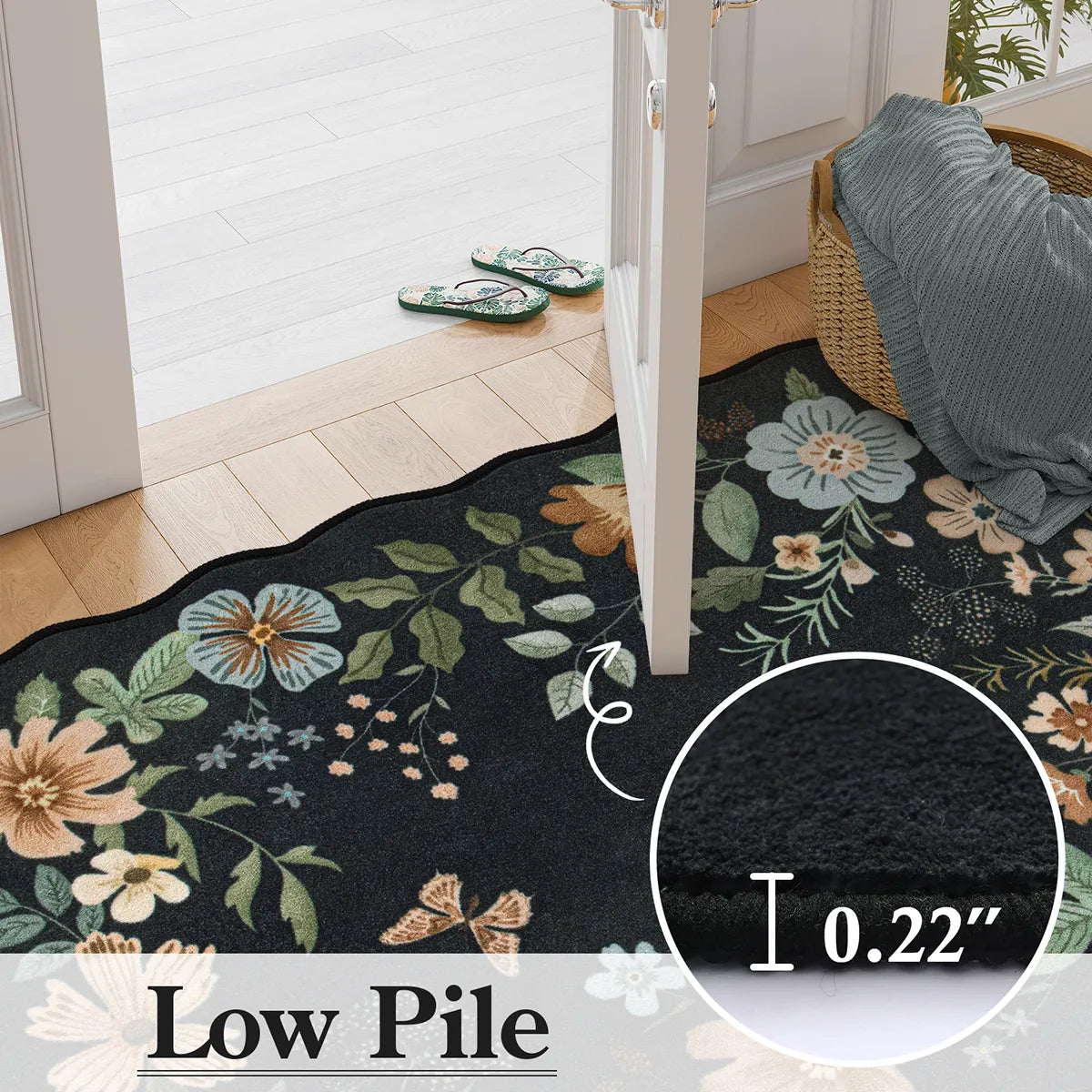
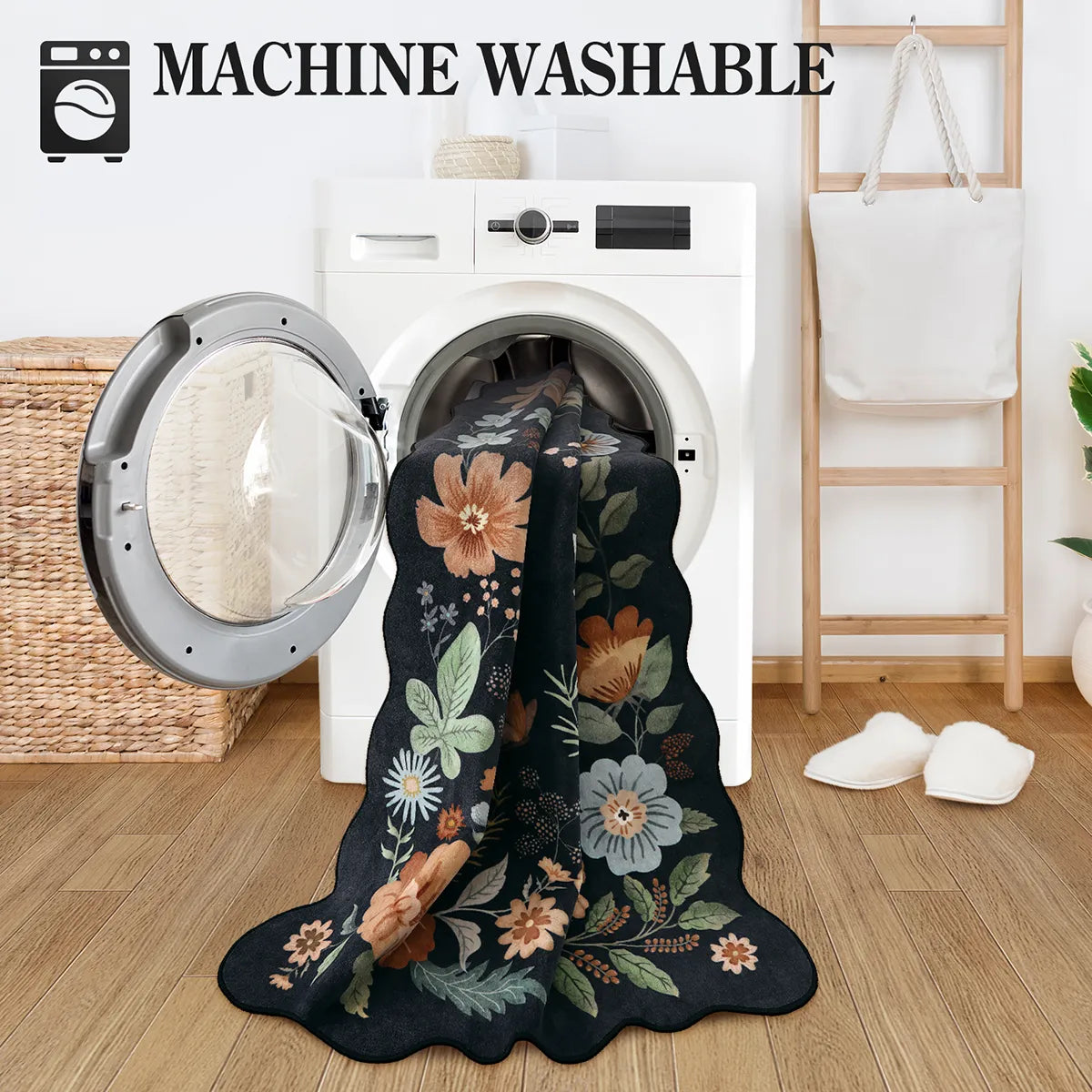
A good kitchen rug combines three core qualities: a non-slip backing to stay anchored on hard floors, spillproof or stain-resistant fibers to handle daily kitchen messes, and a low-pile construction that lies flat and stays easy to clean. Machine washability is also a strong practical advantage in a kitchen, where rugs see more soiling than in almost any other room.
Q2. What Rug Should You Put in the Kitchen?
A low-pile, machine washable rug with built-in non-slip backing is the most practical choice for kitchen use. For longer counter runs and galley layouts, a kitchen runner rug sized to fit the main working zone covers both the safety and comfort needs of the space. Avoid high-pile or shag options, which are harder to clean and create uneven surfaces underfoot near high-traffic zones.
Q3. What Is the Best Fabric for a Kitchen Rug?
Synthetic fibers like polyester and faux wool blends are the most kitchen-friendly options. They resist moisture absorption, dry faster than natural fibers, and hold up well under repeated washing. Natural fibers like cotton and wool absorb liquids more readily, which makes them less practical in a space where spills and splatter are part of daily life.
Q4. Are Spillproof Rugs the Same as Waterproof Rugs?
Spillproof and waterproof are related but not identical. A spillproof rug resists liquid absorption at the fiber level, giving time to wipe up a spill before it soaks through. A waterproof rug has a fully impermeable backing that prevents any moisture from passing through to the floor. For most kitchen uses, spillproof construction handles everyday spills effectively.