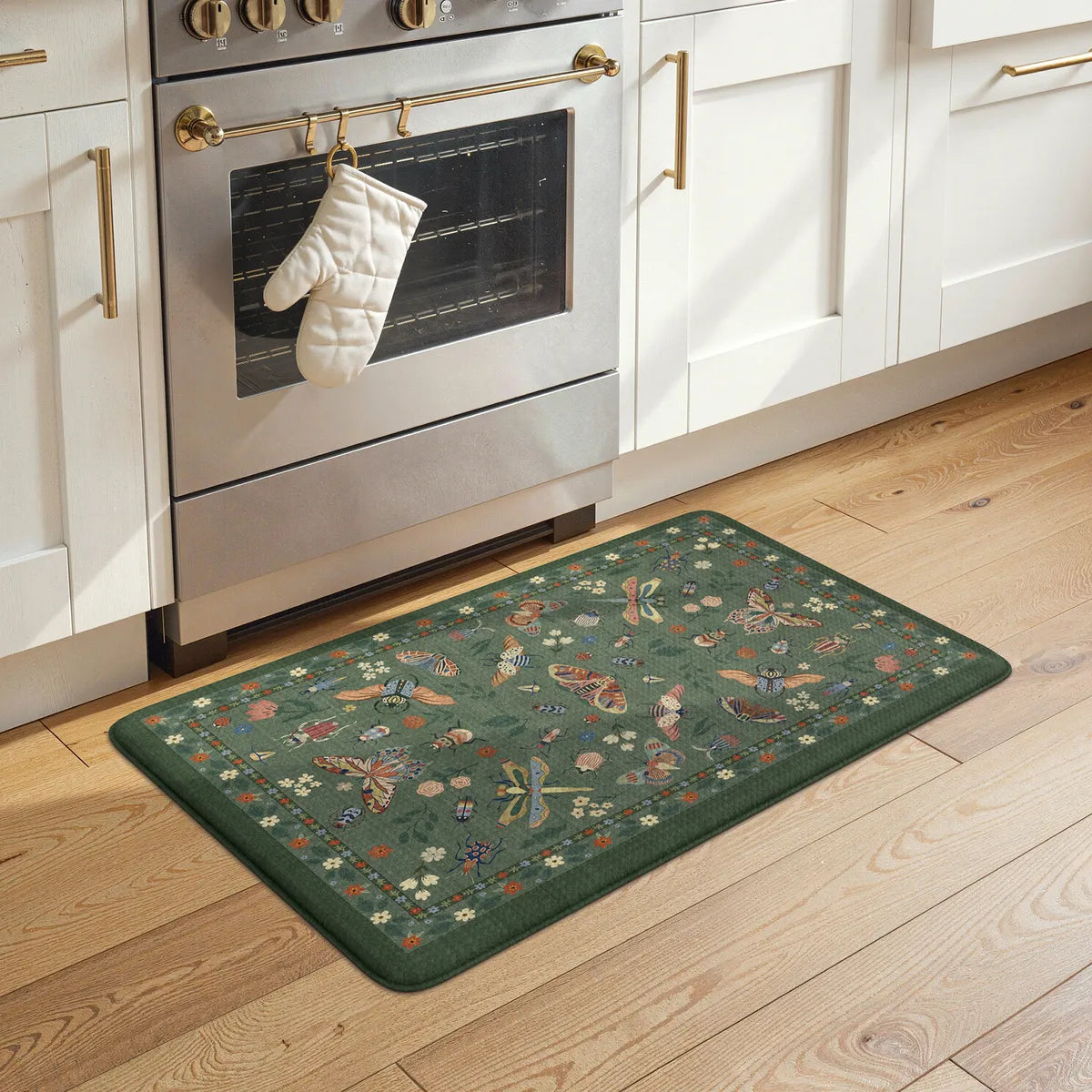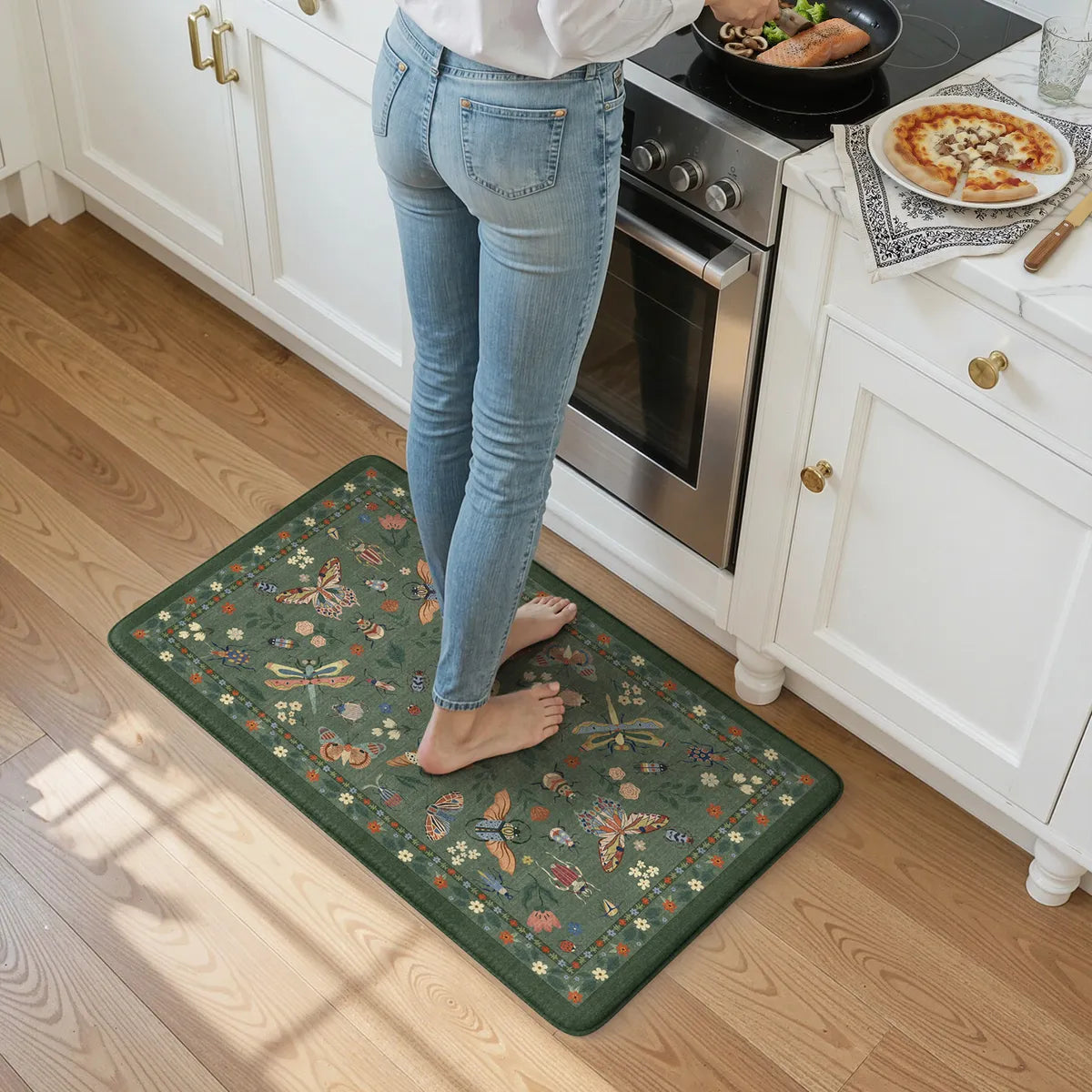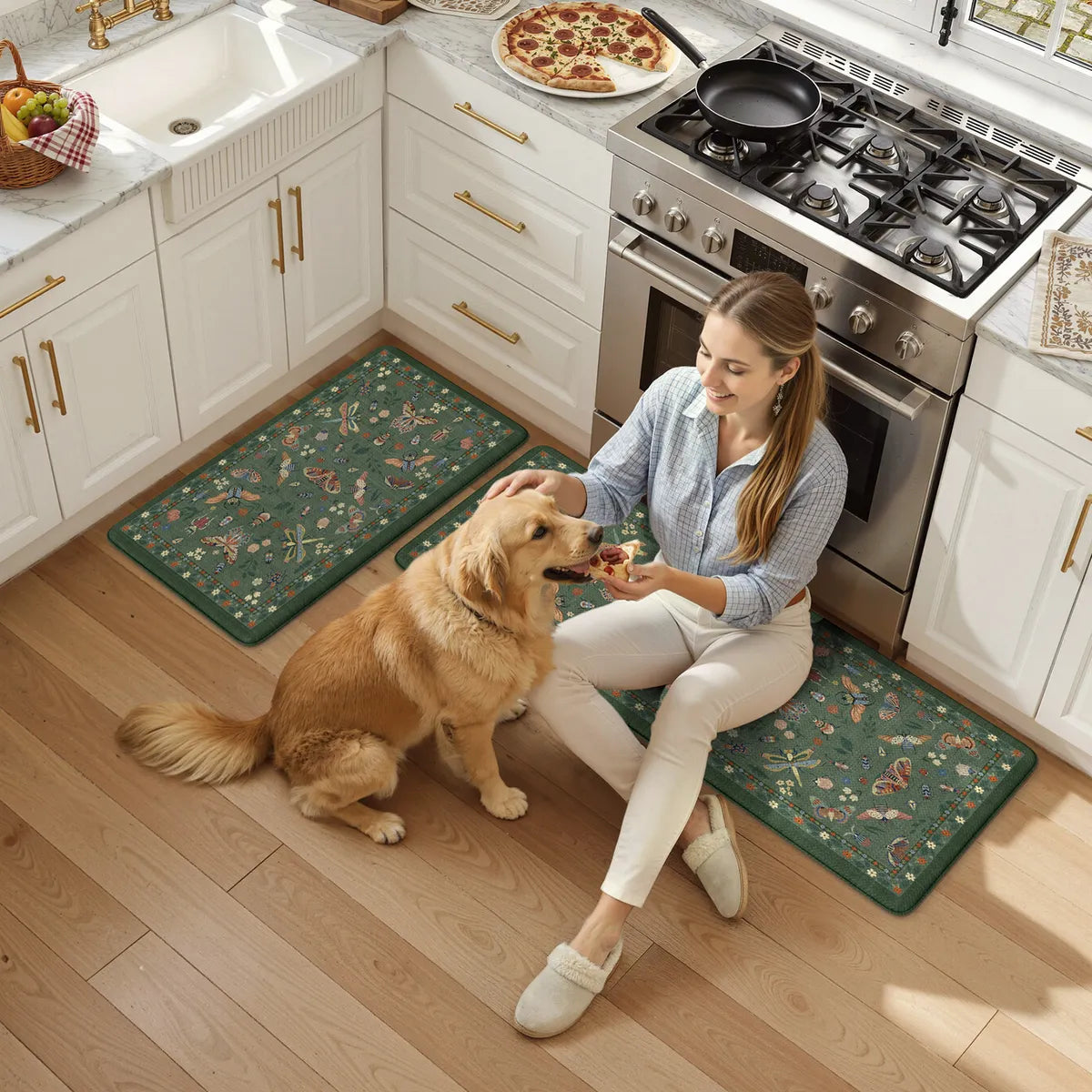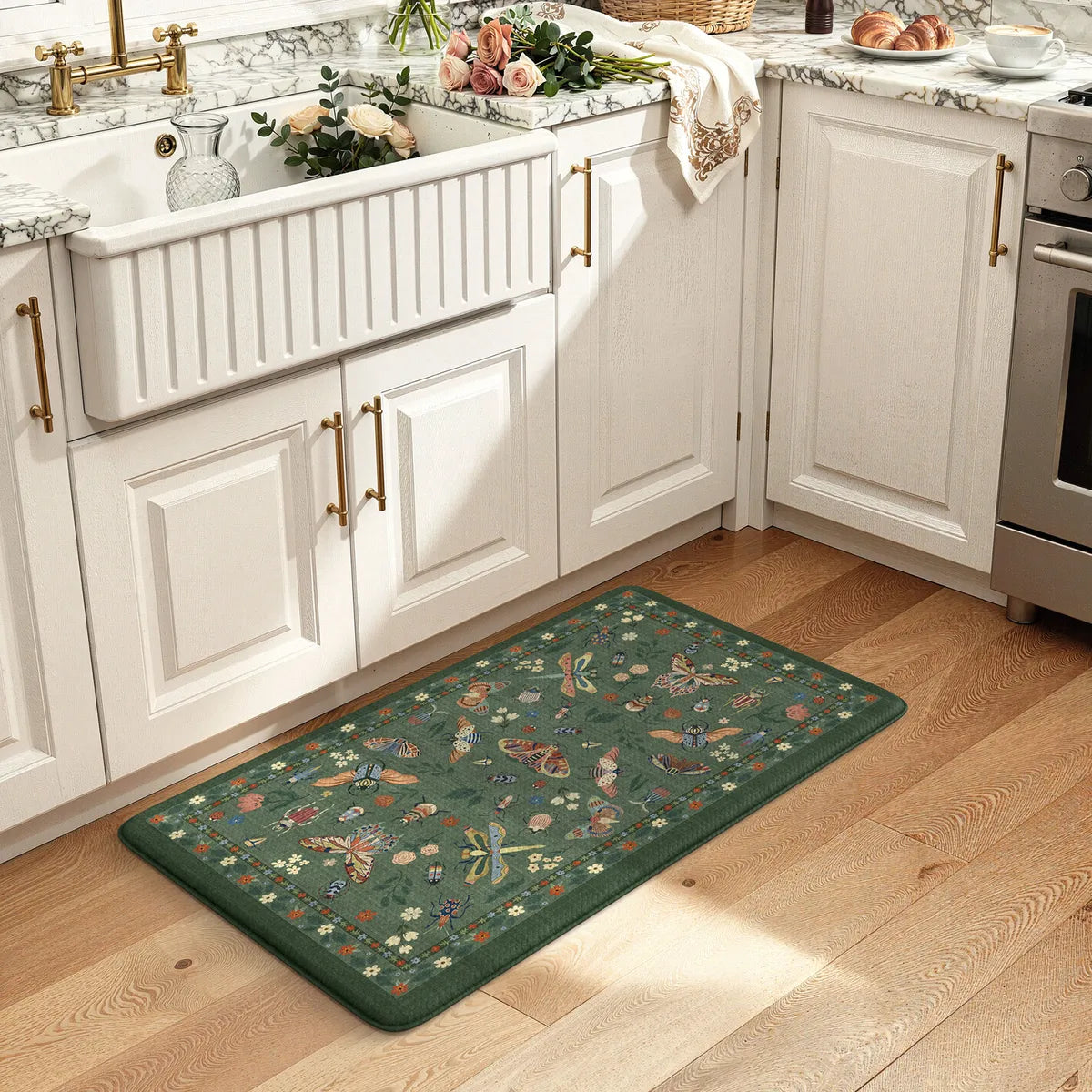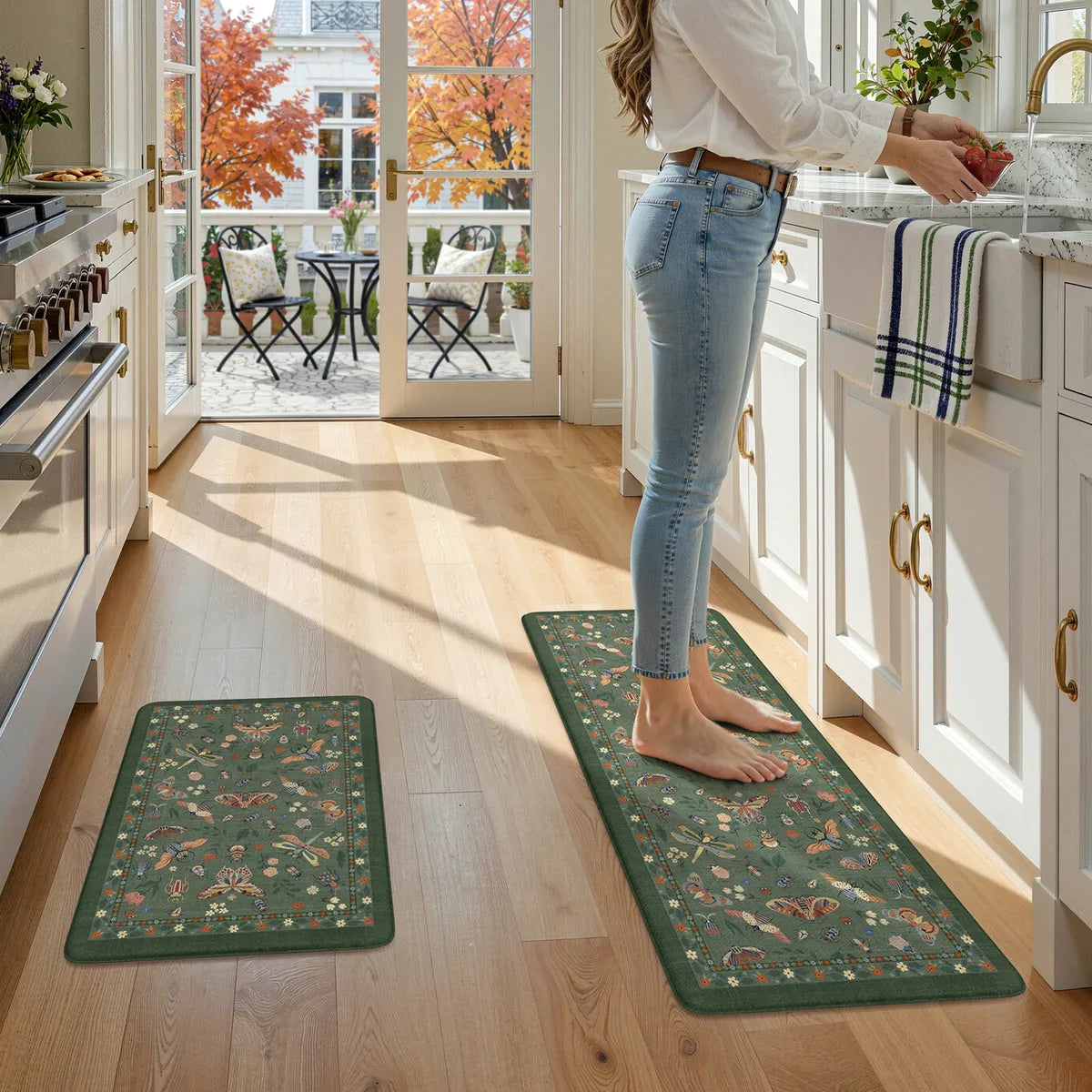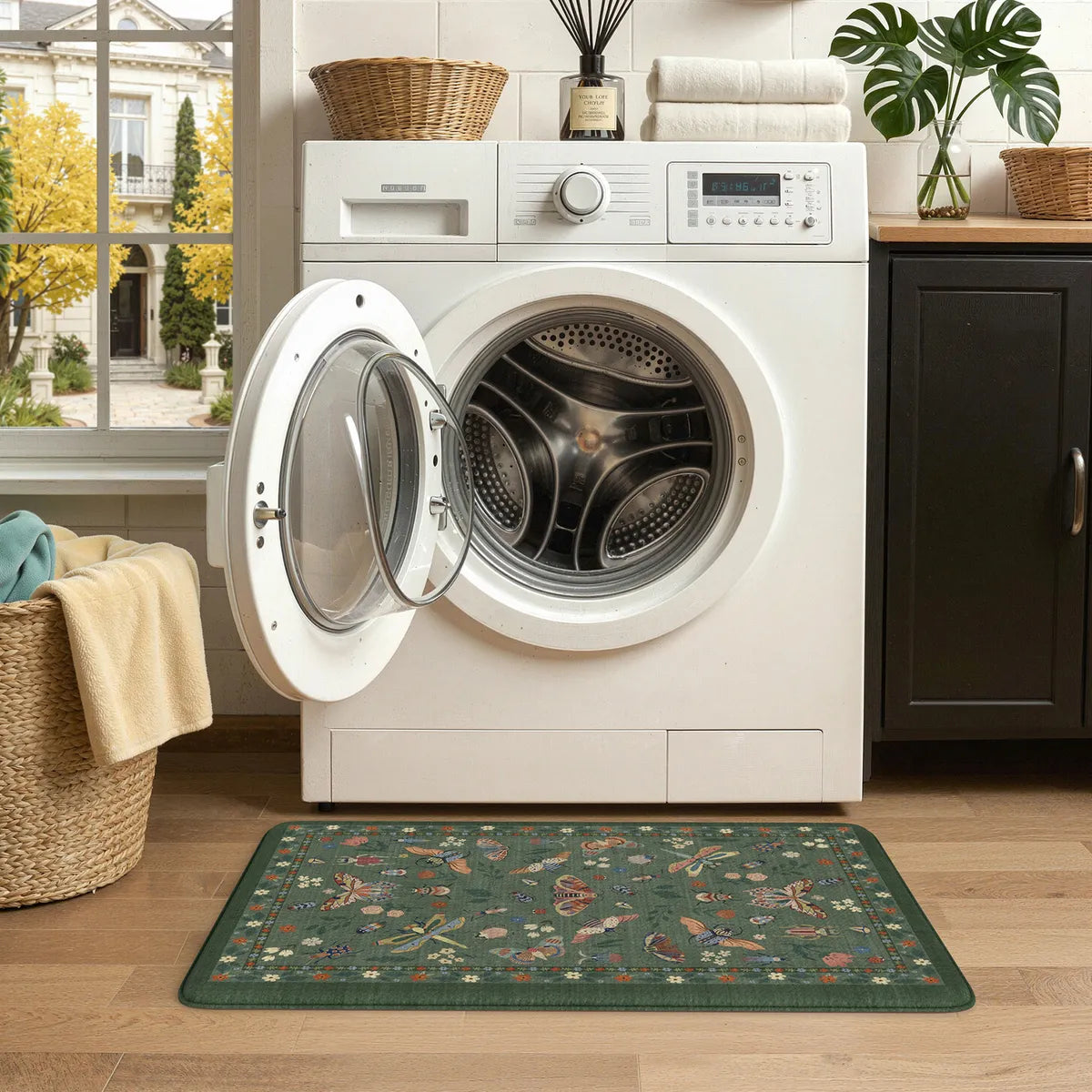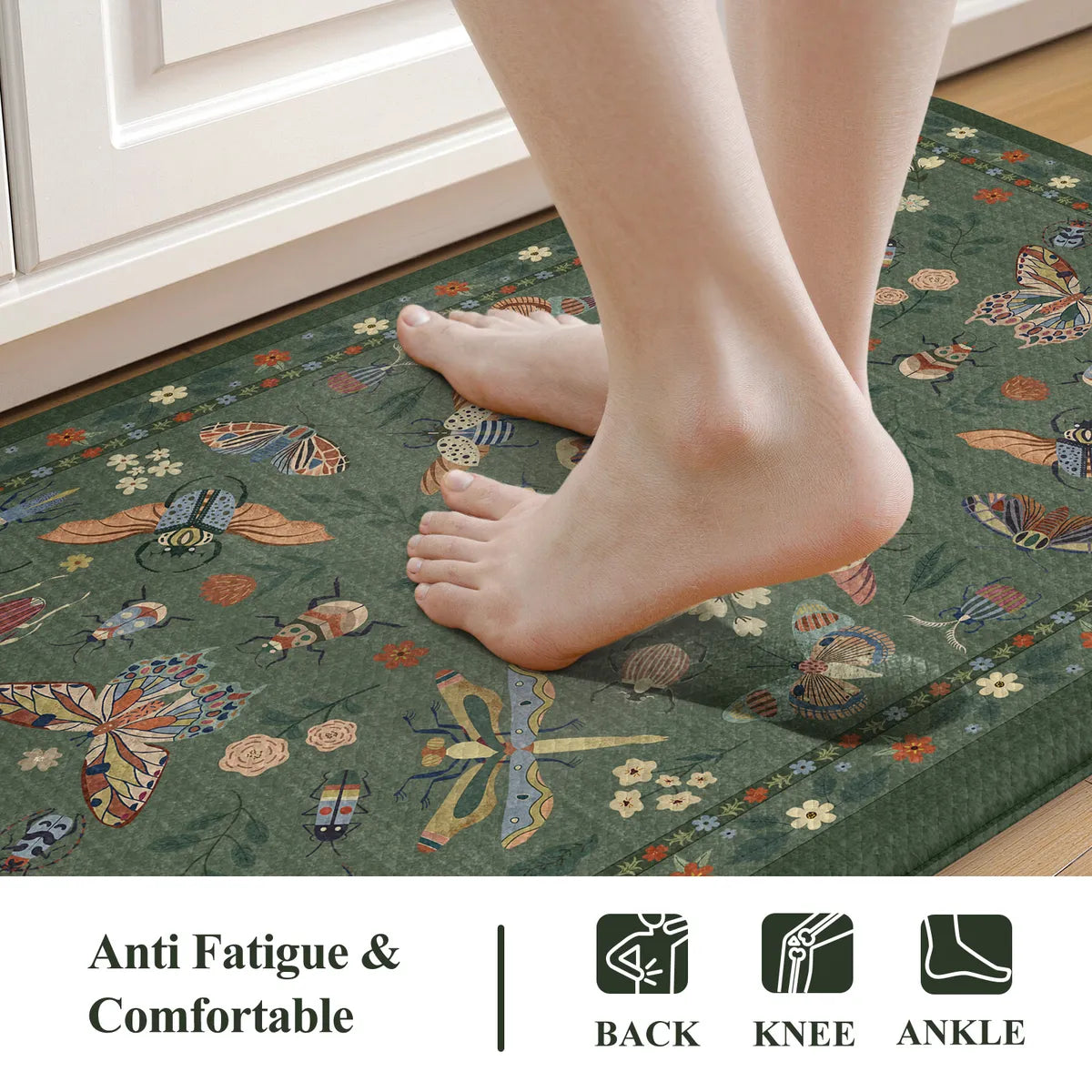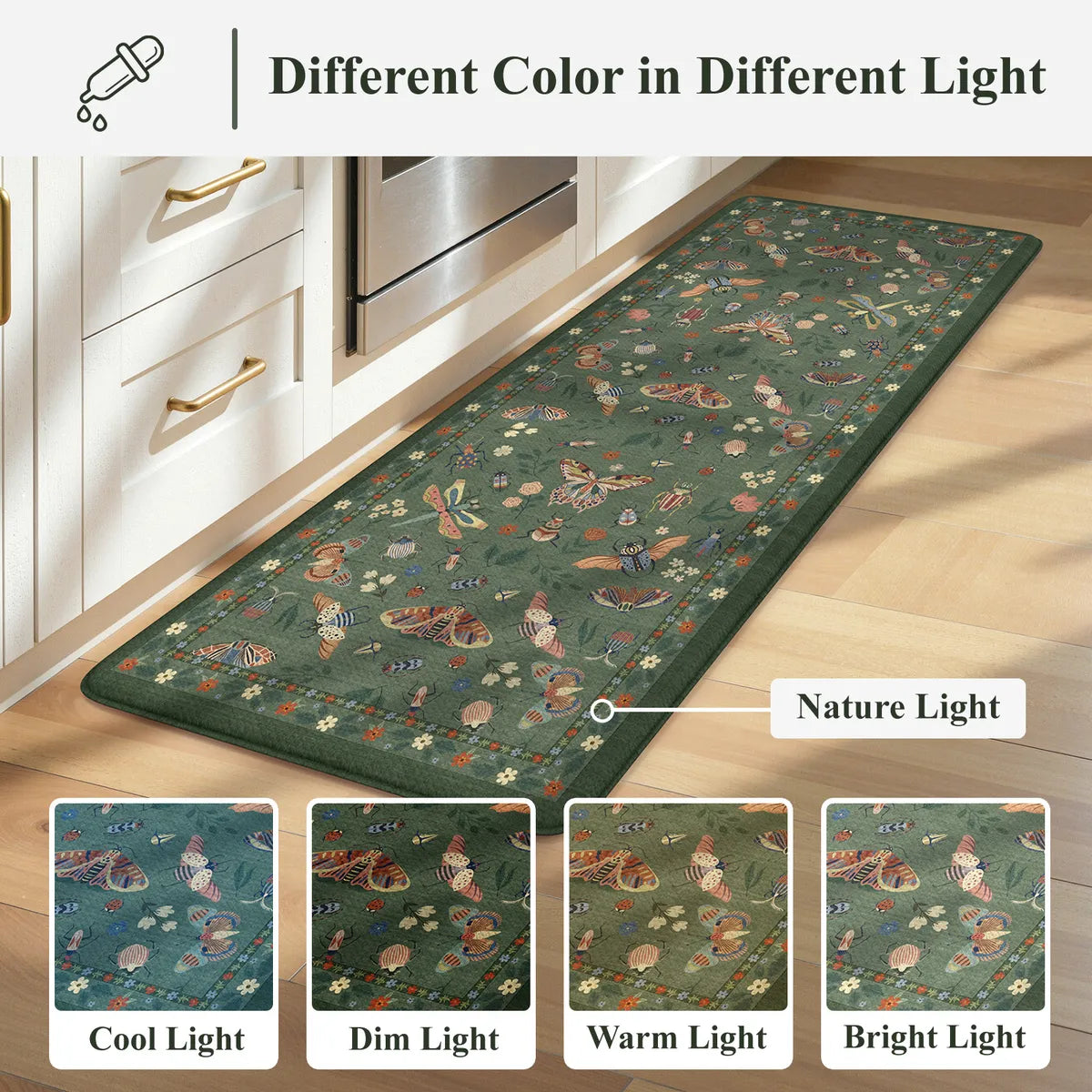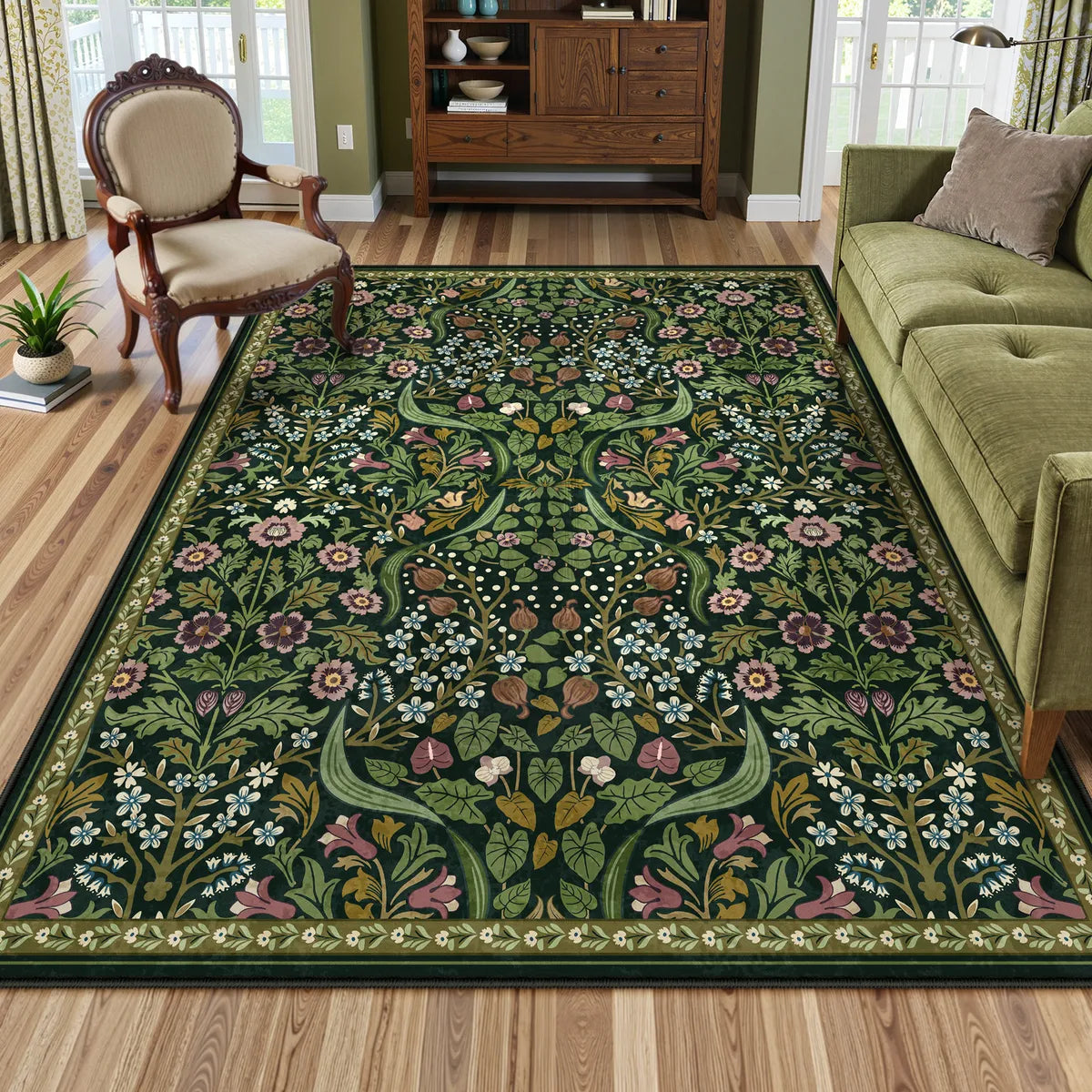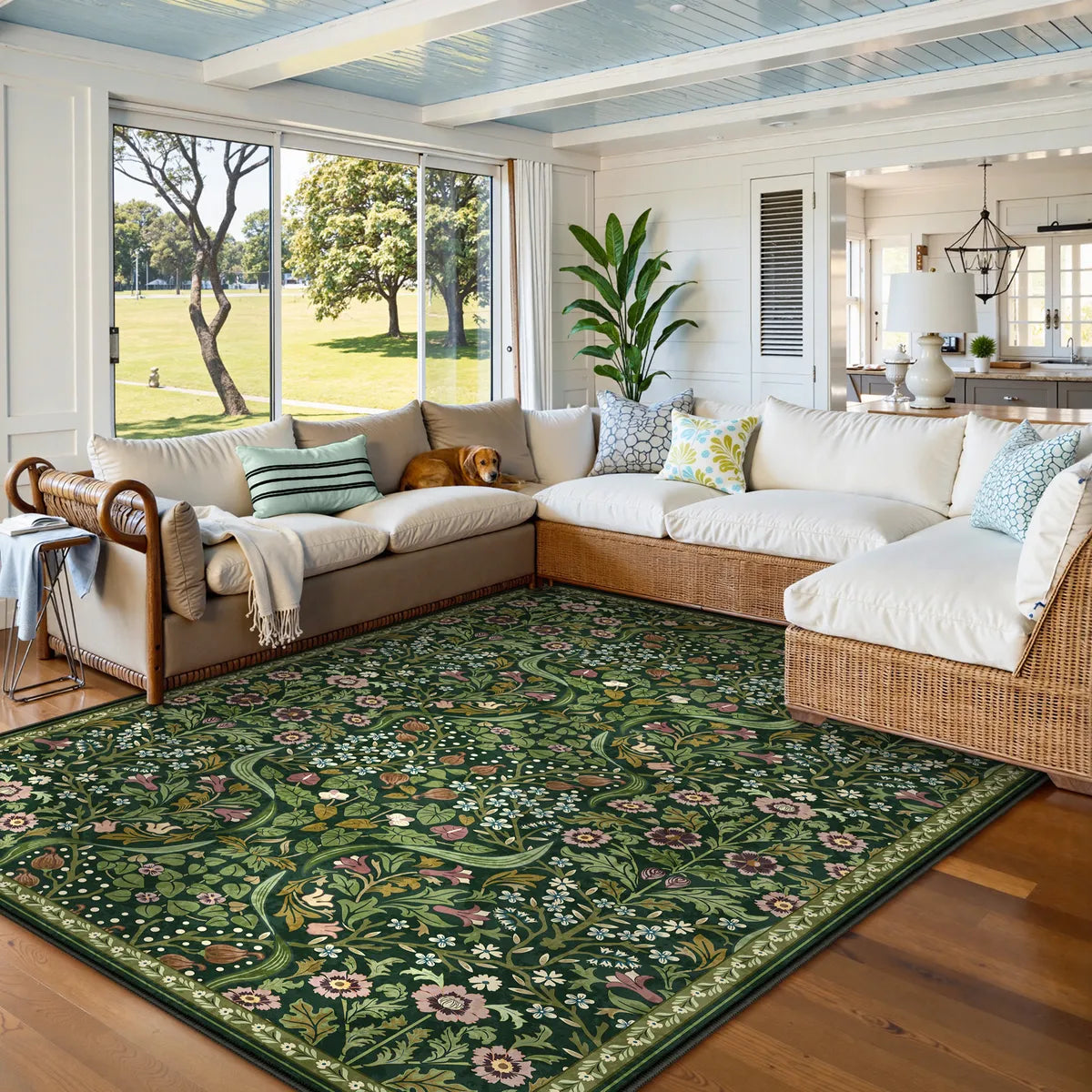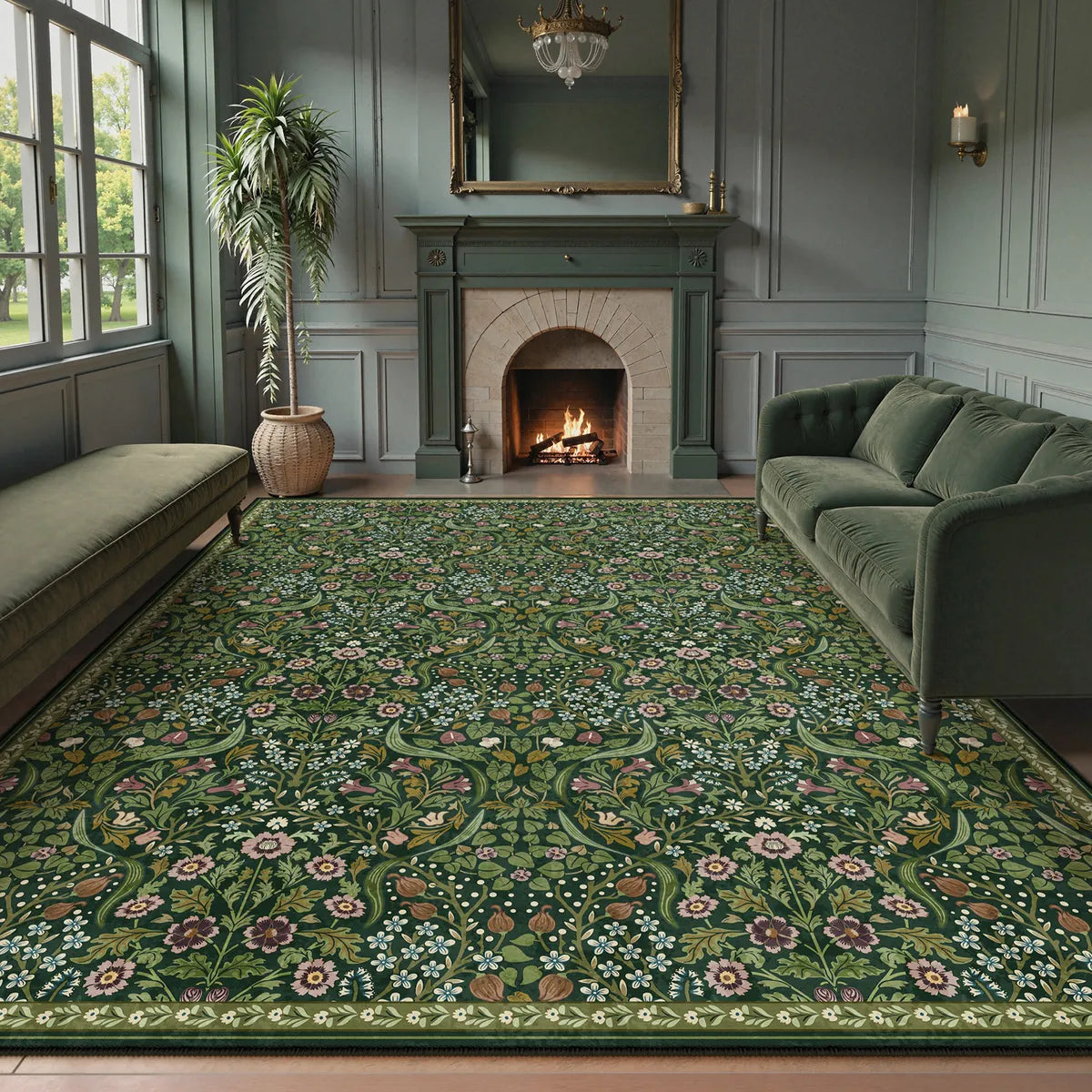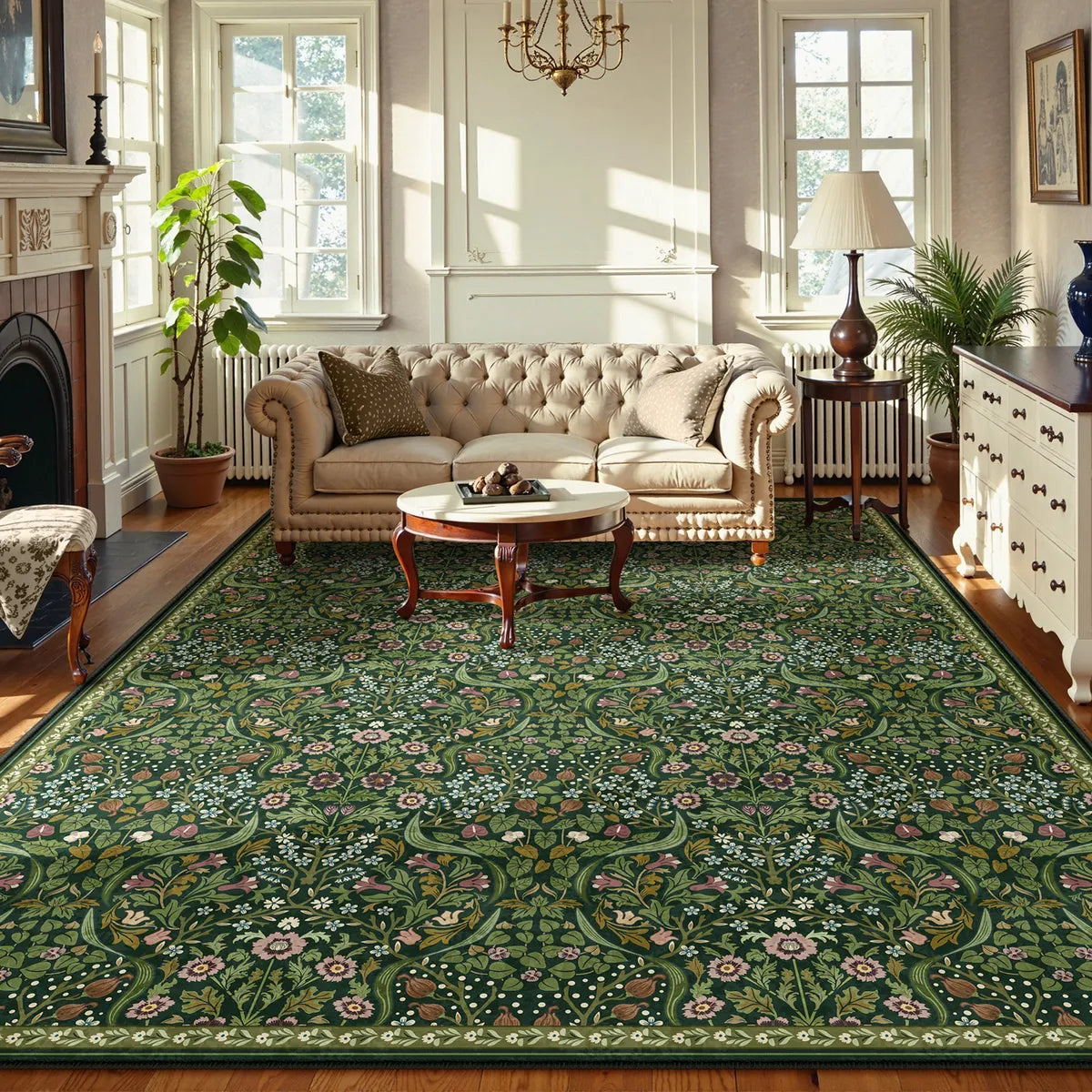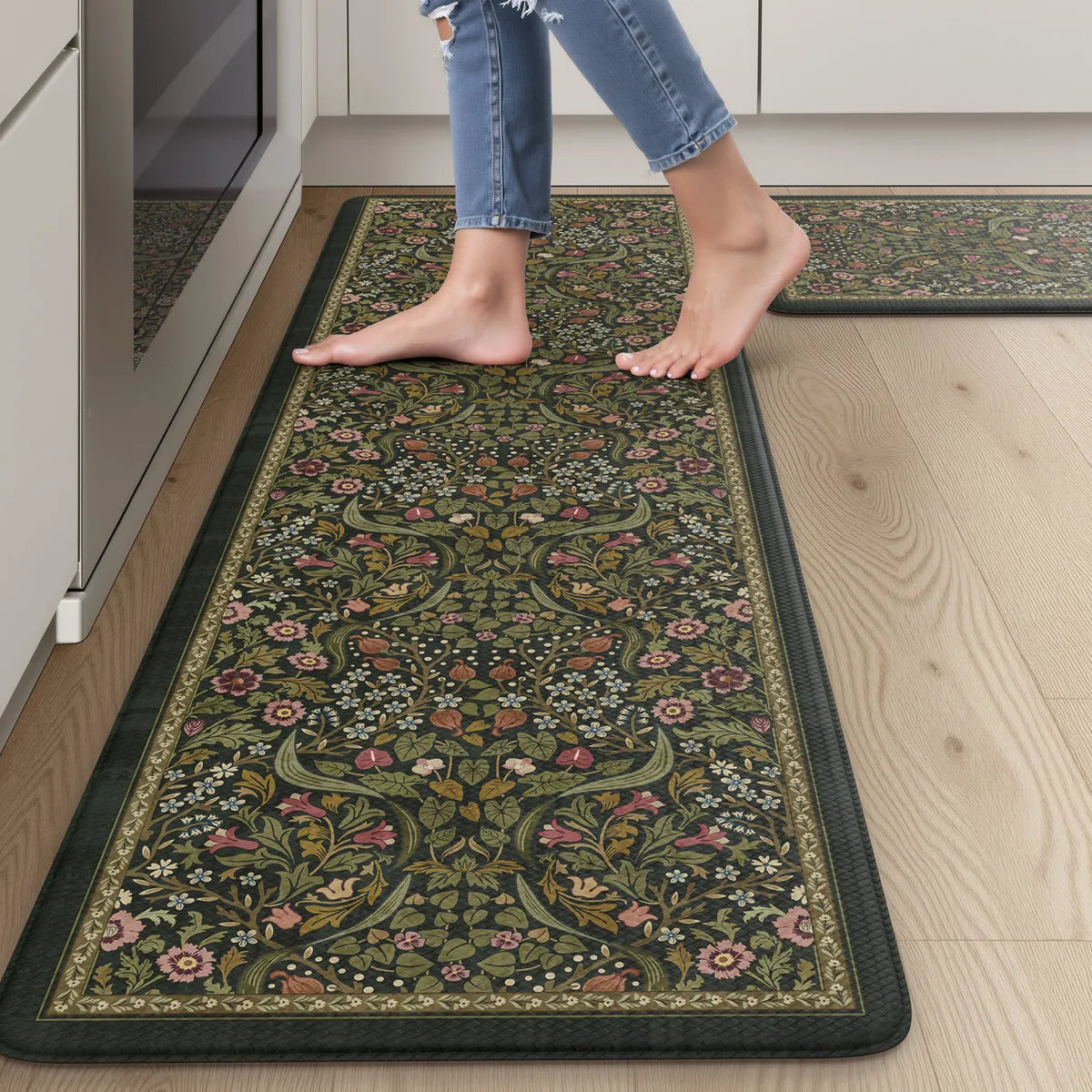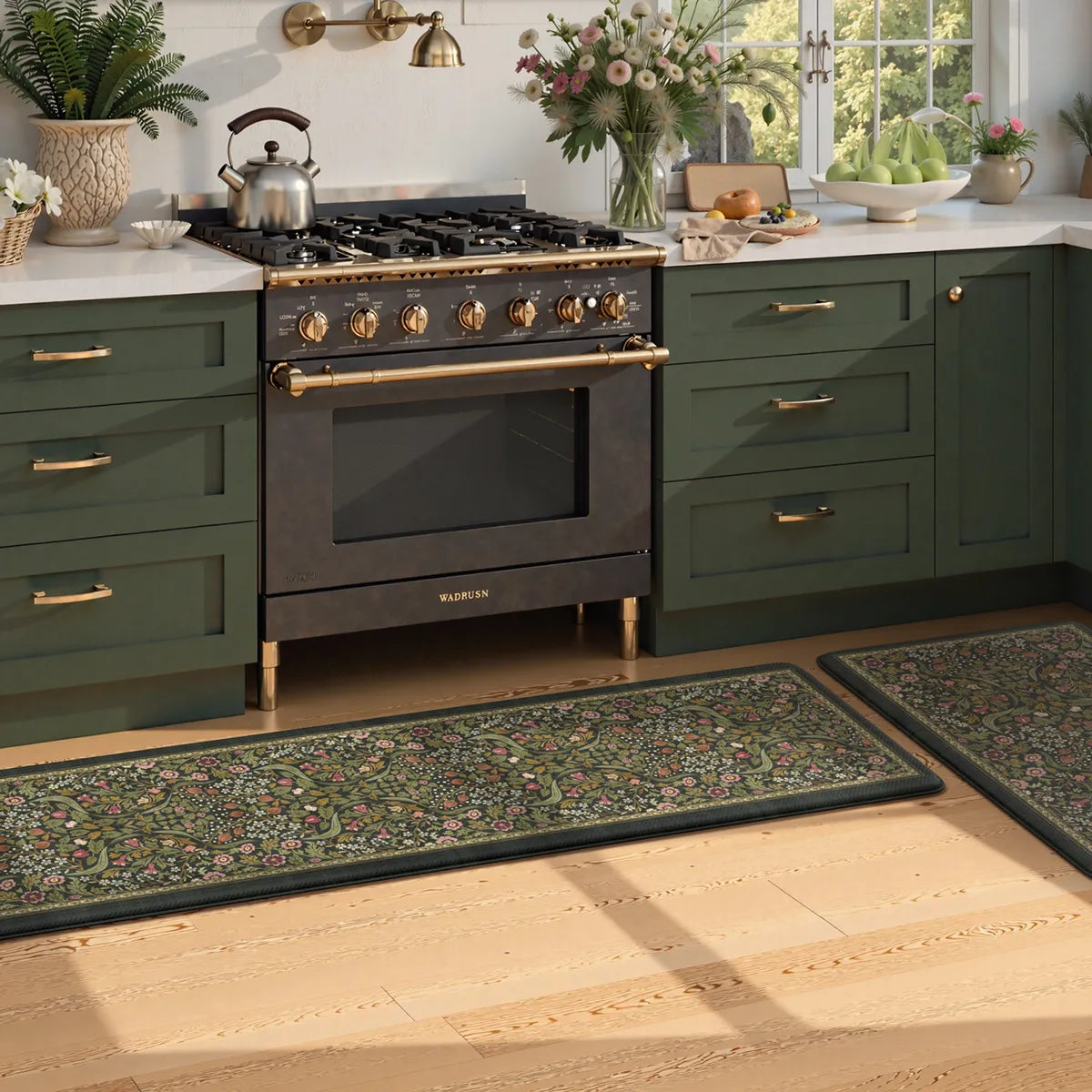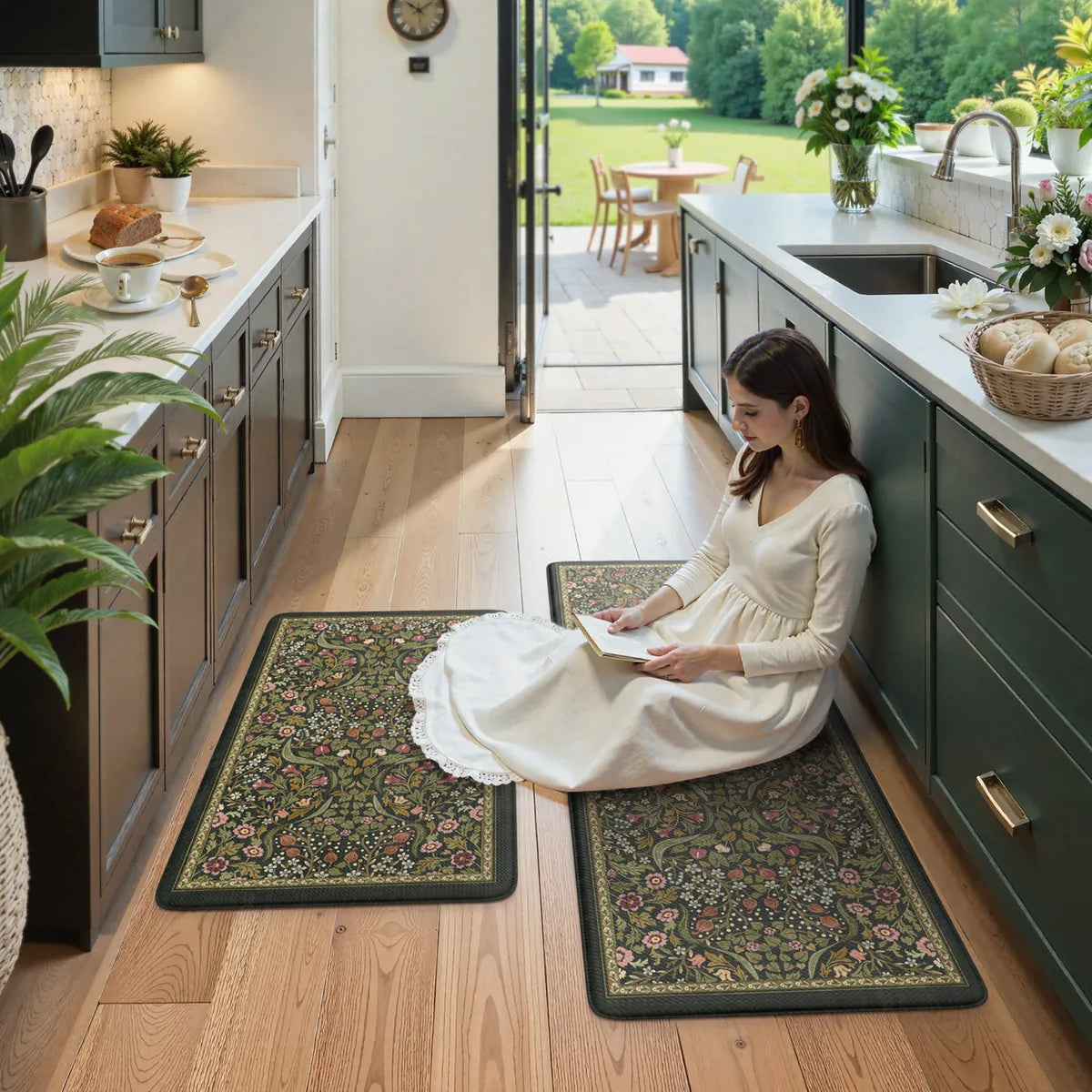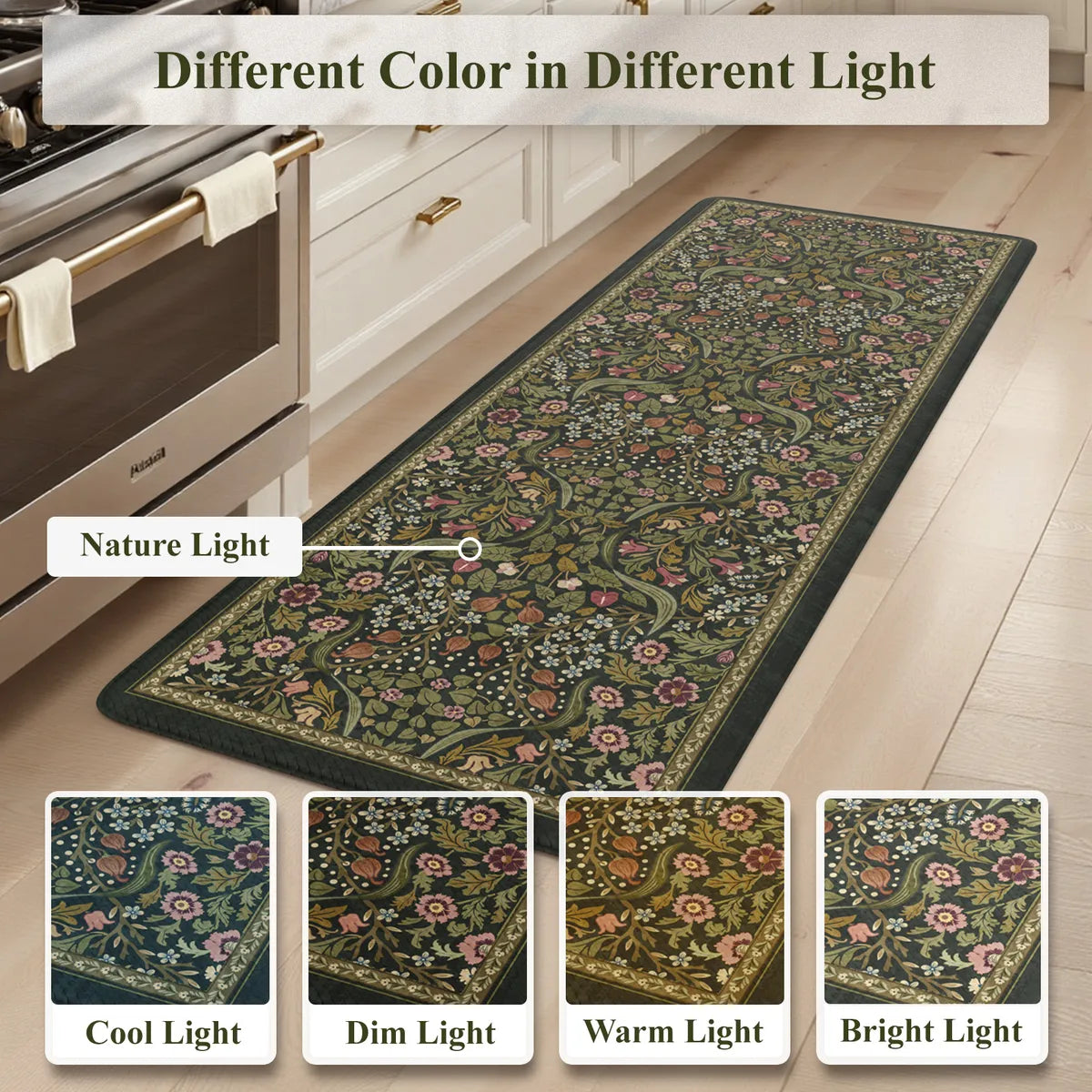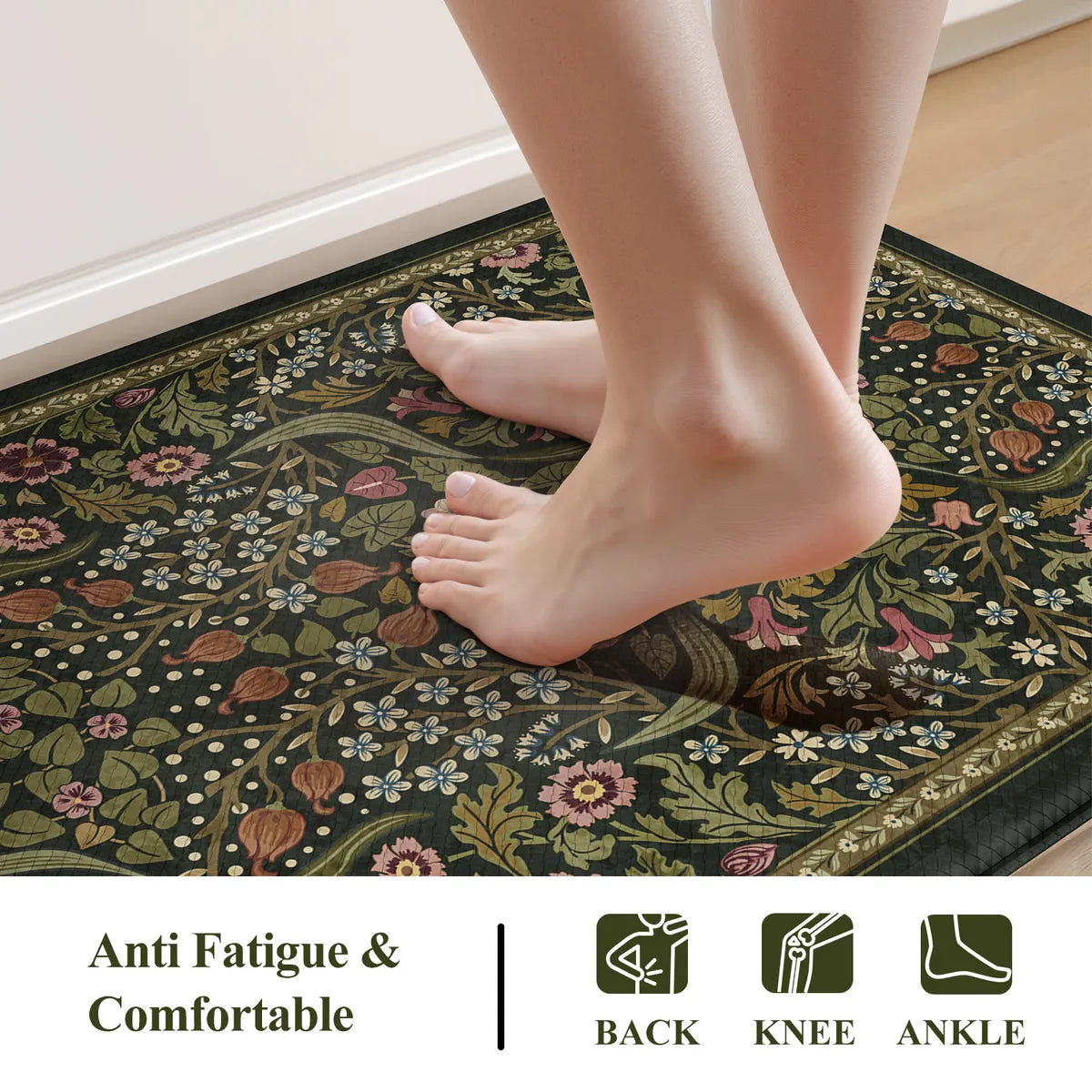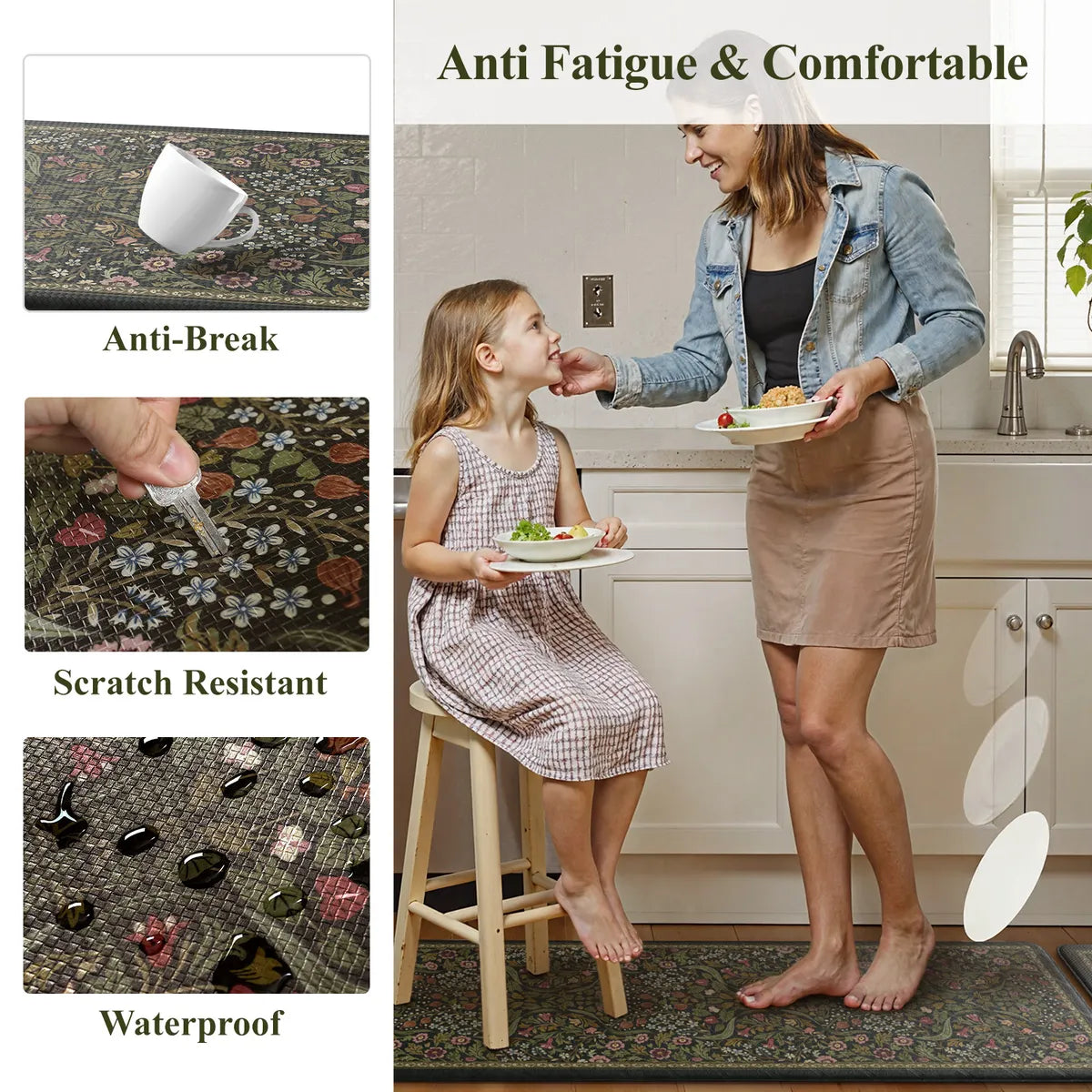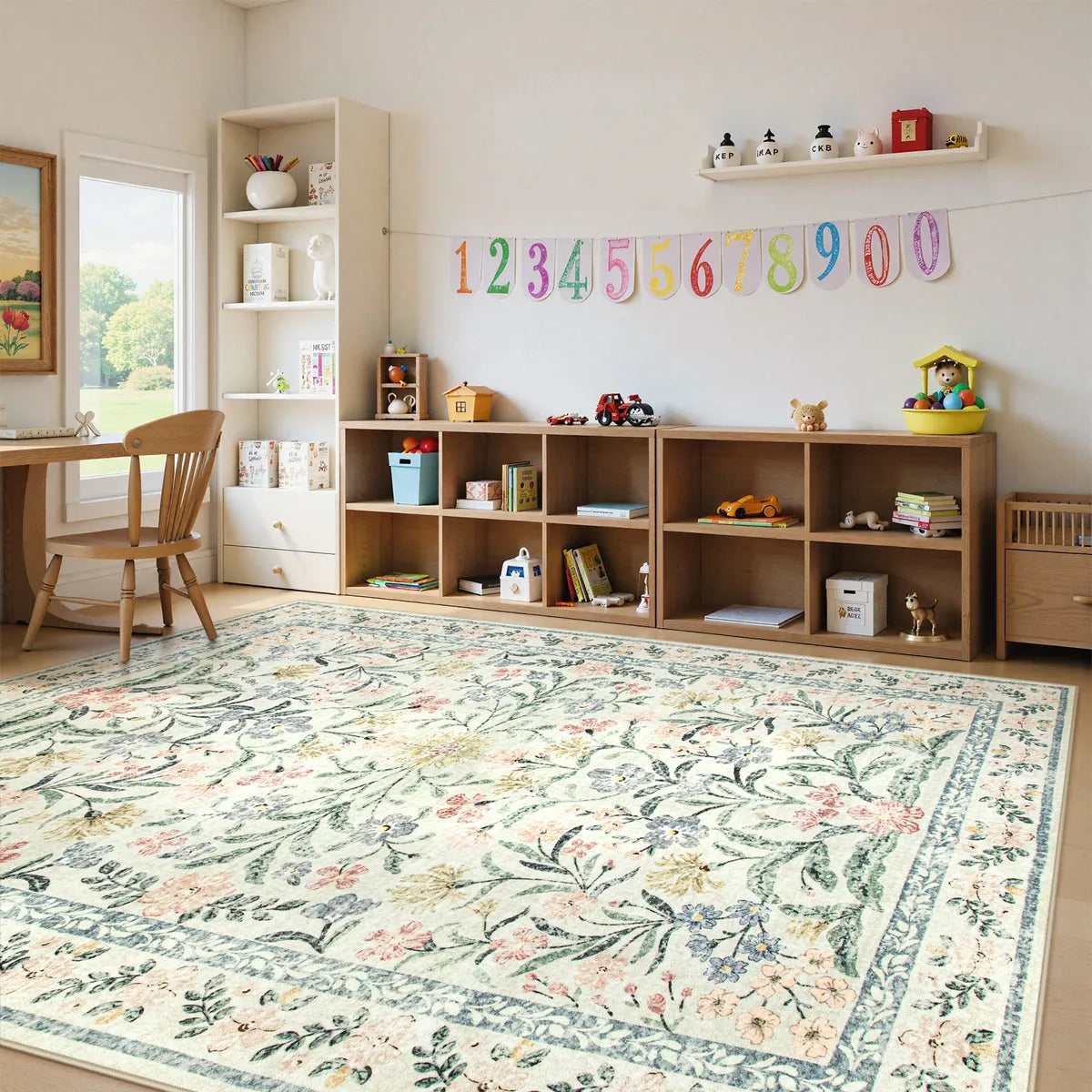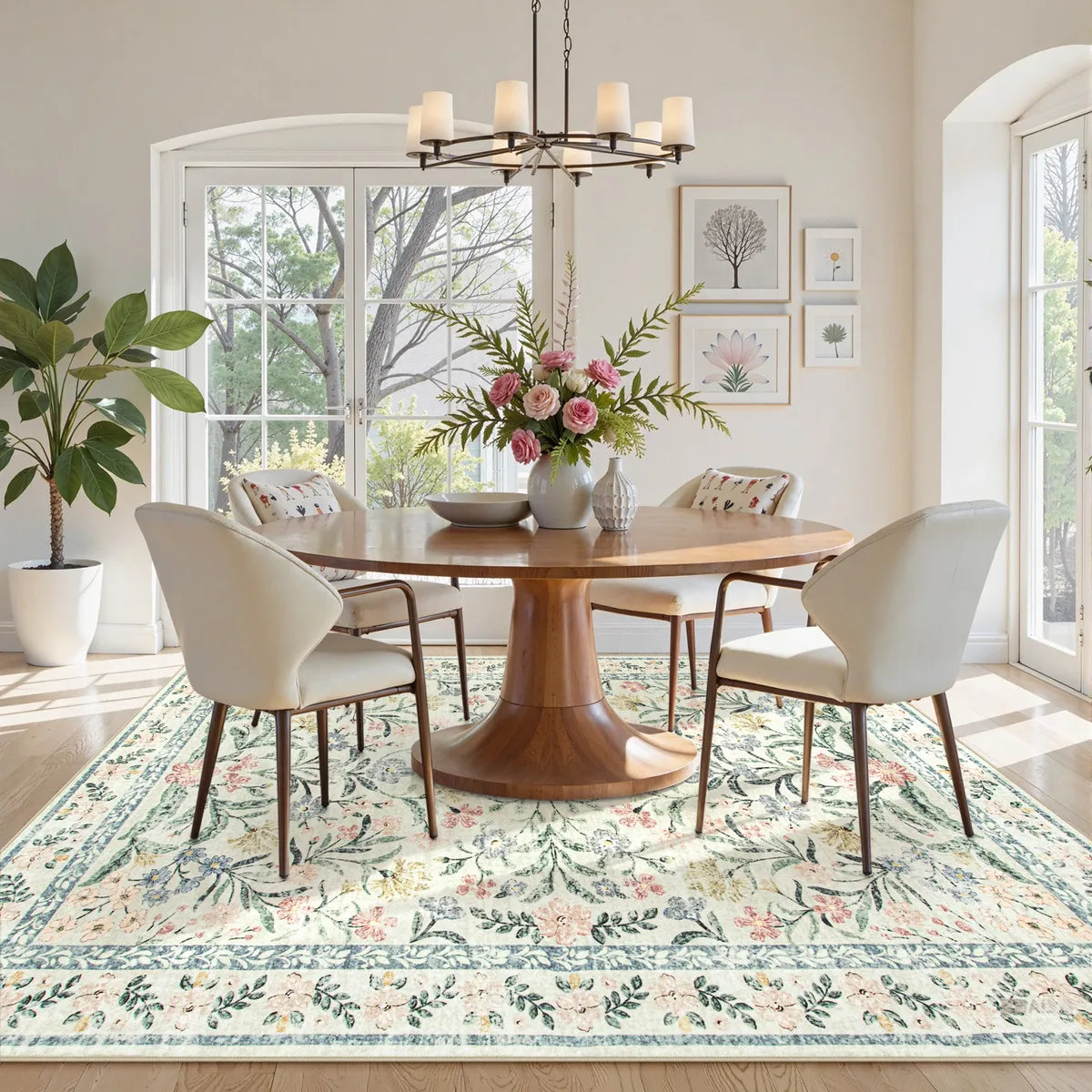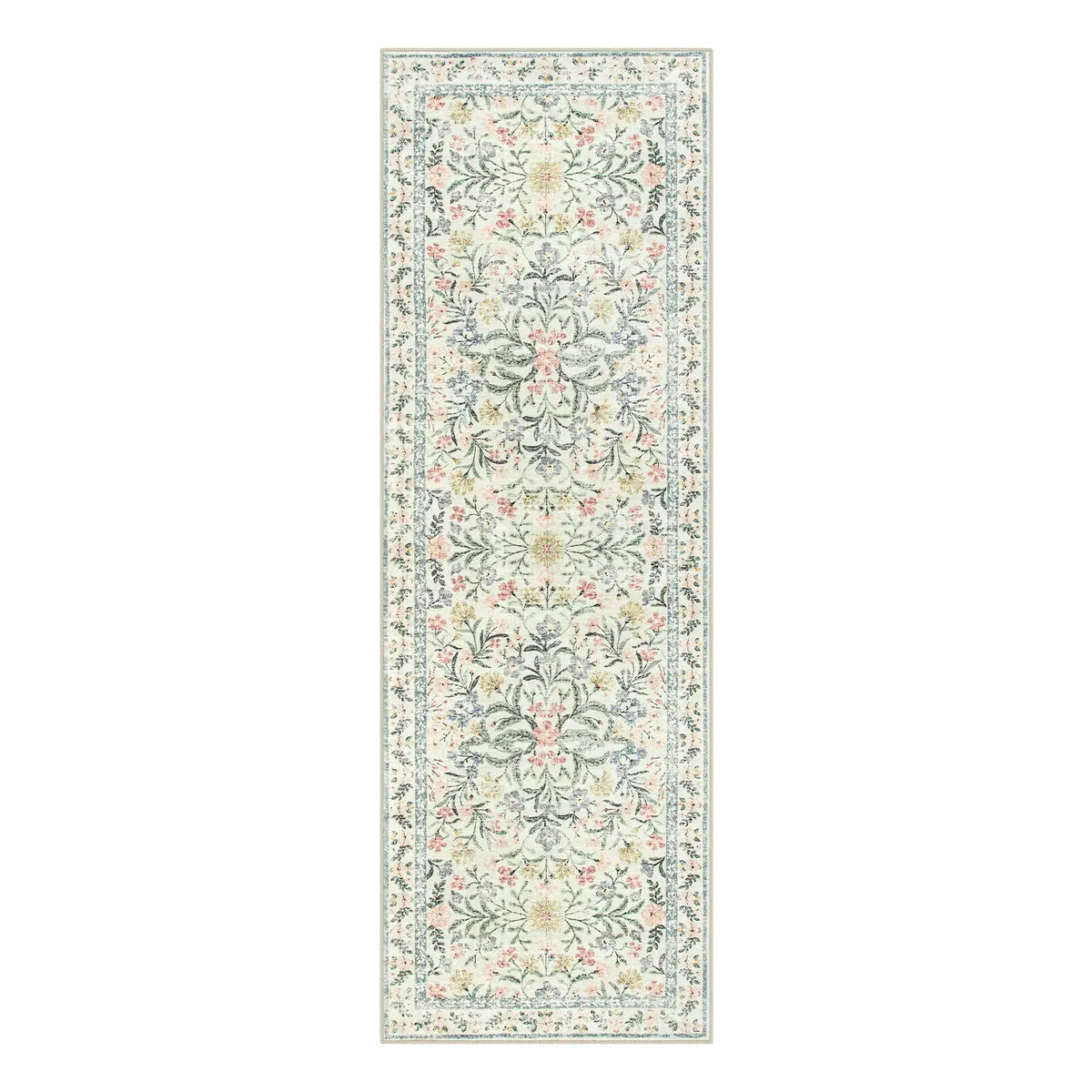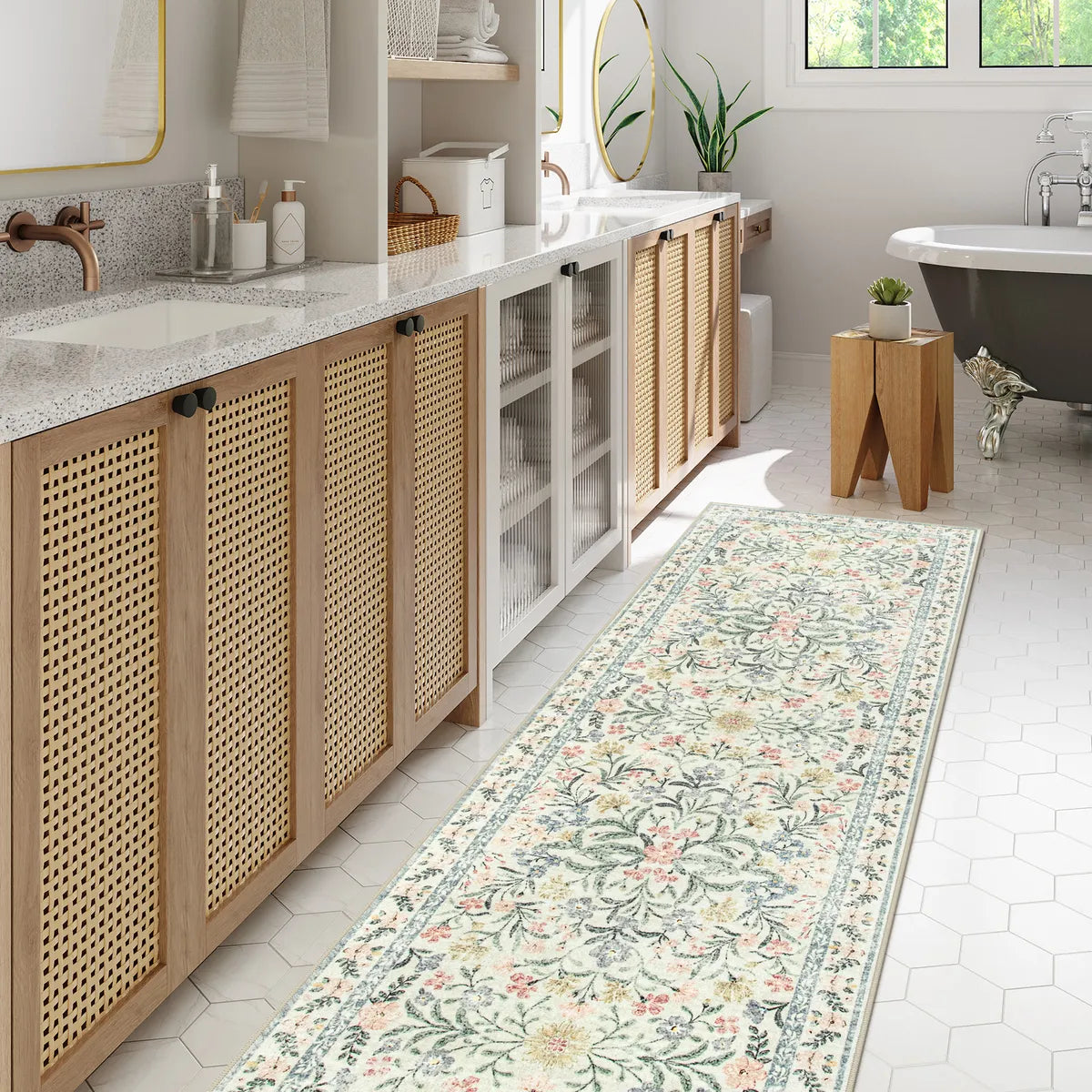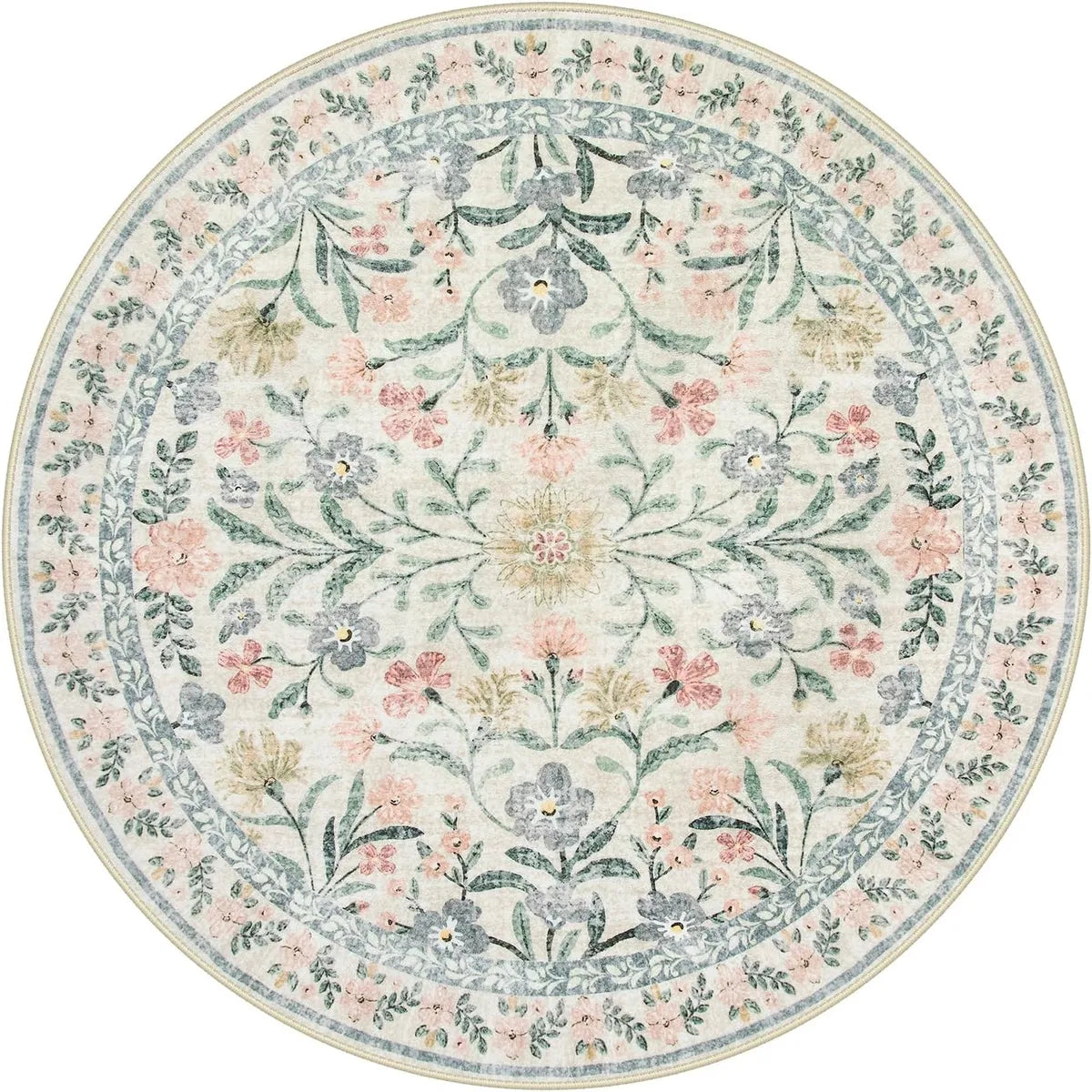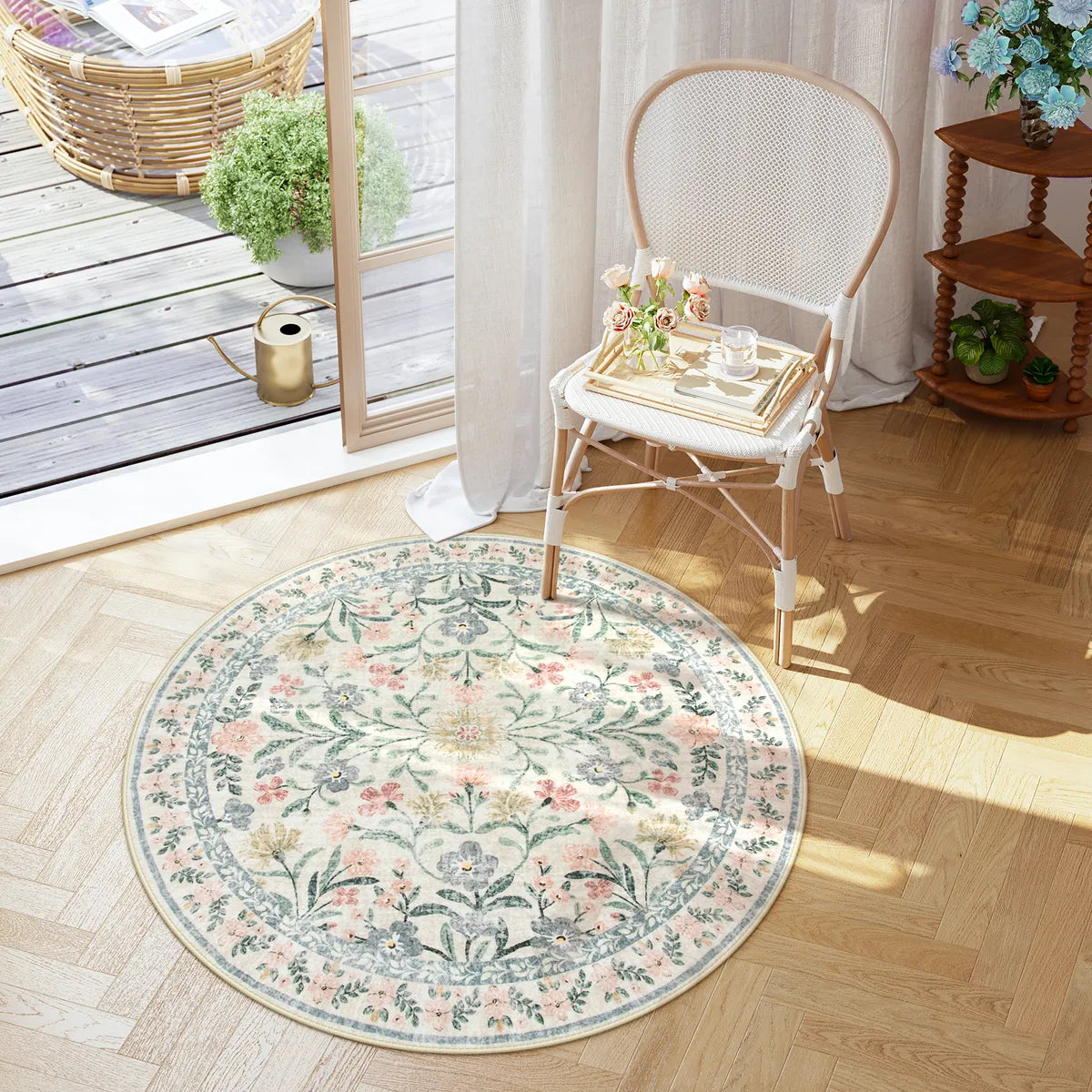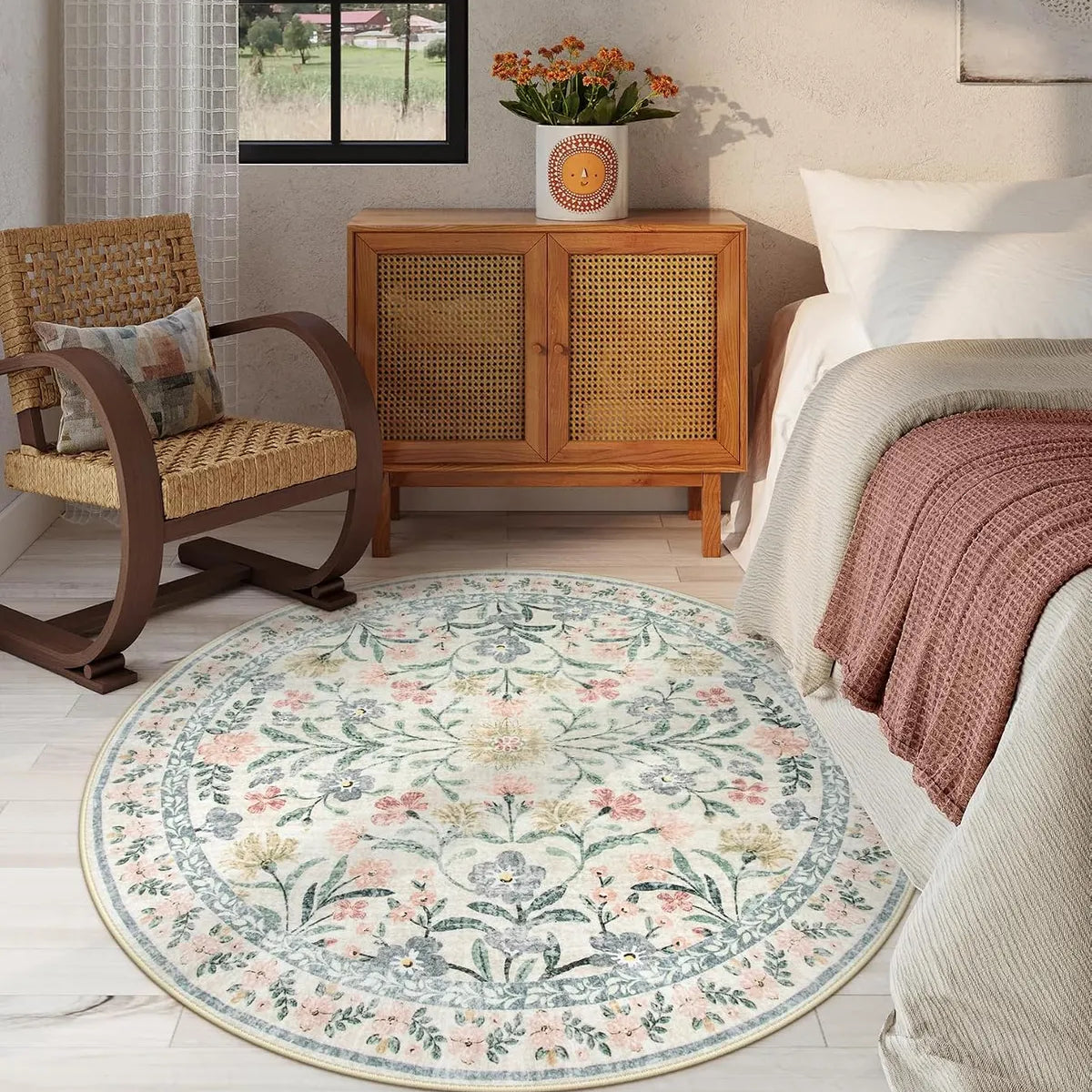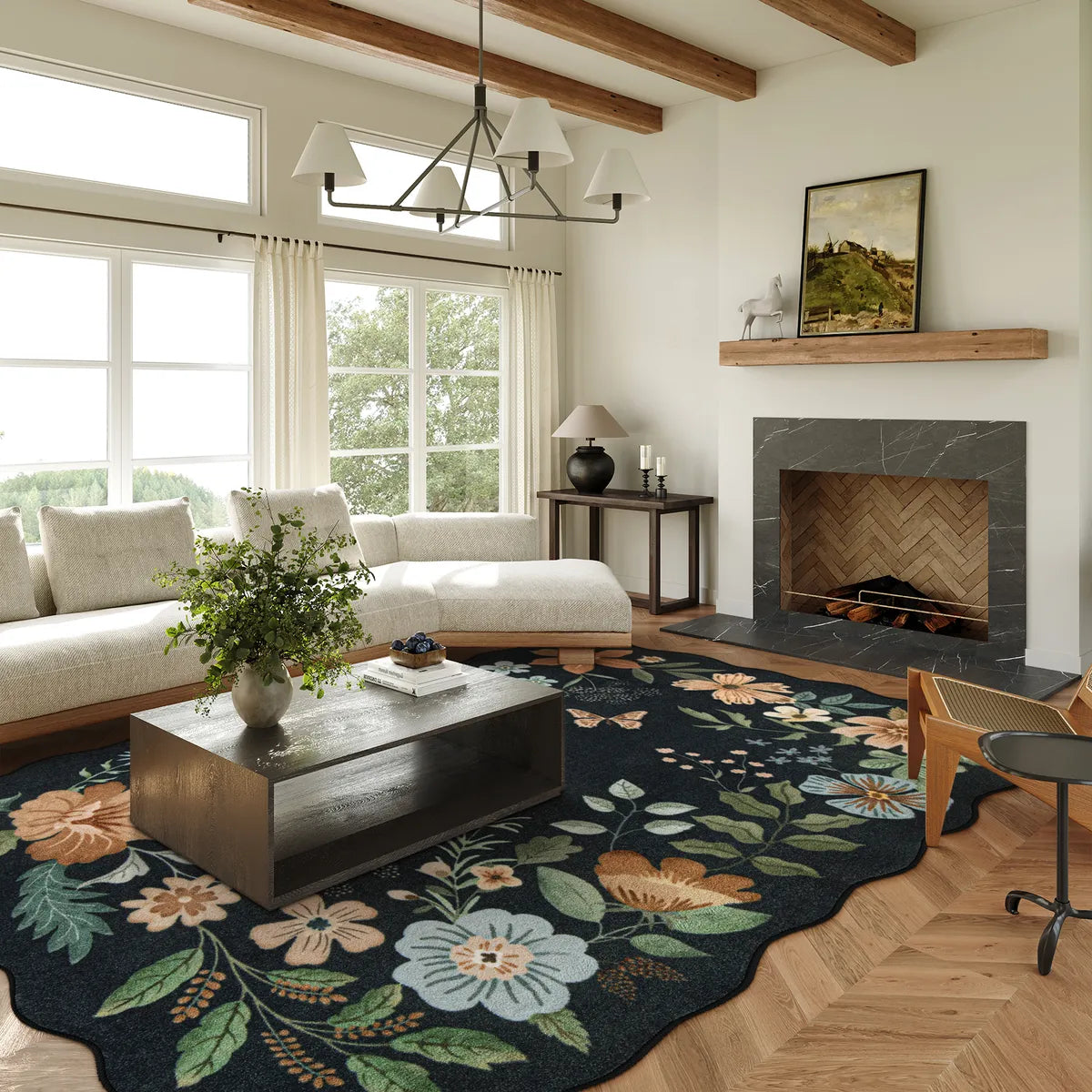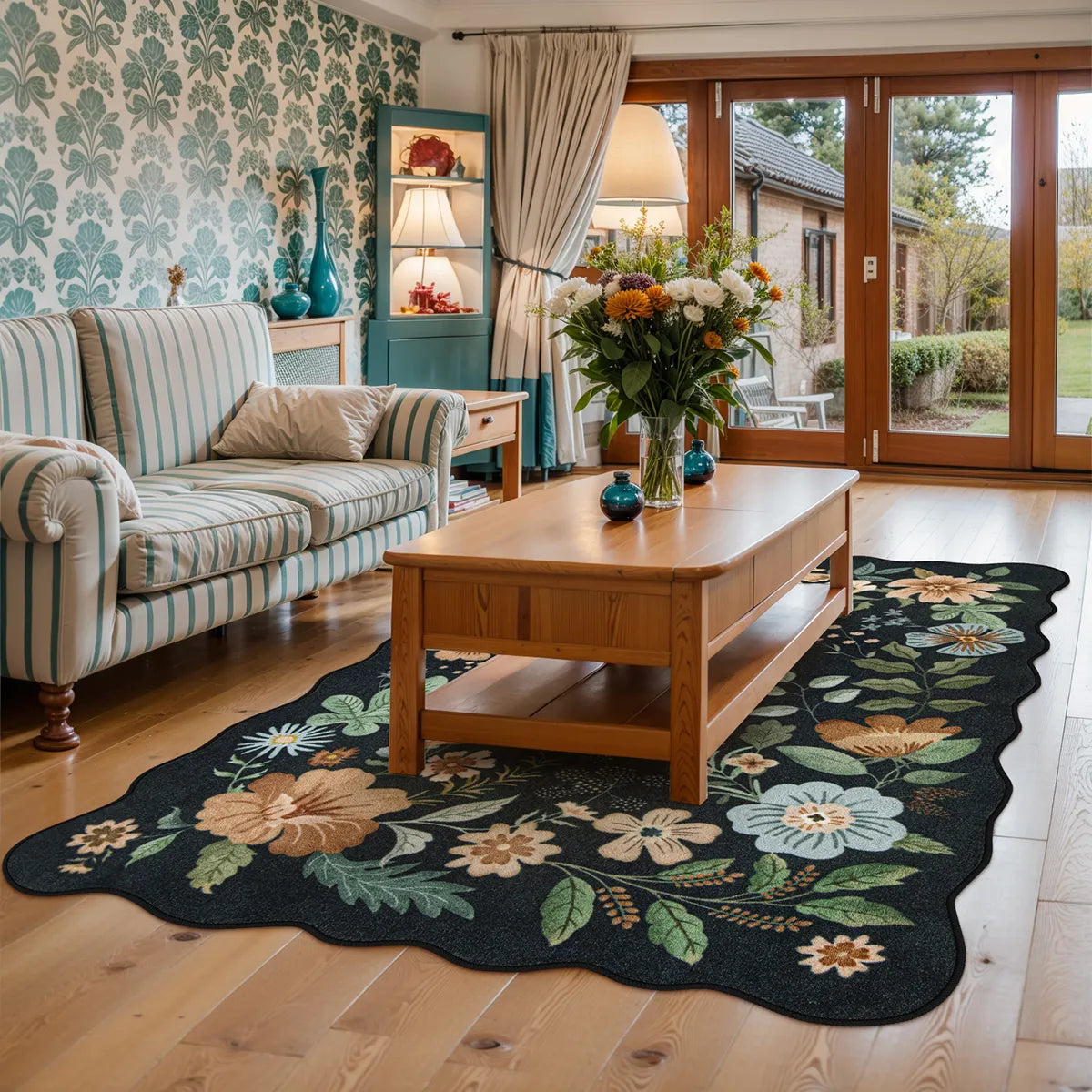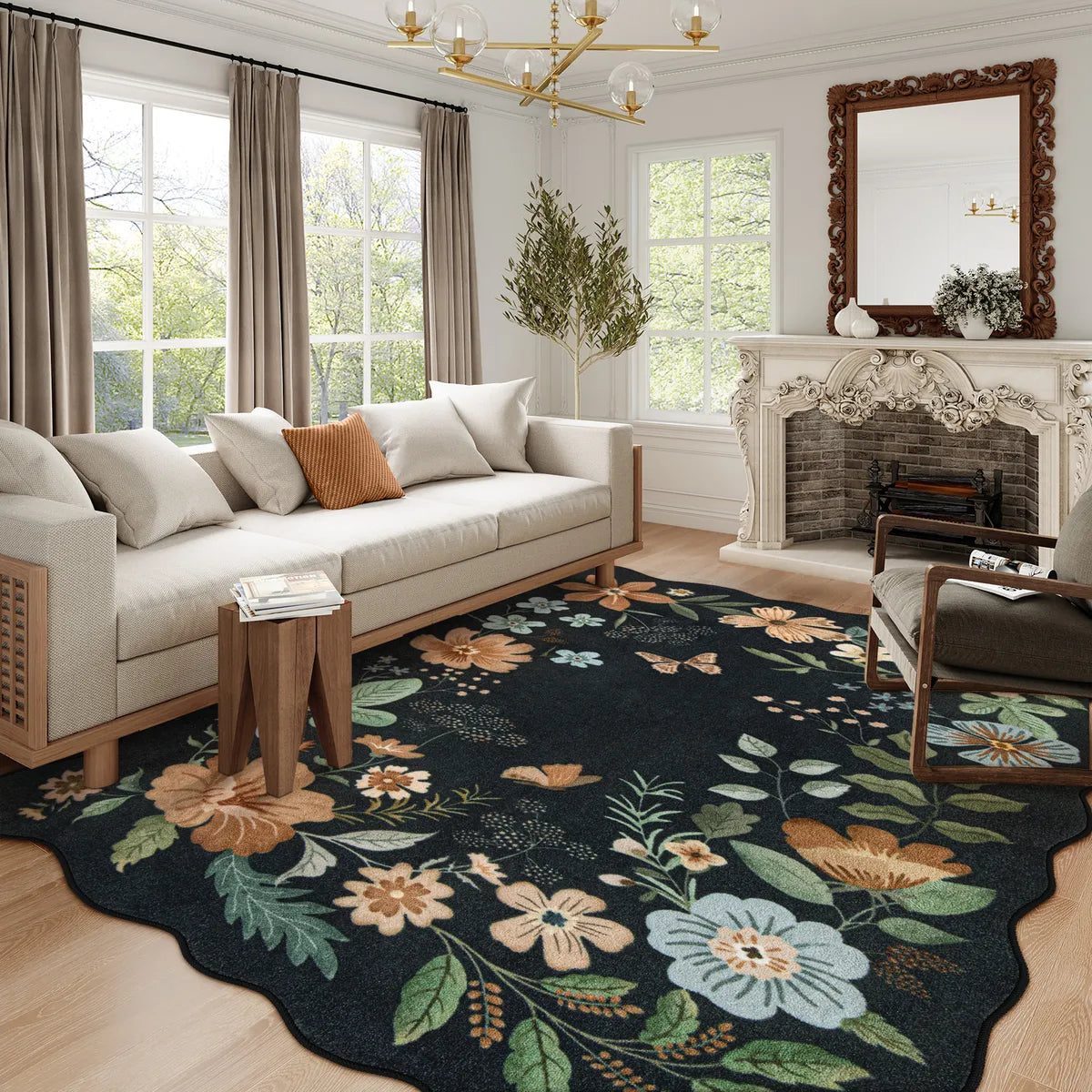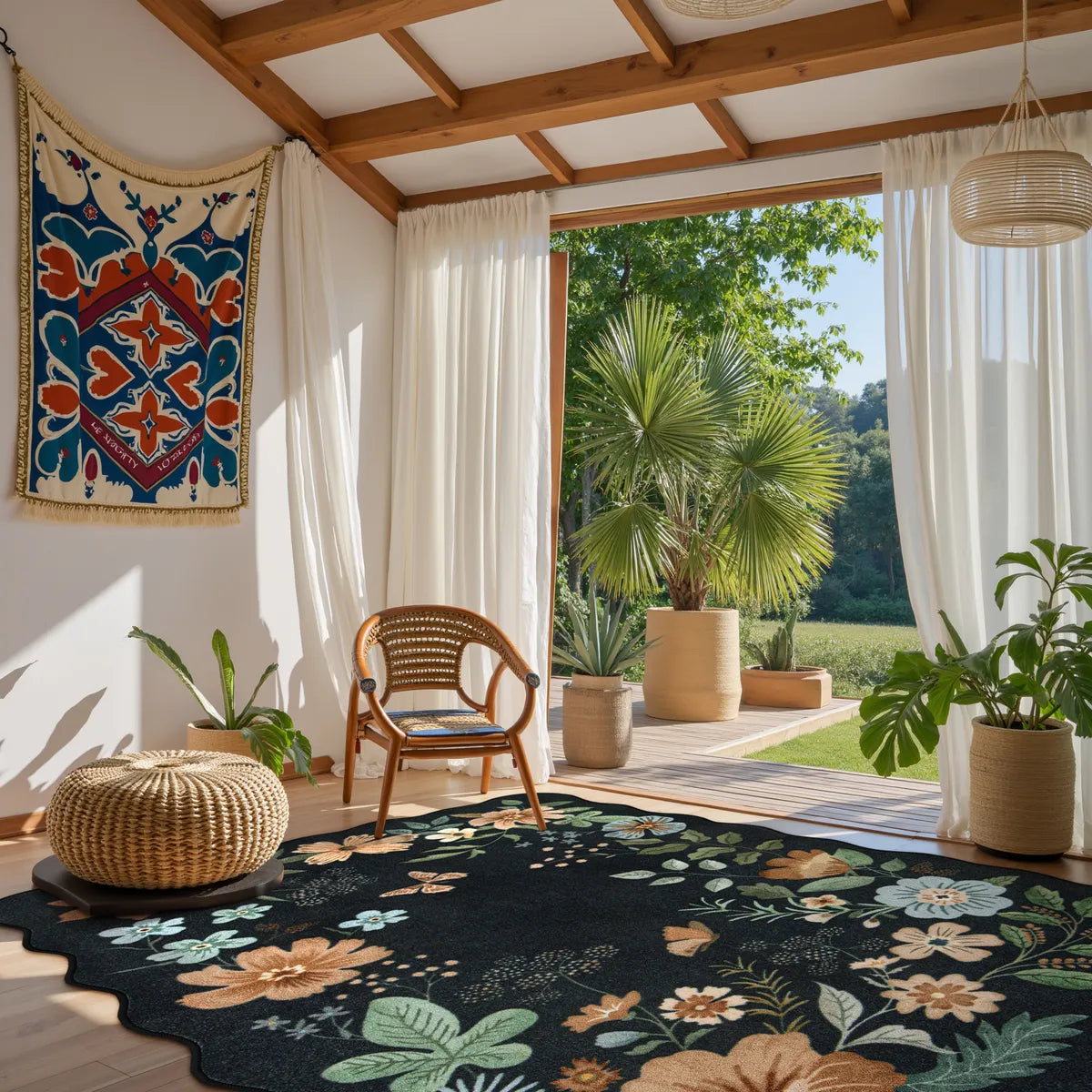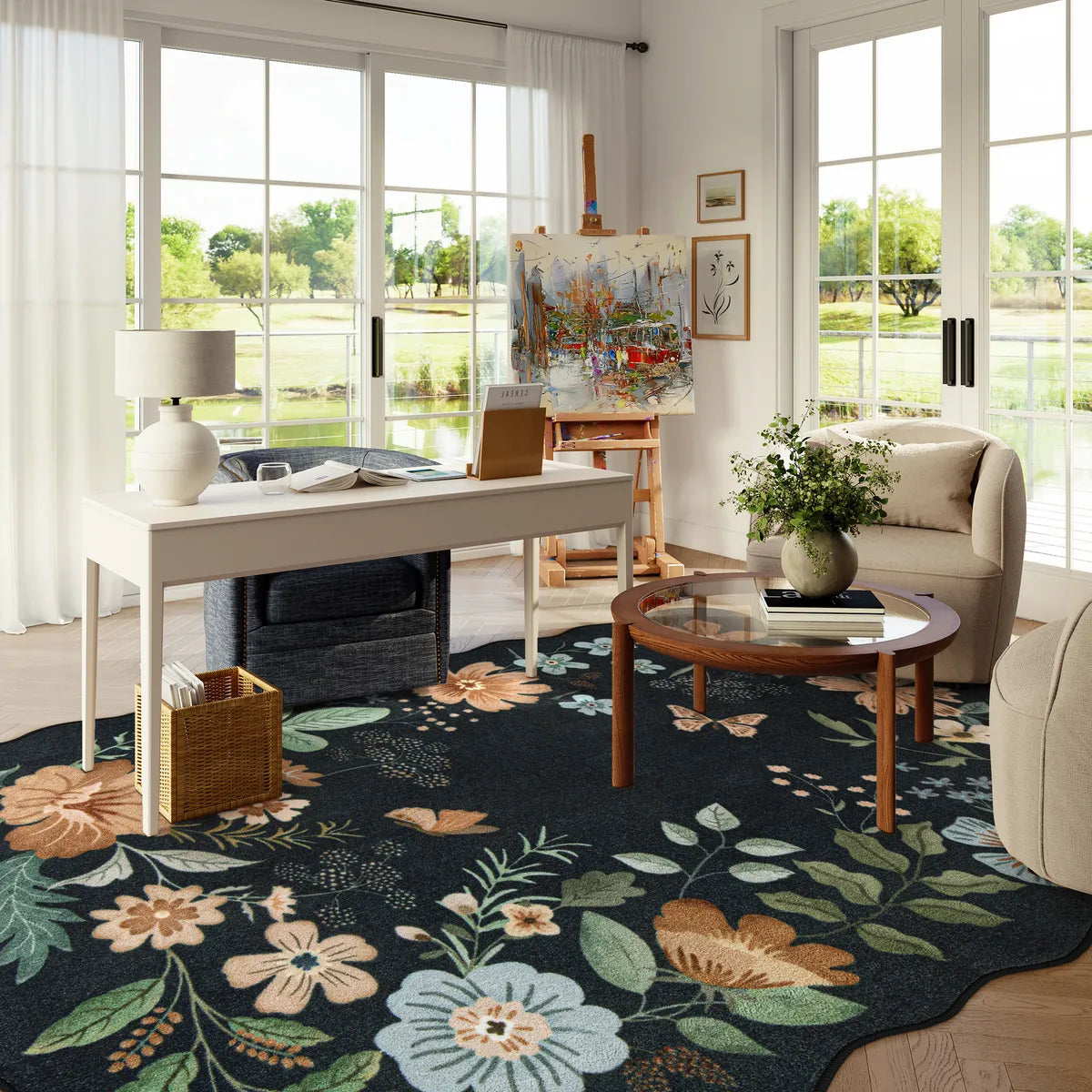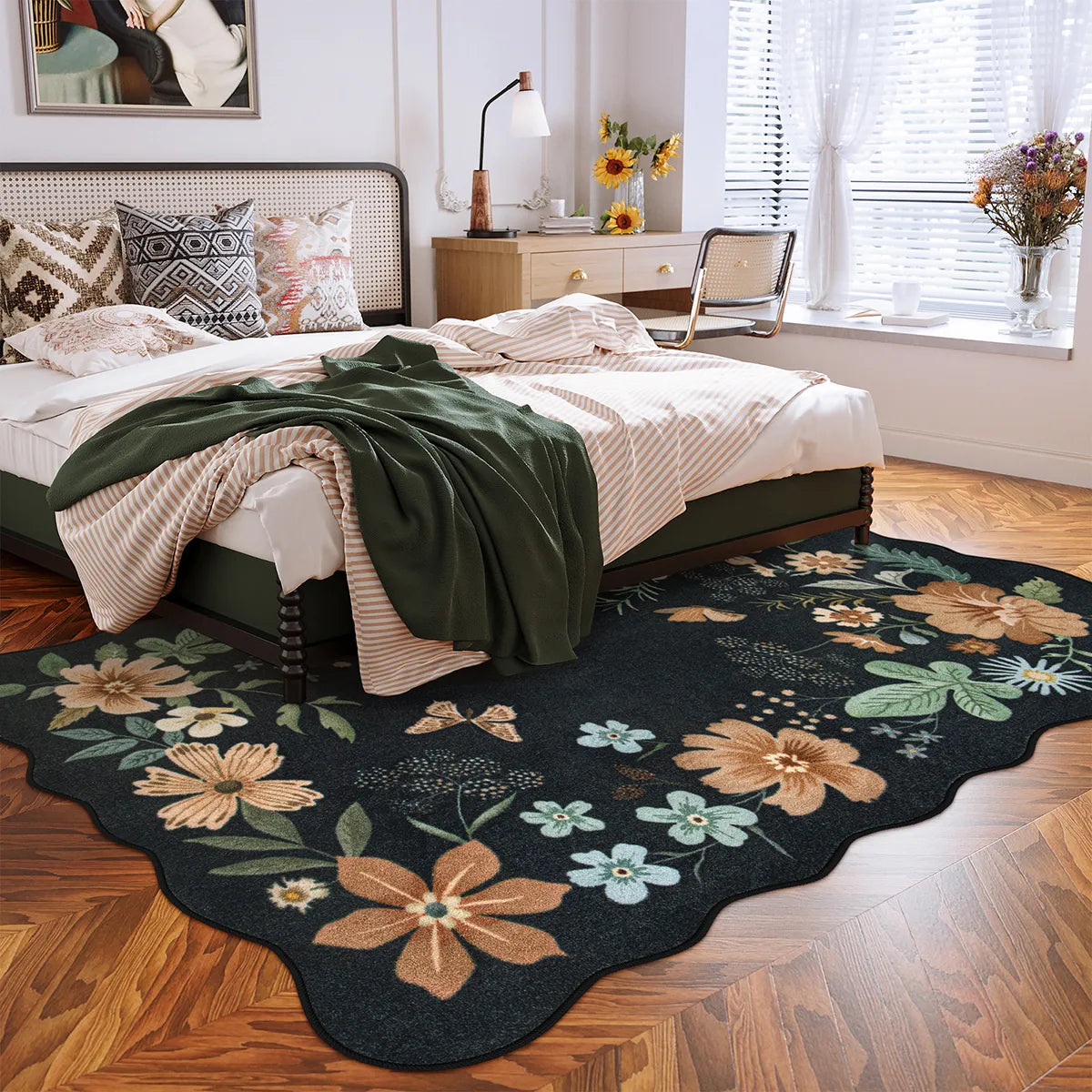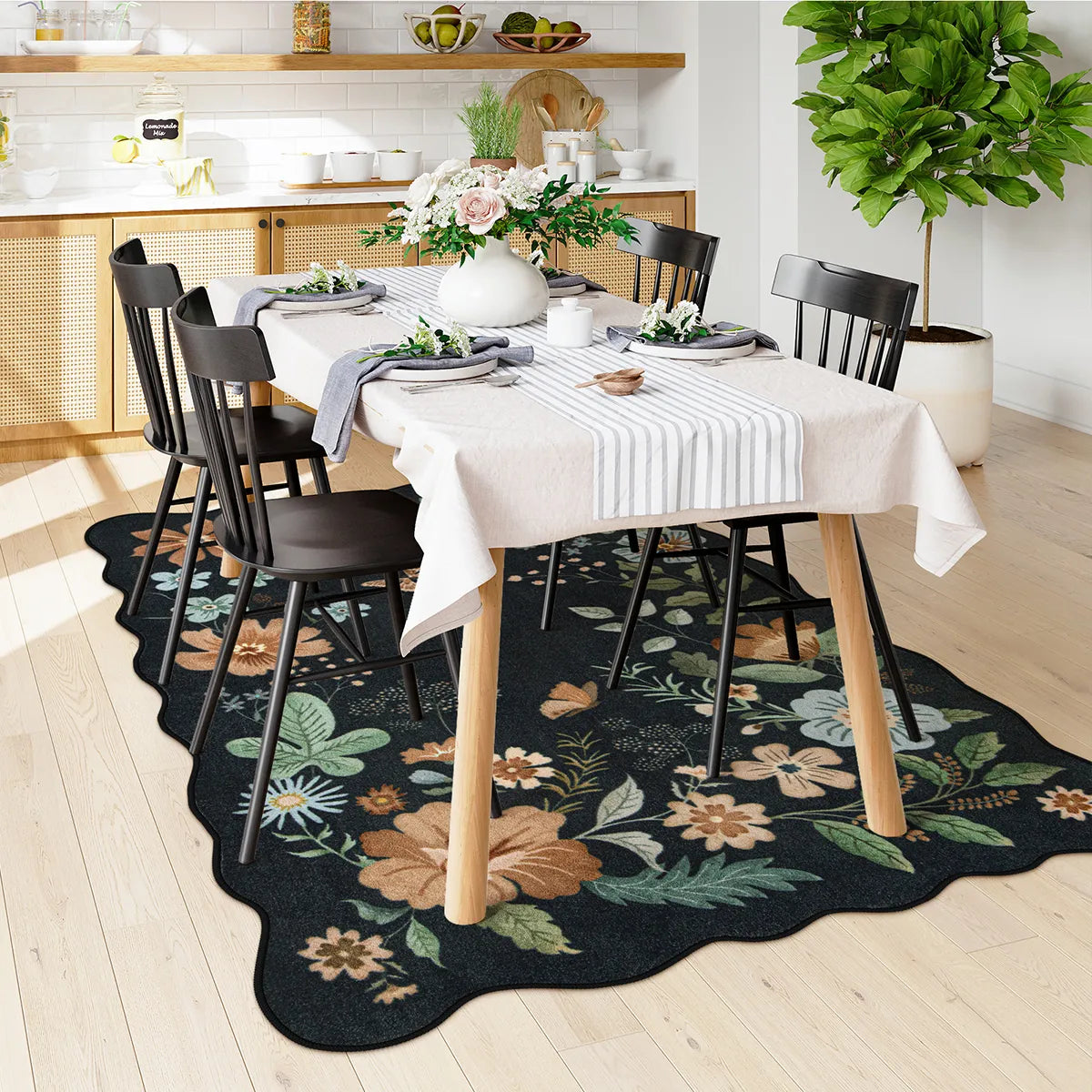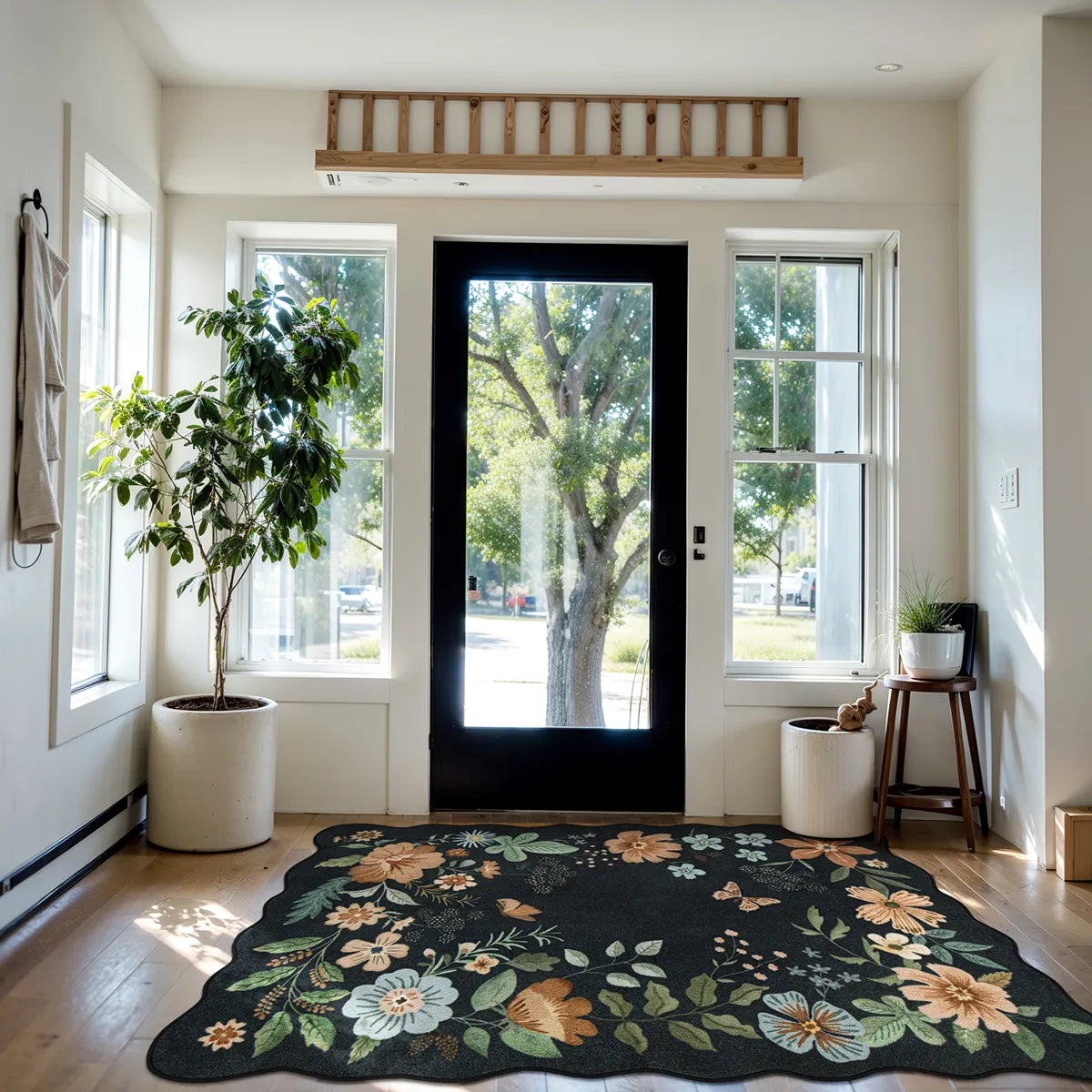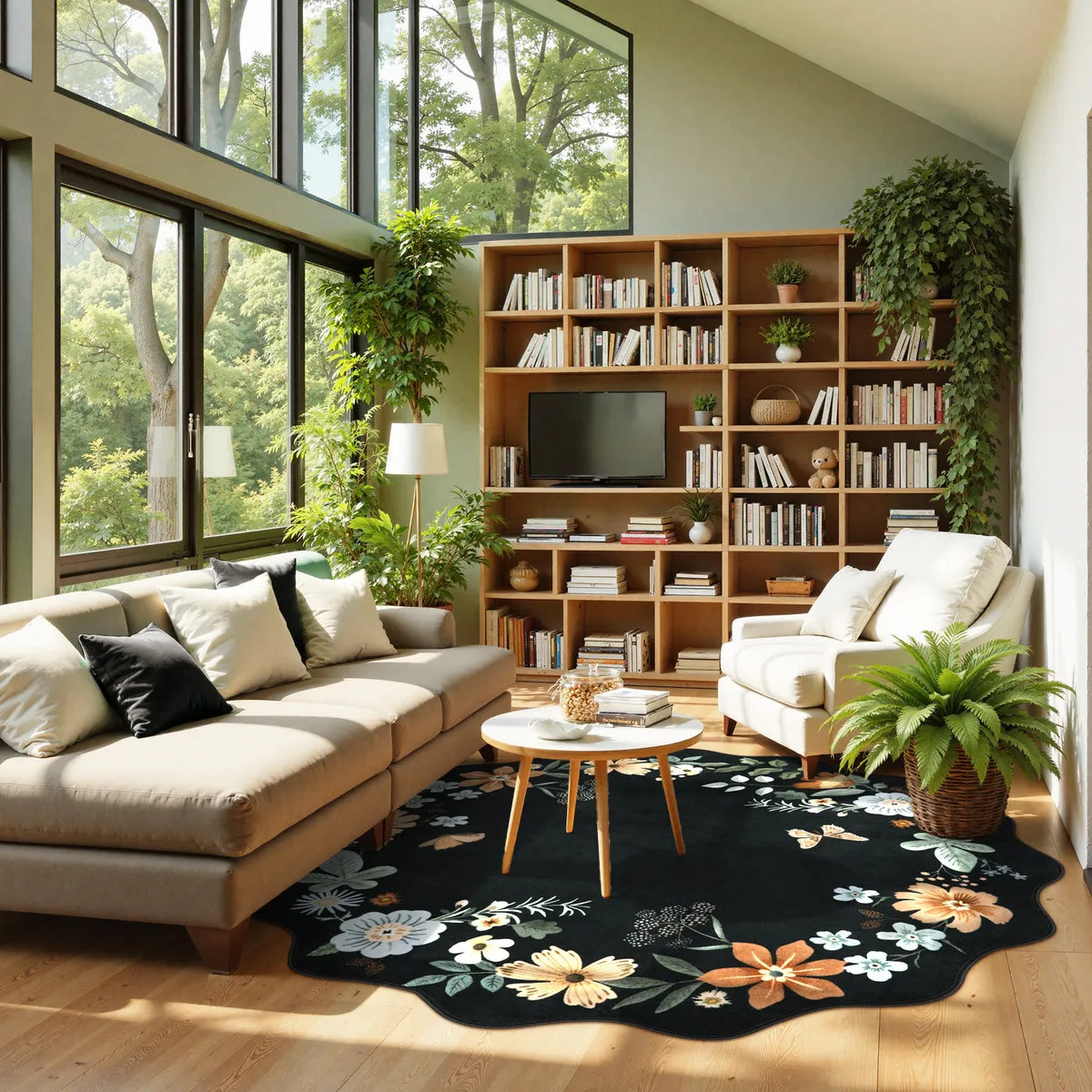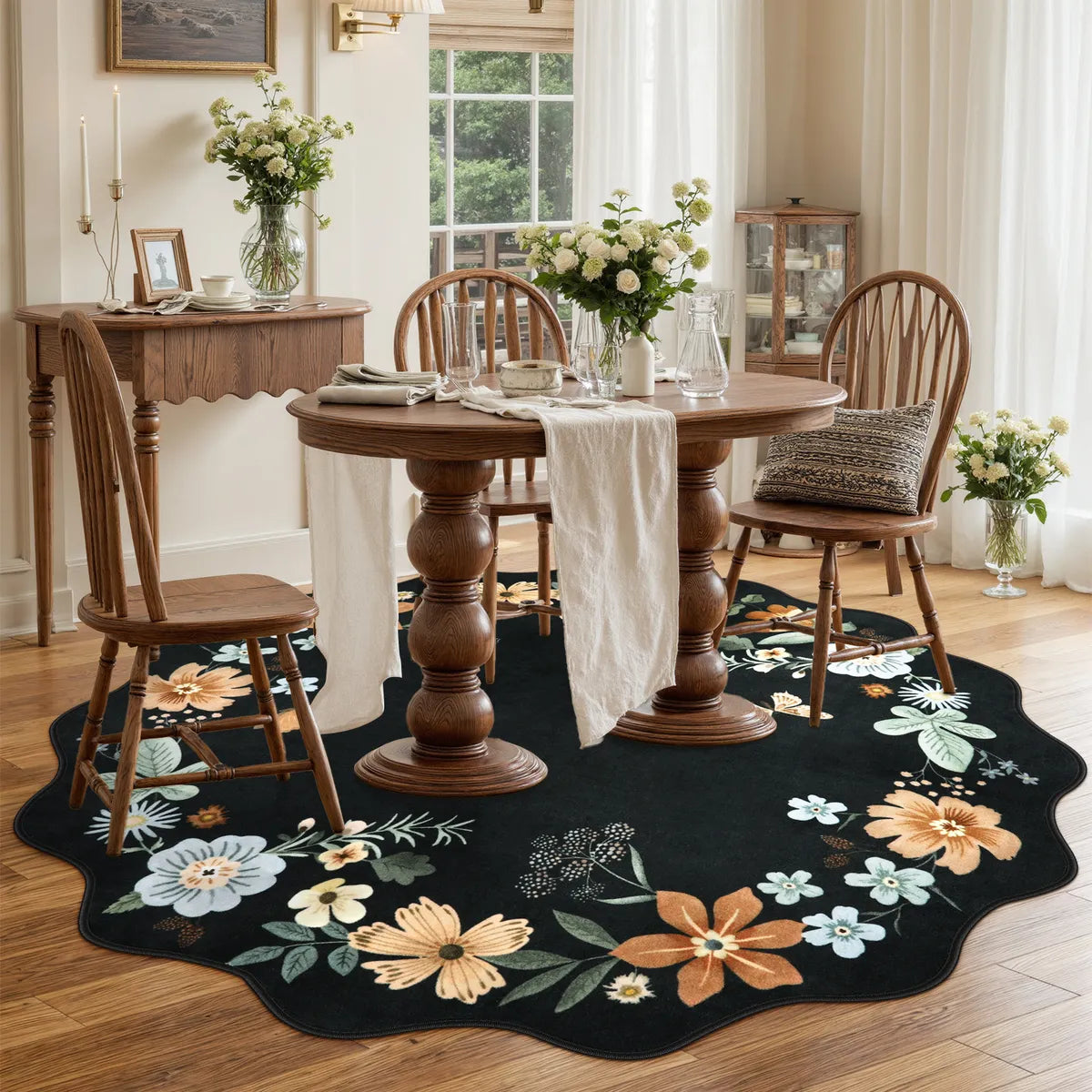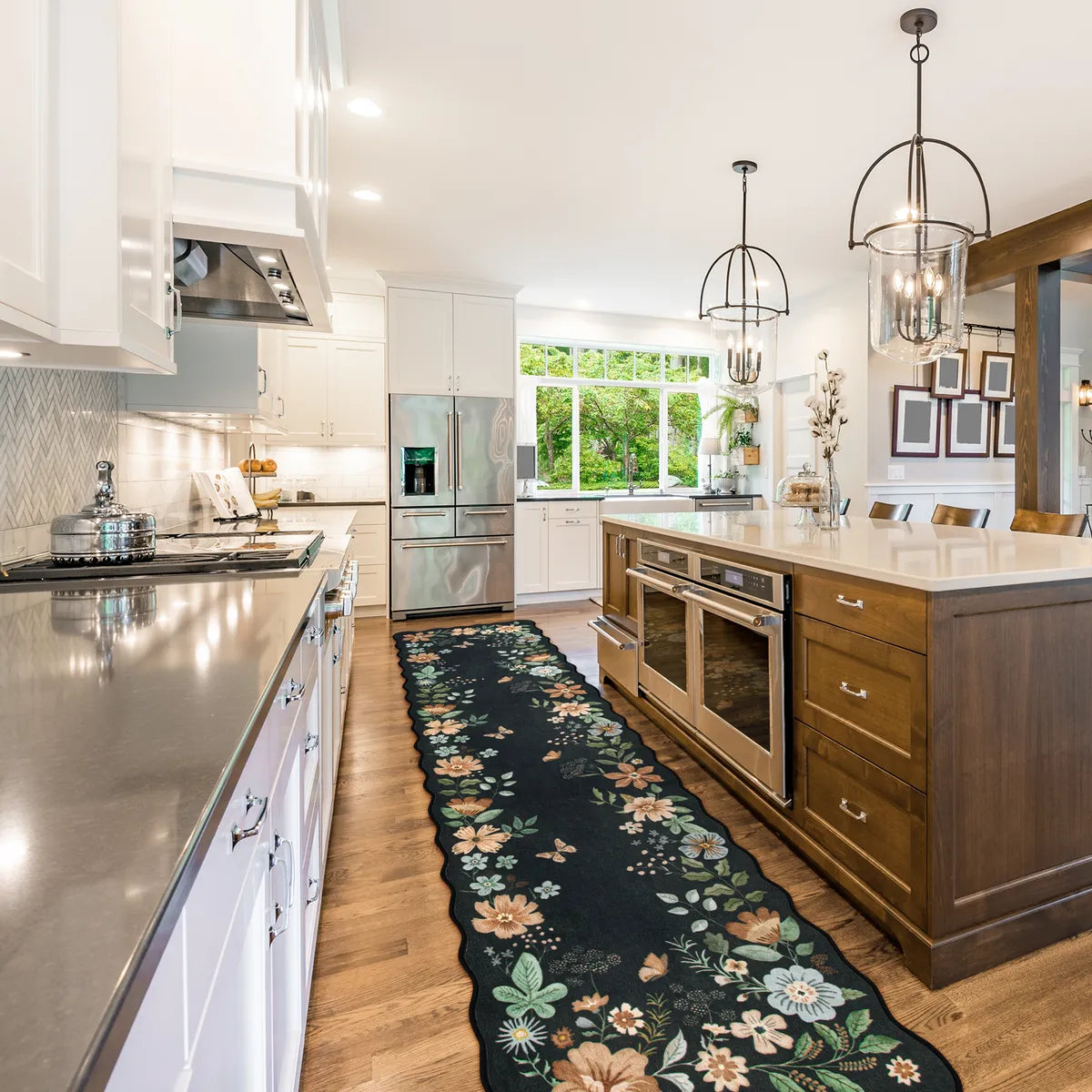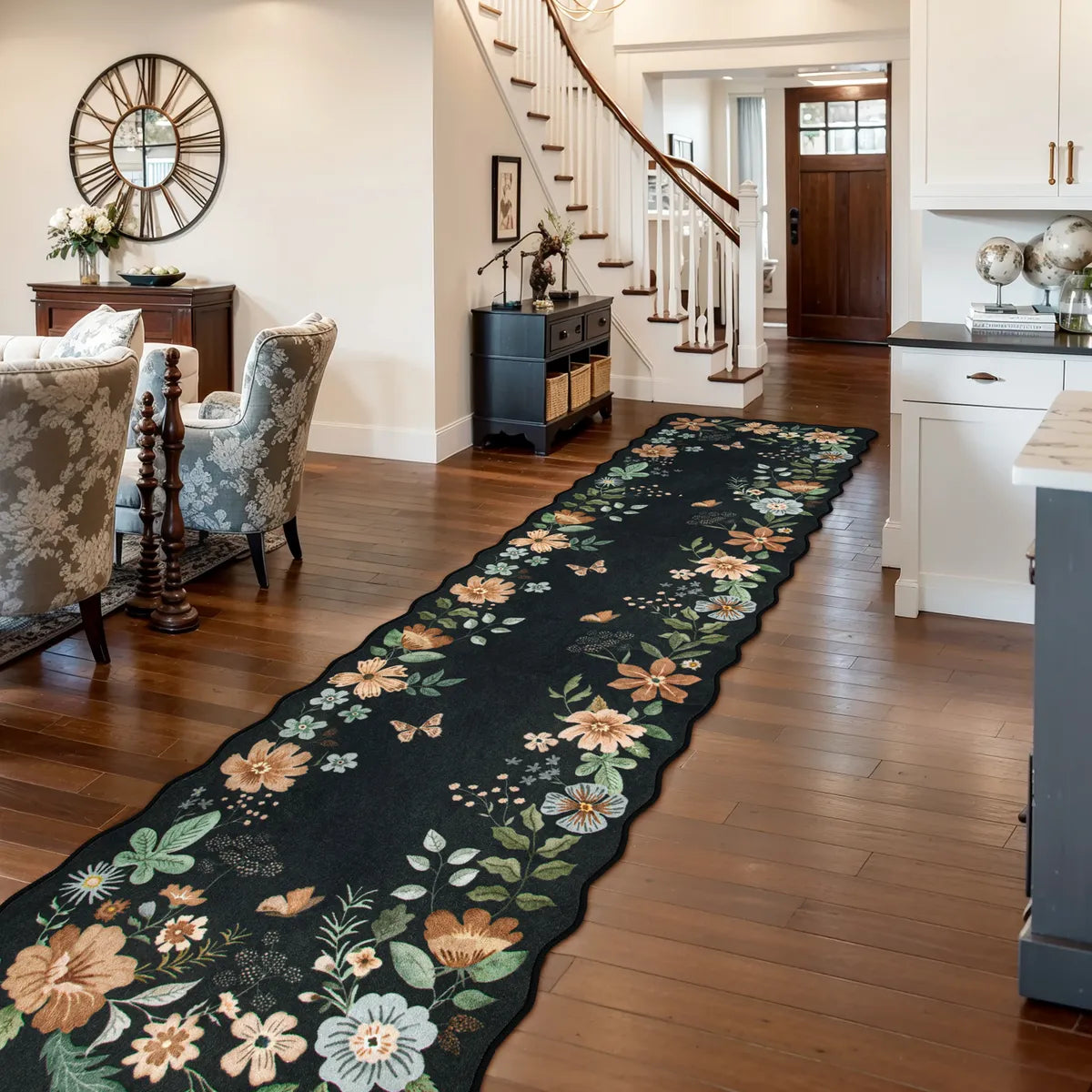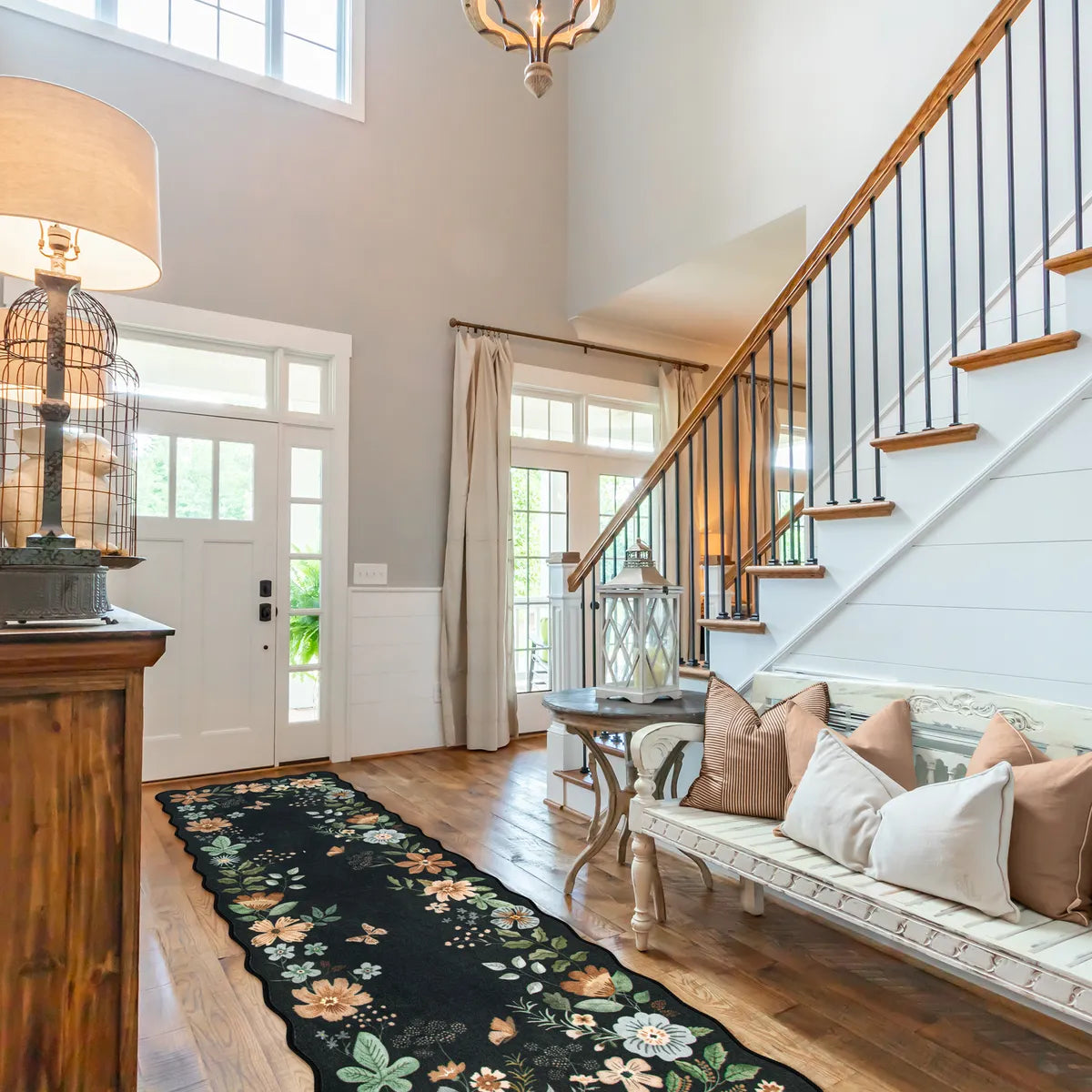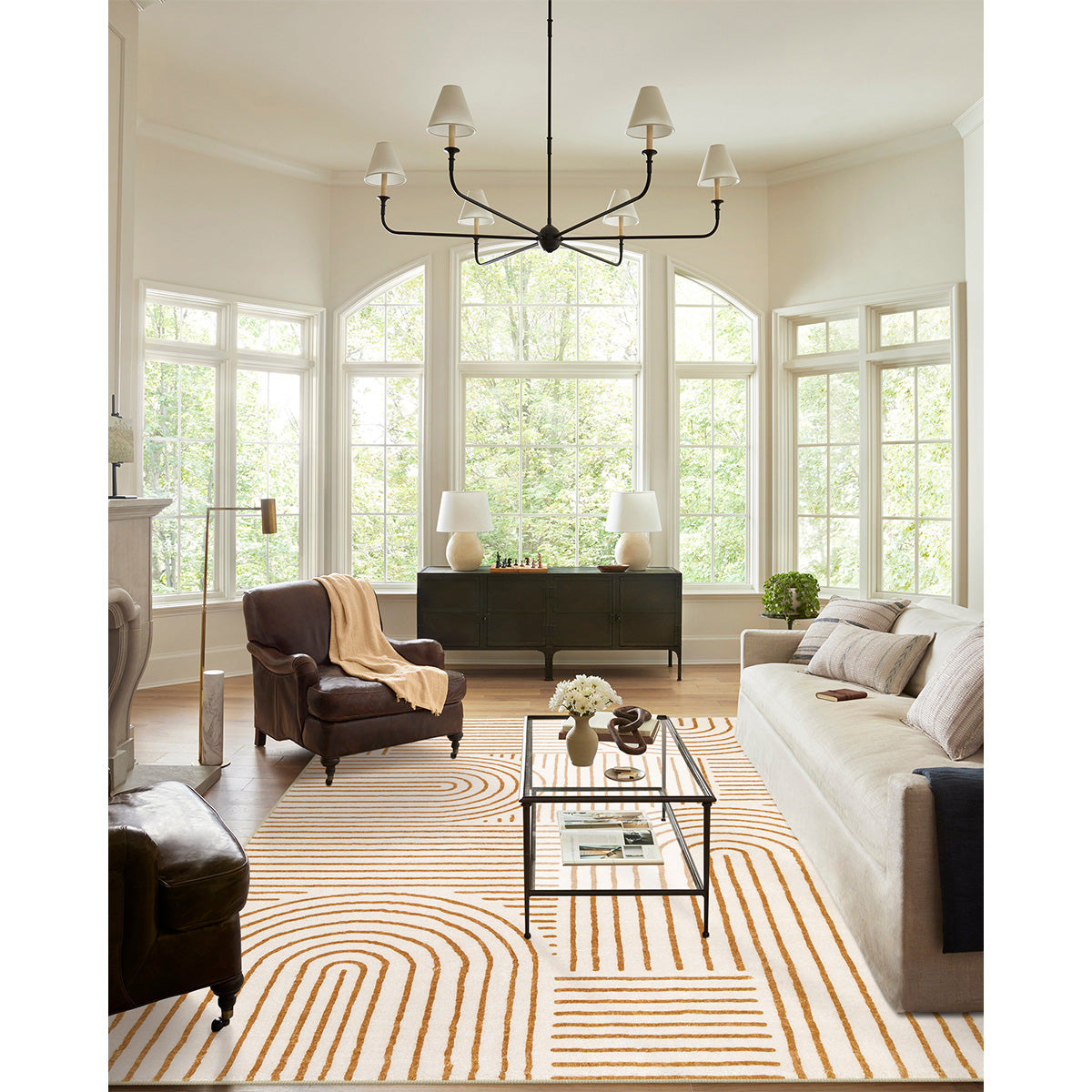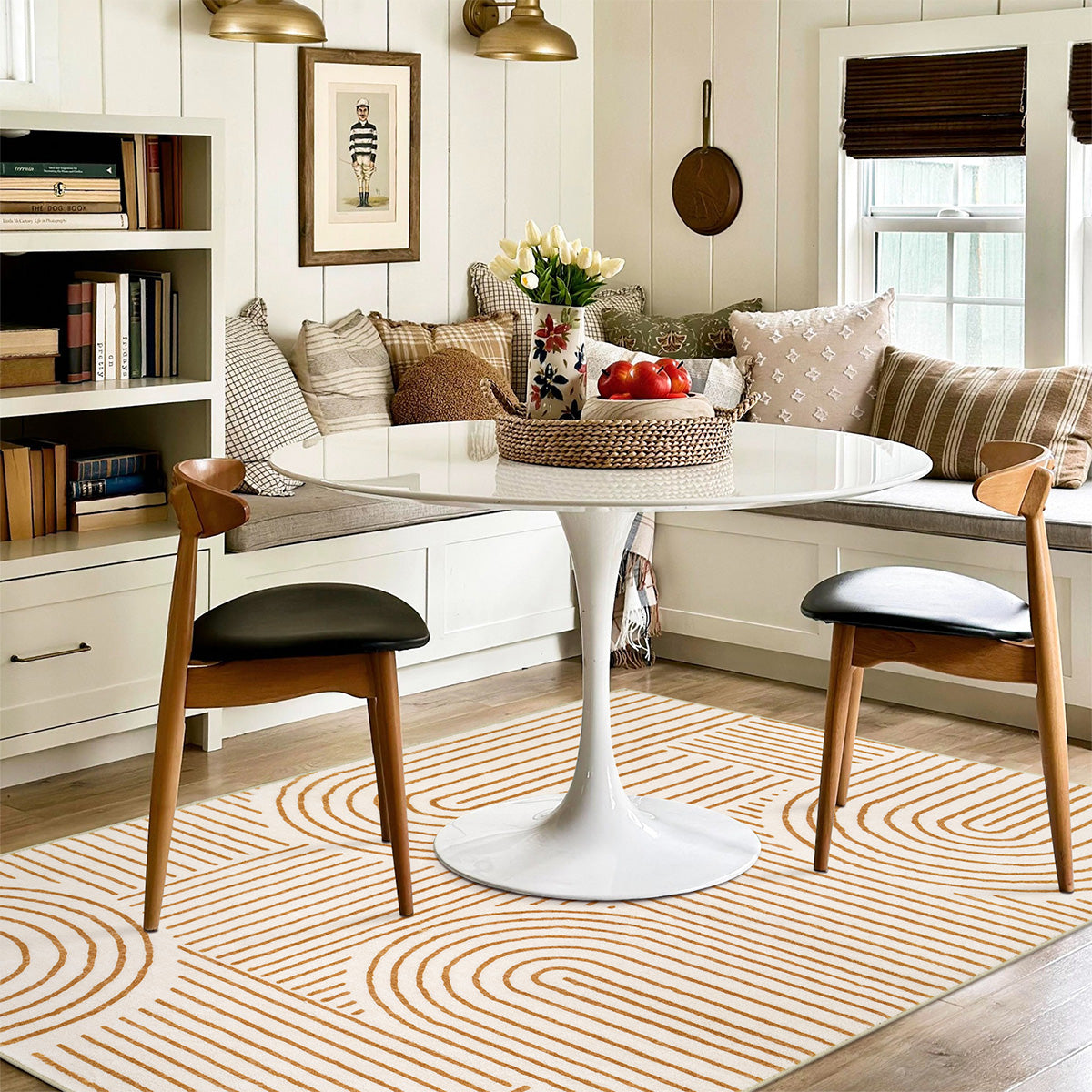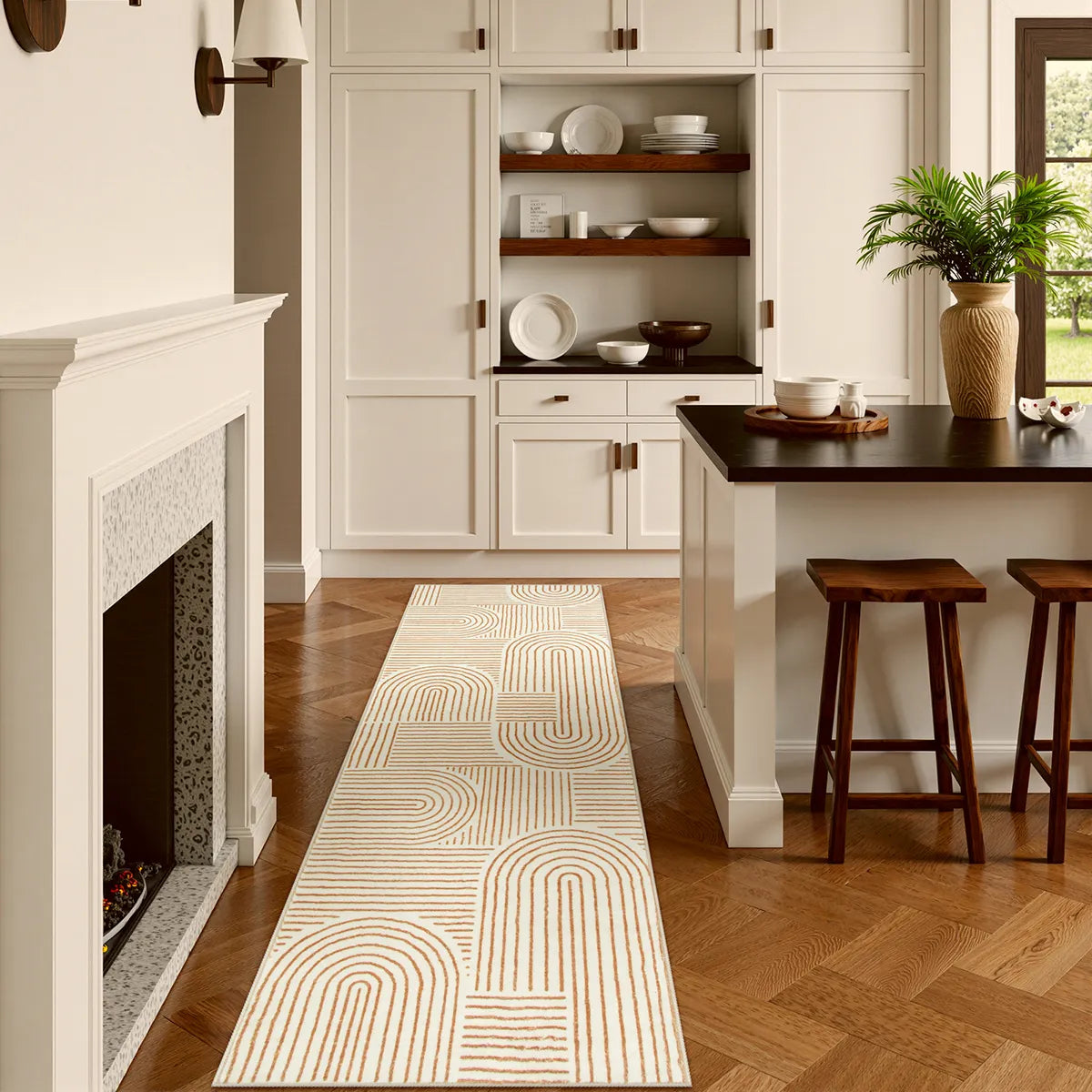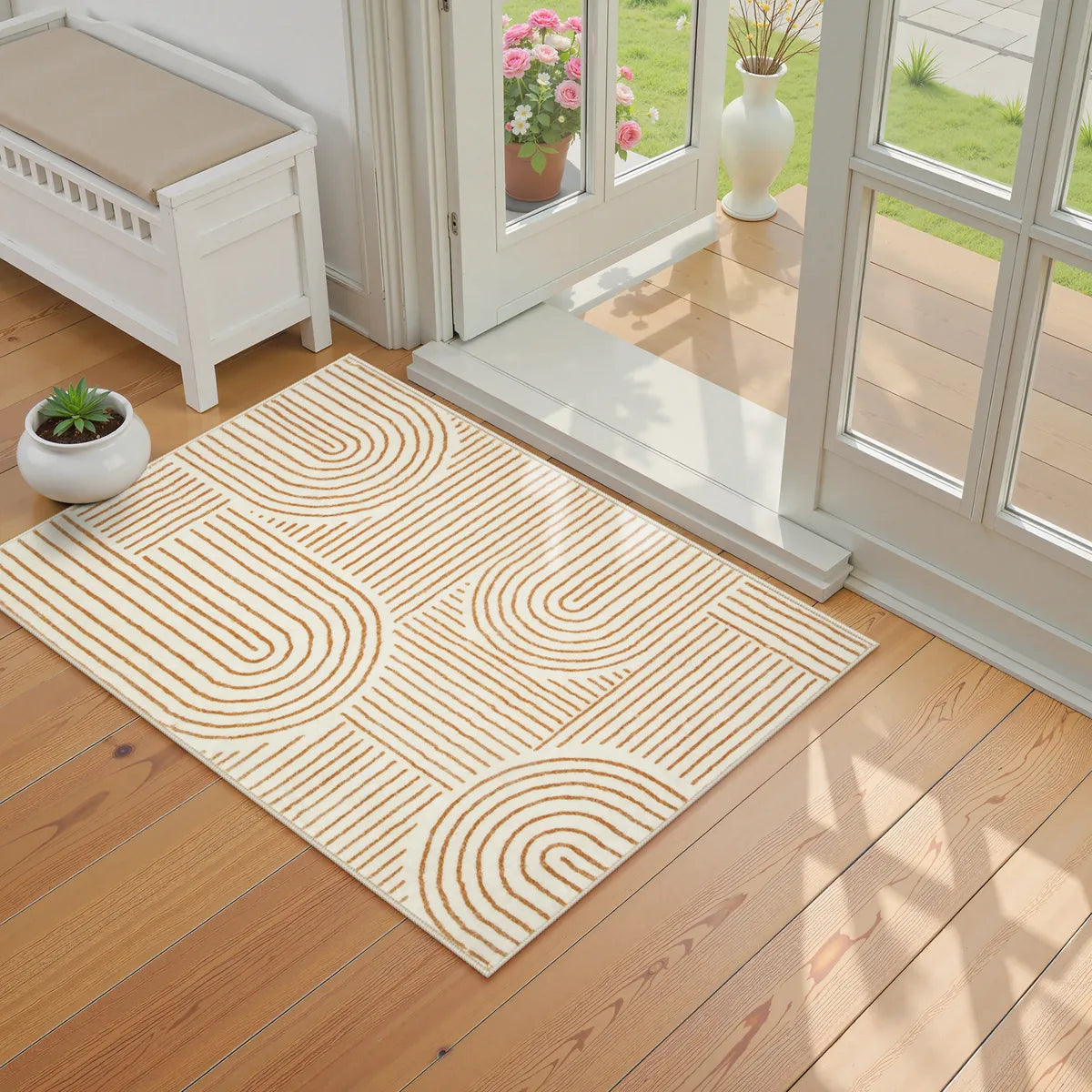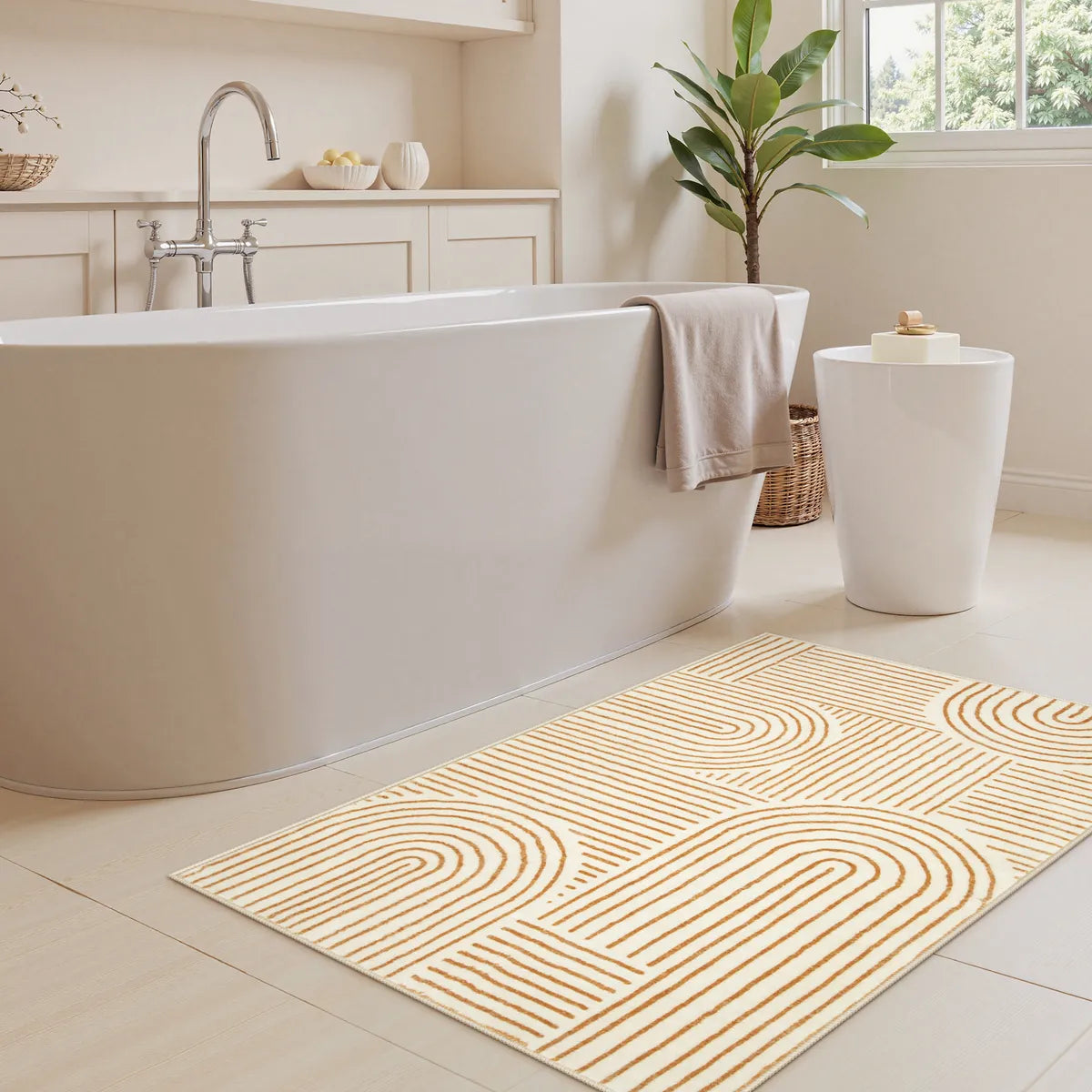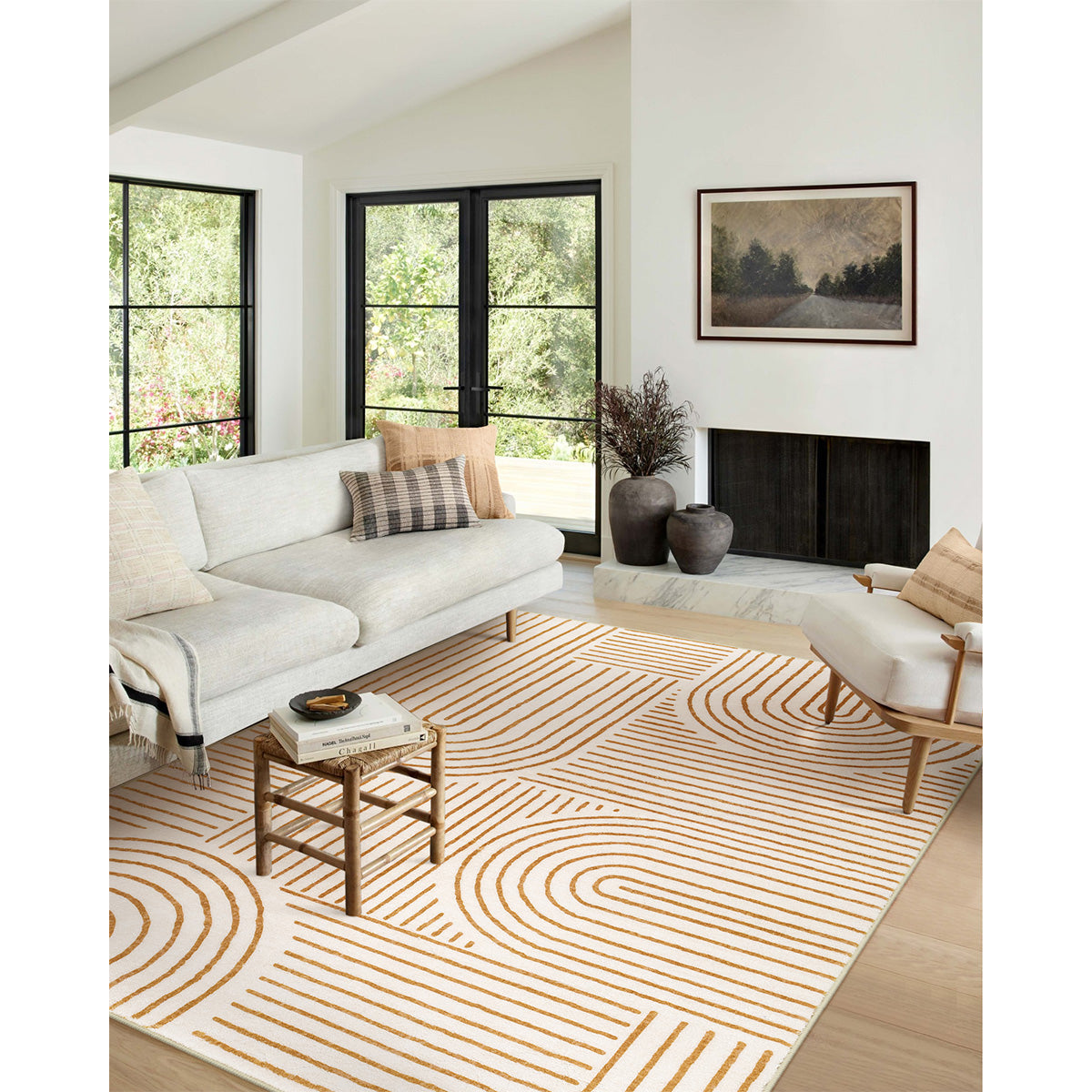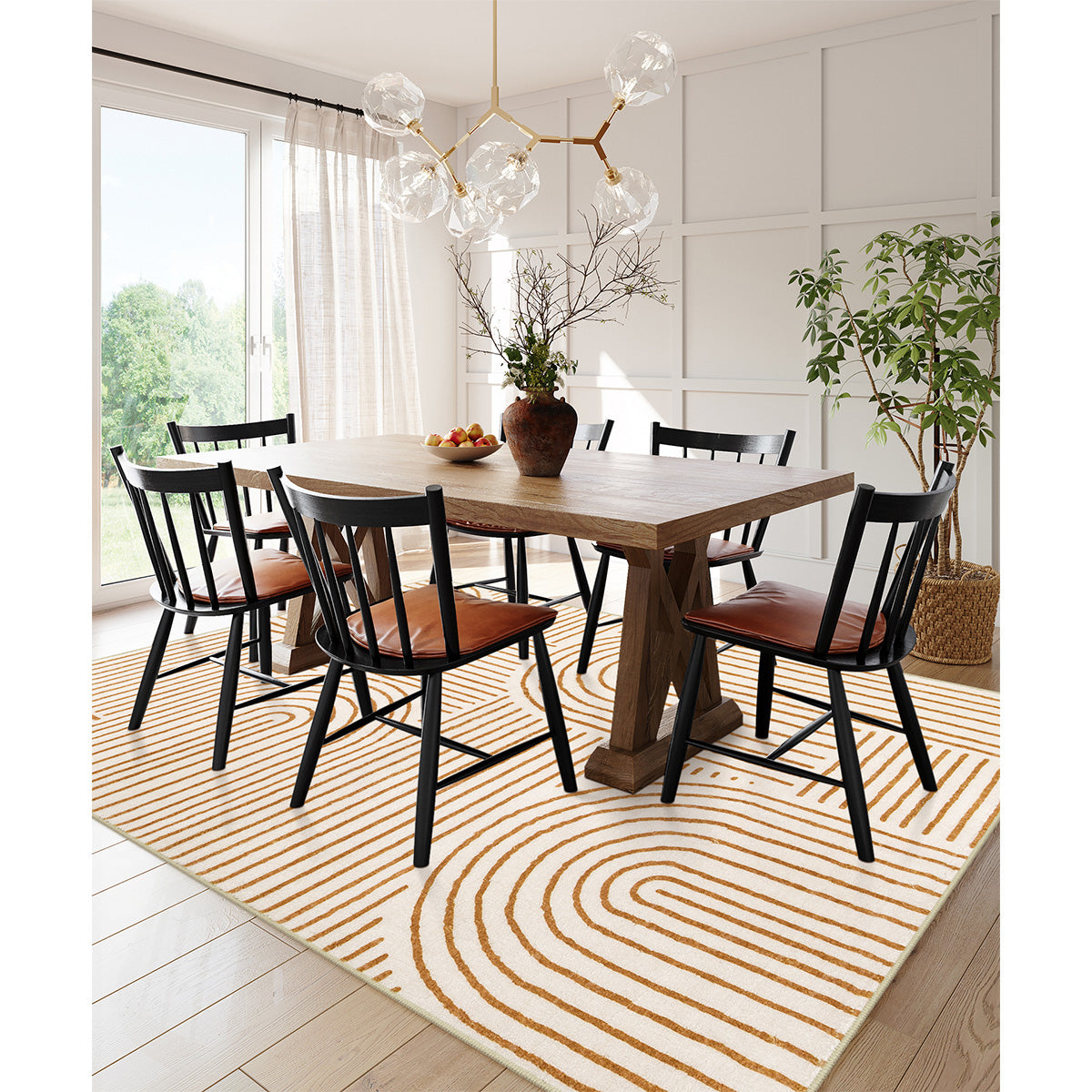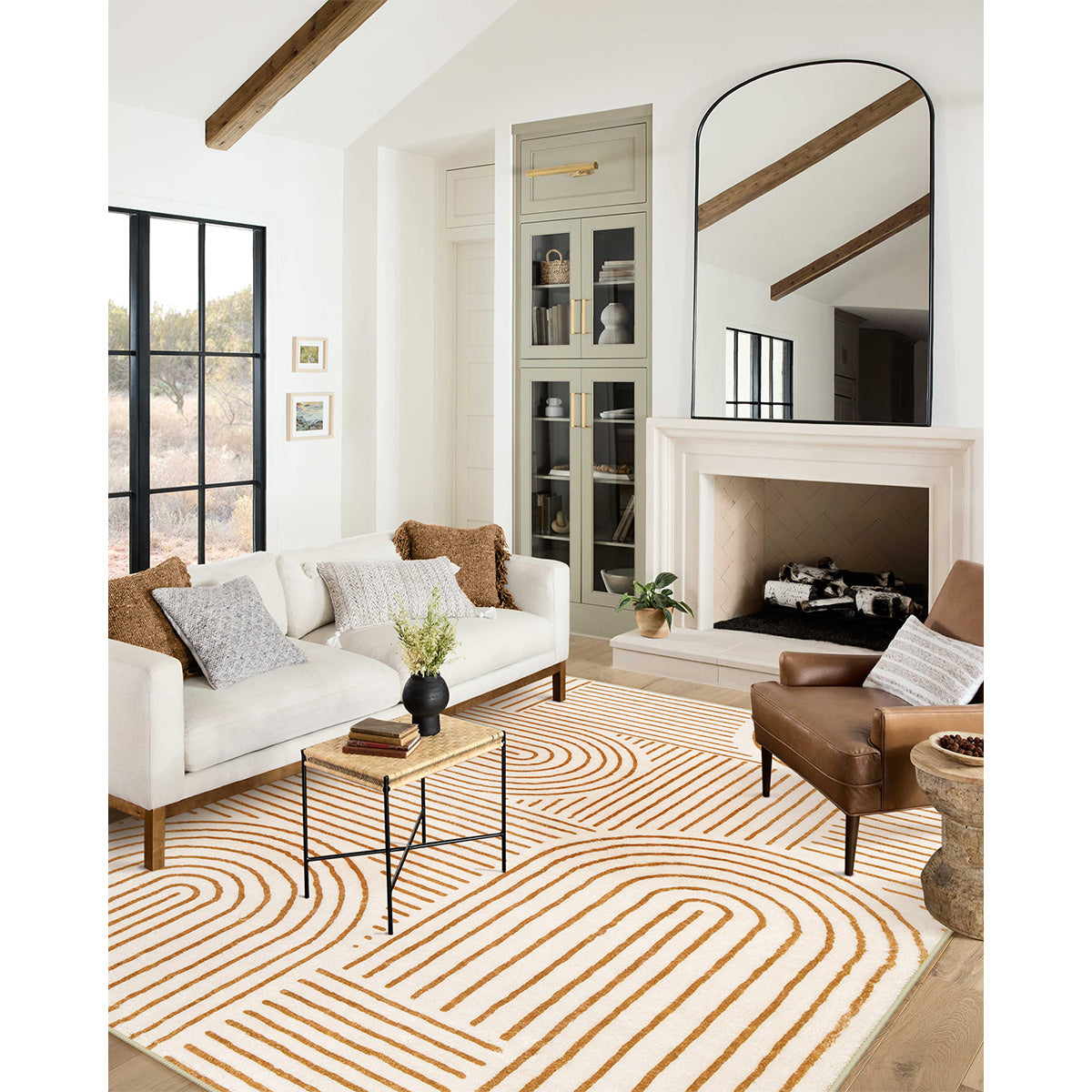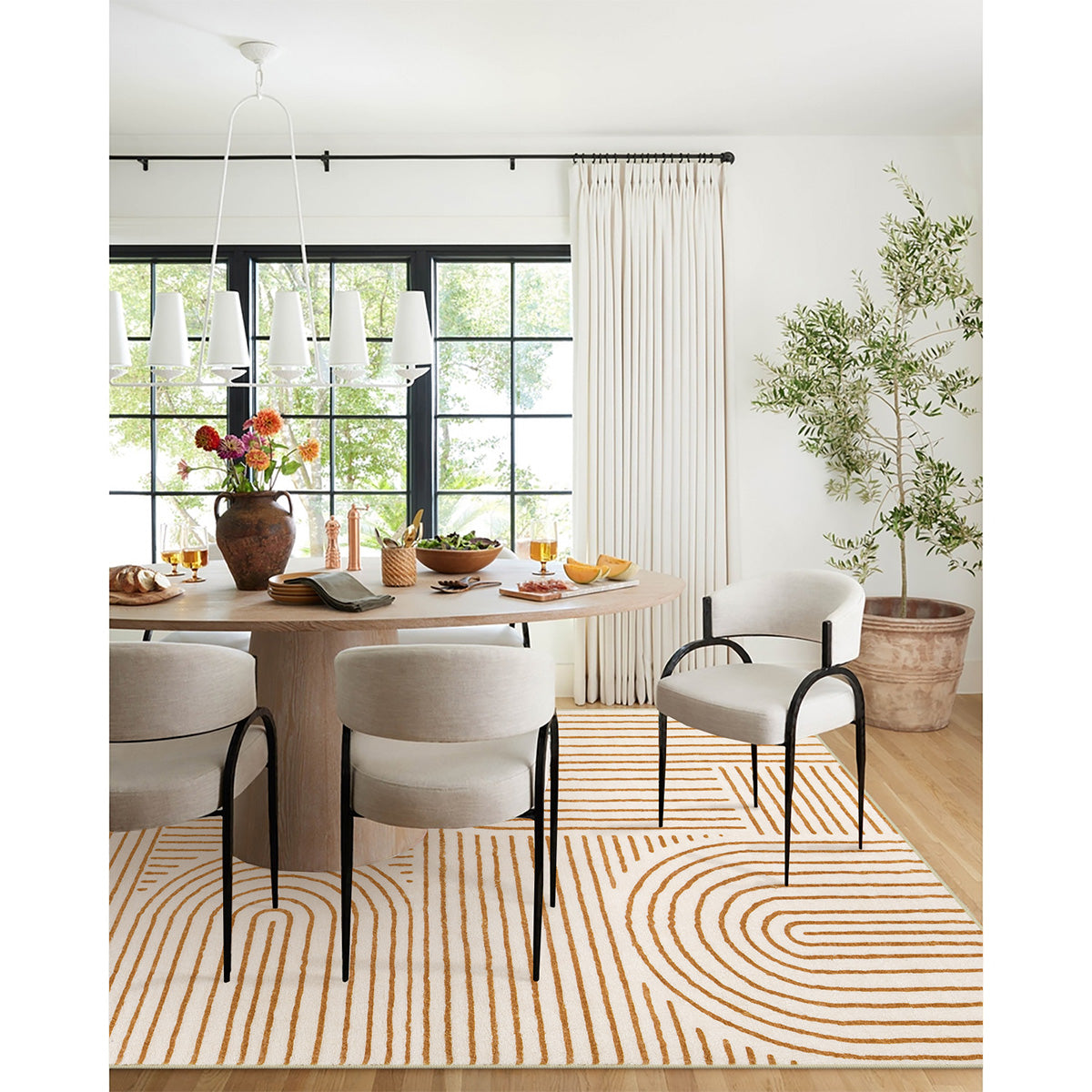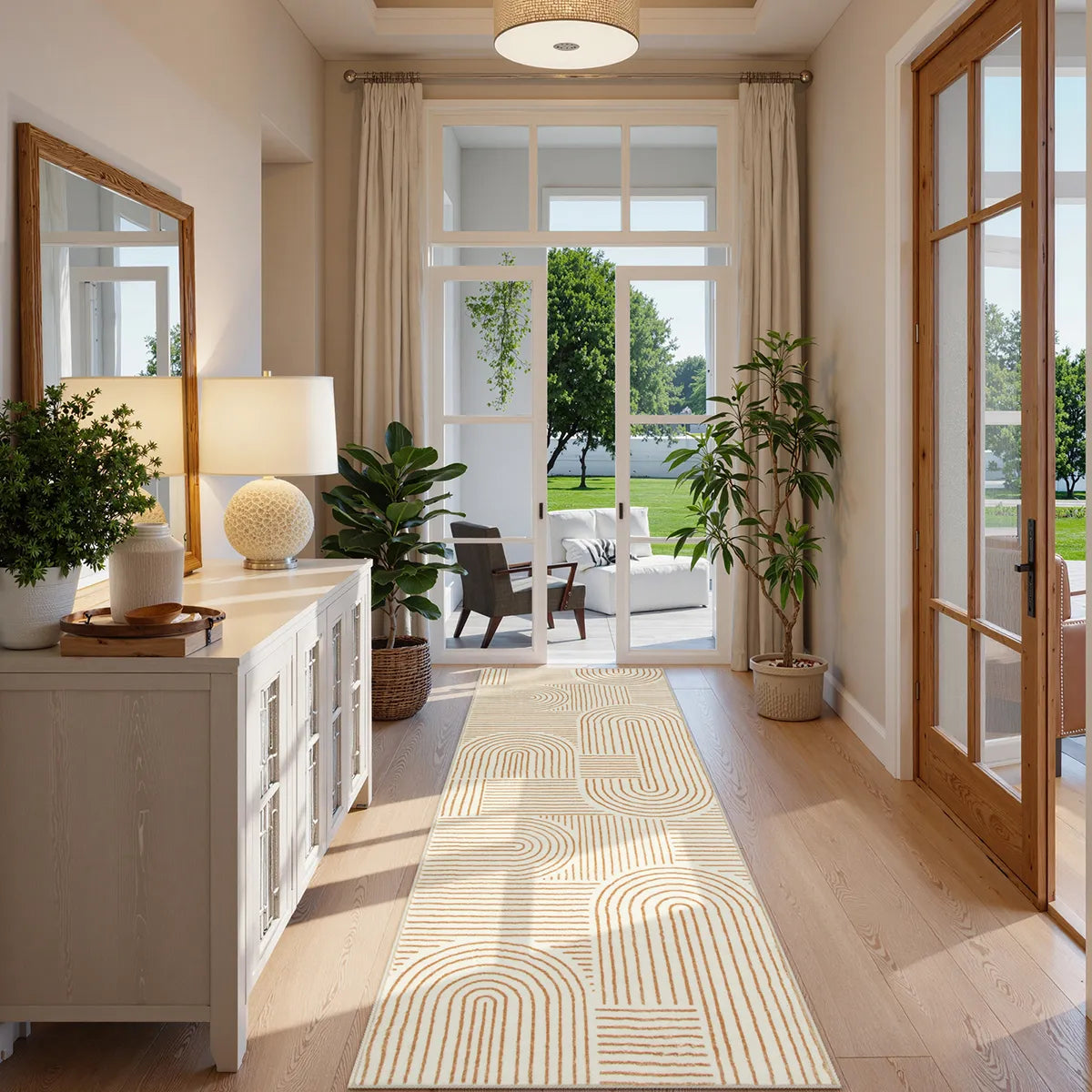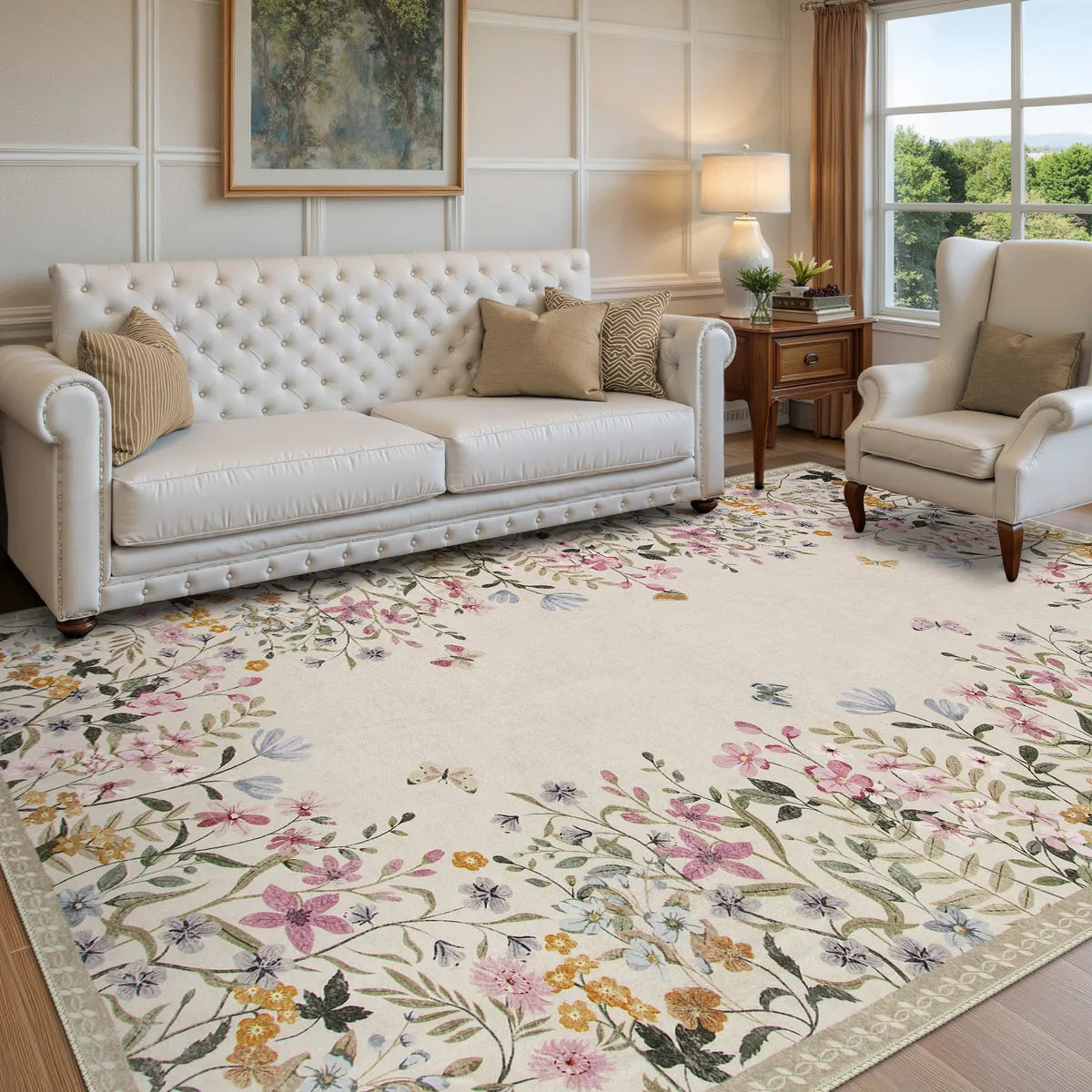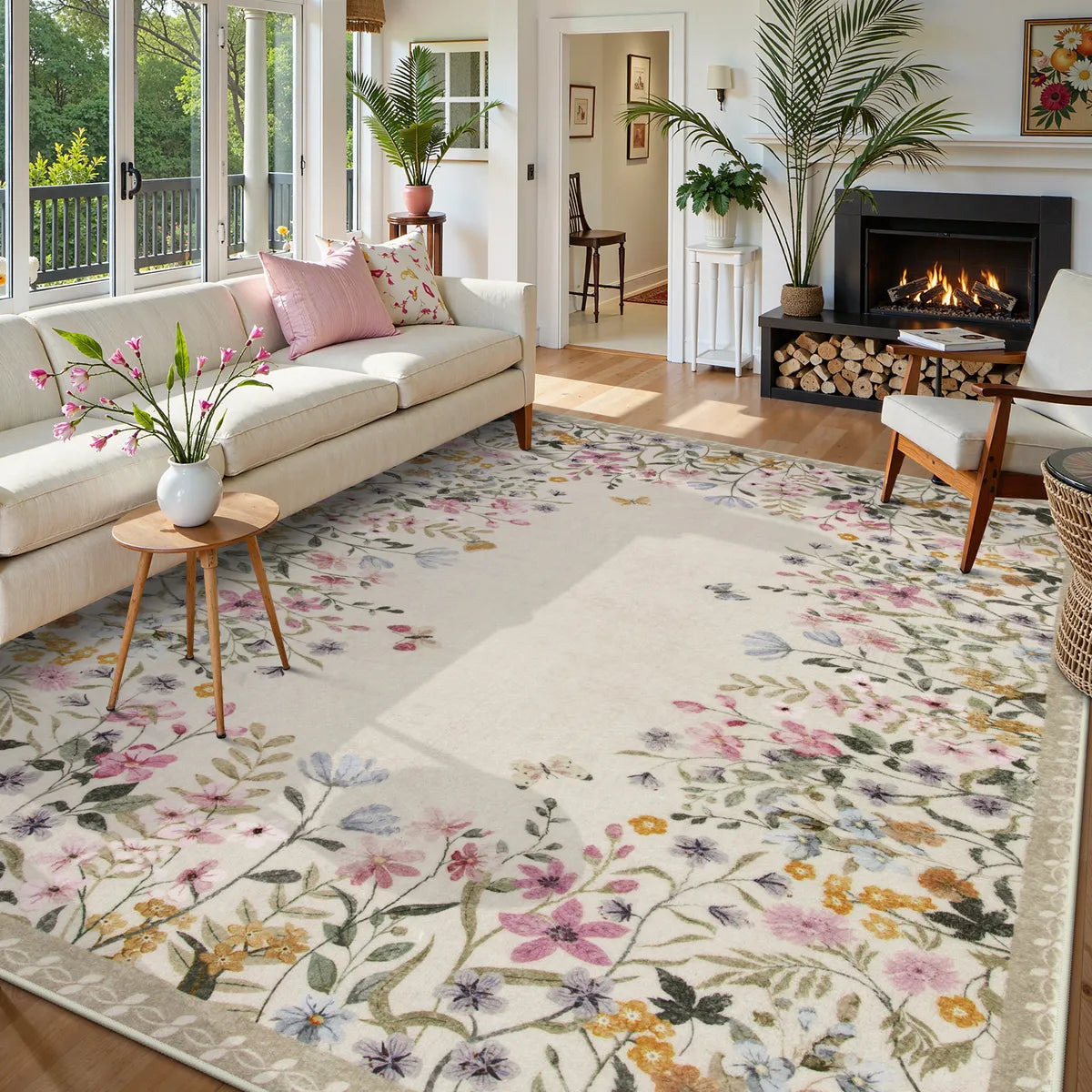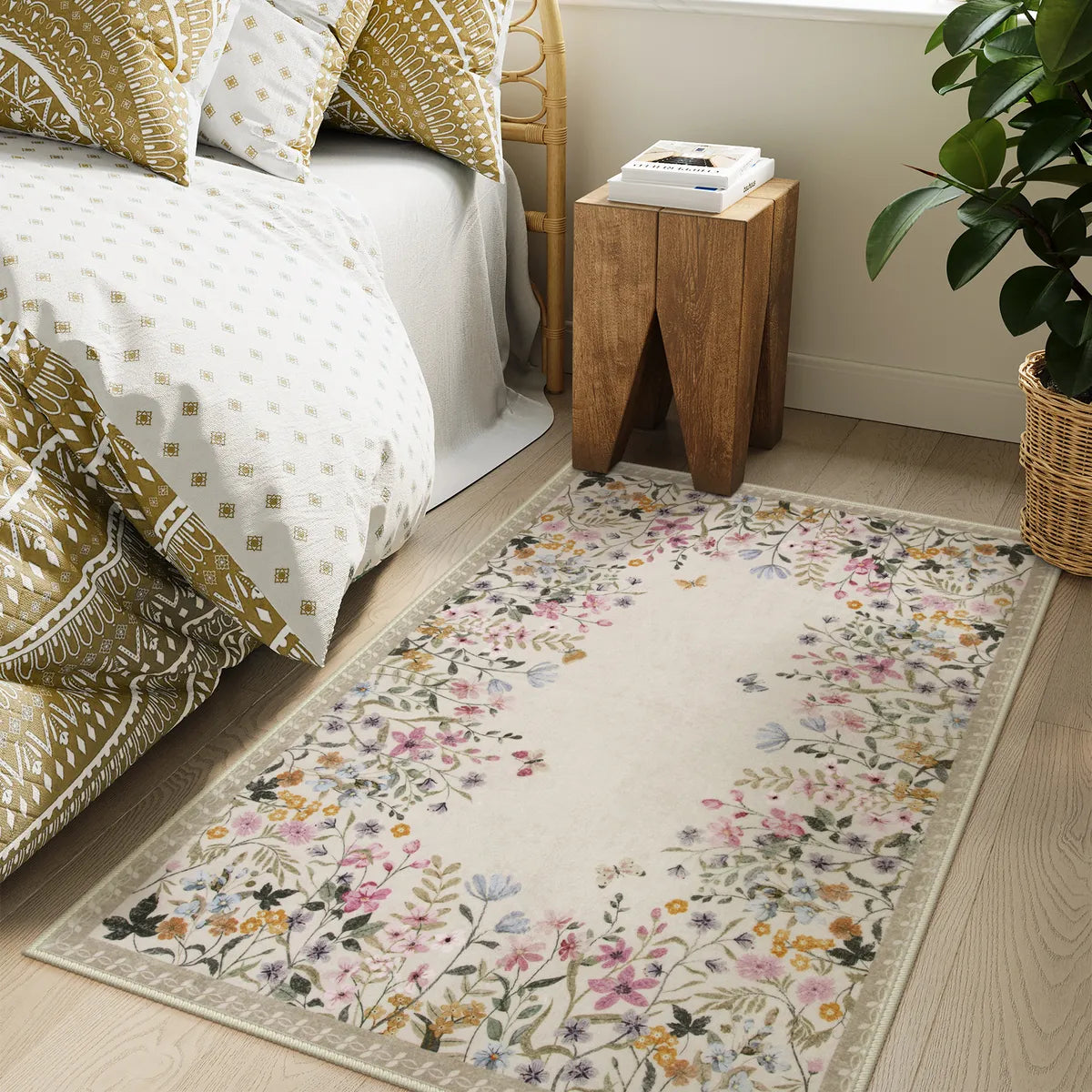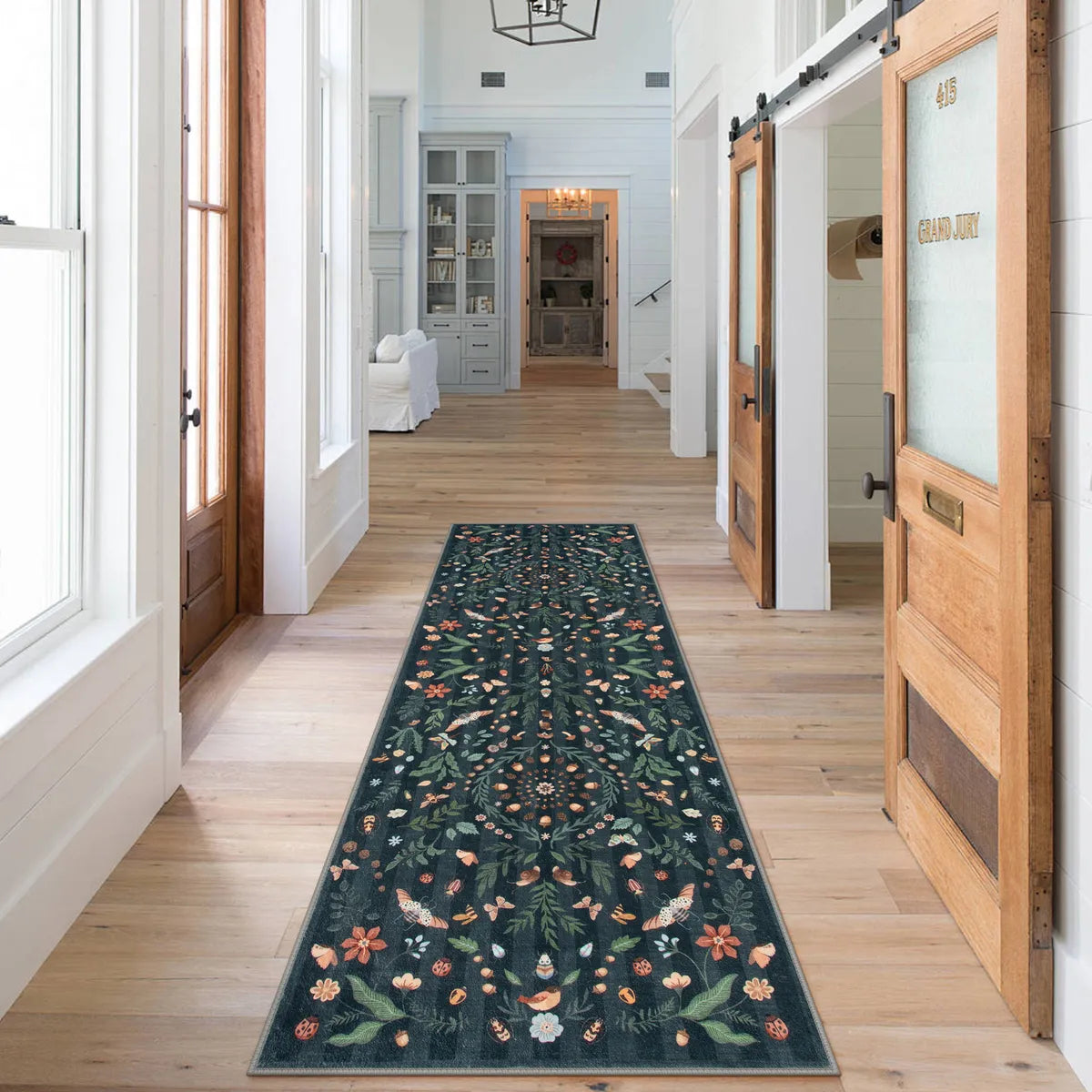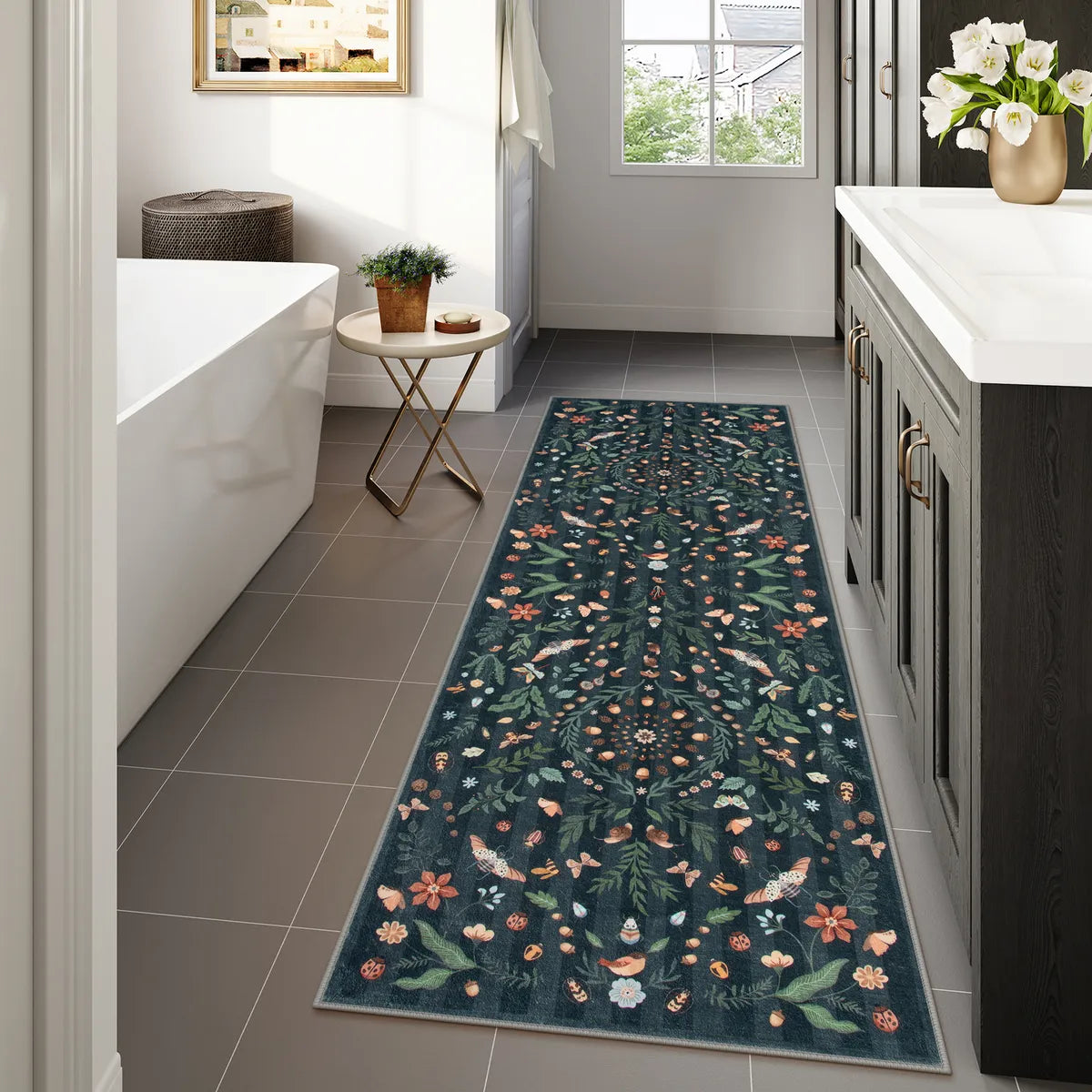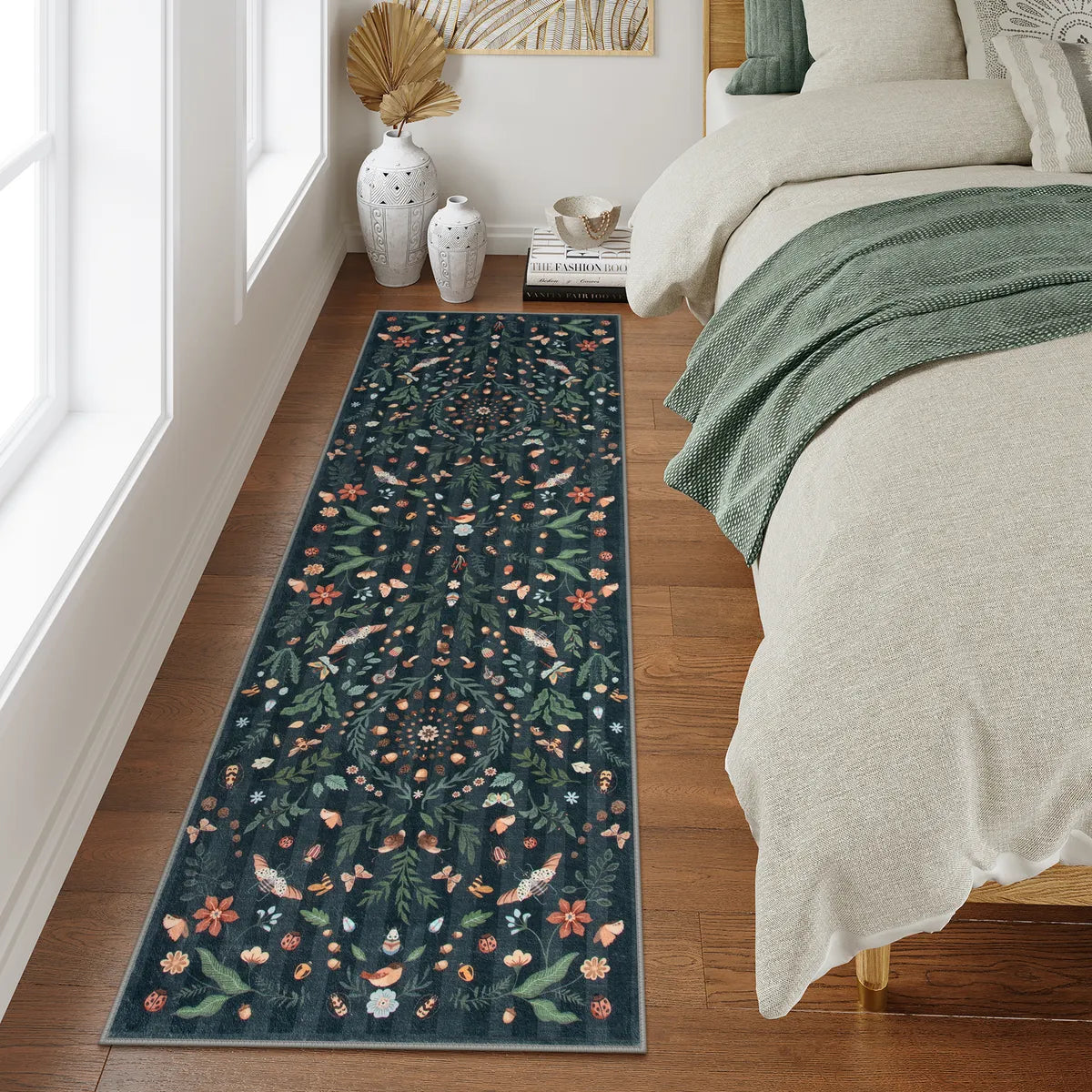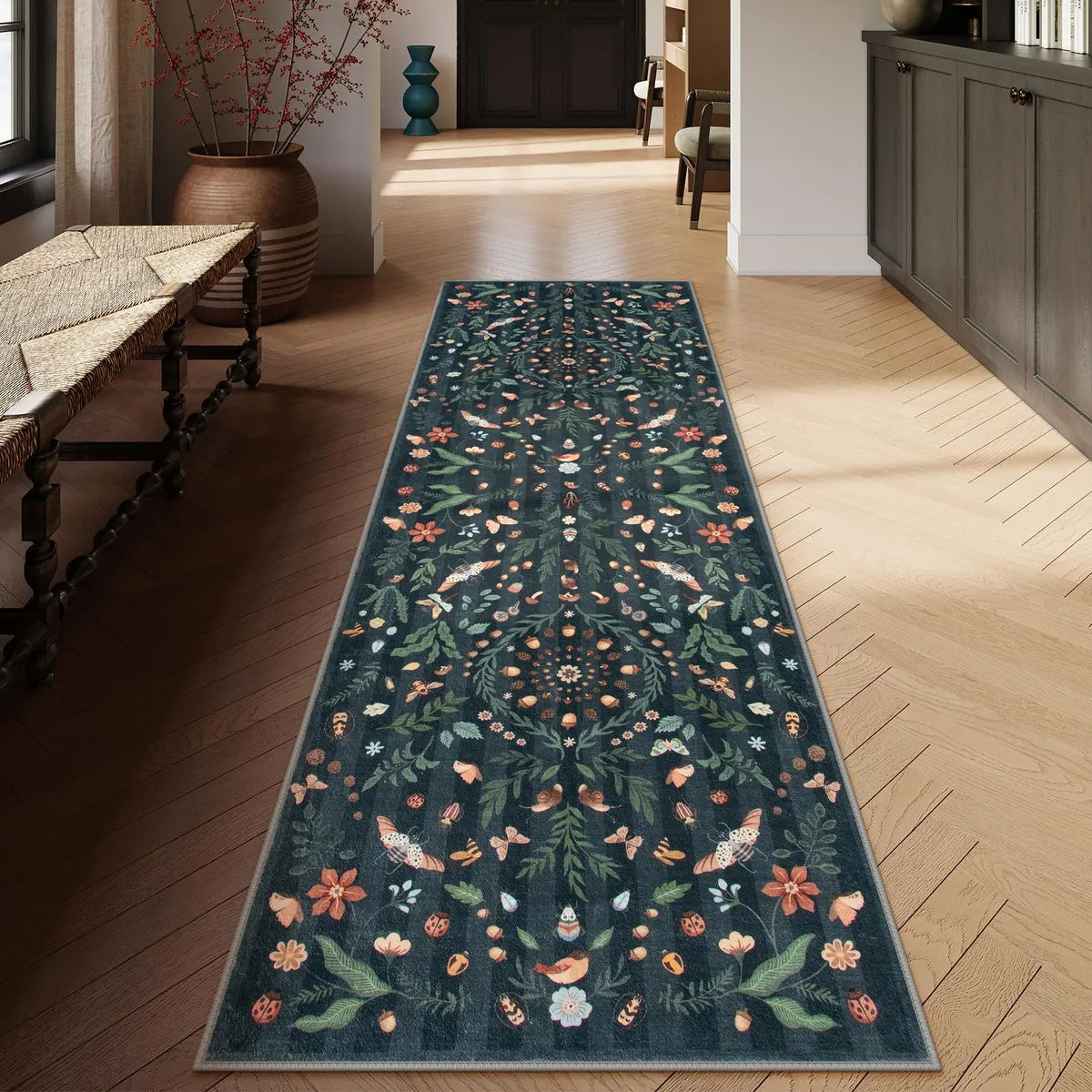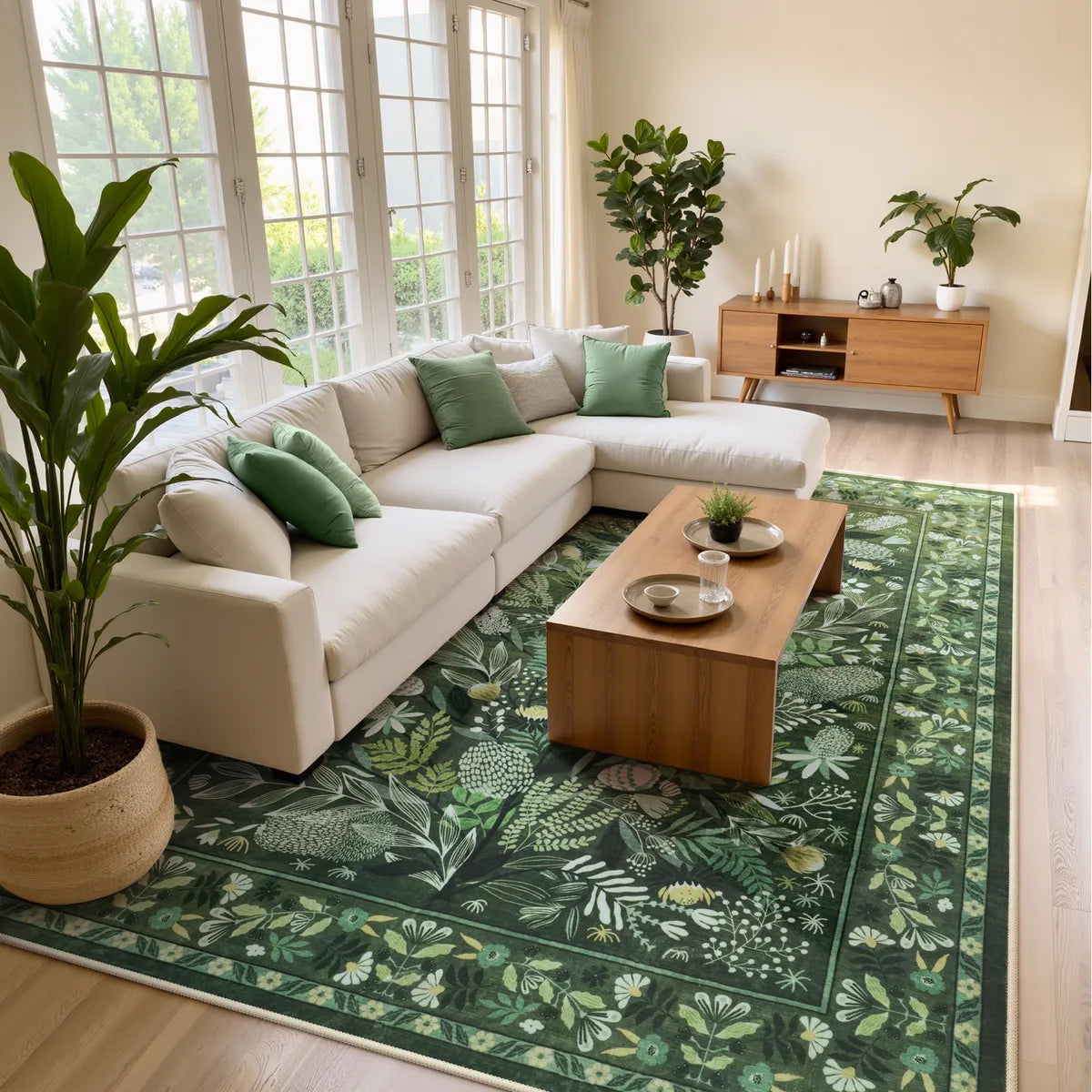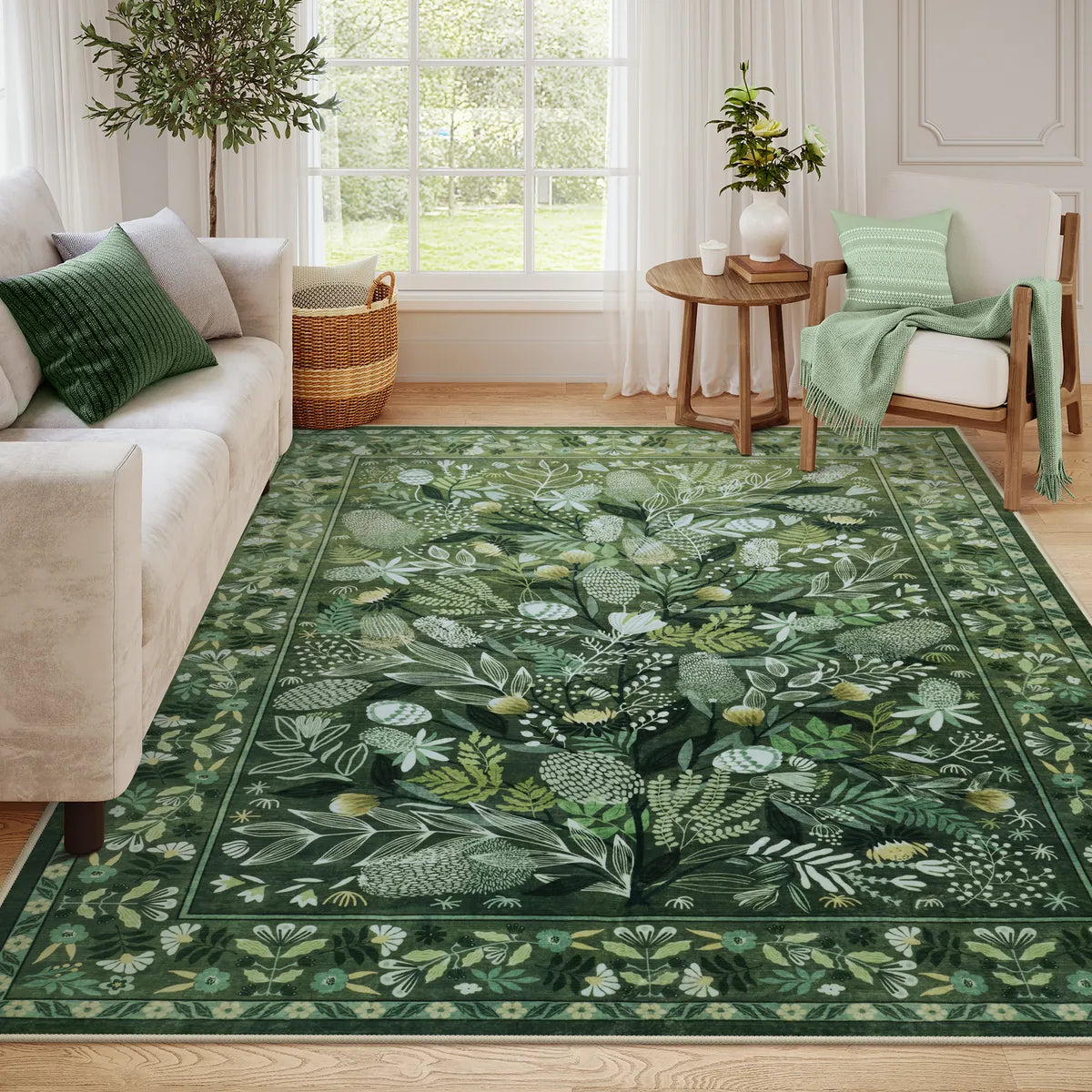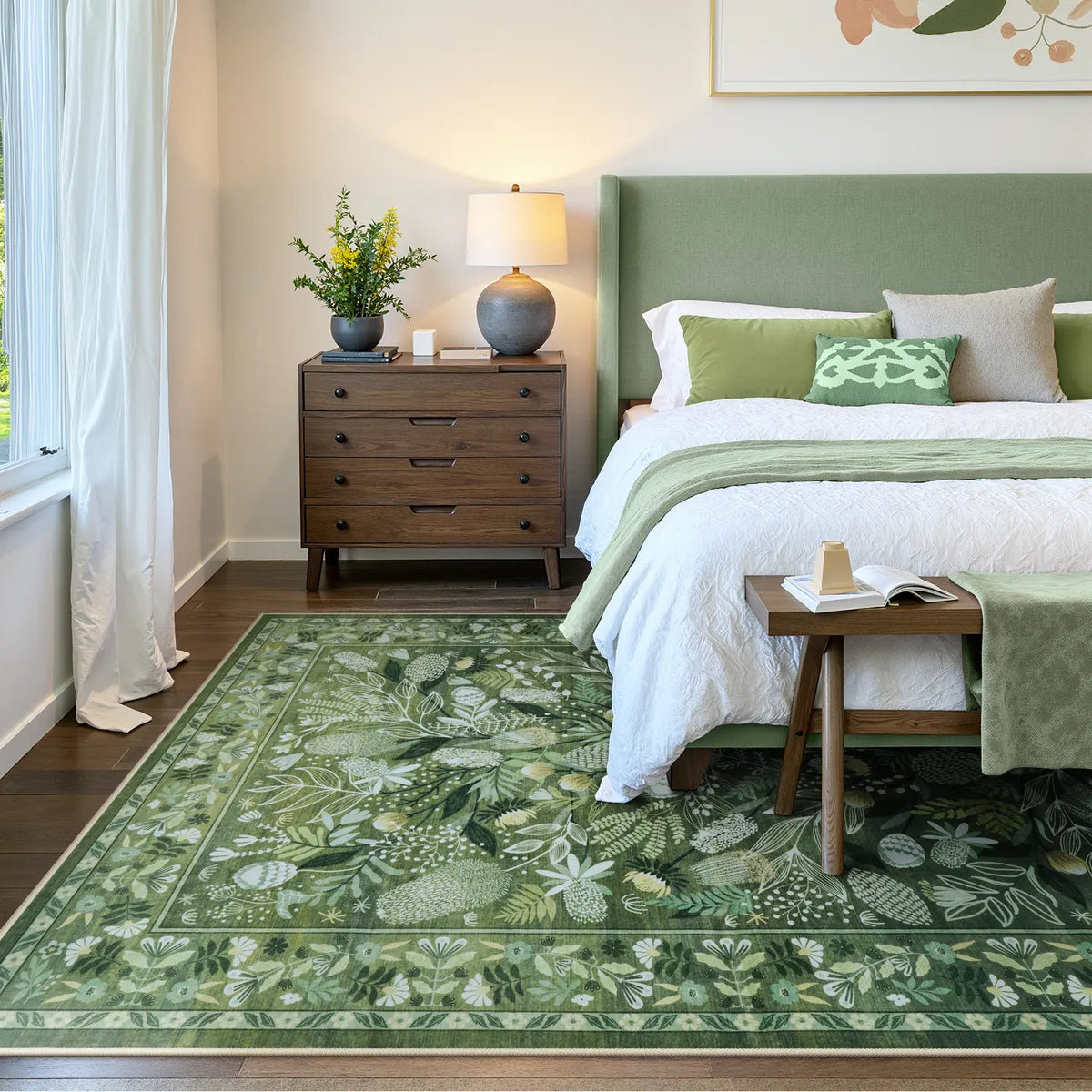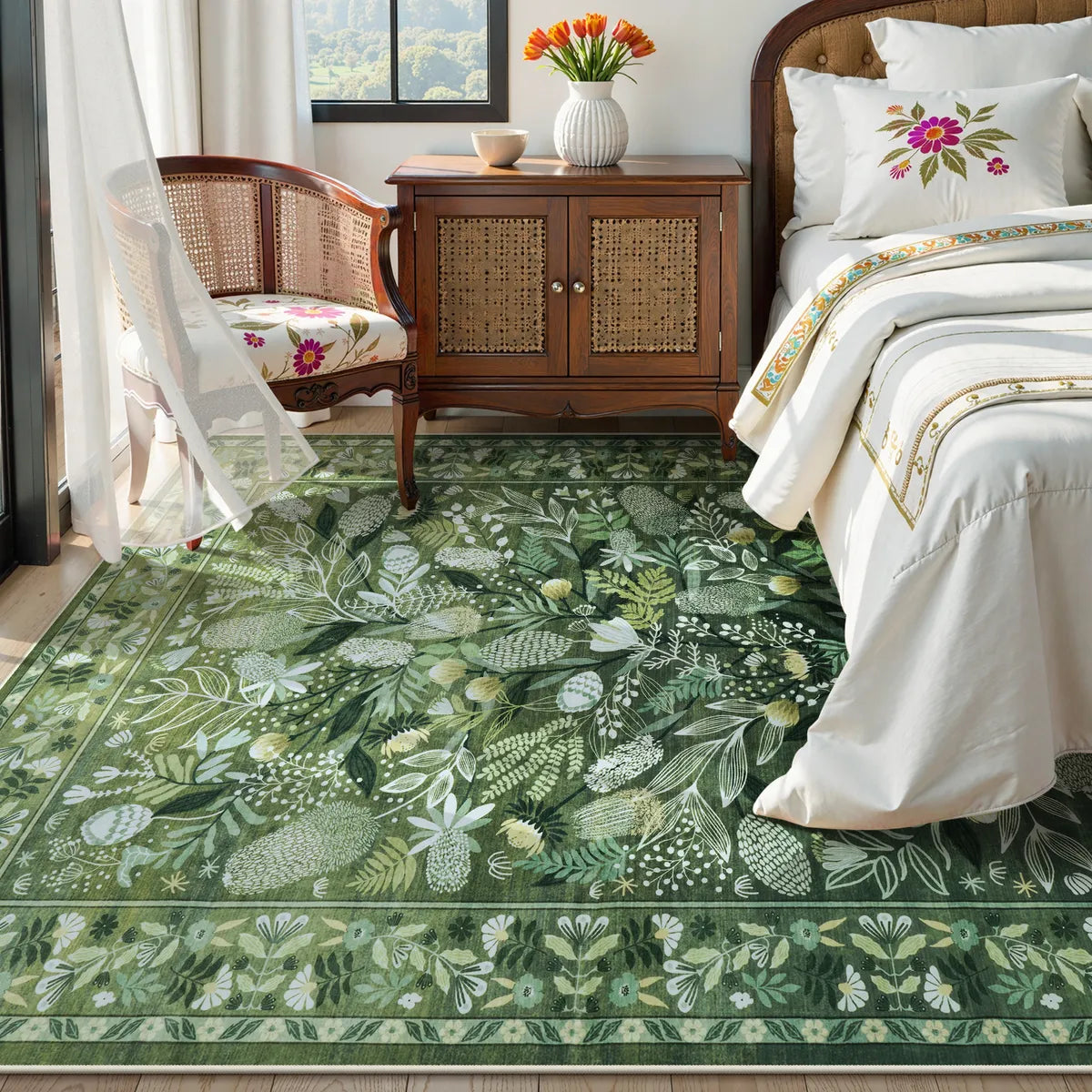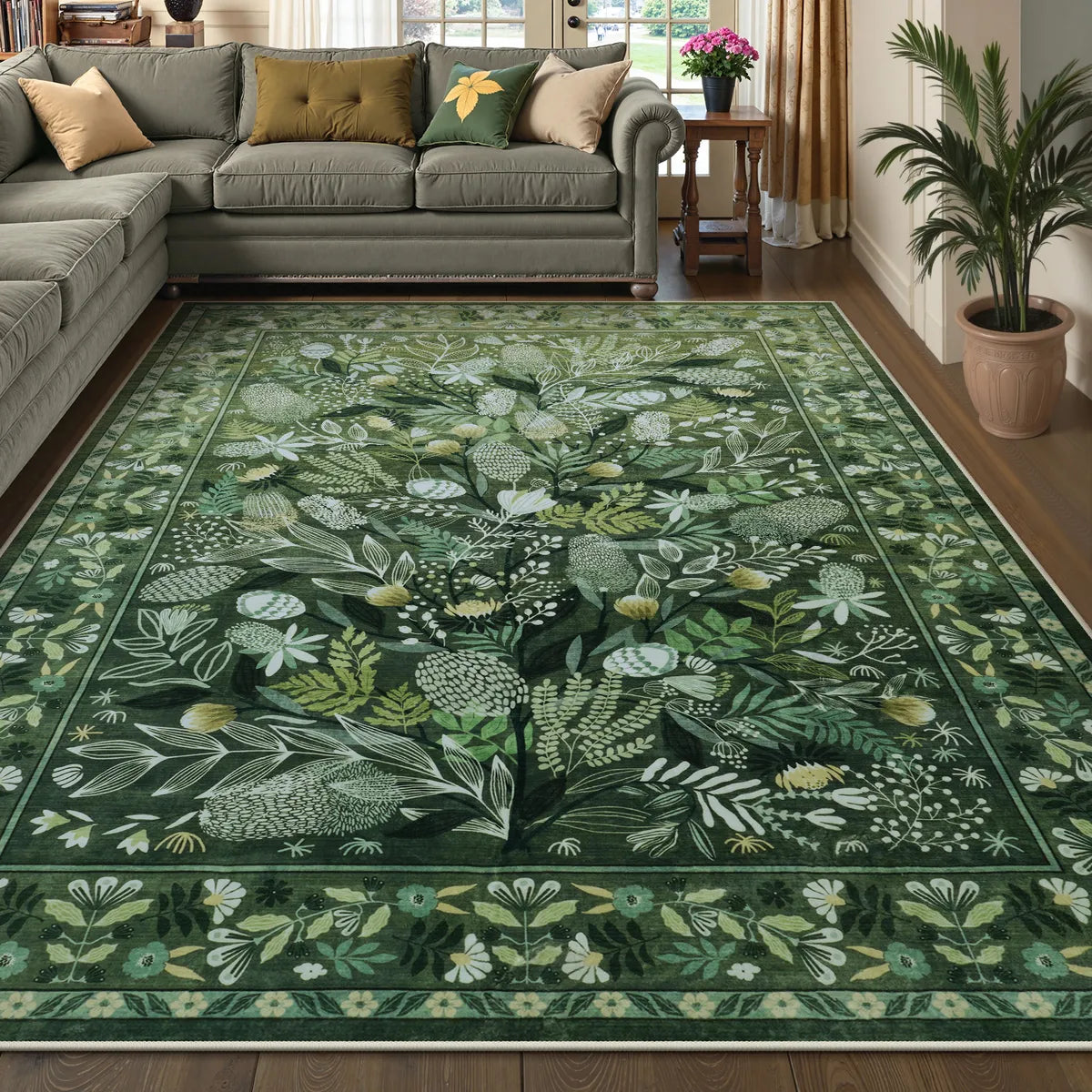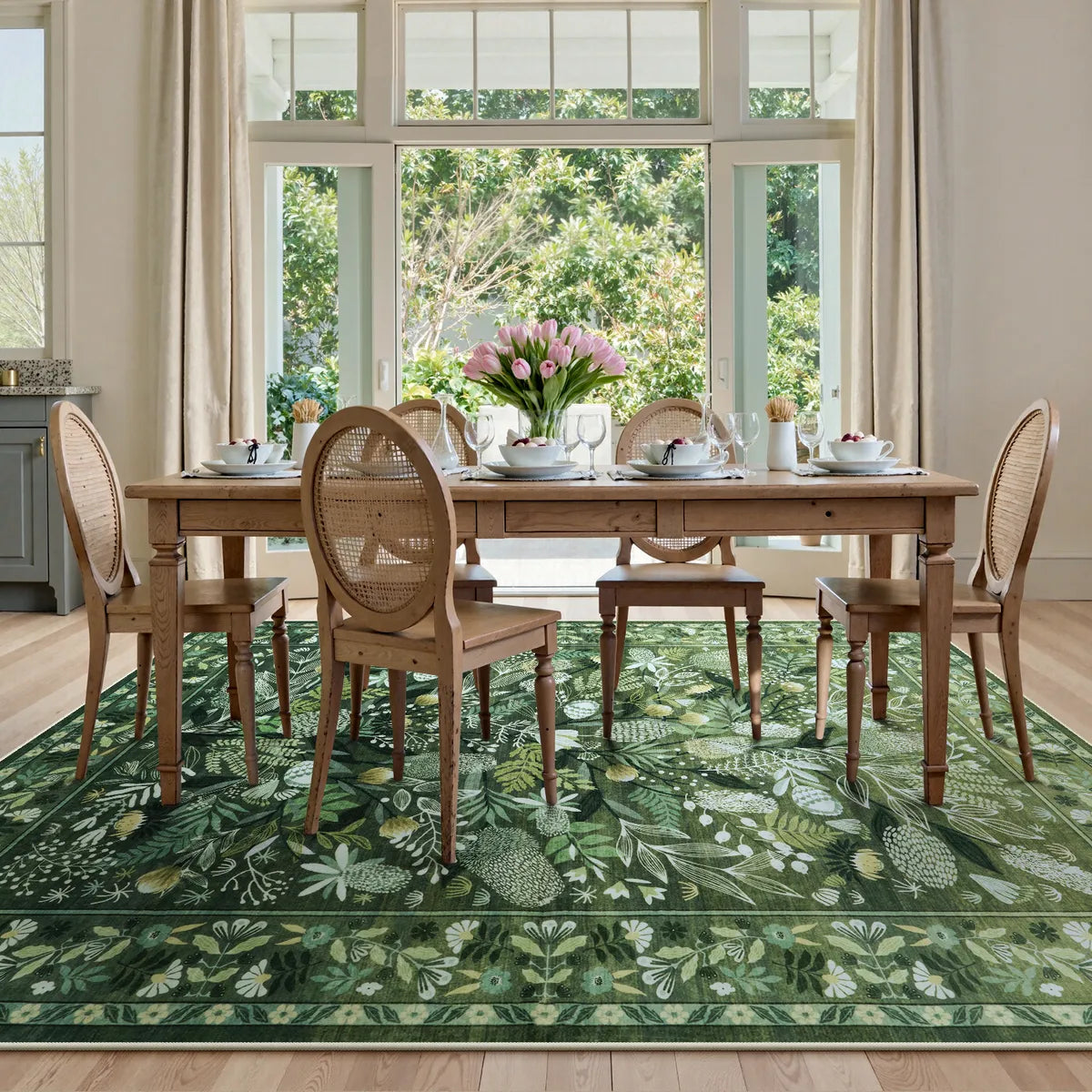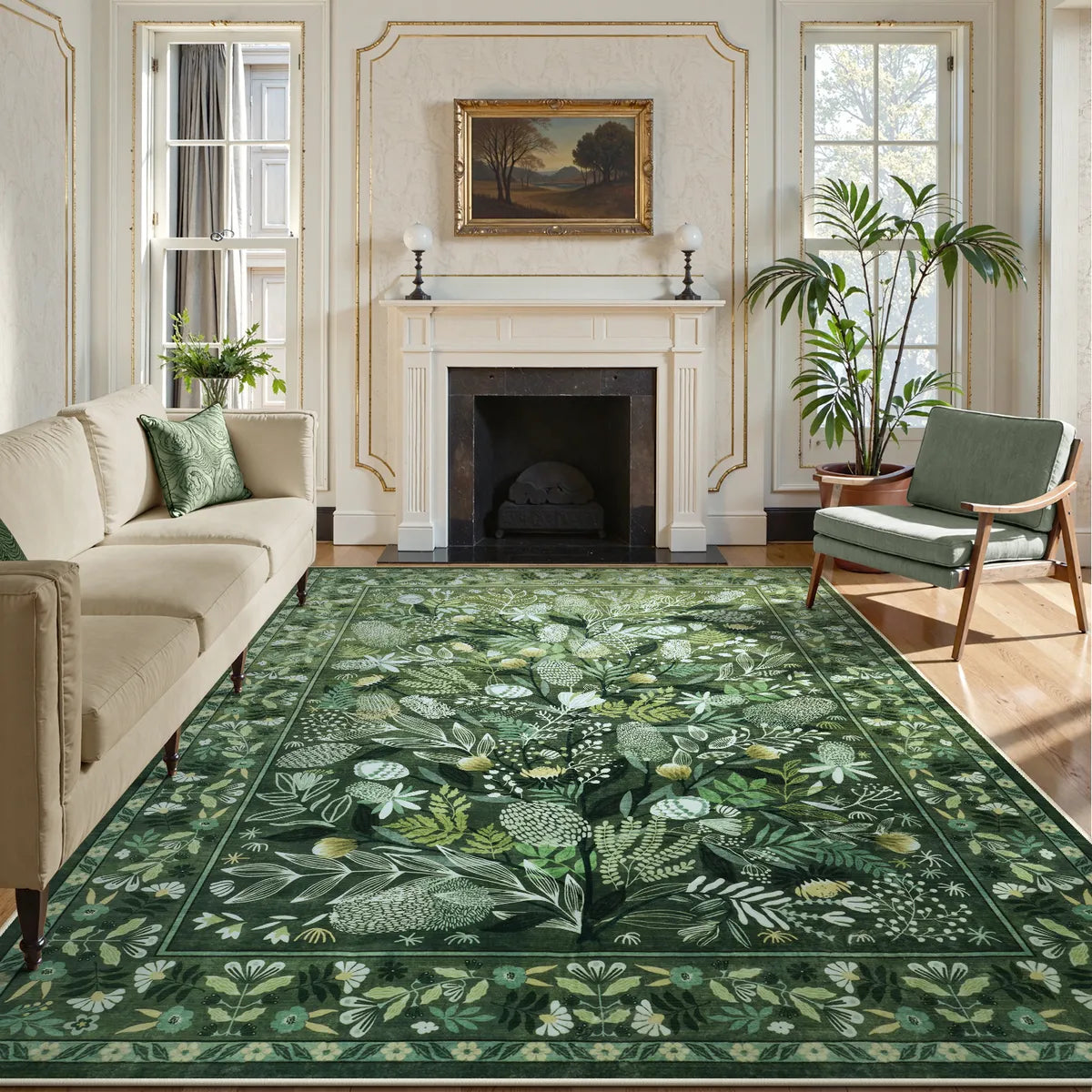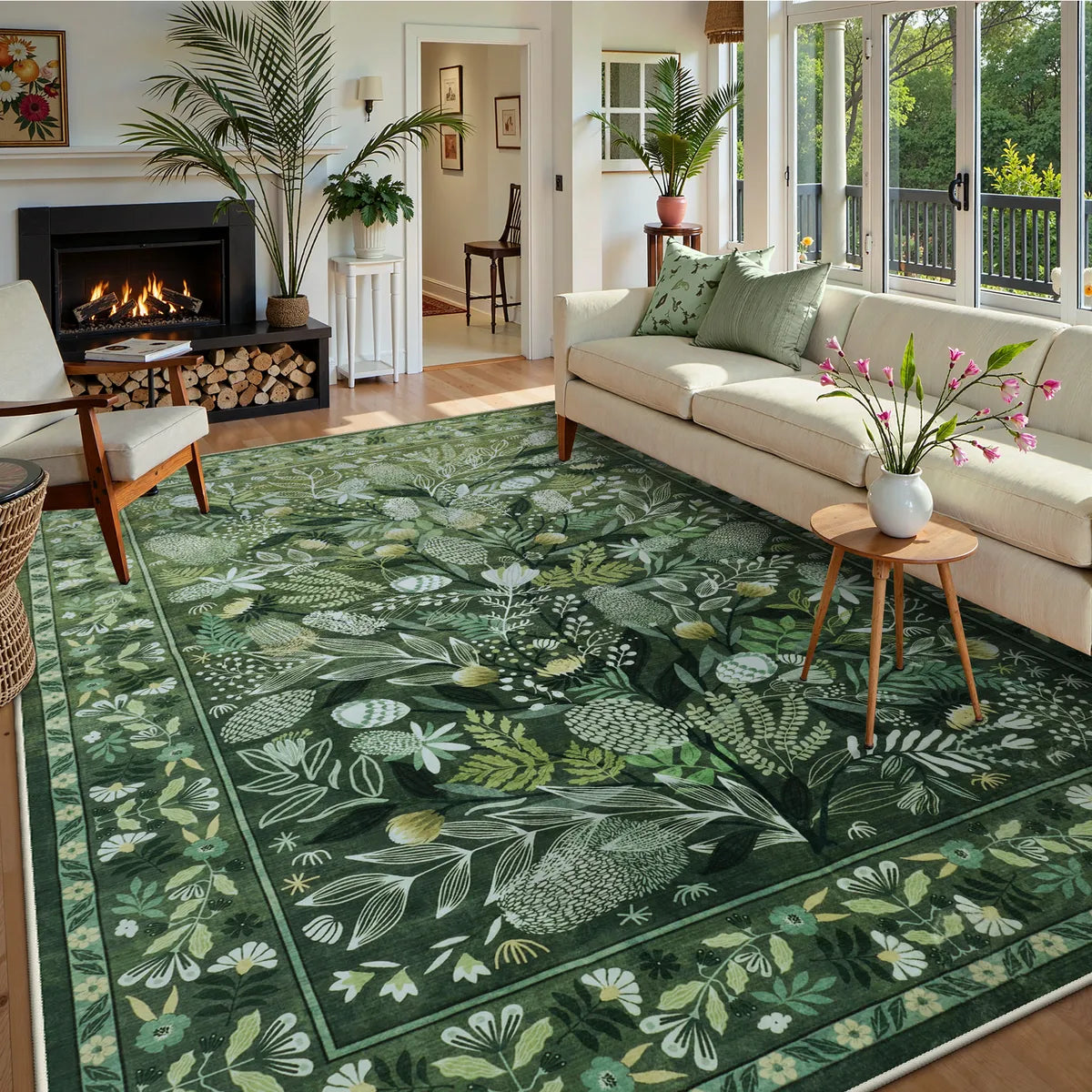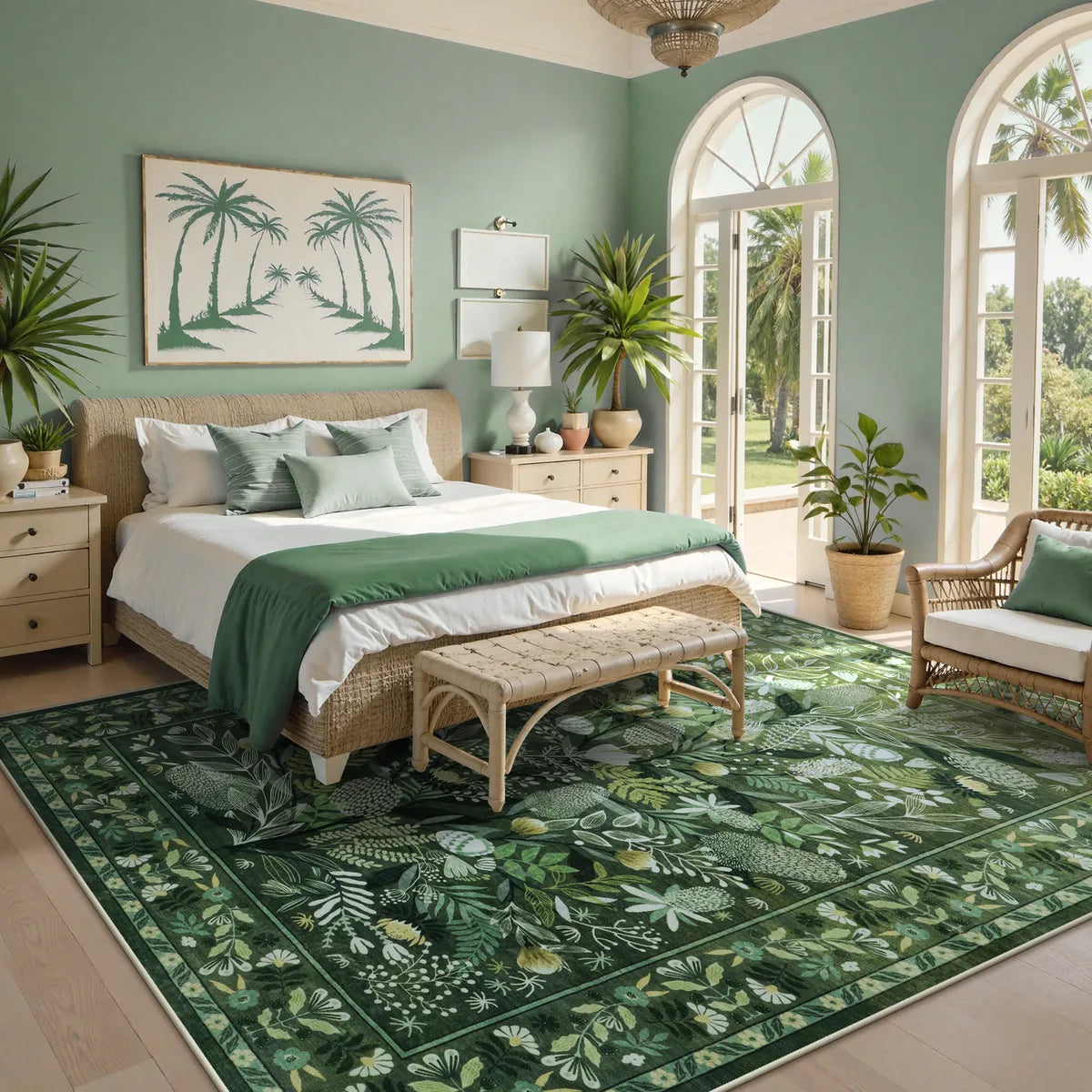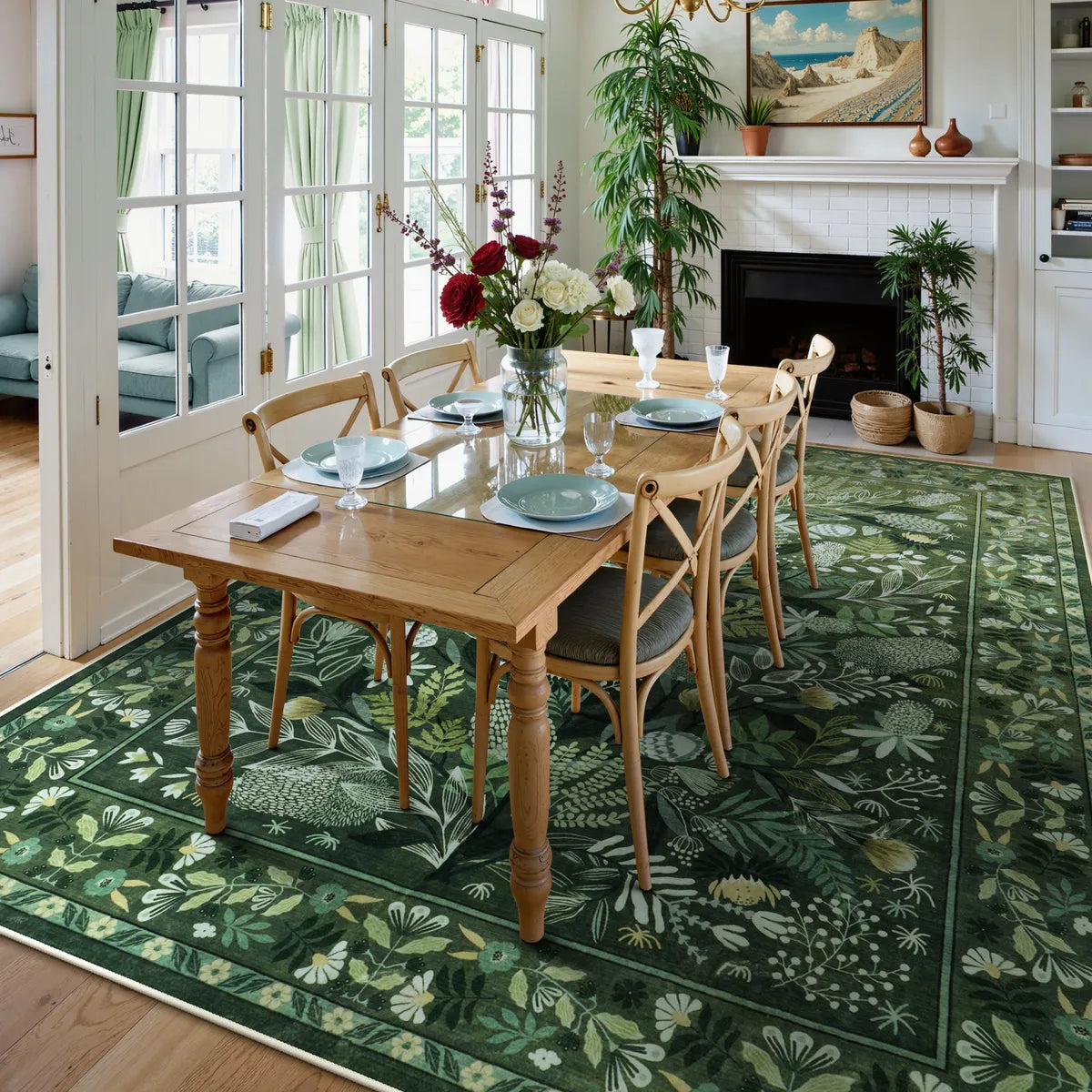


The kitchen floor works harder than any other surface in the home. Spills, crumbs, grease, and constant foot traffic all land here. Whether you reach for a kitchen runner or an area rug comes down to one thing: how your kitchen is actually laid out. Which one fits depends entirely on the kitchen you actually have.
Quick Takeaways
- Kitchen runners work best in narrow, linear layouts like galley kitchens and single-zone workspaces.
- Area rugs suit wider, open-plan kitchens with islands or multi-zone layouts.
- Size matters as much as shape: the right dimensions prevent a rug from looking too small or blocking traffic flow.
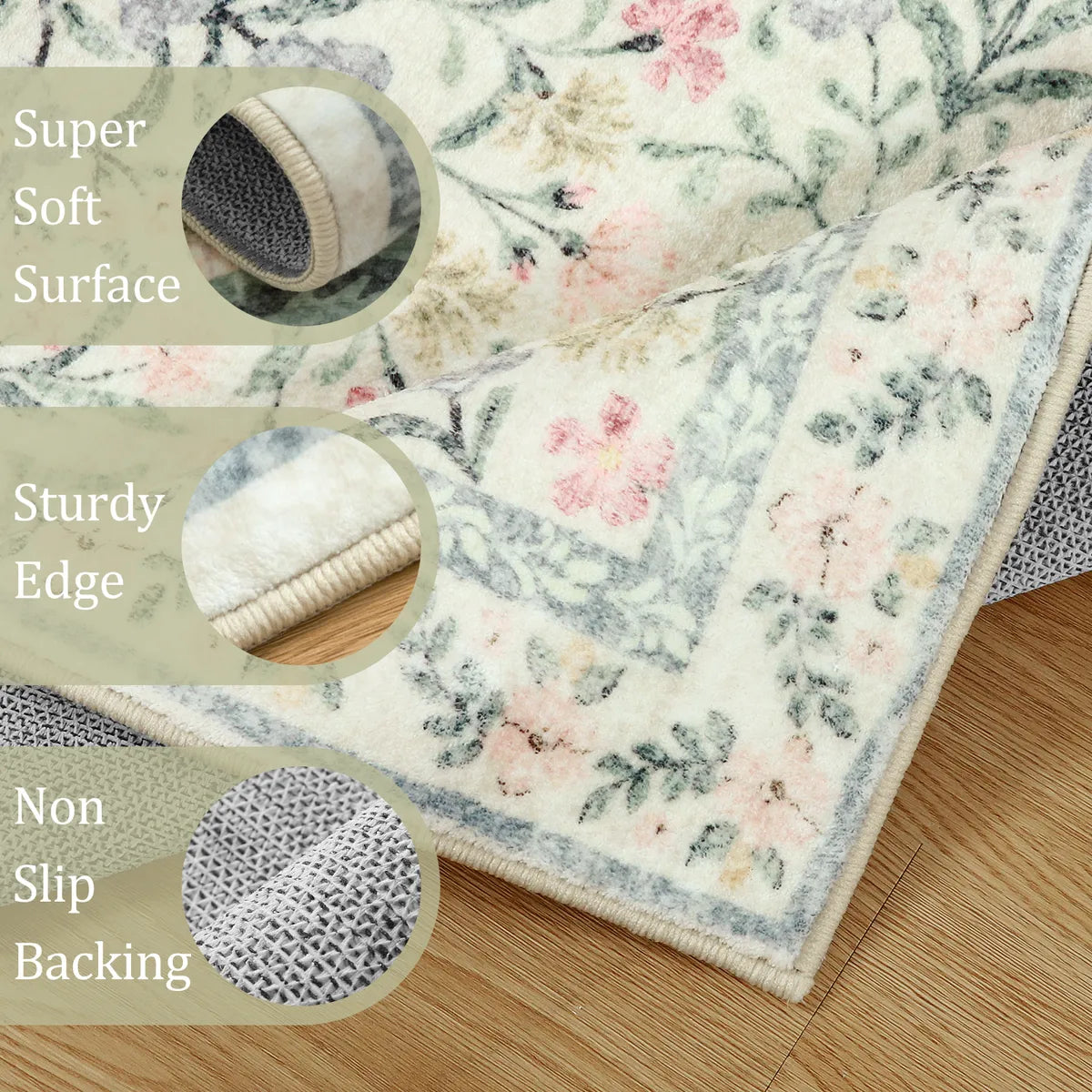
- Non-slip backing and washable construction are the two features that matter most in any kitchen rug.
Kitchen Runner vs Kitchen Area Rug: The Core Difference

Both formats serve the same basic purpose: protecting the floor, adding comfort underfoot, and making the kitchen a more pleasant place to spend time. The difference is in shape, coverage, and where each one fits naturally within a kitchen layout.
The table below breaks down the key differences between the two formats at a glance.
|
Feature |
Kitchen Runner |
Kitchen Area Rug |
|
Shape |
Long and narrow |
Wider, rectangular or square |
|
Typical size range |
2x4 ft to 2x8 ft |
4x6 ft to 6x9 ft |
|
Best coverage |
Single traffic lane or work zone |
Wider zones like islands or dining areas |
|
Ideal kitchen type |
Galley, narrow, single-wall |
Open-plan, L-shaped, island kitchens |
|
Layering potential |
Works well paired with a second rug |
Works well as a standalone anchor piece or paired with a runner in multi-zone kitchens |
Knowing which format fits your kitchen starts with how you move through the space and where you spend the most time standing.
Kitchen Layouts Where a Runner Rug Works Best

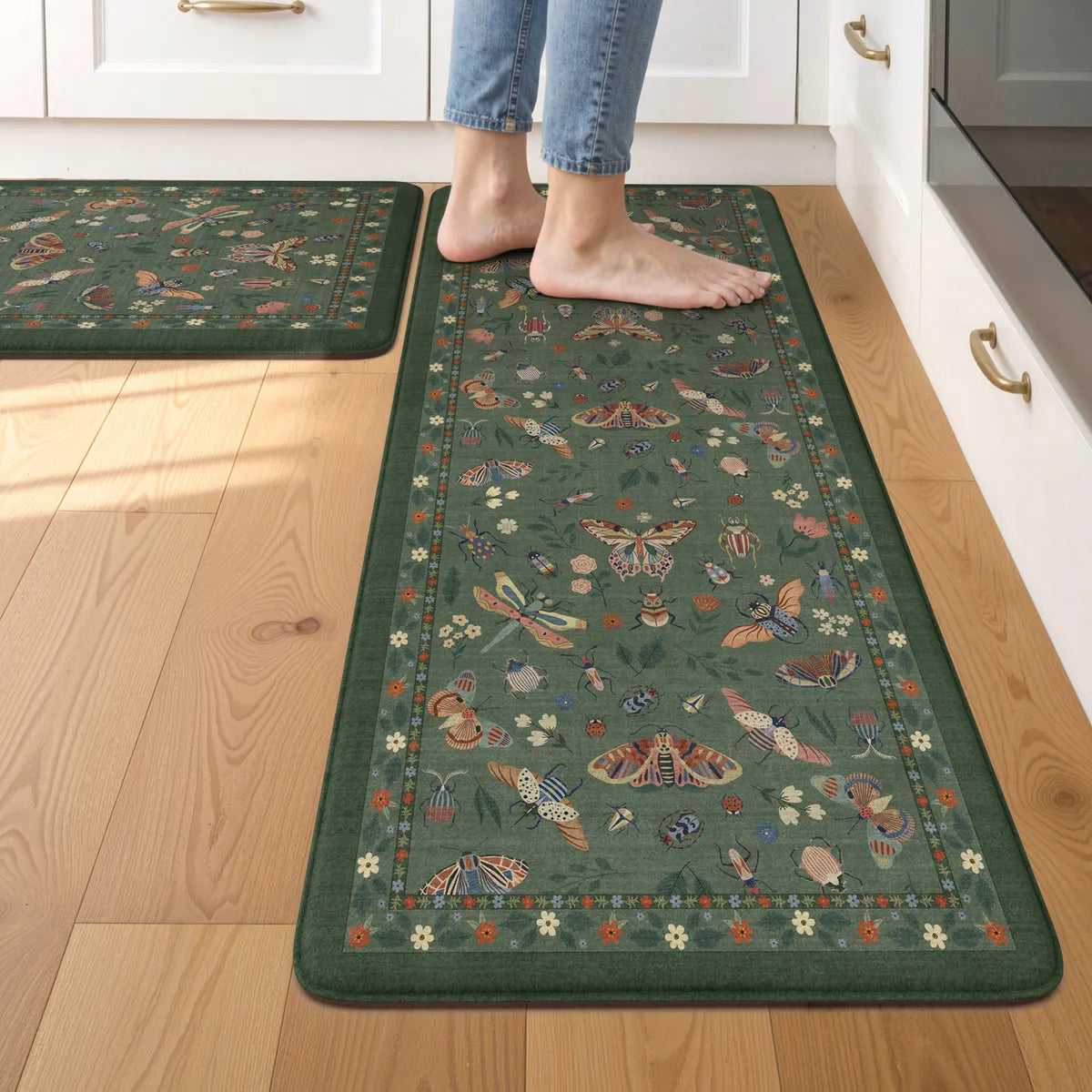
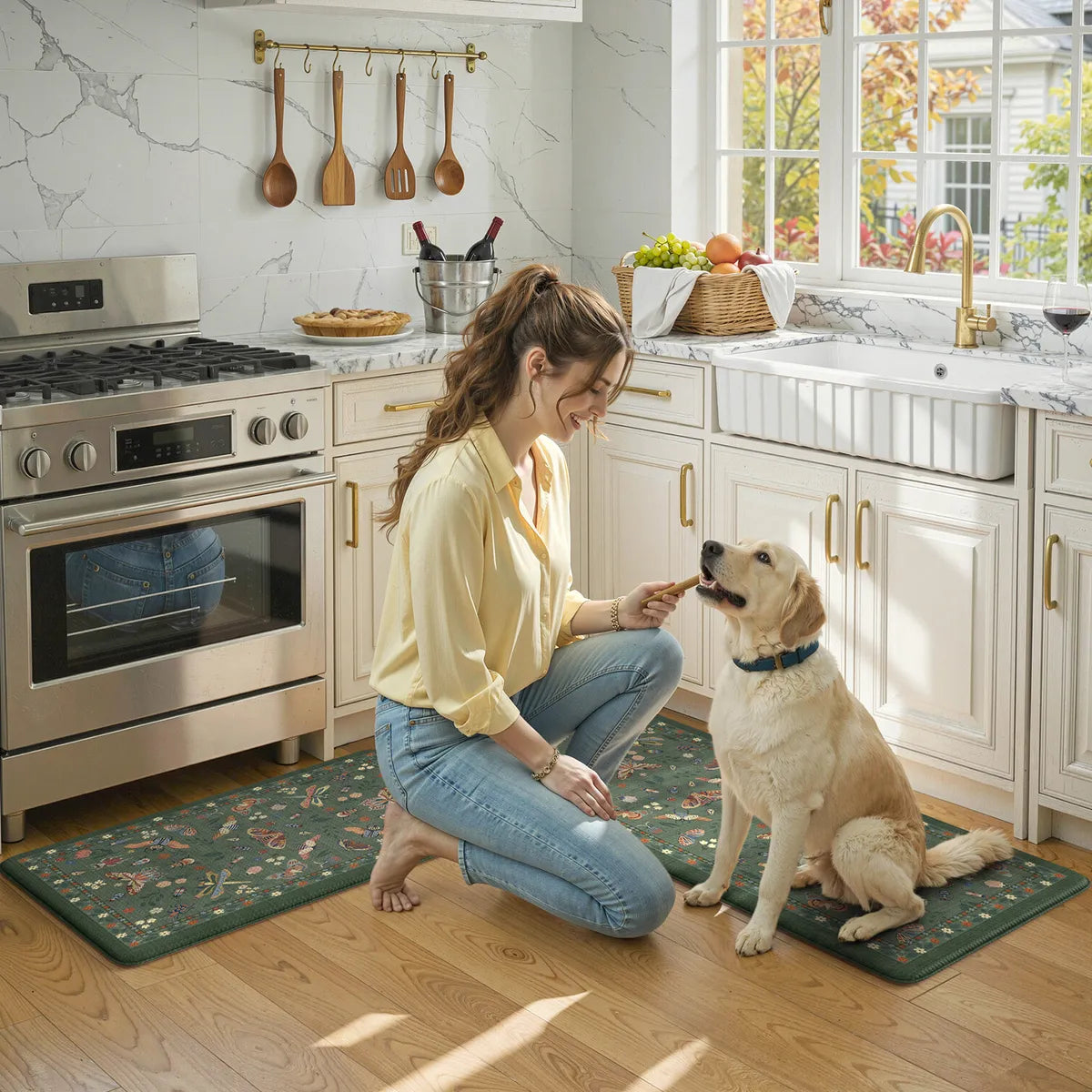
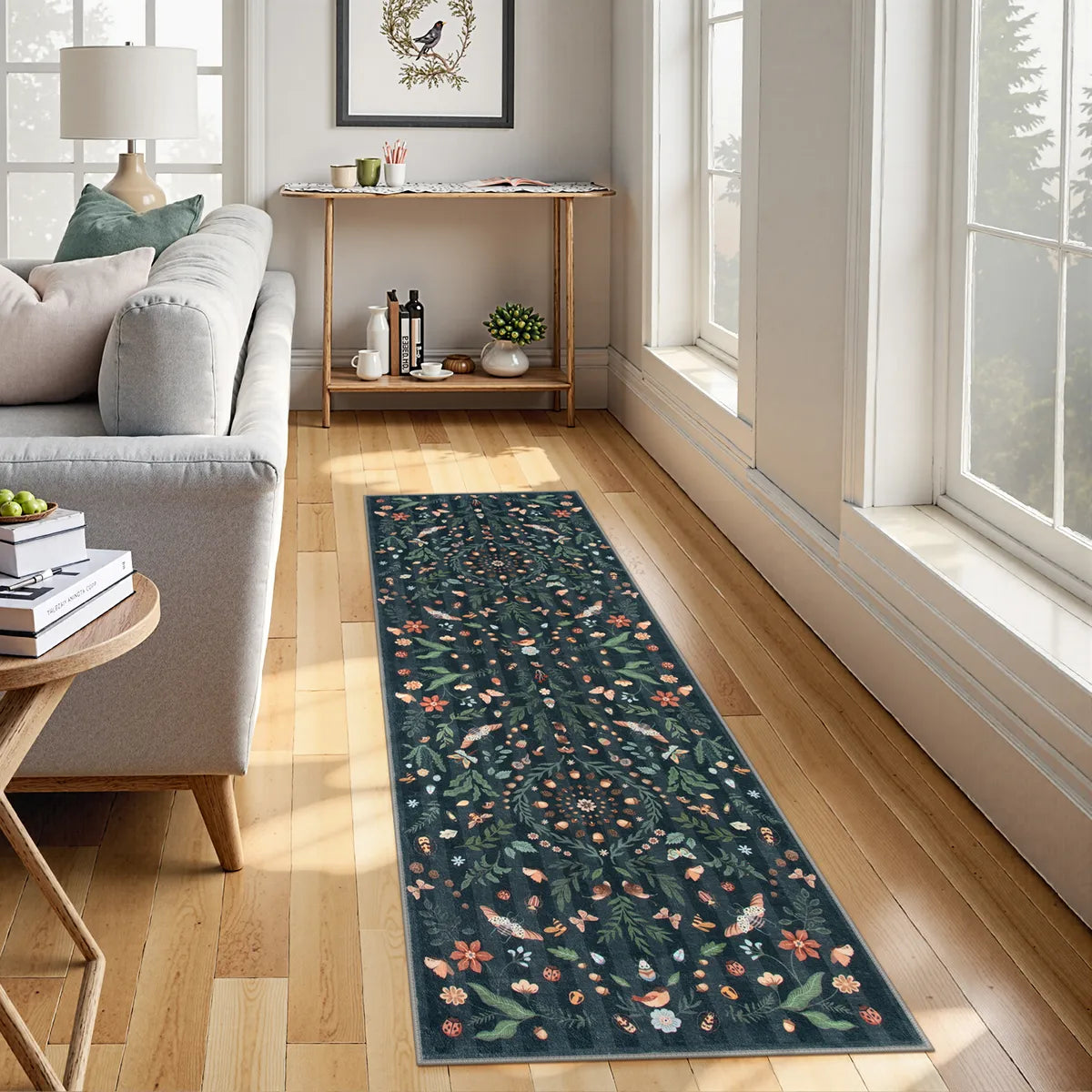
A kitchen runner rug earns its place in kitchens where movement follows a single, linear path. The shape is designed to cover a lane rather than a zone, which makes it a natural fit for specific layout types.
Galley and Narrow Kitchen Layouts
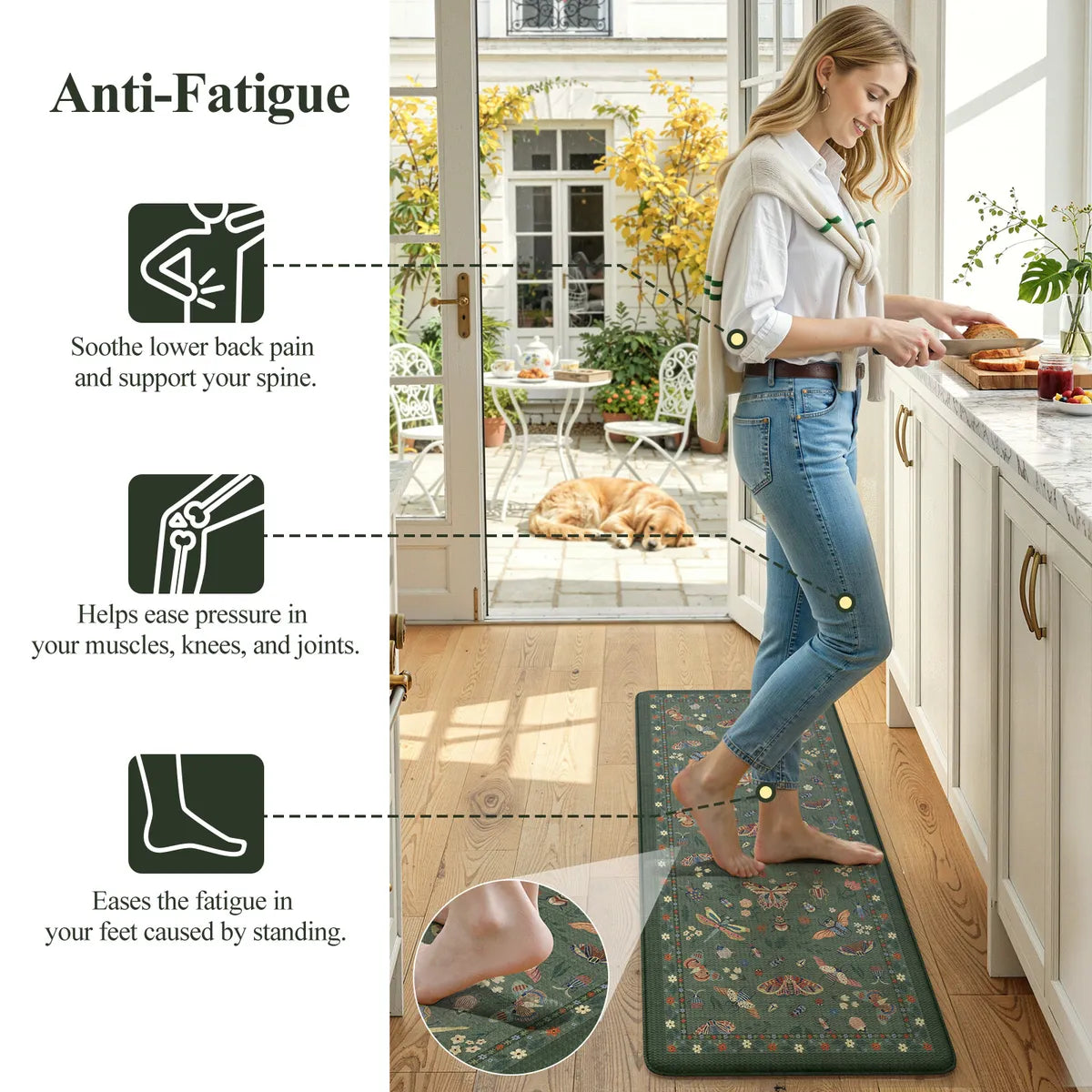
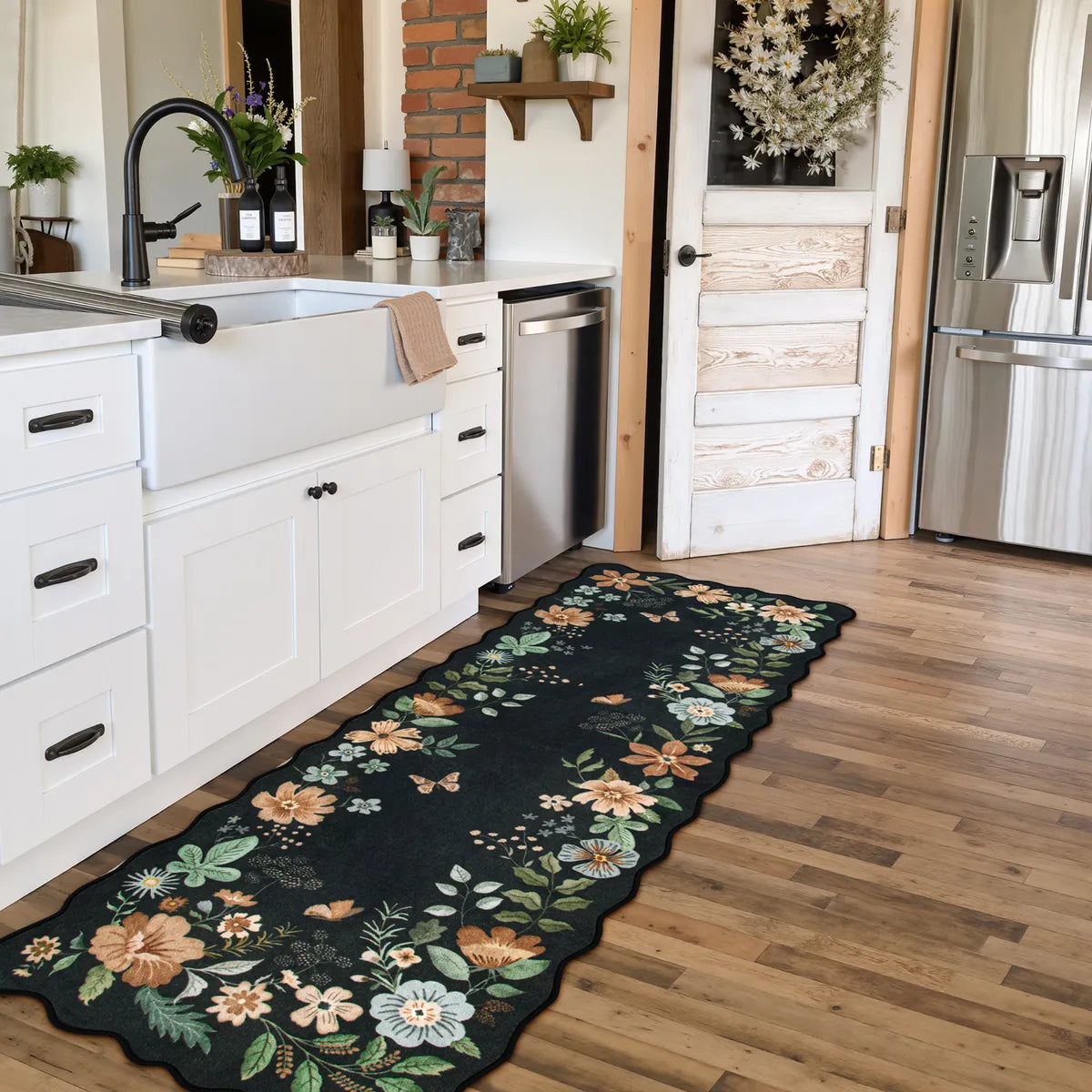
A galley kitchen (a layout where two parallel countertops face each other along a single corridor) is the strongest use case for a runner. The narrow floor space between the two countertop runs is exactly the width a runner is built for. It covers the primary standing and working zone without blocking cabinet access or overlapping into foot traffic paths.
In narrow kitchens of any configuration, a runner placed parallel to the longest counter keeps the floor protected where it matters most while maintaining a clean, uncluttered feel.
Single-Zone Workspaces and Long Countertop Runs
Not every kitchen is a galley, but many have one dominant work zone where most of the cooking, chopping, and washing happens. A runner placed along that countertop run covers the area where you stand the longest, which is where fatigue, spills, and floor wear accumulate fastest.
A single-wall kitchen (a layout where all appliances and counters run along one wall) benefits from the same logic. One well-sized runner covers the full work zone and is easy to remove and clean when needed.
Kitchen Layouts Where an Area Rug Makes More Sense
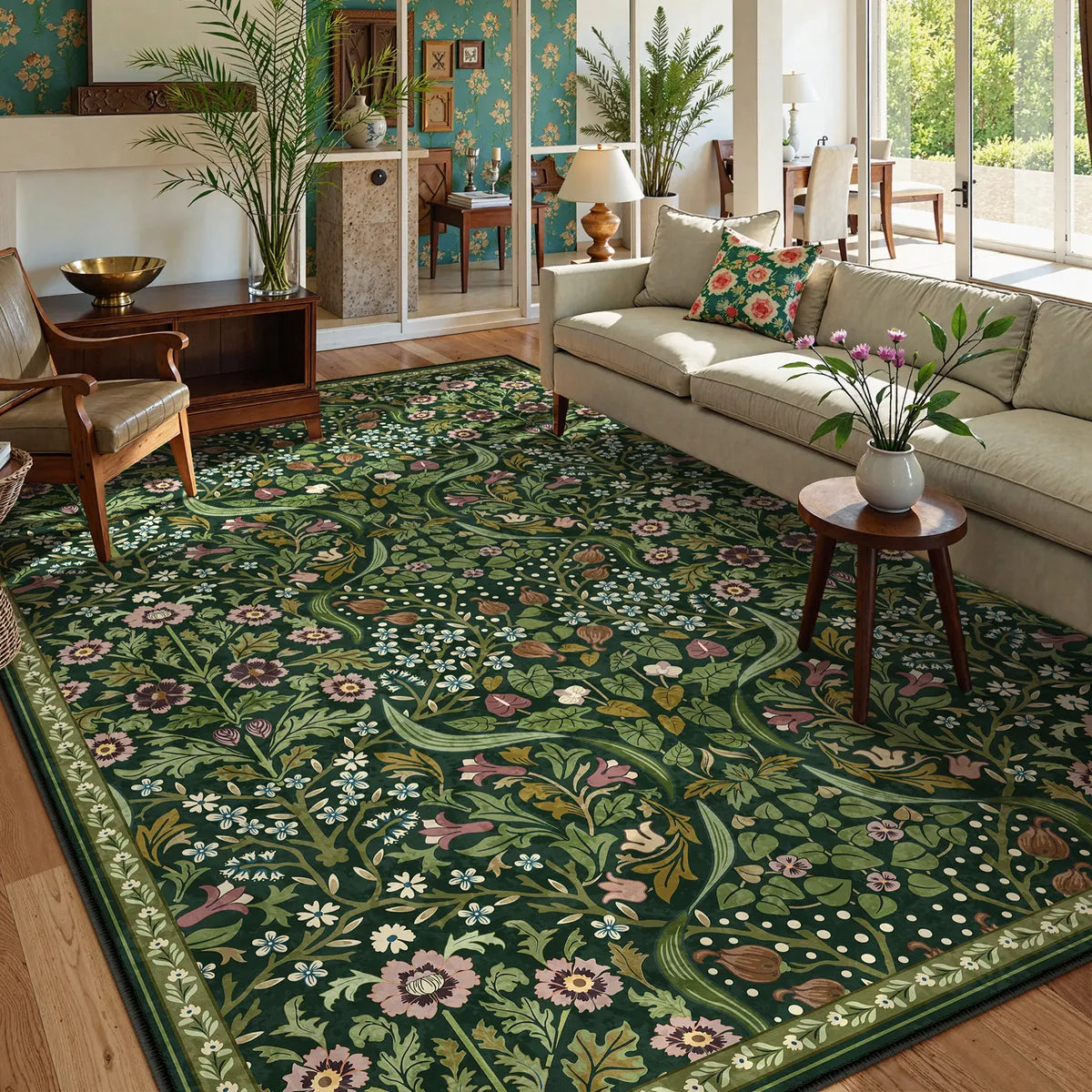
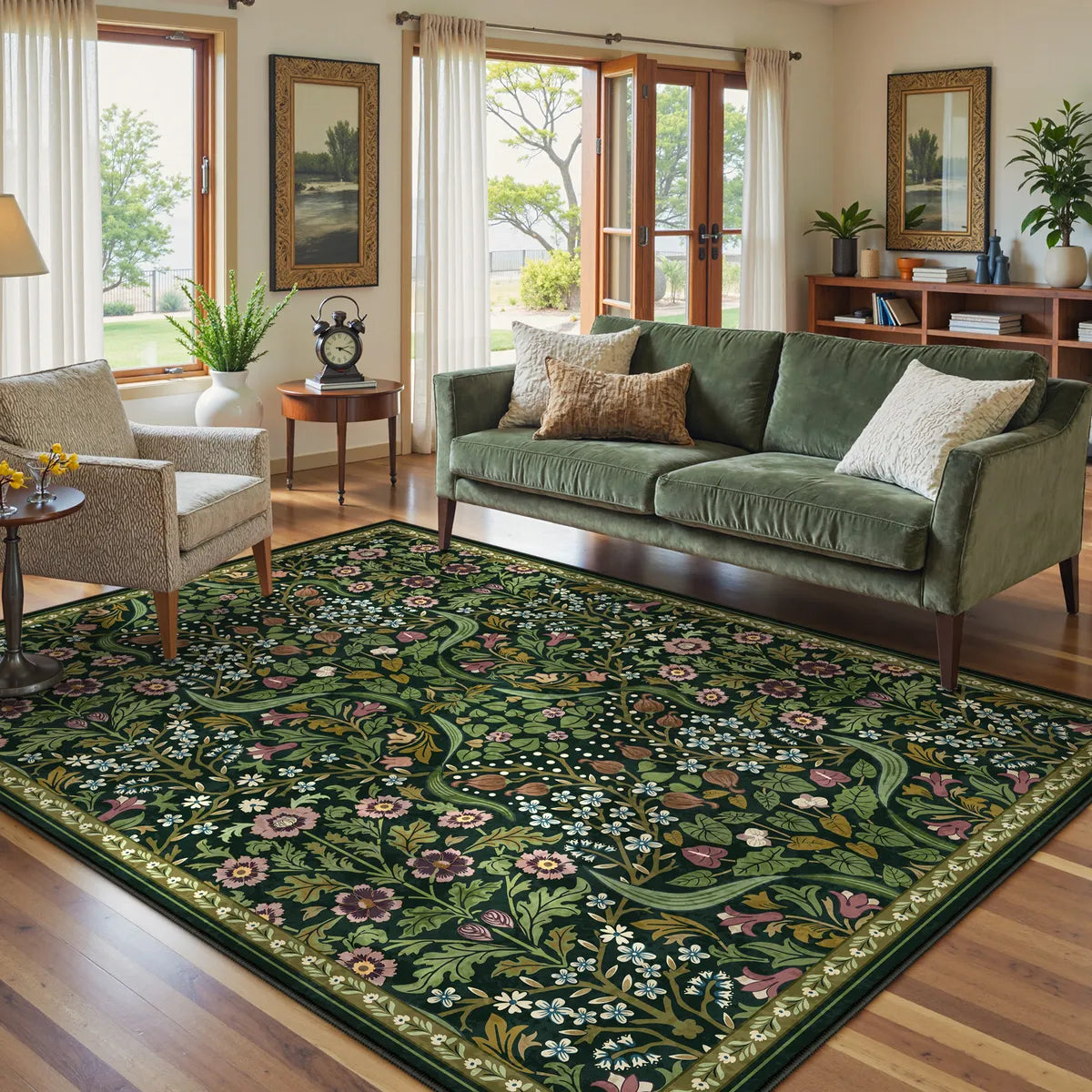
Some kitchens are built wider than a runner can cover. In these spaces, a kitchen area rug provides more appropriate coverage and better visual proportion.
Open-Plan and Island Kitchen Layouts
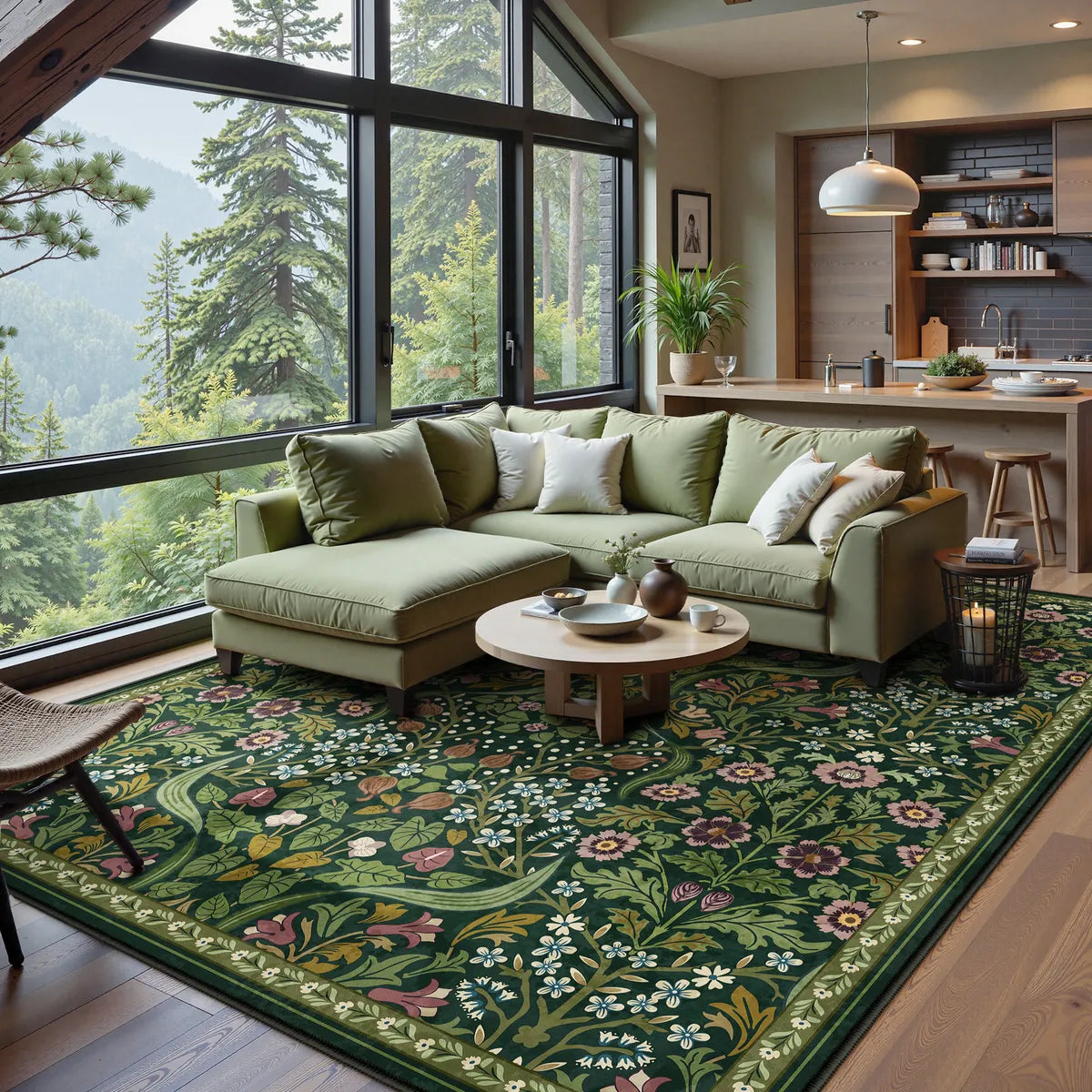
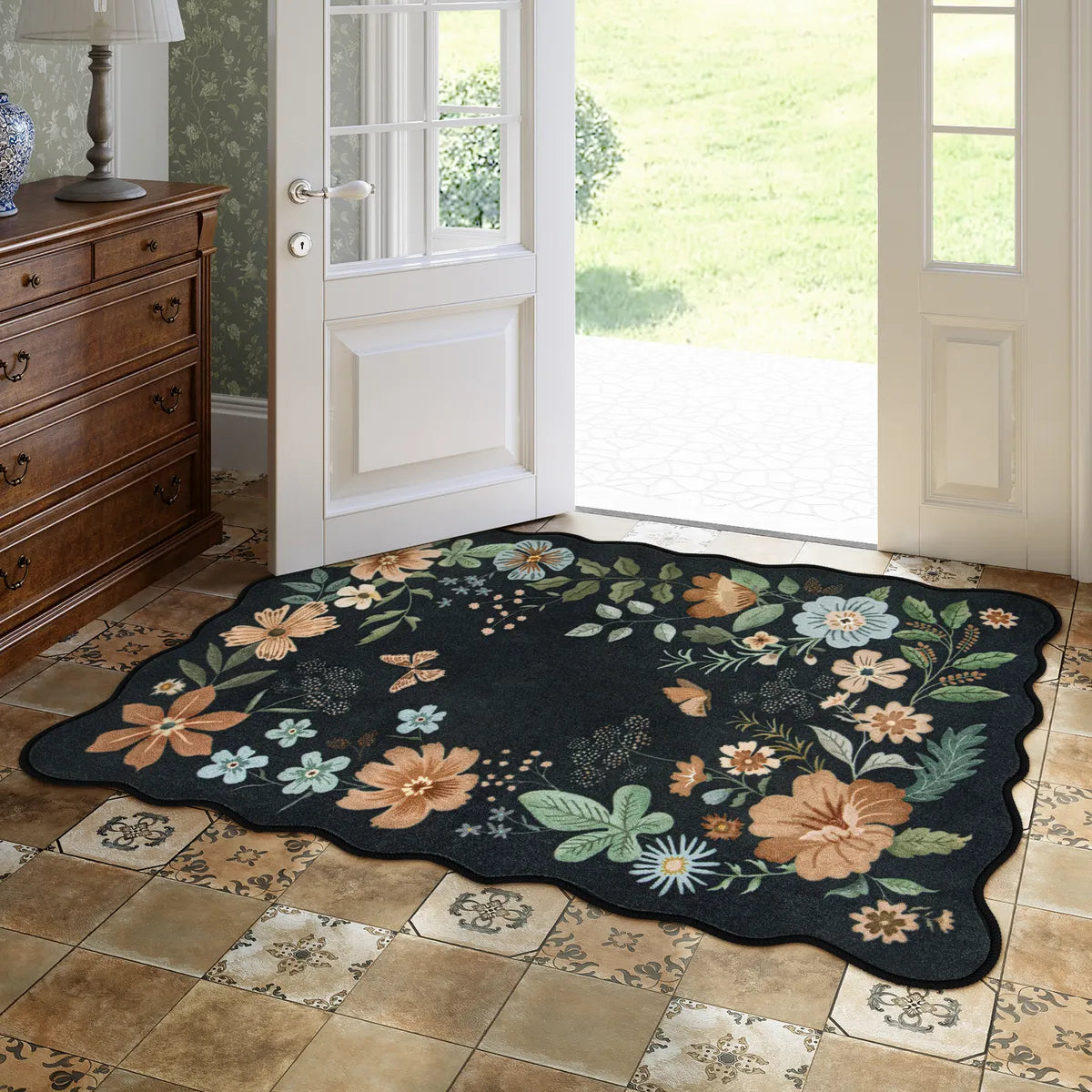
An island kitchen (a layout featuring a freestanding counter unit in the center of the floor space) creates a wider, more open floor plan that a narrow runner cannot adequately address. An area rug placed beneath or around the island anchors the space and defines the cooking zone within the larger open-plan environment.
In open-plan kitchens where the kitchen connects directly to a living or dining area, an area rug helps establish where the kitchen zone ends. That visual boundary makes the overall space feel more organized without any physical partition.
Dining-Adjacent and Multi-Zone Kitchens
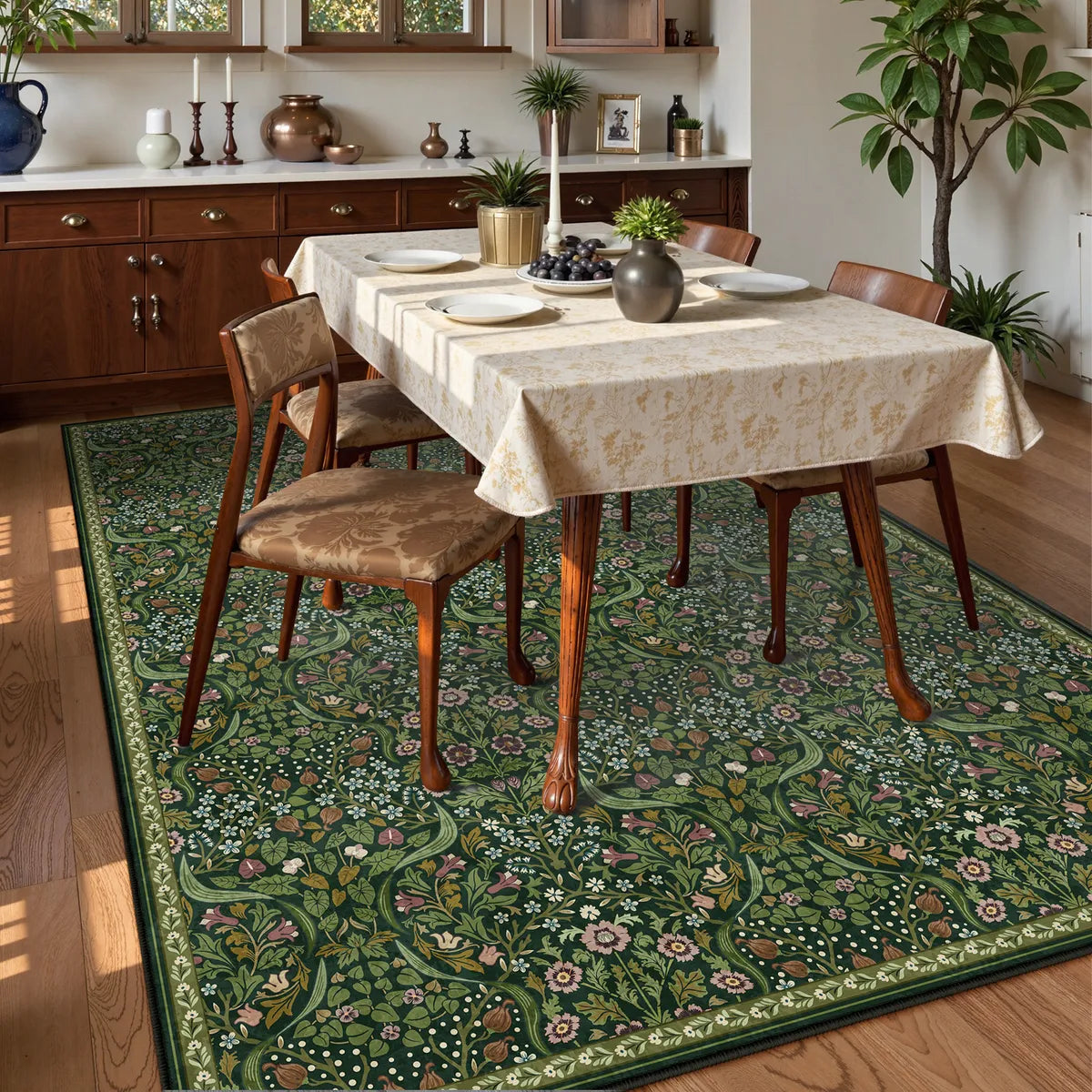
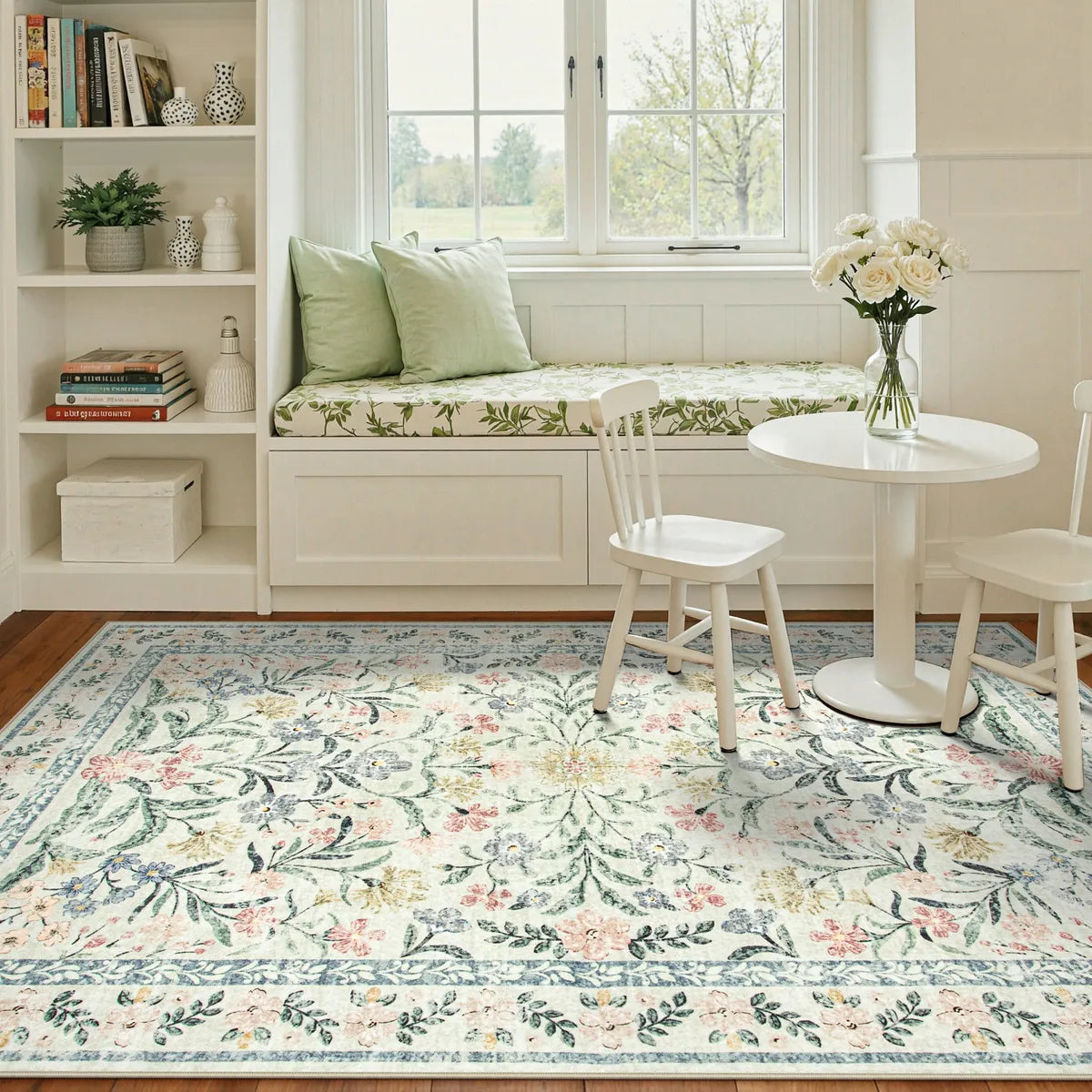
Kitchens with an eat-in dining area or breakfast nook benefit from an area rug that covers the dining zone as a unified piece. A runner is too narrow to sit under even a small round table with chairs pulled out. An area rug that extends beneath the table with enough margin for chair legs to rest on its surface keeps the dining area visually connected and protects the floor from chair movement.
L-shaped kitchens (layouts where counters run along two perpendicular walls) also suit area rugs better, since the angled floor plan creates a wider central space that a runner would leave mostly uncovered.
How to Size a Kitchen Runner or Kitchen Rug for Your Space
Getting the size right prevents the two most common kitchen rug mistakes: a rug that looks too small for the space, and a rug that blocks cabinet doors or appliance access.
The table below maps common kitchen layouts to the rug sizes that work best in each.
|
Kitchen Layout |
Recommended Format |
Recommended Size |
|
Galley kitchen |
Runner |
2x6 ft or 2x8 ft |
|
Single-wall kitchen |
Runner |
2x4 ft to 2x6 ft |
|
Island kitchen |
Area rug |
5x7 ft or 6x9 ft |
|
Open-plan kitchen |
Area rug |
6x9 ft |
|
Eat-in dining area |
Area rug |
5x7 ft or larger |
|
Narrow corridor kitchen |
Runner |
2x6 ft |
As a general rule, leave at least 4 to 6 inches of bare floor between the rug's edge and cabinet bases or appliances. This keeps doors and drawers fully operational and prevents the rug from becoming a trip hazard at transition points.
Non-Slip and Washable Kitchen Rugs: What Actually Matters
Shape and size narrow down the options. Construction quality determines how well the rug holds up in one of the most demanding rooms in the house. Two features matter more than any others in a kitchen setting.
Non-Slip Backing Keeps Kitchen Rugs Safe on Hard Floors
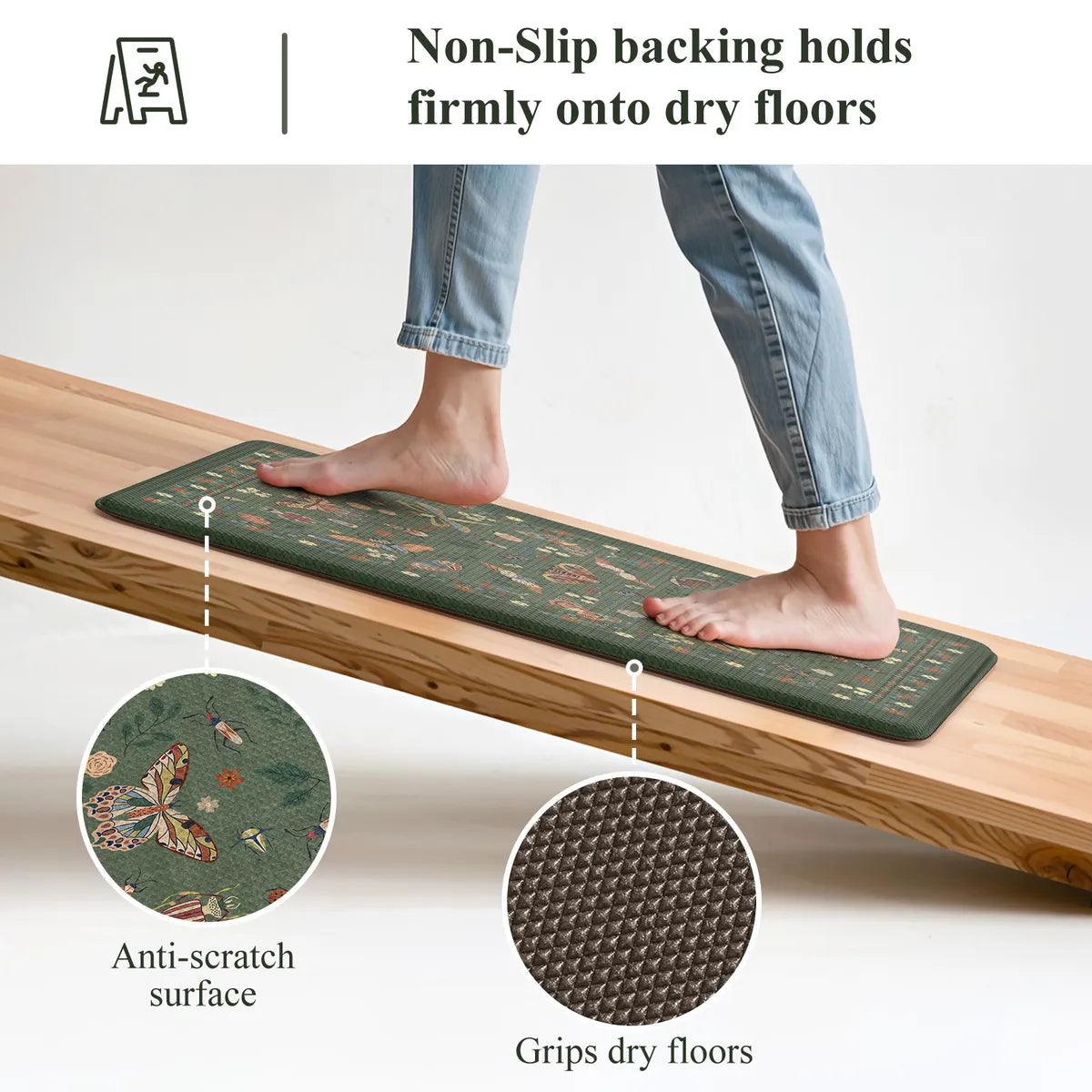
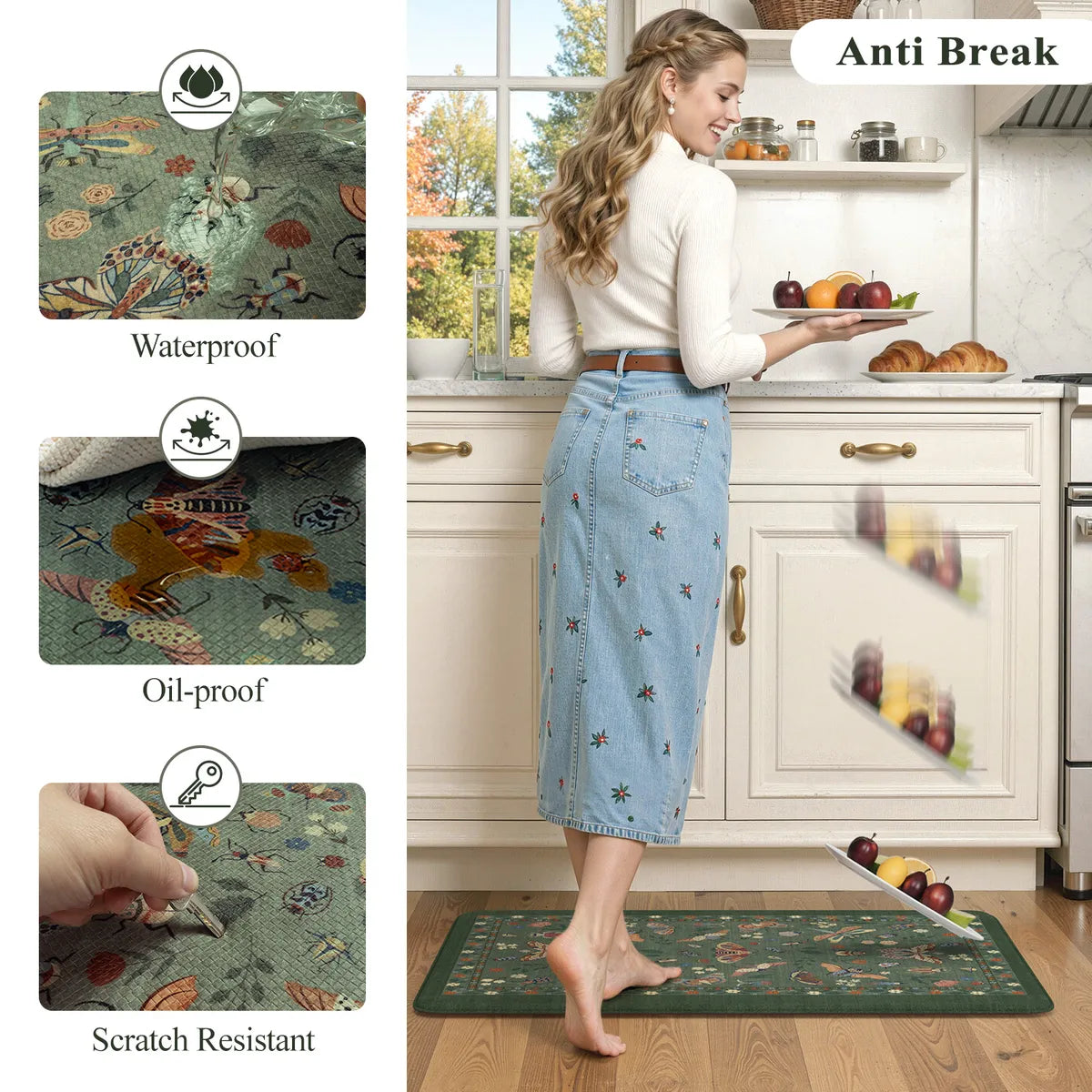
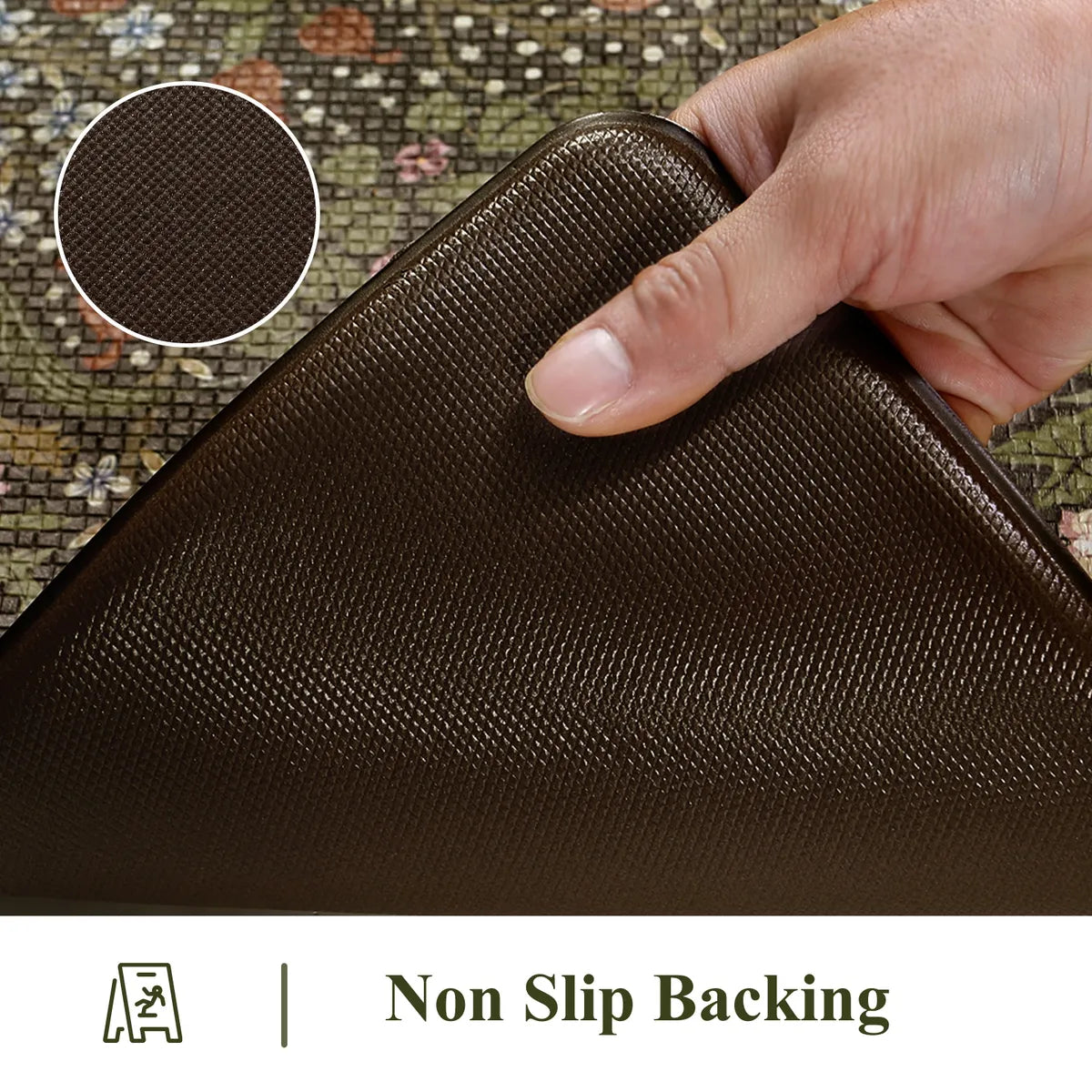
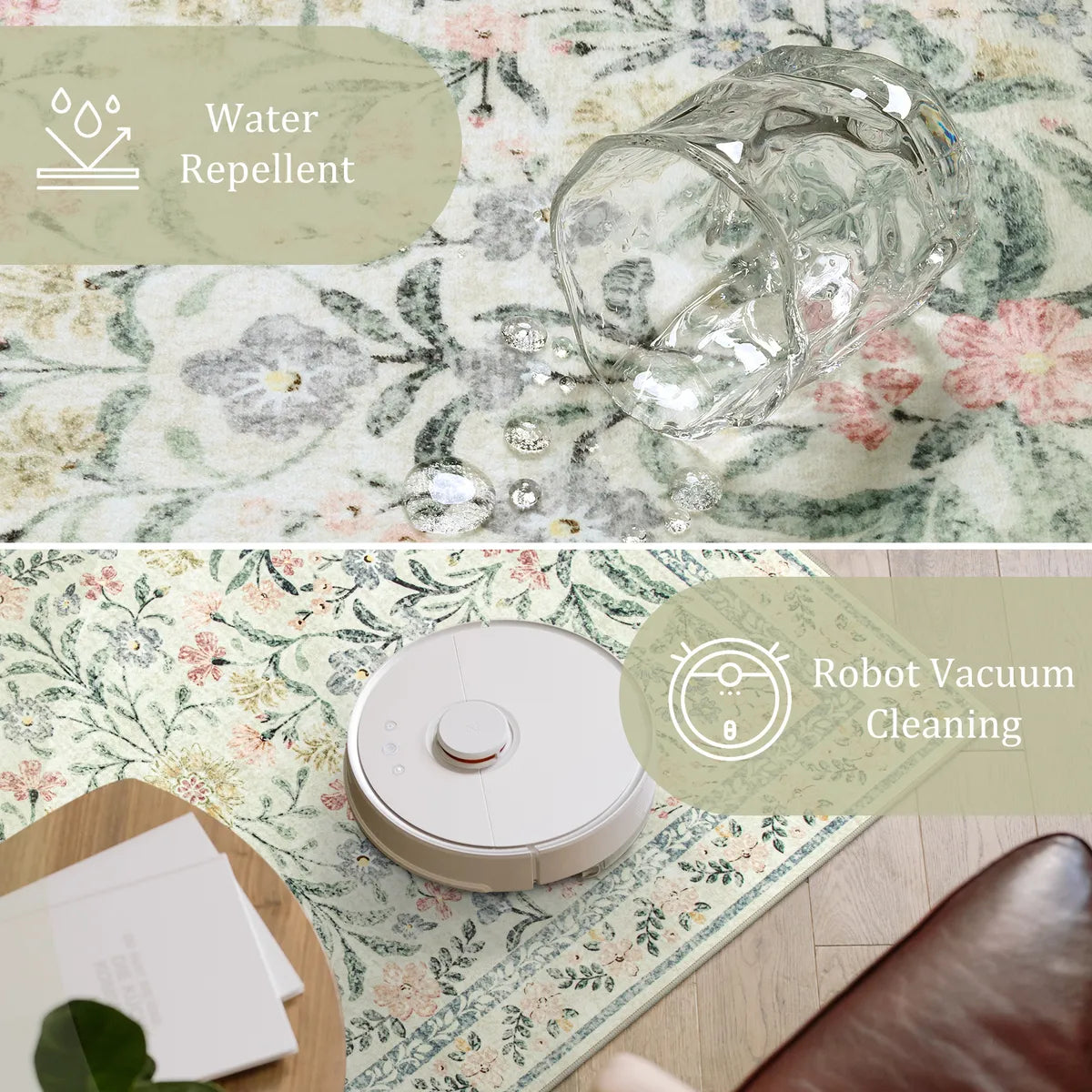
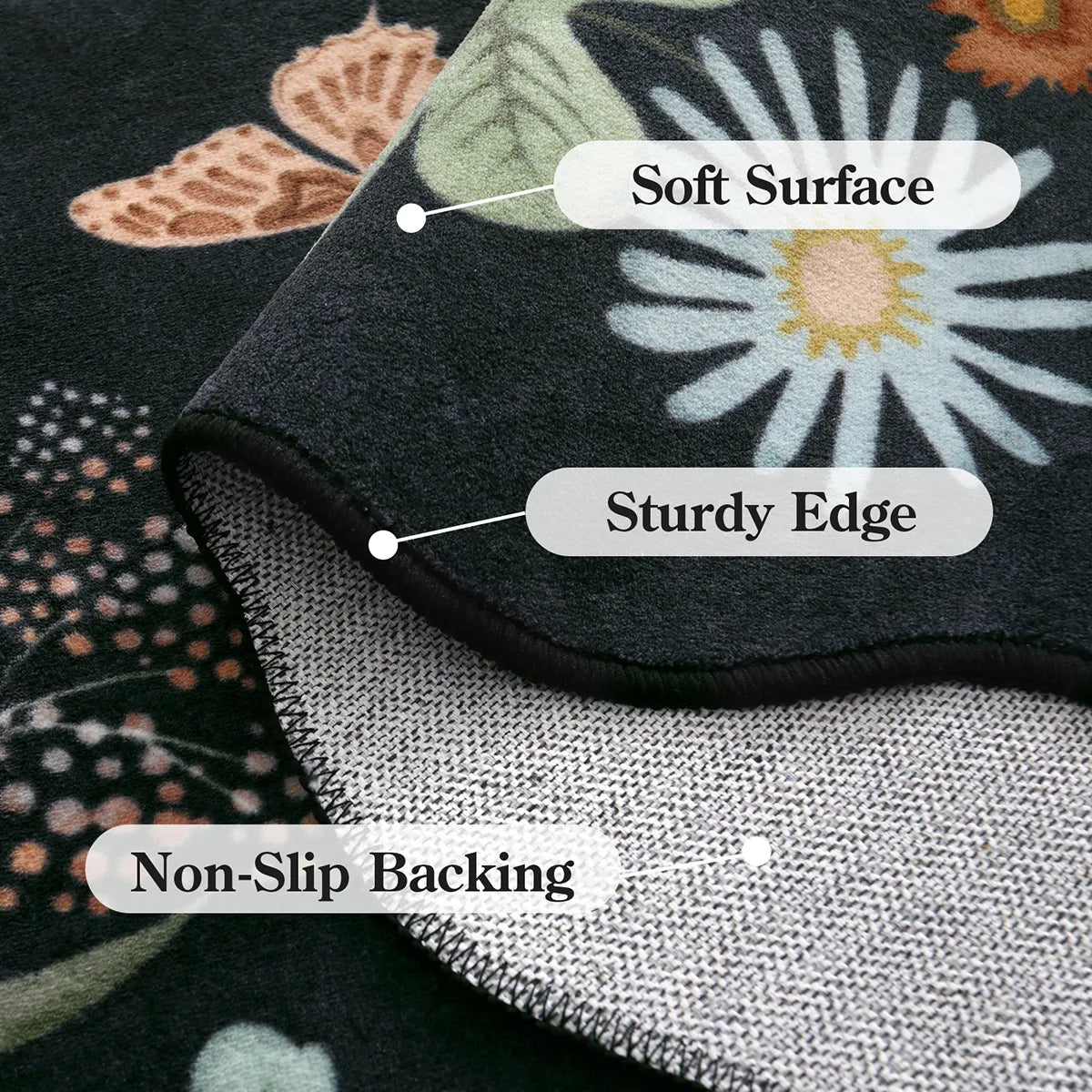
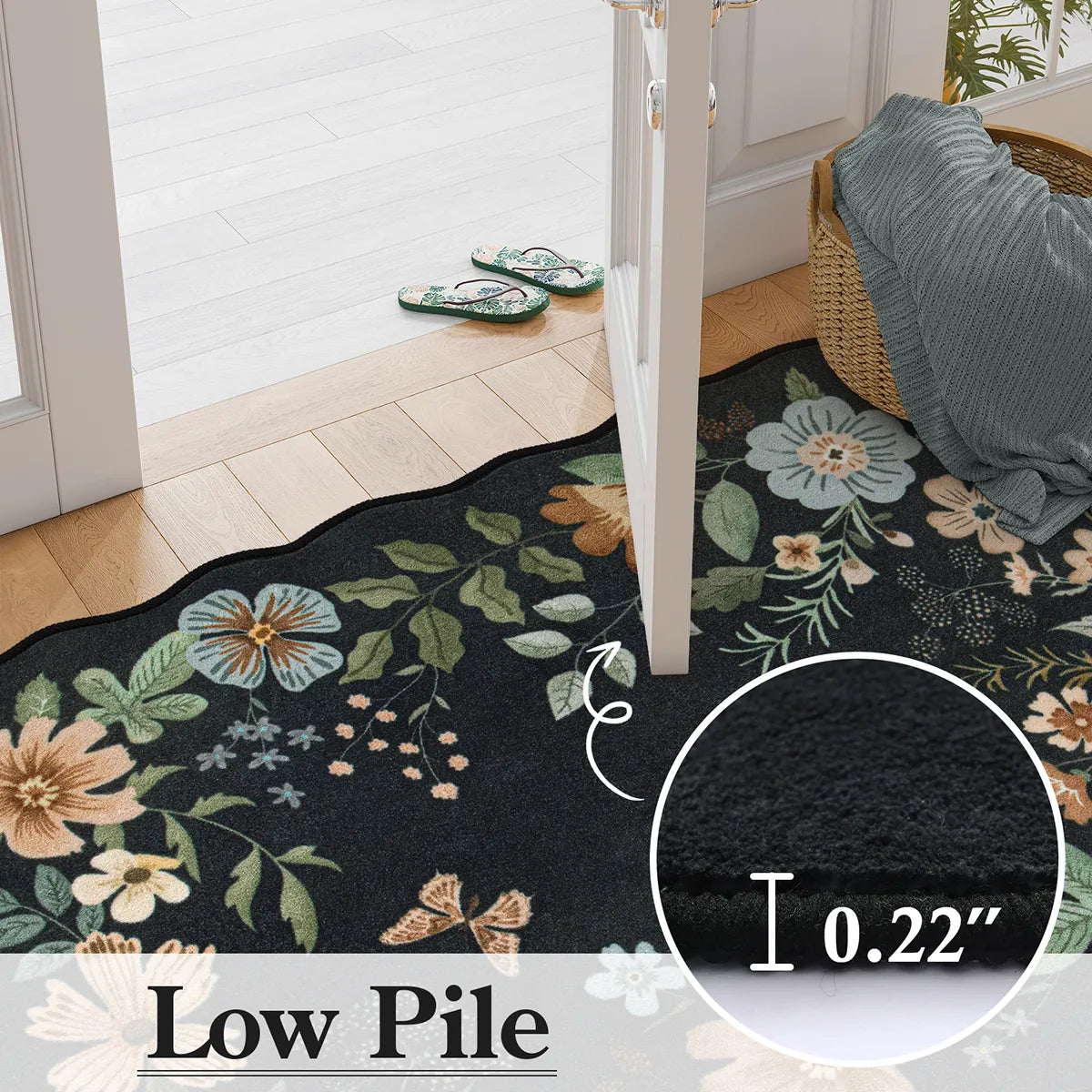
Non-slip kitchen rugs (rugs with a grip-enhanced backing that prevents movement on hard flooring) are essential in kitchens for one straightforward reason: kitchen floors get wet. Water, oil, and food spills make hard flooring surfaces significantly more slippery, and a rug that shifts underfoot in those conditions is a genuine safety concern.
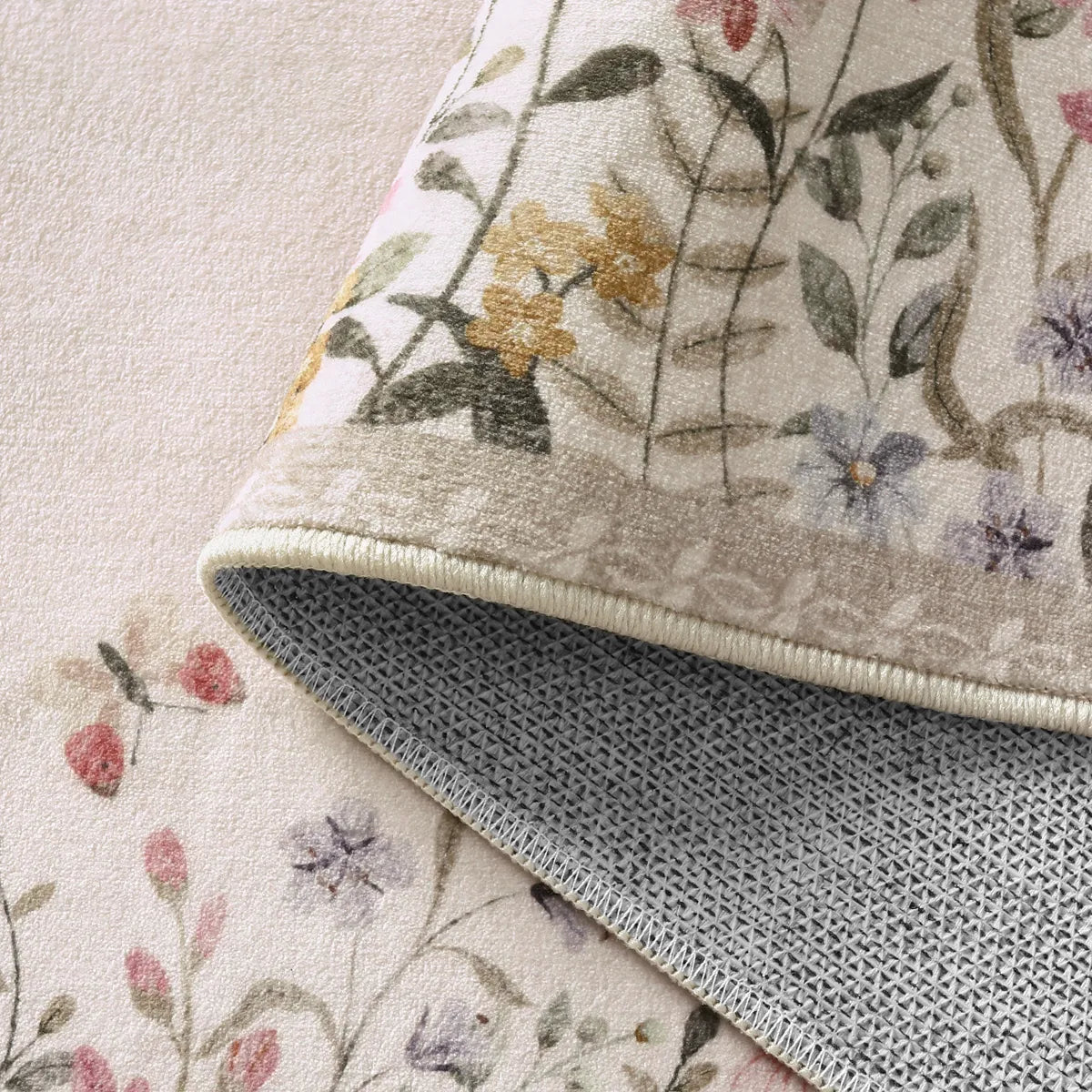
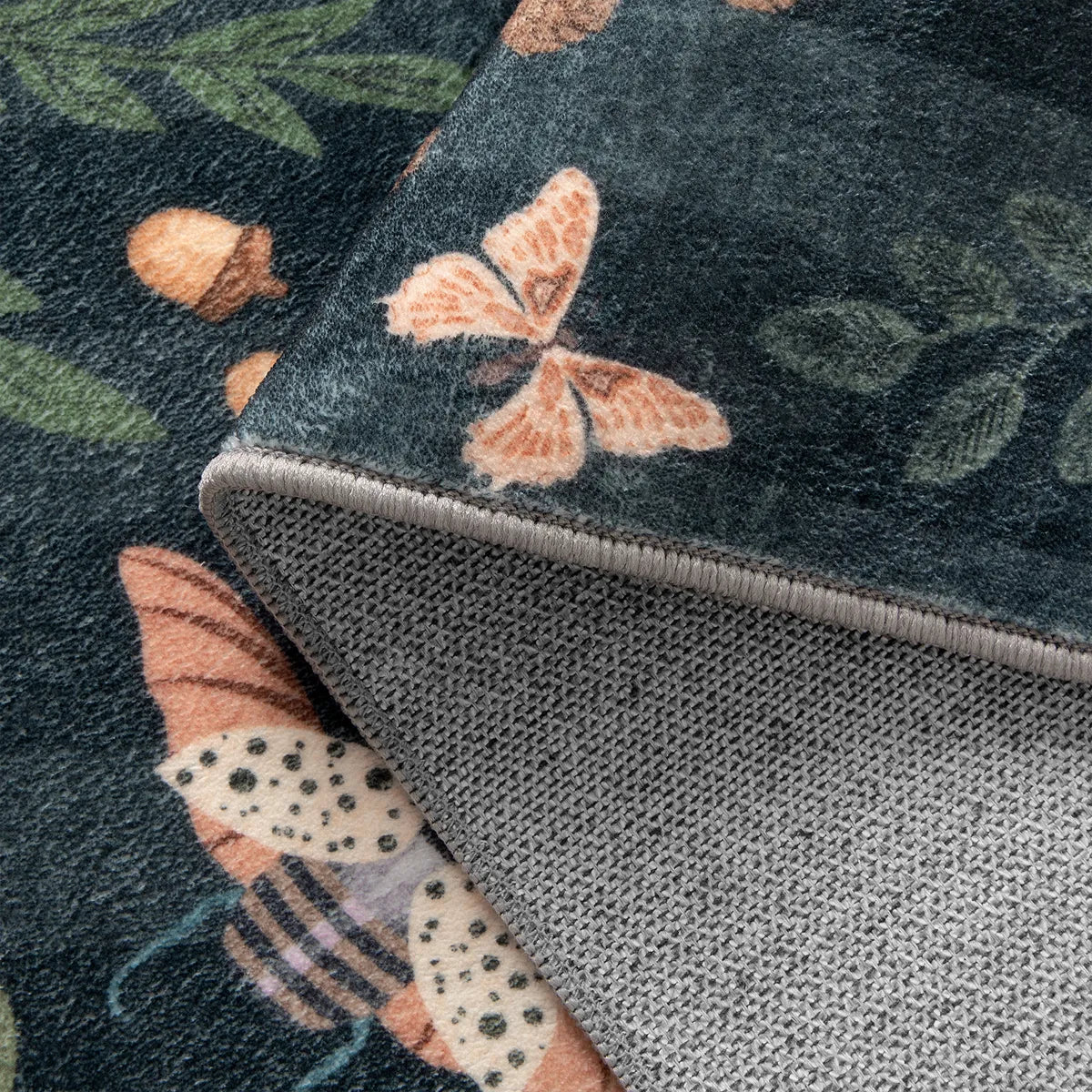
A quality non-slip backing anchors the rug against tile, vinyl, and hardwood without requiring a separate rug pad. The backing works by creating consistent friction between the rug and the floor surface, keeping the rug stable under constant foot movement throughout the day.
Washable Construction Makes Kitchen Rugs a Long-Term Investment
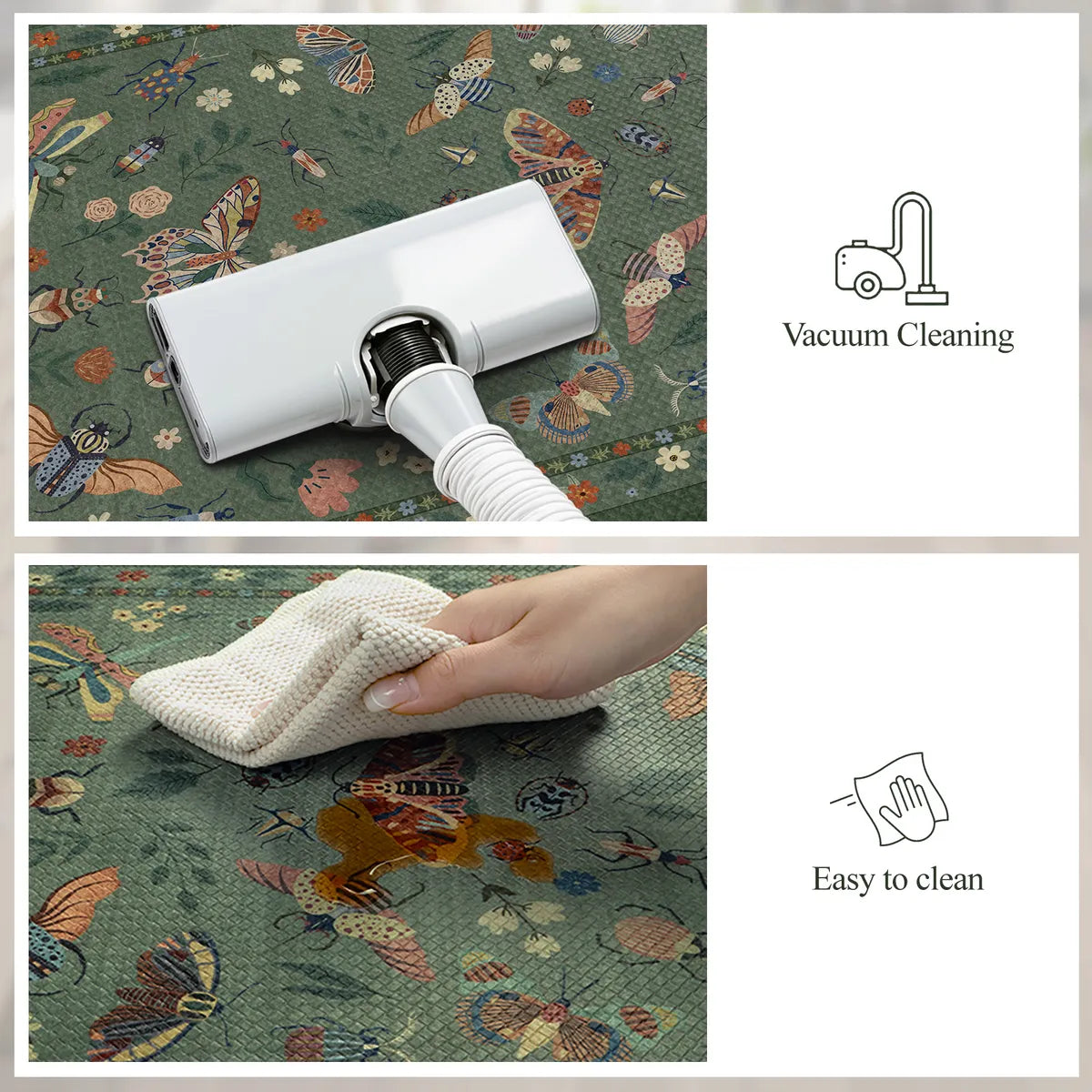
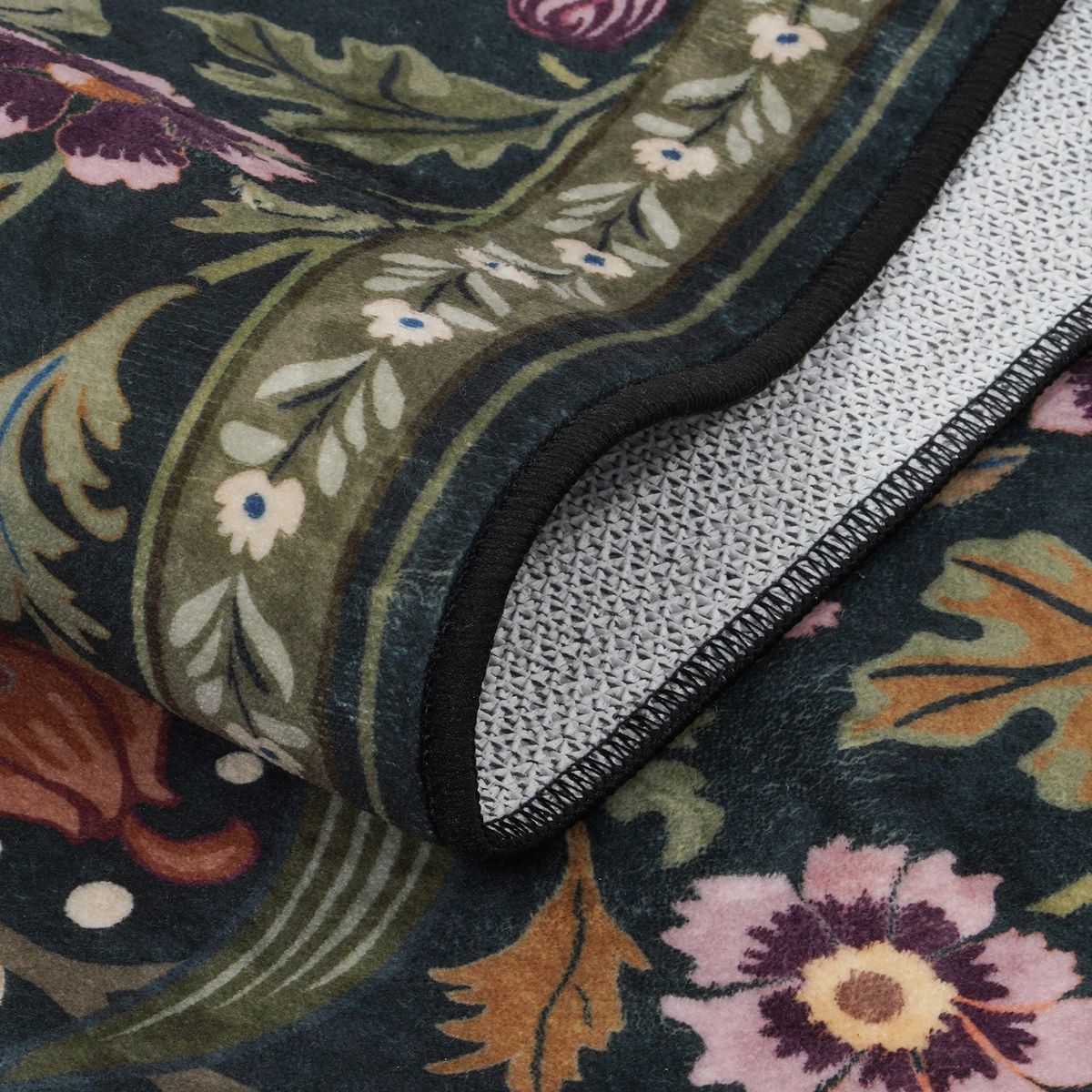
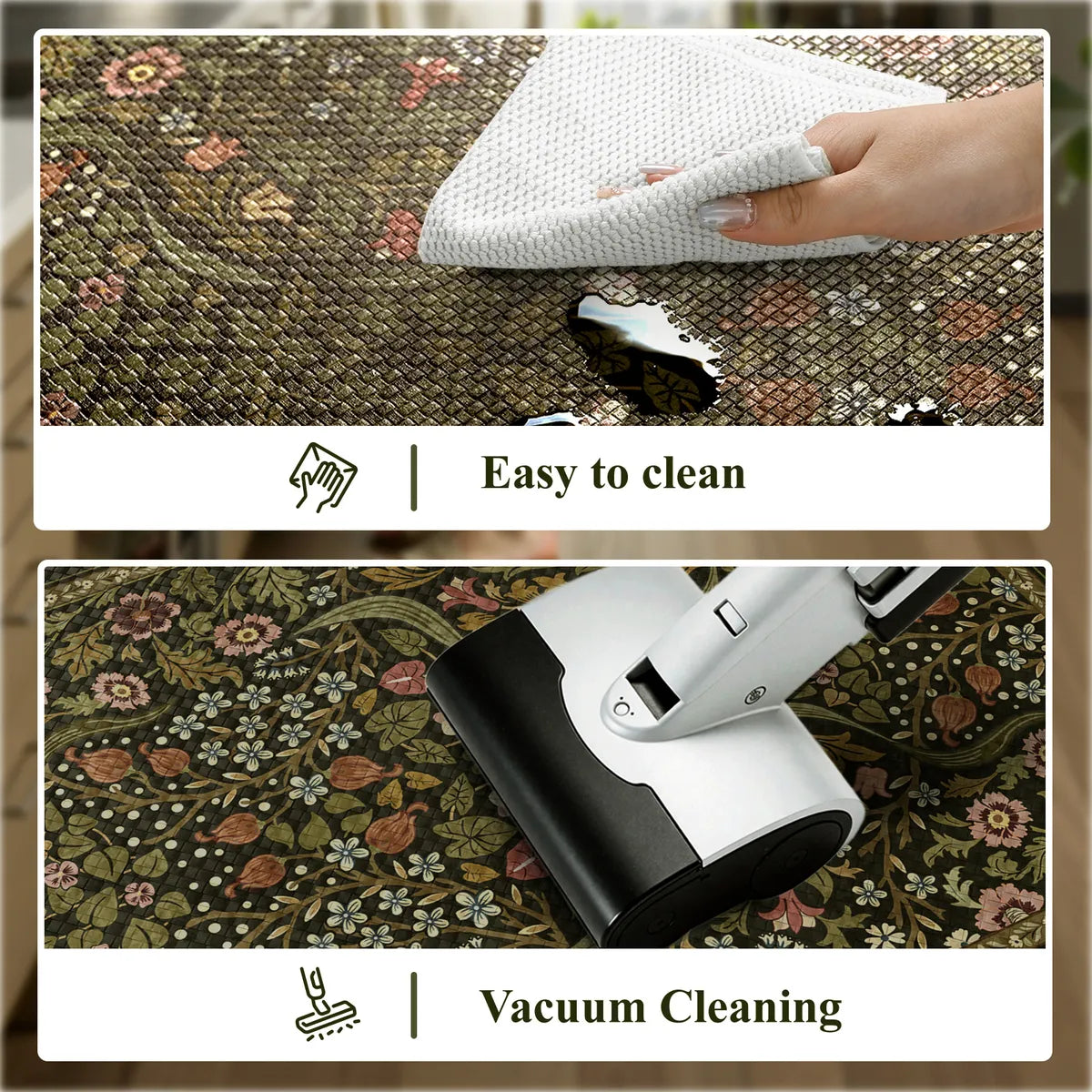
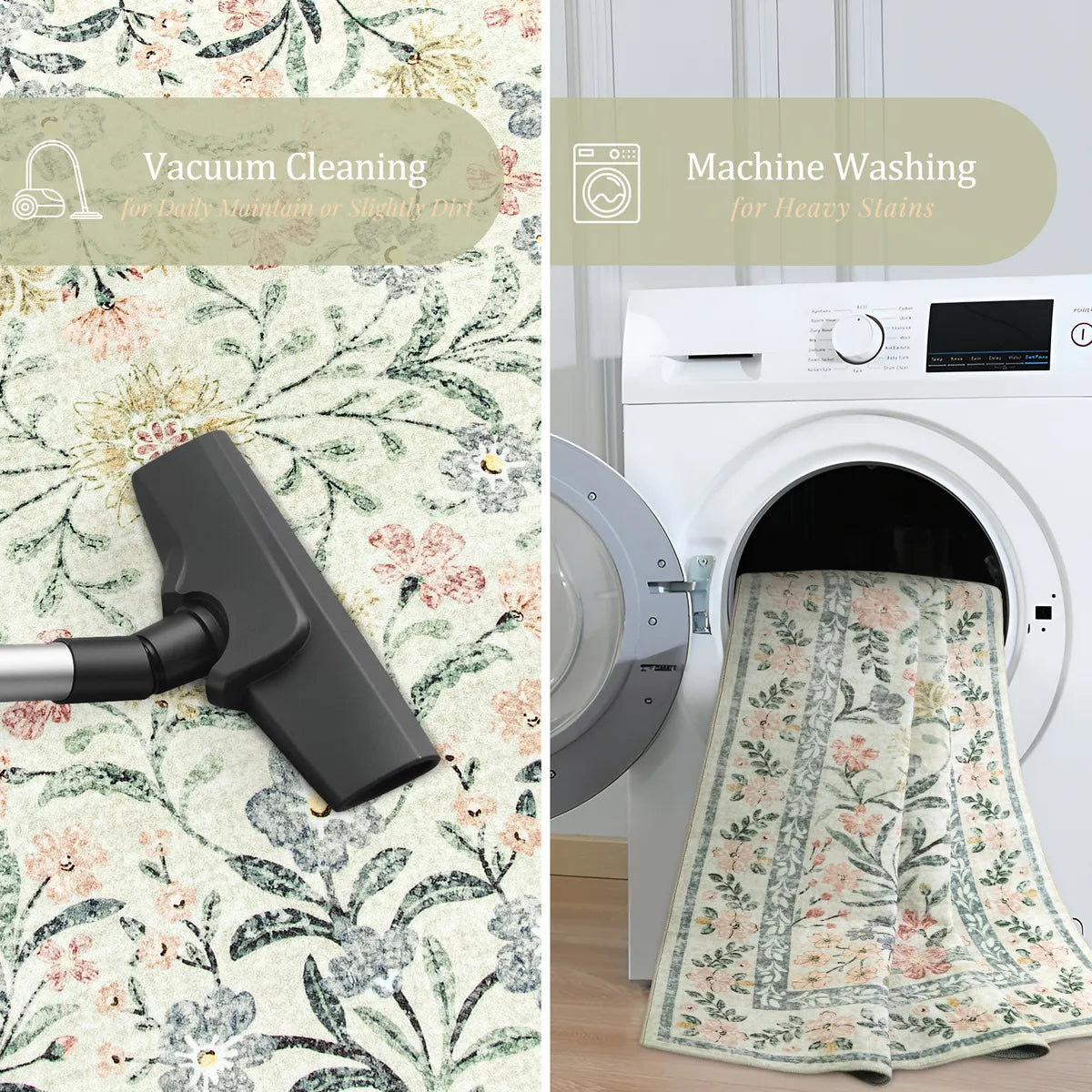
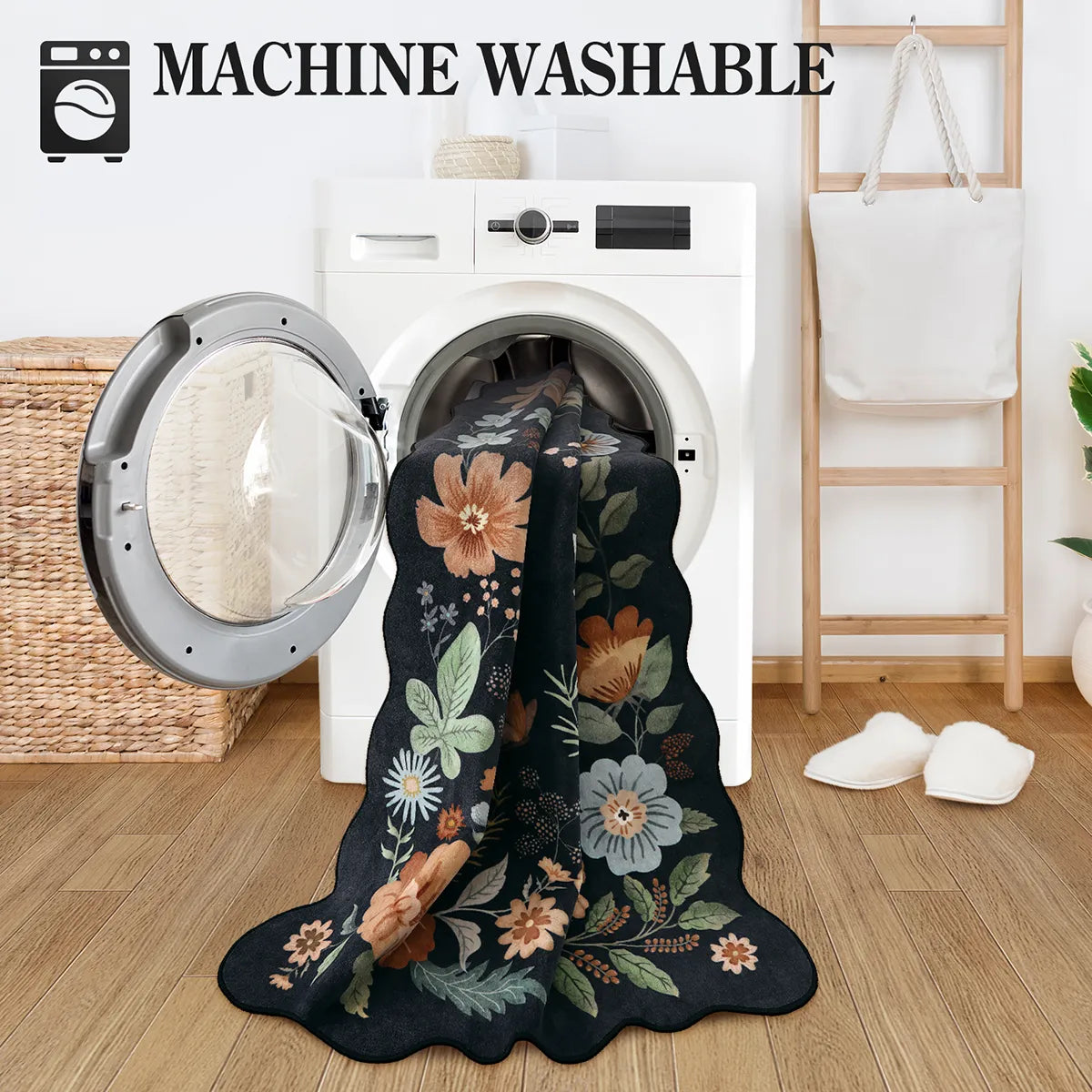
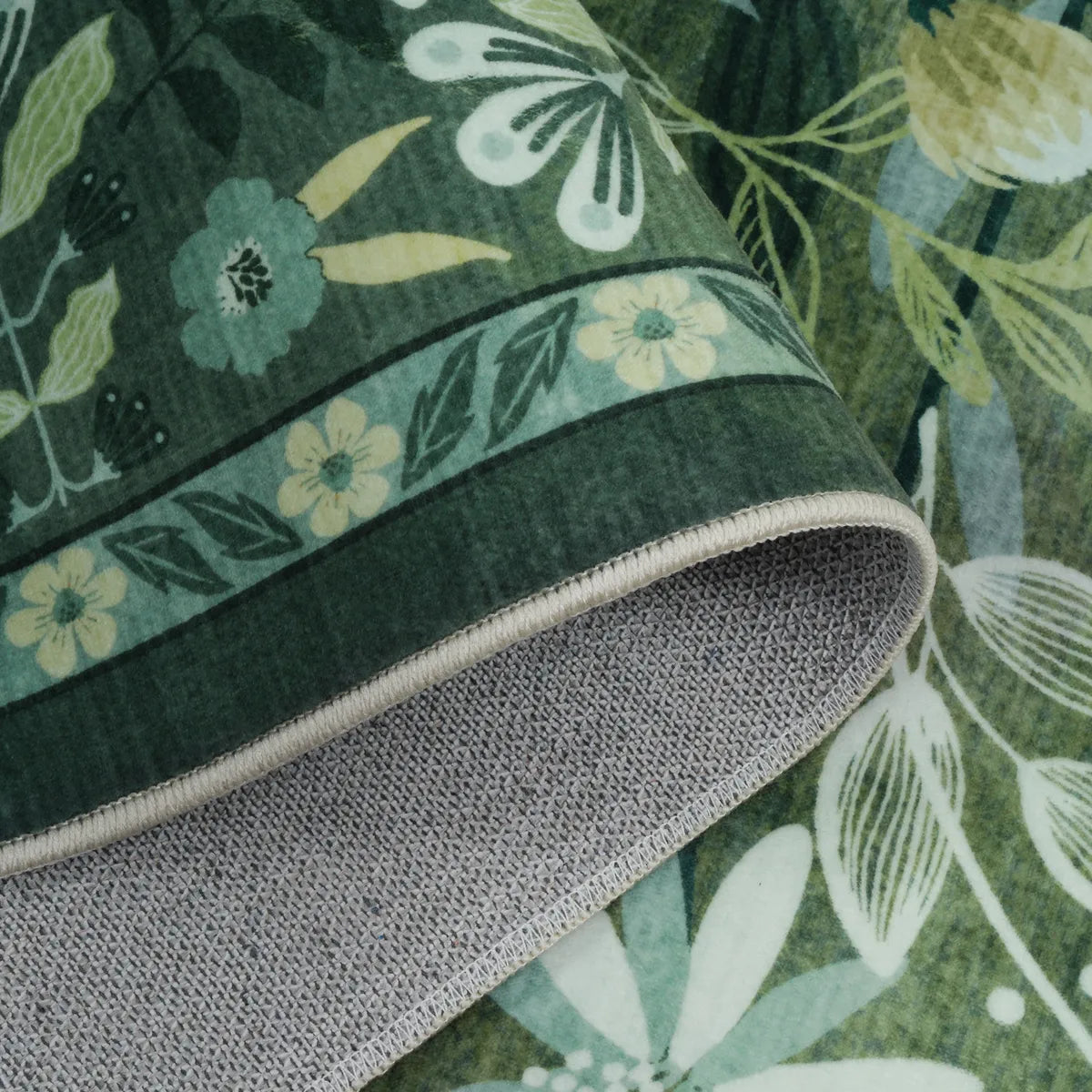
Washable kitchen rugs are constructed to go through a standard home washing machine without shrinking, fading, or losing structural integrity. In a kitchen where spills, grease splatter, and food debris are part of daily life, machine washability is the feature that makes a rug viable for long-term use.
The practical advantages are consistent:
- Machine washing removes grease residue and food particles that surface wiping leaves behind.
- Washable fibers maintain their color and texture through regular cleaning cycles.
- A rug that can be fully cleaned at home stays hygienic in a food preparation environment, which matters more here than in any other room.
Find the Right Fit for Your Kitchen Floor
The best kitchen runner or area rug is the one that matches how your kitchen is actually built and used. Start with your layout, confirm the right format, size it correctly, and prioritize non-slip backing and washable construction. Those four decisions together produce a kitchen rug that works as hard as the room it lives in. Measure your space, identify your layout type, and the right choice becomes clear.
FAQs
Q1. Can You Use Both a Runner and an Area Rug in the Same Kitchen?
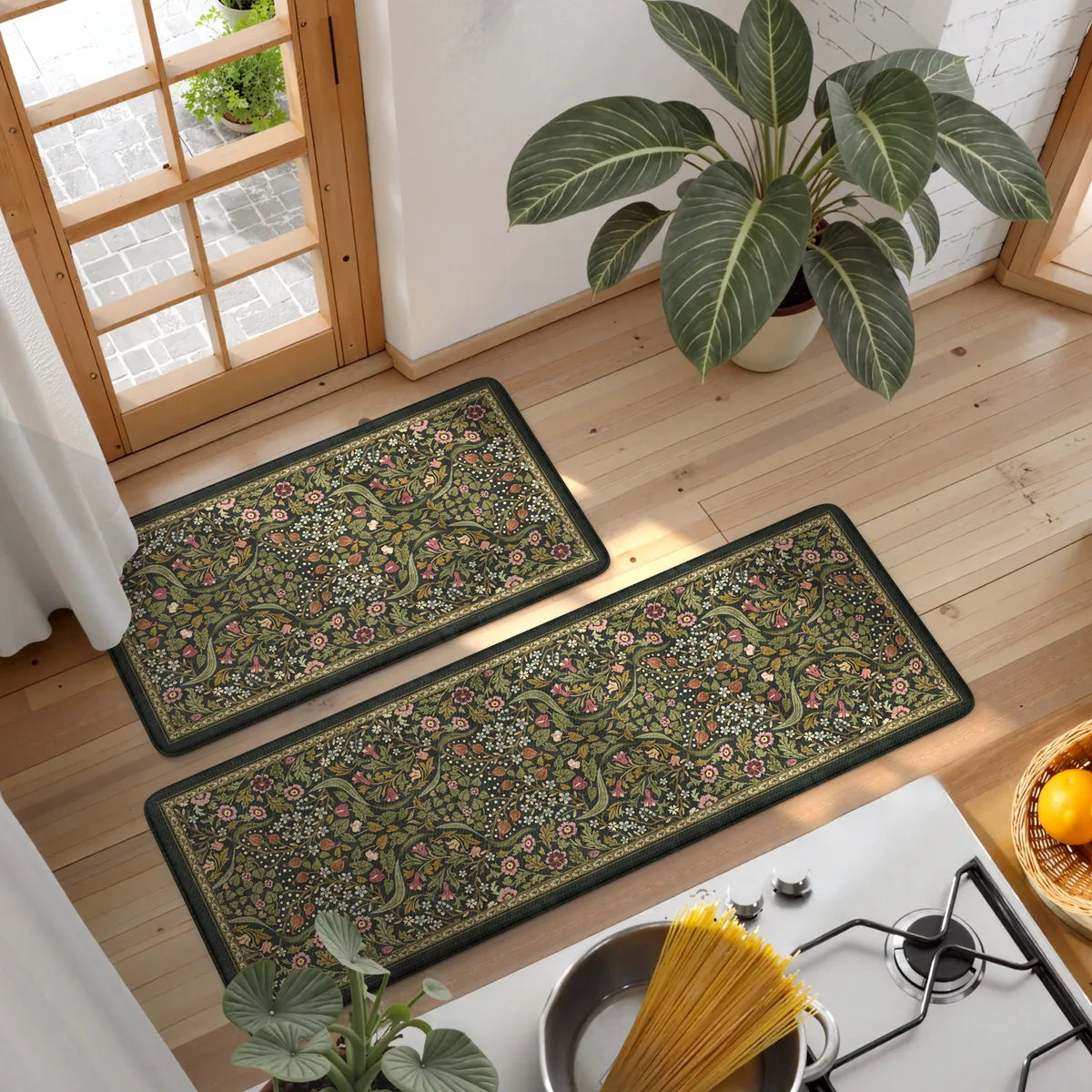
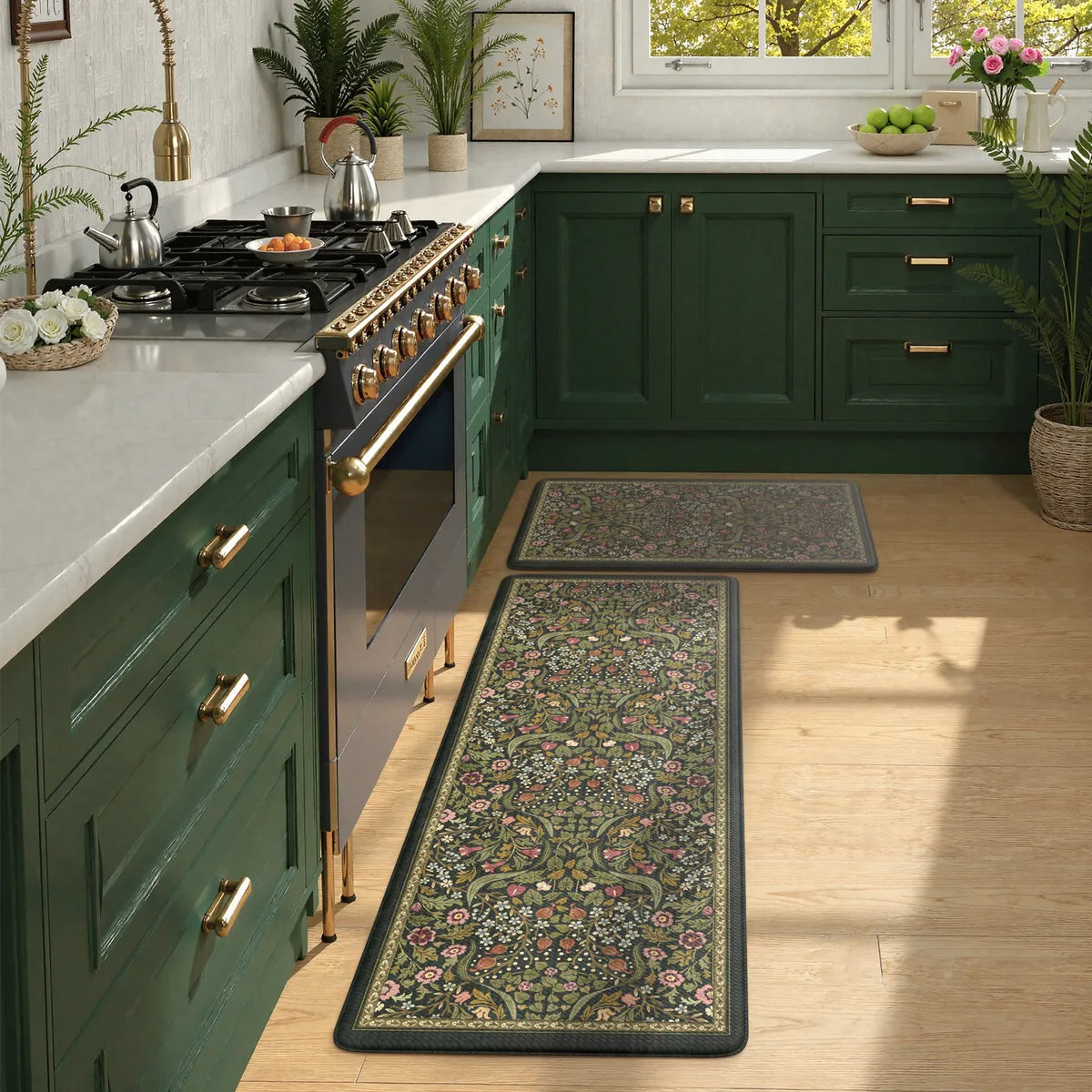
Yes, layering a runner and an area rug in the same kitchen is a practical approach for larger or multi-zone layouts. A common arrangement is placing a runner along the primary work counter and a separate area rug beneath a kitchen island or dining area. Keeping the two rugs in coordinating colors or patterns helps the space feel intentional rather than mismatched.
Q2. Should My Runner Match My Area Rug?
They do not need to match exactly, but they should feel visually connected. The most reliable approach is to choose rugs that share at least one color from the same palette, which creates cohesion without making the space feel too uniform. Varying the pattern scale between the two, such as pairing a simpler runner with a more detailed area rug, keeps the combination balanced and intentional.
Q3. Is It Normal to Have a Runner Rug in the Kitchen?
Absolutely. Kitchen runners are one of the most practical rug choices for any home. They protect the floor in the zones where you stand and move the most, add cushioning underfoot during long cooking sessions, and make cleanup easier when they are machine washable. In galley and single-wall kitchens especially, a runner is often the most natural and functional fit for the space.
Q4. How Often Should a Washable Kitchen Rug Be Machine Washed?
For most households, washing a kitchen rug every two to four weeks is a reasonable schedule given the level of daily exposure to food, grease, and foot traffic. Kitchens that see heavy daily cooking may benefit from more frequent washing. Spot cleaning spills between washes helps maintain the rug's appearance and reduces how often a full machine wash is needed.