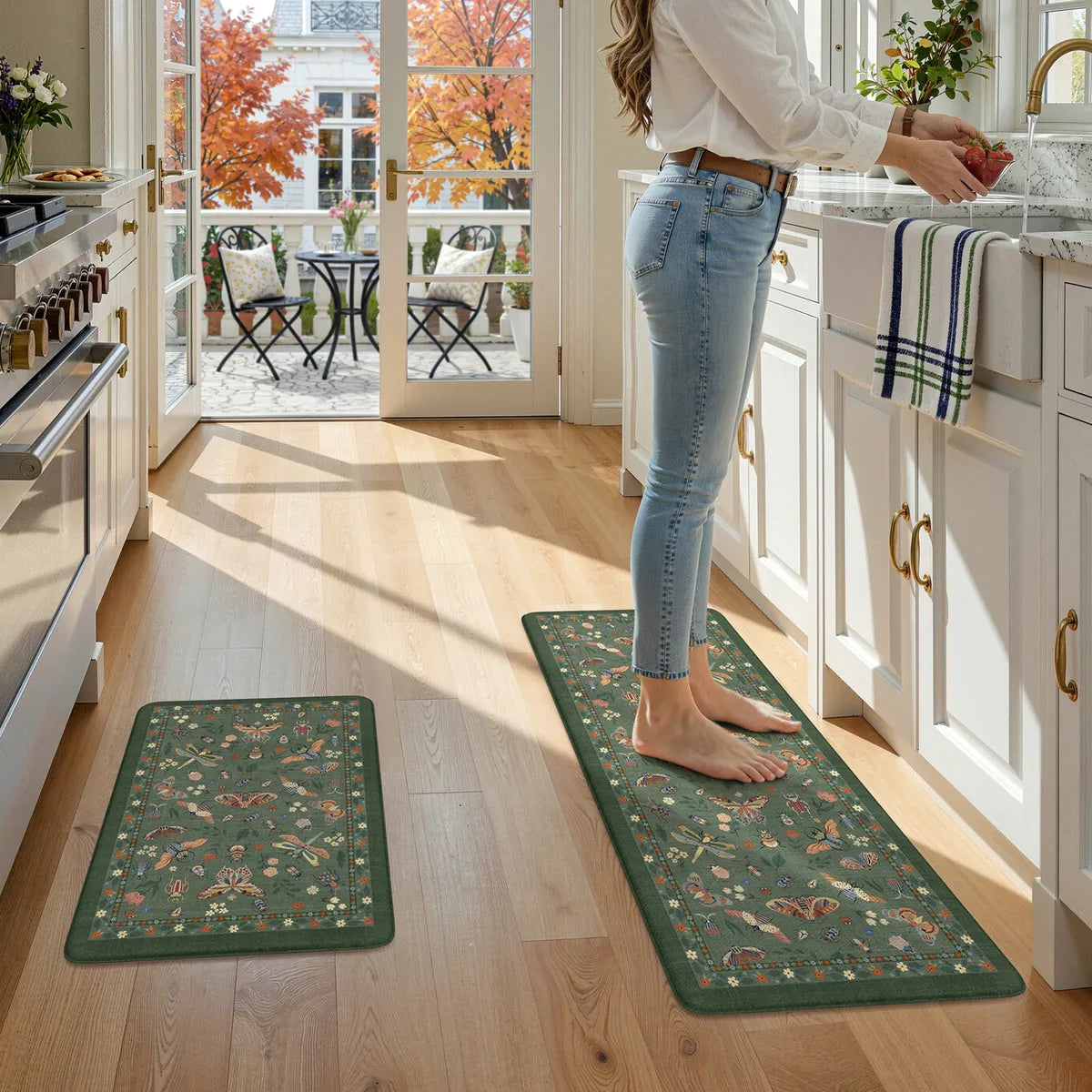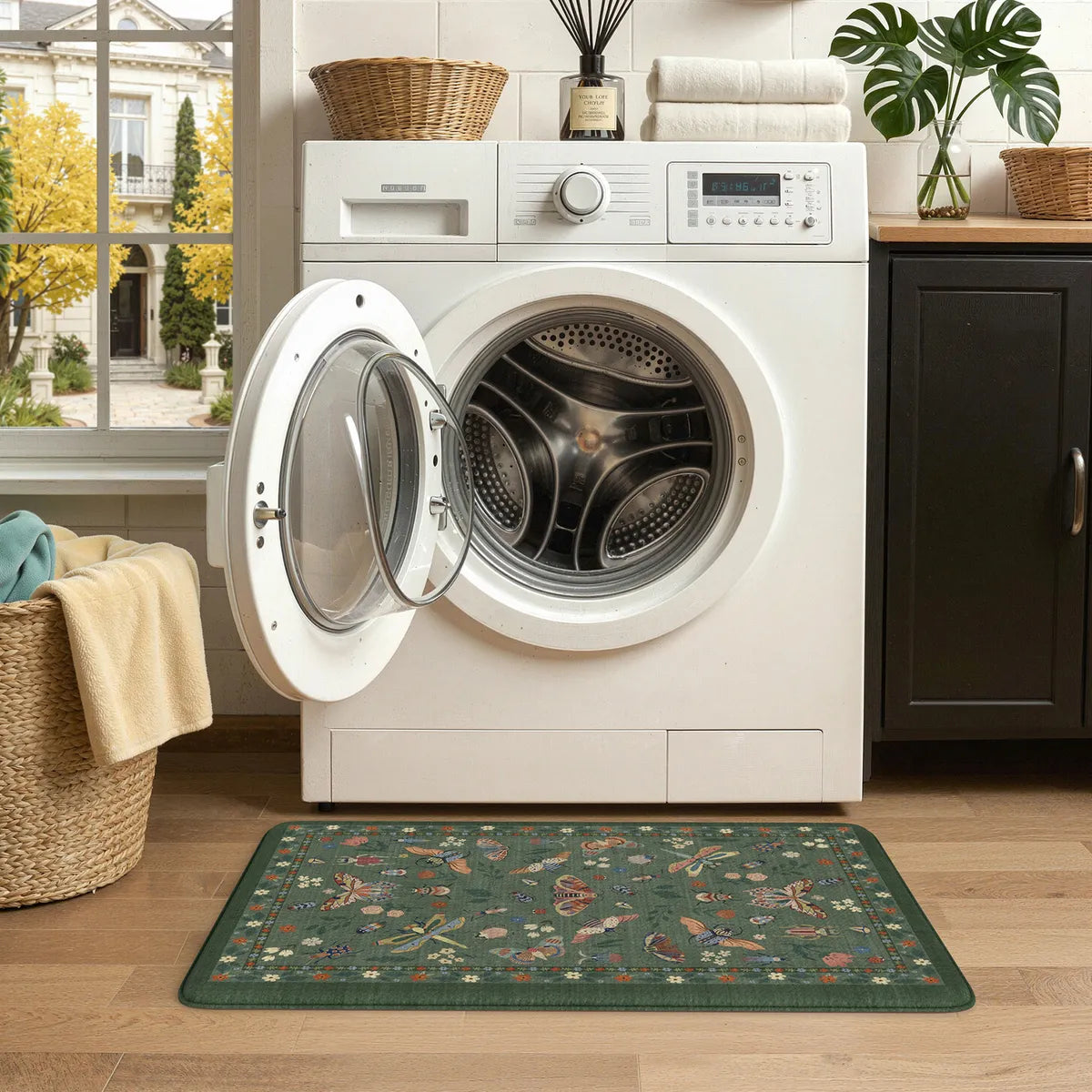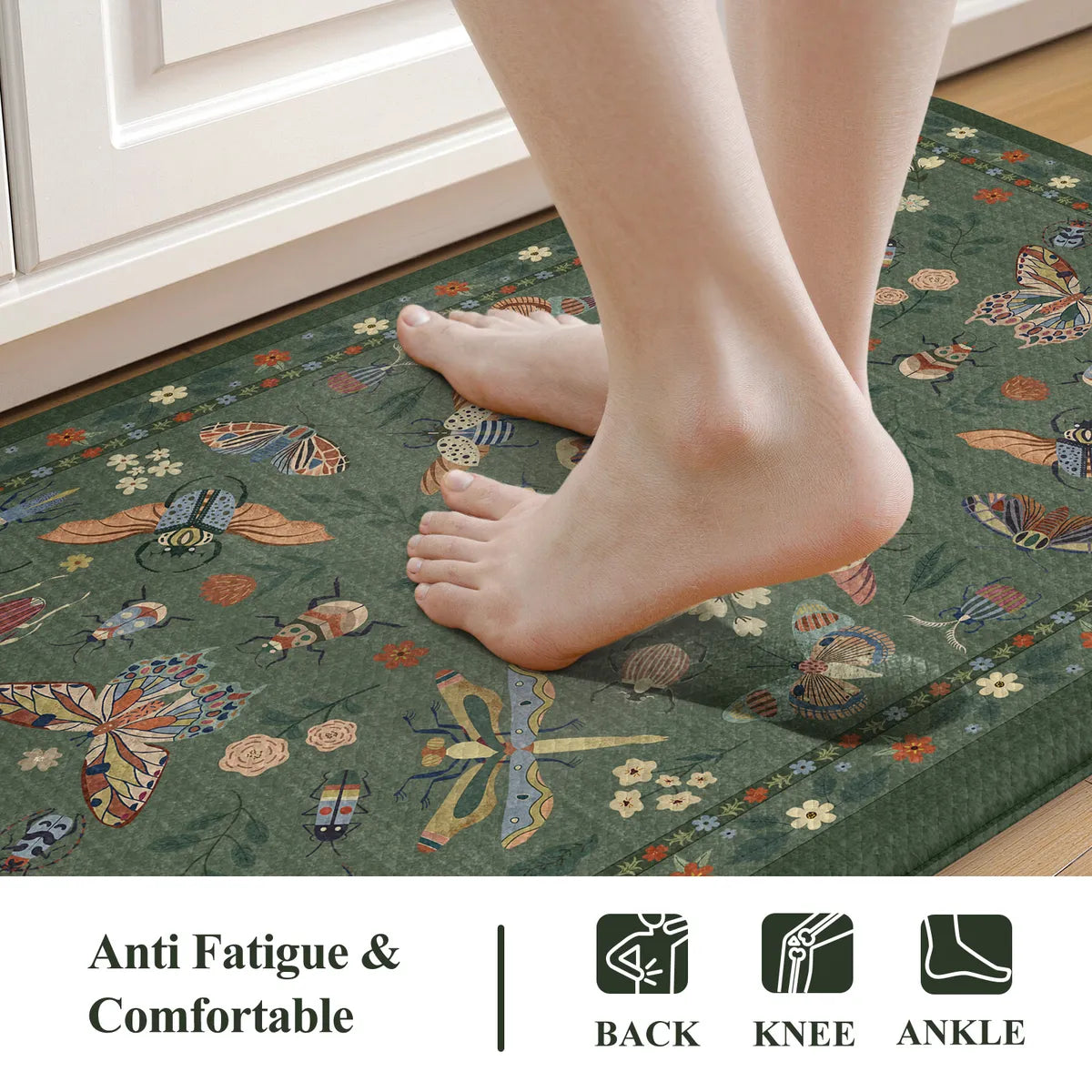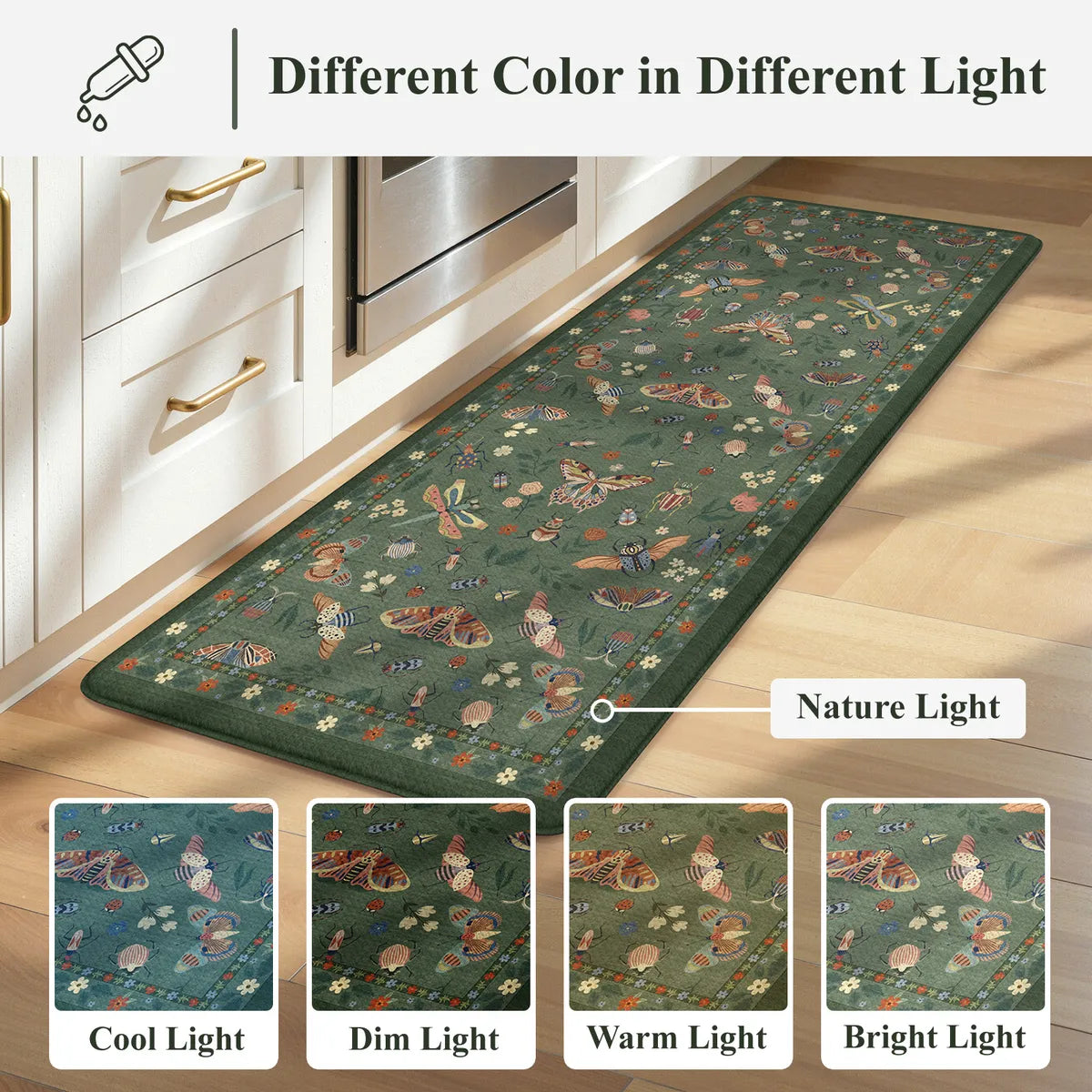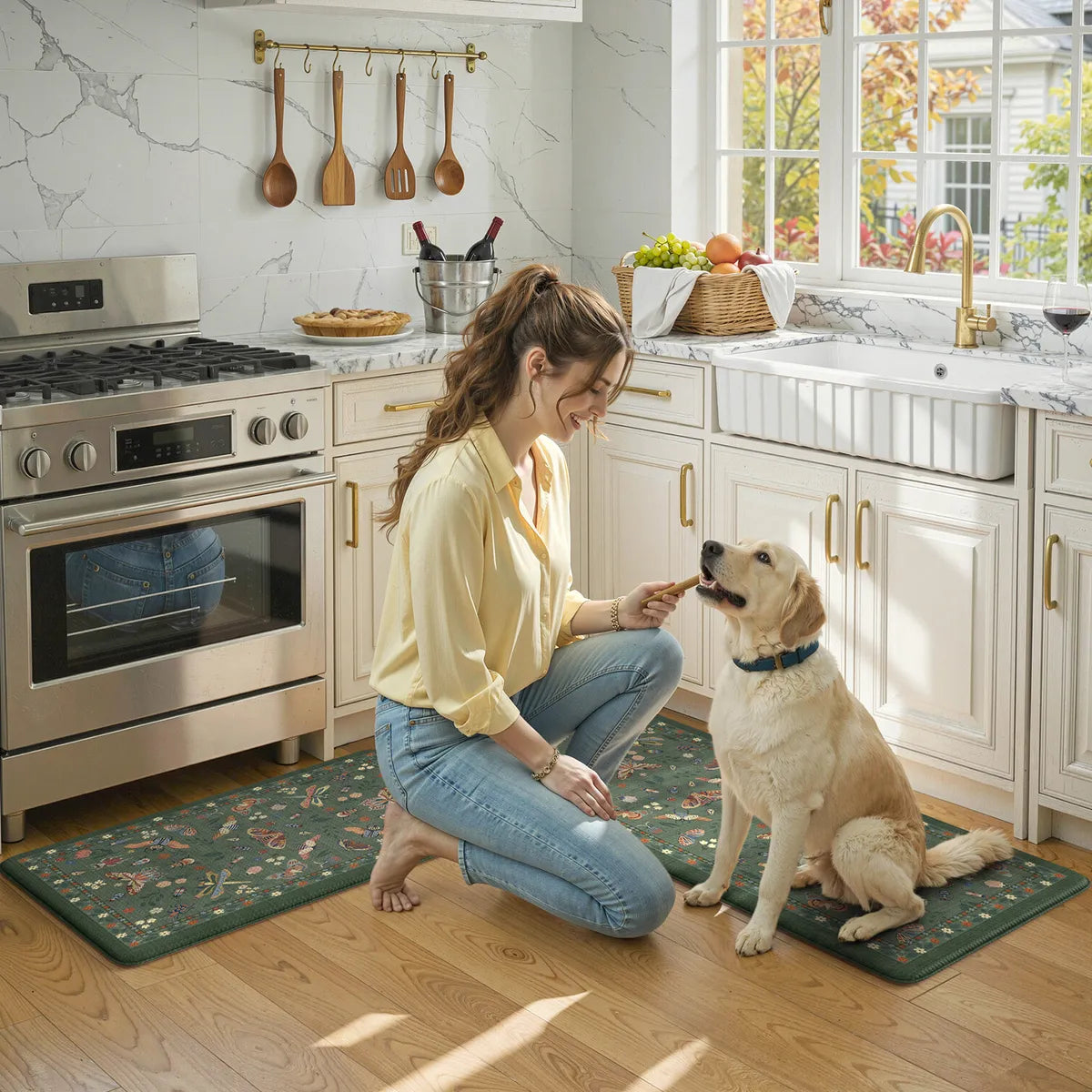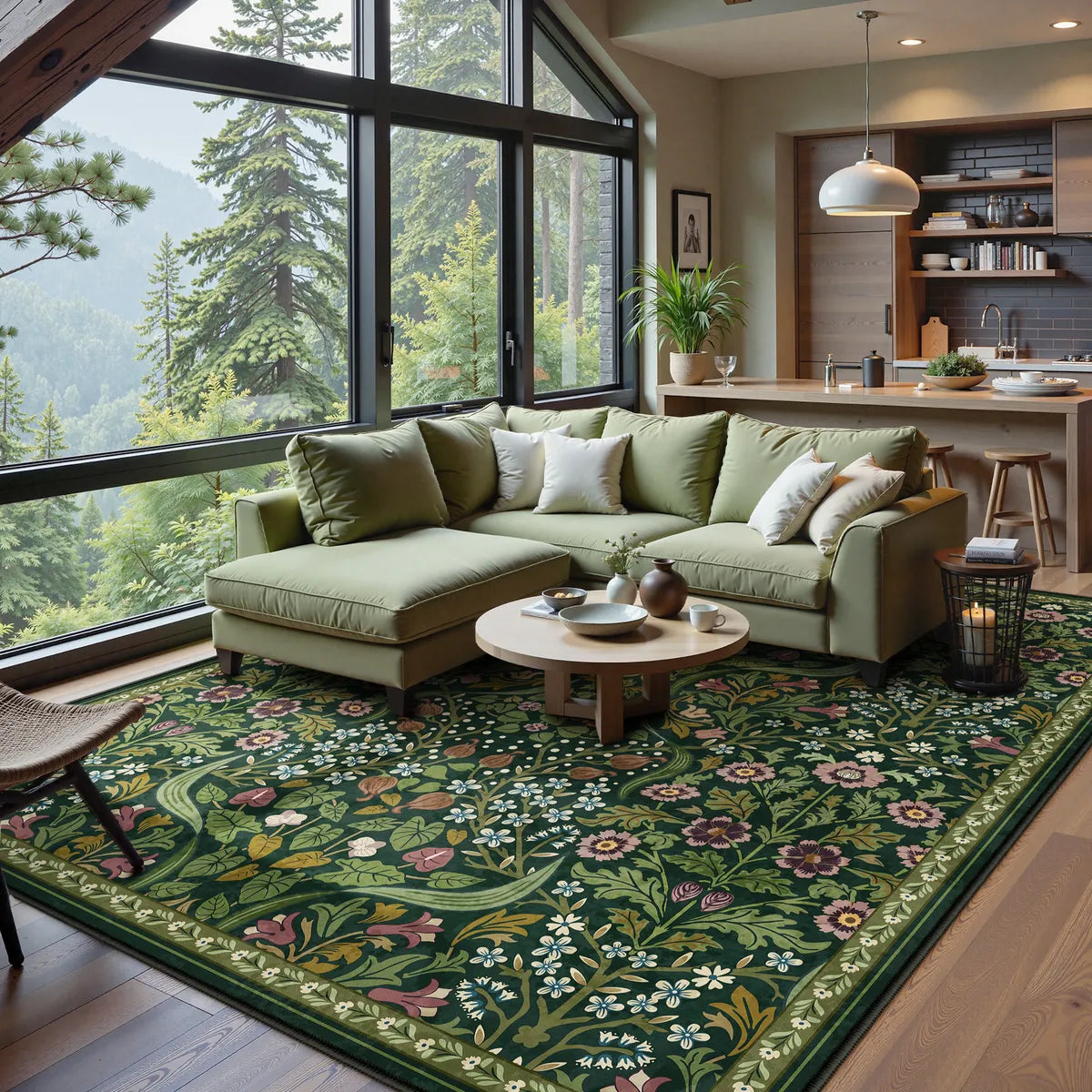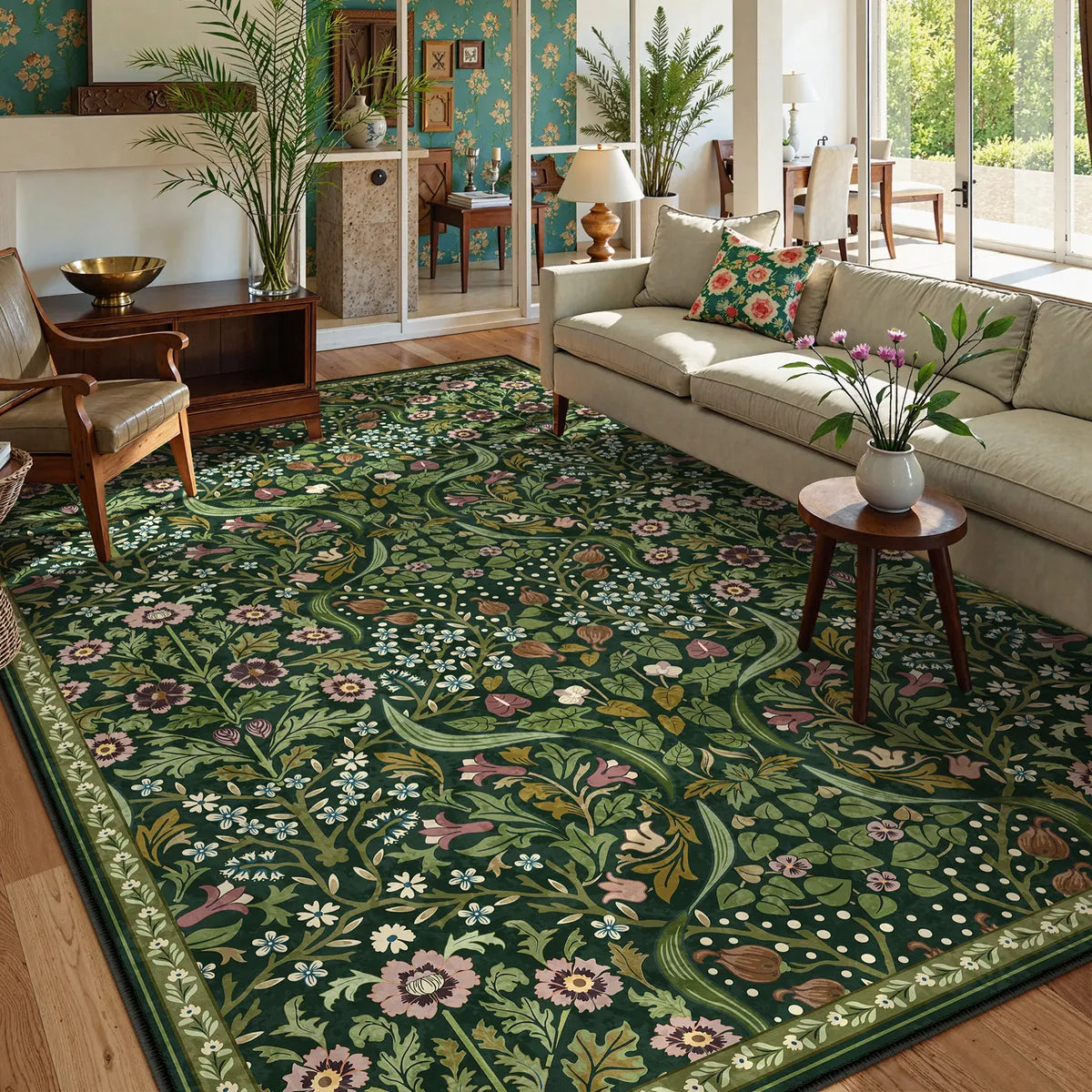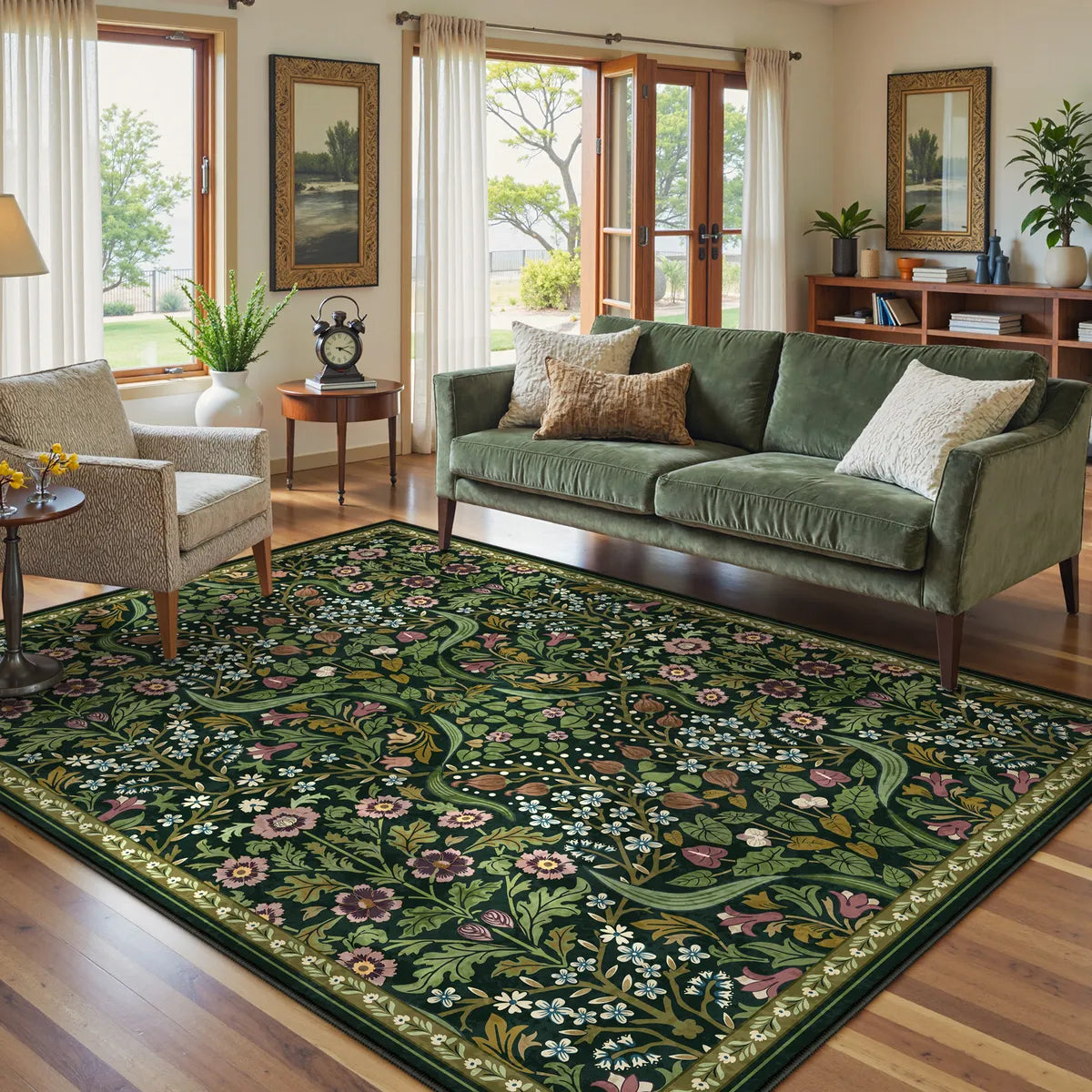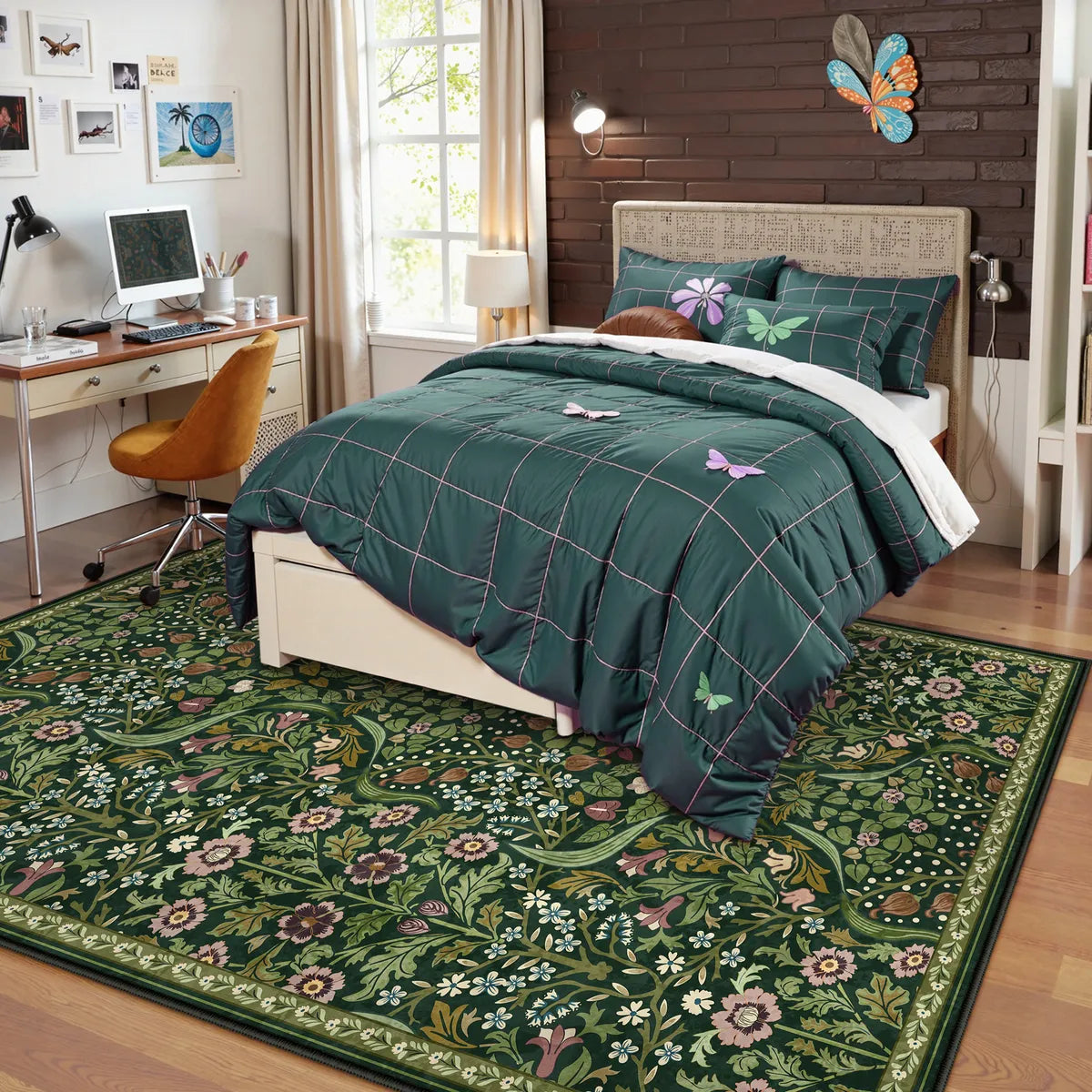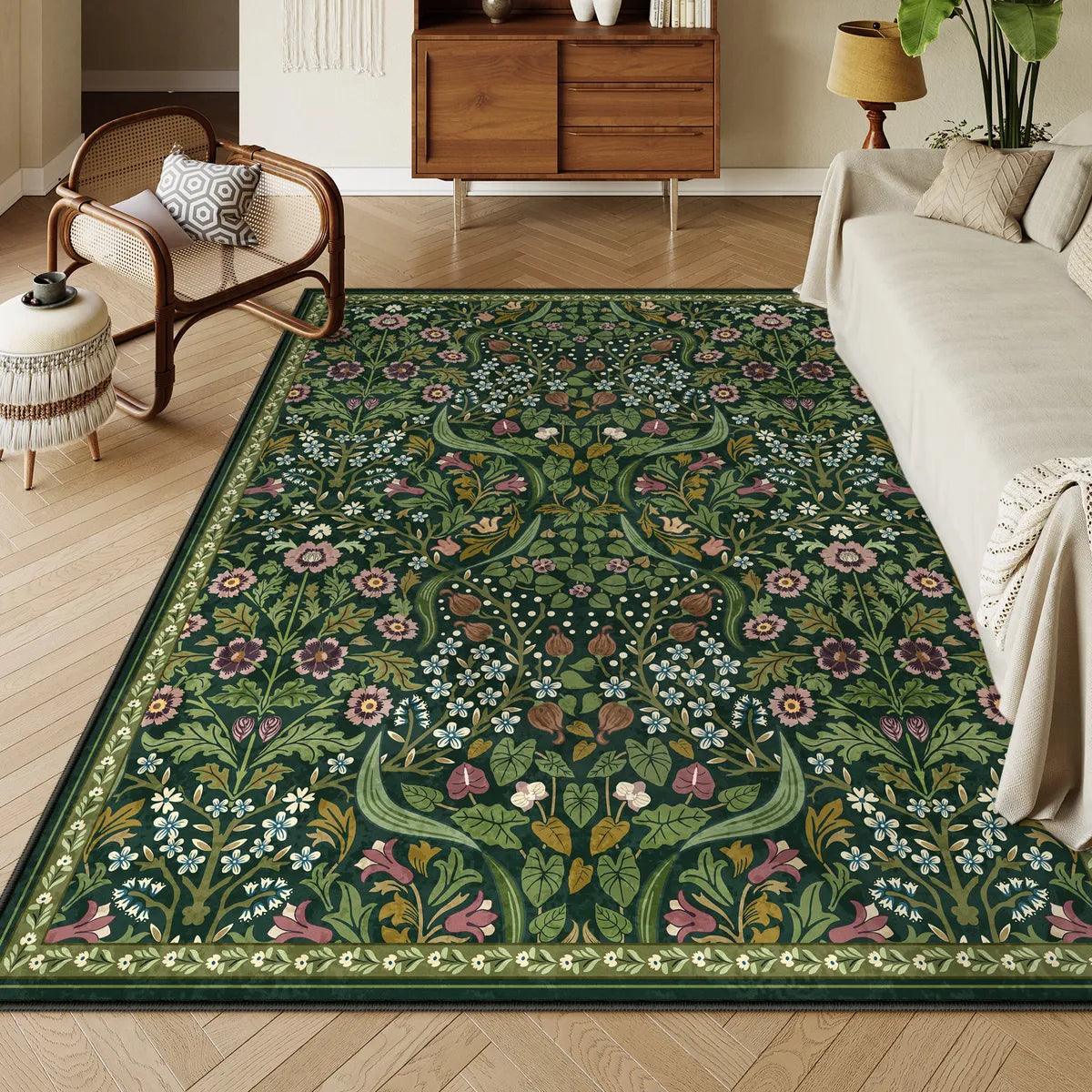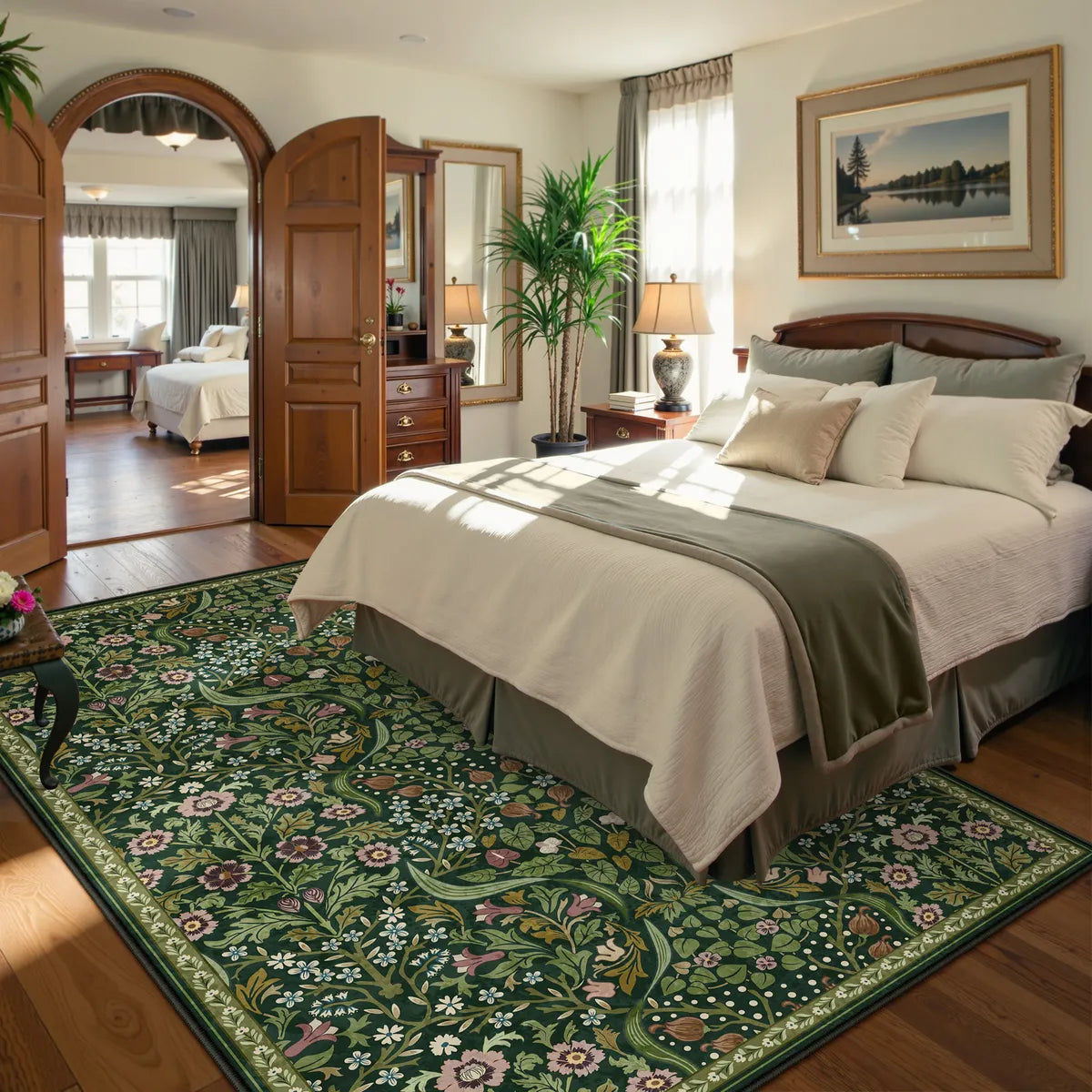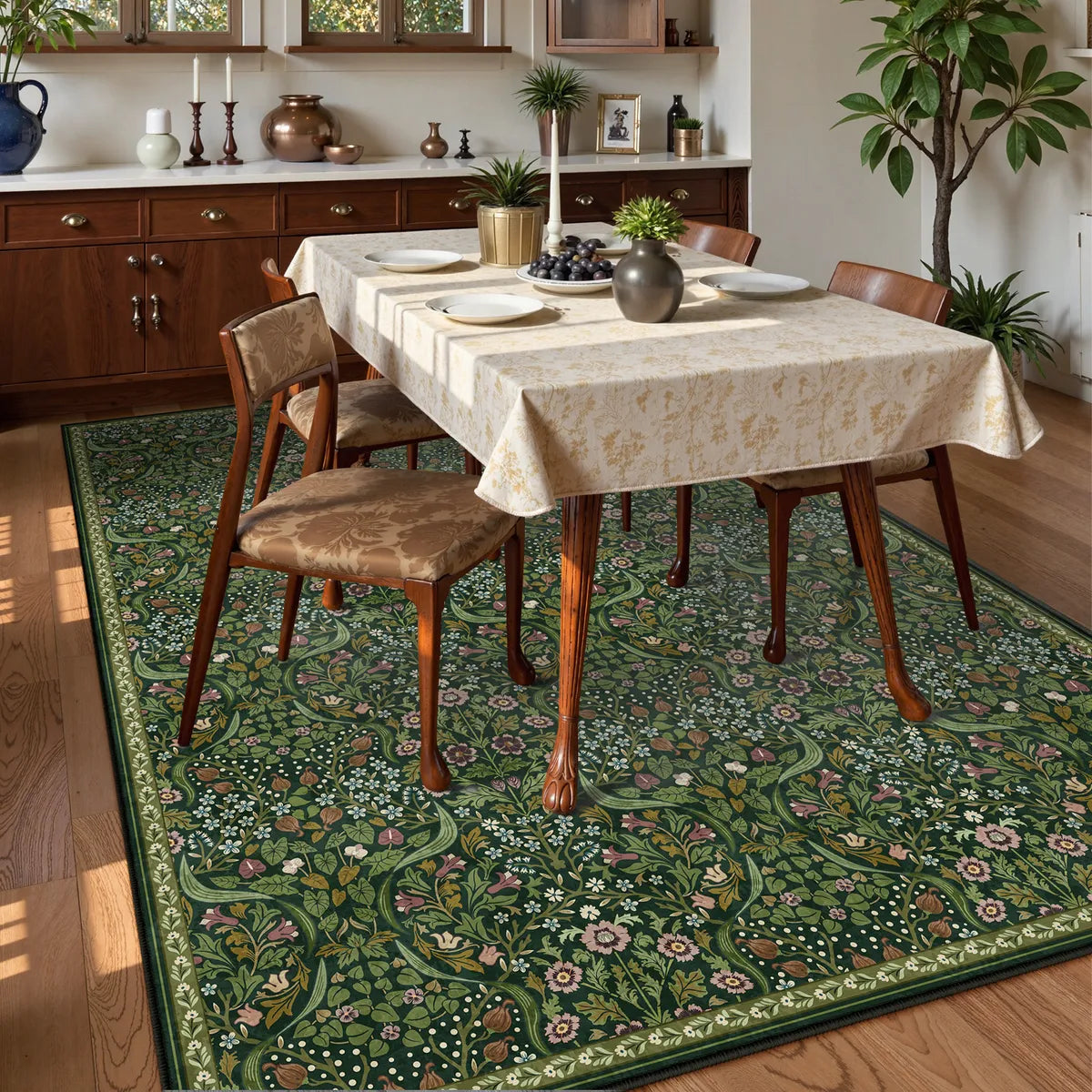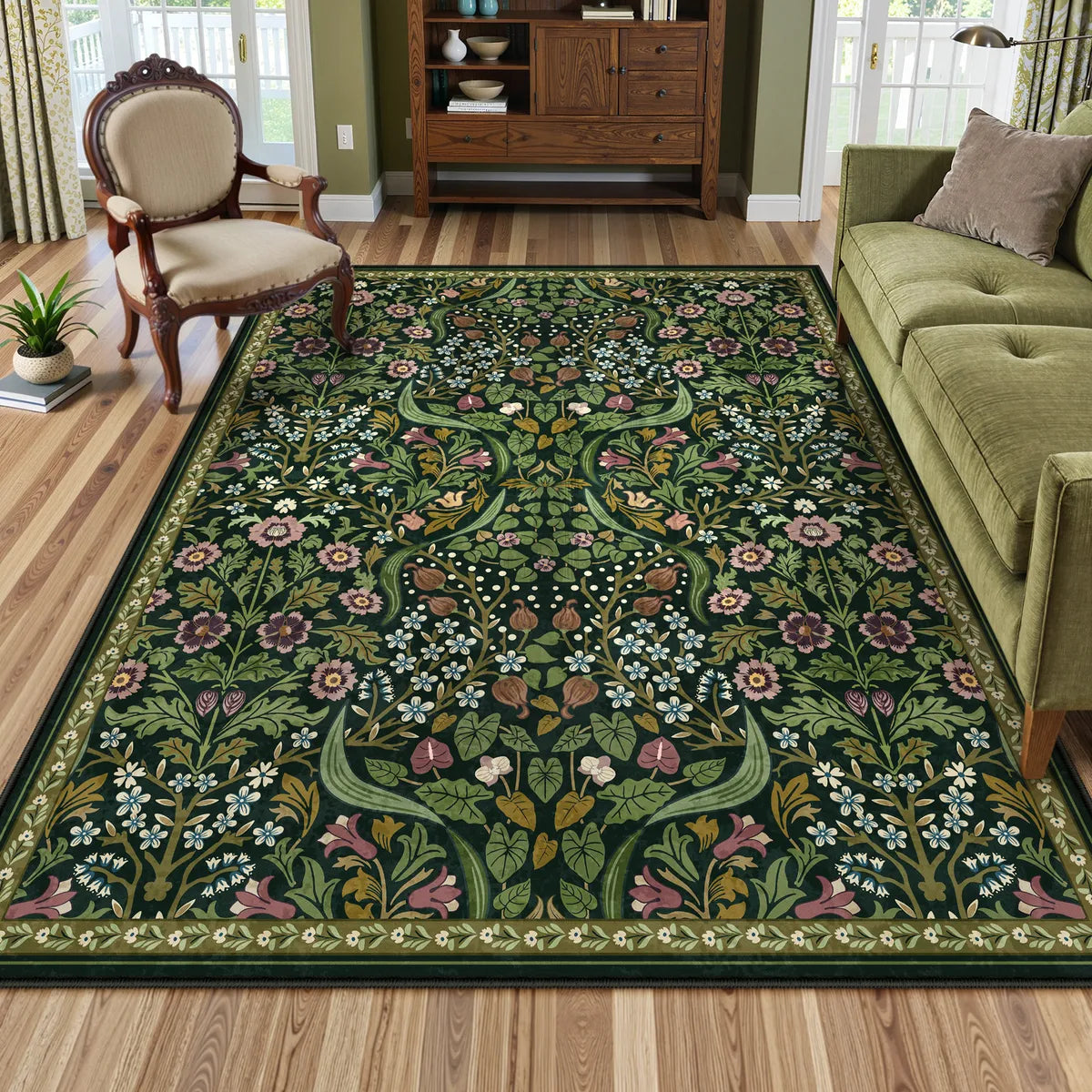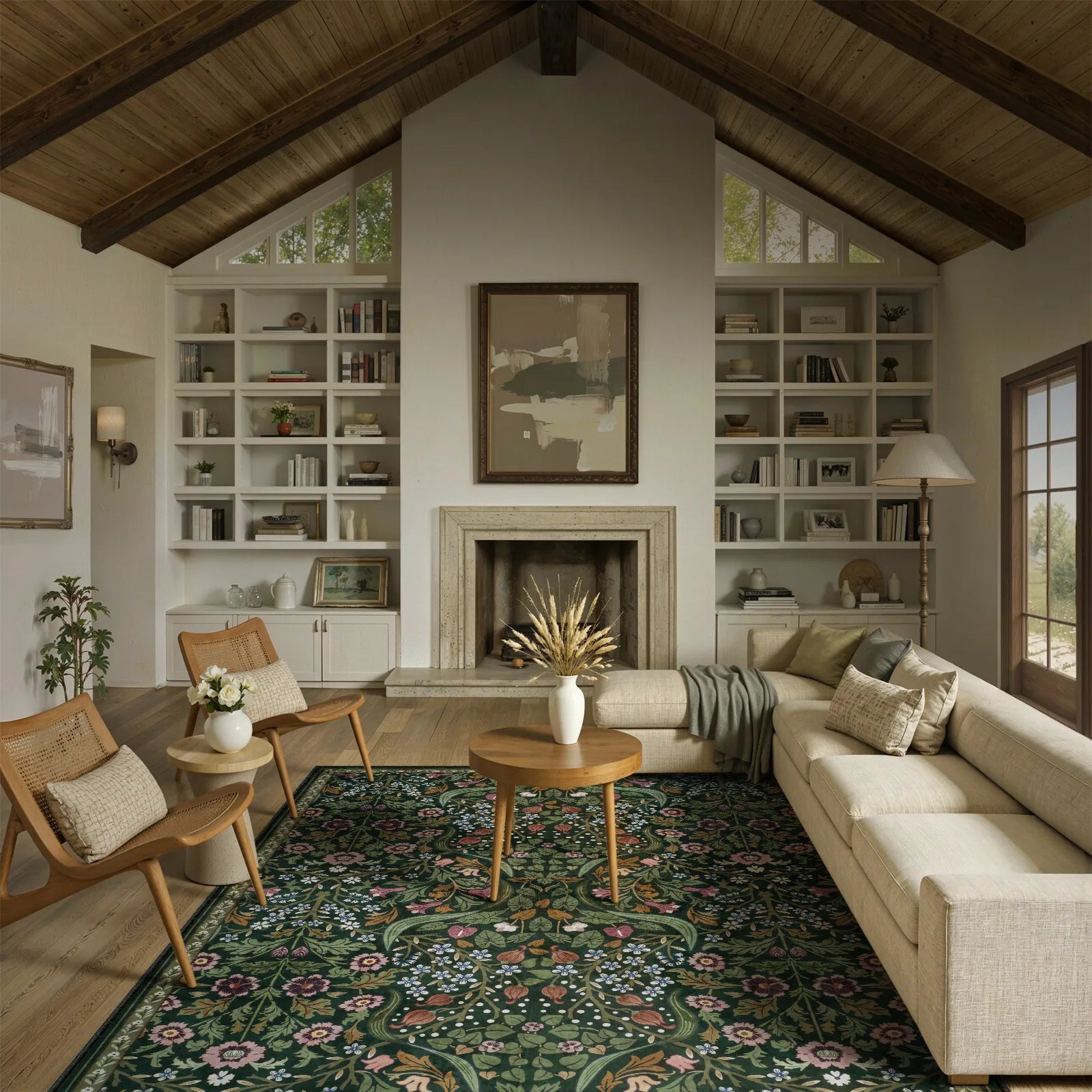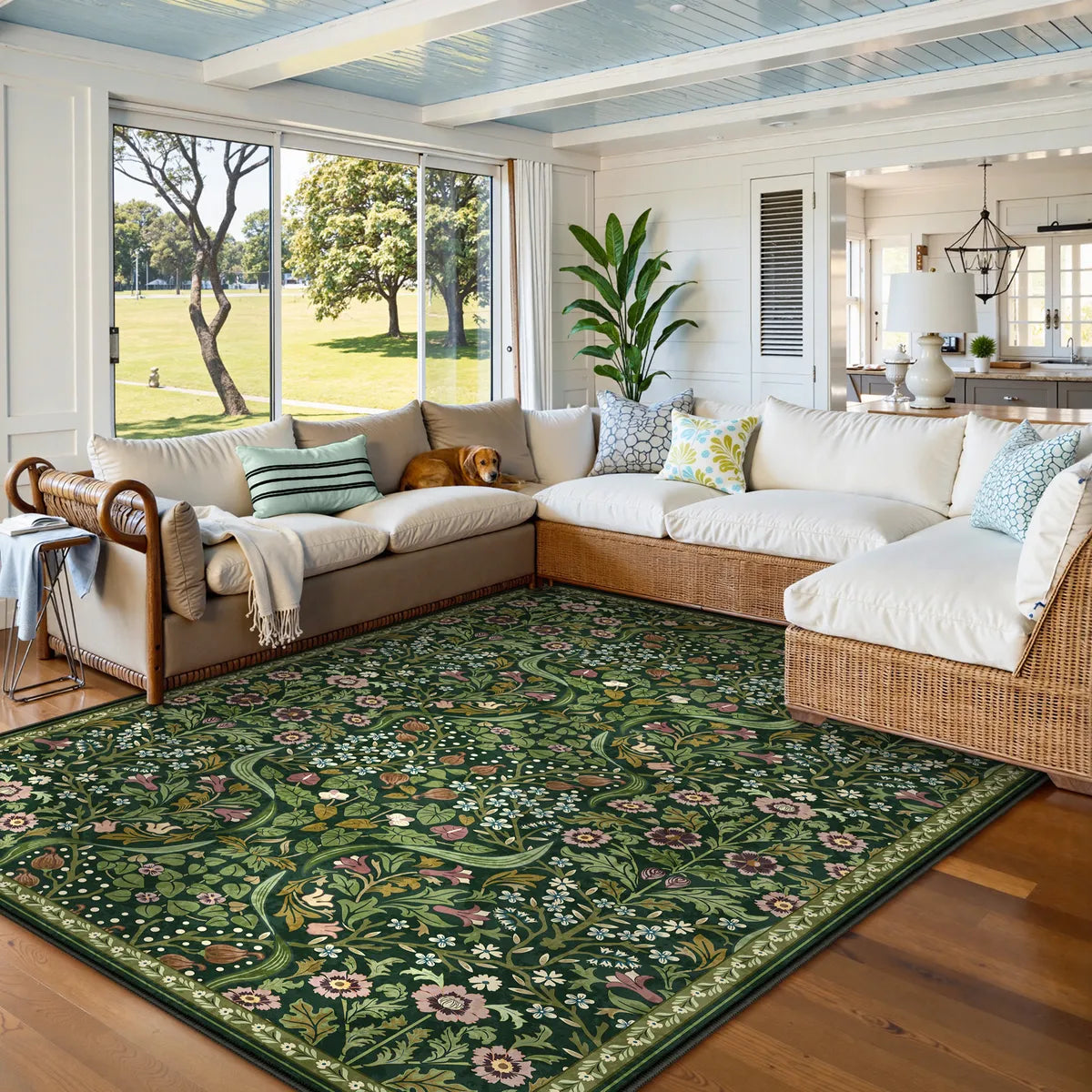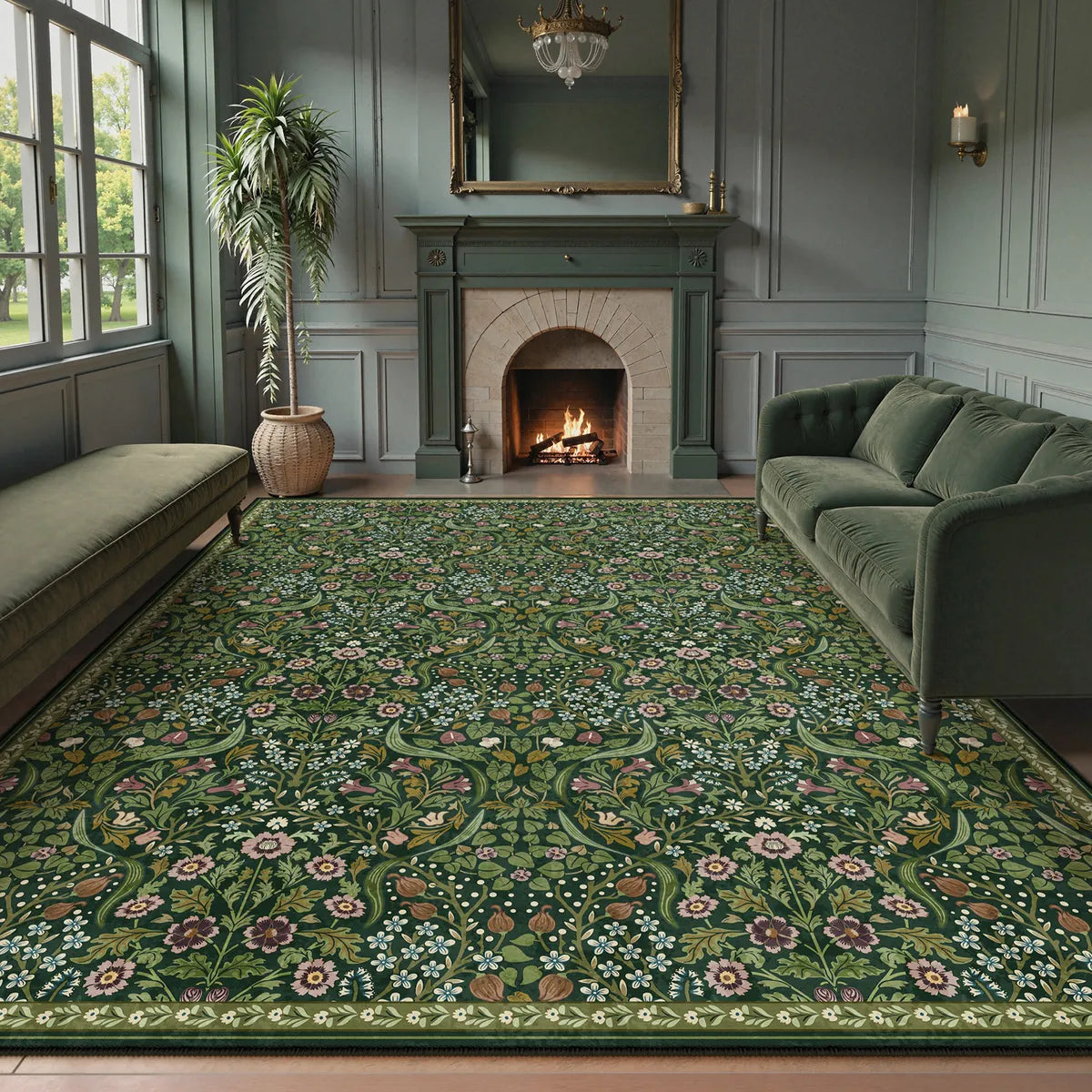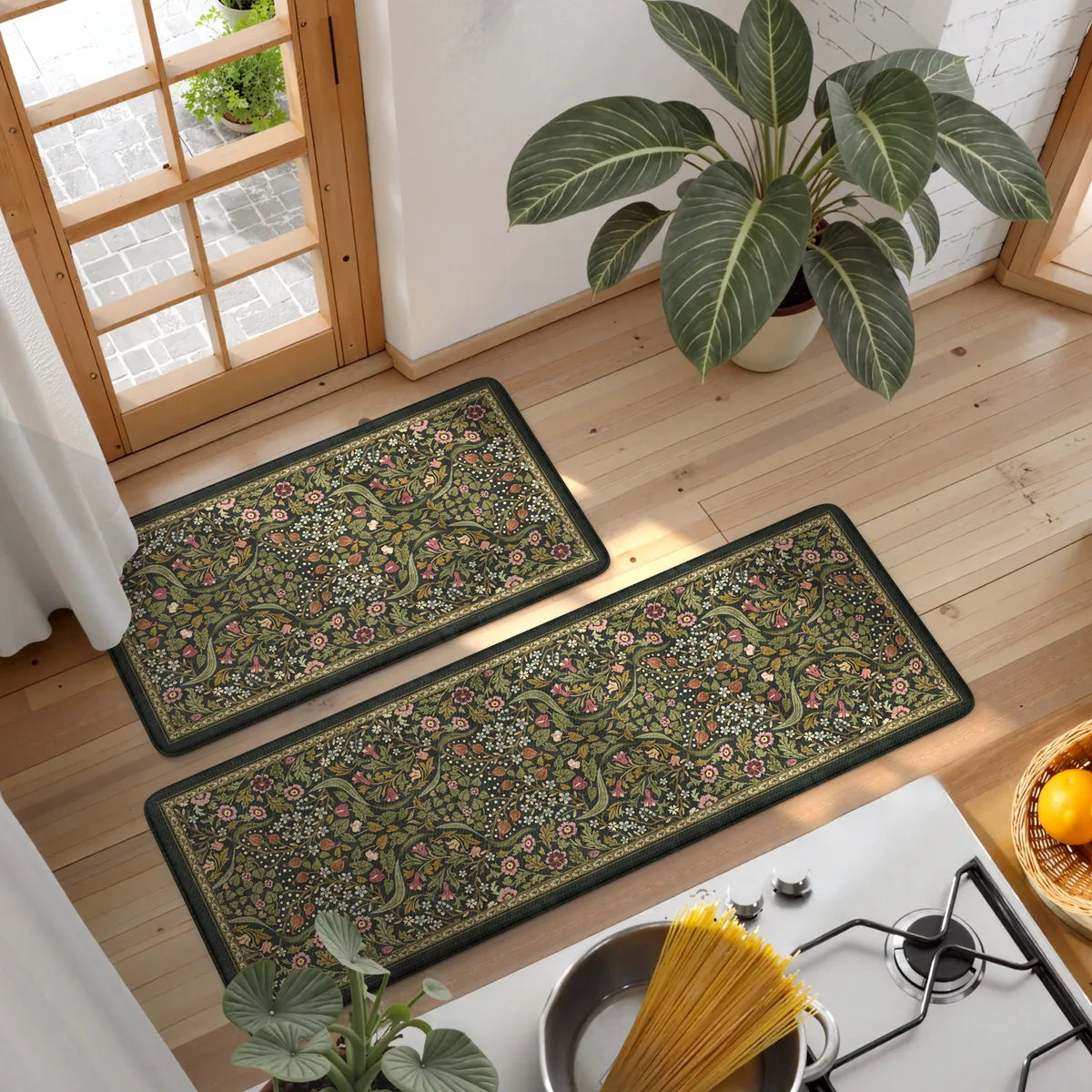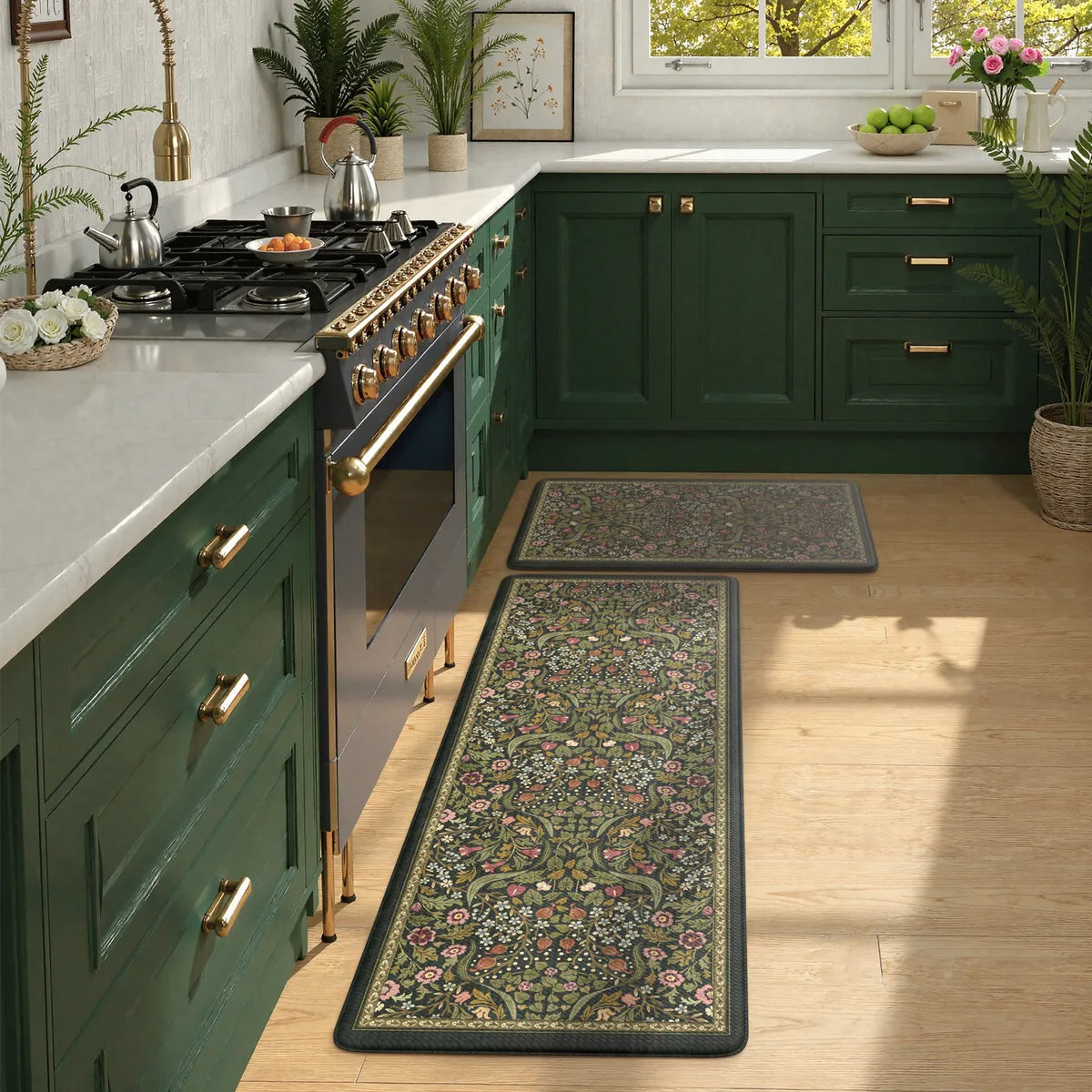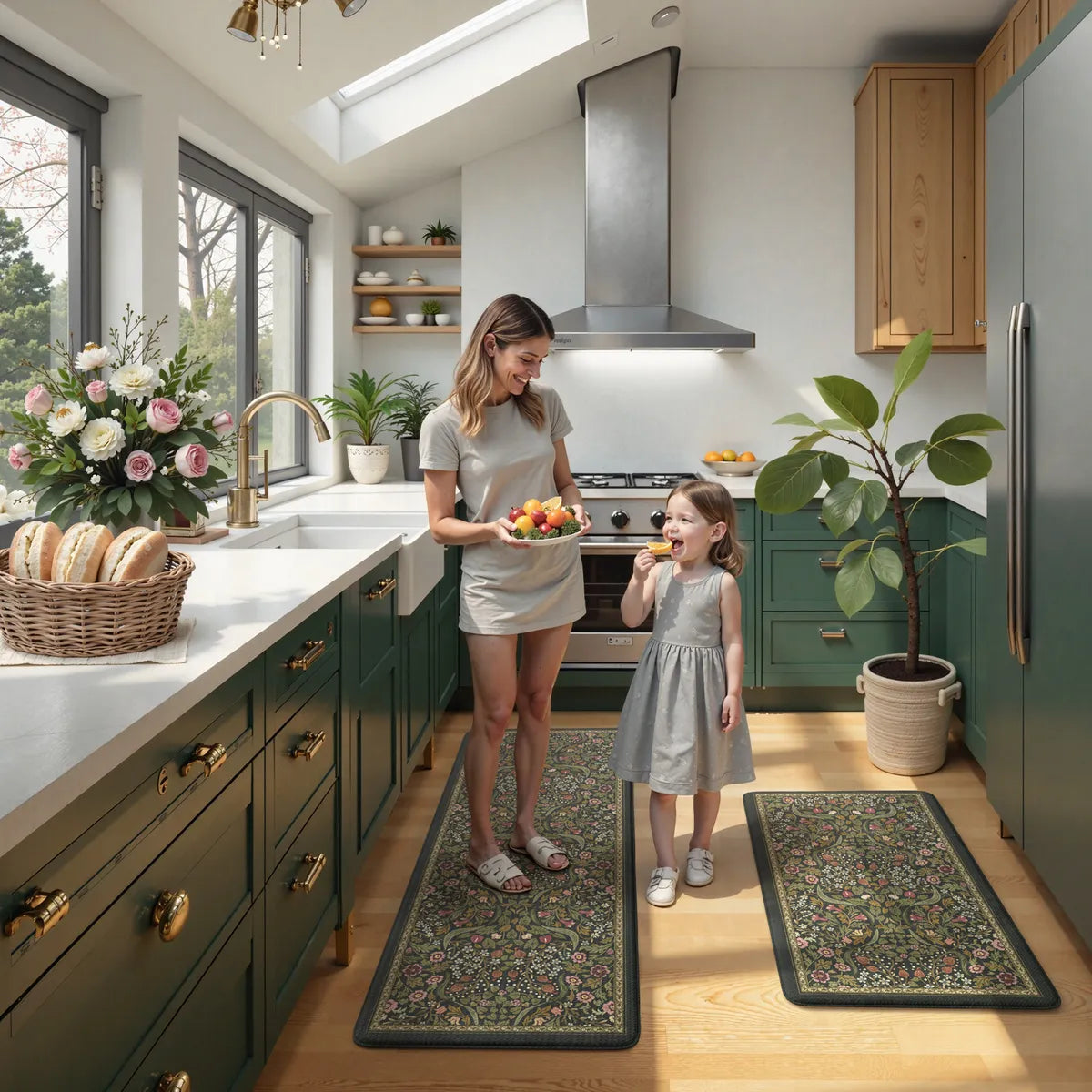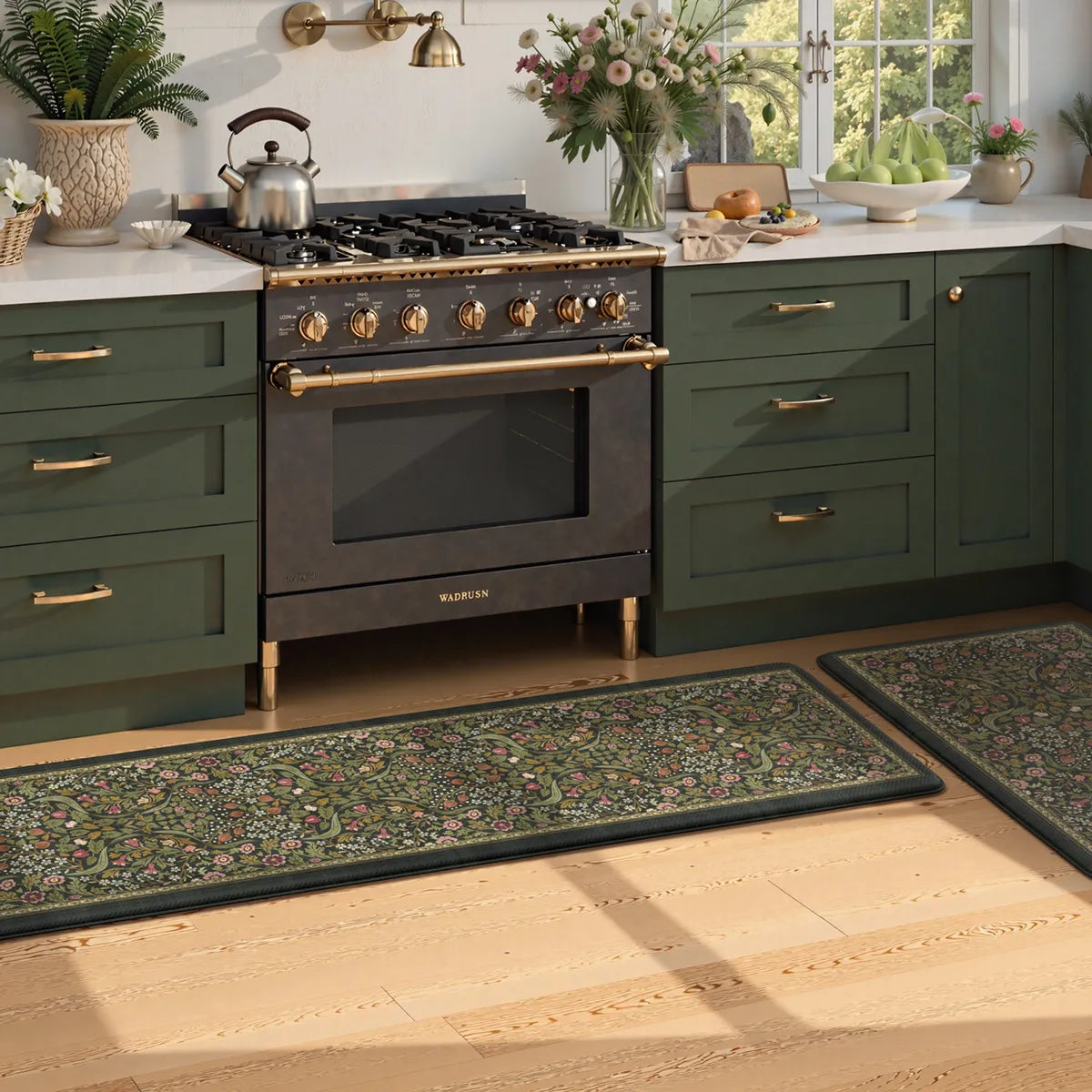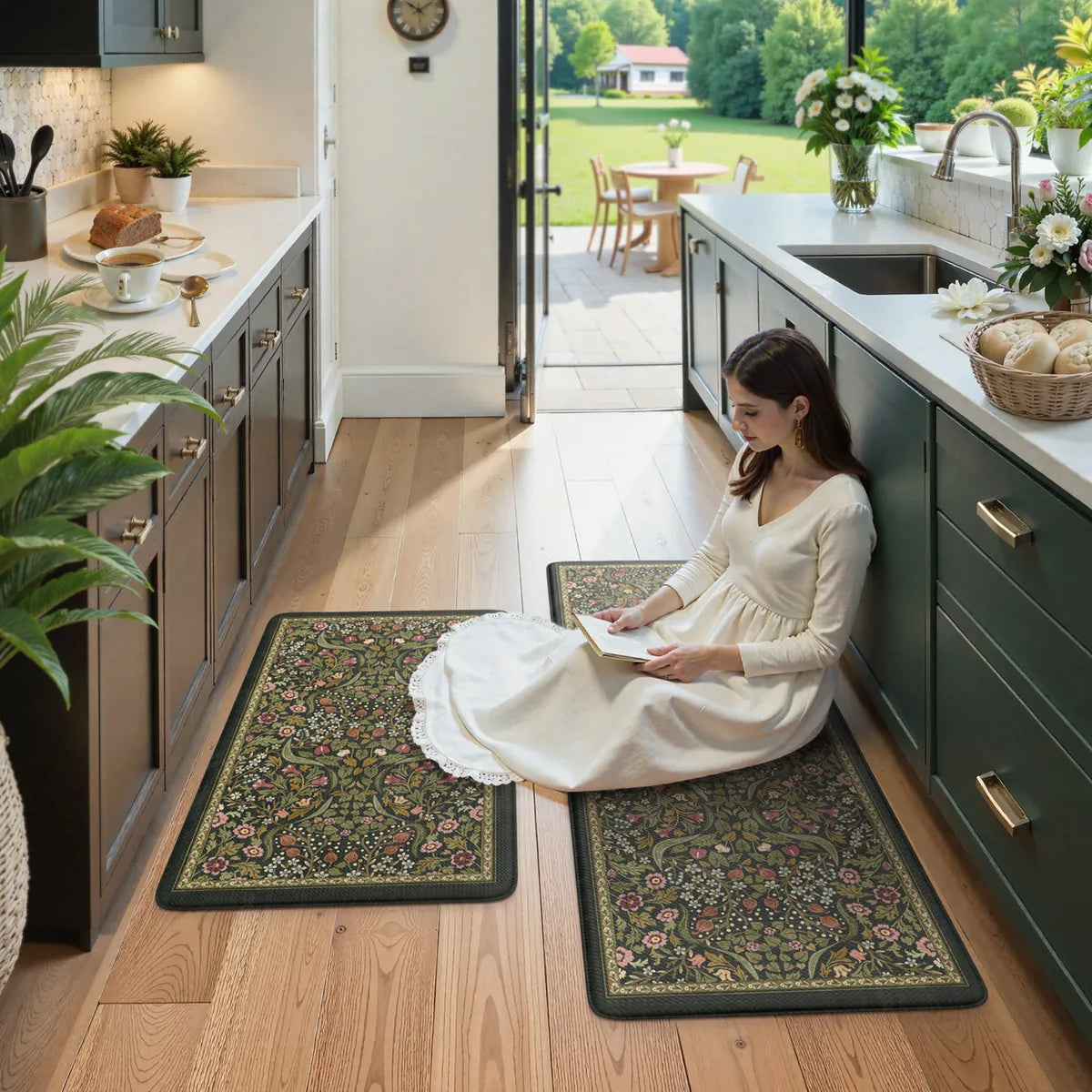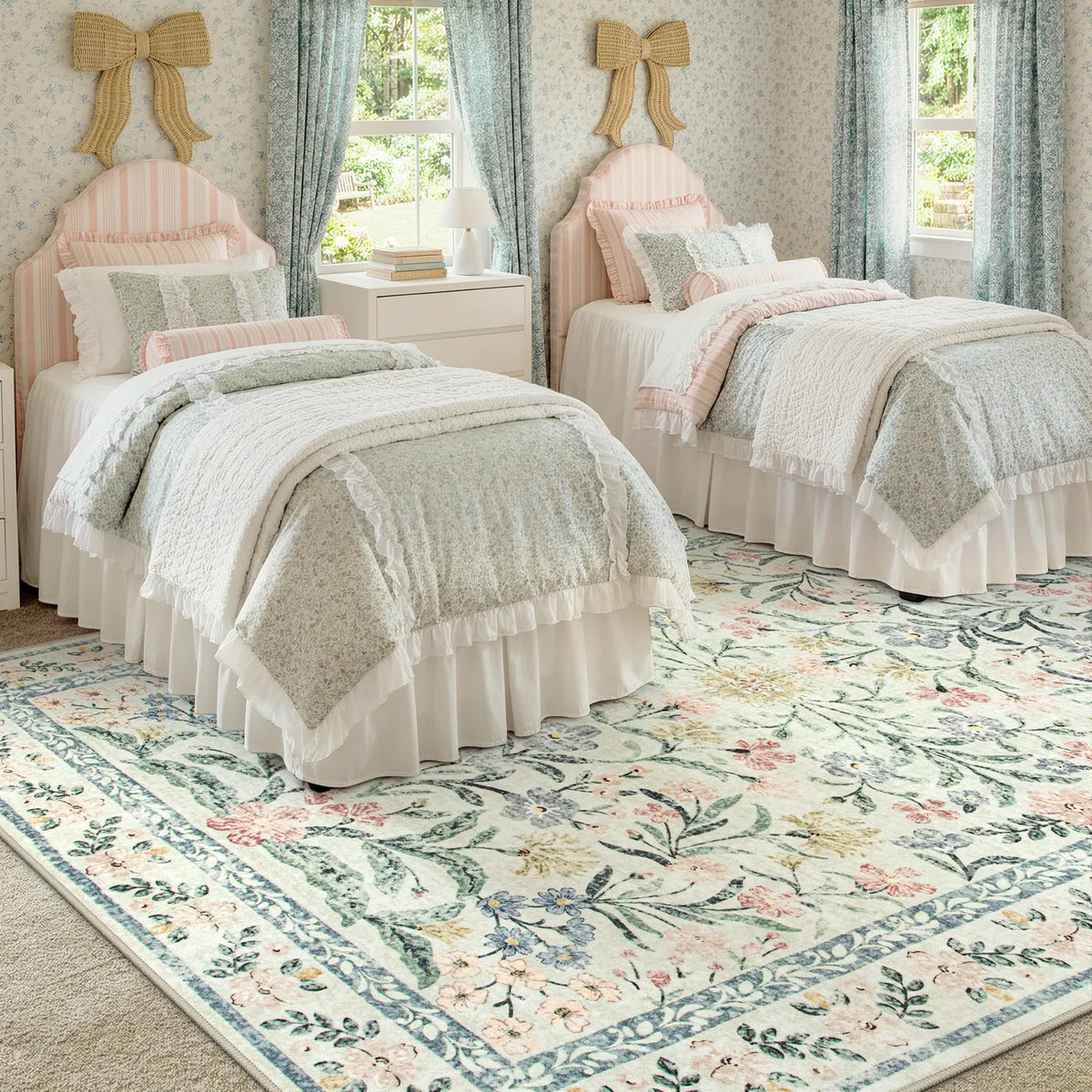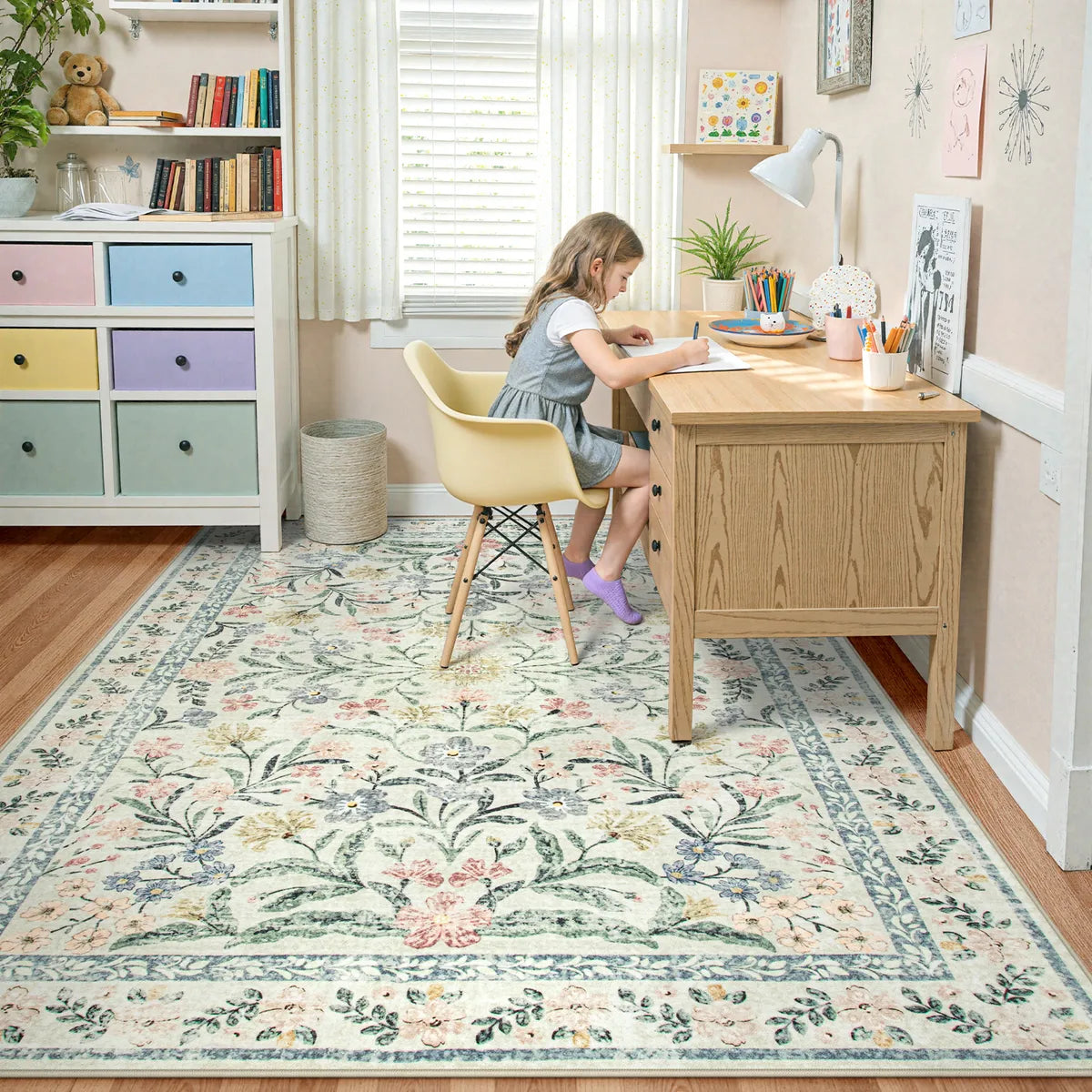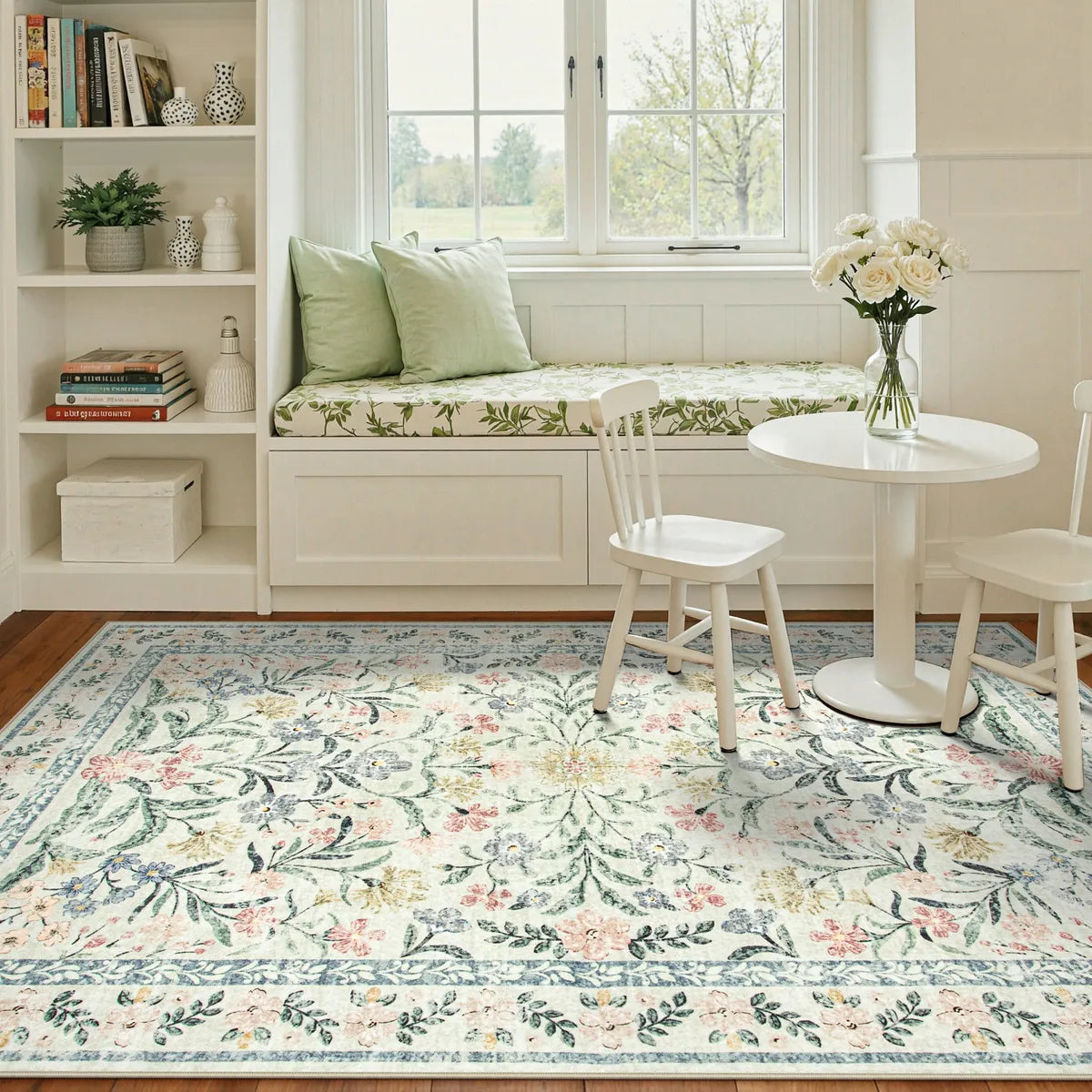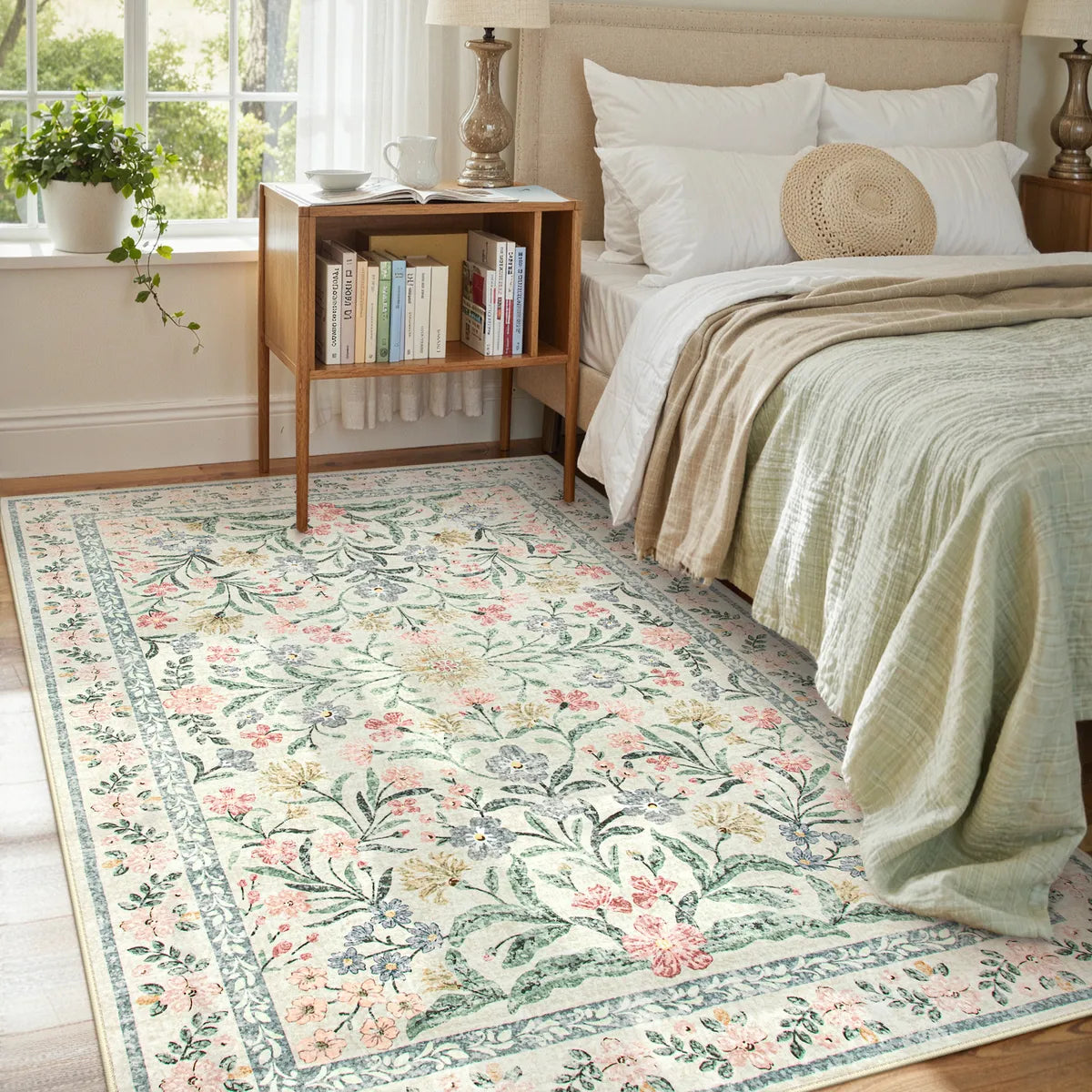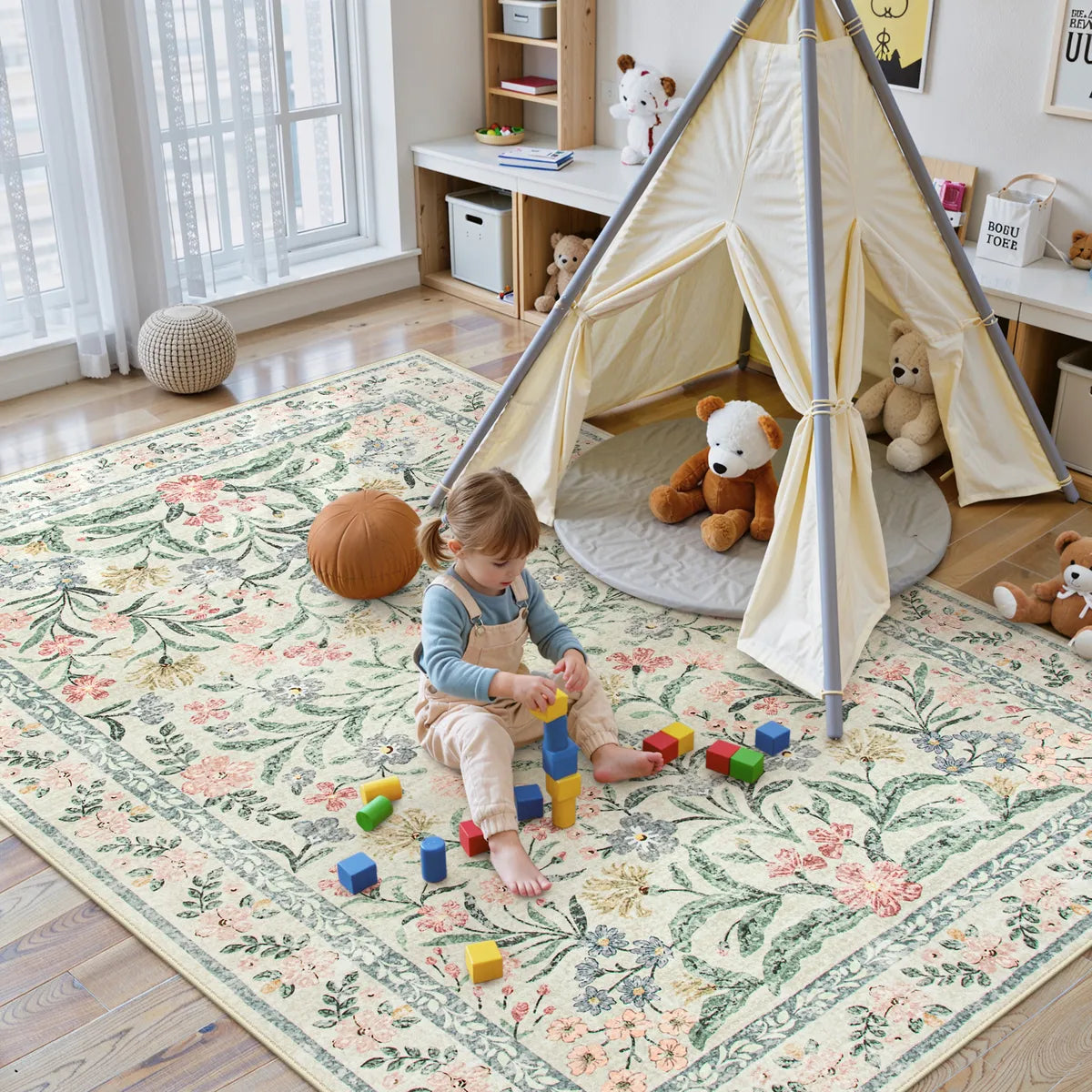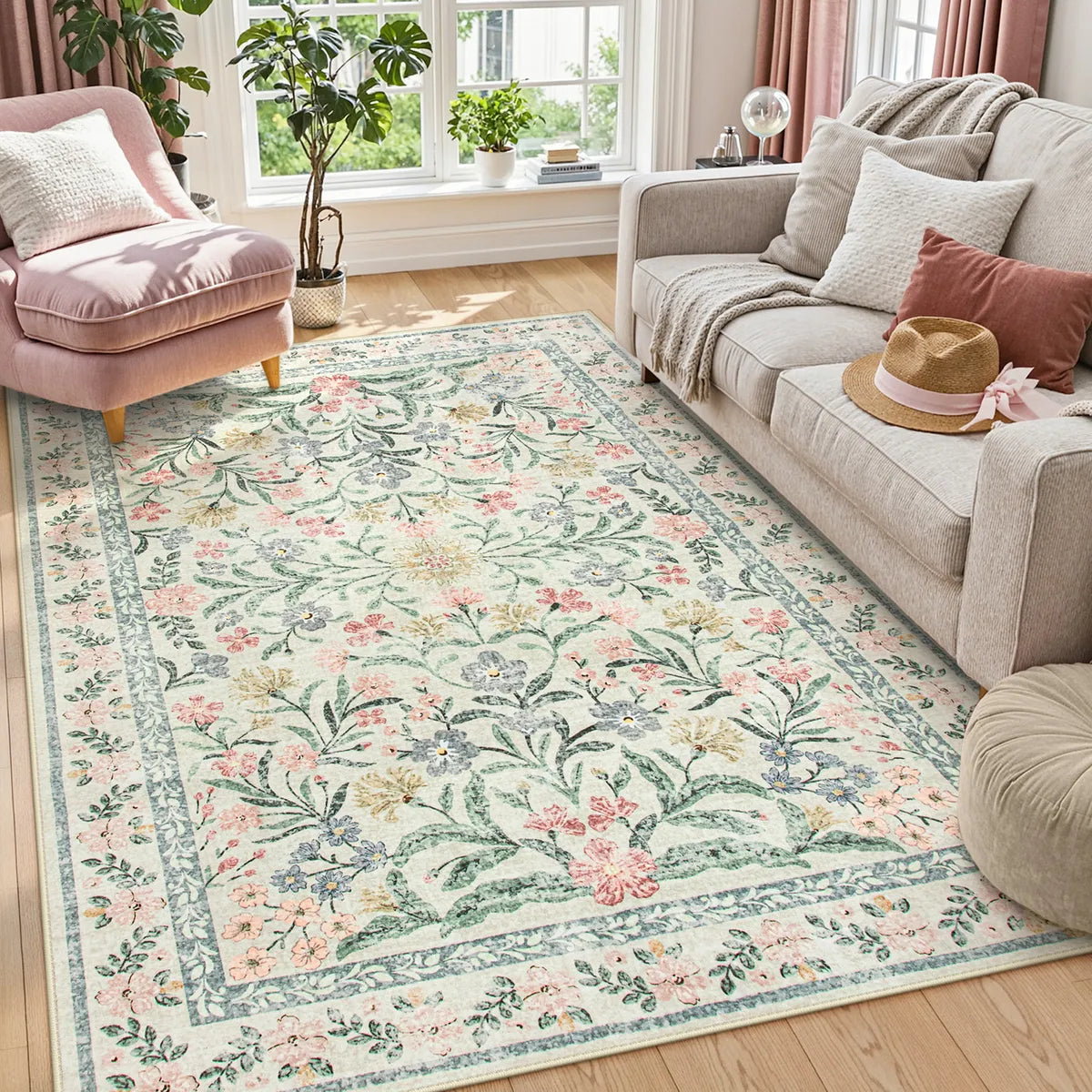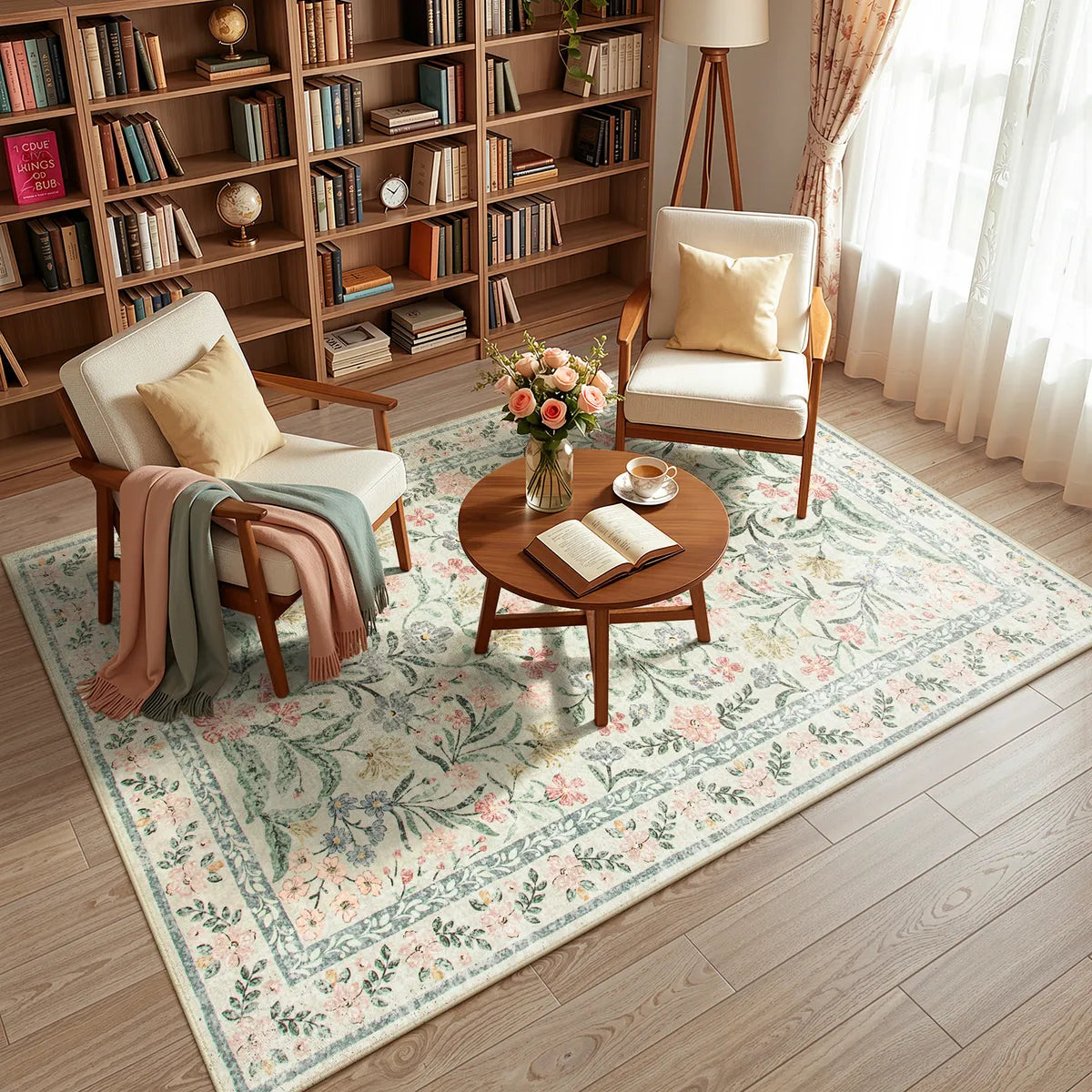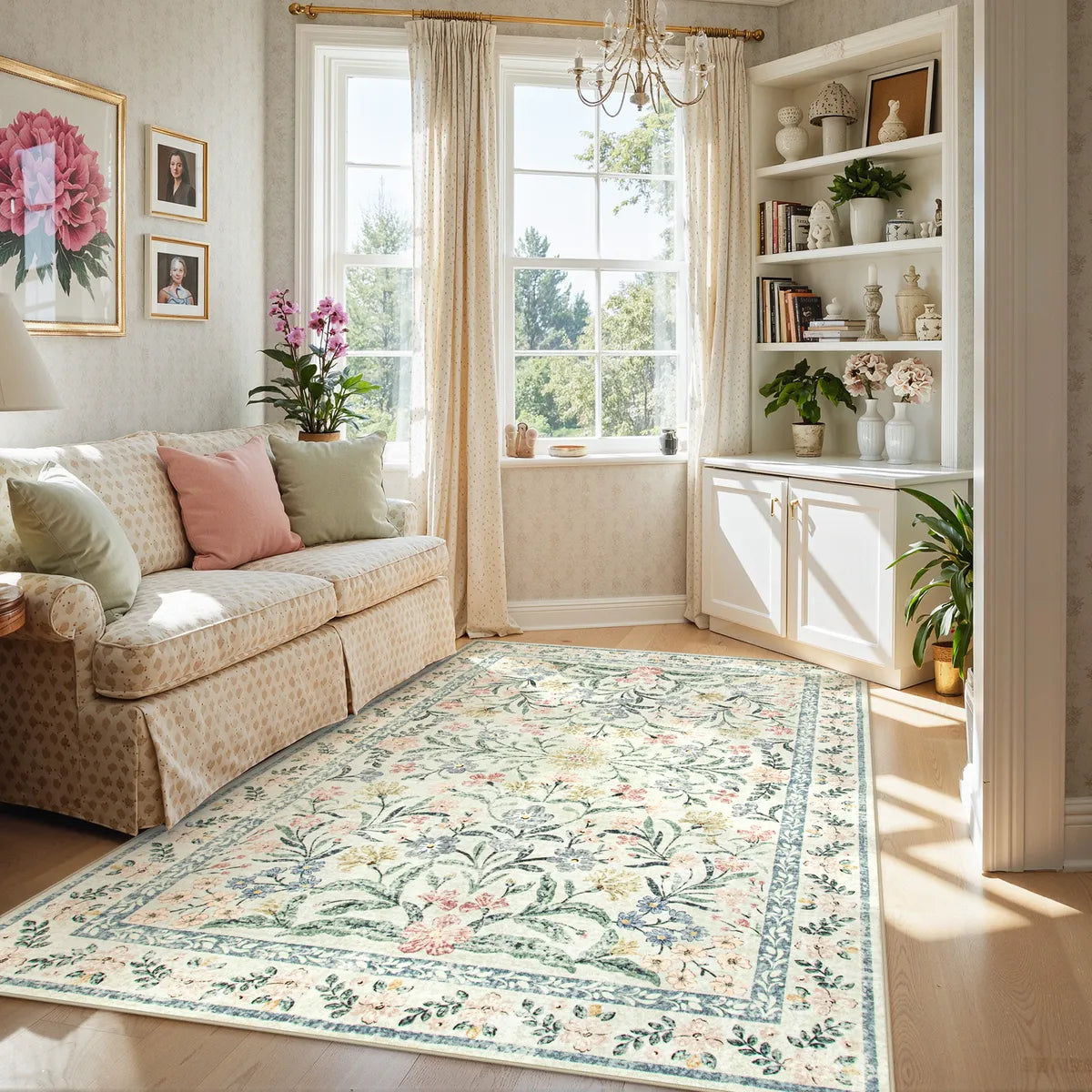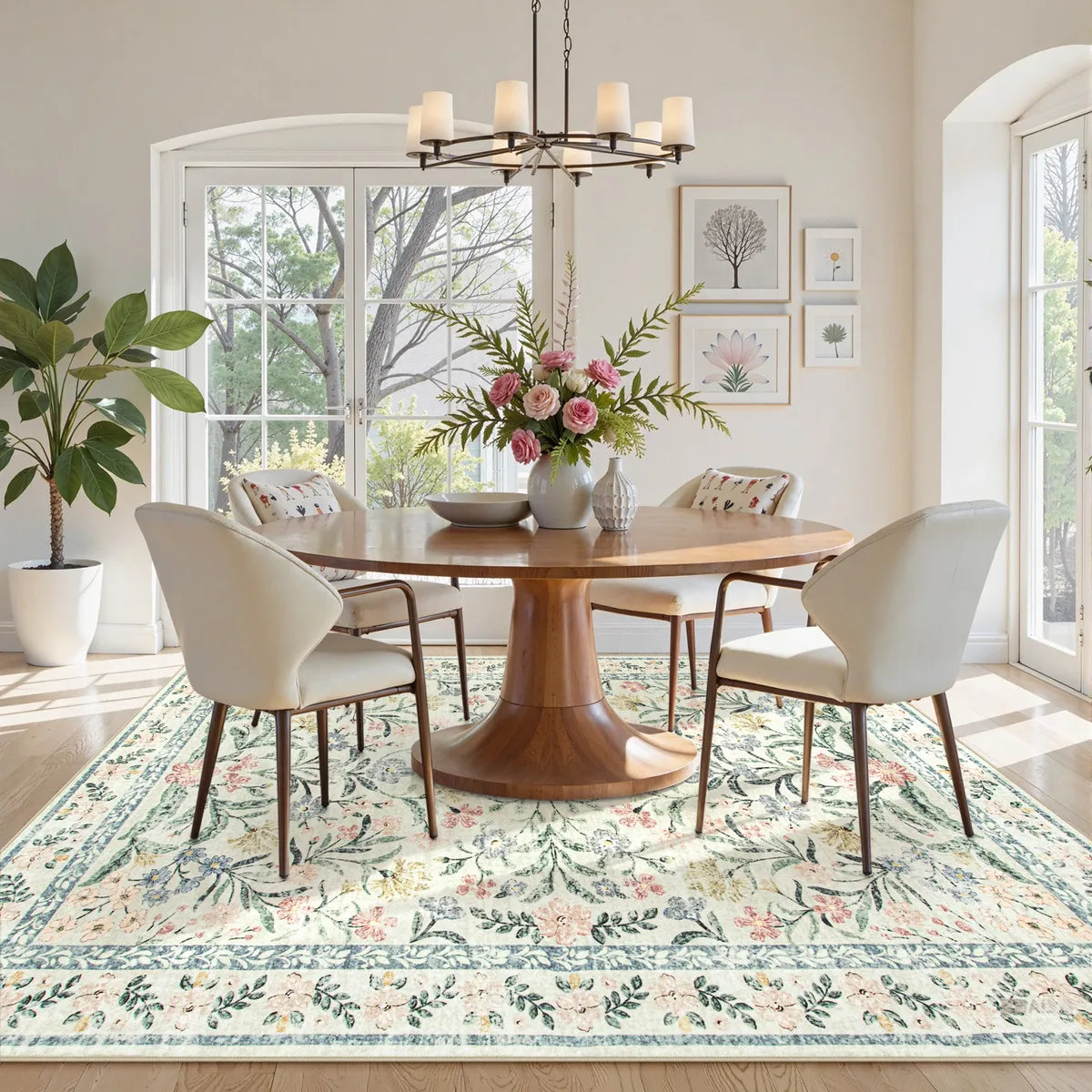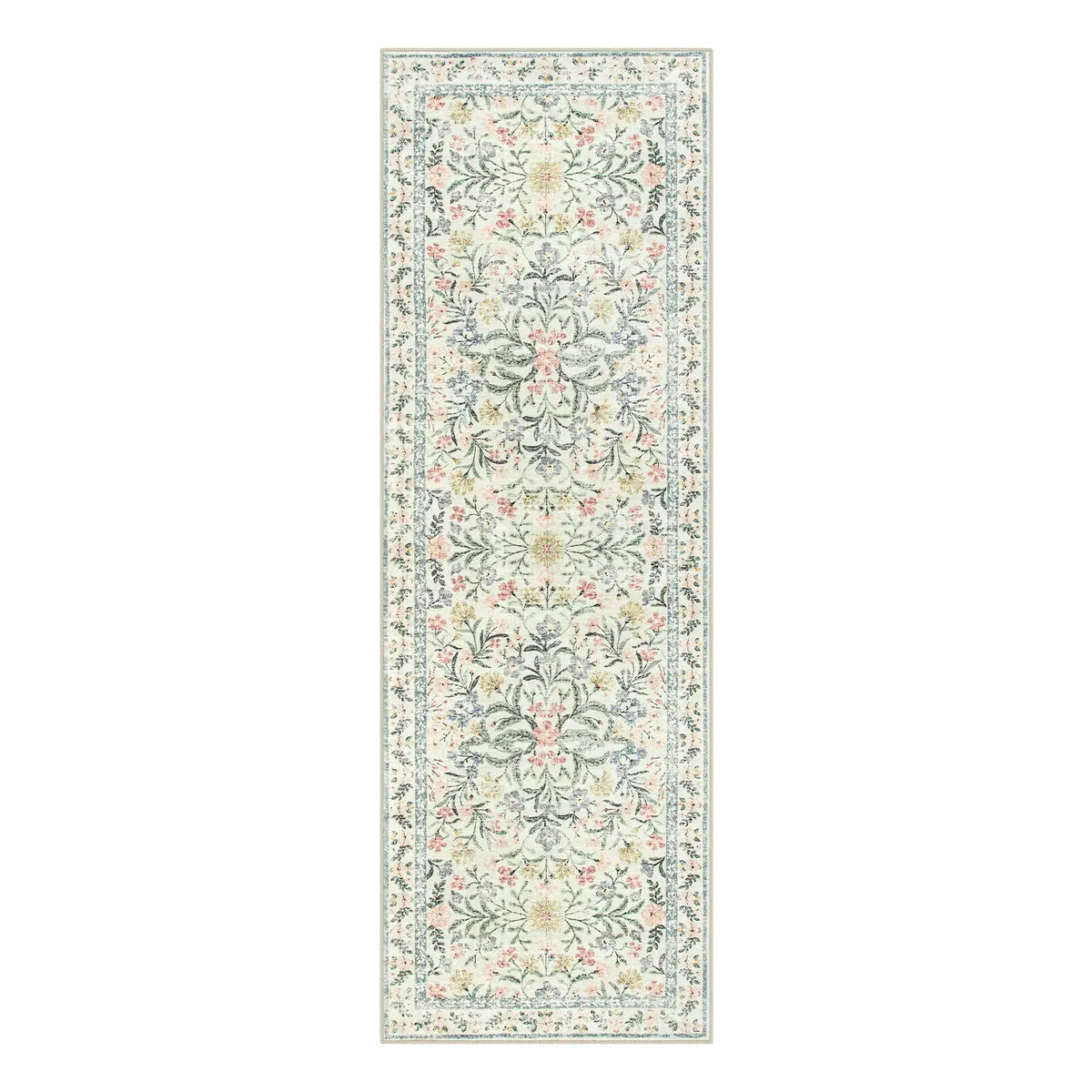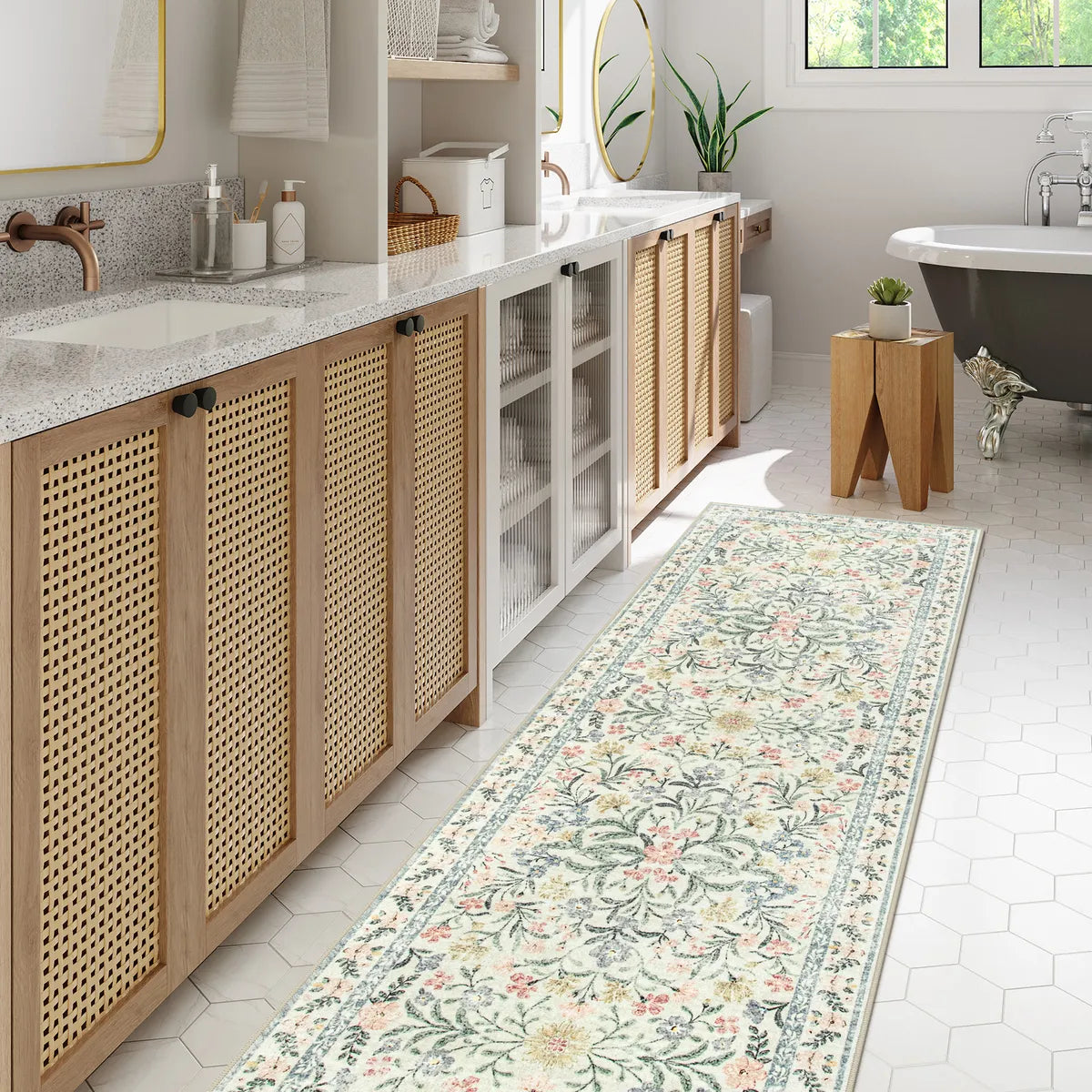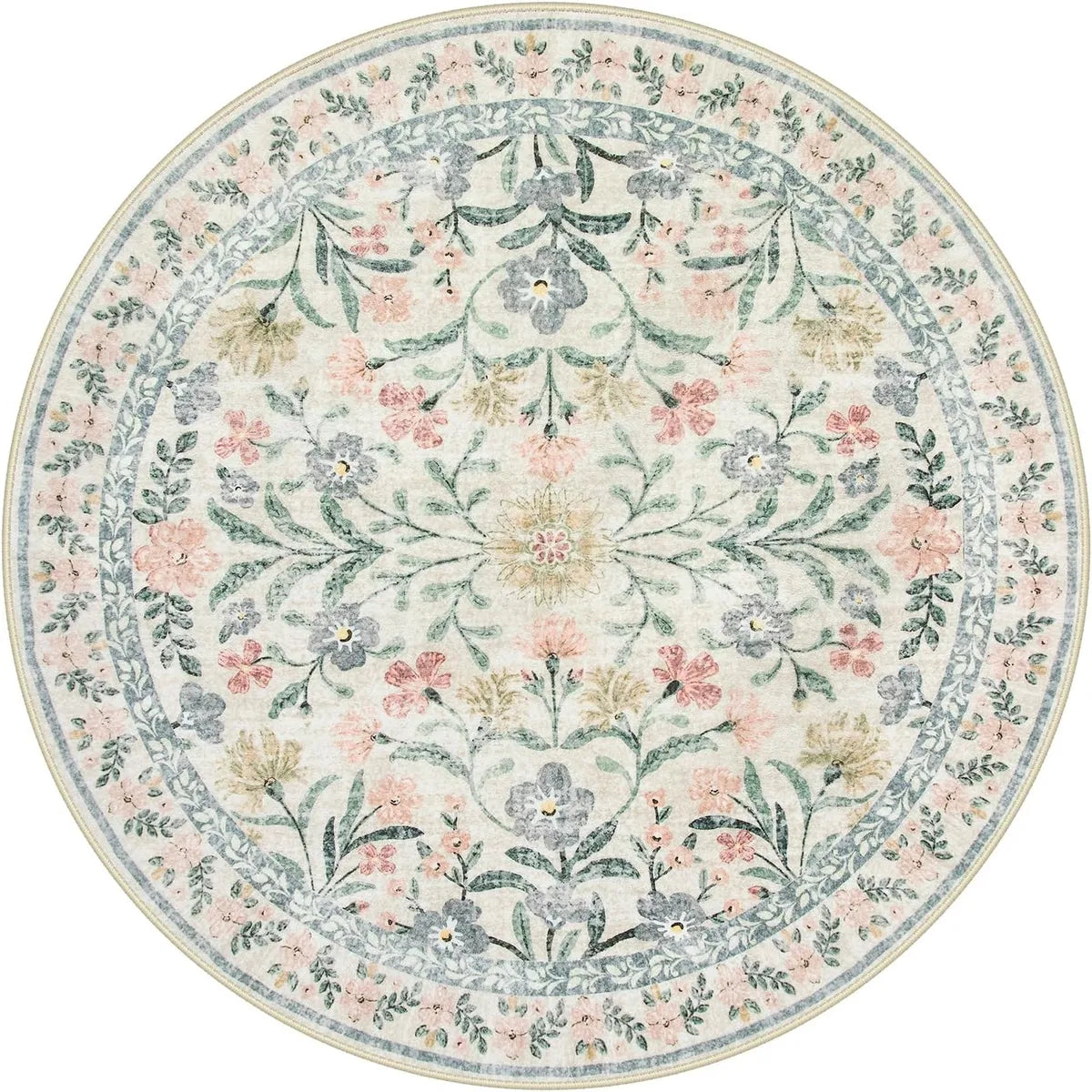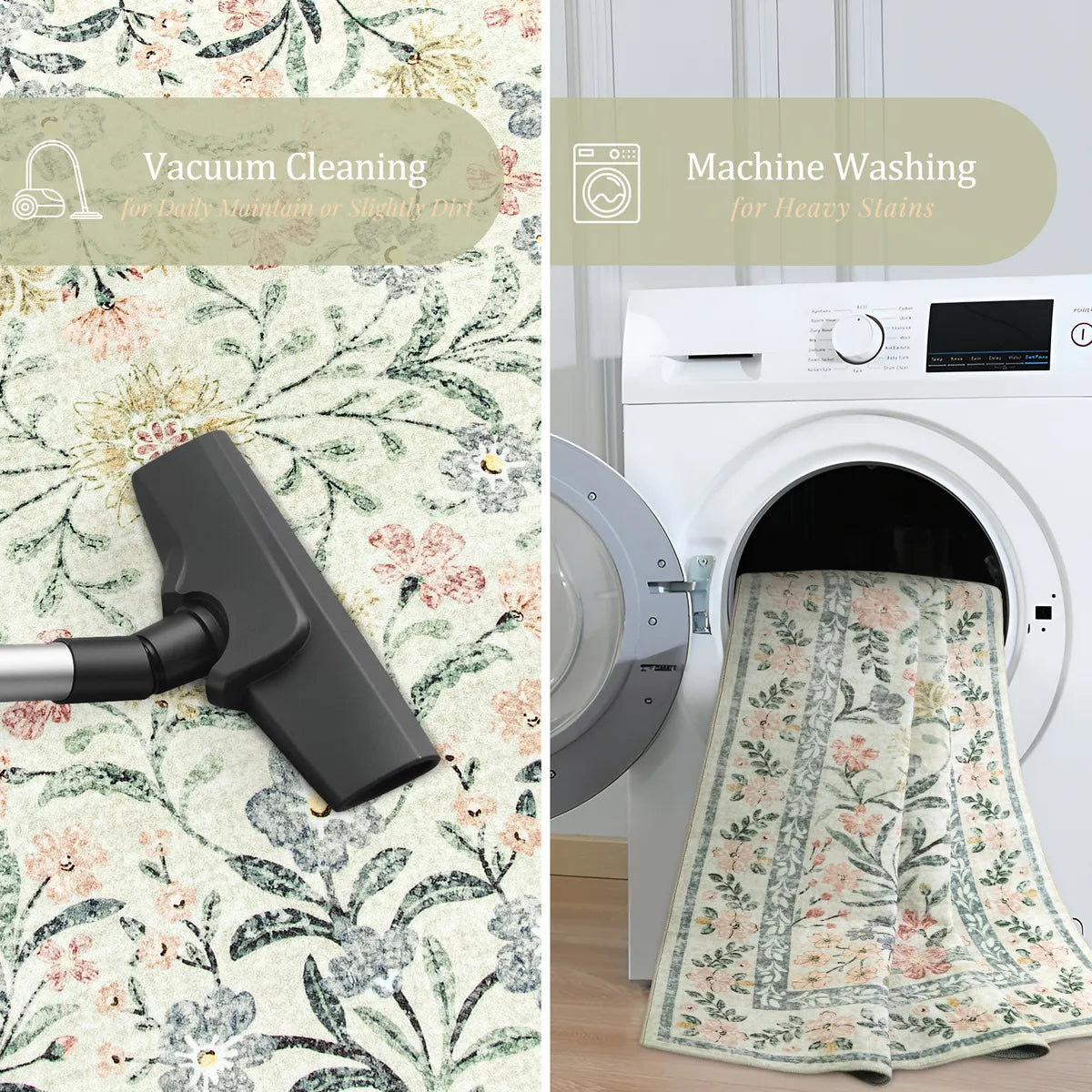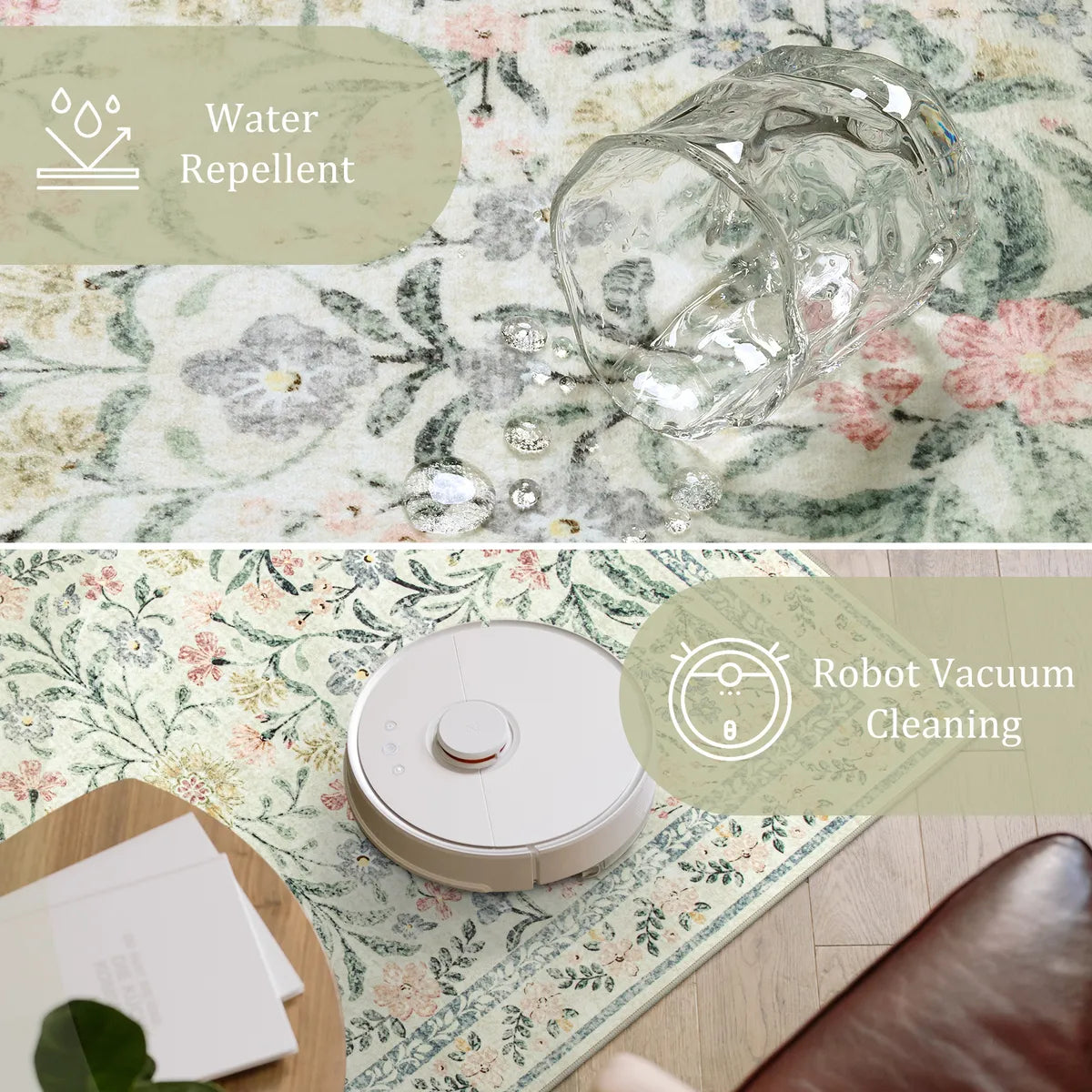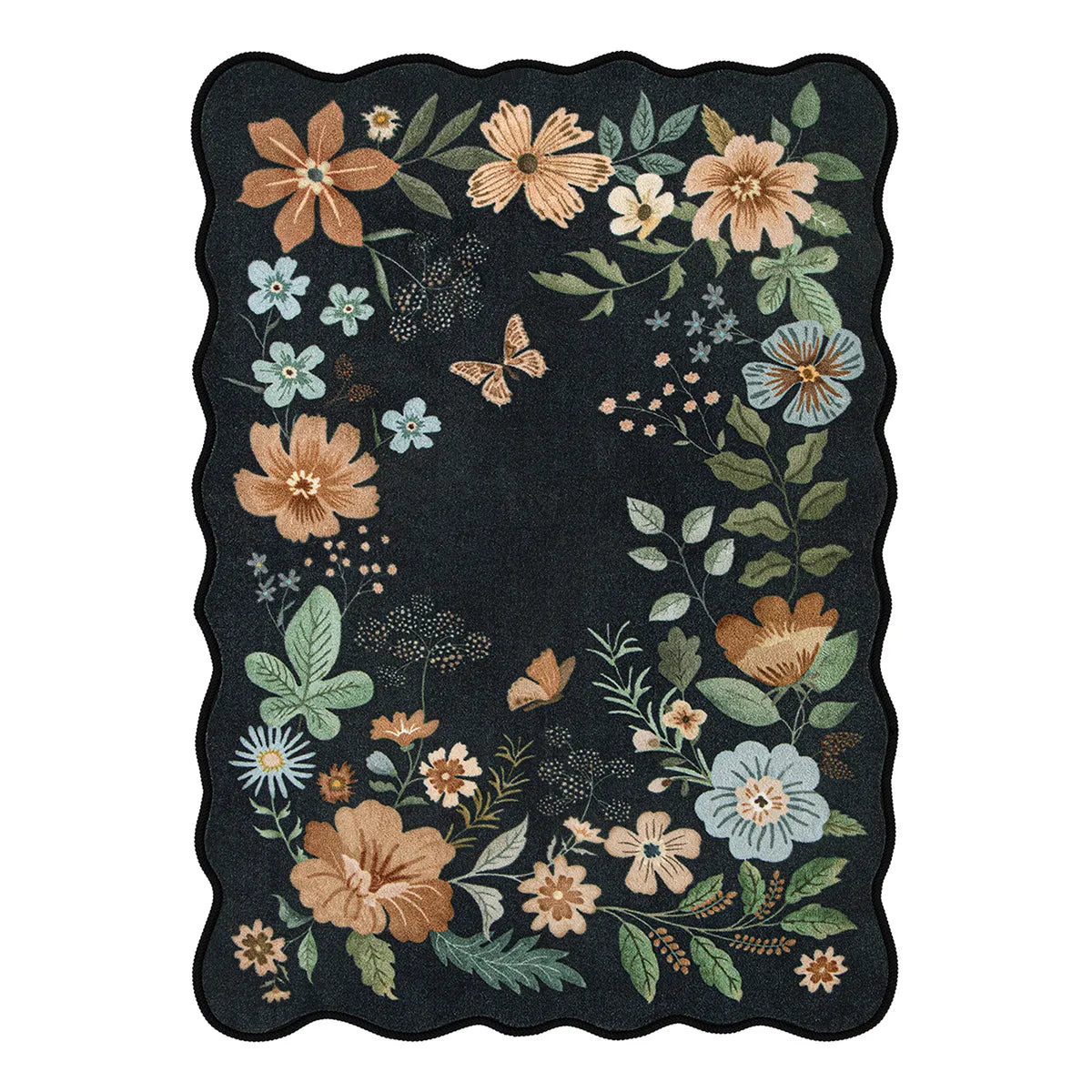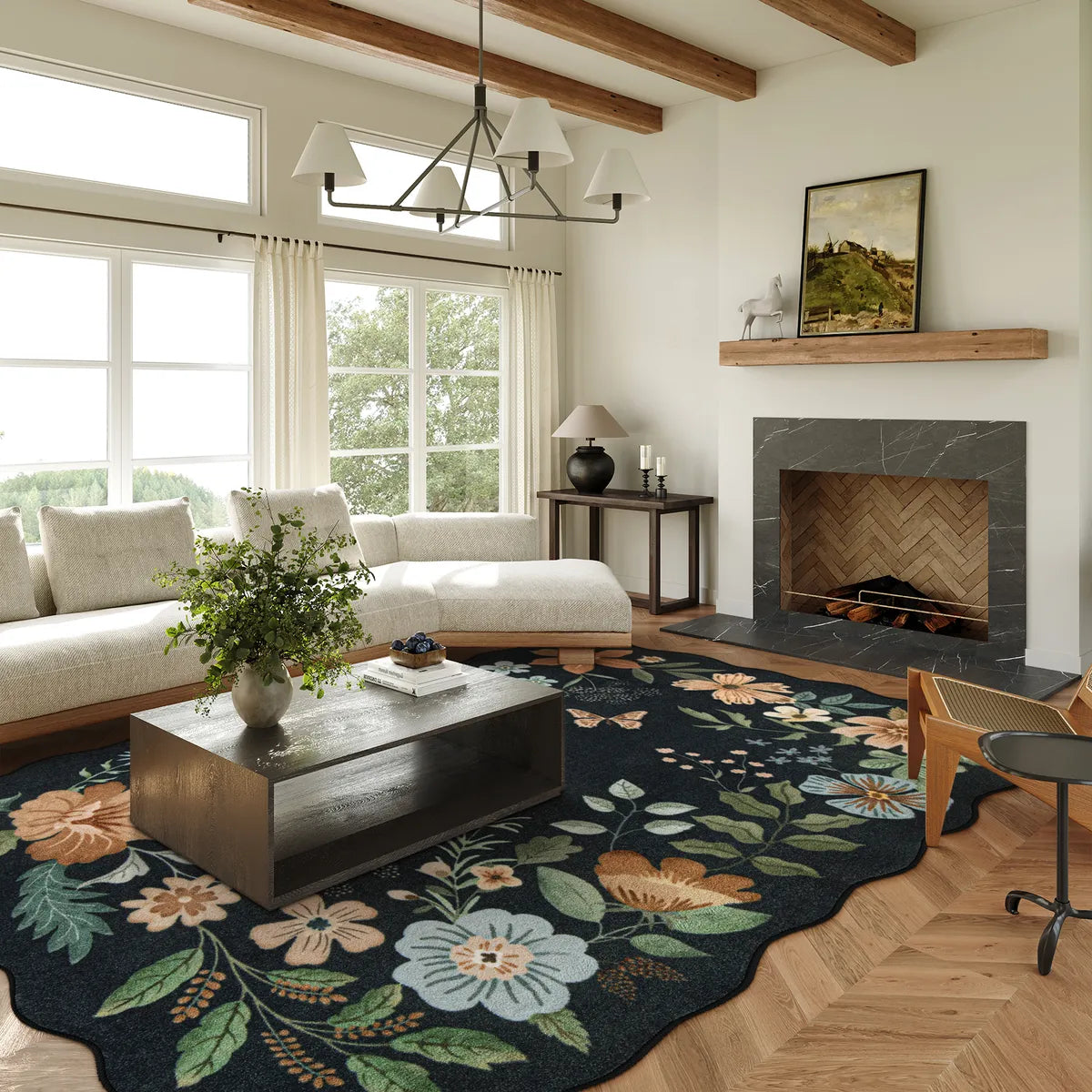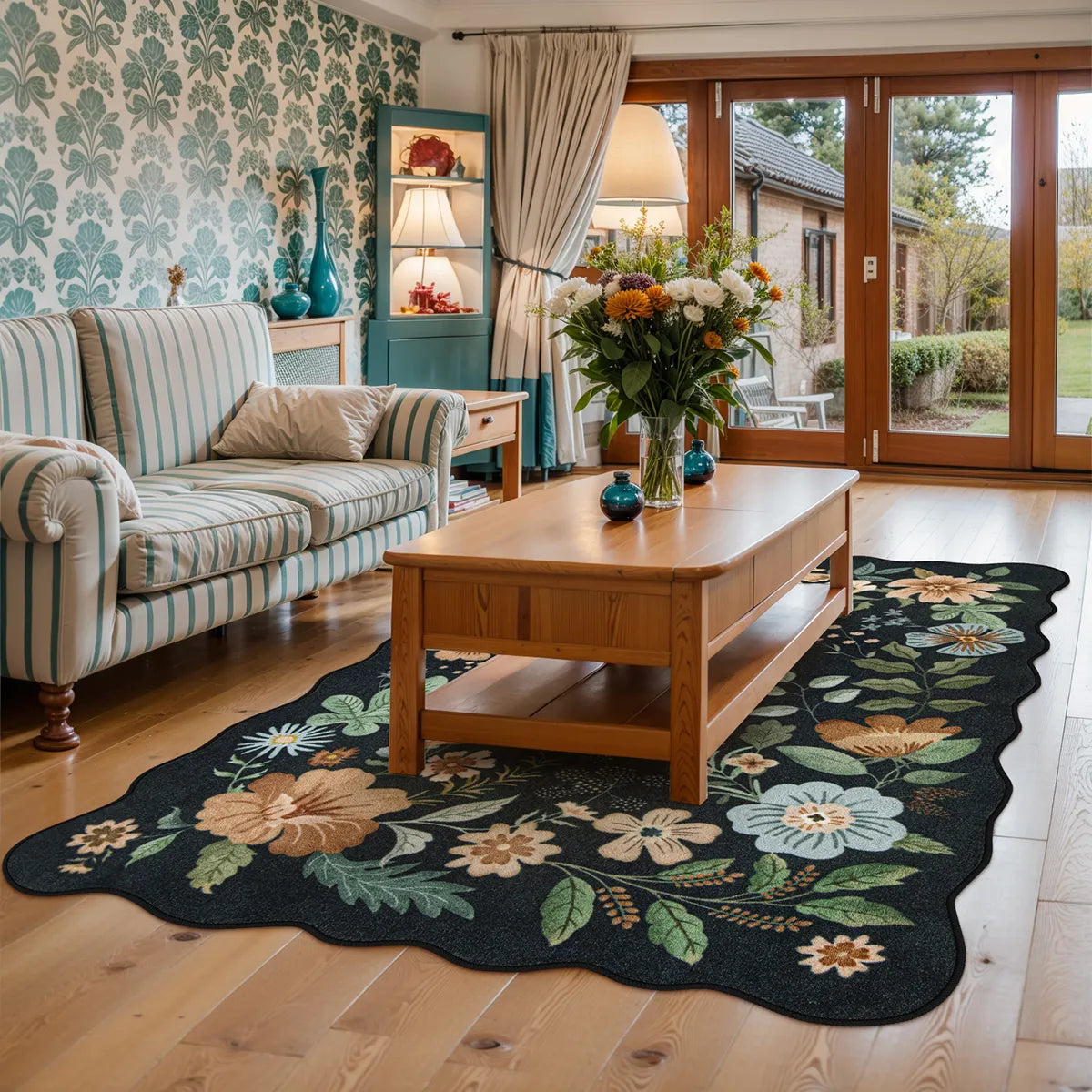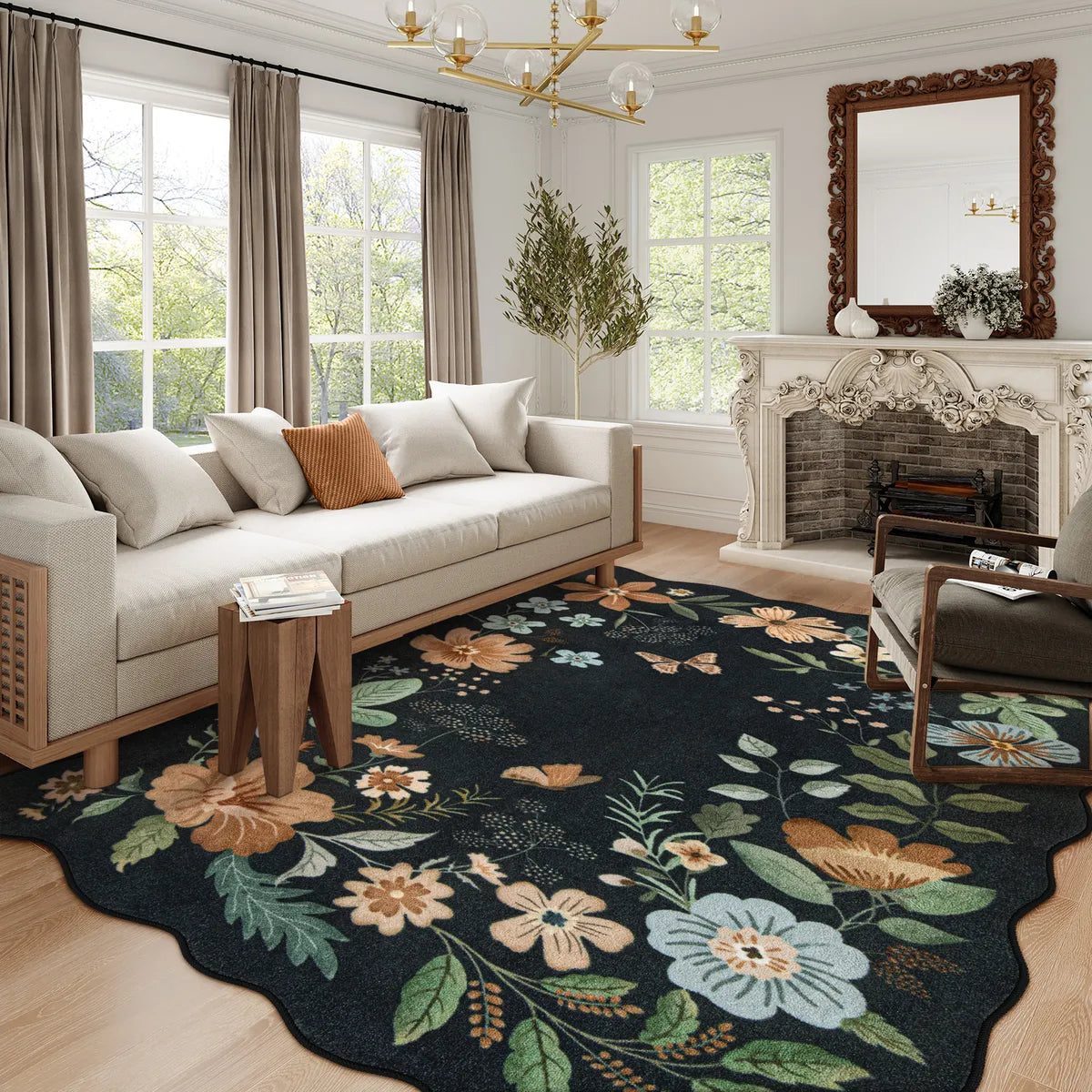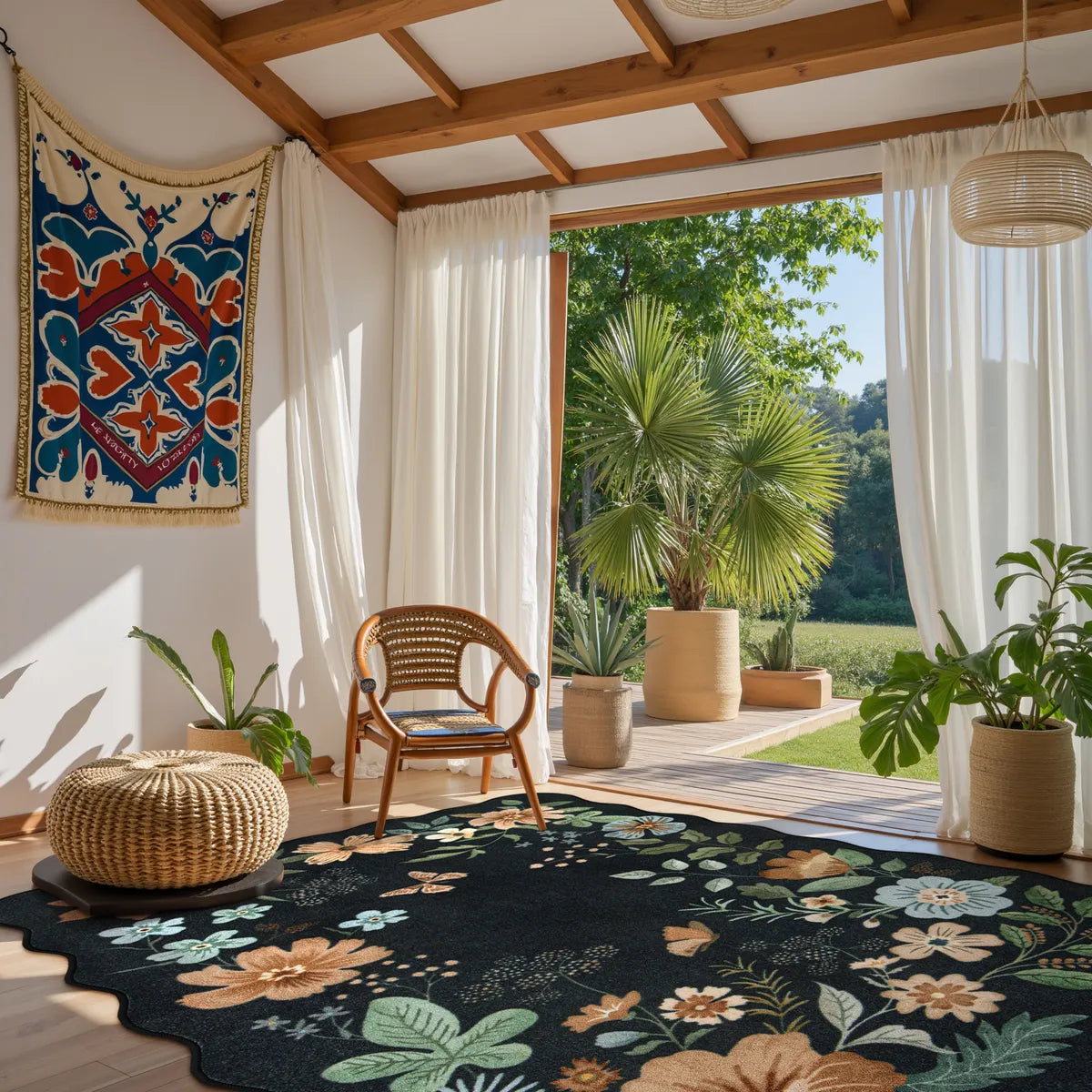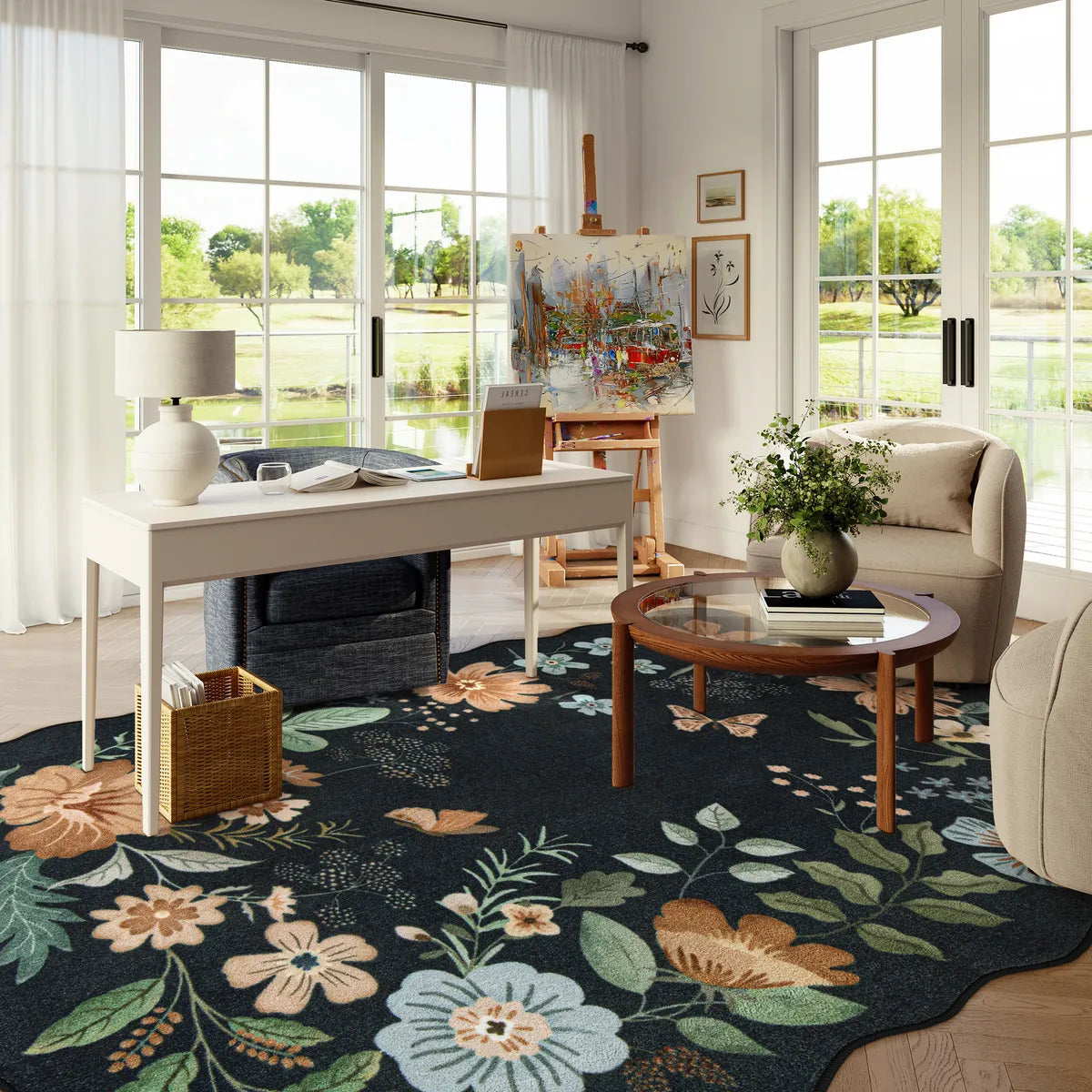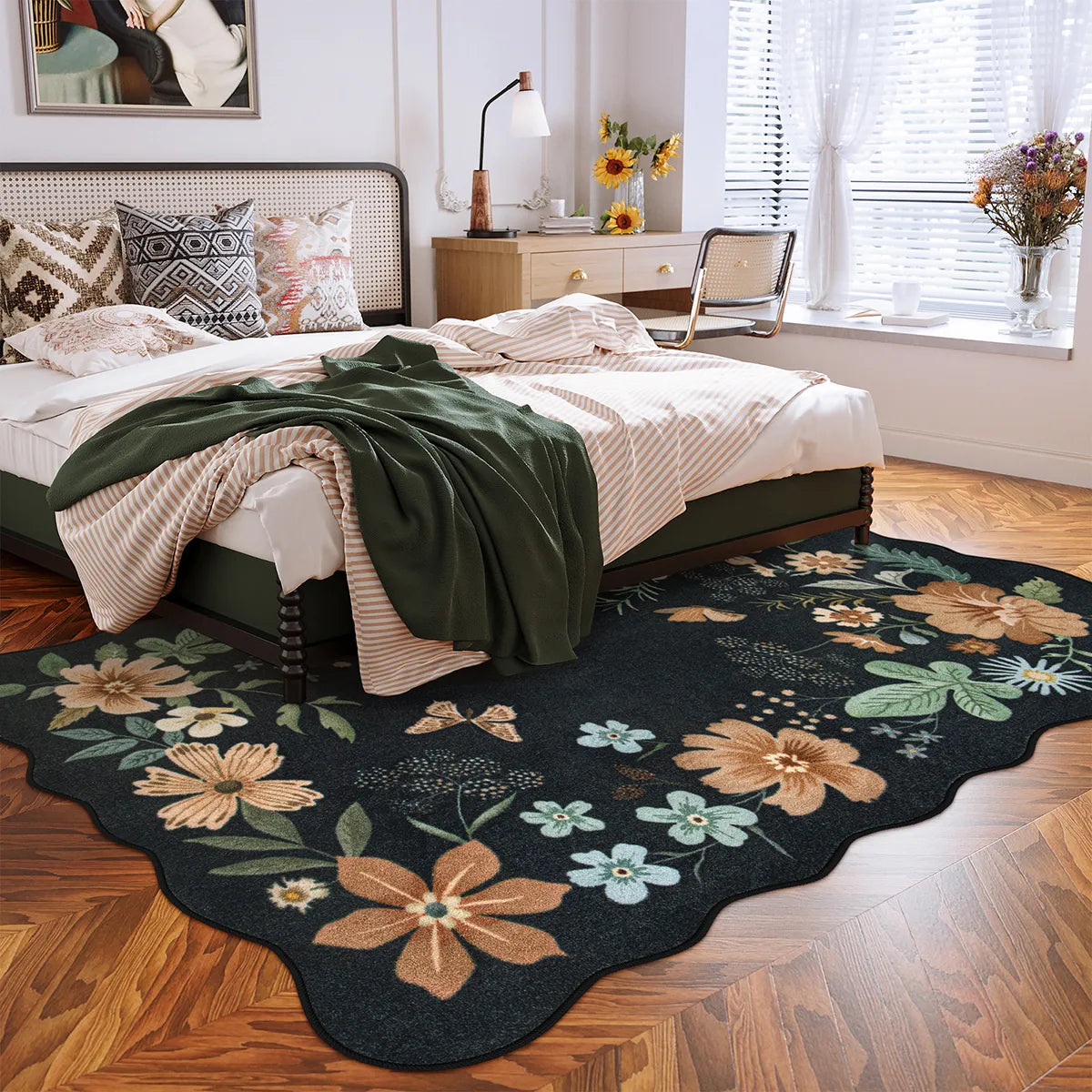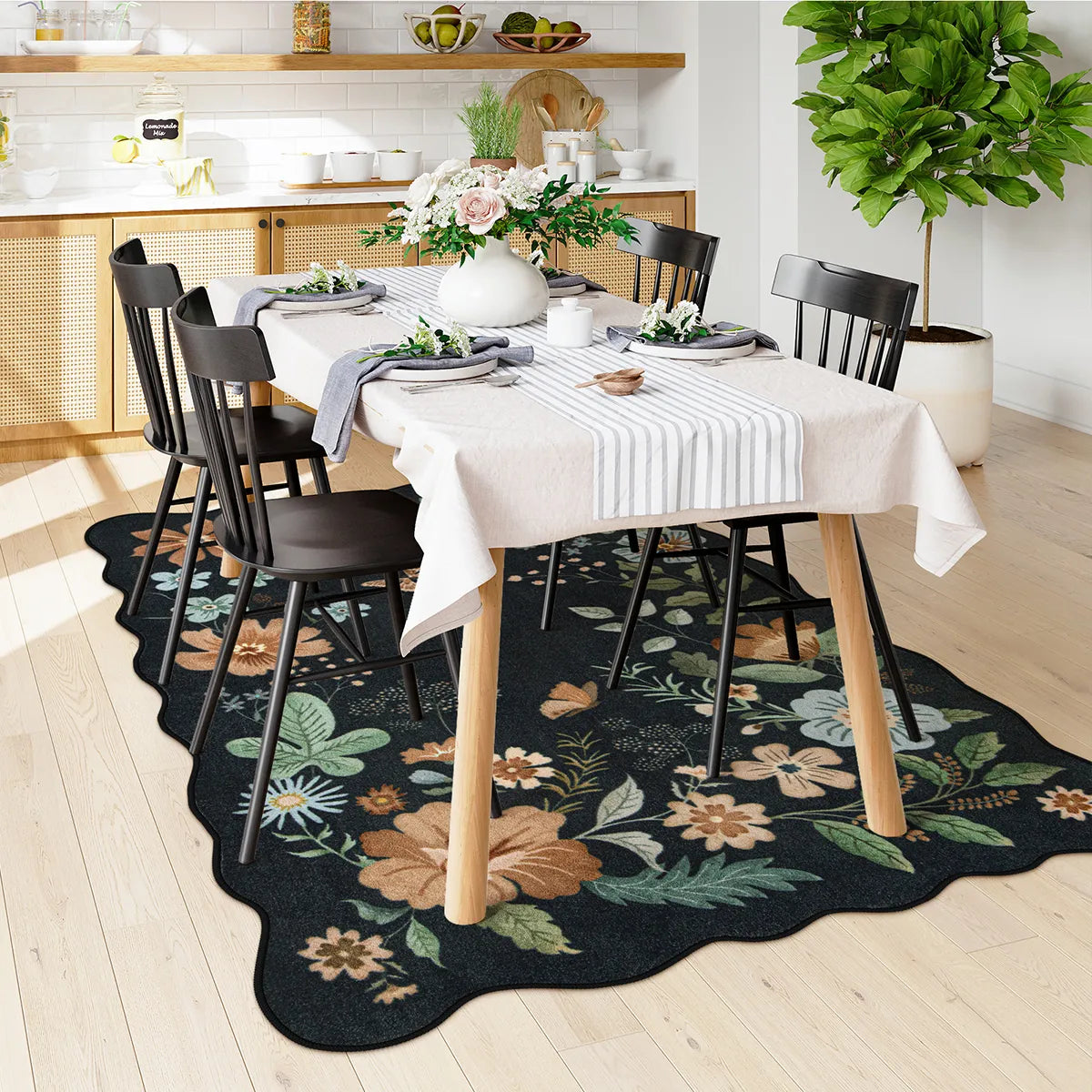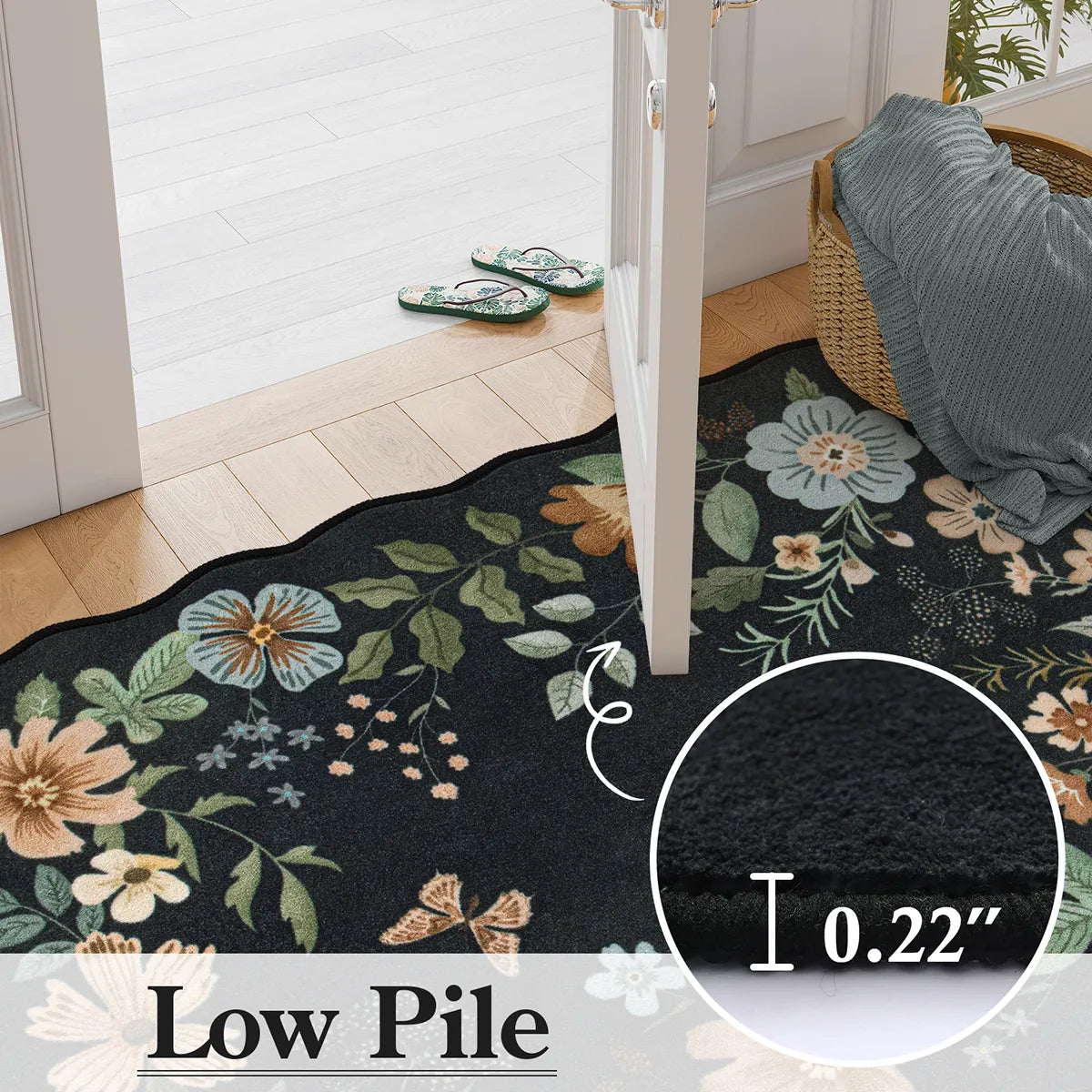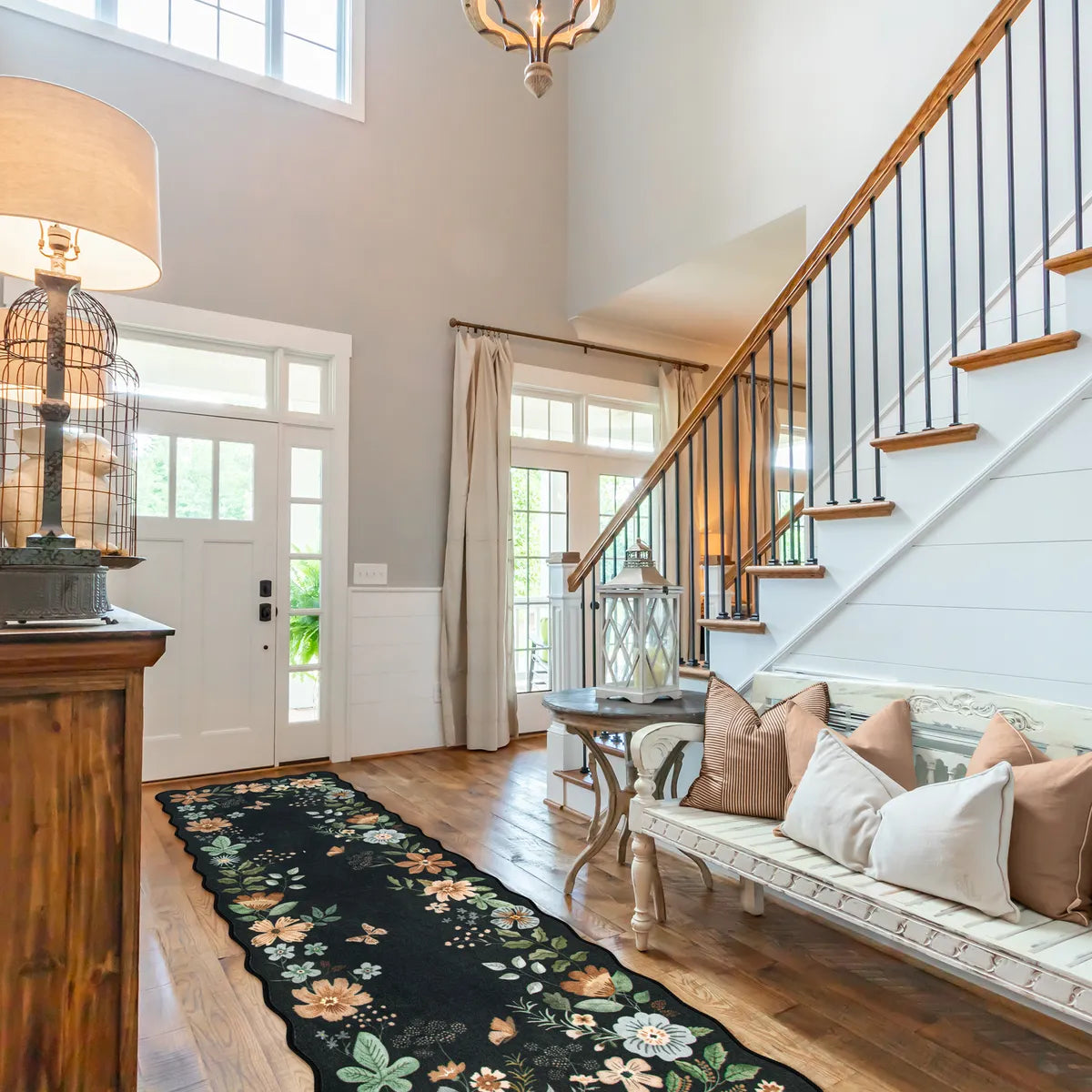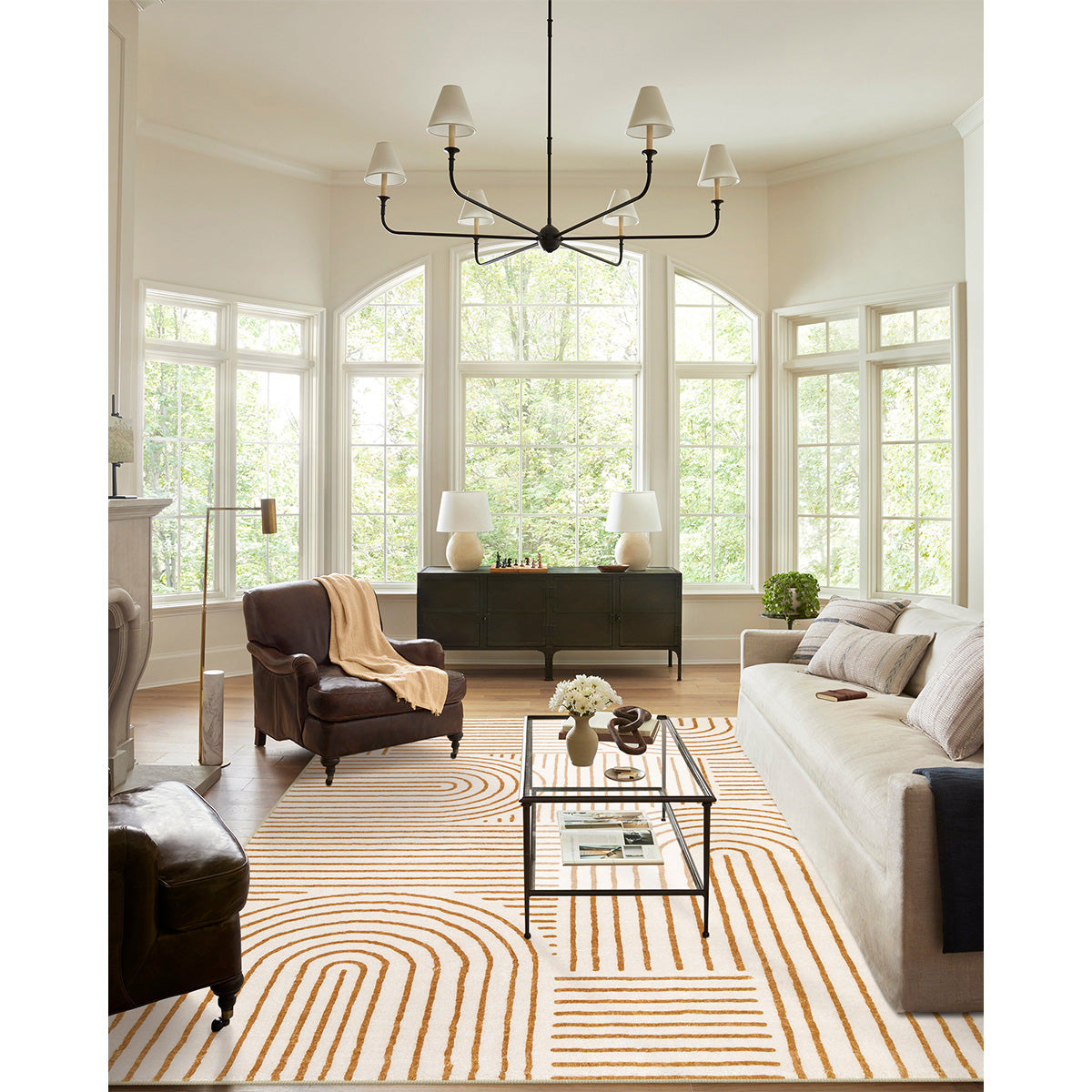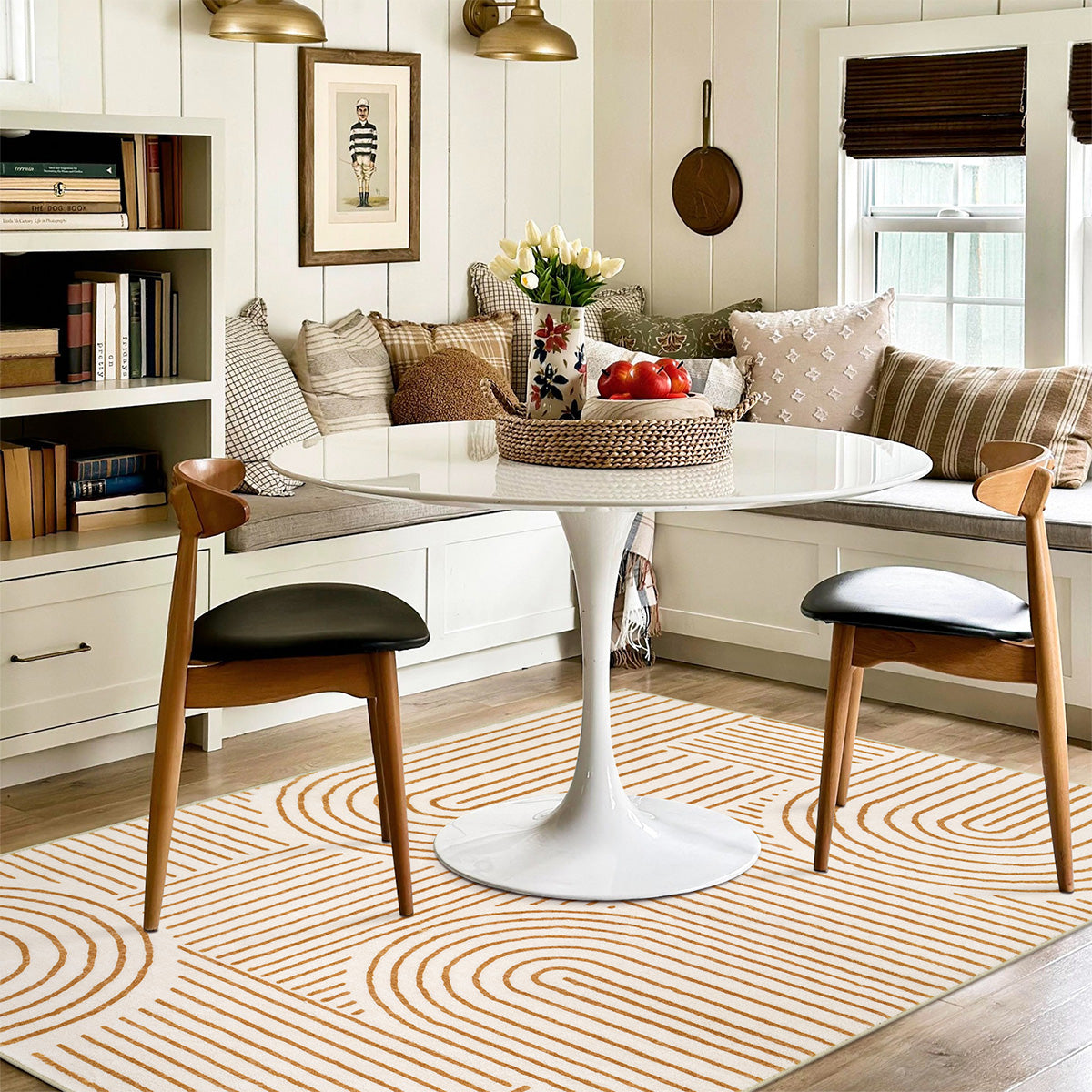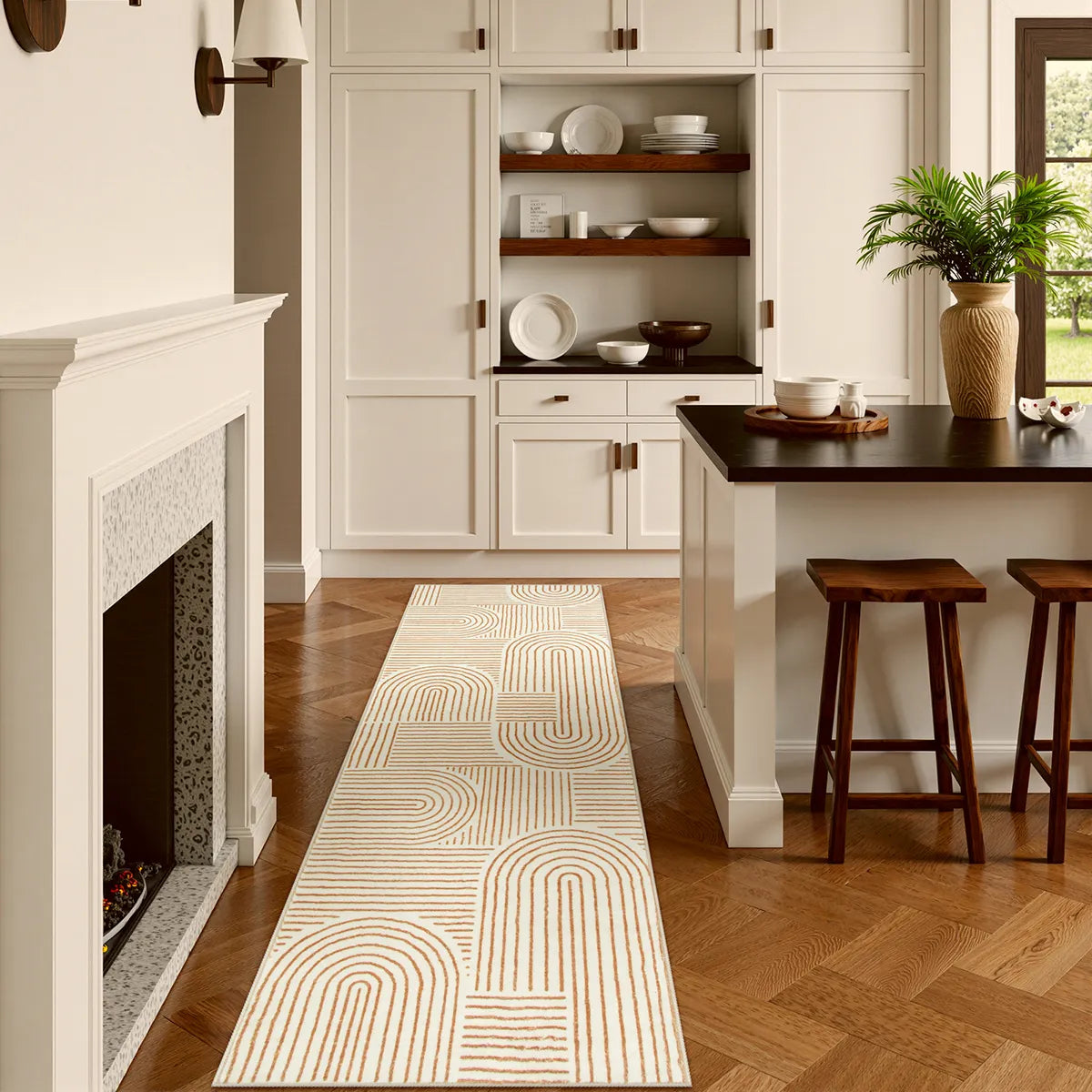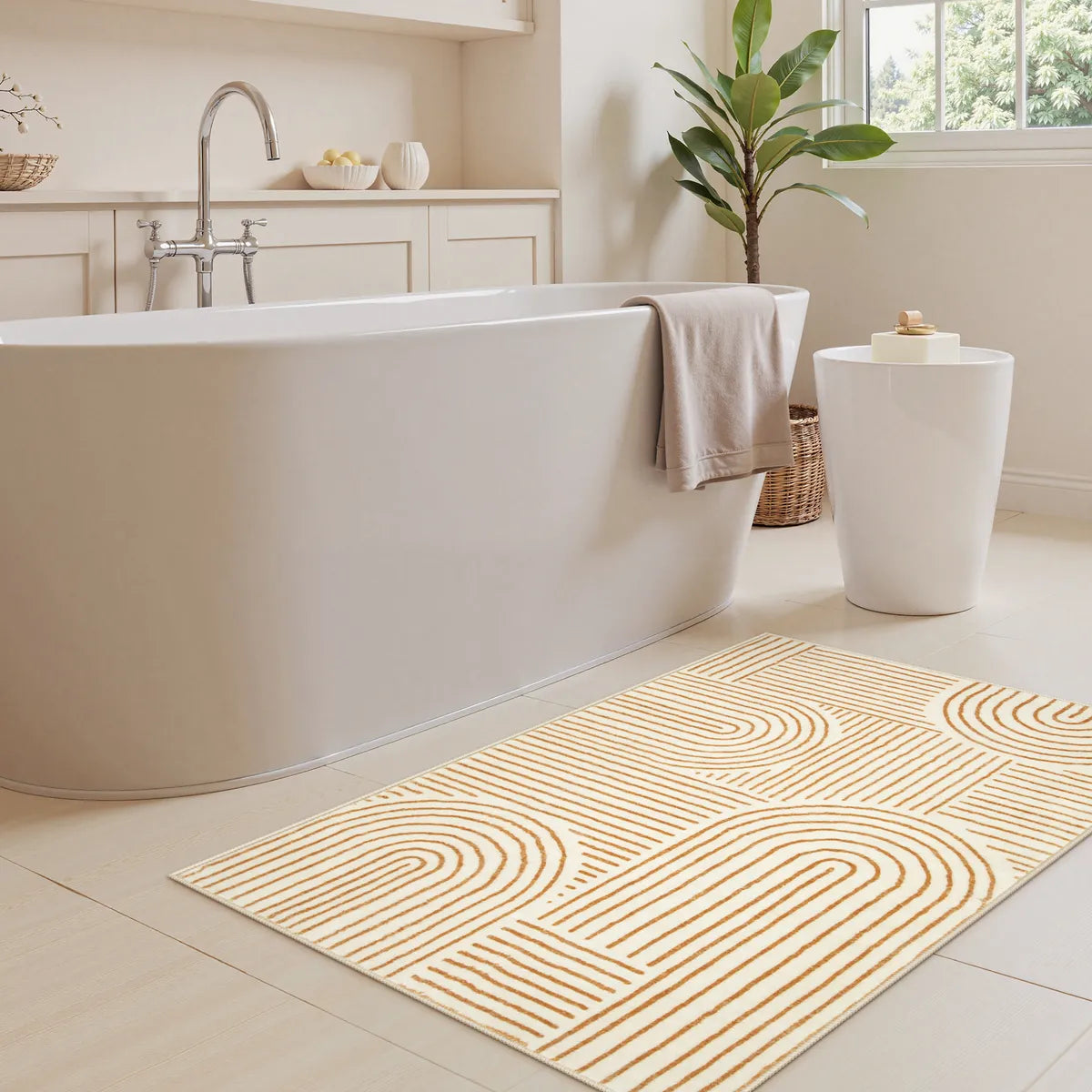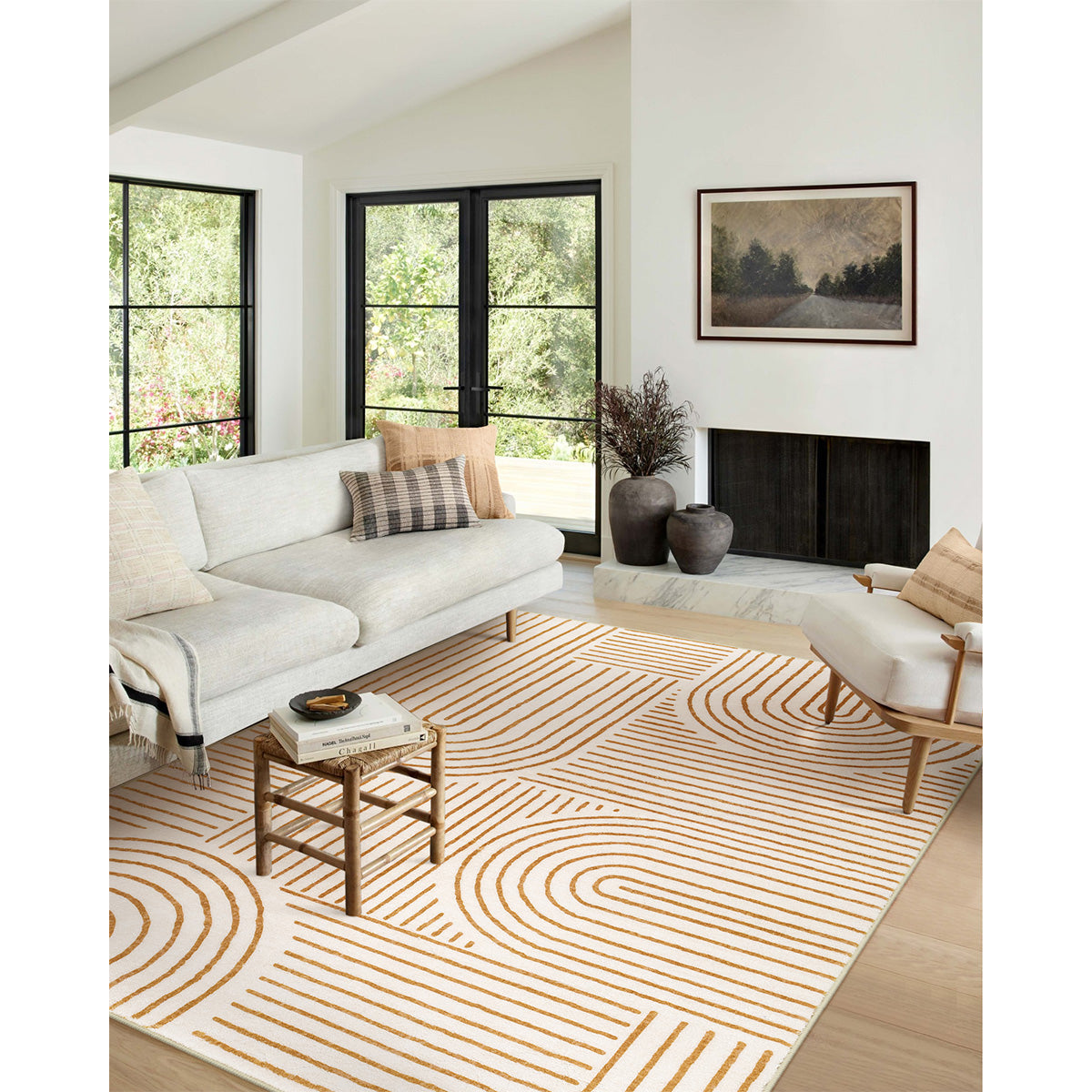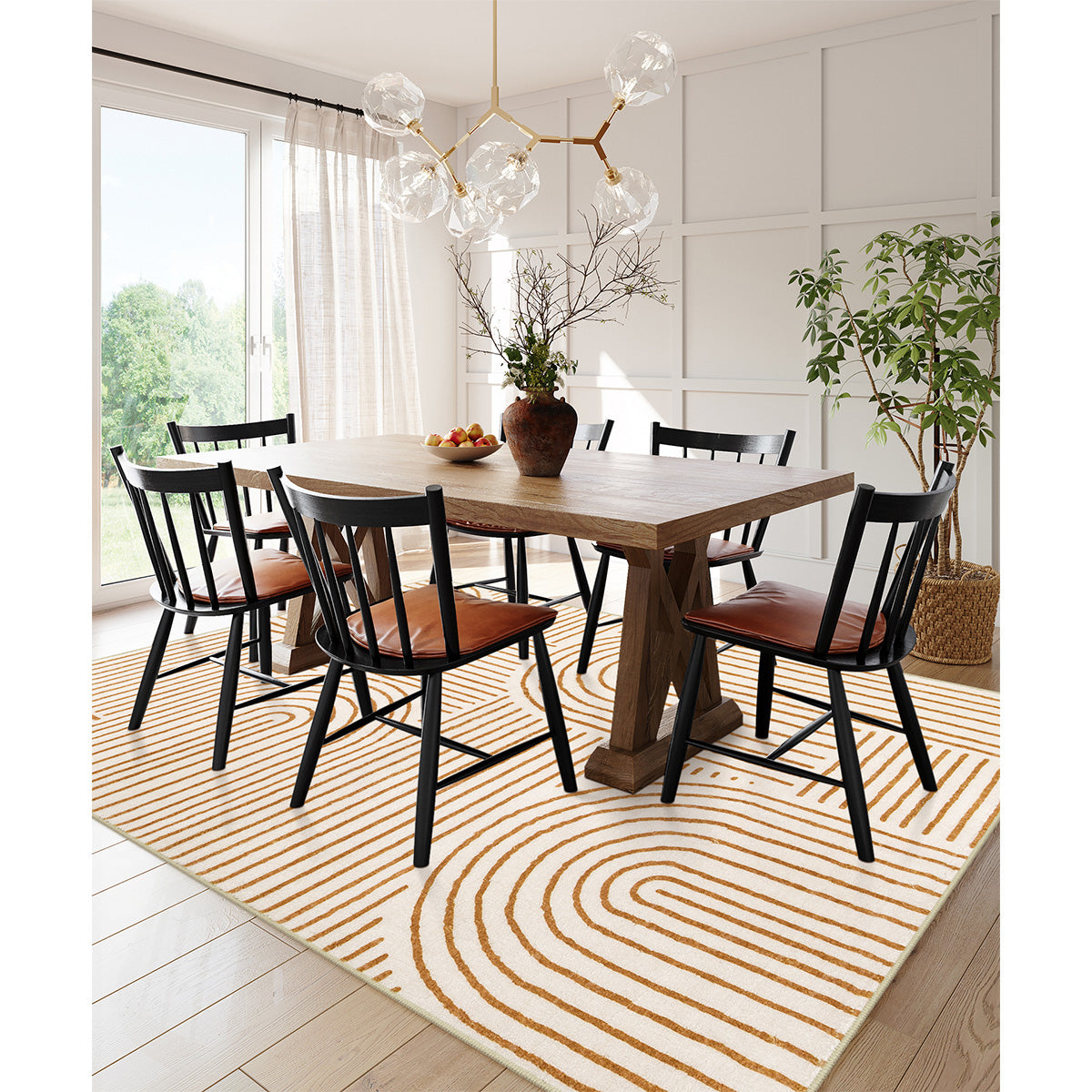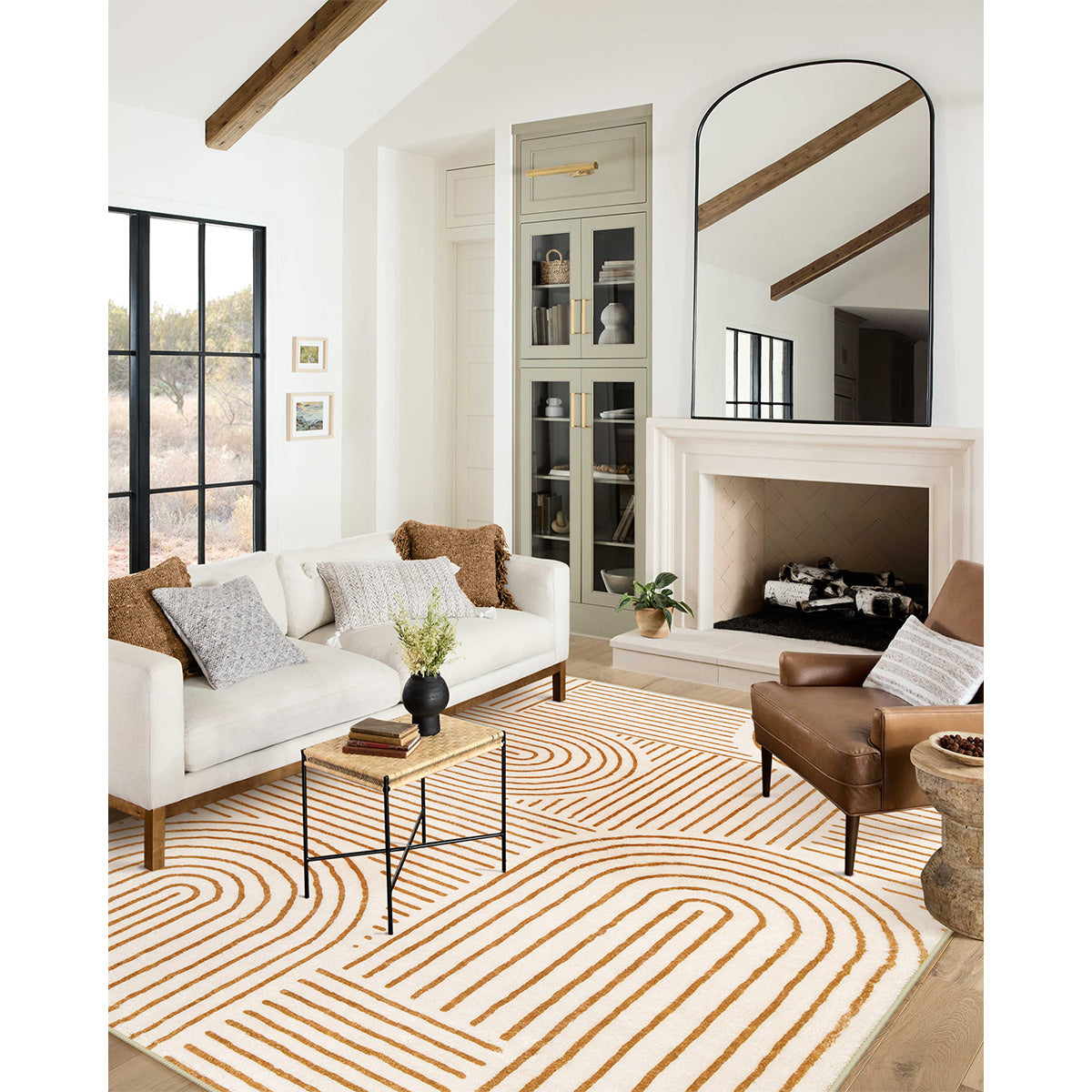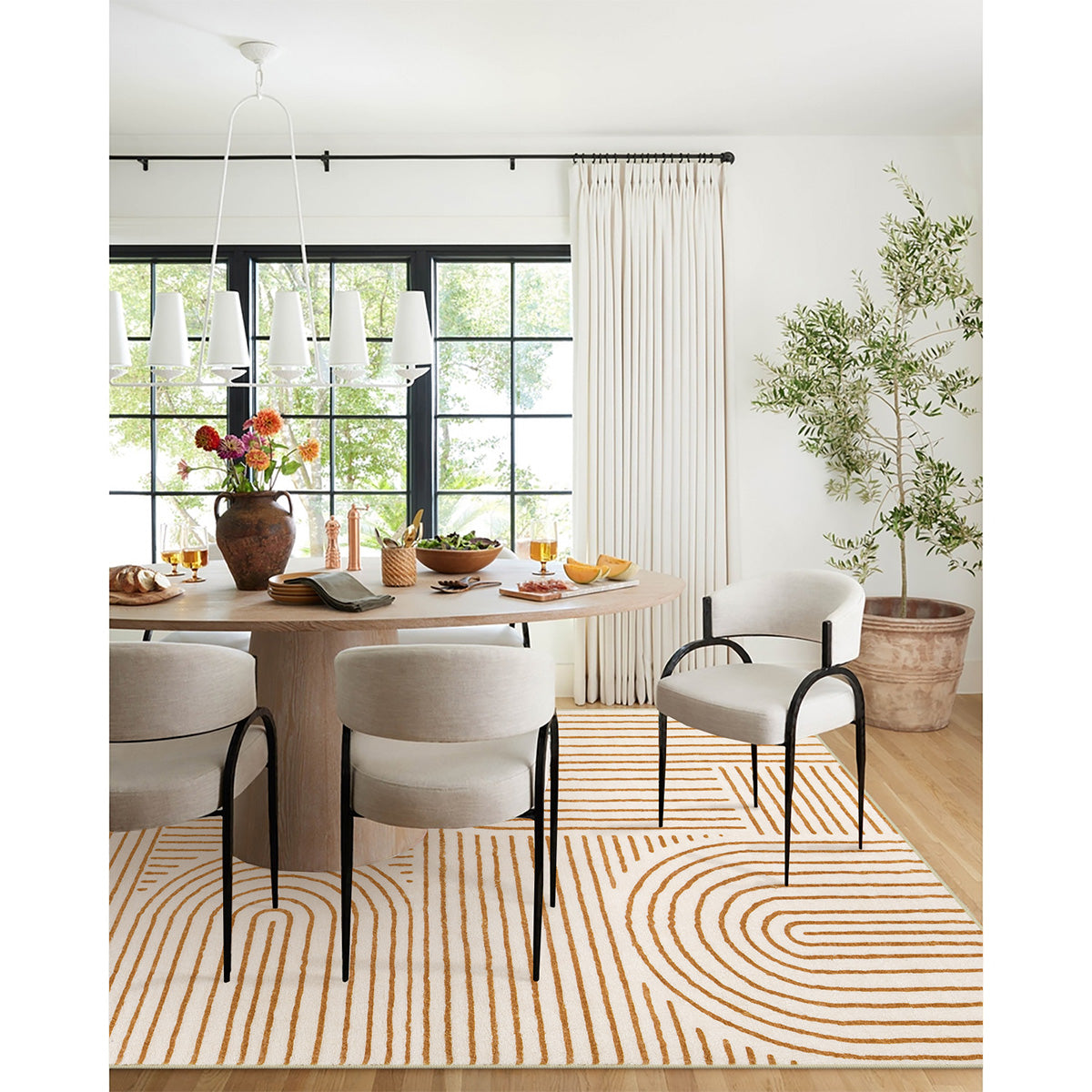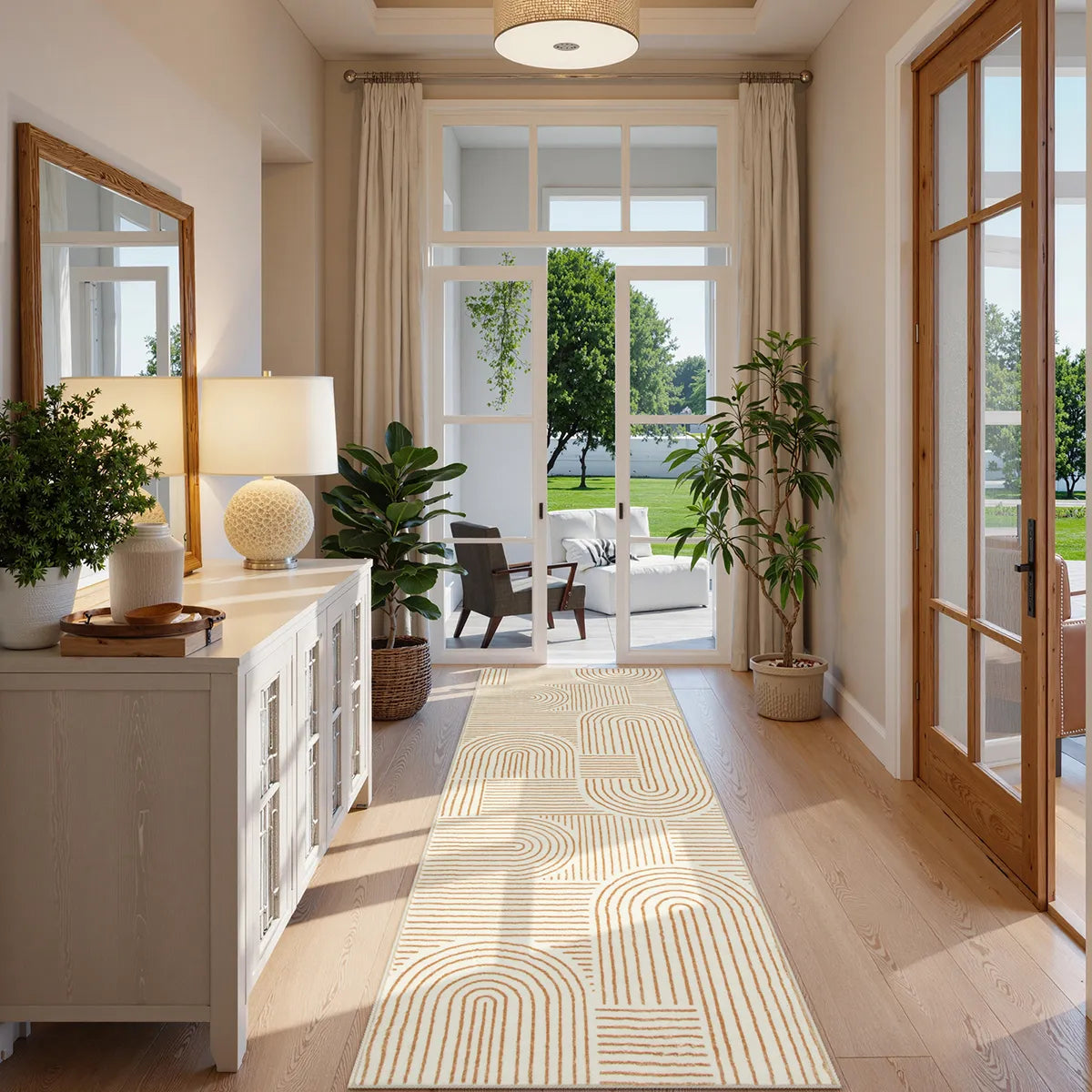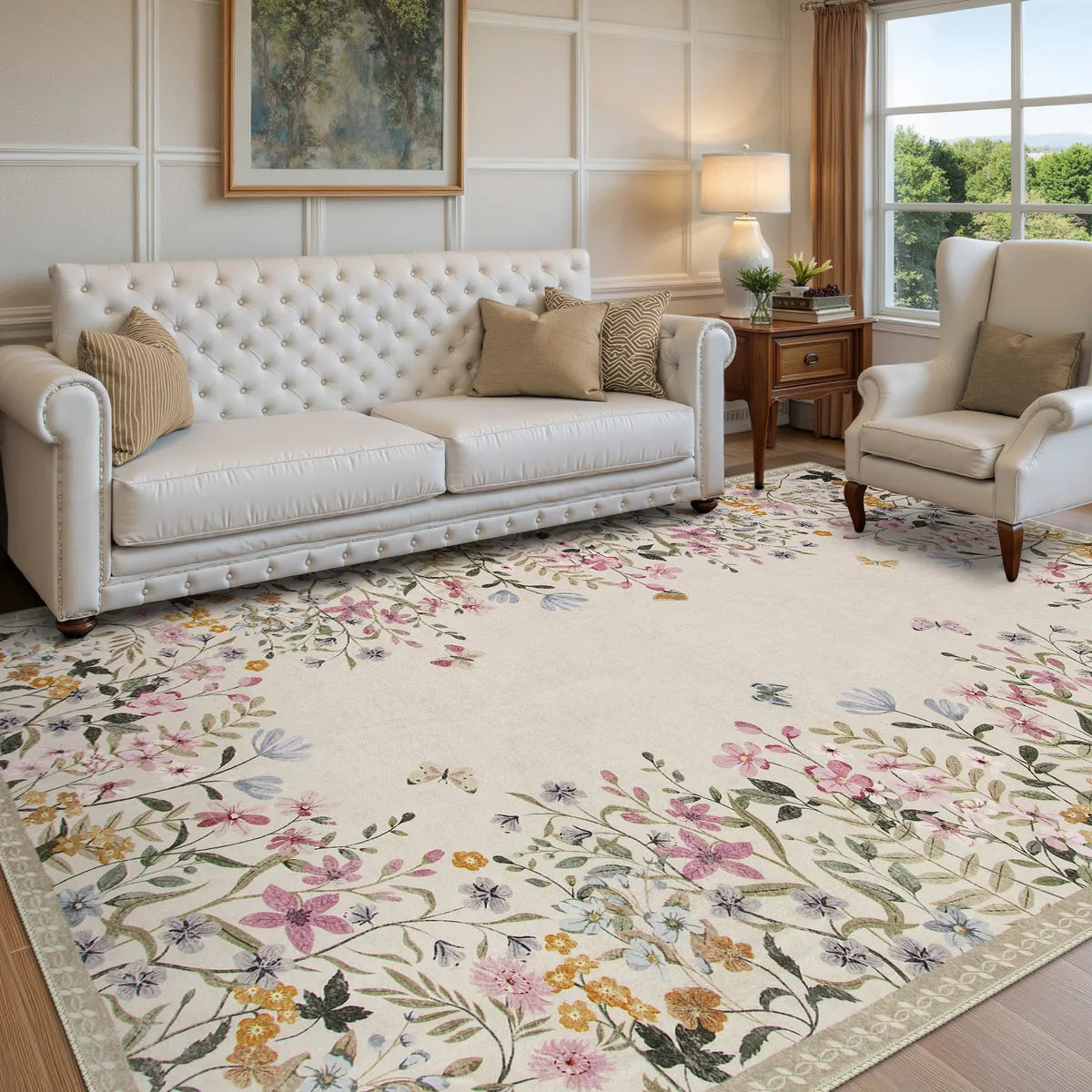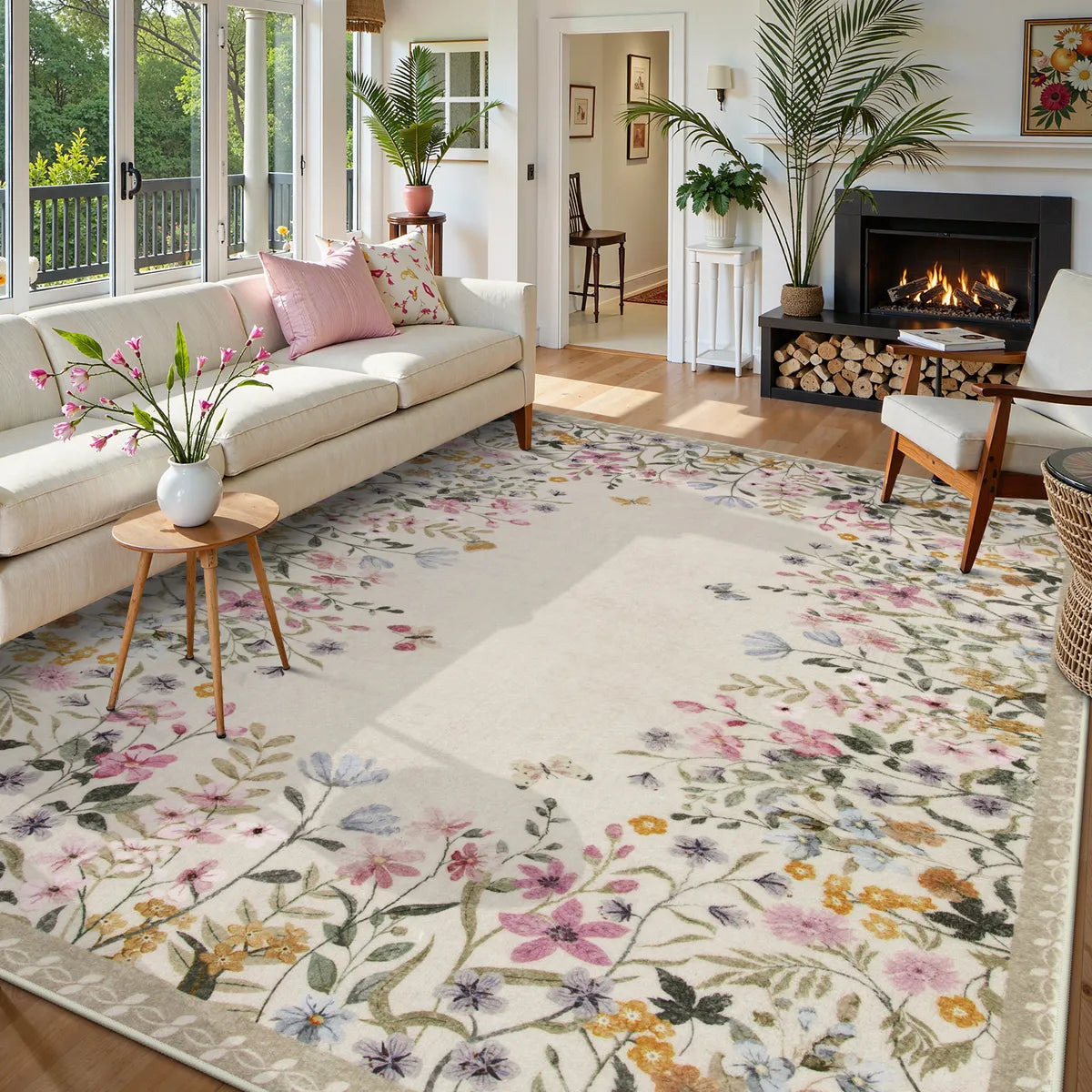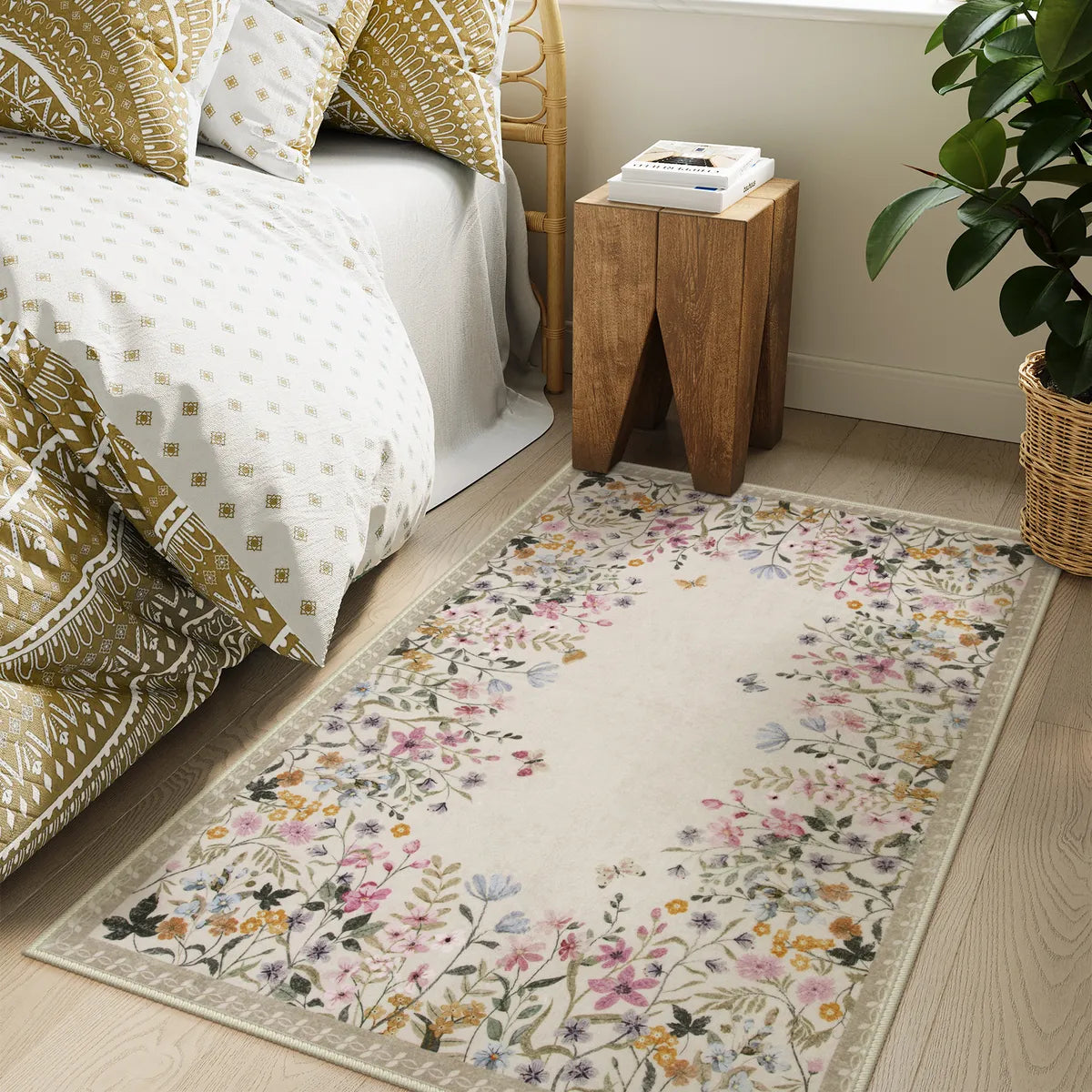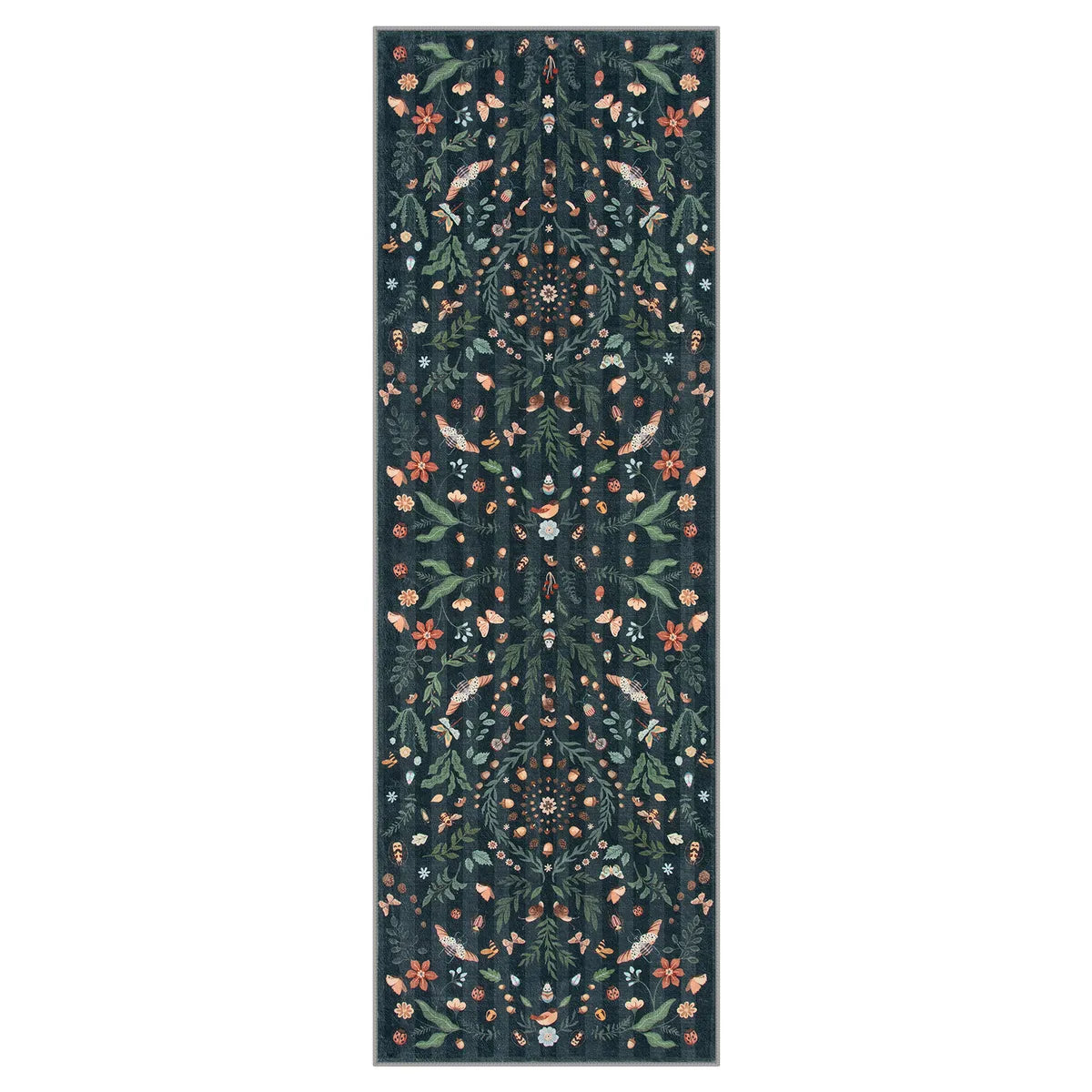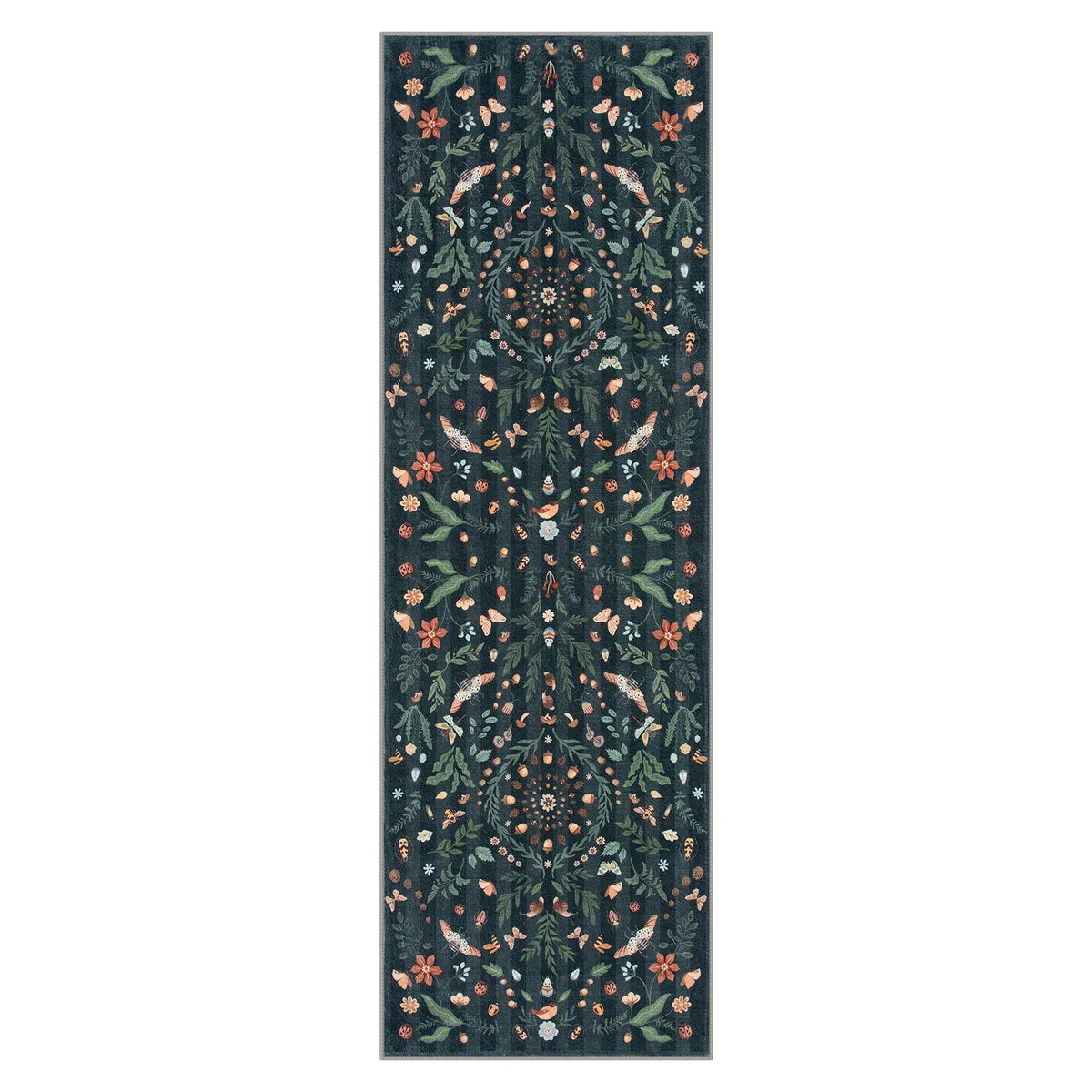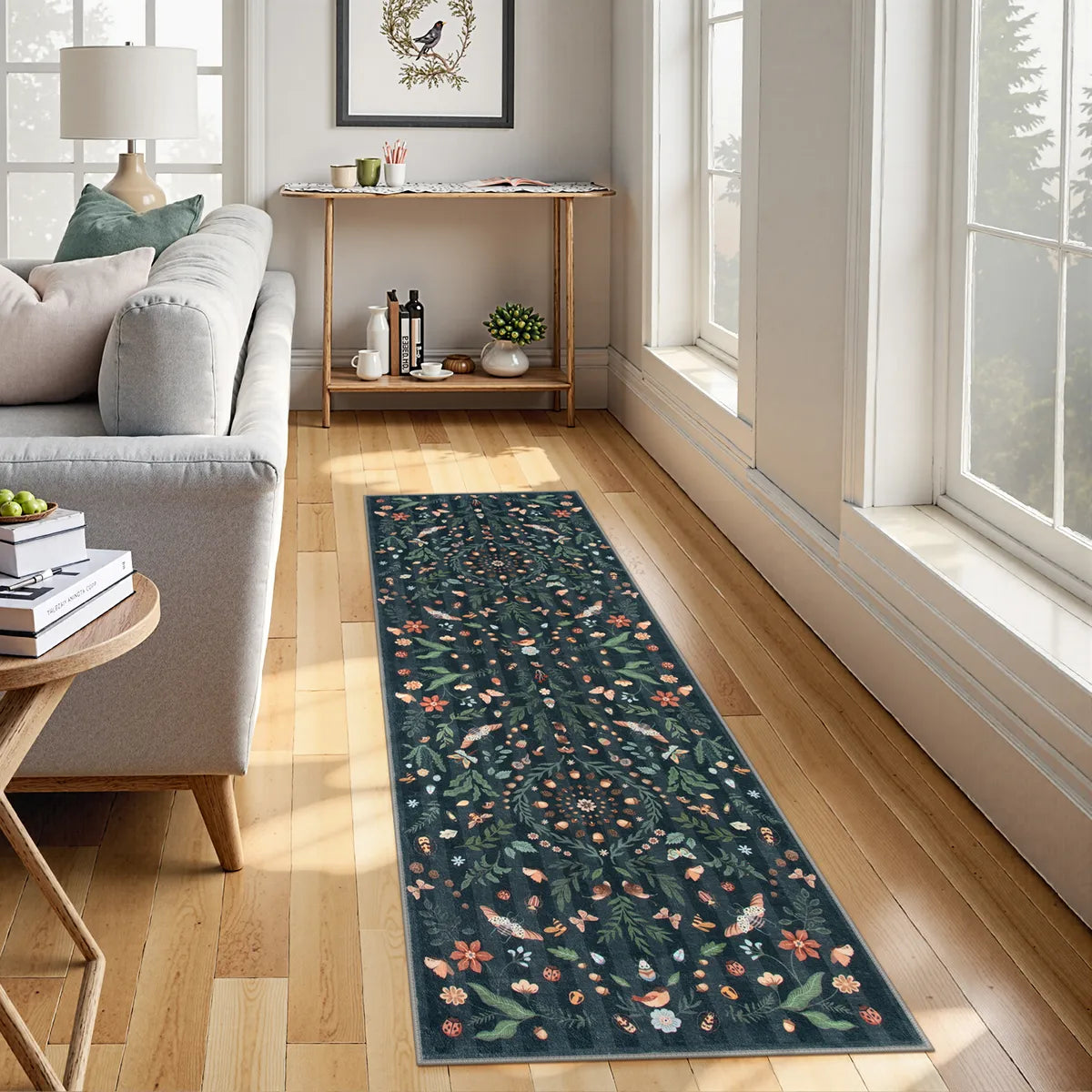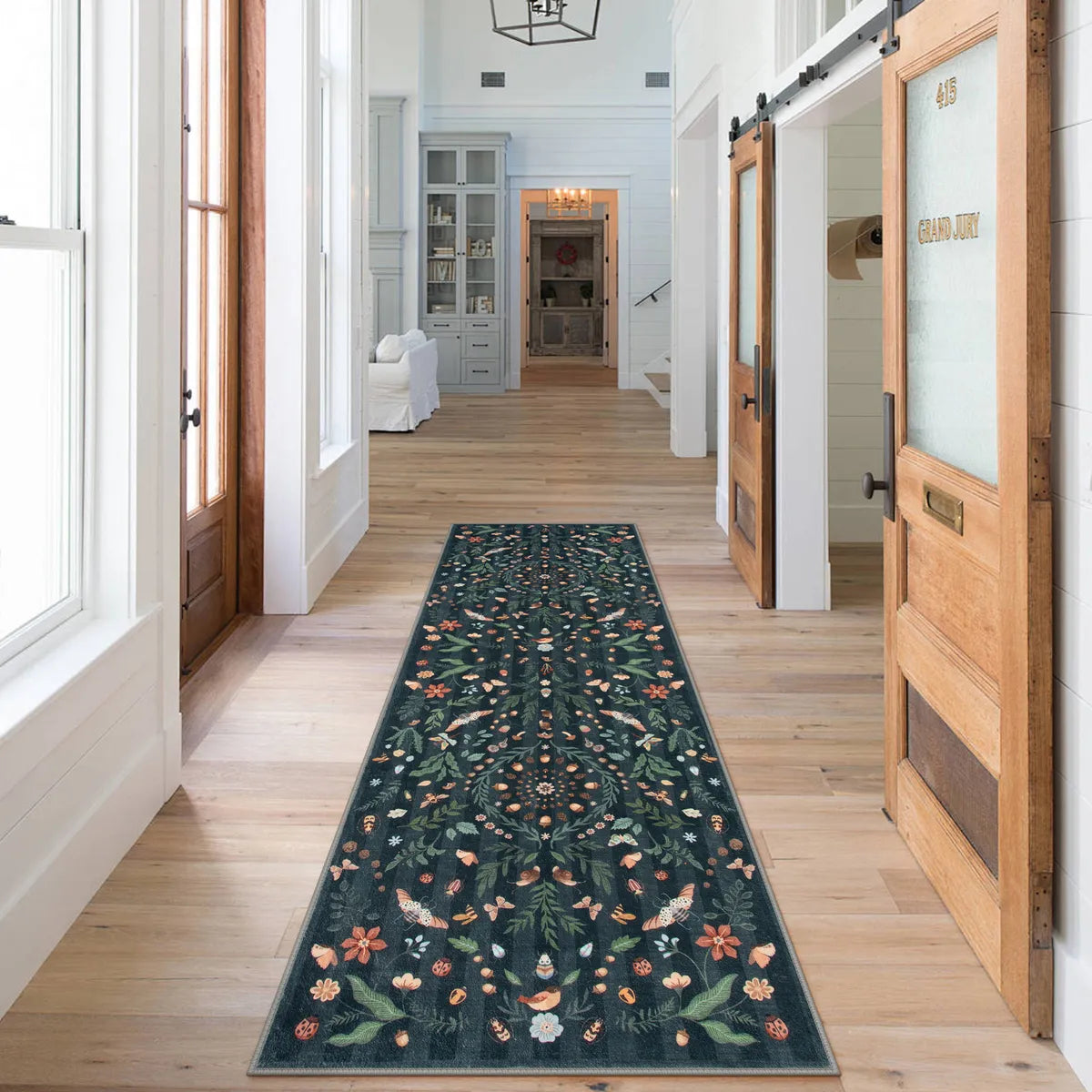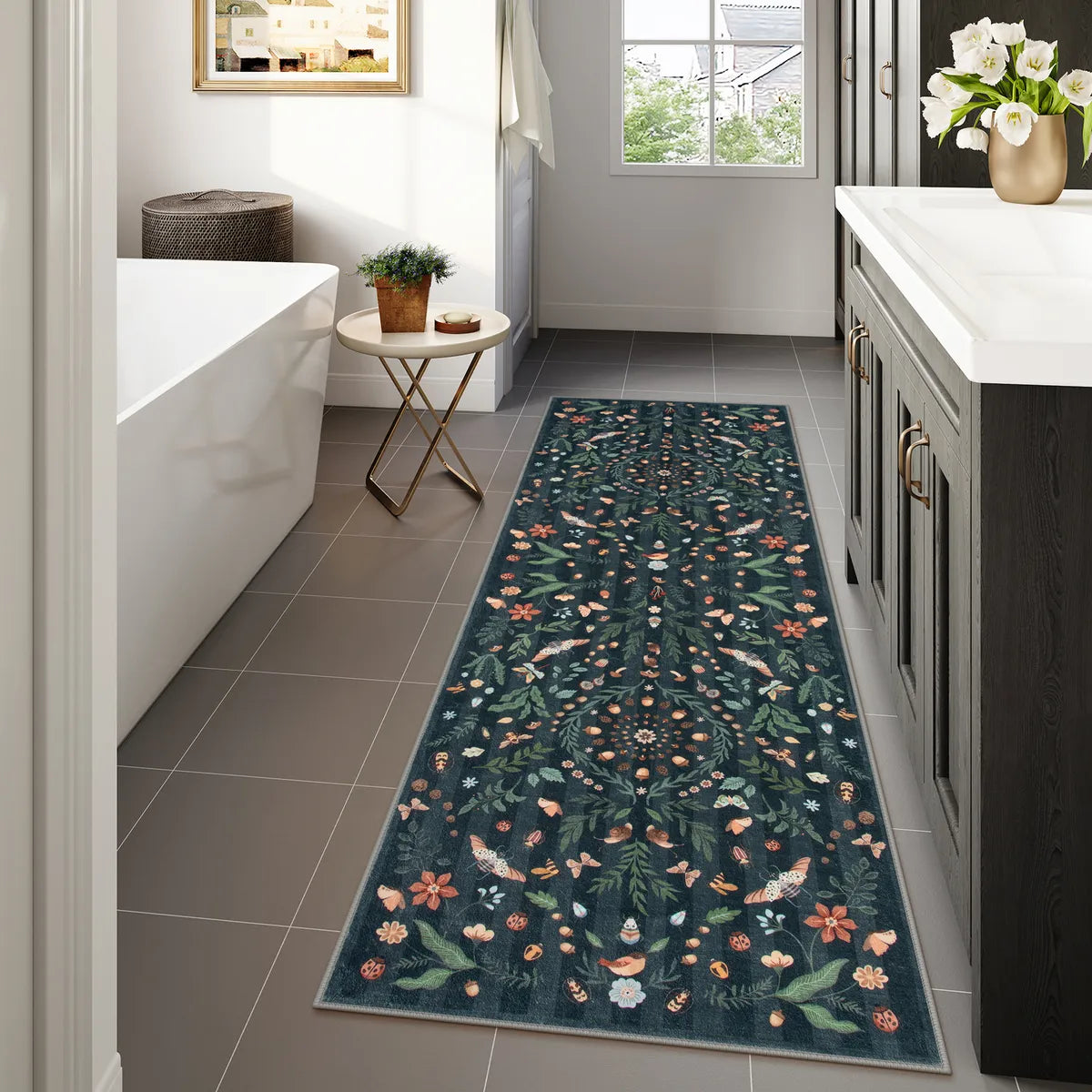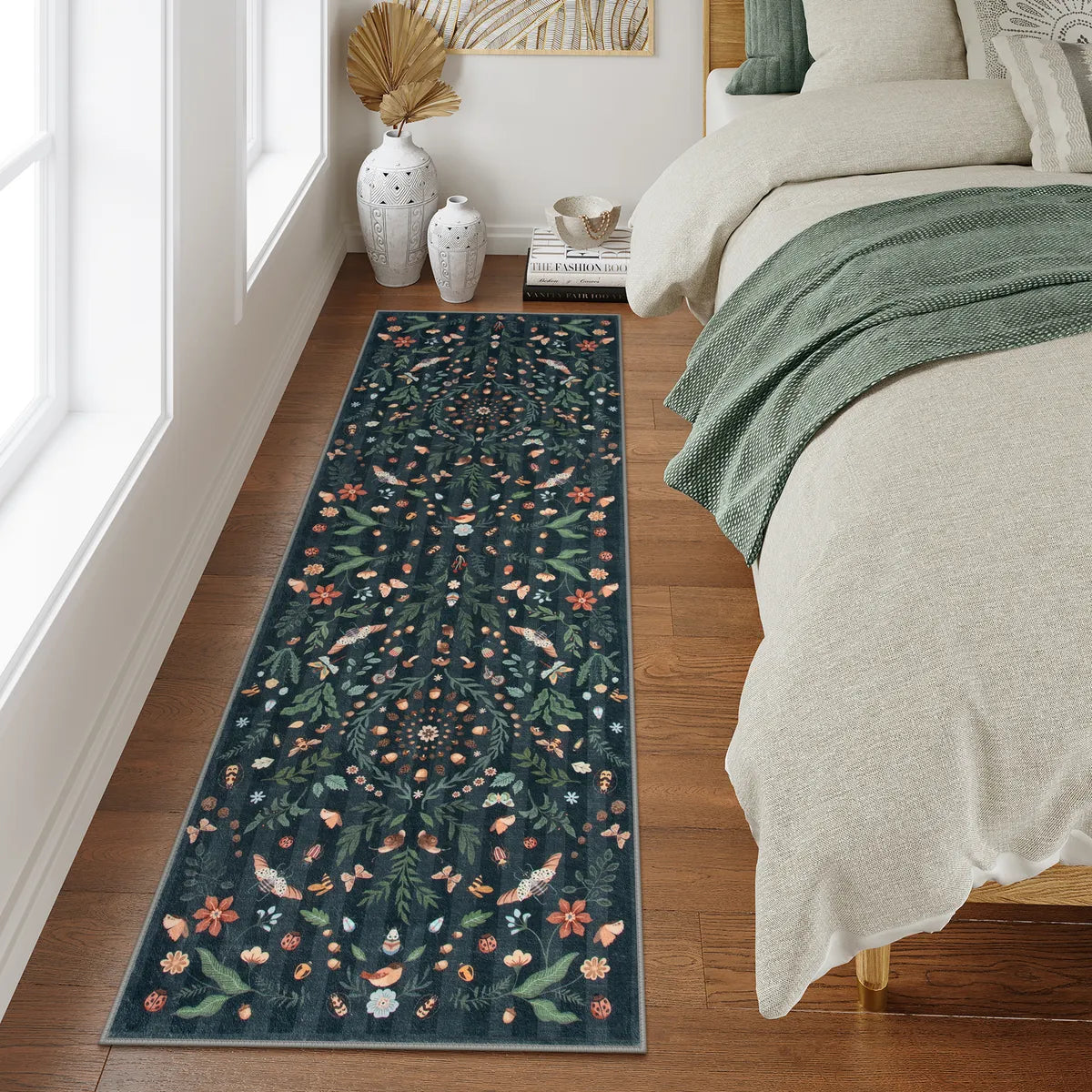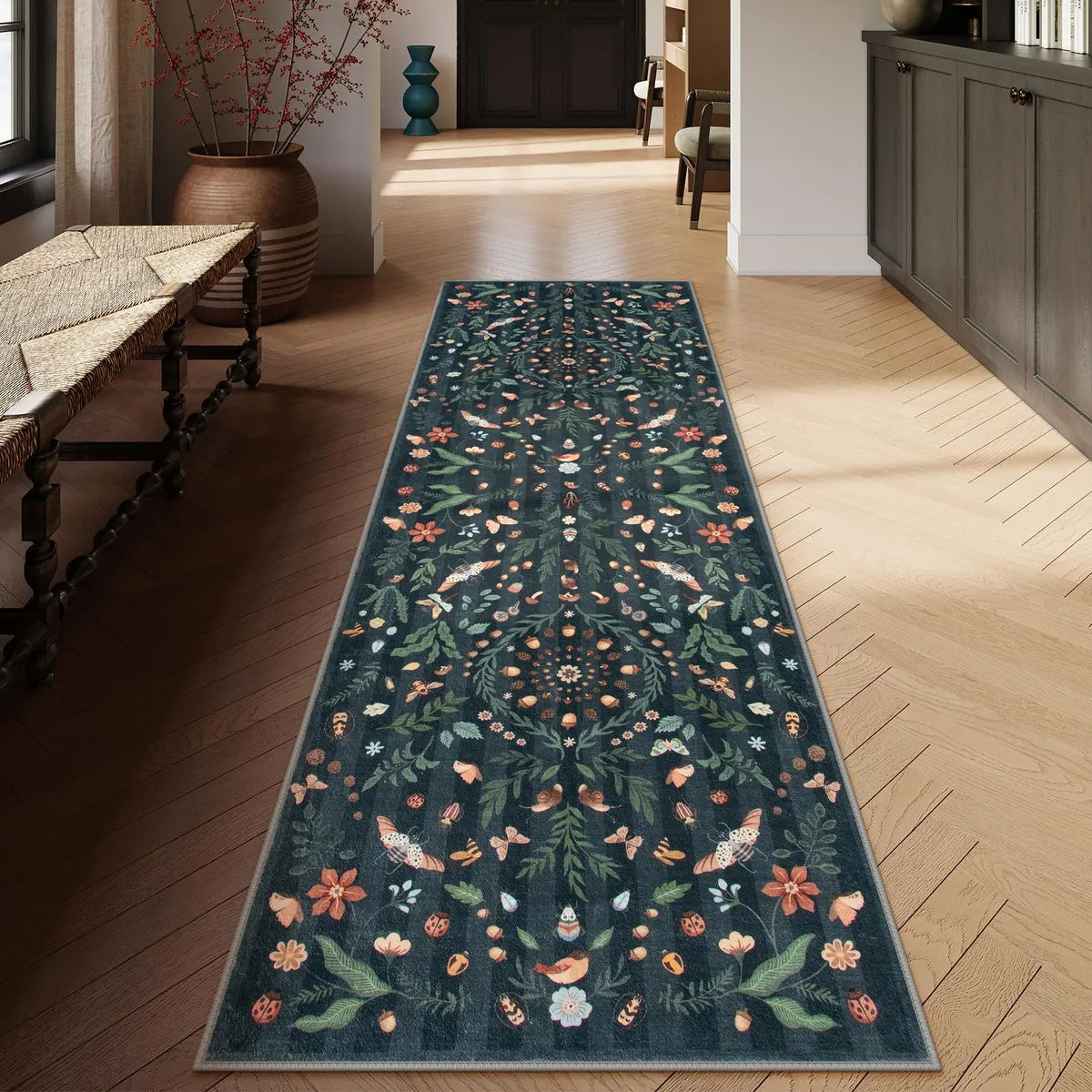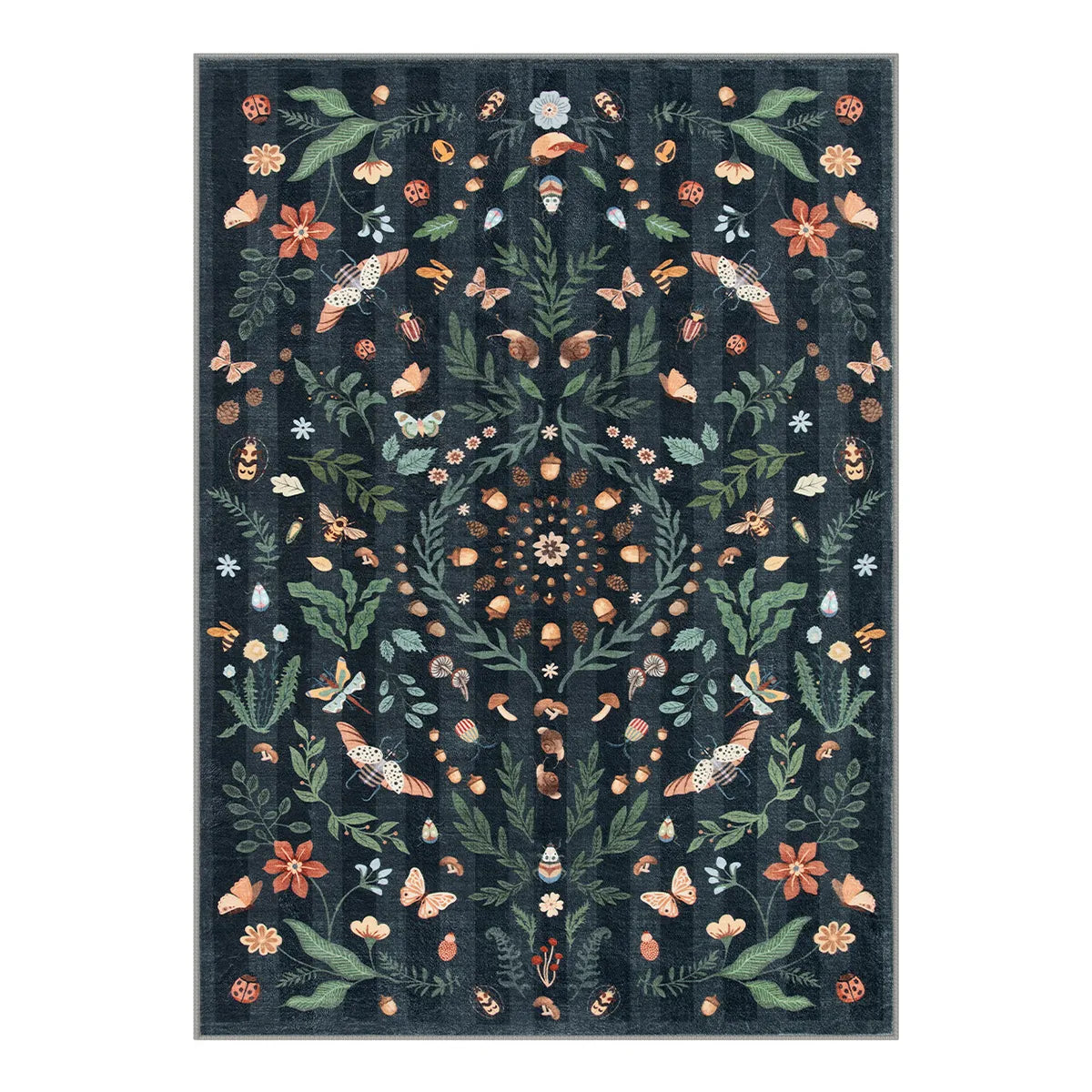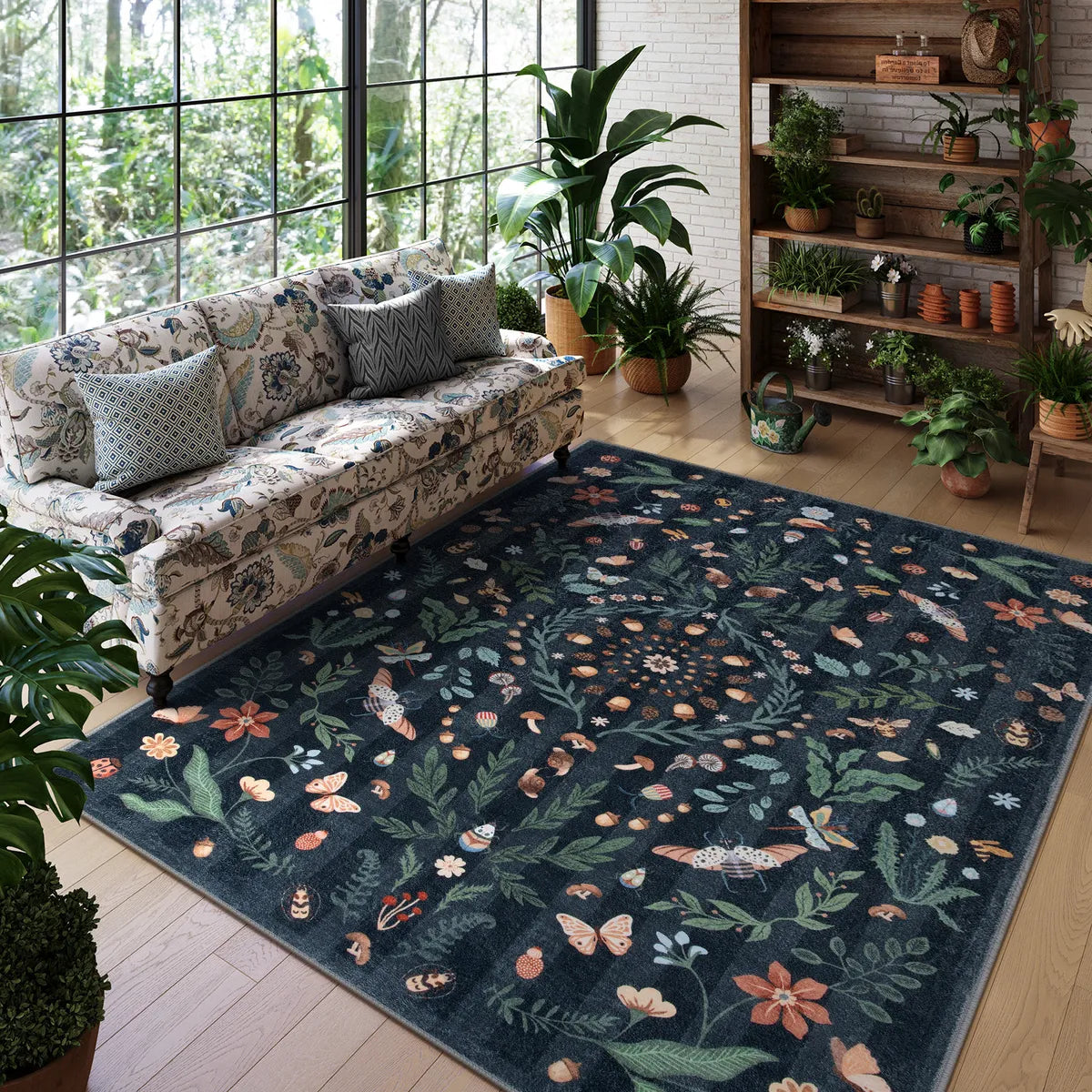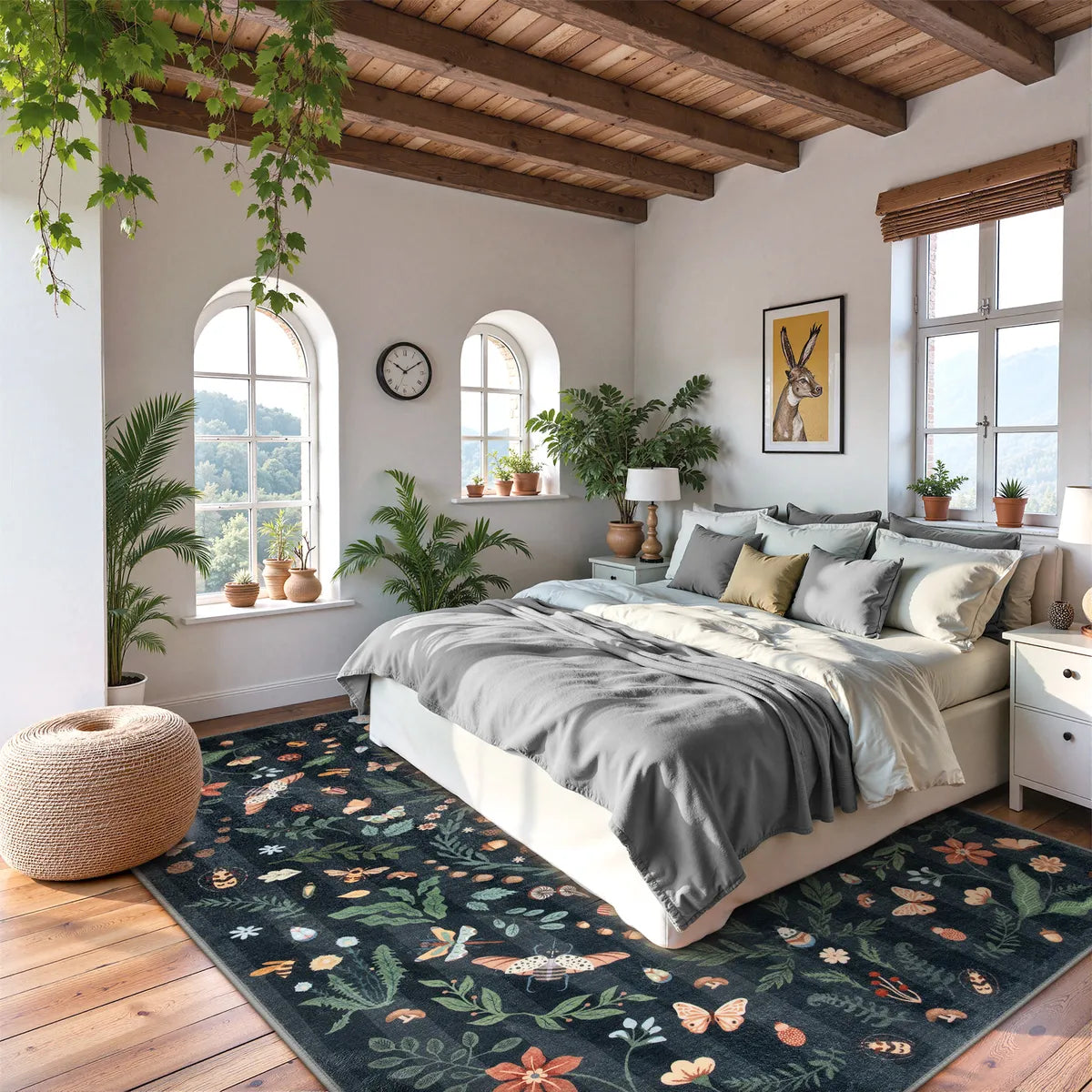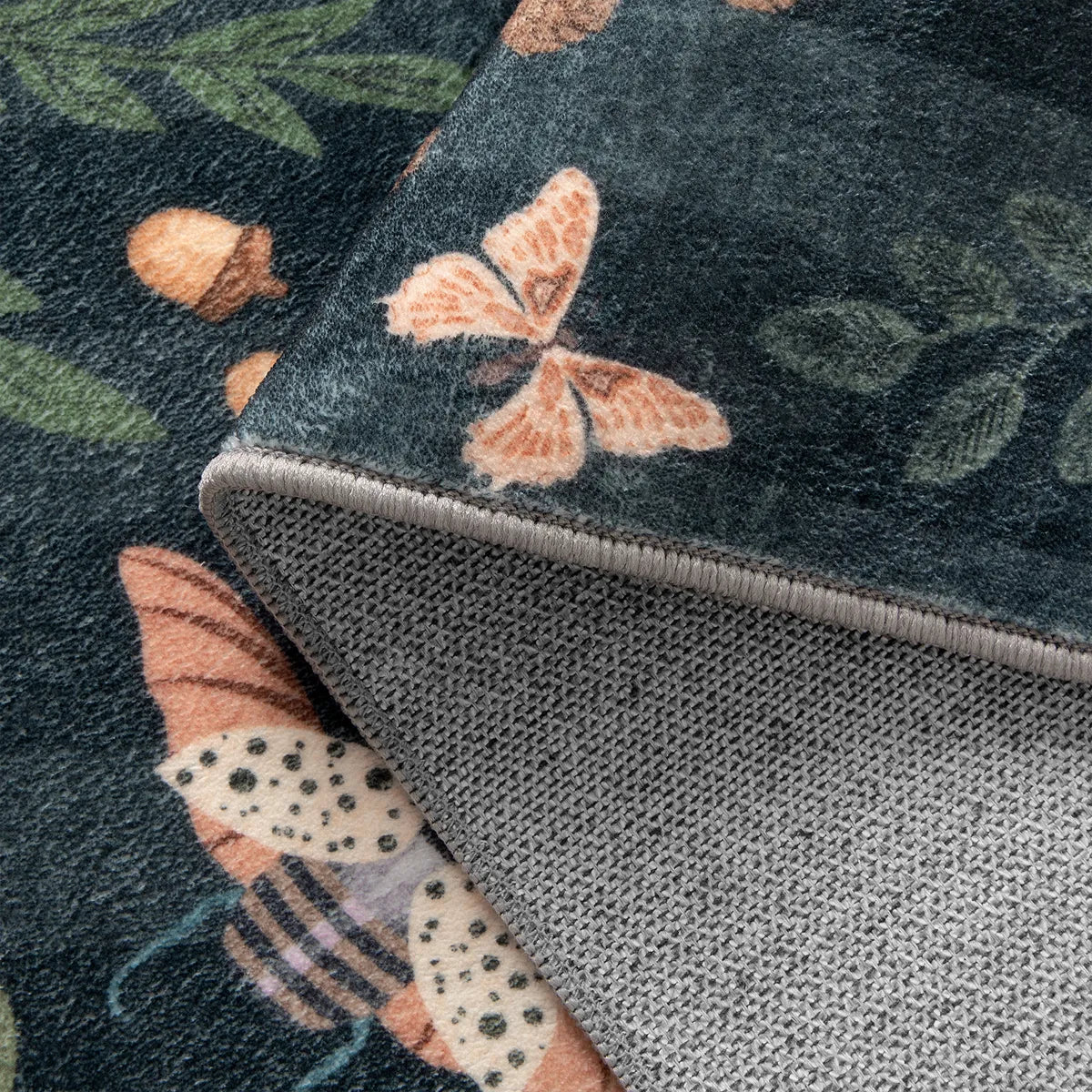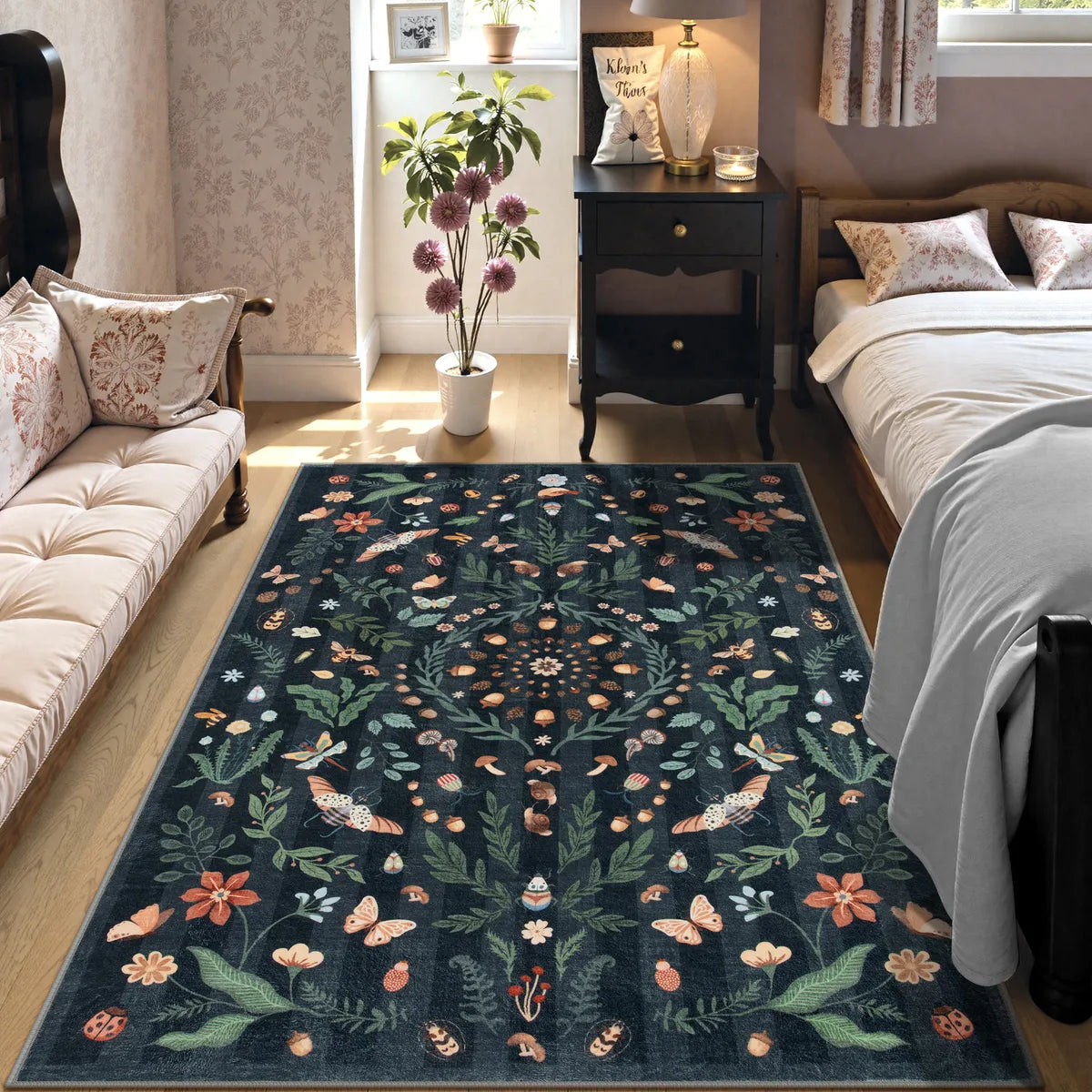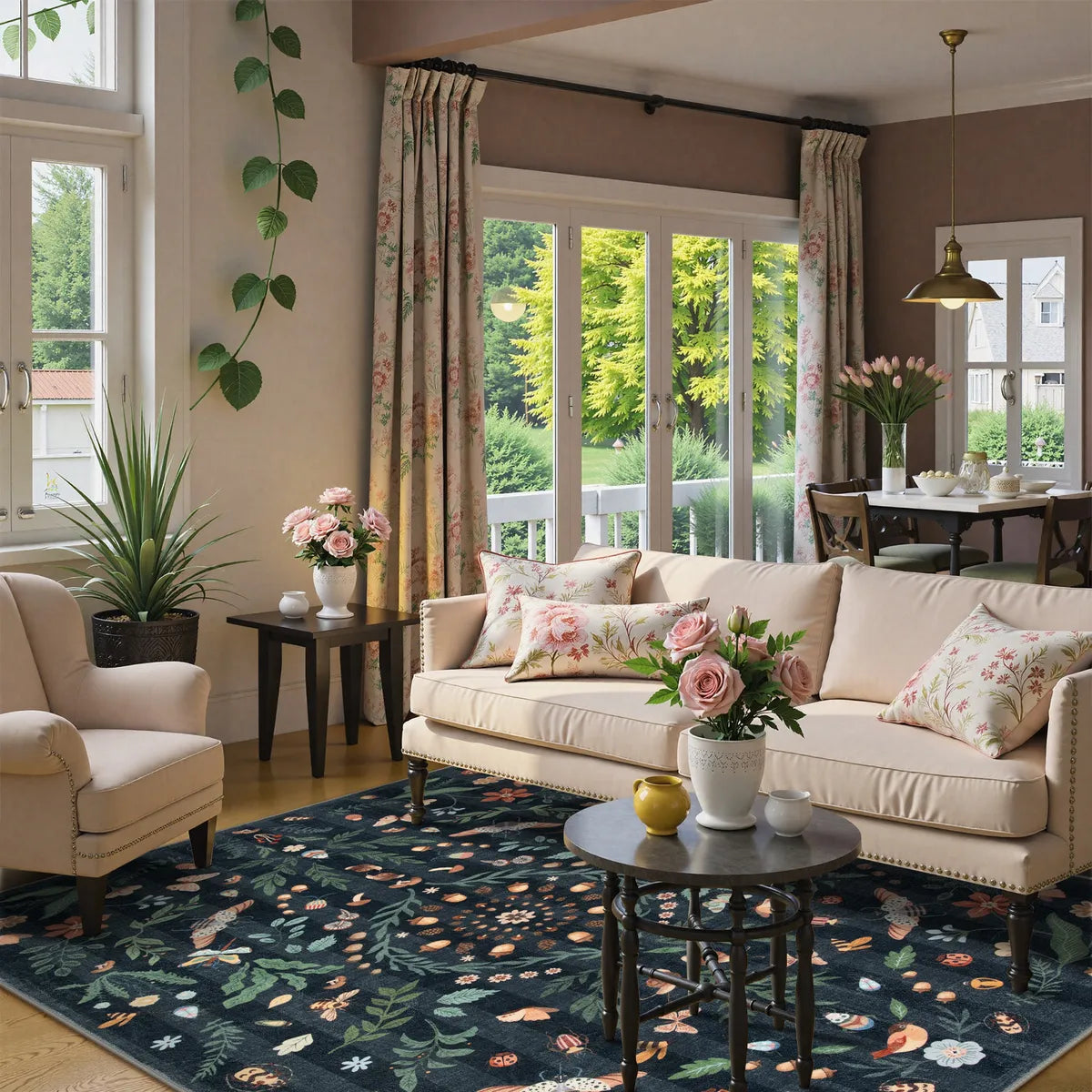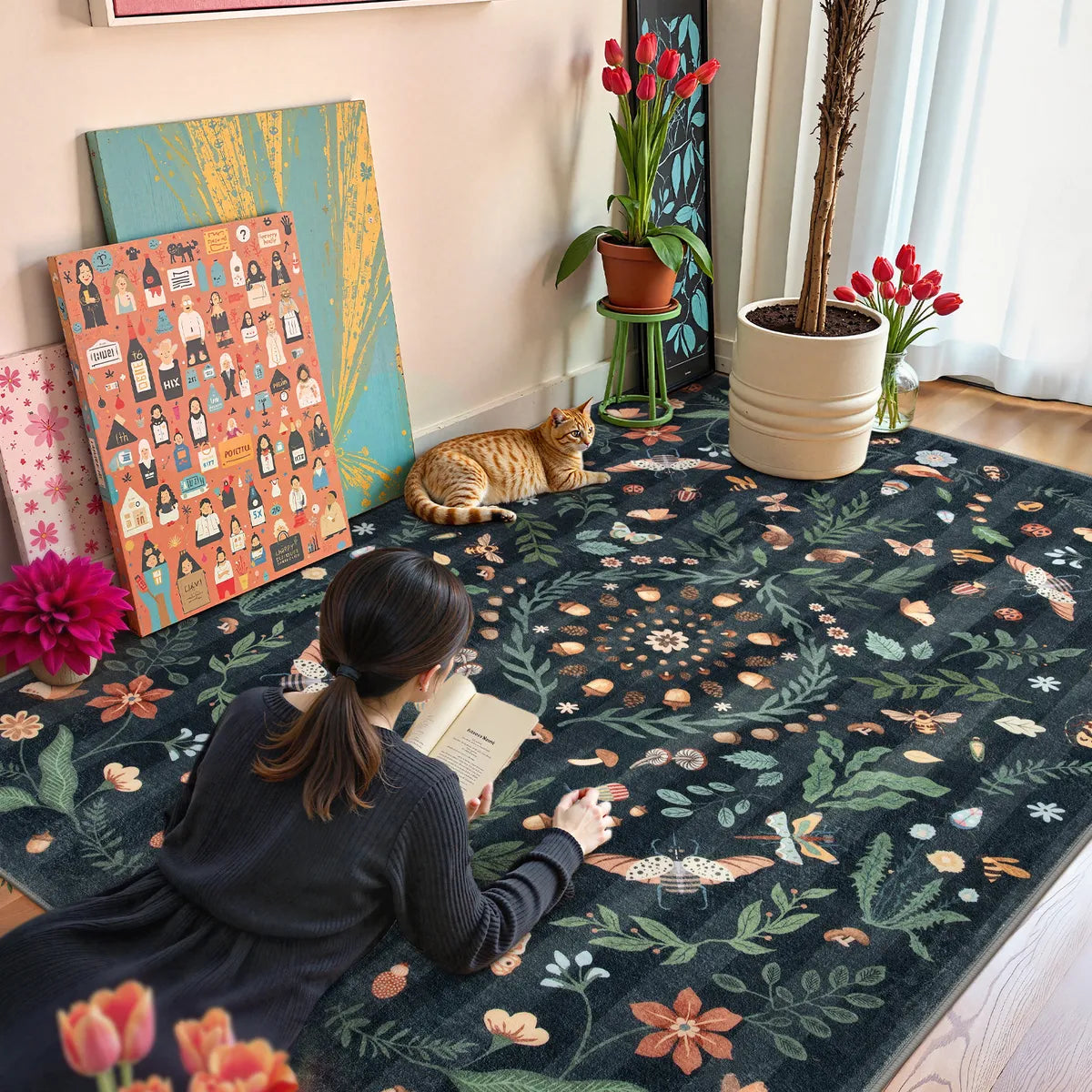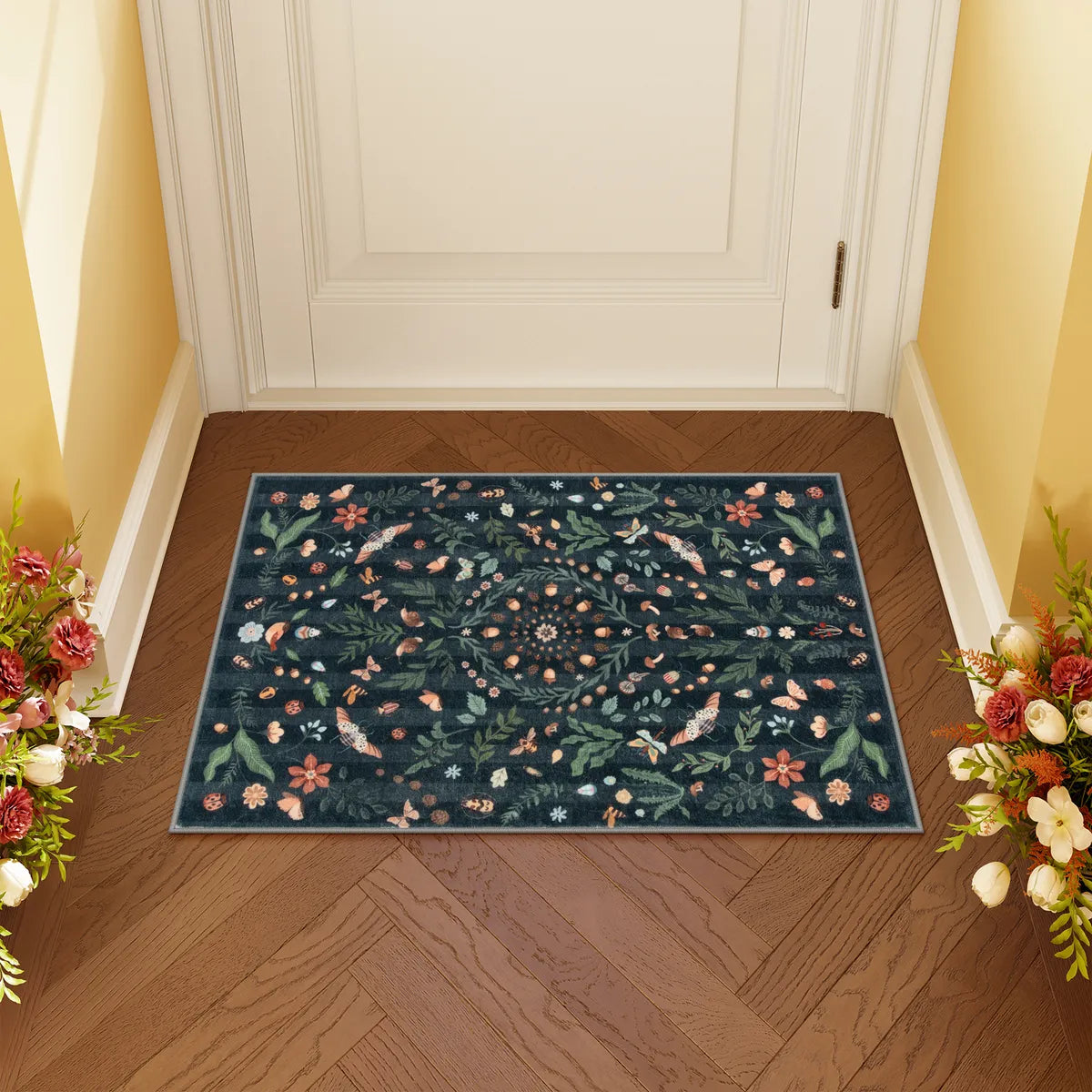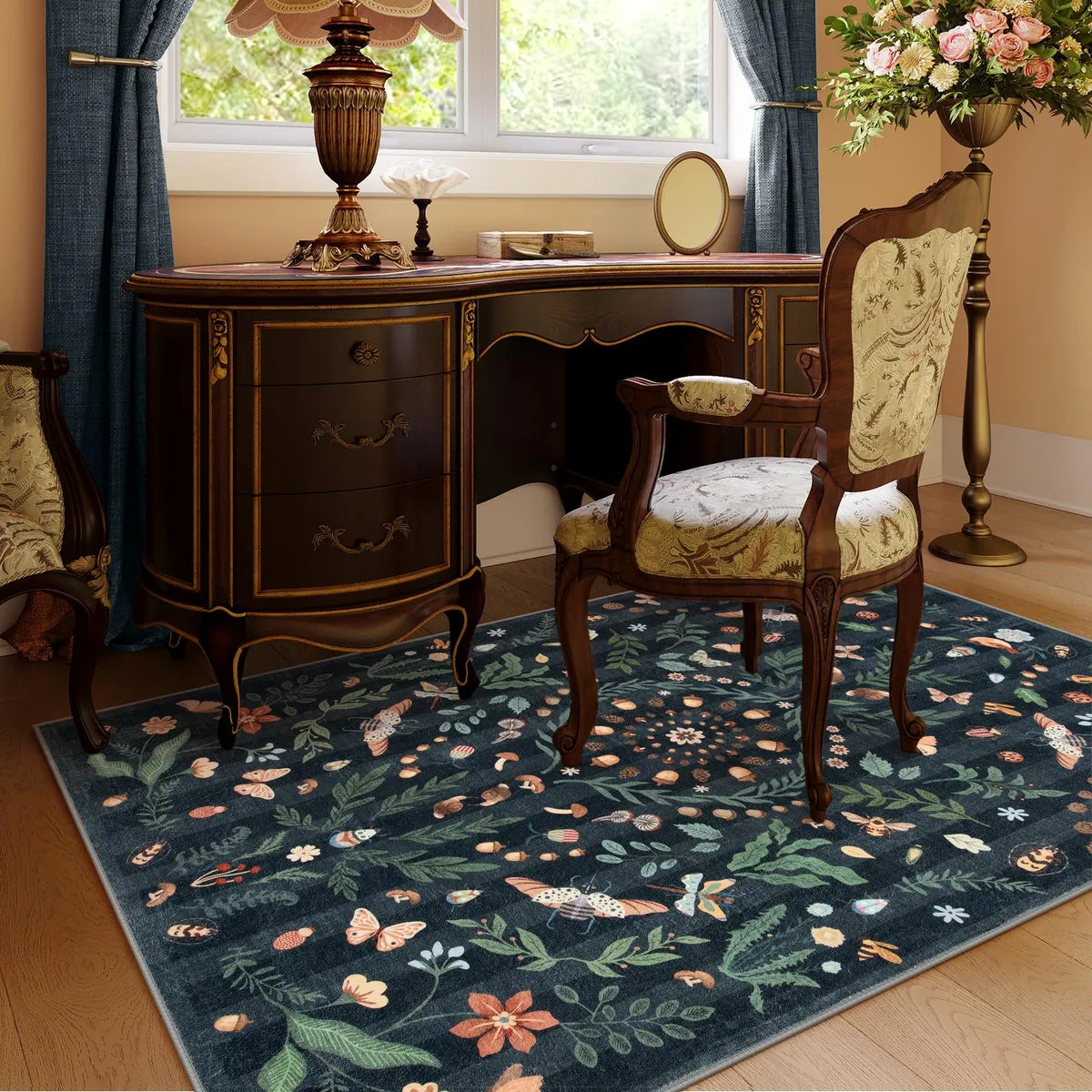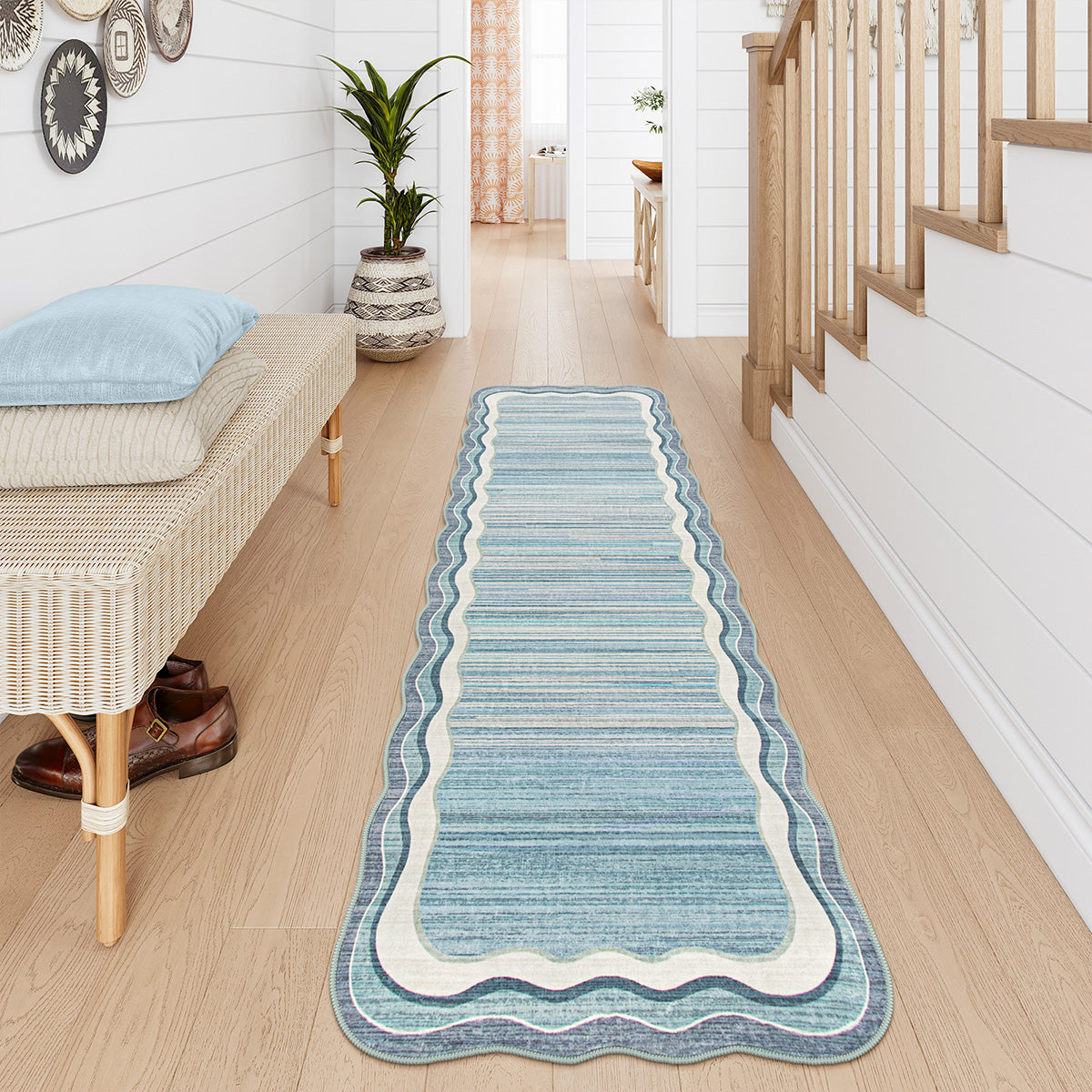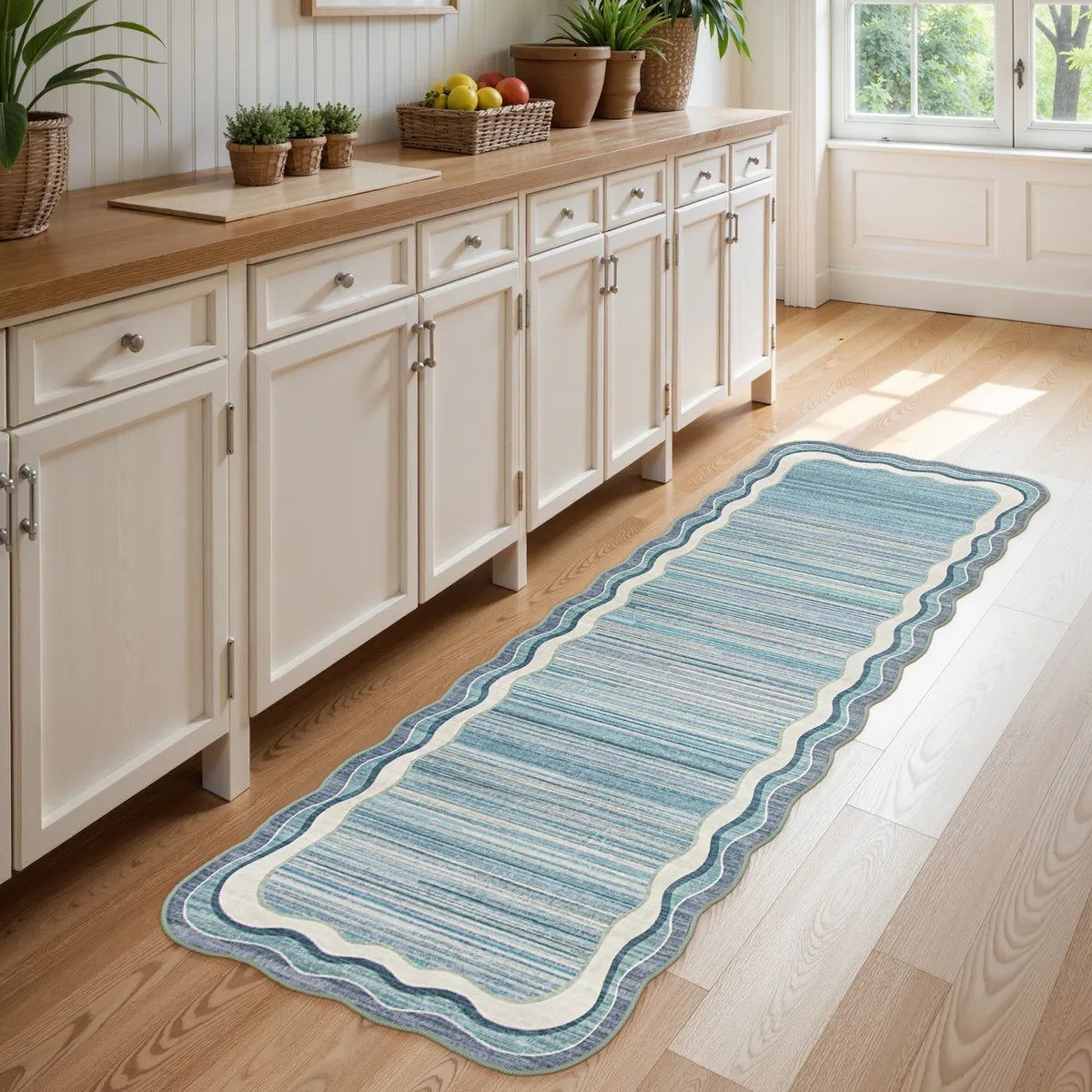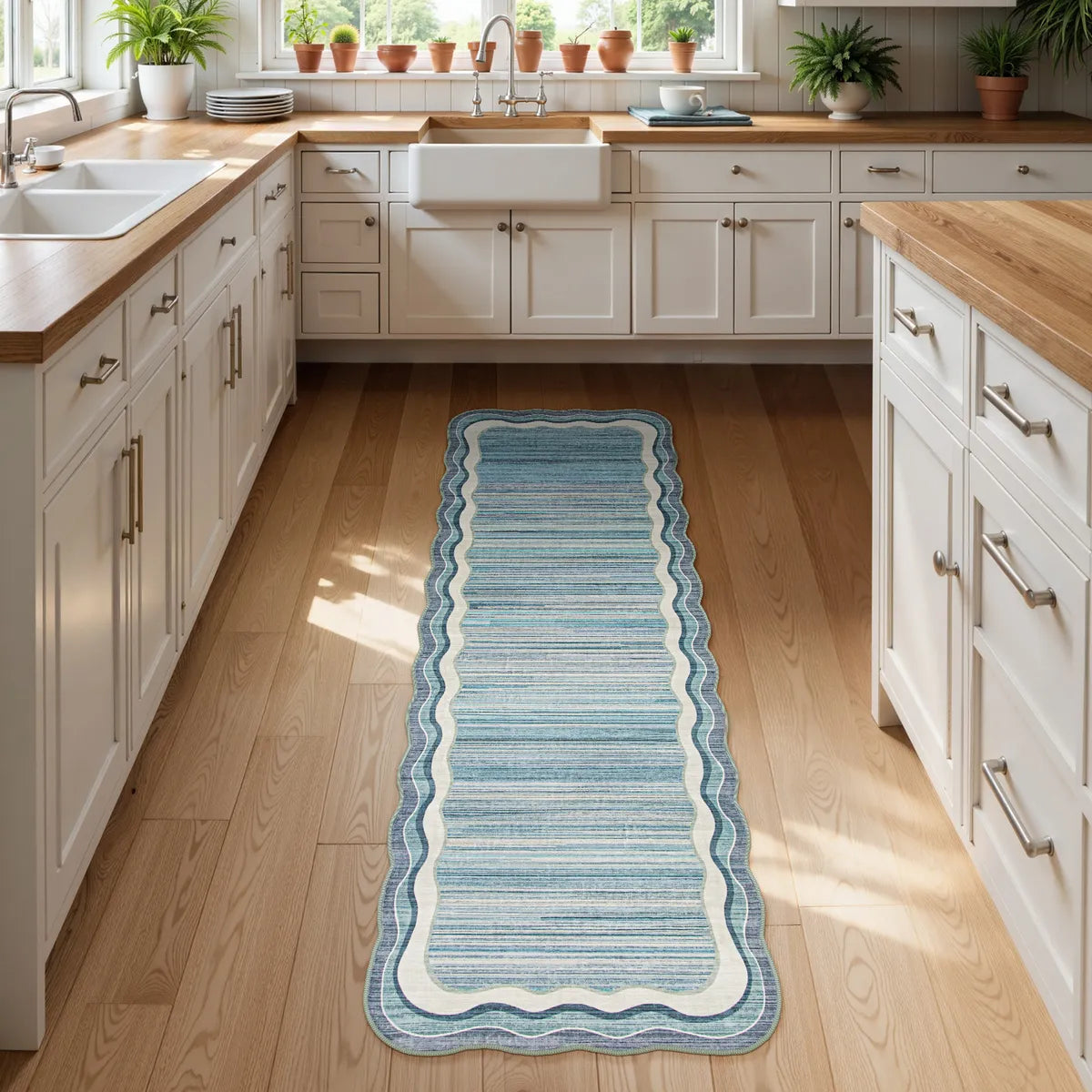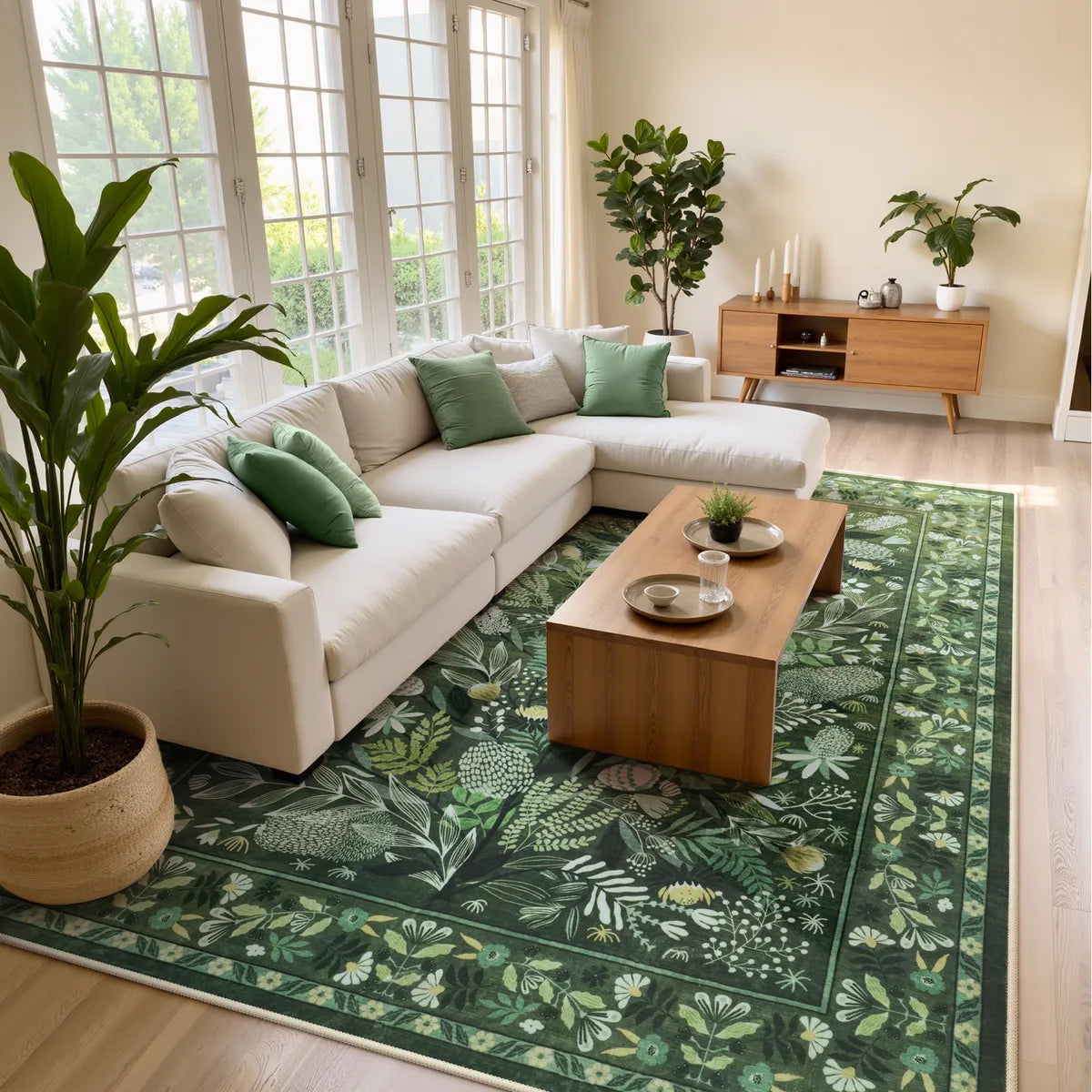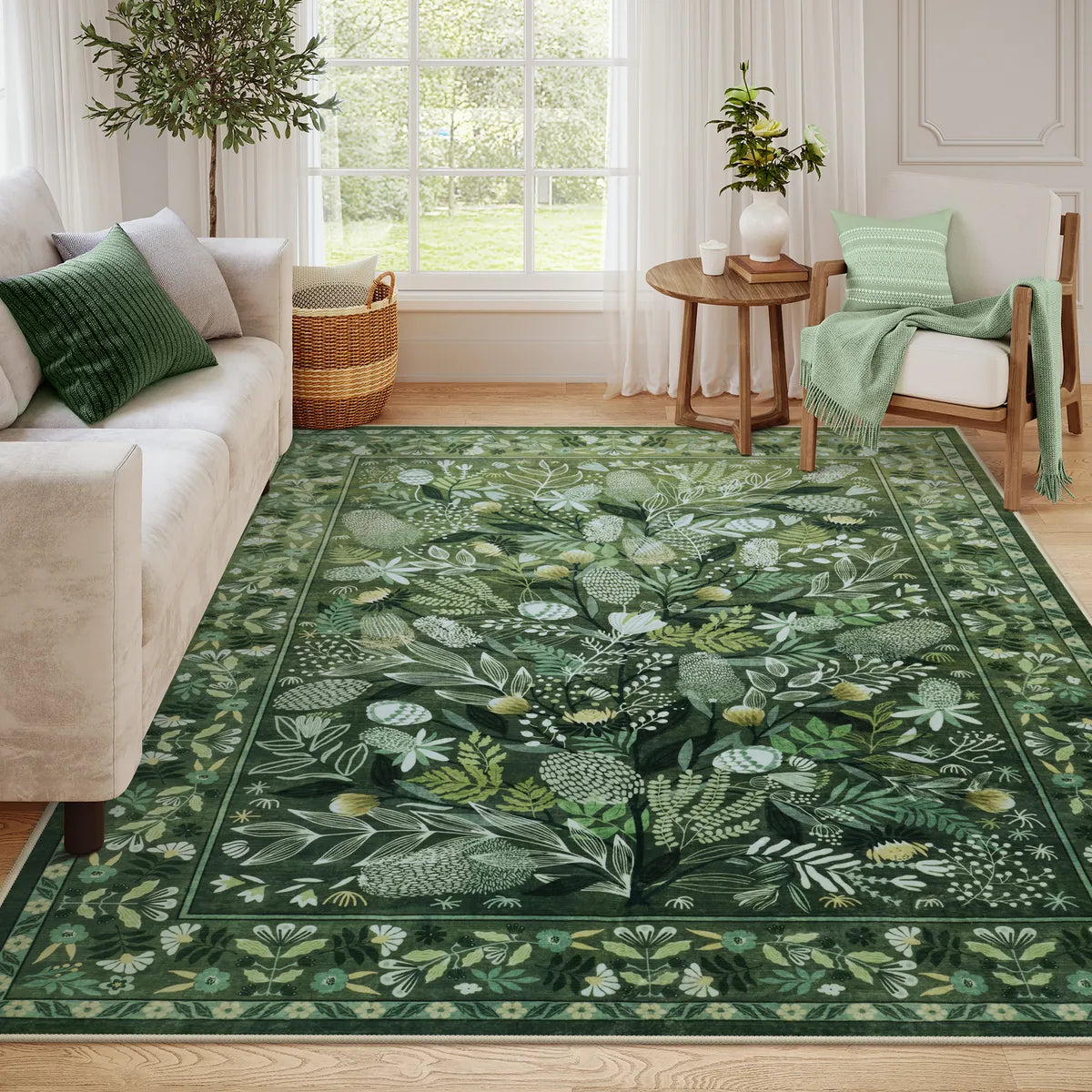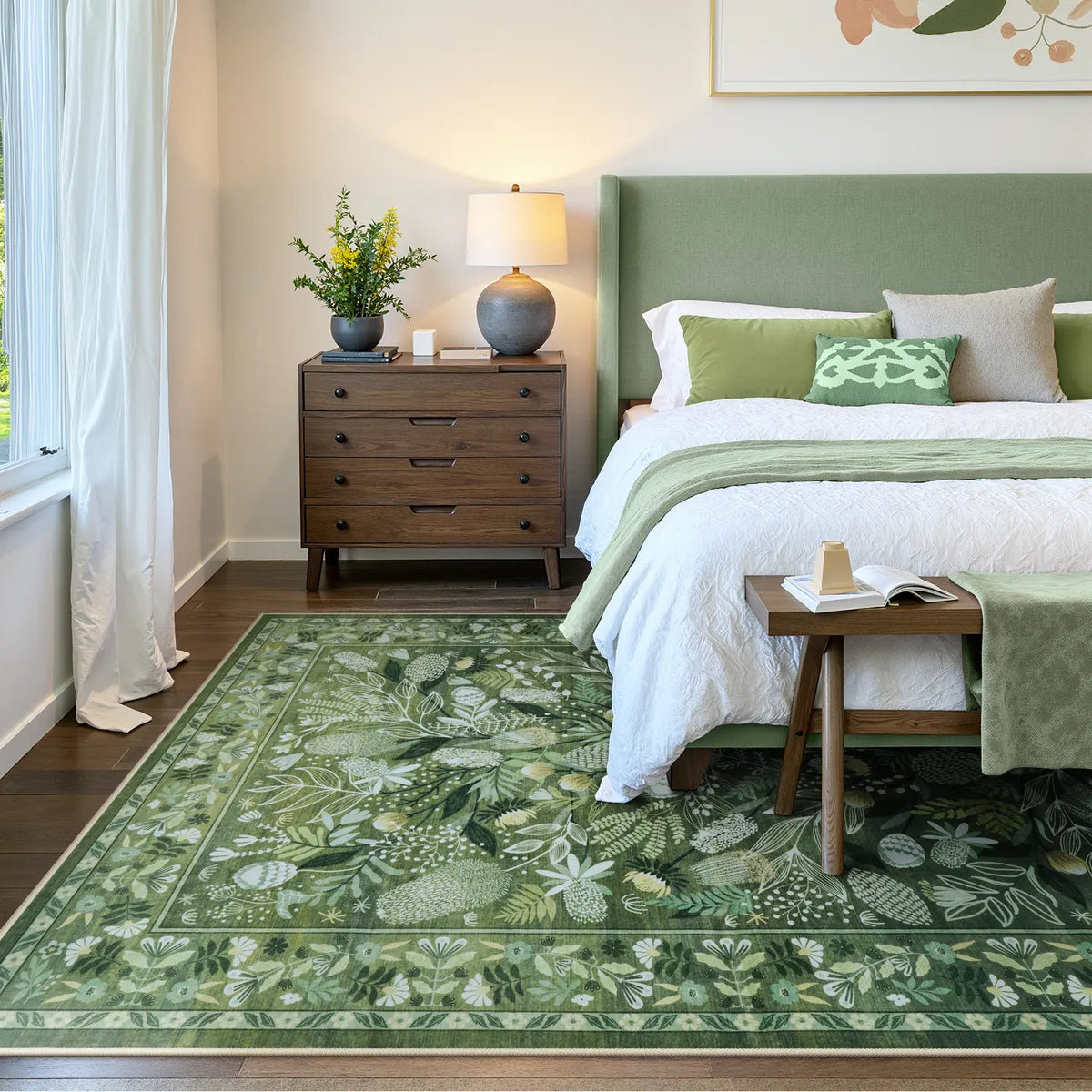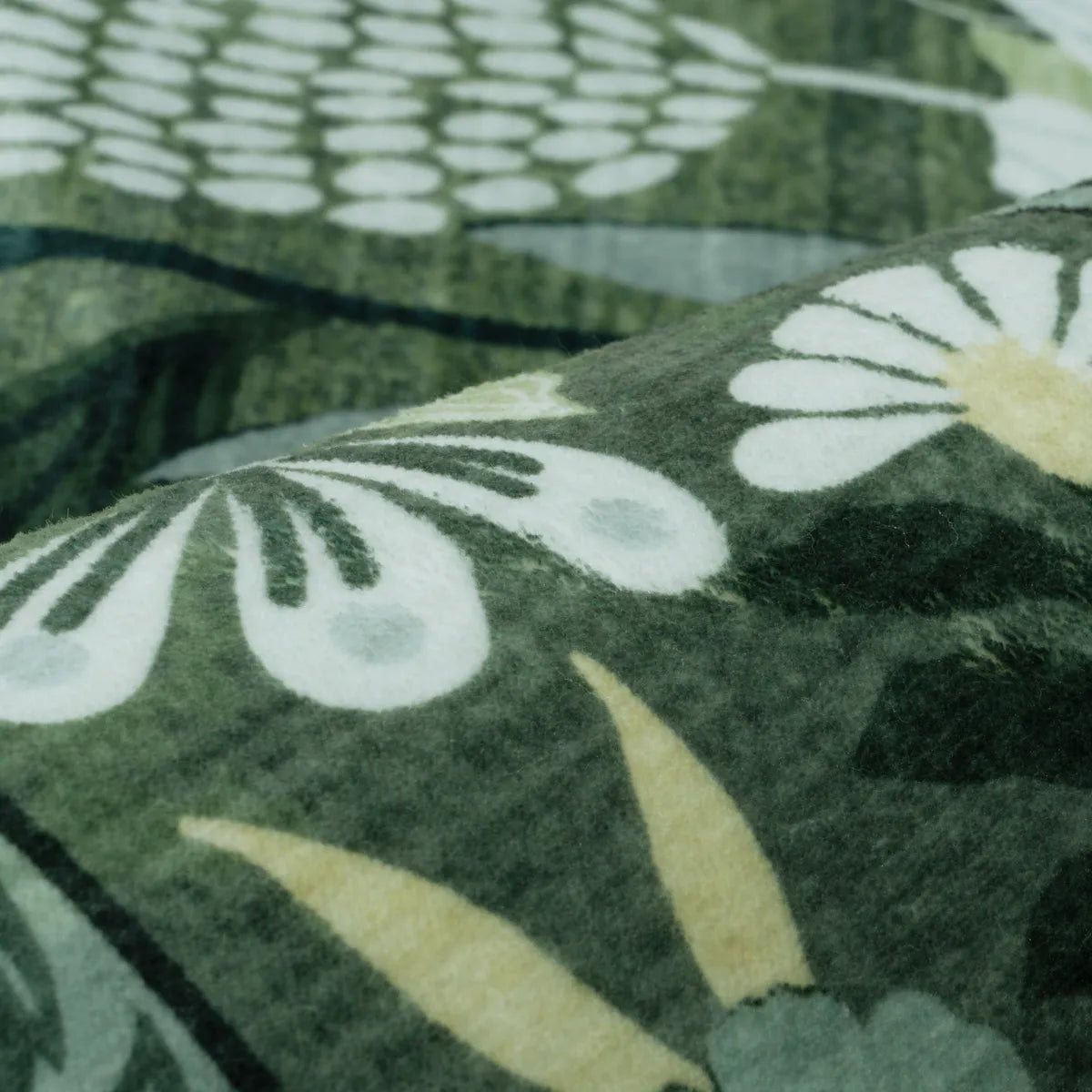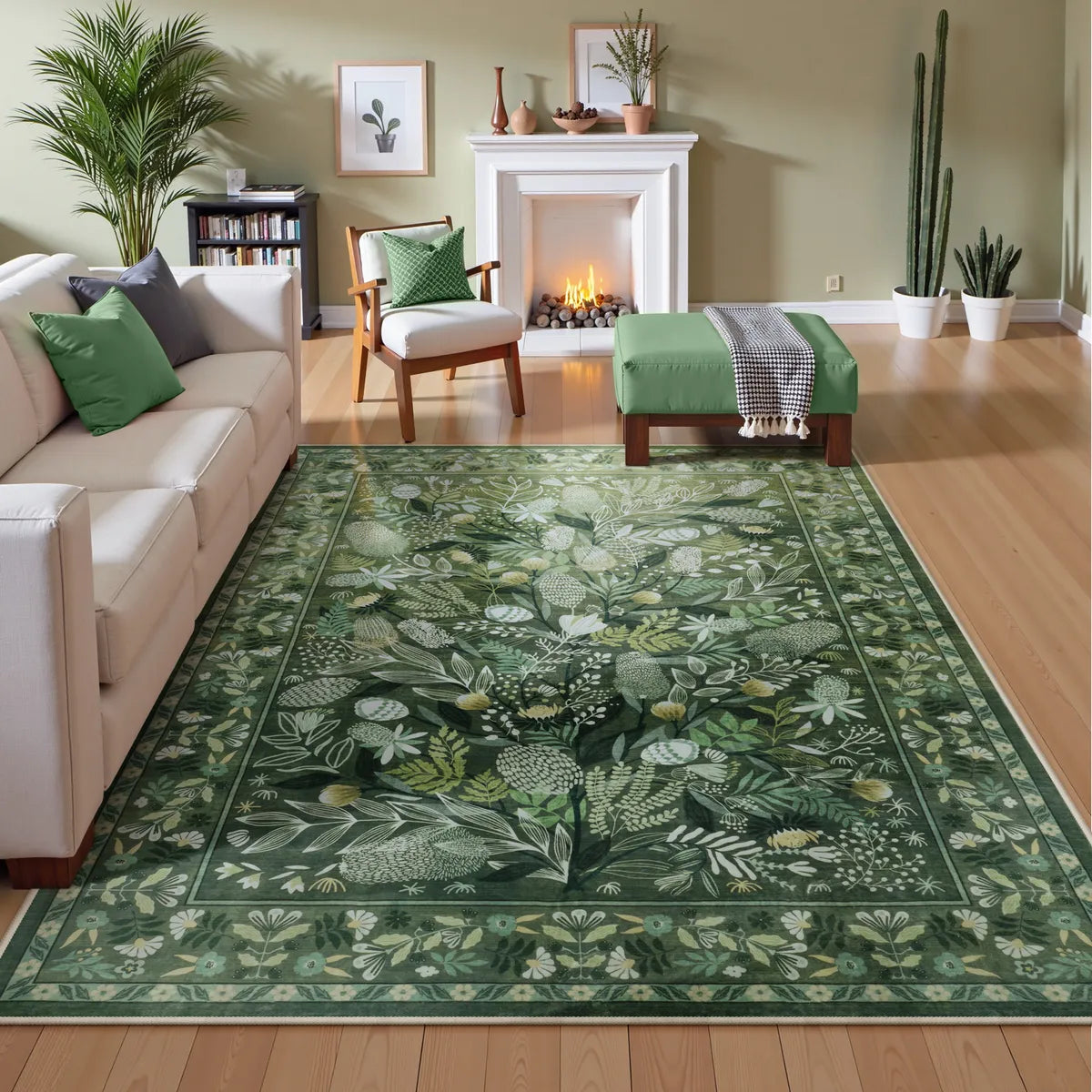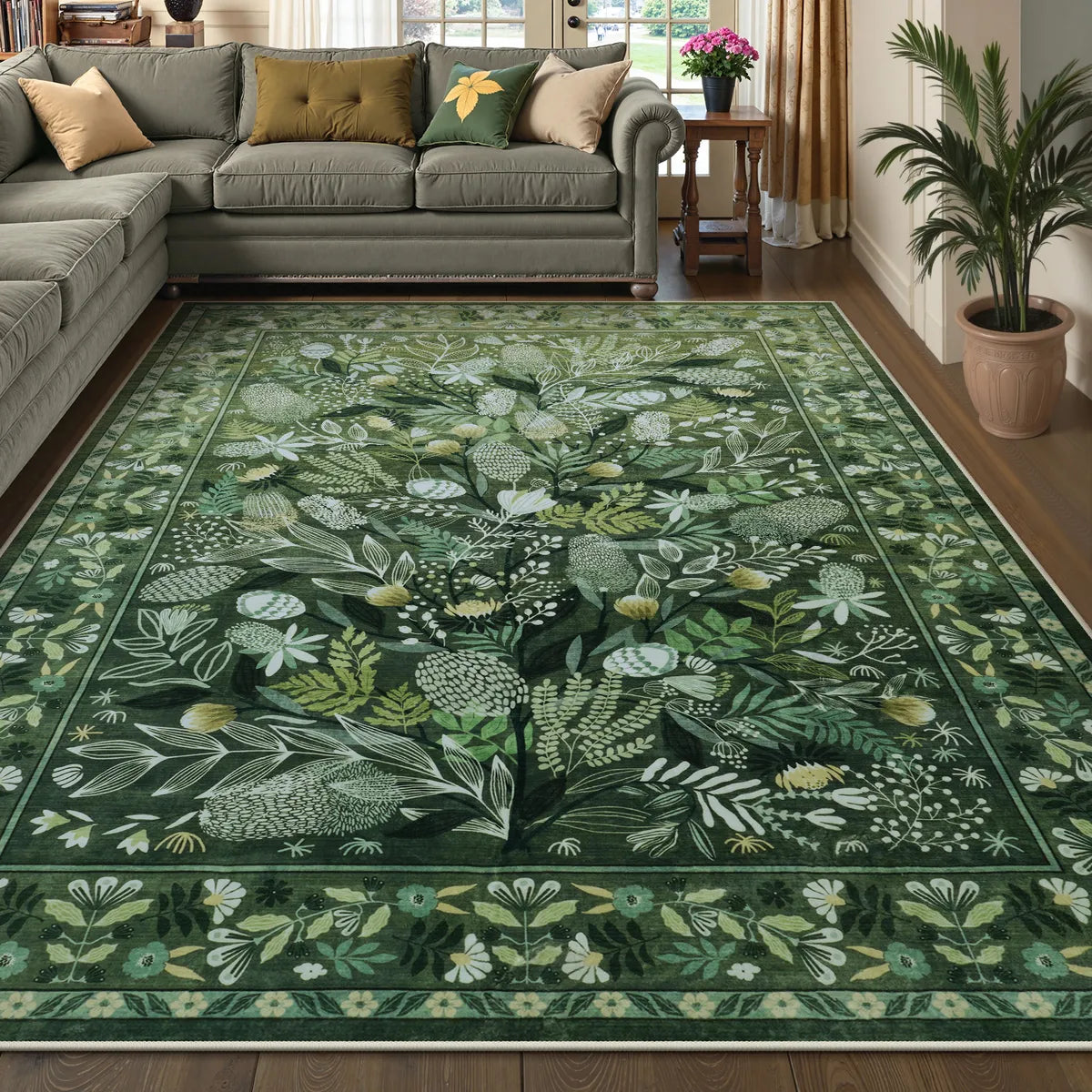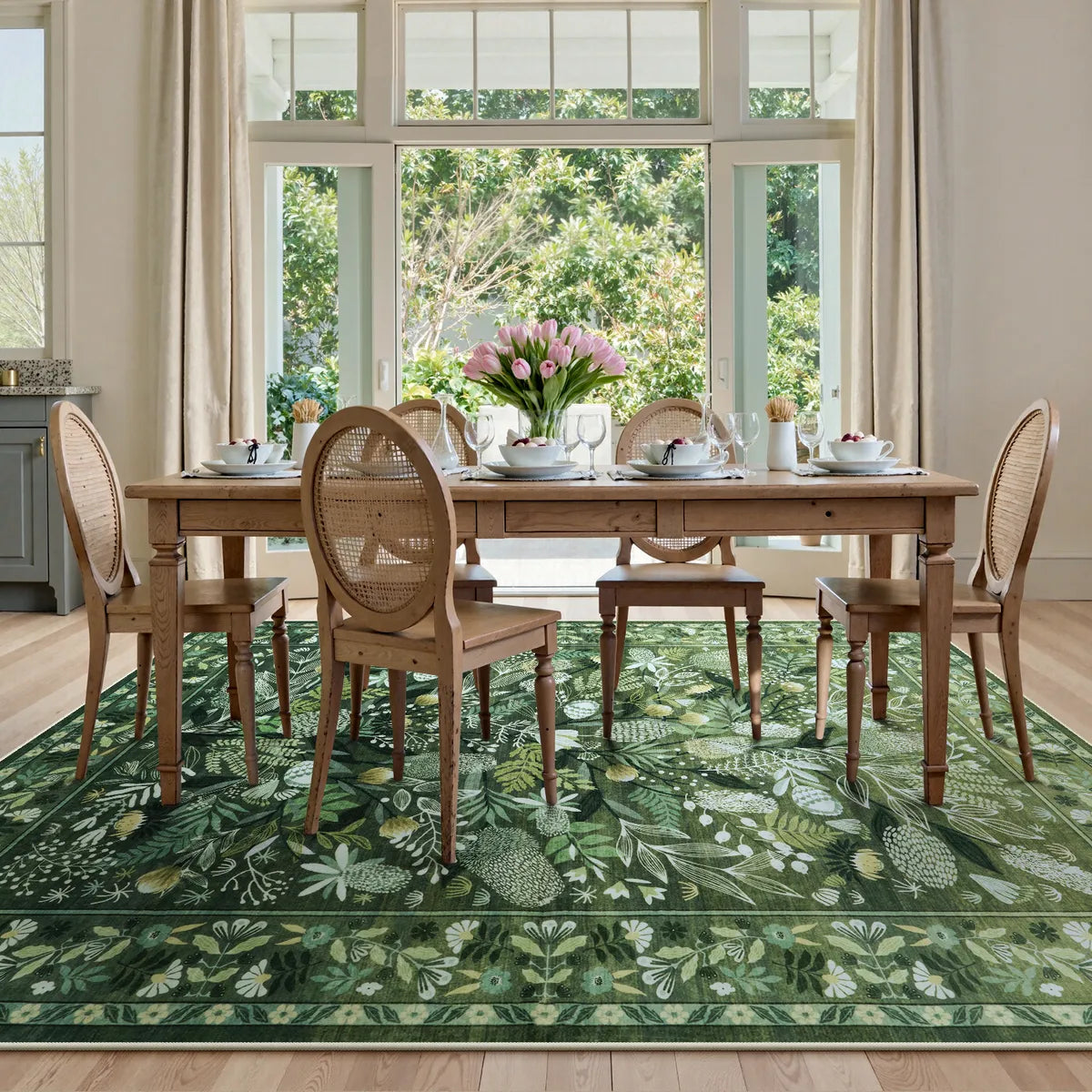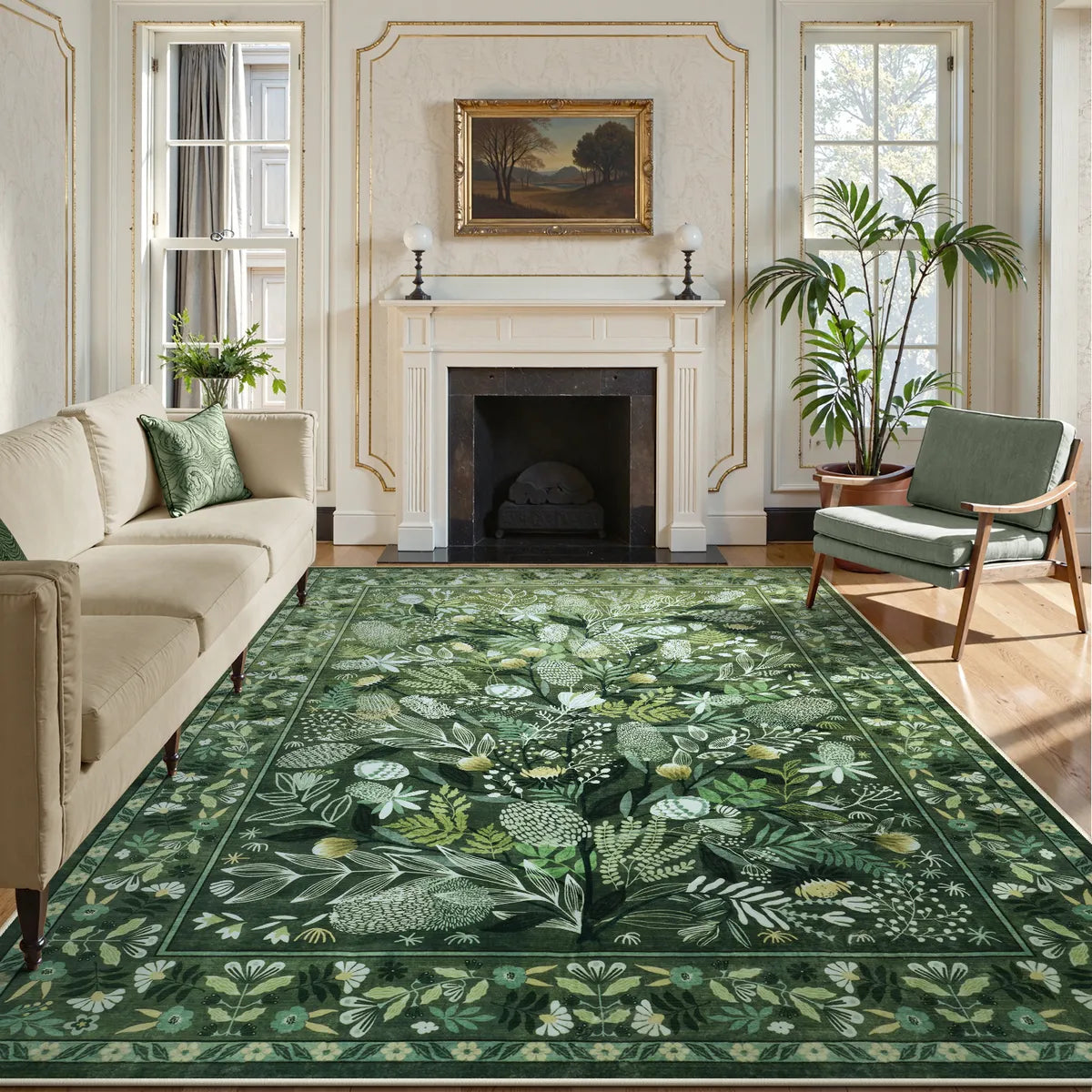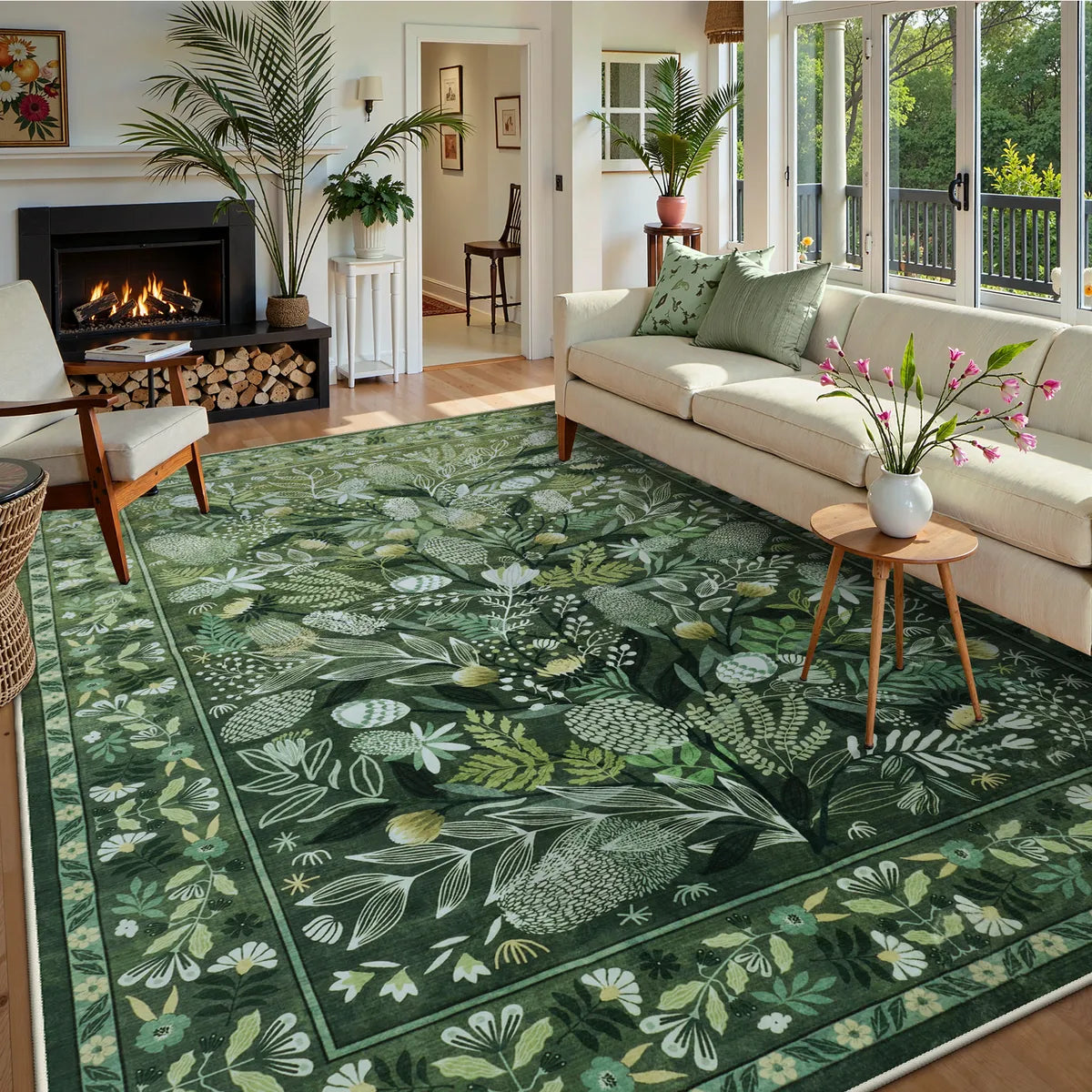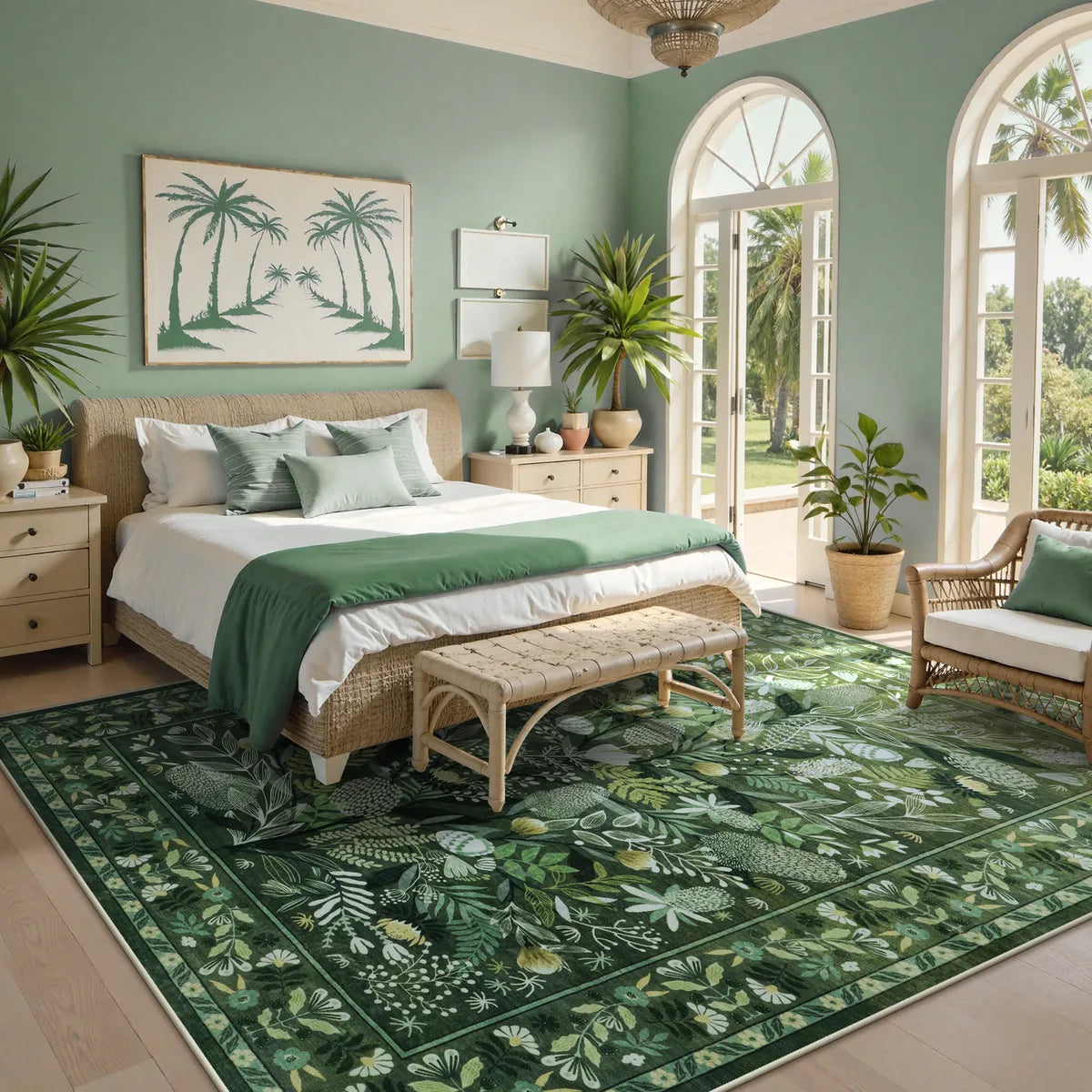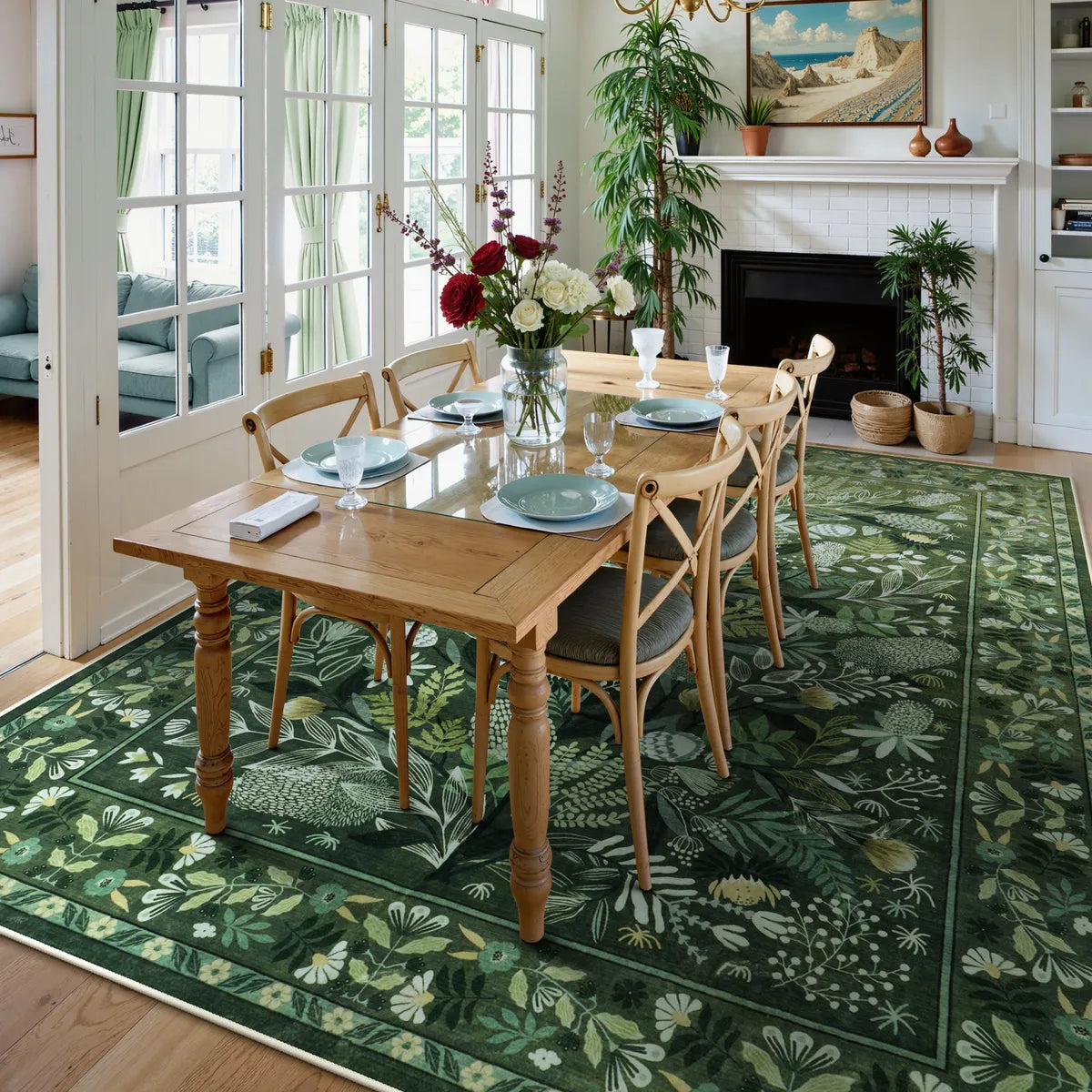


A hallway does not get much attention until the floor feels bare, noisy, or unfinished. The right hallway runner rug can soften that space, guide the eye, and make everyday traffic feel more comfortable. Good choices come down to size, surface, grip, and visual balance. When those pieces work together, the hallway feels more connected to the rest of the home.
Measure the Right Hallway Runner Rug
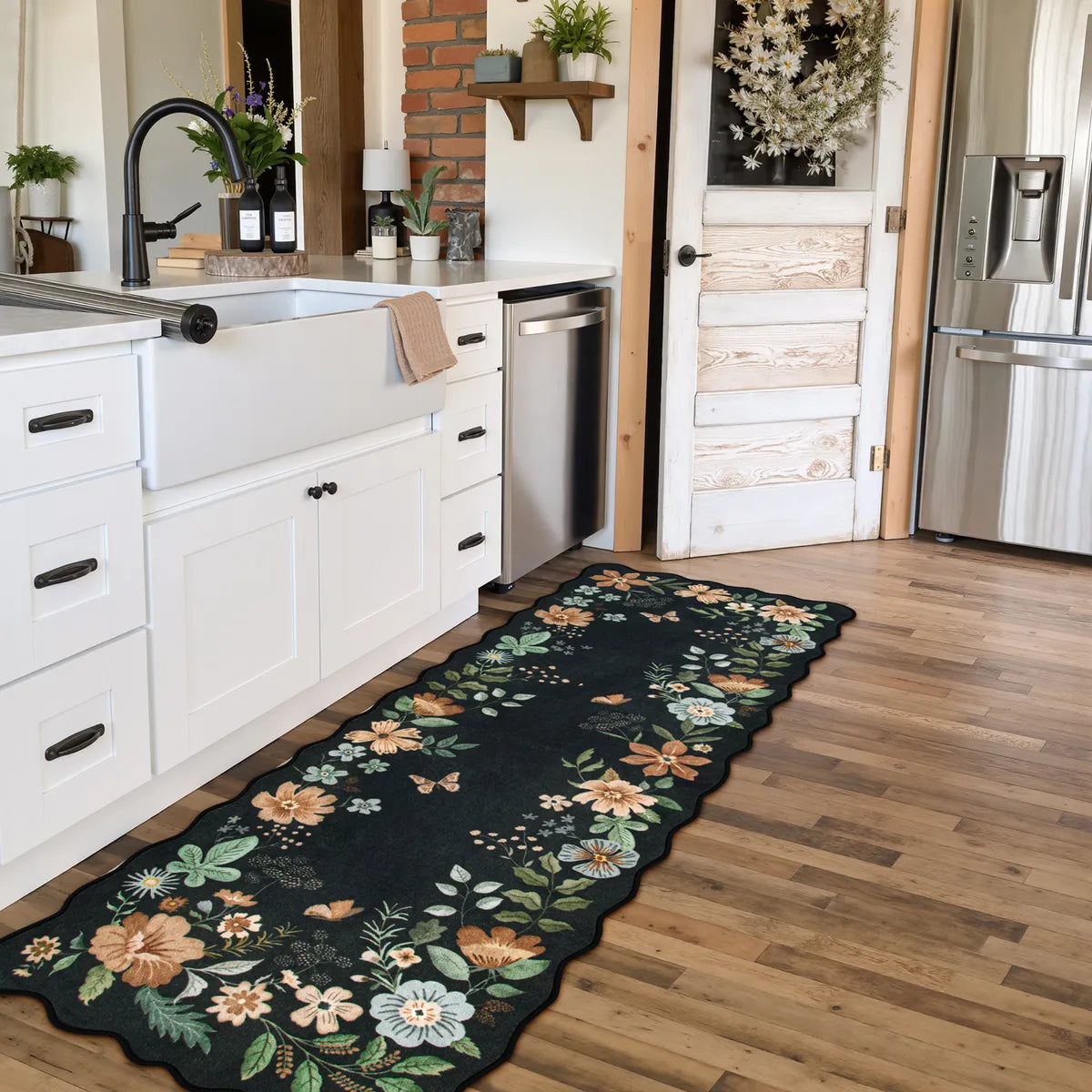
A hallway runner should fit the space instead of forcing the space to fit the rug. That means looking at the full path first, not just picking a size that seems popular. Width, length, and floor space at the edges all affect how natural the rug will look.
Leave Space Around The Runner
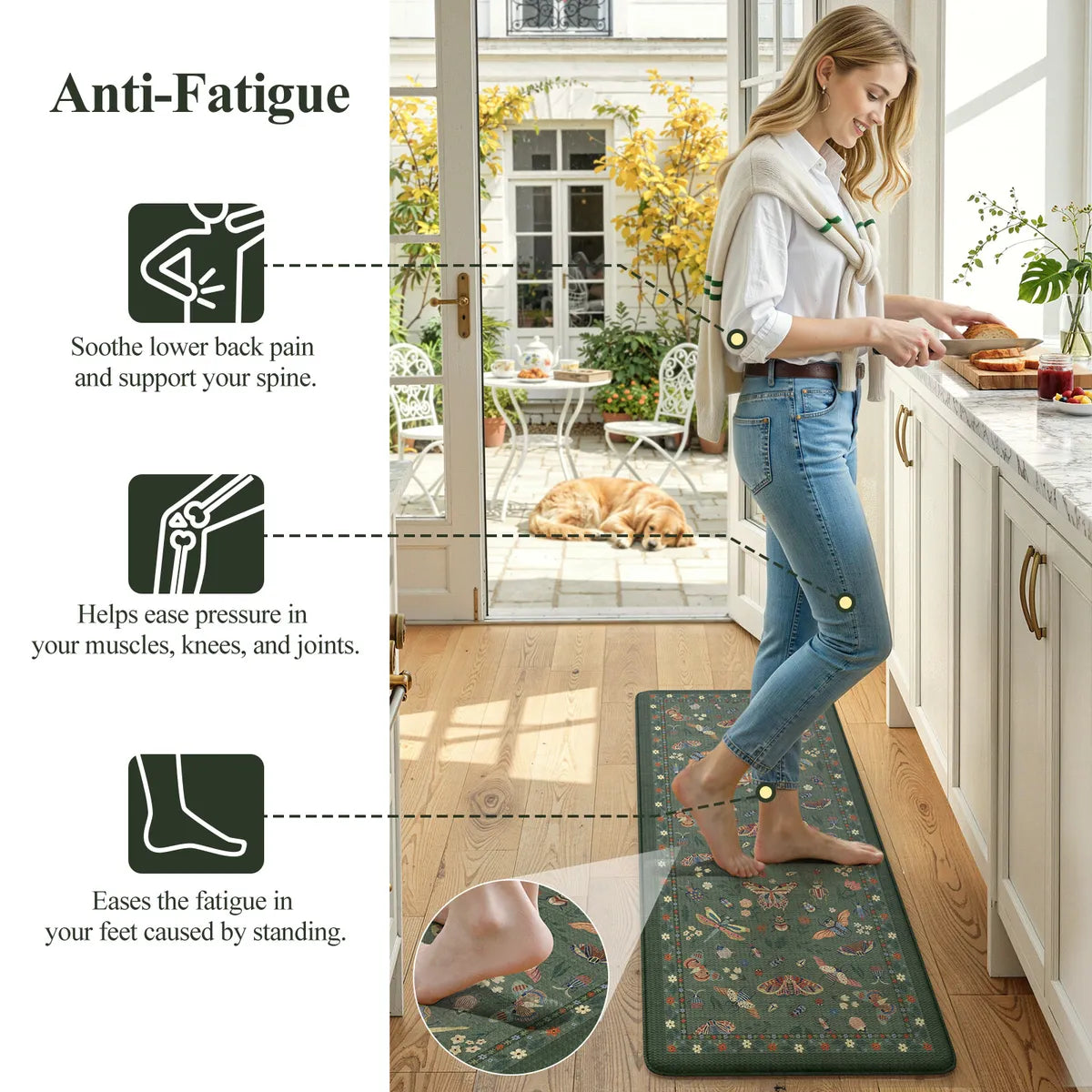
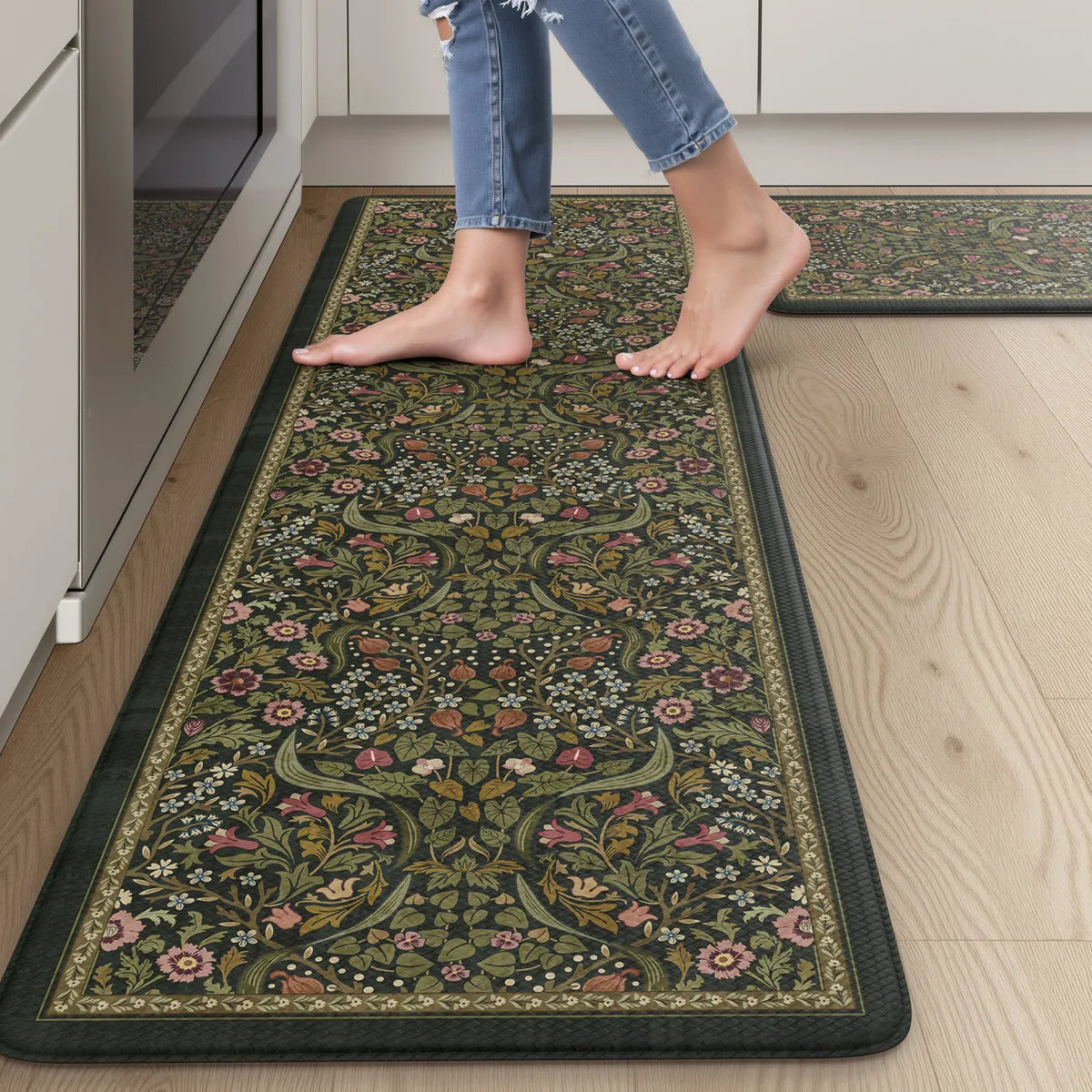
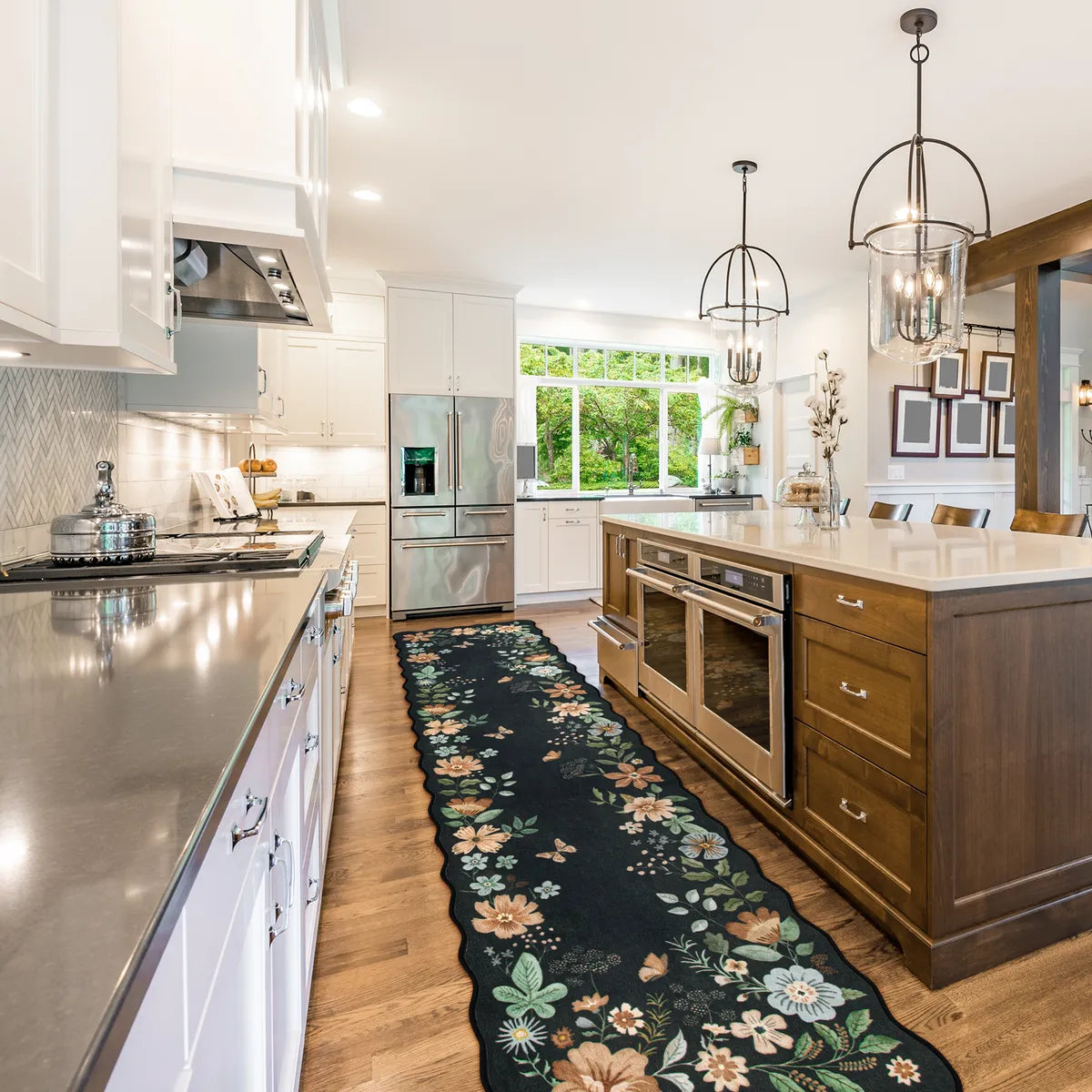
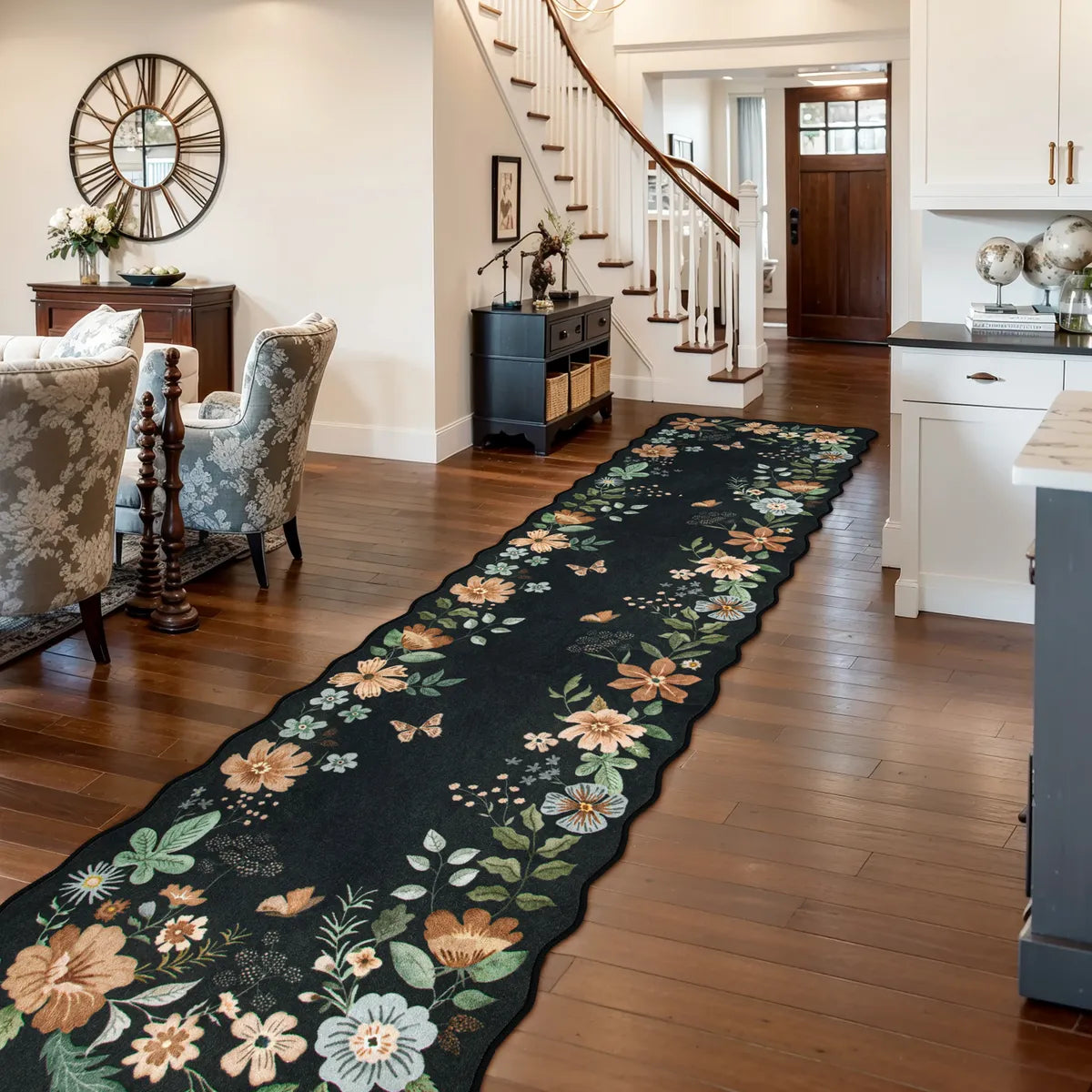
A runner usually looks best when there is visible floor on both sides and at both ends. That border helps the rug feel centered and intentional. If the runner stretches too far across the hallway, the space can feel crowded. If it is too narrow, it may look disconnected from the floor around it.
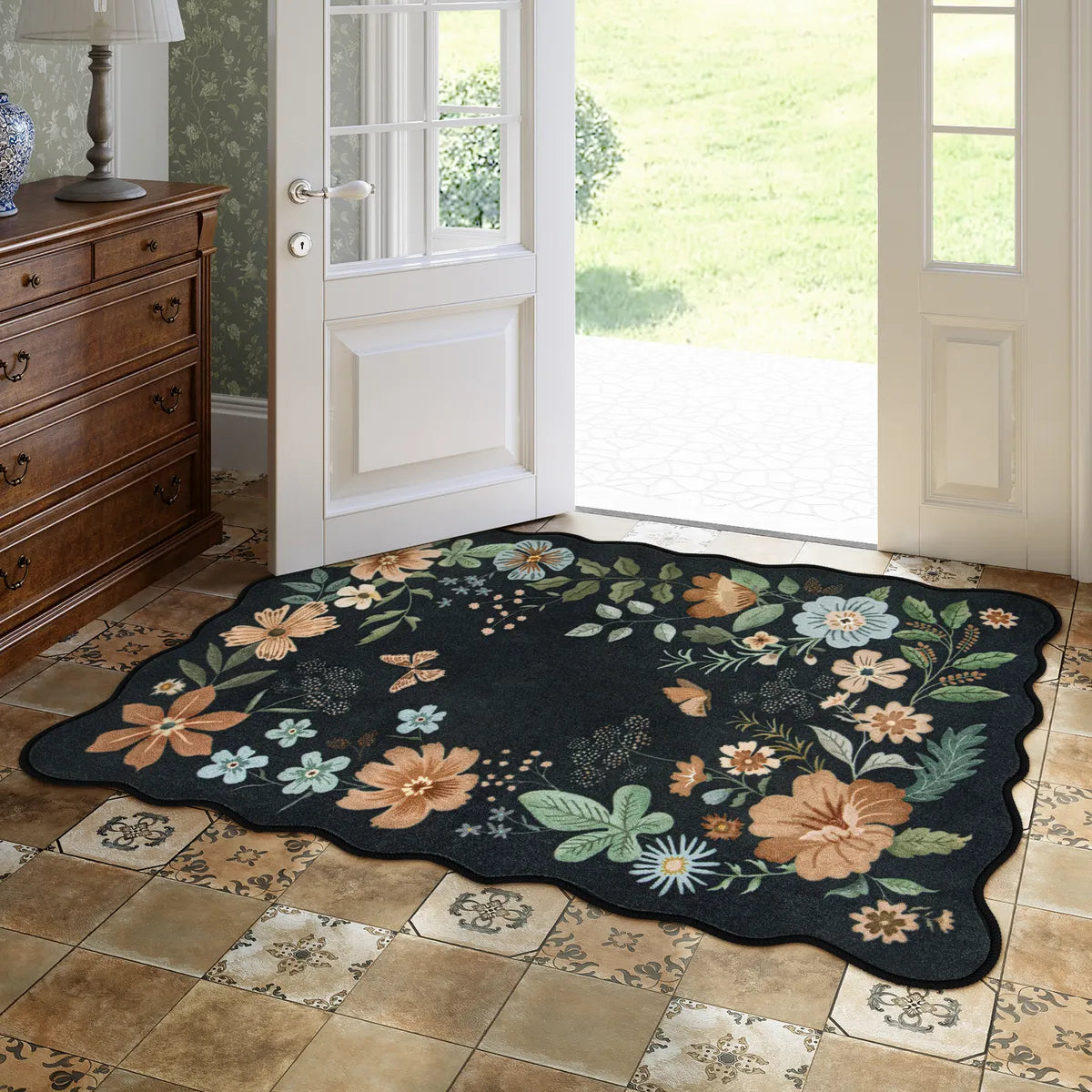
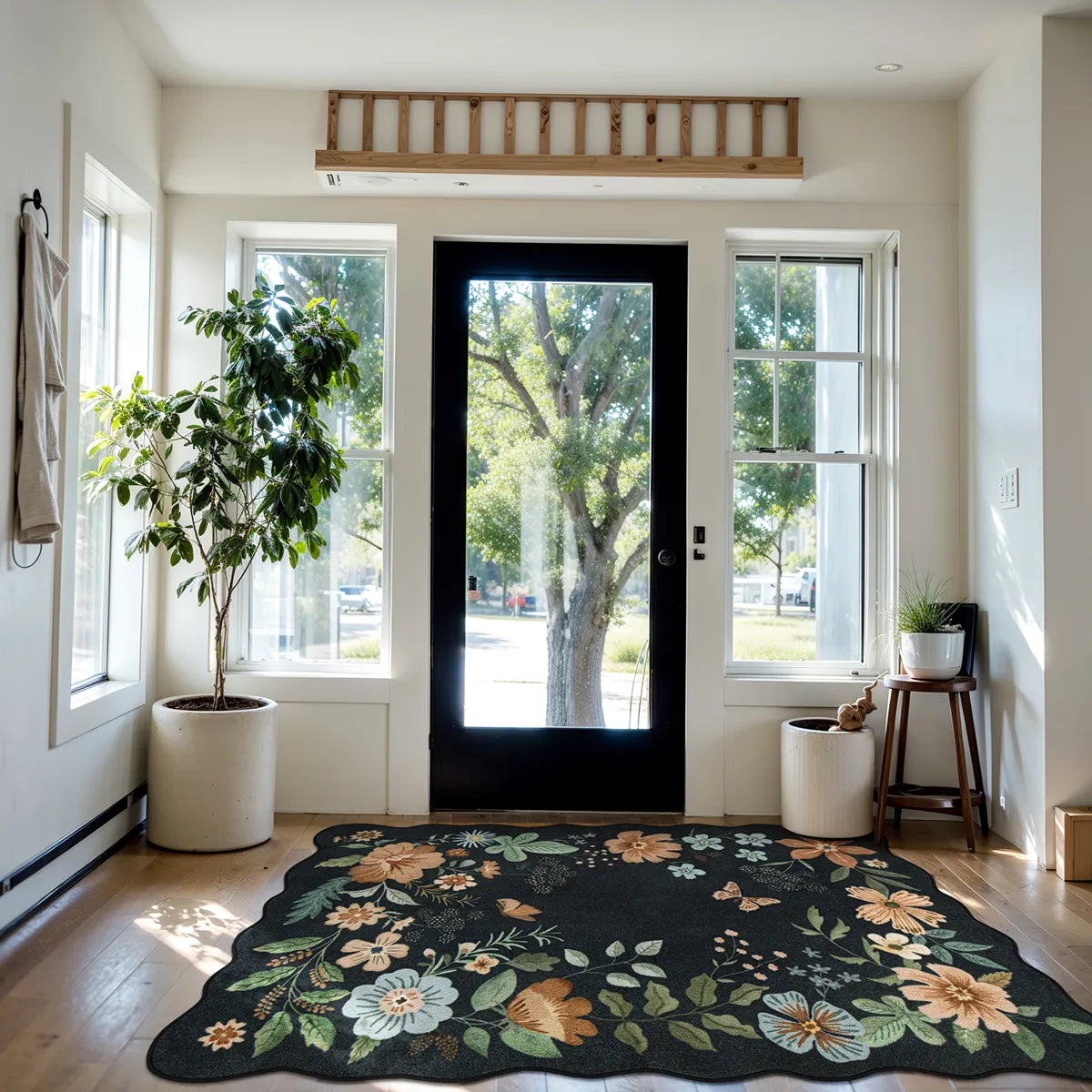
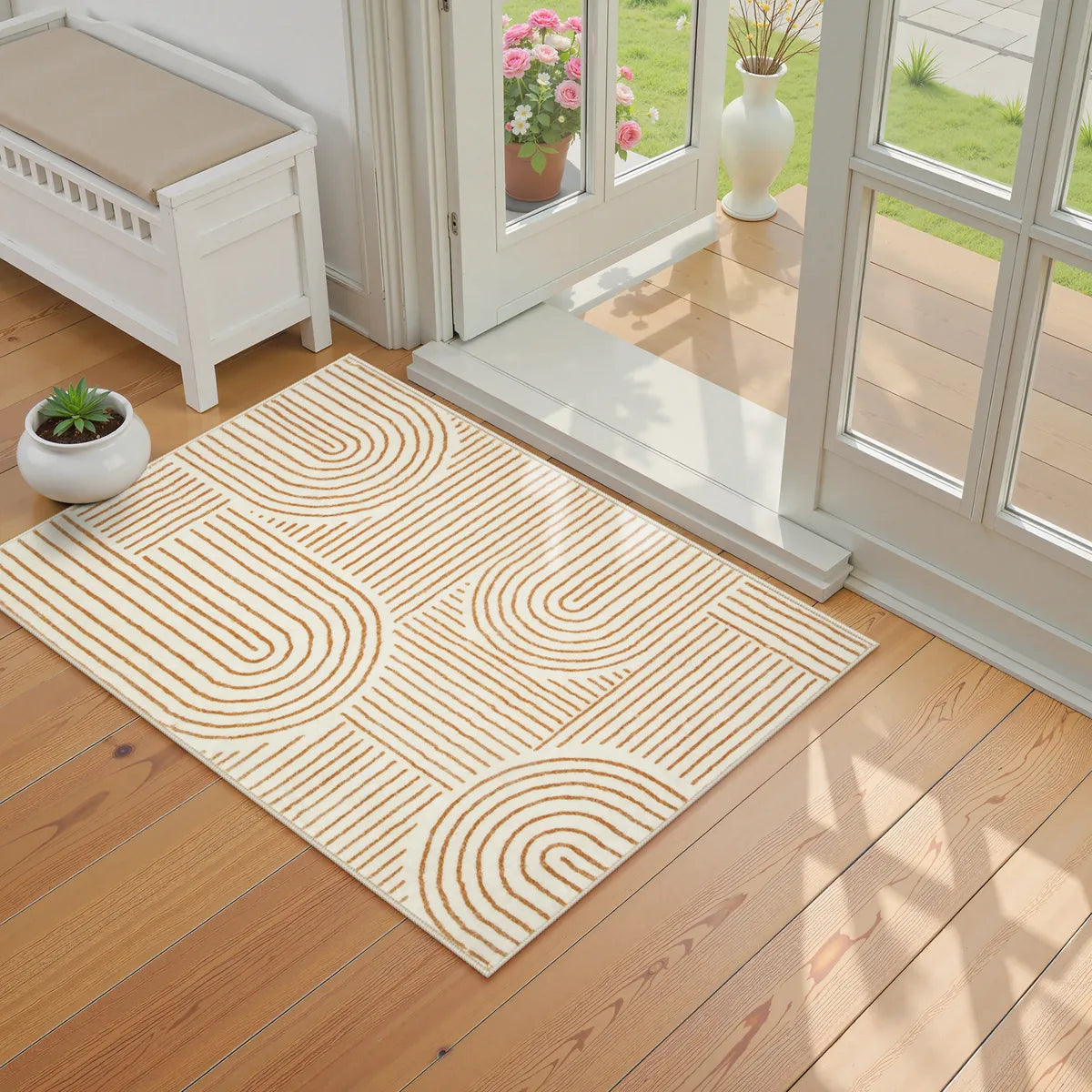
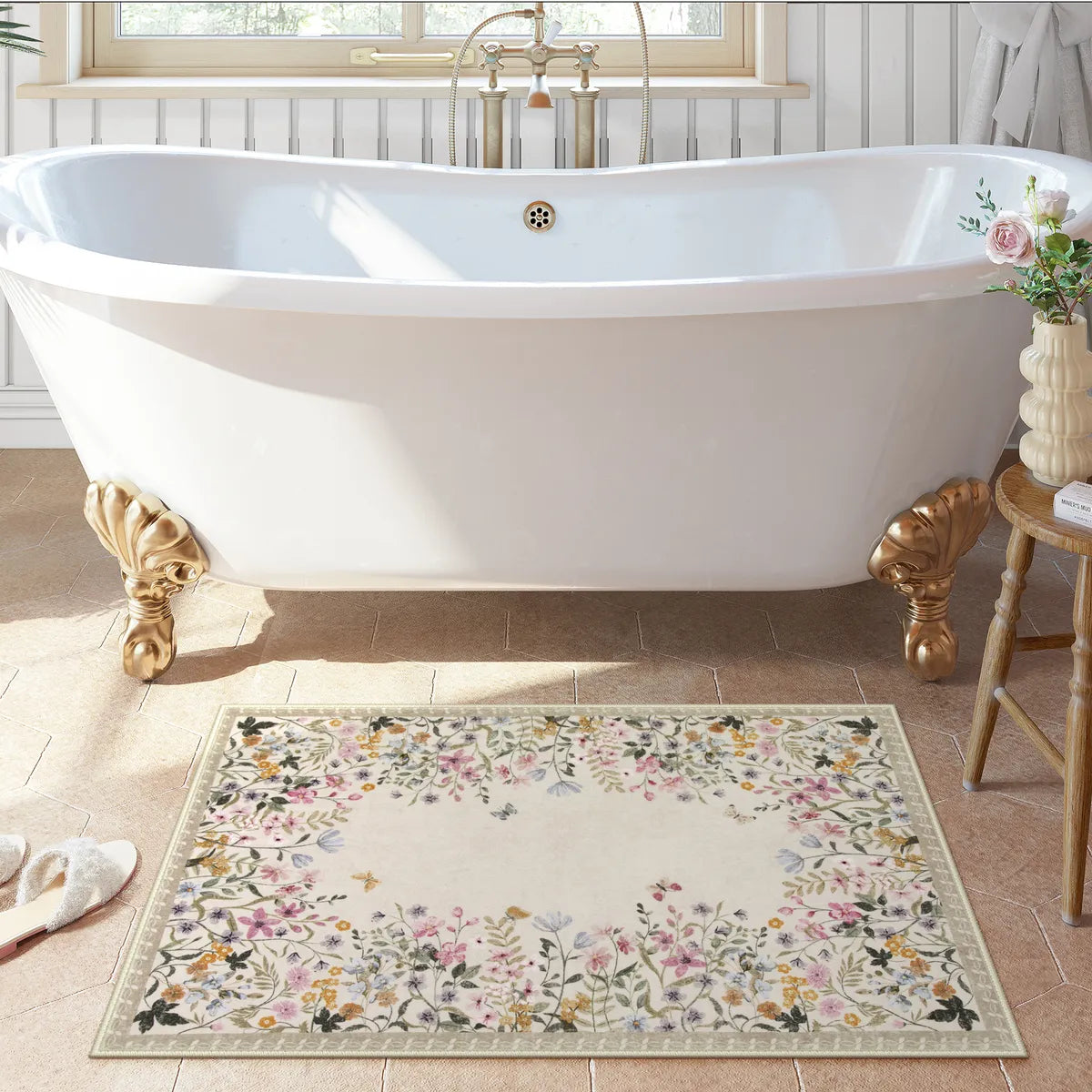
This is also where the term entryway rug matters. An entryway rug is a rug placed near the entrance of a home or room, often used to catch dirt and define the space. If your hallway begins near the entrance, the runner should feel visually related to that area instead of competing with it.
Match The Rug To The Hallway’s Shape
Some hallways are long and straight. Others open into nearby rooms or connect to an entry area. A good hallway rug should follow that flow. Measure the path, note any door swings, and check where people naturally walk.
The chart below shows a simple way to think about rug fit before you choose from different runner rugs.
| Hallway Type | Best Runner Approach | Why It Works |
| Narrow Hallway | Choose a runner that leaves clear floor on both sides | Keeps the space from feeling tight |
| Long Hallway | Use a runner that supports the full visual path without touching every edge | Creates continuity without looking heavy |
| Hallway Near An Entry | Pick a runner that relates to the nearby entryway rug in tone or style | Helps the spaces feel connected |
This table is a starting point, not a fixed rule. The best fit always comes from the hallway’s layout, nearby furniture, and the way people move through the space.
Choose Runner Rugs for Durability and Grip

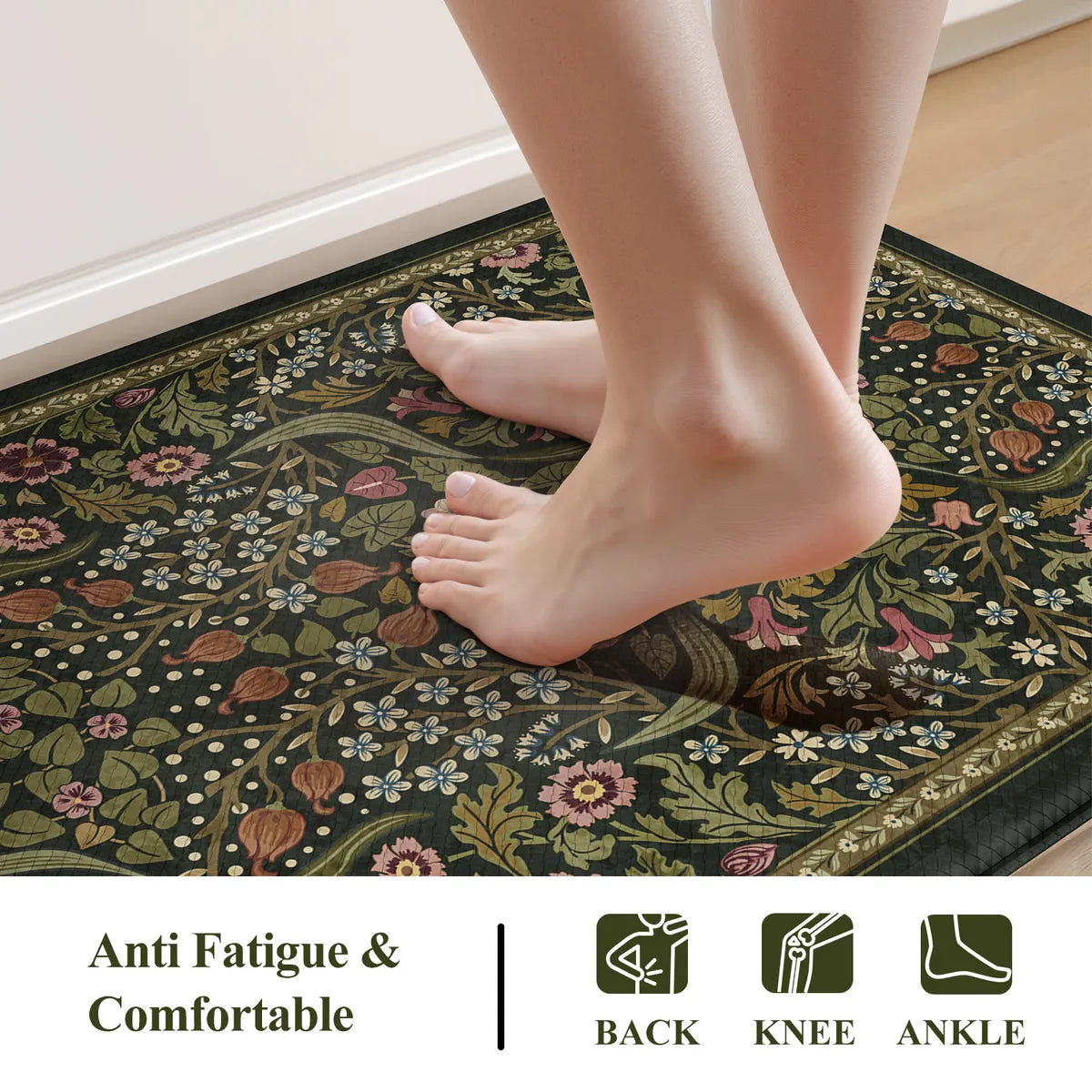
The hallway floor handles constant movement, so material and grip matter just as much as appearance. In this part of the home, the best runner rugs need to stay comfortable underfoot while standing up to regular use.
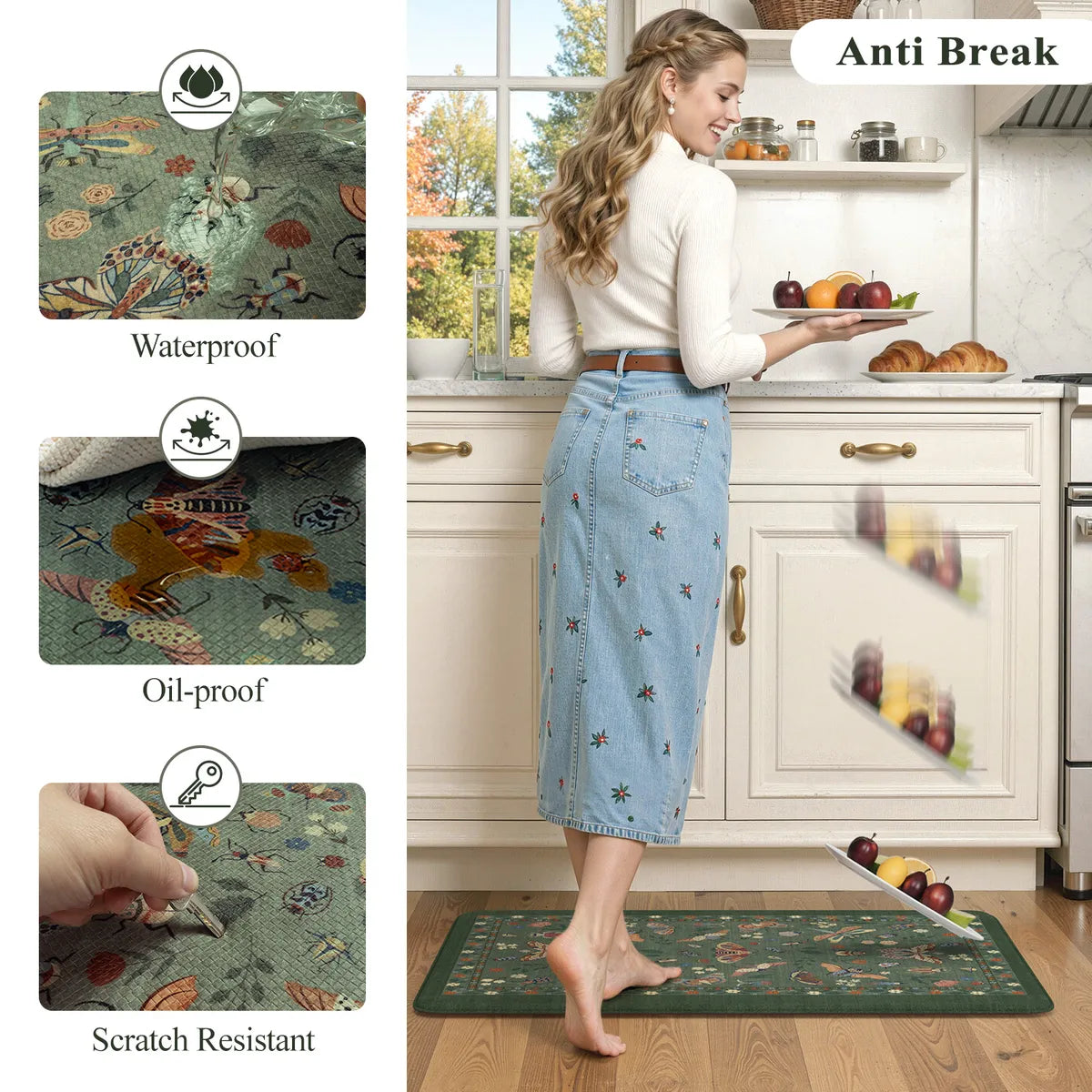
Pick Materials That Handle Daily Traffic
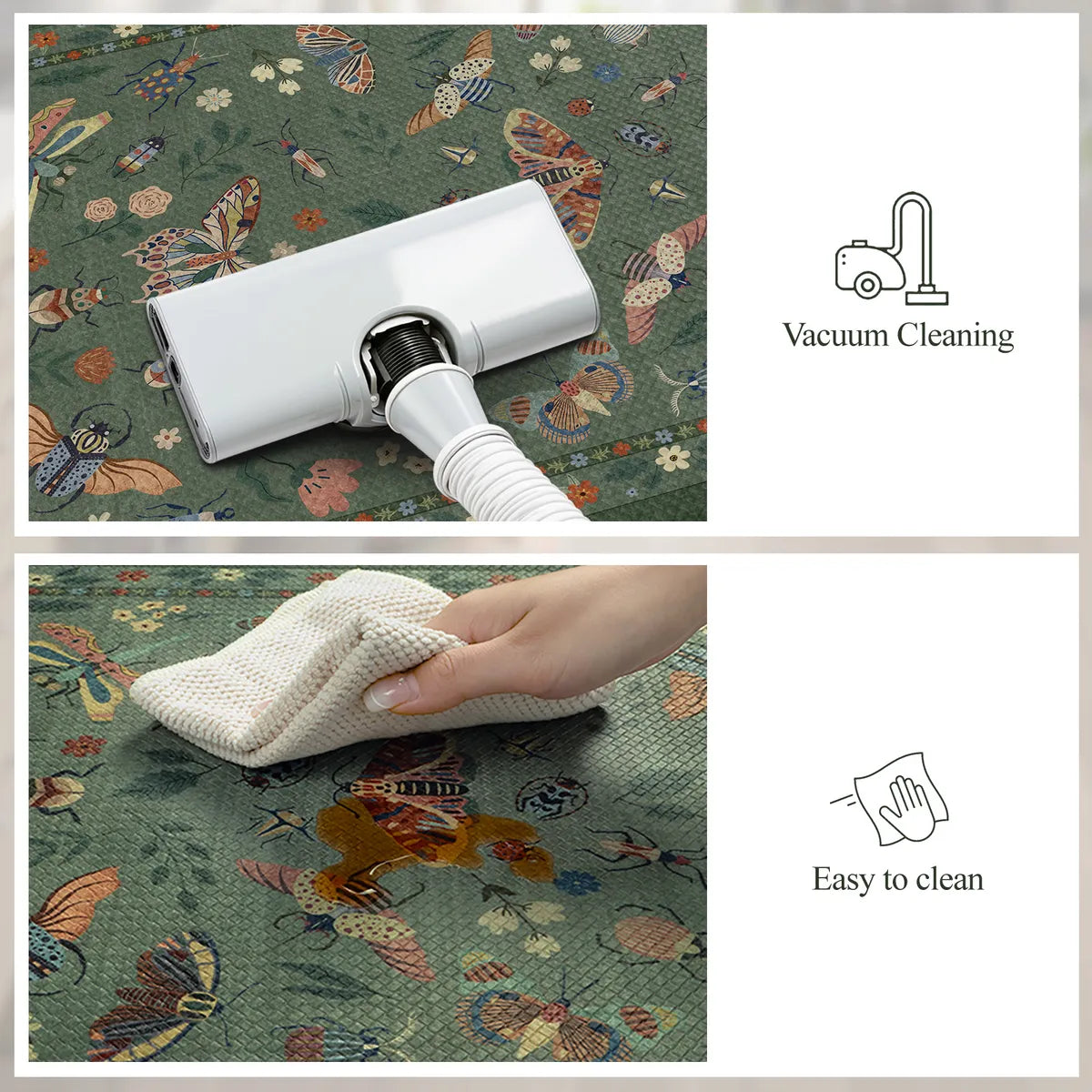
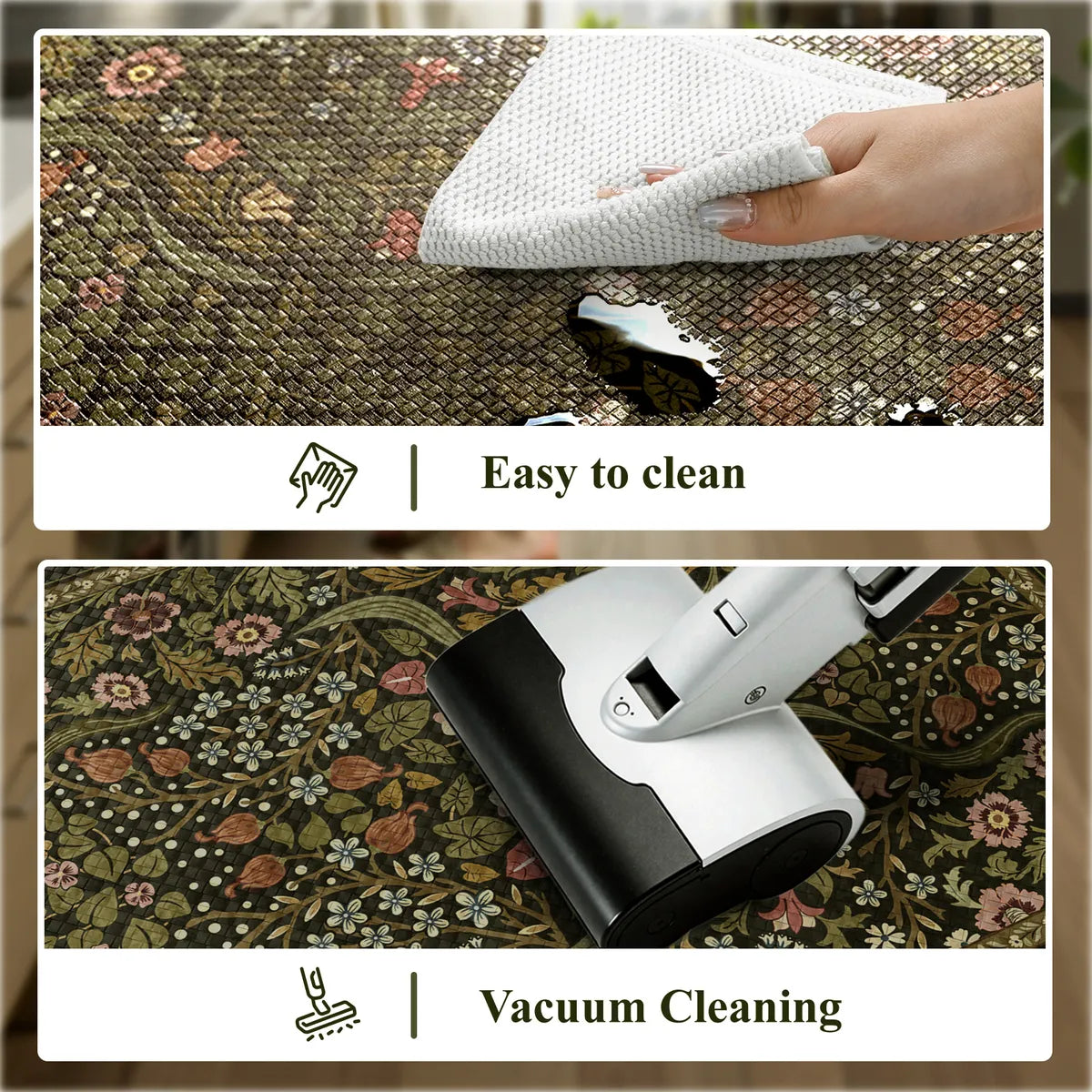
A hallway is a high-traffic area, meaning it is used often throughout the day. Because of that, the rug should be easy to maintain and able to keep a neat appearance over time.
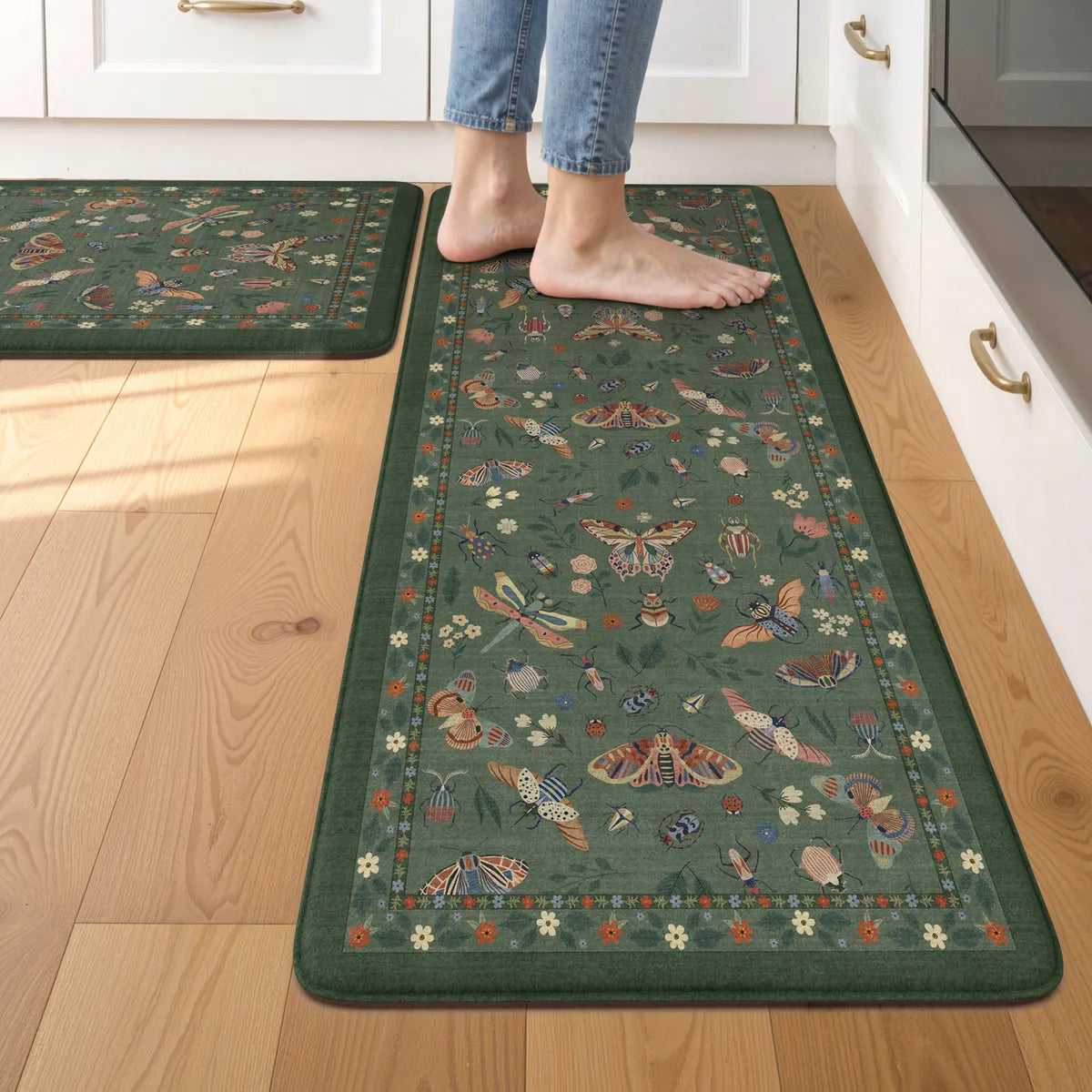
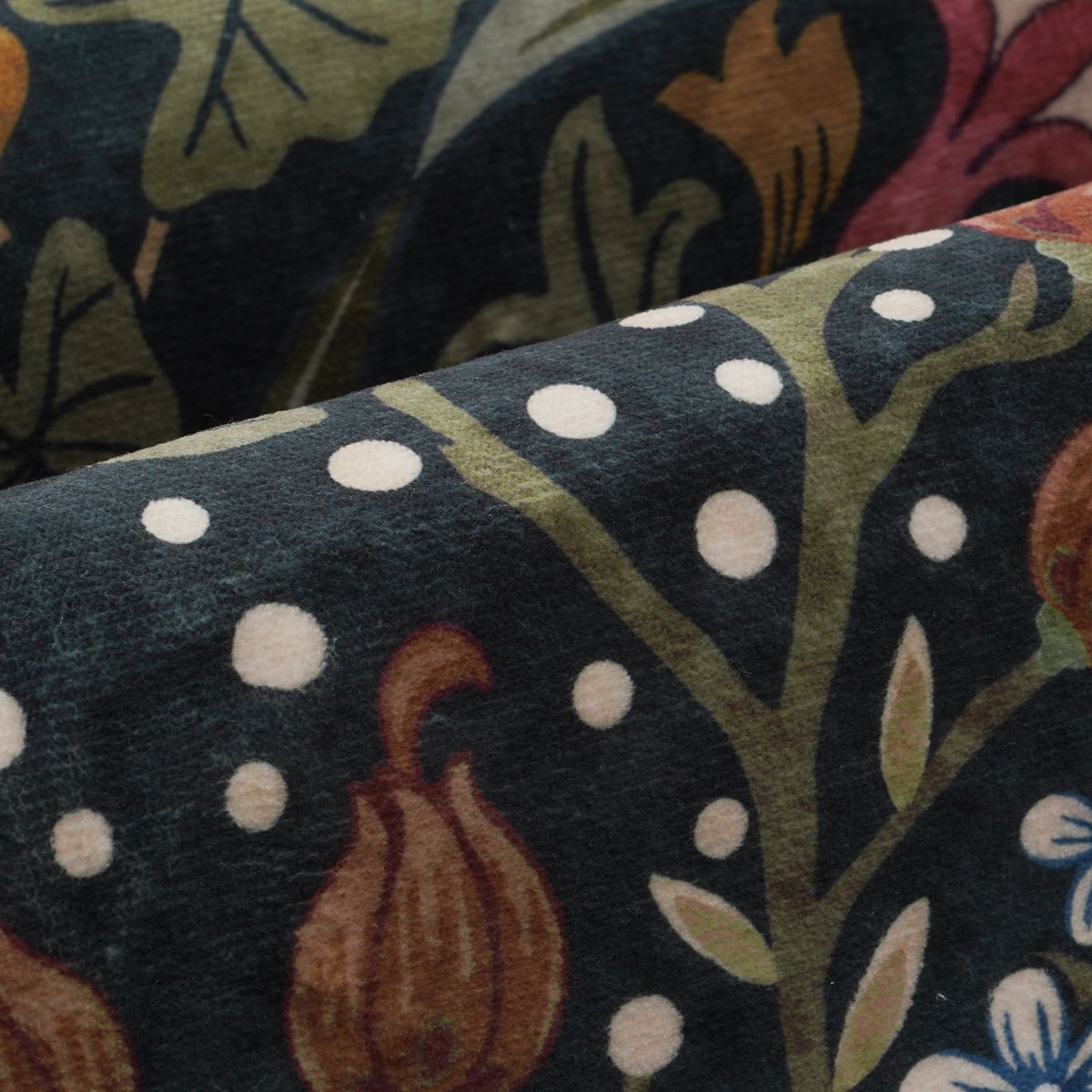
A low-pile rug has short fibers and a flatter surface. This type of surface is often easier to clean and works well in hallways where smooth movement matters.
When comparing materials, focus on these points:
- Low-pile surfaces work well in busy walkways
- Easy-care materials help simplify upkeep
- Soft textures can still look neat and polished
- A hallway rug should feel comfortable and practical
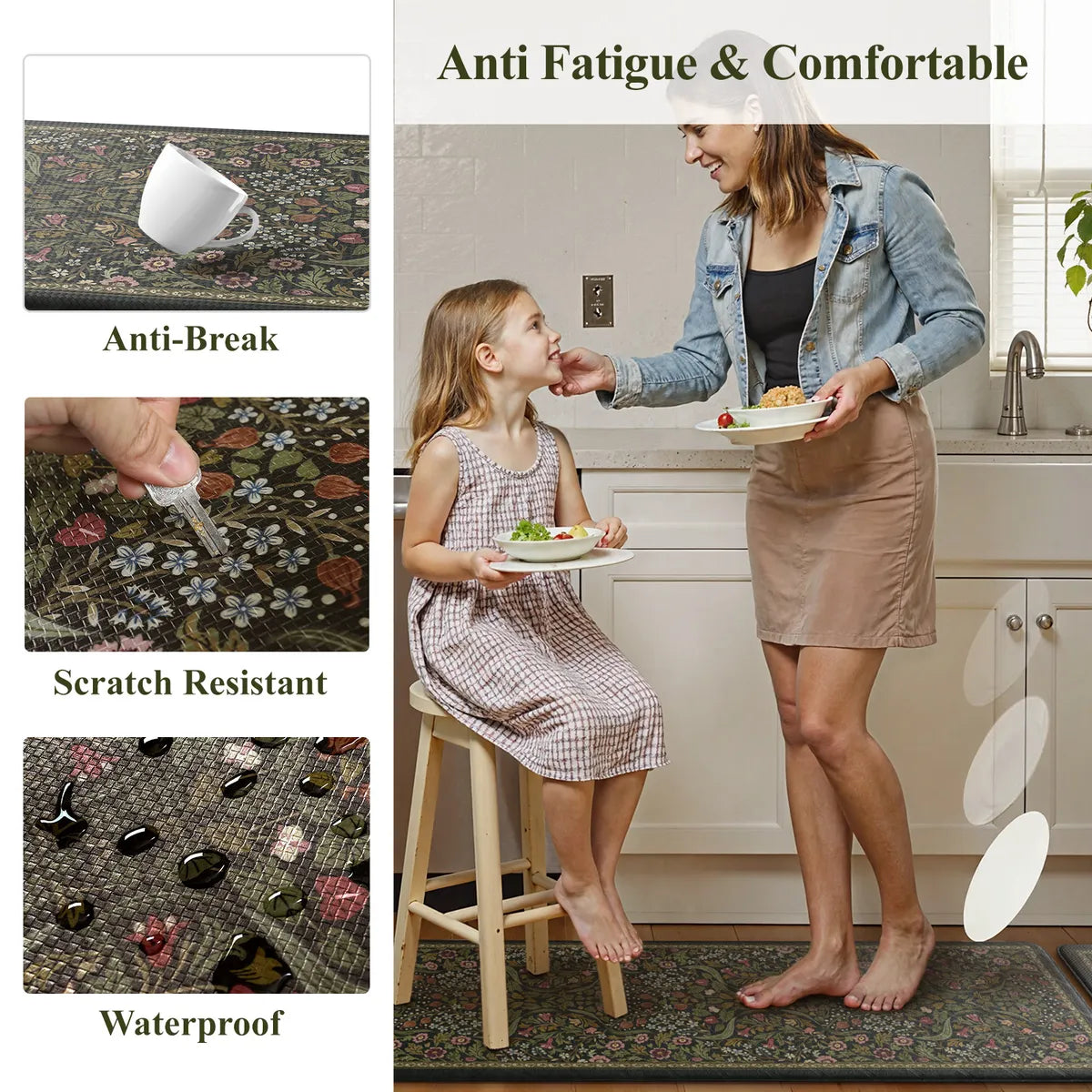
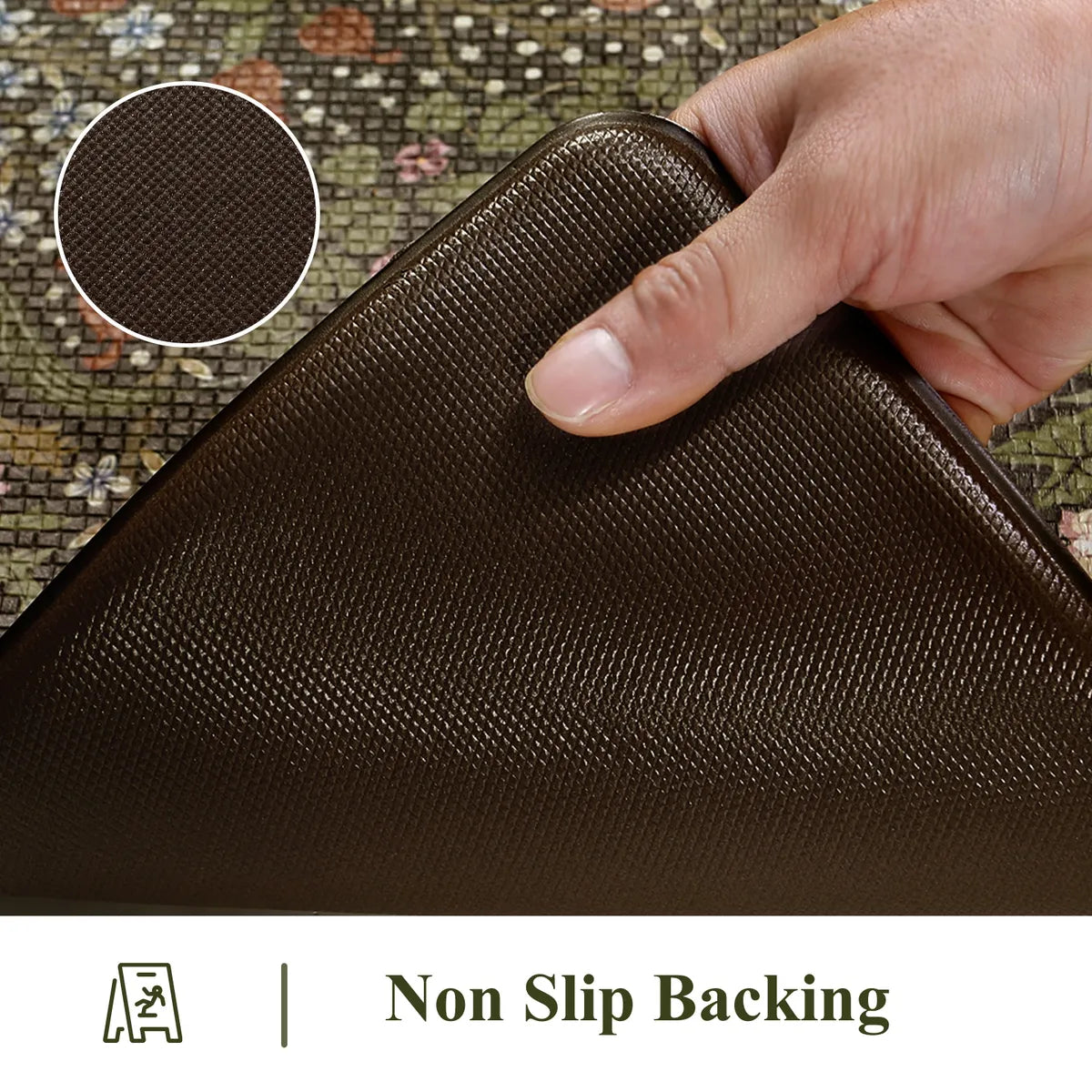
Choose A Non-Slip Runner Rug That Stays Put
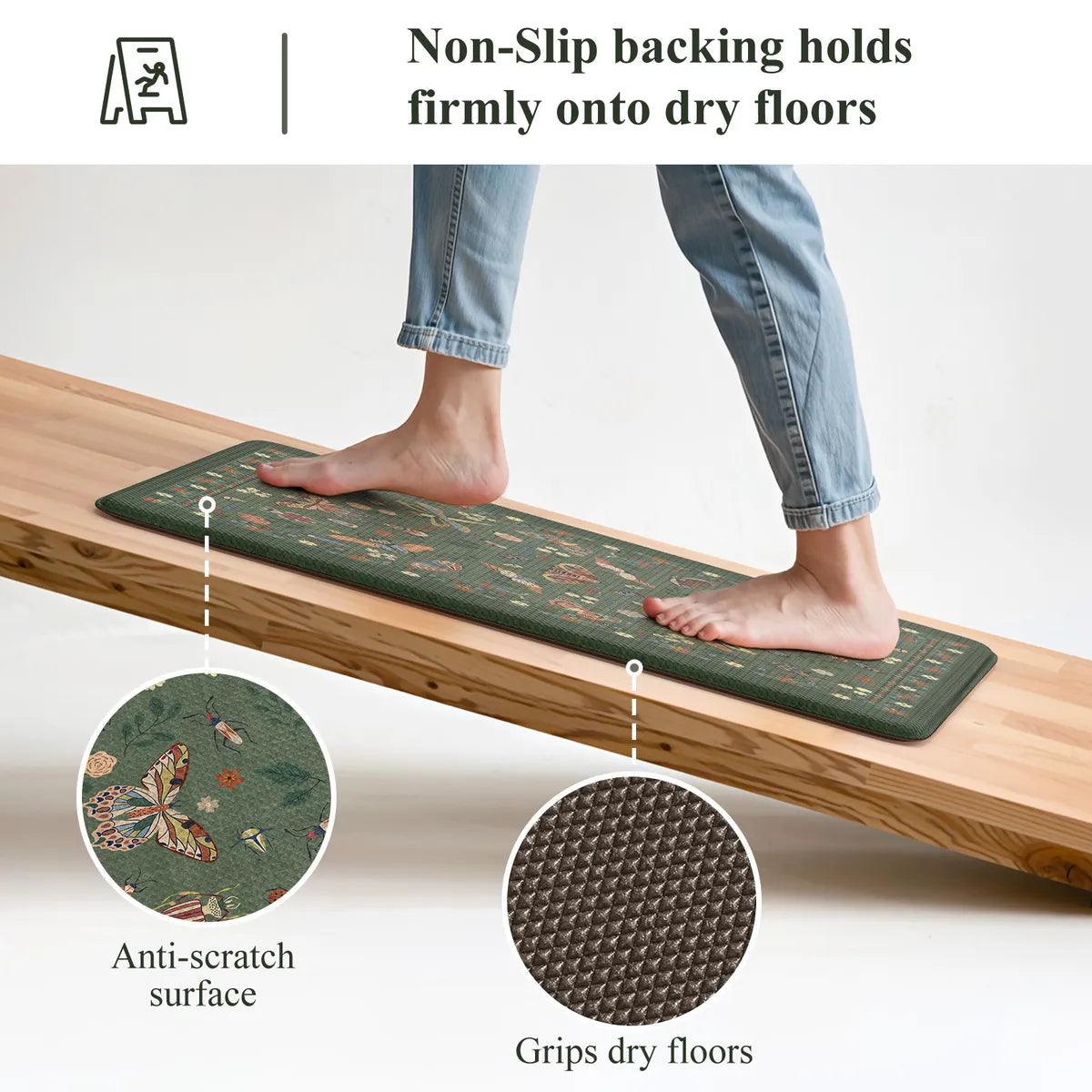
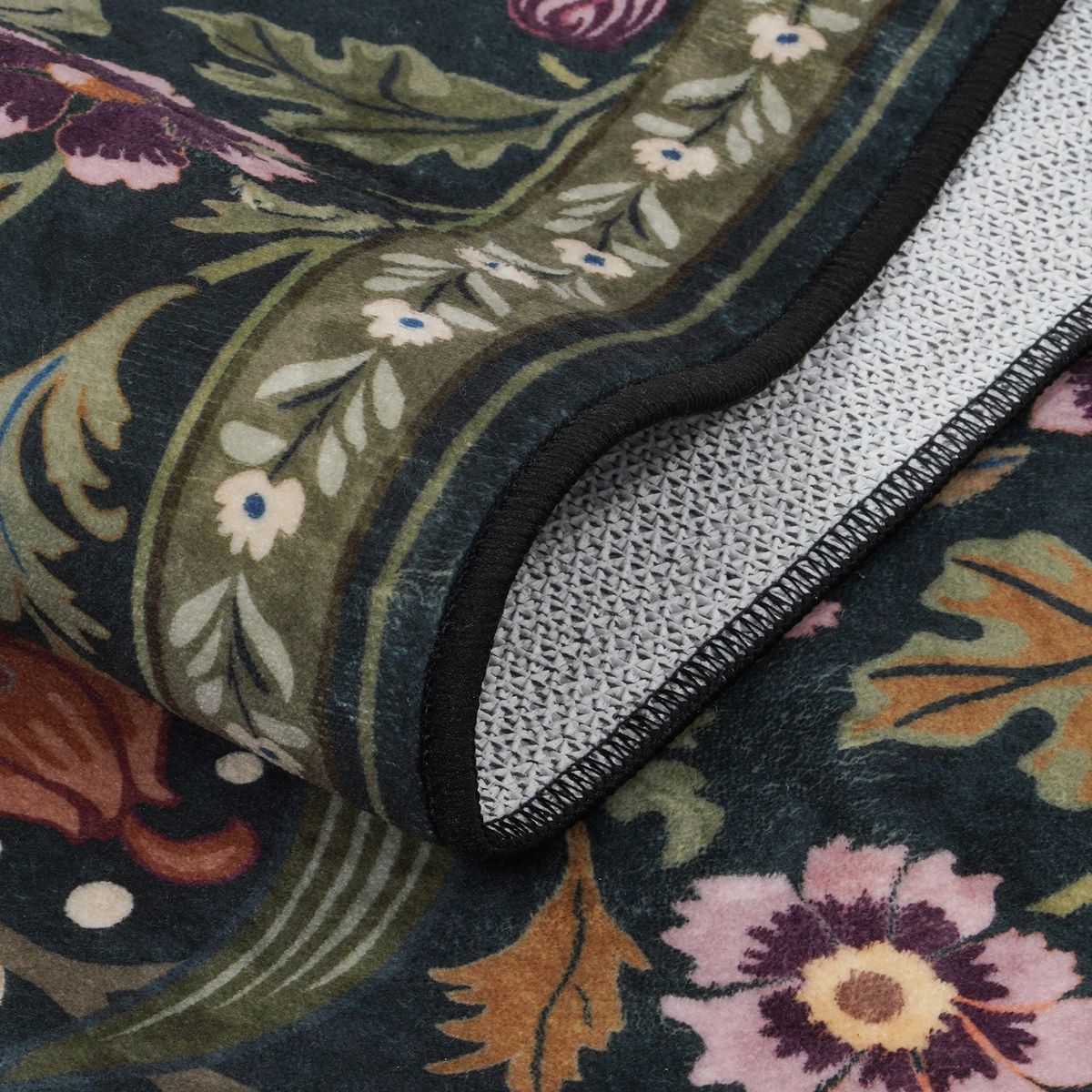
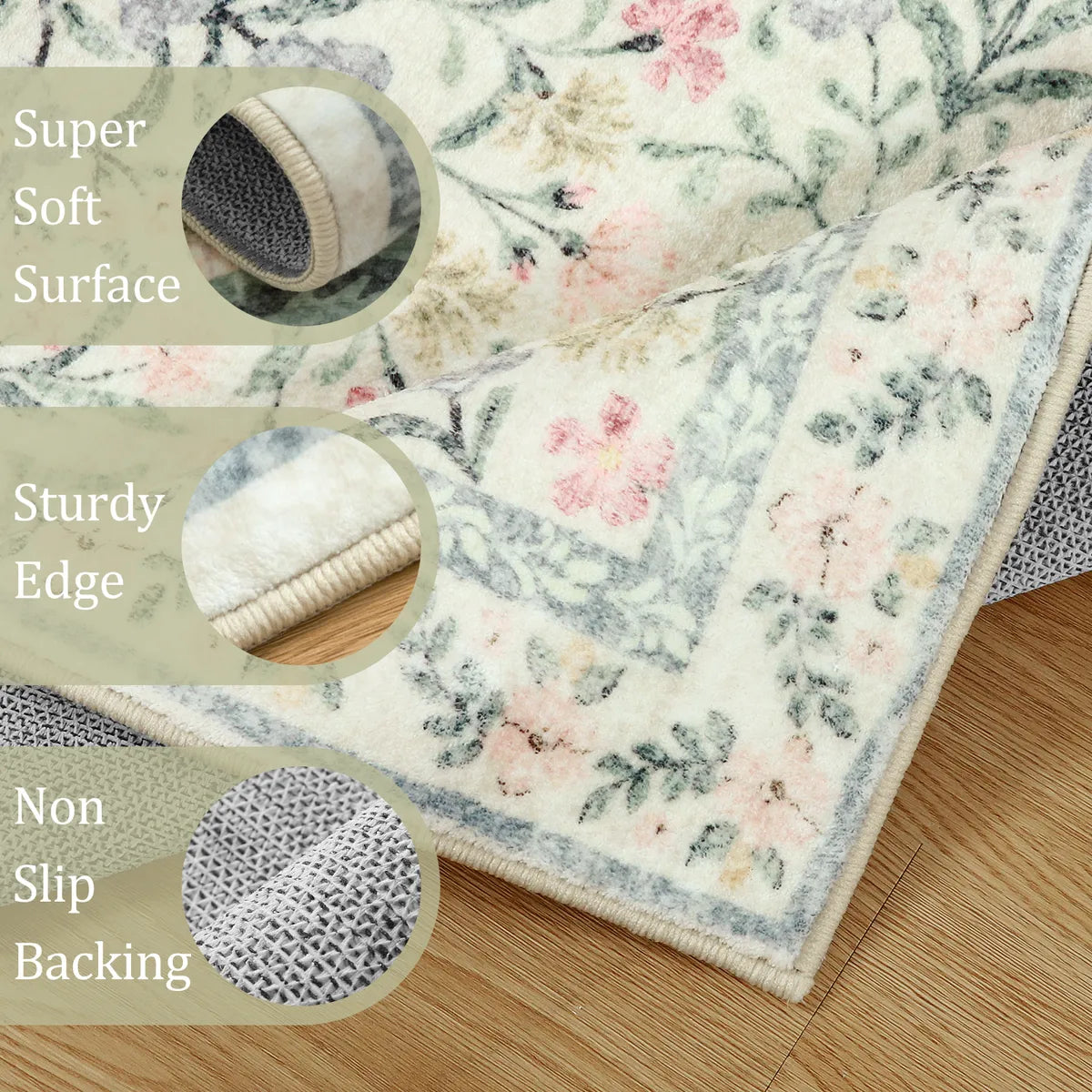
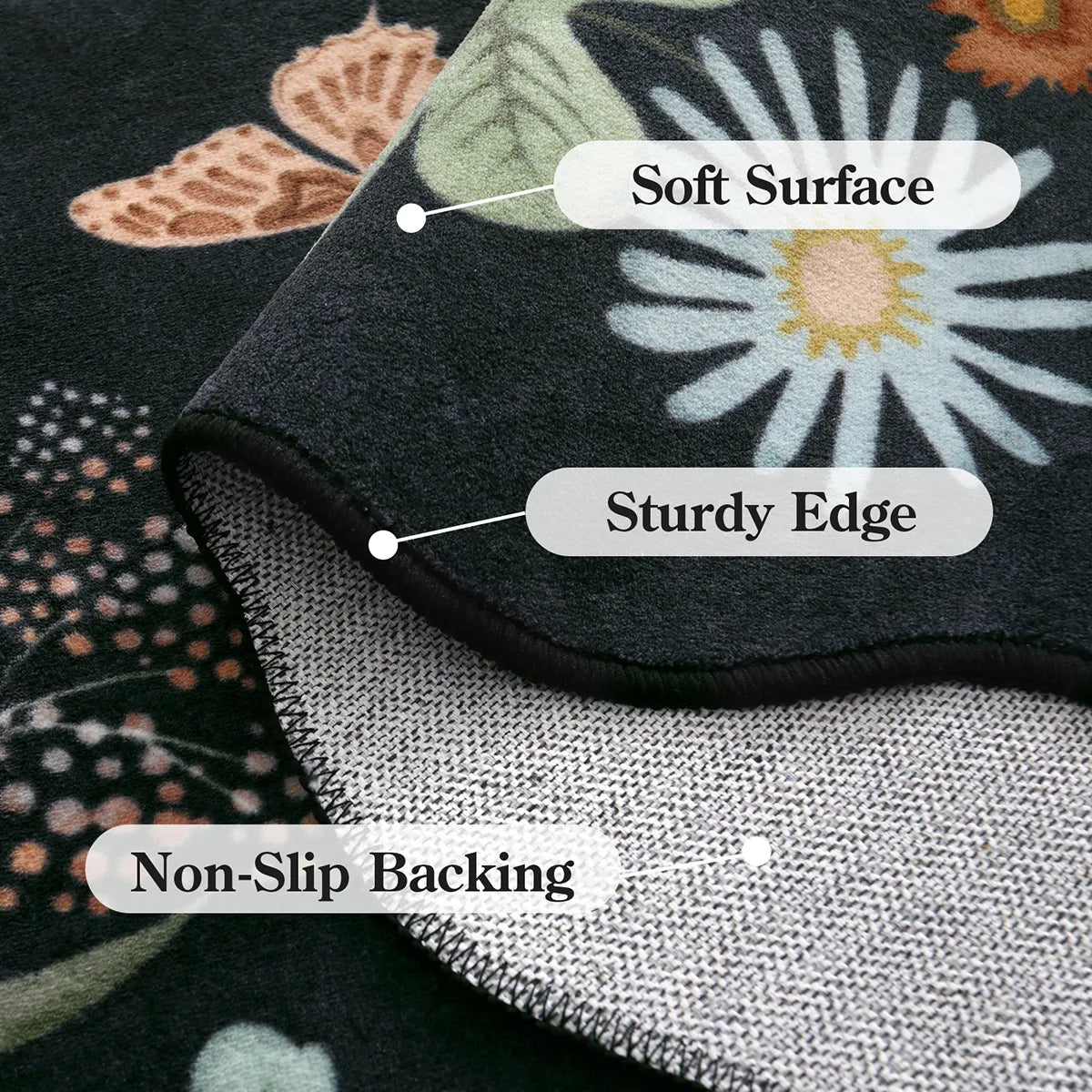
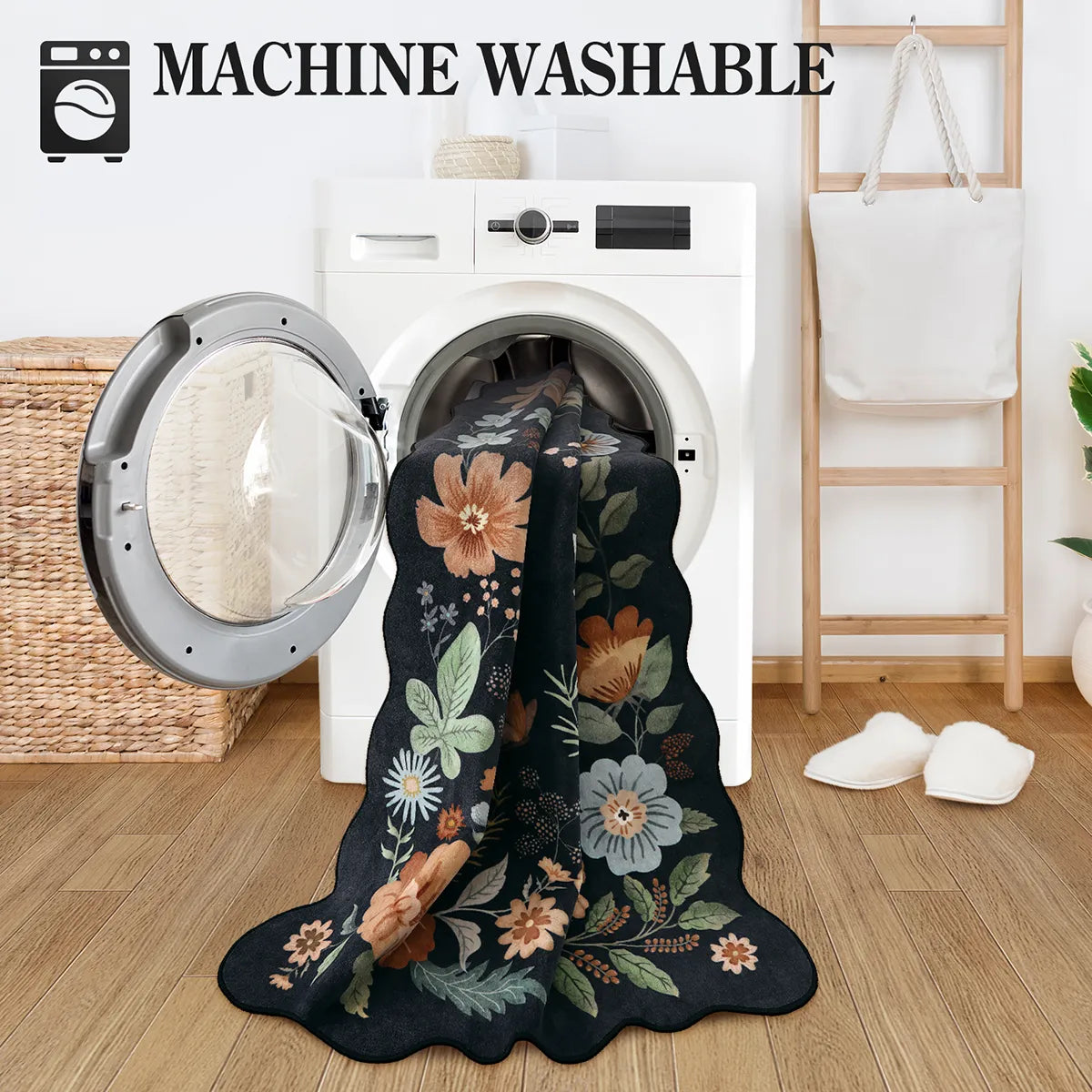
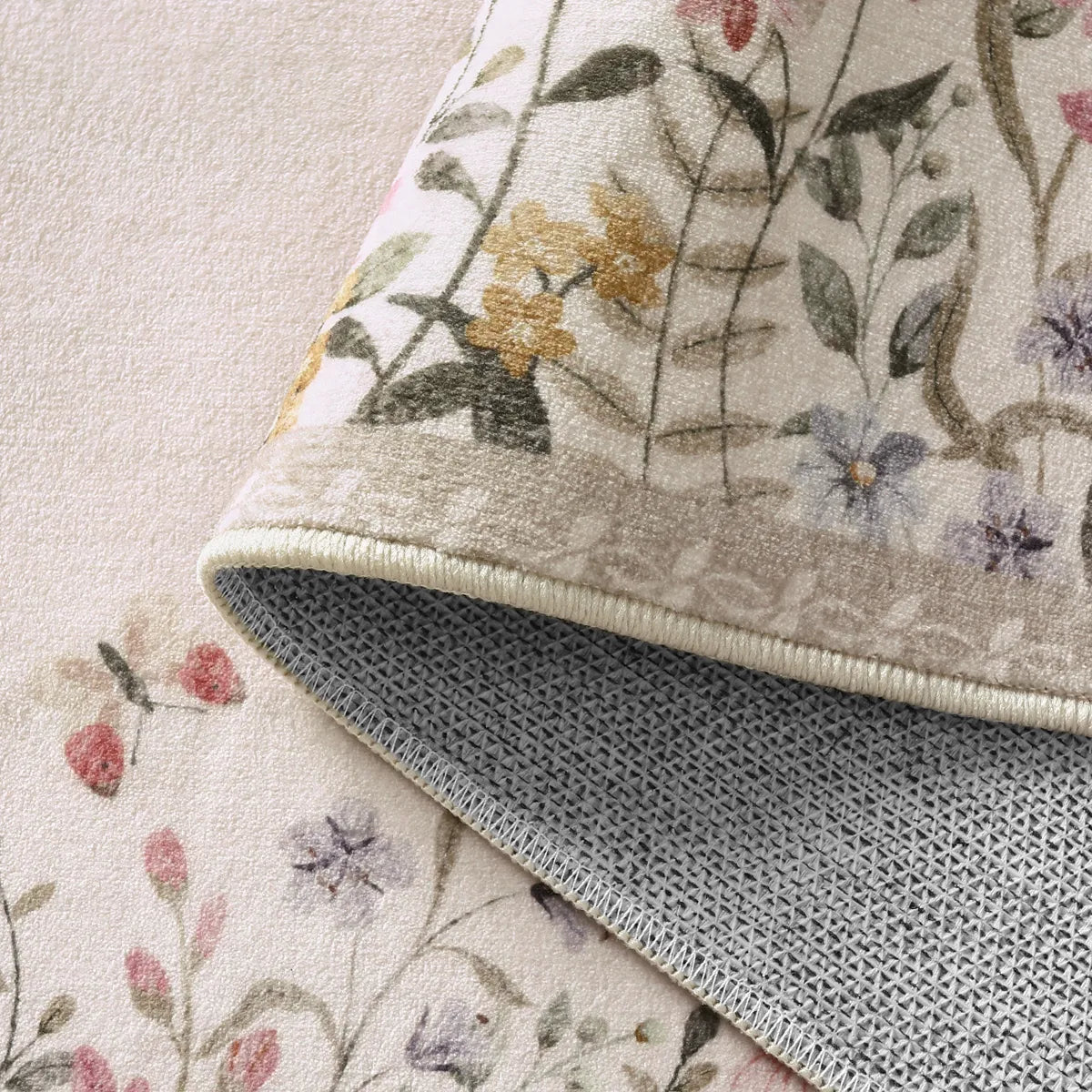
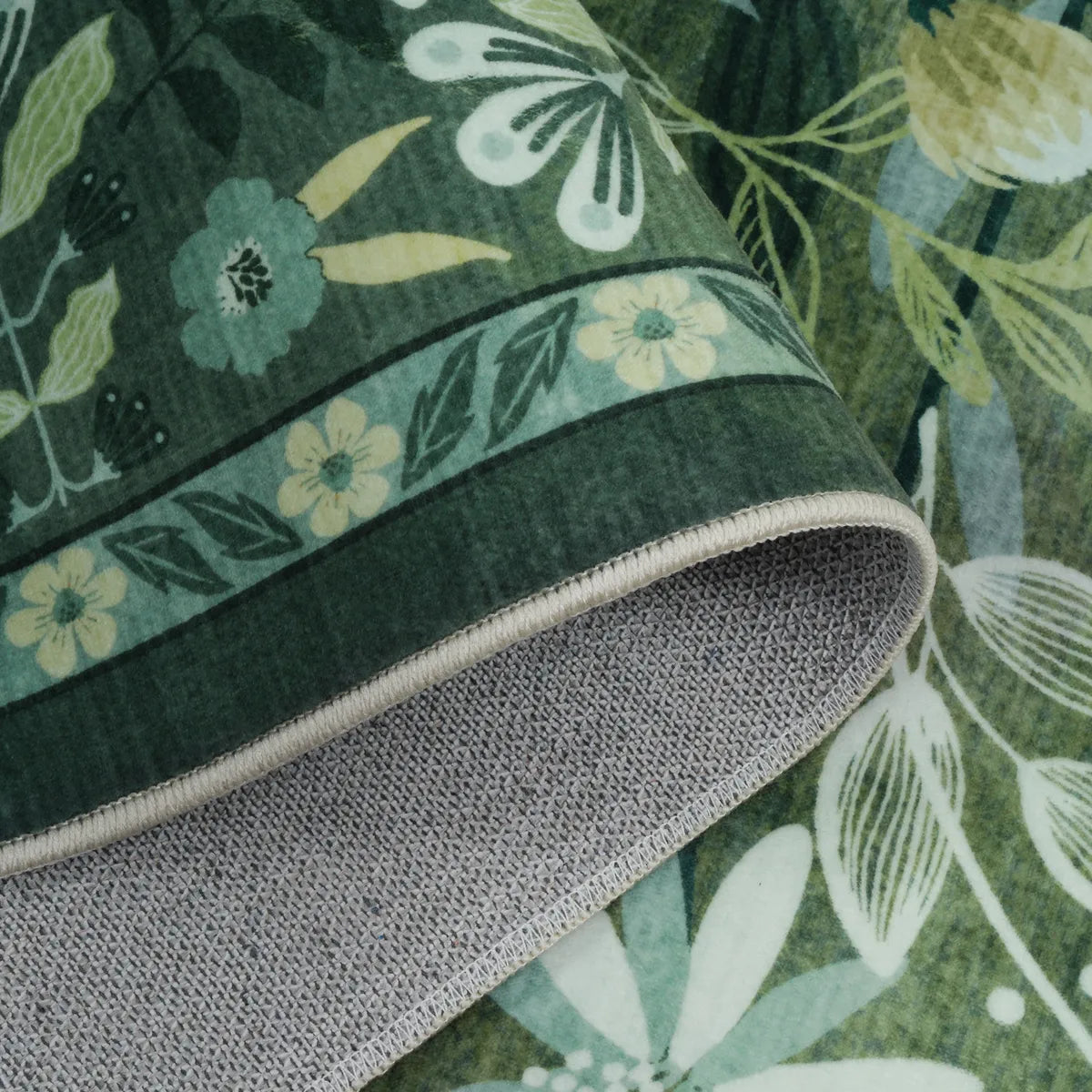
A non-slip runner rug is designed to provide better grip on the floor, often through a backing or textured base. This helps the rug stay flat and steady in everyday use.
Grip is especially helpful in homes with children, pets, or regular foot traffic. A runner that stays in place can make the hallway feel more comfortable, polished, and easy to move through.
For that reason, material and grip work best when considered together. A well-chosen runner should look good, feel good underfoot, and perform well in daily life.
Match a Hallway Rug to Your Style and Color
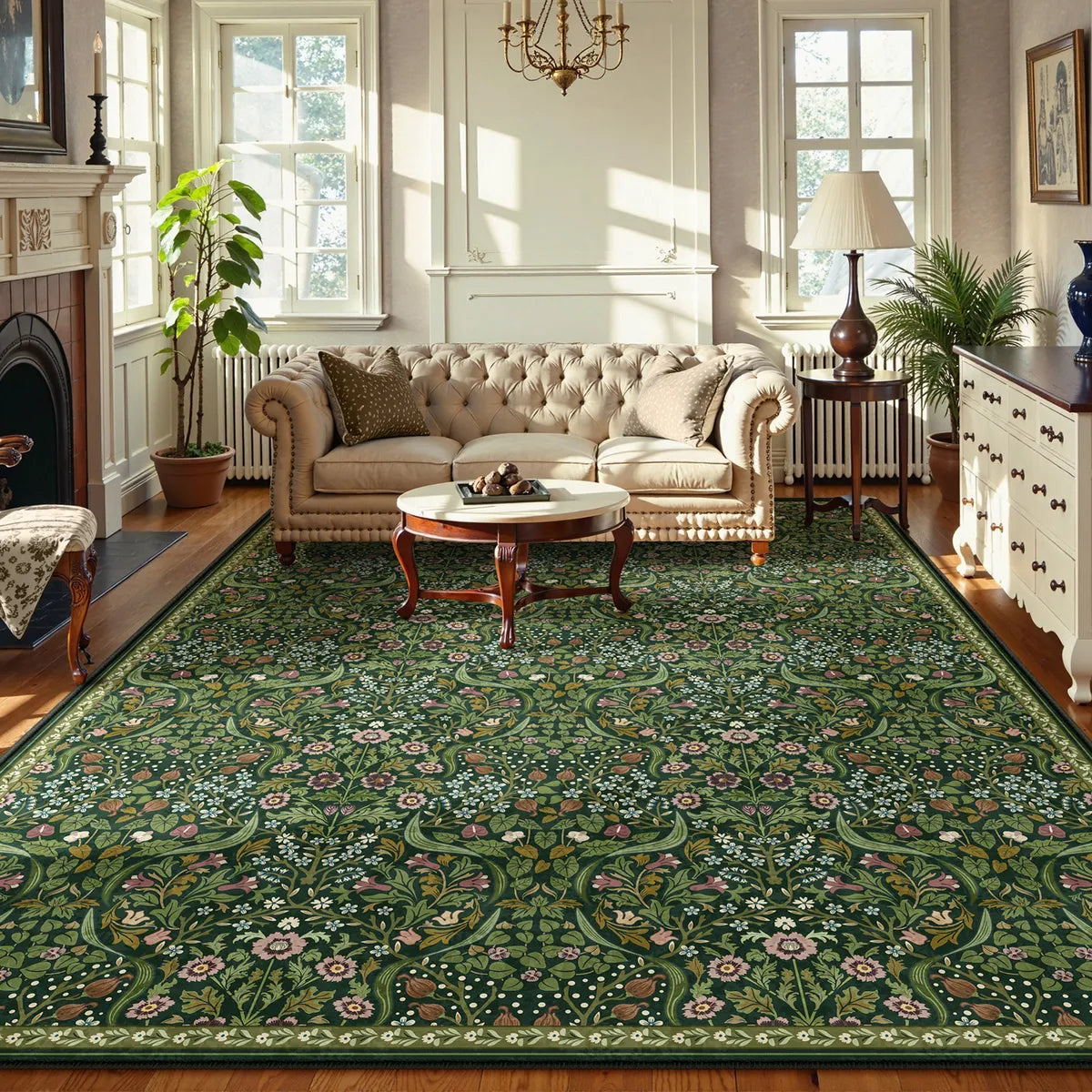
Once size and function are clear, it becomes easier to choose a rug that fits the look of the home. The best hallway rug should feel connected to nearby spaces and support the overall style of the interior.
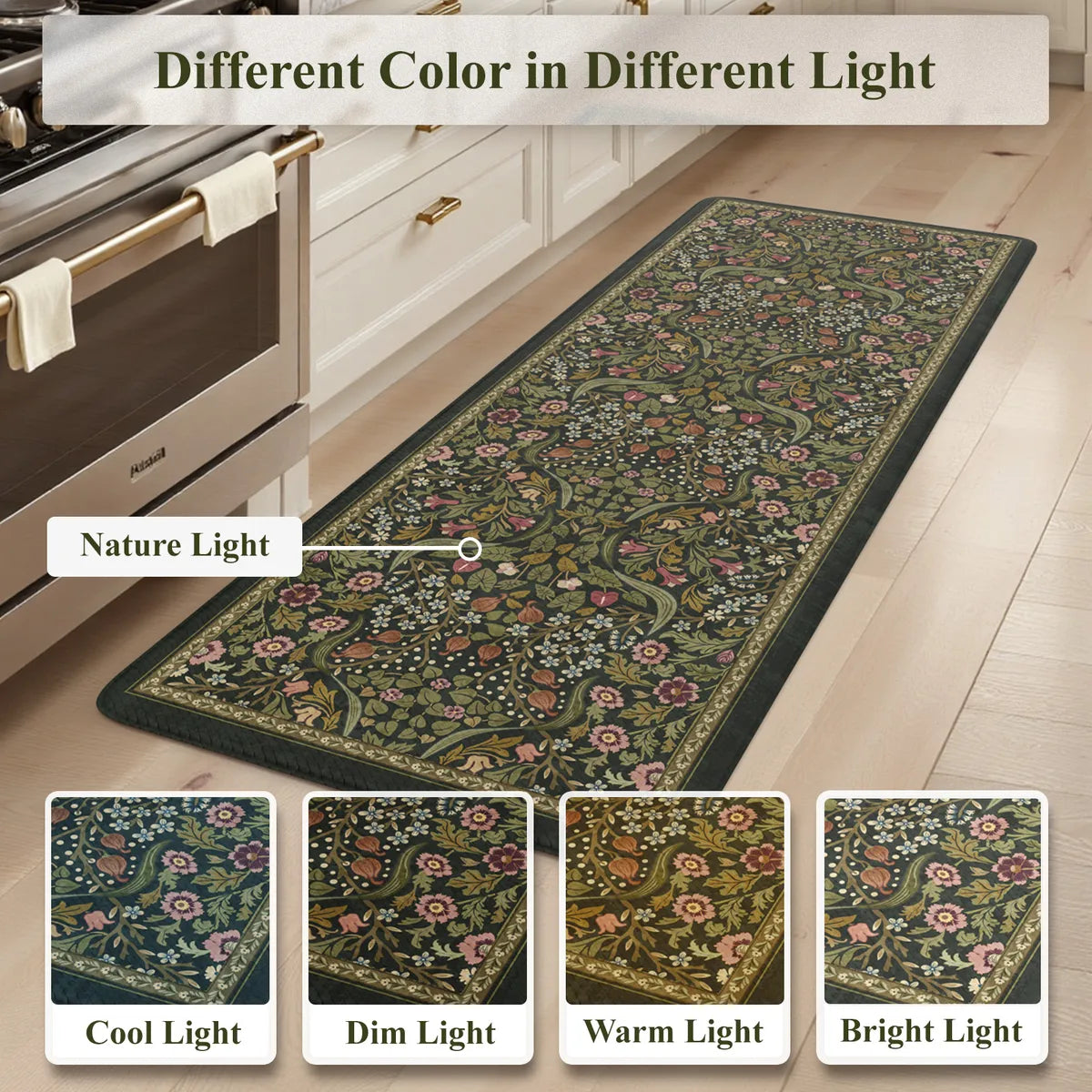
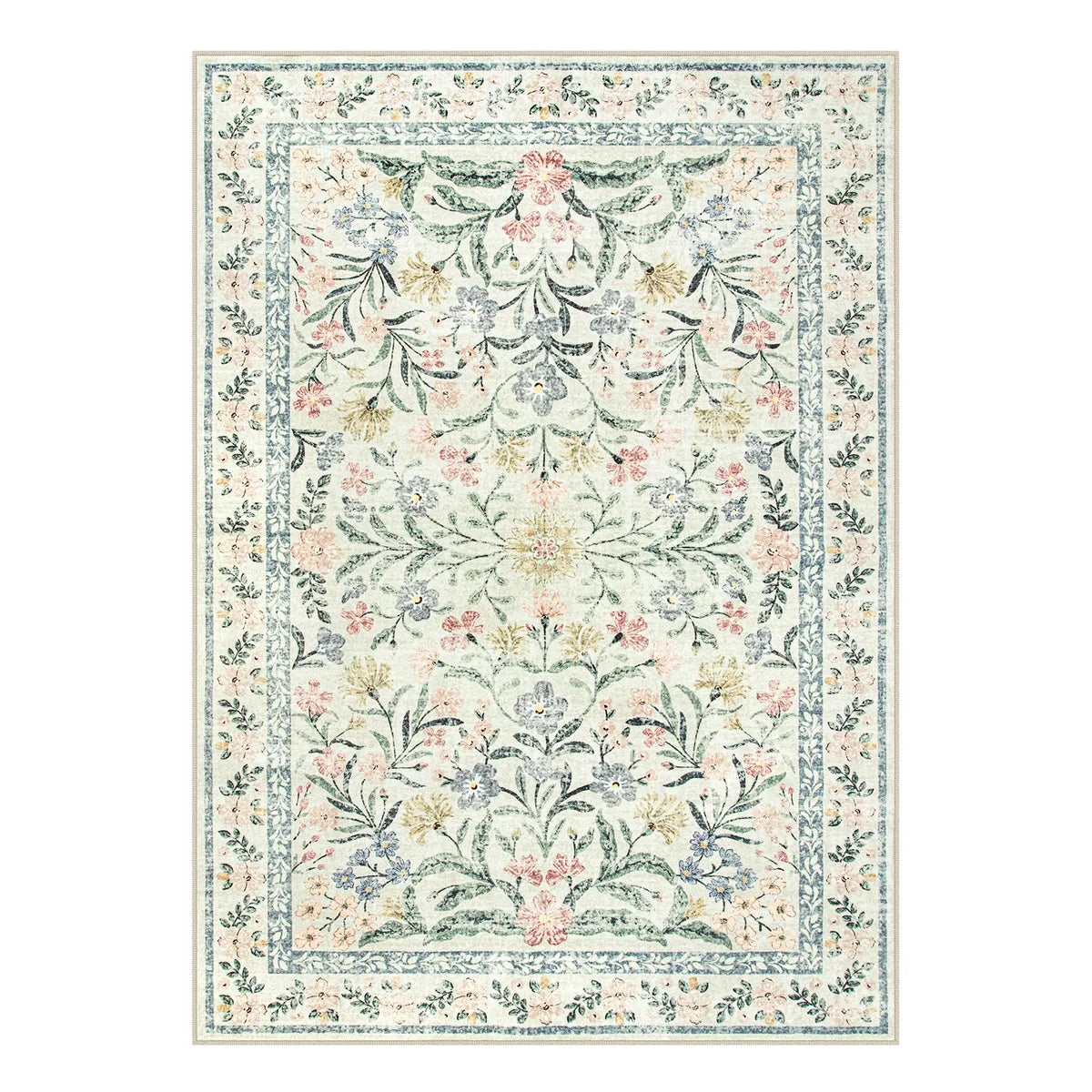
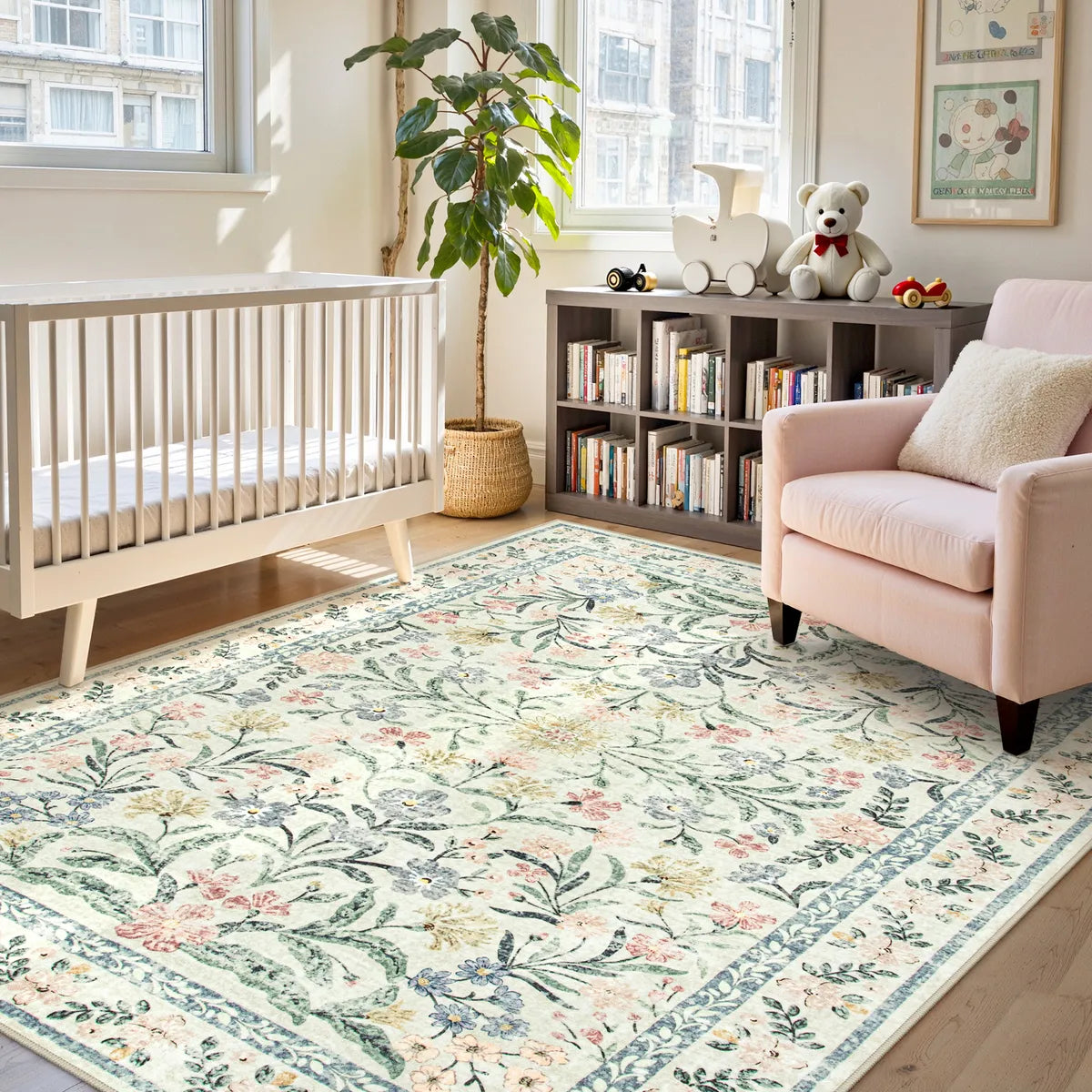
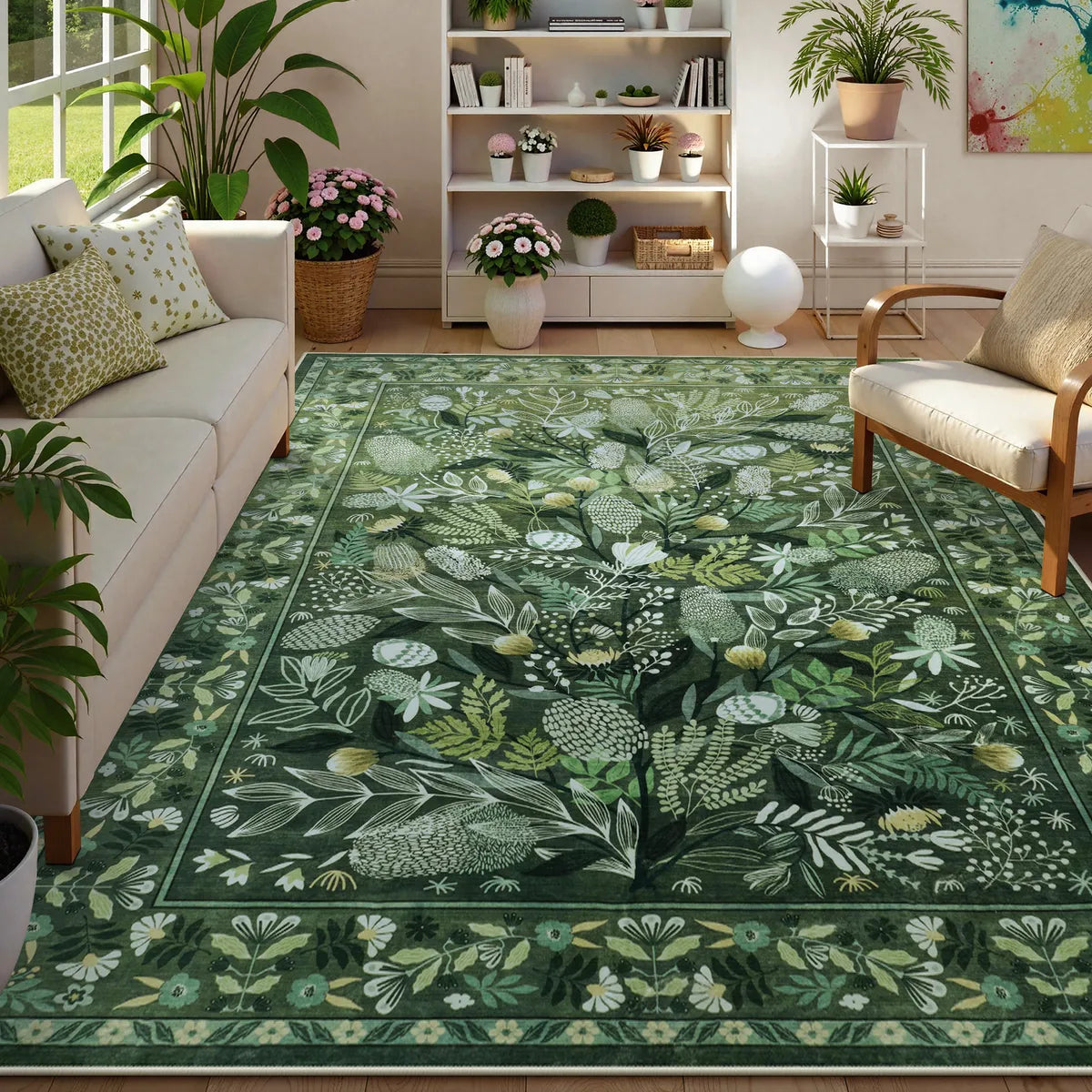
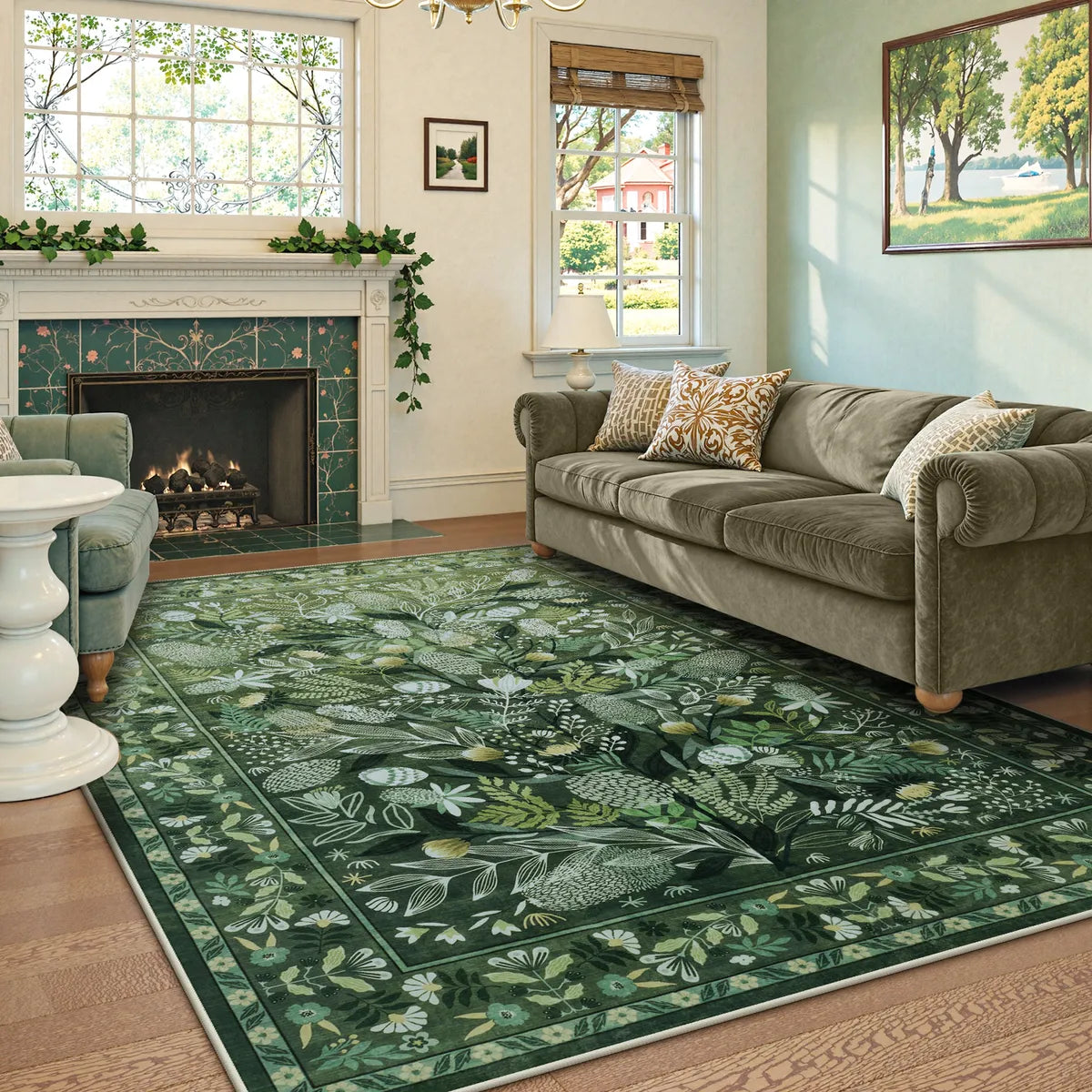
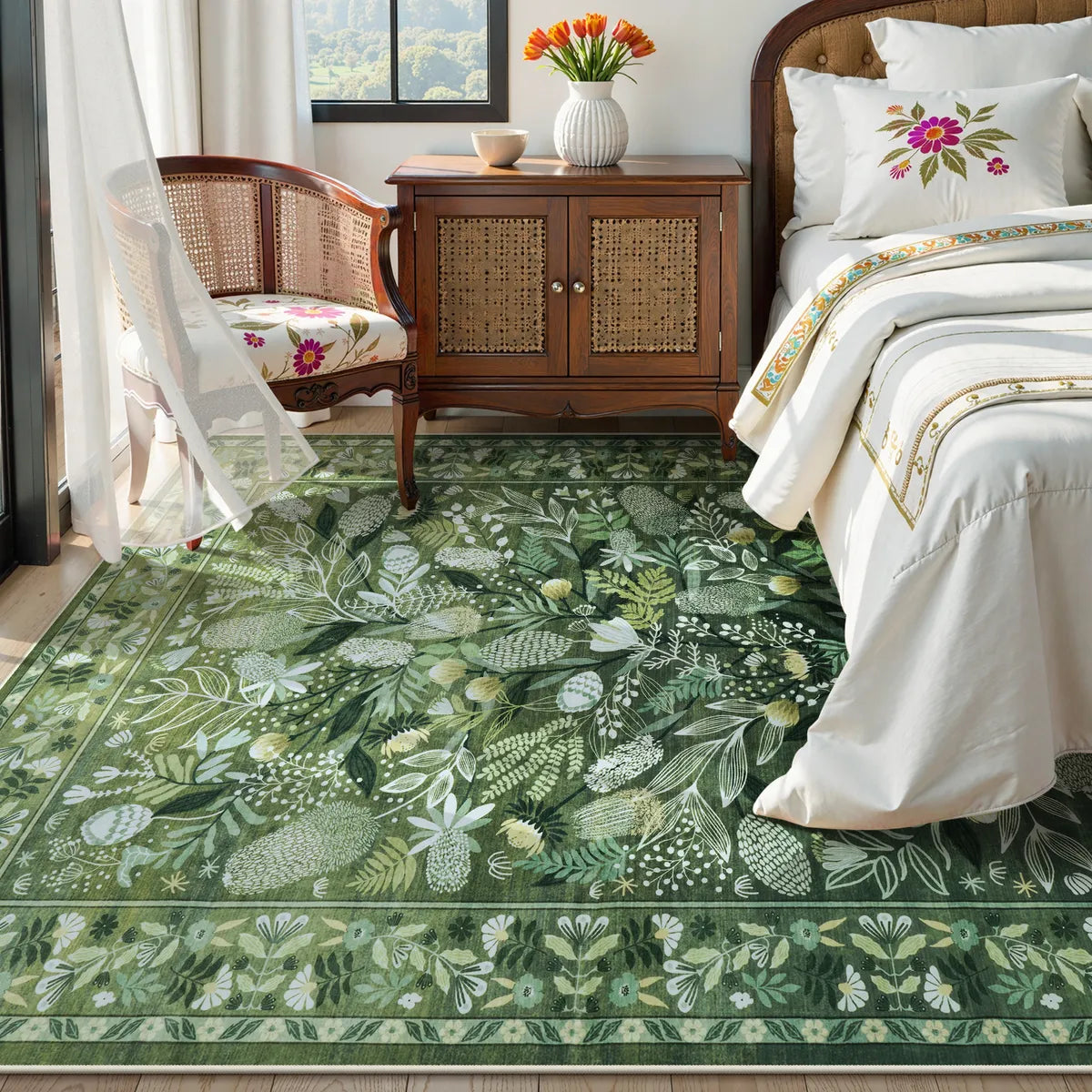
Color has a strong effect on the mood of a hallway. Lighter tones can make the space feel brighter and more open, while deeper tones can add warmth and definition. The right choice depends on the wall color, flooring, and available light.
Pattern also shapes the overall look. A simple pattern can keep the hallway feeling calm, while a bolder pattern can add energy and visual interest. The key is balance.
When comparing runner rugs, it helps to think in combinations:
- simple pattern with rich color
- soft color with stronger pattern
- classic style with modern flooring
- modern style with traditional details
These combinations can help the hallway feel layered and visually balanced.
A hallway runner rug should not only fit the floor, but also work naturally with the mood of the space. When color, pattern, and style feel cohesive, the hallway looks more finished and inviting.
Place an Entryway Rug or Hallway Runner Rug with Balance

Placement affects how the whole hallway feels. Even a well-sized rug can look awkward if it does not sit naturally in the space. The goal is to make the rug support movement, connect nearby areas, and keep the hallway visually balanced.
Keep these points in mind:
- Place the runner along the natural walking path
- Keep the rug centered so the hallway looks neat and balanced
- Make sure the runner does not feel too close to one side
- Let the hallway runner rug connect smoothly with the nearby space
- If there is an entryway rug, choose a similar color mood or pattern style
- Avoid pairing a bold runner with too many busy design details nearby
- Keep the hallway open and easy to move through
A balanced layout helps the rug feel like part of the home rather than an isolated decor piece. When placed well, a runner can make the hallway feel softer, calmer, and more connected.
Bring Comfort and Flow to Your Hallway
A strong hallway runner rug choice starts with fit, then builds through material, grip, and style. Measure the space carefully, choose runner rugs that can handle daily traffic, and look for a non-slip runner rug that stays steady underfoot. Then make sure the color and placement work with the rest of the home. A thoughtful hallway rug can turn a simple passage into a space that feels softer, more welcoming, and better connected.
FAQs
Q1. What Is The Best Width For A Hallway Runner Rug?
The best width is one that leaves visible floor along both sides of the runner. That border helps the hallway runner rug look centered and keeps the hallway from feeling crowded. The exact fit depends on the shape of the space and how open or narrow it feels.
Q2. Can Runner Rugs Work In Hallways With Multiple Doorways?
Yes, many runner rugs work well in hallways with several doorways as long as the rug does not interfere with movement. A flatter surface is often a better choice in these spaces. It also helps to make sure the rug supports the hallway path instead of interrupting it.
Q3. Is A Non-Slip Runner Rug Better For Hard Floors?
A non-slip runner rug is often especially useful on hard floors because those surfaces allow more movement underneath the rug. Extra grip can help the runner stay flat and stable through daily use. That makes the hallway feel more secure and visually neat.
Q4. Should An Entryway Rug Match A Hallway Rug Exactly?
No, an exact match is not always necessary. An entryway rug and a hallway rug usually look better when they feel related rather than identical. Shared colors, similar pattern styles, or a similar mood are often enough to create a smooth transition.