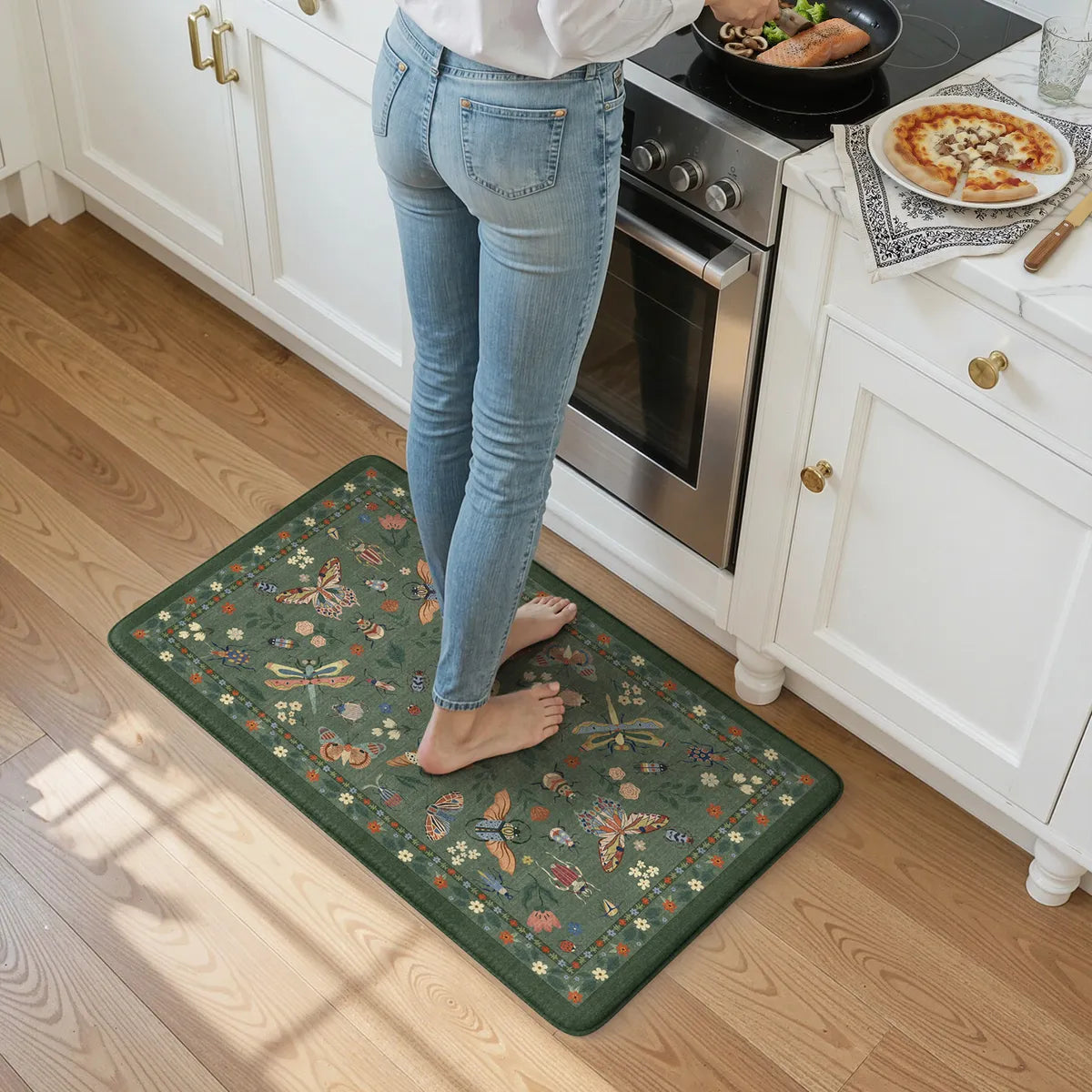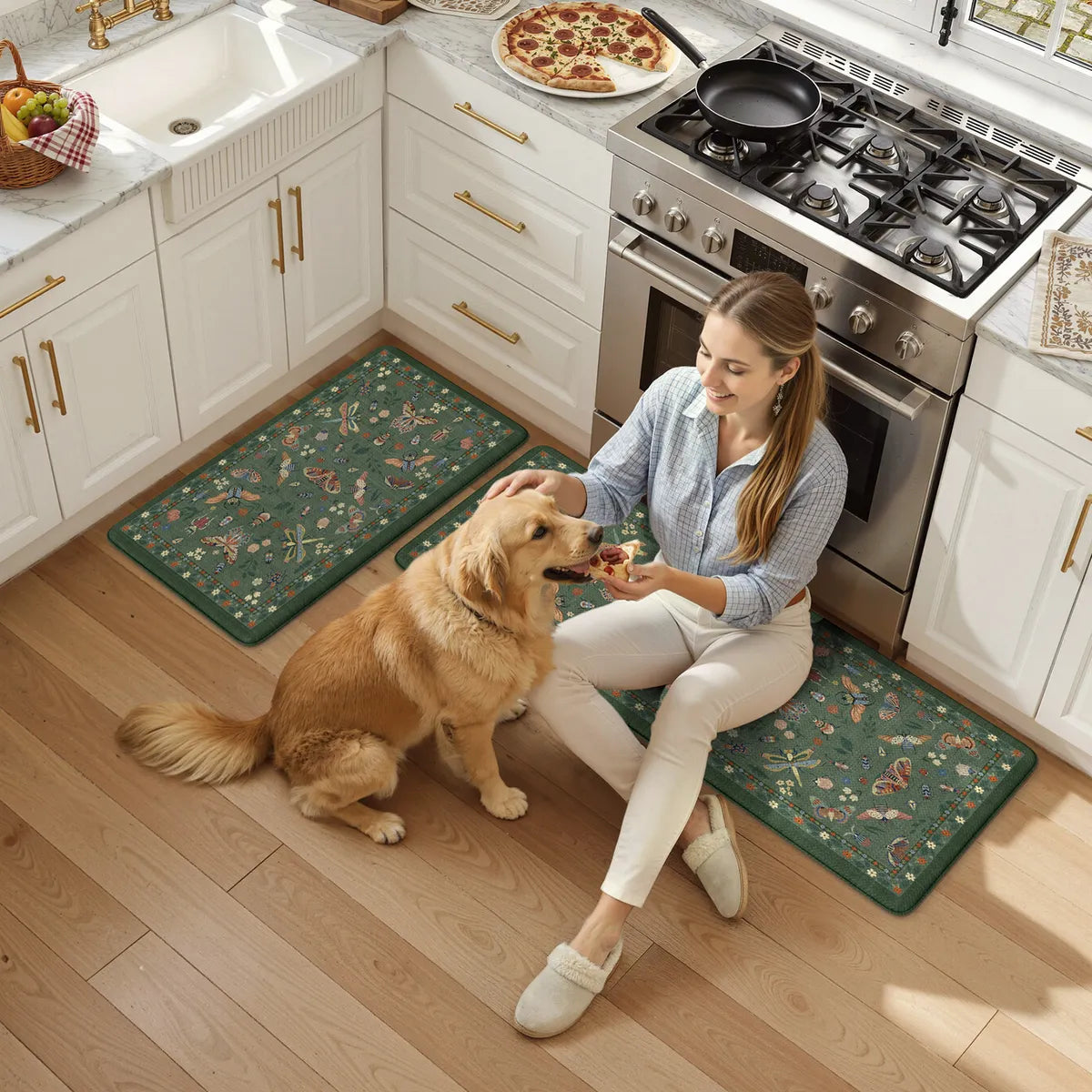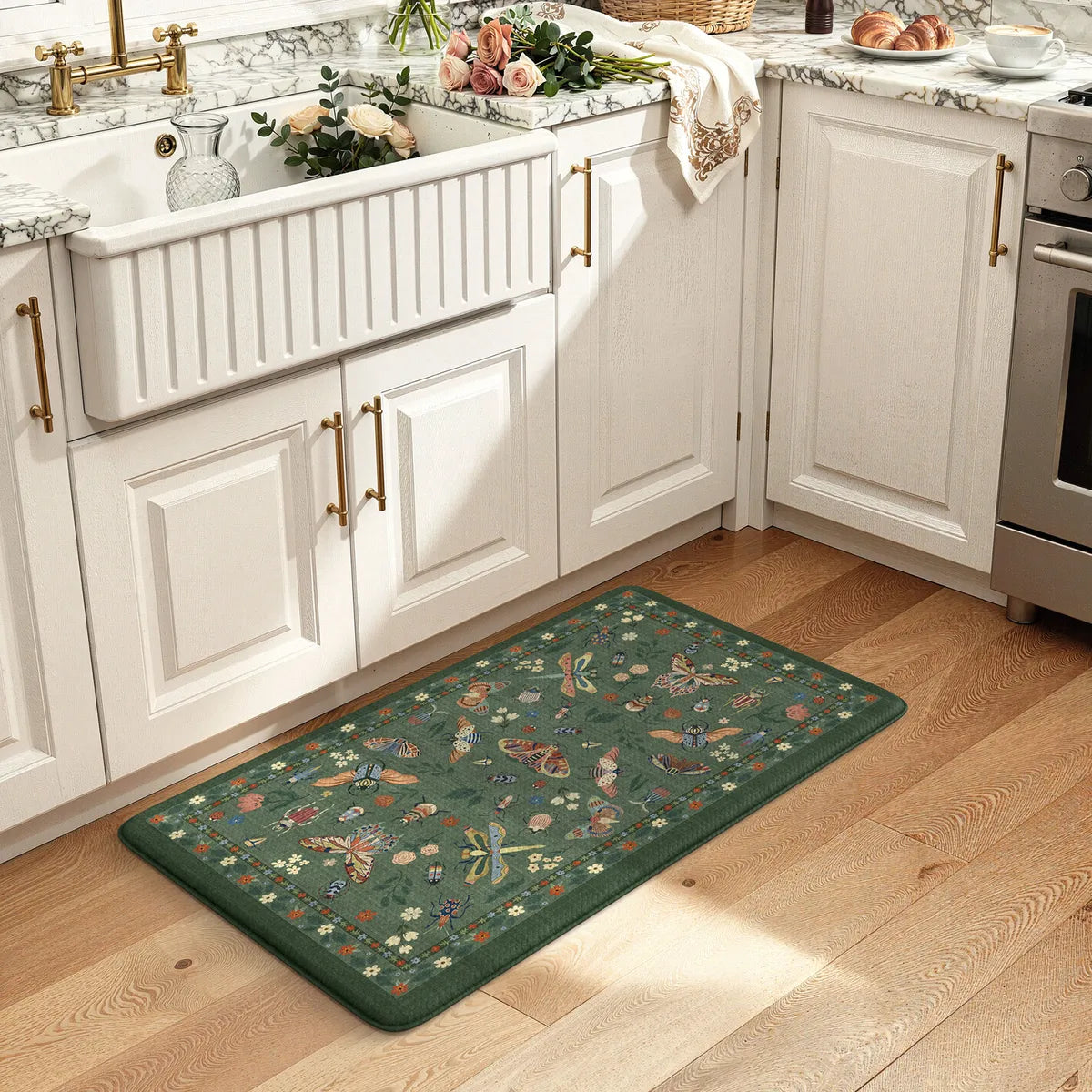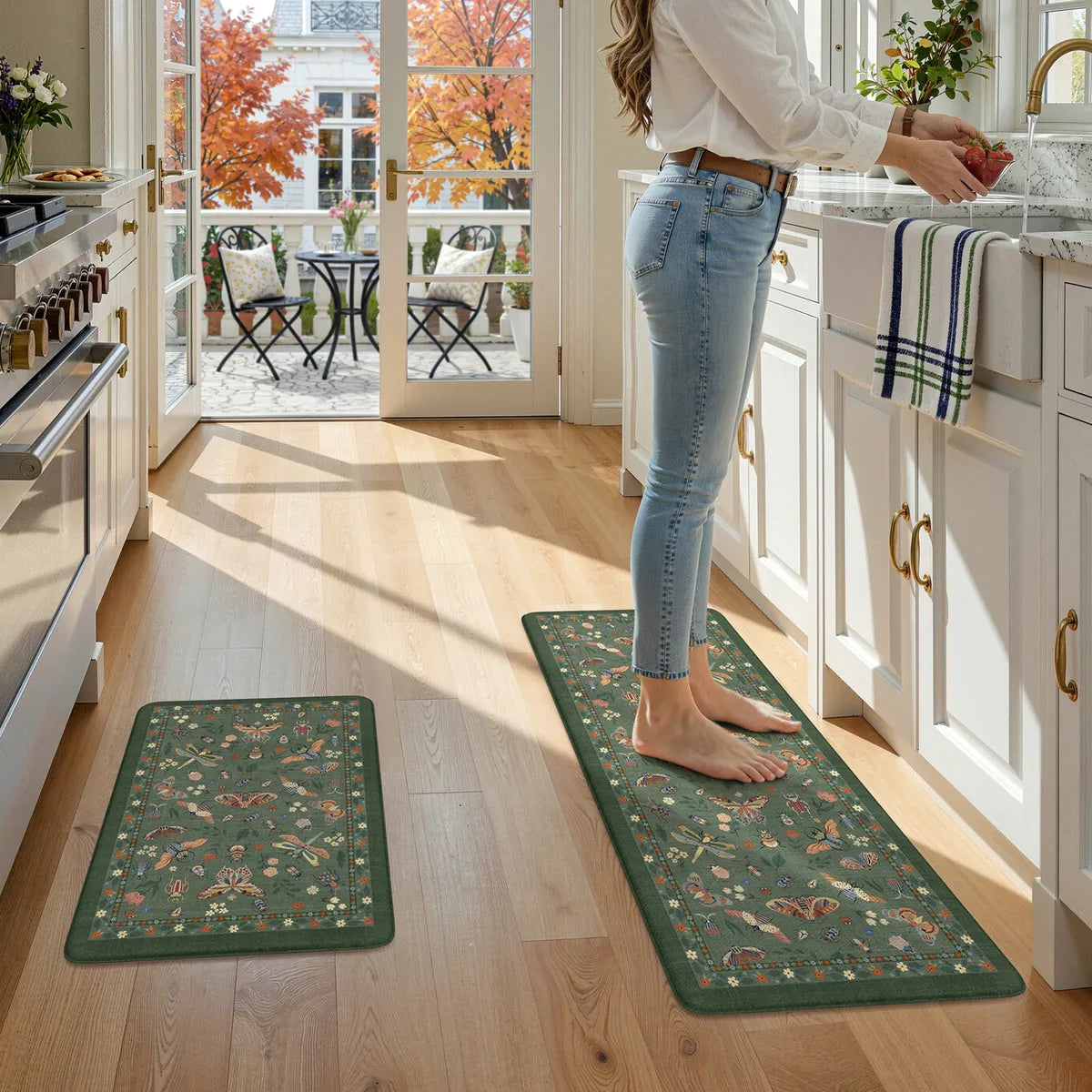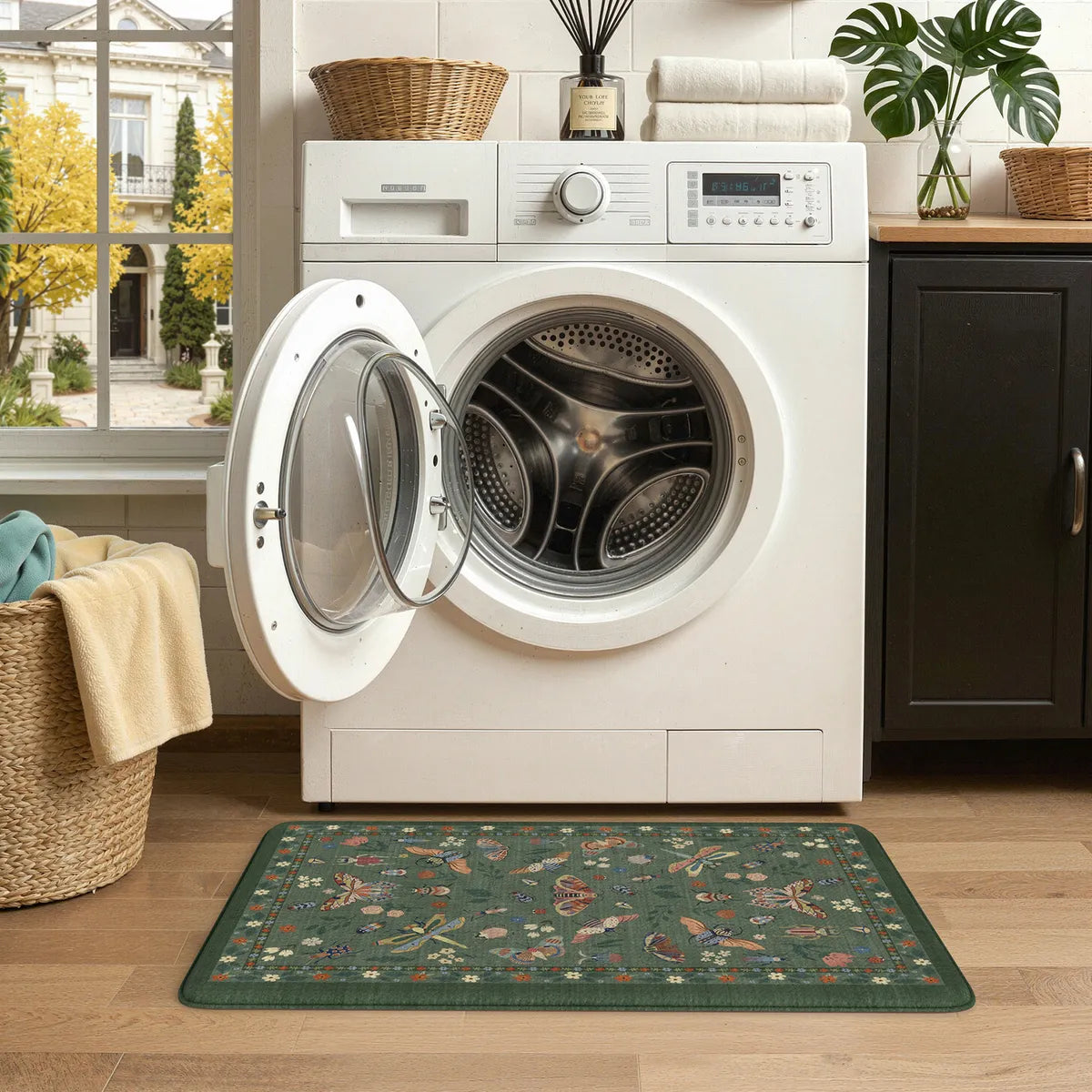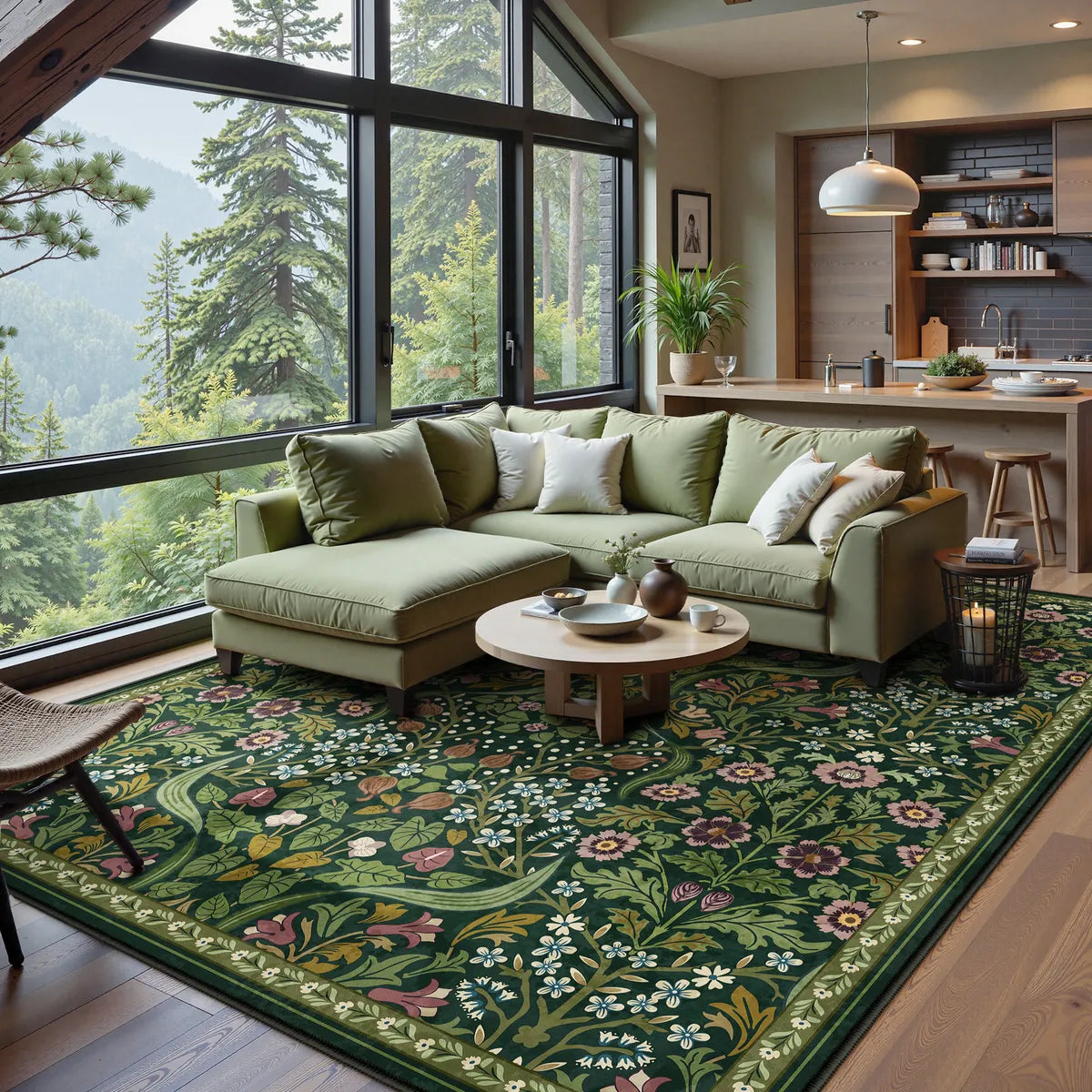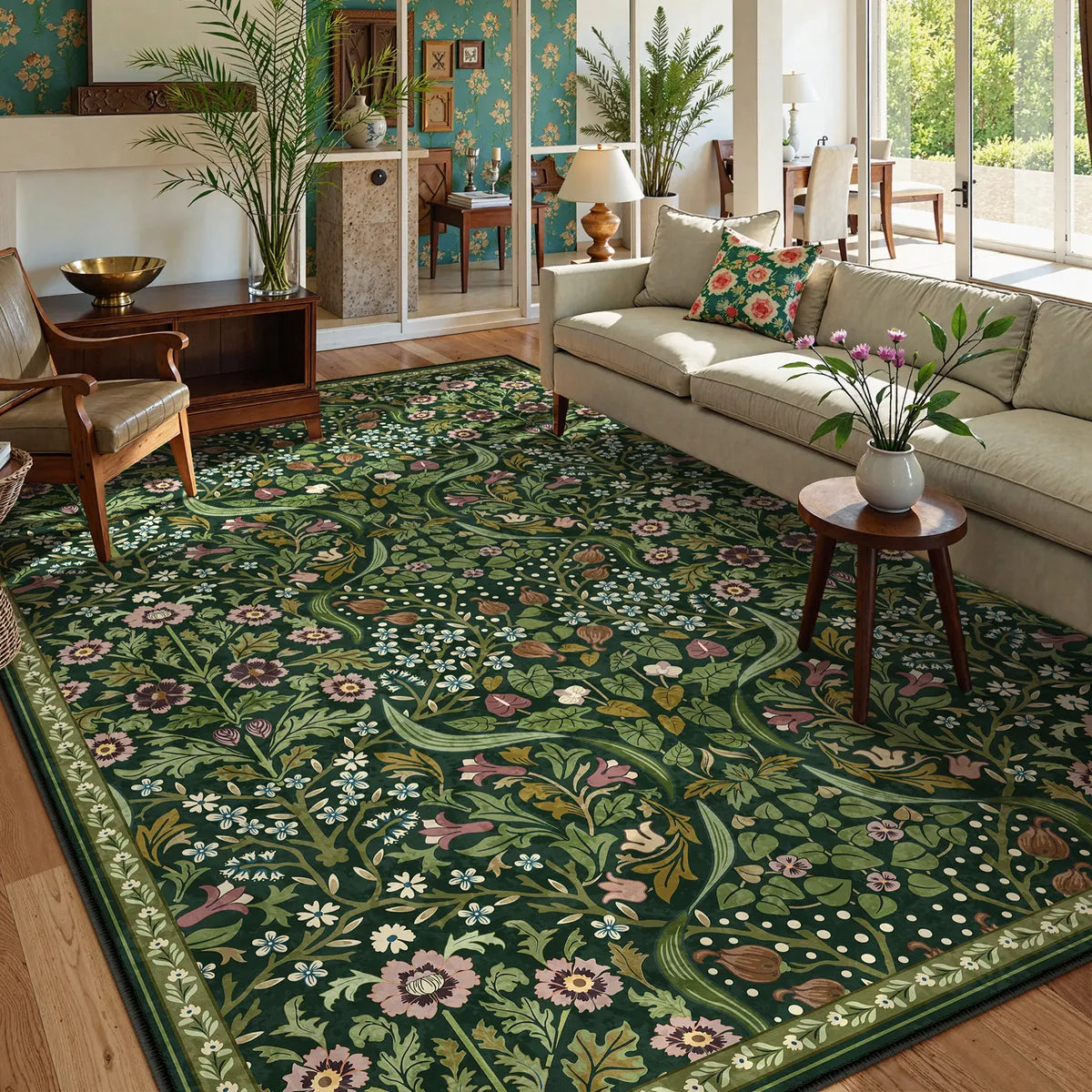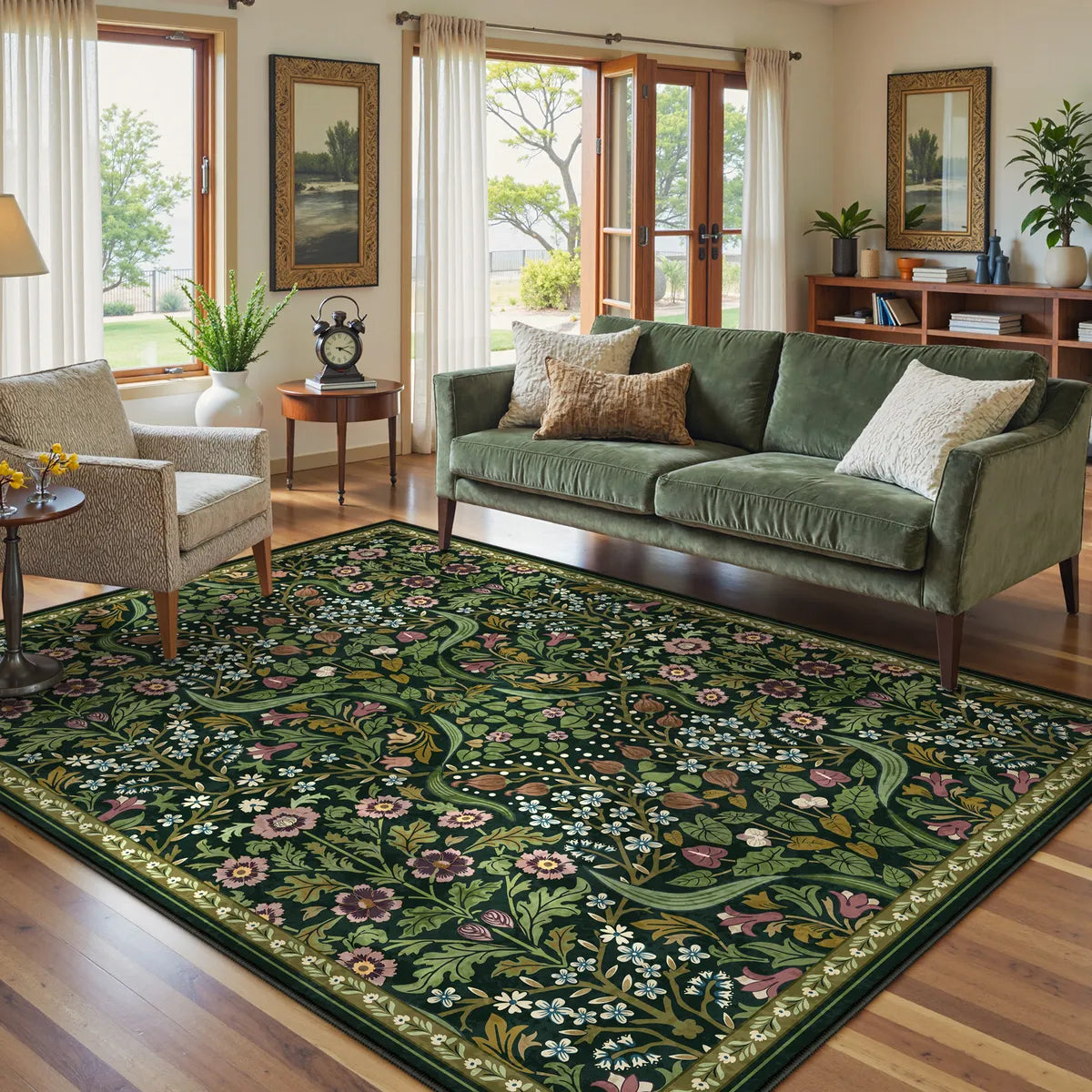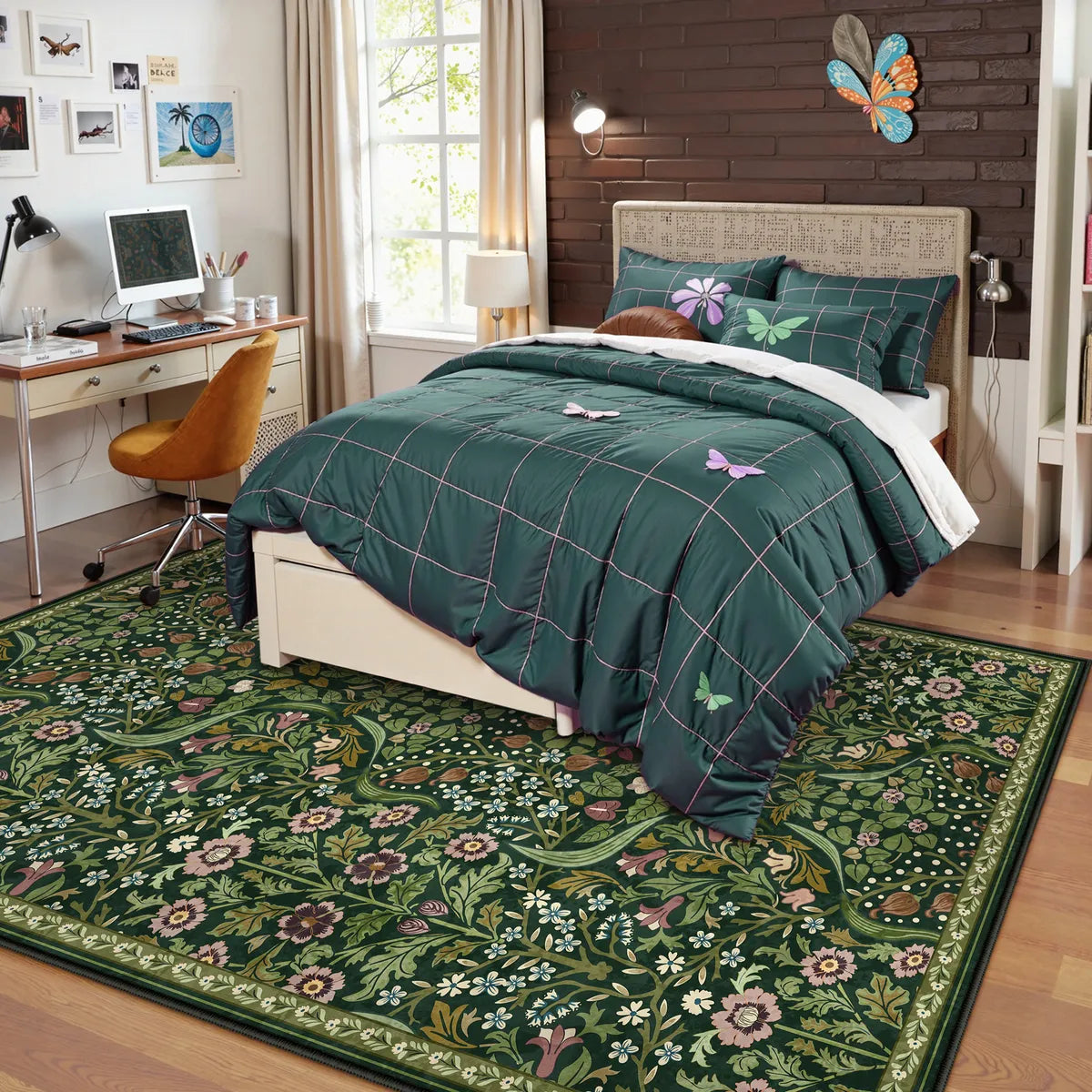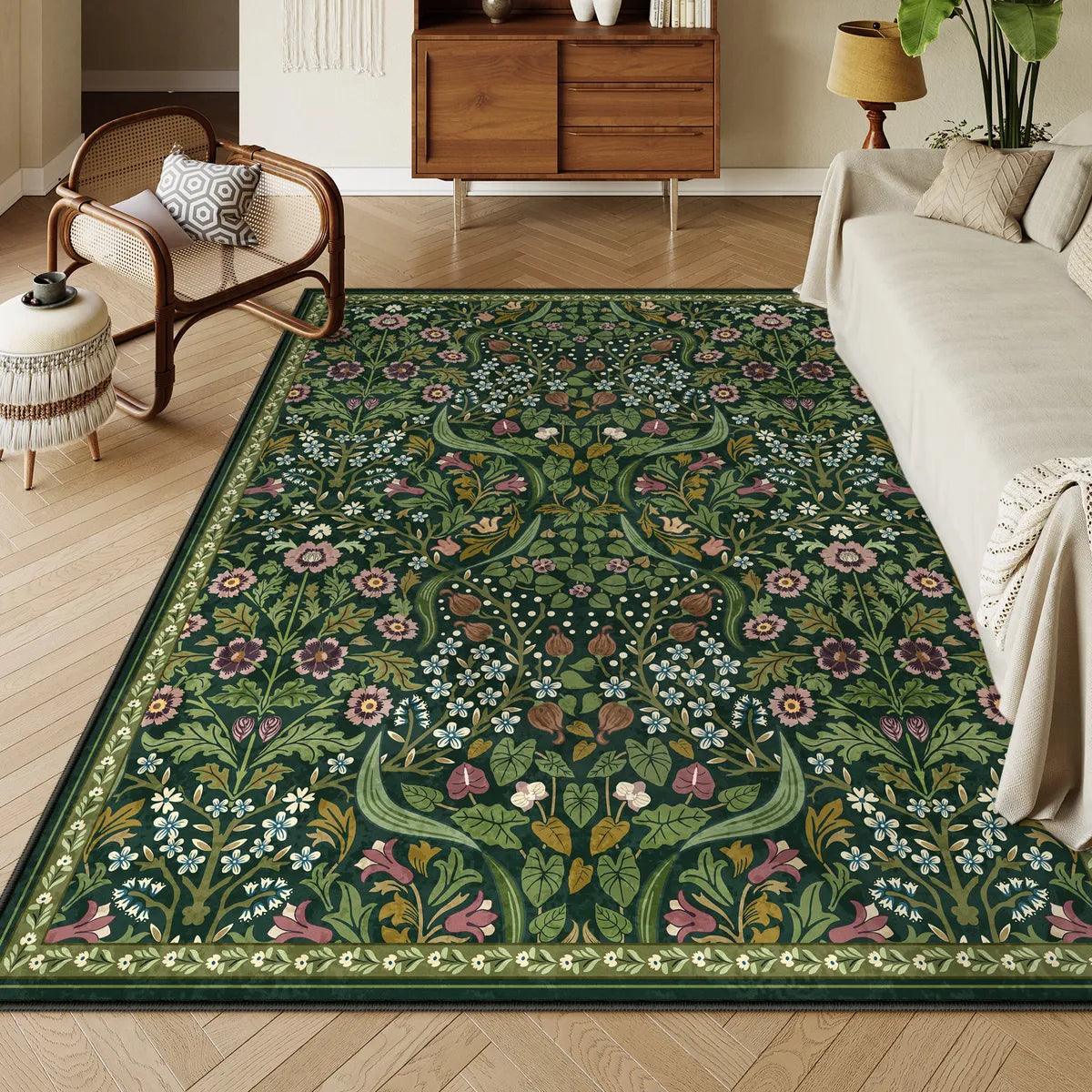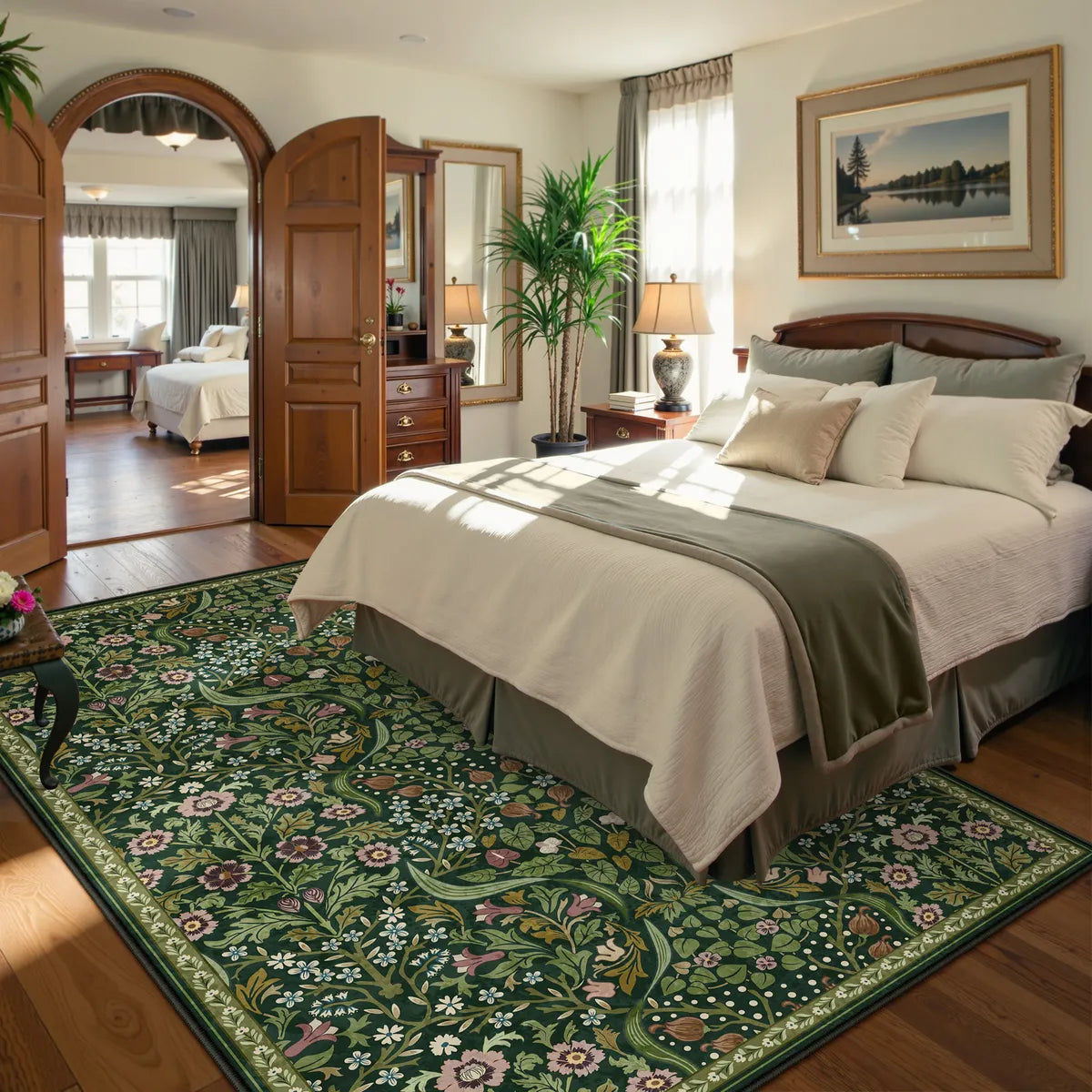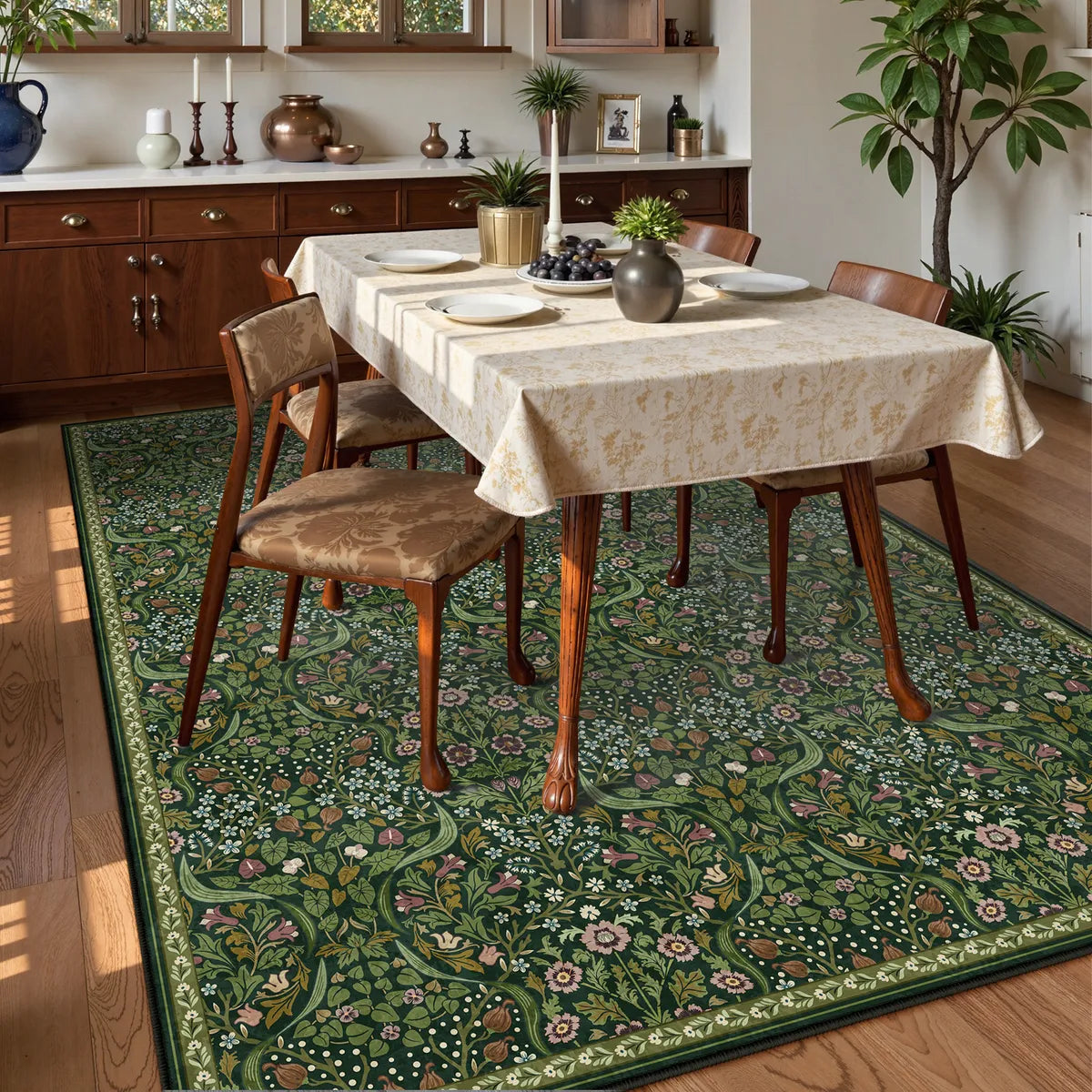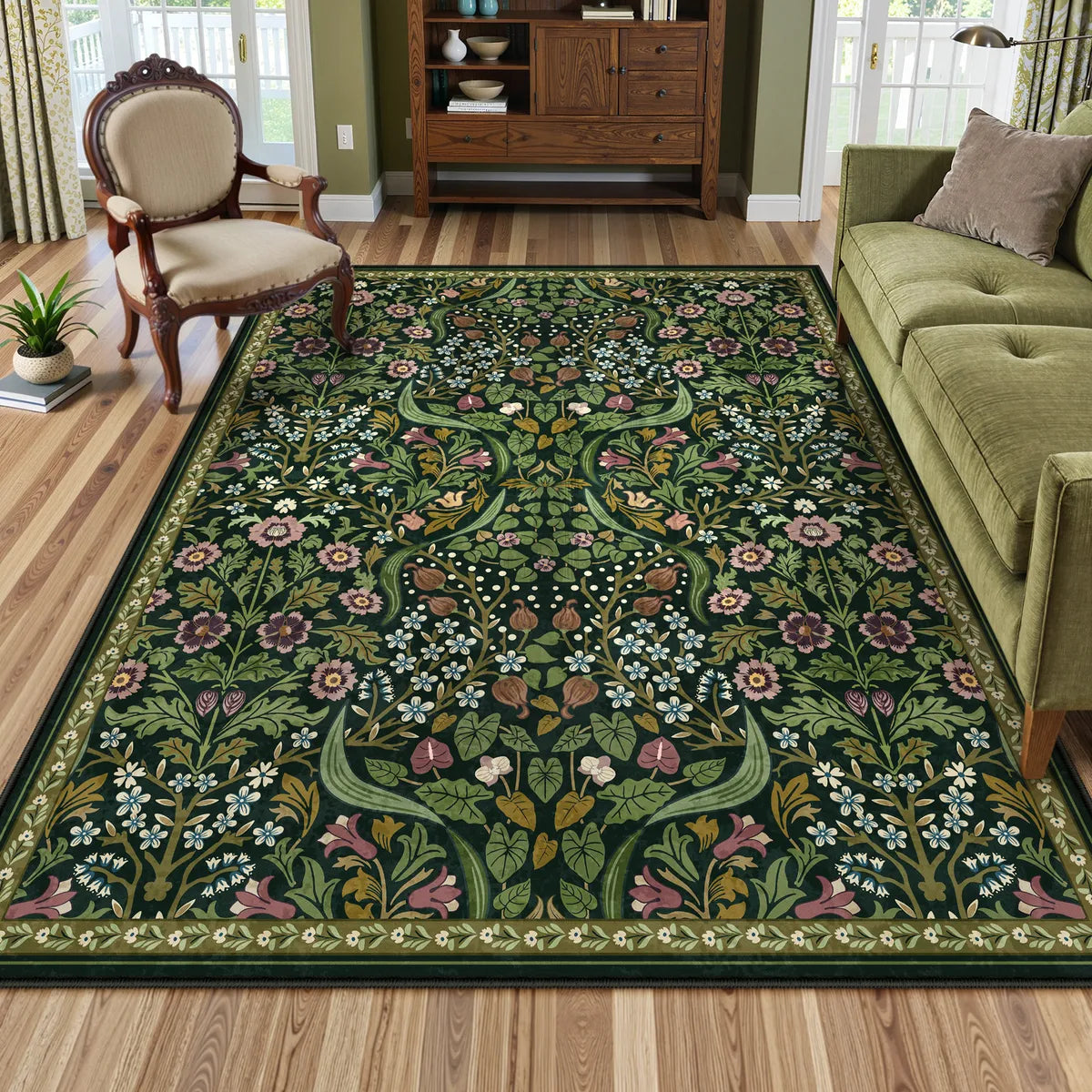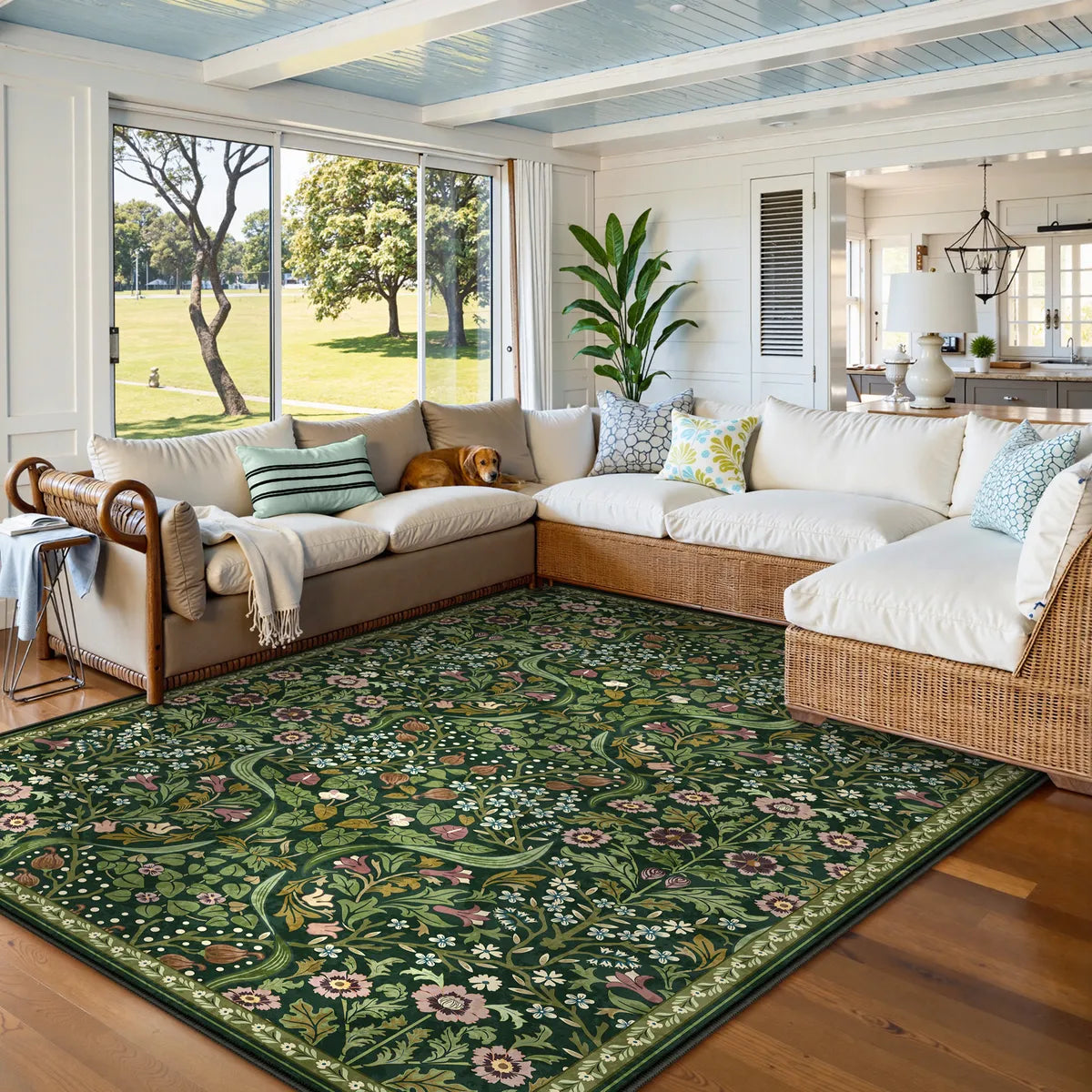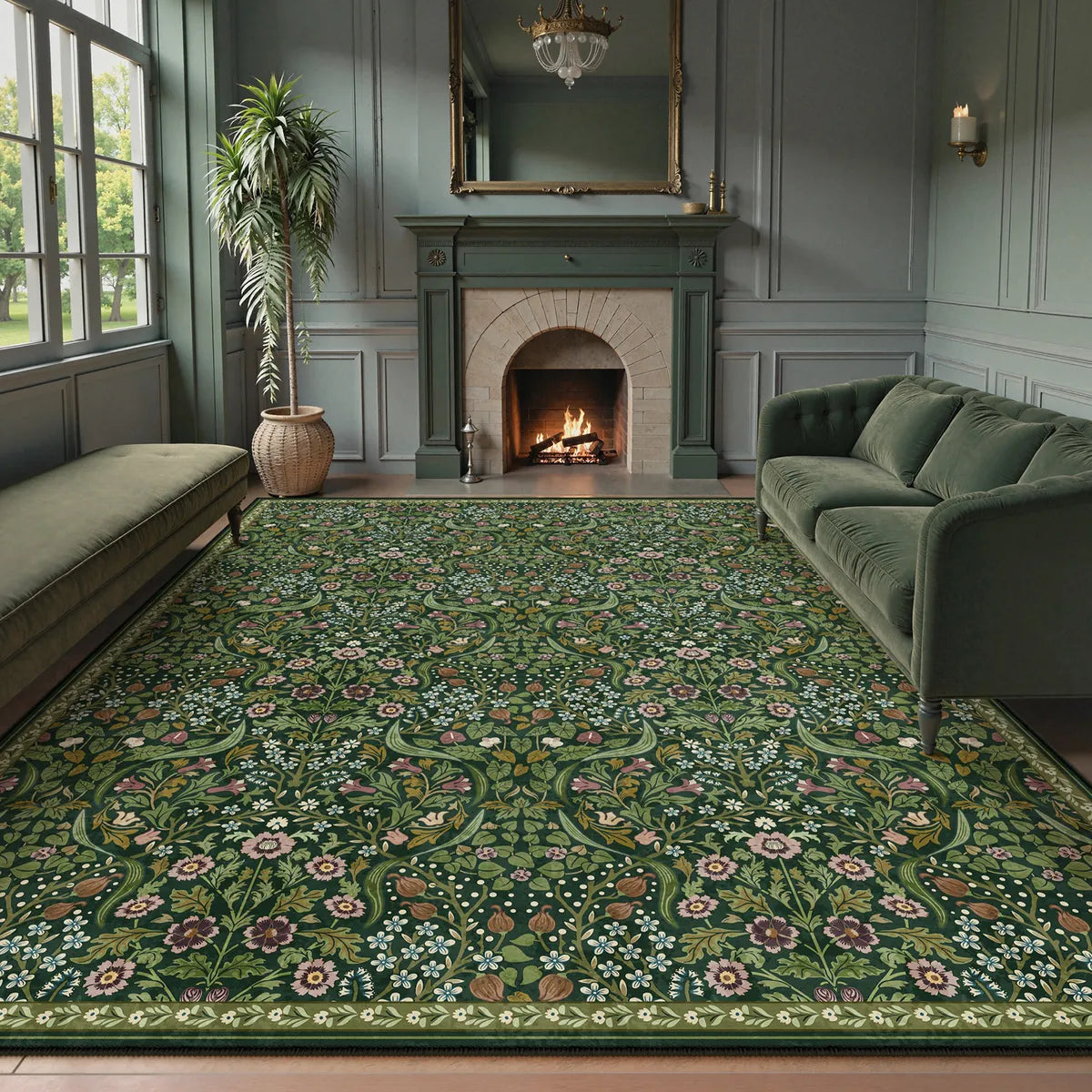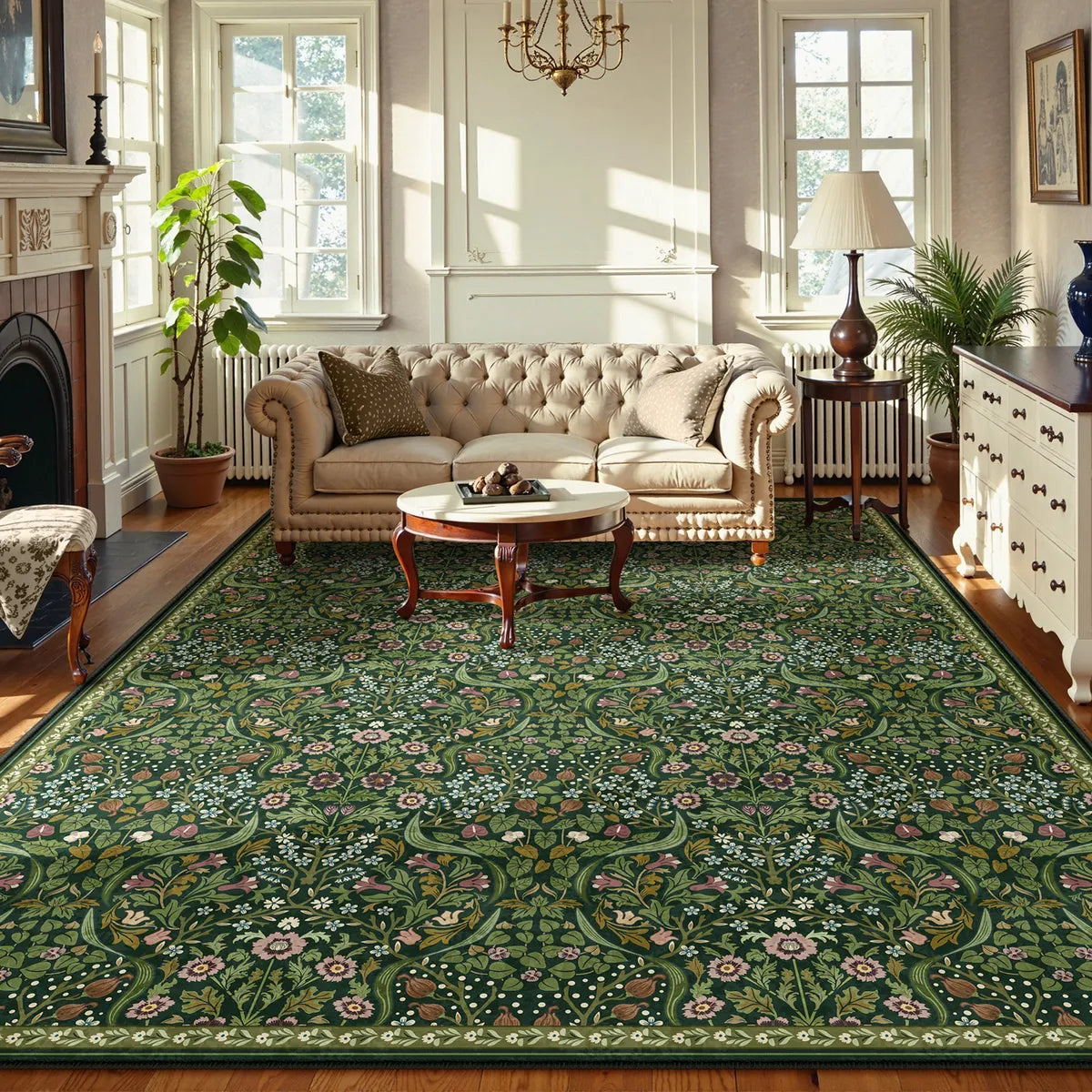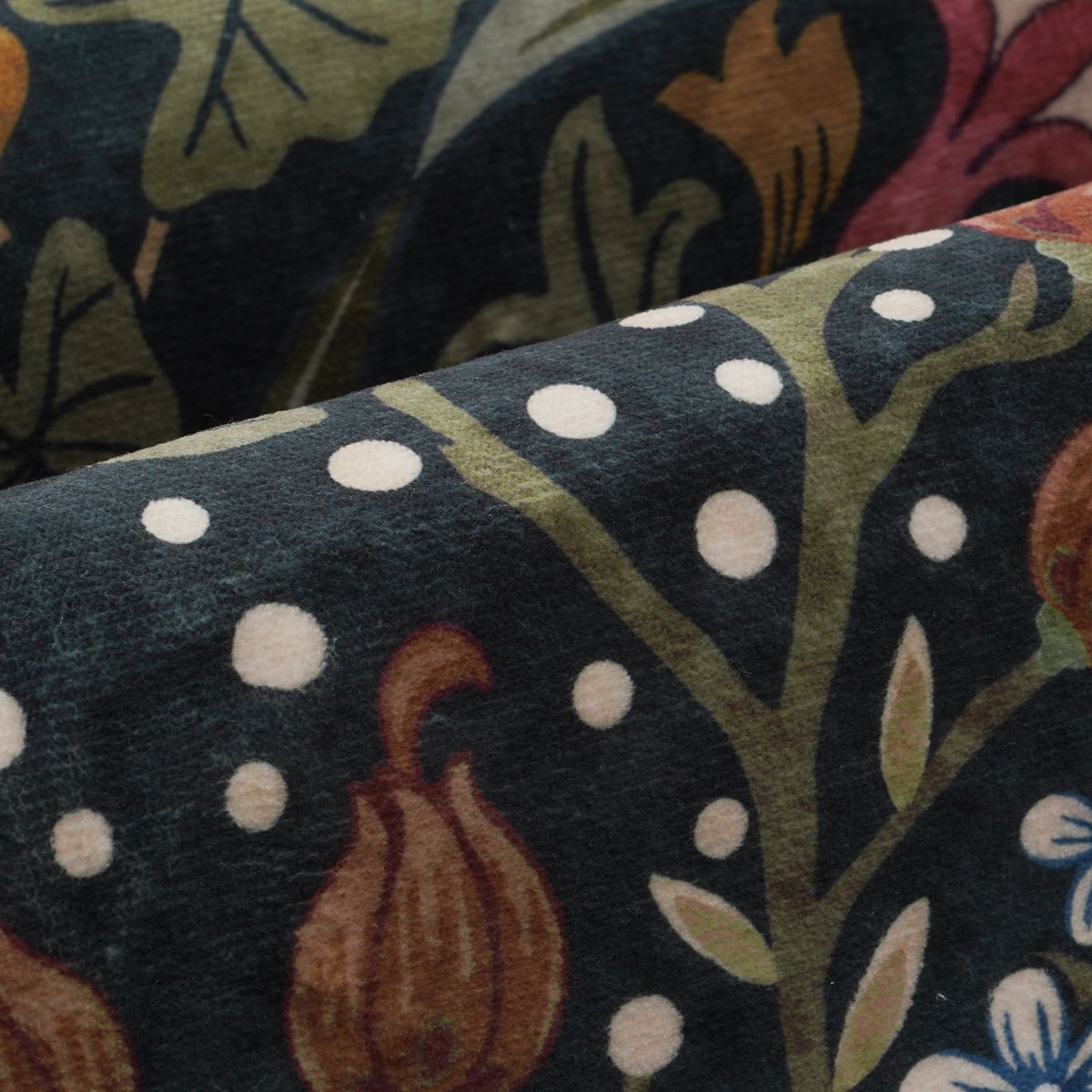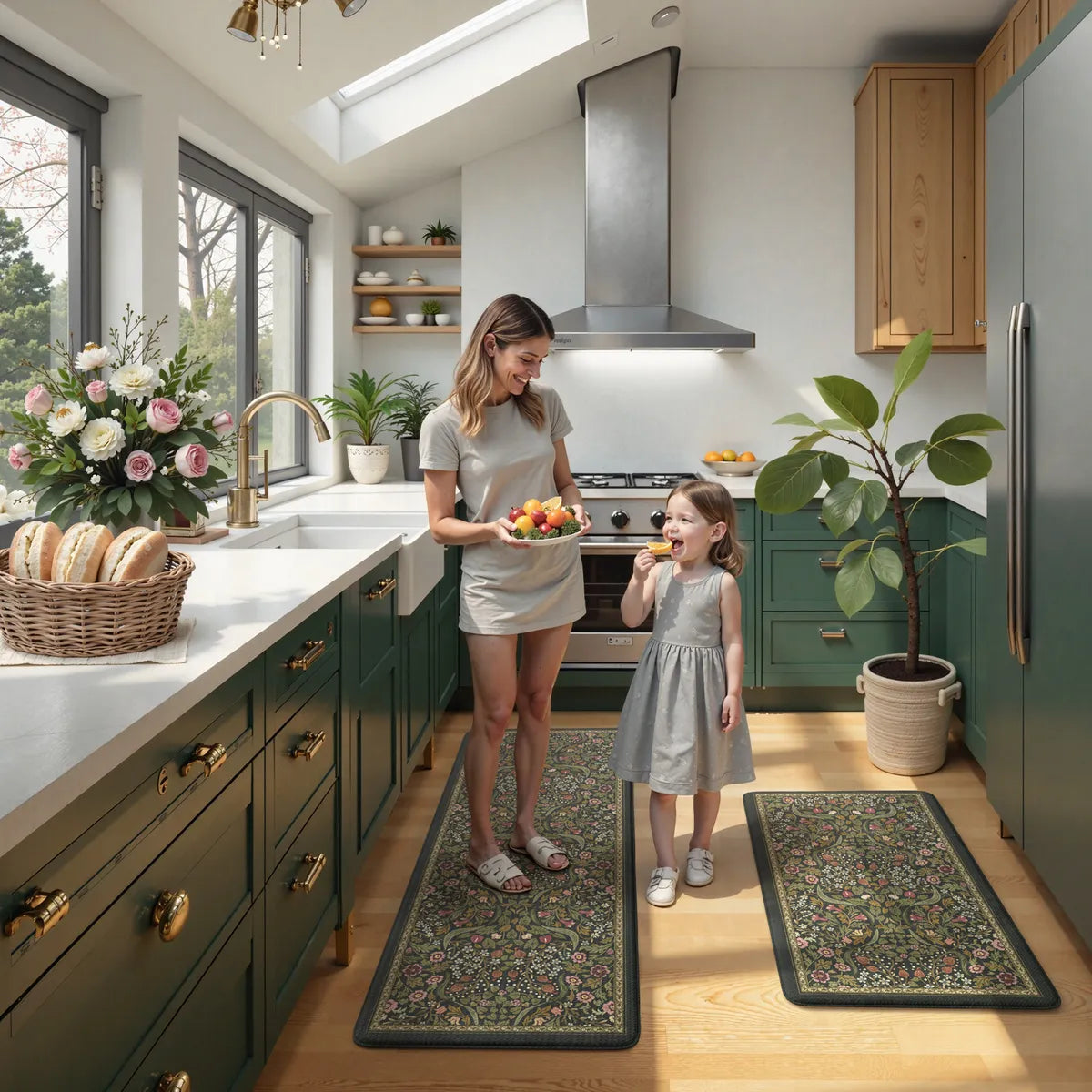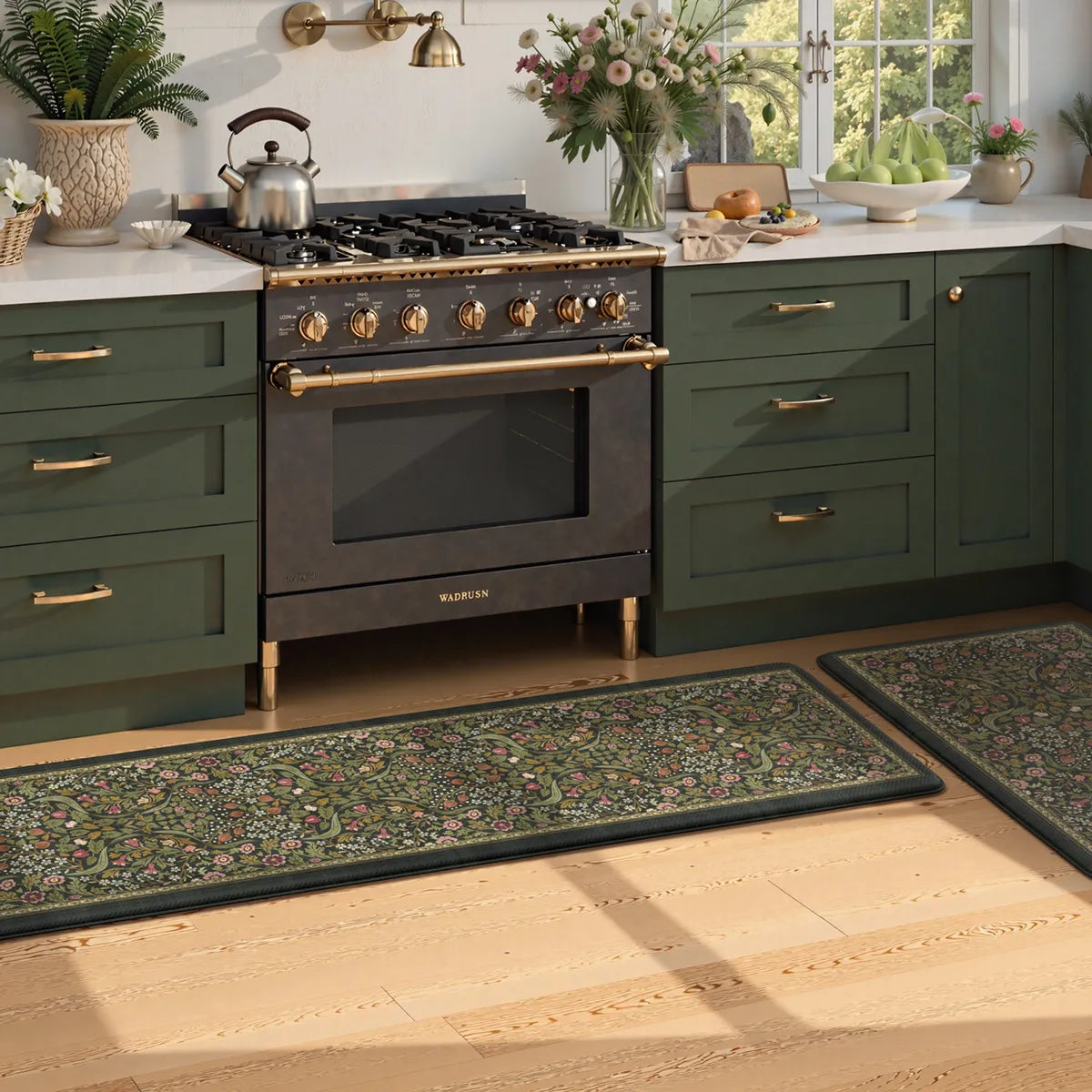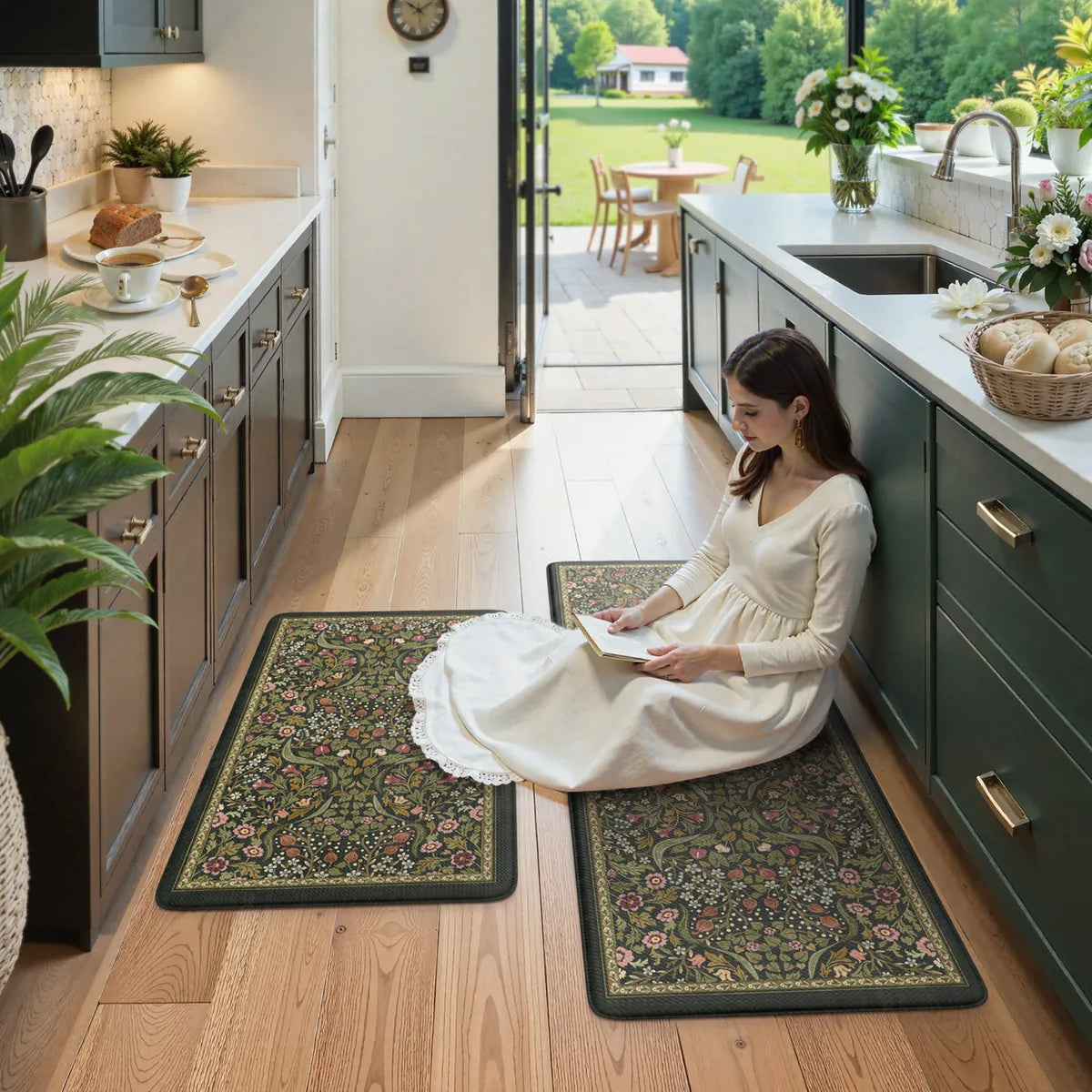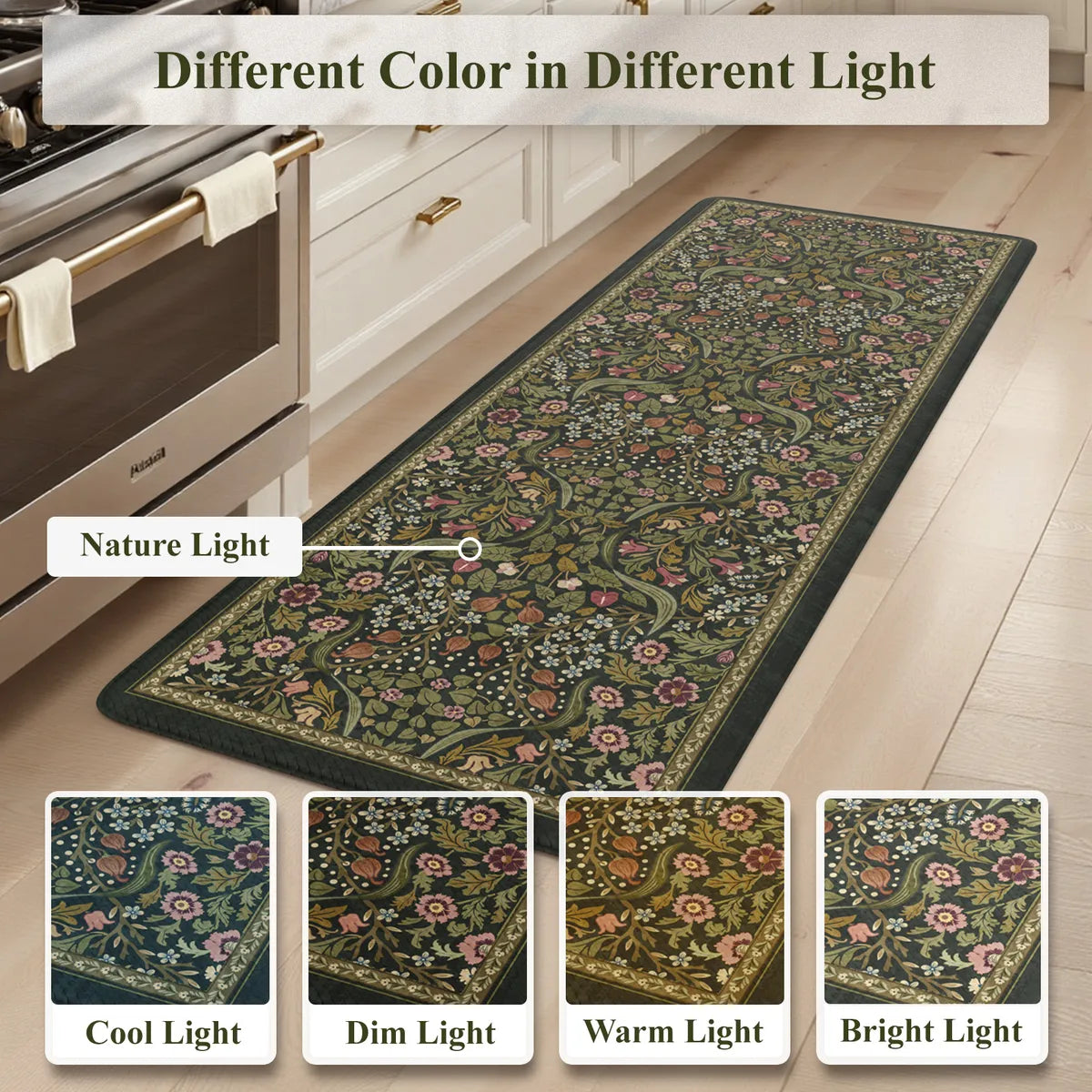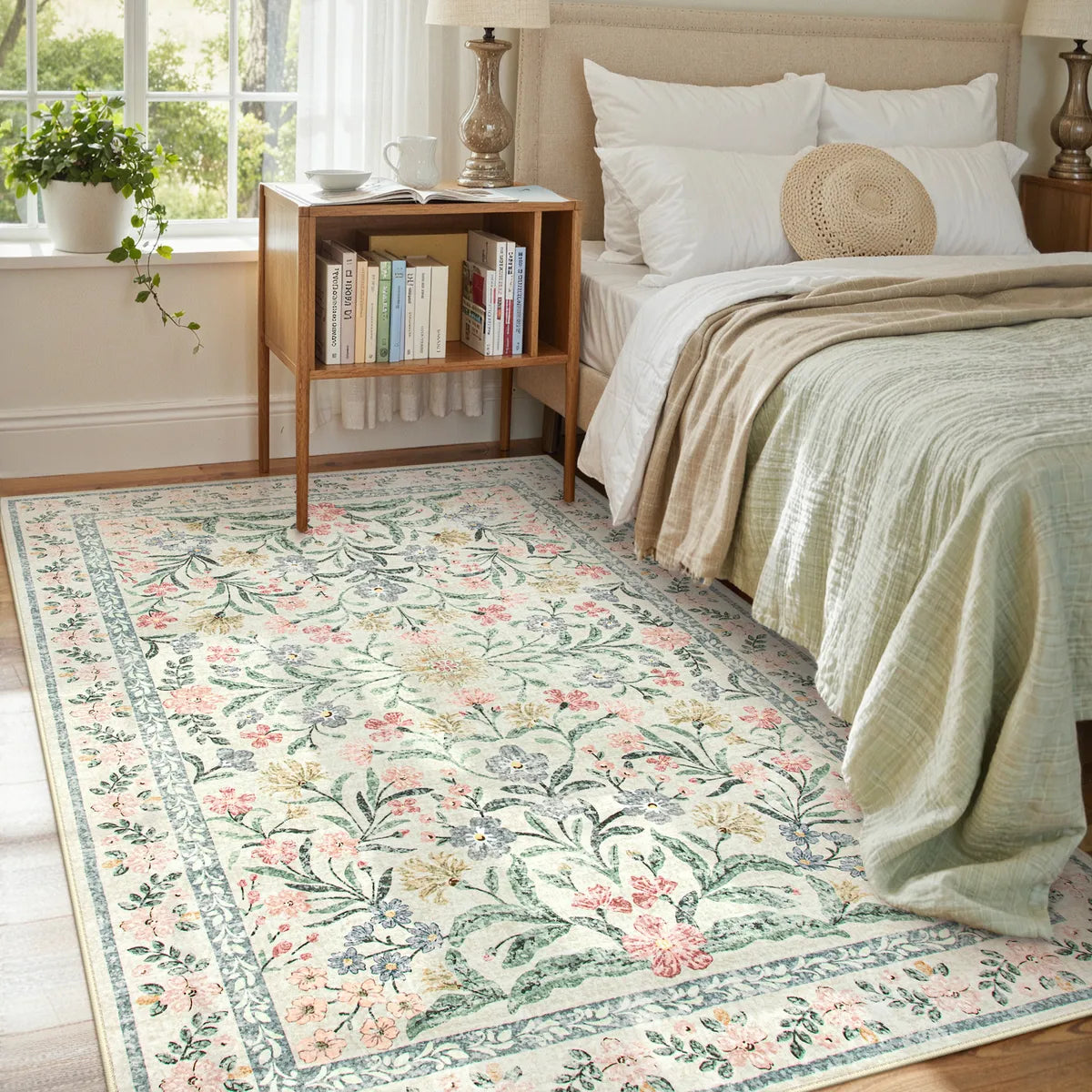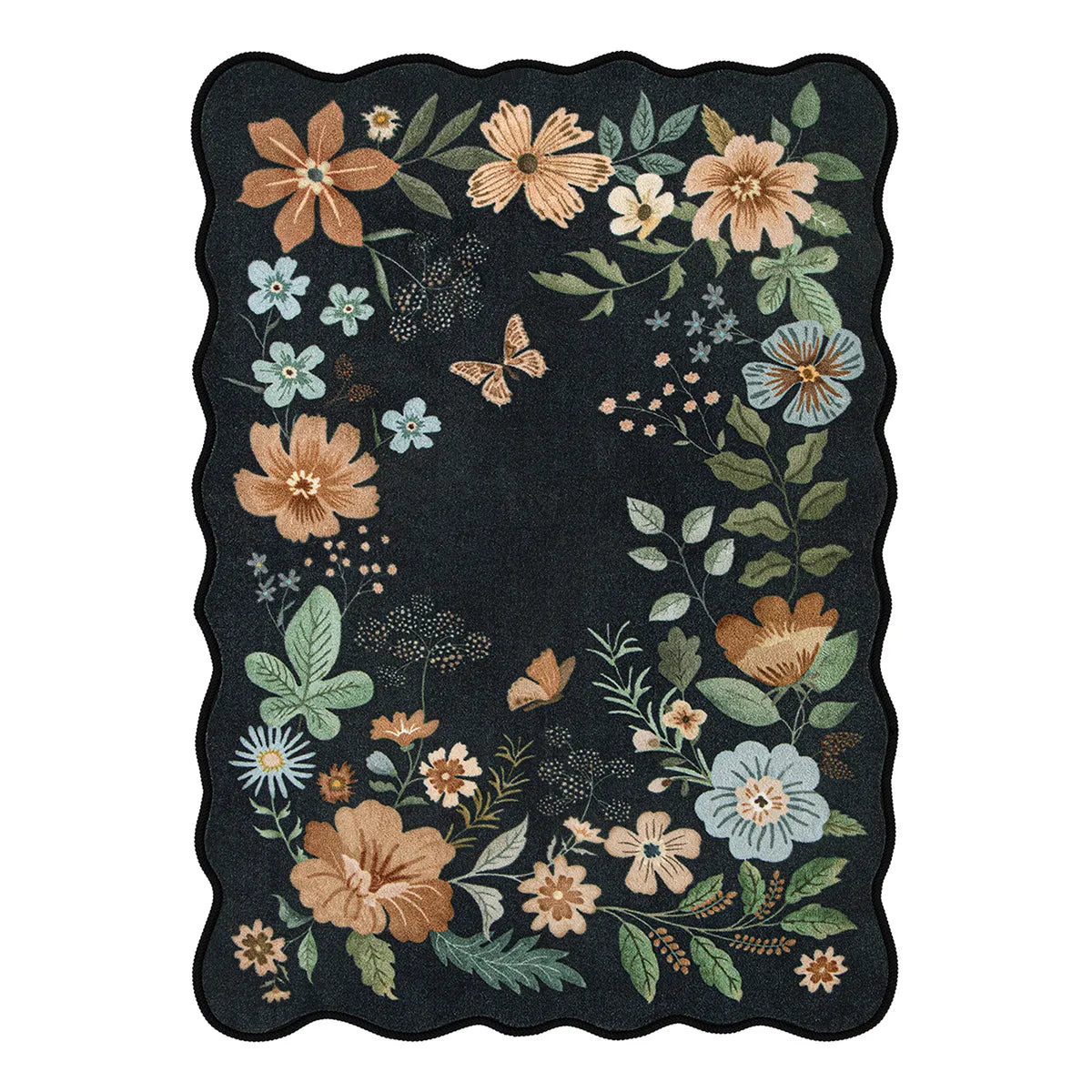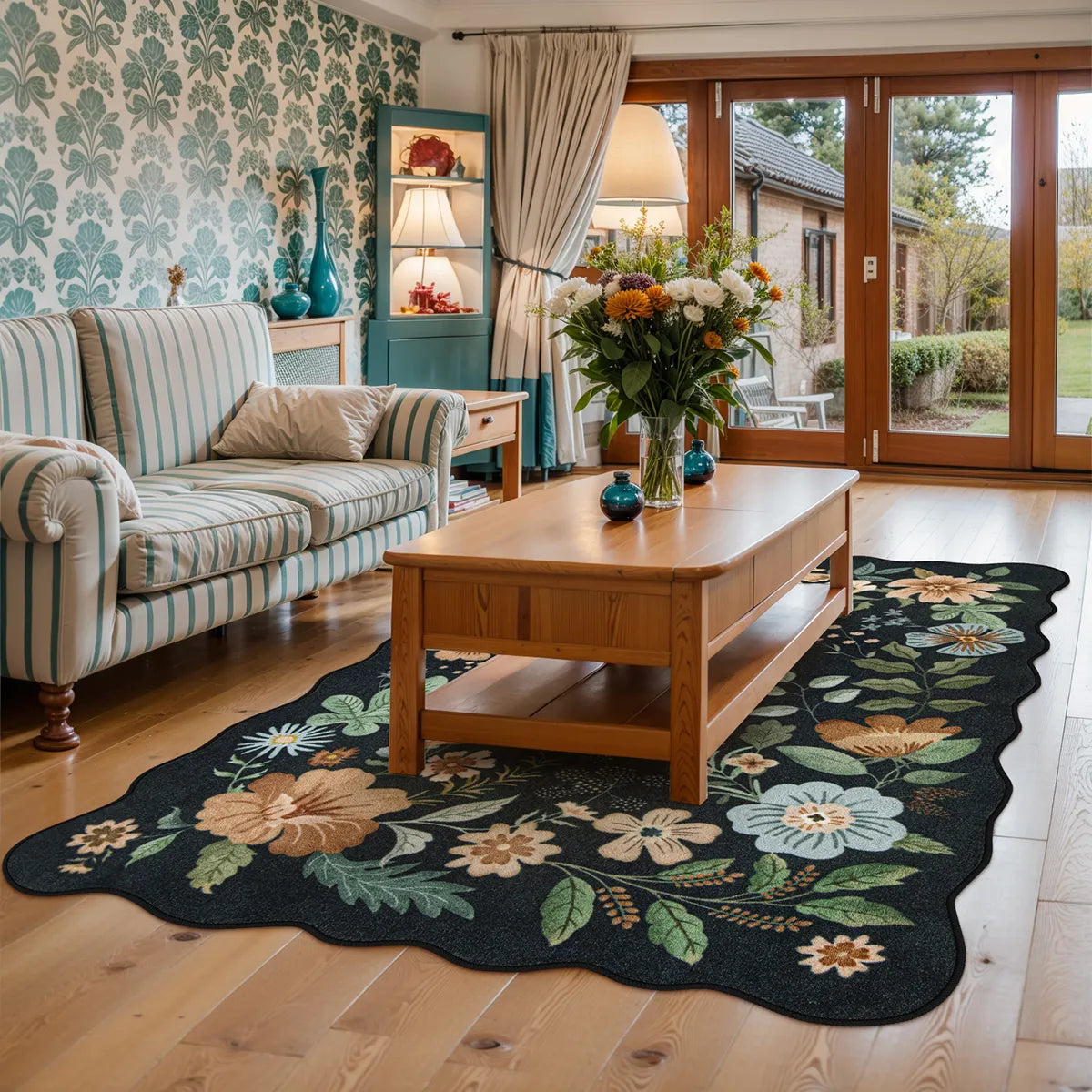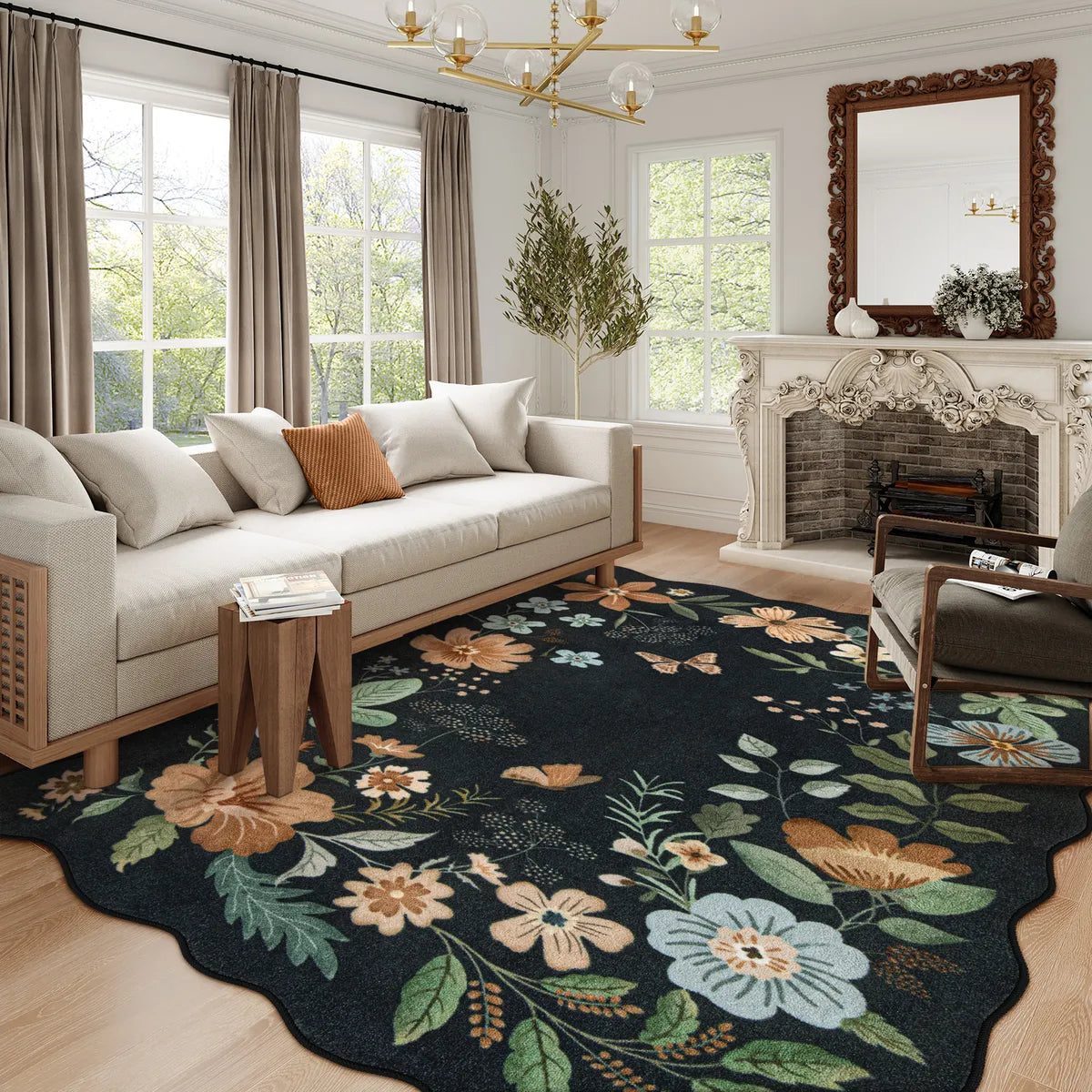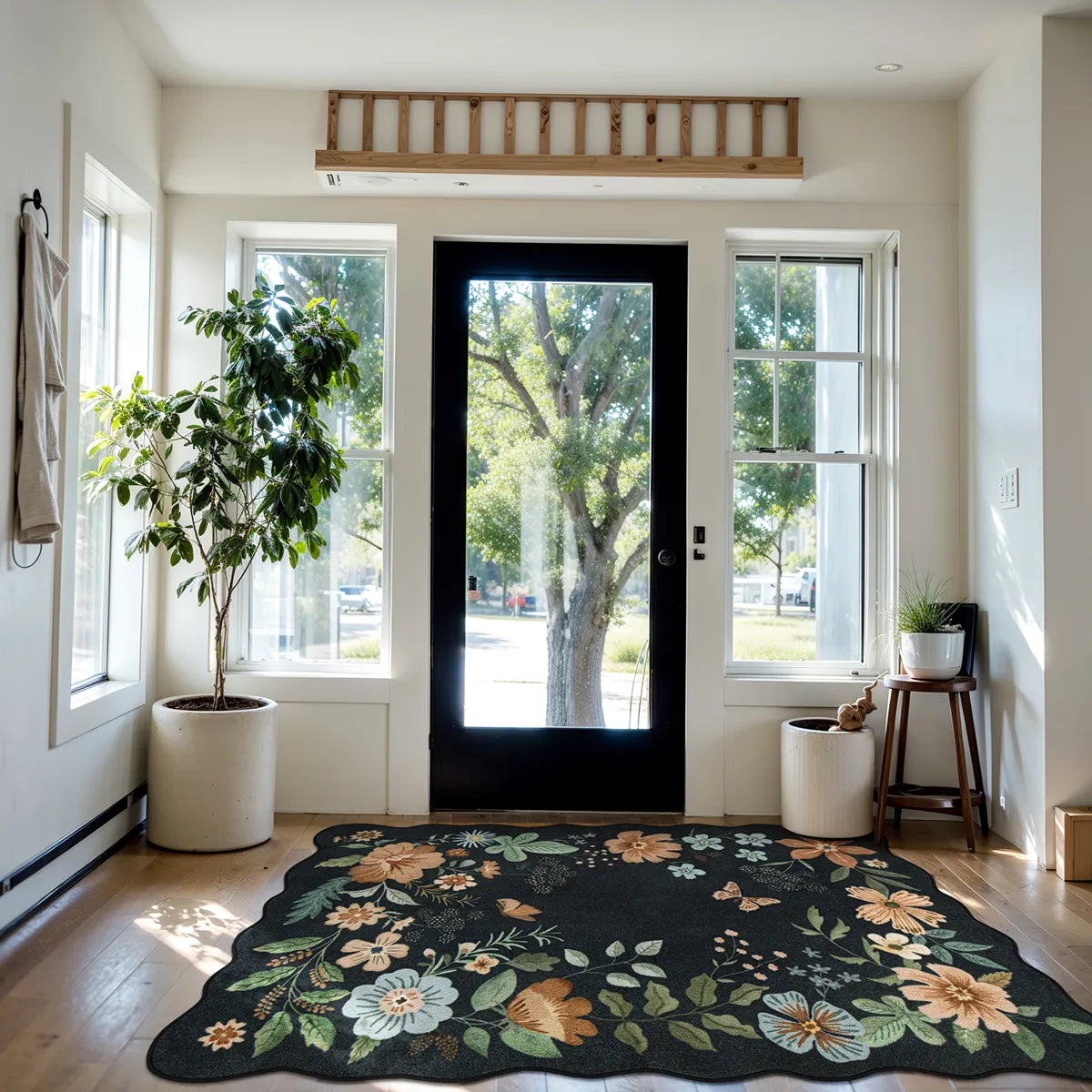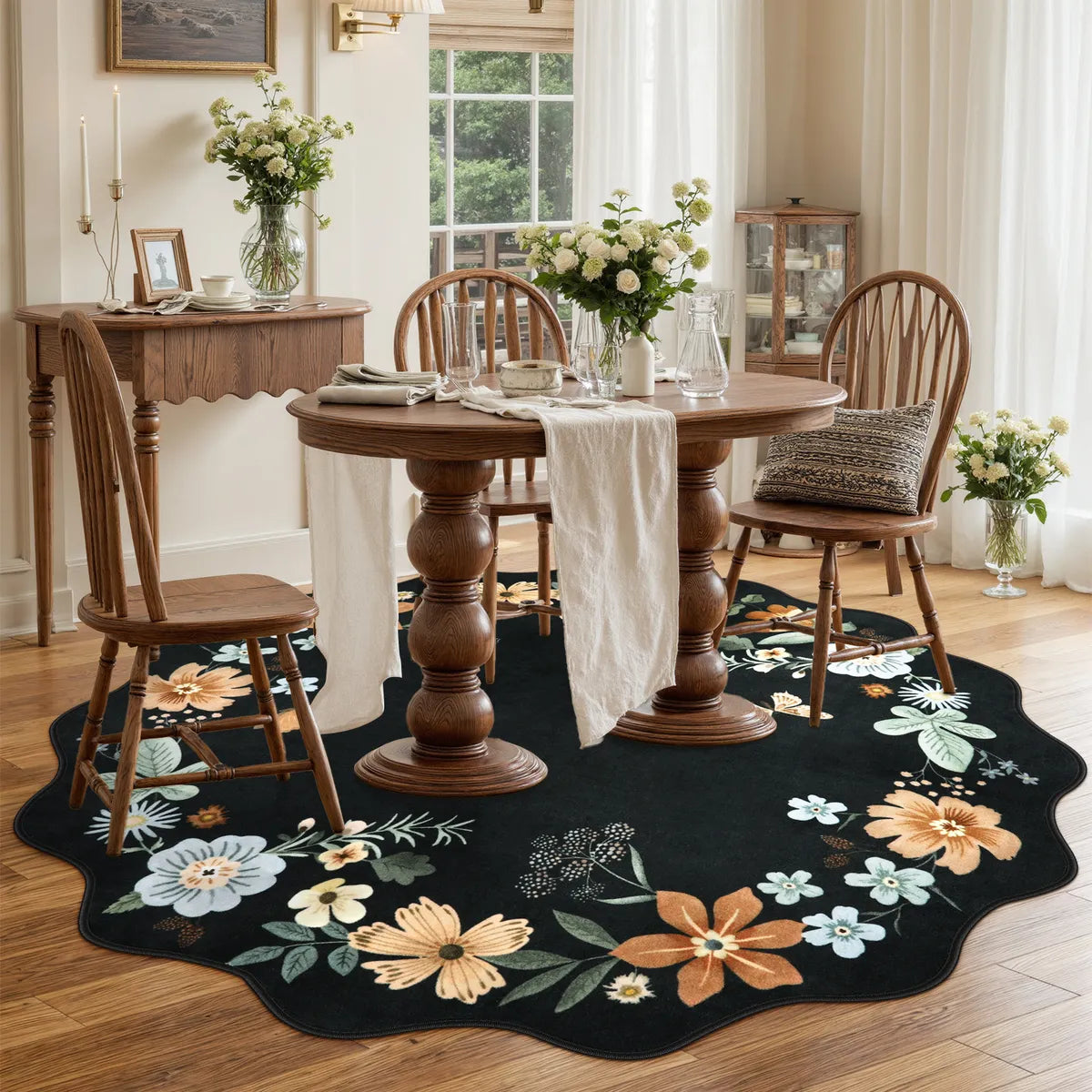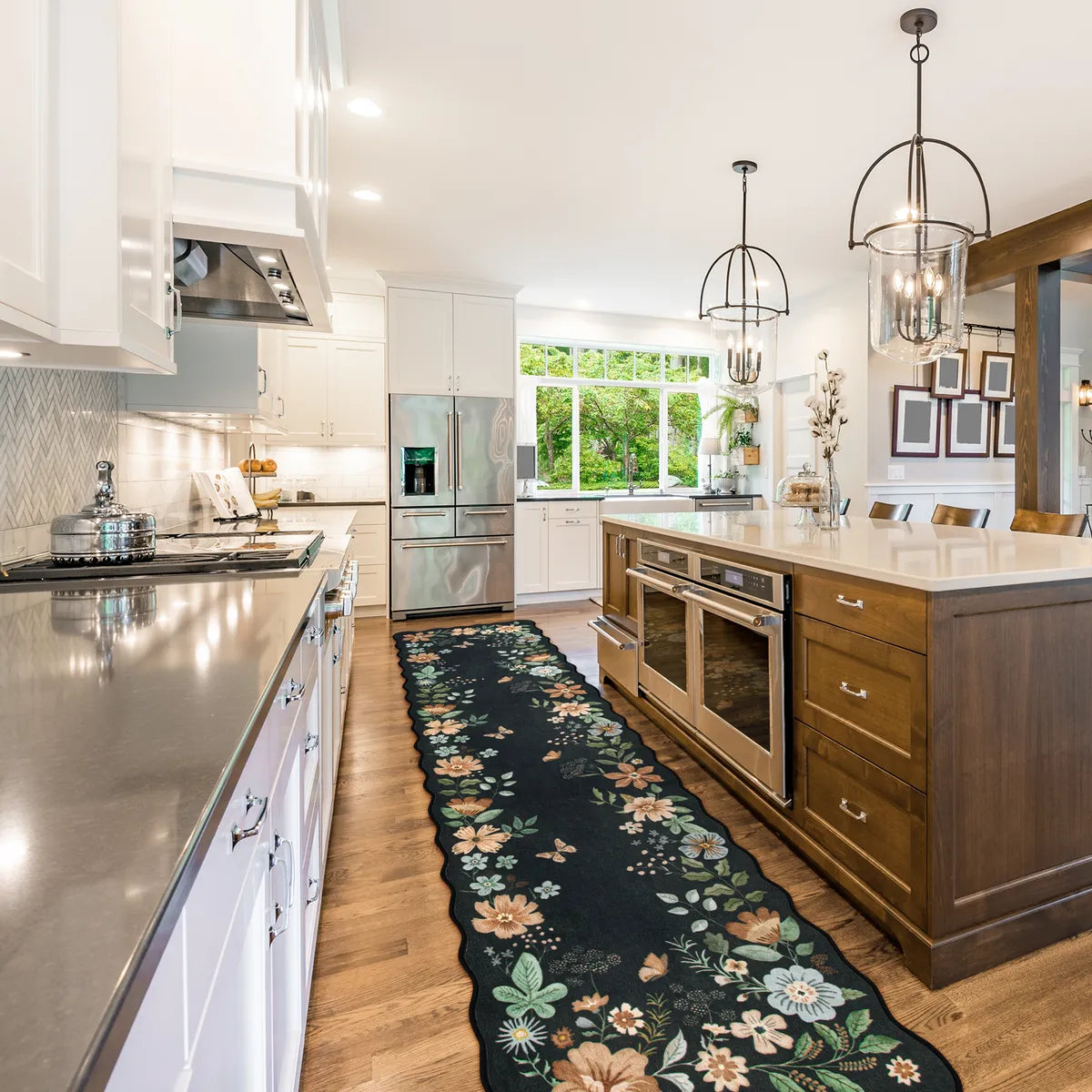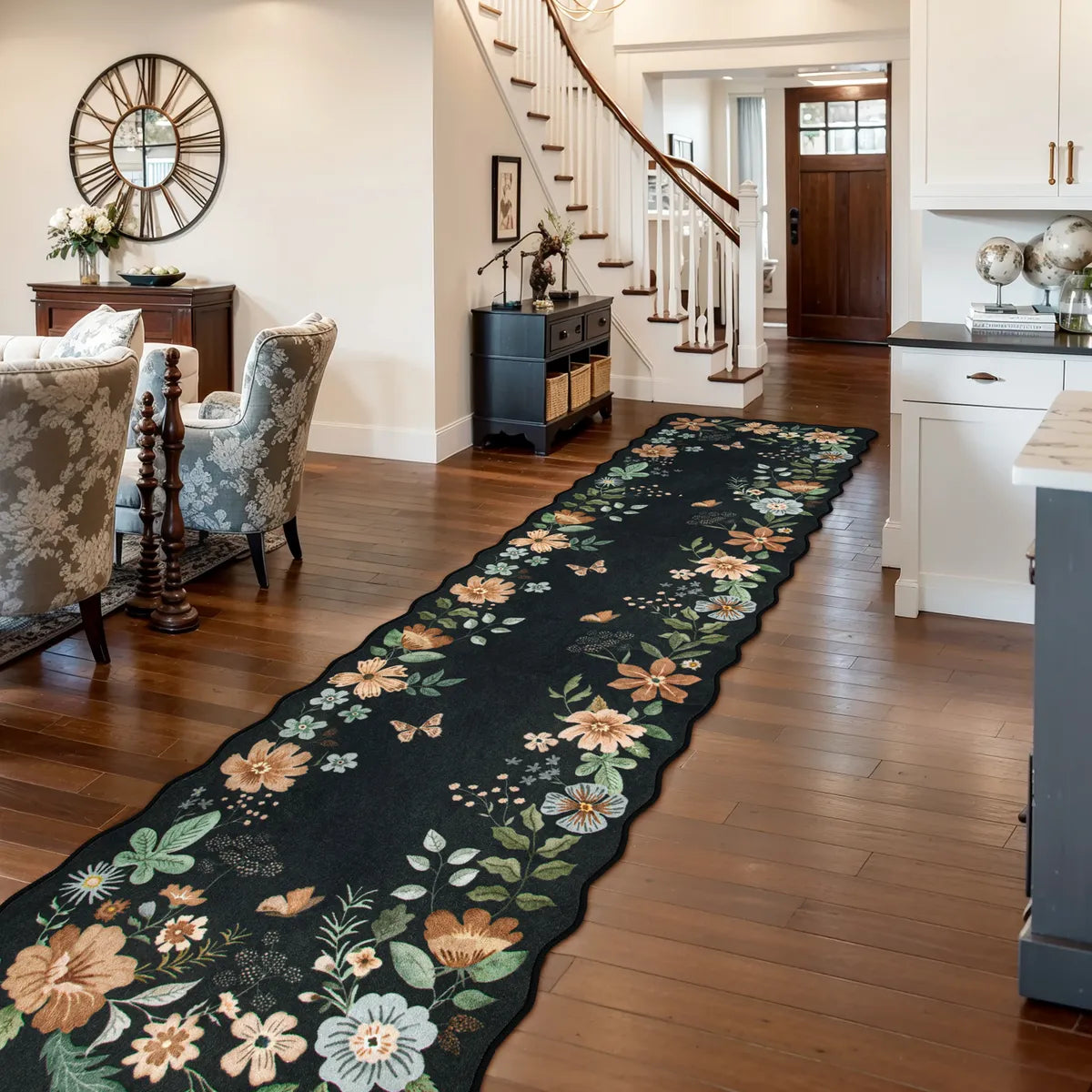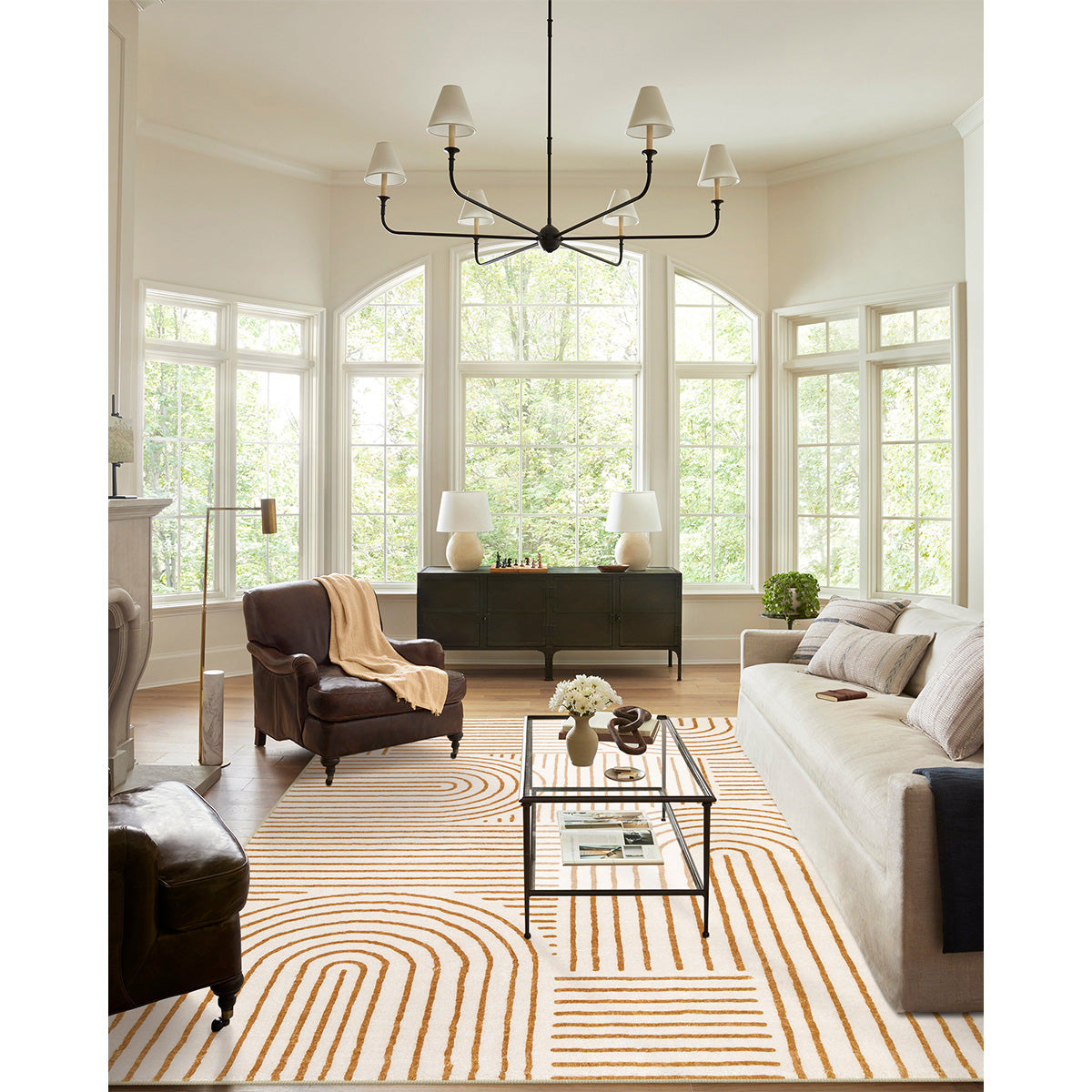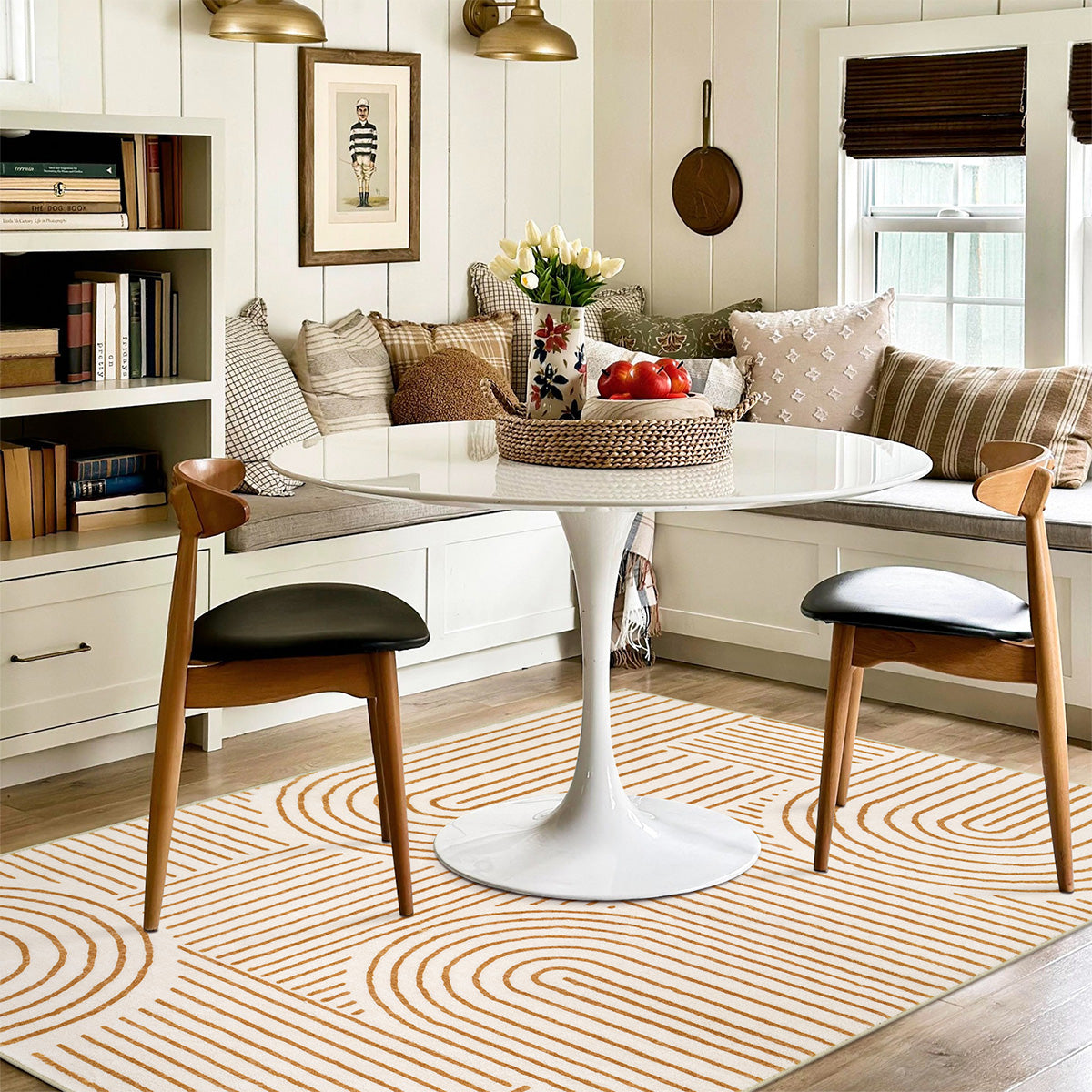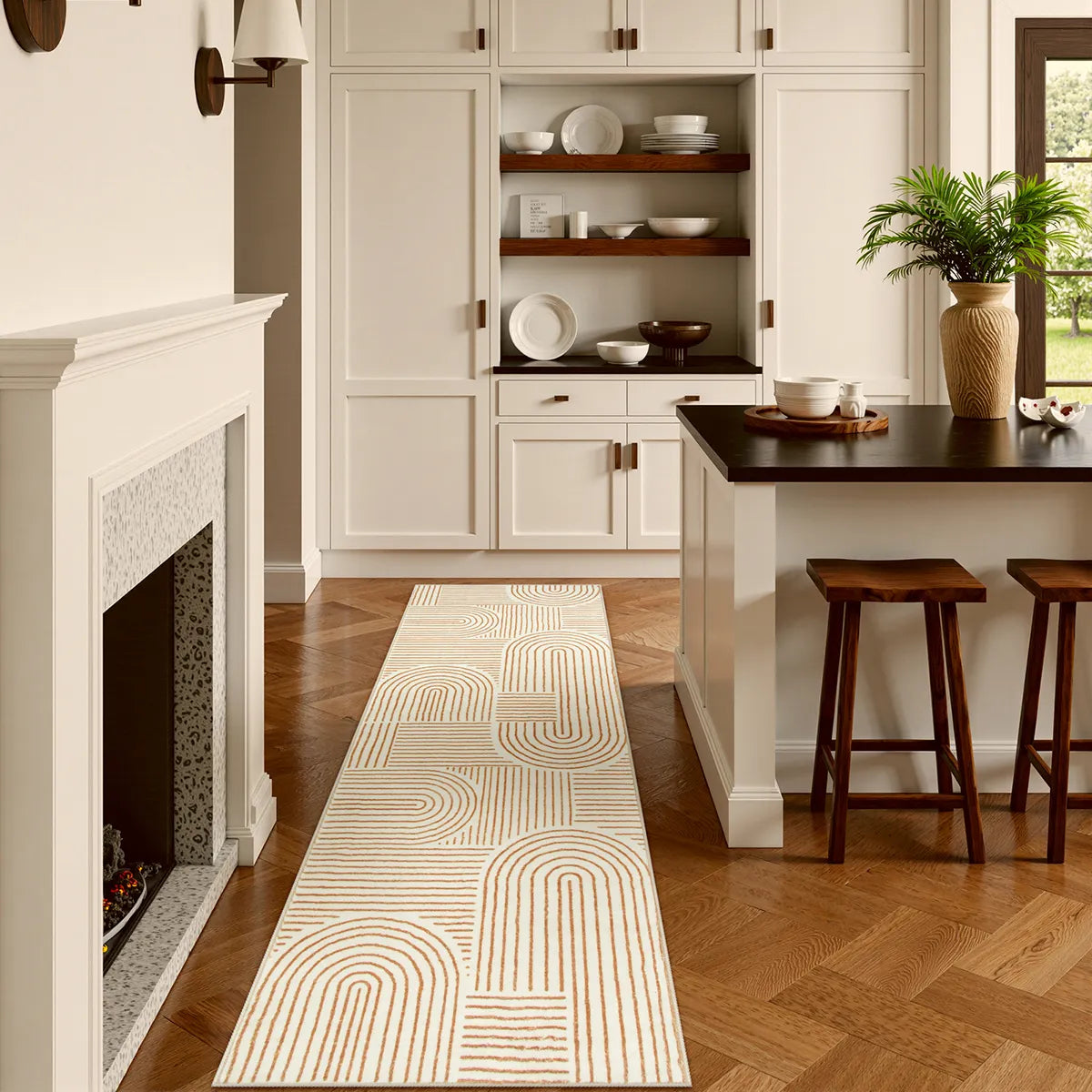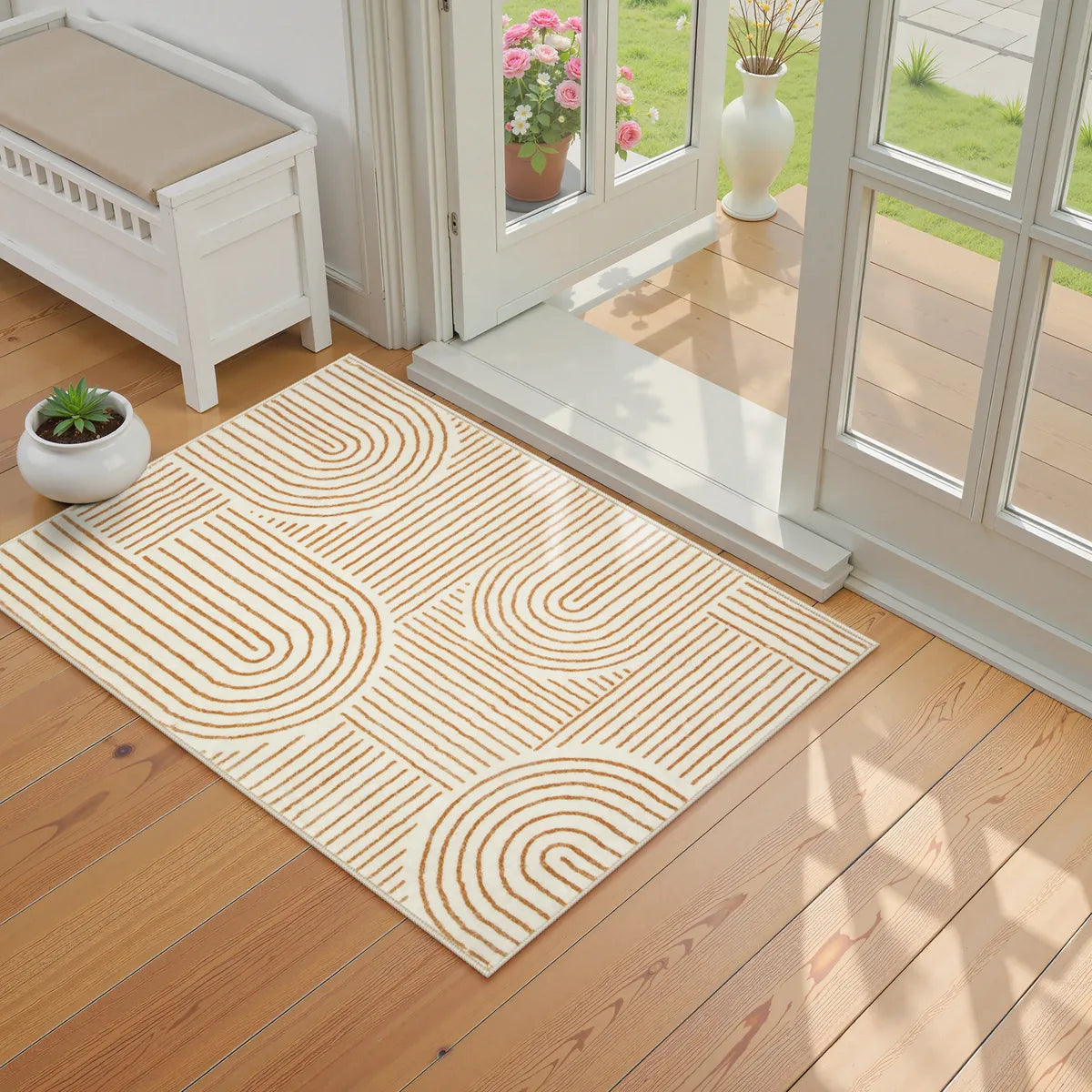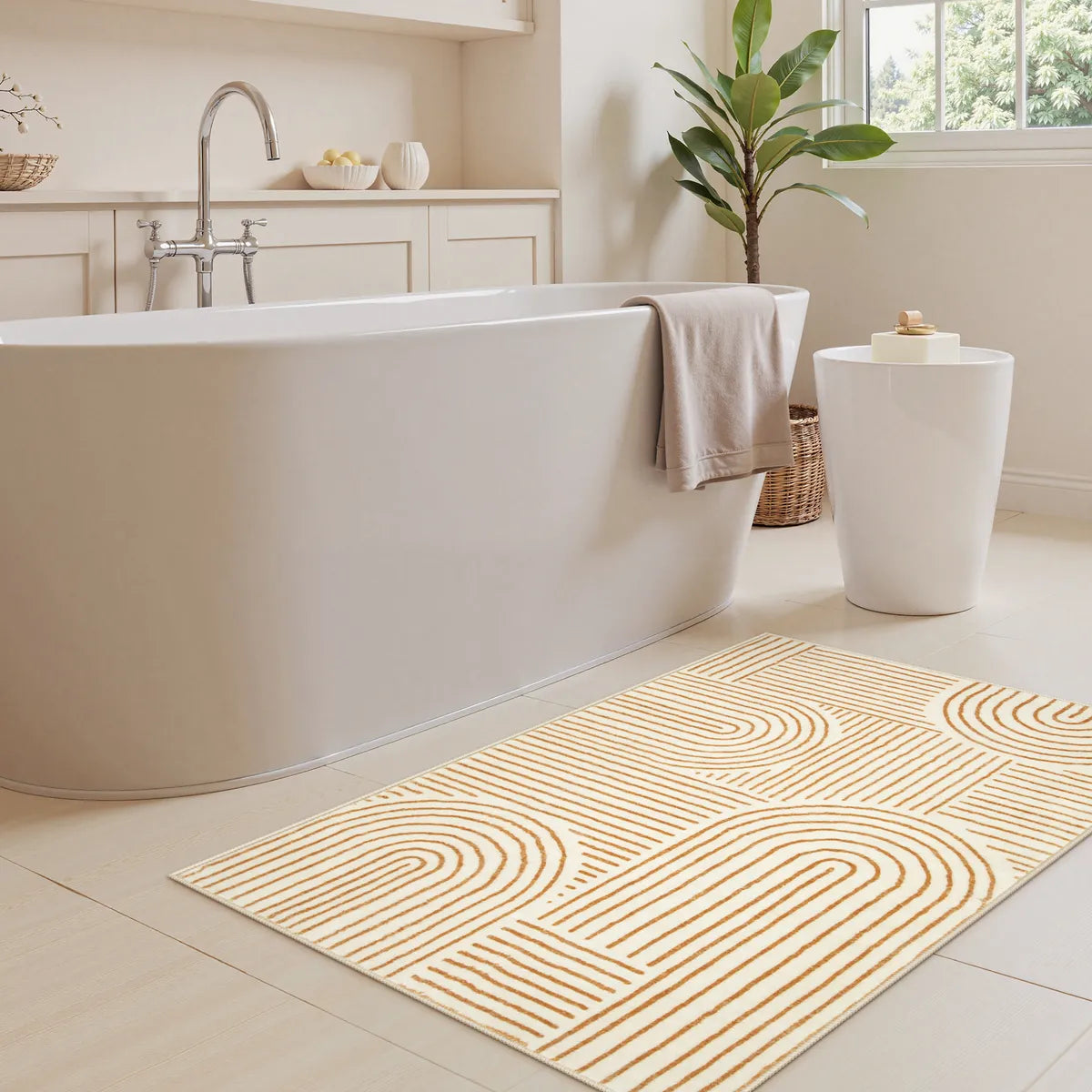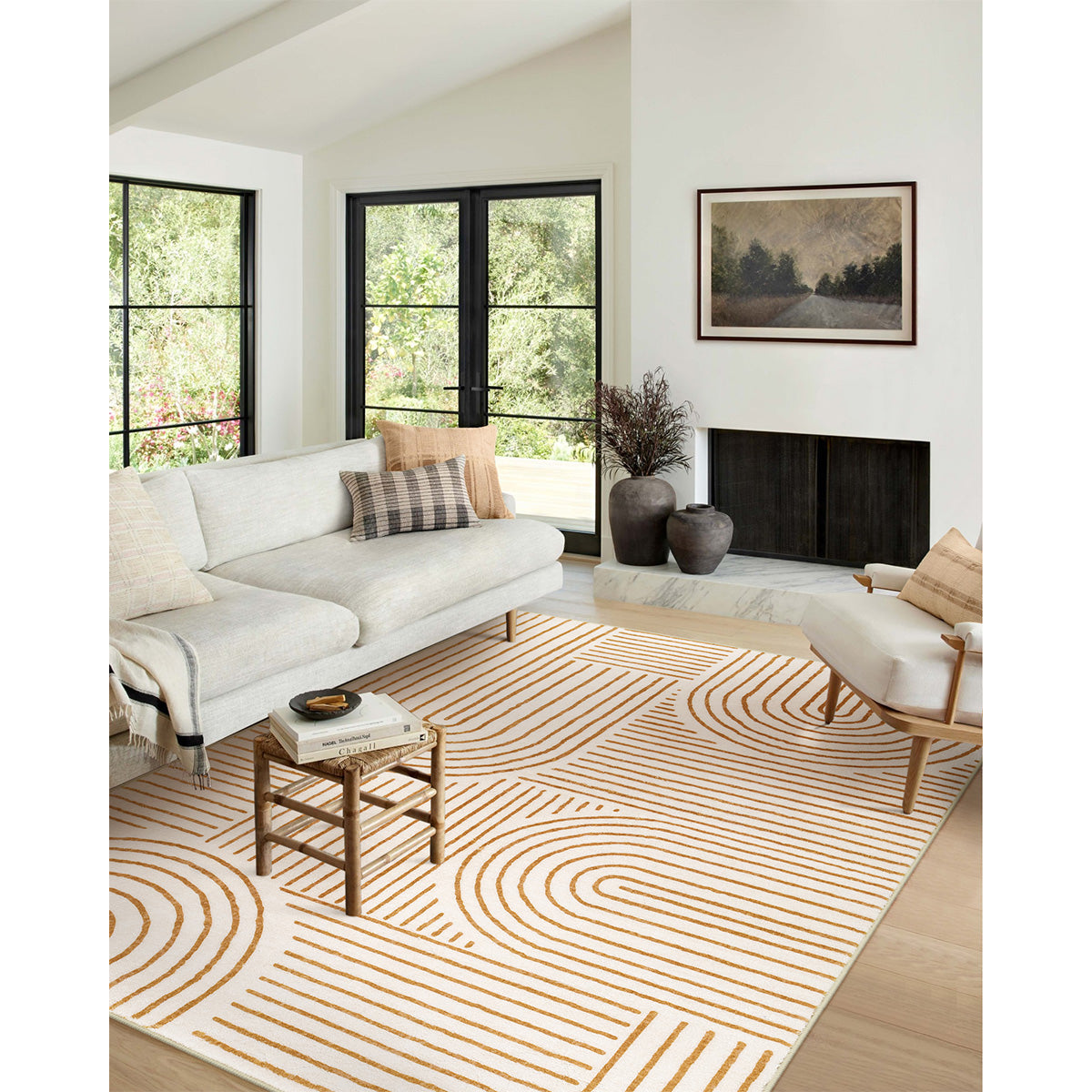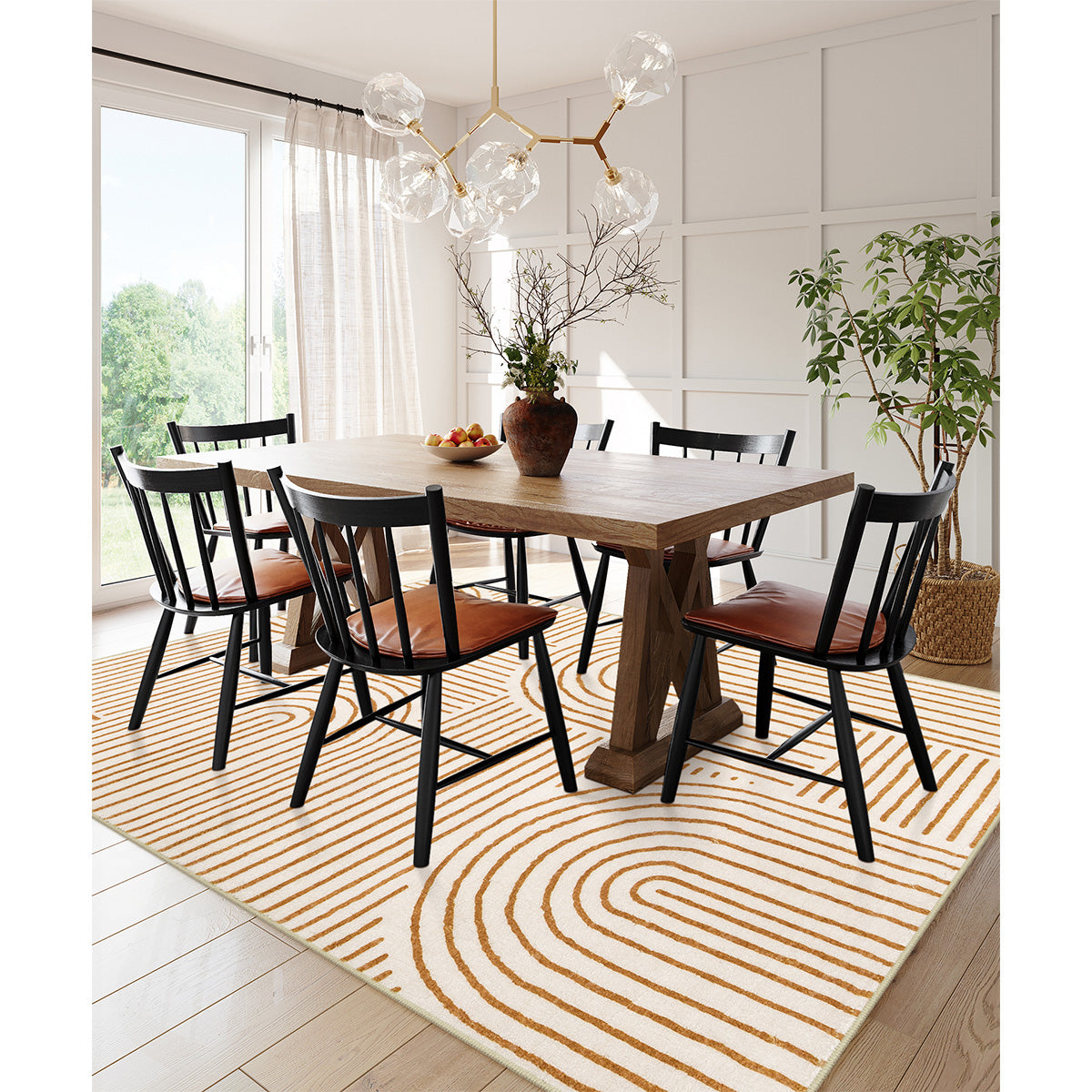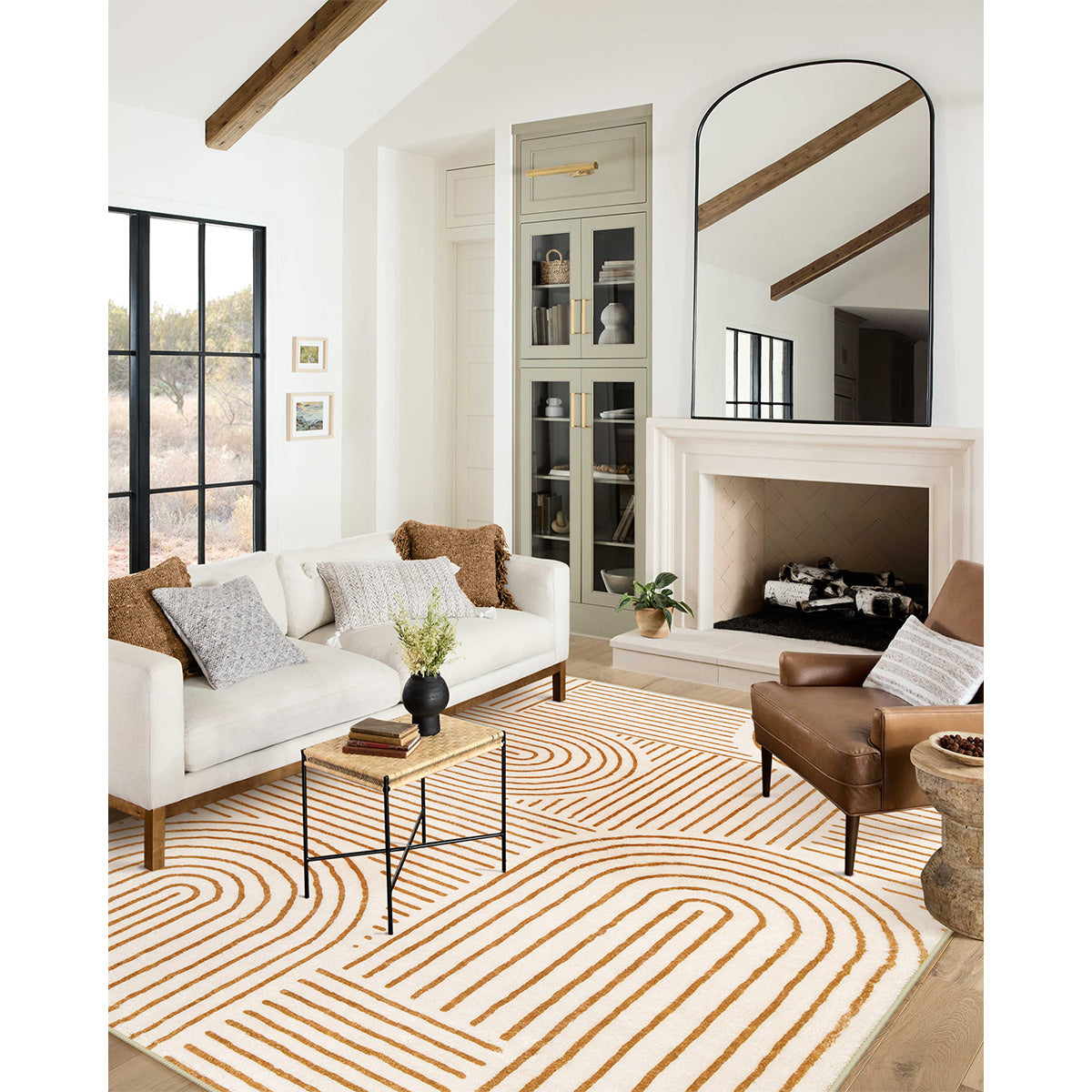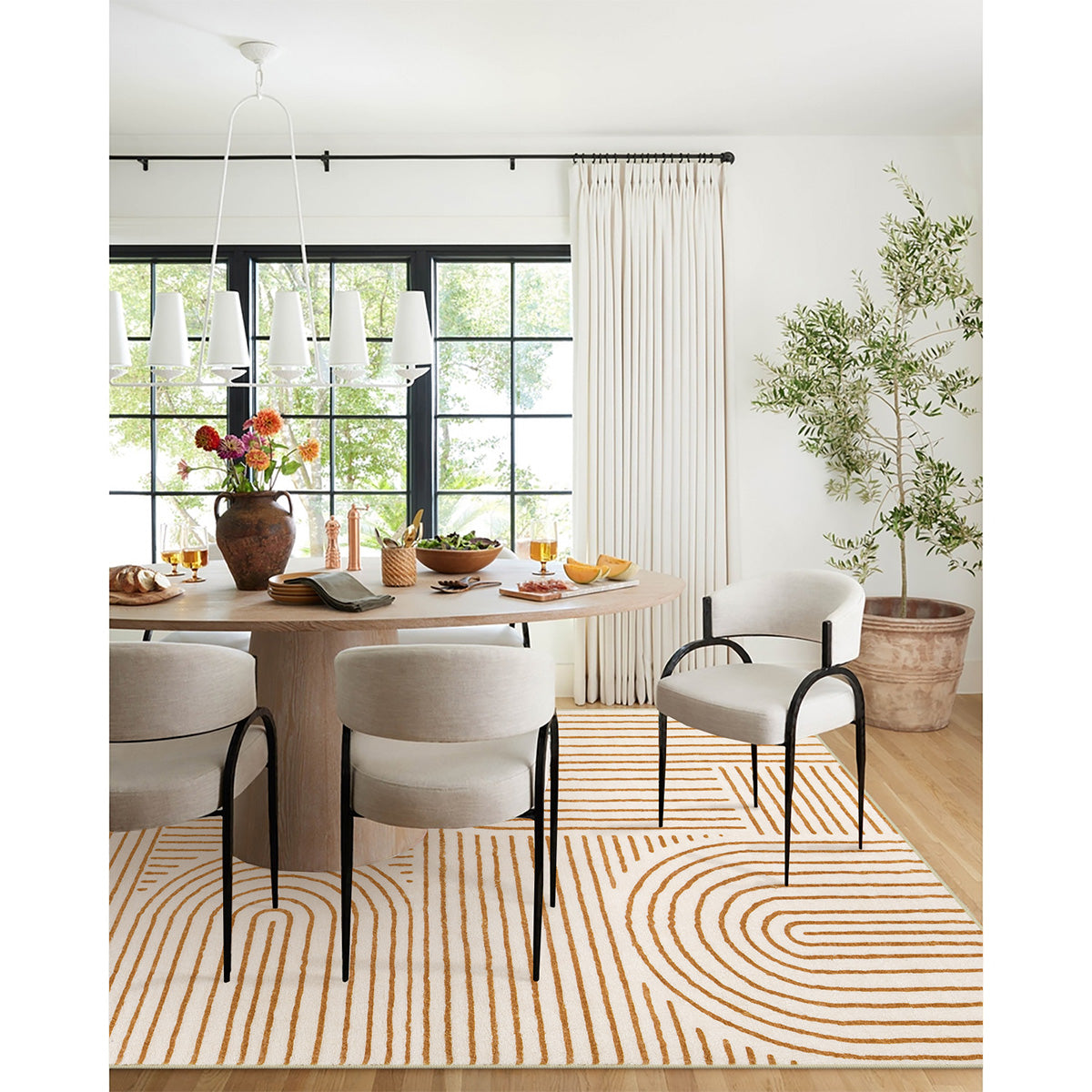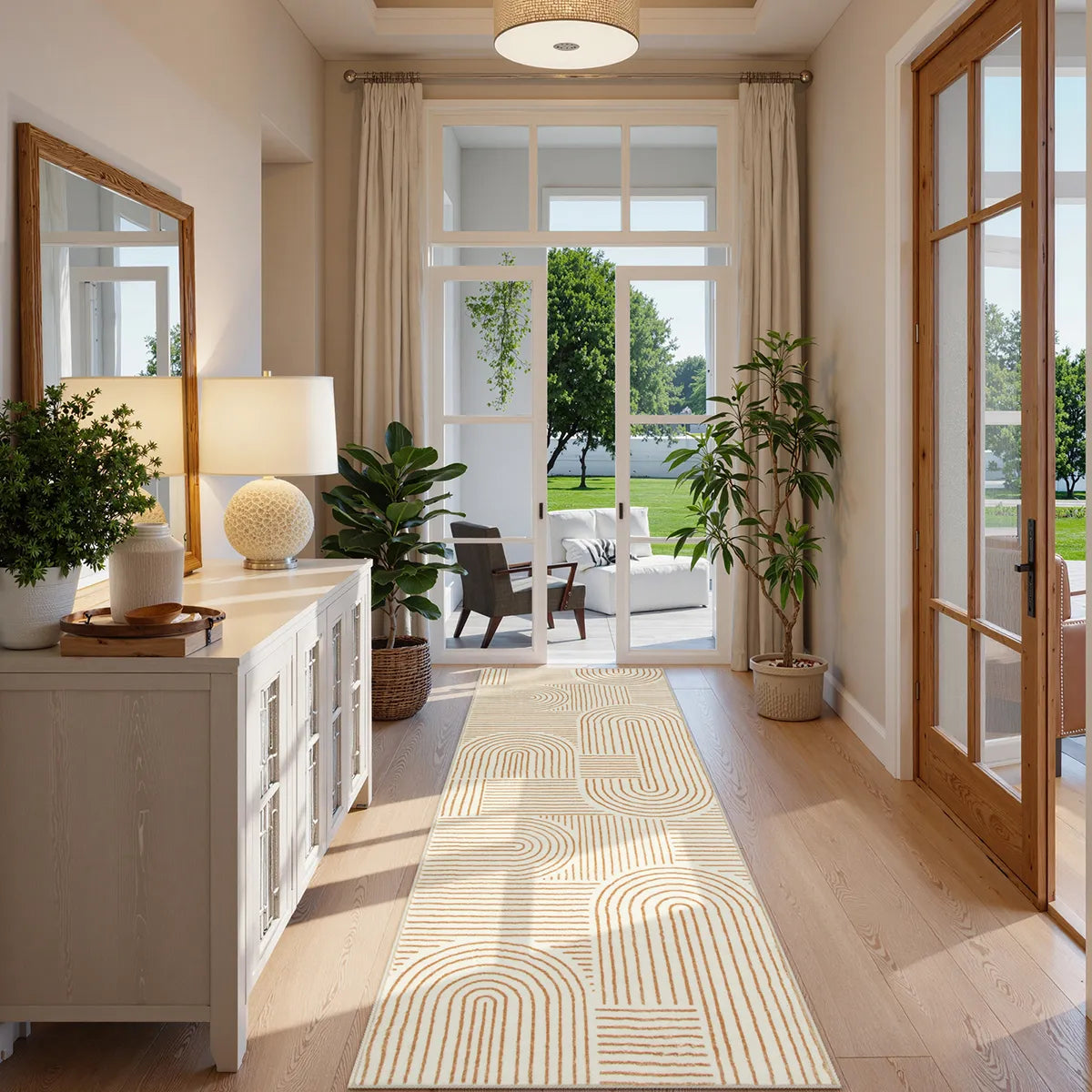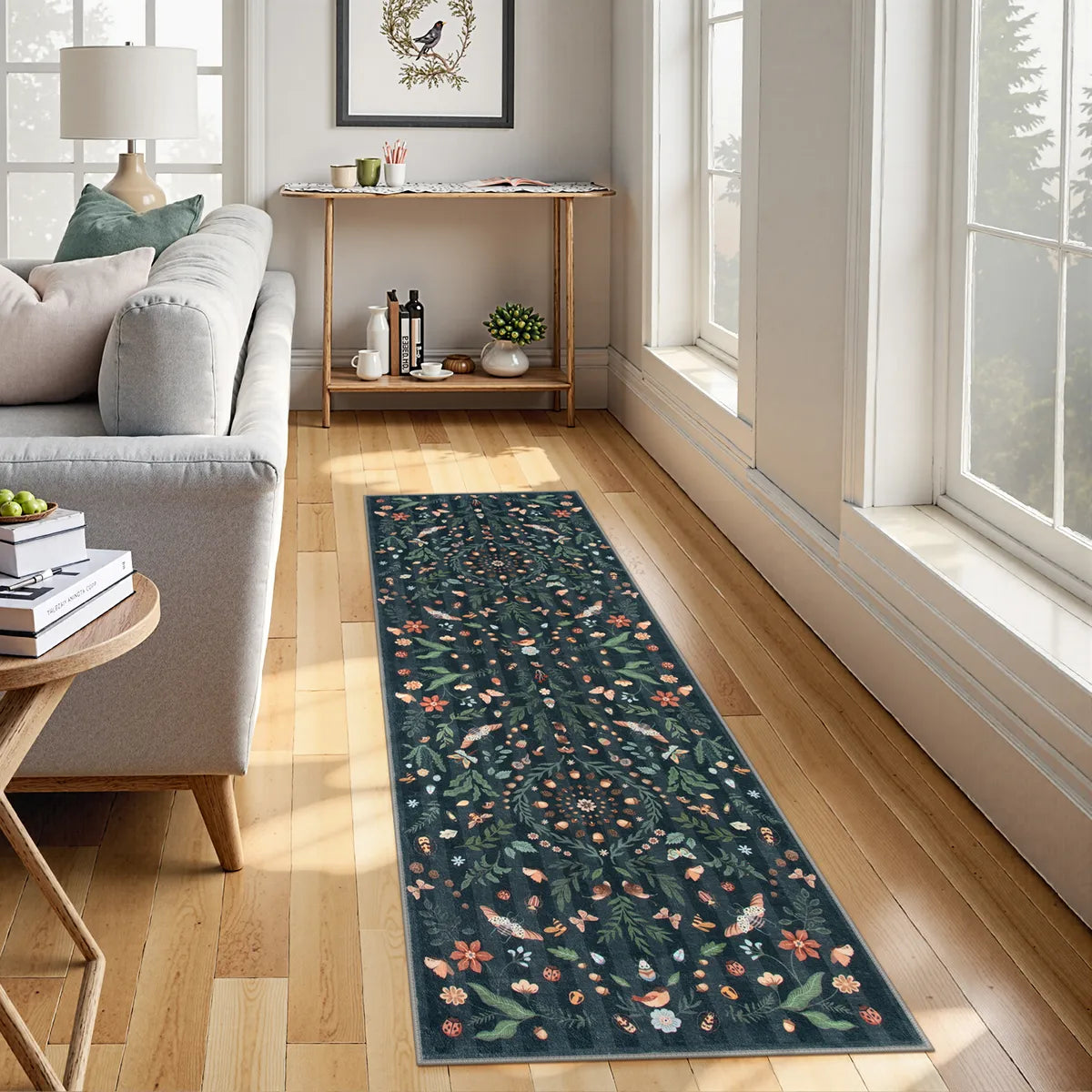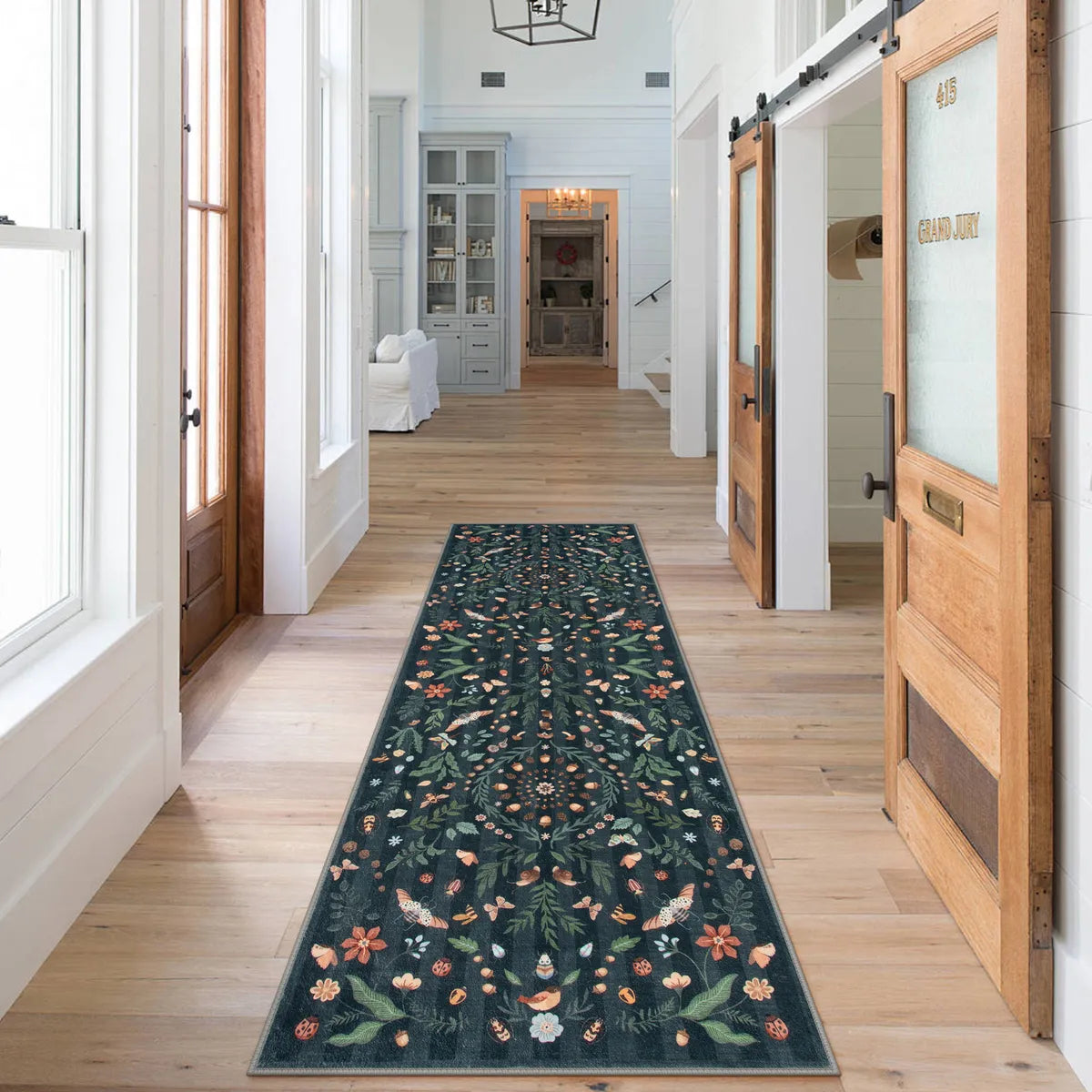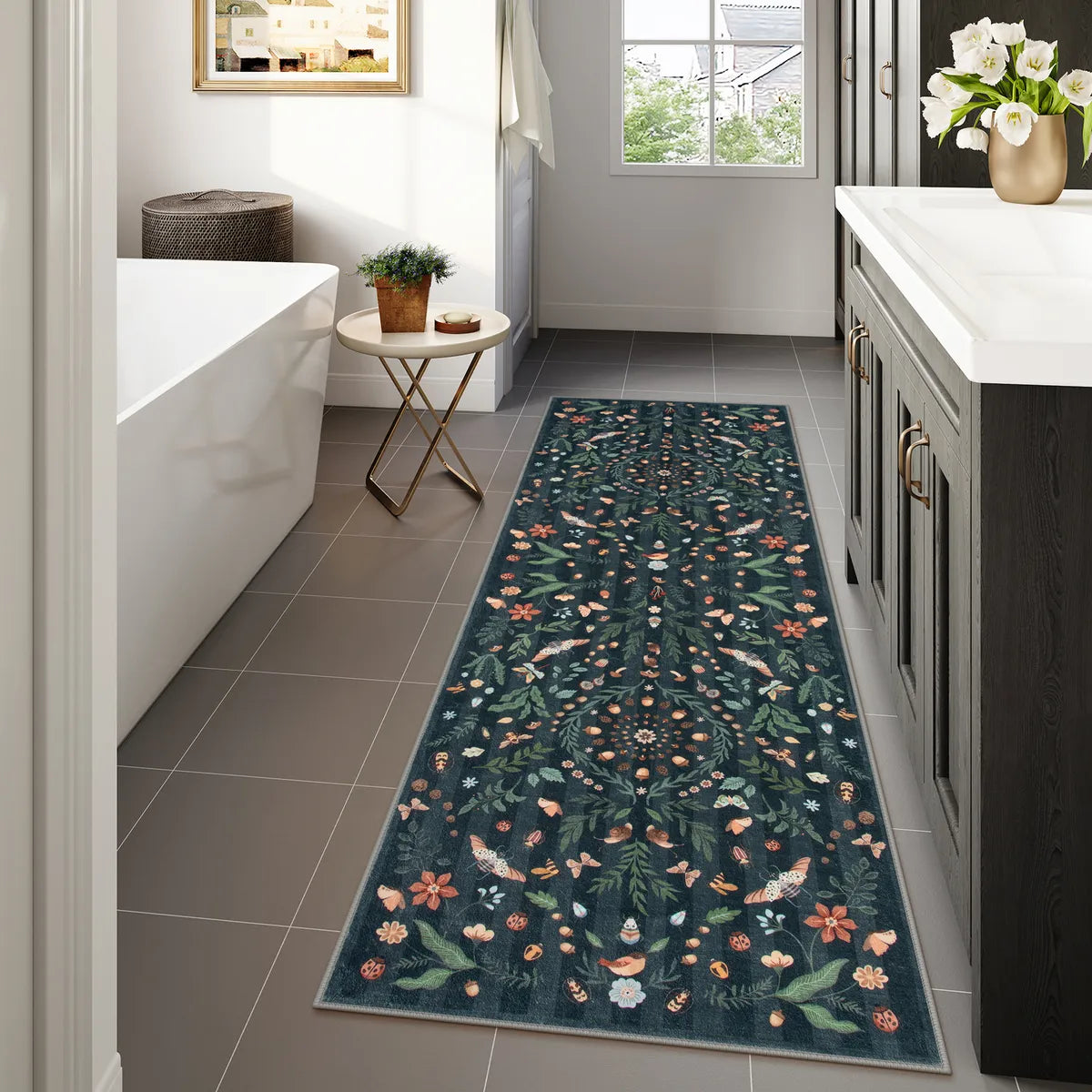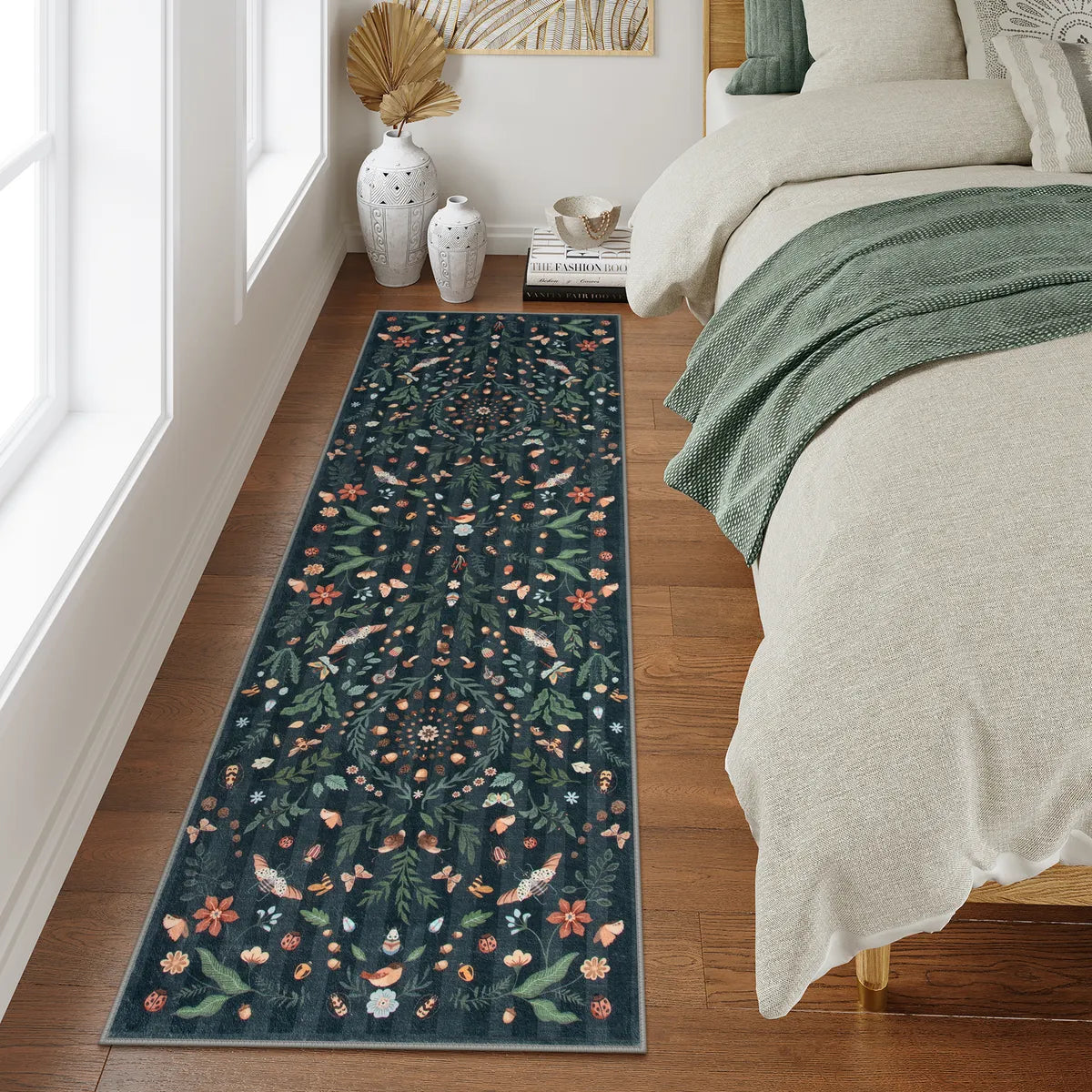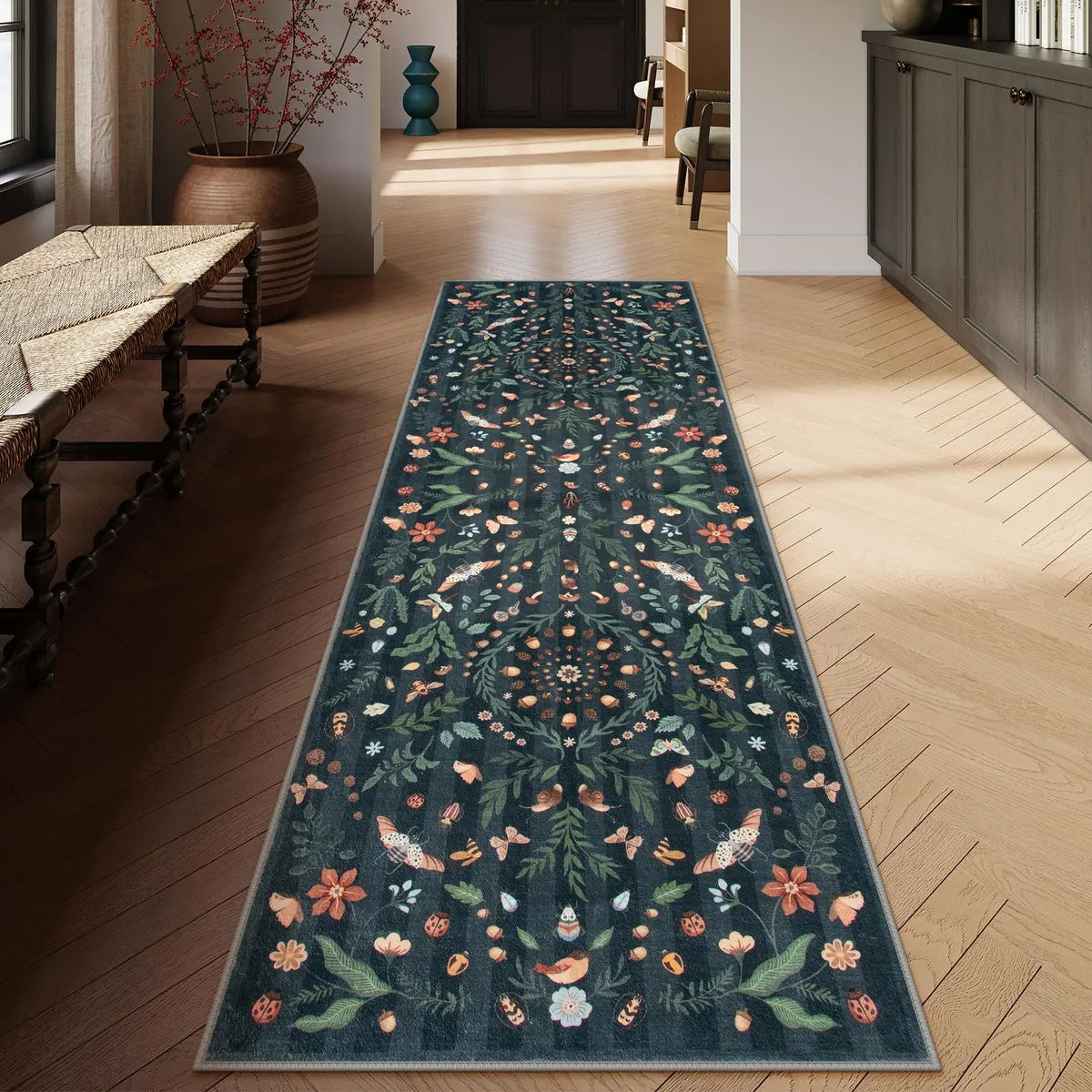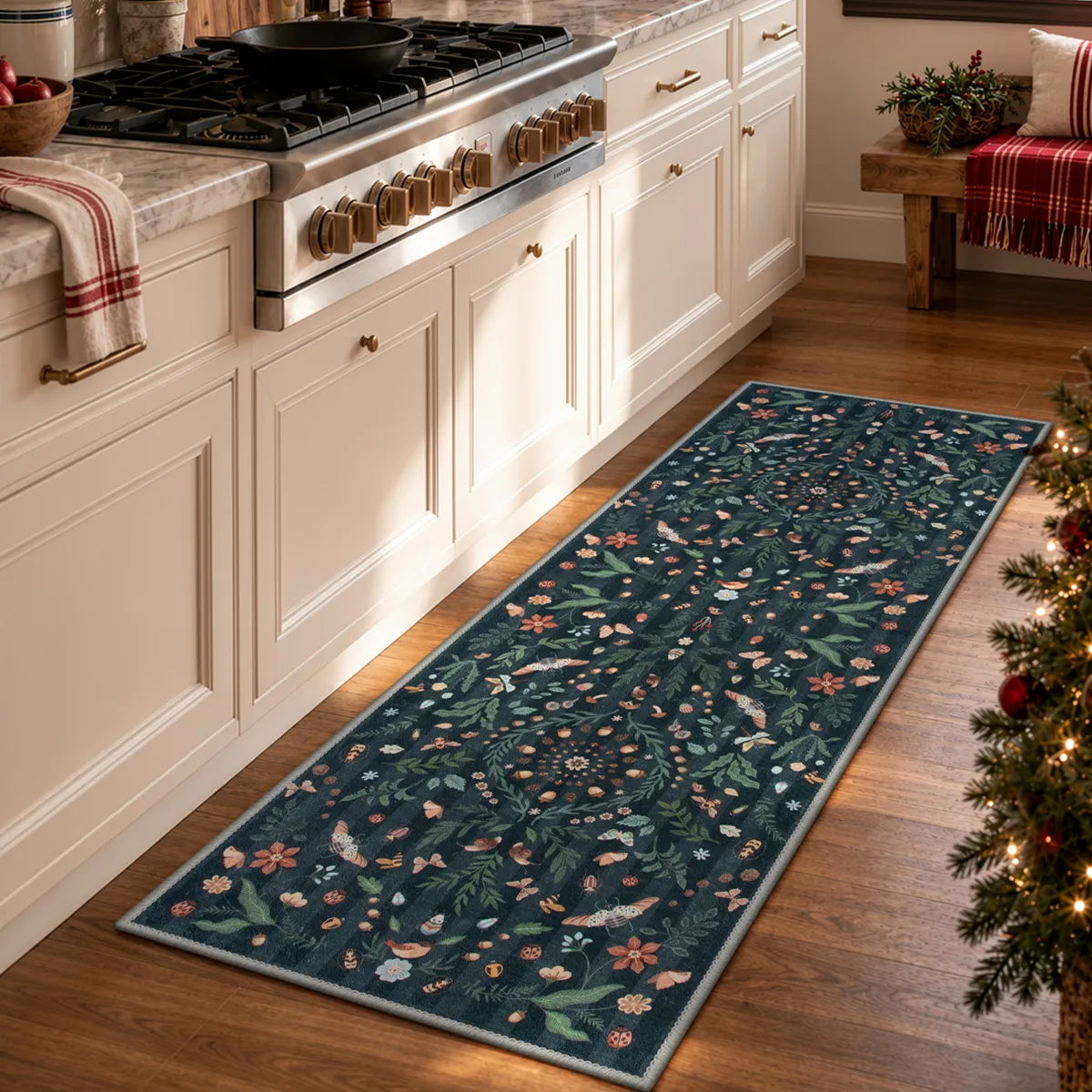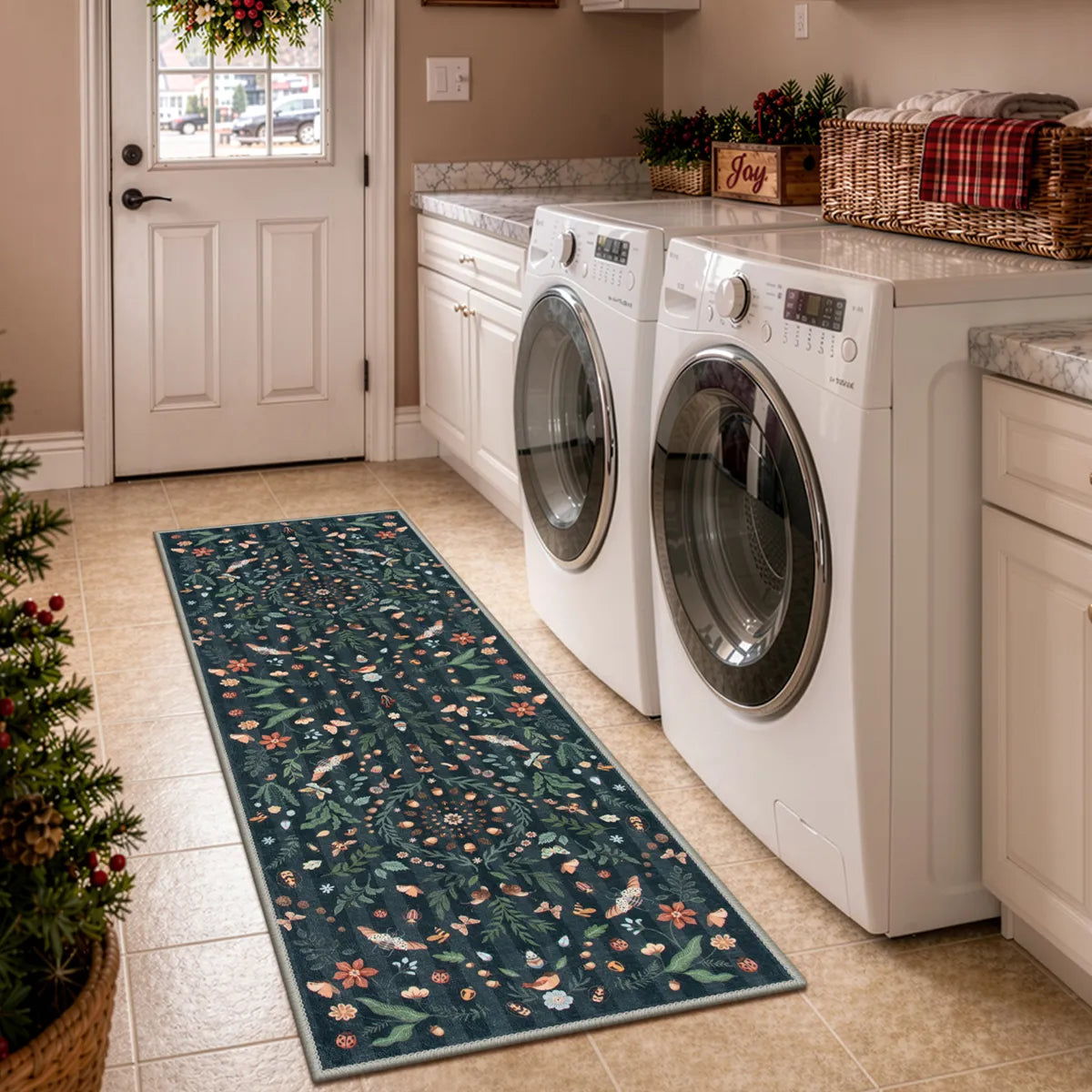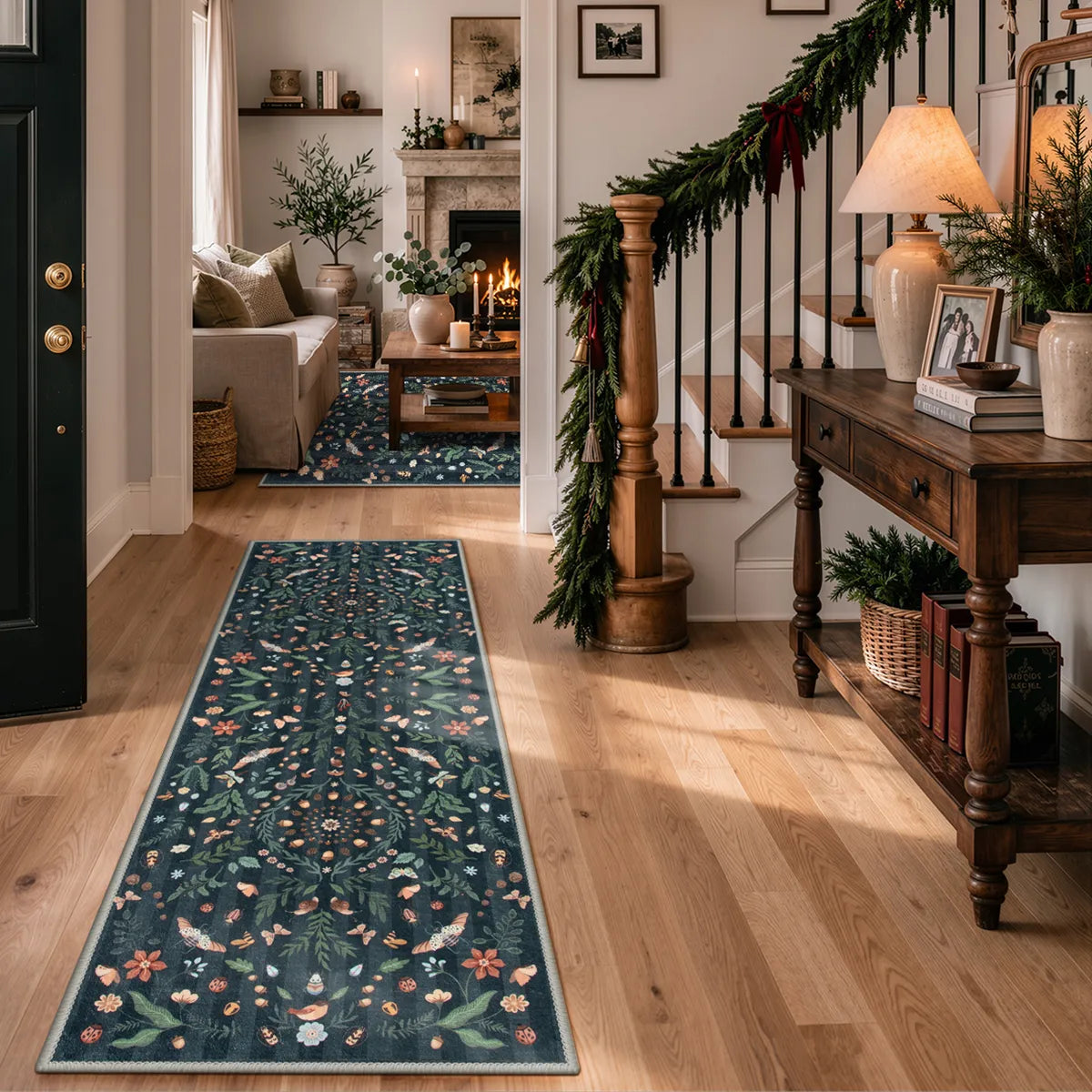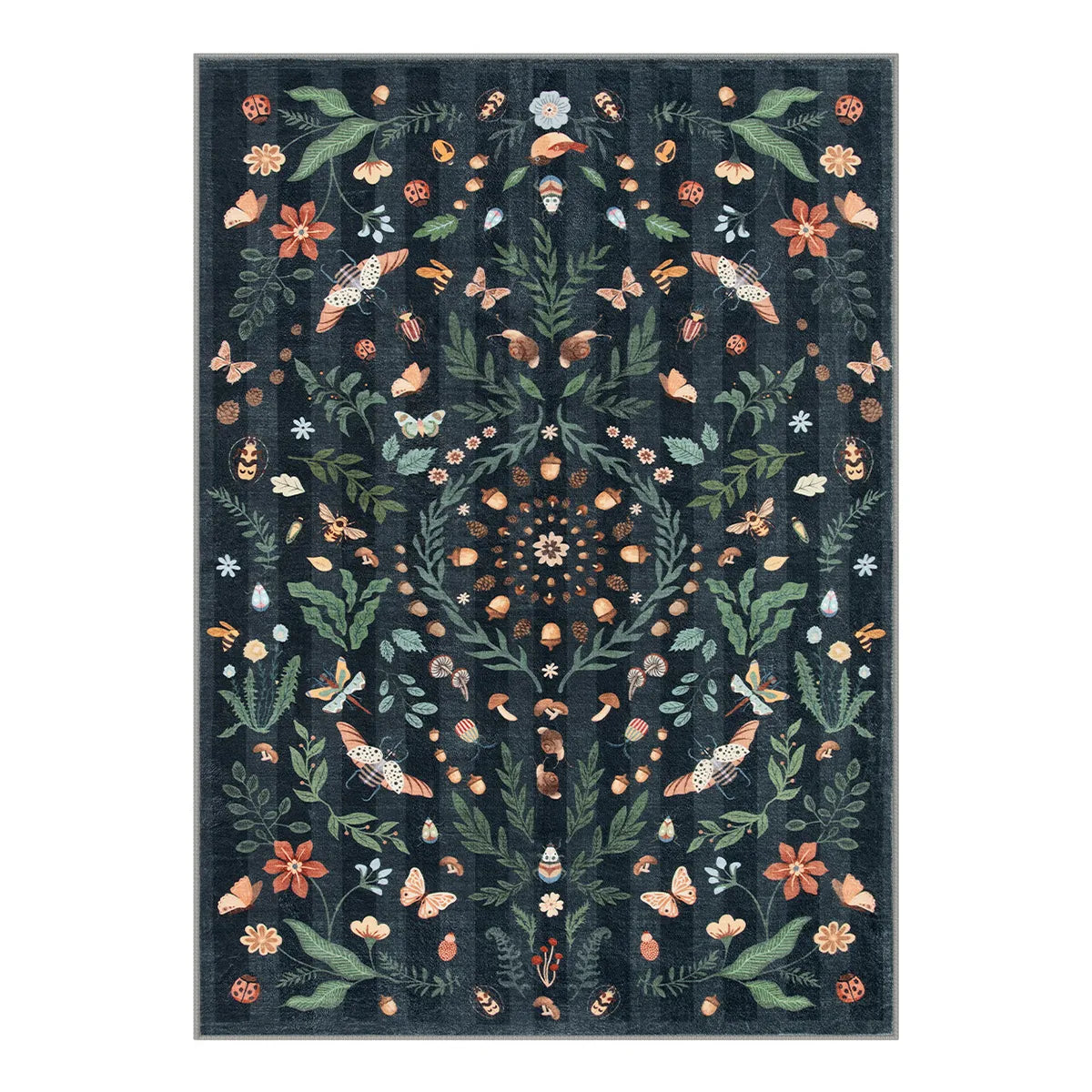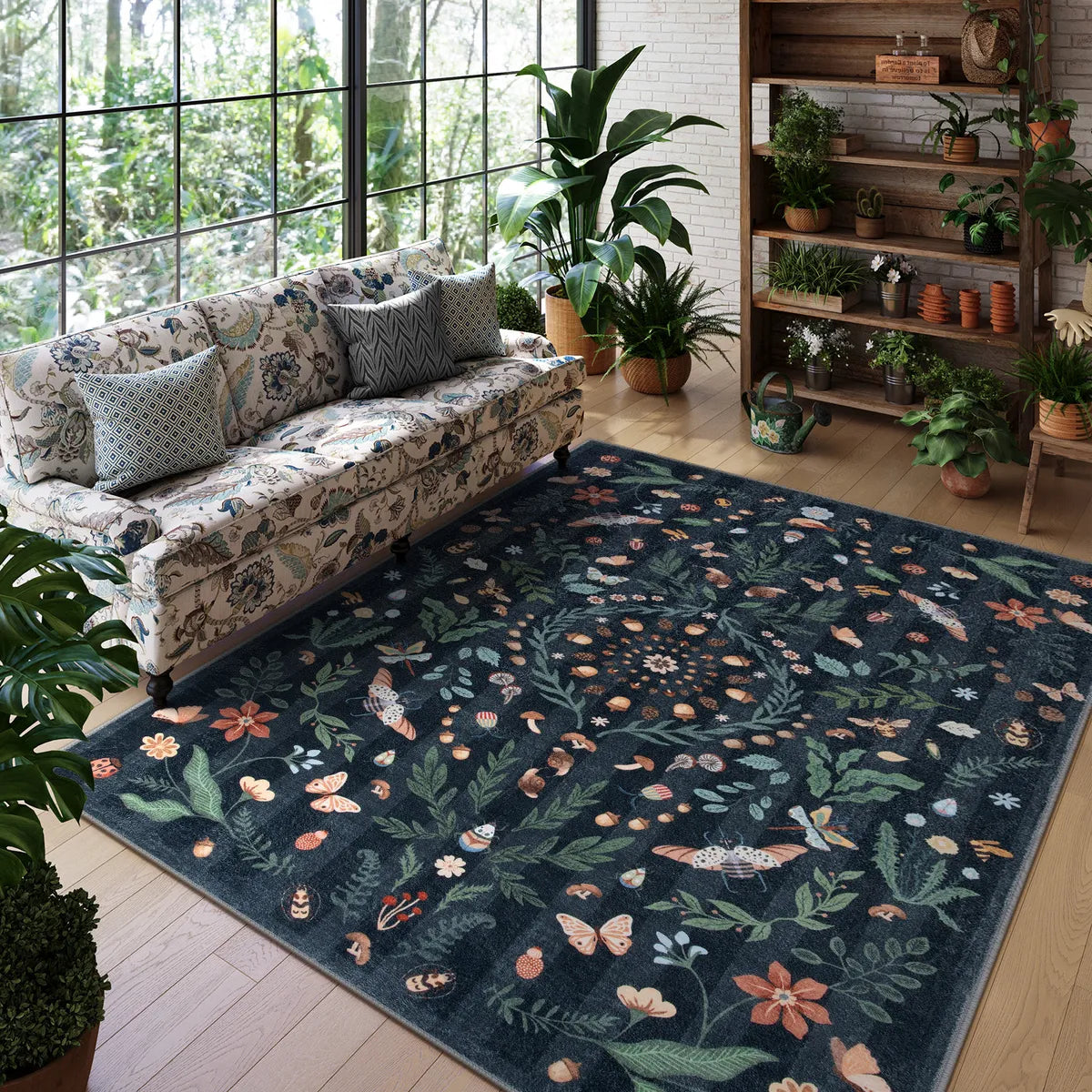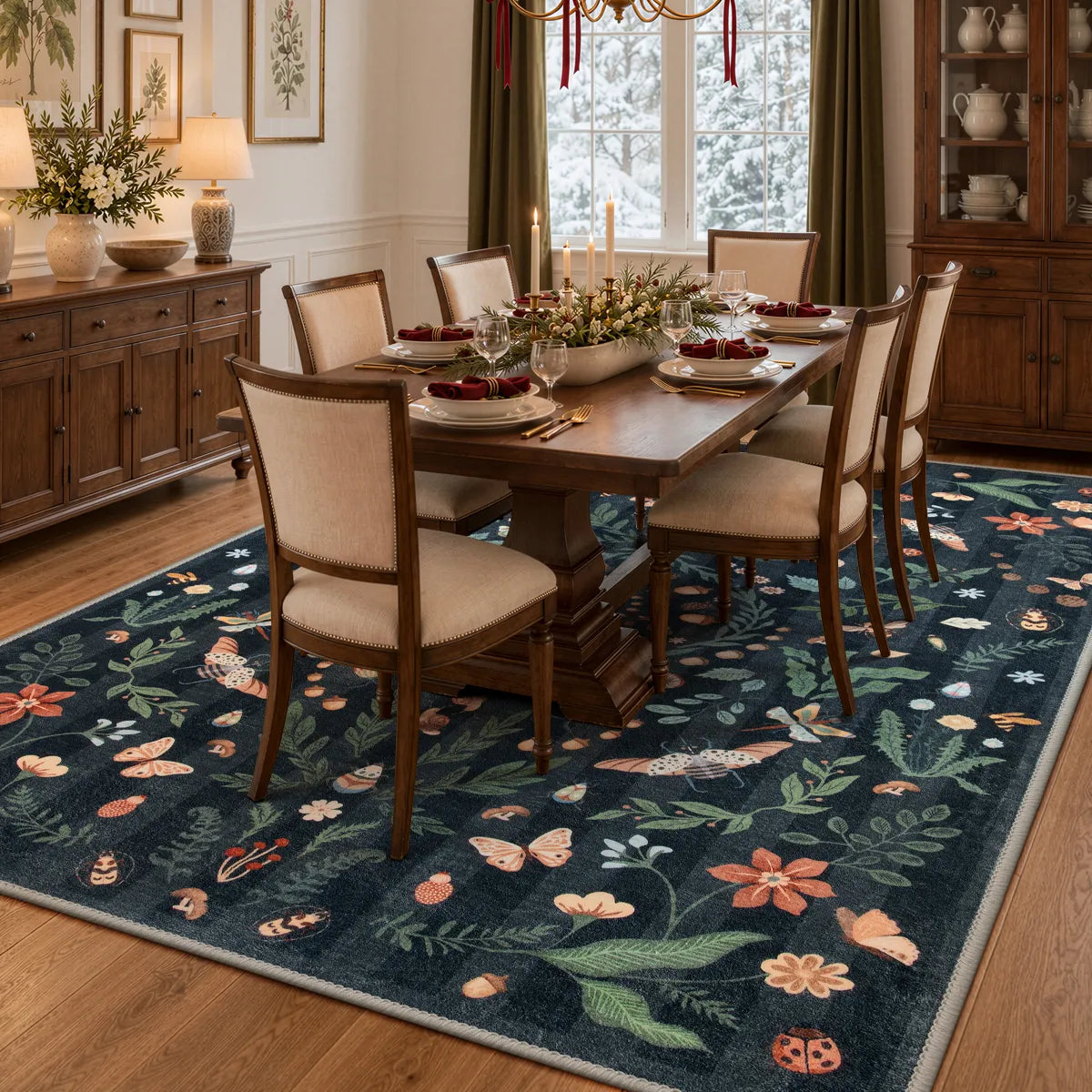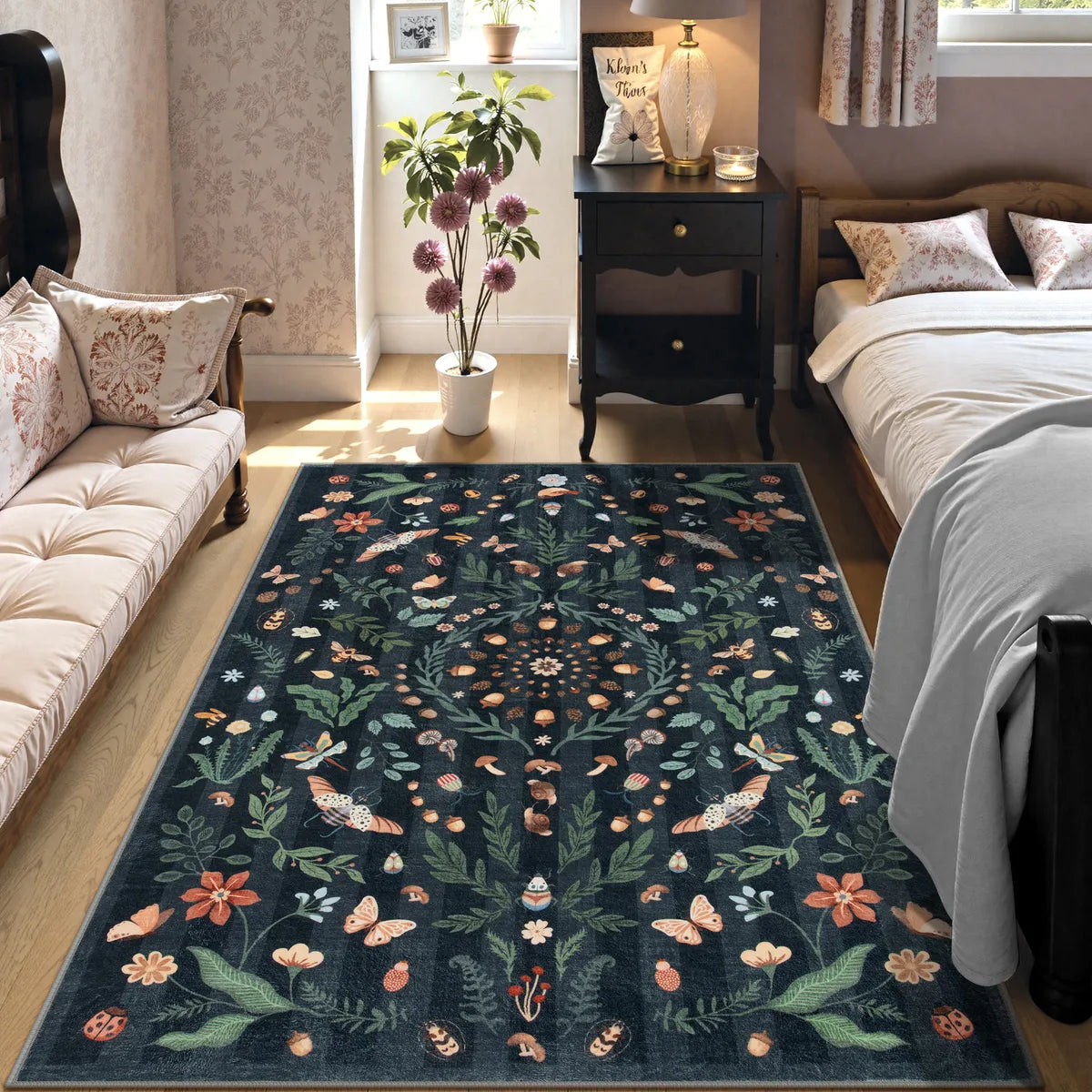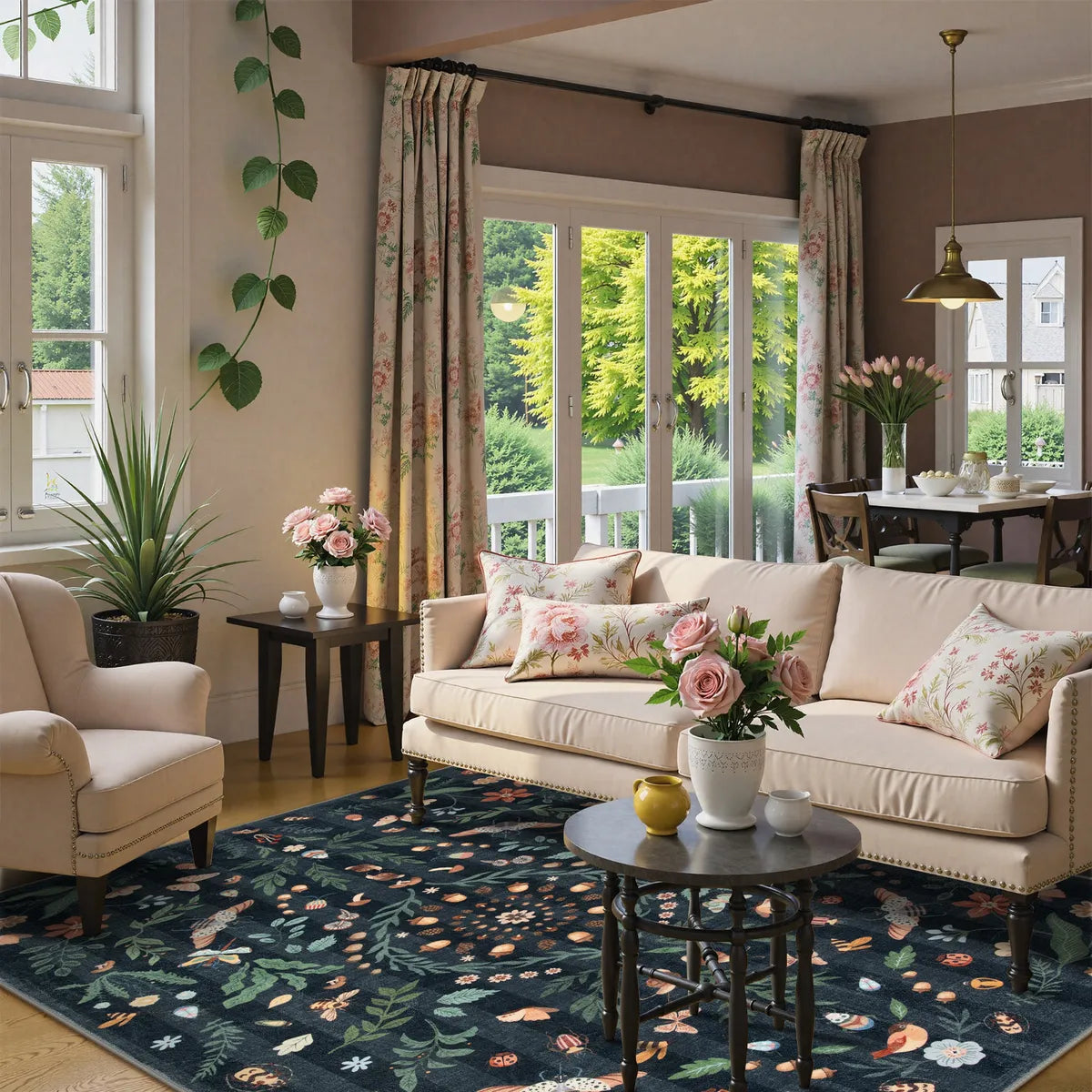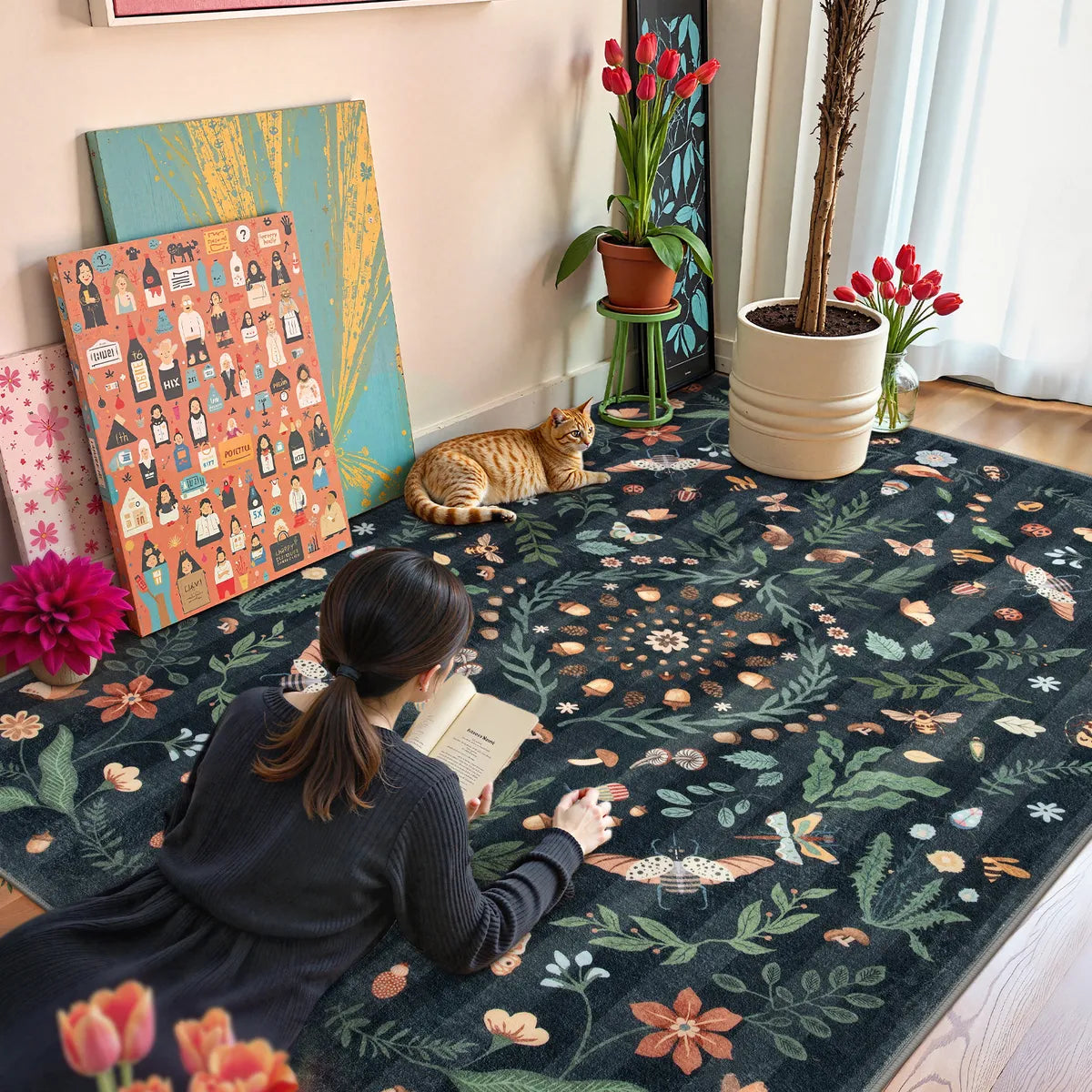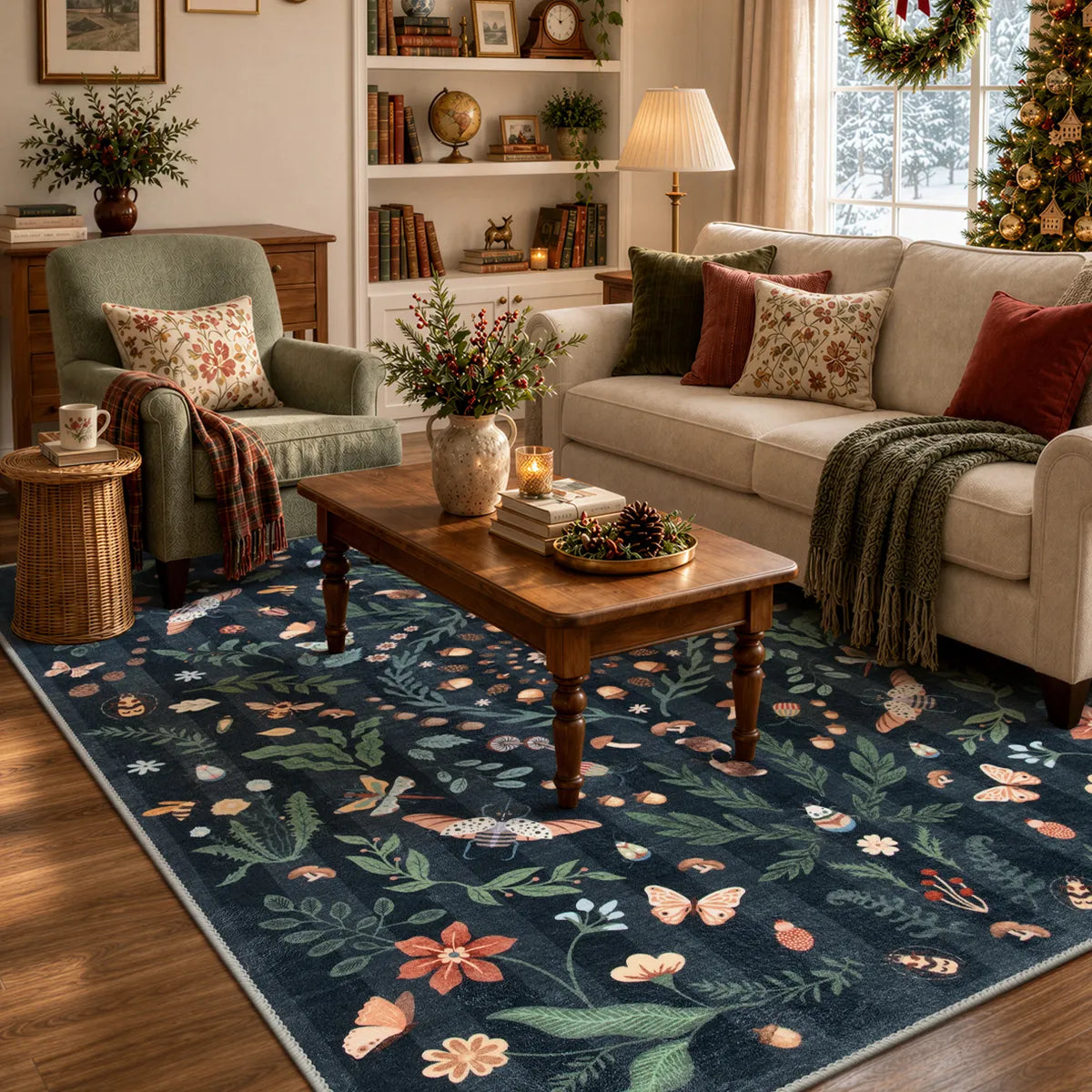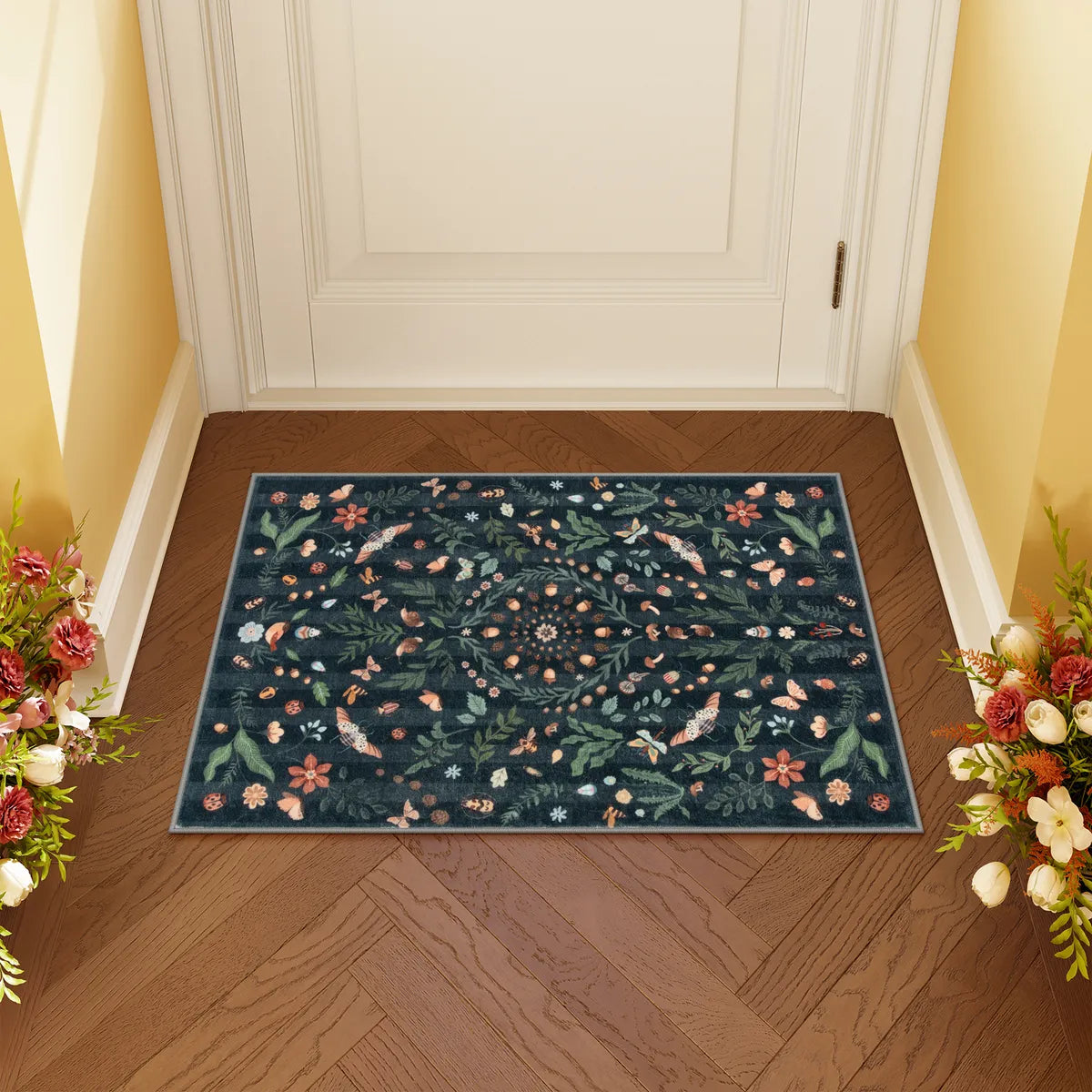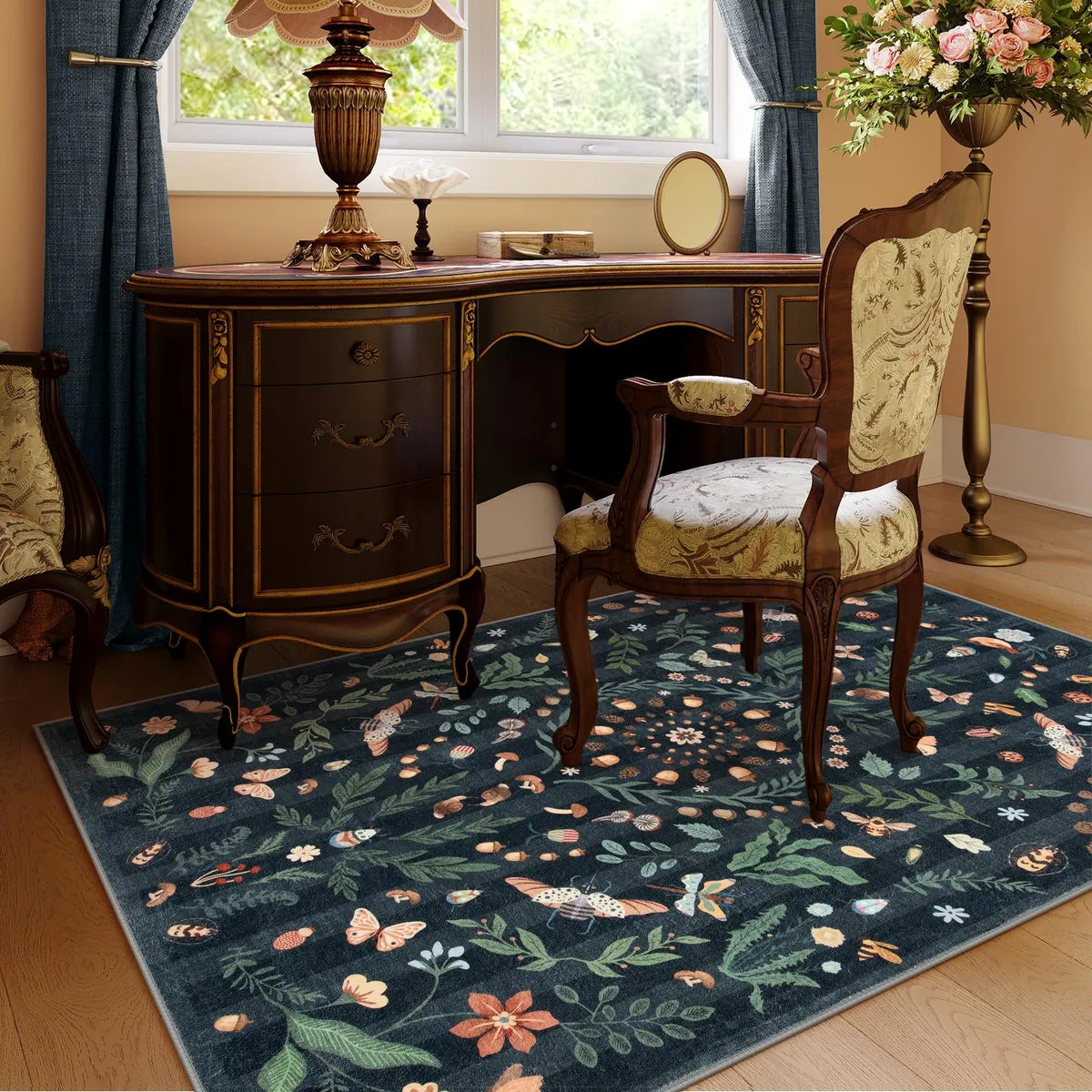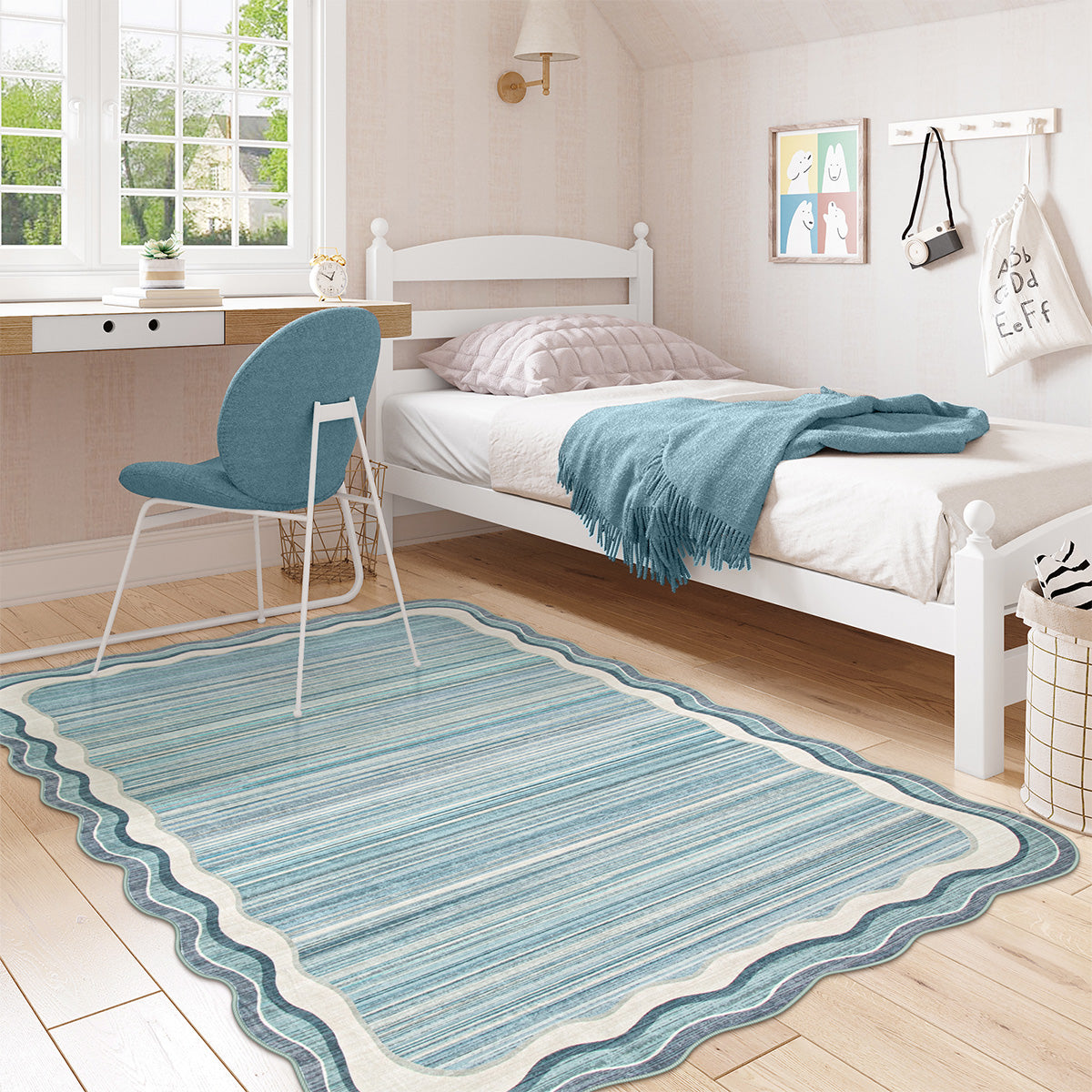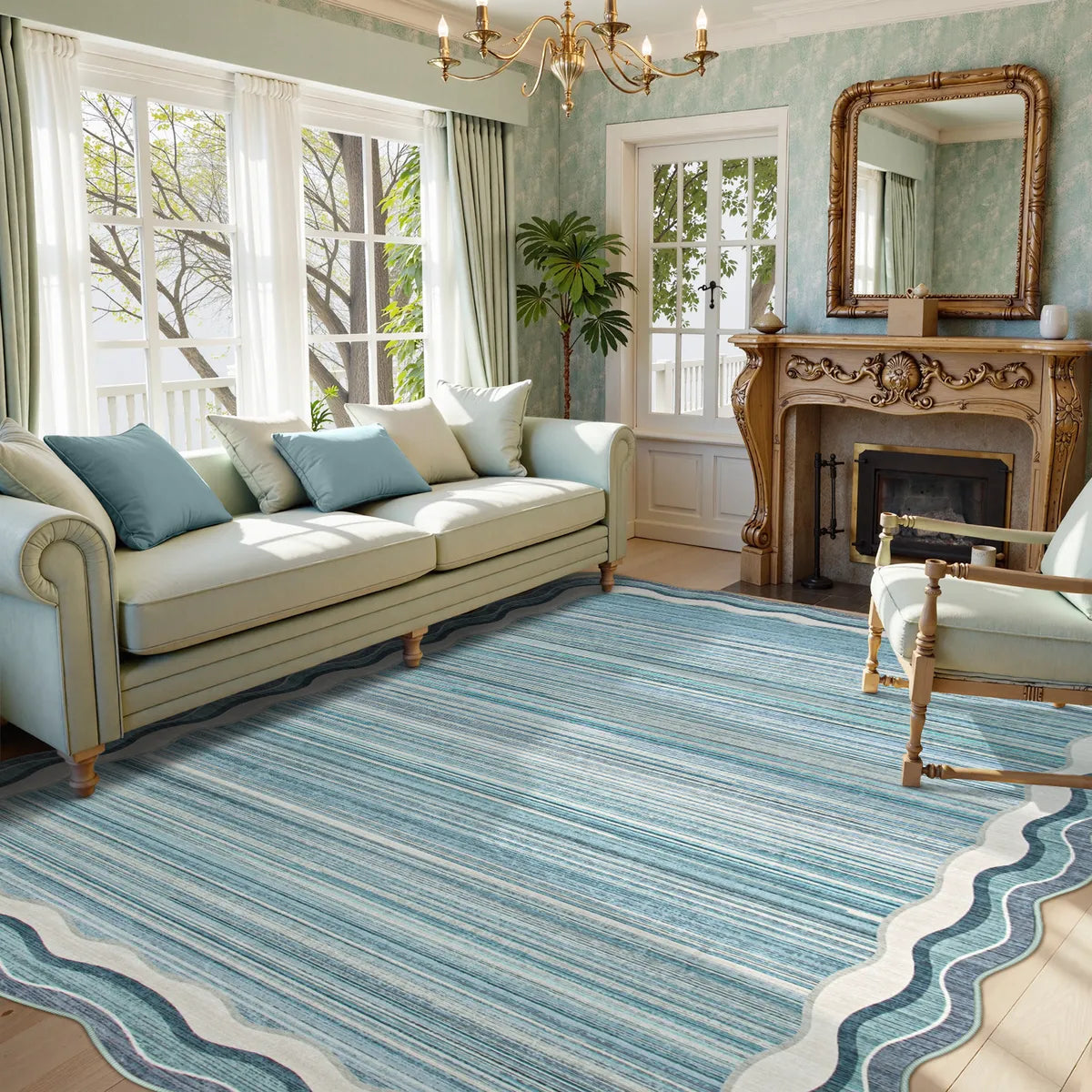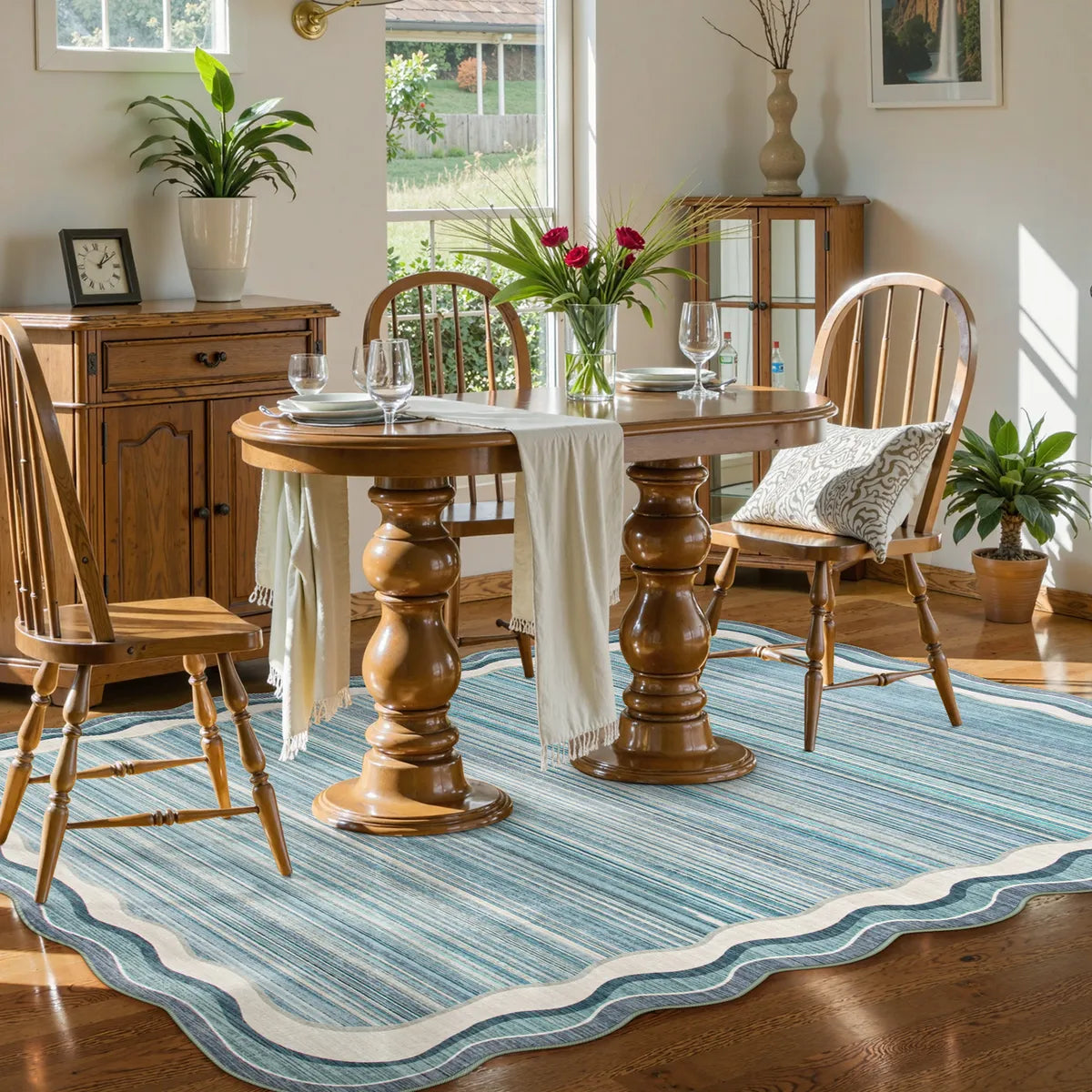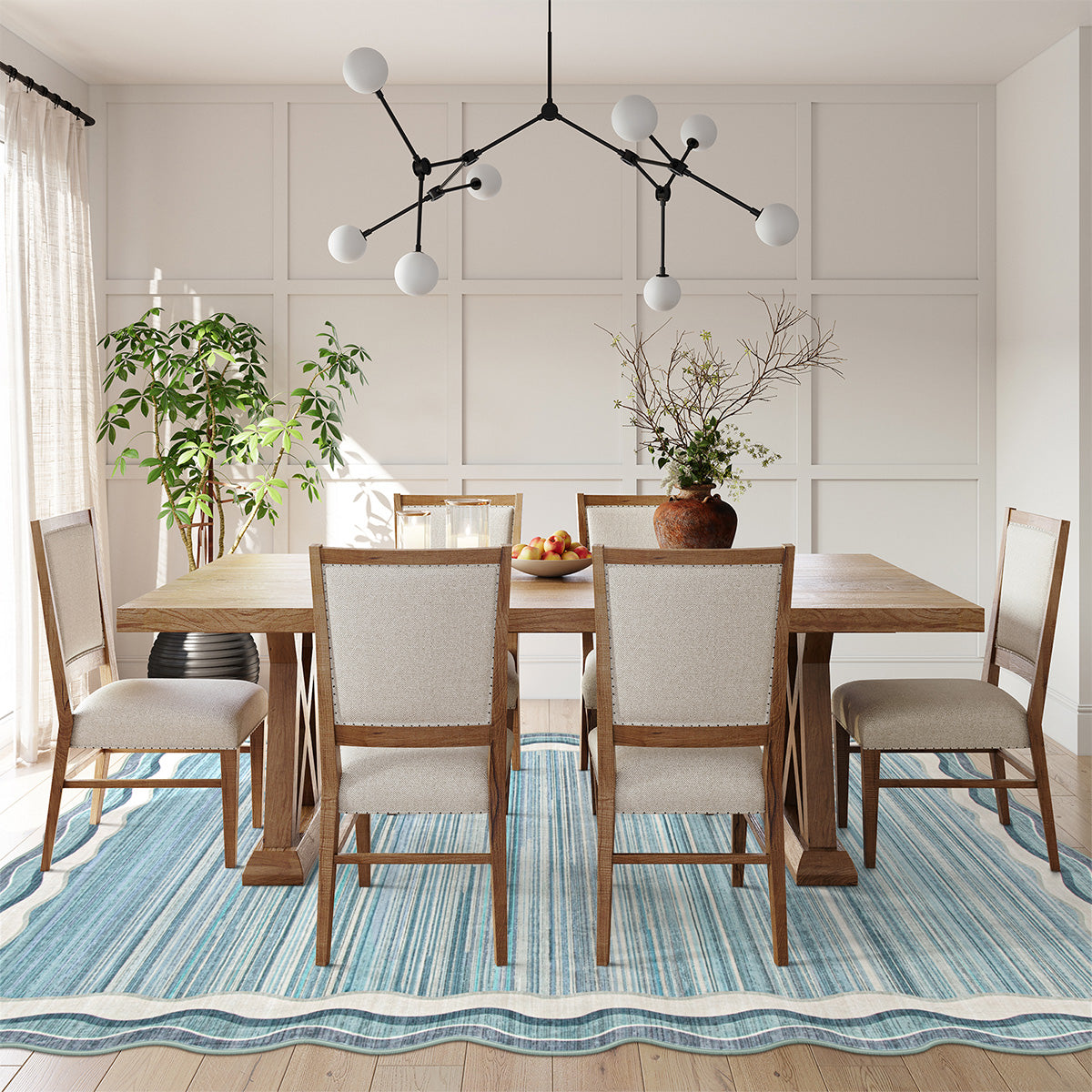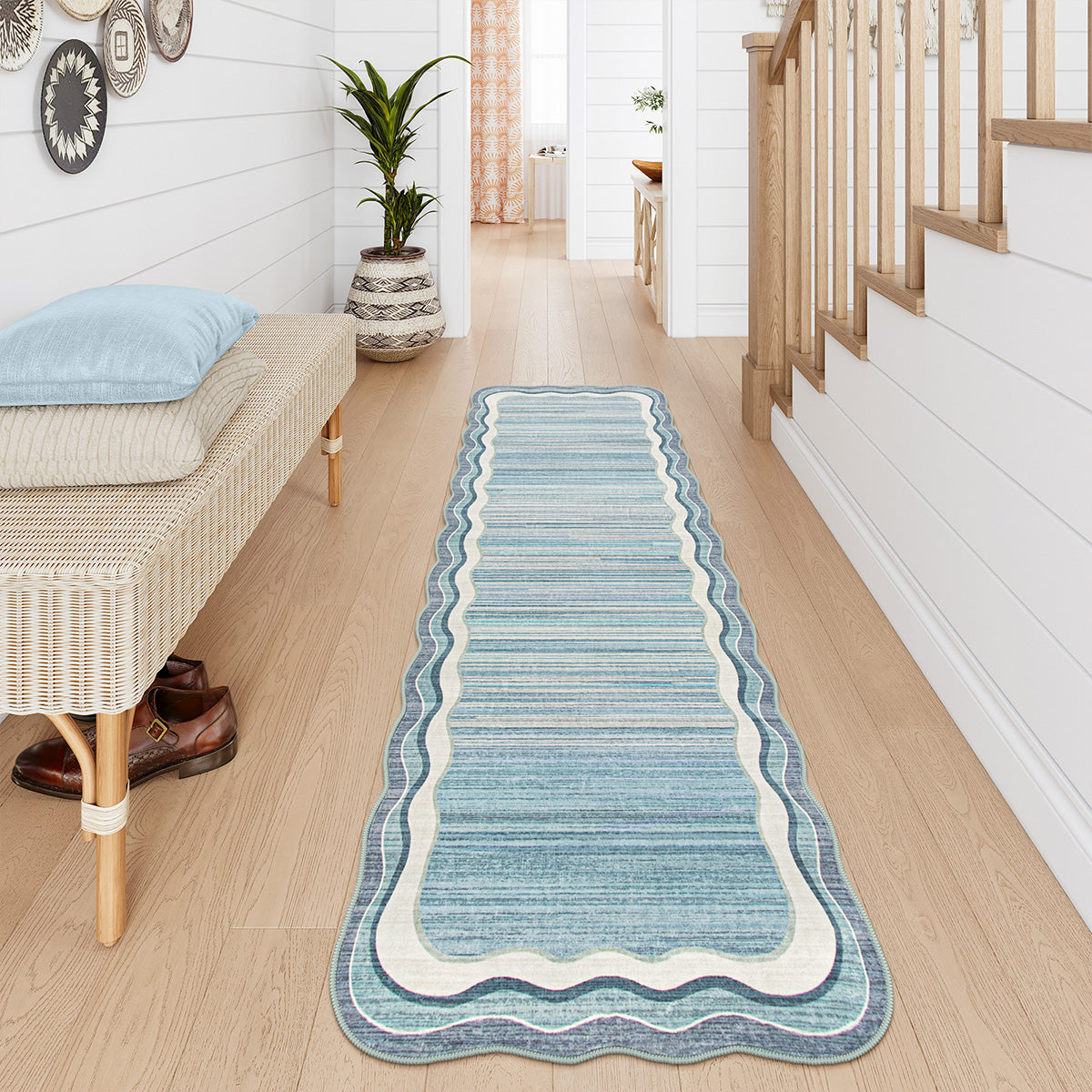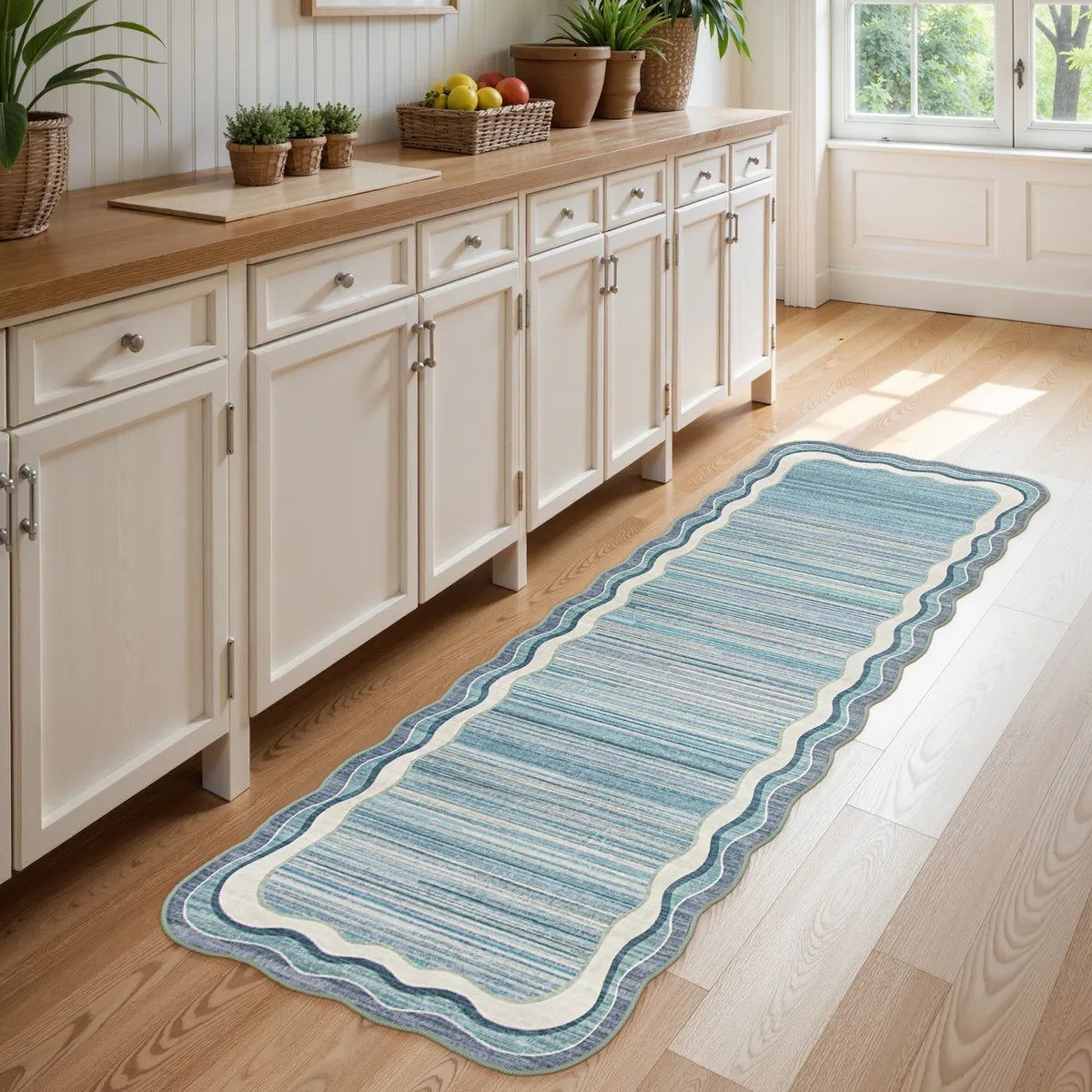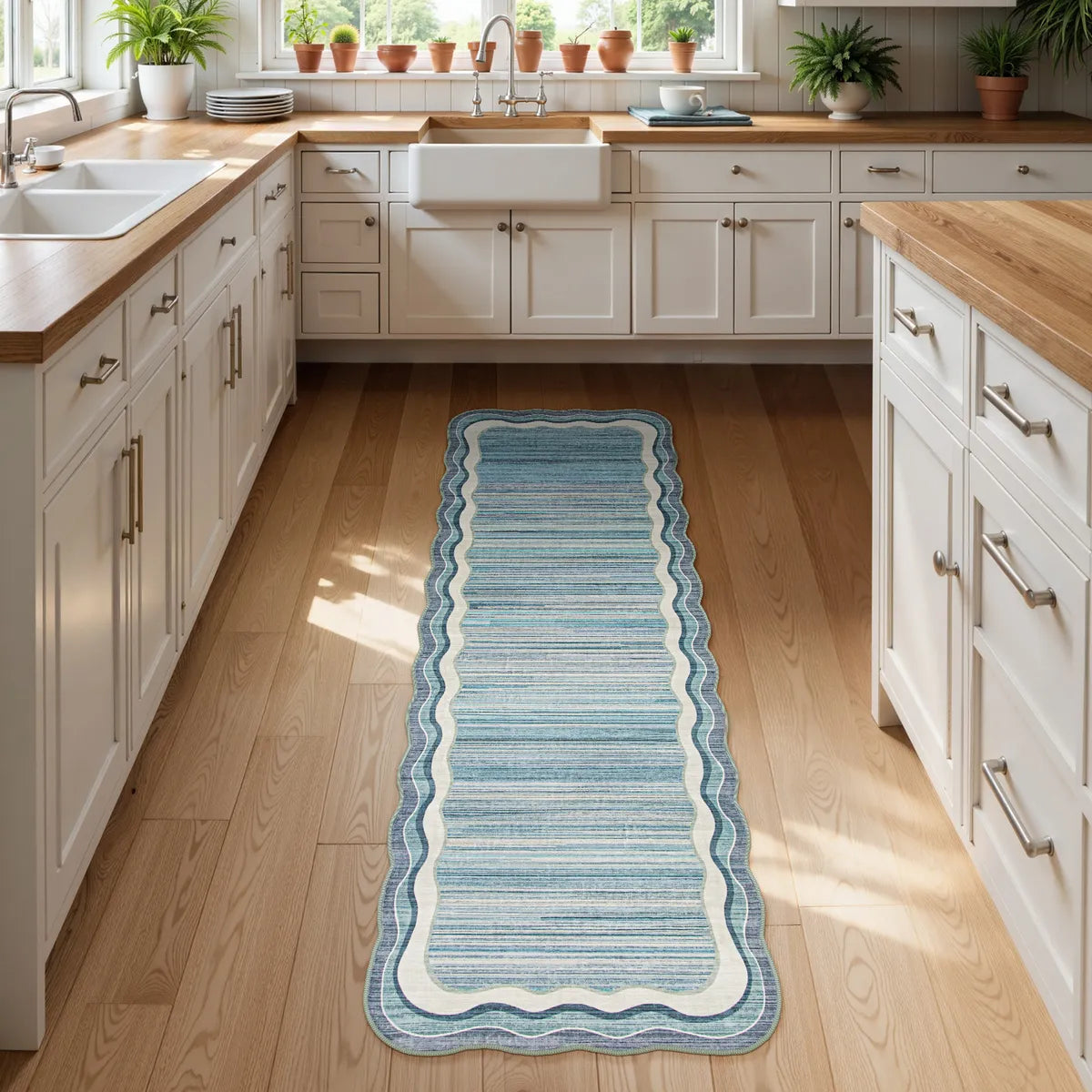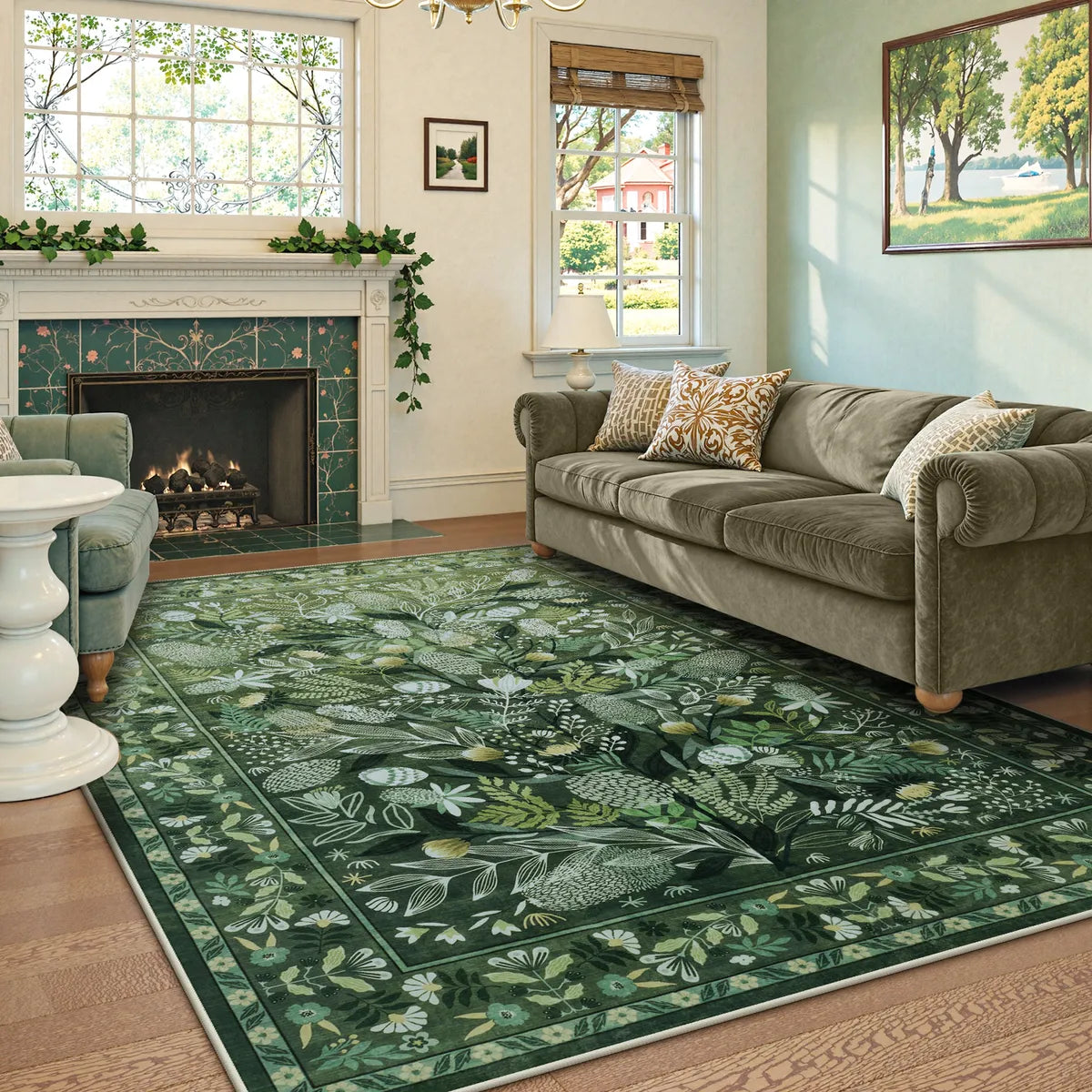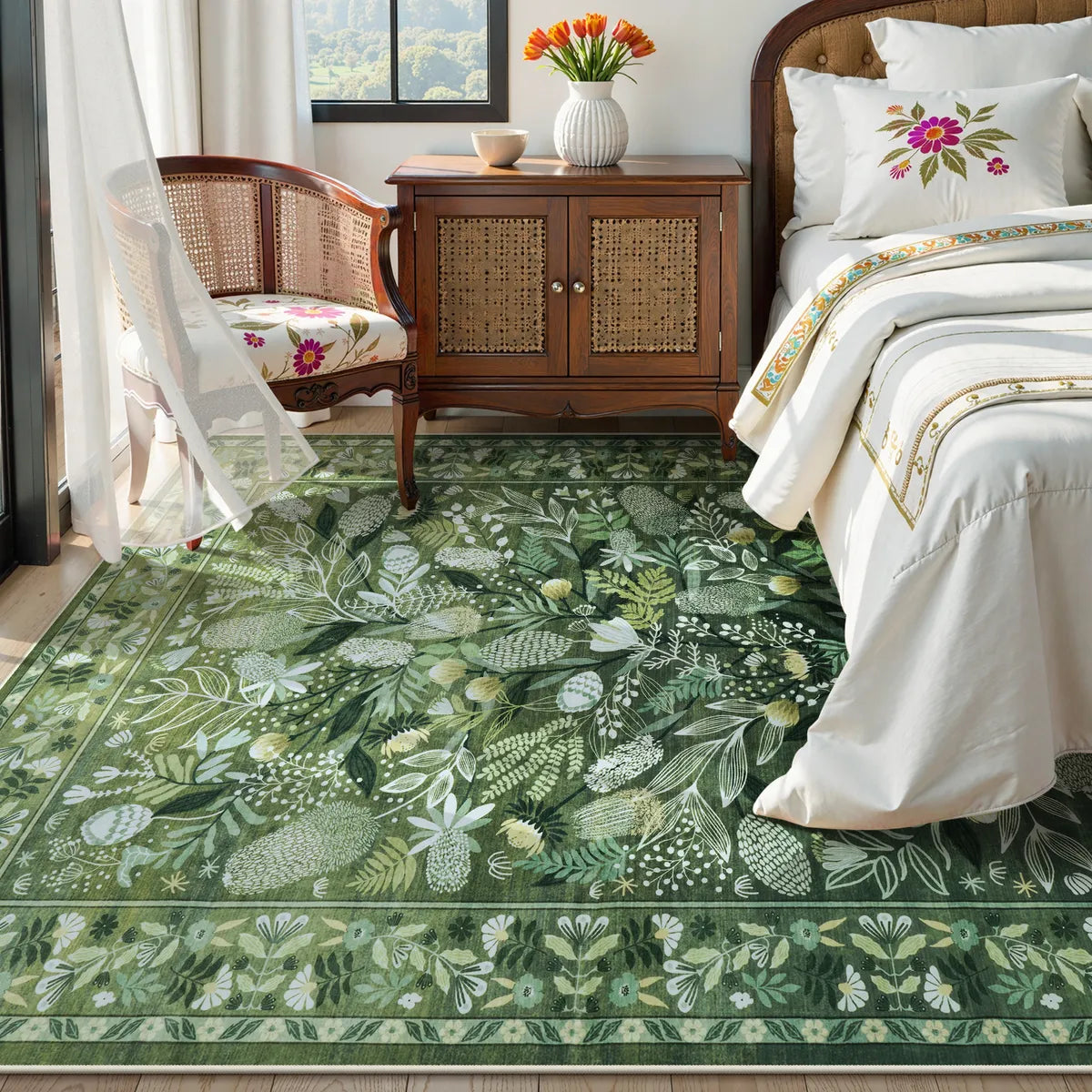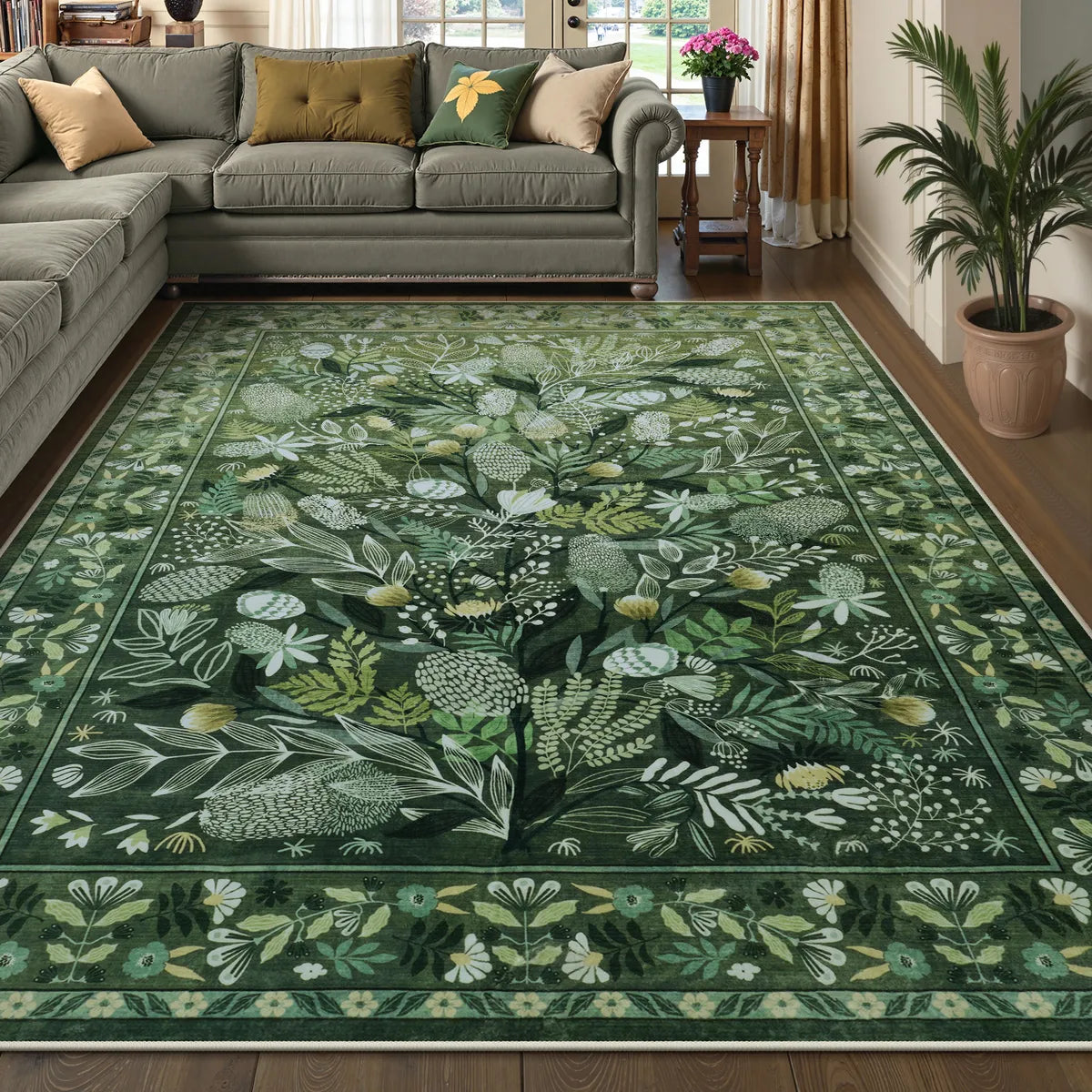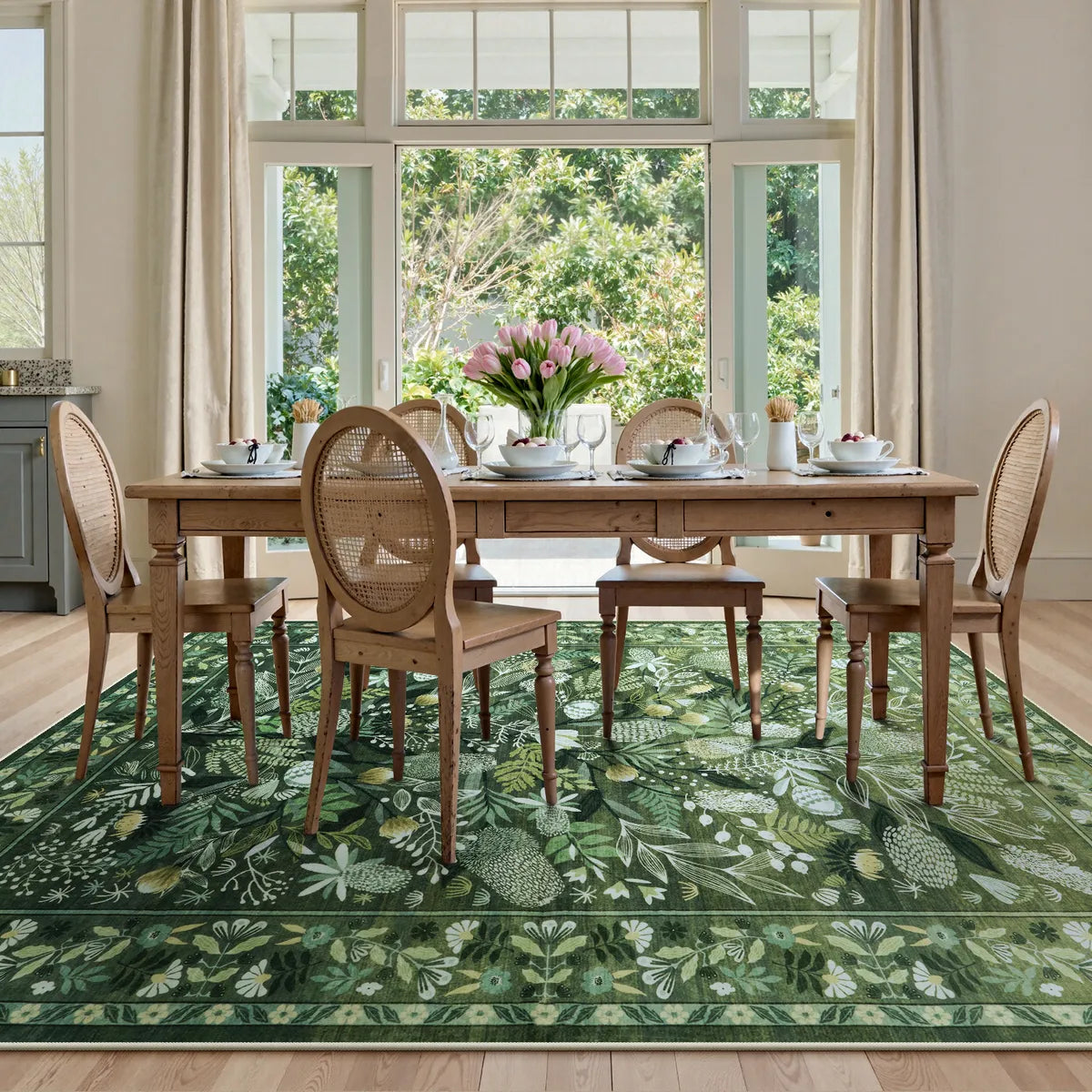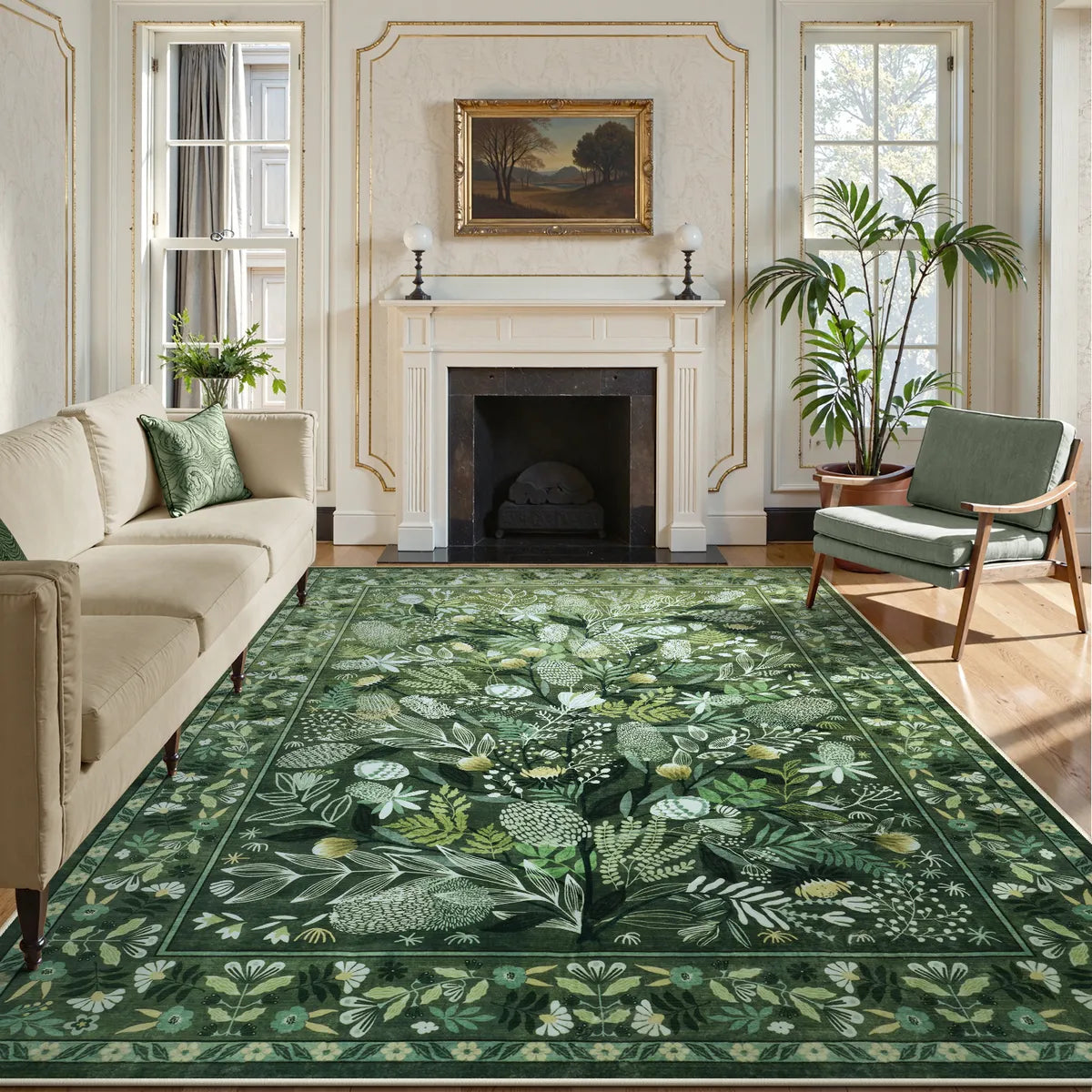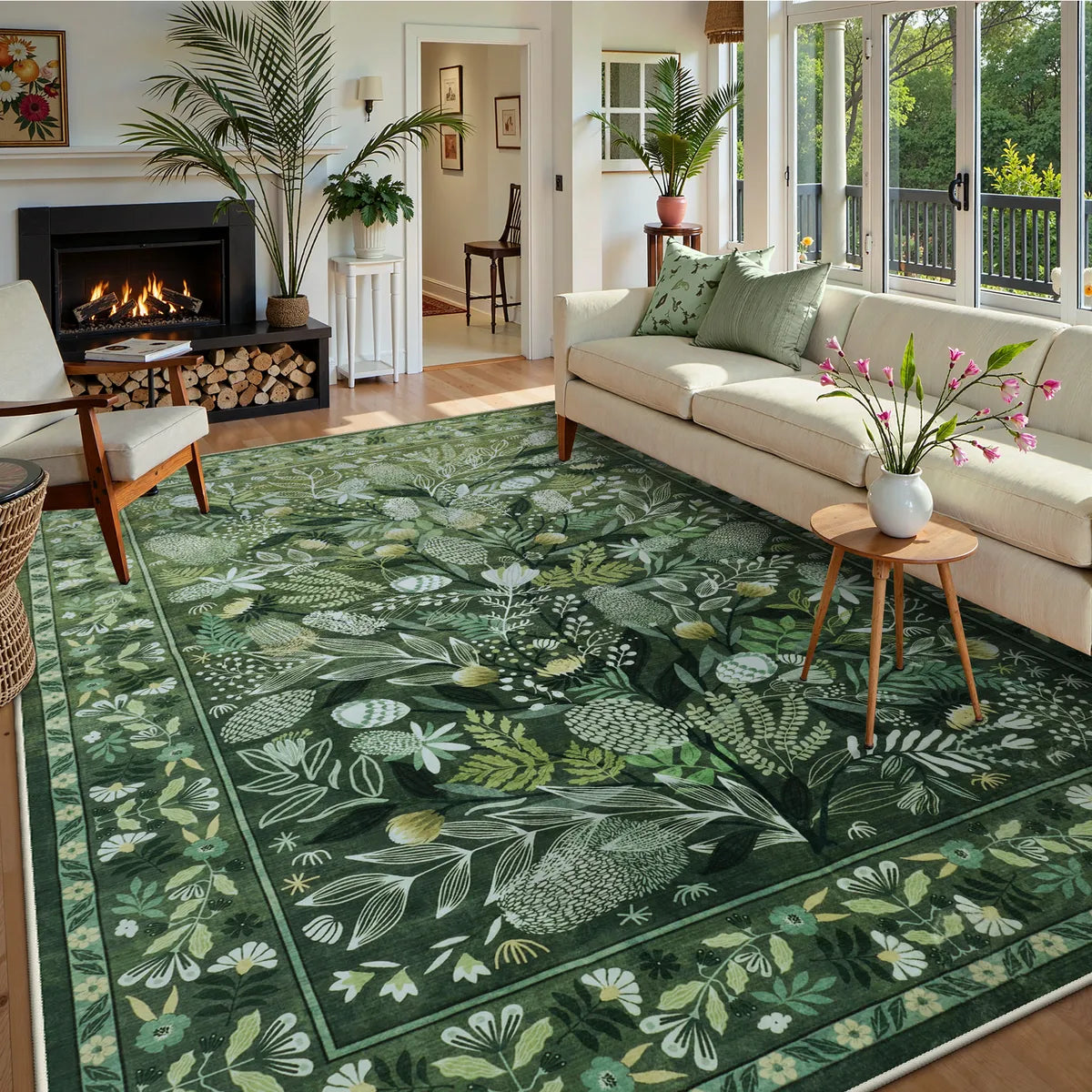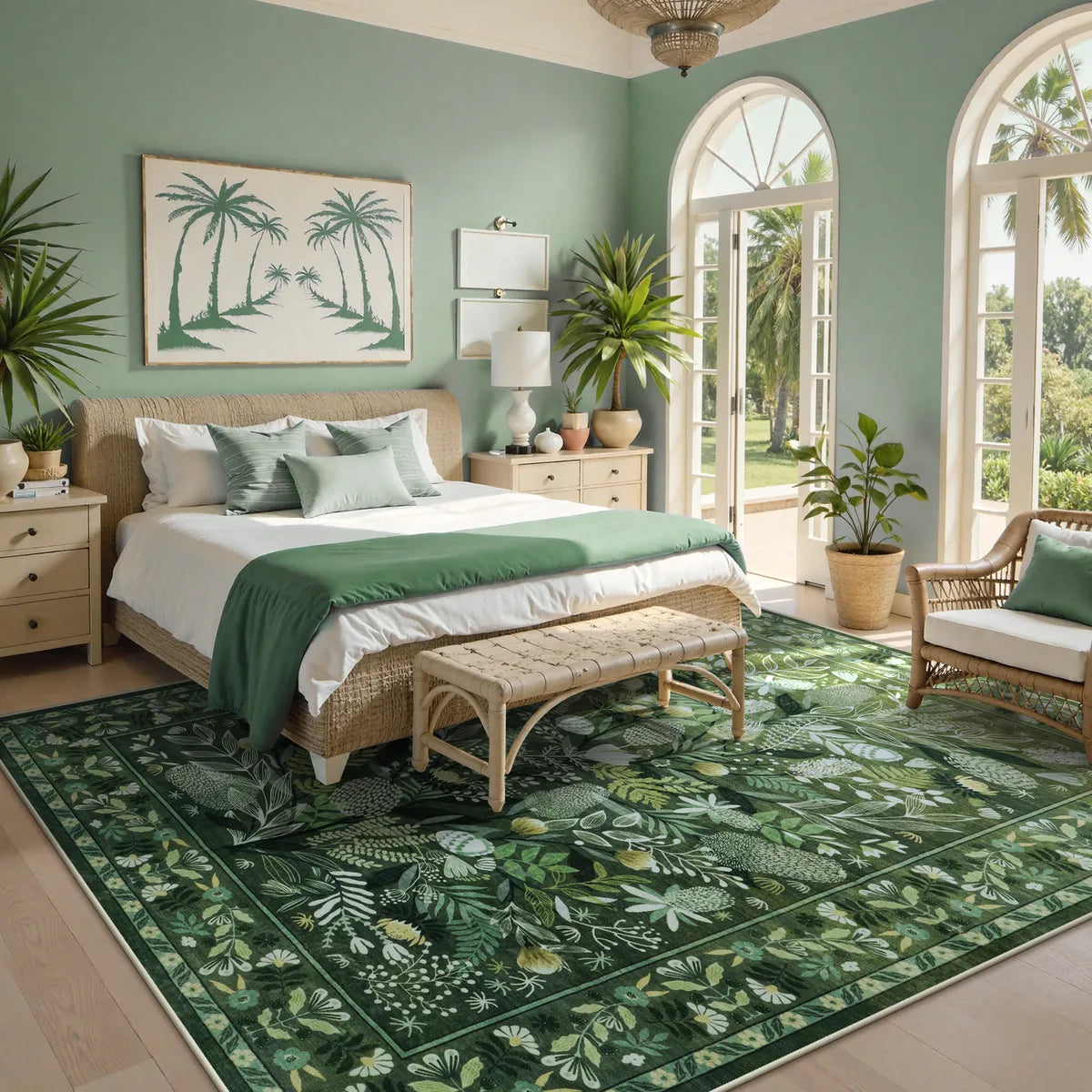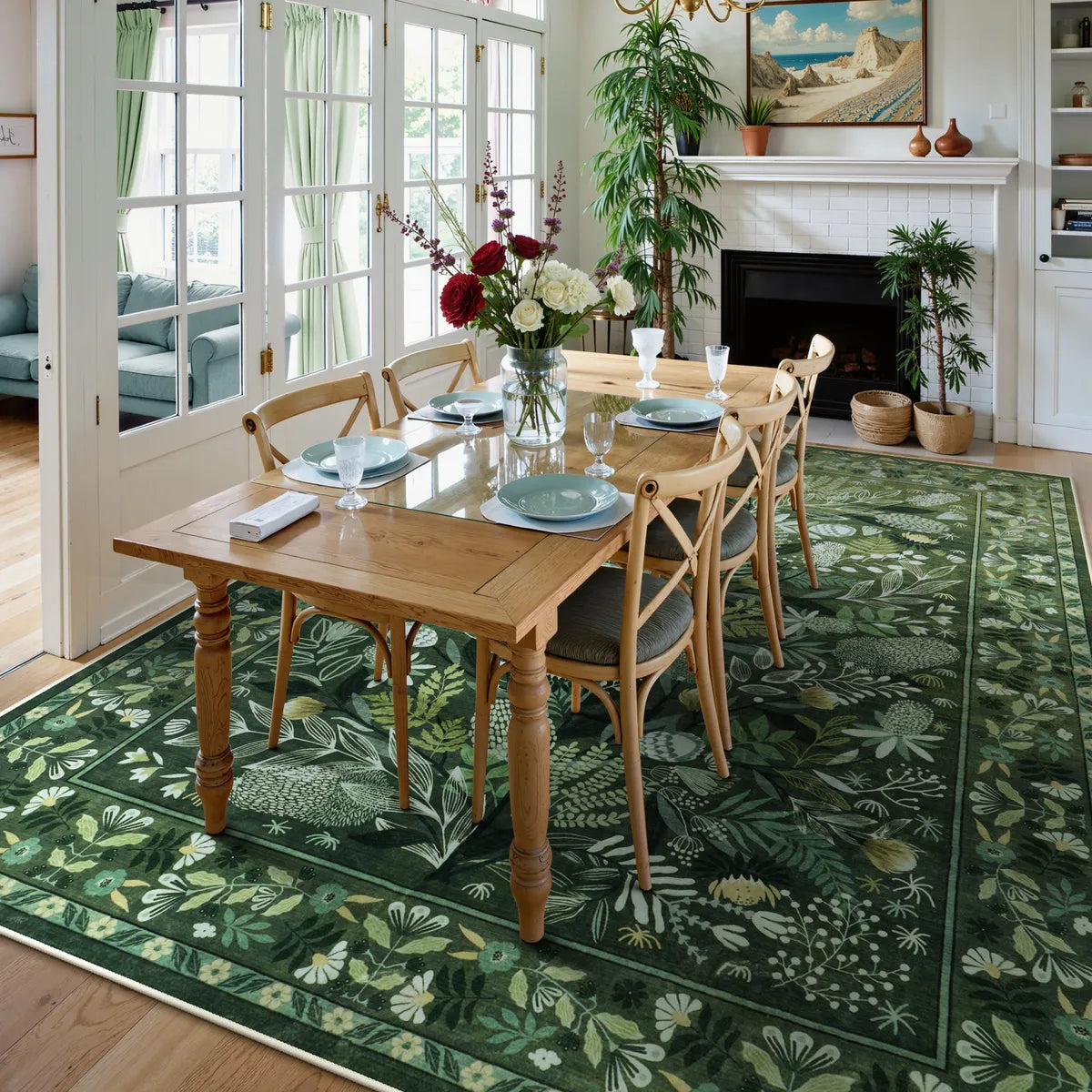


The laundry room is one of the most used and least celebrated spaces in any home. You spend genuine time there, sorting, loading, and folding, yet the floor almost never gets a second thought. Adding washable floor rugs to this space is one of the simplest, most effective upgrades you can make. Better comfort, better safety, and a room that finally feels finished.
Why Every Laundry Room Needs a Washable Floor Rug

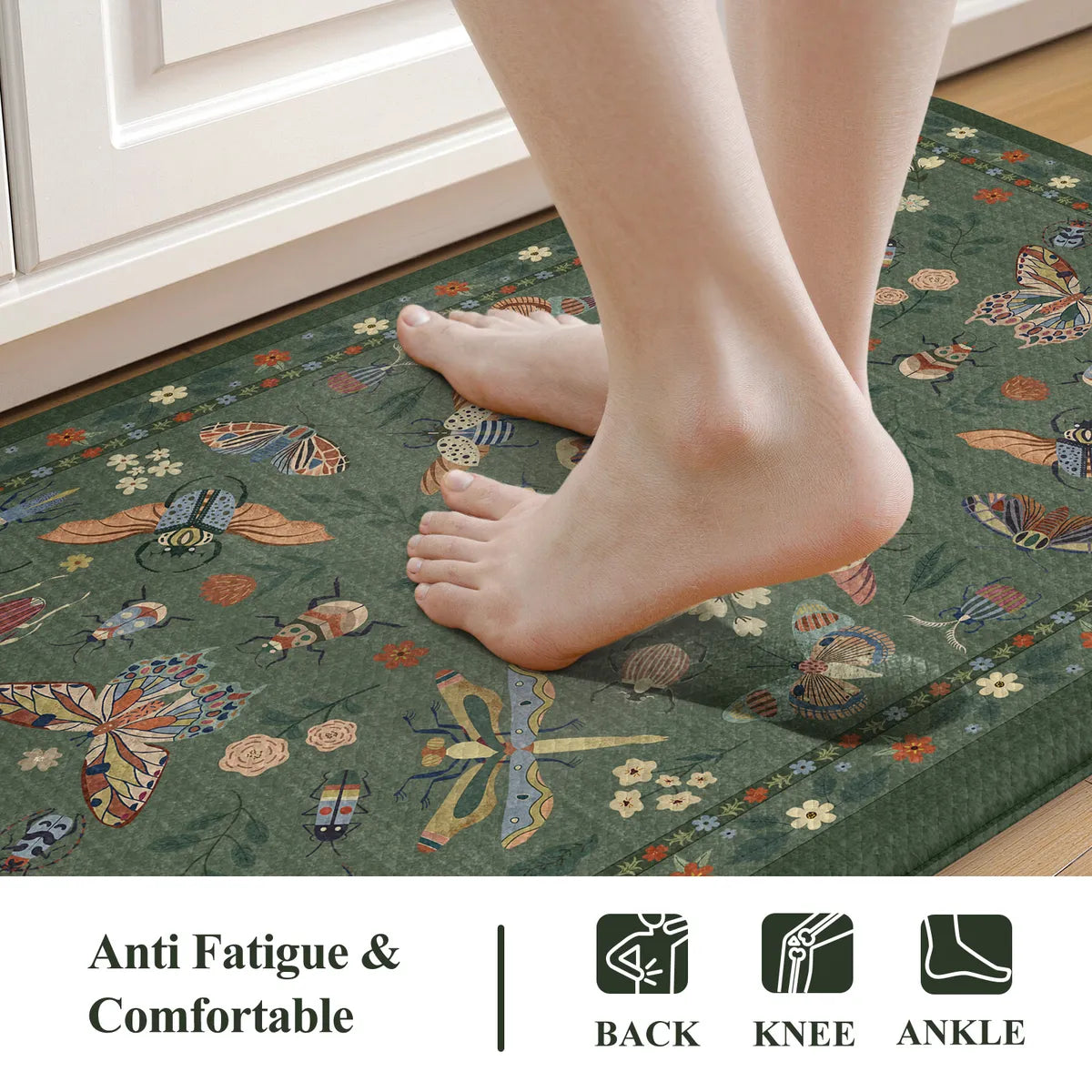
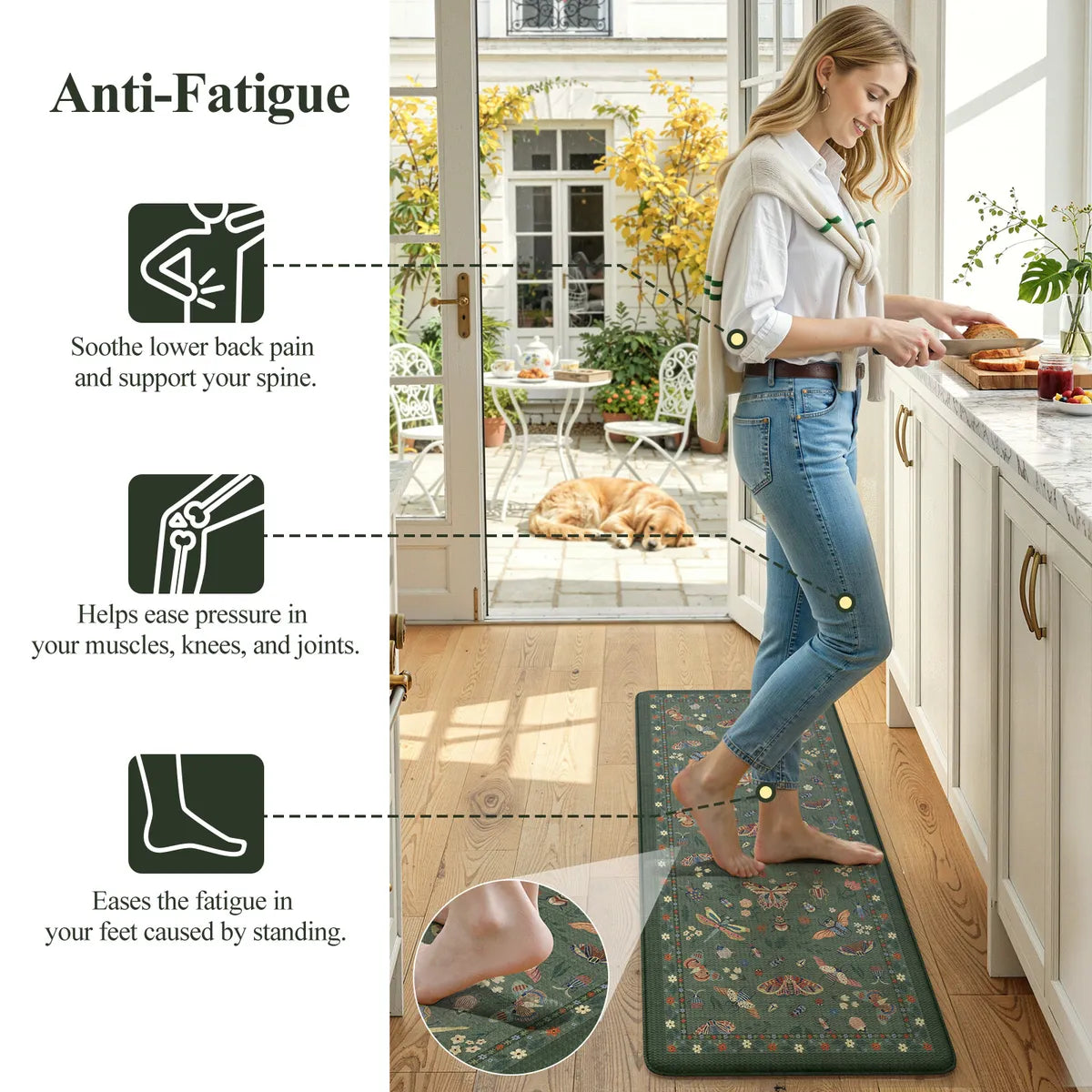
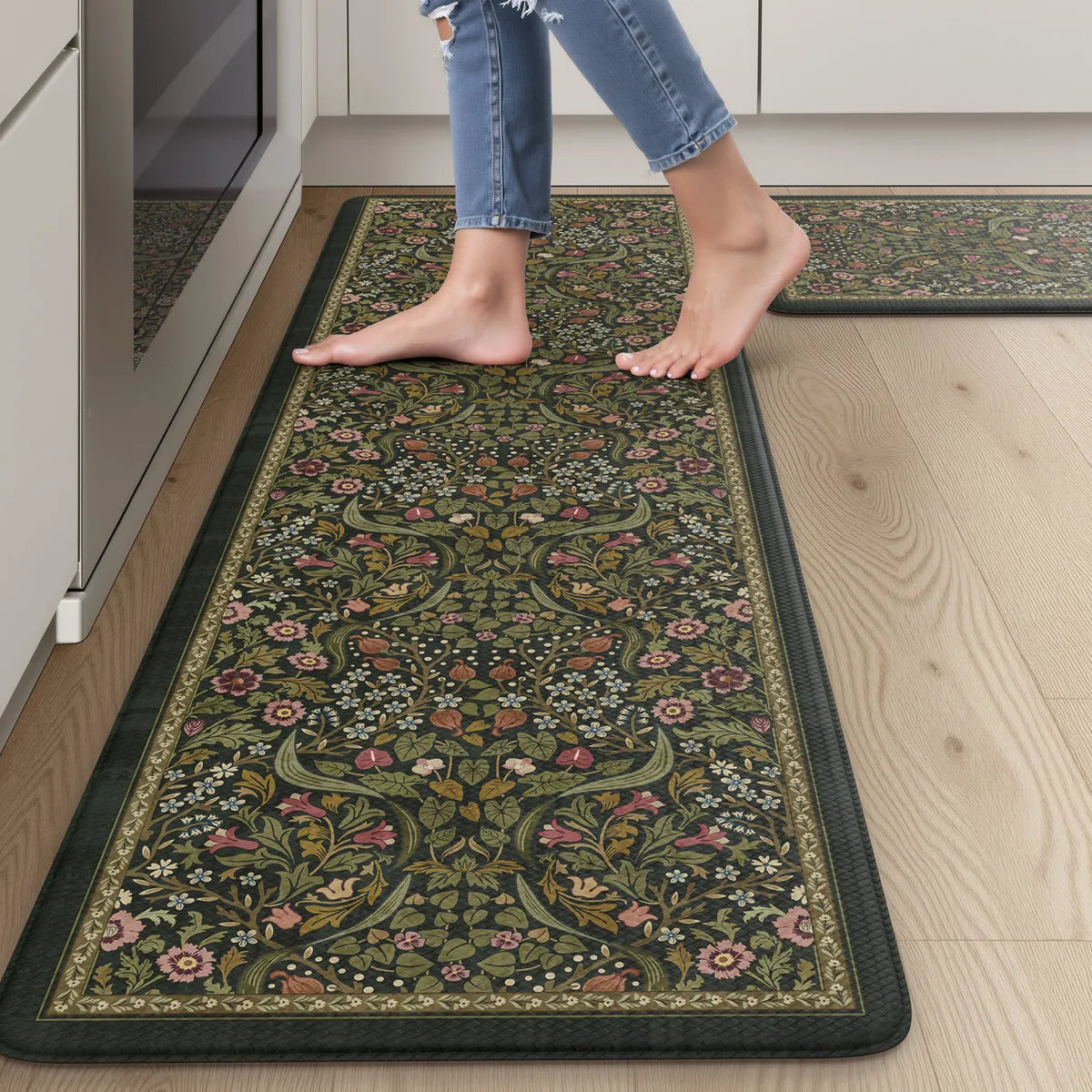
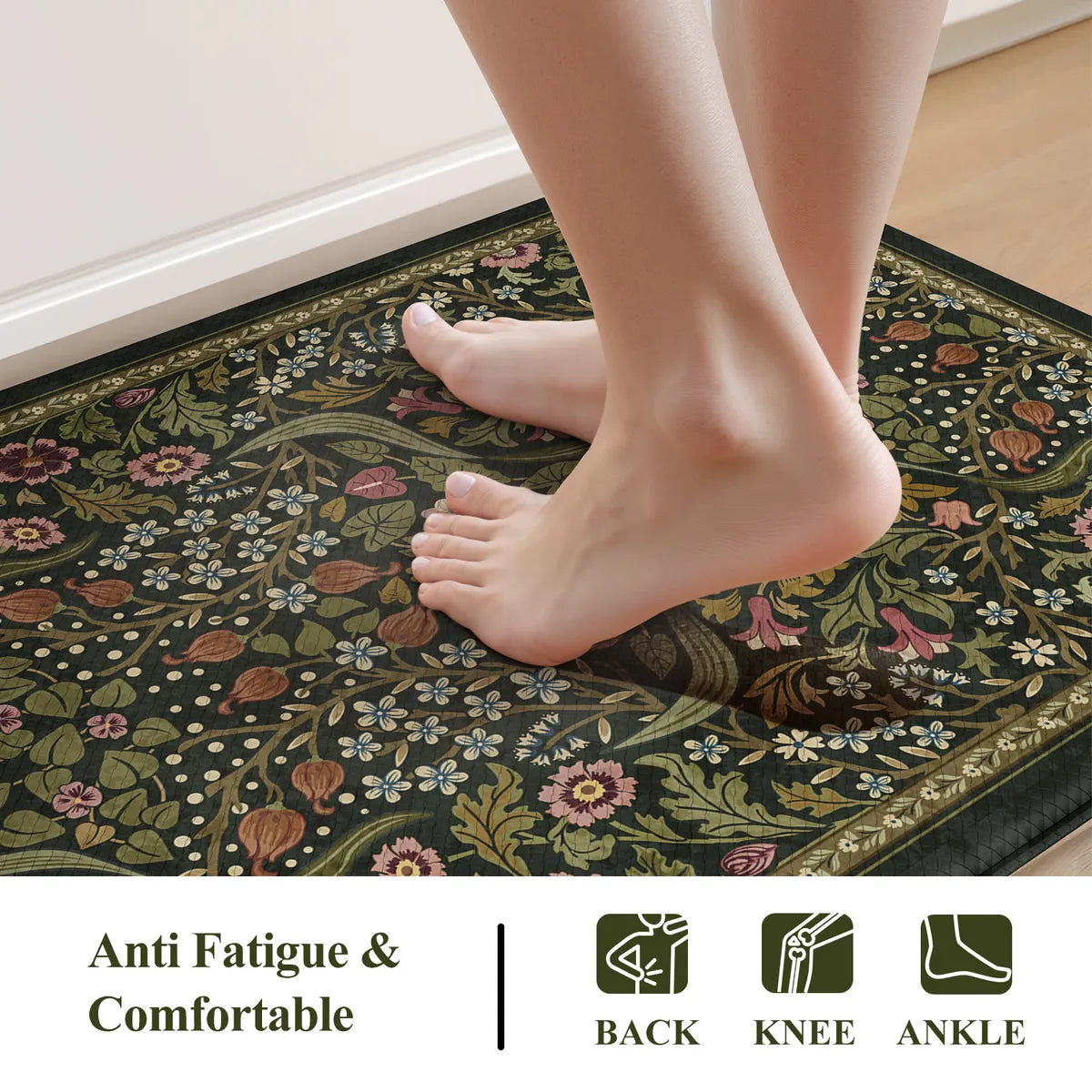
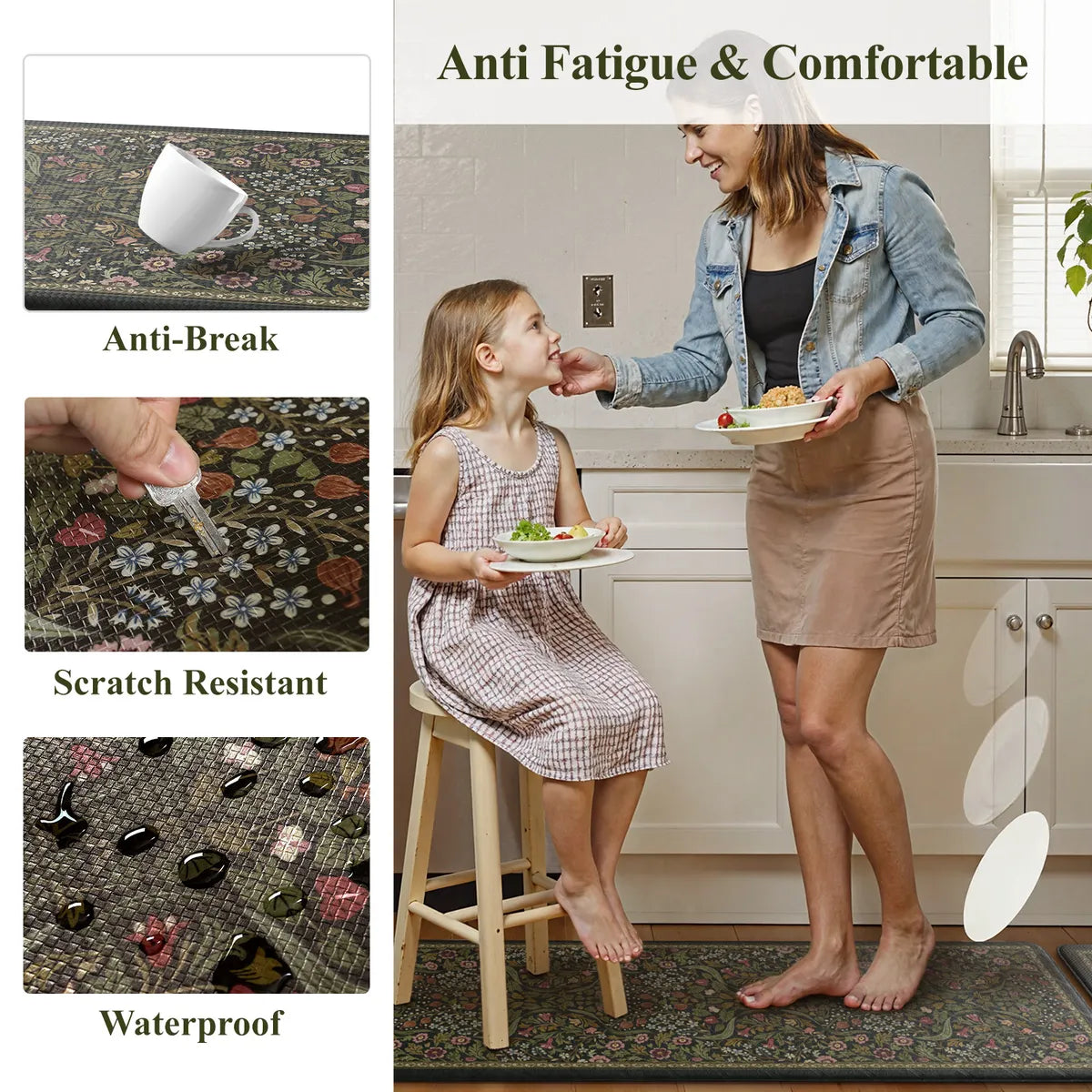
Hard flooring is practical in laundry rooms, but it comes at a cost. Standing on tile, vinyl, or concrete for even short stretches leads to fatigue in the feet, knees, and lower back. A floor rug adds the cushioning that makes that time more bearable. It also absorbs some of the noise from the machine cycle, which adds up over a week of laundry.
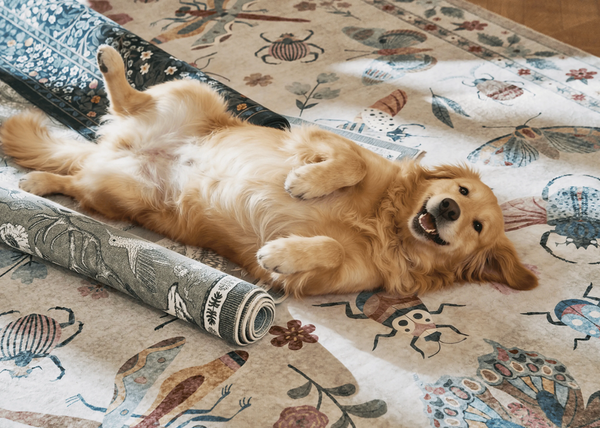
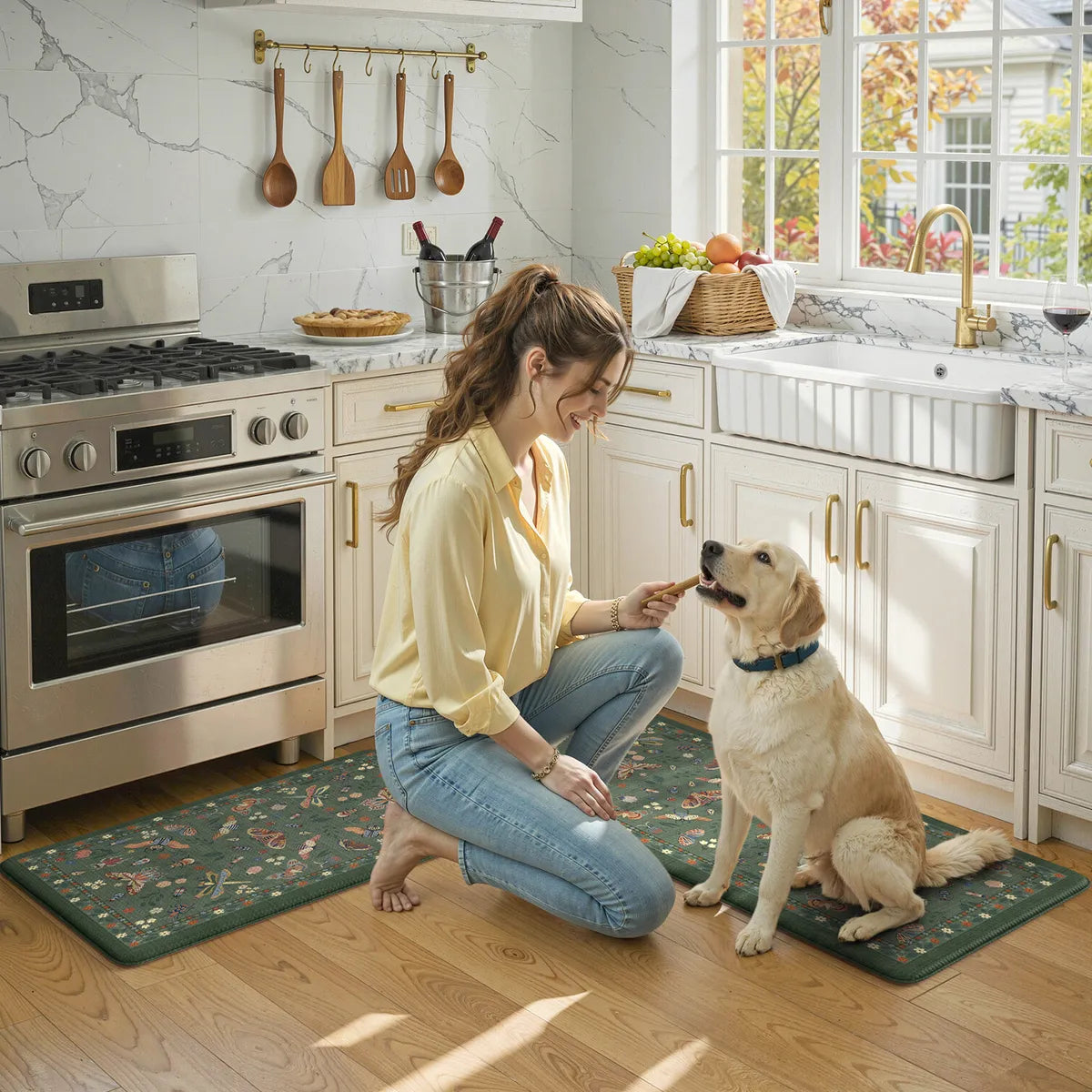
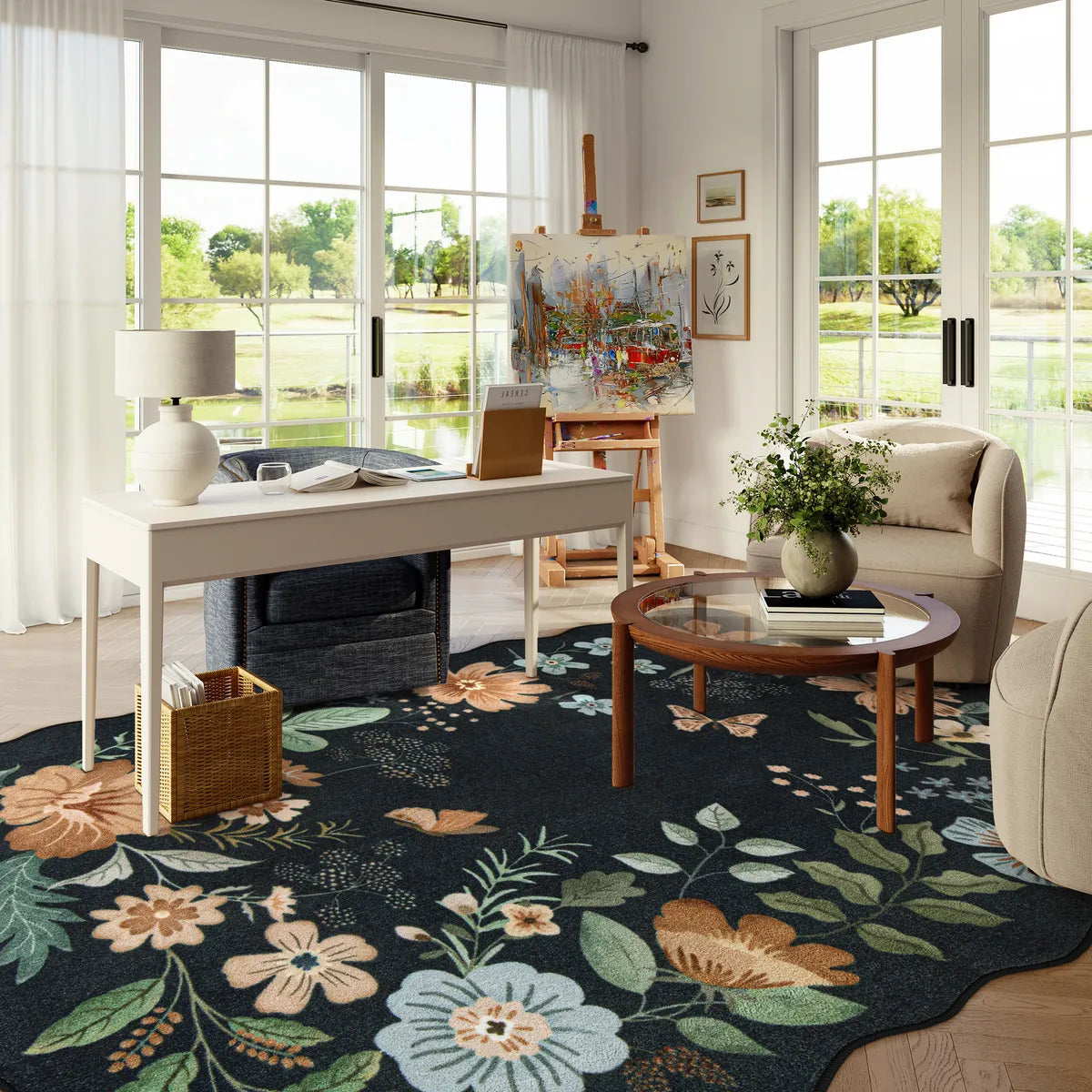
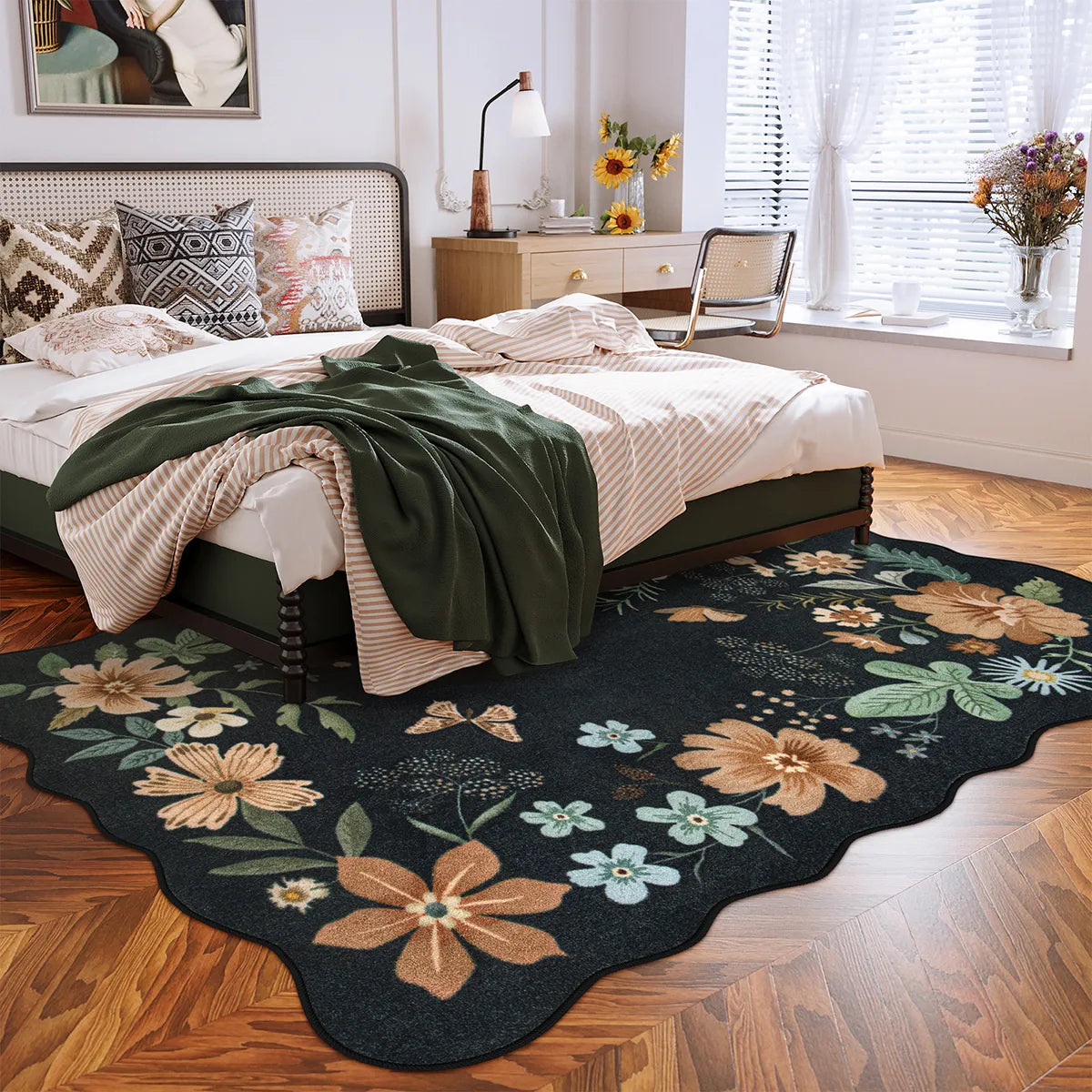
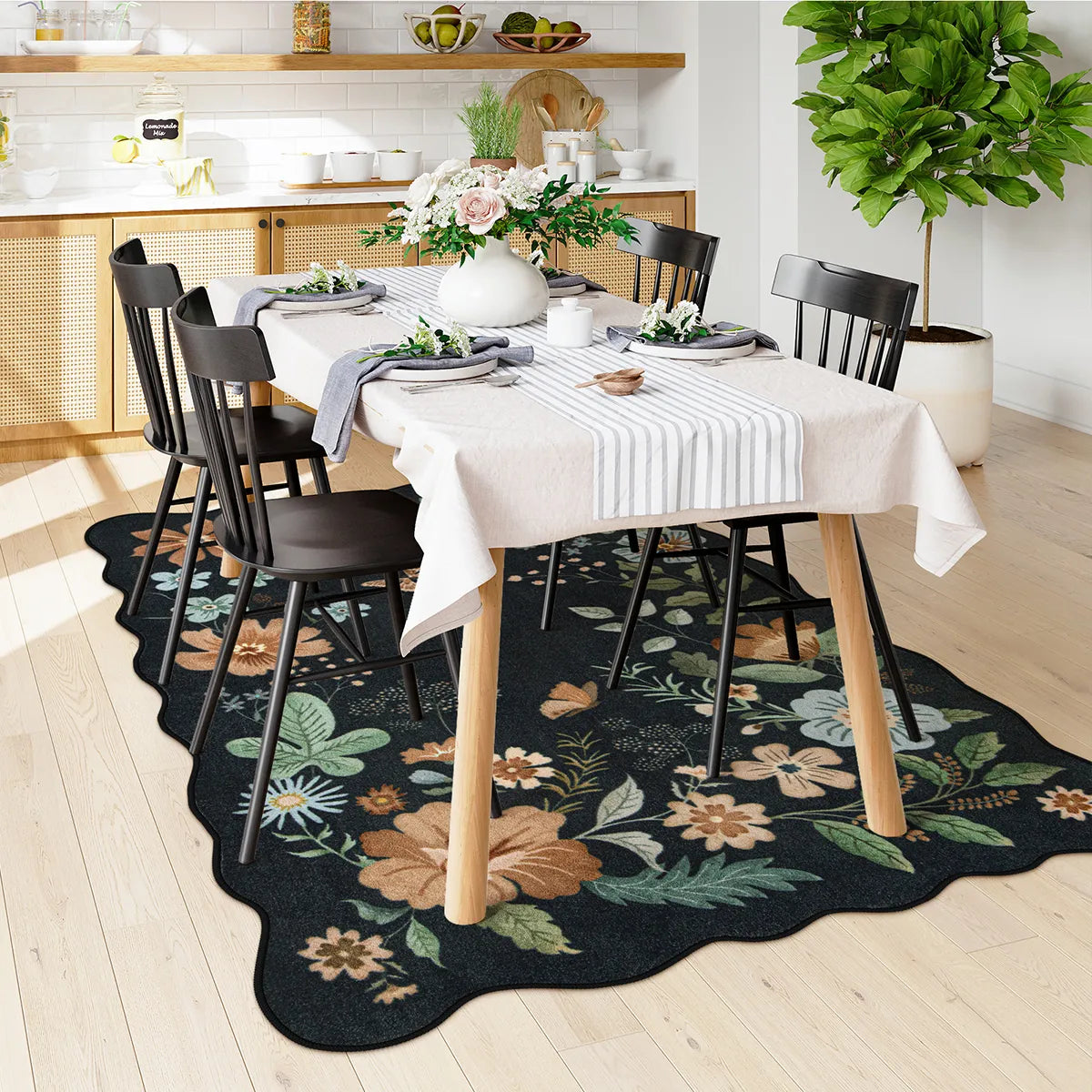
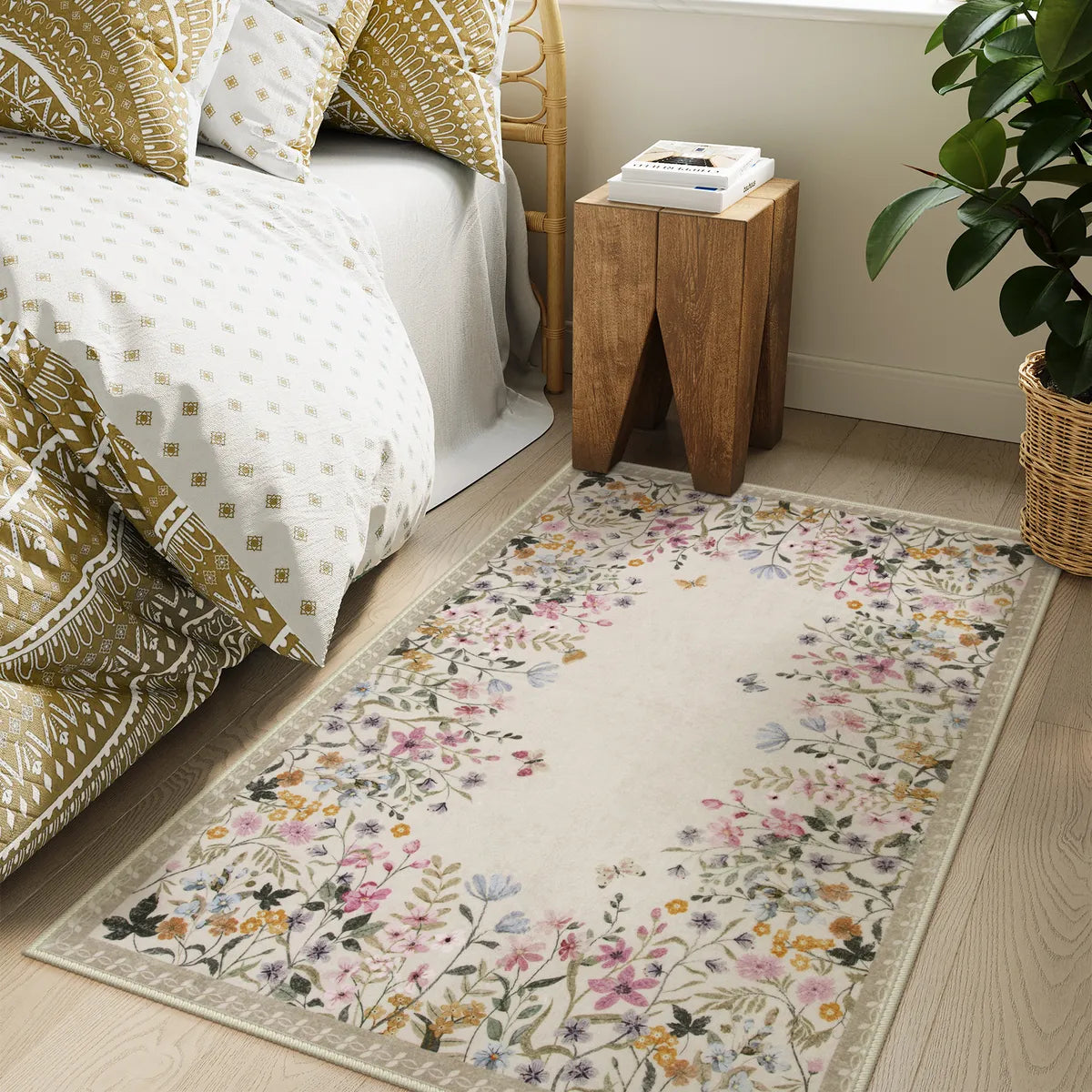
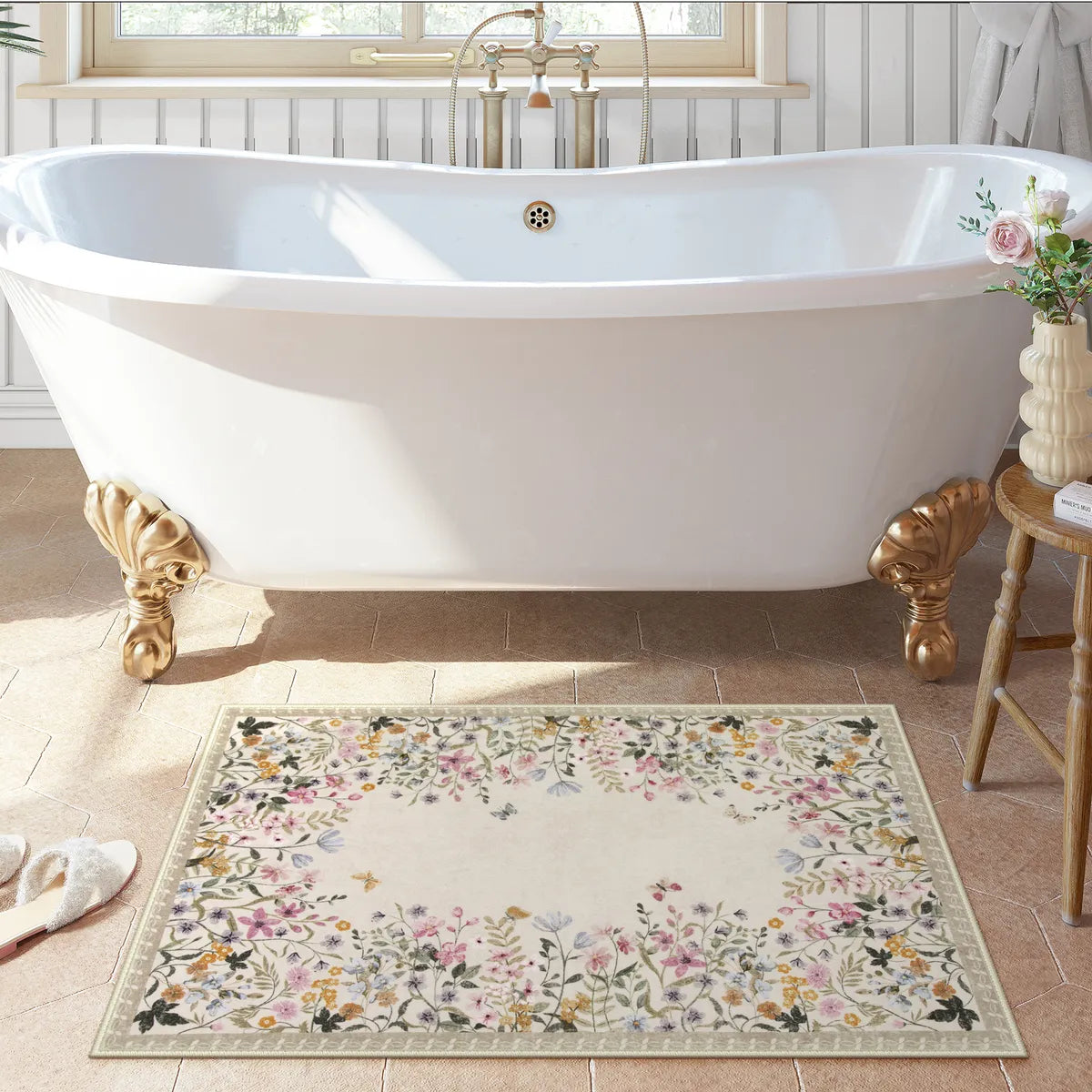
Beyond comfort, a rug gives the room a more intentional look and feel. Washable laundry room rugs are built to handle the specific demands of this space, including humidity, foot traffic, and the occasional spill, without the upkeep a traditional rug would demand.
How Spill-Proof Floor Rugs Handle Water and Detergent Messes

Water and detergent spills are simply part of laundry room life. The real question is not whether spills will happen, but how your floor rug responds when they do.
Spillproof Surface Construction Explained
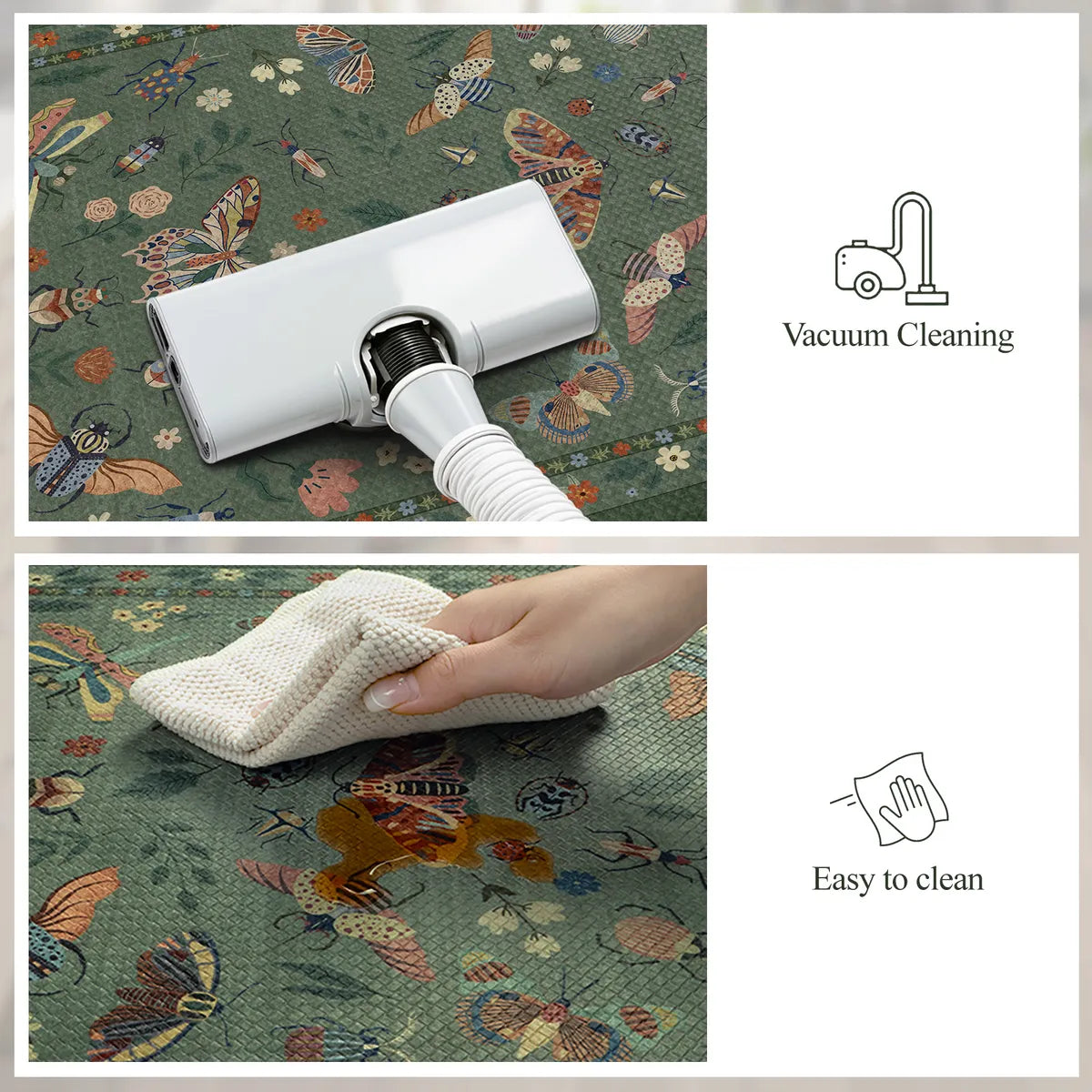
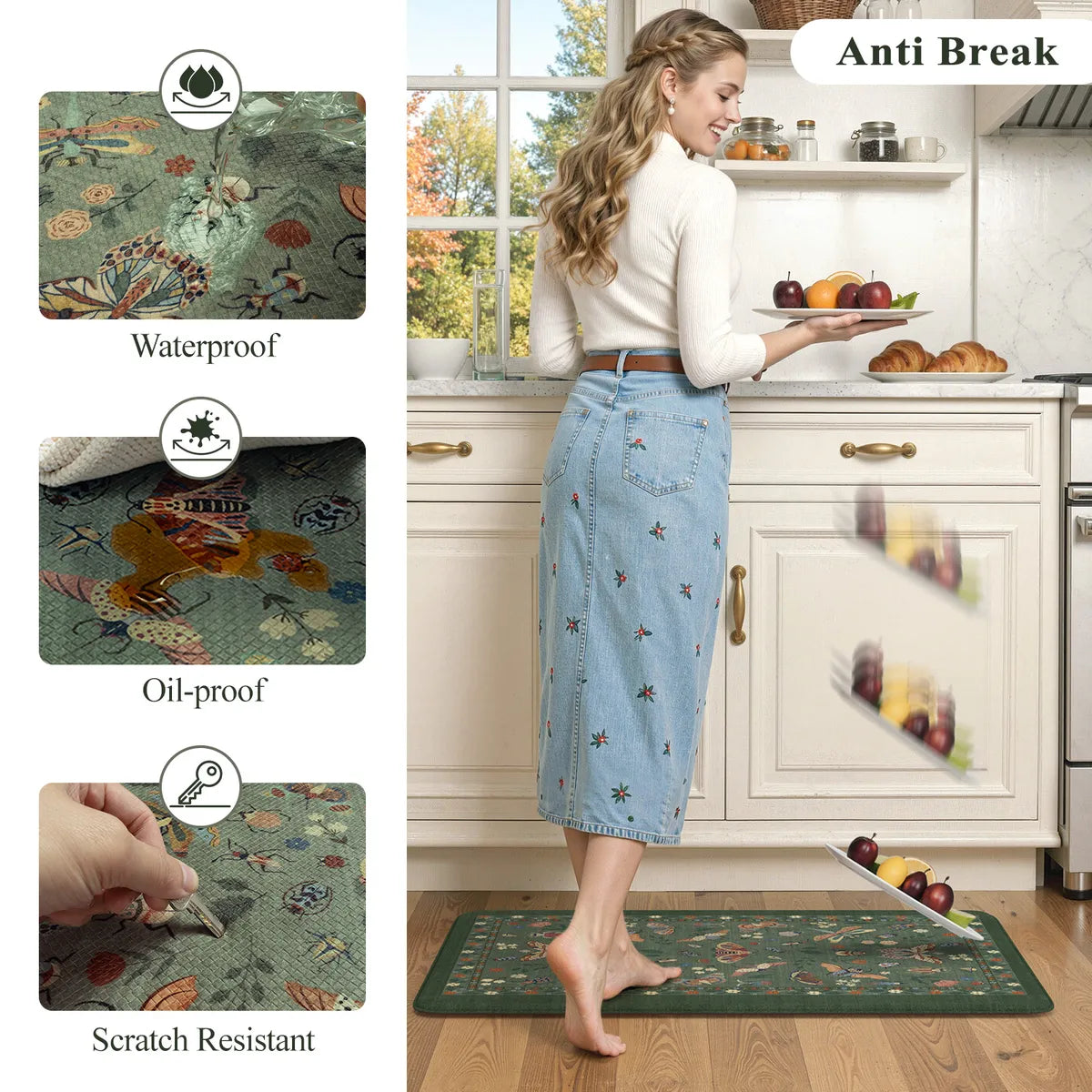
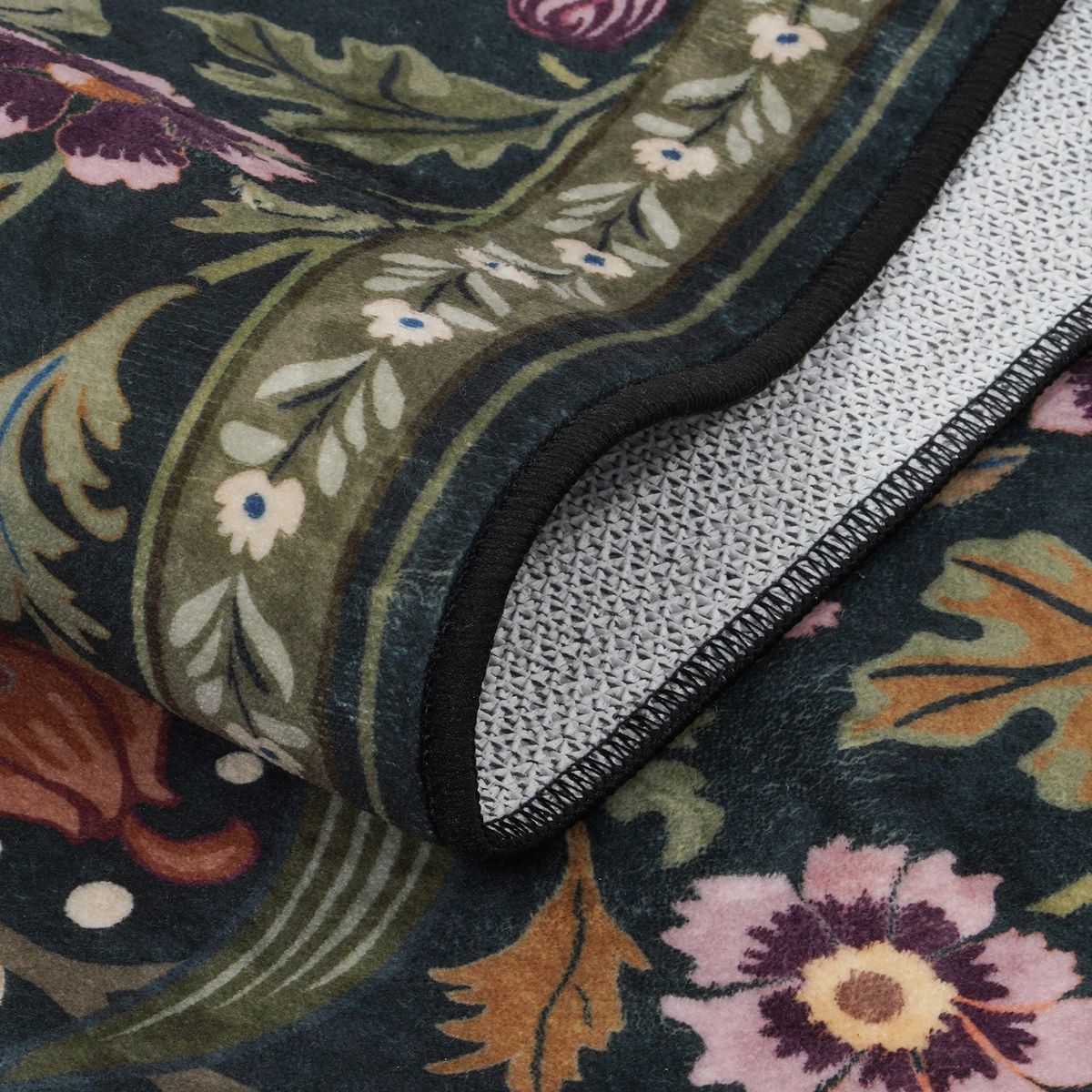
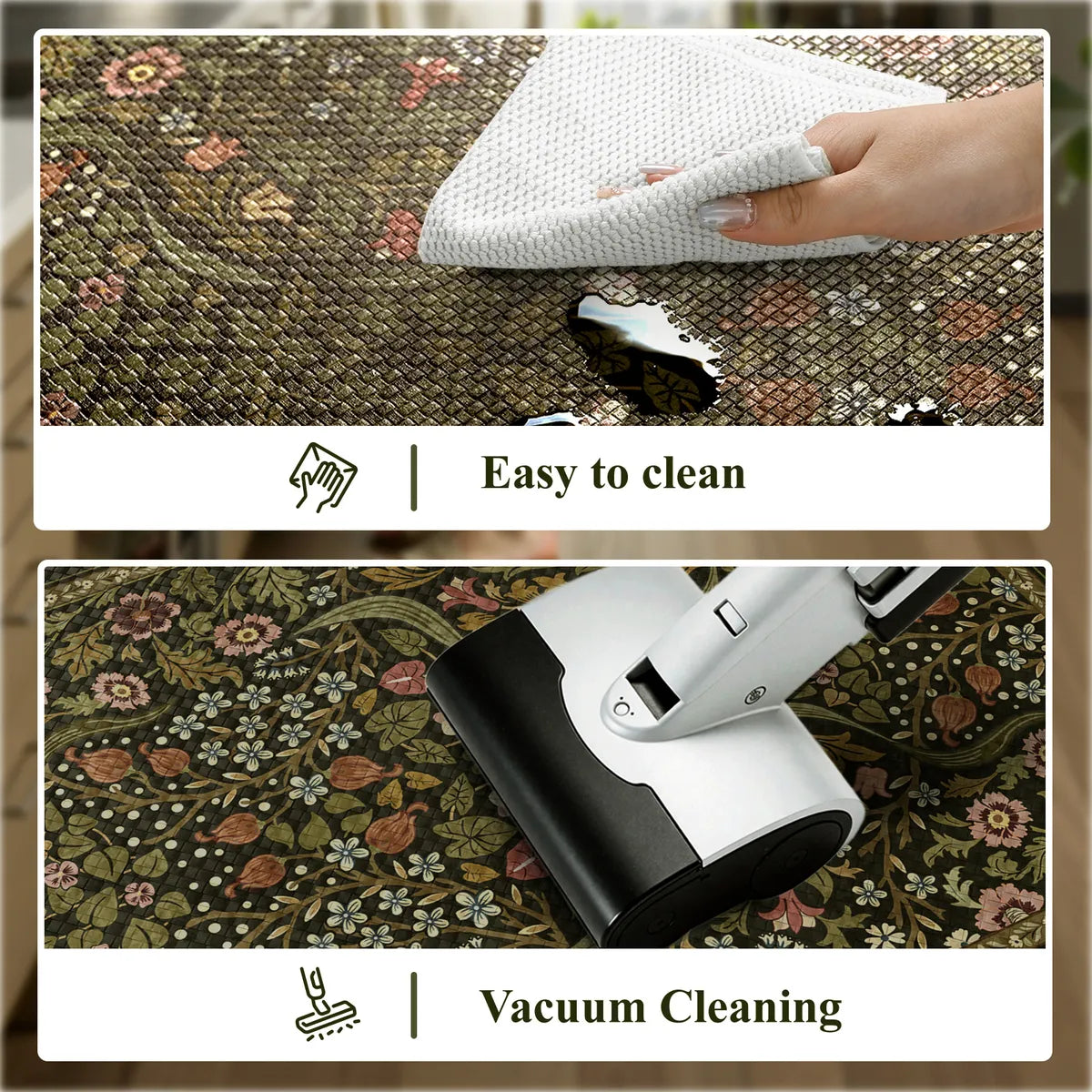
"Spill-proof," or spillproof, refers to a surface construction that prevents liquids from immediately penetrating rug fibers. When liquid lands on a spillproof surface, it beads up rather than soaking in. That gives you a window of time, typically several seconds, to wipe it away cleanly before any absorption occurs.
This matters most near the washing machine, where water collects during loading, unloading, and around hose connections. Detergent spills, which can leave residue and create slippery patches, are equally well managed by this type of surface construction.
The Problem With Standard Rugs in High-Moisture Spaces
A conventional area rug is not engineered for repeated moisture exposure. Over time, trapped moisture in rug fibers creates conditions for mildew growth, persistent odors, and fiber breakdown. These problems develop gradually and are often not visible until the damage is already significant.
Spillproof floor rugs address this at the construction level, making them a more durable and hygienic fit for the laundry environment.
Non-Slip Rugs: The Safety Standard for Hard Laundry Floors
Wet floors and smooth hard surfaces are a high-risk combination. Non-slip rugs are one of the most practical ways to reduce that risk without changing the flooring itself.
Slip-and-fall accidents are most common in rooms where wet floors and fast movement coincide. The laundry room checks both boxes, which makes non-slip design a genuine safety priority rather than a secondary feature.
Why Hard Flooring Makes Slip Resistance Essential
Tile and vinyl become significantly more slippery when wet. In a laundry room, where water splashes during machine loading, dropped wet garments land on the floor, and steam from a dryer raises humidity levels, the surface can turn hazardous with little warning.
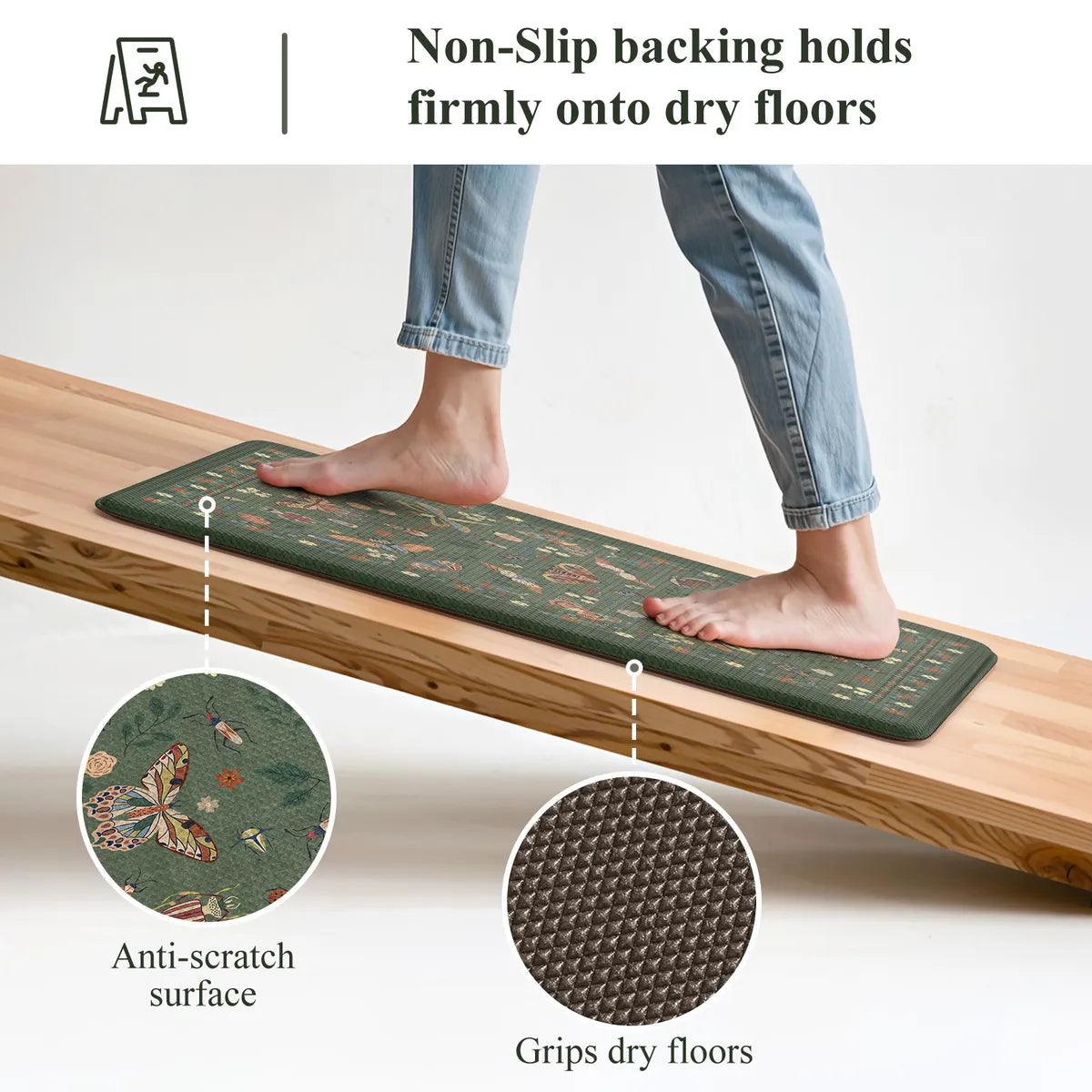
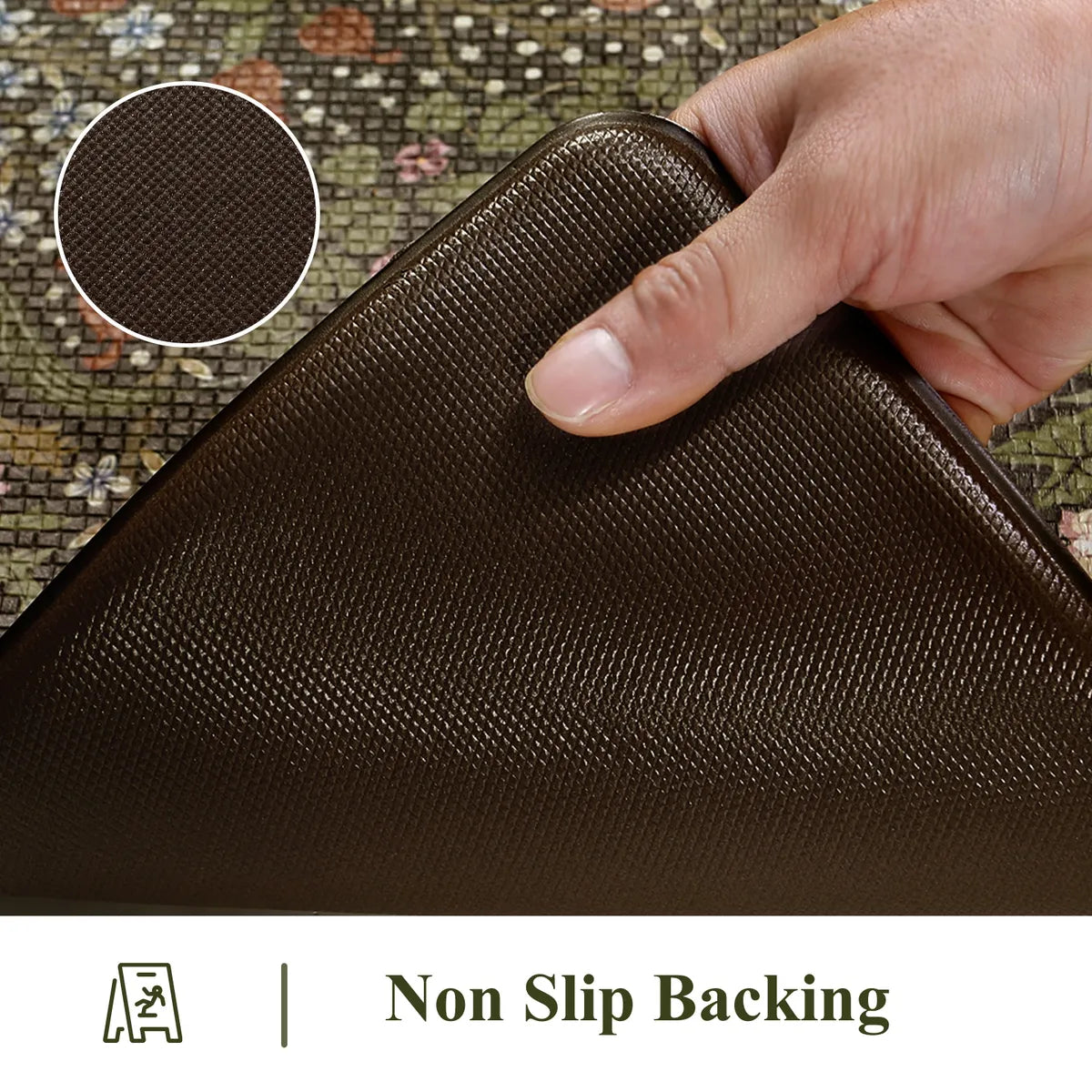
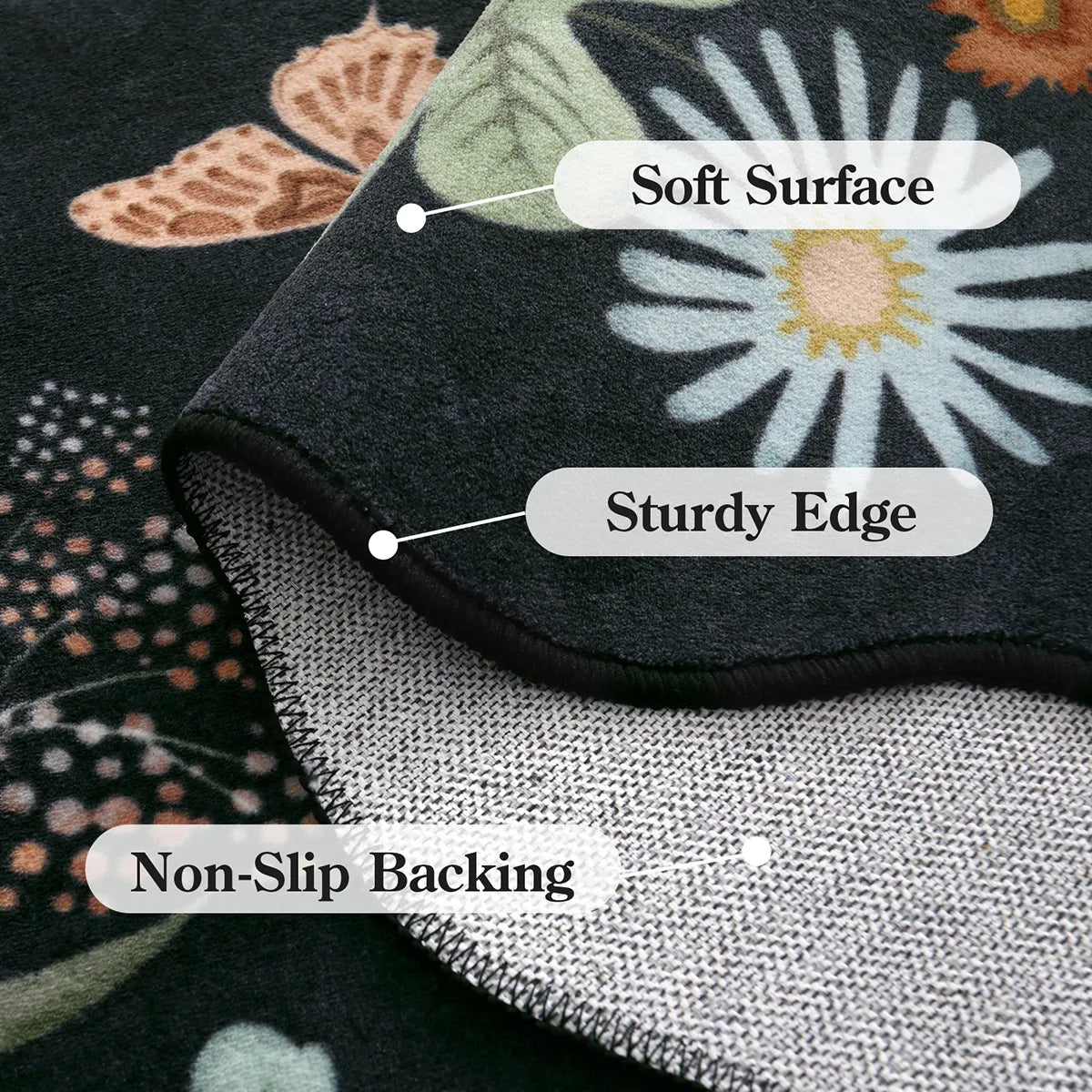
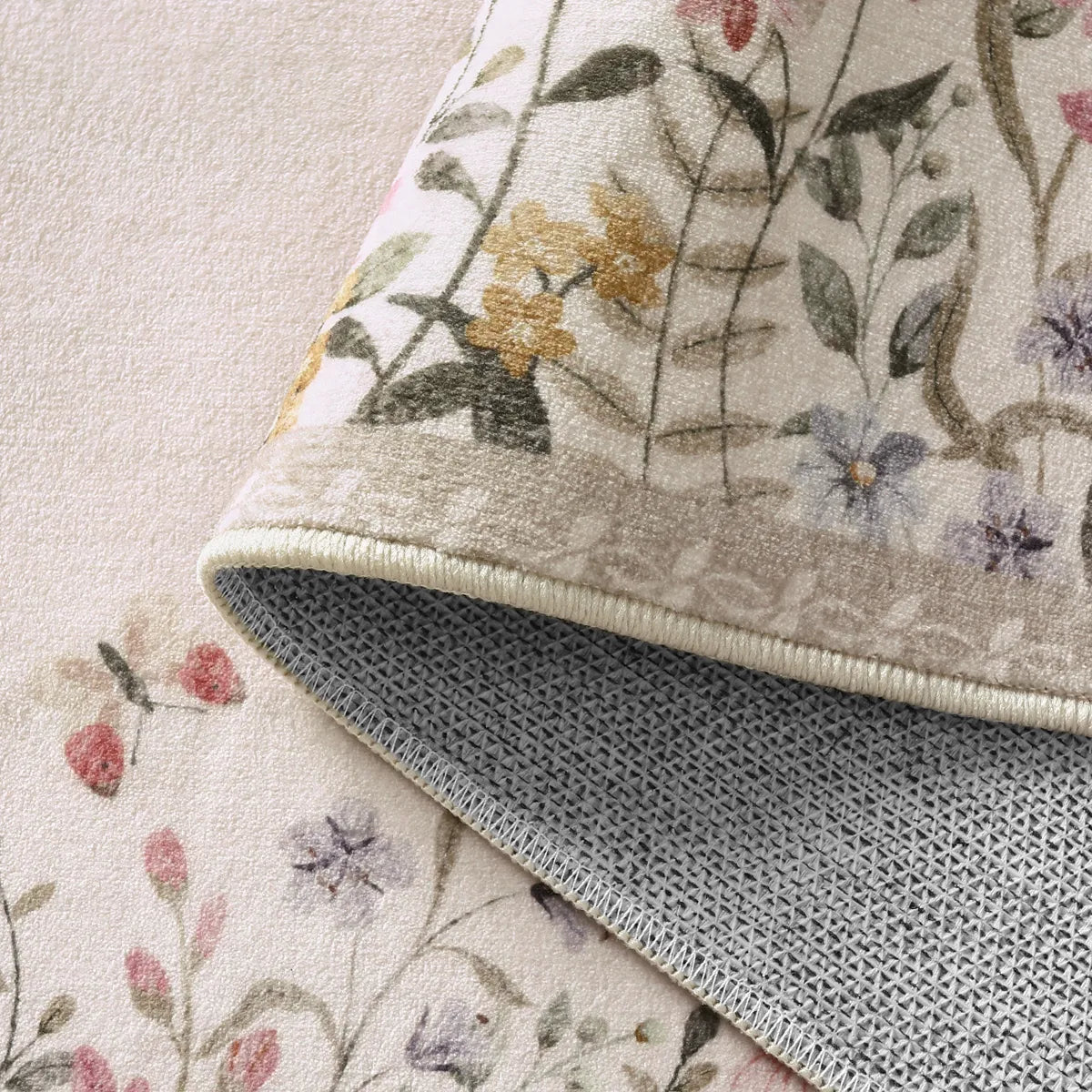
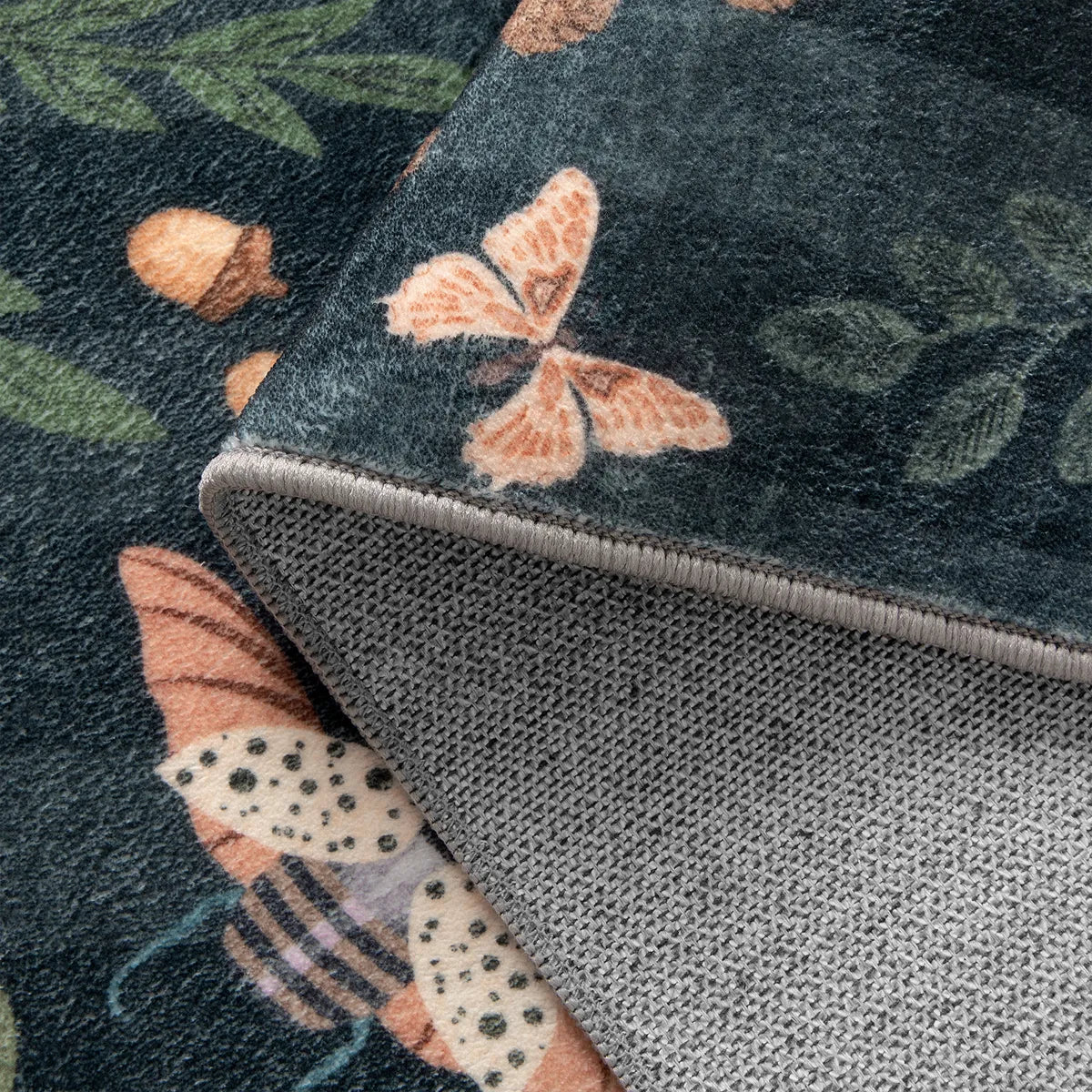
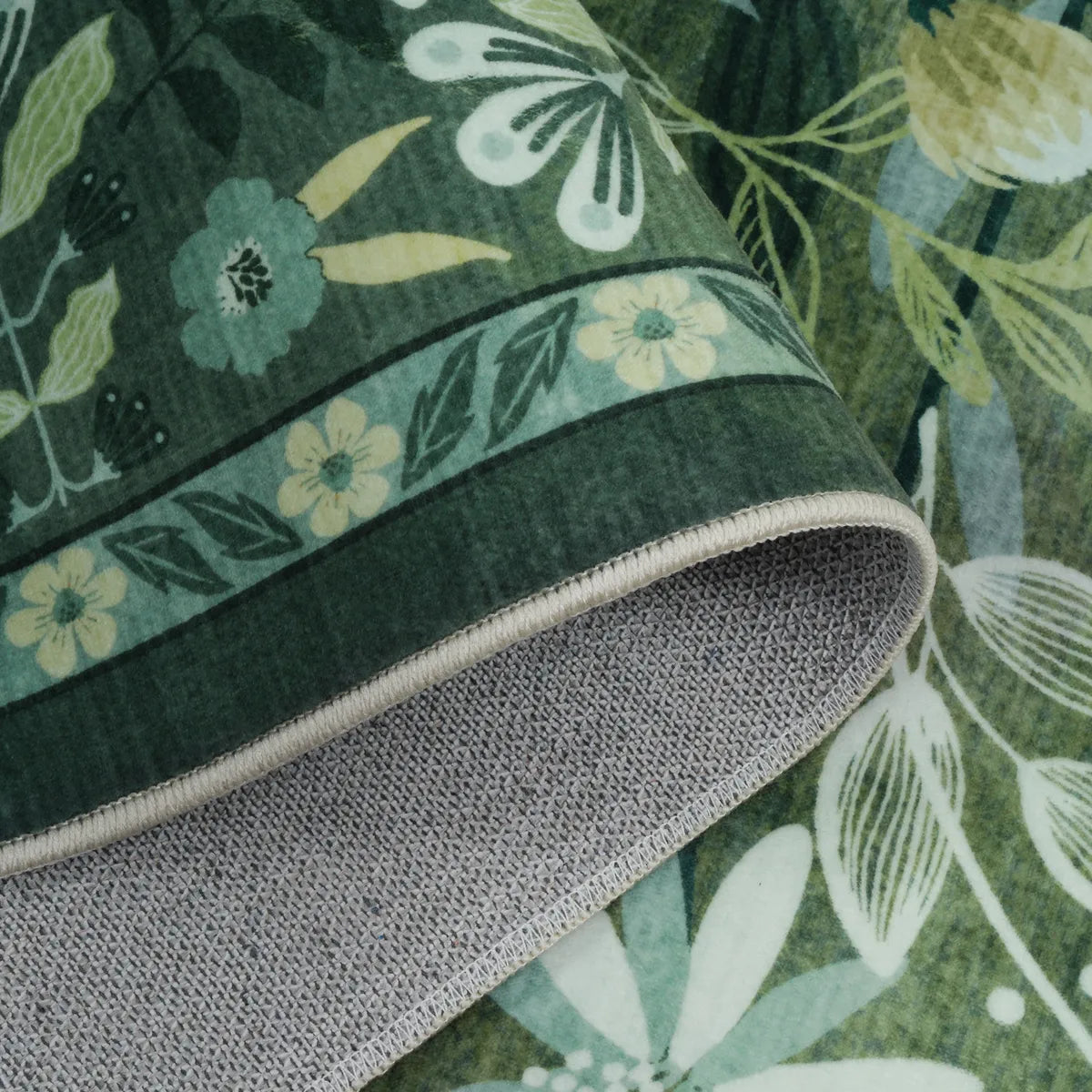
Non-slip rugs use a grip-enhanced backing, a layer of material on the underside that creates friction against the hard floor and prevents the rug from shifting under foot traffic. For households with young children or older adults, this feature moves from convenient to necessary.
Key Features of an Effective Non-Slip Backing
Non-slip backing quality varies across products. These are the factors that make the most practical difference:
- Material: Rubber and latex backings provide consistent grip on tile and vinyl surfaces.
- Coverage: A full-coverage backing performs better than scattered grip dots, which can compress or shift unevenly over time.
- Rug weight: Heavier rugs tend to hold their position more reliably under frequent foot traffic.
Together, these qualities determine how stable and safe a rug feels underfoot in real, everyday laundry room conditions.
How to Style Your Laundry Room with Washable Floor Rugs and Runners
Function and style are not competing priorities. With the right floor rug, you can have both, and a laundry room that reflects the same care you put into the rest of your home.
Choosing Between a Rug and a Runner Carpet
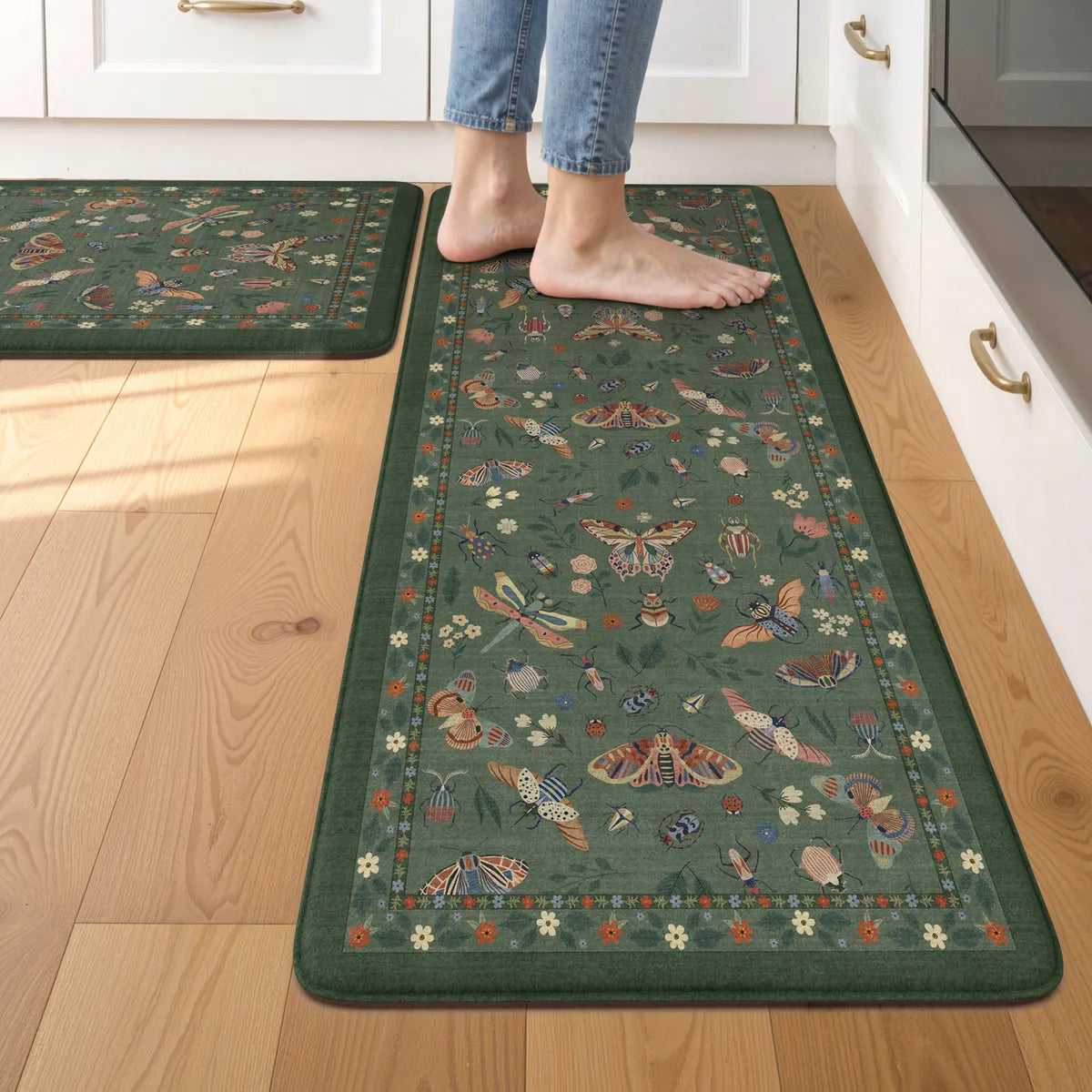
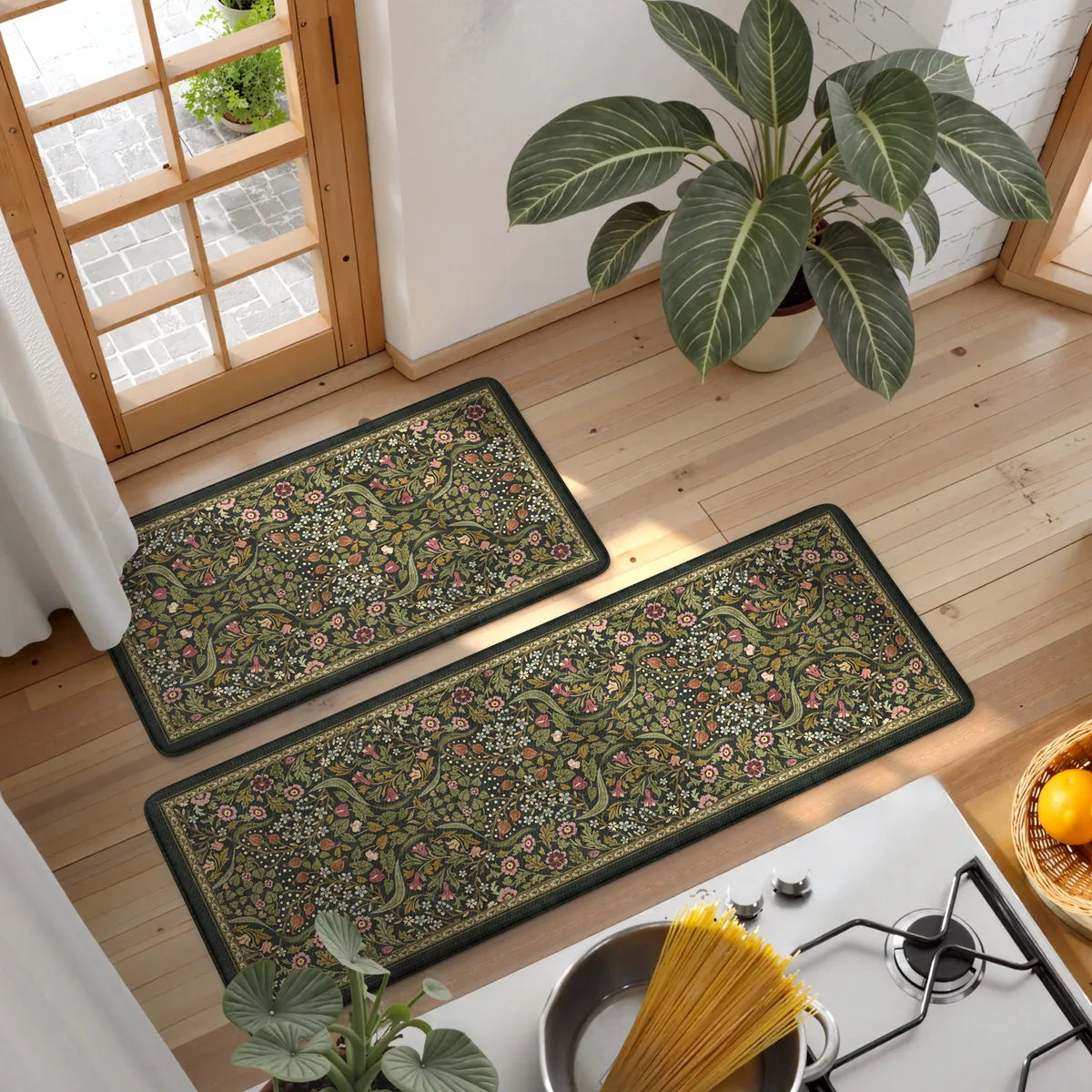
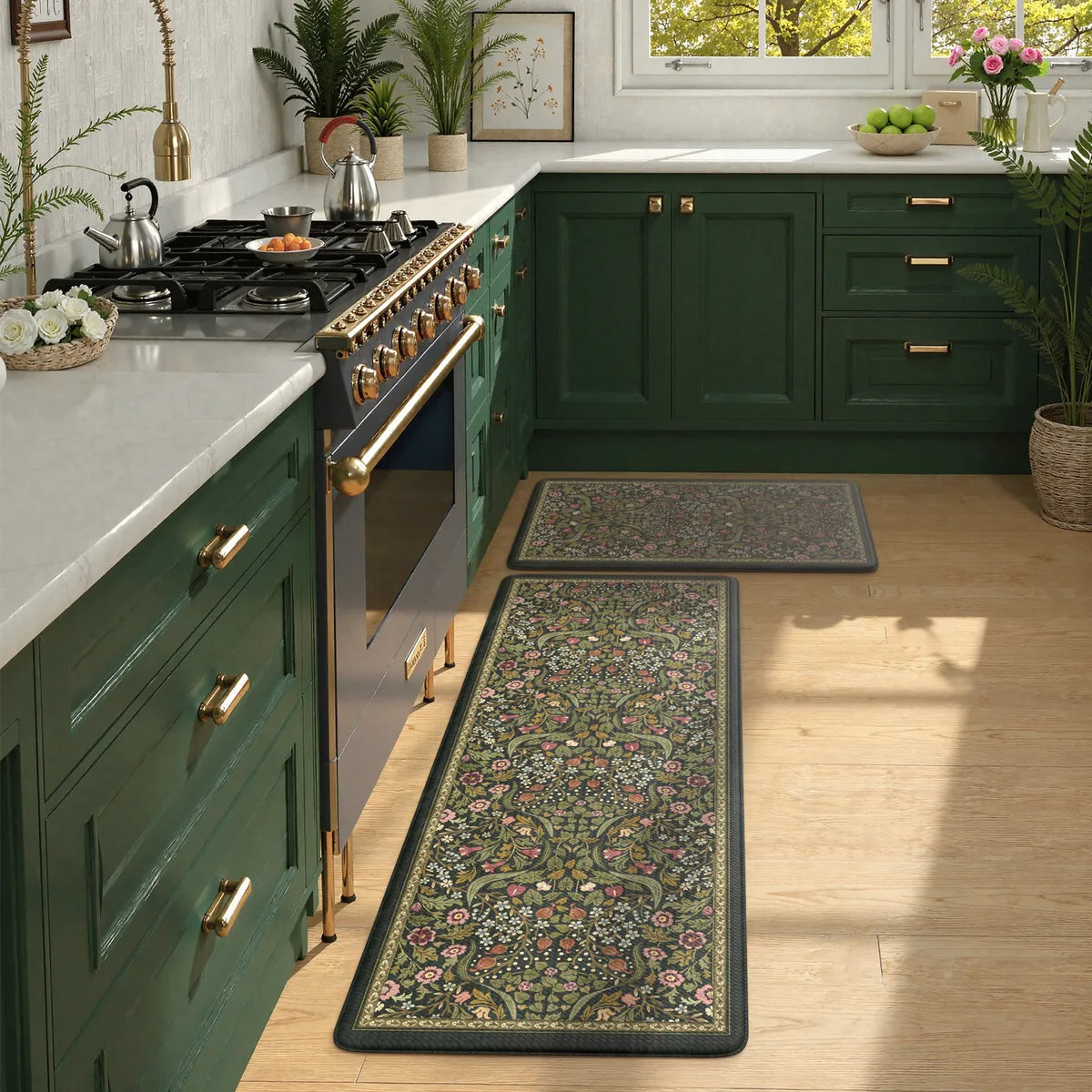
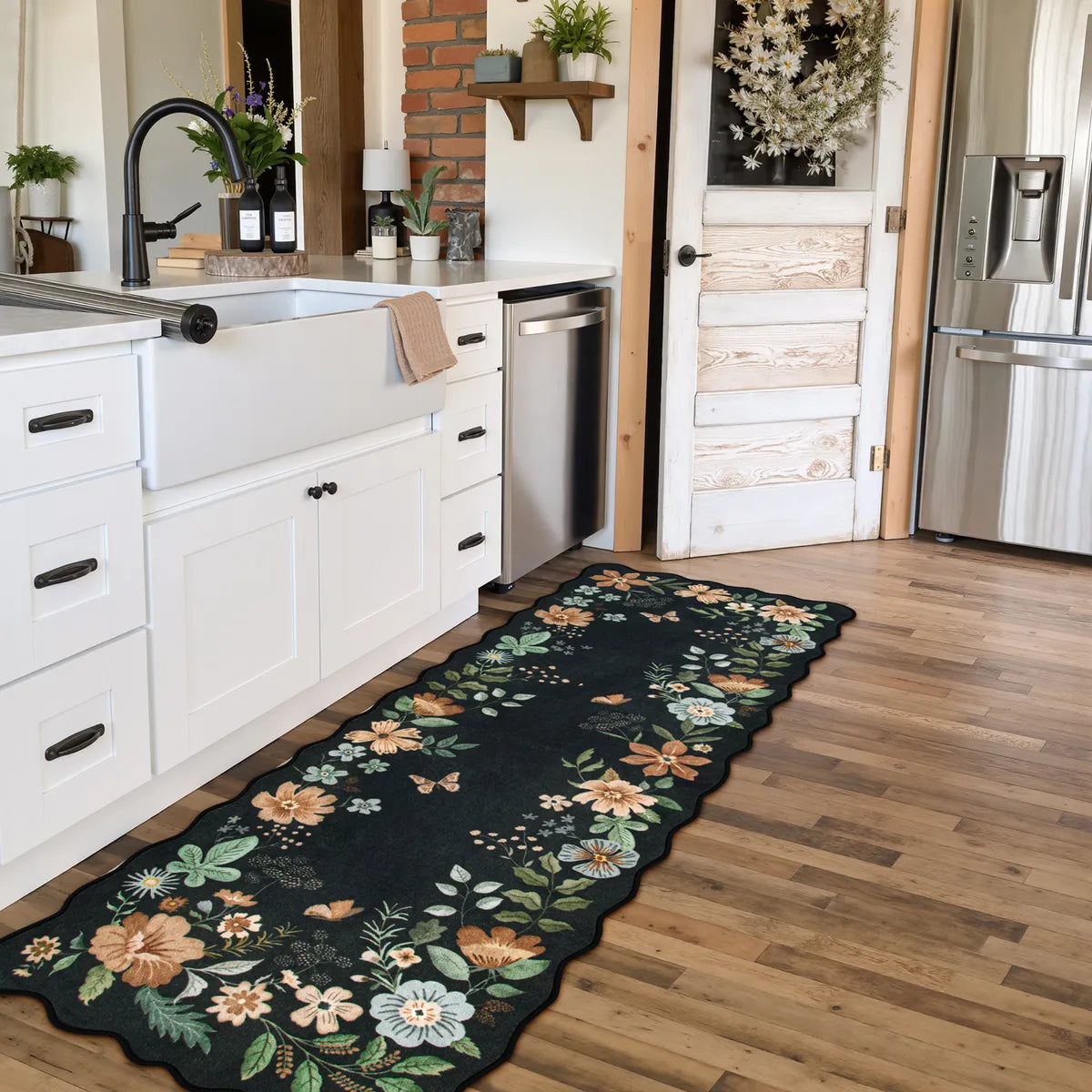
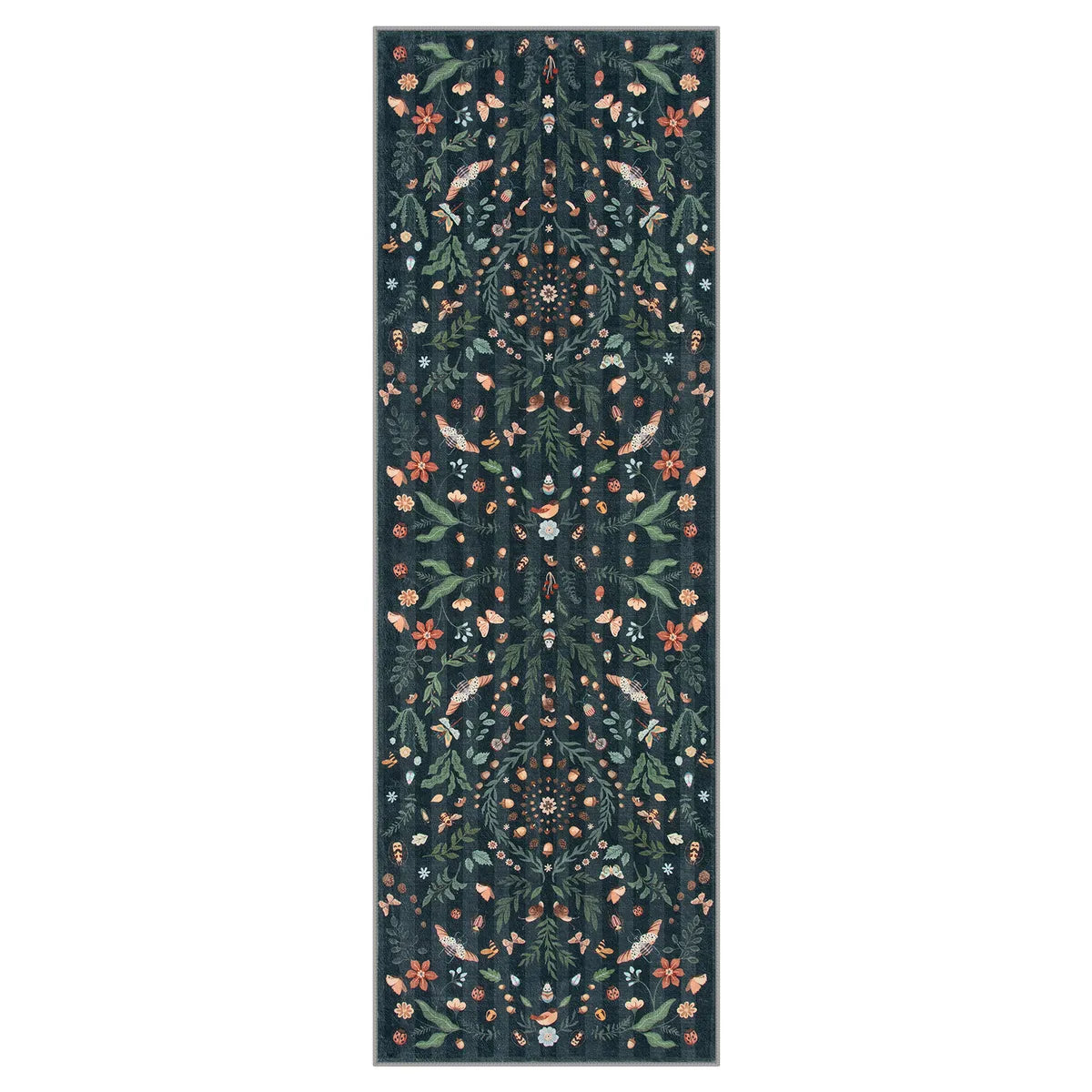
Layout determines format. A runner carpet is a long, narrow rug traditionally used in hallways and tight spaces. In laundry rooms, it is especially well-suited for covering the length of side-by-side machines or filling a narrow, corridor-style room. The table below offers a quick reference for matching rug format to common room layouts.
| Room Layout | Best Format | Recommended Placement |
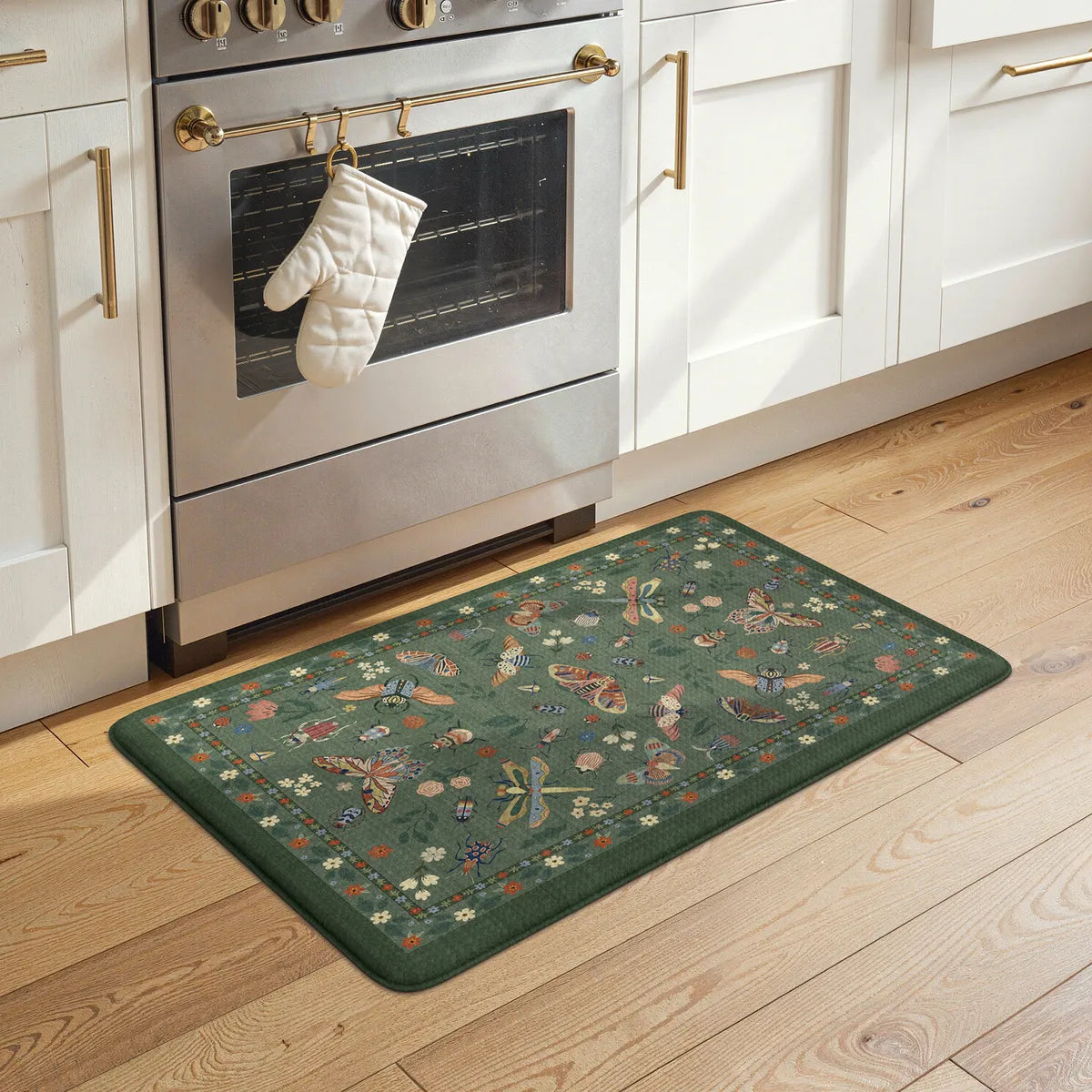
| Single washer or dryer | Area rug | Centered in front of the machine |
| Side-by-side machines | Runner carpet | Along the full machine length |
| Narrow hallway-style room | Runner carpet | Down the center of the room |
| Larger open laundry space | Area rug | In the primary activity zone |
Starting with your room's footprint takes most of the guesswork out of the decision.
Color and Pattern Tips for a Clean, Modern Look
Color and pattern set the visual tone for the entire room. A few practical guidelines worth following:
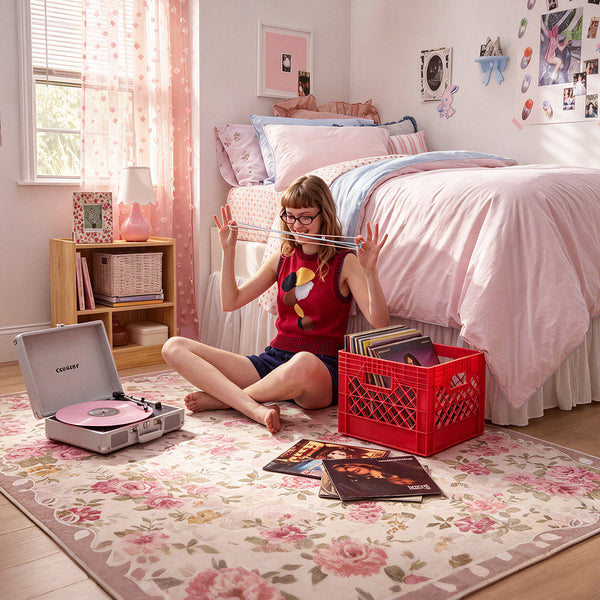
- Neutral tones such as whites, warm grays, and soft beiges make a compact laundry room feel more open and less cluttered.
- Geometric or subtle abstract patterns add visual interest without overwhelming a small space.
- Aim to echo two or three colors already present in the room, such as cabinet finishes, wall paint, or the appliance color.
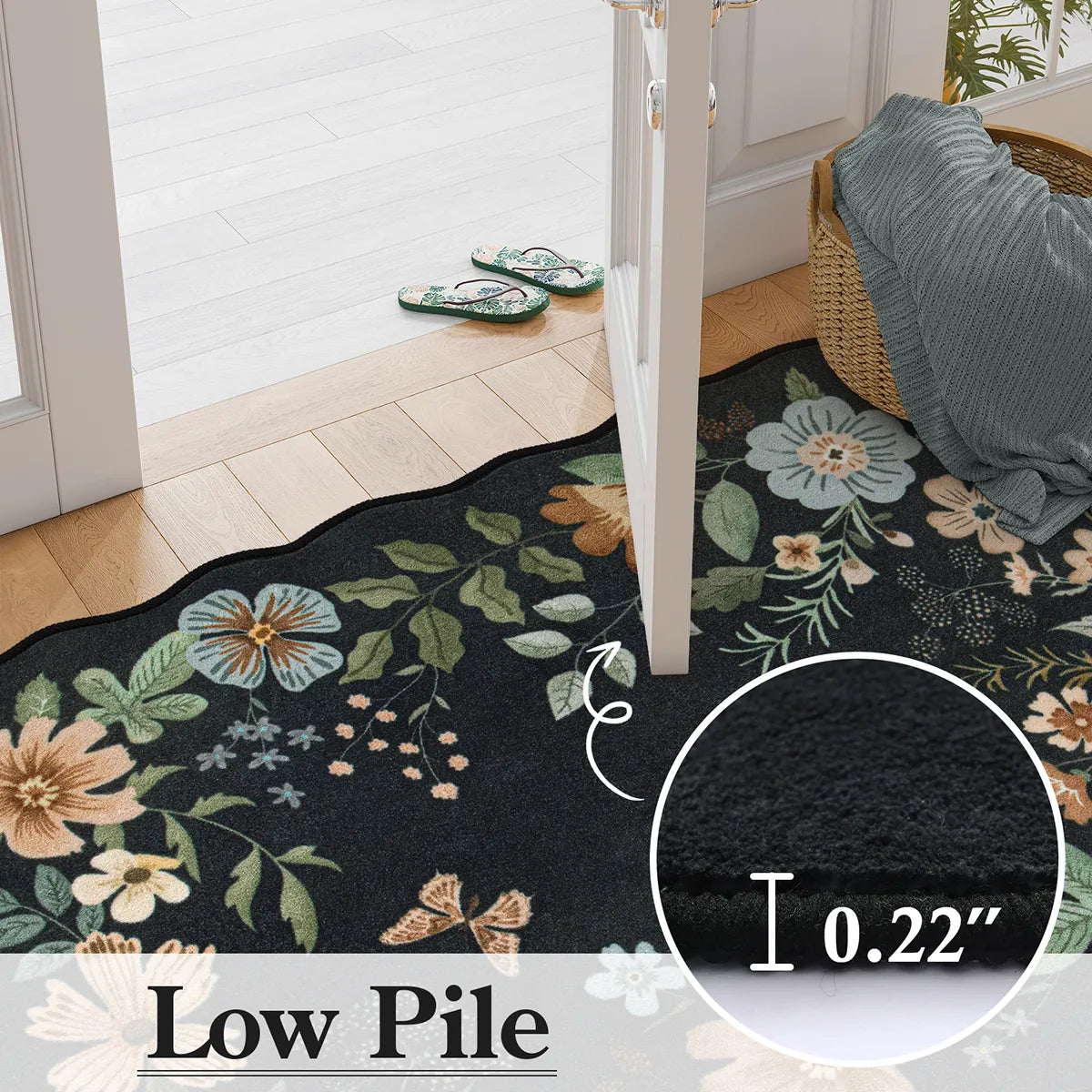
Low-pile rugs, those with shorter and flatter fibers, tend to hold their appearance longer in high-traffic spaces and are easier to keep looking fresh, making them a reliable default for laundry rooms.
A Smarter Laundry Room Starts at the Floor
The laundry room handles more daily use than most rooms in the house, and the floor takes the full impact of that activity. A washable floor rug brings together comfort, slip resistance, and cohesive style in one practical addition. Start with your room's layout and your top priority, whether that is safety, moisture control, or aesthetics, and finding the right fit becomes a straightforward decision.
FAQs about laundry room rugs
Q1. Should I Put a Rug in My Laundry Room?
Absolutely. Hard floors like tile and vinyl offer no cushioning, and they get slippery fast when wet. A washable floor rug solves both problems by adding comfort underfoot and giving you better traction during everyday laundry tasks. It is one of the easiest upgrades you can make to the space.
Q2. What Is the Best Type of Rug for a Laundry Room?
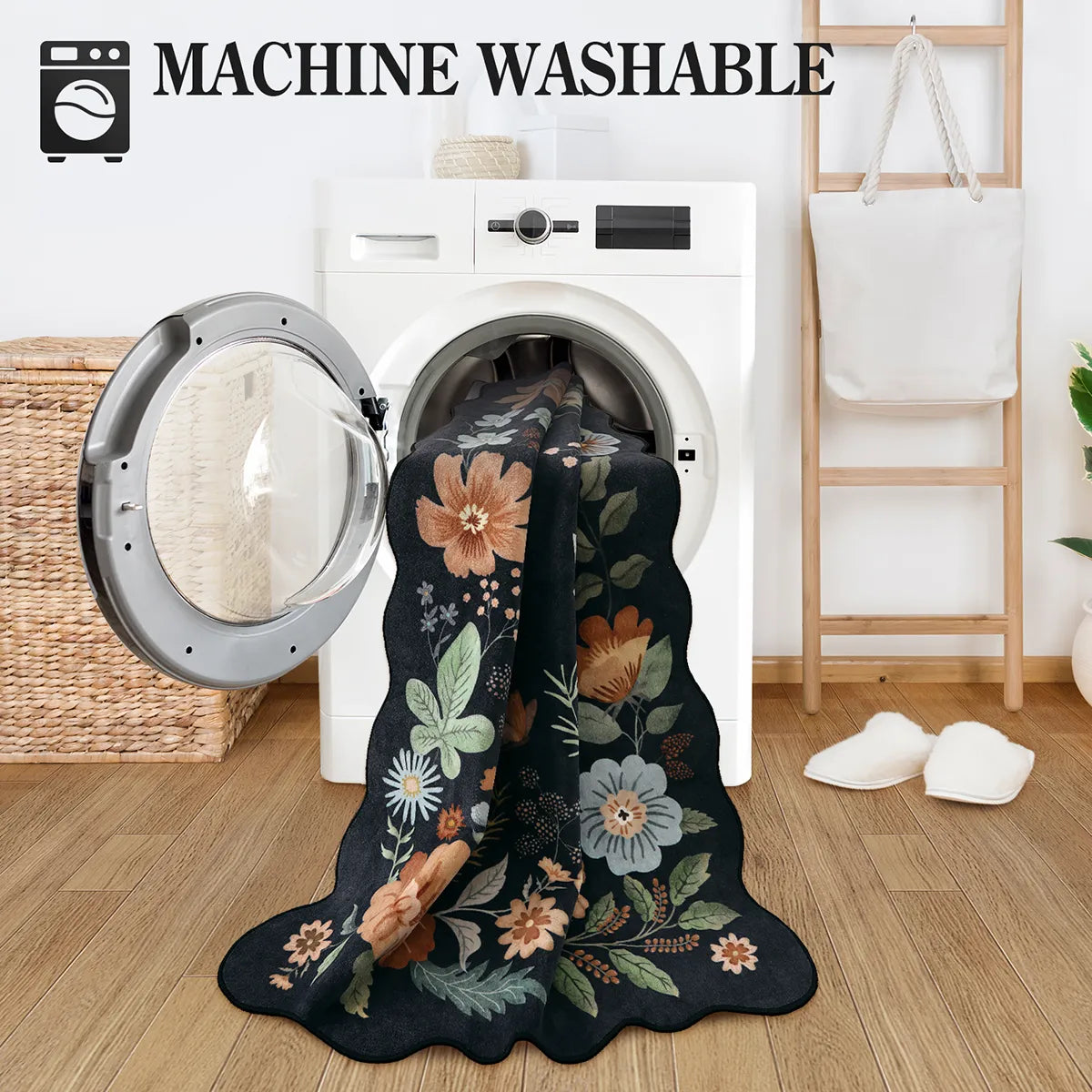
Look for three things: spillproof construction, a non-slip backing, and machine-washable material. Spillproof means liquids bead up on the surface instead of soaking in. Non-slip backing keeps the rug from sliding around on hard floors. And machine-washable means you can keep it clean without any hassle. A low-pile style, which has shorter, flatter fibers, is also a smart pick since it stays looking neat longer in a busy space.
Q3. Are Non-Slip Rugs Effective on Polished or Sealed Concrete Floors?
Yes, most non-slip rugs work well on sealed concrete, especially ones with rubber or latex backings. That said, grip can be slightly less consistent on very smooth surfaces compared to textured tile. Choosing a rug with full-coverage backing rather than scattered grip dots gives you the most stable hold on a polished concrete floor.
Q4. What Is the Difference Between a Spillproof Rug and a Waterproof Rug?
A spillproof rug buys you time. Liquids sit on the surface for a few seconds so you can wipe them up before they soak through. A waterproof rug blocks liquid completely with a sealed underlayer. For a laundry room, spillproof is usually enough and tends to feel softer and more comfortable underfoot than a fully waterproof option.